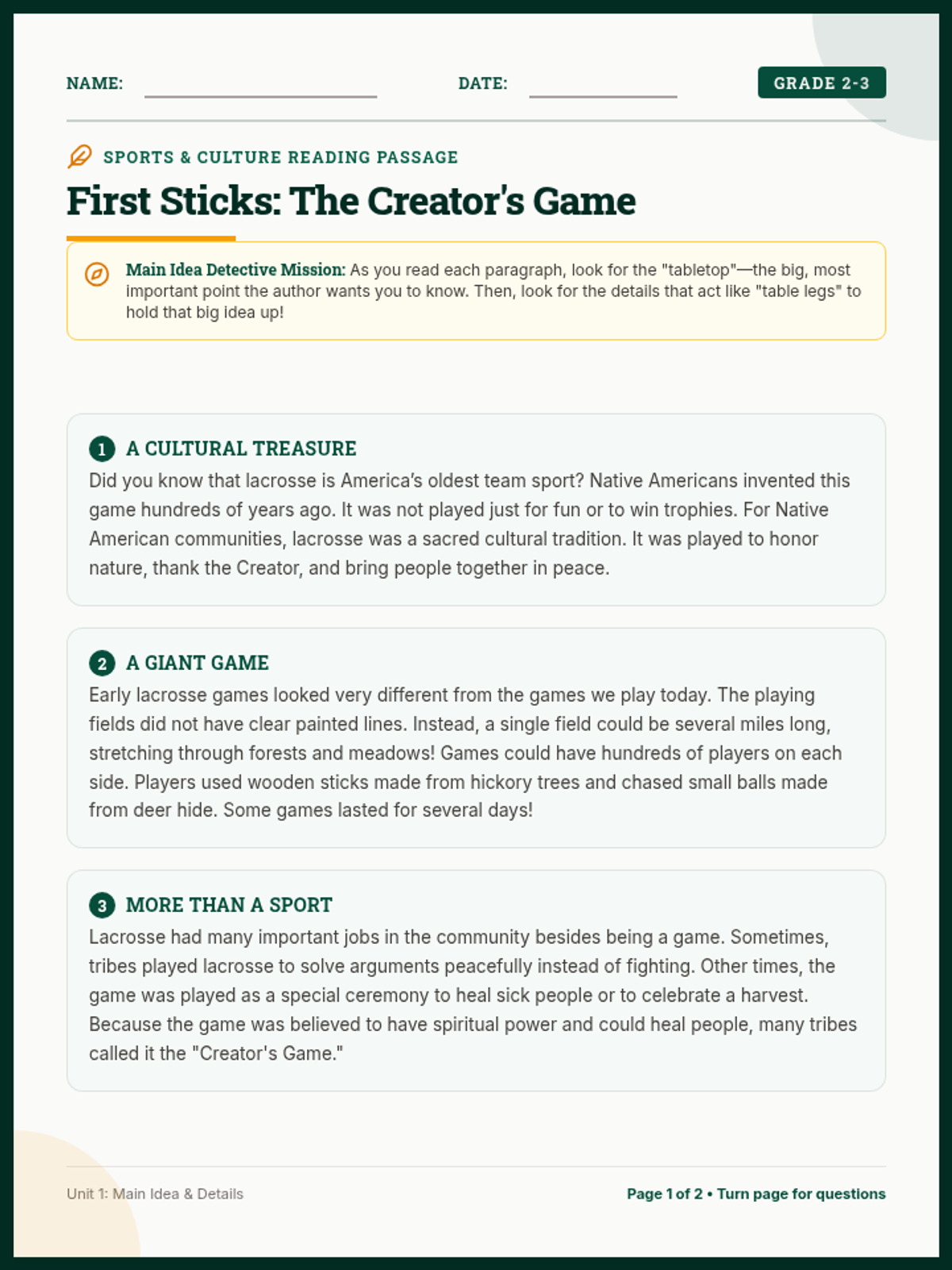
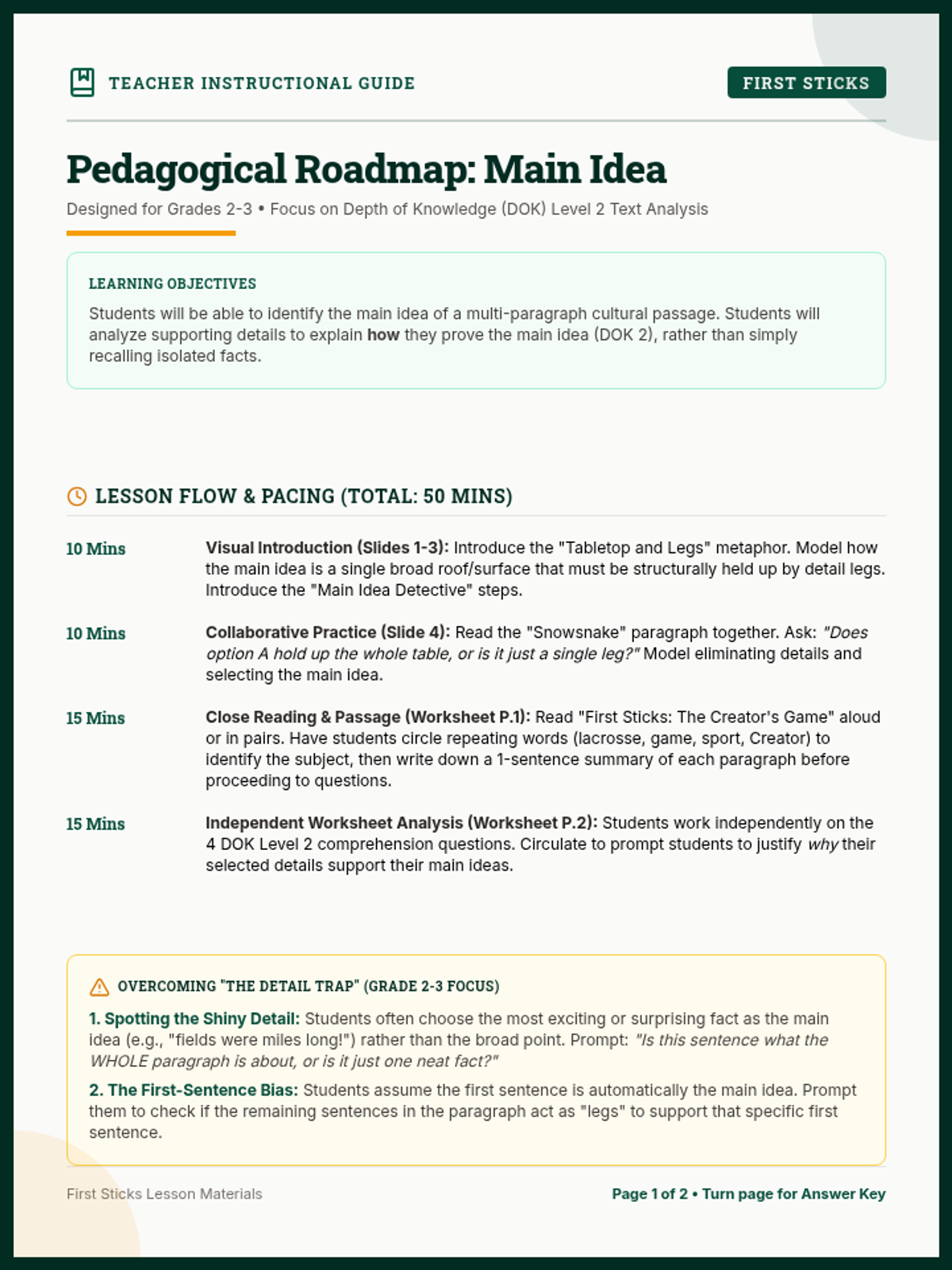
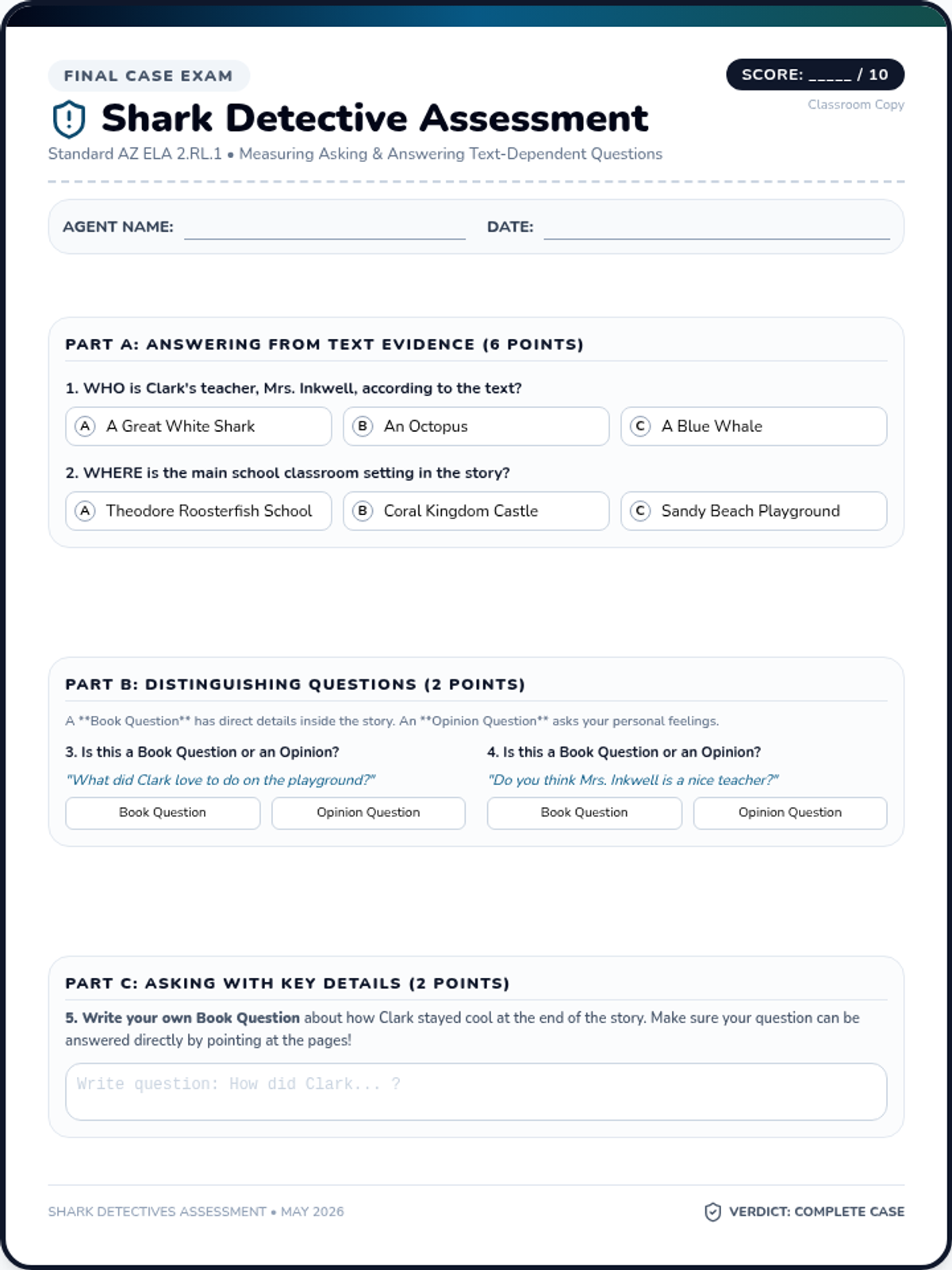
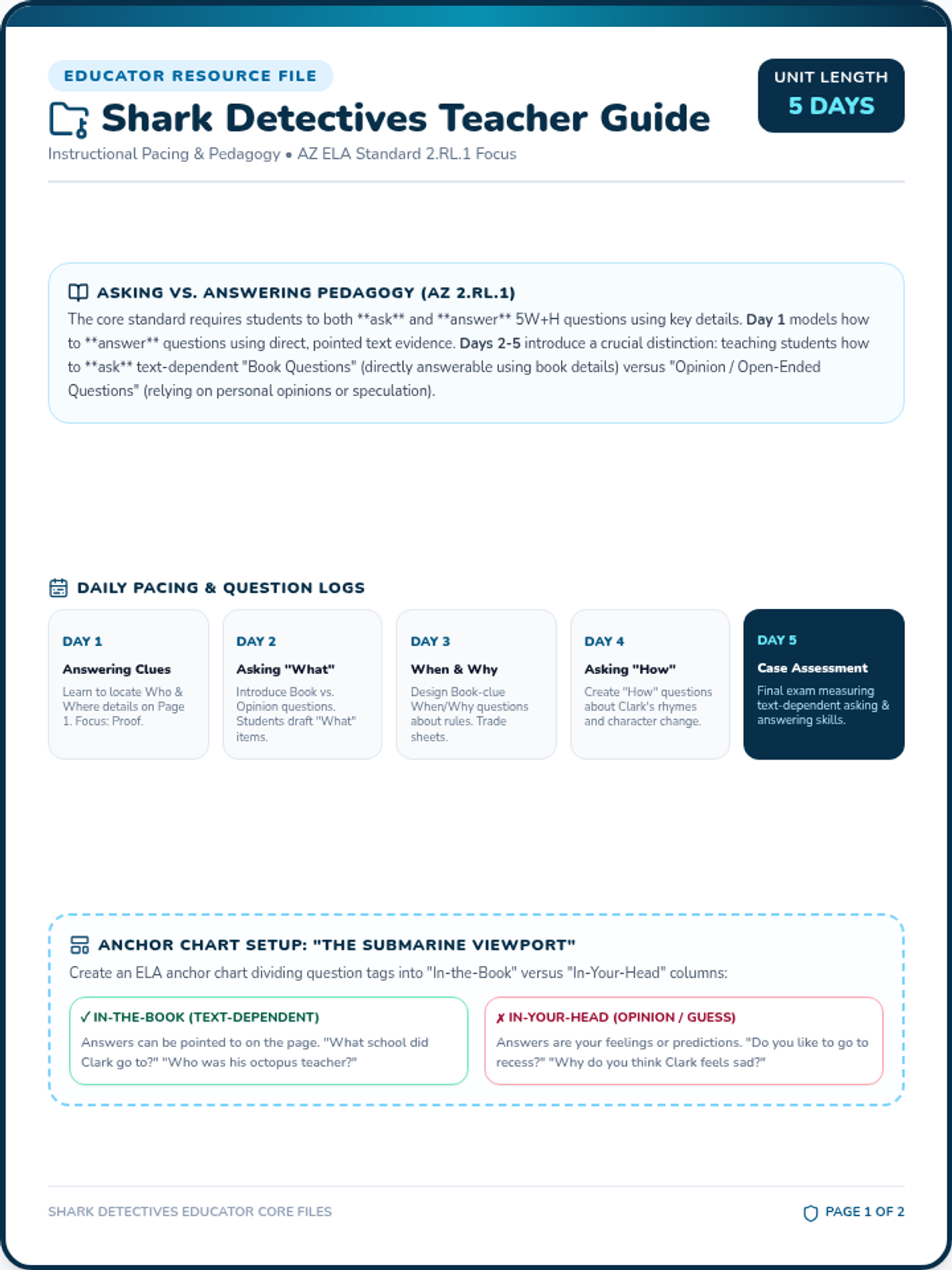
An introductory lesson for 2nd graders to distinguish between open and closed syllables using the 'Syllable House' metaphor. Students will learn how the position of a consonant affects vowel sounds.
A comprehensive lesson focused on AZ 3.RL.2, where students read three classic fables and analyze their central messages and supporting details.
A phonics lesson focusing on continuous blending techniques for CVC words across all short vowel sounds, featuring a hands-on cut-and-paste activity.
Students become 'Echo Agents' to master the TTQA (Turn The Question Around) technique, focusing on constructing strong oral responses by repurposing the wording of a question. This lesson emphasizes clear speaking, active listening, and the structural bridge between a question and its answer.
The kickoff and management phase of the summative rhetoric project, including the assignment brief, evaluation criteria, and instructional support.
A comprehensive lesson on identifying and sorting long 'a' vowel patterns, focusing on open syllables, VCe, and the 'ai' vowel team in 1-2 syllable words.
A comprehensive lesson guiding students from the history and purpose of slam poetry through writing original verses to performing with impact and giving constructive peer feedback.
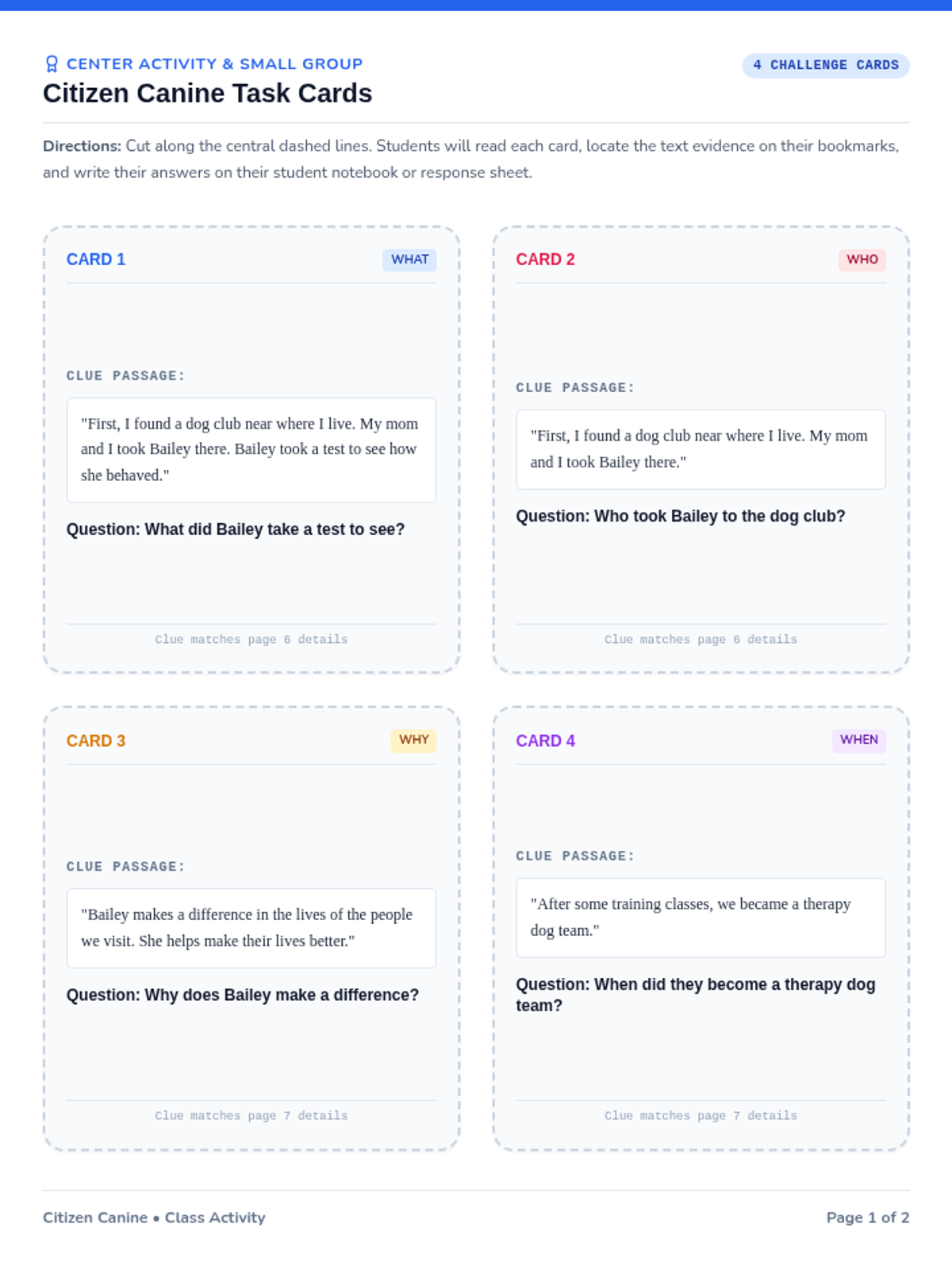
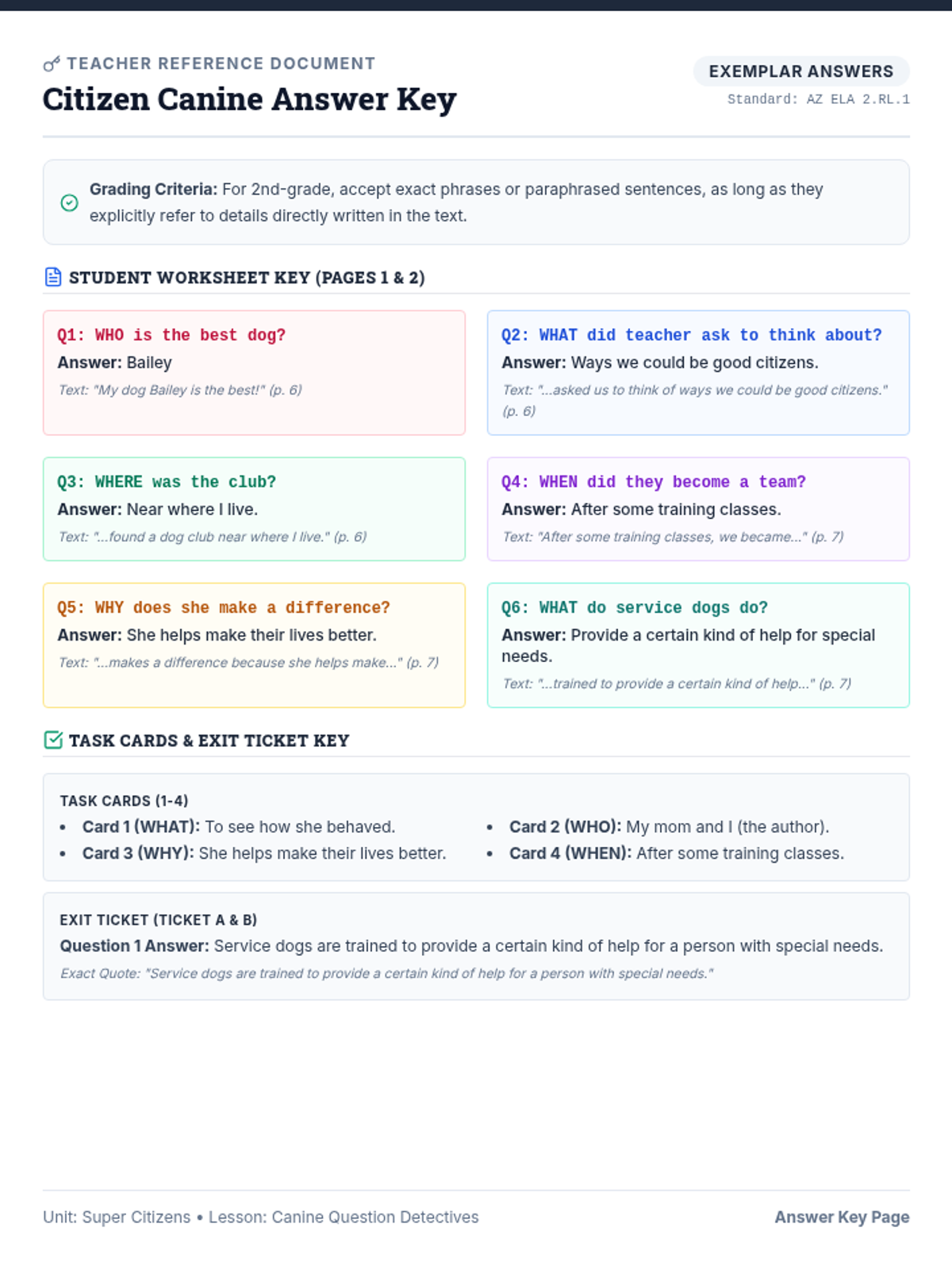
A comprehensive lesson covering Chapter 1 of 'Jane Goodall and the Chimpanzees of Gombe,' focusing on reading comprehension across three distinct ability levels and specialized vocabulary development using picture-matching activities.
Dives into rhetorical analysis, advanced syntax, and persuasive writing through the lens of modern digital ethics. High school students analyze complex arguments and craft their own editorial pieces using sophisticated language structures.
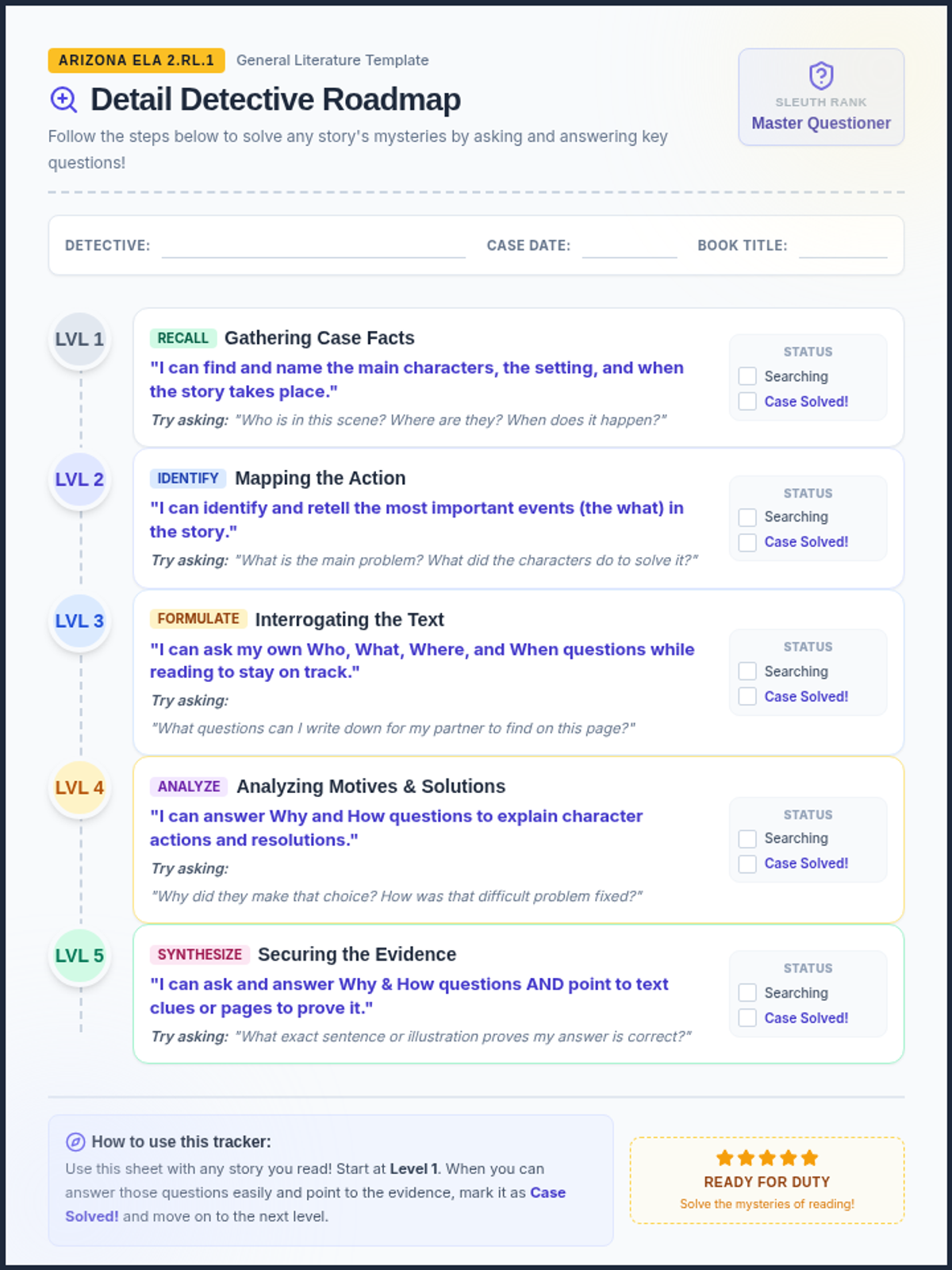
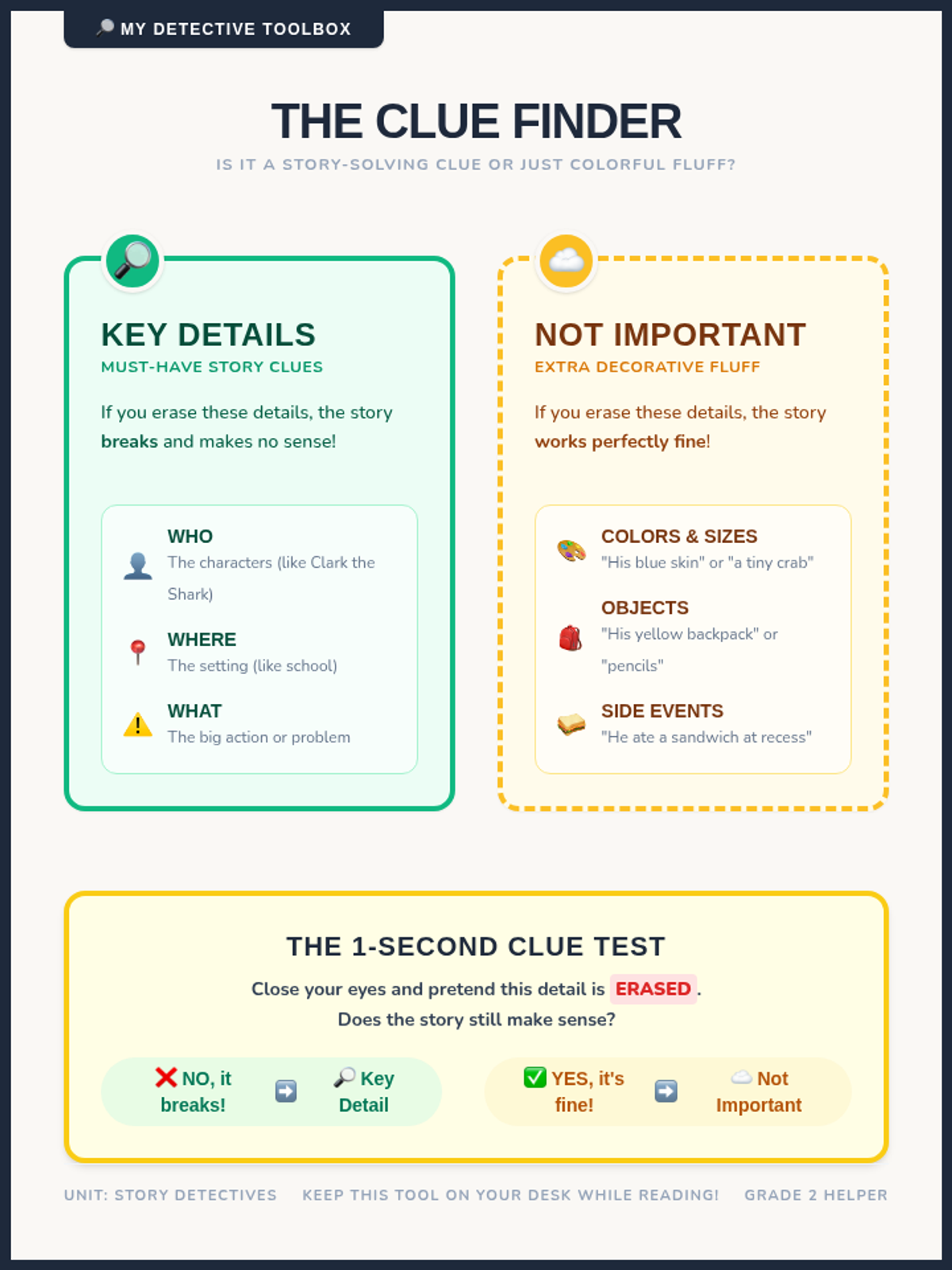
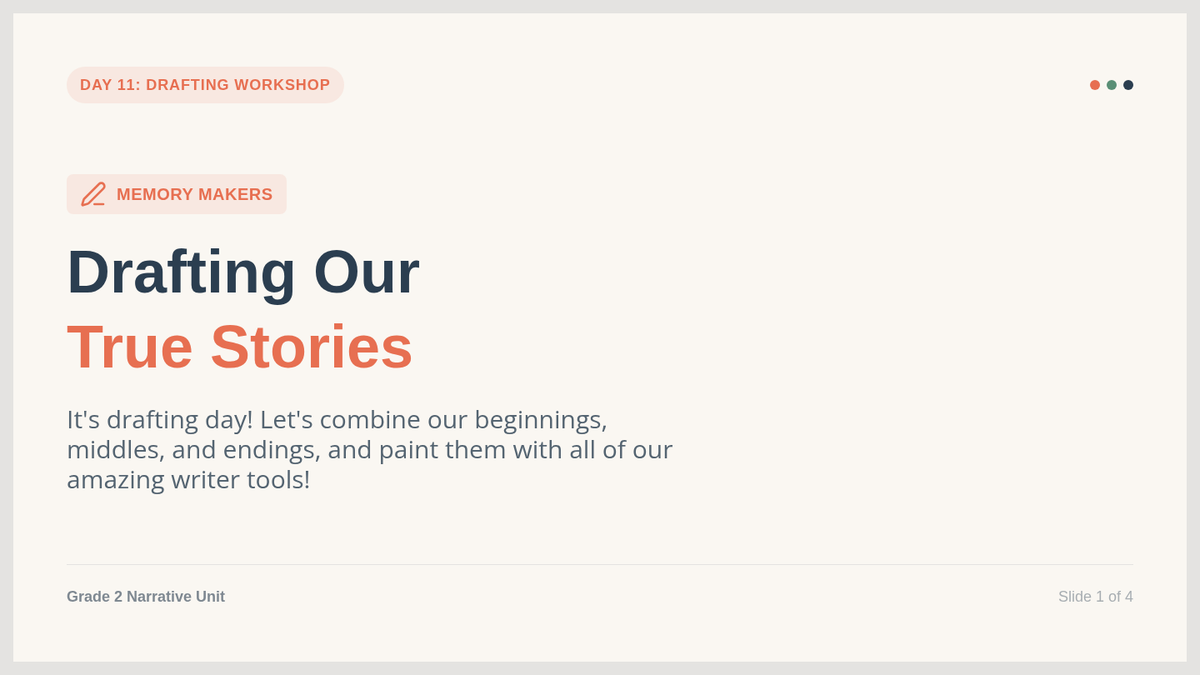
Focuses on identifying key details, parts of speech, and narrative structure through a 1920s mystery news story. Students act as cub reporters to decode a manuscript and practice foundational grammar within a storytelling context.
A comprehensive introduction to figurative language for 6th graders, exploring eight key devices through the lens of a "Word Factory" where language is manufactured for maximum impact.
A deep dive into the themes and literary elements of 'The One and Only Ivan' through chapter-by-chapter analysis and character exploration.
An in-depth exploration of 'Wonder' by R.J. Palacio, featuring detective-themed discussion prompts, vocabulary evidence, and empathy-building activities.
A quick-fire warm-up activity where students visit the 'Sentence Repair Shop' to identify and fix broken sentence fragments. Students use task cards and a job log to demonstrate their mastery of complete sentences.
Covers the resolution of the story, character growth, and the ultimate lesson learned by the 'Man with the Plan'.
Tracks the execution of the heist, focusing on pacing, suspense, and the climax of the novel.
Analyzes the logistical planning of the heist and the internal conflicts that arise within the group.
Explores how Griffin assembles his specialized team, focusing on individual character traits and unique skills.
Focuses on the initial conflict: Griffin Bing's discovery of the Babe Ruth baseball card and S. Wendell Palomino's betrayal.
A high-energy, collaborative lesson focusing on parts of speech through funny Valentine's Day themed Mad Libs. All romantic content has been replaced with themes of friendship and celebration.
A vocabulary journey through the bustling atmosphere of New York City's Penn Station, teaching 10 key words through urban exploration.
A comprehensive literacy lesson for second graders focusing on long vowel sounds (A, I, O, U) through a whimsical story, readers' theater script, and interactive sorting activities.
Focuses on the pivotal events of the Wexler bridal shower, the detonation of the third bomb, and the growing evidence surrounding the bomber's identity.
A comprehensive set of activities and assessments for Chapter 15 of 'The Westing Game', focusing on character development, inference, and cause-and-effect relationships during the Wexler party.
A lesson focused on presenting original Choose Your Own Adventure books to an audience, incorporating adult feedback and student reflection.
An advanced magic class for Primer sight words, focusing on more complex sentence structures and word recognition. Students continue their journey to become Master Word Wizards.
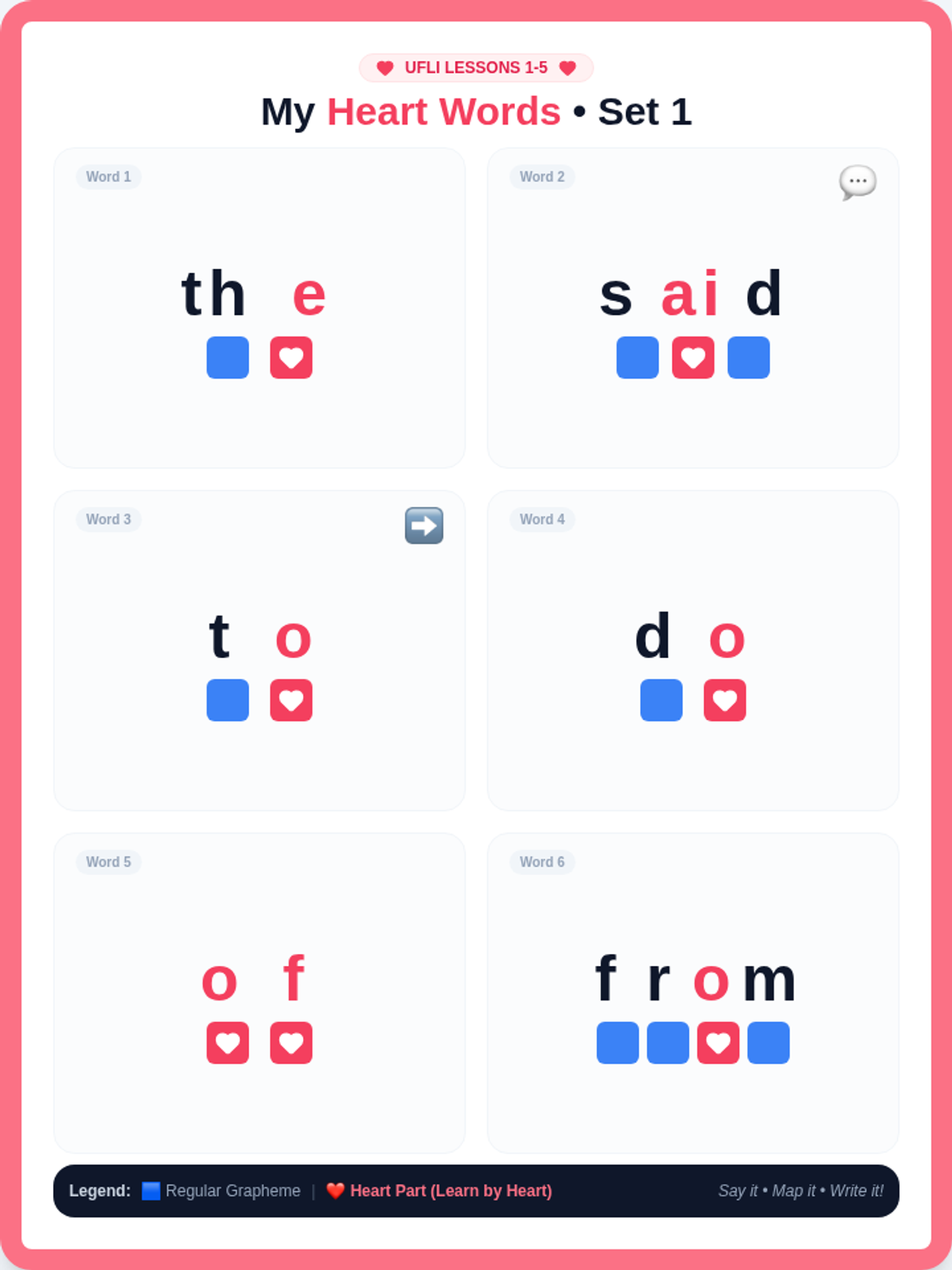
A magical introduction to Pre-Primer sight words, focusing on recognition and usage through sentence frames and cloze activities. Students will transform into Word Wizards to master high-frequency words.
A lesson for 2nd graders to practice the past tense of specific verbs using a fun 'Verb Rodeo' theme. Students will learn to distinguish between regular and irregular past tense forms through matching and sentence completion.
A comprehensive teacher resource for Frederick Douglass Narrative Chapter 5, focusing on contrast in environments and its impact on identity. Includes monitoring tools for Everybody Writes and Final Write assessments.
A quick modeling session focused on analyzing how specific word choices reveal character traits in a descriptive passage, designed for 7th-grade SpEd students.
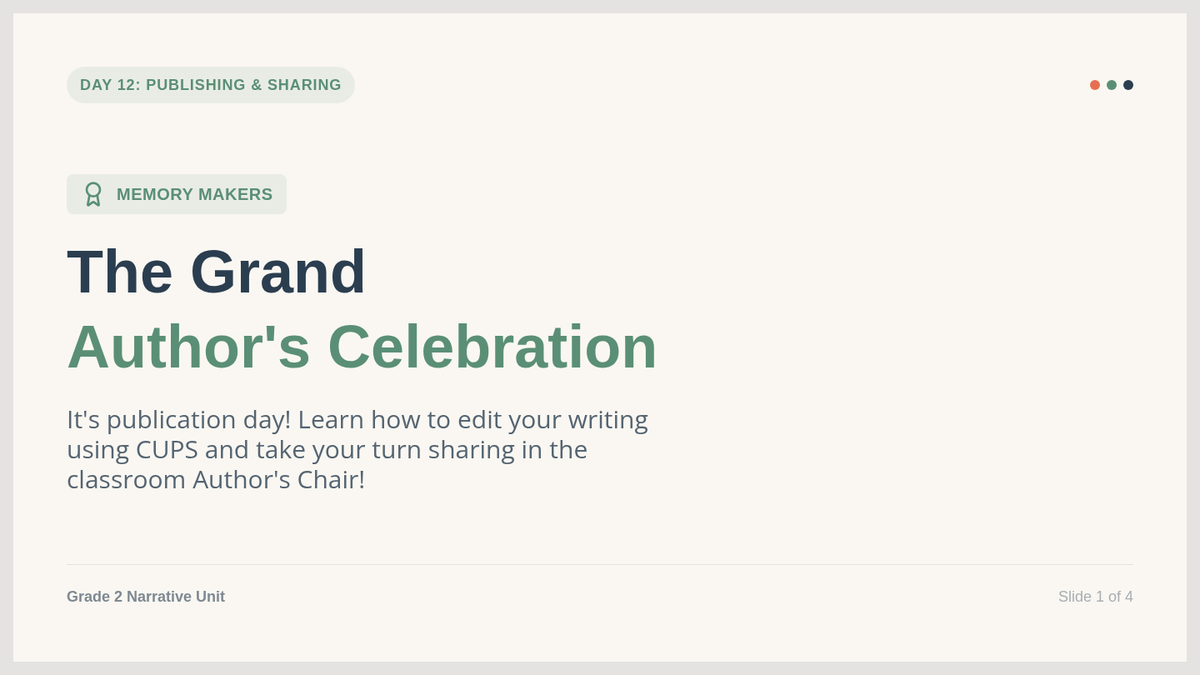
A lesson where students learn to 'diagnose' and 'treat' common writing issues in their personal essays using the ARMS and CUPS strategies. Students practice on a sample 'sick' essay before operating on their own preassessment drafts.
A decodable reader and guided reading lesson focused on S-blends (sk, sl, st, sc, sw, sm) through the story of Skip the skunk's clumsy accident.
A fun, beach-themed lesson focusing on reading and writing high-frequency words that end with the 'ch' digraph. Students will engage with 10 key words through tracing, sentence completion, and visual identification.
A lesson exploring the famous case of Phineas Gage to understand the connection between brain structure and personality, meeting Oregon learning standards for reading informational text.
A focused 30-minute exploration of Macbeth's moral decay and psychological collapse across Act II, Scene 2 and Act III, Scene 4. Students analyze the immediate aftermath of regicide and the public appearance of Banquo's ghost to determine if Macbeth is fit for the crown.
This lesson focuses on Chapter 4 of Frederick Douglass's narrative, analyzing how specific accounts of murder illustrate the inhumanity of slavery and the corruption of the Southern legal system. Students analyze key lines and imagery to identify Douglass's central claims about the lack of justice and value placed on enslaved lives.