Focuses on identifying key details, parts of speech, and narrative structure through a 1920s mystery news story. Students act as cub reporters to decode a manuscript and practice foundational grammar within a storytelling context.
A 15-minute center rotation focused on using context clues (synonyms, antonyms, examples, and definitions) to infer the meaning of unfamiliar words through a 'Word Detective' theme.
A comprehensive lesson focused on AZ 3.RL.2, where students read three classic fables and analyze their central messages and supporting details.
An introductory lesson for 2nd graders to distinguish between open and closed syllables using the 'Syllable House' metaphor. Students will learn how the position of a consonant affects vowel sounds.
A 45-minute immersive lesson where students use sensory language to analyze environmental impact and collaborate on protecting 'the last seed.'
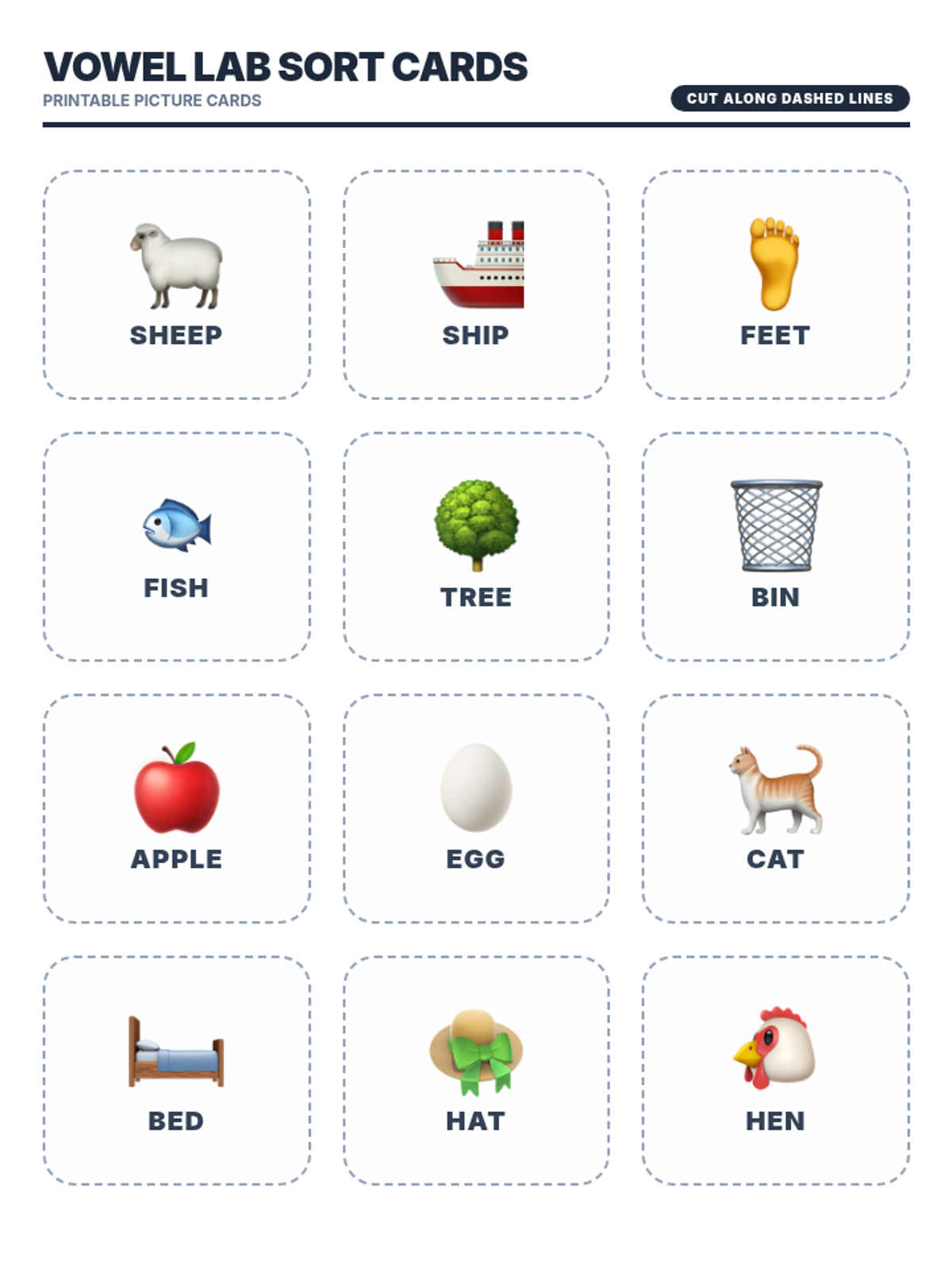
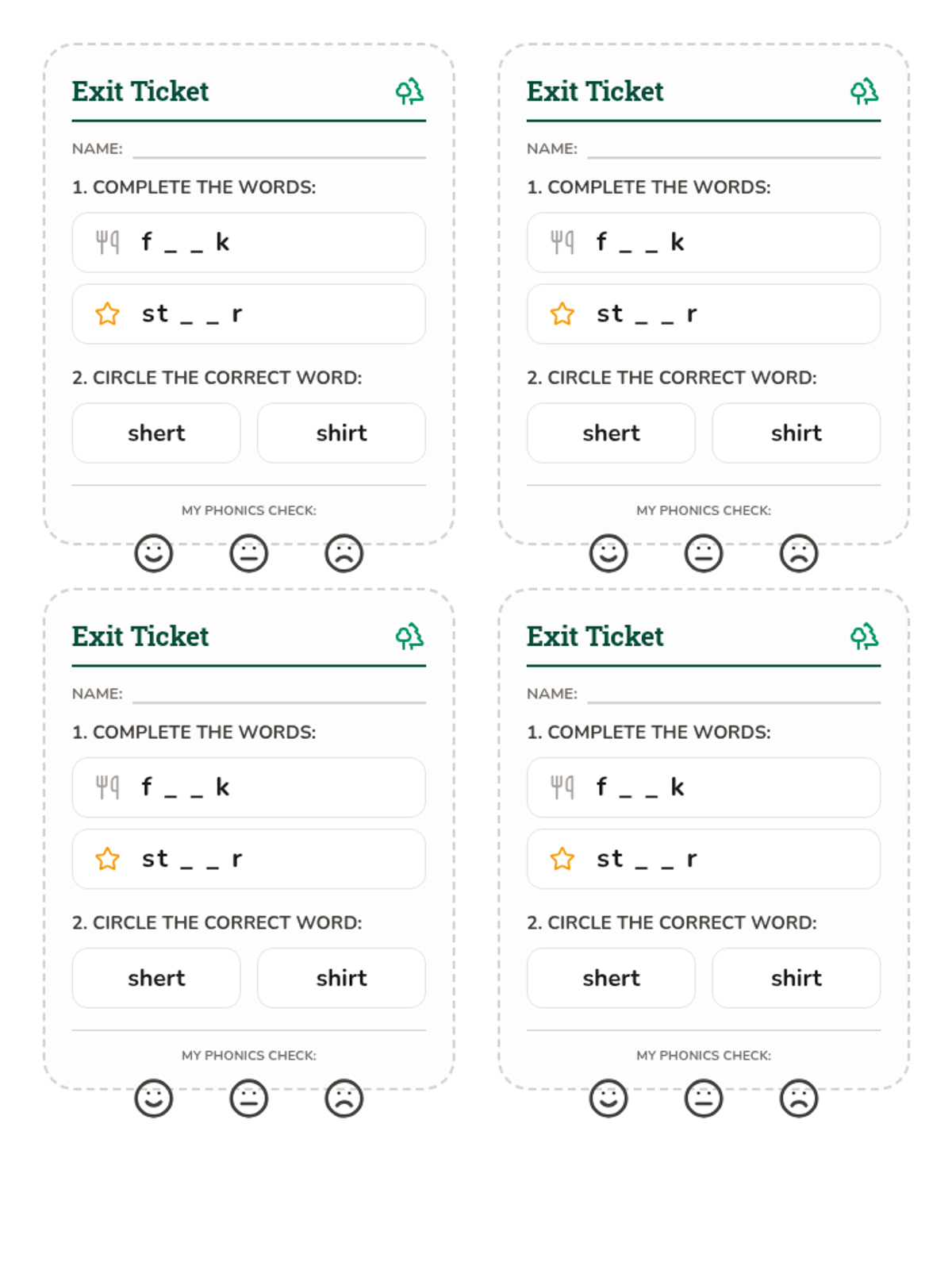
A phonics lesson focusing on continuous blending techniques for CVC words across all short vowel sounds, featuring a hands-on cut-and-paste activity.
Students become 'Echo Agents' to master the TTQA (Turn The Question Around) technique, focusing on constructing strong oral responses by repurposing the wording of a question. This lesson emphasizes clear speaking, active listening, and the structural bridge between a question and its answer.
The kickoff and management phase of the summative rhetoric project, including the assignment brief, evaluation criteria, and instructional support.
Students will explore the historical context of the 1900 Galveston Hurricane, practice identifying central ideas and supporting details, and complete a STAAR-formatted assessment.
Consolidates skills through independent practice and a formal assessment to gauge student mastery.