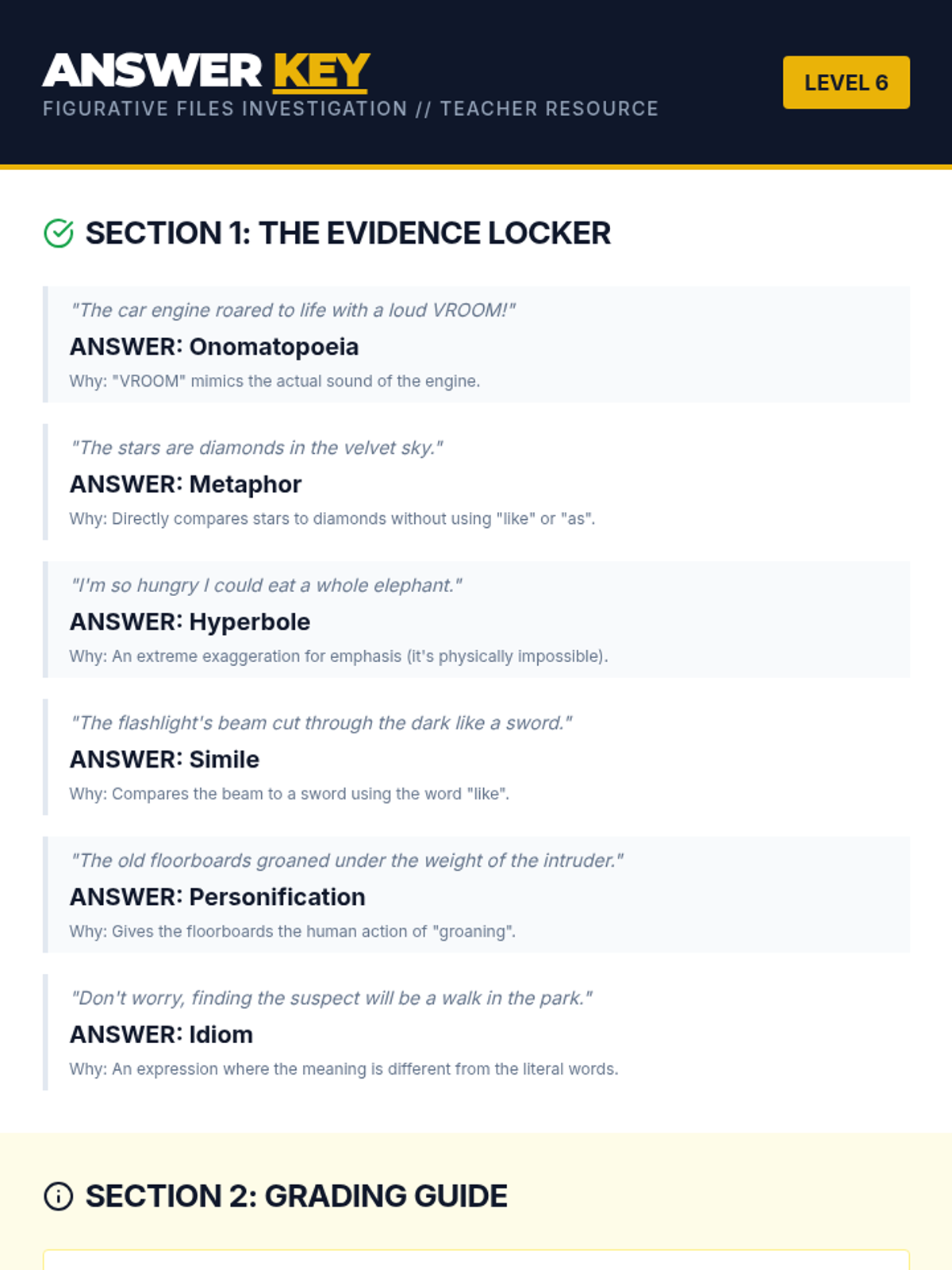
A comprehensive introduction to figurative language for 6th graders, exploring eight key devices through the lens of a "Word Factory" where language is manufactured for maximum impact.
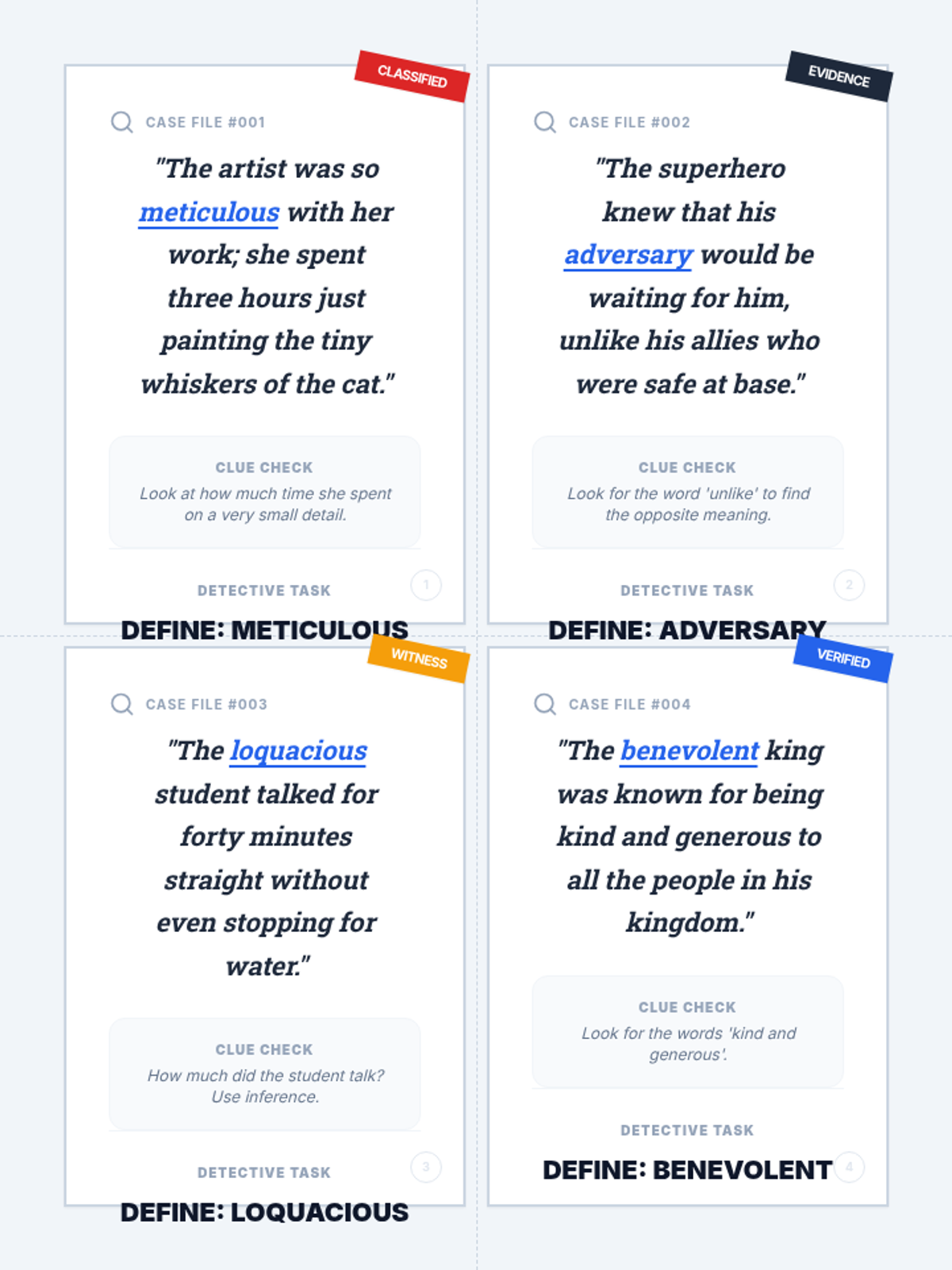
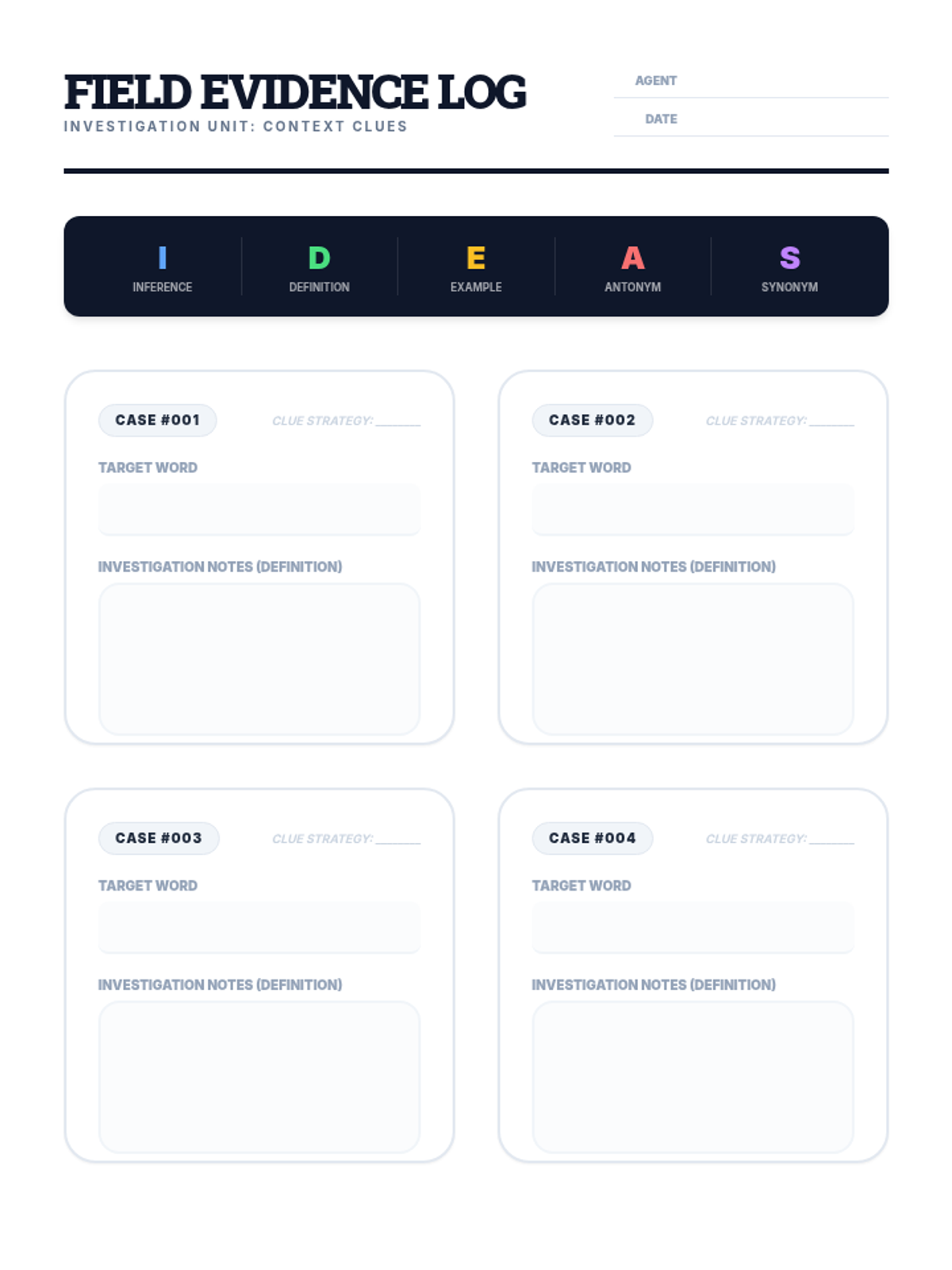
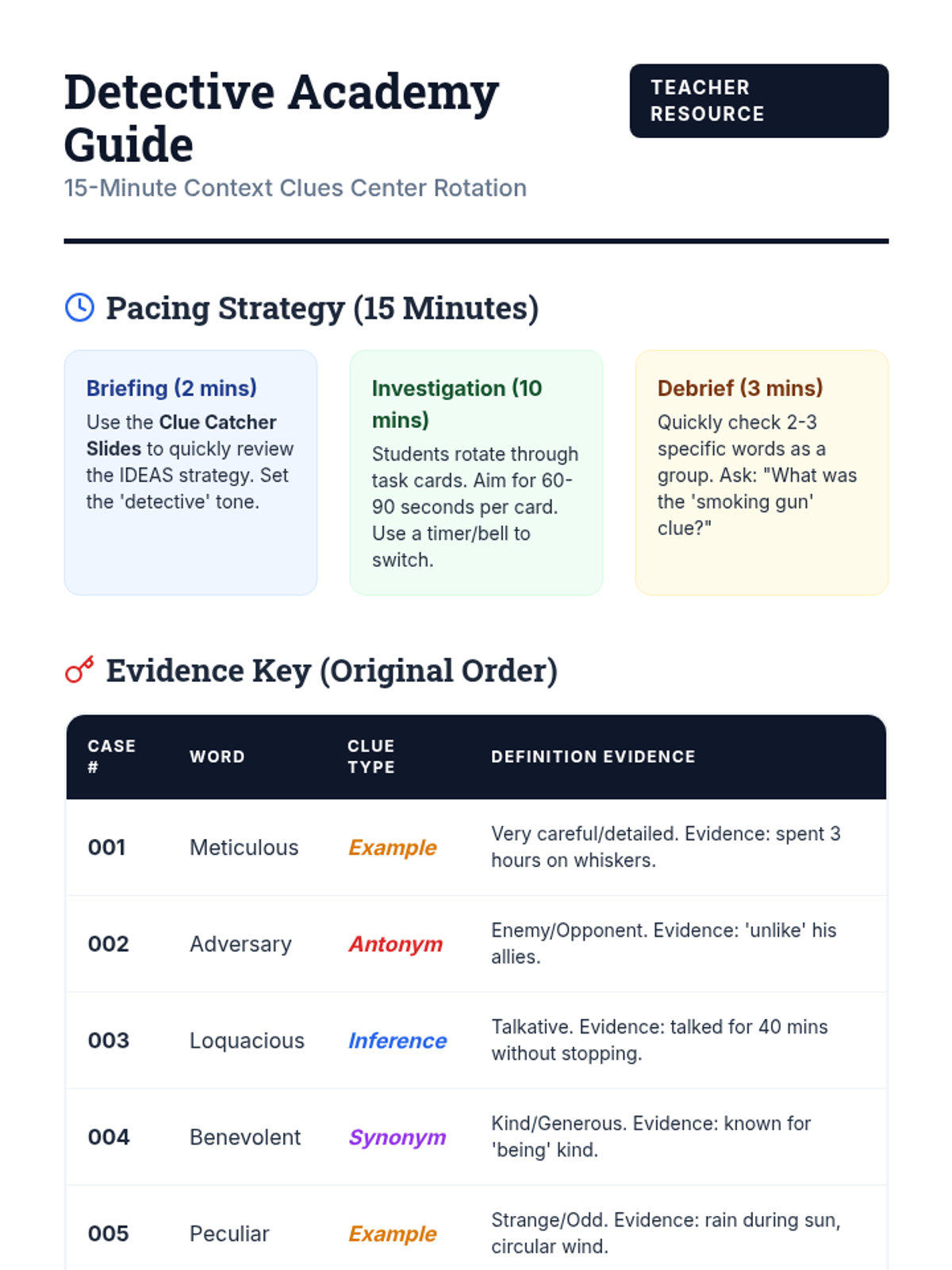
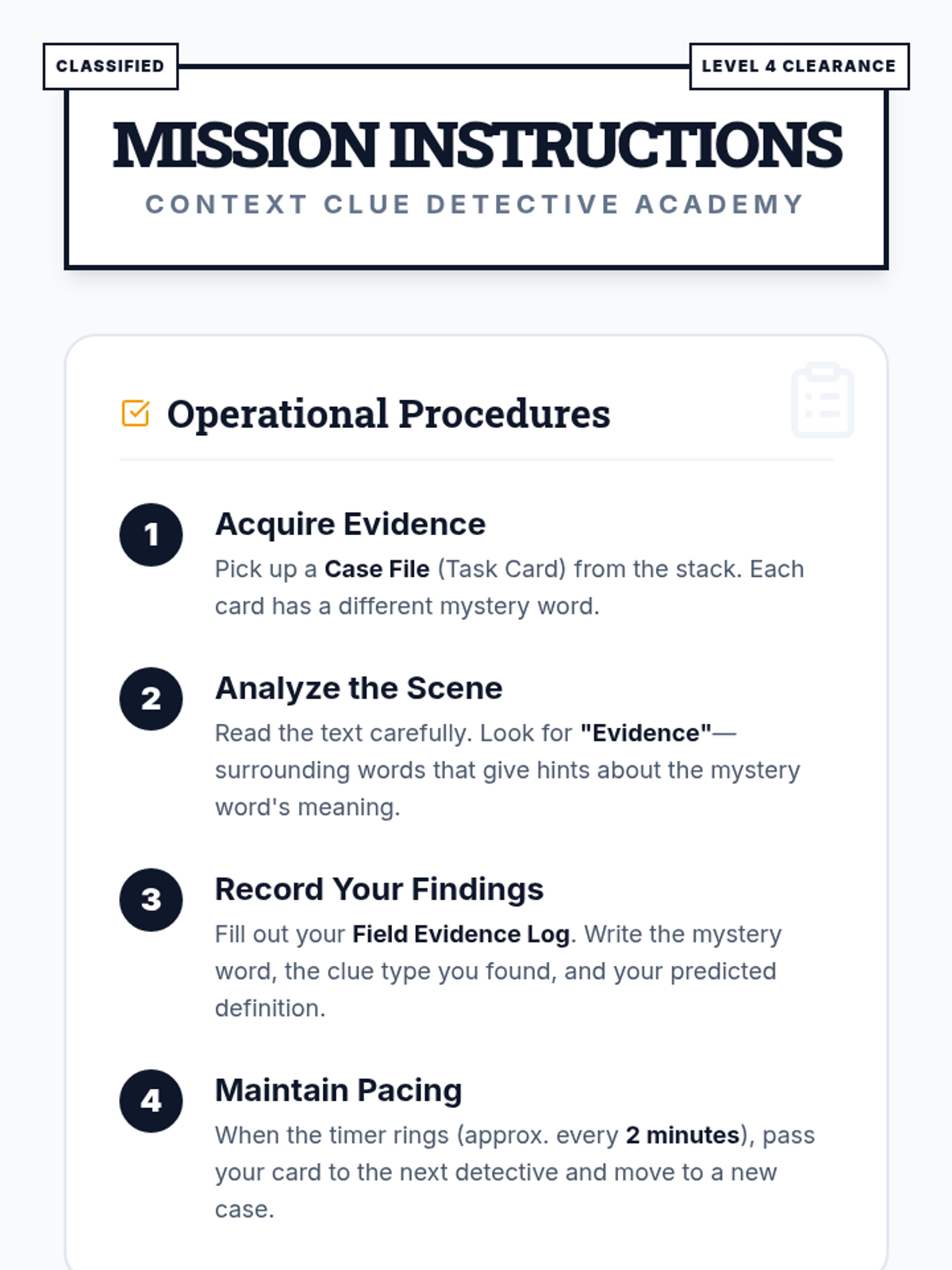
A 15-minute center rotation focused on using context clues (synonyms, antonyms, examples, and definitions) to infer the meaning of unfamiliar words through a 'Word Detective' theme.
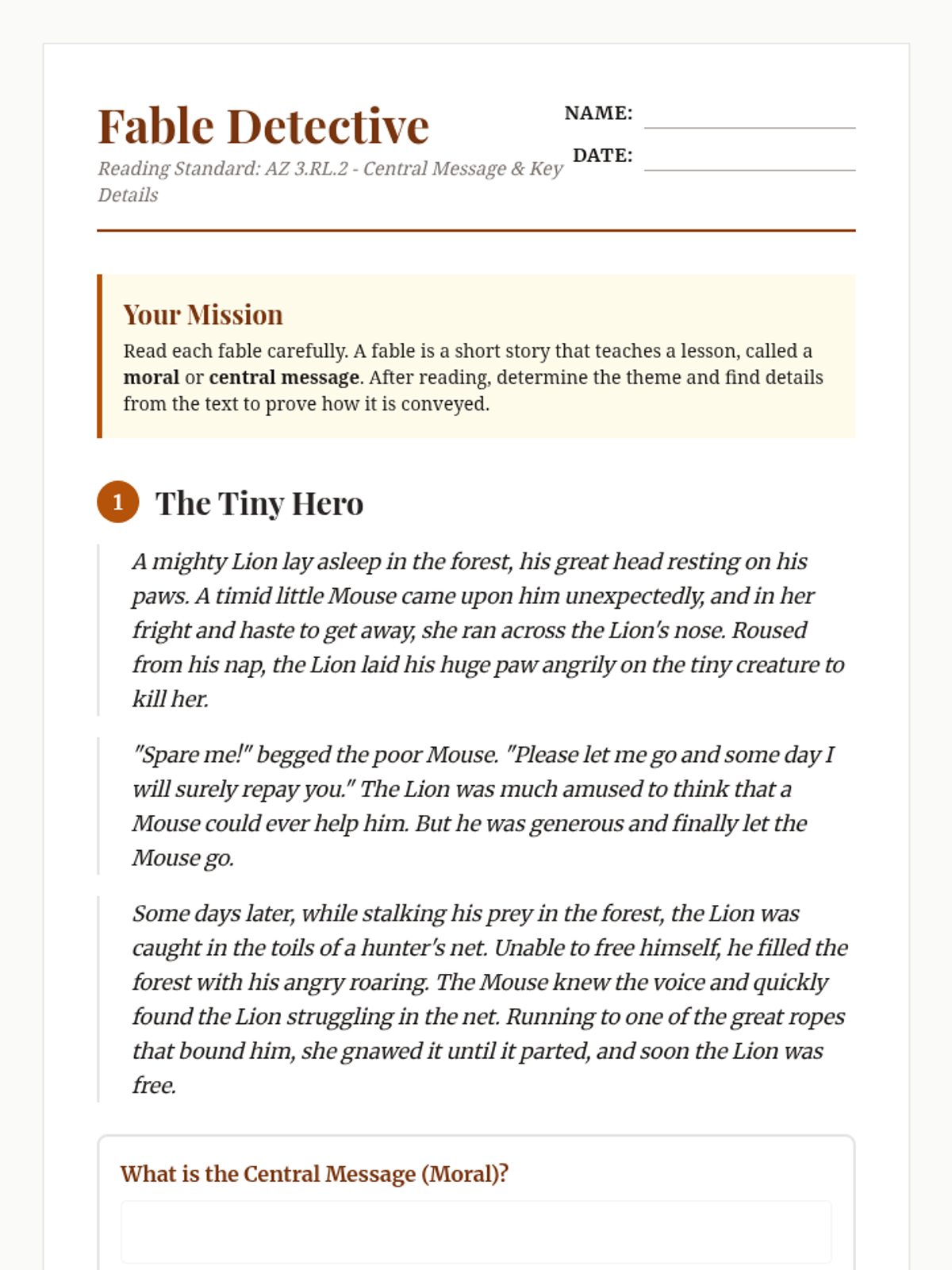
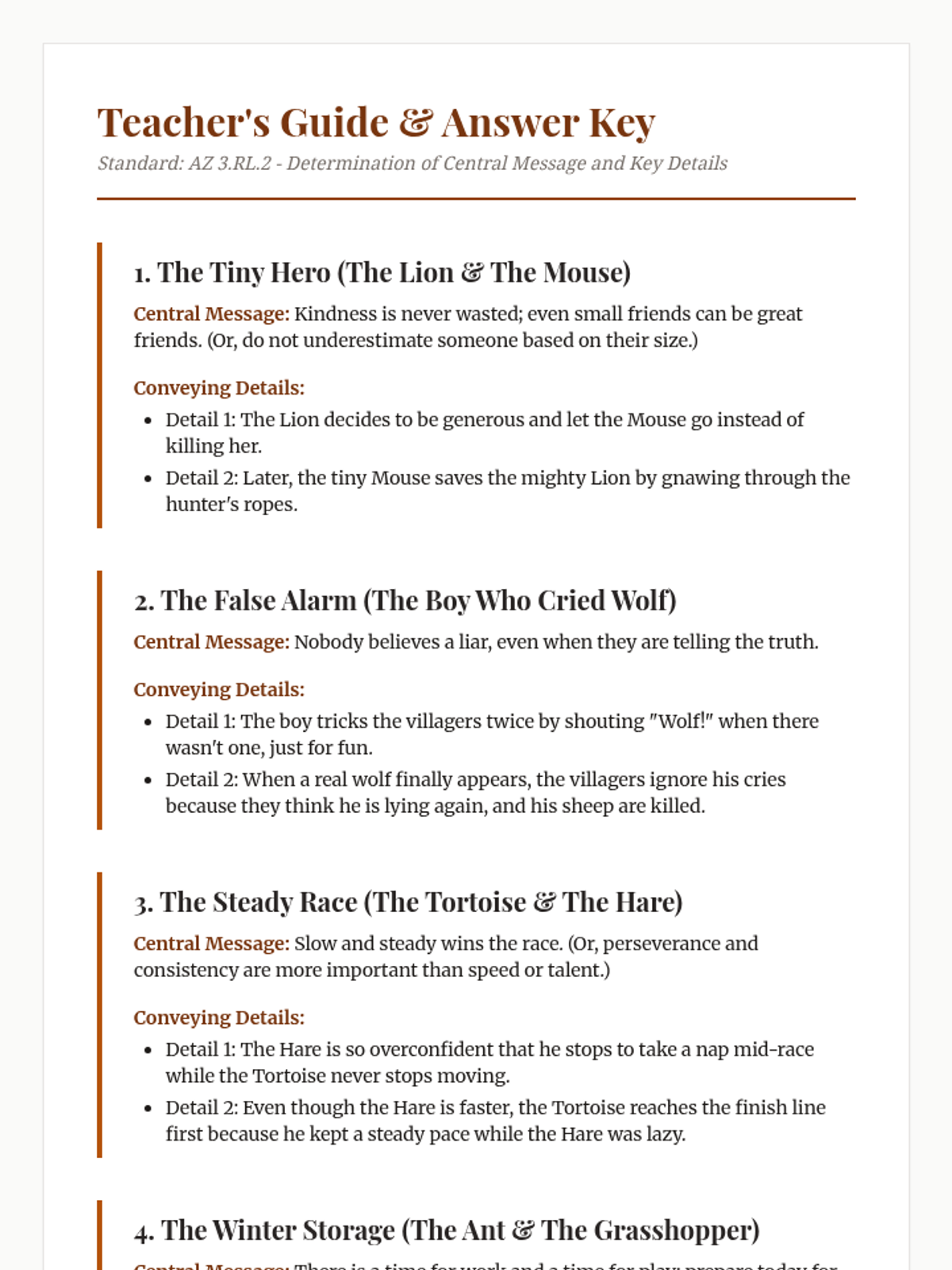
A comprehensive lesson focused on AZ 3.RL.2, where students read three classic fables and analyze their central messages and supporting details.
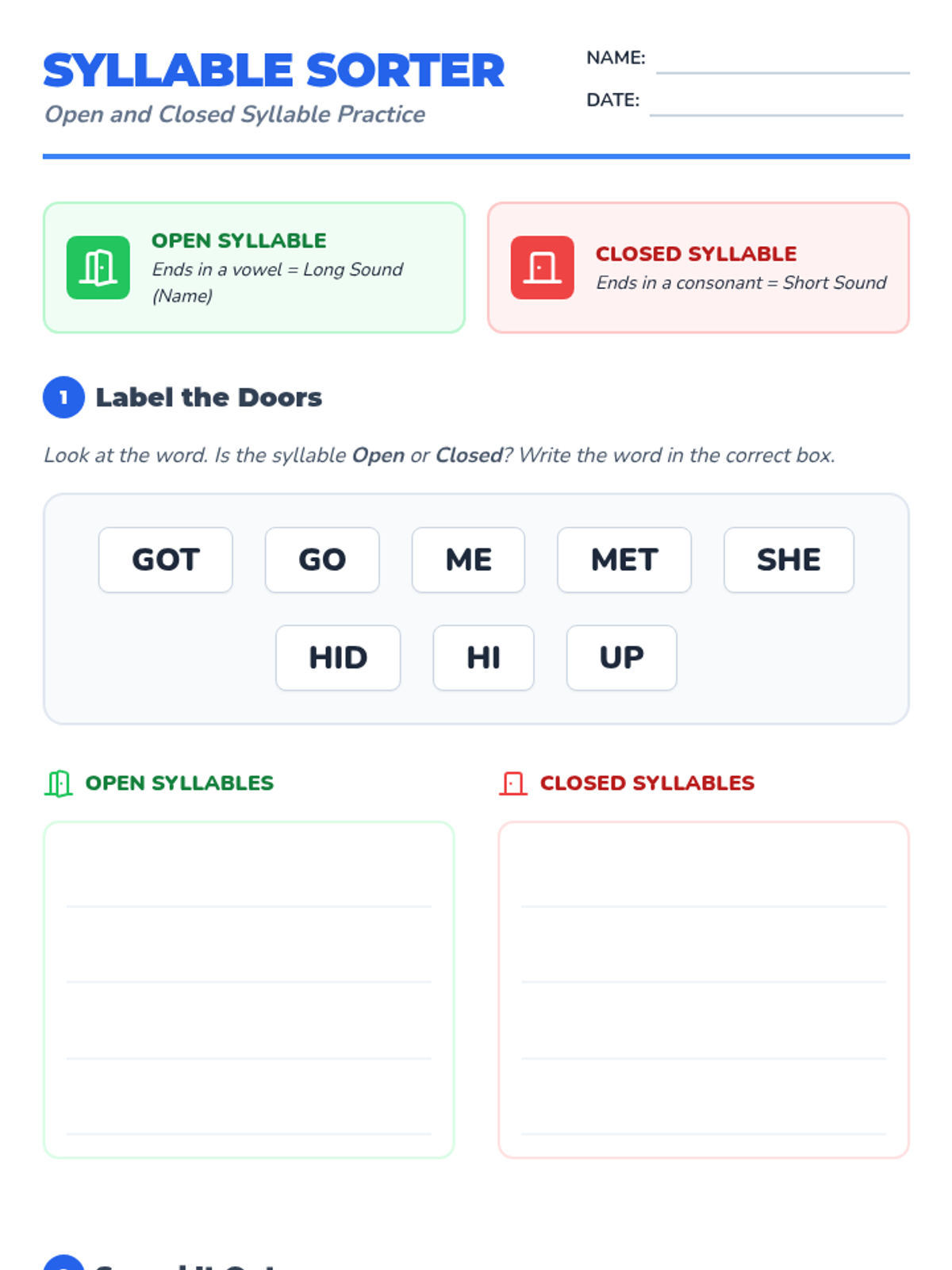
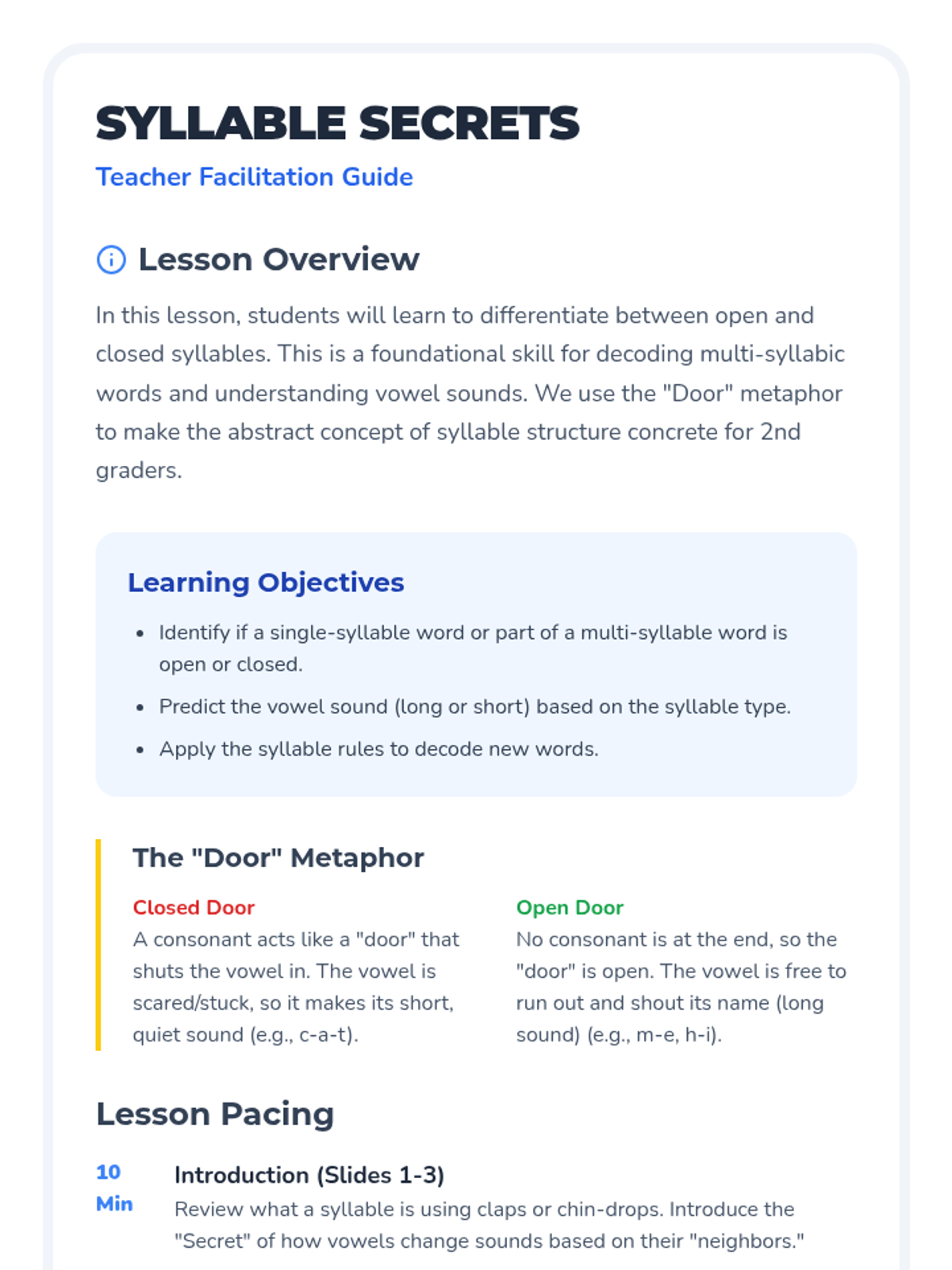
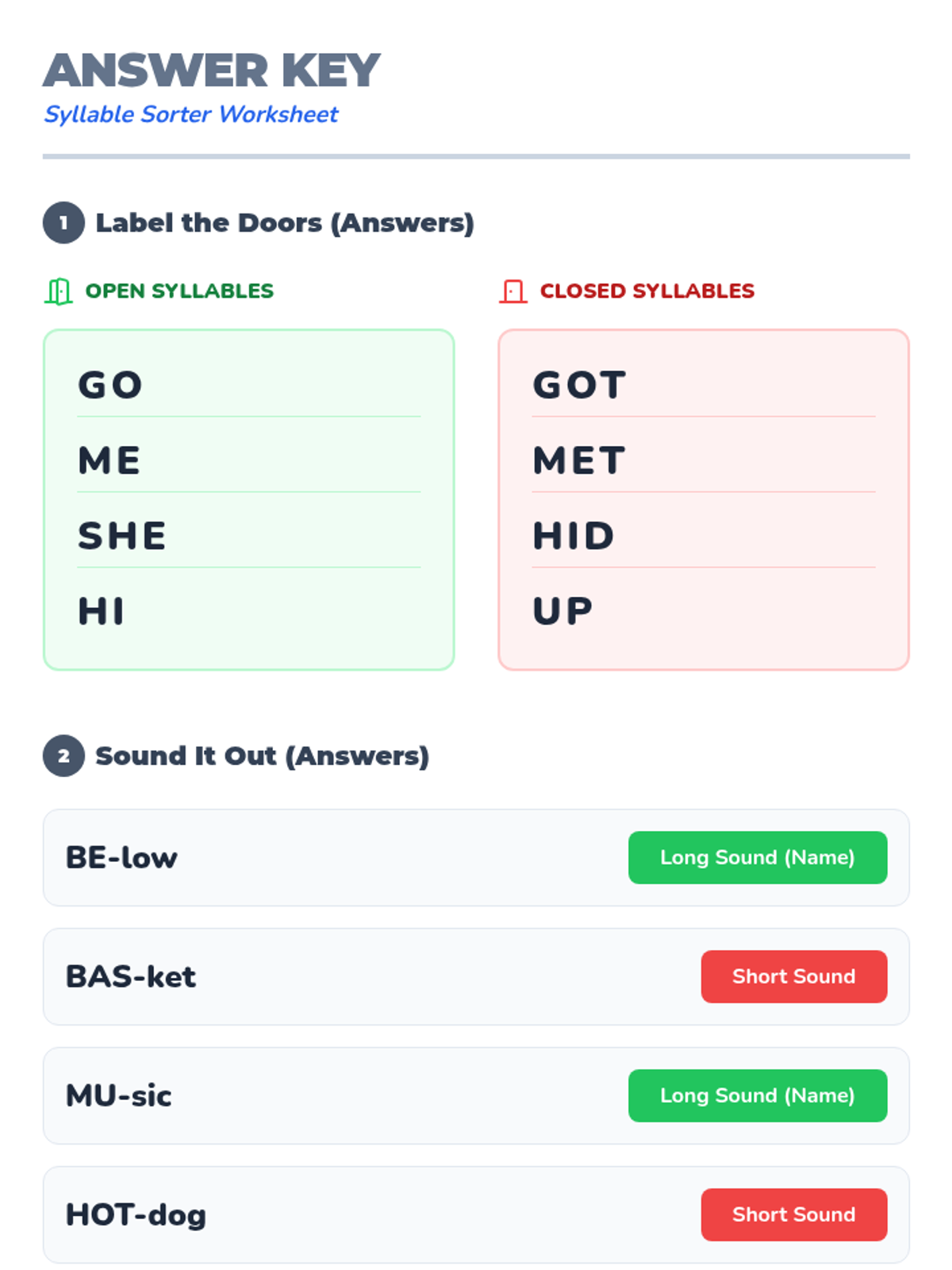
An introductory lesson for 2nd graders to distinguish between open and closed syllables using the 'Syllable House' metaphor. Students will learn how the position of a consonant affects vowel sounds.
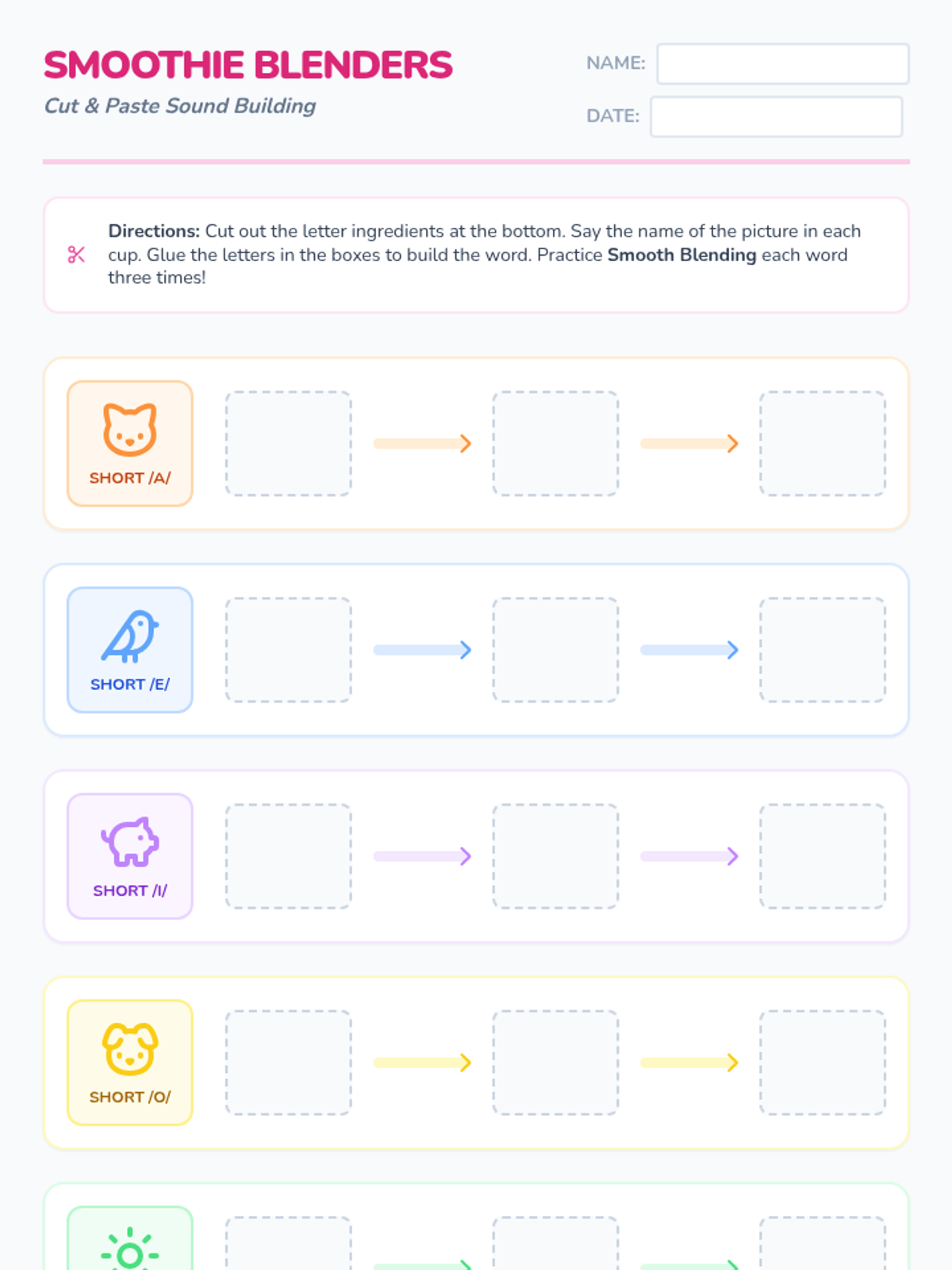
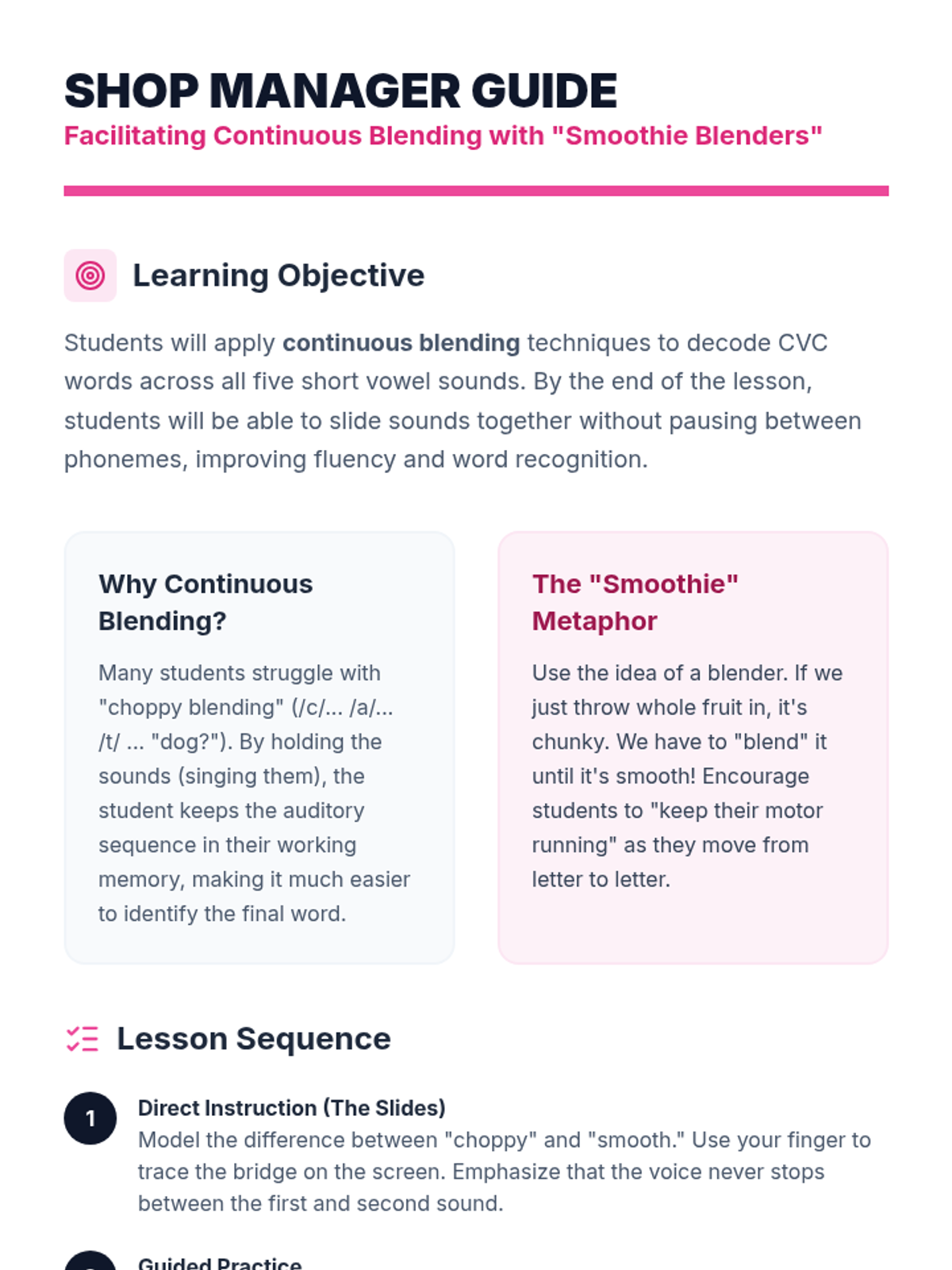
A phonics lesson focusing on continuous blending techniques for CVC words across all short vowel sounds, featuring a hands-on cut-and-paste activity.
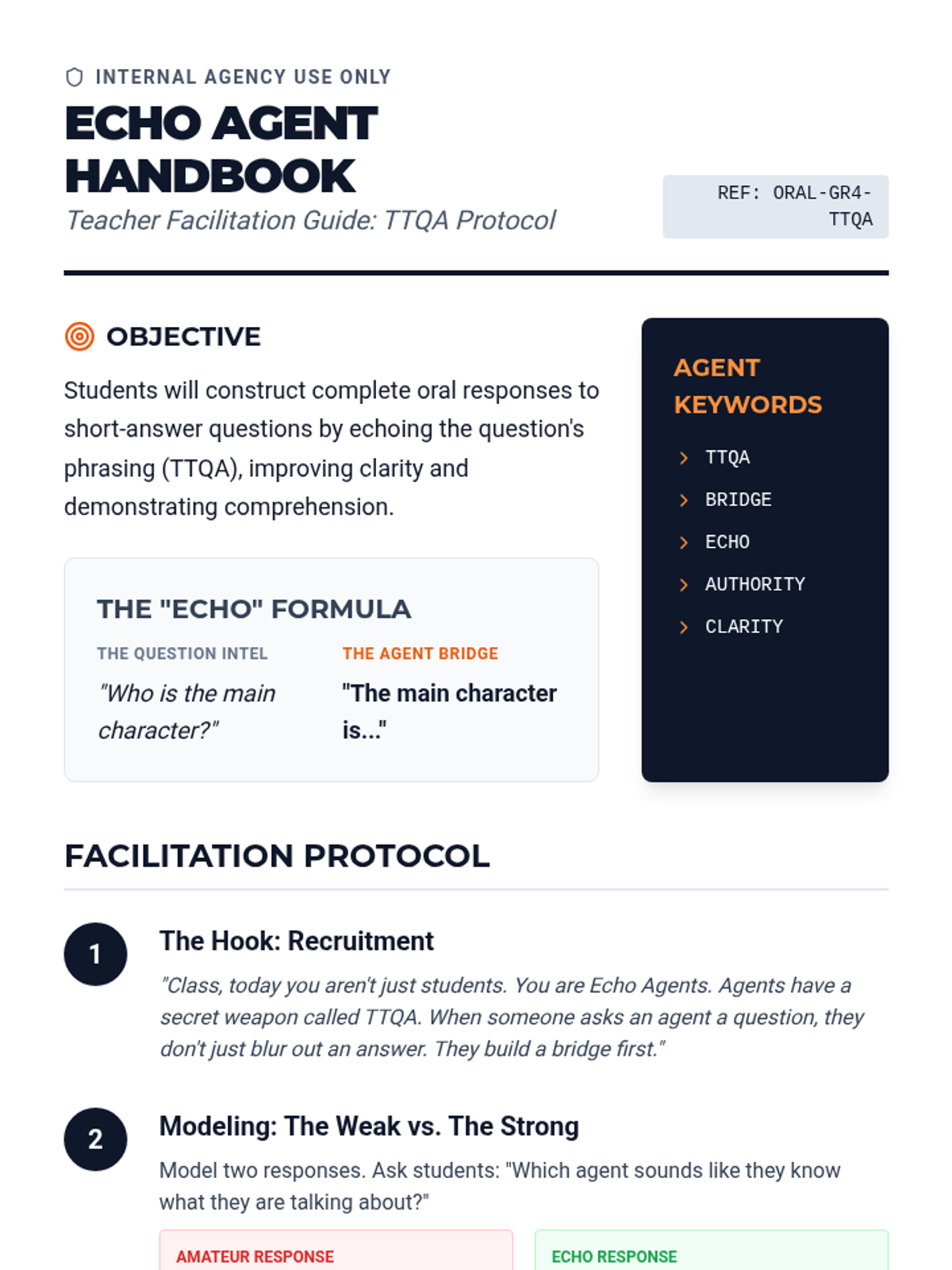
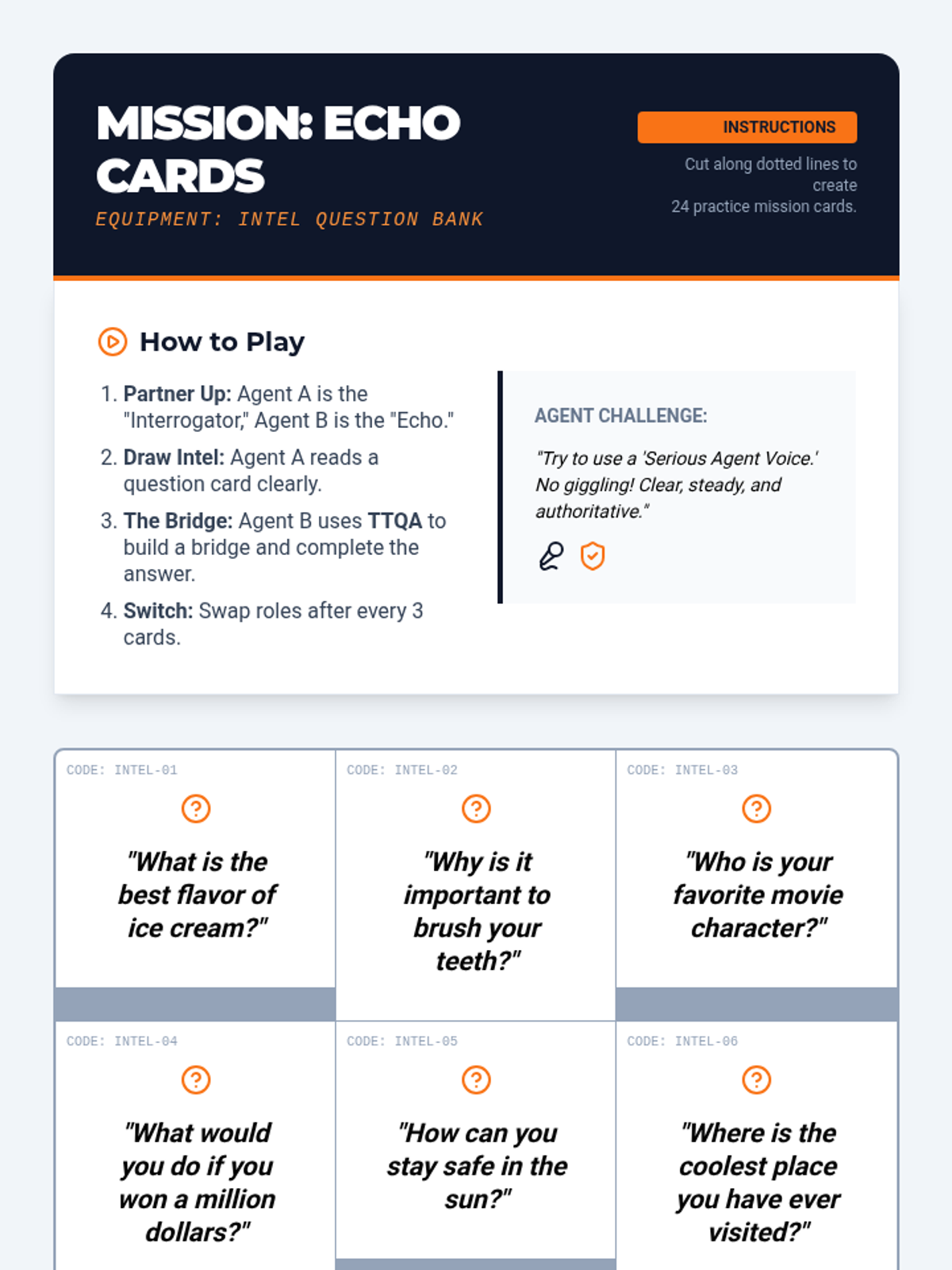
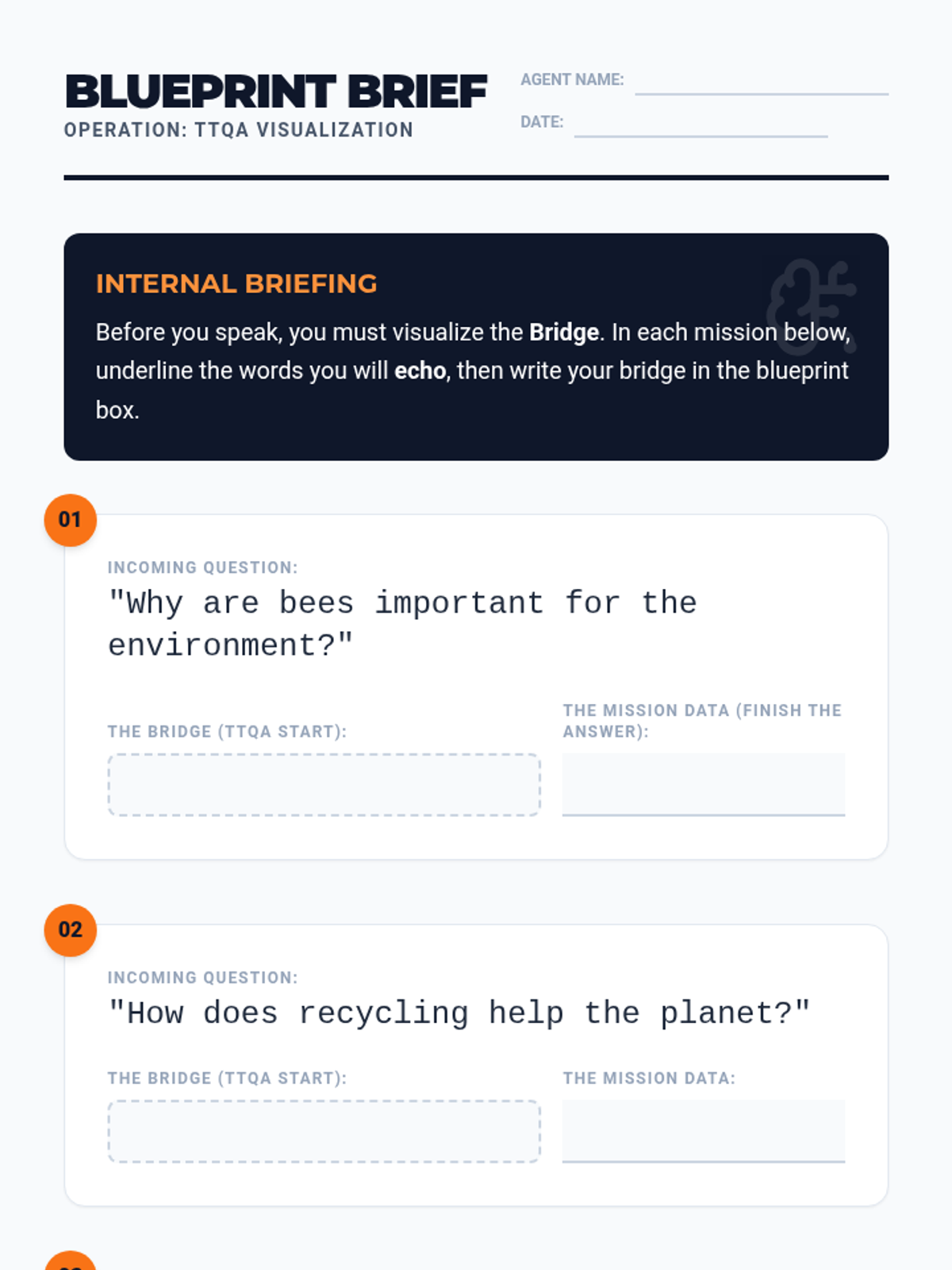
Students become 'Echo Agents' to master the TTQA (Turn The Question Around) technique, focusing on constructing strong oral responses by repurposing the wording of a question. This lesson emphasizes clear speaking, active listening, and the structural bridge between a question and its answer.
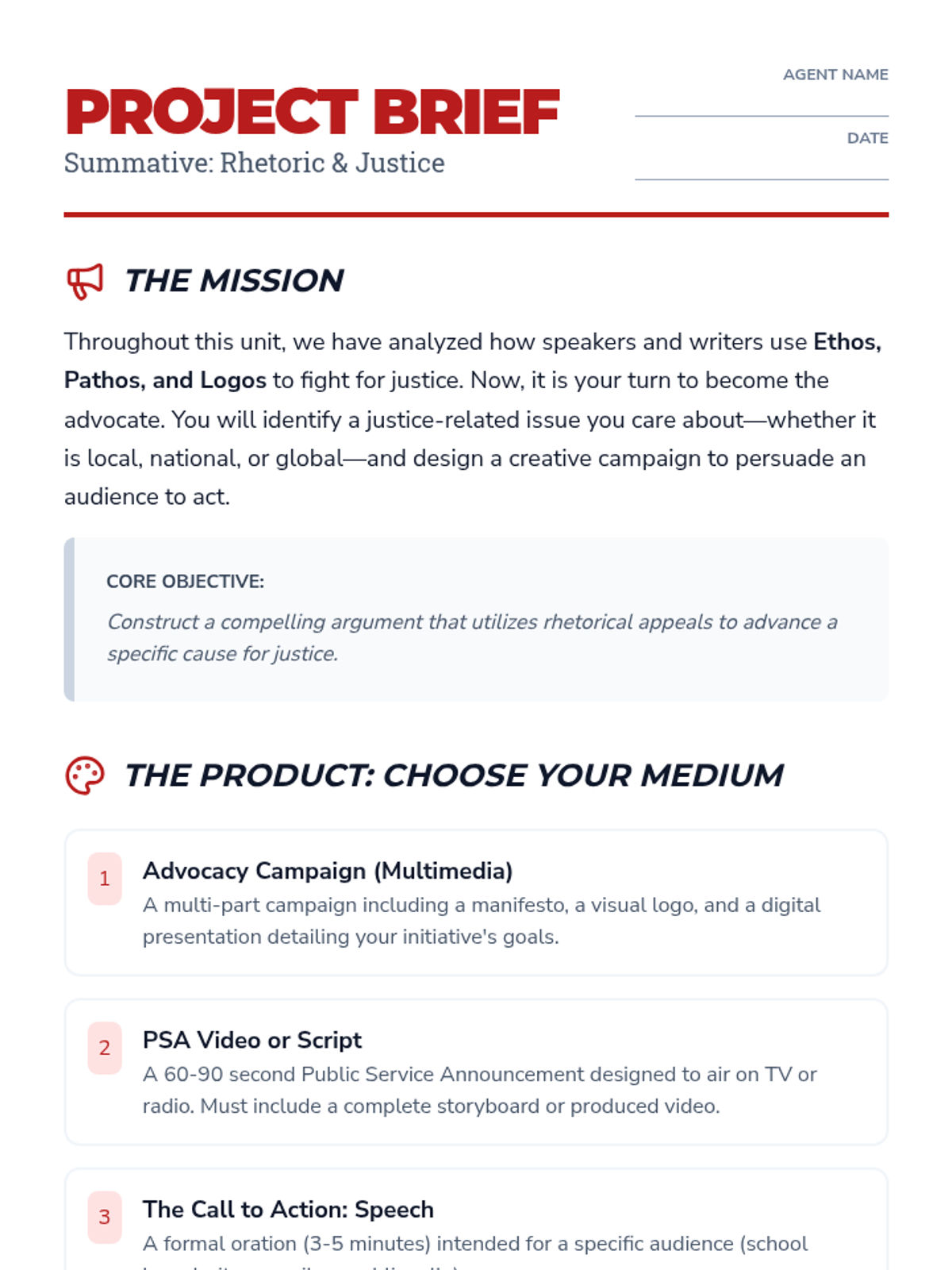
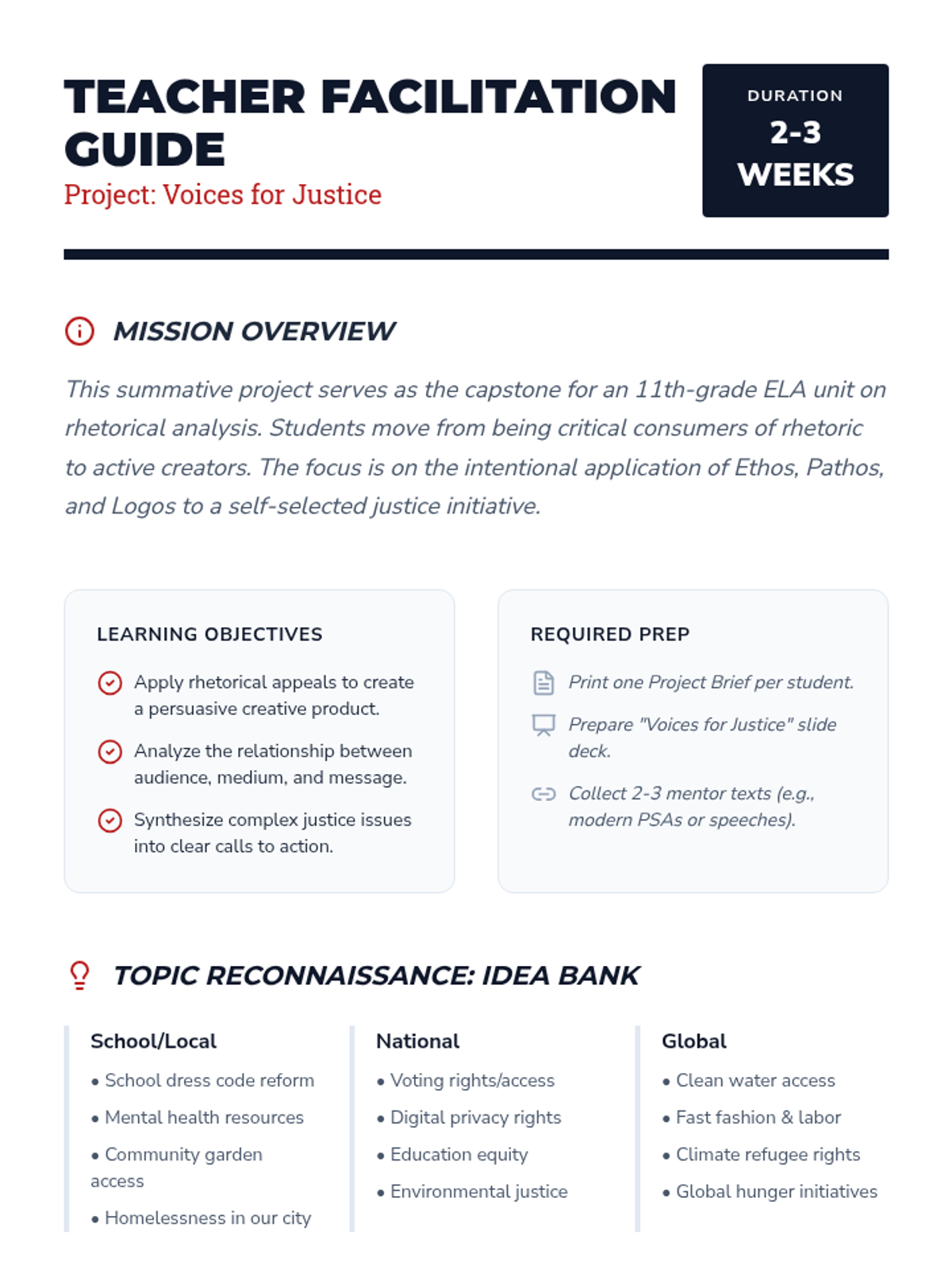
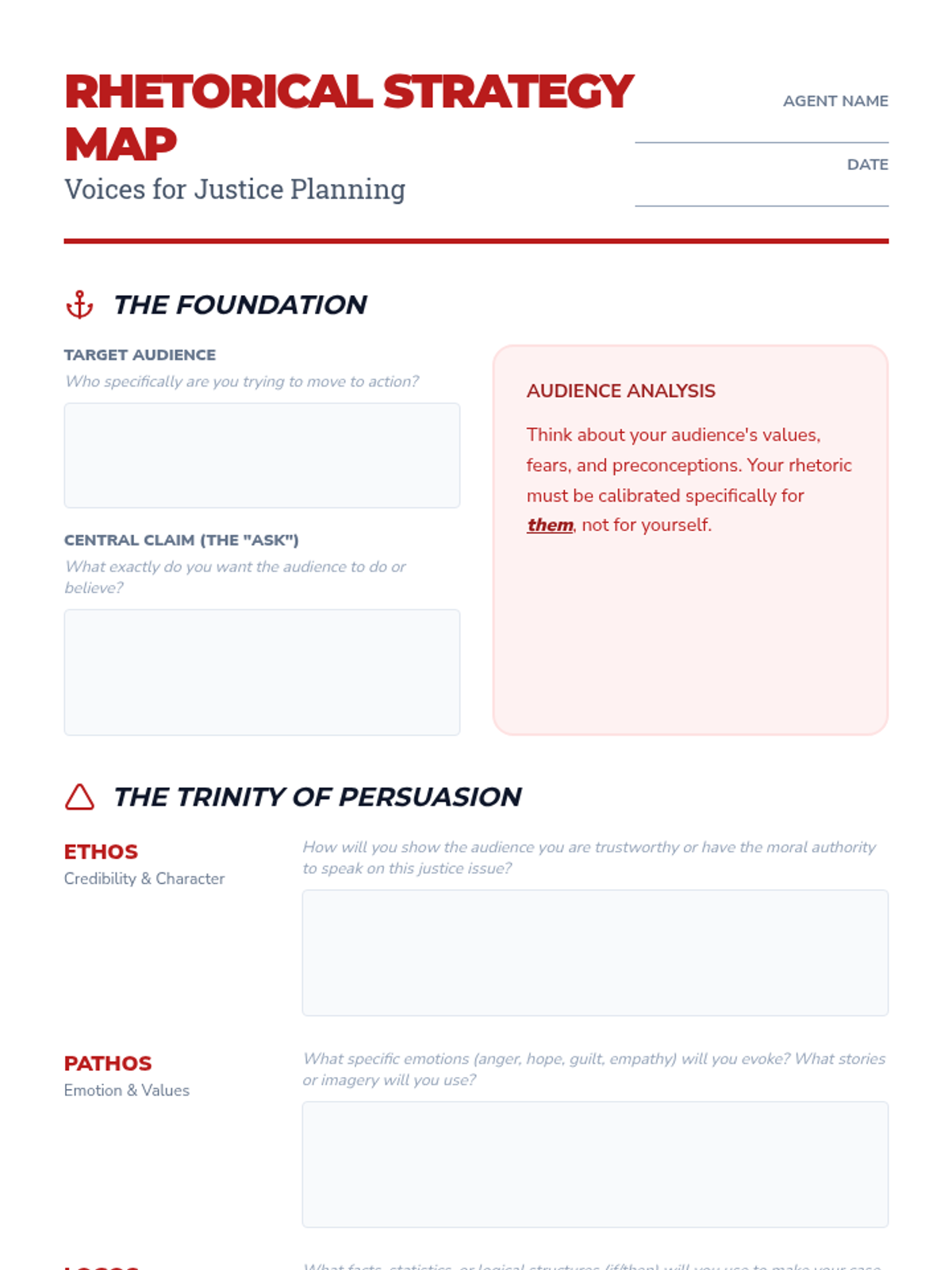
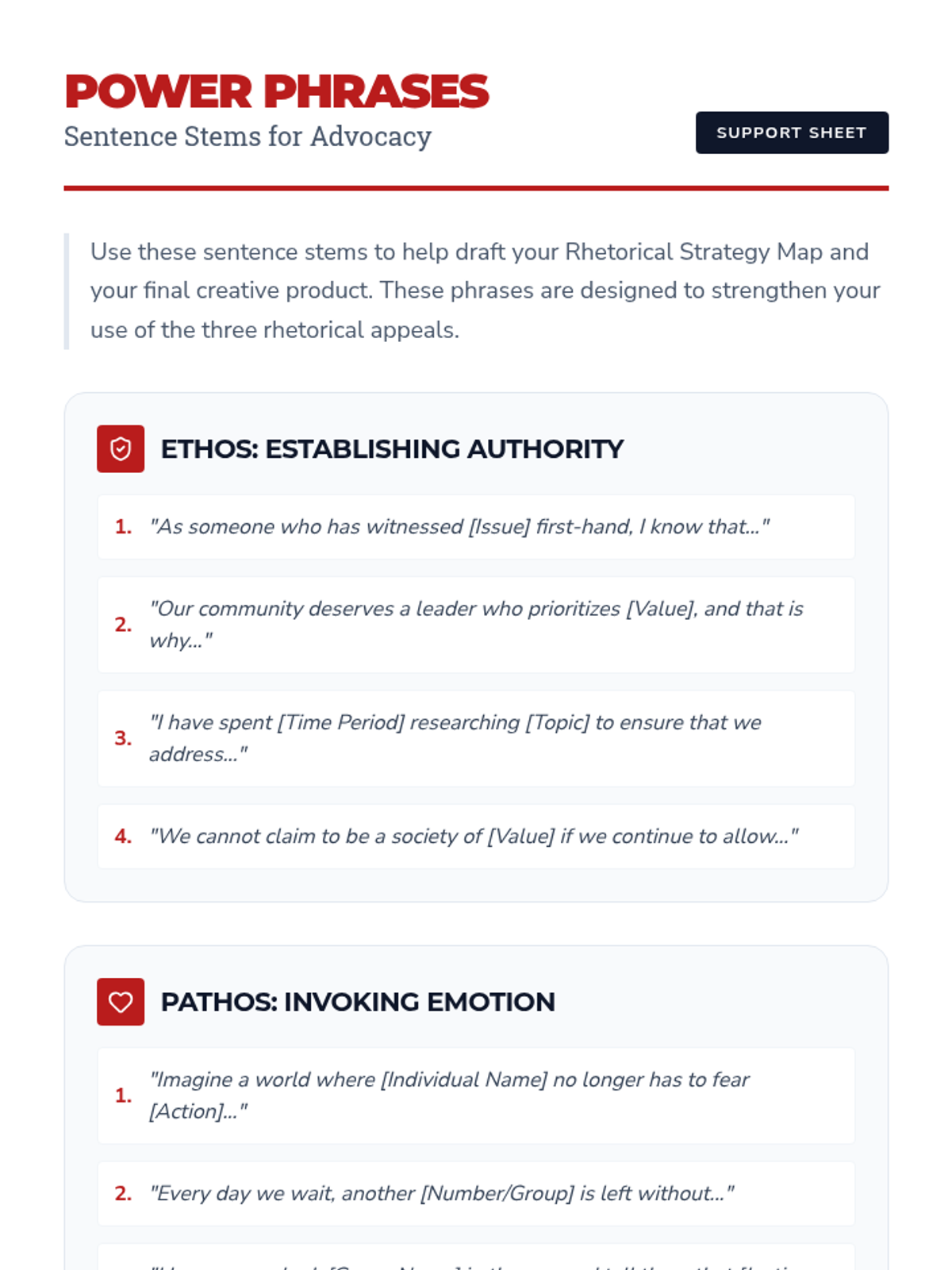
The kickoff and management phase of the summative rhetoric project, including the assignment brief, evaluation criteria, and instructional support.
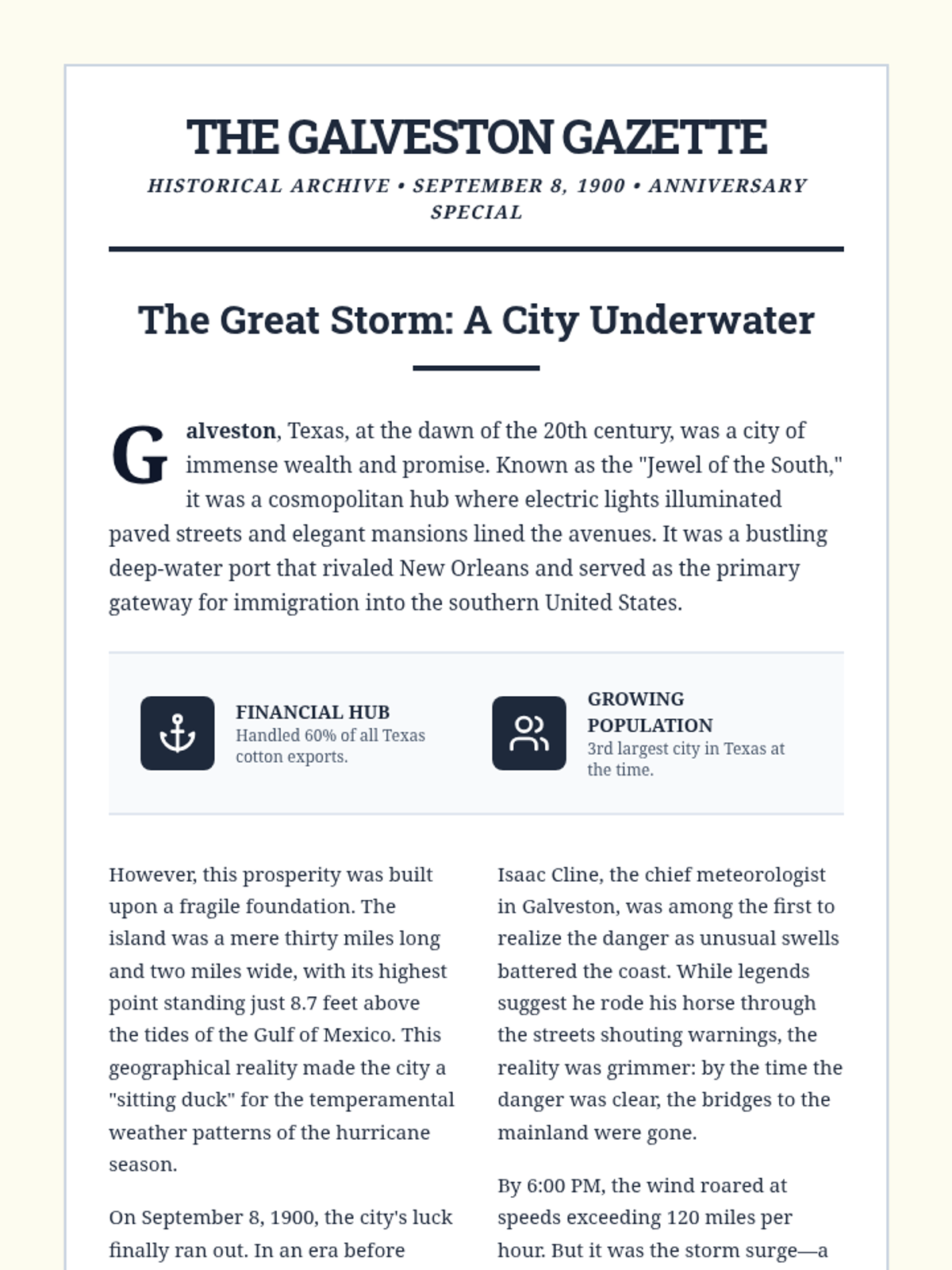
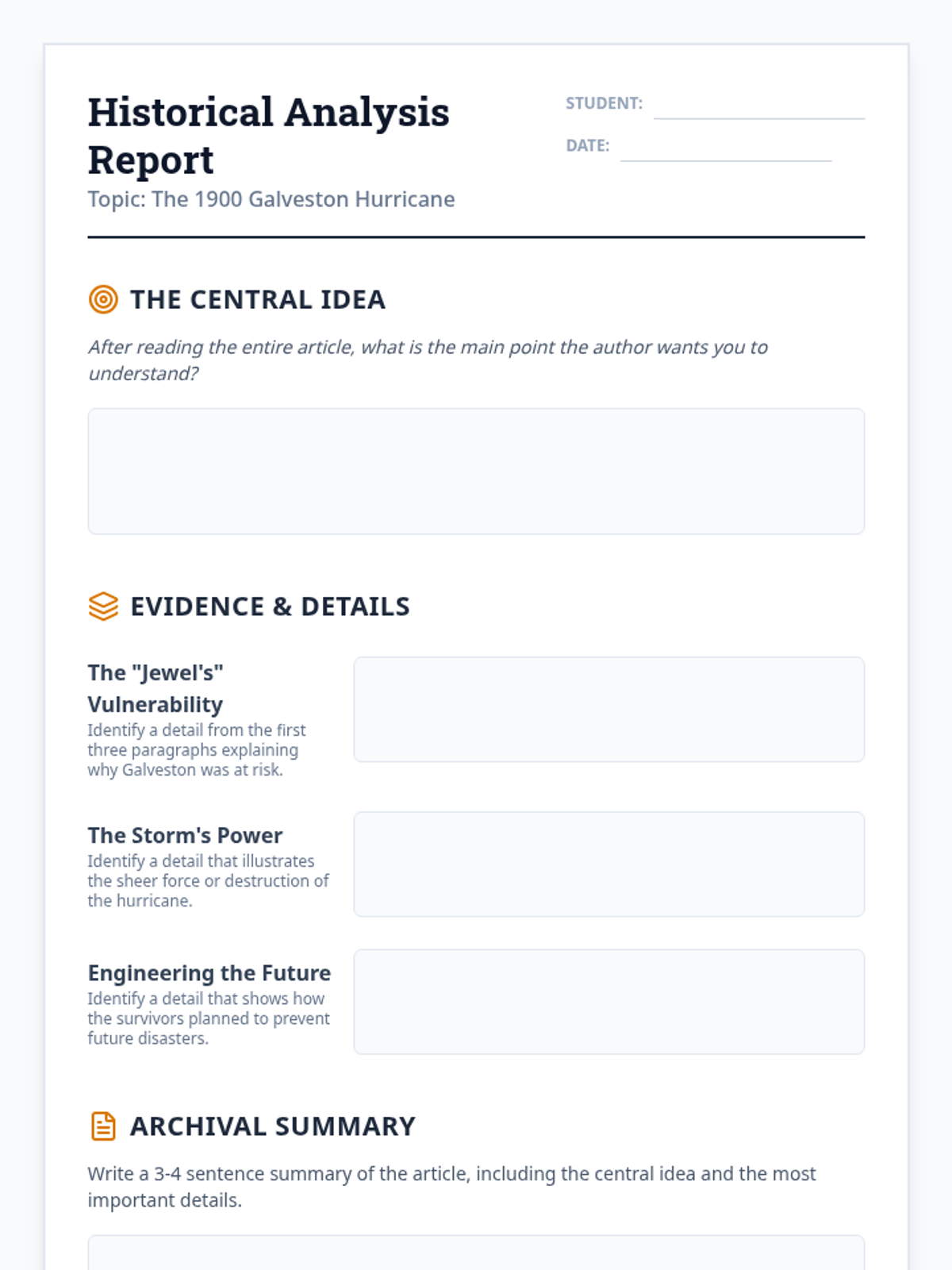
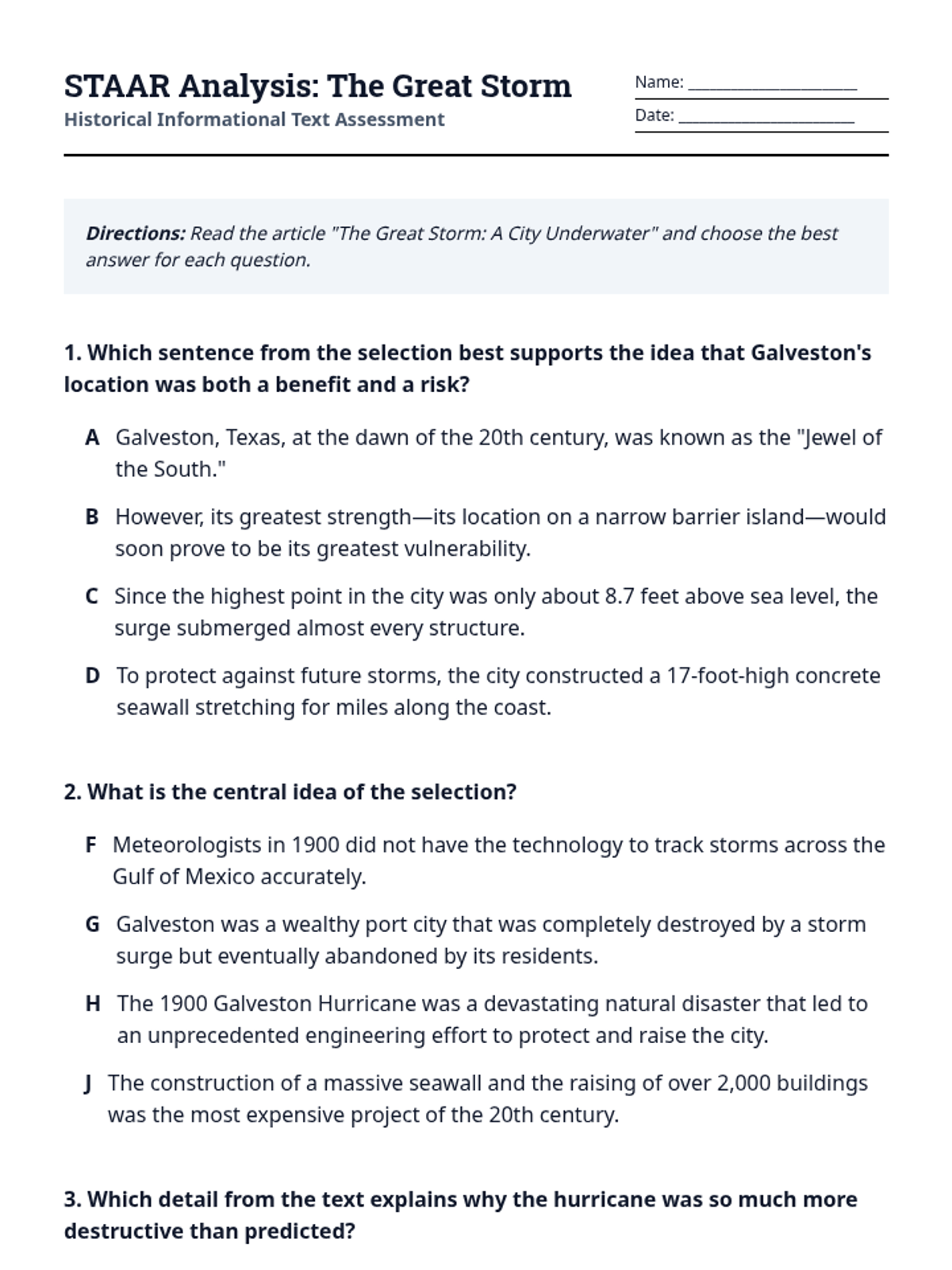
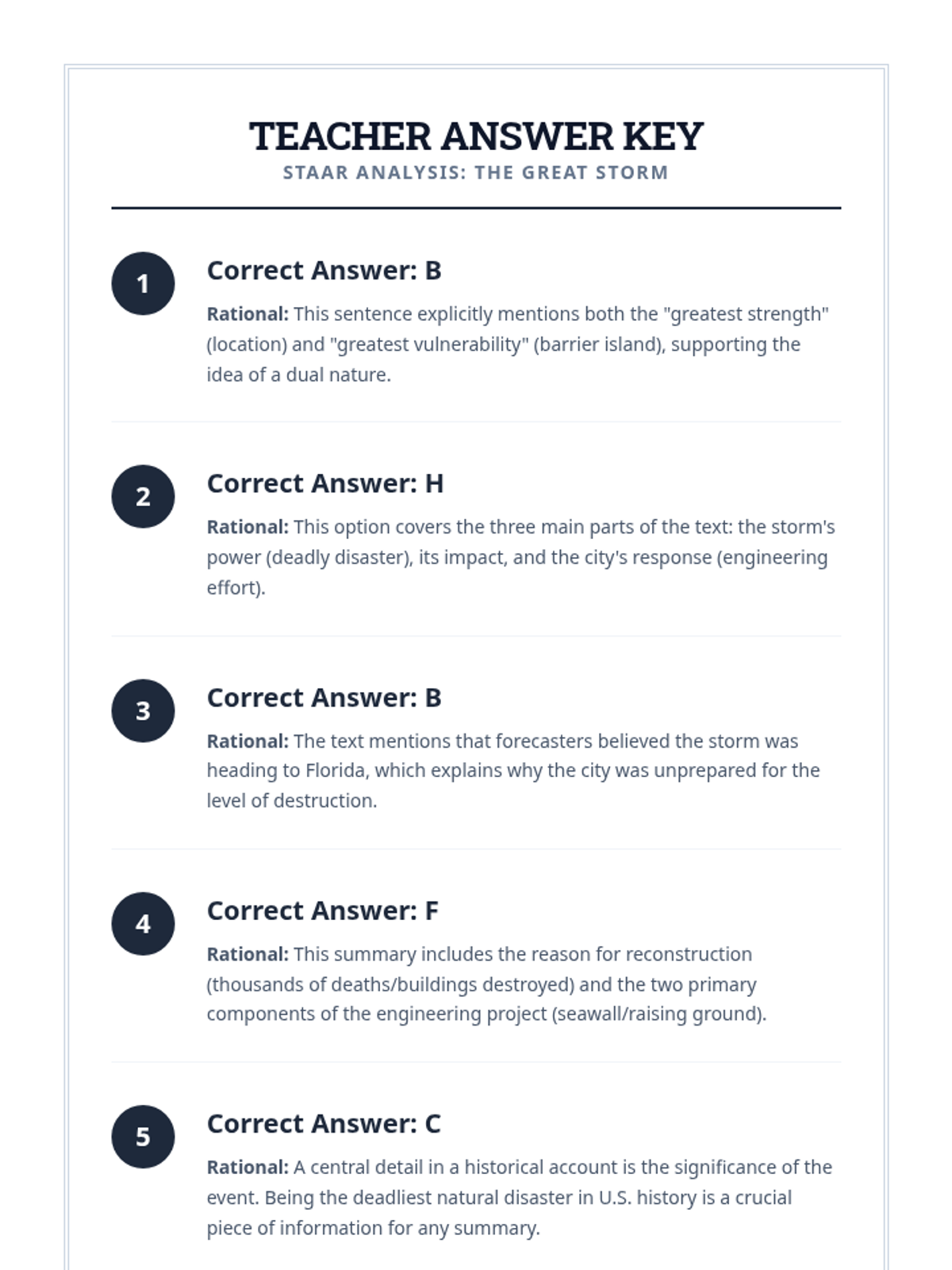
Students will explore the historical context of the 1900 Galveston Hurricane, practice identifying central ideas and supporting details, and complete a STAAR-formatted assessment.
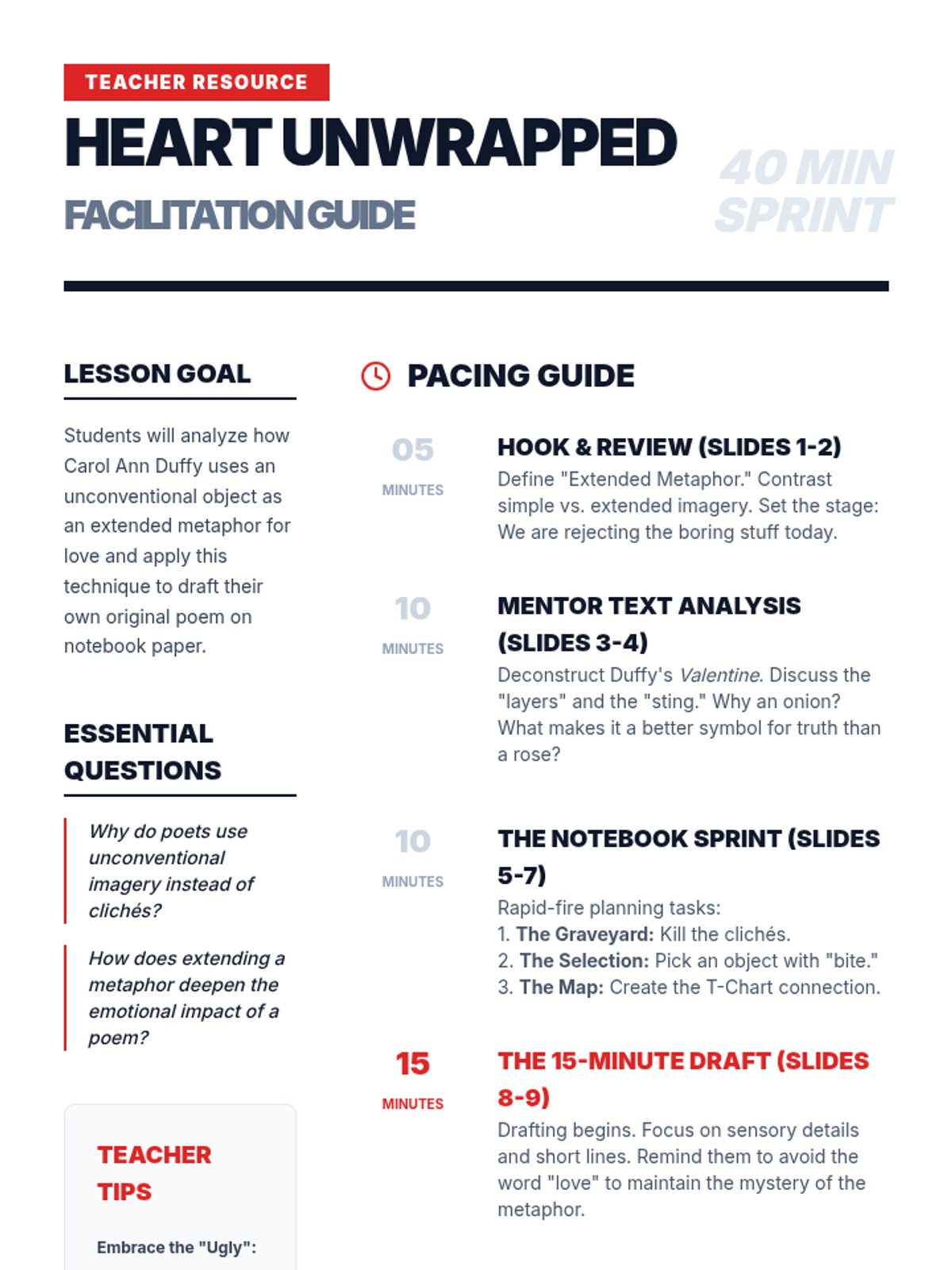
A fast-paced creative writing lesson exploring extended metaphors through Carol Ann Duffy's 'Valentine'. Students deconstruct unconventional imagery and draft their own anti-cliché love poems.
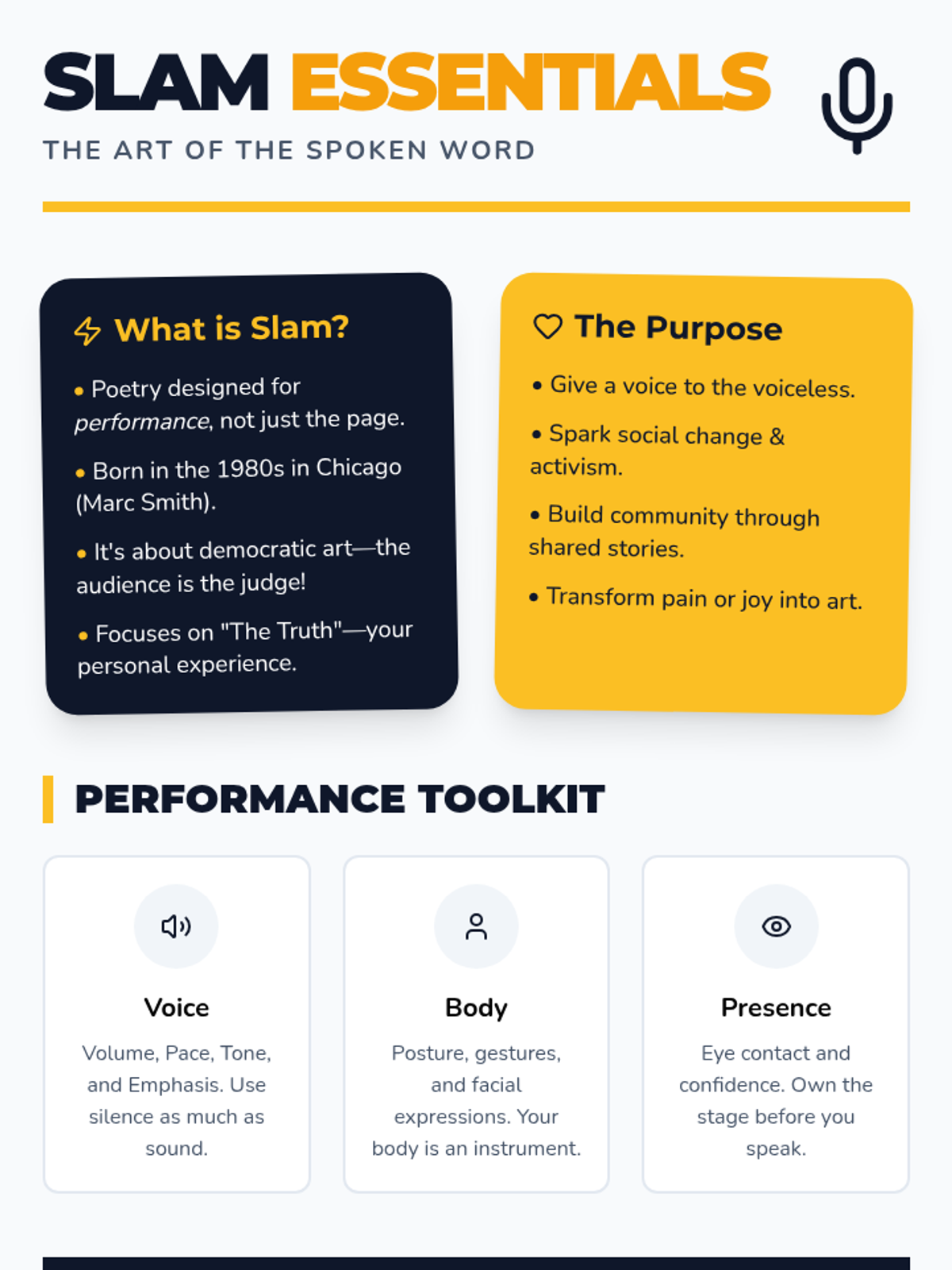
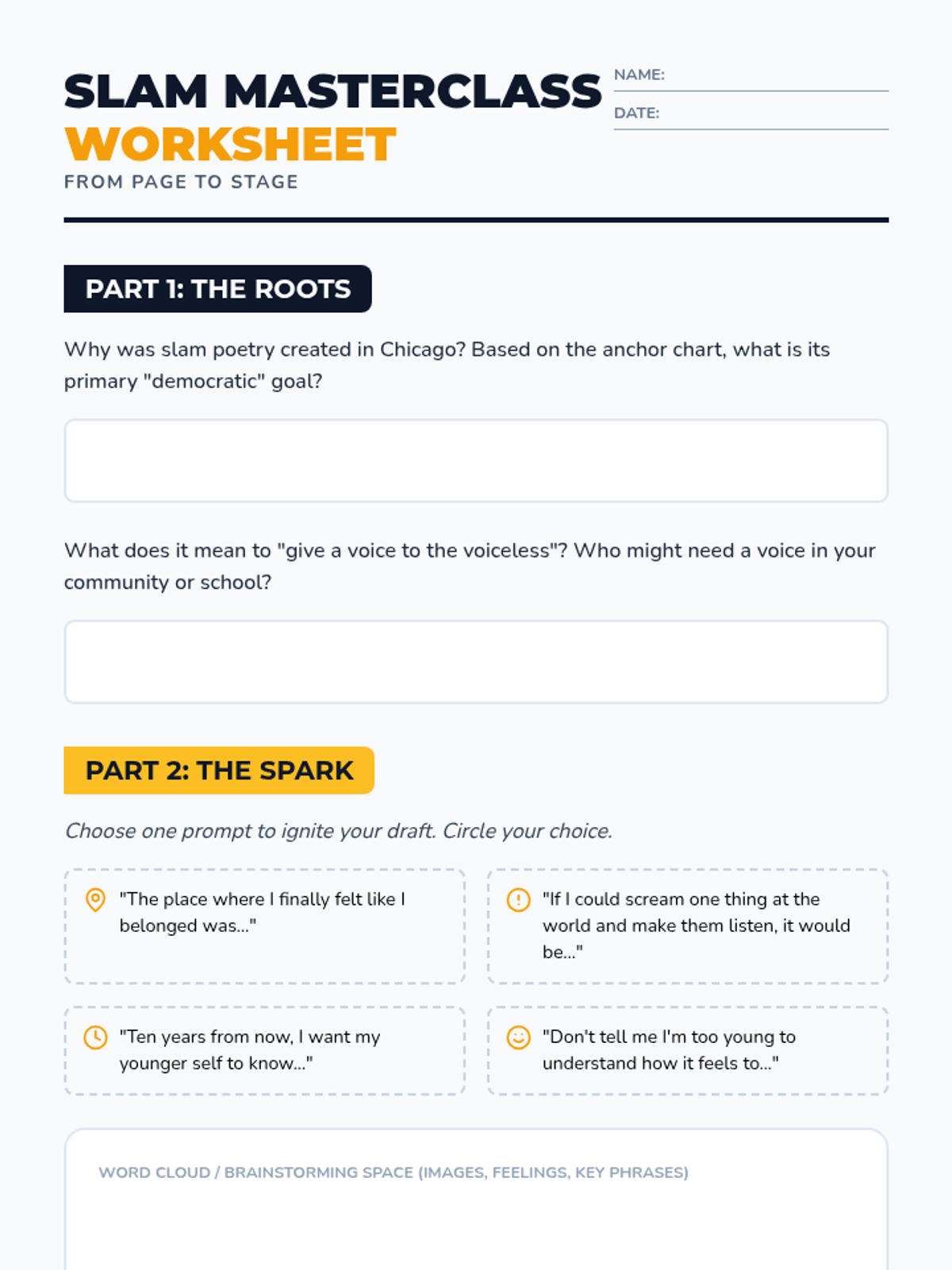
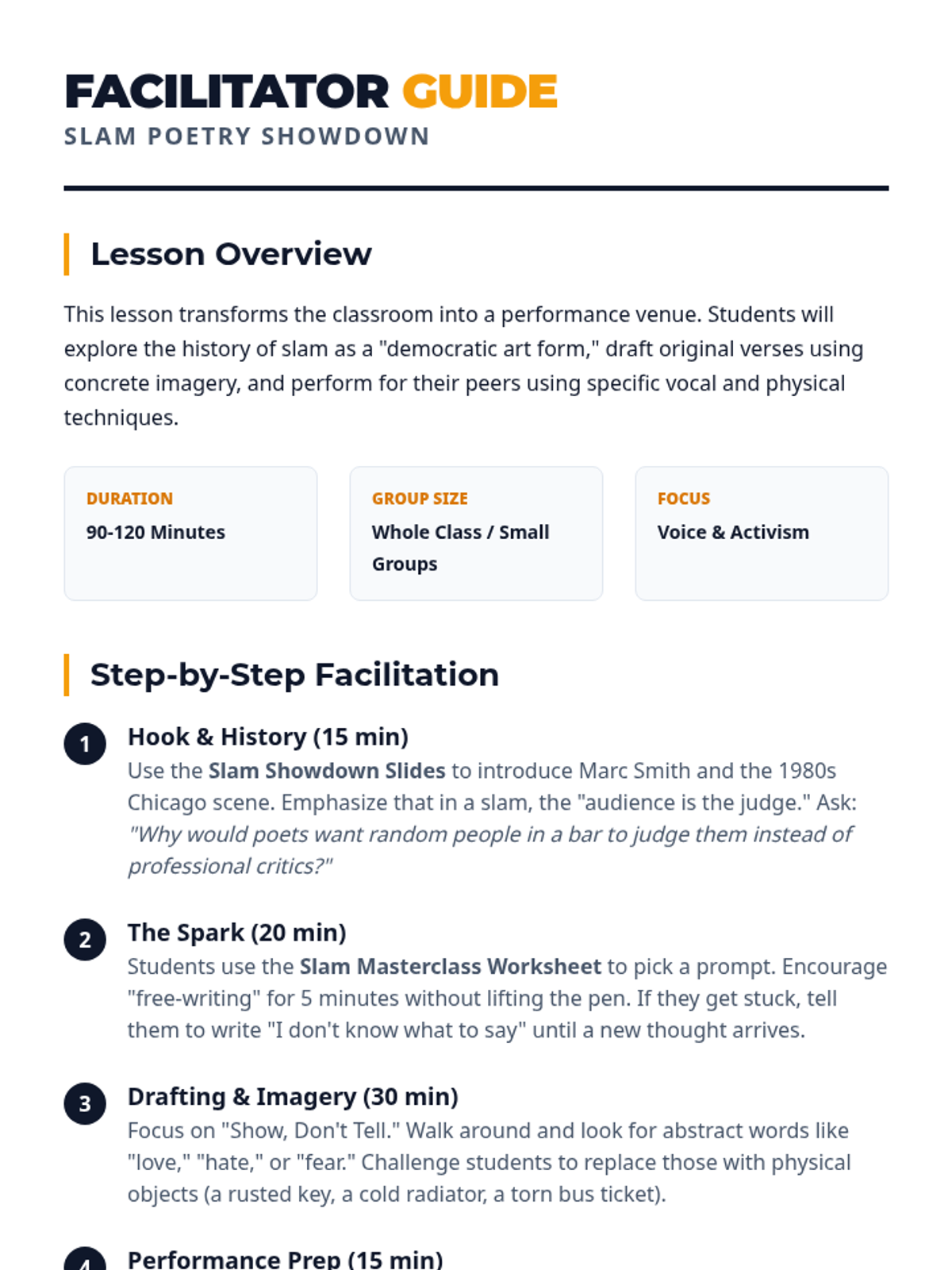
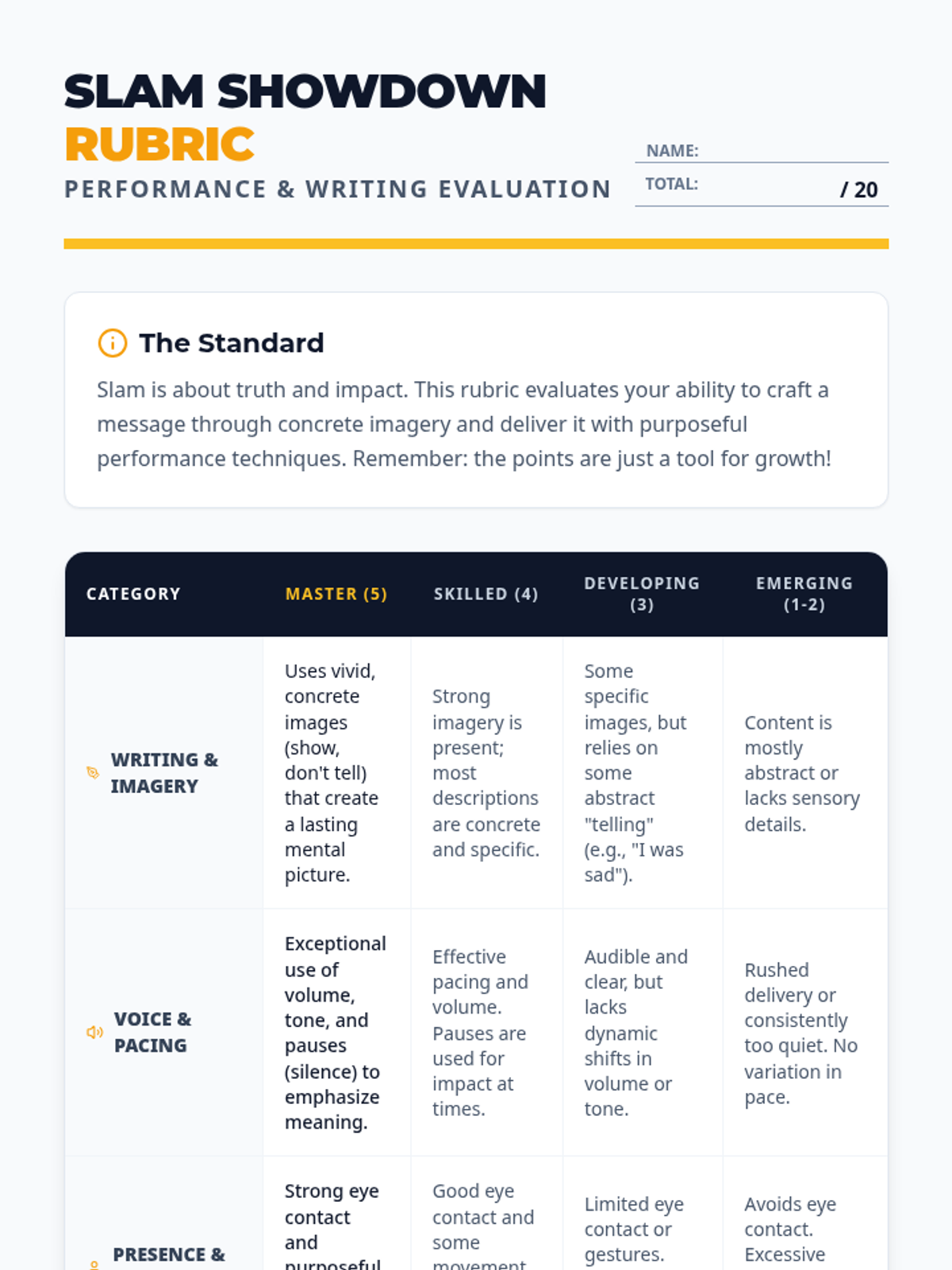
A comprehensive lesson guiding students from the history and purpose of slam poetry through writing original verses to performing with impact and giving constructive peer feedback.
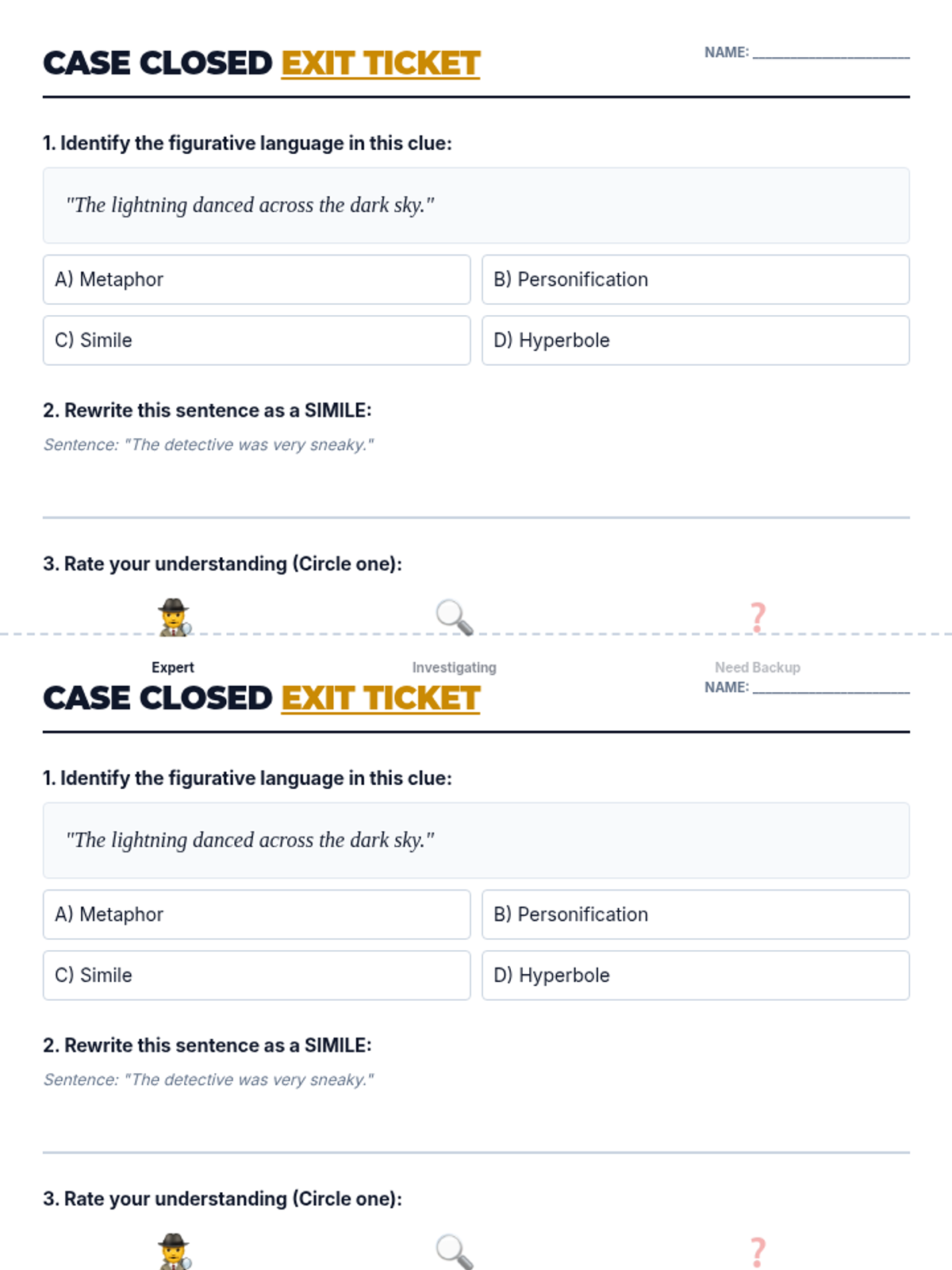
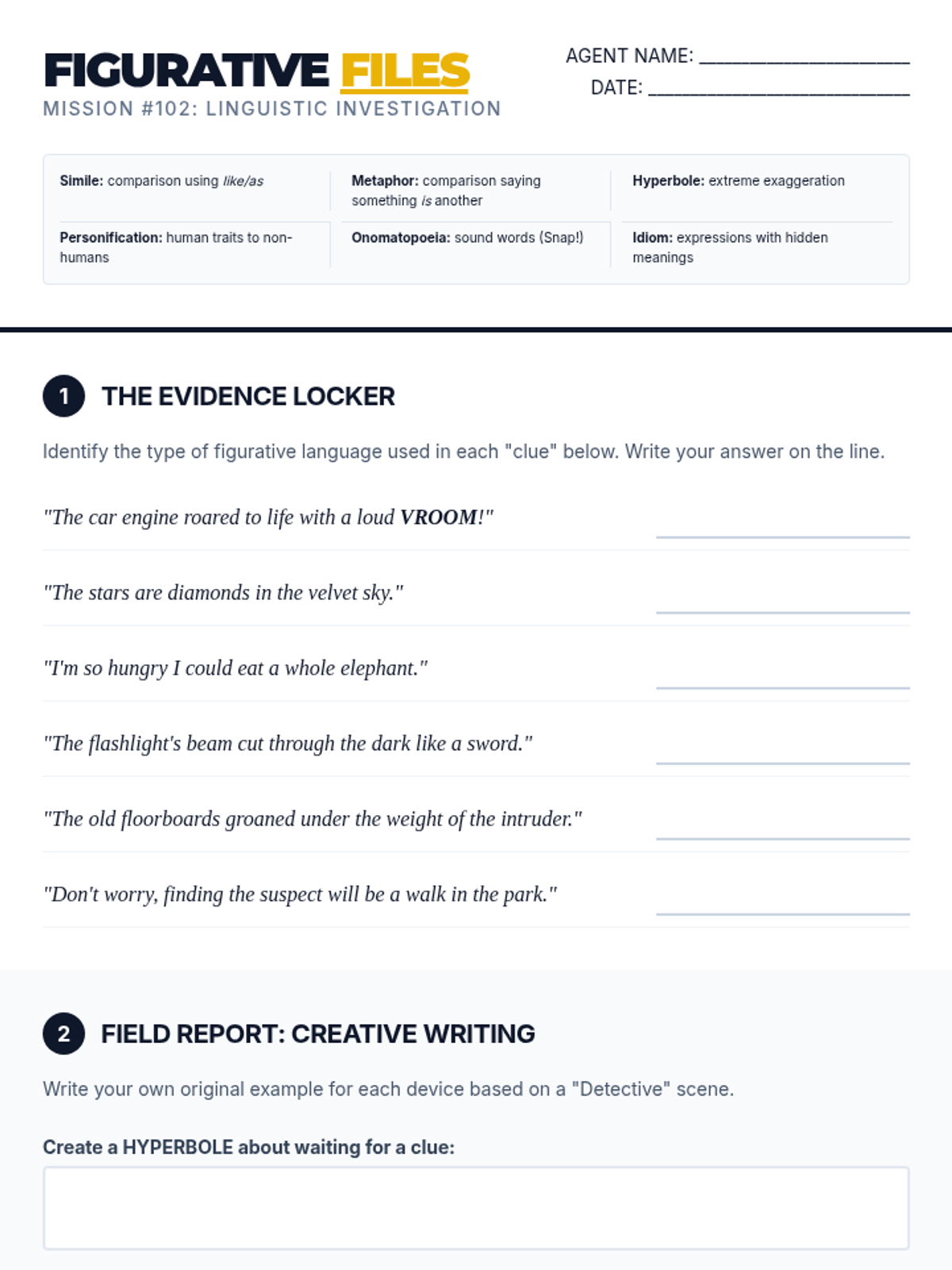
A 30-minute introductory lesson on figurative language where students become 'language detectives' to identify and create similes, metaphors, and more.
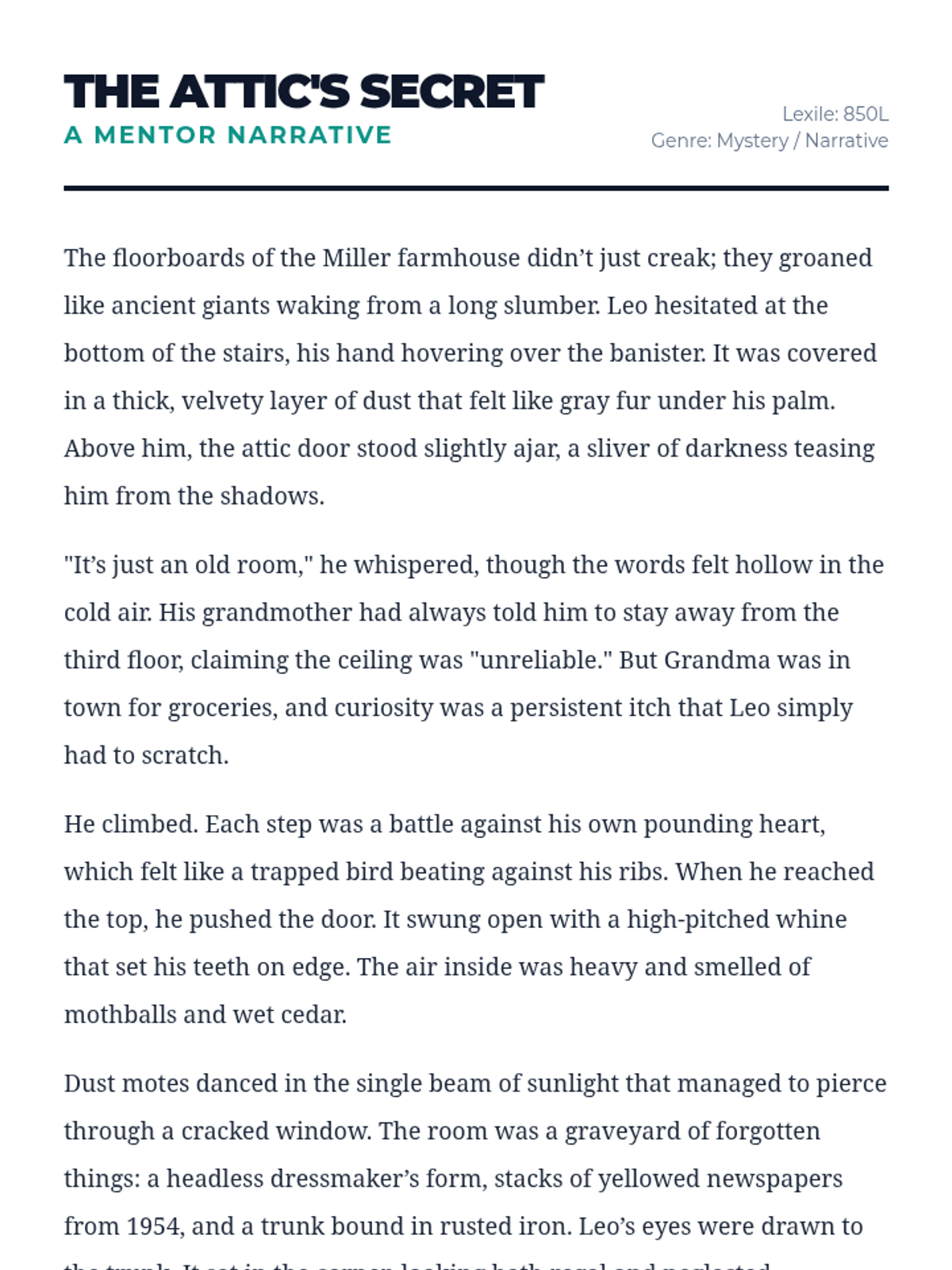
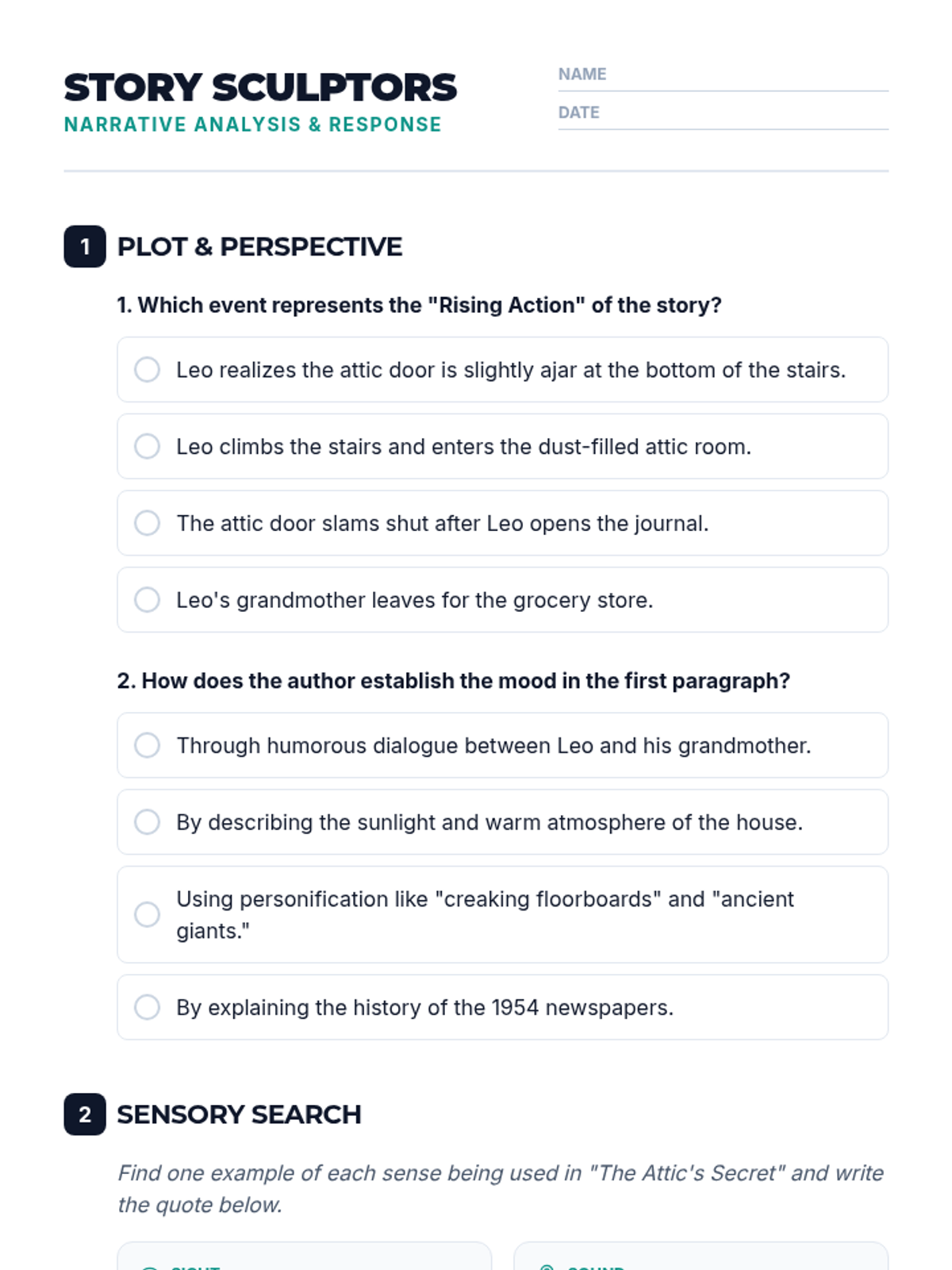
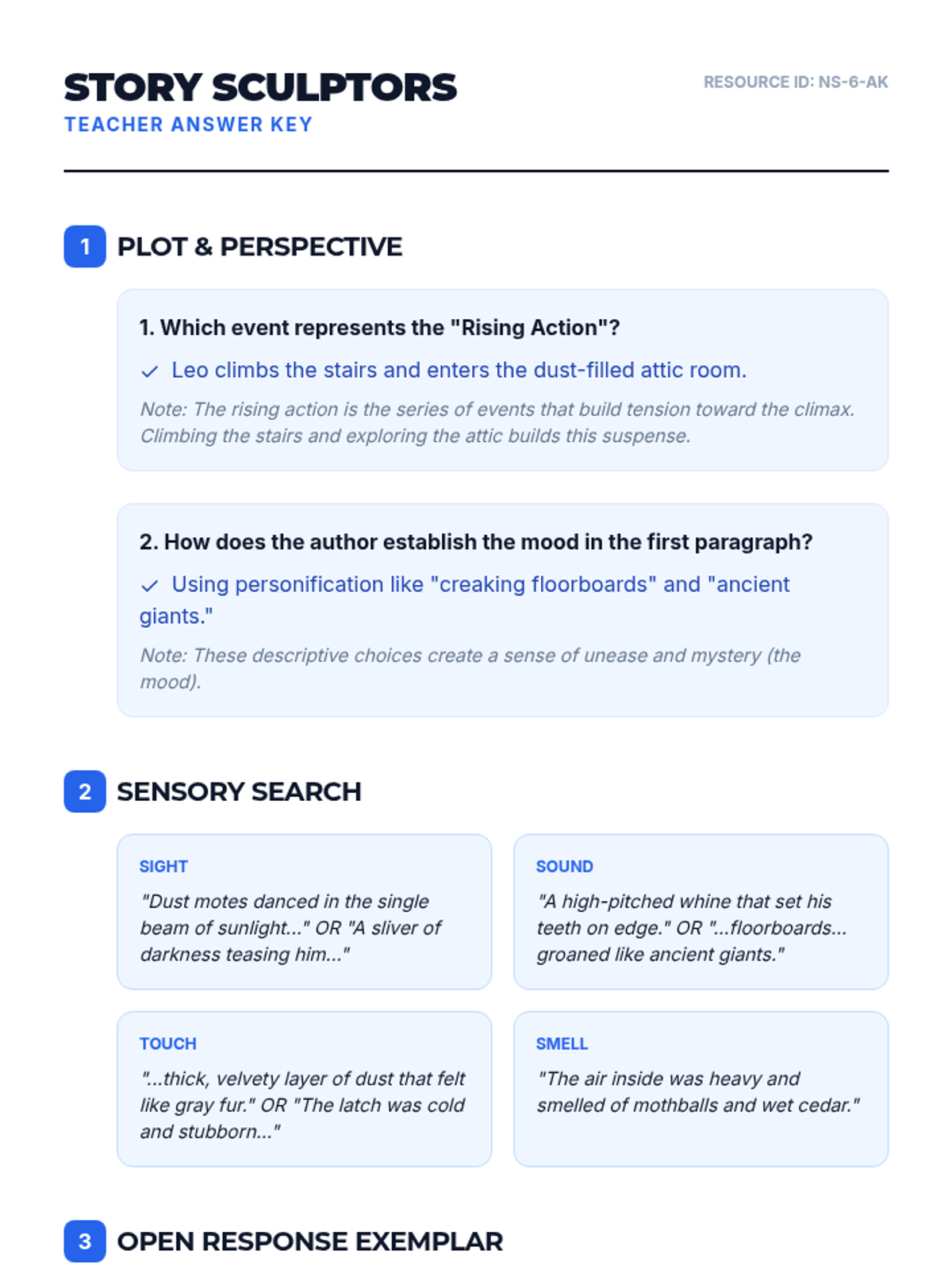
Students explore the foundational elements of narrative writing through close reading and analysis of a mentor text, focusing on character motivation and sensory descriptions.
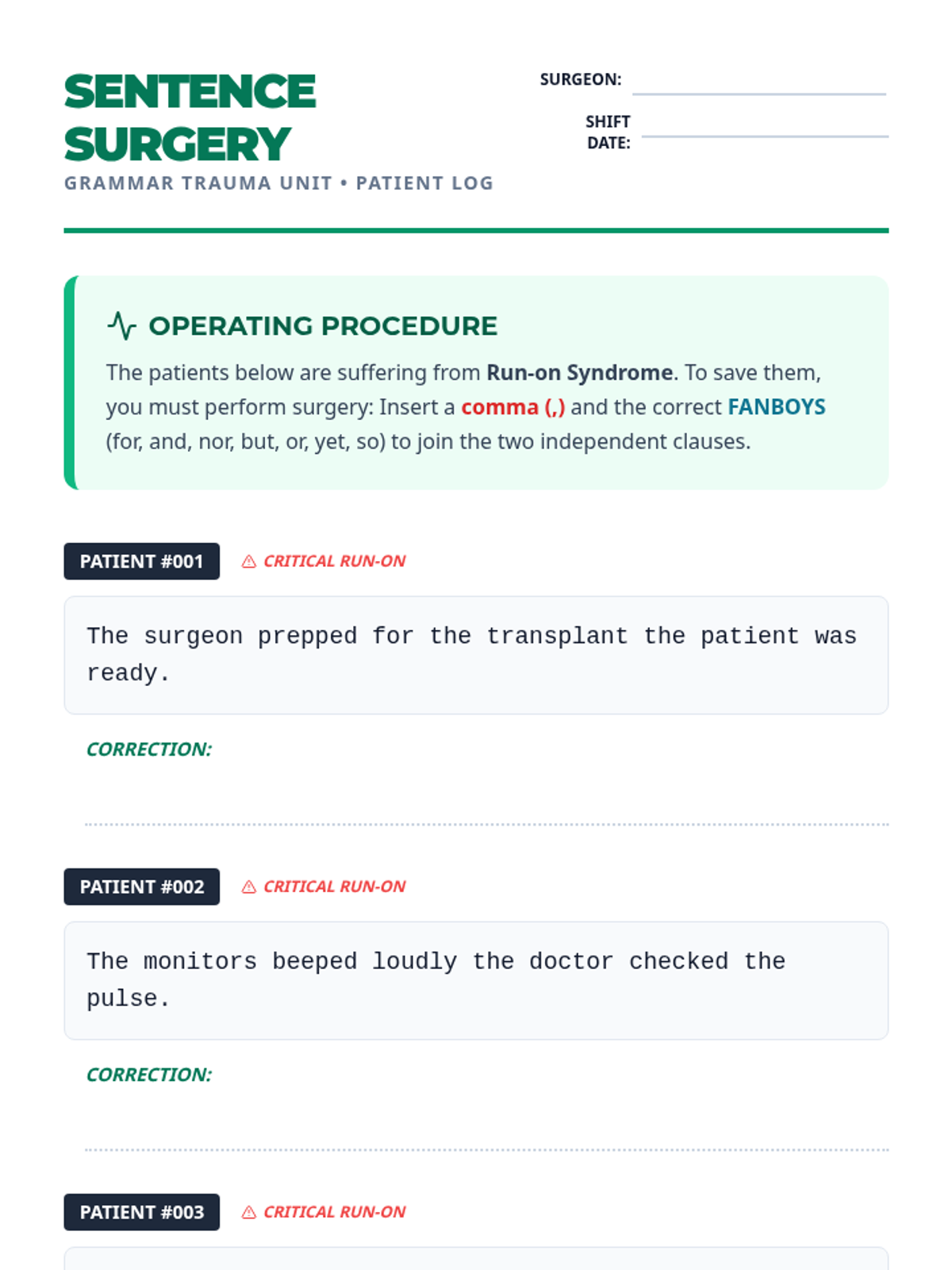
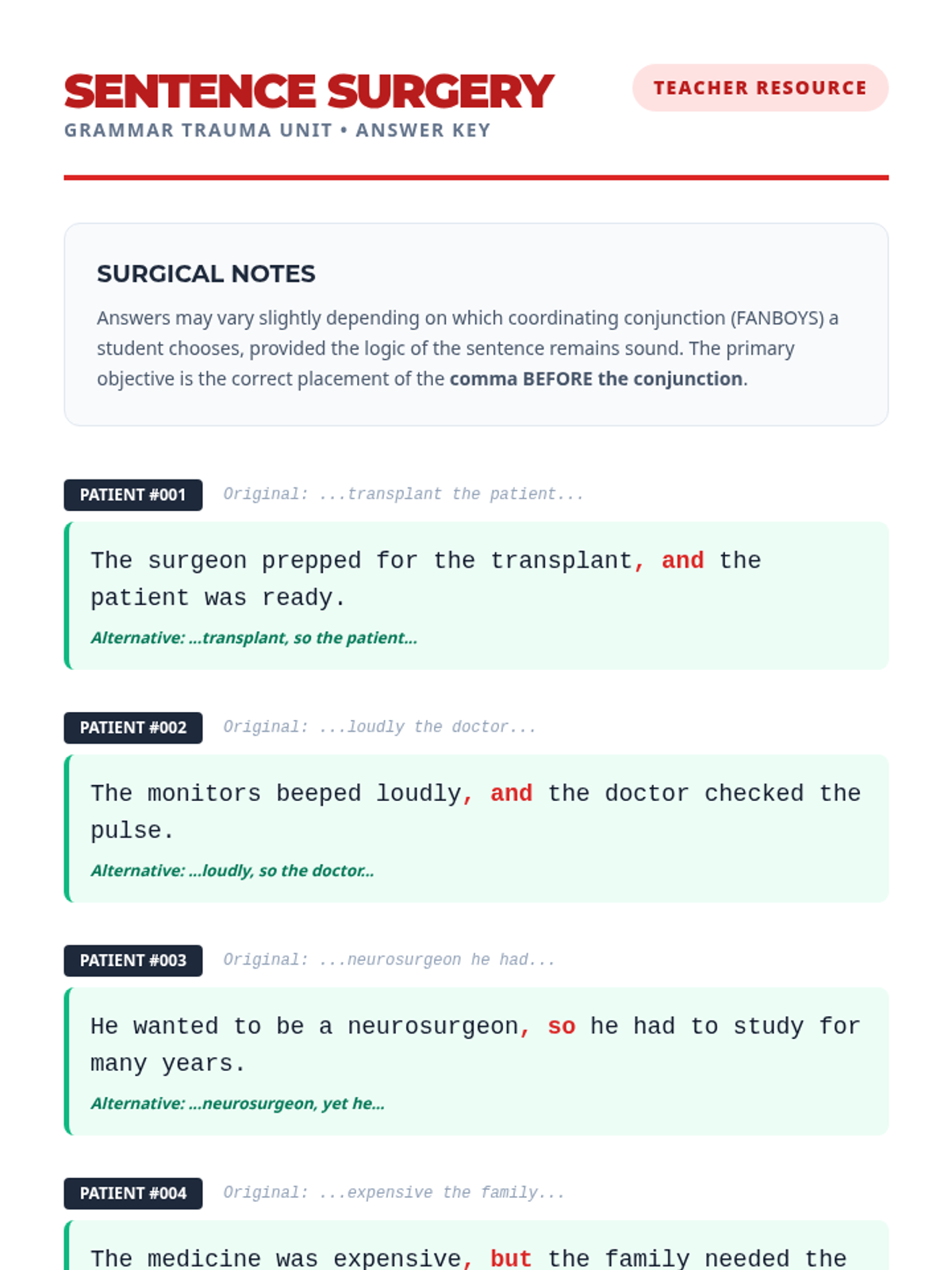
A quick, high-impact grammar warm-up focused on using commas and coordinating conjunctions (FANBOYS) to join independent clauses correctly. Students act as 'Sentence Surgeons' to repair broken compound sentences.
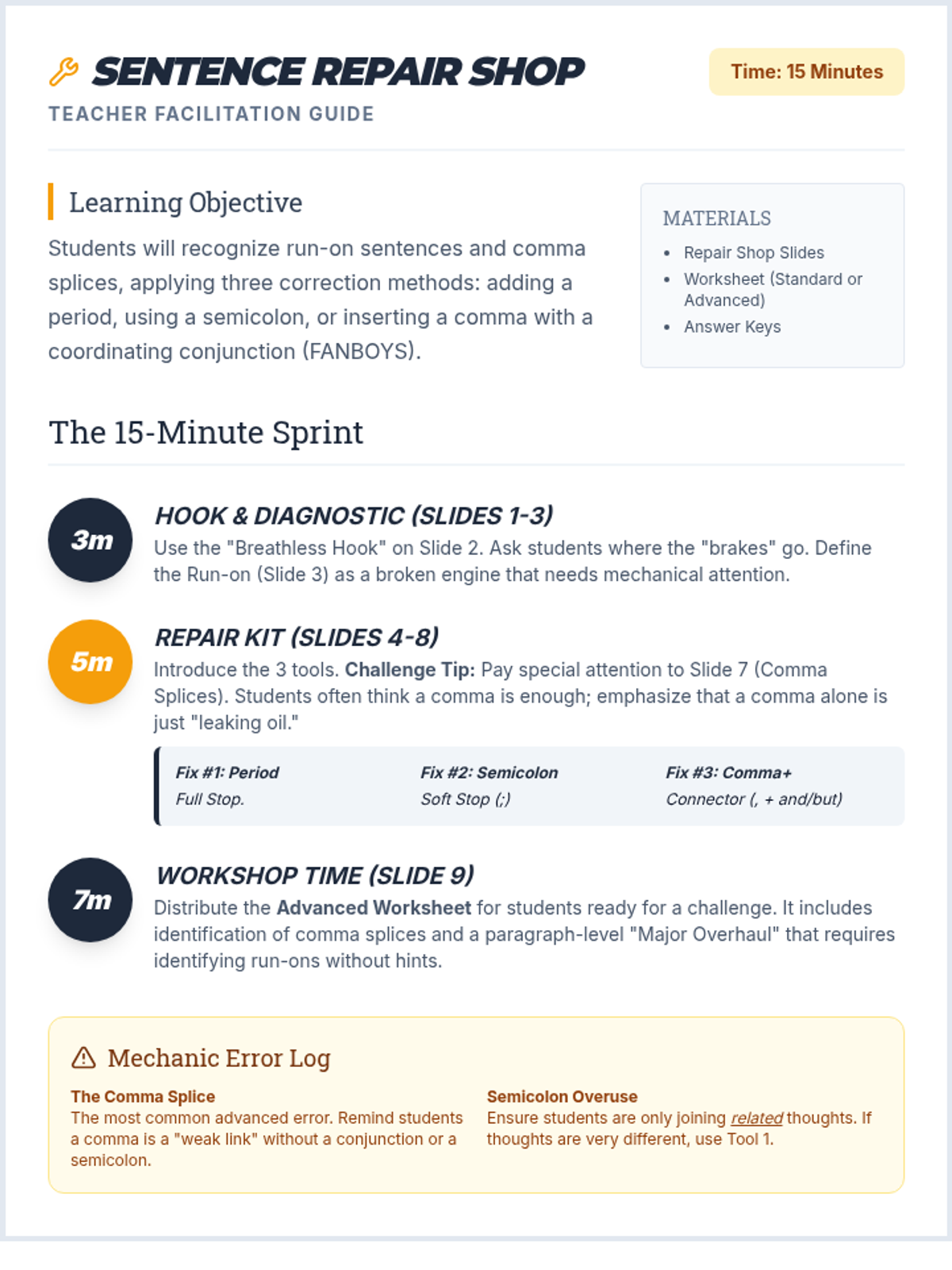
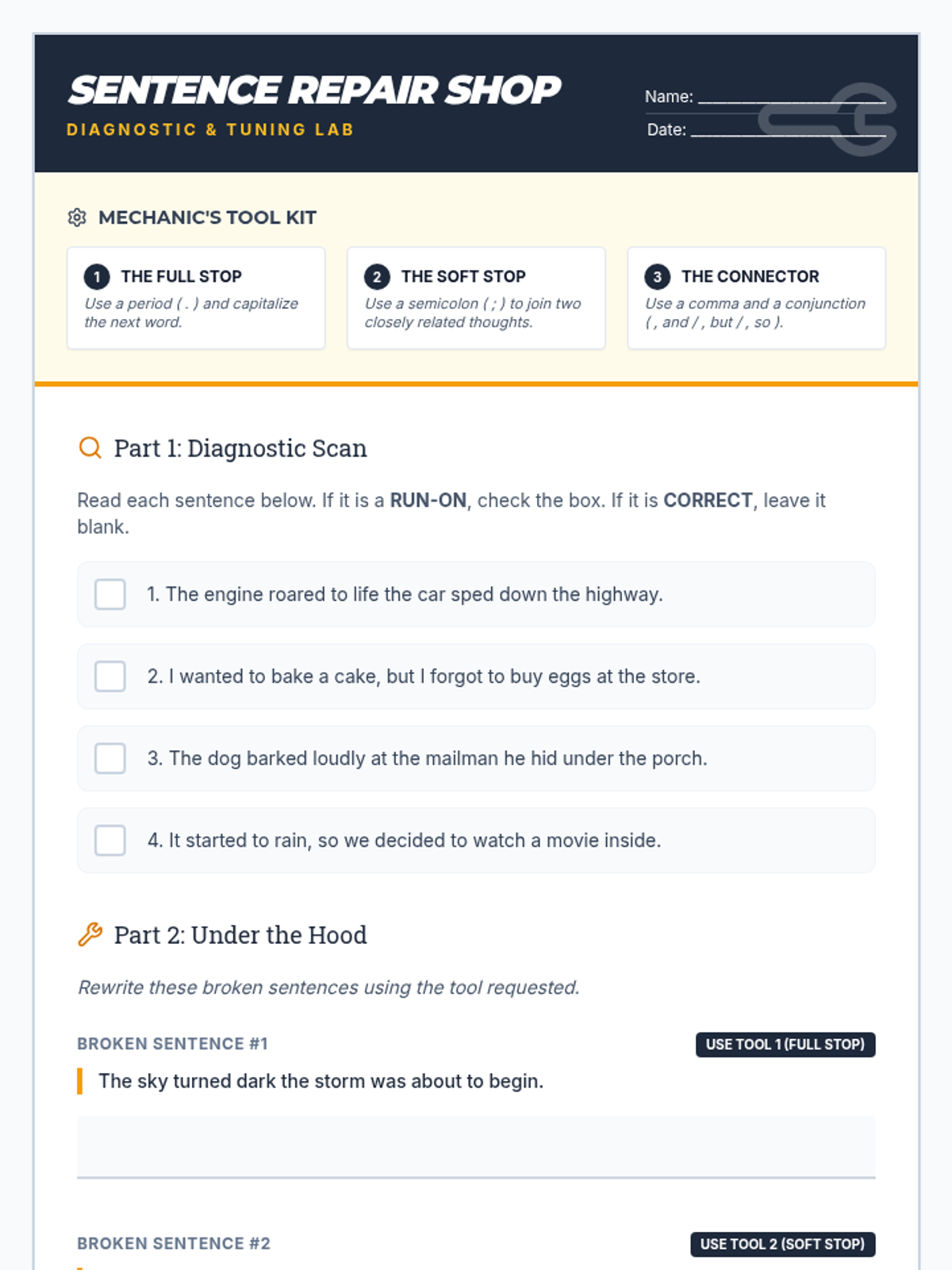
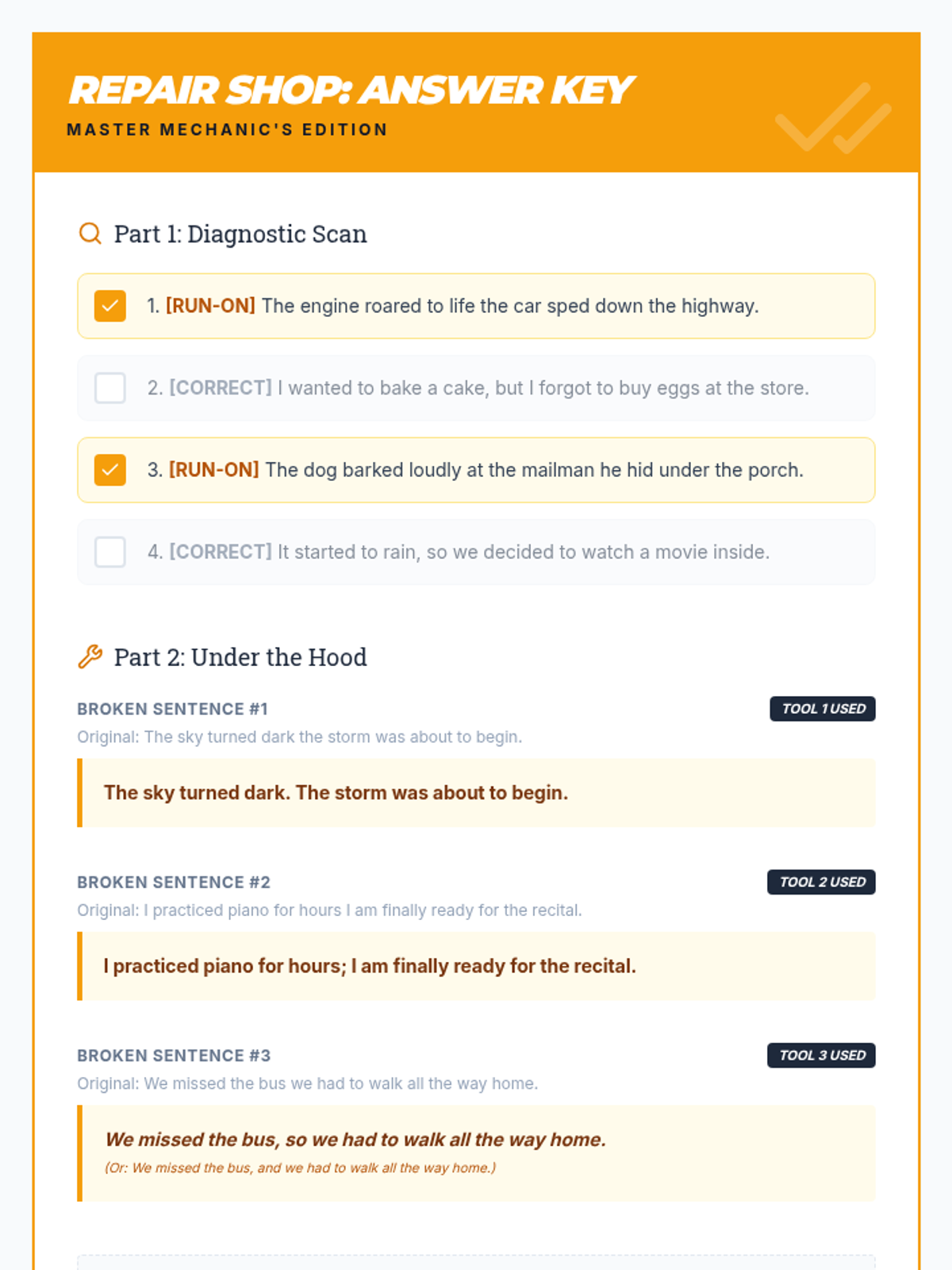
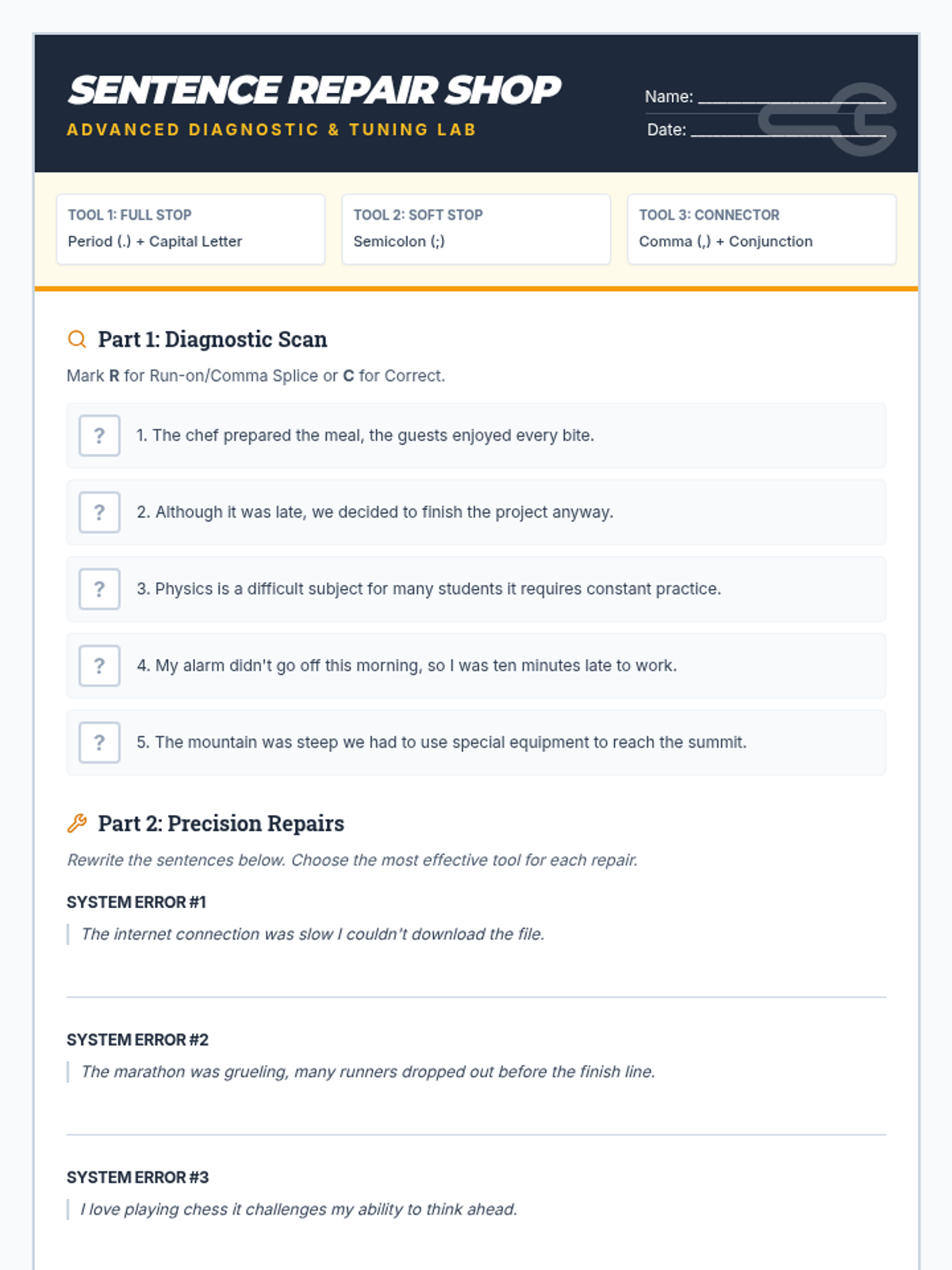
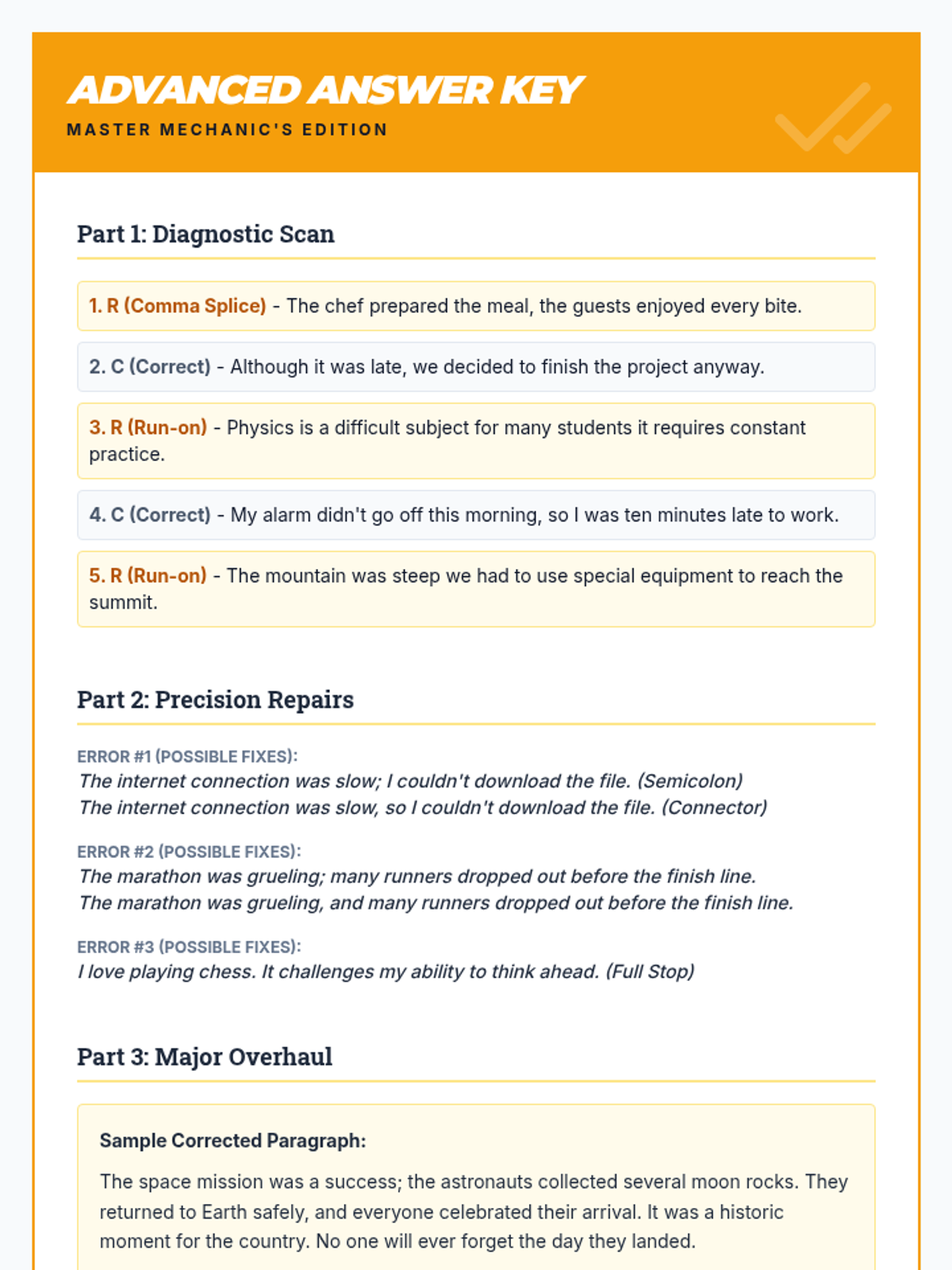
A quick-hit 15-minute lesson focused on identifying and repairing run-on sentences using three primary correction methods. Students act as 'sentence mechanics' to tune up clunky writing.
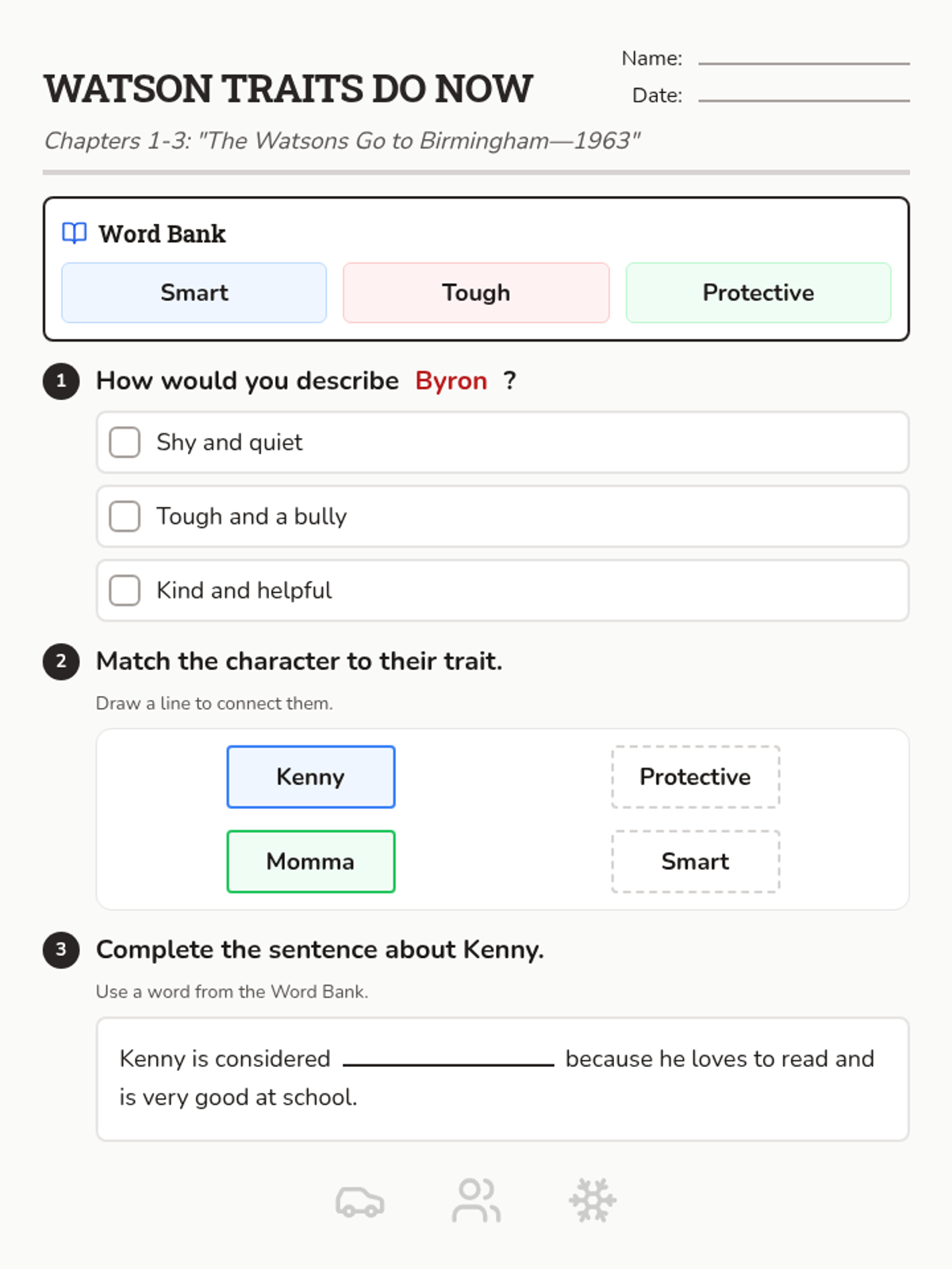
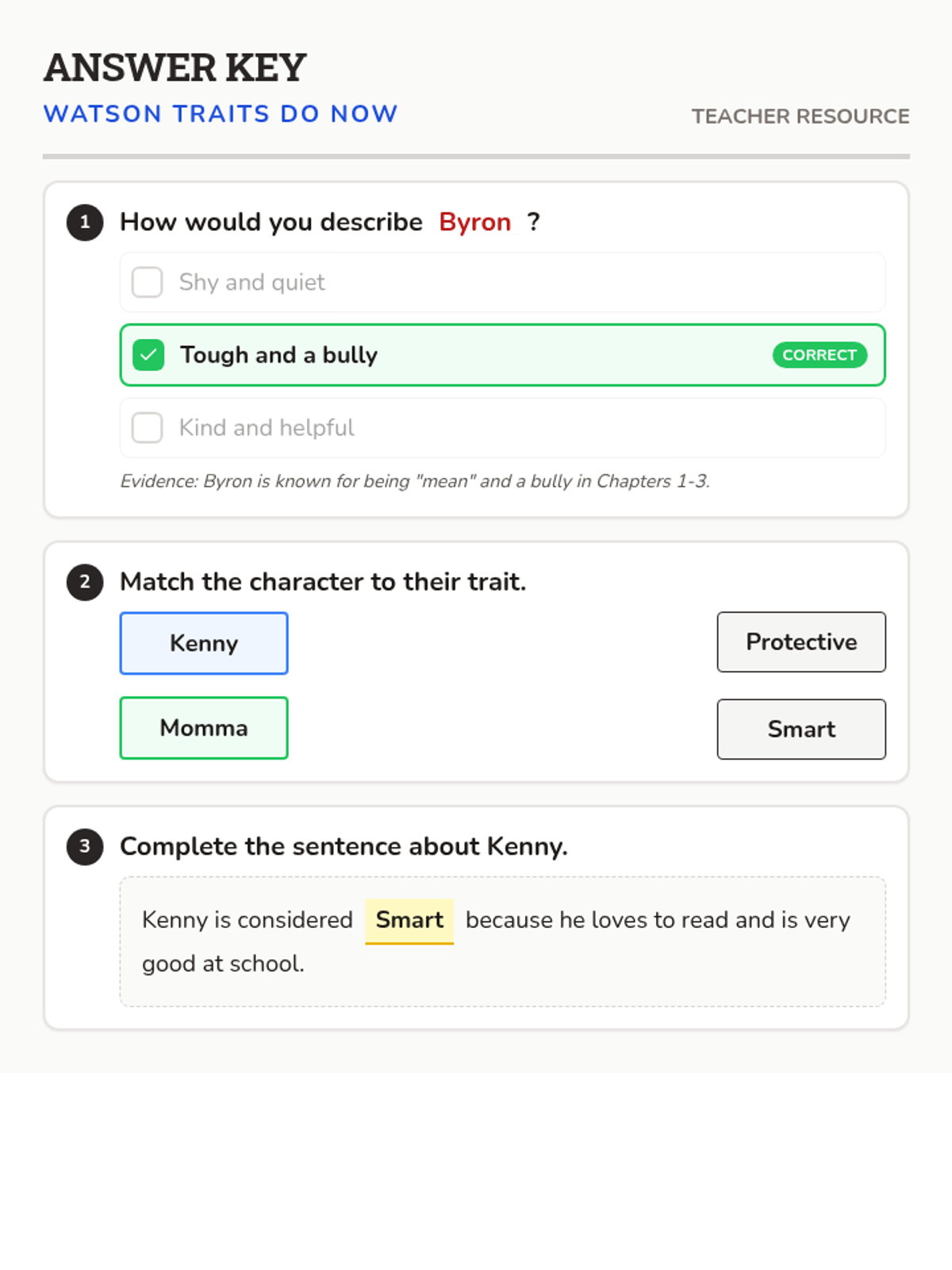
This lesson focuses on identifying and analyzing the character traits of the Watson family members in the early chapters of 'The Watsons Go to Birmingham—1963'. Students will use evidence from the text to describe Kenny, Byron, and Momma.
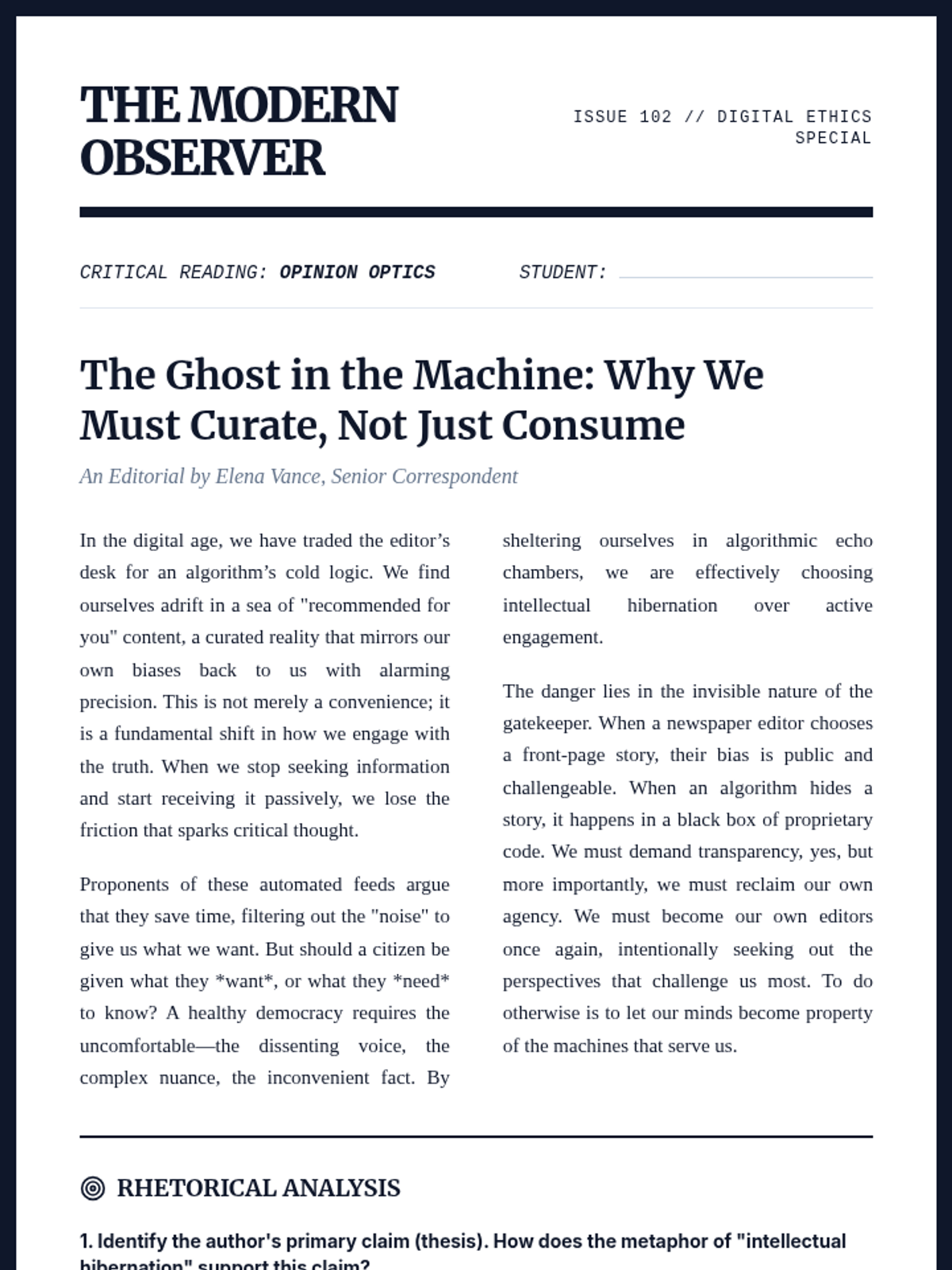
Dives into rhetorical analysis, advanced syntax, and persuasive writing through the lens of modern digital ethics. High school students analyze complex arguments and craft their own editorial pieces using sophisticated language structures.