A quick, high-impact grammar warm-up focused on using commas and coordinating conjunctions (FANBOYS) to join independent clauses correctly. Students act as 'Sentence Surgeons' to repair broken compound sentences.
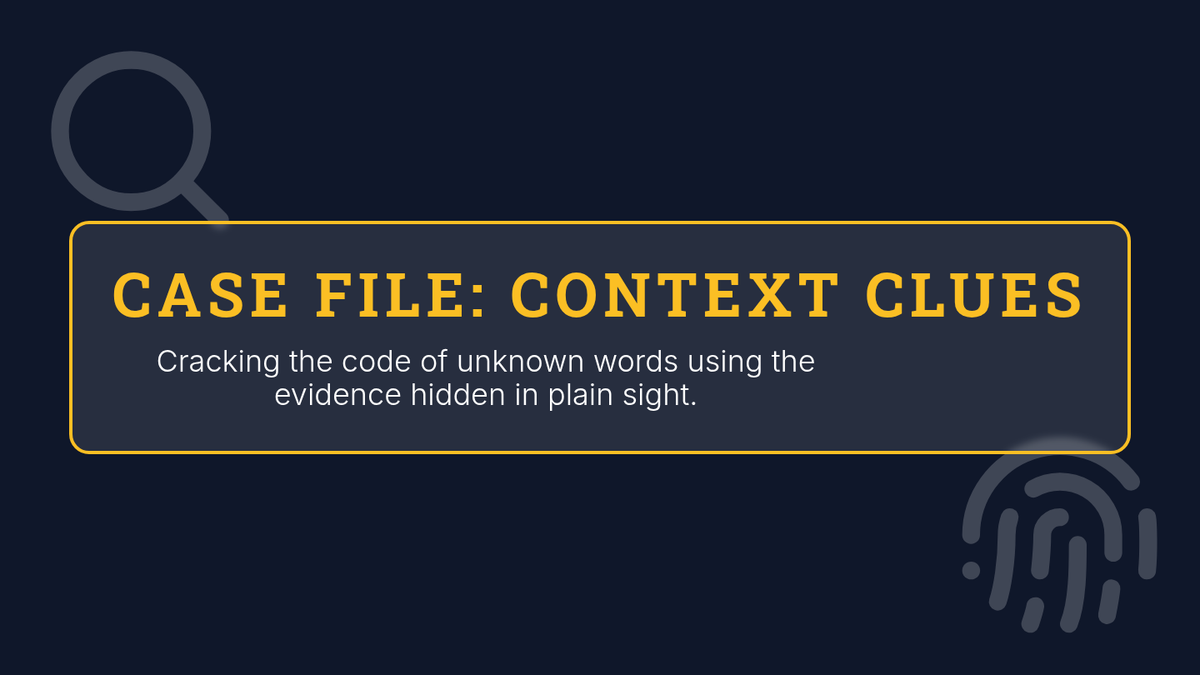
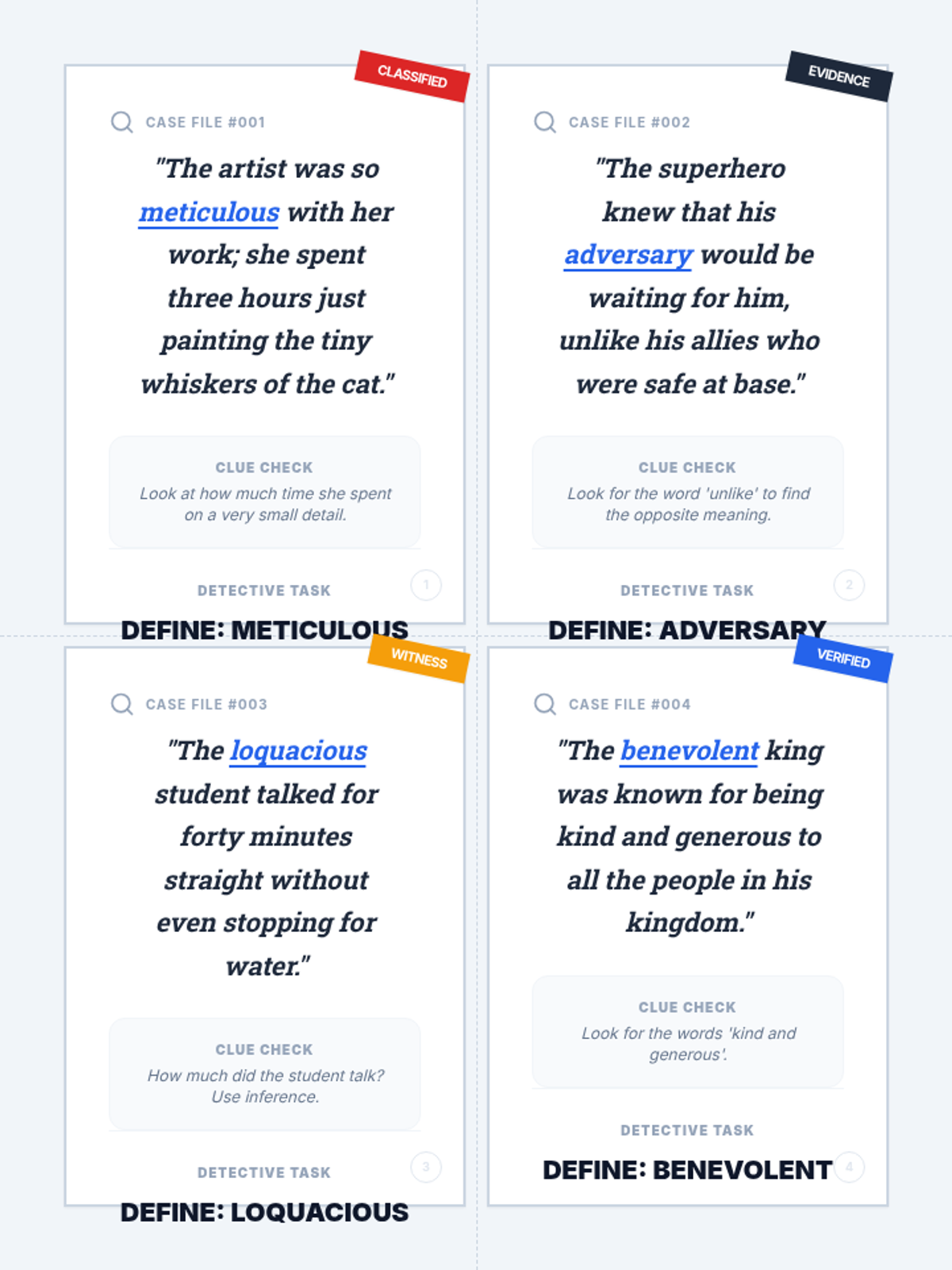
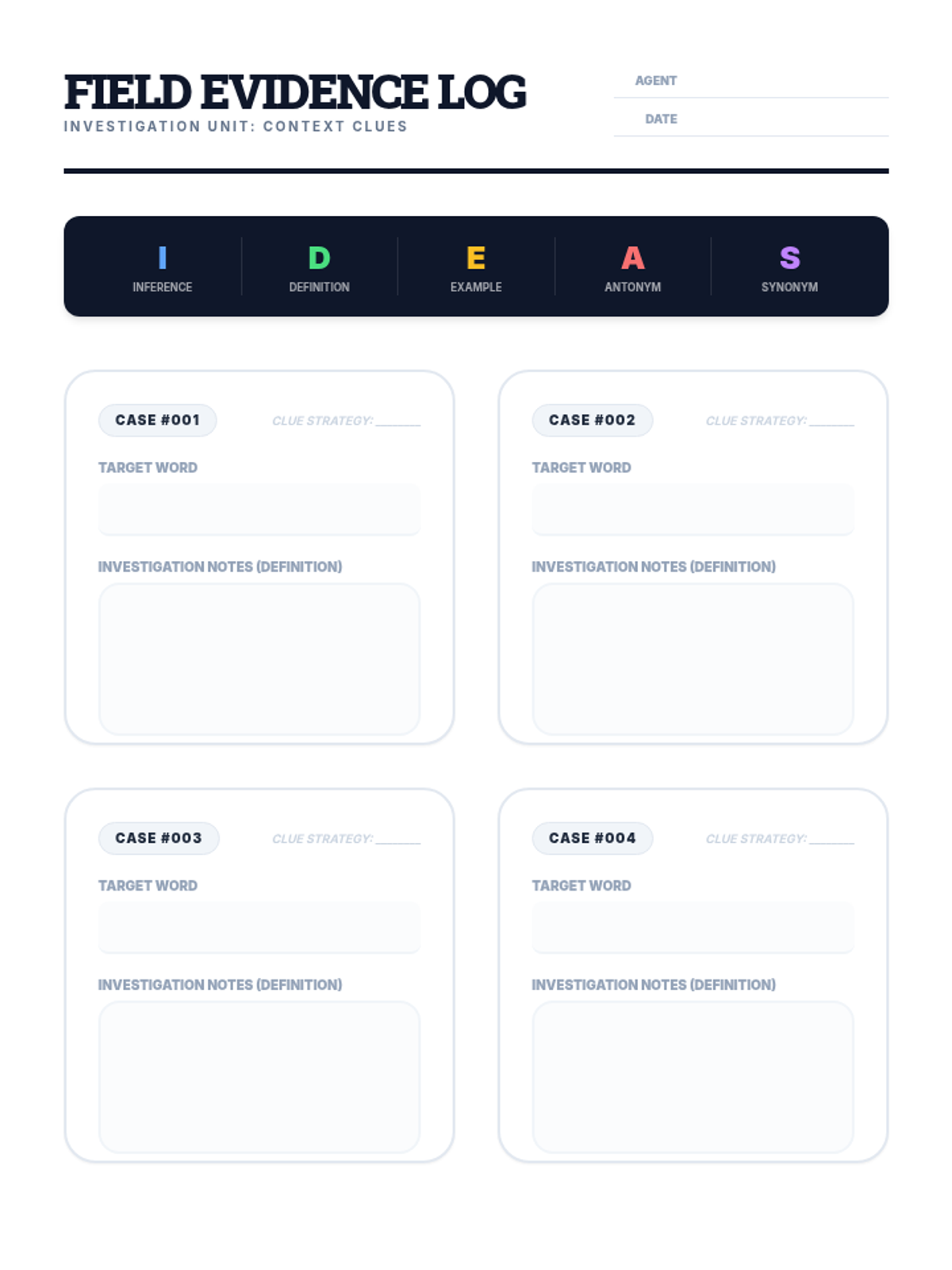
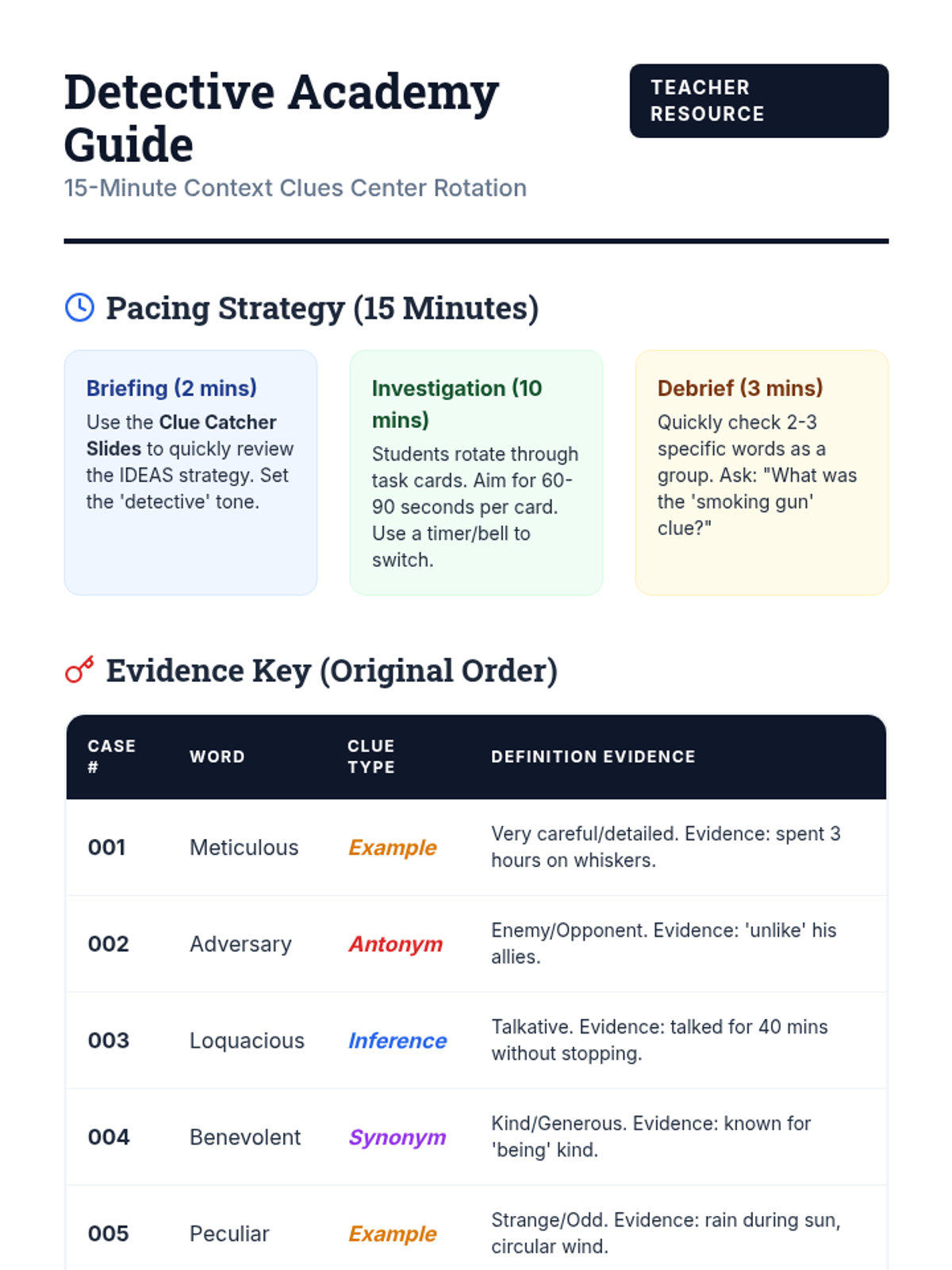
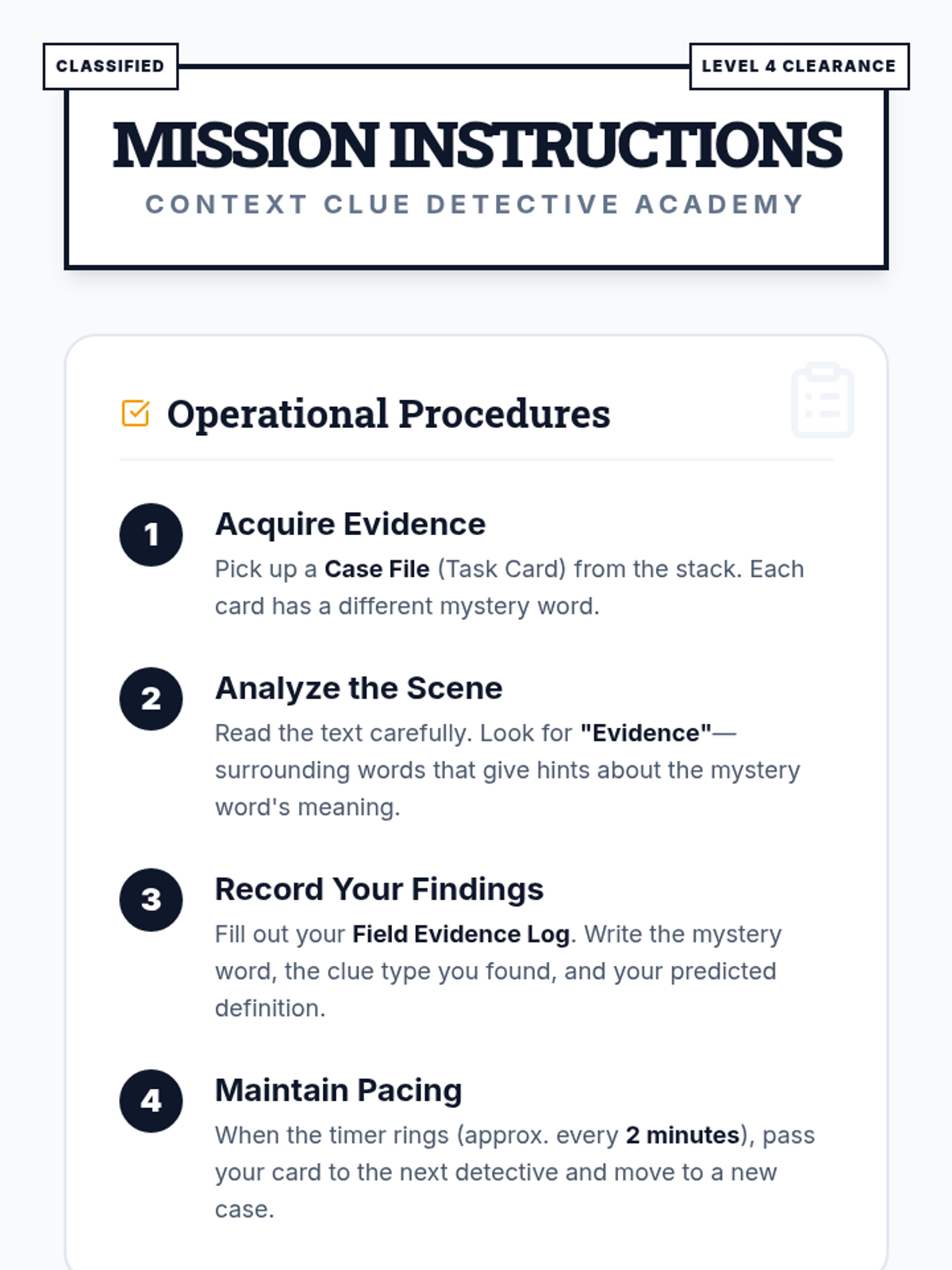
A 15-minute center rotation focused on using context clues (synonyms, antonyms, examples, and definitions) to infer the meaning of unfamiliar words through a 'Word Detective' theme.
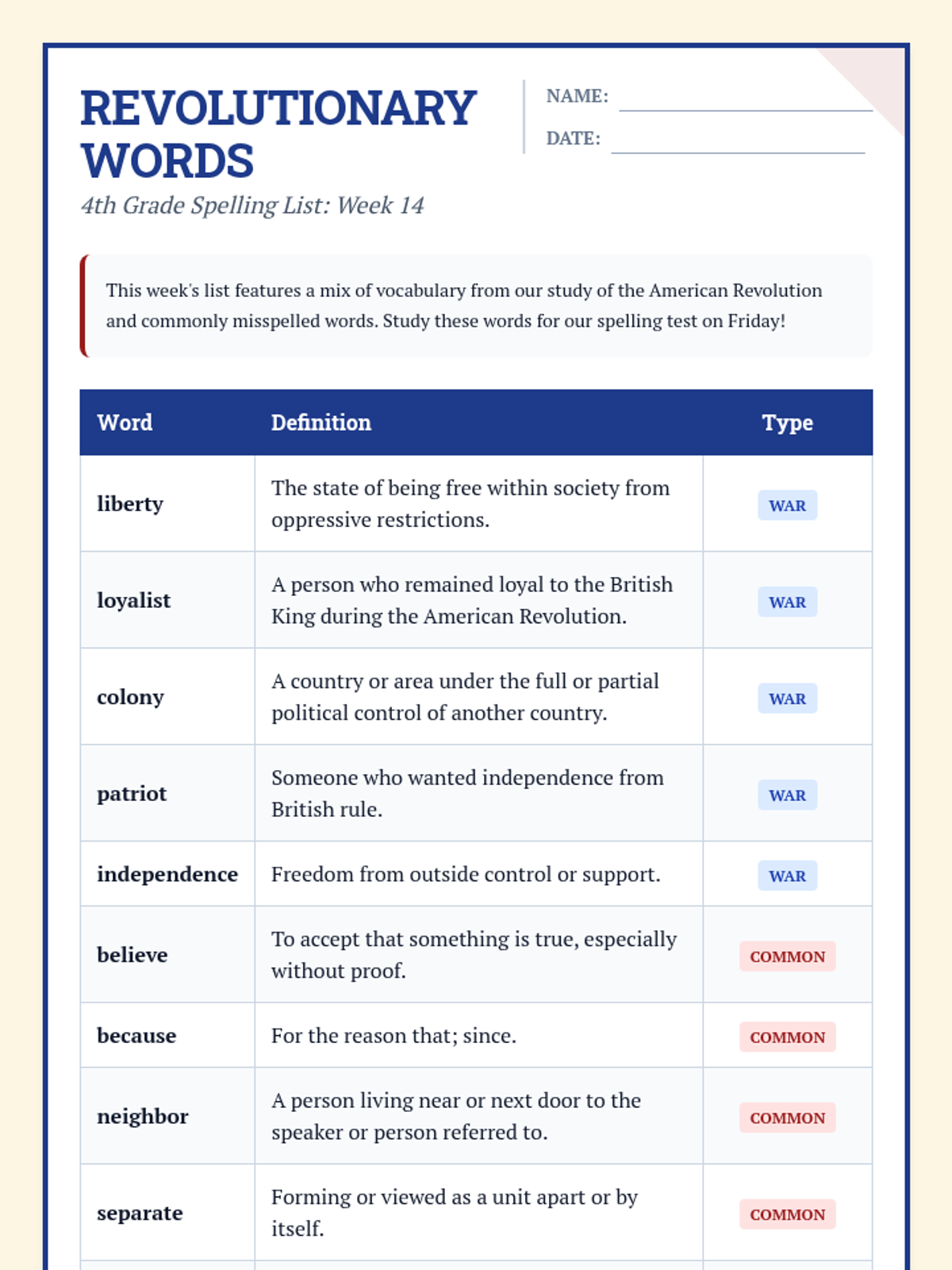
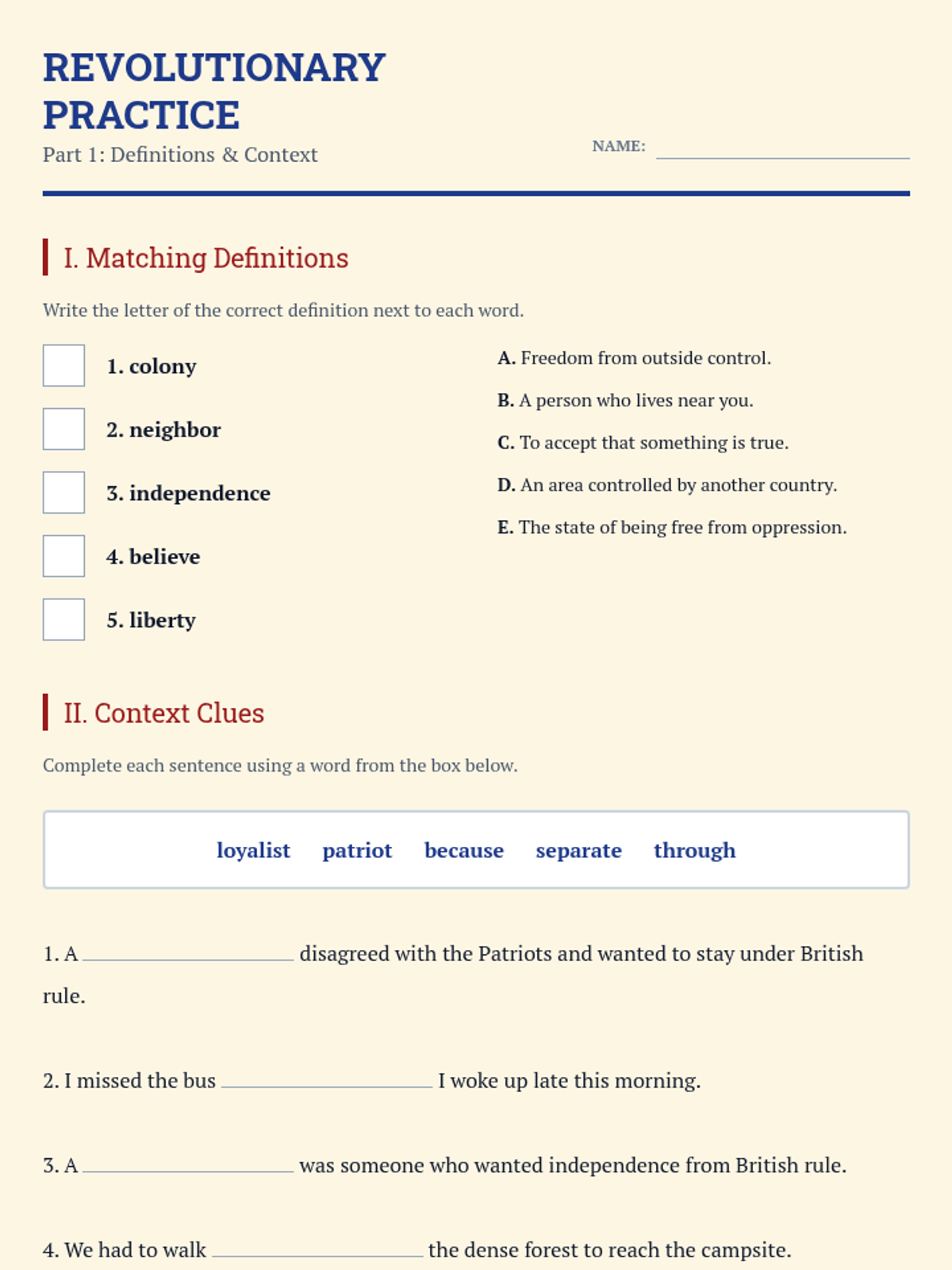
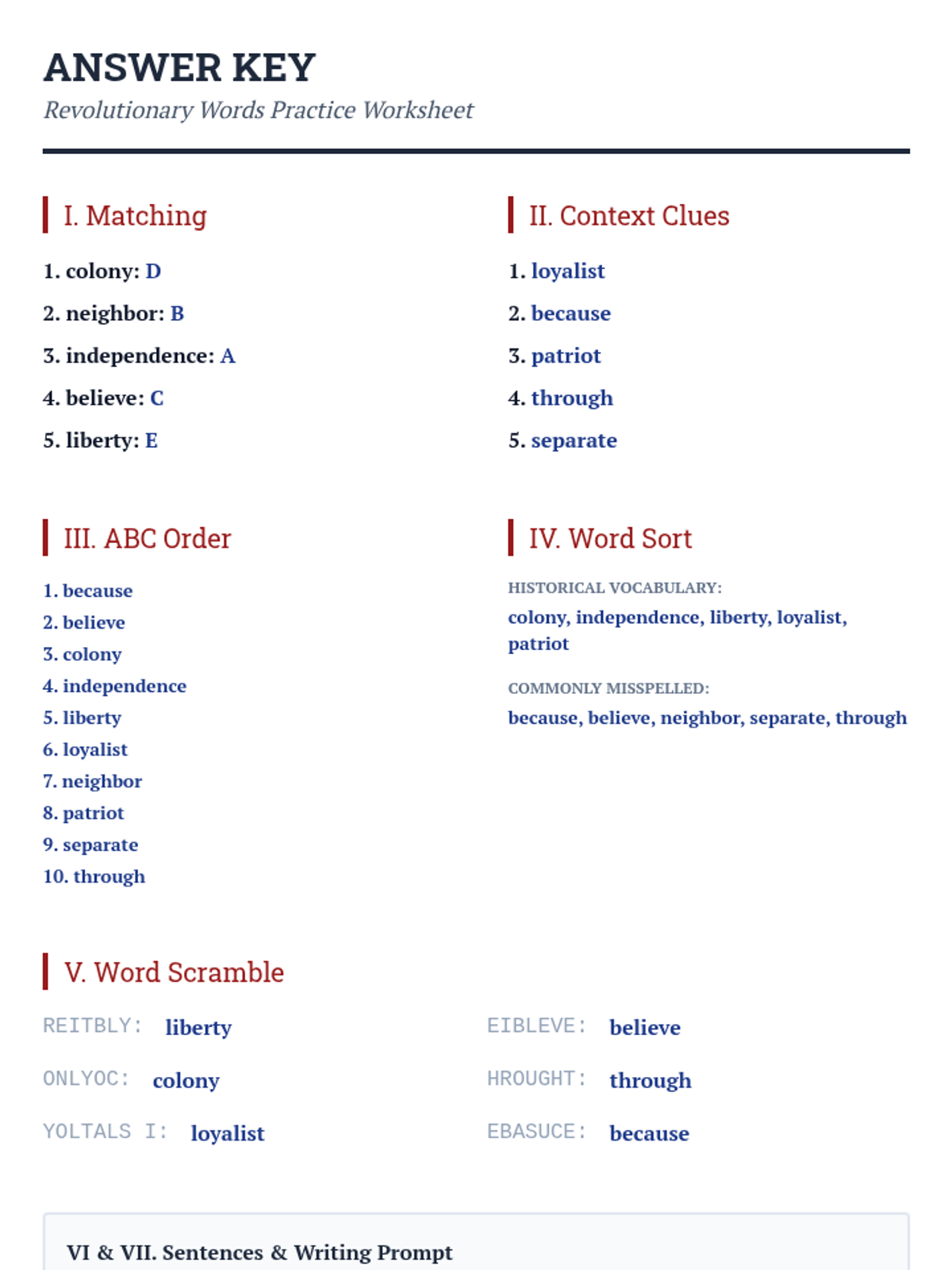
A spelling unit for 4th graders featuring a mix of Revolutionary War vocabulary and frequently misspelled words, complete with comprehensive homework practice.
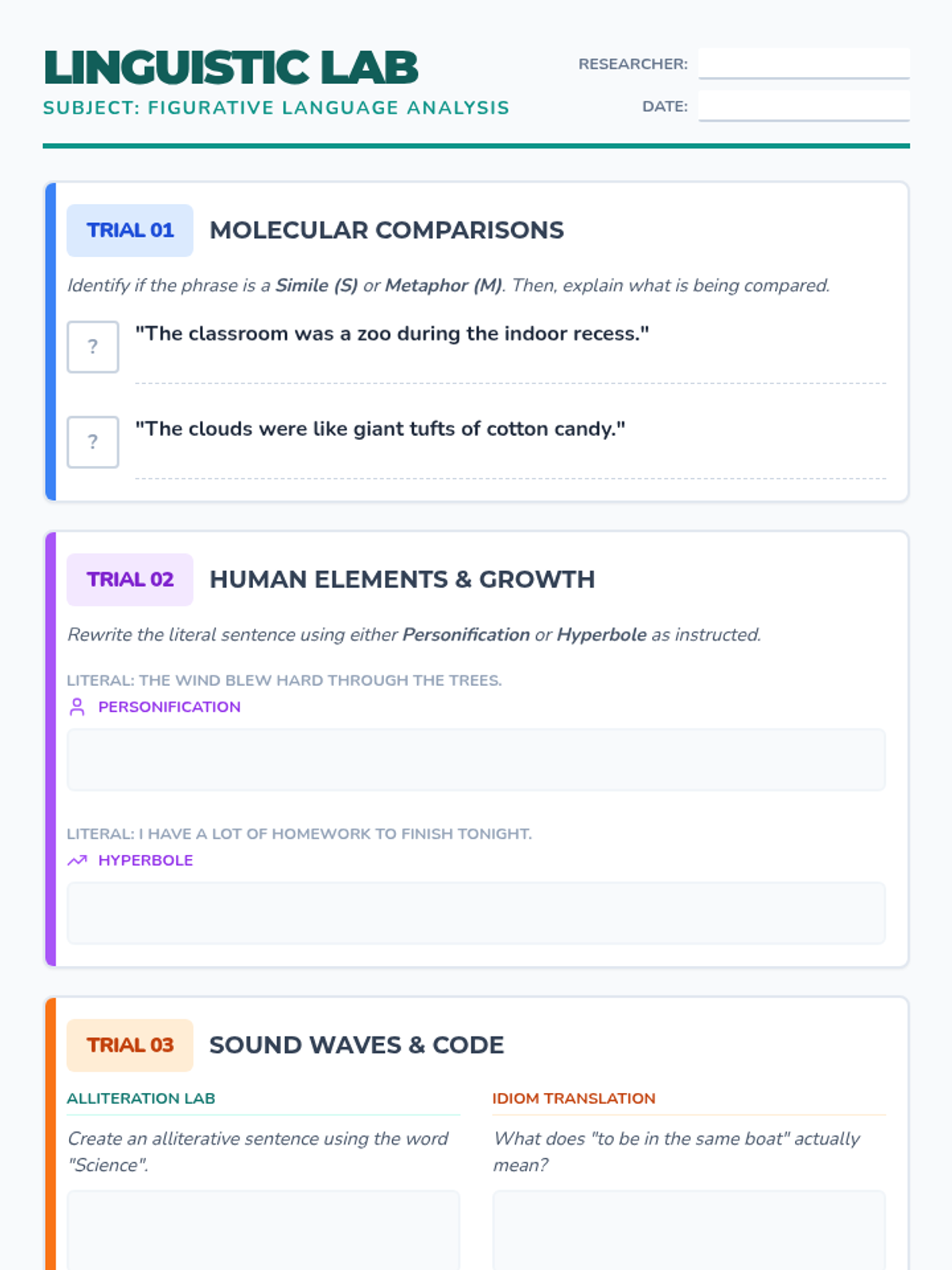
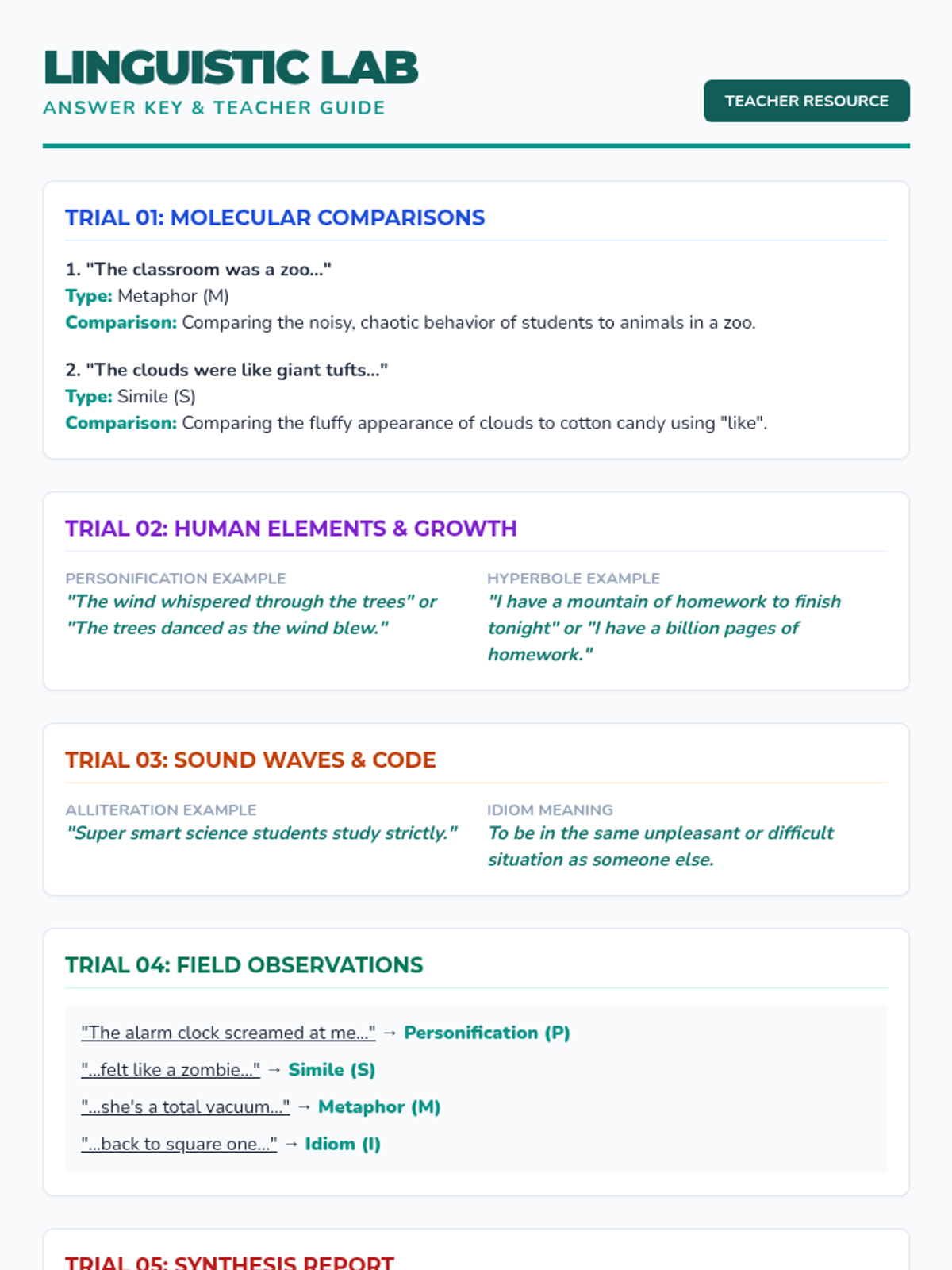
A week of daily bell ringers designed to reinforce core figurative language concepts (similes, metaphors, personification, hyperbole, alliteration, and idioms) through a scientific lab-themed analysis and application.
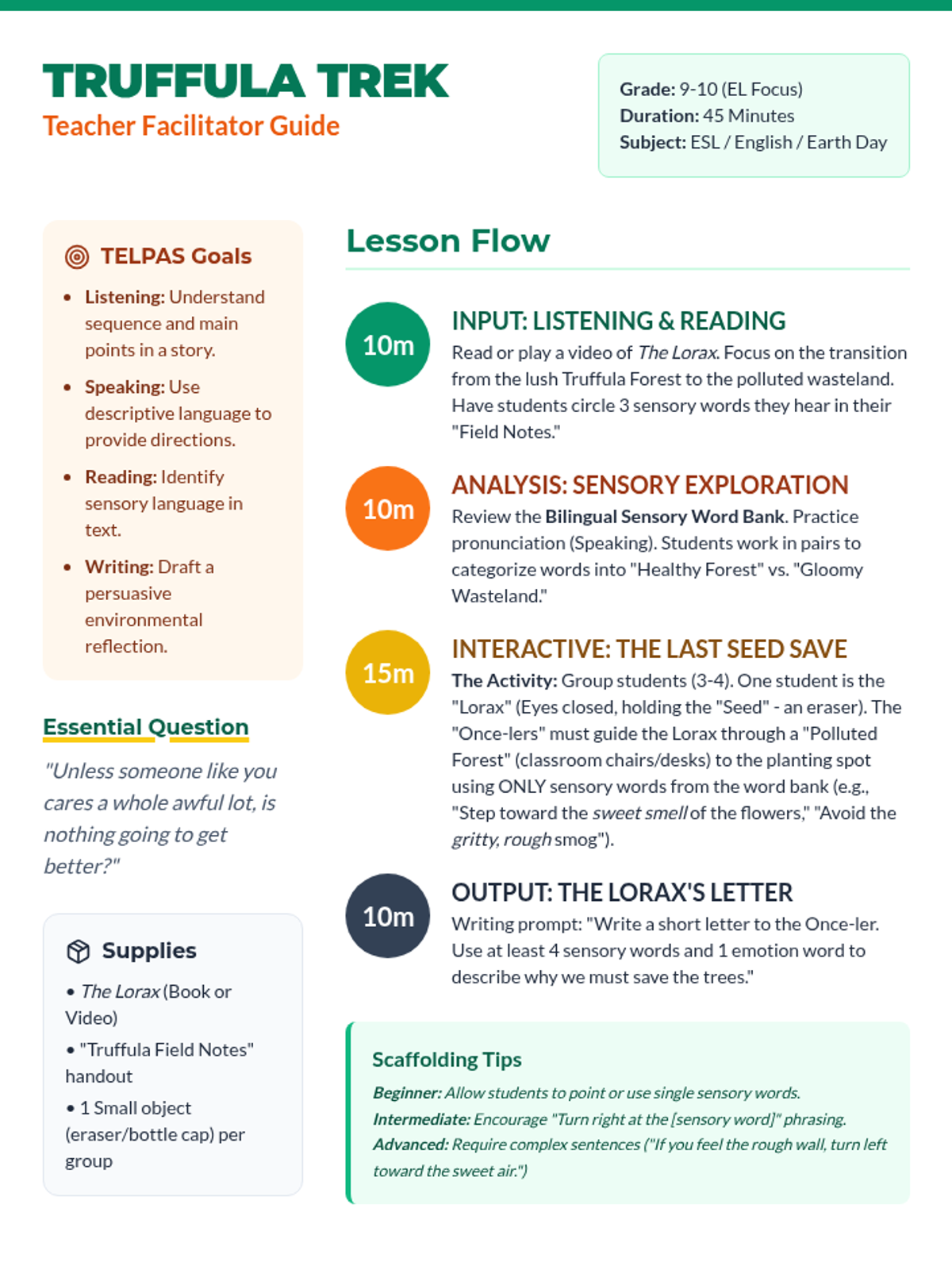
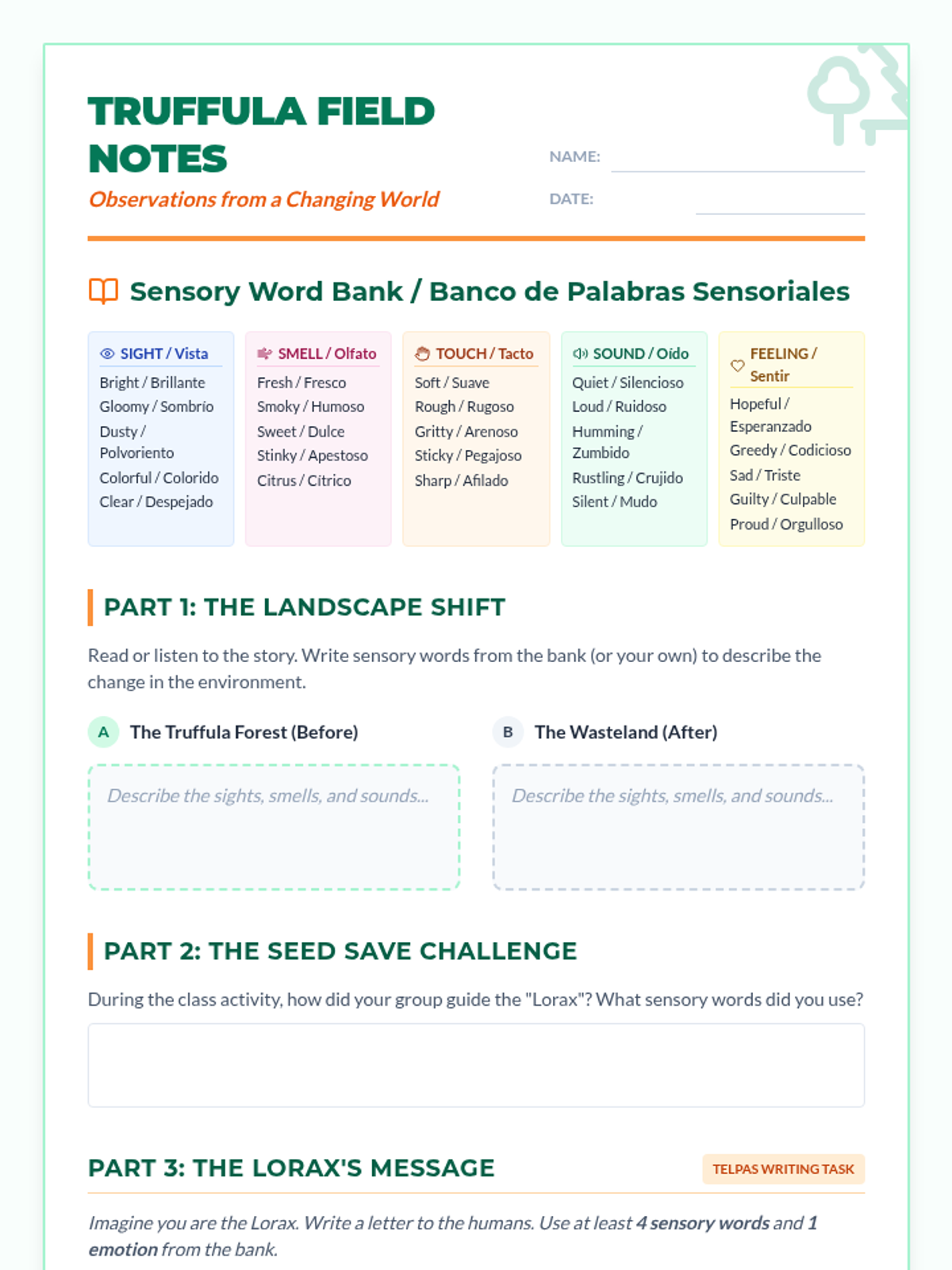
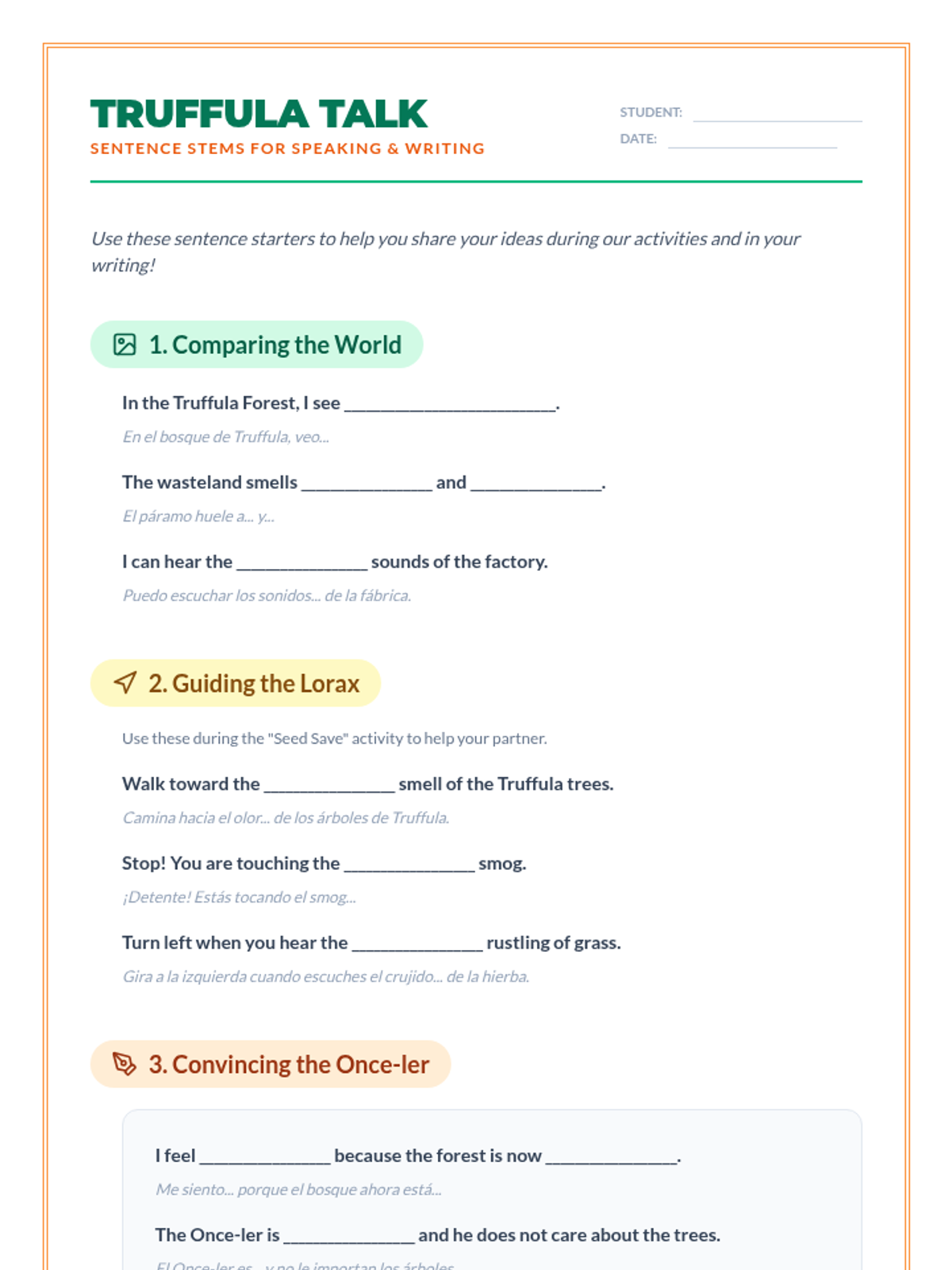
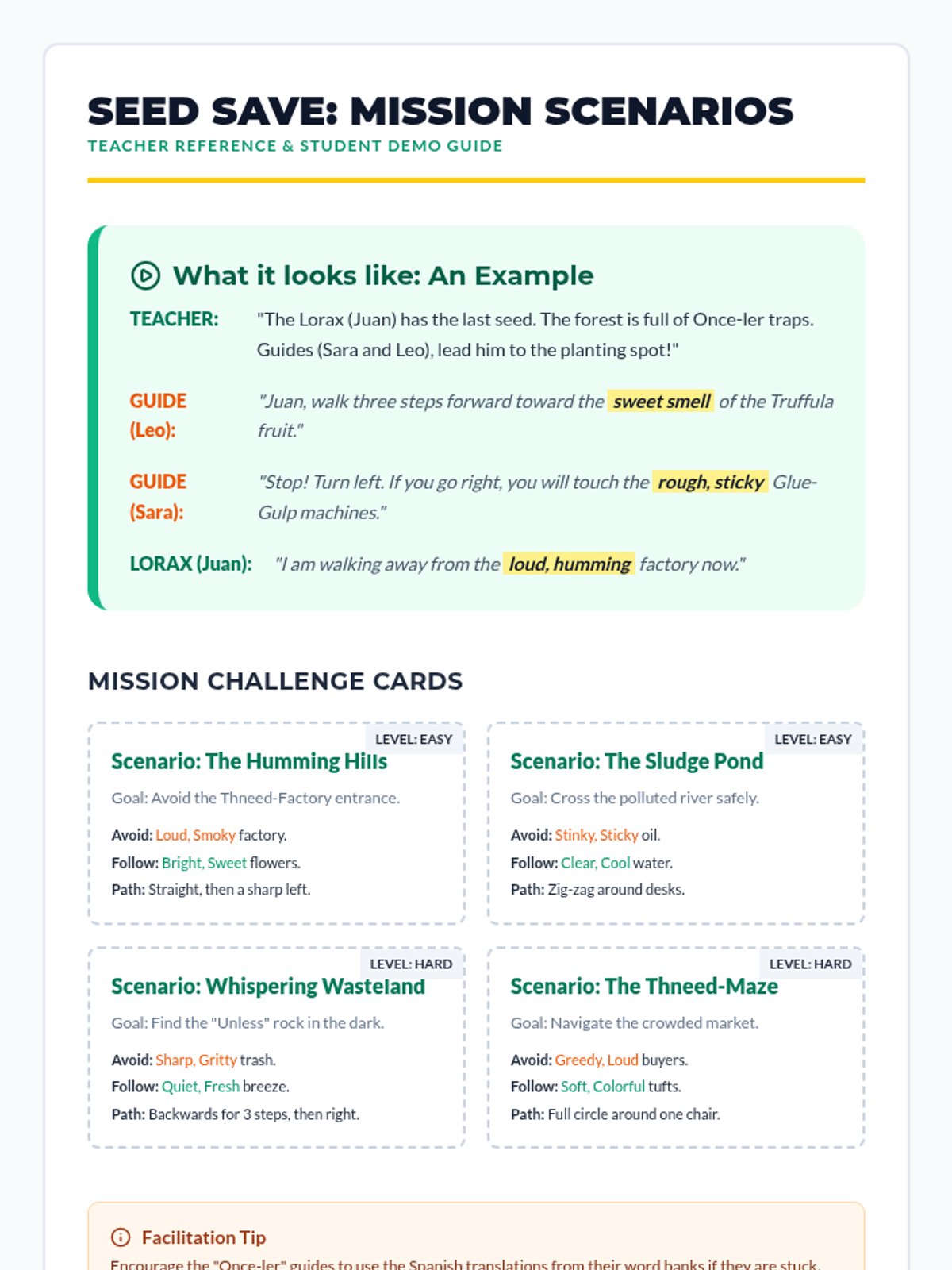
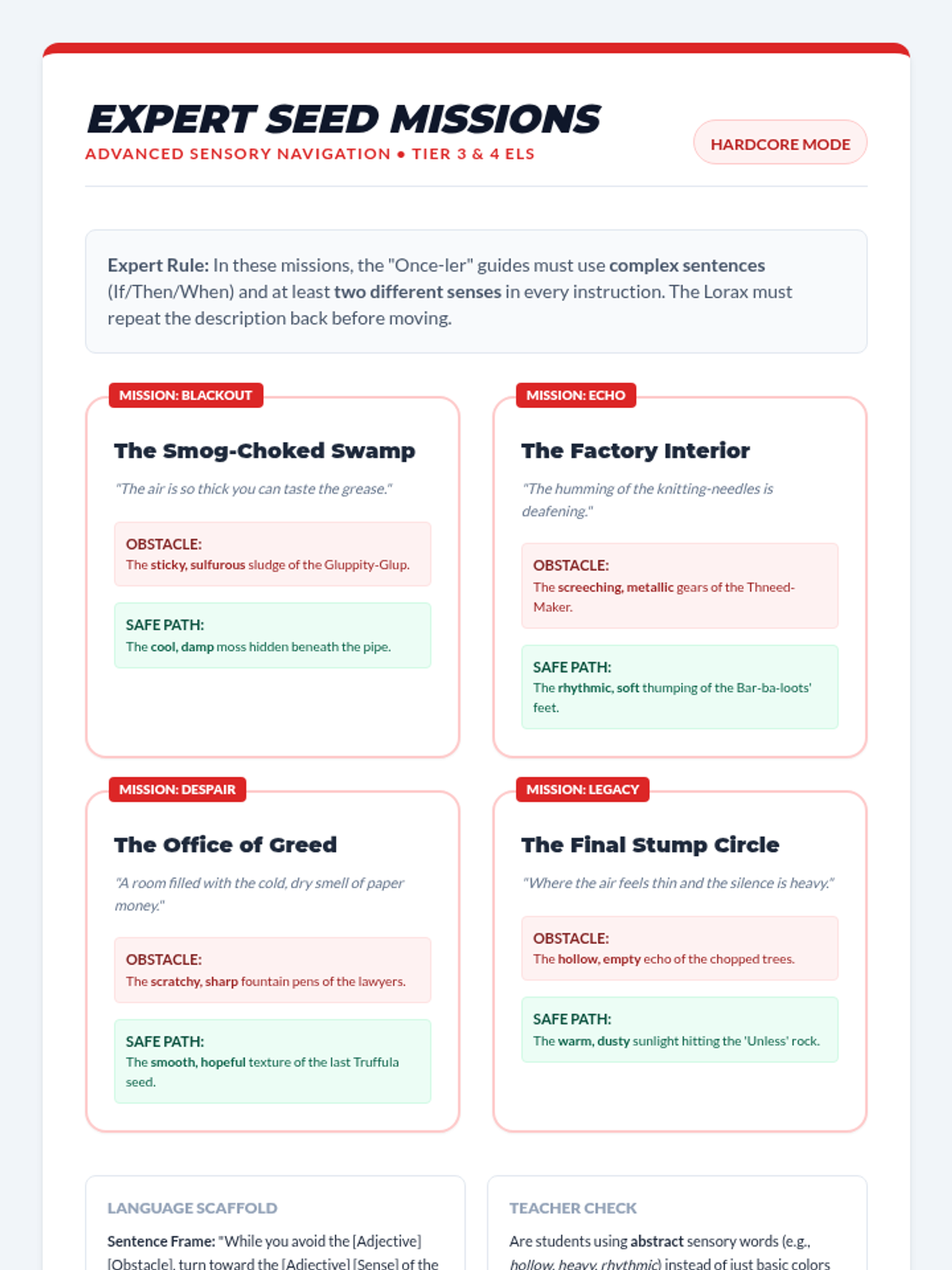
A 45-minute immersive lesson where students use sensory language to analyze environmental impact and collaborate on protecting 'the last seed.'
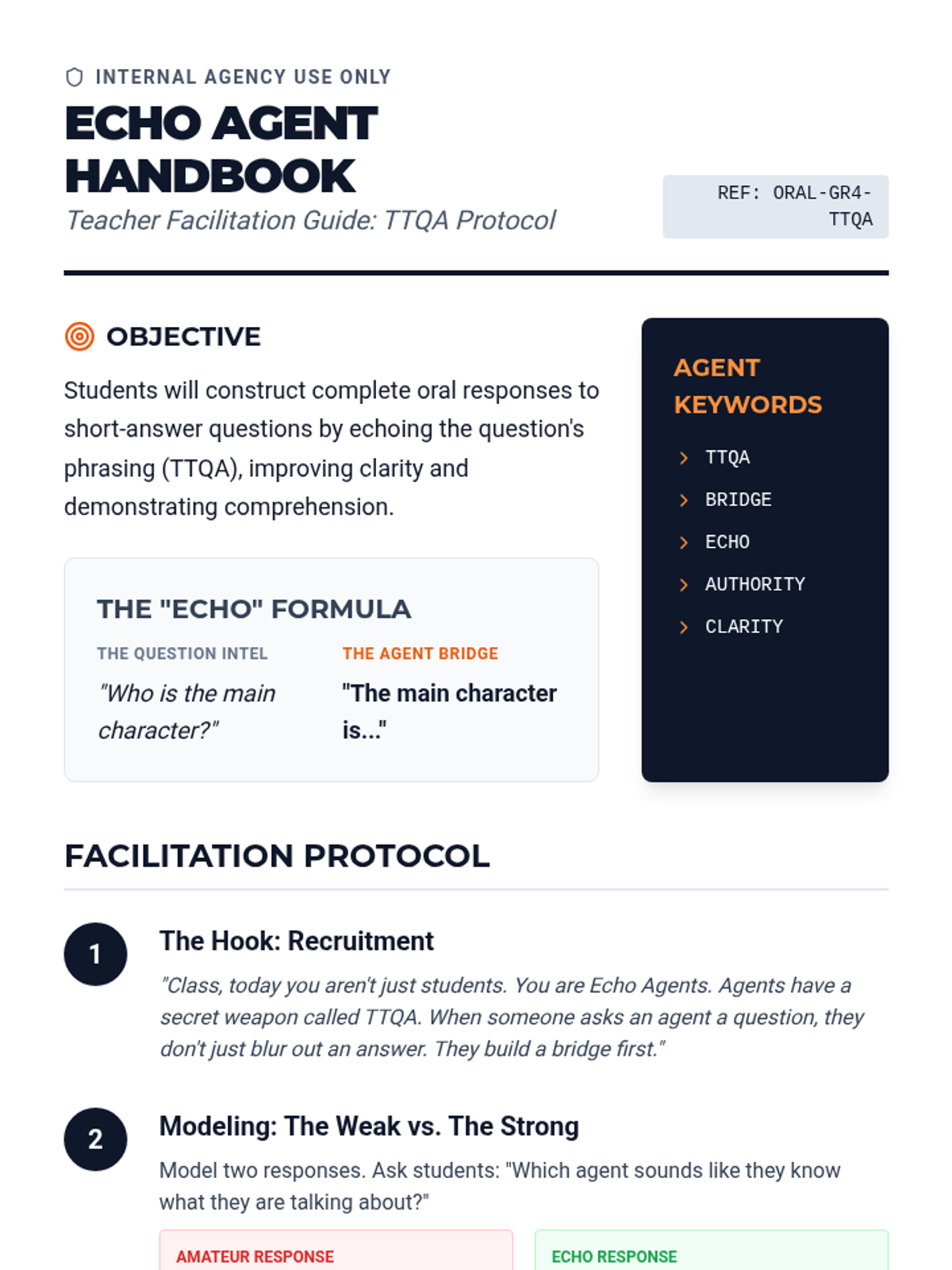
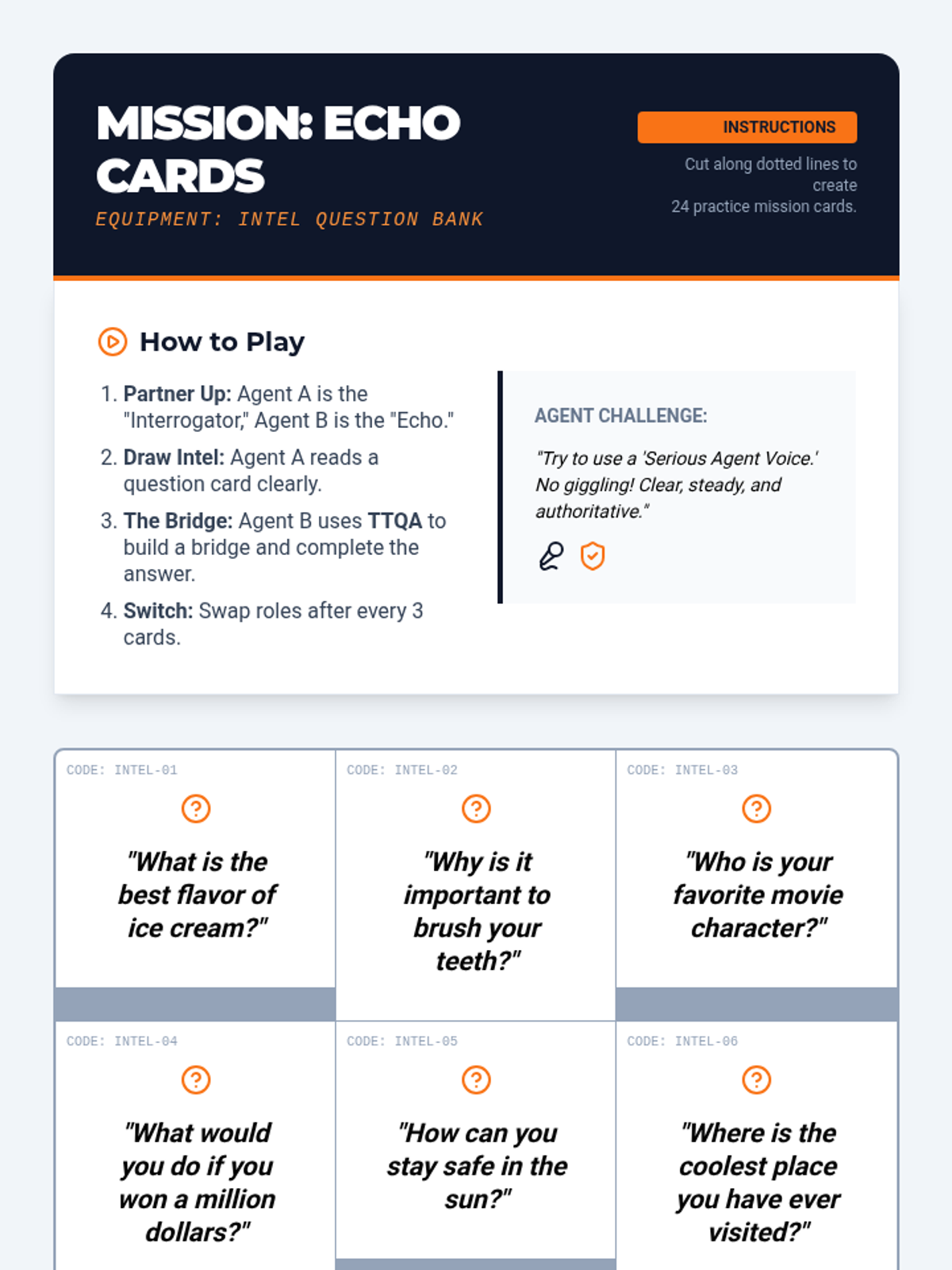
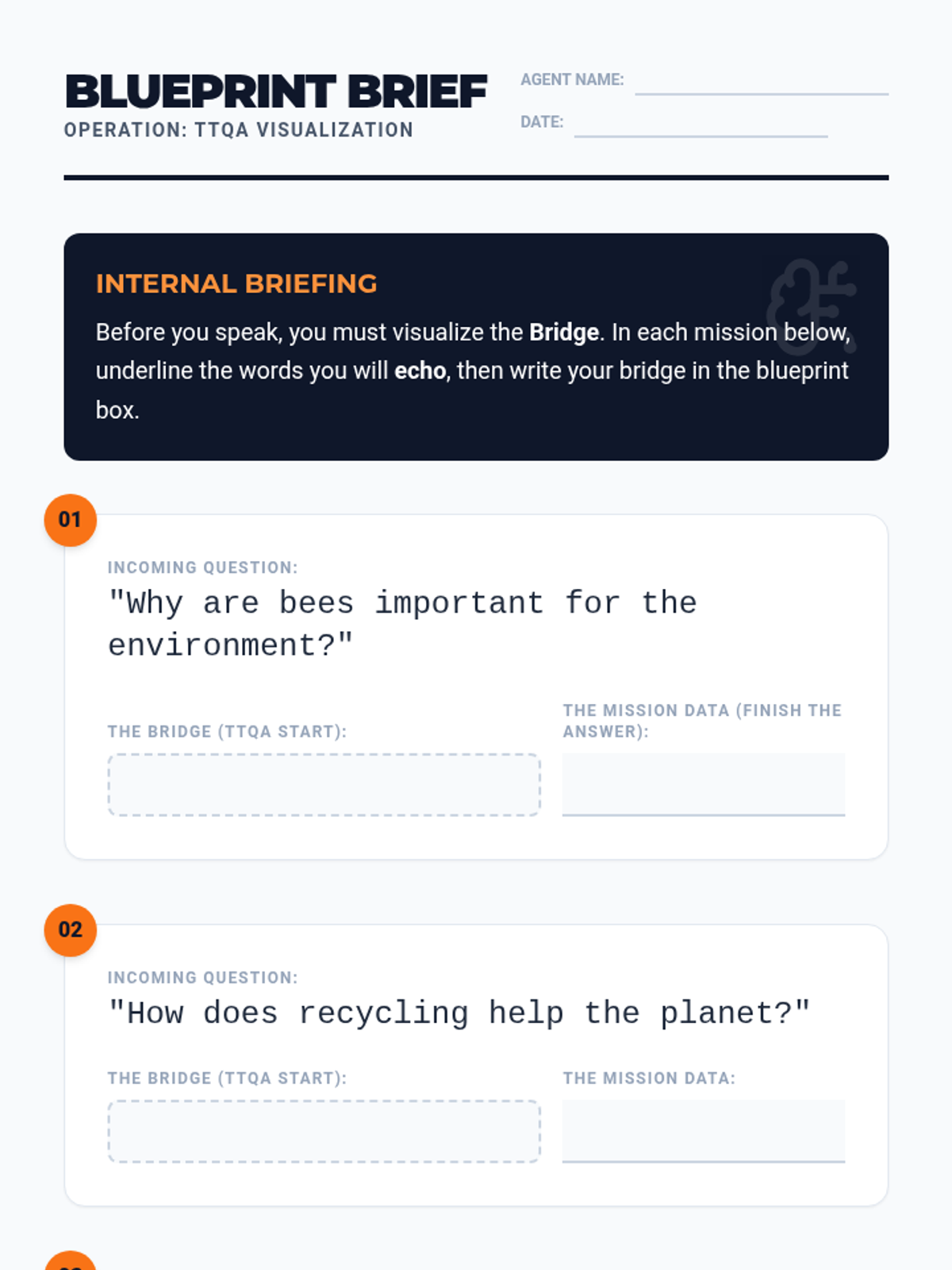
Students become 'Echo Agents' to master the TTQA (Turn The Question Around) technique, focusing on constructing strong oral responses by repurposing the wording of a question. This lesson emphasizes clear speaking, active listening, and the structural bridge between a question and its answer.
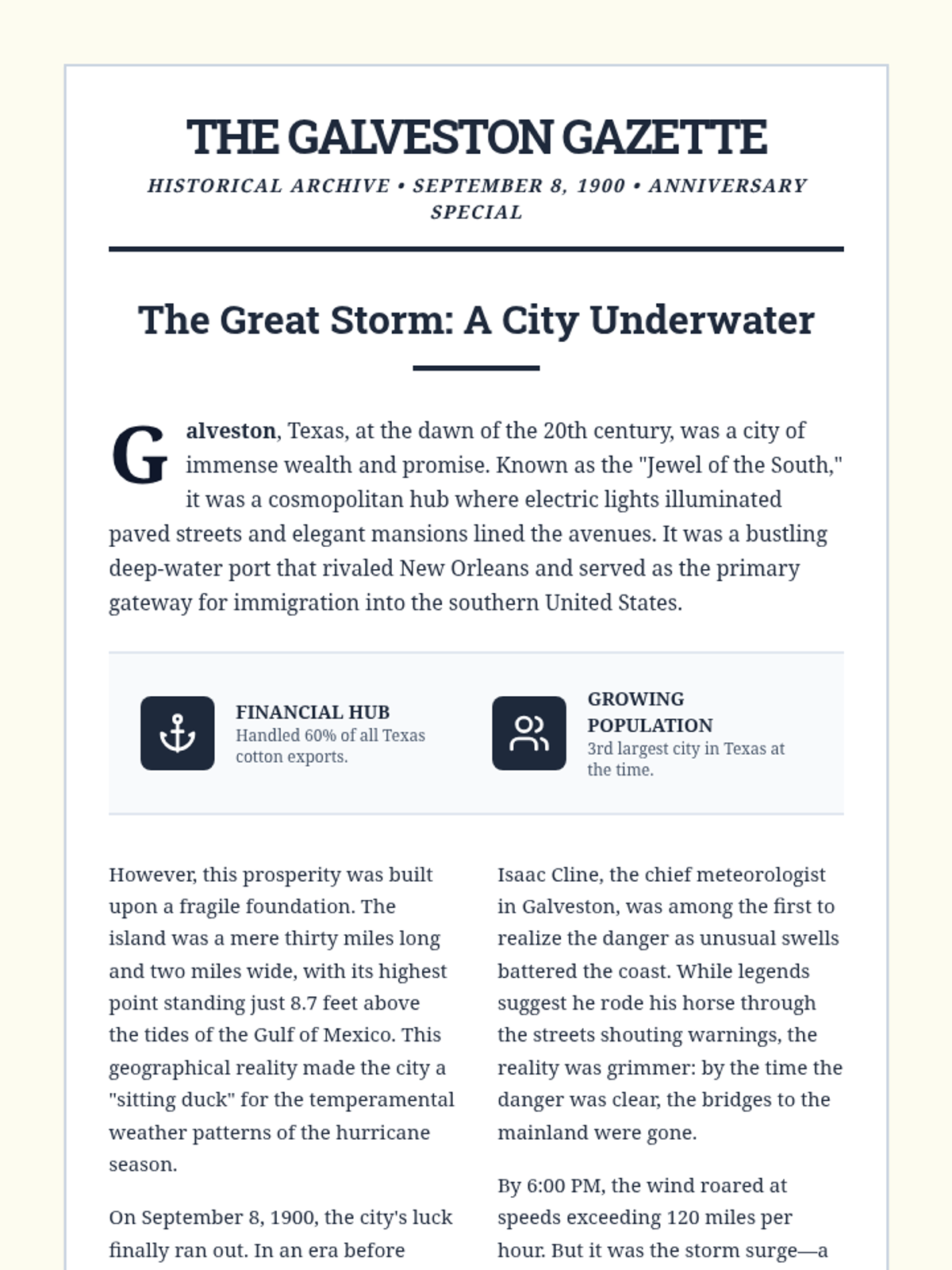
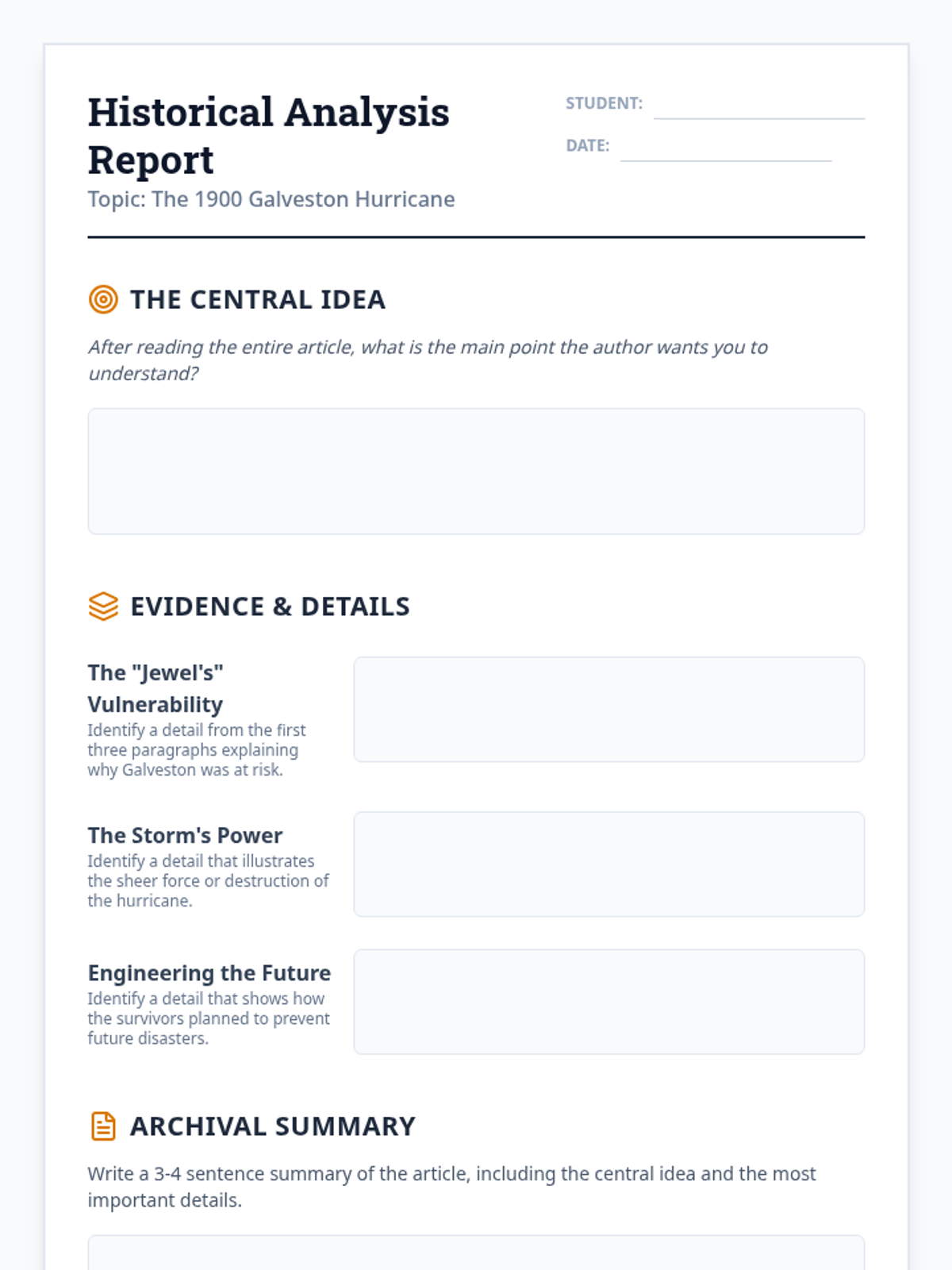
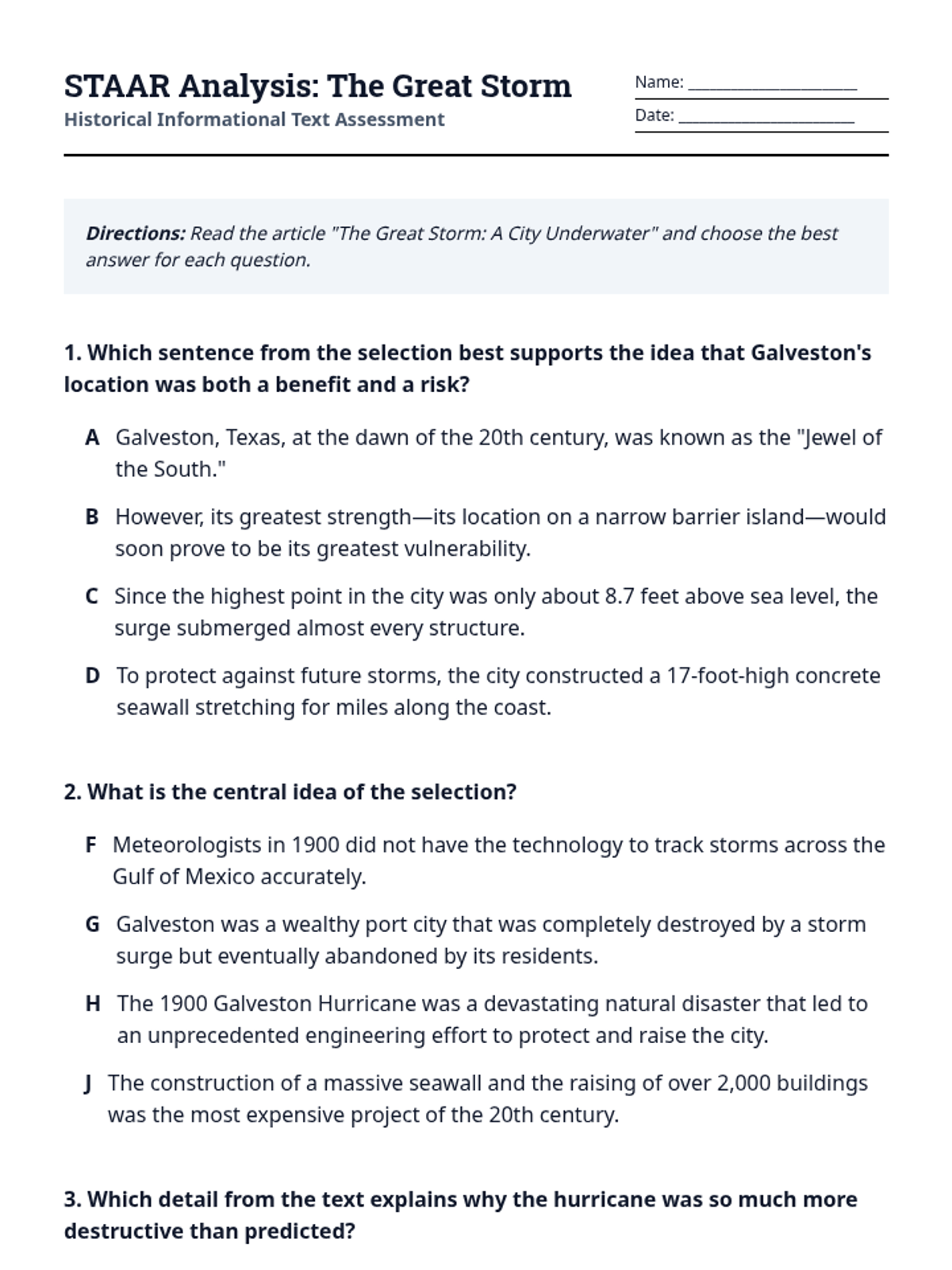
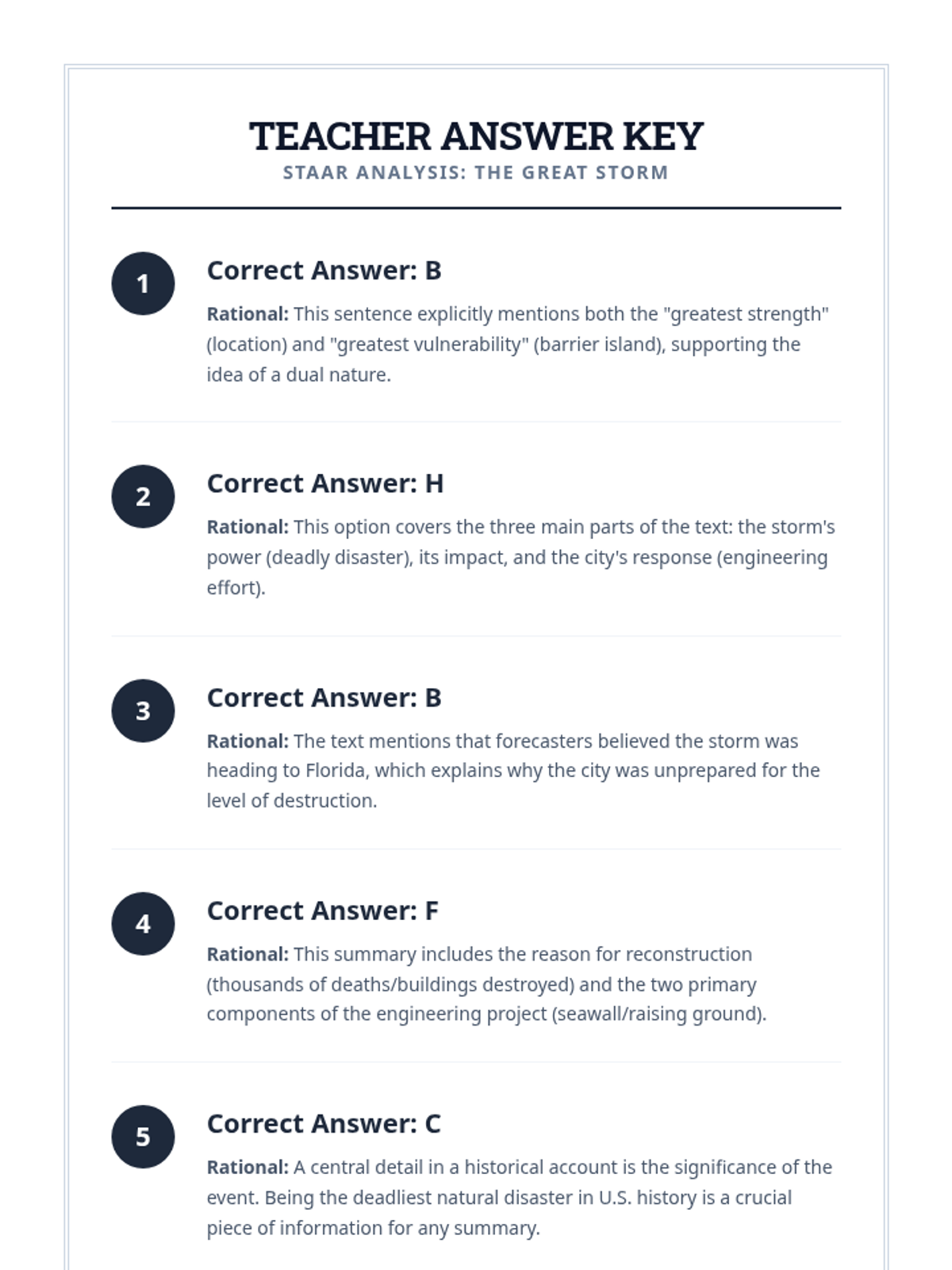
Students will explore the historical context of the 1900 Galveston Hurricane, practice identifying central ideas and supporting details, and complete a STAAR-formatted assessment.
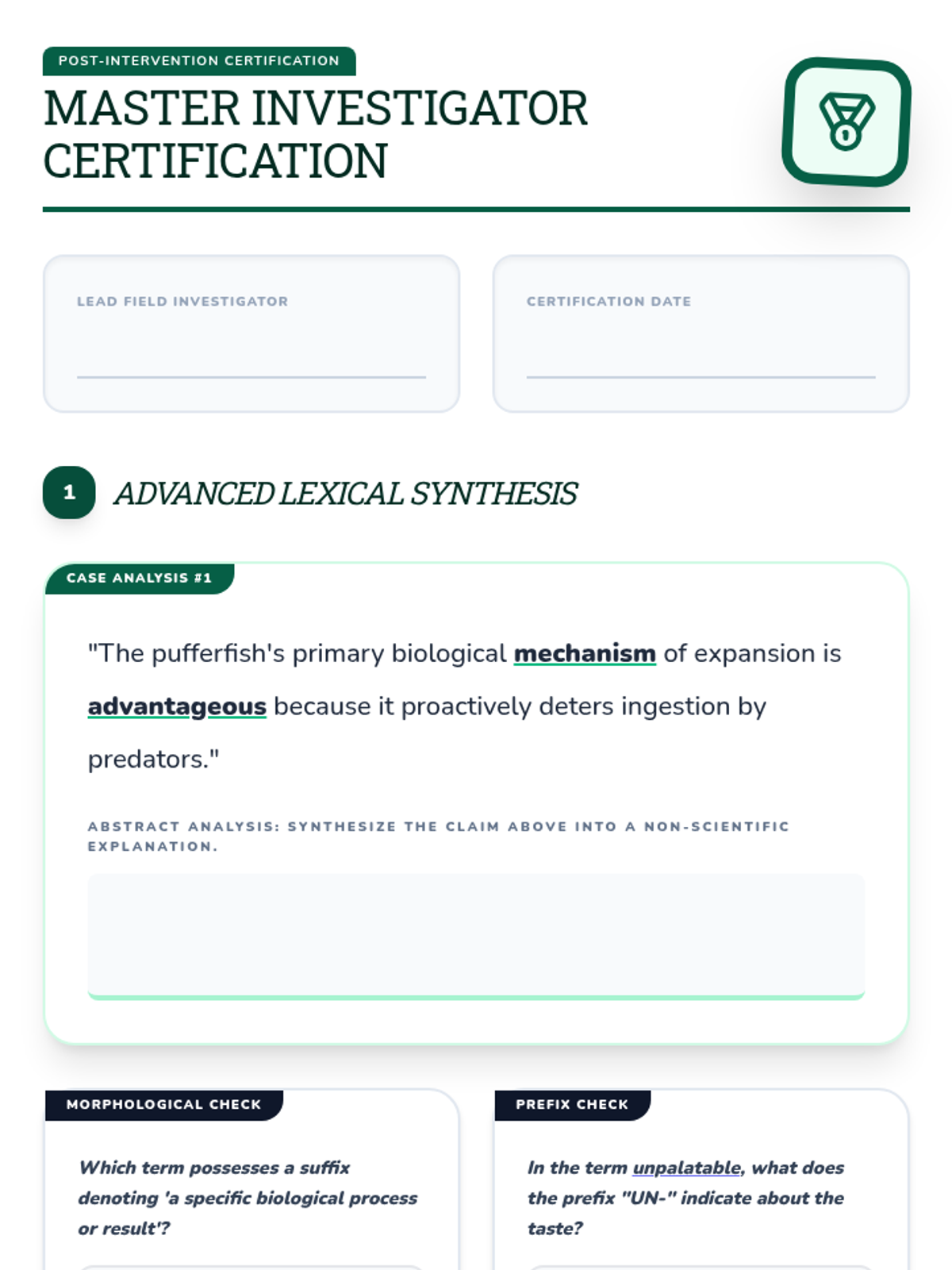
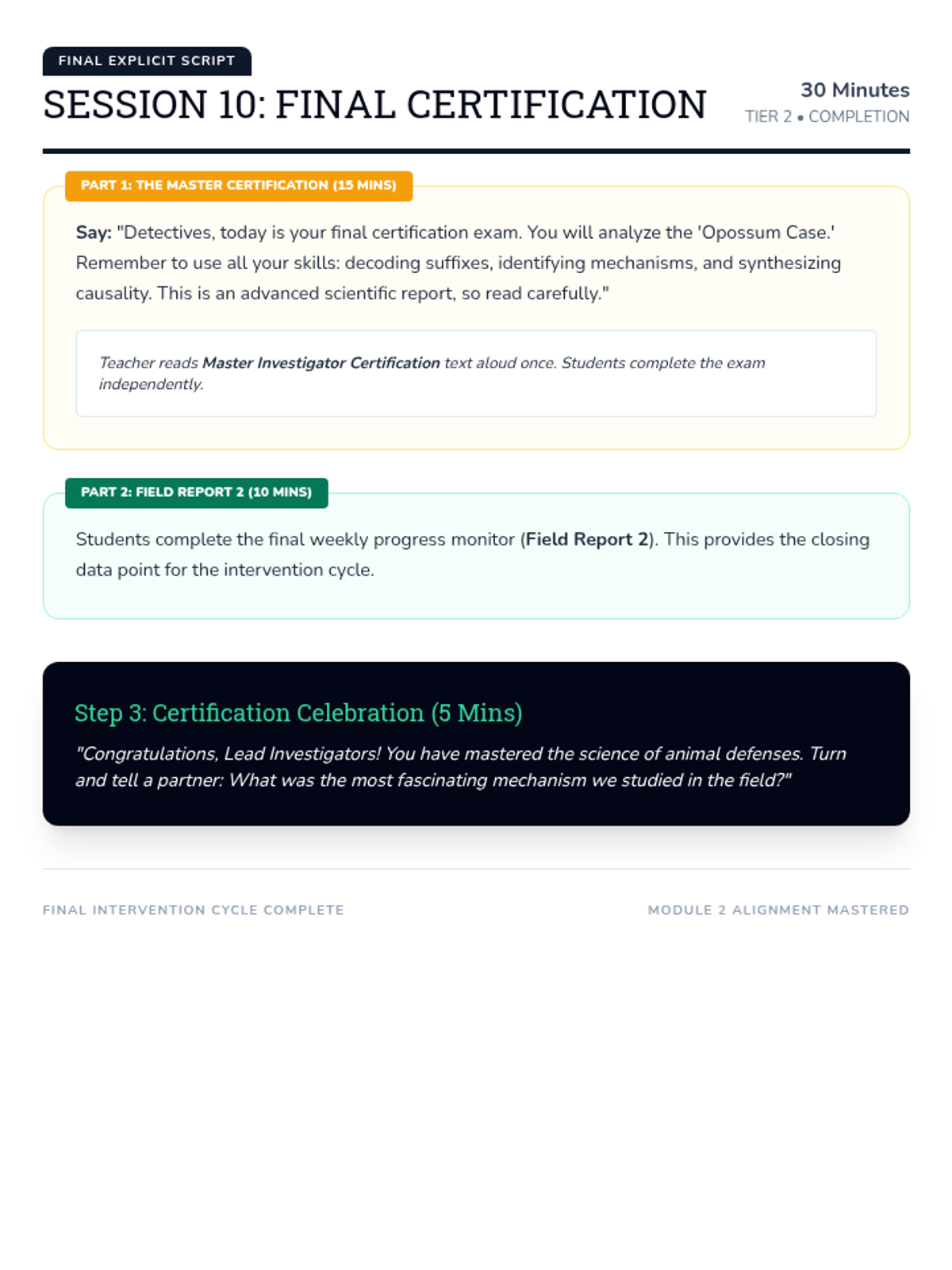
Students complete the 'Master Certification' post-assessment and celebrate their growth as investigators.
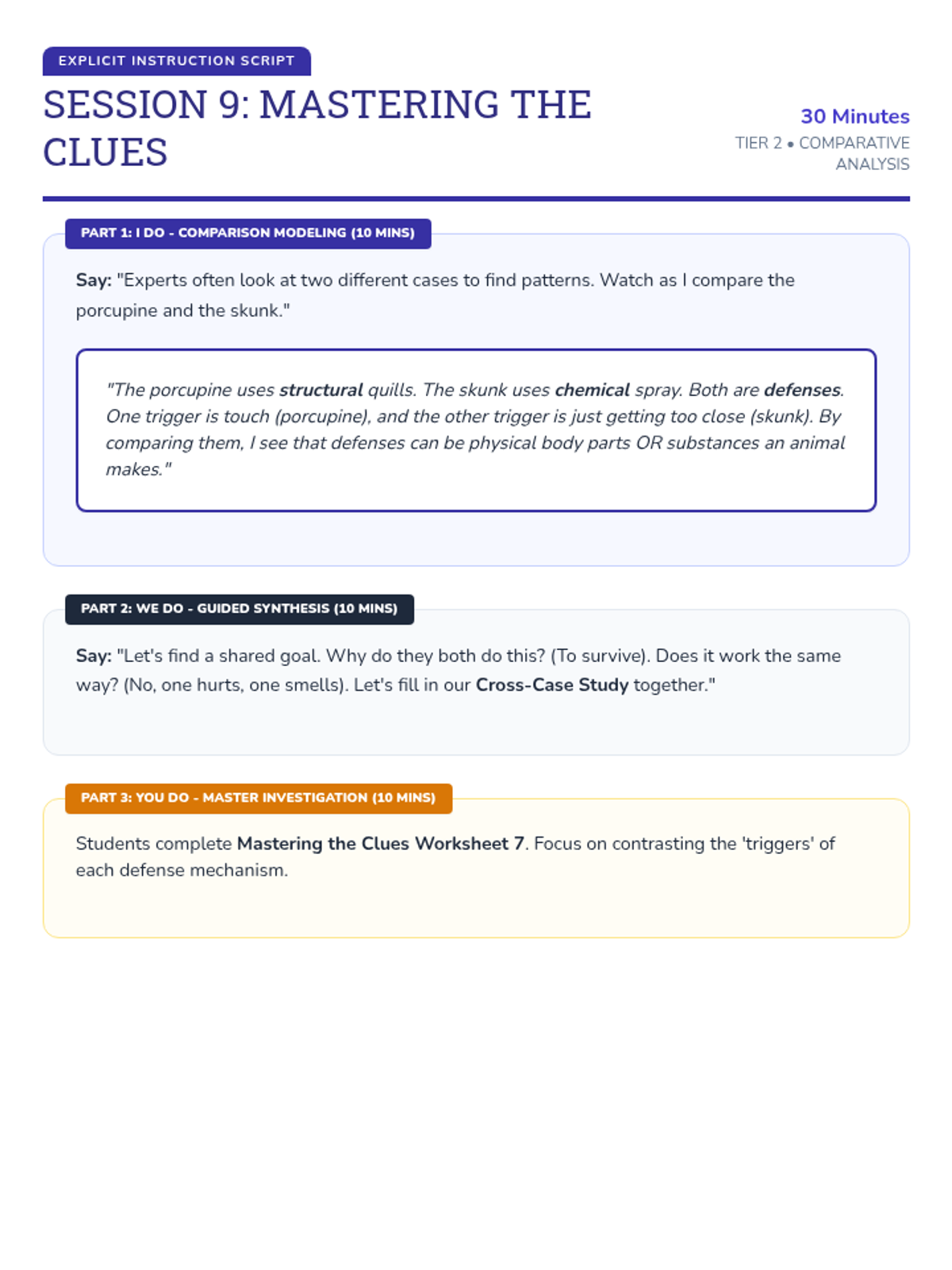
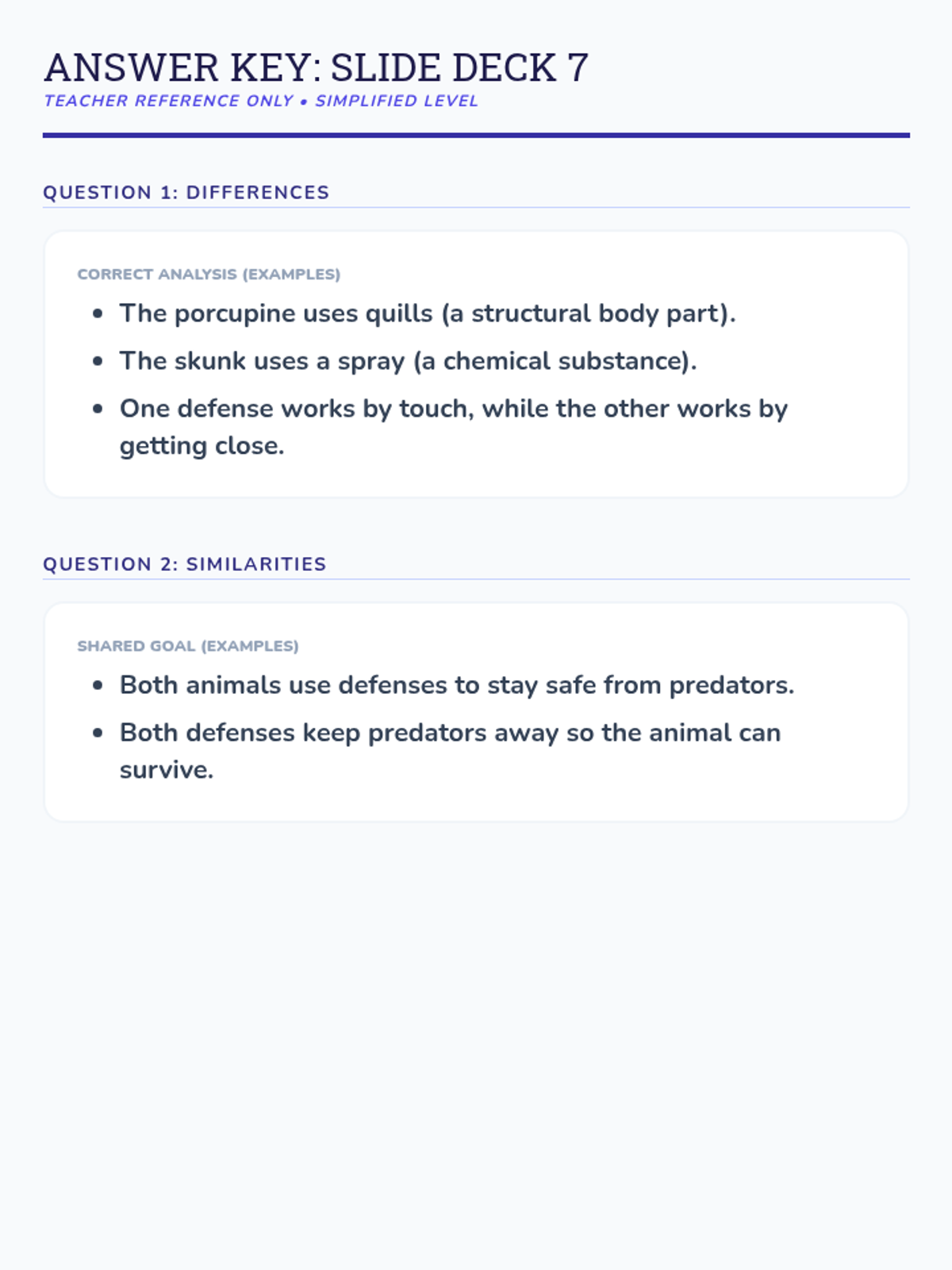
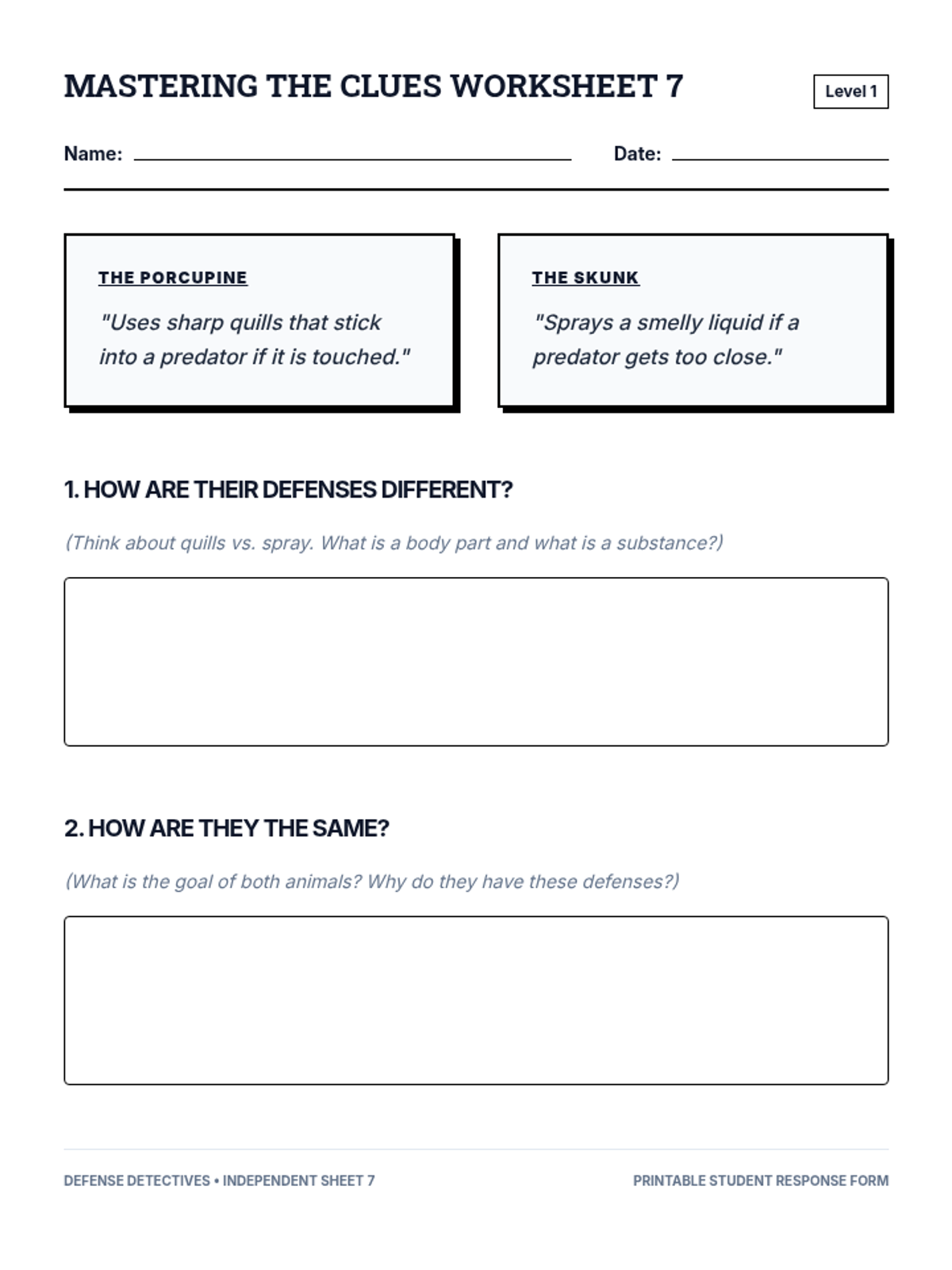
Comparing and contrasting different animal defense mechanisms across multiple short texts.
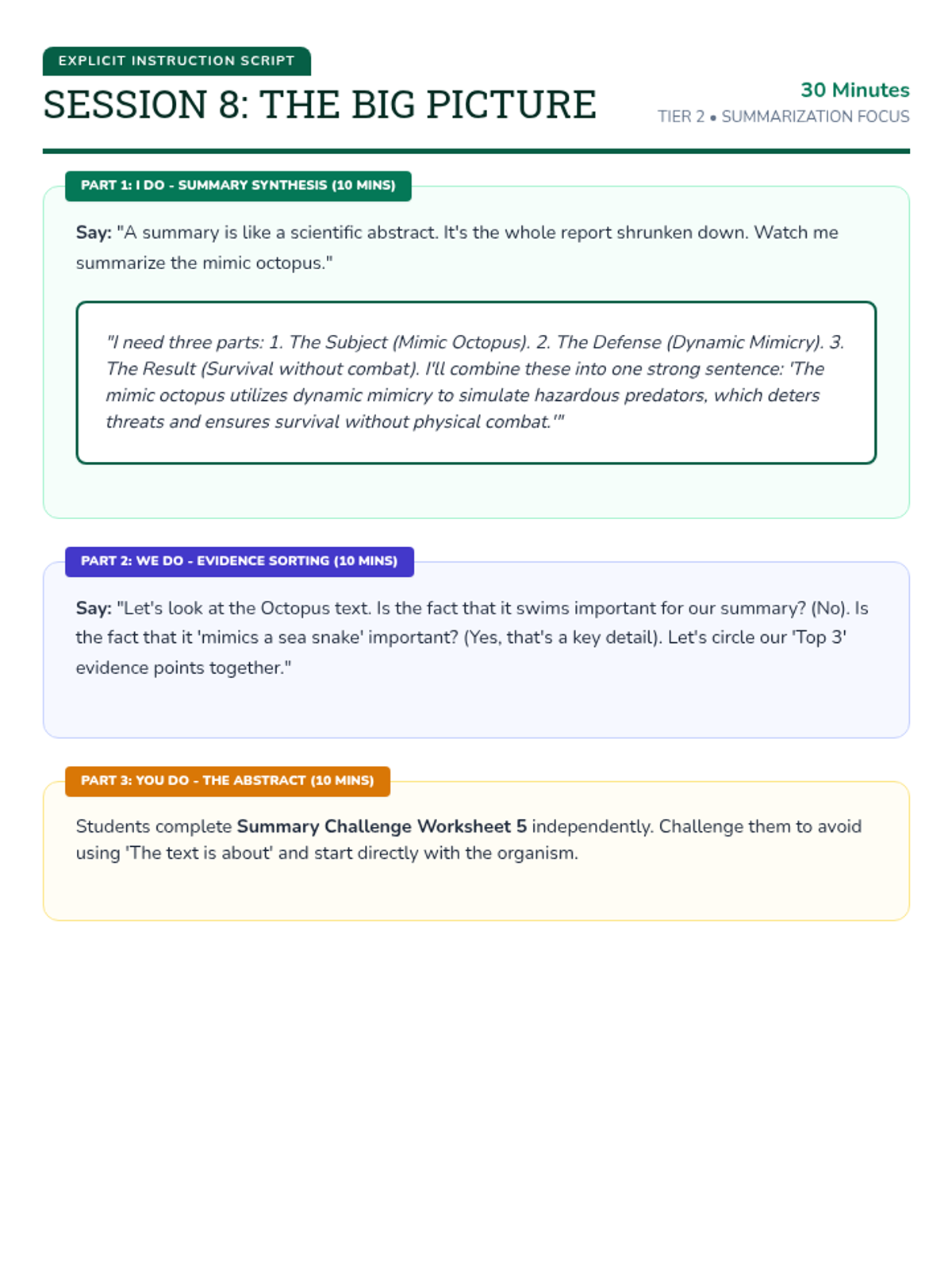
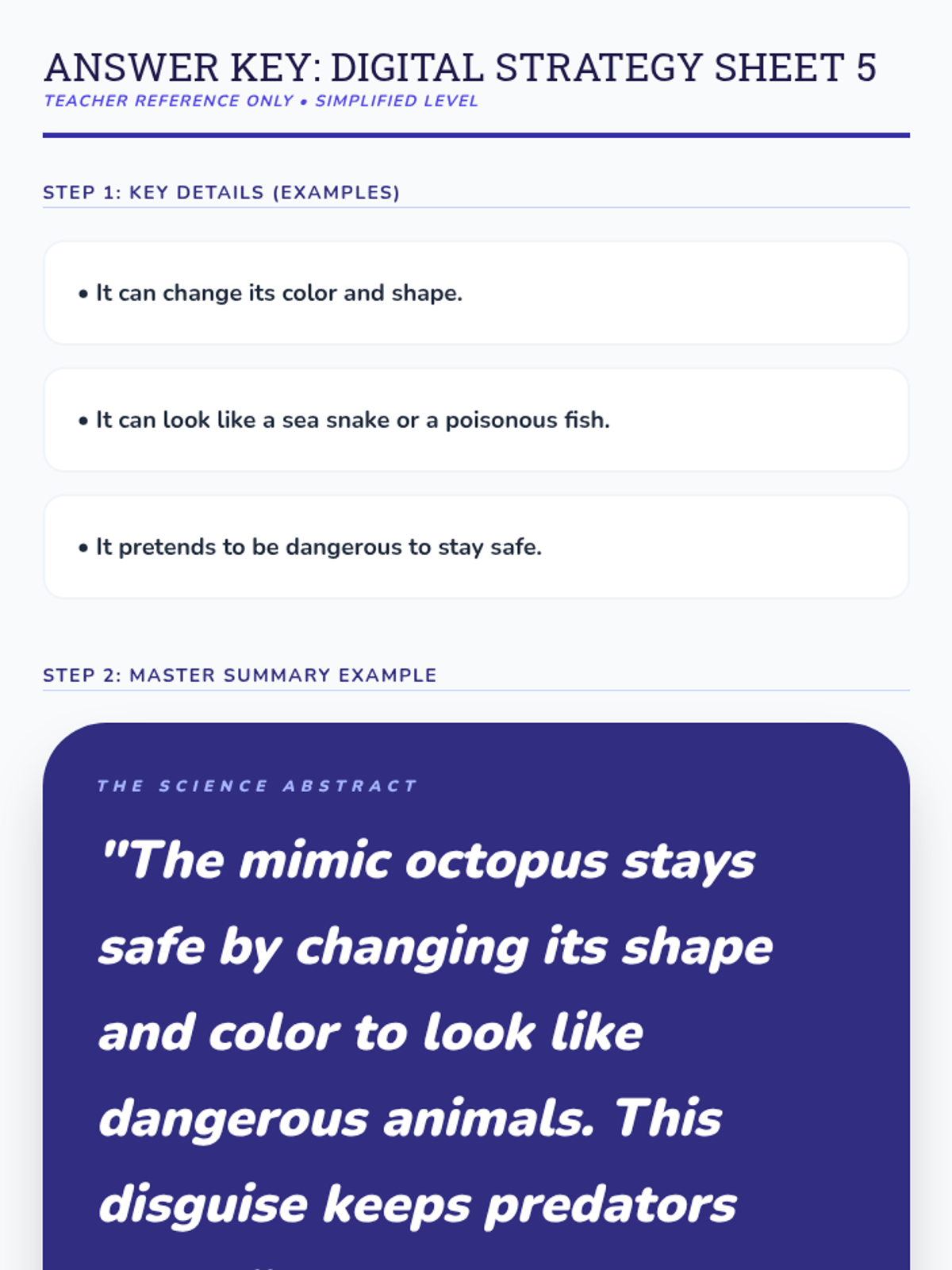
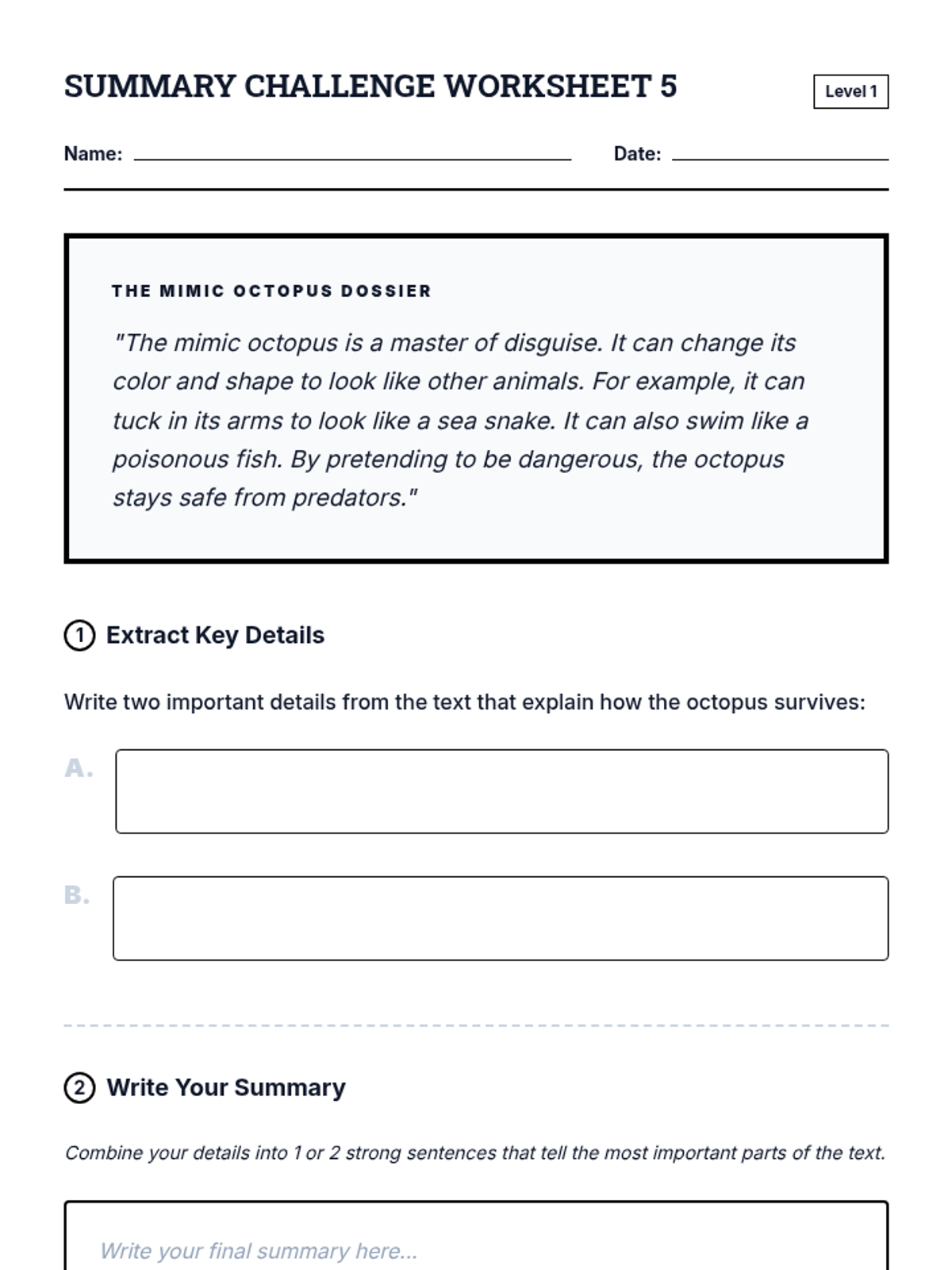
Synthesizing information to create concise summaries of animal defense strategies.
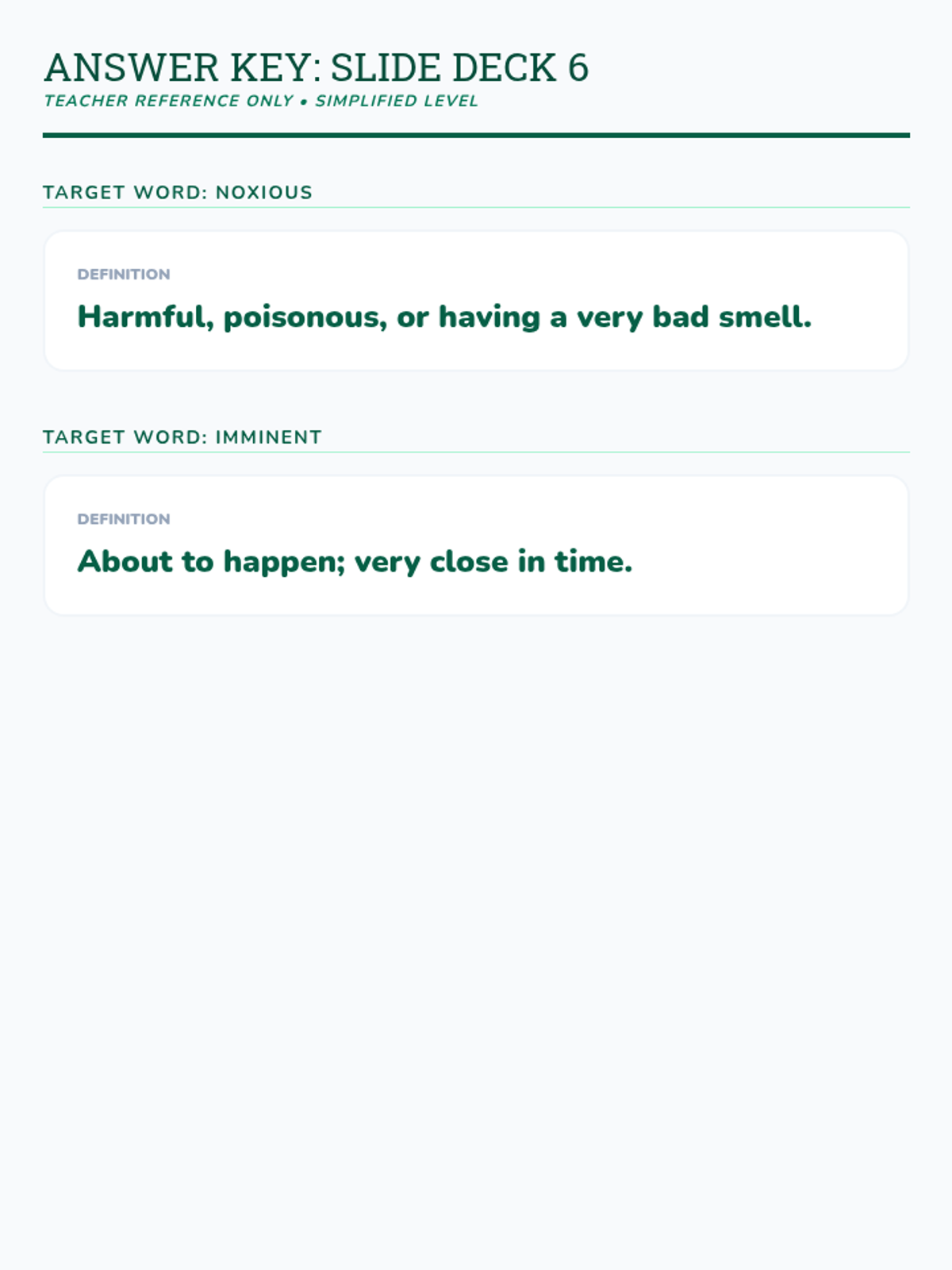
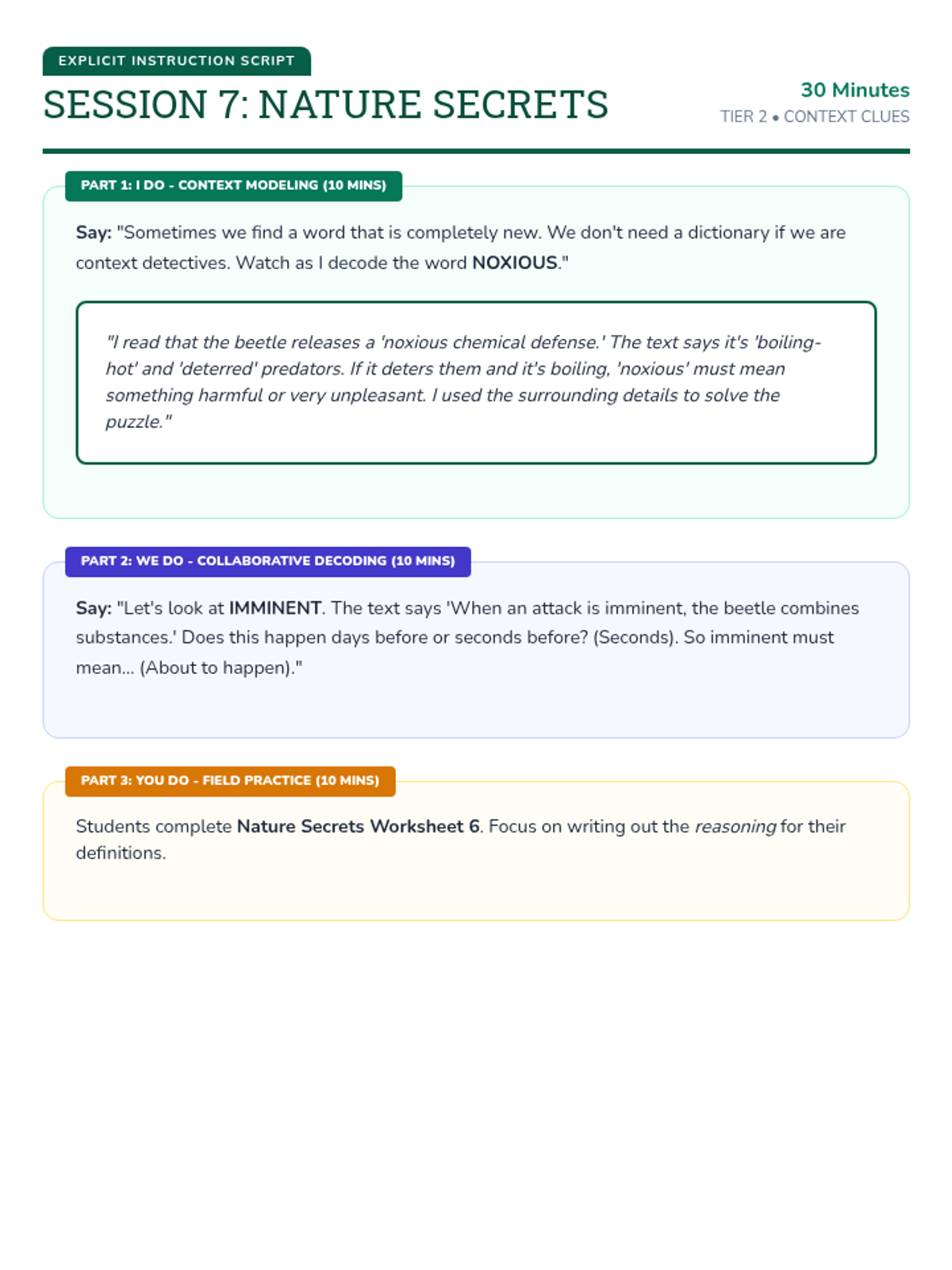
Using context clues to determine the meaning of domain-specific vocabulary words in complex texts.
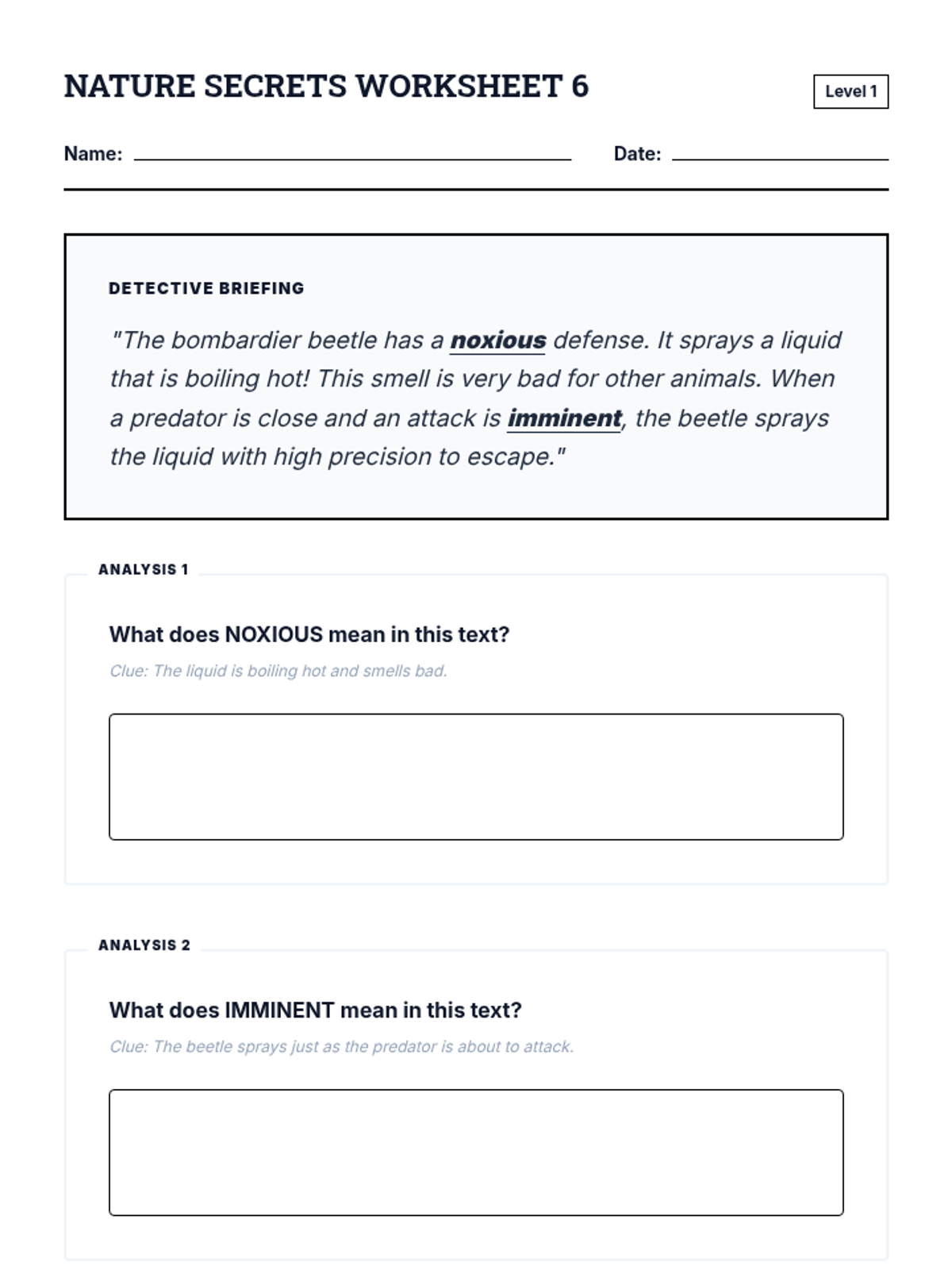
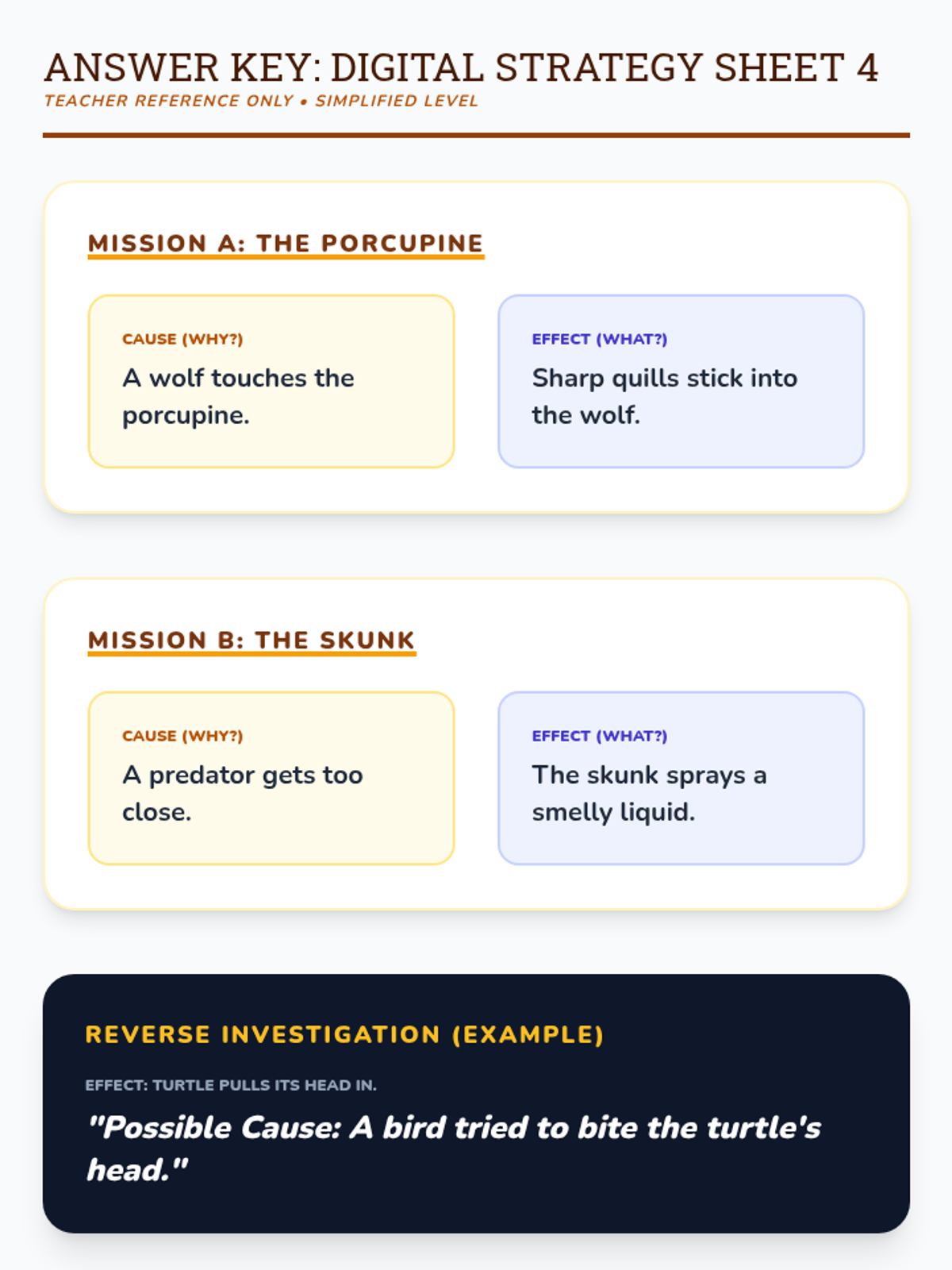
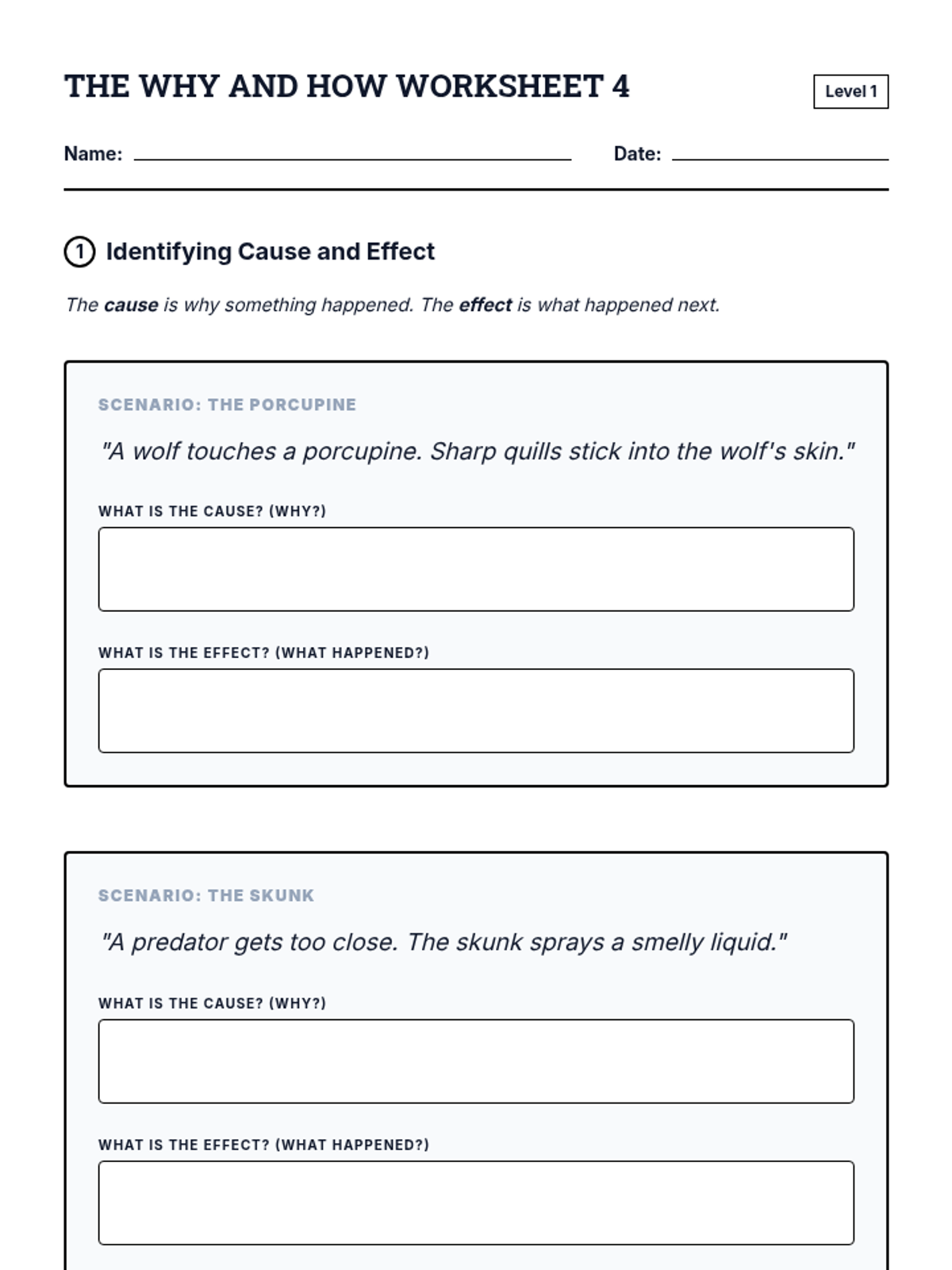
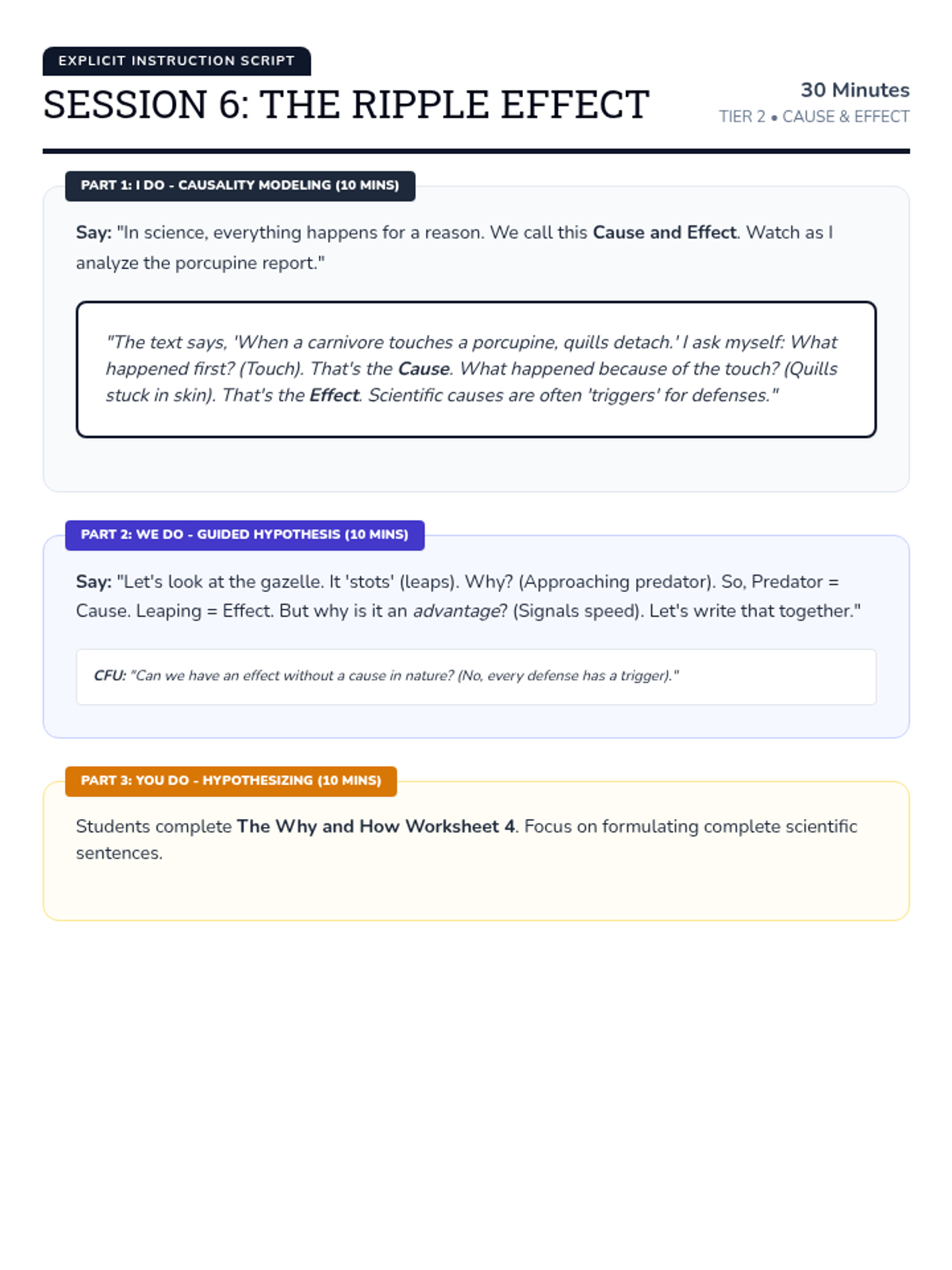
Investigating the cause-and-effect relationship between predator actions and prey reactions.
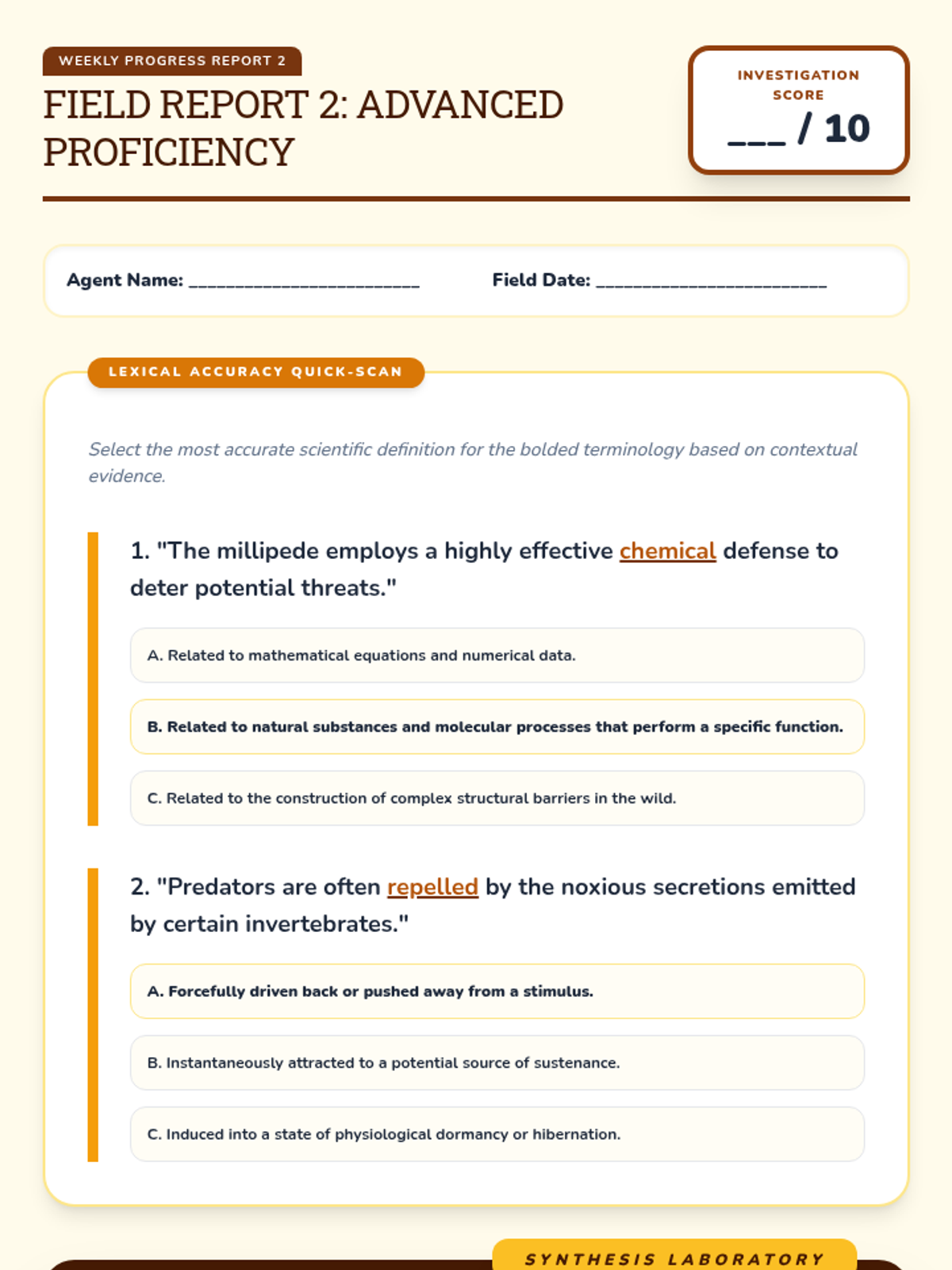
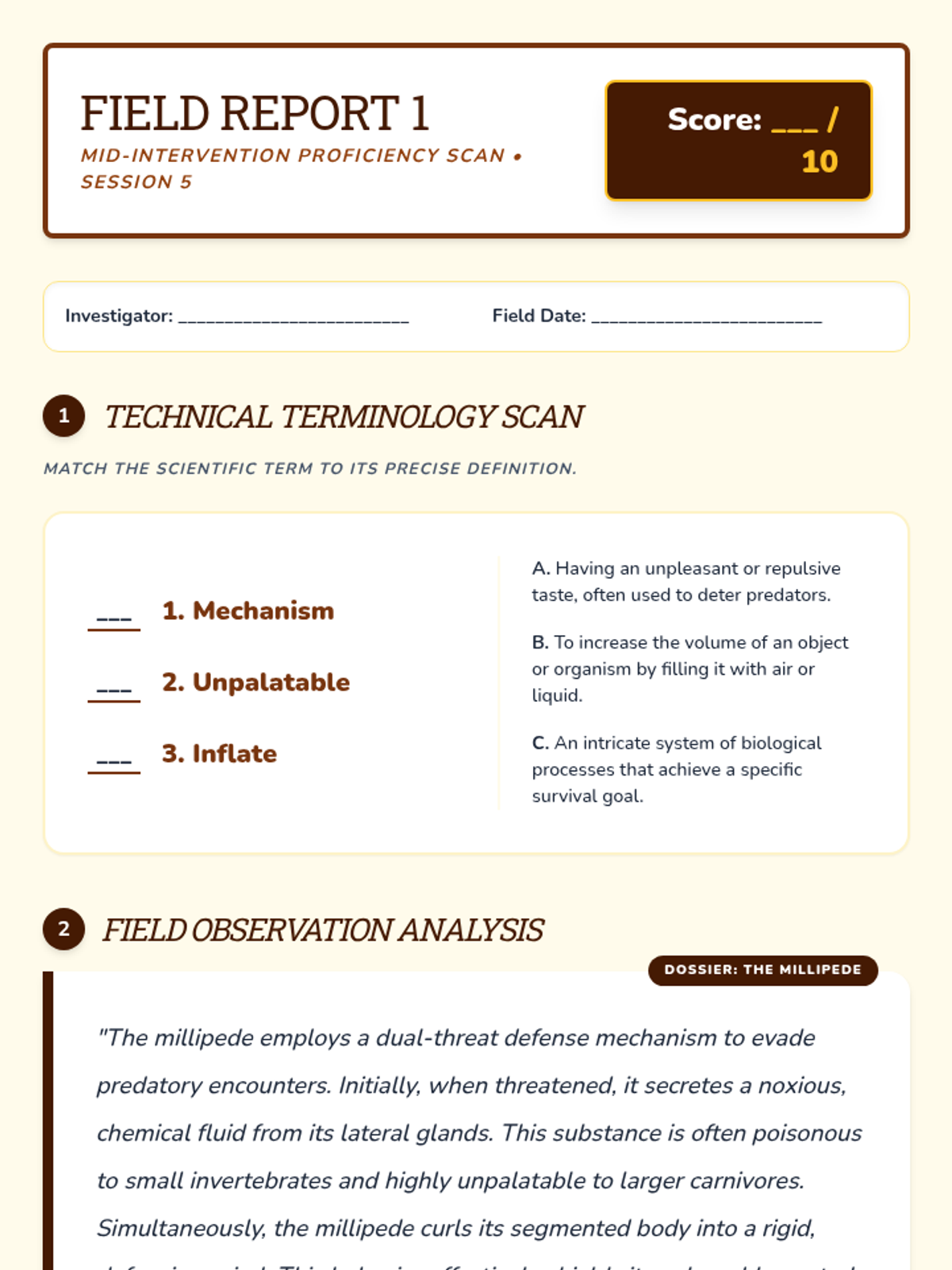
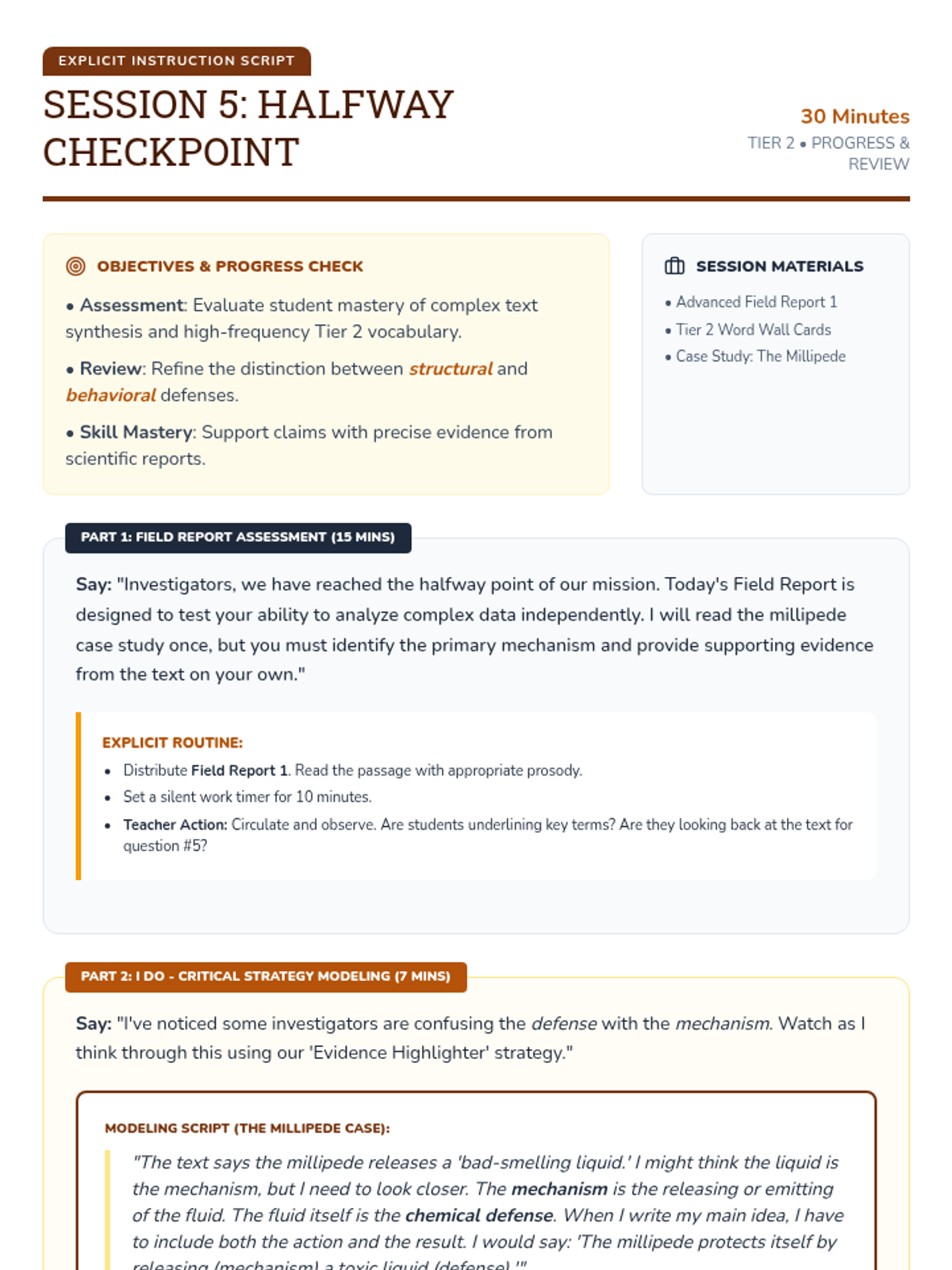
A mid-intervention review session featuring a progress monitoring assessment and a collaborative vocabulary game.
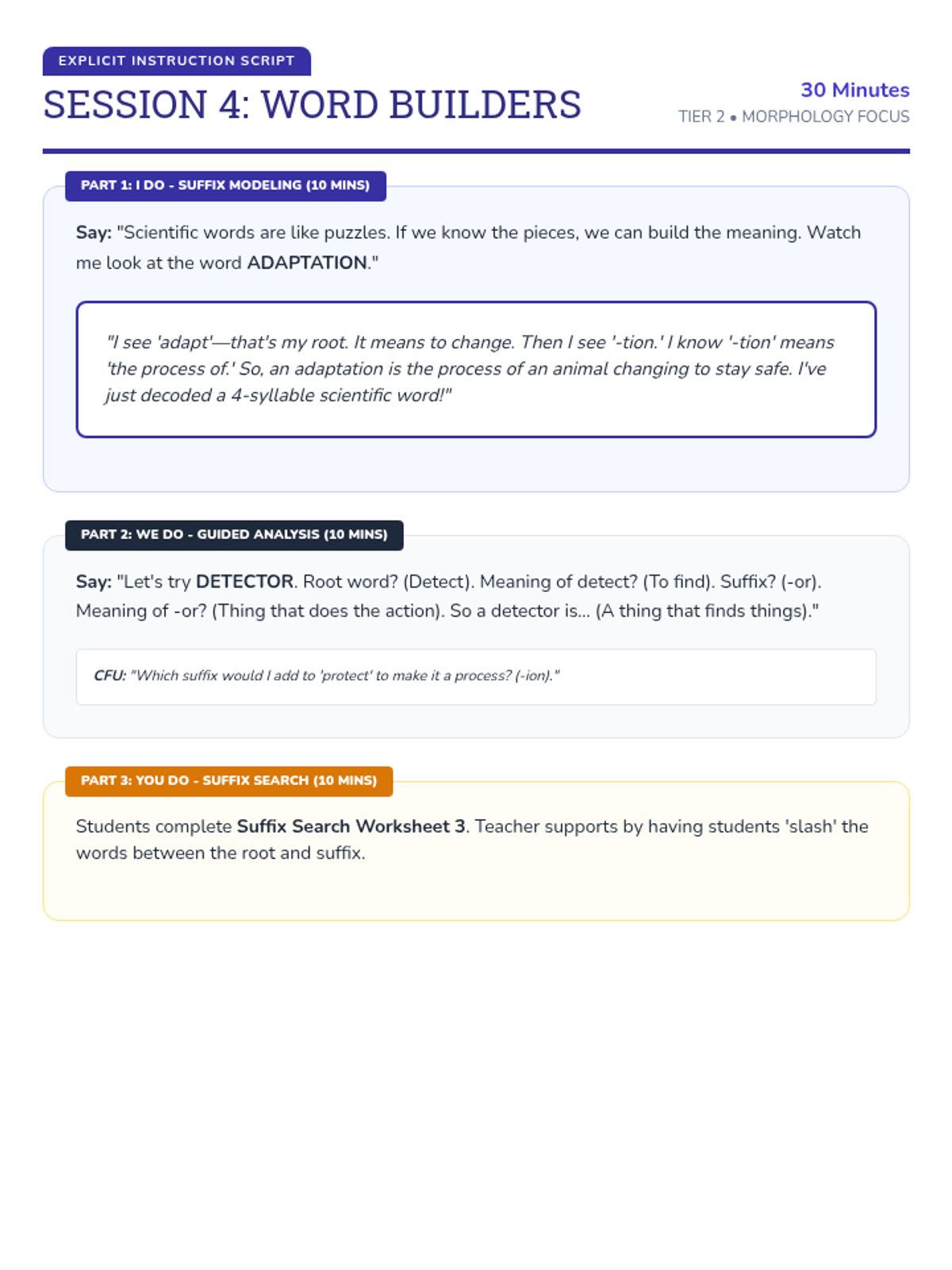
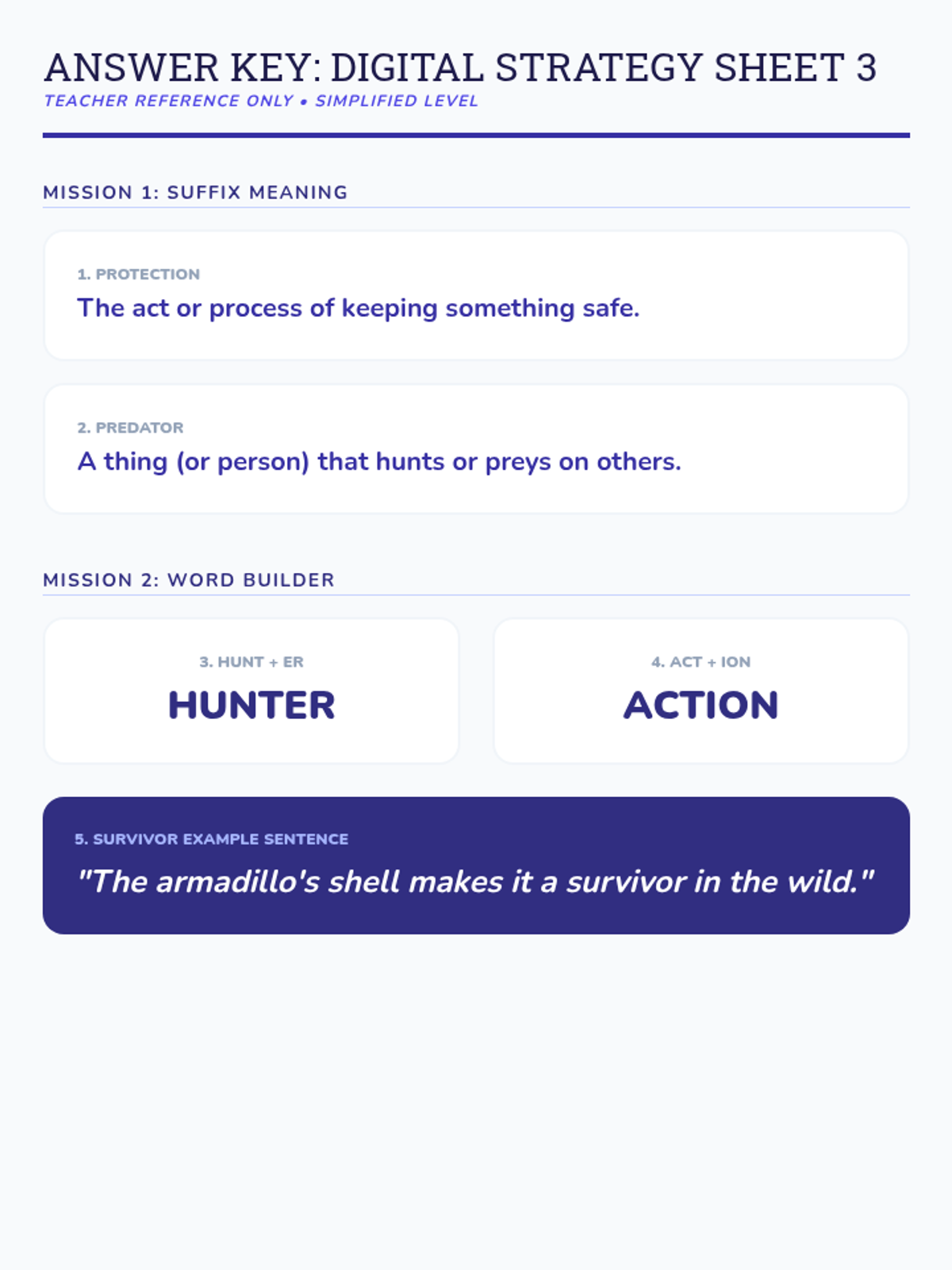
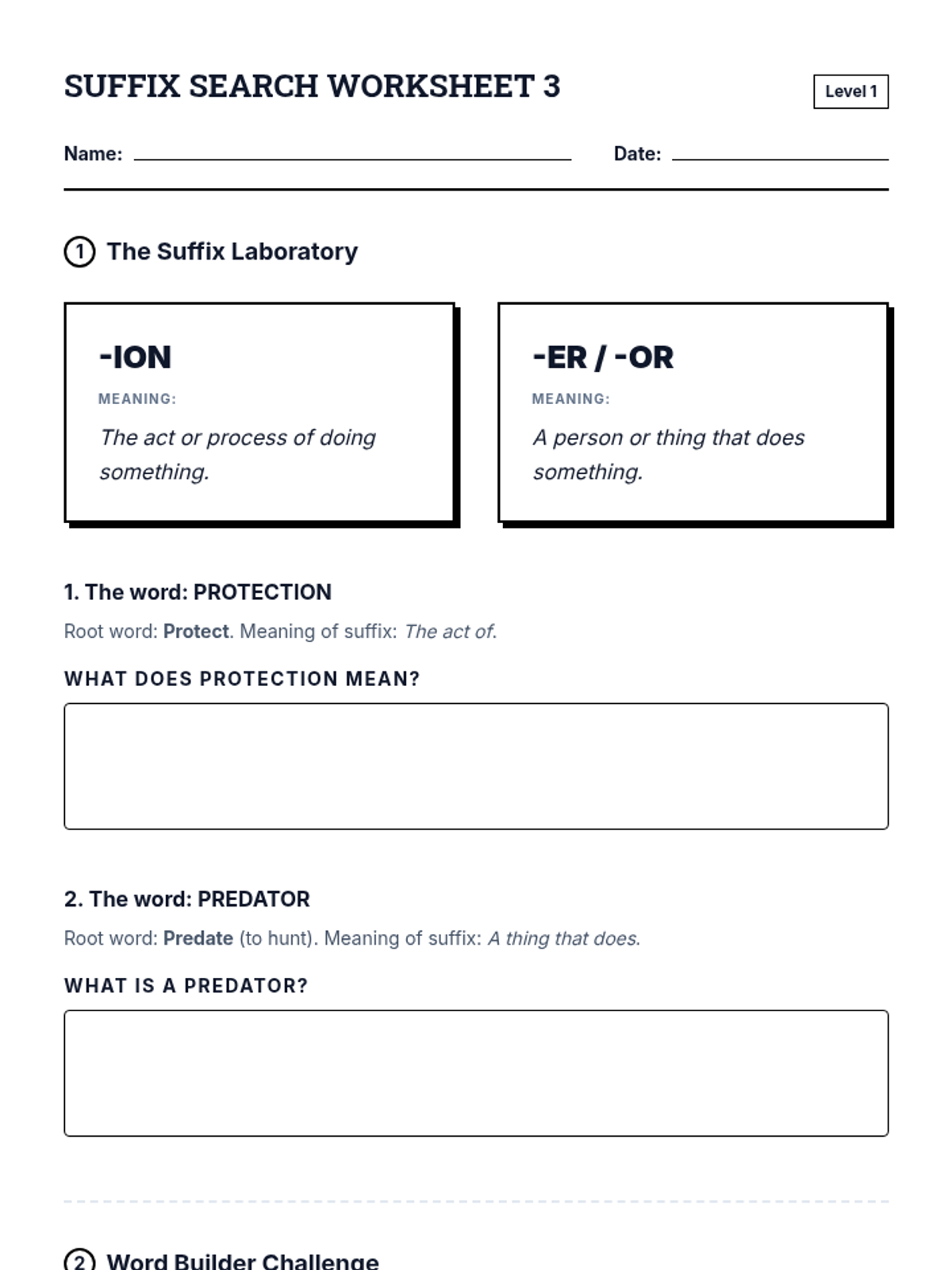
Focus on word morphology (prefixes and suffixes) and how they change the meaning of scientific terms.