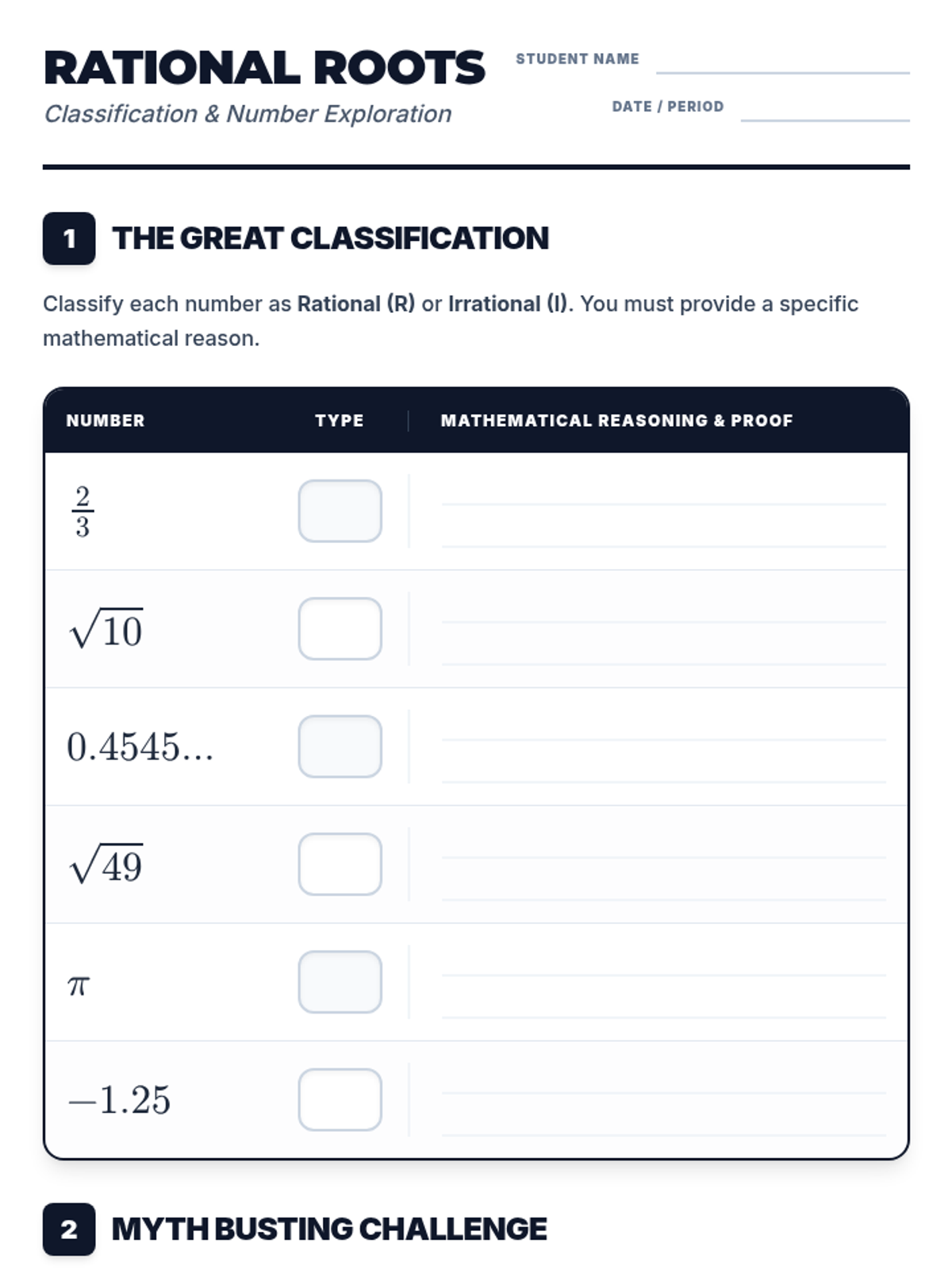
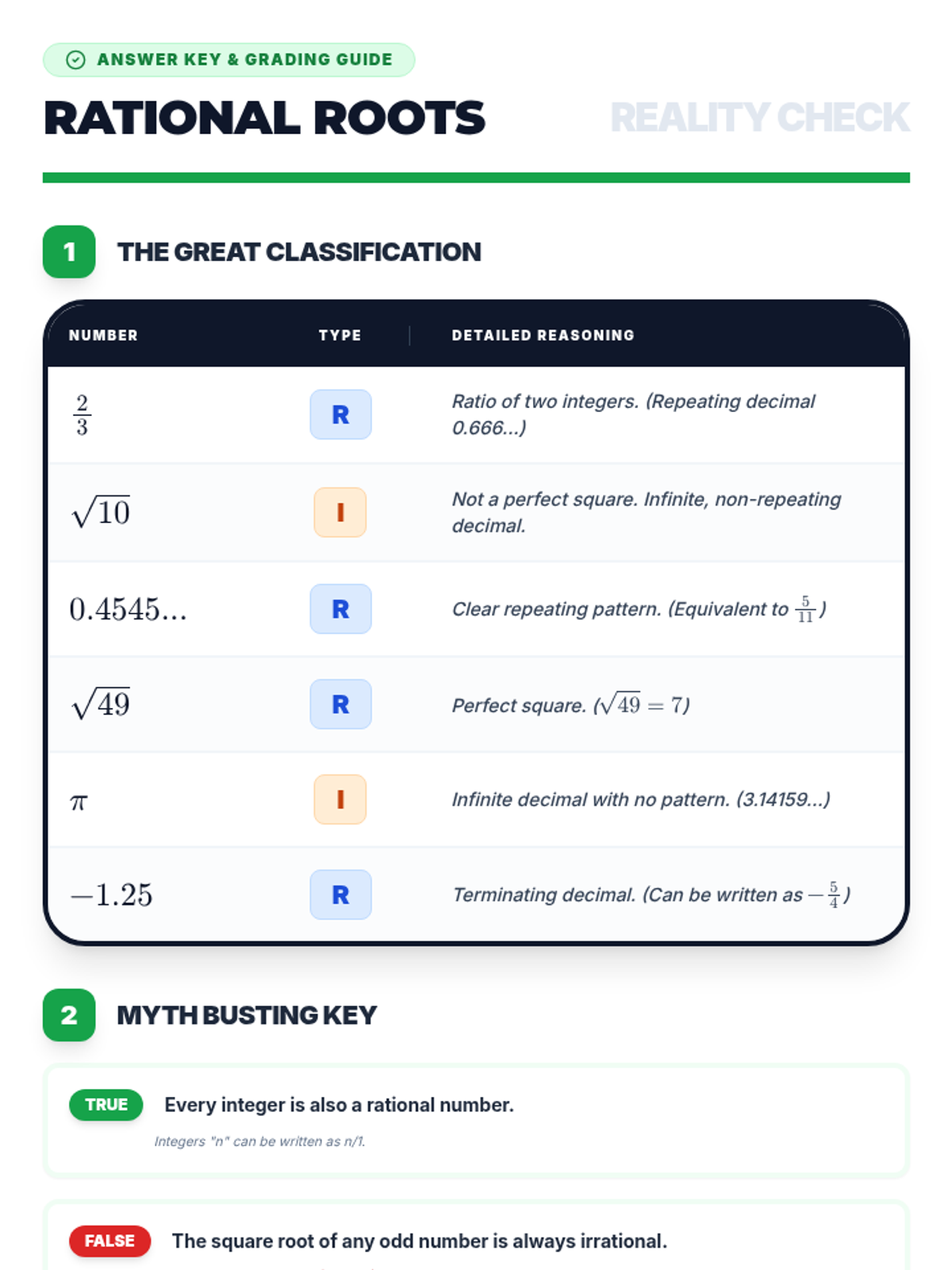
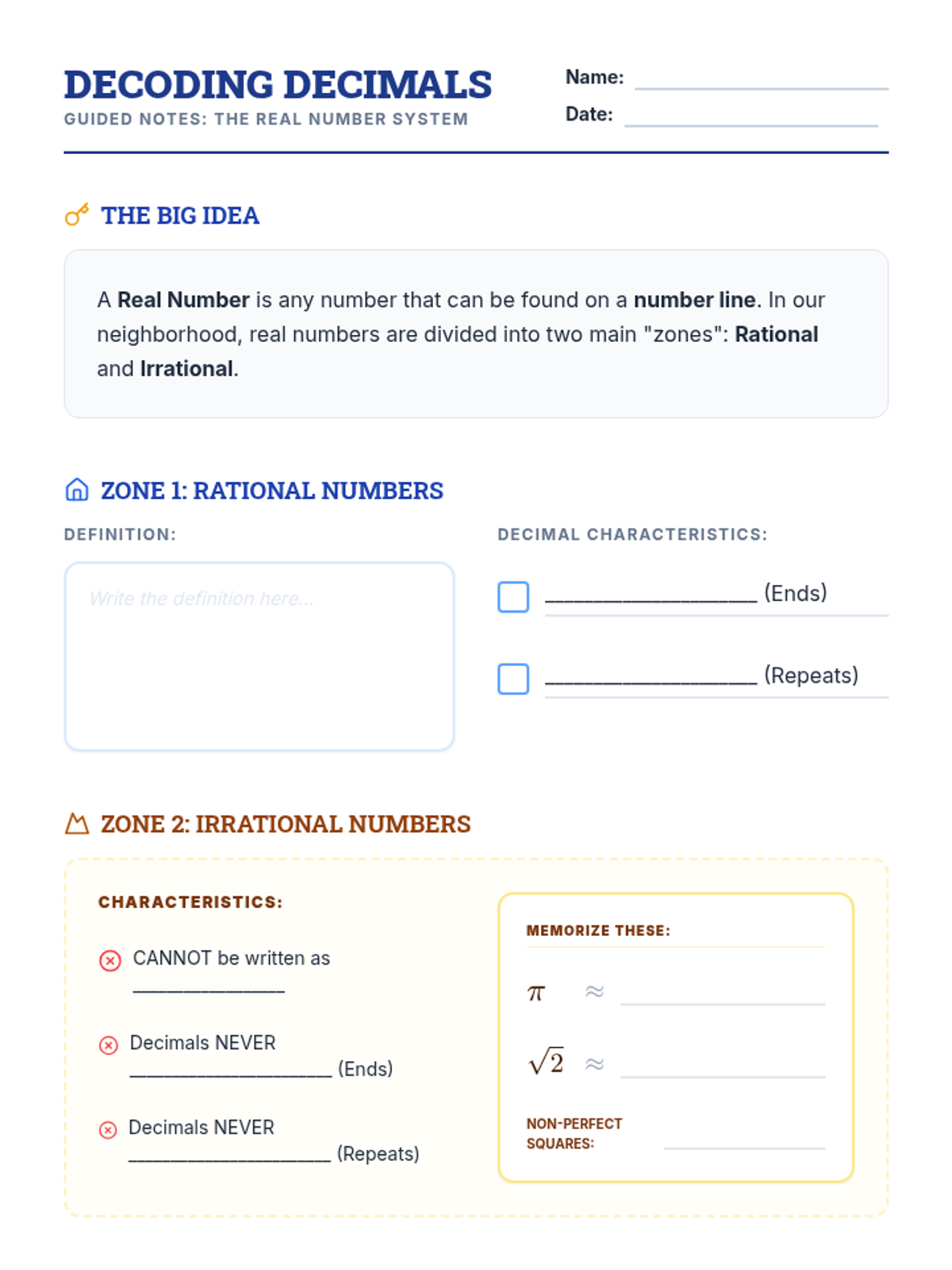
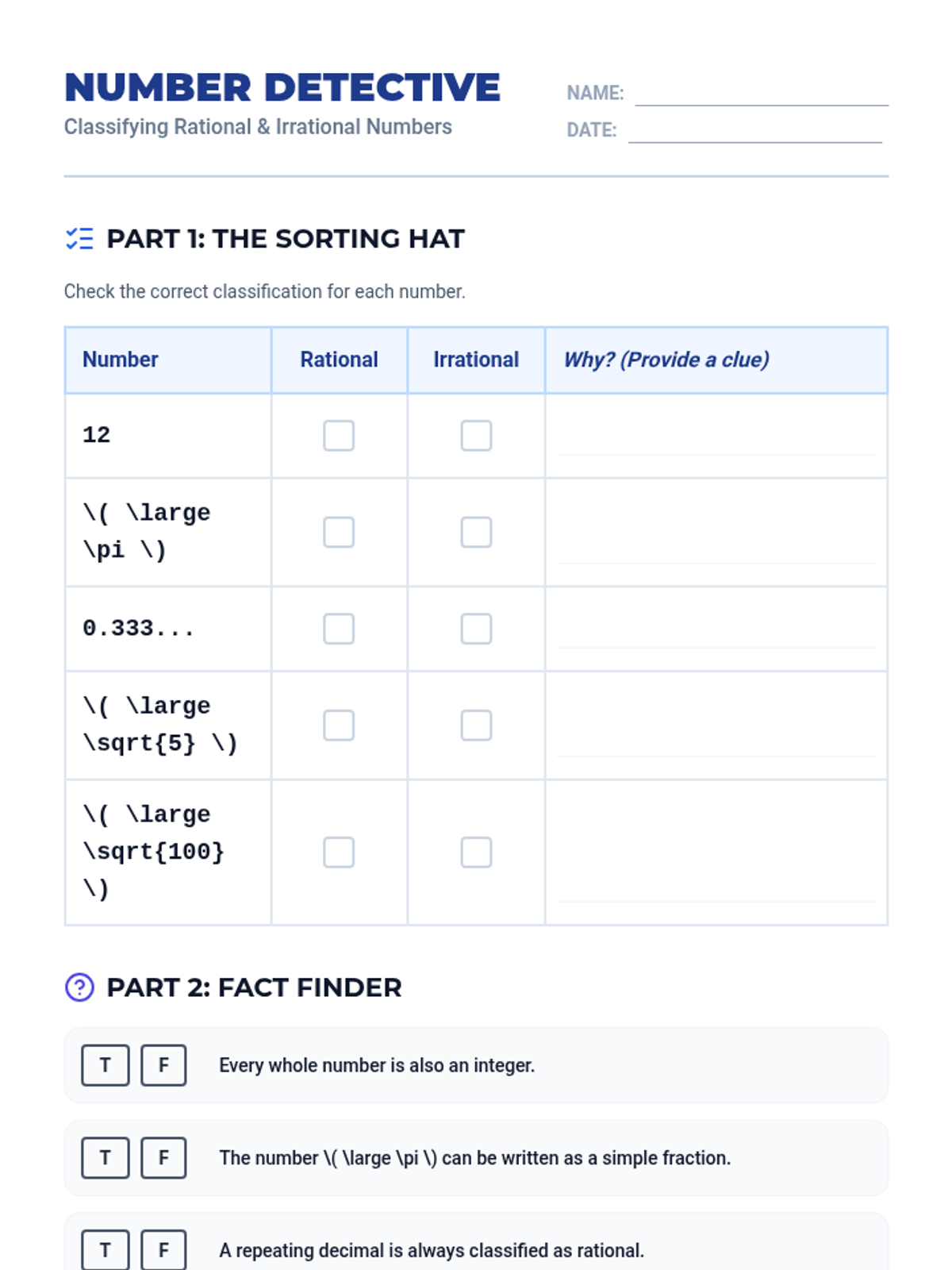
An introductory lesson on identifying and classifying rational and irrational numbers, framed as a scientific investigation into different 'number specimens'.
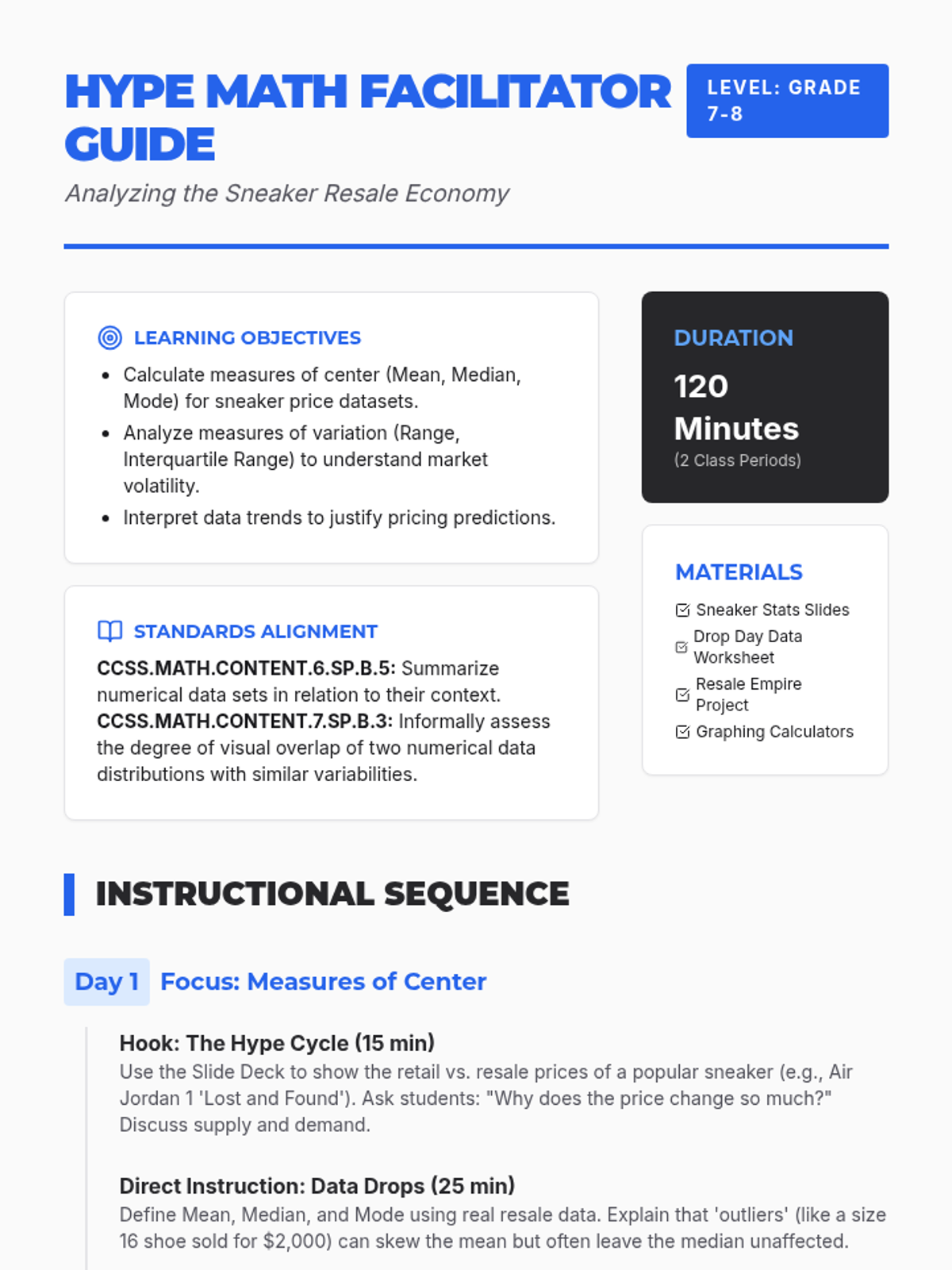
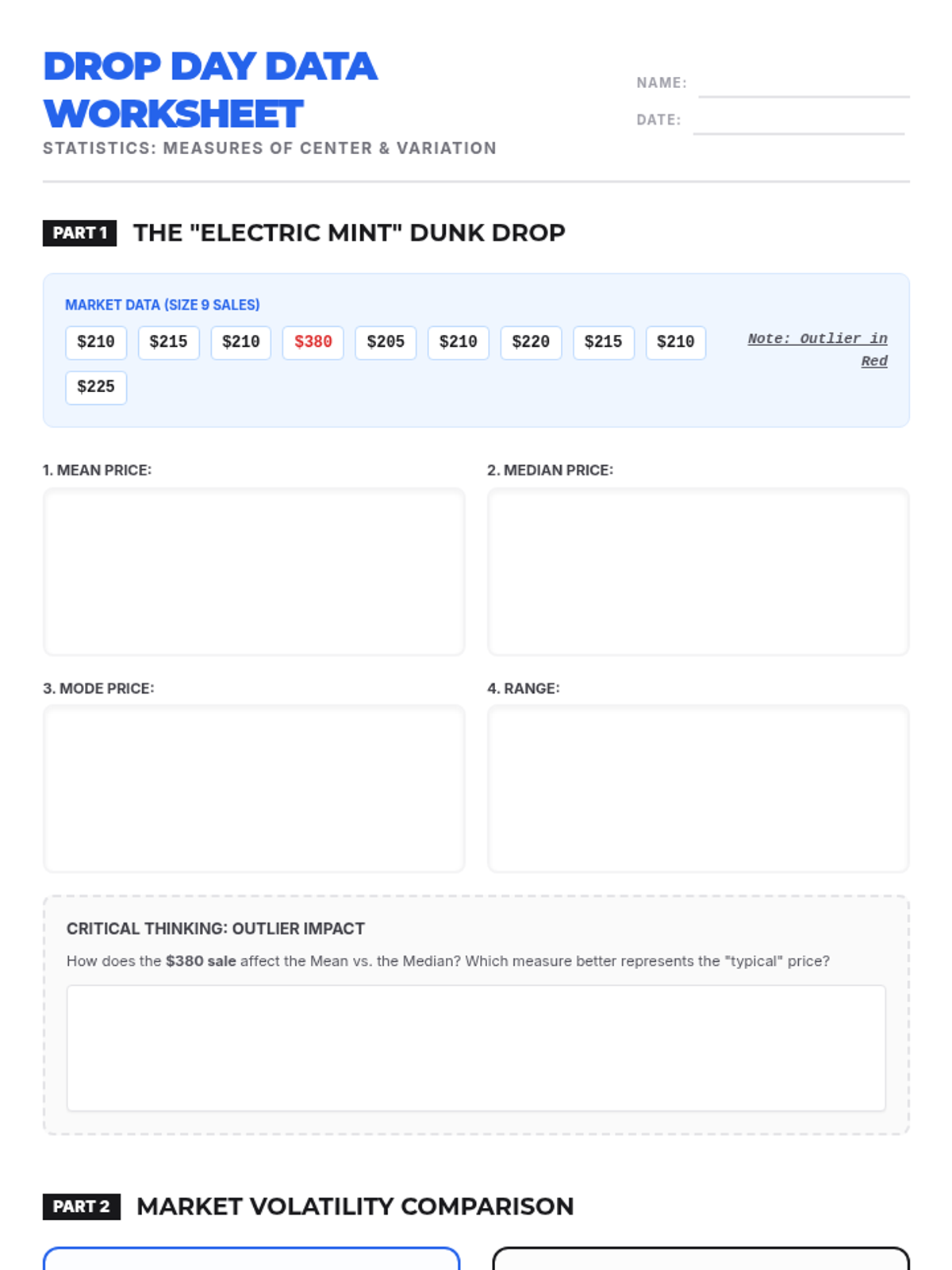
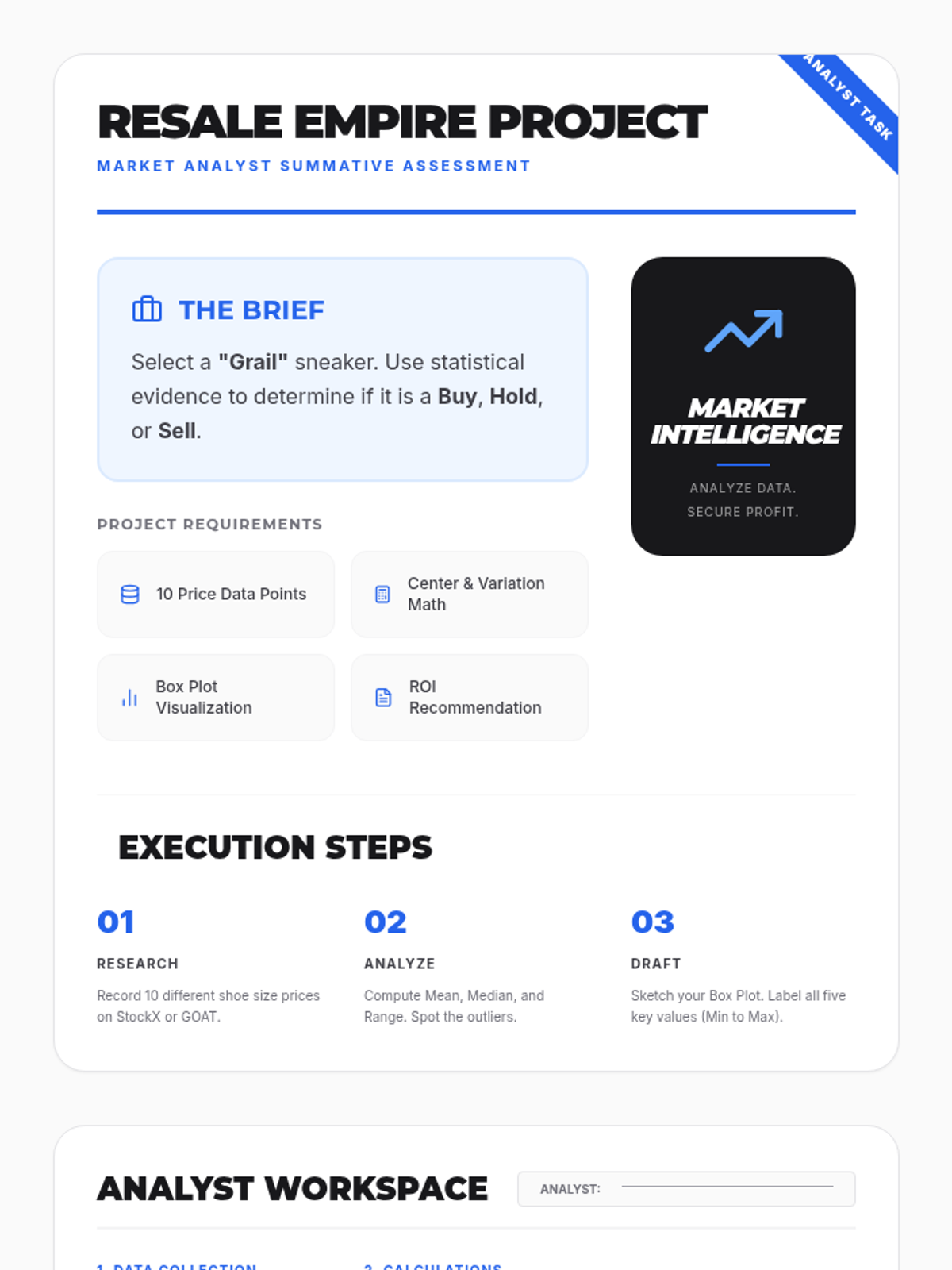
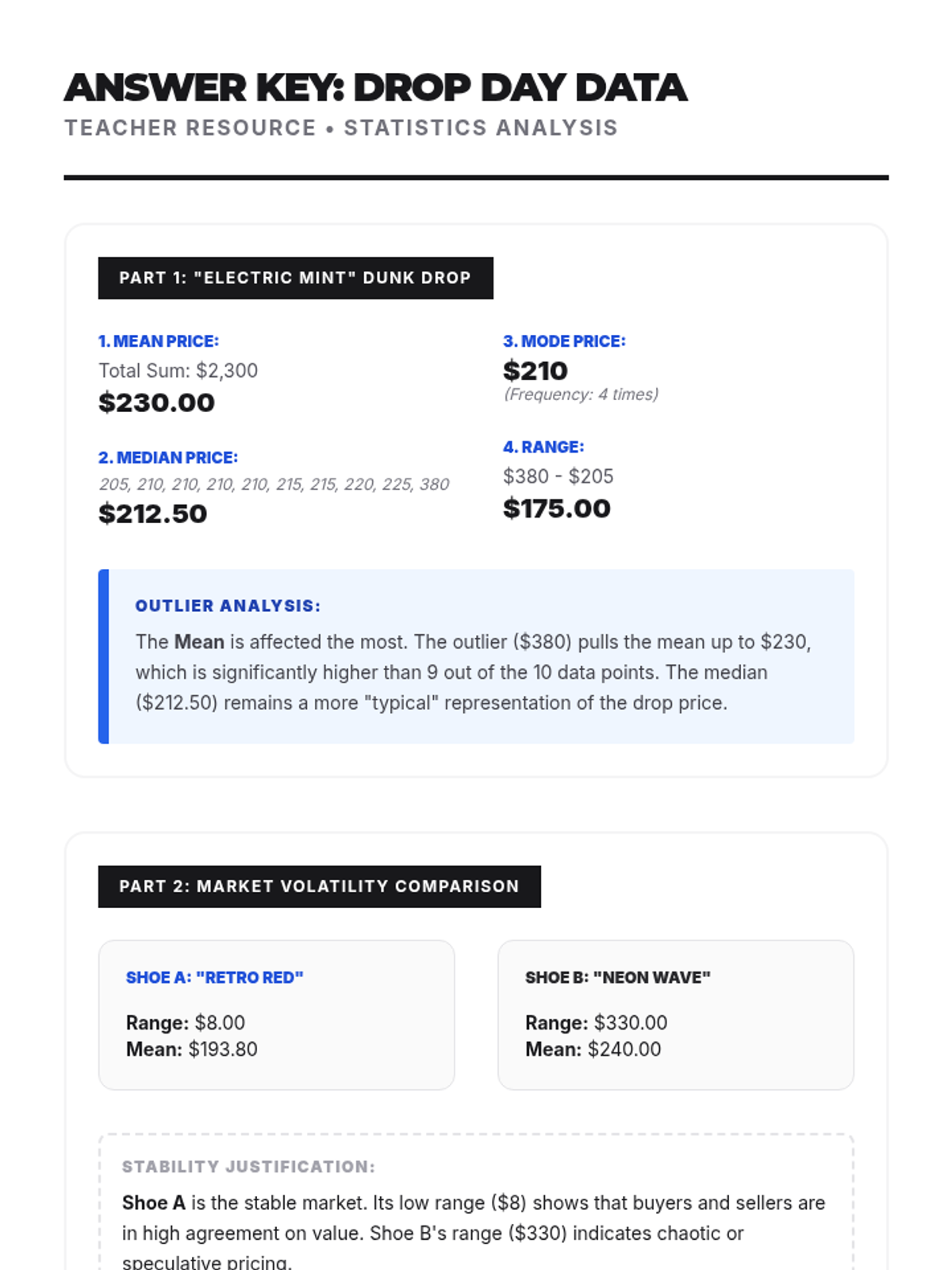
A statistics lesson for 7th-8th graders exploring measures of center and variation through the lens of the sneaker resale market. Students analyze pricing data from platforms to calculate mean, median, mode, and range to predict future market trends.
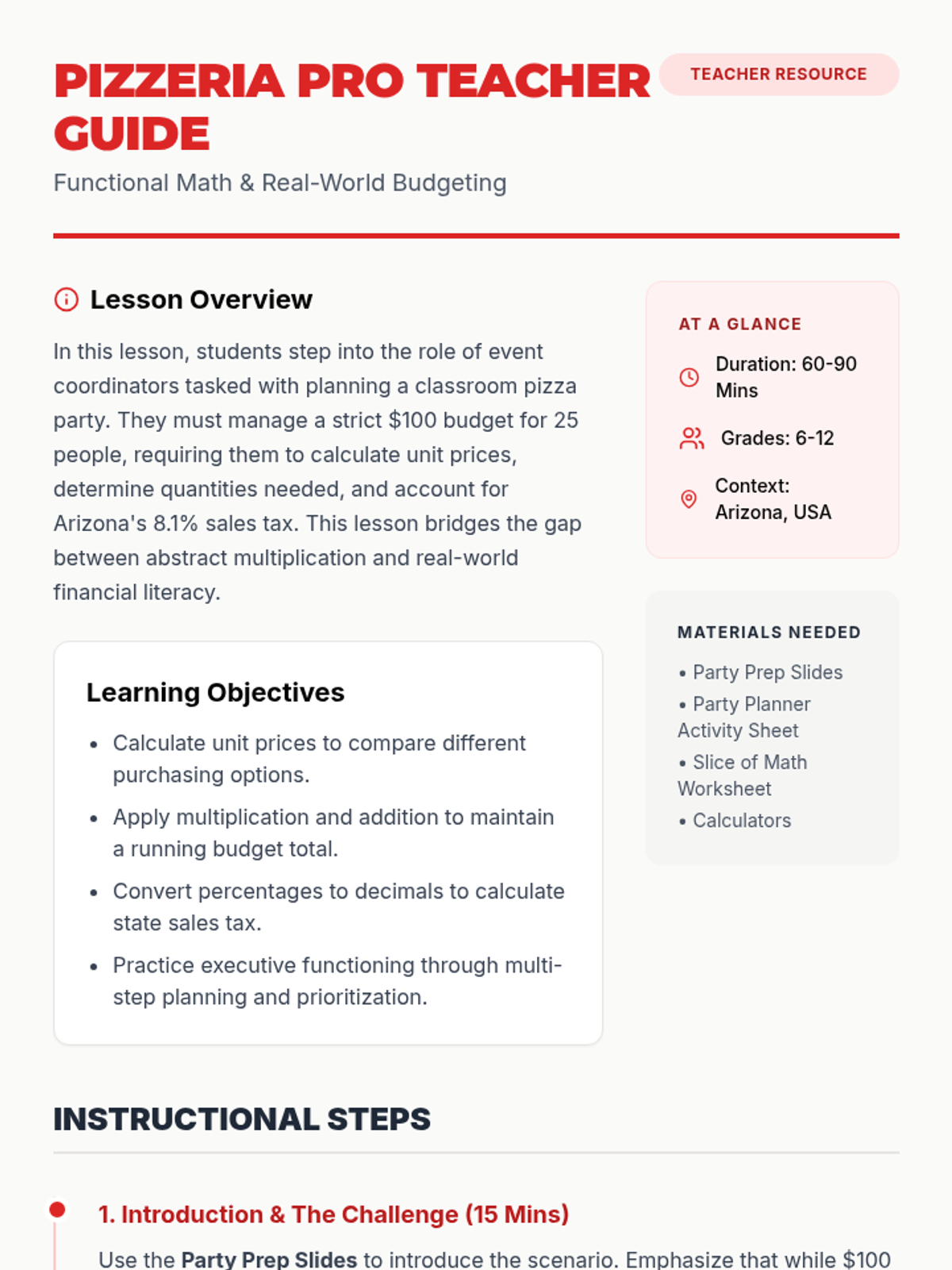
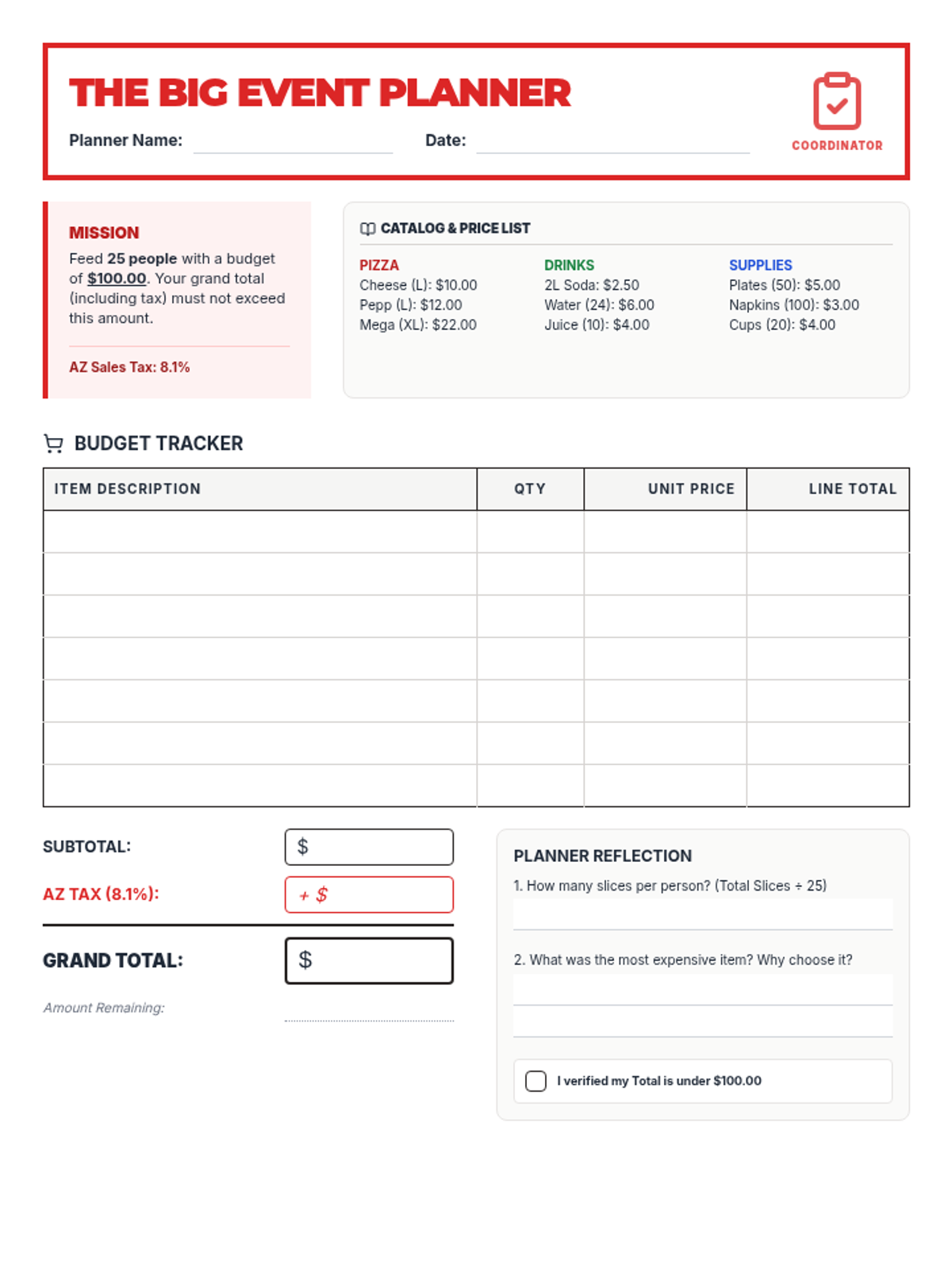
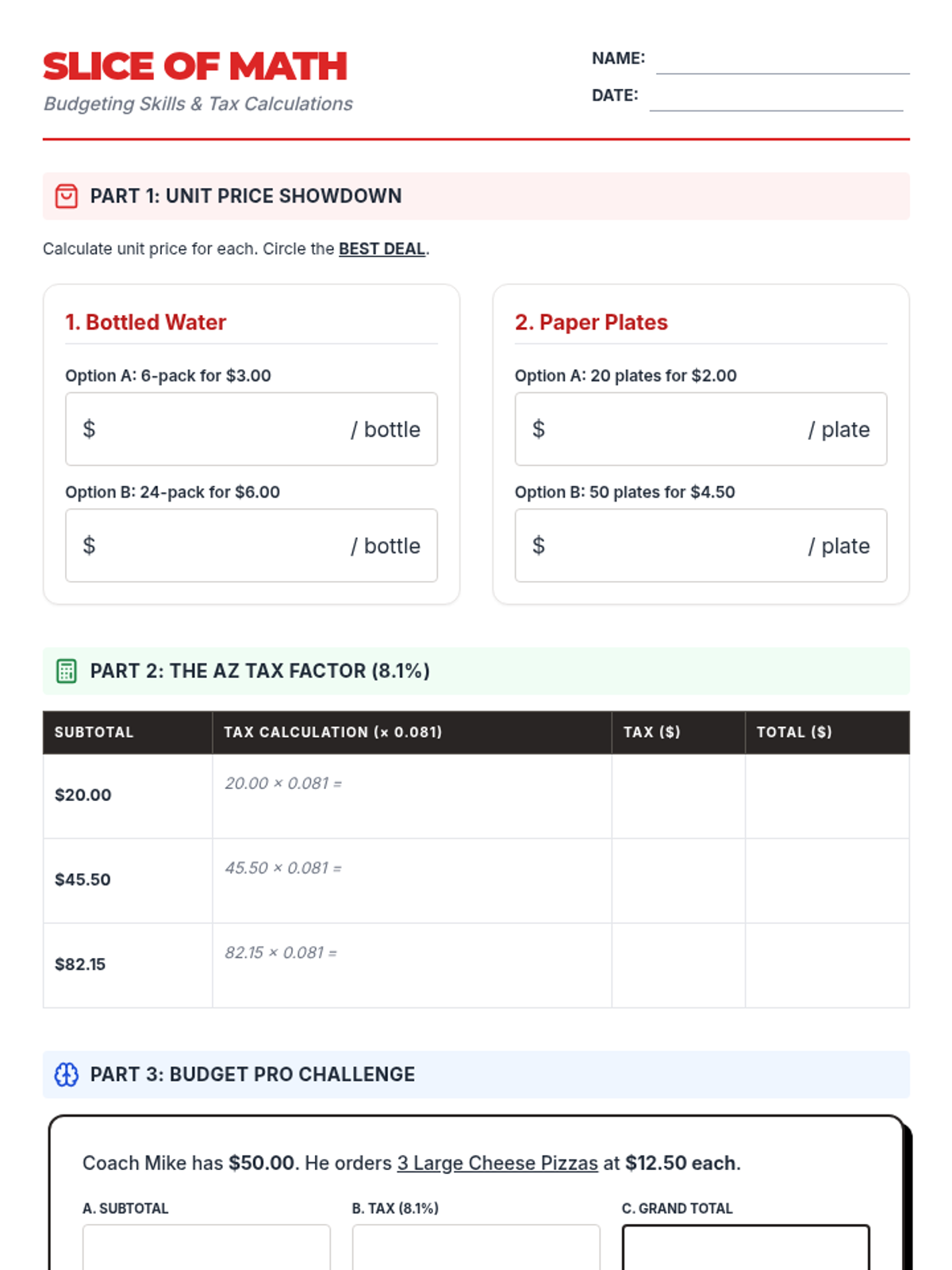
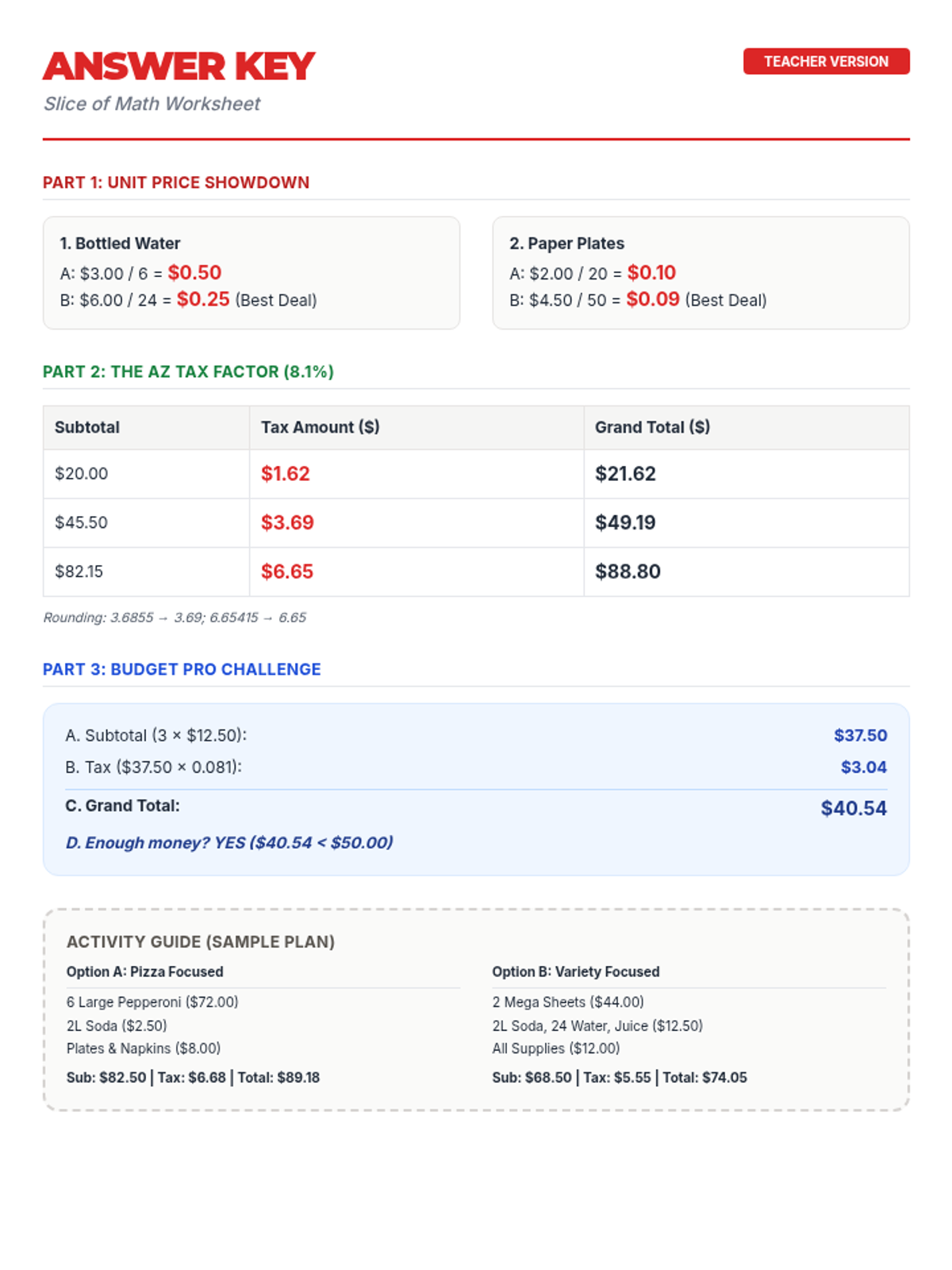
Students take on the role of event planners to organize a classroom pizza party. They must navigate a $100 budget, compare unit prices for the best deals, and calculate Arizona sales tax to ensure they stay within their financial limits.
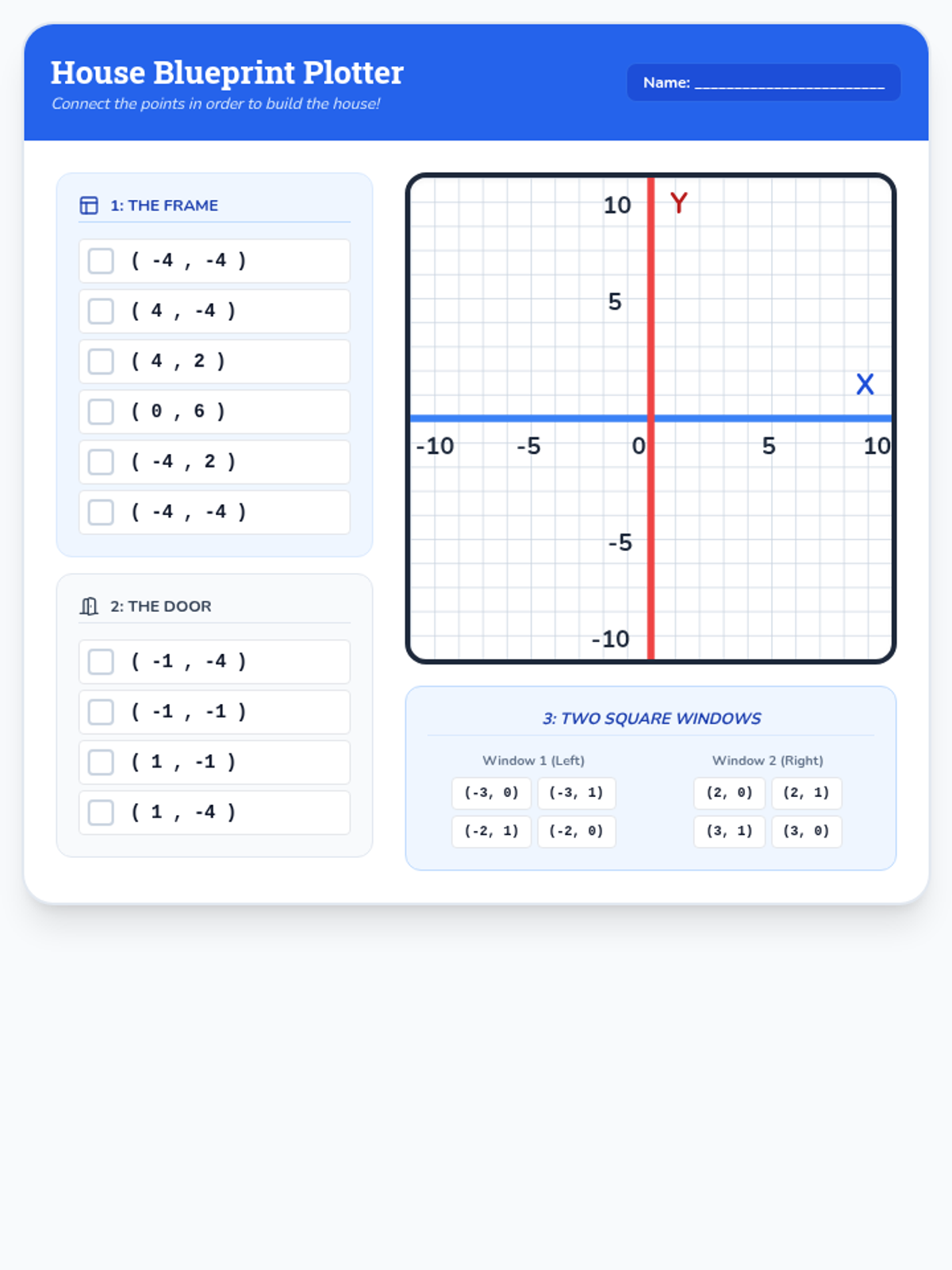
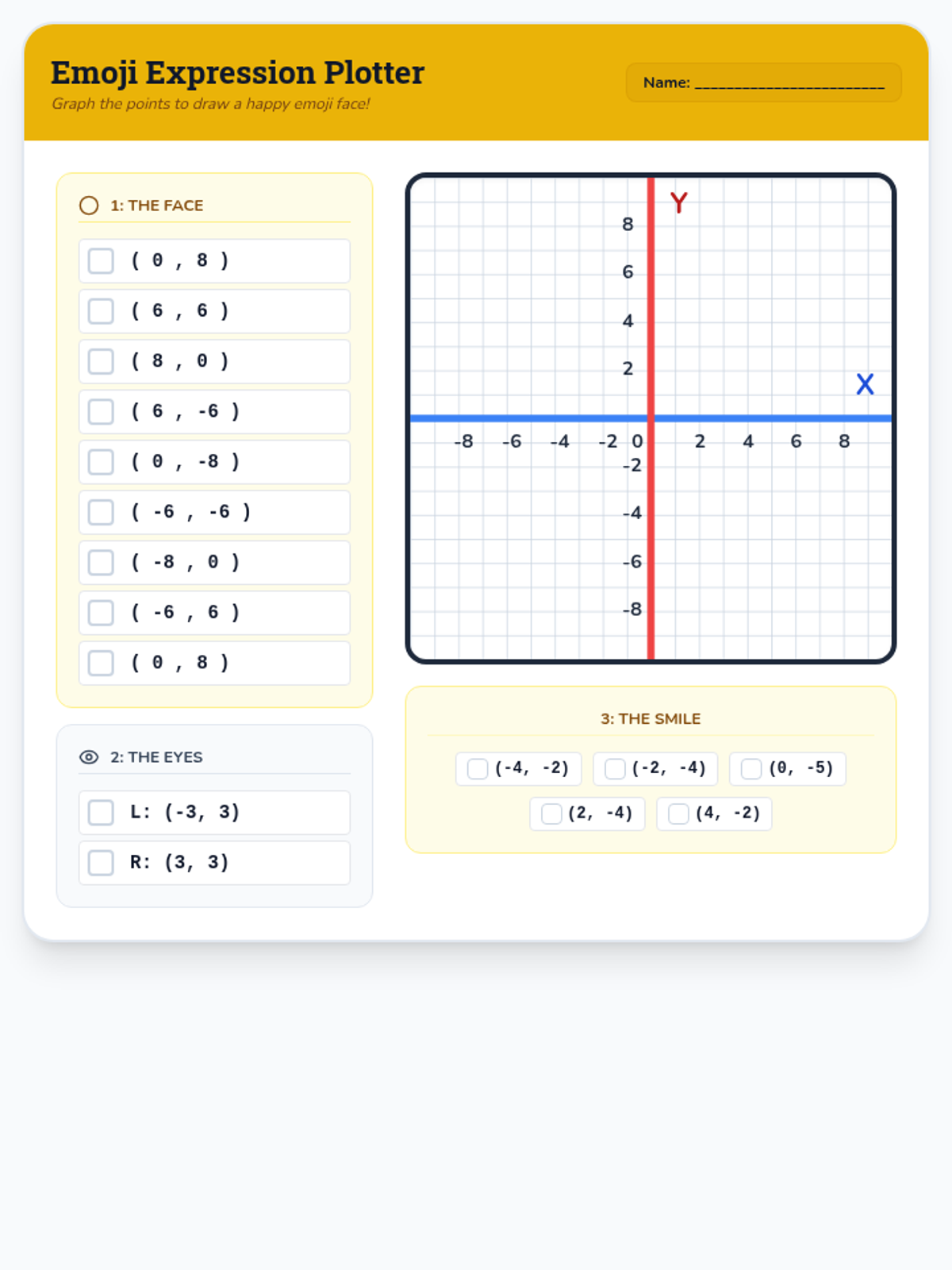
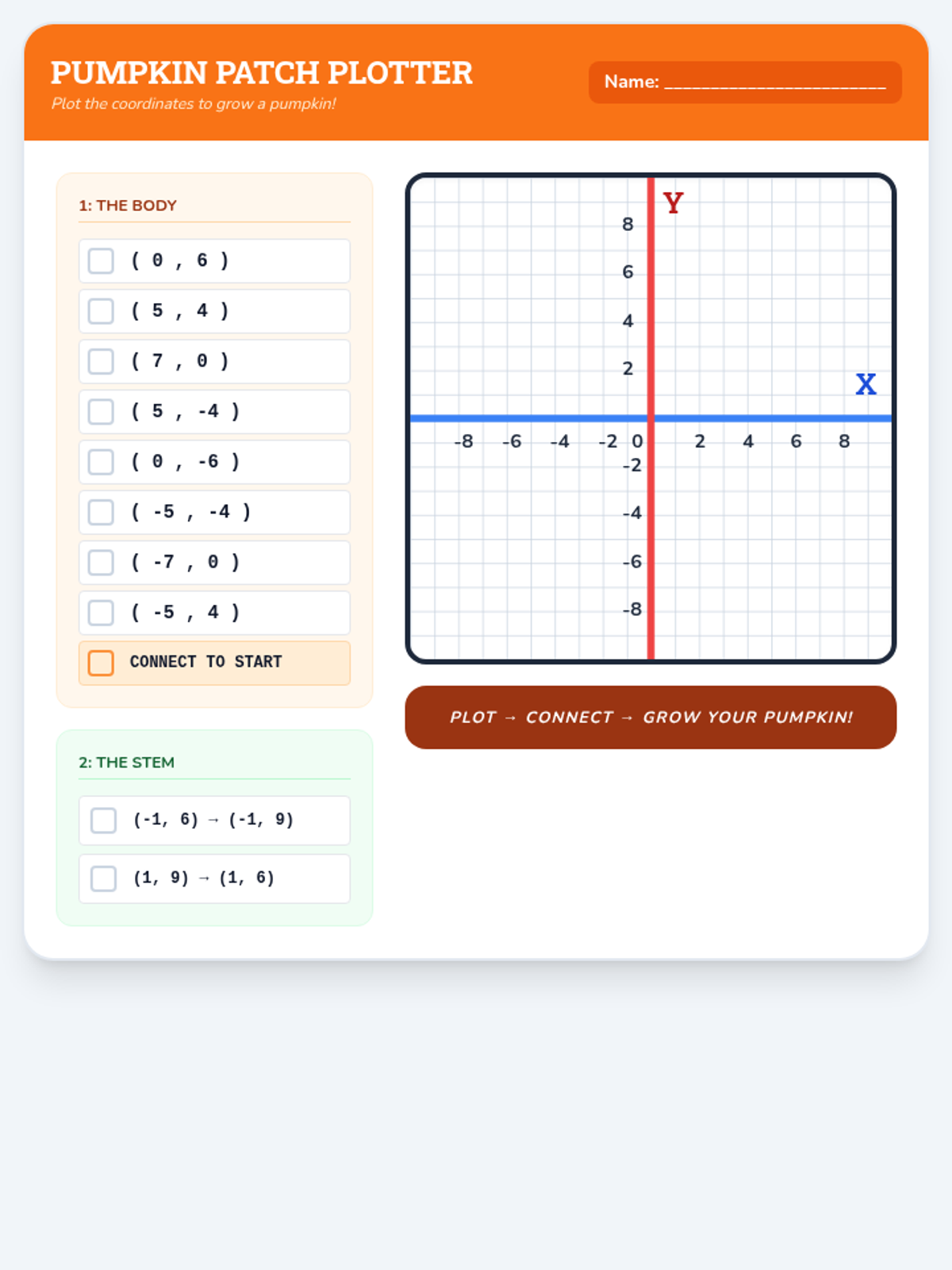
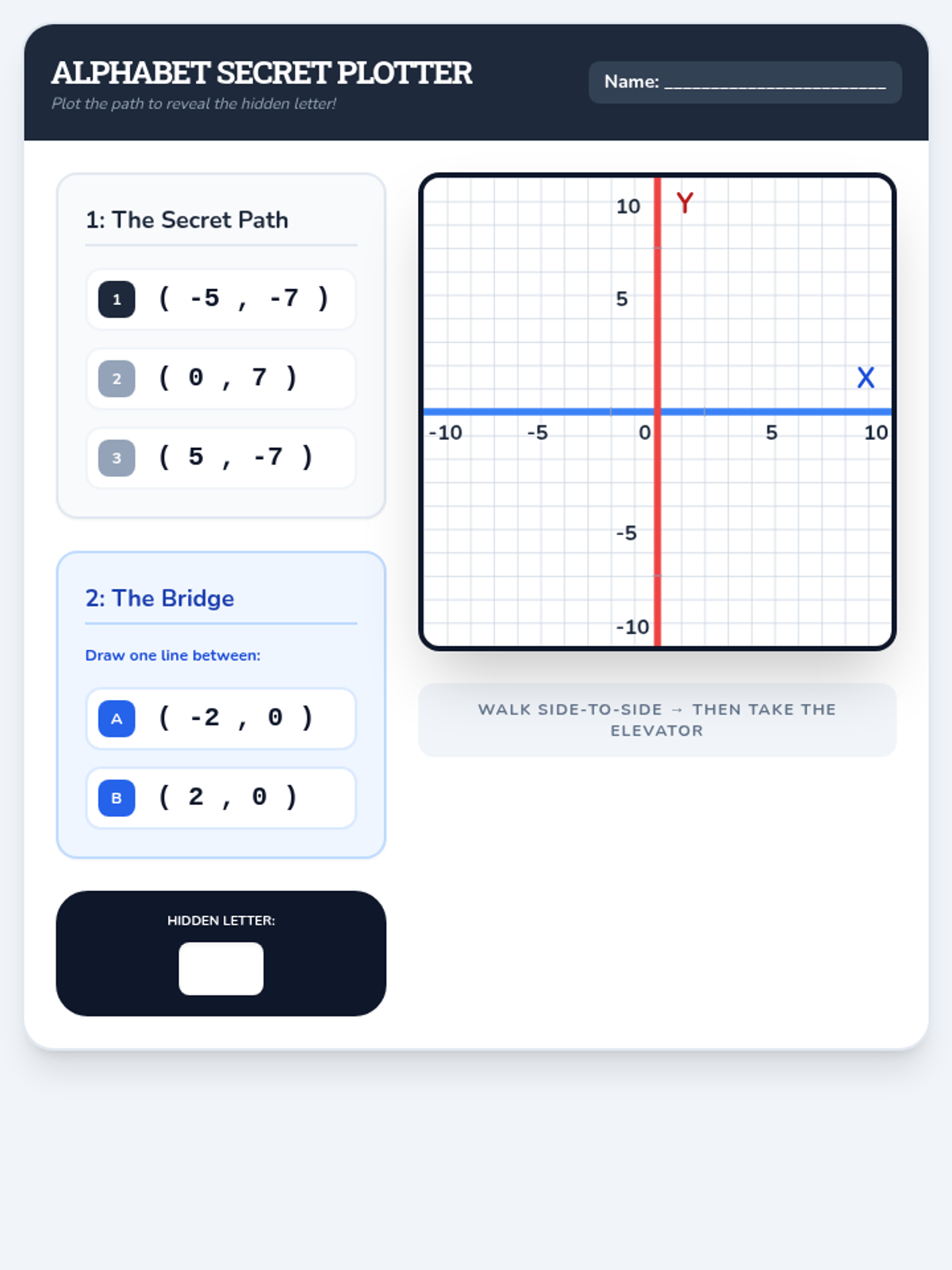
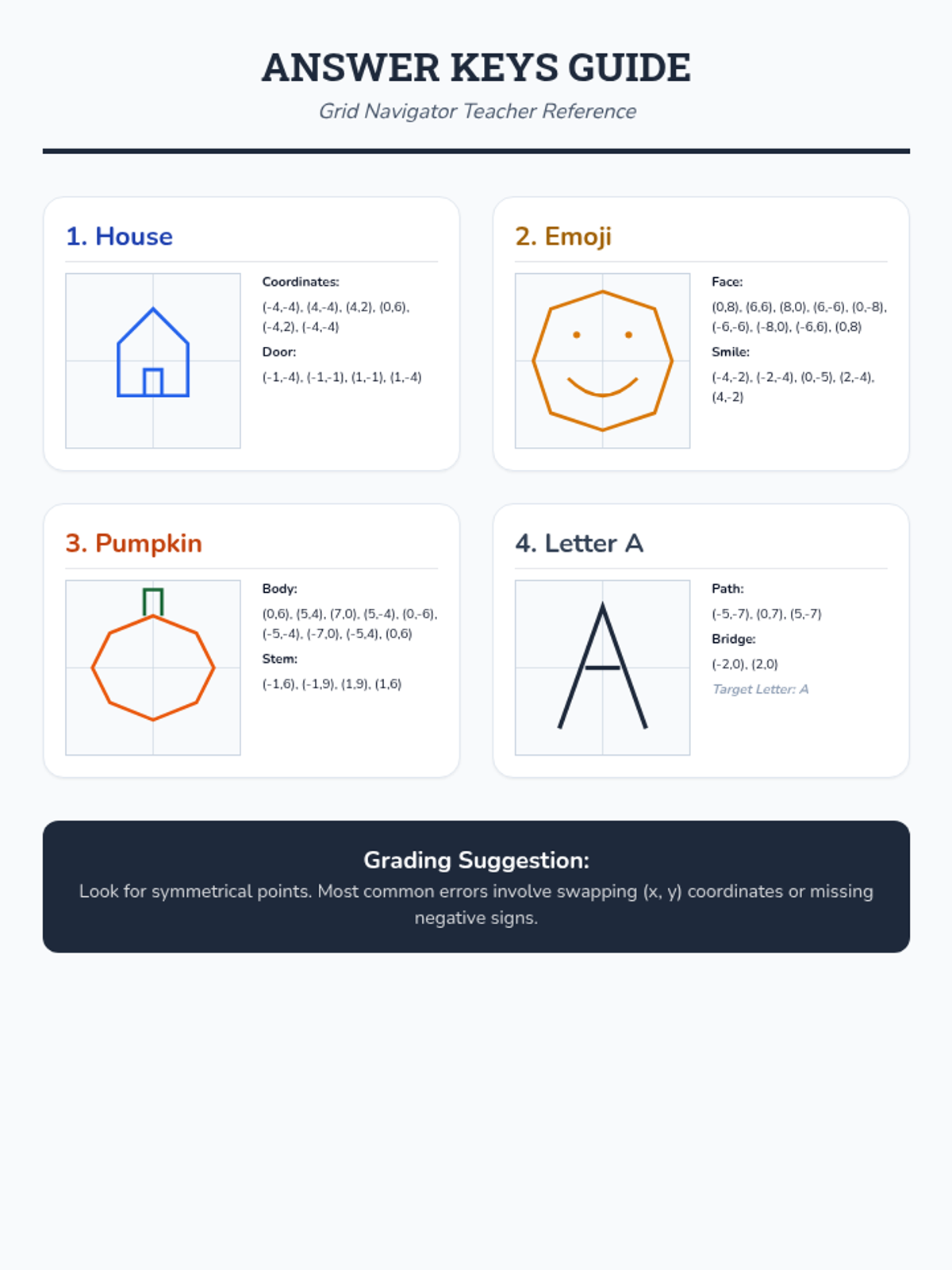
A foundational lesson on plotting points in all four quadrants, specifically designed with scaffolds for students with IEPs. Students will create four different images: a house, an emoji, a pumpkin, and a letter.
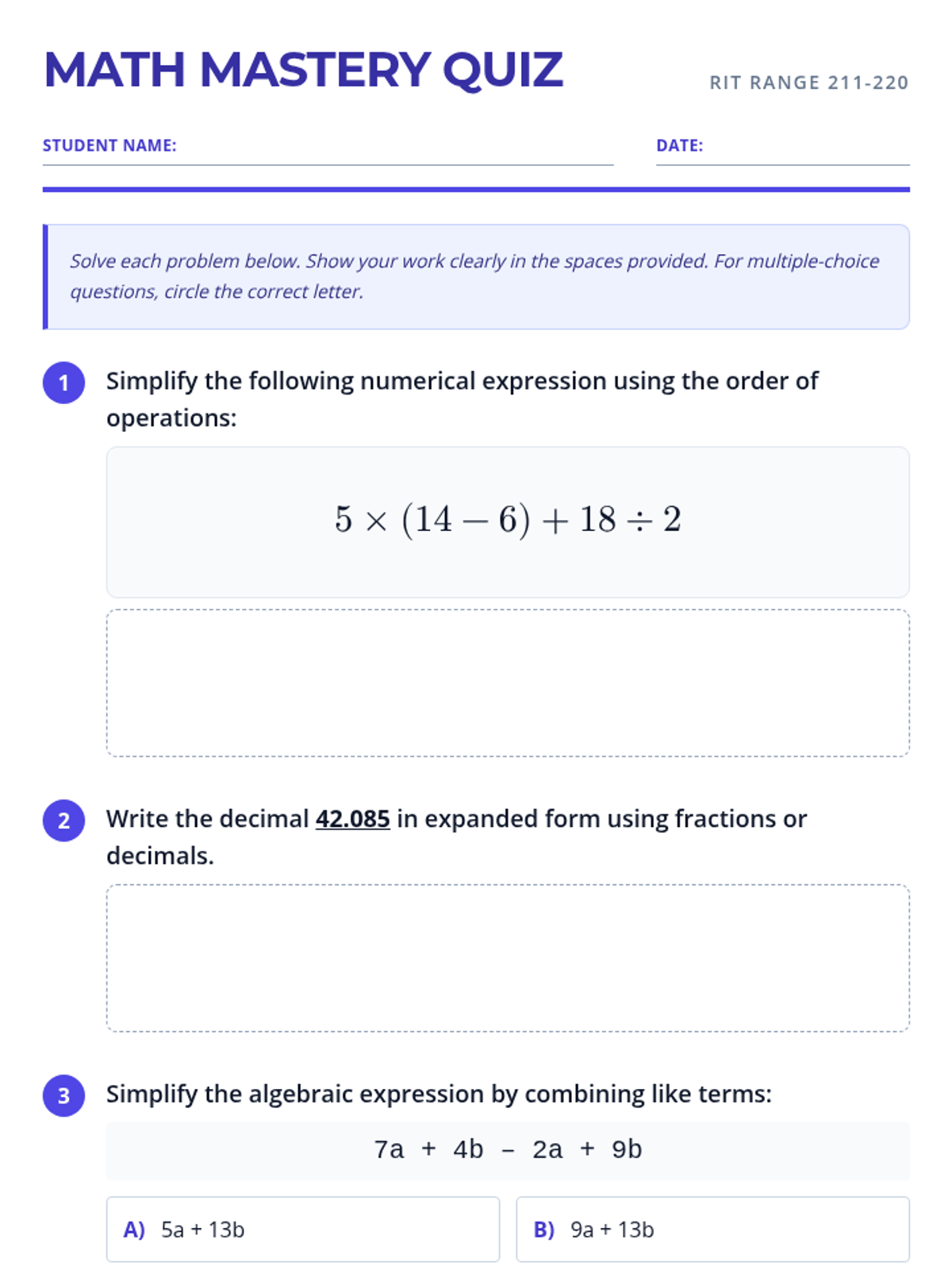
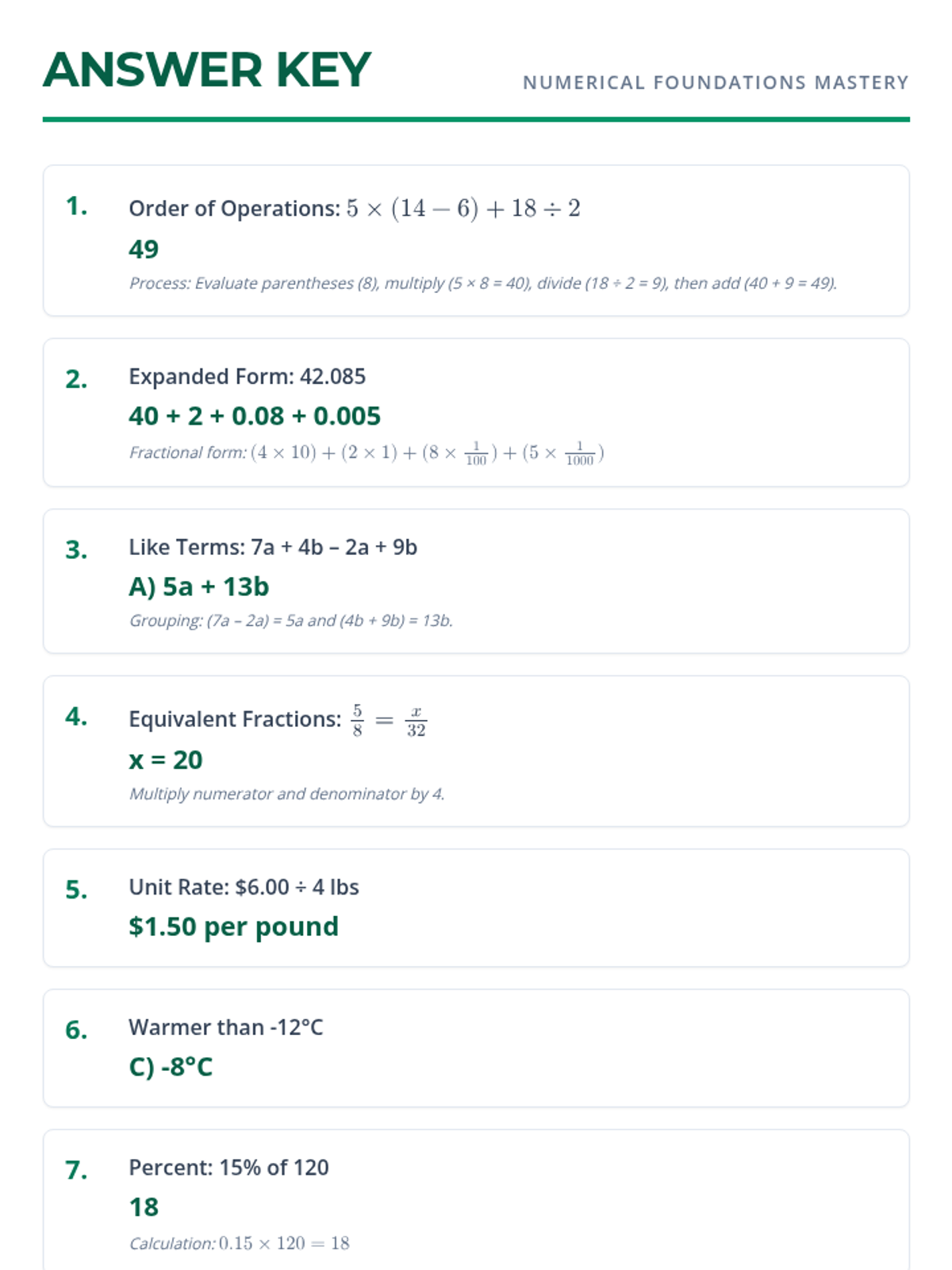
A comprehensive math assessment covering middle-grade concepts including algebraic expressions, numerical operations, fractions, decimals, and geometry. This lesson focuses on evaluating student proficiency across RIT 211-220 criteria through a structured quiz and detailed answer key.
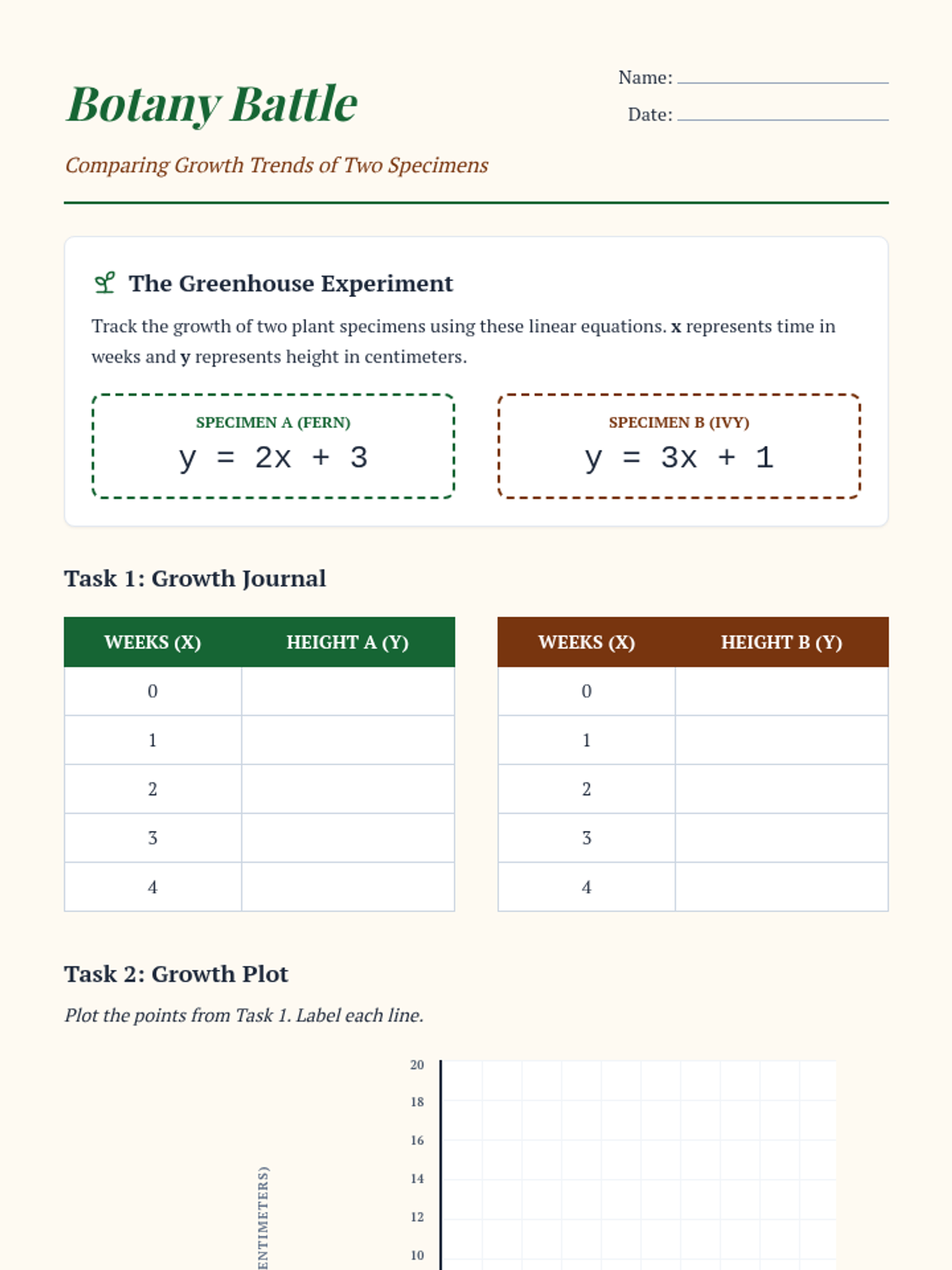
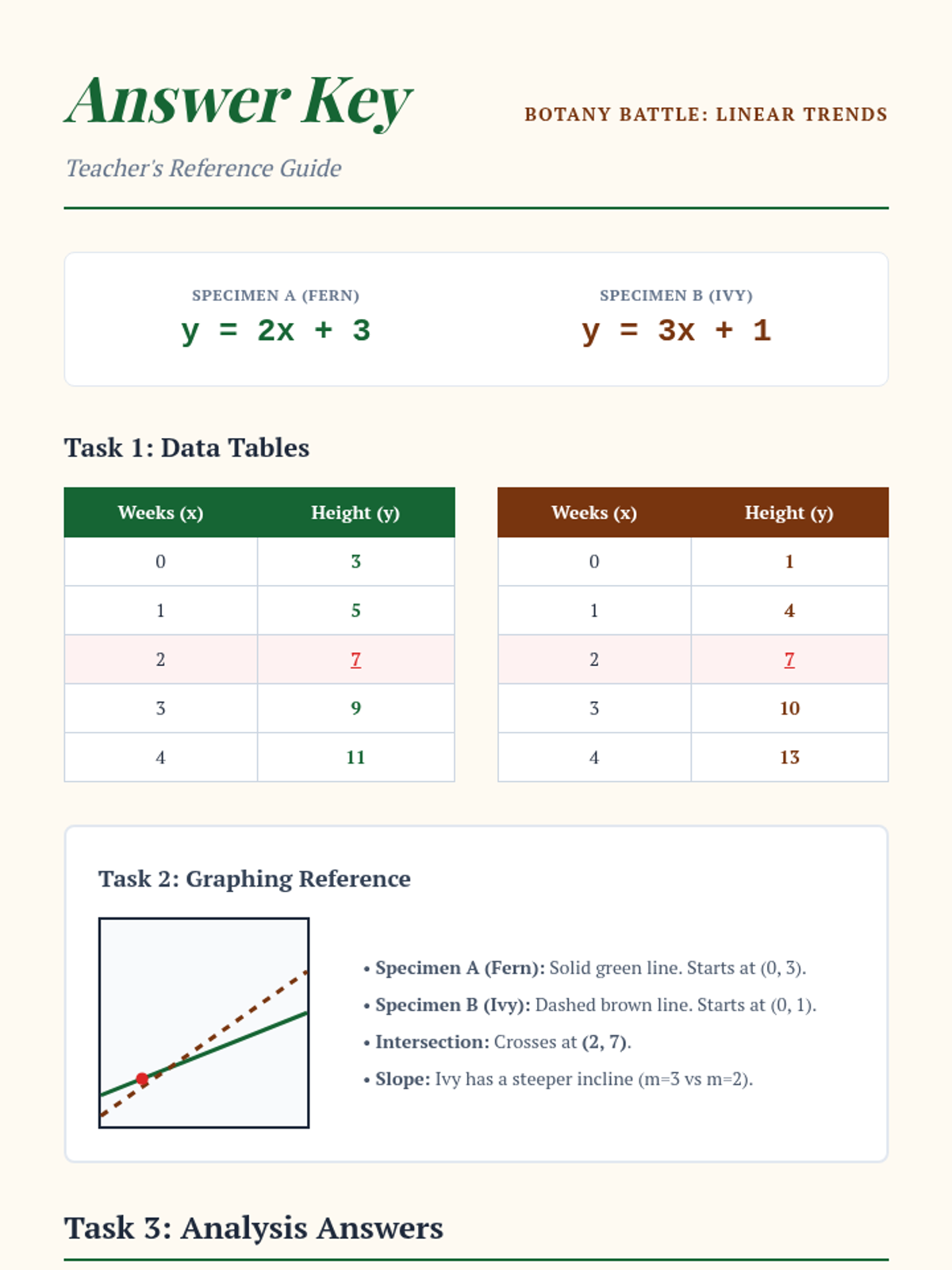
A lesson focused on graphing two linear equations on the same coordinate plane to compare growth trends over time. Students will identify starting points, rates of growth, and points of intersection.
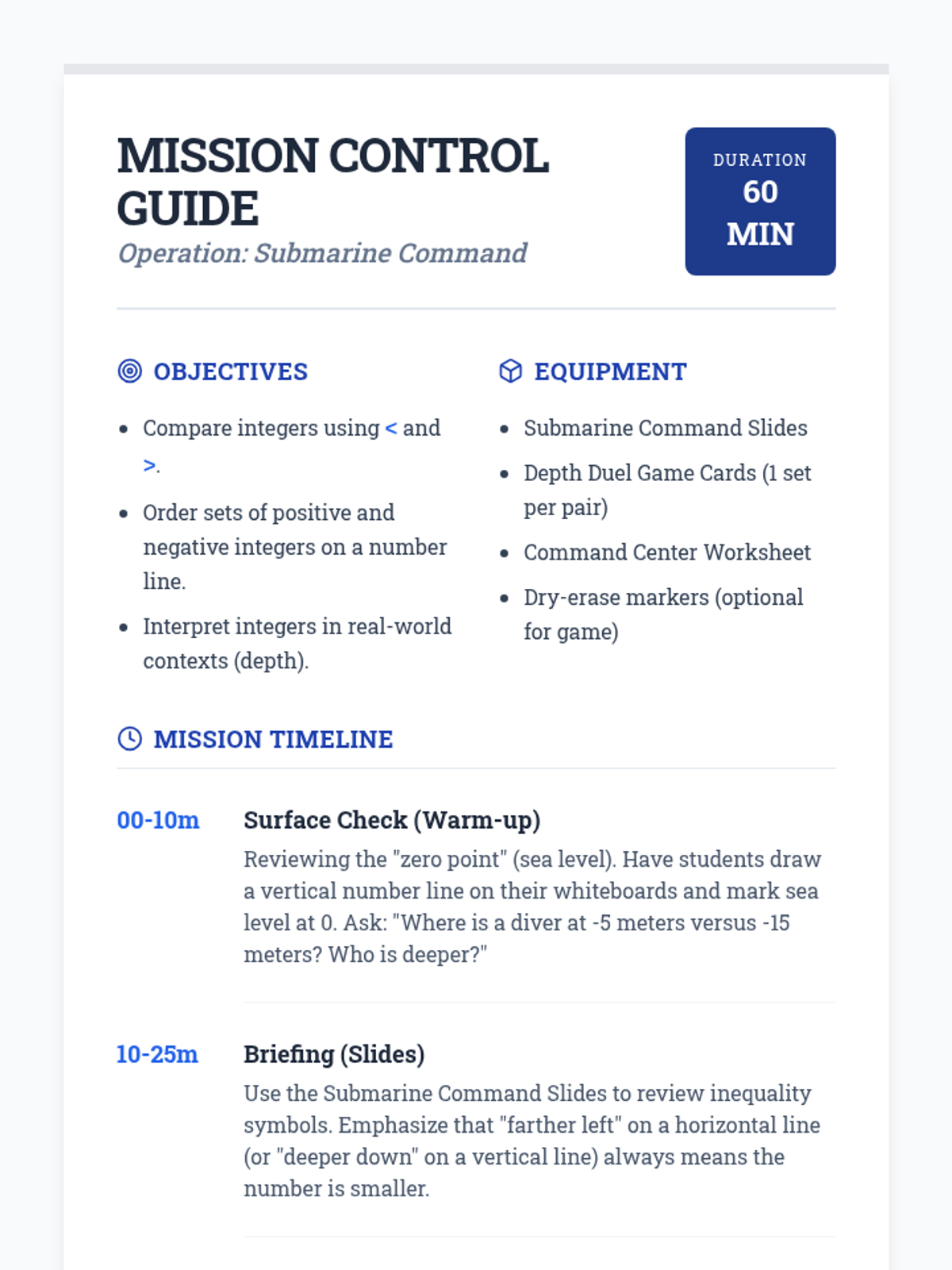
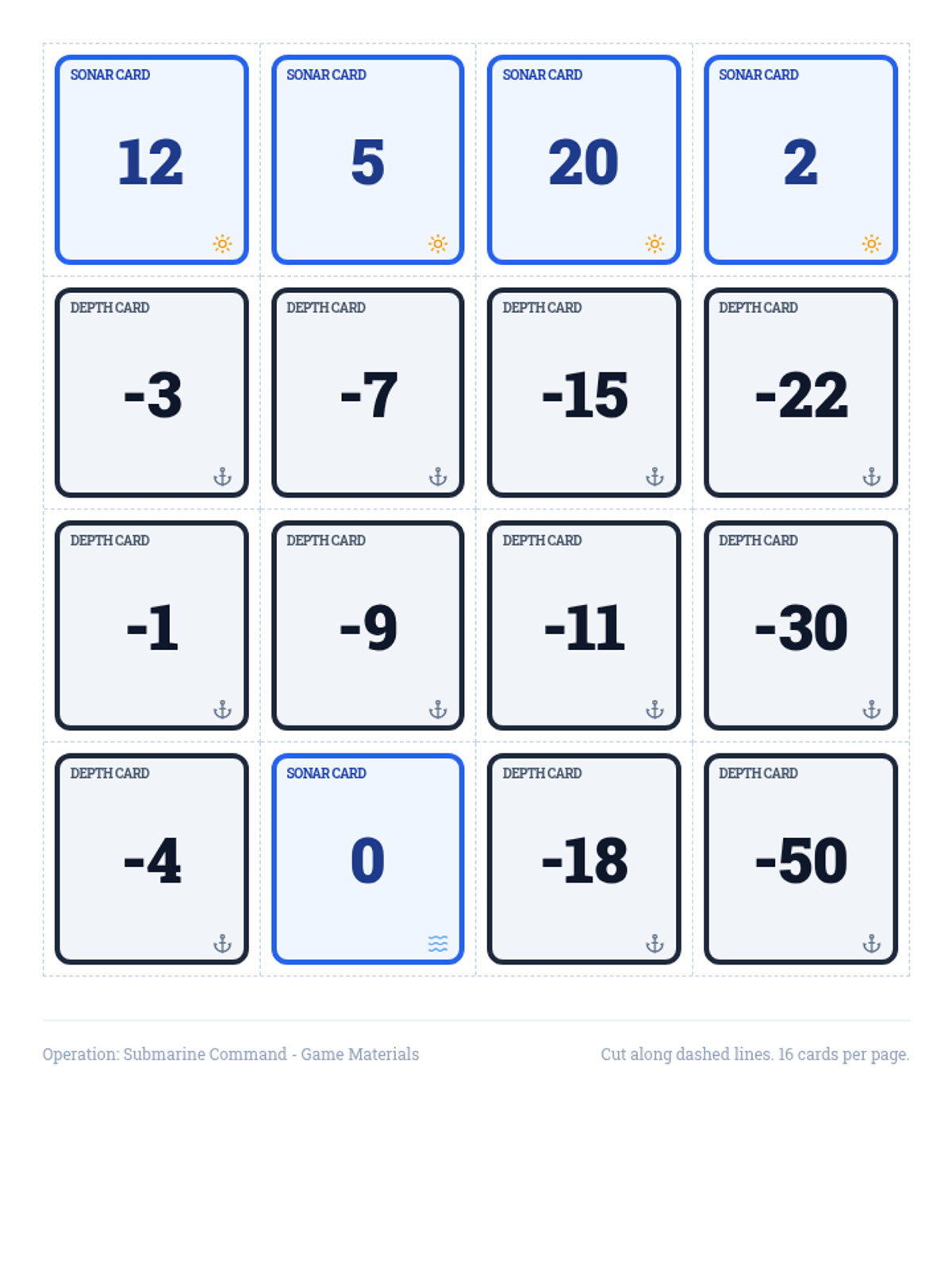
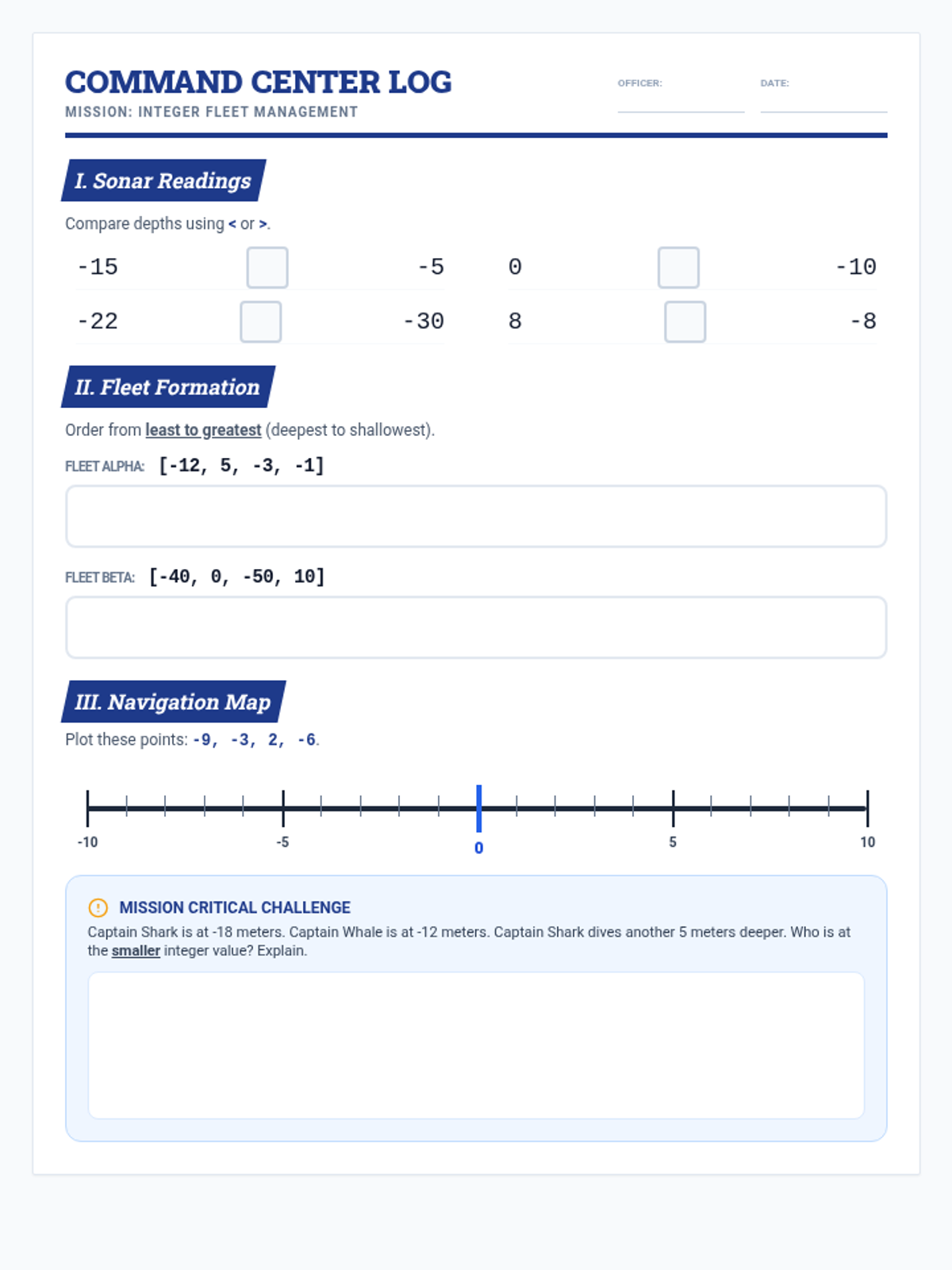
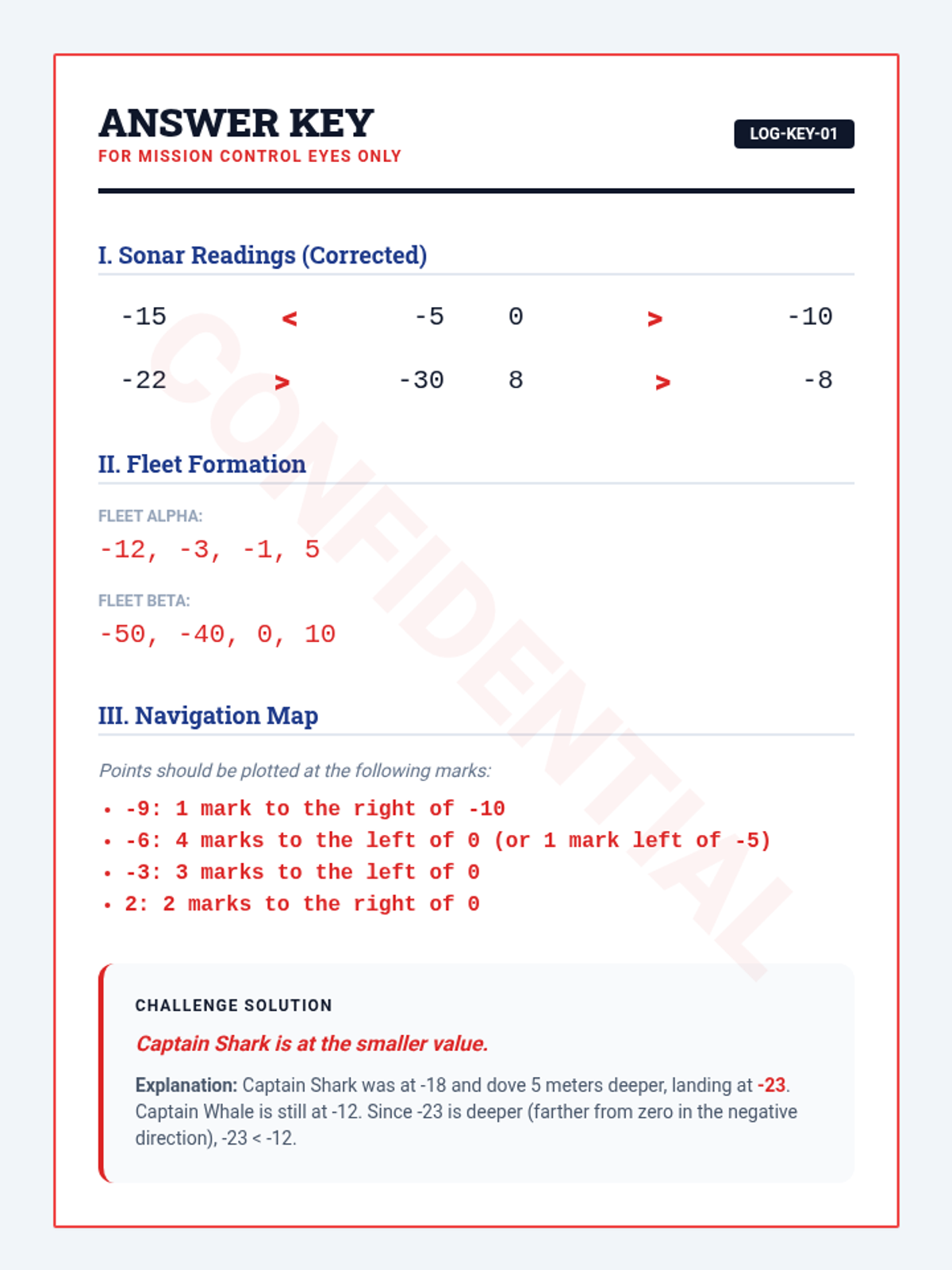
A high-energy, 60-minute review lesson on comparing and ordering integers using a submarine exploration theme. Students will master number line placement and inequality symbols through a fast-paced game and guided practice.
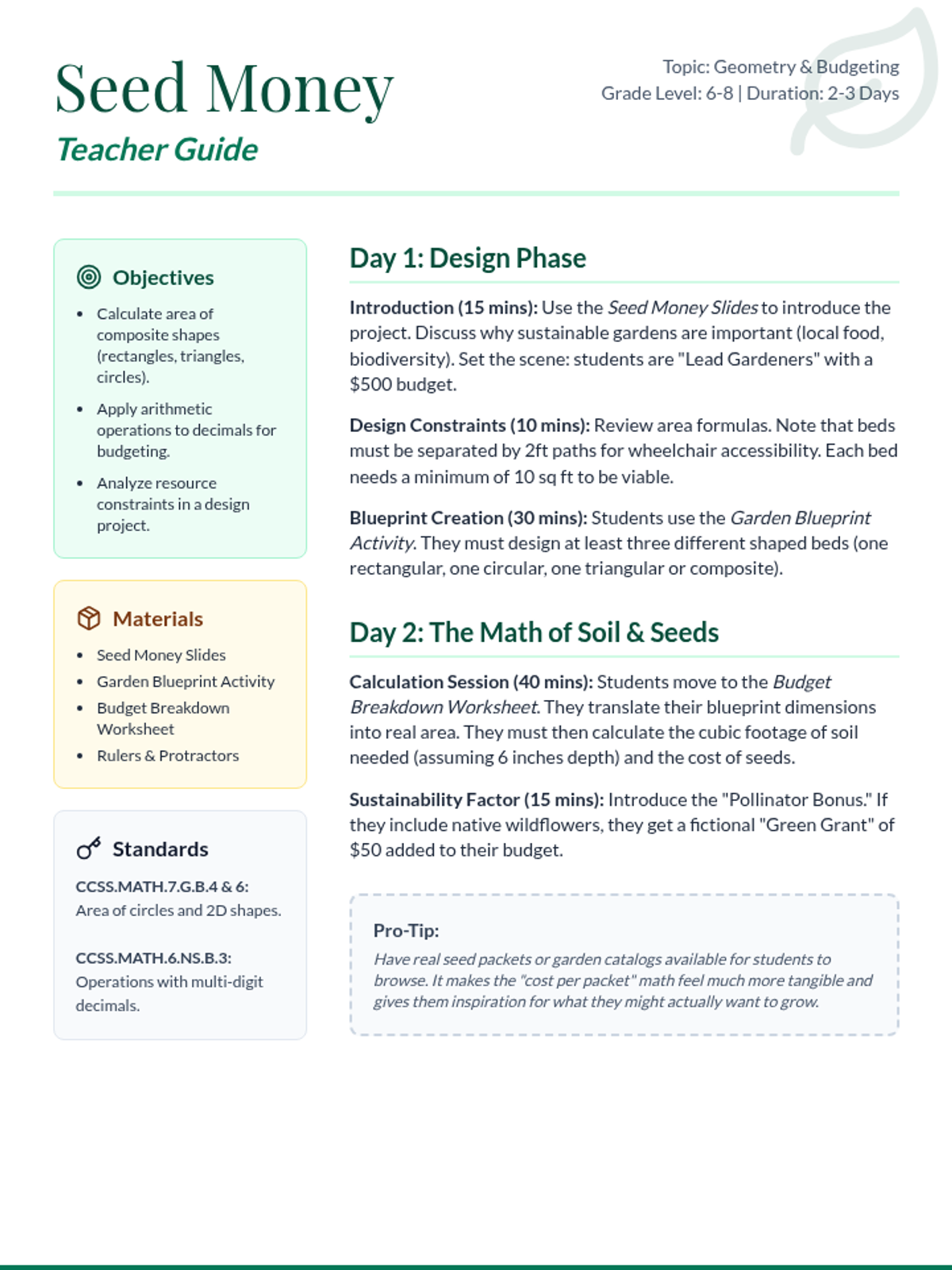
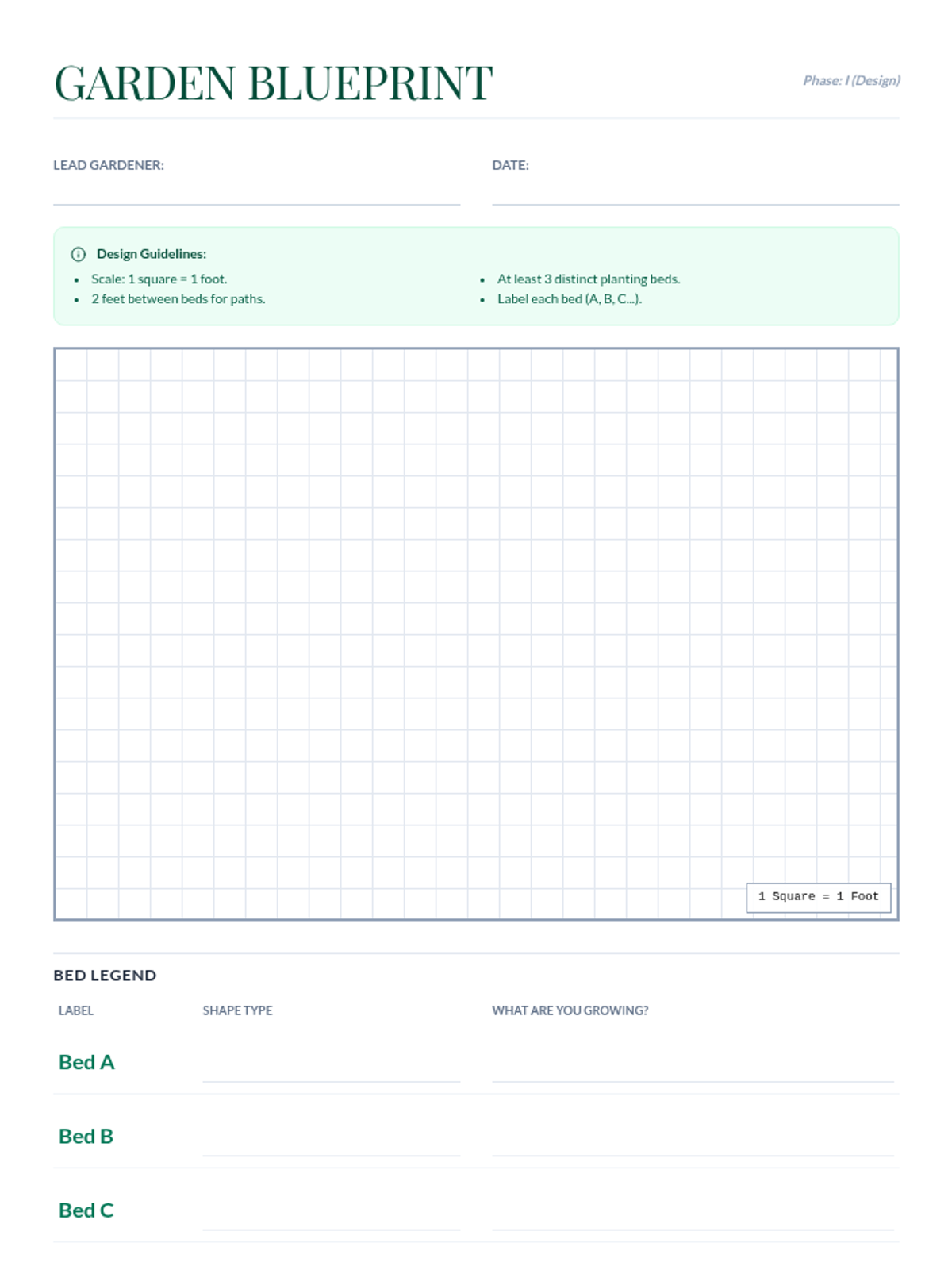
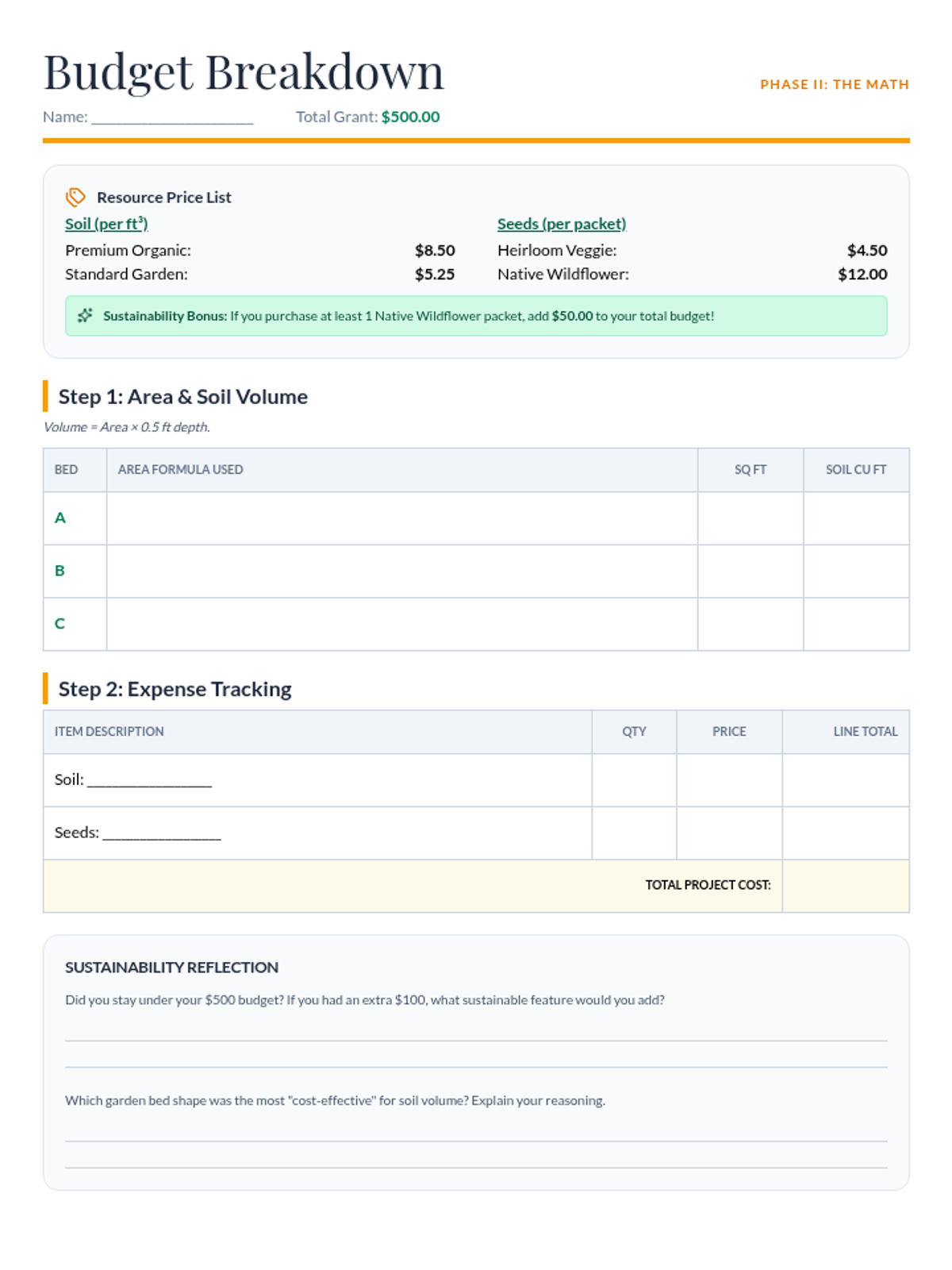
Students apply geometry and arithmetic to design a sustainable school garden, calculating area for planting beds and managing a $500 budget for soil and seeds.
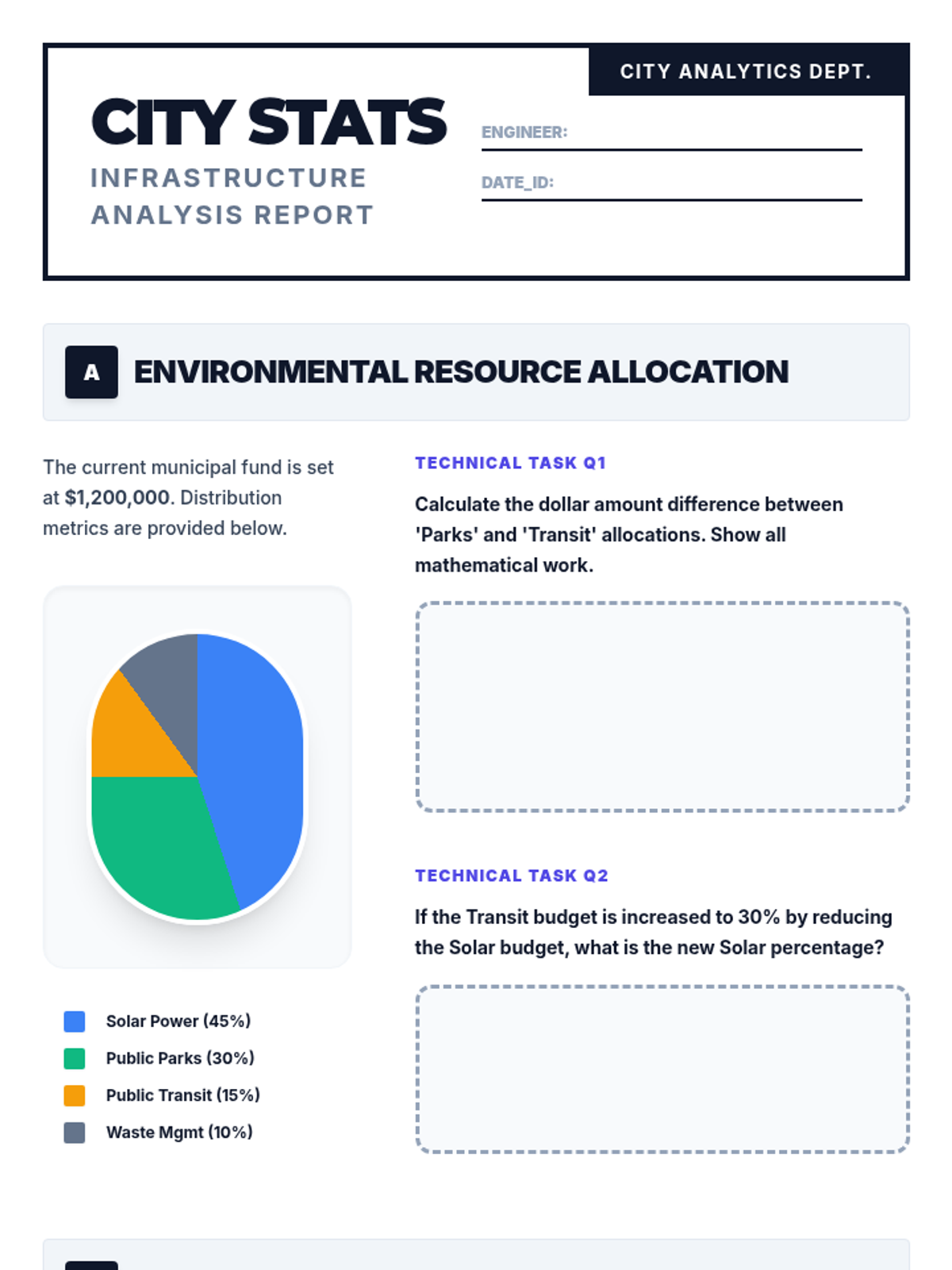
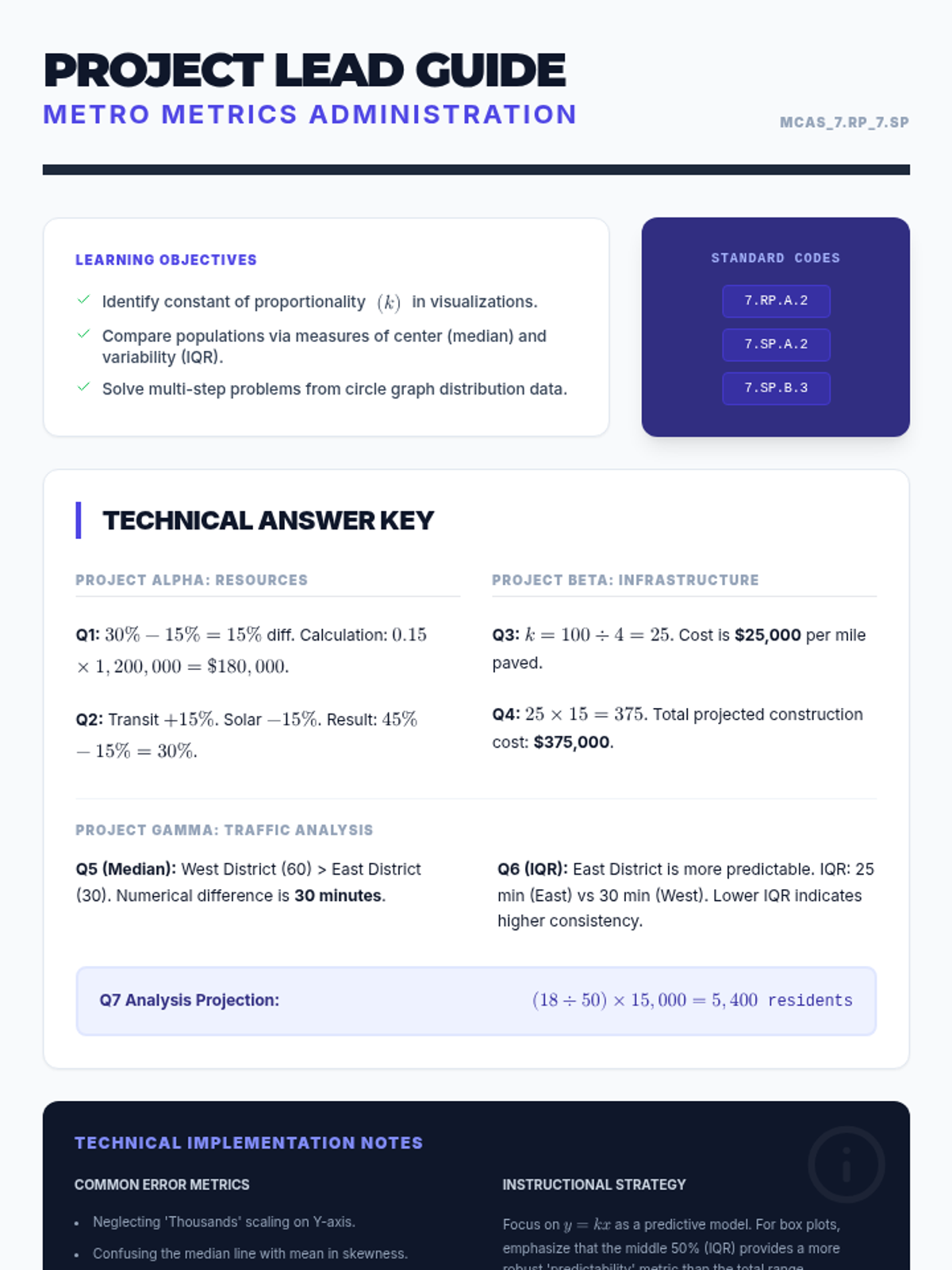
A comprehensive lesson on interpreting circle graphs, box plots, and proportional relationships within a City Engineering context, focused on 7th grade MCAS standards.
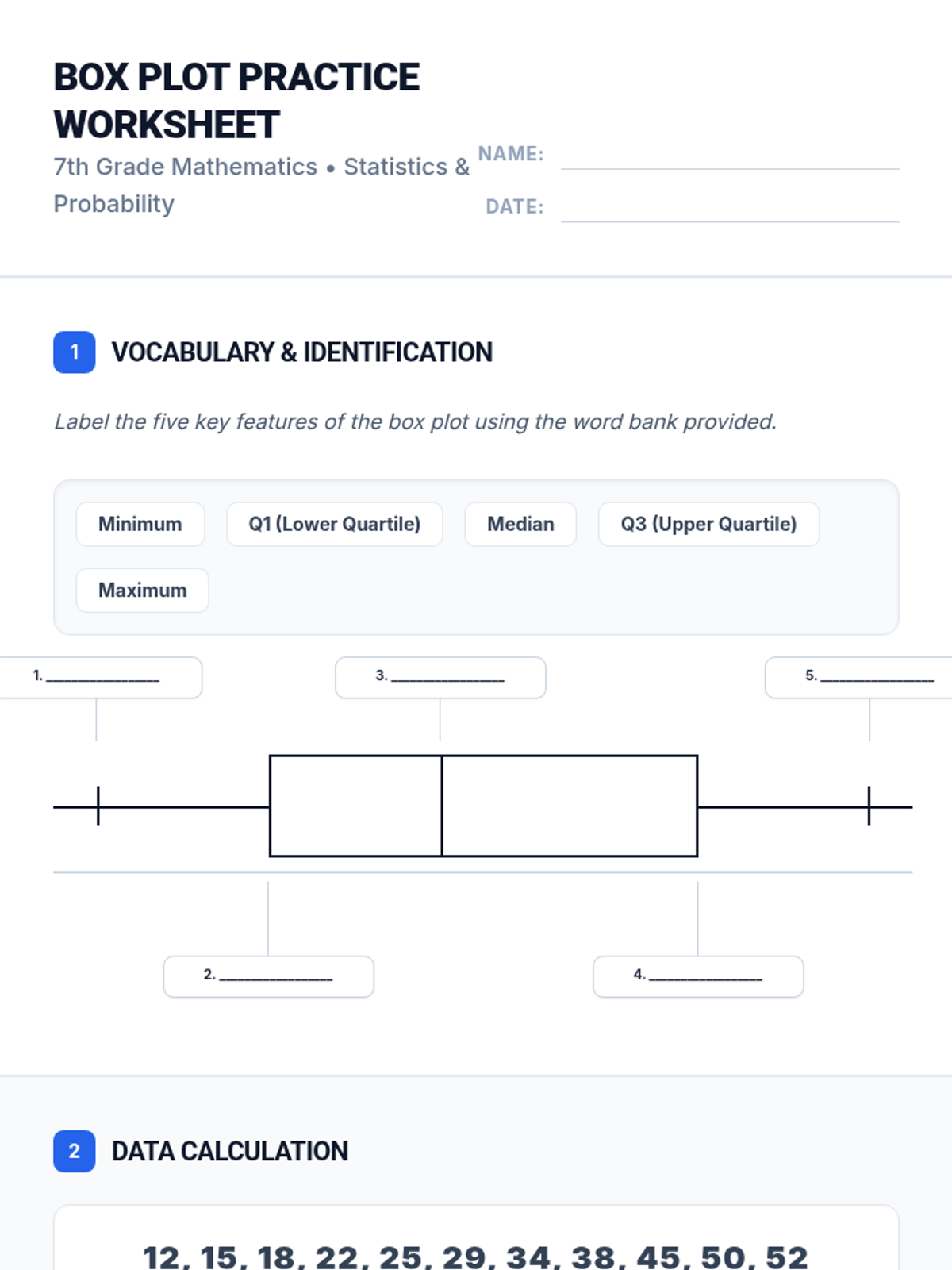
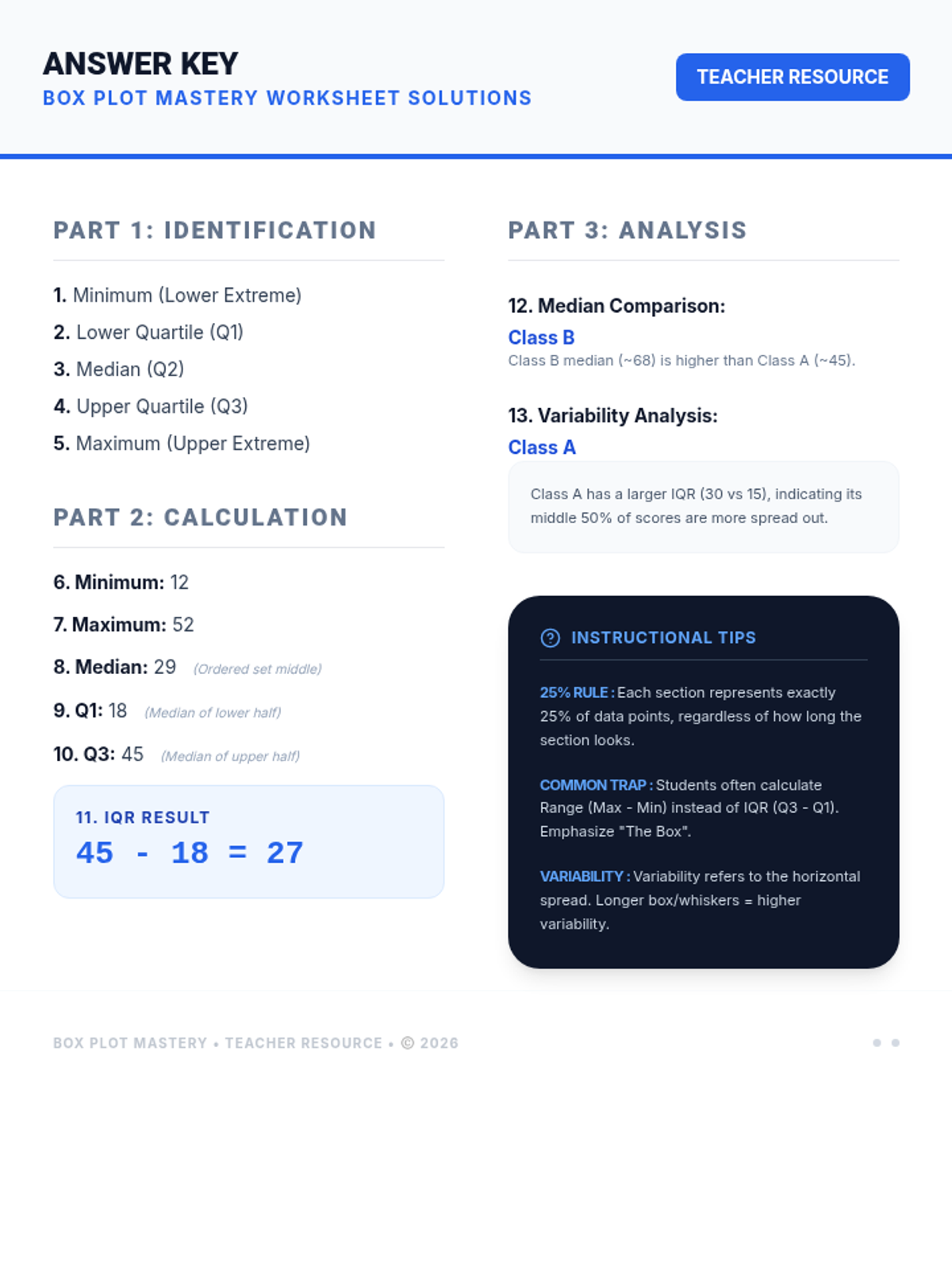
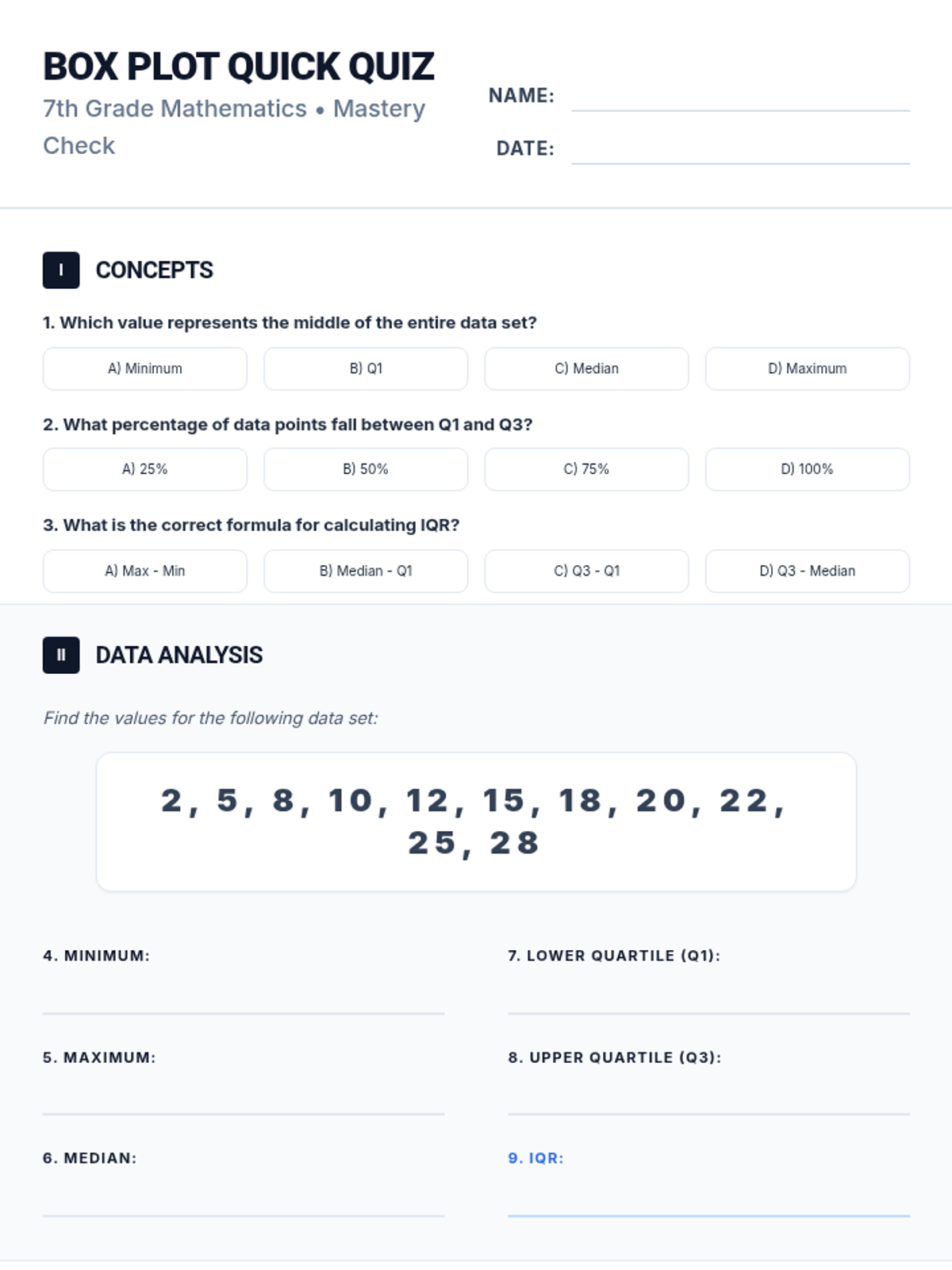
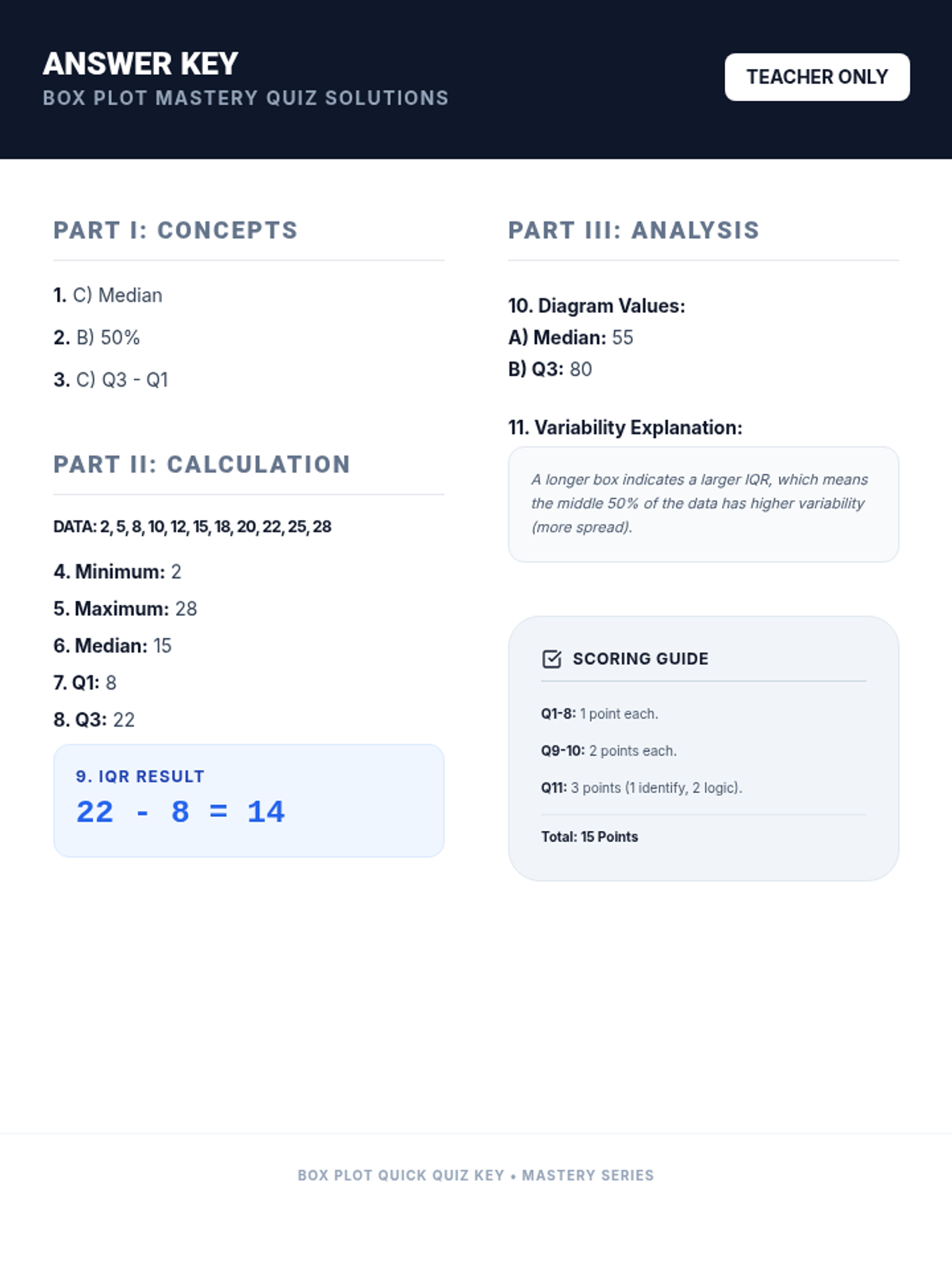
A 7th-grade math lesson focused on mastering the five-number summary and interquartile range for box-and-whisker plots, specifically designed for MCAS preparation.
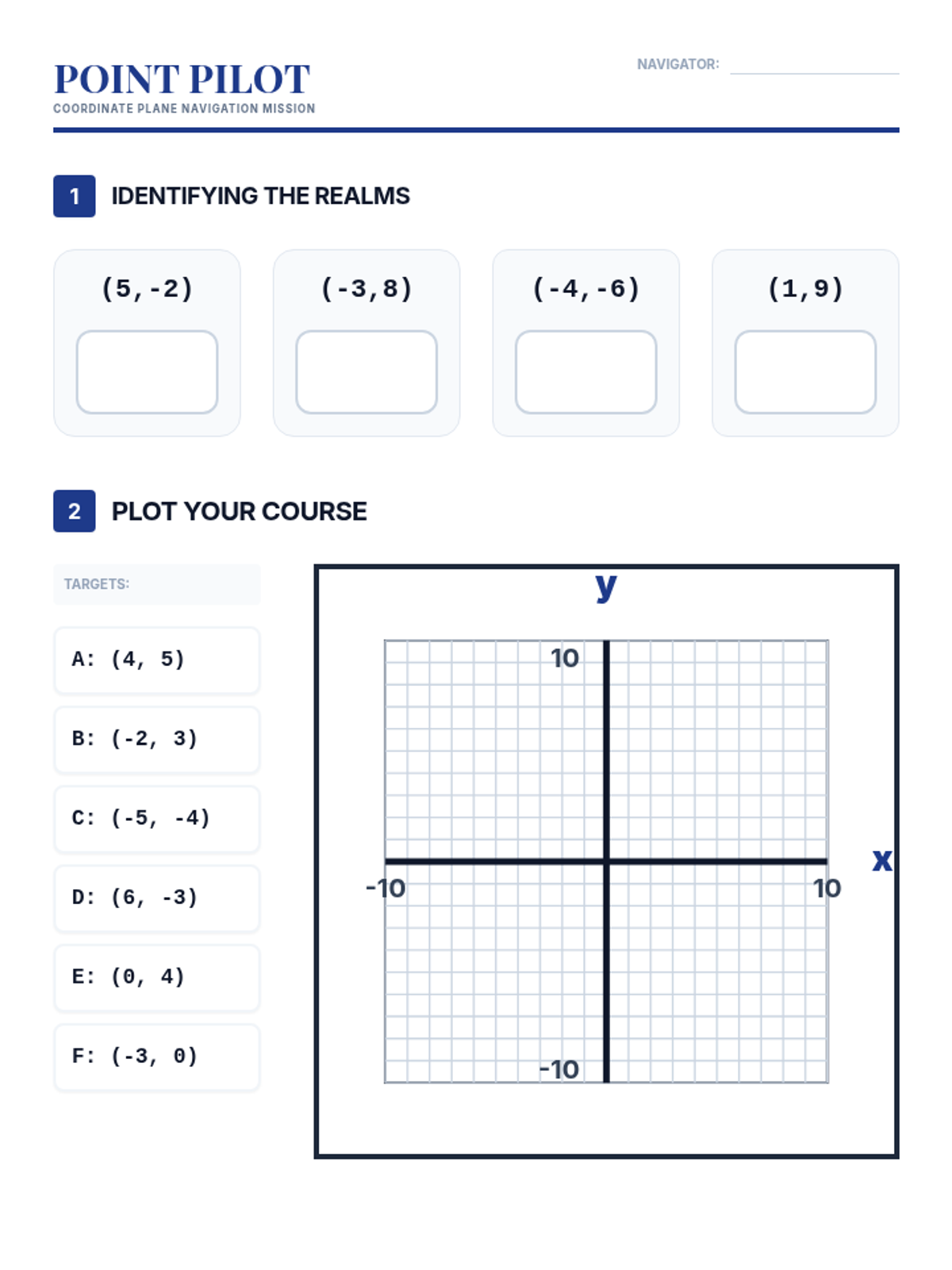
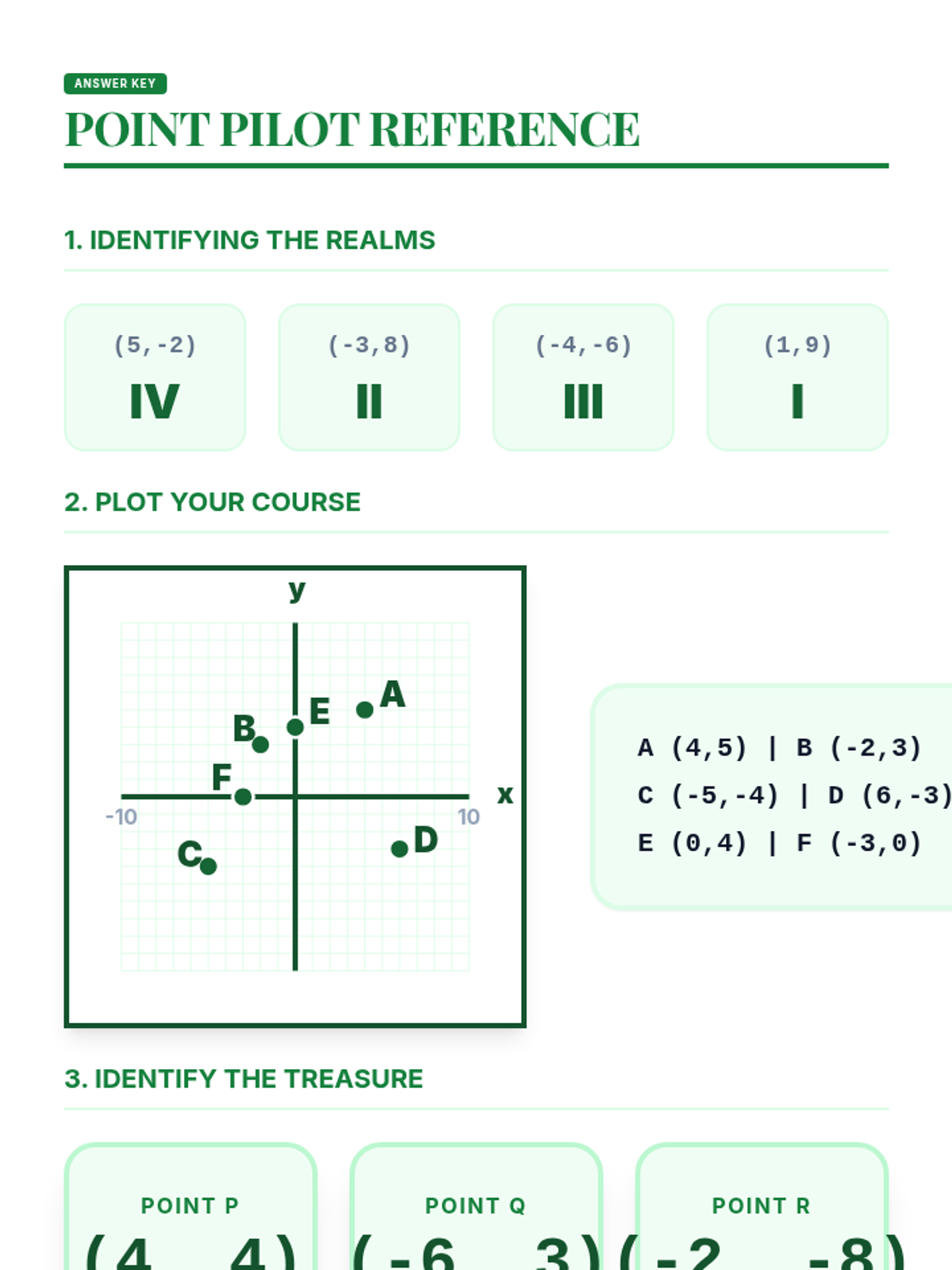
A comprehensive lesson on plotting and identifying points in all four quadrants of the coordinate plane, using a nautical navigation theme to make the abstract concept concrete.
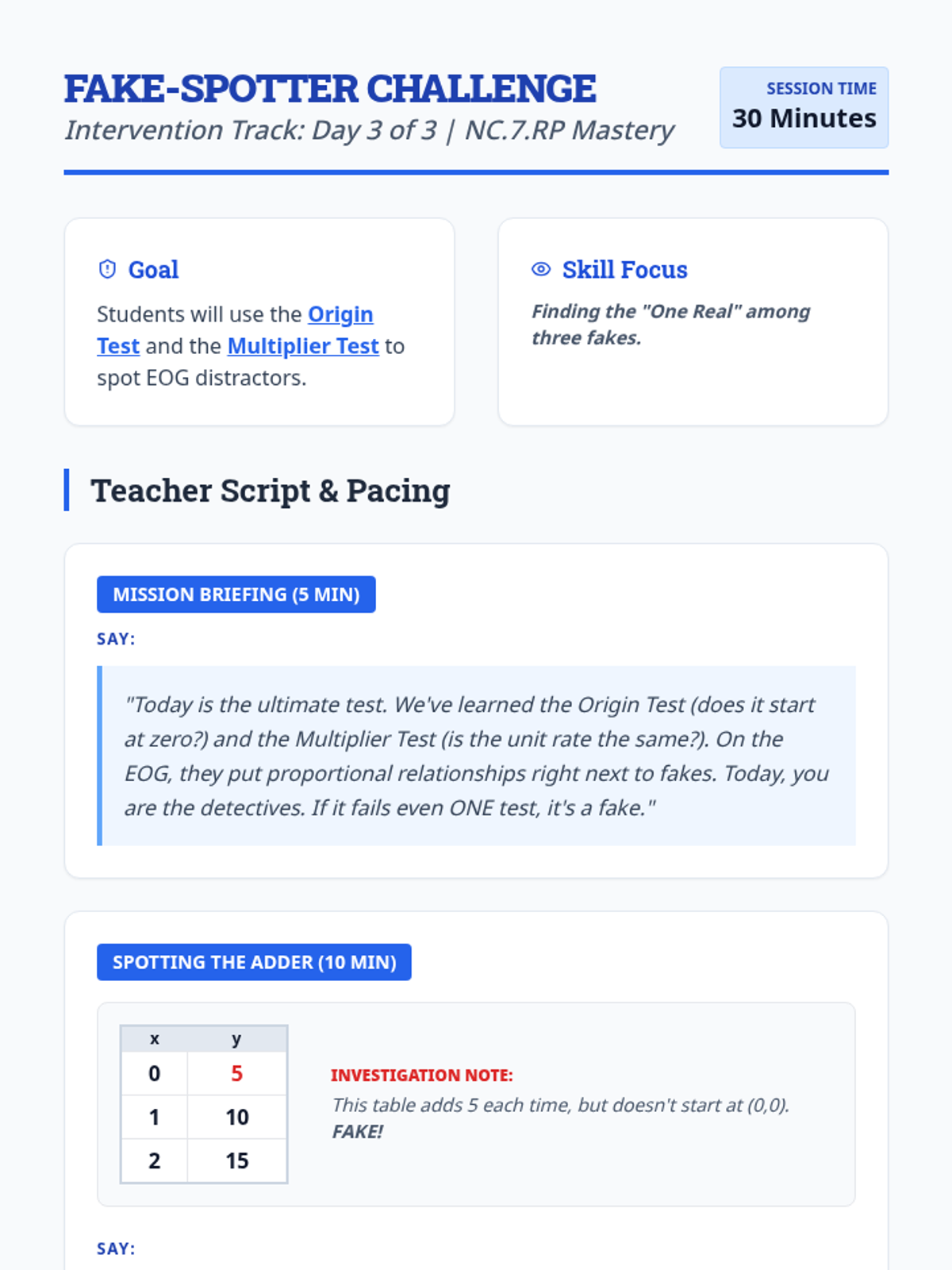
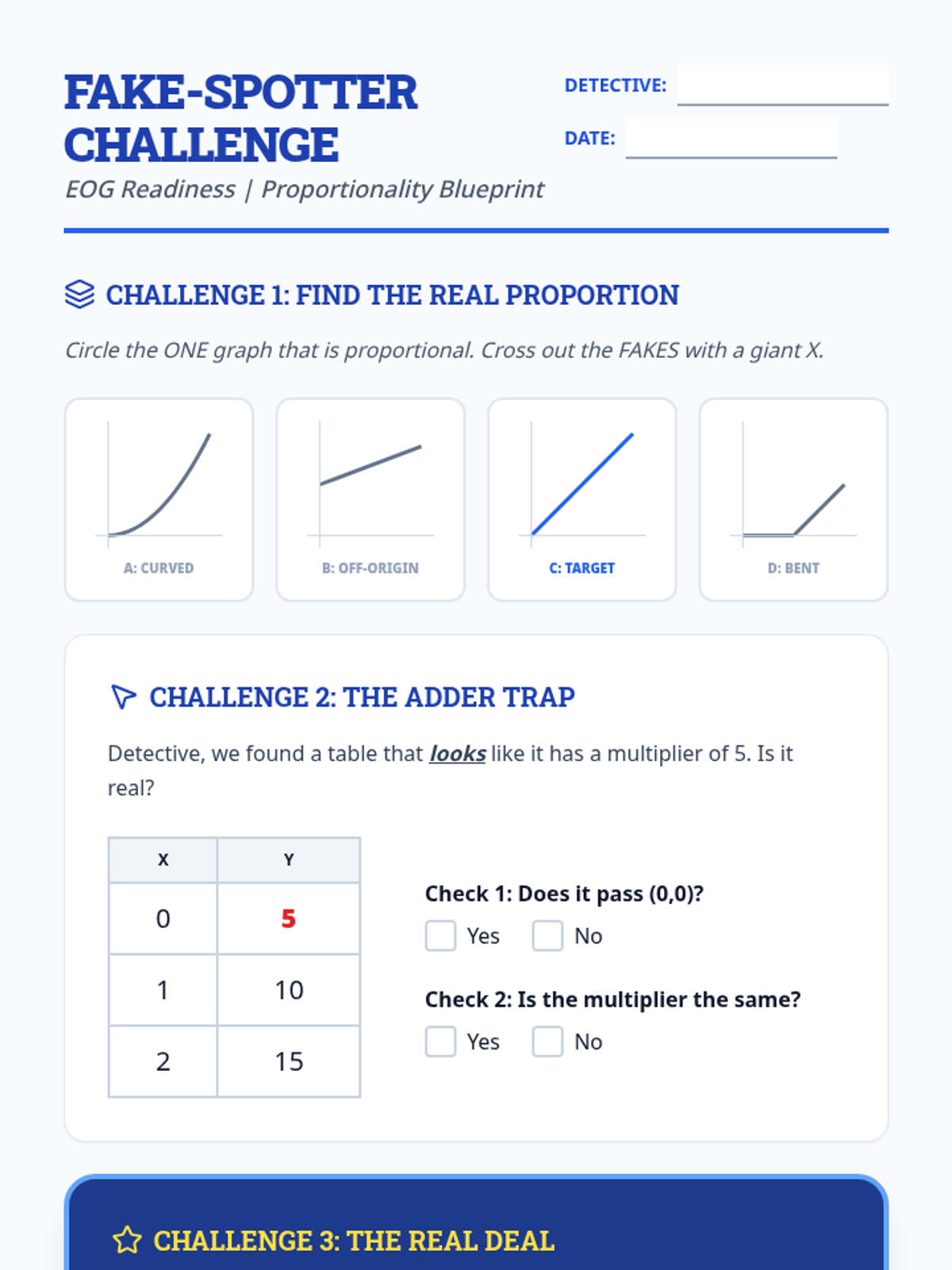
Day 3 of the intervention focusing on identifying EOG-style distractors. Students compare proportional and non-proportional relationships across tables and graphs to build test-taking stamina.
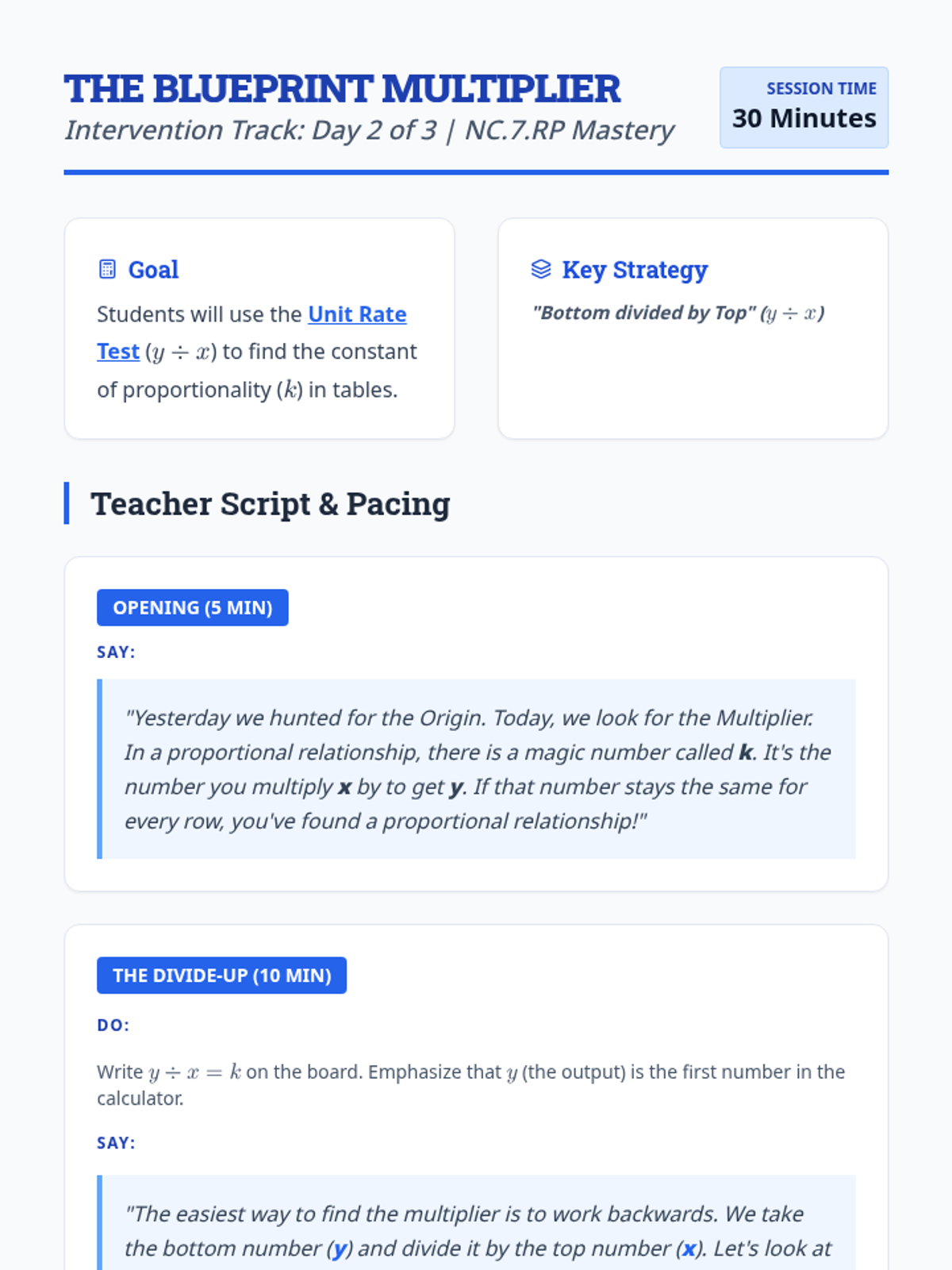
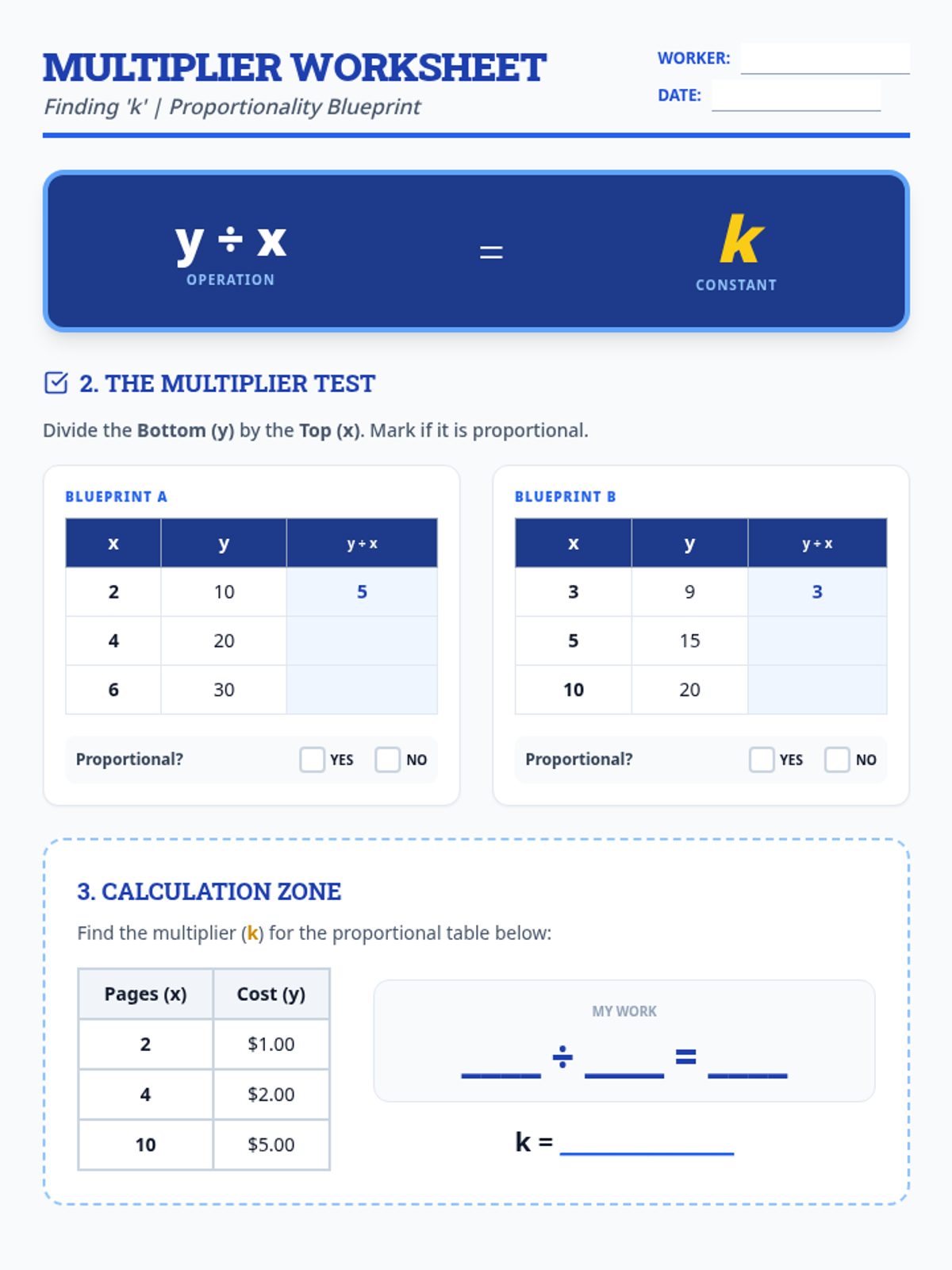
Day 2 of the intervention focusing on the constant of proportionality in tables. Students use the 'Unit Rate Test' to see if a relationship is proportional using simple, friendly numbers.
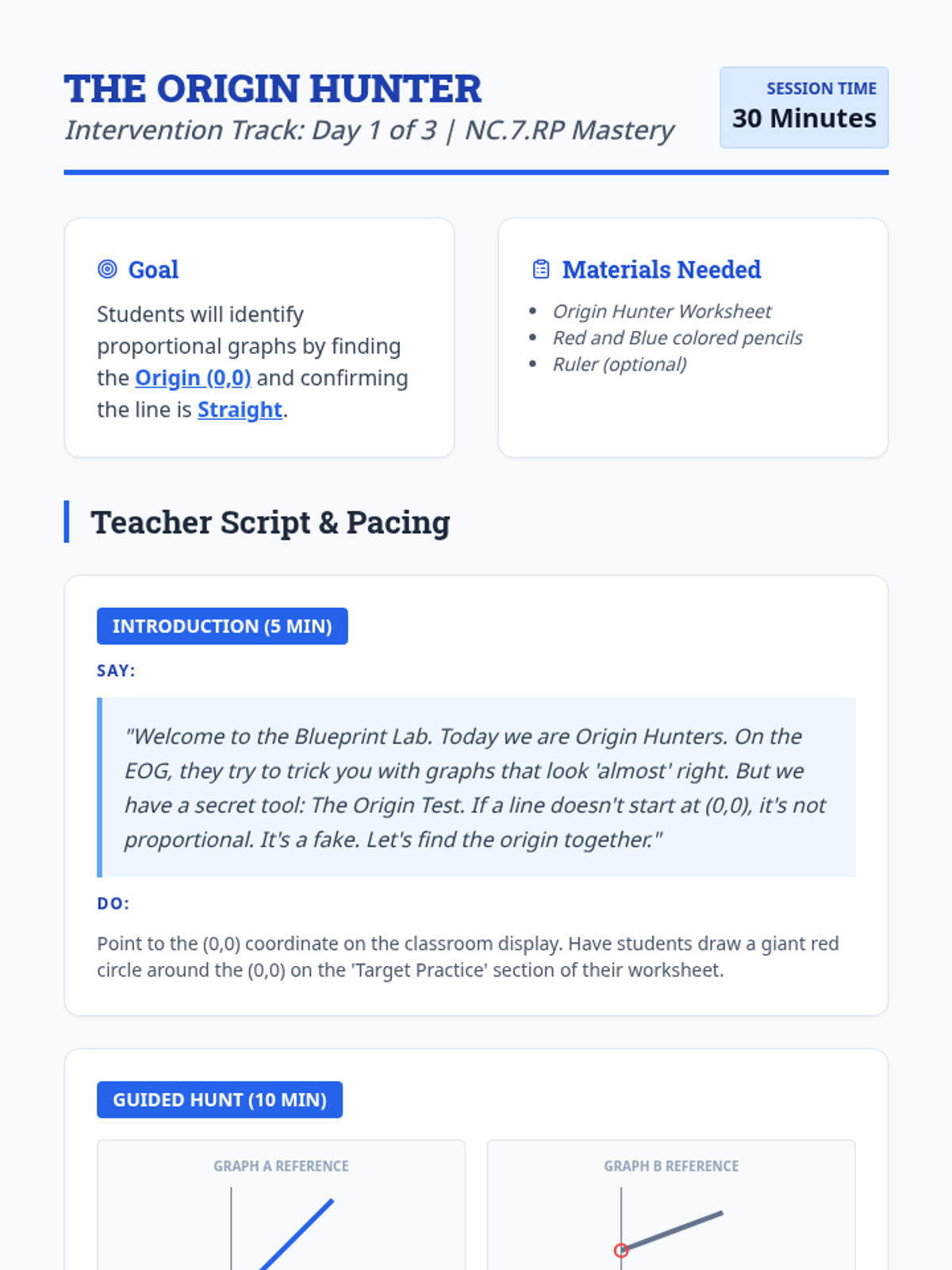
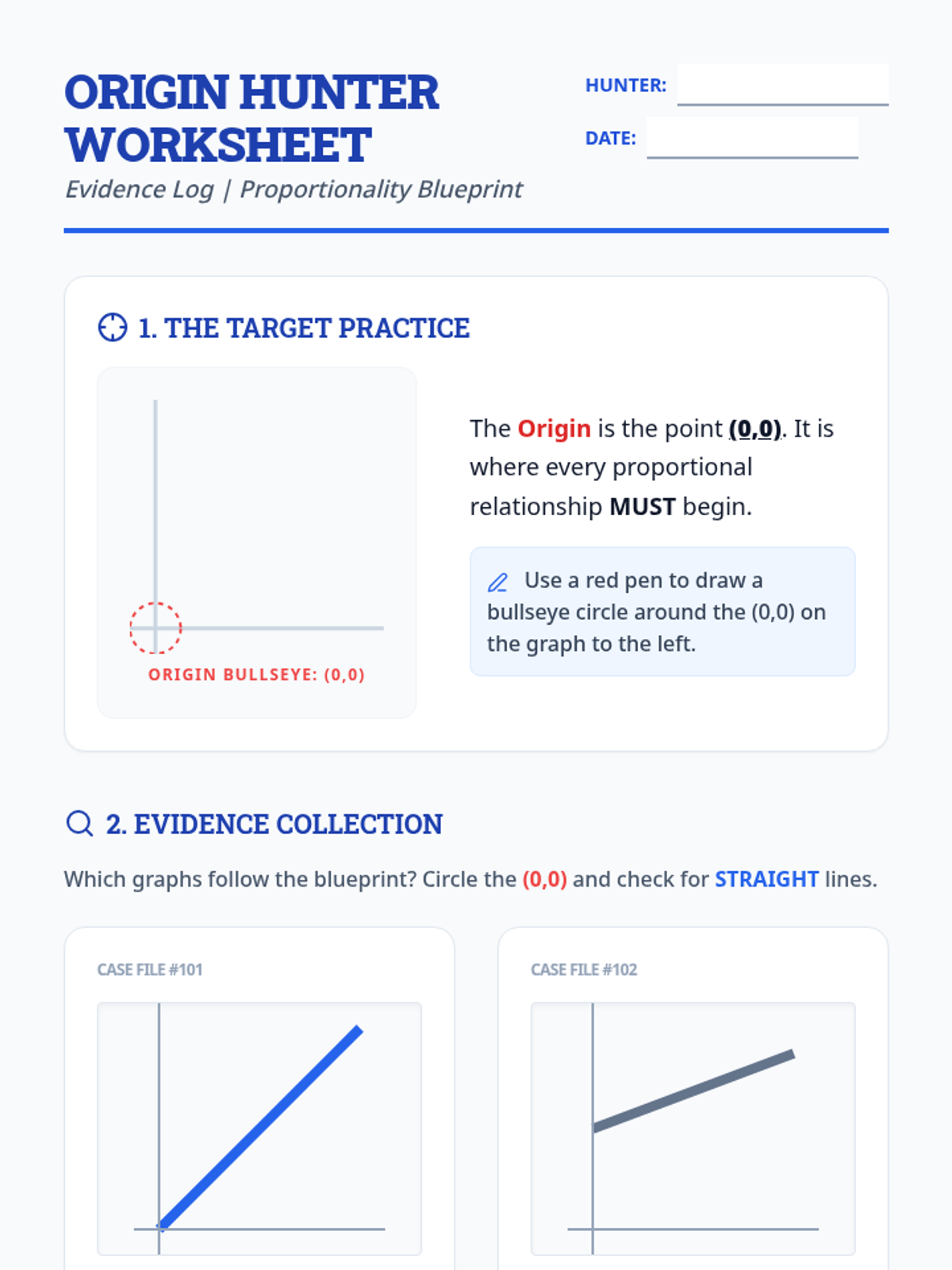
Day 1 of the intervention focusing on the visual 'Origin Test'. Students learn to identify proportional relationships on a graph by checking for a straight line and the (0,0) coordinate.
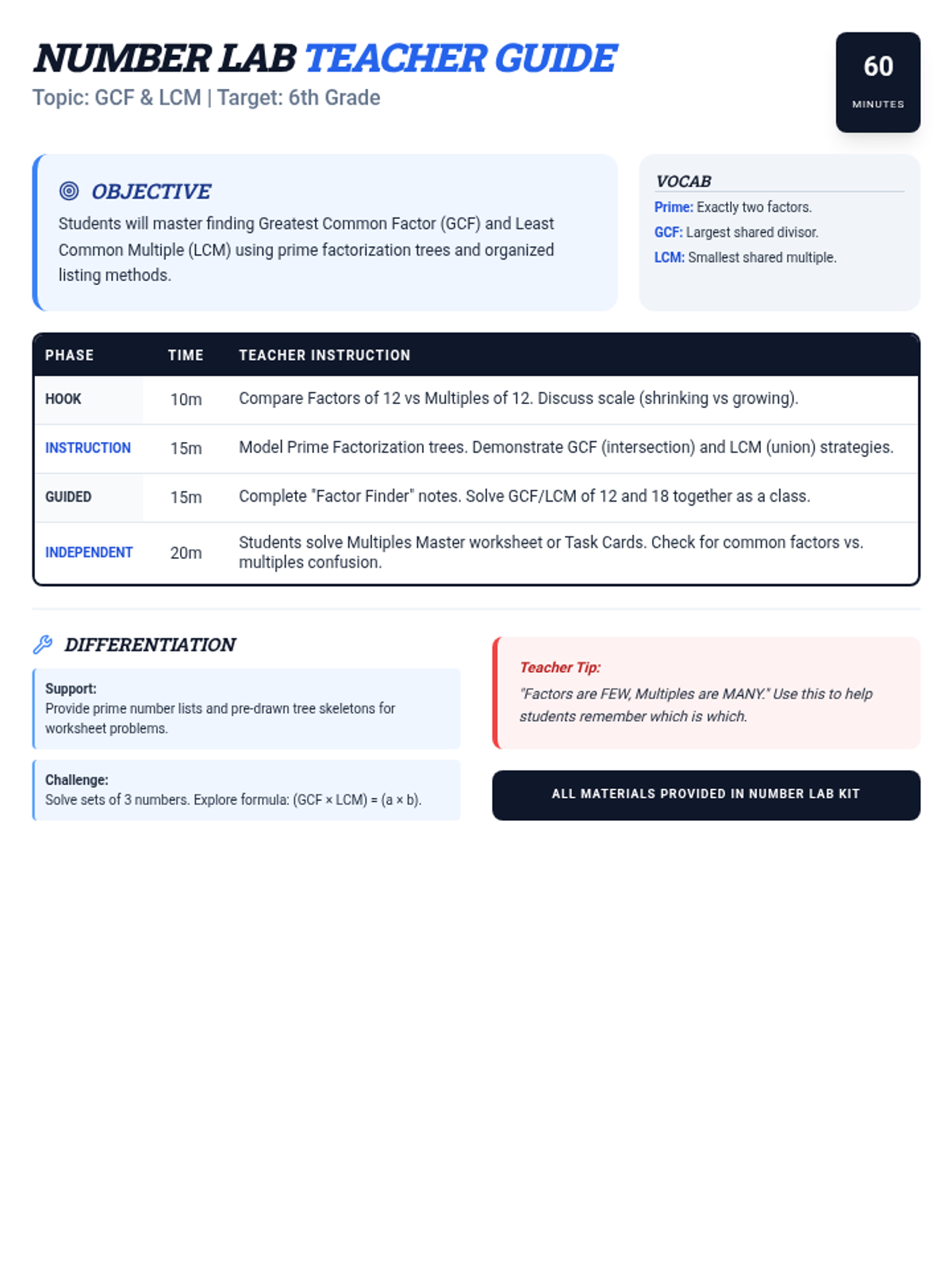
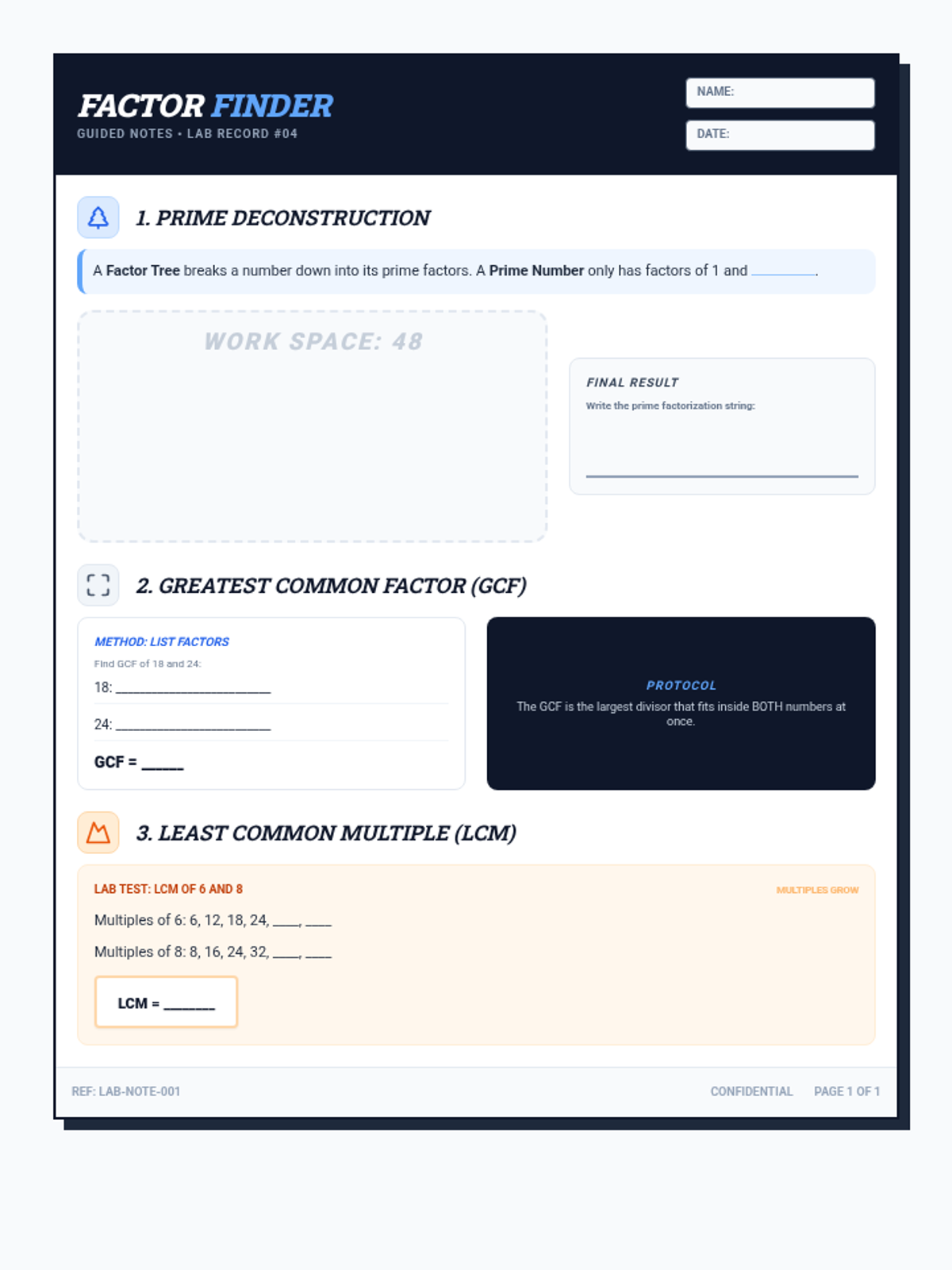
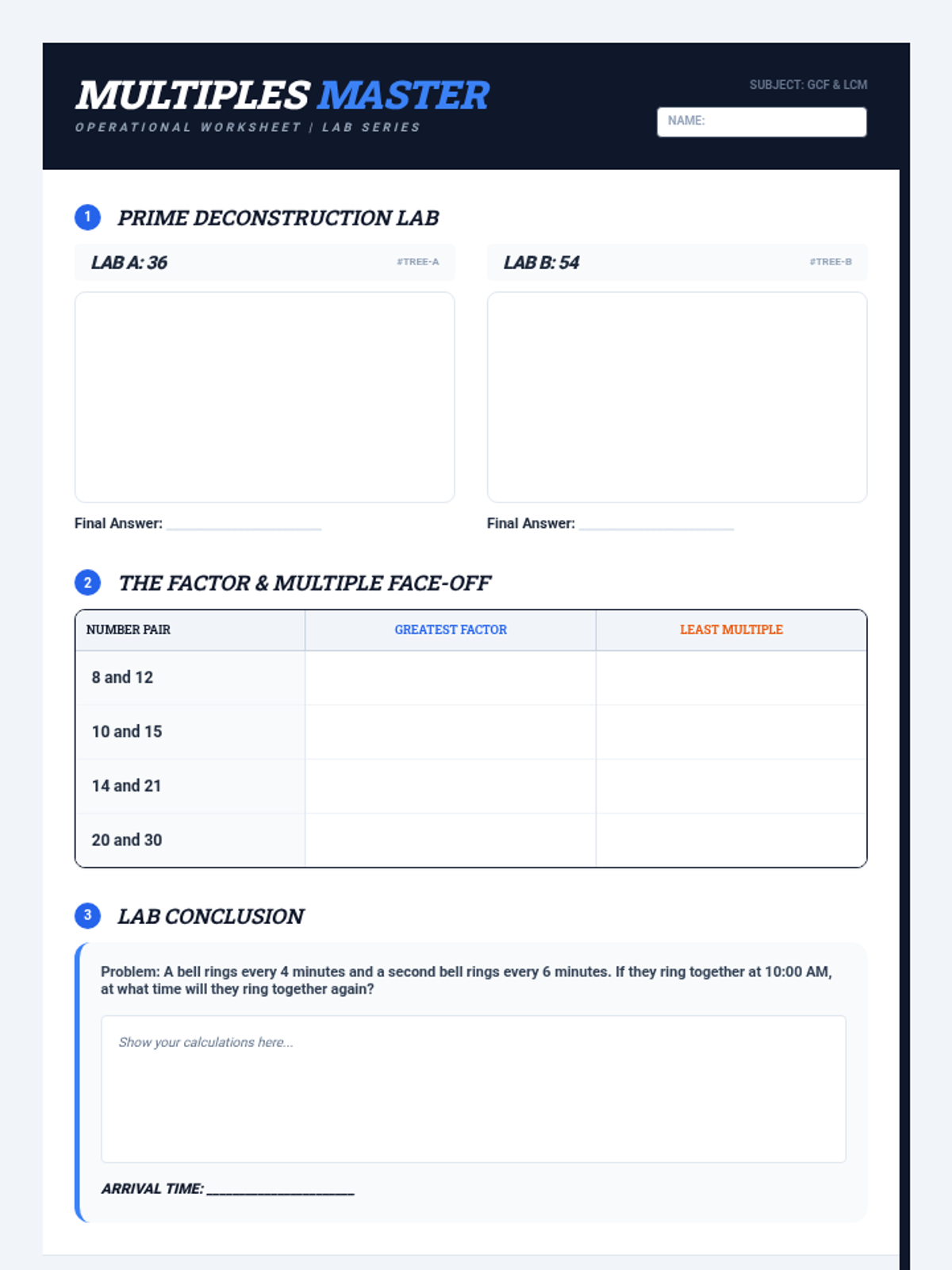
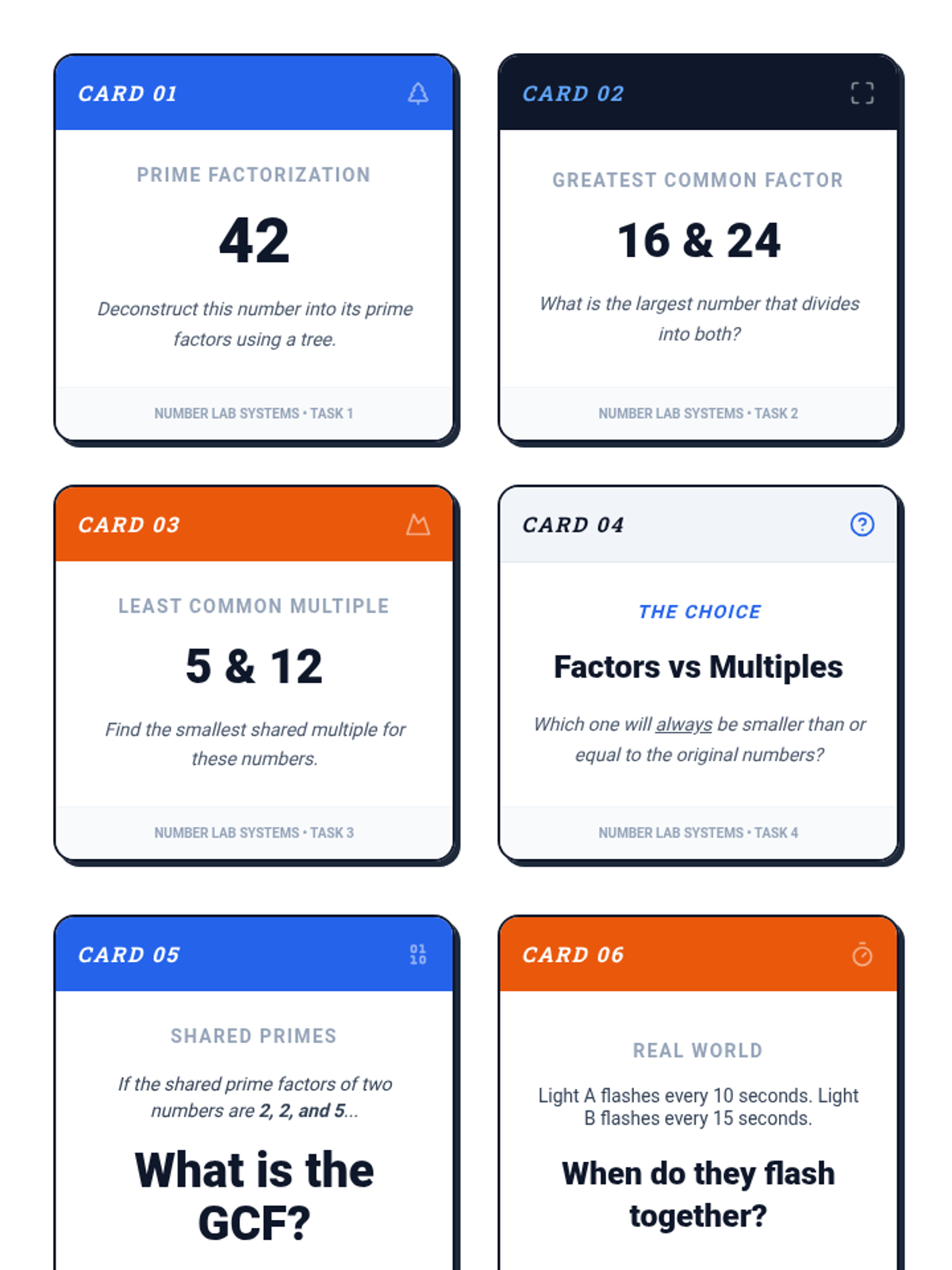
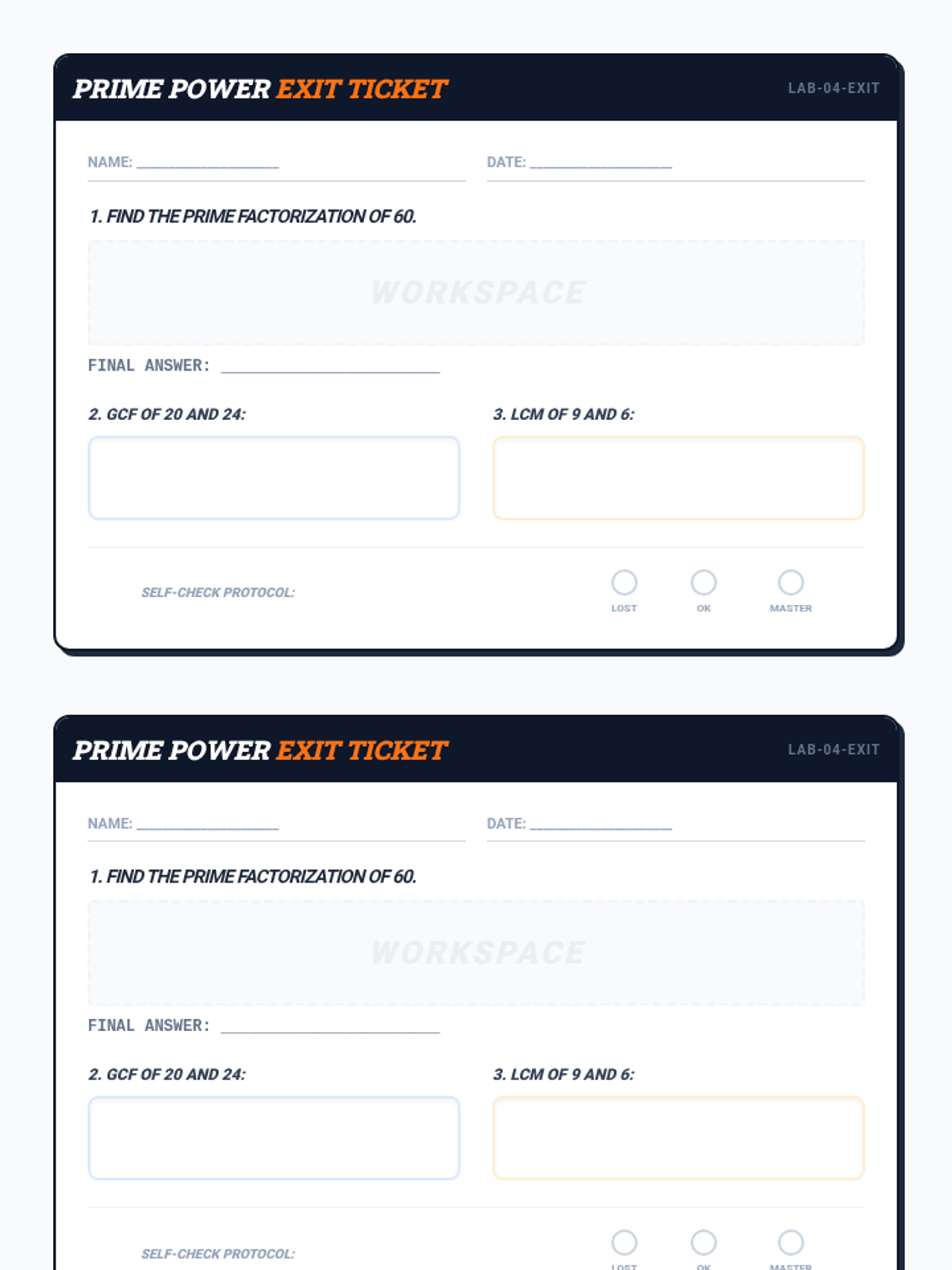
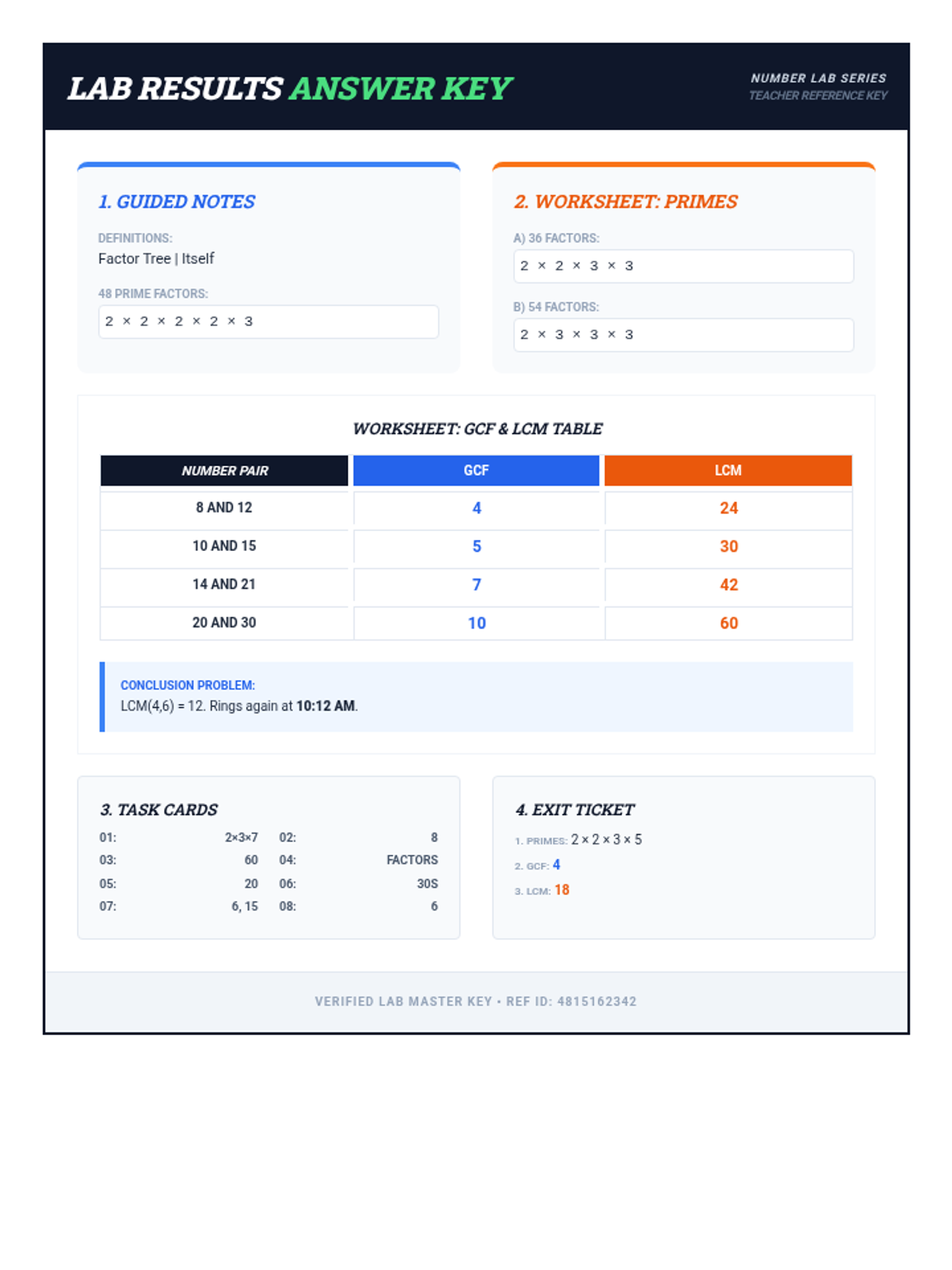
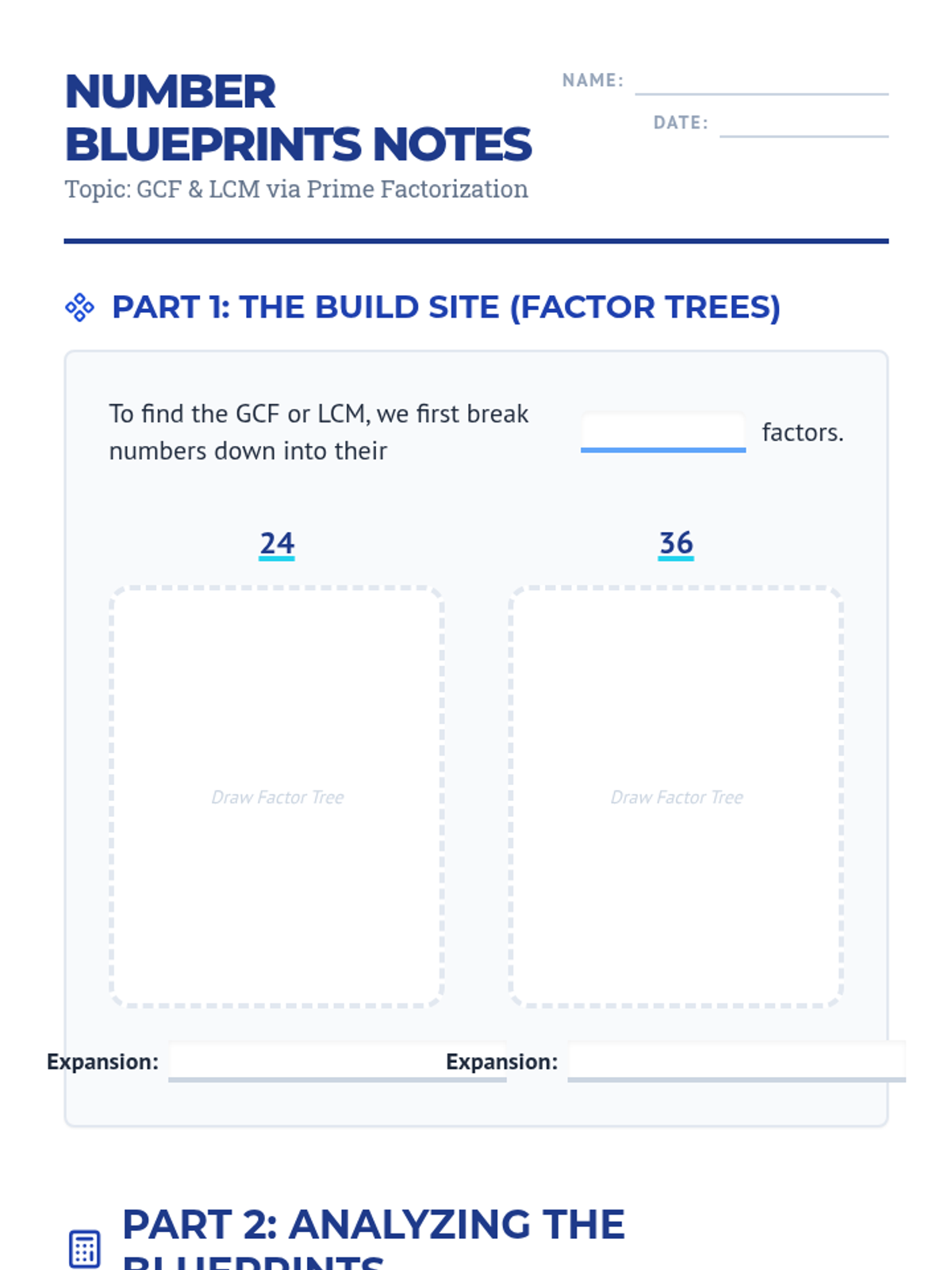
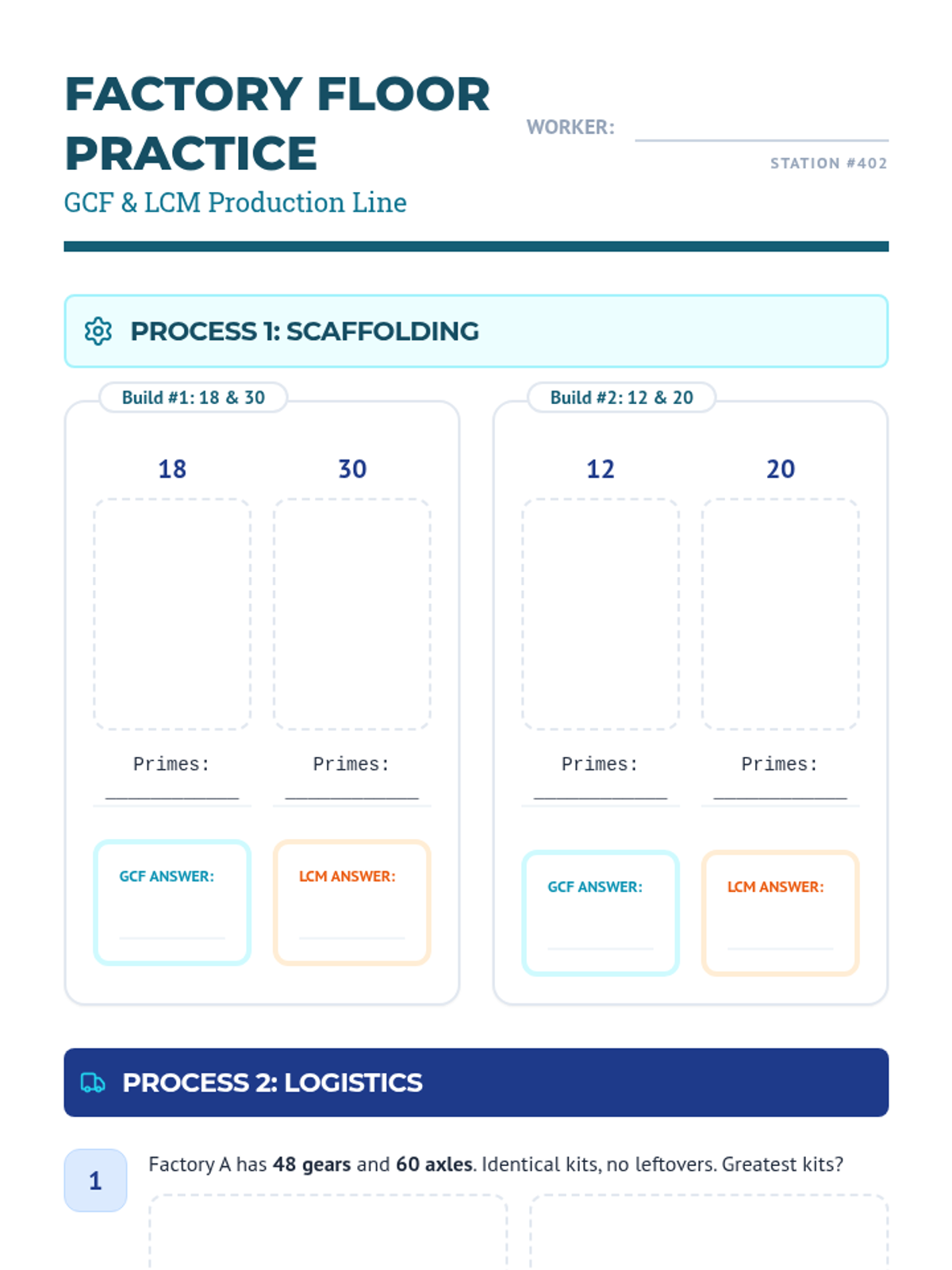
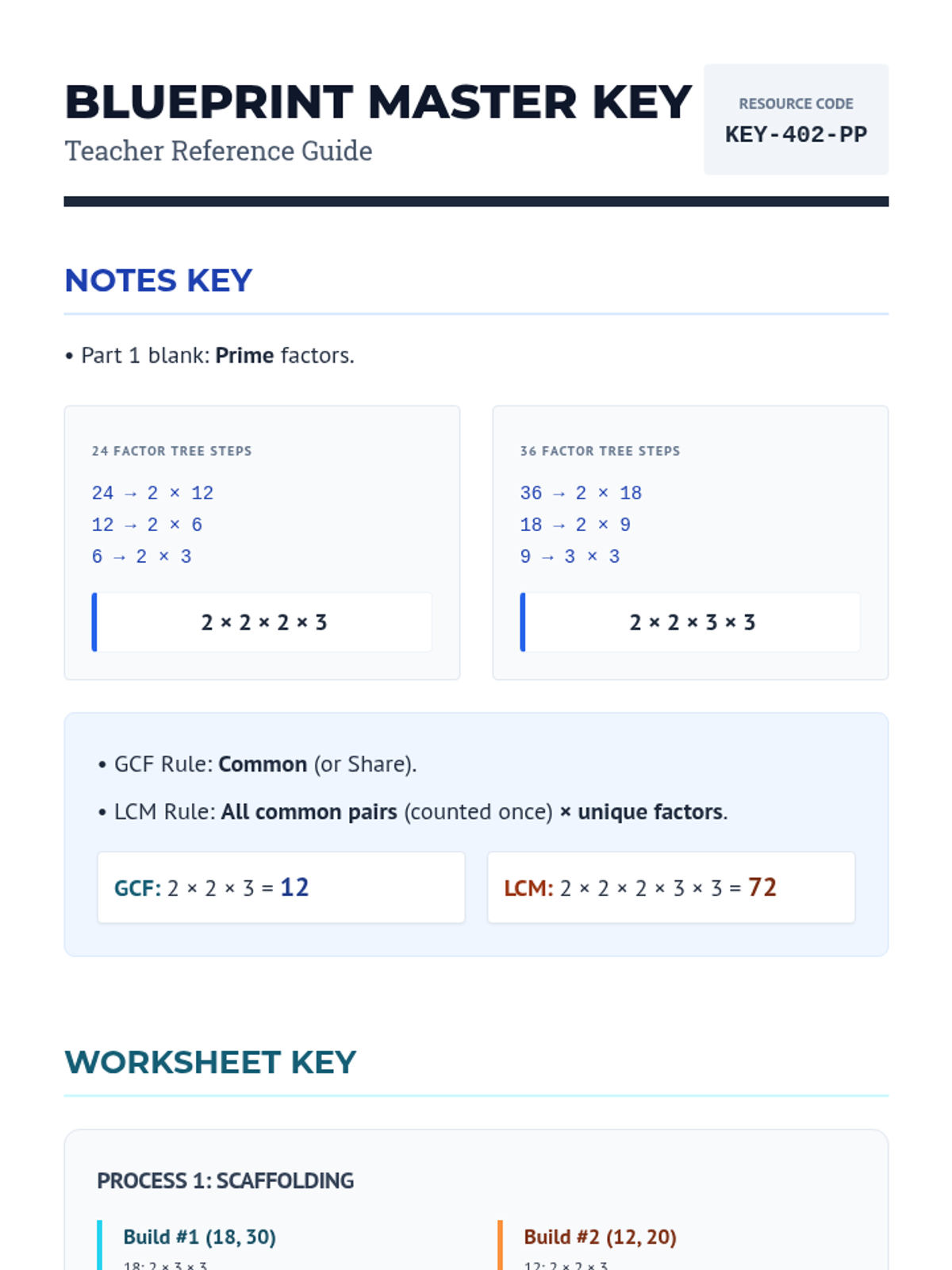
A comprehensive lesson on finding GCF and LCM using factor trees and lists, set in a 'Number Lab' technical theme. Students will master prime factorization and apply it to find common factors and multiples.
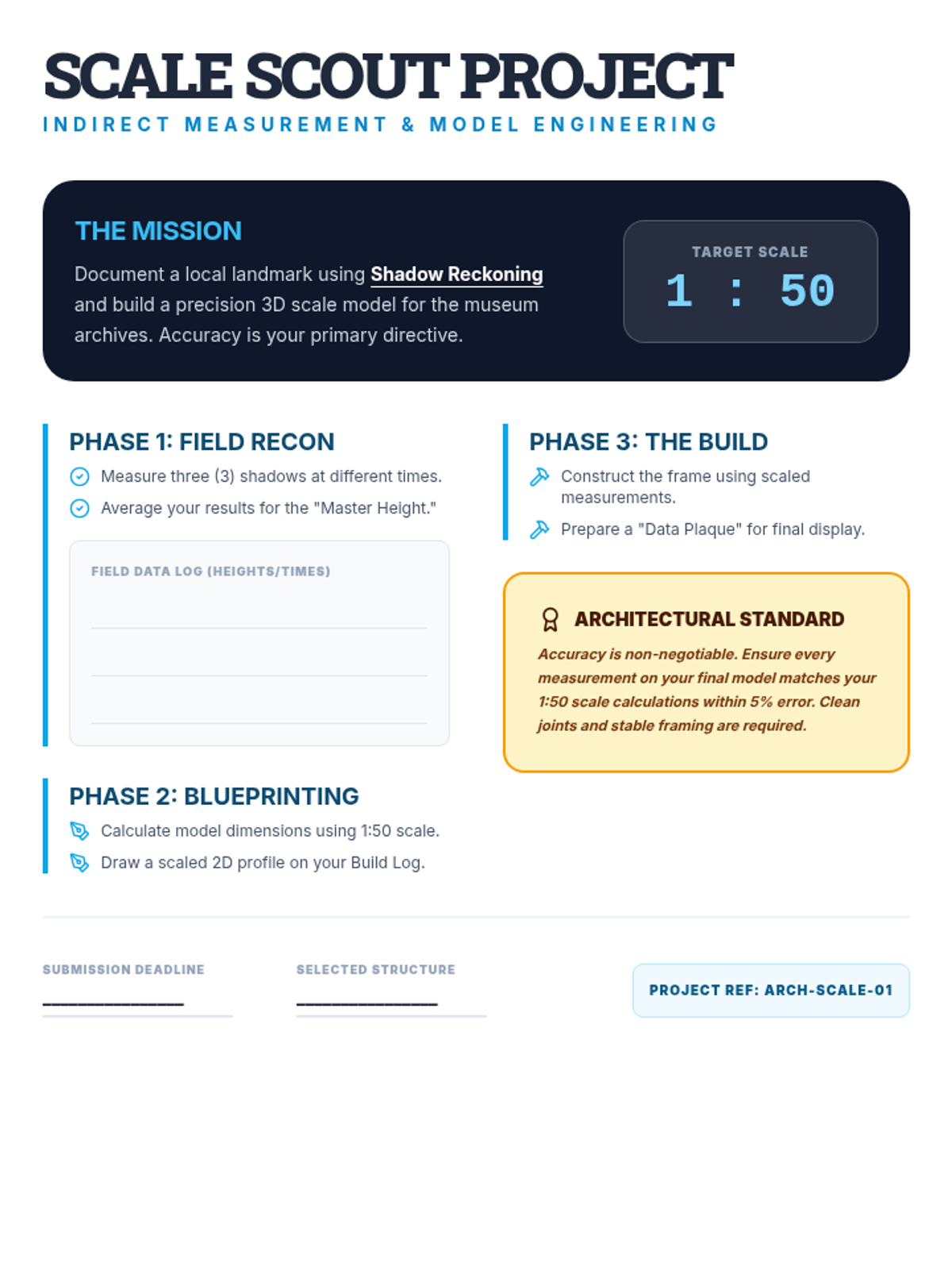
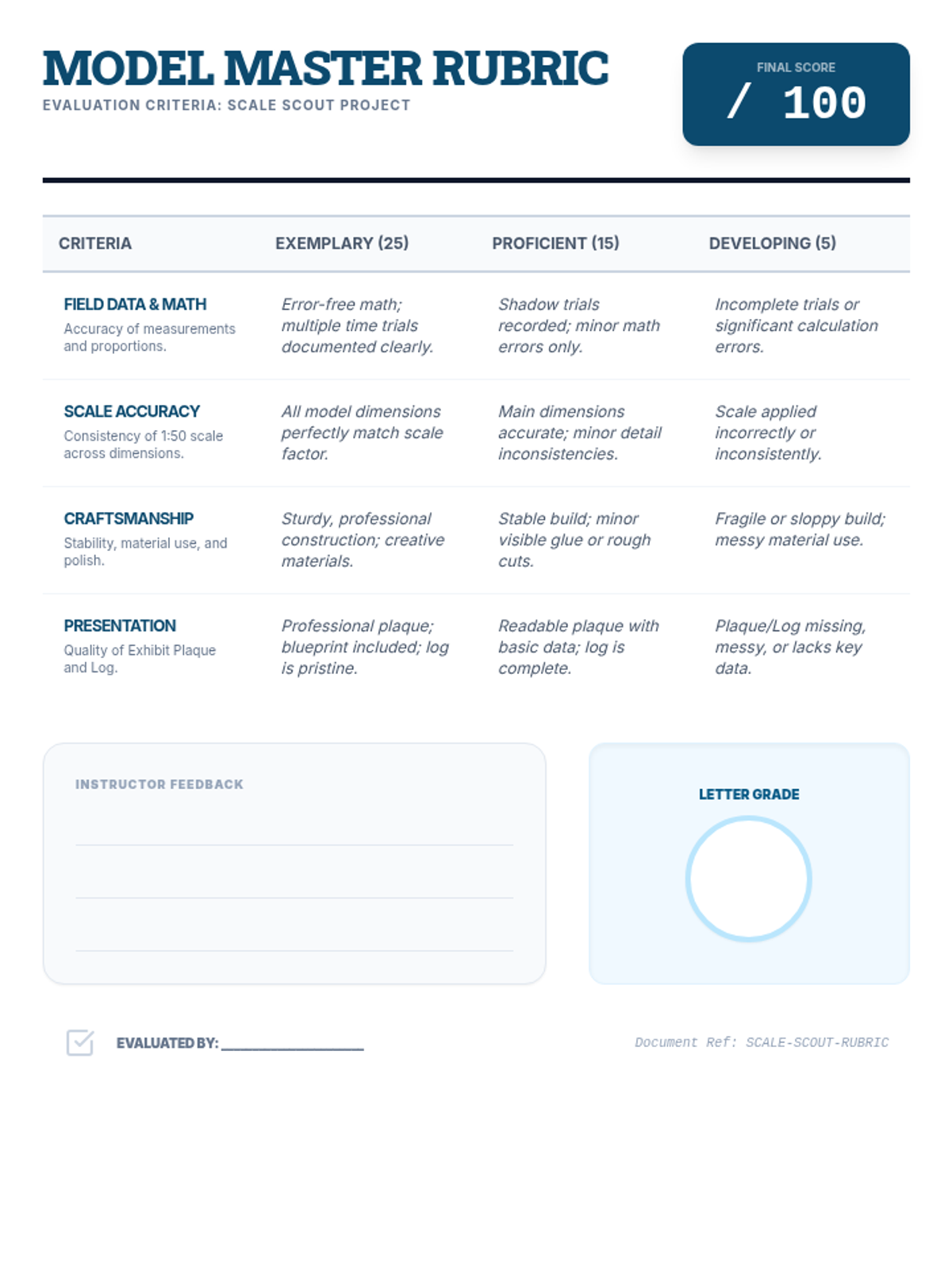
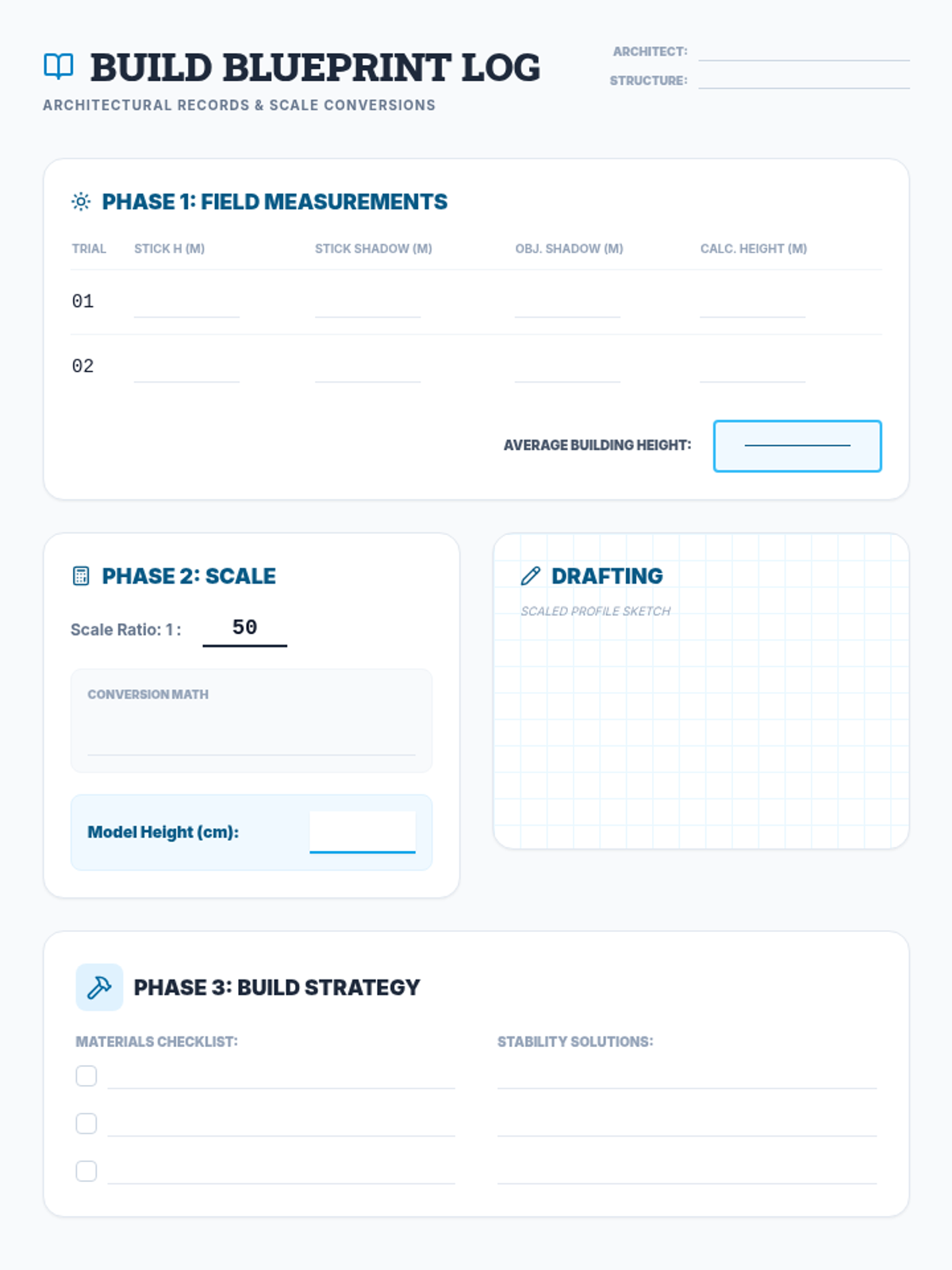
Students apply their indirect measurement skills to a real-world object, calculate scale factors, and construct a precision scale model of their chosen structure.
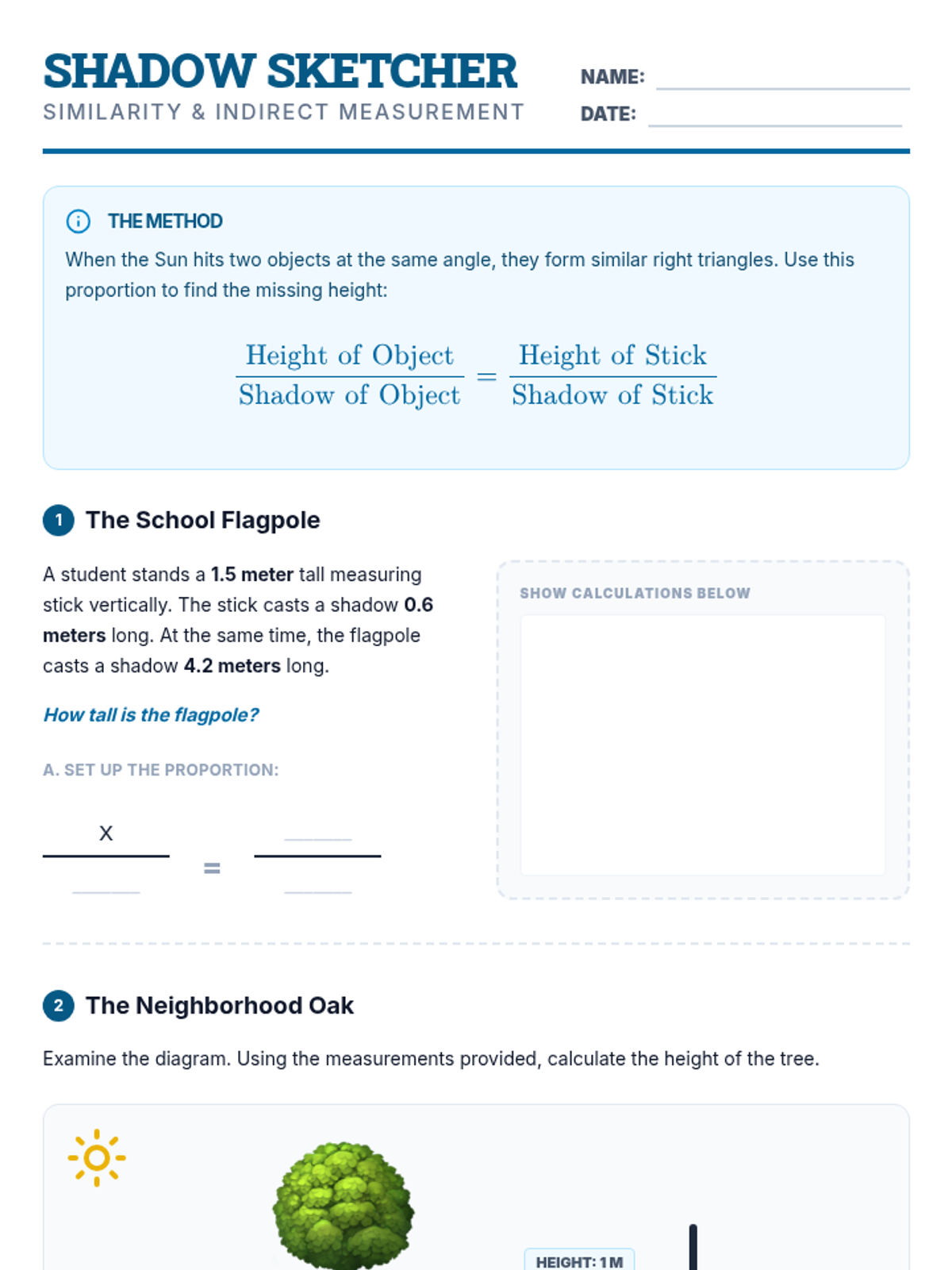
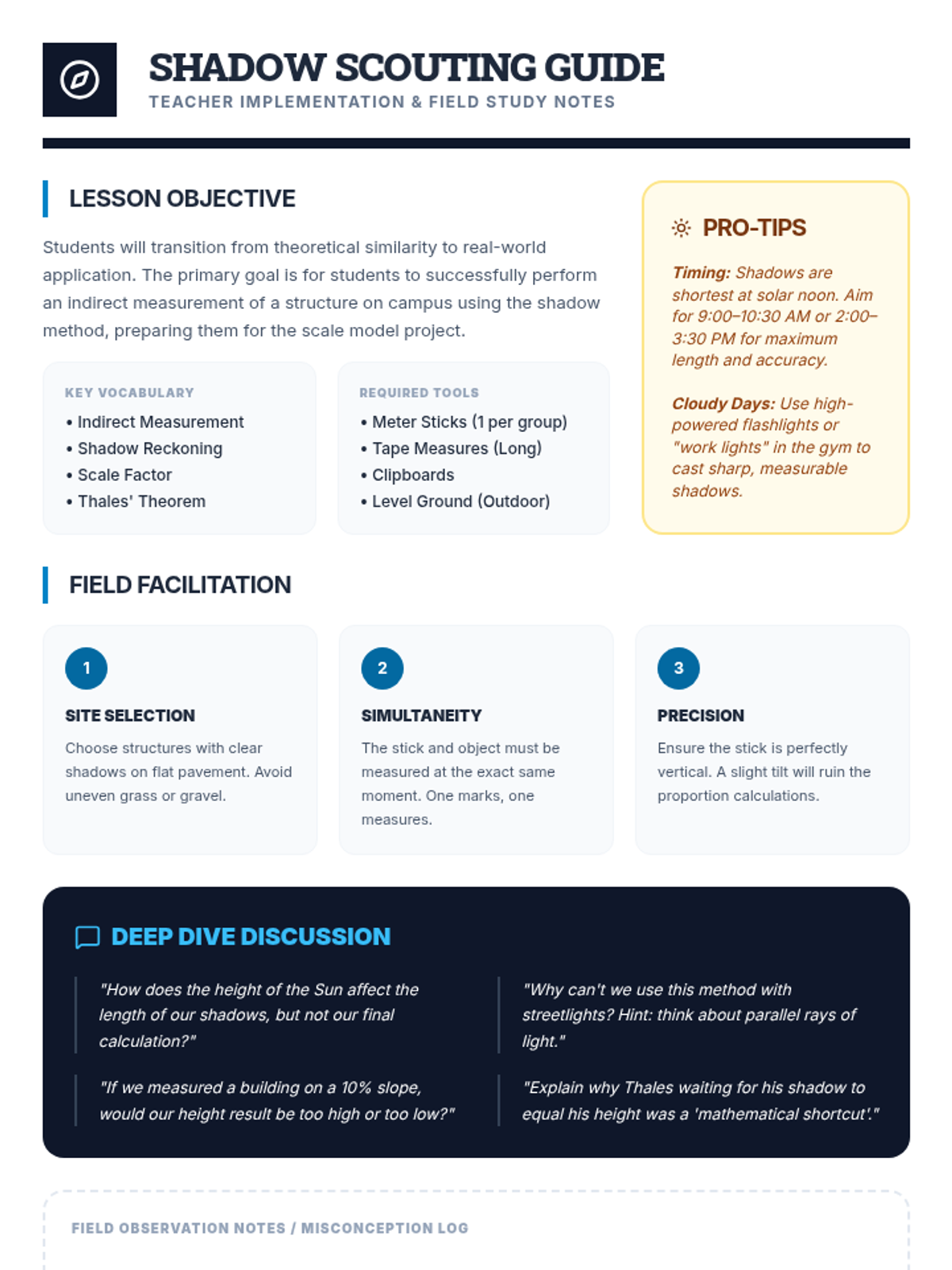
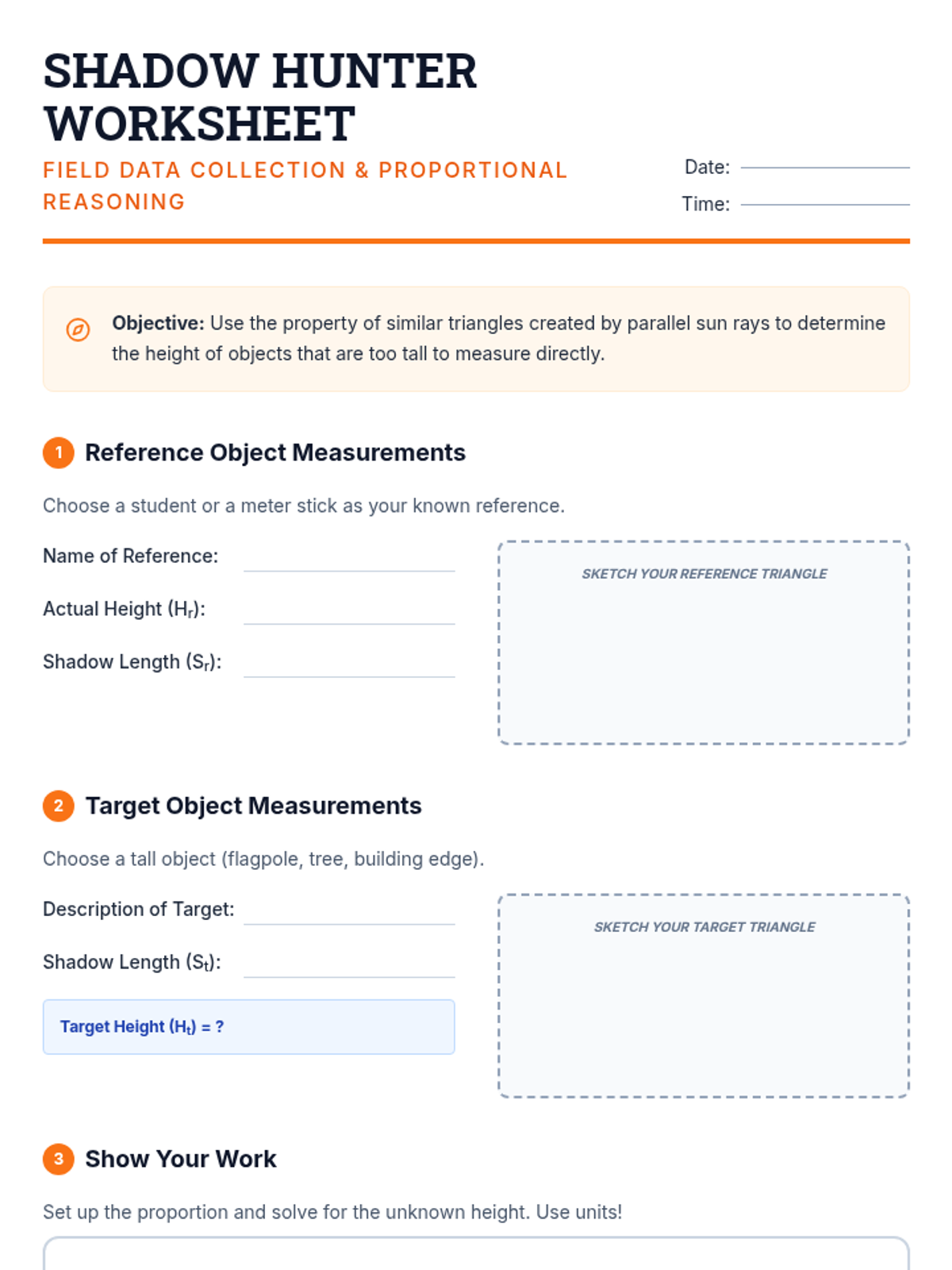
Students learn the mathematical principles of similarity and the shadow method for indirect measurement through guided practice and outdoor exploration.
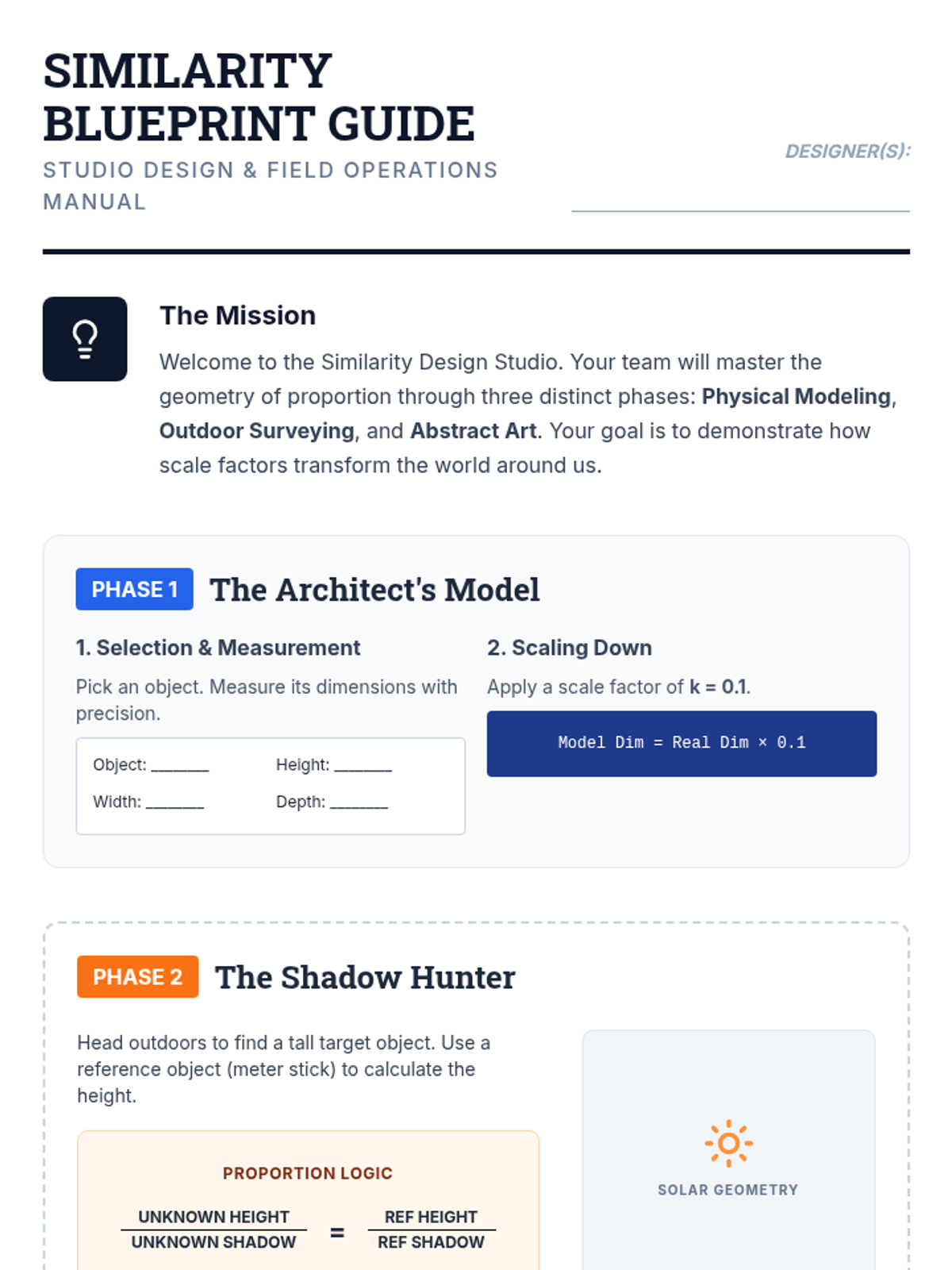
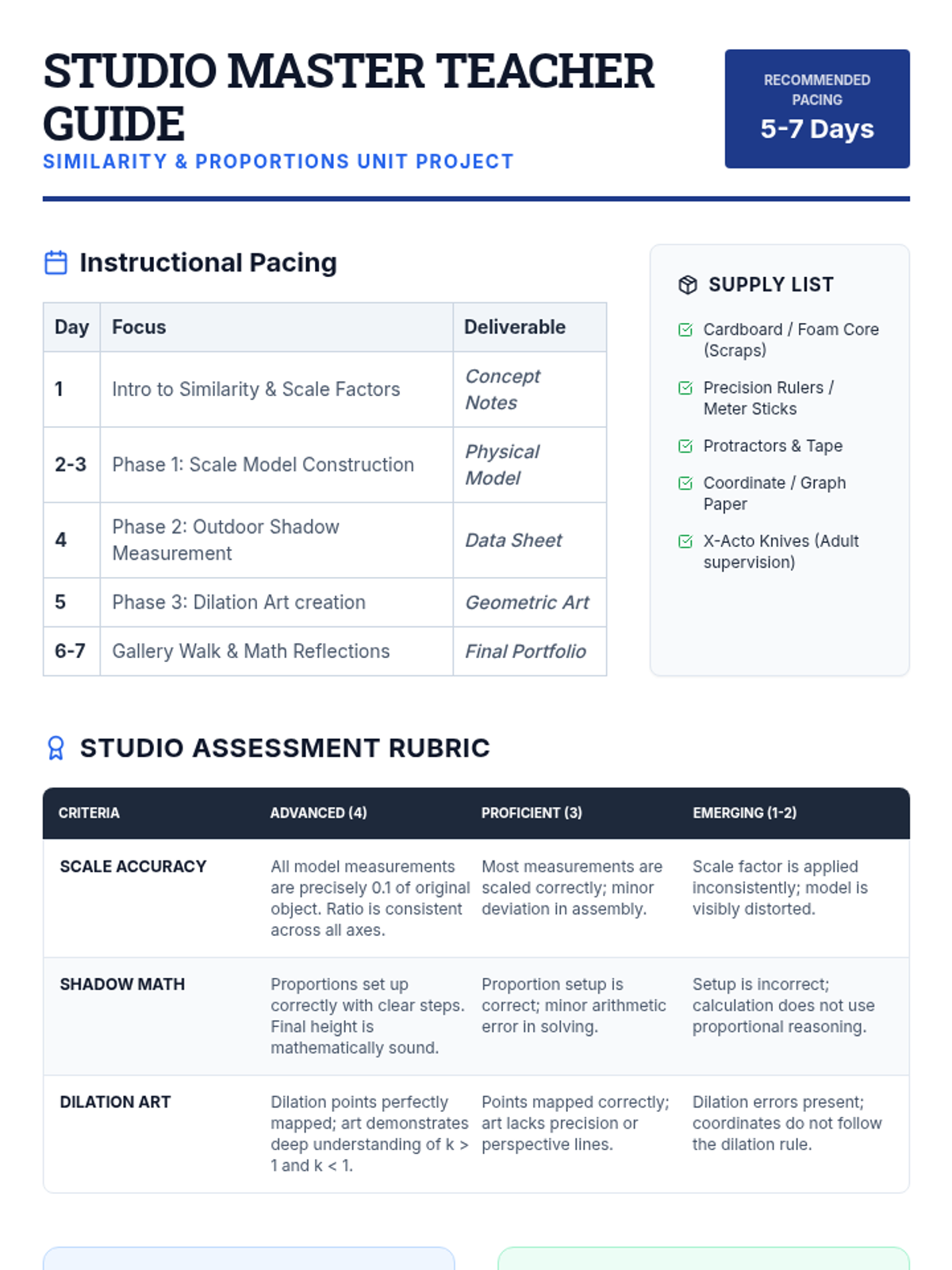
A comprehensive geometry project where students explore similarity through scale modeling, outdoor shadow measurement, and artistic dilations. This lesson integrates hands-on construction with real-world mathematical applications.
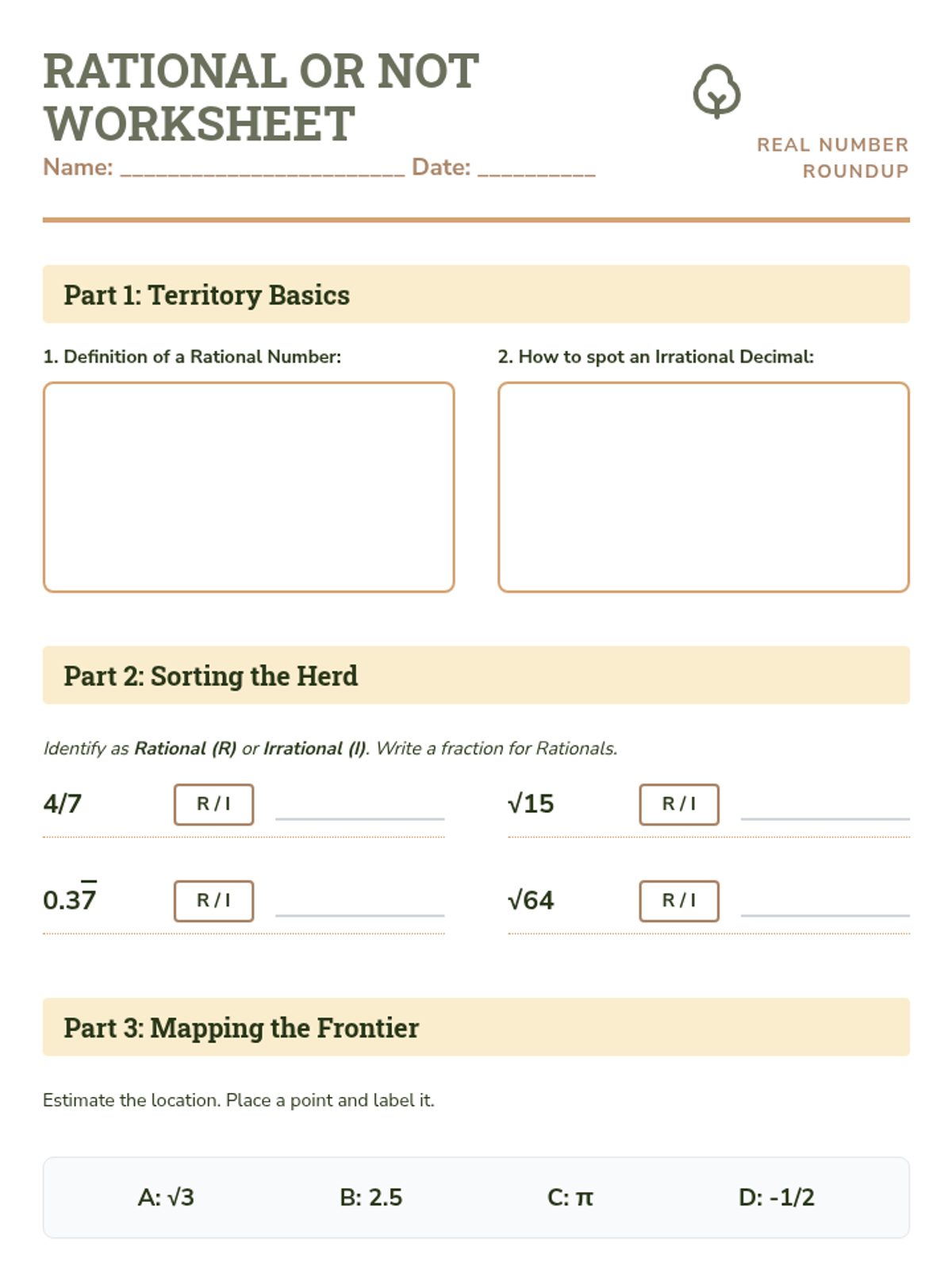
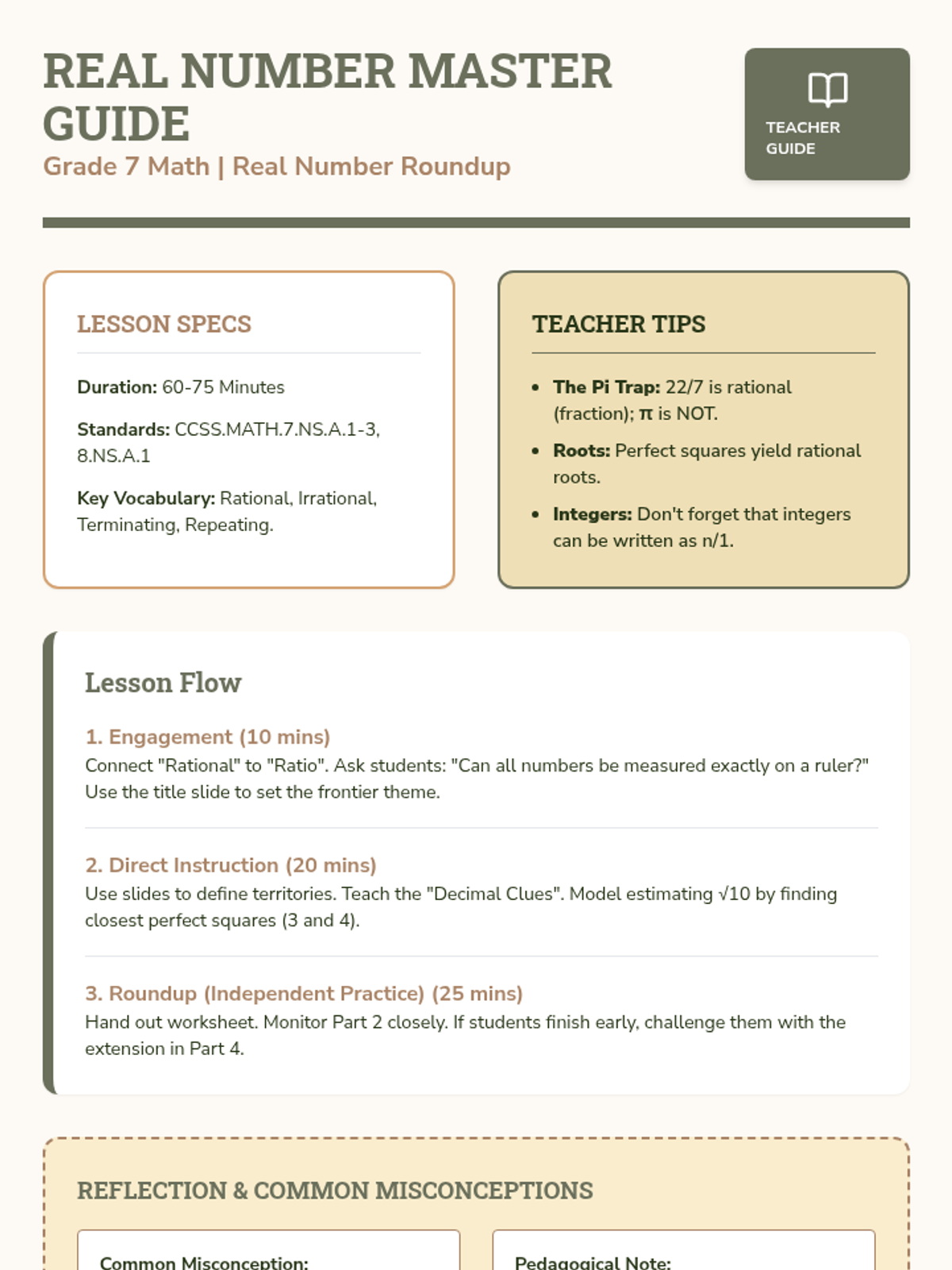
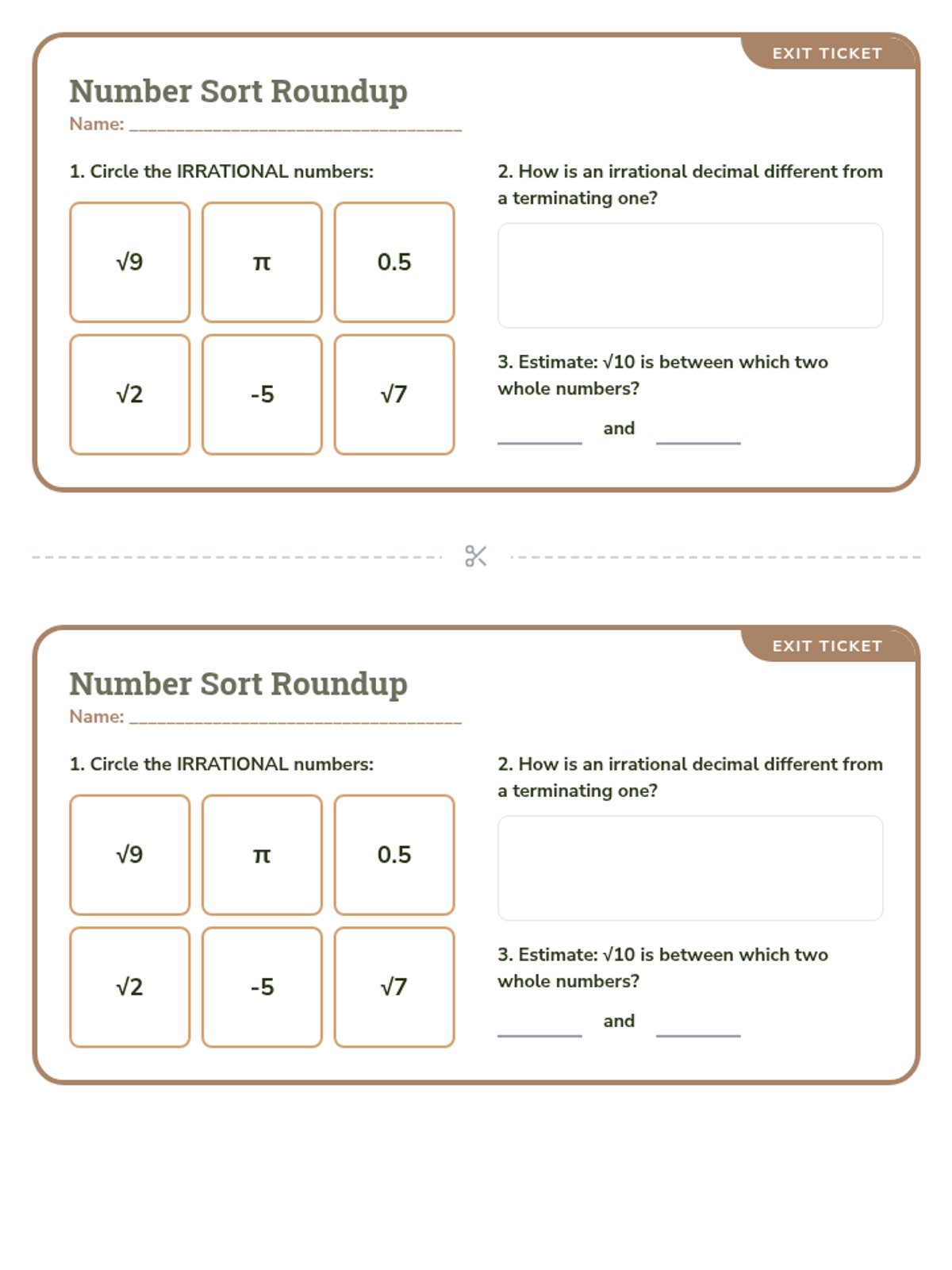
A comprehensive introduction to the Real Number System, focusing on distinguishing between rational and irrational numbers through the lens of a Western frontier theme. Students will learn to categorize numbers, understand decimal expansions, and locate values on a number line.
A lesson focused on finding the Greatest Common Factor (GCF) and Least Common Multiple (LCM) using the prime factorization method. Students will use factor trees to decompose numbers and apply these concepts to solve real-world problems.
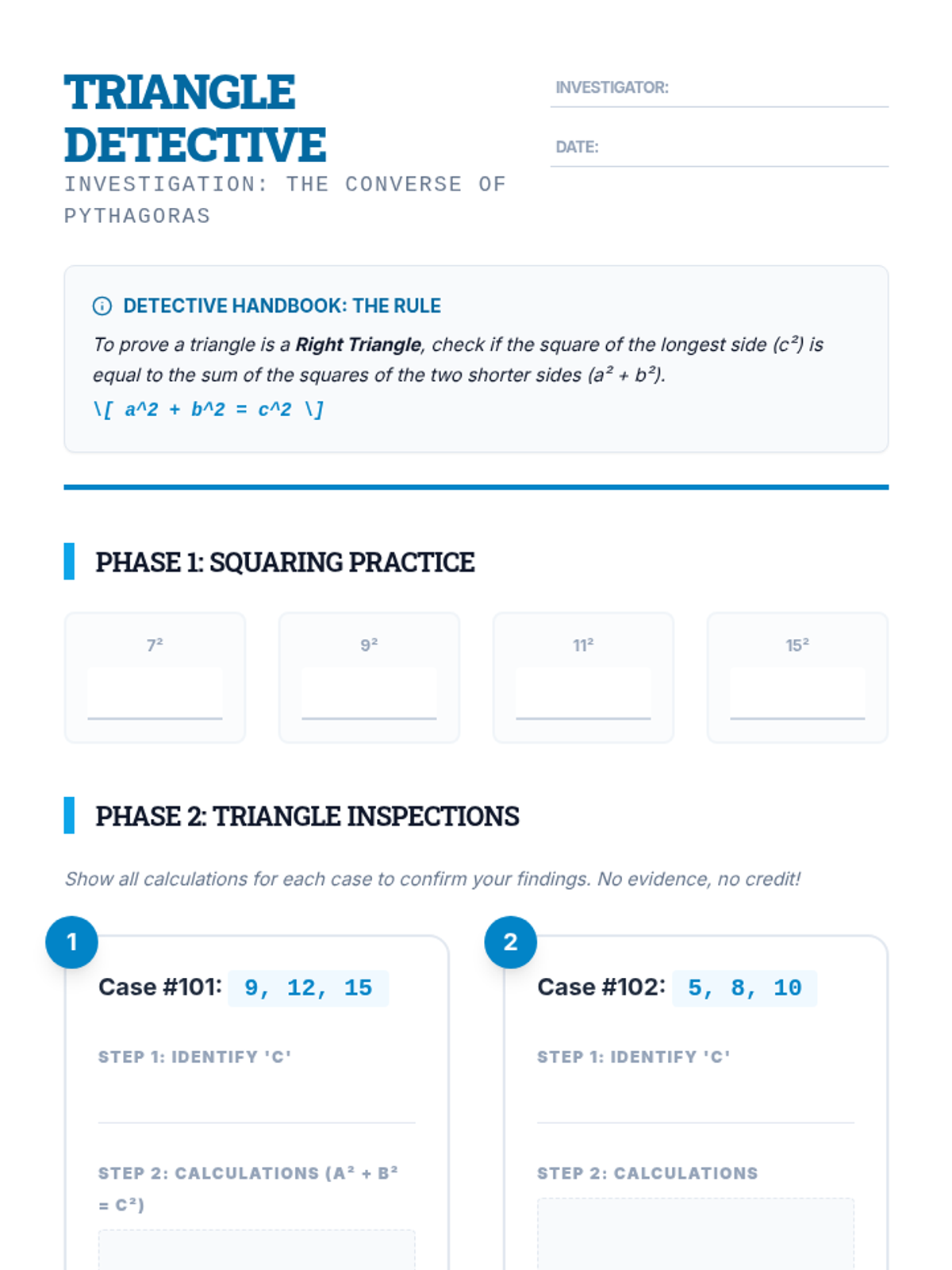
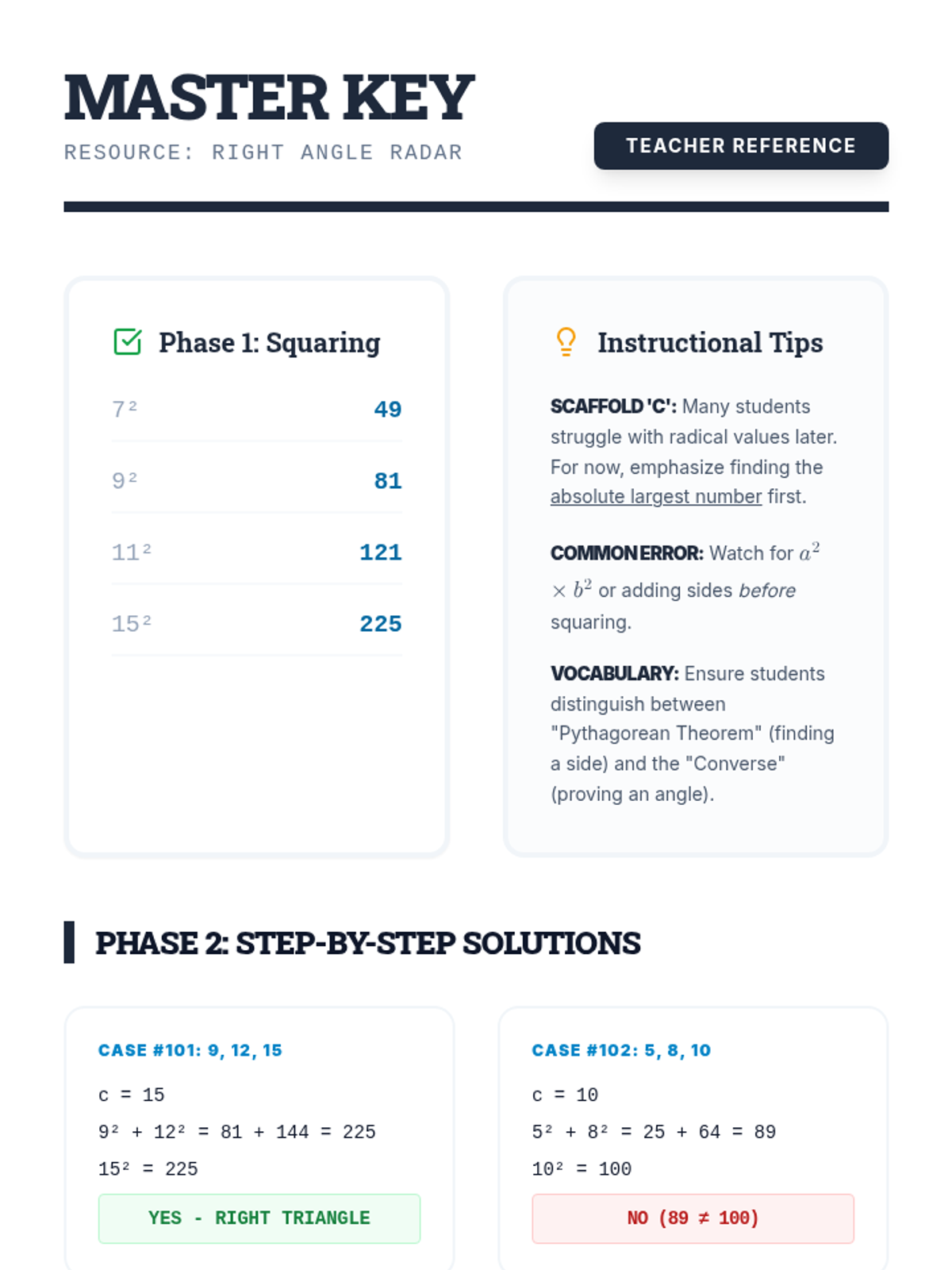
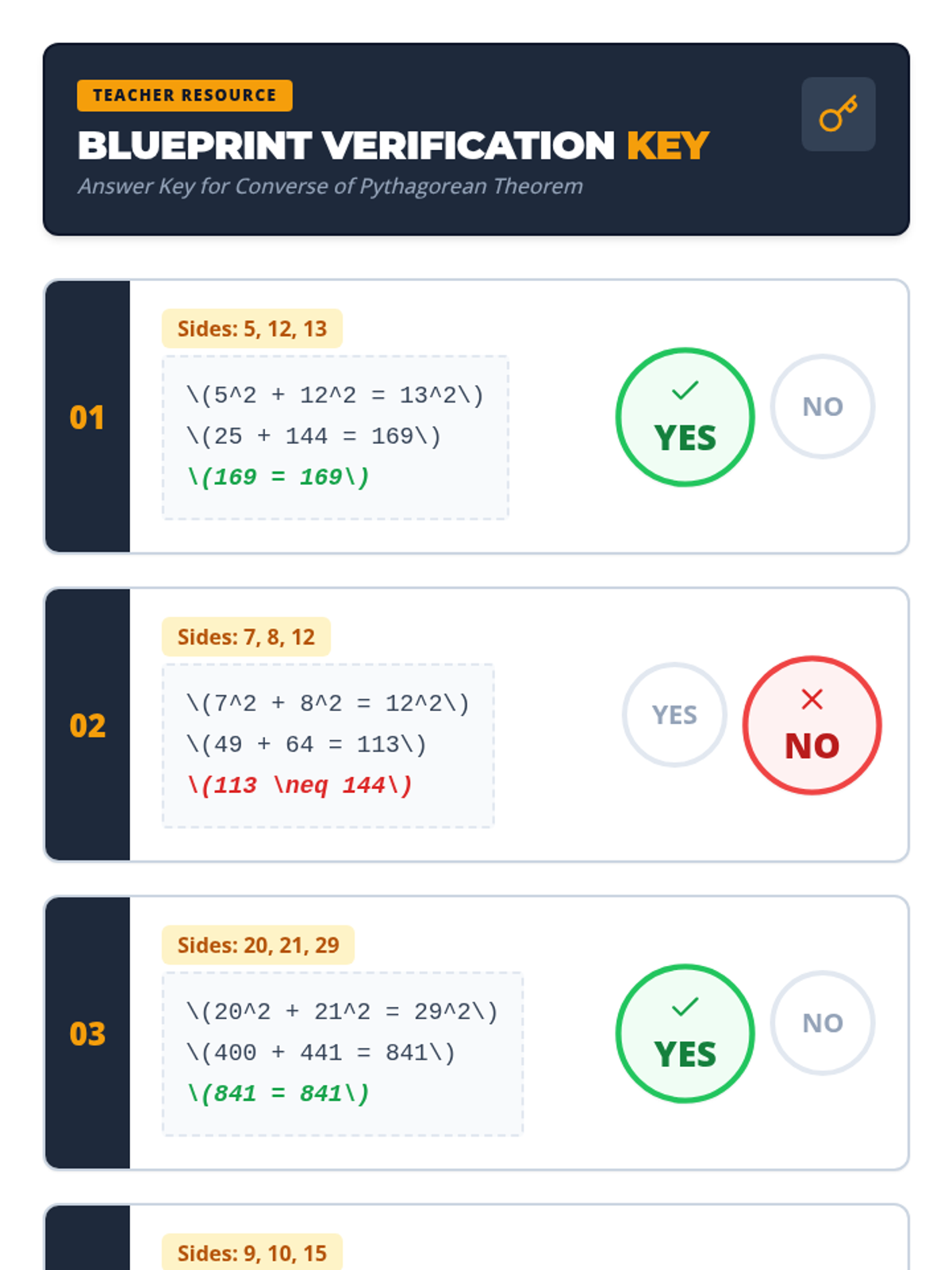
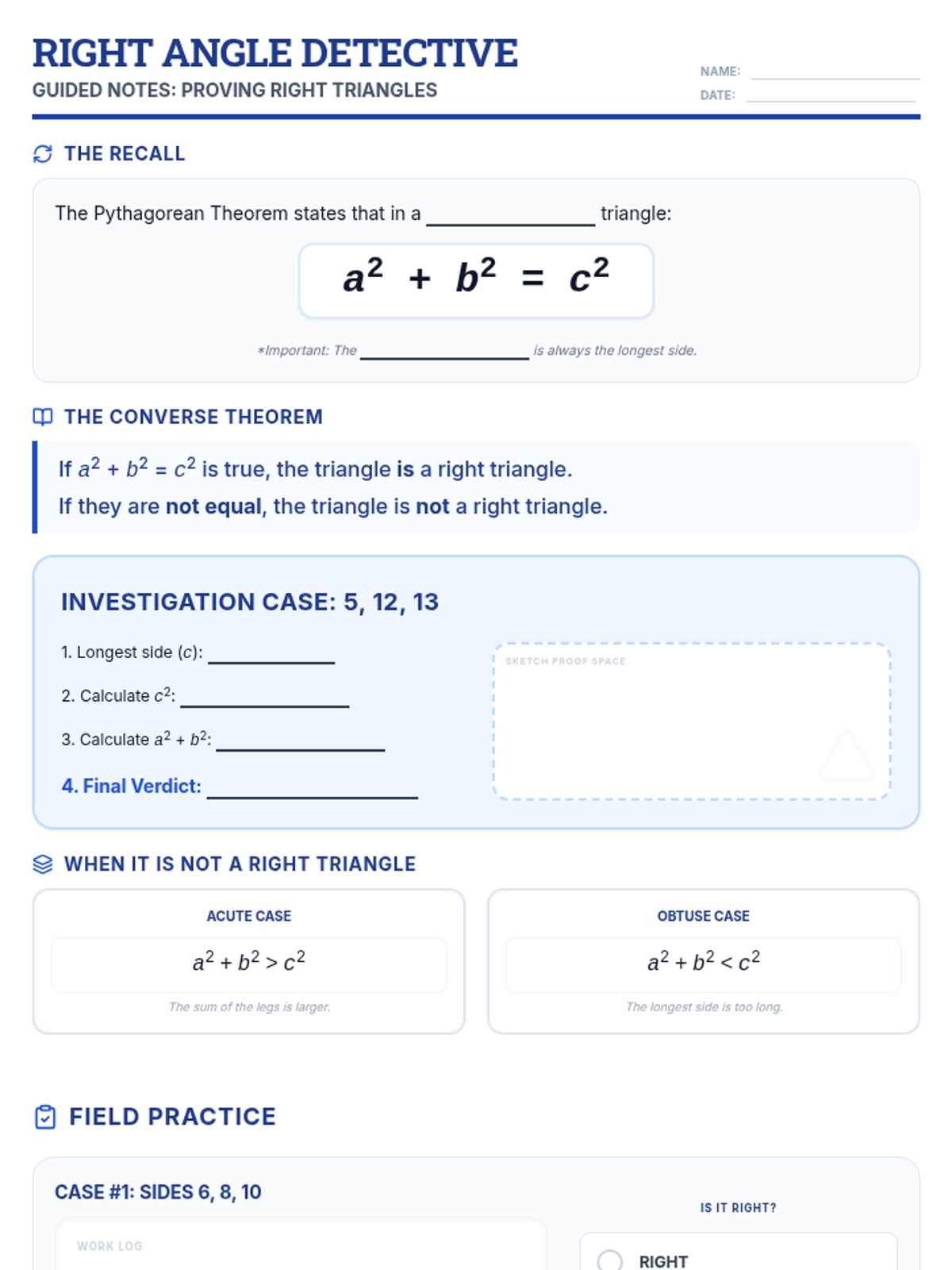
This lesson introduces students to the converse of the Pythagorean Theorem, empowering them to use mathematical evidence to determine if a triangle contains a perfect right angle.
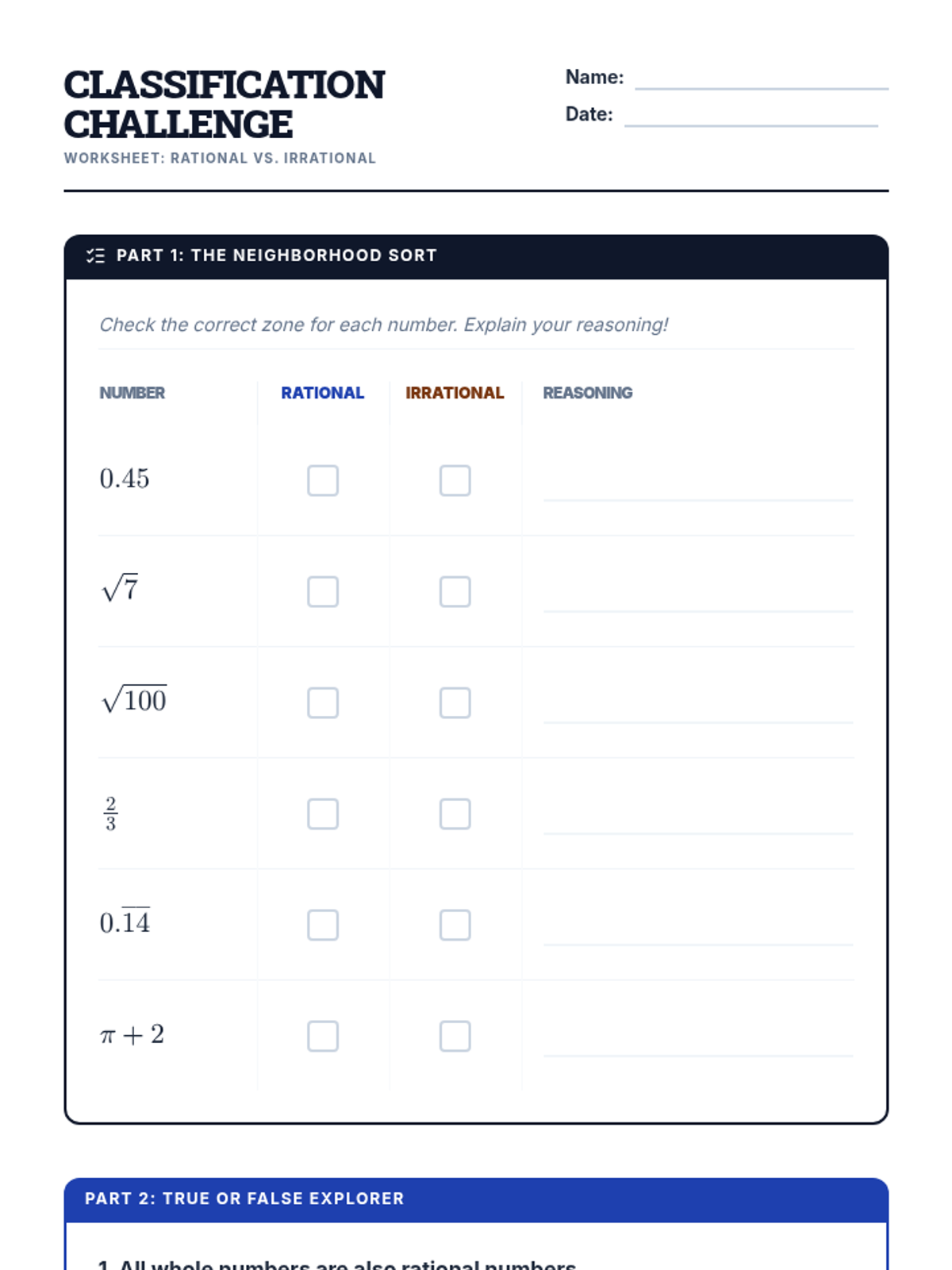
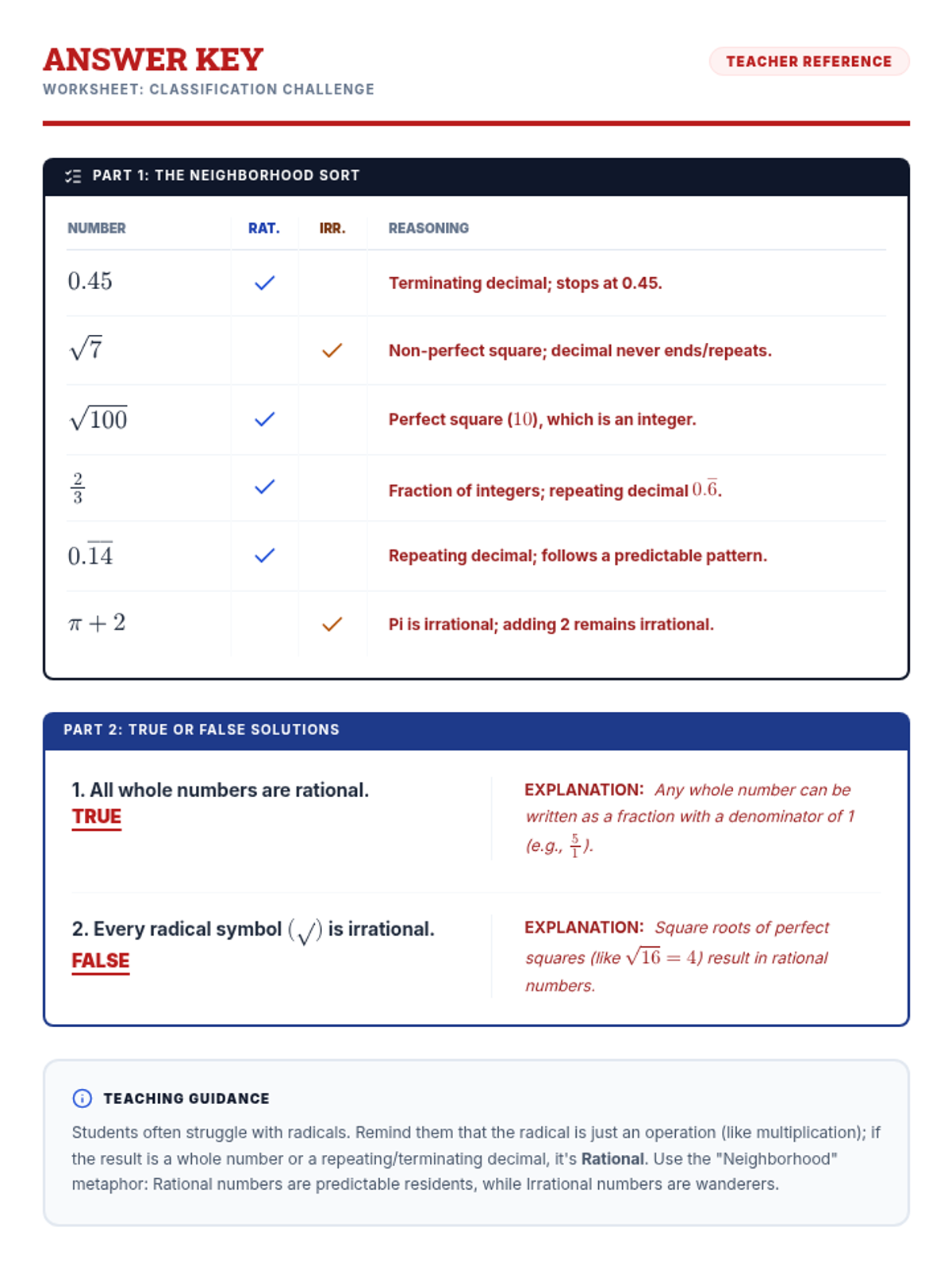
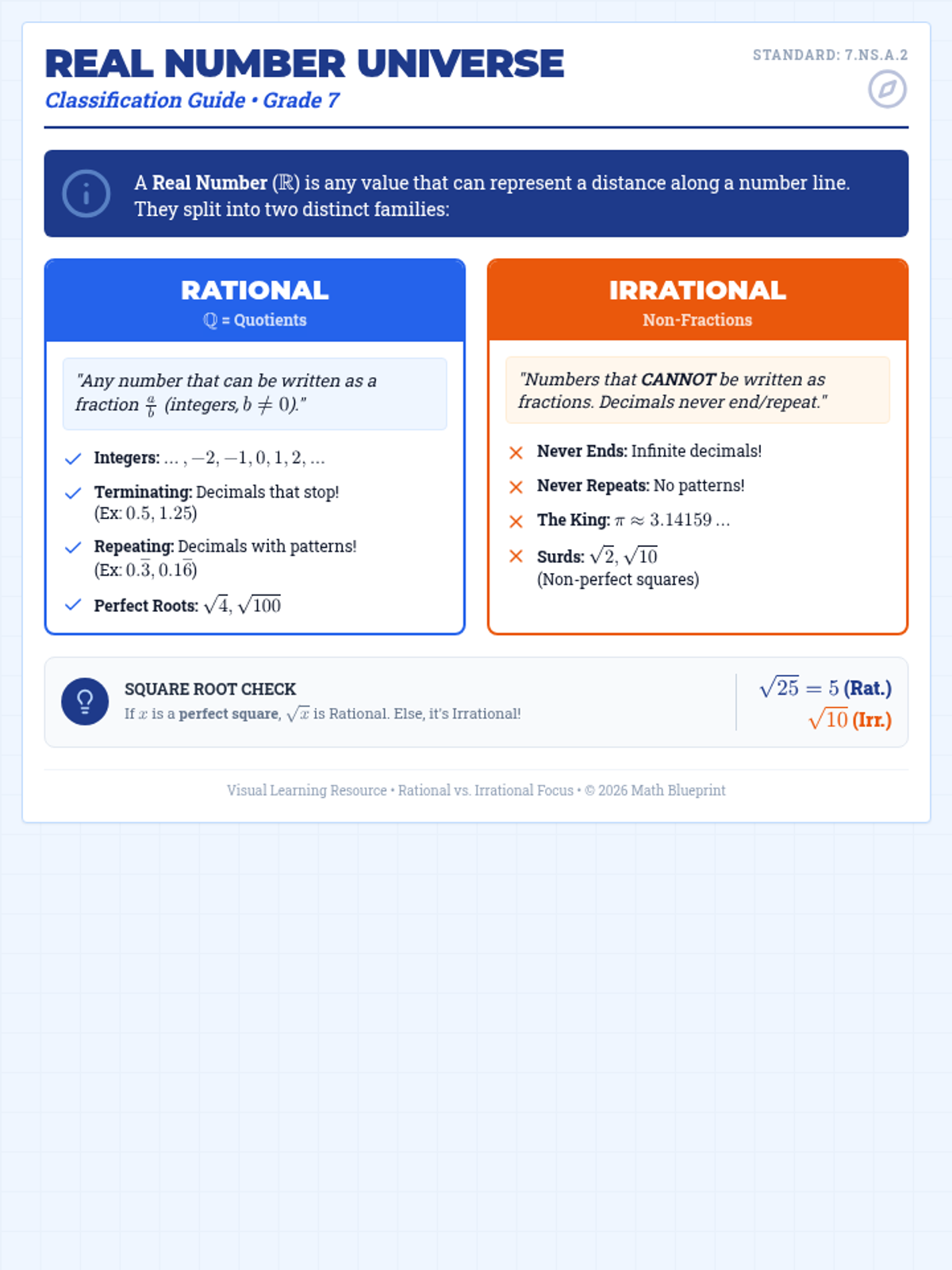
A foundational lesson on classifying real numbers into rational and irrational categories using definitions, visual models, and practice scenarios.
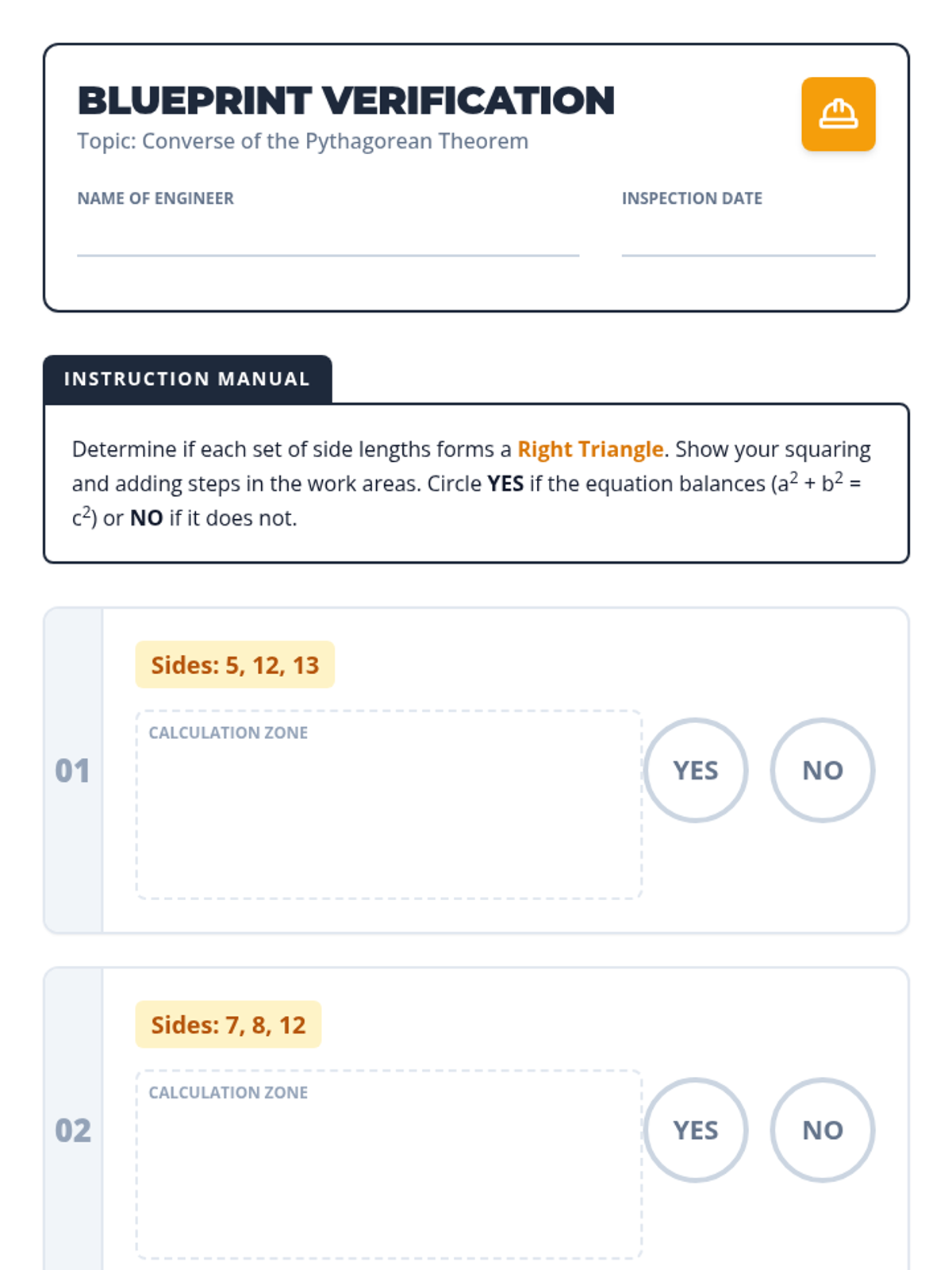
A lesson introducing the Converse of the Pythagorean Theorem, focusing on using the formula to determine if a triangle is a right triangle through a 'Yes/No' proof process. Students will apply the theorem to various side lengths in a construction-themed context.
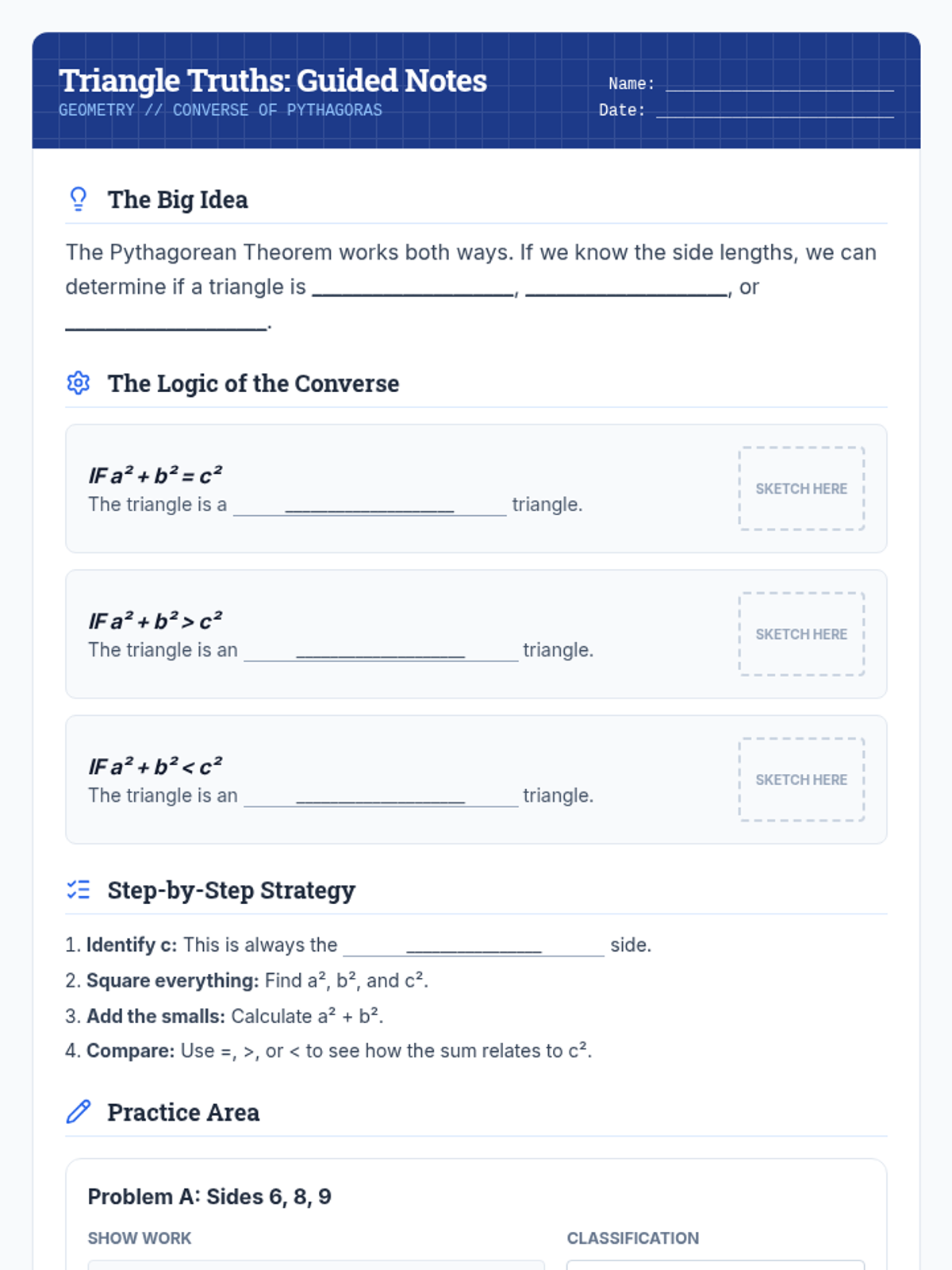
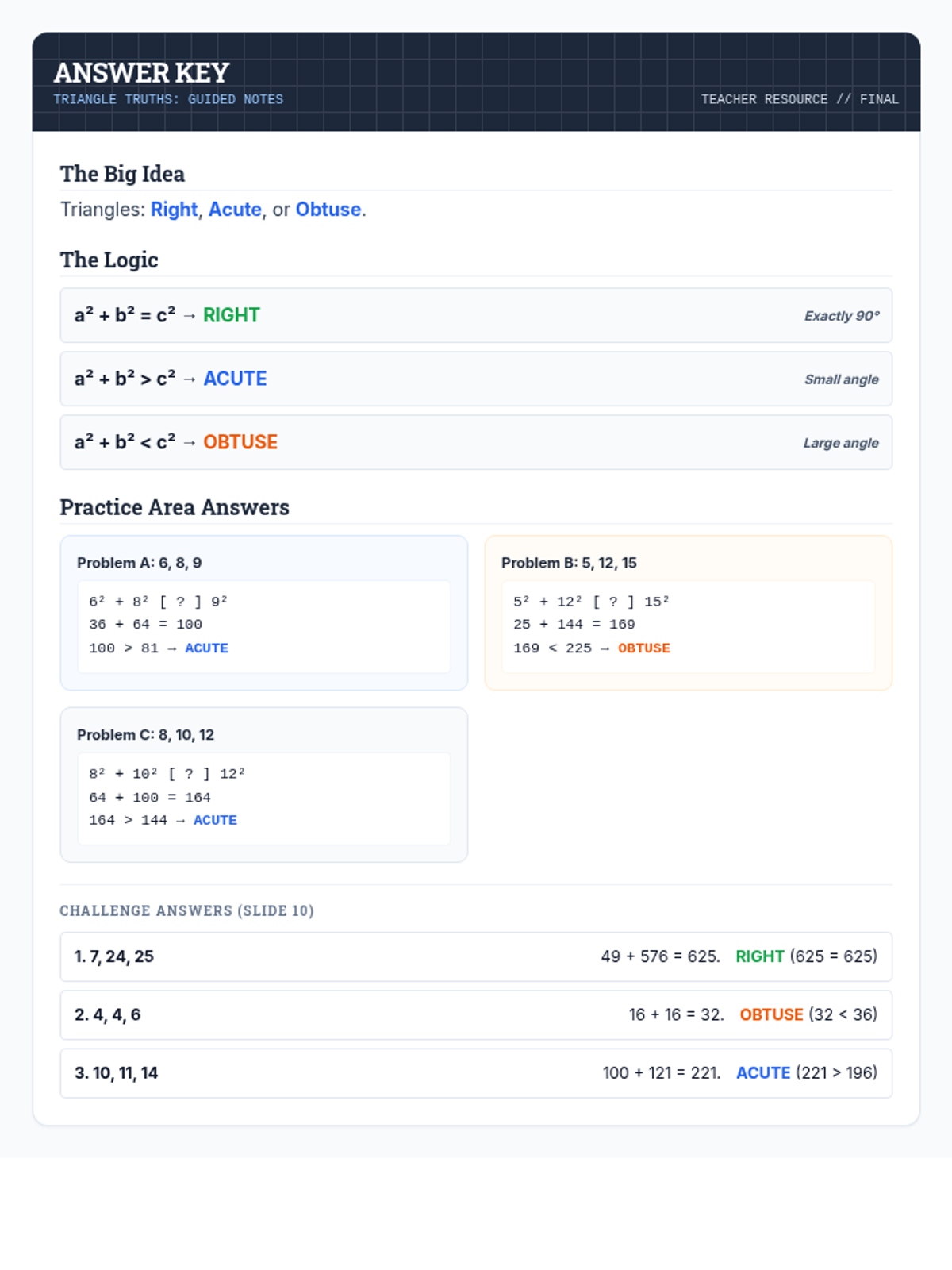
A lesson exploring the Converse of the Pythagorean Theorem, teaching students how to classify triangles as right, acute, or obtuse based on side lengths.
A lesson exploring the Converse of the Pythagorean Theorem to prove right angles and classify triangles as acute, obtuse, or right based on side lengths.
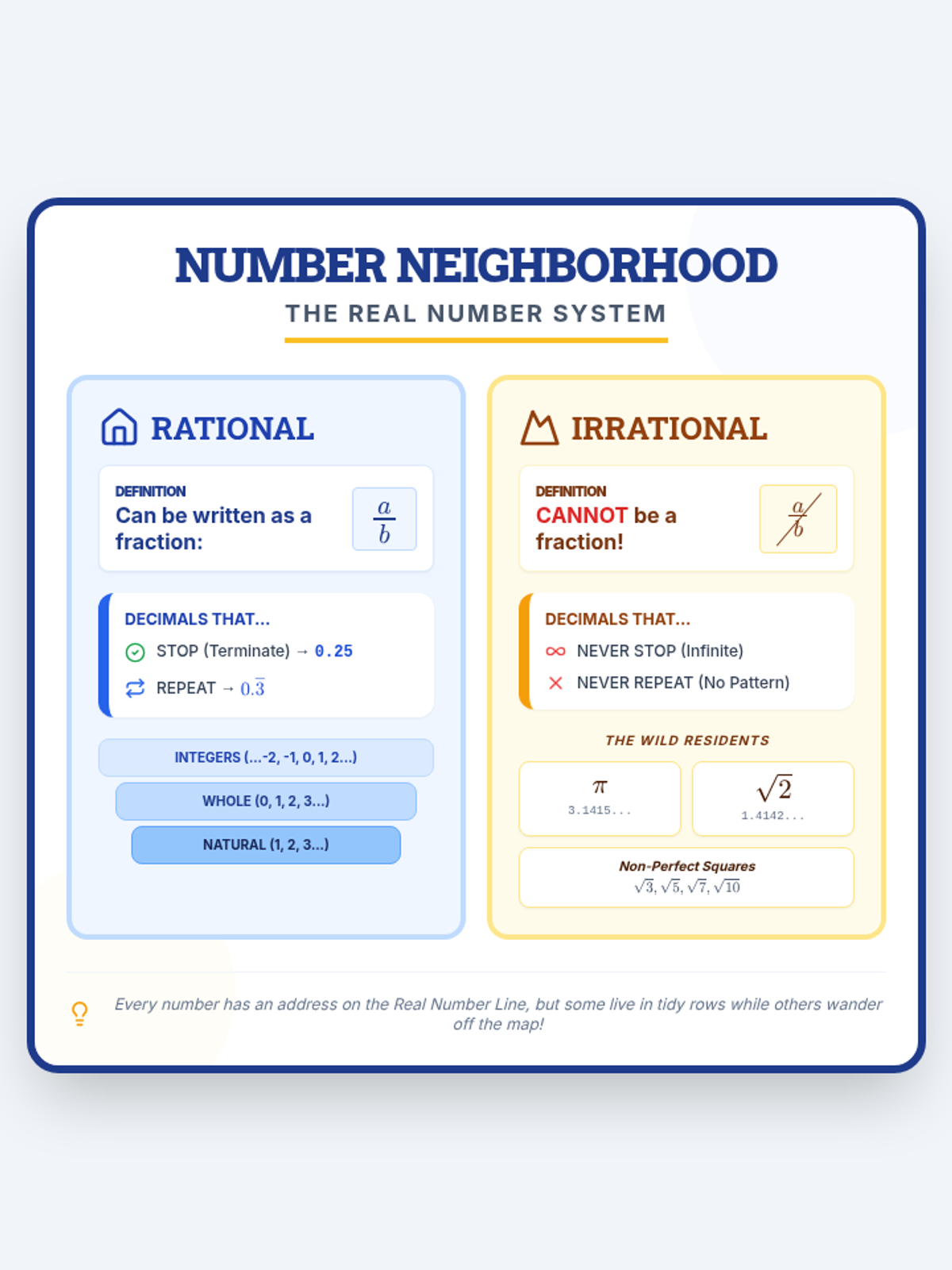
A foundational exploration of the real number system, focusing on the distinct characteristics of rational and irrational numbers through the metaphor of a structured 'Number Neighborhood'.
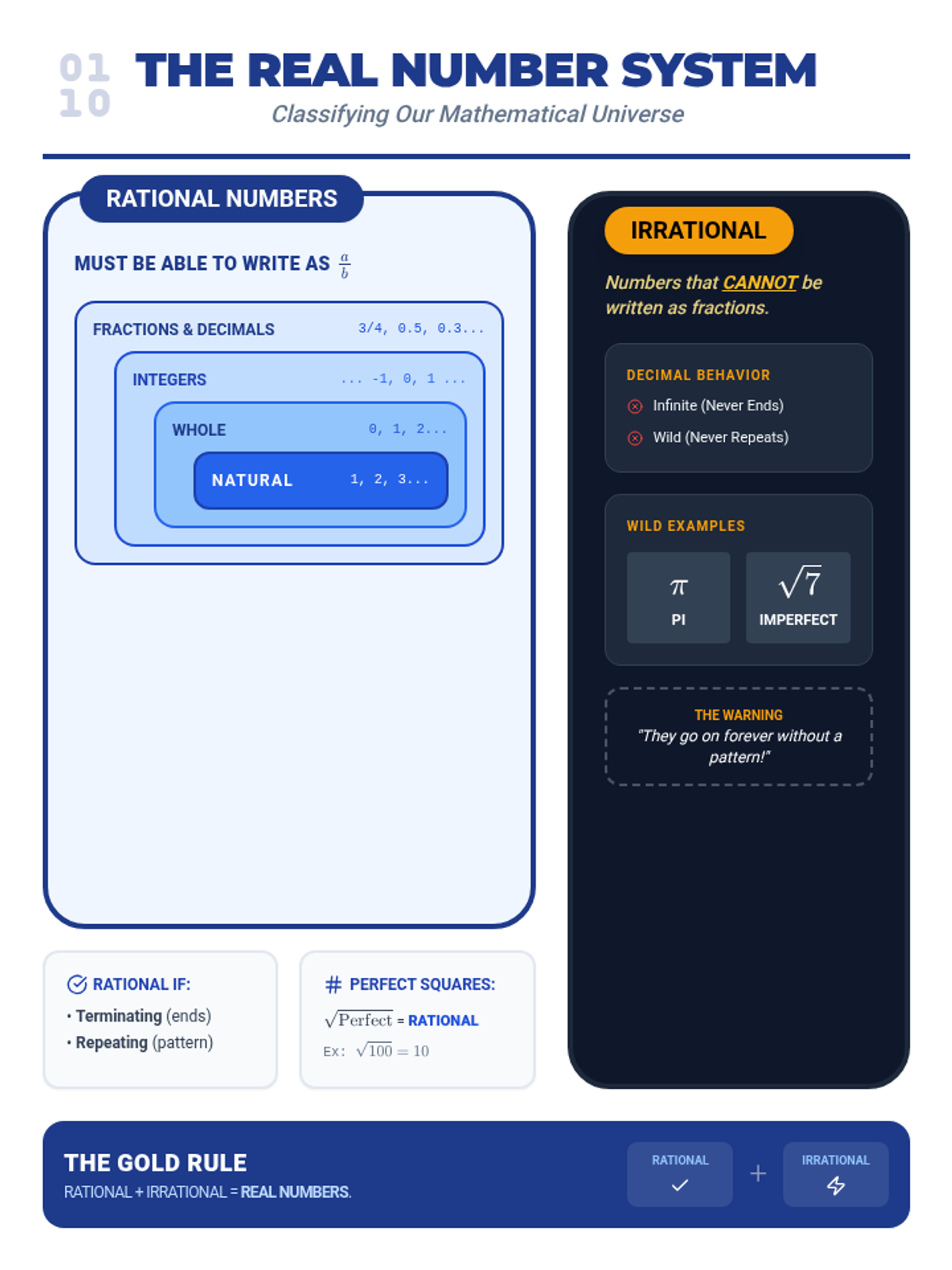
A foundational lesson on the Real Number System, focusing on classifying rational and irrational numbers through visual hierarchies and real-world examples.
A lesson focusing on the classification of real numbers, specifically distinguishing between rational and irrational numbers through visual mapping and examples.
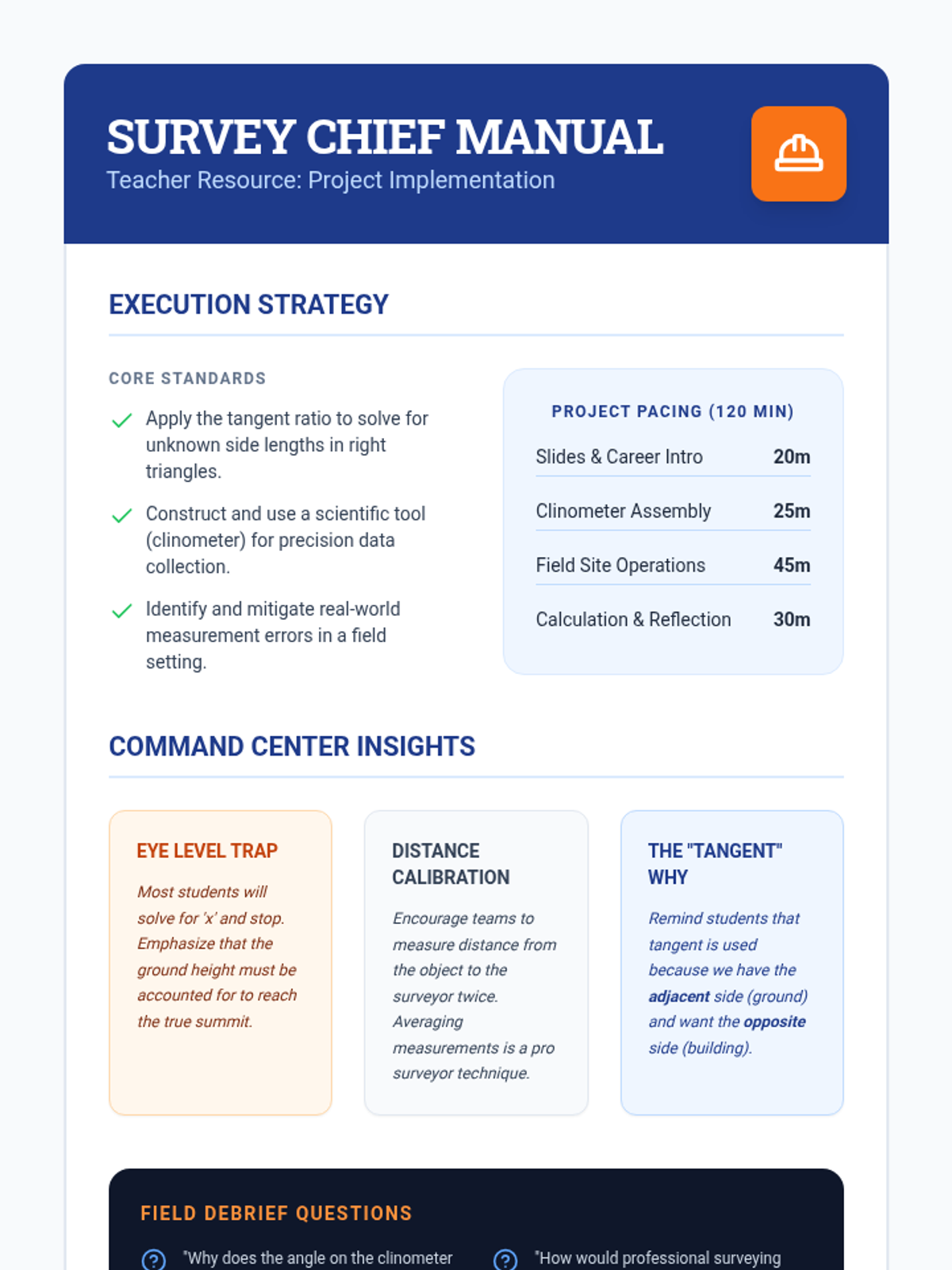
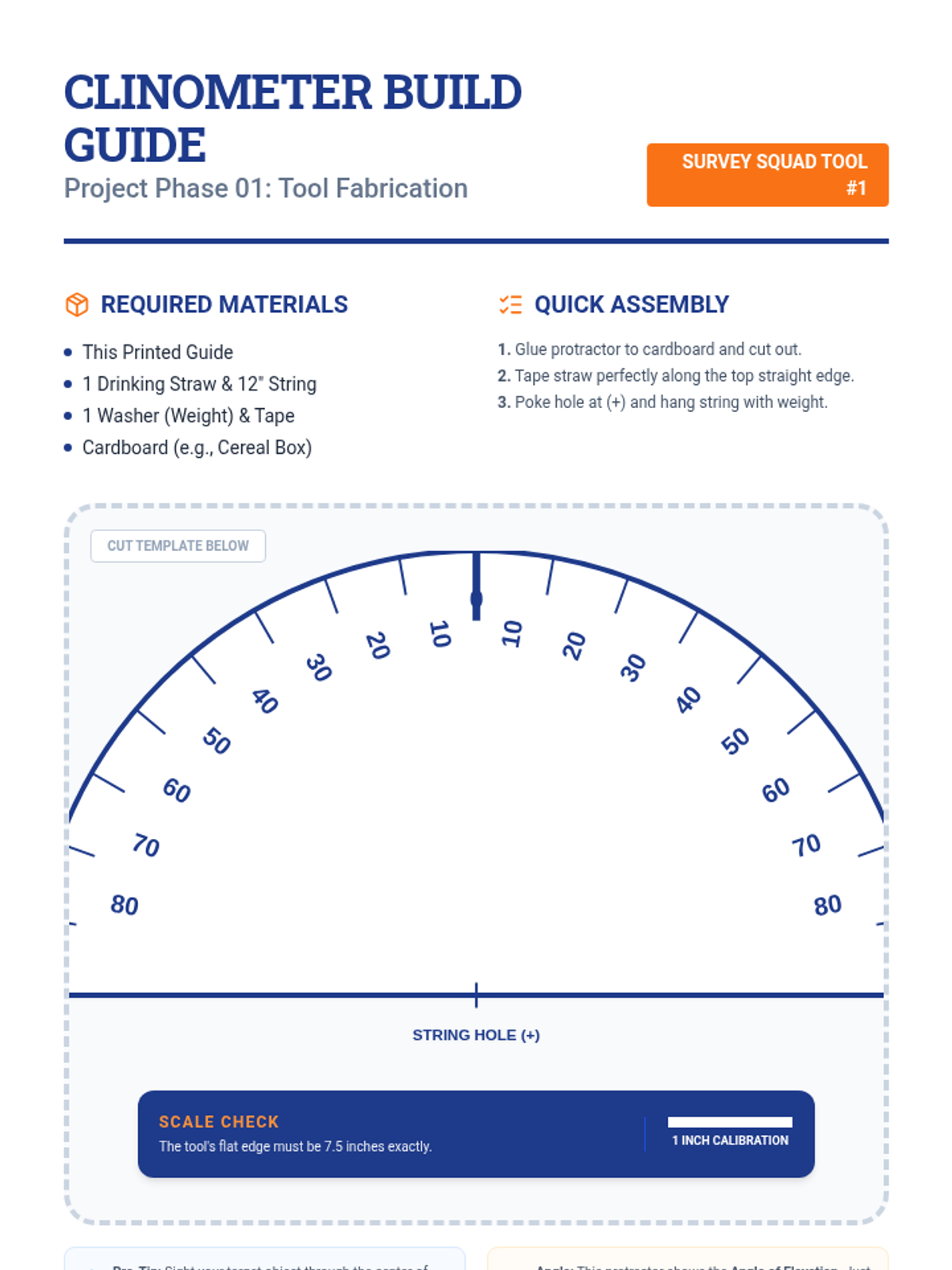
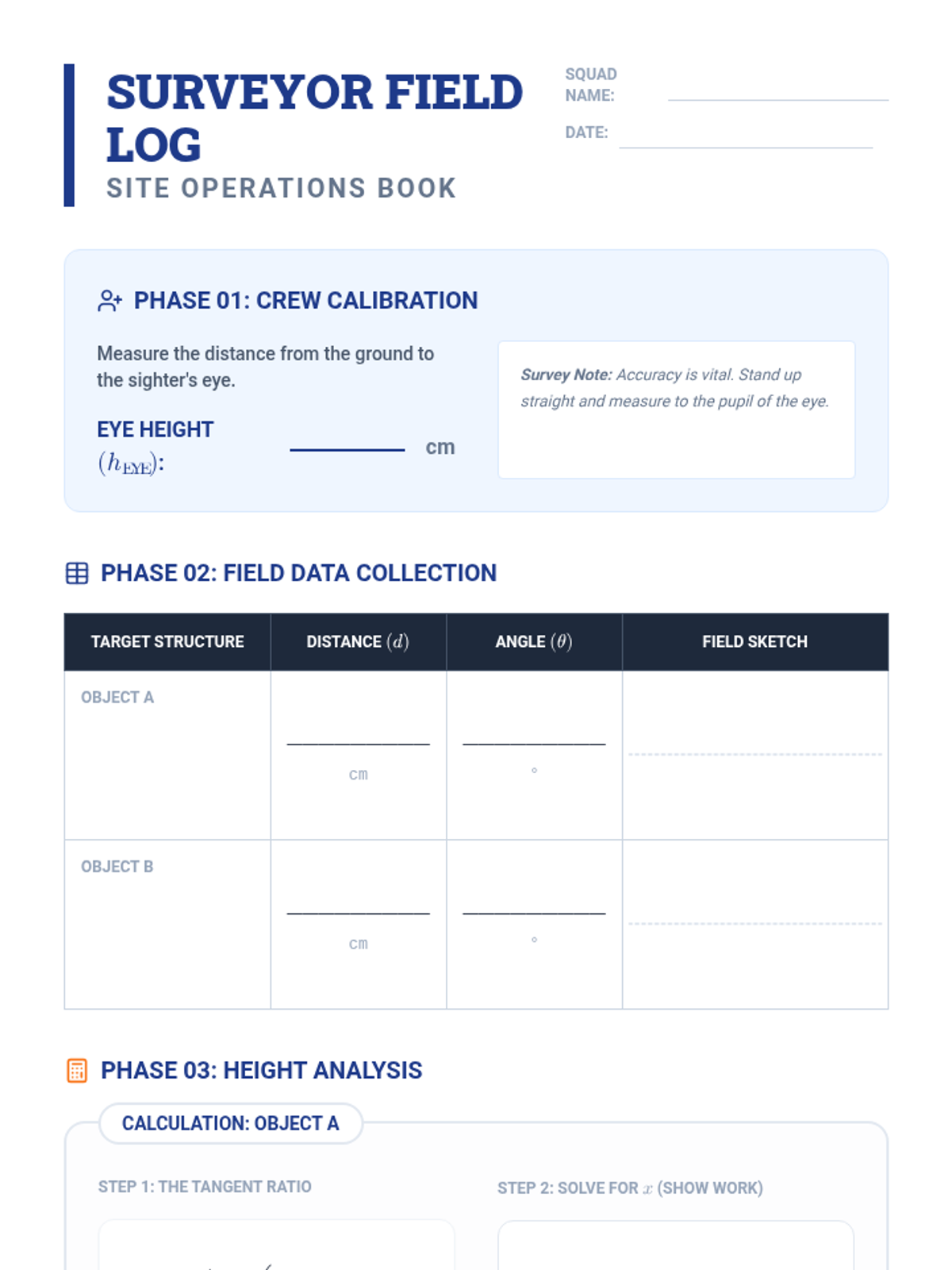
A hands-on project where students step into the role of professional surveyors to measure the height of tall objects around their school using DIY clinometers and trigonometric ratios.
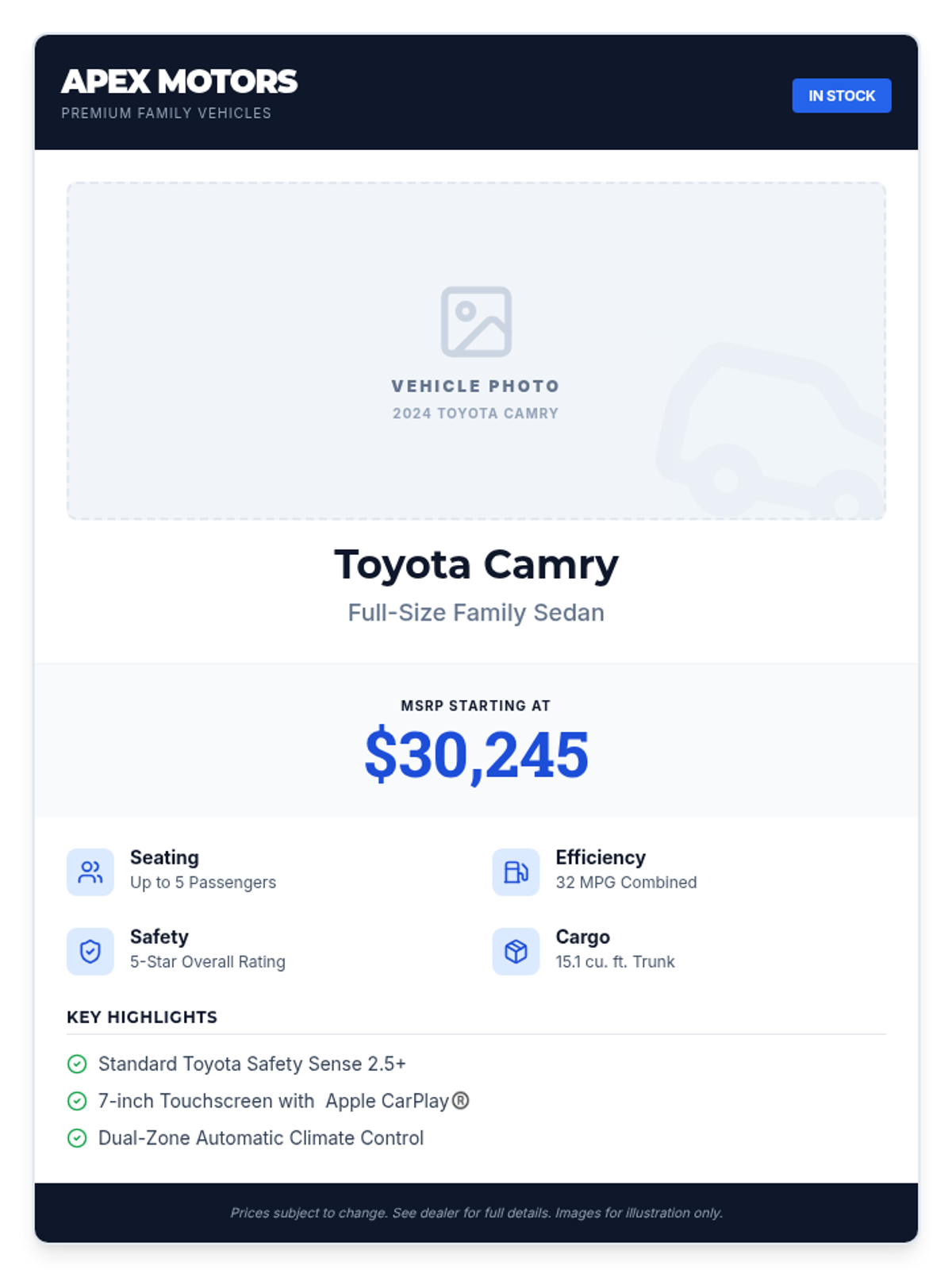
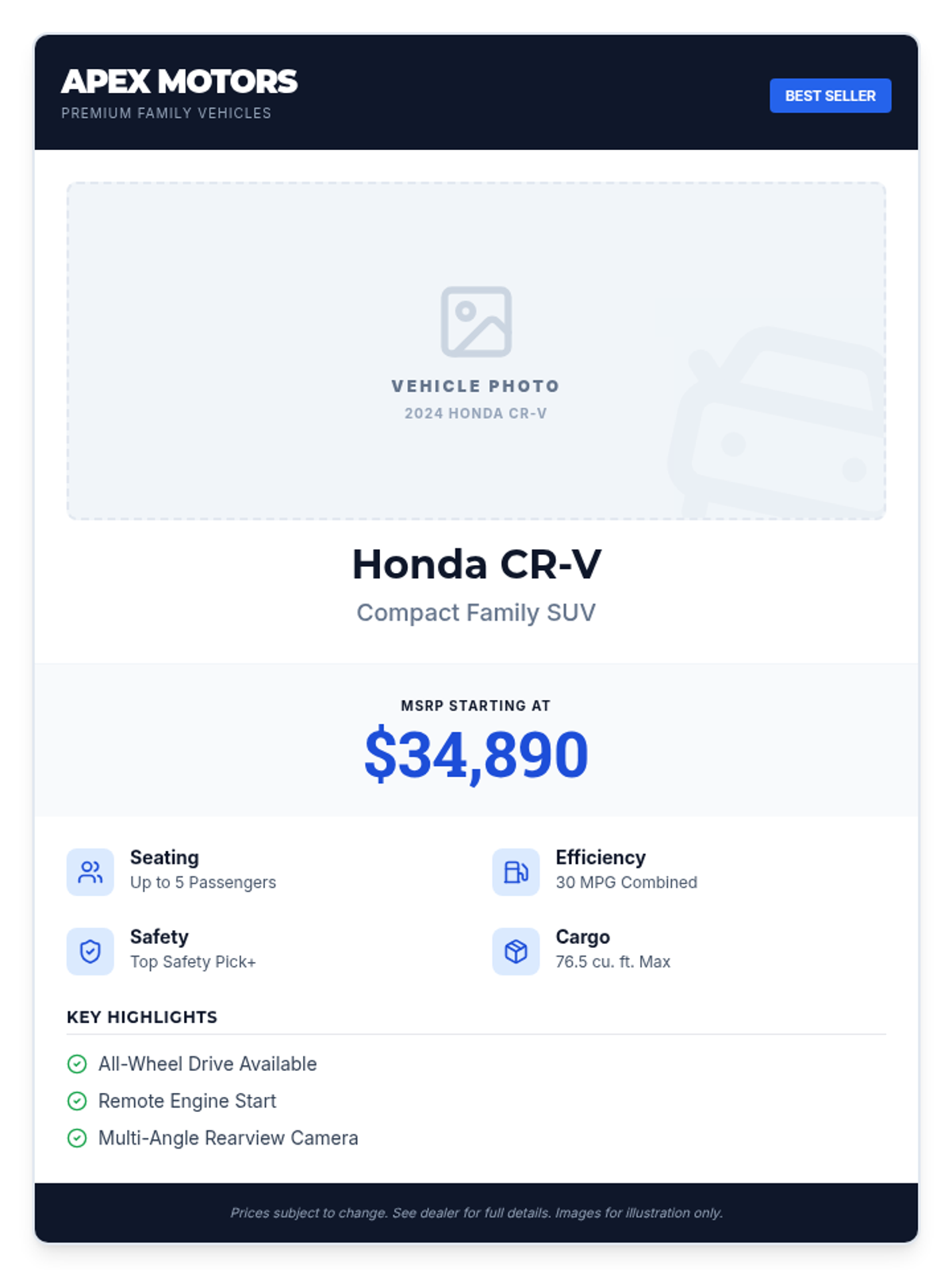
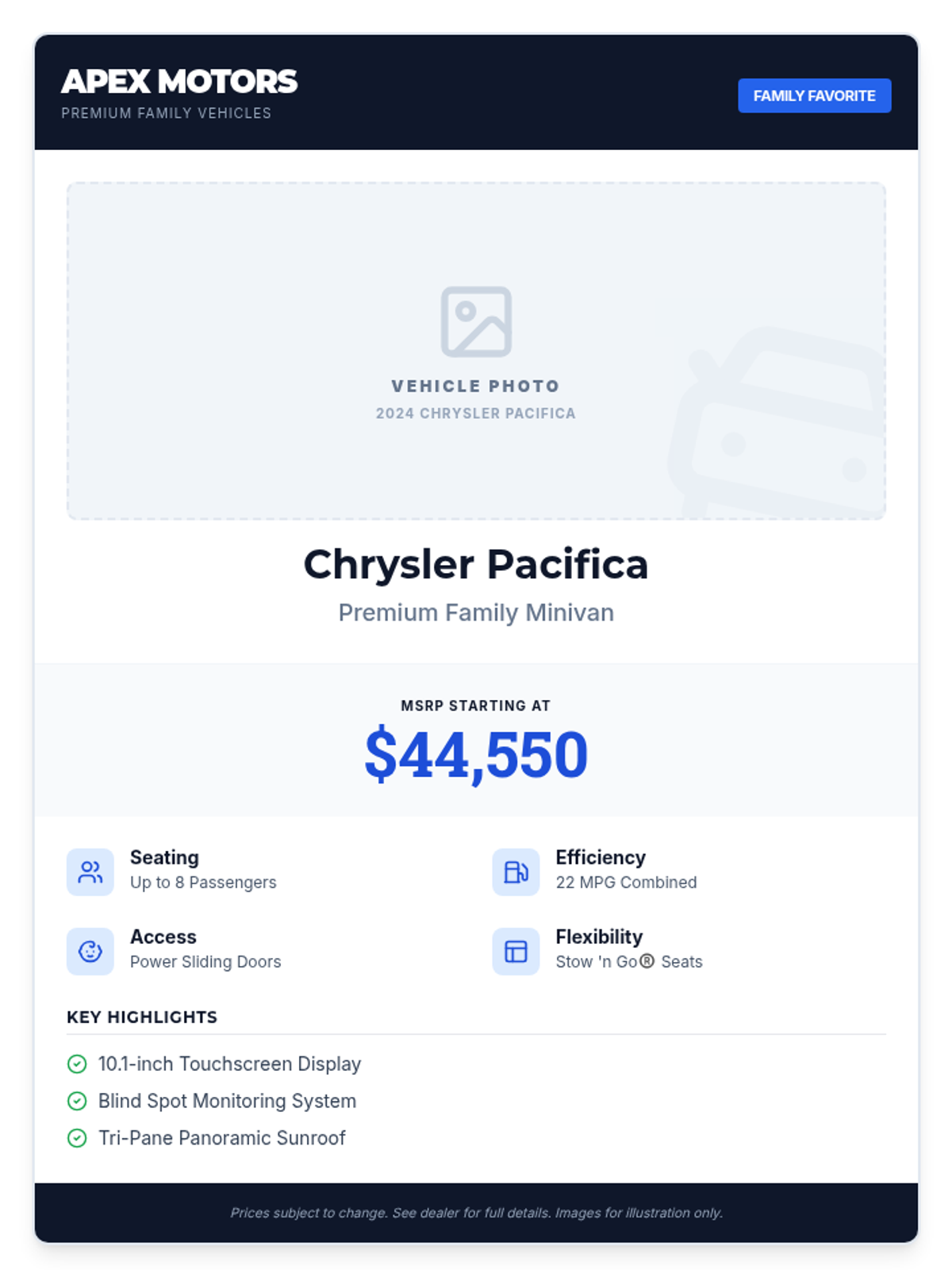
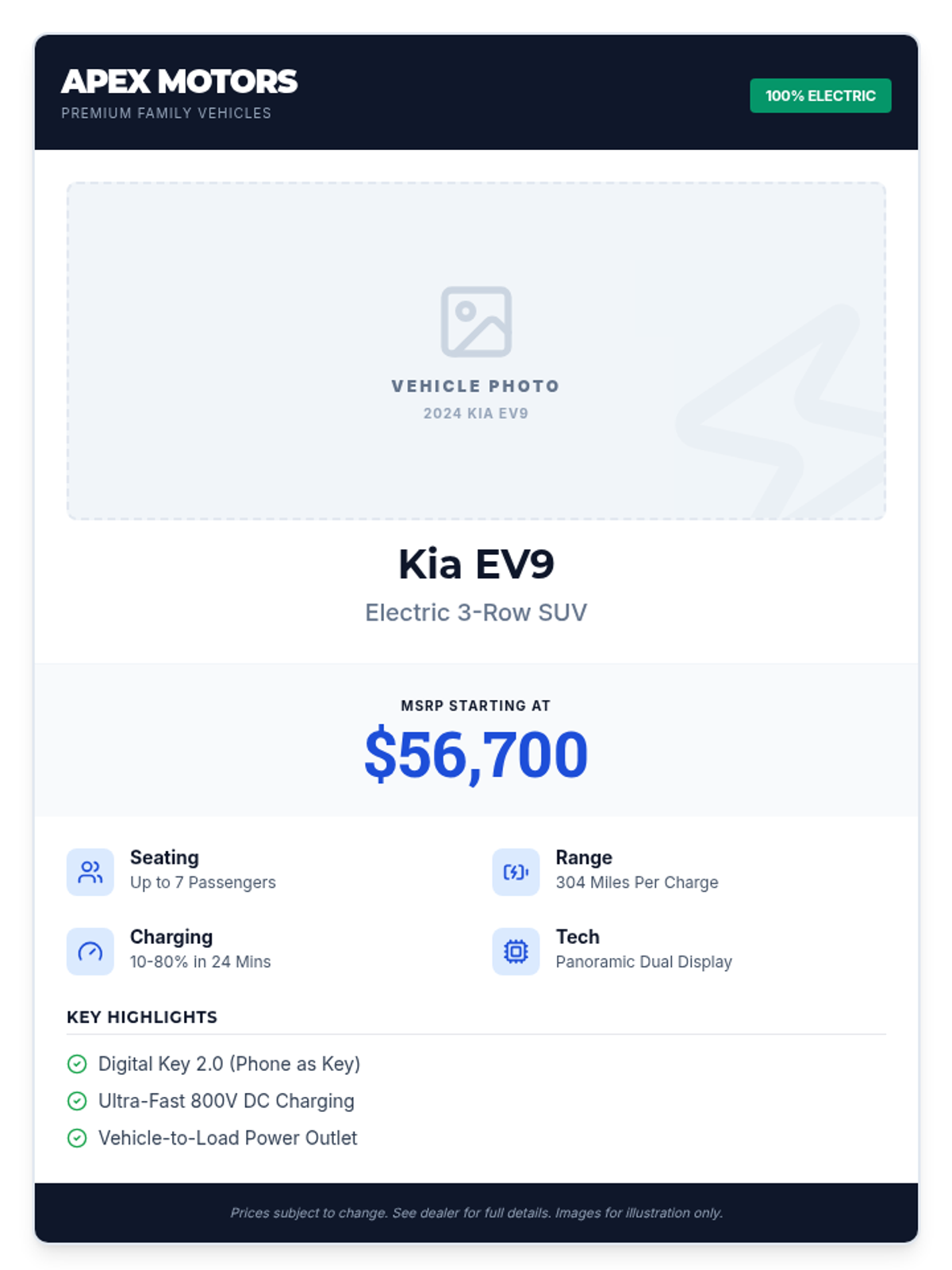
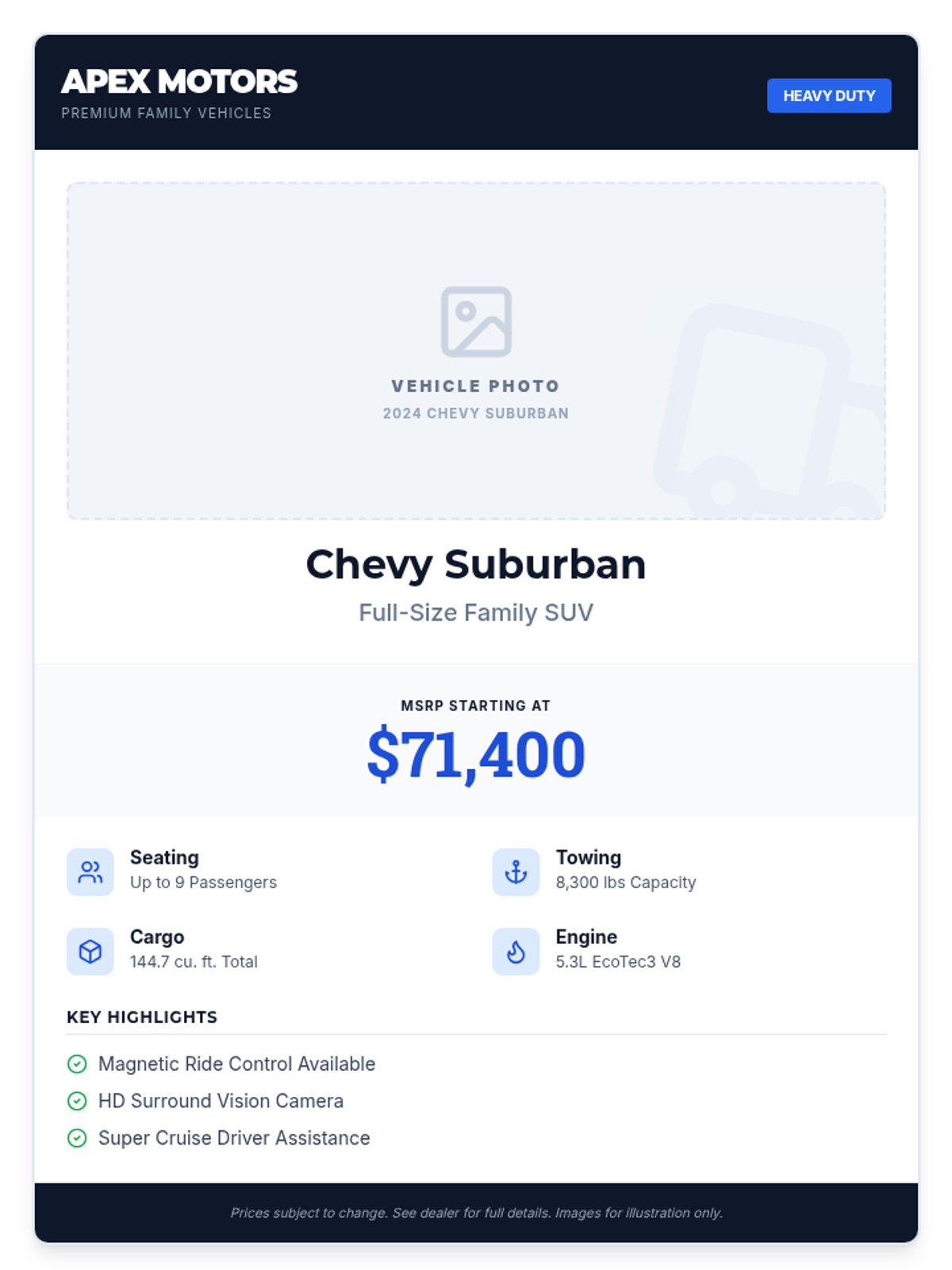
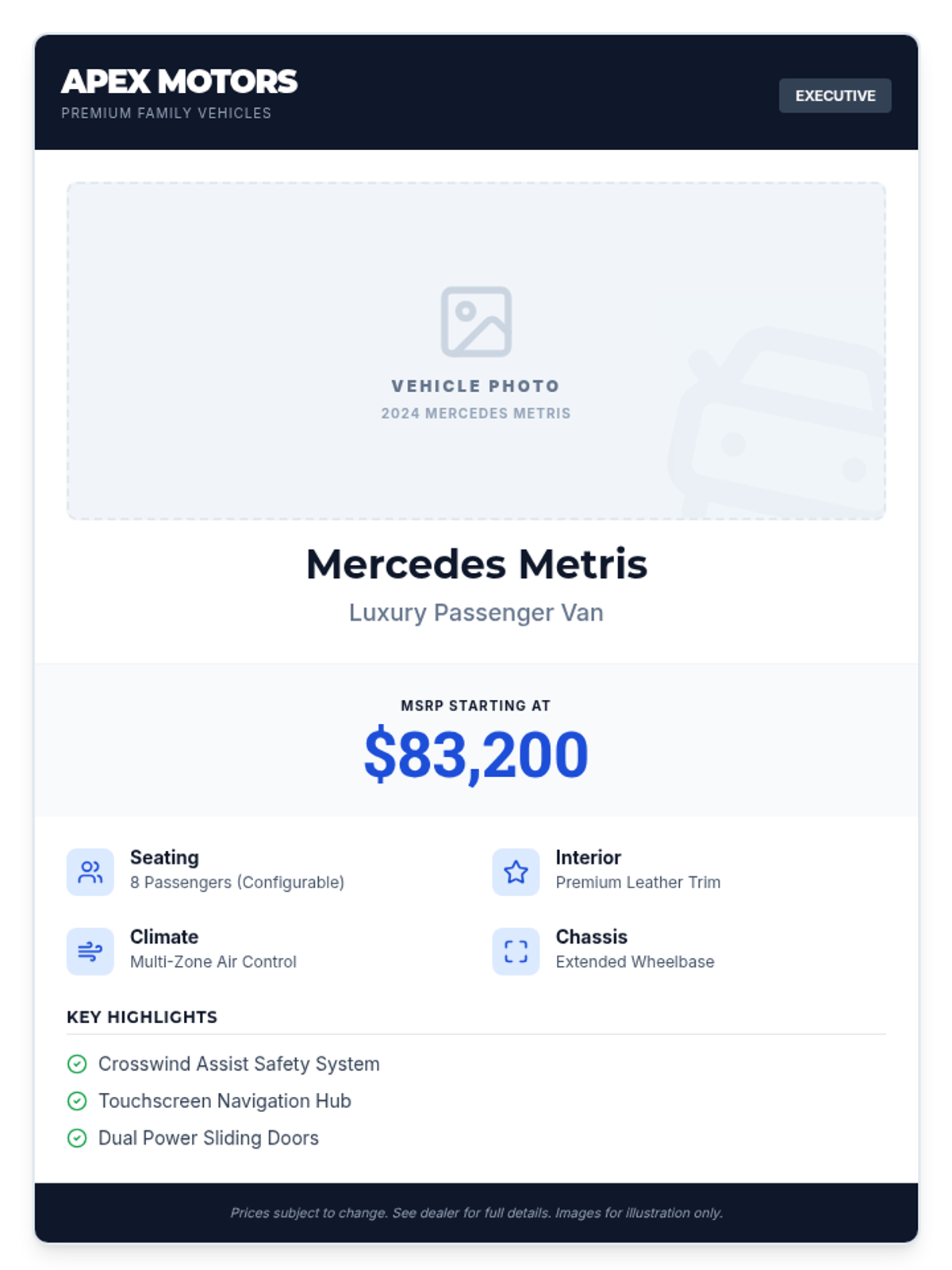
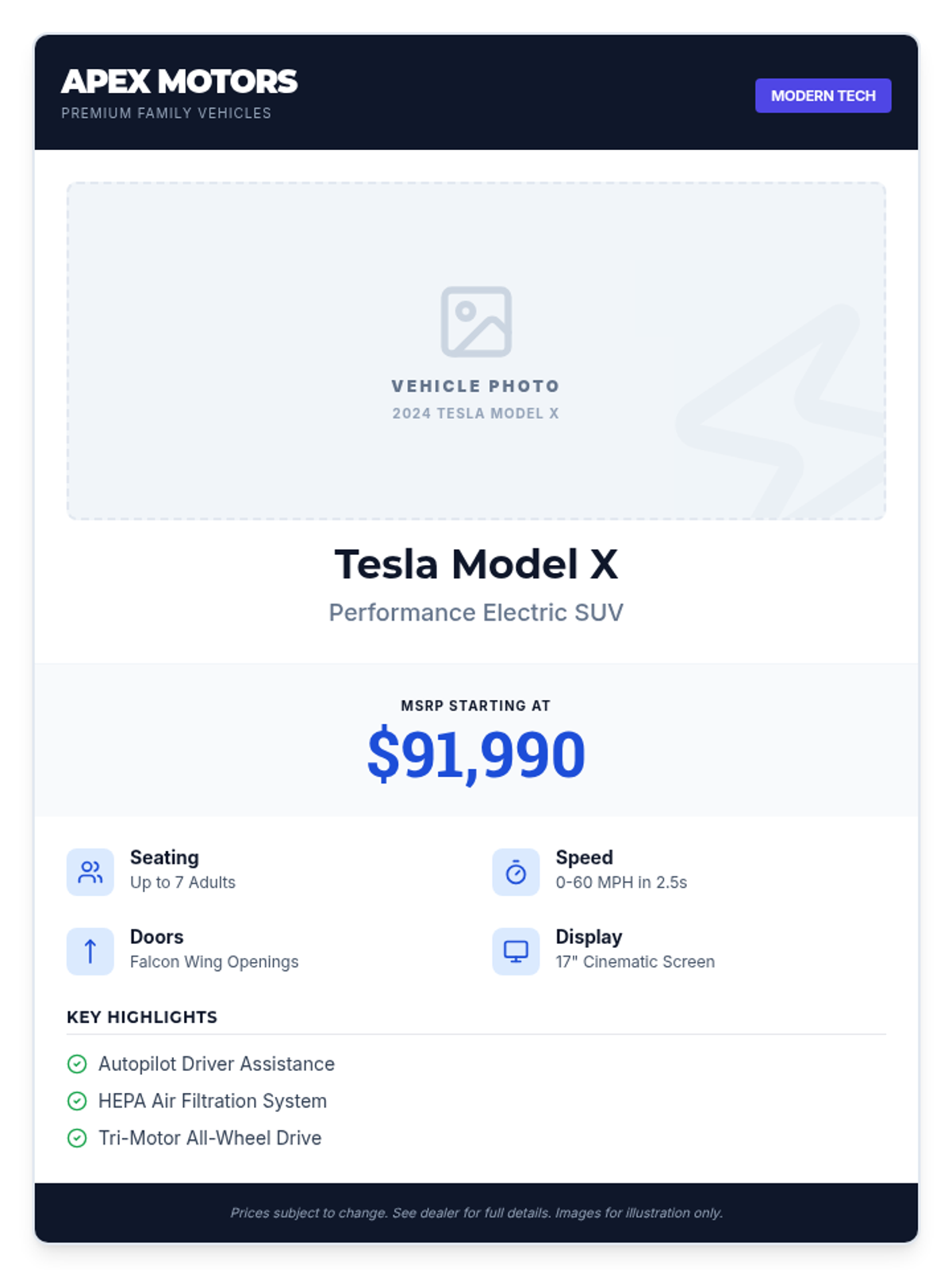
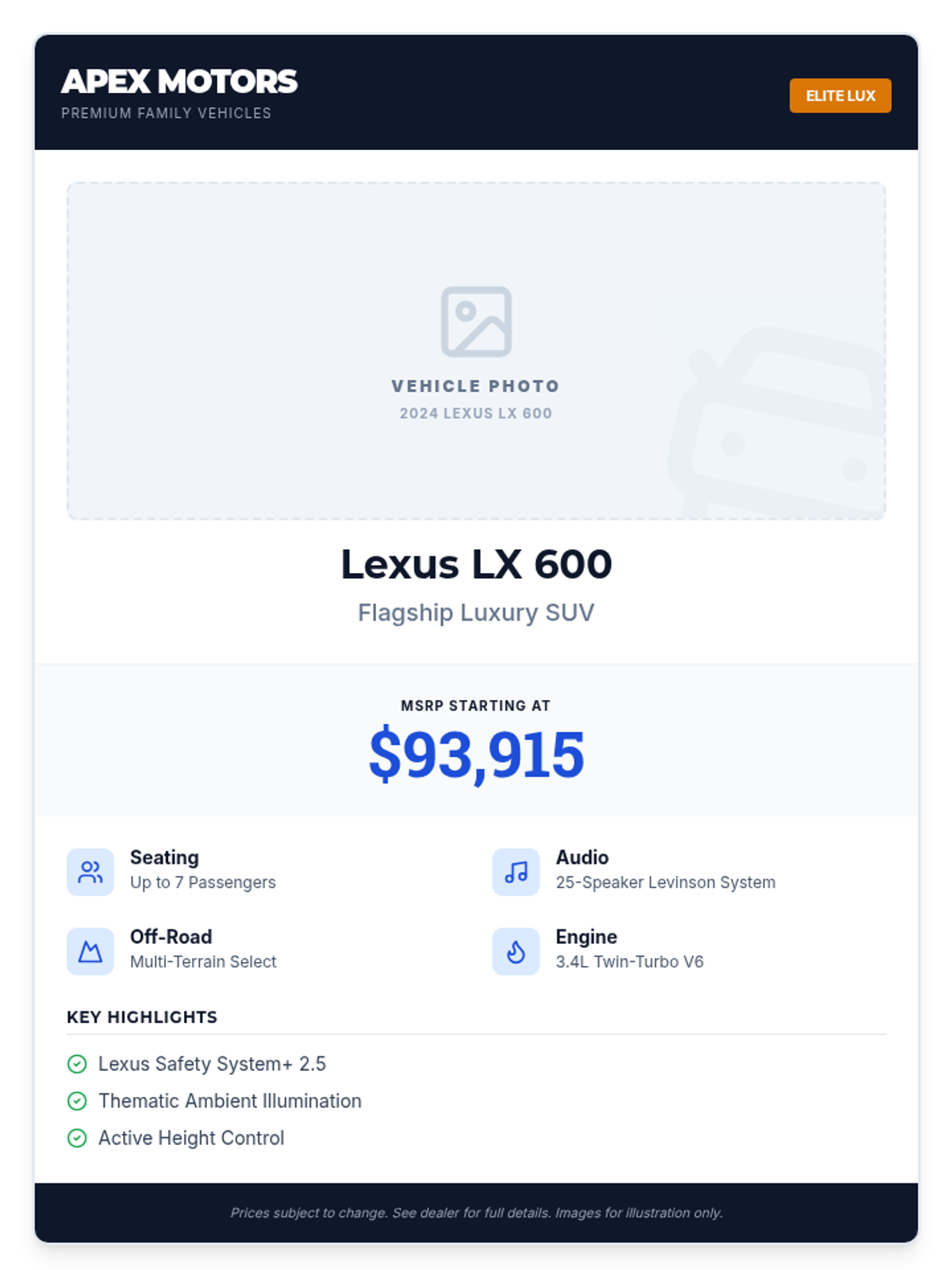
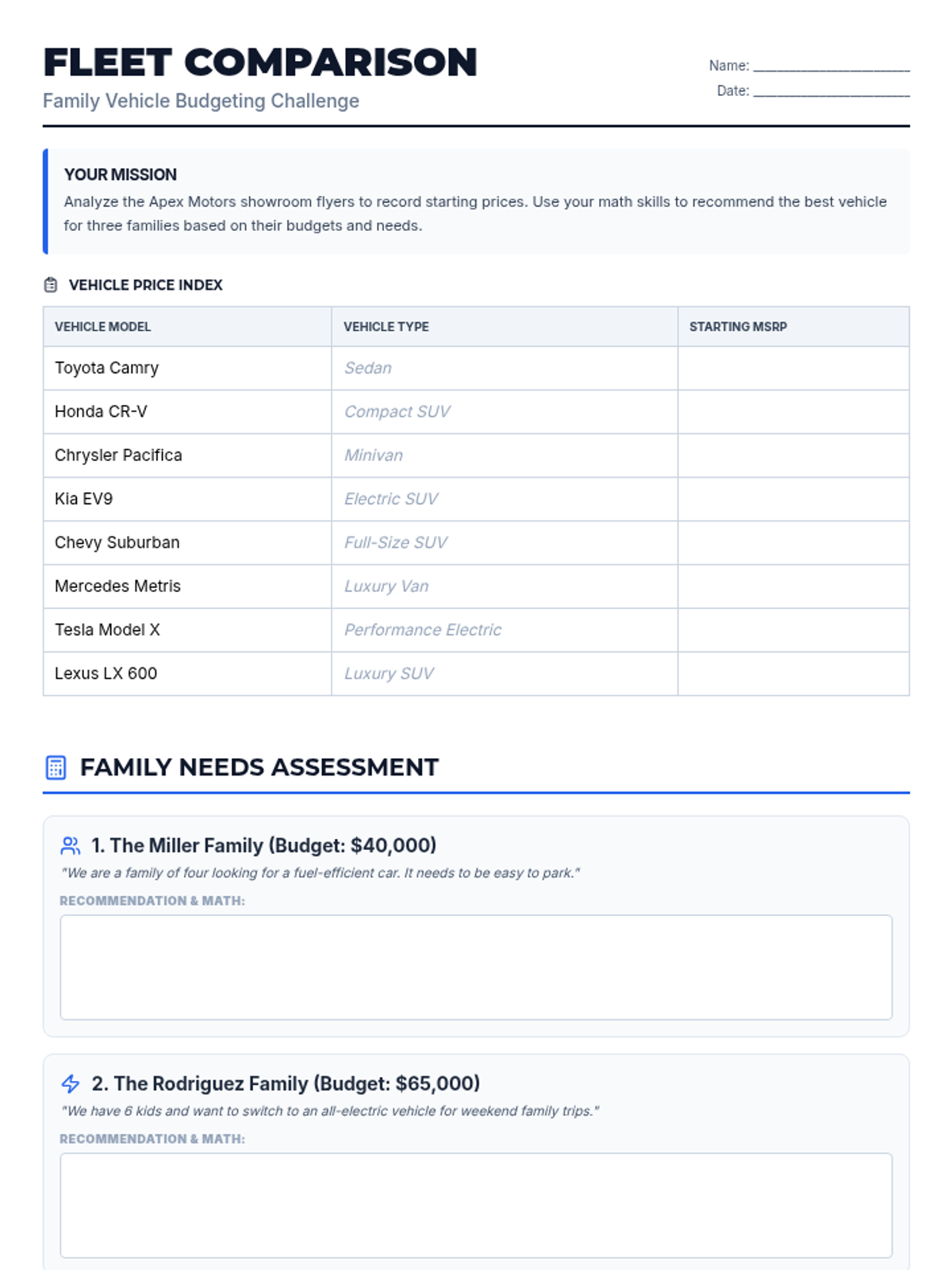
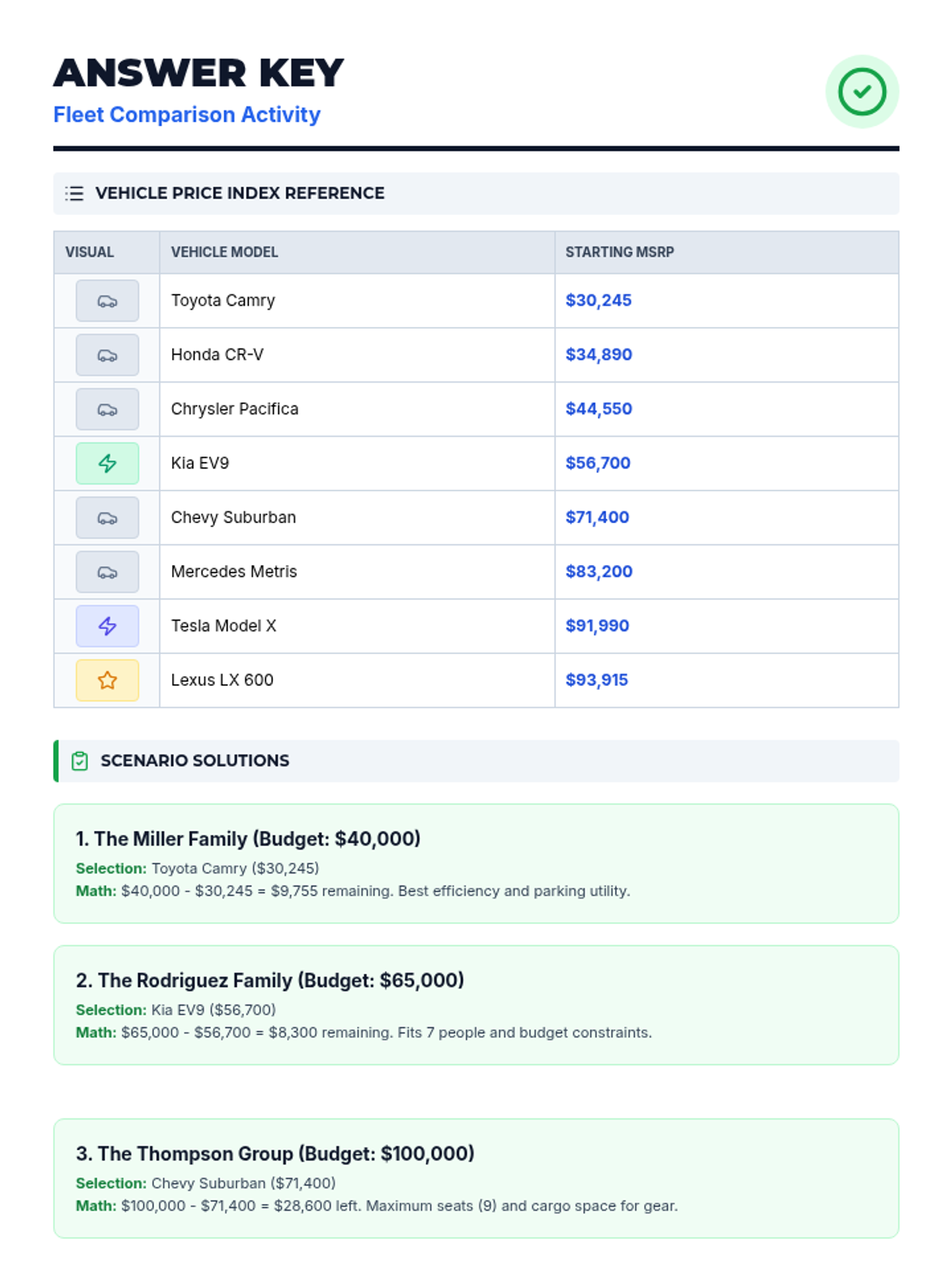
A hands-on math lesson where students analyze vehicle pricing, features, and budgeting for family-sized transport. Students use a series of showroom flyers to compare costs and make purchasing decisions based on specific family needs.
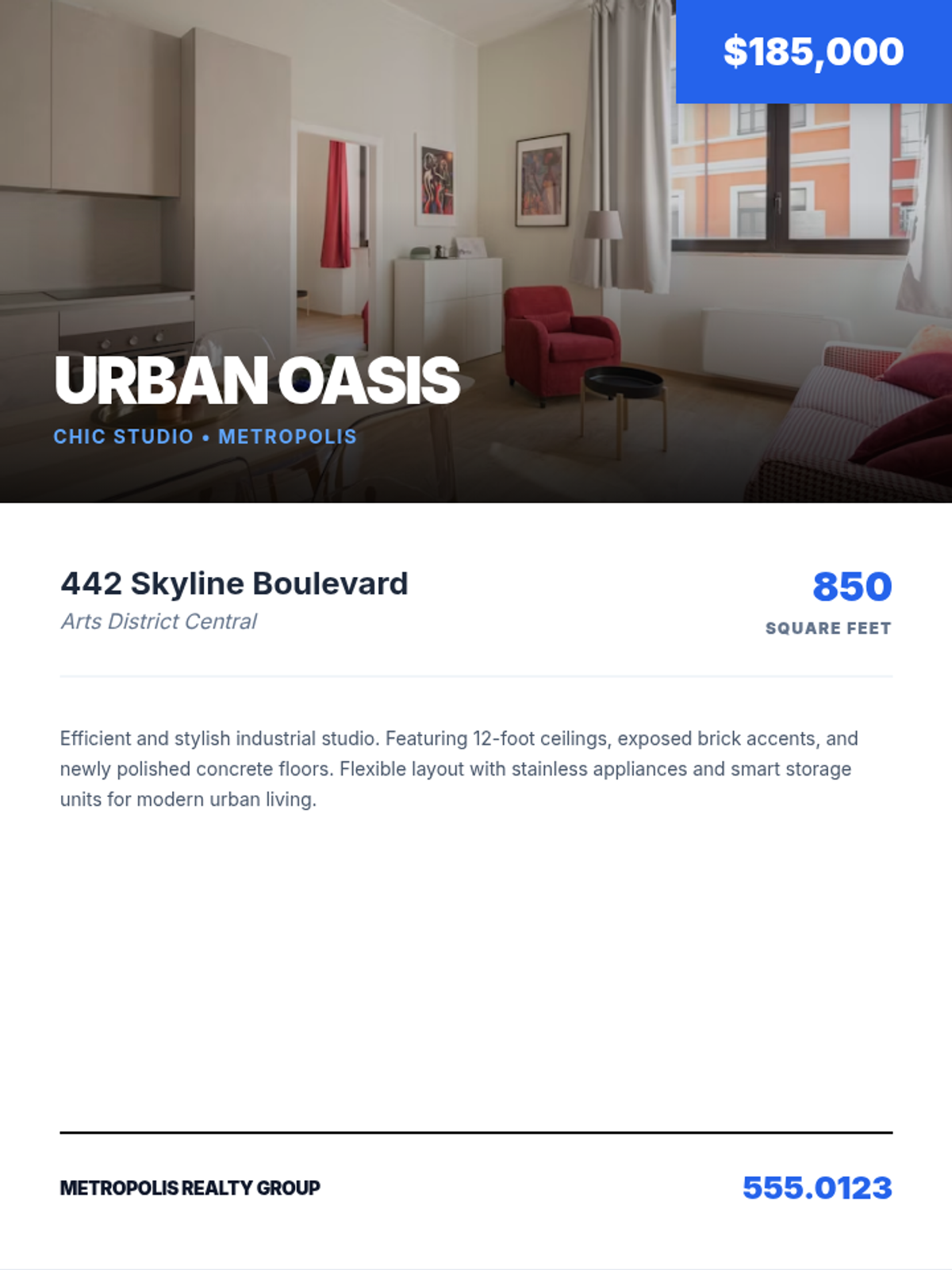
A collection of professionally designed real estate listing posters featuring unique properties with detailed descriptions, pricing, and specifications.