A lesson focused on identifying the roles of producers, consumers, and decomposers within an ecosystem through visual aids and hands-on sorting, designed for MCAS Alt portfolio evidence.
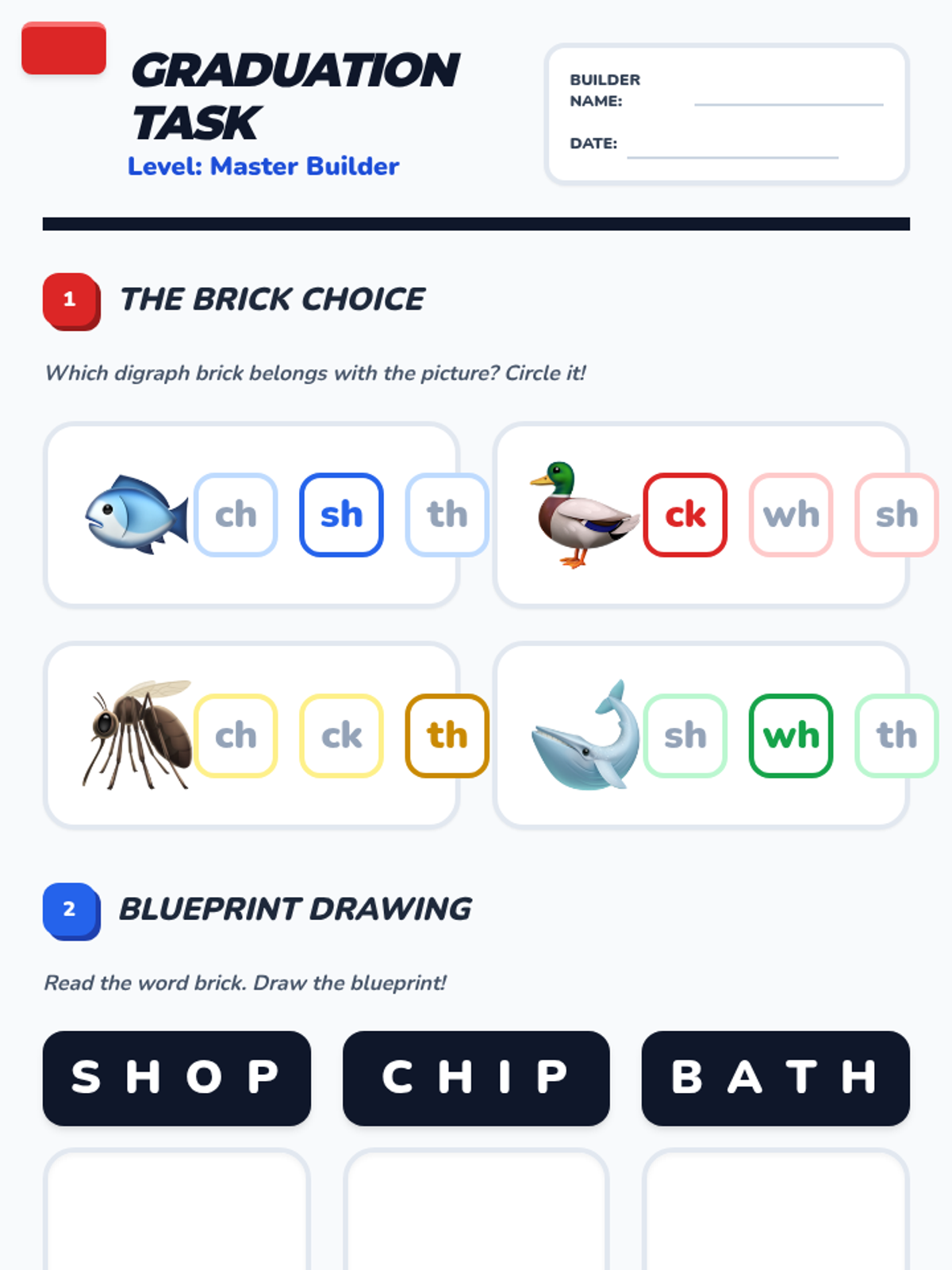
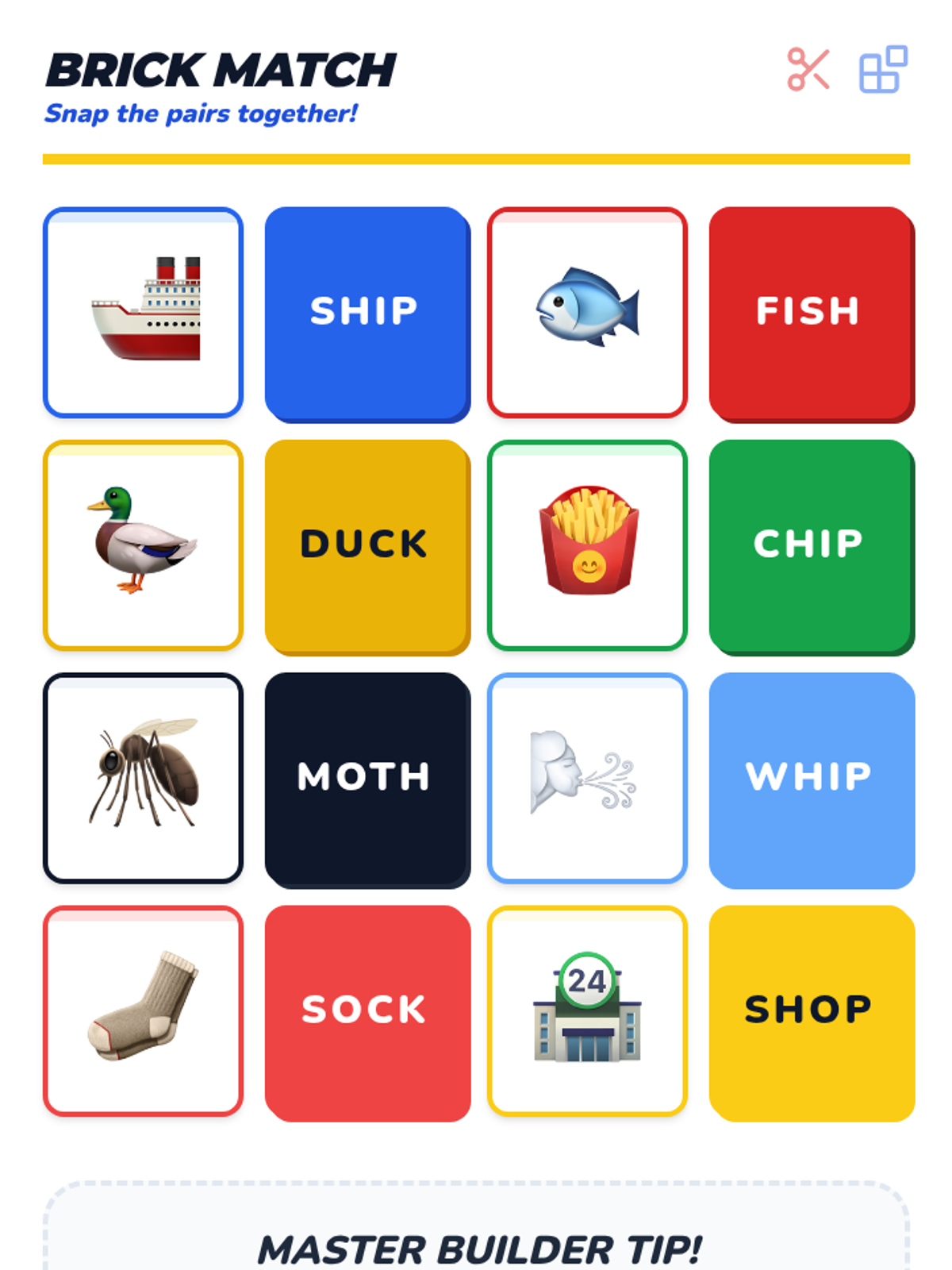
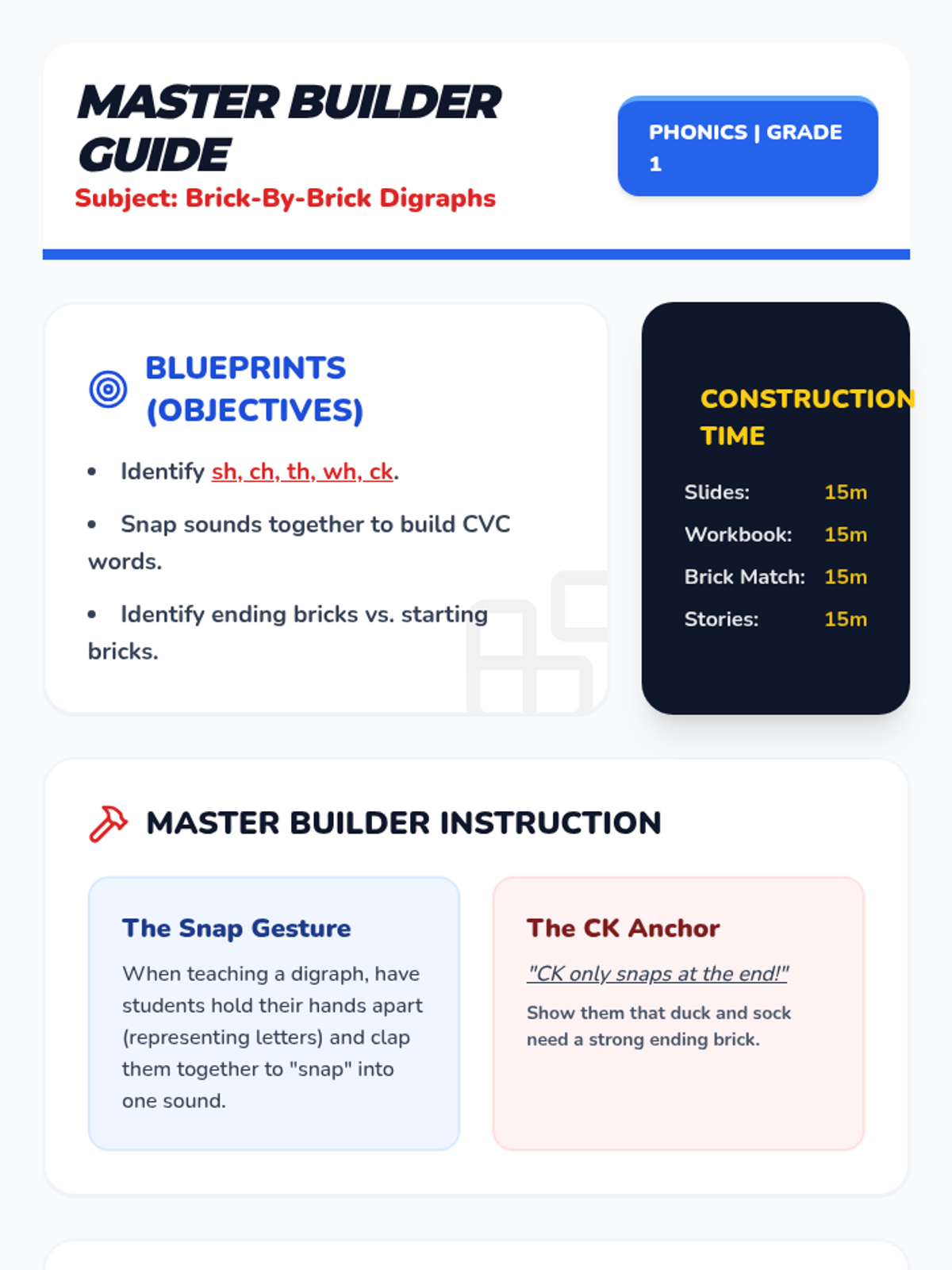
A follow-up lesson focused on building fluency with mixed digraphs, providing cumulative review and a final progress assessment for sh, ch, th, wh, and ck.
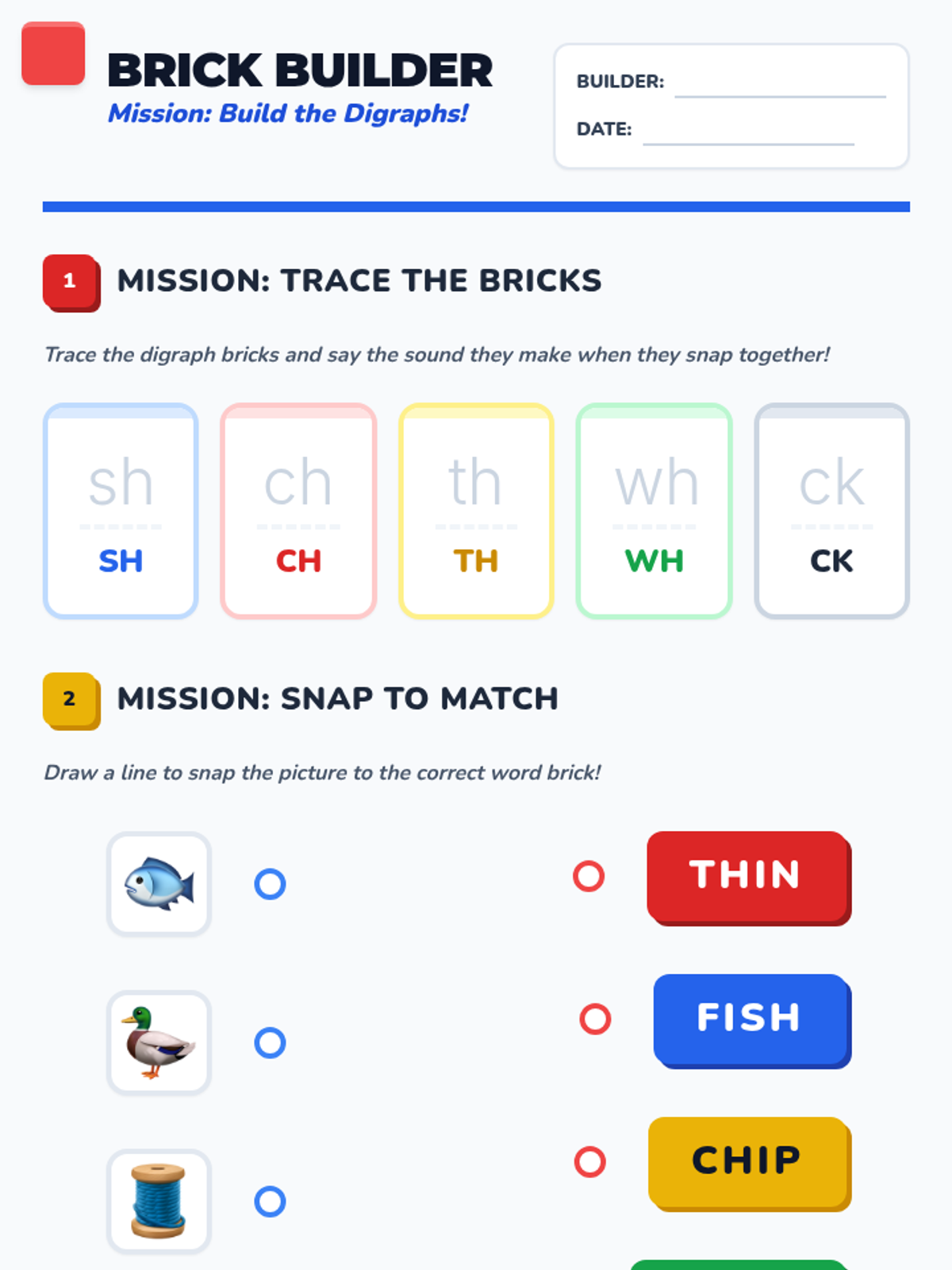
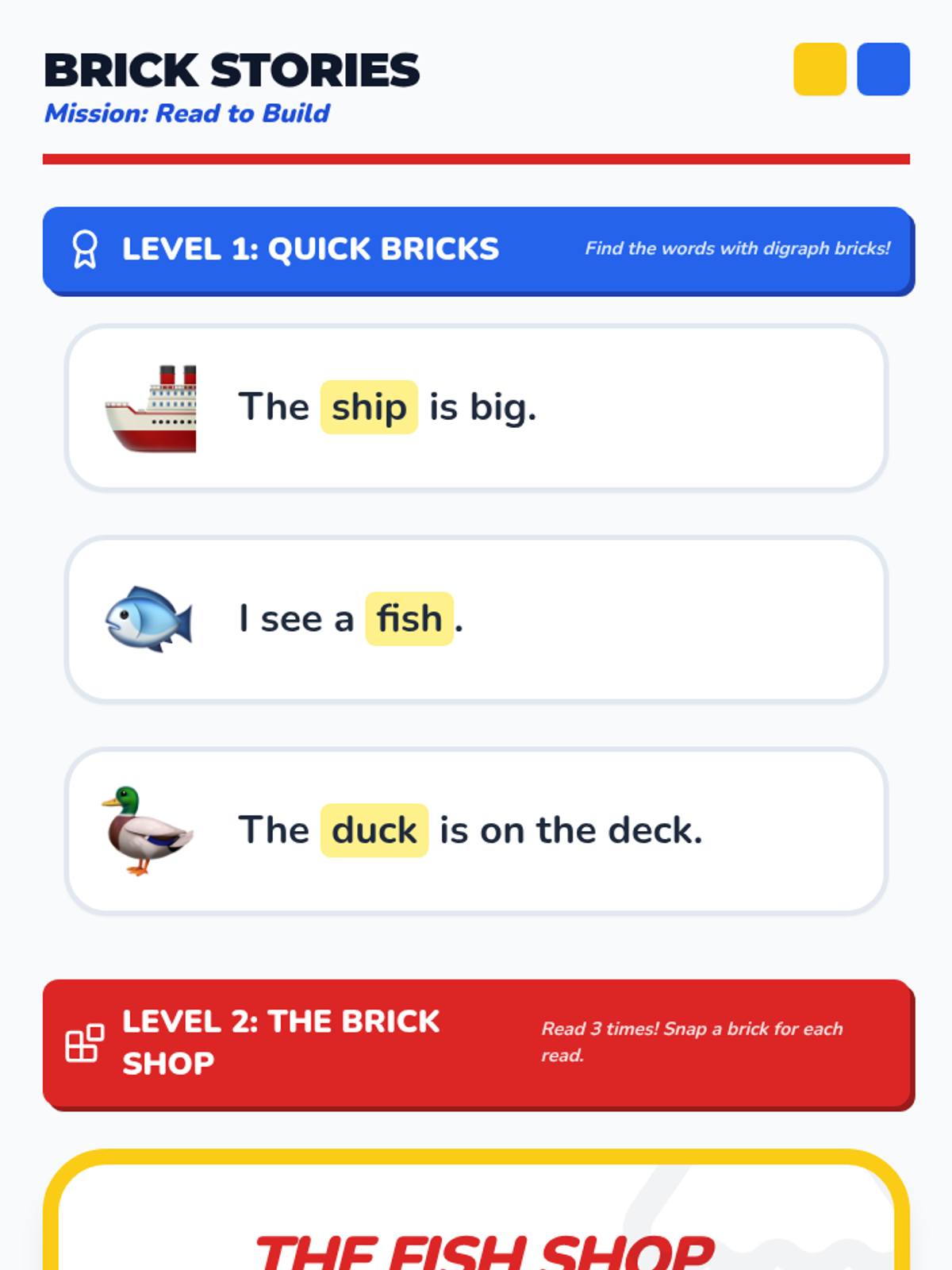
A foundational lesson introducing and practicing common digraphs (sh, ch, th, wh, ck) through multi-sensory activities and differentiated reading tasks using a building-block theme.
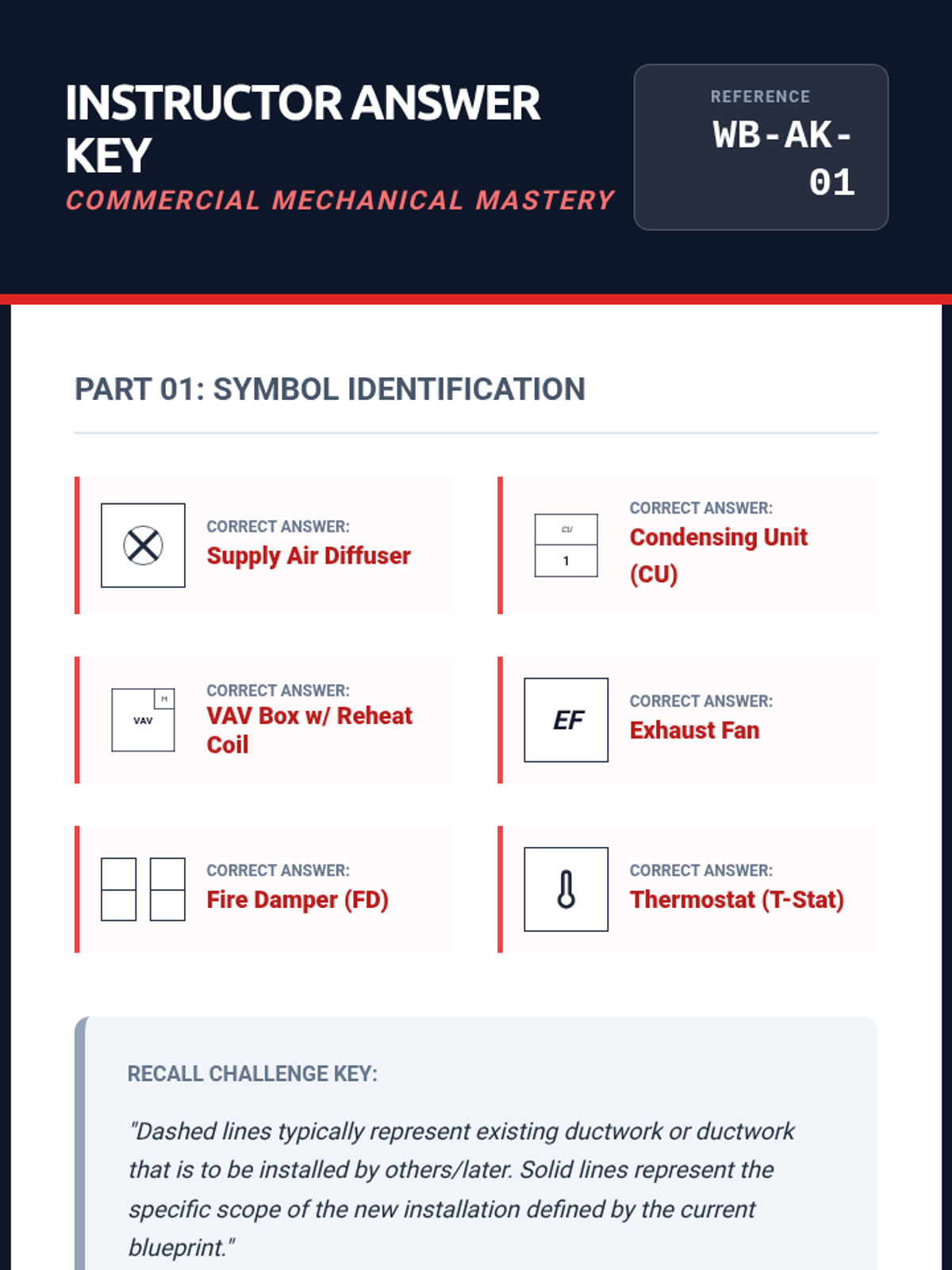
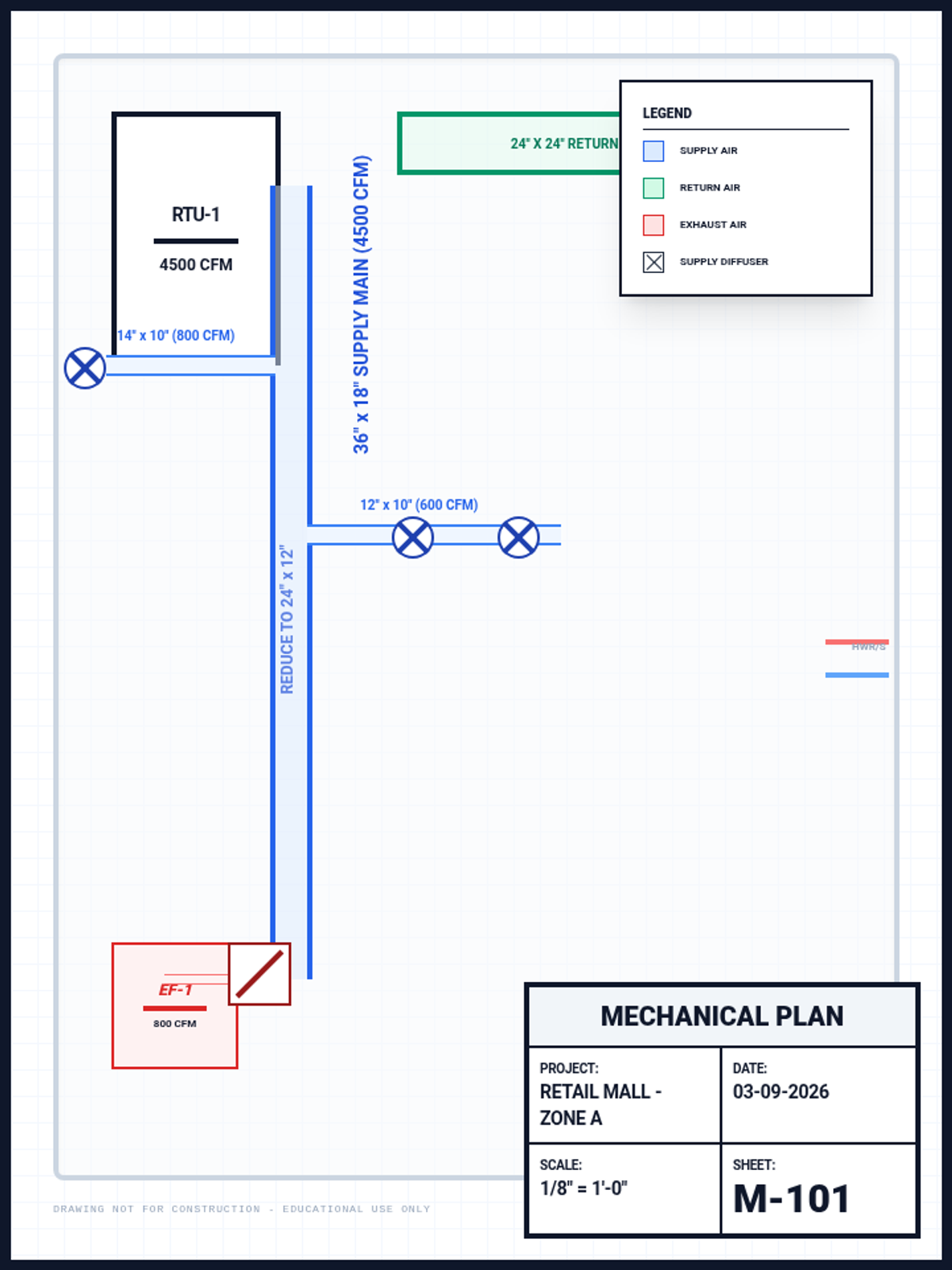
A deep dive into commercial HVAC plans, covering ACCA symbols, equipment schedules, and complex ductwork layouts for various building types.
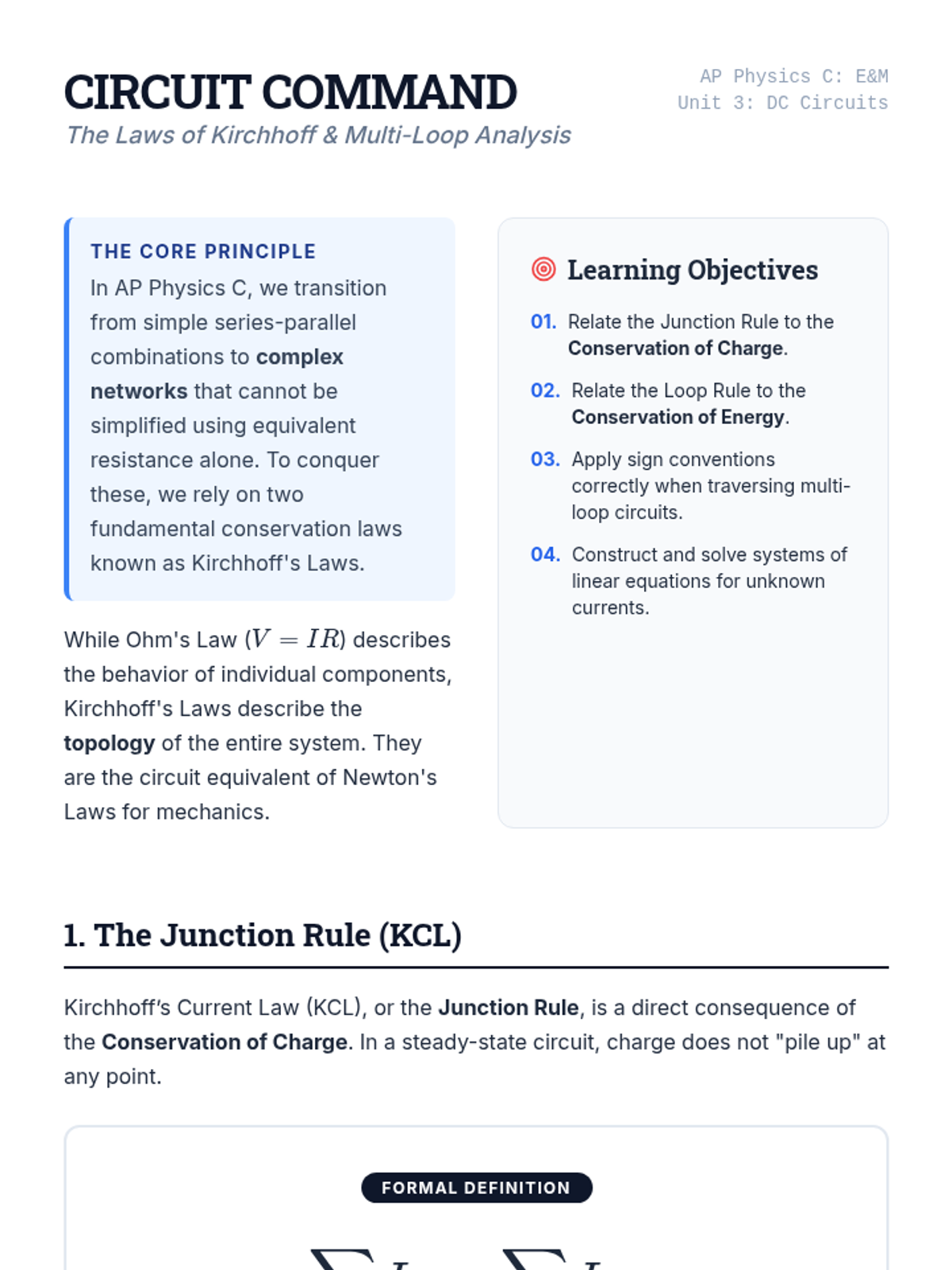
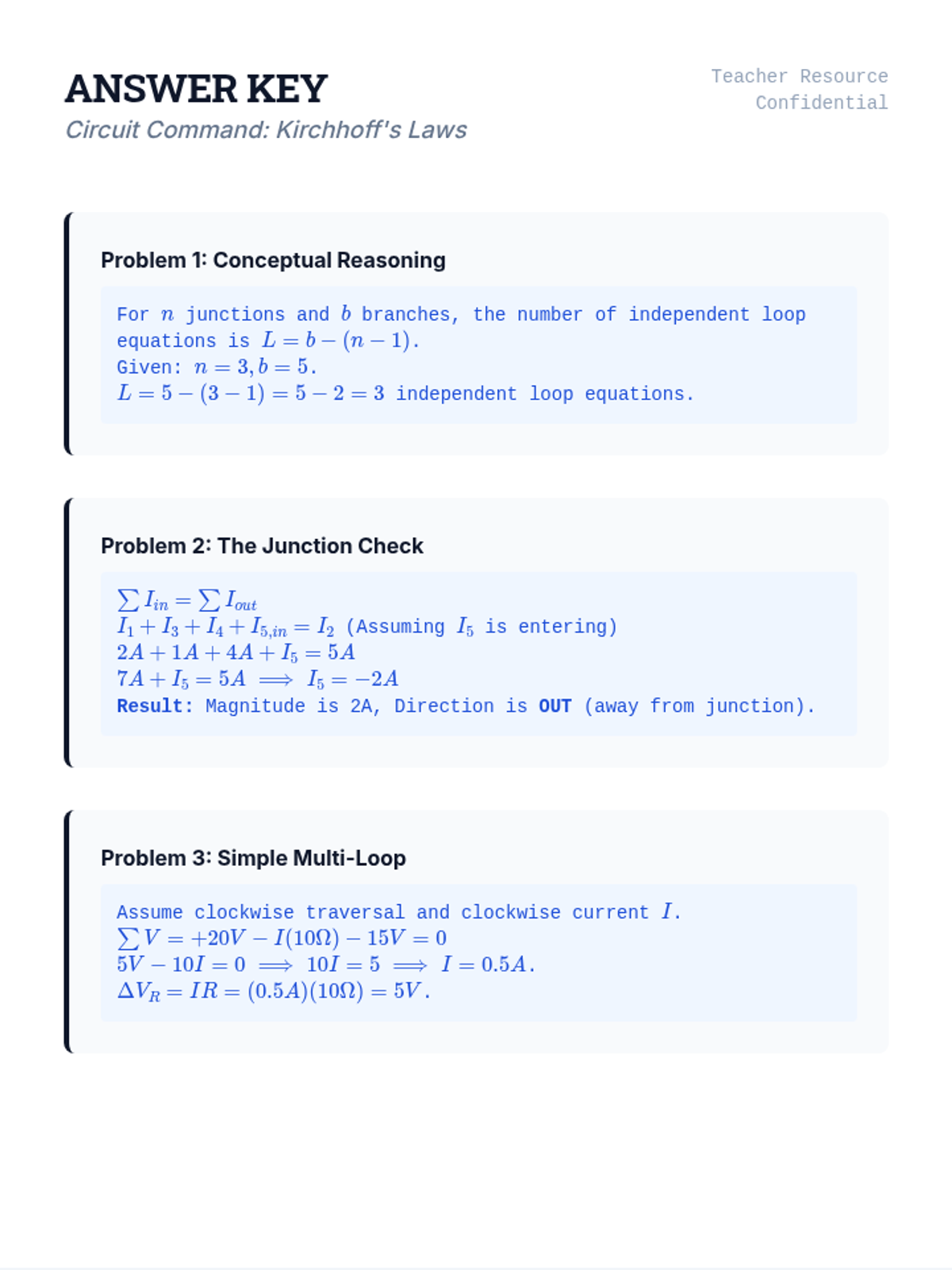
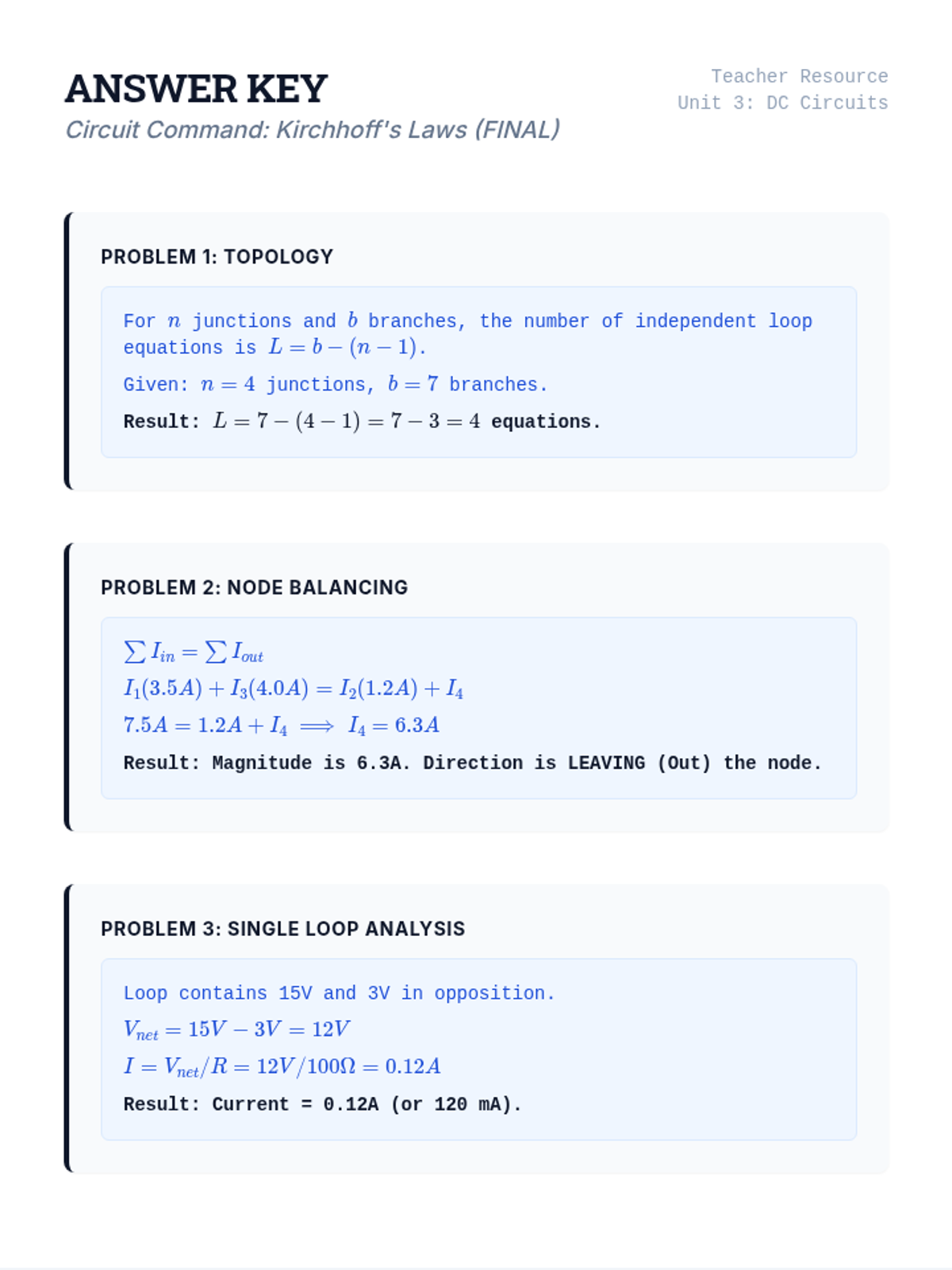
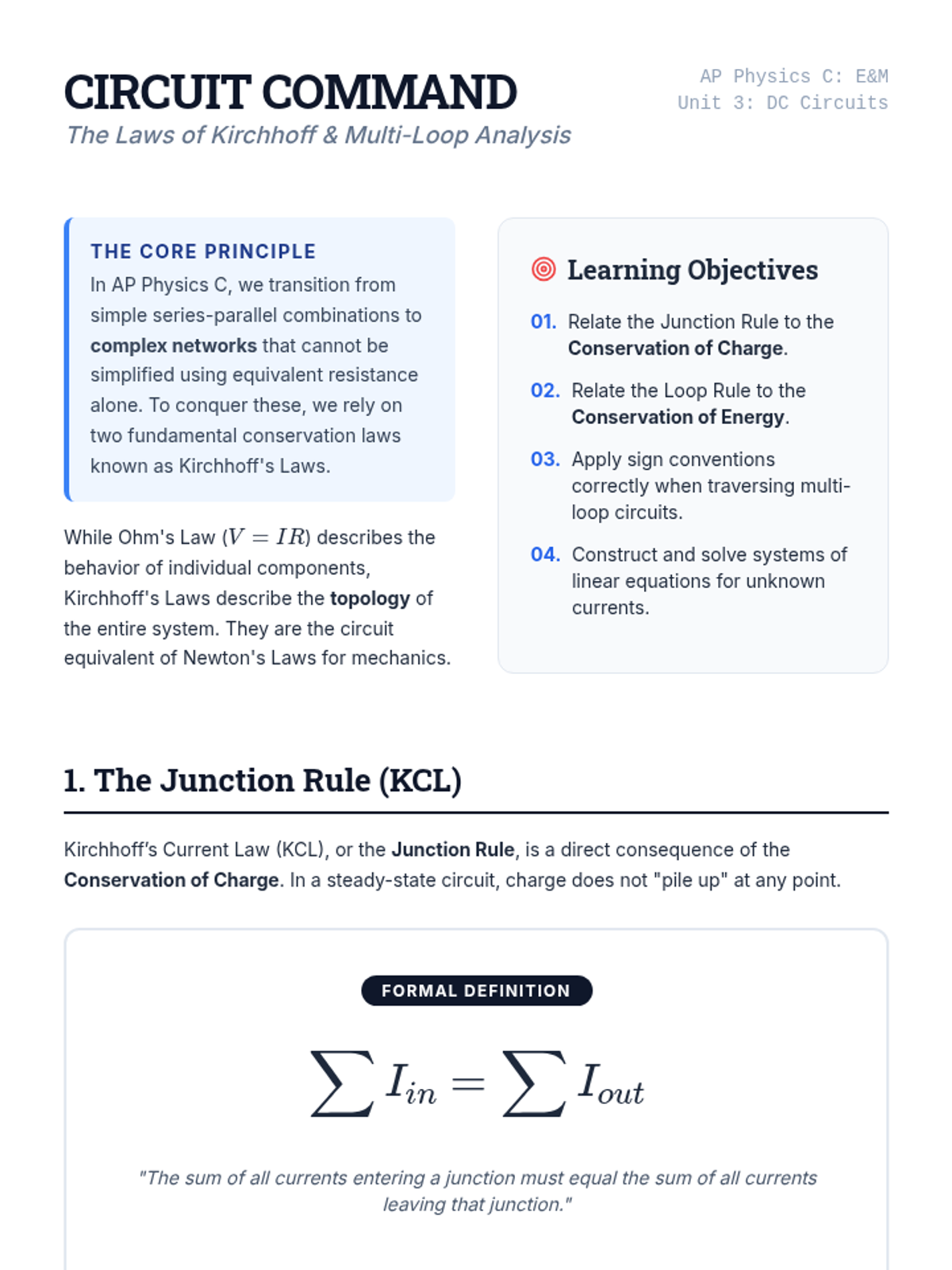
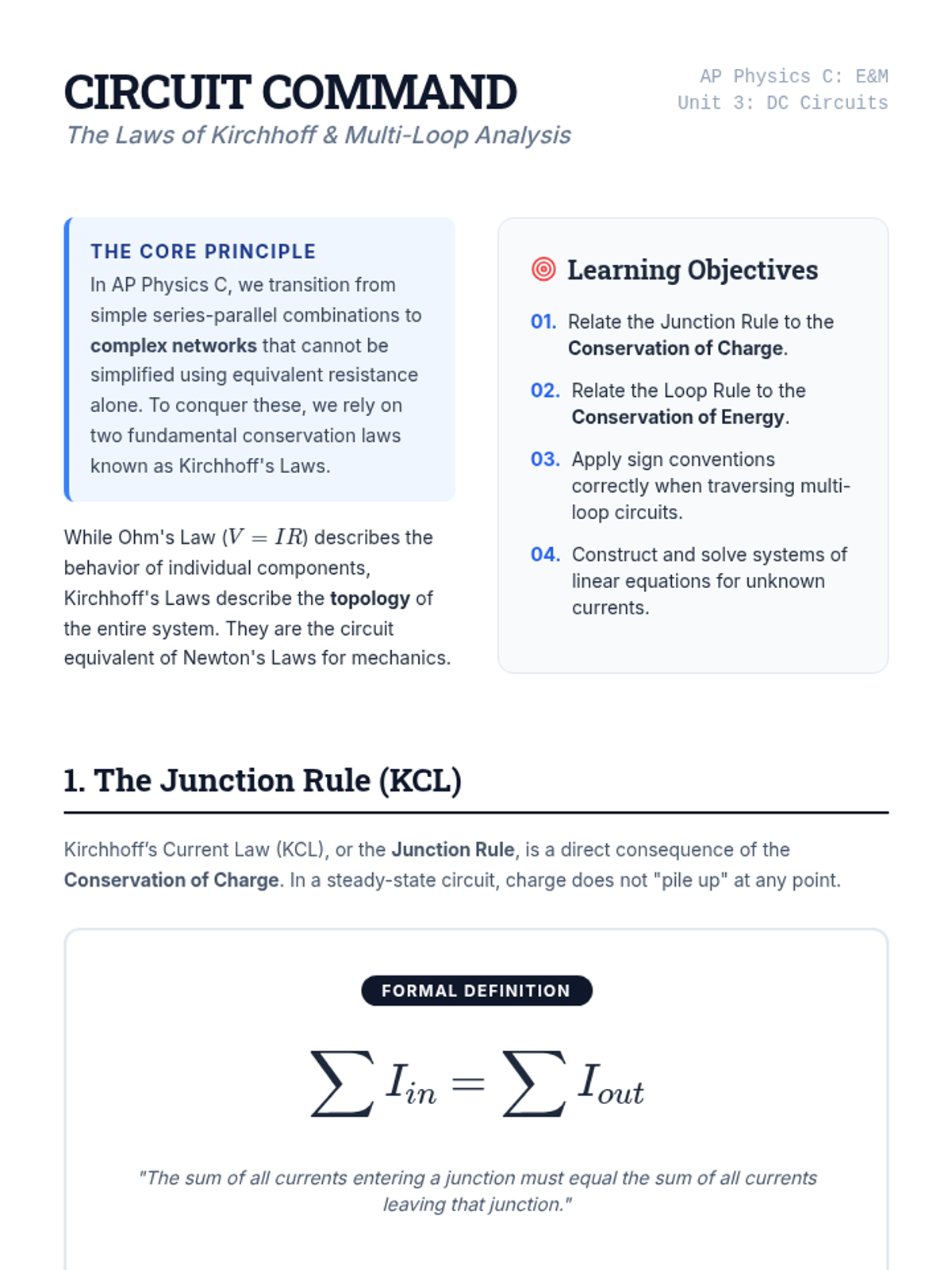
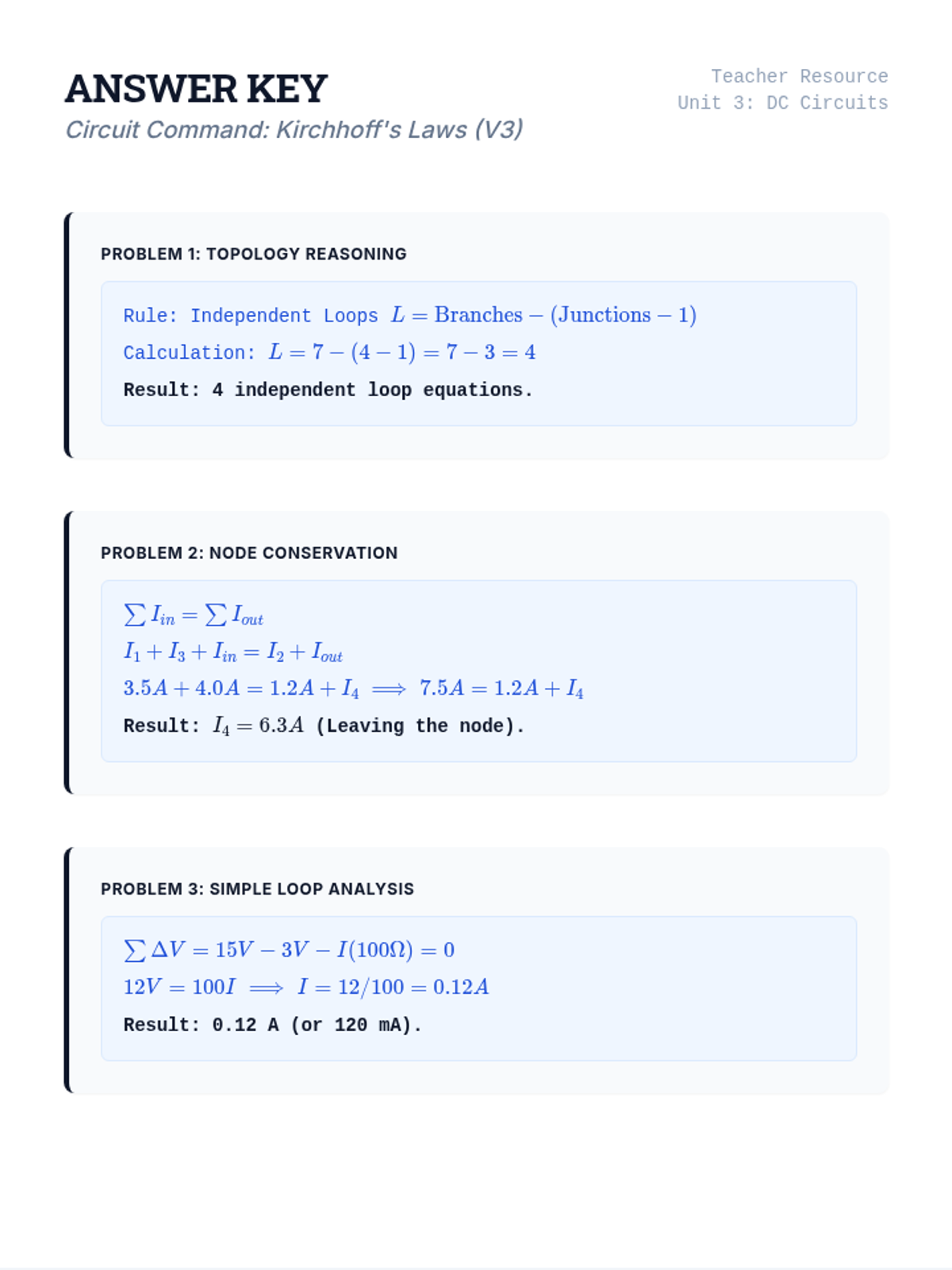
A comprehensive guide to Kirchhoff's Laws for AP Physics C, focusing on the Junction and Loop rules, conservation principles, and systematic problem-solving for multi-loop circuits.
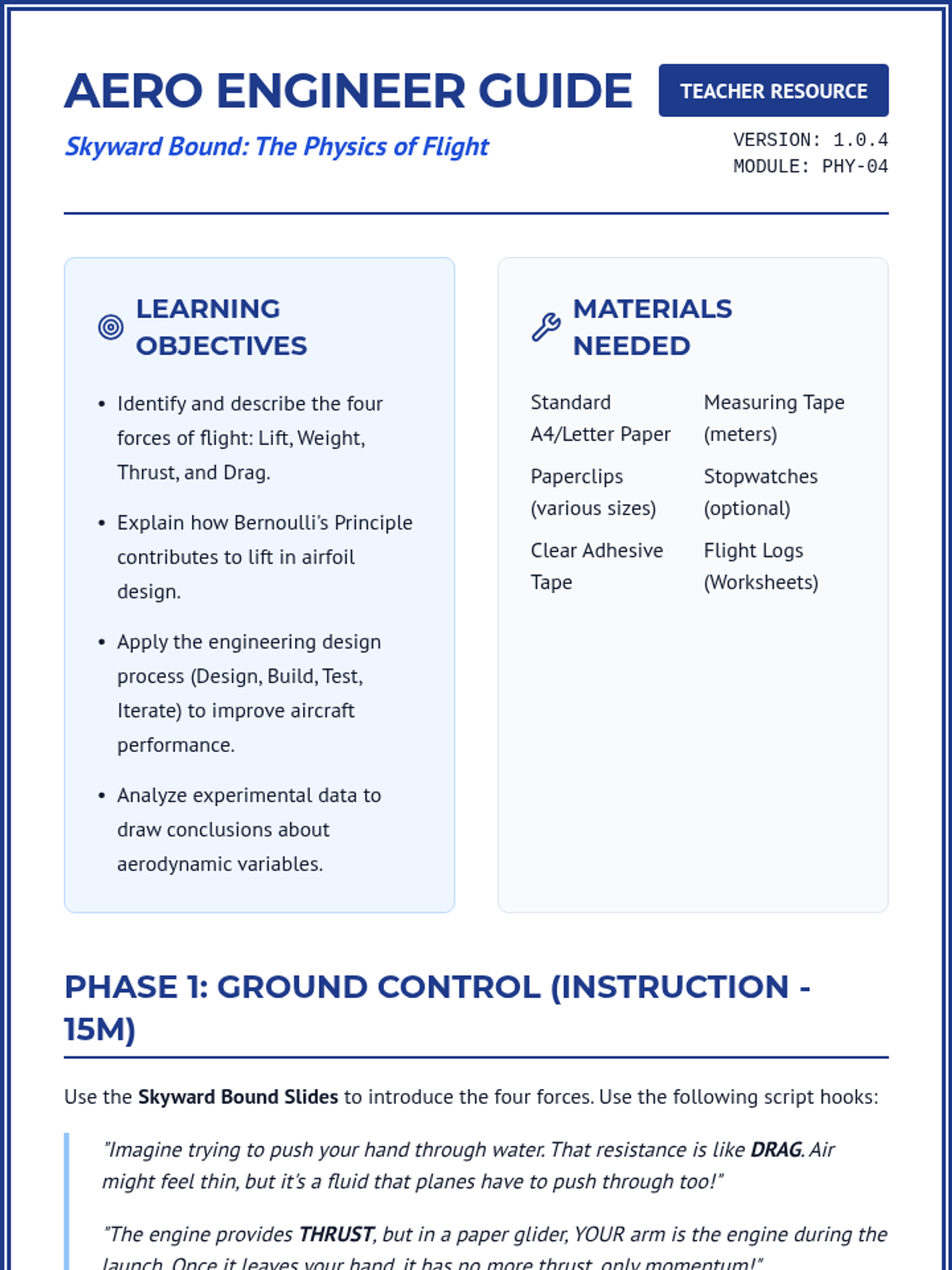
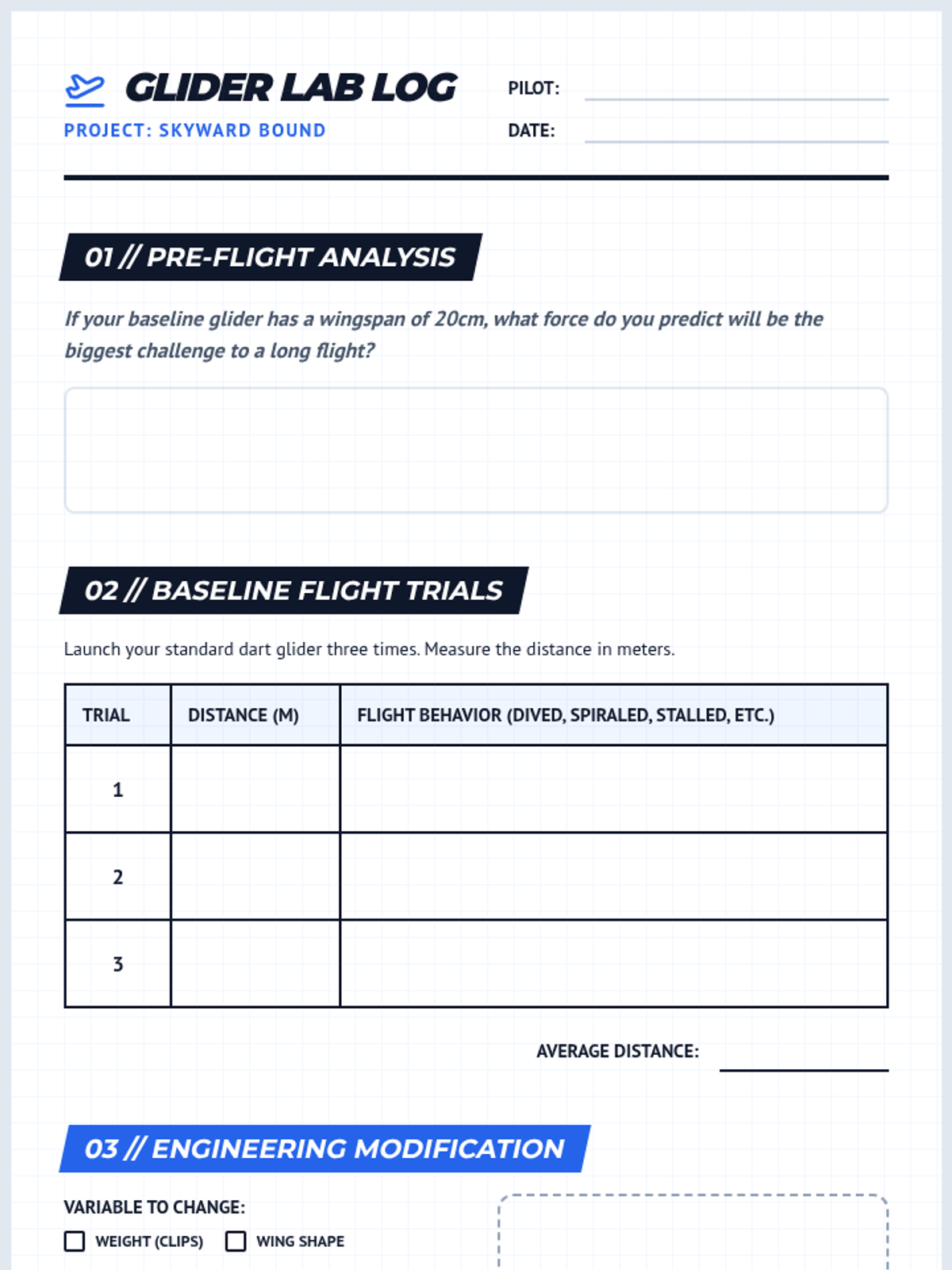
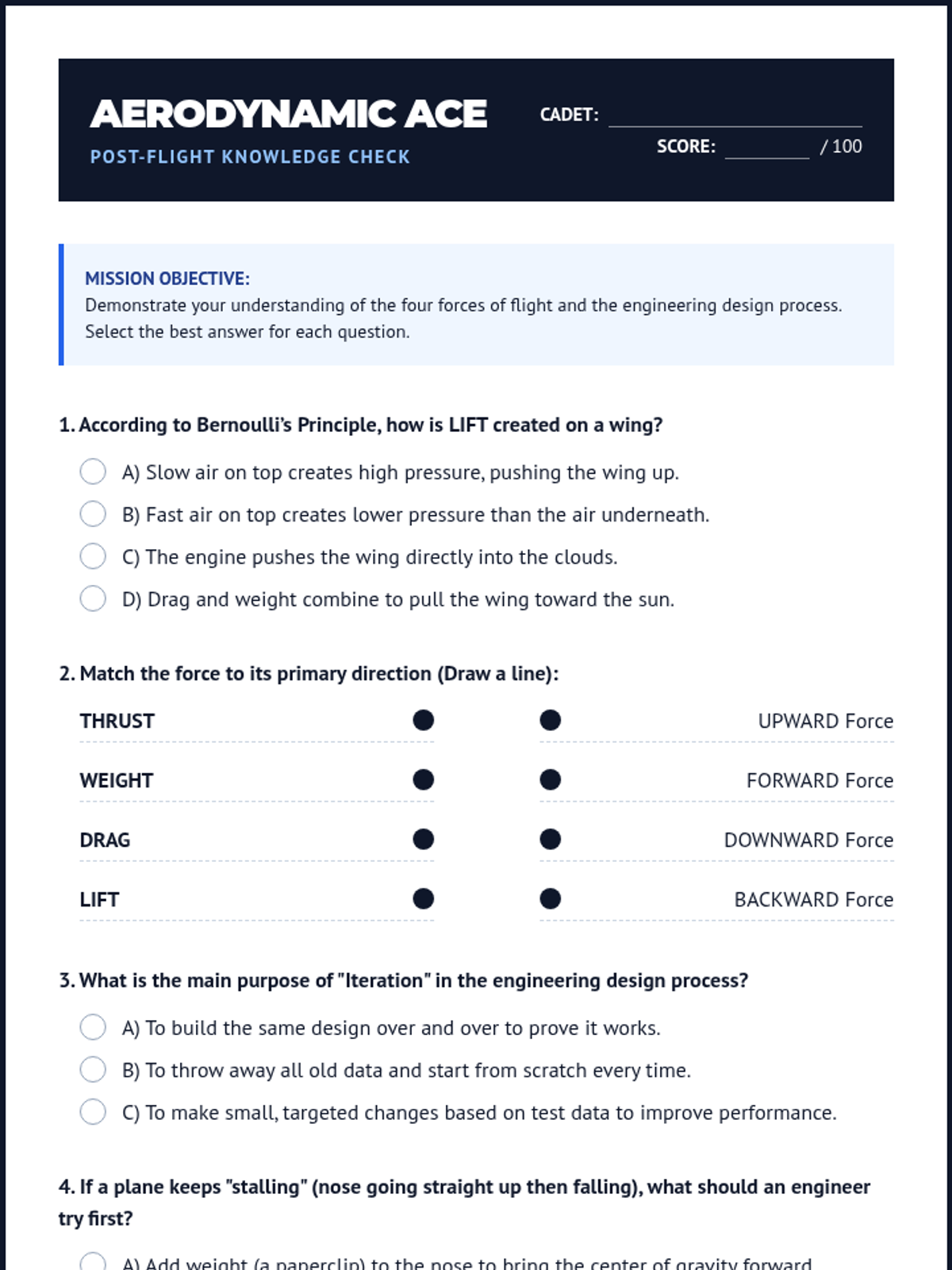
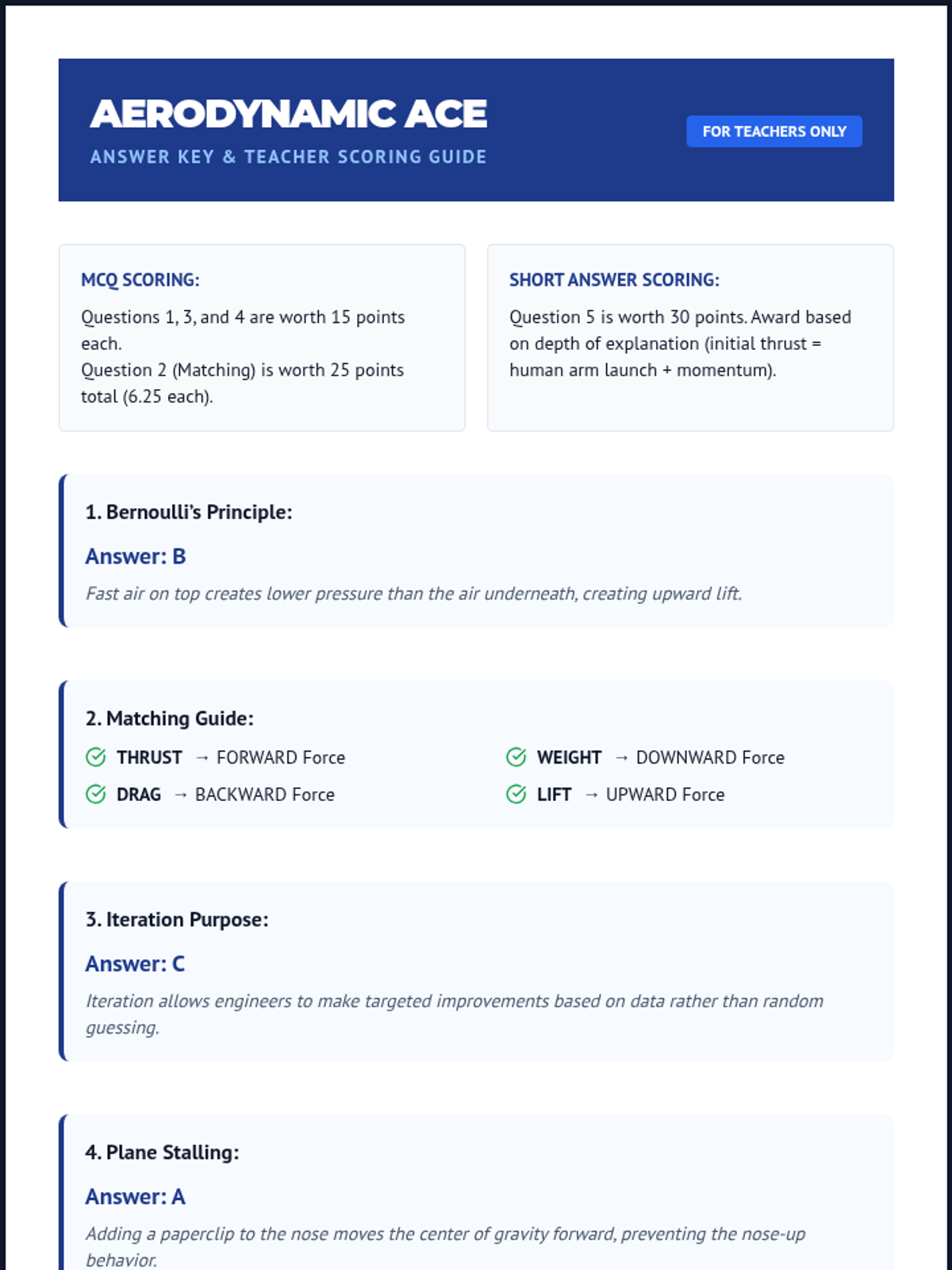
An inquiry-based exploration of the four forces of flight—lift, weight, thrust, and drag—through the lens of aerospace engineering. Students design, test, and iterate on paper gliders to observe aerodynamic principles in action.
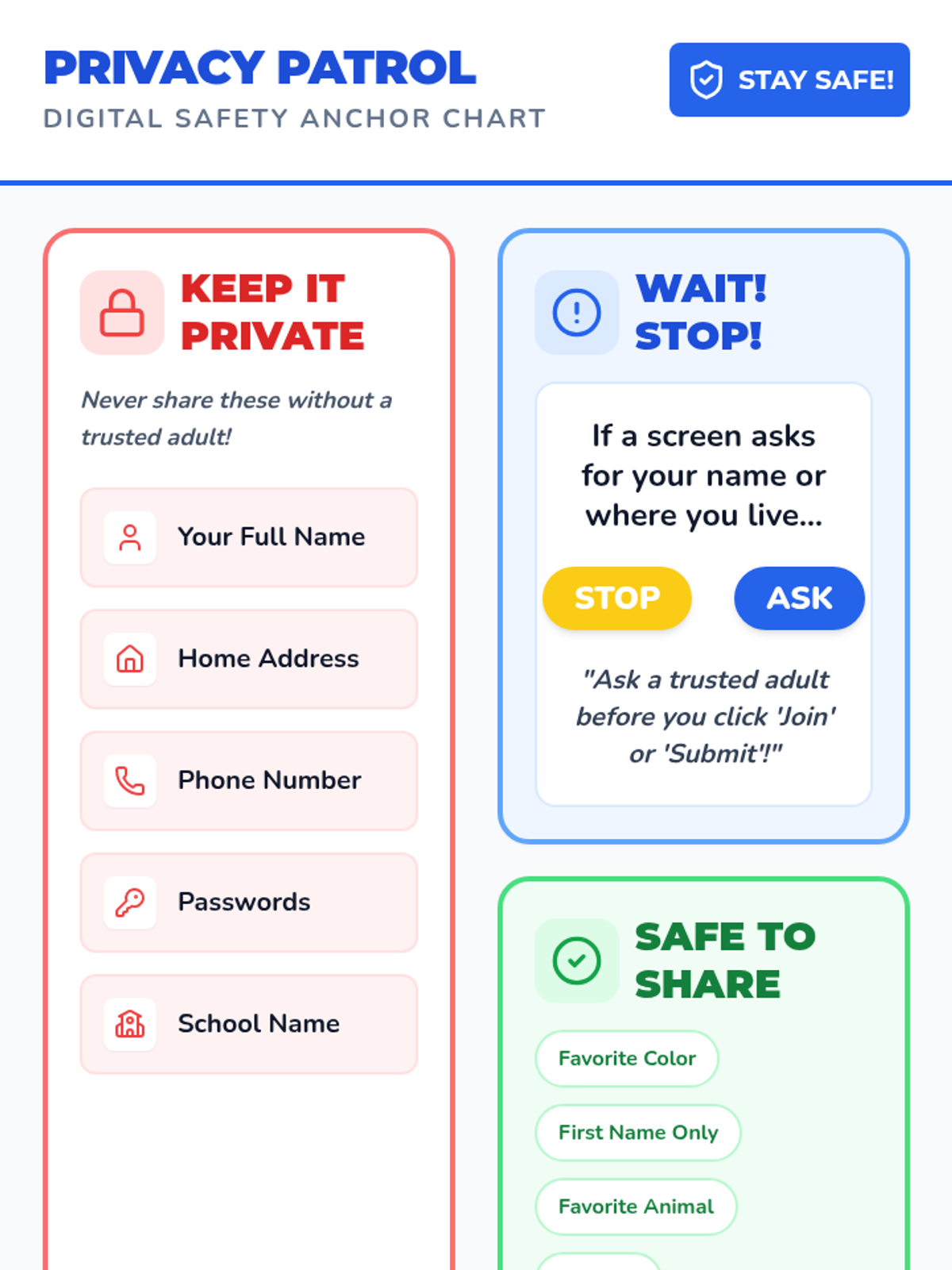
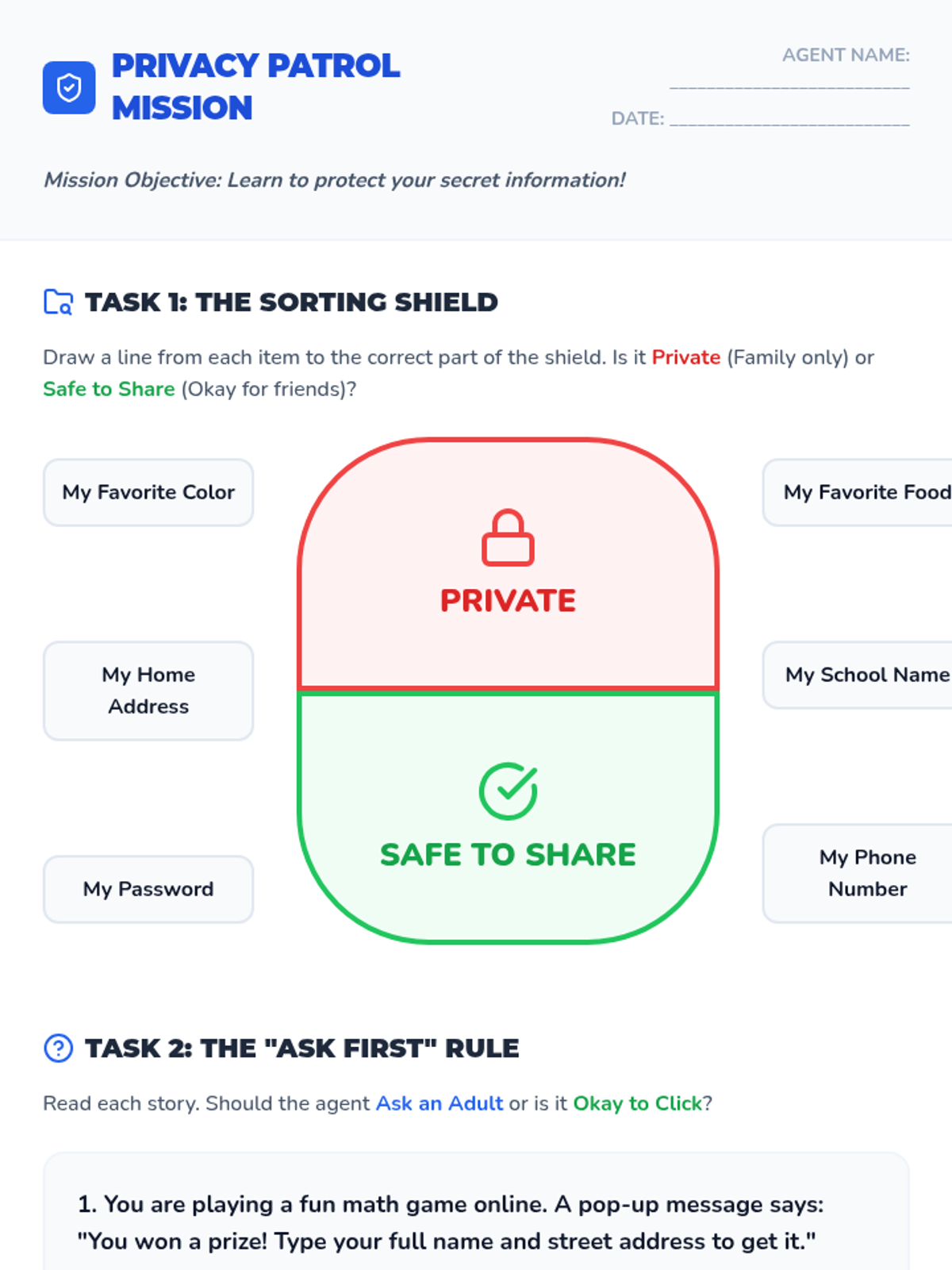
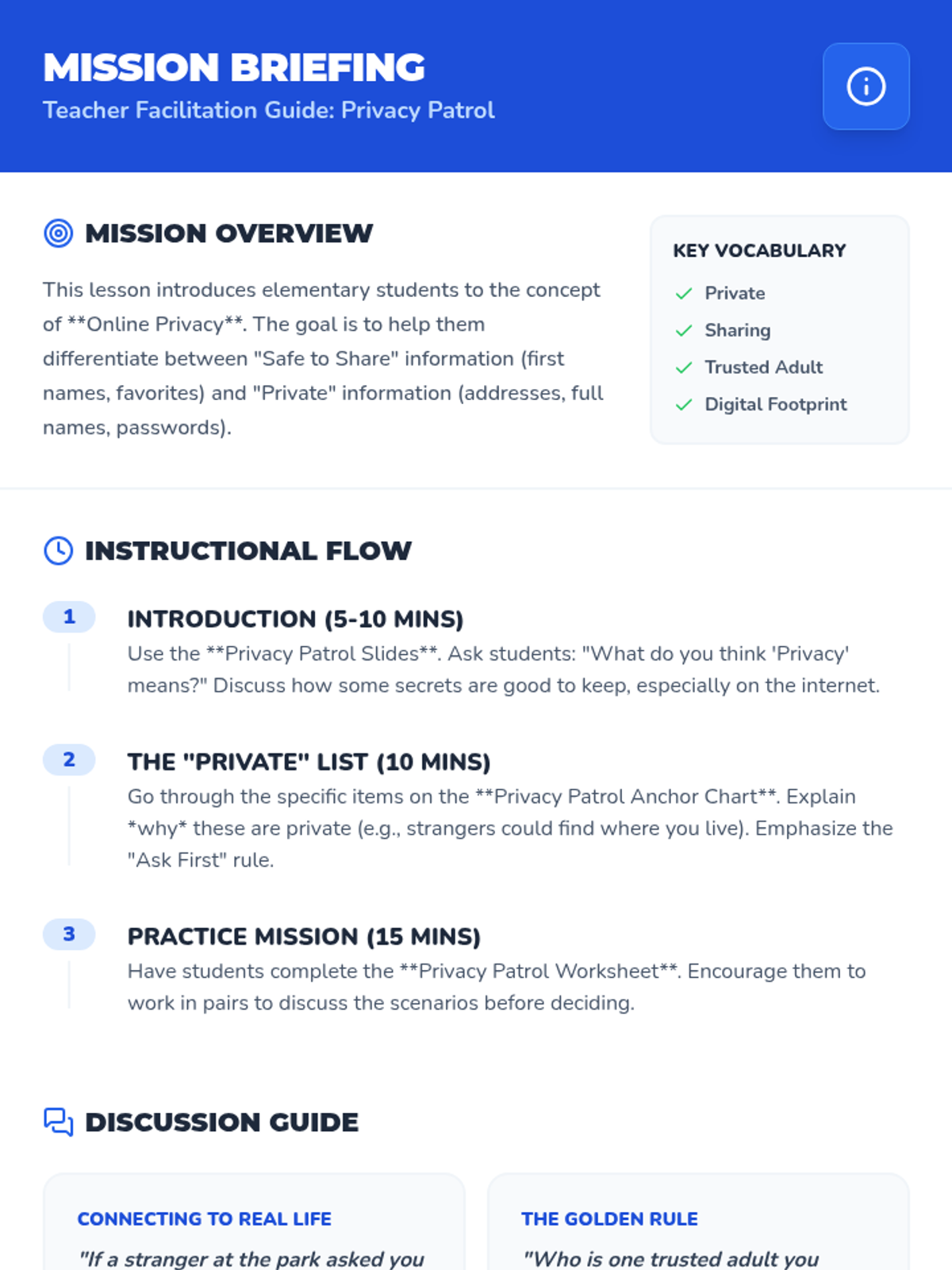
A foundational lesson on cybersecurity for elementary students, focusing on identifying personal information and learning the 'Ask First' rule for online sharing.
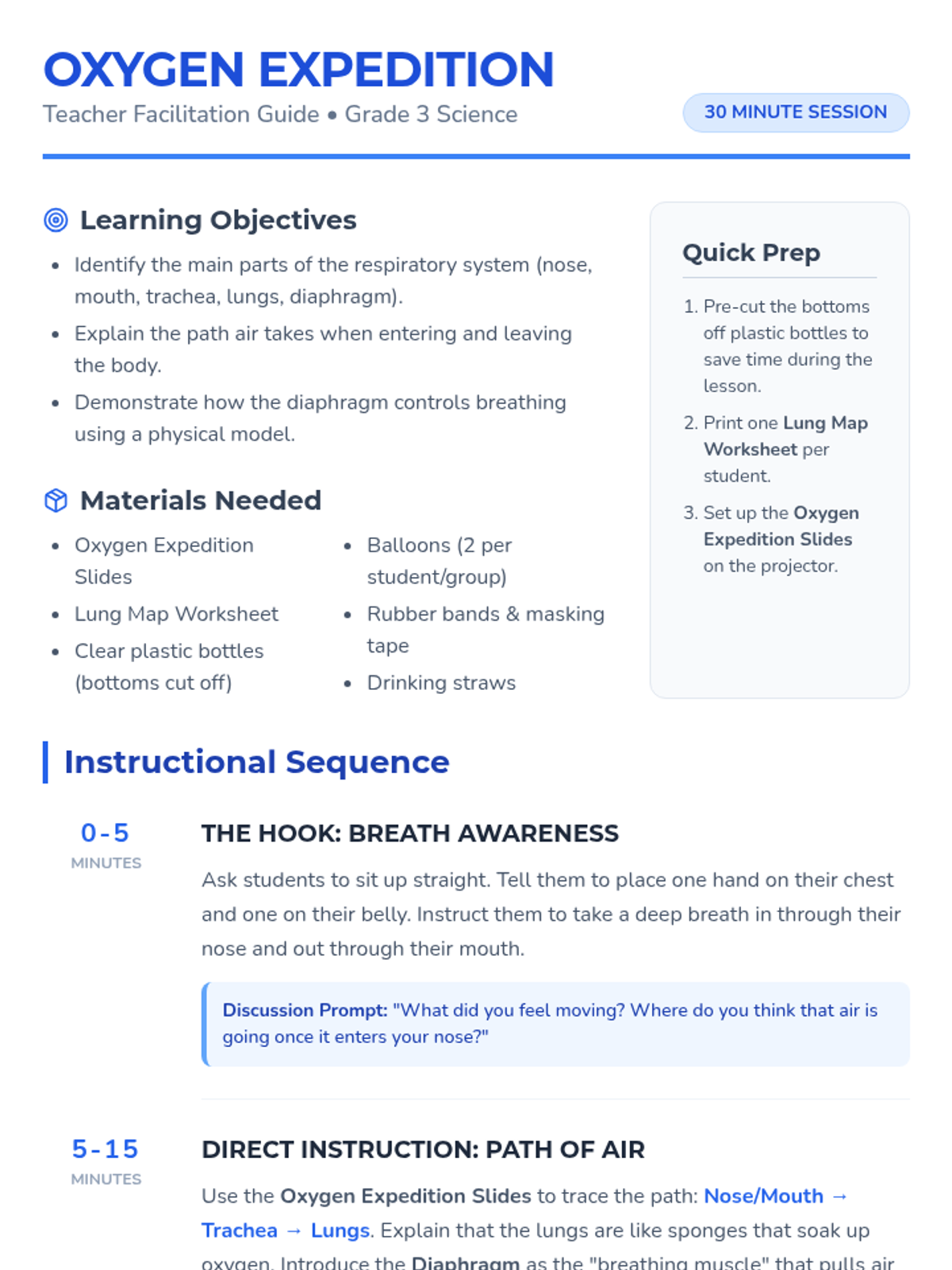
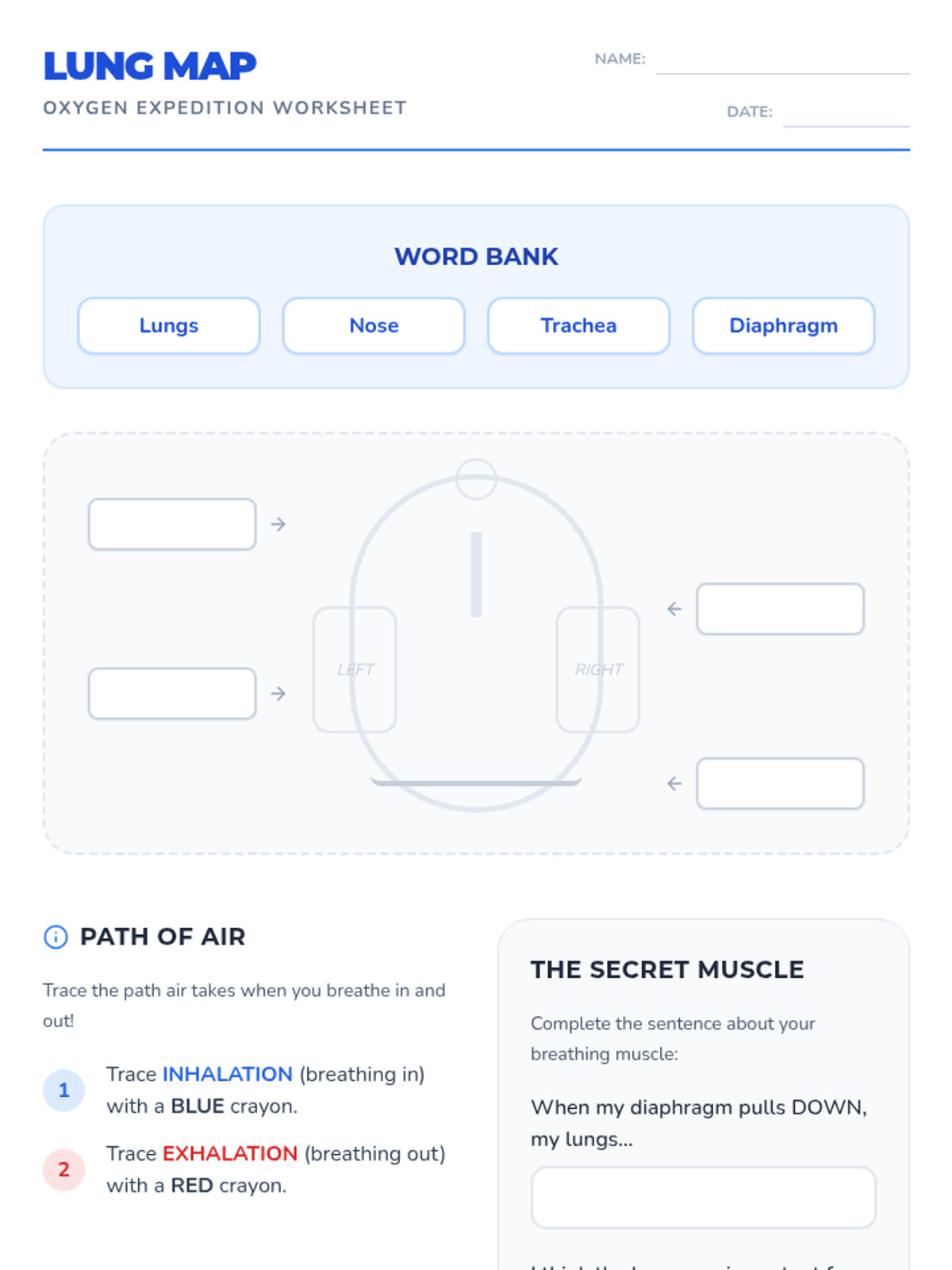
An introductory 30-minute lesson on the respiratory system for 3rd graders, focusing on the path of air and the mechanics of breathing using a hands-on lung model.
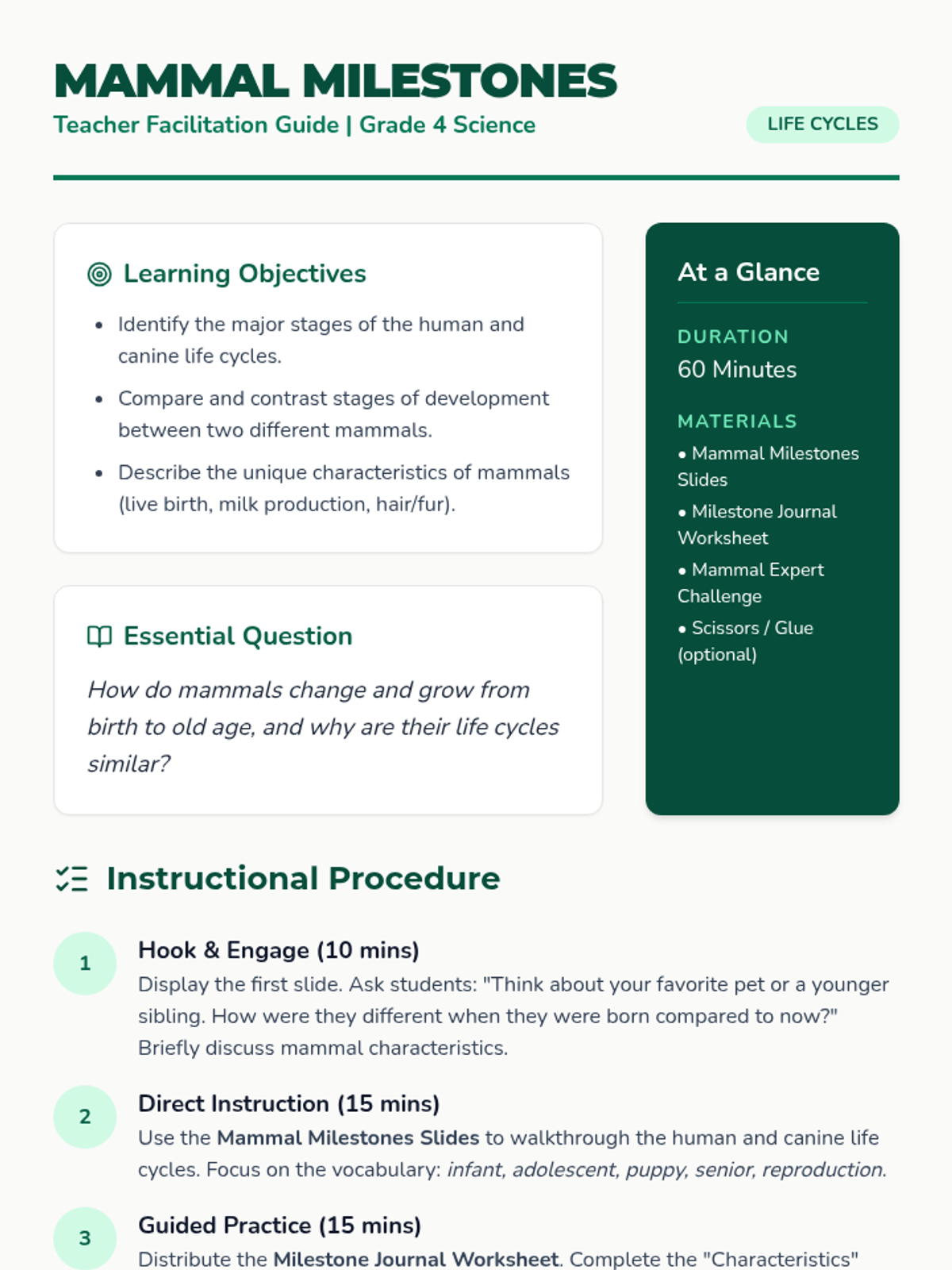
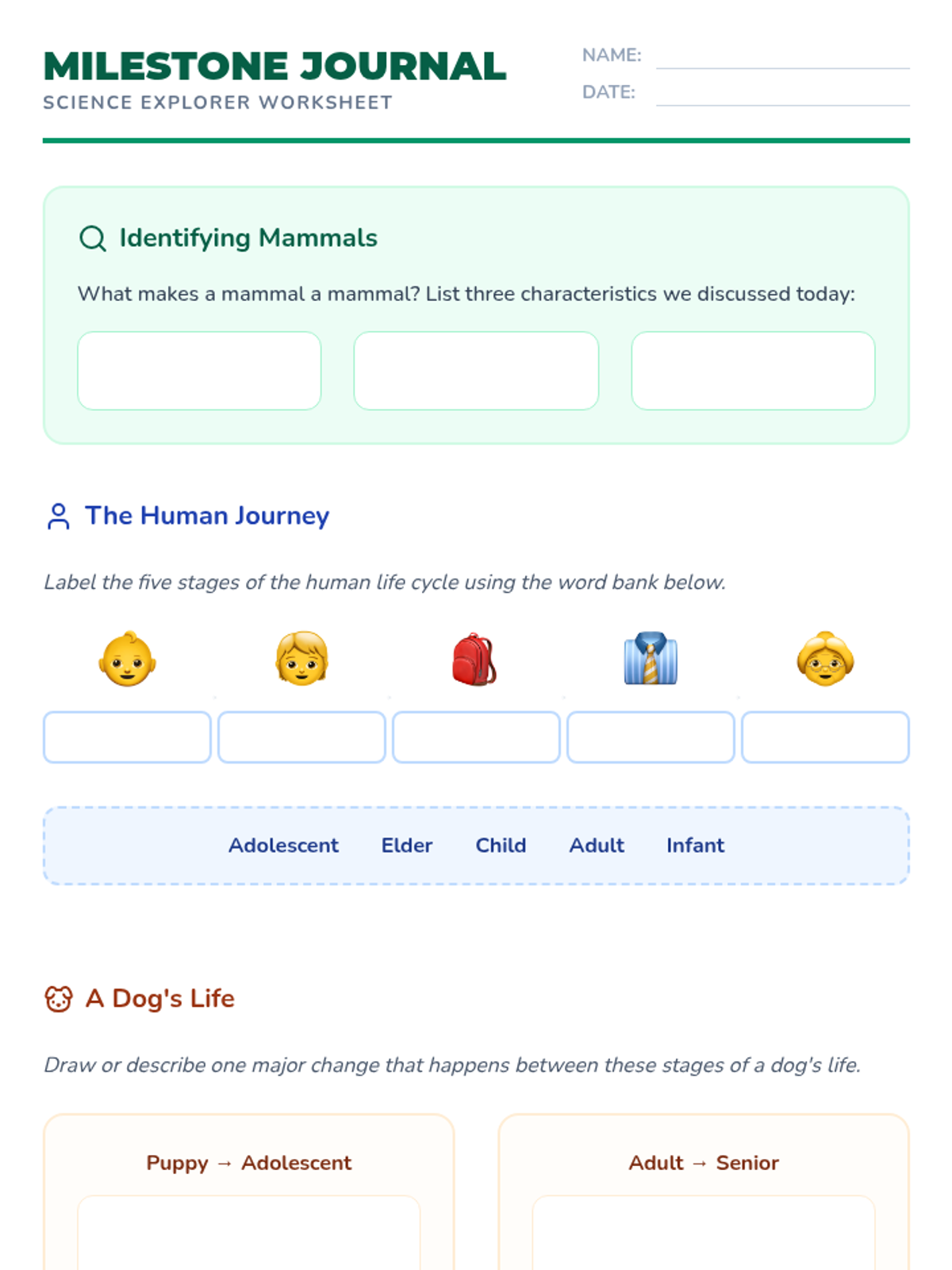
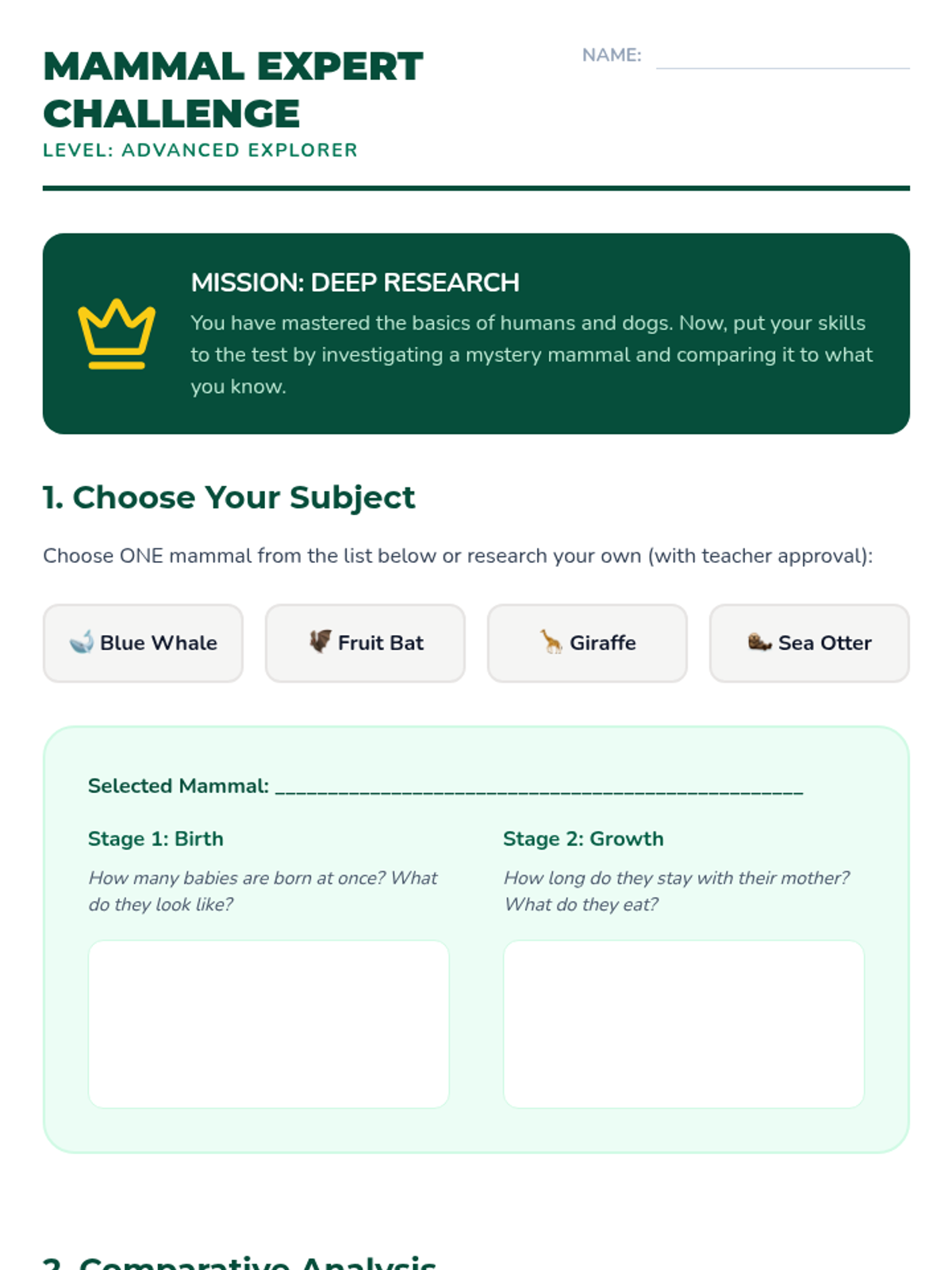
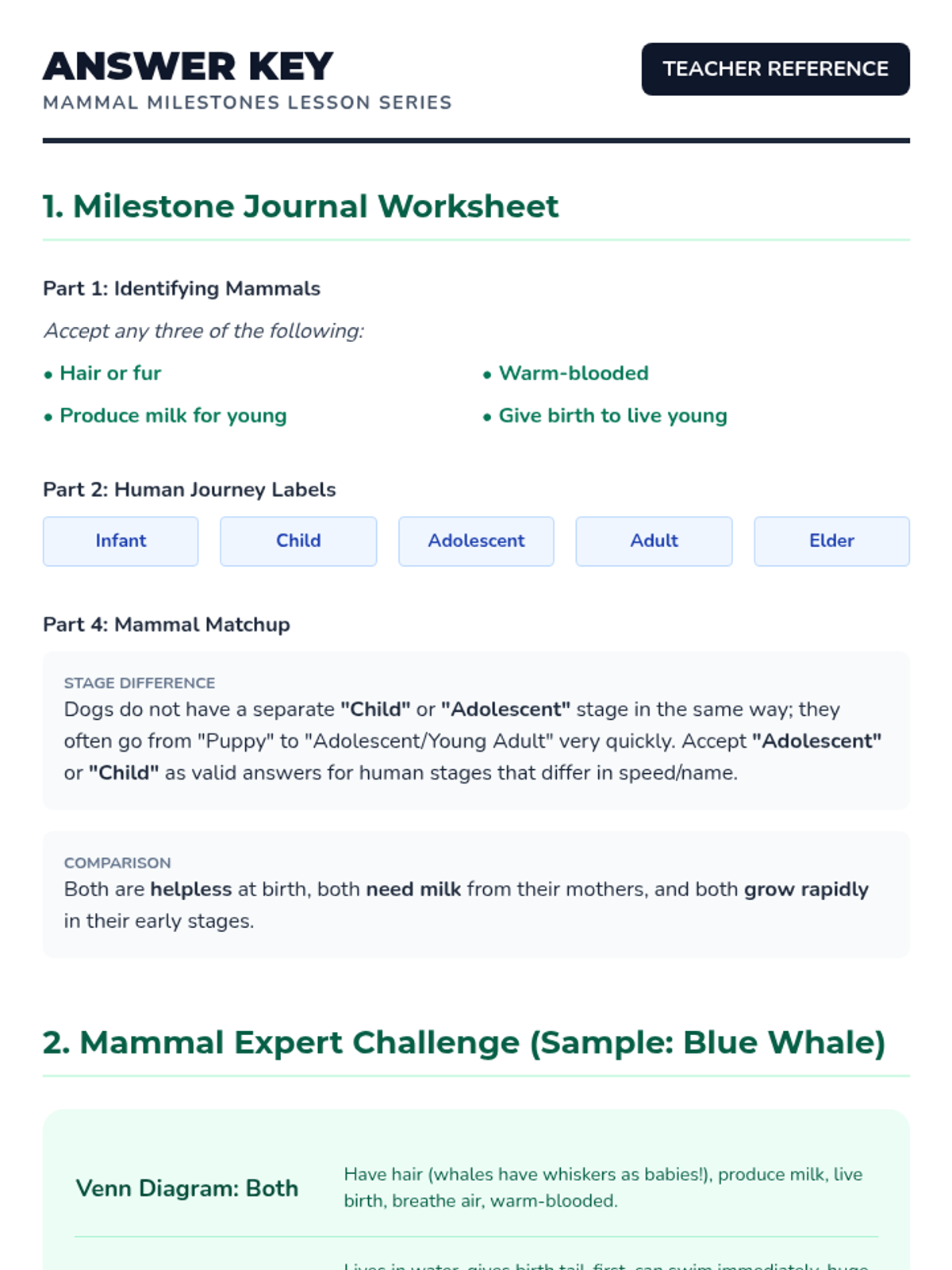
A comprehensive lesson exploring the unique stages of mammal life cycles, focusing on humans and dogs, with differentiated activities for 4th-grade students.
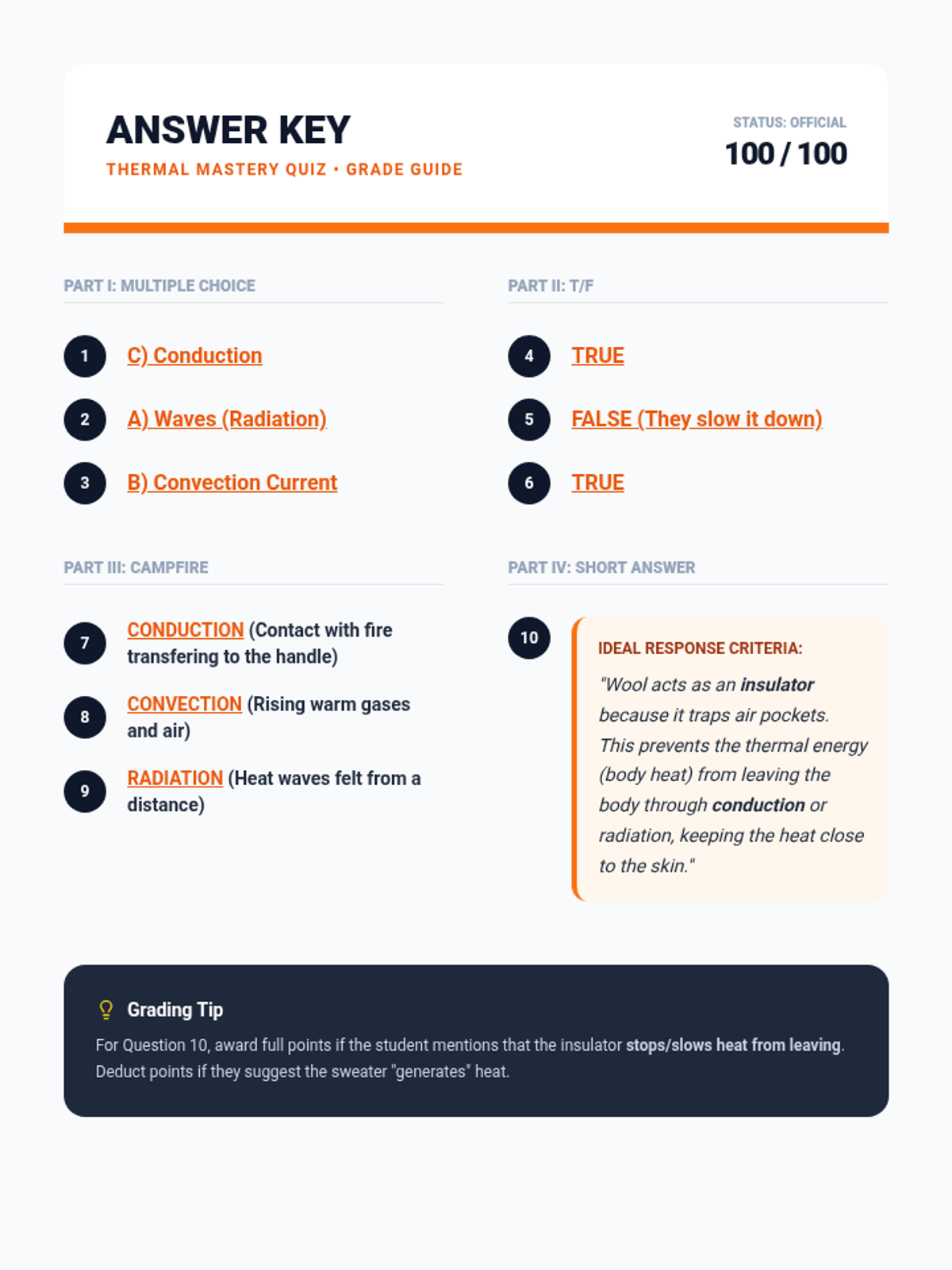
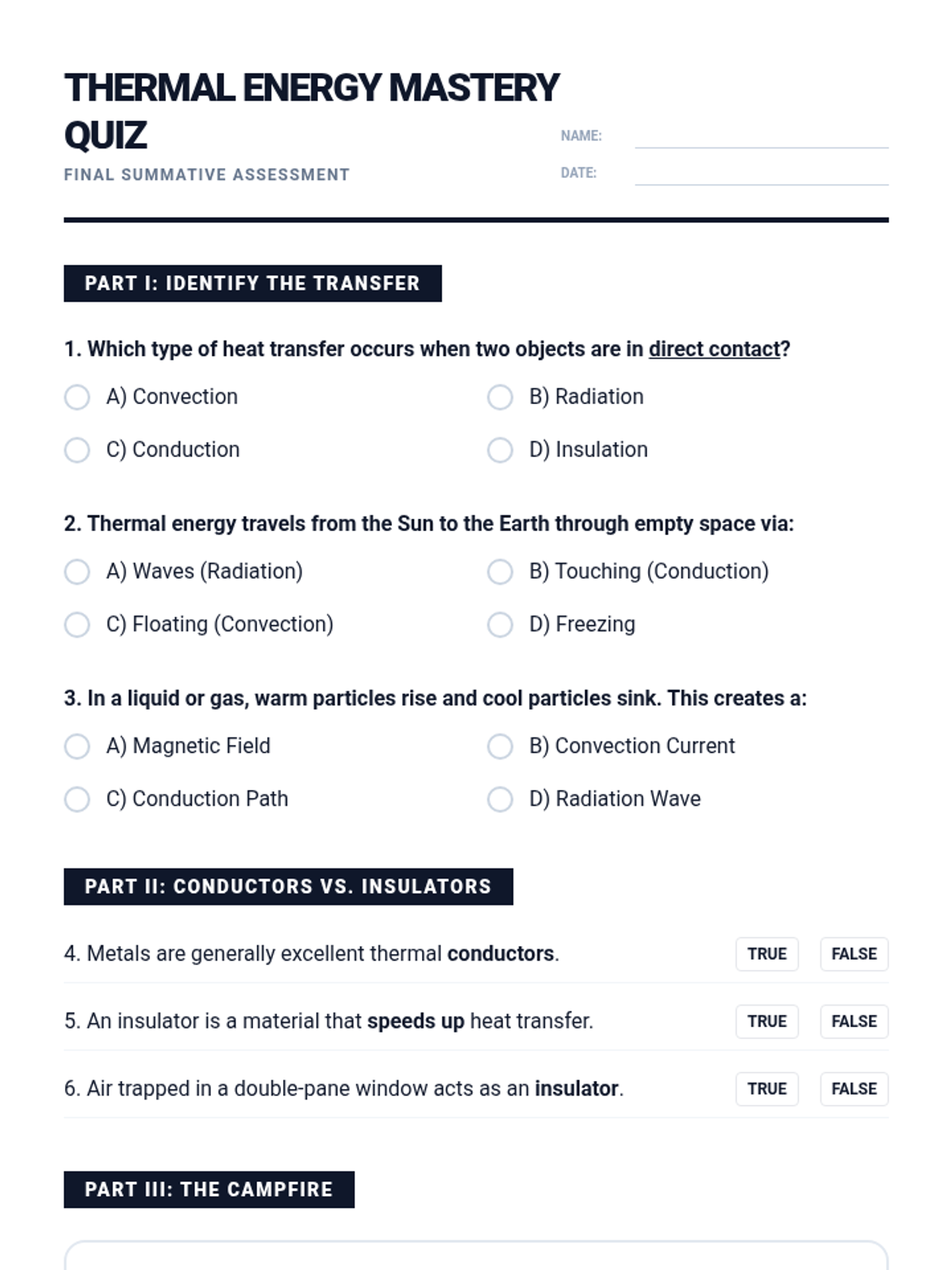
A final assessment to evaluate student understanding of thermal energy transfer, insulators, and conductors.
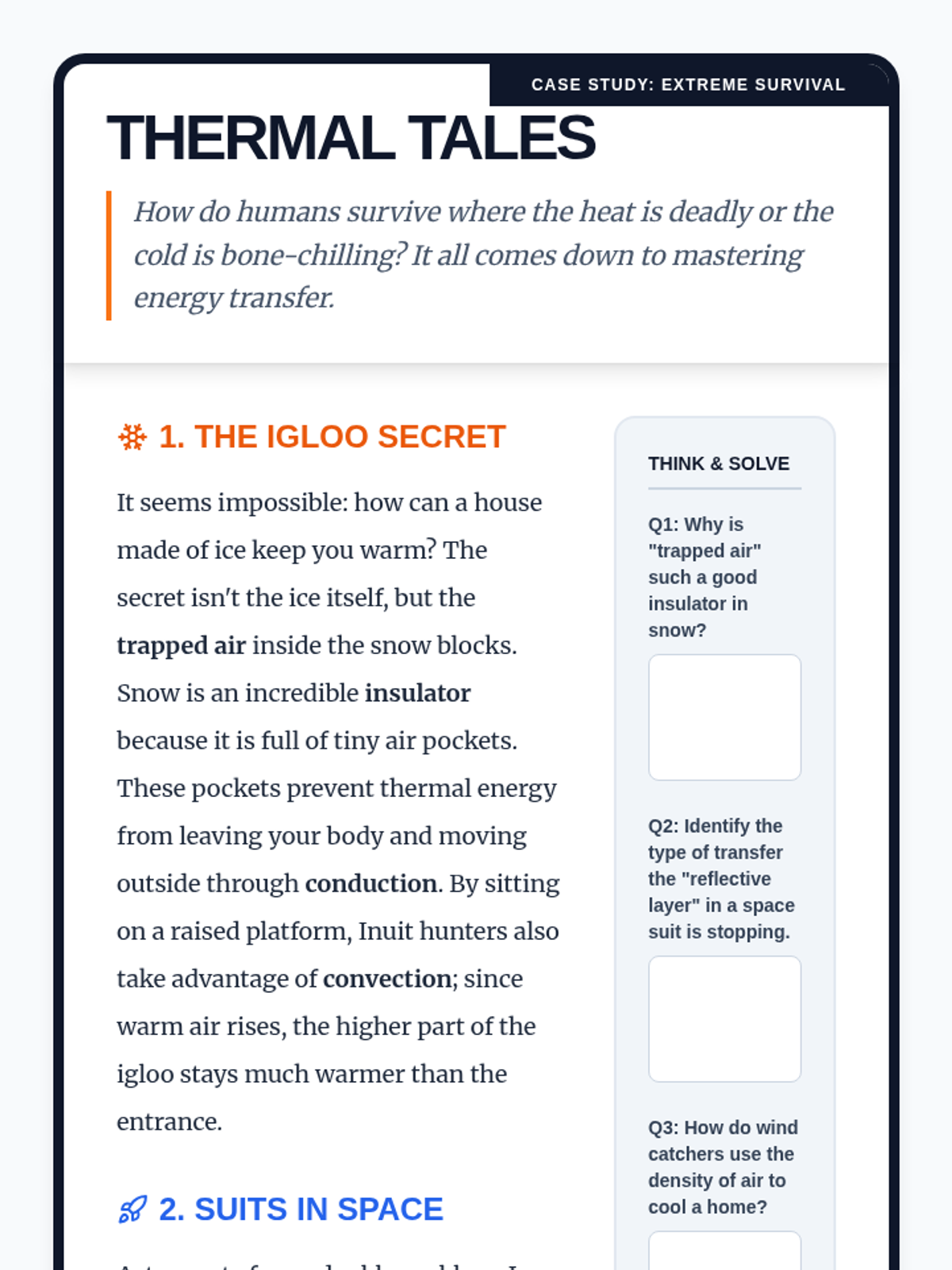
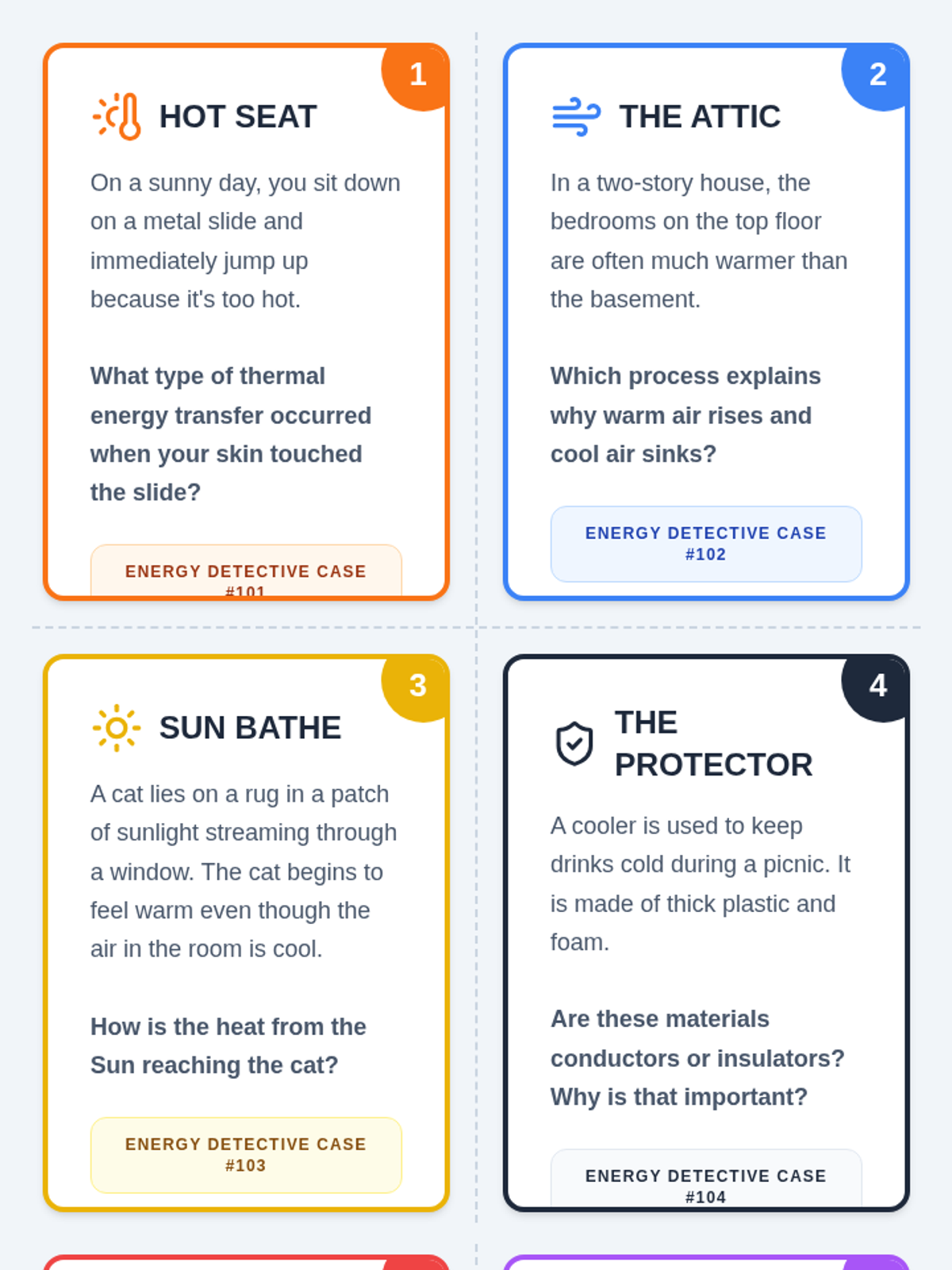
Applying thermal energy knowledge to complex real-world scenarios through a reading passage and interactive task cards.
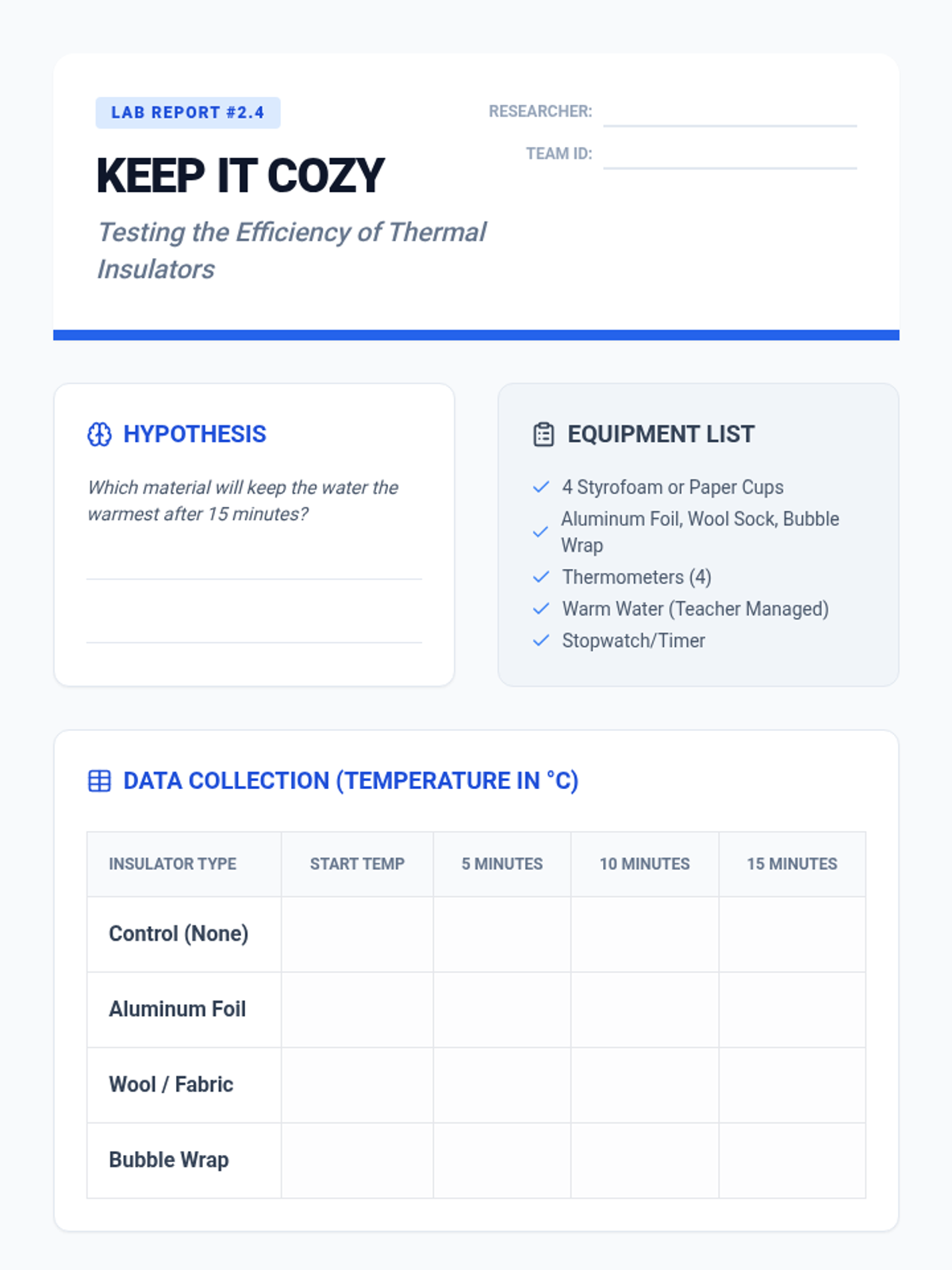
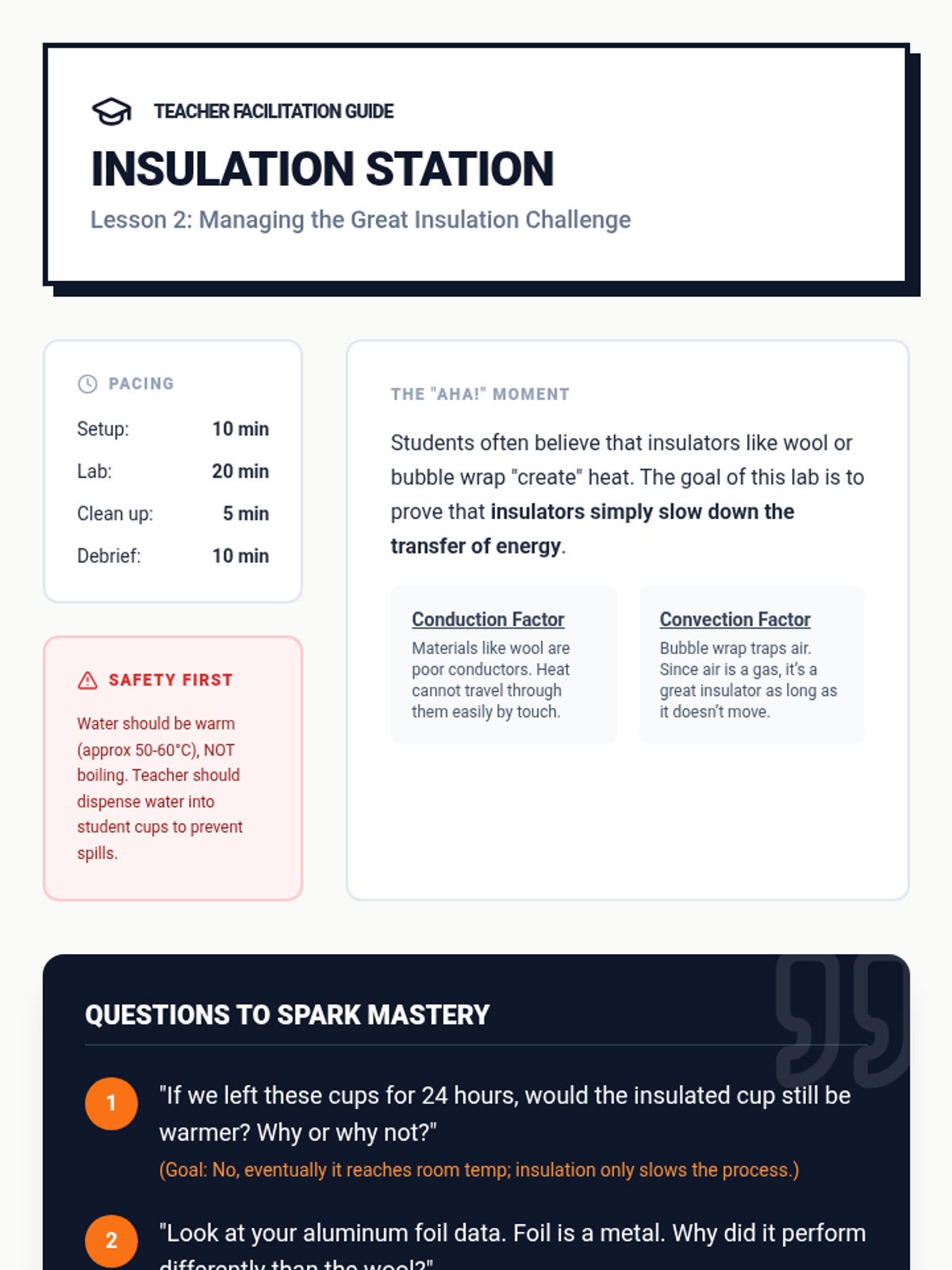
A hands-on laboratory experiment where students test various materials to determine their effectiveness as insulators.
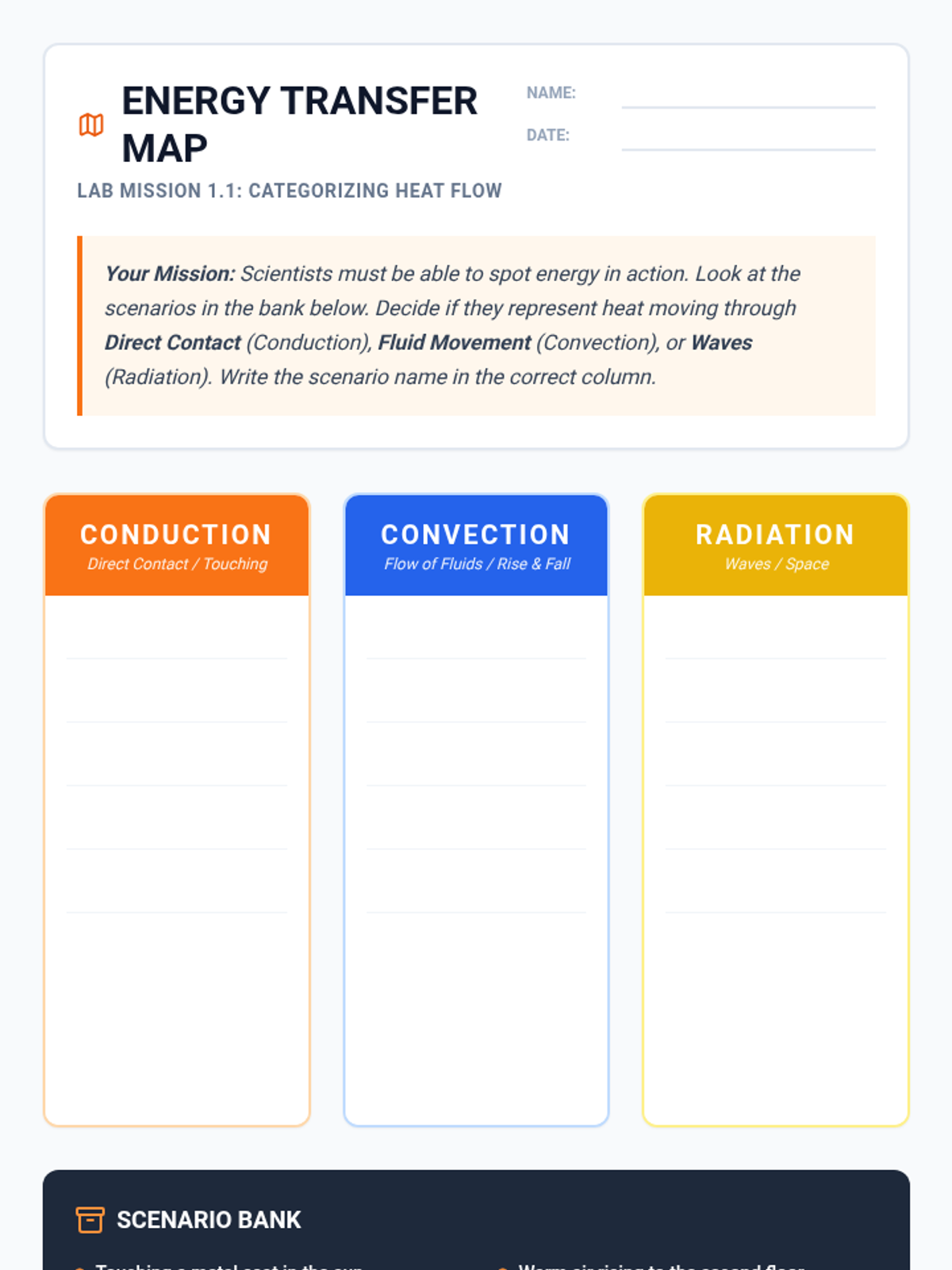
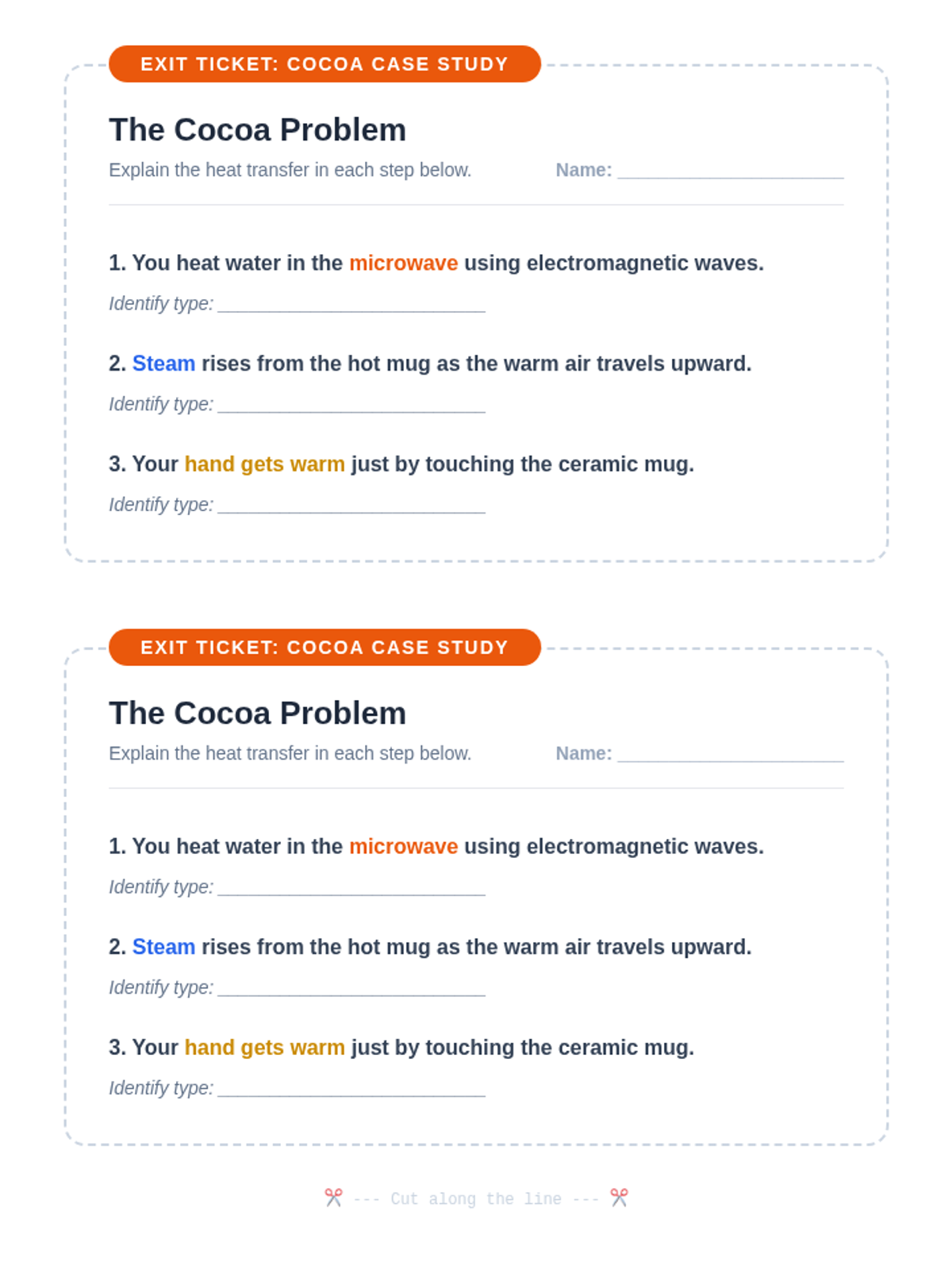
Reviewing the three types of heat transfer through interactive slides and a graphic organizer to connect concepts to everyday life.
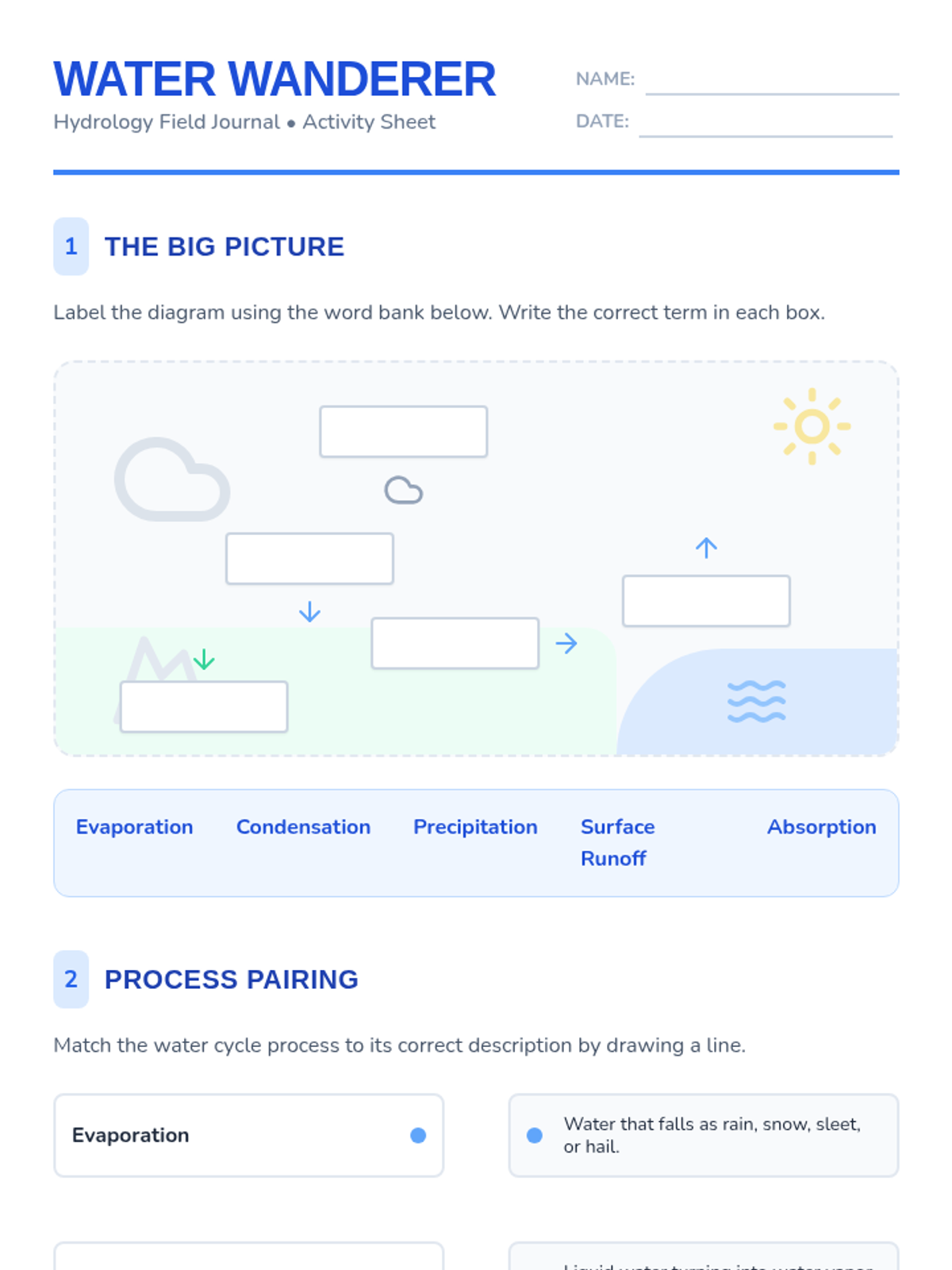
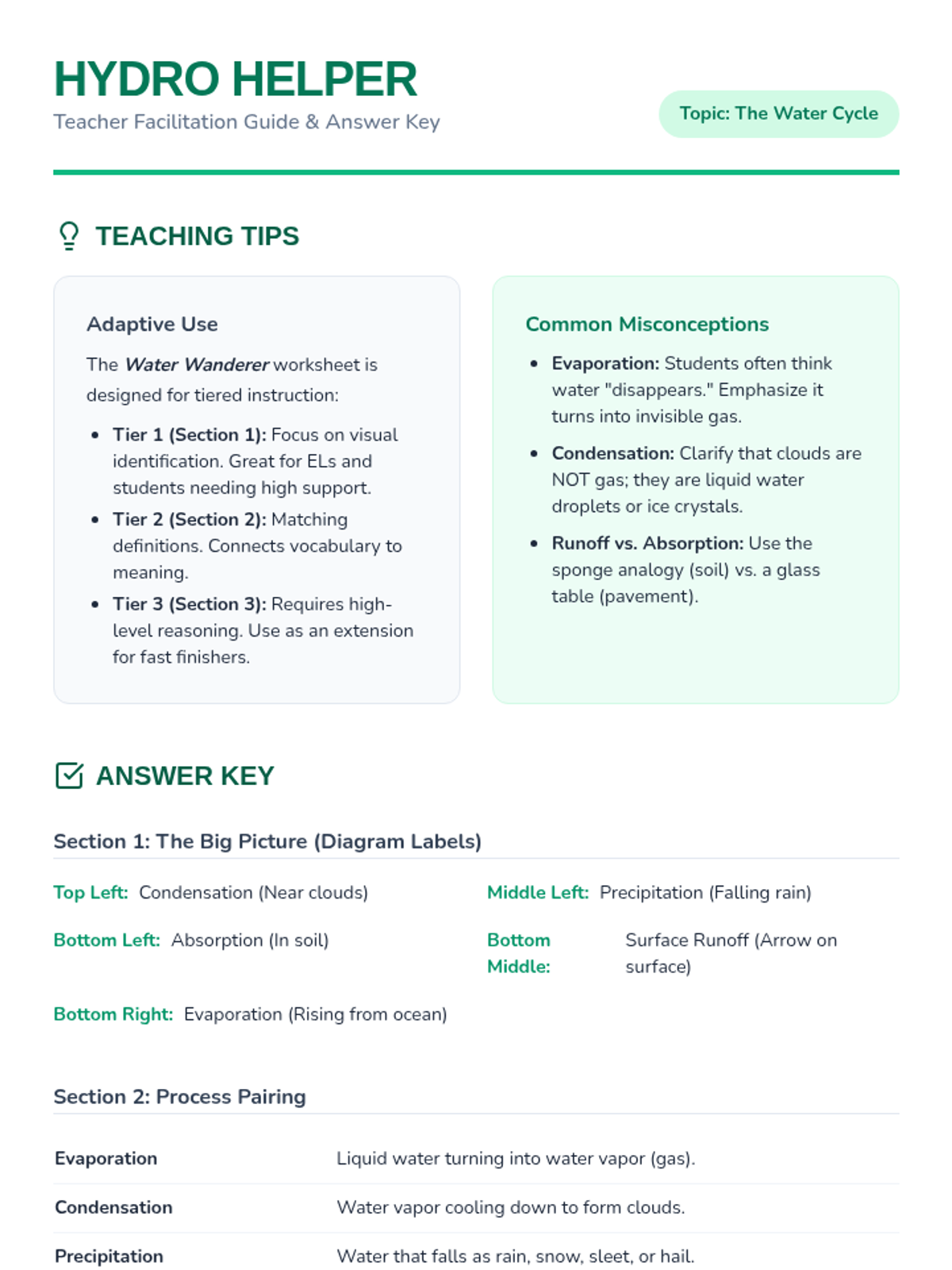
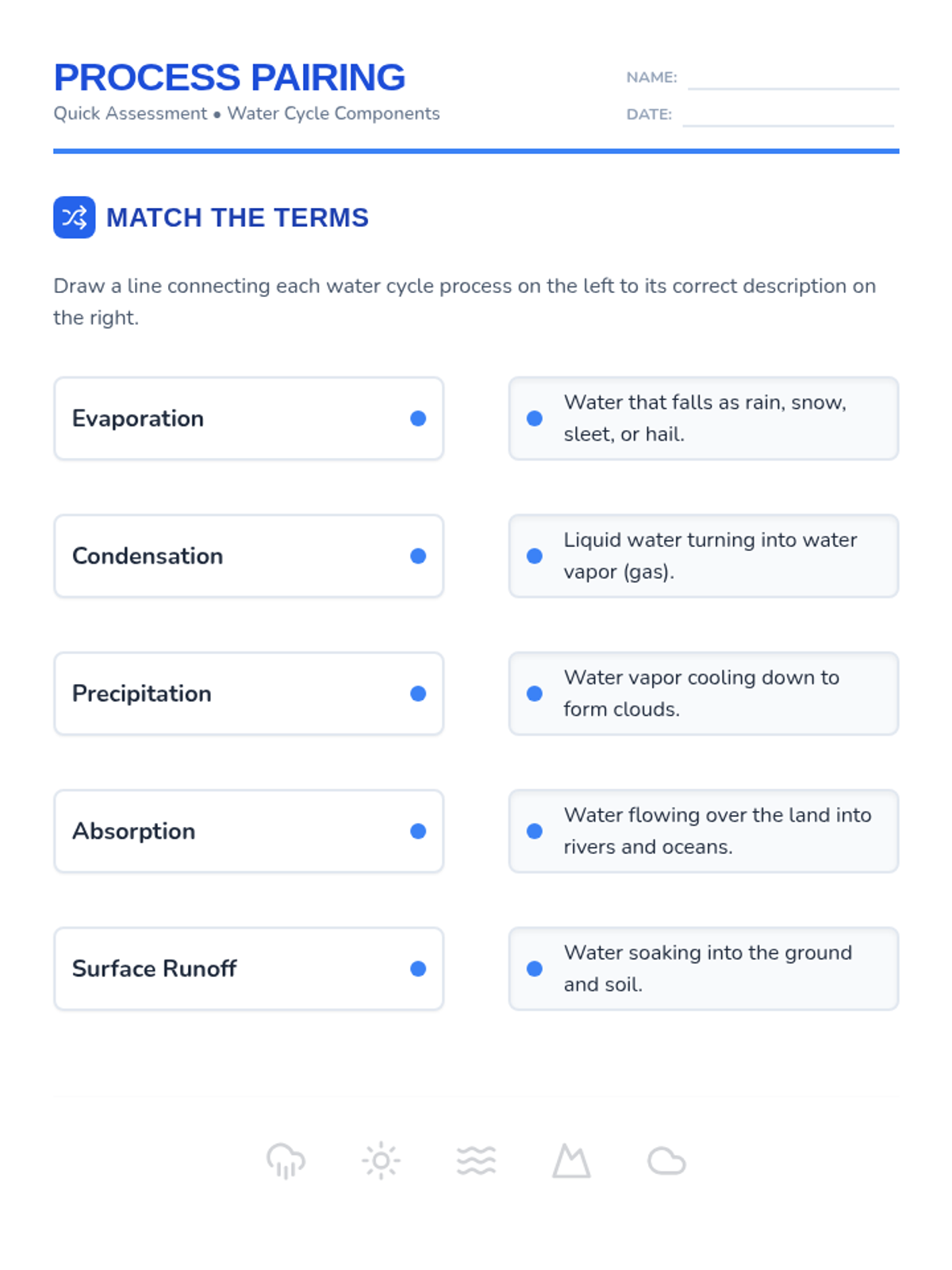
A comprehensive lesson on the water cycle, covering evaporation, condensation, precipitation, runoff, and absorption through visual aids and tiered practice.
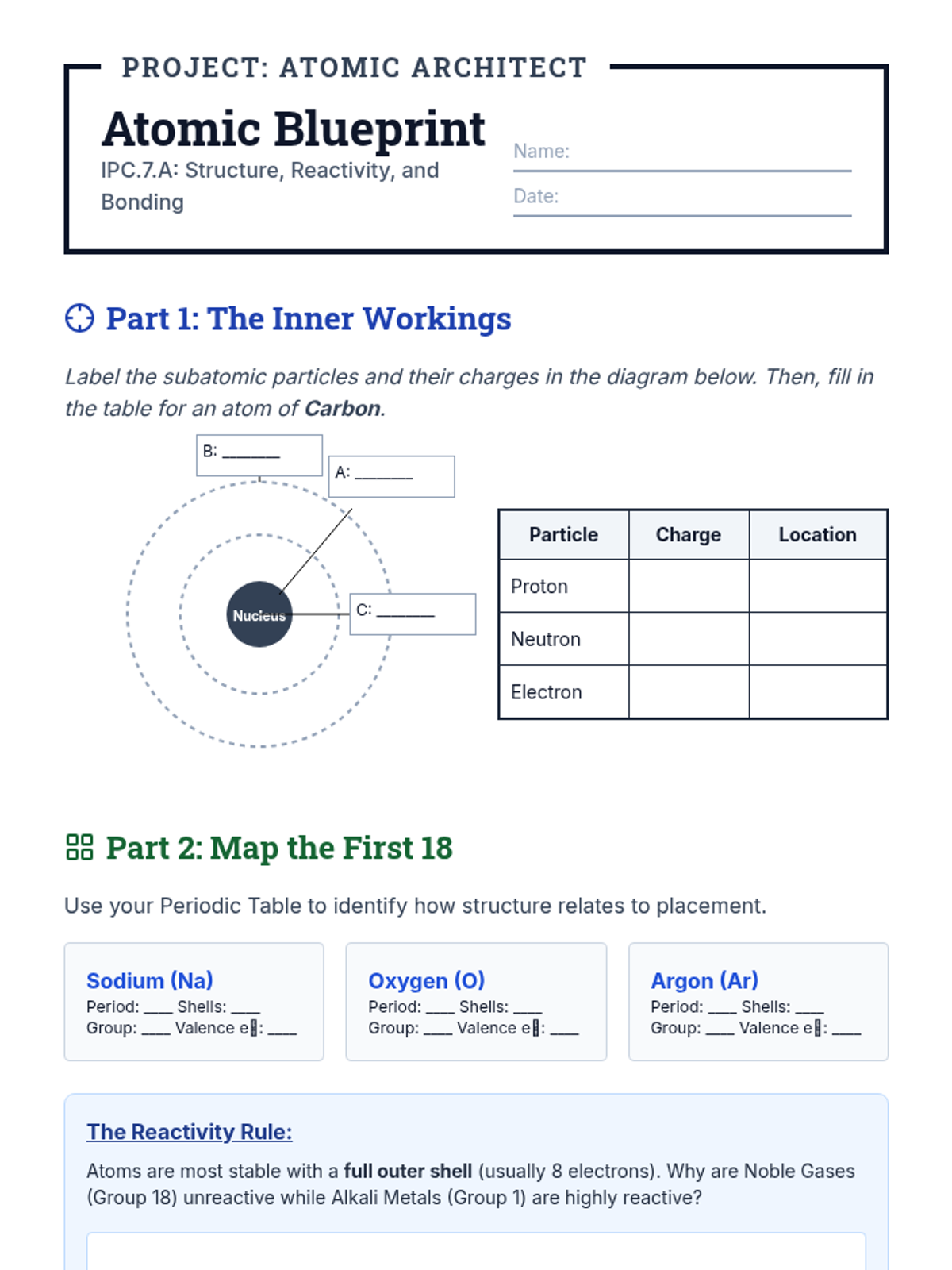
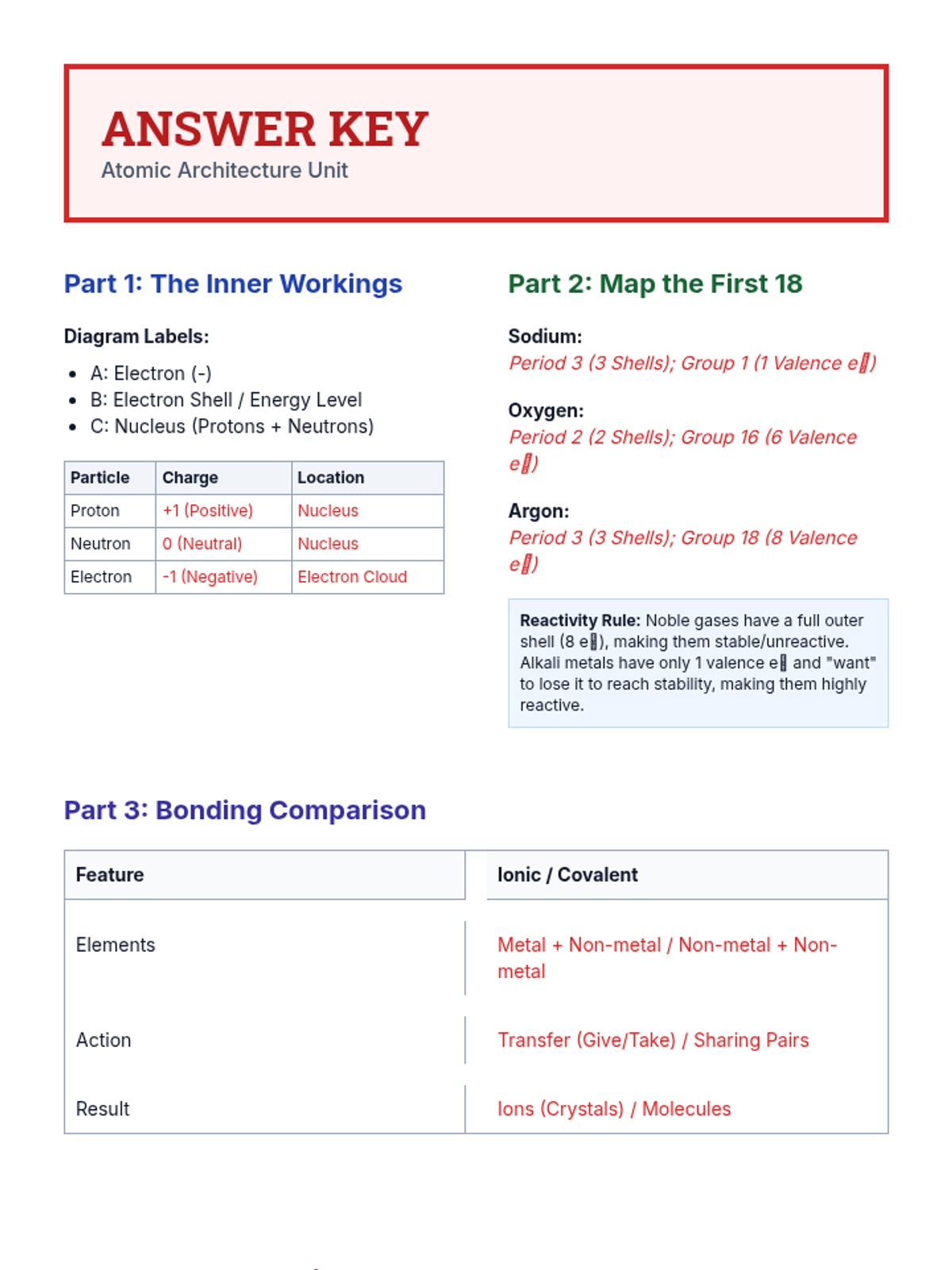
A comprehensive lesson exploring atomic structure, Periodic Table trends, and the fundamental differences between ionic and covalent bonding using elements from the first three periods.
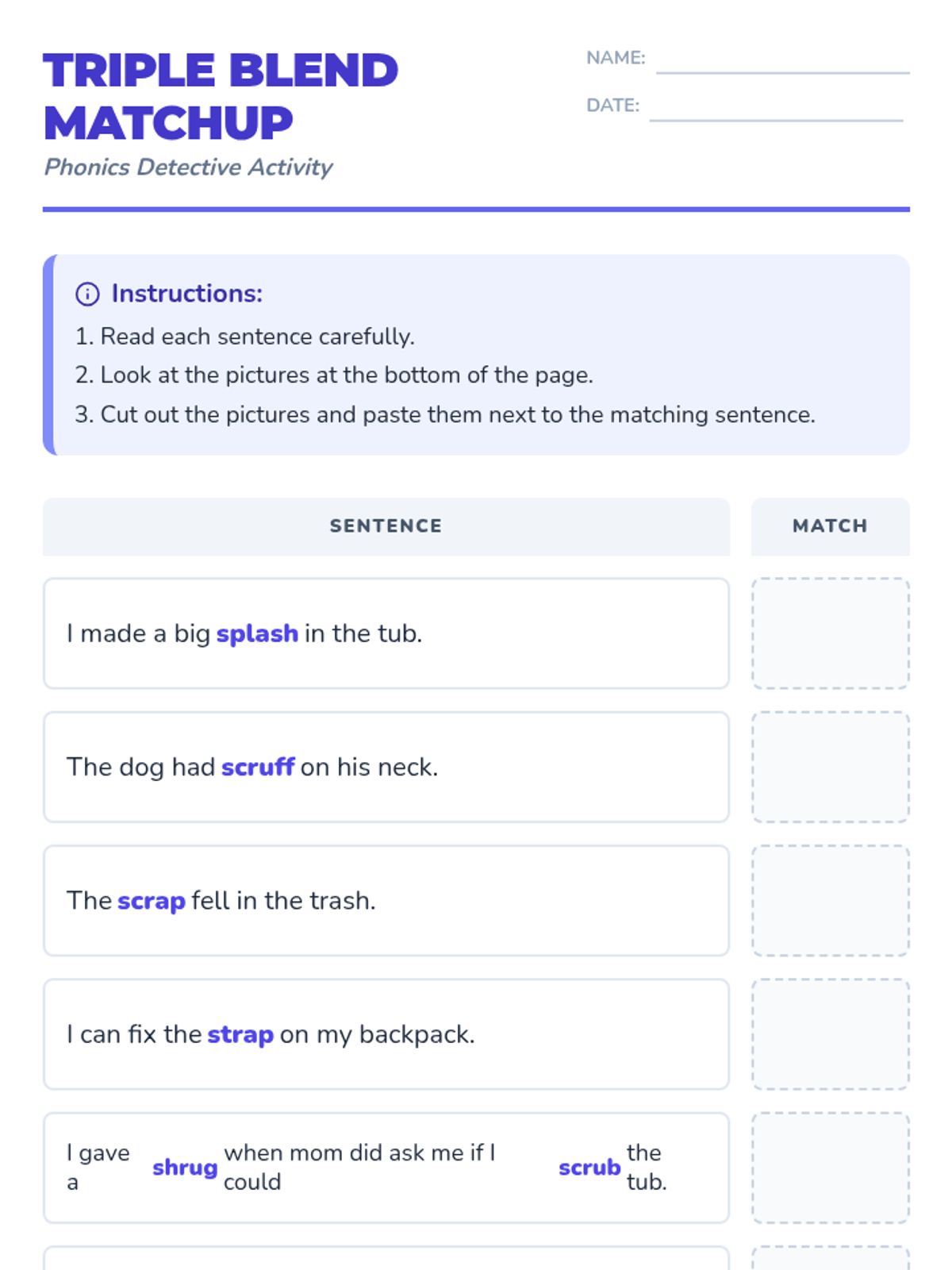
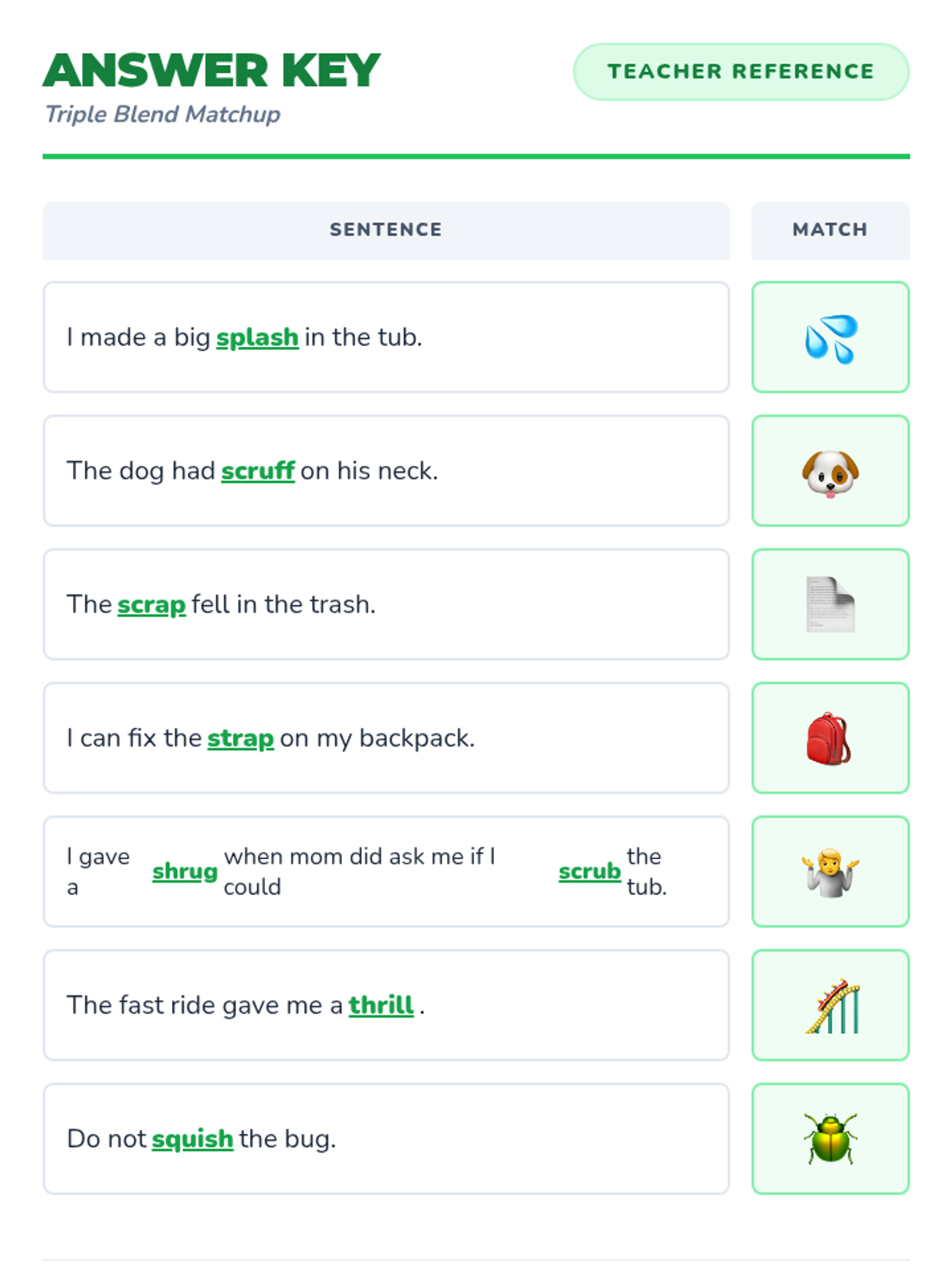
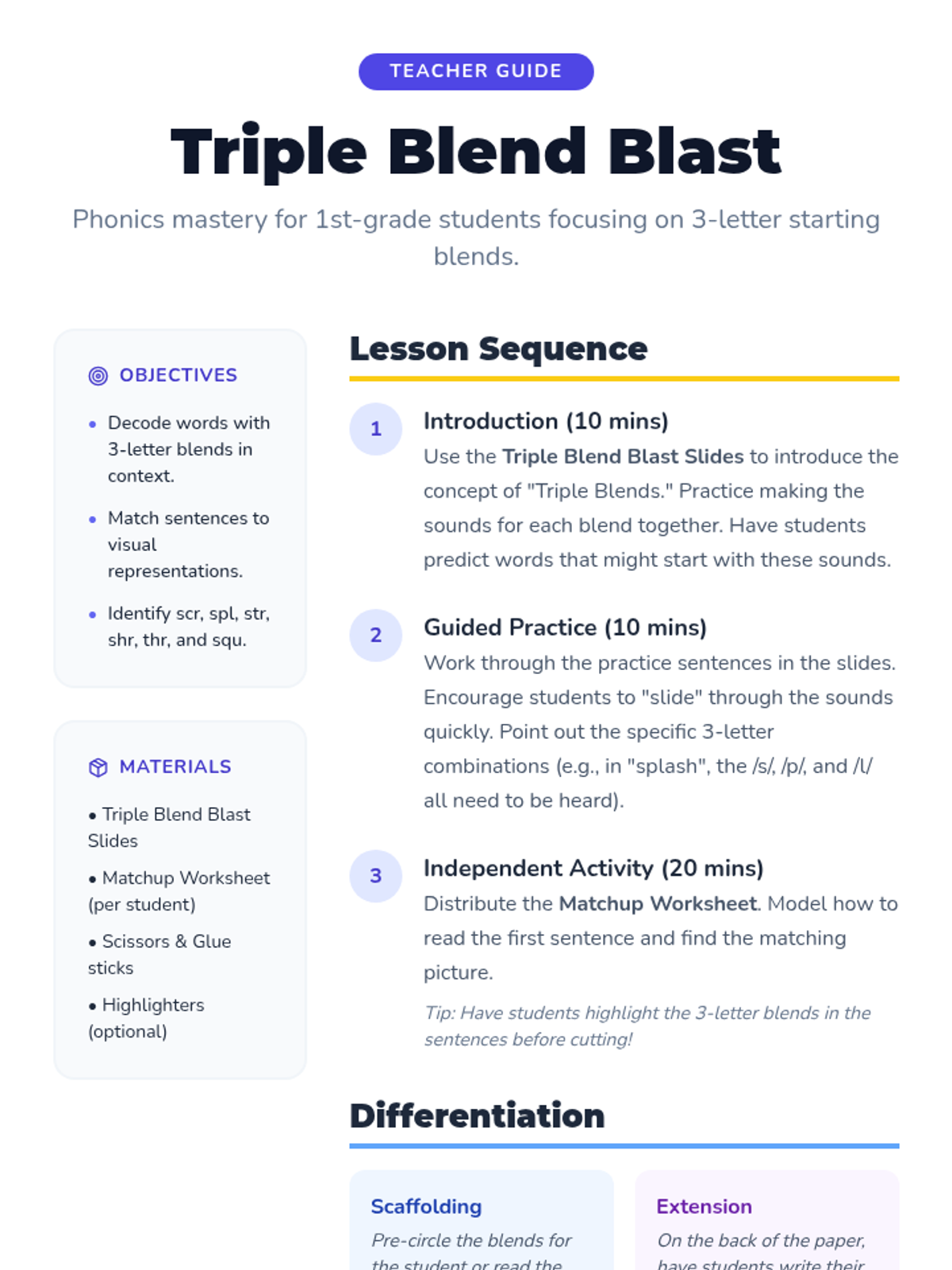
A foundational phonics lesson focused on identifying and reading words with three-letter blends like scr, spl, str, shr, and thr. Students practice decoding these complex sounds through visual matching and sentence context.
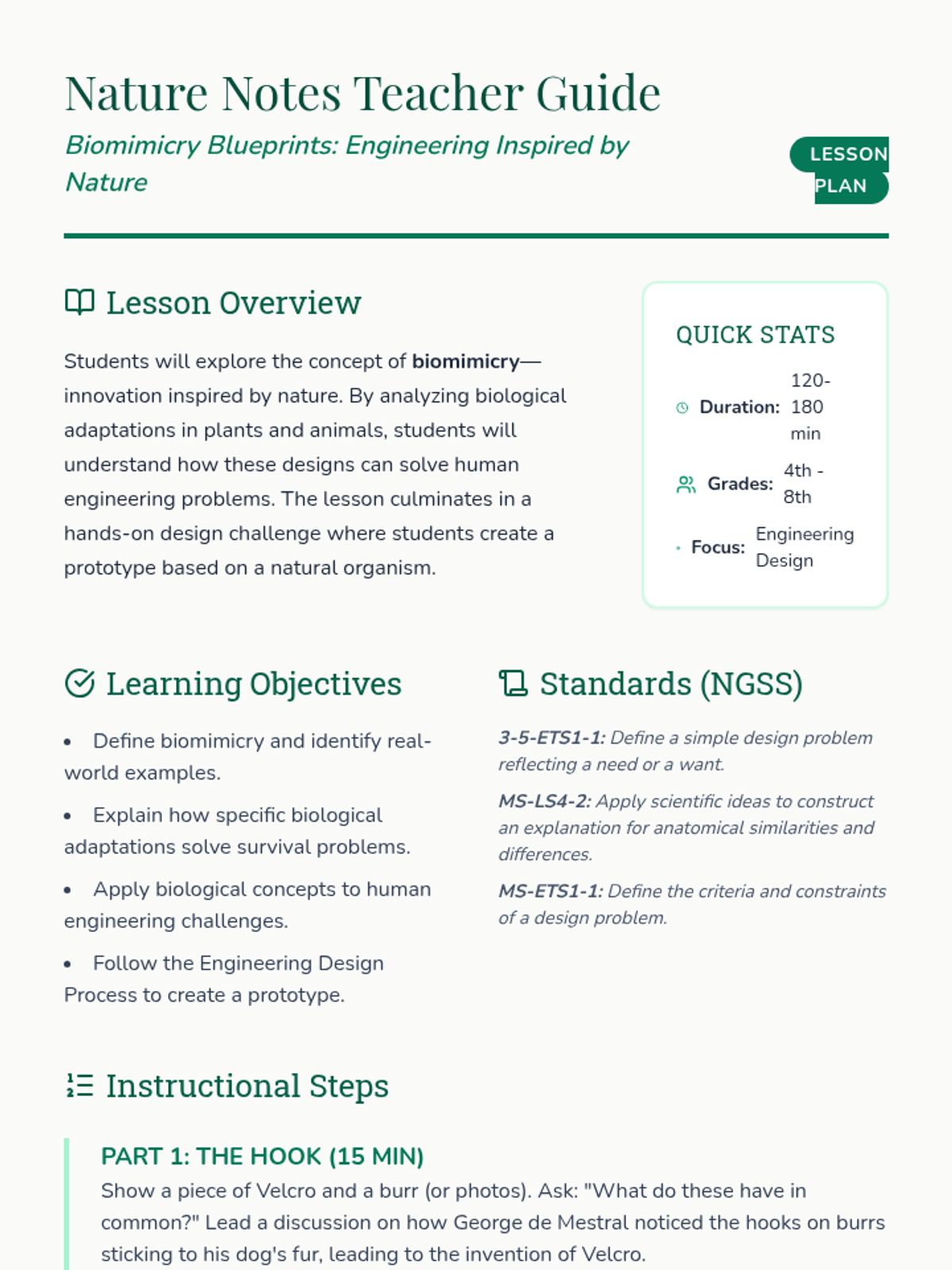
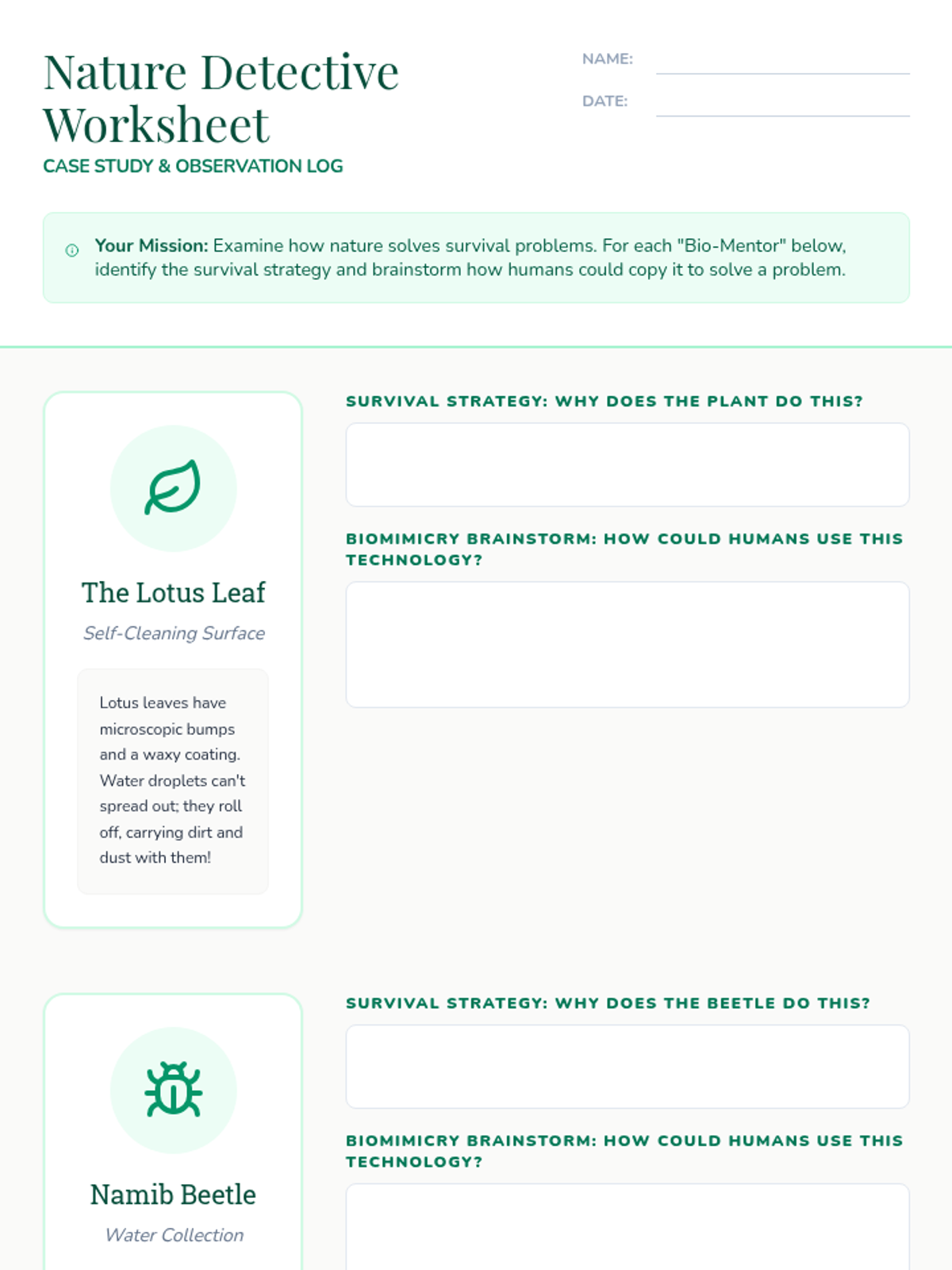
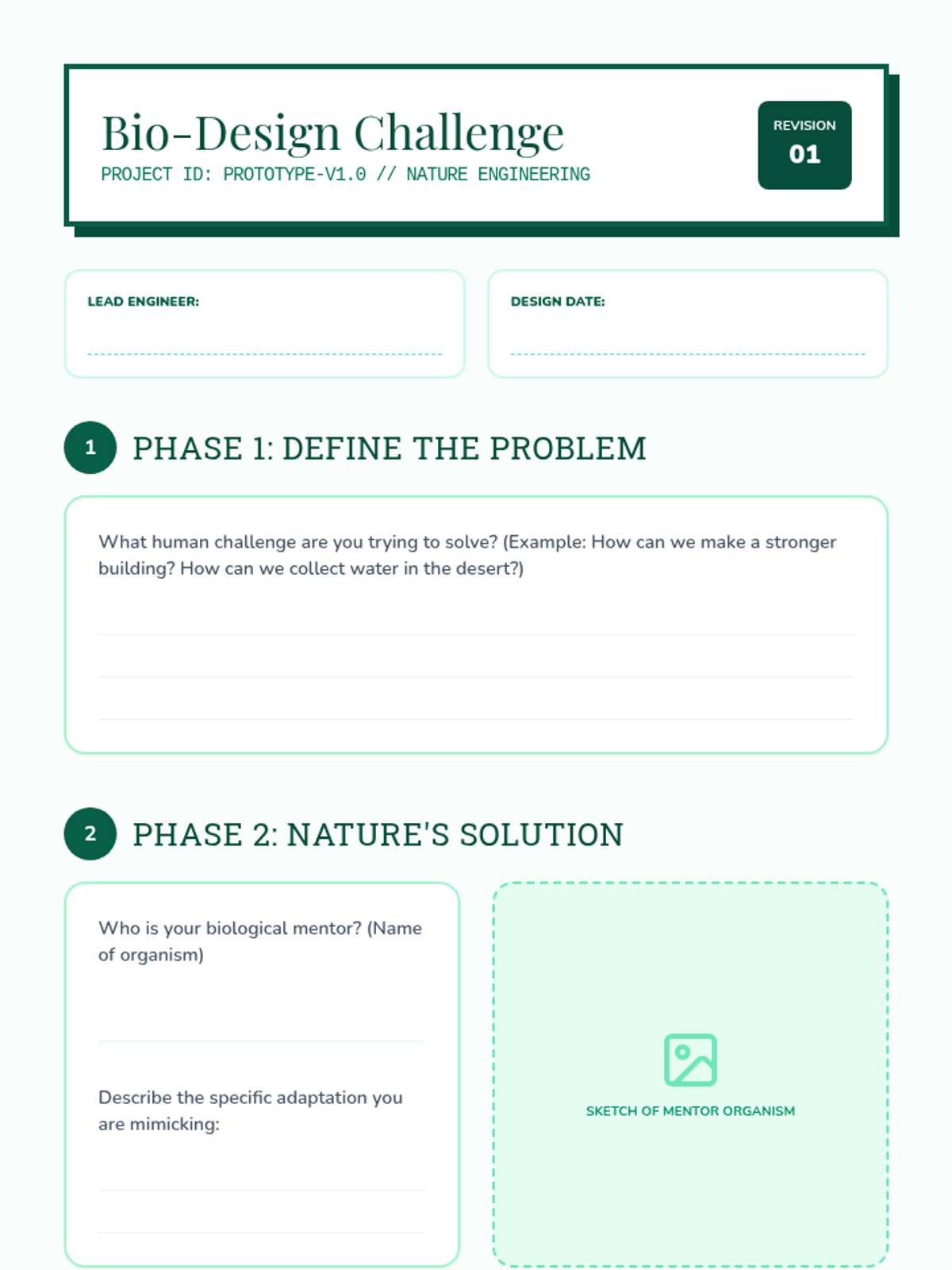
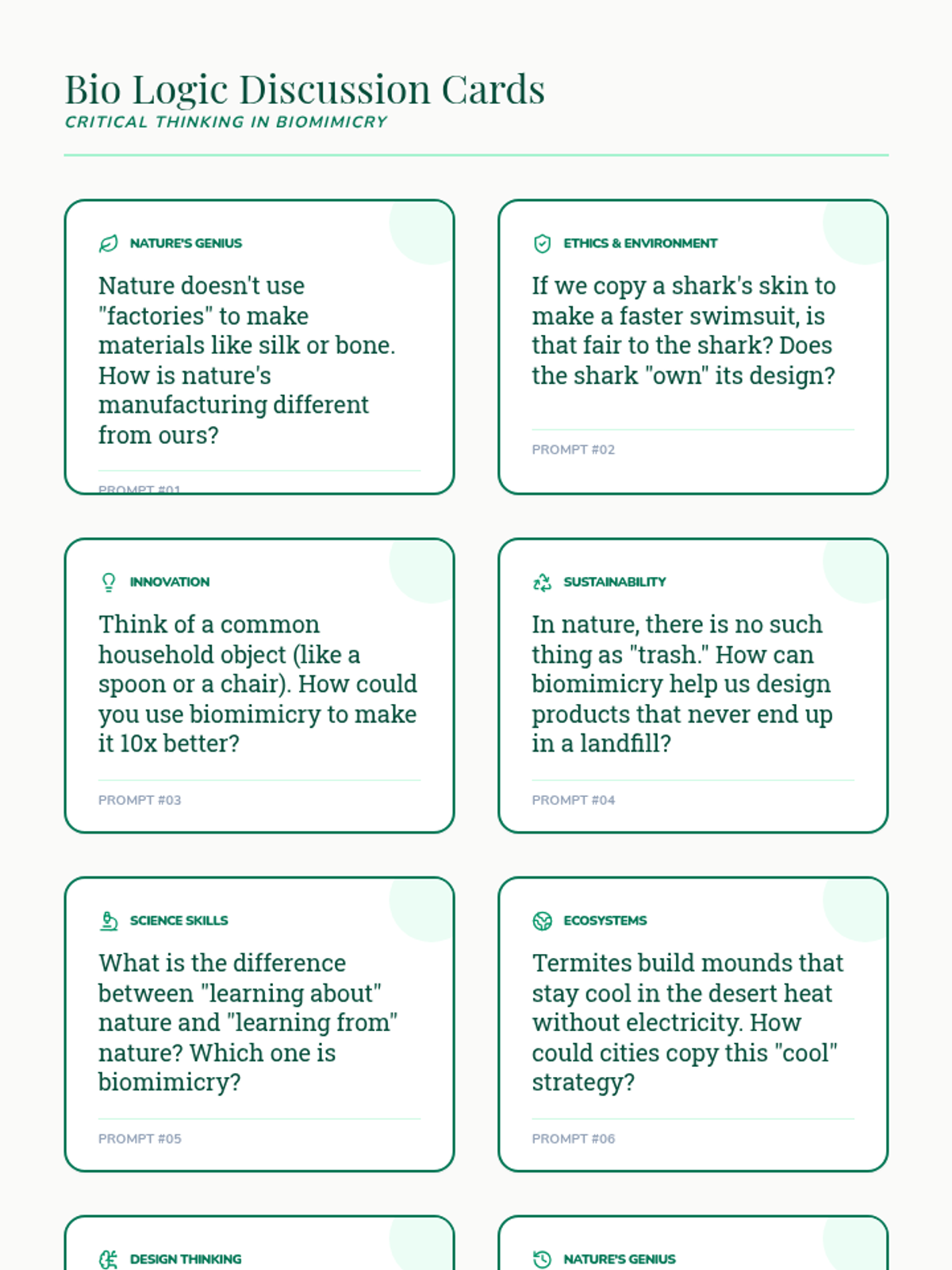
A comprehensive introduction to biomimicry where students explore how nature's best designs solve human challenges, culminating in a creative engineering project.
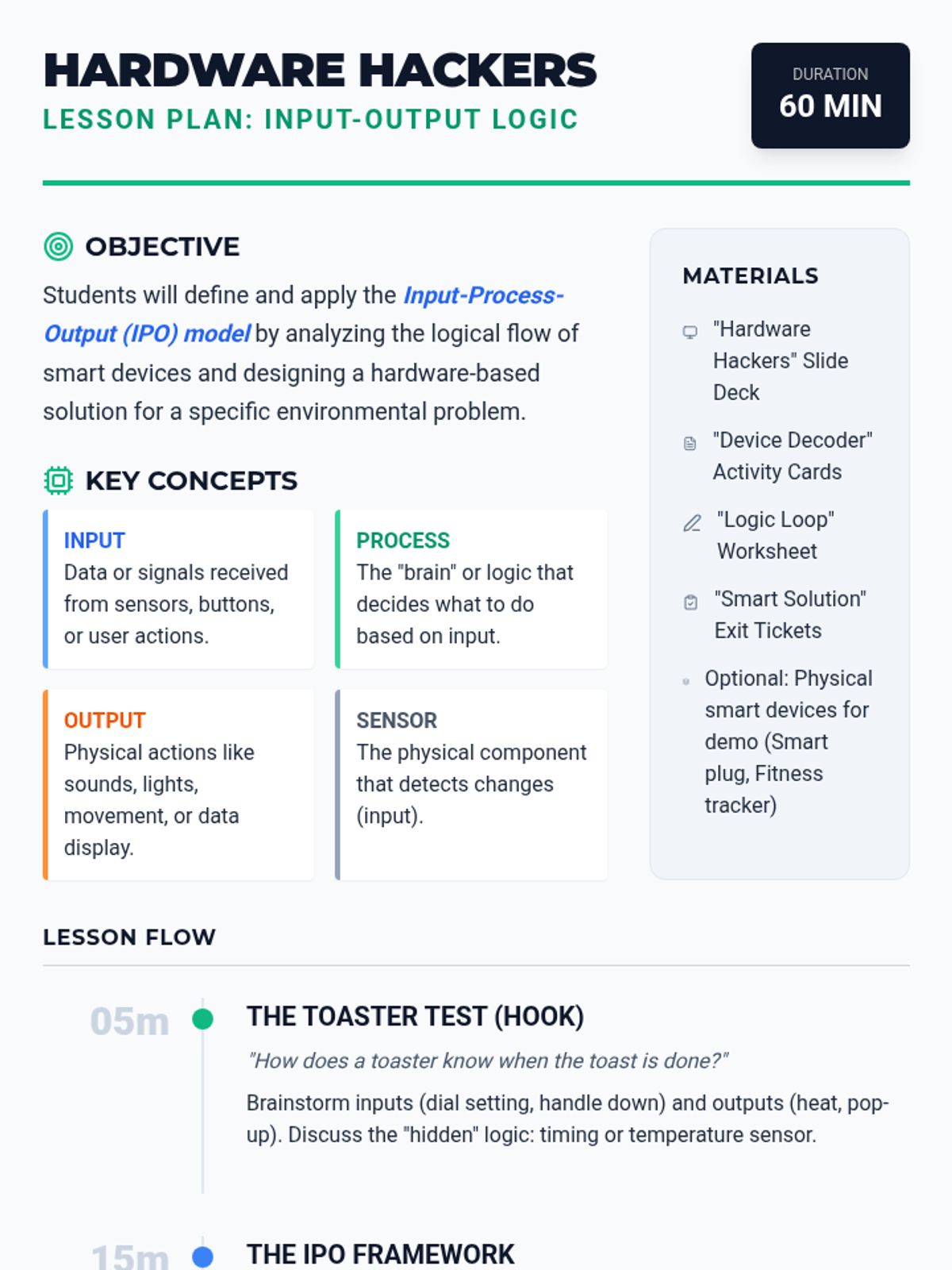
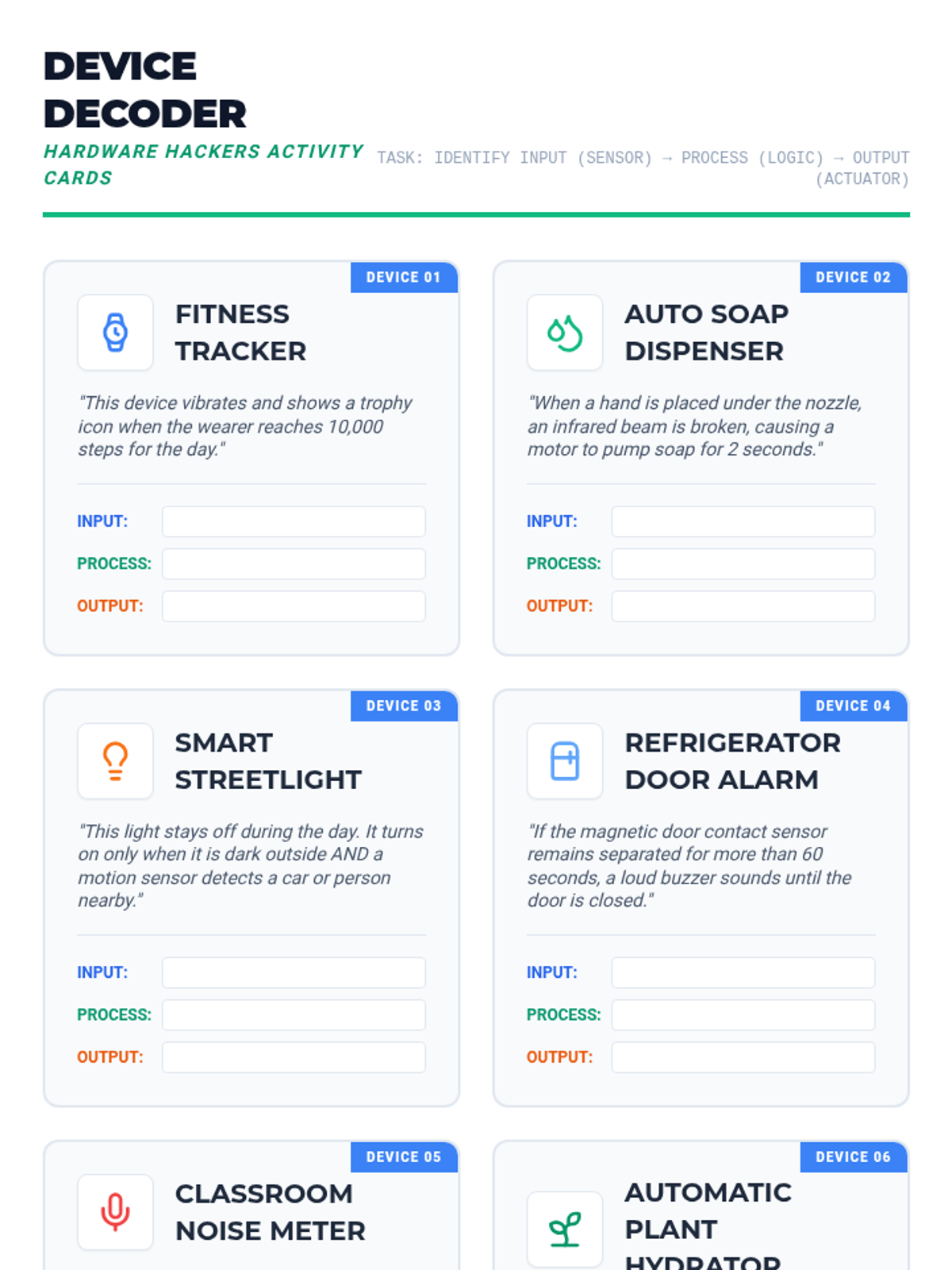
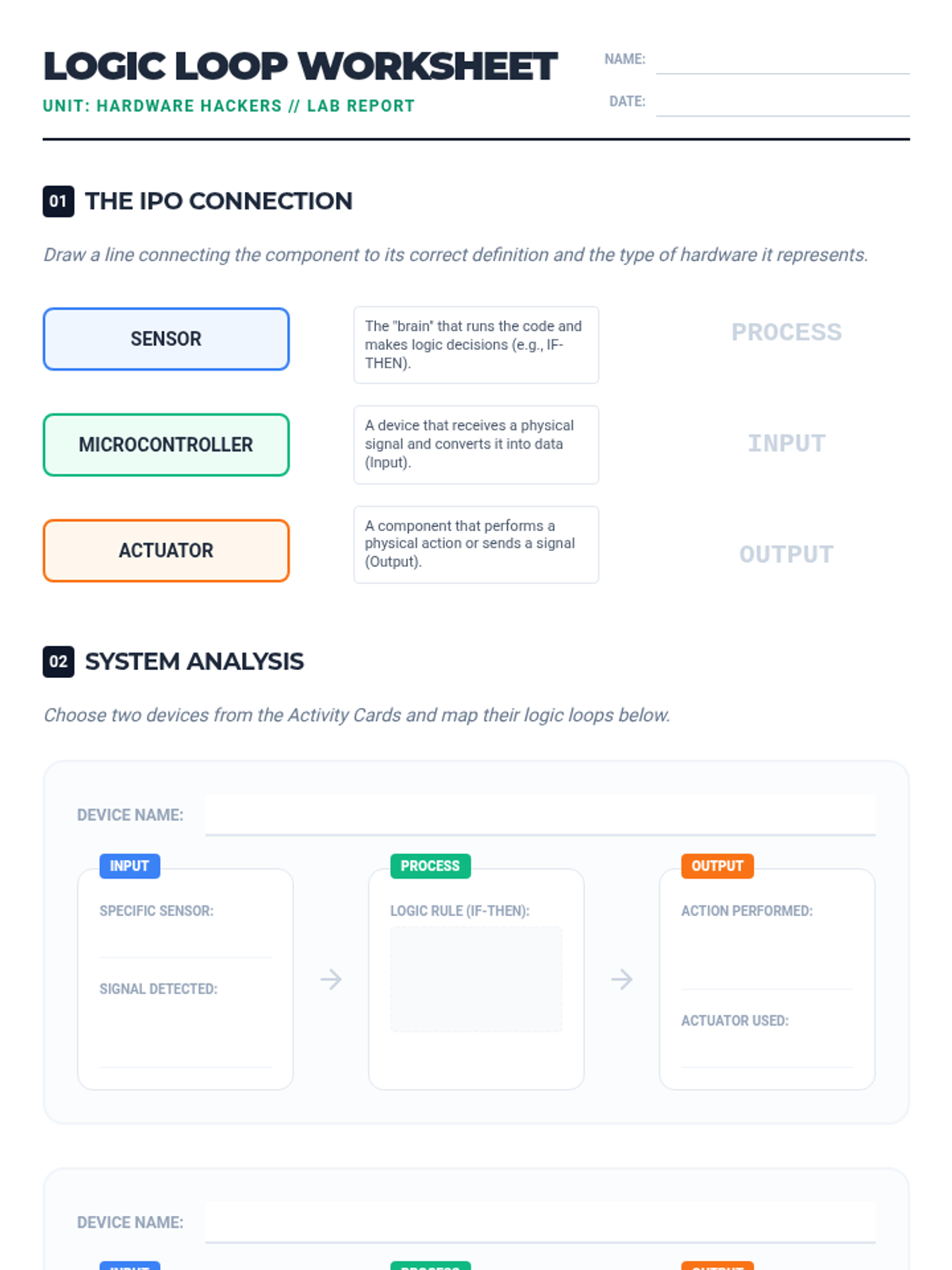
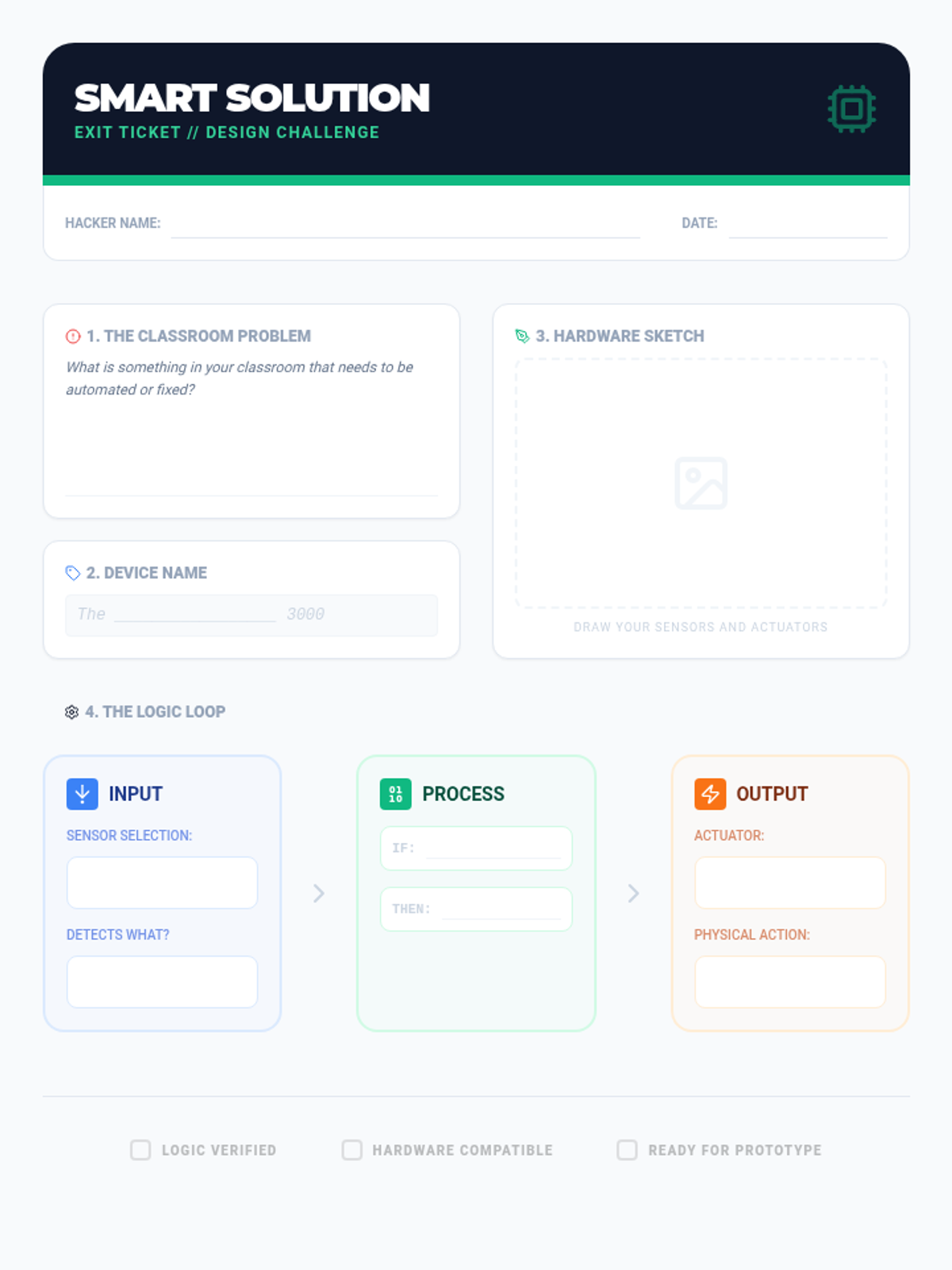
Students explore the Input-Process-Output (IPO) model by deconstructing everyday smart devices and designing their own tech solutions to classroom challenges. This lesson bridges the gap between physical hardware and programmatic logic through hands-on analysis and creative problem-solving.
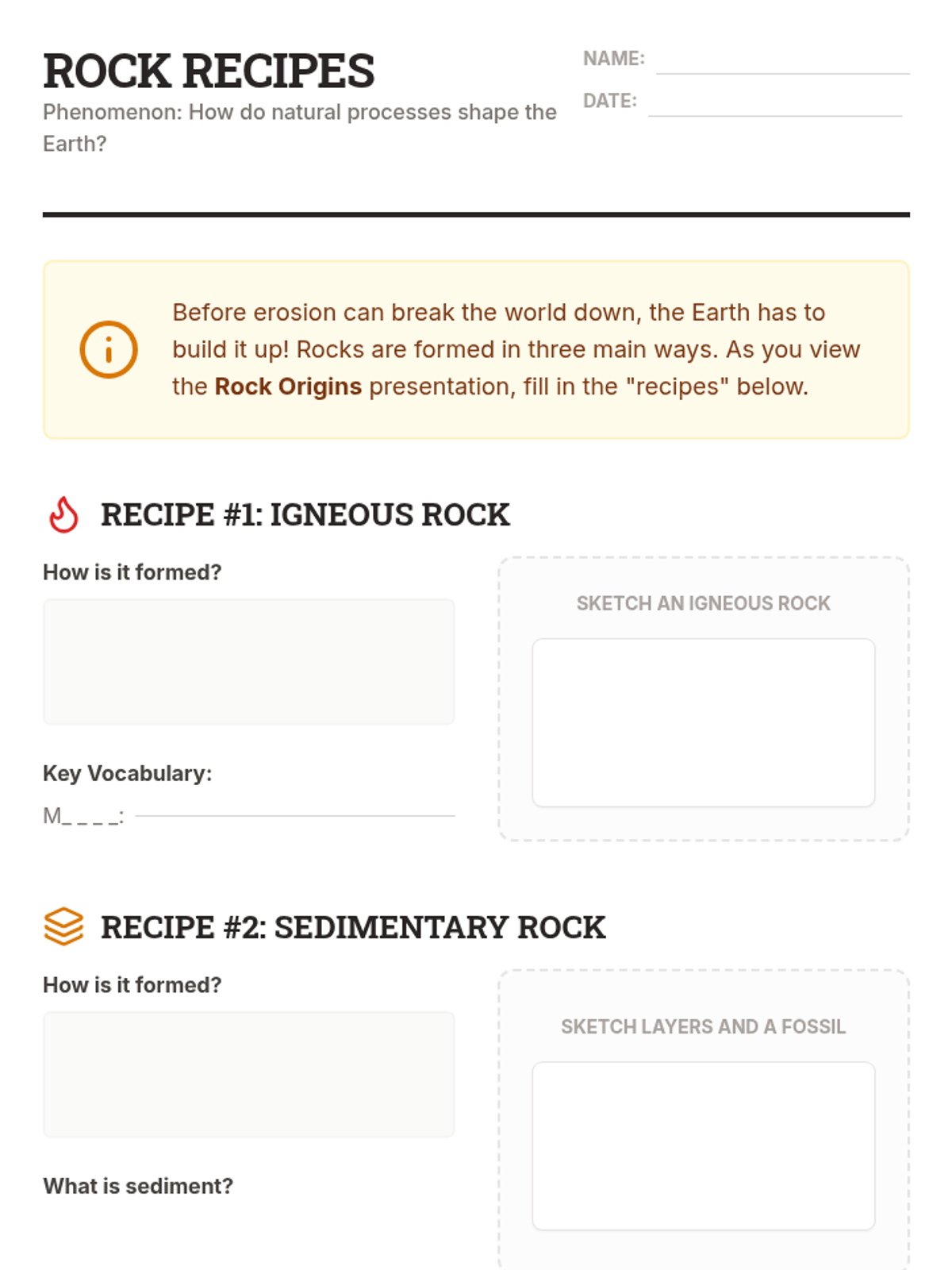
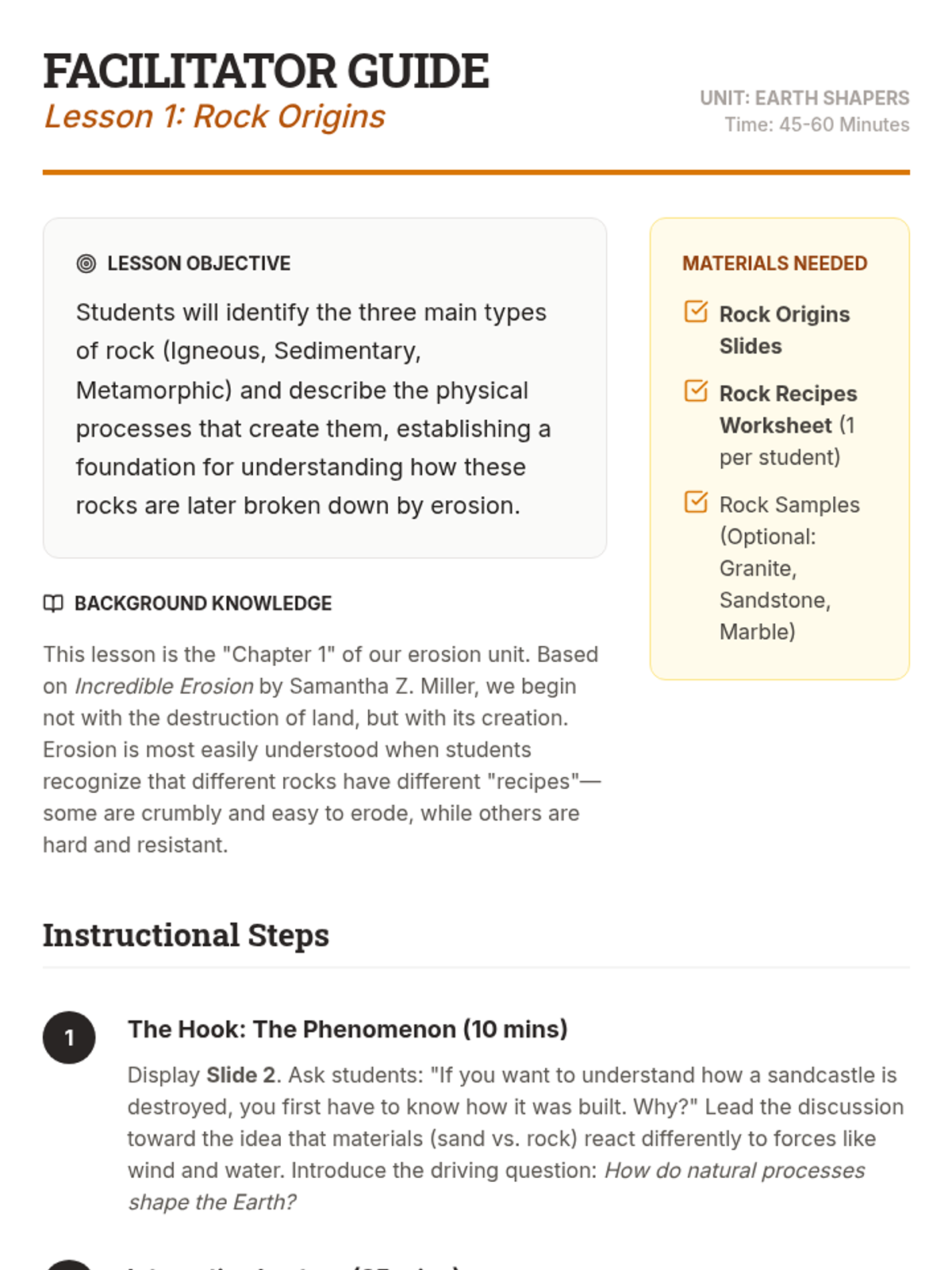
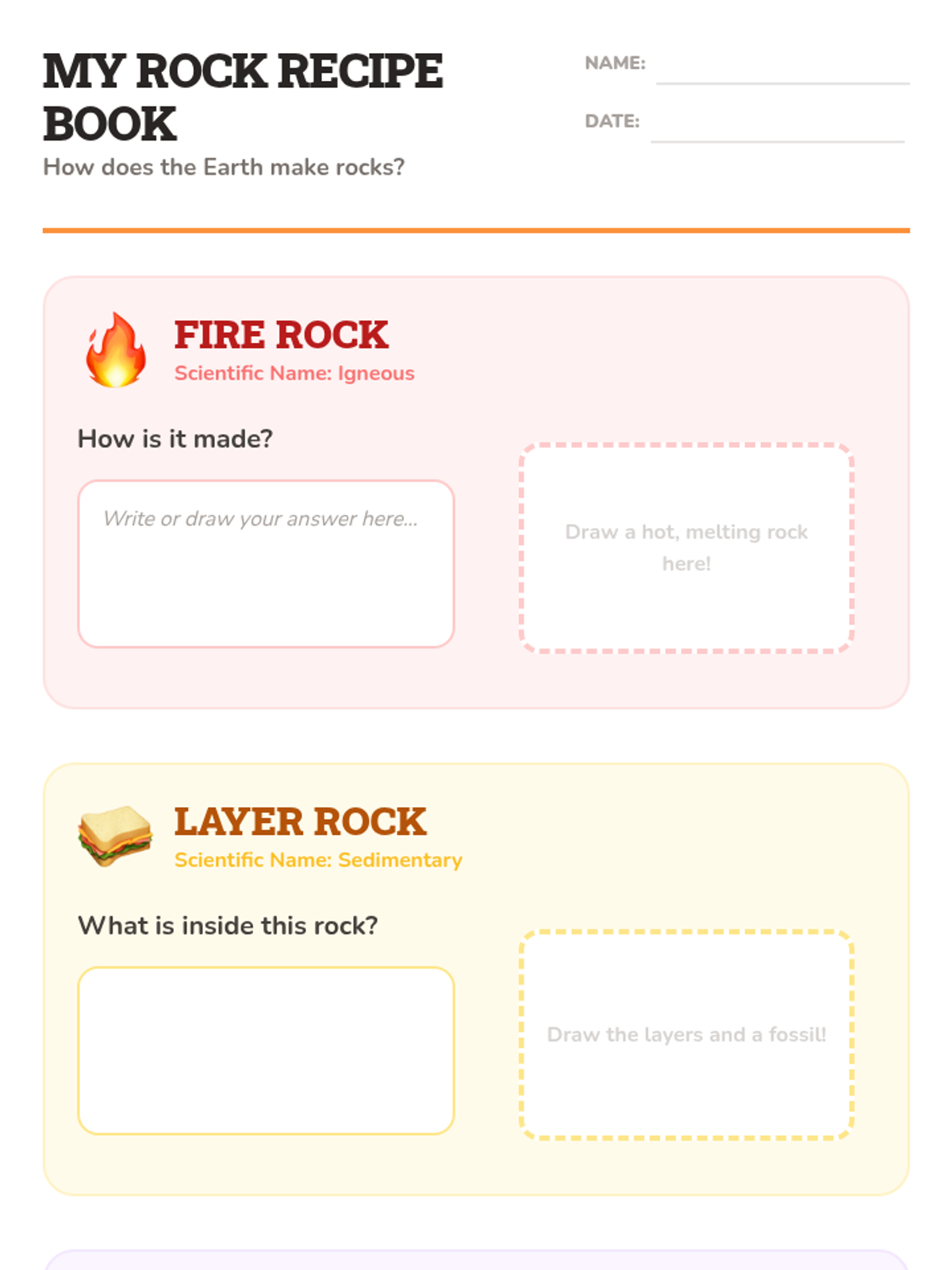
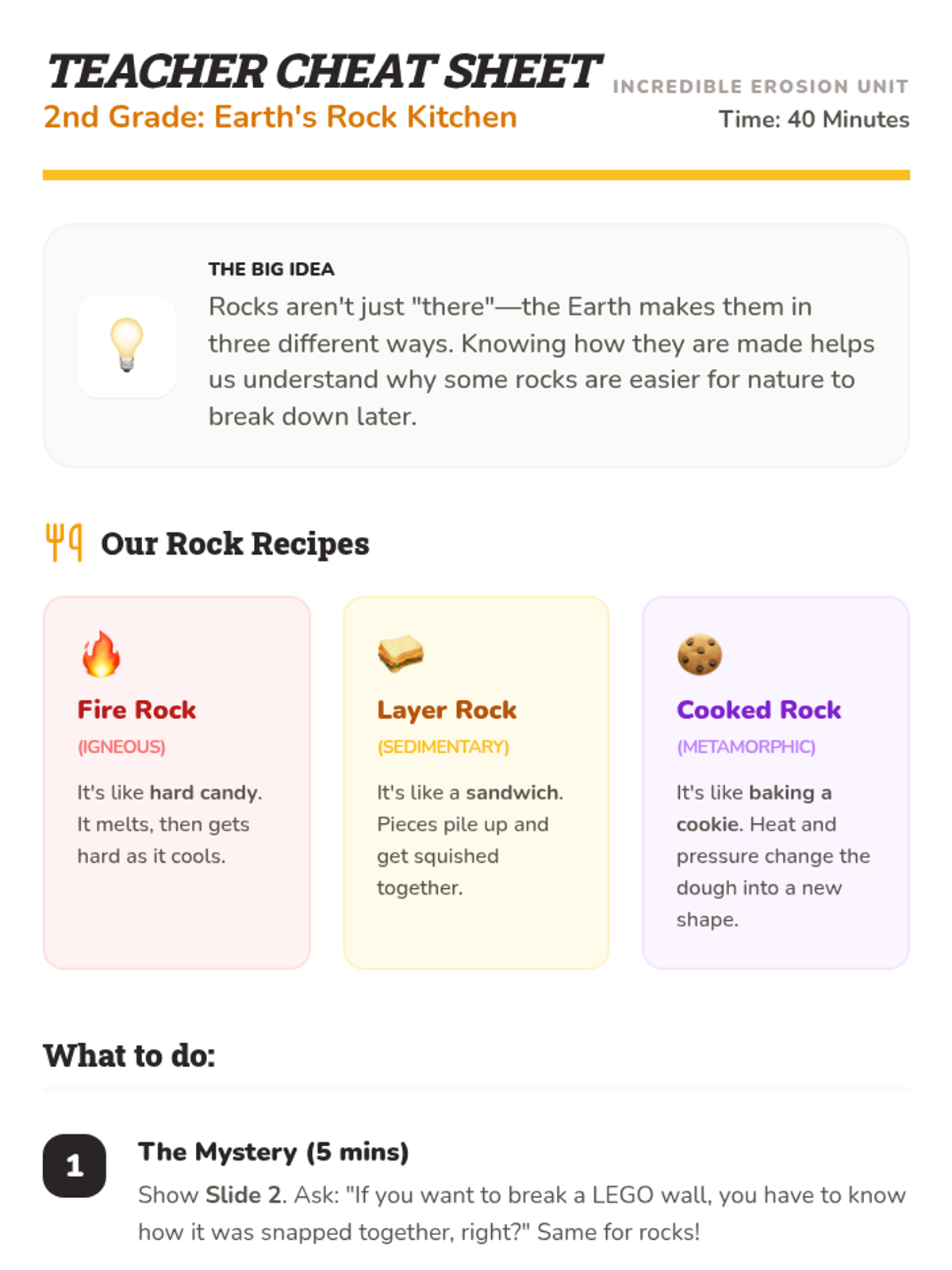
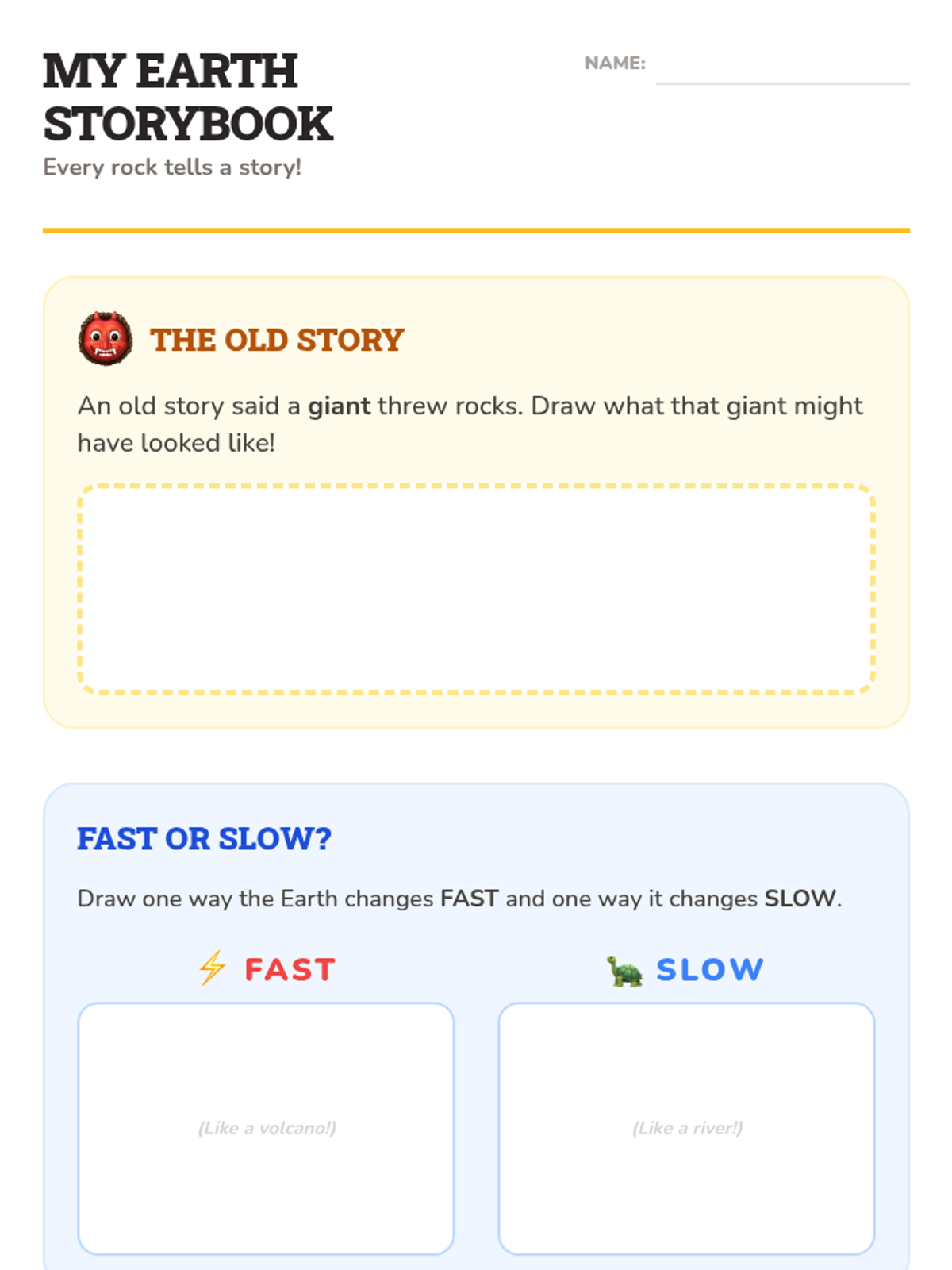
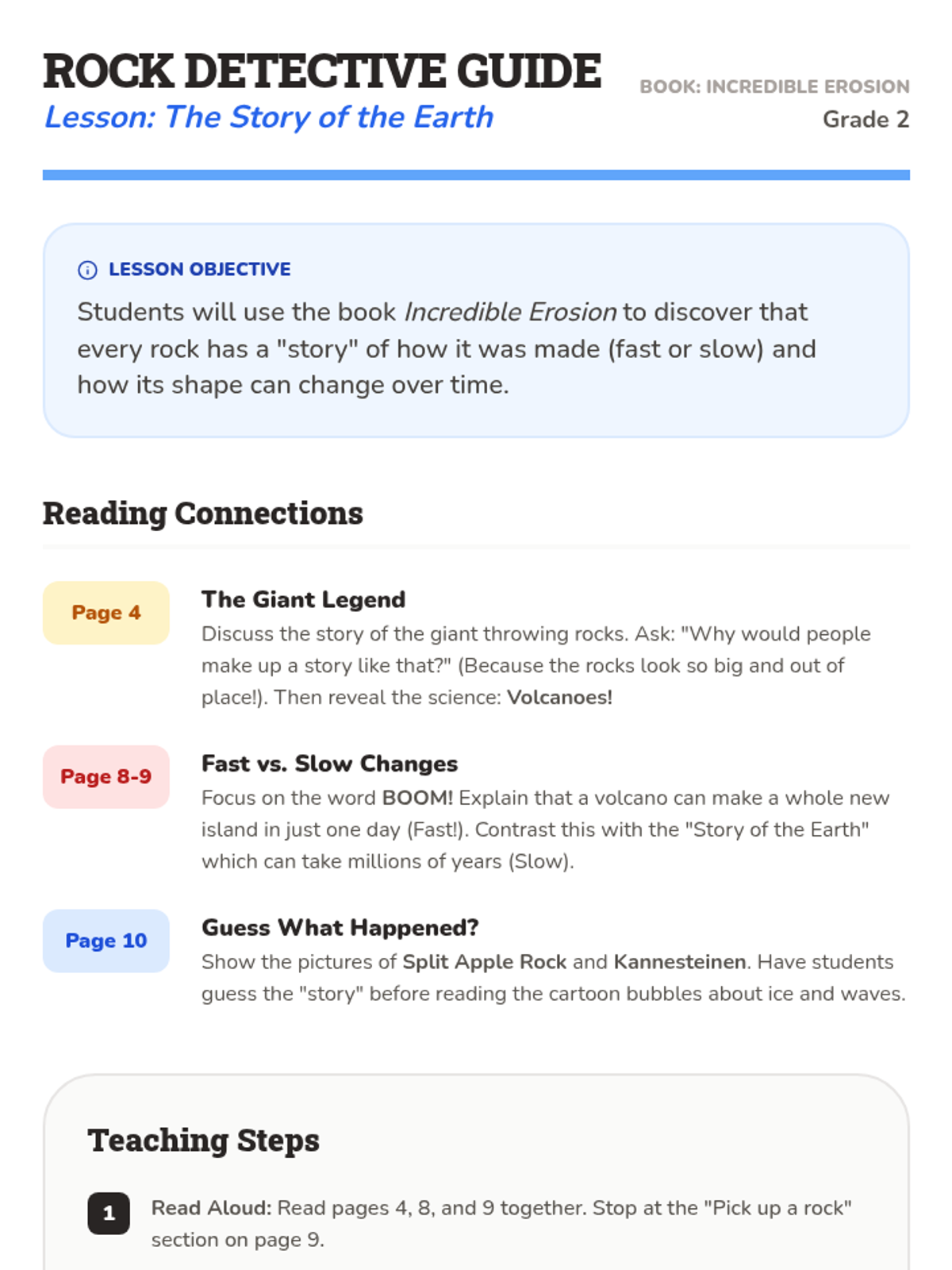
An introductory lesson exploring the origins of rocks and the processes that form them, setting the stage for understanding erosion and Earth's changing landscape.
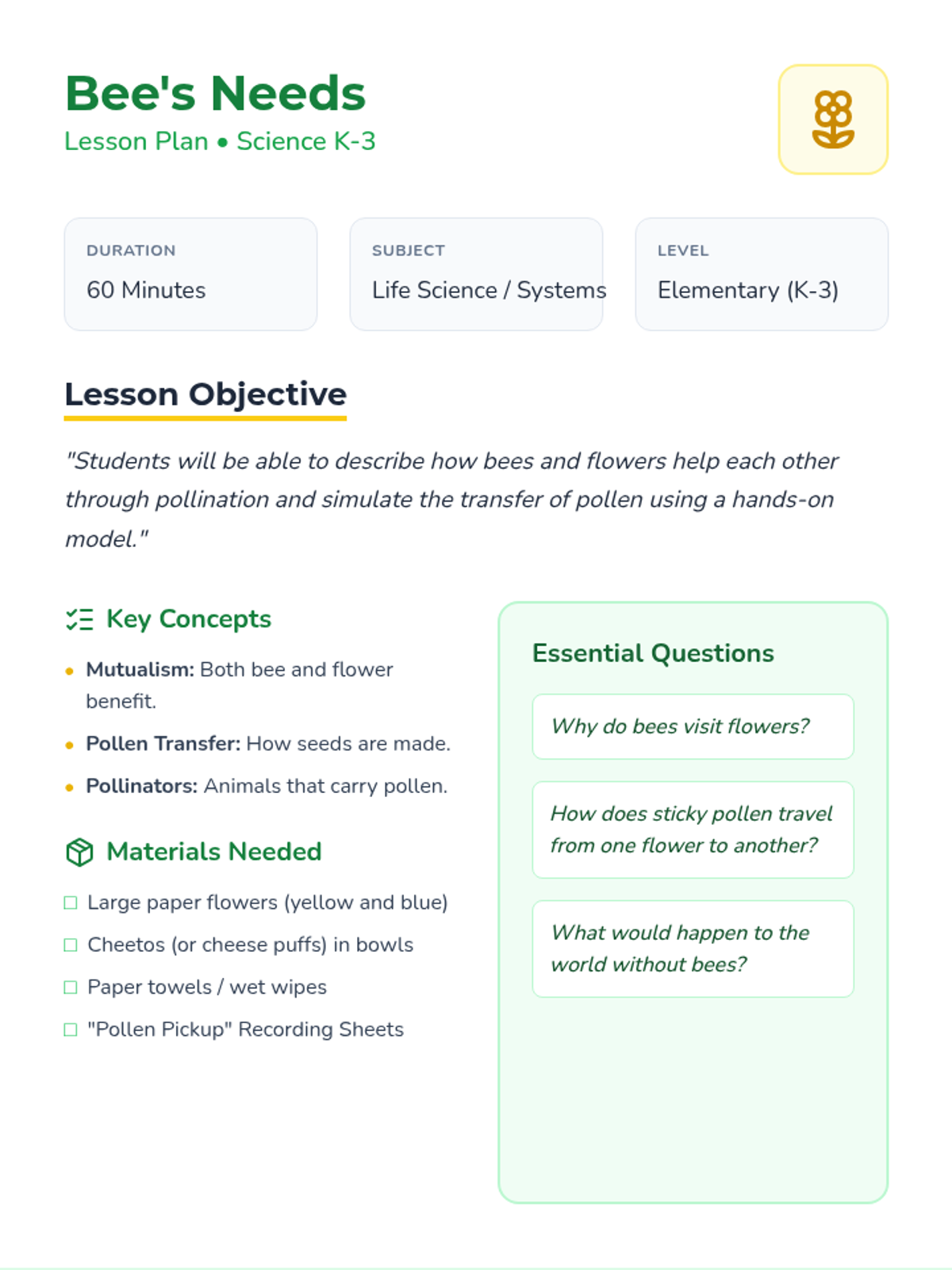
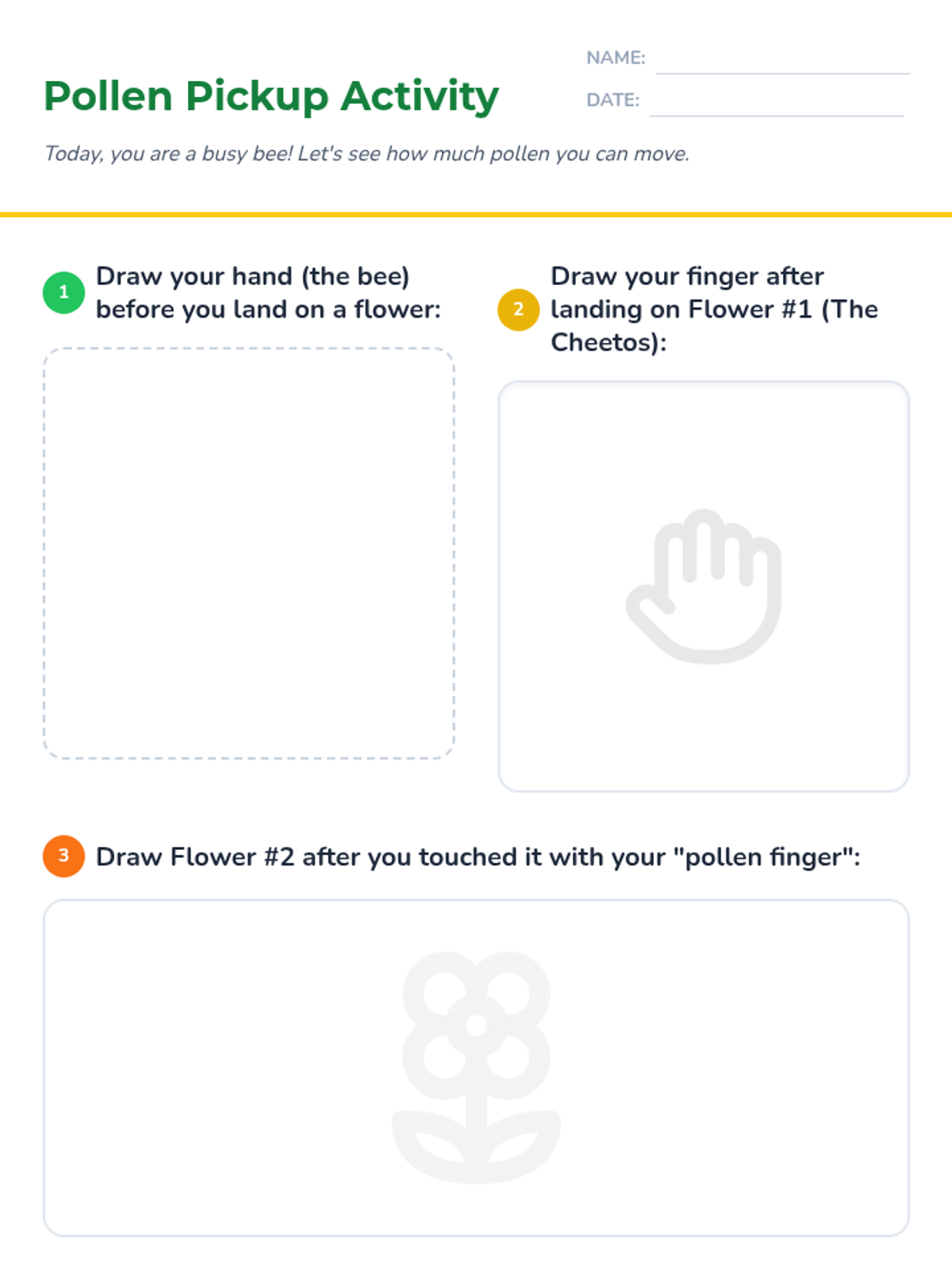
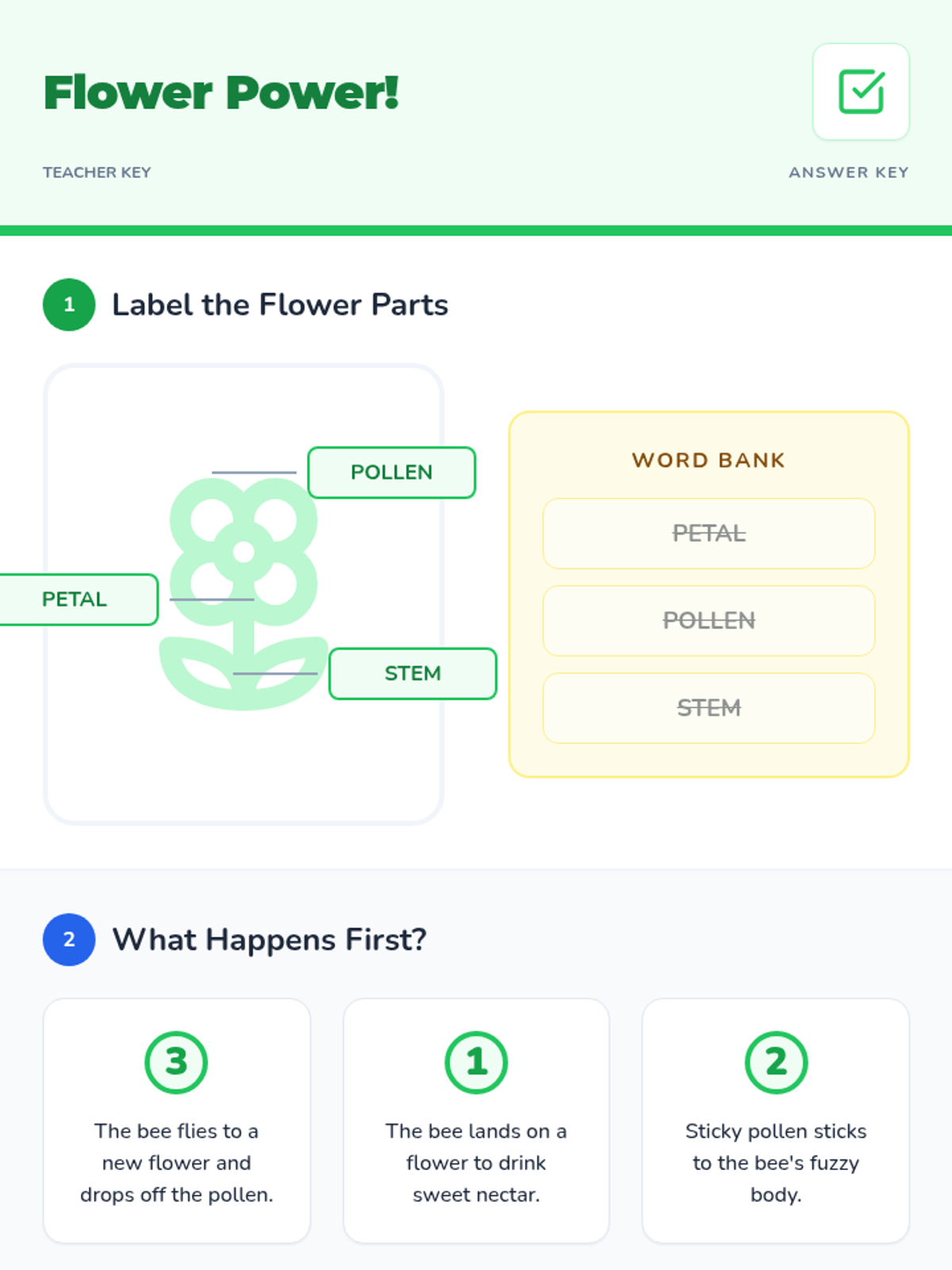
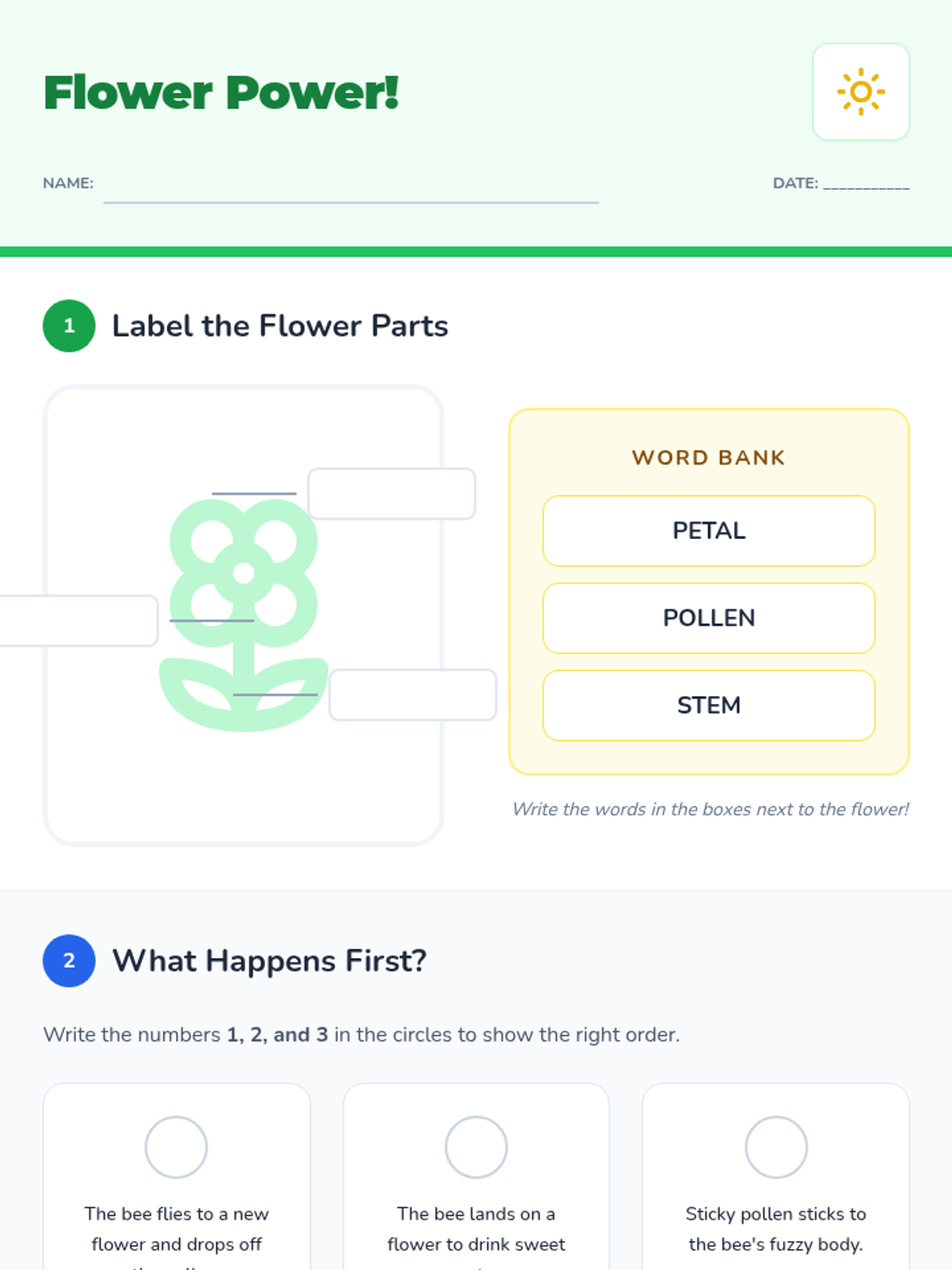
An interactive science lesson for K-3 students exploring the symbiotic relationship between bees and flowering plants through a hands-on pollination simulation.
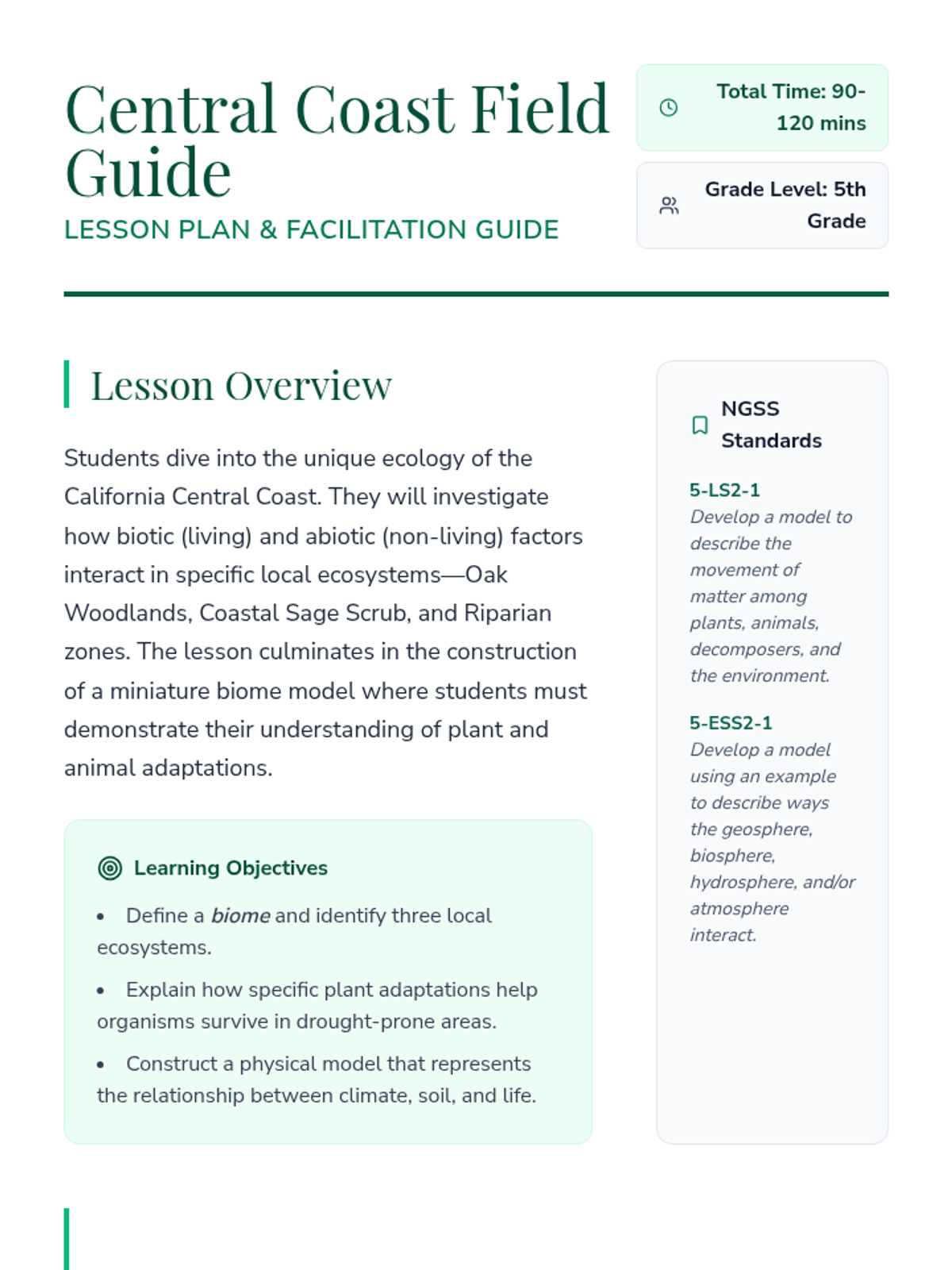
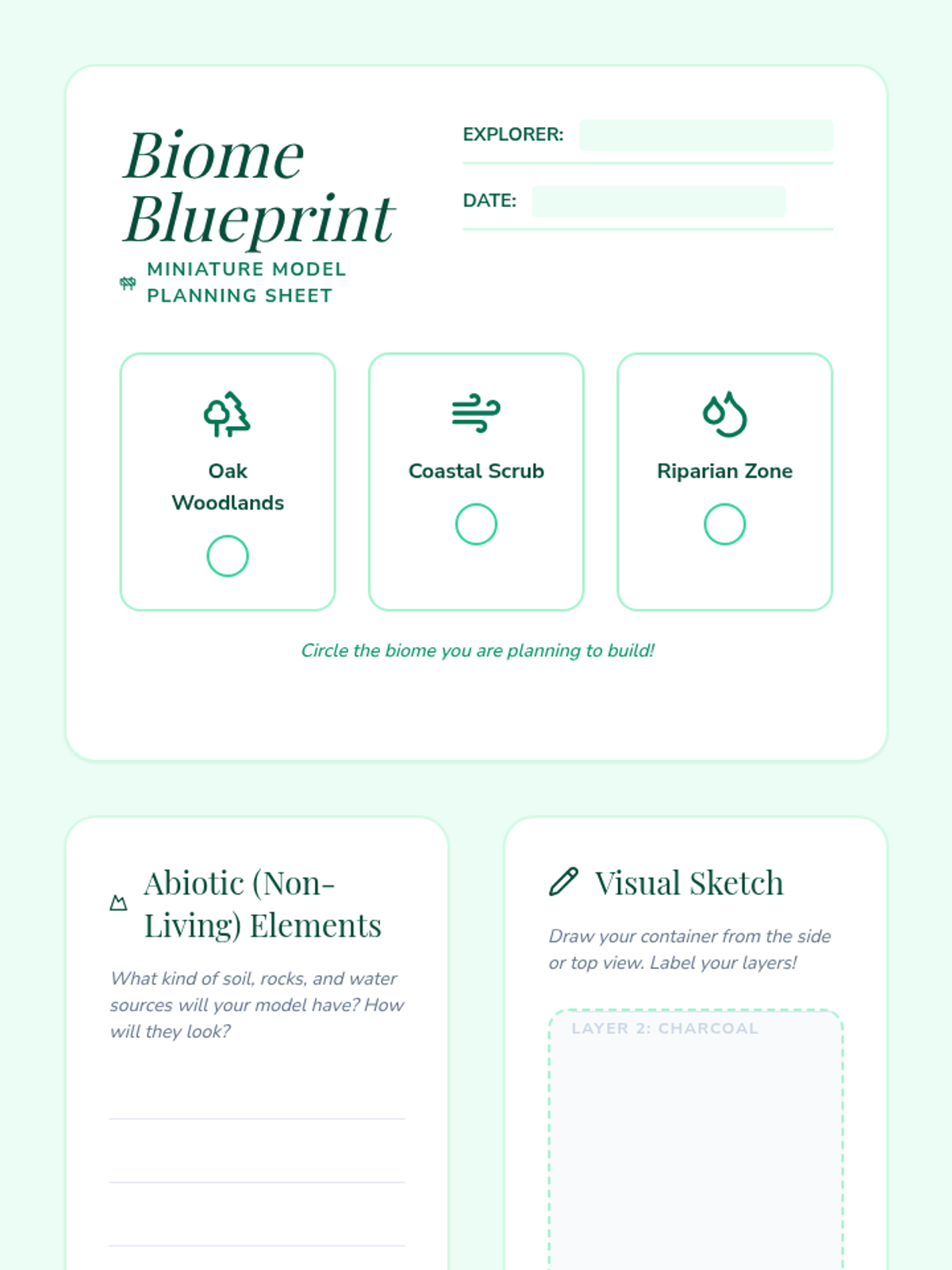
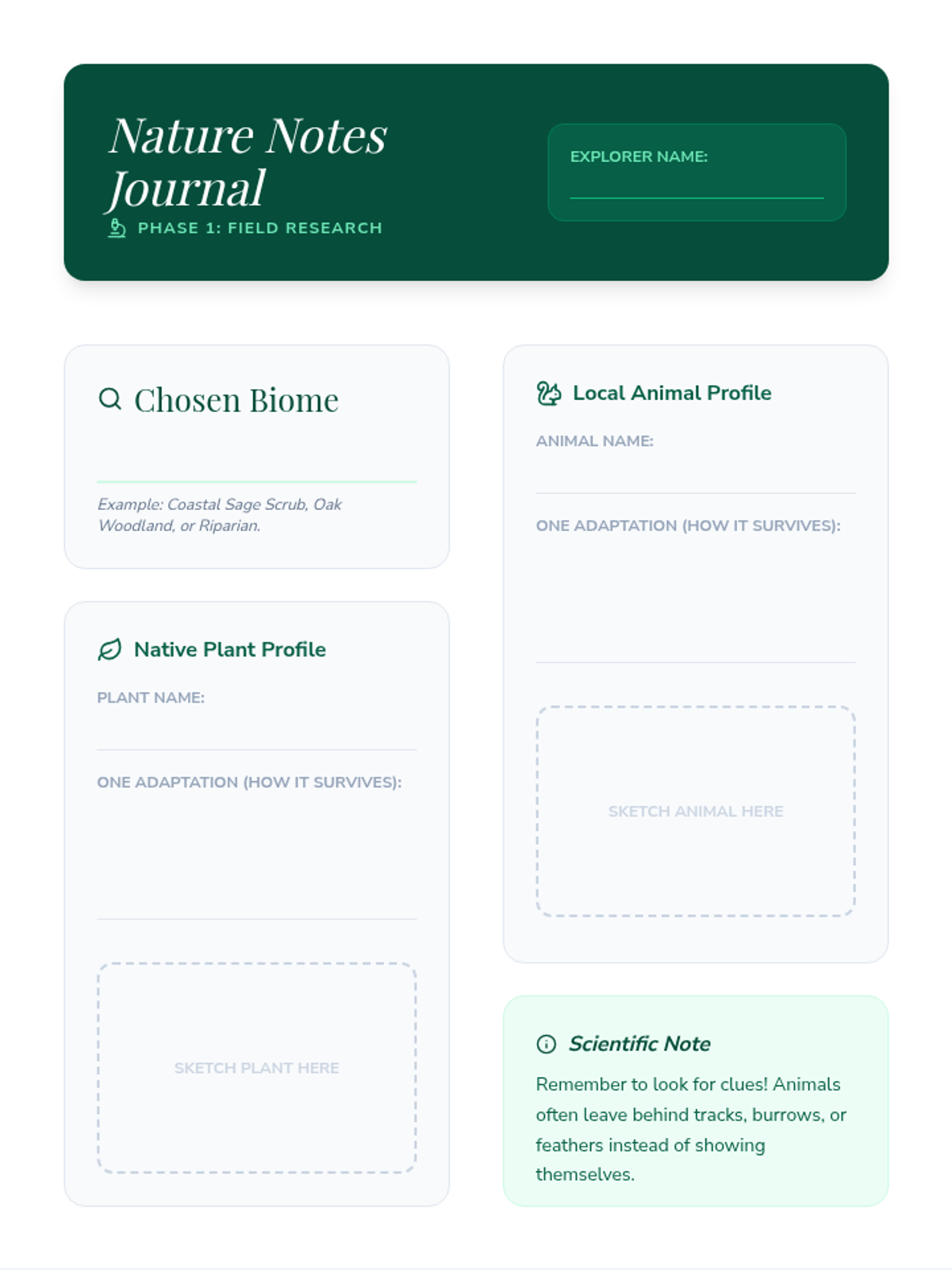
Students explore the diverse ecosystems of the California Central Coast, investigating how native plants and animals adapt to their specific environments before creating their own miniature biome models.
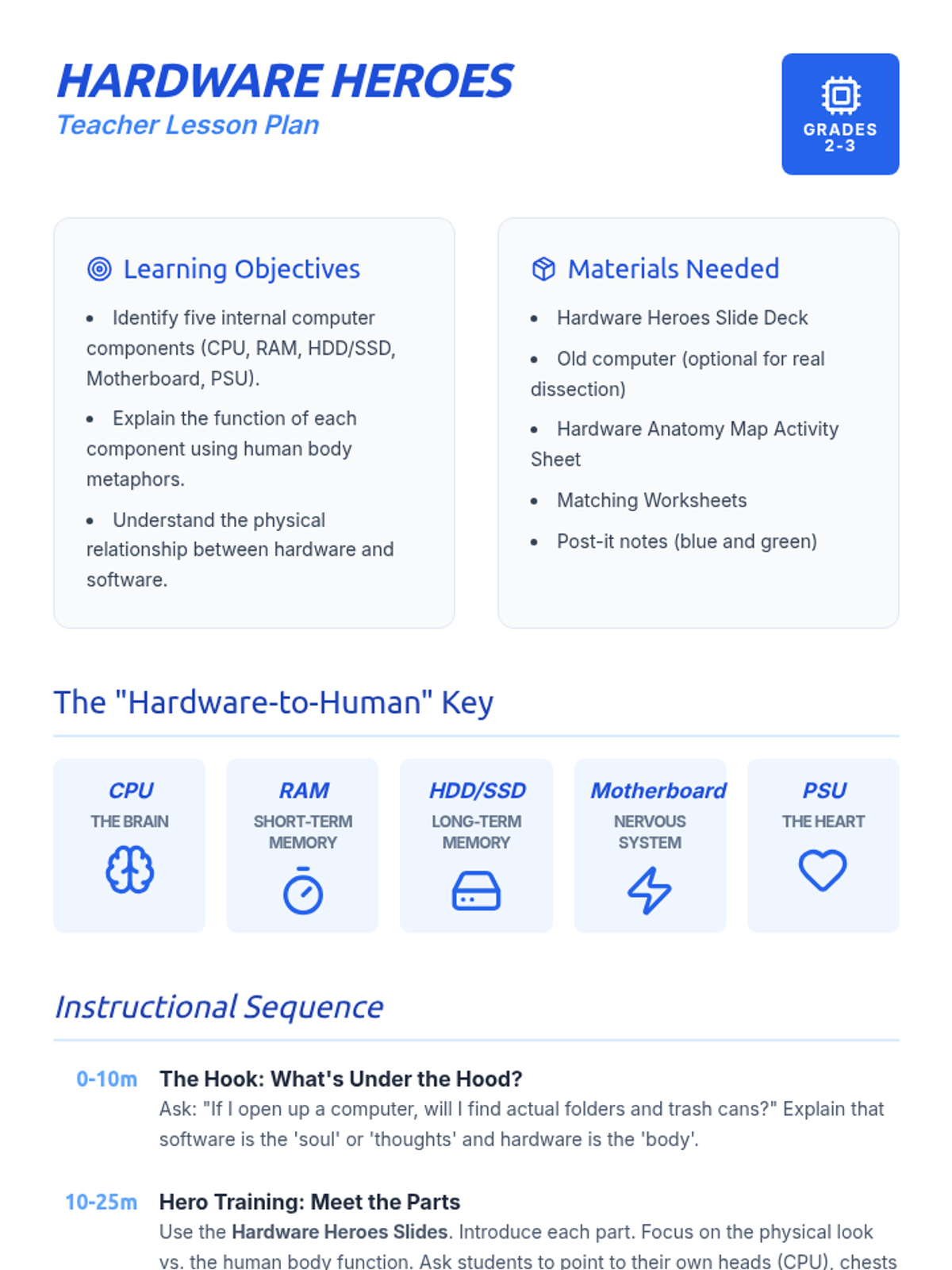
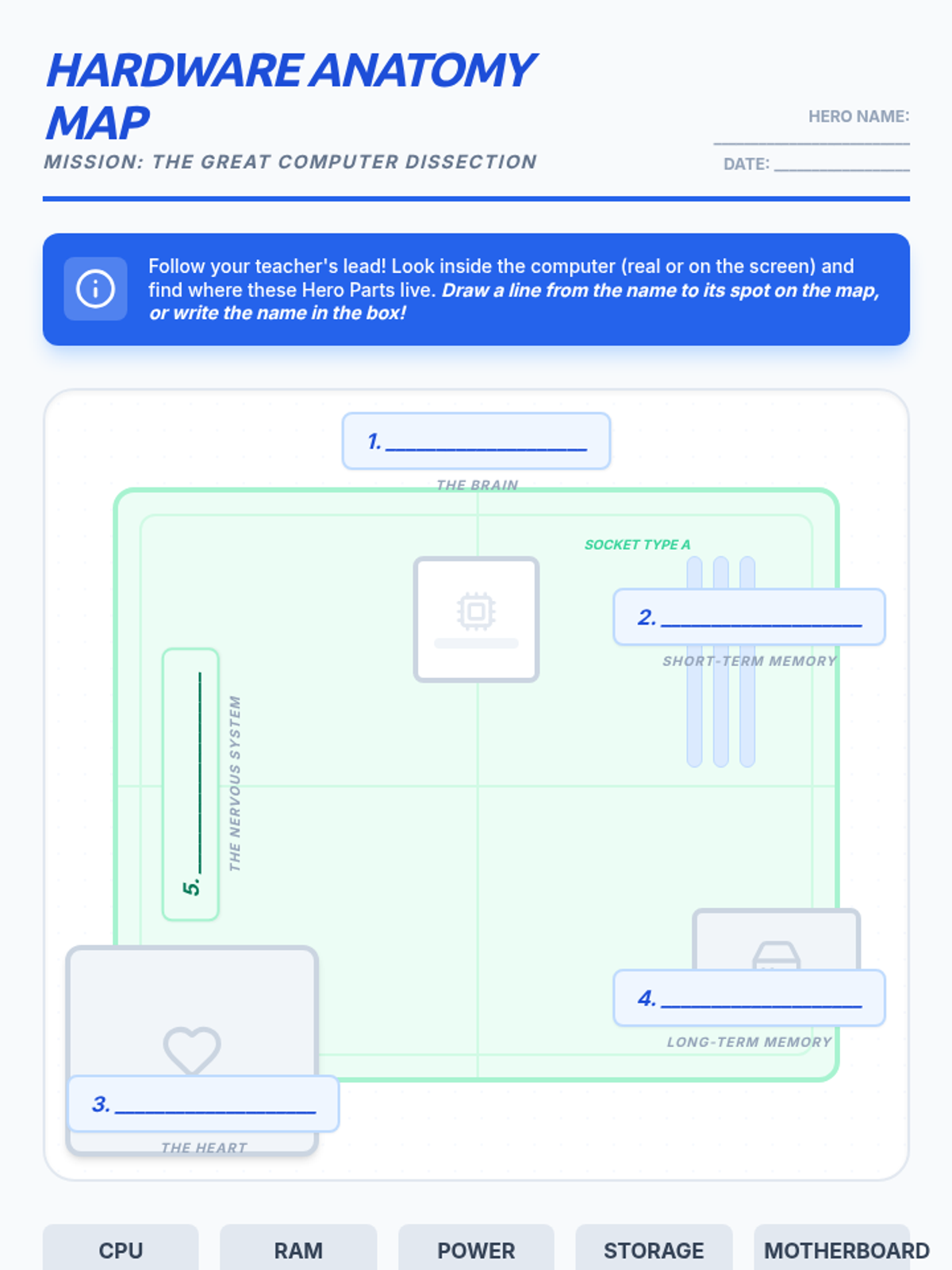
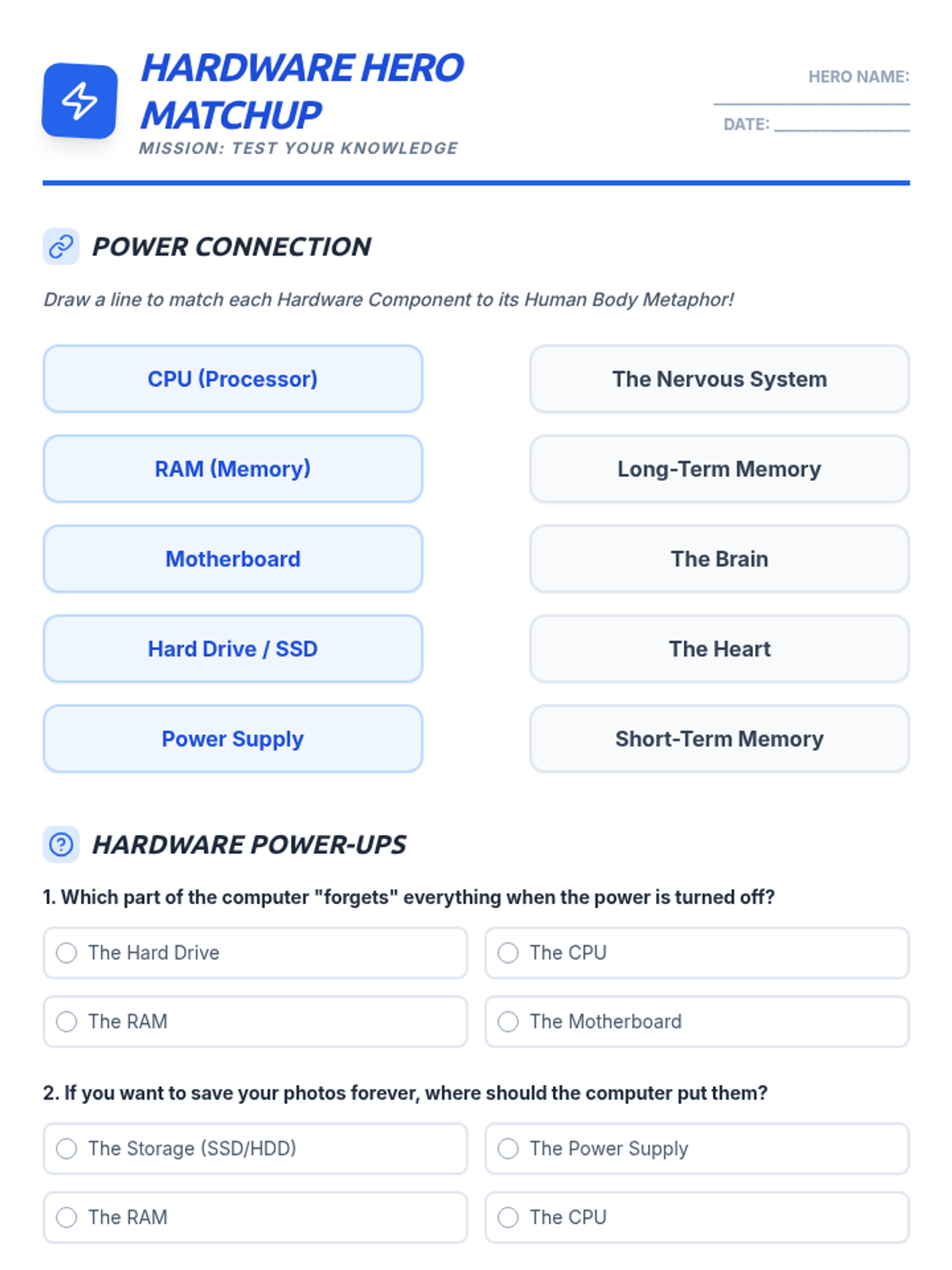
A hands-on exploration for 2nd and 3rd graders where they identify computer components by comparing them to human body parts. Students learn how hardware supports software through a 'computer dissection' metaphor.
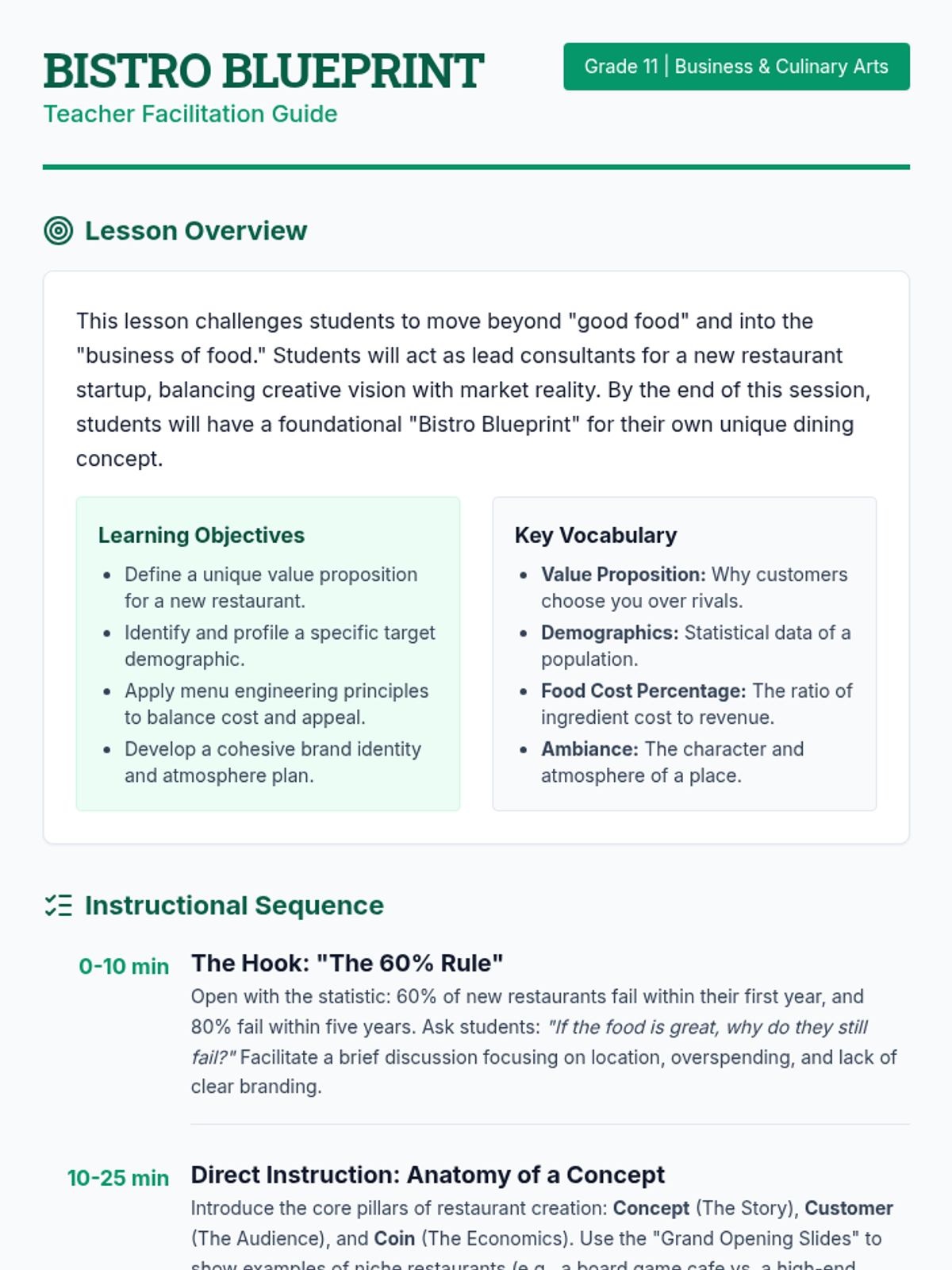
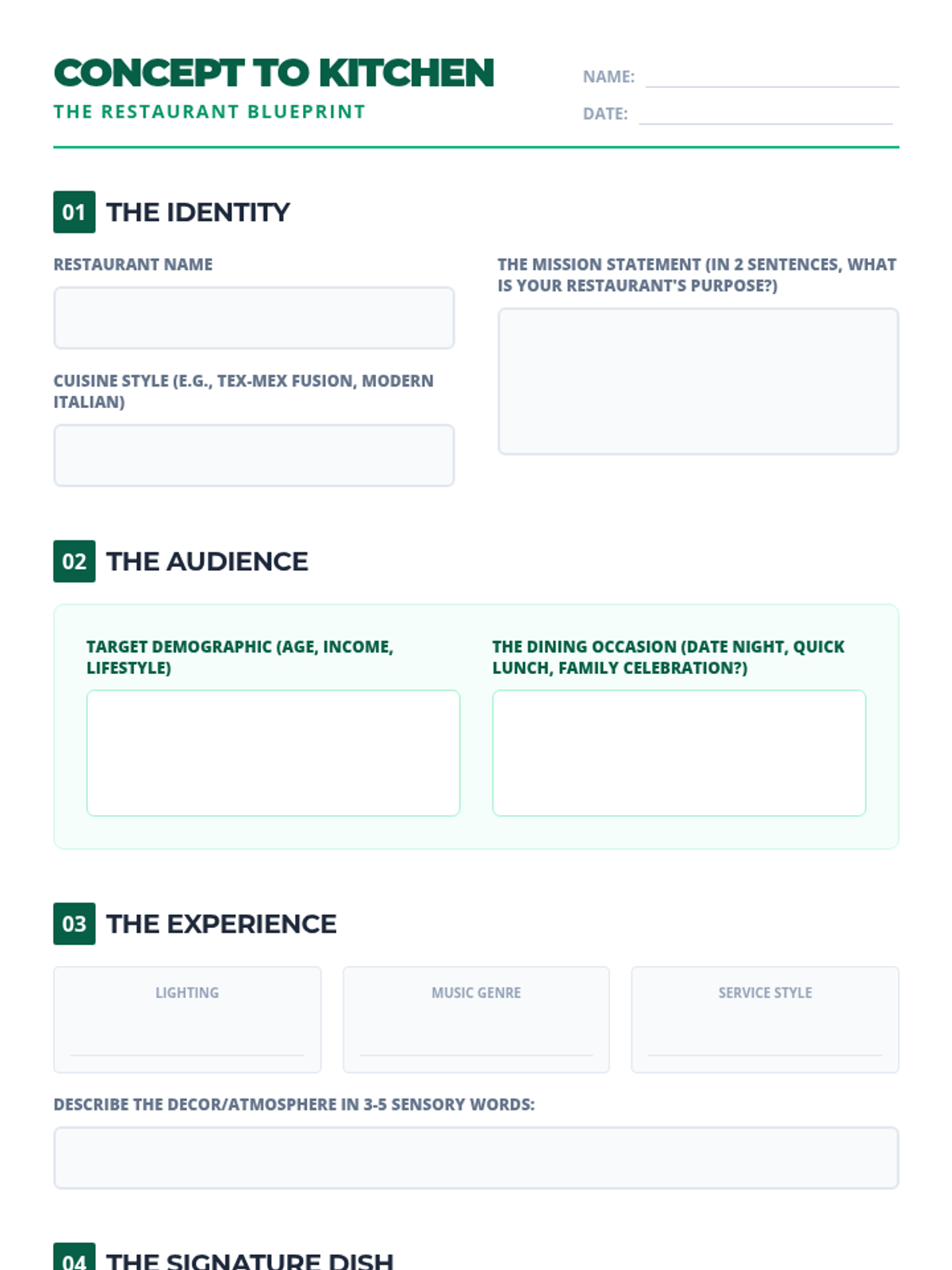
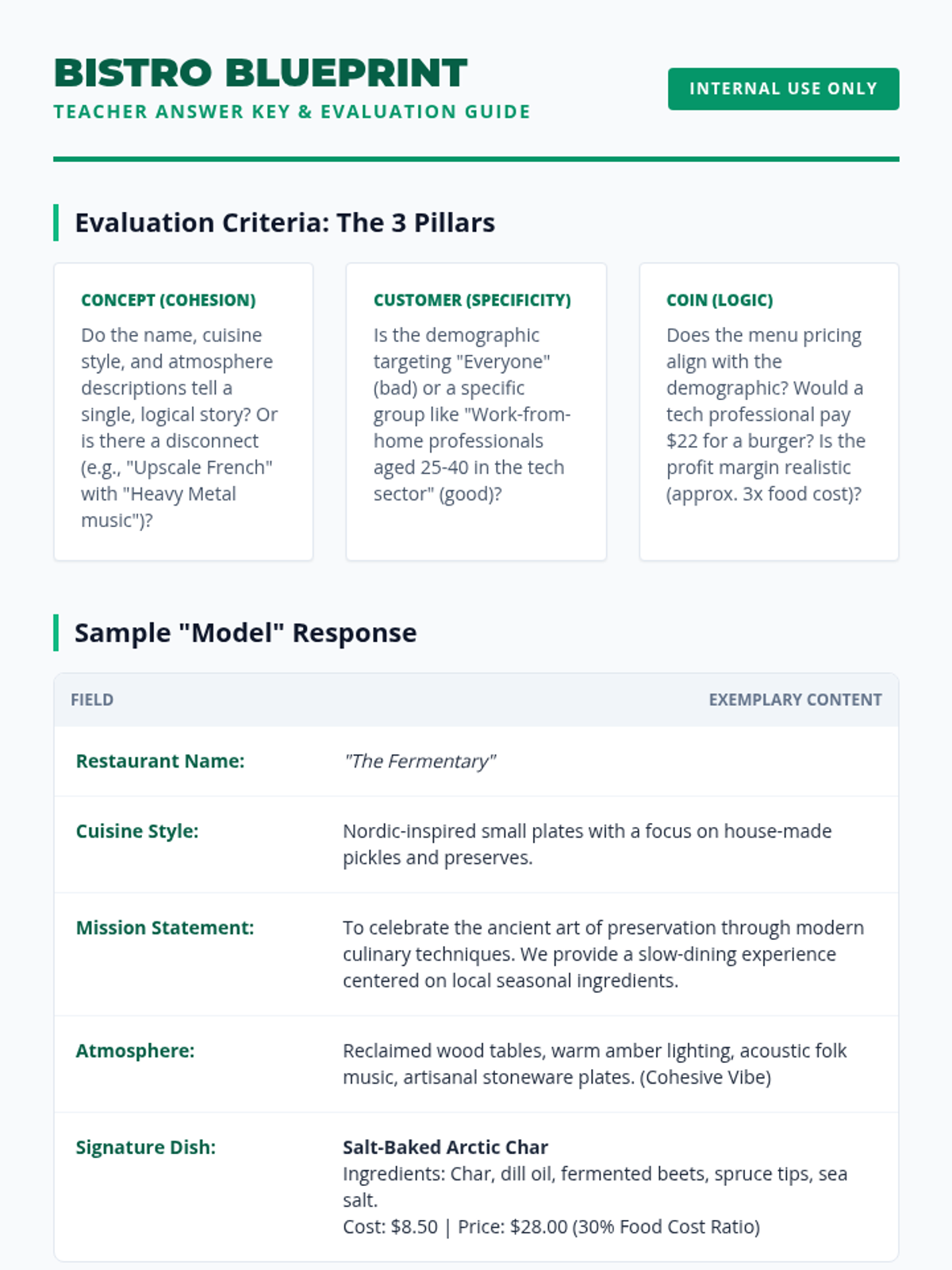
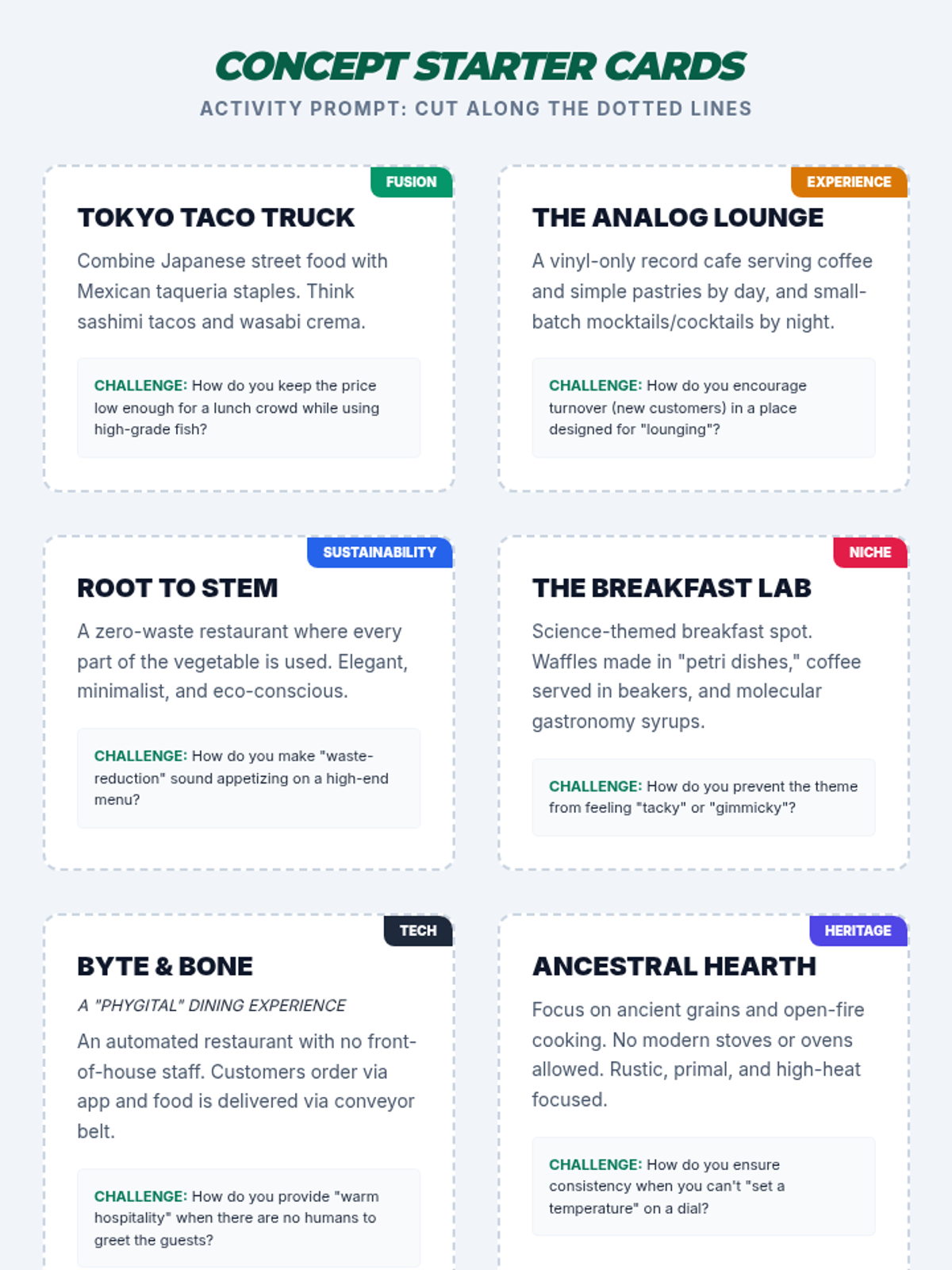
A comprehensive business and culinary arts lesson where students design a unique dining concept from the ground up, covering branding, menu engineering, and market analysis.
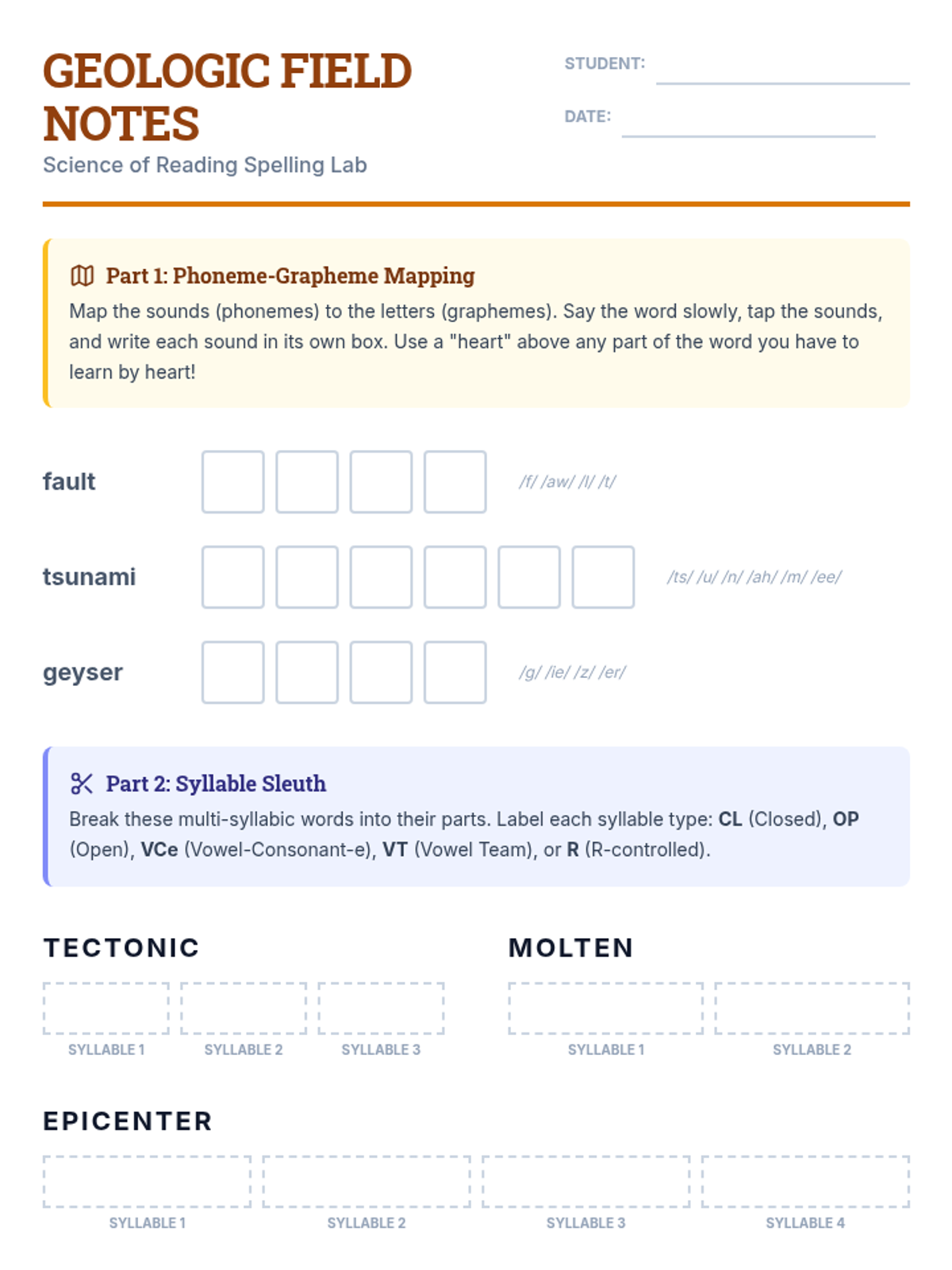
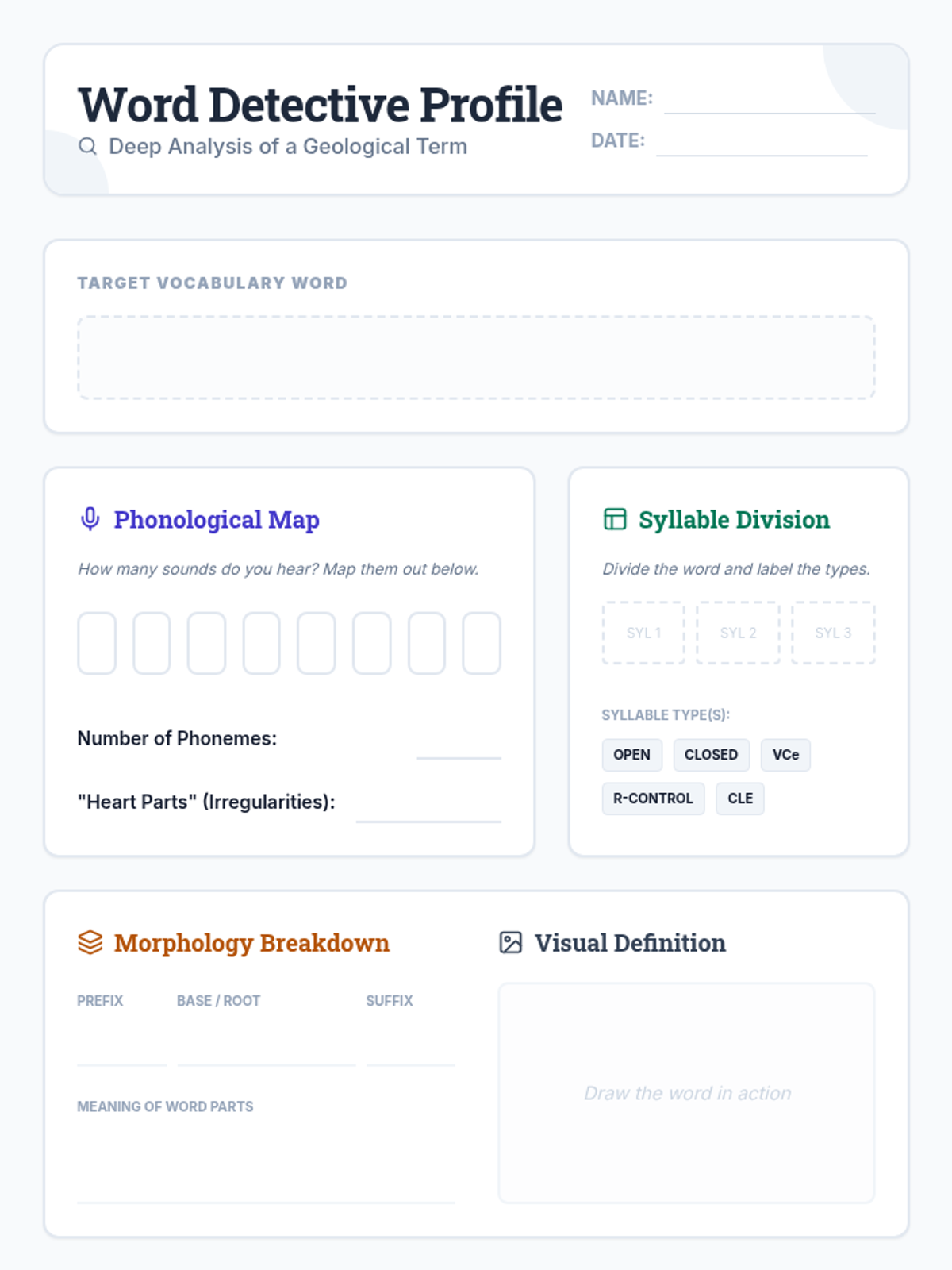
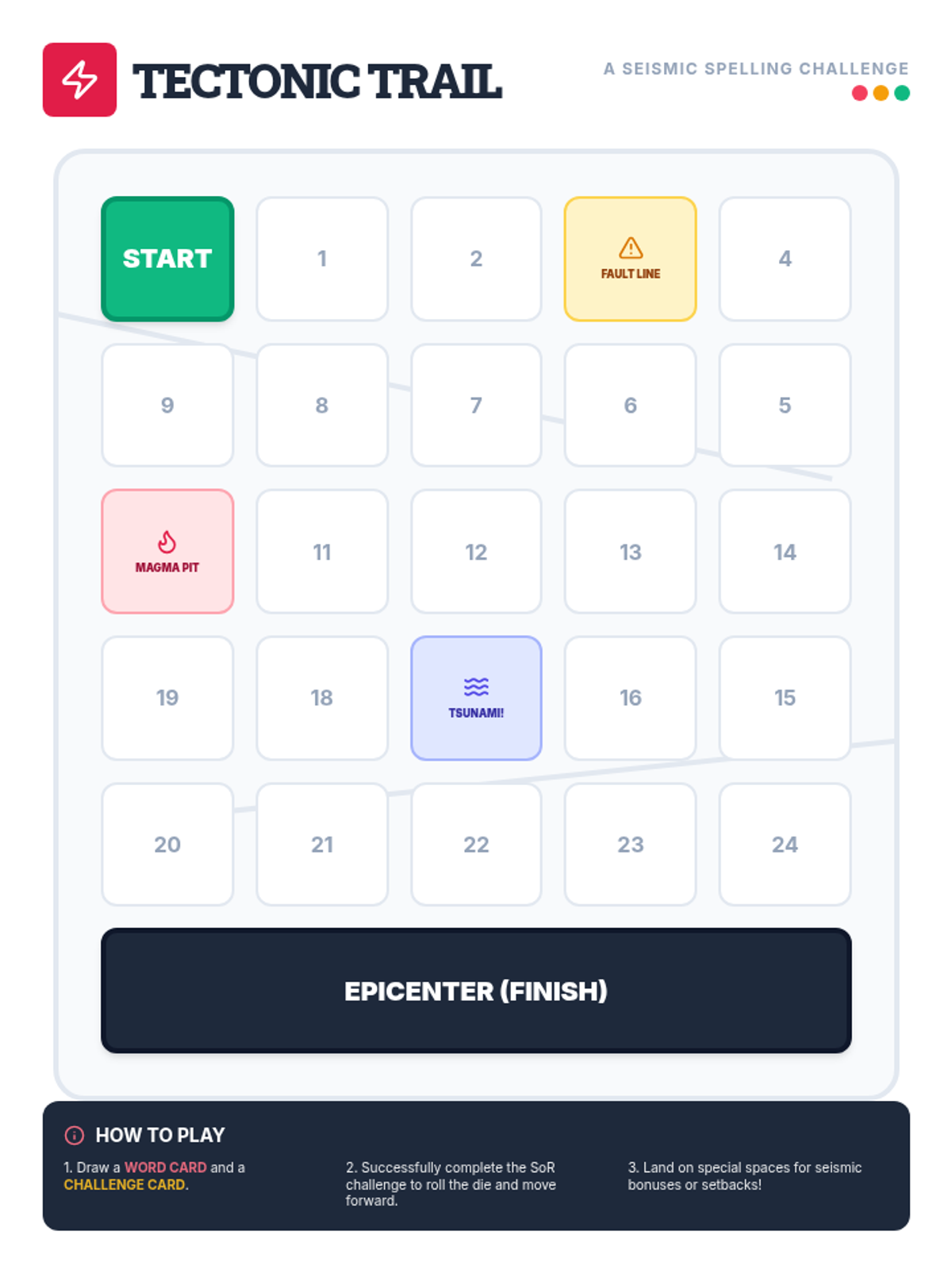
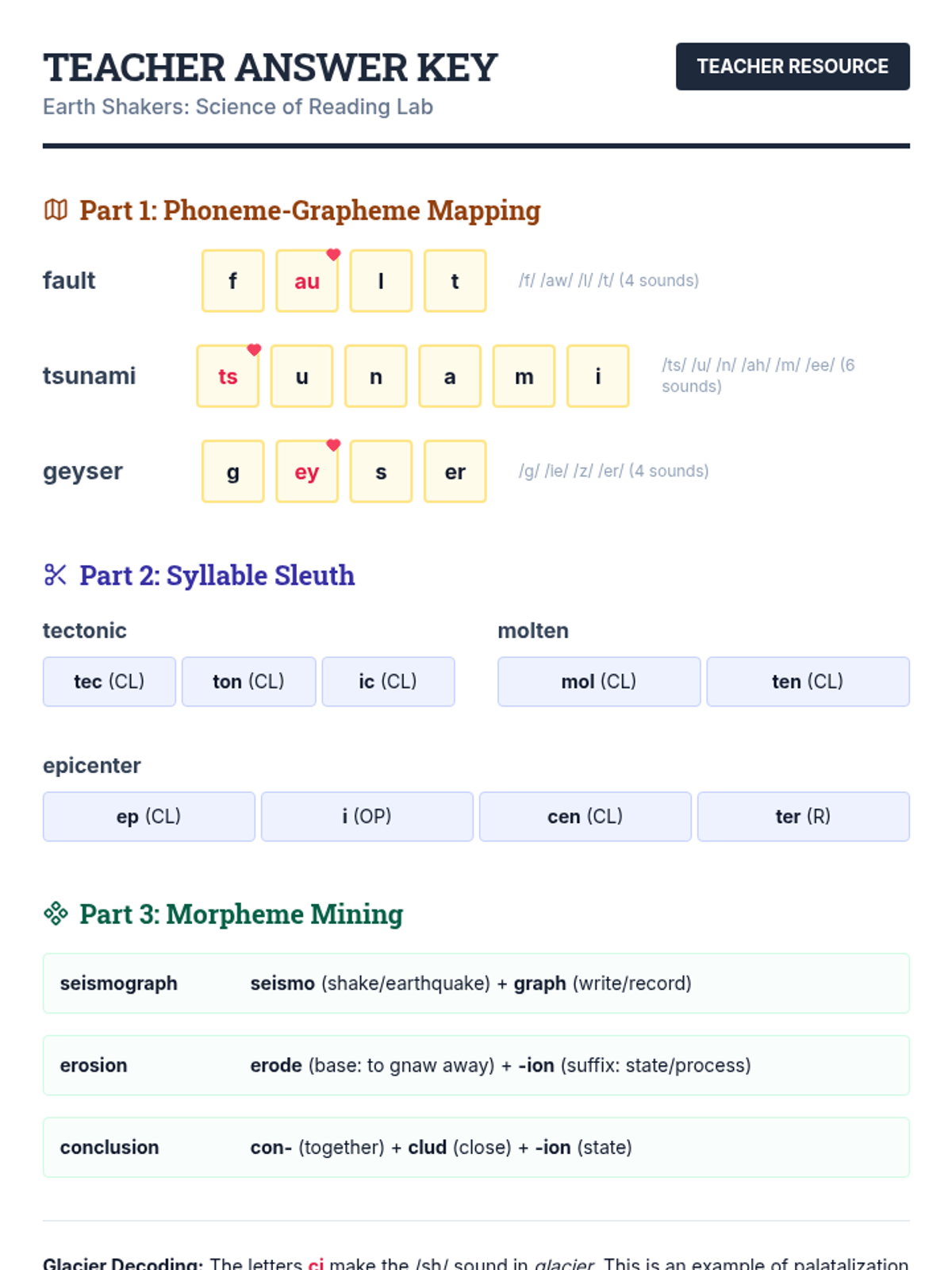
A comprehensive set of Science of Reading based activities focusing on geological vocabulary through phoneme-grapheme mapping, syllable division, and morphological analysis.
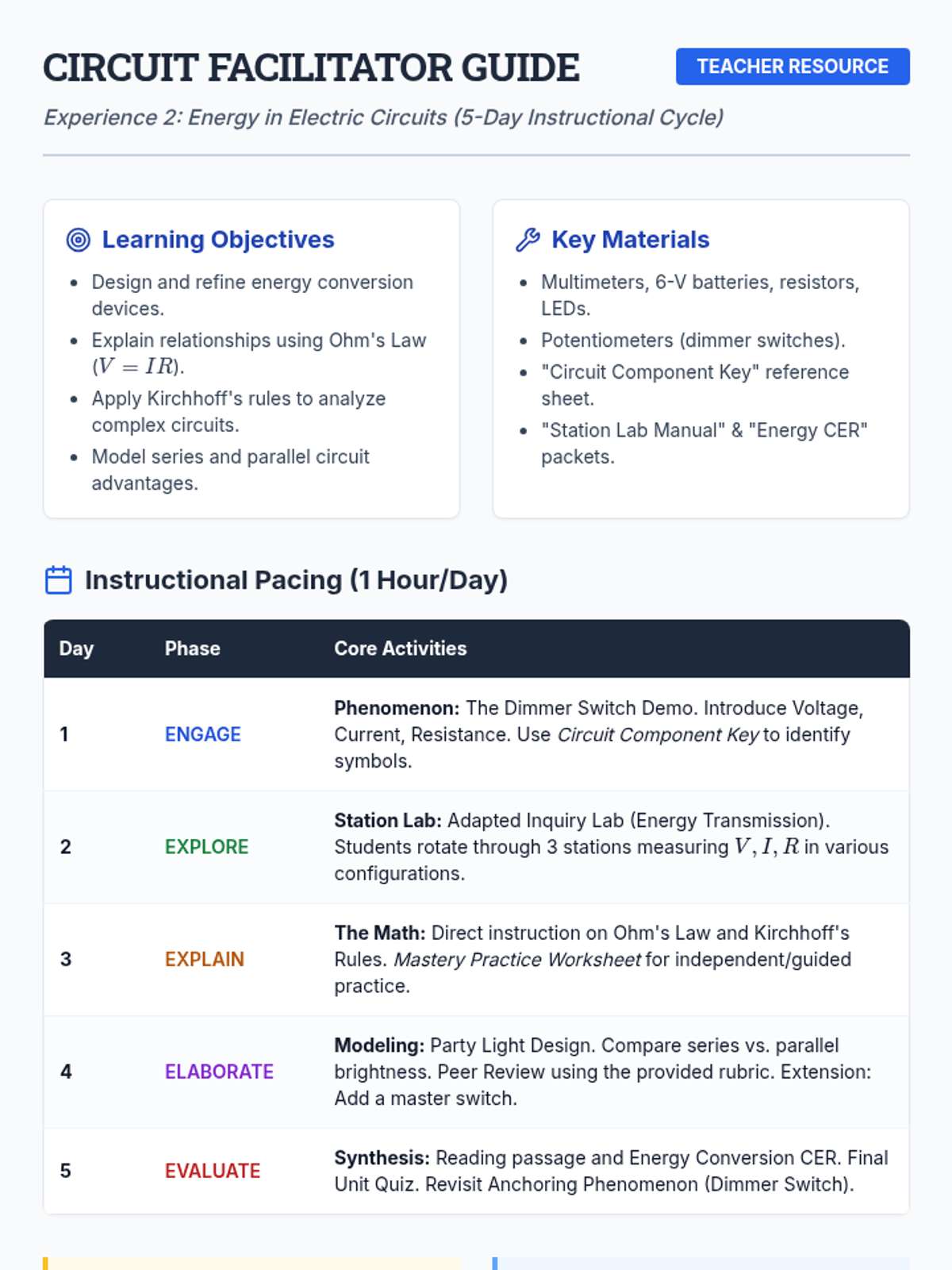
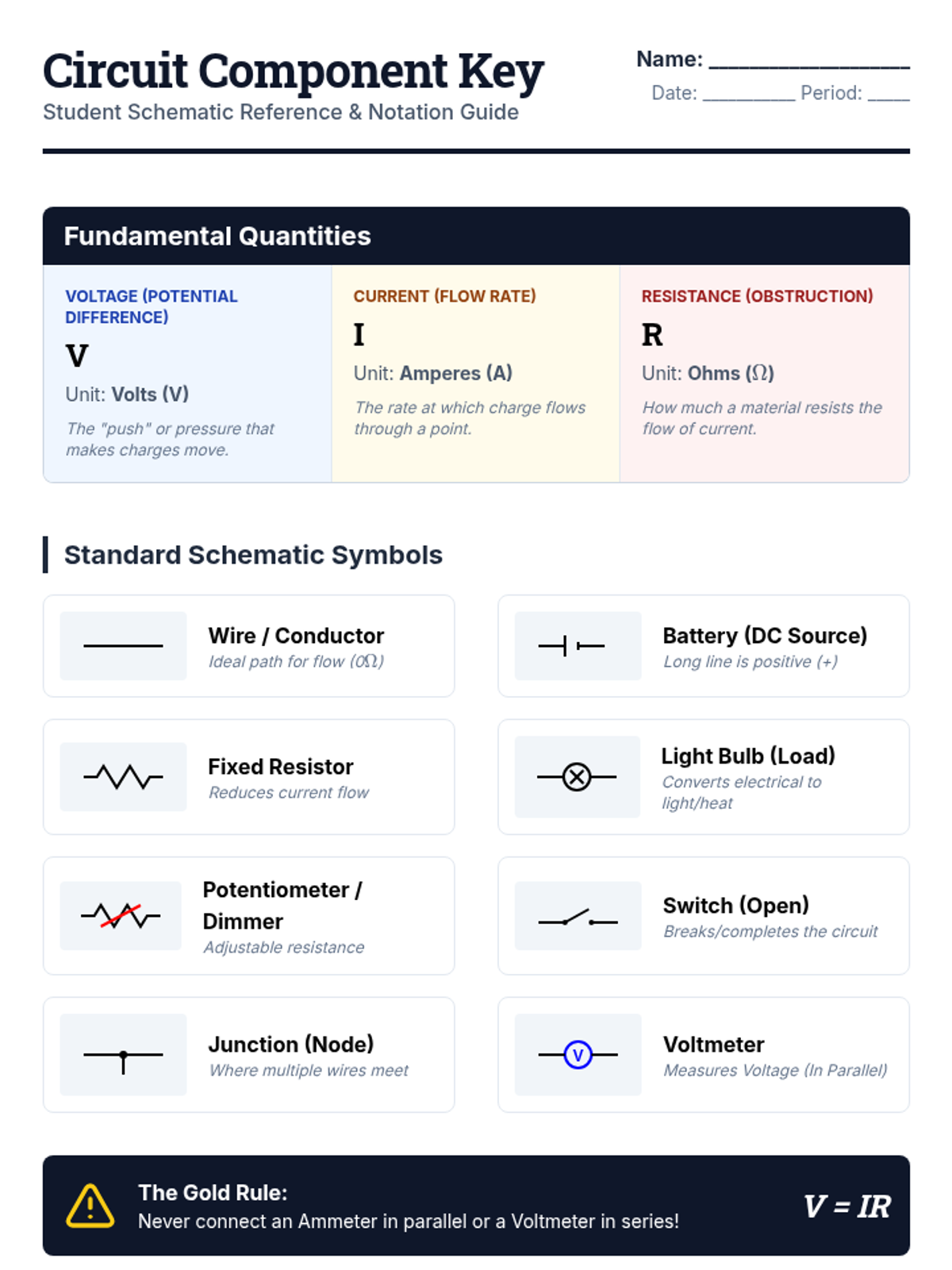
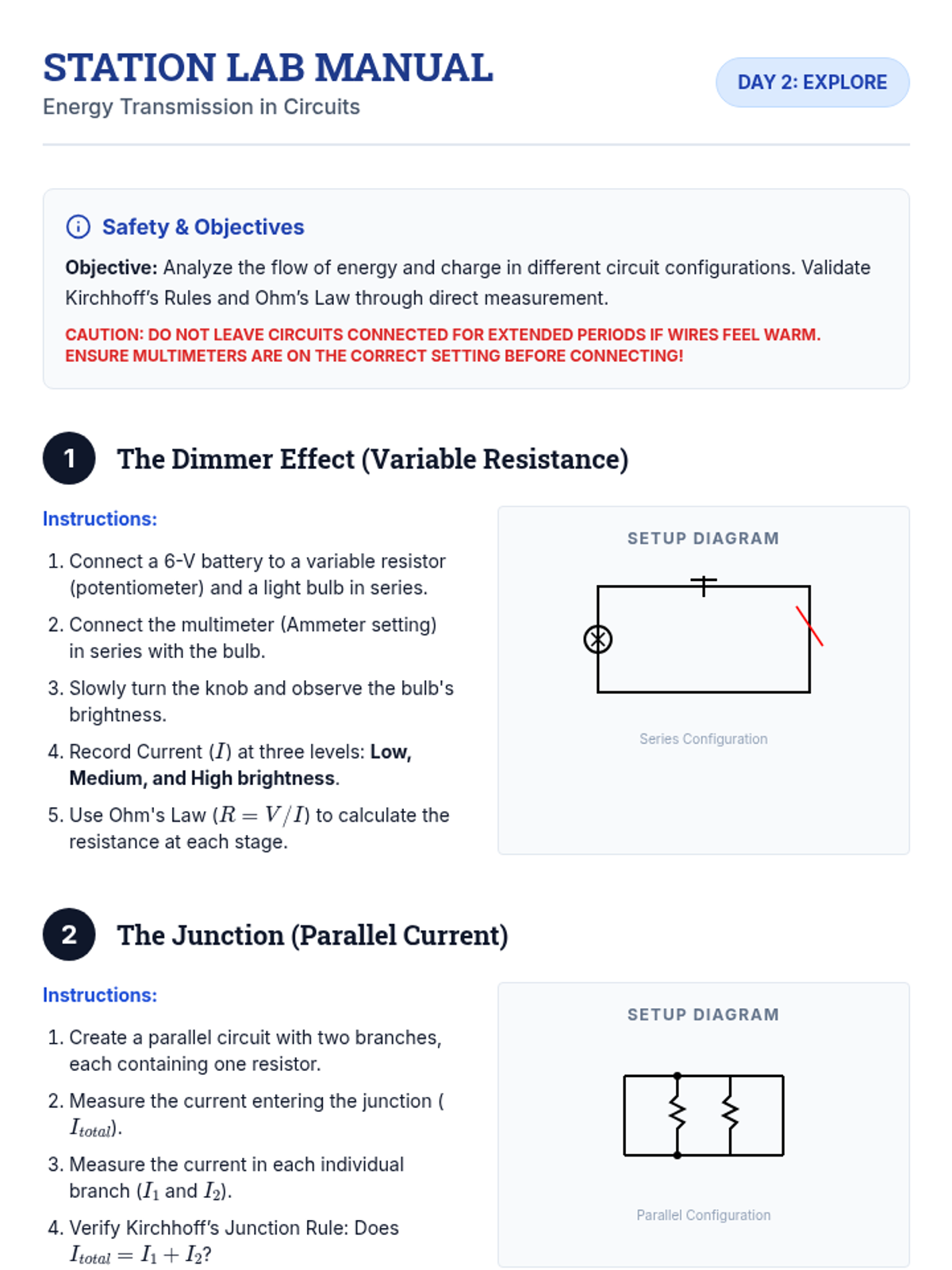
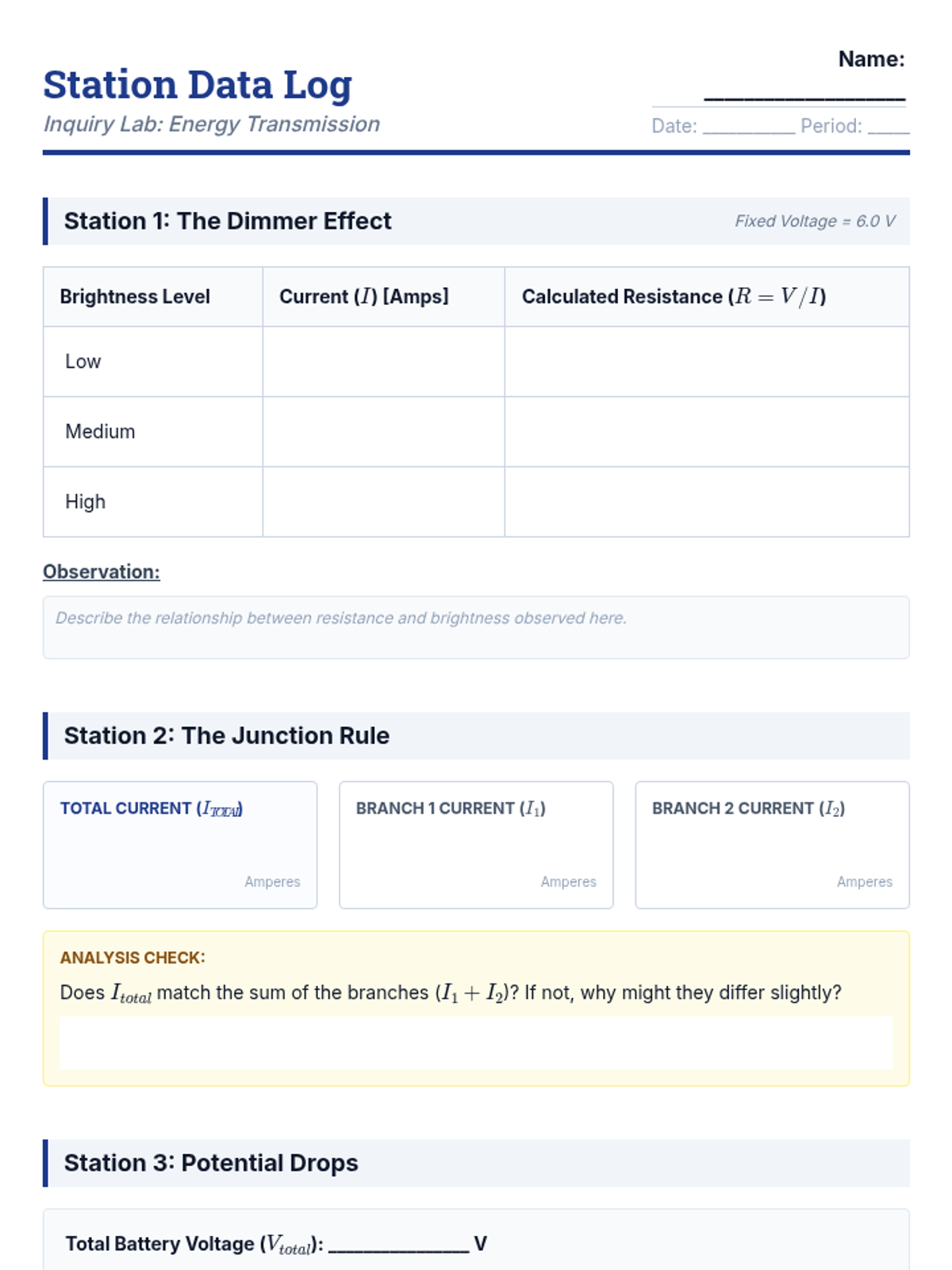
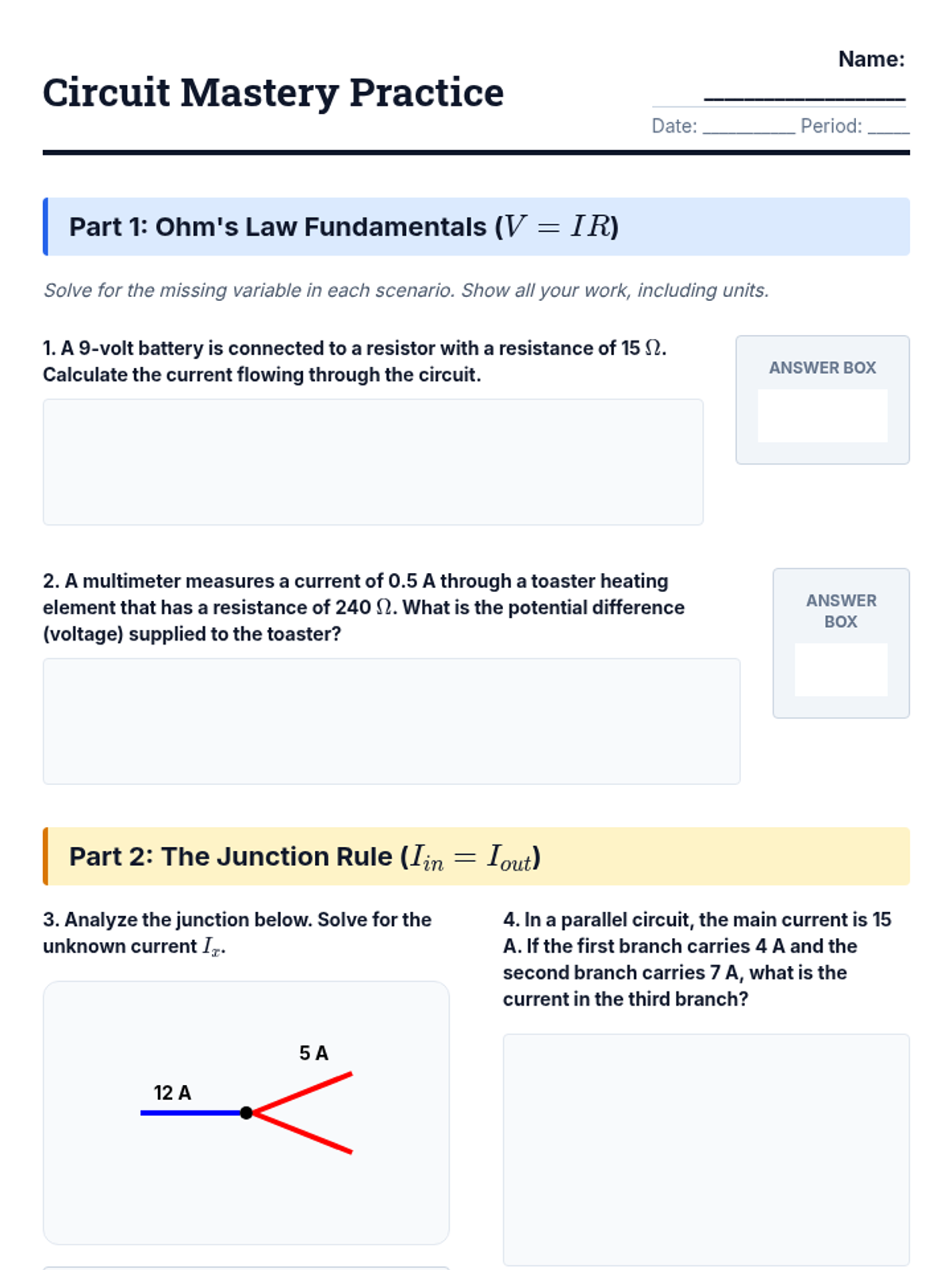
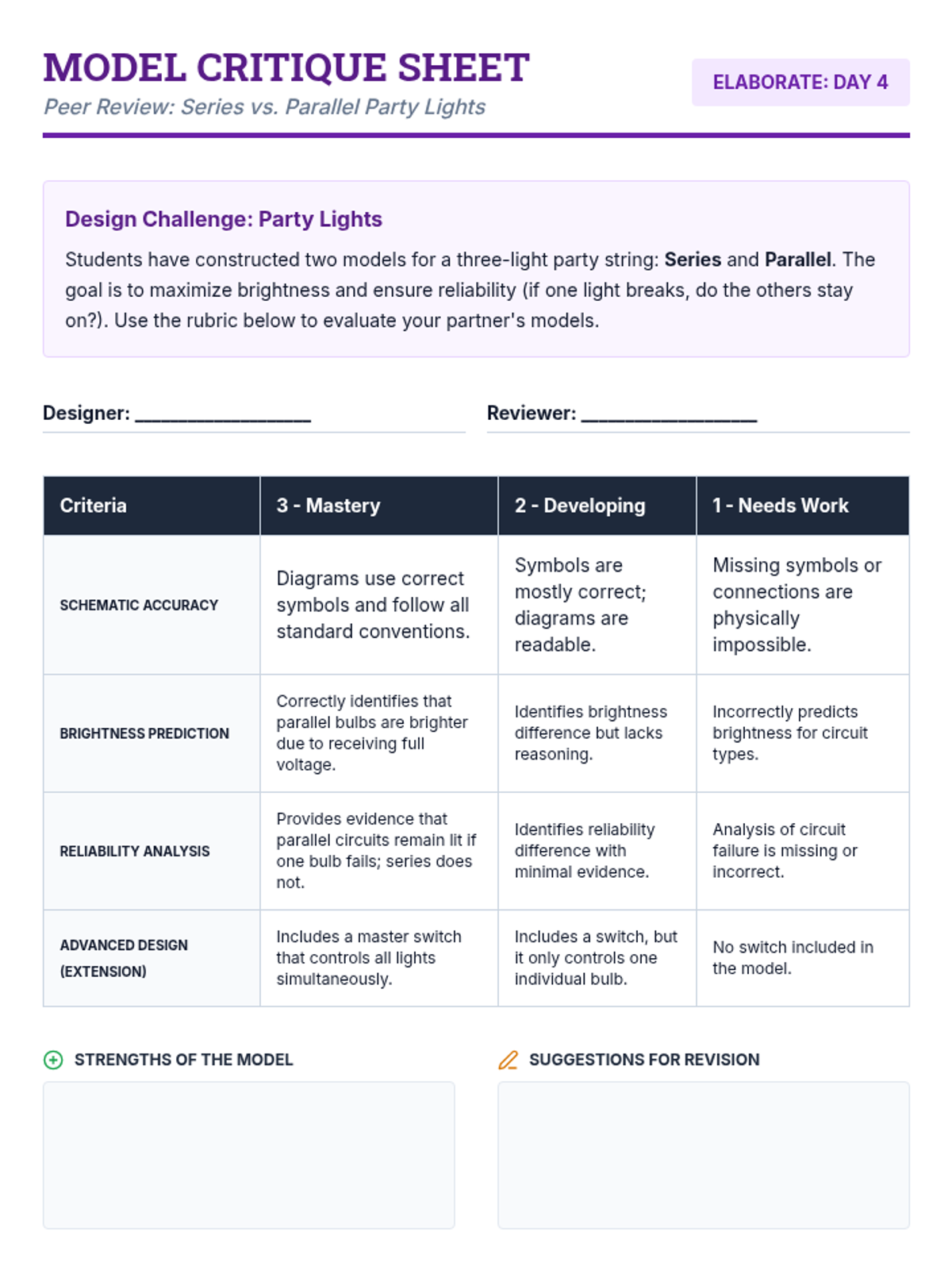
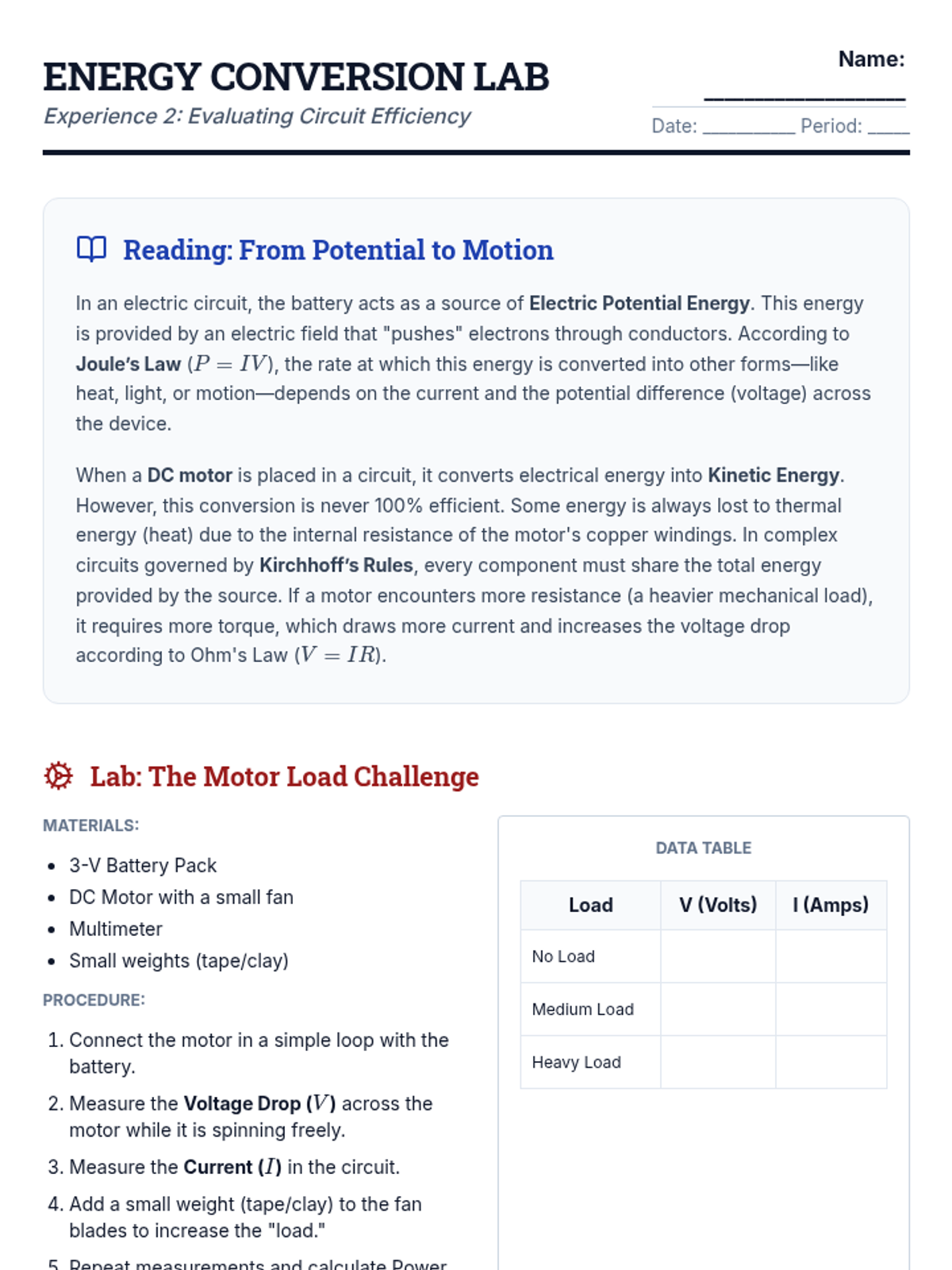
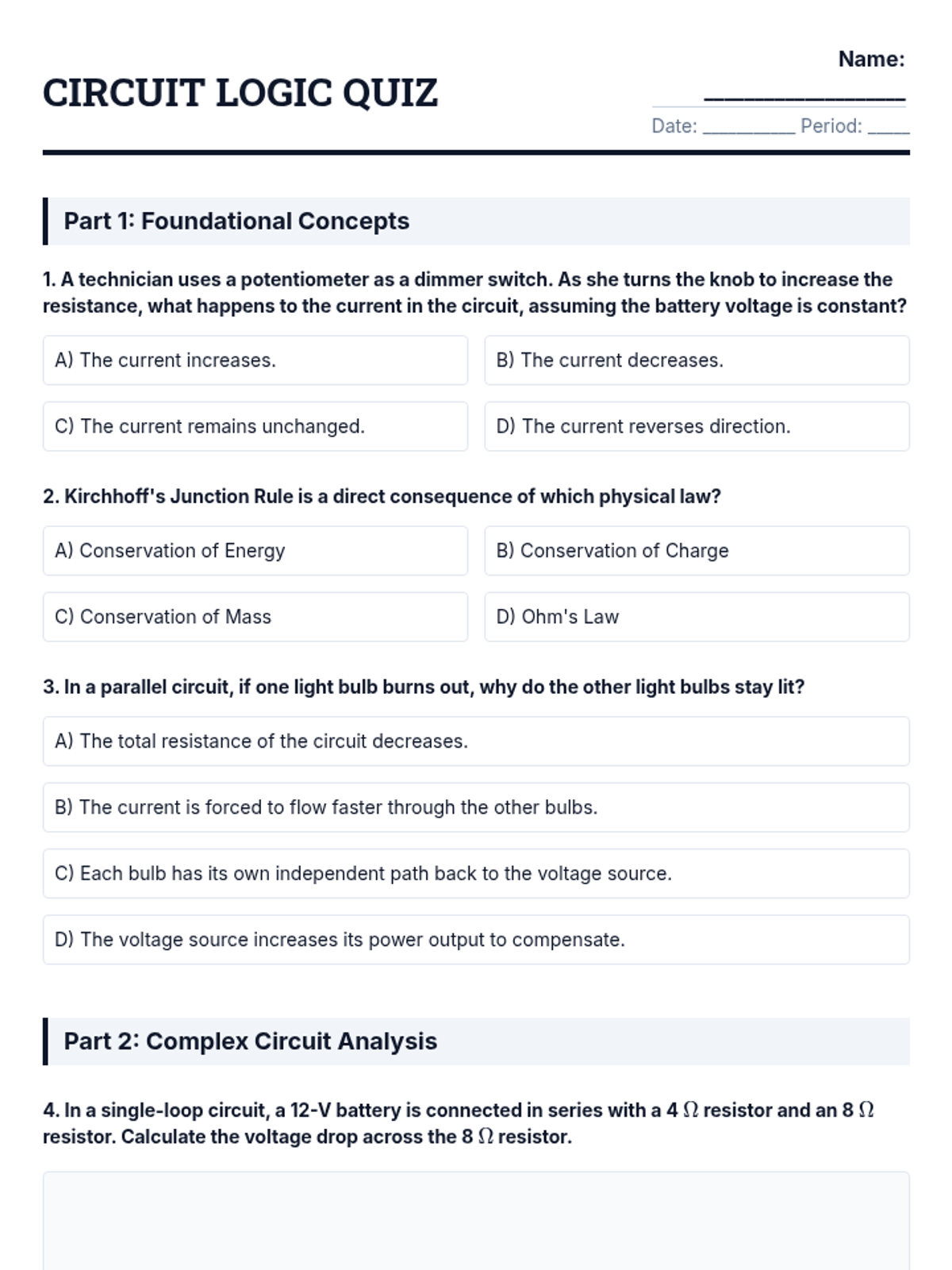
A comprehensive 5-day instructional cycle exploring voltage, current, resistance, and complex circuits using Ohm's Law and Kirchhoff's Rules. Students engage in hands-on station labs, modeling activities, and CER analysis to understand energy conversion in circuits.
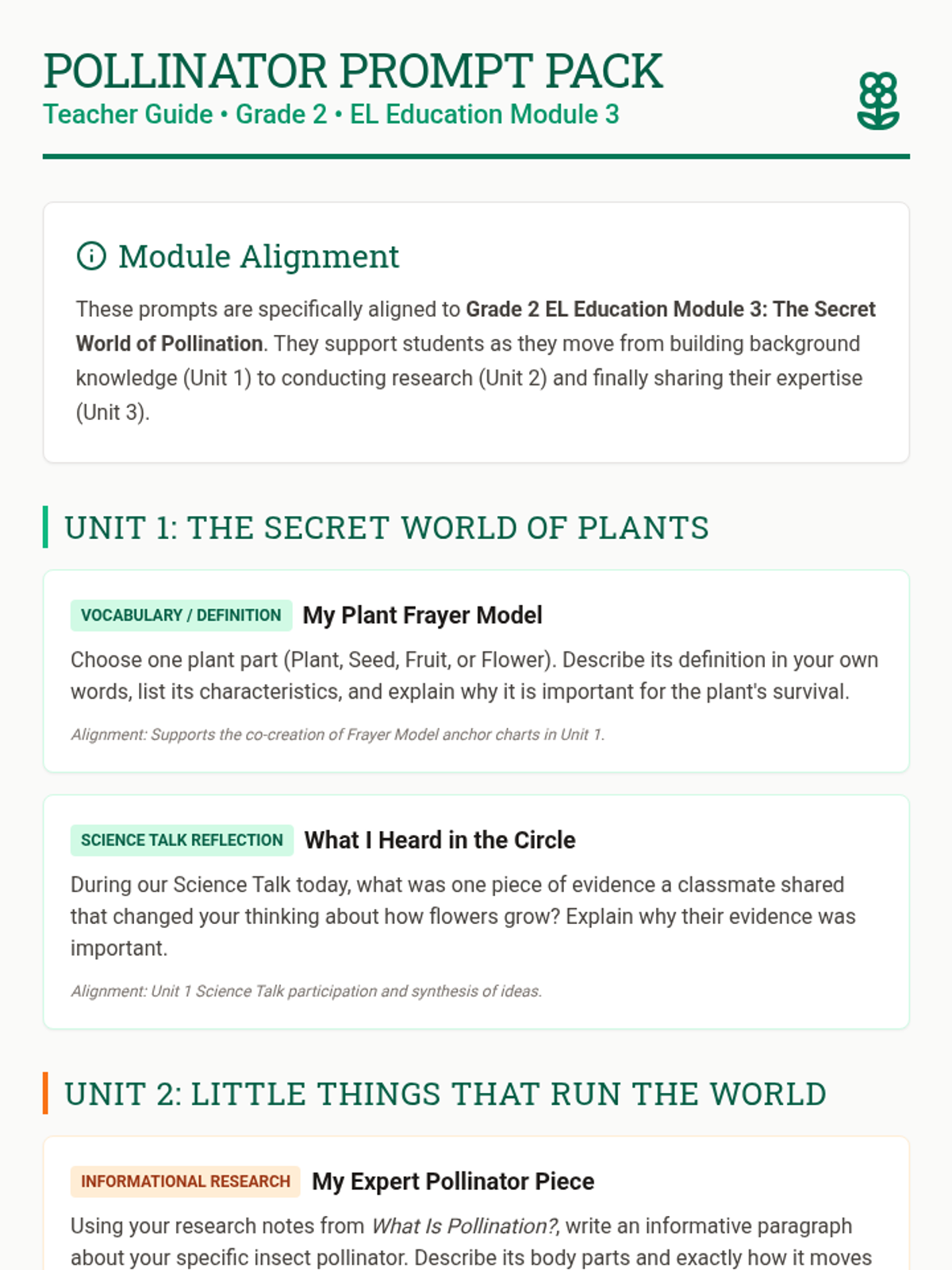
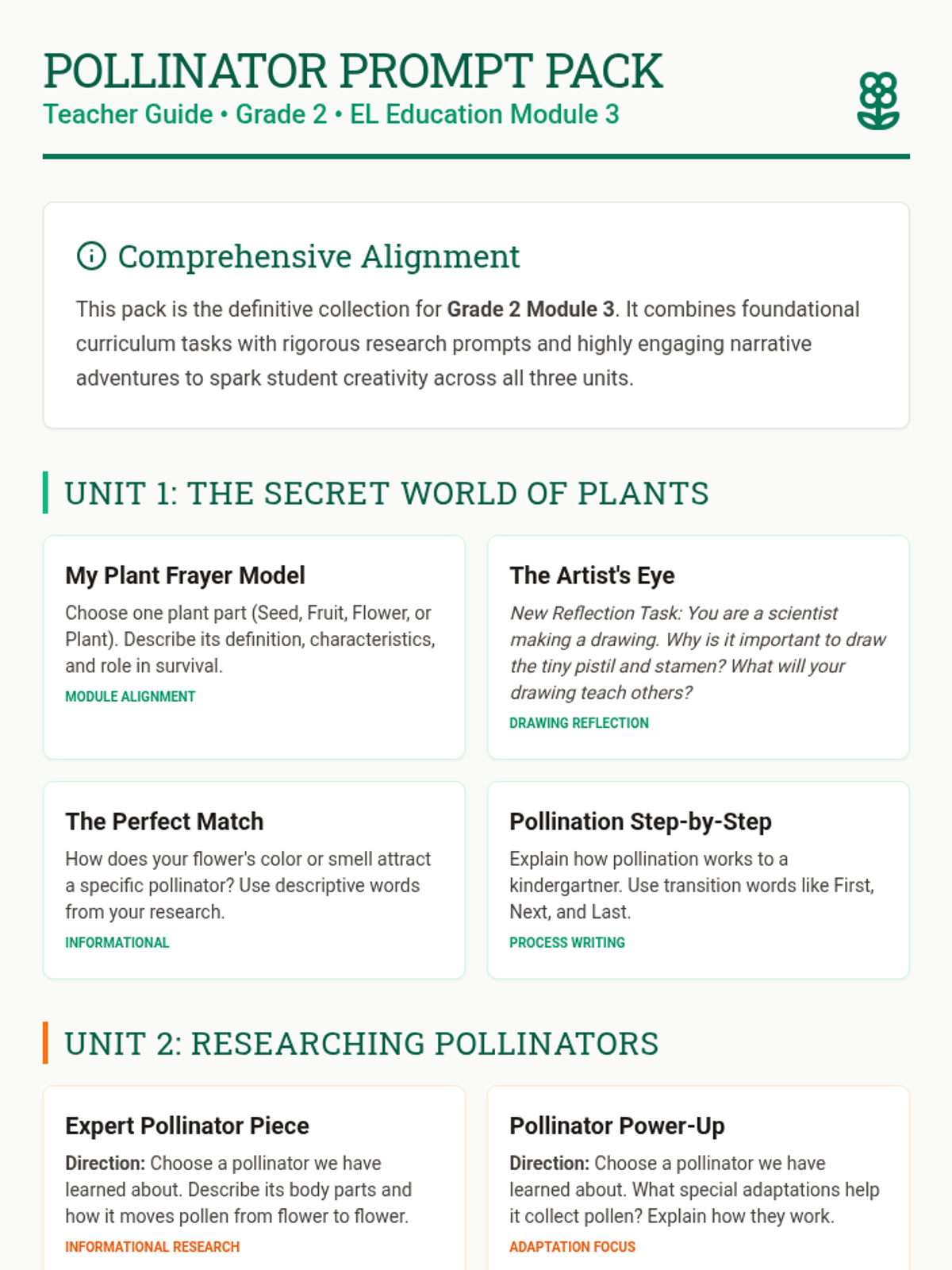
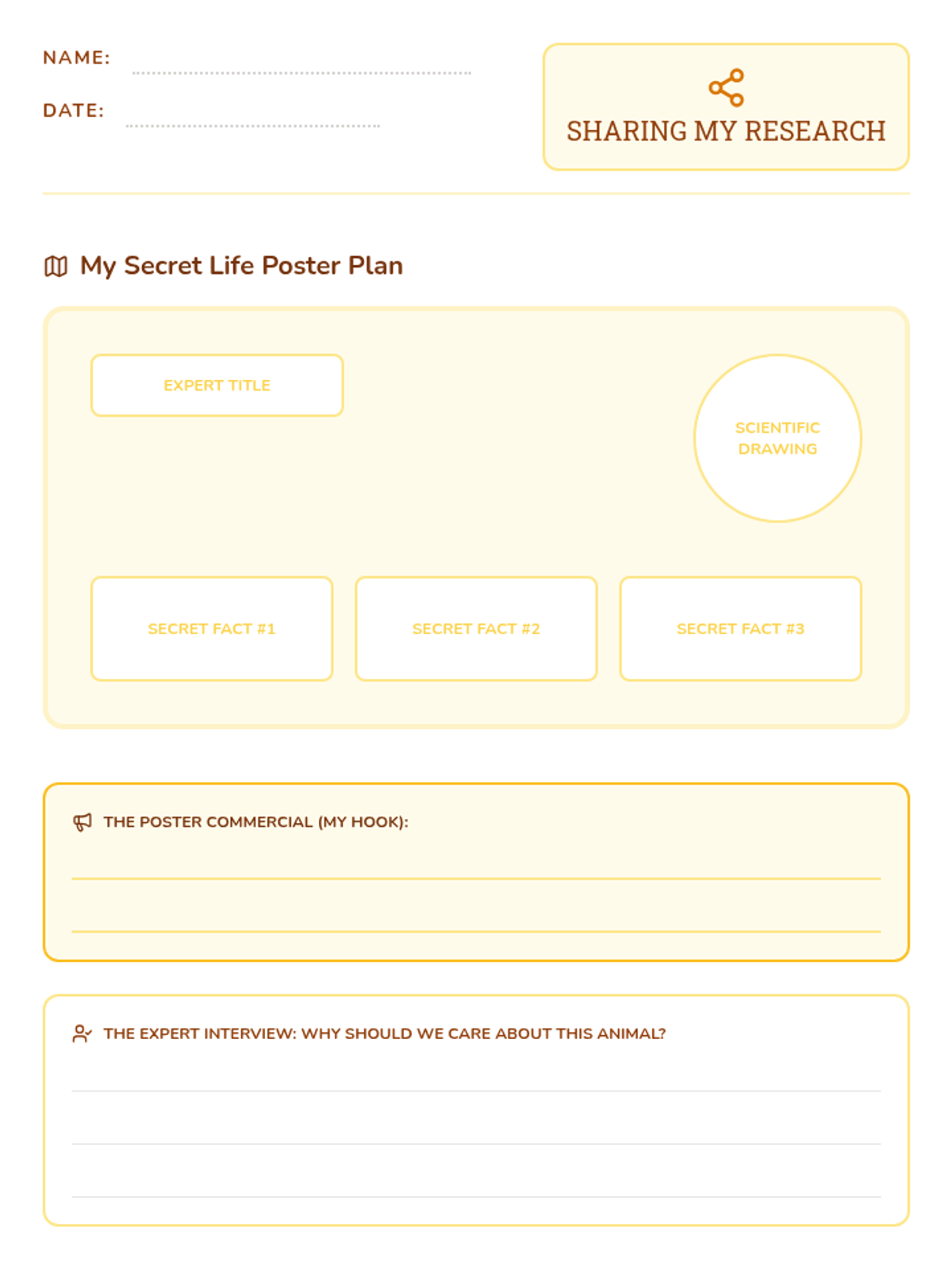
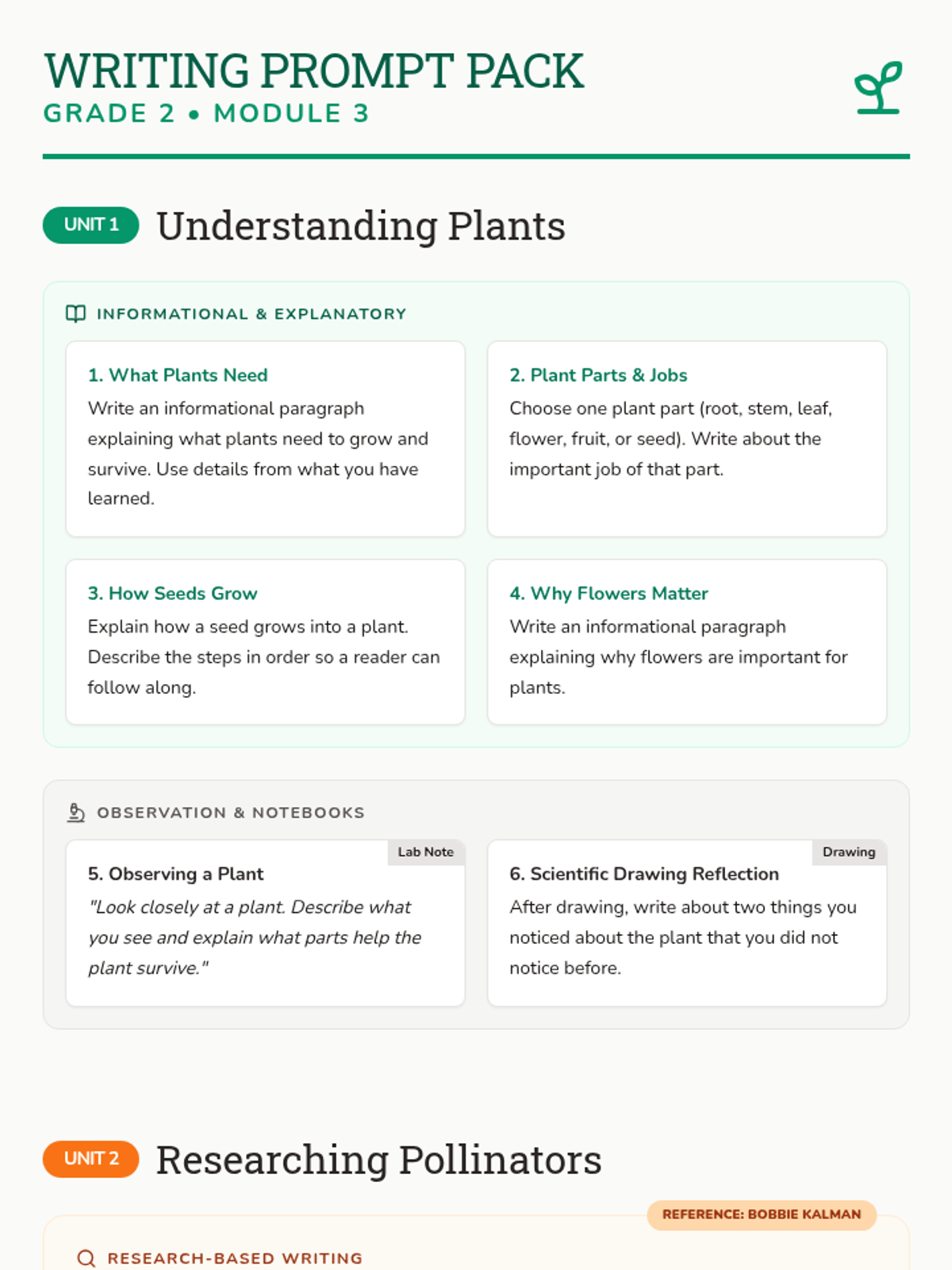
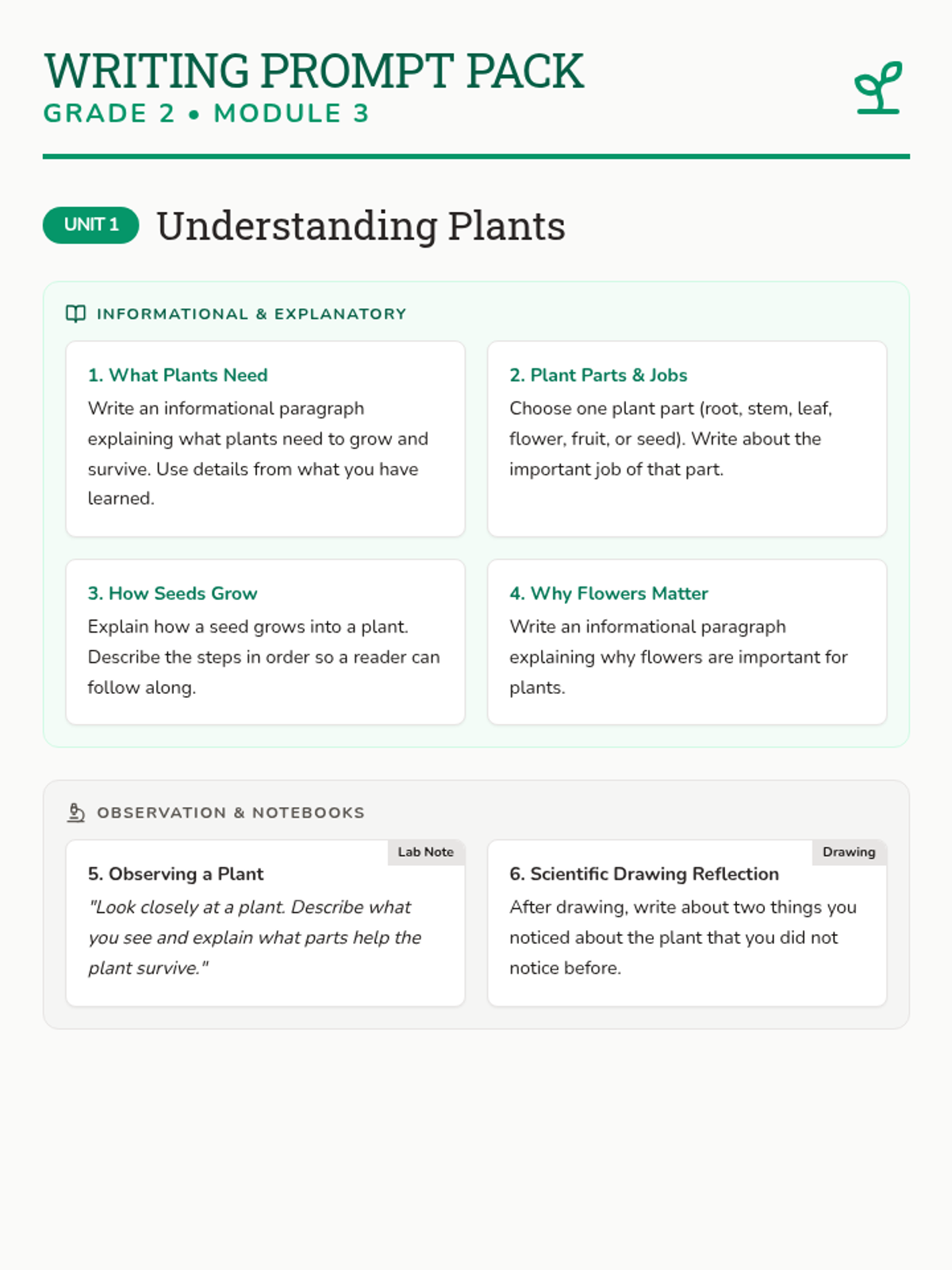
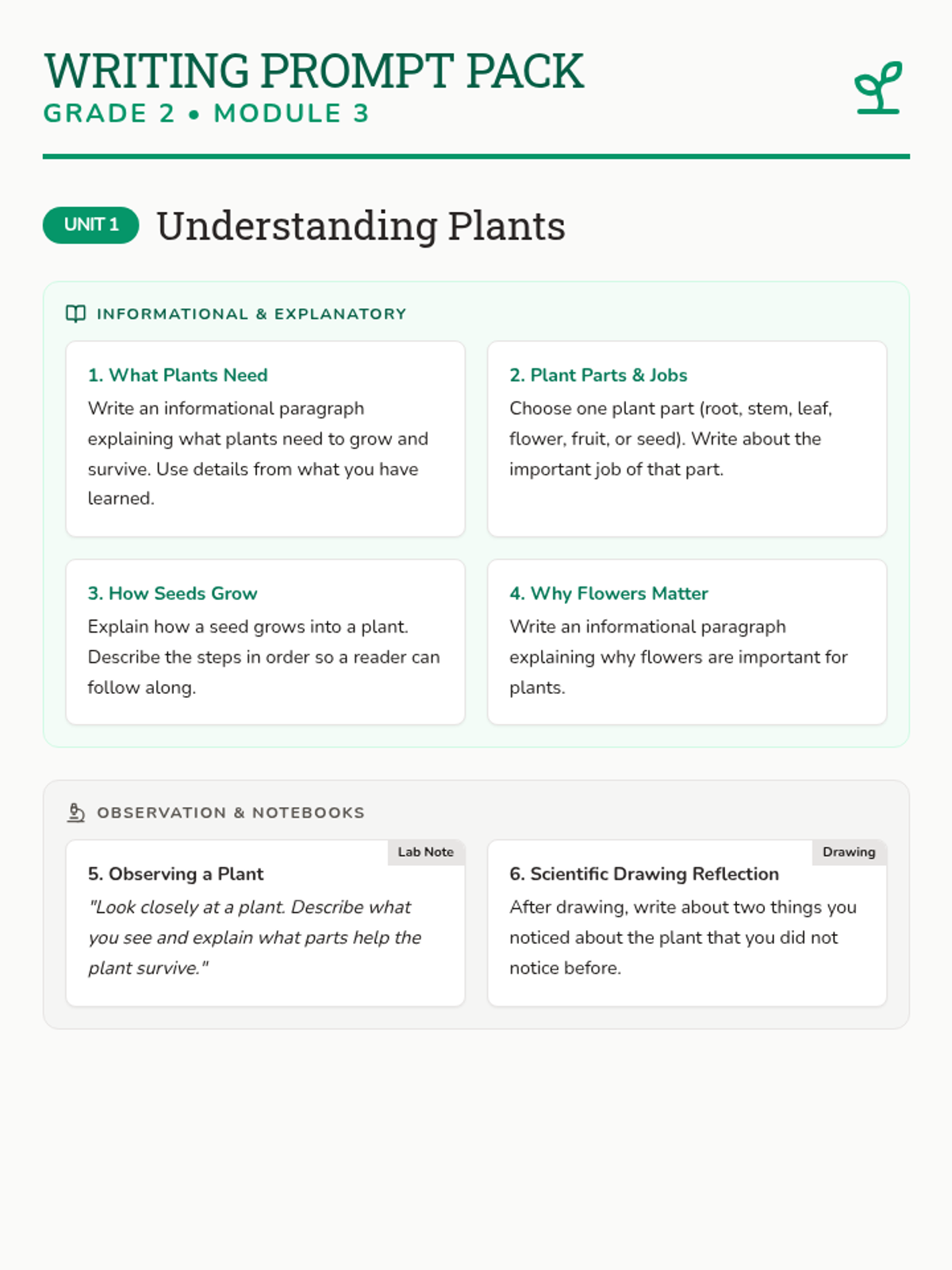
A comprehensive set of writing resources for 2nd grade EL Education Module 3, focusing on the fascinating world of pollinators and their role in nature. Includes teacher guides, student writing templates, and instructional slides.