A 1st Grade lesson focused on using comparative adjectives (longer, shorter, taller) to compare objects, featuring interactive video discussion and a hands-on sentence construction activity.
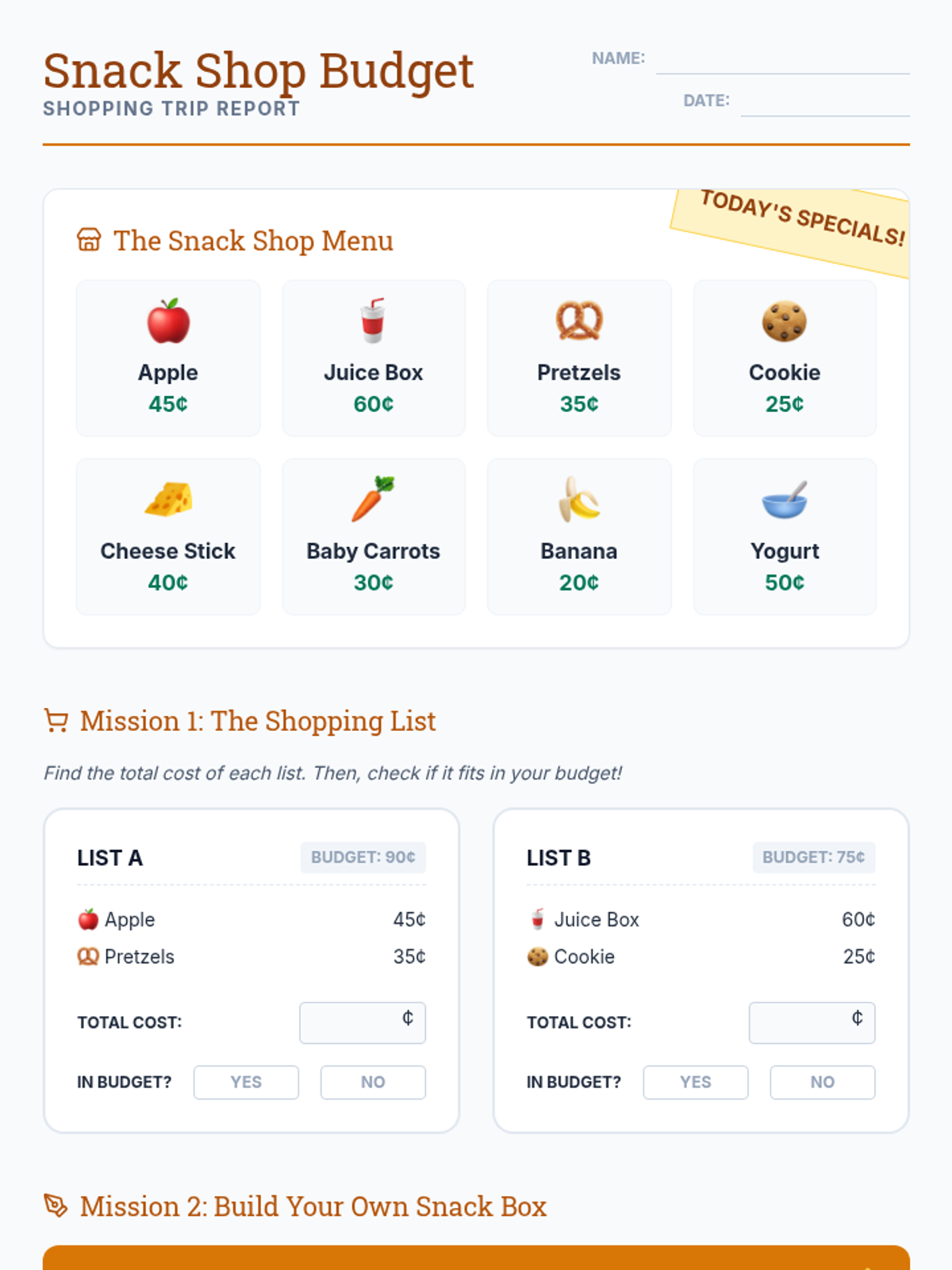
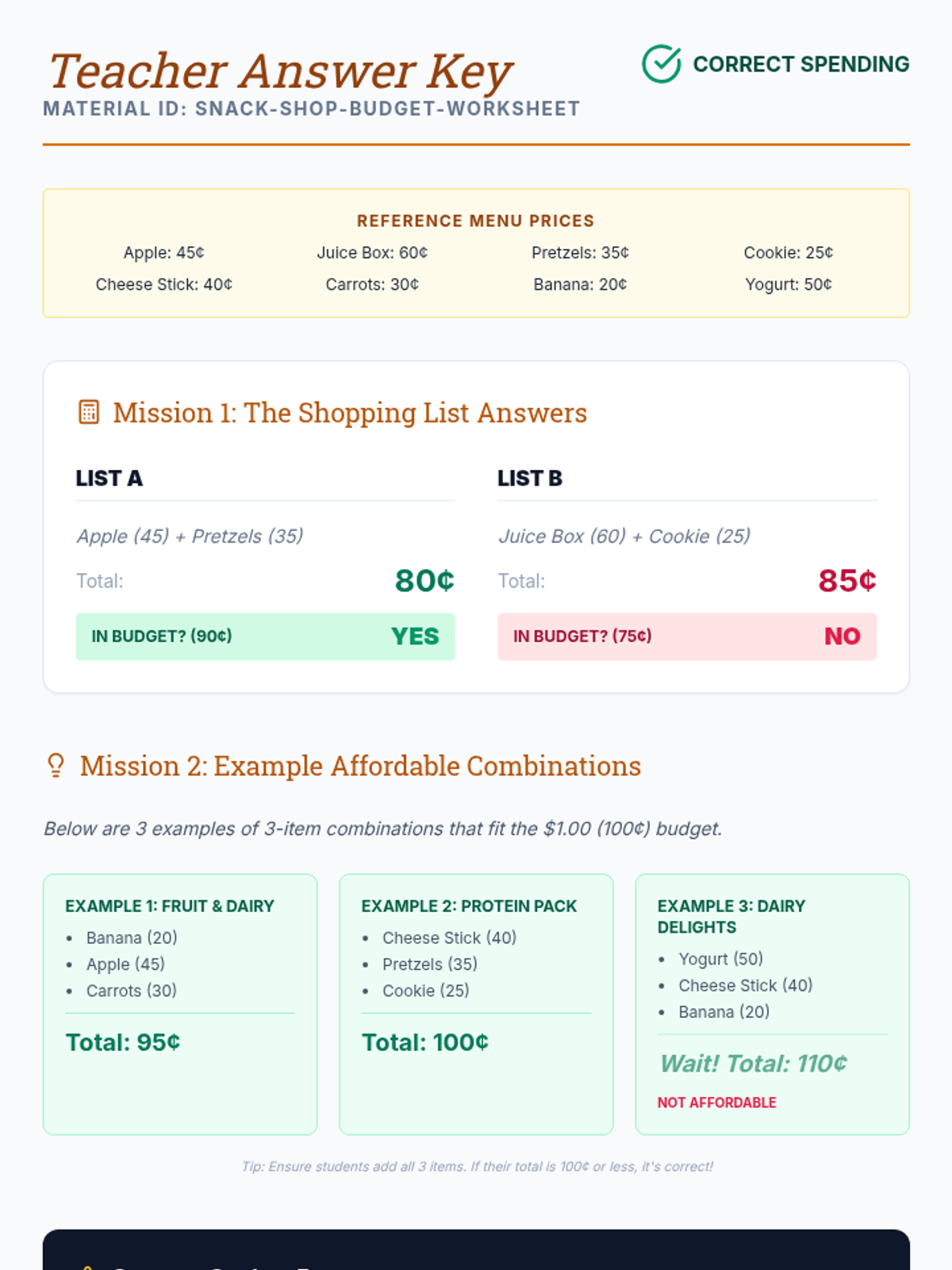
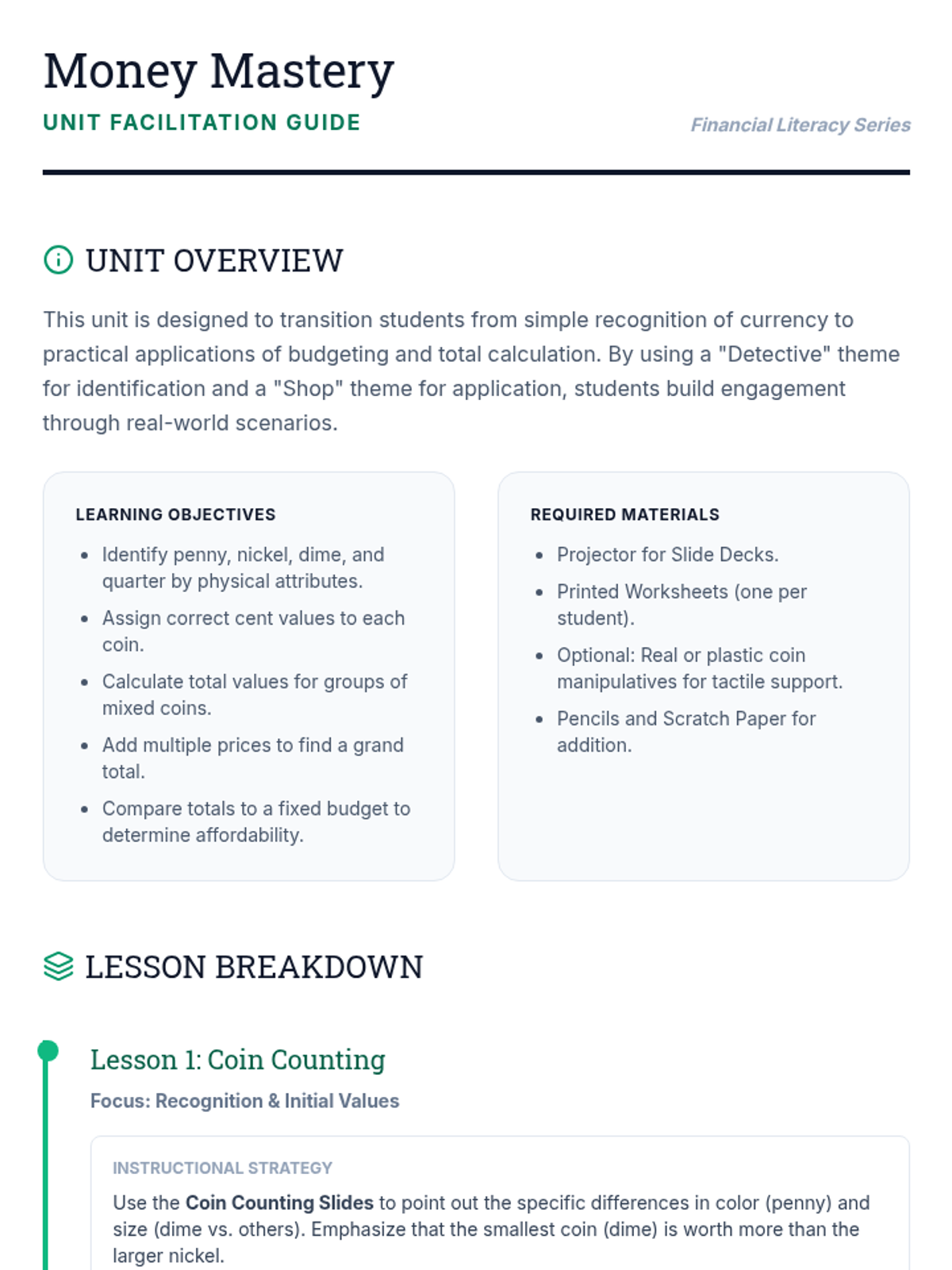
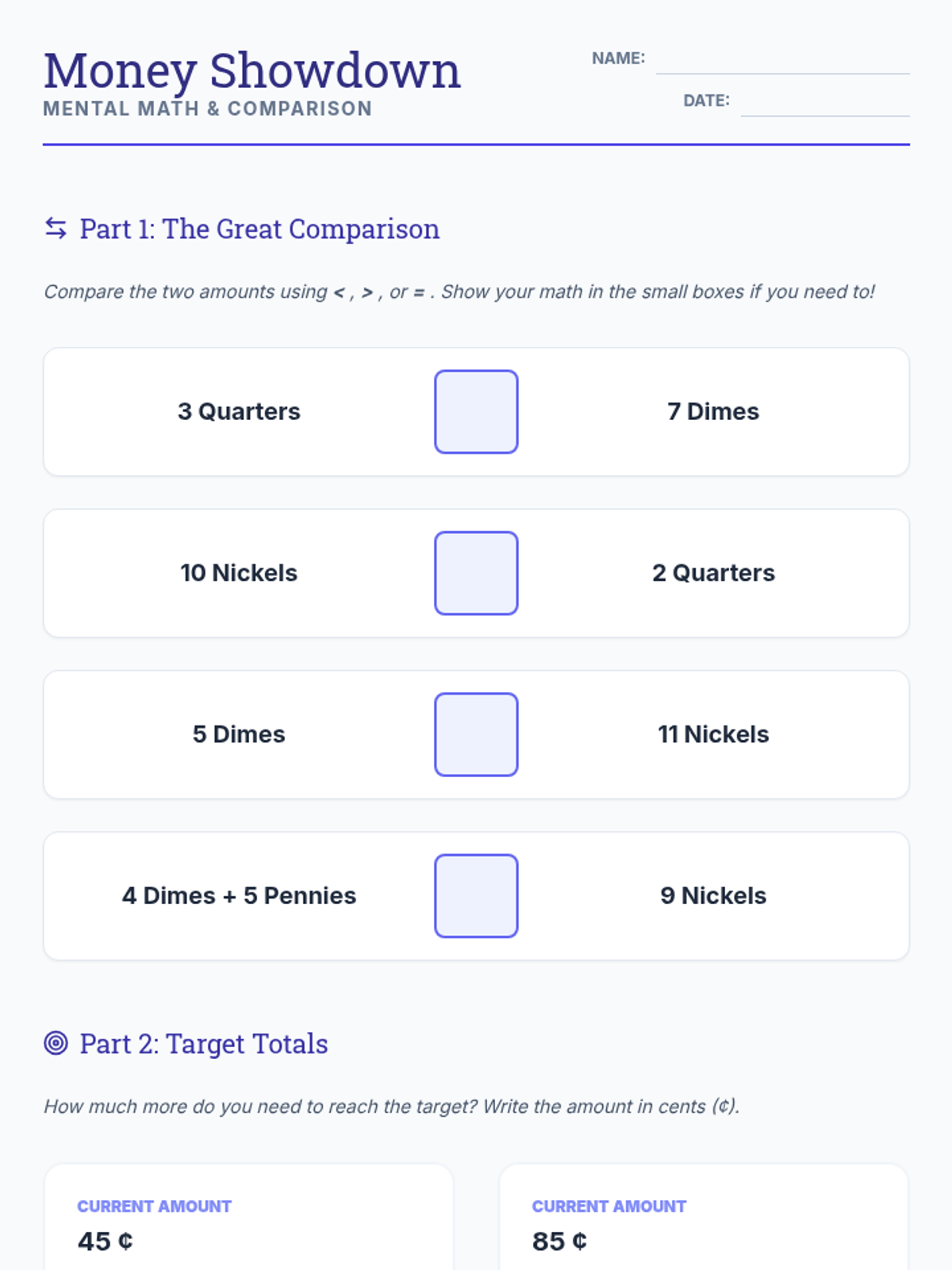
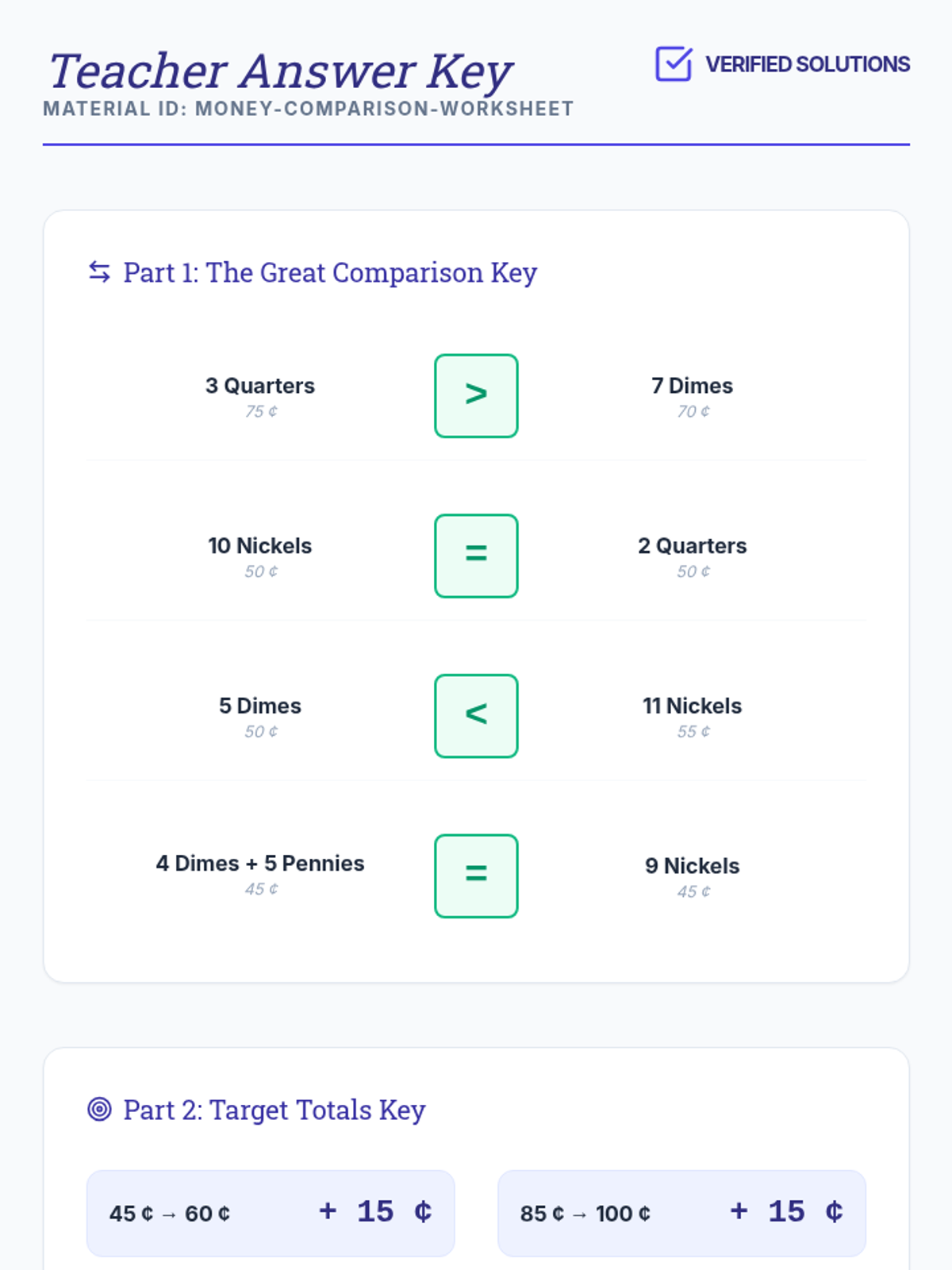
This lesson teaches students how to calculate total costs of multiple items and make spending decisions based on a fixed budget.
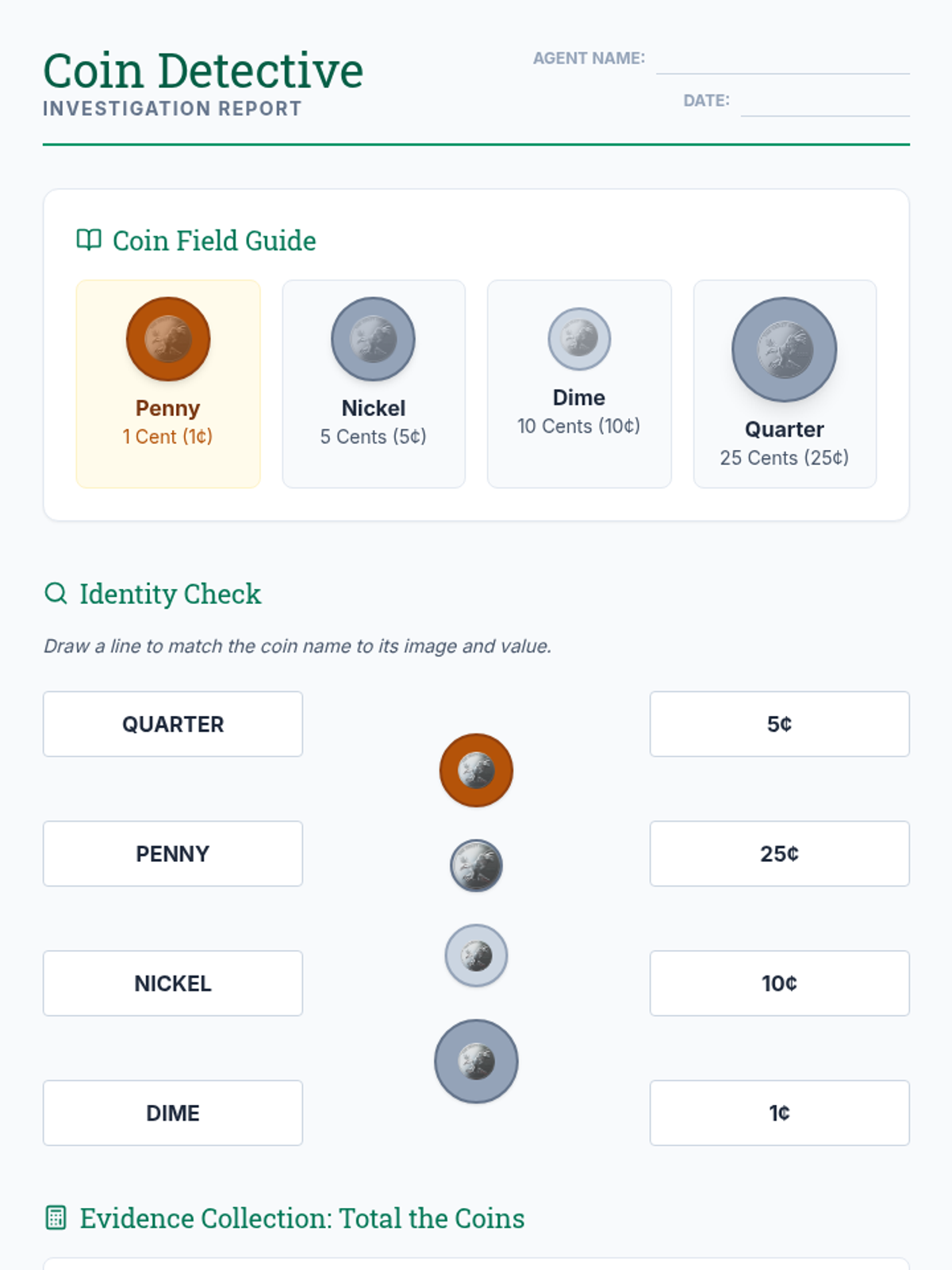
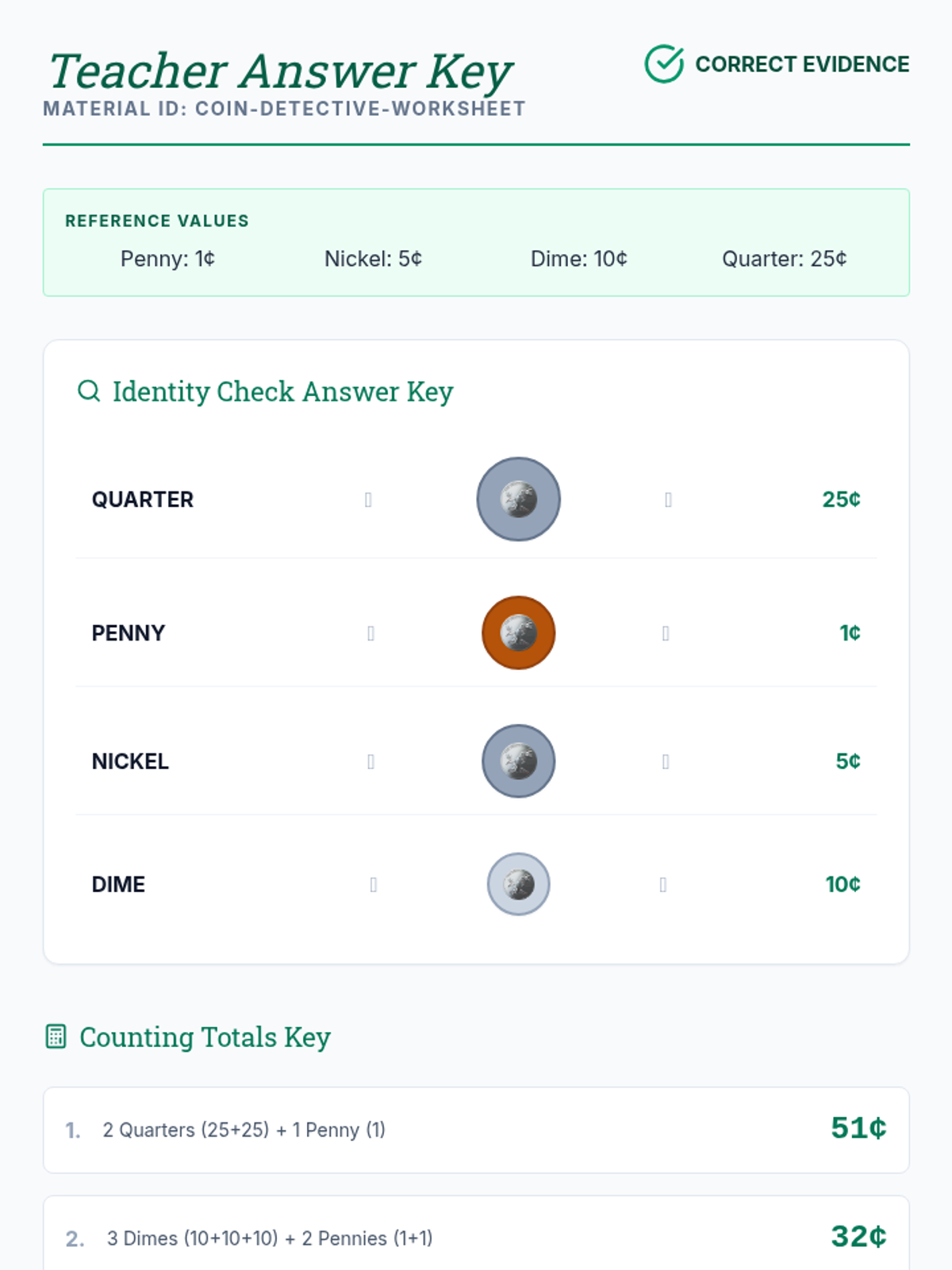
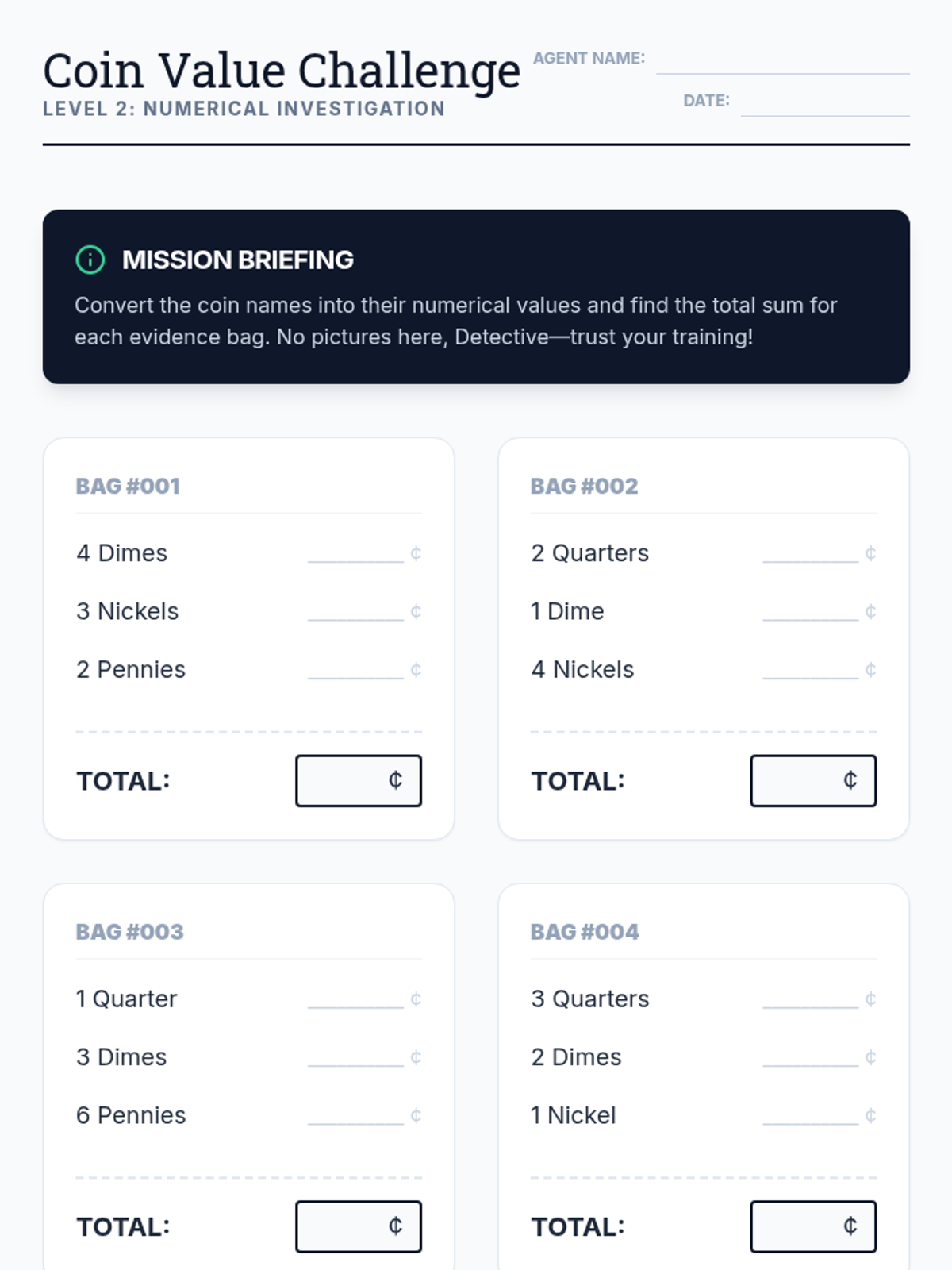
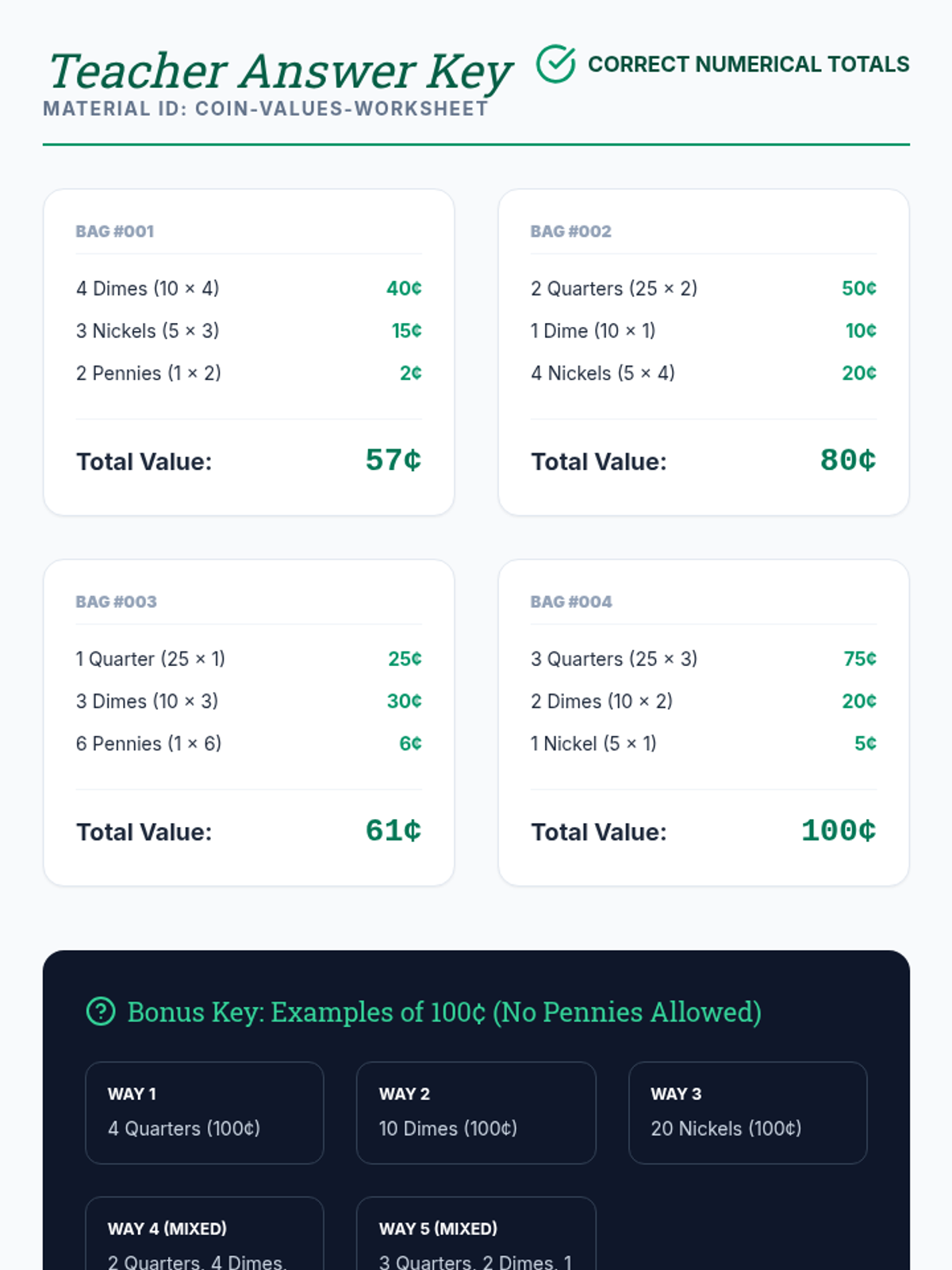
This lesson focuses on identifying US coins (penny, nickel, dime, quarter) and their respective values through visual recognition and matching.
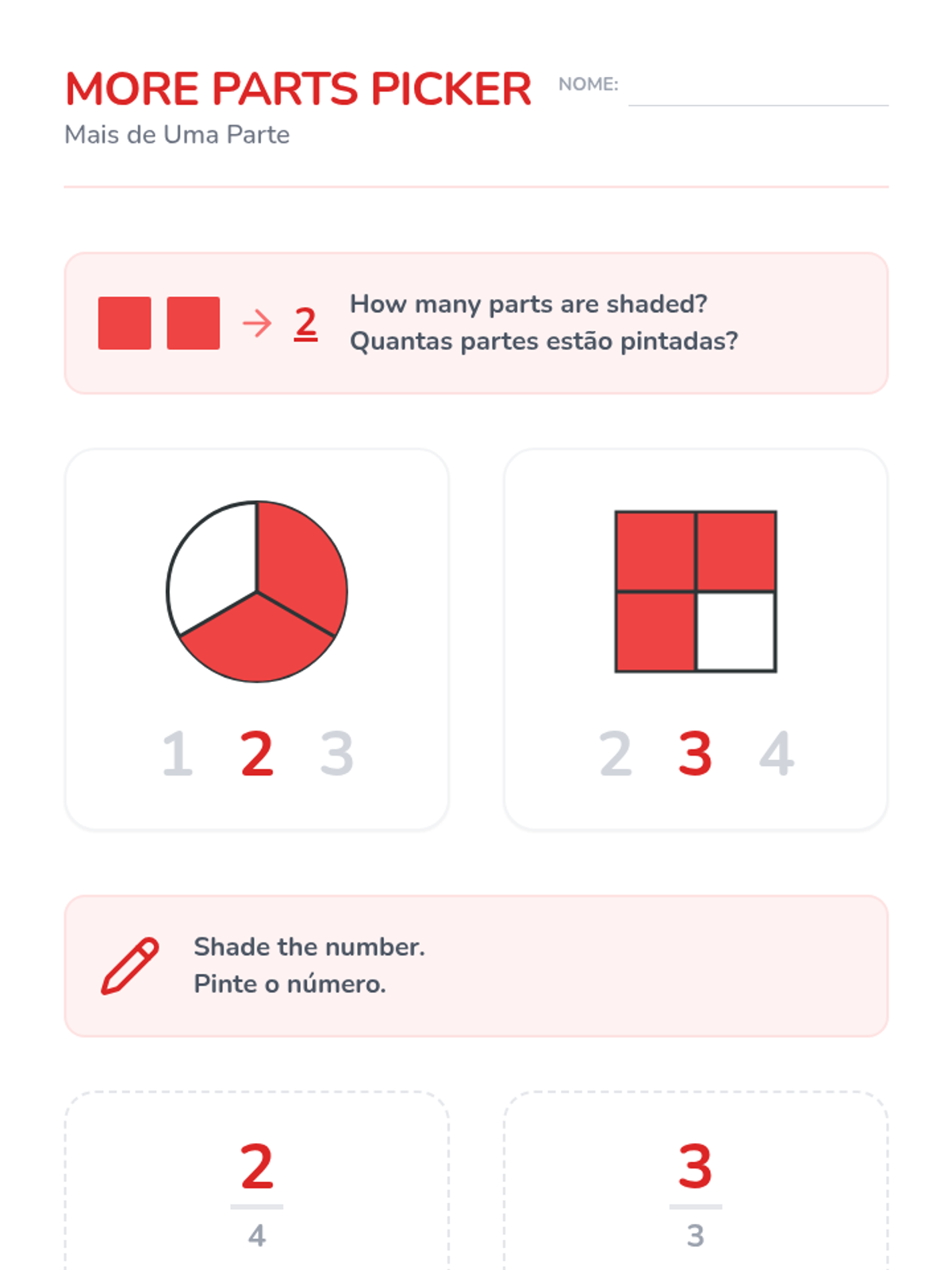
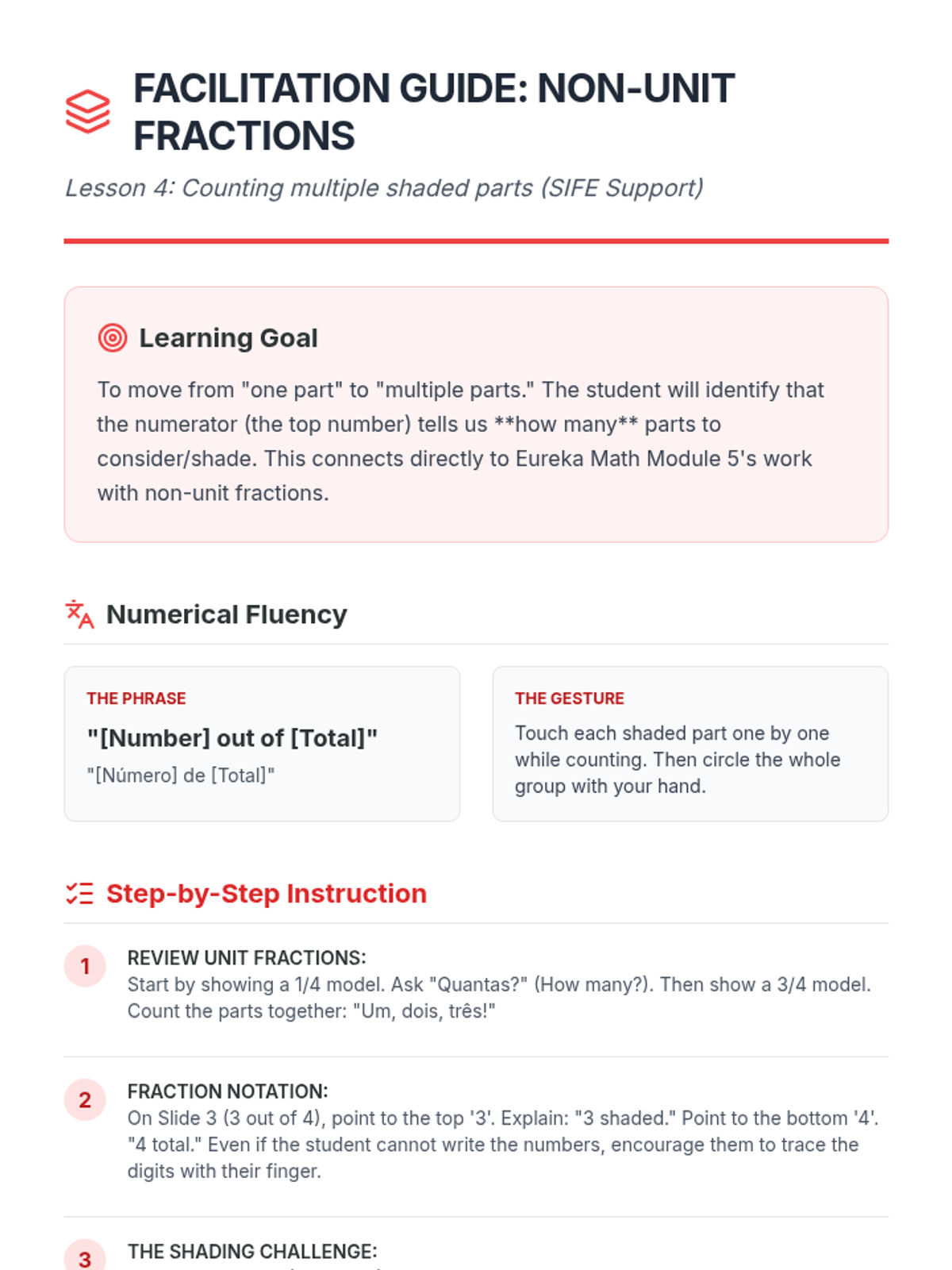
Introduces non-unit fractions by counting multiple shaded parts (e.g., 2 out of 3, 3 out of 4). Focuses on the verbal transition from "one part" to "many parts" while maintaining visual consistency.
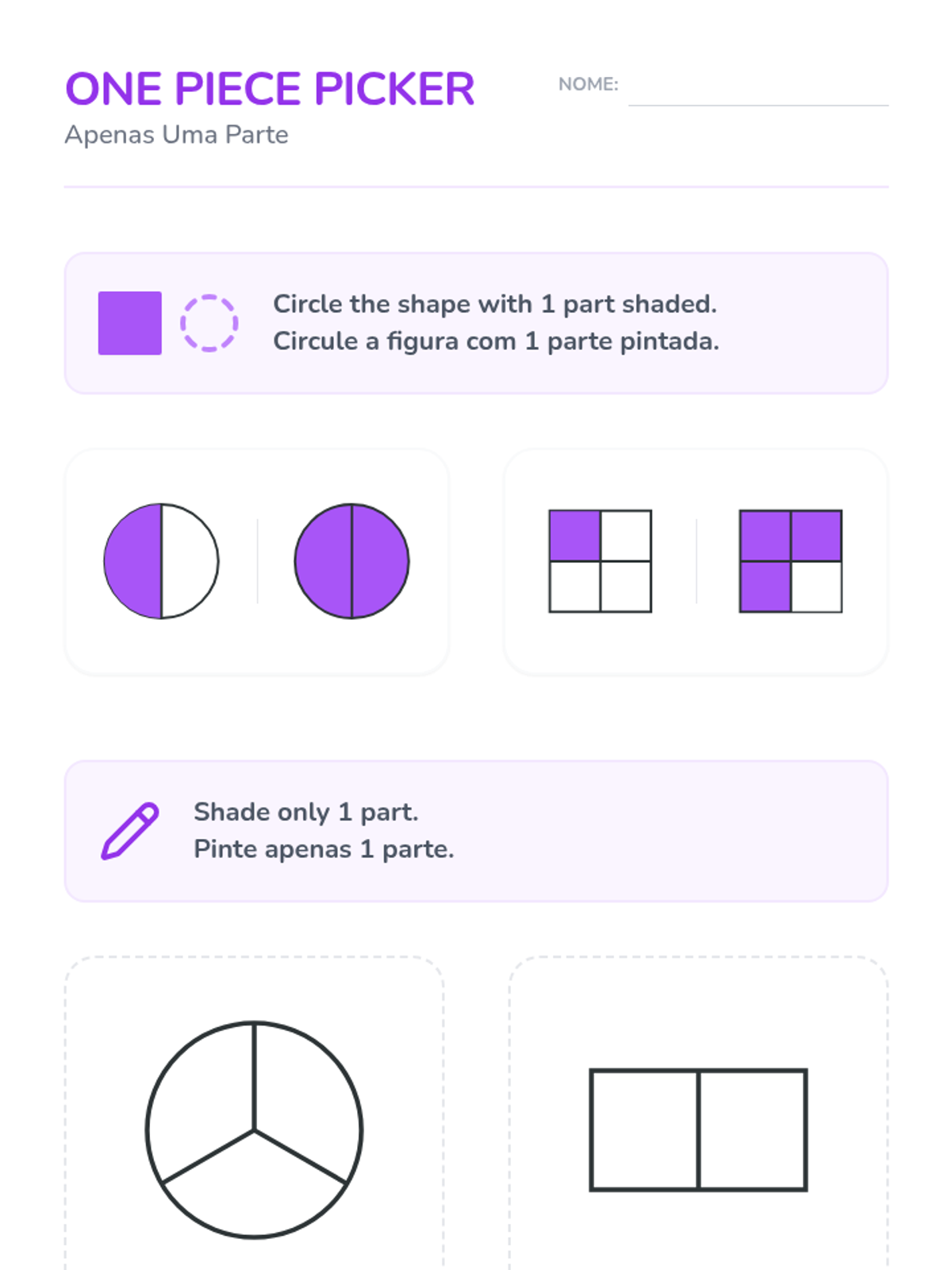
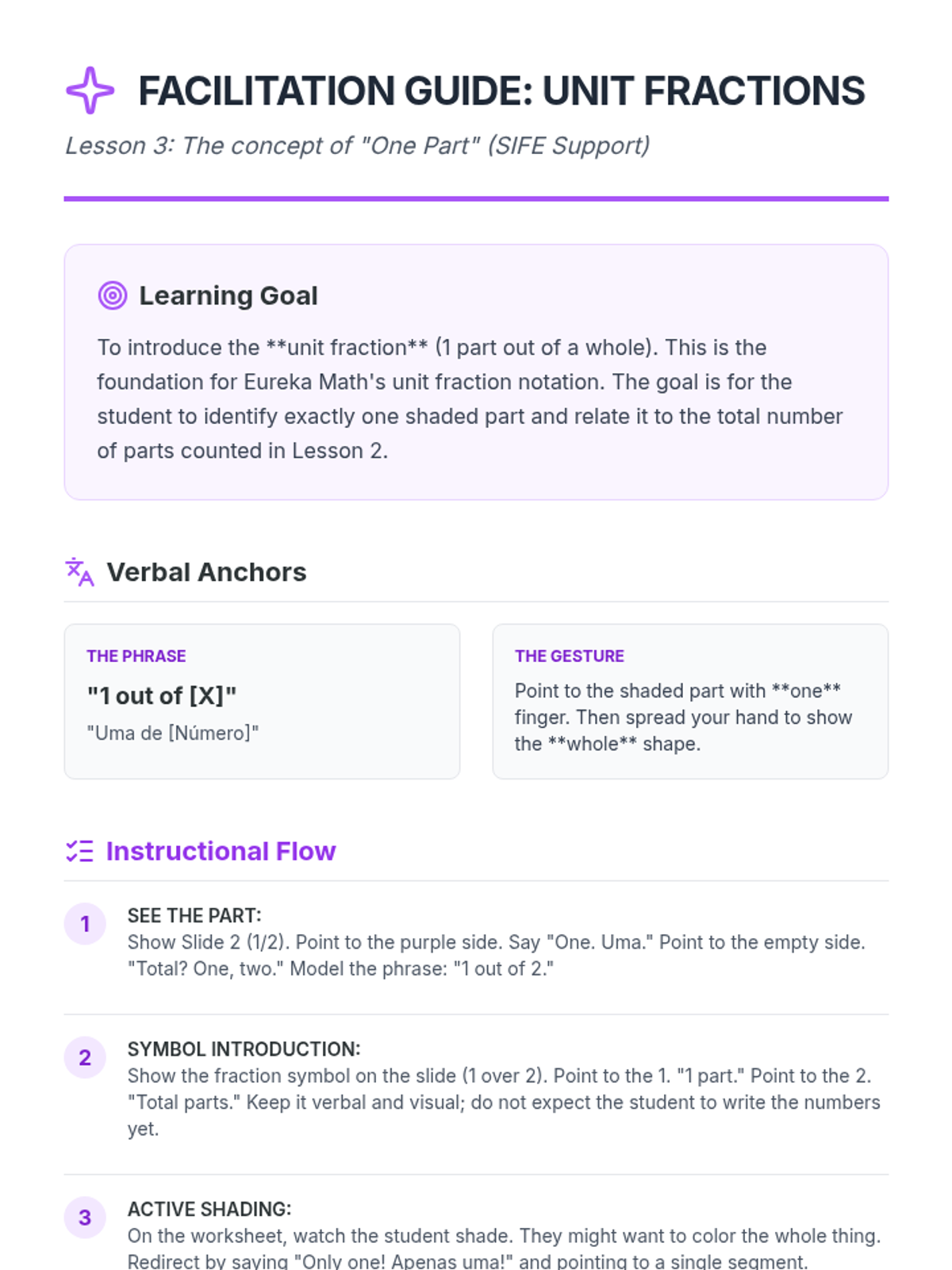
Introduces the concept of a unit fraction by identifying 'one part' out of a whole. Focuses on visual recognition of one shaded part and introduces the verbal phrasing 'one out of x' in English and Portuguese.
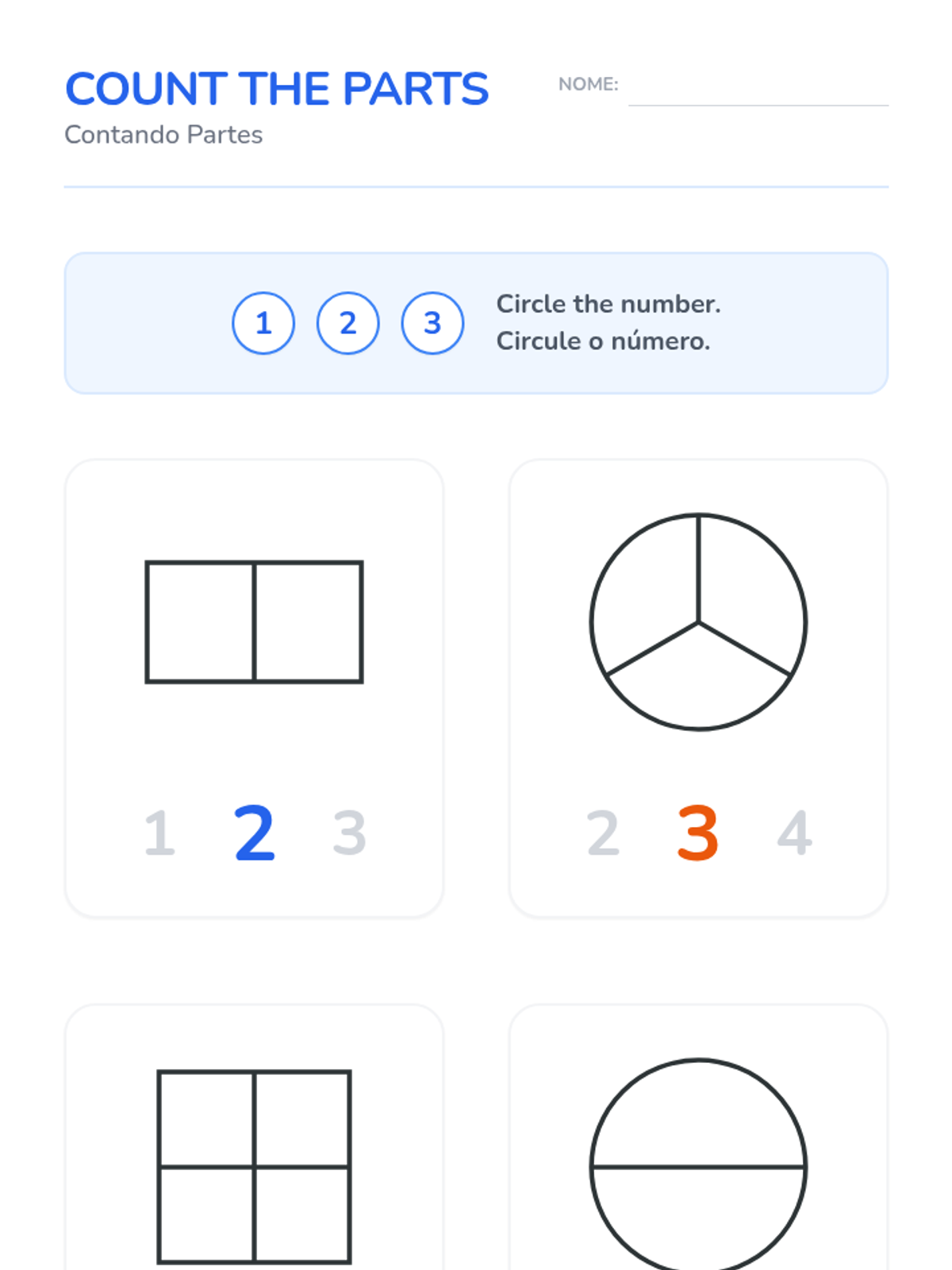
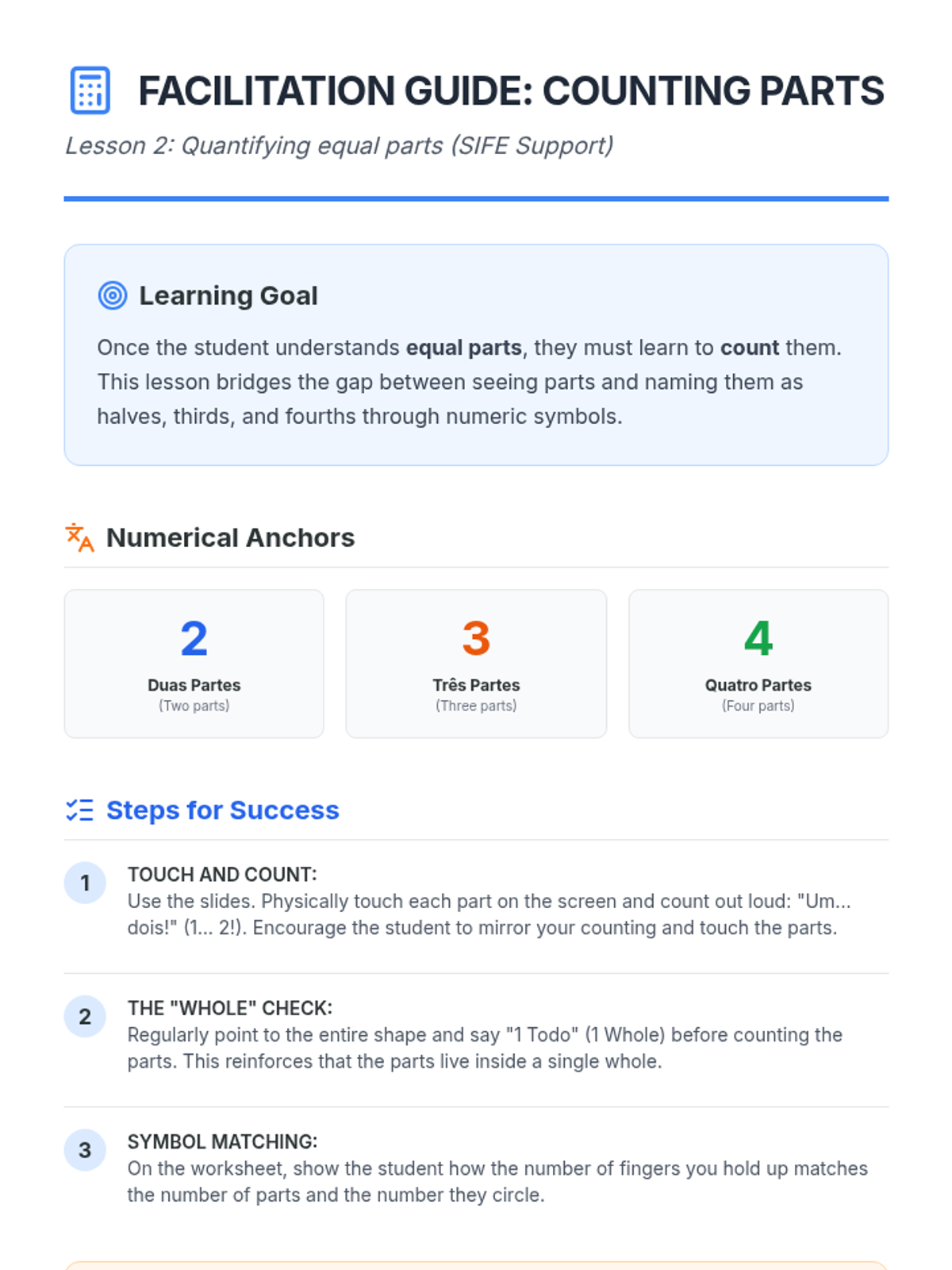
Focuses on identifying the number of equal parts (2, 3, and 4) in a whole. Introduces the vocabulary for halves, thirds, and fourths through visual counting and symbols, maintaining a low-literacy approach.
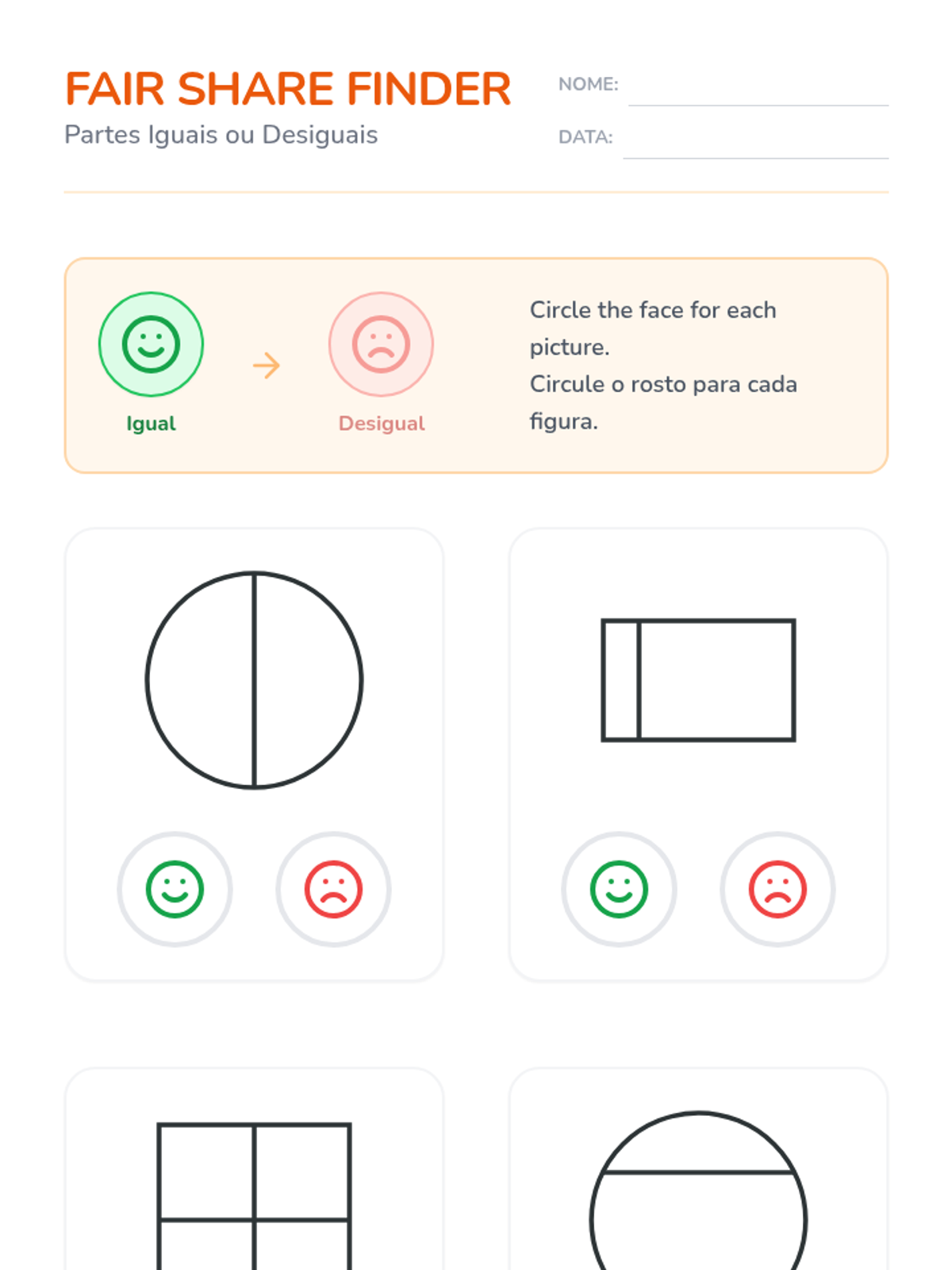
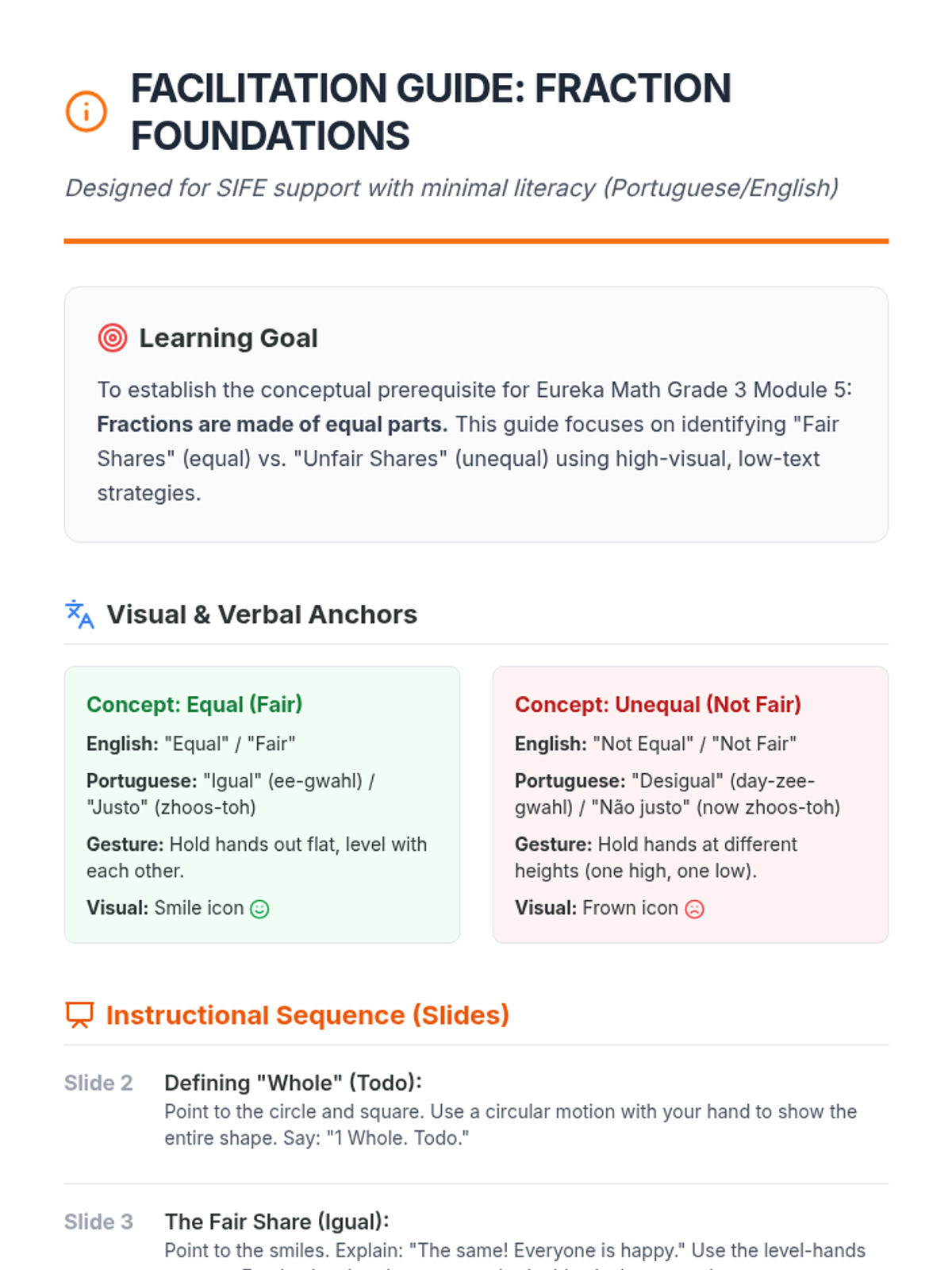
A foundational introduction to fractions as equal parts of a whole, specifically designed for students with interrupted education and no literacy. This lesson uses high-visual, low-text materials to assess and build conceptual understanding of partitioning and fair shares.
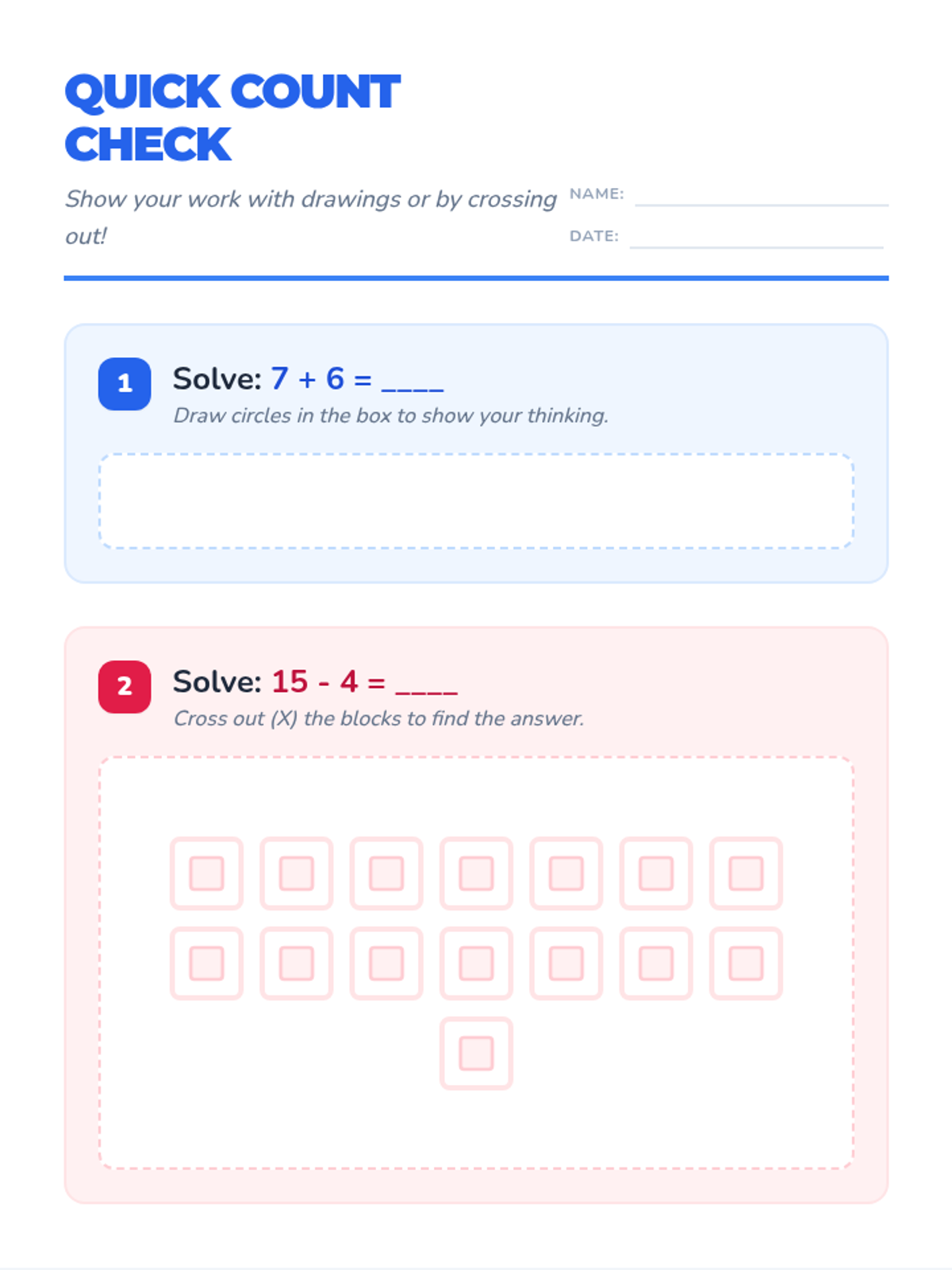
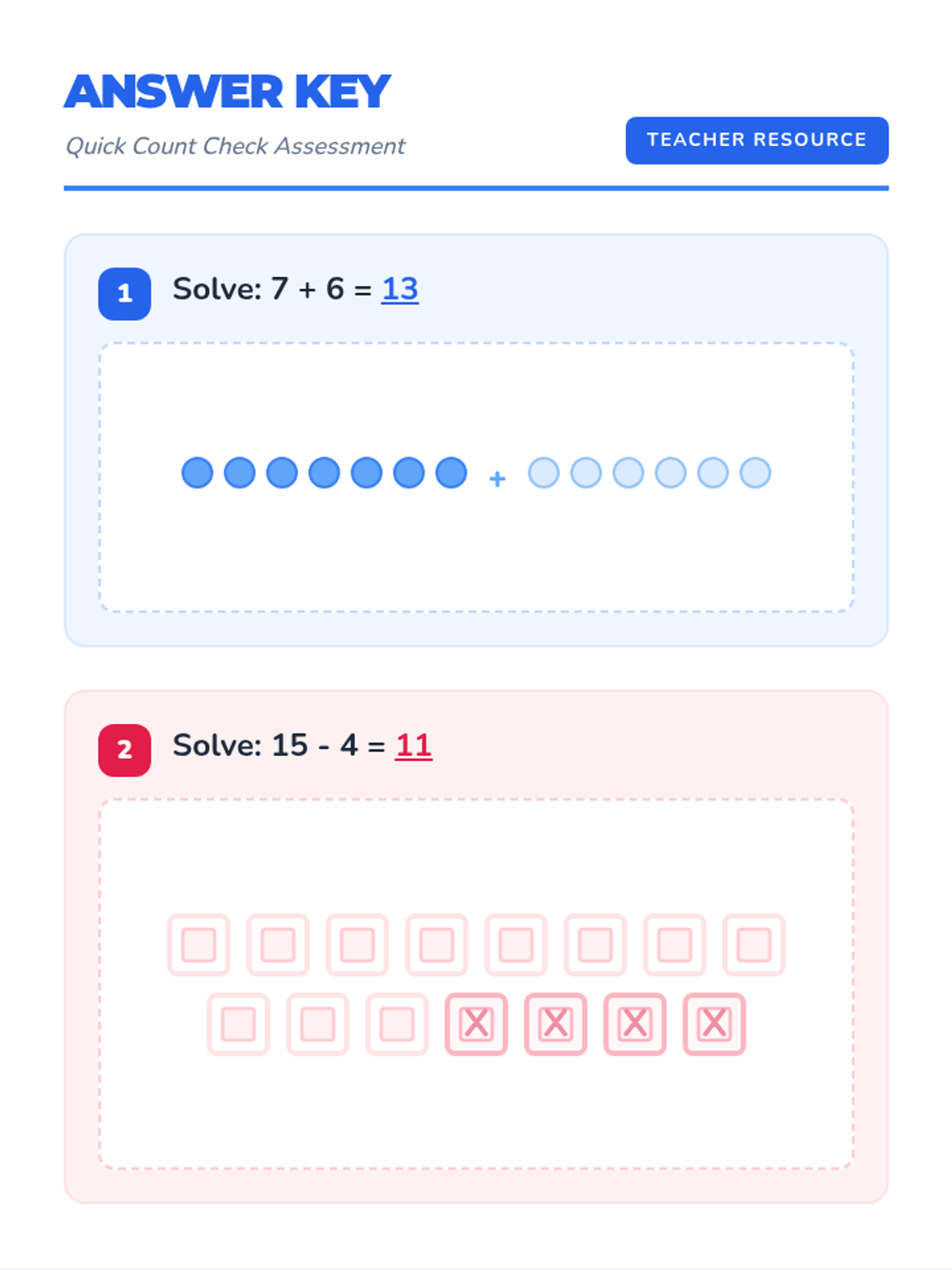
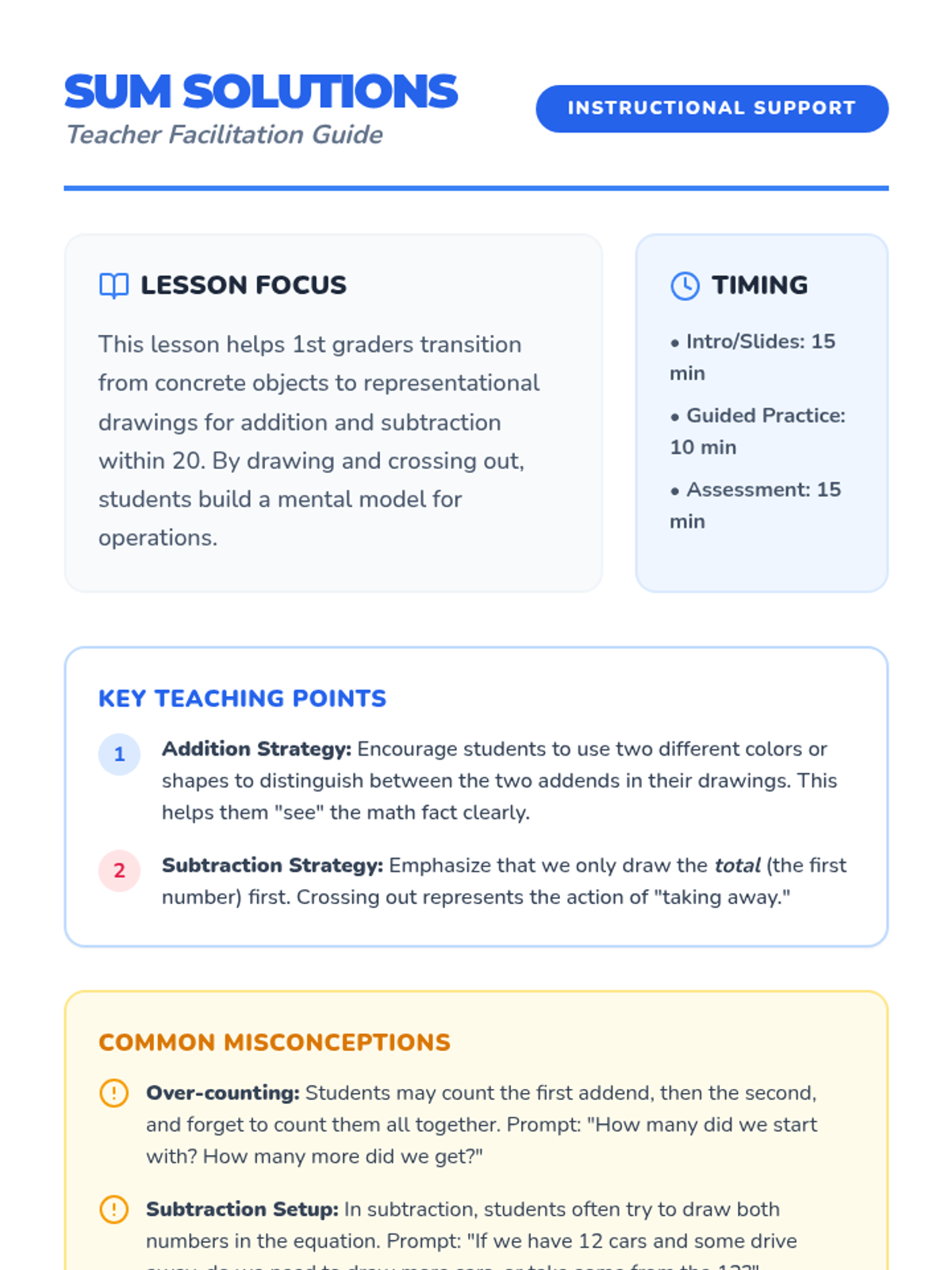
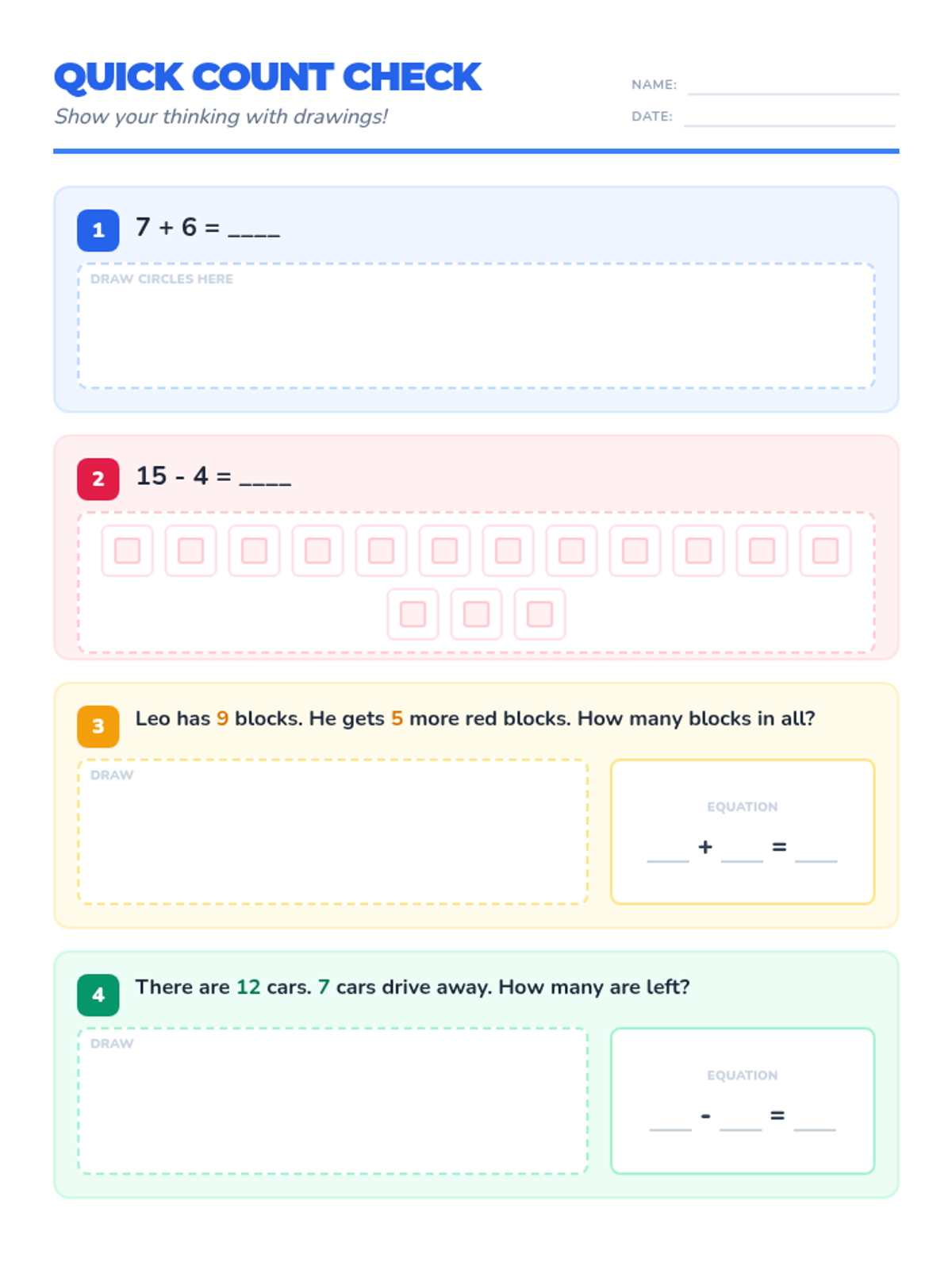
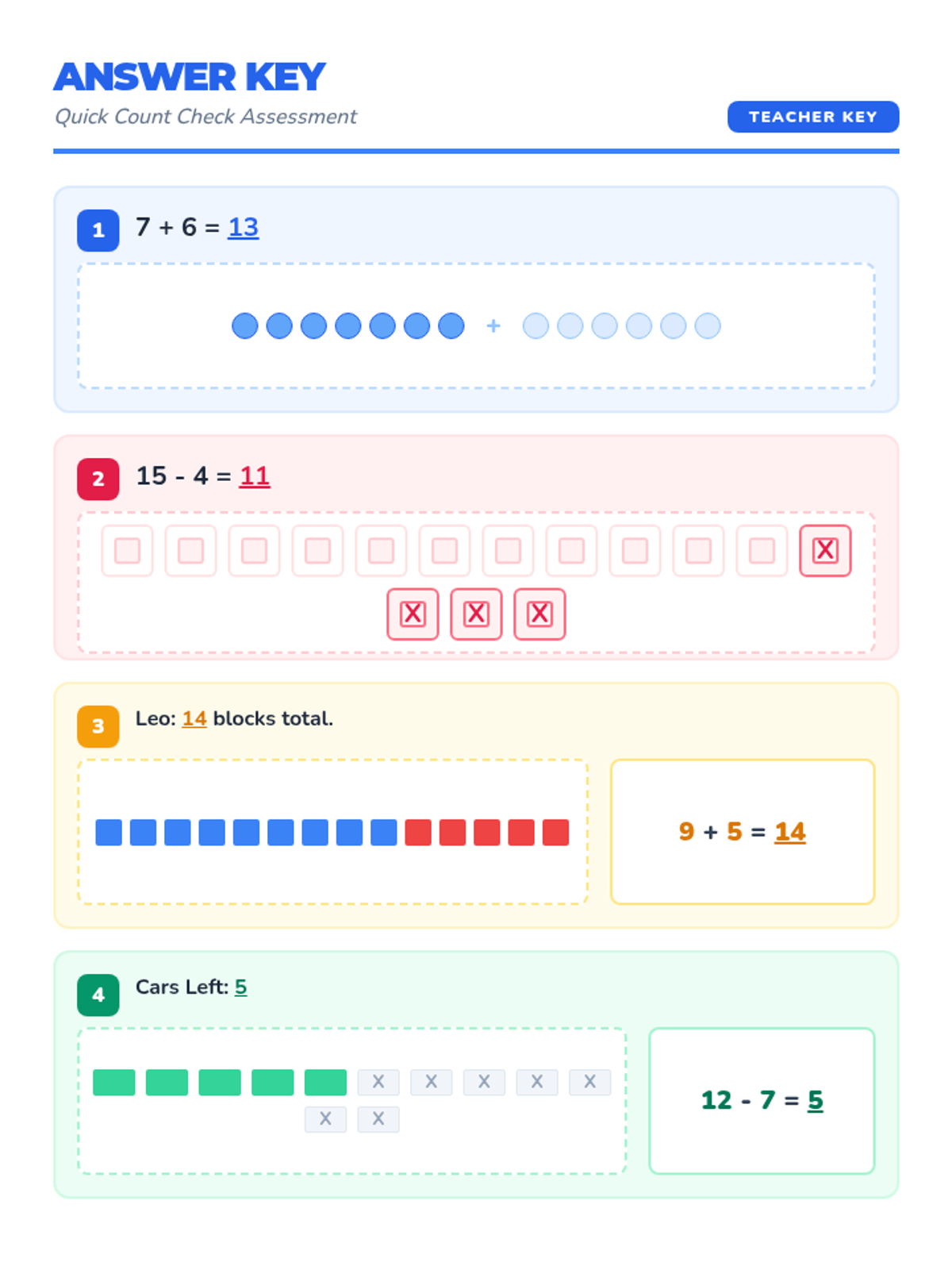
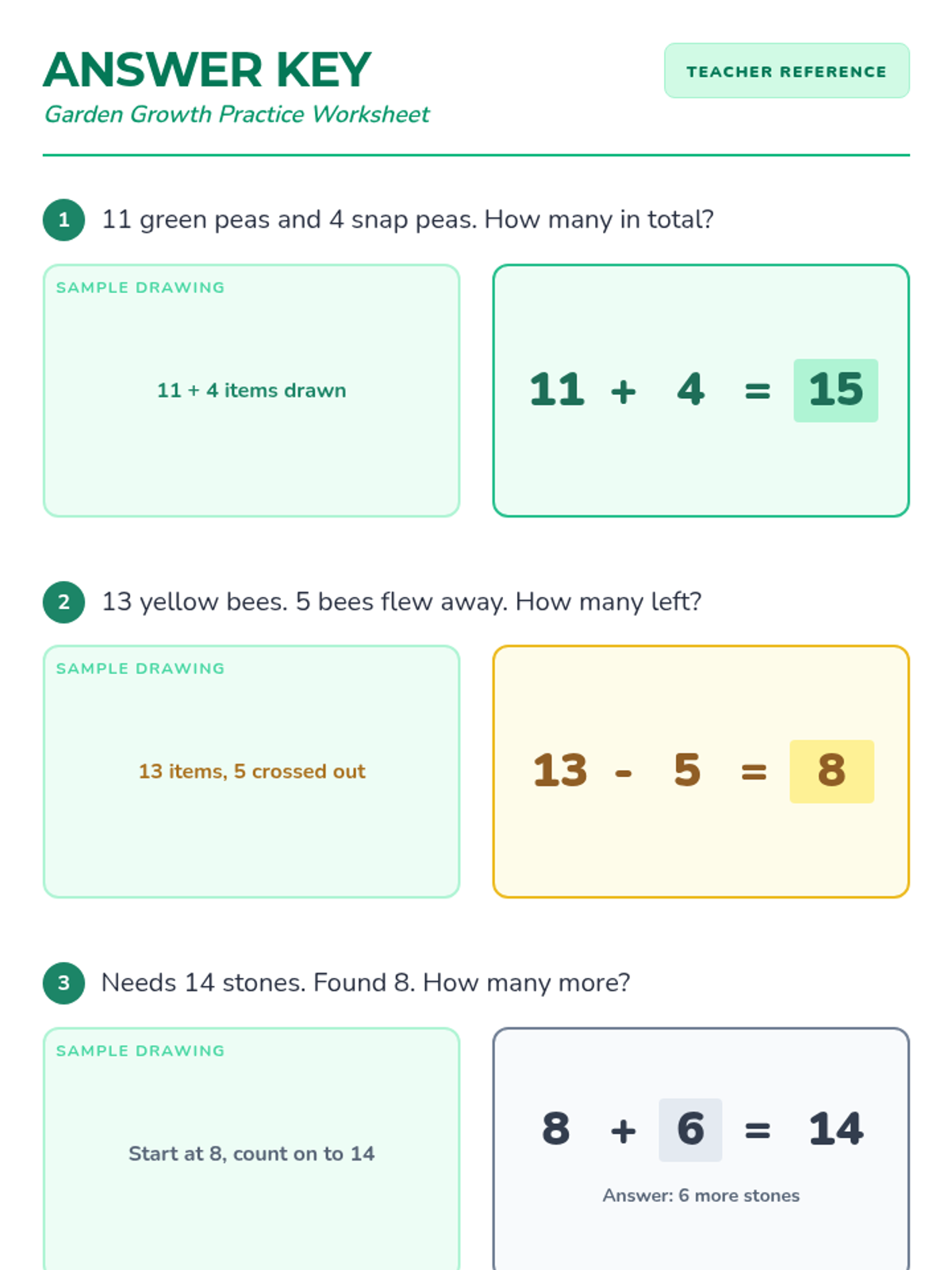
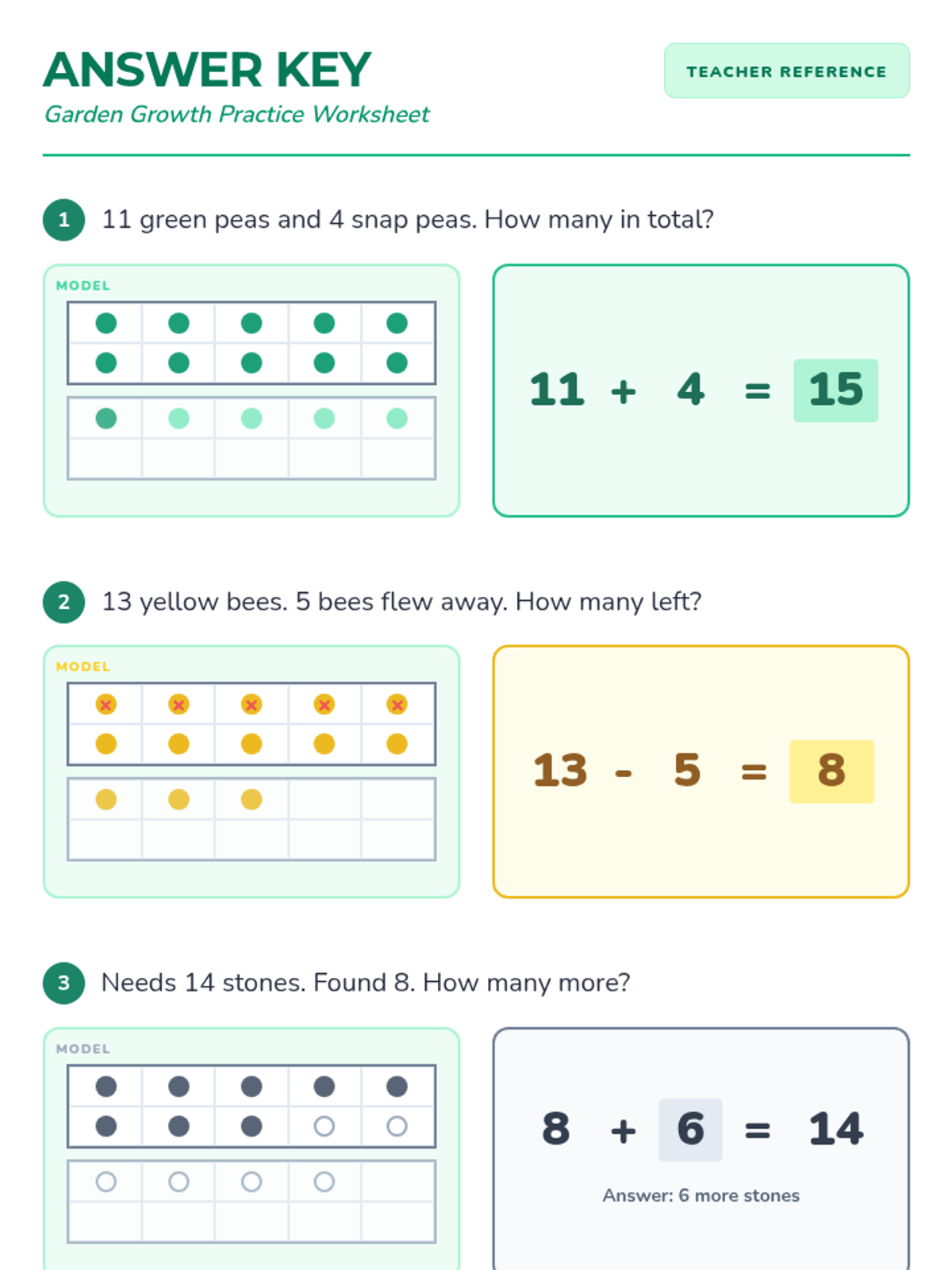
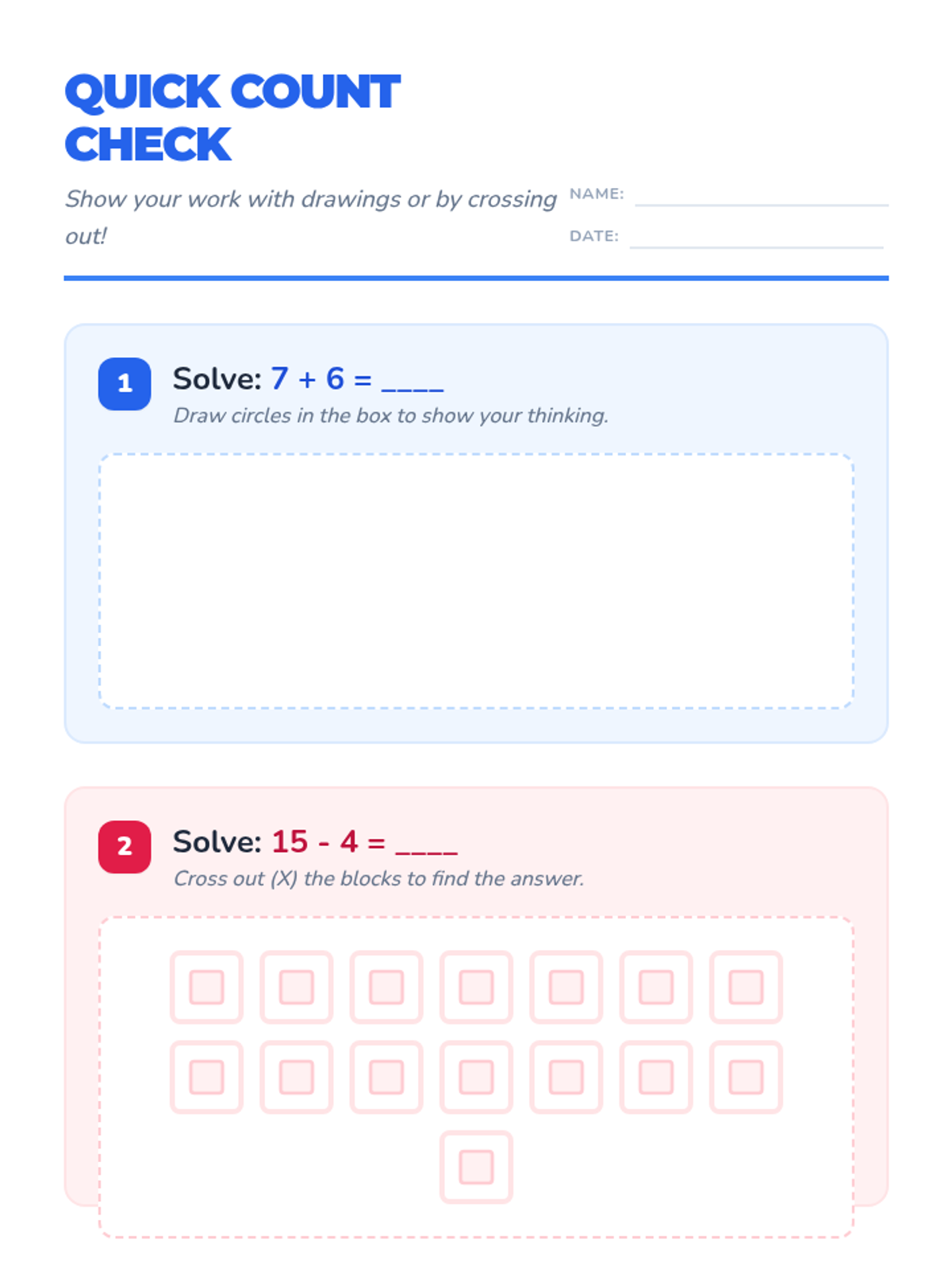
Students practice adding and subtracting numbers within 20 by using visual strategies like drawing objects or crossing them out. This lesson focuses on conceptual understanding through modeling.
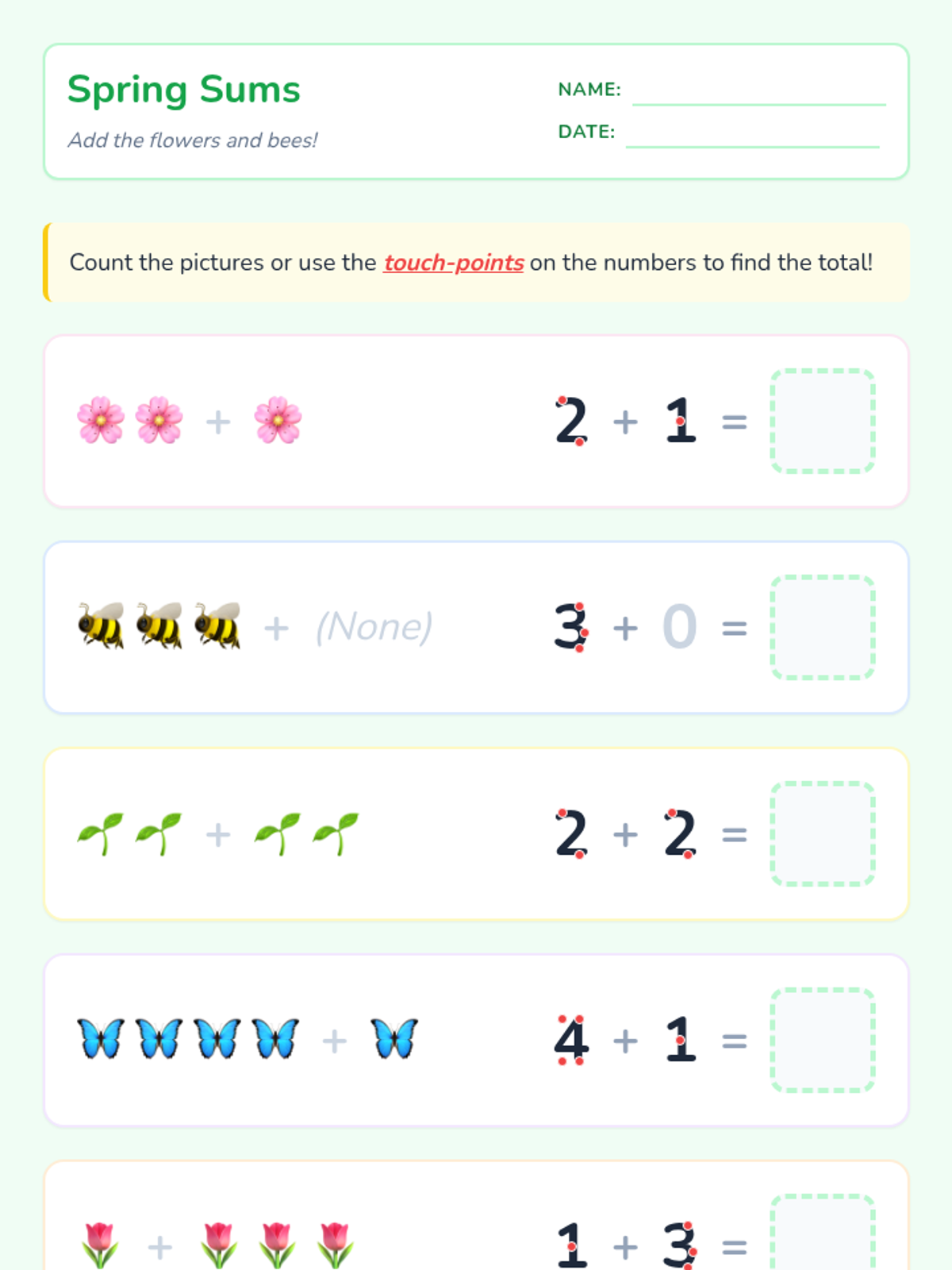
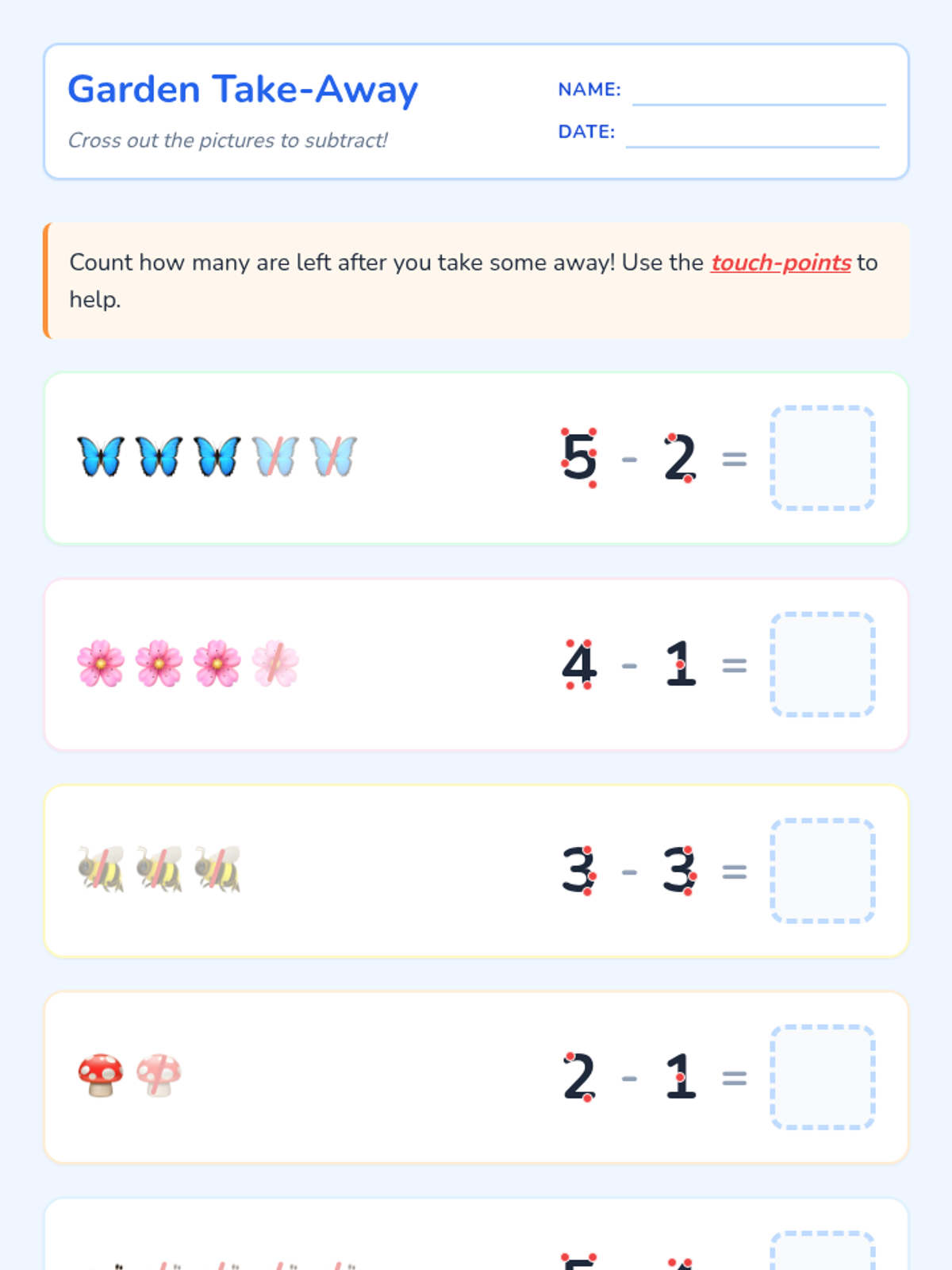
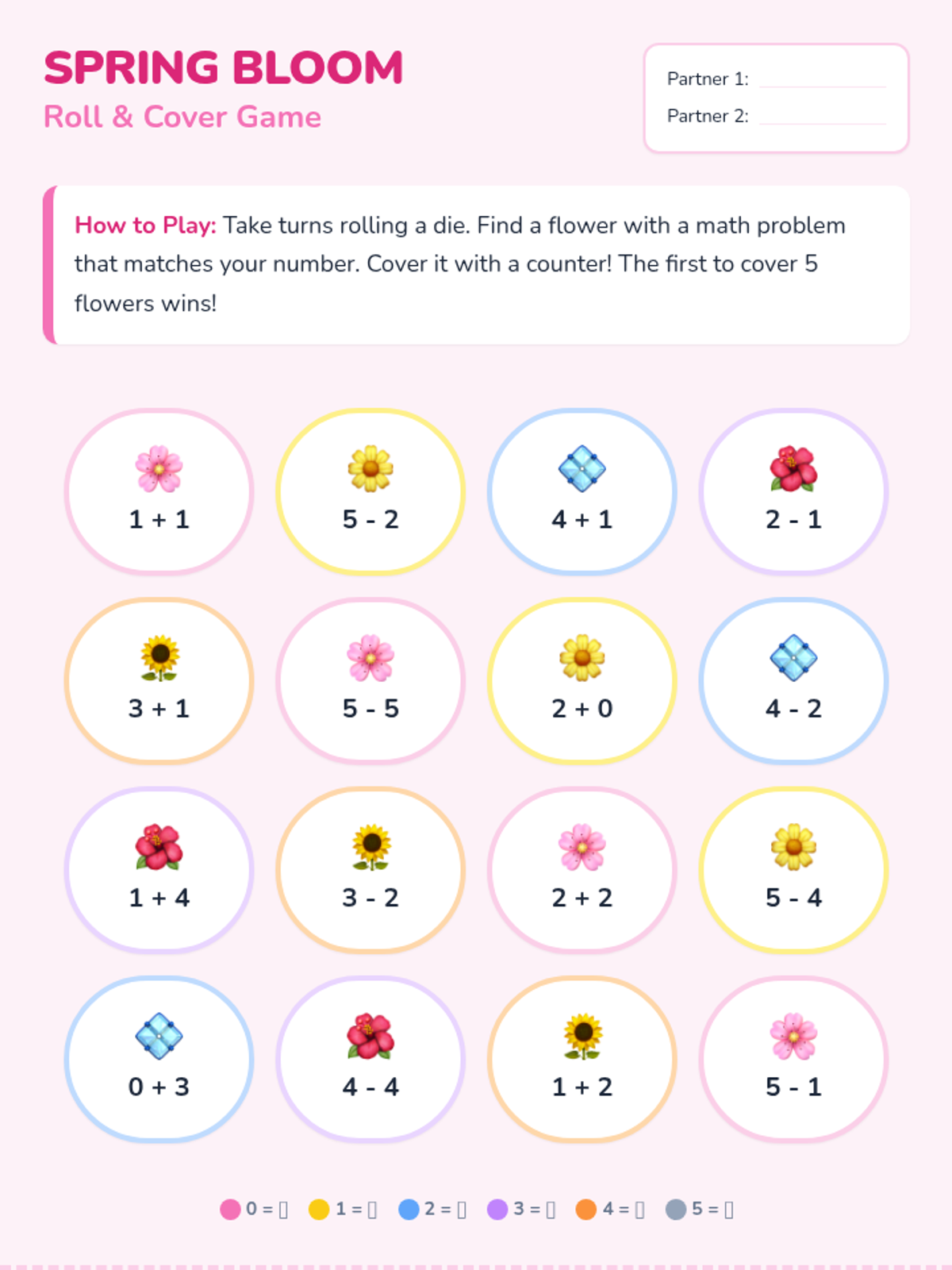
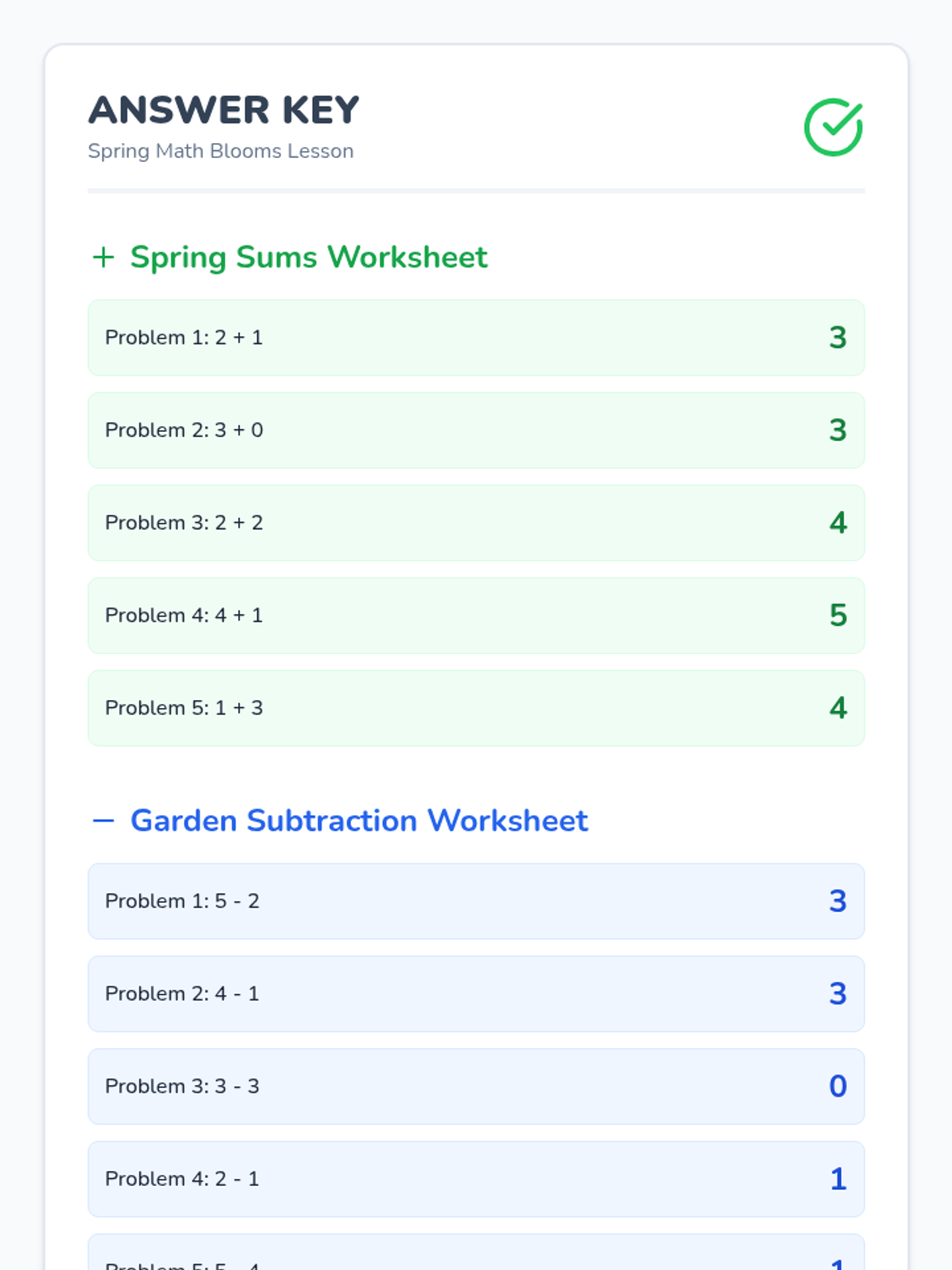
A collection of spring-themed math activities focusing on addition and subtraction within 5 using visual supports like touch-points and pictures. Includes a collaborative partner game to reinforce skills through play.
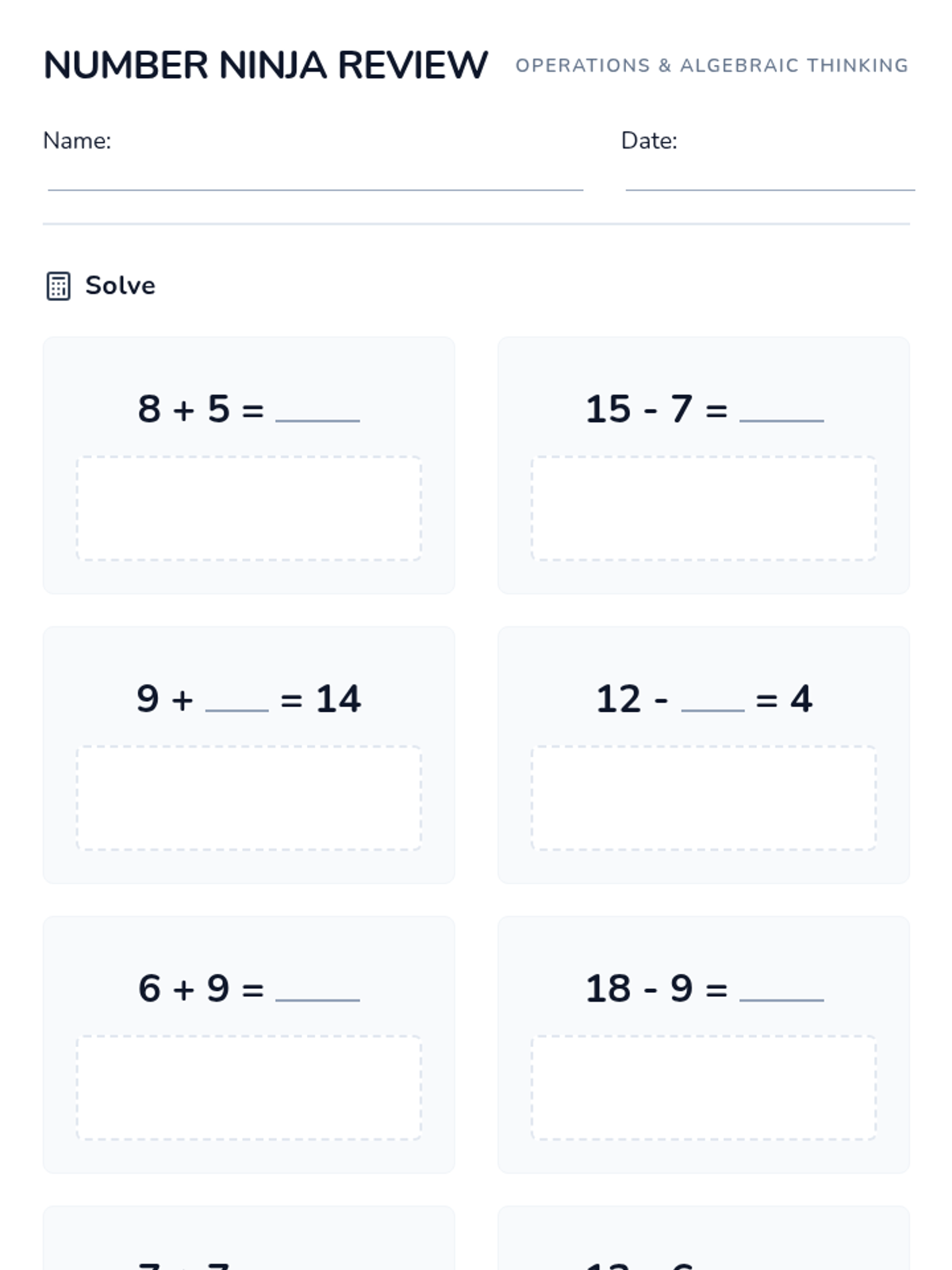
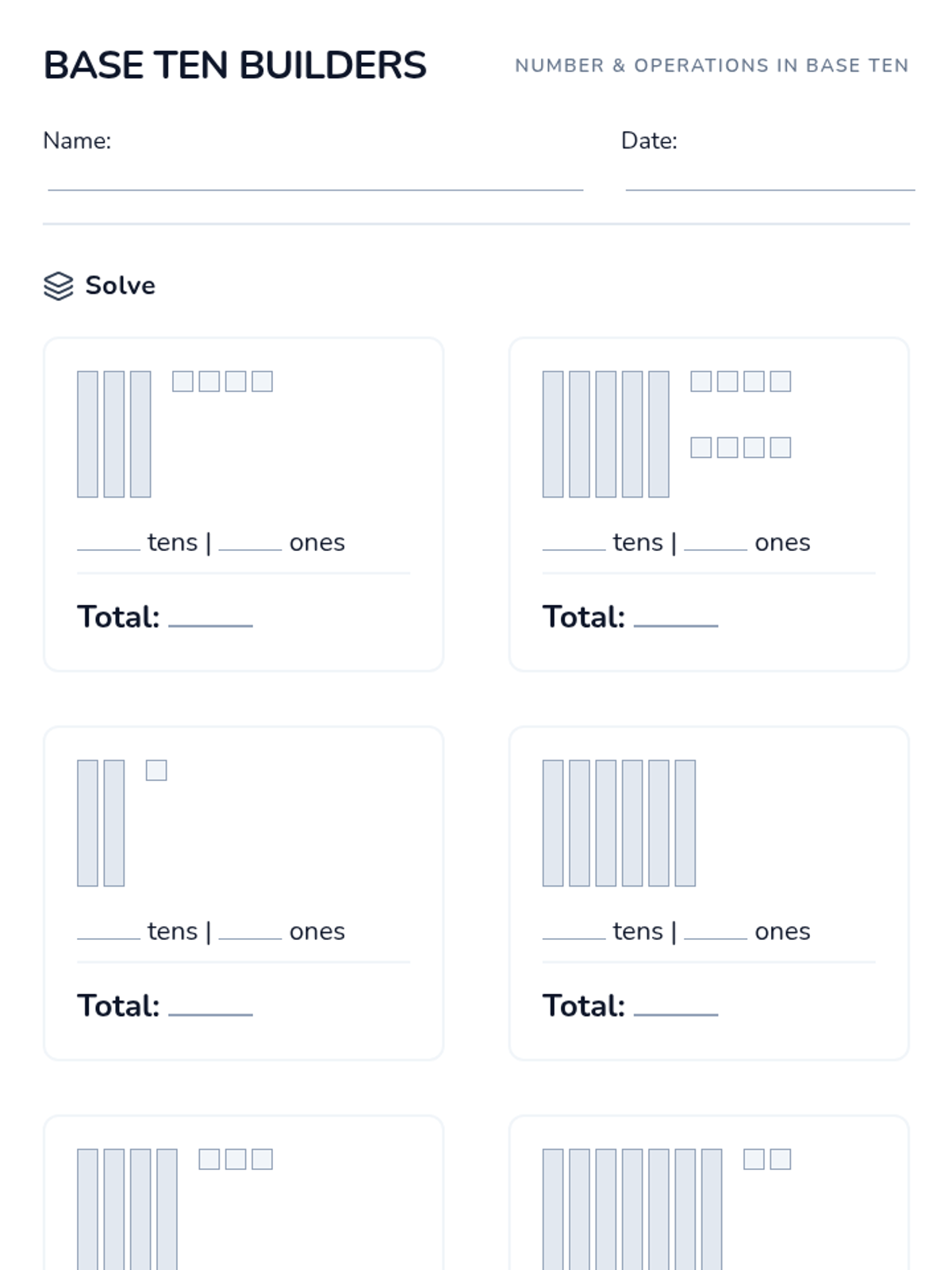
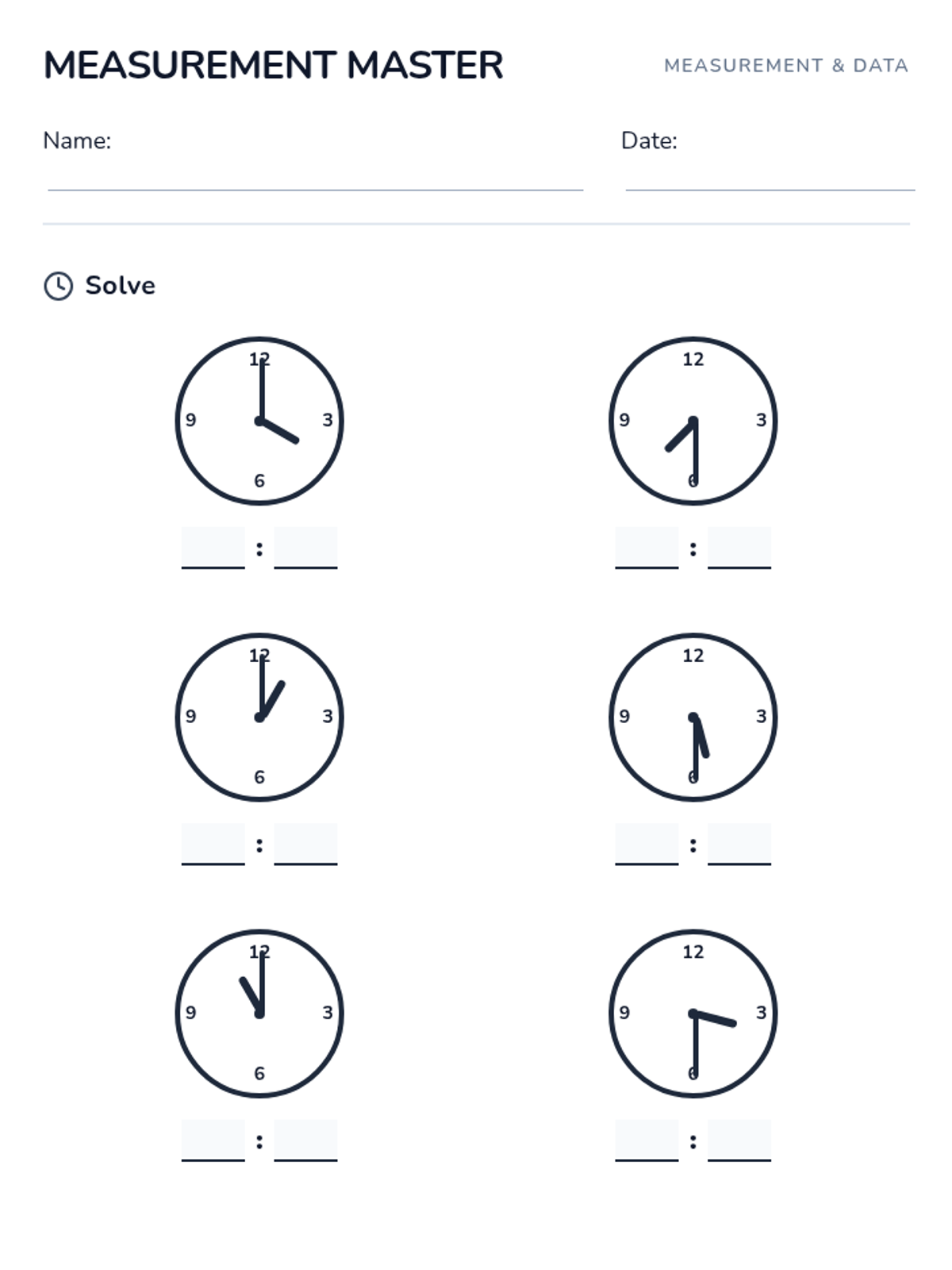
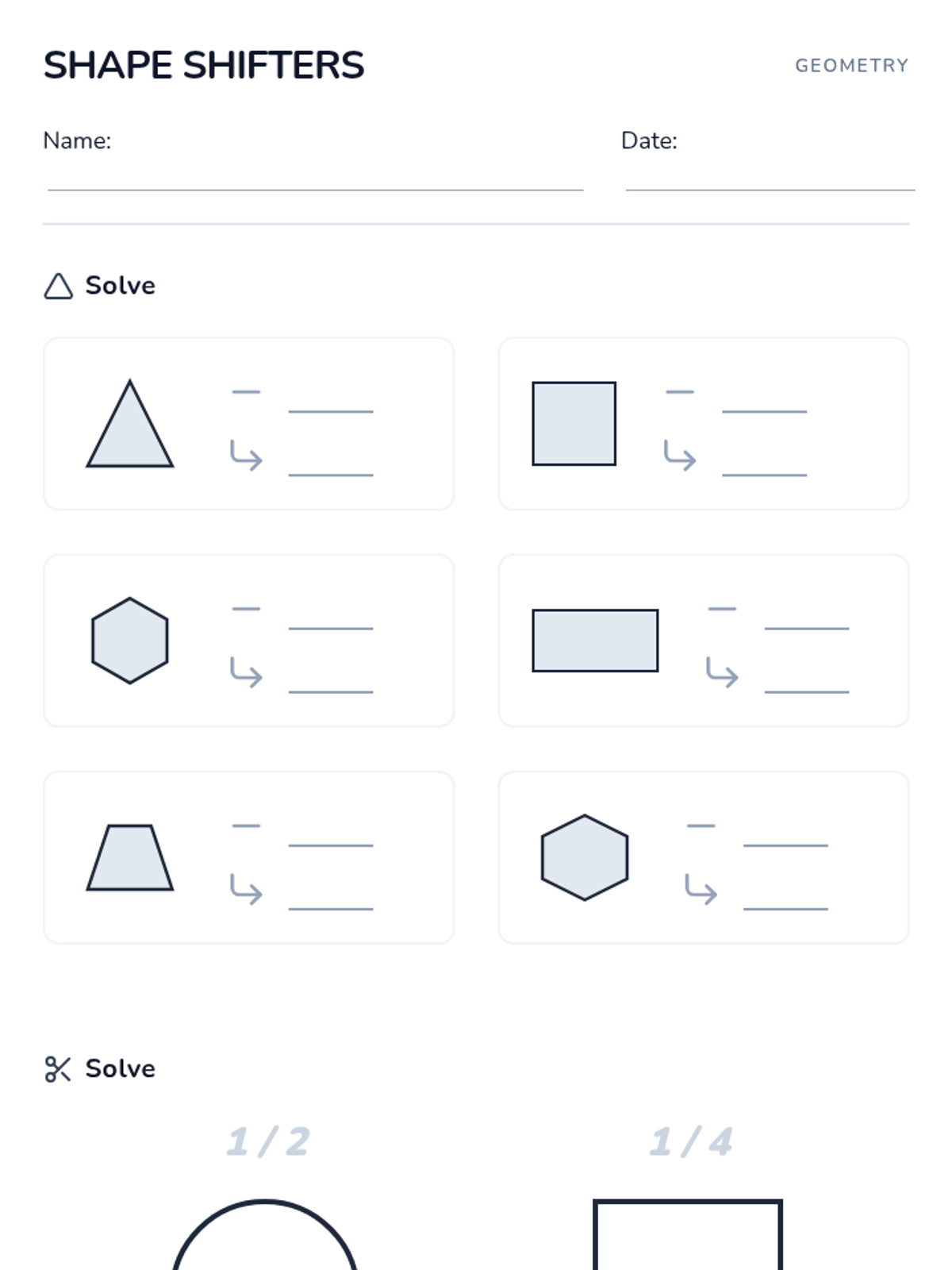
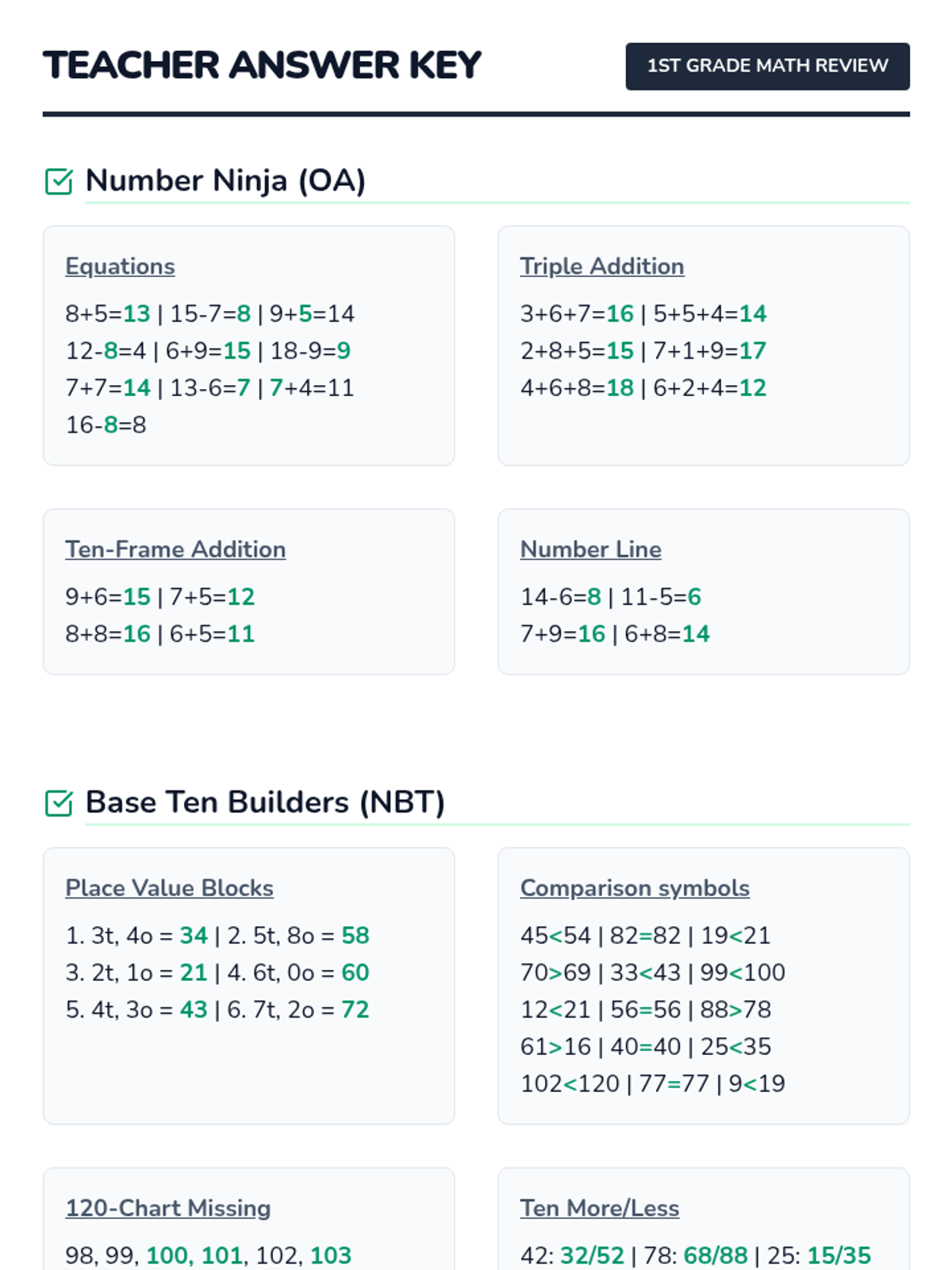
A comprehensive end-of-year math review for 1st grade students, aligned with Illinois Learning Standards. The lesson covers all major domains including Operations, Base Ten, Measurement, and Geometry through minimalist, high-legibility worksheets.
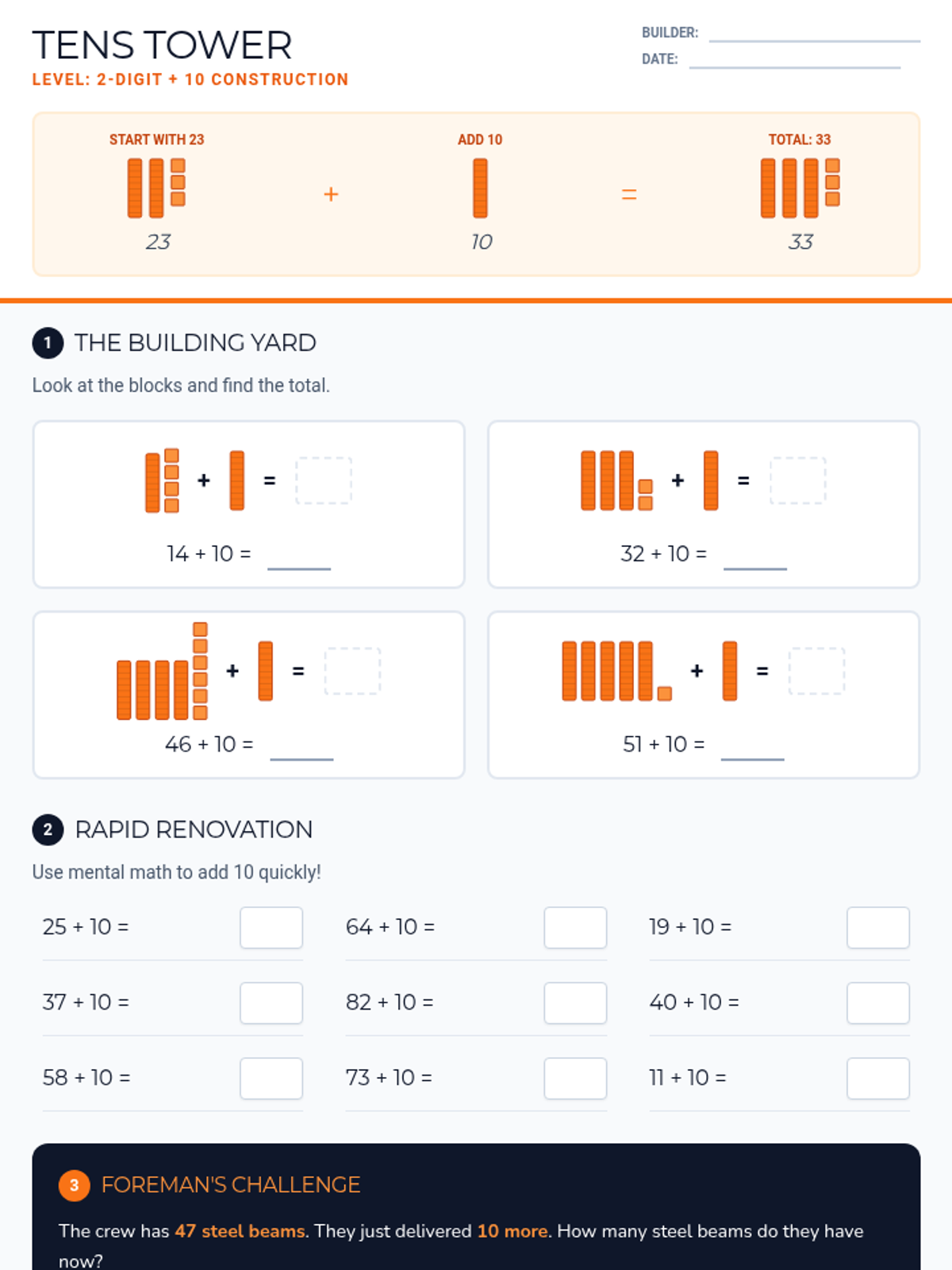
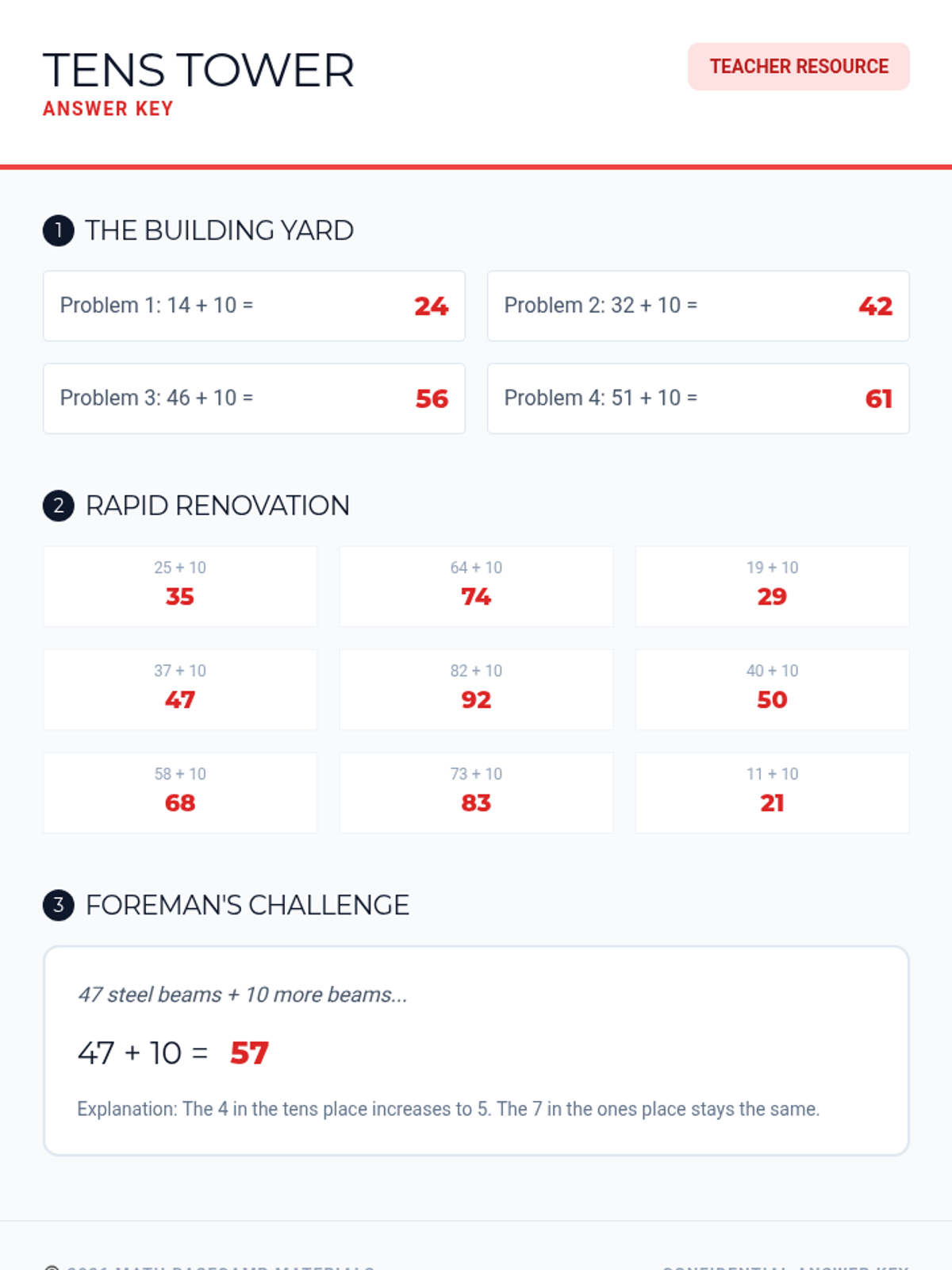
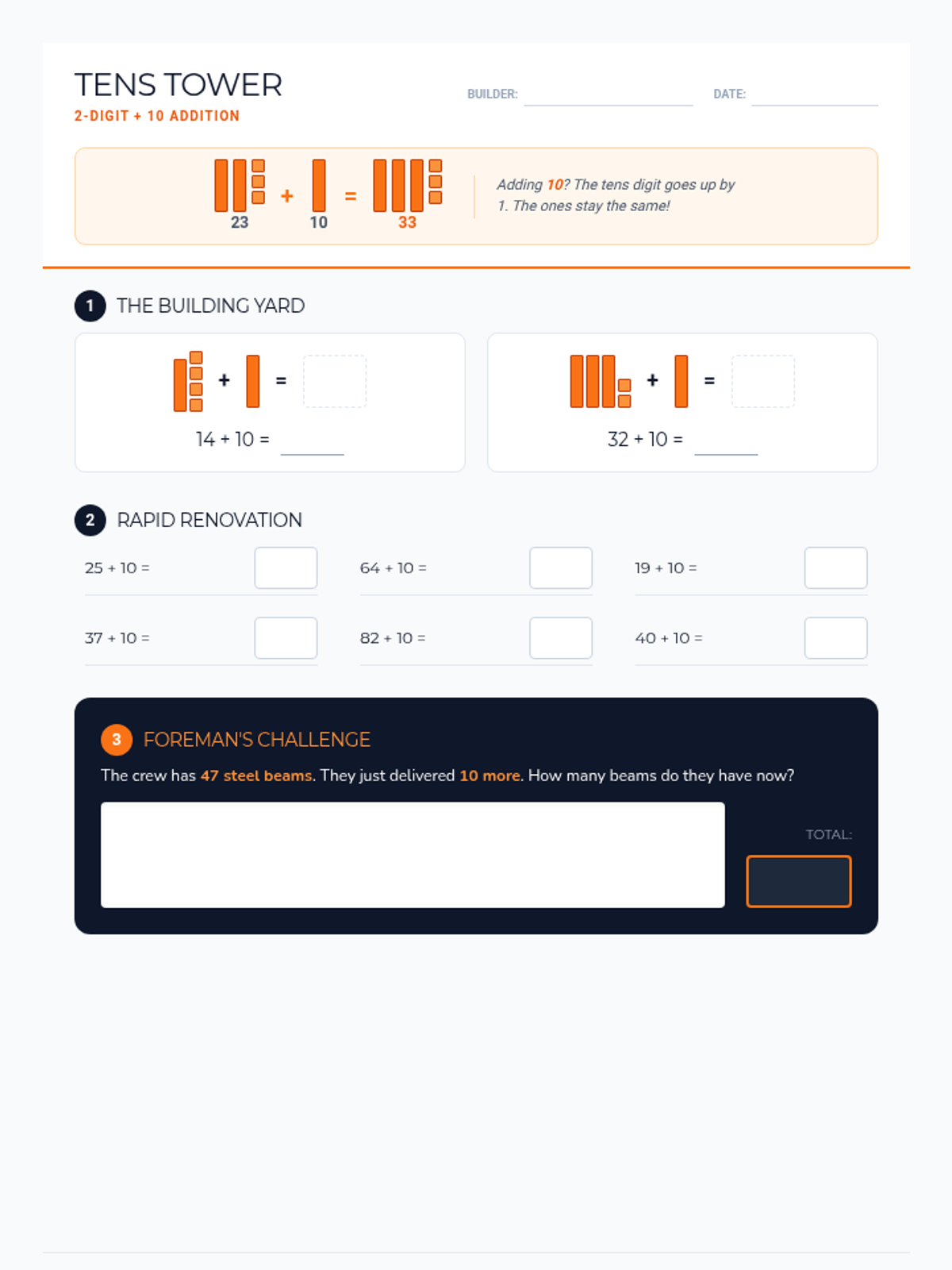
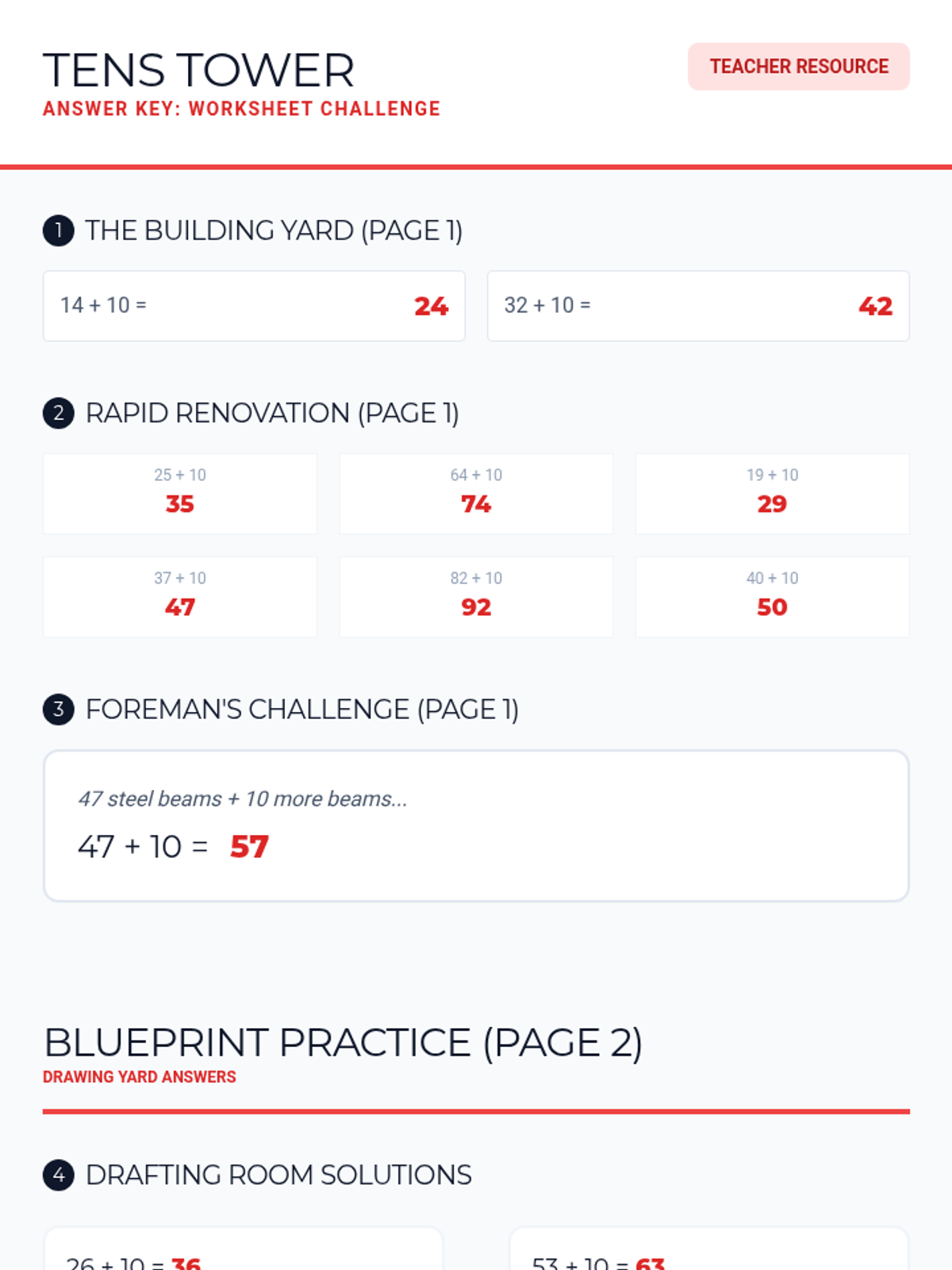
A lesson focused on adding 10 to any 2-digit number using visual base-ten models and mental math strategies. Students explore how the tens digit increases by one while the ones digit remains constant.
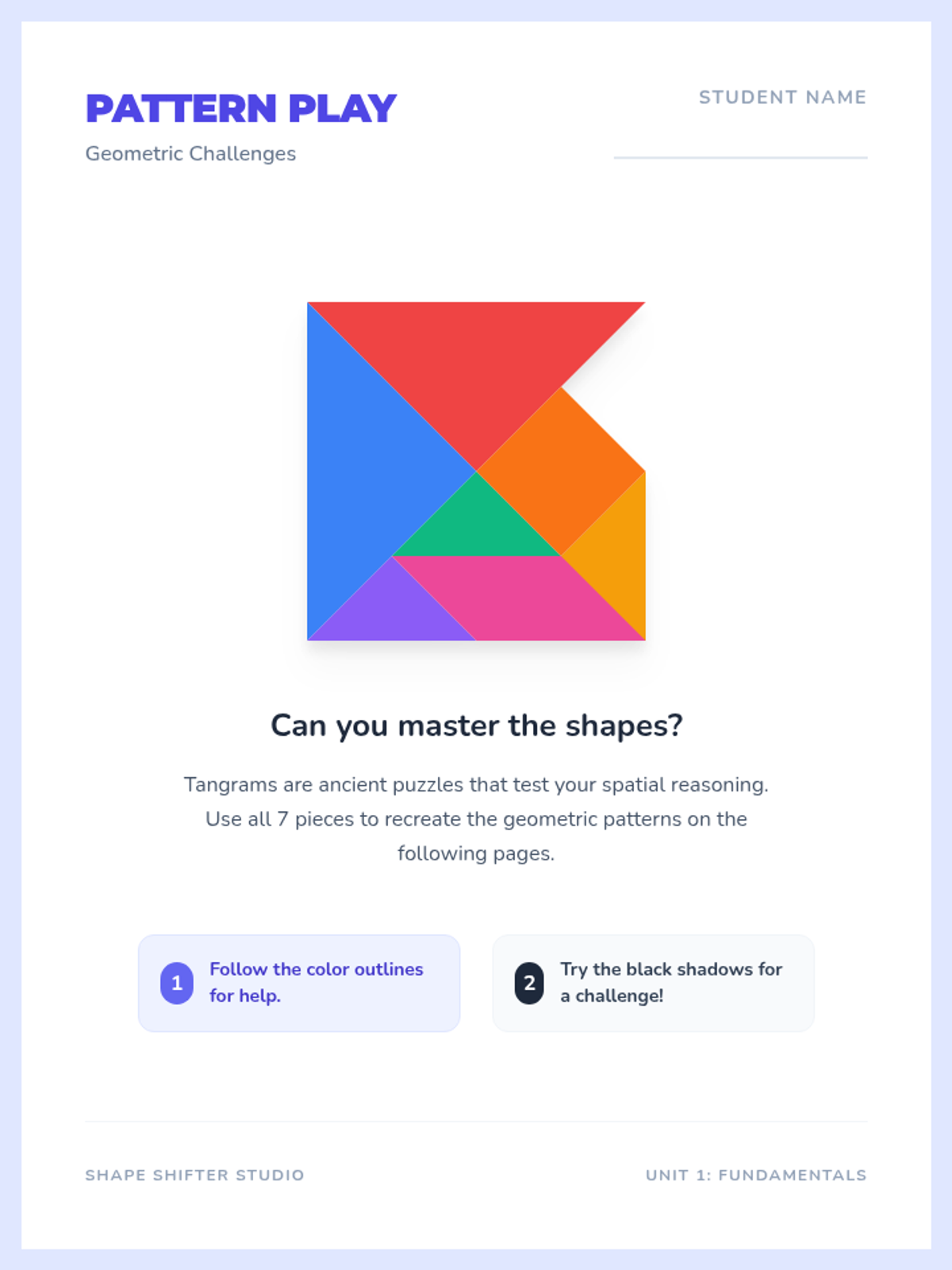
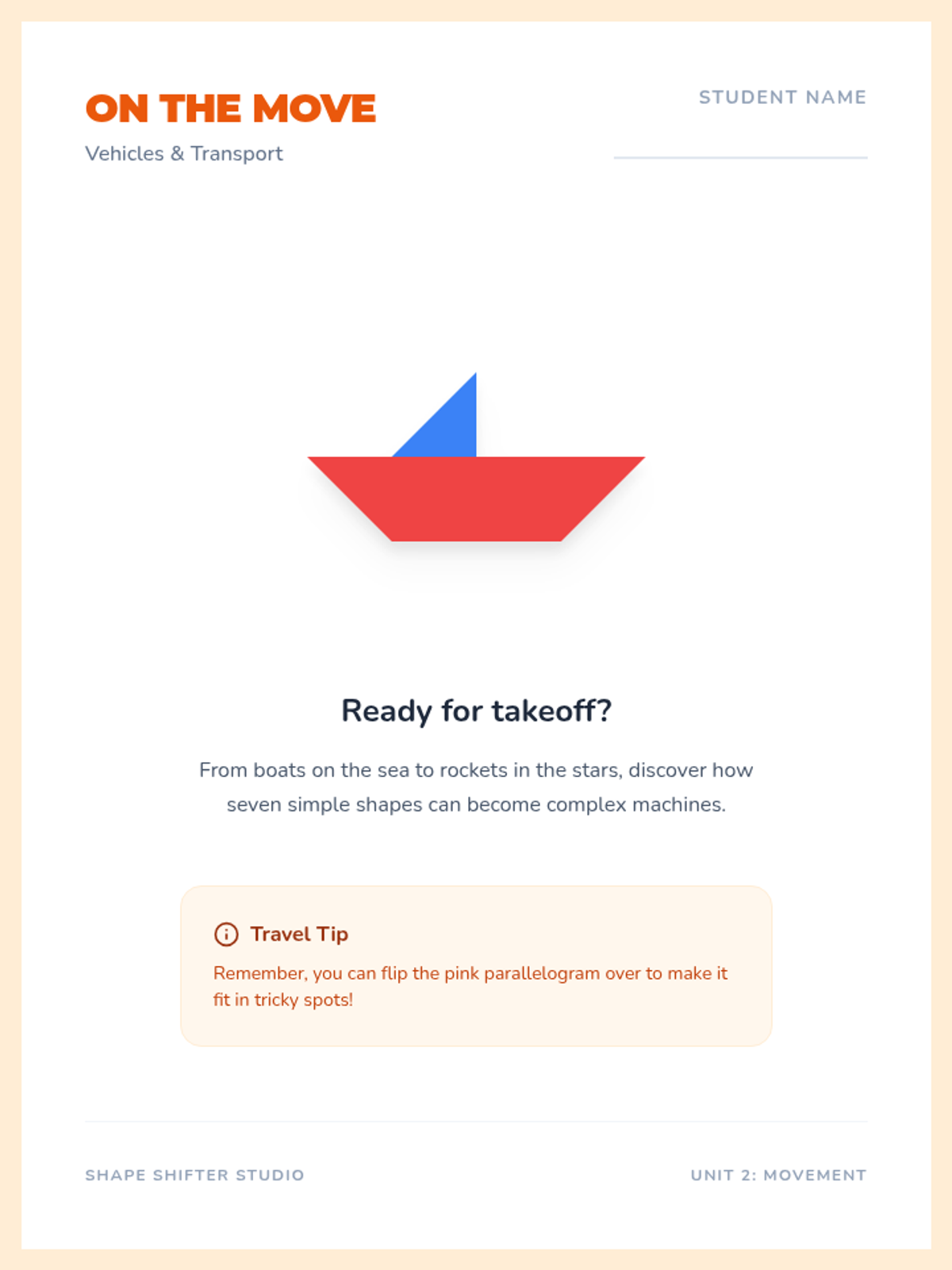
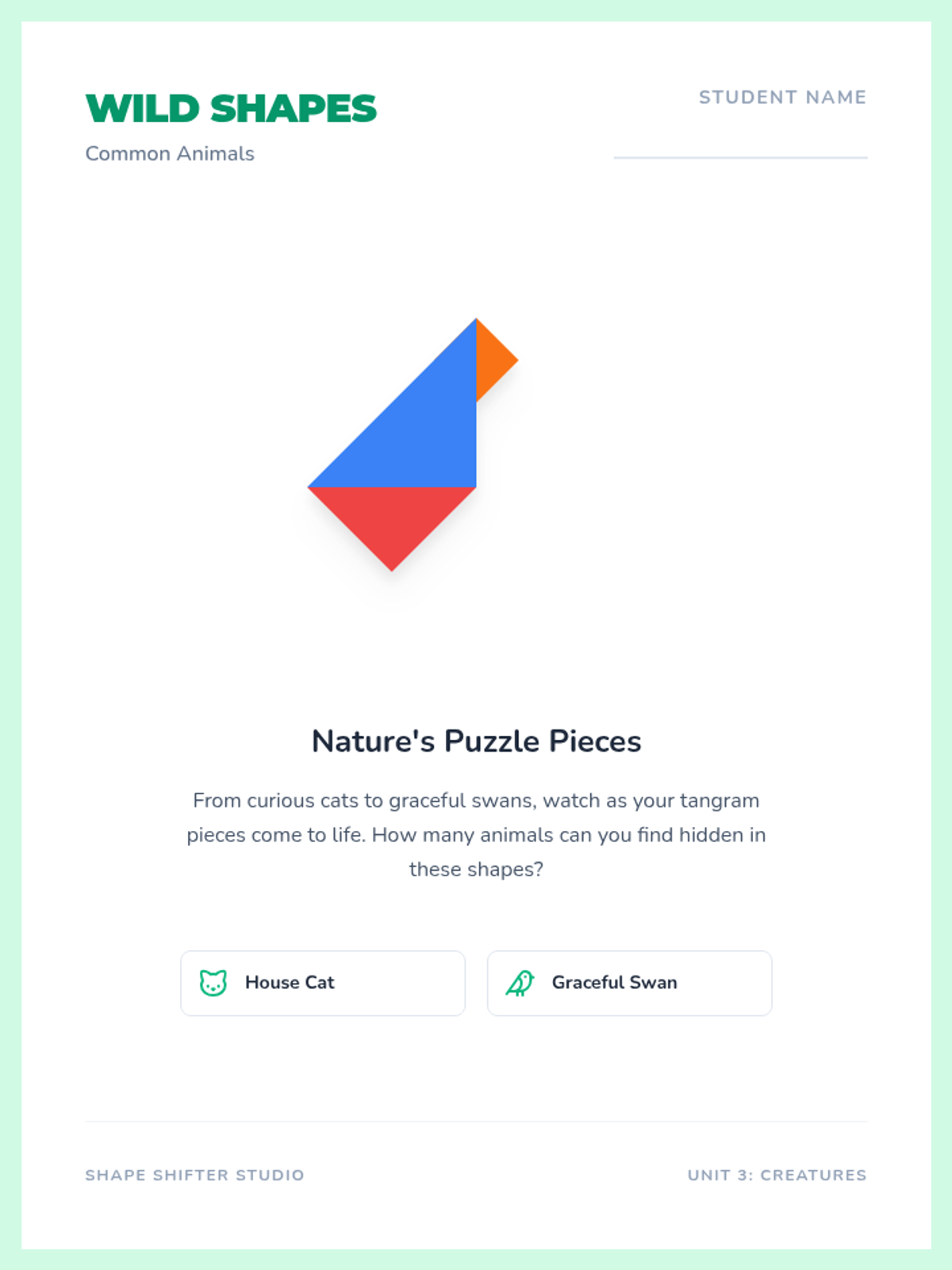
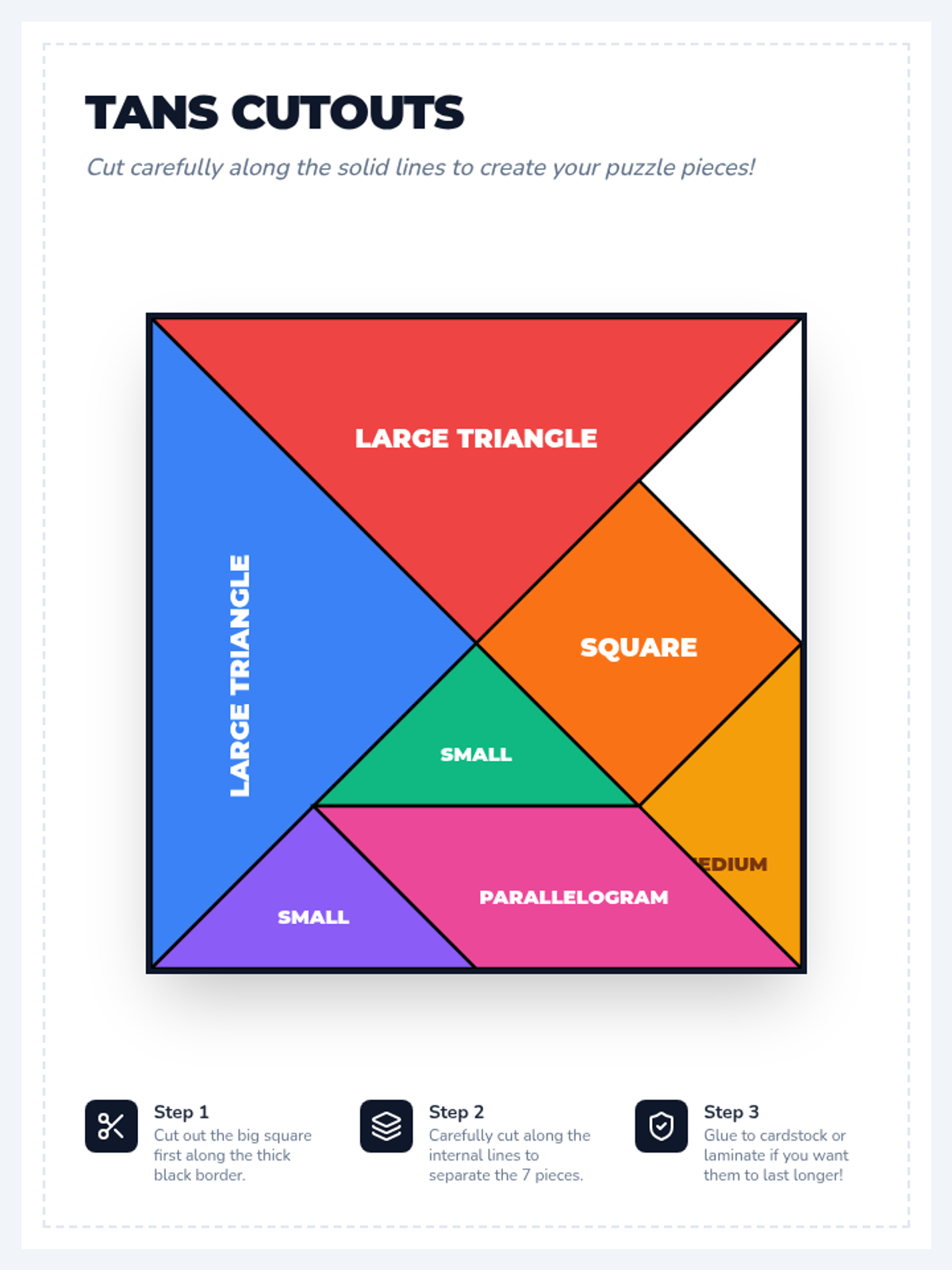
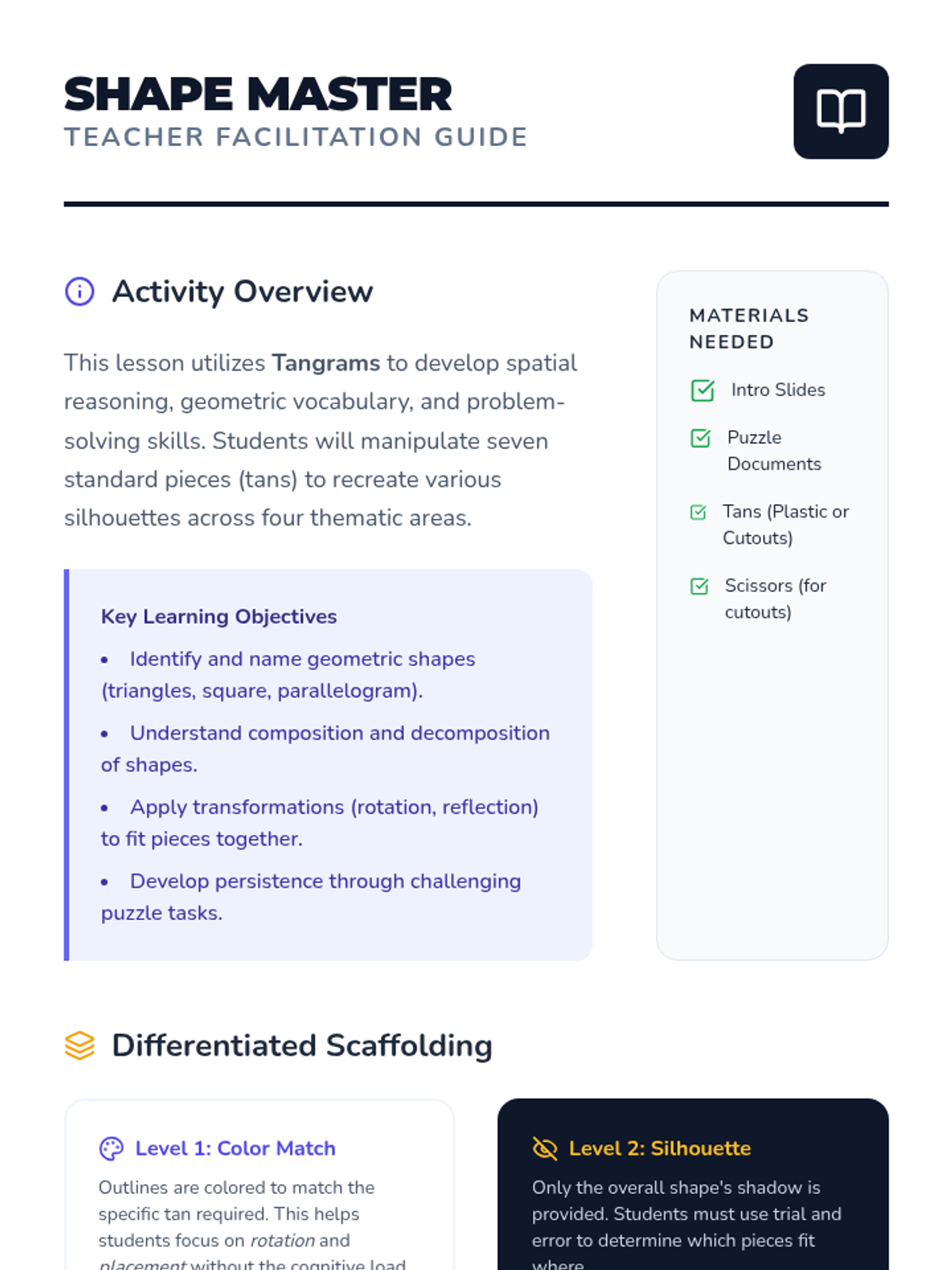
A hands-on exploration of geometry and spatial reasoning using tangrams, featuring puzzles across four diverse themes with varying difficulty levels.
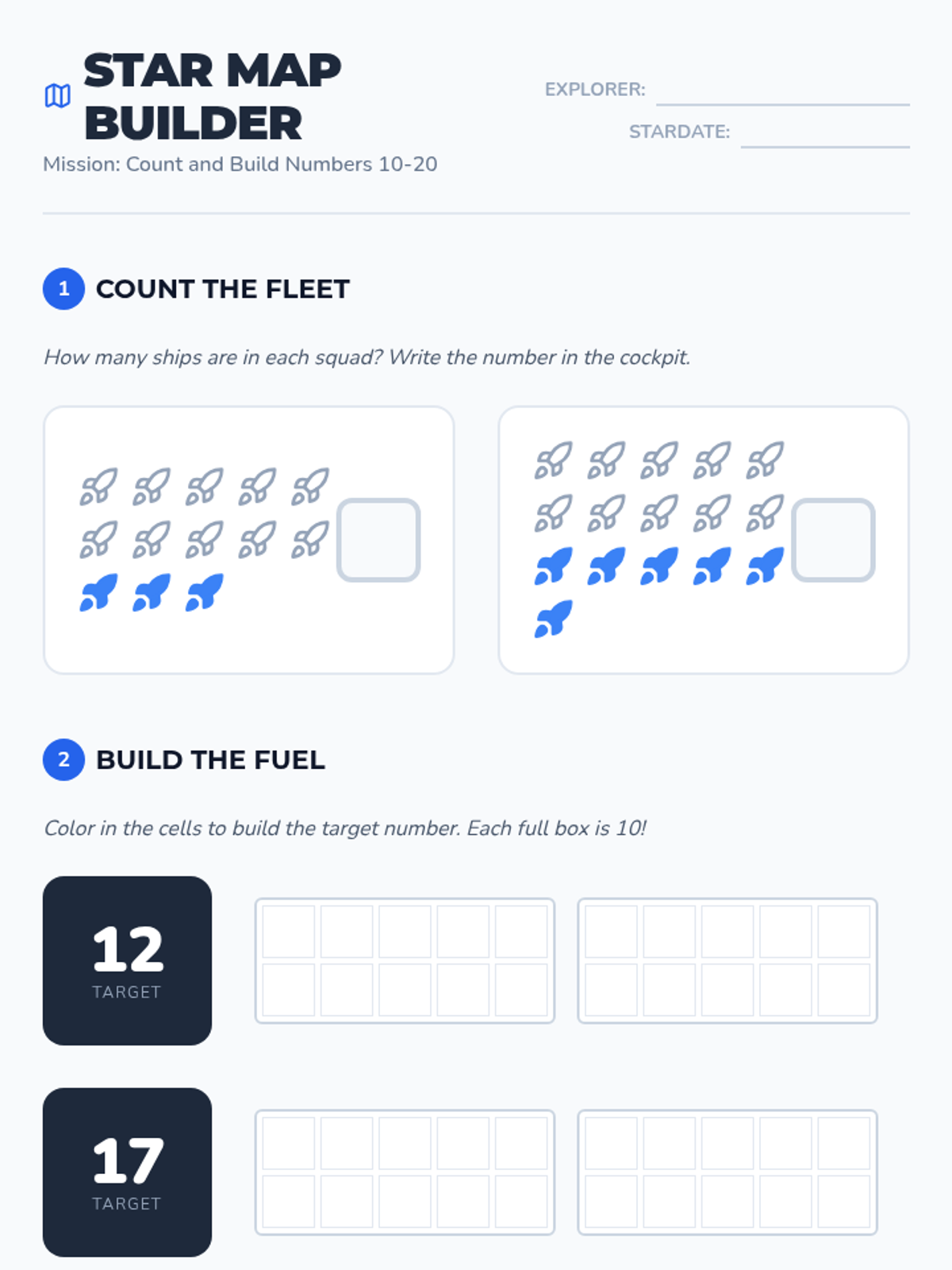
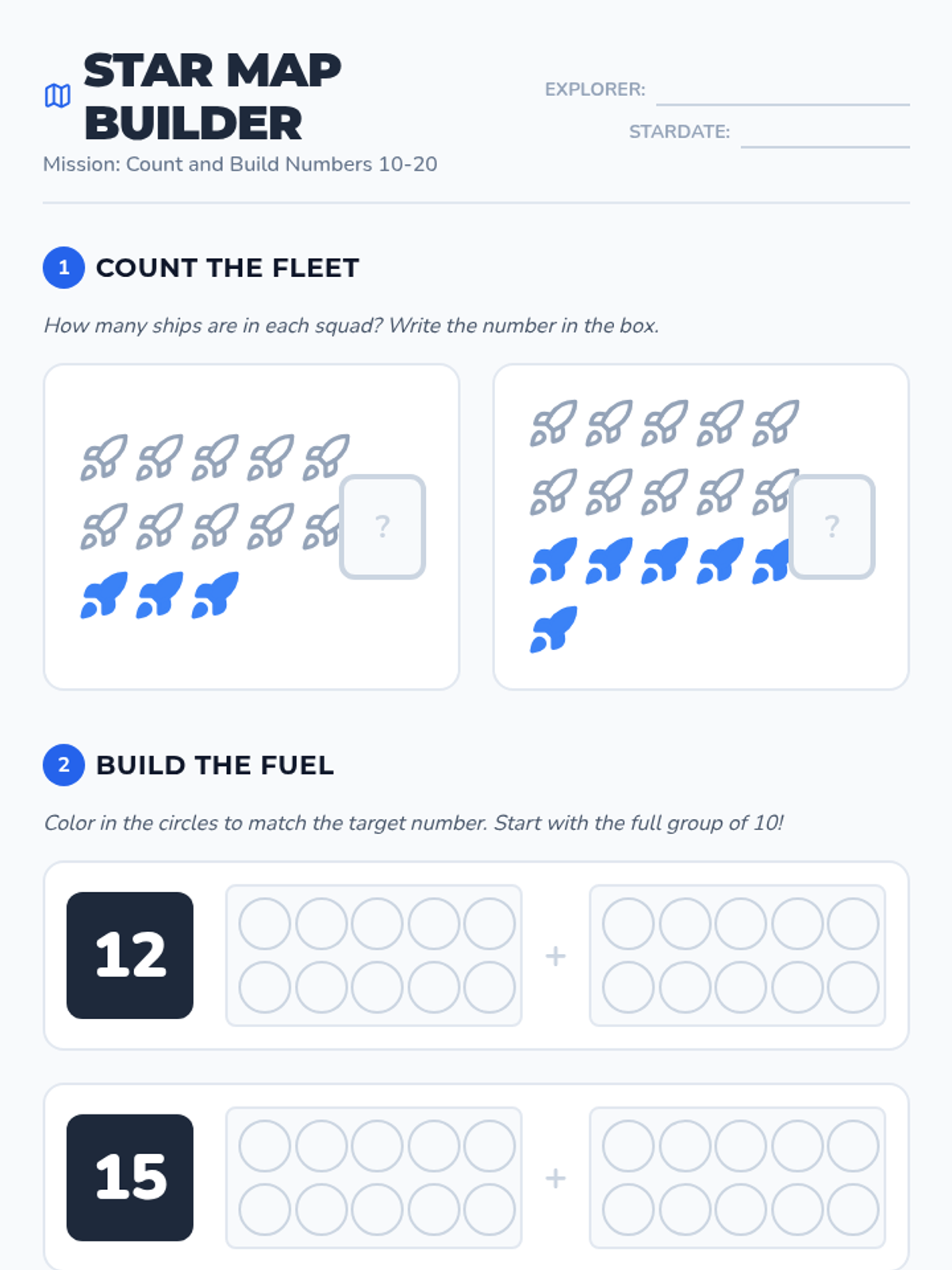
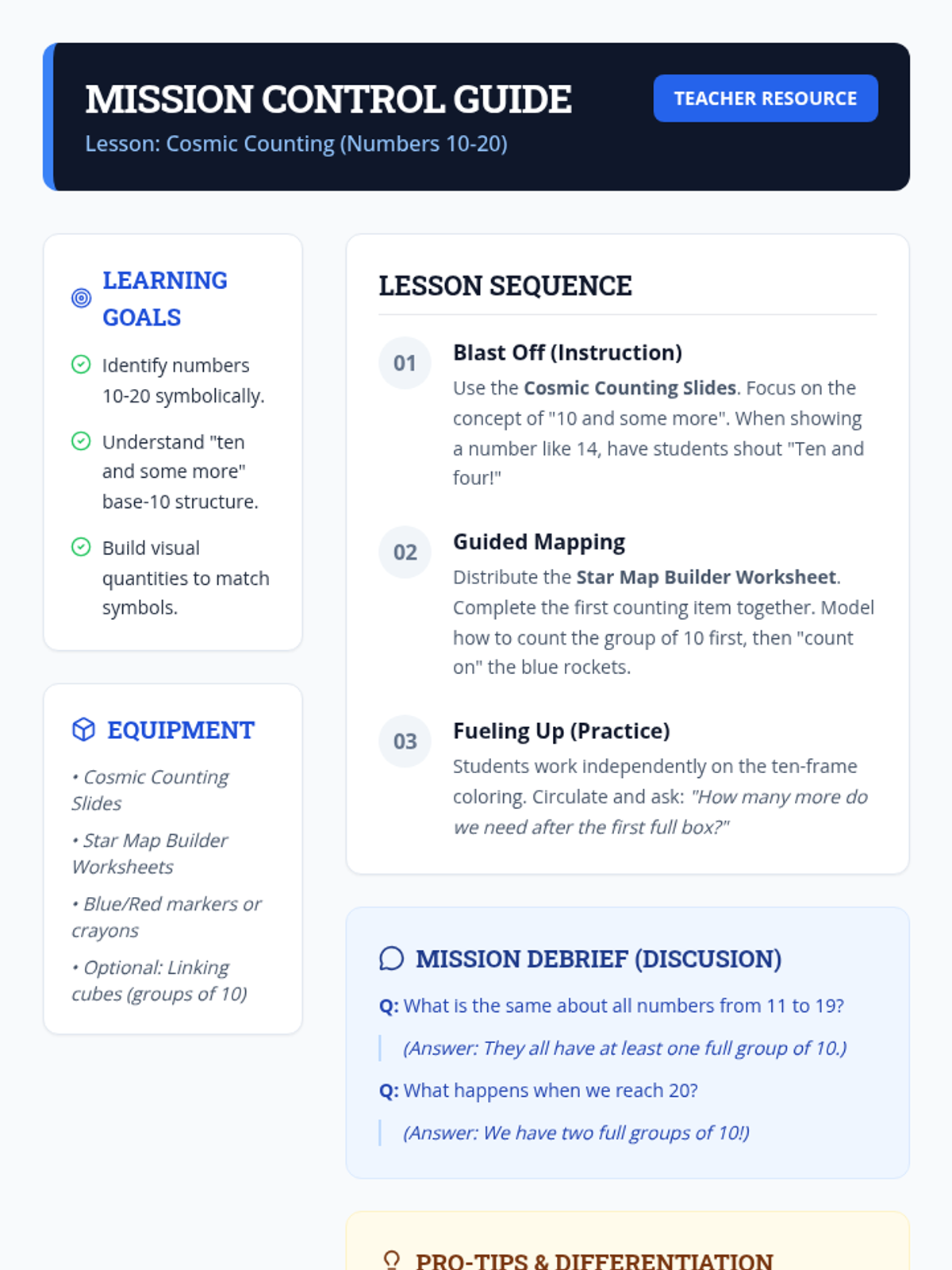
A lesson designed to help students recognize and build numbers 10 through 20 by connecting visual quantities (ten-frames and groups of stars) to their symbolic representations.
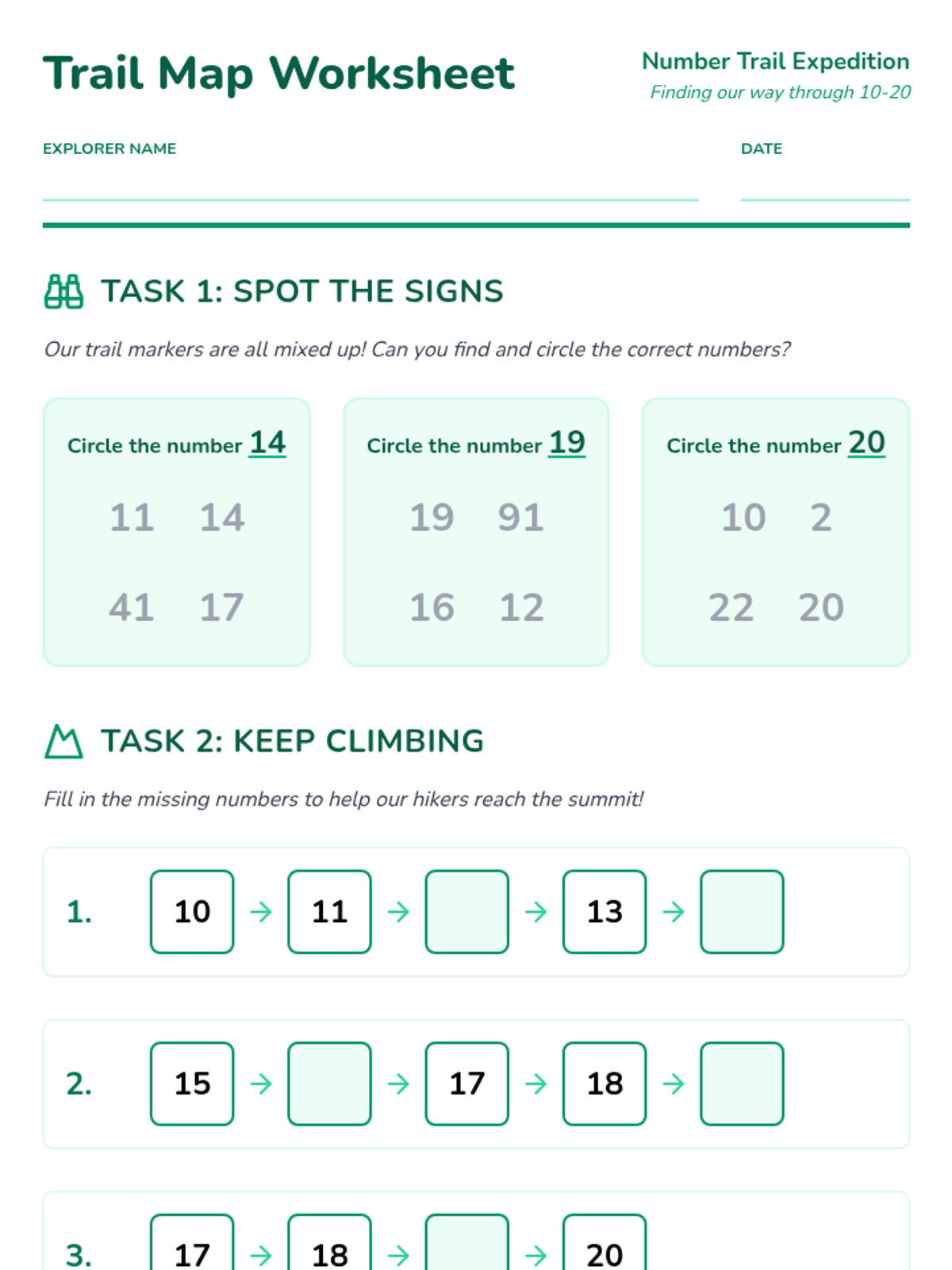
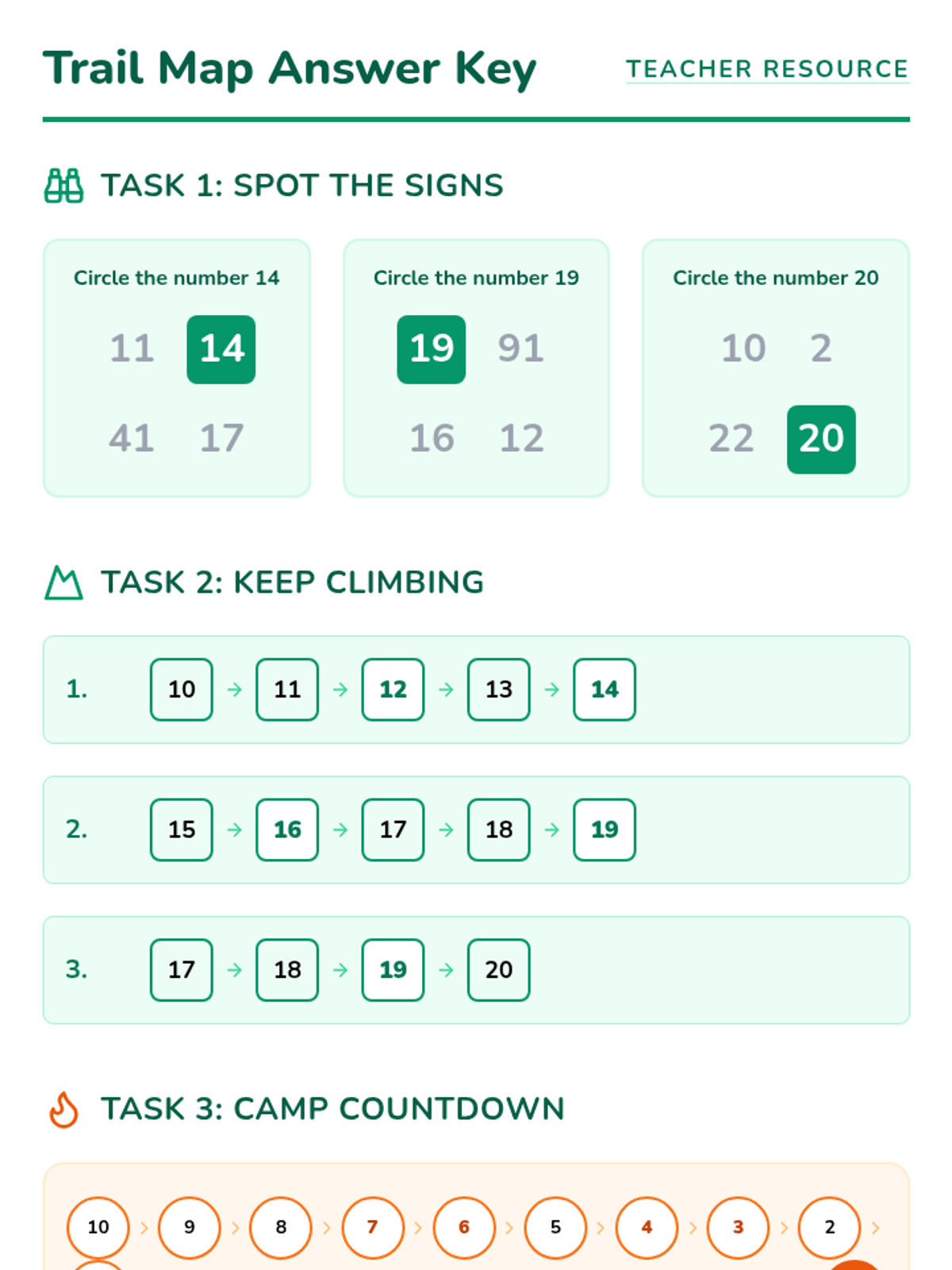
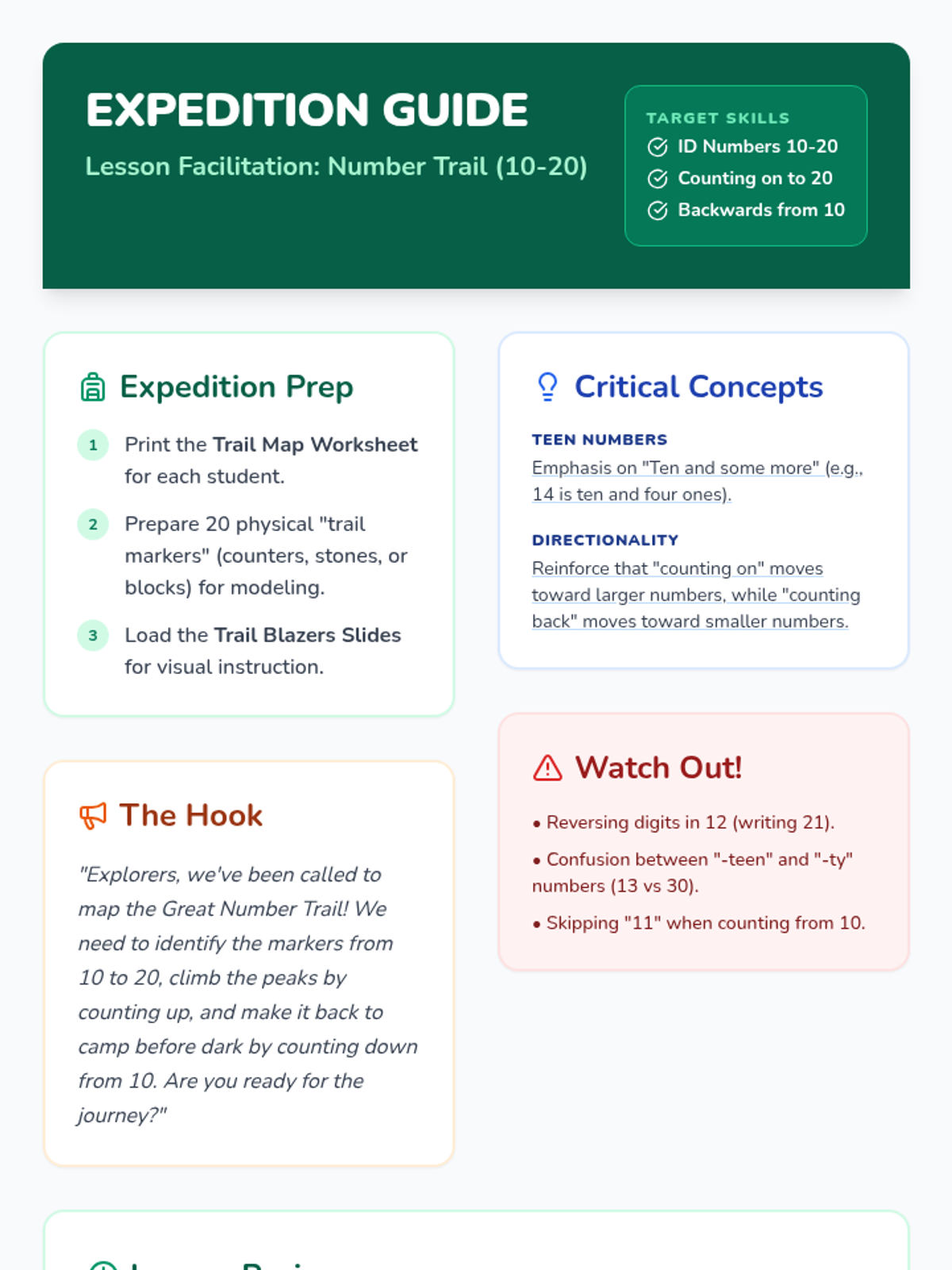
A foundational math lesson focusing on recognizing numbers 10-20, counting on to 20, and counting backwards from 10. Students embark on a nature-themed journey to build number sense.
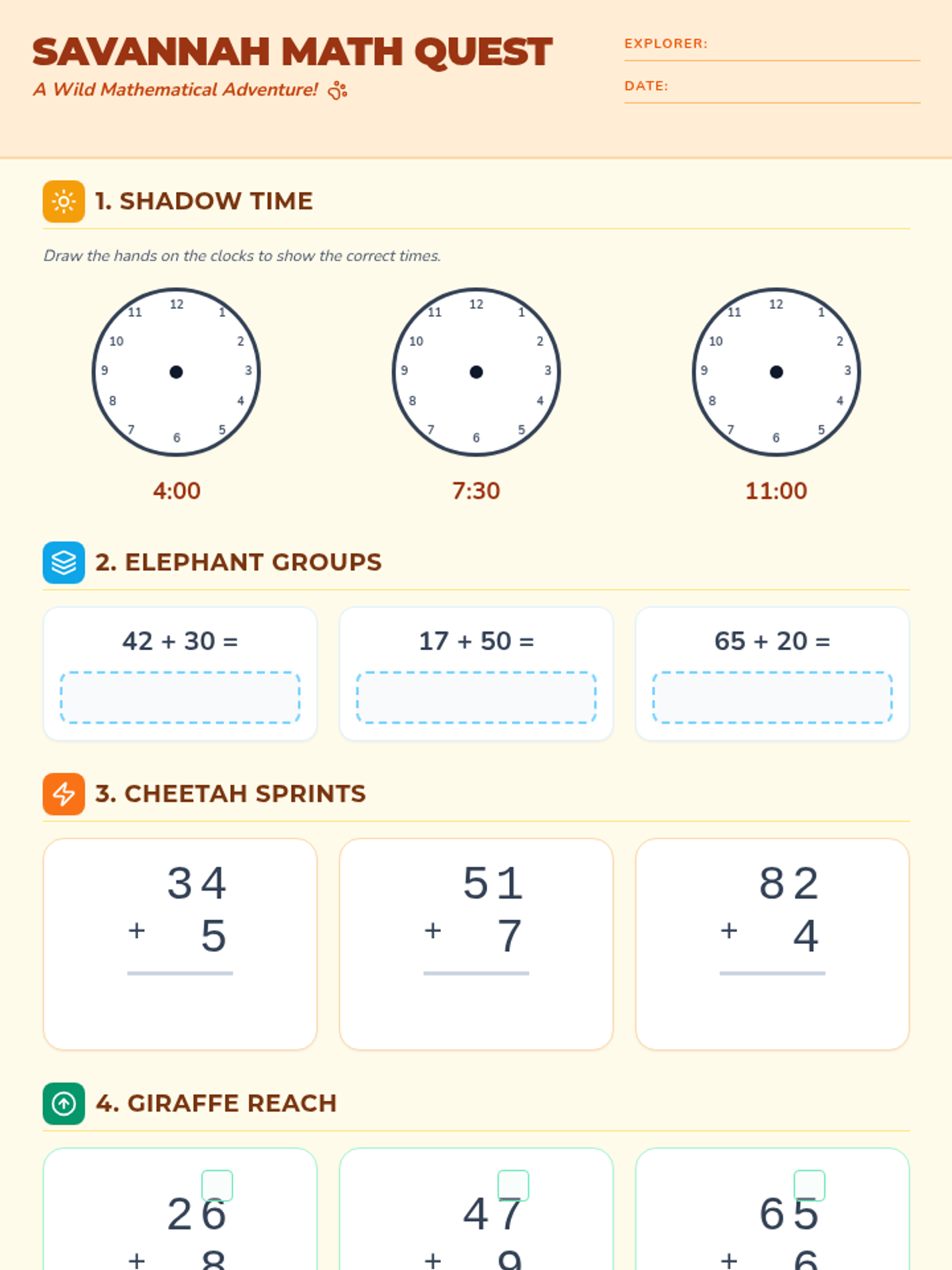
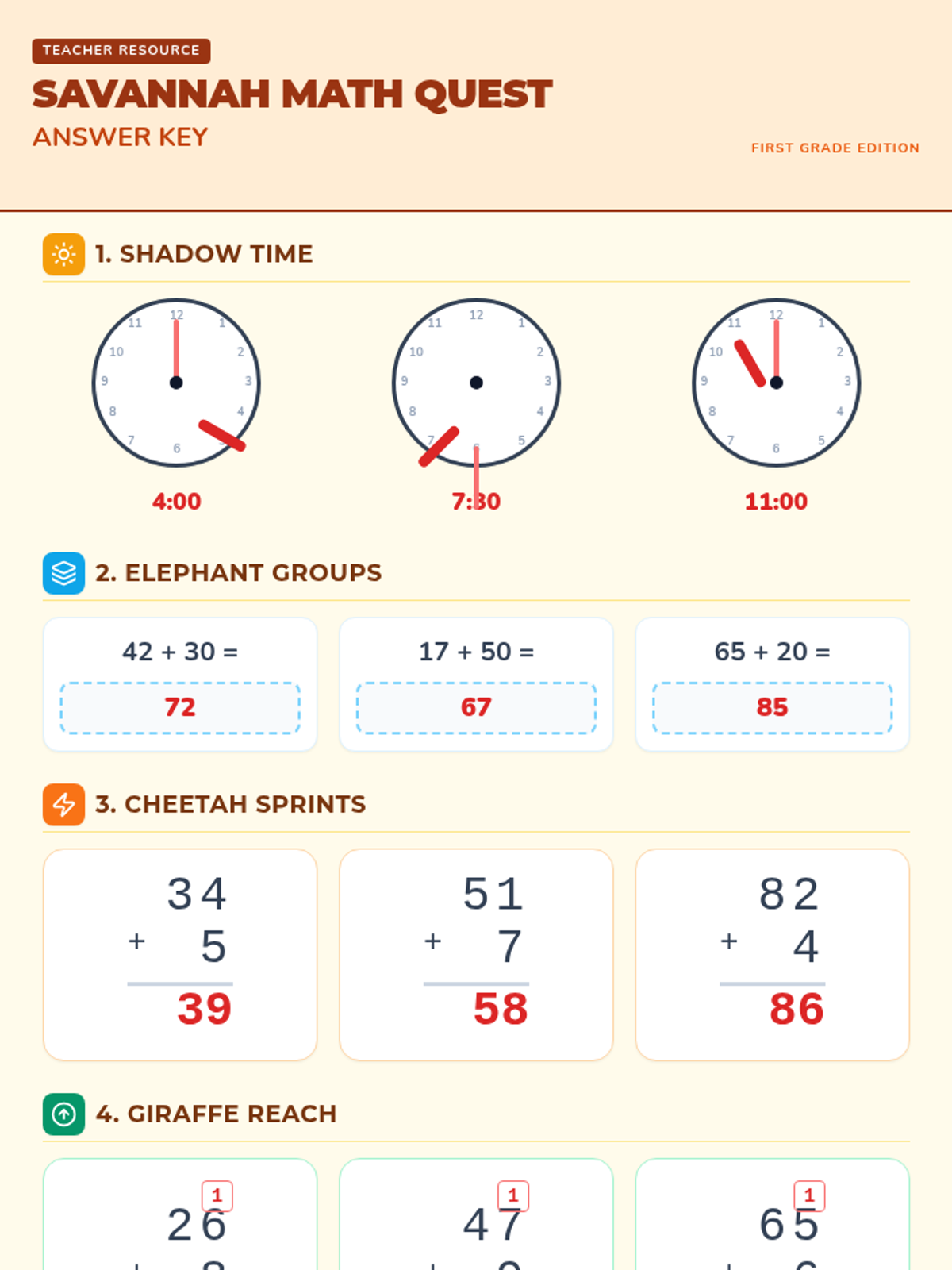
A math practice lesson focused on first-grade addition and time-telling skills, themed around the animals of the African savannah.
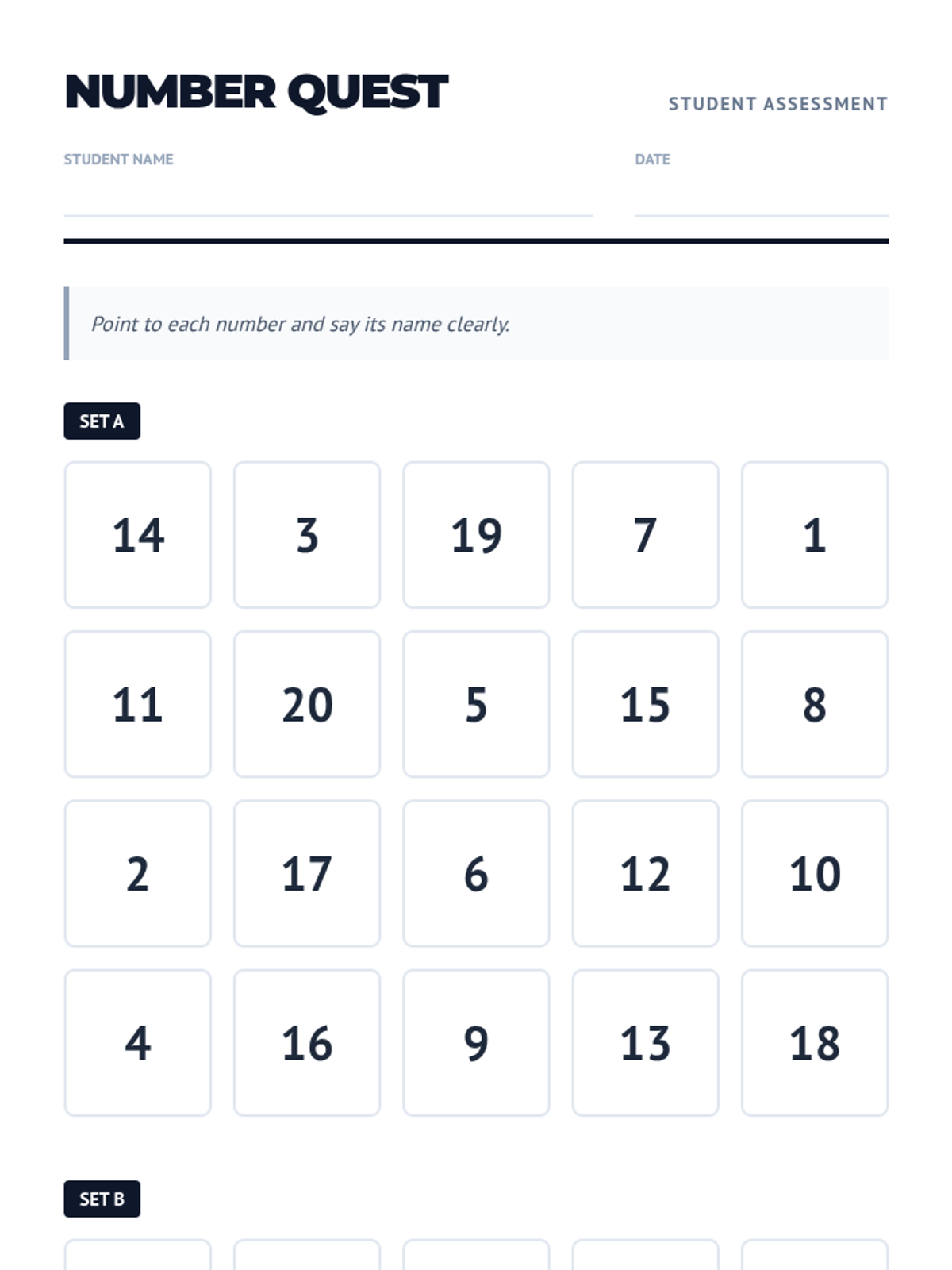
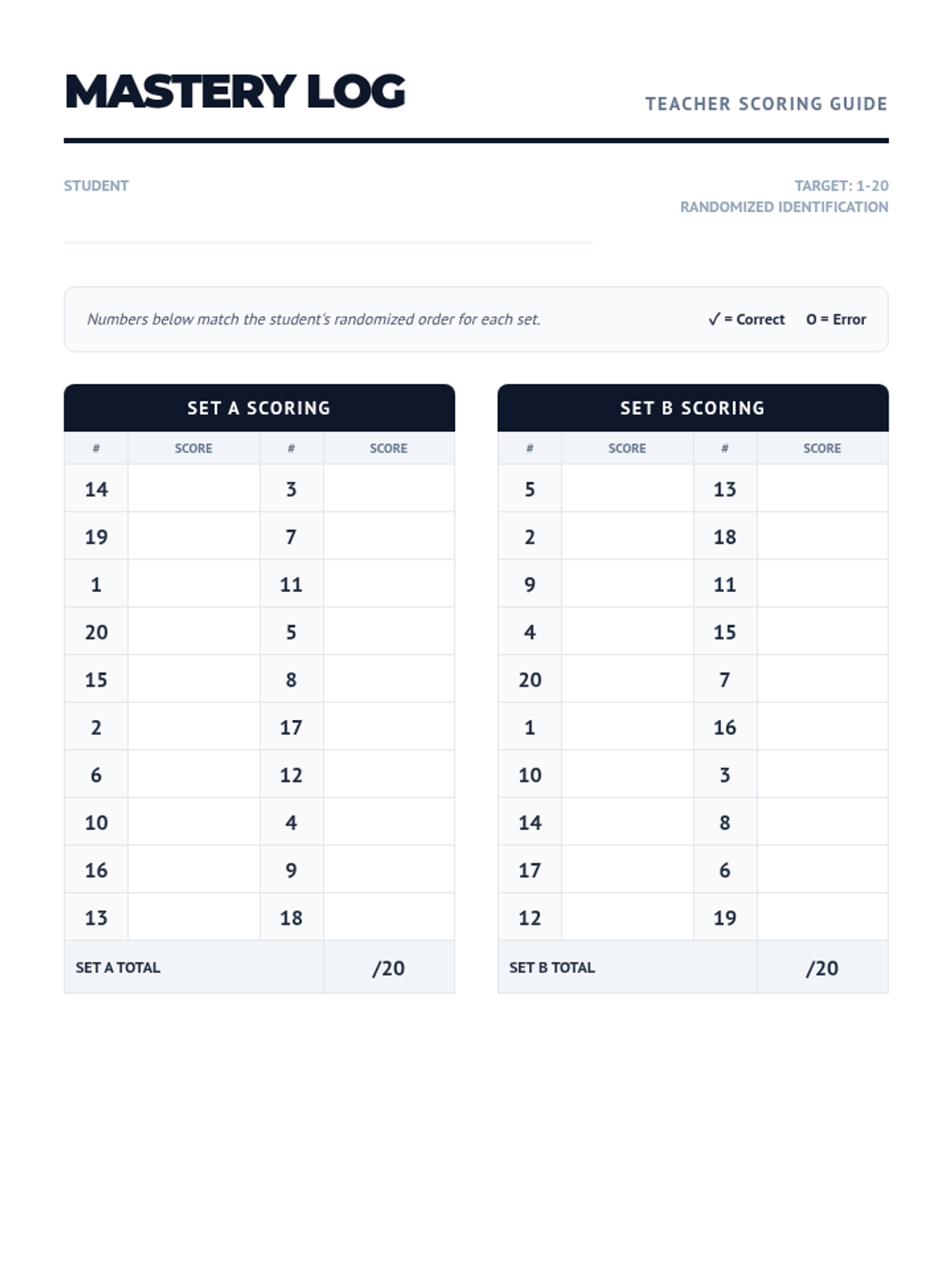
A comprehensive set of tools for assessing and tracking a student's ability to identify numbers 1 through 20 in randomized order.
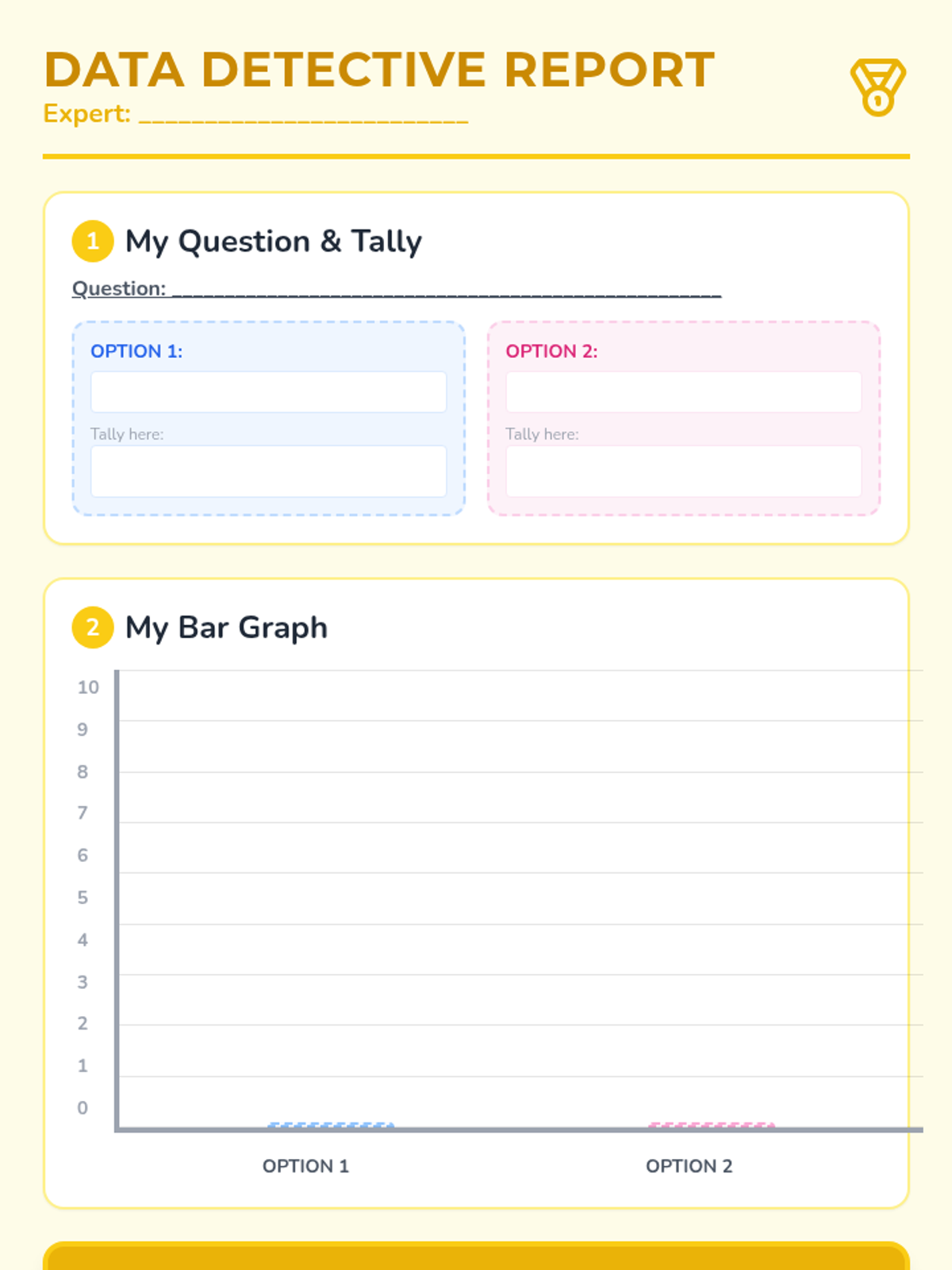
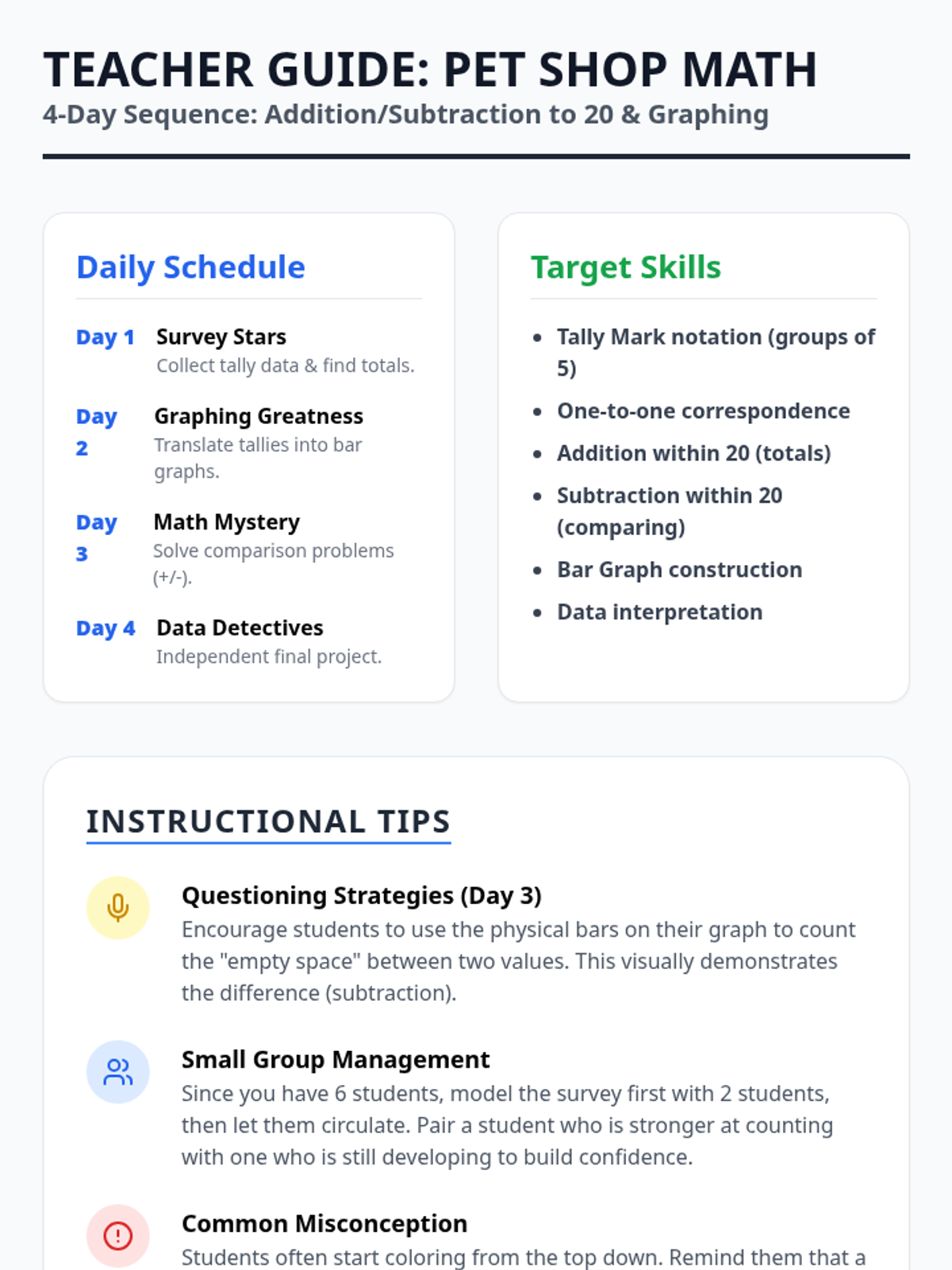
Students conduct their own small-group survey, create a bar graph, and solve math problems based on their unique data.
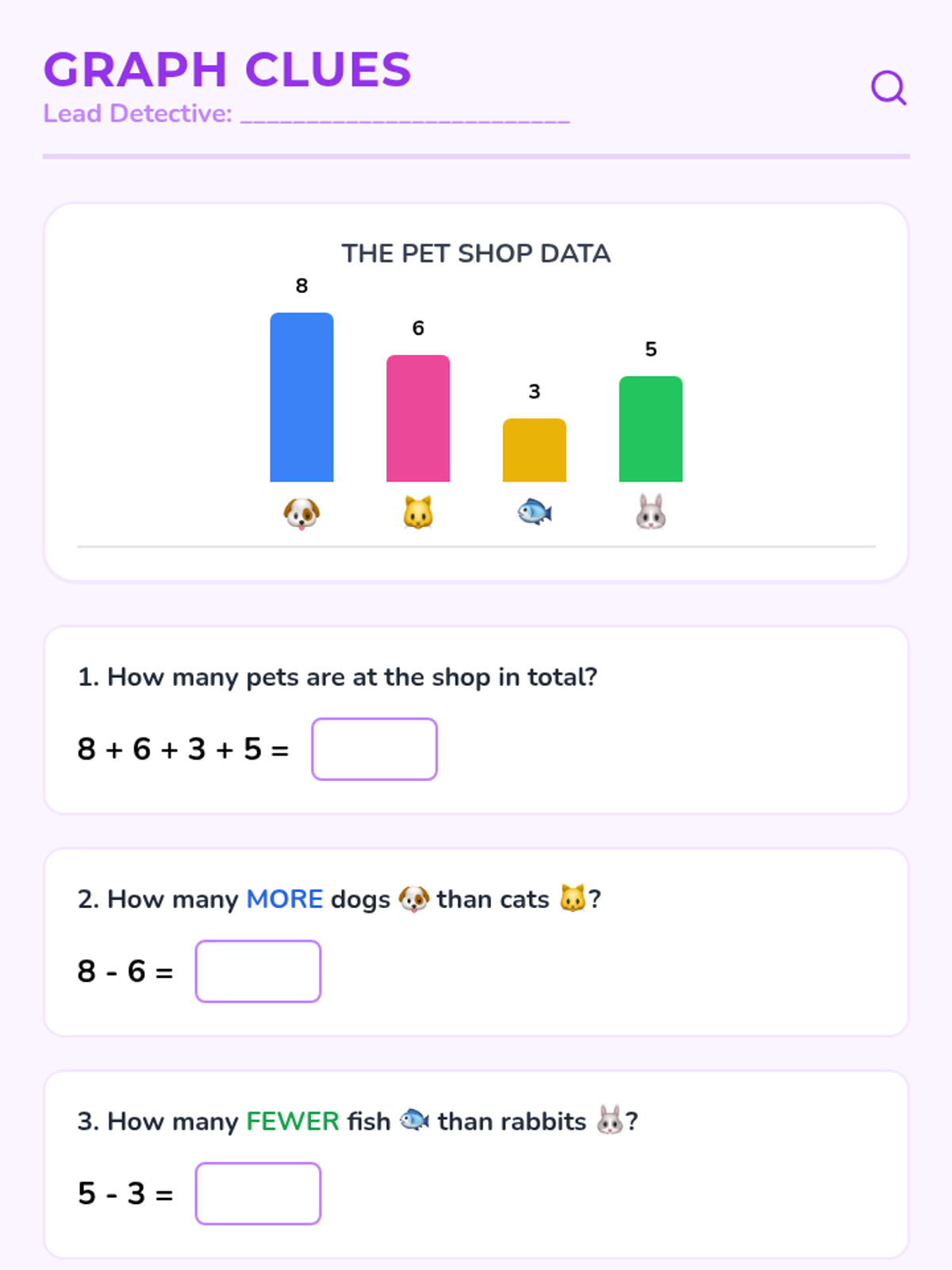
Students use addition and subtraction to answer questions about bar graphs, focusing on "how many more" and "how many fewer."
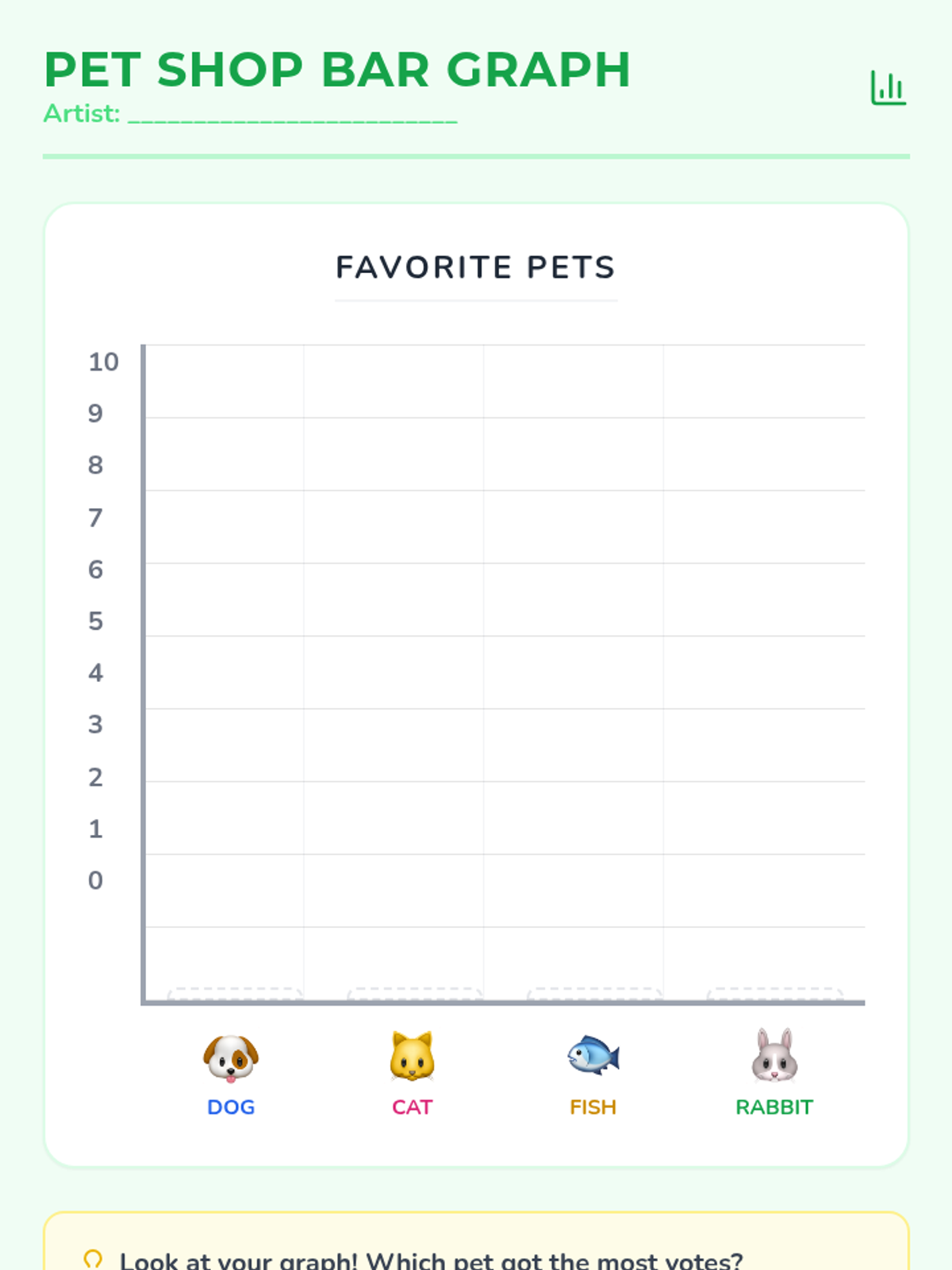
Students learn to translate tally data into bar graphs, visualizing their pet shop findings.
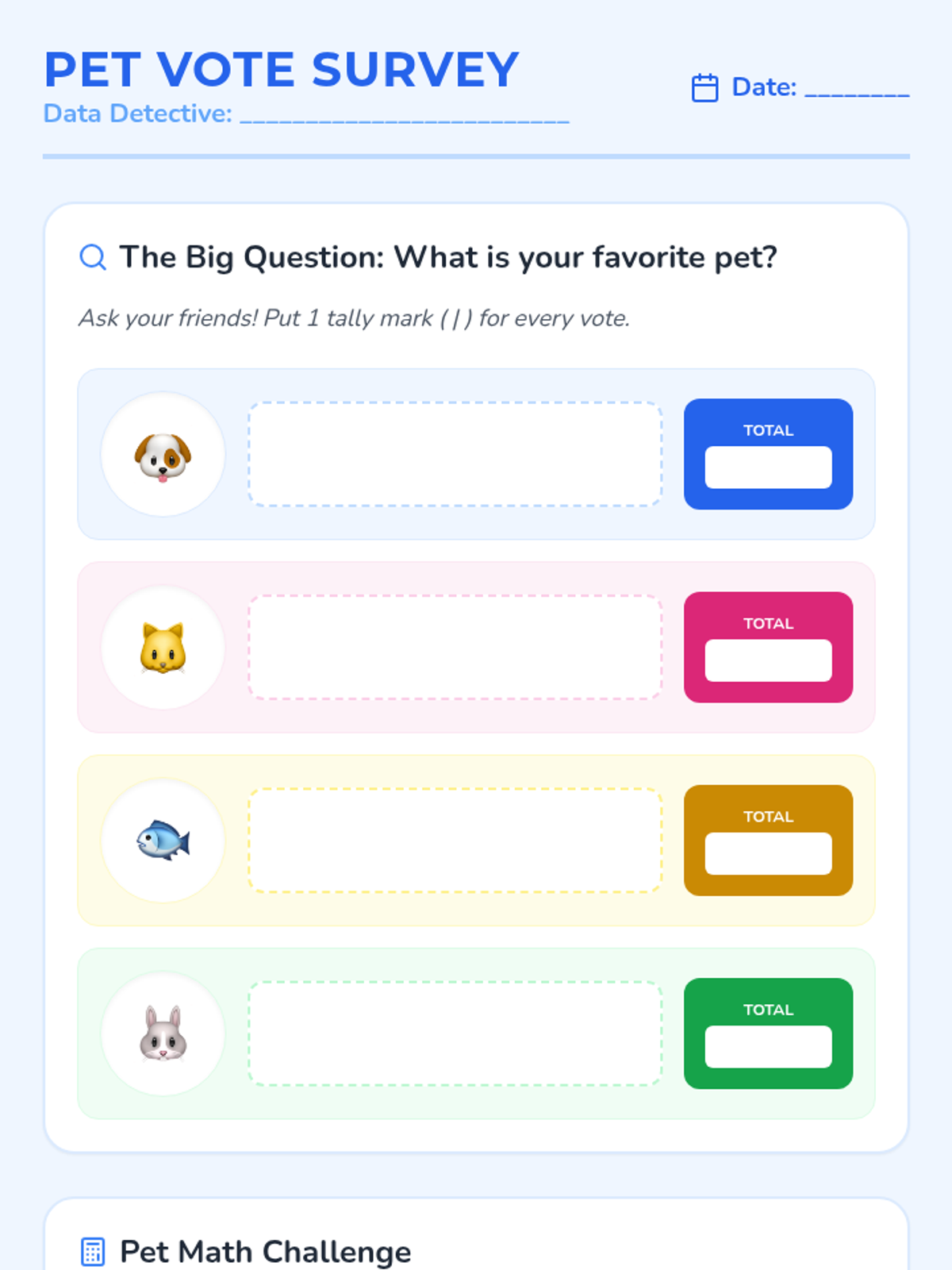
Students learn how to conduct a survey and use tally marks to collect data, using simple addition to find totals within 20.
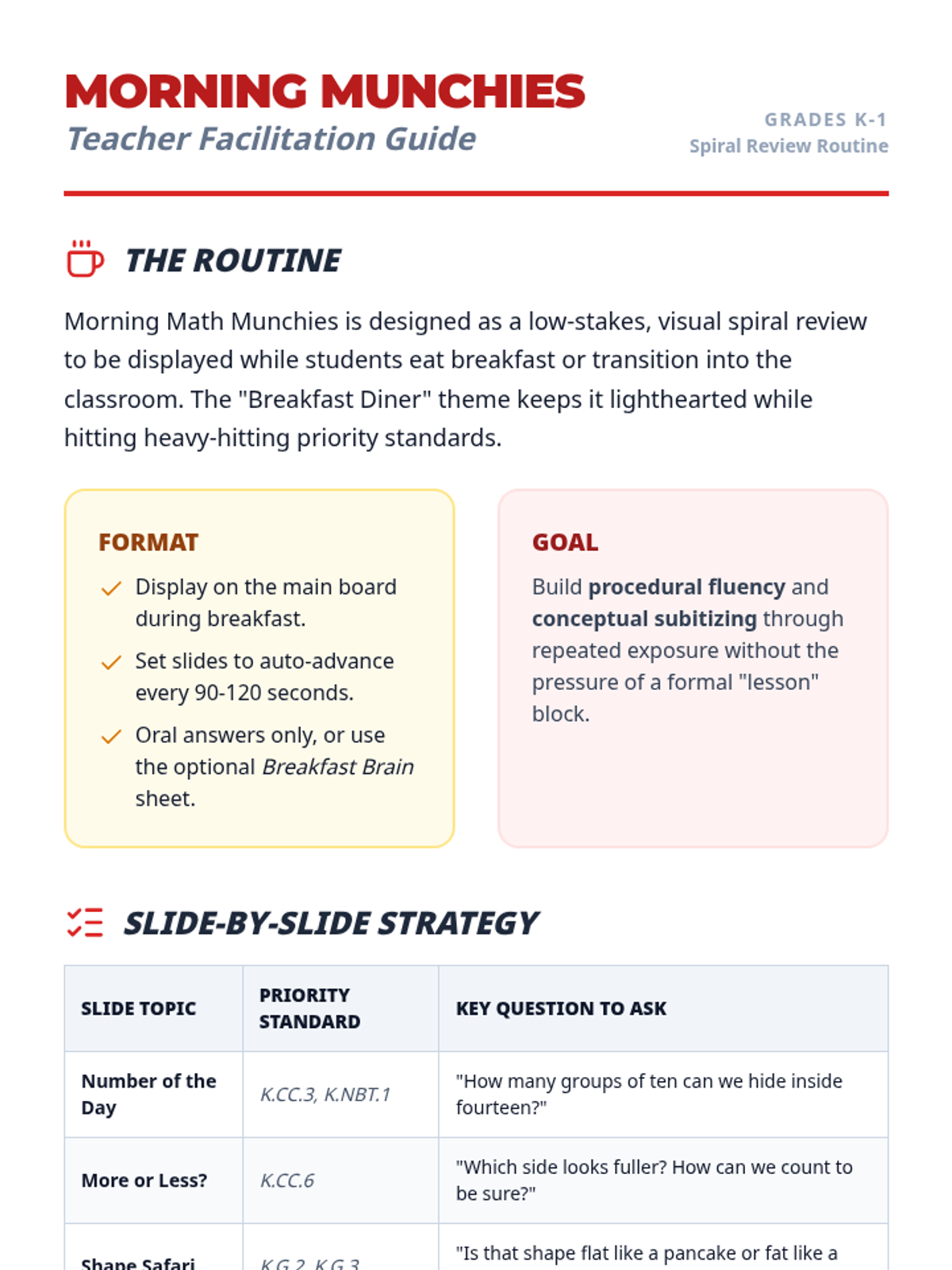
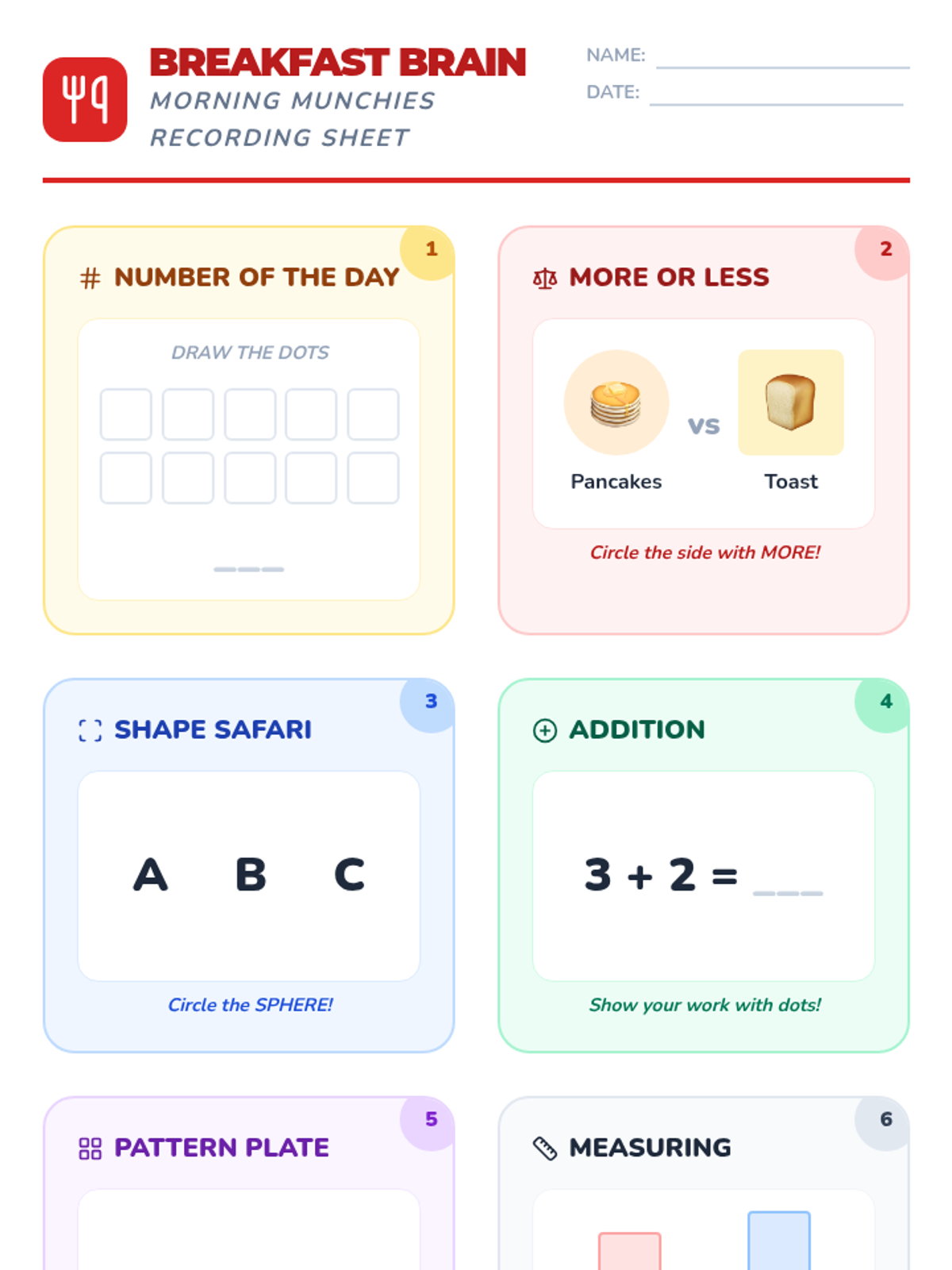
A daily spiral review of priority Kindergarten math standards, designed to be visually engaging and accessible for students to view during breakfast or morning routines.
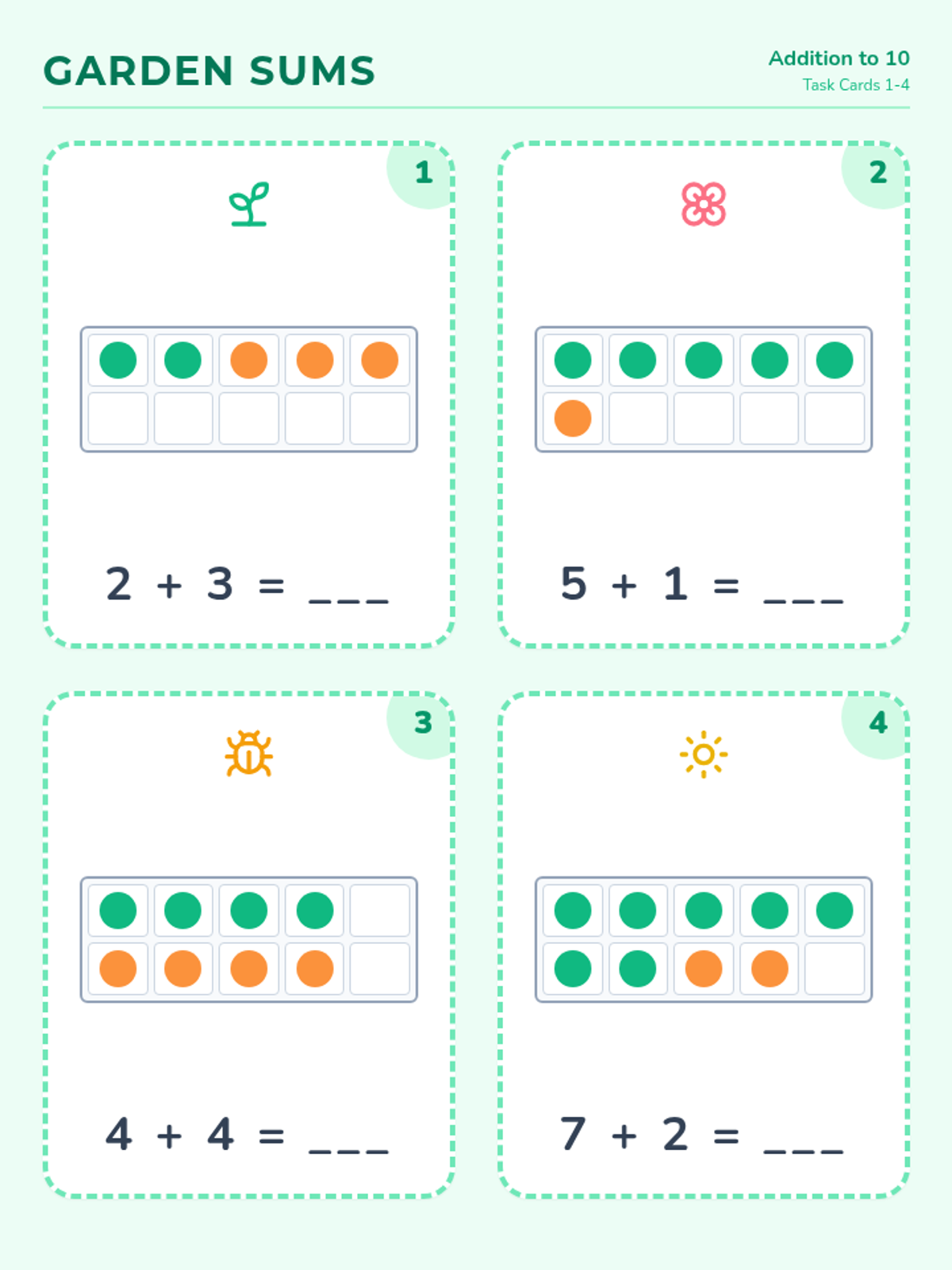
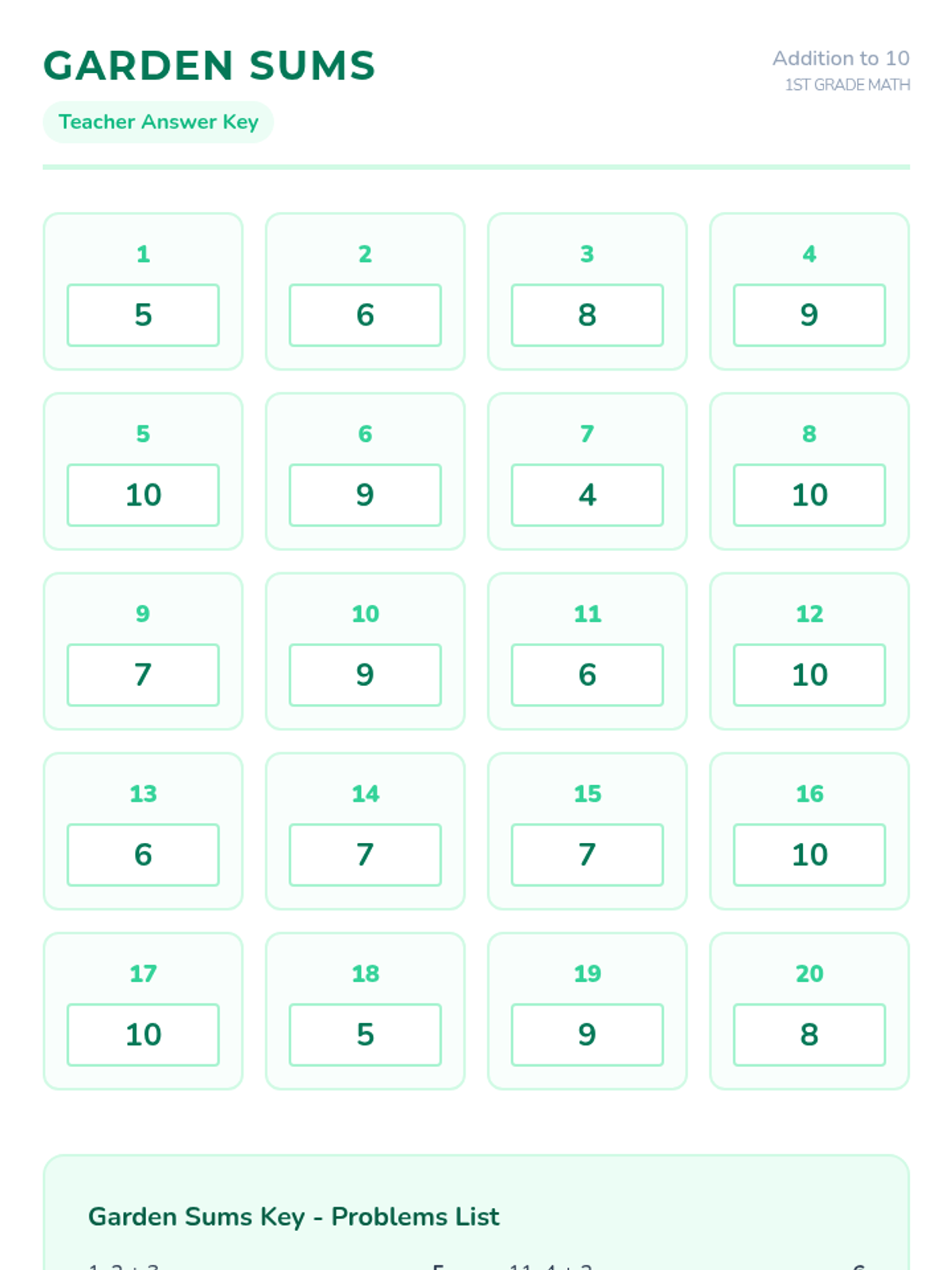
A set of addition task cards featuring ten frames to help first-grade students master sums up to 10 with a garden-themed aesthetic.
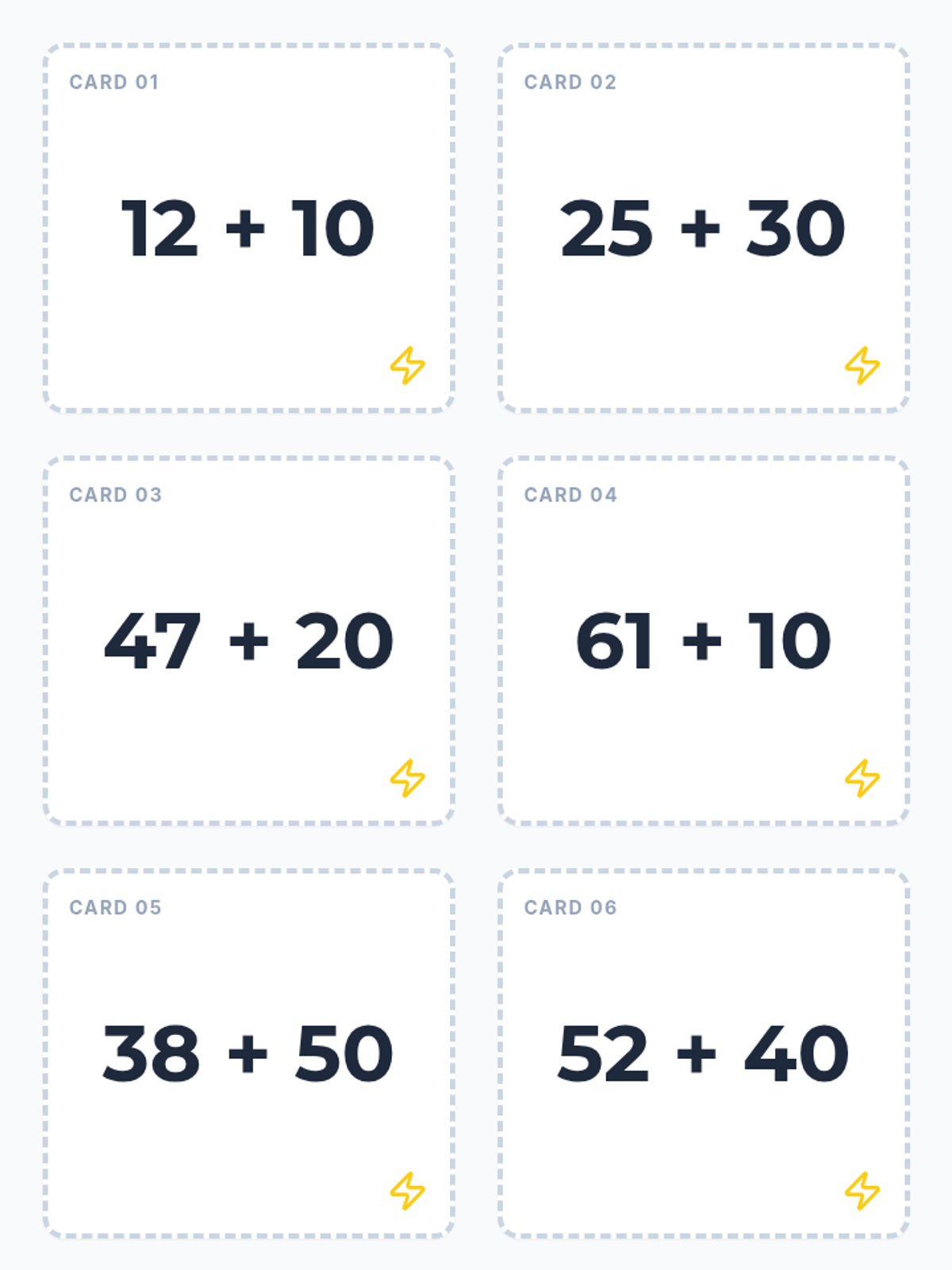
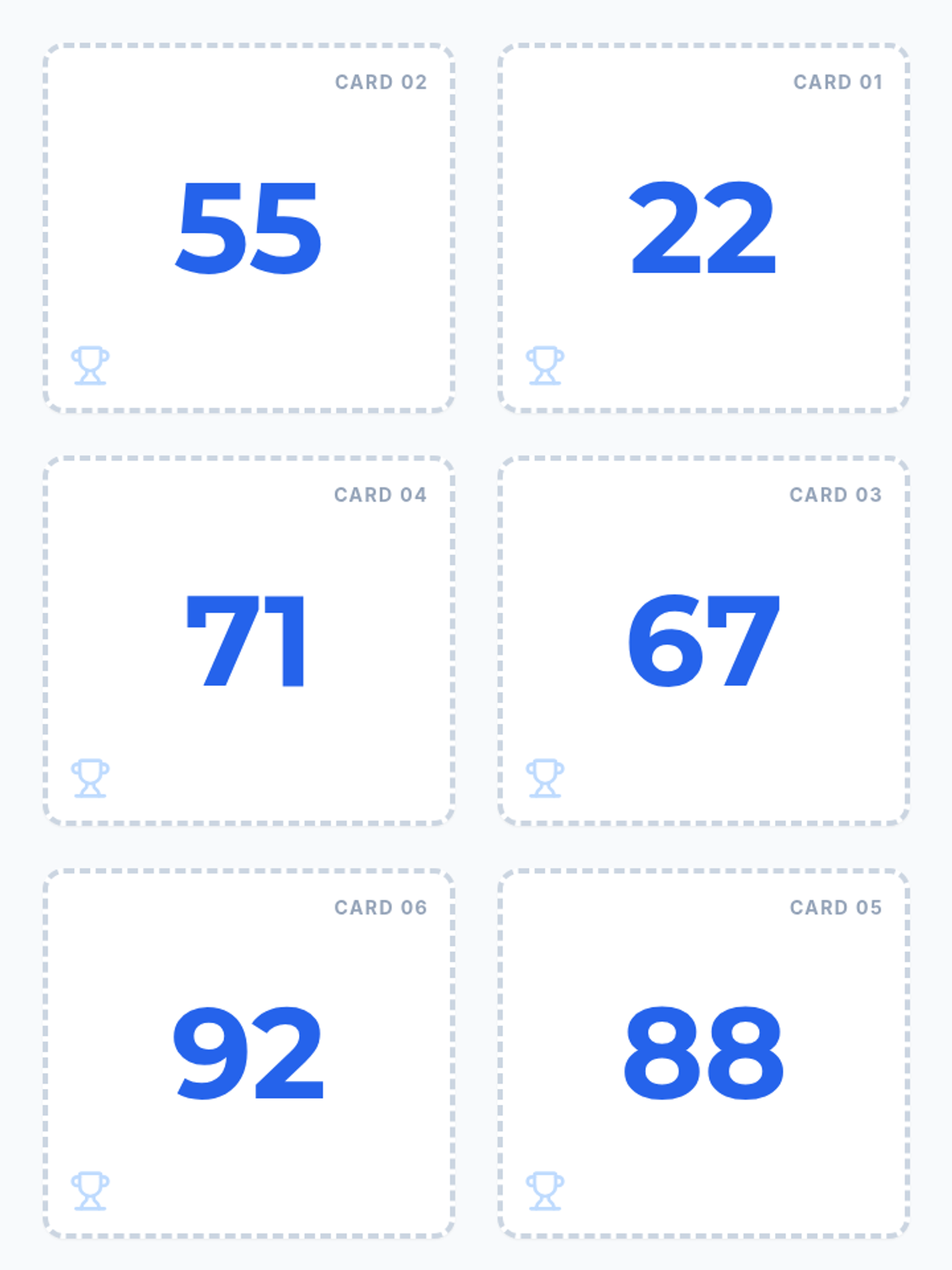
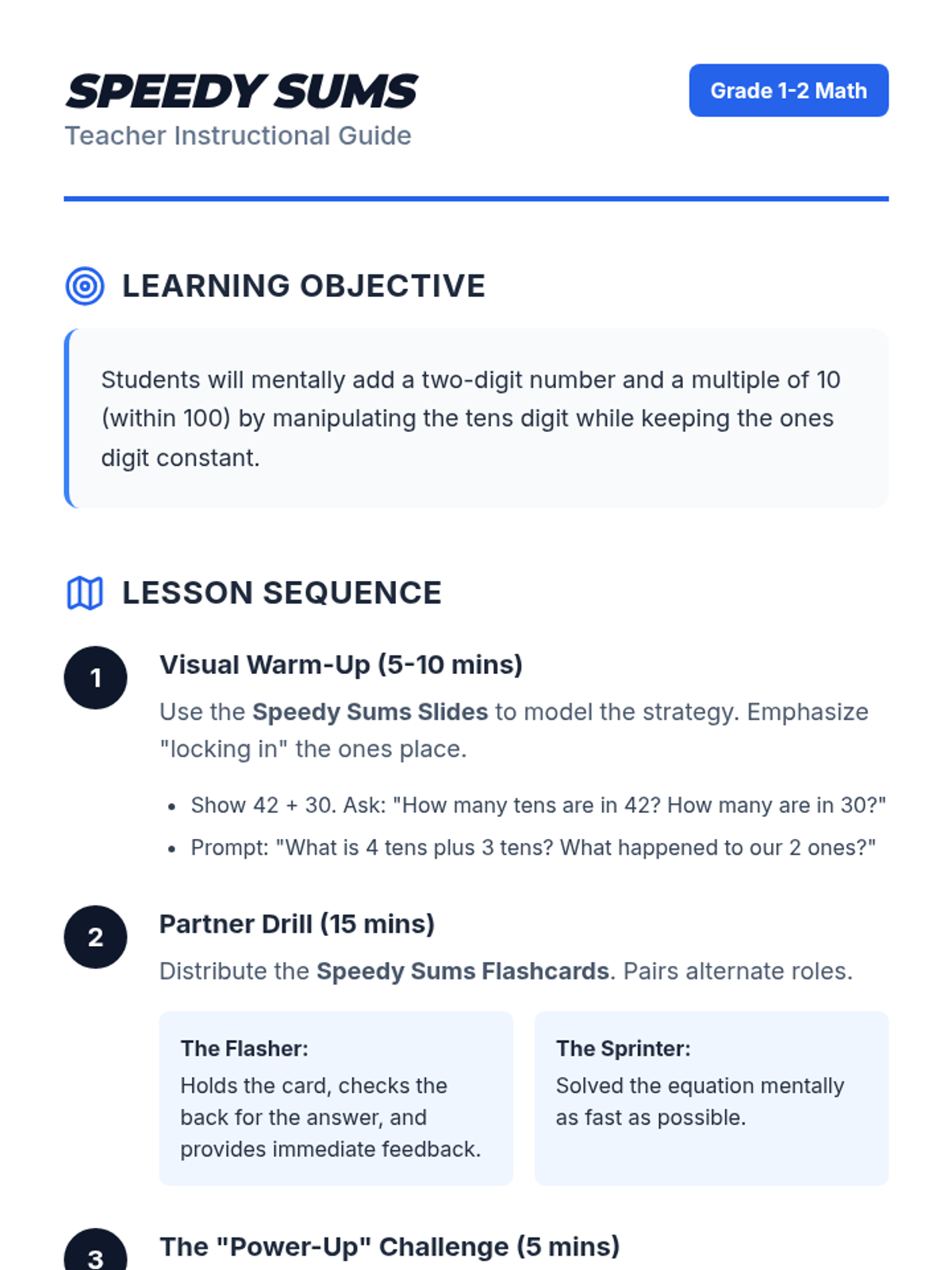
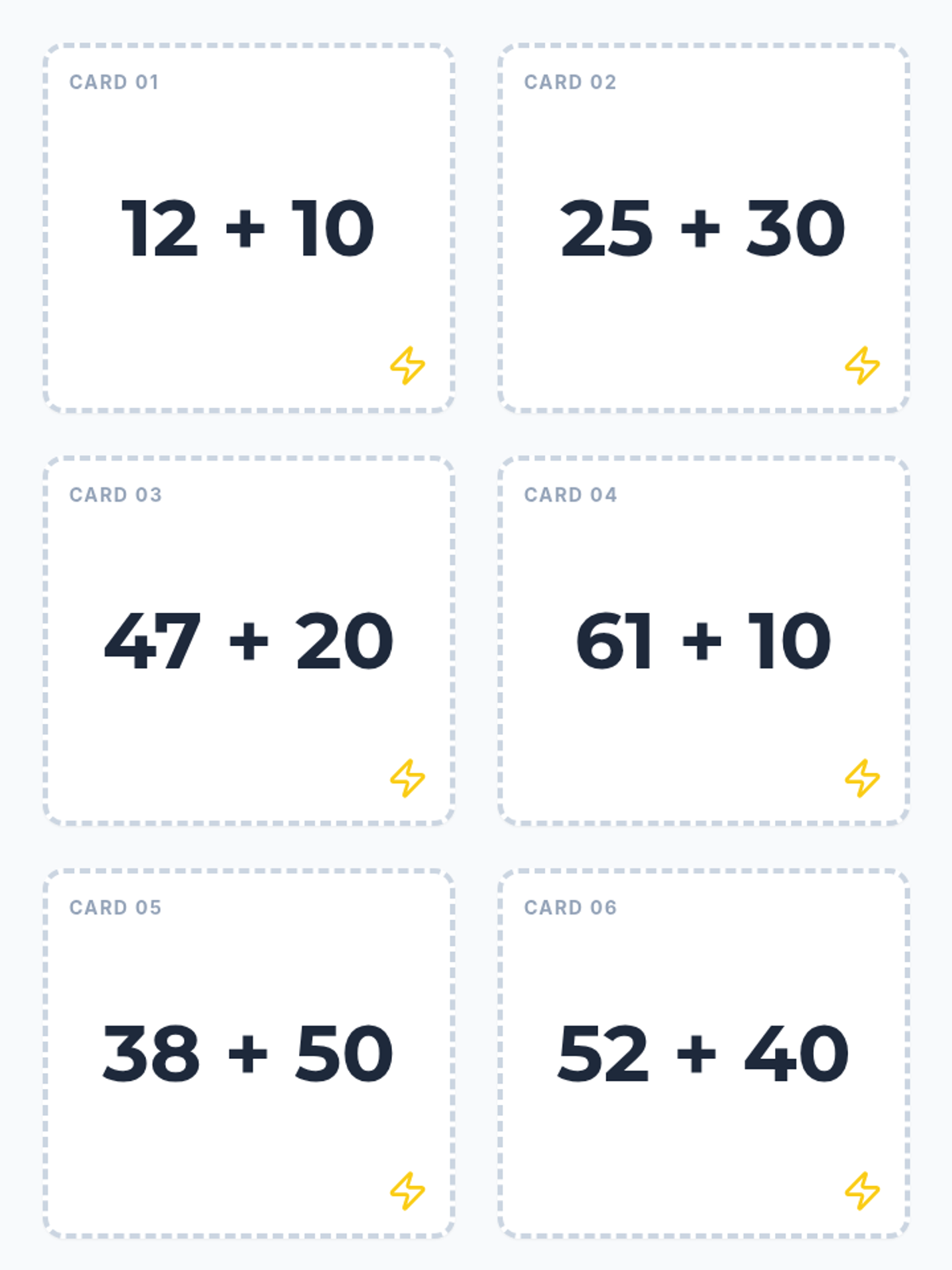
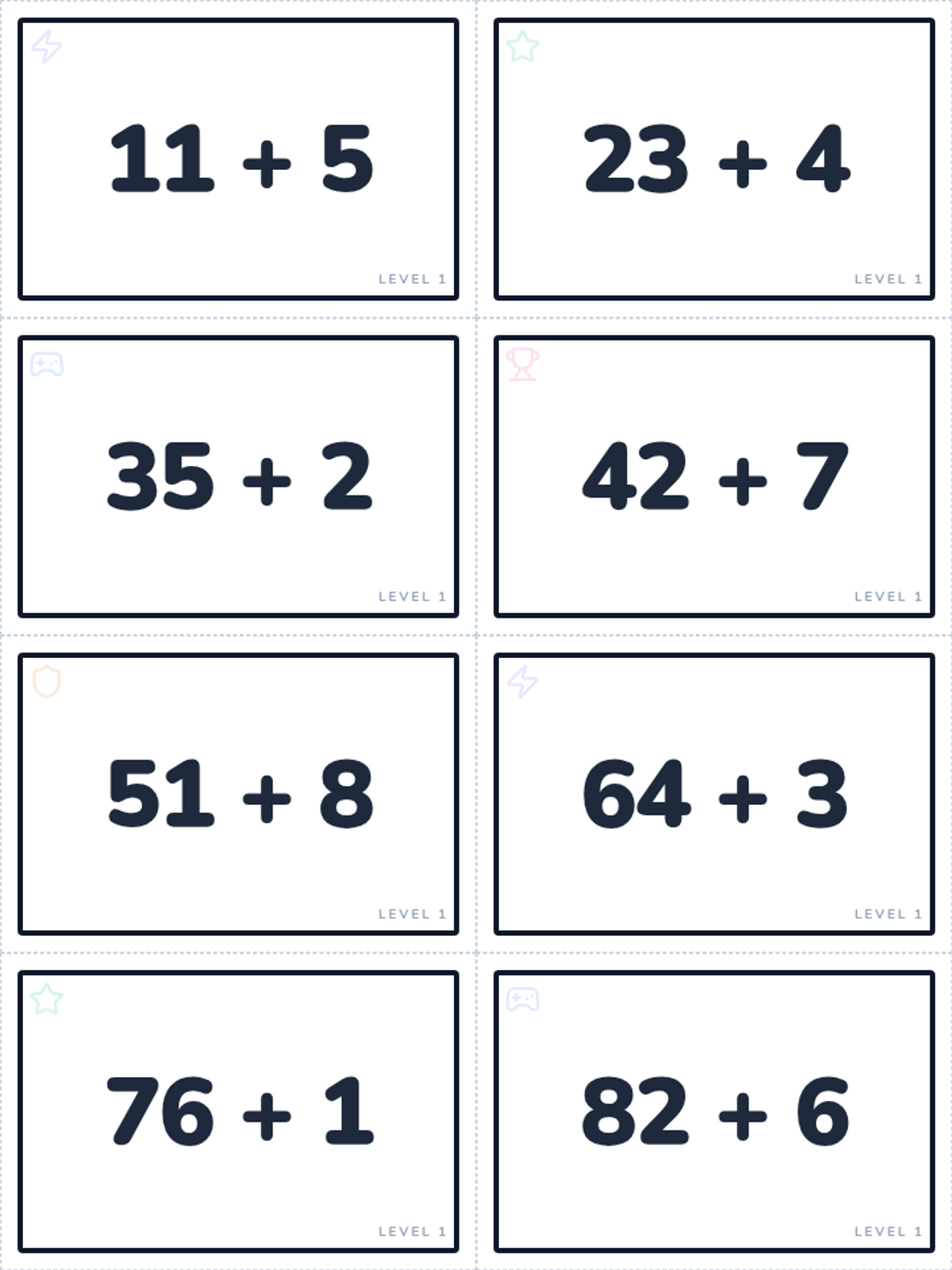
A set of 20 flashcards designed to help students master adding two-digit numbers and multiples of ten within 100. Includes a clean, athletic-themed design suitable for classroom drills.
A collection of flashcards and activities designed to master two-digit and one-digit addition without regrouping, featuring a retro video game theme.
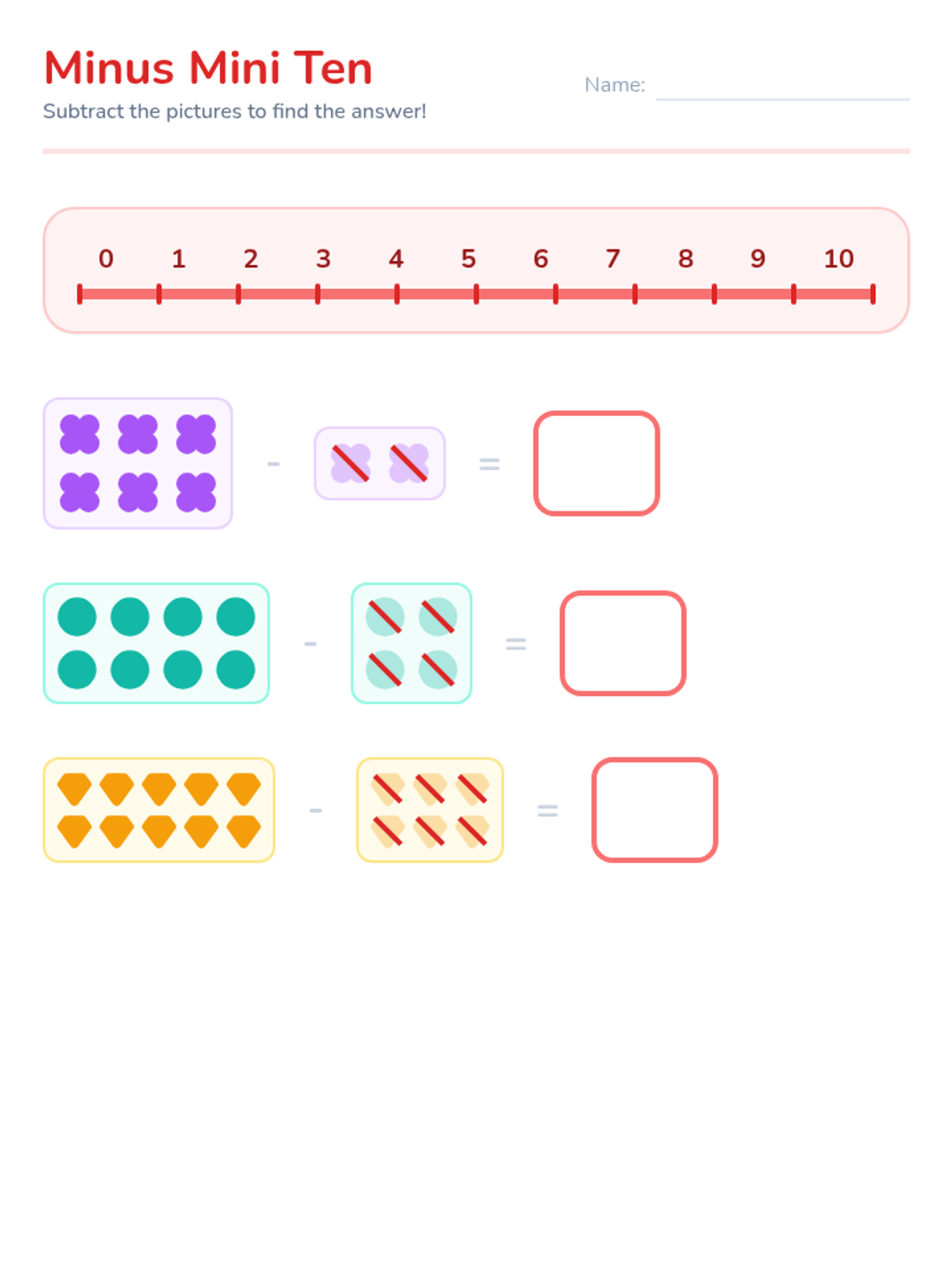
Advanced subtraction practice using numbers up to 10. Students master the concept of taking away through visual problems and number line counting.
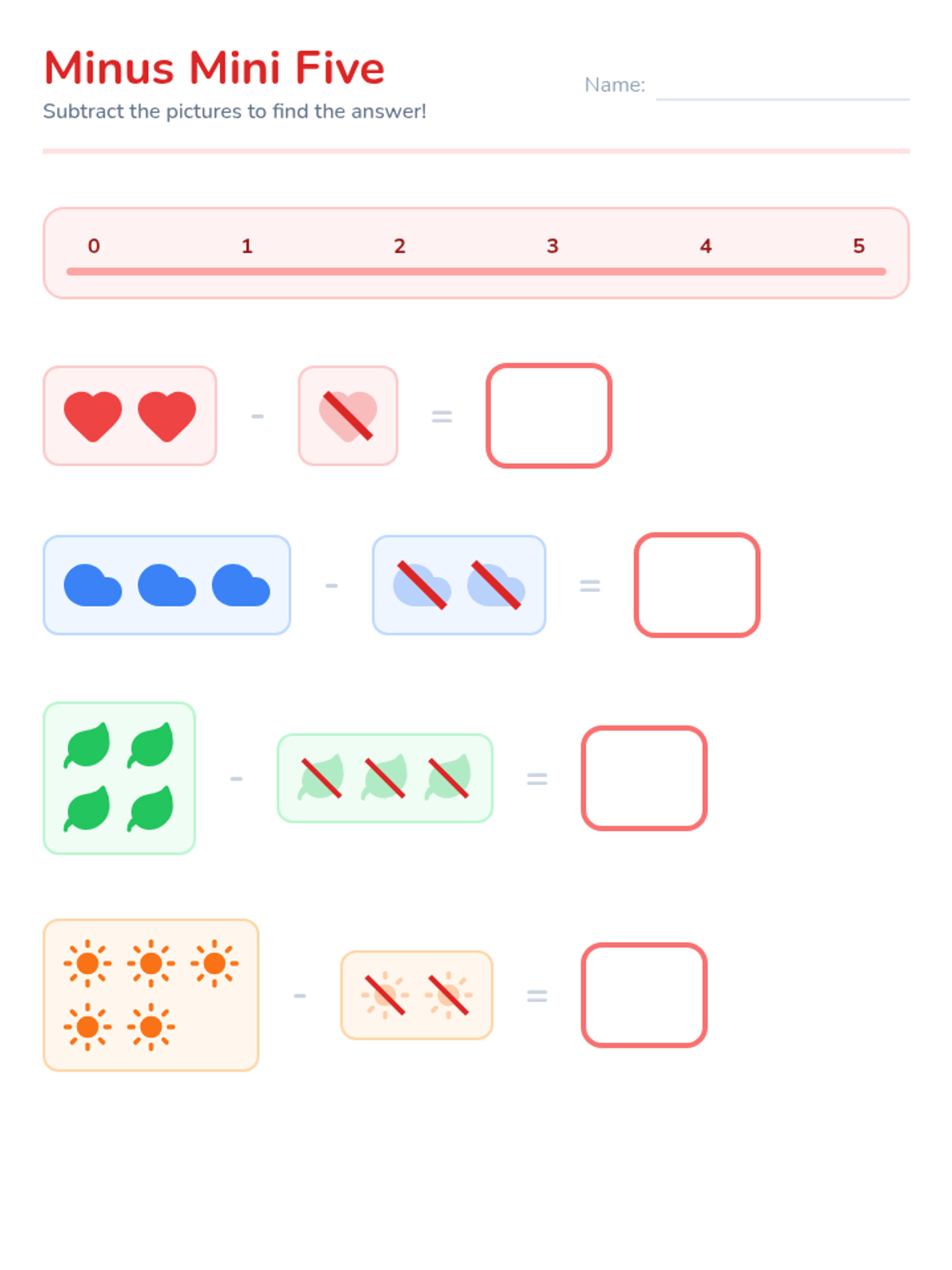
Introducing subtraction by 'taking away' items from a group of 5 or less. Visual cross-outs help students see the remaining quantity.
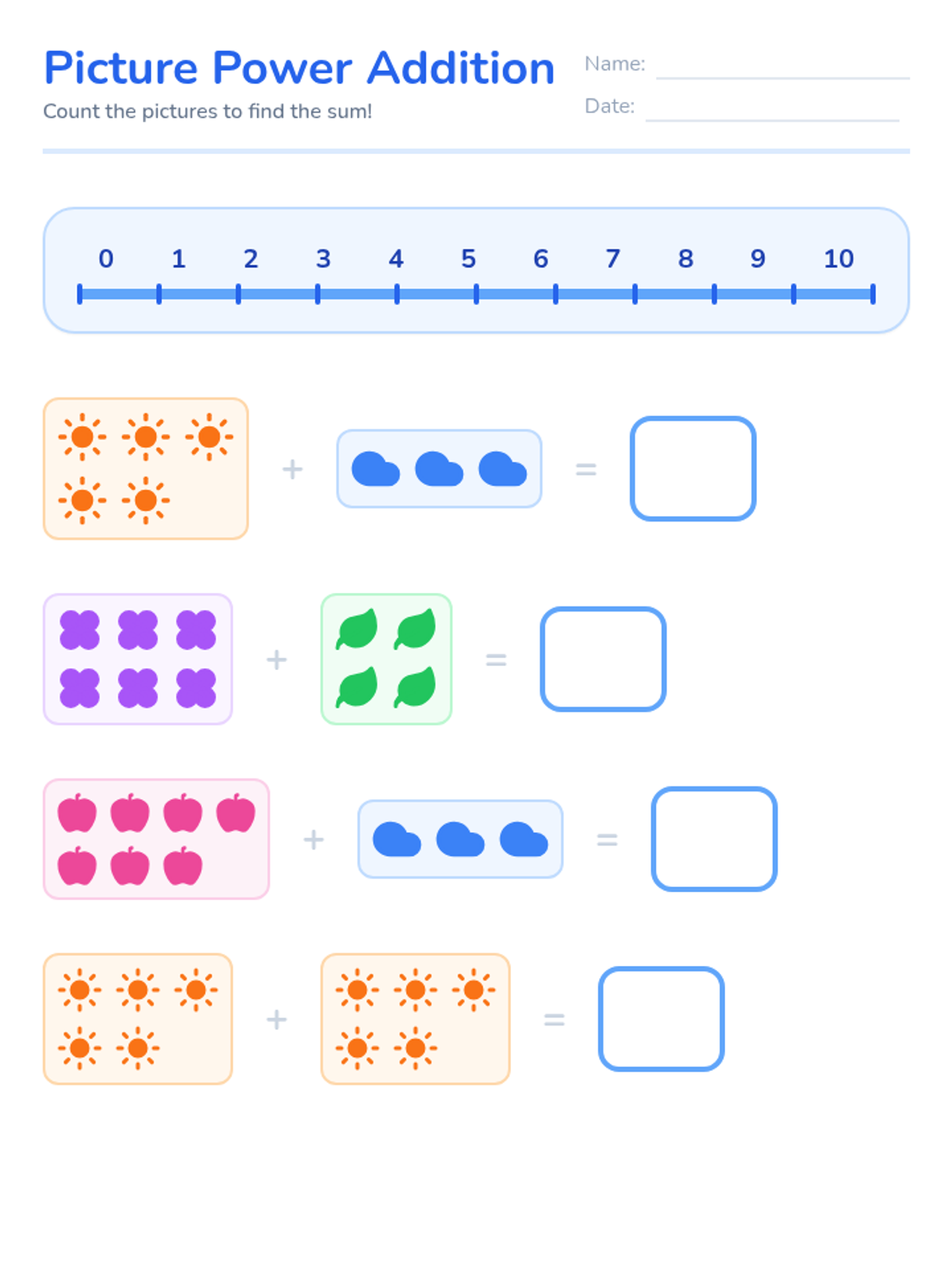
Expanding addition skills to sums up to 10. Students use a variety of icons and color-coding to solve larger addition problems and use number lines for support.
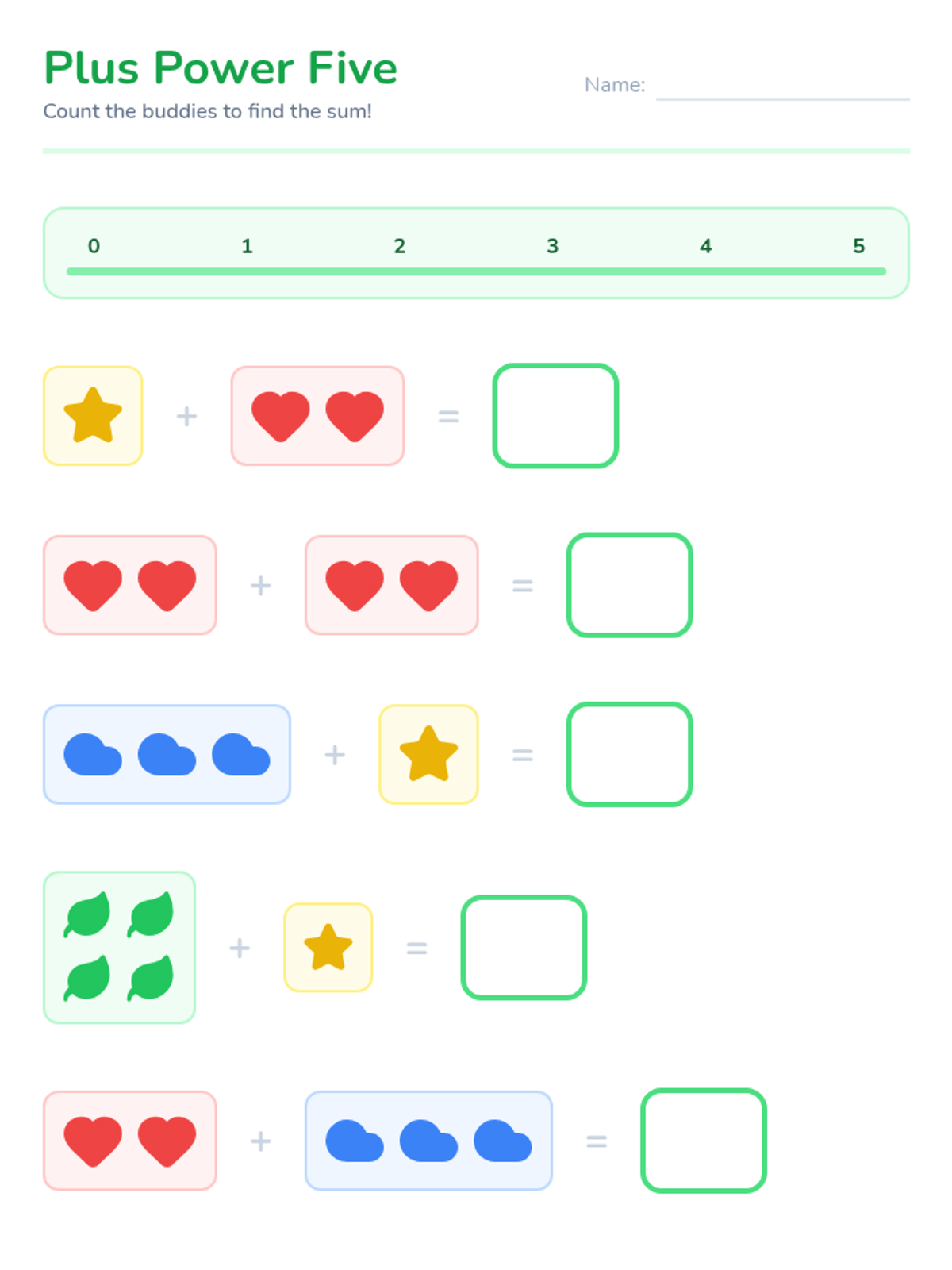
Introducing the concept of addition using visual groups and colors for sums up to 5. Students use icons to see how two small groups become one larger group.
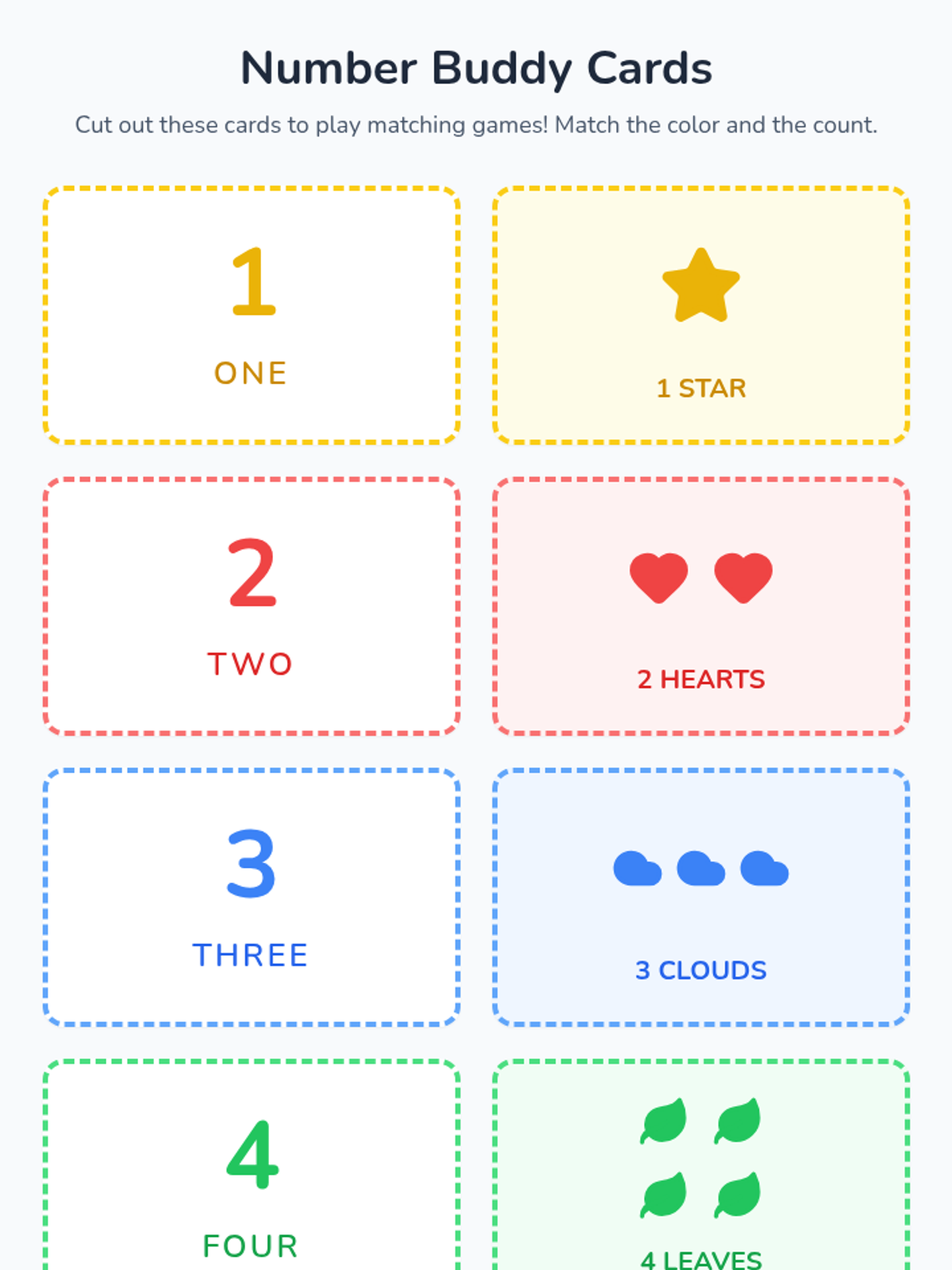
A fun introduction to the numbers 1-10 through matching and visual recognition. Students use color-coded cards to connect numerals with sets of objects.
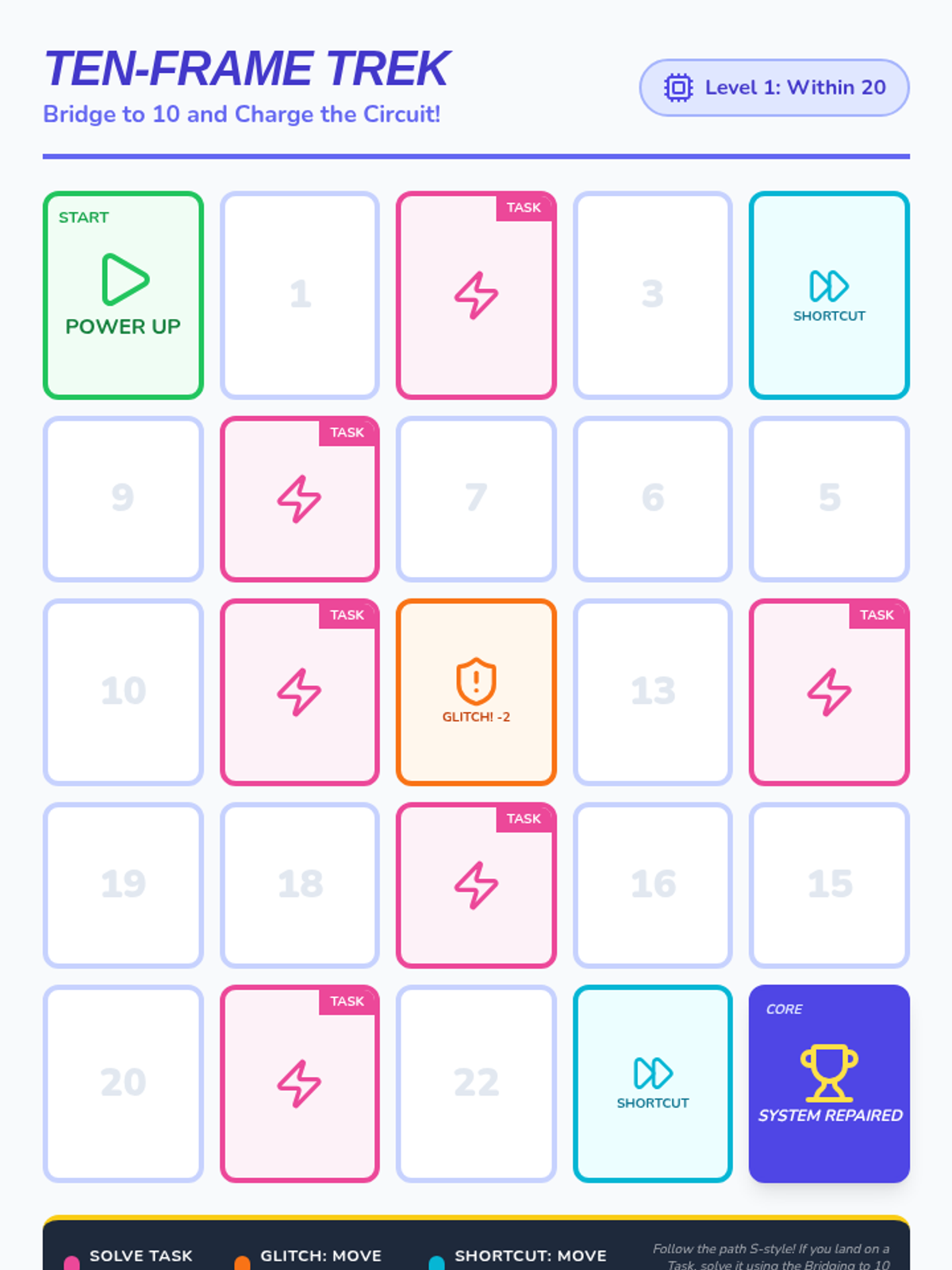
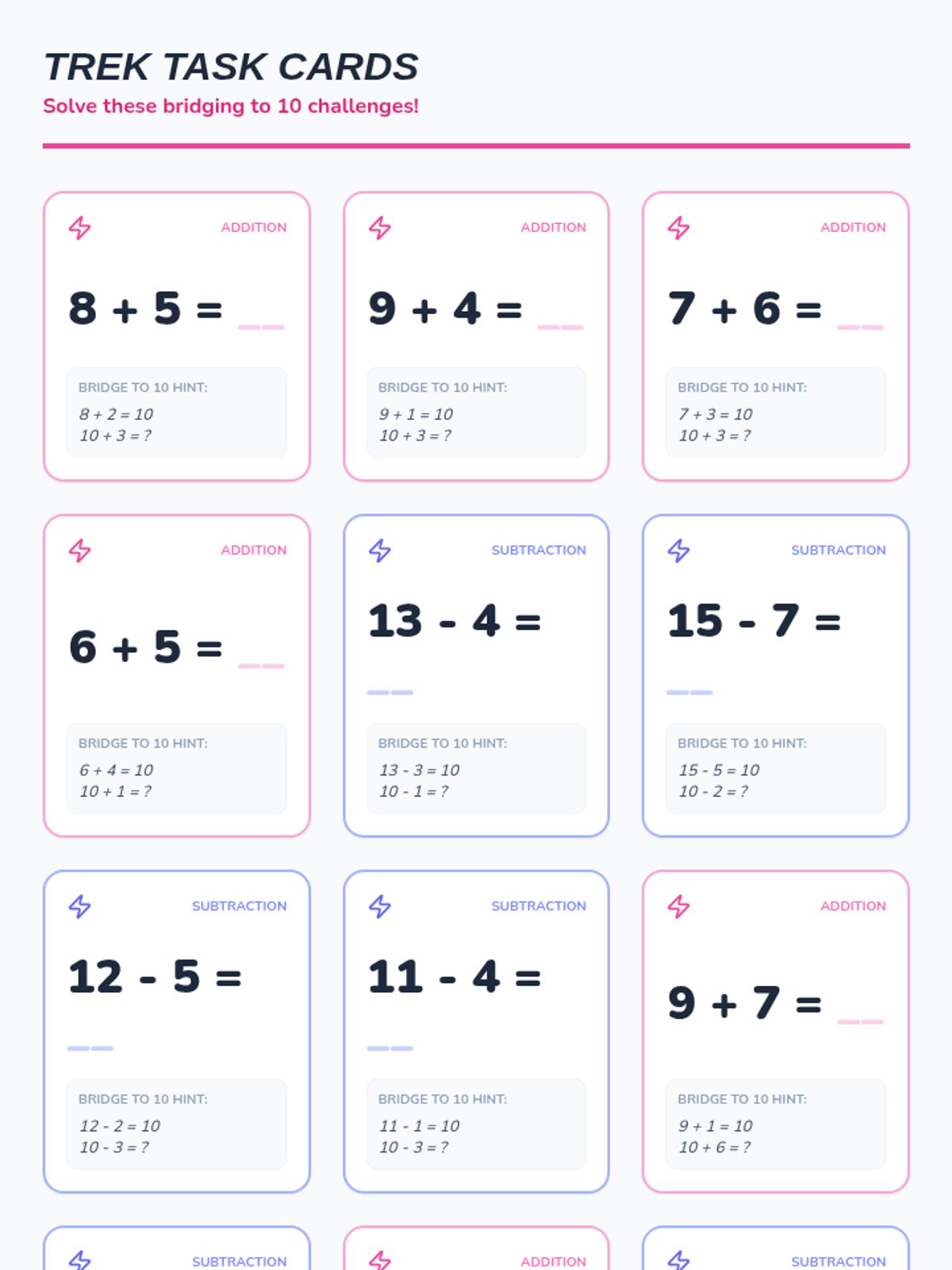
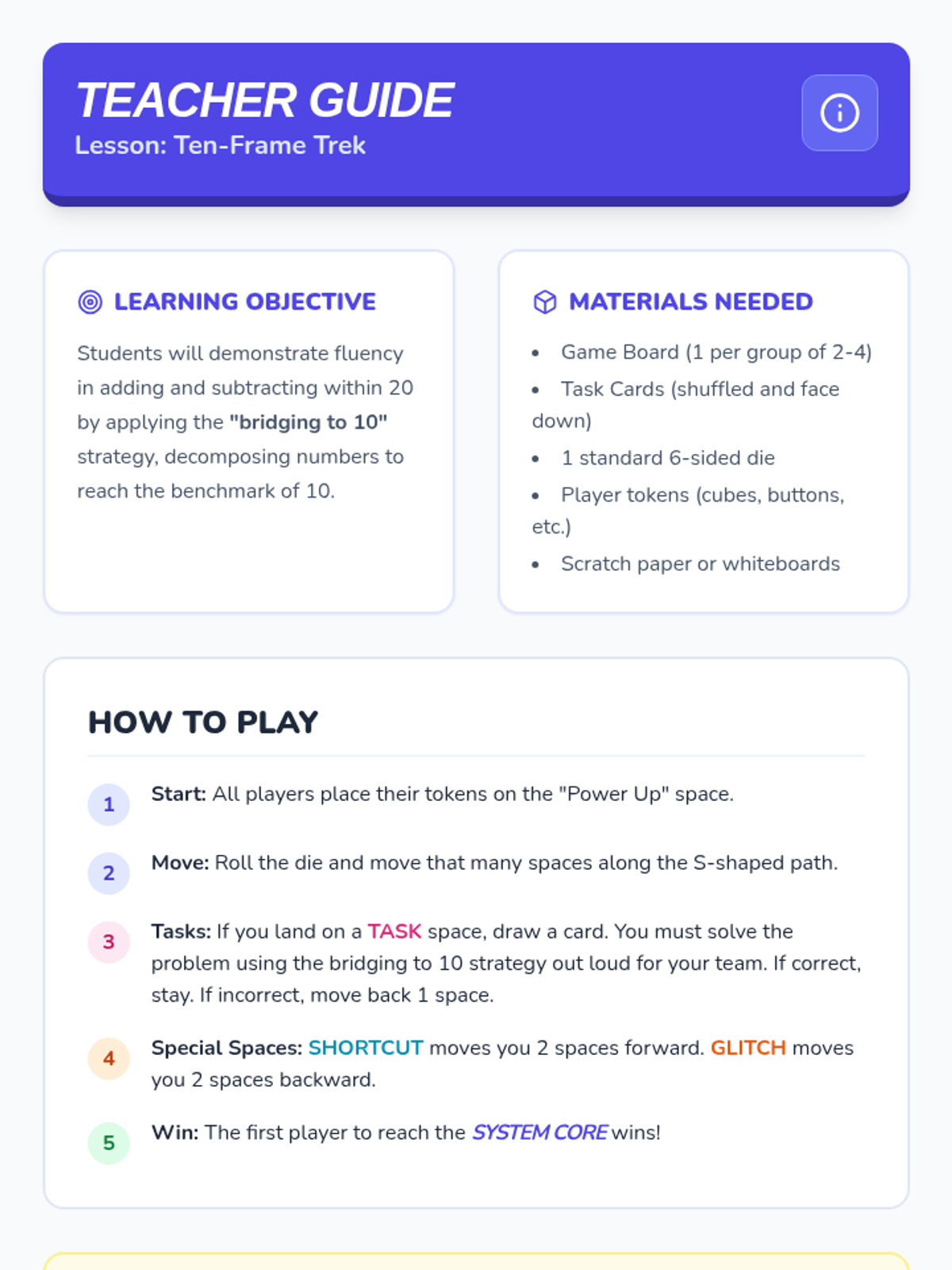
A hands-on board game lesson where students master adding and subtracting within 20 by using the 'bridging to 10' strategy. Students navigate a digital-themed game board by solving math challenges that require decomposing numbers to reach the benchmark of 10.
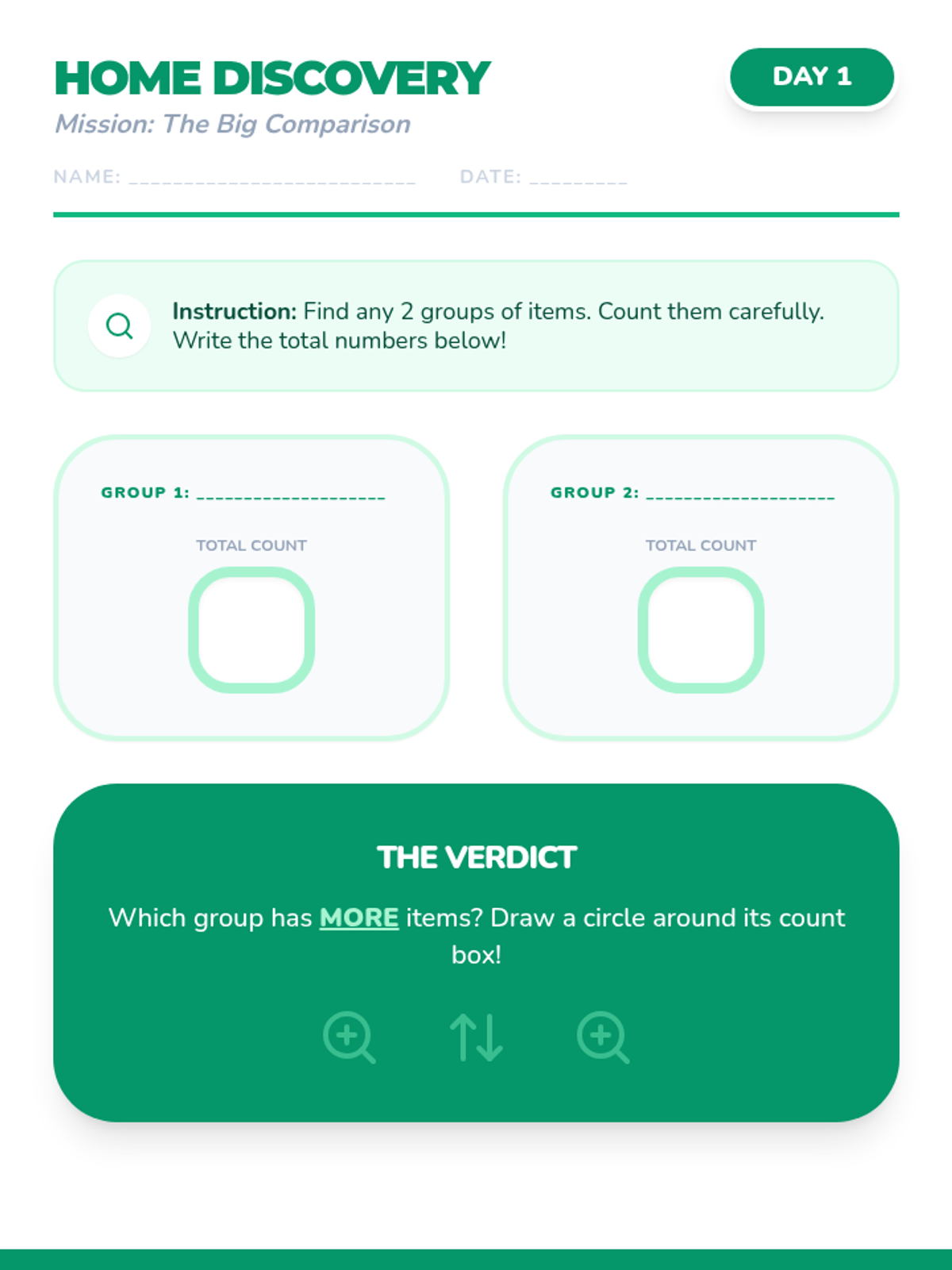
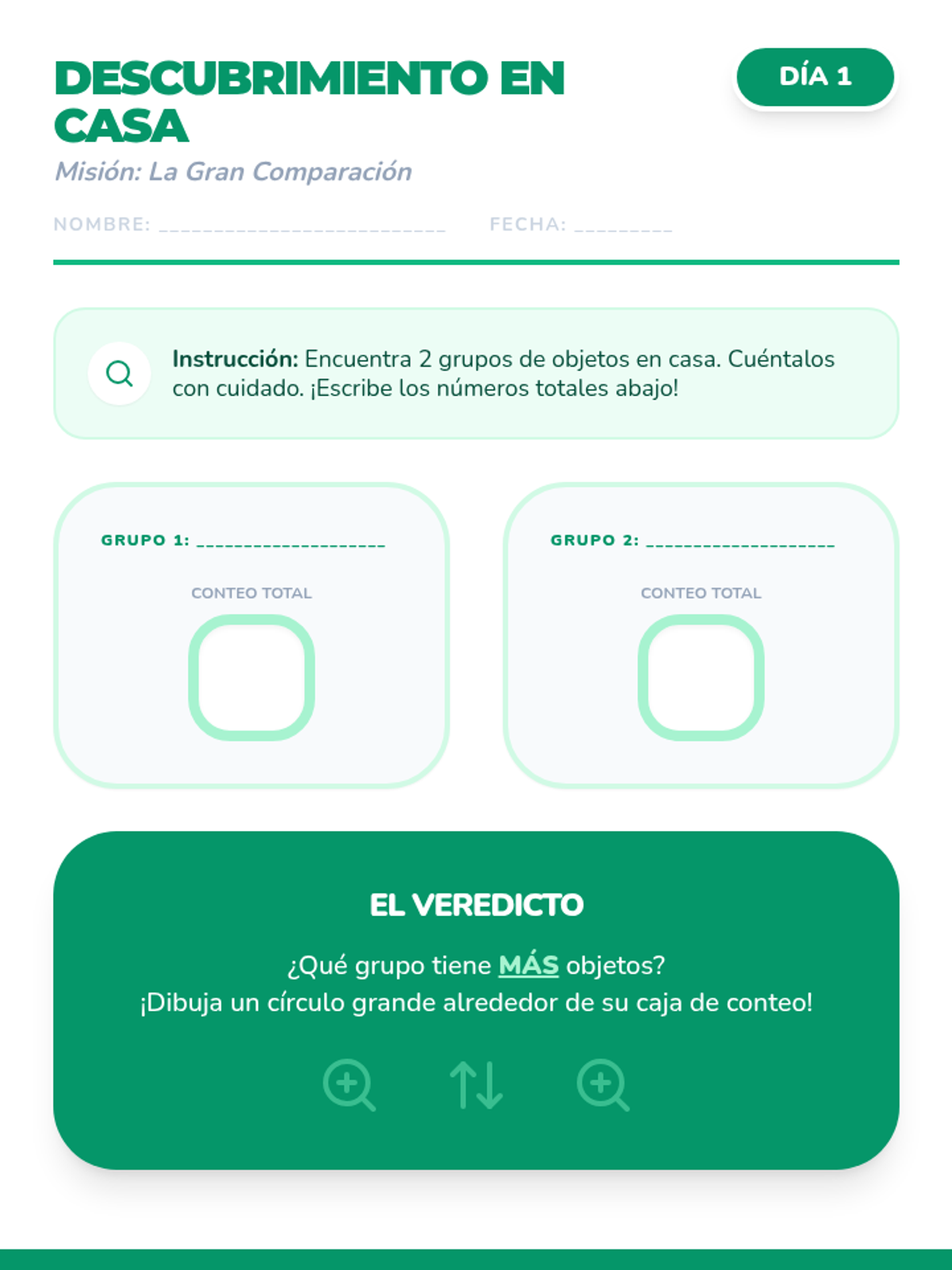
A 5-day homework series focused on one-to-one correspondence, comparing quantities, and number identification through daily household scavenger hunts.
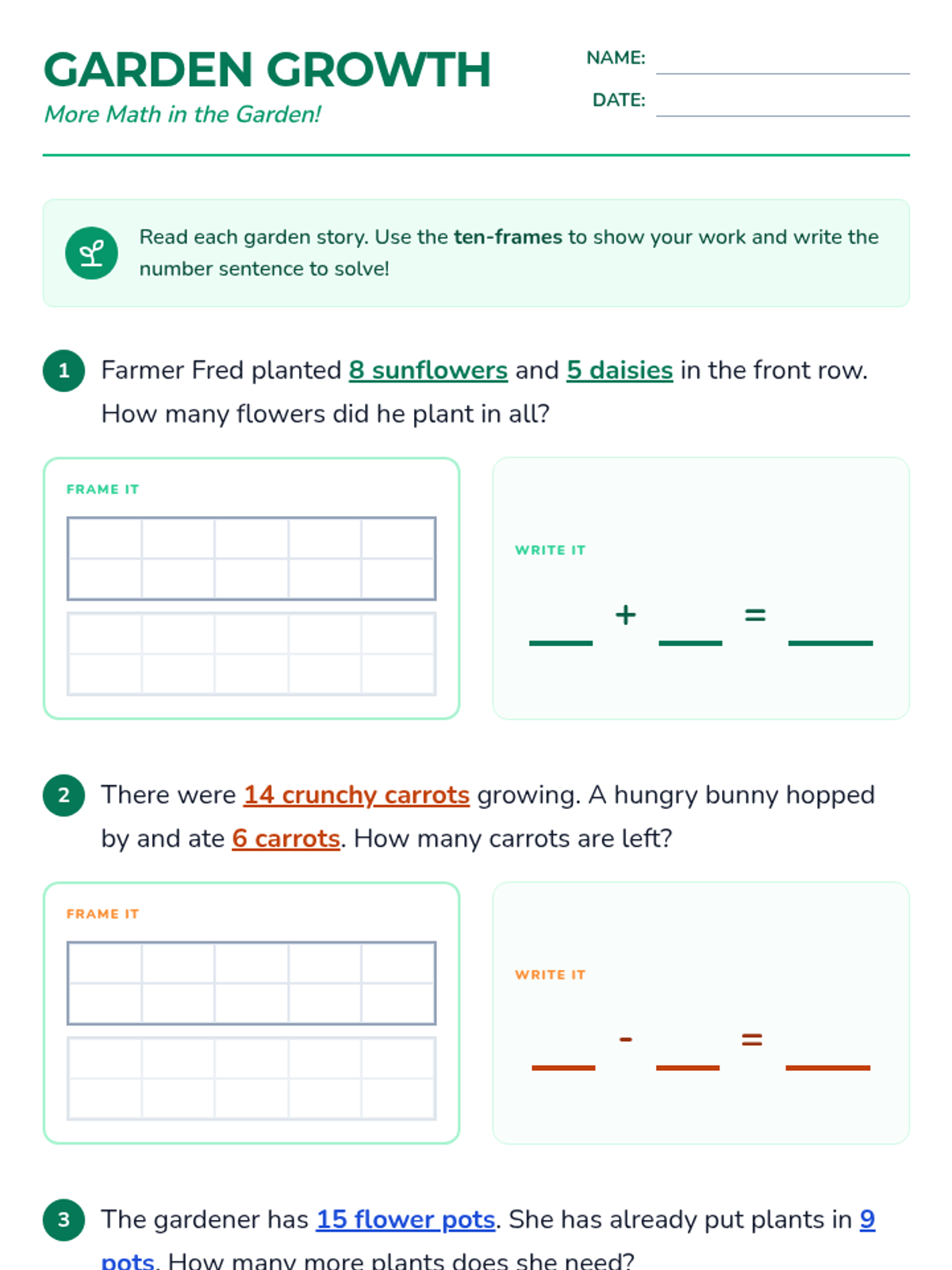
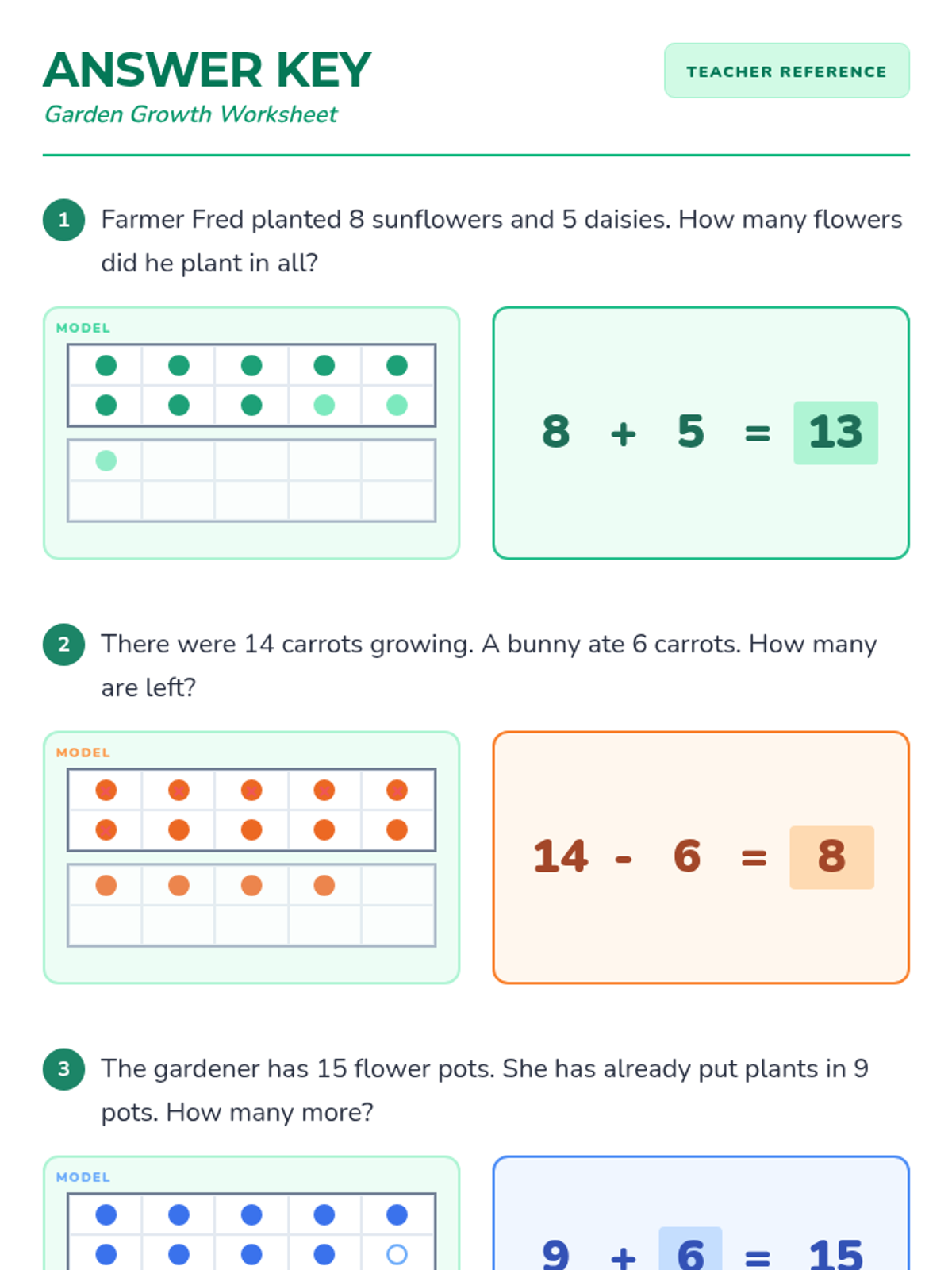
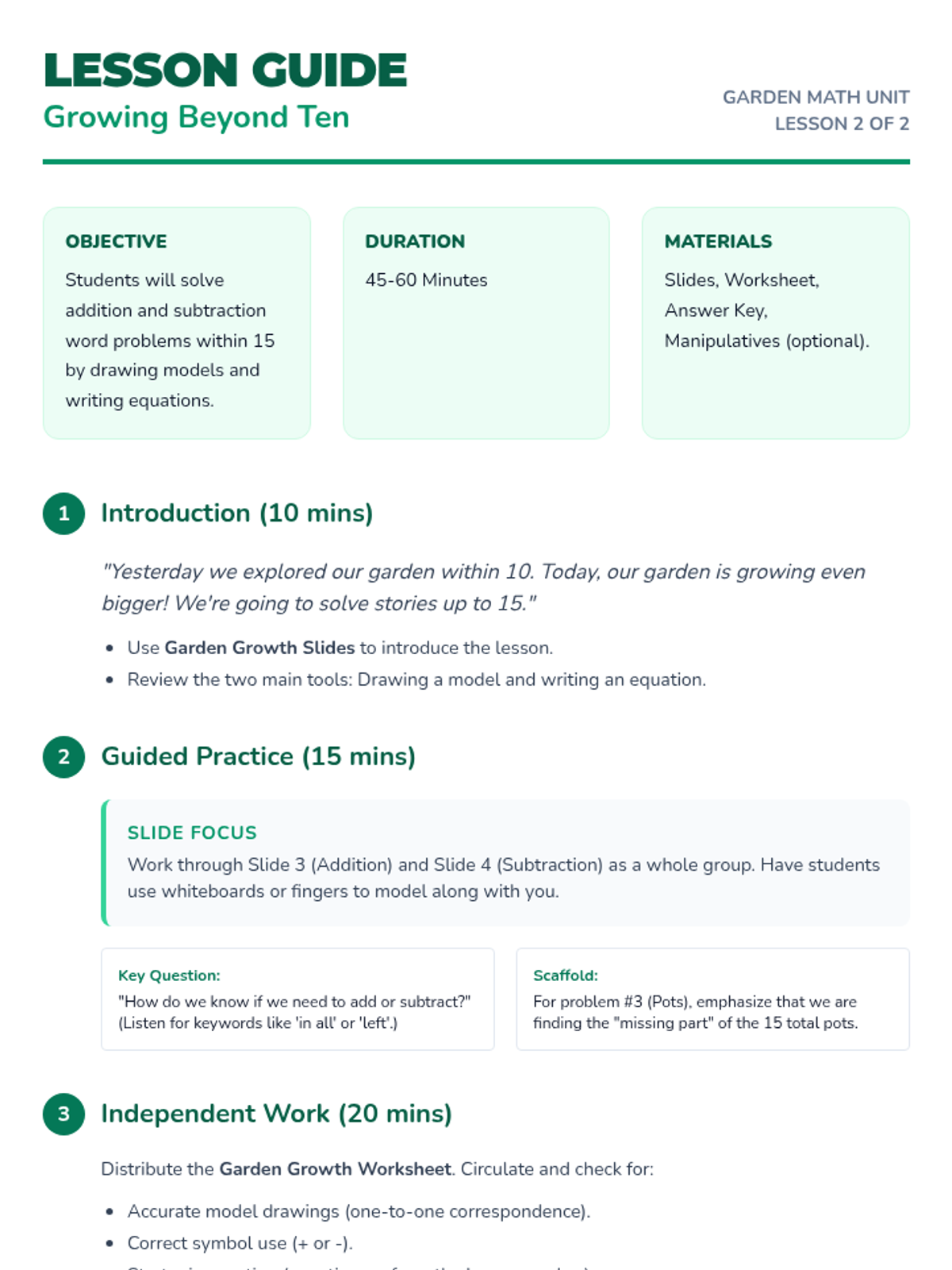
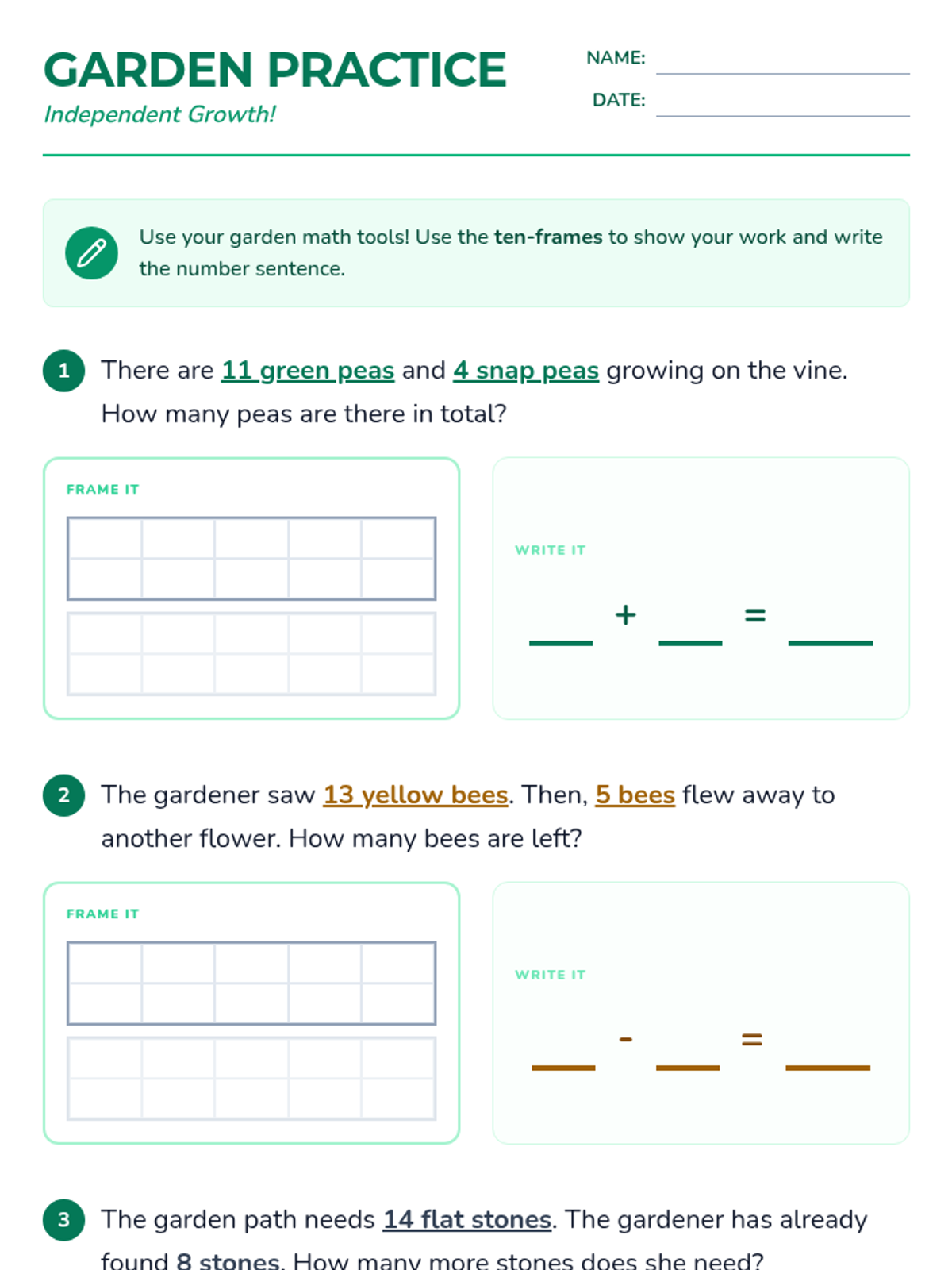
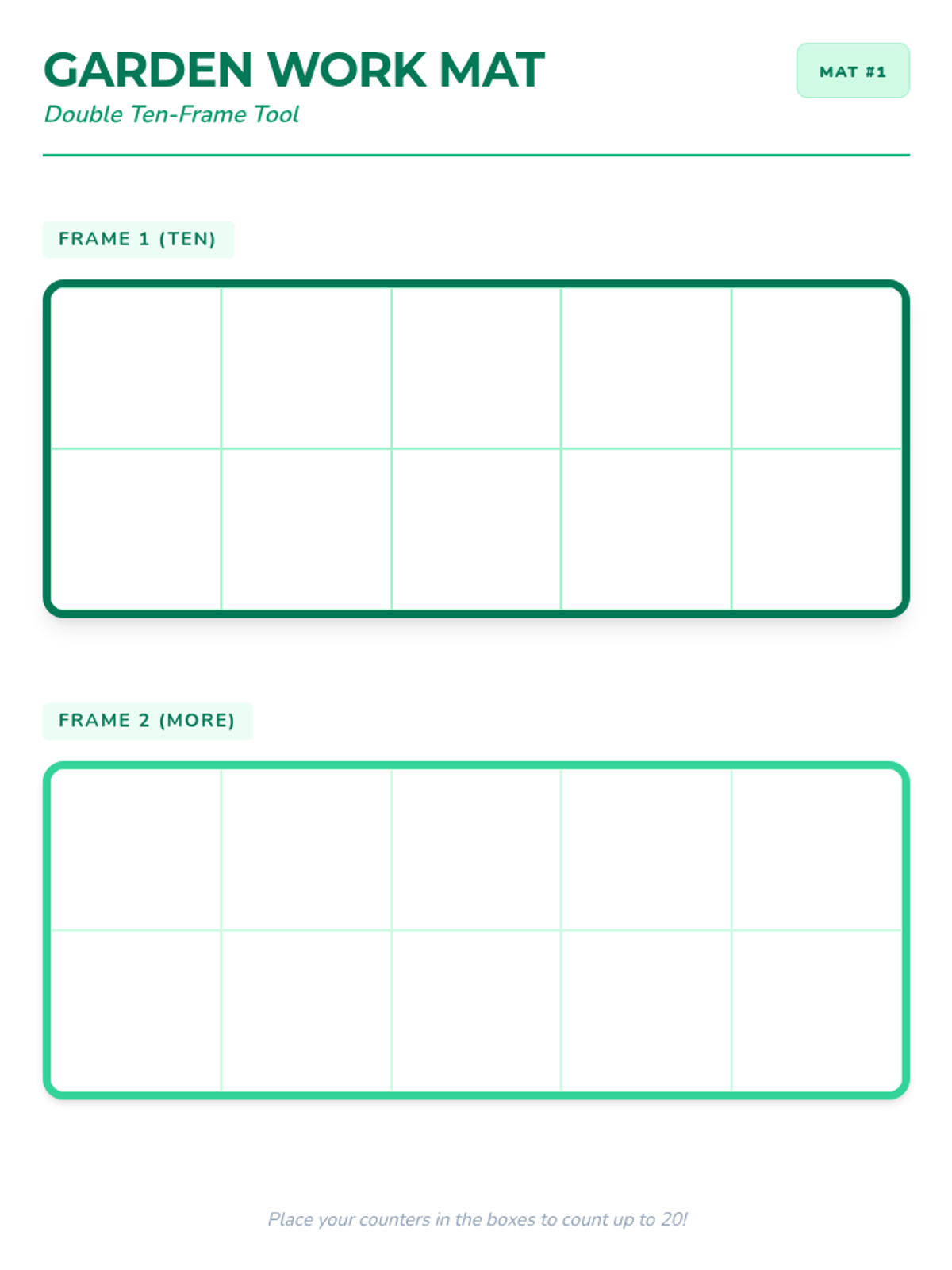
A math lesson extending addition and subtraction skills to numbers within 15 through garden-themed word problems, focusing on drawing models and writing equations.
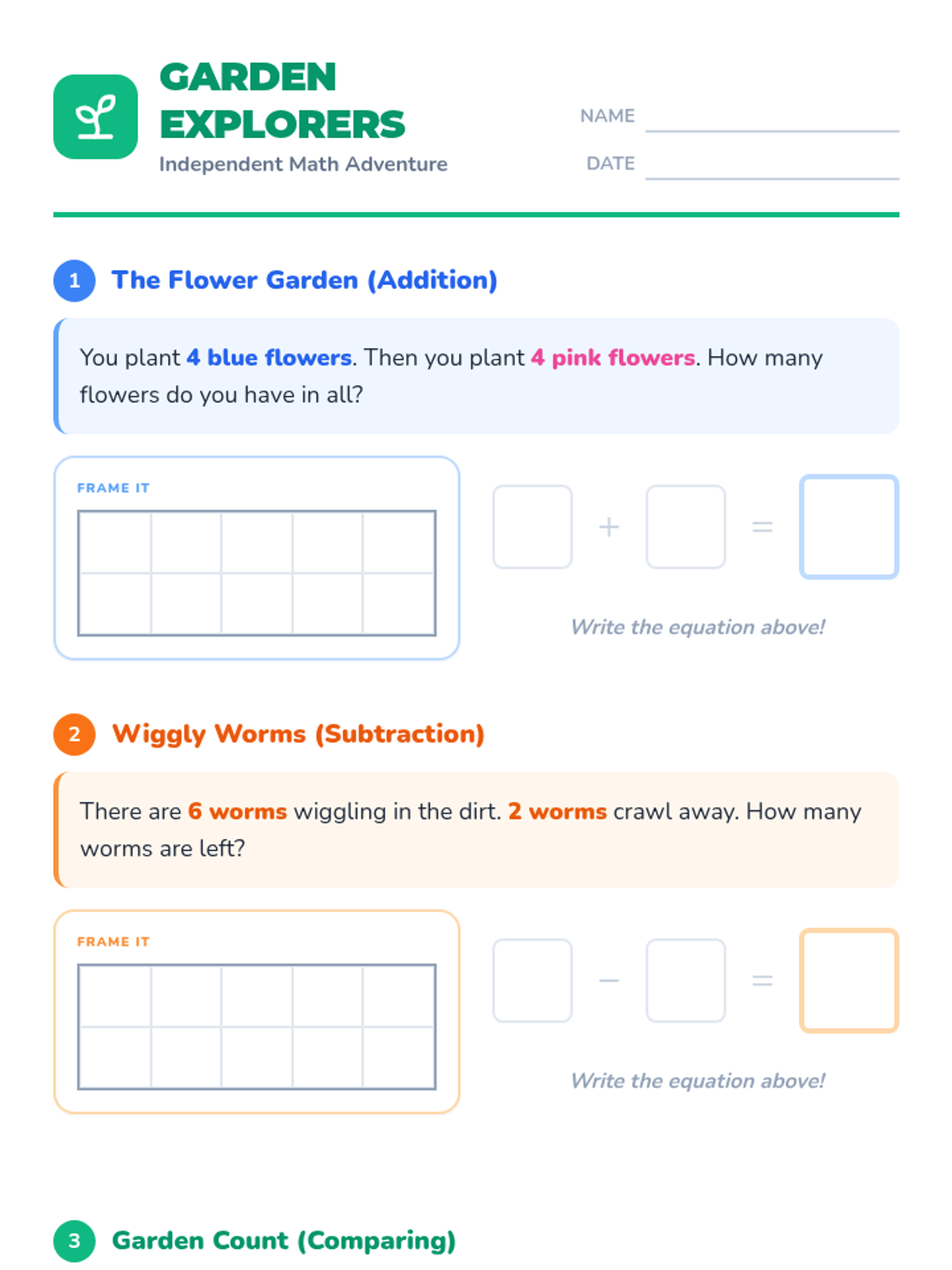
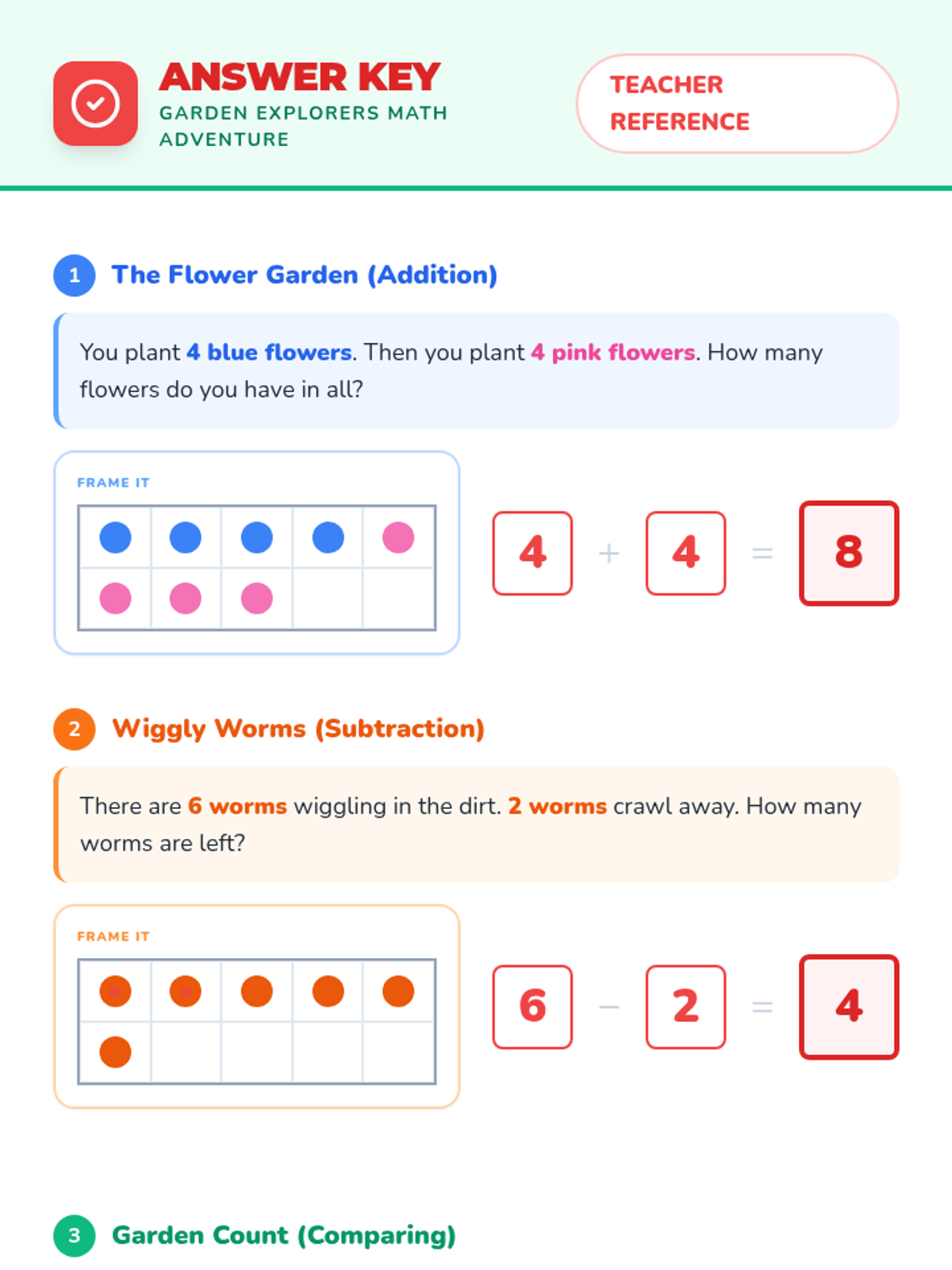
A kindergarten math lesson focusing on addition and subtraction within 10, comparing quantities, and extending patterns through a 'Garden Explorers' theme. Includes group instruction slides, independent practice worksheets, and a hands-on sorting activity.
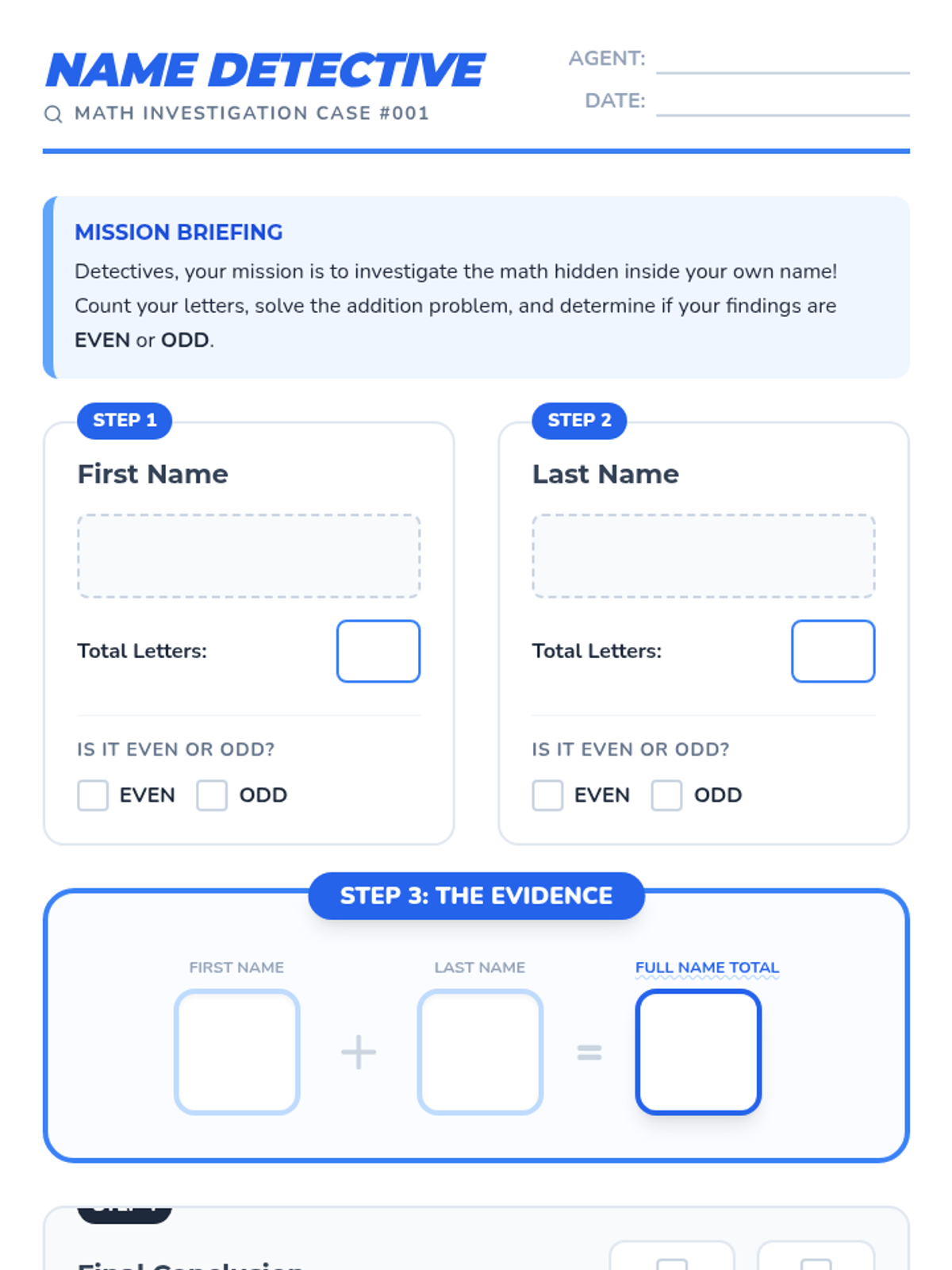
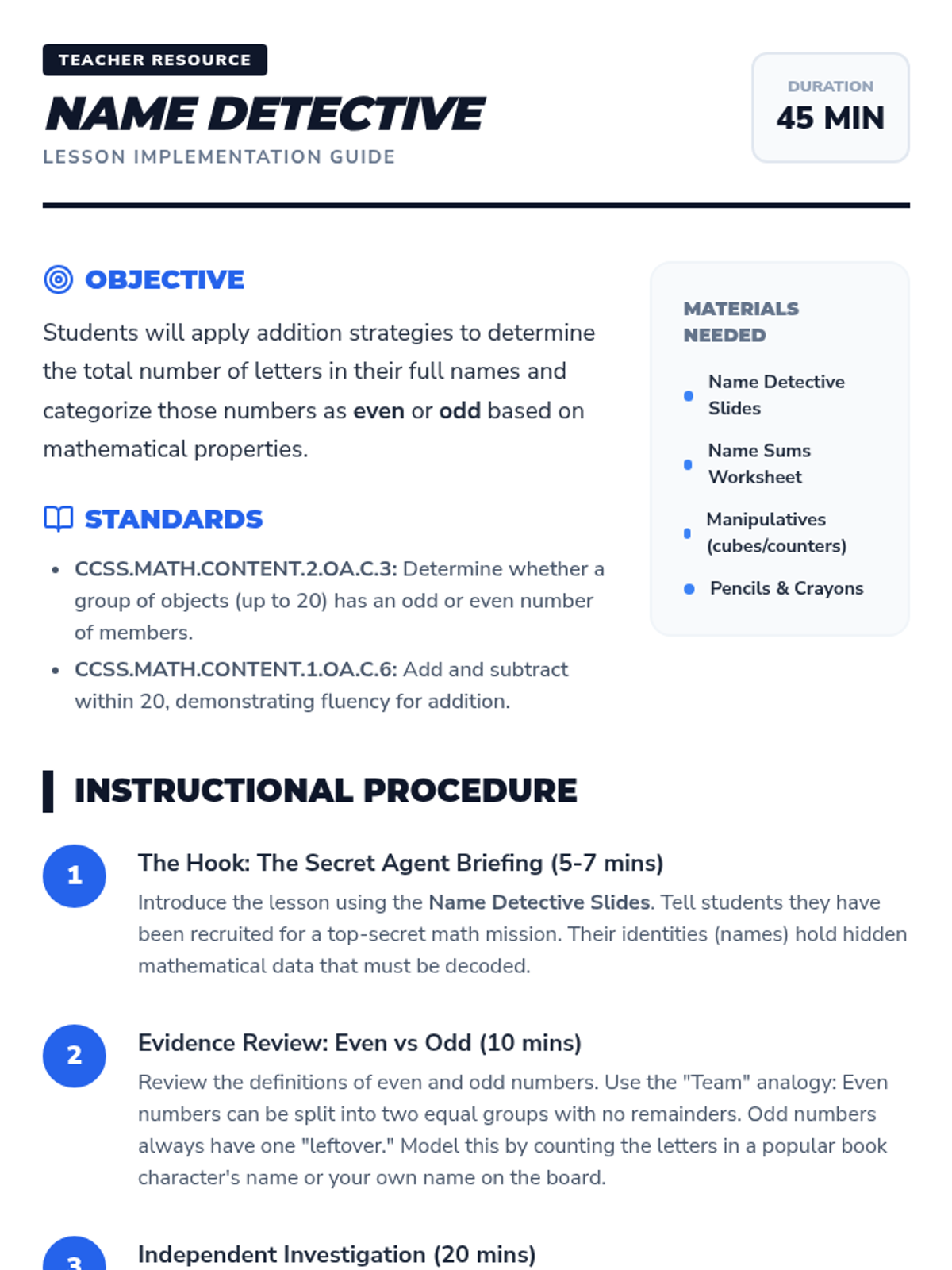
A hands-on math lesson where students use the letters in their names to explore addition and the properties of even and odd numbers.
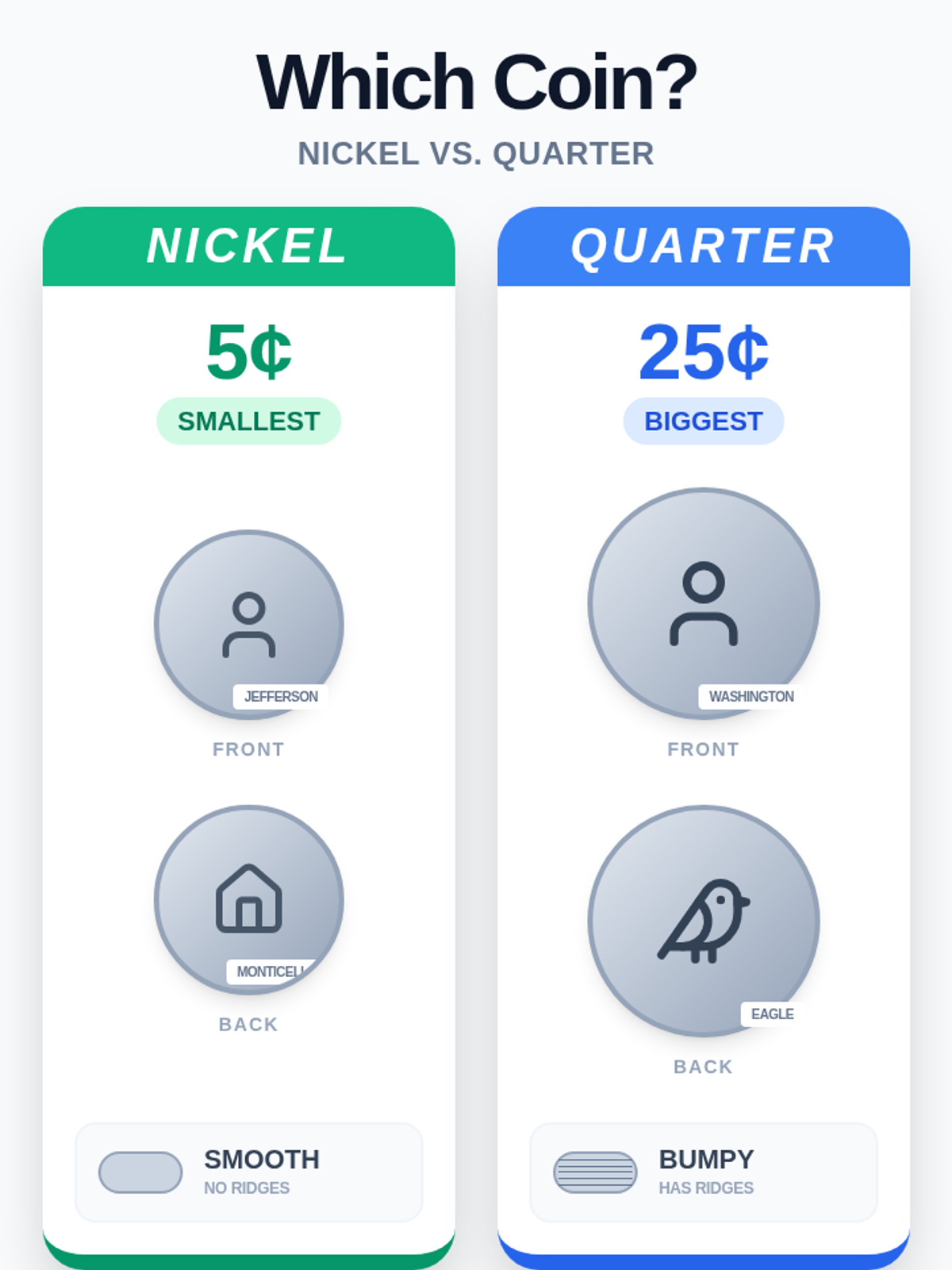
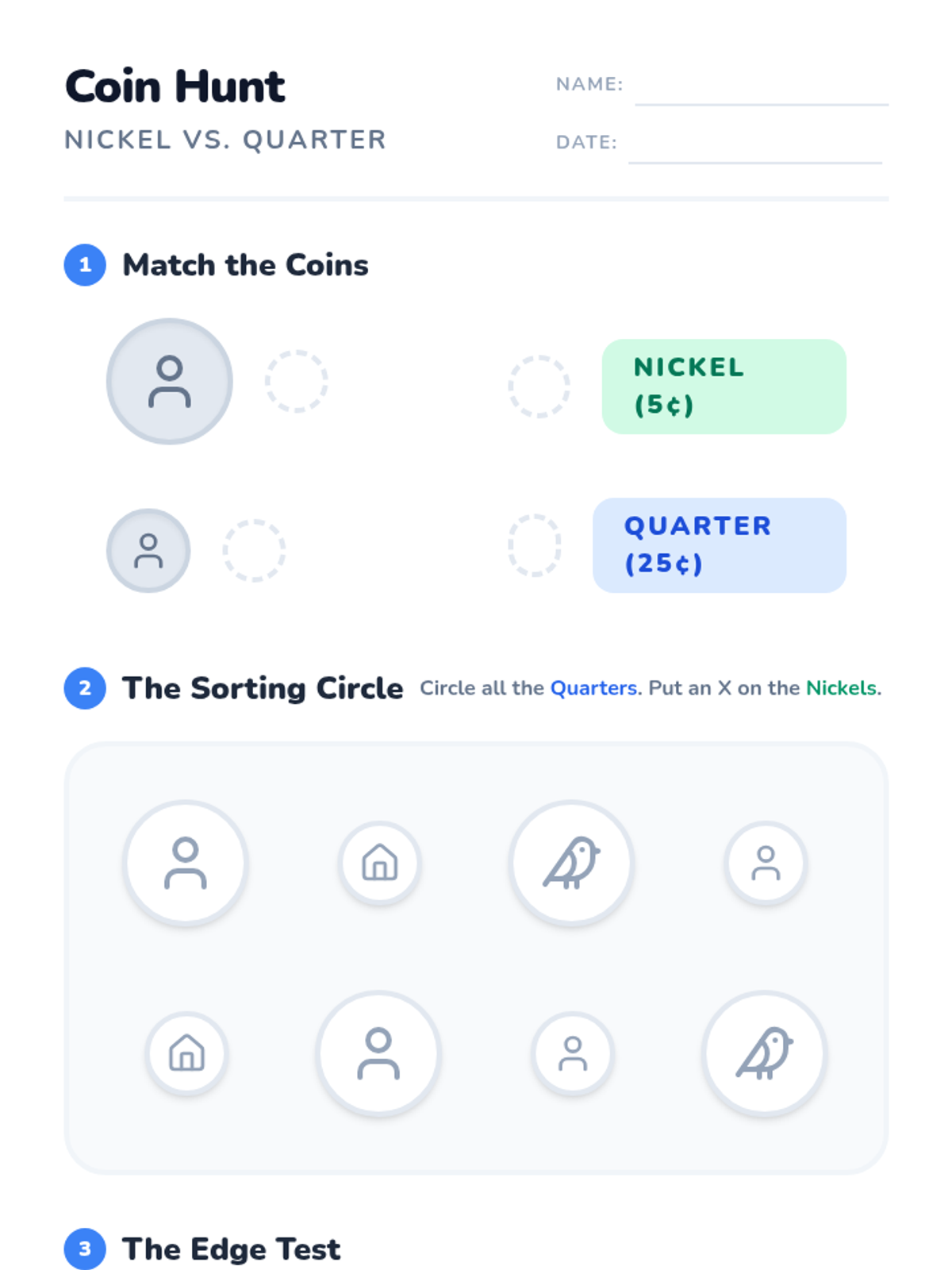
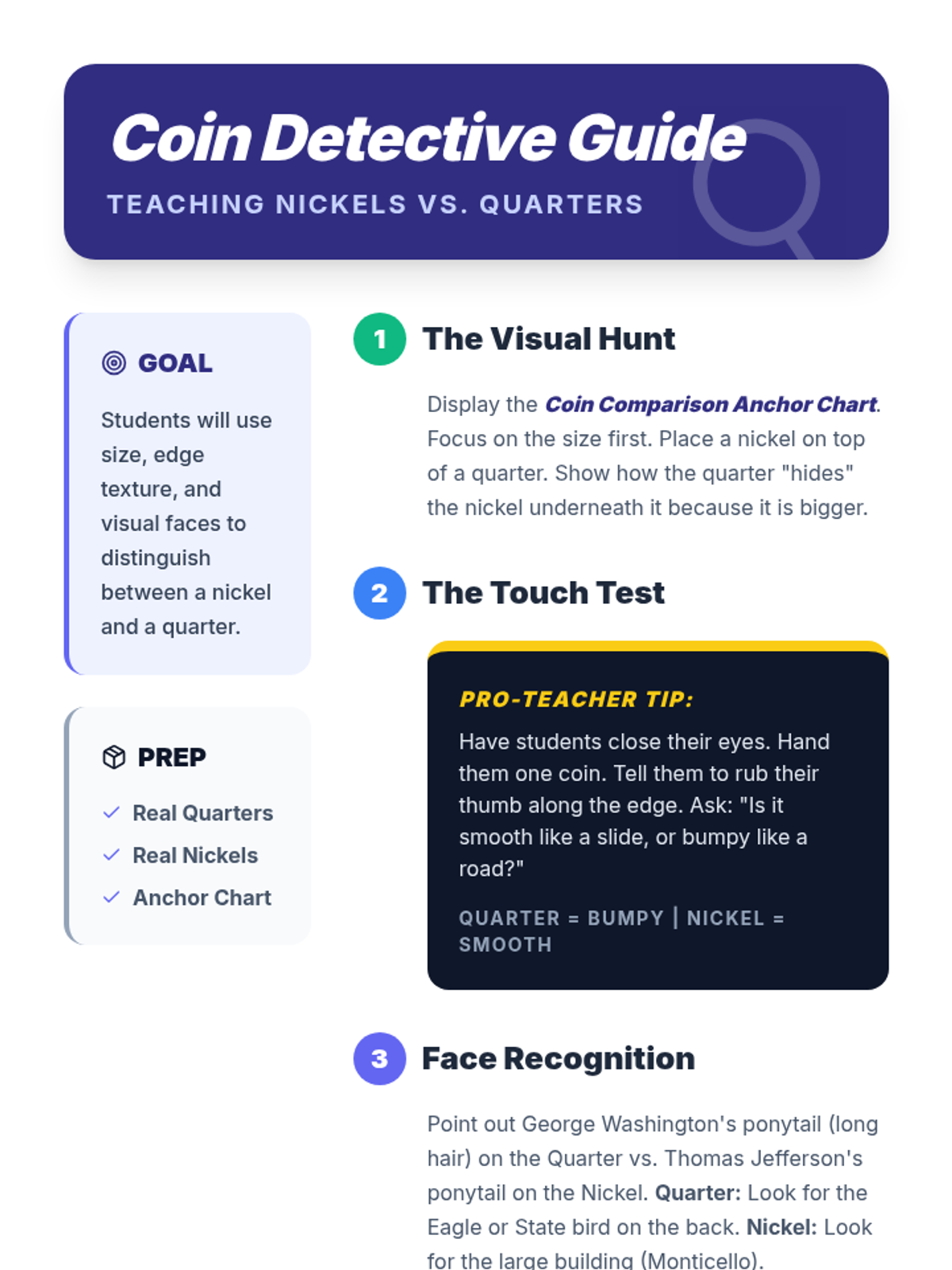
A lesson focused on identifying and distinguishing between nickels and quarters through visual cues and physical characteristics.
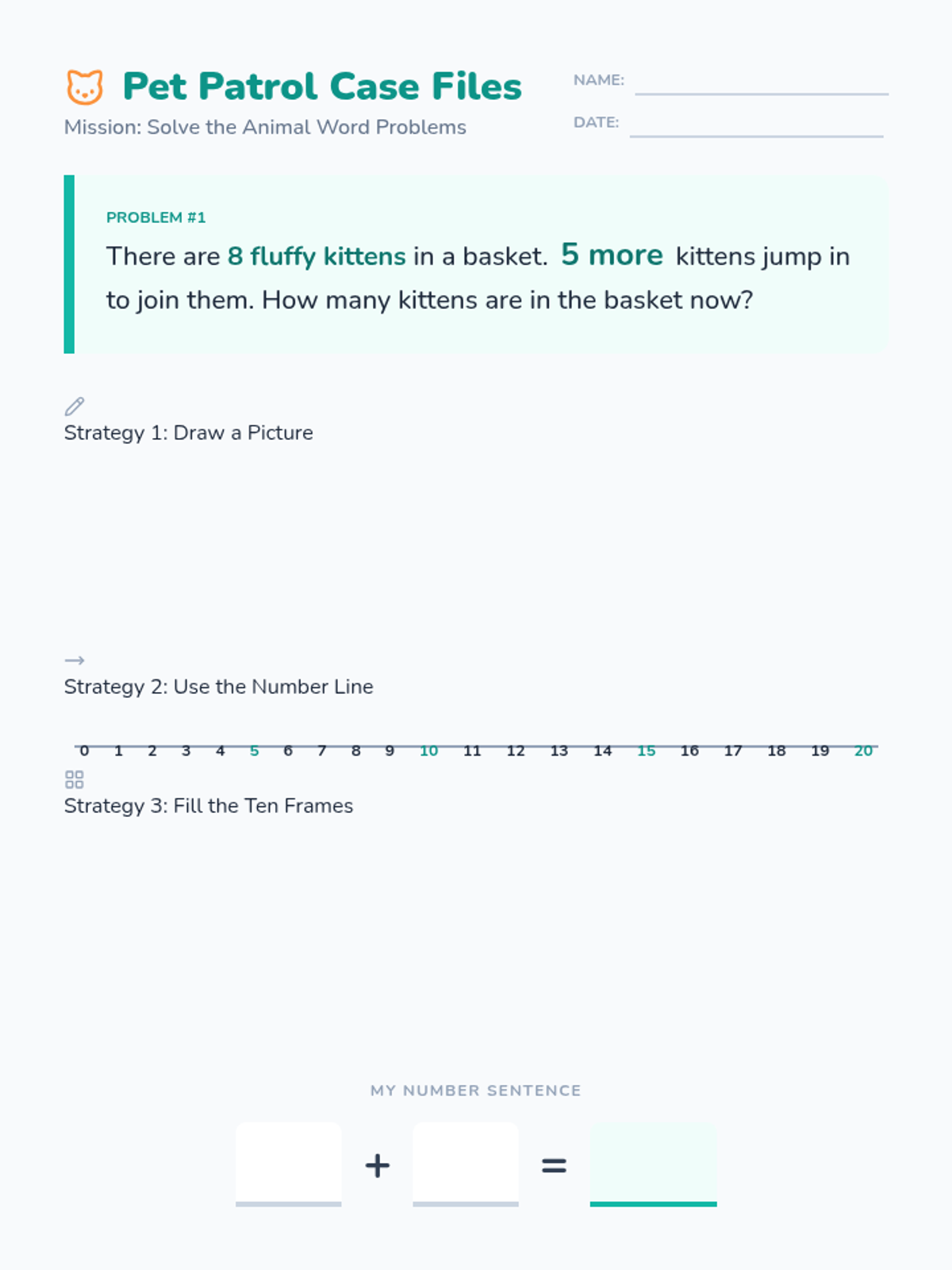
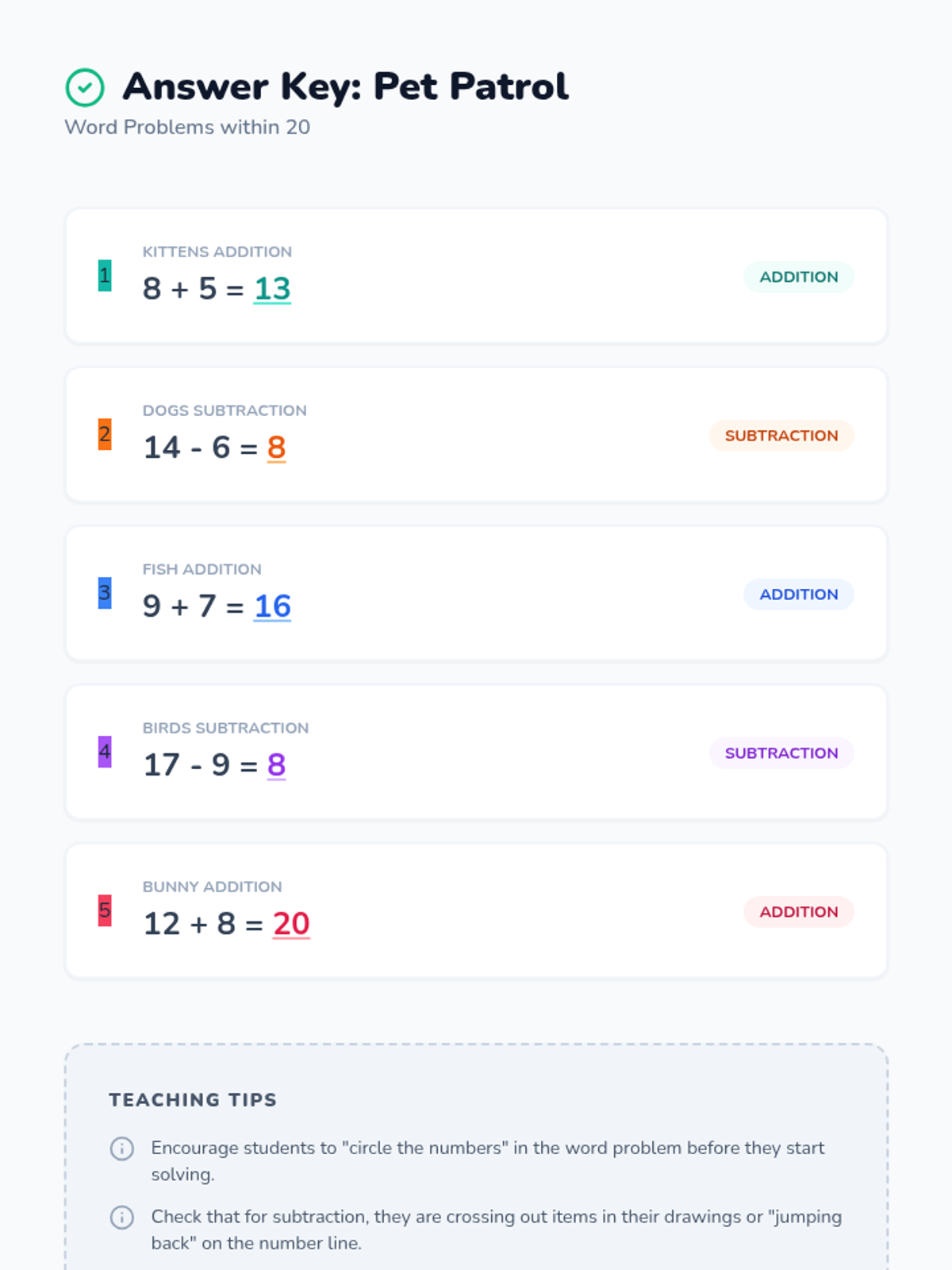
A first-grade math lesson focused on solving addition and subtraction word problems within 20 using multiple strategies: drawing pictures, number lines, and ten frames. The lesson is themed around animals and pets to engage young learners.
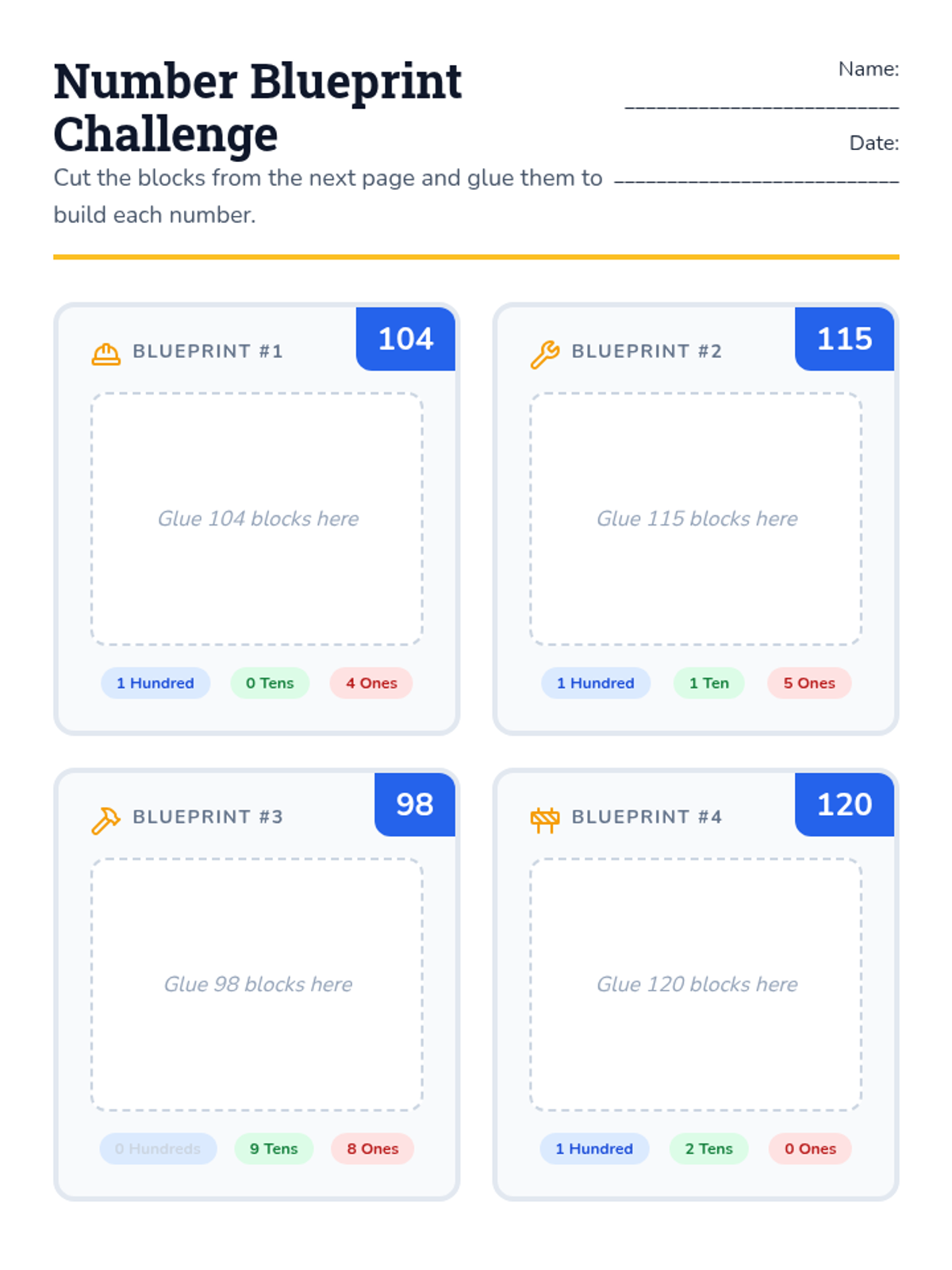
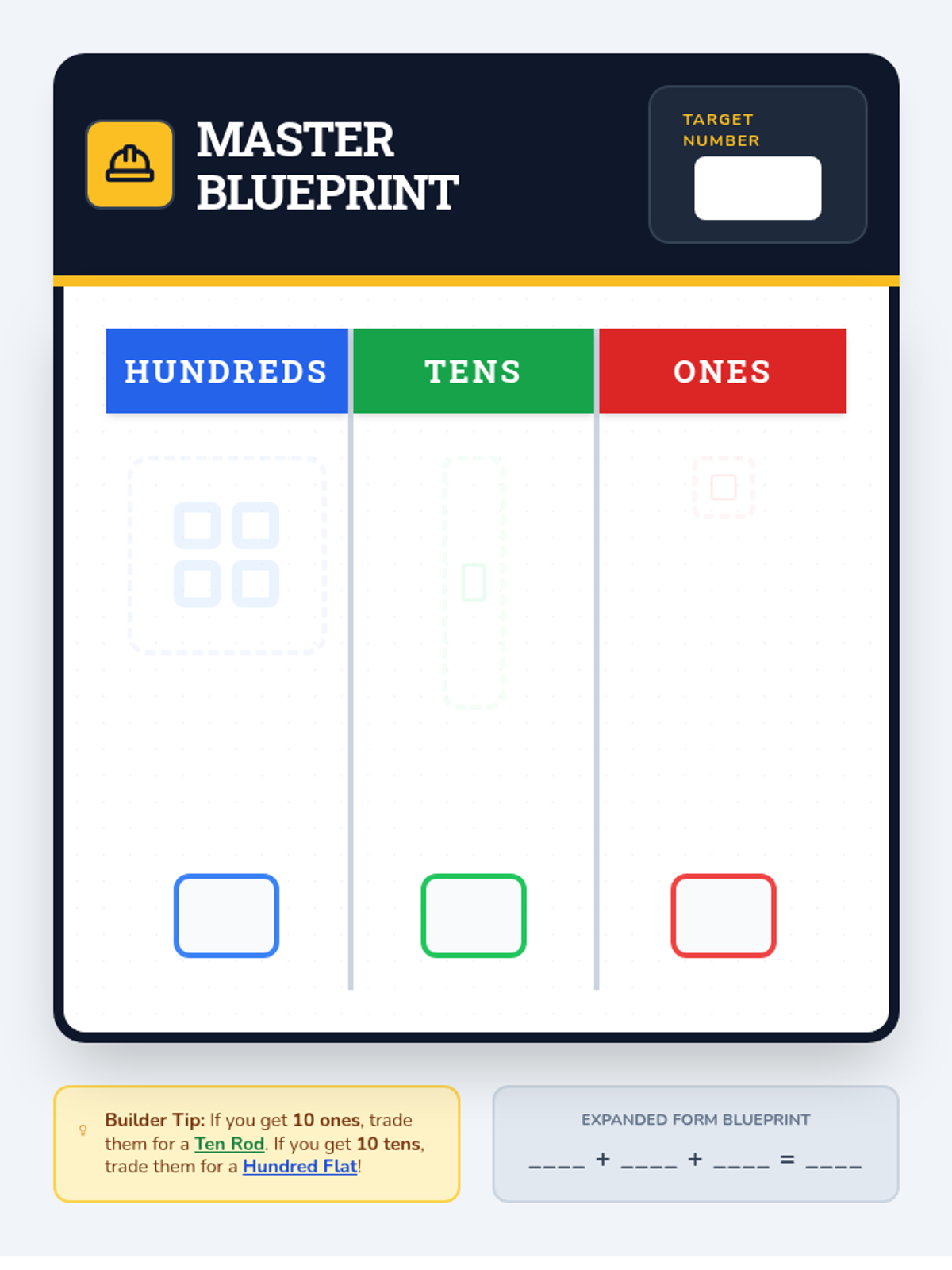
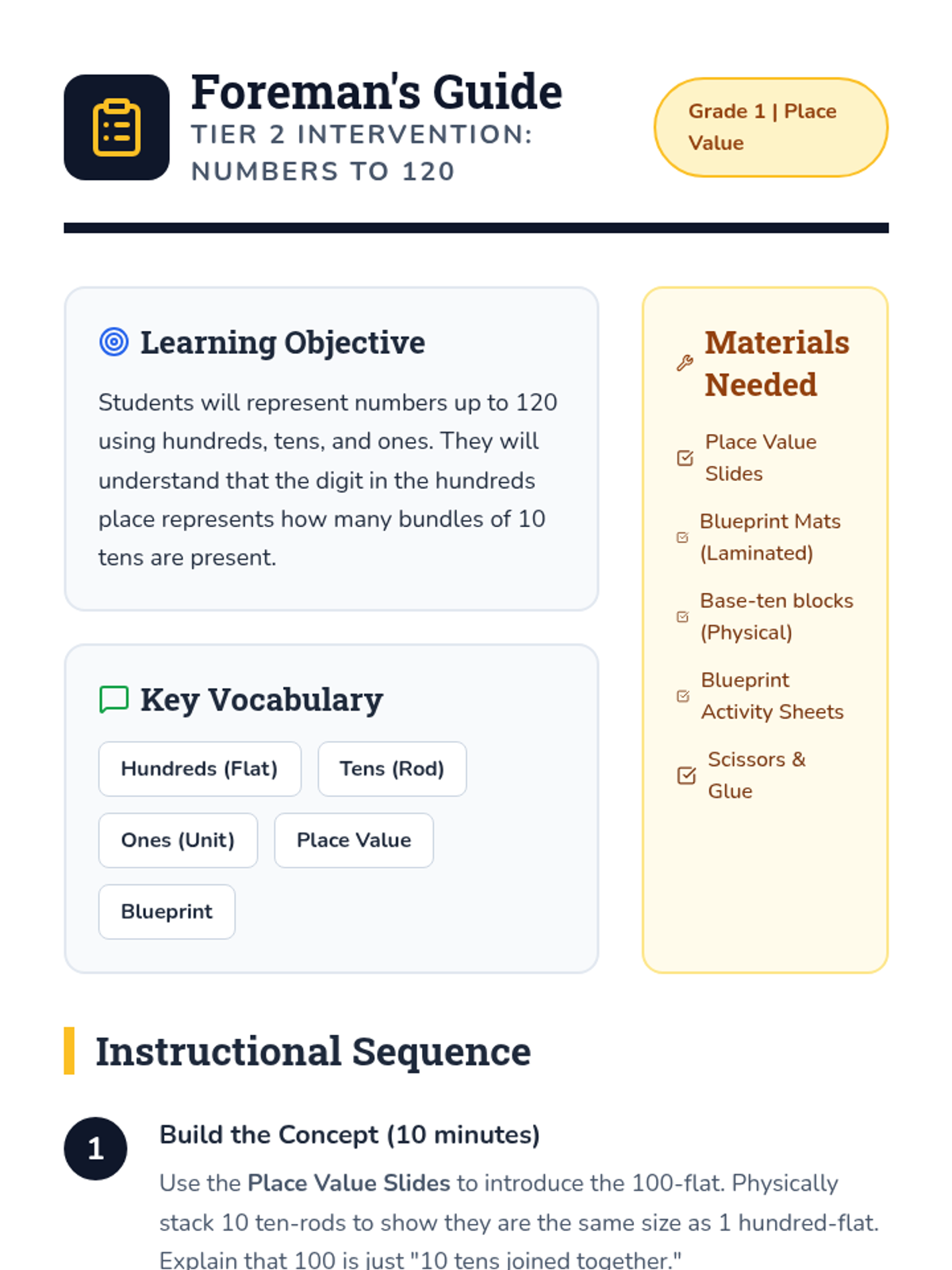
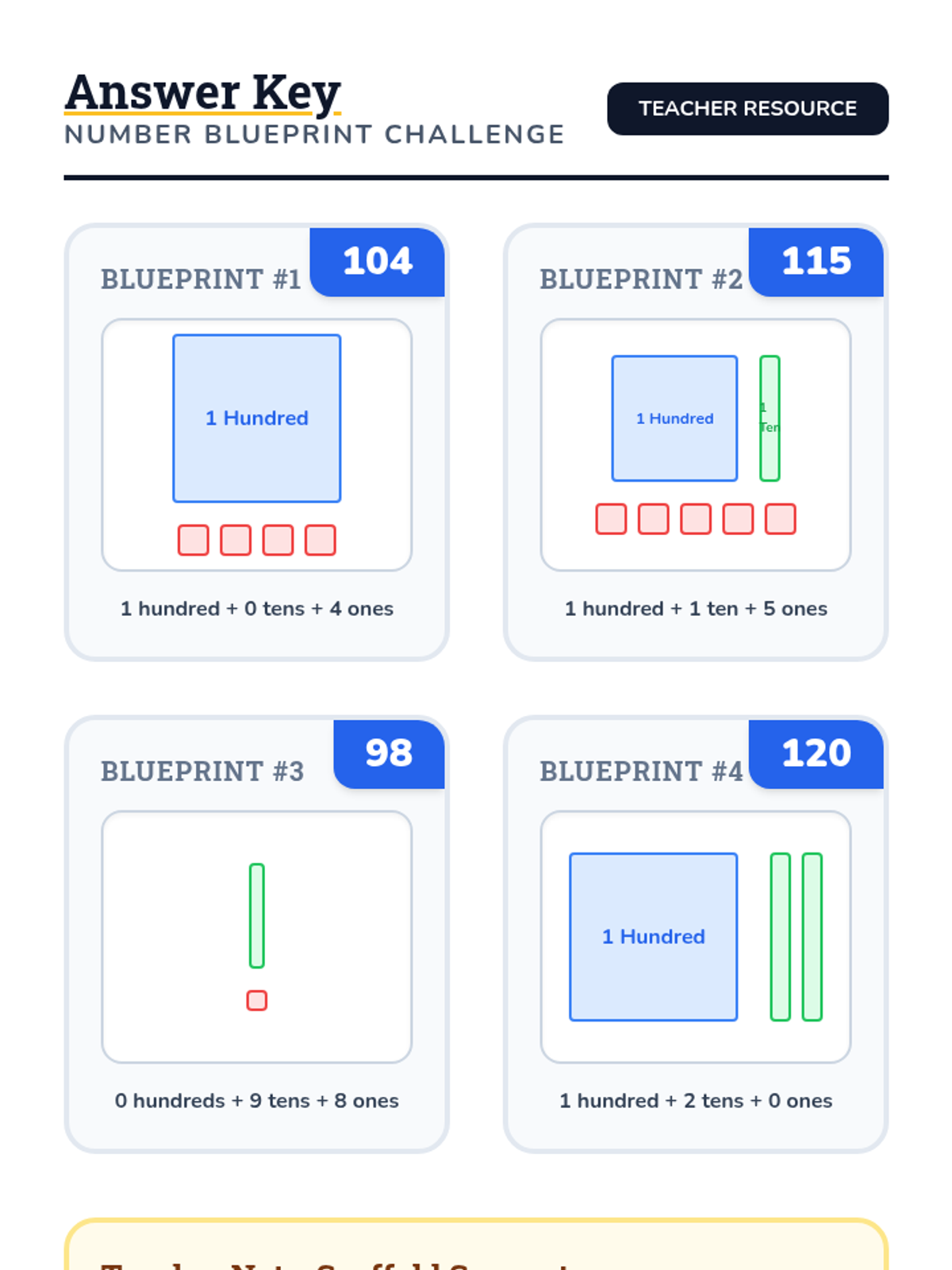
A targeted intervention lesson for 1st grade students to master place value up to 120 using hands-on 'building' activities. Students will represent numbers using hundreds, tens, and ones through cut-and-glue tasks and guided practice.
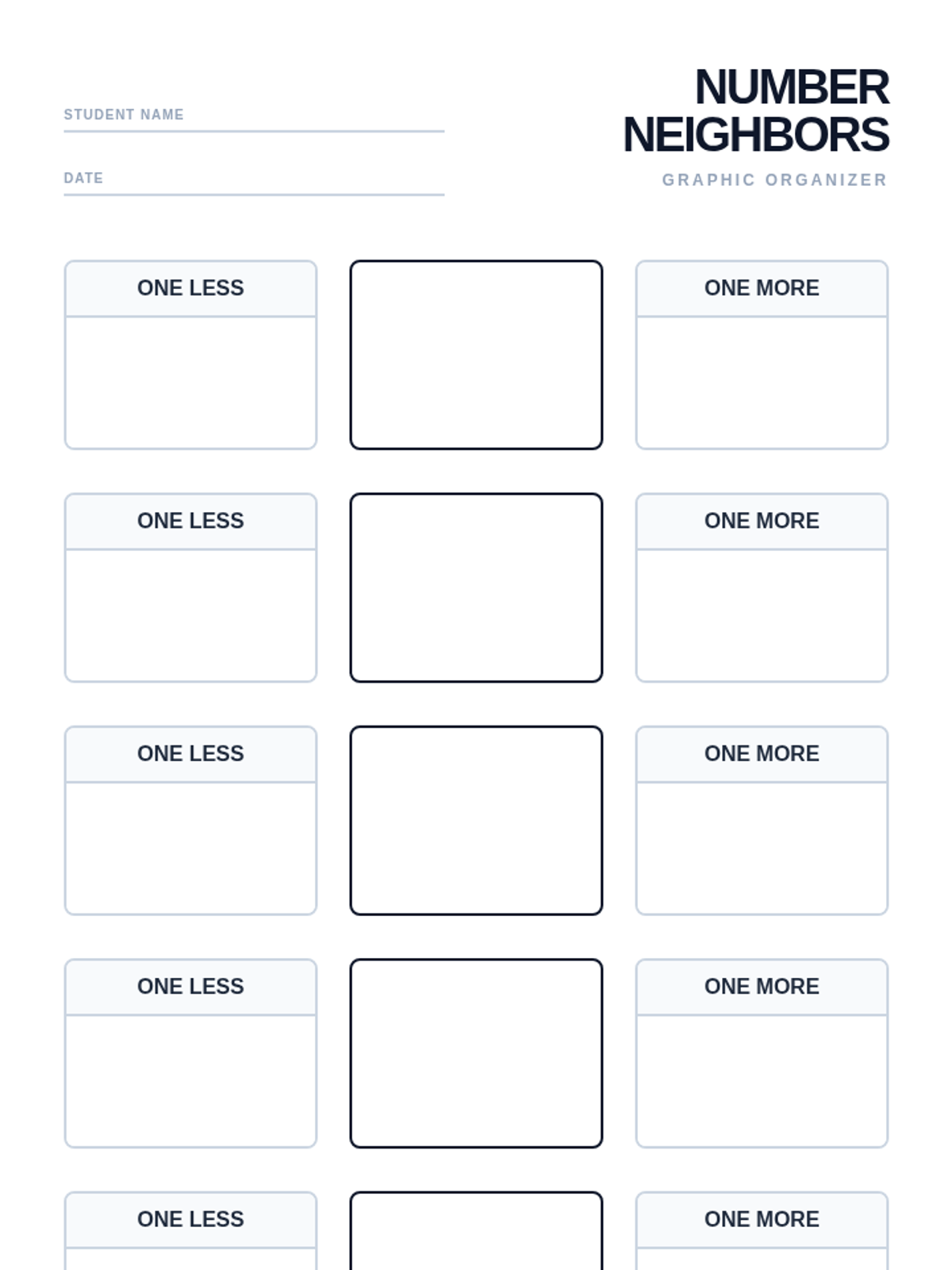
A set of materials focused on helping students understand number relationships by identifying 'one more' and 'one less' than a given number.
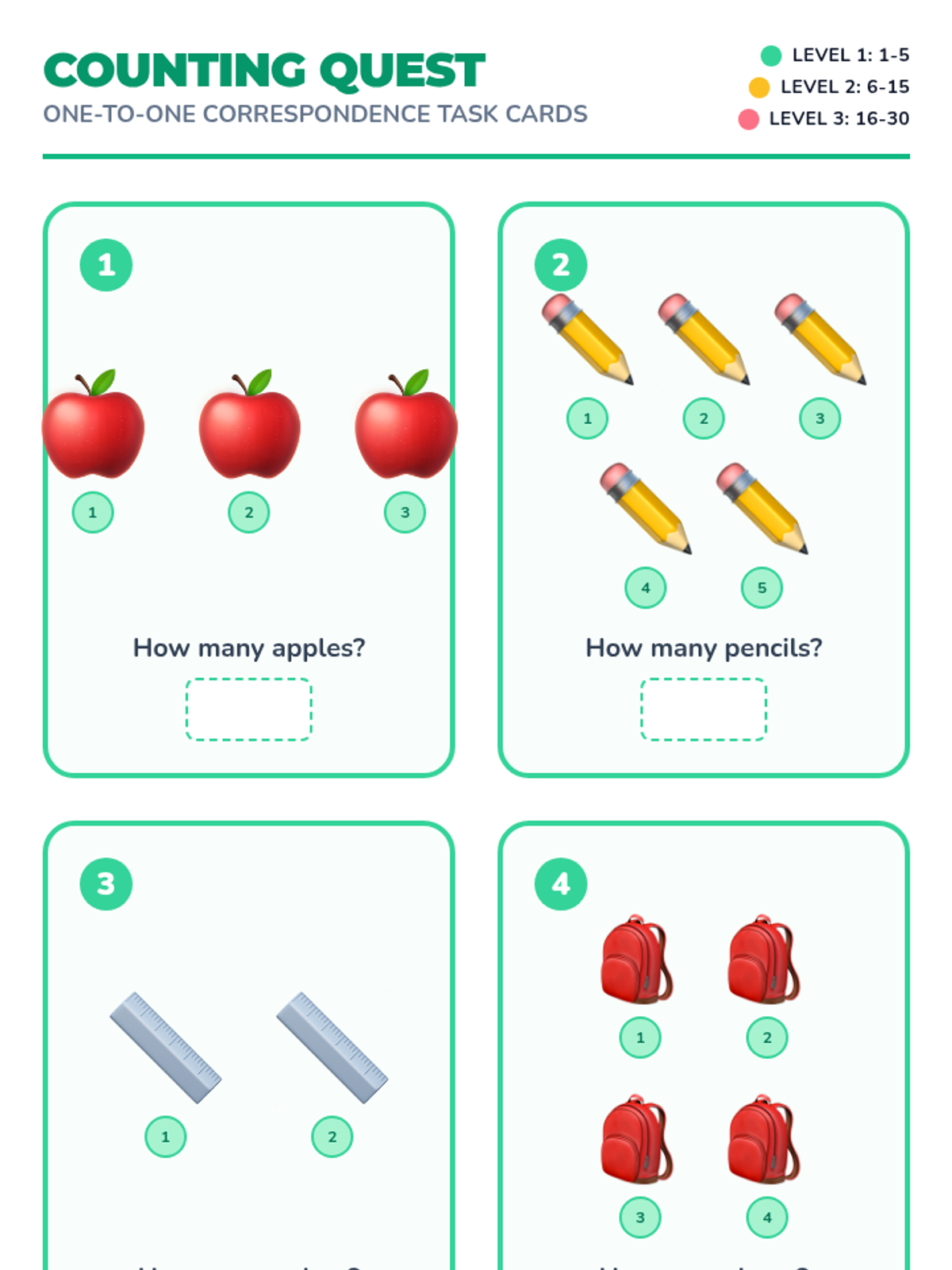
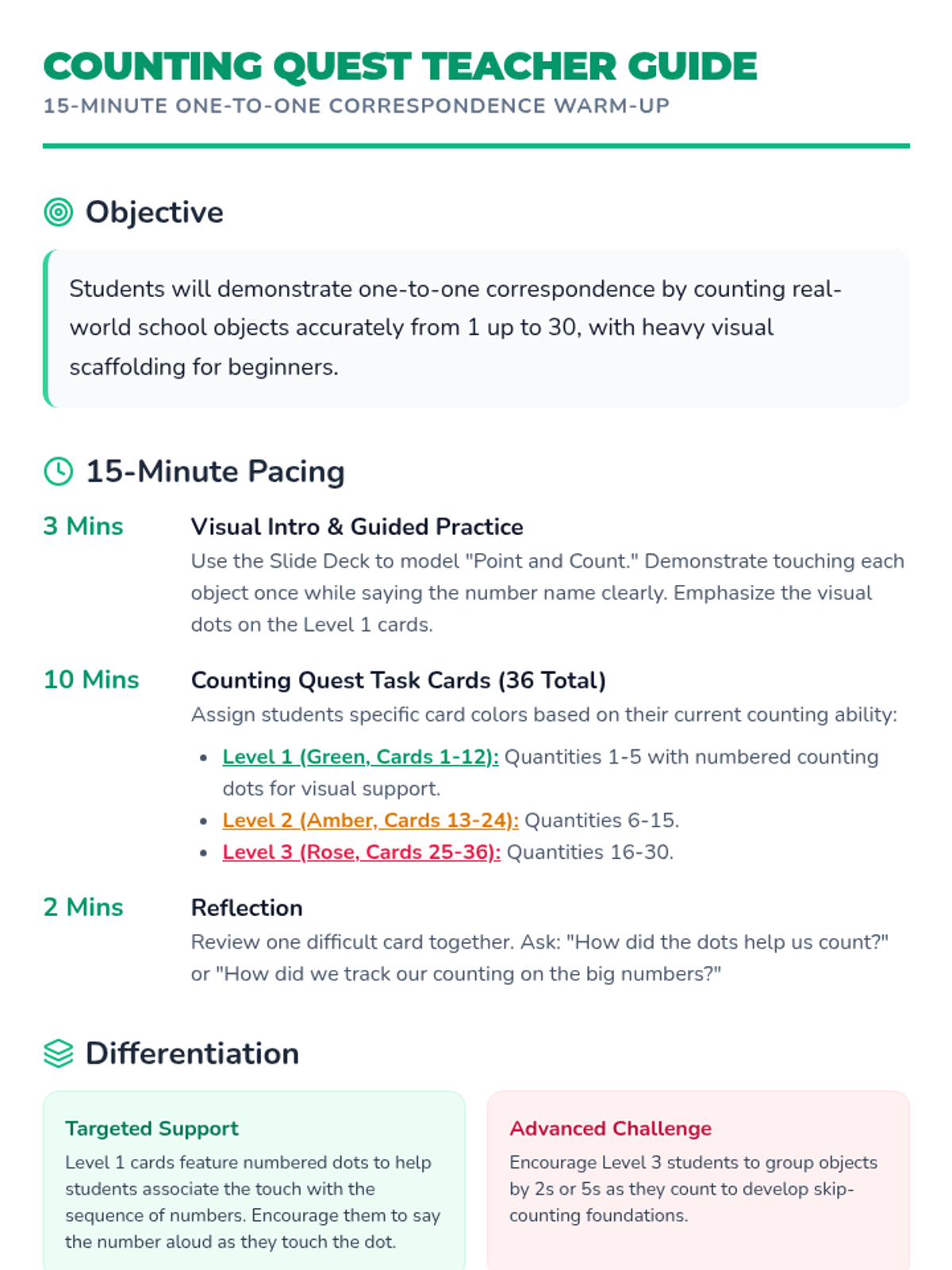
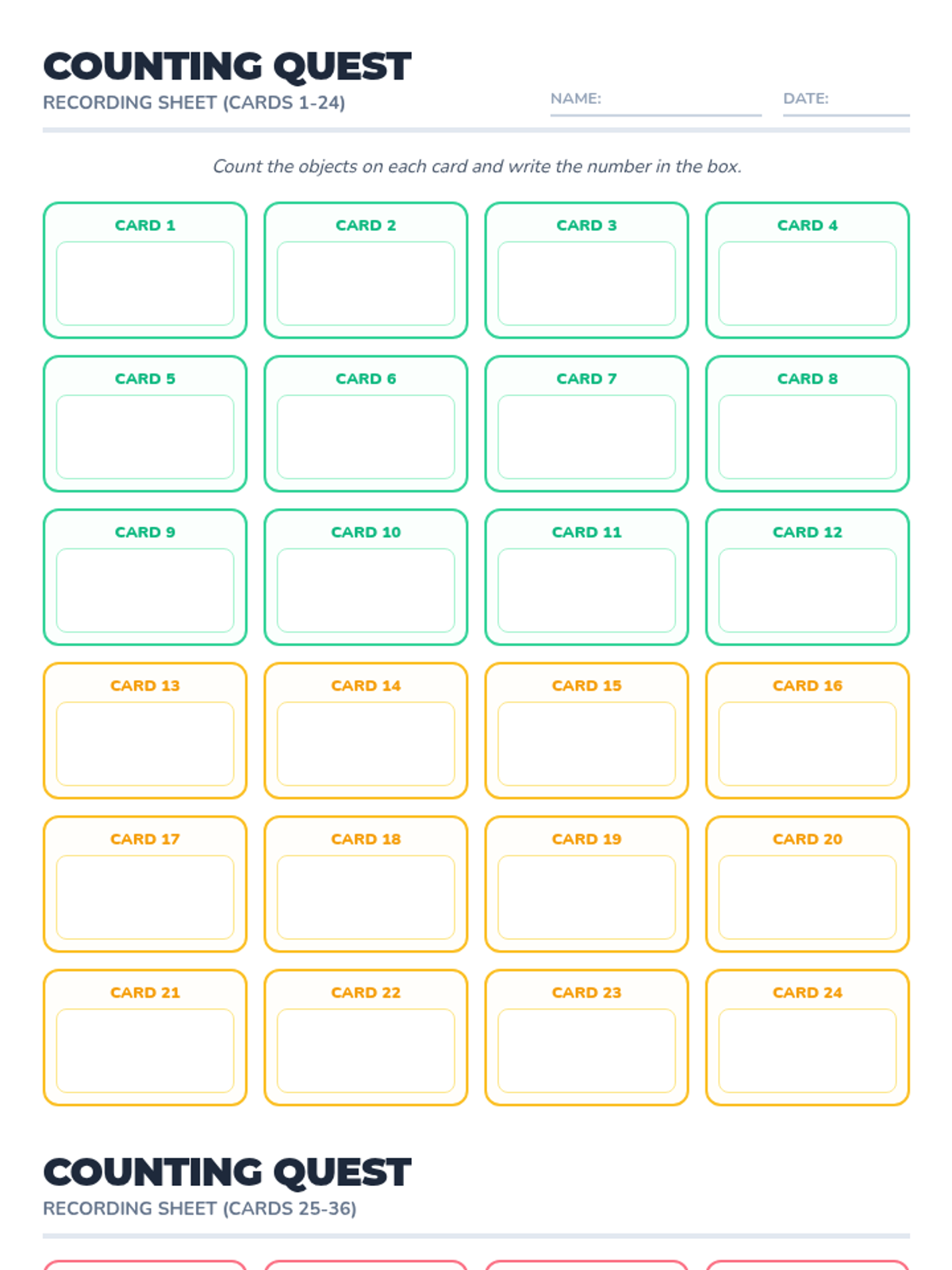
A quick 15-minute warm-up activity where students practice one-to-one correspondence by counting school-themed objects. The lesson is scaffolded with three levels of difficulty, ranging from numbers 1-5 to numbers up to 30.