A first-grade math lesson focused on solving addition and subtraction word problems within 20 using multiple strategies: drawing pictures, number lines, and ten frames. The lesson is themed around animals and pets to engage young learners.
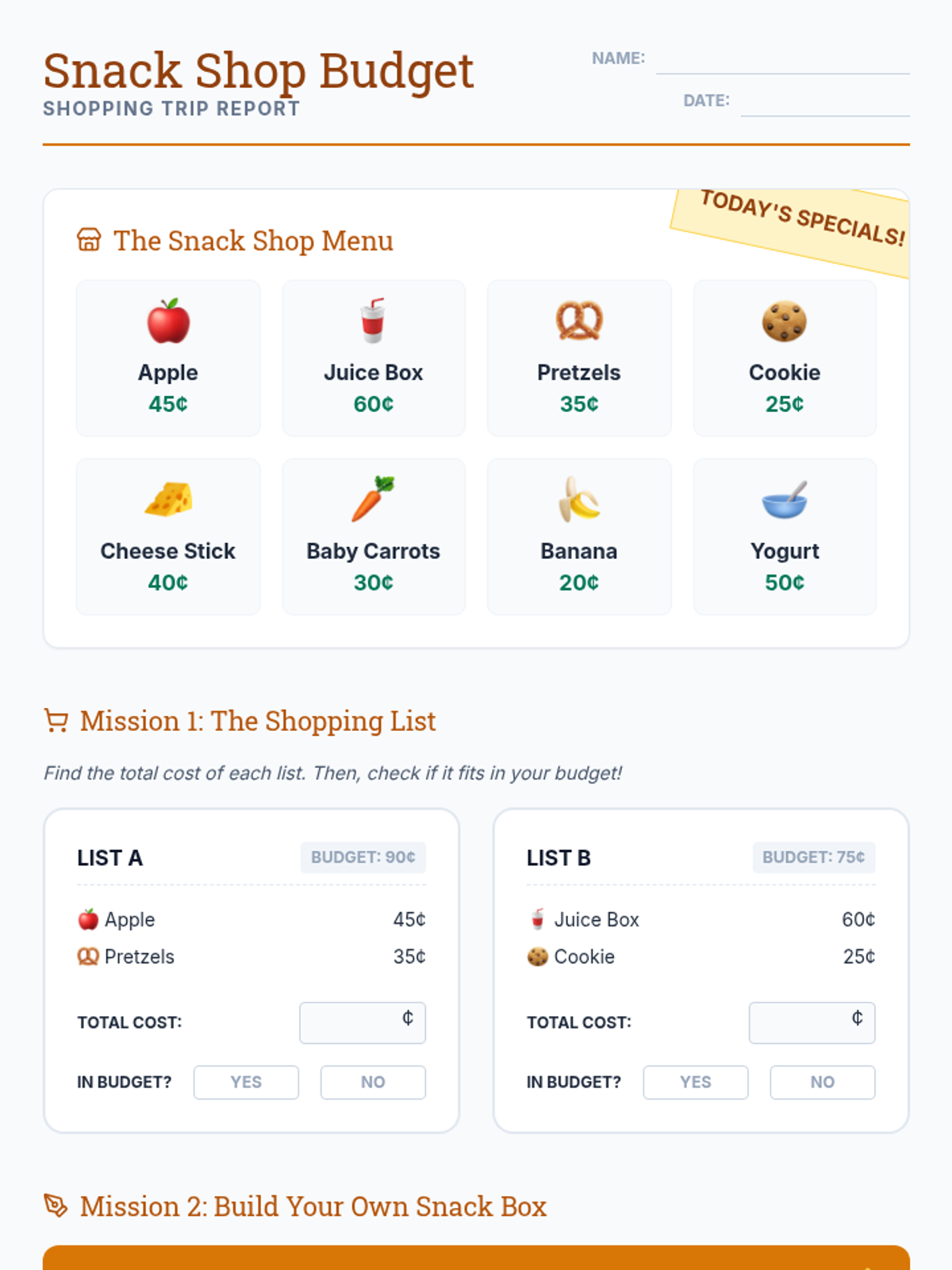
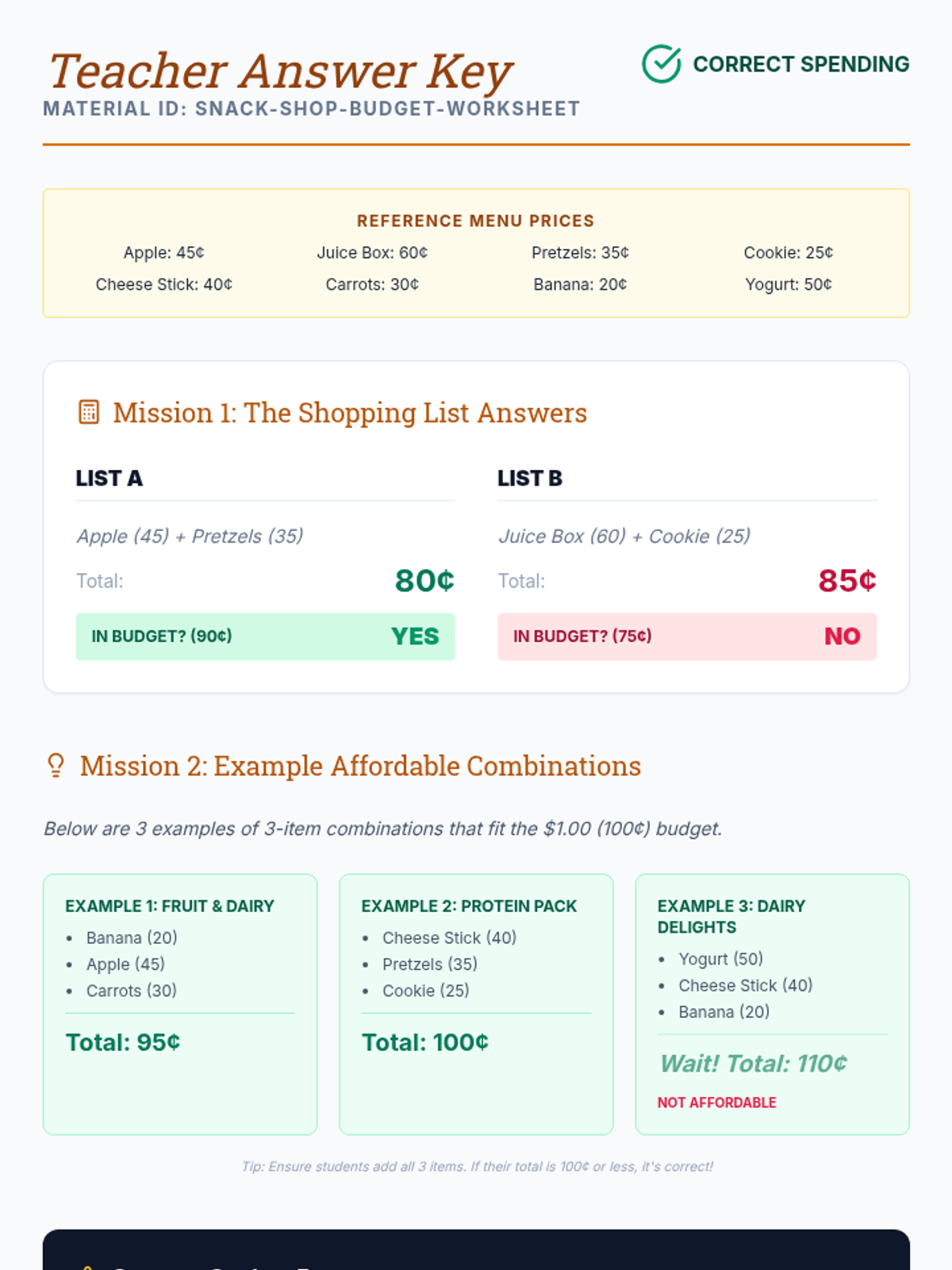
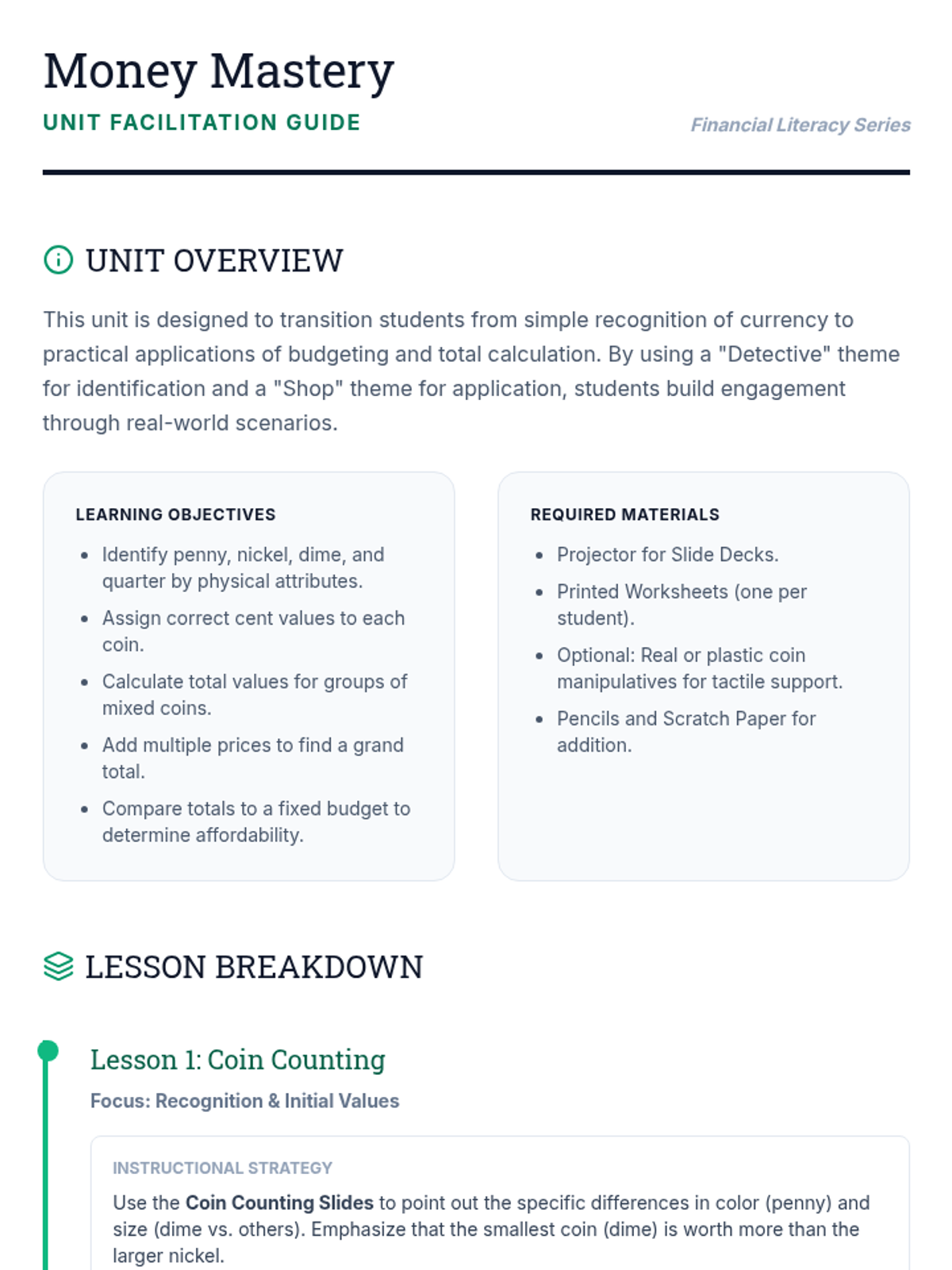
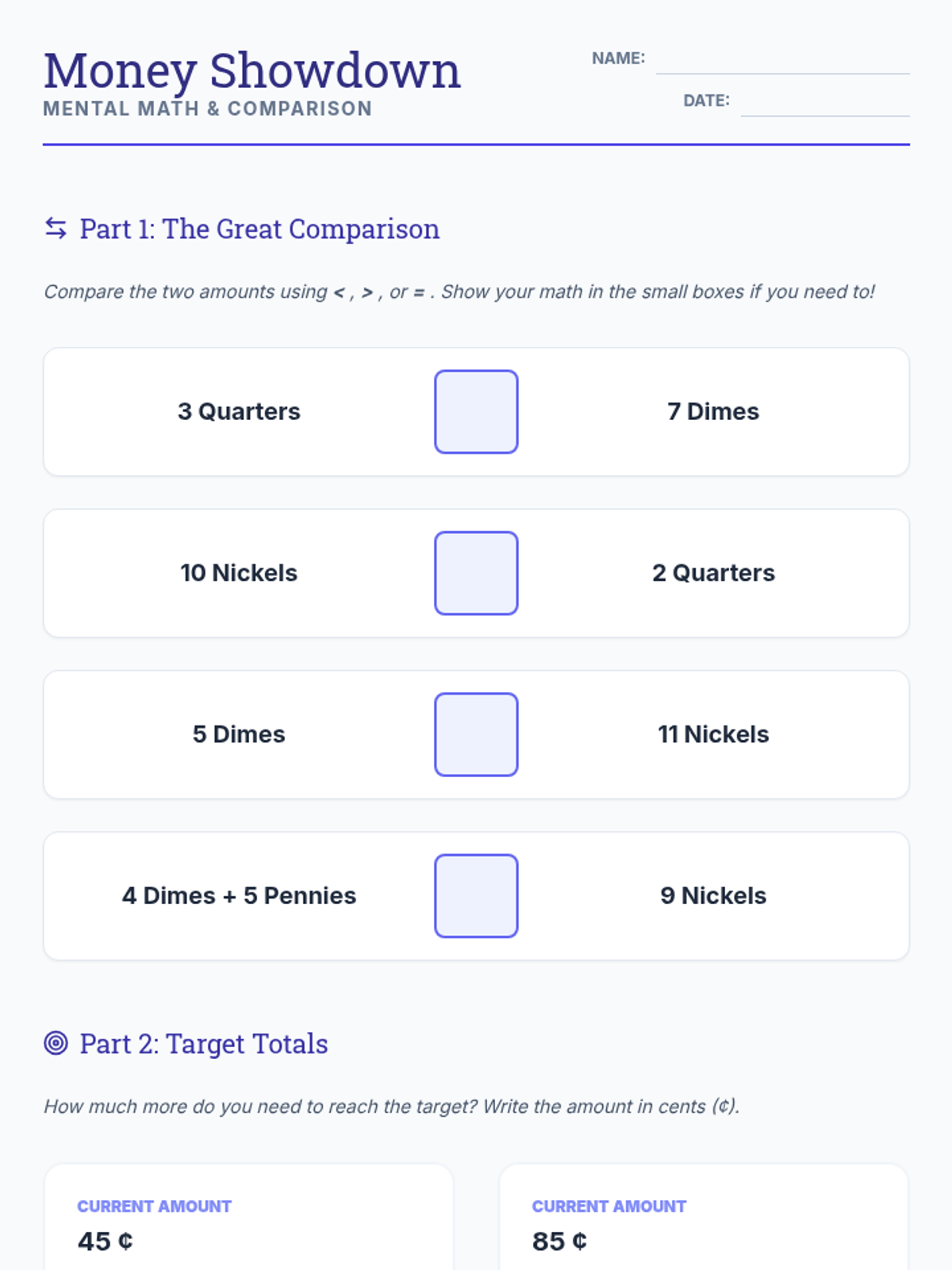
This lesson teaches students how to calculate total costs of multiple items and make spending decisions based on a fixed budget.
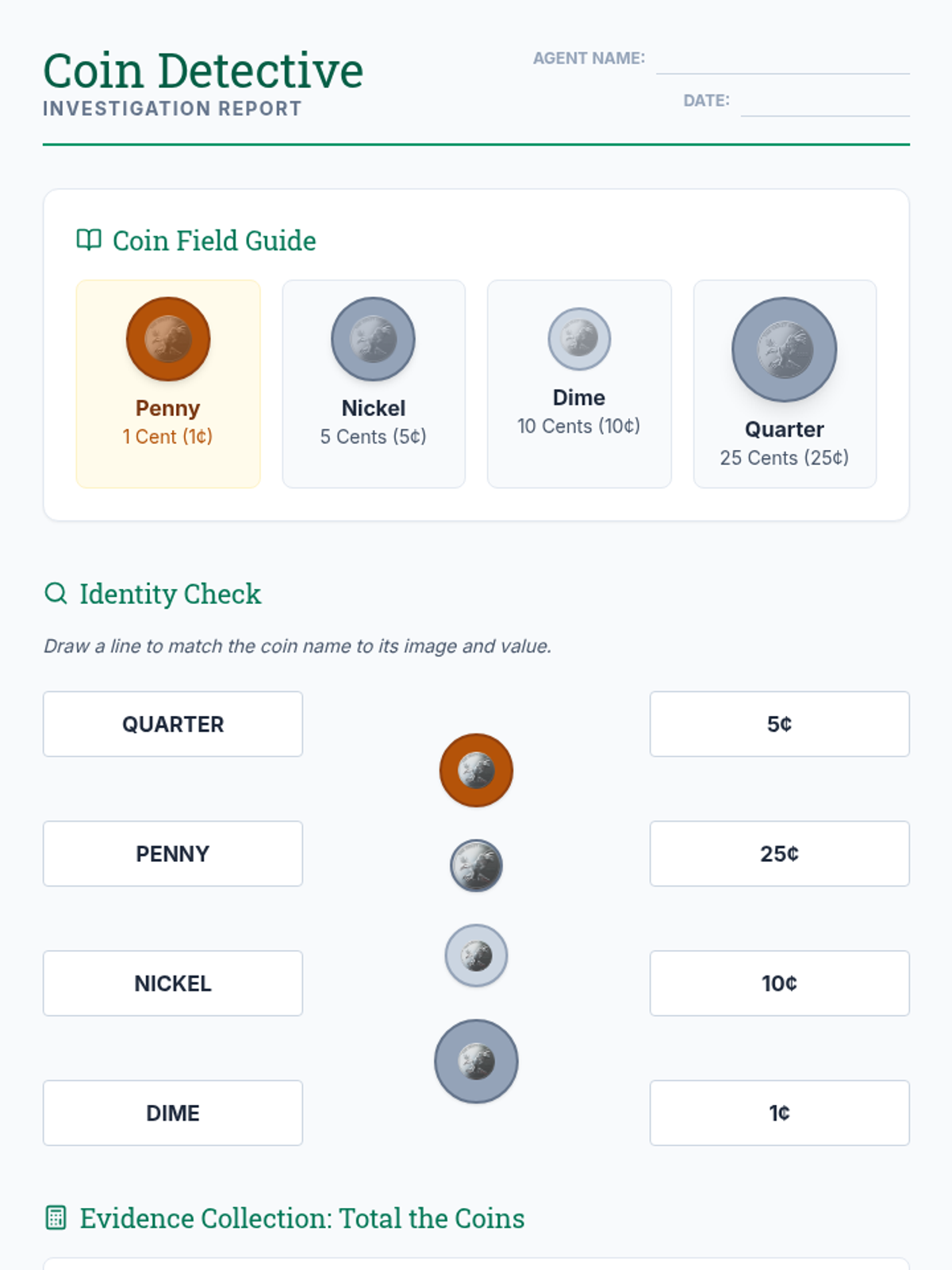
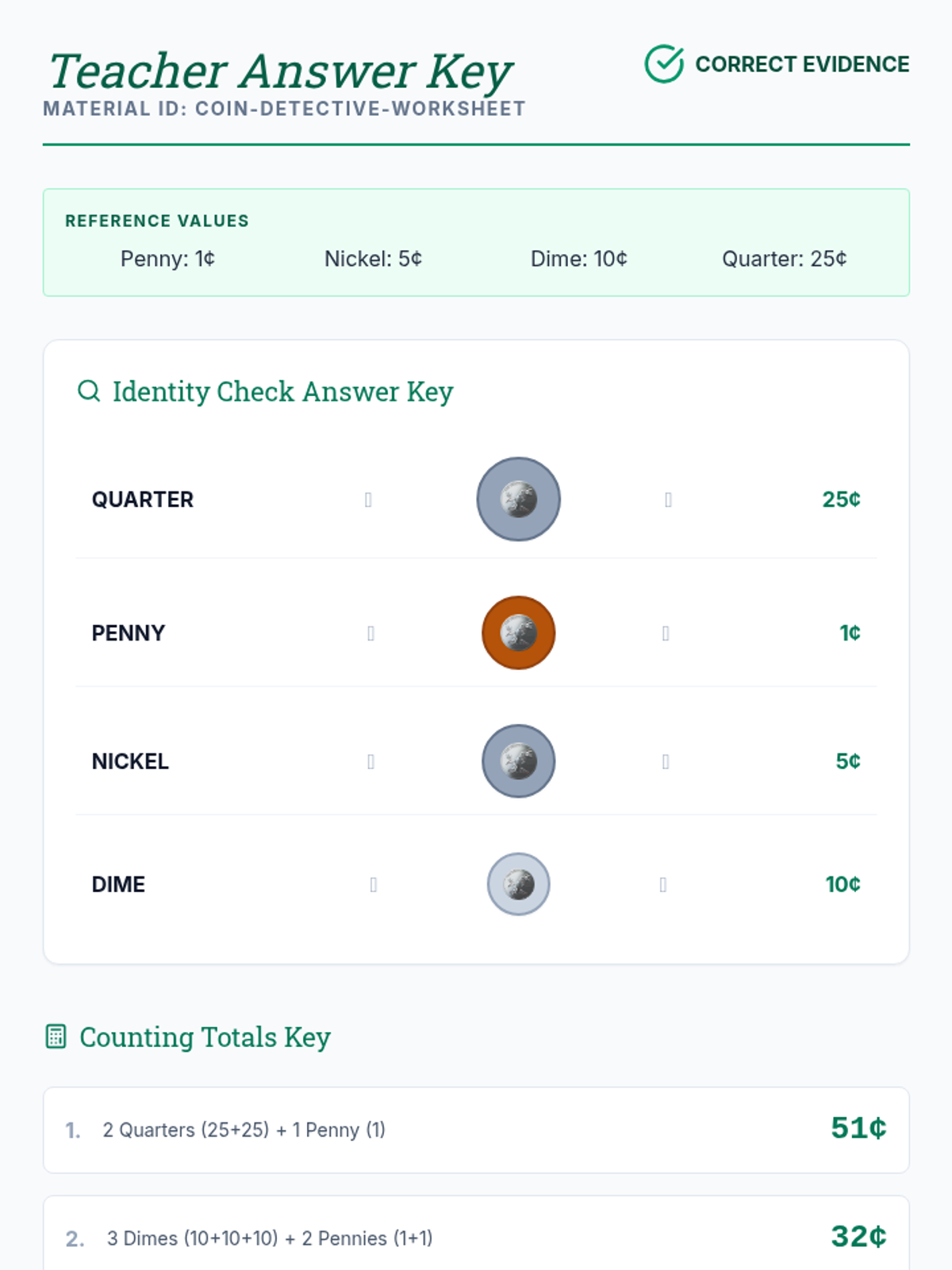
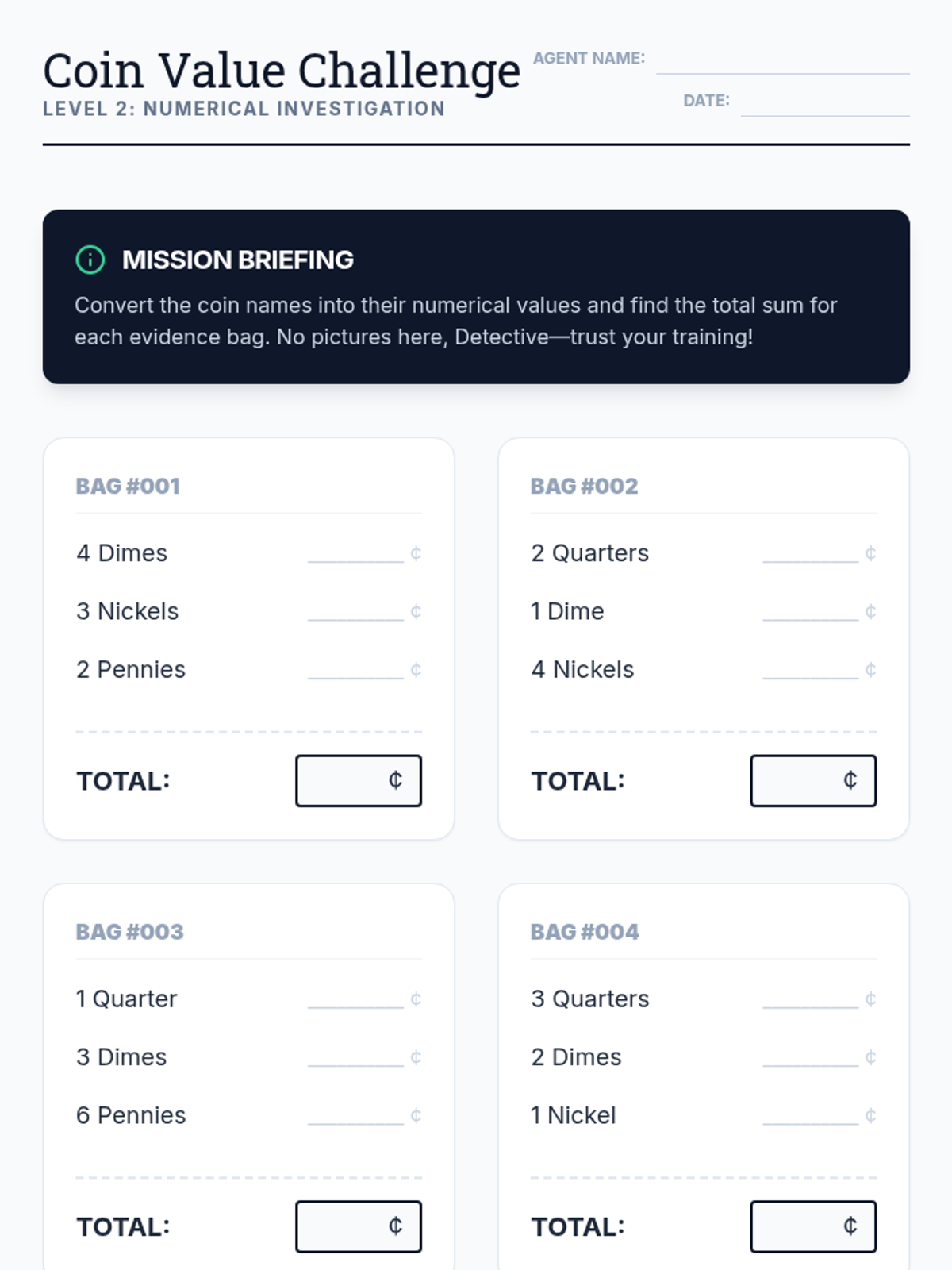
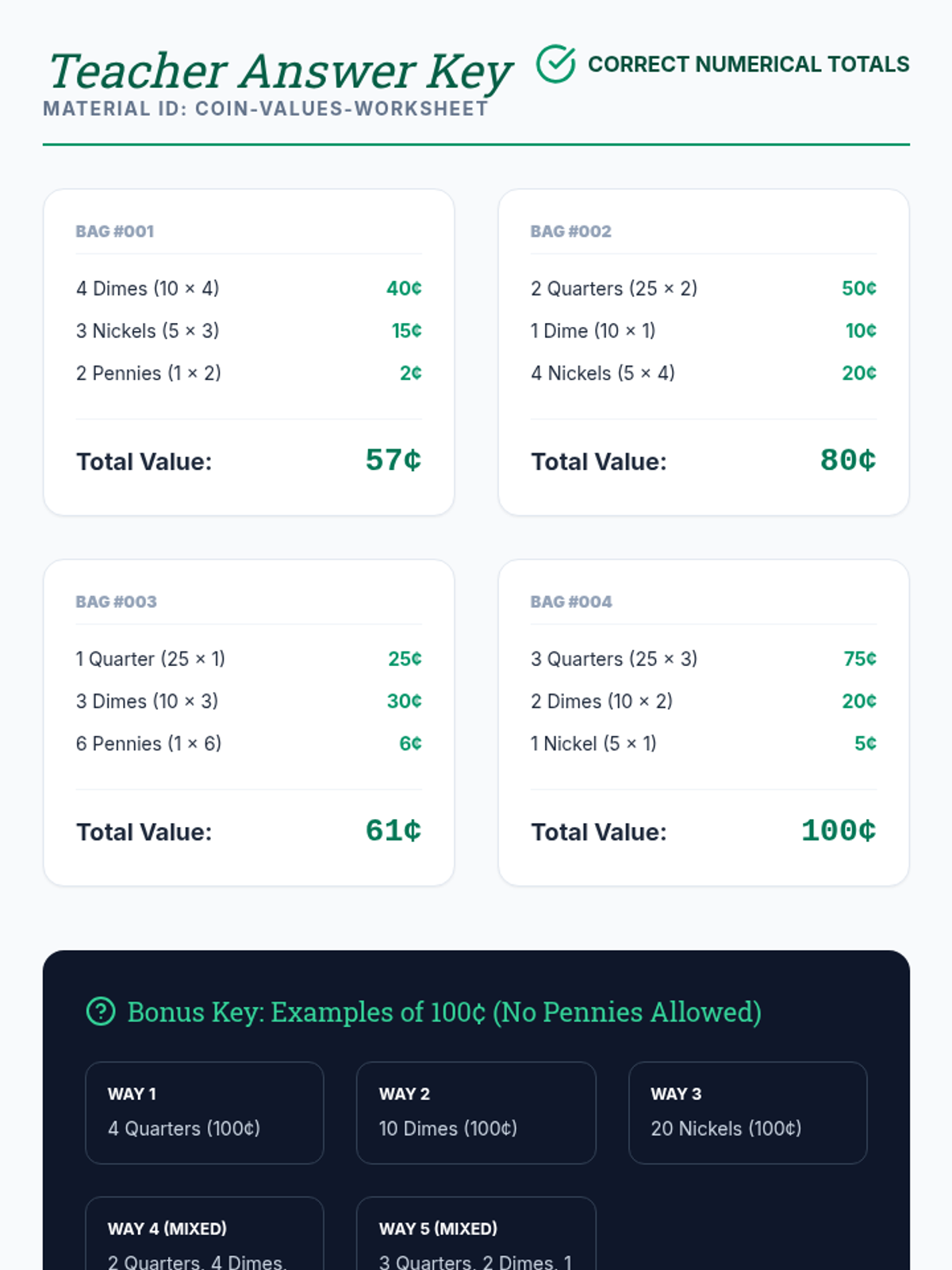
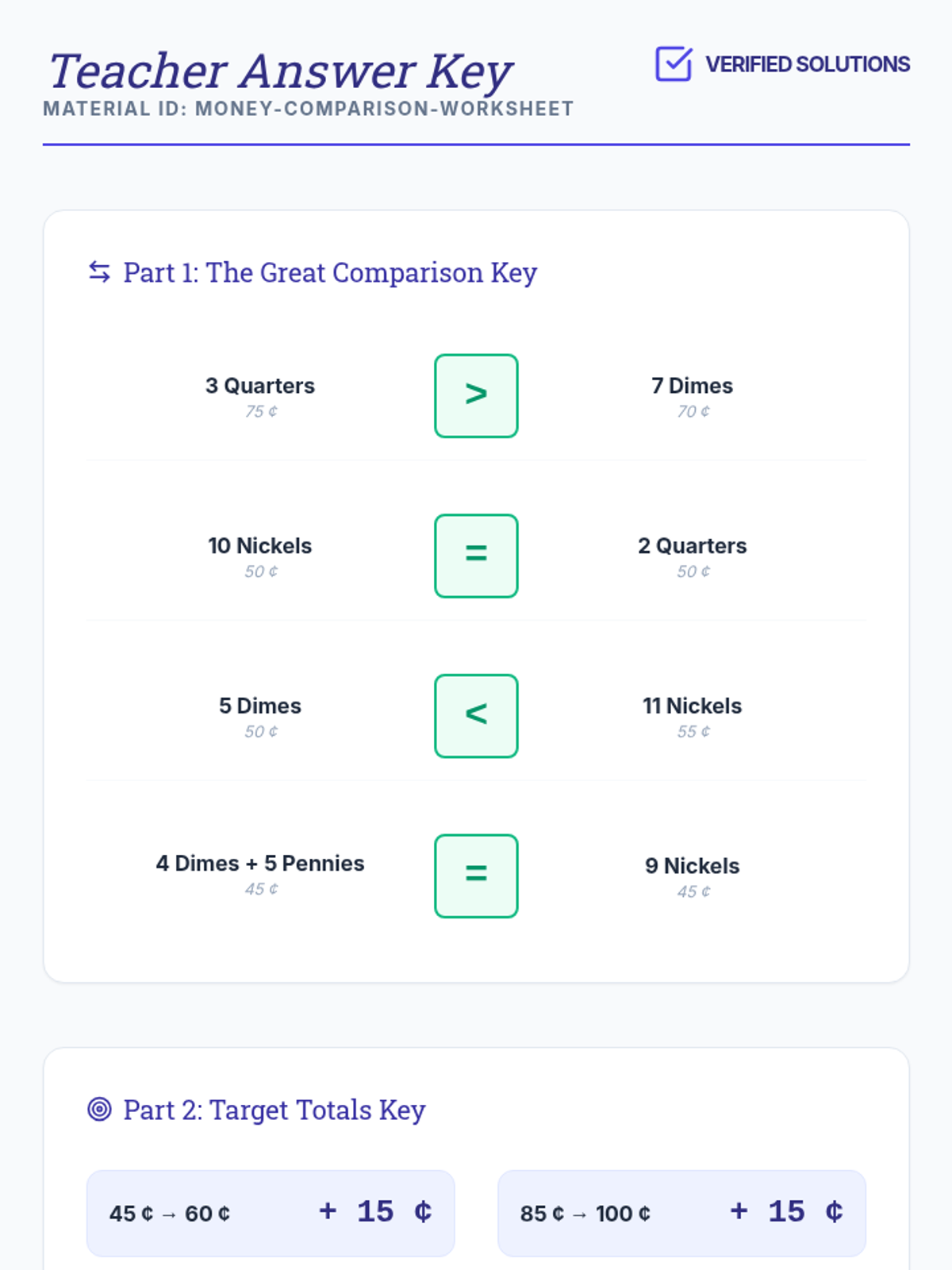
This lesson focuses on identifying US coins (penny, nickel, dime, quarter) and their respective values through visual recognition and matching.
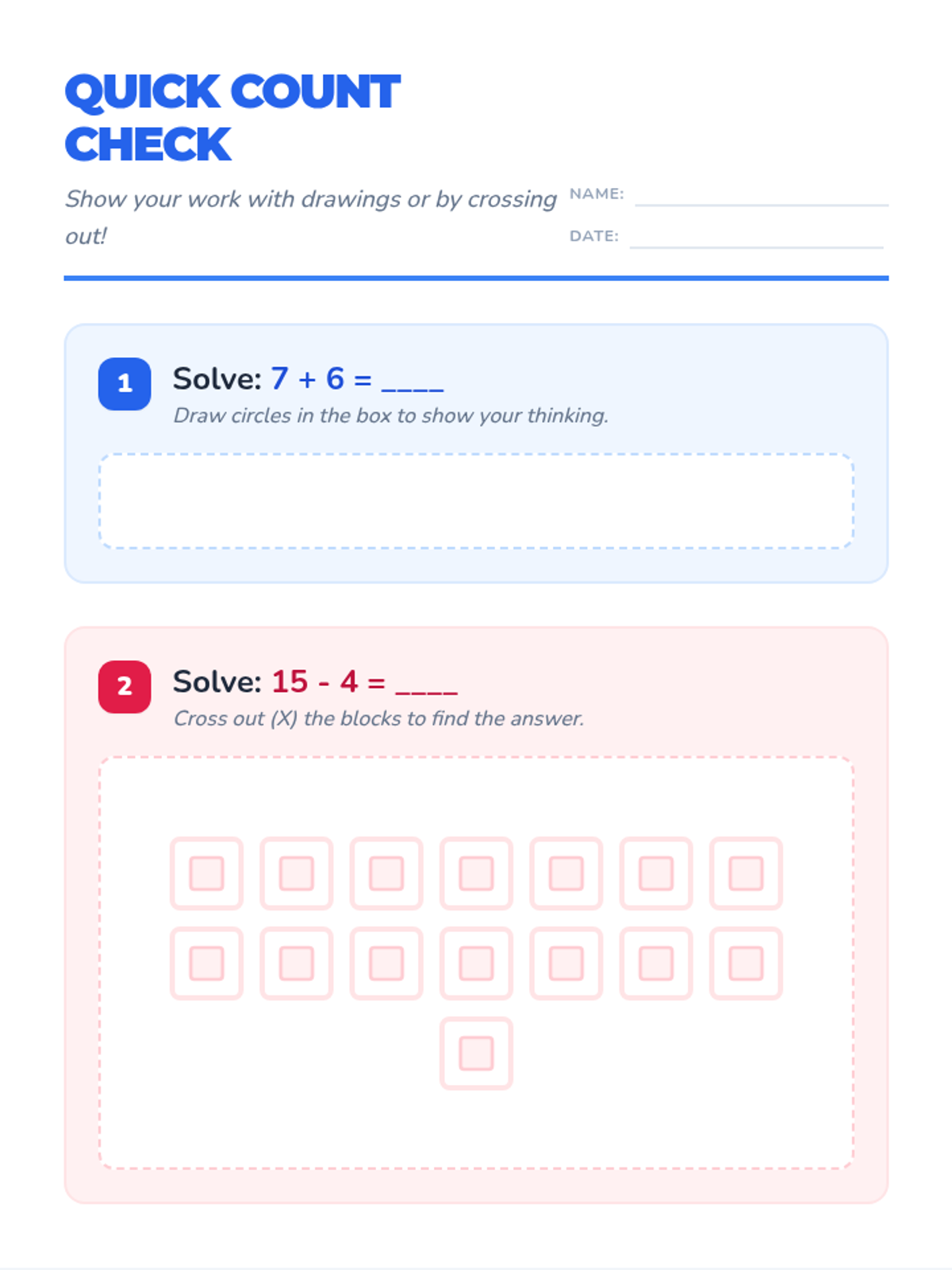
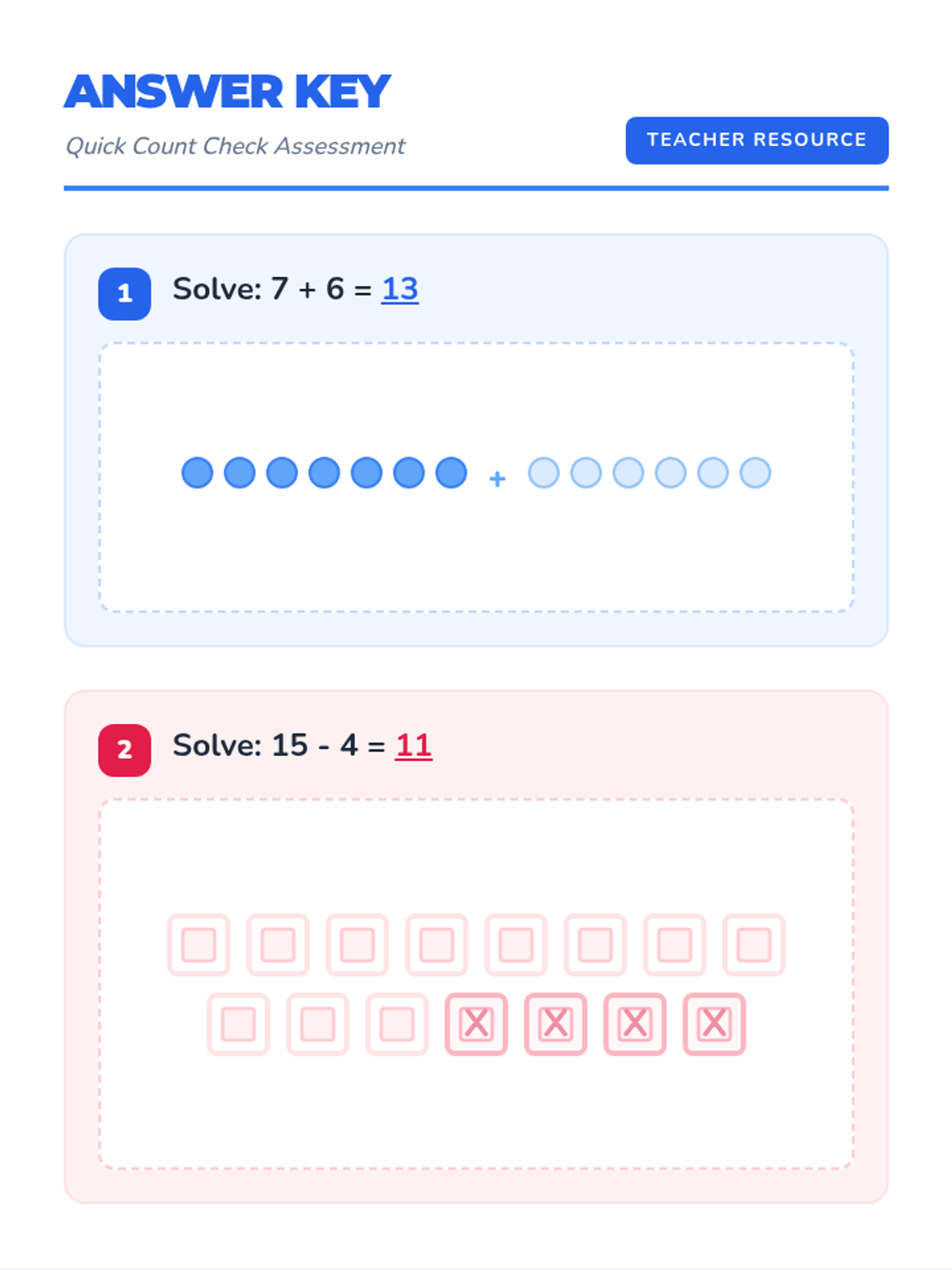
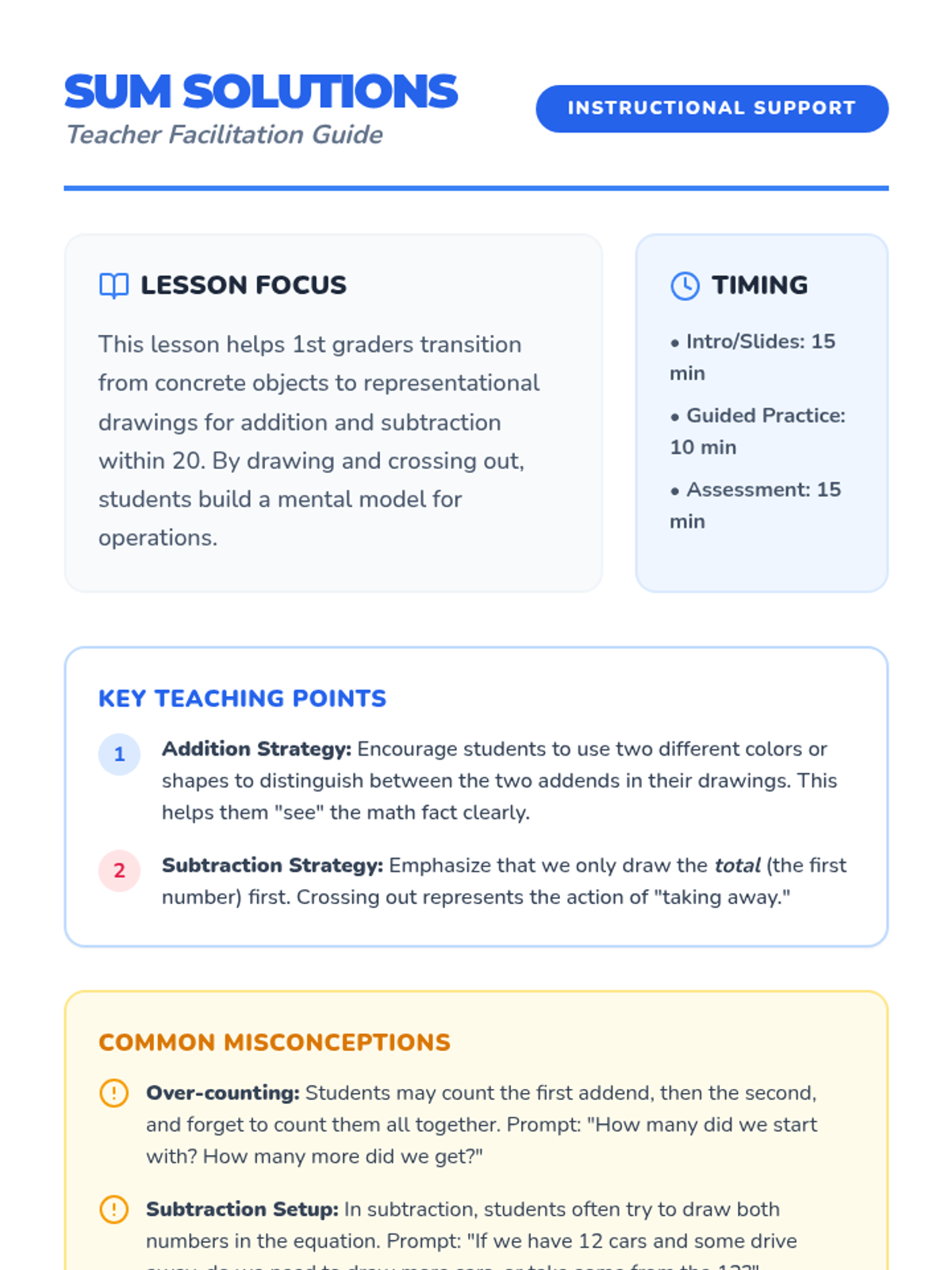
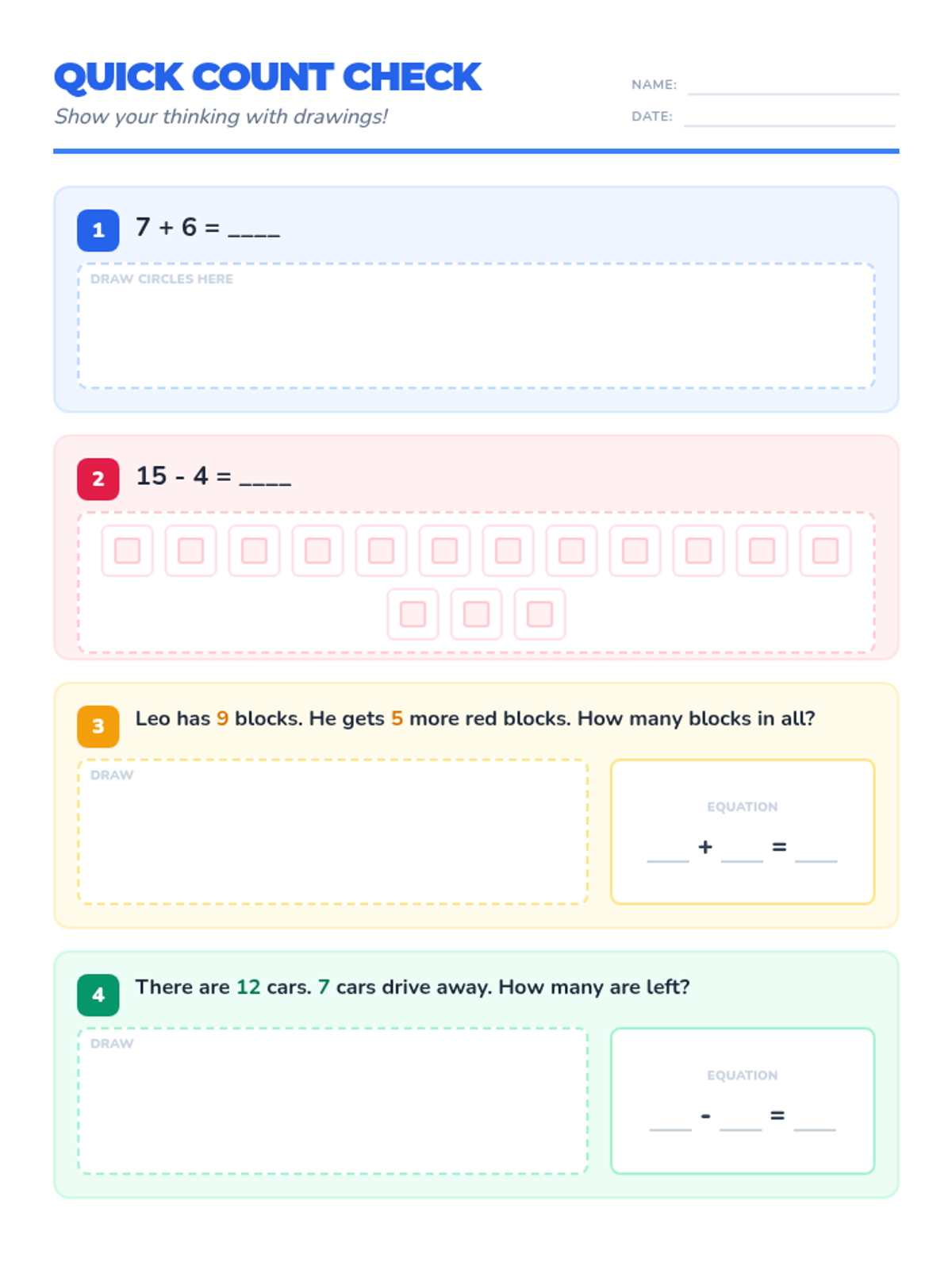
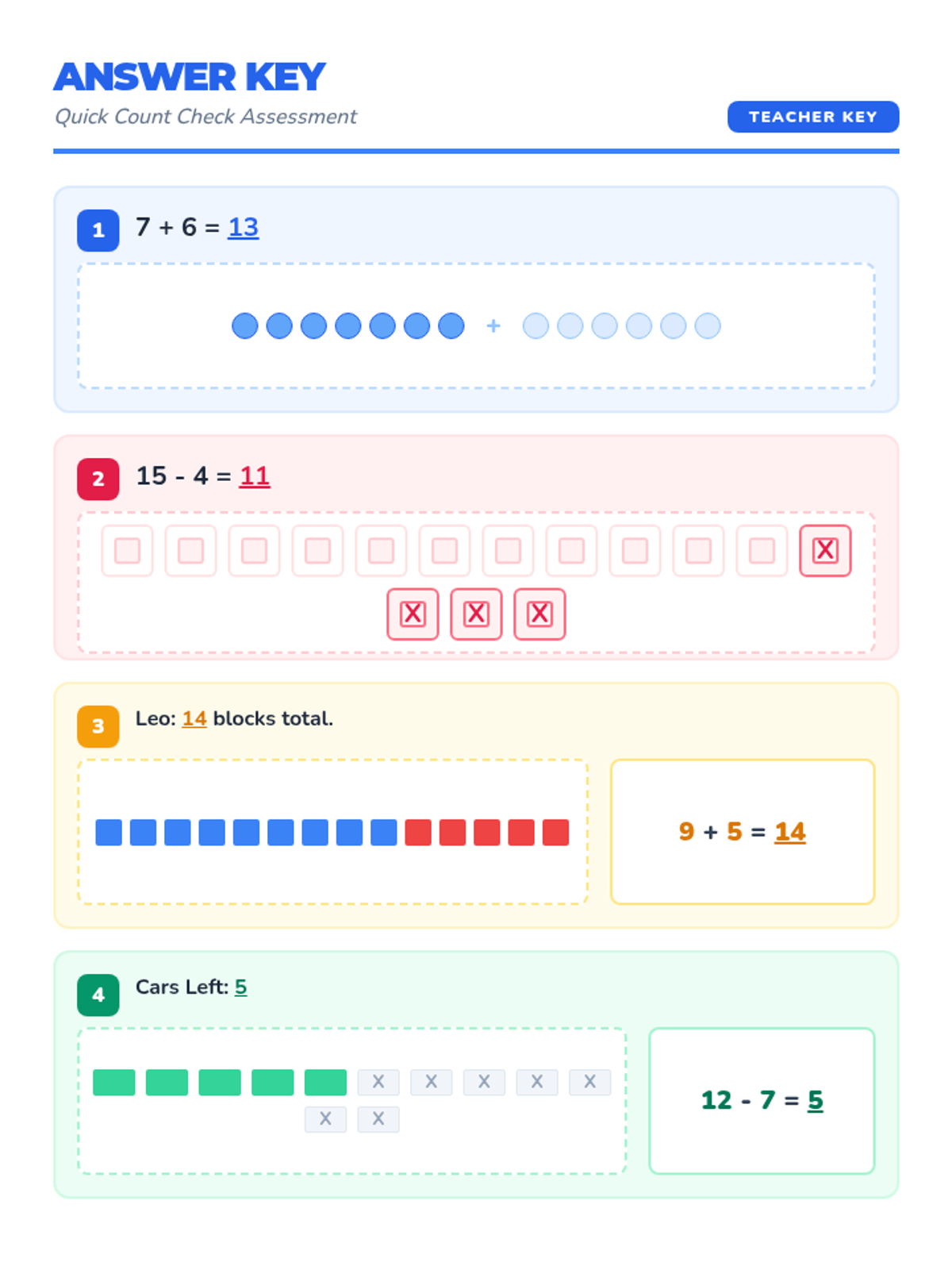
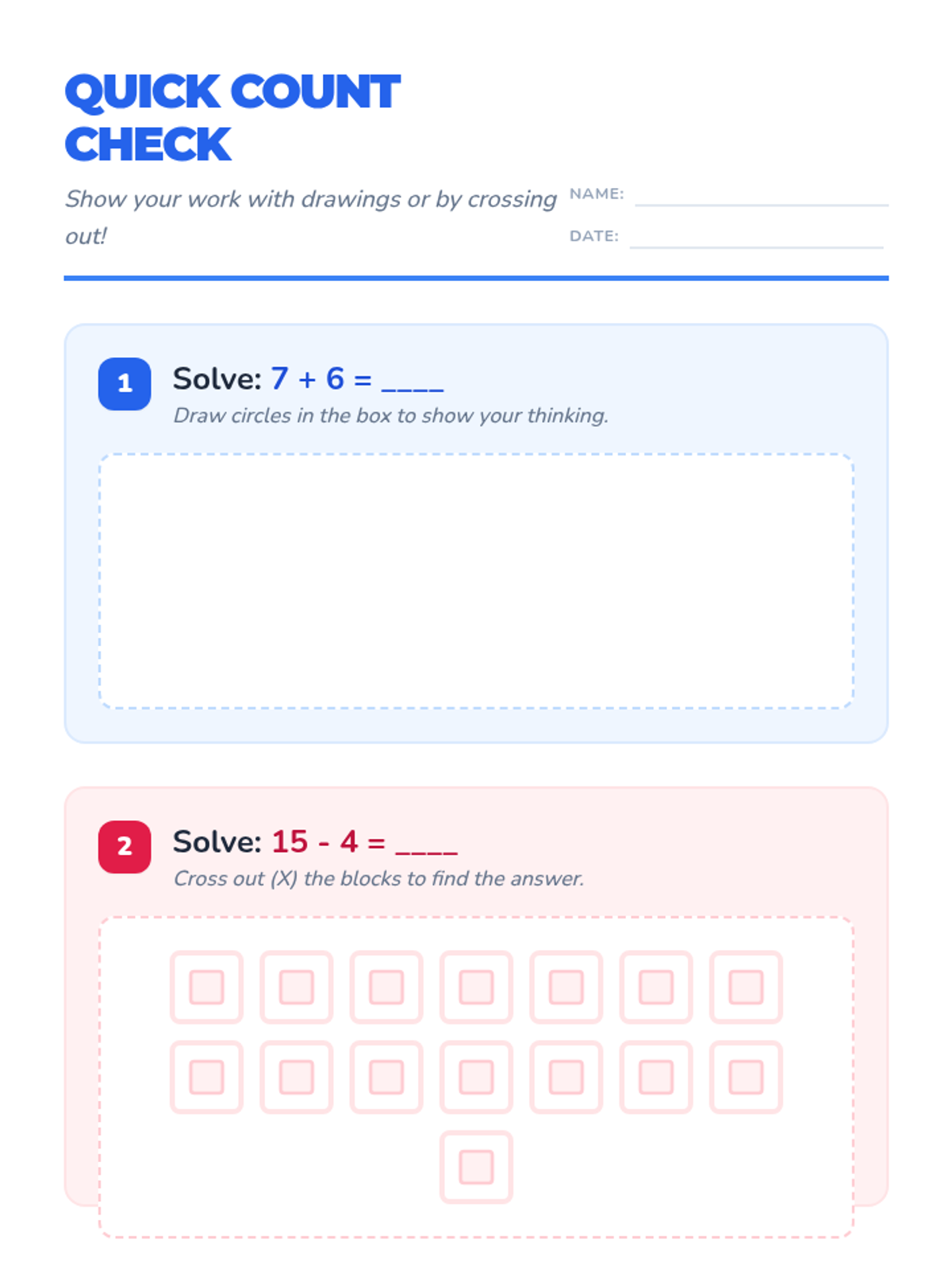
Students practice adding and subtracting numbers within 20 by using visual strategies like drawing objects or crossing them out. This lesson focuses on conceptual understanding through modeling.
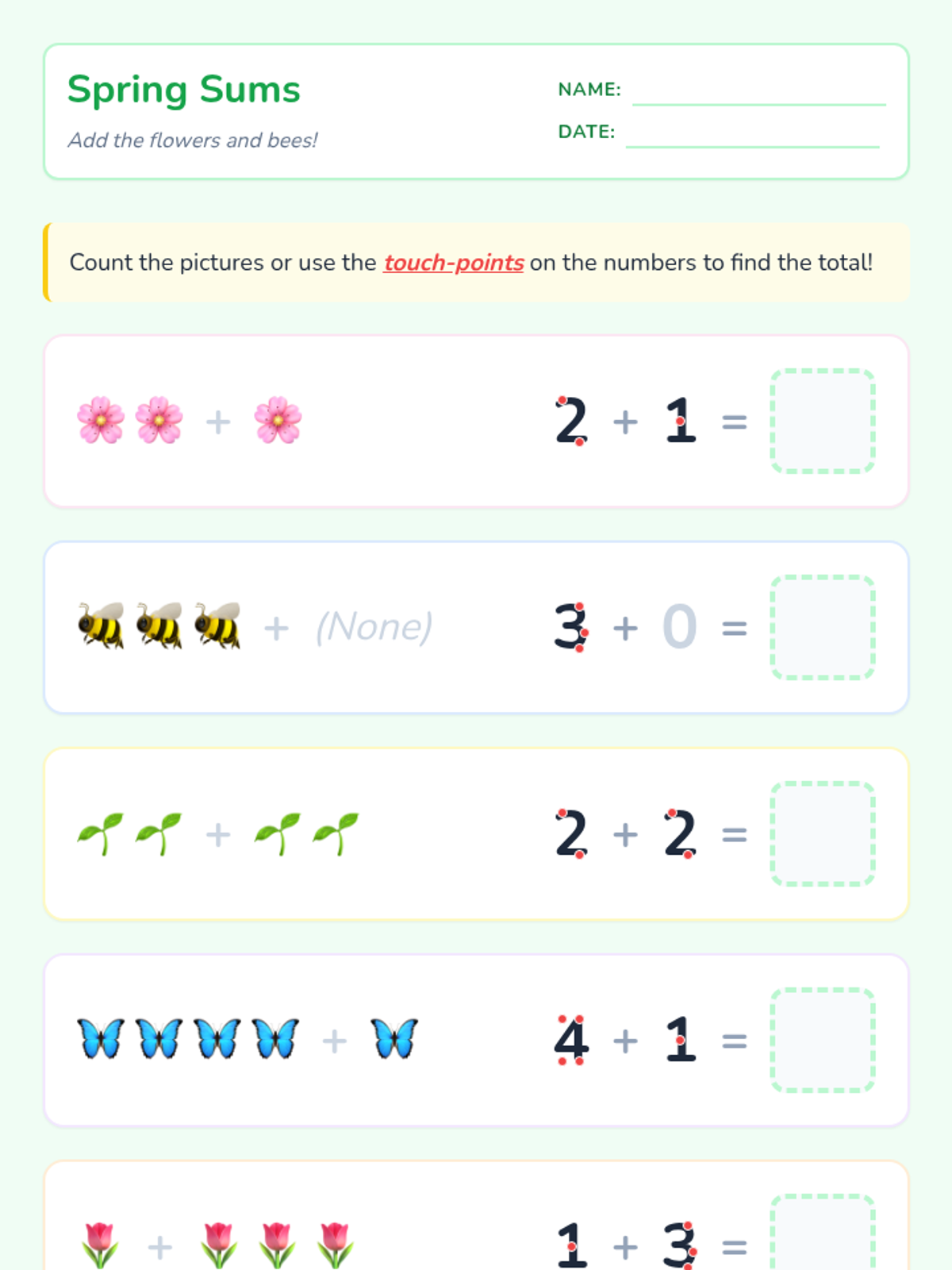
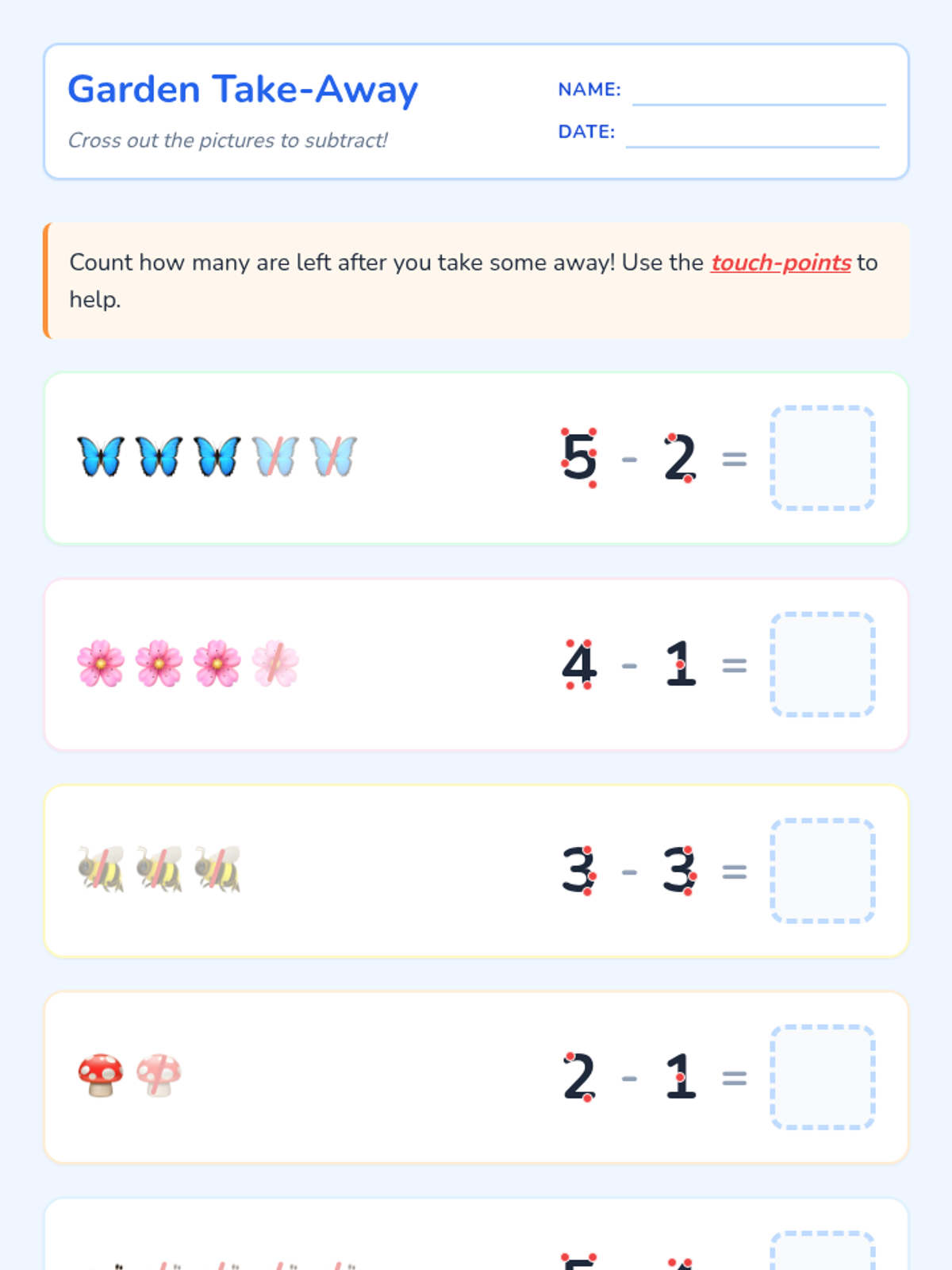
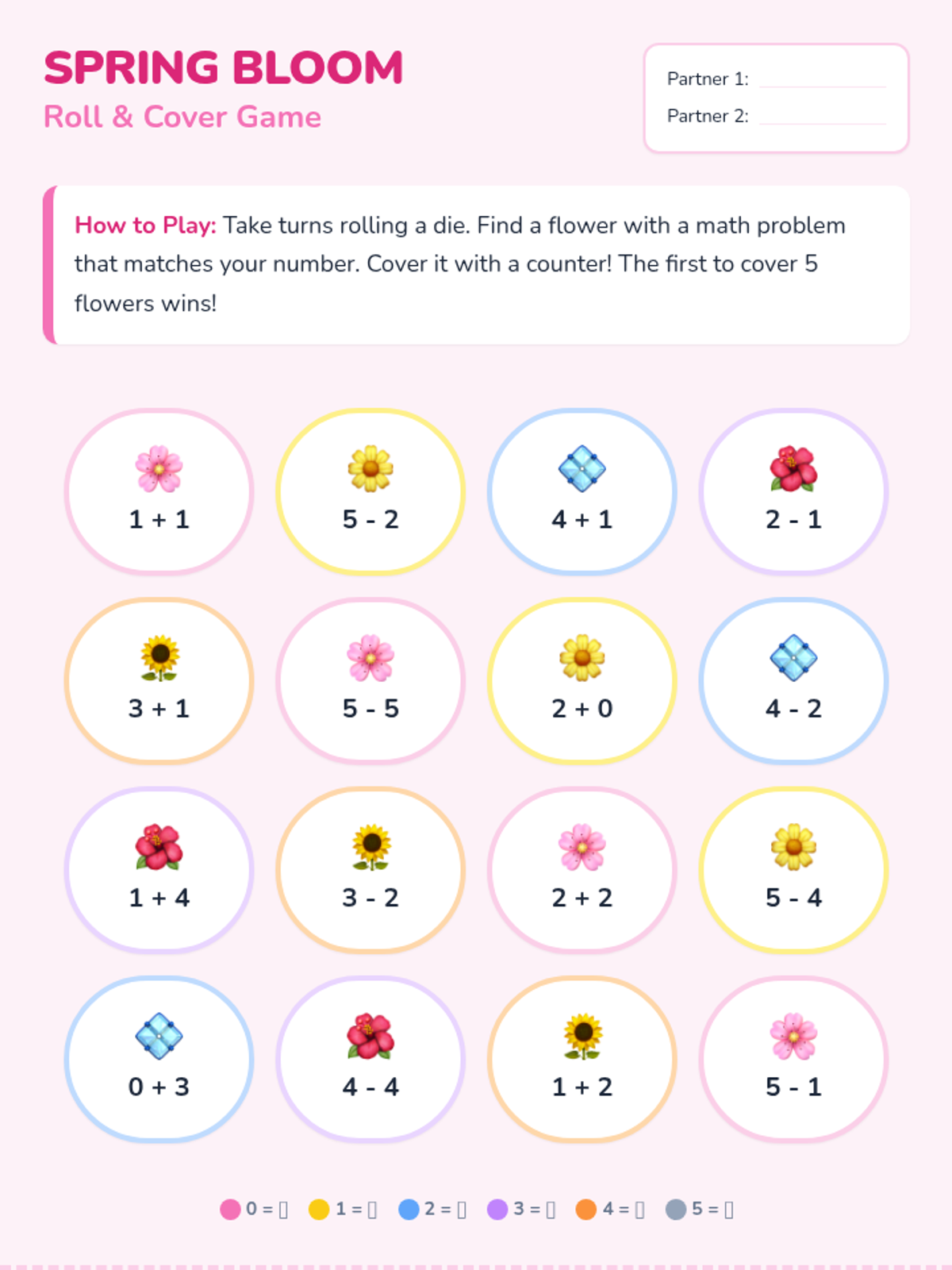
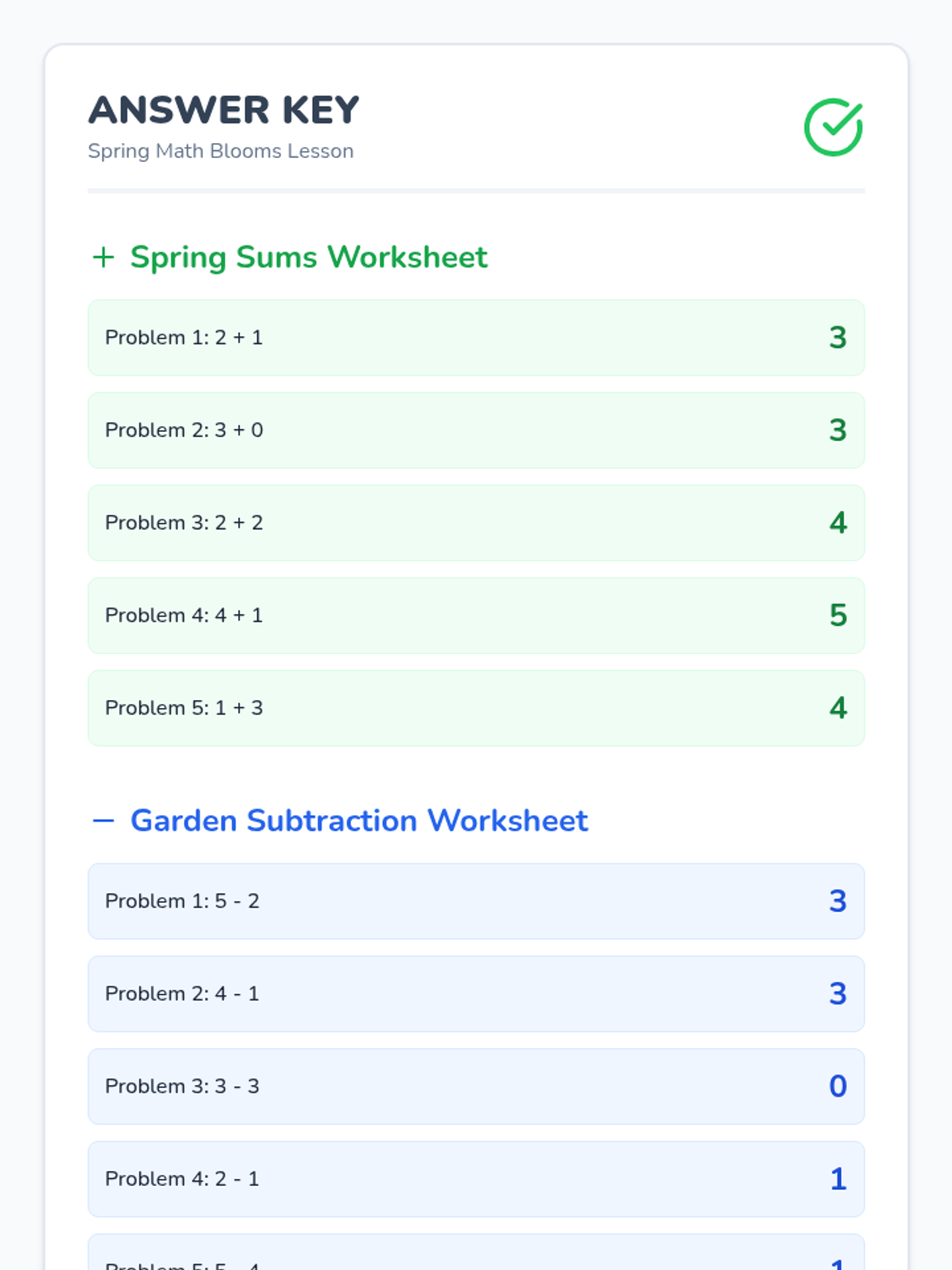
A collection of spring-themed math activities focusing on addition and subtraction within 5 using visual supports like touch-points and pictures. Includes a collaborative partner game to reinforce skills through play.
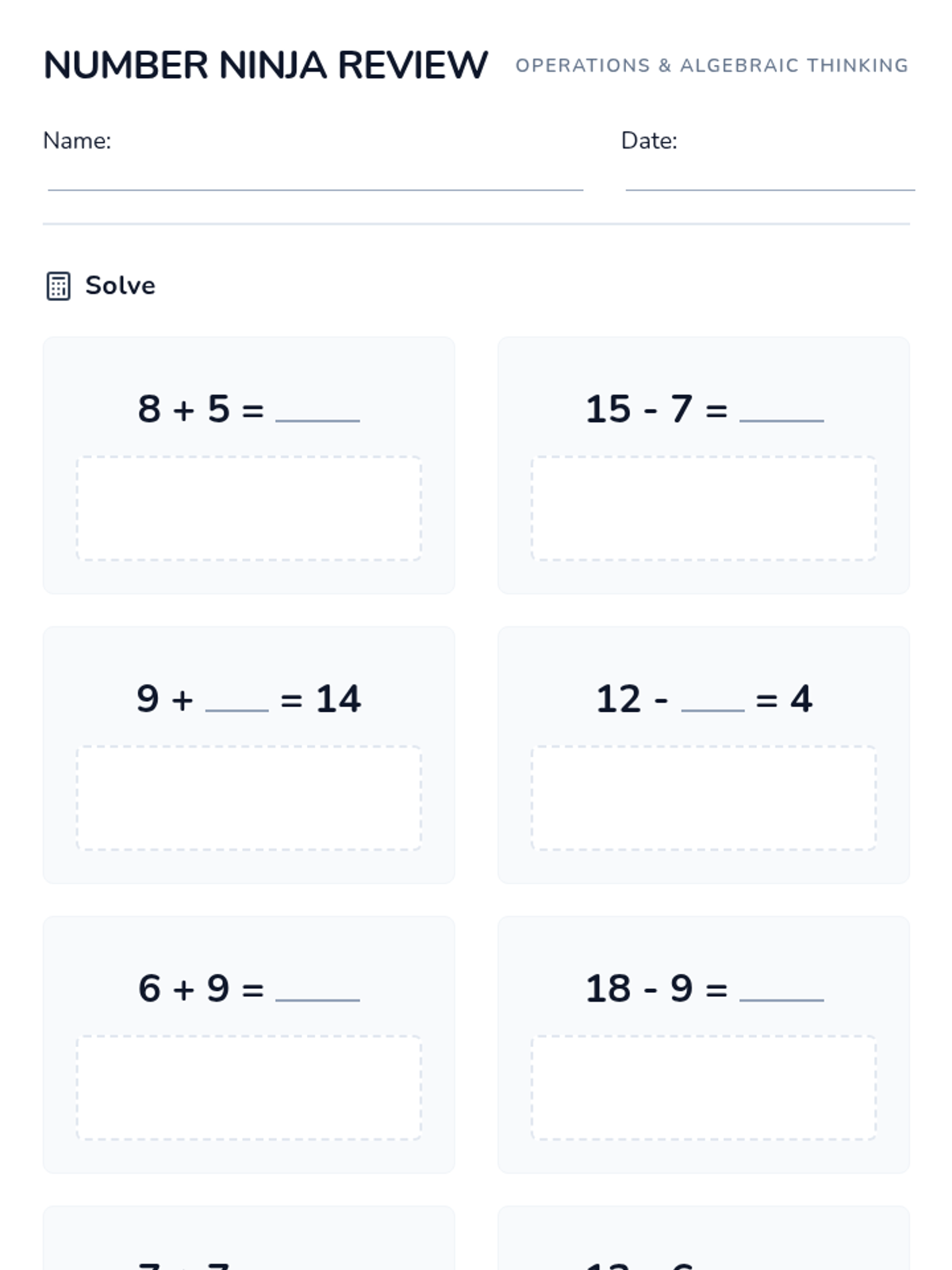
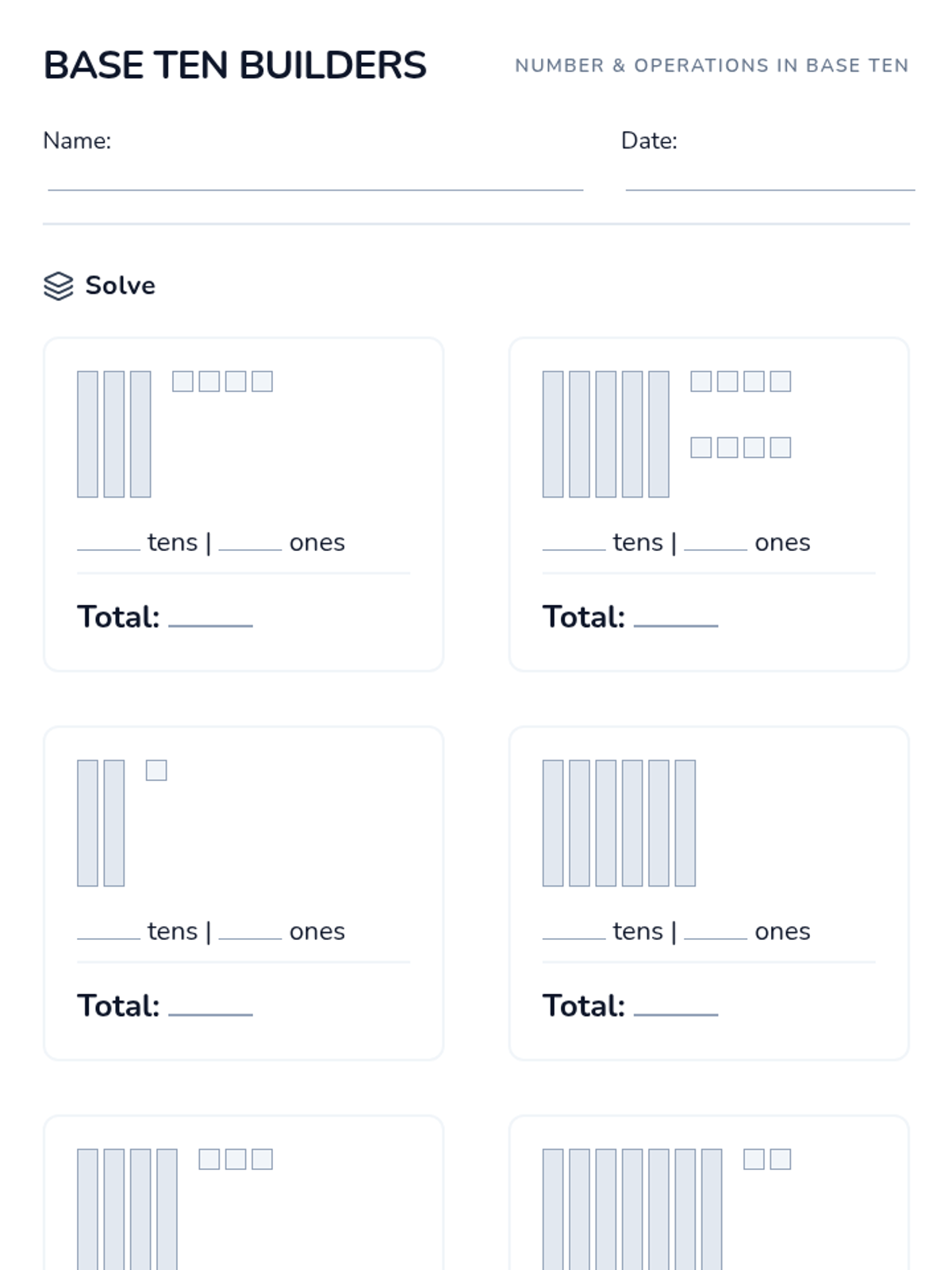
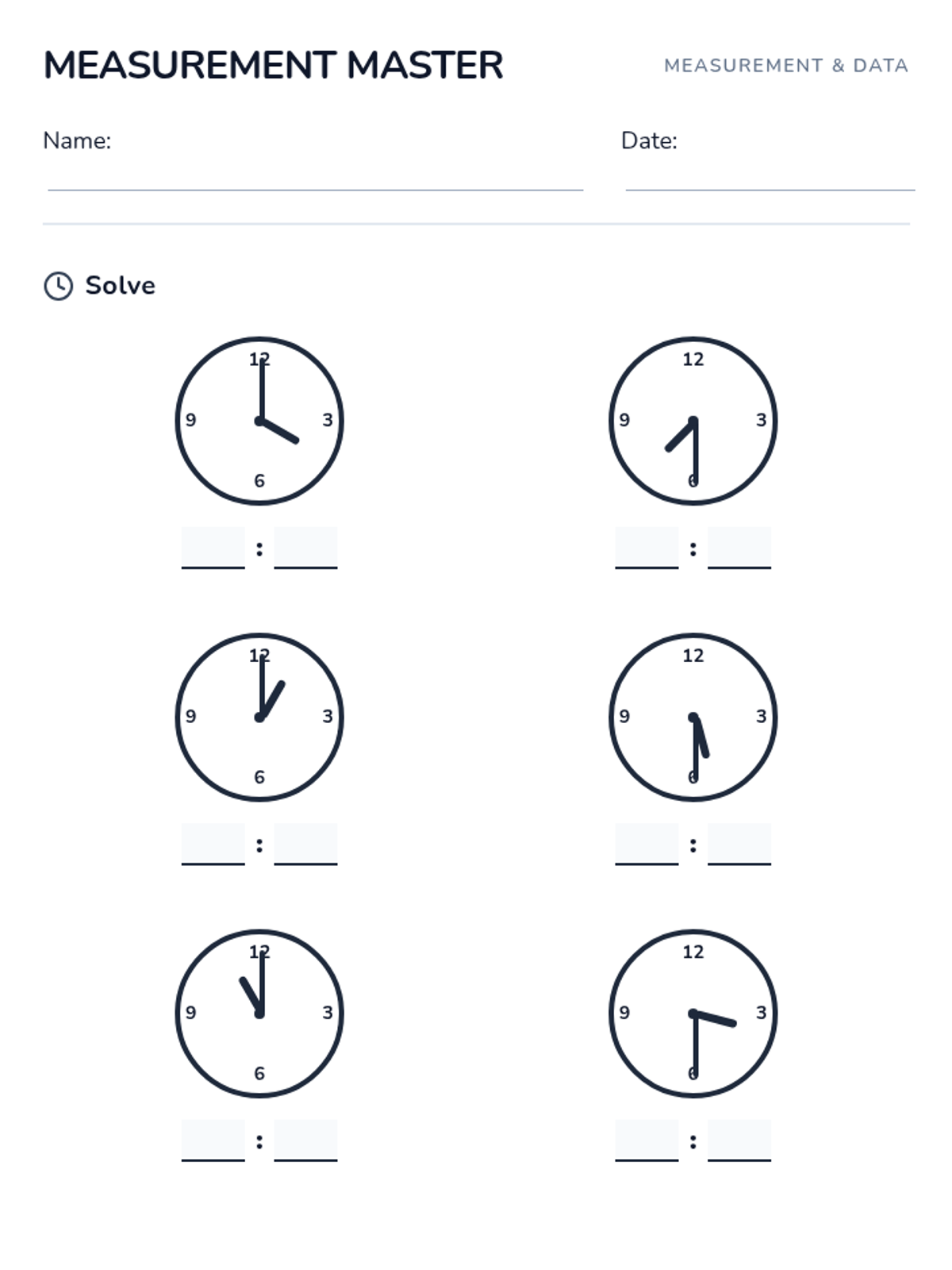
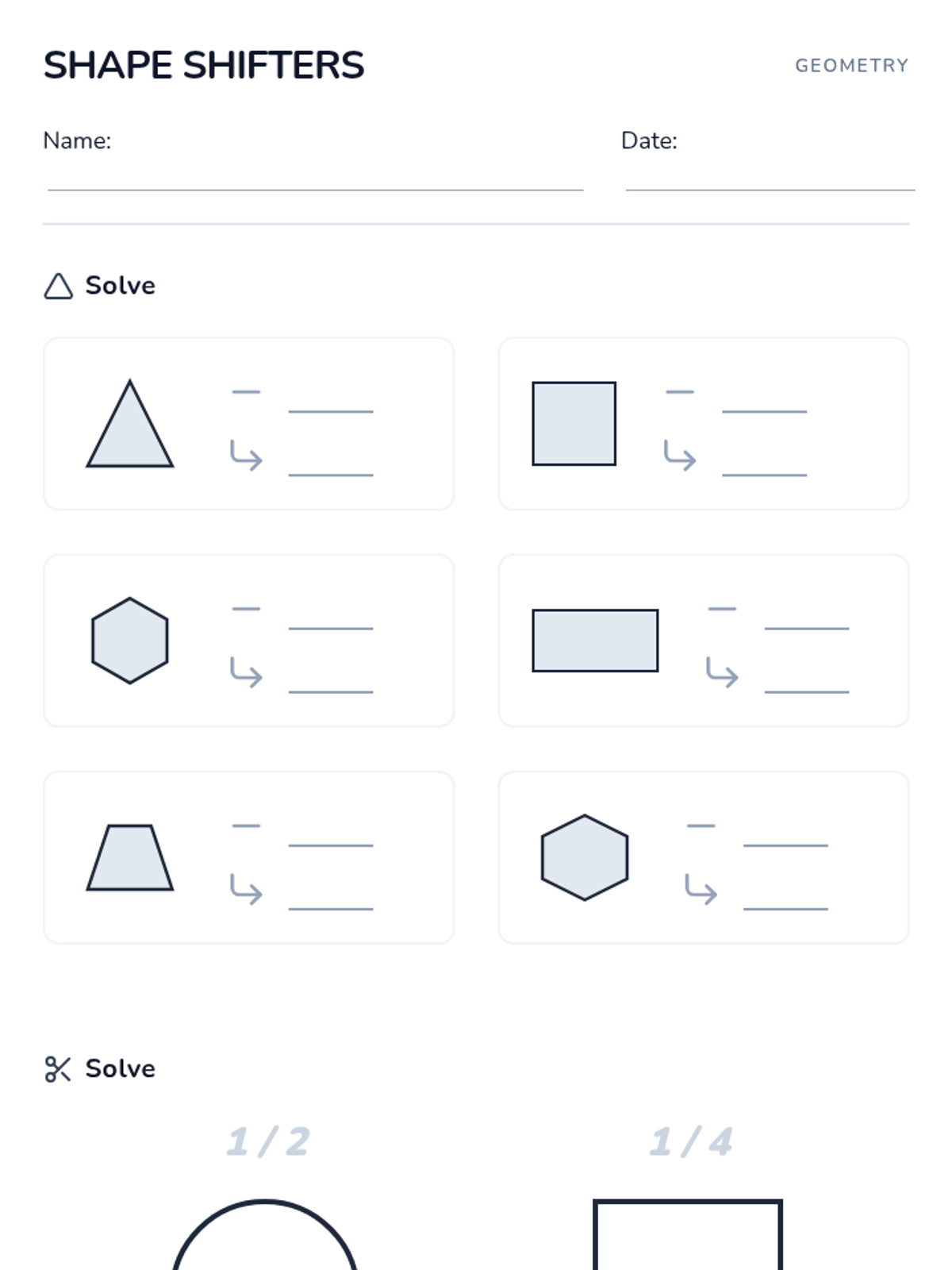
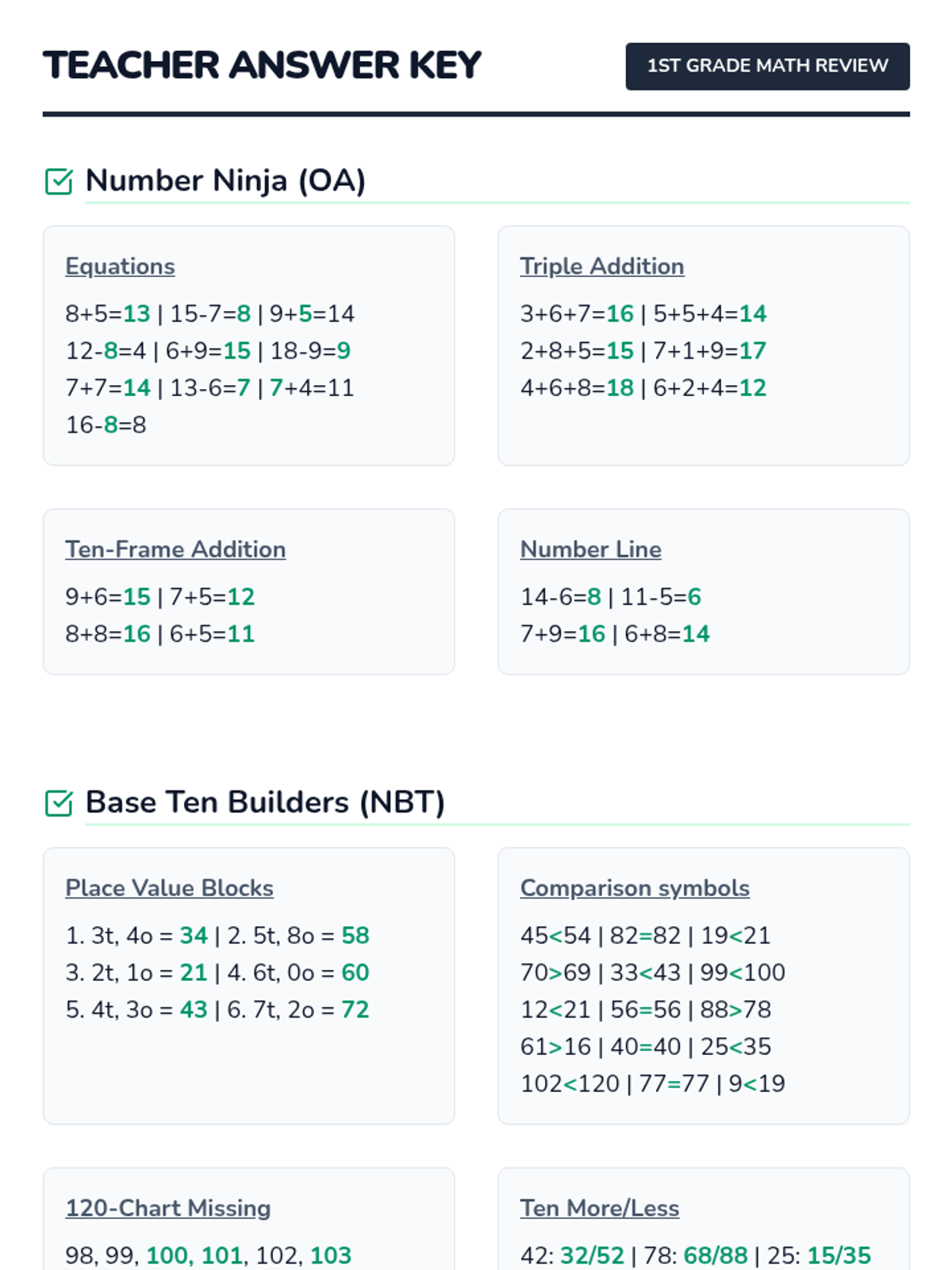
A comprehensive end-of-year math review for 1st grade students, aligned with Illinois Learning Standards. The lesson covers all major domains including Operations, Base Ten, Measurement, and Geometry through minimalist, high-legibility worksheets.
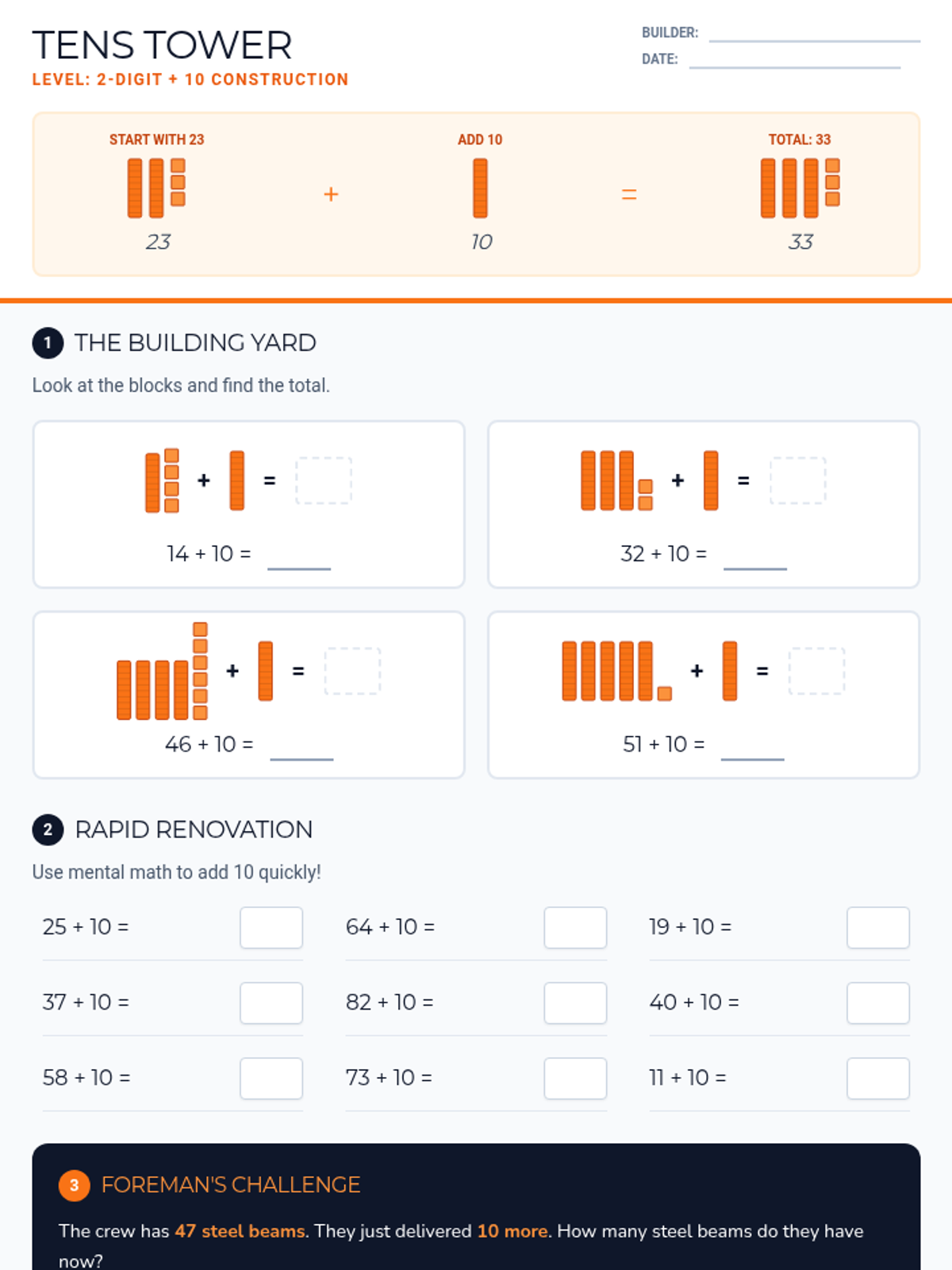
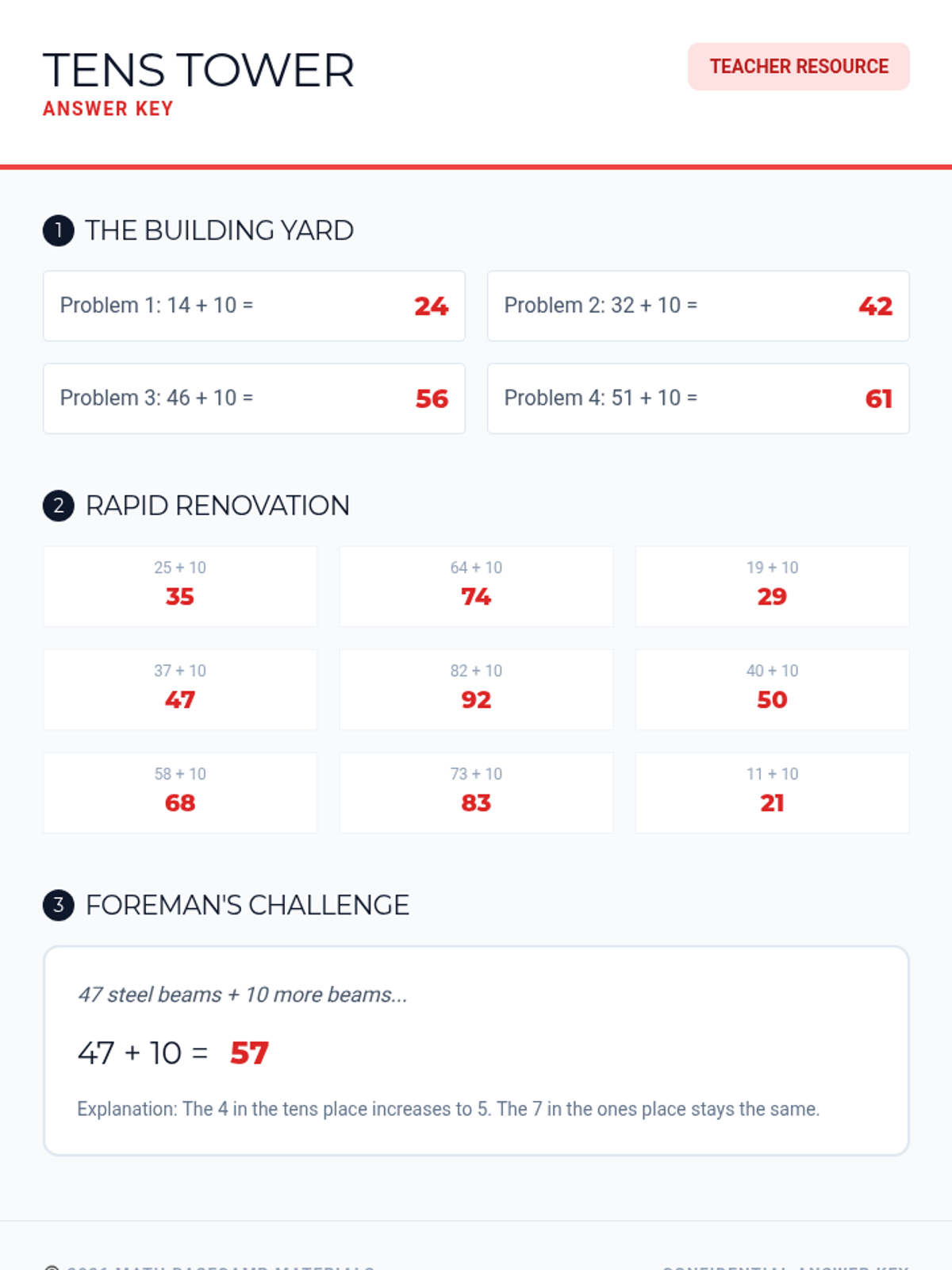
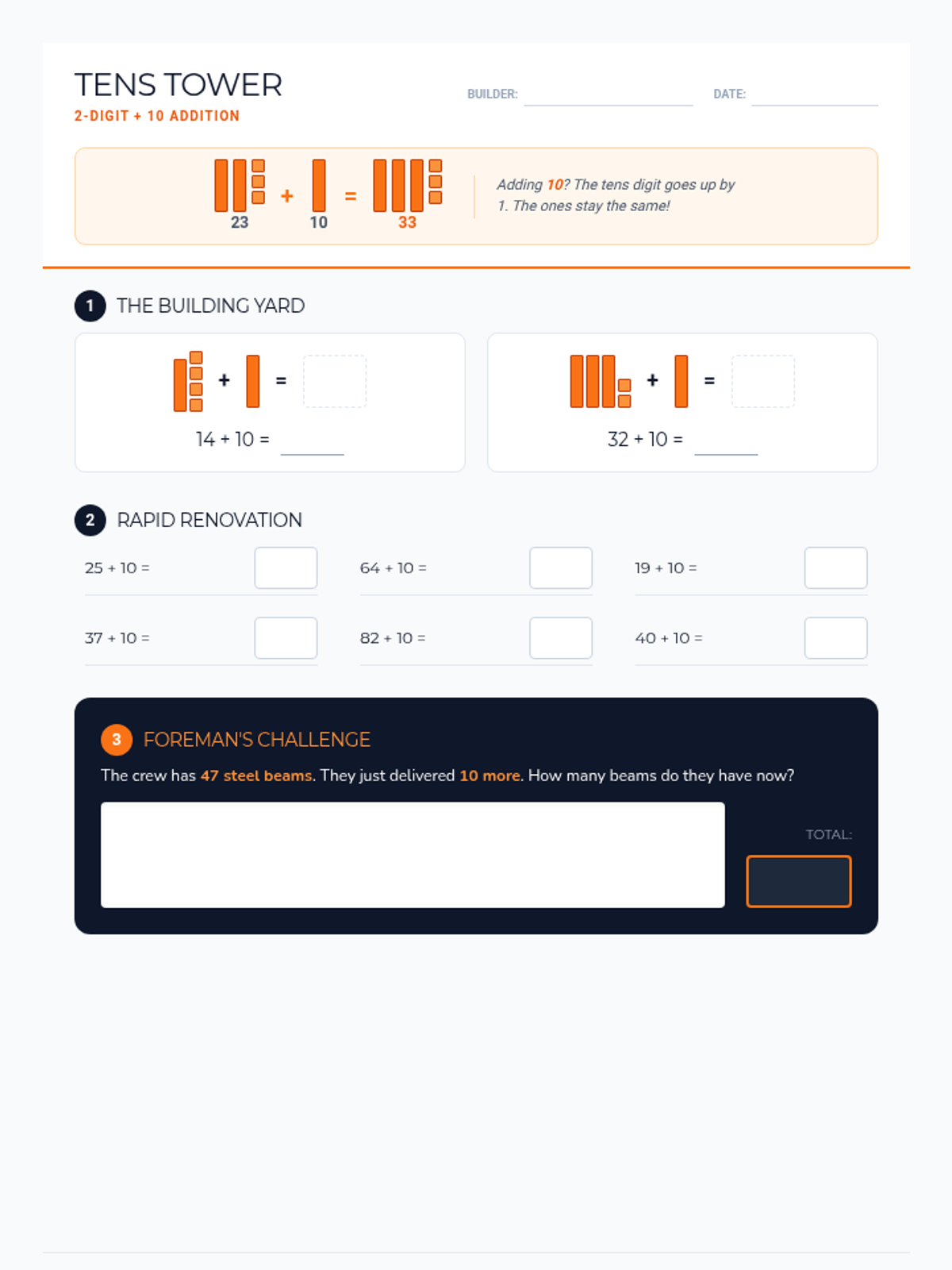
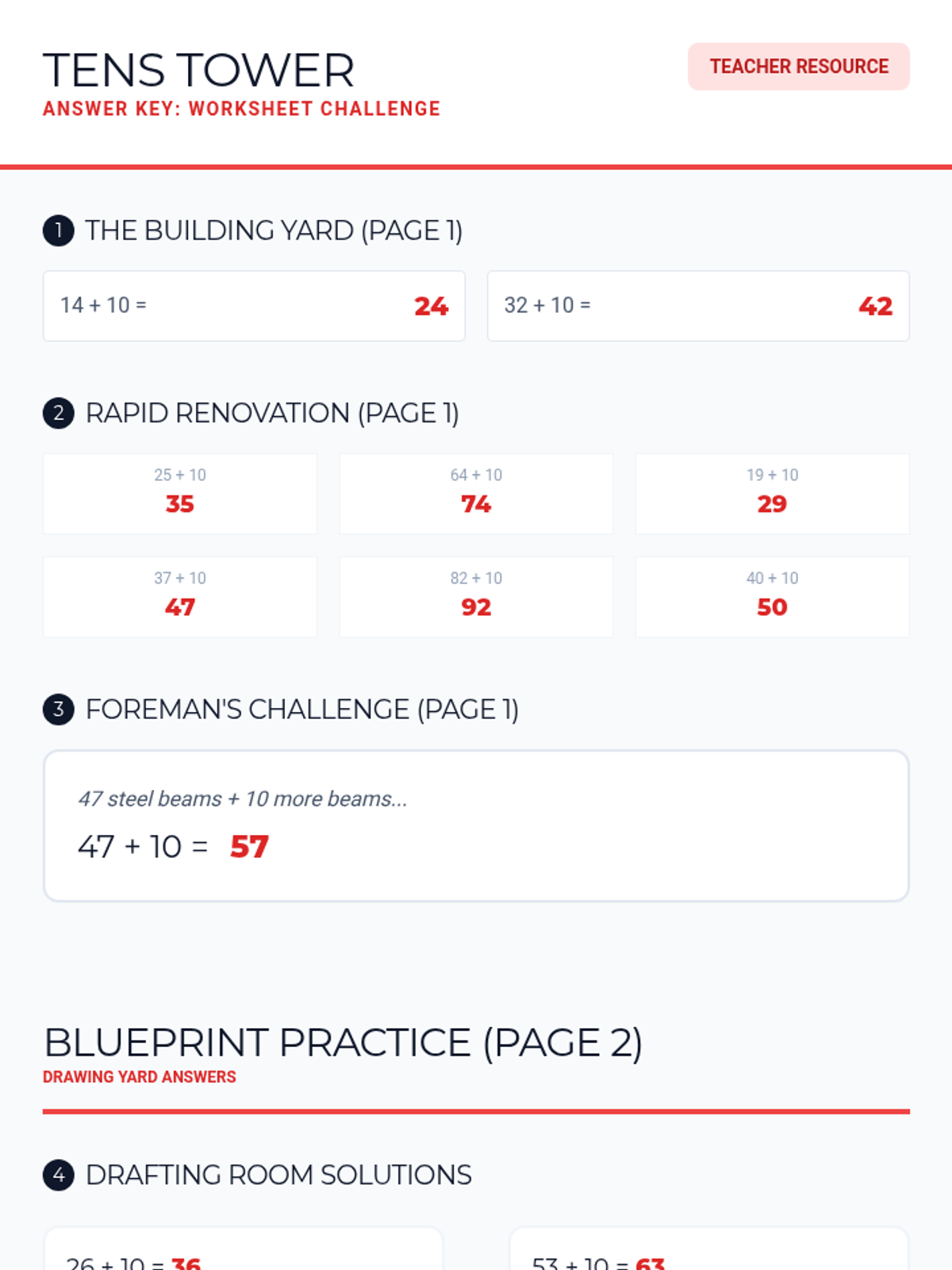
A lesson focused on adding 10 to any 2-digit number using visual base-ten models and mental math strategies. Students explore how the tens digit increases by one while the ones digit remains constant.
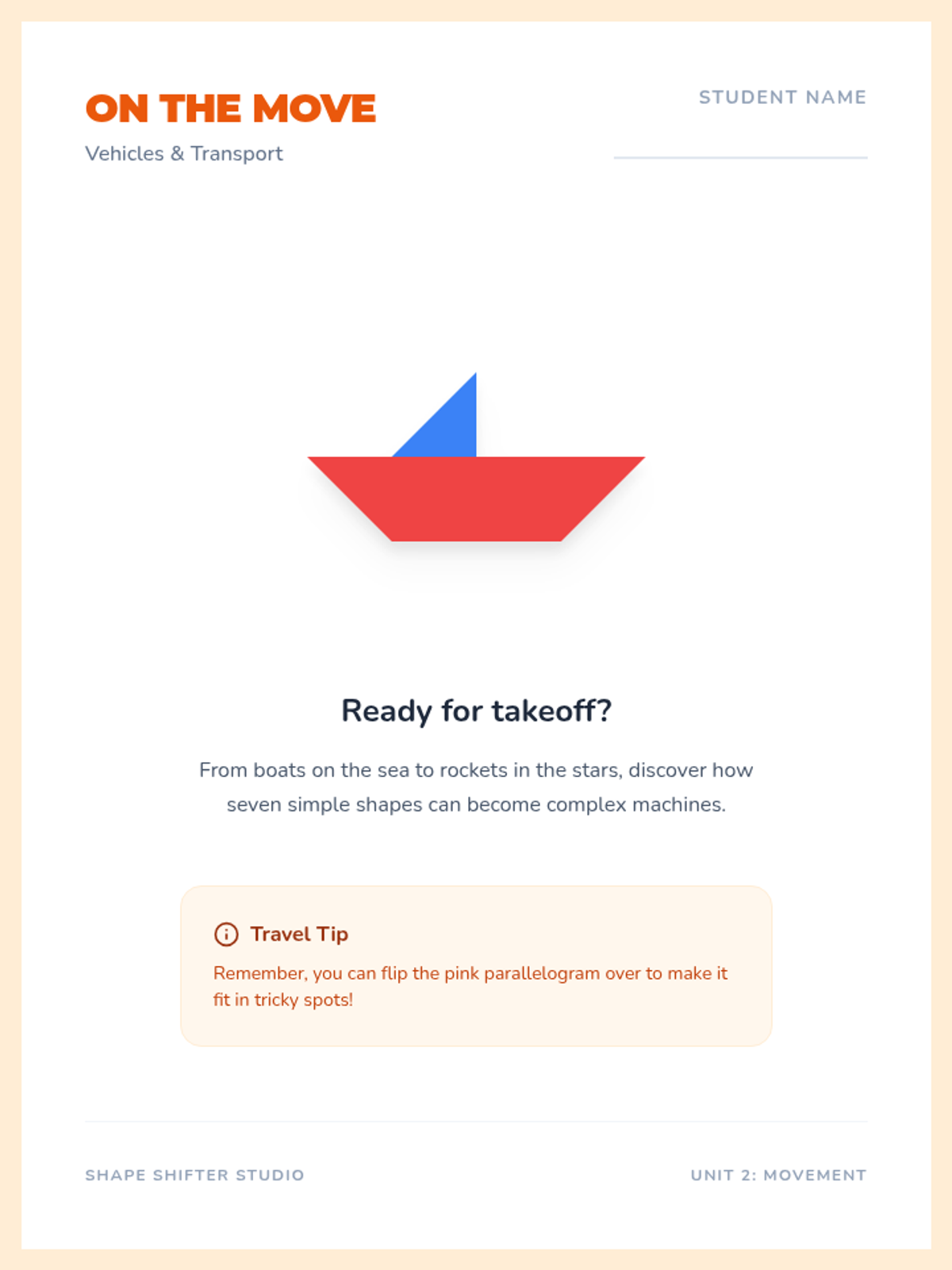
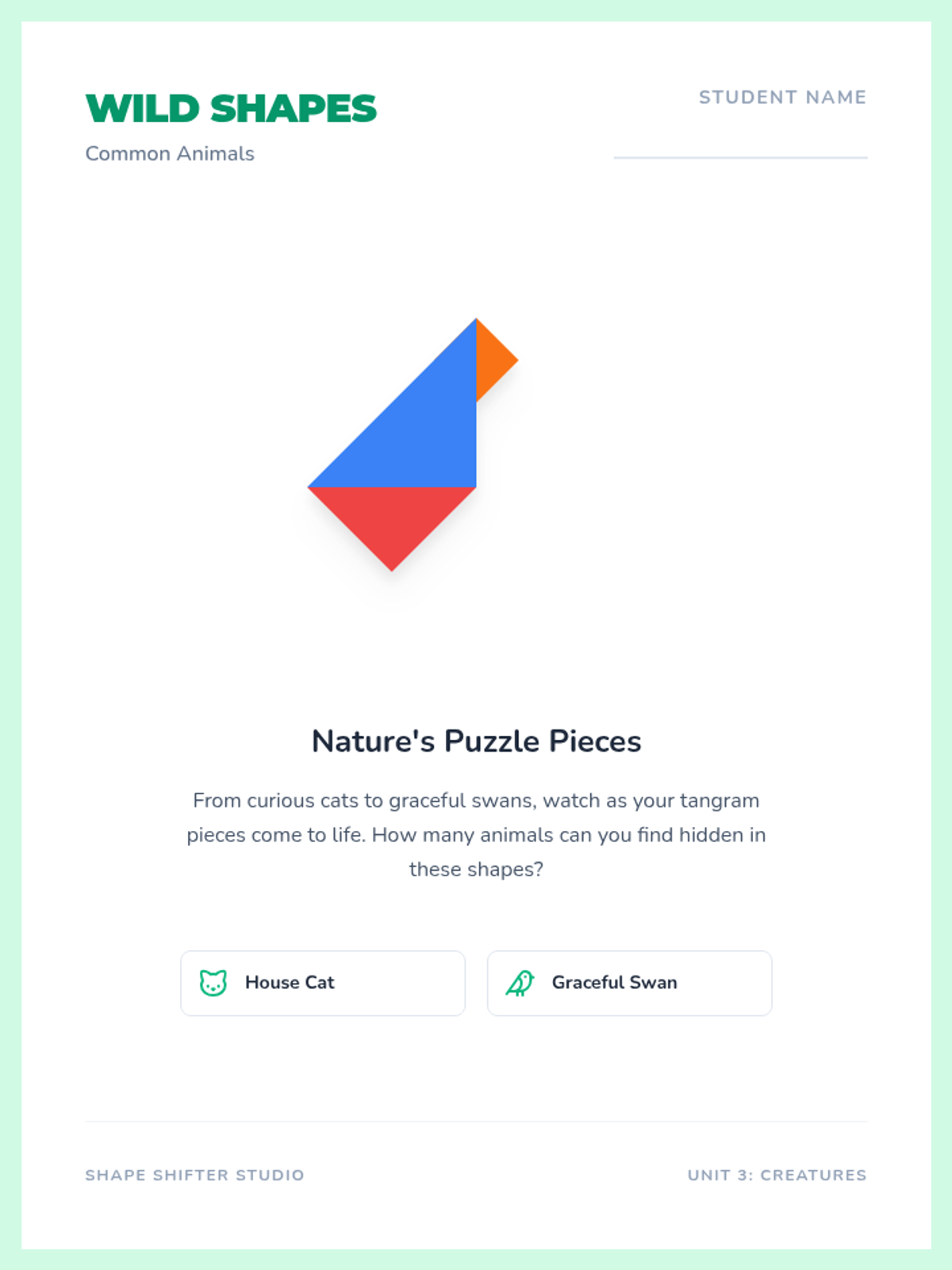
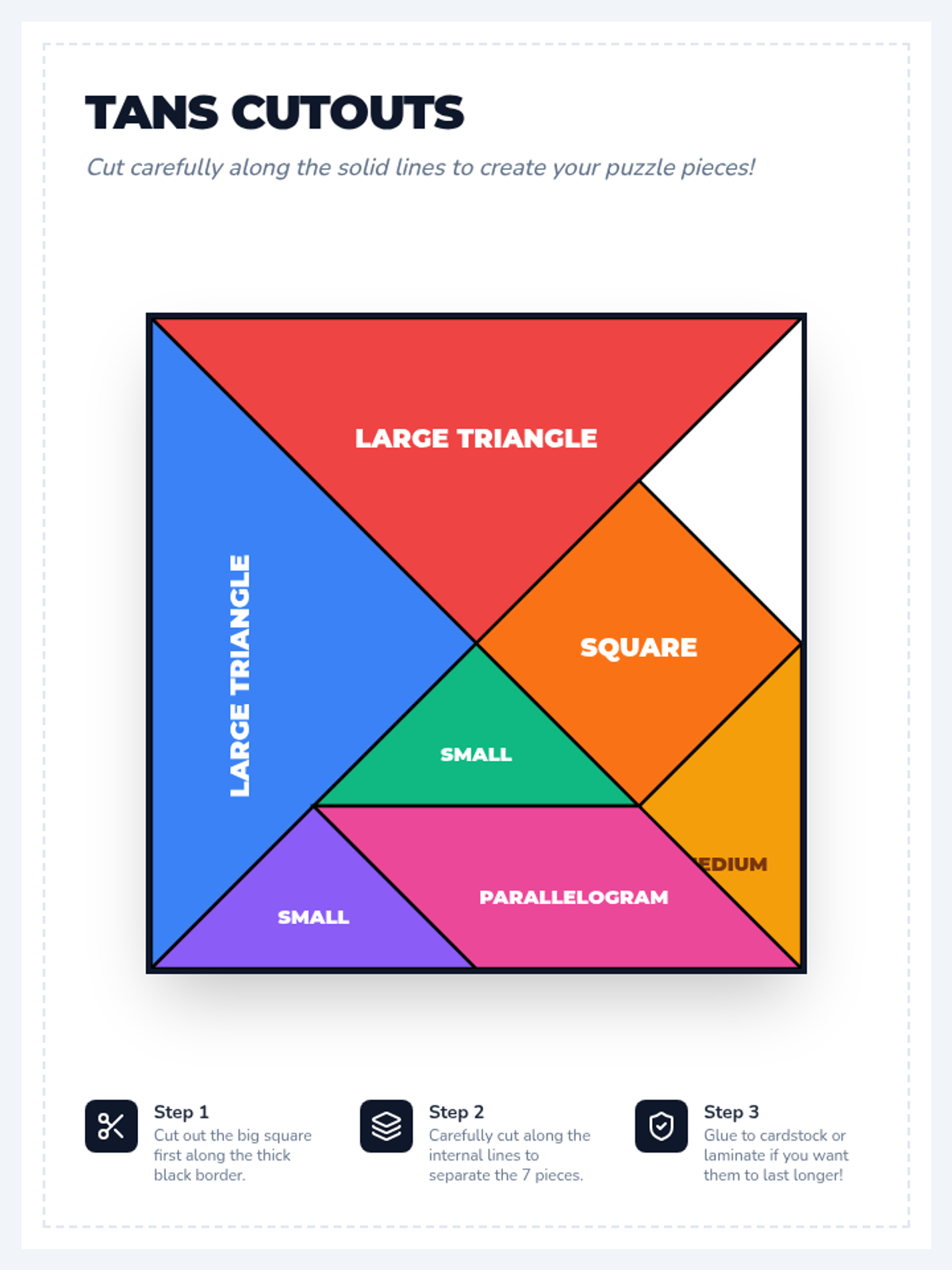
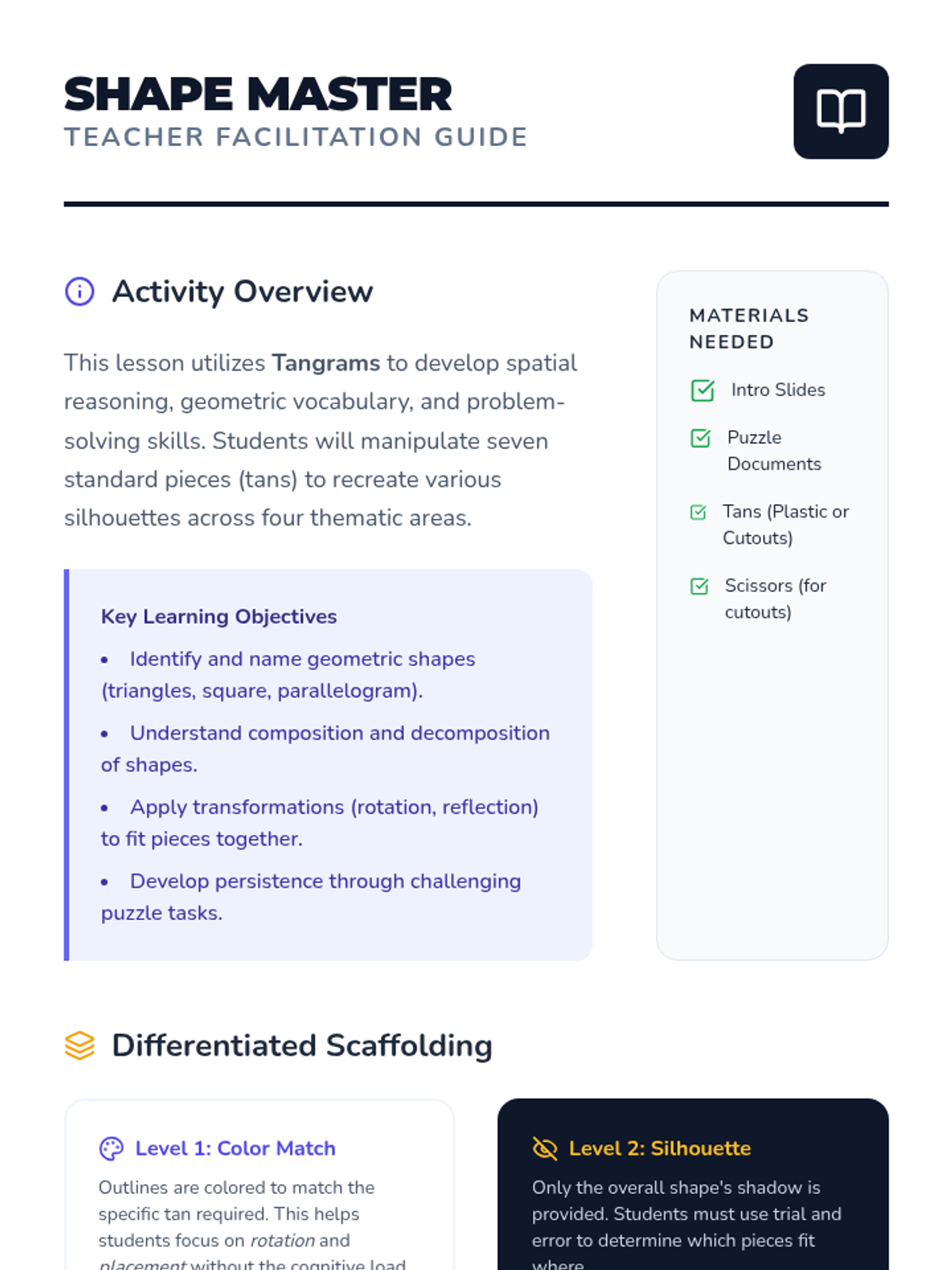
A hands-on exploration of geometry and spatial reasoning using tangrams, featuring puzzles across four diverse themes with varying difficulty levels.
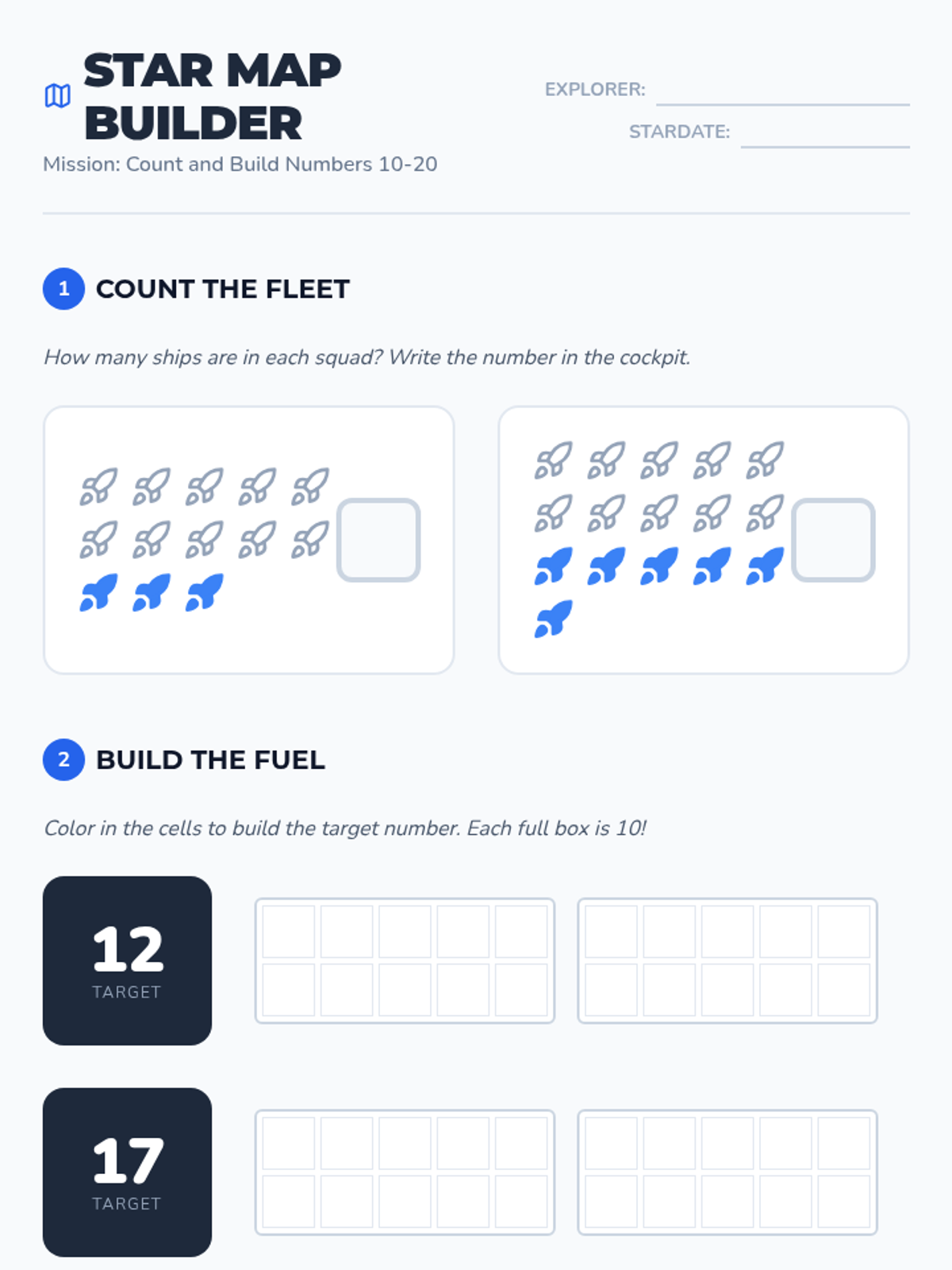
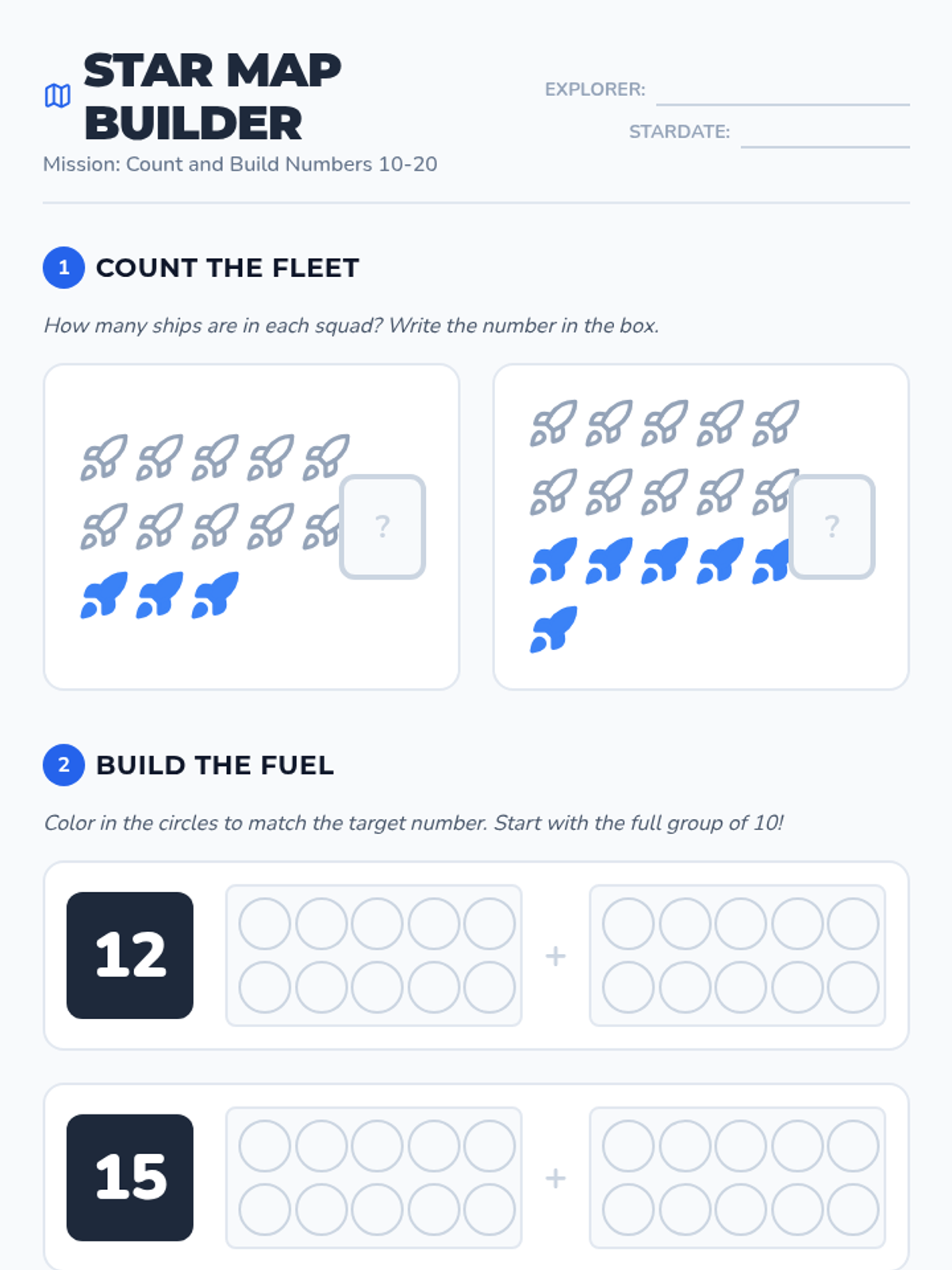
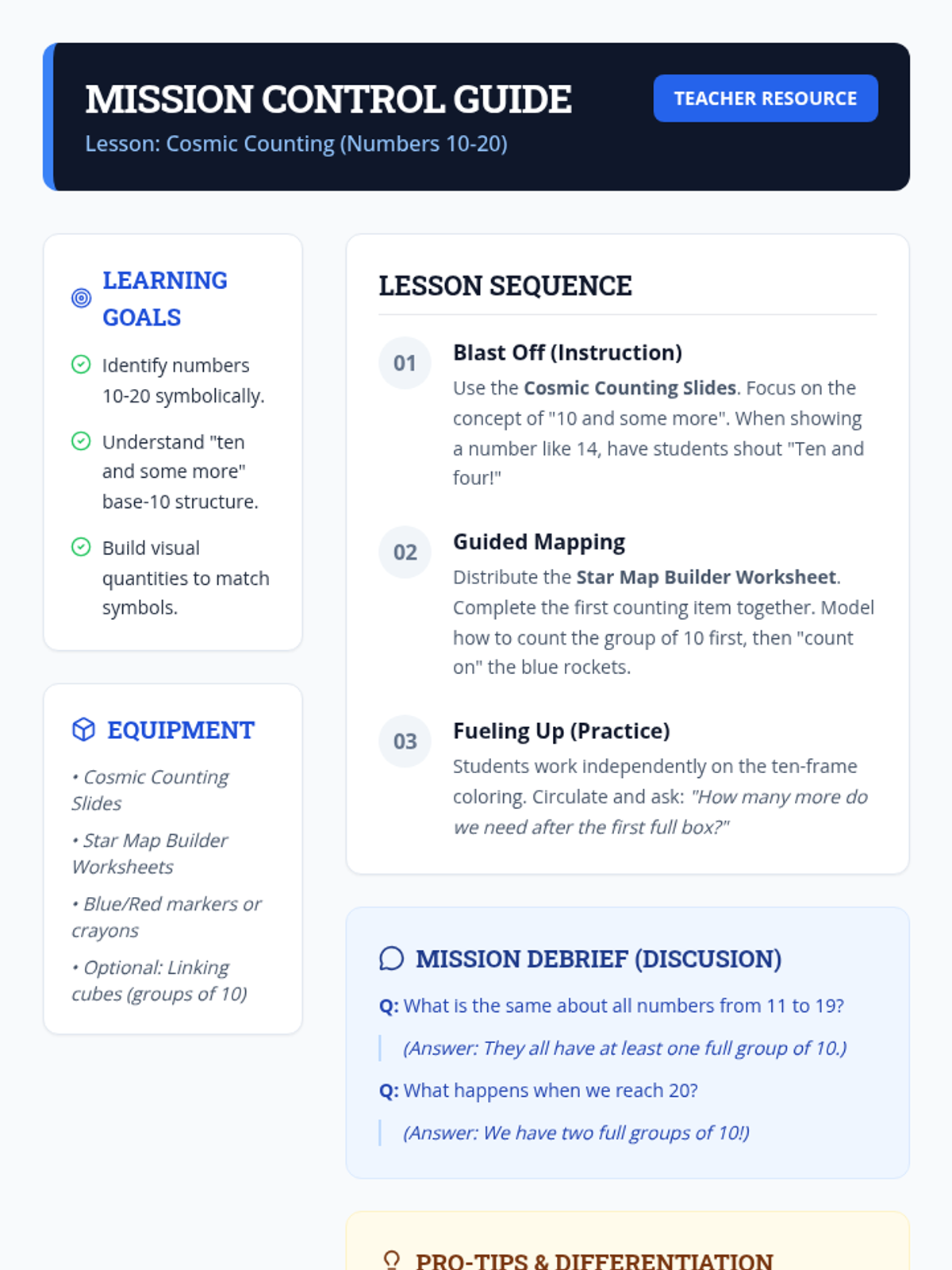
A lesson designed to help students recognize and build numbers 10 through 20 by connecting visual quantities (ten-frames and groups of stars) to their symbolic representations.
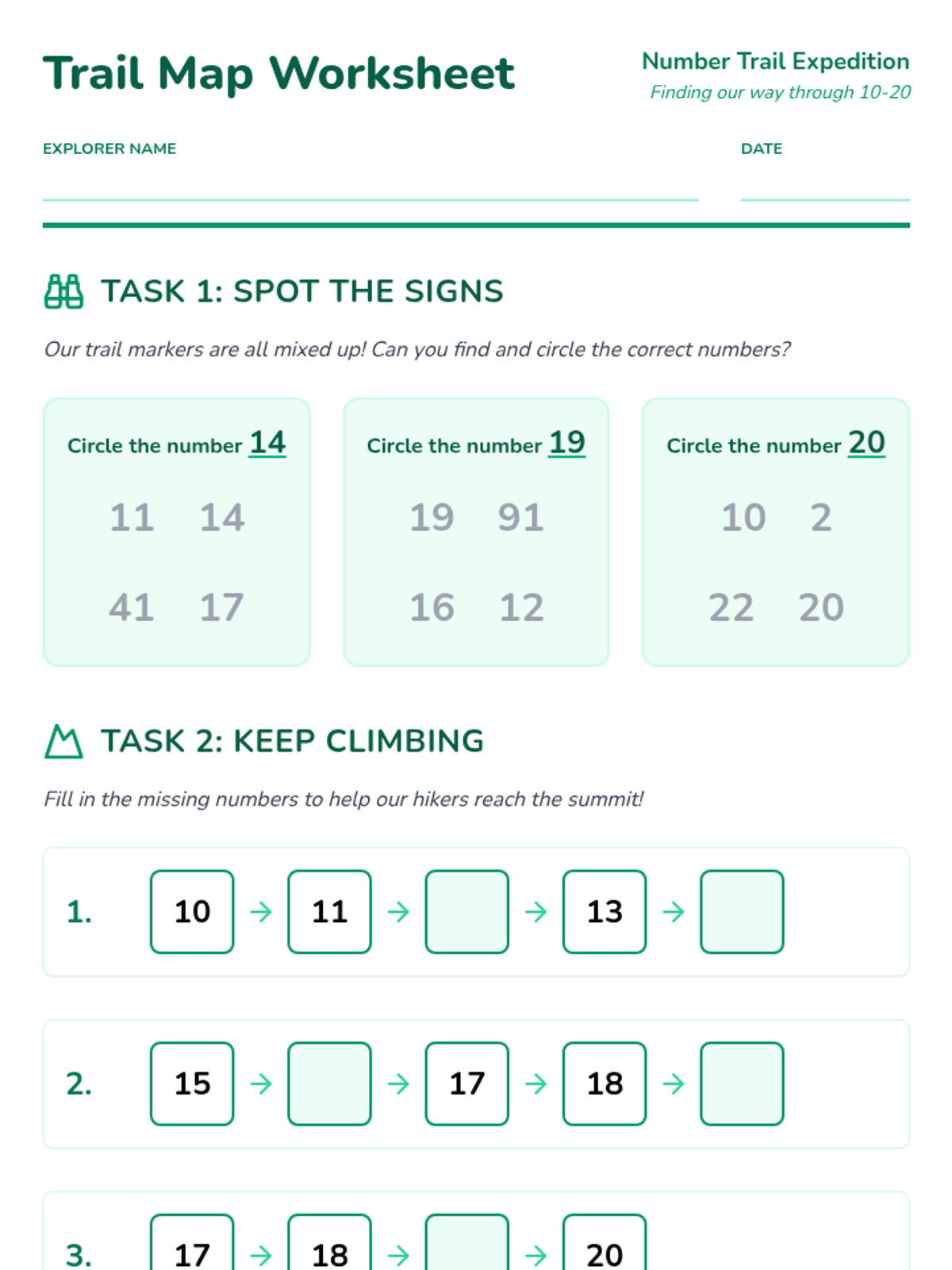
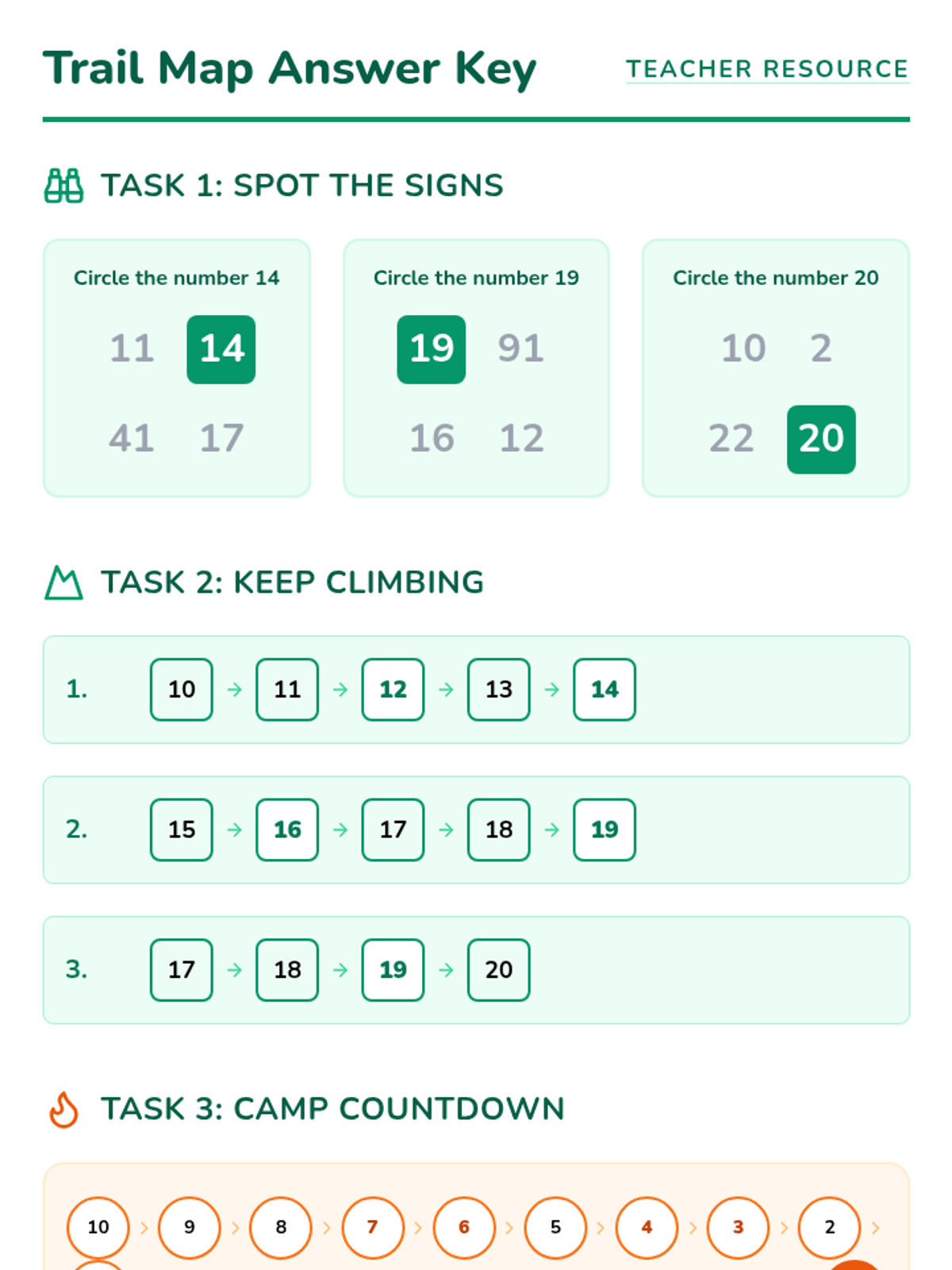
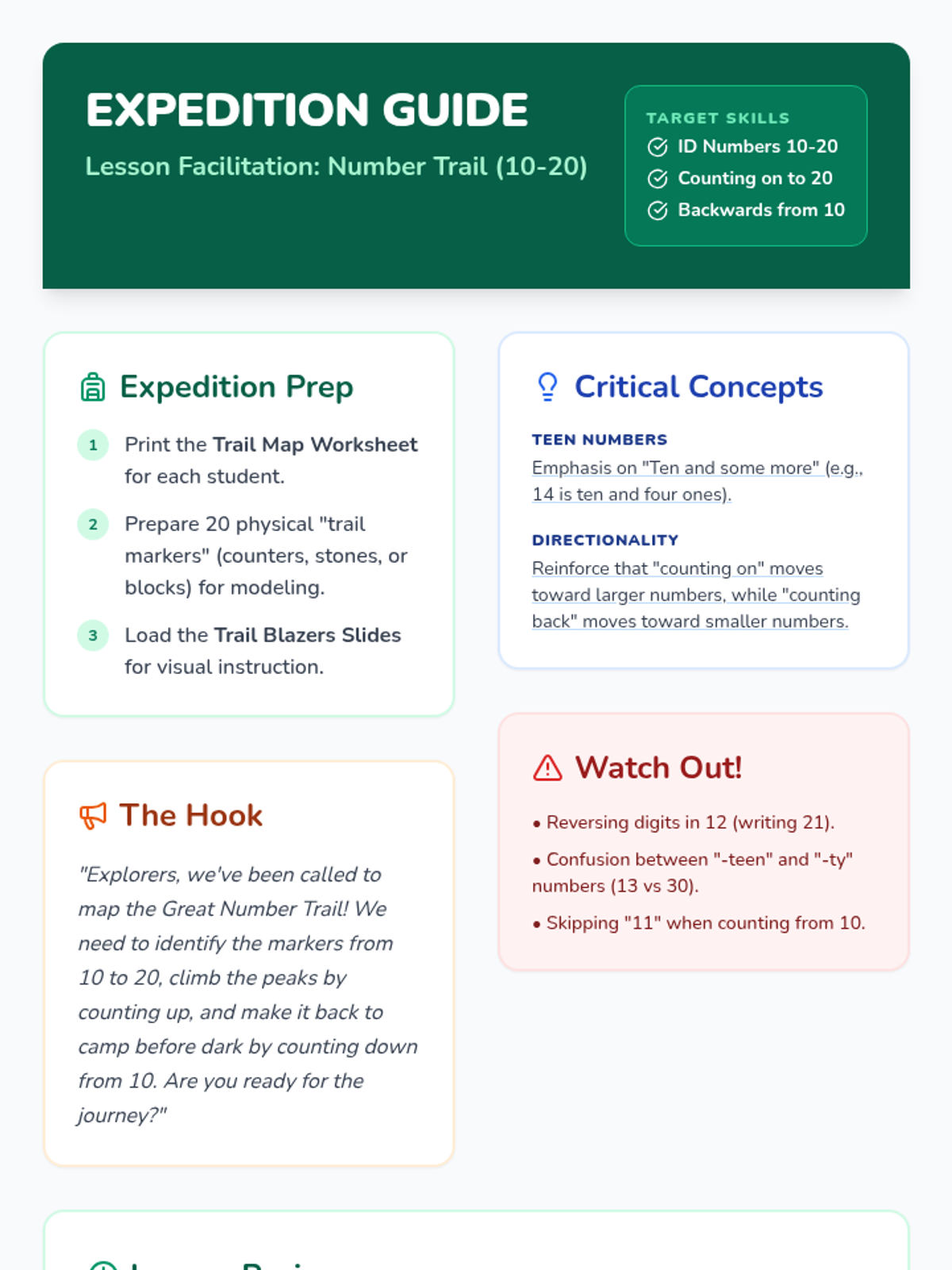
A foundational math lesson focusing on recognizing numbers 10-20, counting on to 20, and counting backwards from 10. Students embark on a nature-themed journey to build number sense.
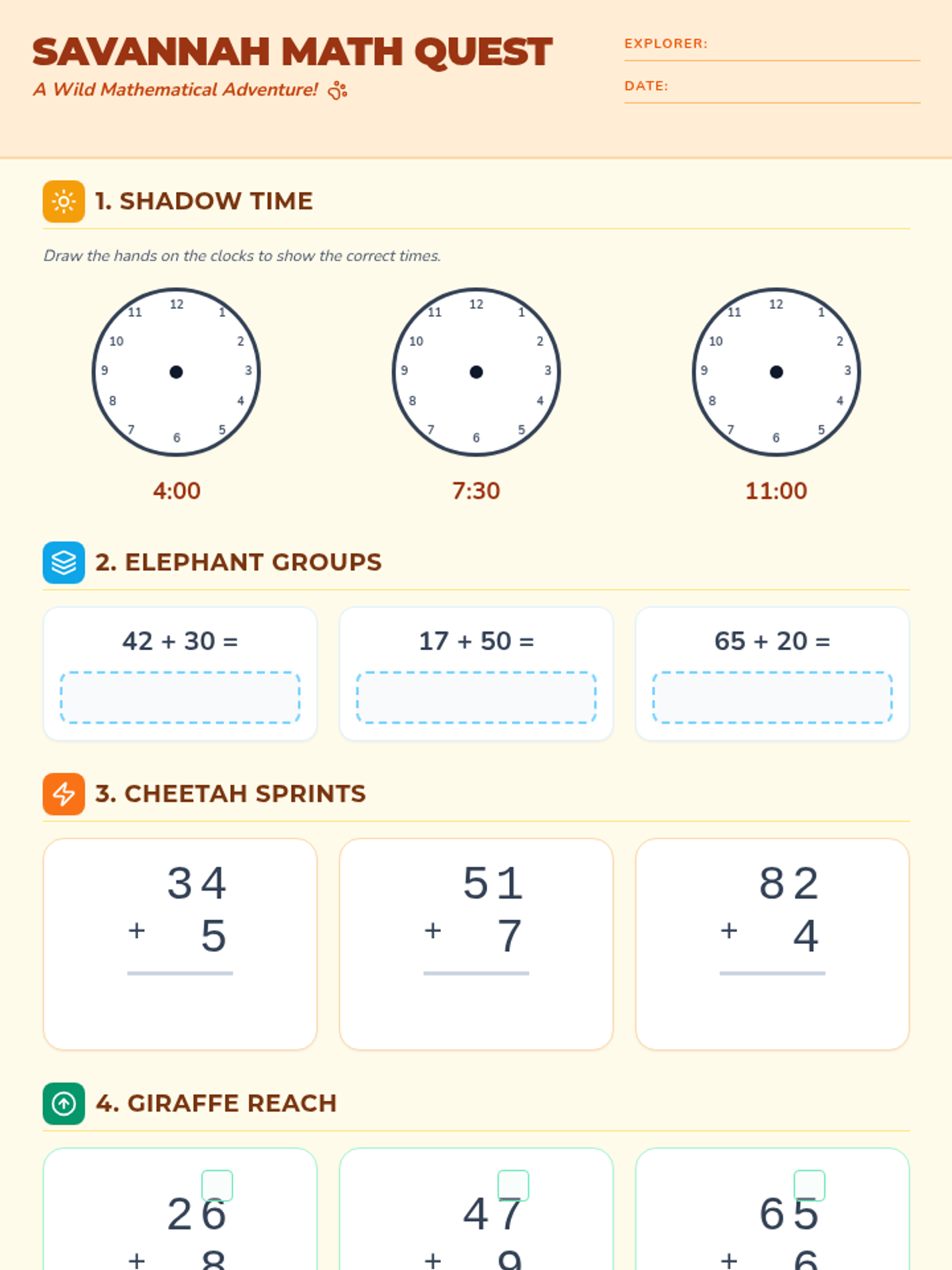
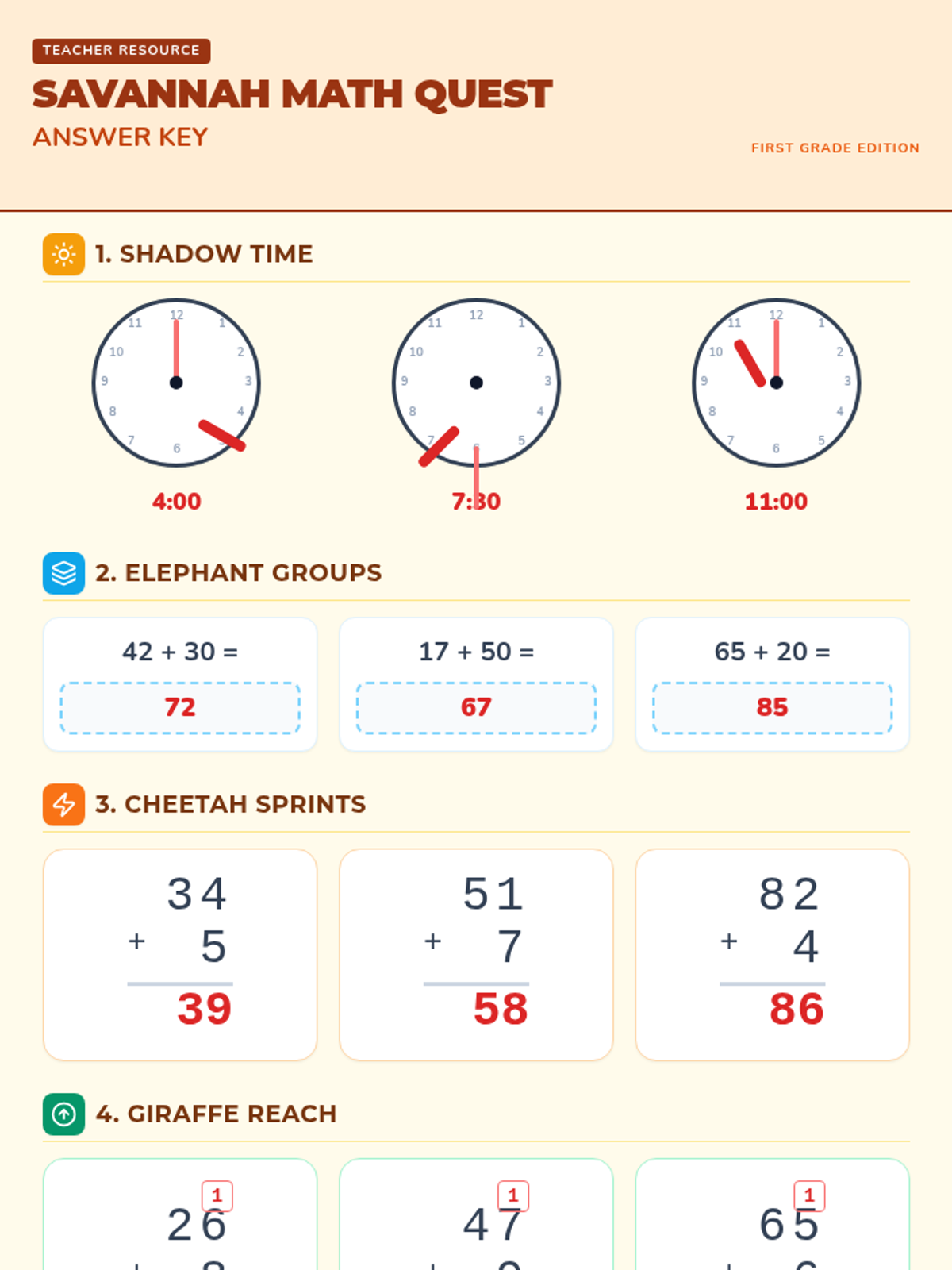
A math practice lesson focused on first-grade addition and time-telling skills, themed around the animals of the African savannah.
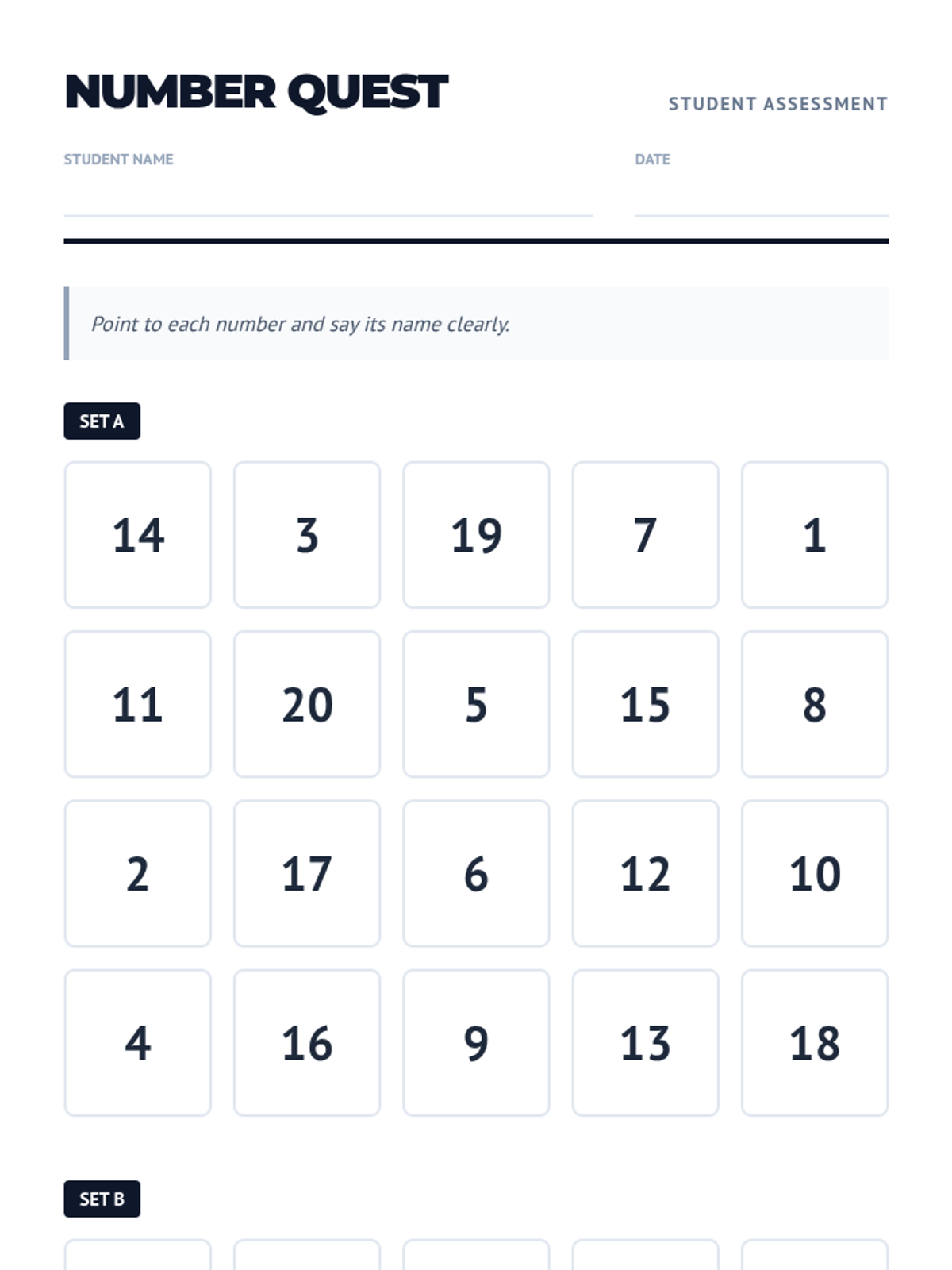
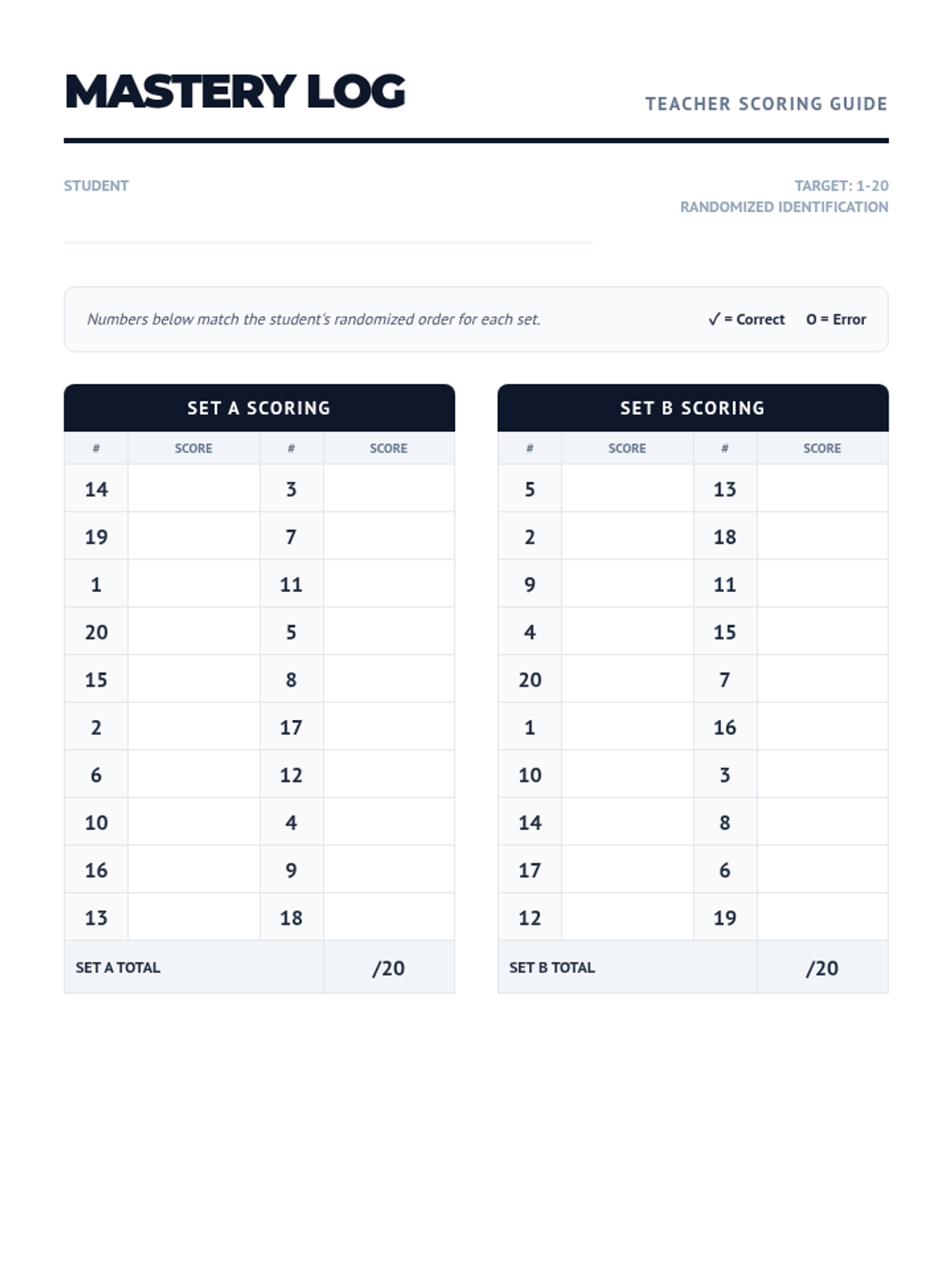
A comprehensive set of tools for assessing and tracking a student's ability to identify numbers 1 through 20 in randomized order.
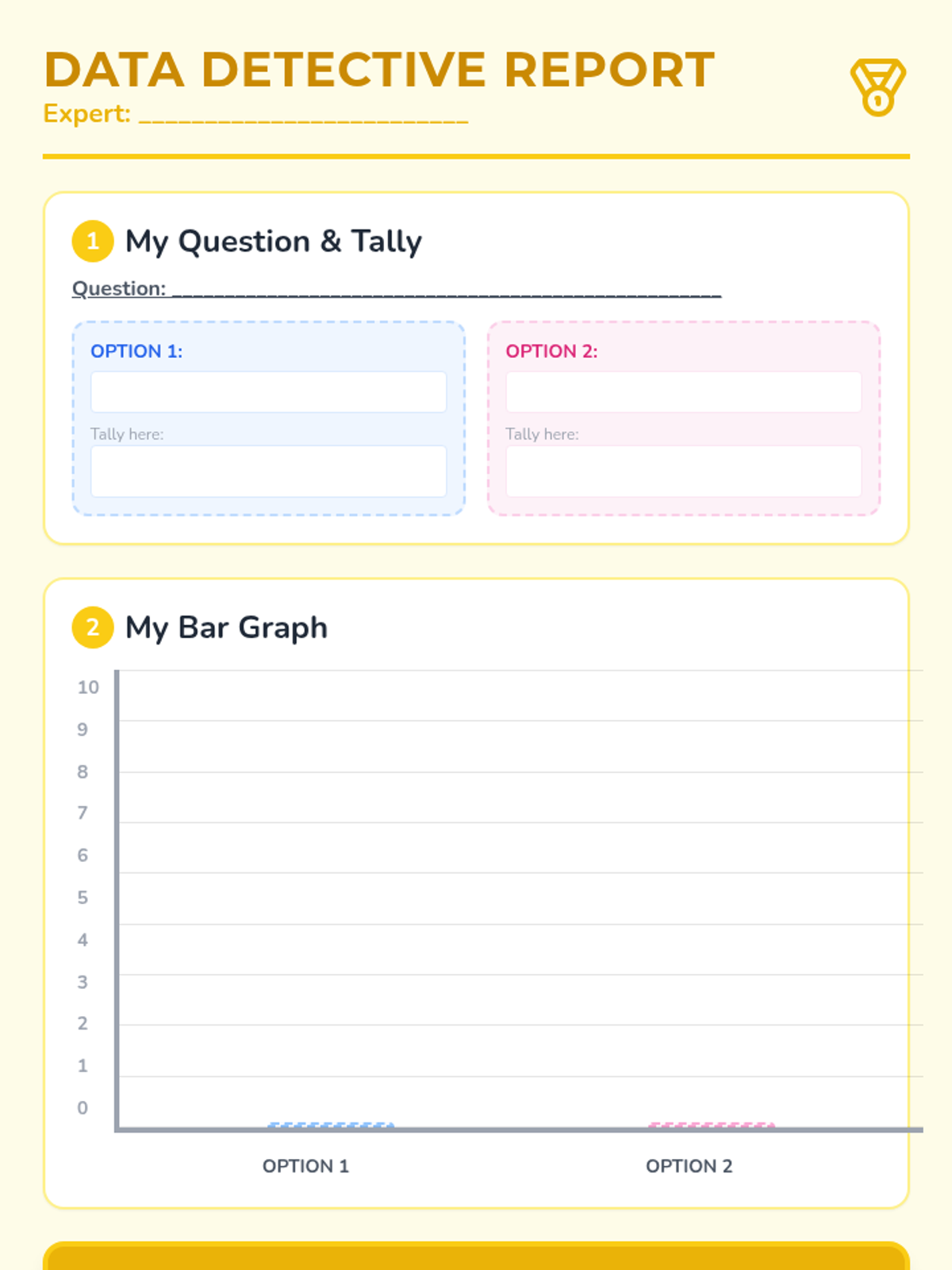
Students conduct their own small-group survey, create a bar graph, and solve math problems based on their unique data.
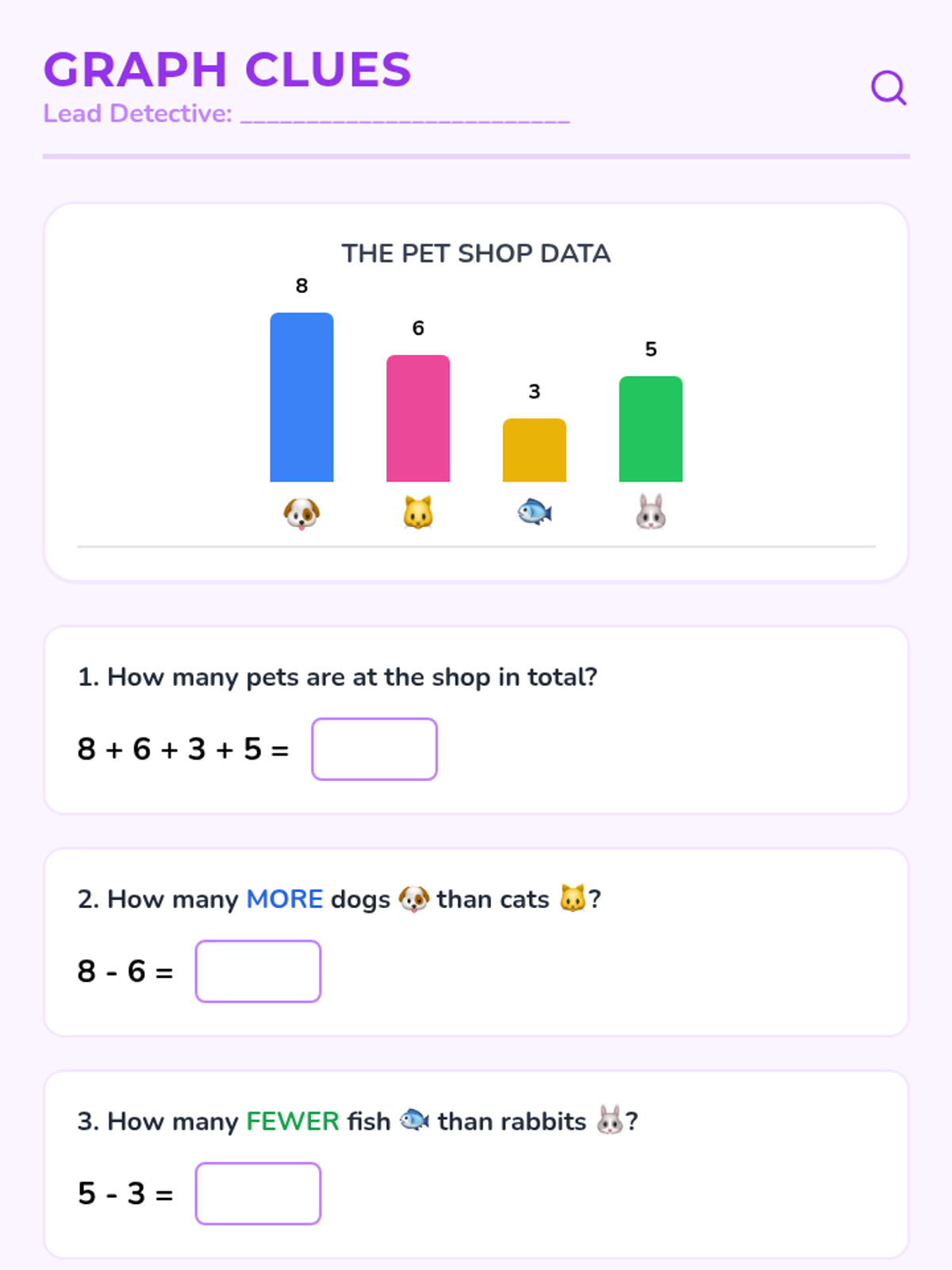
Students use addition and subtraction to answer questions about bar graphs, focusing on "how many more" and "how many fewer."
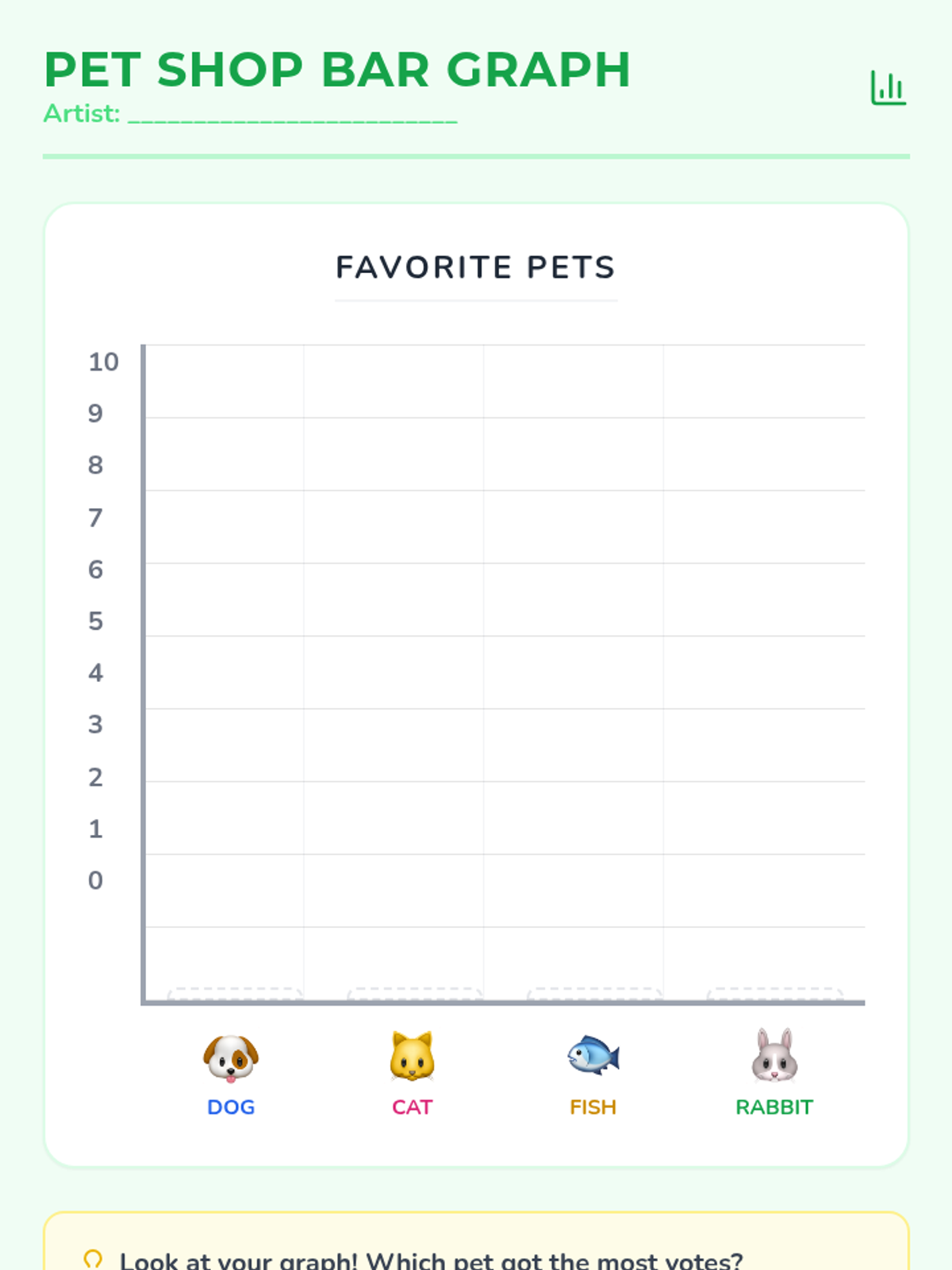
Students learn to translate tally data into bar graphs, visualizing their pet shop findings.