An introductory lesson on physical and chemical changes for 5th grade, focusing on identifying signs of change and understanding how matter transforms.
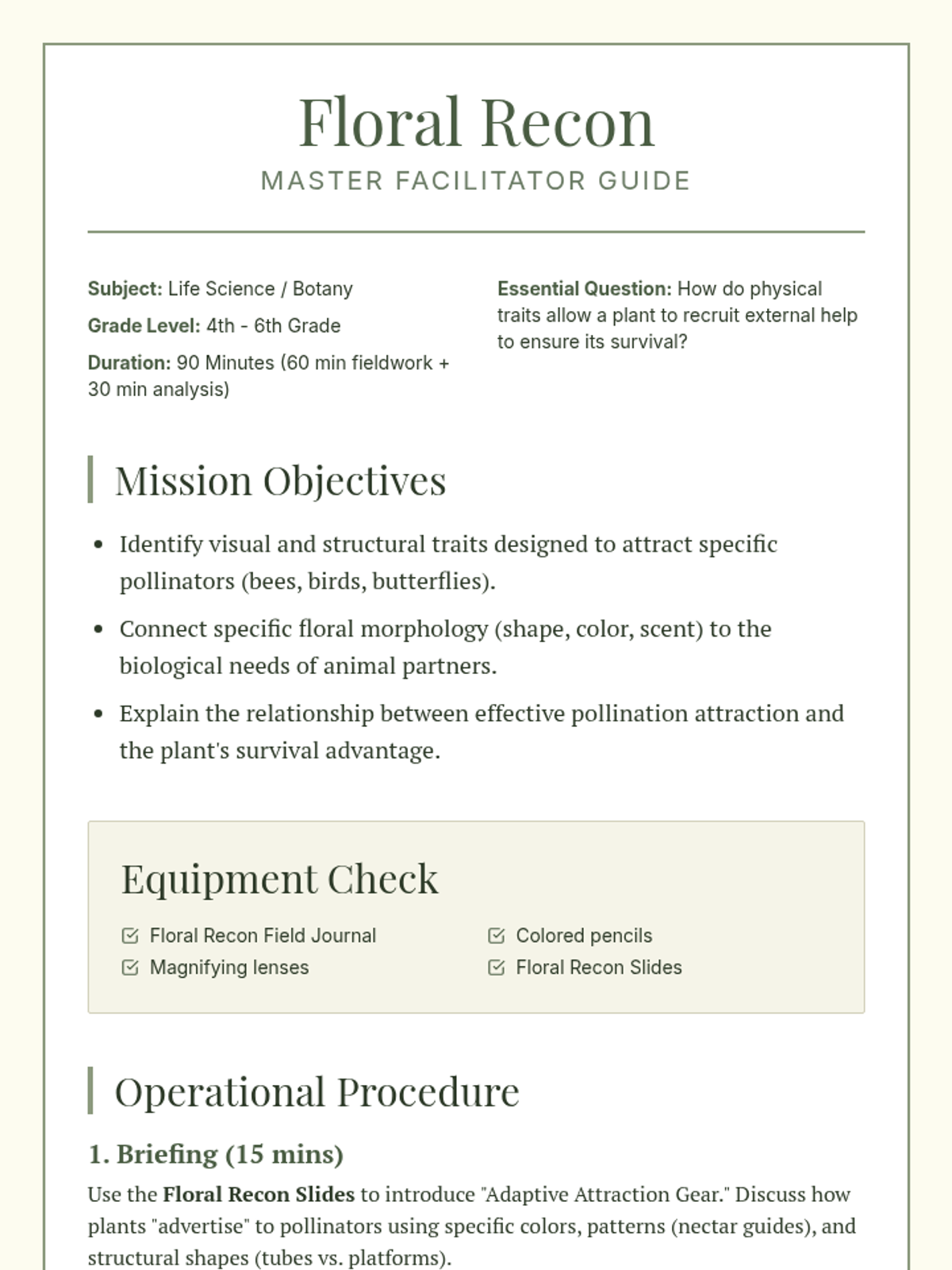
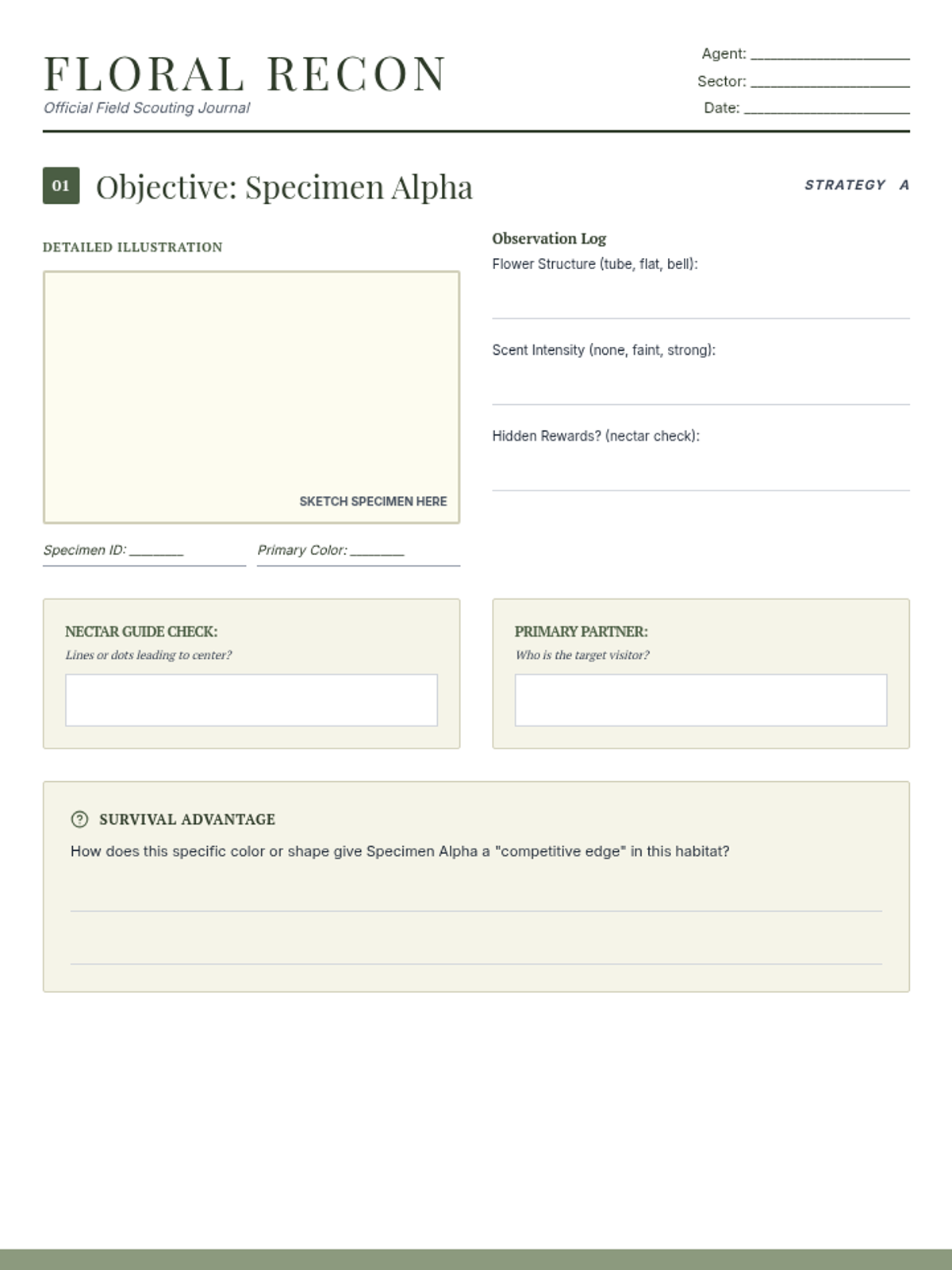
An inquiry-based lesson where students act as botanical scouts, collecting flowering specimens to analyze how traits like color, scent, and structure aid in attracting specific pollinators for species survival.
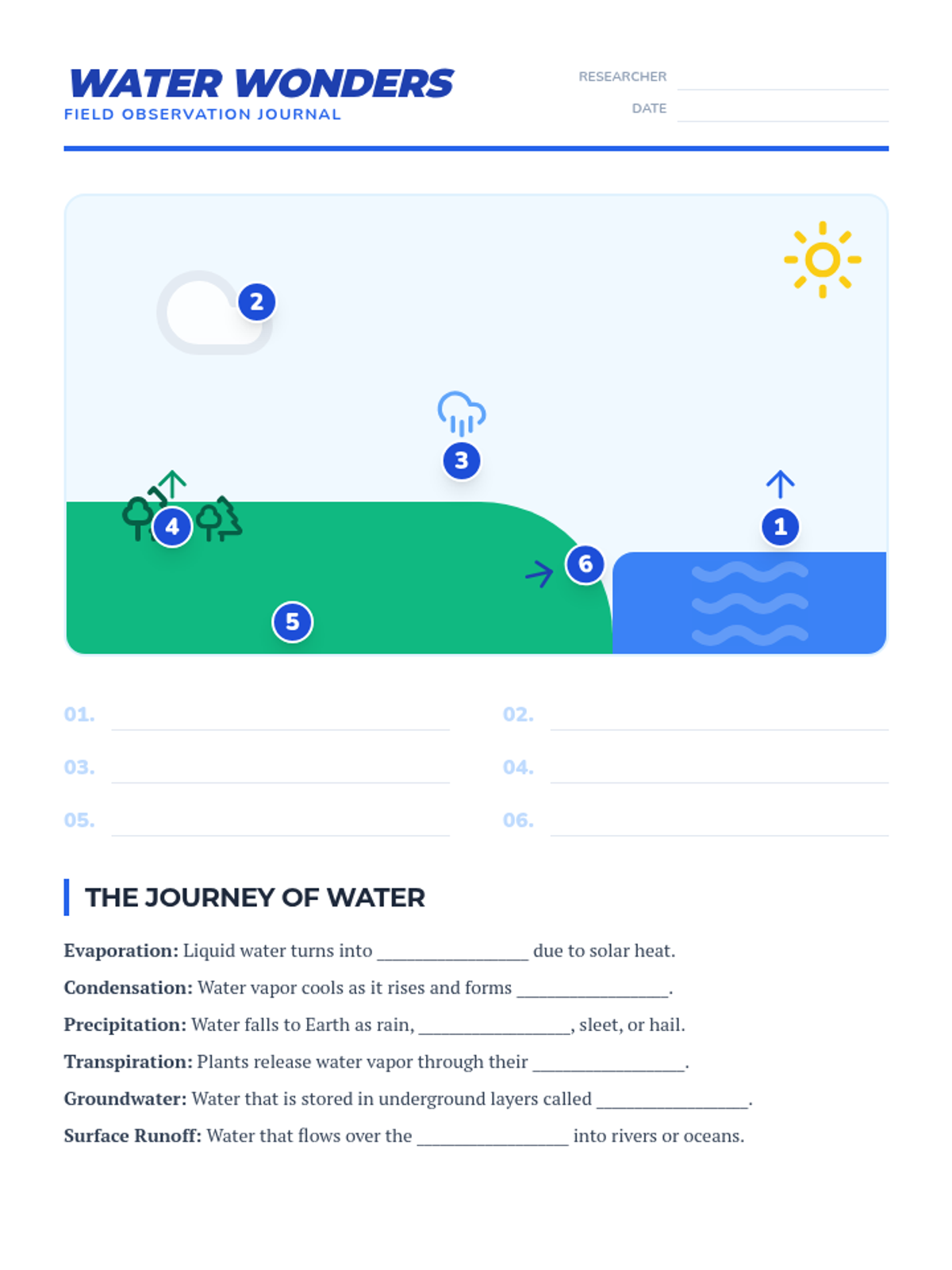
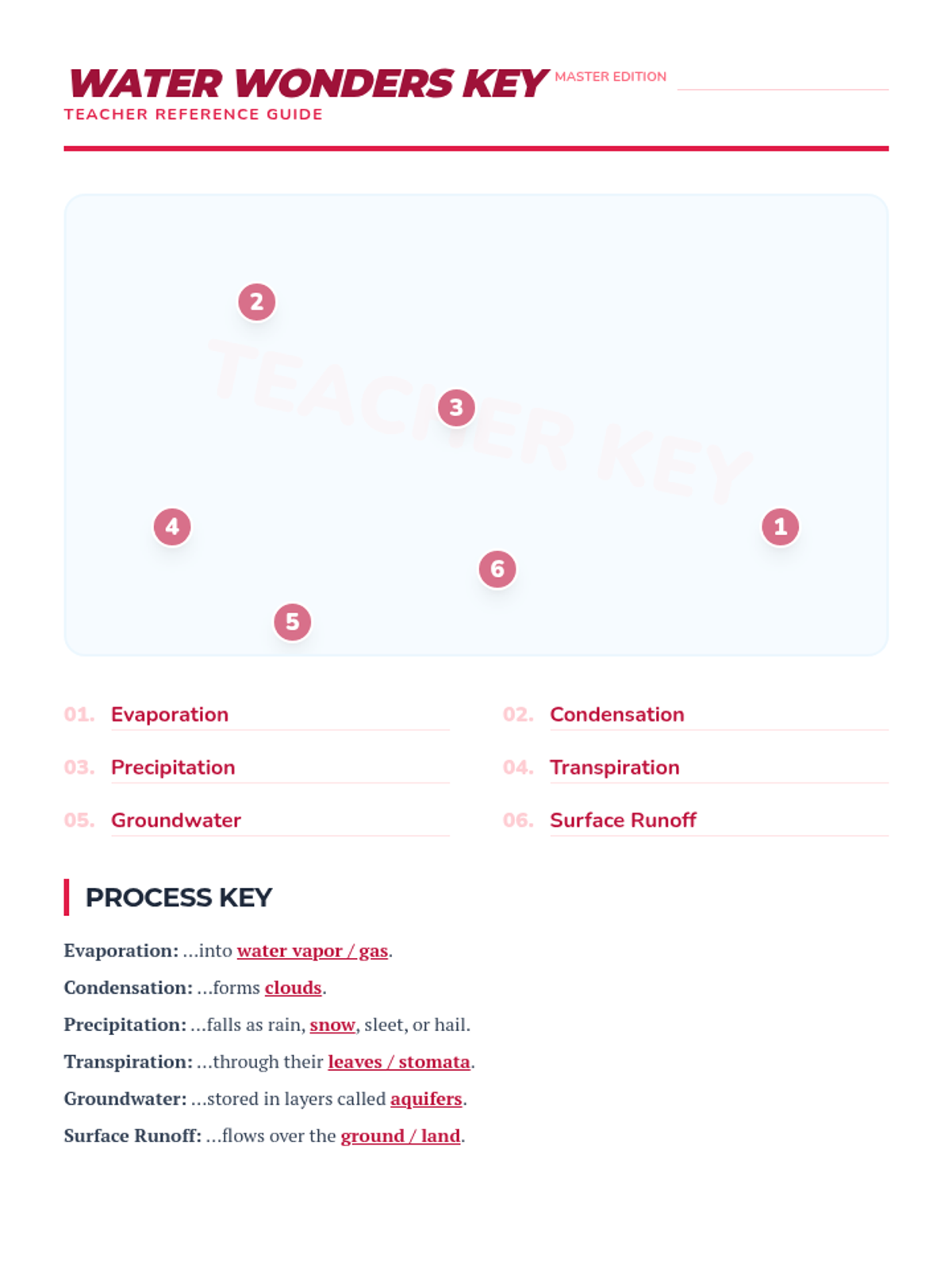
An interactive guided notes packet exploring the movement of water through Earth's systems, featuring a detailed diagram and critical thinking questions.
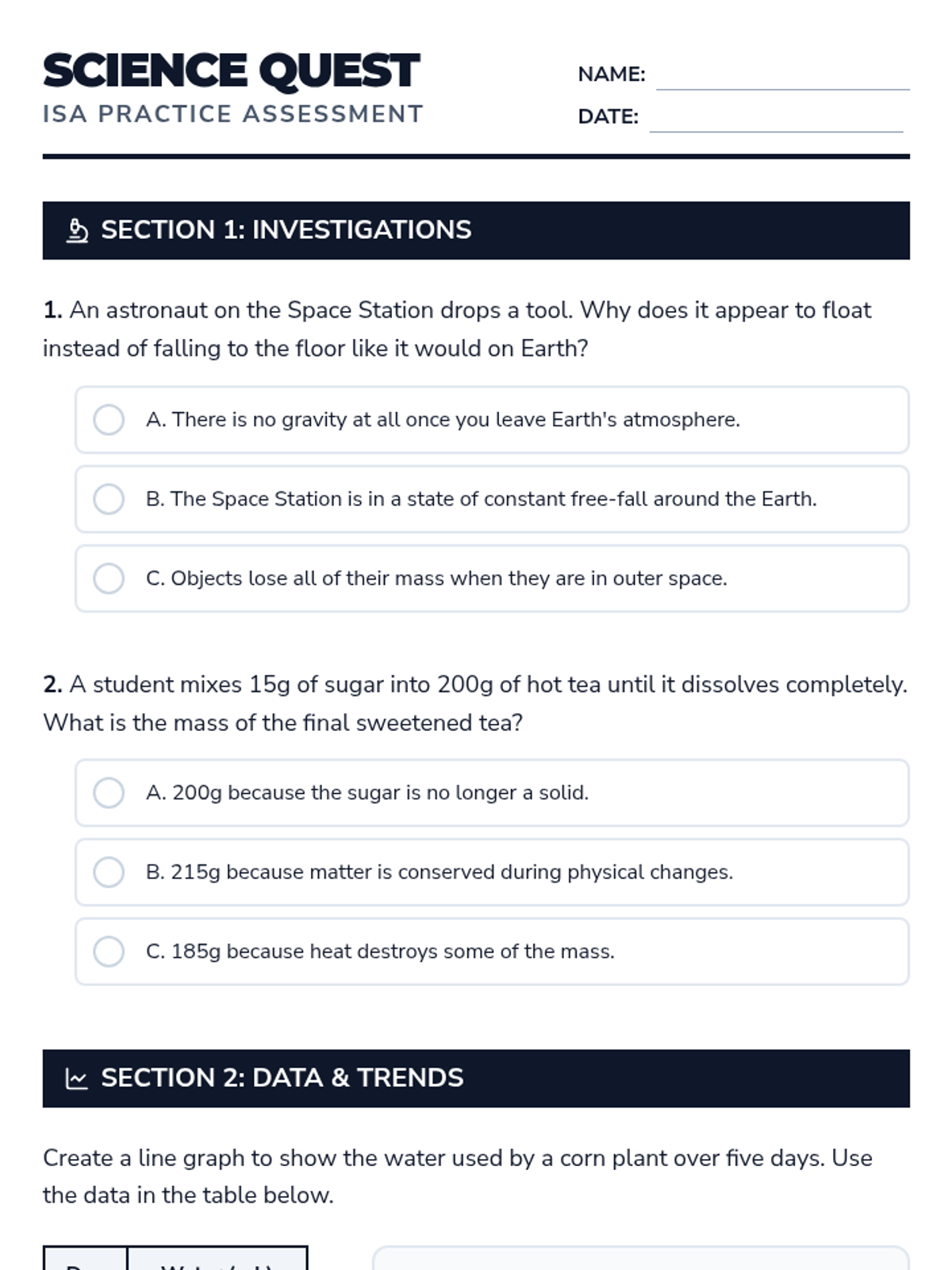
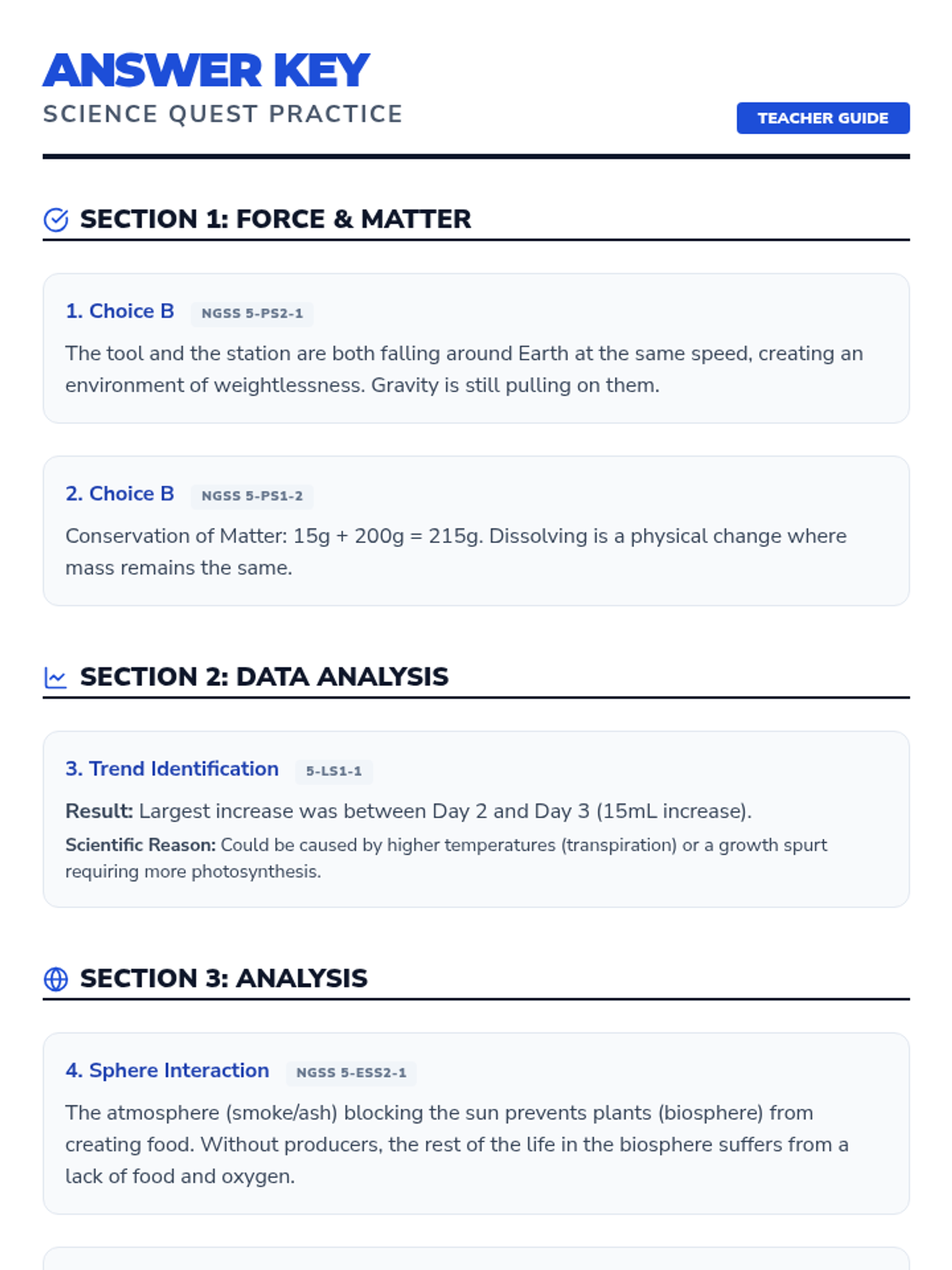
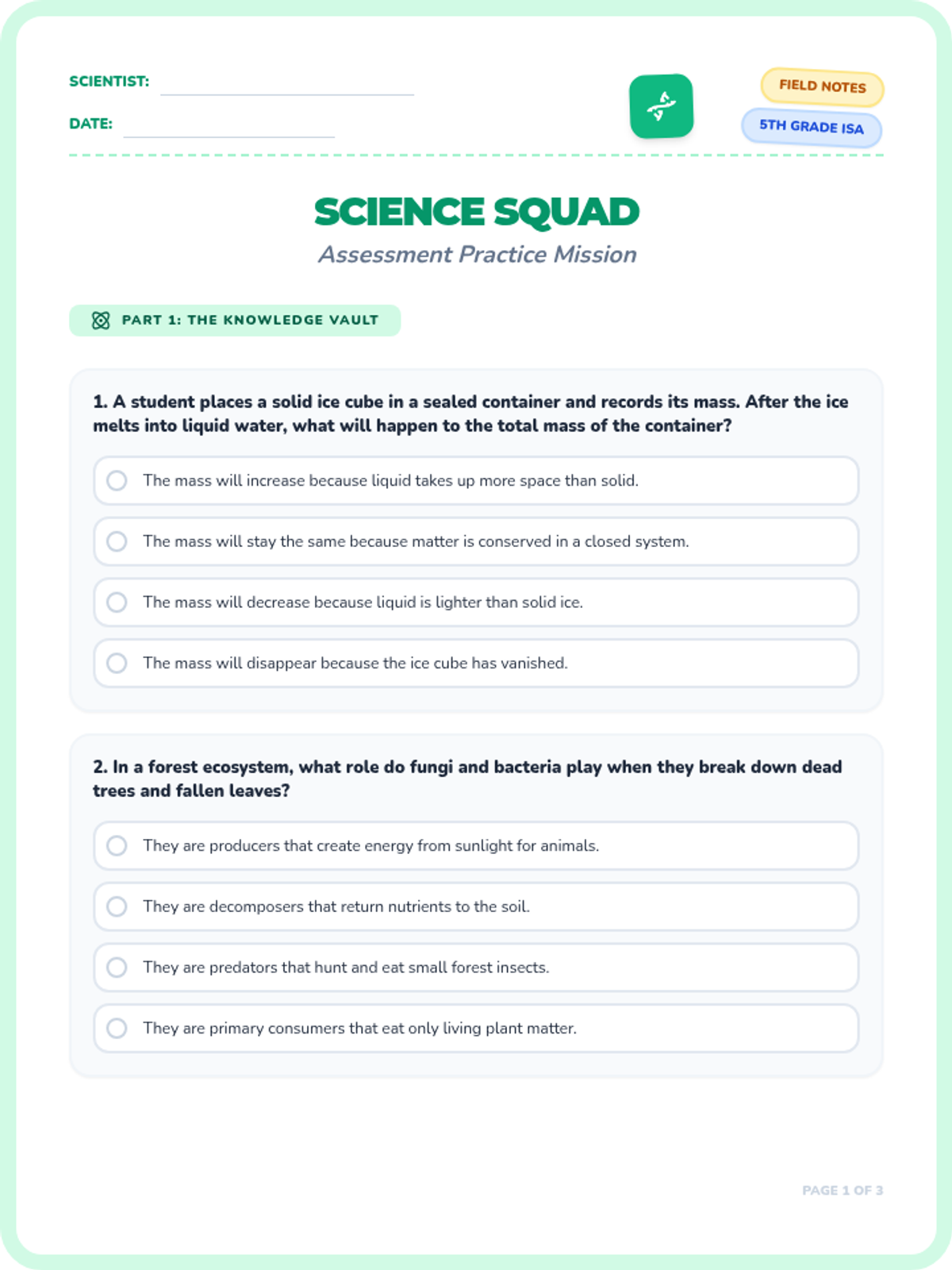
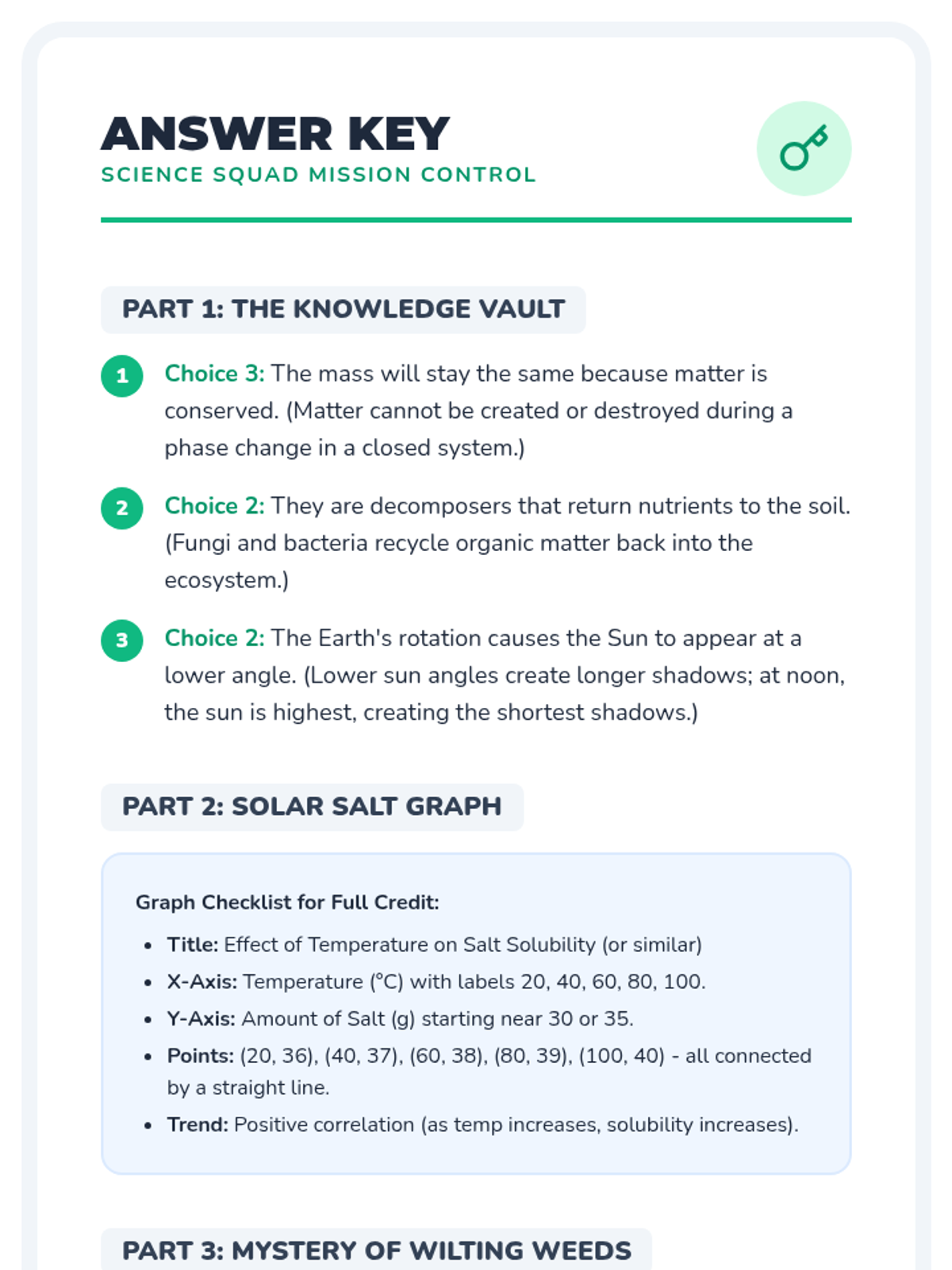
A comprehensive ISA practice session covering key 5th-grade science standards, including Earth's systems, matter, energy flow, and space. Students will engage with multiple-choice questions, open-ended analysis, and data-driven graphing tasks.
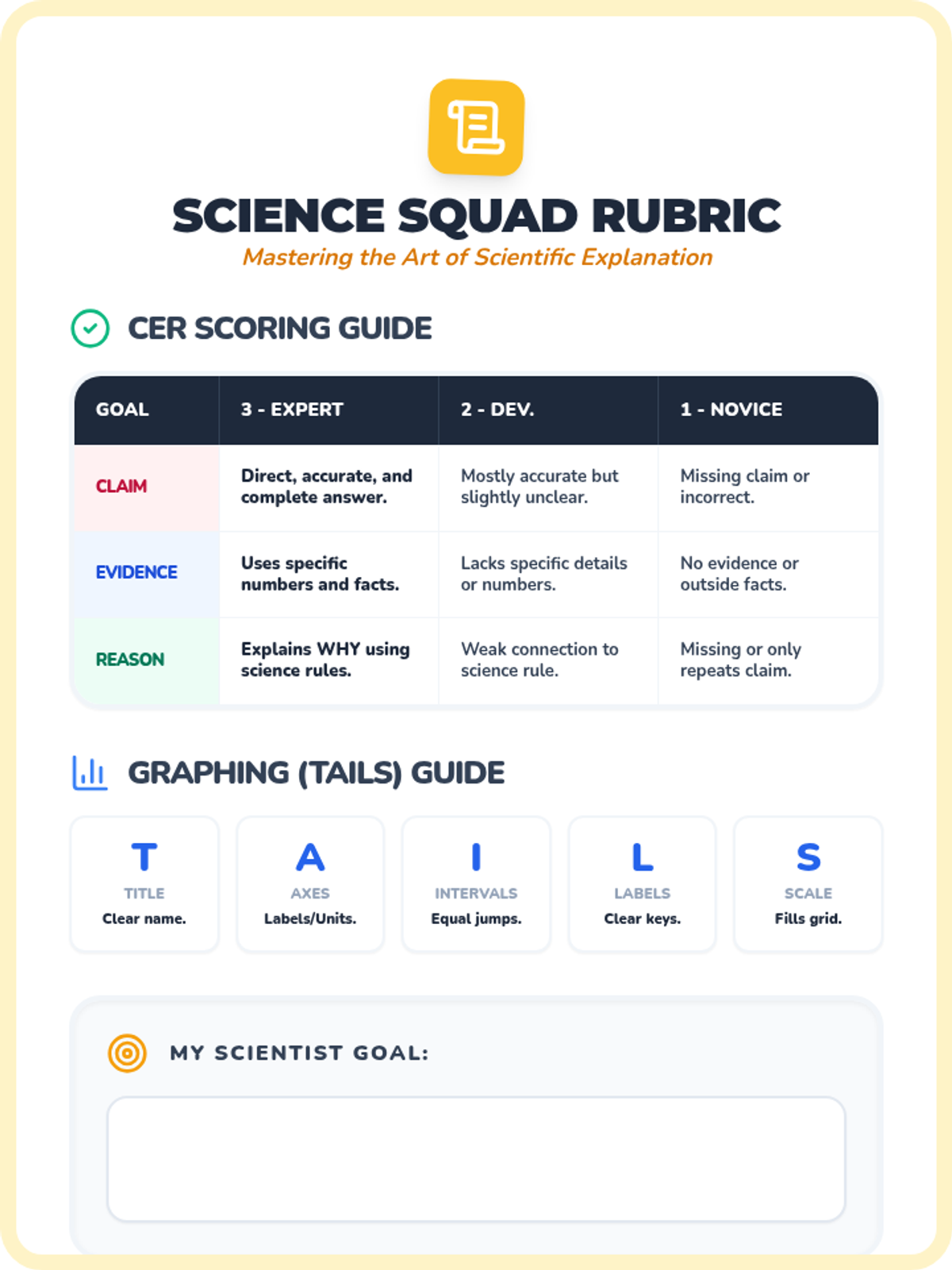
A comprehensive ISA (Illinois Science Assessment) prep lesson for 5th grade, covering Physical, Earth/Space, and Life sciences through multiple-choice questions, data analysis, and CER writing.
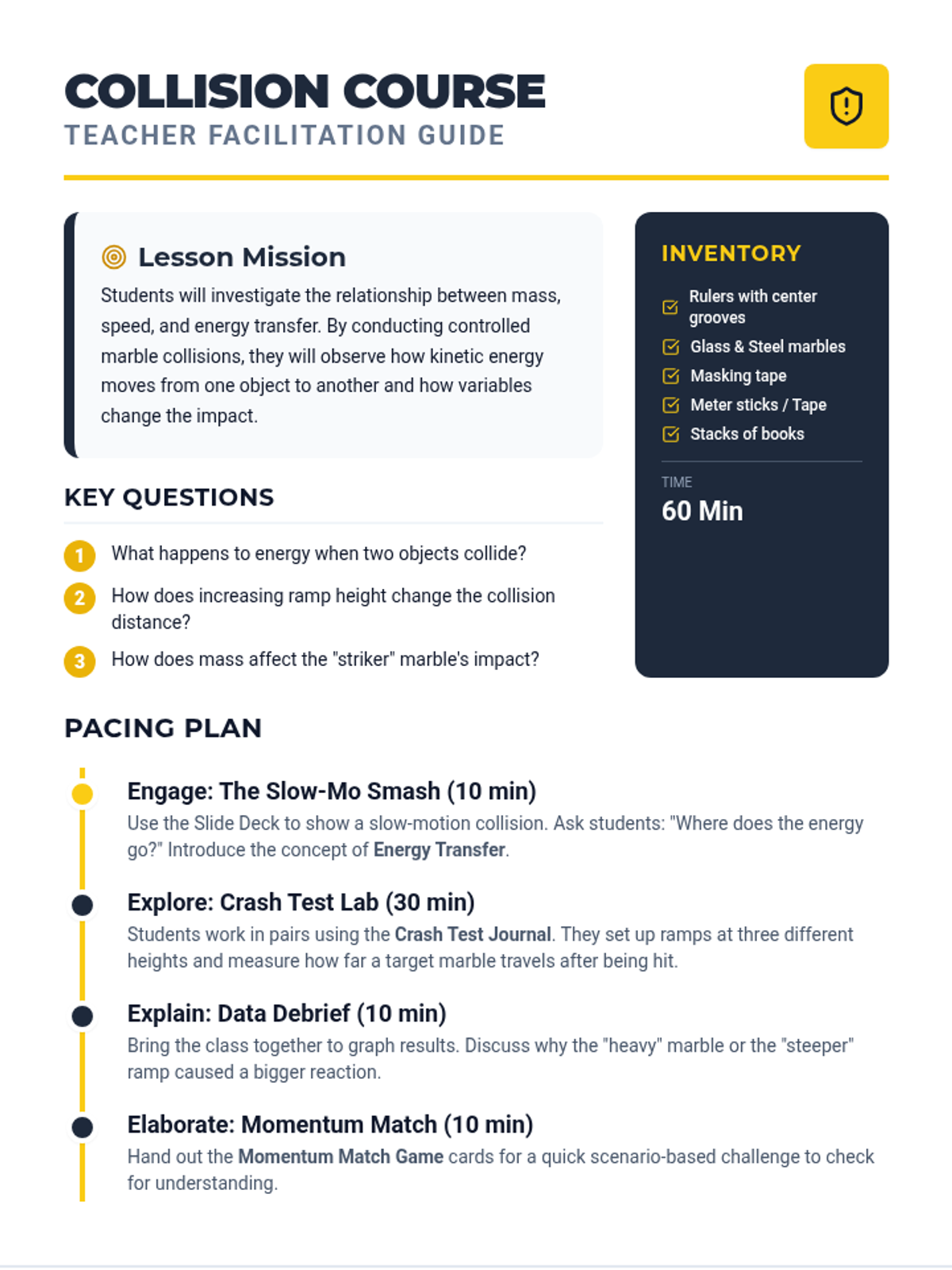
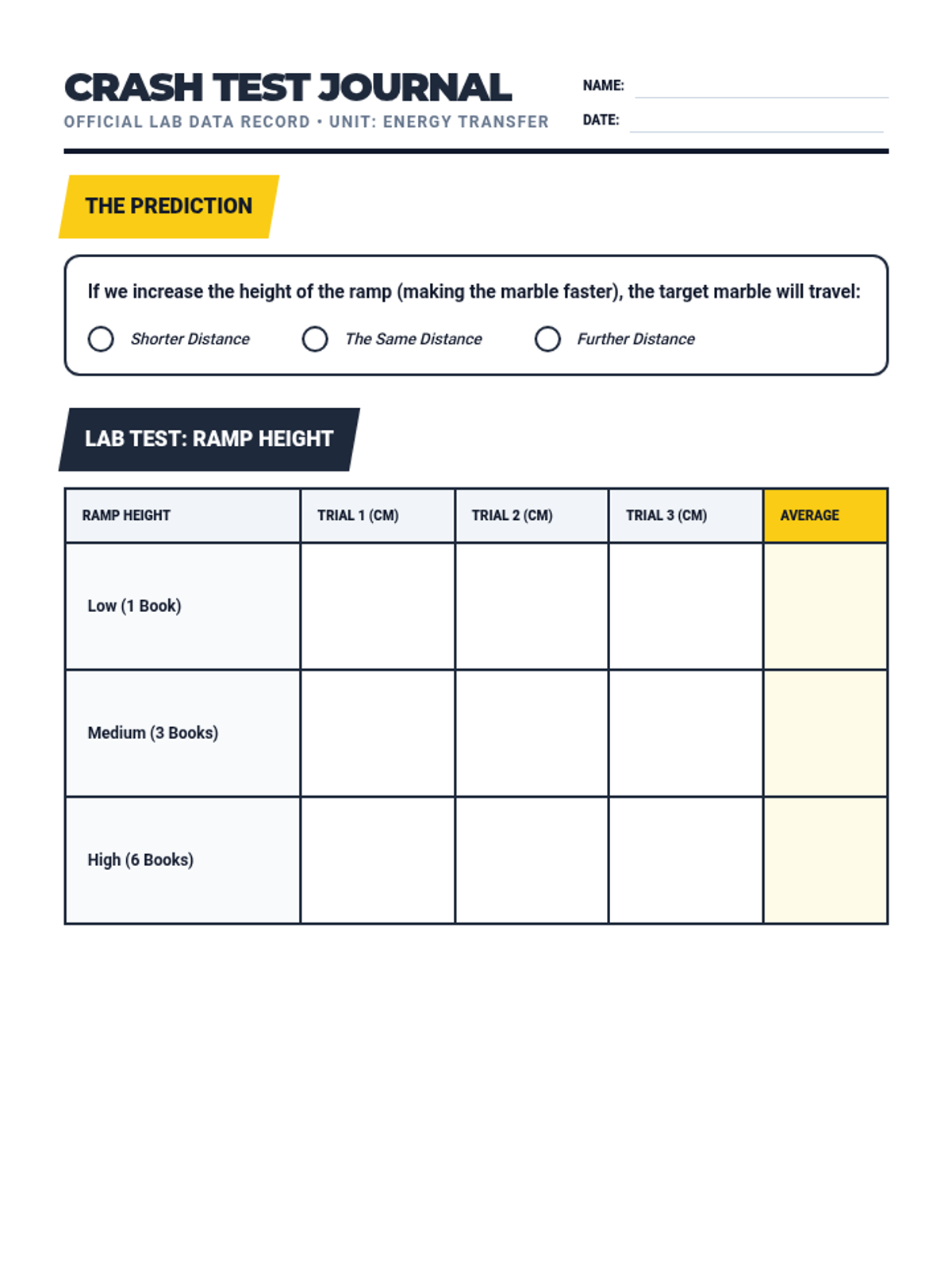
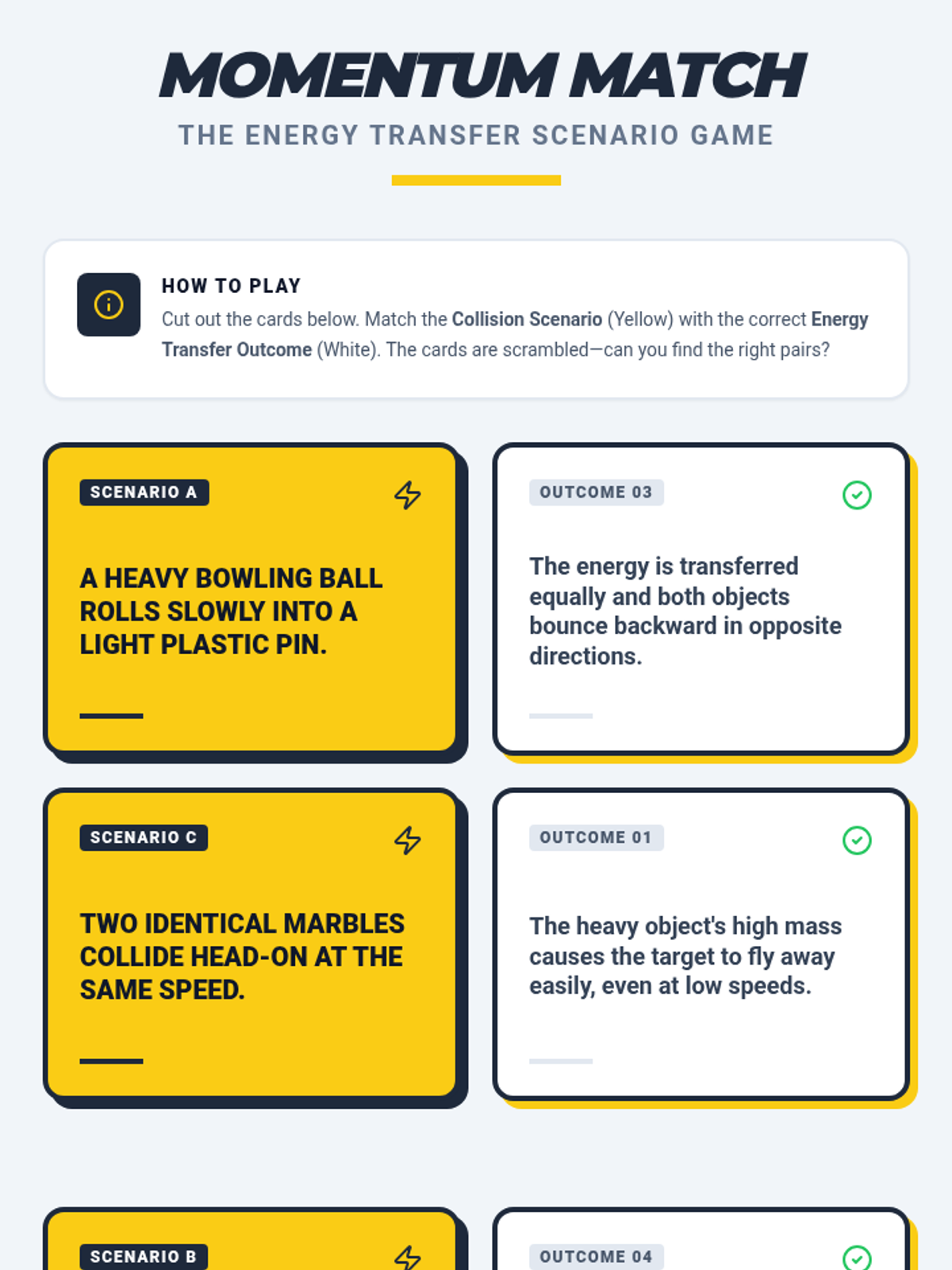
A high-energy physics lesson where students use marbles to explore how mass and speed affect energy transfer during collisions. Includes a guided lab, instructional slides, and a scenario-based matching game.
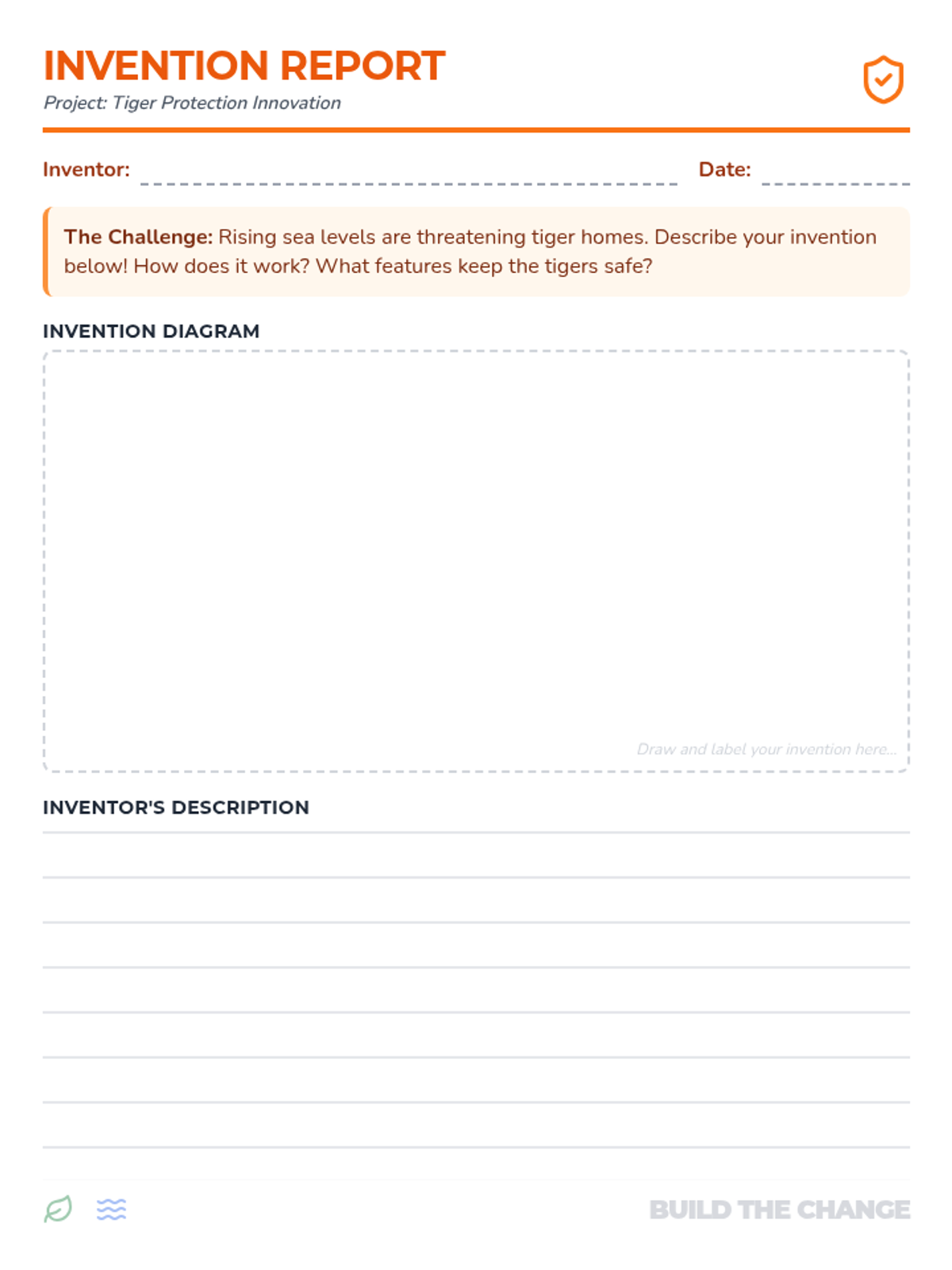
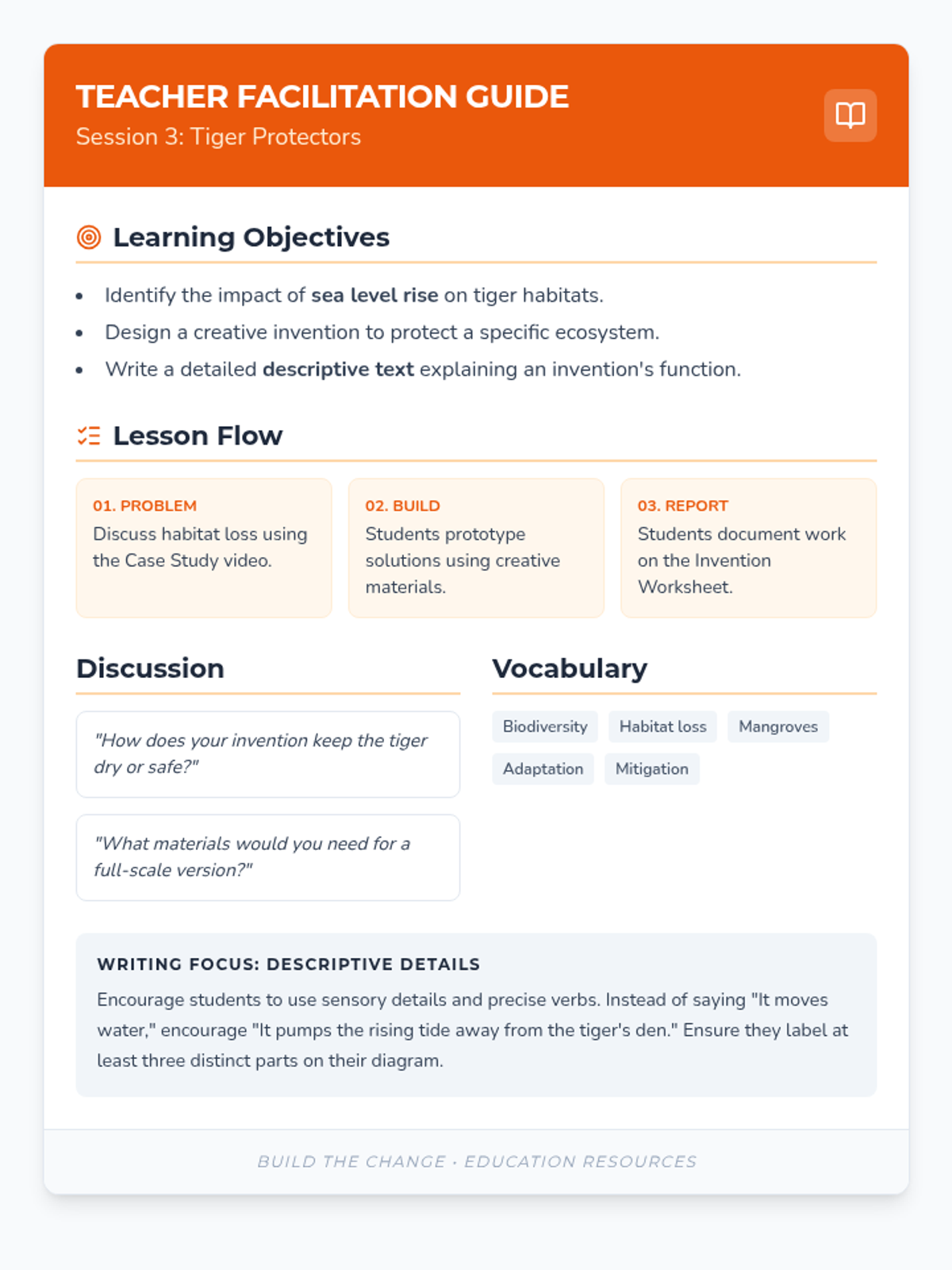
In this session, students learn about the impact of sea-level rise on tiger habitats and design creative solutions to protect them. This lesson encourages empathetic engineering and descriptive writing.
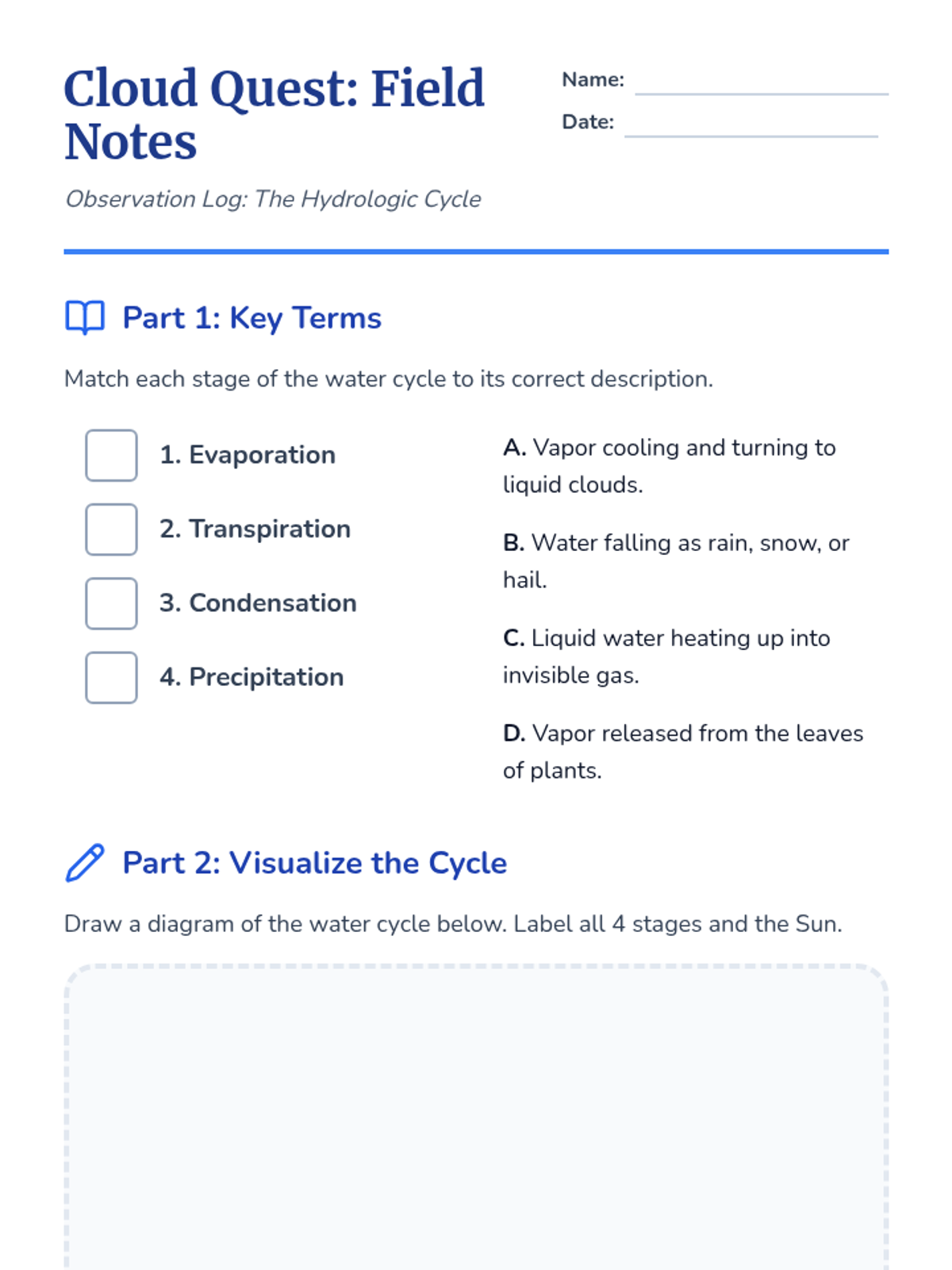
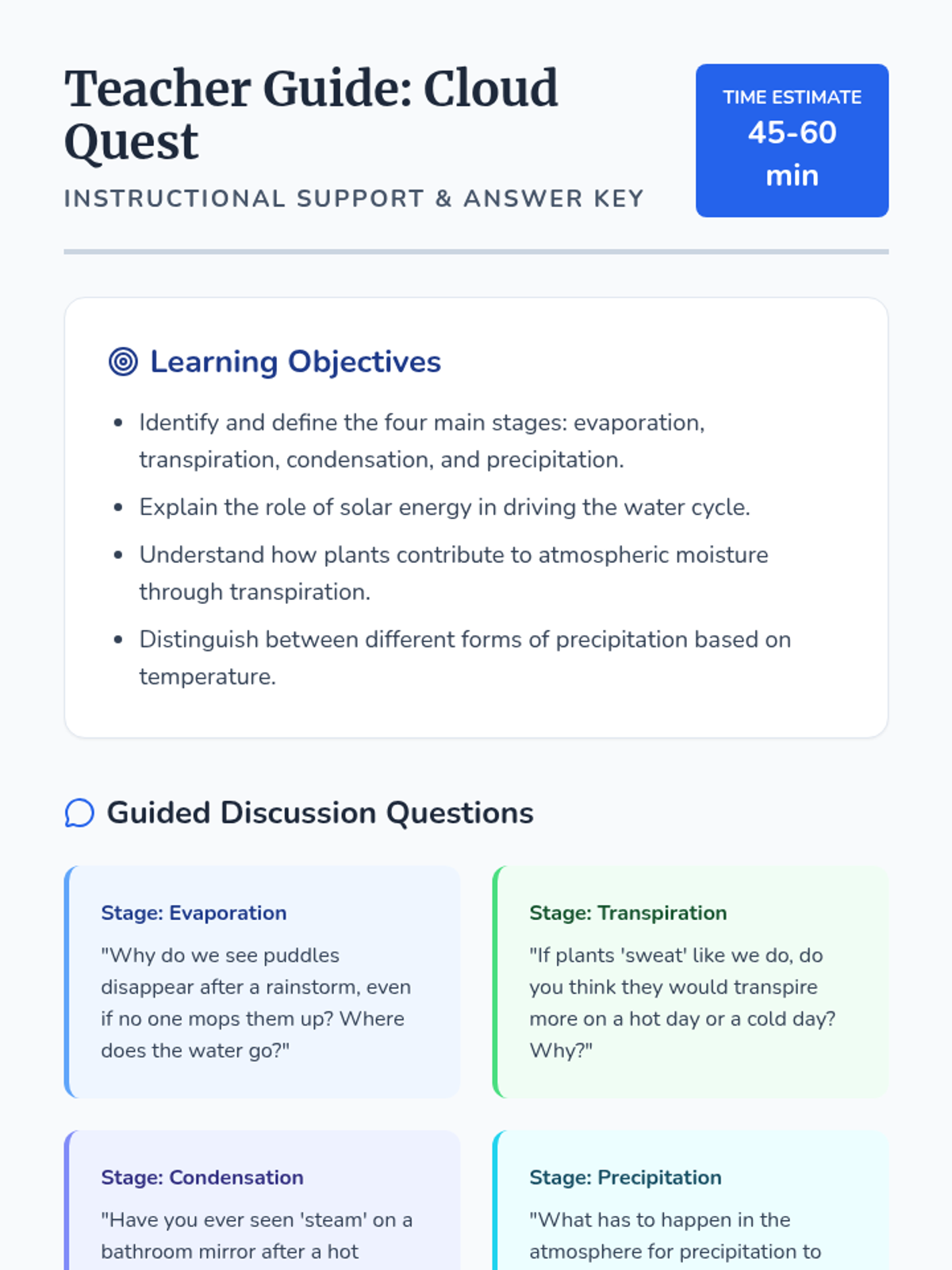
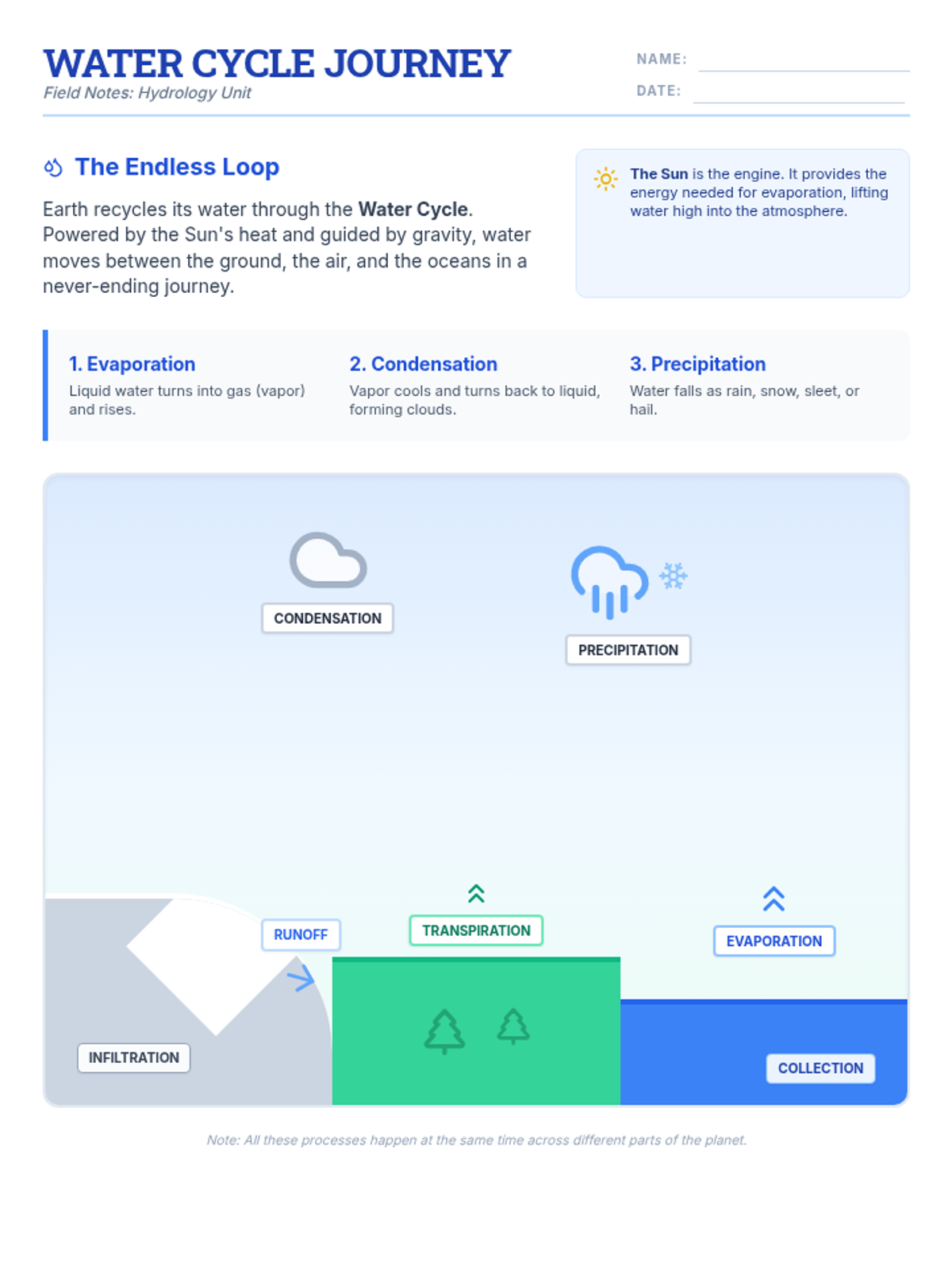
An in-depth exploration of the Earth's water cycle, focusing on the movement of water through evaporation, transpiration, condensation, and precipitation. Students will discover how solar energy drives this continuous process and sustains life on Earth.
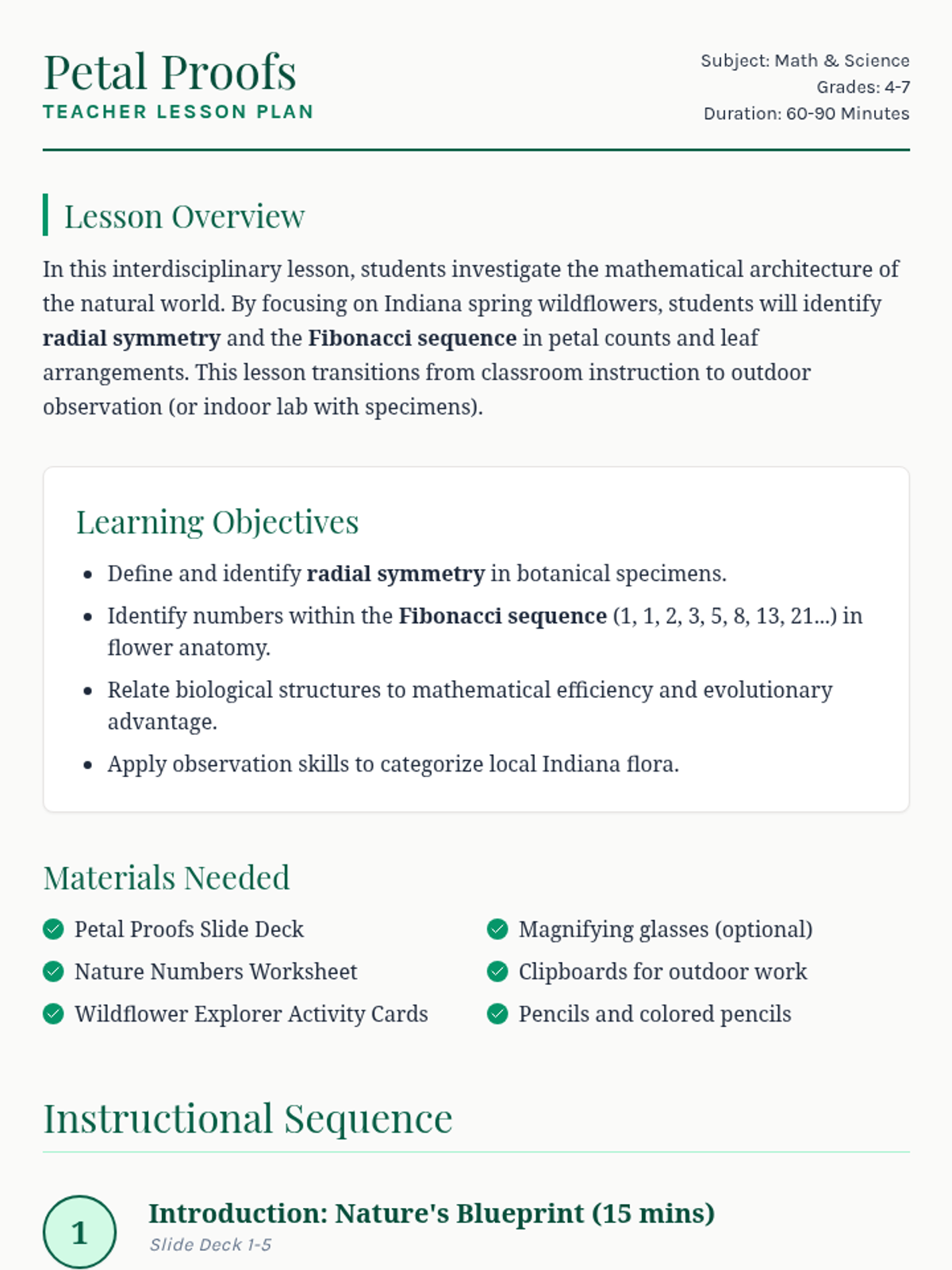
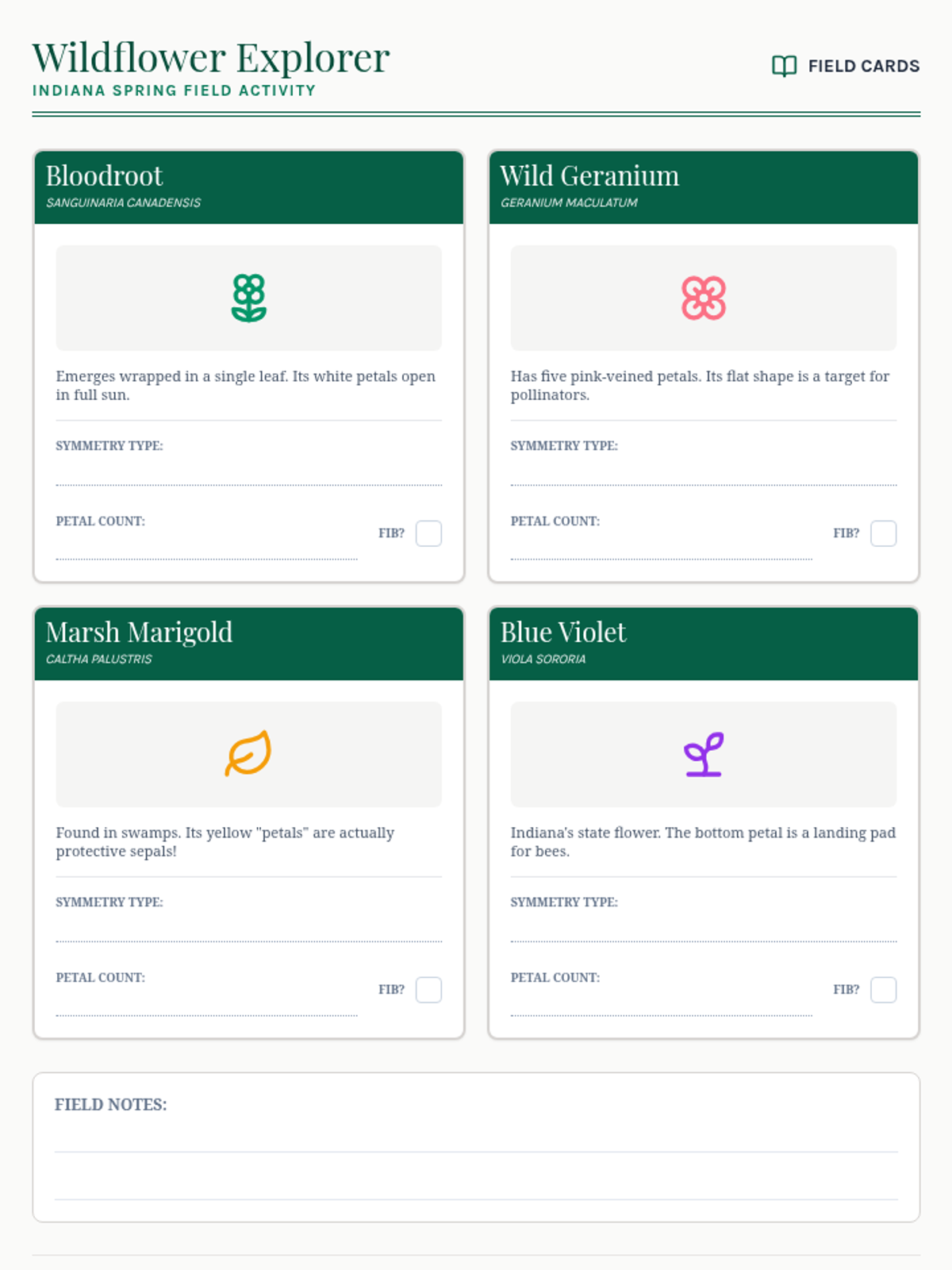
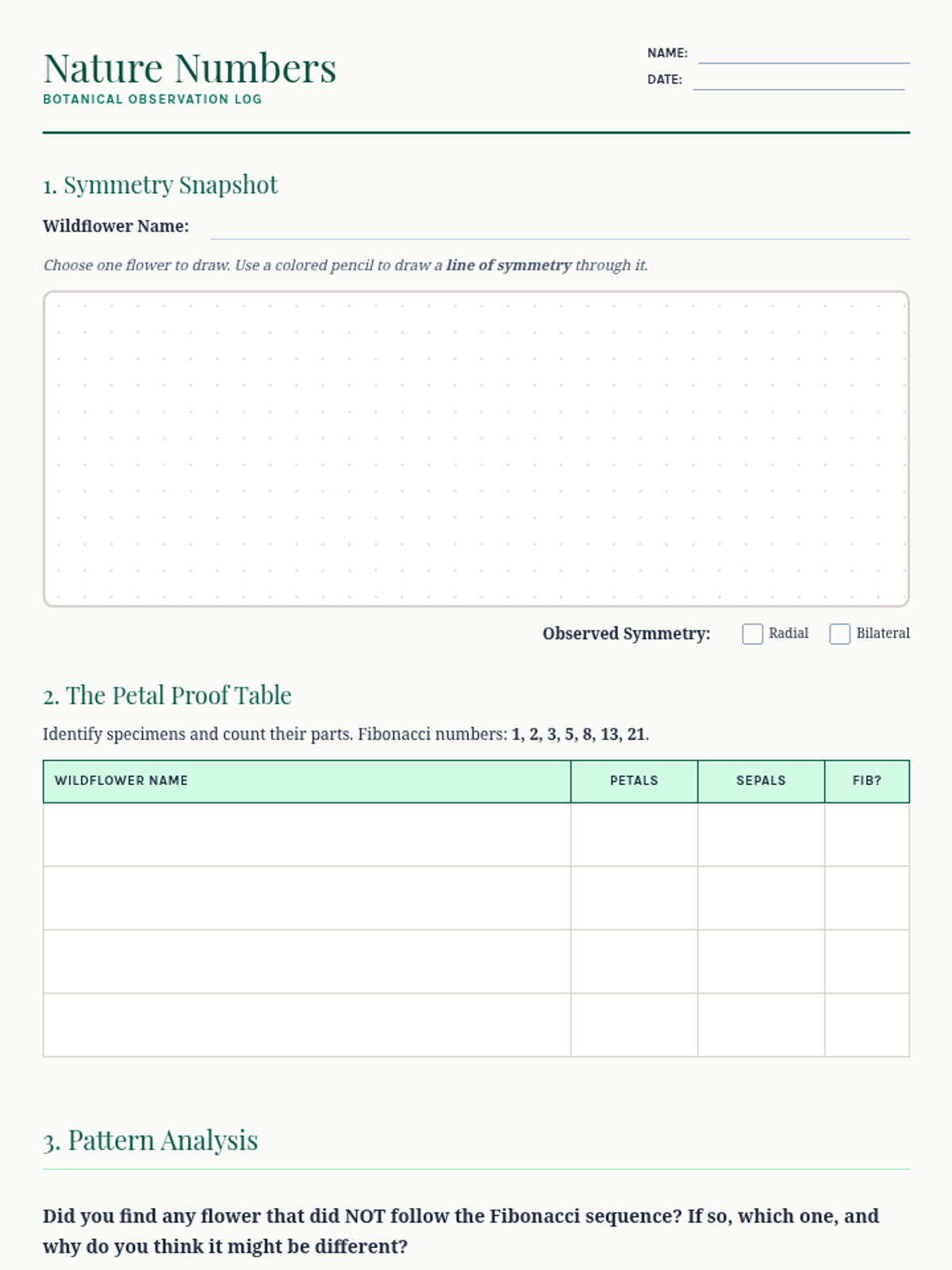
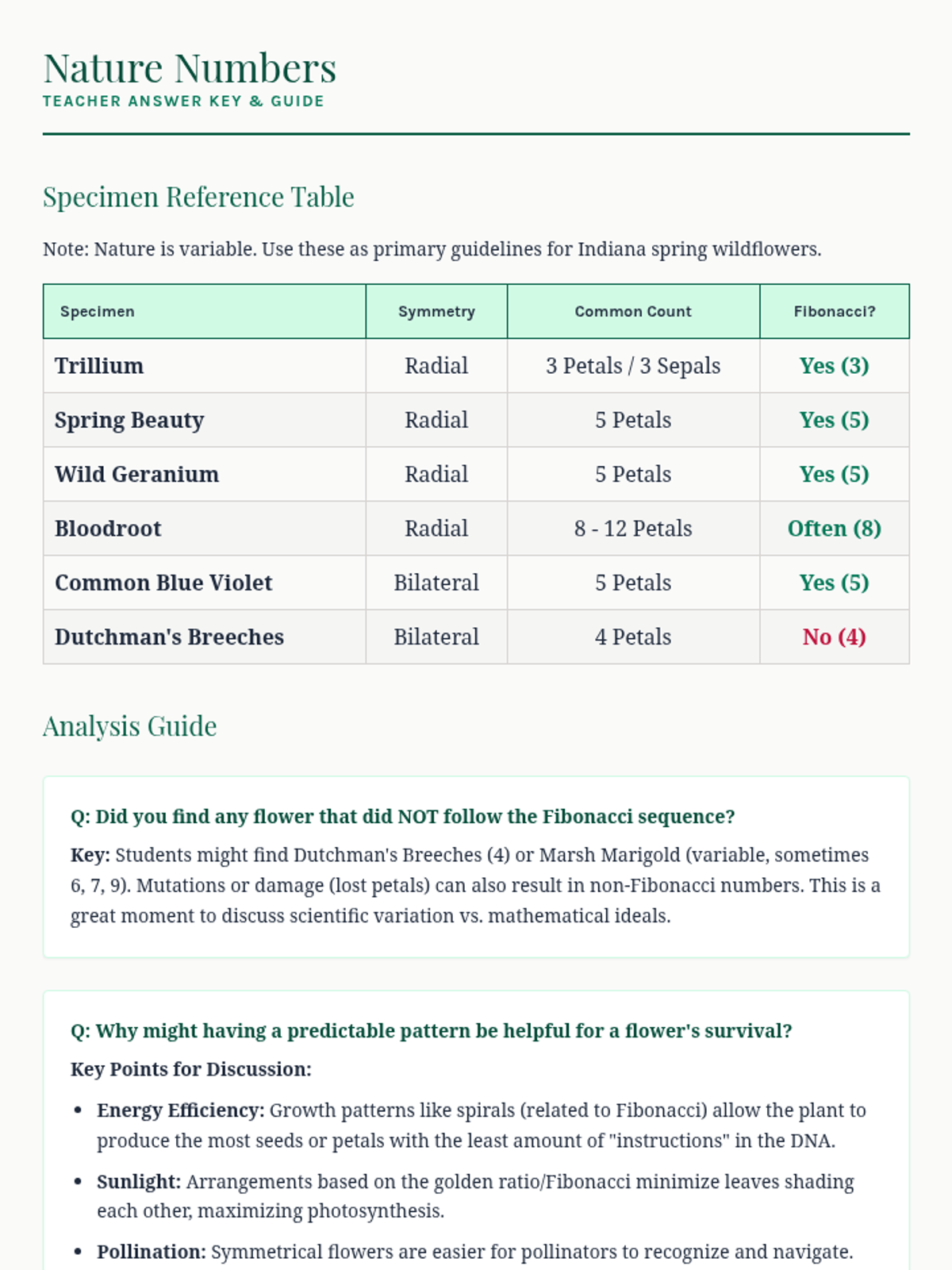
Students explore the intersection of biology and mathematics by identifying Fibonacci sequences and radial symmetry in Indiana spring wildflowers. This hands-on lesson bridges natural observation with numerical patterns.
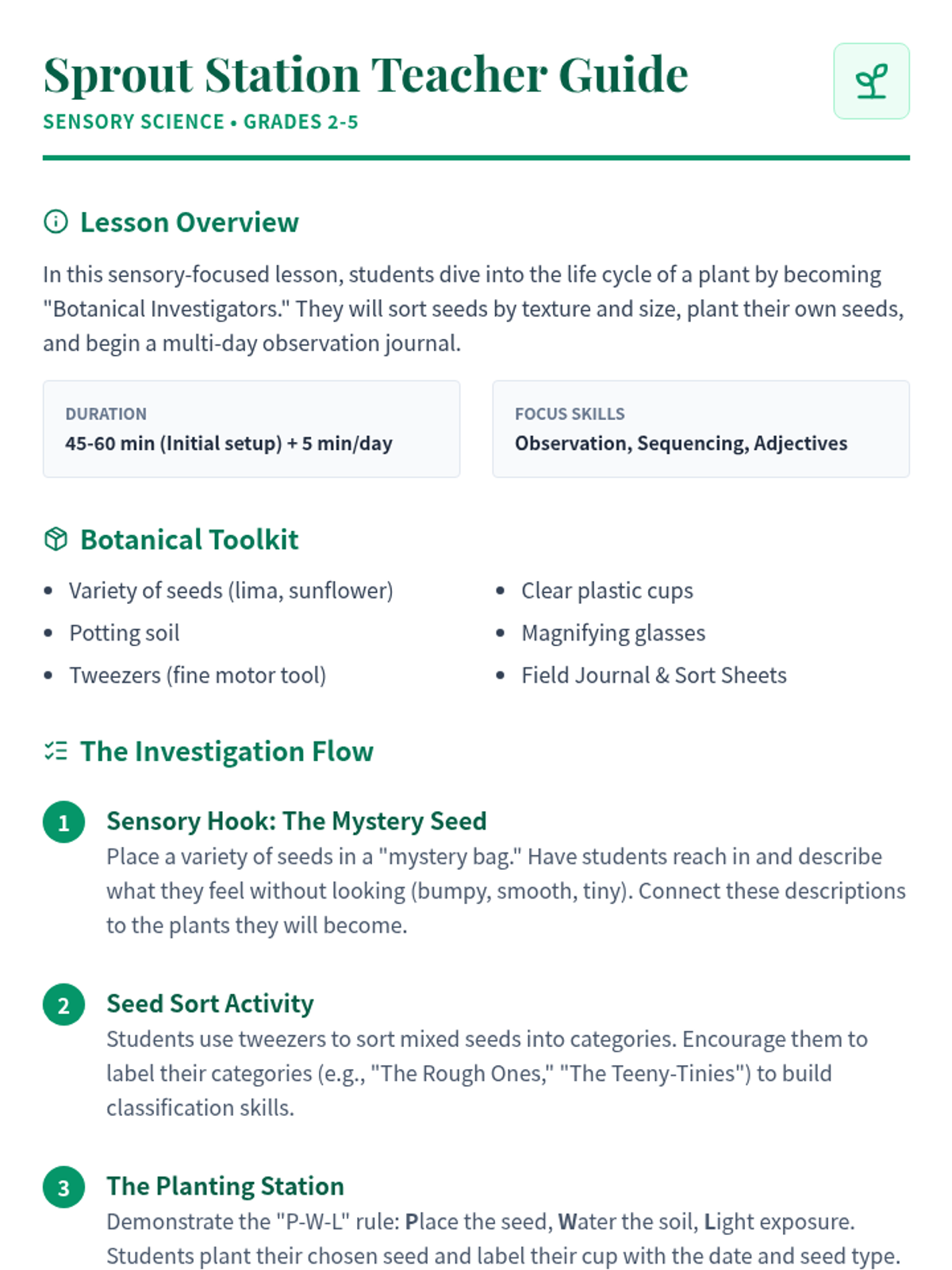
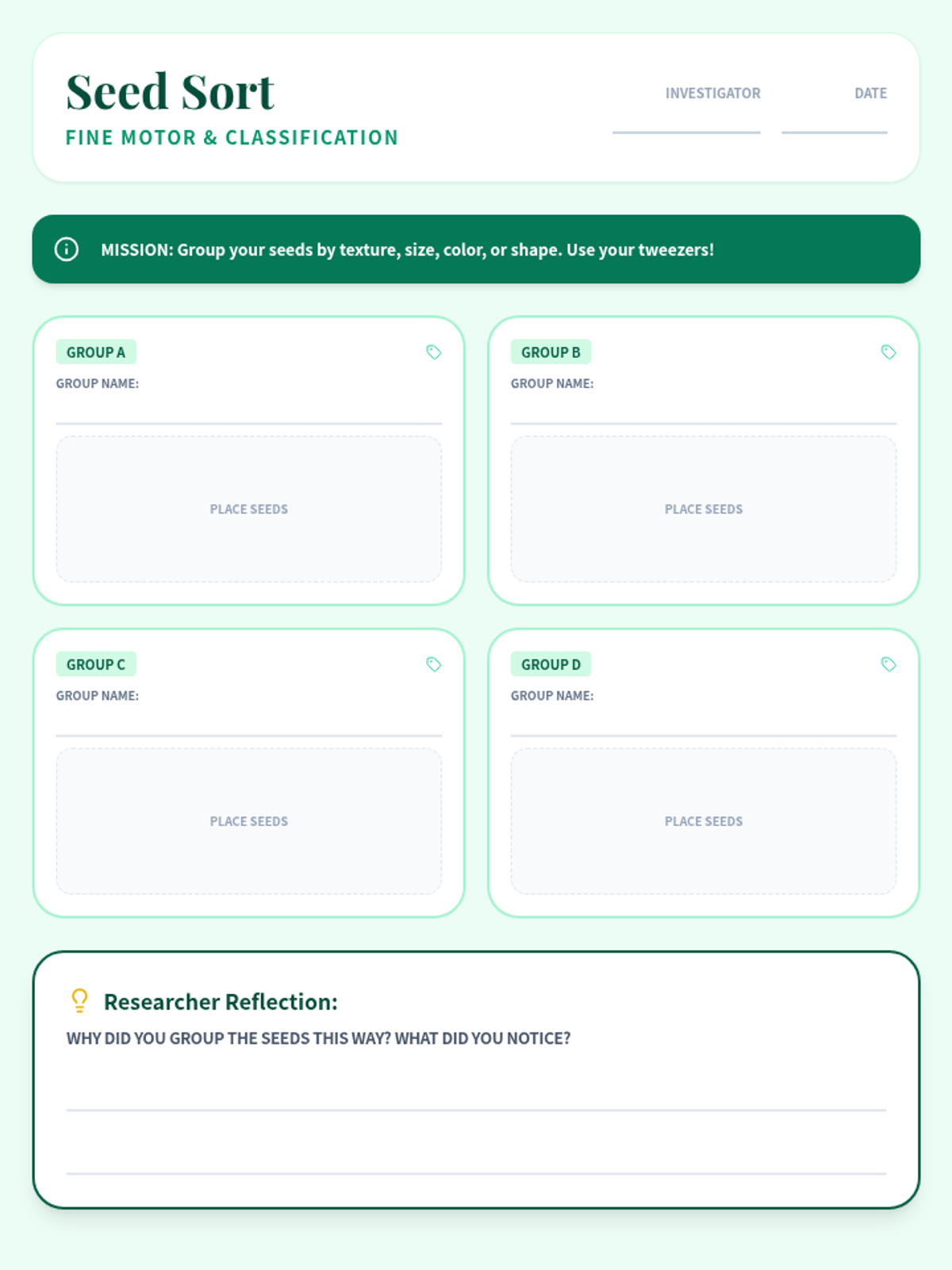
A sensory-based science exploration of plant life cycles where students plant seeds, record observations, and develop descriptive language skills.
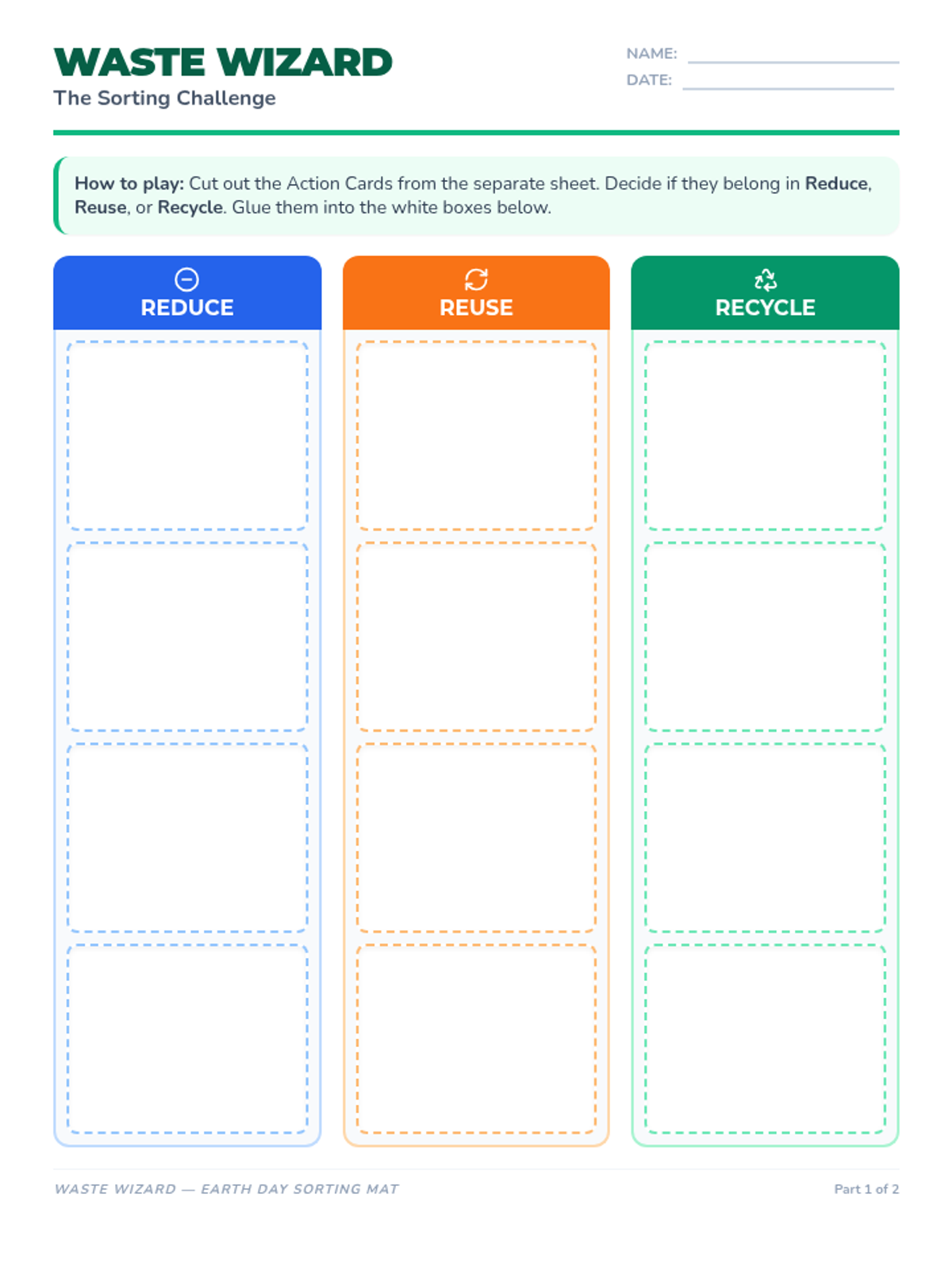
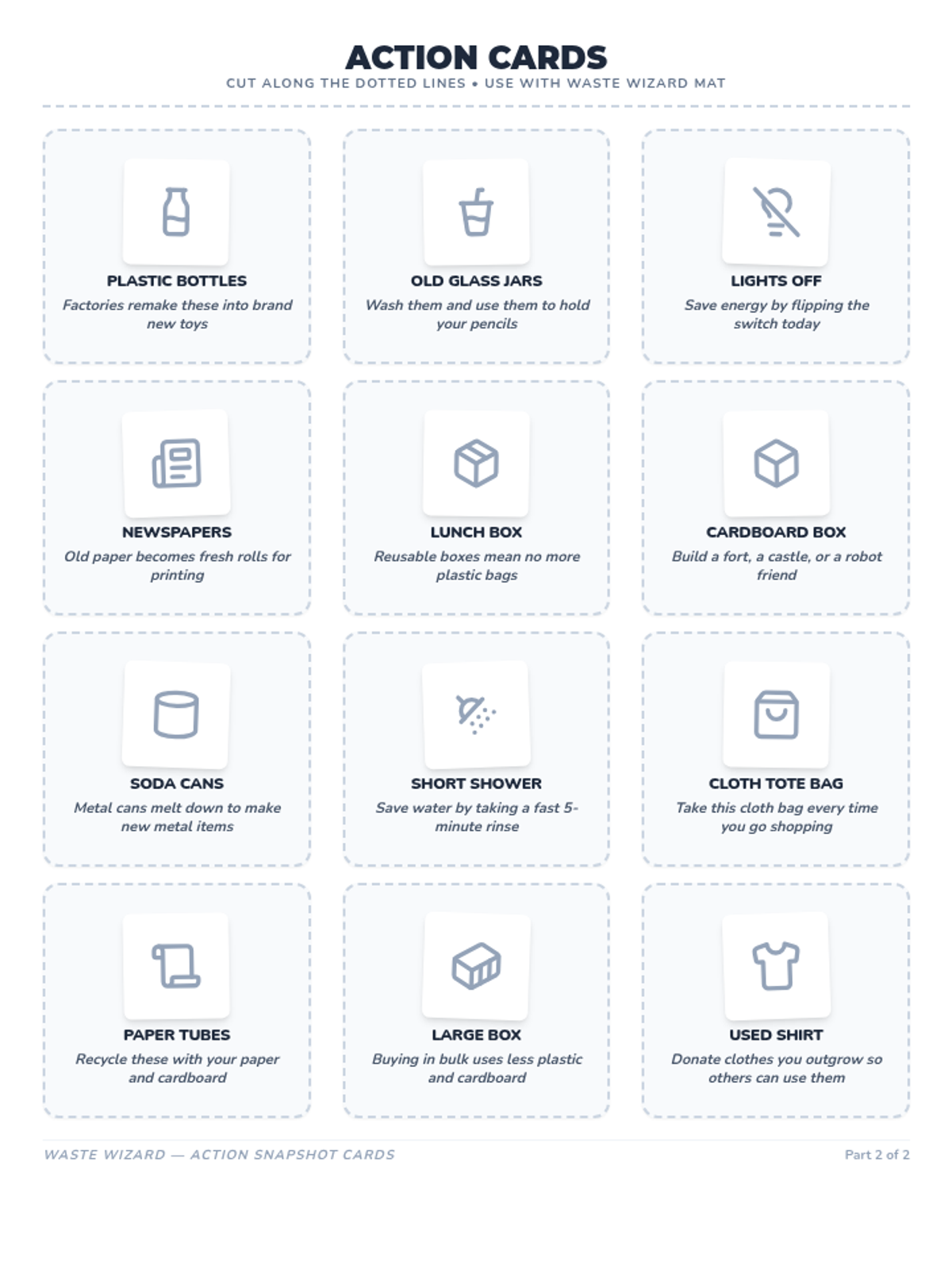
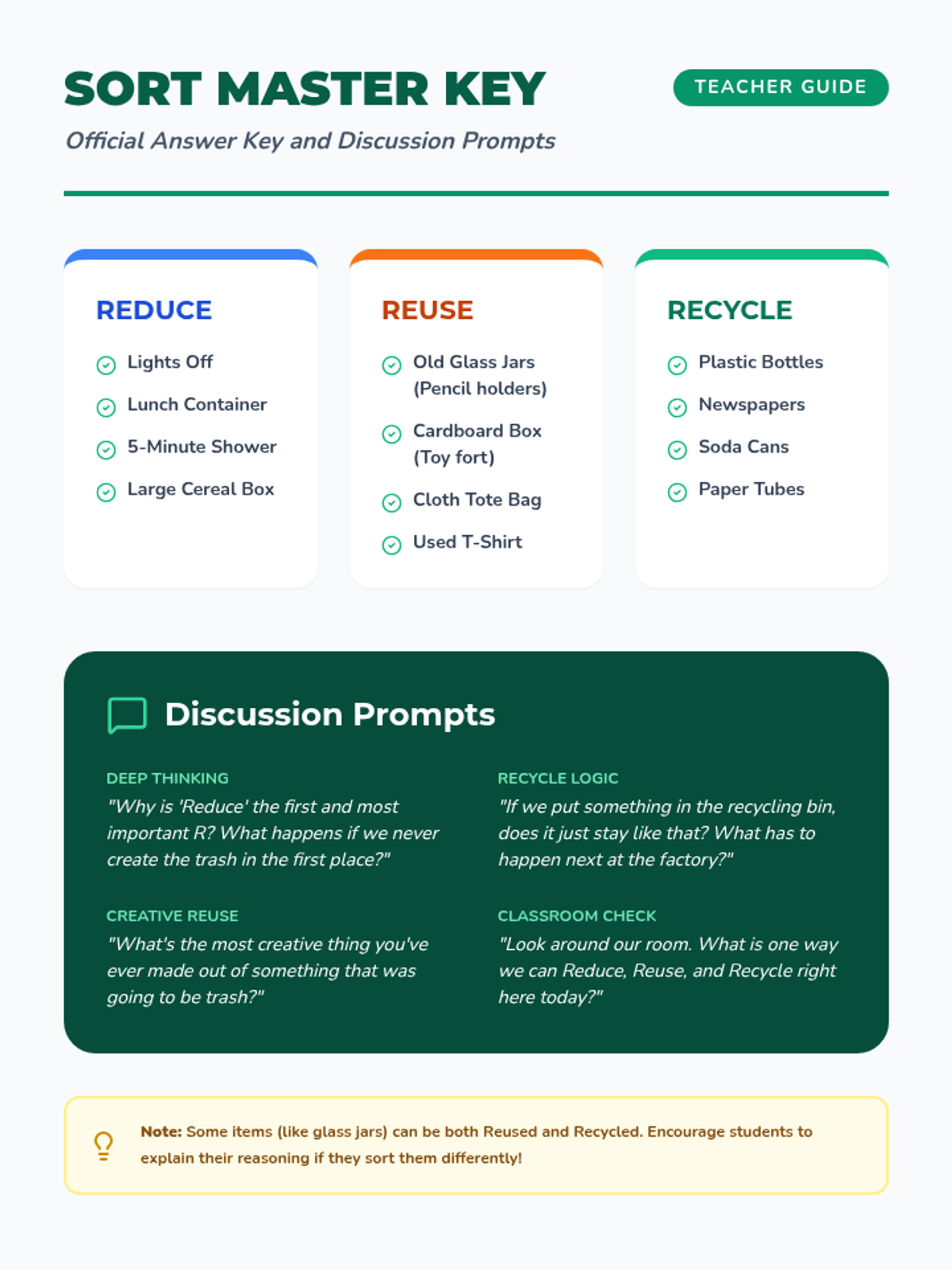
A hands-on lesson teaching students to differentiate between reducing, reusing, and recycling through visual identification and sorting.
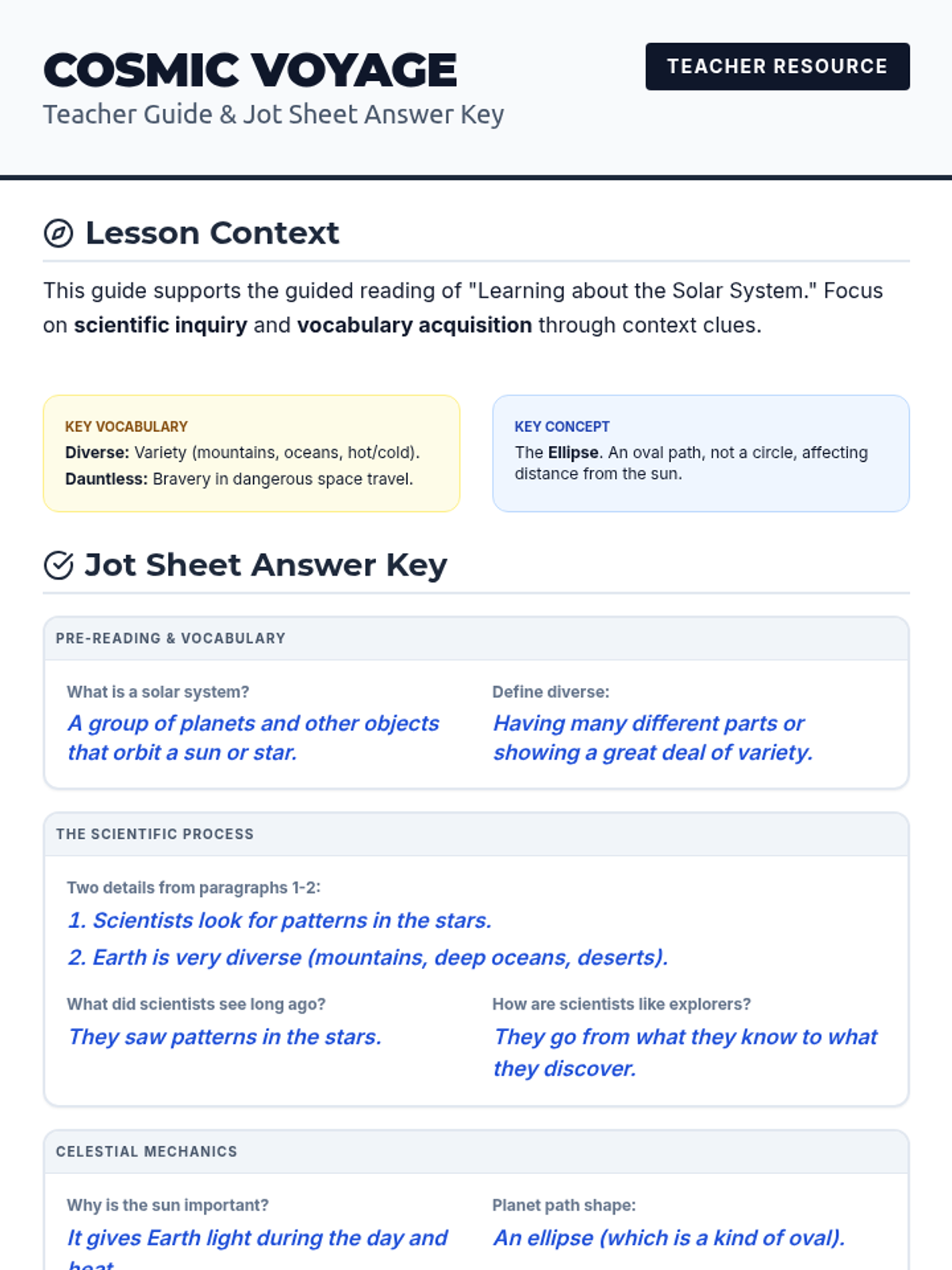
A guided reading lesson exploring the solar system, focusing on scientific inquiry, planetary diversity, and the mechanics of Earth's orbit. Includes vocabulary focus on 'diverse' and 'dauntless' and a complete answer key for the student jot sheet.
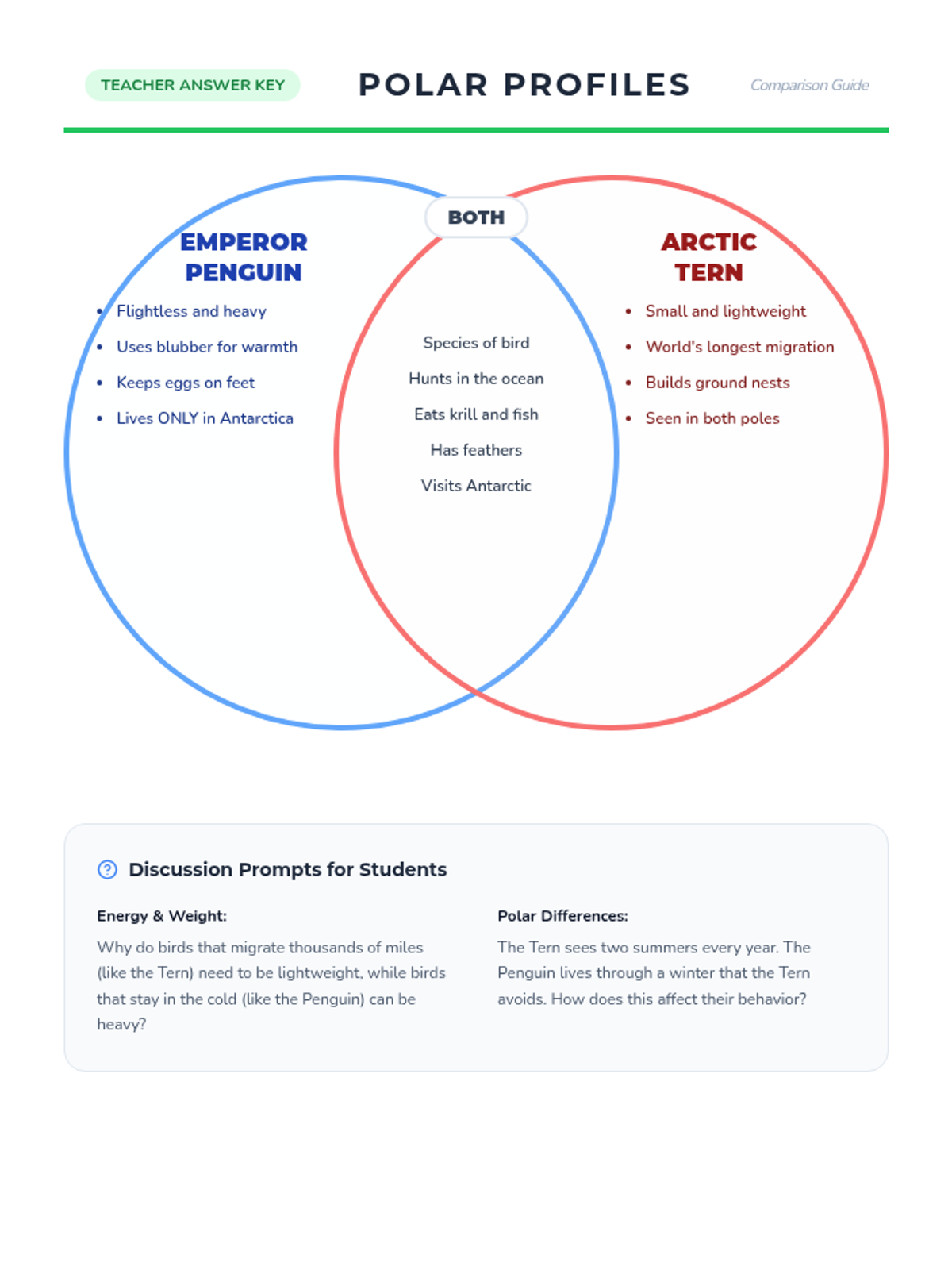
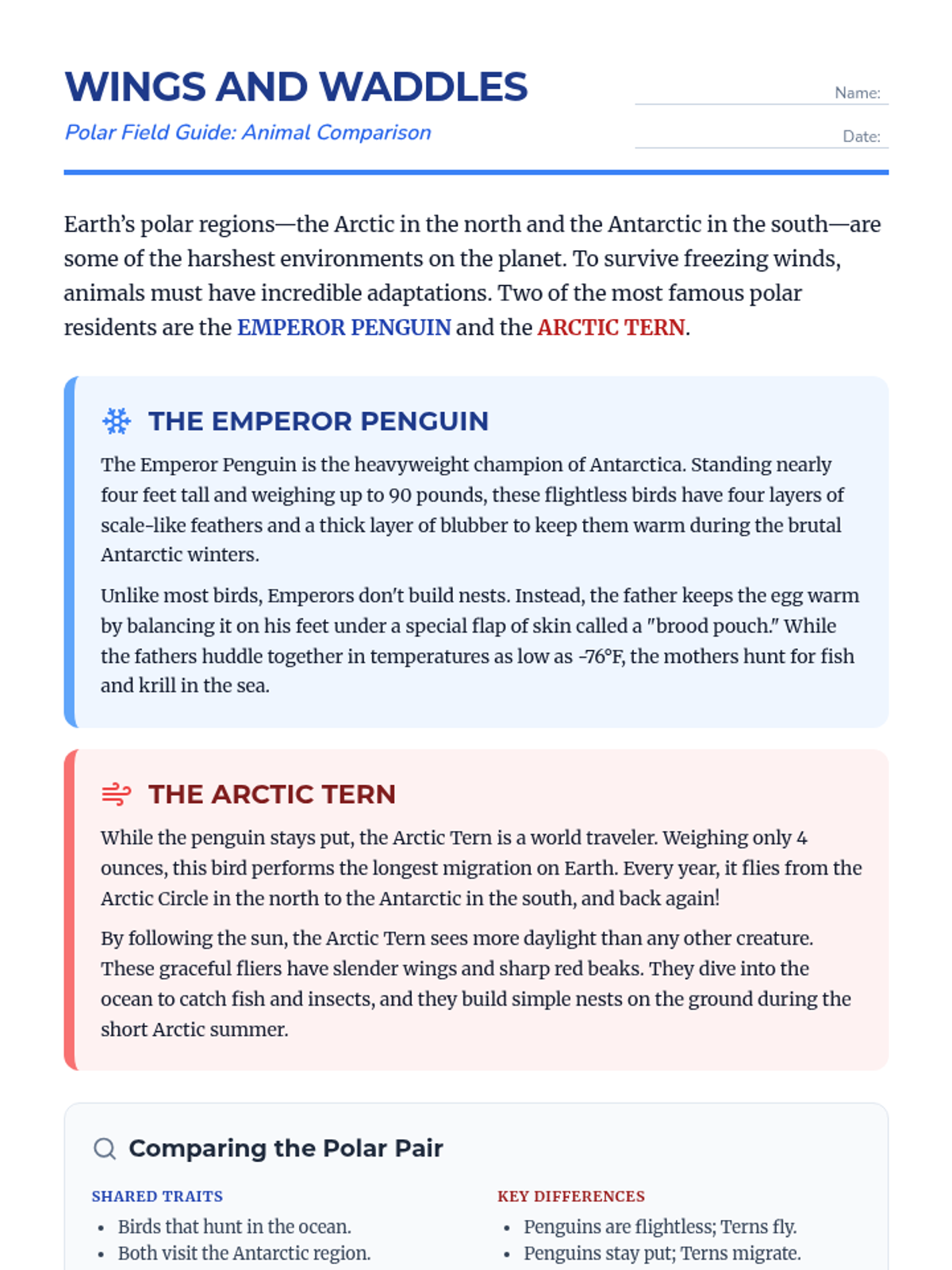
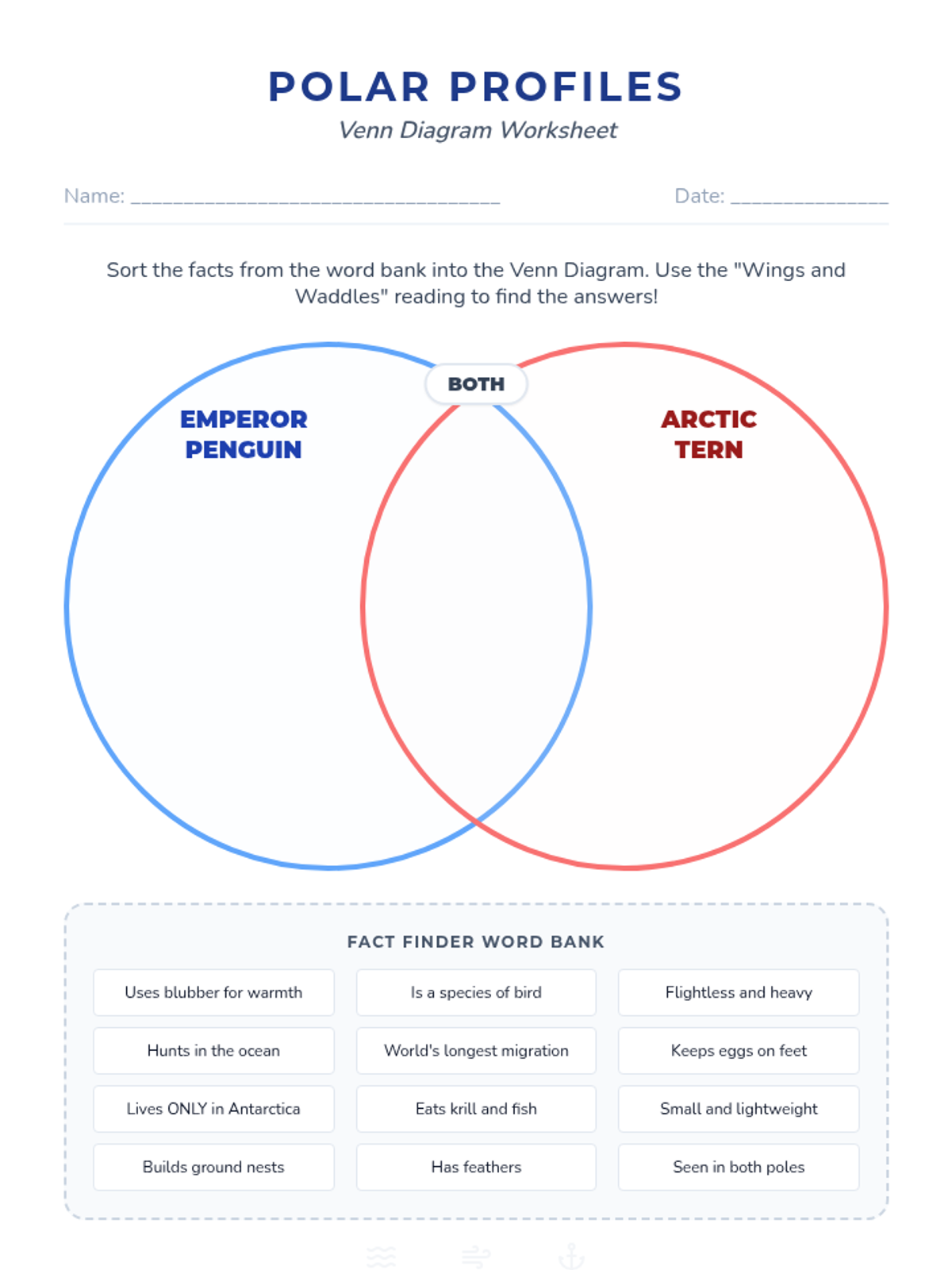
A lesson comparing and contrasting the Emperor Penguin and the Arctic Tern, focusing on their unique adaptations, habitats, and life cycles.
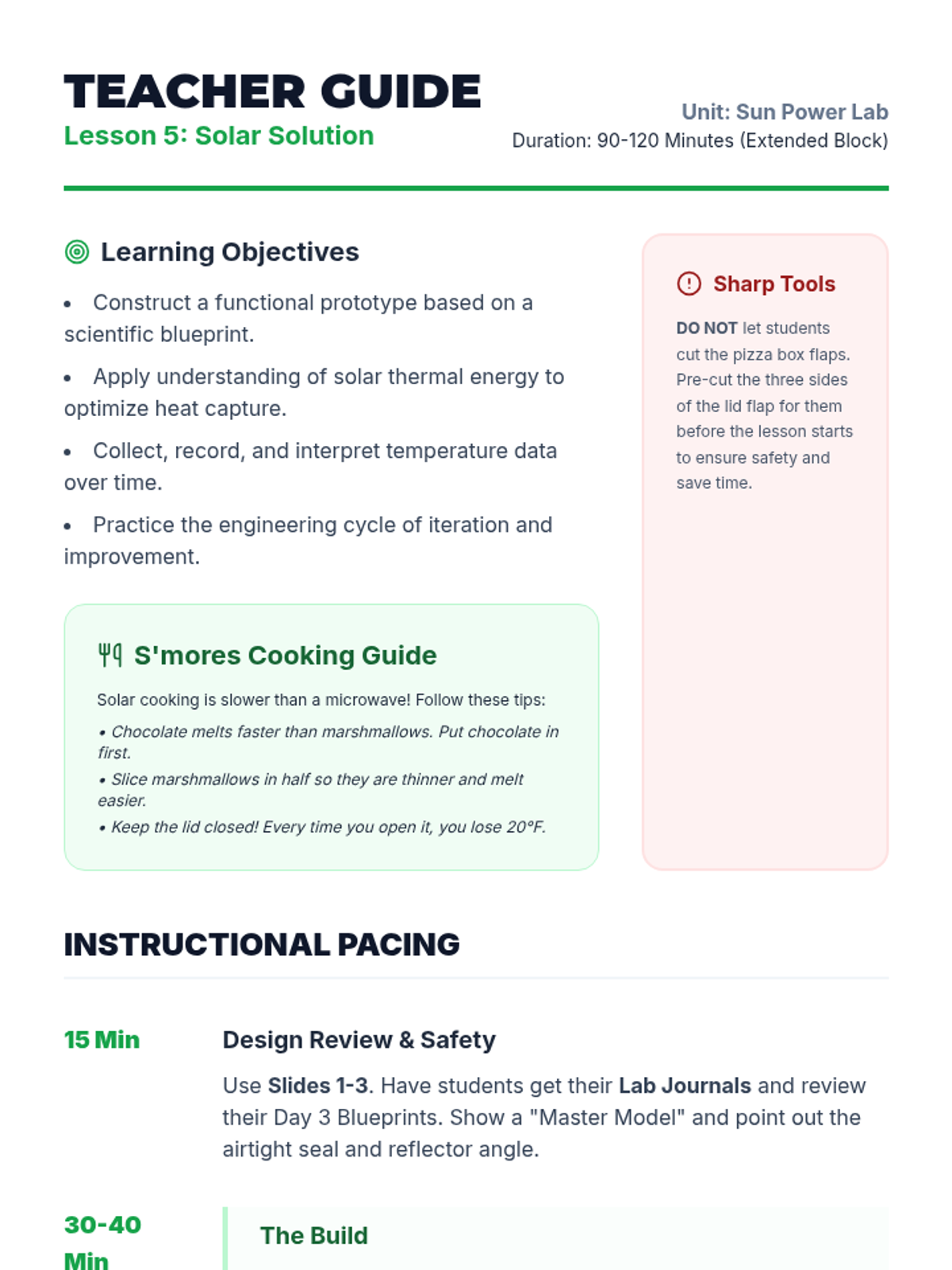
A culminating engineering challenge where students design, build, and test a solar-powered device.
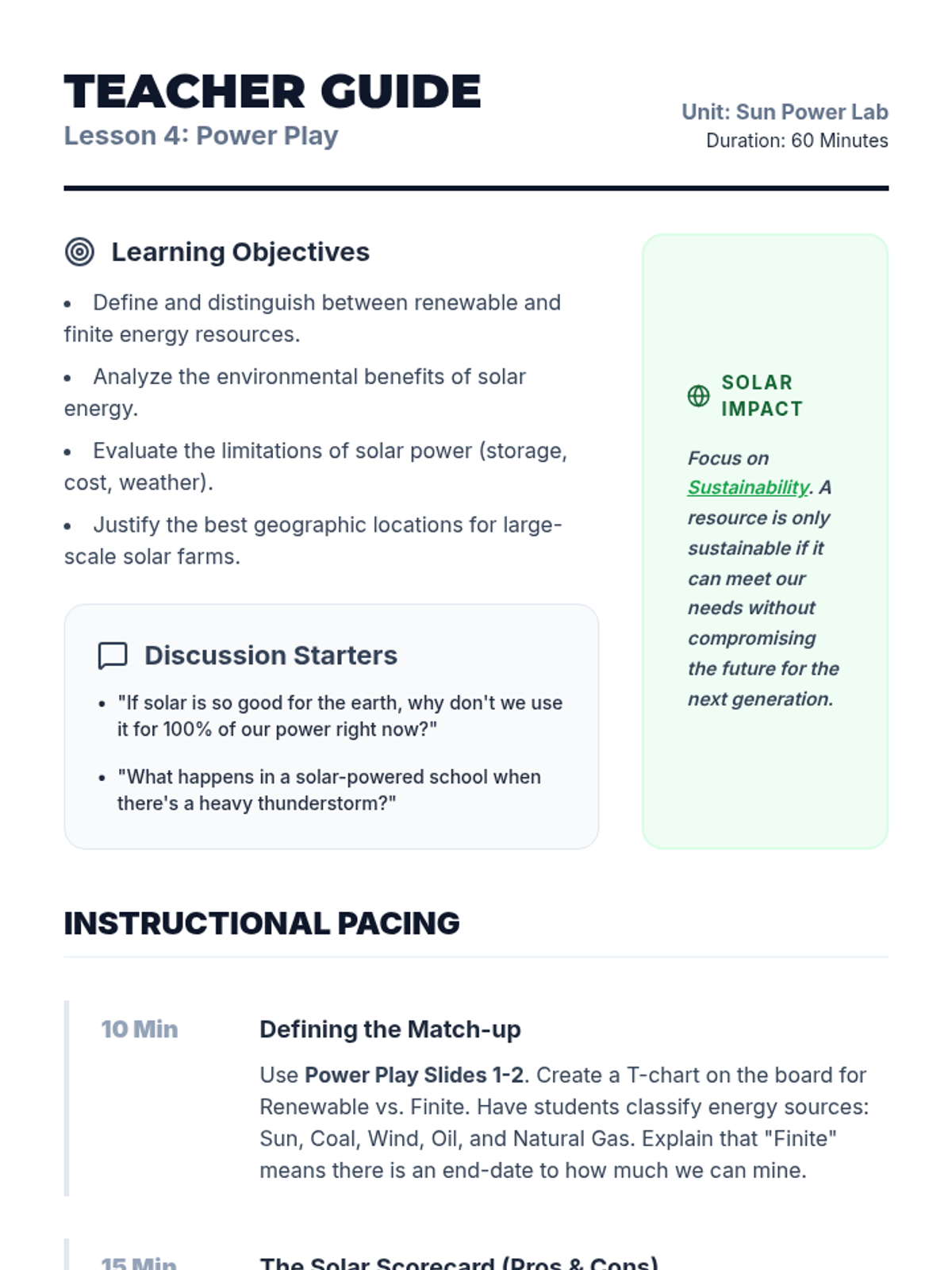
A critical look at the advantages and challenges of solar energy compared to non-renewable resources.
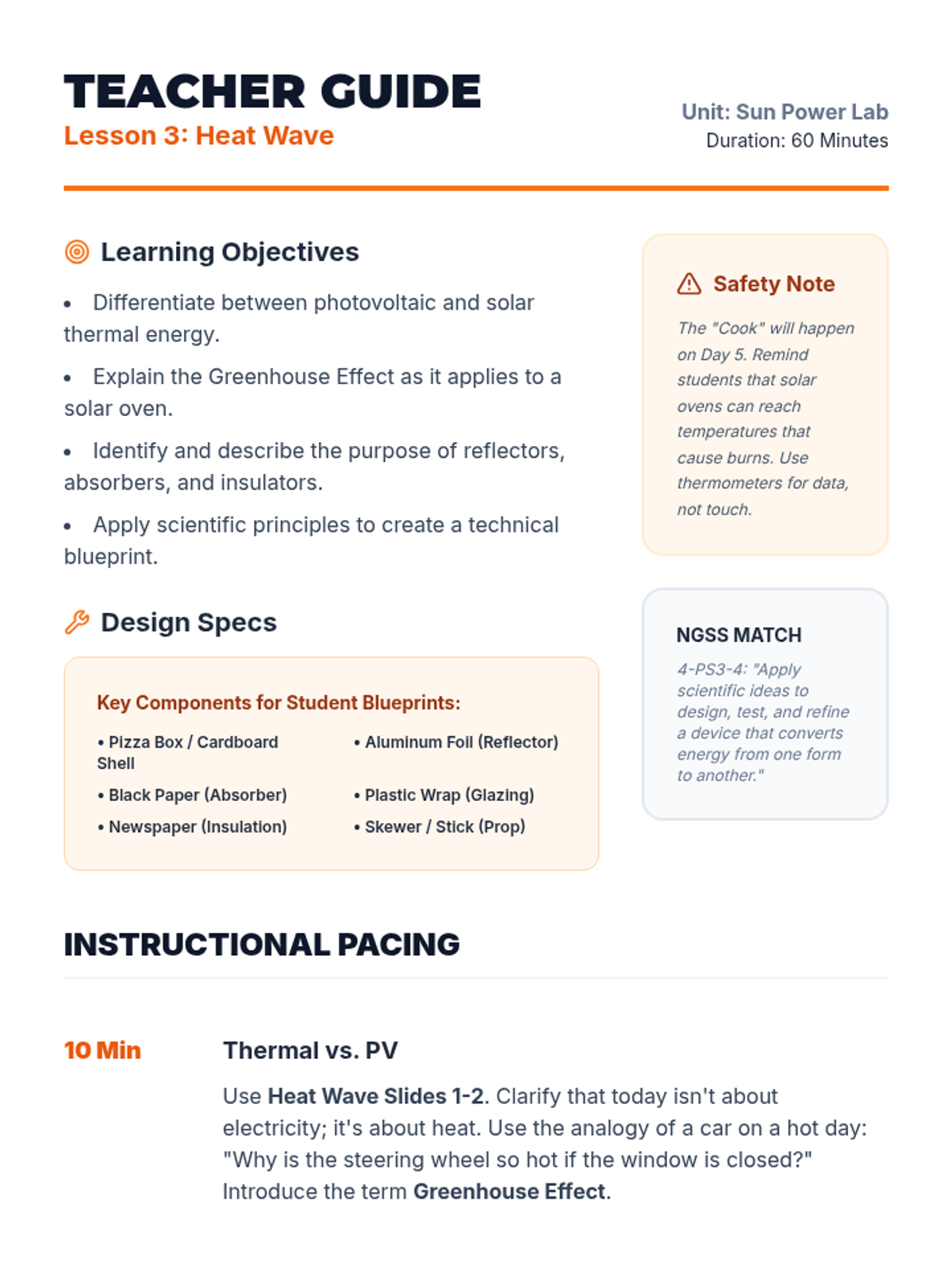
Investigates solar thermal energy and how we can use the Sun's heat for cooking and heating water.
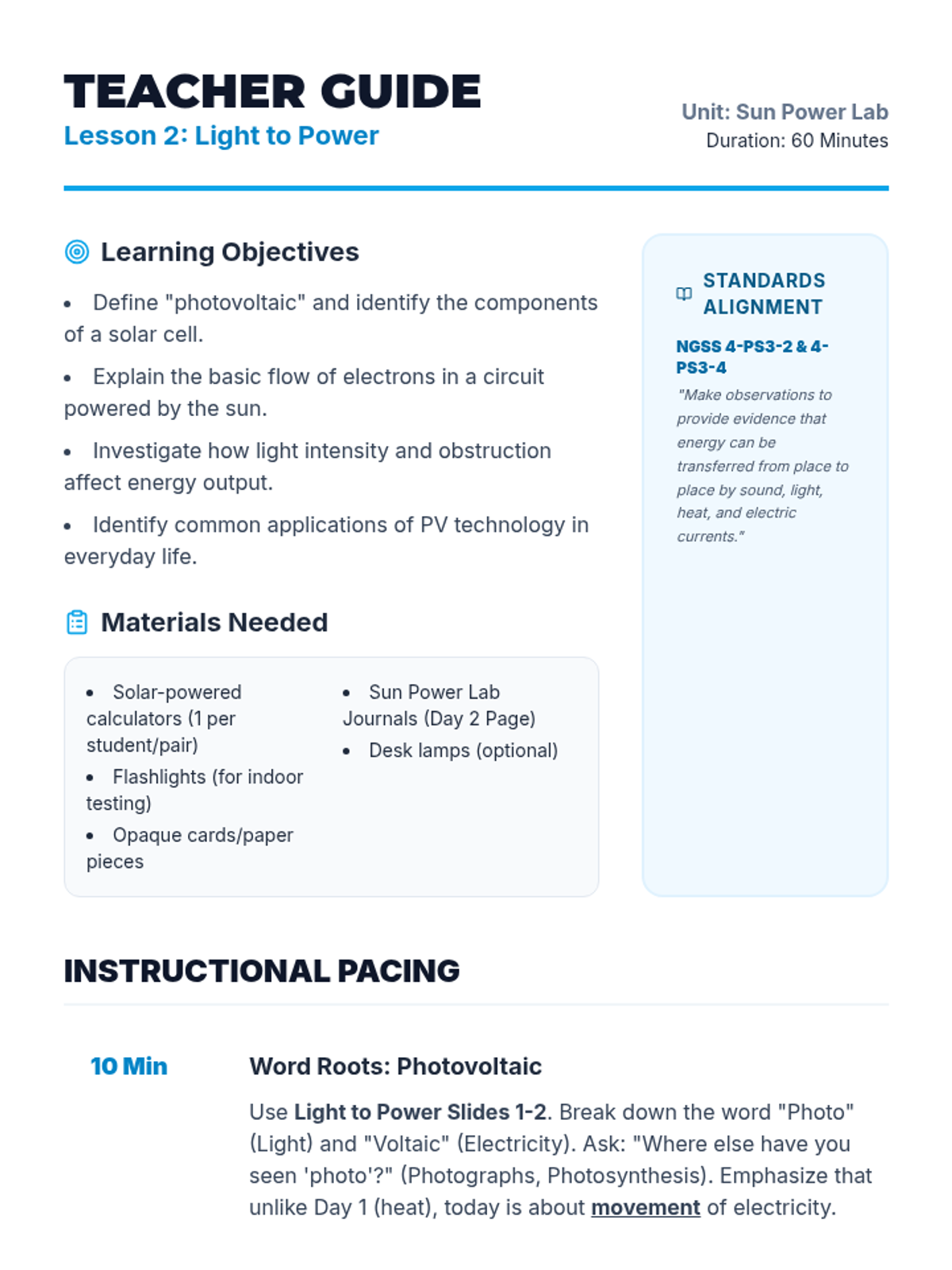
Explores the science of photovoltaic cells and how sunlight is converted directly into electricity.
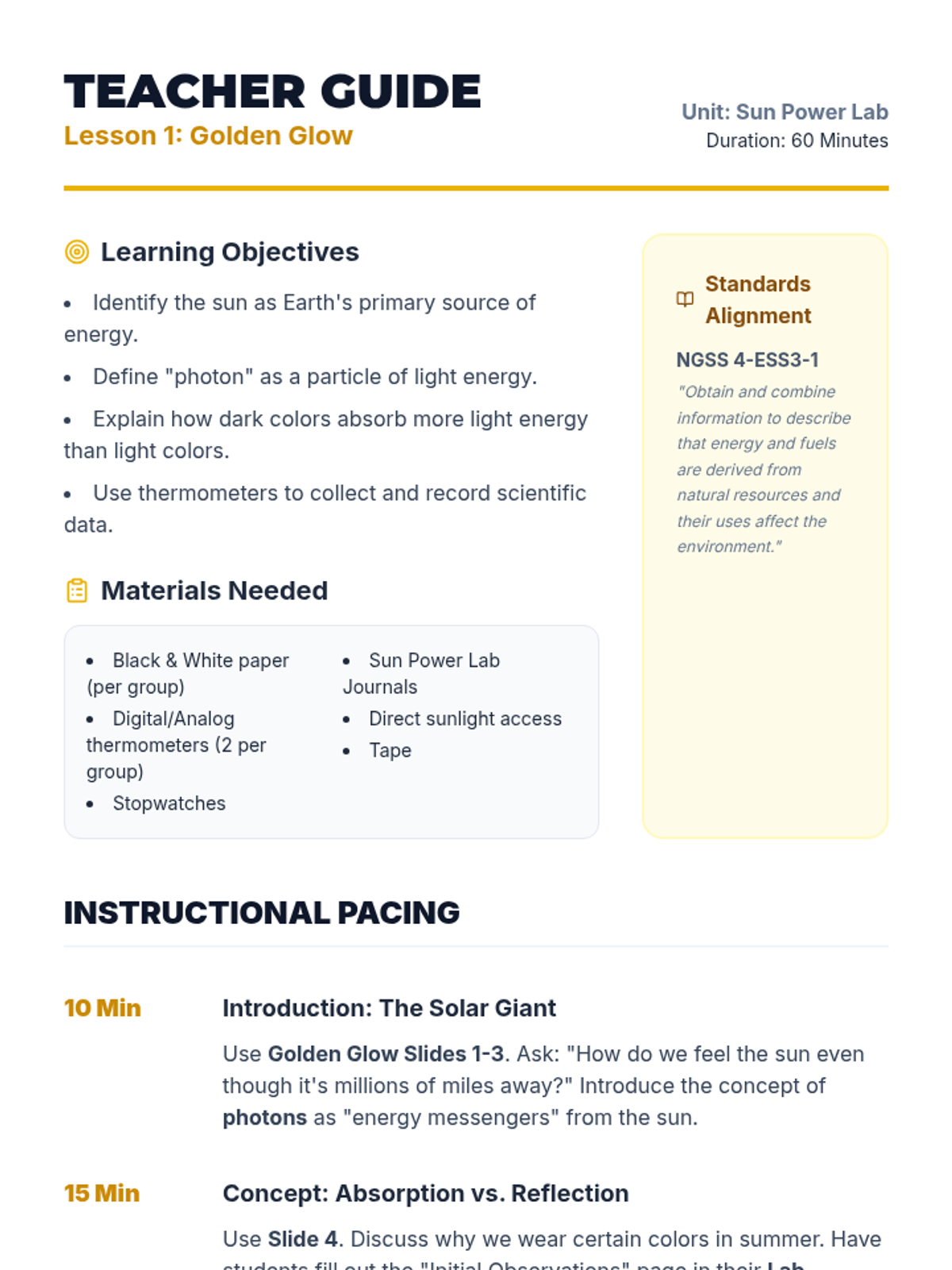
An introduction to the Sun as our primary energy source, exploring light energy and how different materials absorb solar radiation.
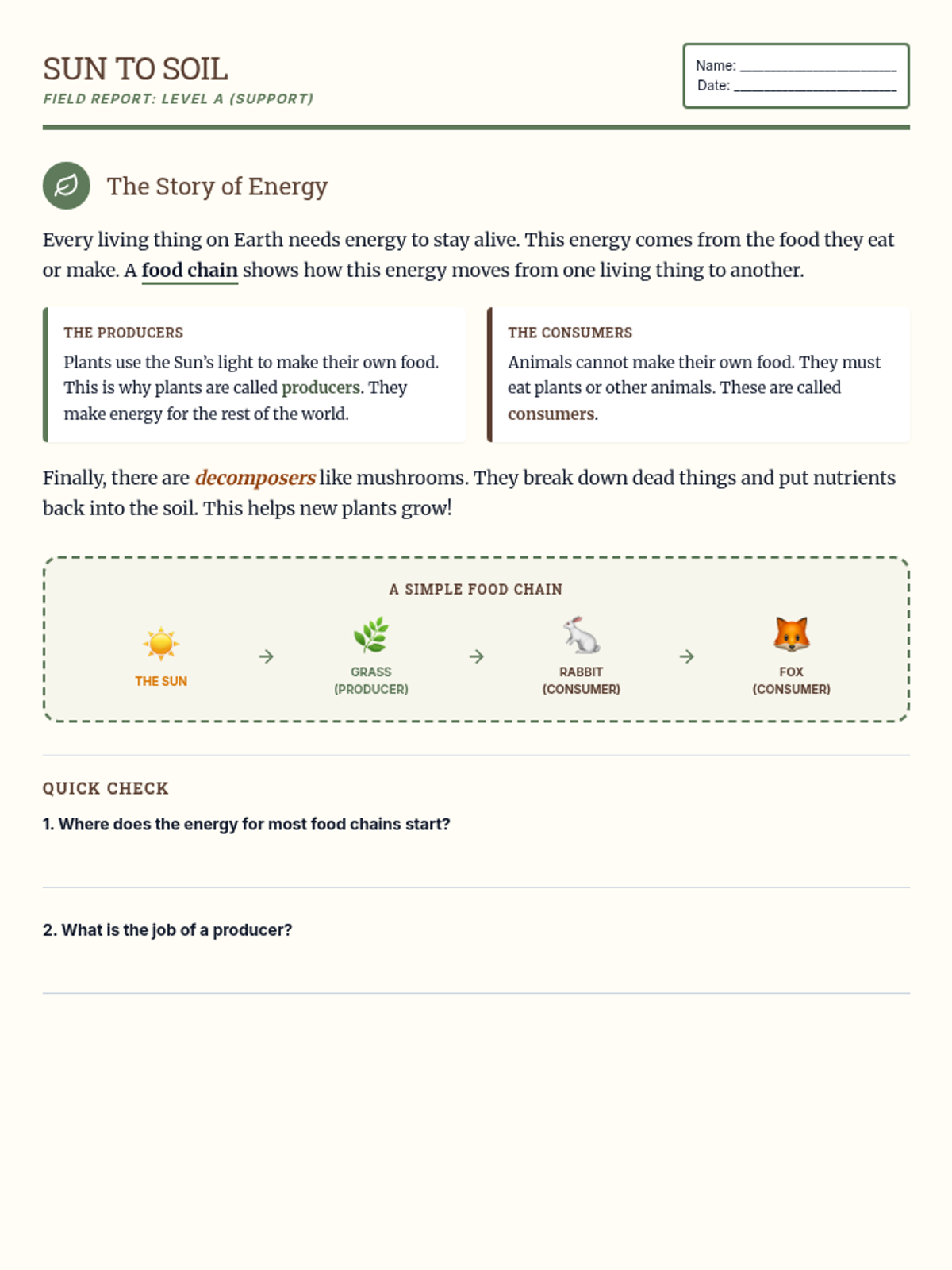
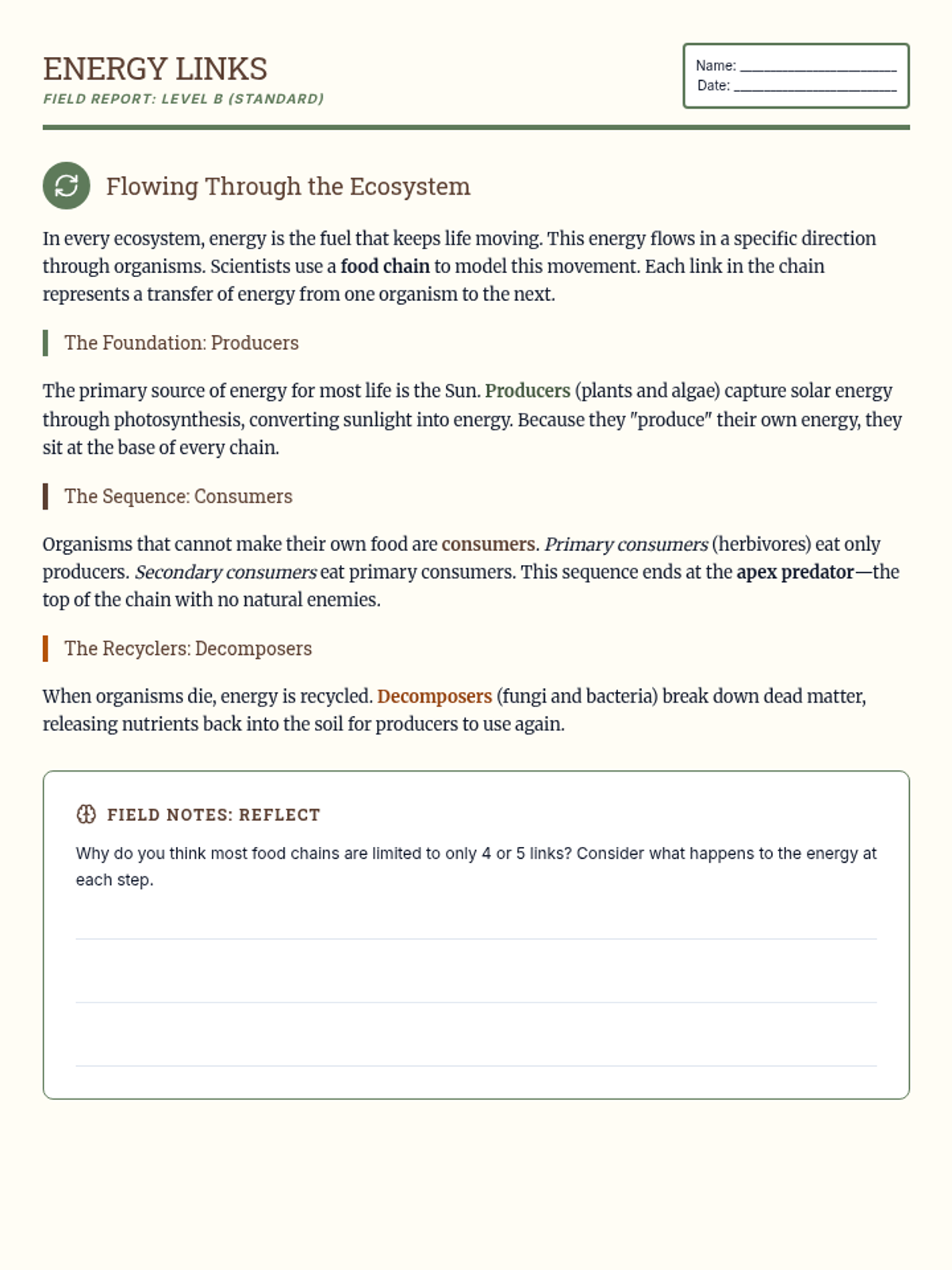
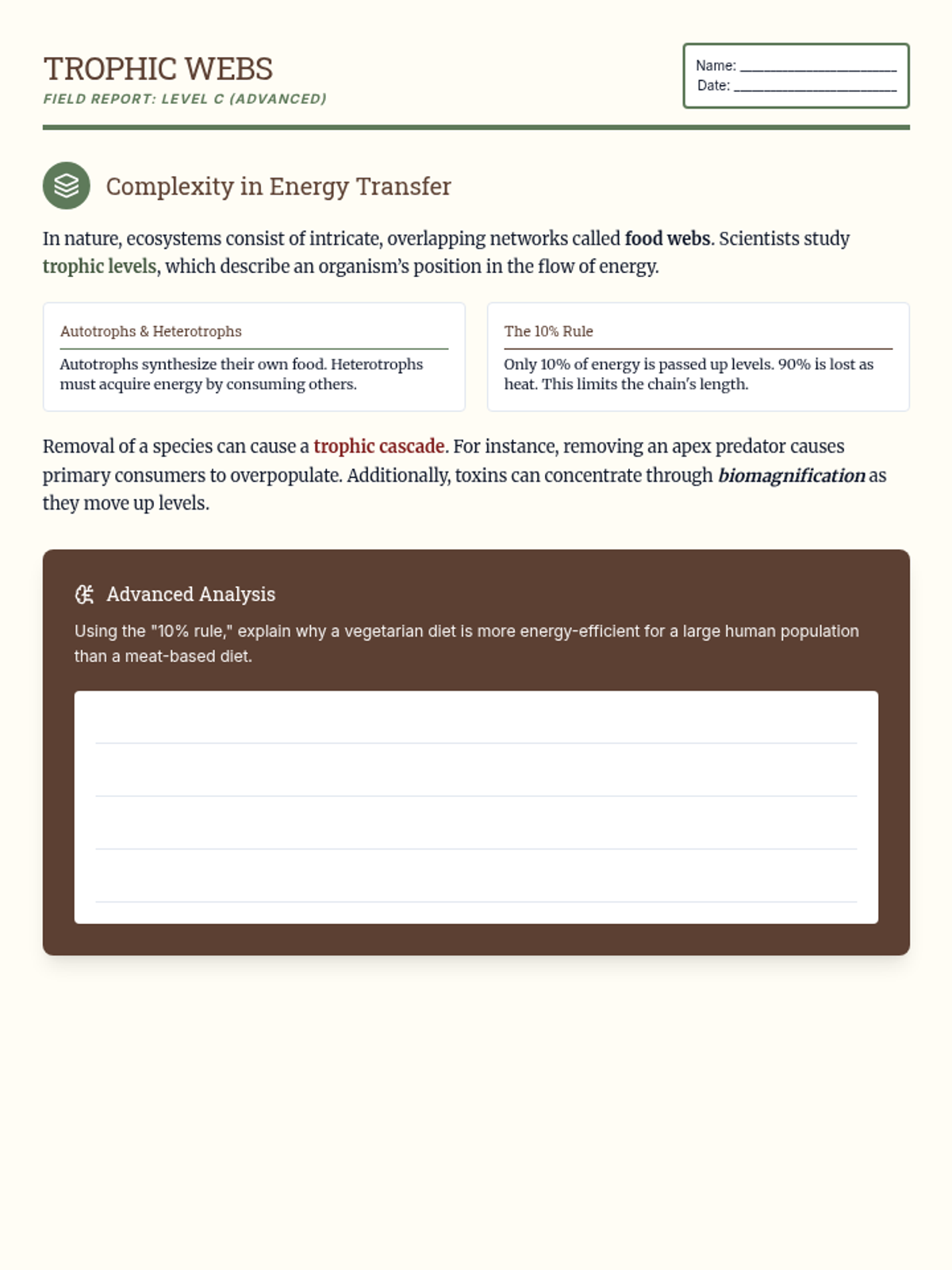
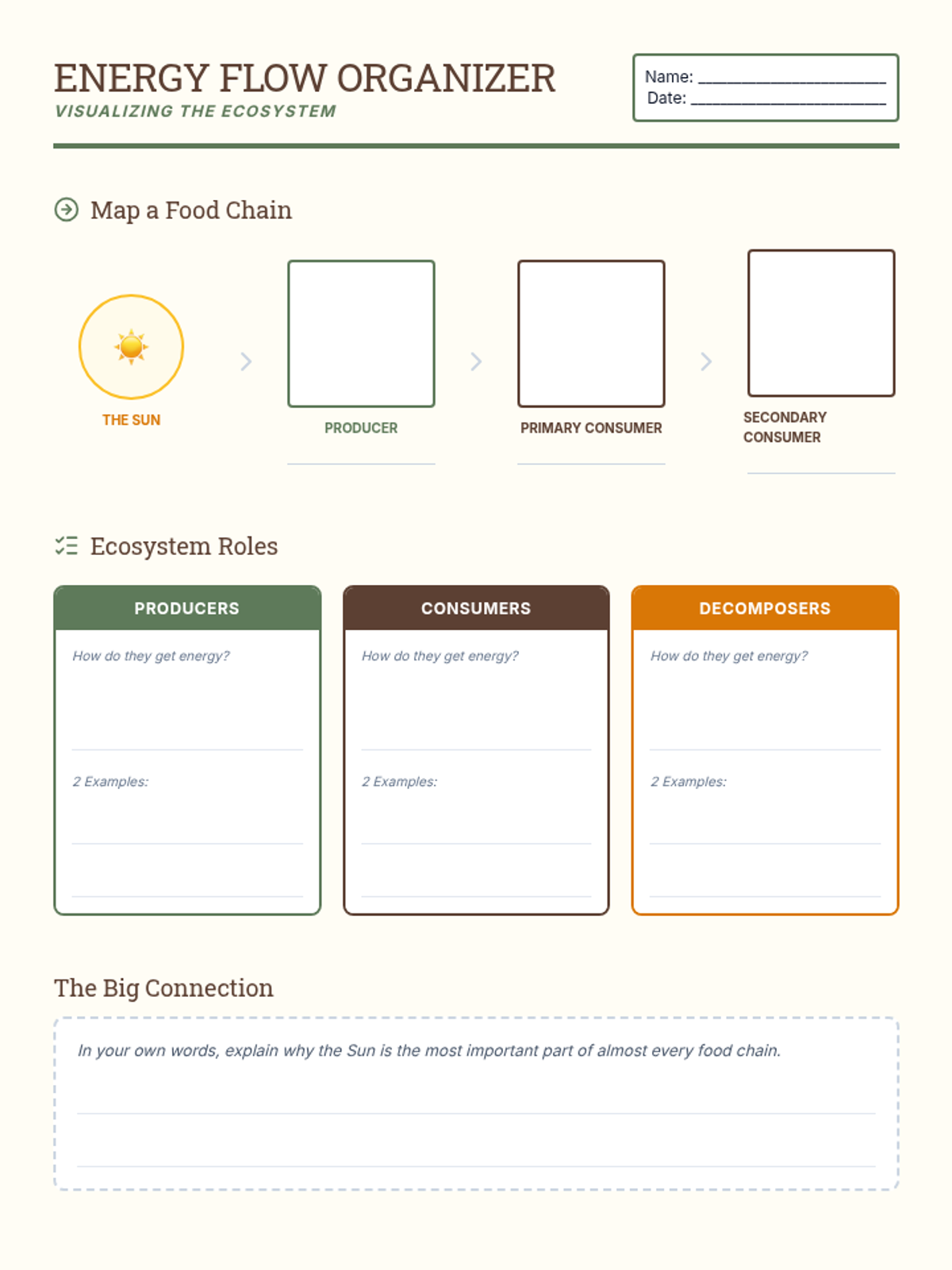
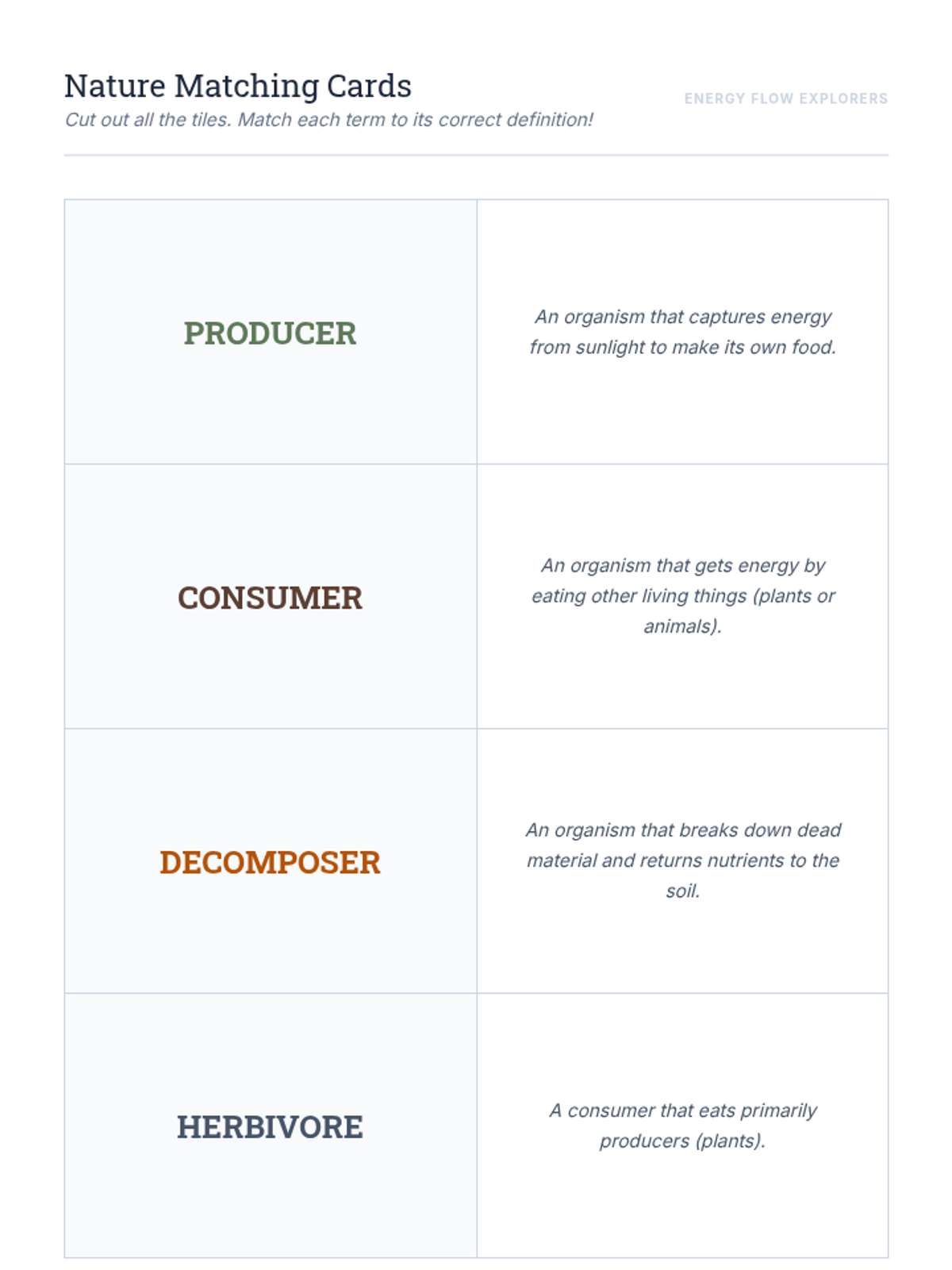
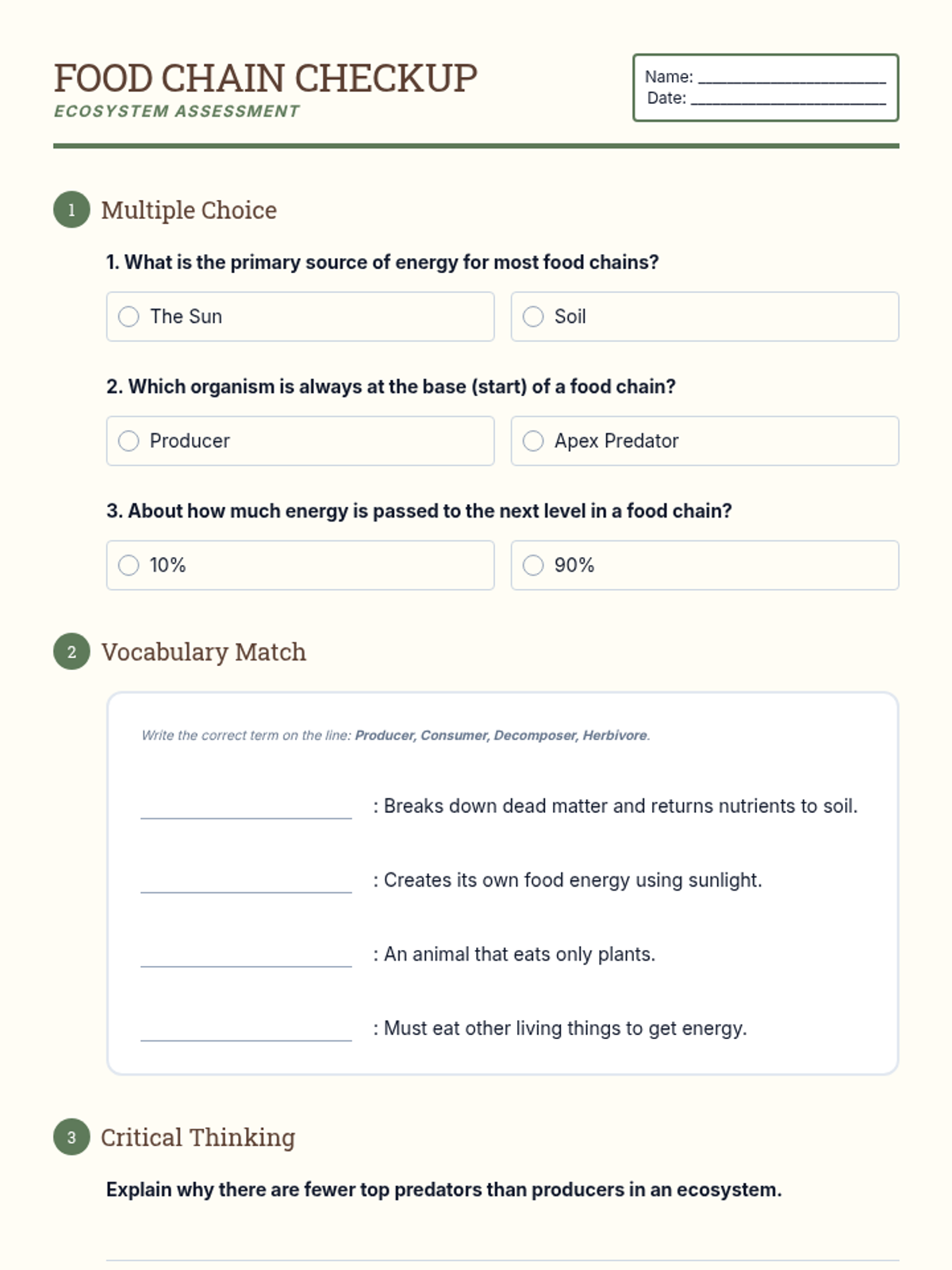
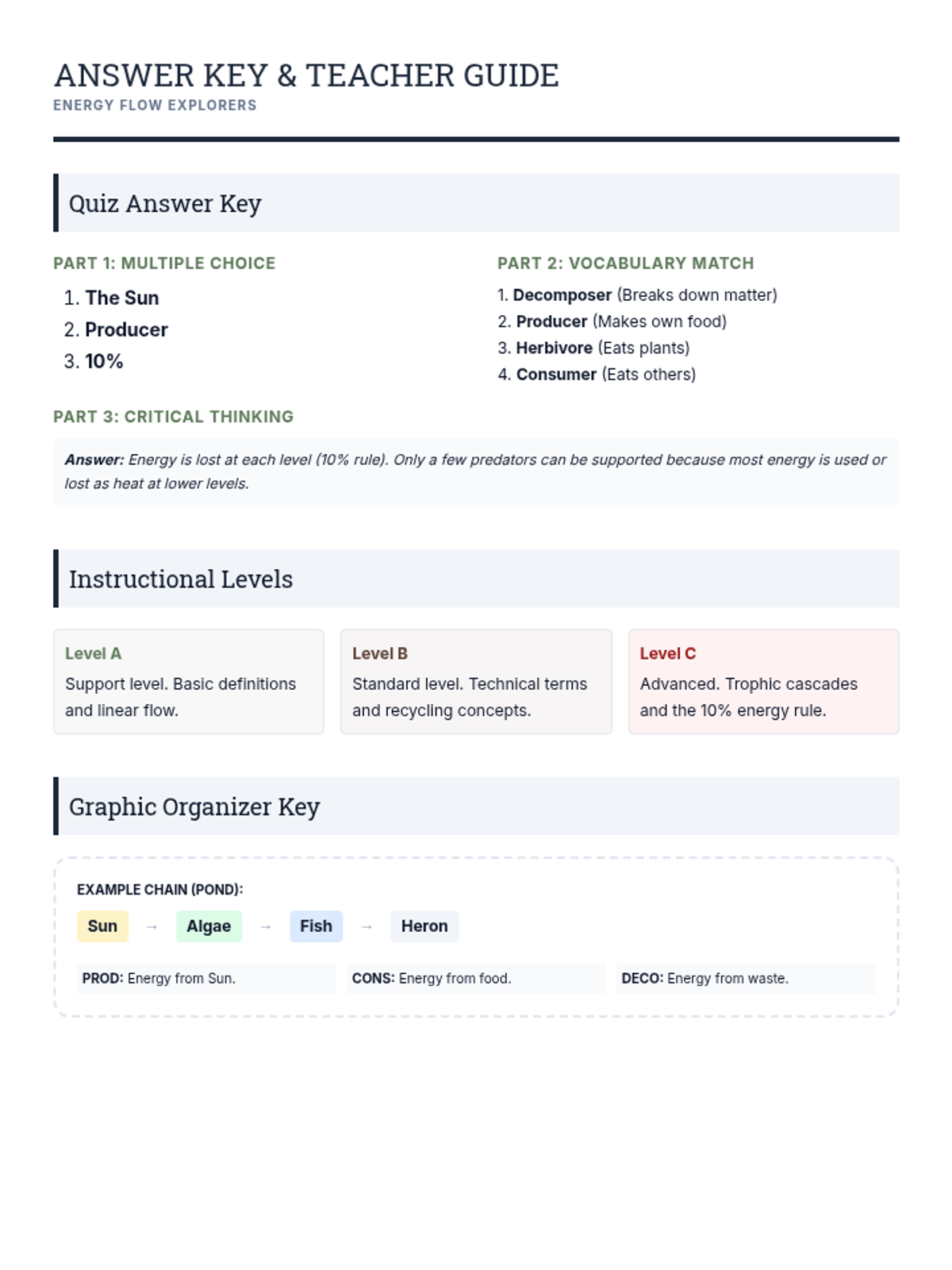
A comprehensive lesson on food chains, producers, and consumers, featuring differentiated reading passages, graphic organizers, and assessments designed for 5th-grade learners at various levels.
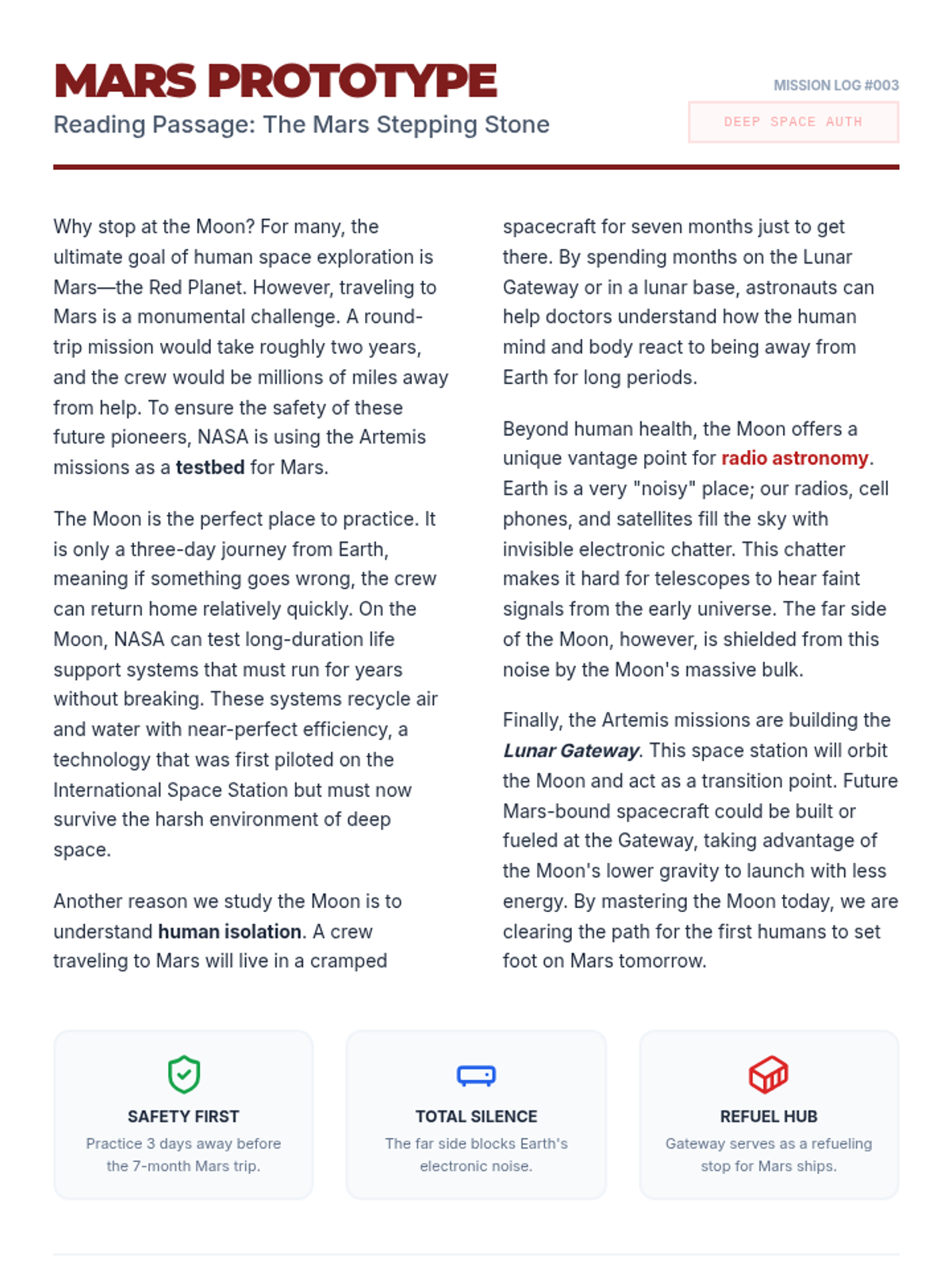
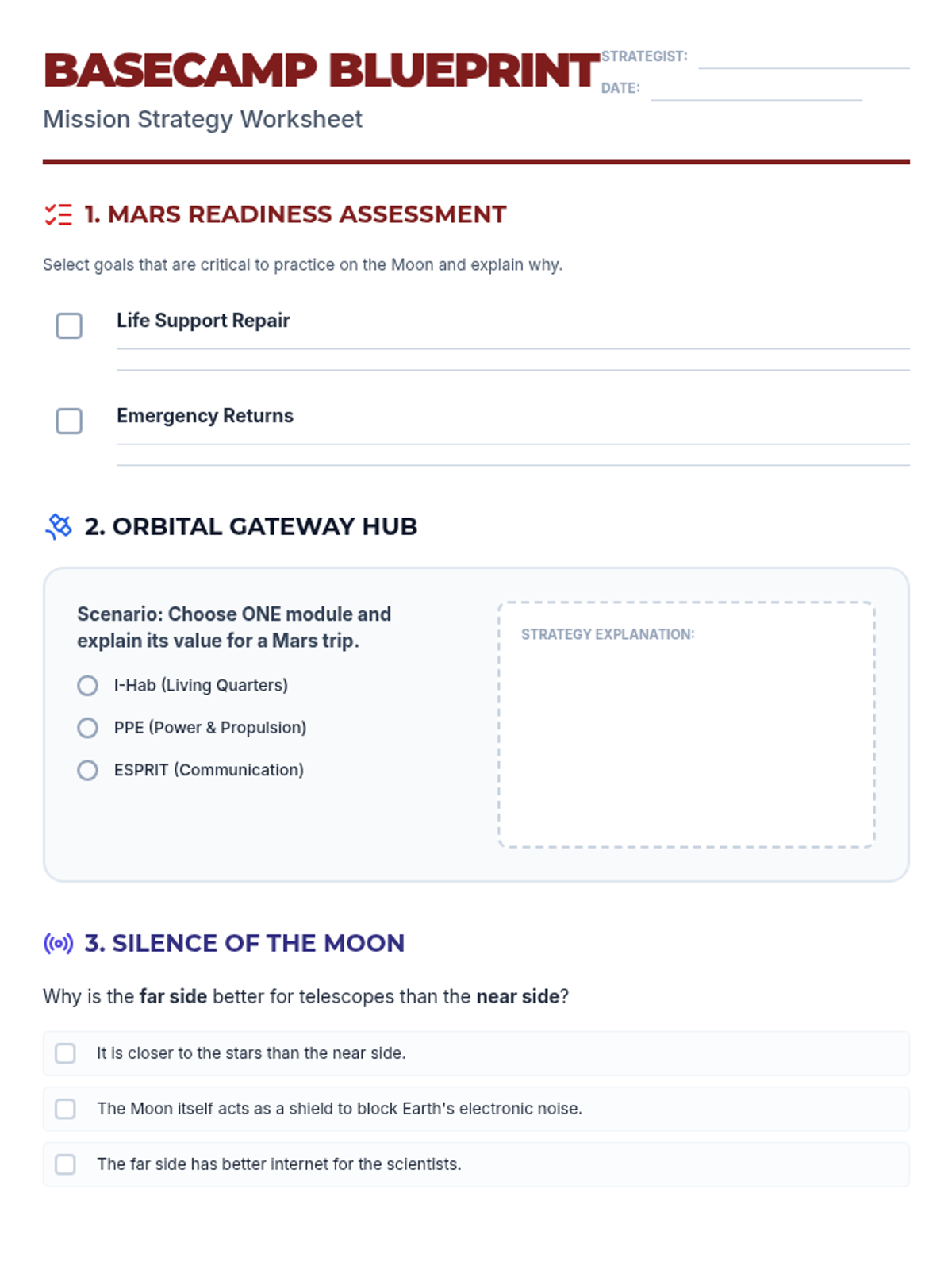
Explores the Moon's role as a testing ground for Mars exploration and a unique platform for deep space astronomy, focusing on the Gateway station and long-duration missions.
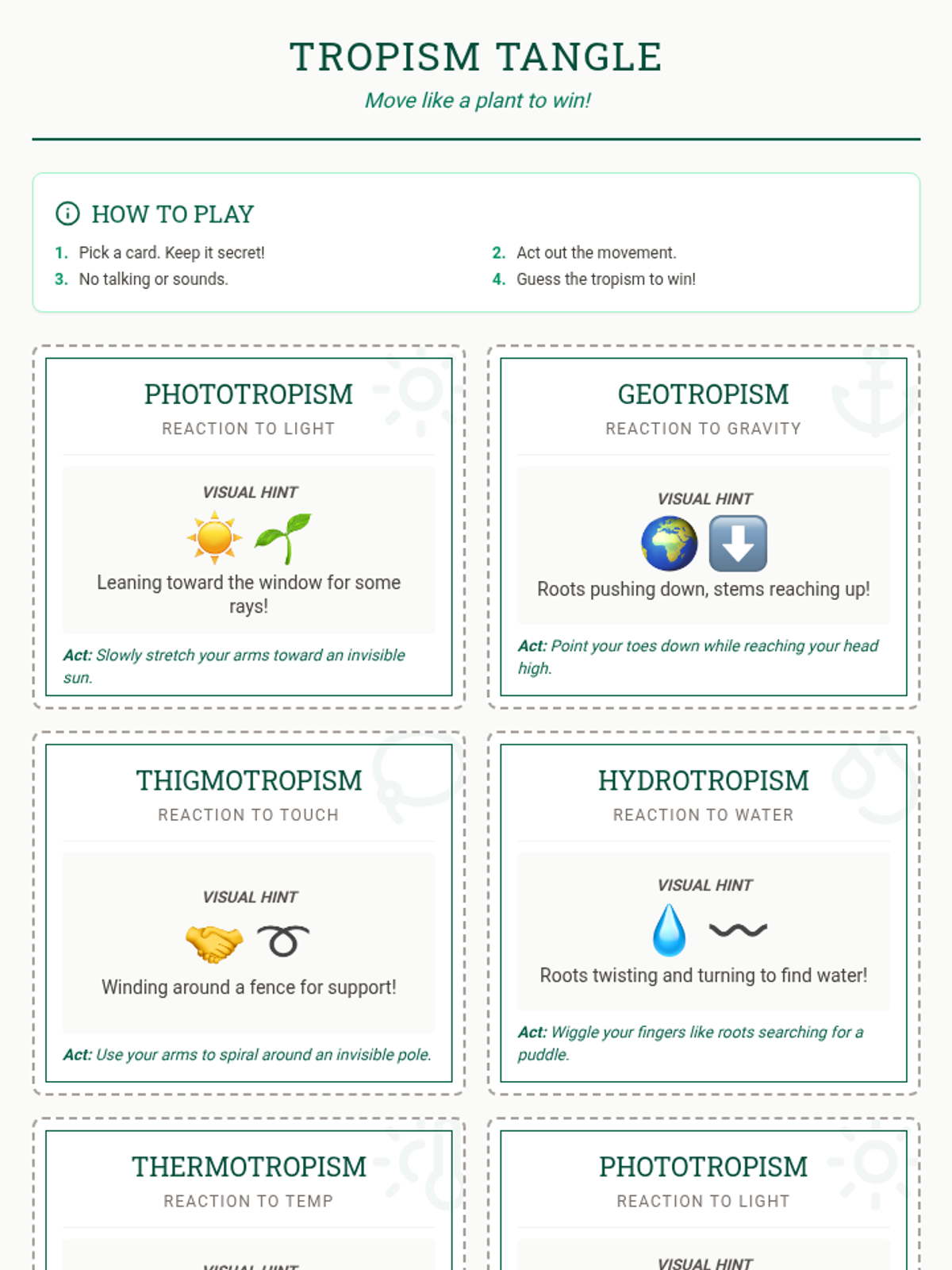
A fun, active lesson exploring how plants respond to their environment through various tropisms. Students will use movement and physical acting to demonstrate complex biological concepts.
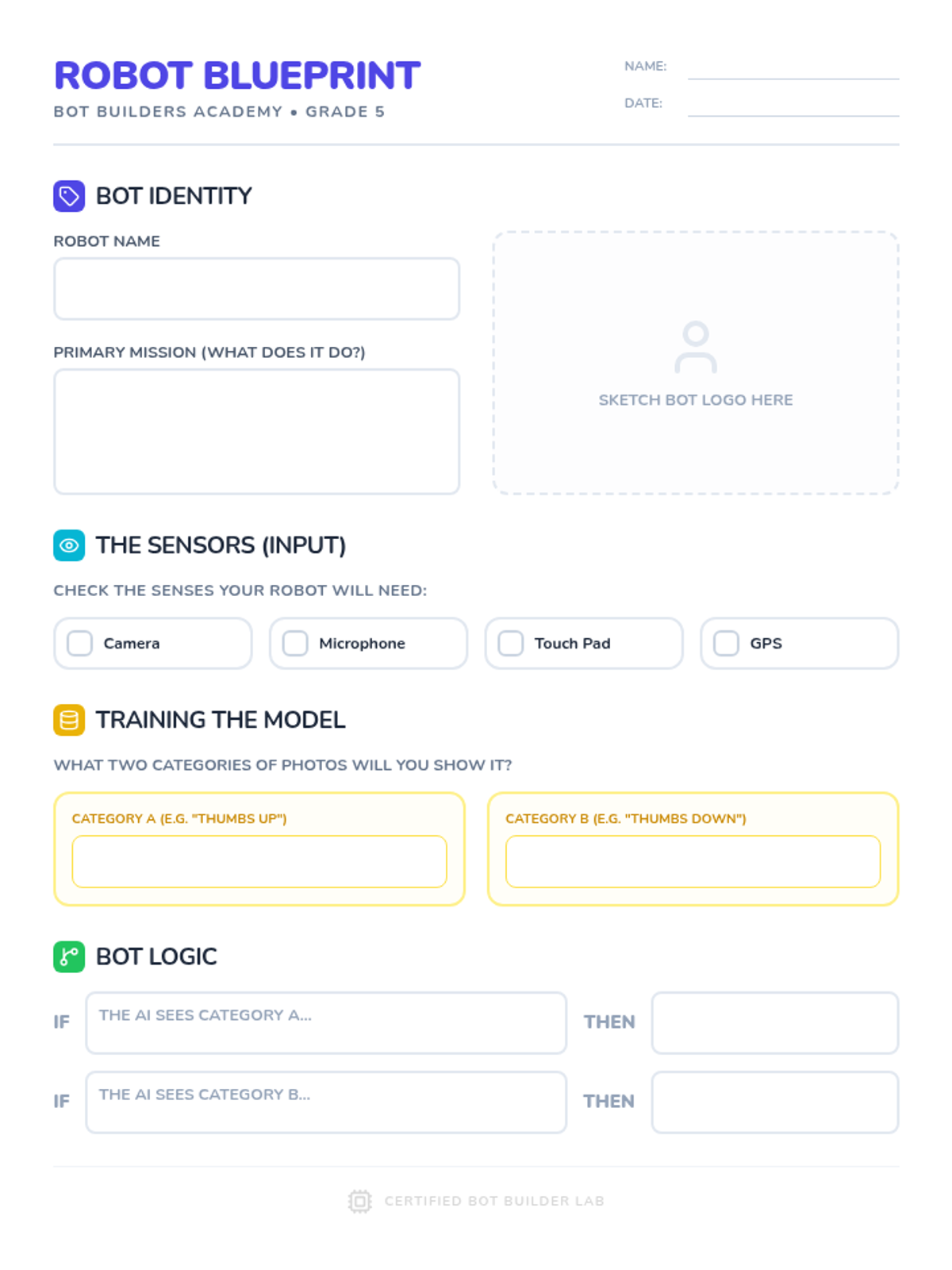
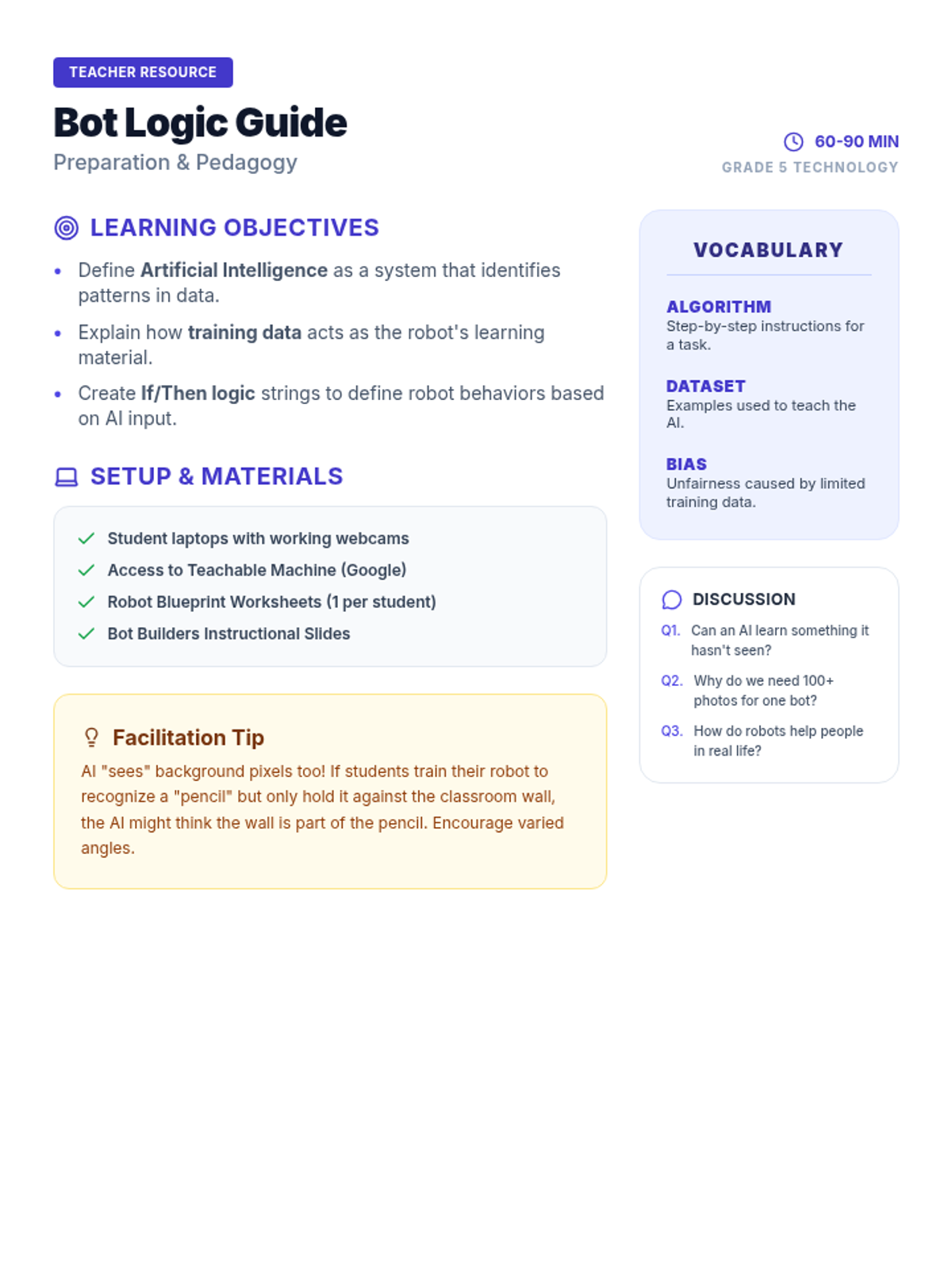
Students explore the world of artificial intelligence and robotics, learning how to design and "train" a virtual robot using online tools. They will understand the relationship between hardware, software, and data training.
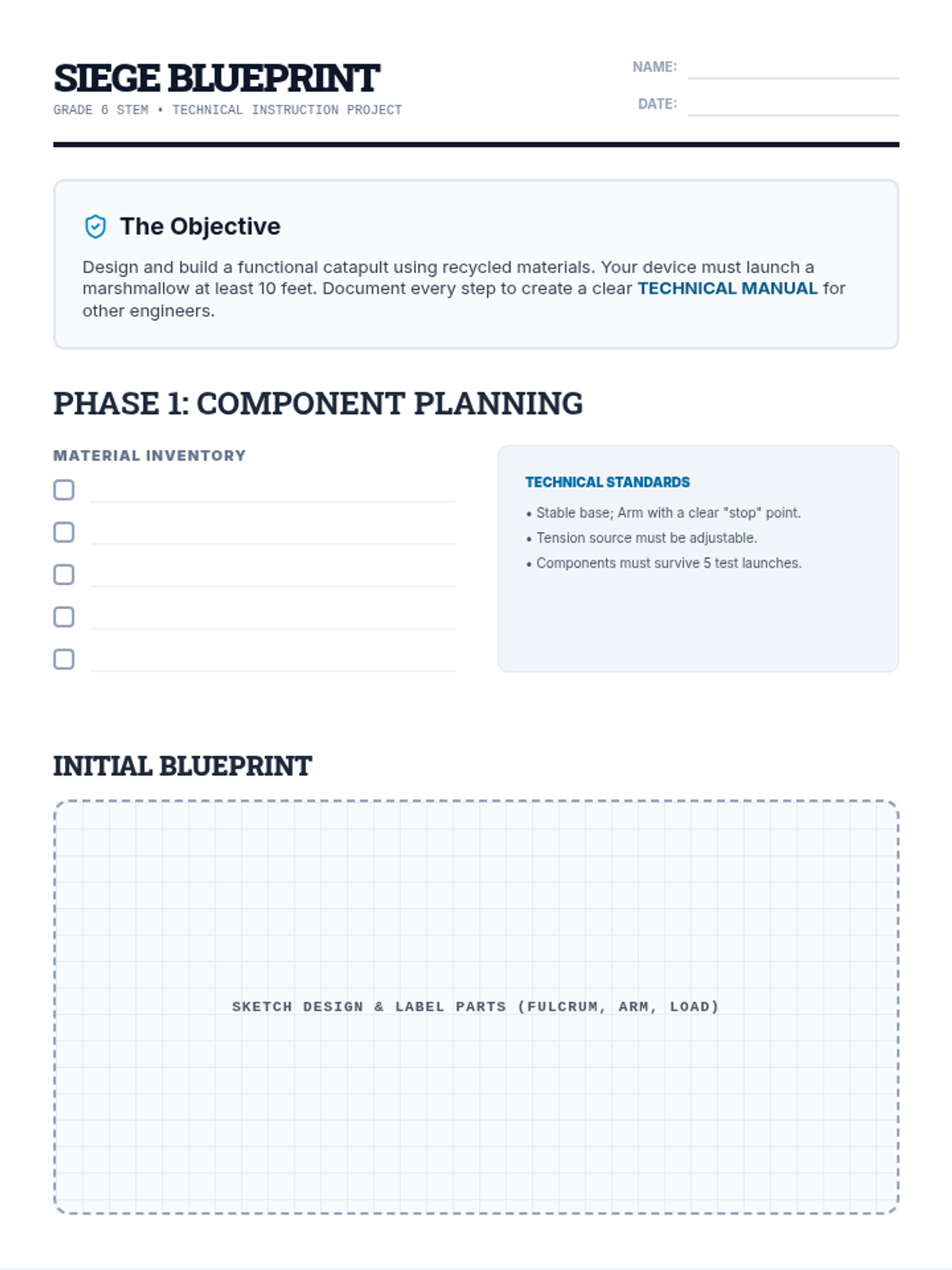
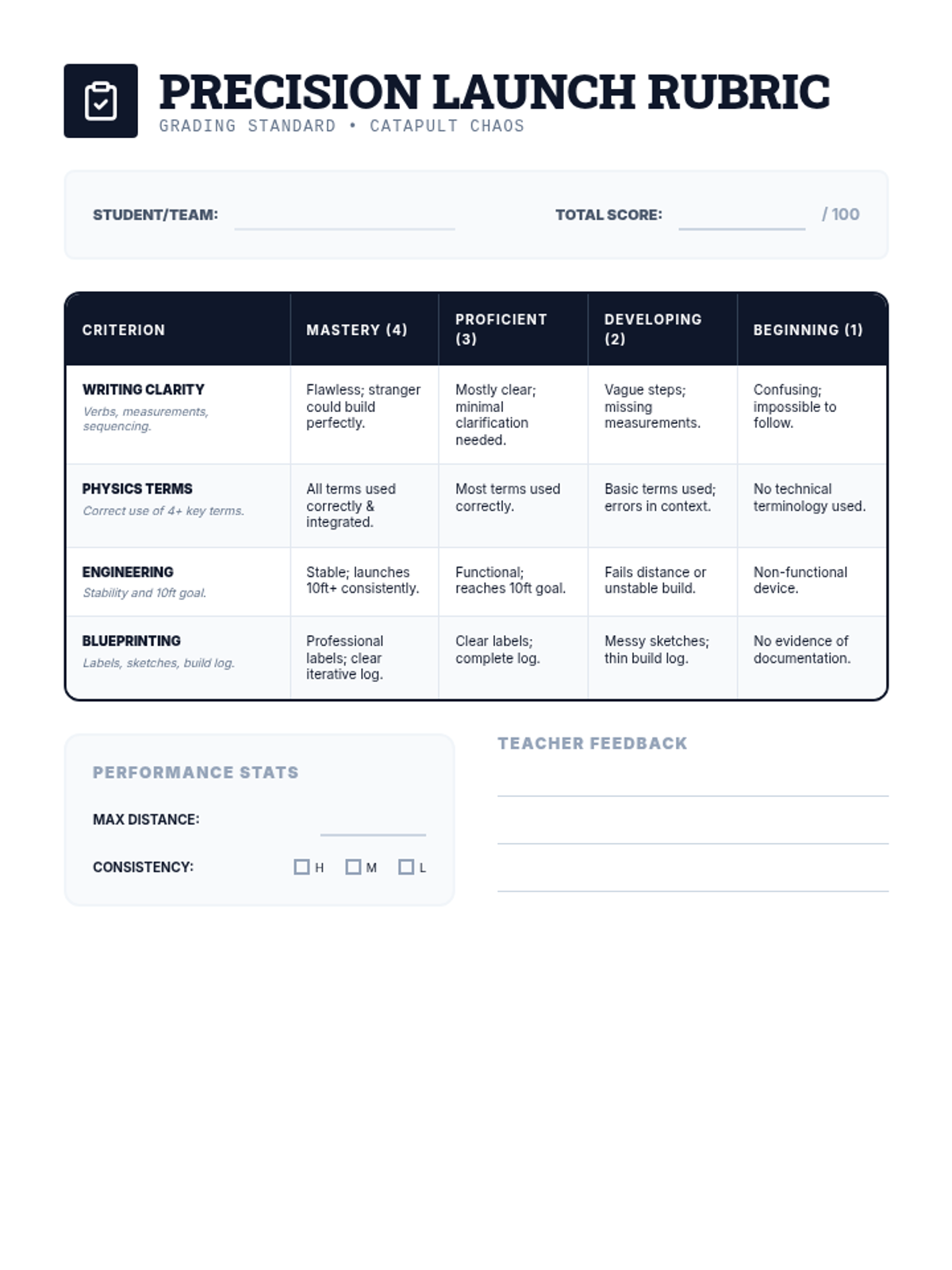
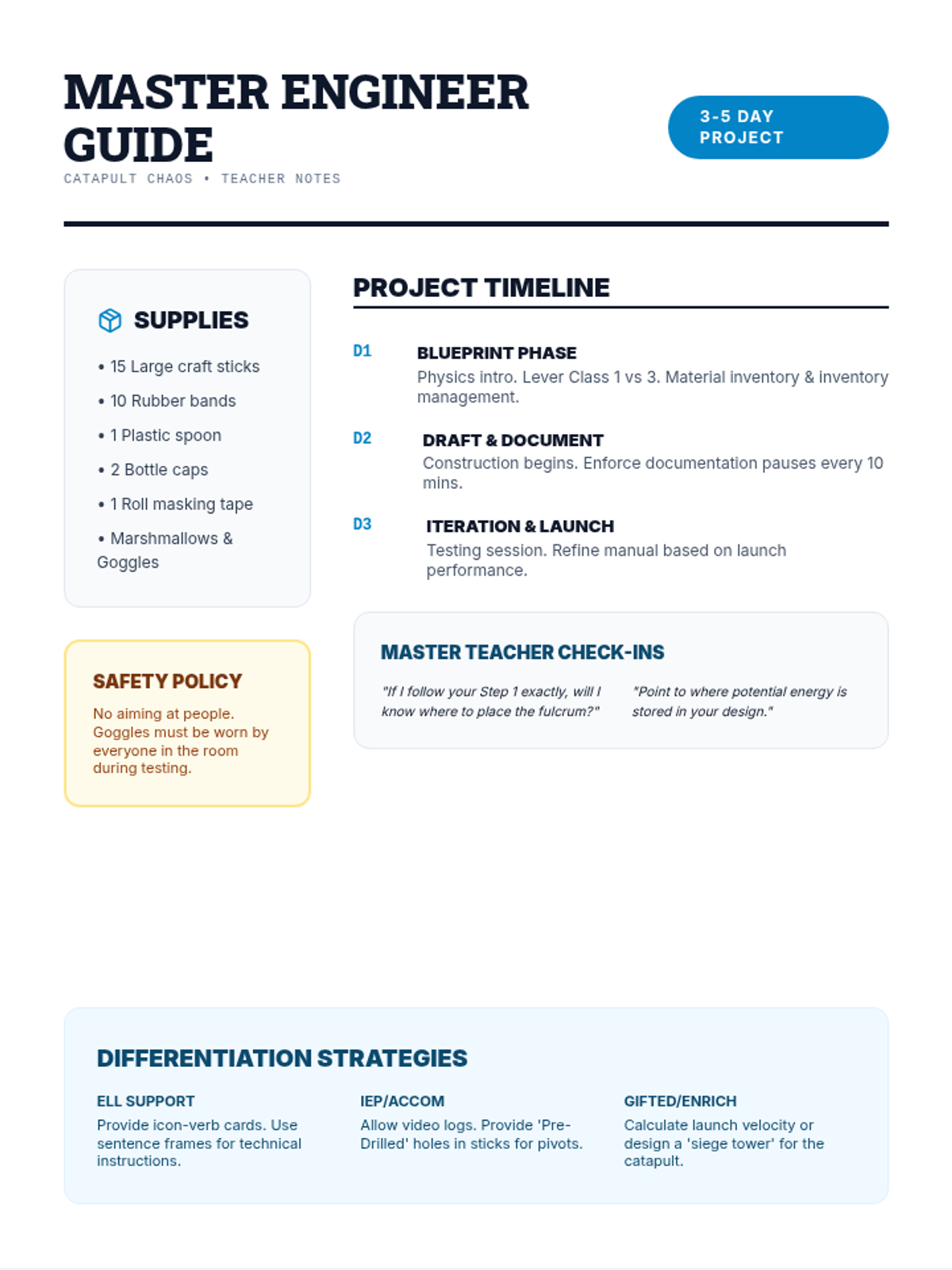
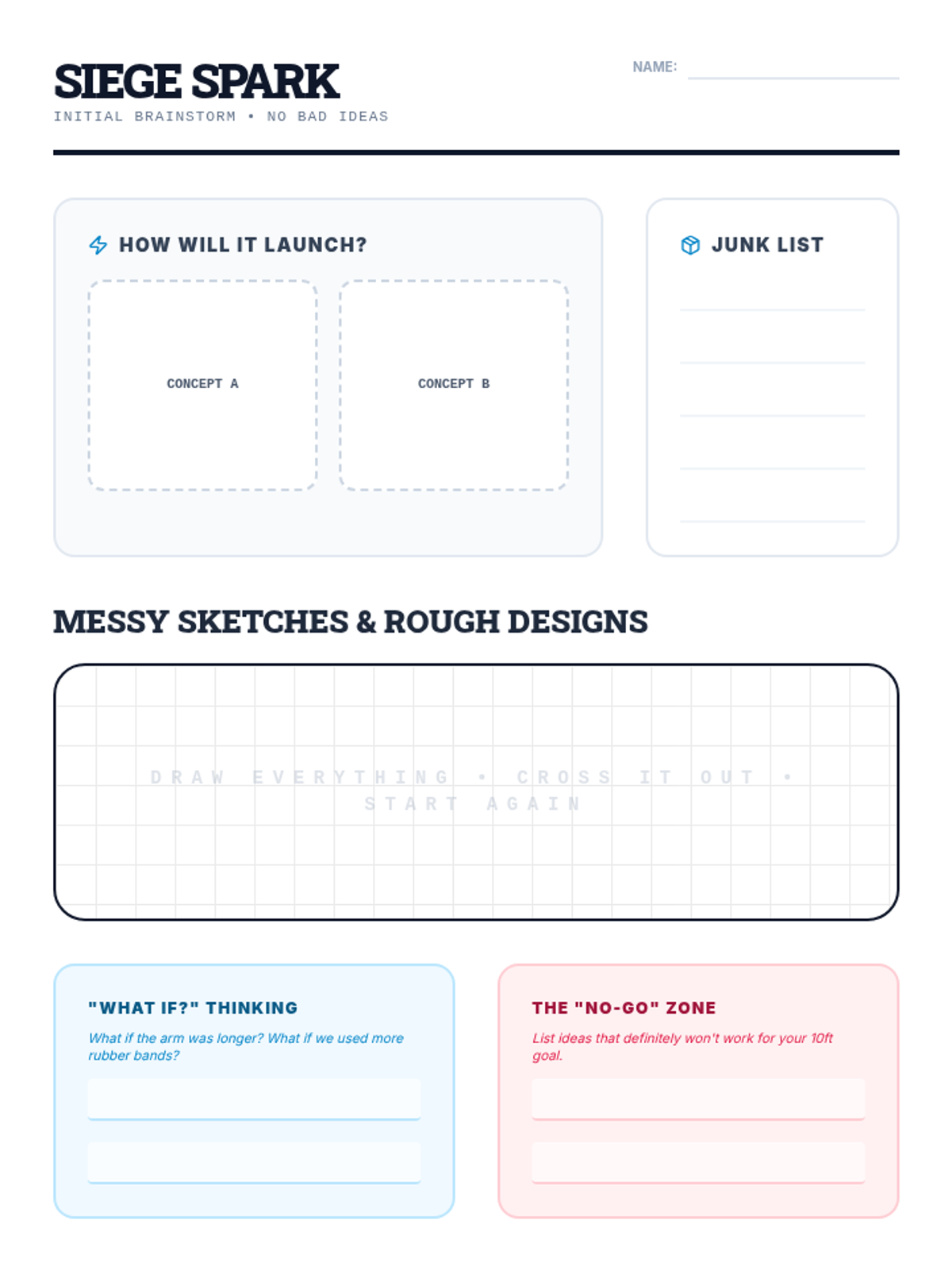
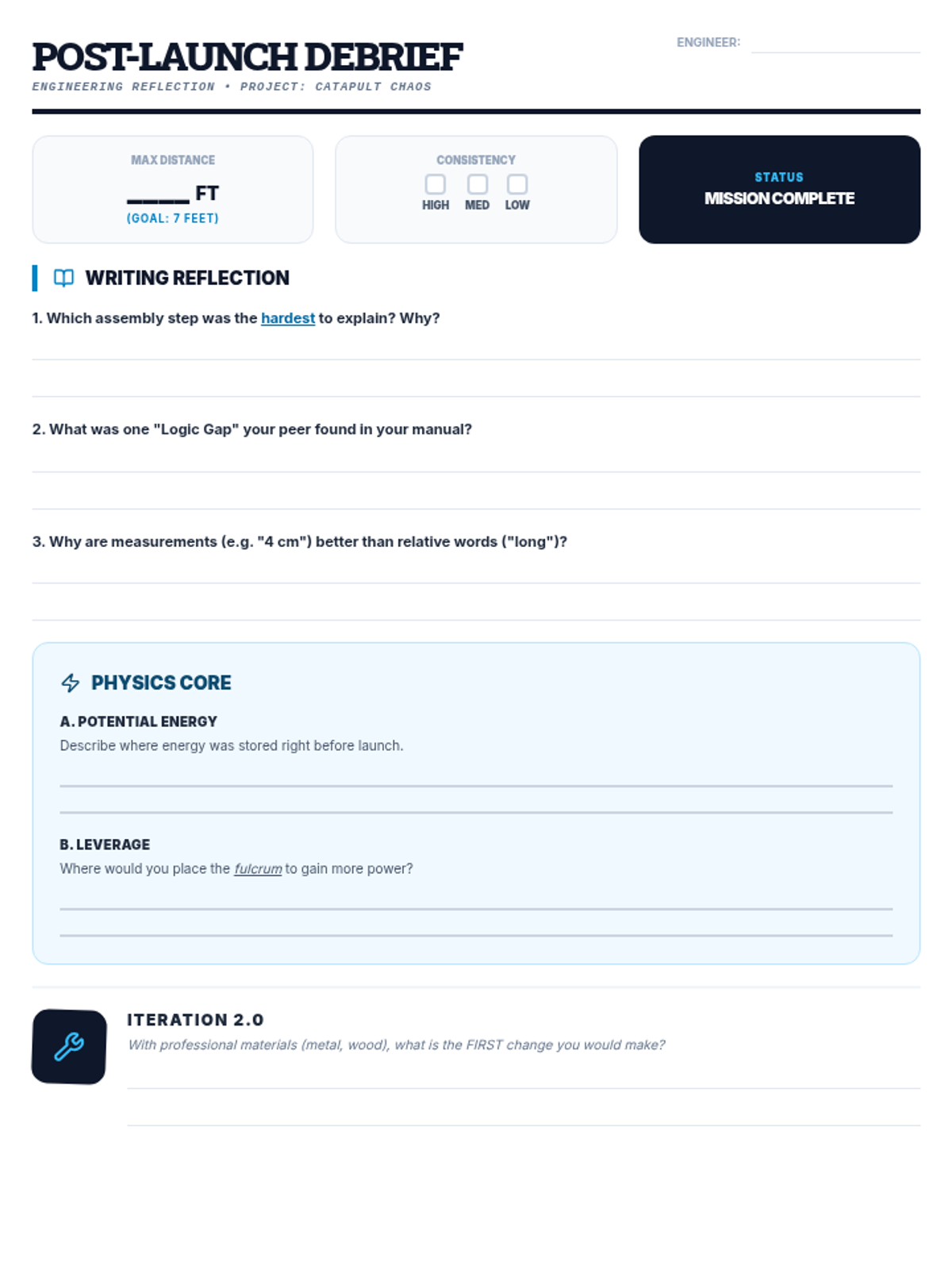
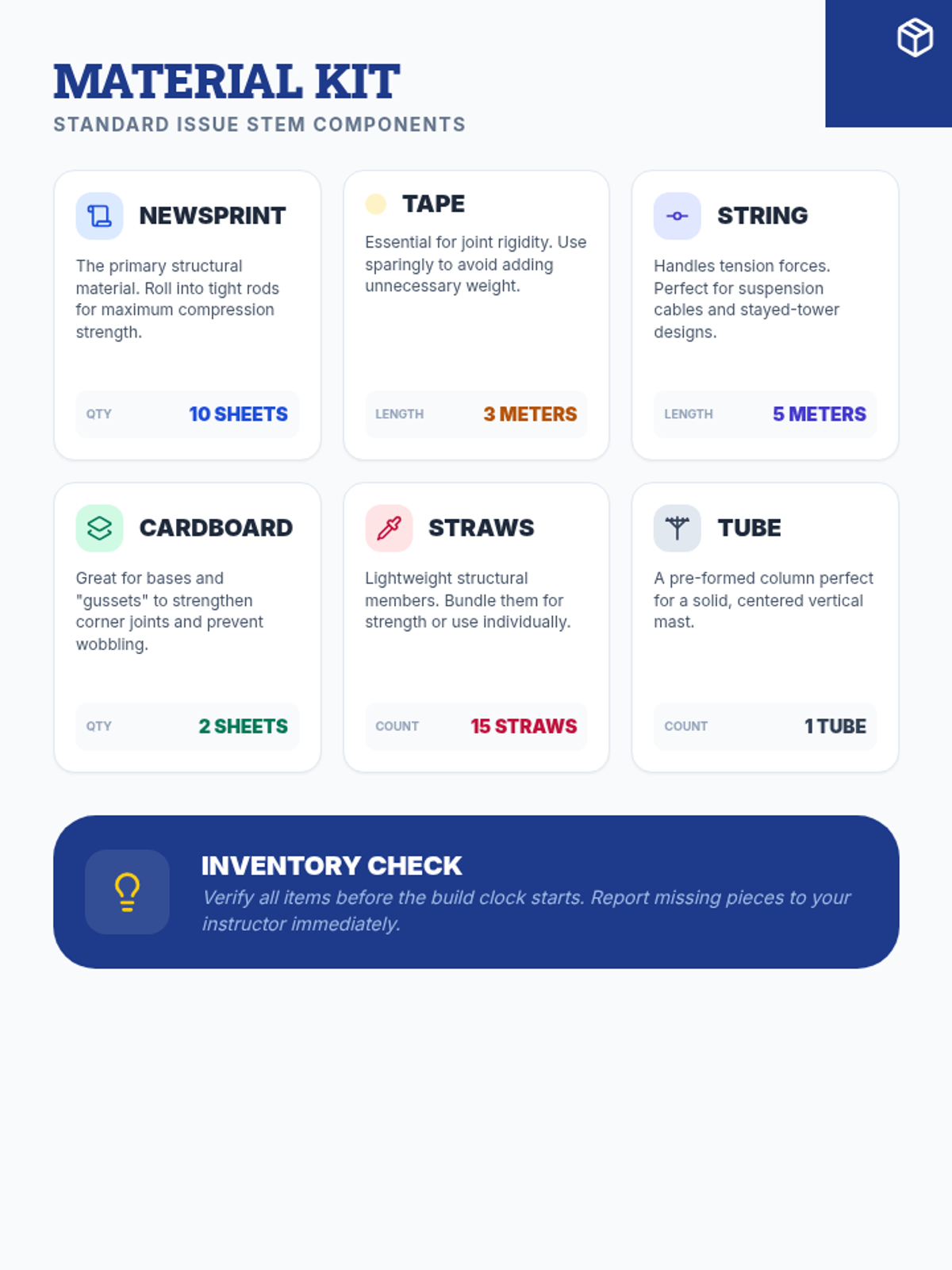
A hands-on STEM project where students design, build, and test catapults while mastering the art of technical instruction writing. Students will apply physics concepts and the engineering design process to create a functional siege engine and document its construction with precision.
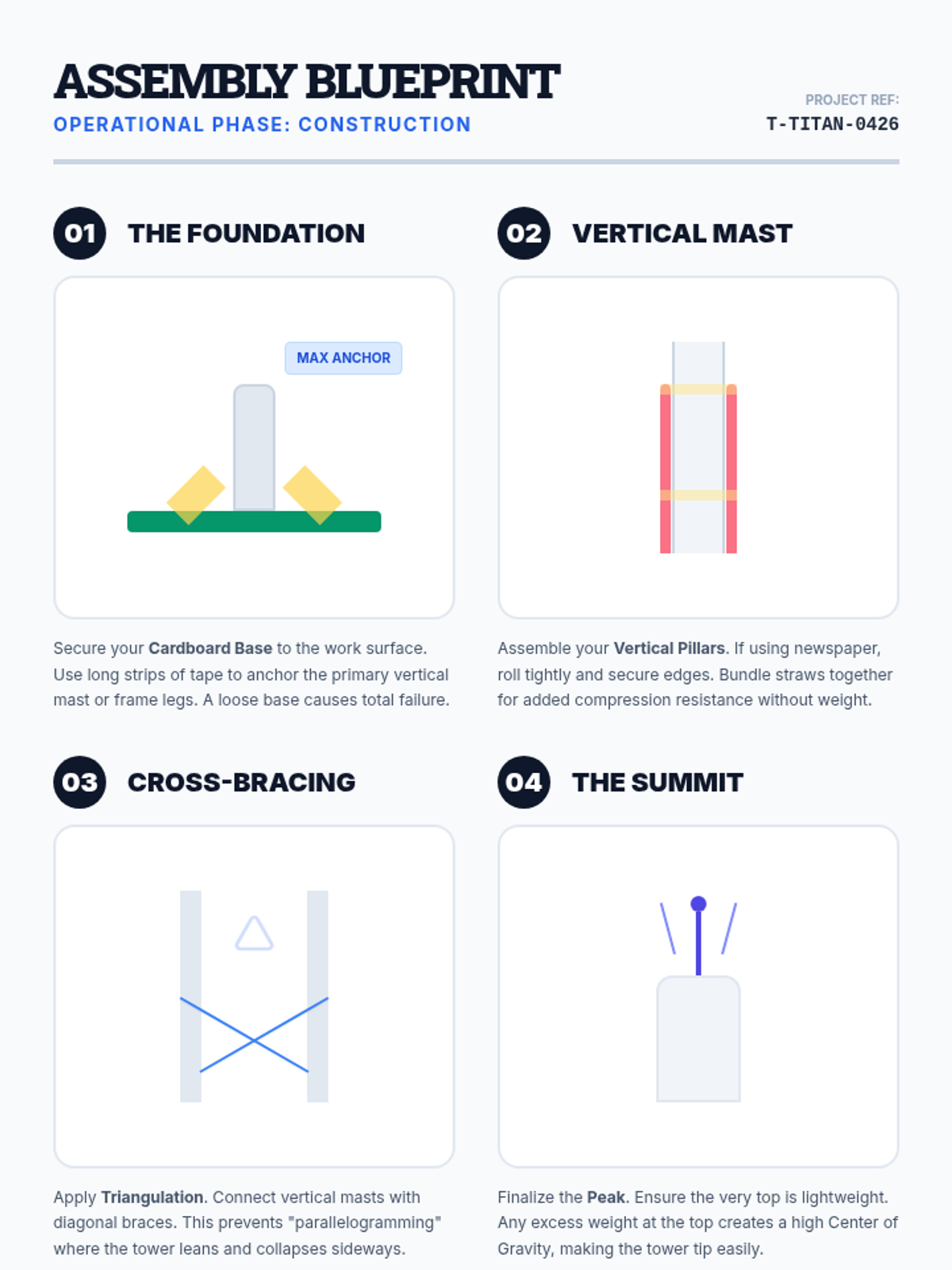
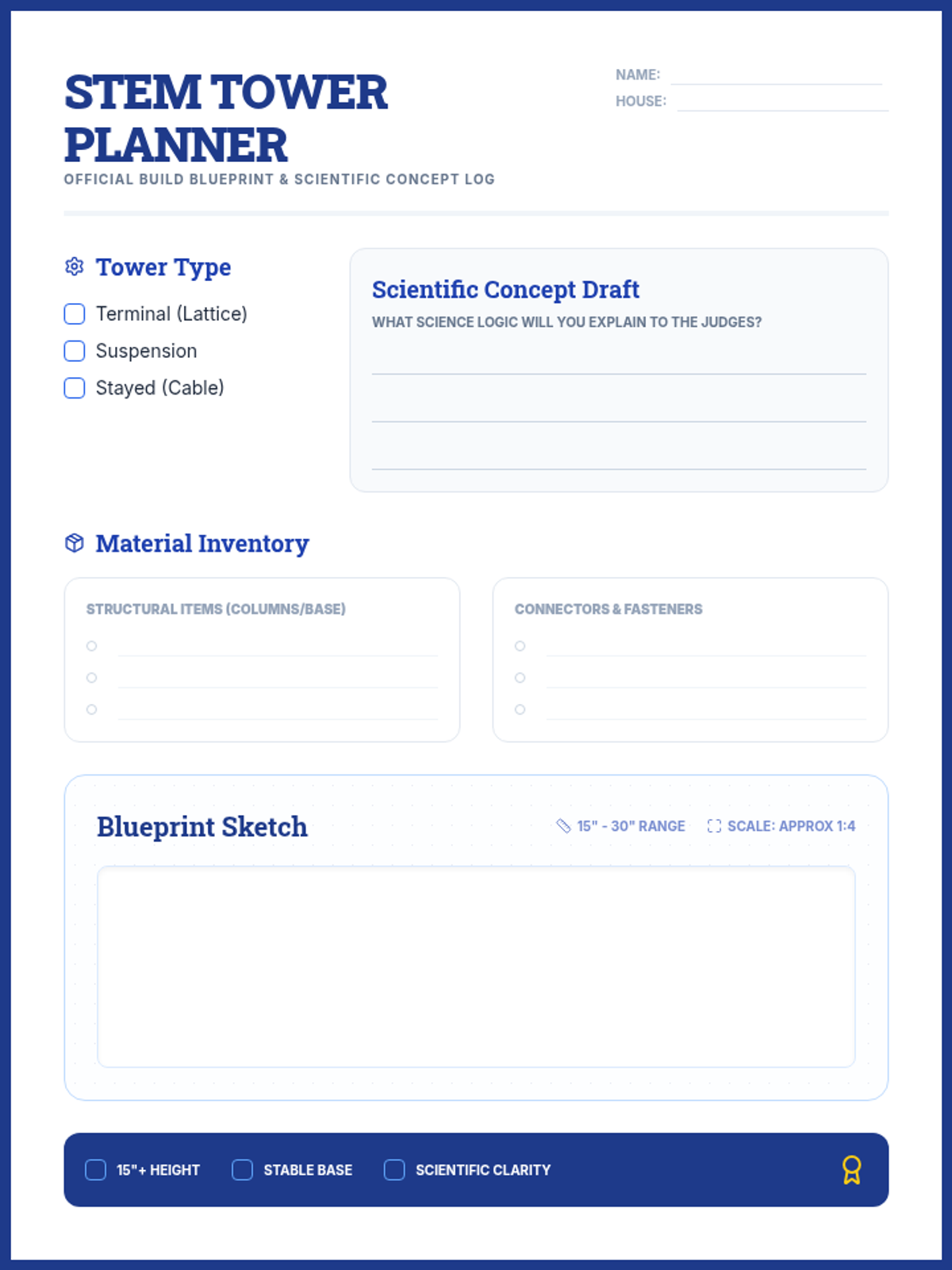
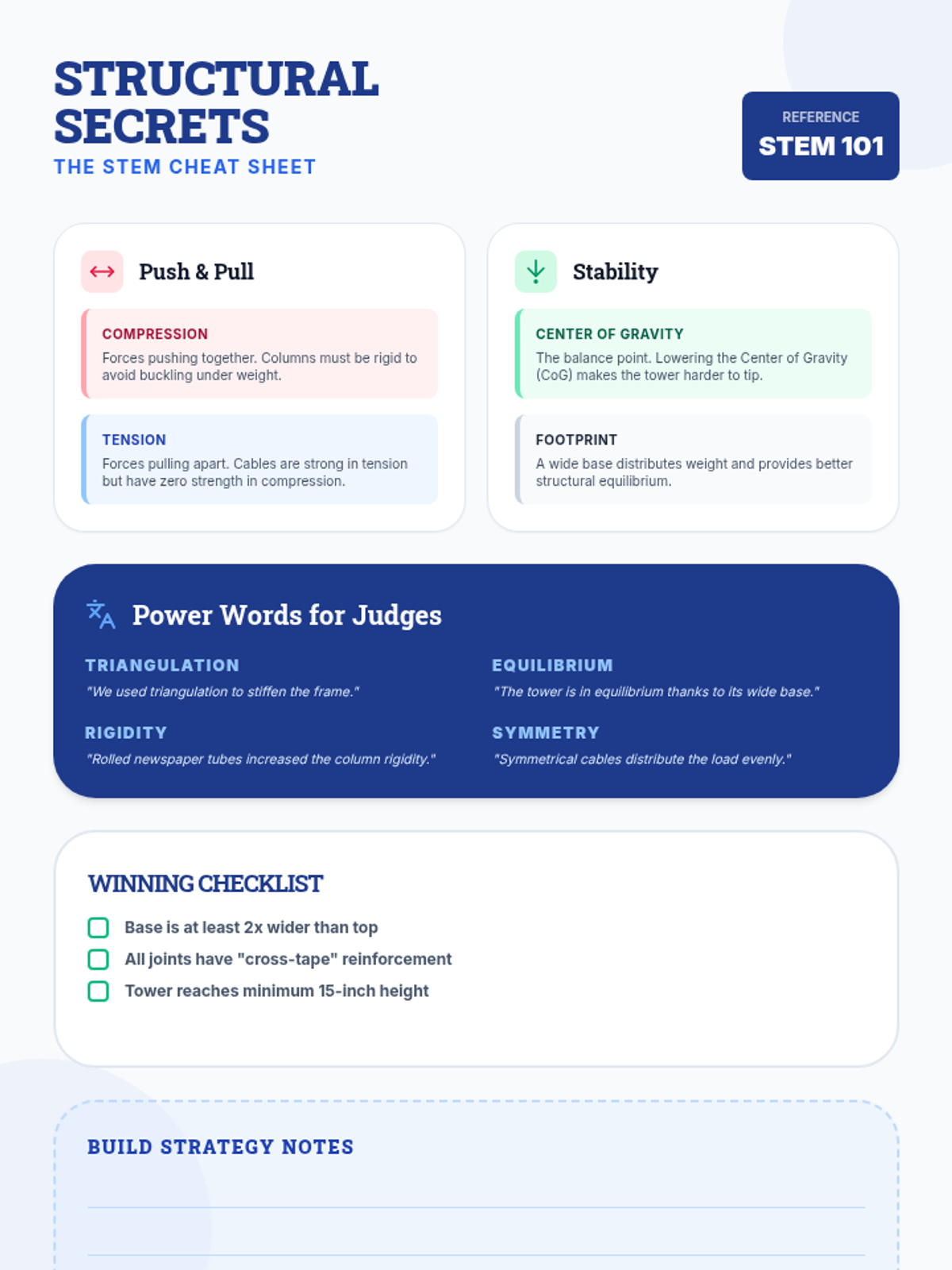
A comprehensive guide for students participating in a STEM tower building challenge, focusing on structural engineering, recycled material innovation, and scientific explanation.
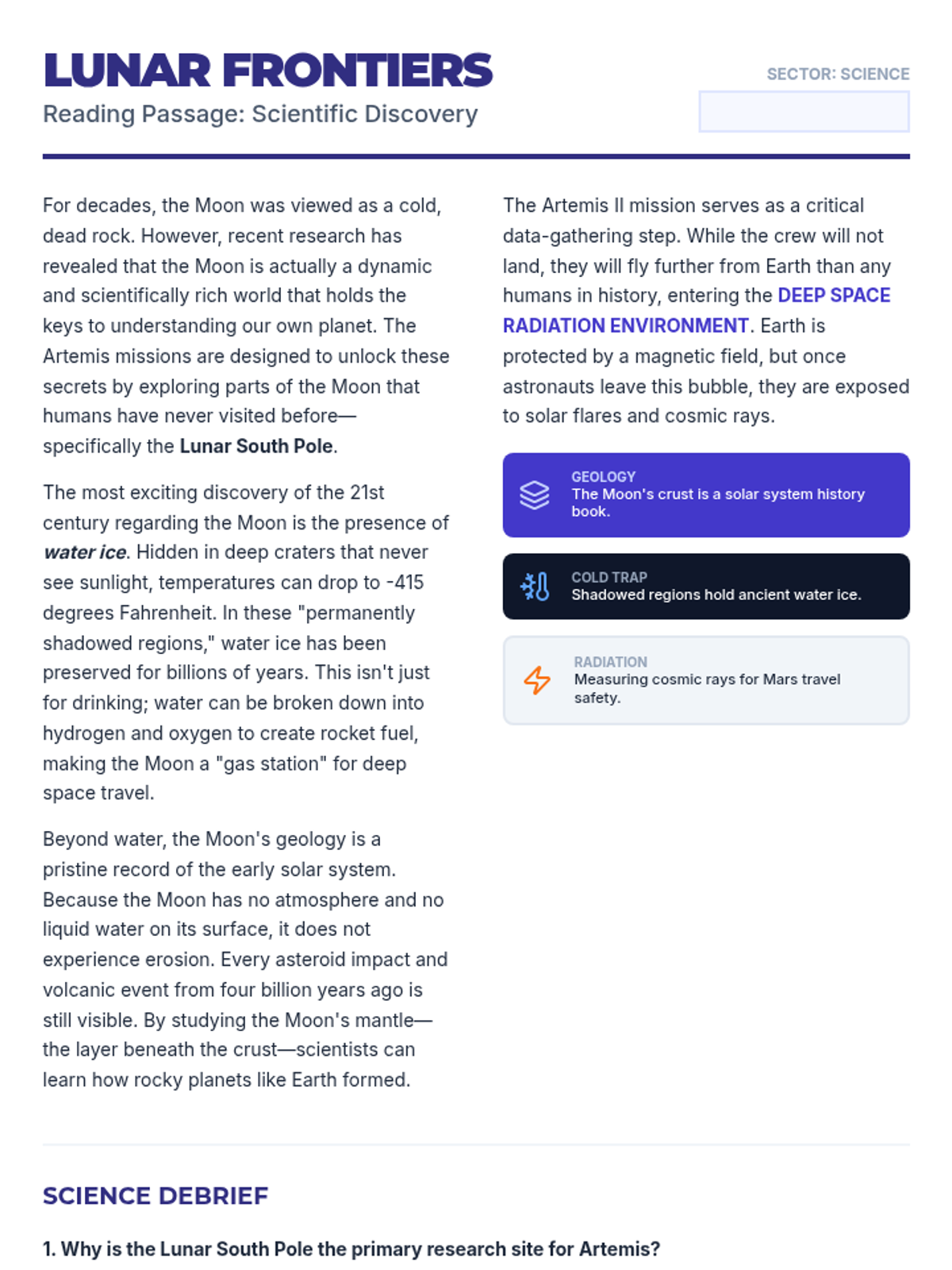
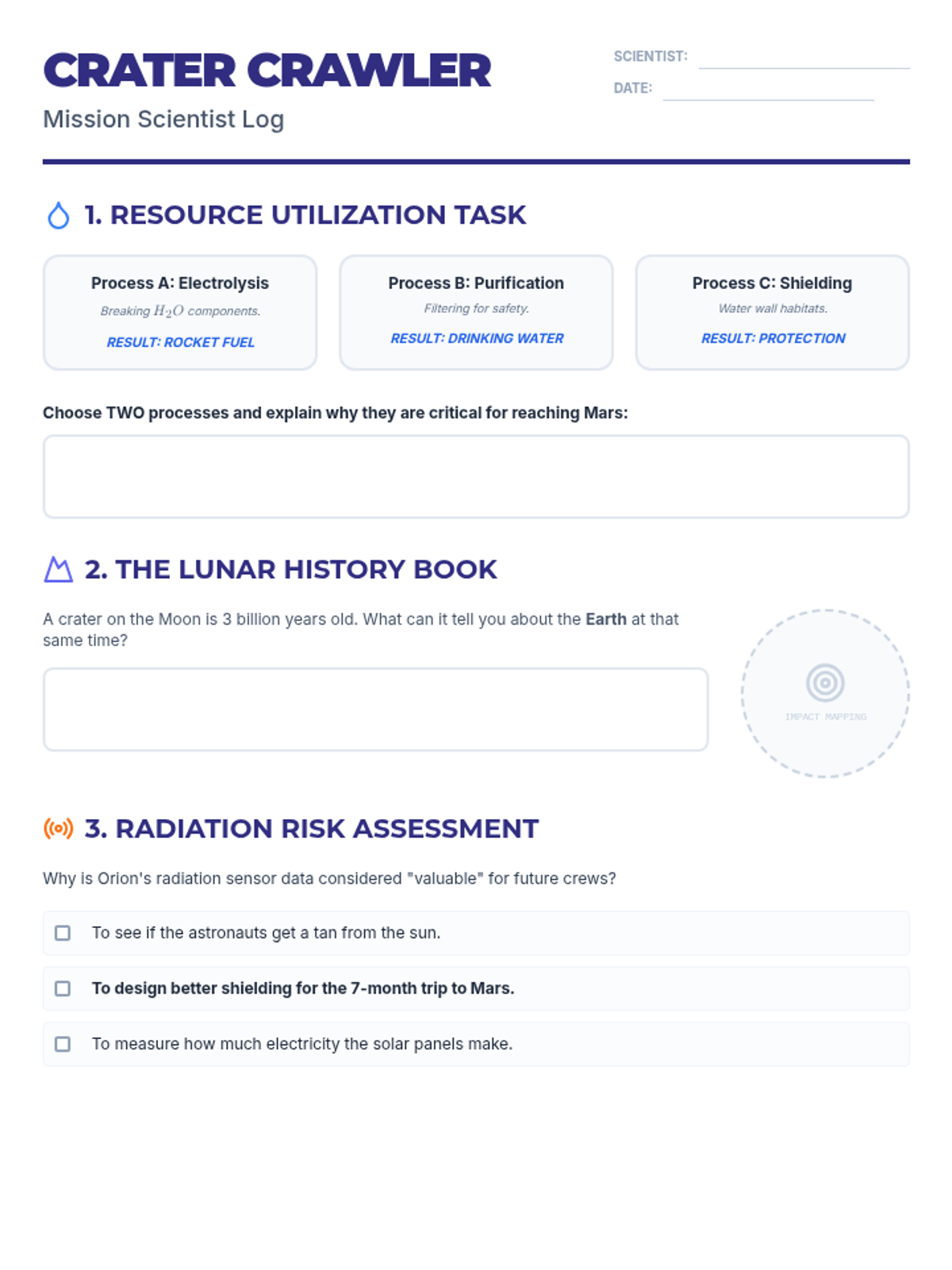
Explores the scientific goals of the Artemis missions, including lunar geology, the search for water ice, and using the Moon as a stepping stone for deep space exploration.
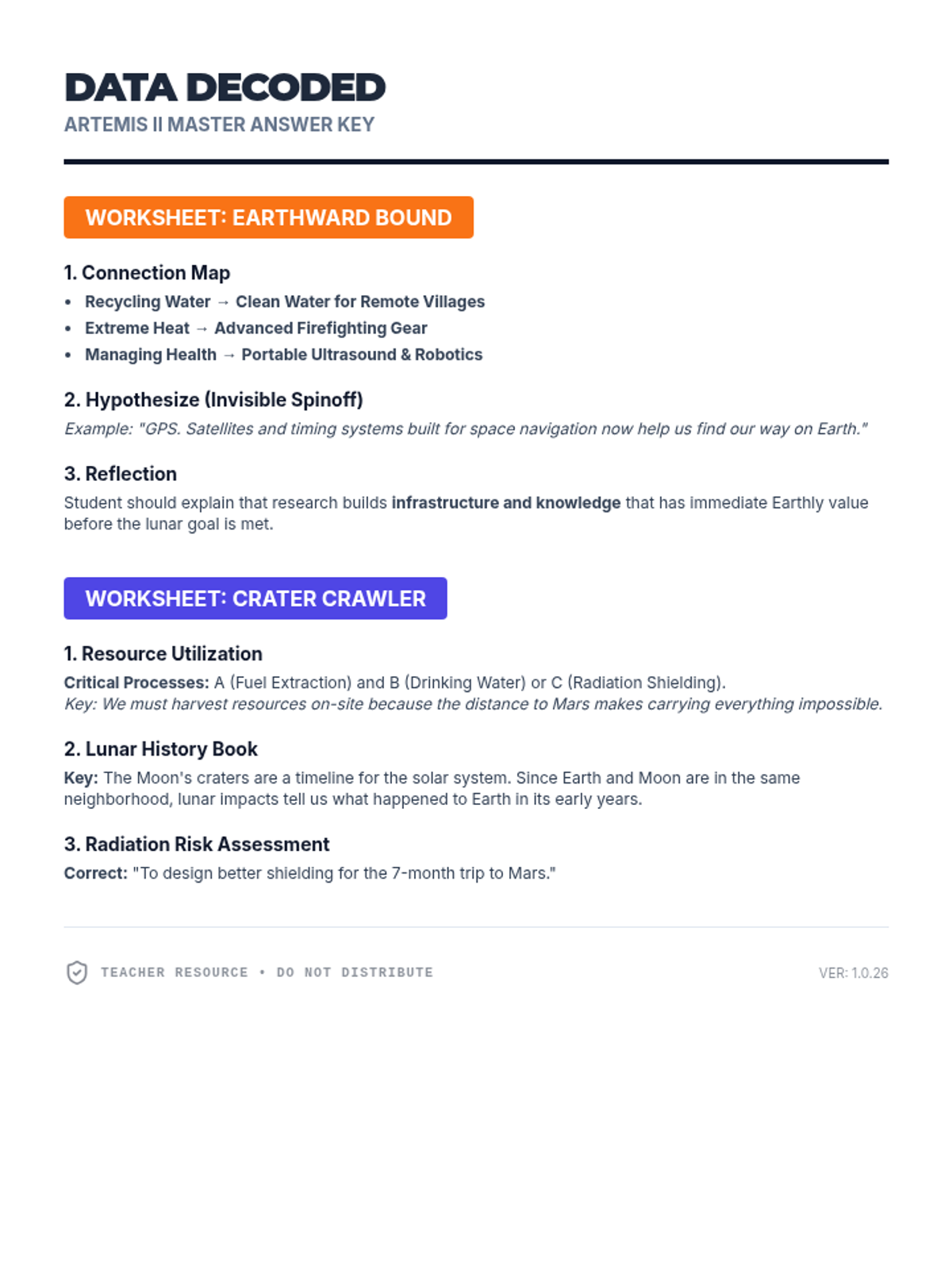
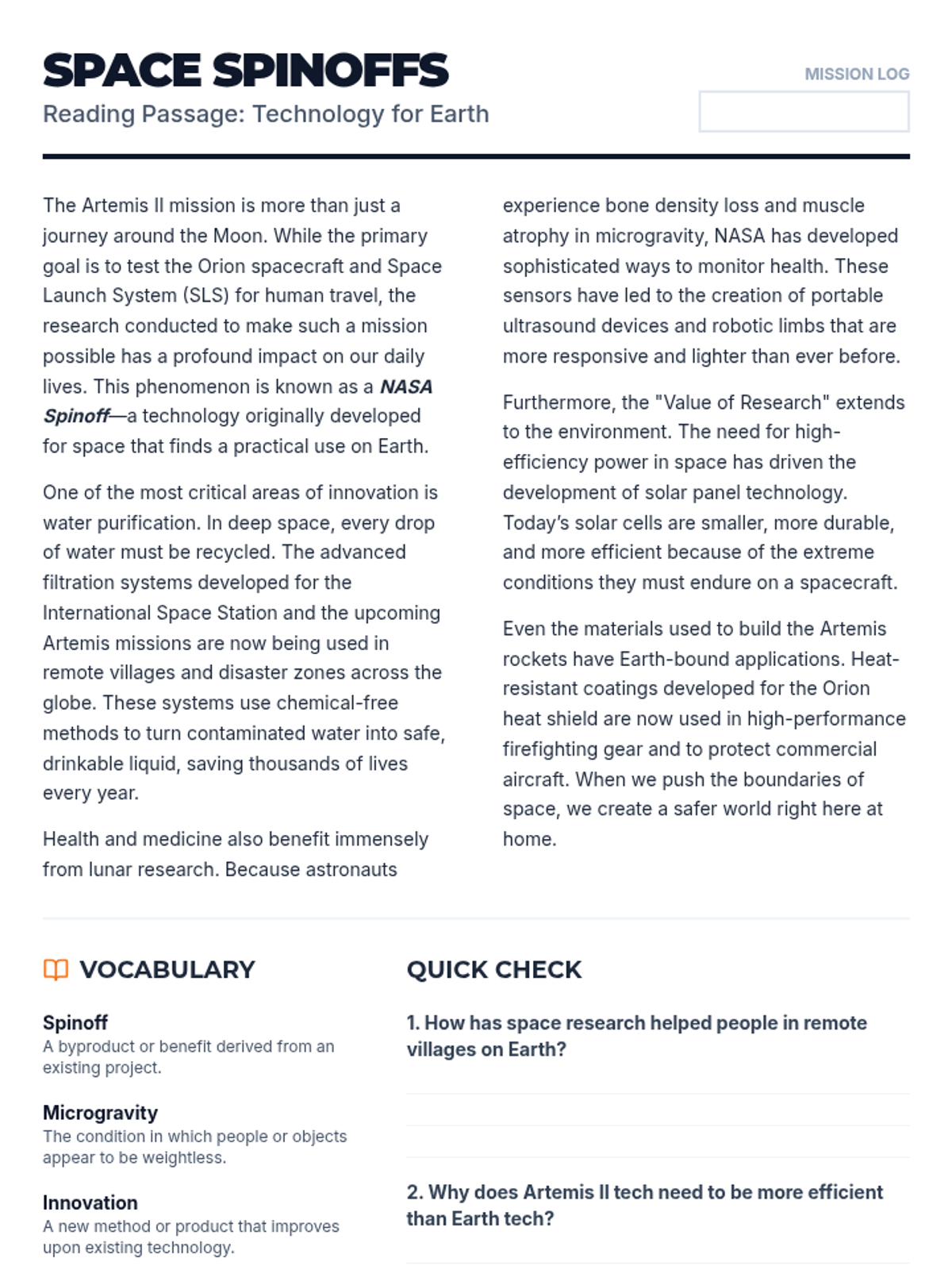
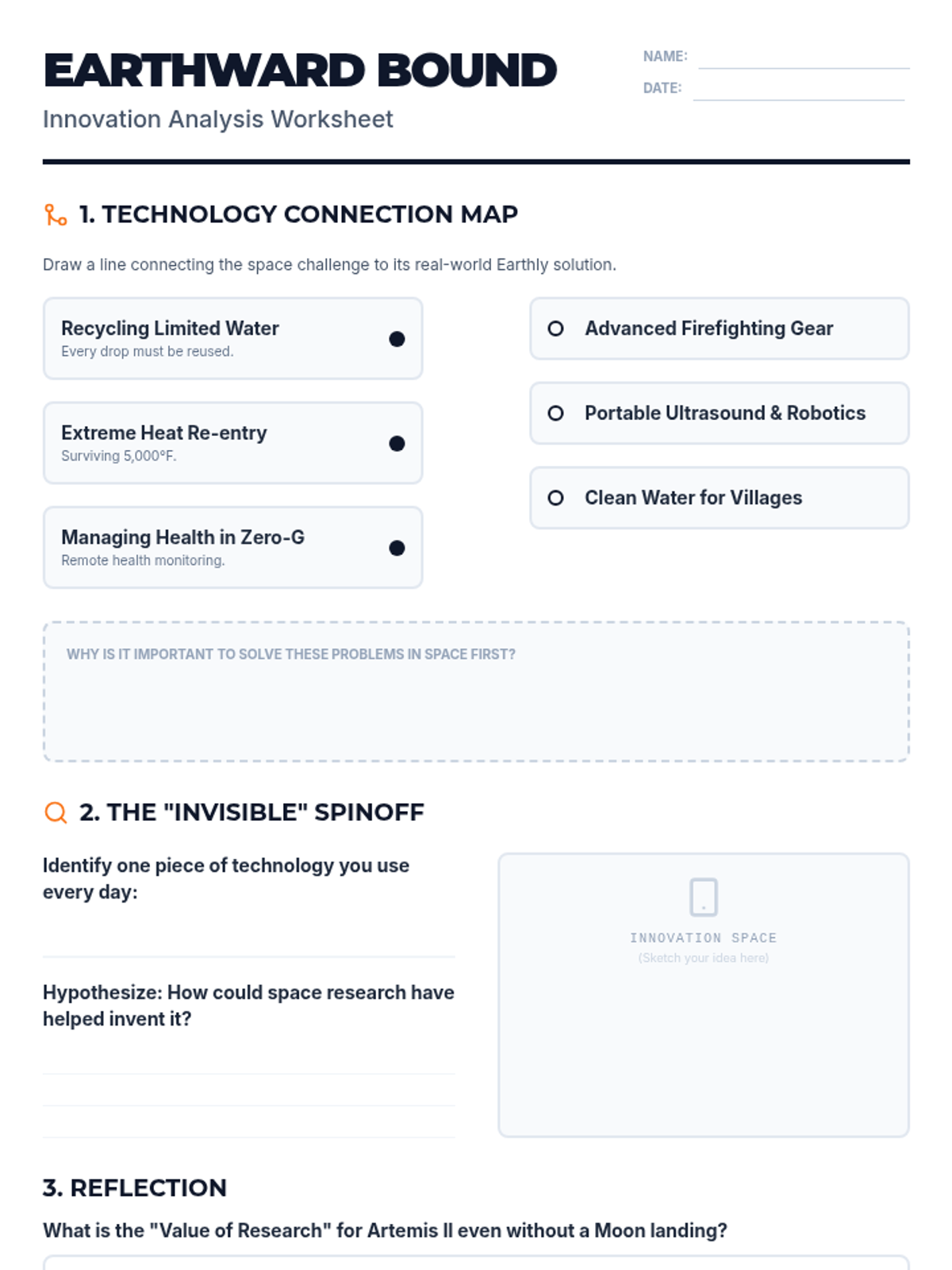
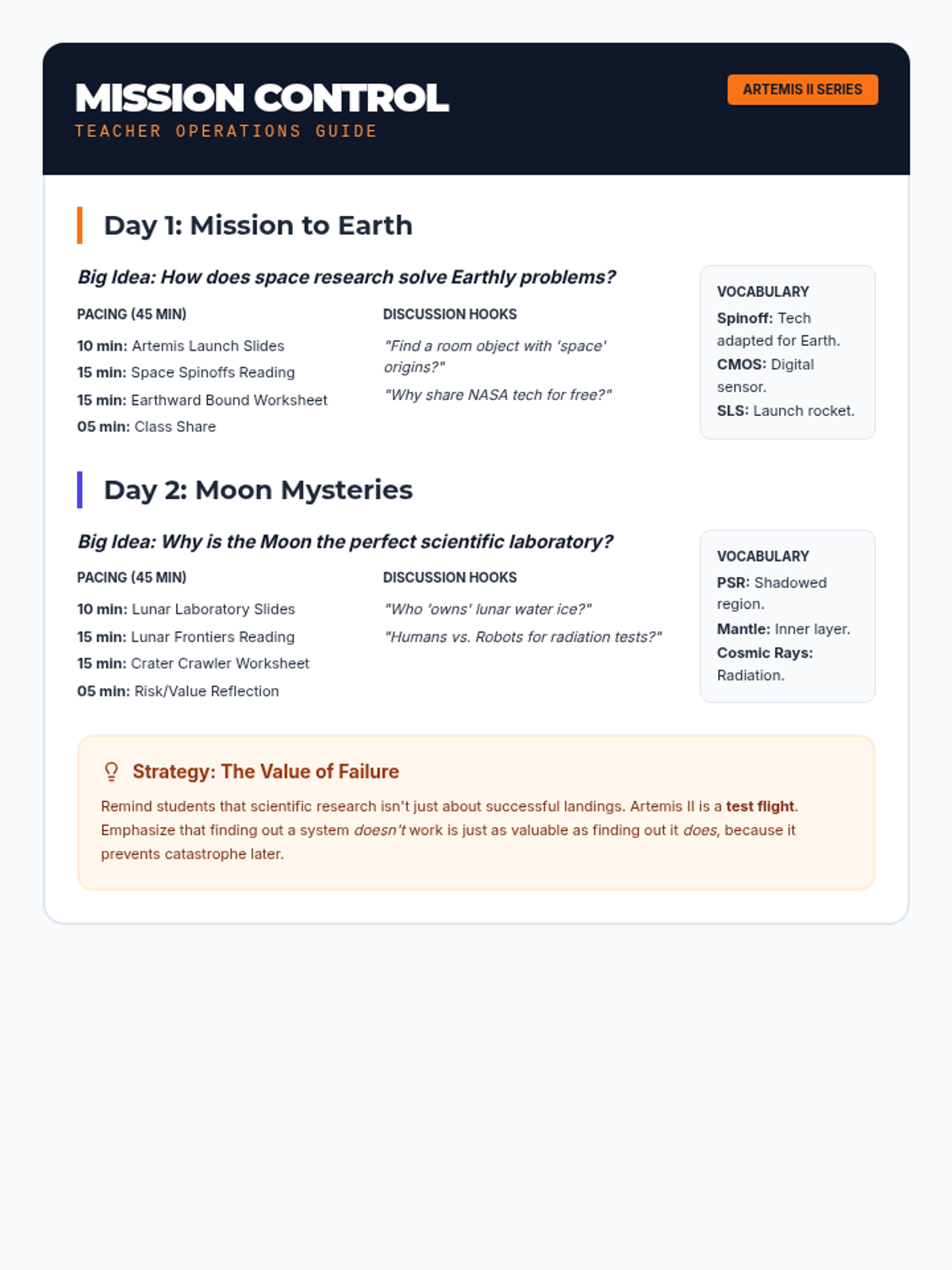
Focuses on the Artemis II mission's role in driving technological advancements that benefit life on Earth, from water purification to advanced materials.
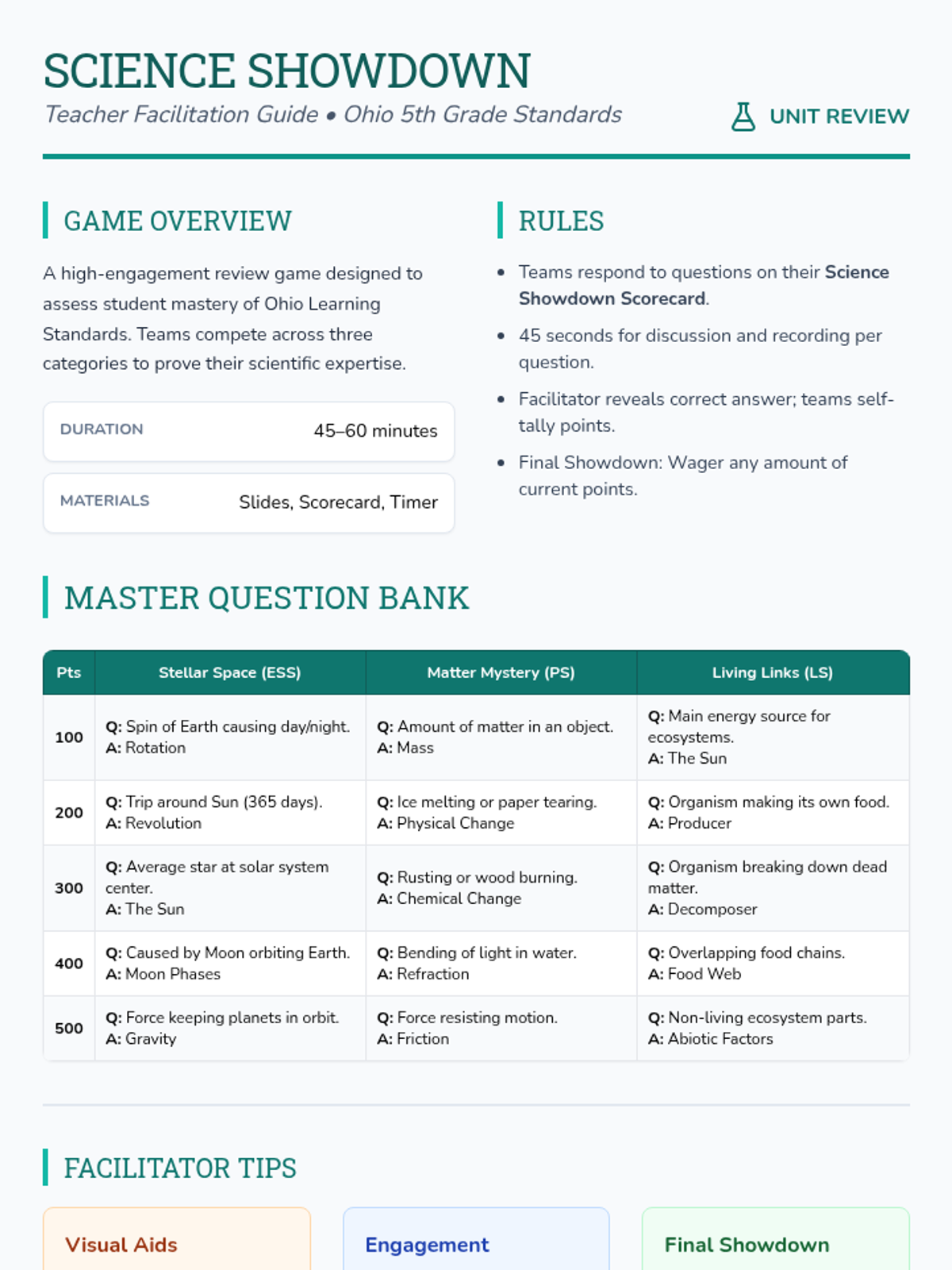
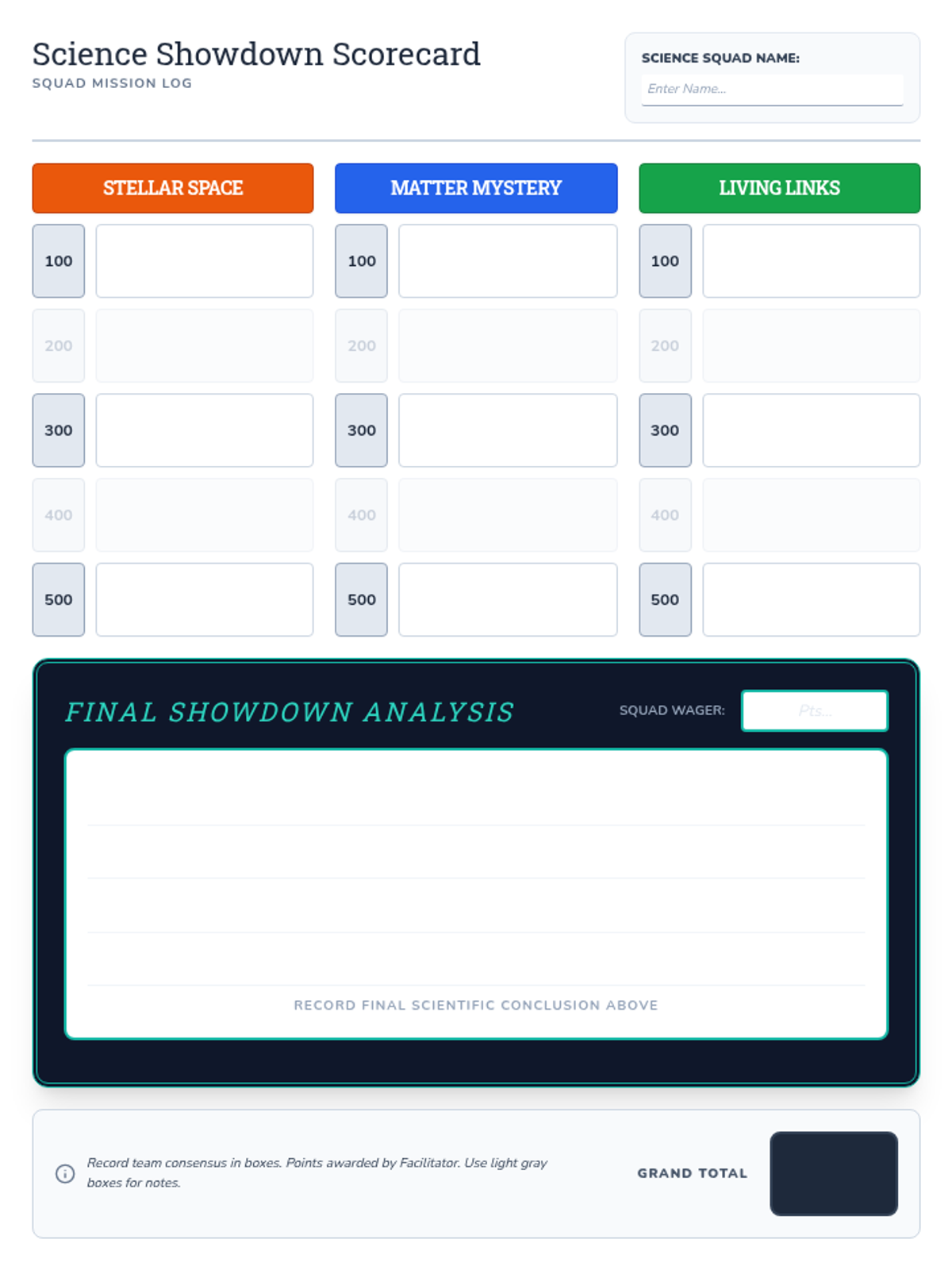
A comprehensive review game covering the Ohio 5th Grade Science Standards, including Earth and Space Science, Physical Science, and Life Science. Students compete in teams to answer curriculum-aligned questions in a high-energy classroom setting.
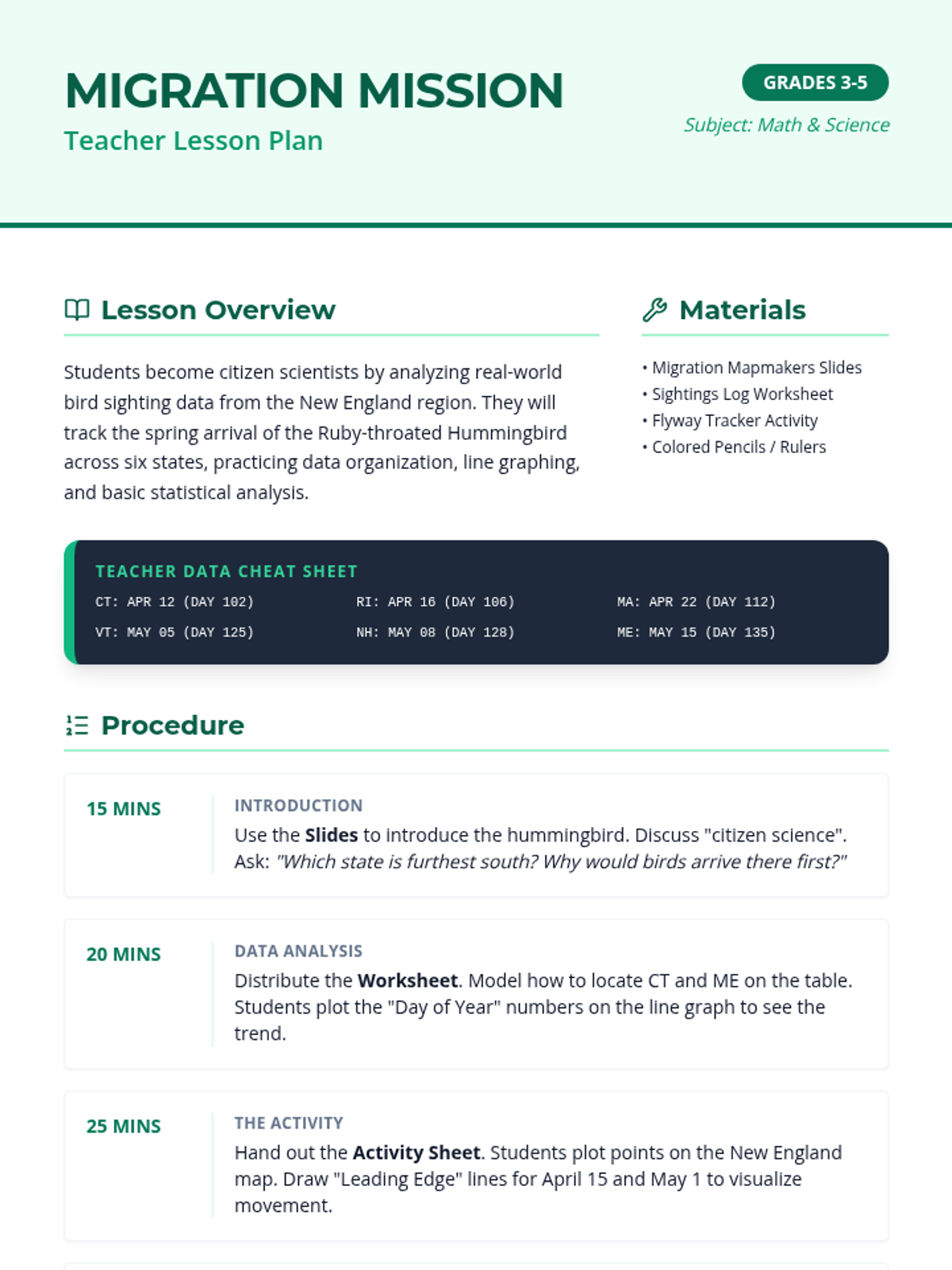
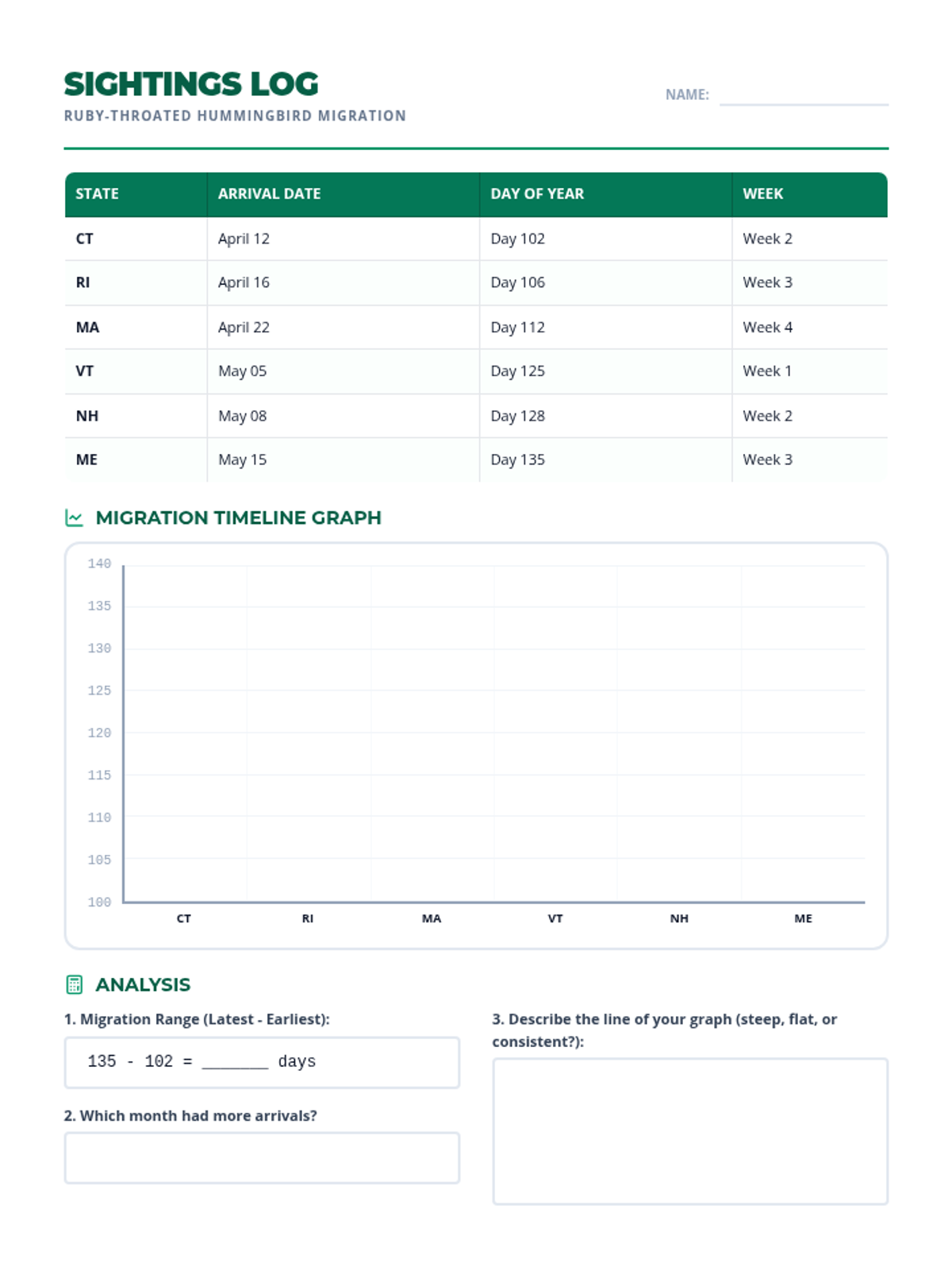
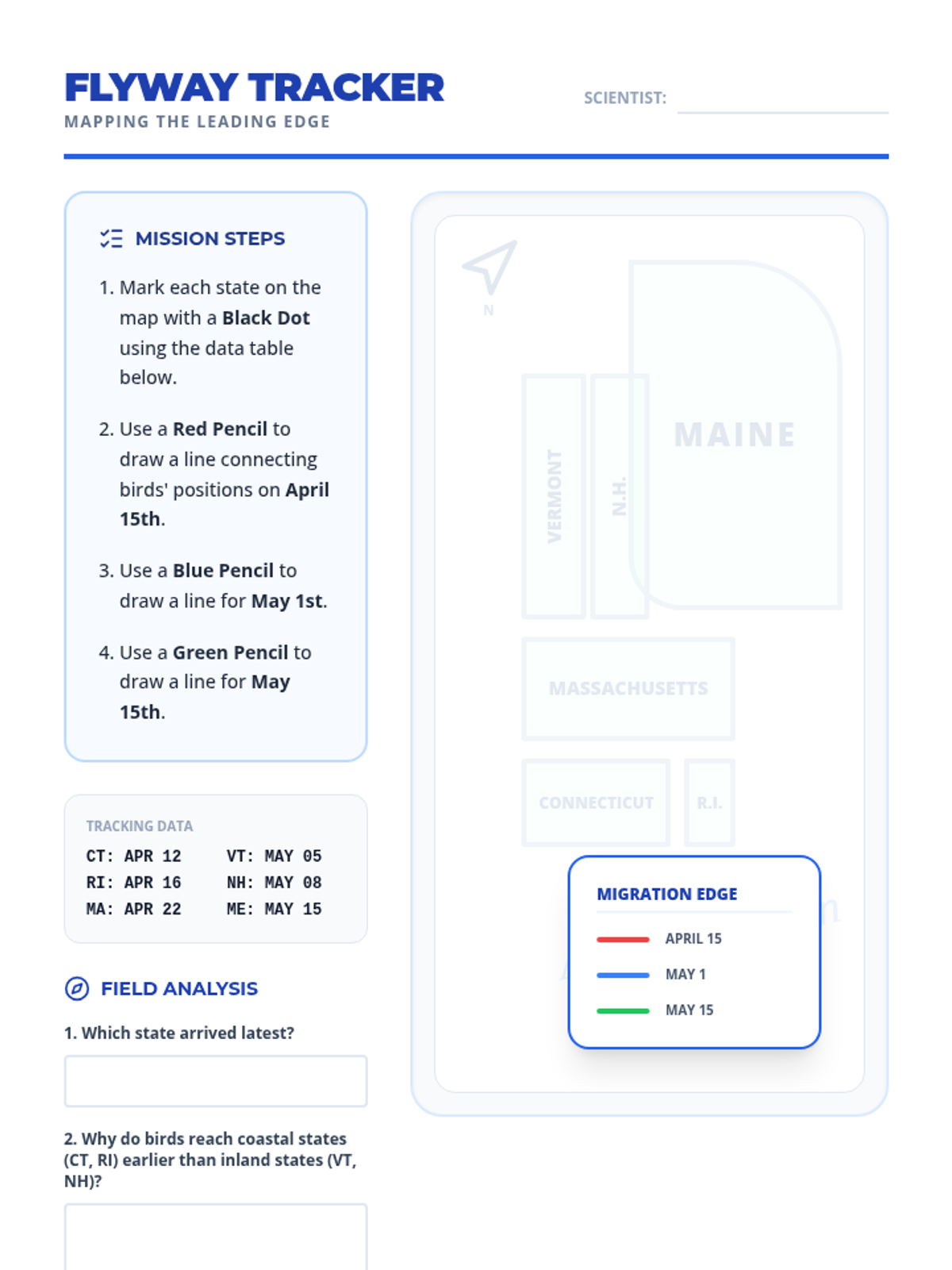
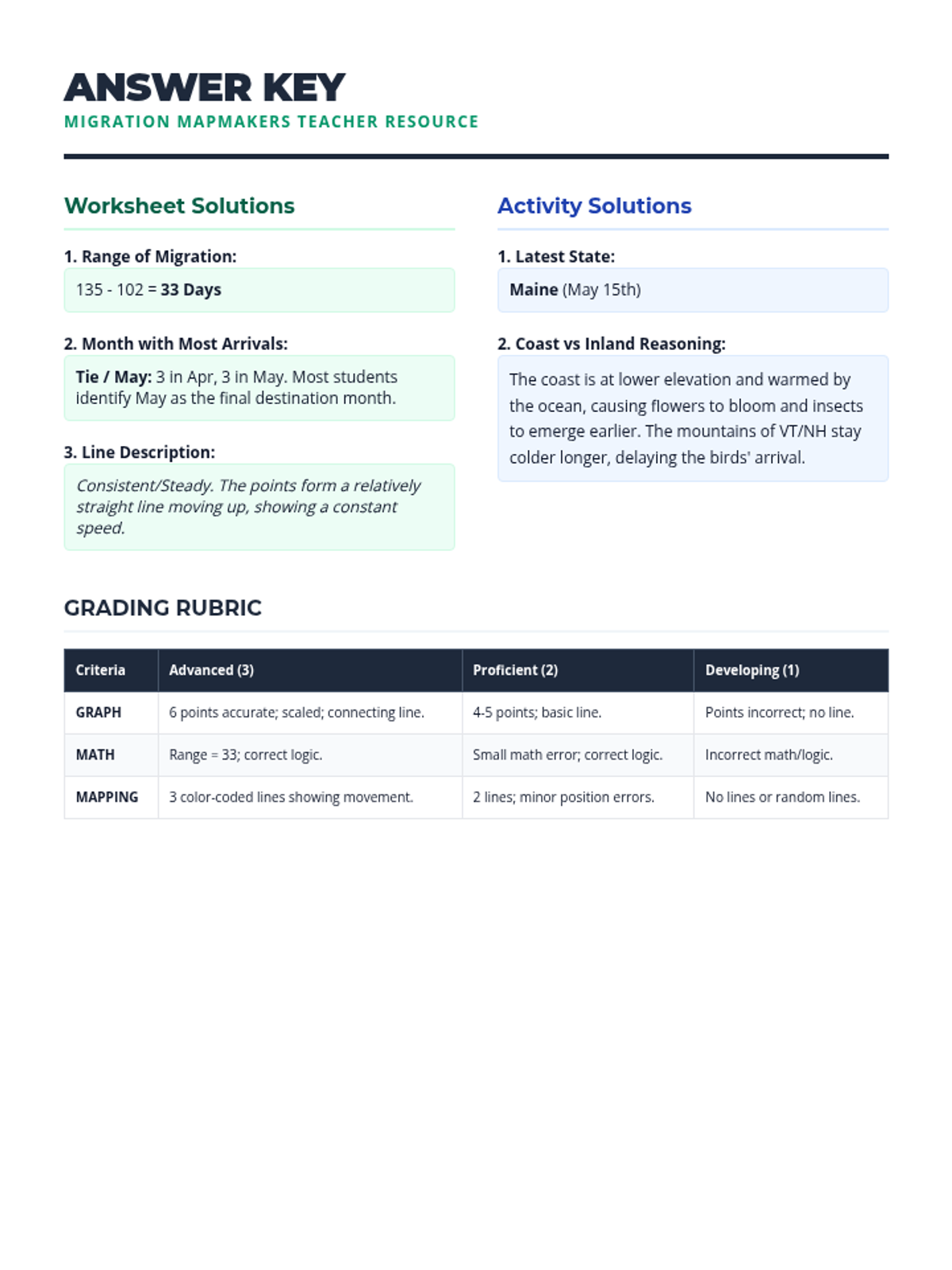
A hands-on lesson where students analyze real-world citizen science data to track bird migration through New England, integrating math, geography, and biology.
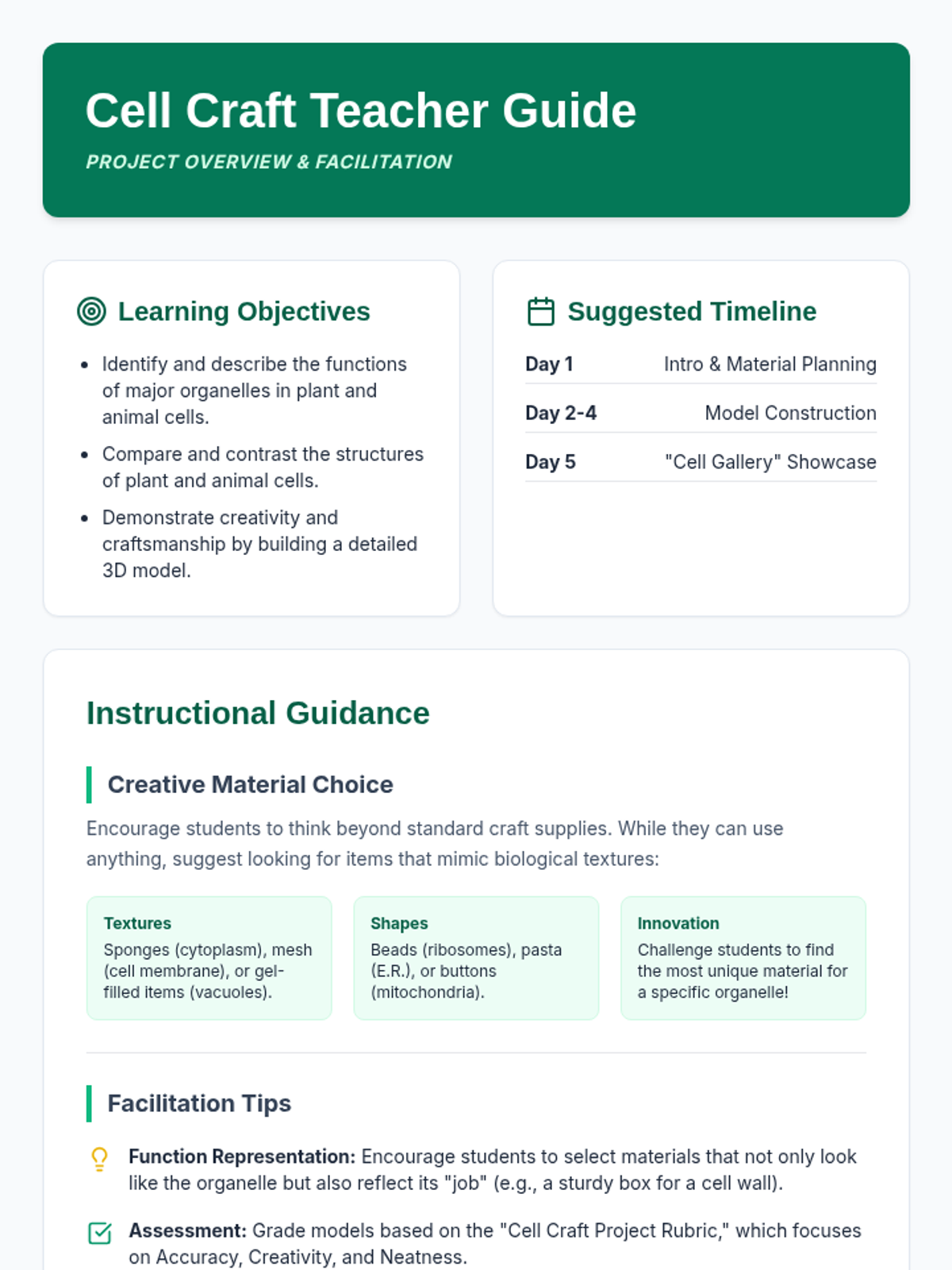
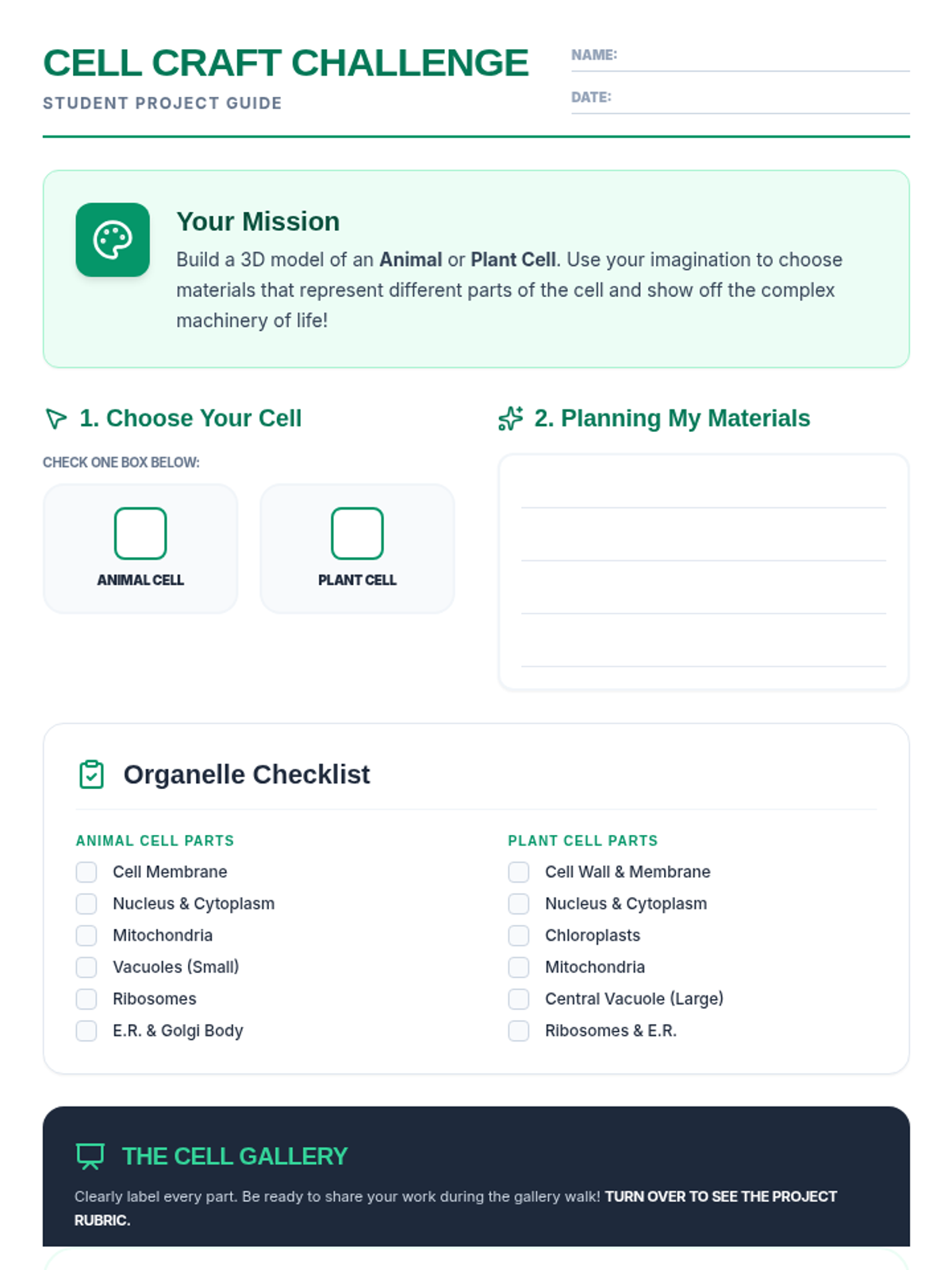
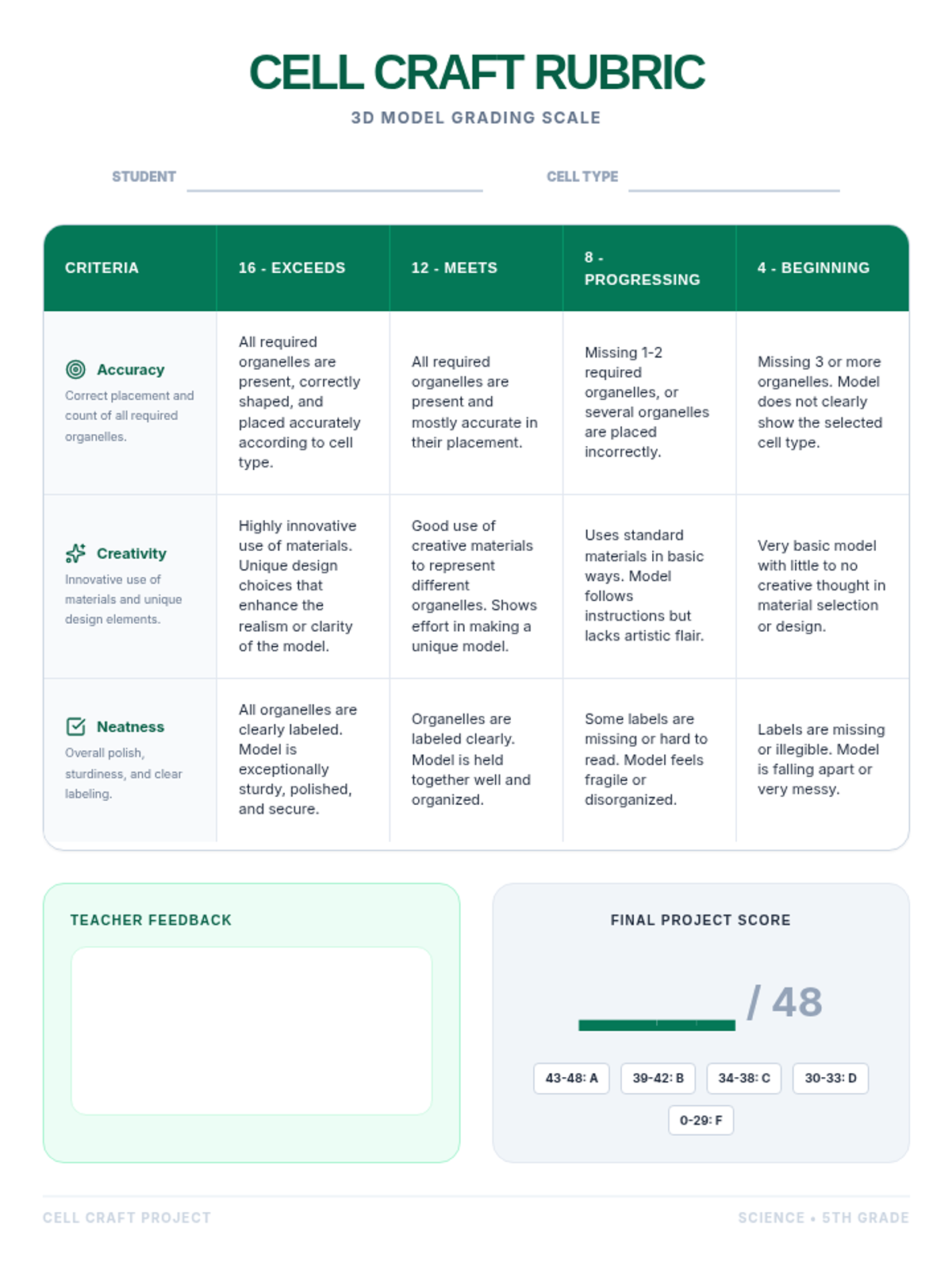
Students design and build a 3D model of an animal or plant cell using exclusively recycled materials to demonstrate their understanding of cell structures and functions.
A lesson exploring the continuous movement of water on, above, and below the surface of the Earth. Students will learn the primary processes and how they connect in a never-ending cycle.
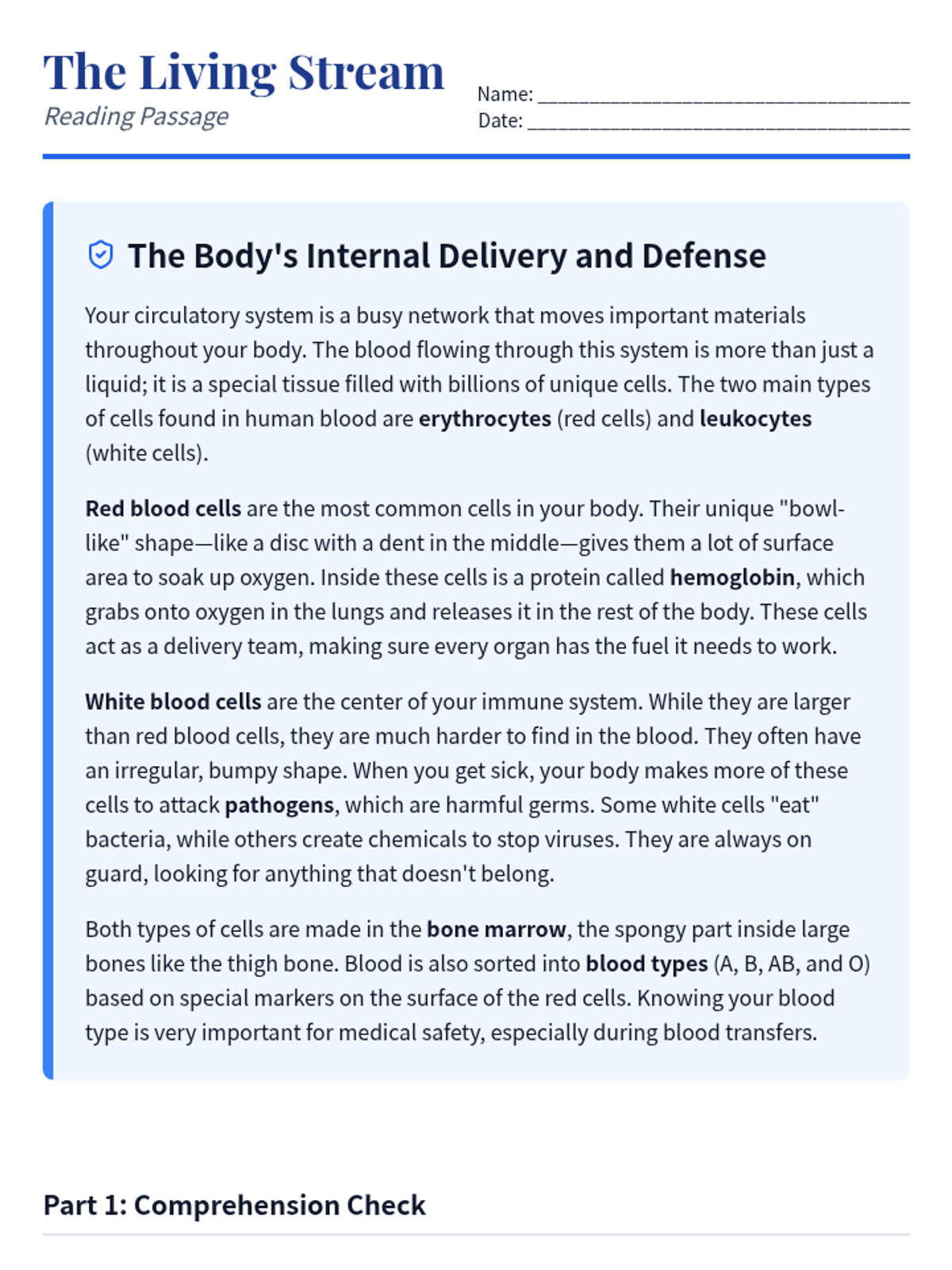
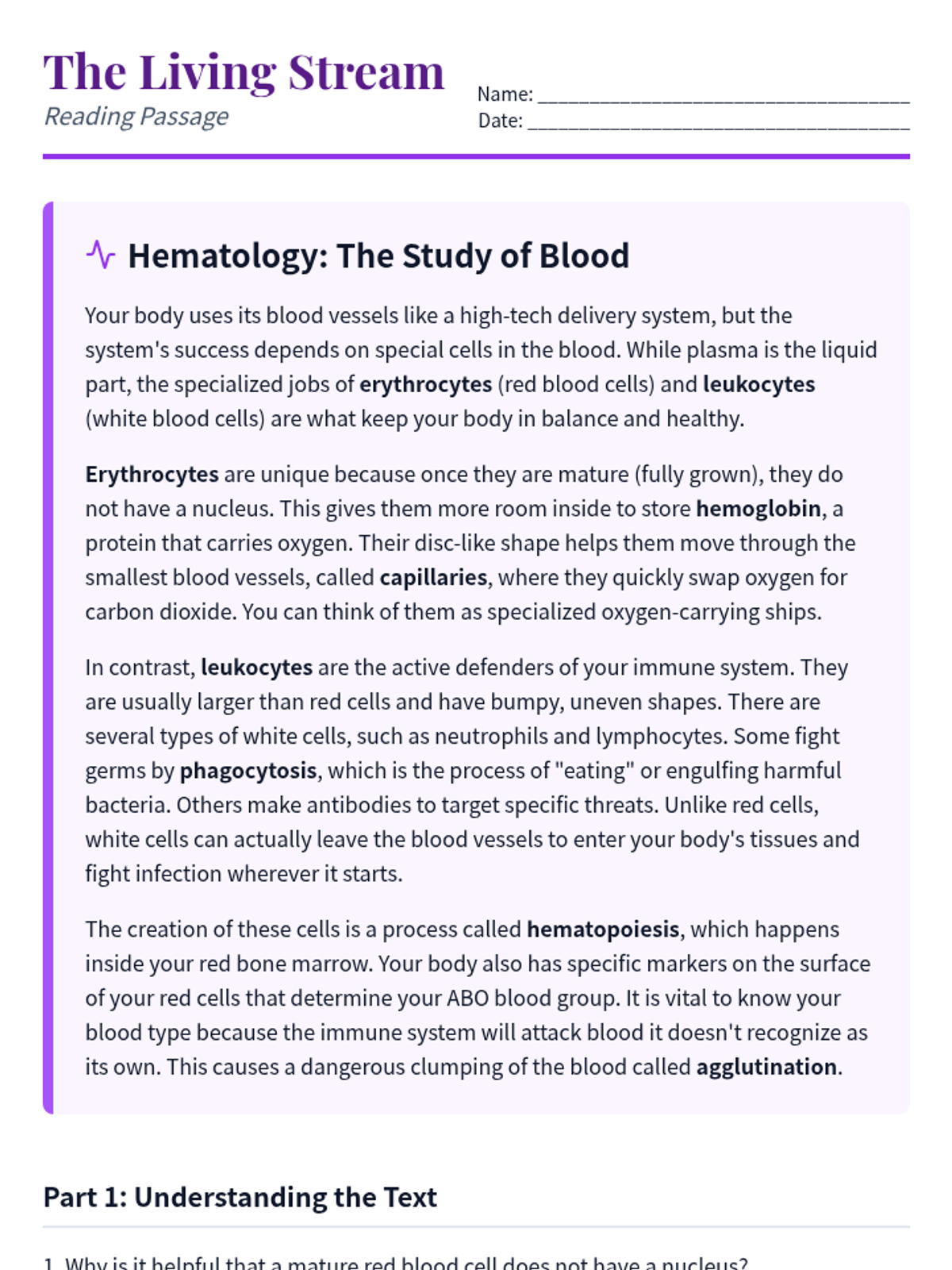
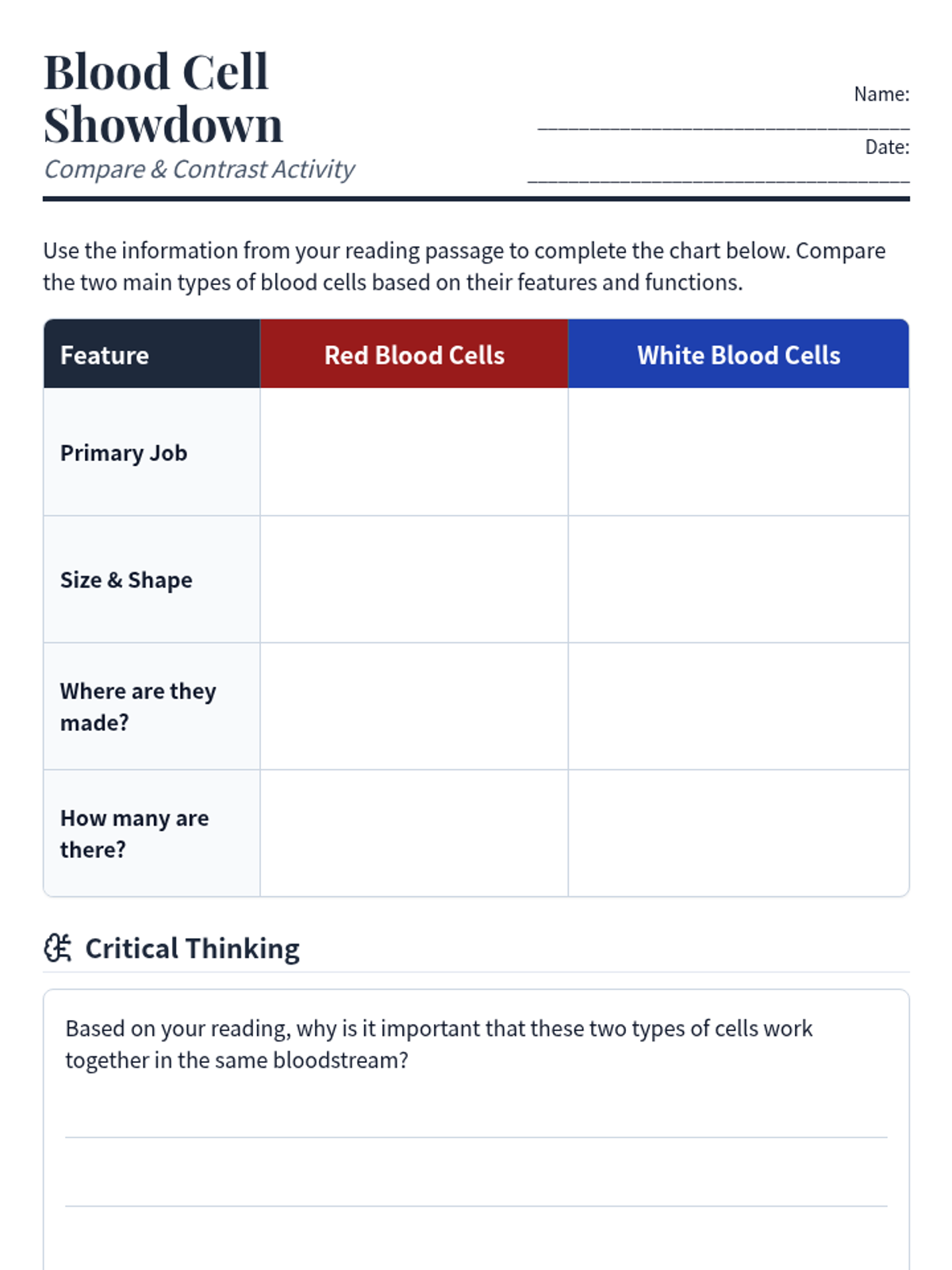
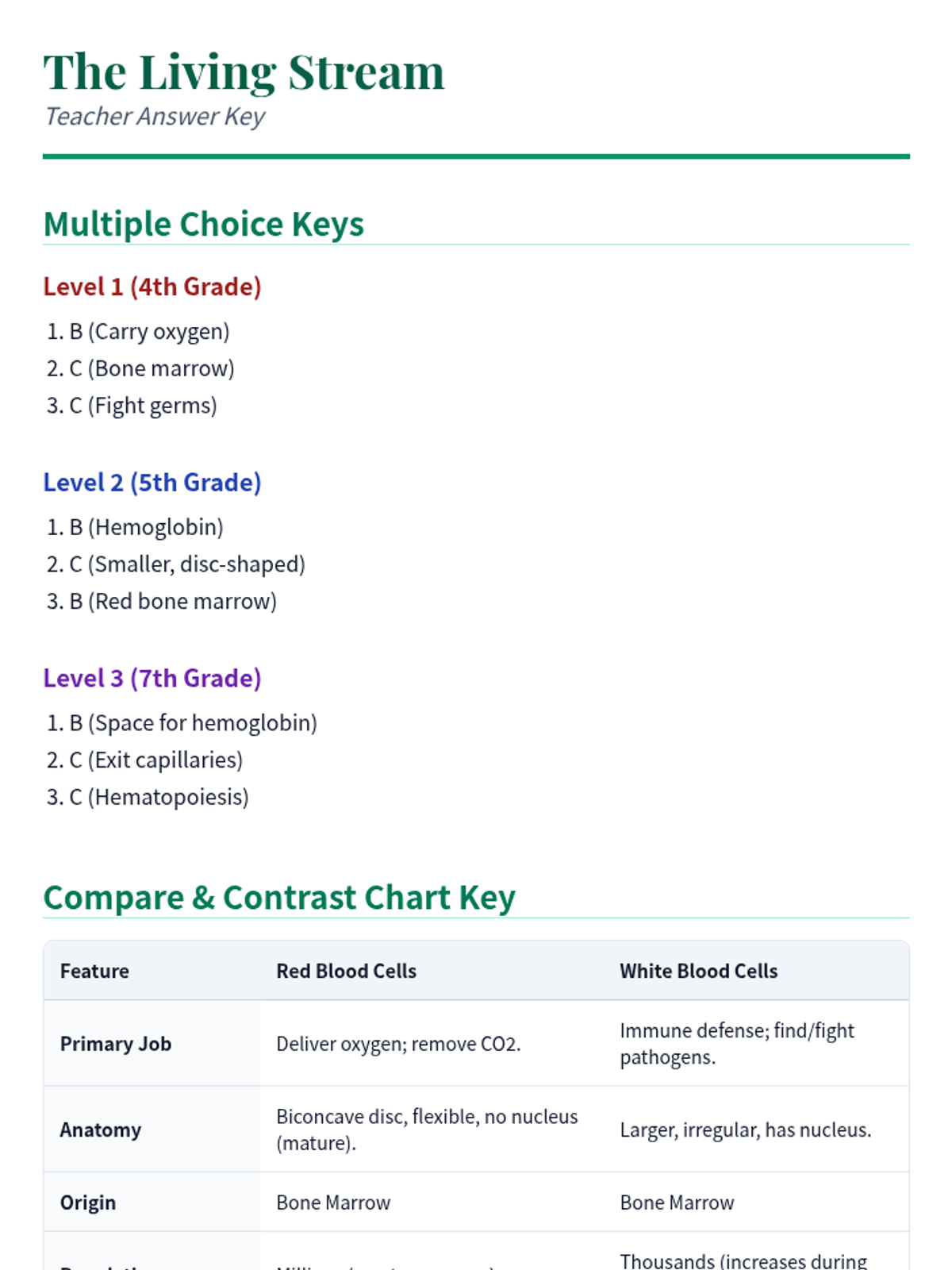
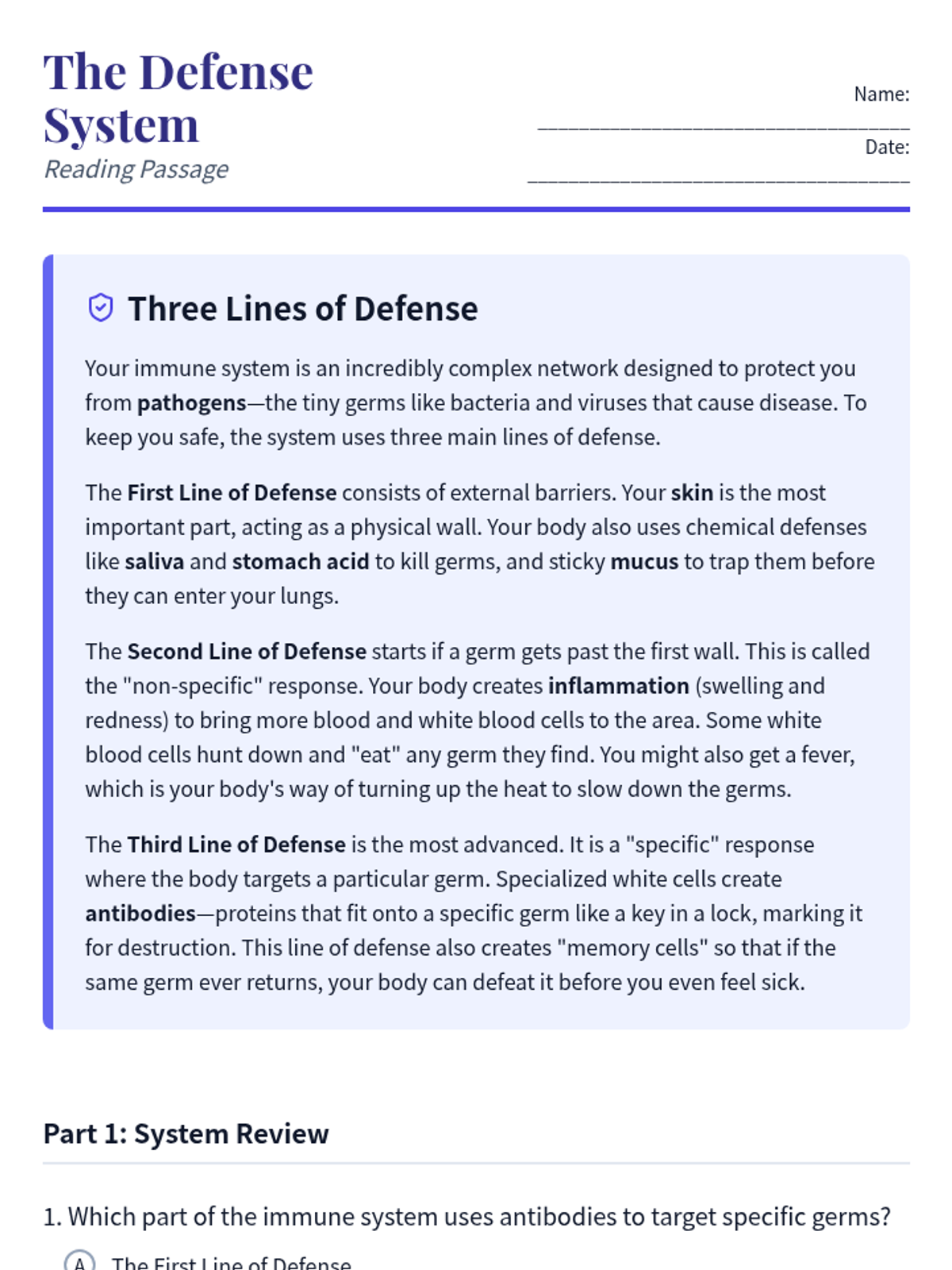
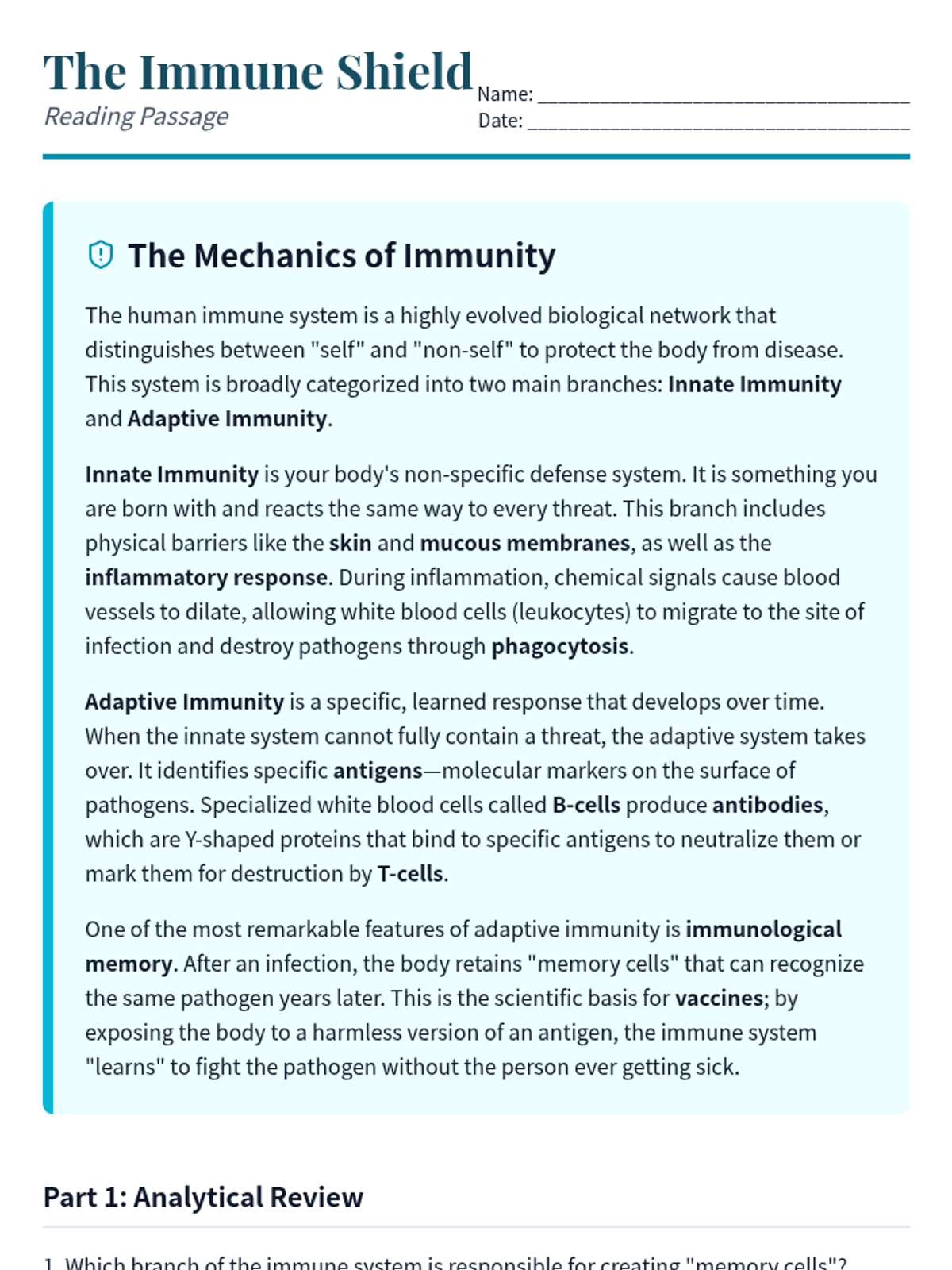
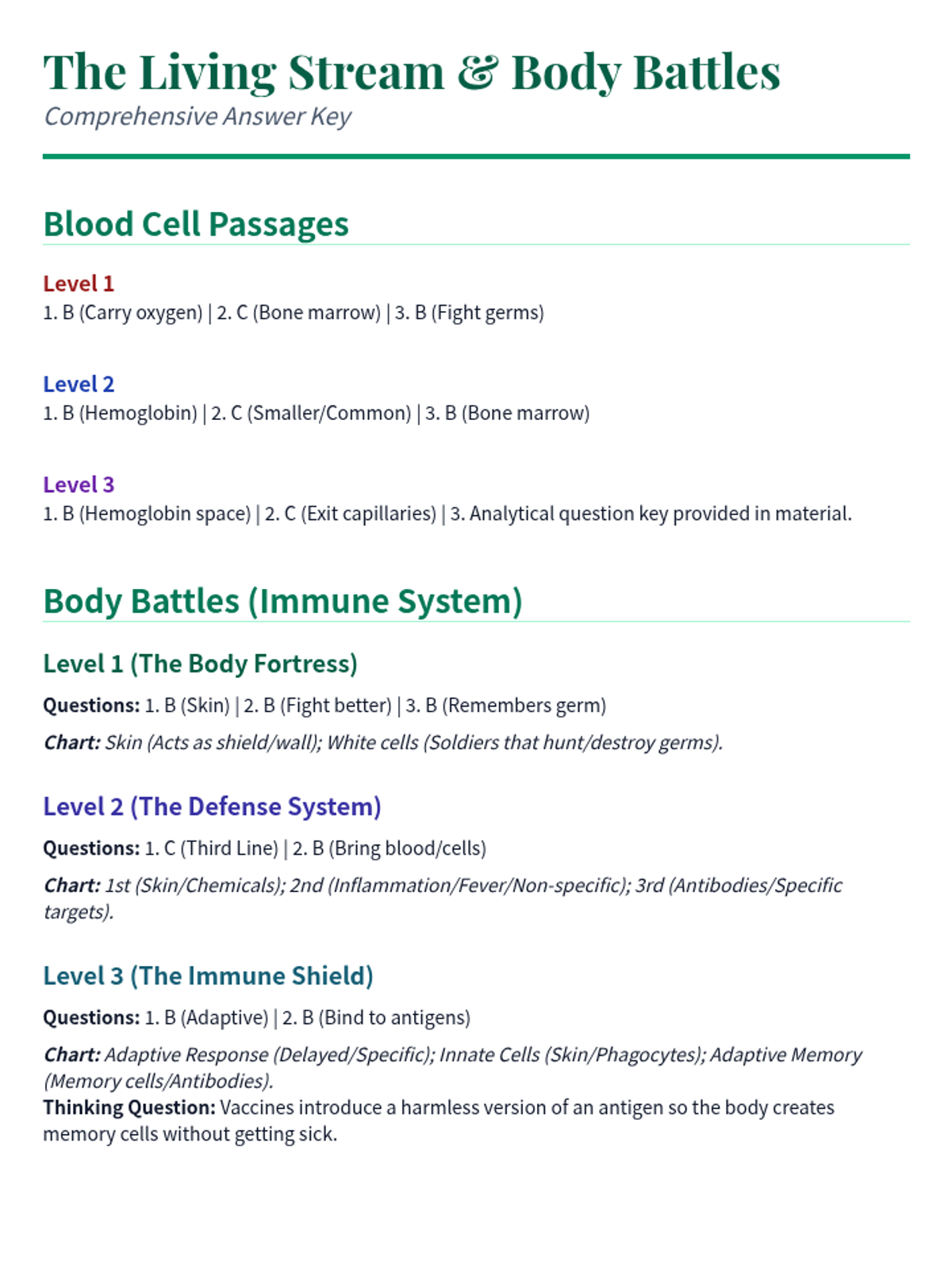
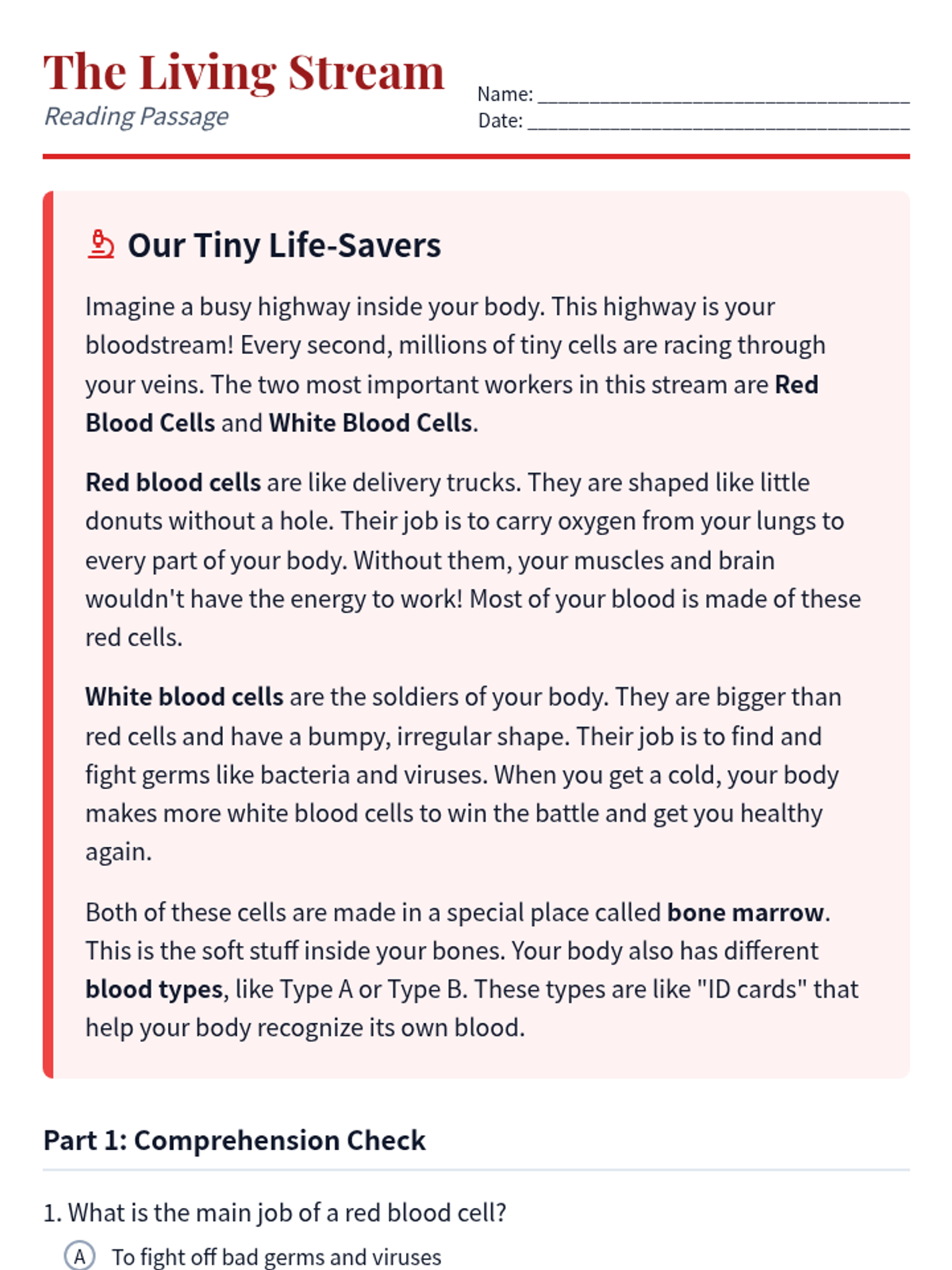
A lesson exploring the specialized roles of red and white blood cells, their production in bone marrow, and their vital functions in oxygen transport and immune defense. Includes differentiated reading materials for various reading levels.
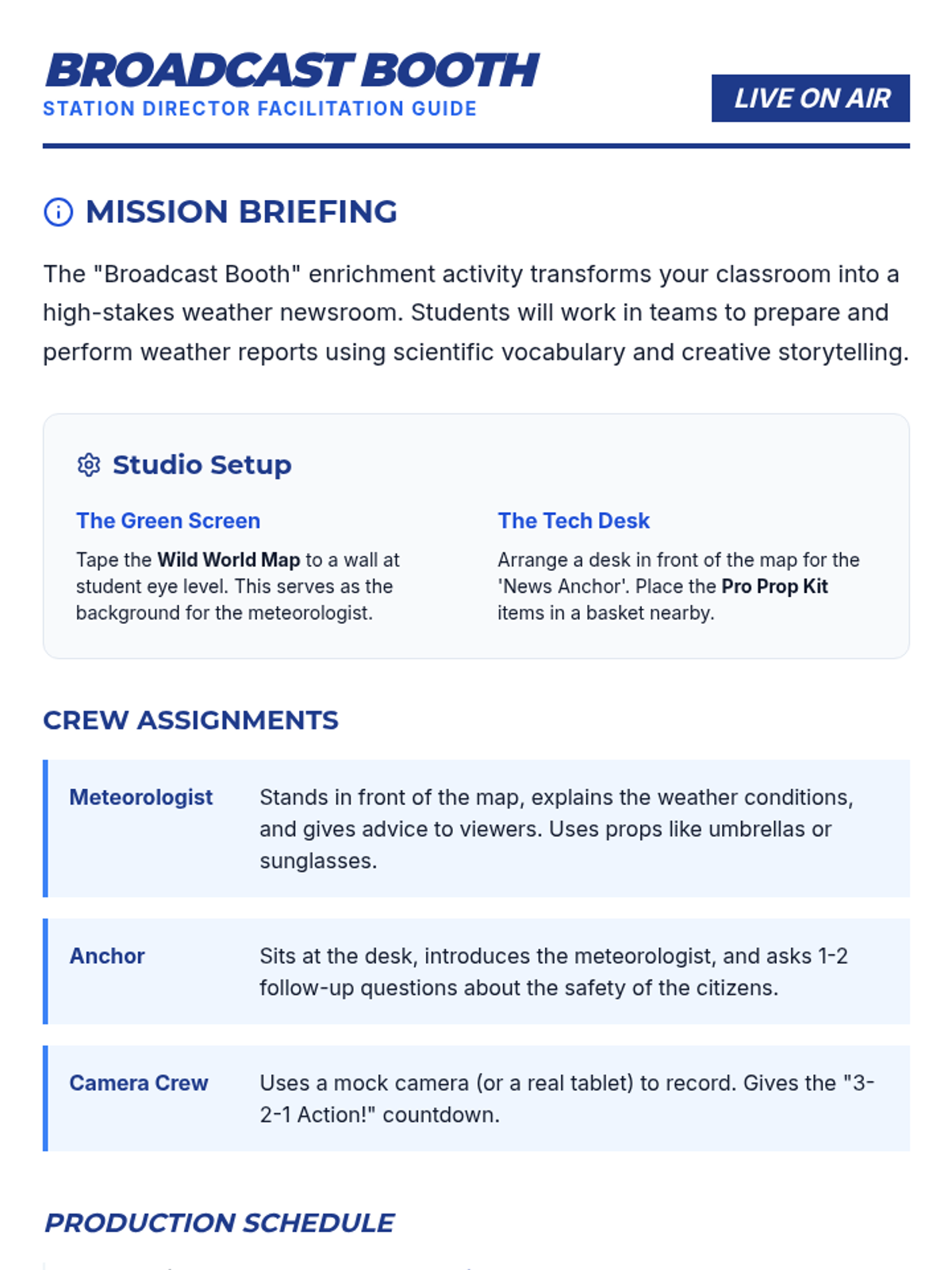
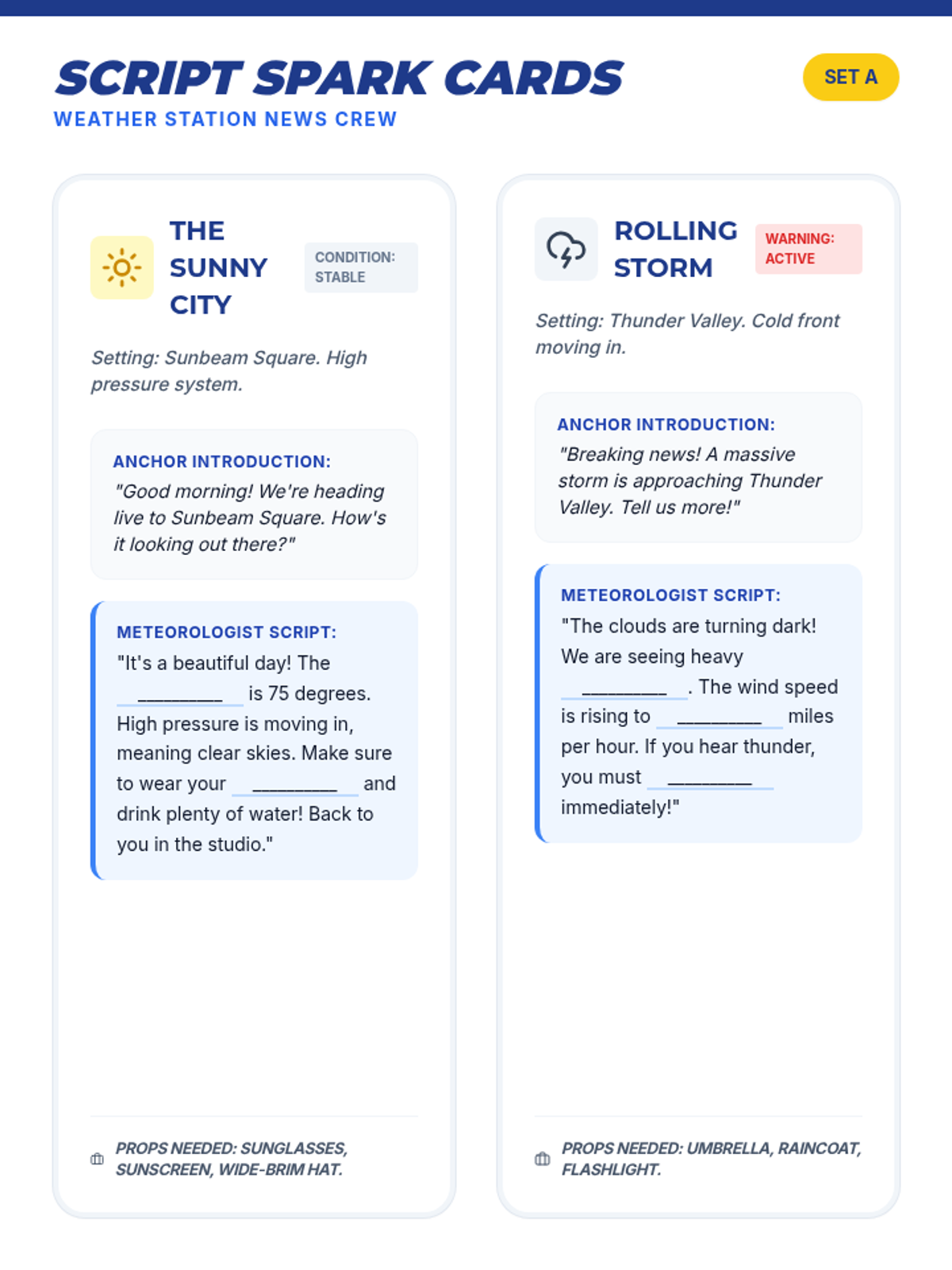
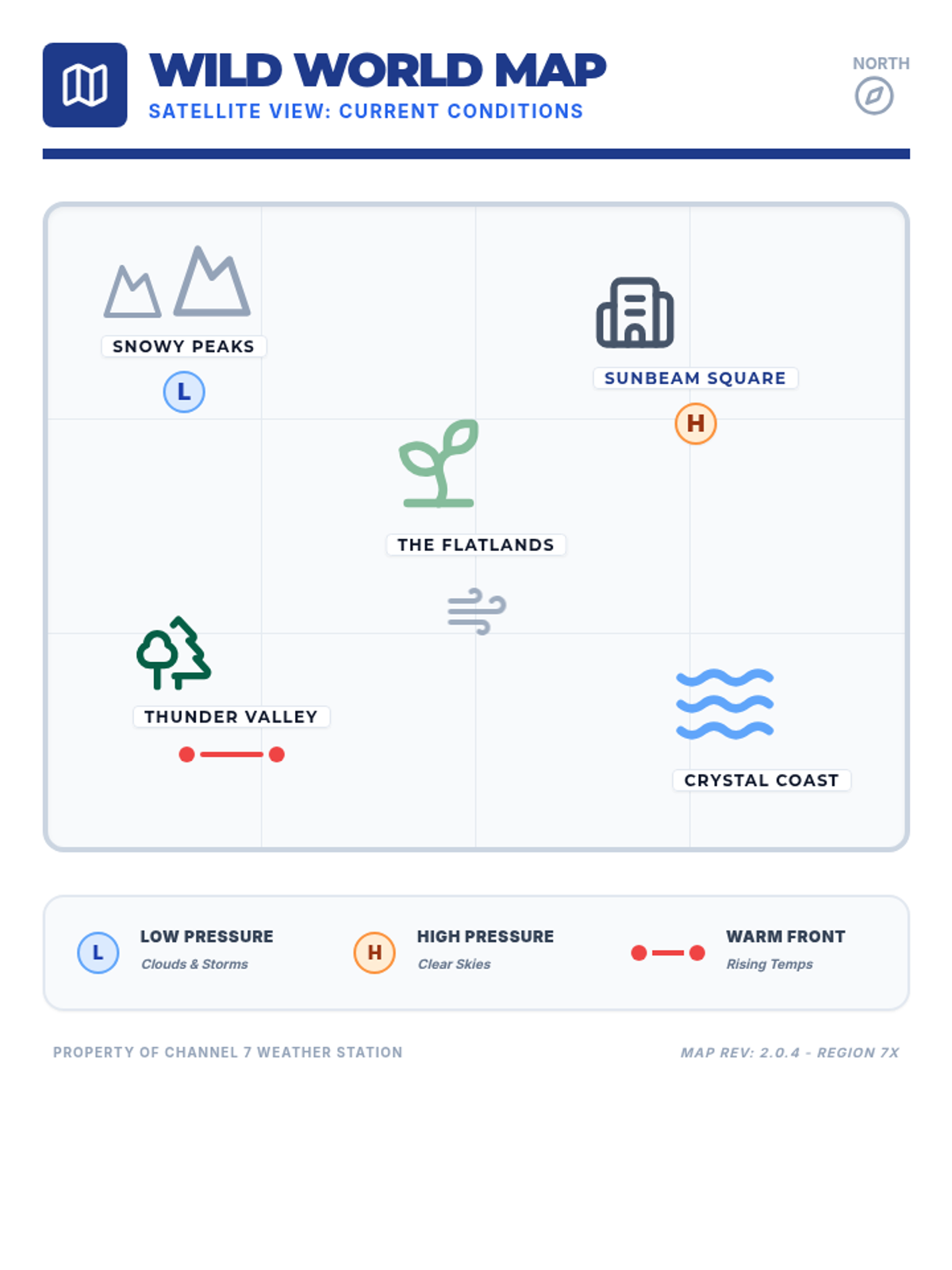
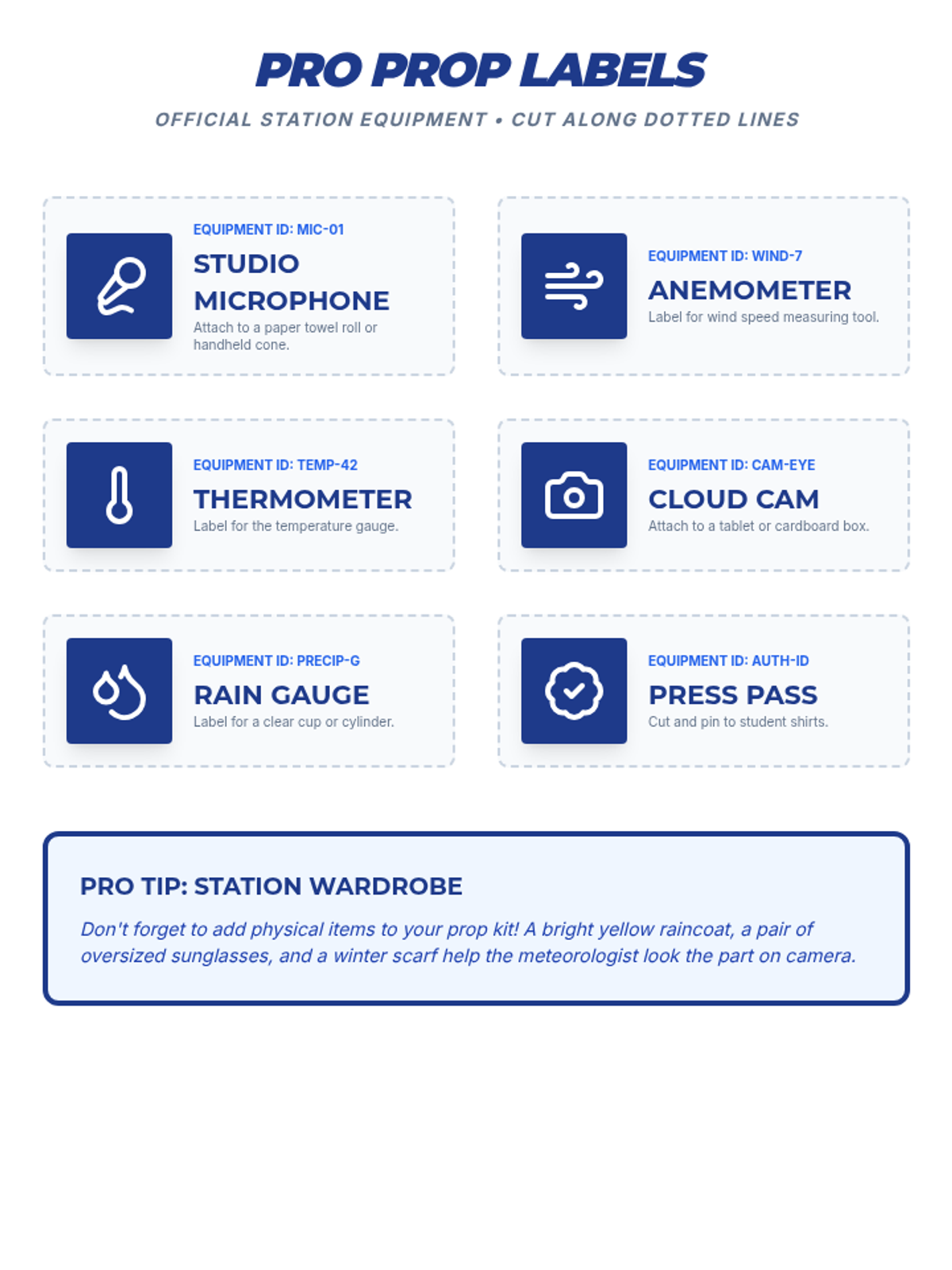
Students step into the shoes of meteorologists, using scripts and props to report on a wide variety of weather phenomena across a fictional map.
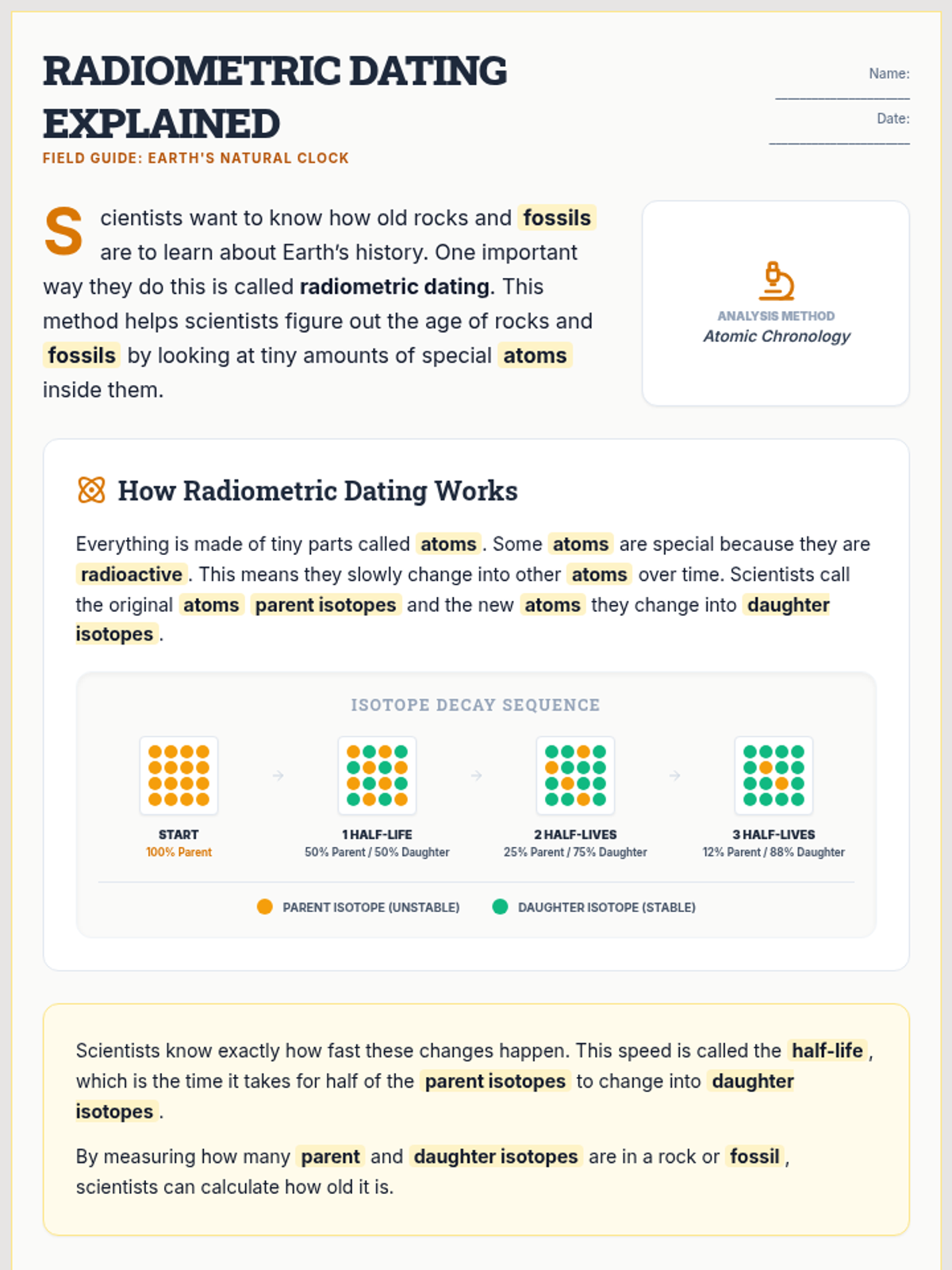
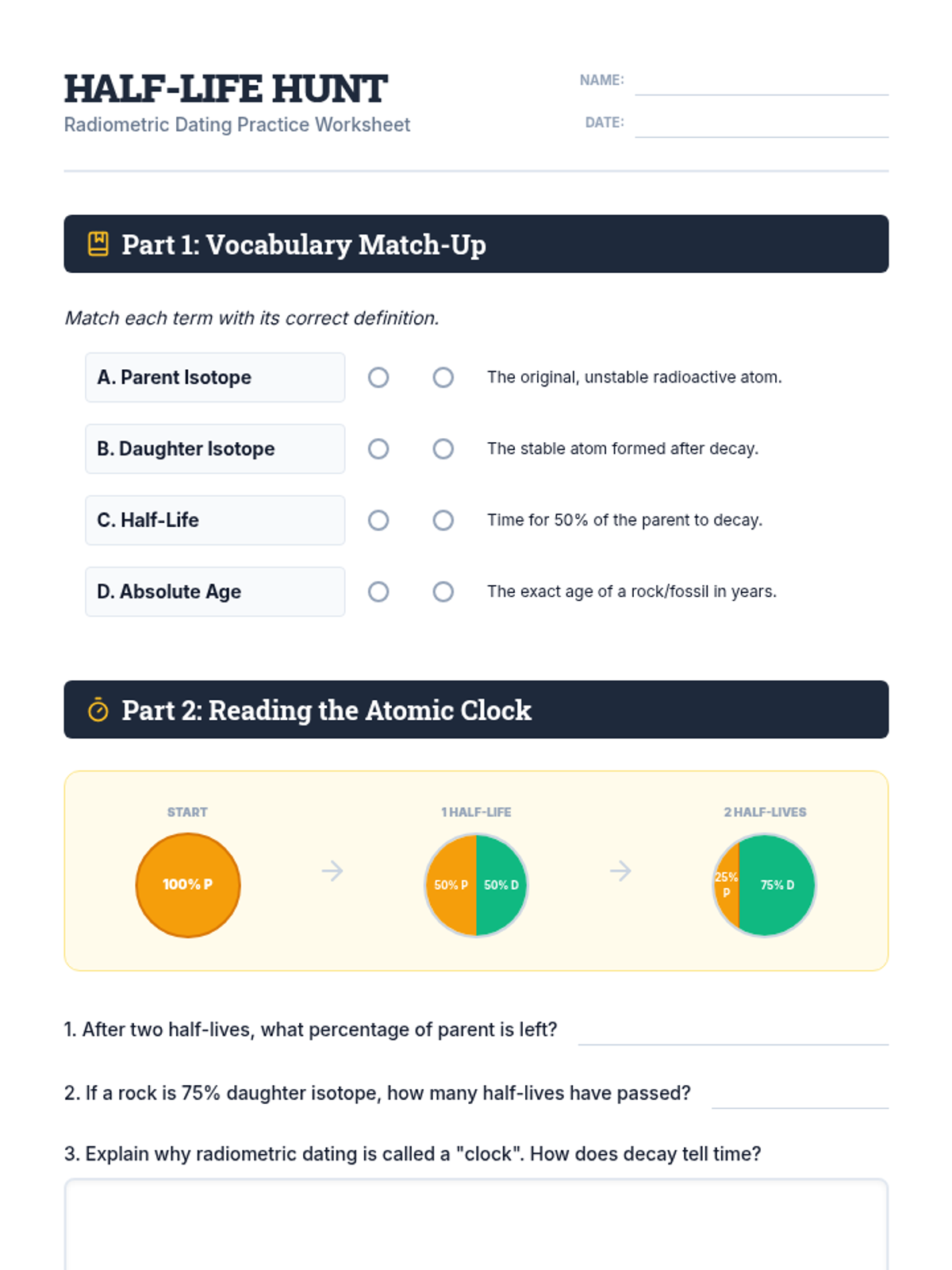
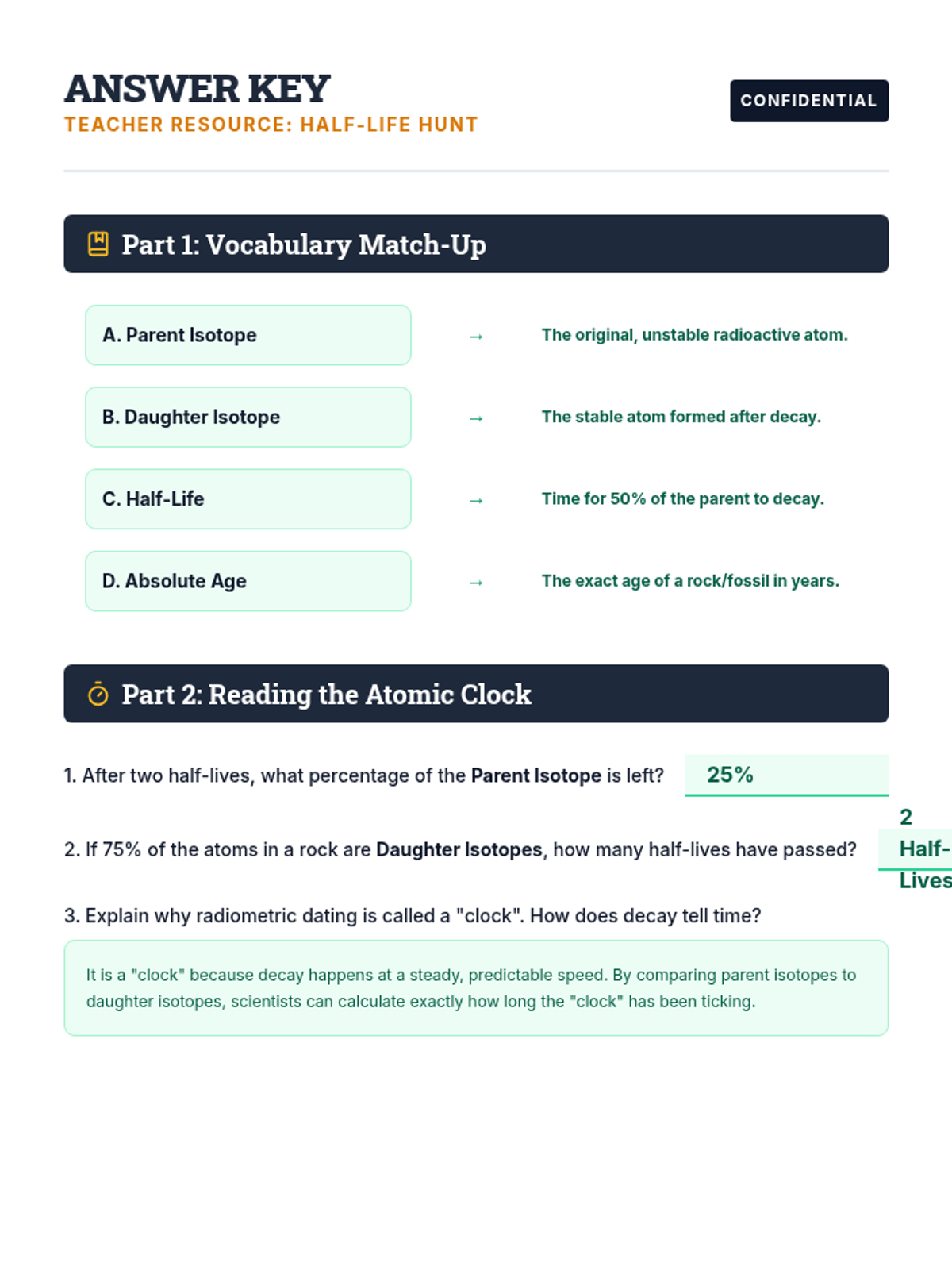
A comprehensive introduction to radiometric dating, explaining how scientists use radioactive isotopes to determine the absolute age of rocks and fossils, and comparing it to relative dating methods.
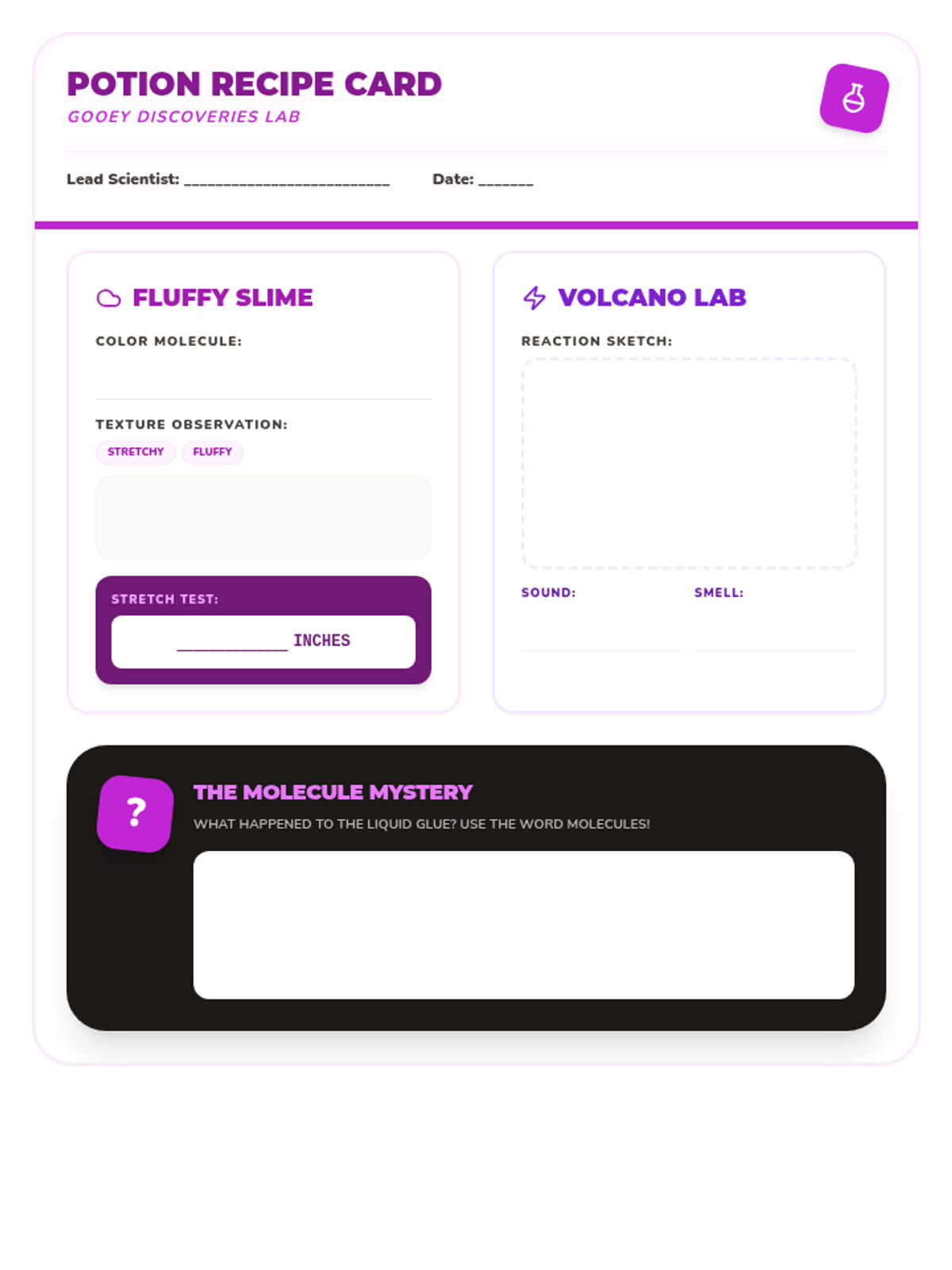
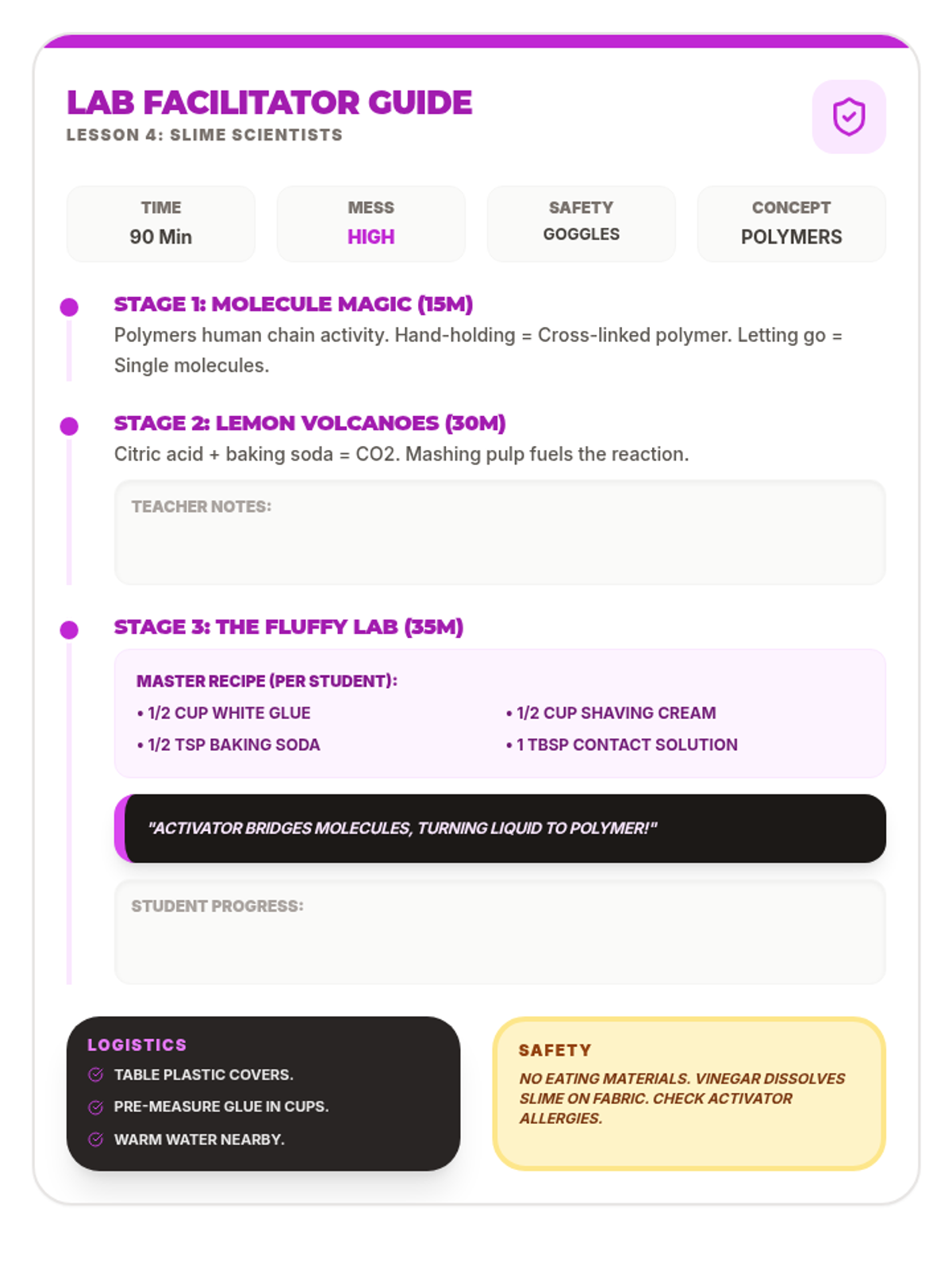
A hands-on chemistry session where students experiment with non-Newtonian fluids and acid-base reactions to create fizzing eruptions and gooey textures.
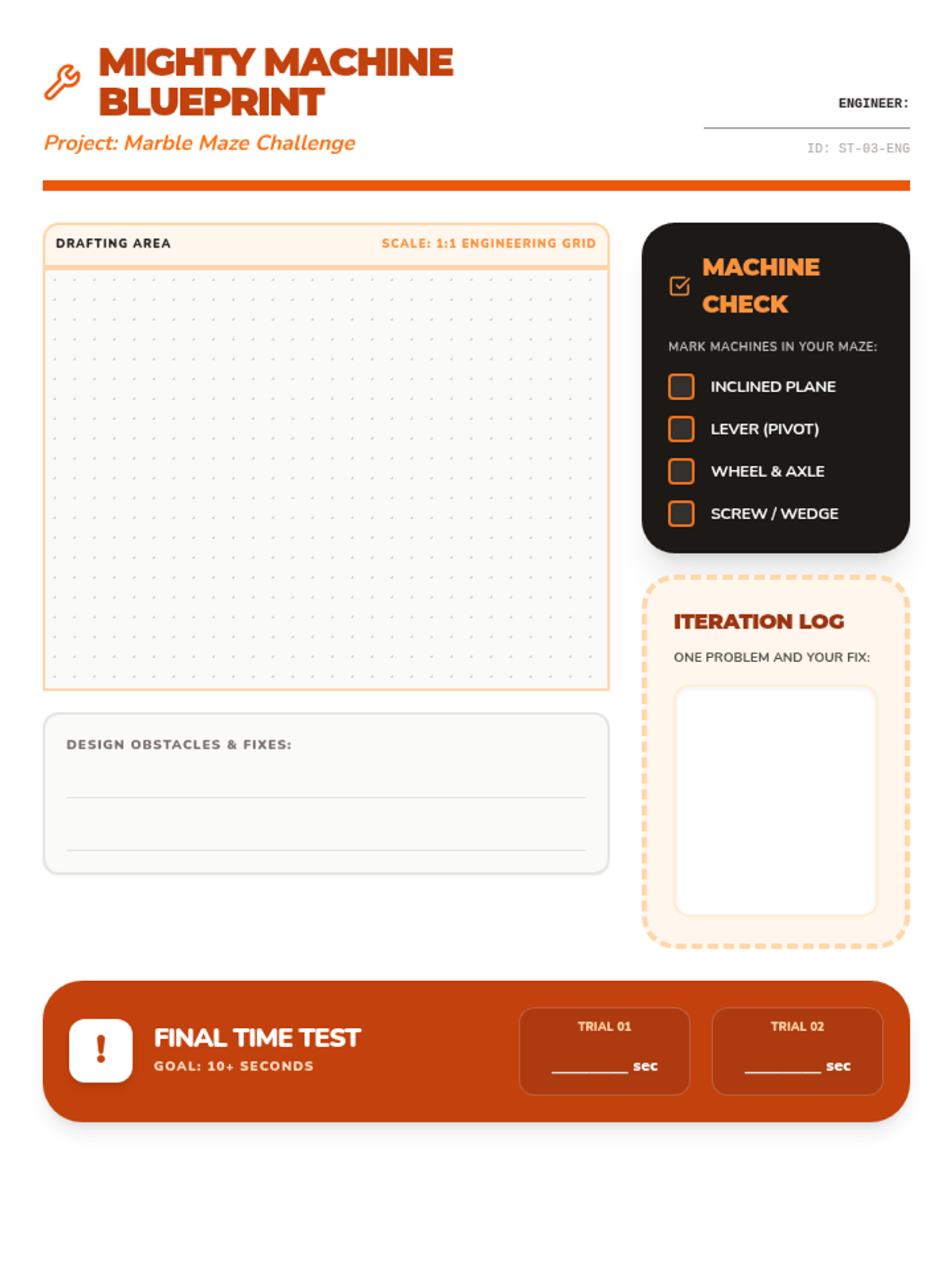
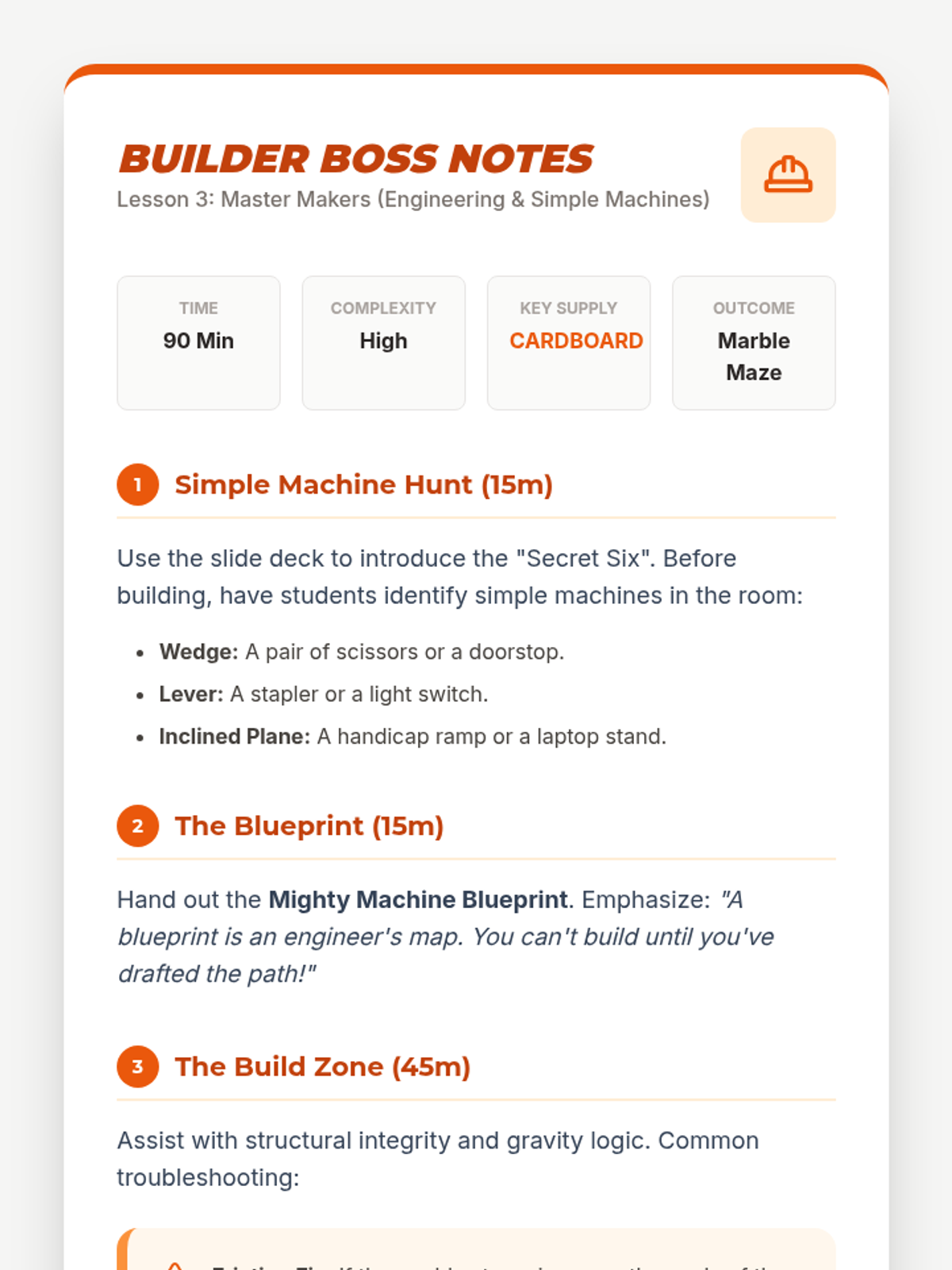
Students become engineers by designing a marble maze that incorporates simple machines like inclined planes and levers using cardboard and recyclables.
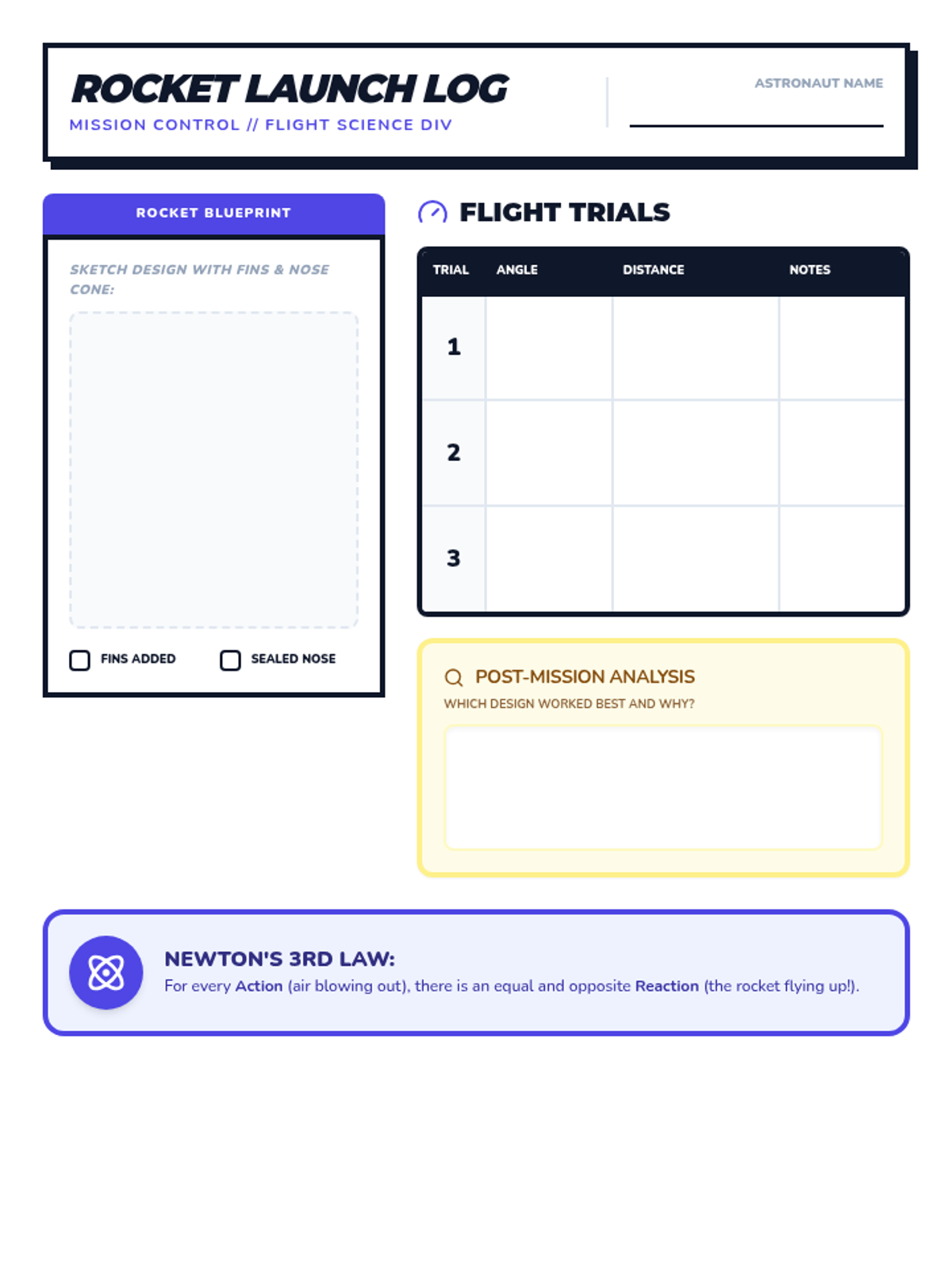
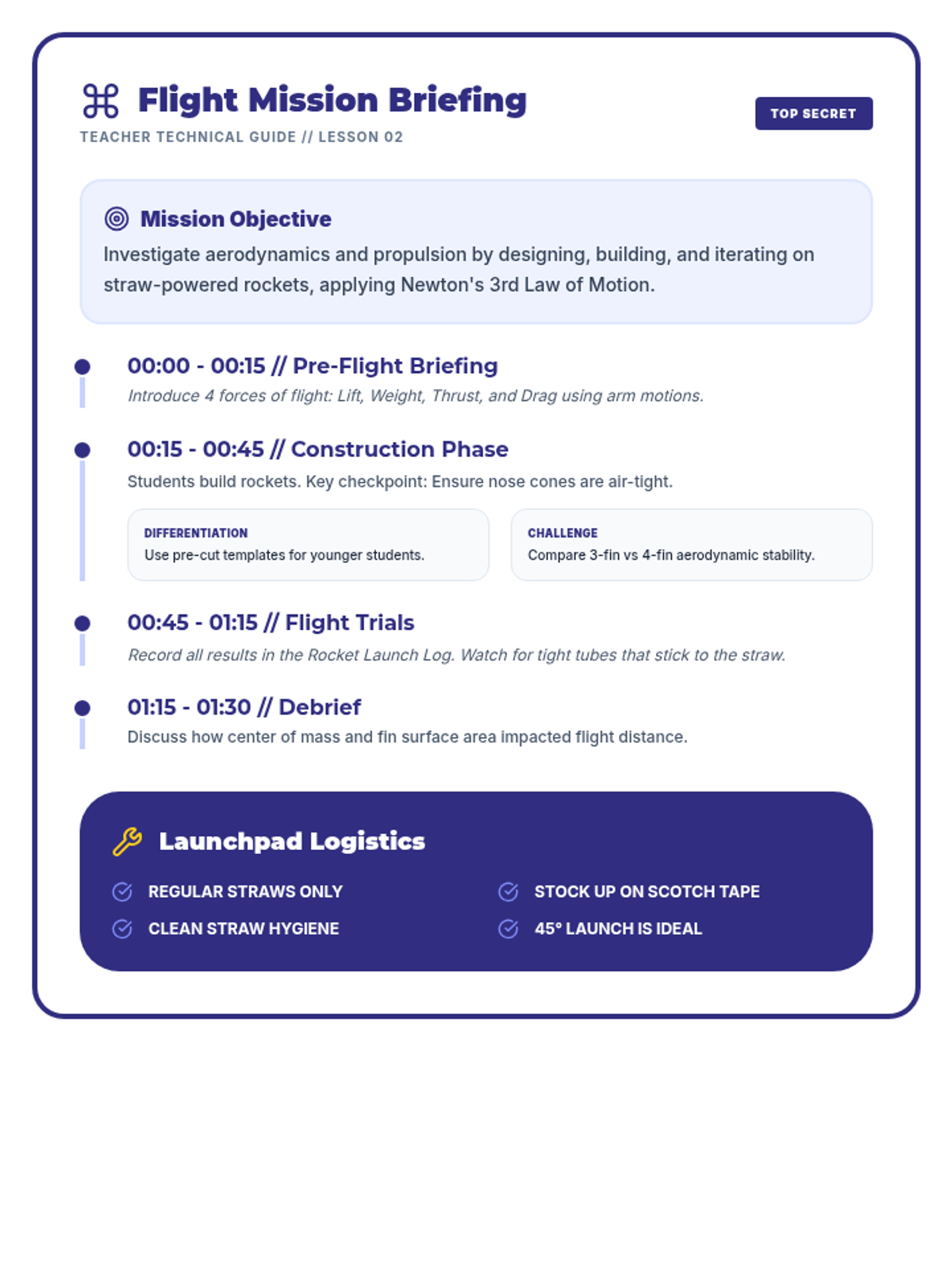
An introduction to aerodynamics and space travel where students design, build, and test various flight models using simple household items.
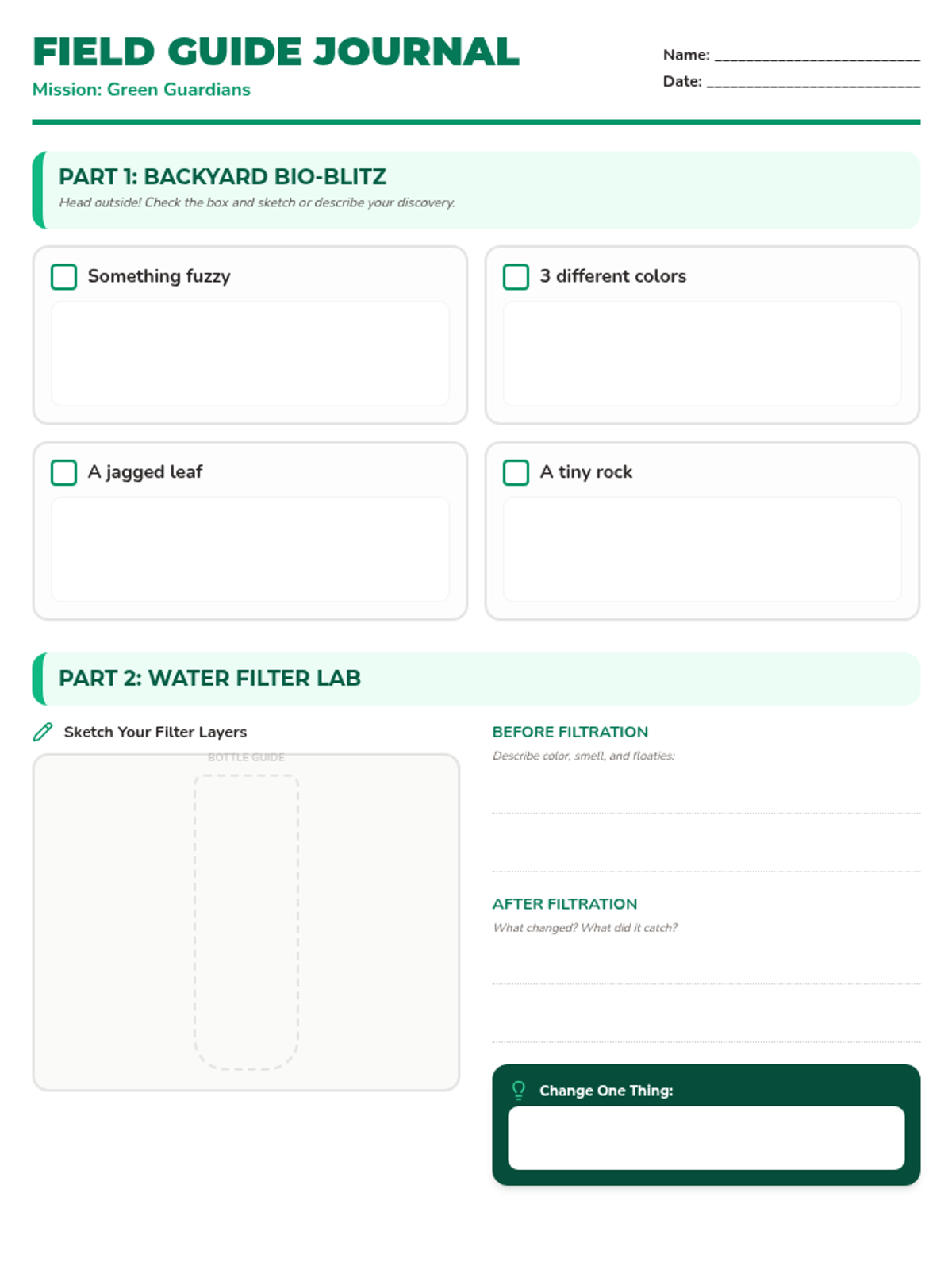
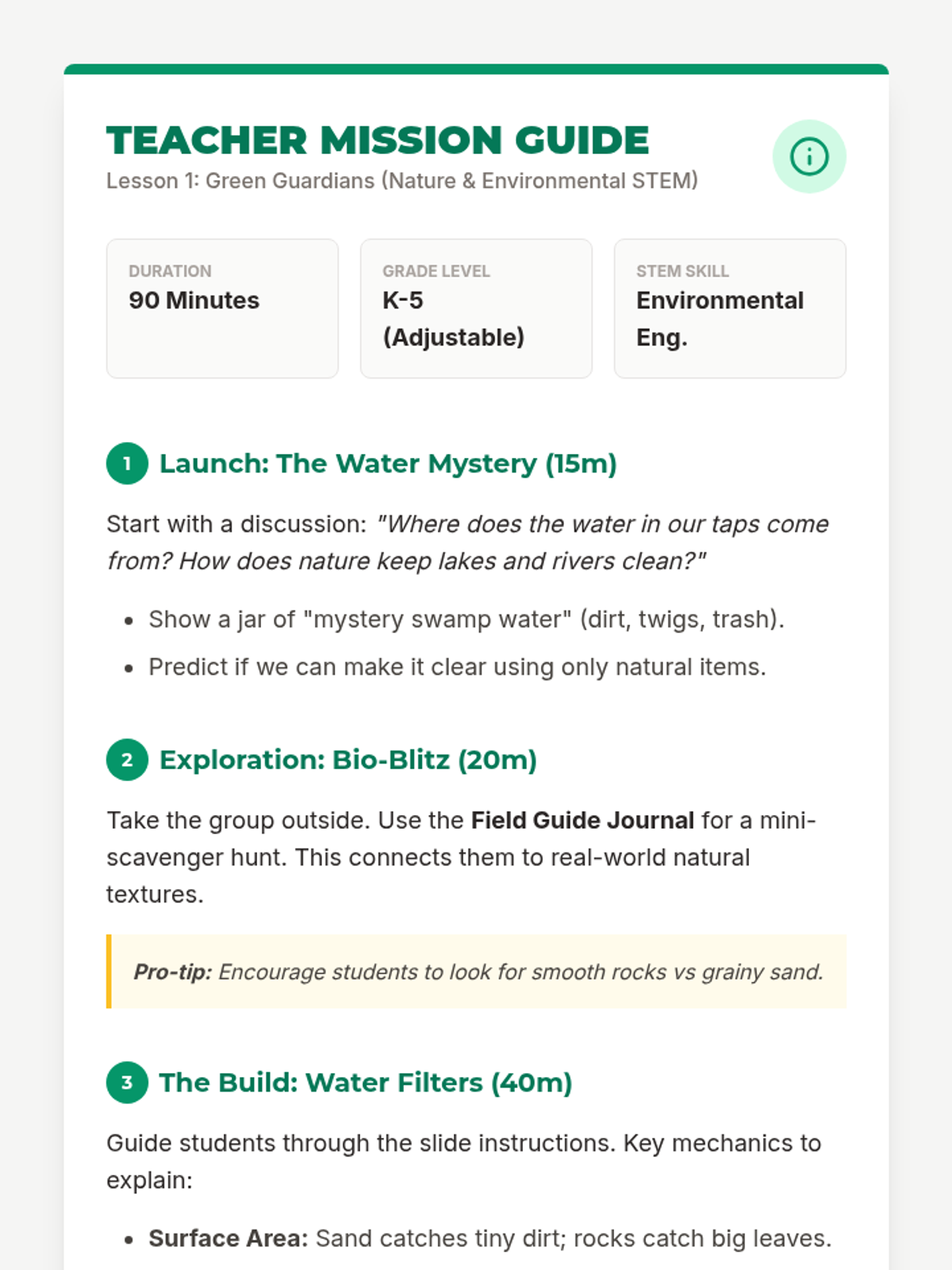
Students explore nature by building mini-ecosystems and learning about water purification using natural and recycled materials.