A lesson exploring the specialized roles of red and white blood cells, their production in bone marrow, and their vital functions in oxygen transport and immune defense. Includes differentiated reading materials for various reading levels.
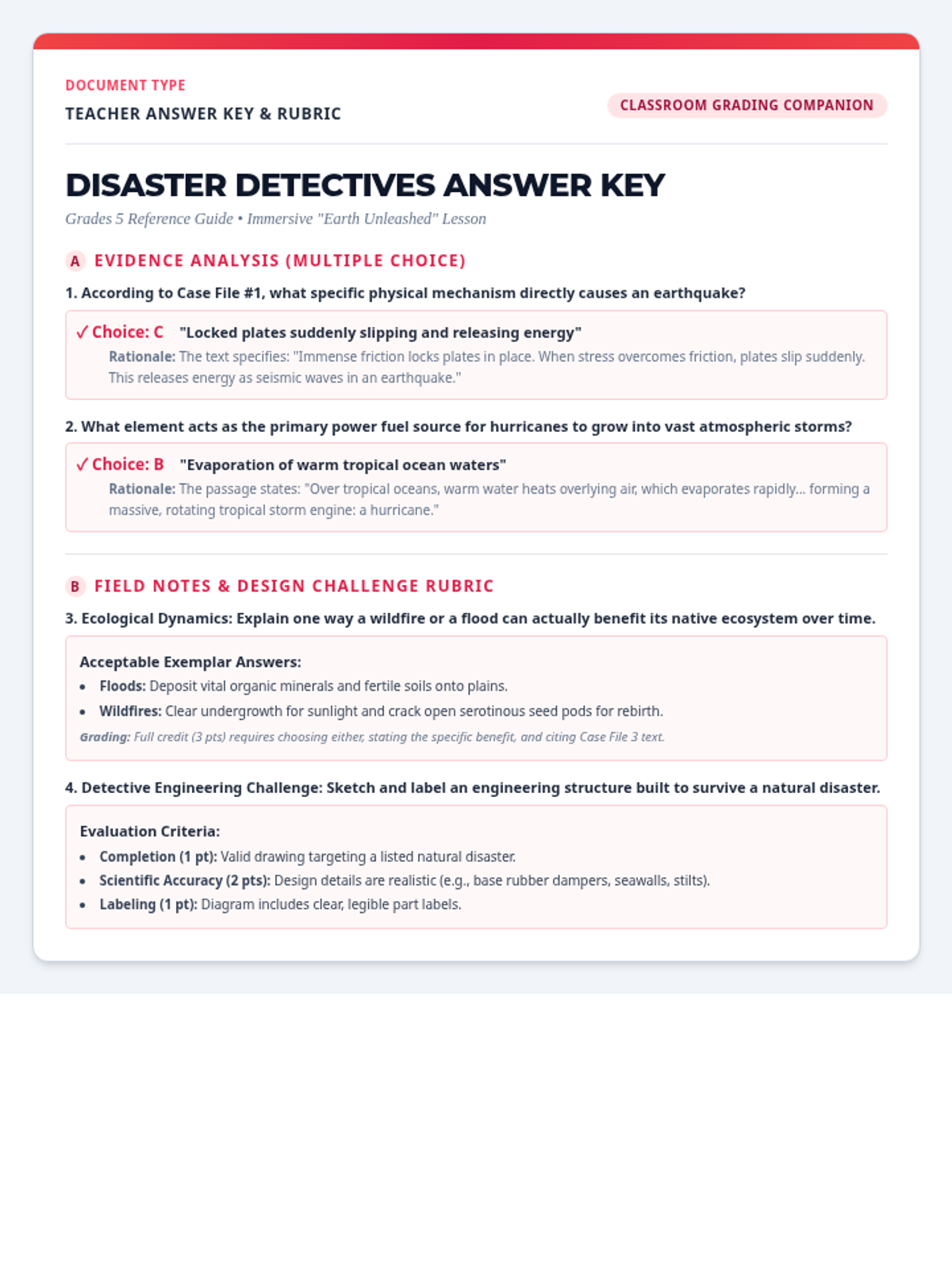
A deep dive into plate tectonics focusing on subduction zones and the explosive geological activity of the Ring of Fire. Students will explore the mechanics of plate movement and its global impact.
Explores the scientific goals of the Artemis missions, including lunar geology, the search for water ice, and using the Moon as a stepping stone for deep space exploration.
Focuses on the Artemis II mission's role in driving technological advancements that benefit life on Earth, from water purification to advanced materials.
An engaging lesson on physical changes in matter, focusing on phase changes, mixtures, and the concept of reversibility for 6th-grade students.
A comprehensive review game covering the Ohio 5th Grade Science Standards, including Earth and Space Science, Physical Science, and Life Science. Students compete in teams to answer curriculum-aligned questions in a high-energy classroom setting.
A fun, interactive game where students try to identify technology from the 1990s and earlier, comparing 'vintage' tech to modern equivalents.
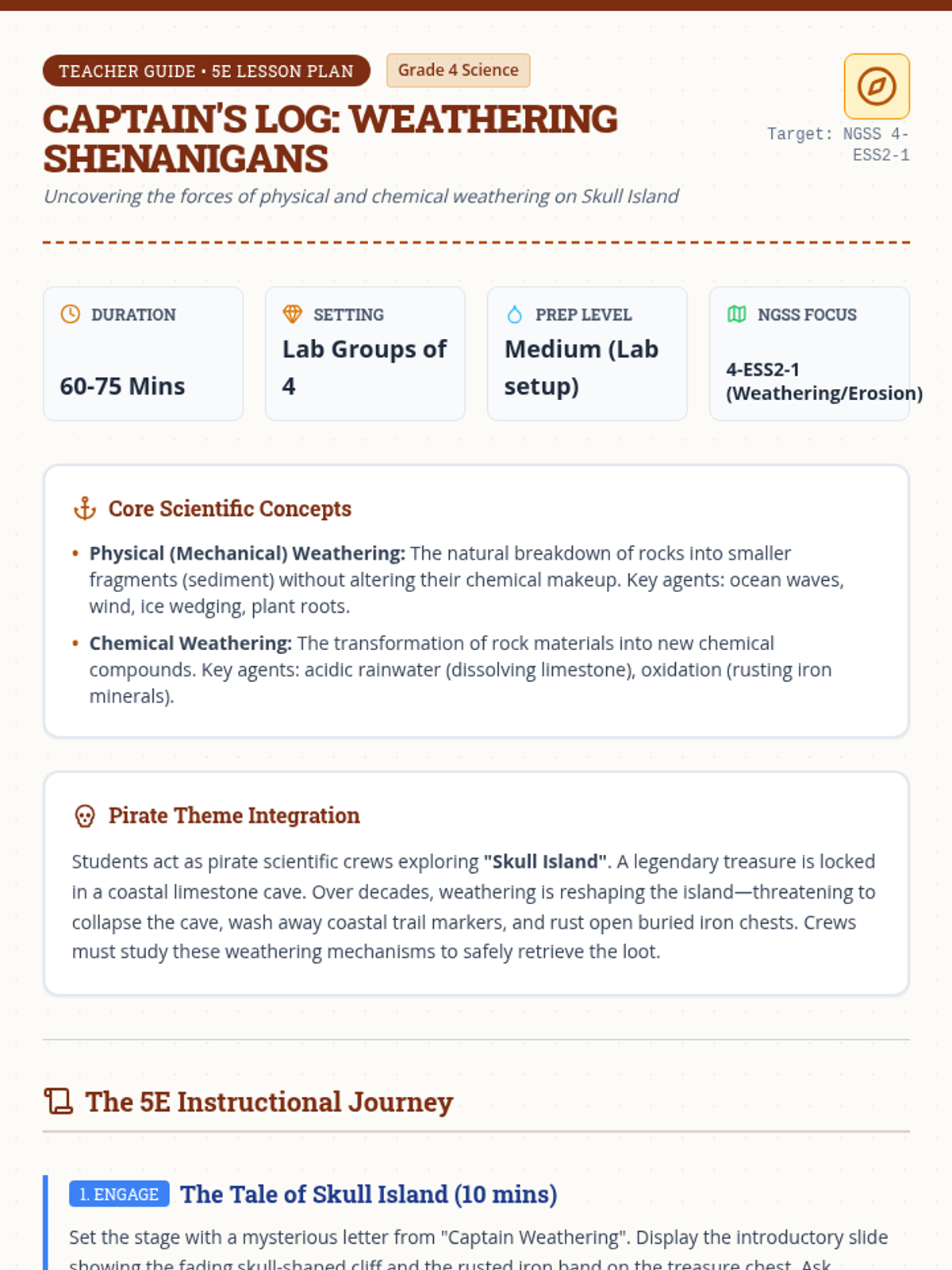
A guided exploration of the San Andreas Fault based on the 'How The Earth Was Made' documentary, focusing on plate boundary mechanics and seismic history.
An introductory lesson on the Earth's atmosphere and how air temperature changes due to factors like location, texture, and color, adapted for 2nd-grade readers.
Investigate how animals prepare for winter with a migration map poster and a pinecone animal craft.
Learn about pumpkin growth and anatomy by creating a geometric pumpkin poster and a 3D paper pumpkin craft.
Explore the science of changing leaves through a cut-and-paste identification poster and a visual leaf-rubbing craft.
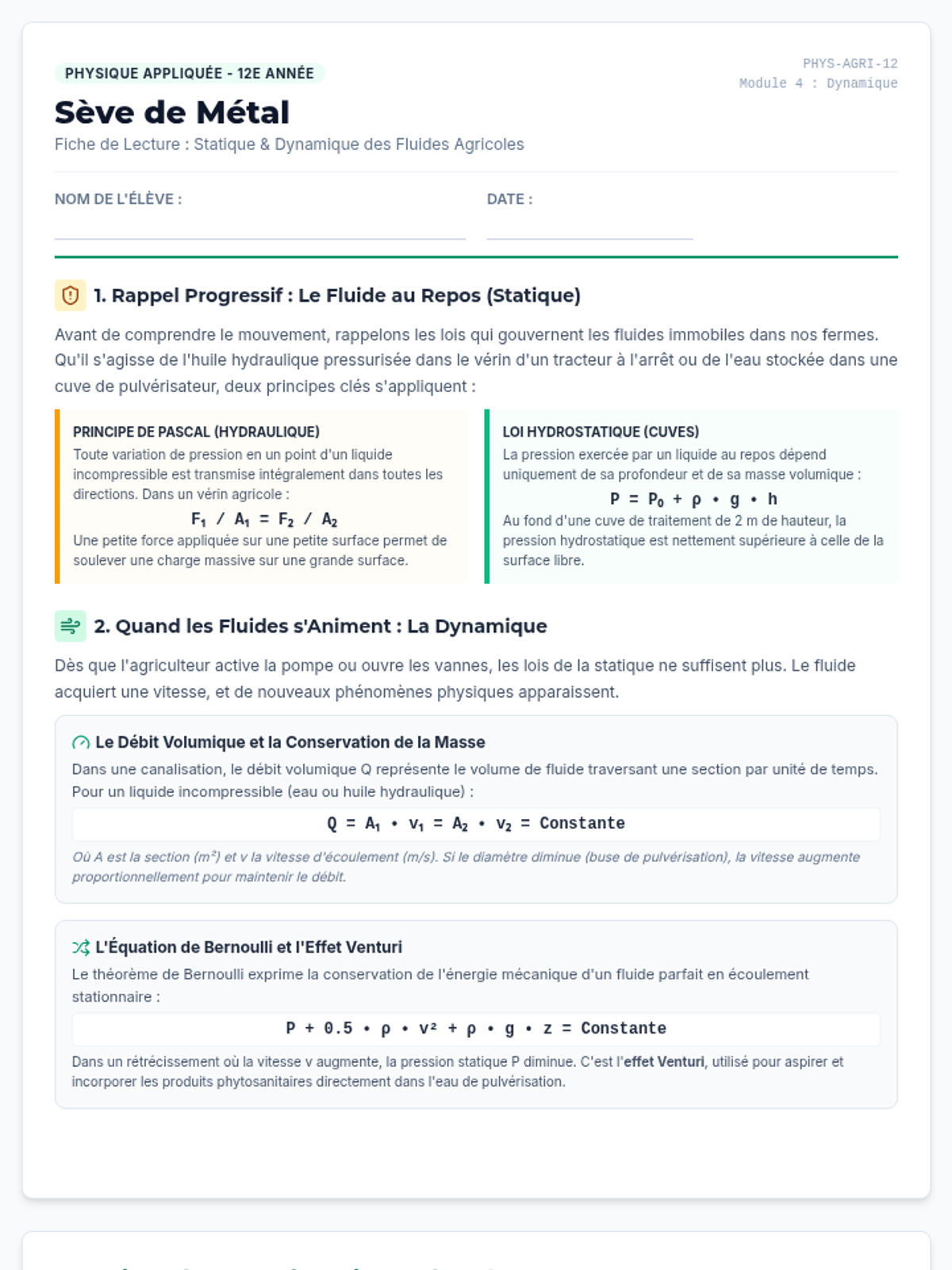
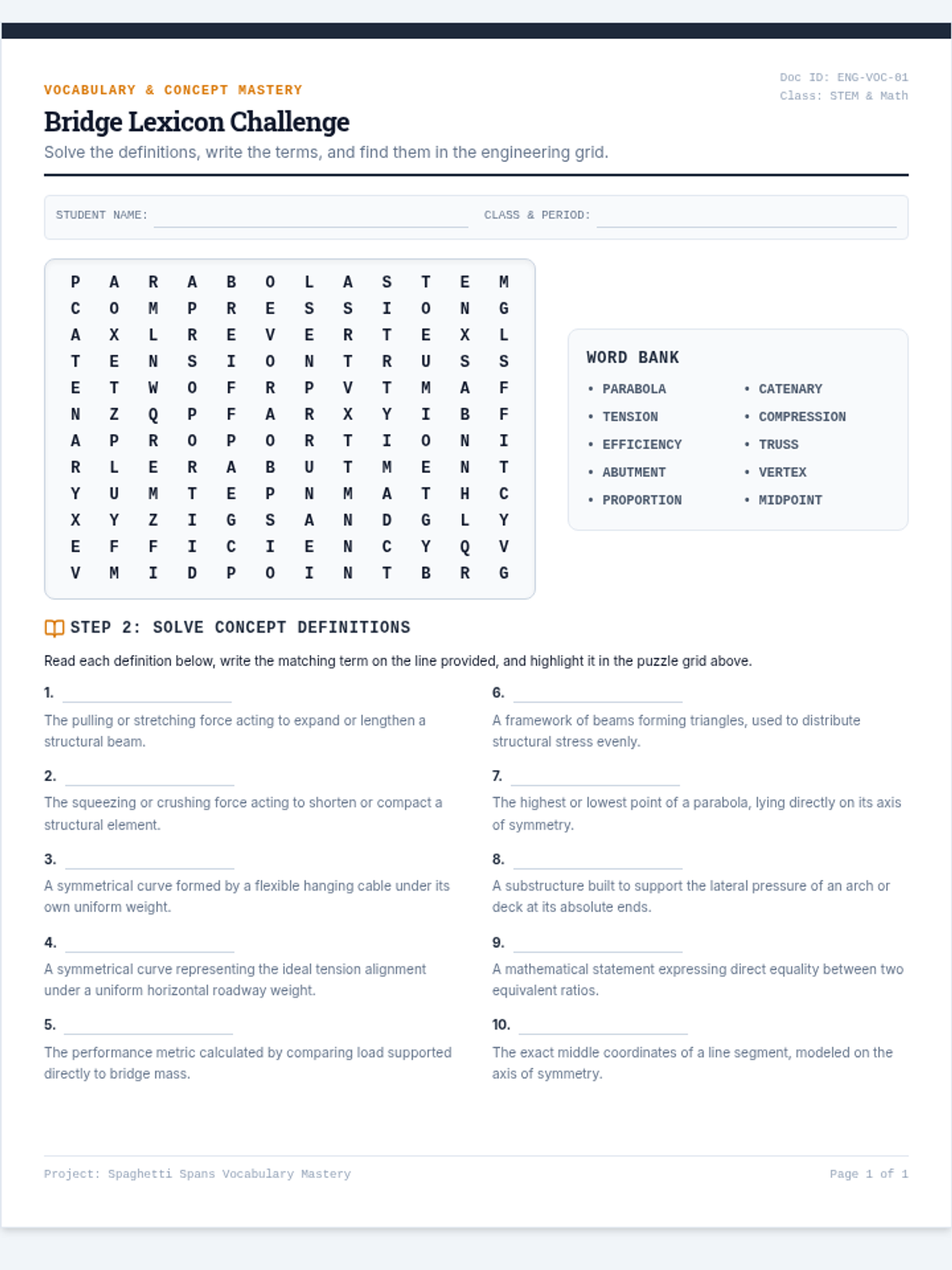
A comprehensive look at buoyant force, Archimedes' Principle, and the physics of sinking and floating through guided inquiry and technical reading.
In this lesson, students explore the flow of energy and the cycling of matter within a pond ecosystem, culminating in the development of a model that distinguishes between these two fundamental ecological processes.
A lesson exploring how plants use structural and behavioral adaptations to survive in diverse environments. Students will analyze academic texts and demonstrate understanding through comprehension questions.
A hands-on lesson where students analyze real-world citizen science data to track bird migration through New England, integrating math, geography, and biology.
An in-depth look at the snow leopard's unique adaptations and survival strategies in the Himalayan mountains.
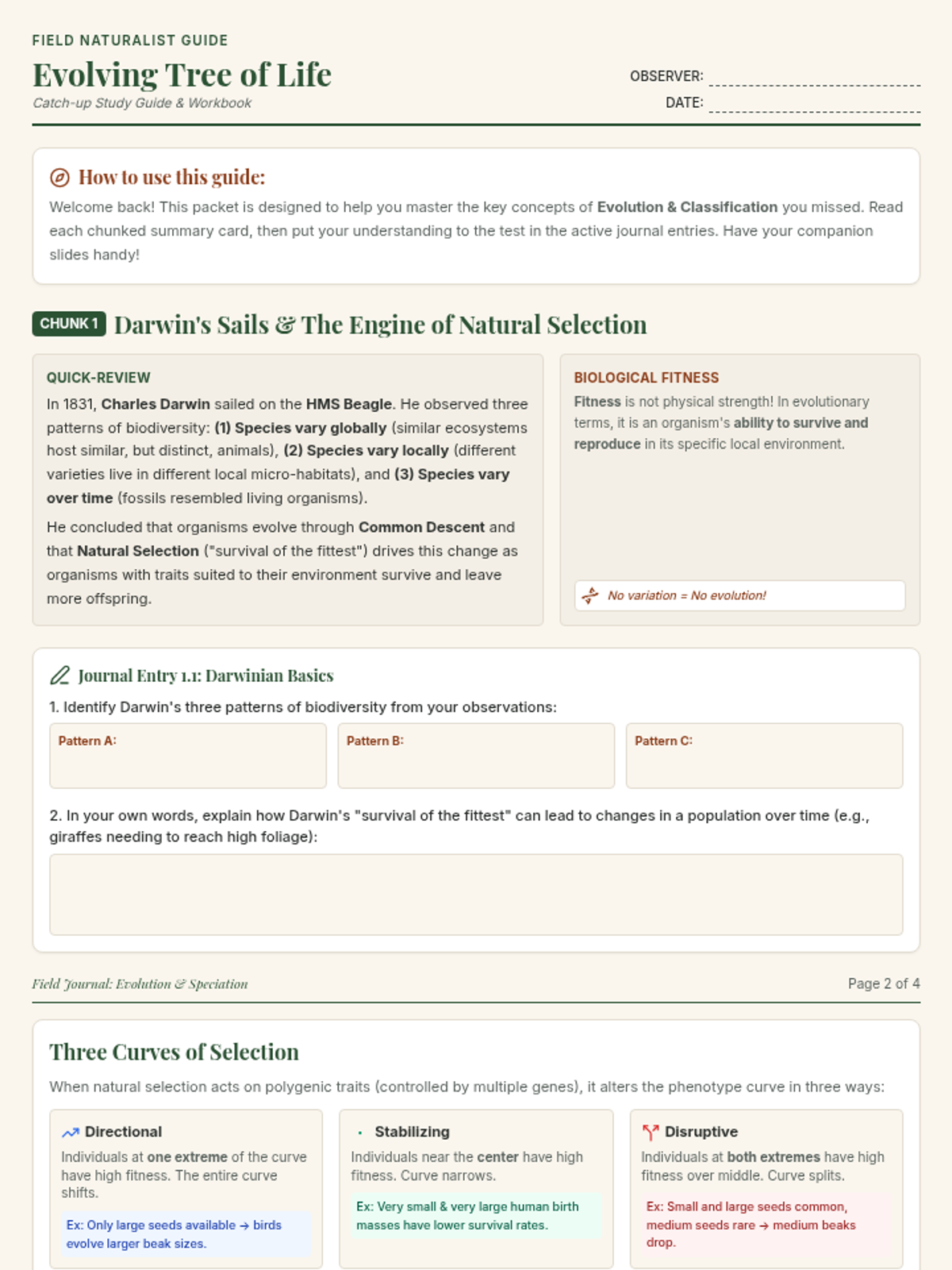
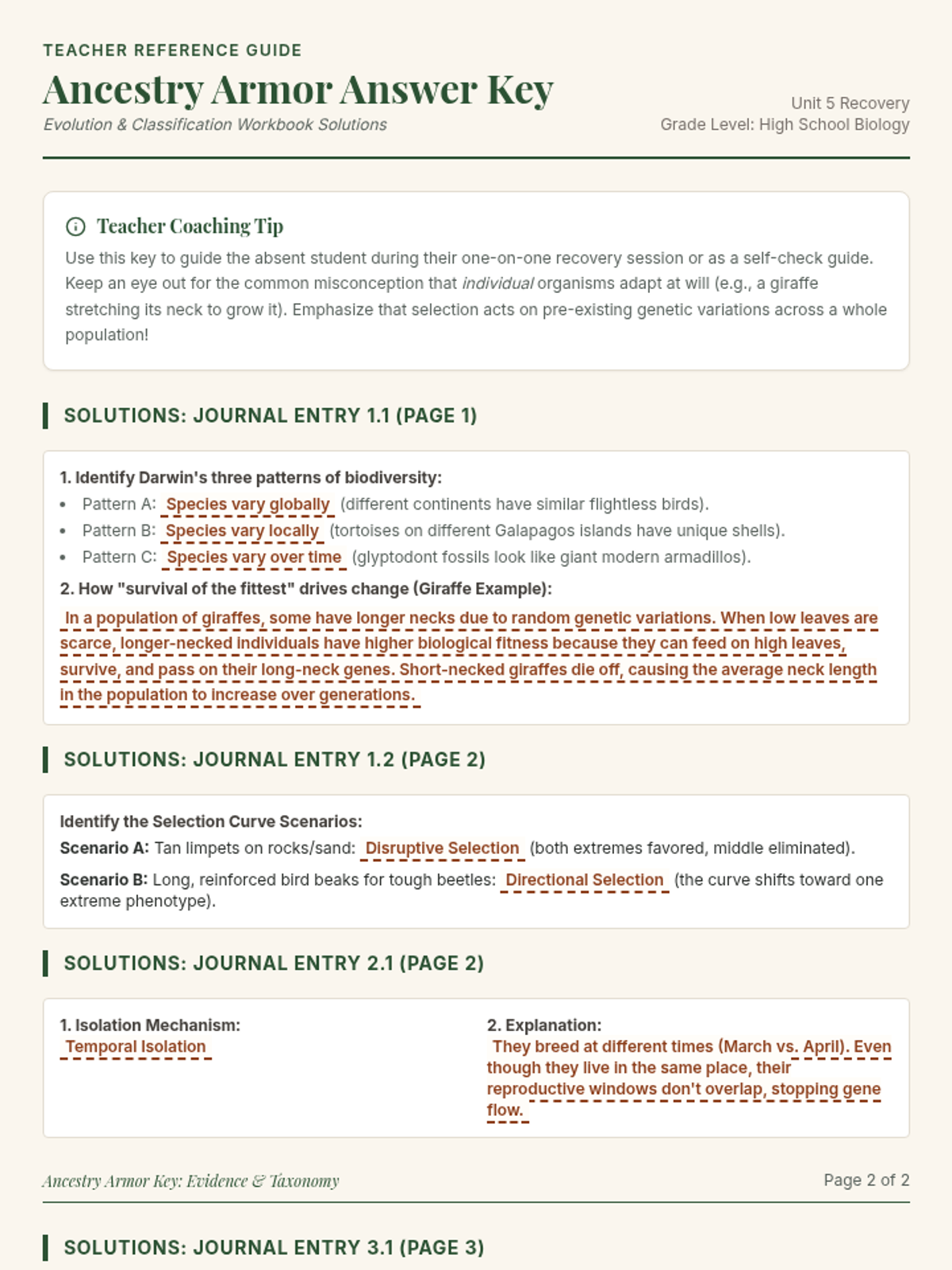
A comprehensive lesson on natural selection and evolution, covering vocabulary, phylogenetic trees, and evidence for evolution for 7th-grade students.
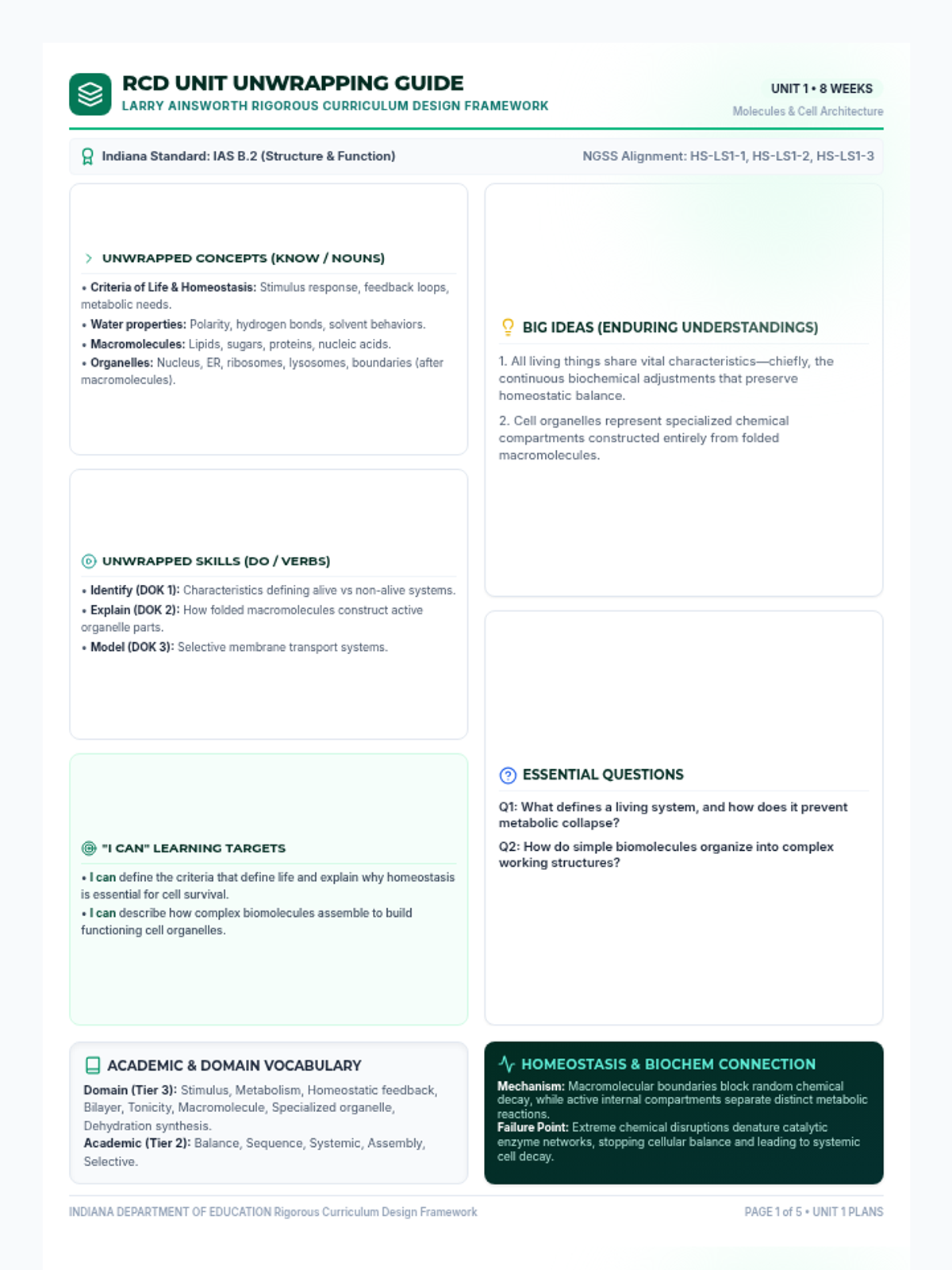
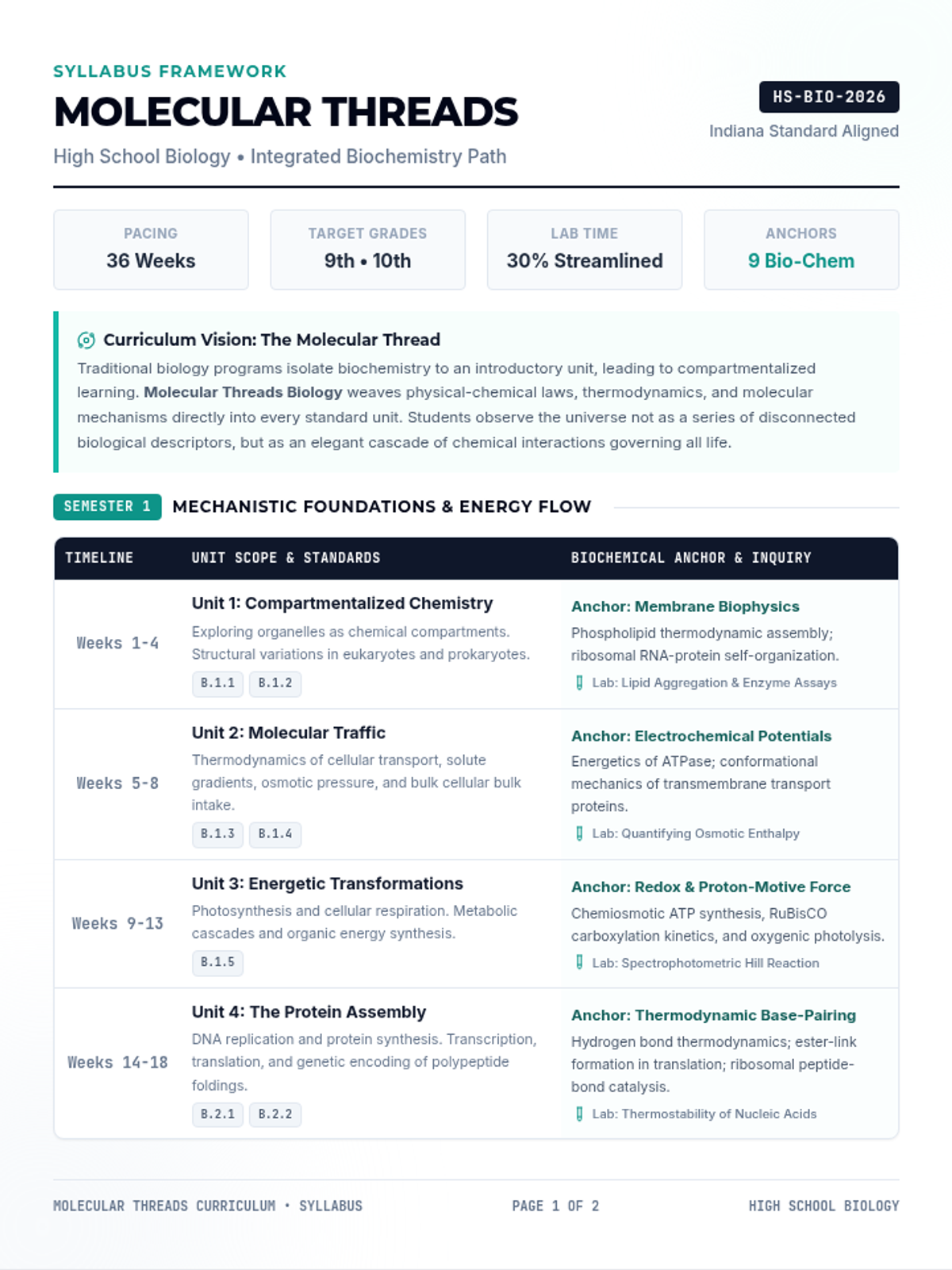
Students design and build a 3D model of an animal or plant cell using exclusively recycled materials to demonstrate their understanding of cell structures and functions.