A comprehensive lesson on food chains, producers, and consumers, featuring differentiated reading passages, graphic organizers, and assessments designed for 5th-grade learners at various levels.
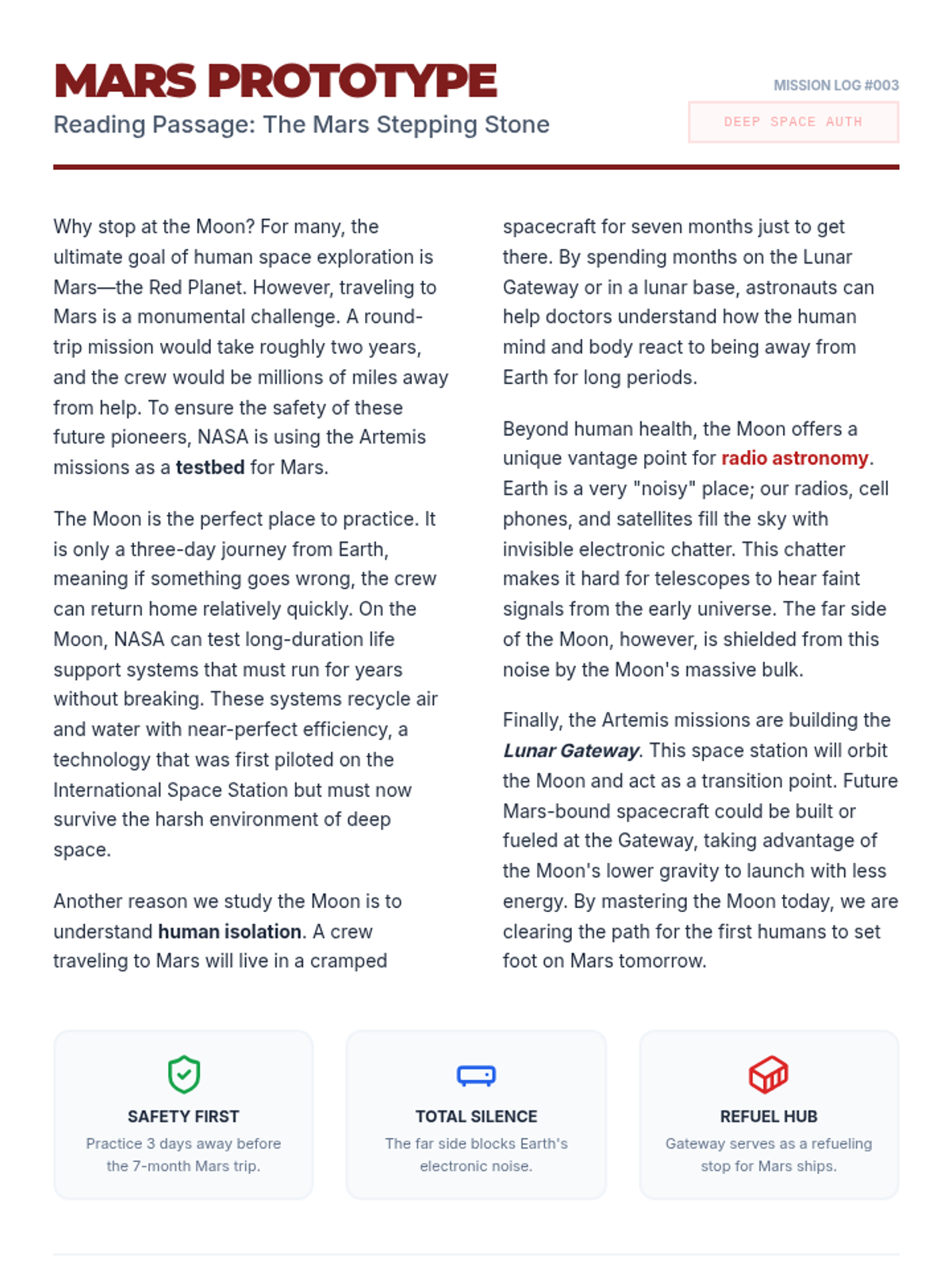
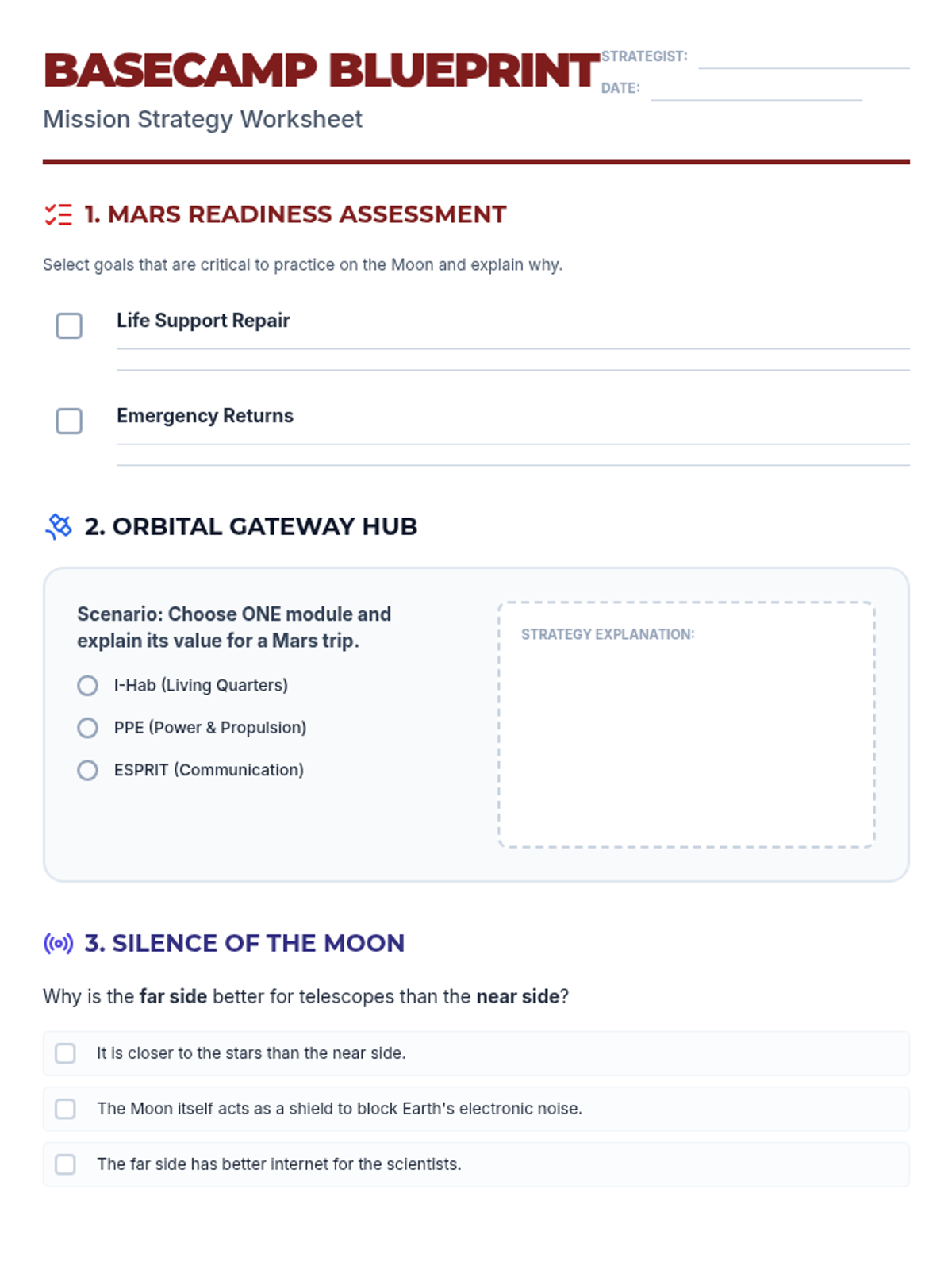
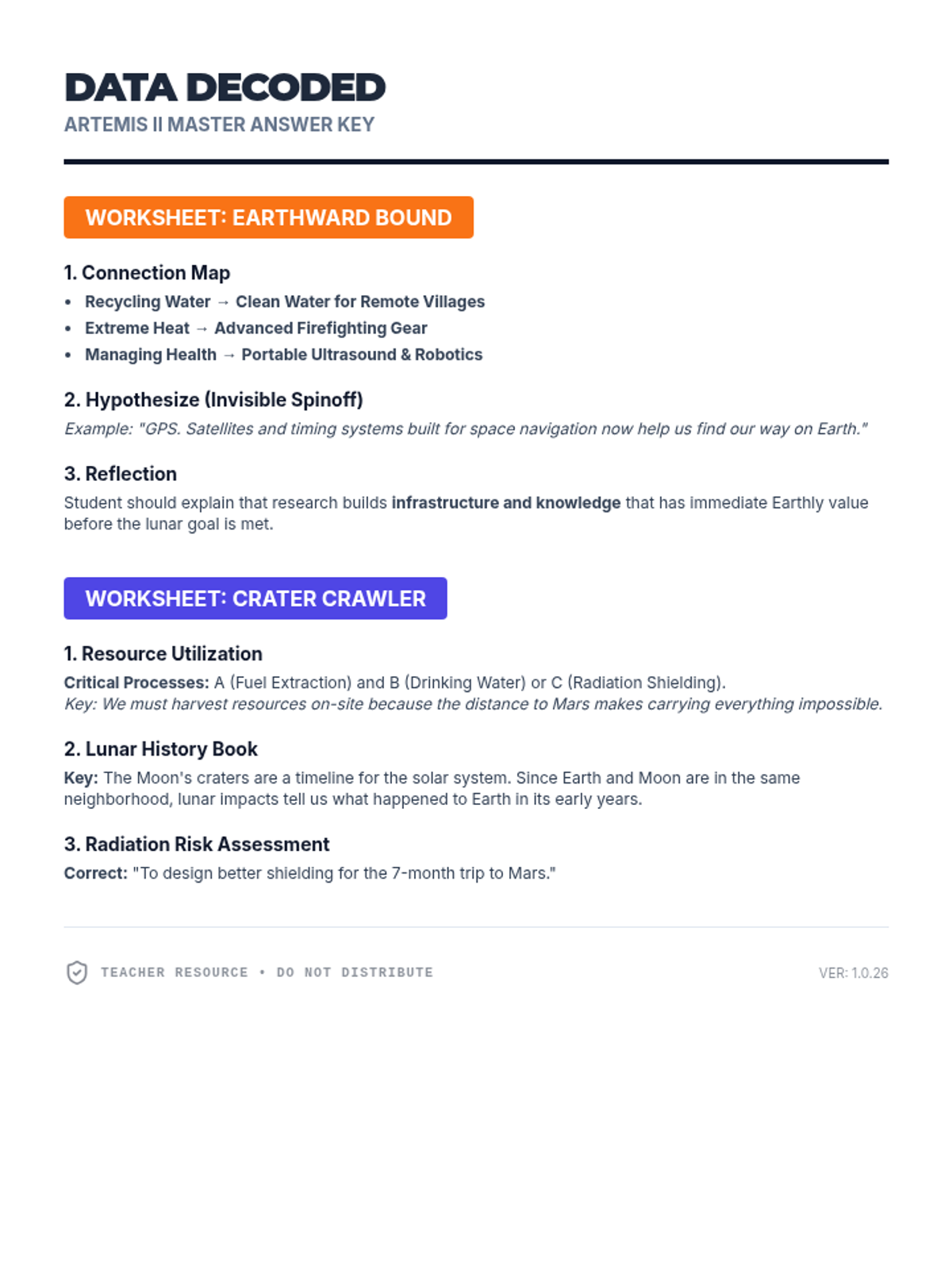
Explores the Moon's role as a testing ground for Mars exploration and a unique platform for deep space astronomy, focusing on the Gateway station and long-duration missions.
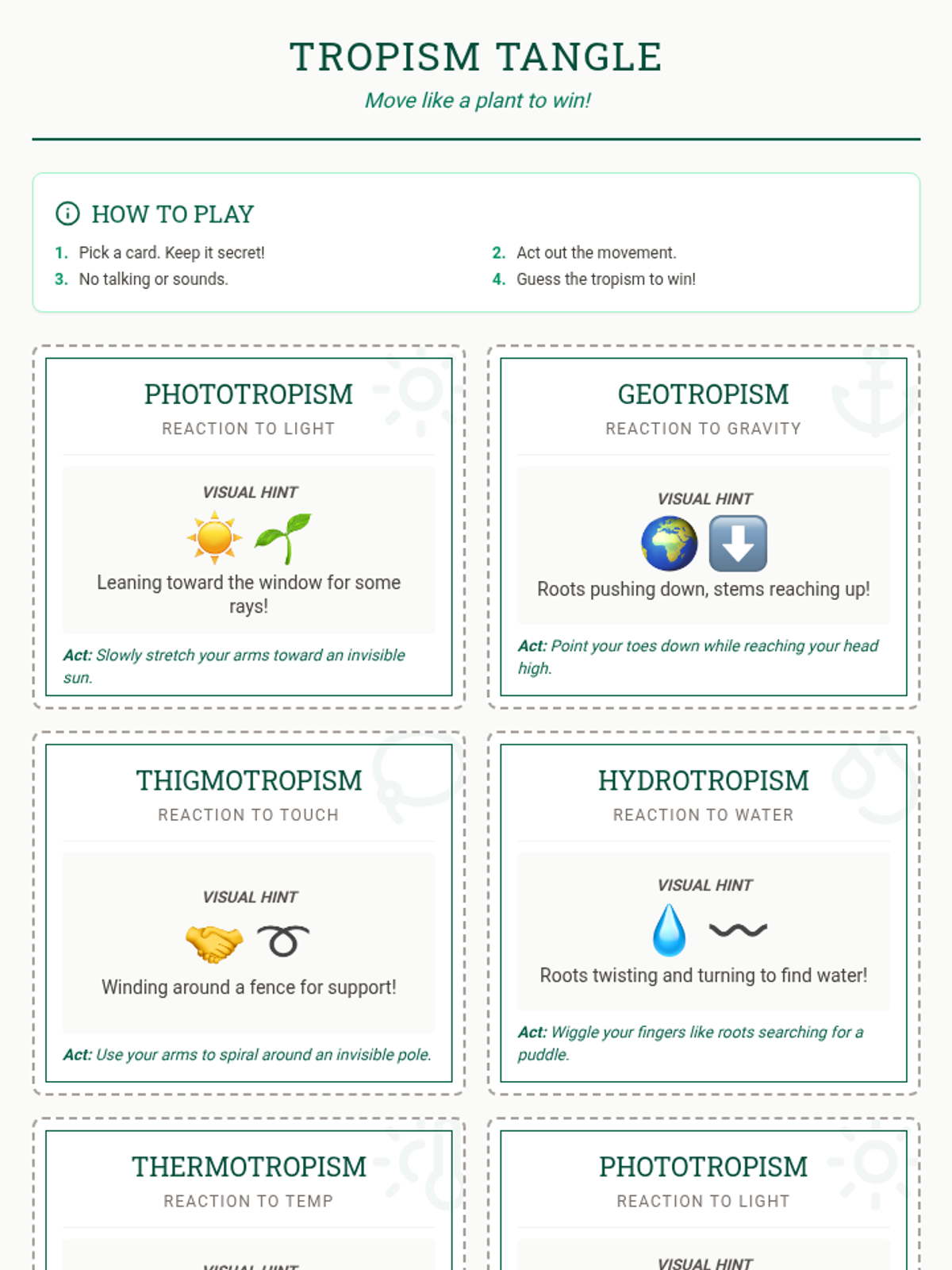
A fun, active lesson exploring how plants respond to their environment through various tropisms. Students will use movement and physical acting to demonstrate complex biological concepts.
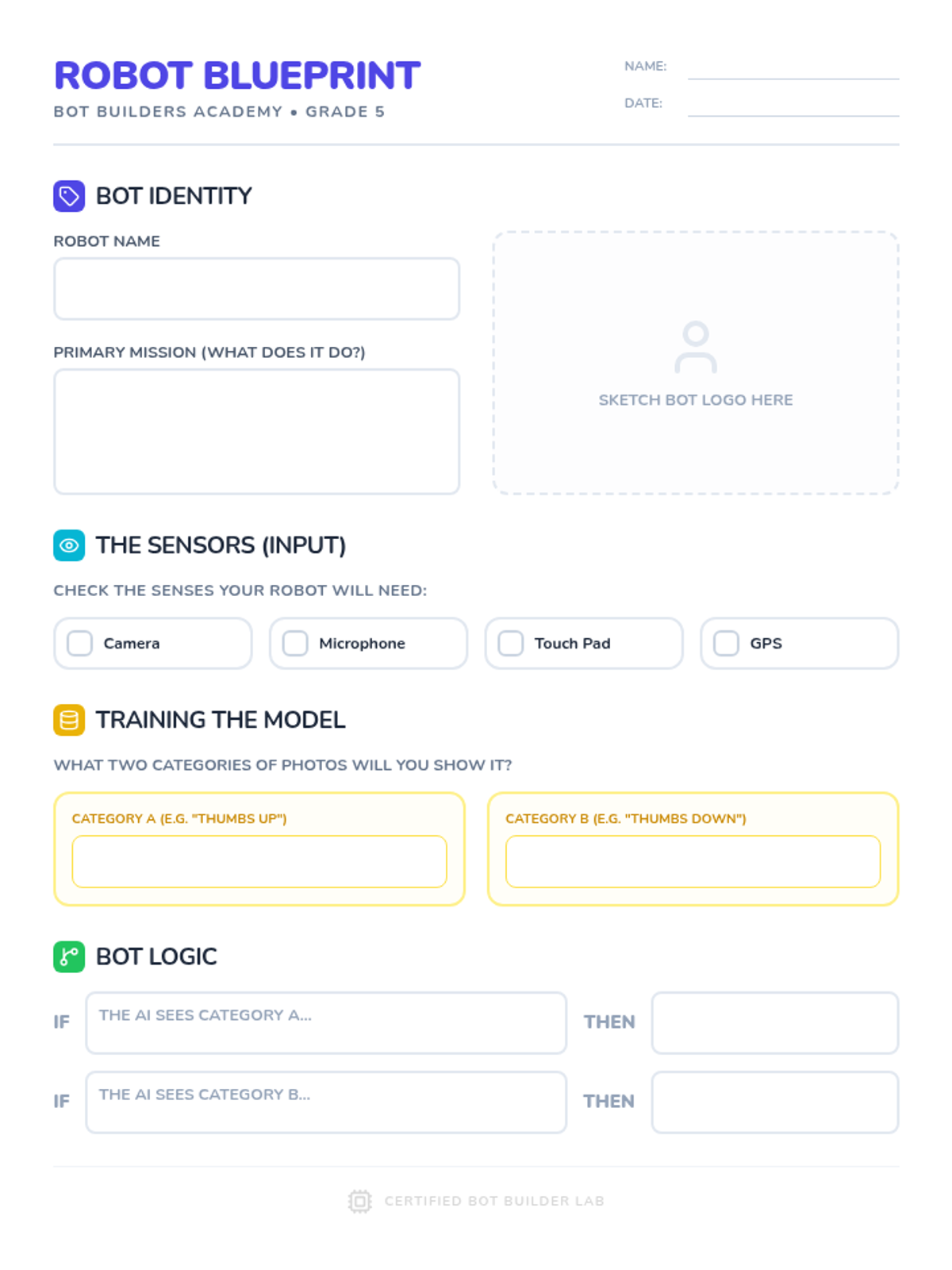
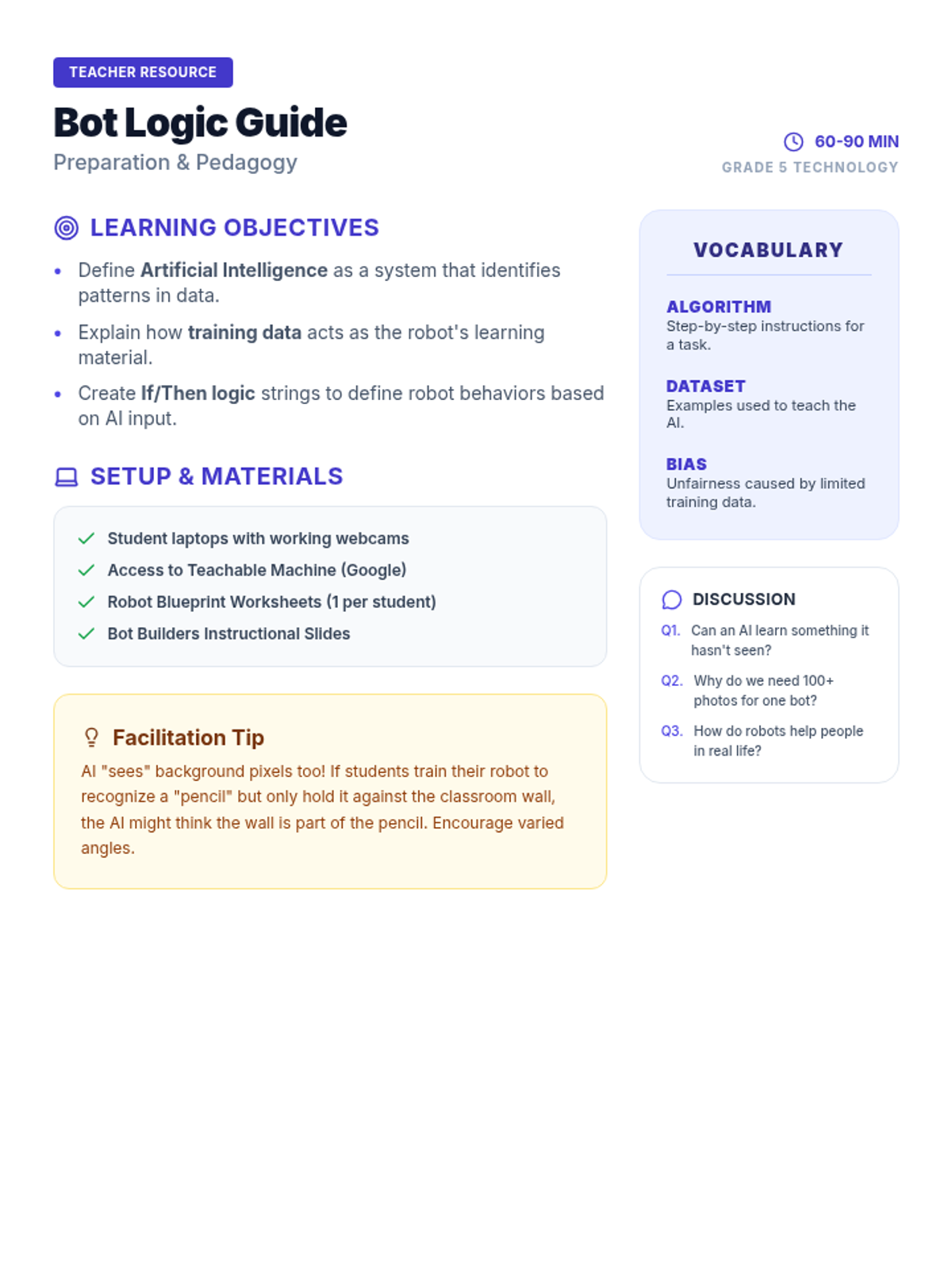
Students explore the world of artificial intelligence and robotics, learning how to design and "train" a virtual robot using online tools. They will understand the relationship between hardware, software, and data training.
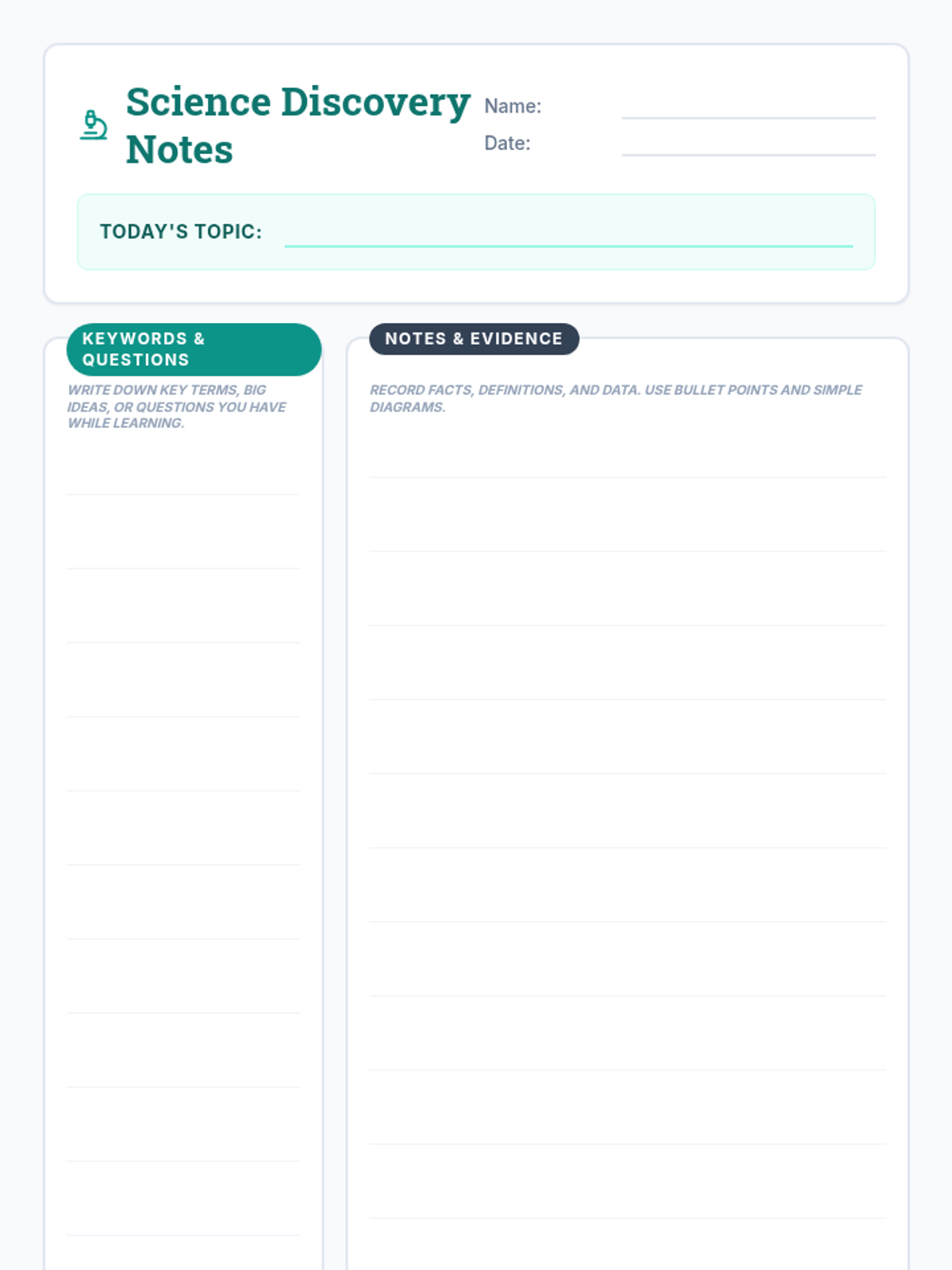
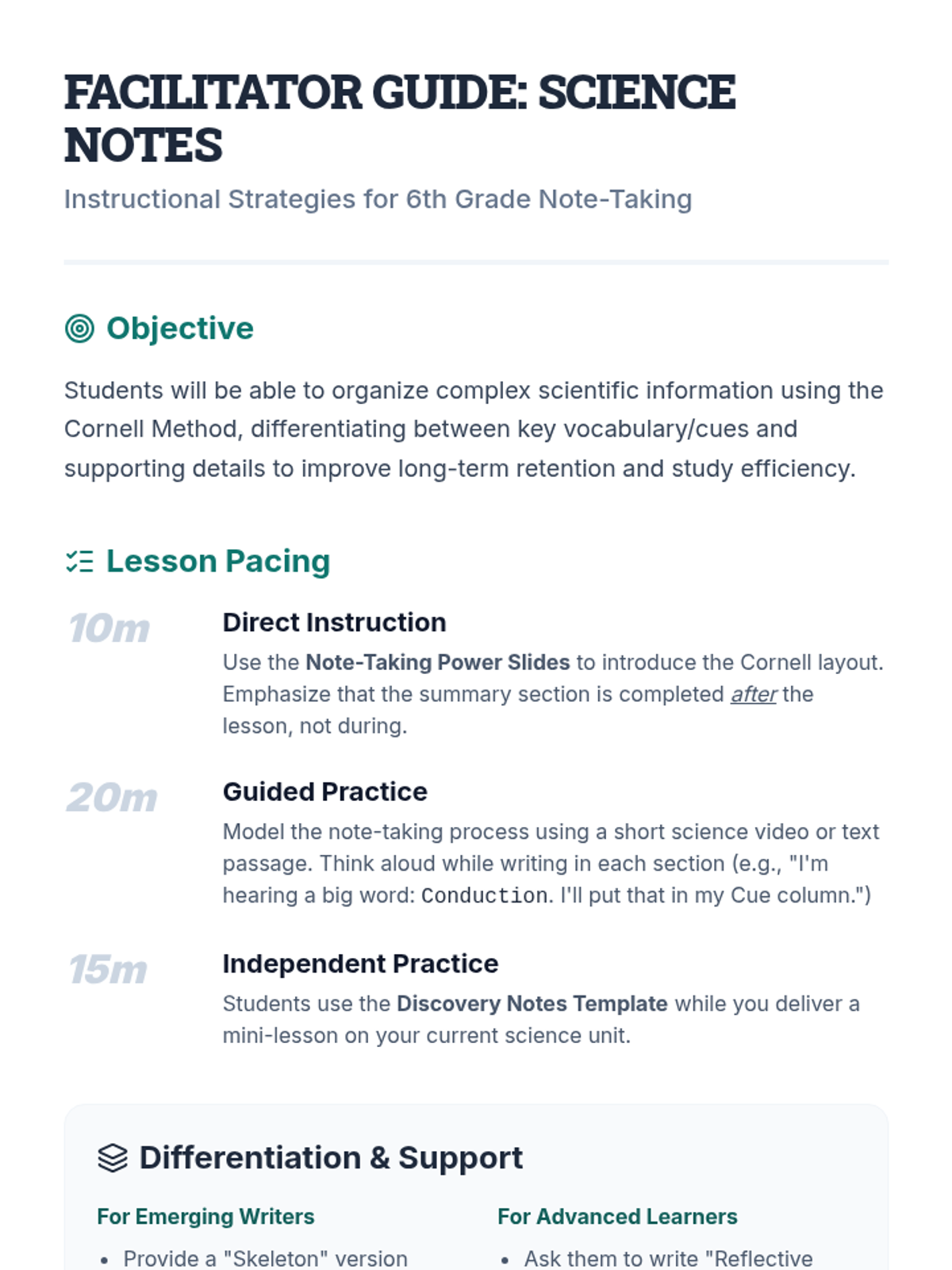
A comprehensive set of tools to help 6th-grade students master the Cornell note-taking method specifically for science concepts, featuring a guided template and instructional supports.
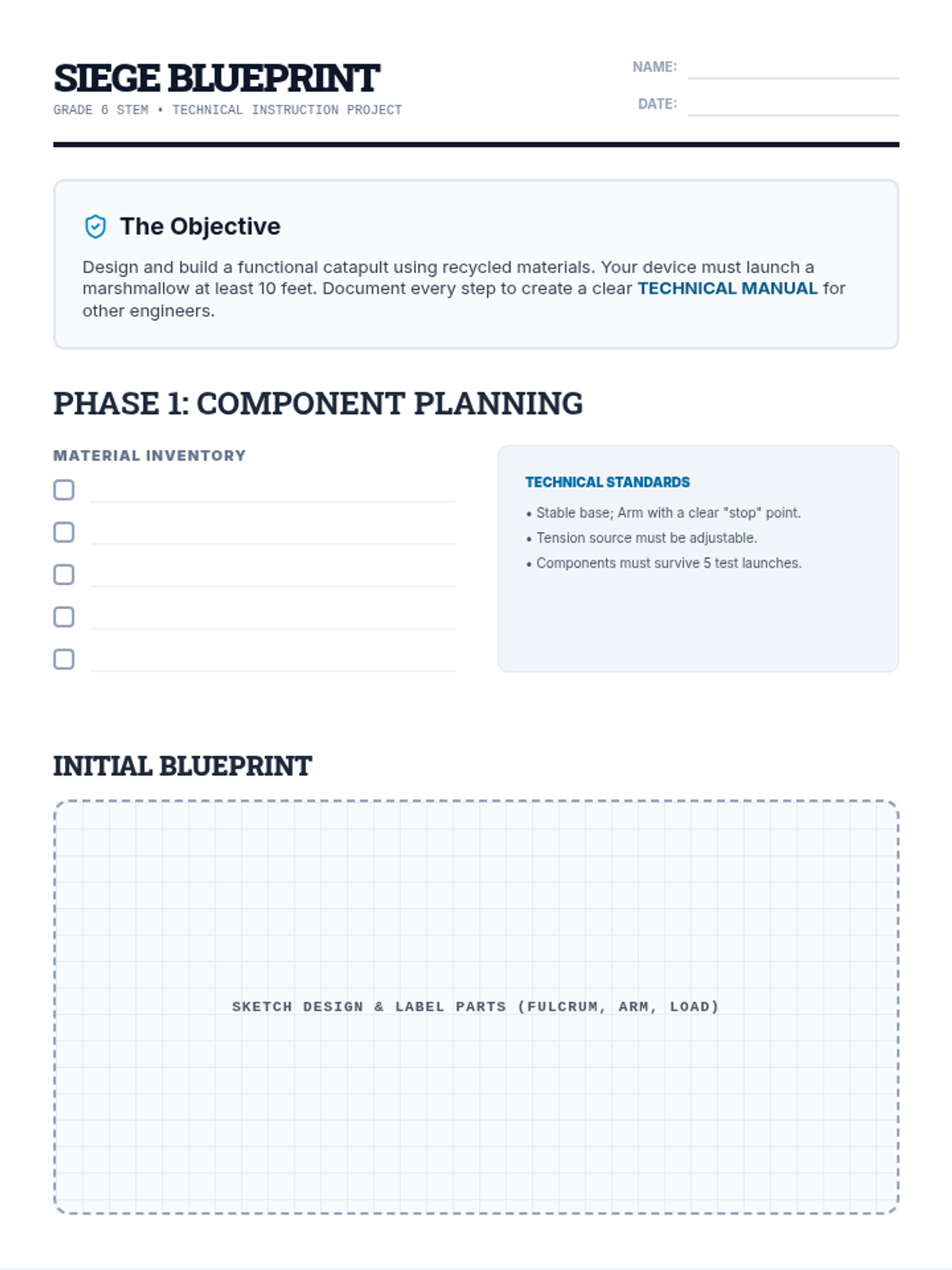
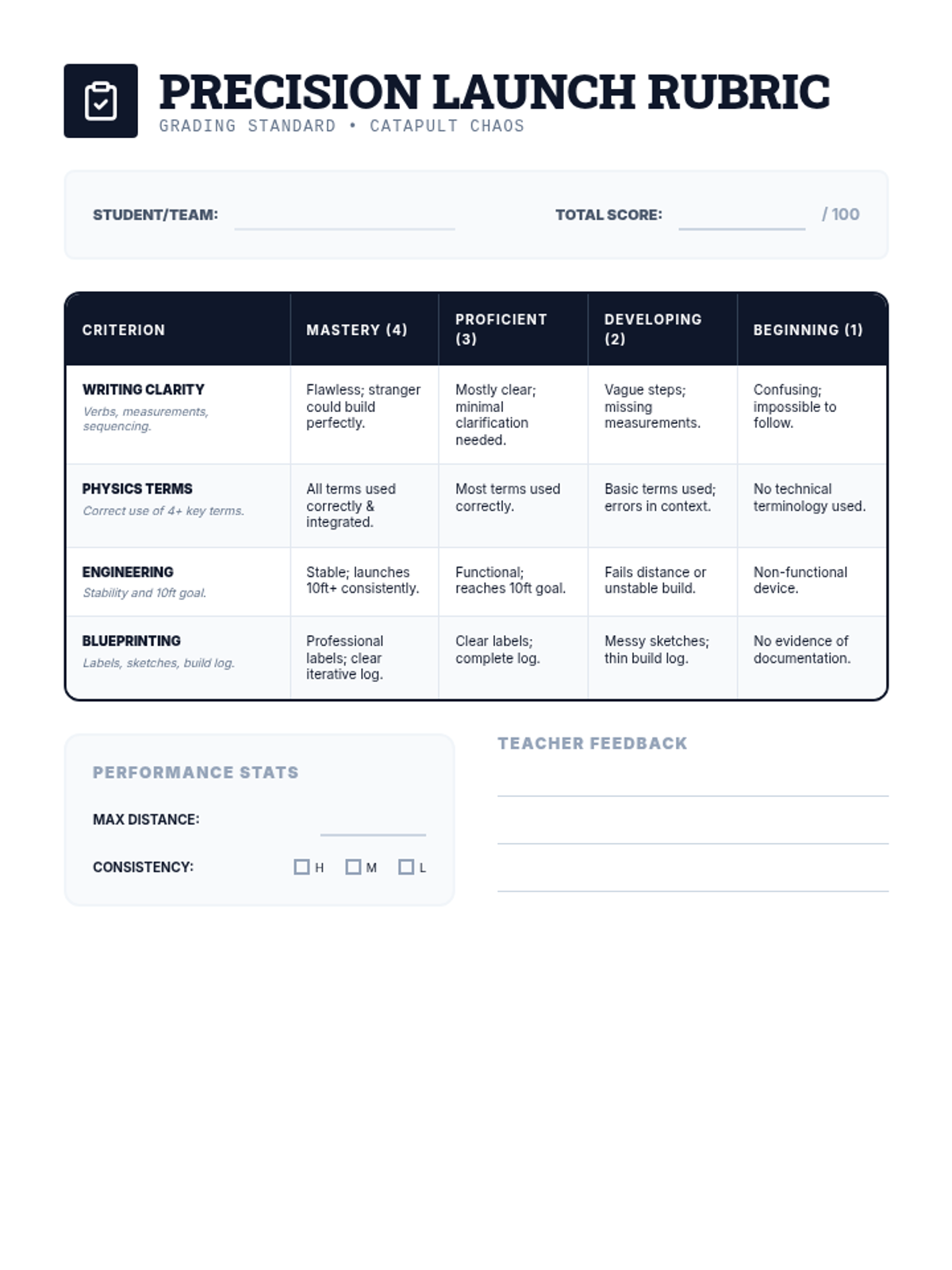
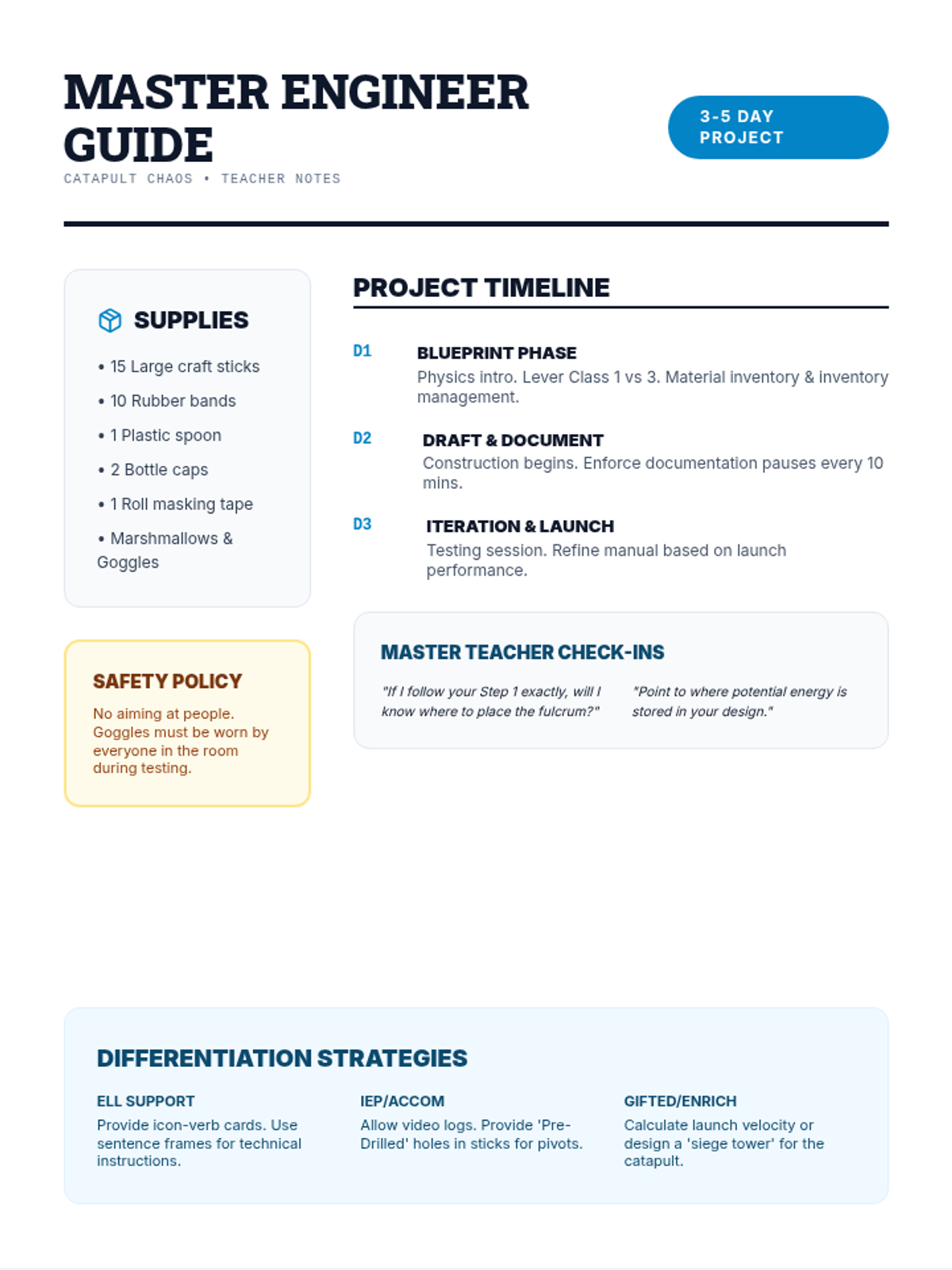
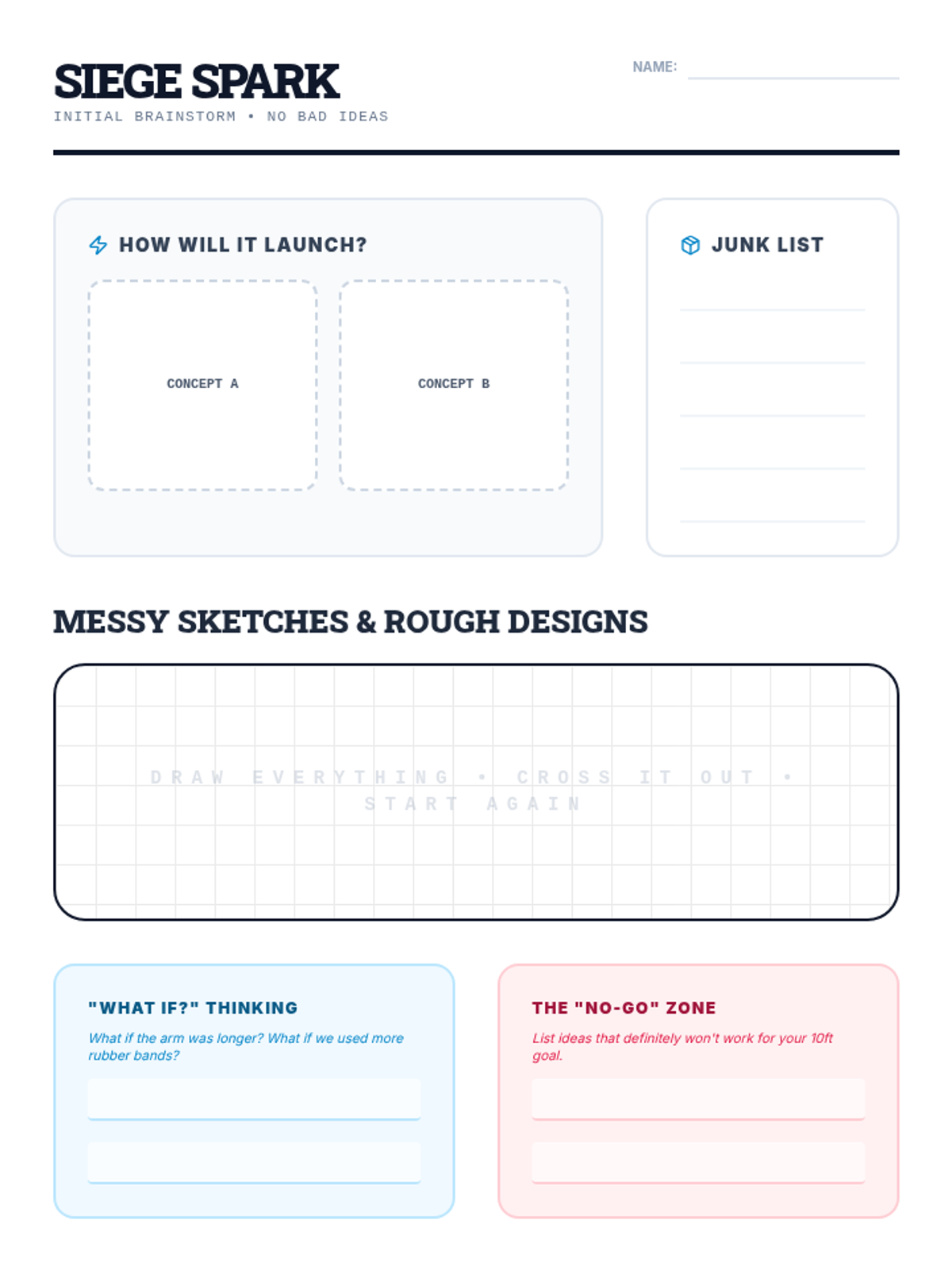
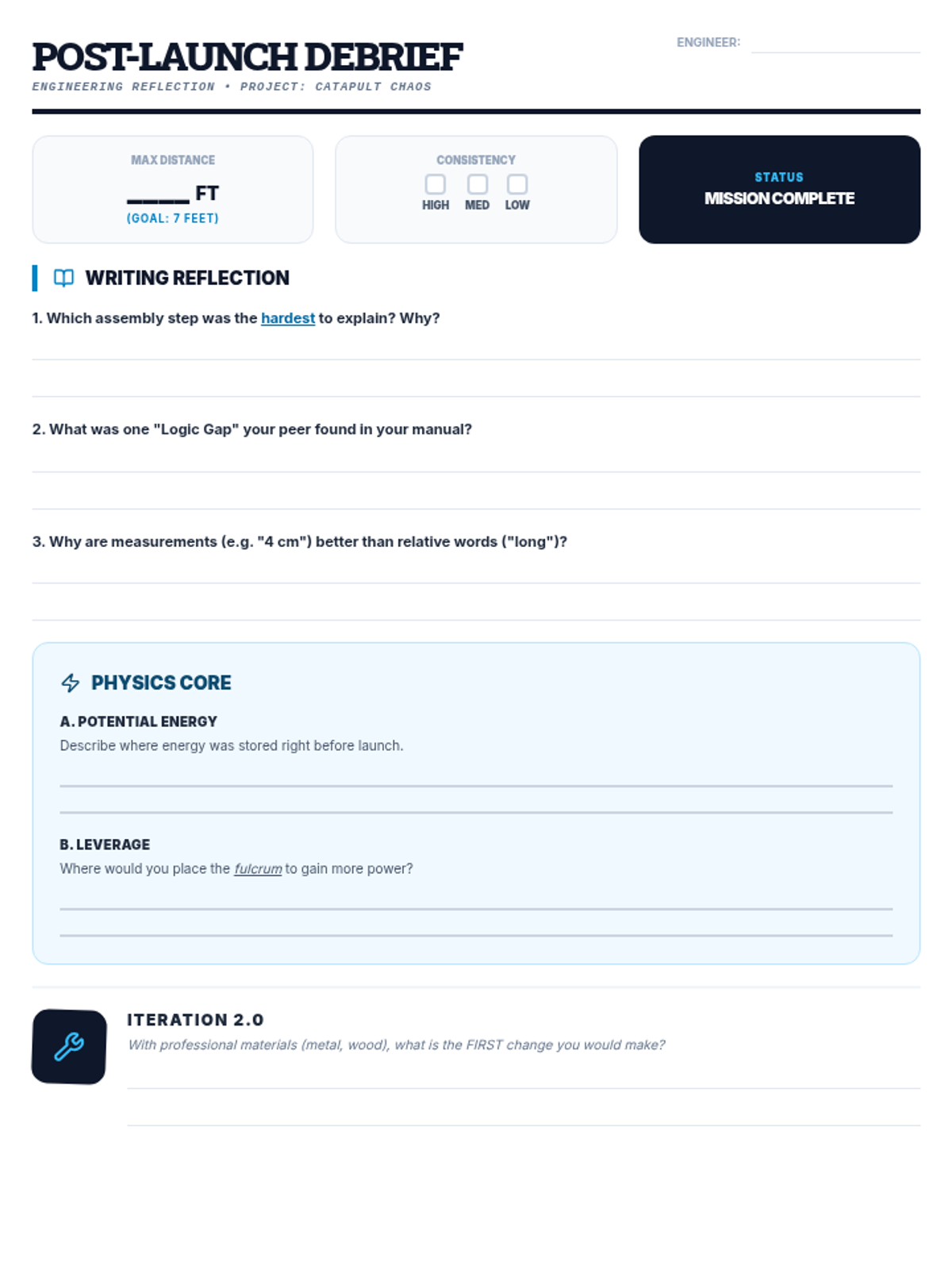
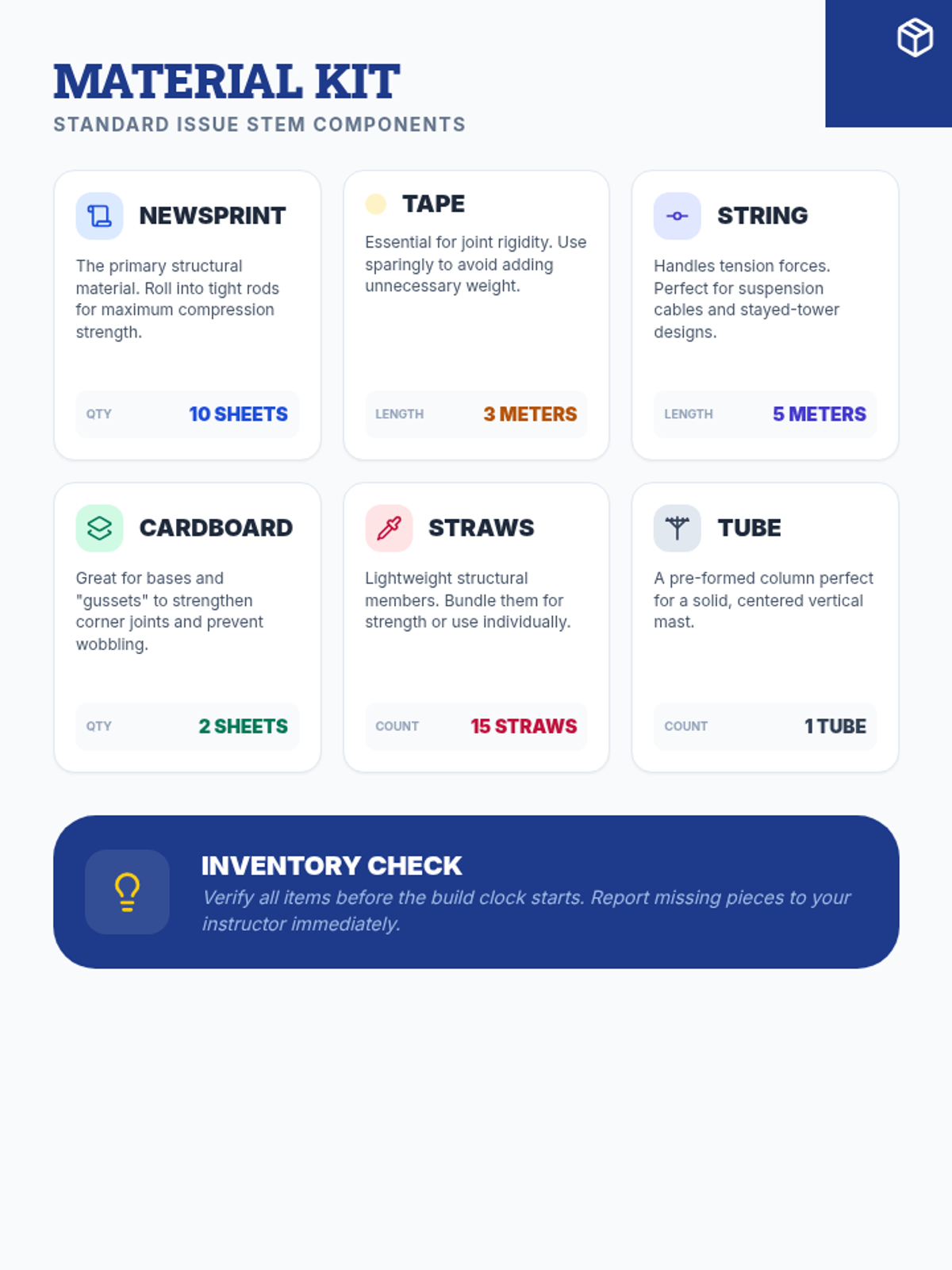
A hands-on STEM project where students design, build, and test catapults while mastering the art of technical instruction writing. Students will apply physics concepts and the engineering design process to create a functional siege engine and document its construction with precision.
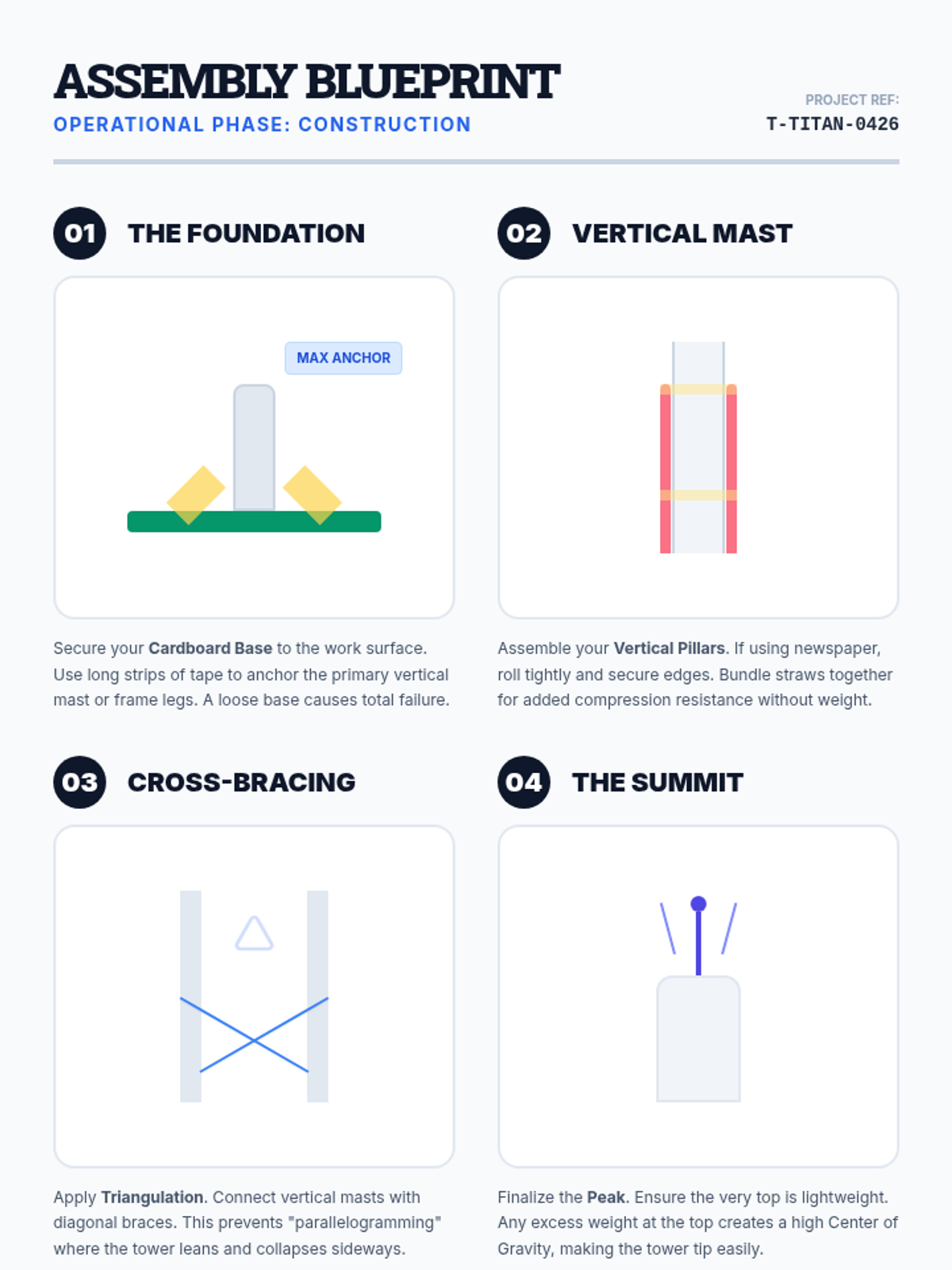
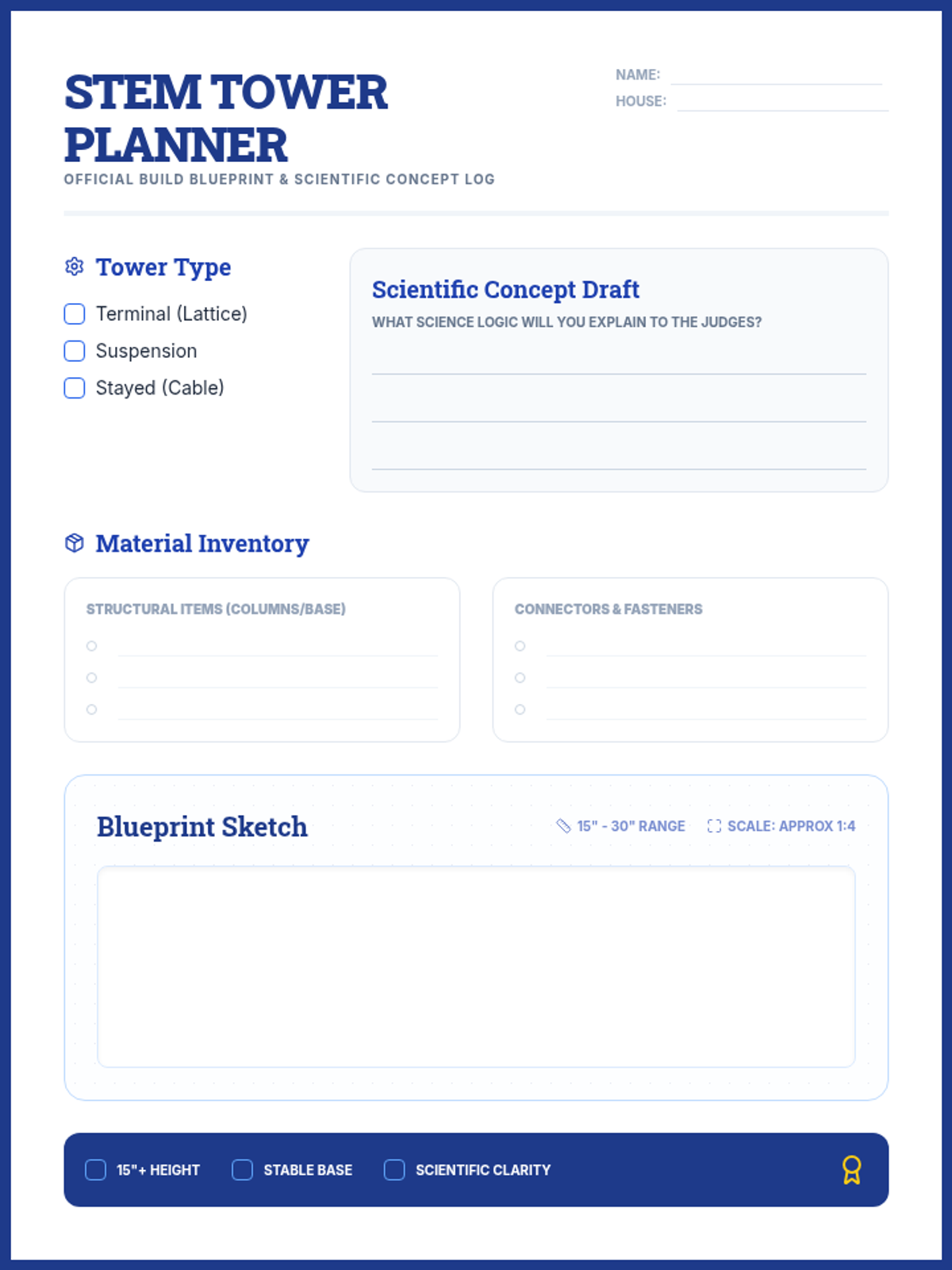
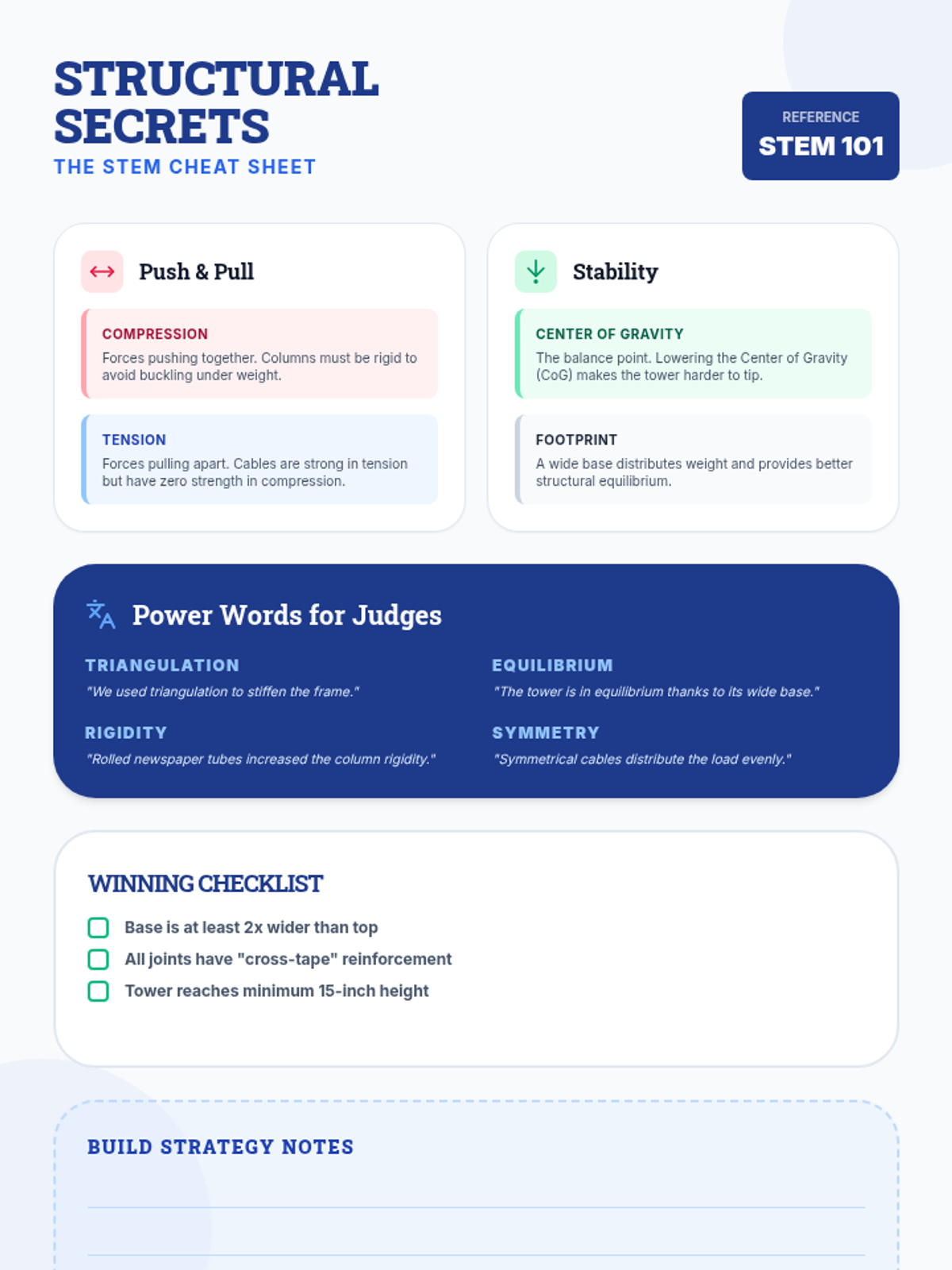
A comprehensive guide for students participating in a STEM tower building challenge, focusing on structural engineering, recycled material innovation, and scientific explanation.
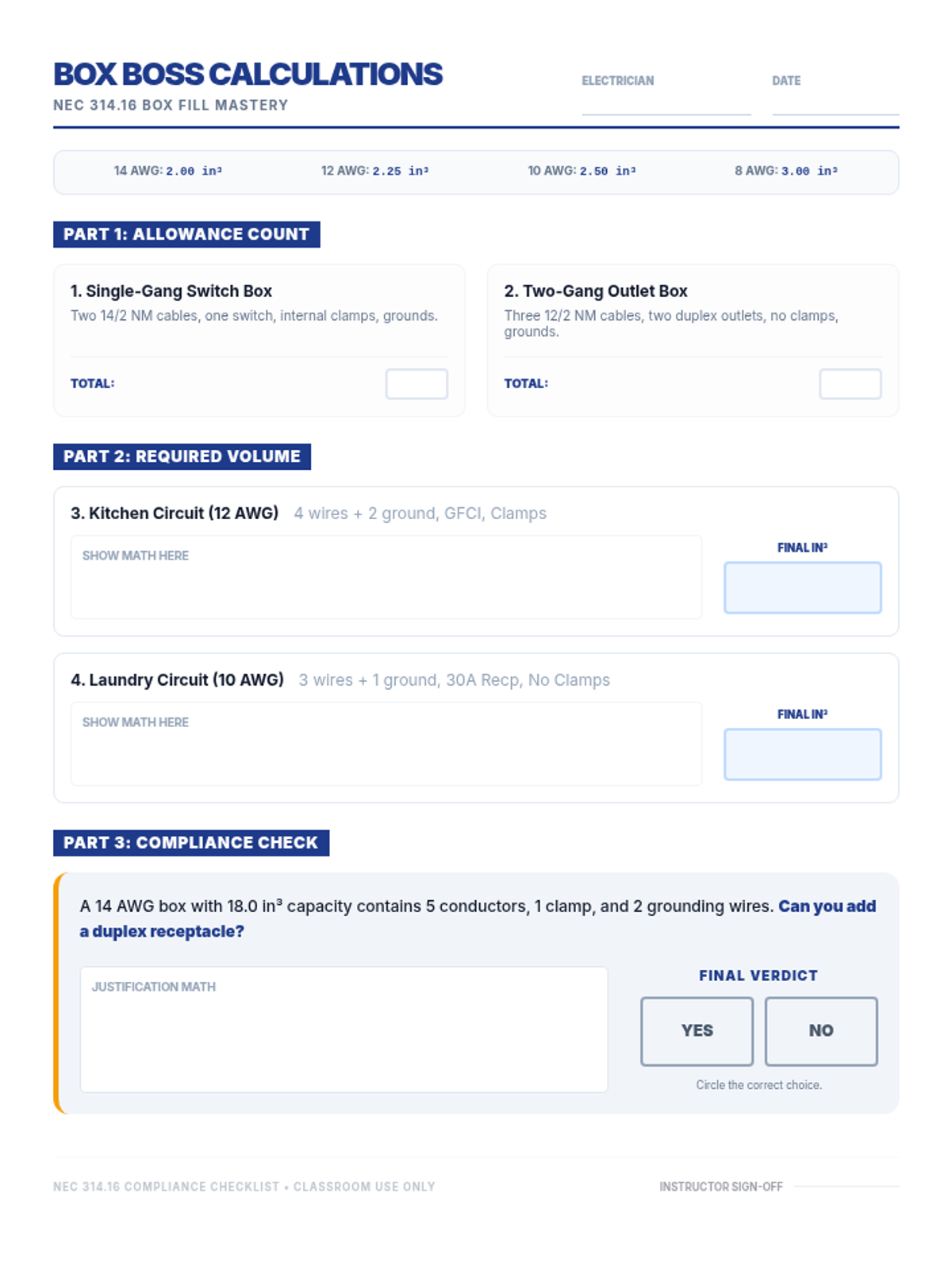
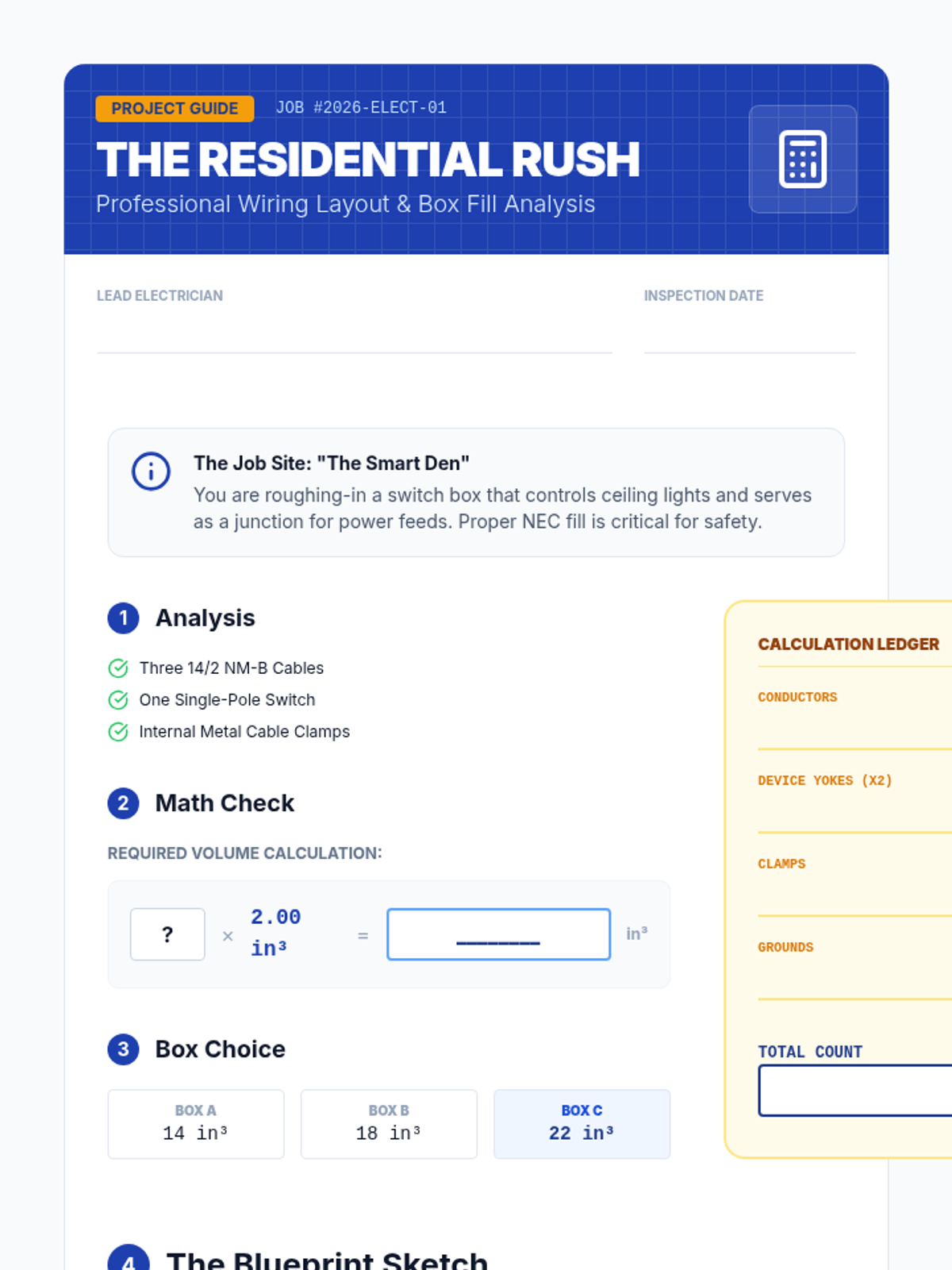
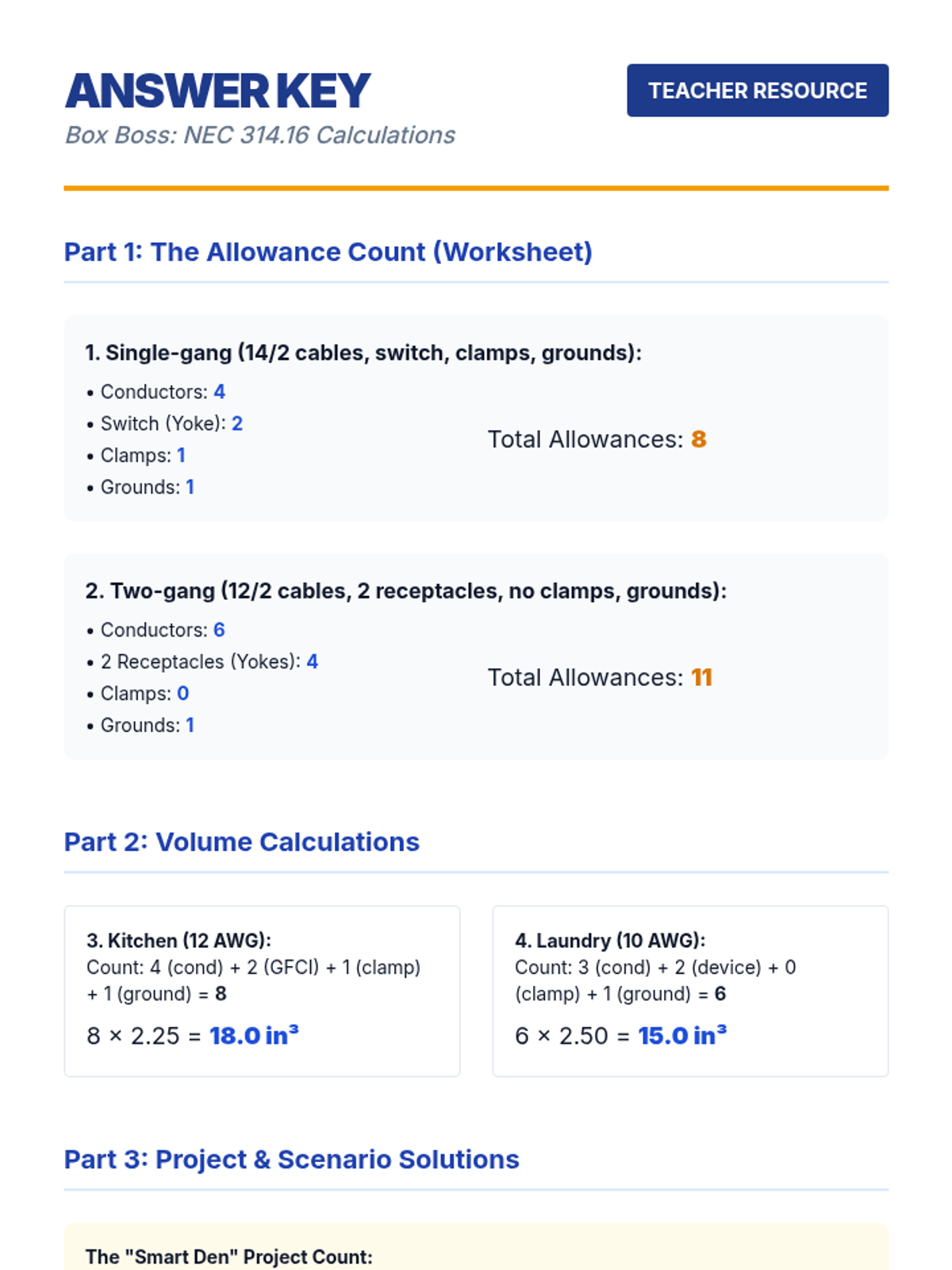
Students master the National Electrical Code (NEC) requirements for outlet box fill, calculating volume allowances for conductors, clamps, and devices to ensure electrical safety and compliance.
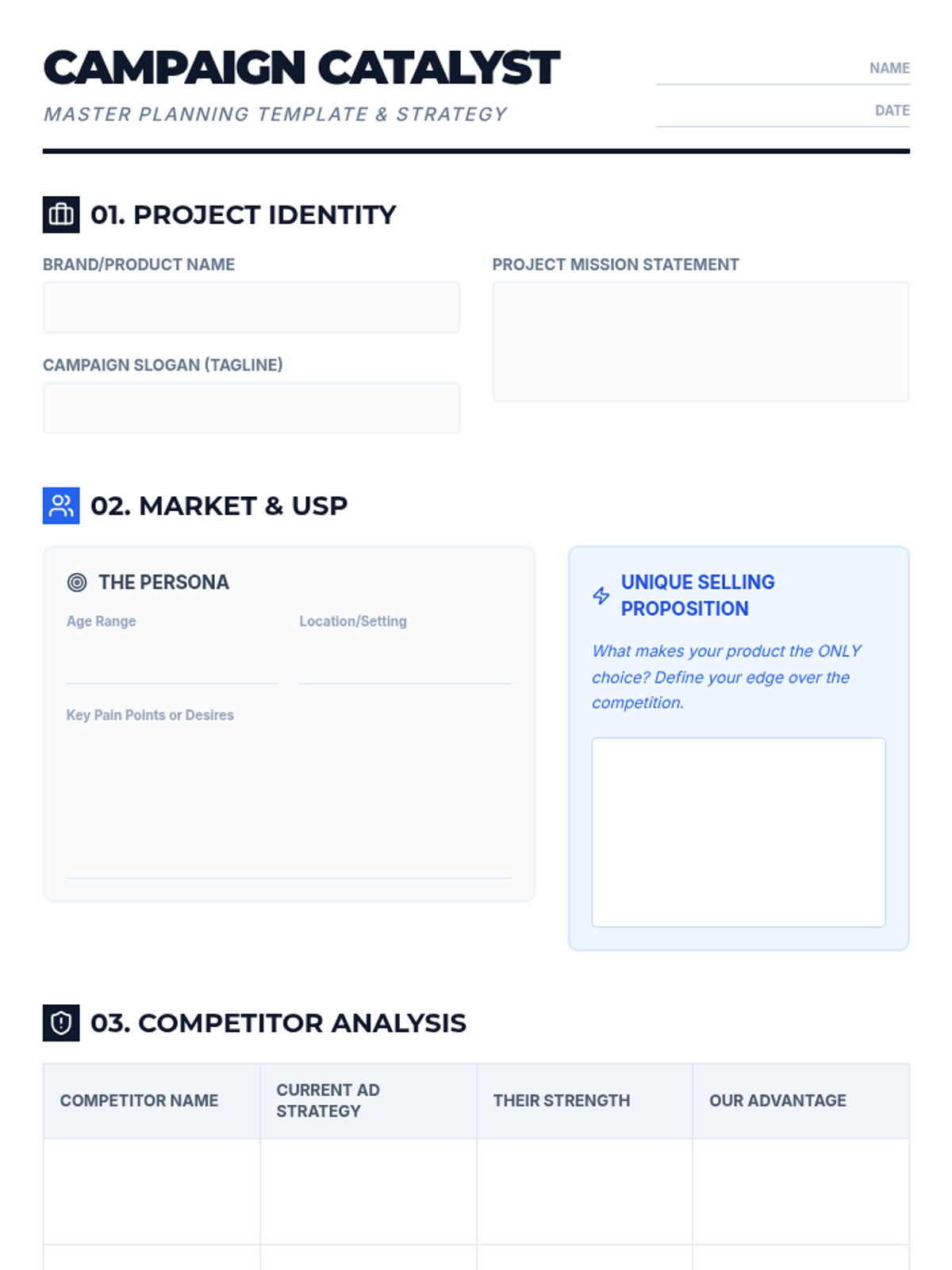
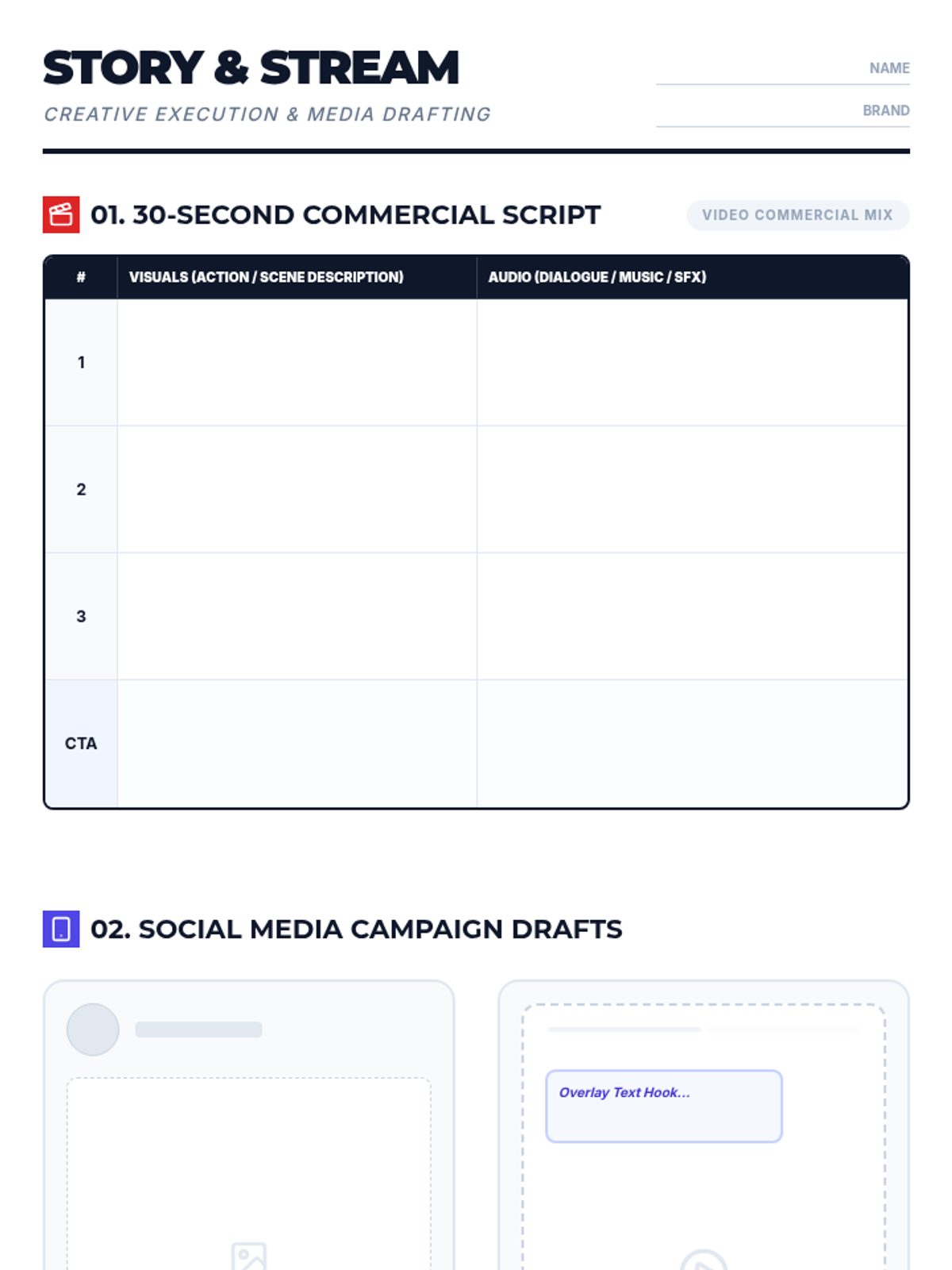
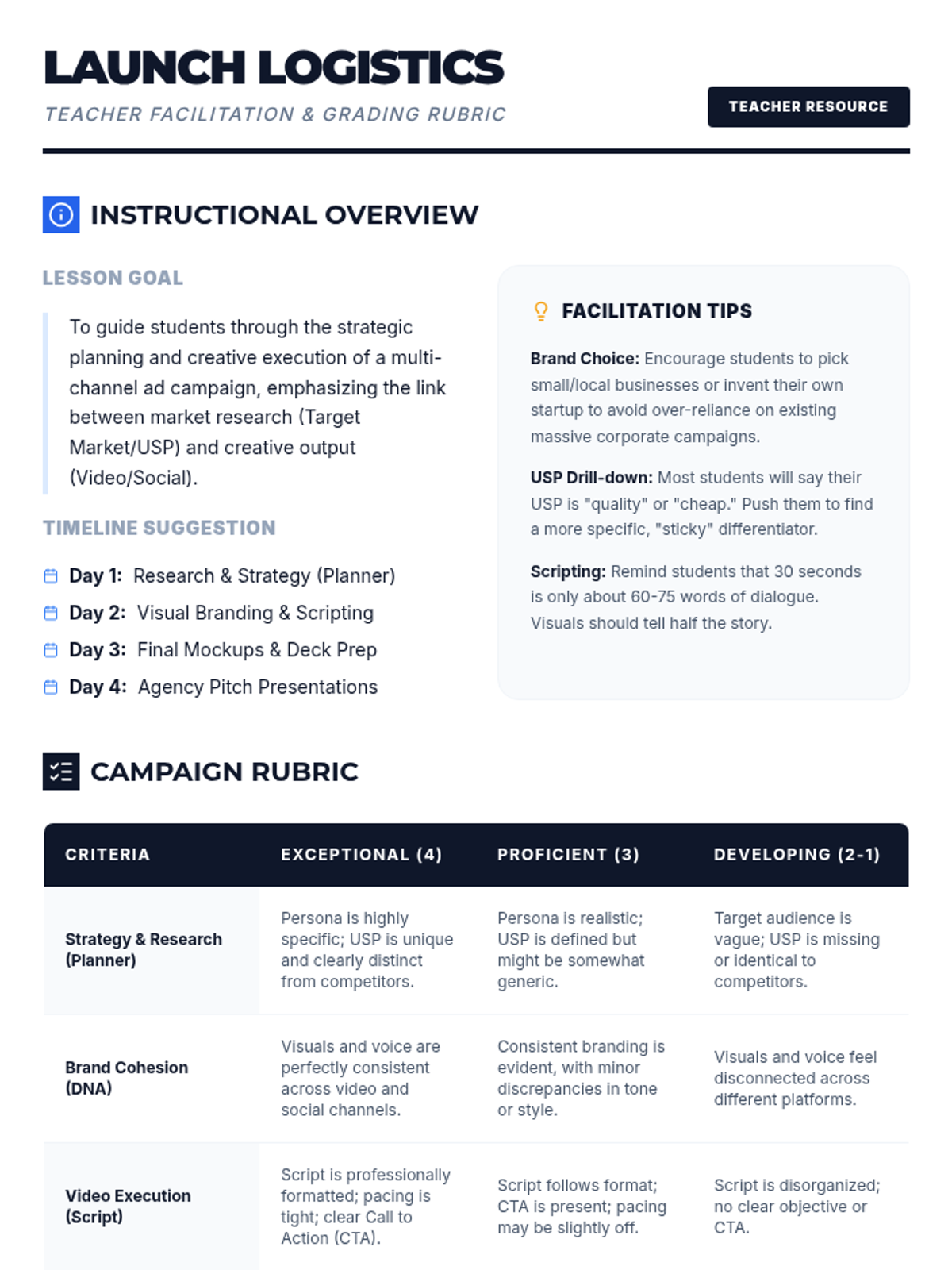
A comprehensive project-based lesson where students design a multi-channel advertising campaign, including target market analysis, competitive positioning, and creative execution across social media and video.
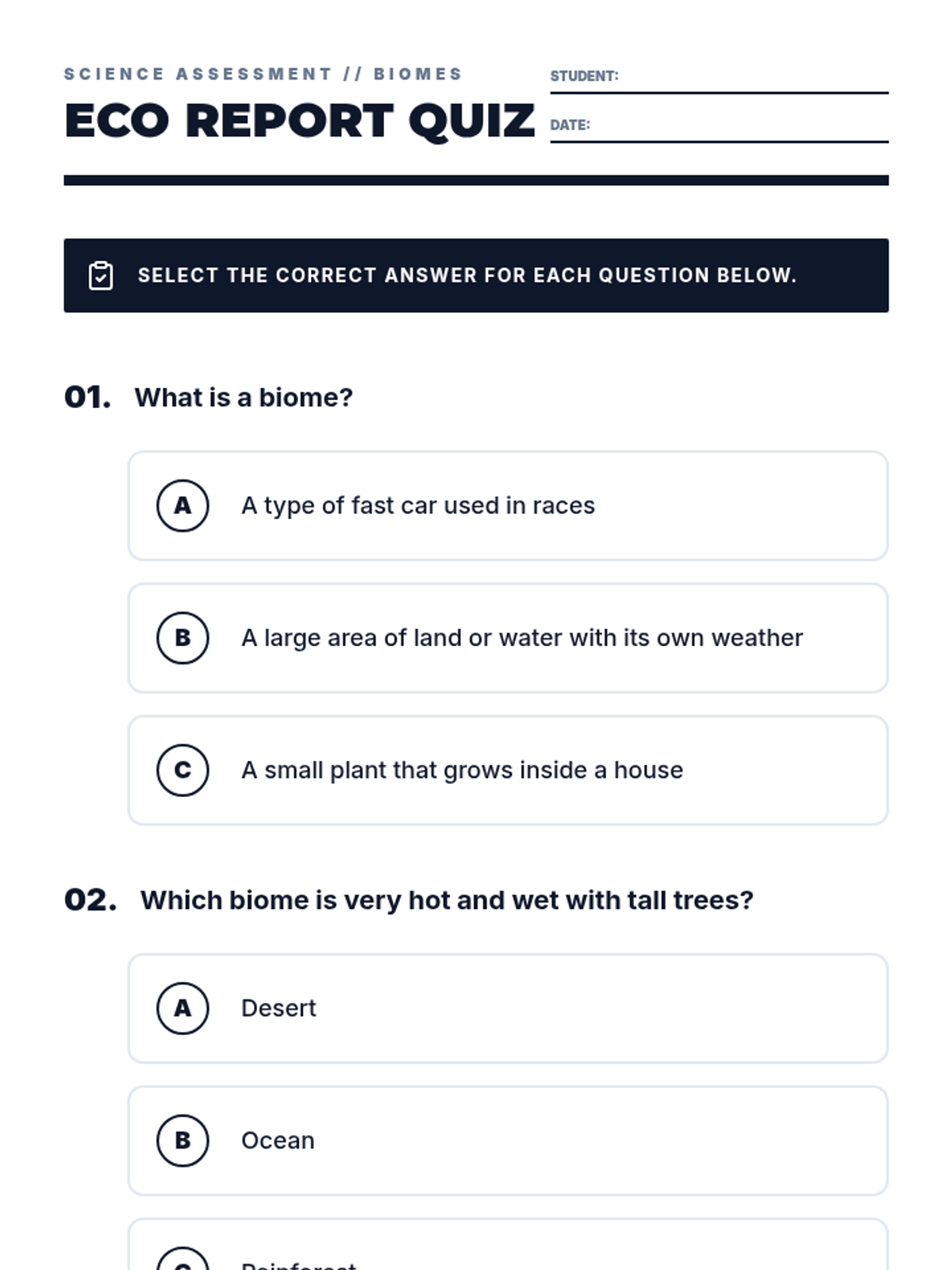
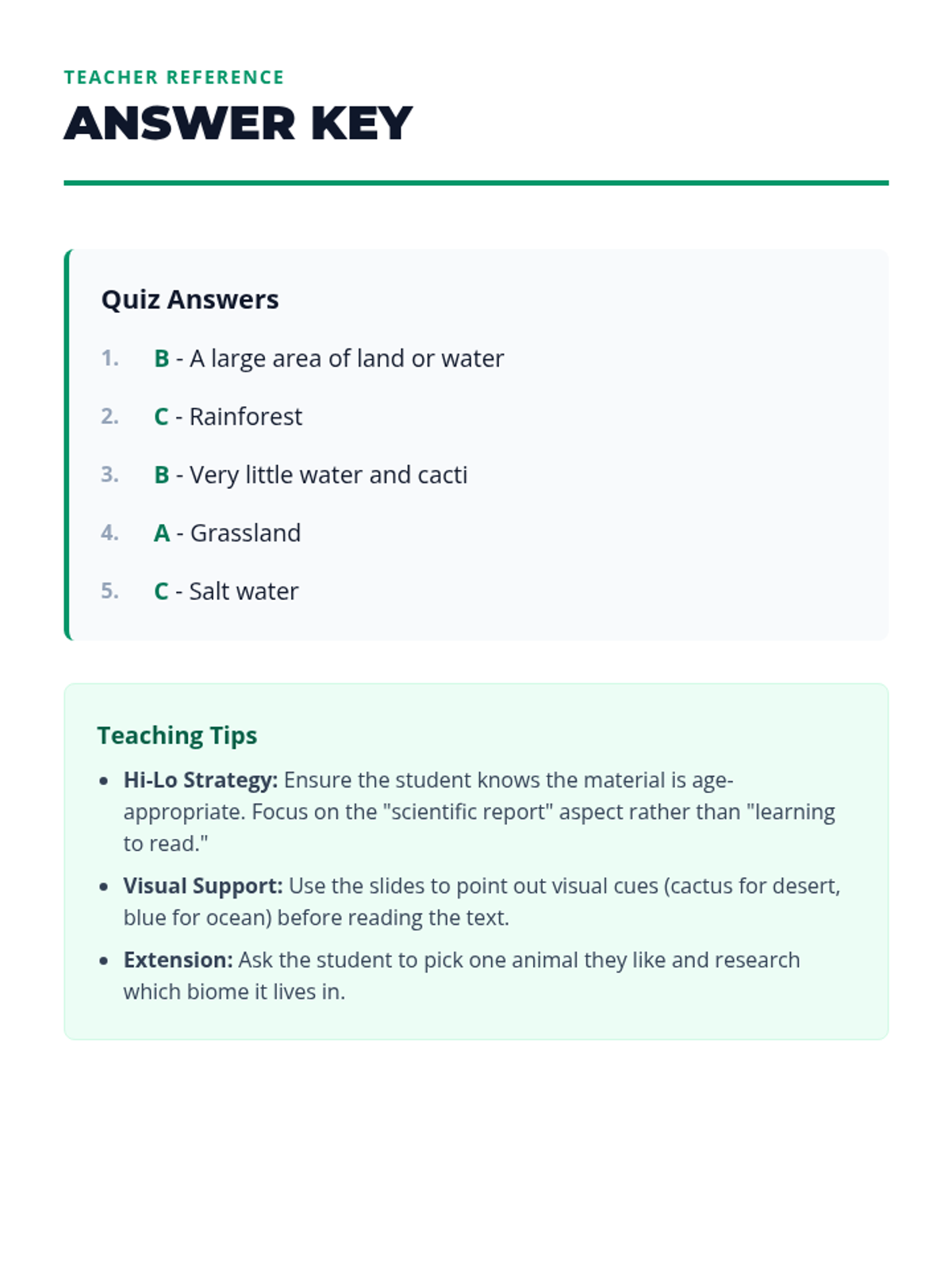
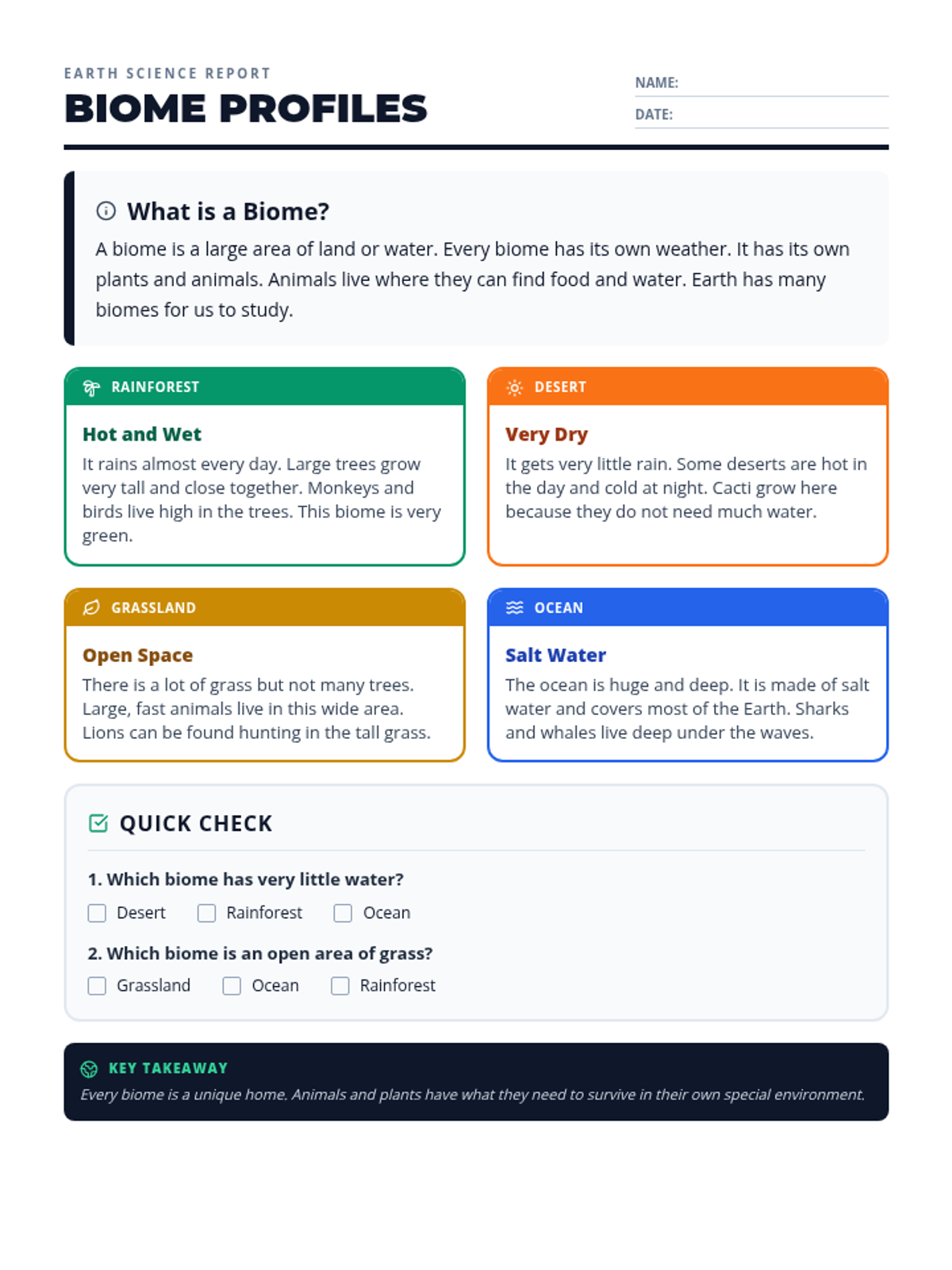
A lesson introducing four major biomes (Rainforest, Desert, Grassland, and Ocean) designed for high-interest, low-readability (Hi-Lo) instruction. This lesson bridges 2nd-grade reading levels with content suitable for a 14-year-old student.
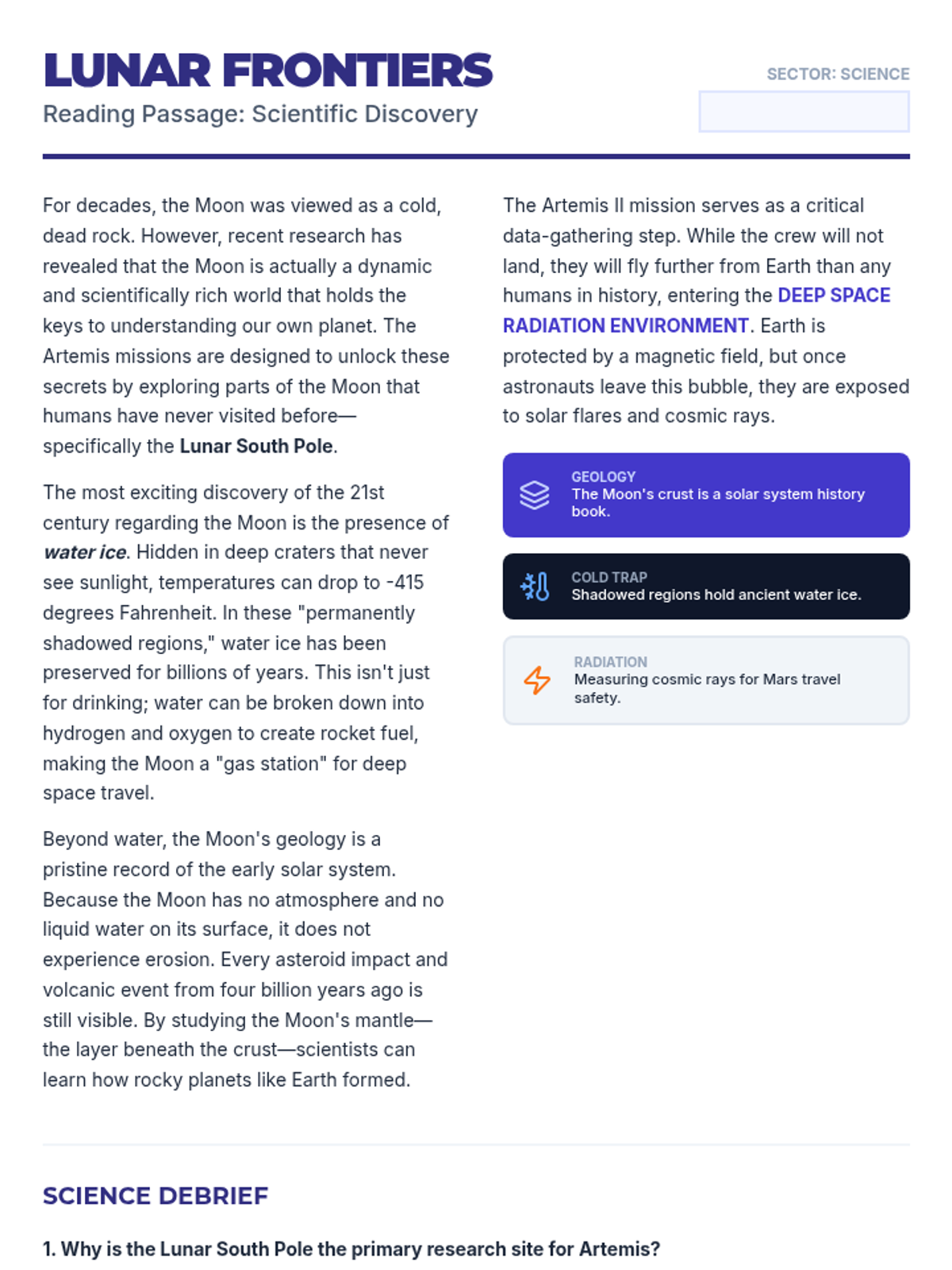
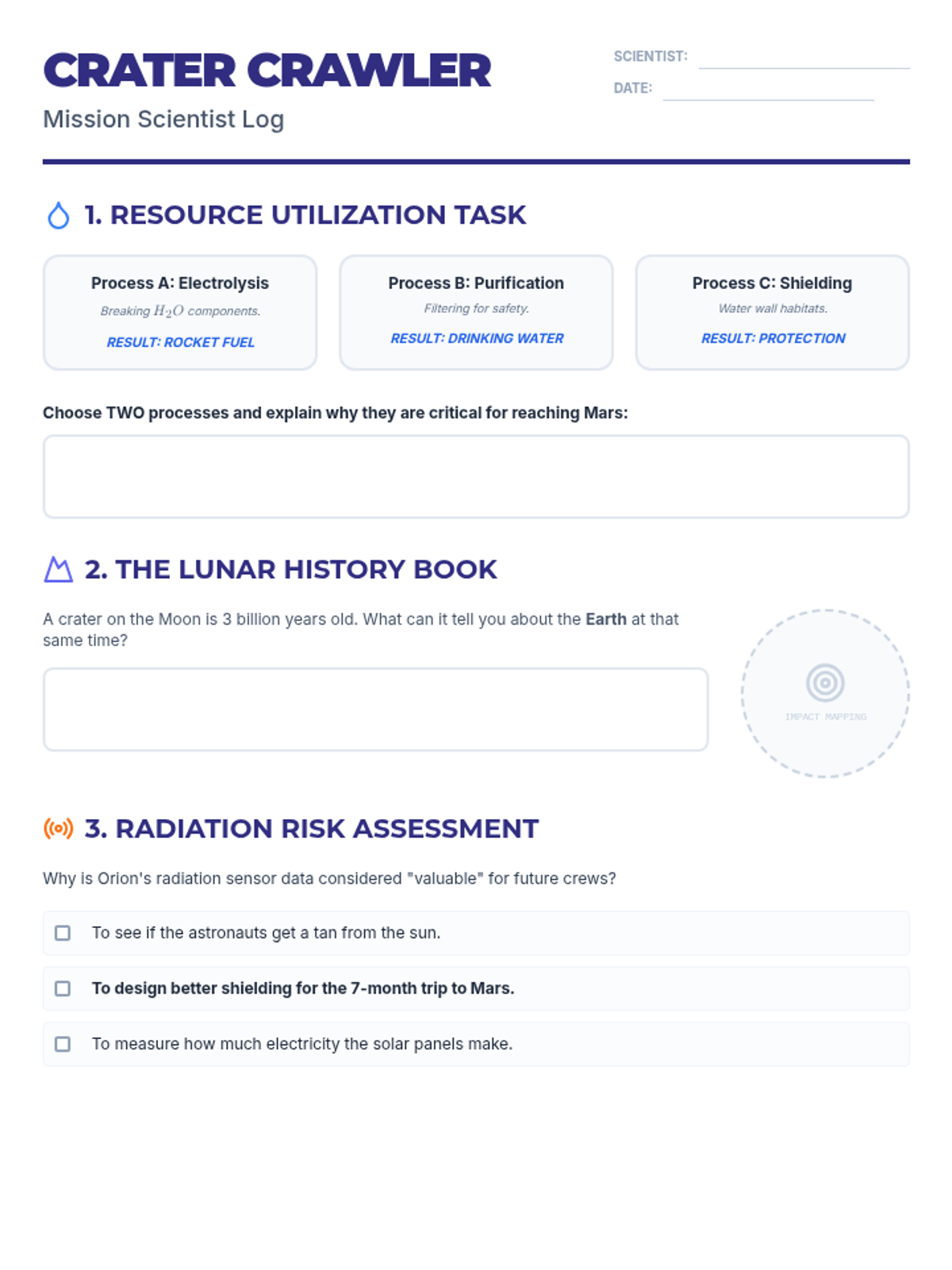
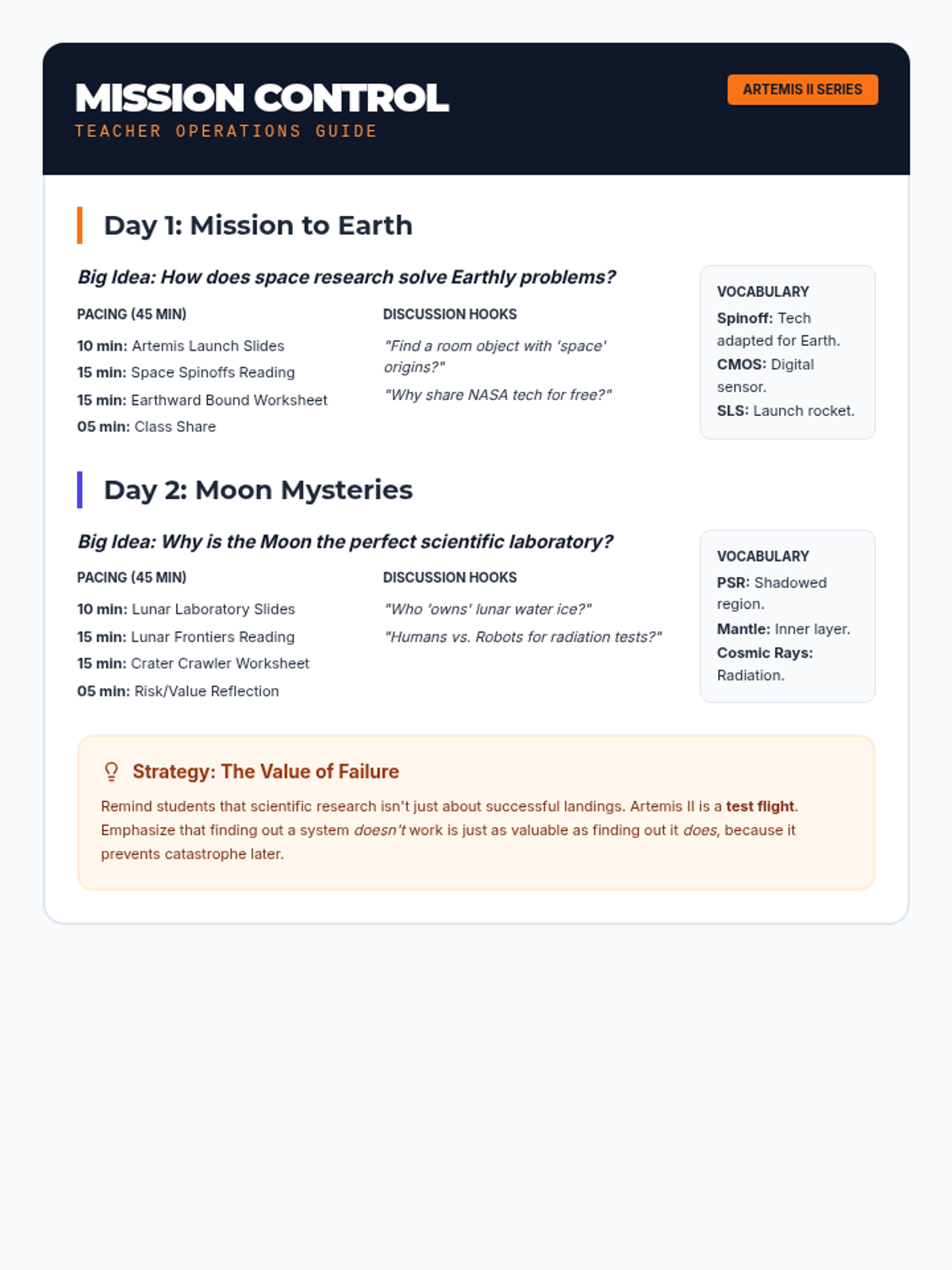
Explores the scientific goals of the Artemis missions, including lunar geology, the search for water ice, and using the Moon as a stepping stone for deep space exploration.
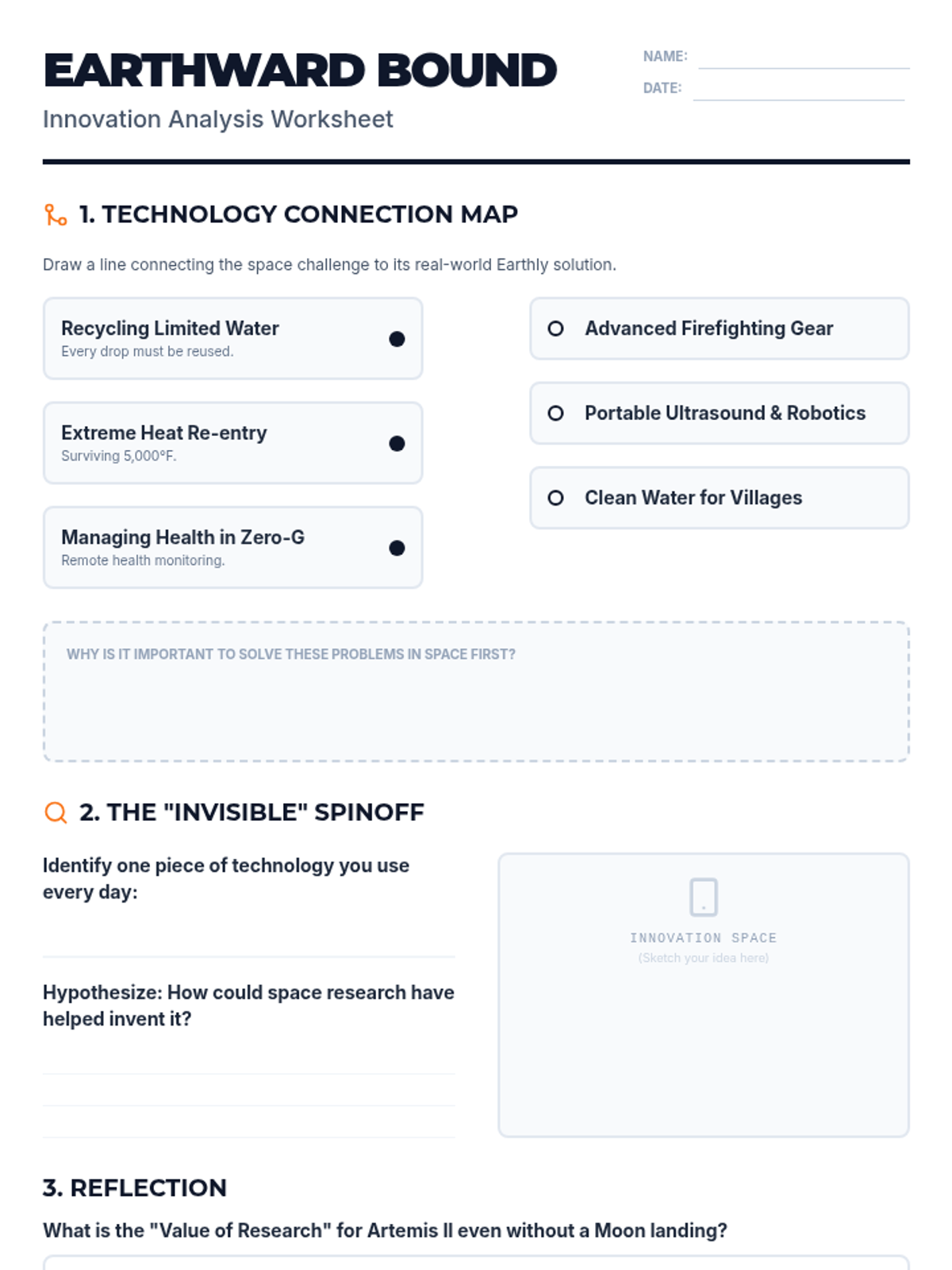
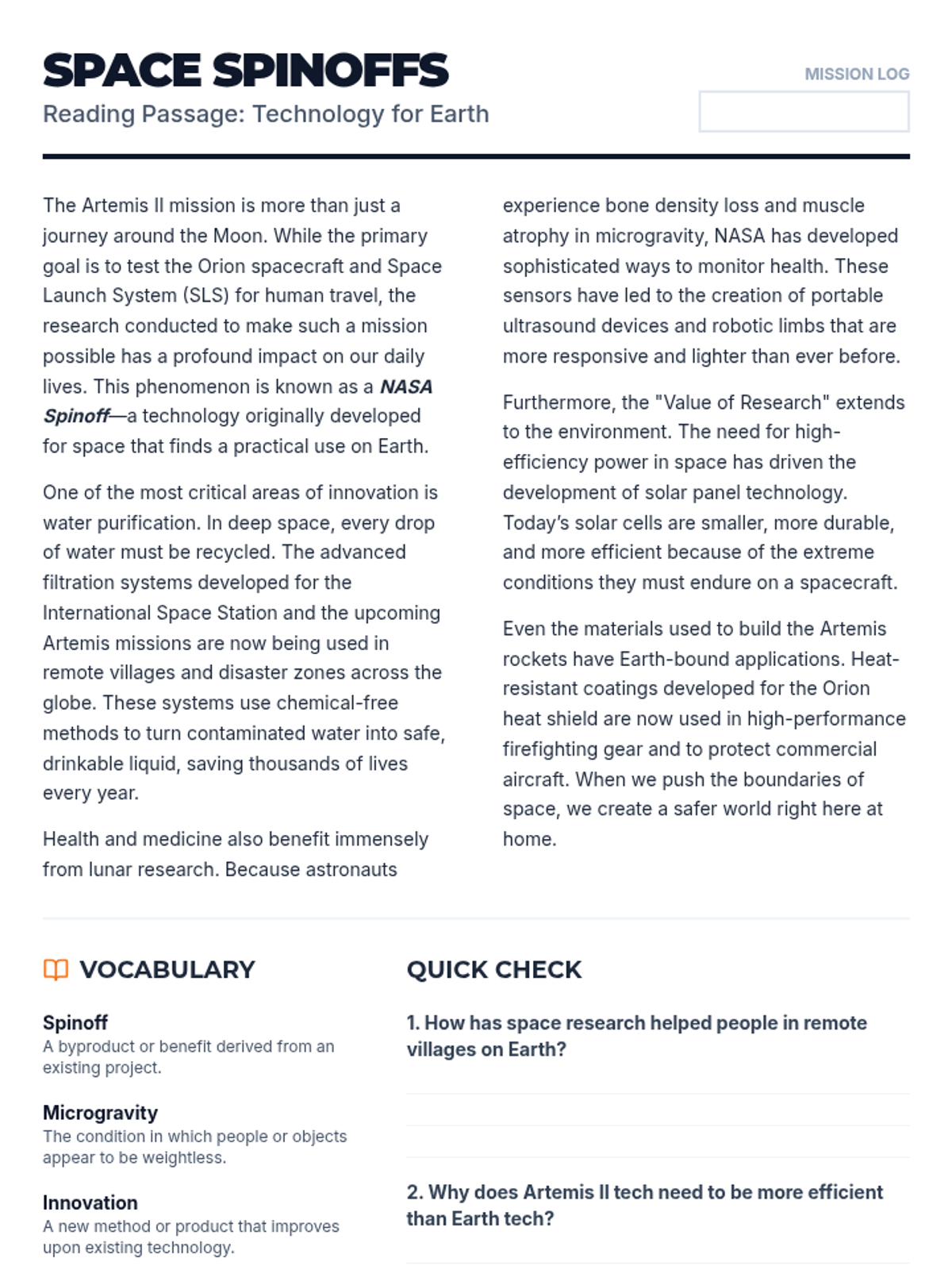
Focuses on the Artemis II mission's role in driving technological advancements that benefit life on Earth, from water purification to advanced materials.
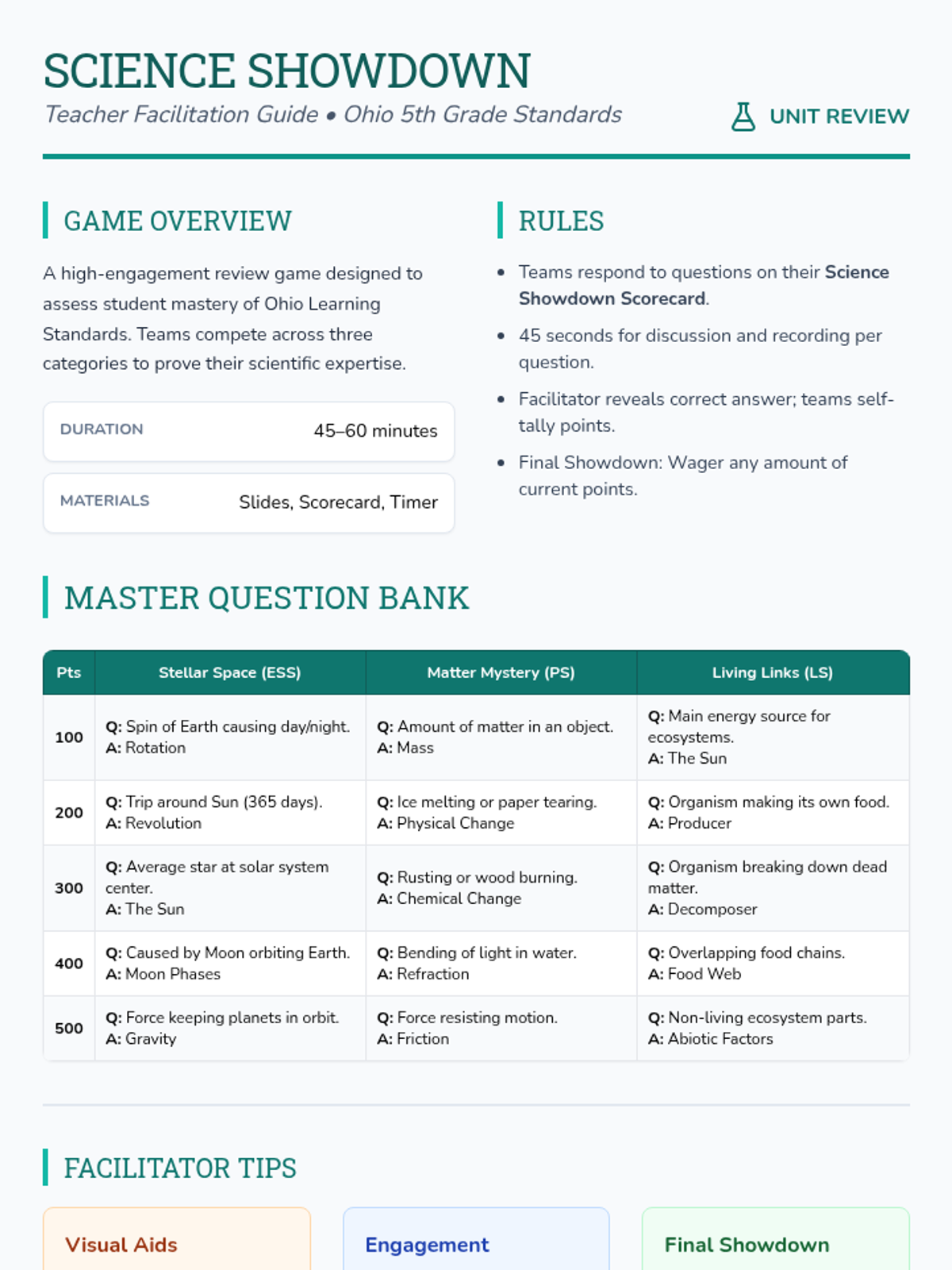
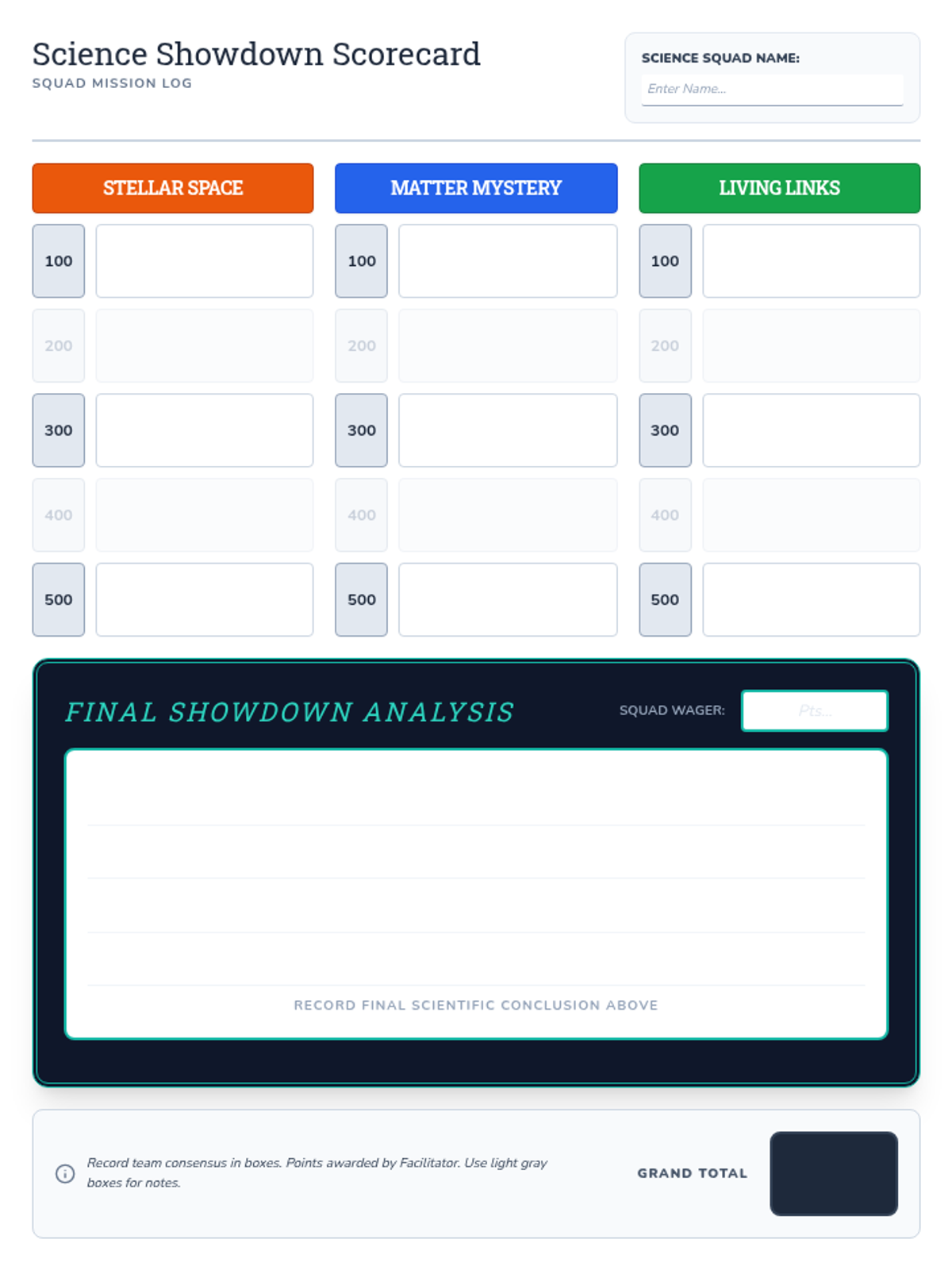
A comprehensive review game covering the Ohio 5th Grade Science Standards, including Earth and Space Science, Physical Science, and Life Science. Students compete in teams to answer curriculum-aligned questions in a high-energy classroom setting.
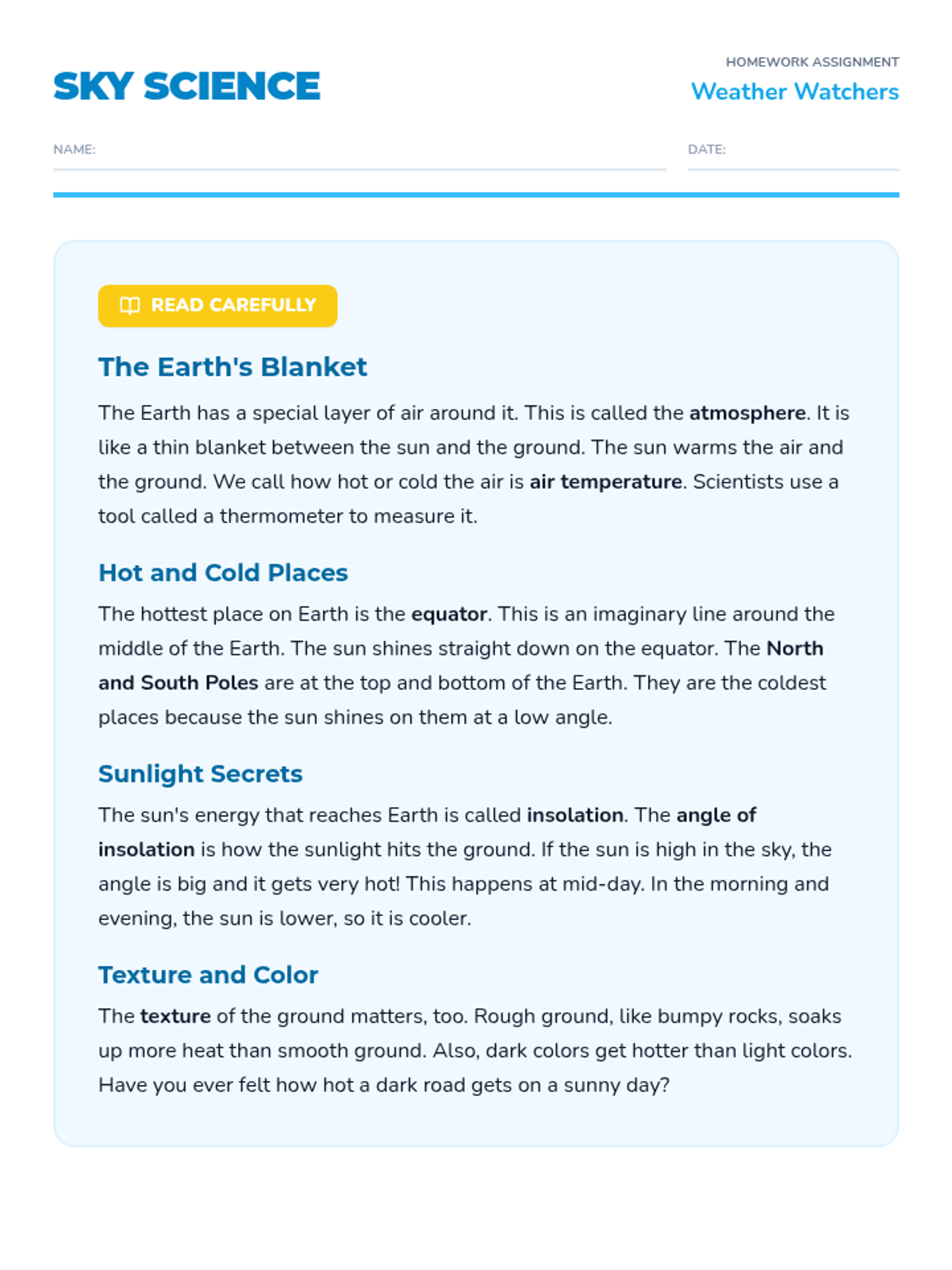
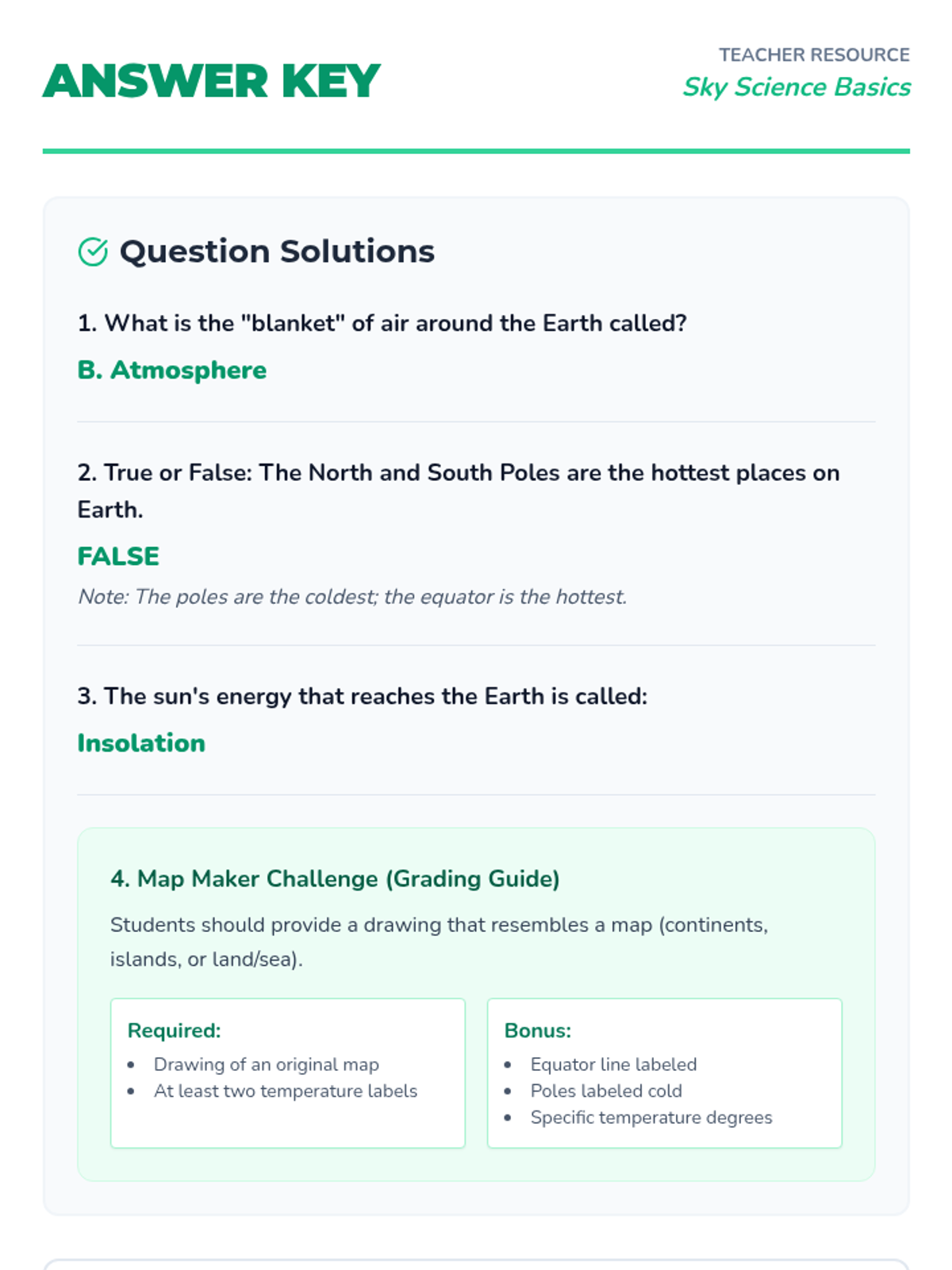
An introductory lesson on the Earth's atmosphere and how air temperature changes due to factors like location, texture, and color, adapted for 2nd-grade readers.
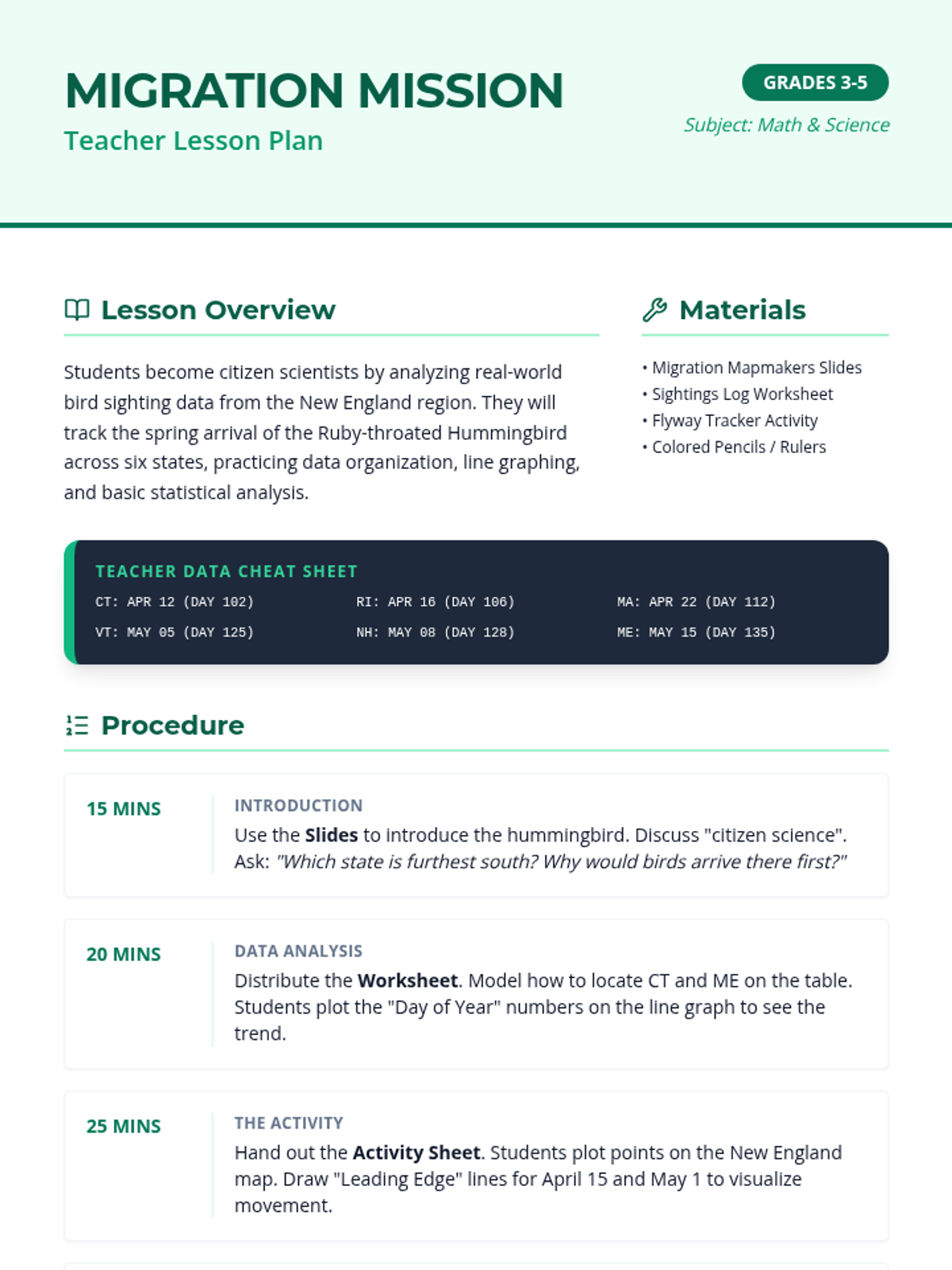
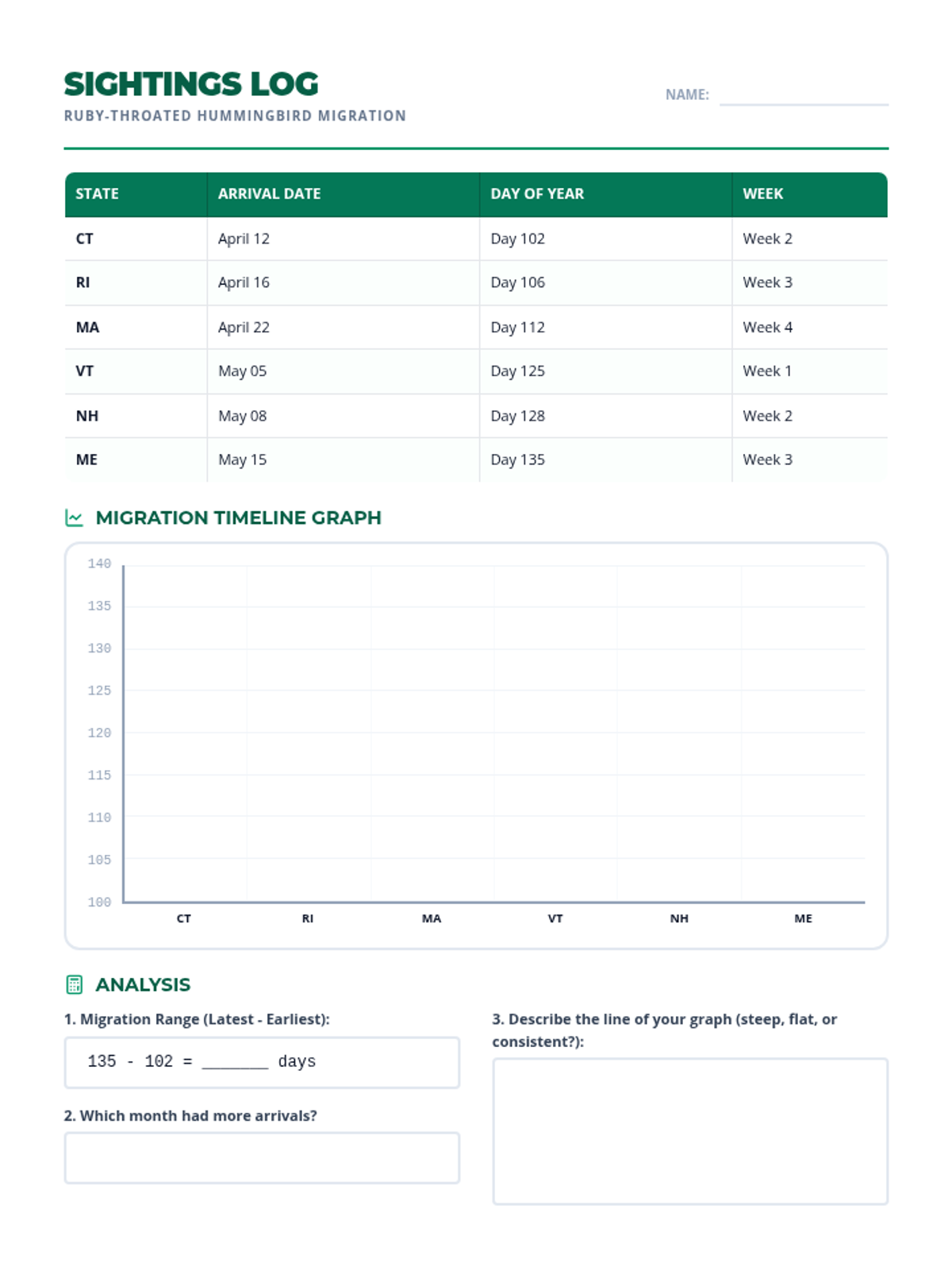
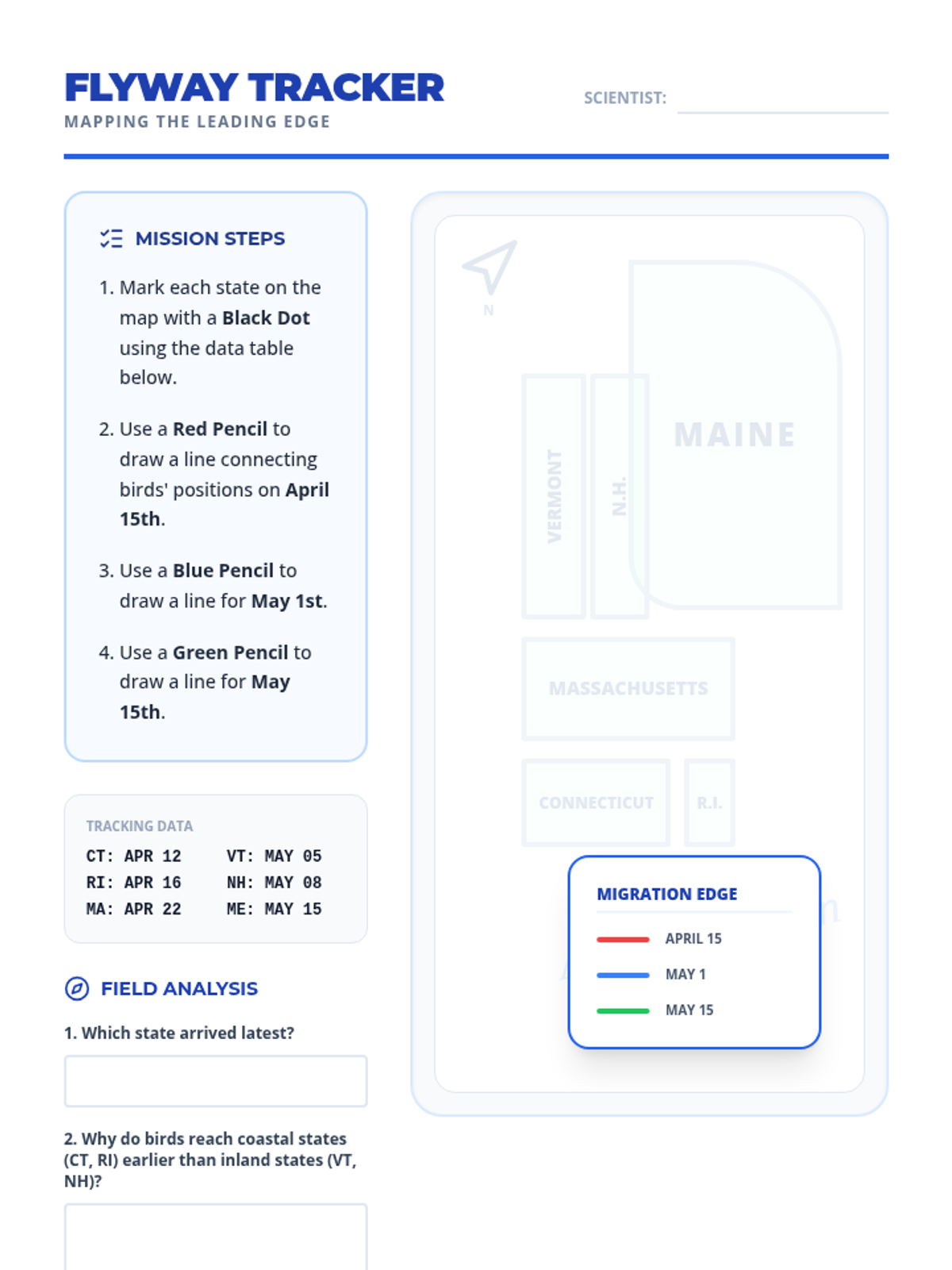
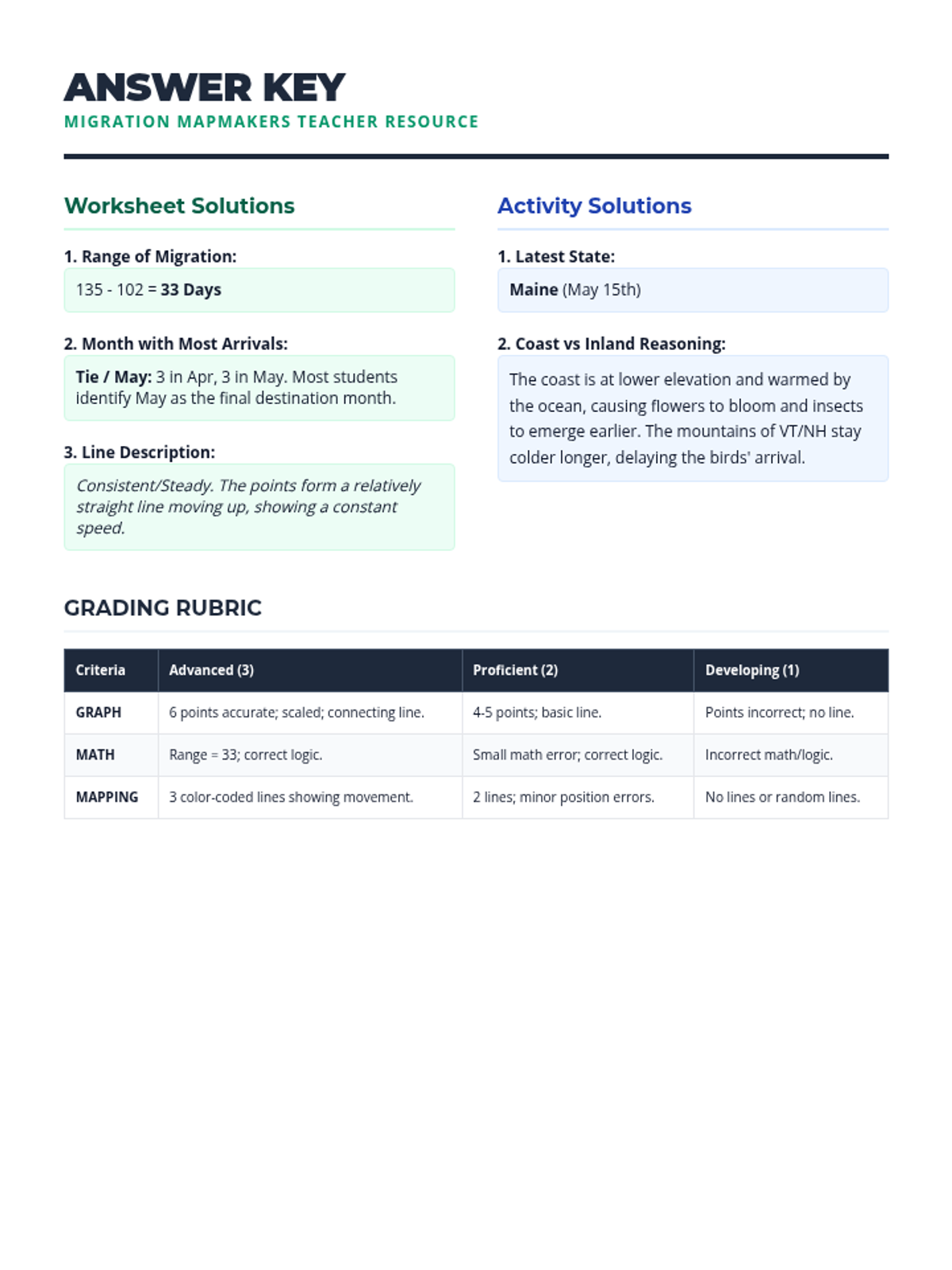
A hands-on lesson where students analyze real-world citizen science data to track bird migration through New England, integrating math, geography, and biology.
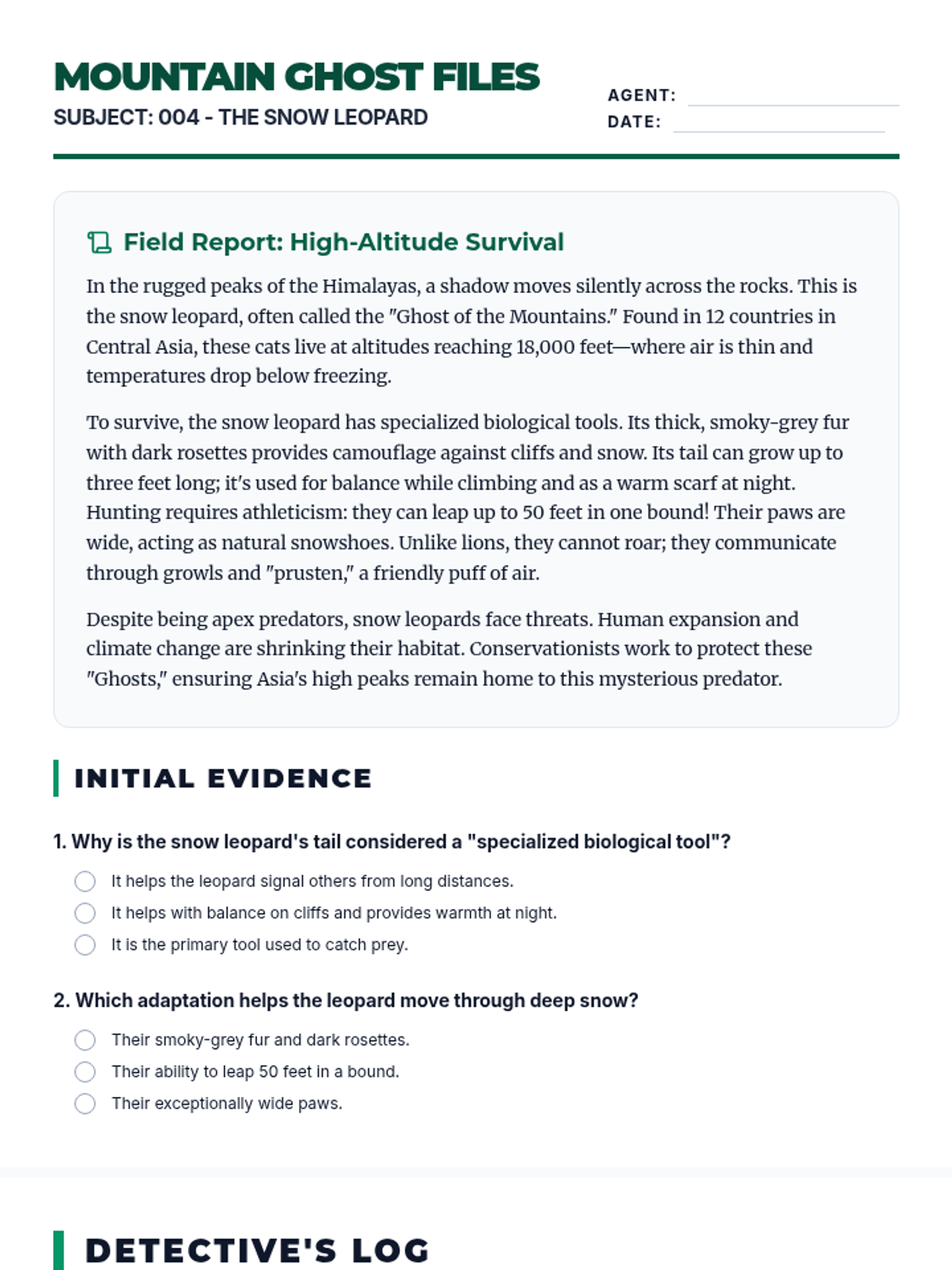
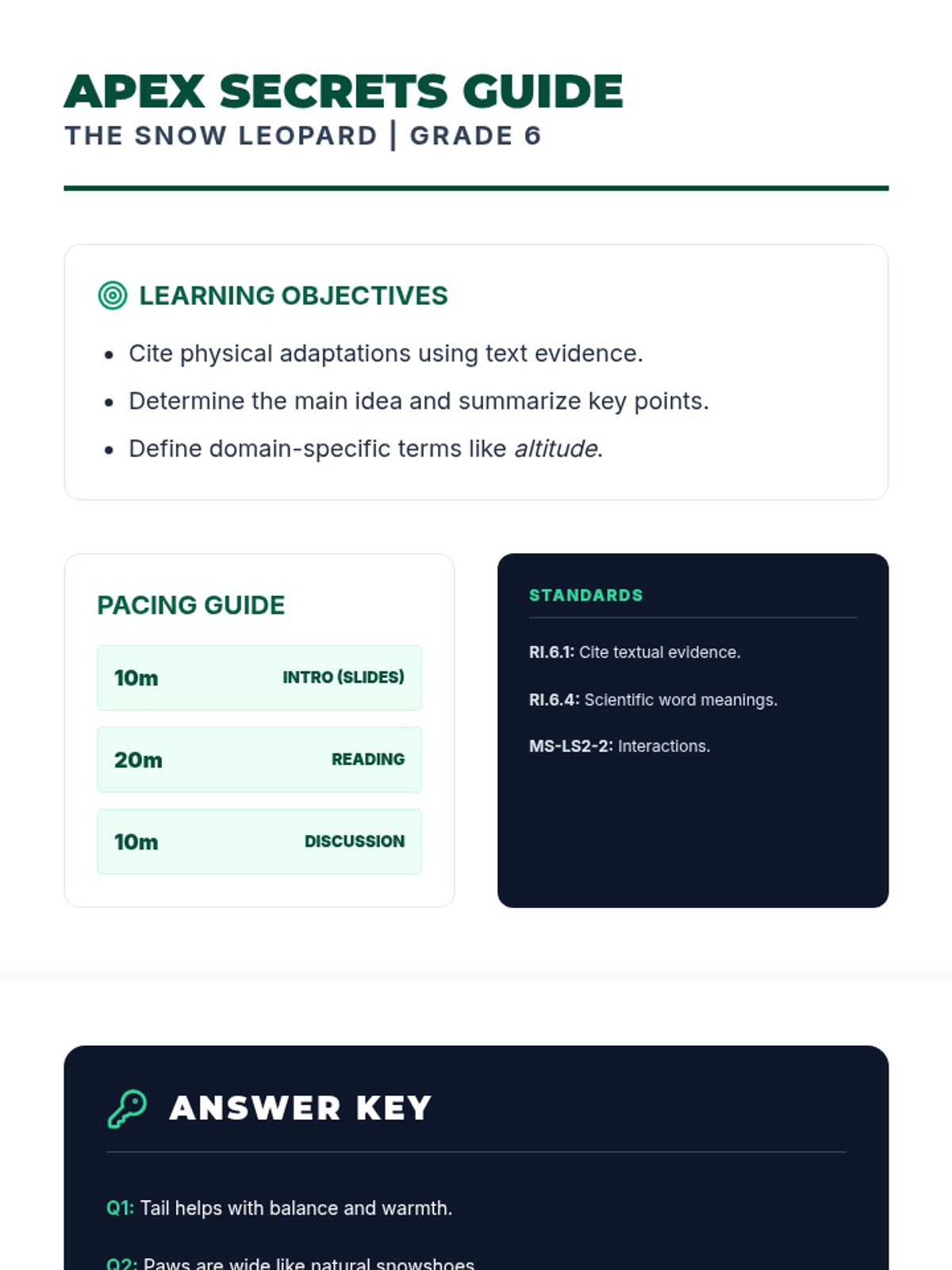
An in-depth look at the snow leopard's unique adaptations and survival strategies in the Himalayan mountains.
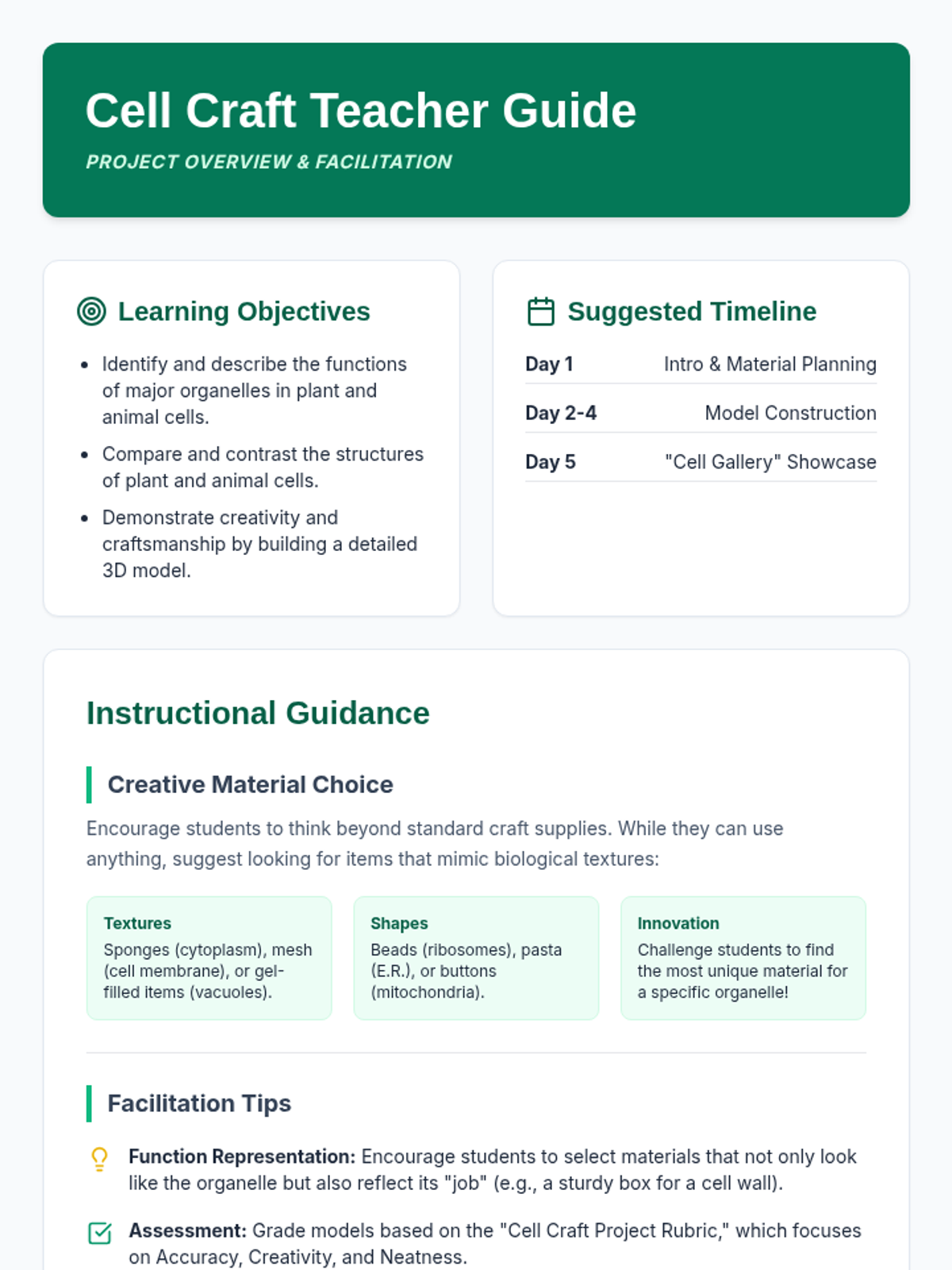
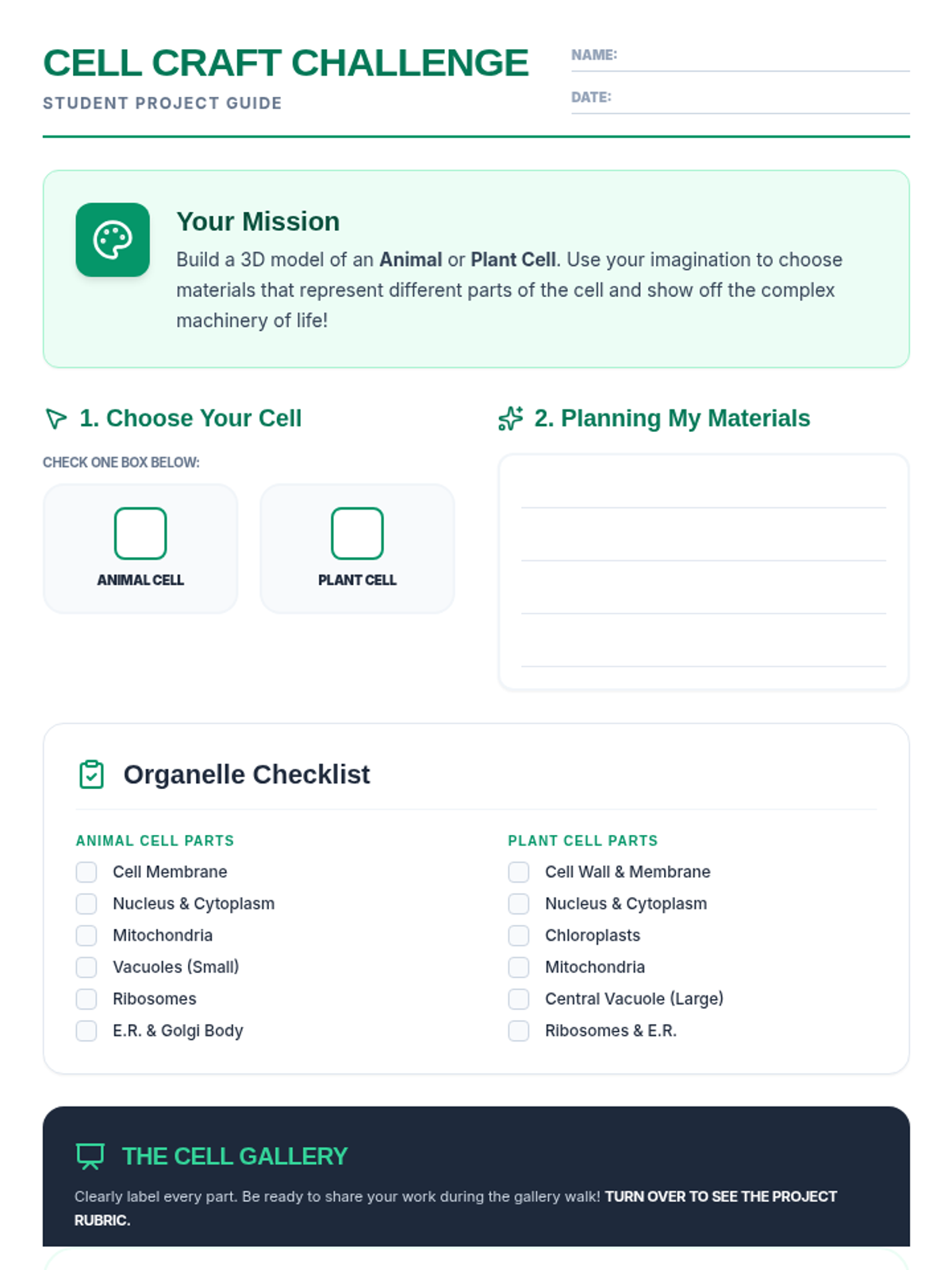
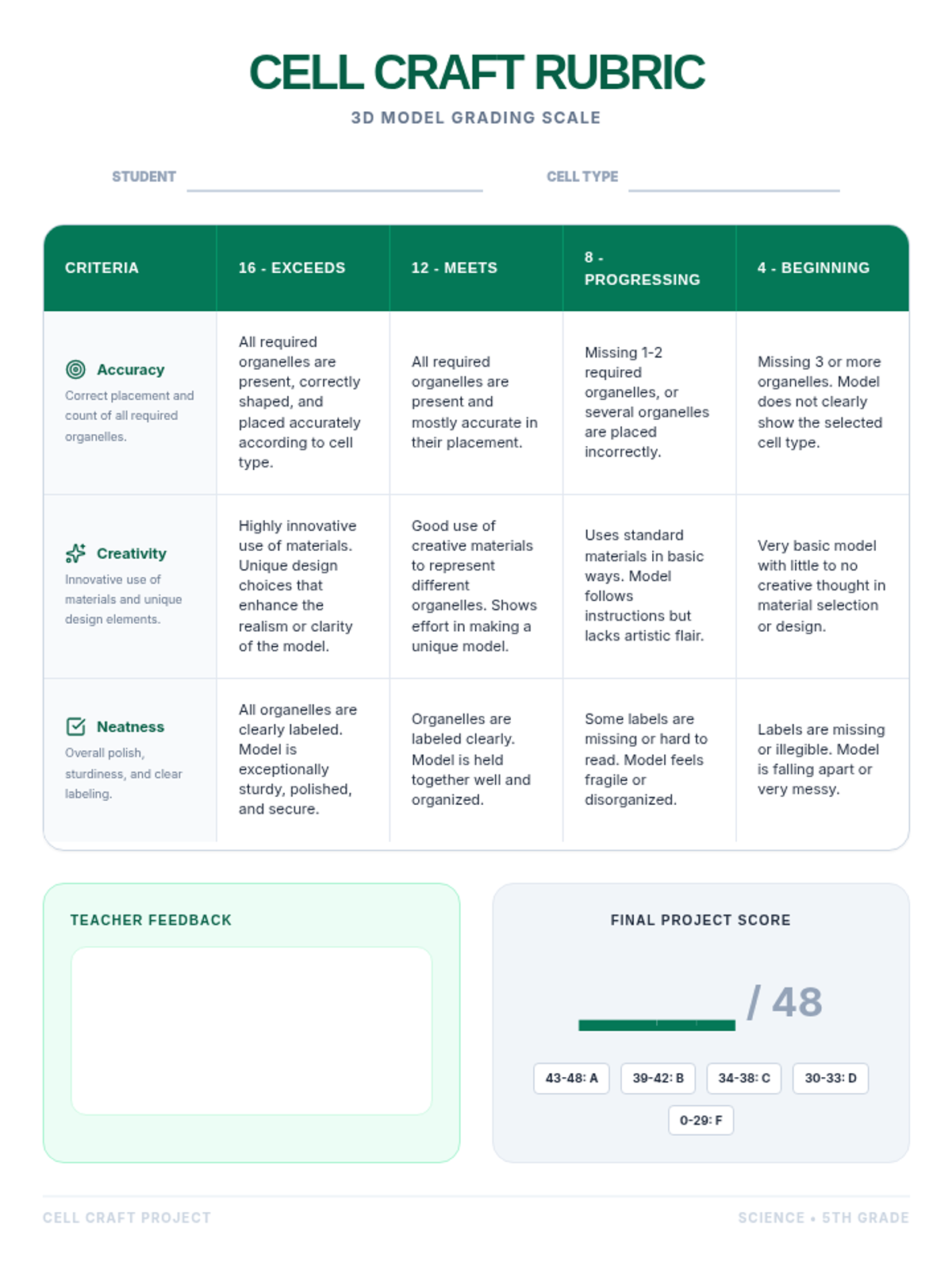
Students design and build a 3D model of an animal or plant cell using exclusively recycled materials to demonstrate their understanding of cell structures and functions.
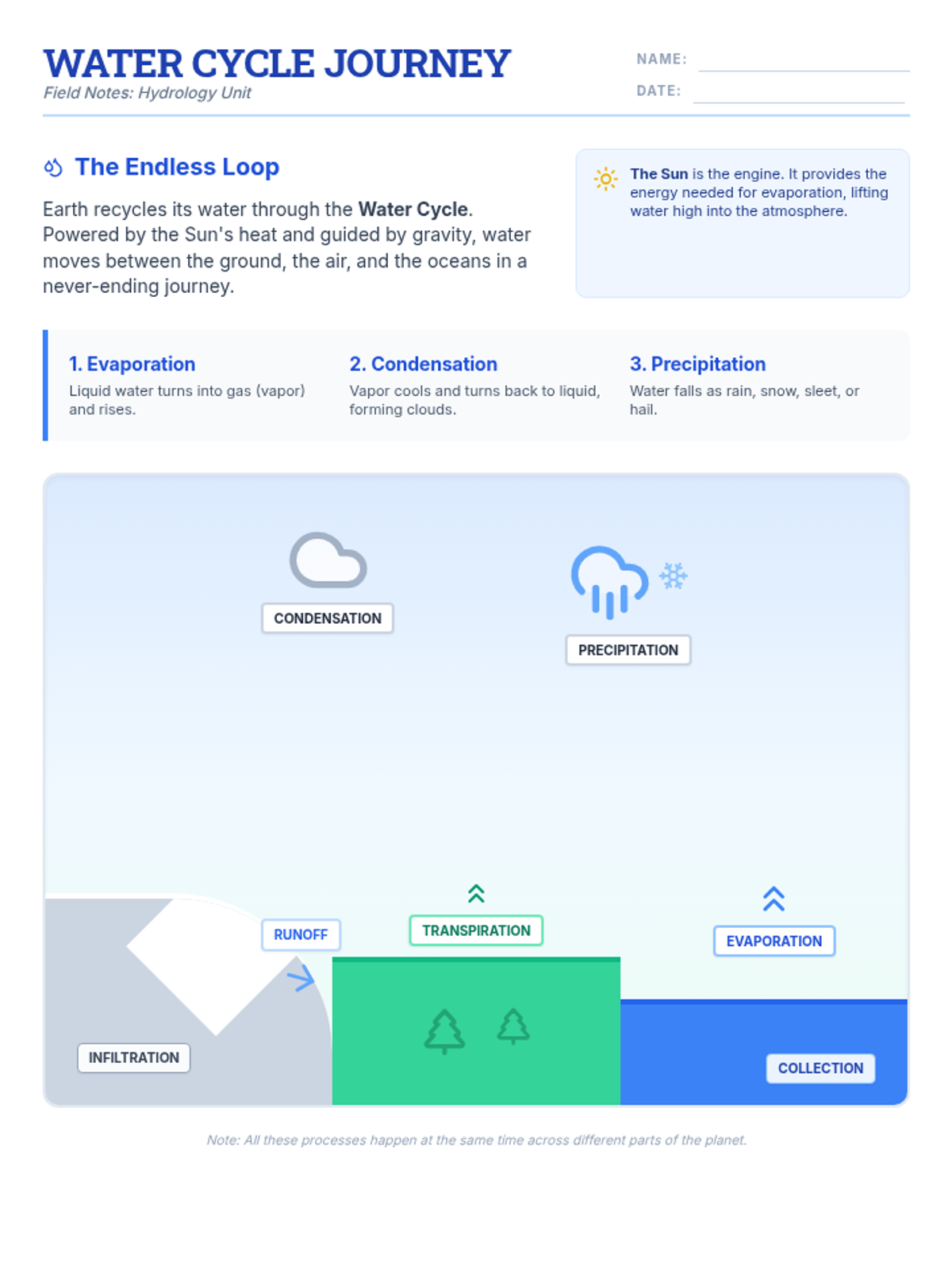
A lesson exploring the continuous movement of water on, above, and below the surface of the Earth. Students will learn the primary processes and how they connect in a never-ending cycle.
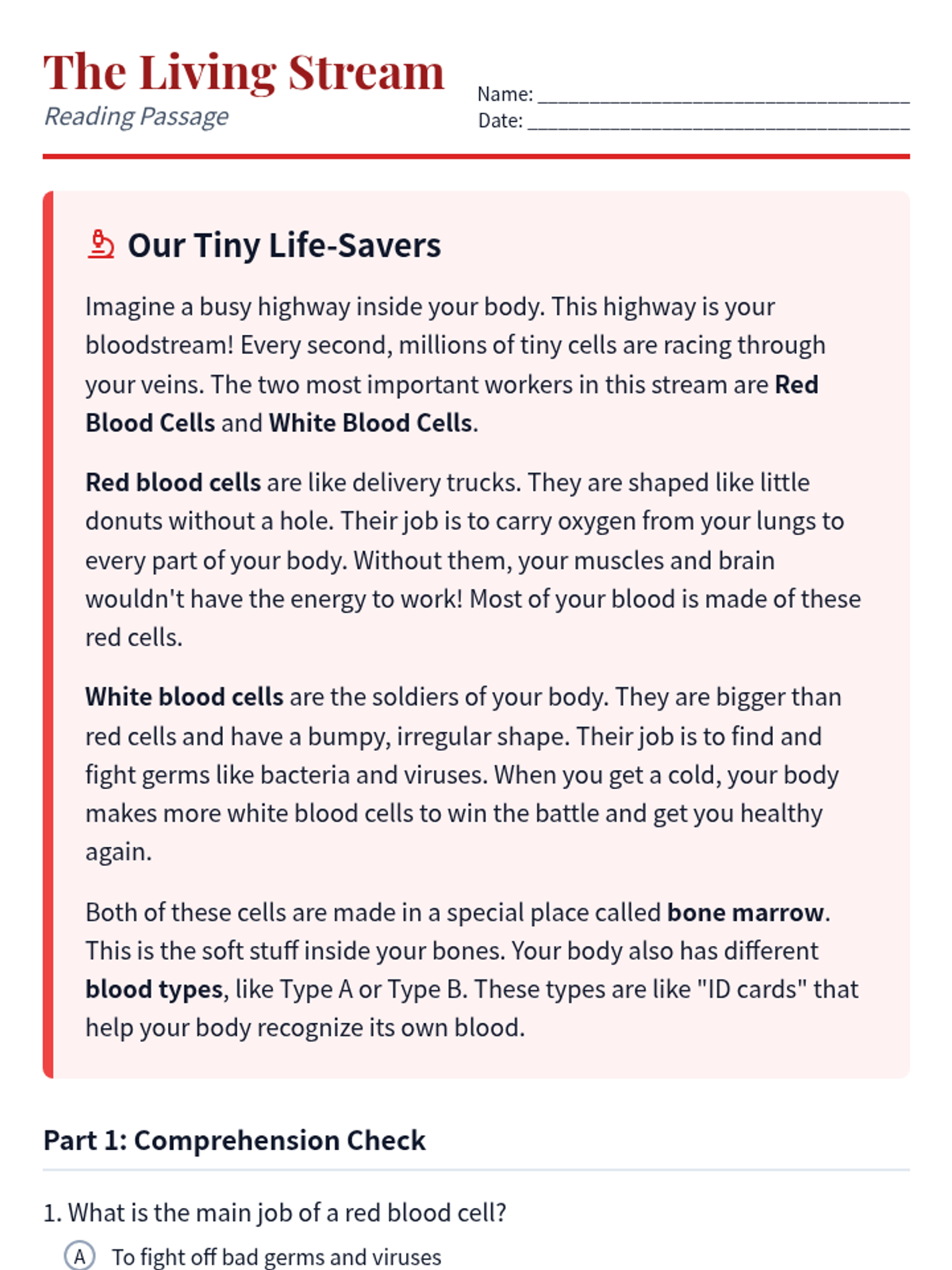
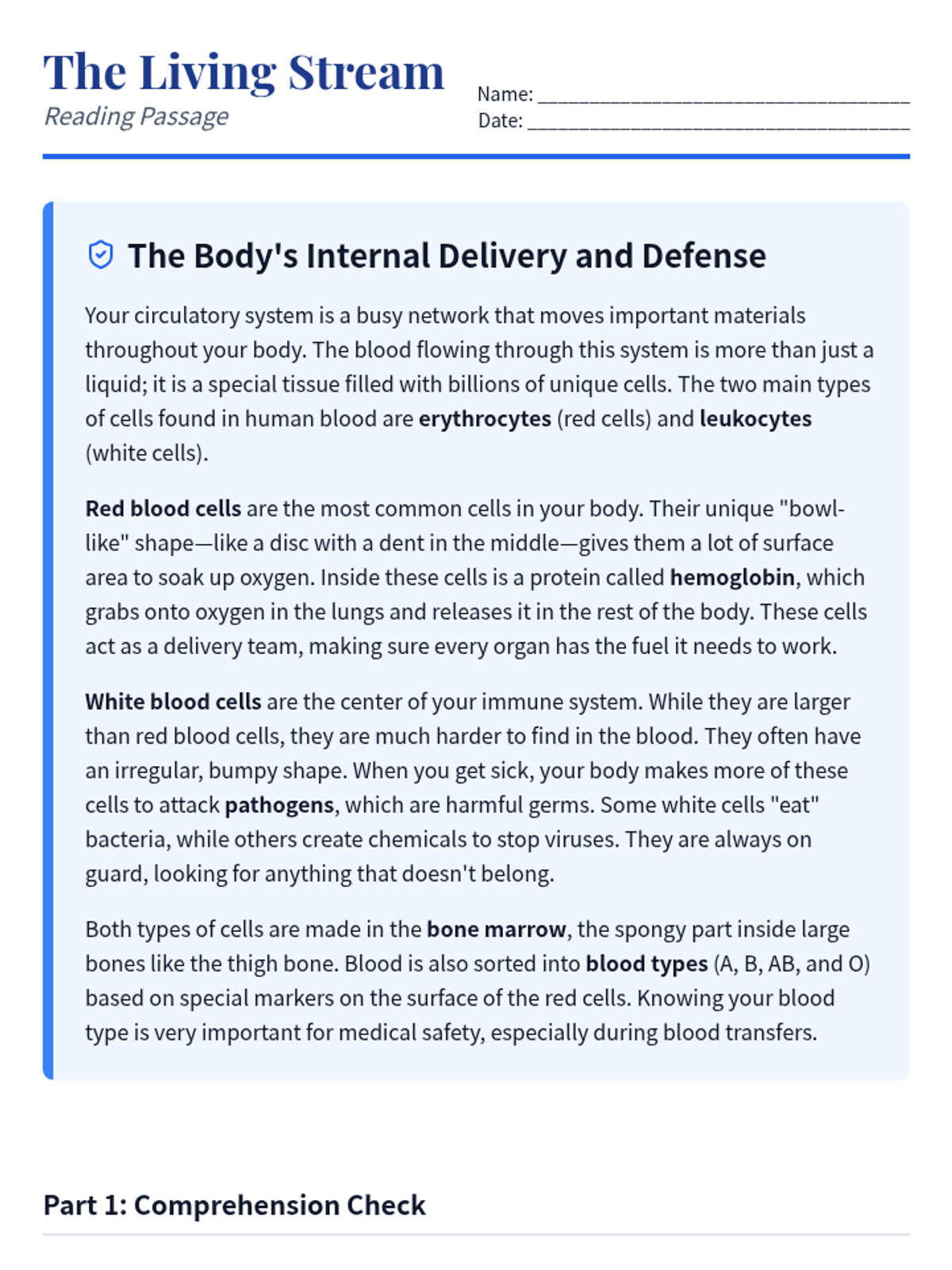
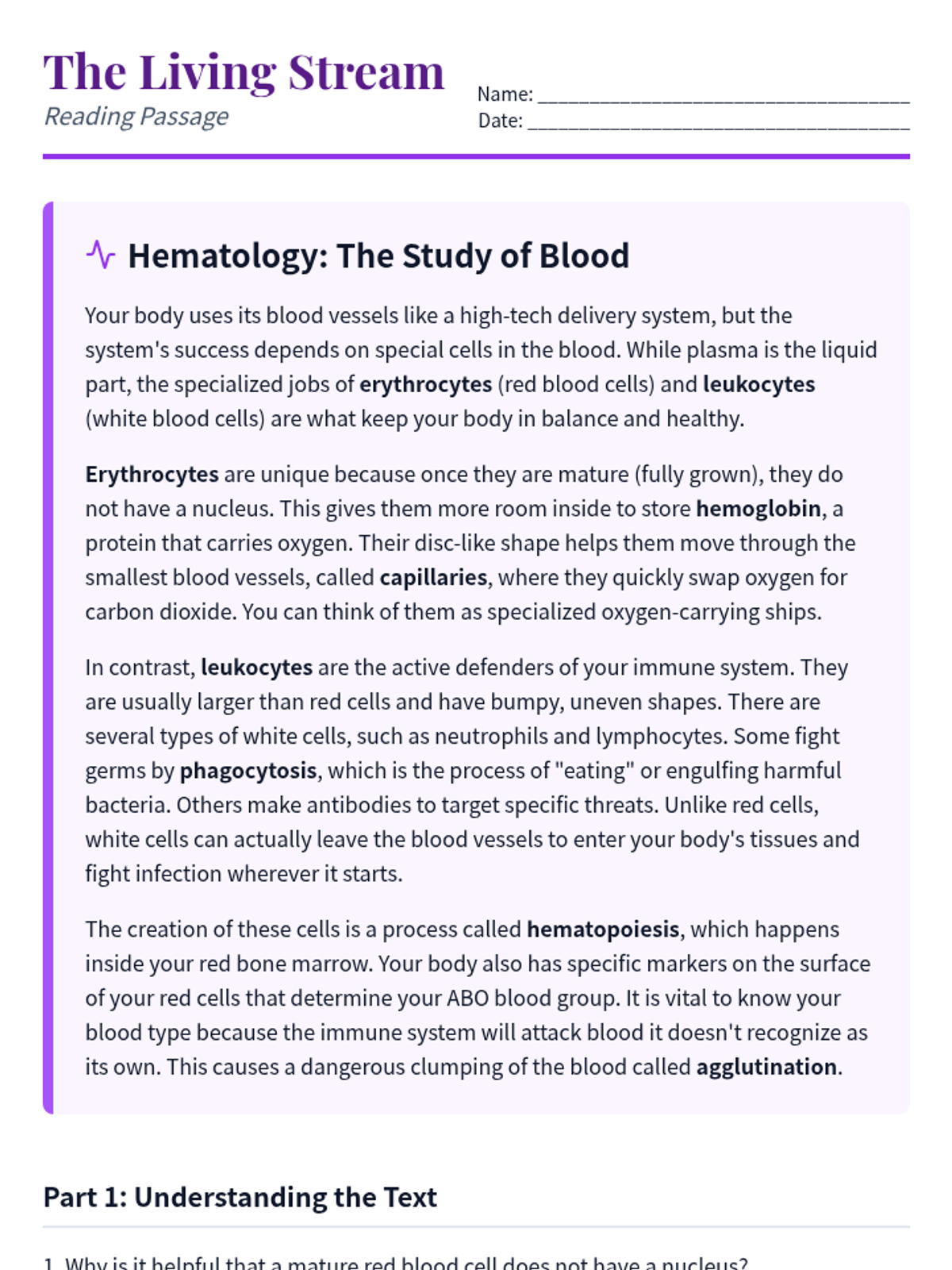
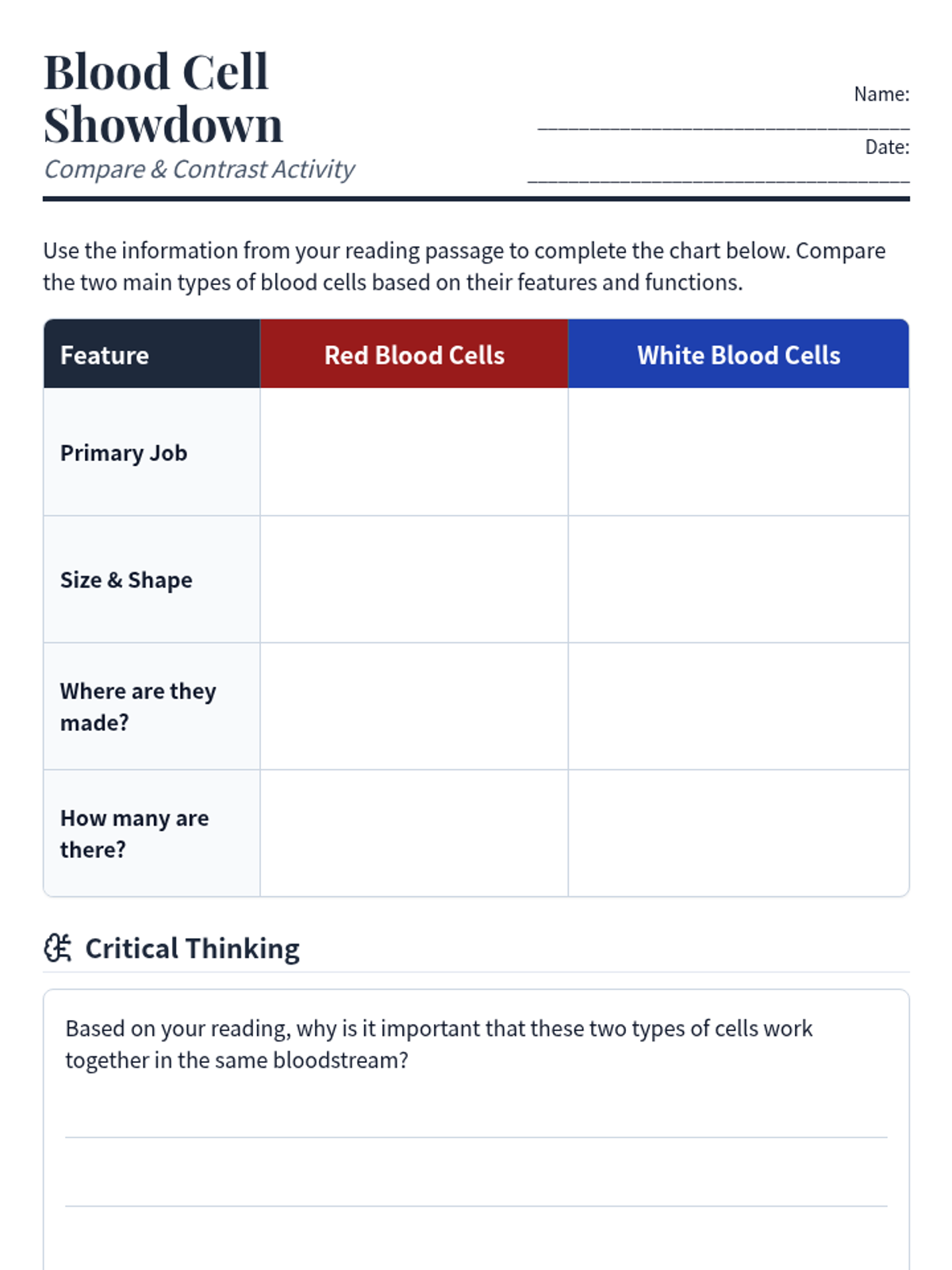
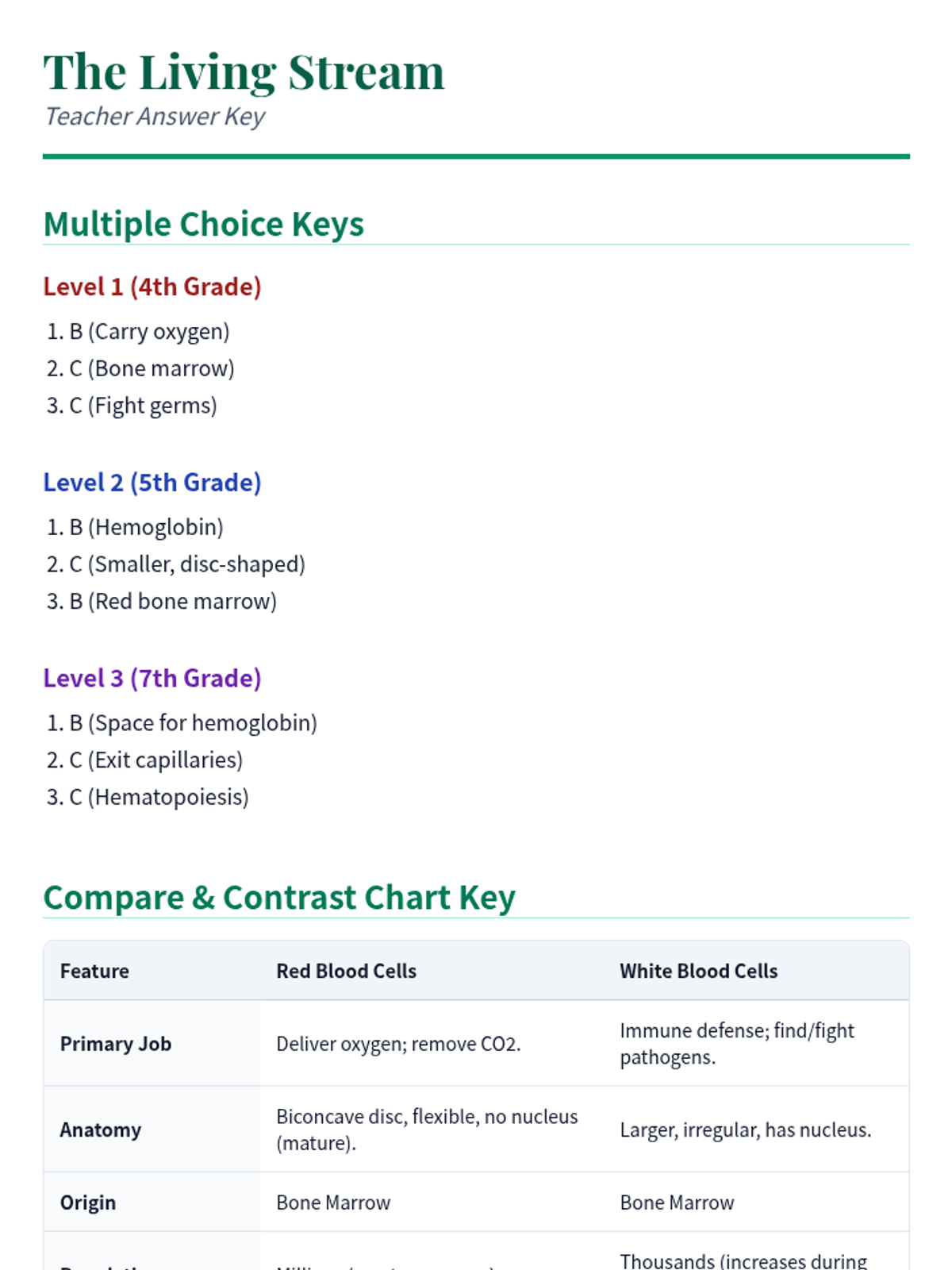
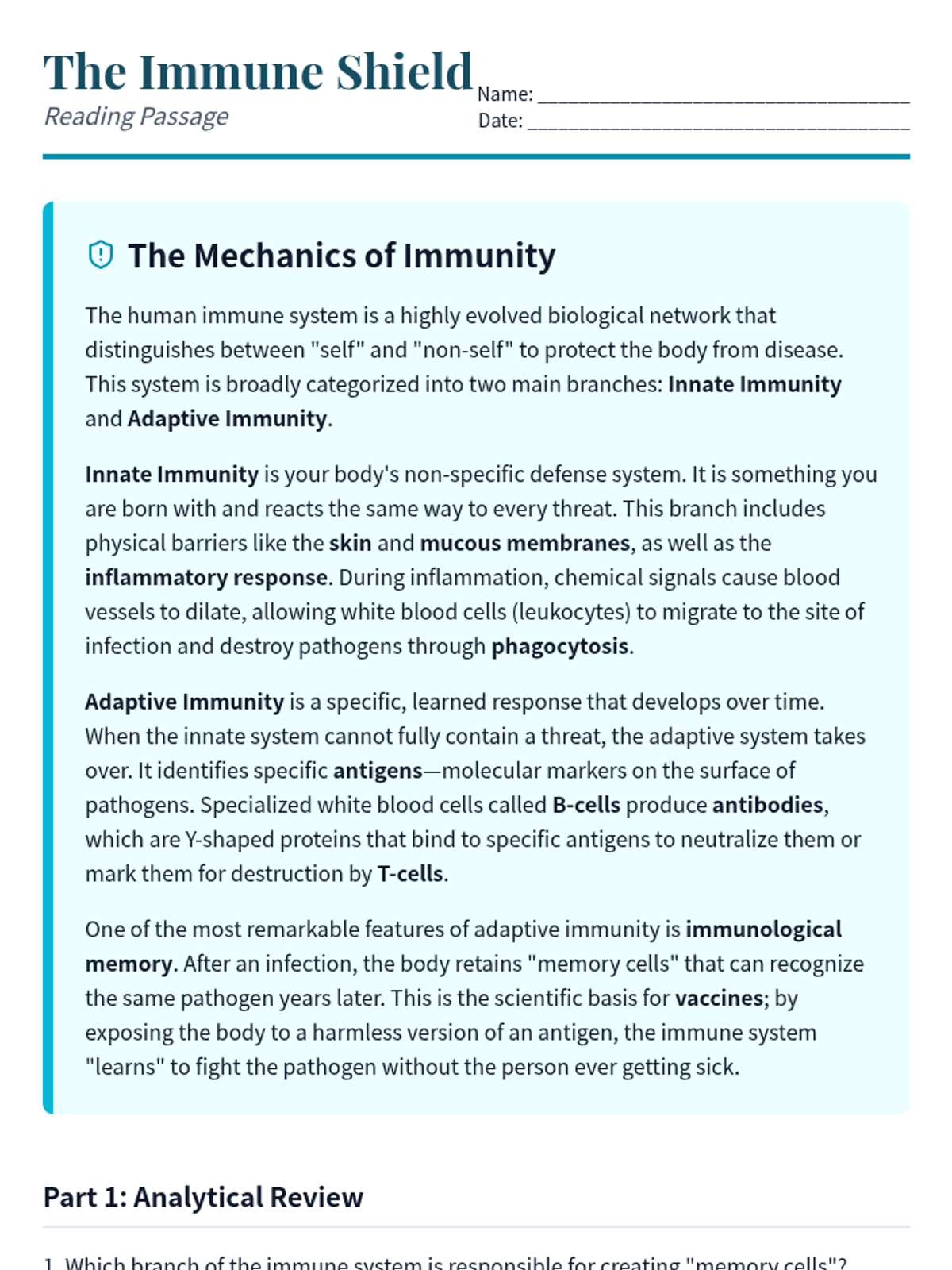
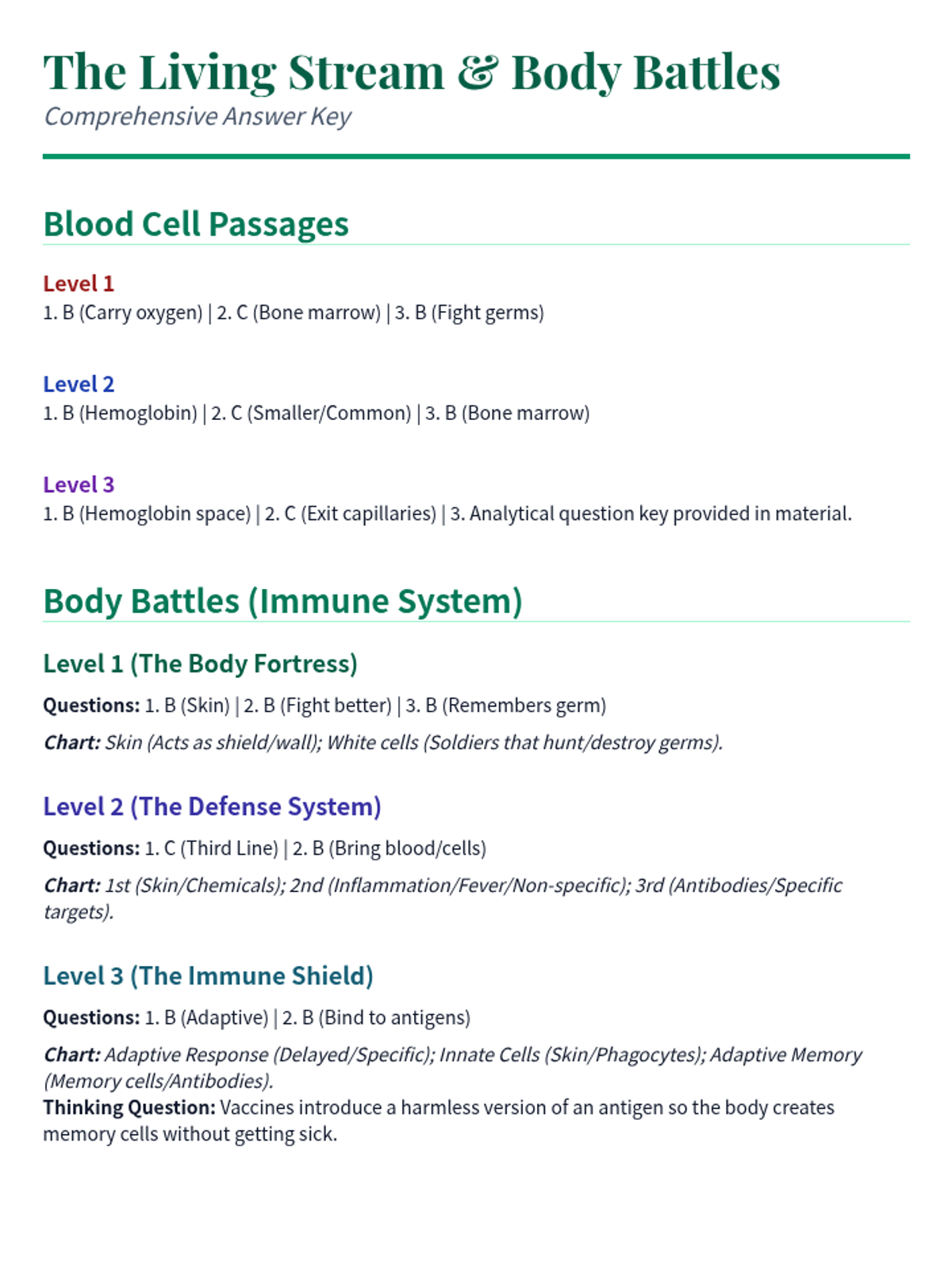
A lesson exploring the specialized roles of red and white blood cells, their production in bone marrow, and their vital functions in oxygen transport and immune defense. Includes differentiated reading materials for various reading levels.
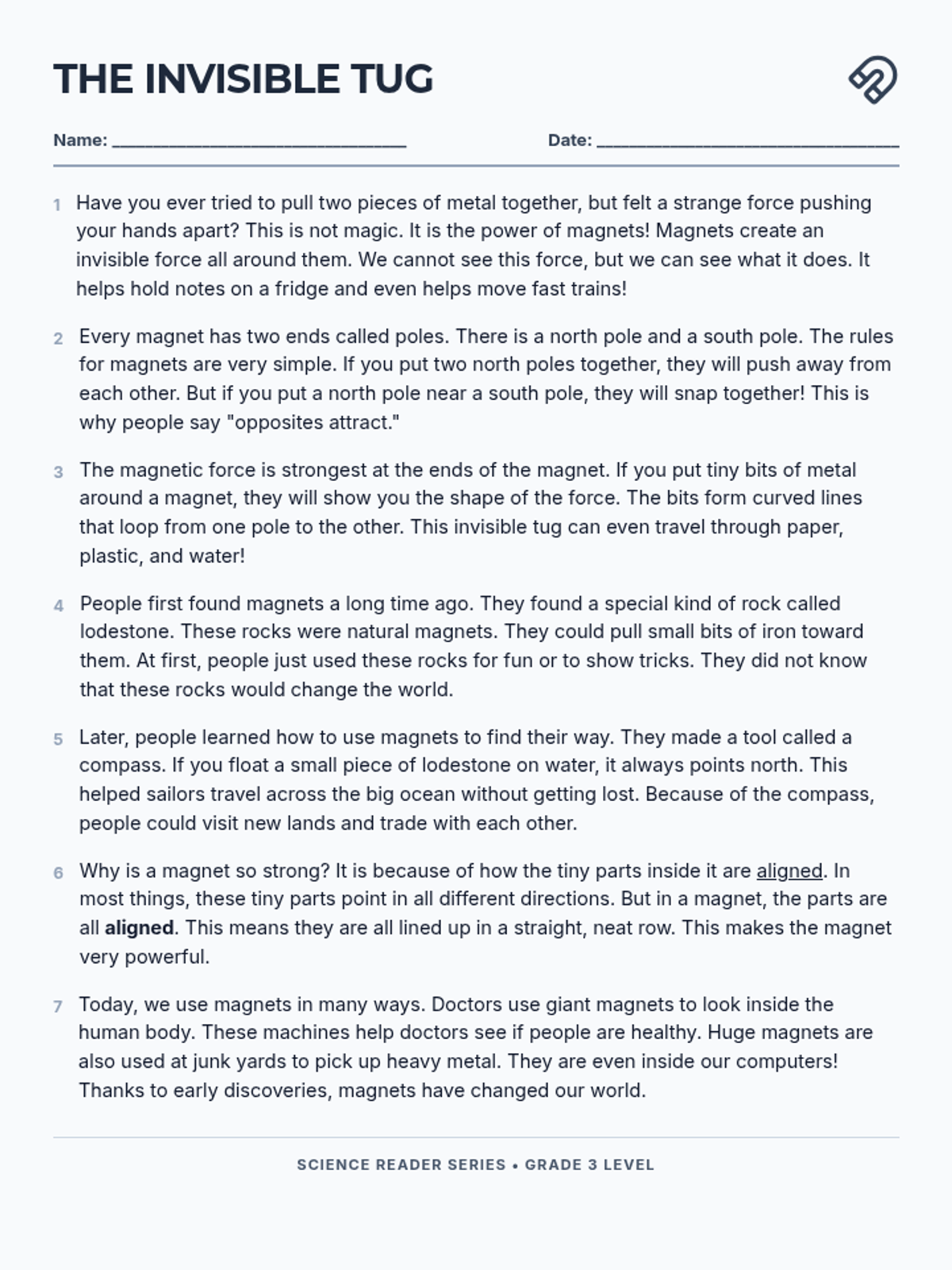
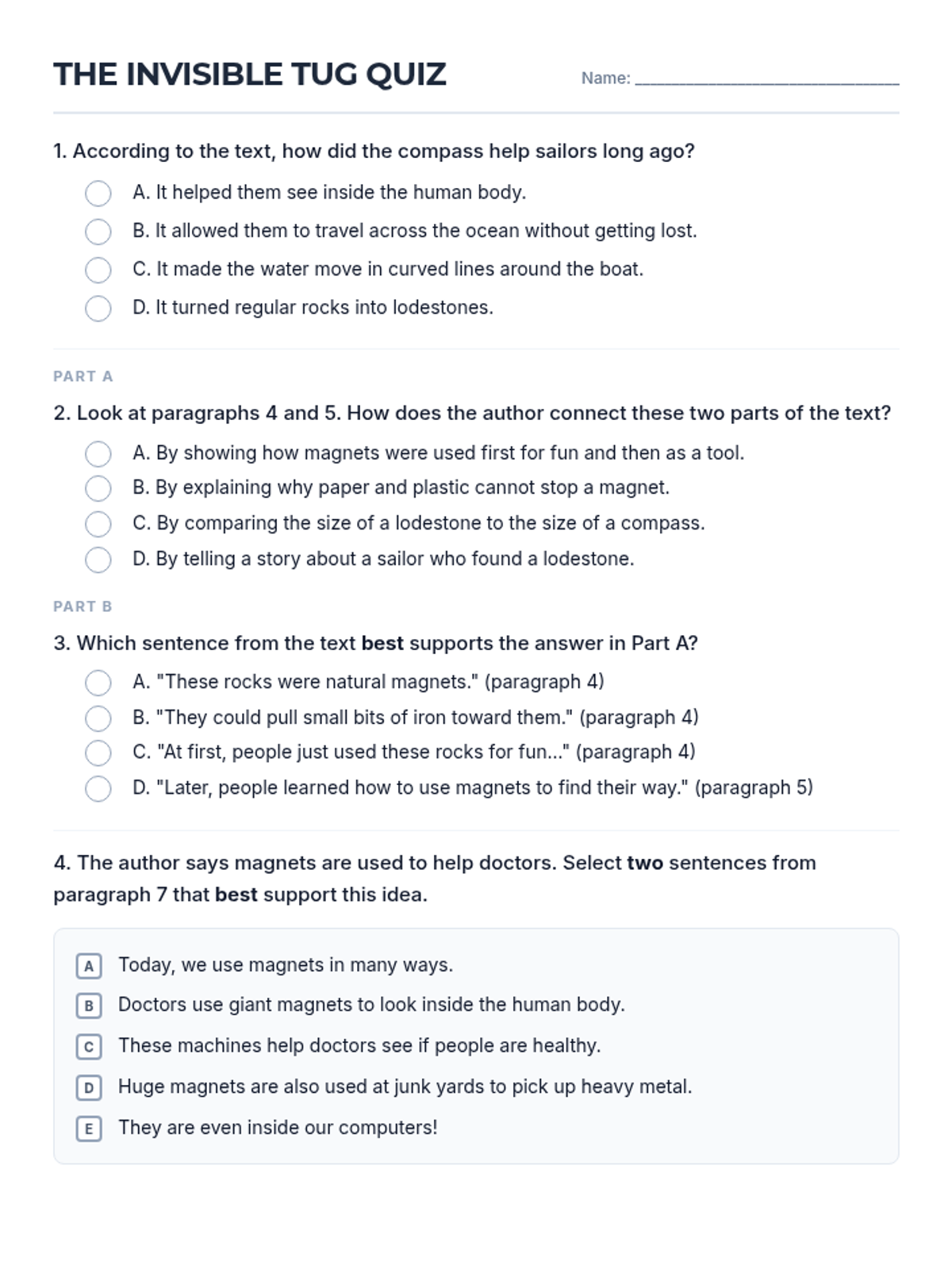
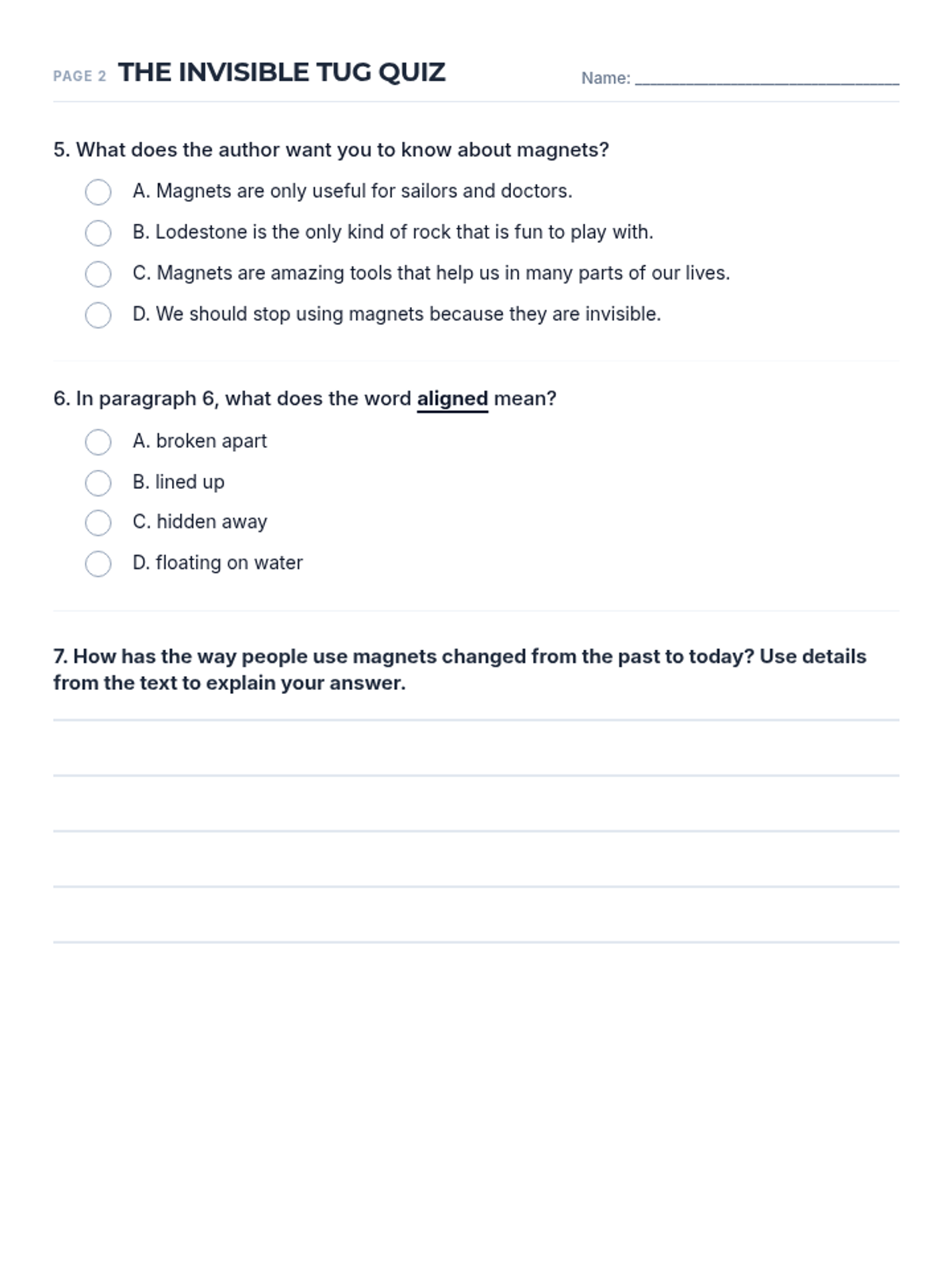
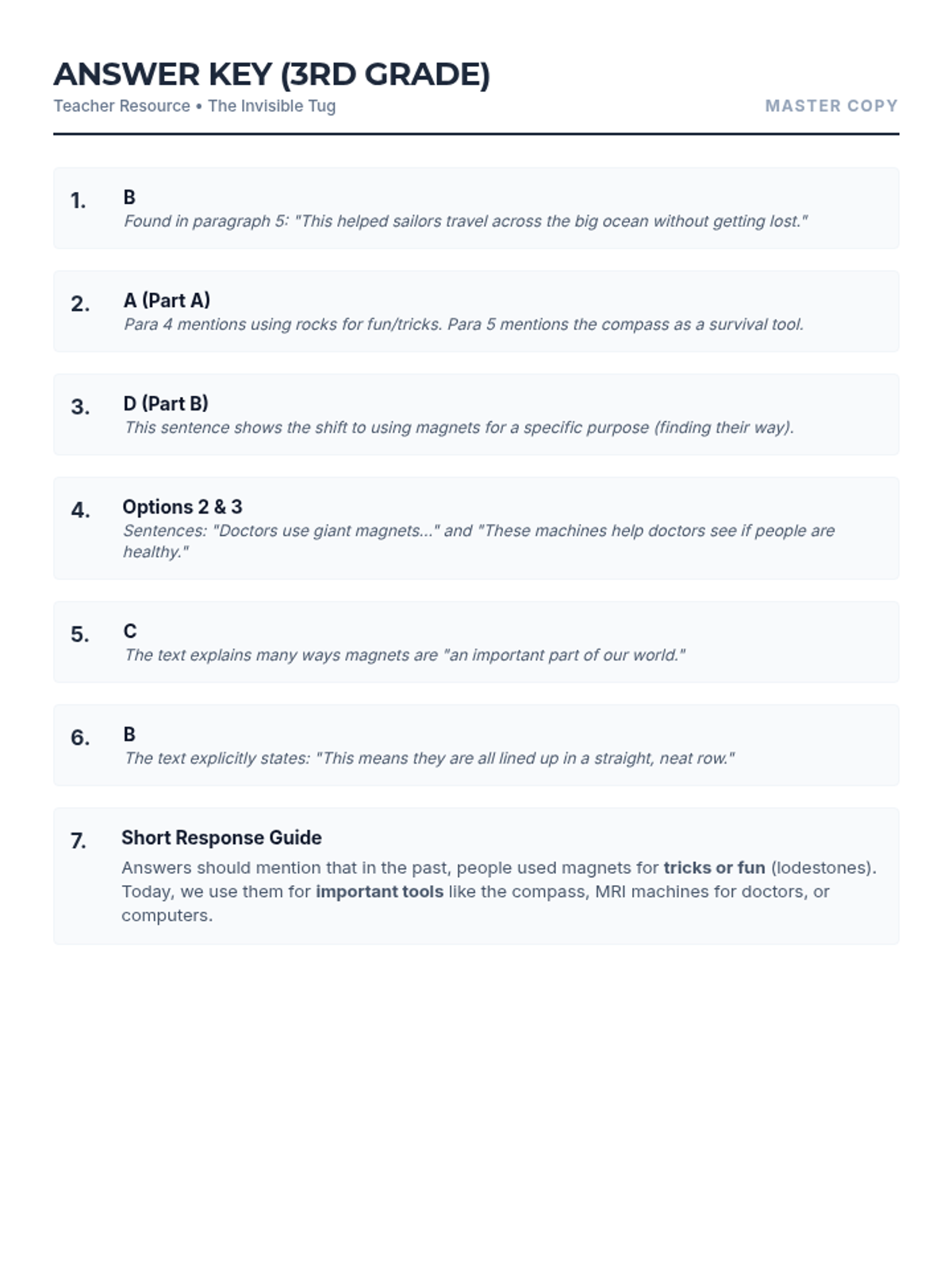
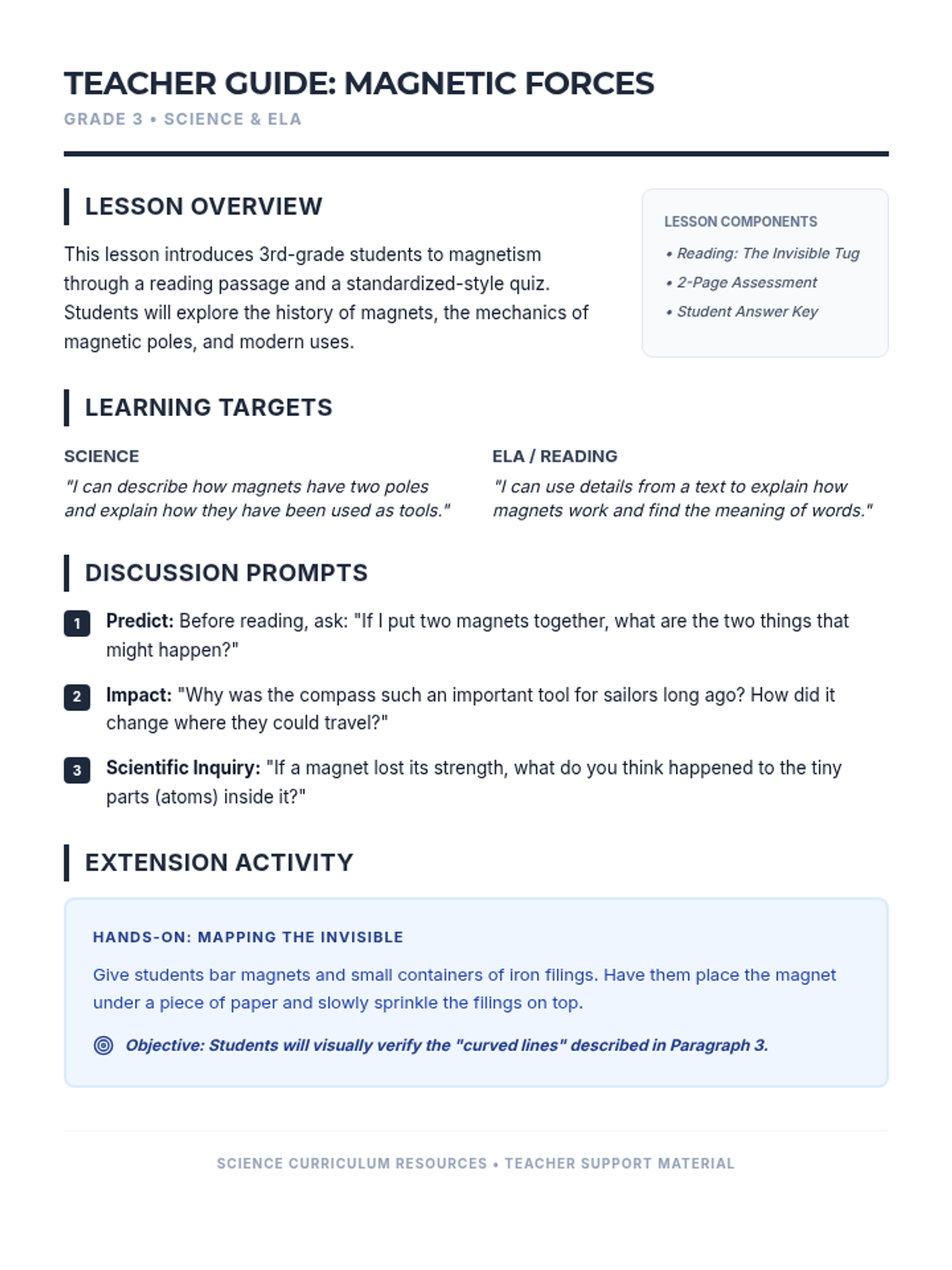
A complete lesson on magnetism featuring an informational reading passage and a comprehension quiz designed to mirror standardized testing formats.
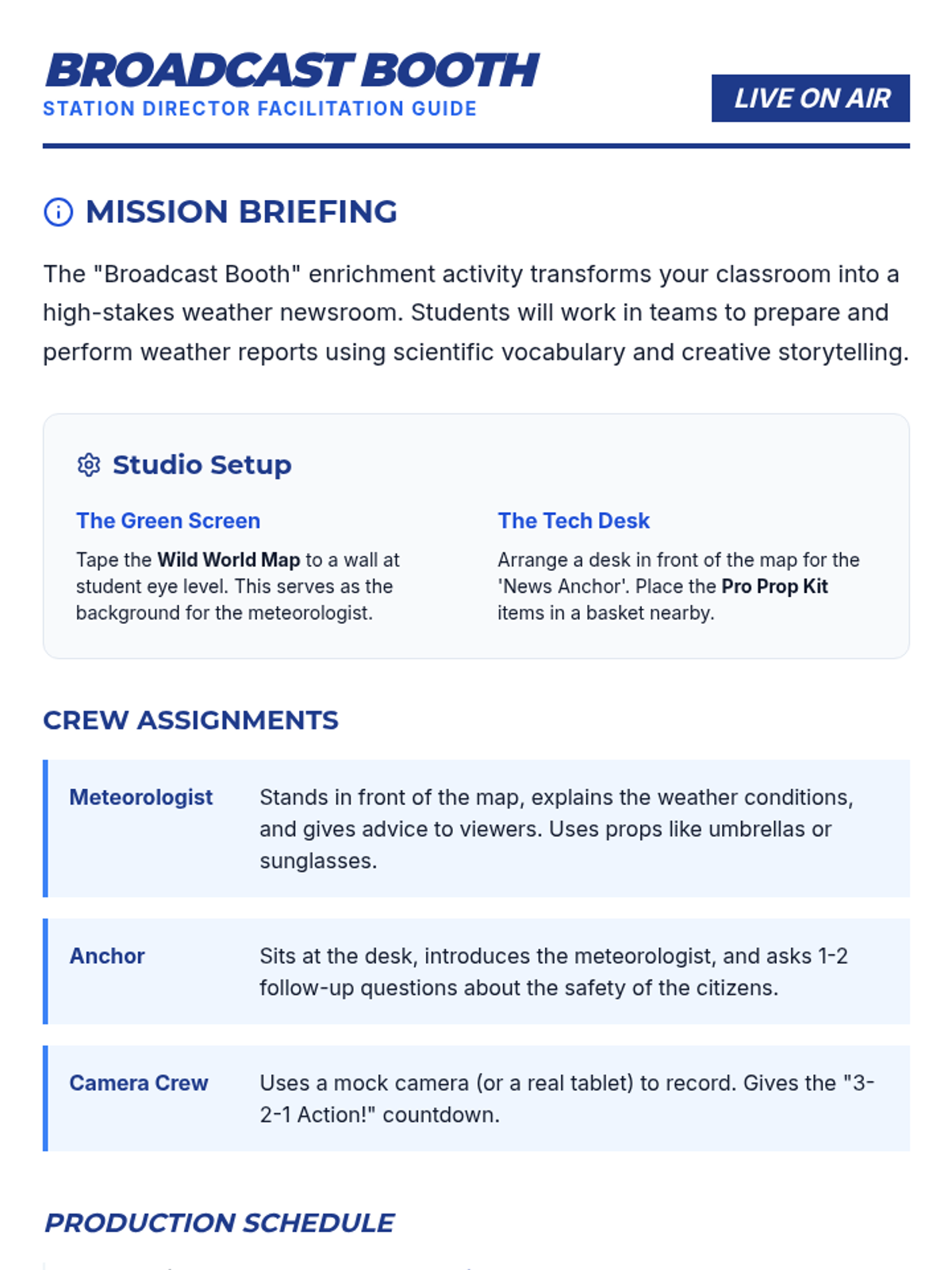
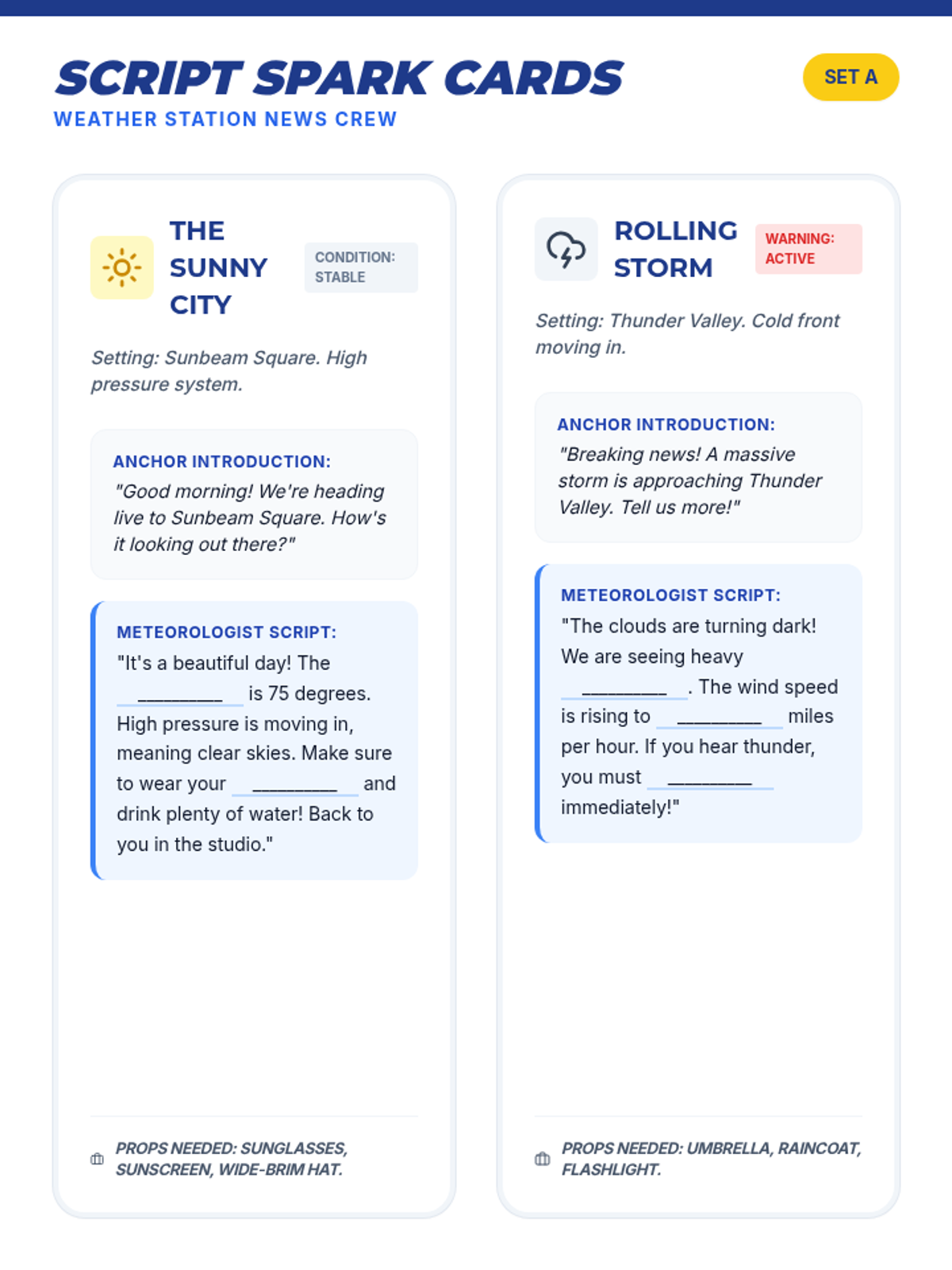
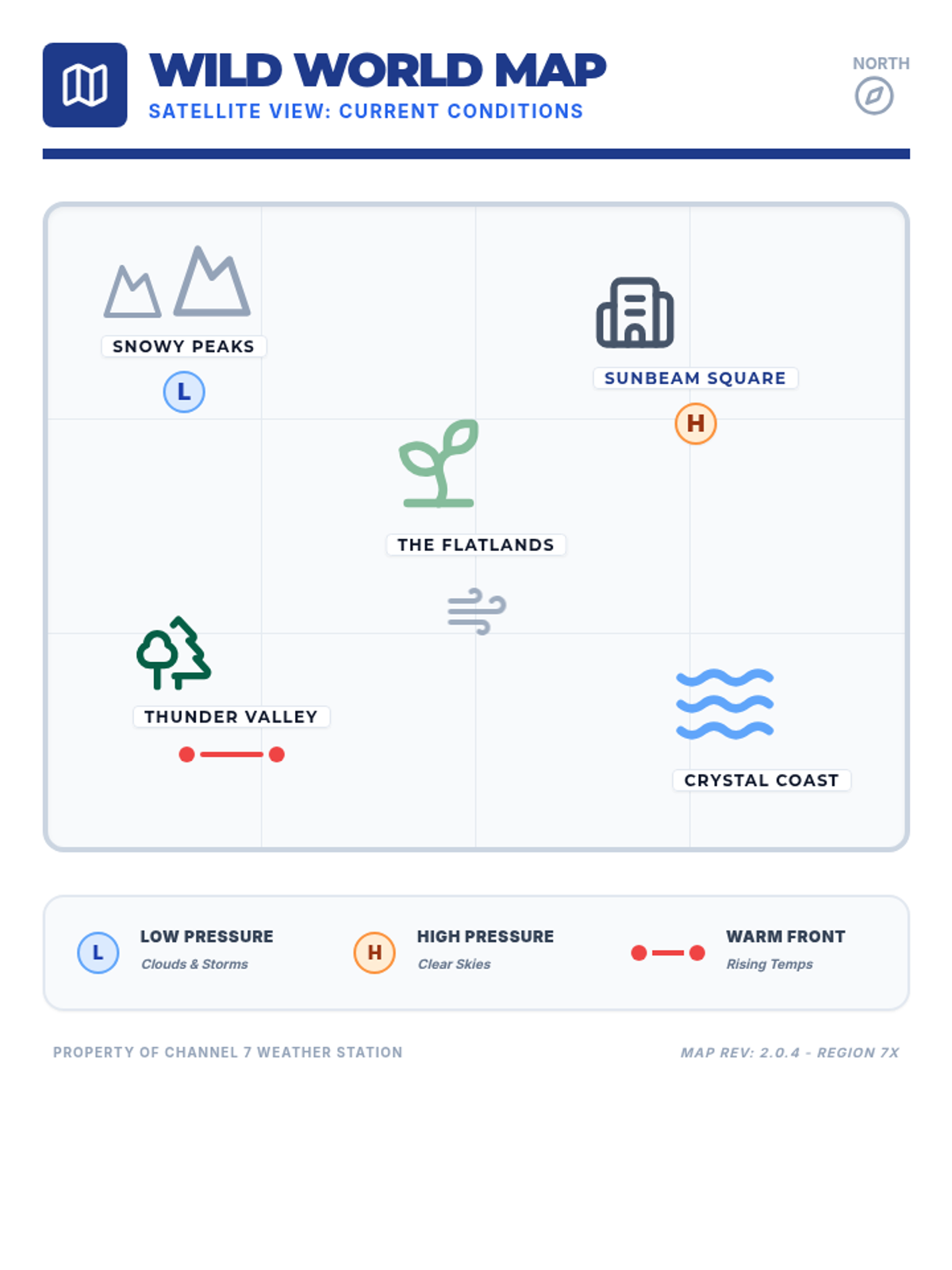
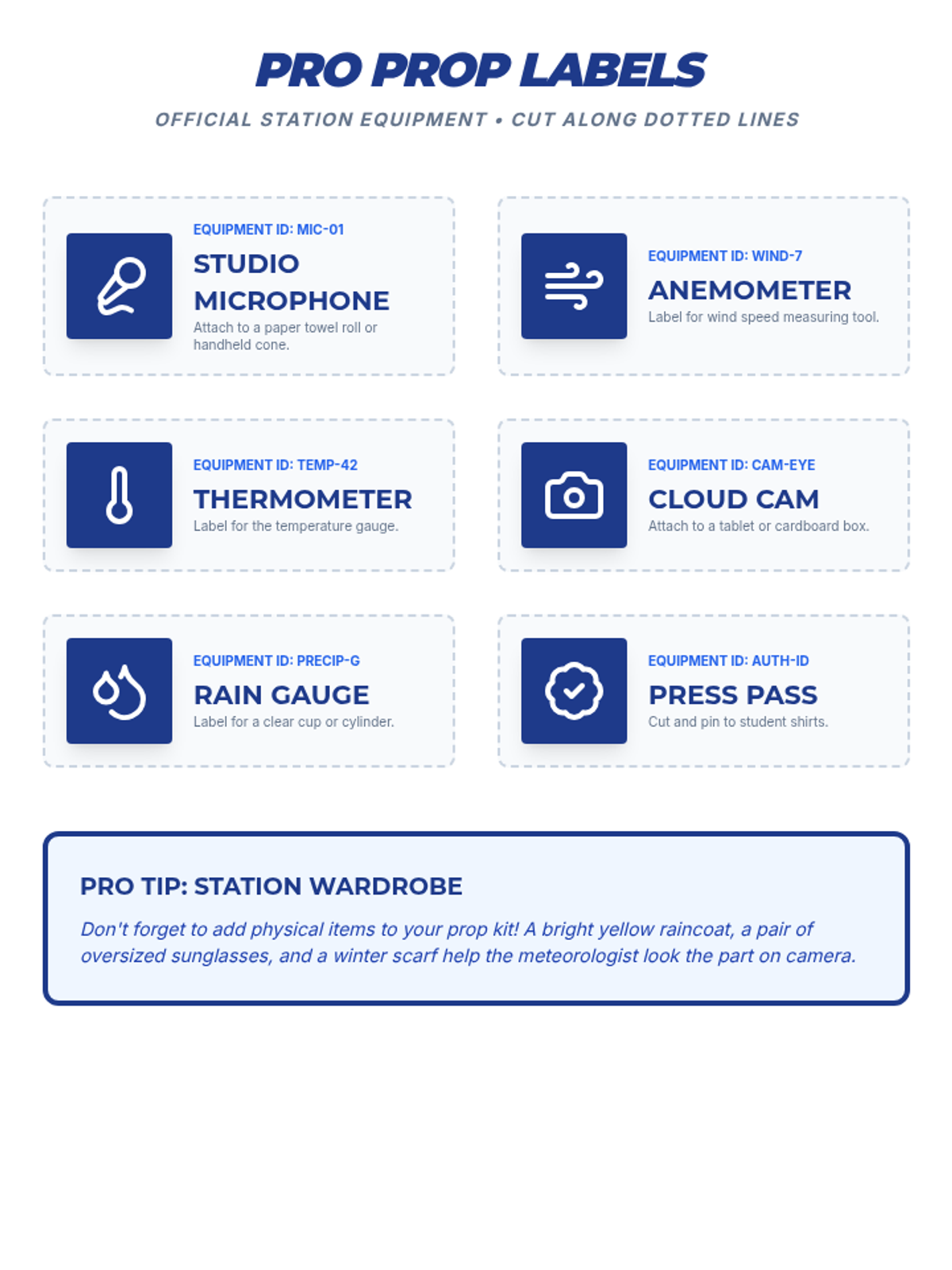
Students step into the shoes of meteorologists, using scripts and props to report on a wide variety of weather phenomena across a fictional map.
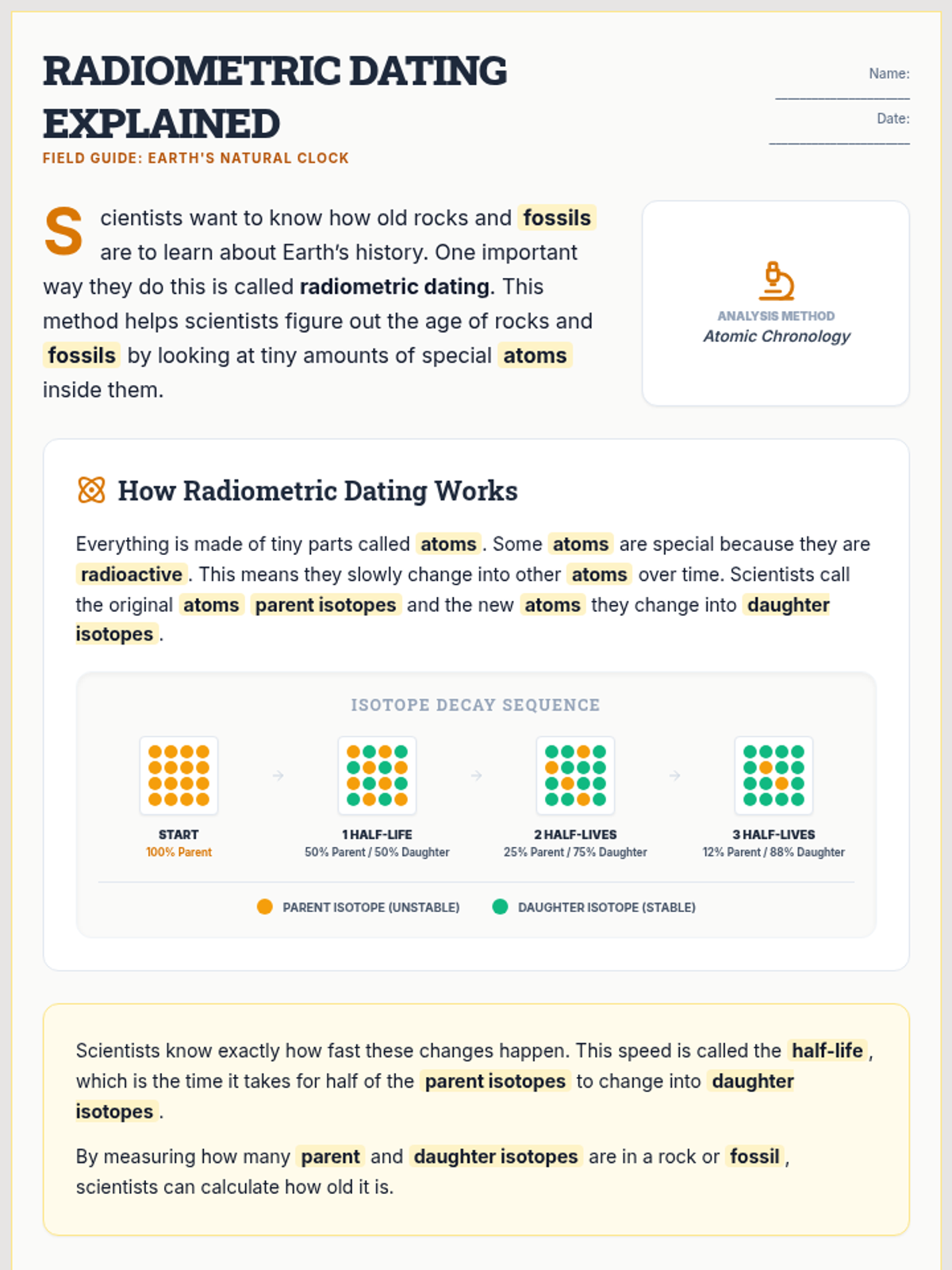
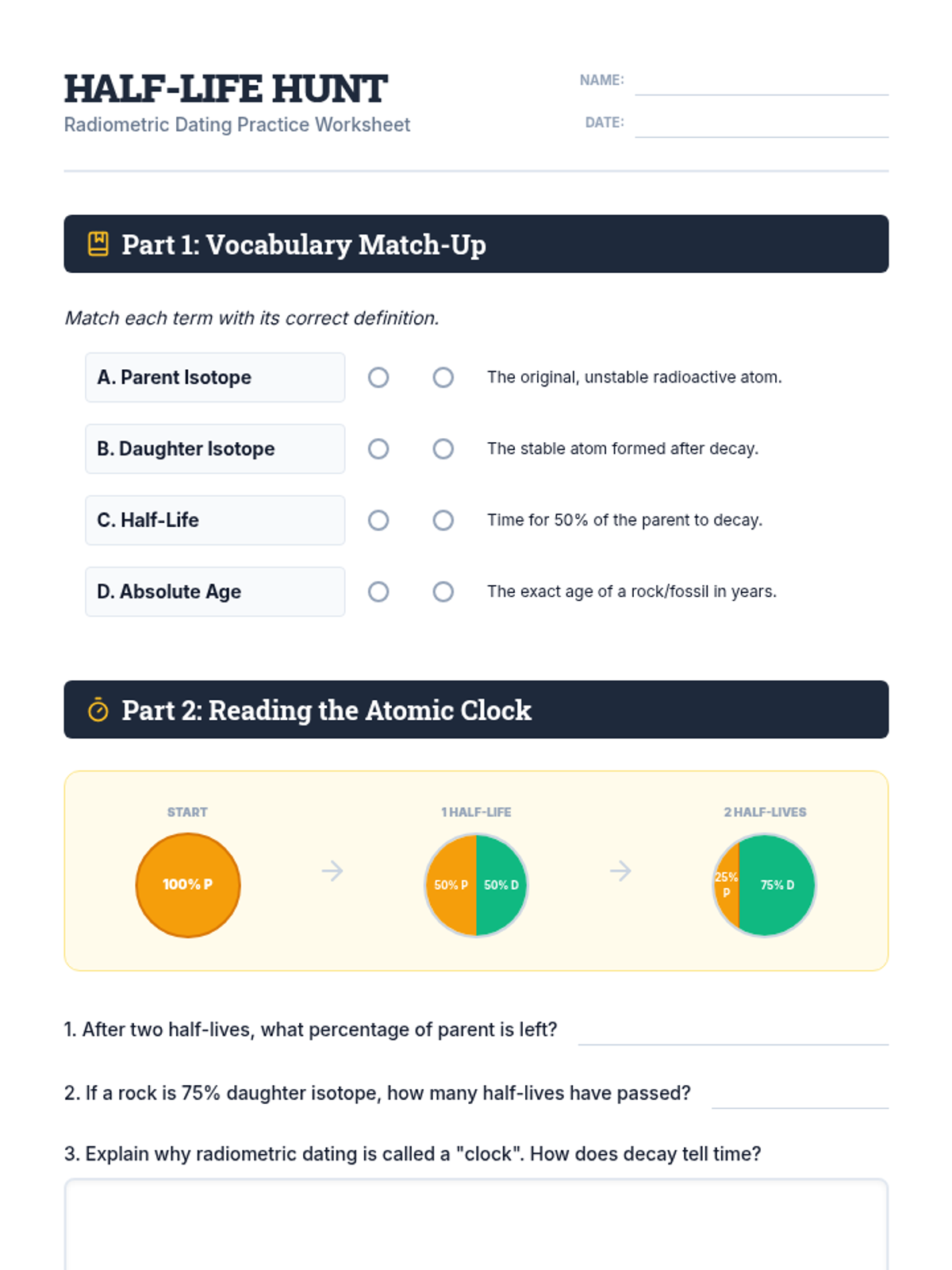
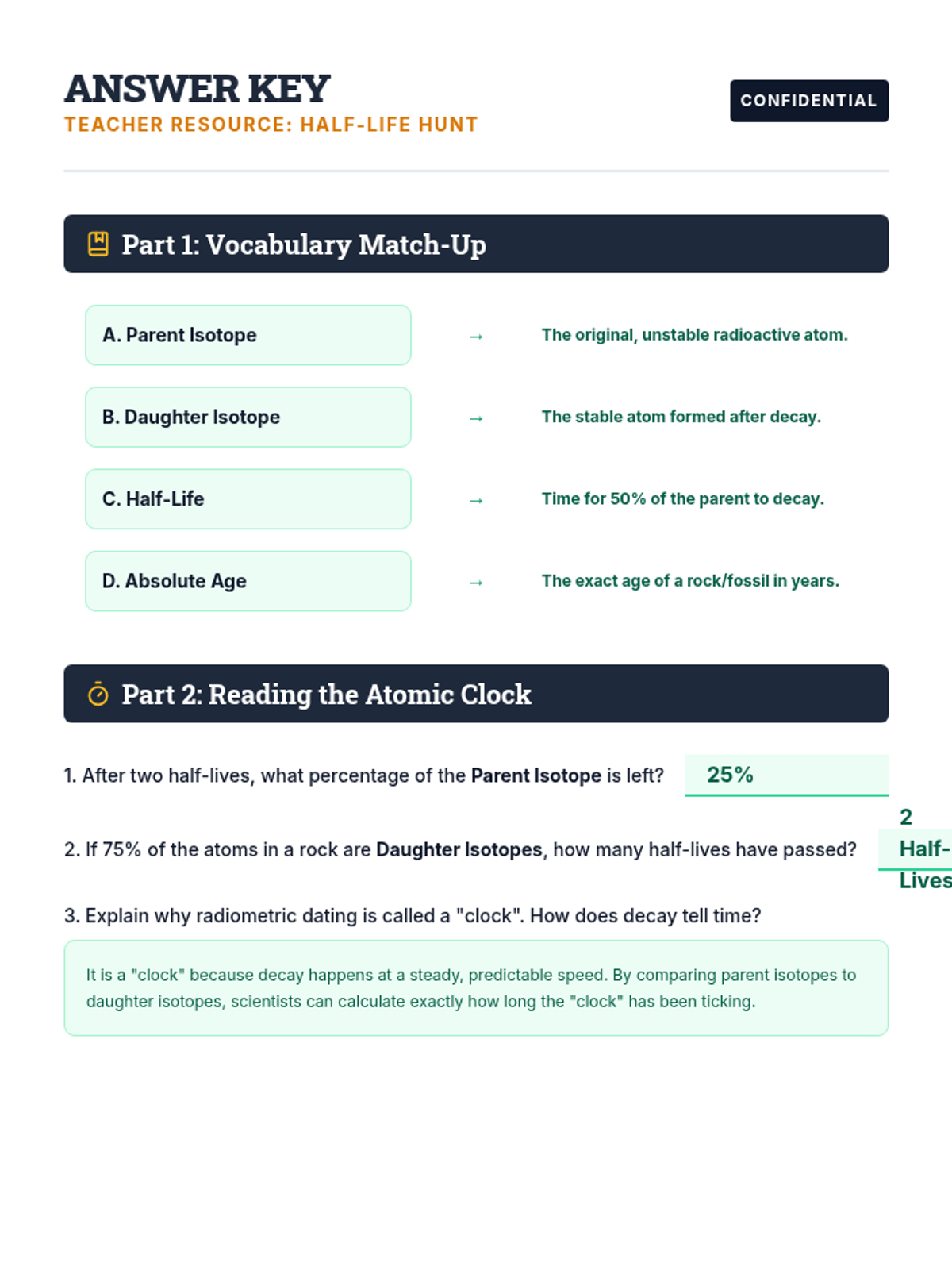
A comprehensive introduction to radiometric dating, explaining how scientists use radioactive isotopes to determine the absolute age of rocks and fossils, and comparing it to relative dating methods.
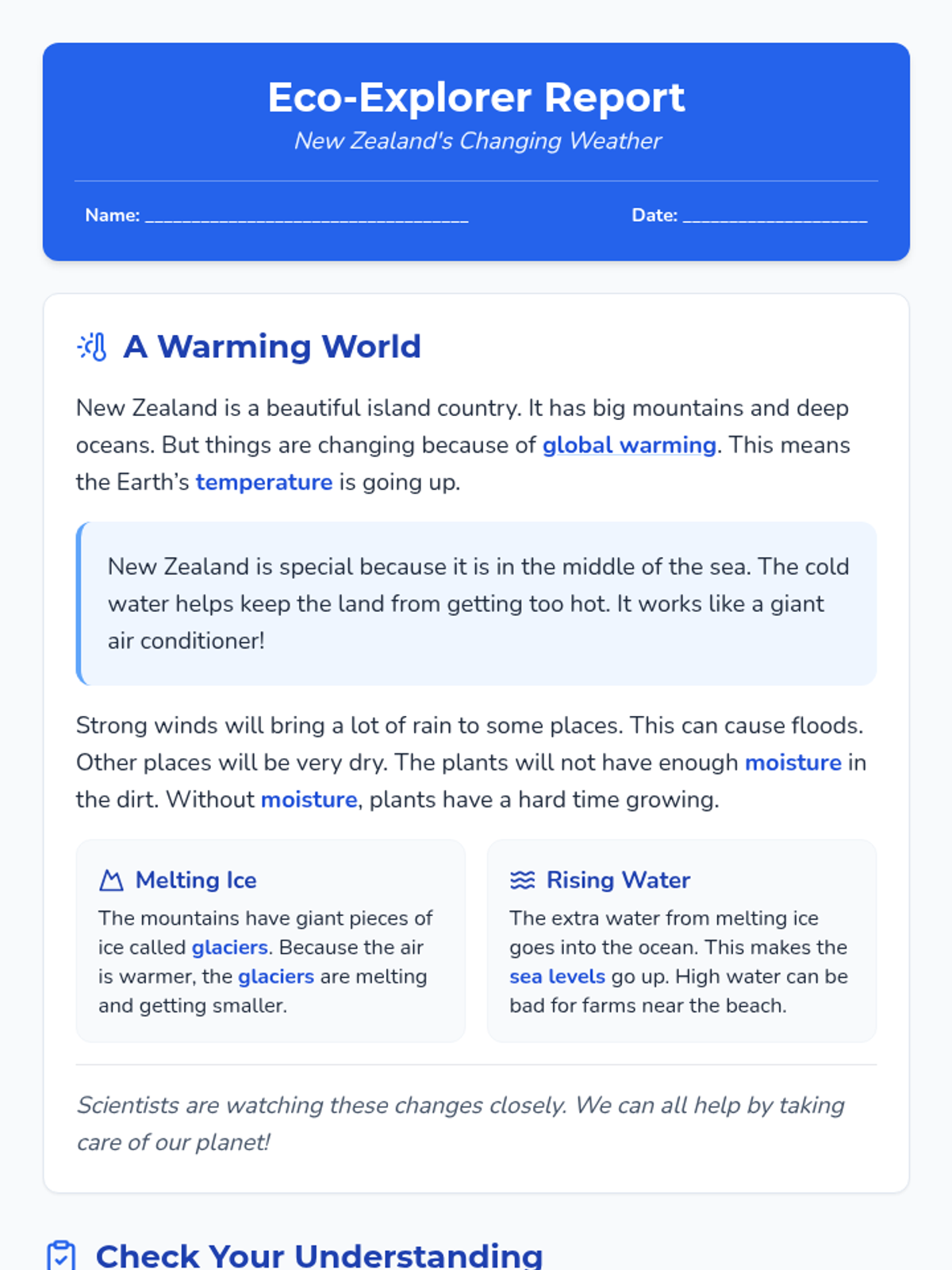
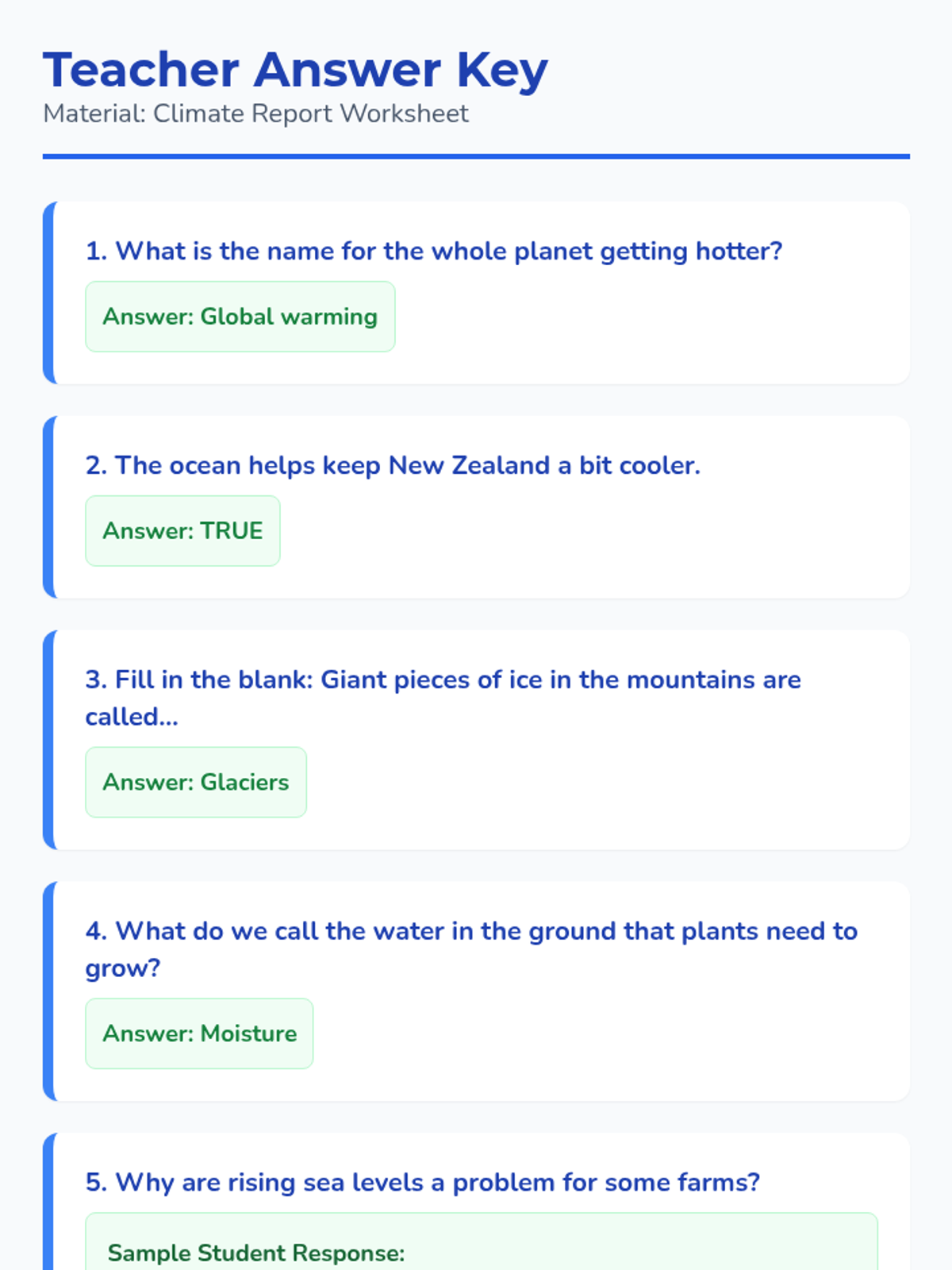
A lesson for 2nd graders to understand the impacts of global warming on New Zealand's environment, focusing on glaciers, sea levels, and moisture.
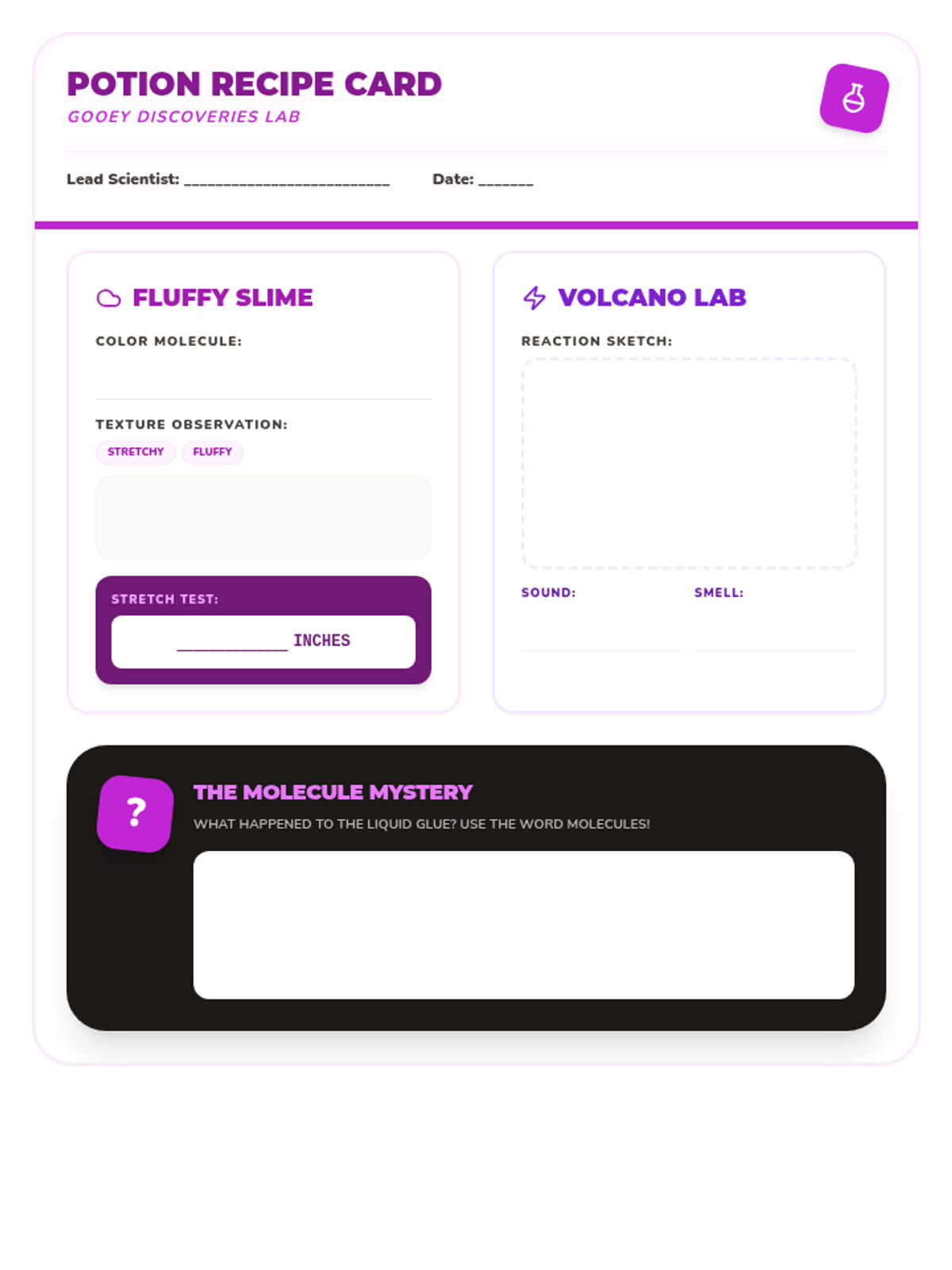
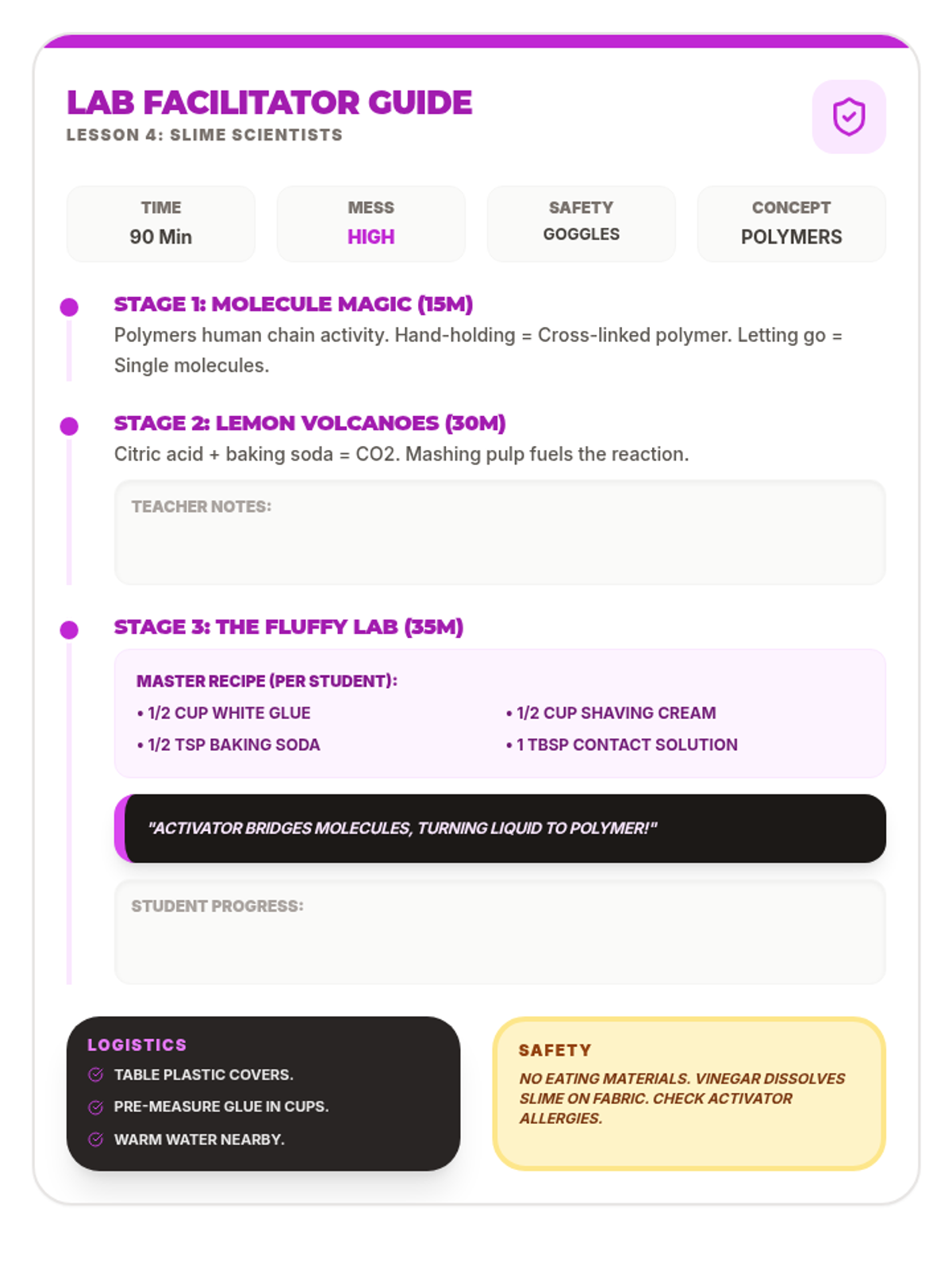
A hands-on chemistry session where students experiment with non-Newtonian fluids and acid-base reactions to create fizzing eruptions and gooey textures.
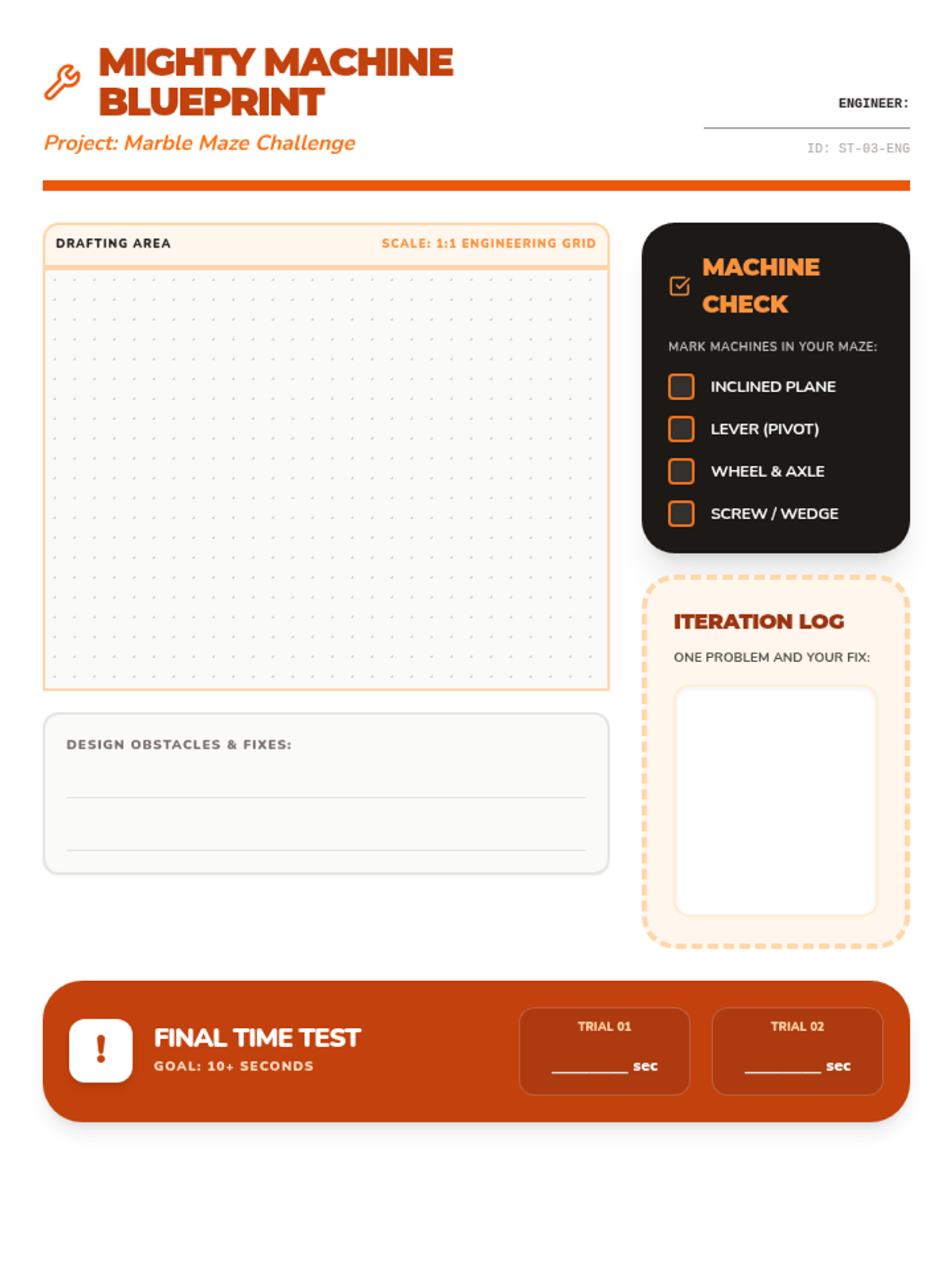
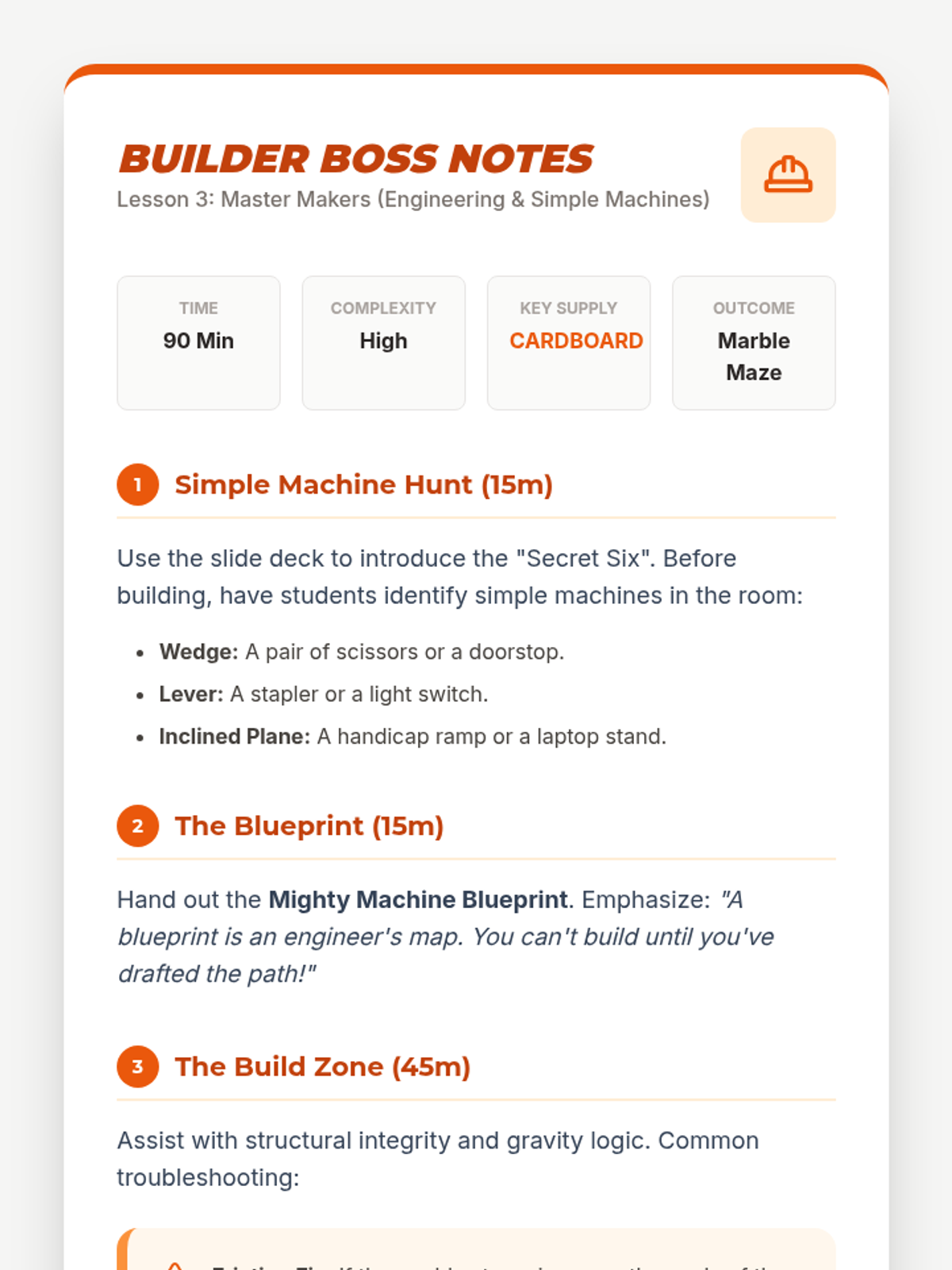
Students become engineers by designing a marble maze that incorporates simple machines like inclined planes and levers using cardboard and recyclables.
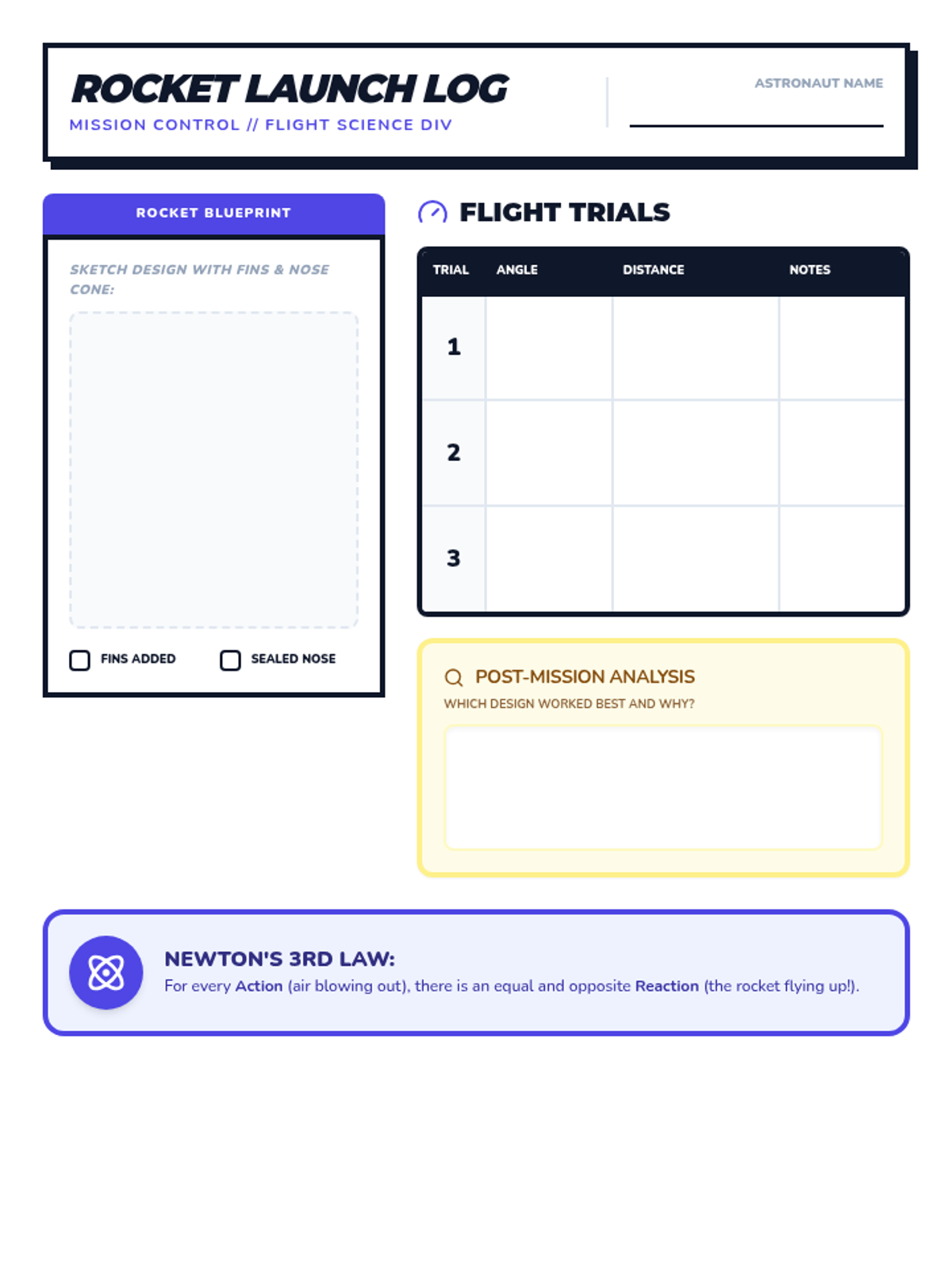
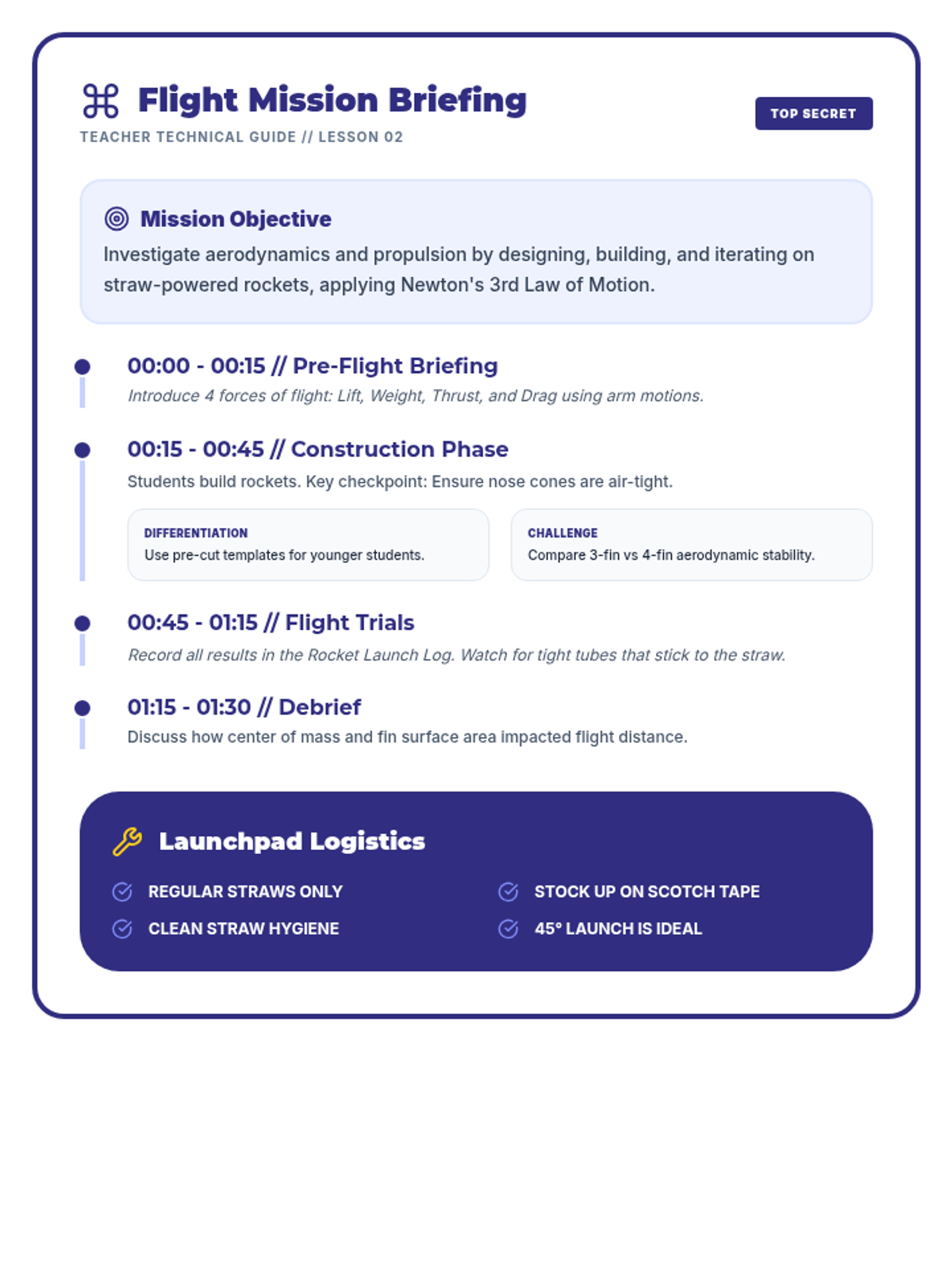
An introduction to aerodynamics and space travel where students design, build, and test various flight models using simple household items.
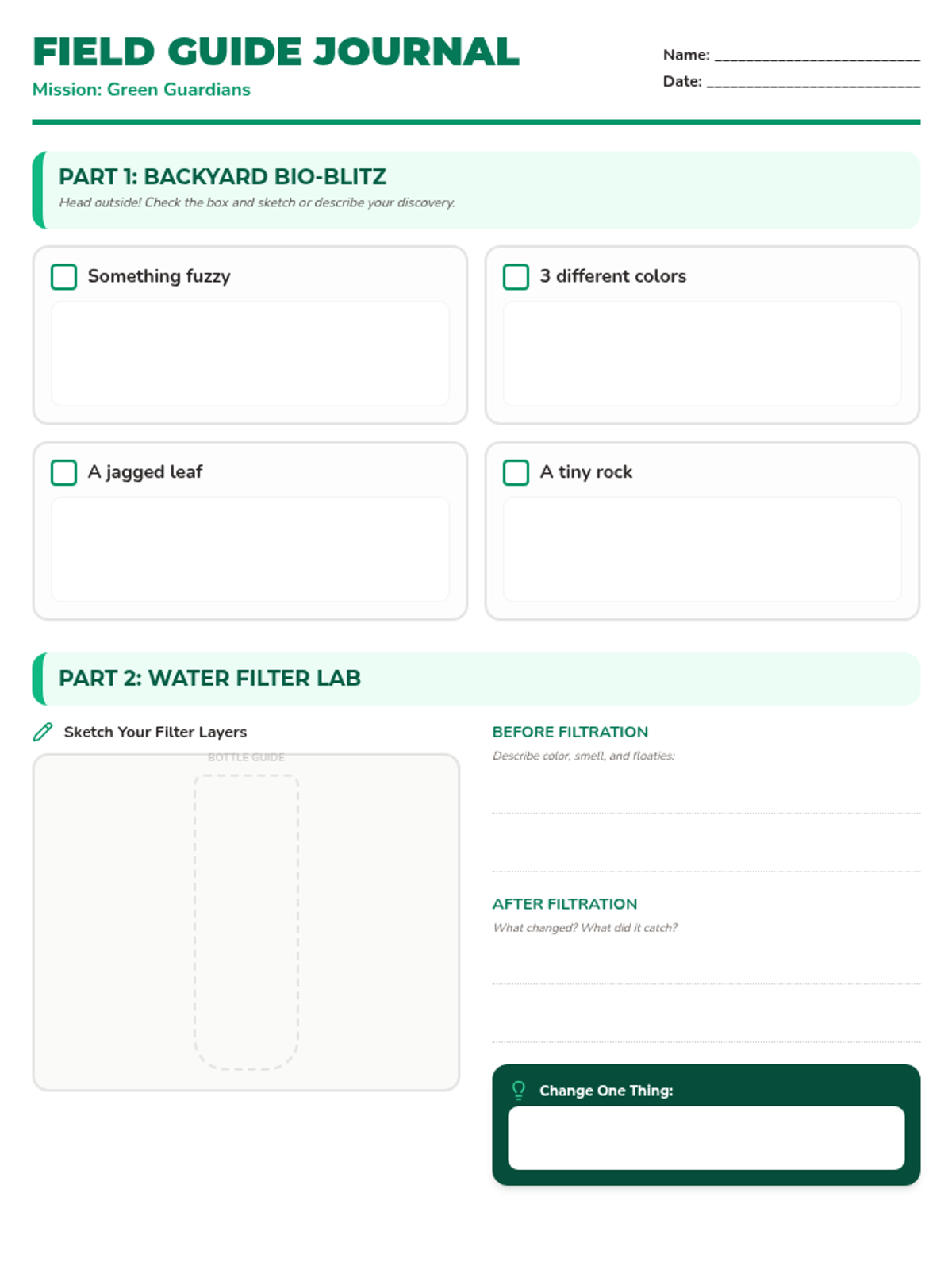
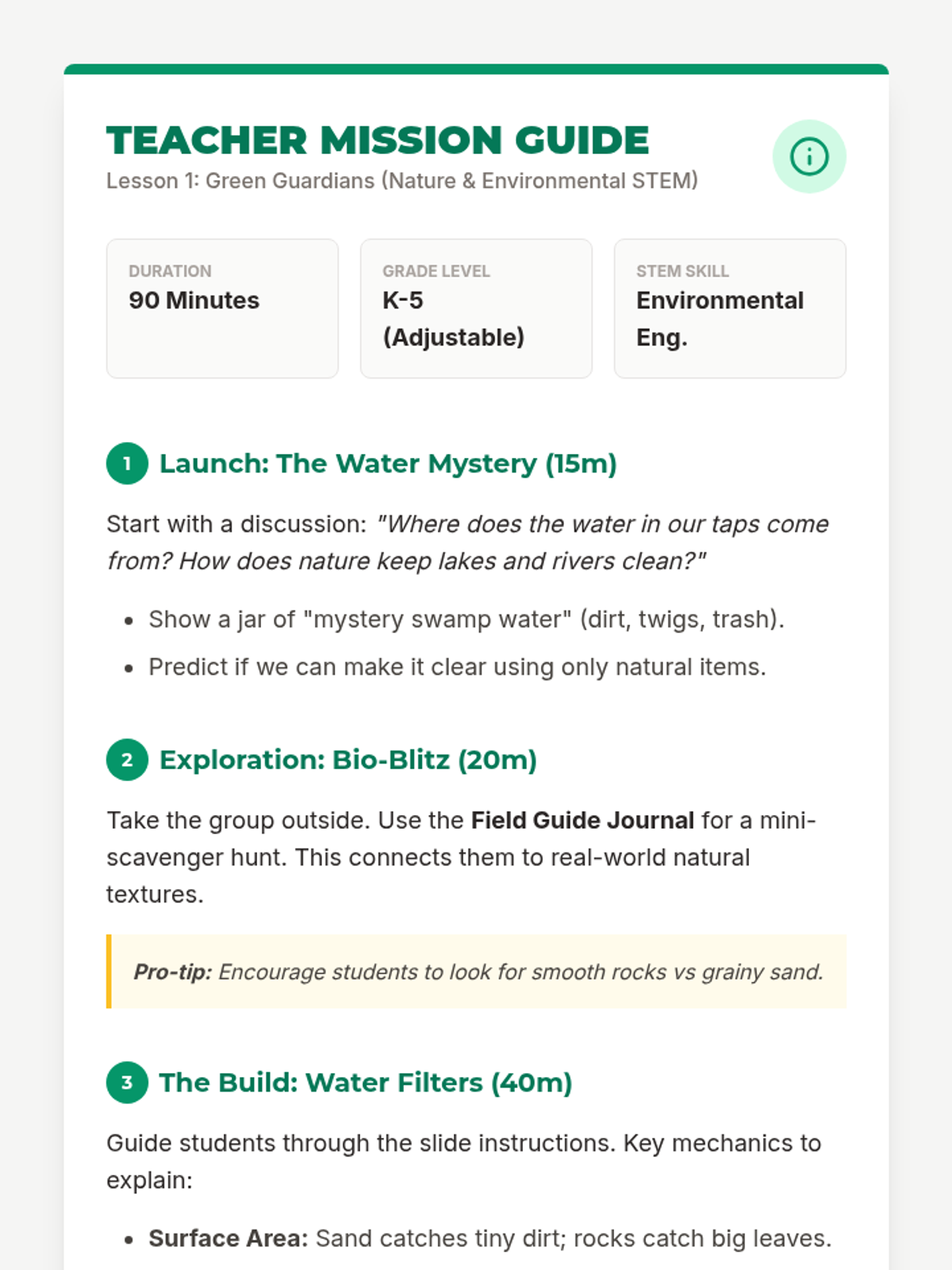
Students explore nature by building mini-ecosystems and learning about water purification using natural and recycled materials.