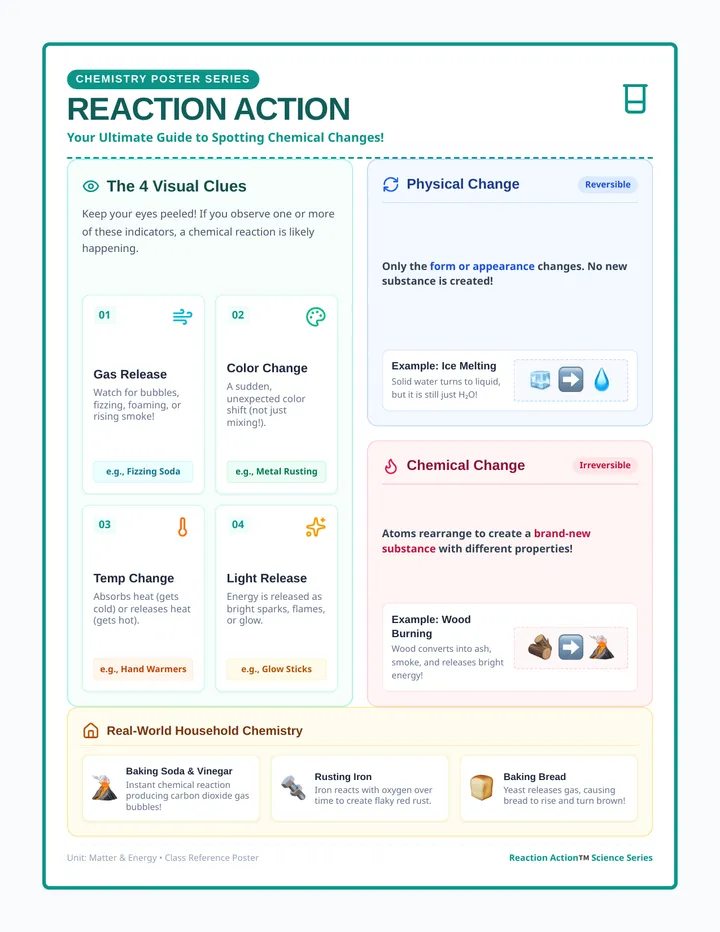
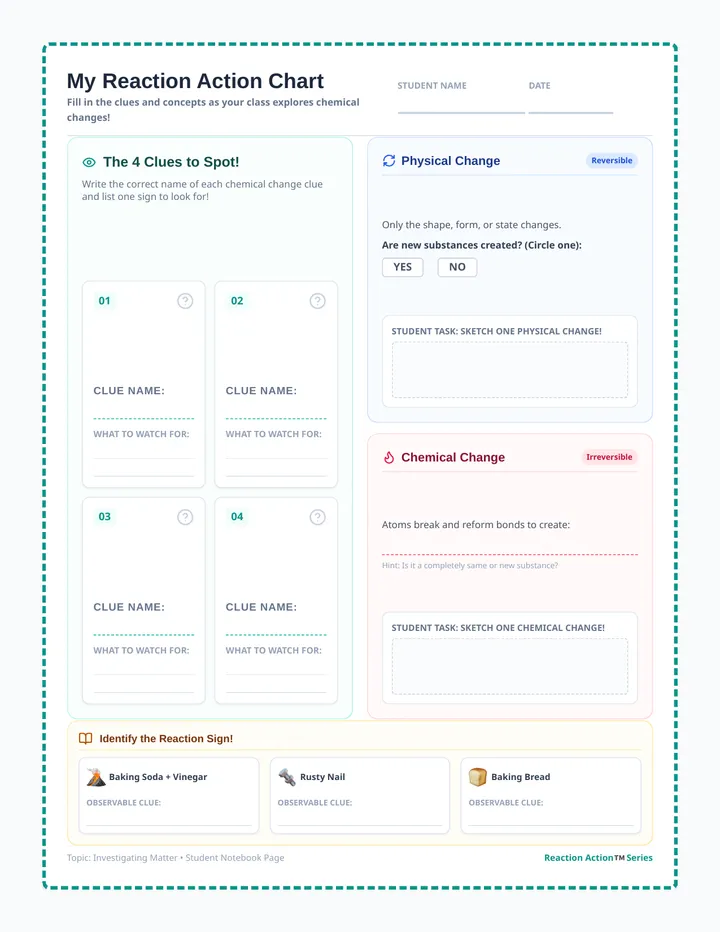
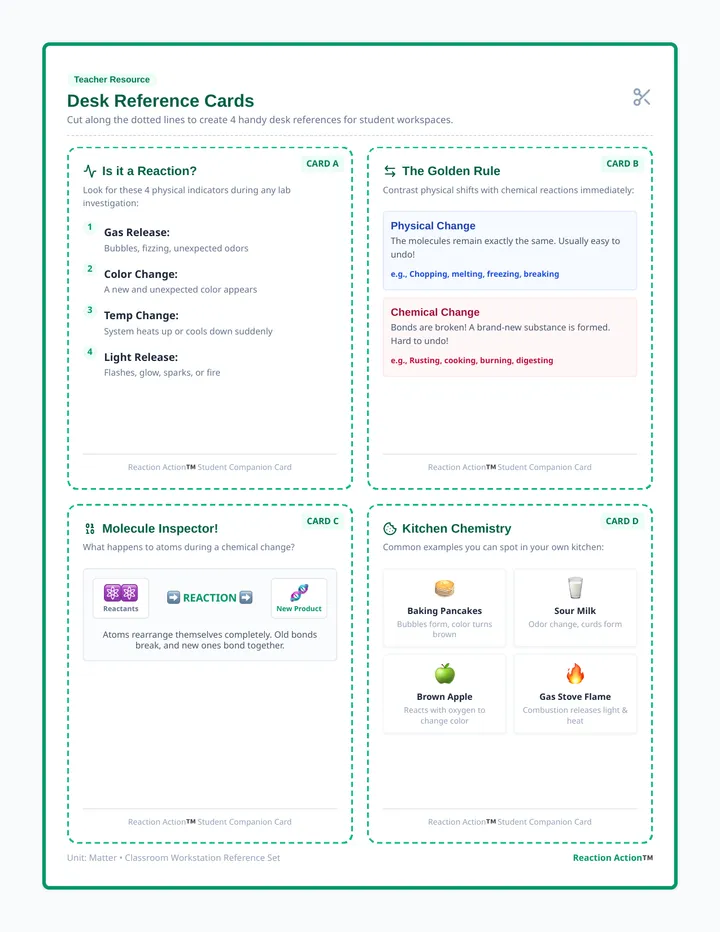
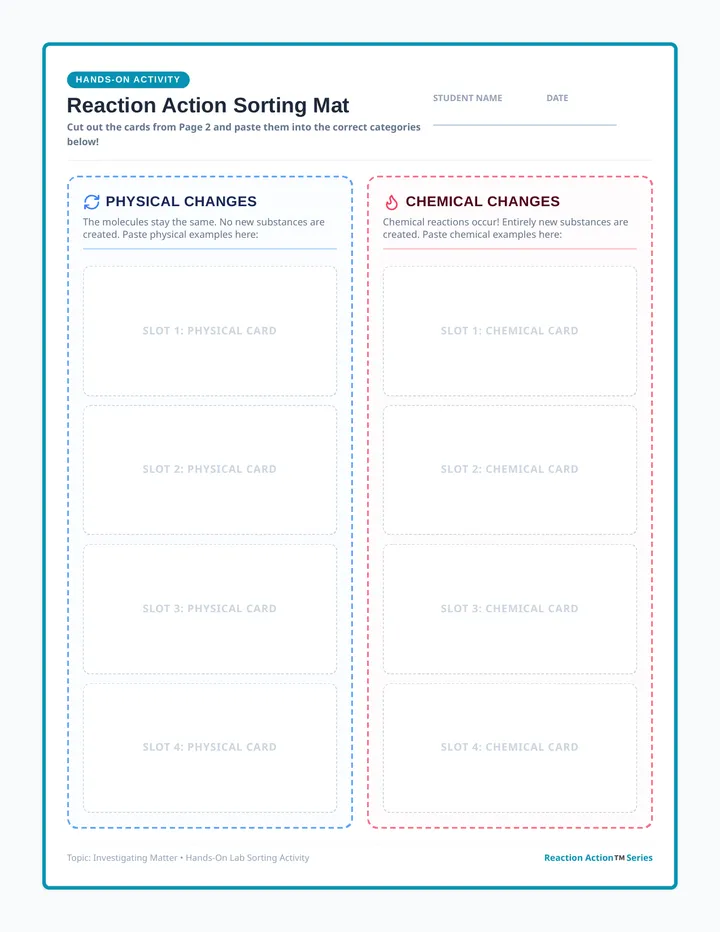
A comprehensive 5th-grade science lesson on matter, focusing on properties, states, conservation of mass, and chemical changes, specifically aligned to North Carolina Essential Standards 5.P.2.2 and 5.P.2.3 for EOG preparation.
A visual-heavy introduction to water-related vocabulary for ESL students, focusing on the states of matter and natural water forms.
A 100-minute hybrid biology and reading lesson focusing on the mechanisms of primary and secondary succession through scientific texts and diagrams. Students analyze a mock scientific journal and a vocabulary-dense lab report to understand how ecosystems recover and evolve.
A comprehensive lesson exploring the four terrestrial planets of our solar system: Mercury, Venus, Earth, and Mars. Students will learn about their unique physical characteristics, atmospheres, and how they compare to one another through a mission-themed presentation and interactive activities.
A cross-curricular lesson exploring modern ecosystems and the history of environmental conservation. Designed with ADHD and Dyslexia-friendly features like high-visual support, hands-on activities, and clear, structured tasks.
A hands-on STEAM lesson where emerging bilingual students use Ozobots to act out short scenarios, focusing on beginner-level English speaking, listening, reading, and writing skills.
A fast-paced, hands-on lab where students simulate the chemical and physical breakdown of food in the small intestine using common household materials to understand liquefaction and absorption.
A comprehensive review lesson focused on the mechanics of weather patterns, specifically evaporation, condensation, and the thermodynamics of rising air parcels in the troposphere. Students will engage in vocabulary practice, conceptual multiple-choice questions, and a data-driven CER response to prepare for their unit quiz.
A 3rd-grade introductory lesson on thermal energy, heat transfer, and molecular motion. Students explore how molecules behave in hot versus cold substances and how energy moves between objects of different temperatures.
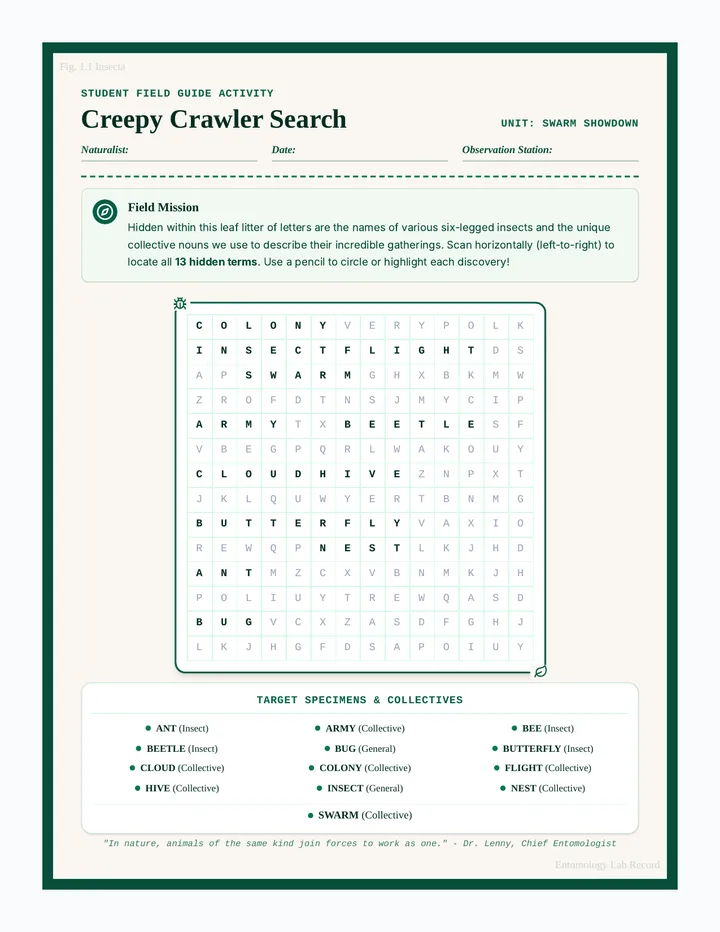
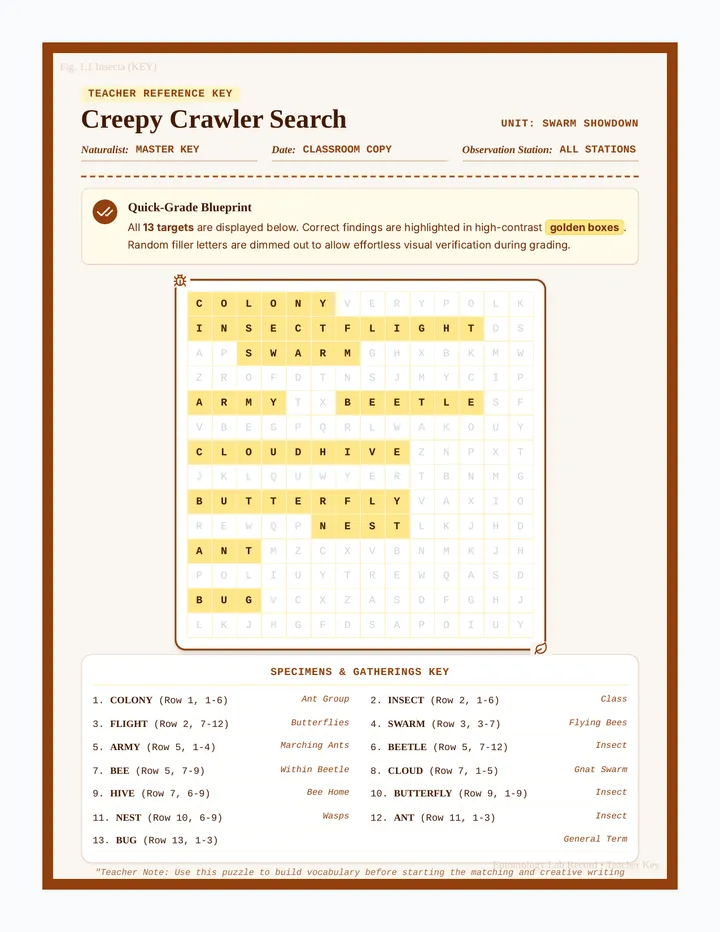
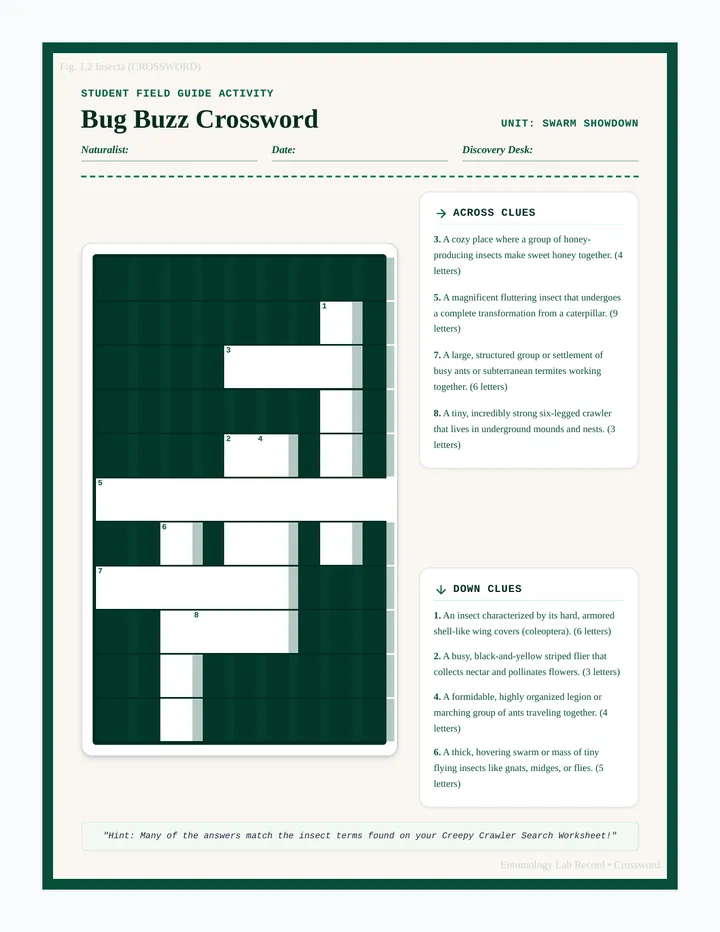
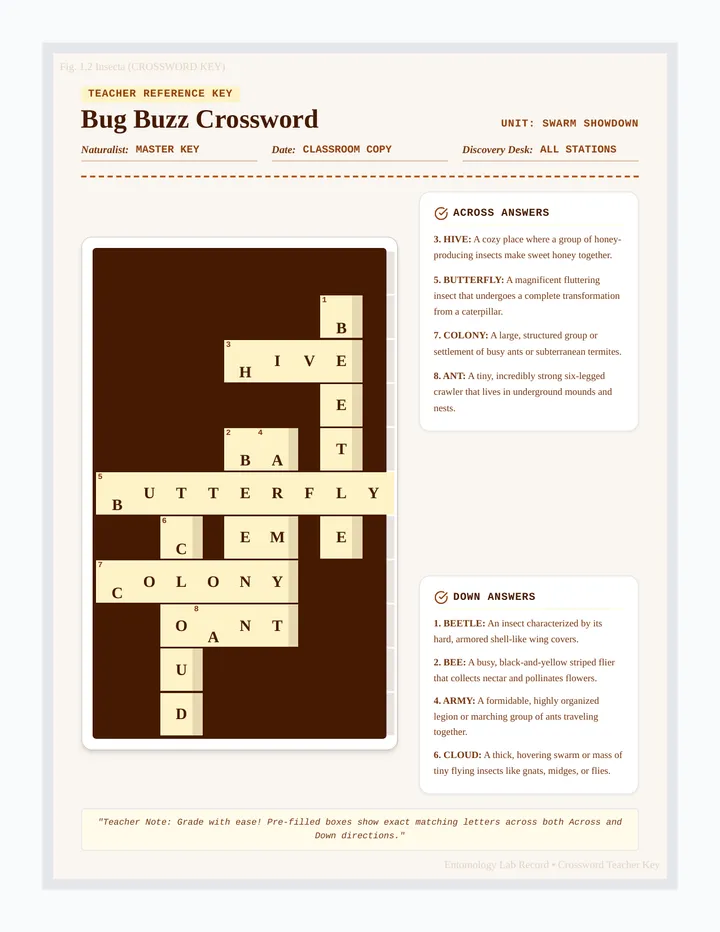
A hands-on introductory lesson for 2nd graders to identify insects by their physical characteristics (6 legs, 3 body parts) and sort them from other creepy-crawlies.
A fast-paced mini-lesson focused on the most challenging part of the CER framework: Reasoning. Students learn to bridge the gap between their evidence and claim using scientific principles through the metaphor of building a bridge.
A lesson exploring NASA's critical role in monitoring Earth's changing climate using satellite technology and data collection. Students will practice citing textual evidence while learning about global warming.
A high school biology lesson on photosynthesis specifically designed to demonstrate mastery of TESOL standards through differentiated language goals and instructional scaffolds for Emerging and Transitioning ELLs.
A first-grade science unit focusing on how fossils provide clues about ancient animals and their environments. Students act as "Dino Detectives" to compare bones, study changing habitats, and analyze footprints to determine movement.
A comprehensive review of Earth's history, the rock cycle, and the hydrosphere's role in shaping our planet, designed specifically for NC EOG preparation. Students analyze fossil evidence and geologic dating methods to reconstruct Earth's past.
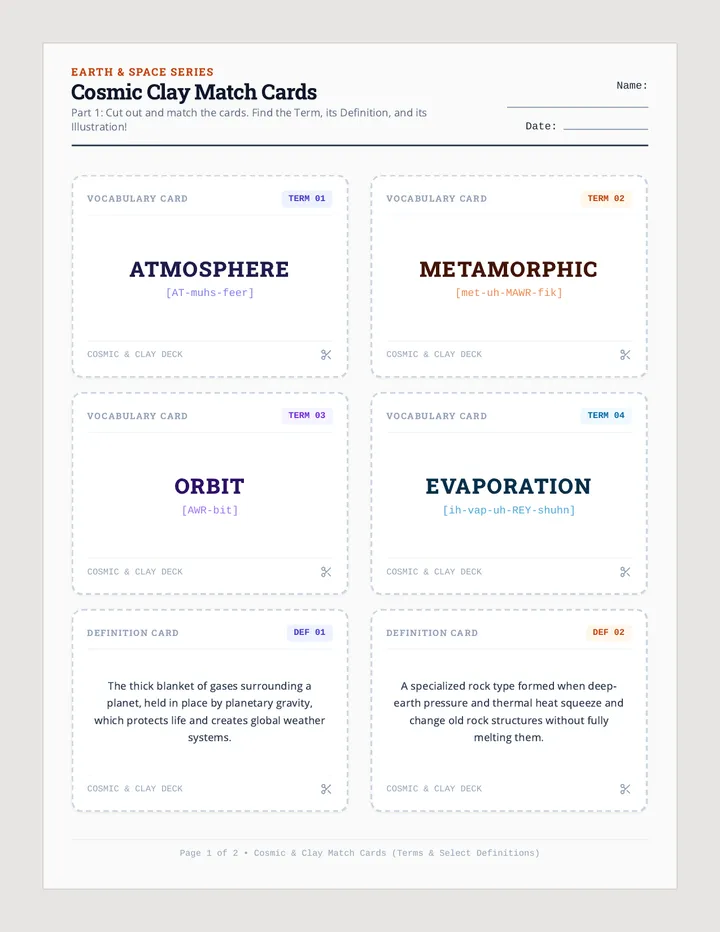
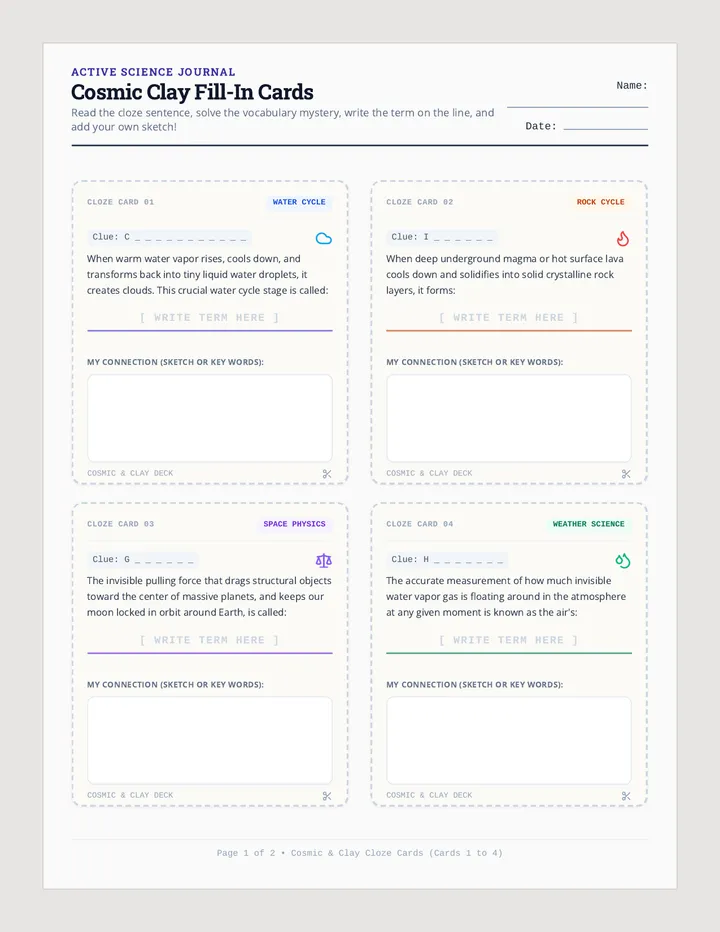
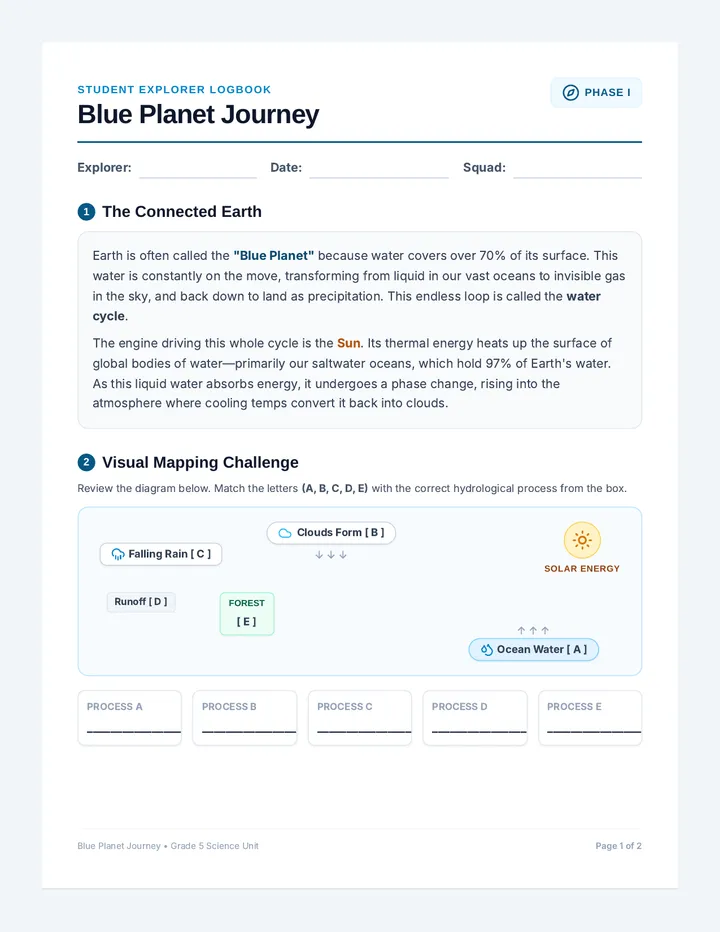
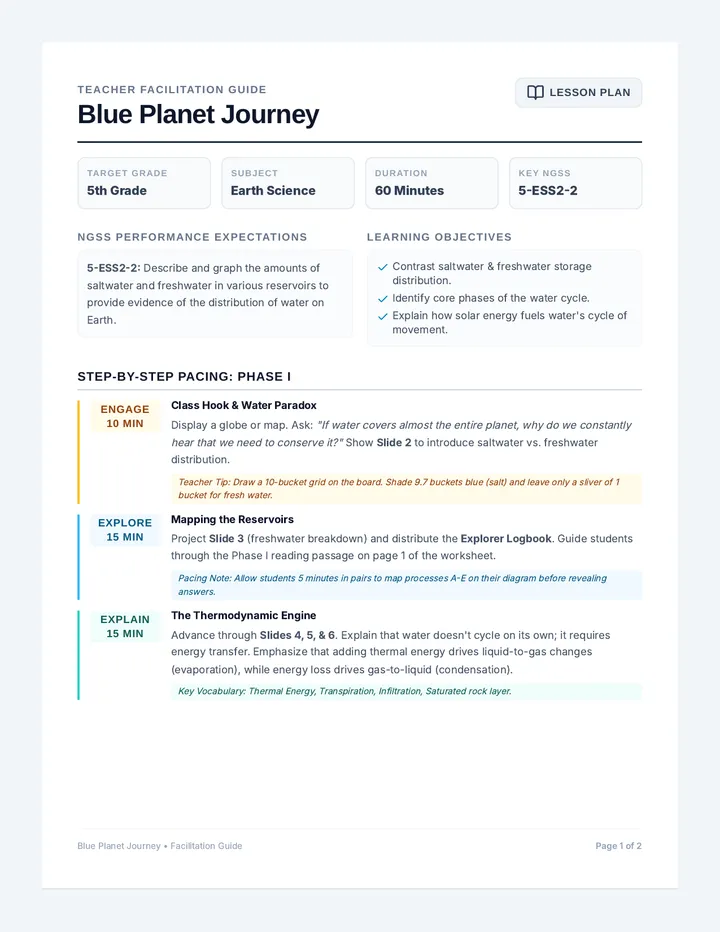
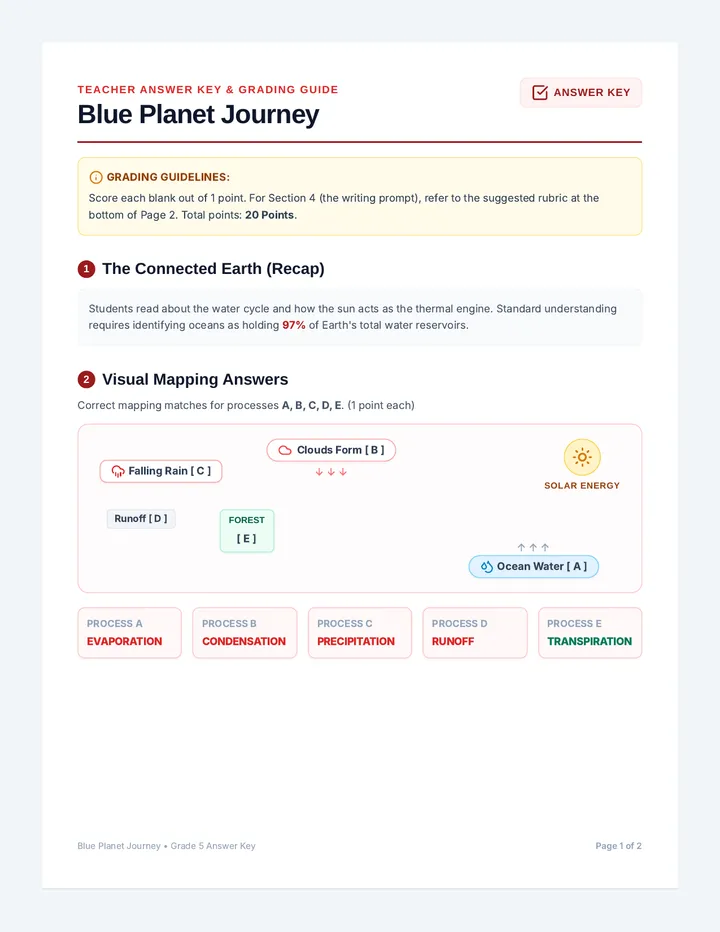
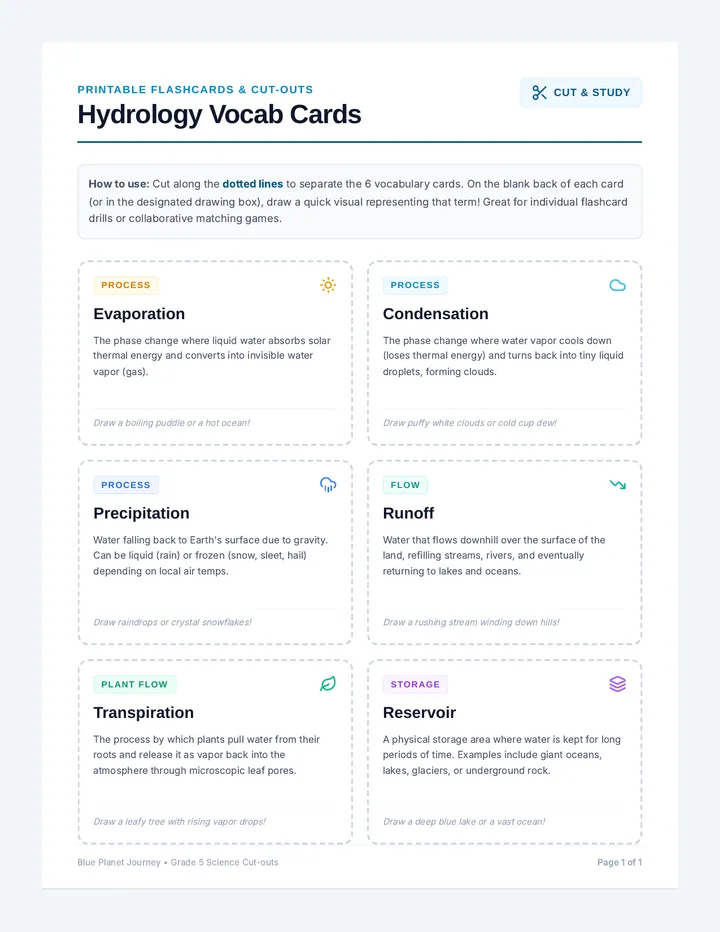
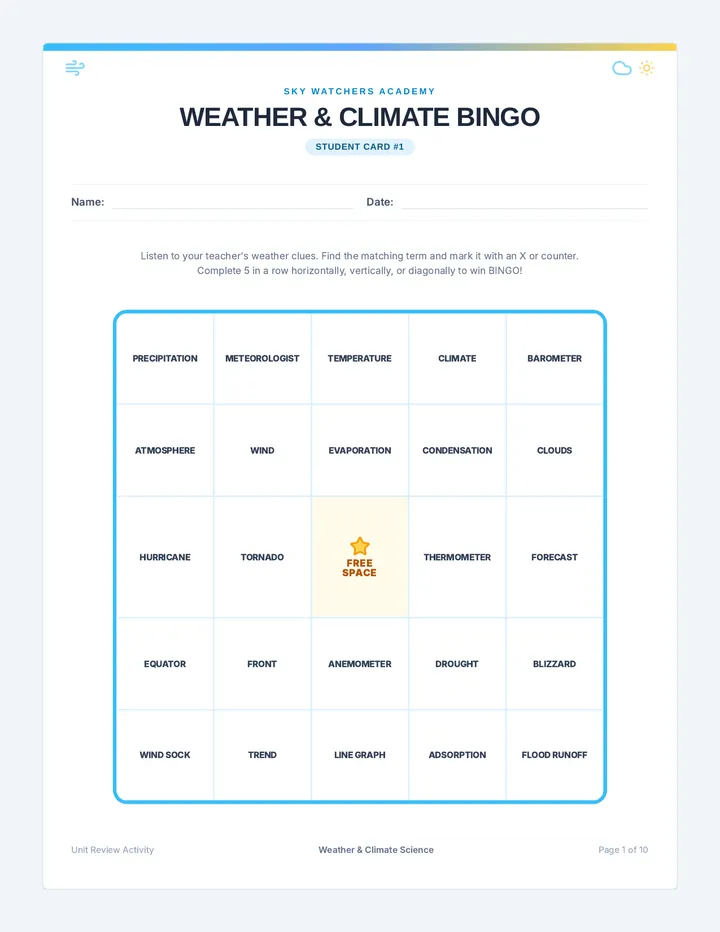
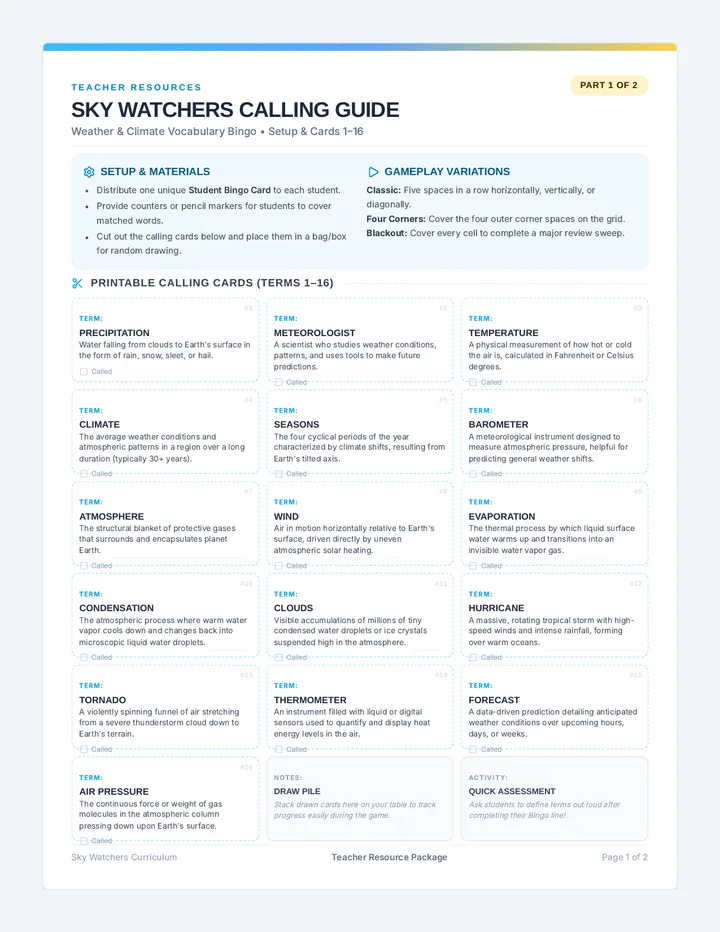
A comprehensive lesson on Earth's systems, focusing on the water cycle, weather patterns, and global atmospheric movements specifically aligned to NC 5th Grade Science standards (5.E.1).
A comprehensive 5th-grade science lesson focused on energy flow in ecosystems, featuring food webs, chains, and organism interactions aligned with NC Standard 5.L.2.
A lesson exploring the science of bioluminescence, focusing on how and why organisms produce their own light in nature. Students will learn about chemical reactions, deep-sea adaptations, and the diverse uses of light in the animal kingdom.
A cross-curricular lesson where students transform complex scientific processes into catchy songs. Students will use graphic organizers to map out lyrics and templates with vocabulary banks to ensure scientific accuracy in their musical compositions.
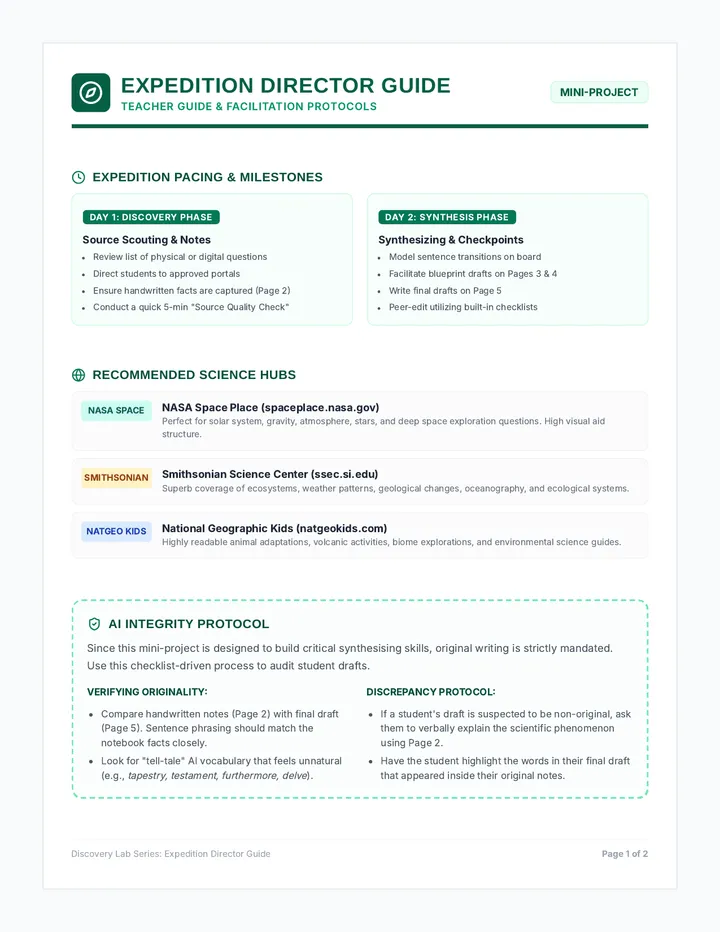
A cross-curricular lesson where students combine scientific observation with artistic detail to create labeled diagrams of flowering plants and animals. Students focus on identifying key parts of organisms while developing their drawing and labeling skills.
A deep dive into the business origins and marketing strategies of McDonald's, exploring how it became a global cultural icon through clever branding and psychological targeting.
Students analyze data to describe the human role in rising global temperatures. They evaluate claims about natural resource use, the carbon cycle, and the greenhouse effect using historical evidence and climate models.
A high-energy gameshow lesson where students identify "ancient" tech artifacts and explore how they evolved into the devices we use today.
A comprehensive review of mixtures and solutions for 5th grade students, focusing on solubility, concentration, and chemical vs. physical reactions through a series of independent lab challenges.
A series of creative coding challenges designed for young learners using Scratch Jr. Students will explore basic programming concepts through open-ended, imaginative projects.
An introductory lesson on birds for first-grade students, focusing on anatomy, habitats, and common species through a visual read-along and interactive activities.
An introductory lesson on the history and mechanics of steam engines, adapted for 3rd-grade readers. Students will explore how heat creates movement and how this invention changed the world.