Ce cours apprend aux formateurs à maîtriser les outils de communication et de suivi sur Moodle, en se concentrant sur les forums, le paramétrage des activités et la gestion du carnet de notes.
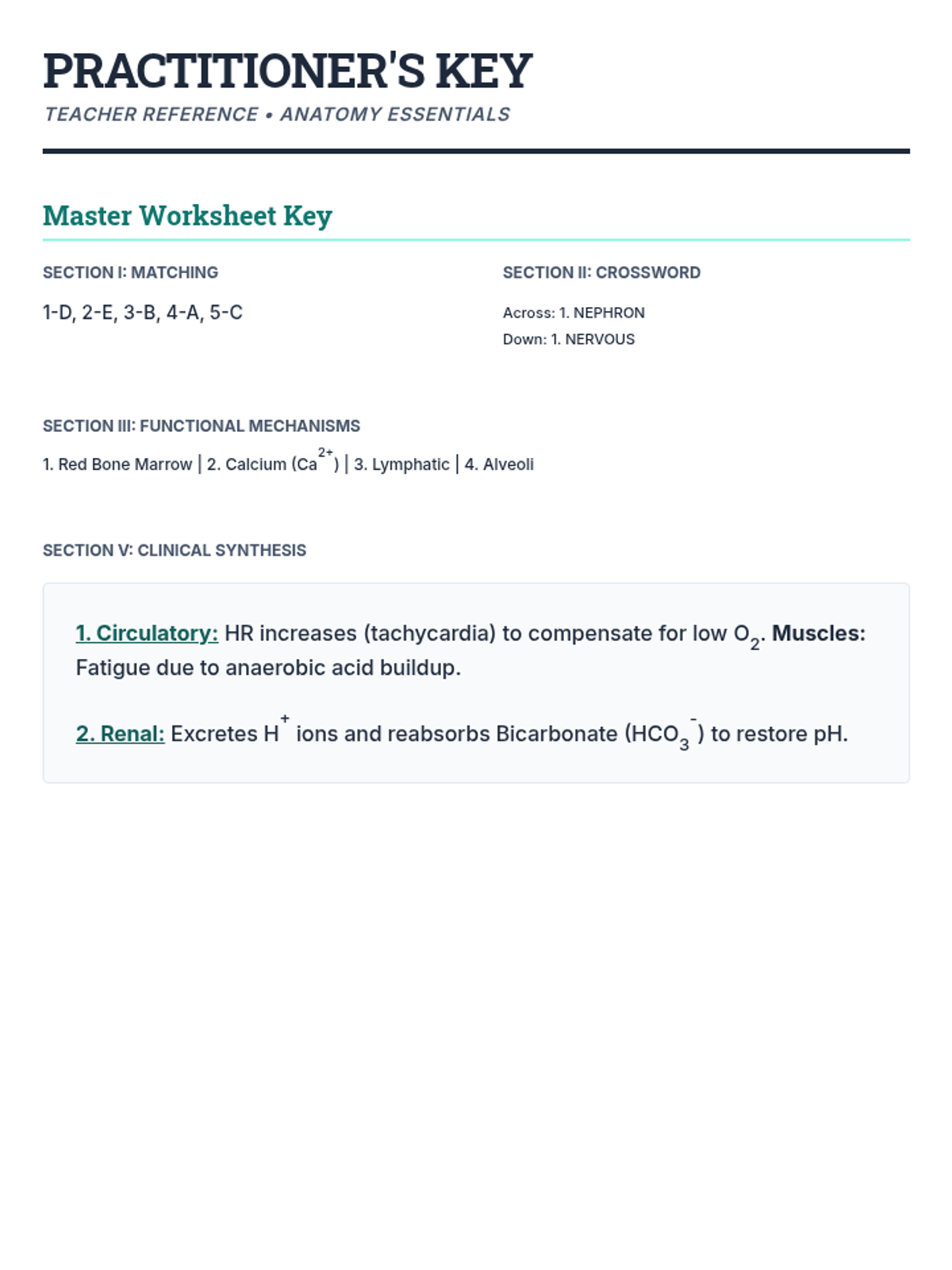
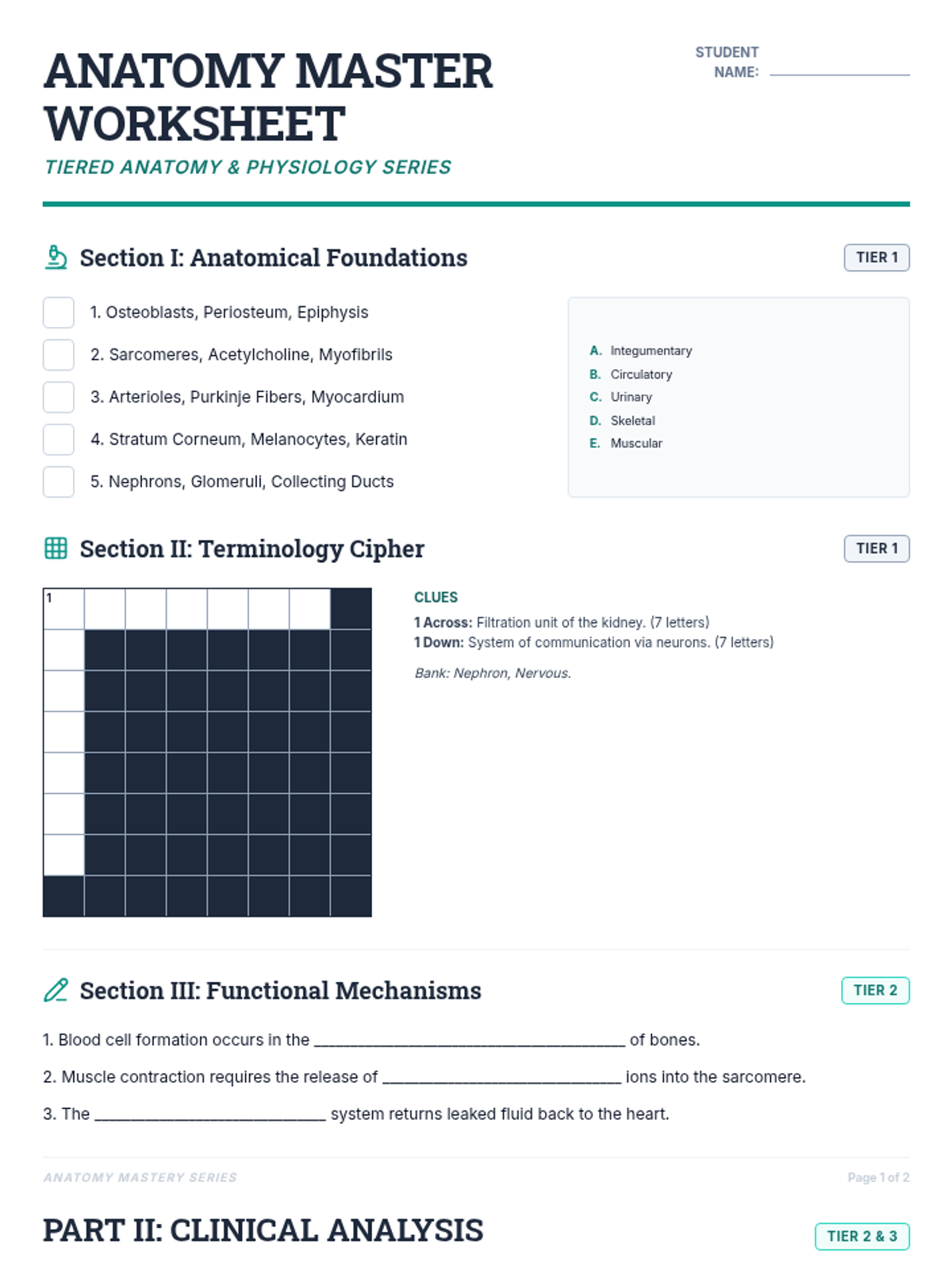
A high-level anatomy lesson focusing on the intricate structures, medical terminology, and physiological interdependence of eight major human body systems.
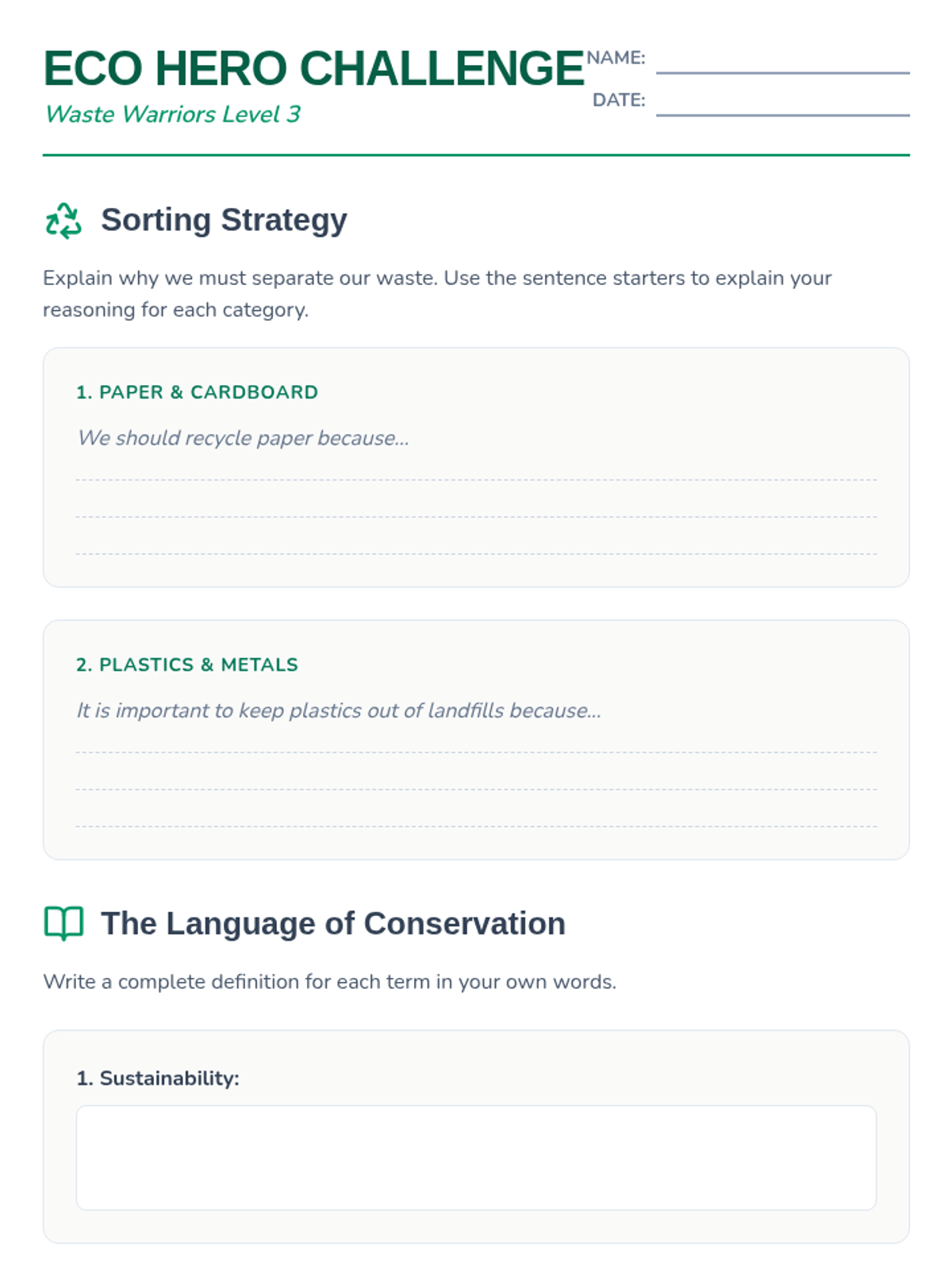
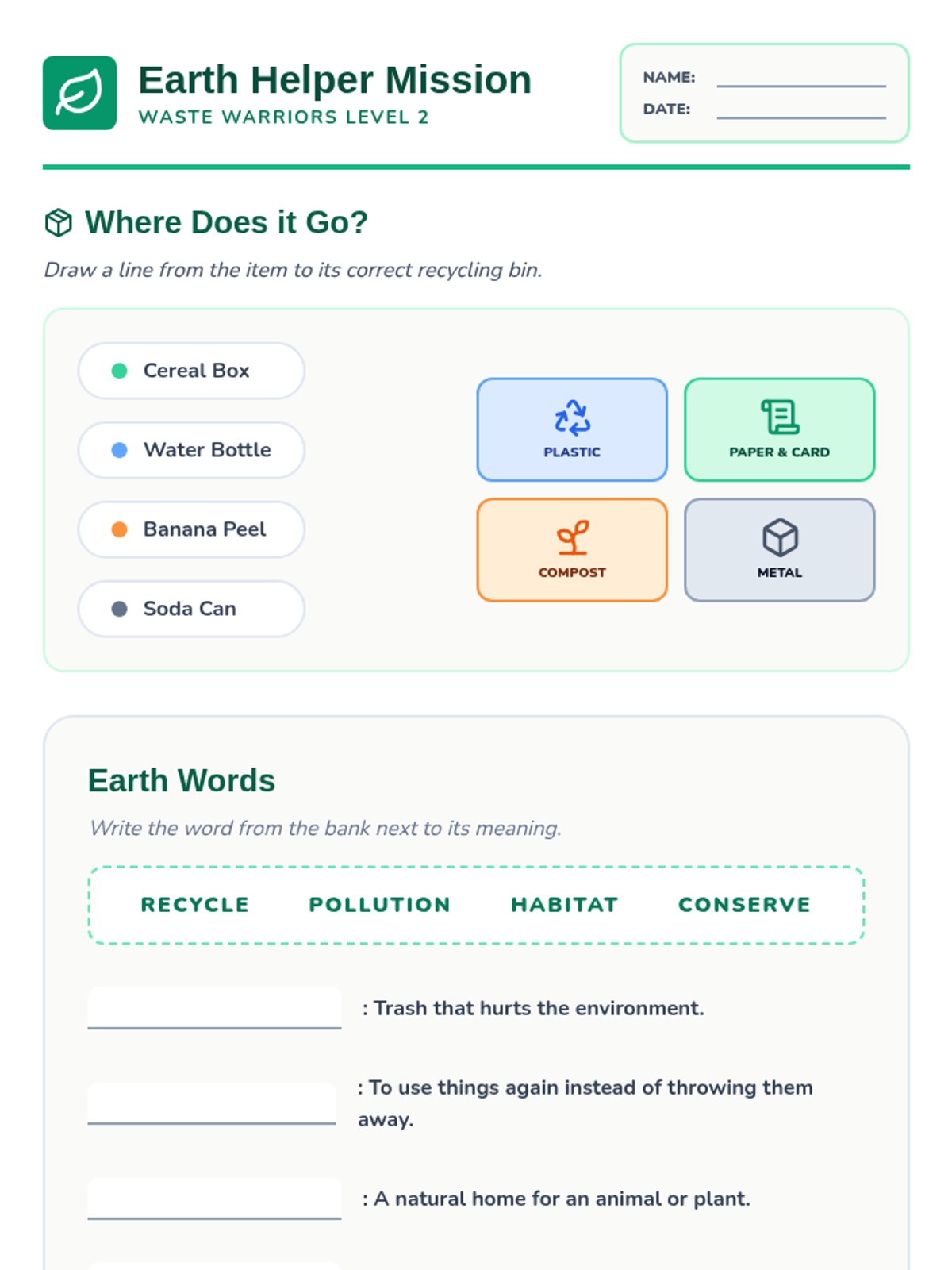
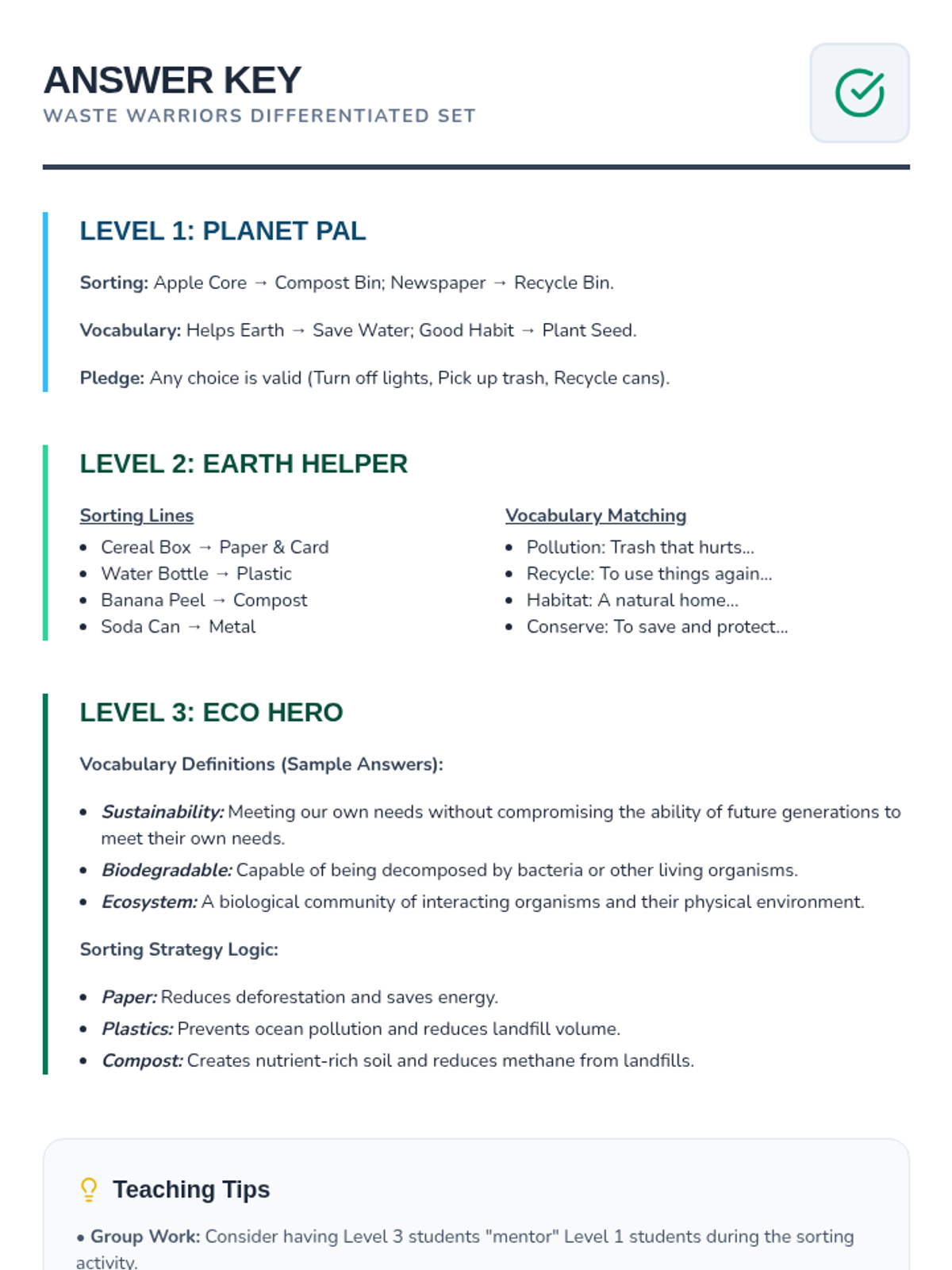
An introductory lesson on waste management and recycling where students practice sorting materials and learning key environmental vocabulary.
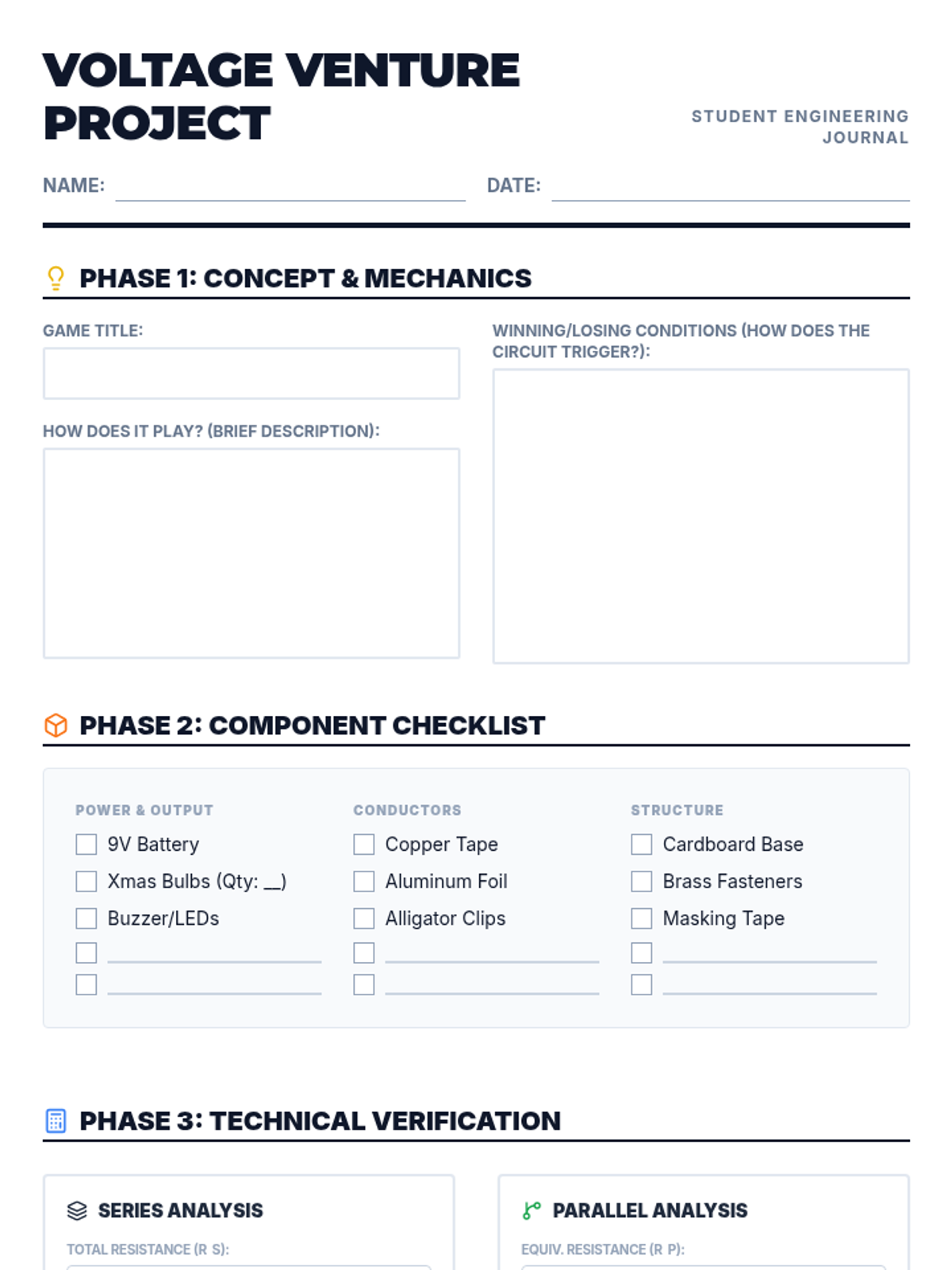
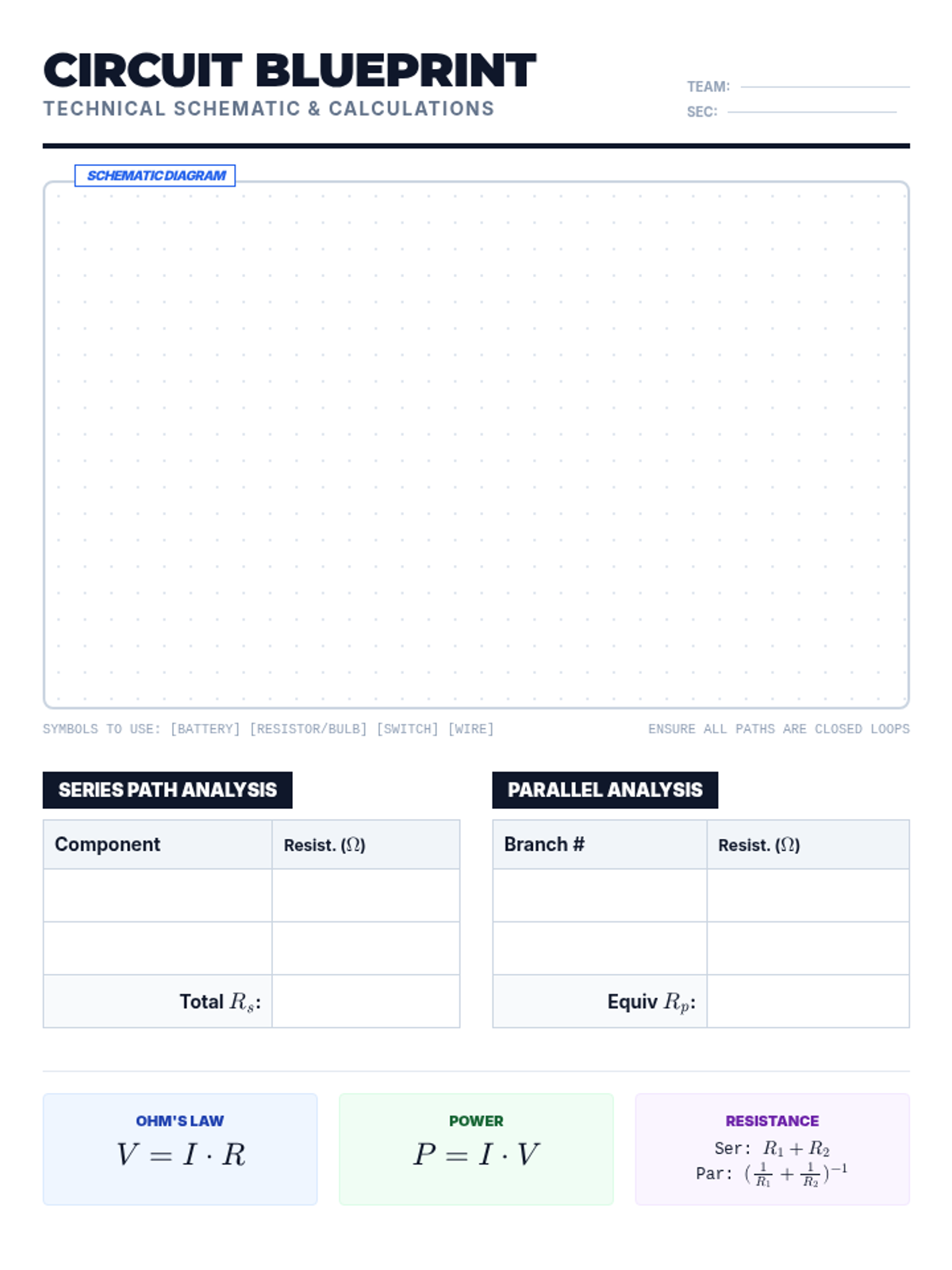
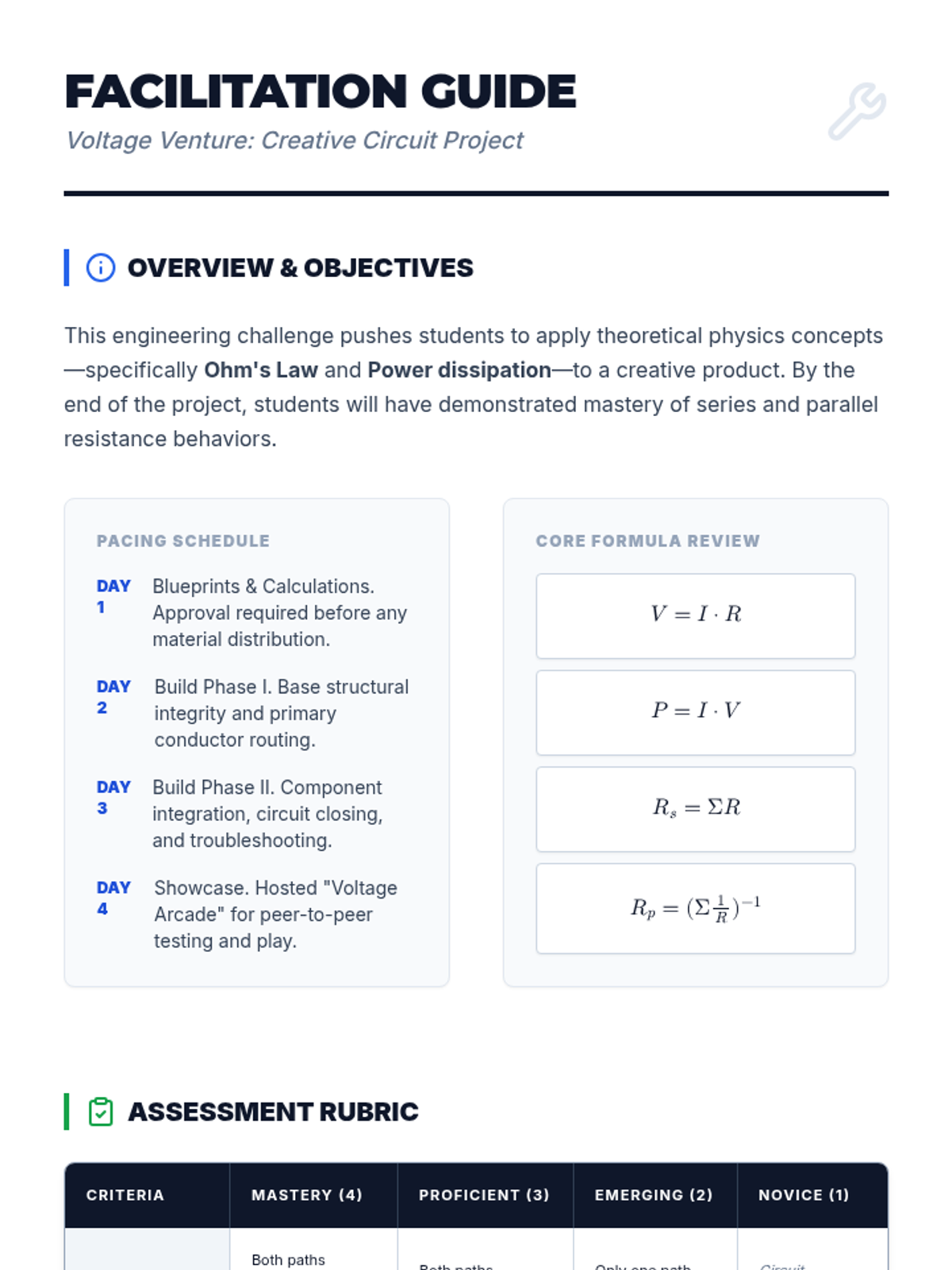
A creative engineering project where students design and build a game that incorporates functional series and parallel circuits, applying principles of Ohm's Law and electric power.
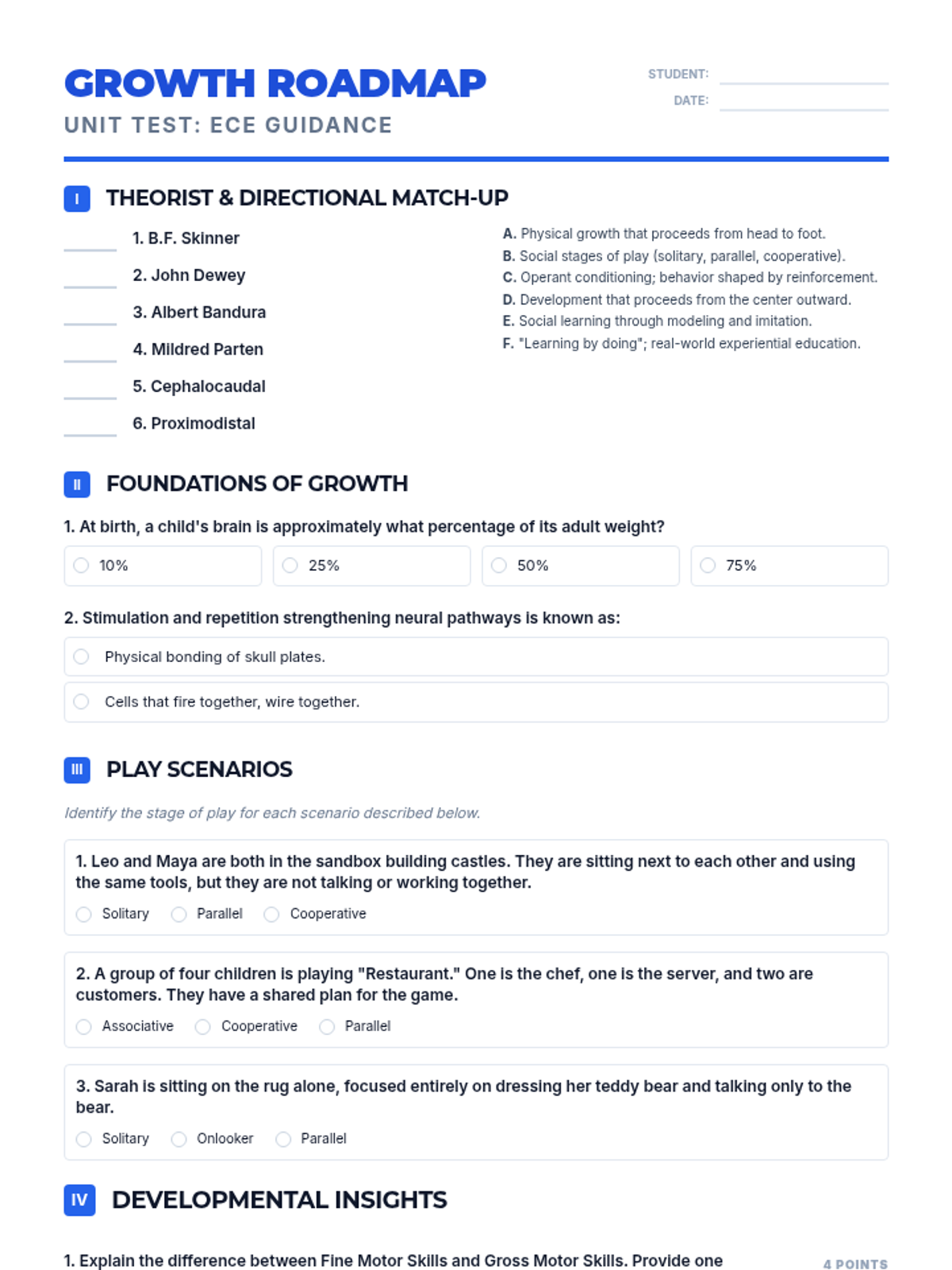
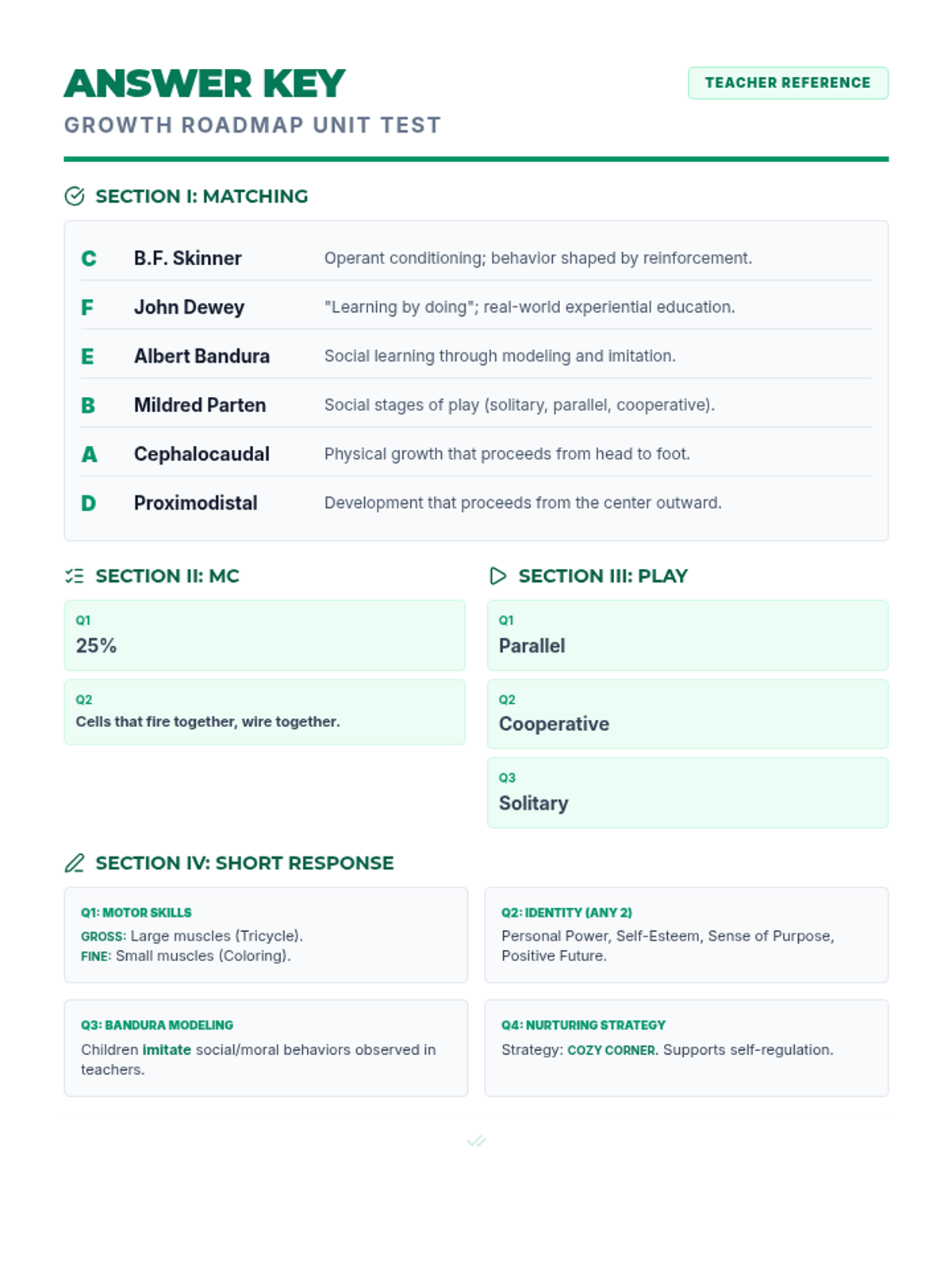
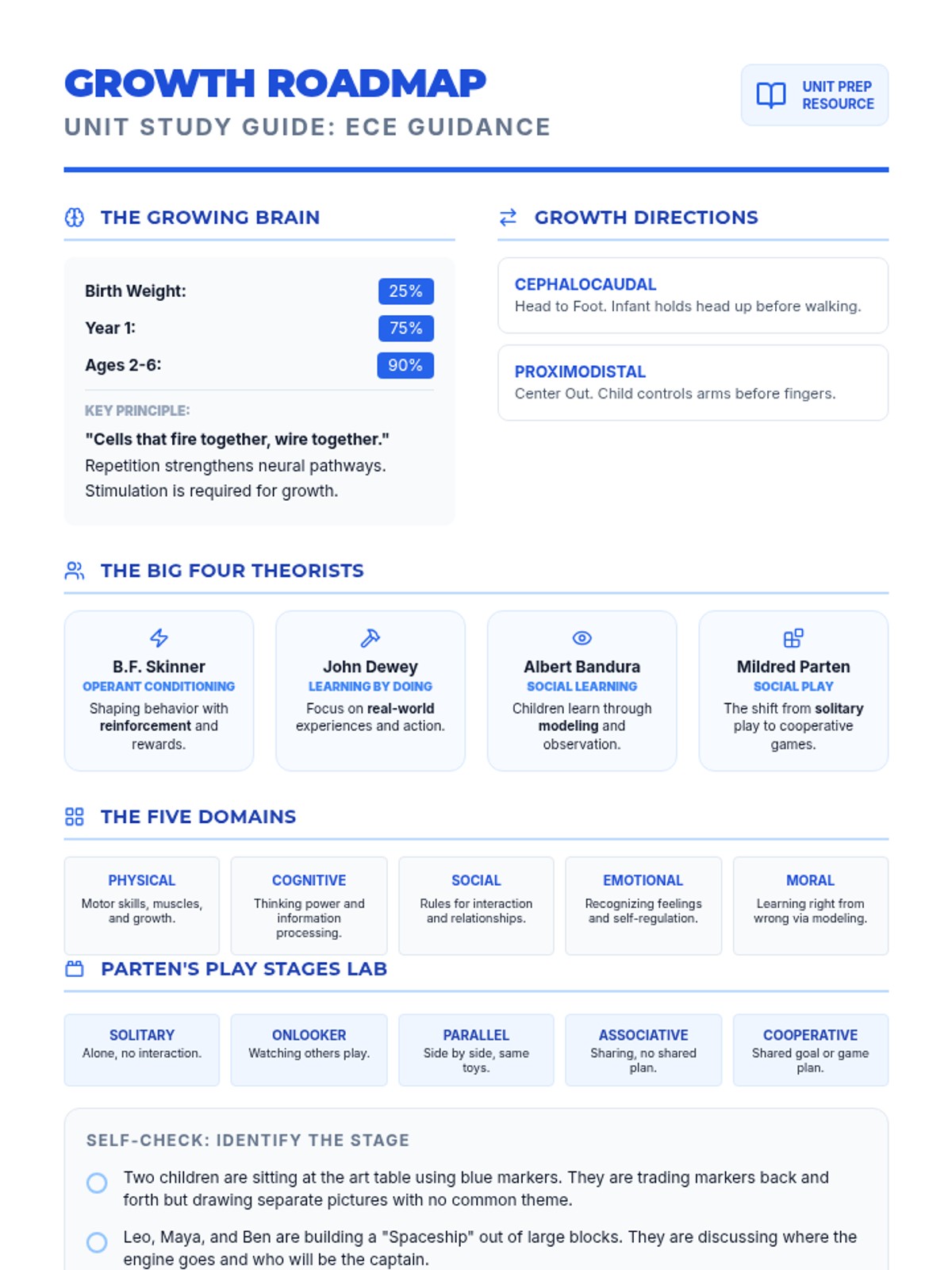
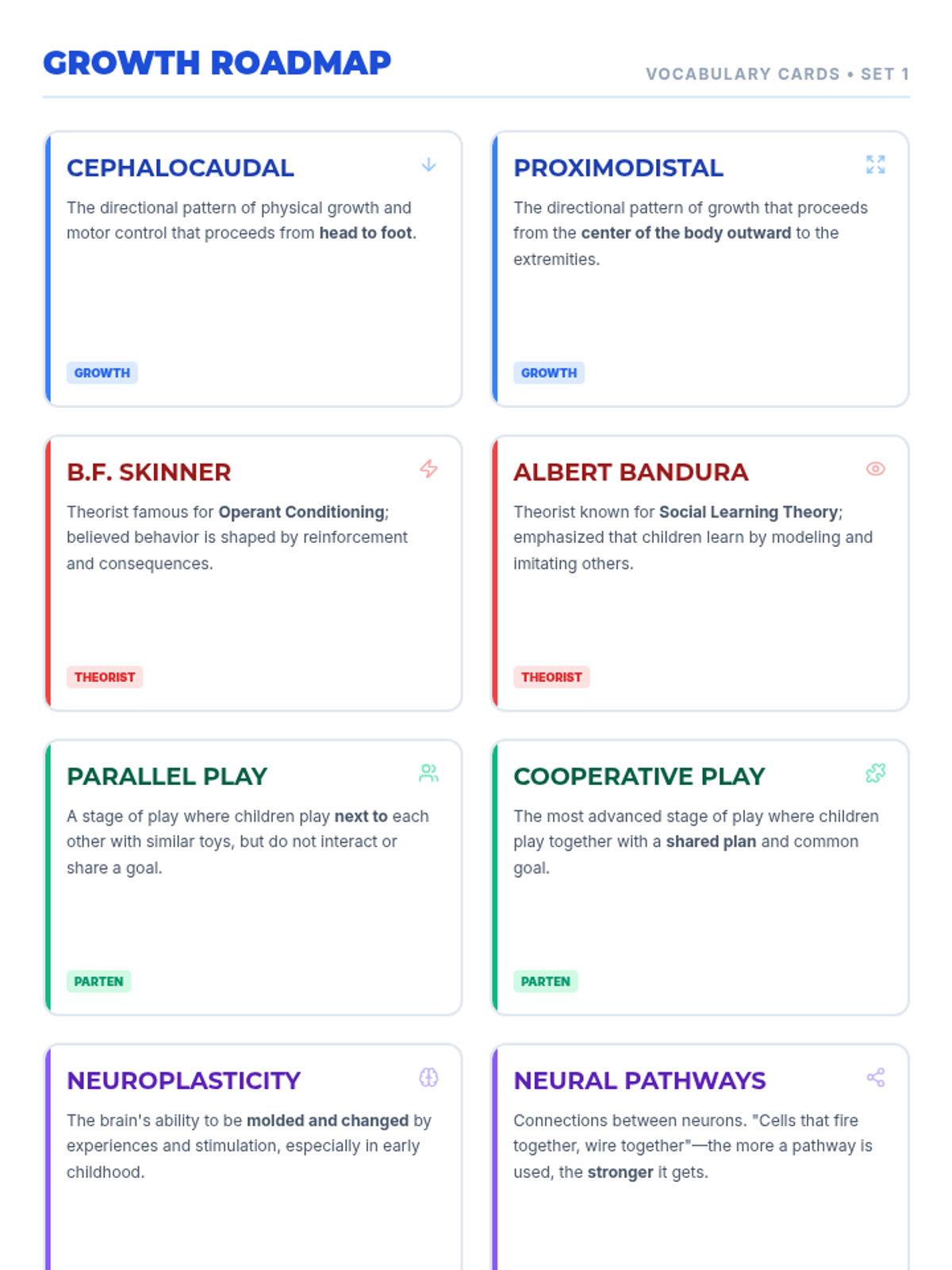
A comprehensive assessment covering developmental domains, brain growth, major ECE theorists, and strategies for supporting young children's self-concept and identity.
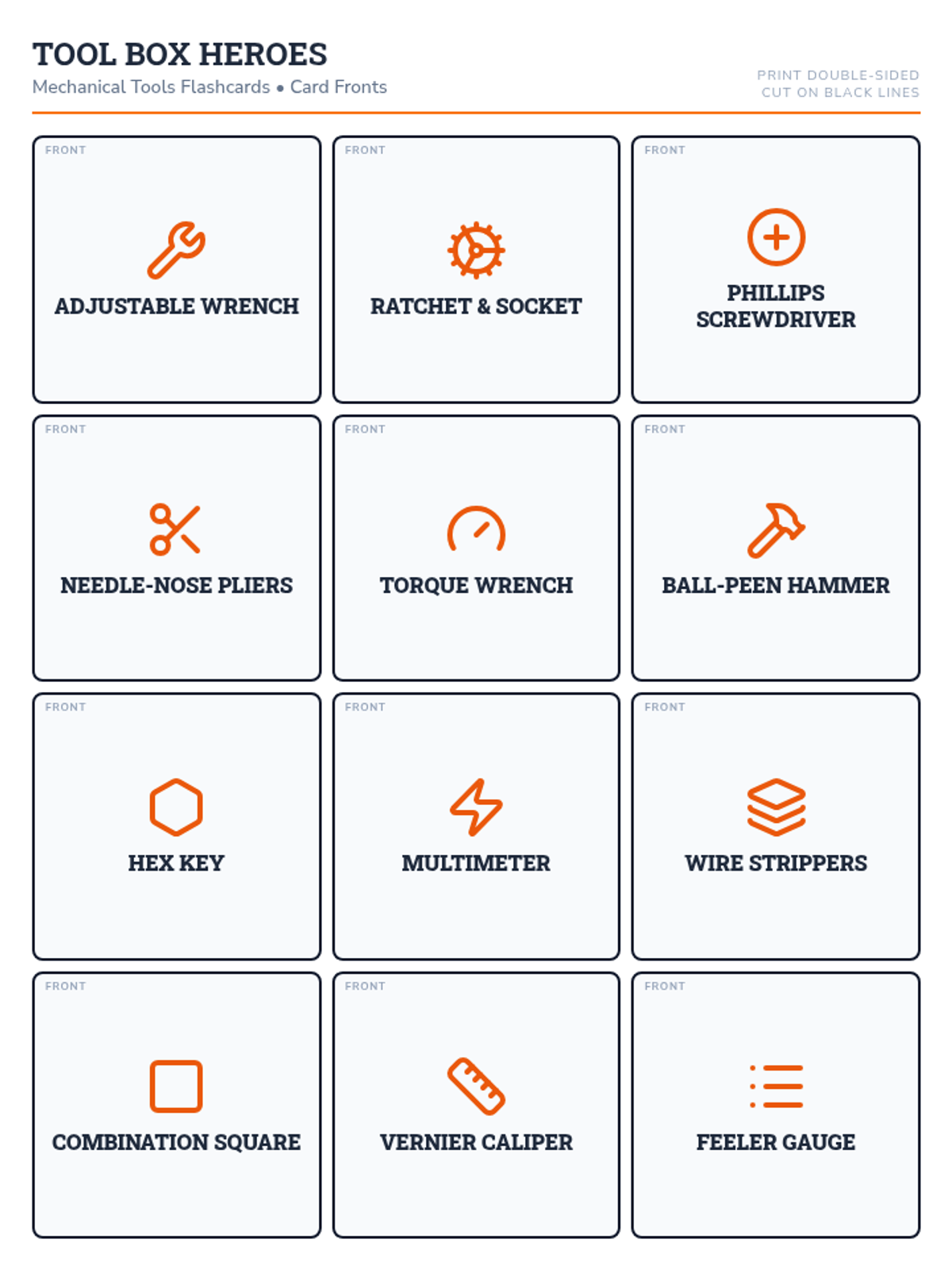
A lesson focused on identifying and understanding the specific functions of essential mechanical tools used in repair shops.
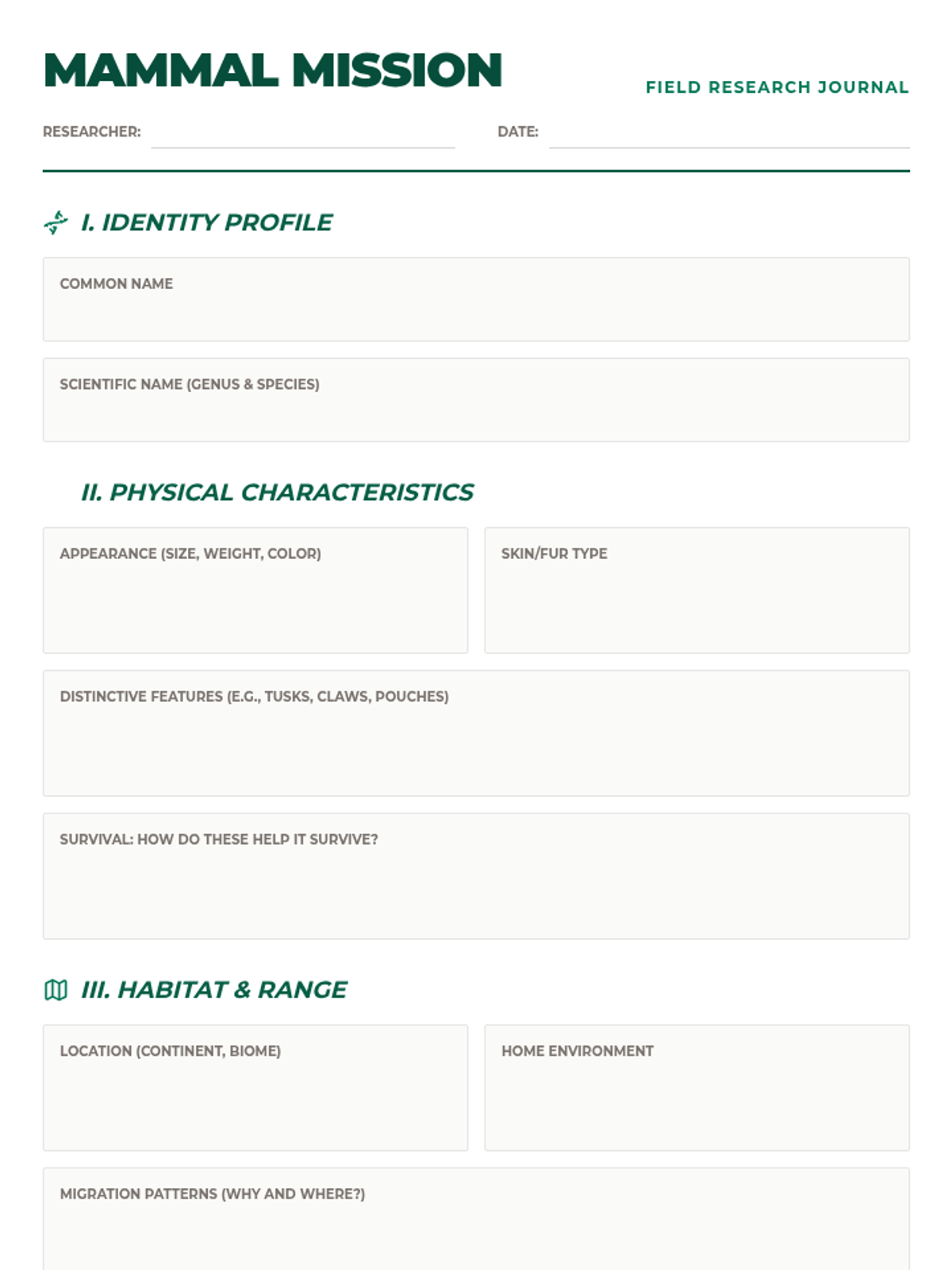
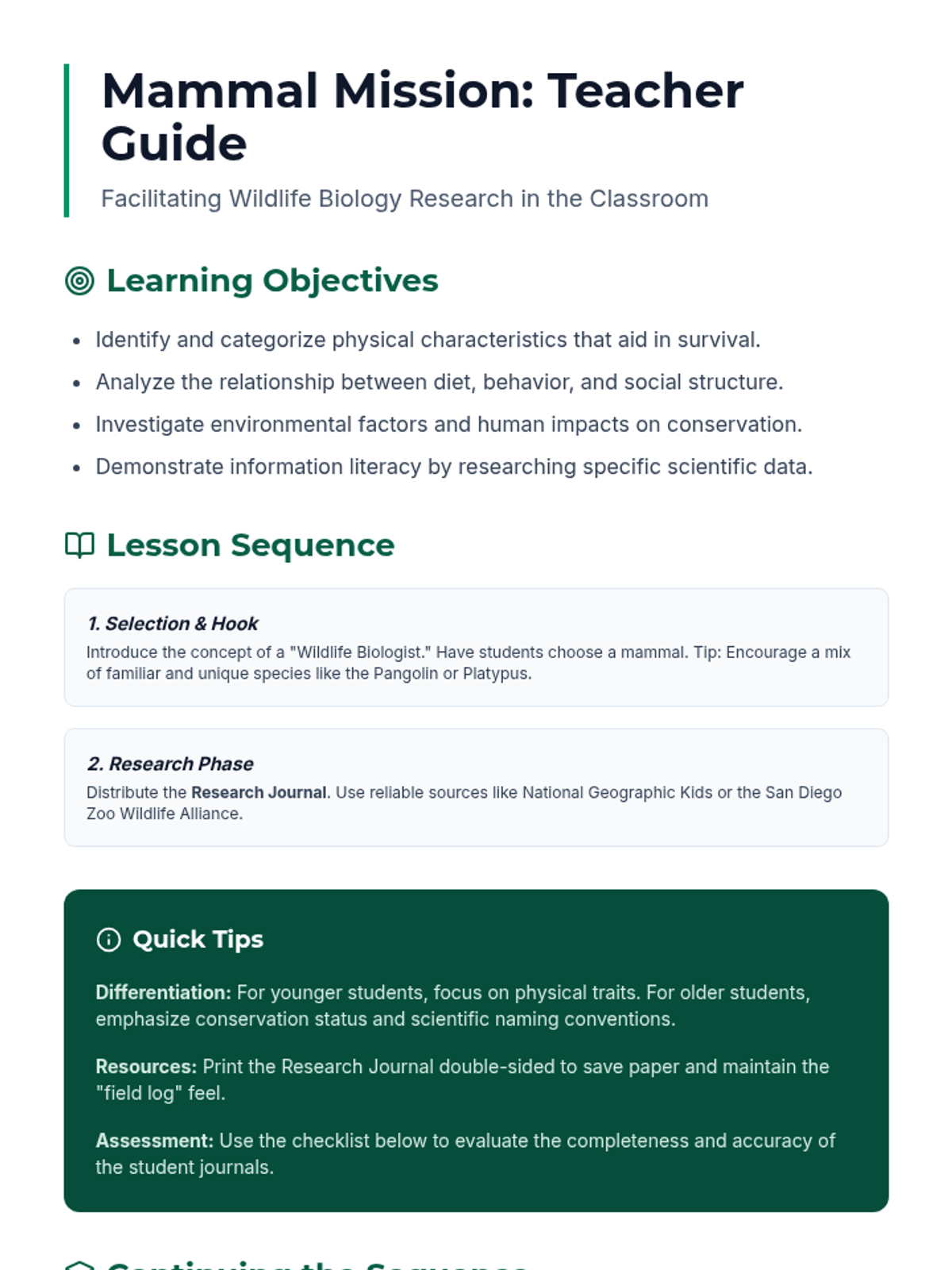
A research-focused lesson where students step into the shoes of a wildlife biologist to document the physical traits, habitats, and behaviors of a mammal of their choice.
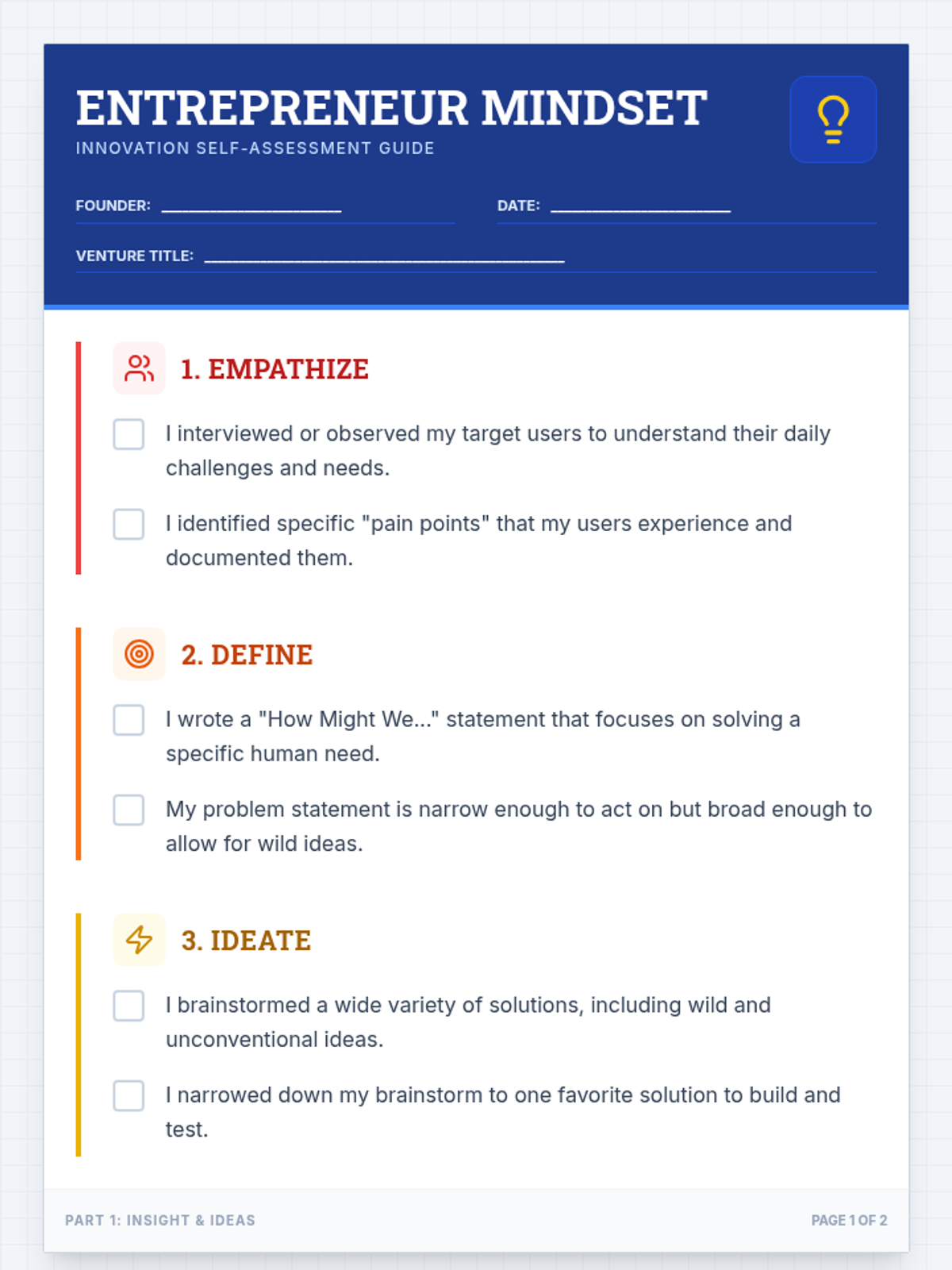
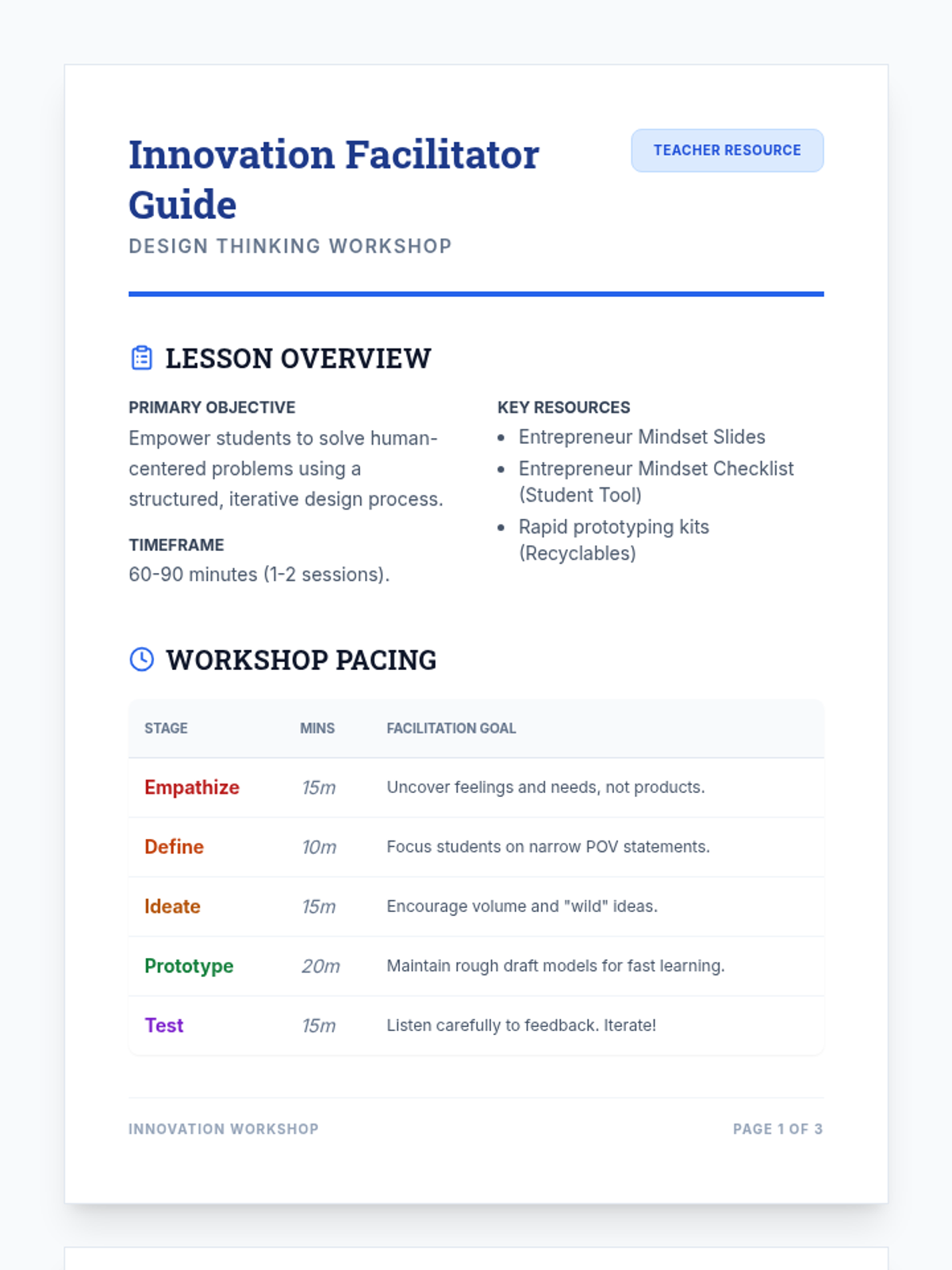
A comprehensive introduction to the five stages of design thinking, guiding students through empathy, problem definition, ideation, prototyping, and testing.
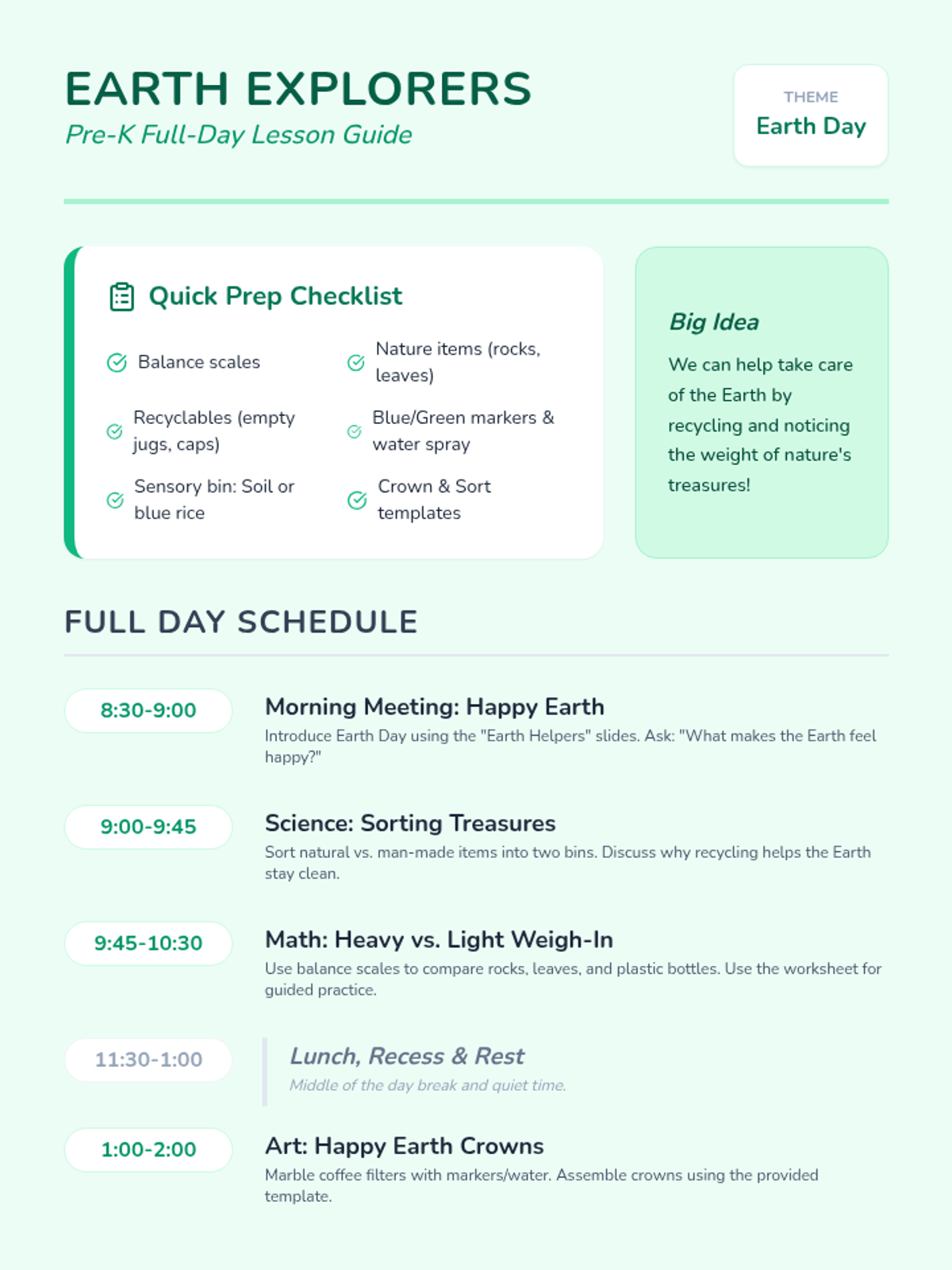
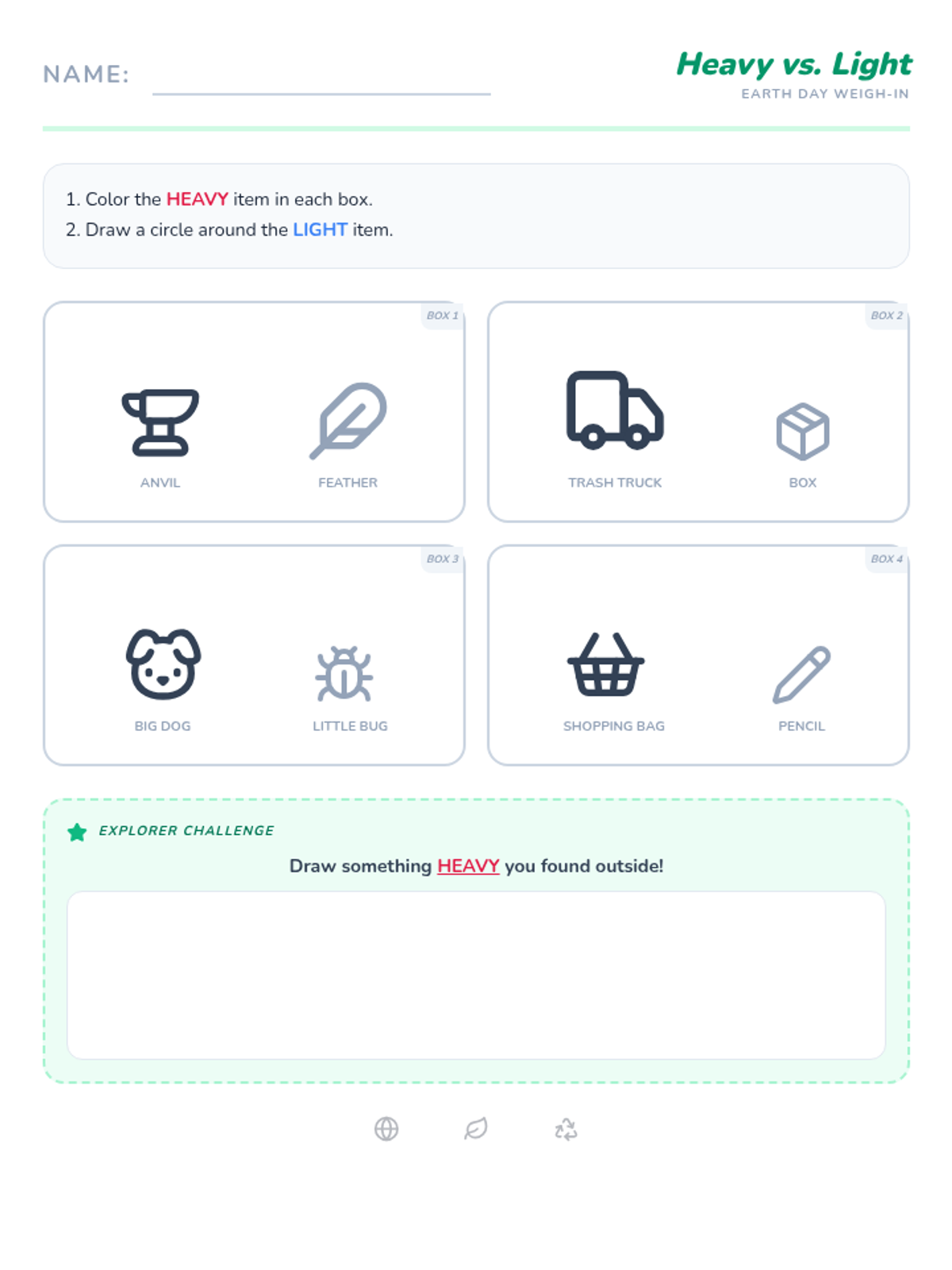
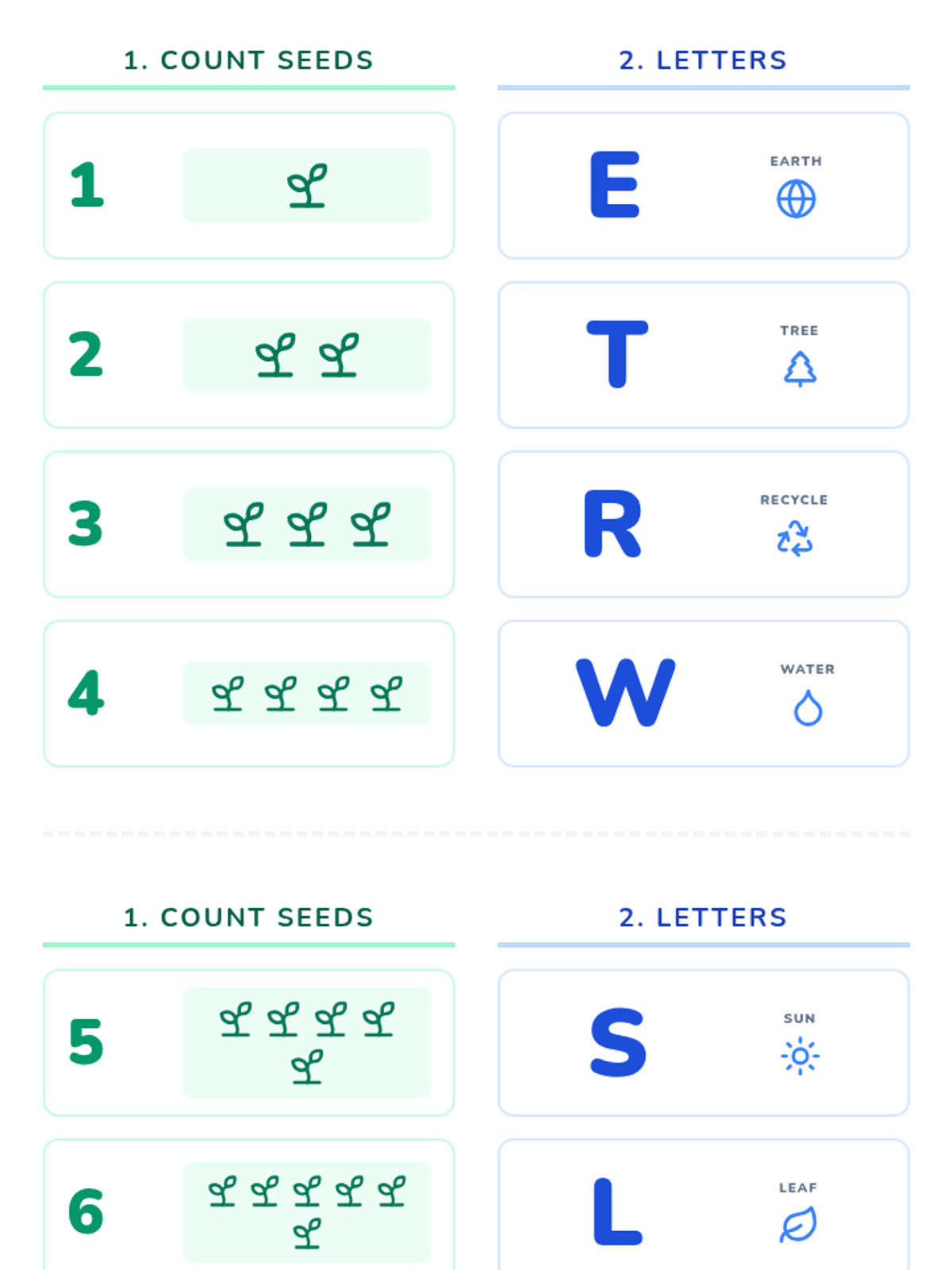
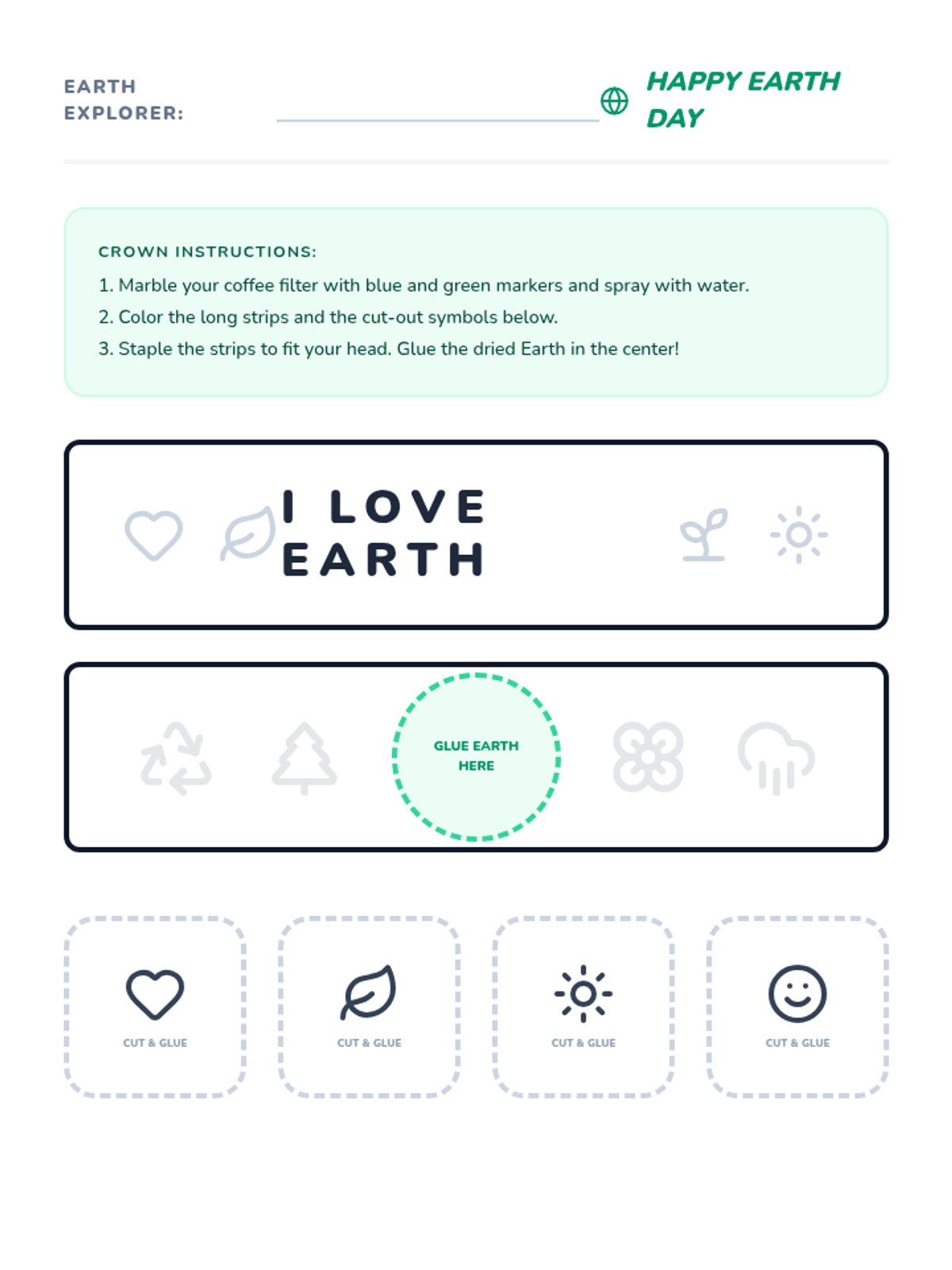
A full-day Earth Day adventure for Pre-K students exploring measurement (heavy vs. light), sorting recyclables, and celebrating our planet through art and play centers.
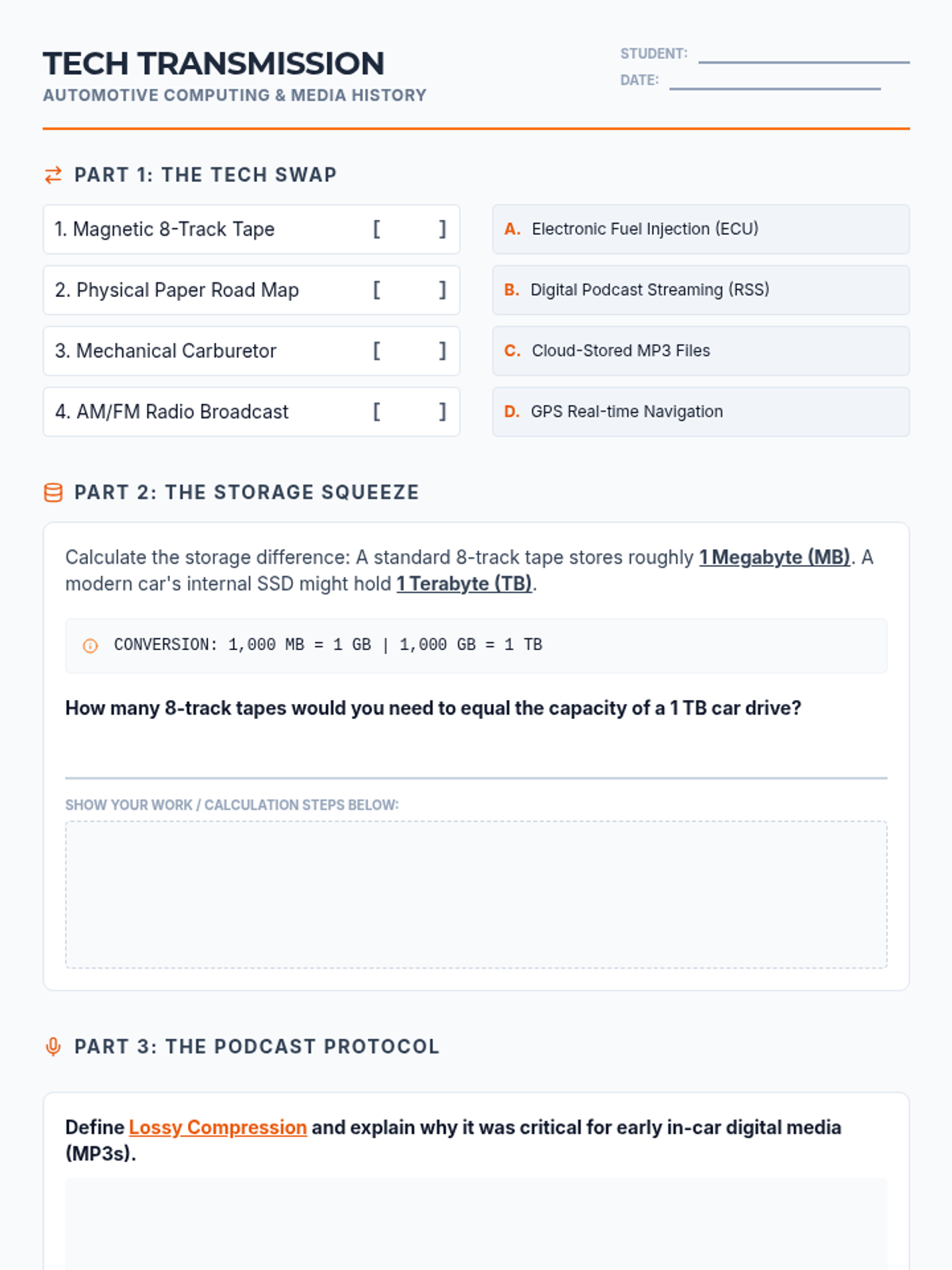
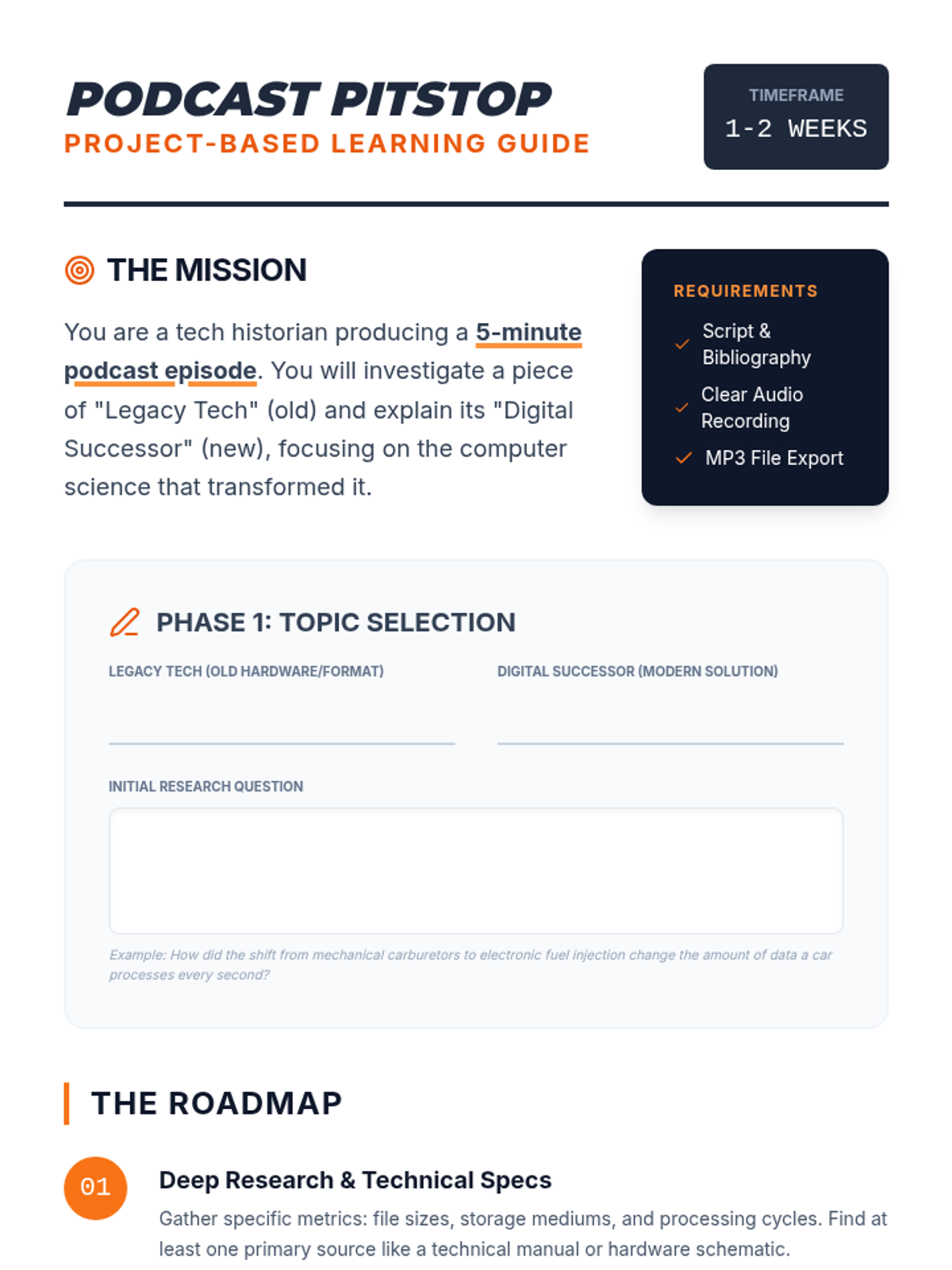
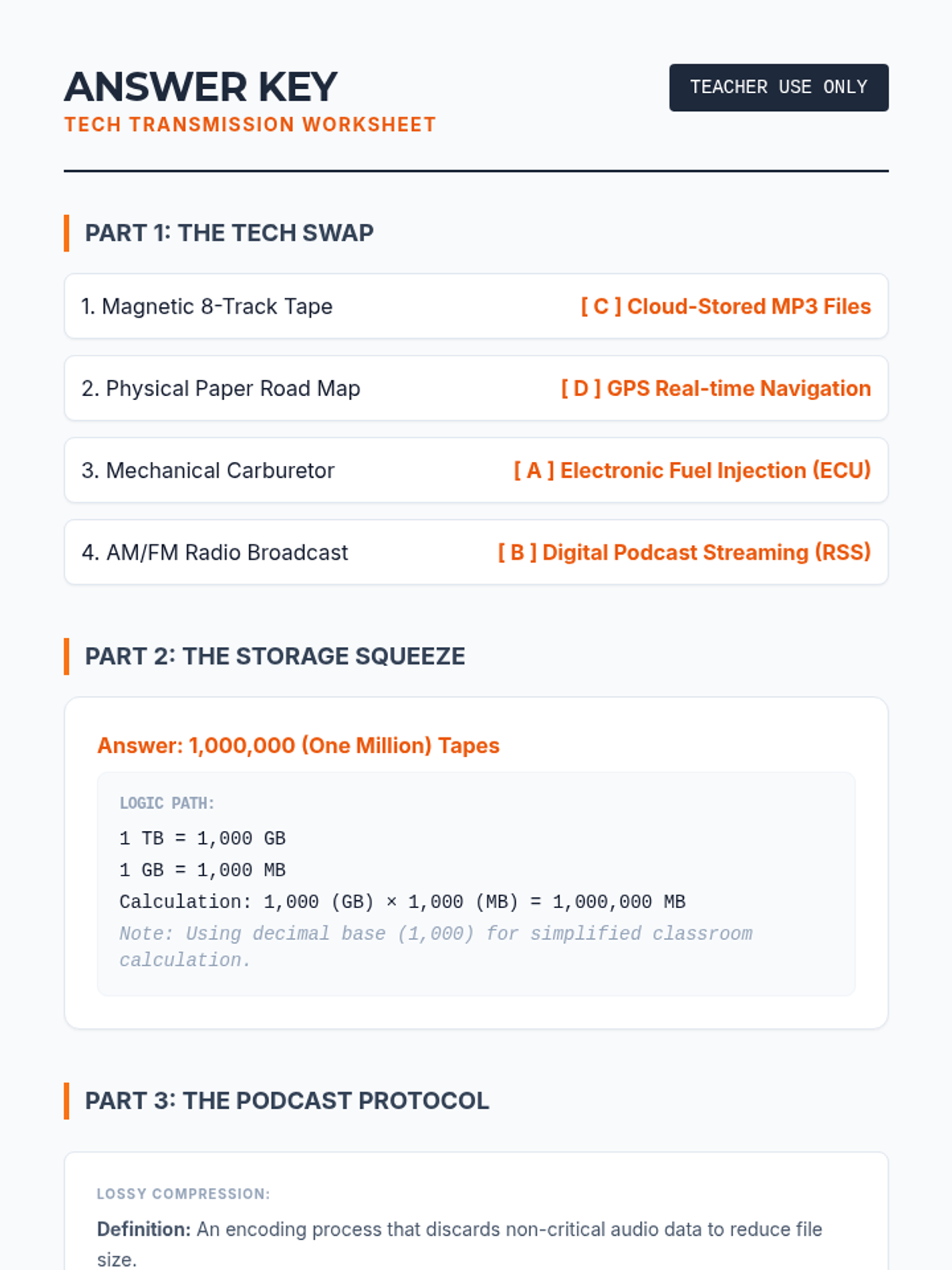
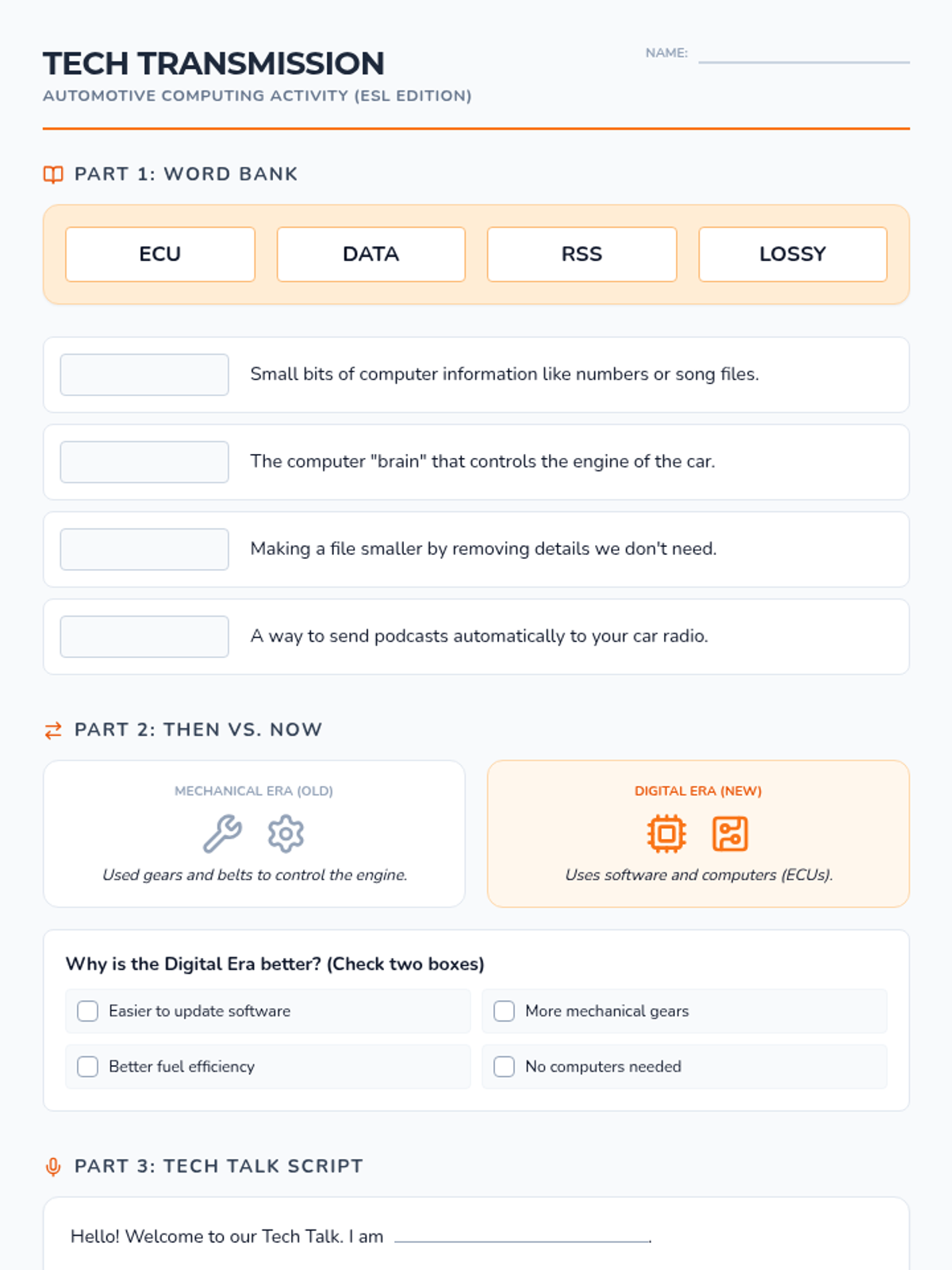
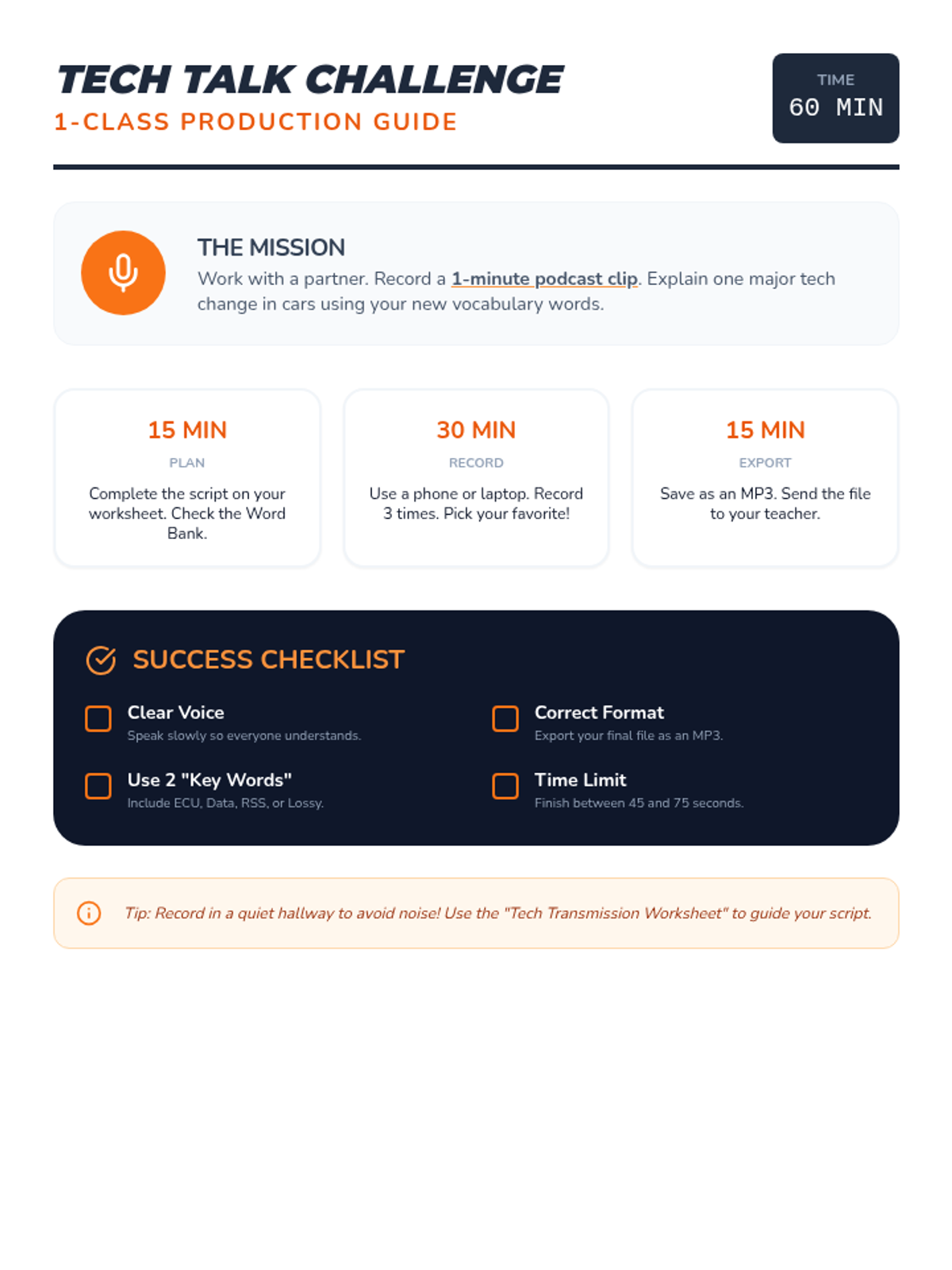
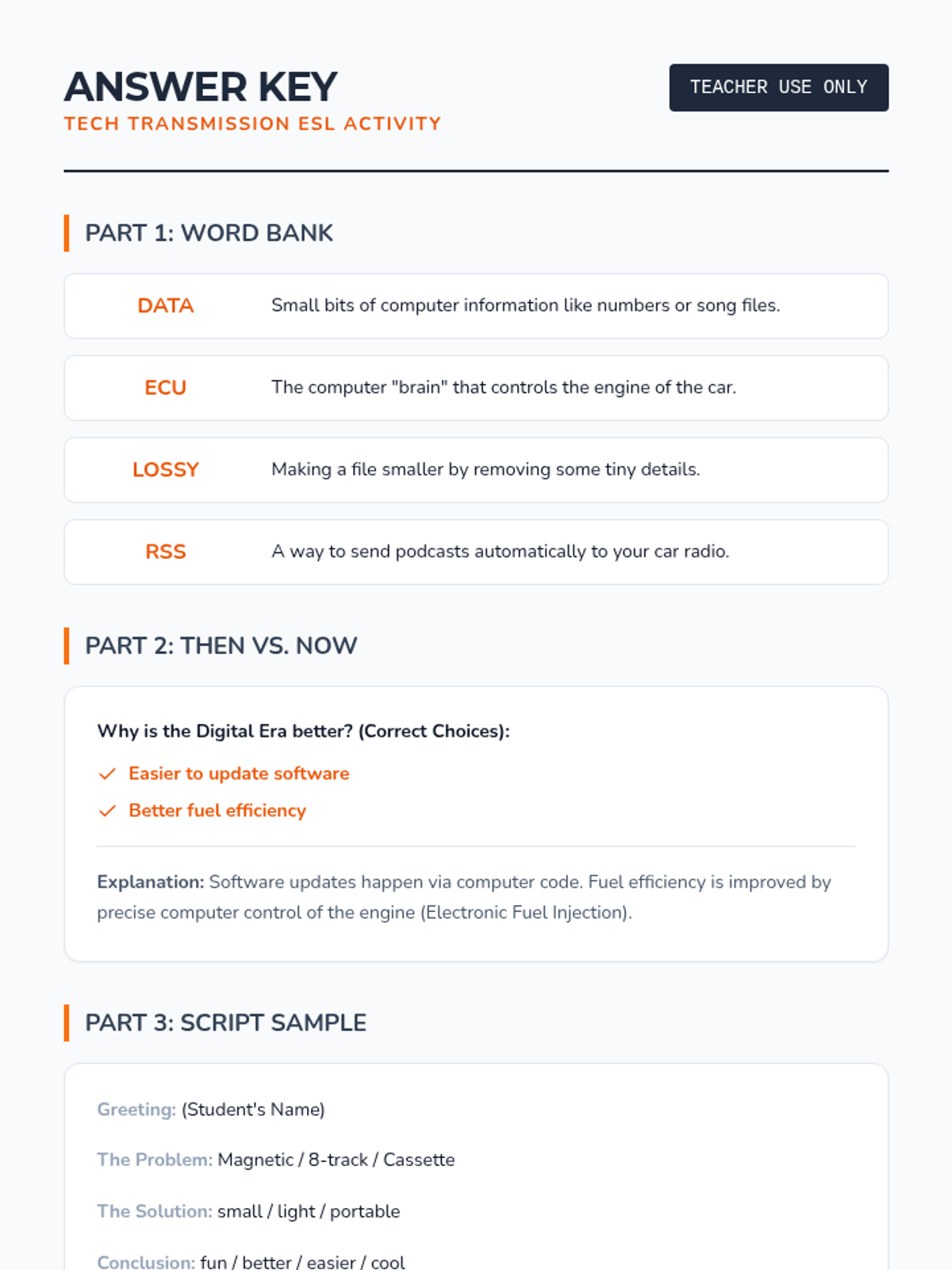
A comprehensive exploration of automotive computing history, the evolution of data storage, and the transition from analog media to digital podcasting. Students will analyze how hardware and storage capacities have transformed the driving and listening experience.
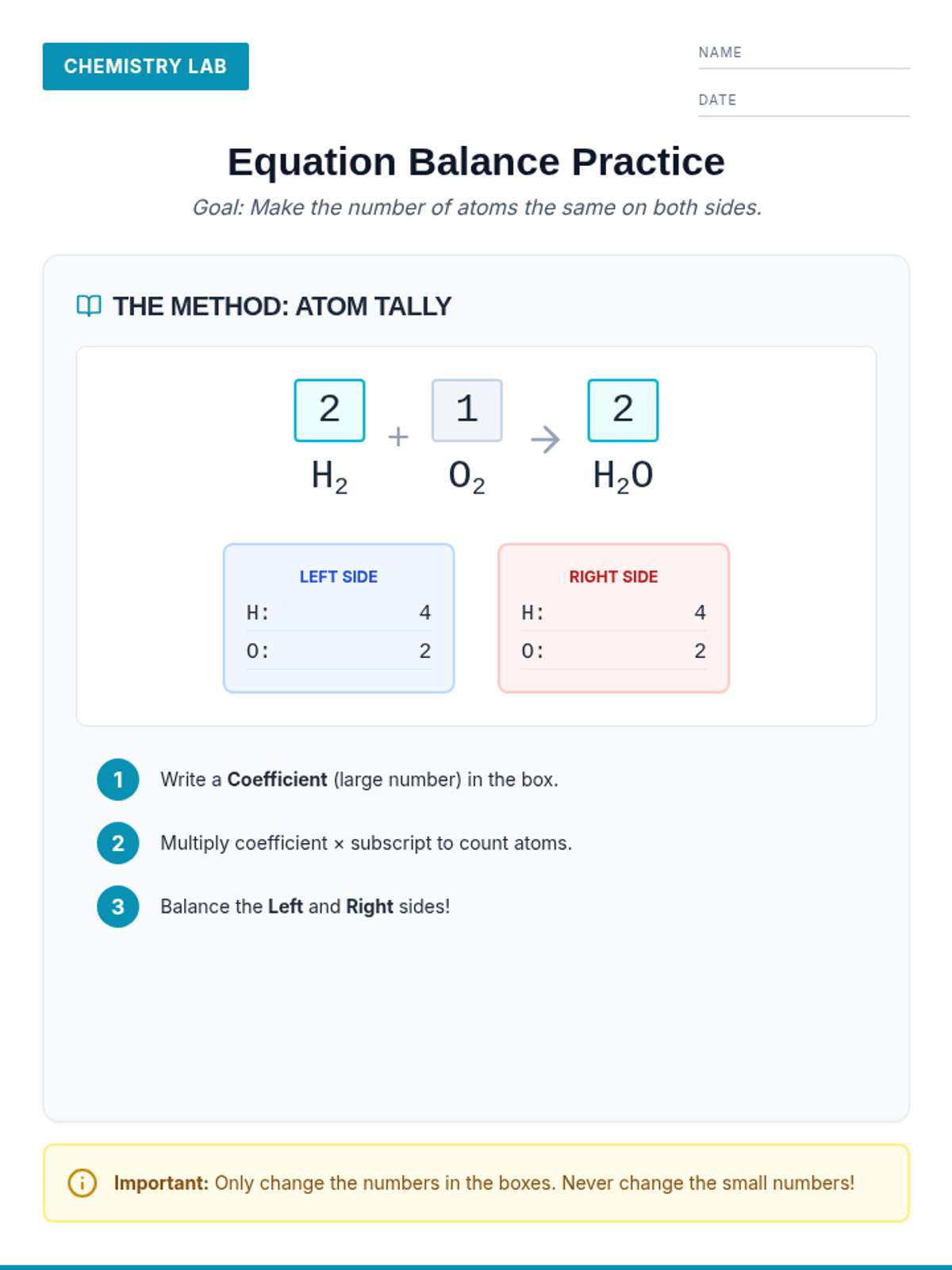
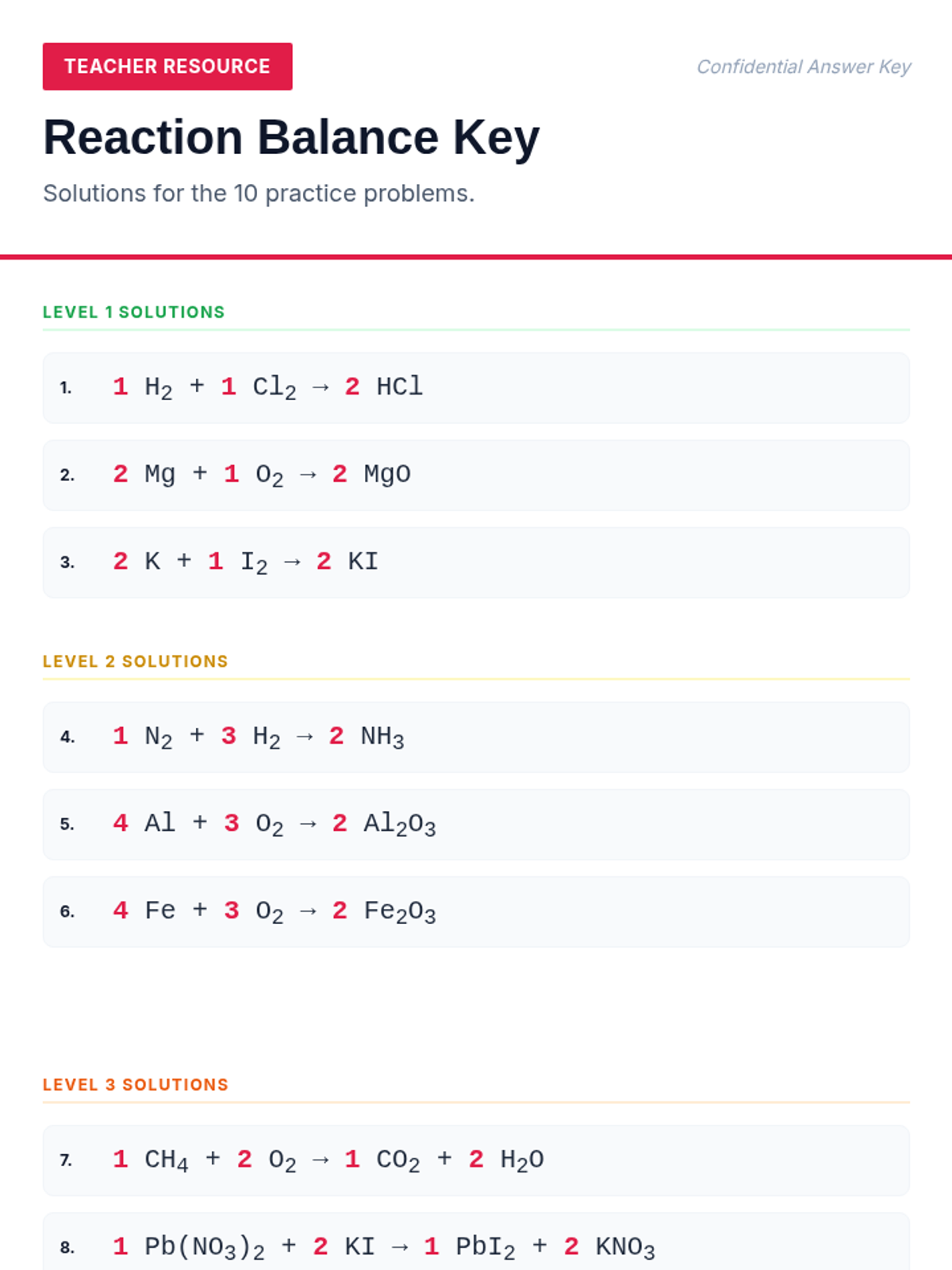
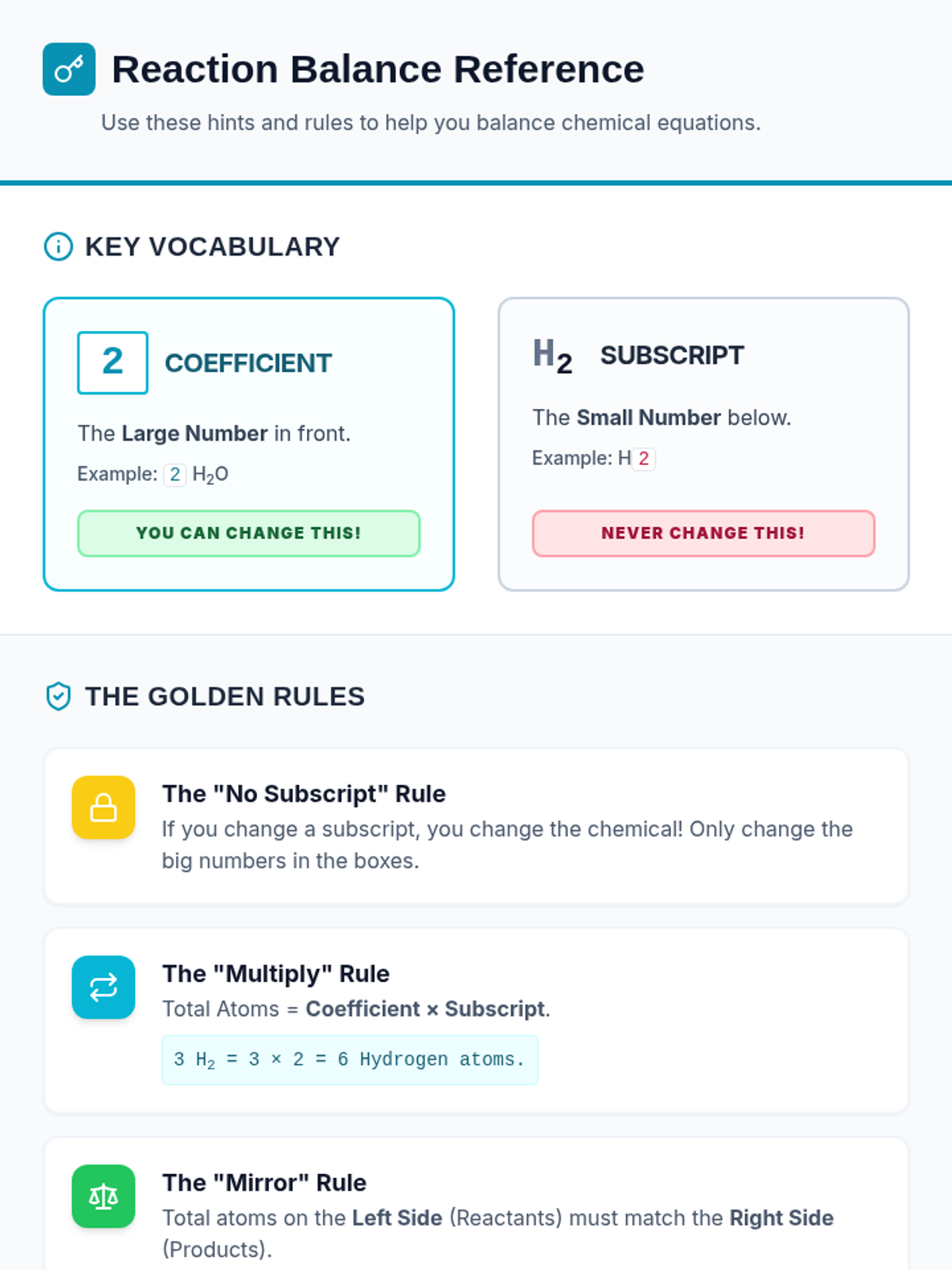
A chemistry lesson focused on the foundational skill of balancing chemical equations, designed for English Language Learners with visual supports and a progressive difficulty structure.
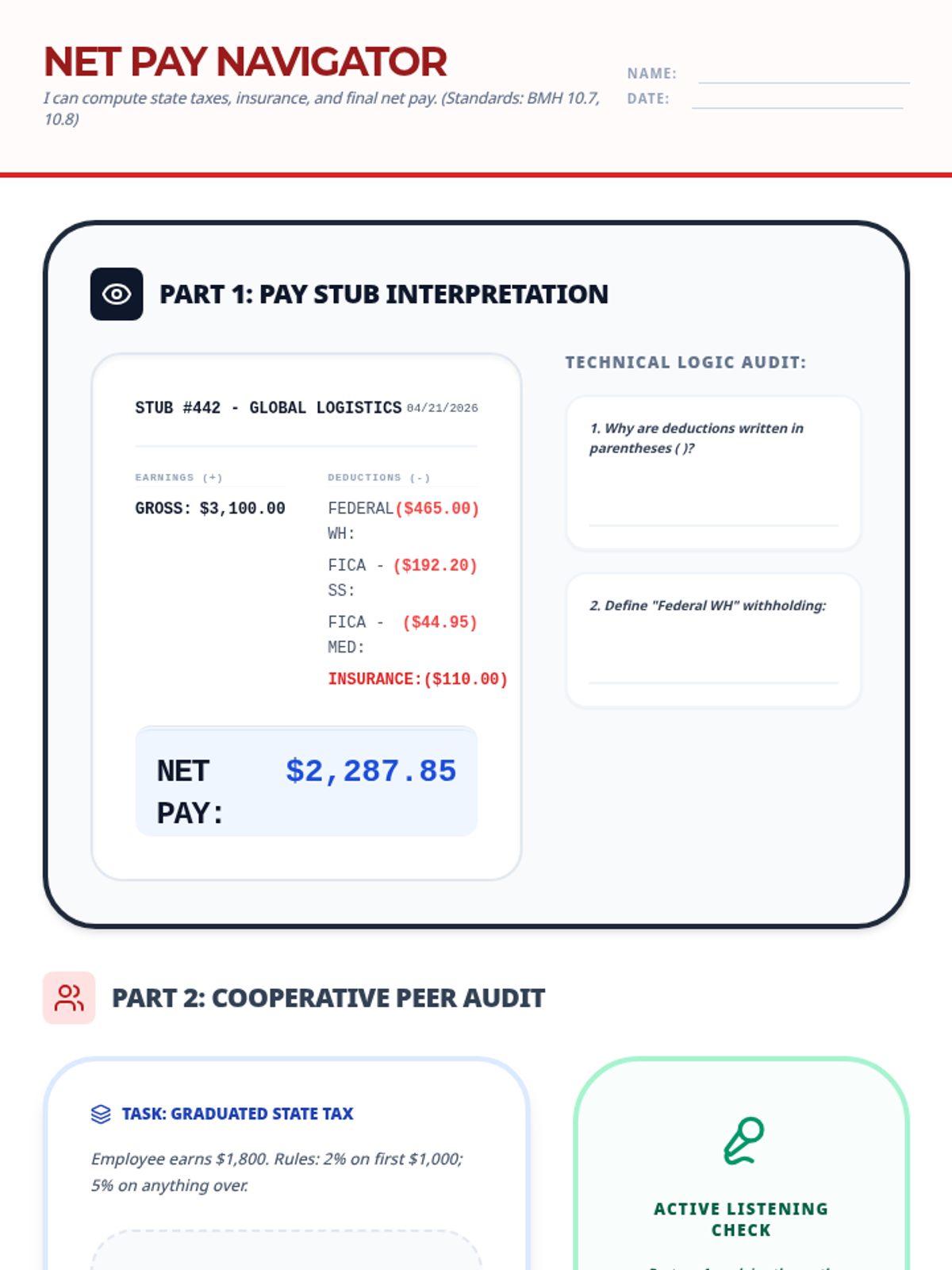
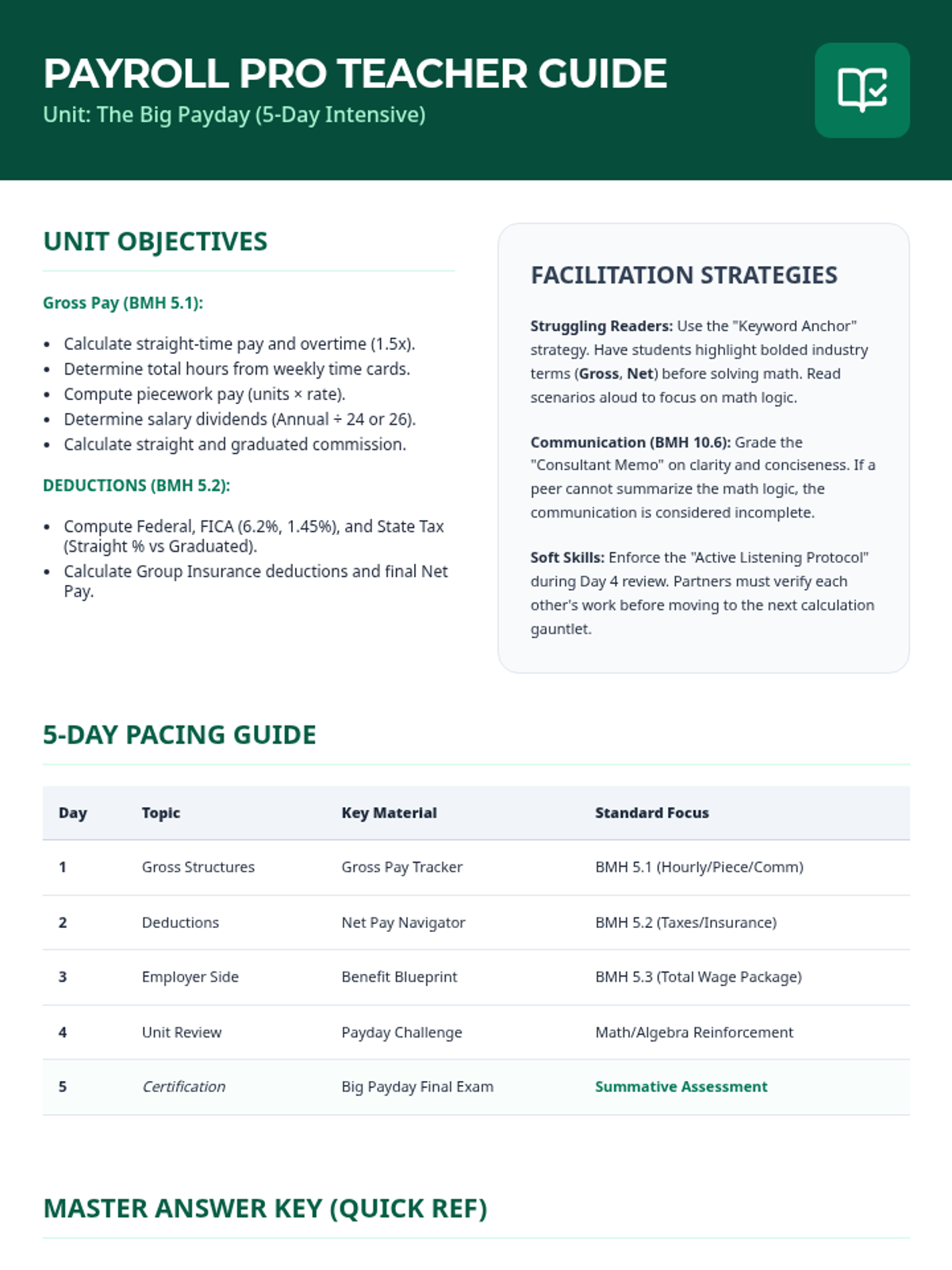
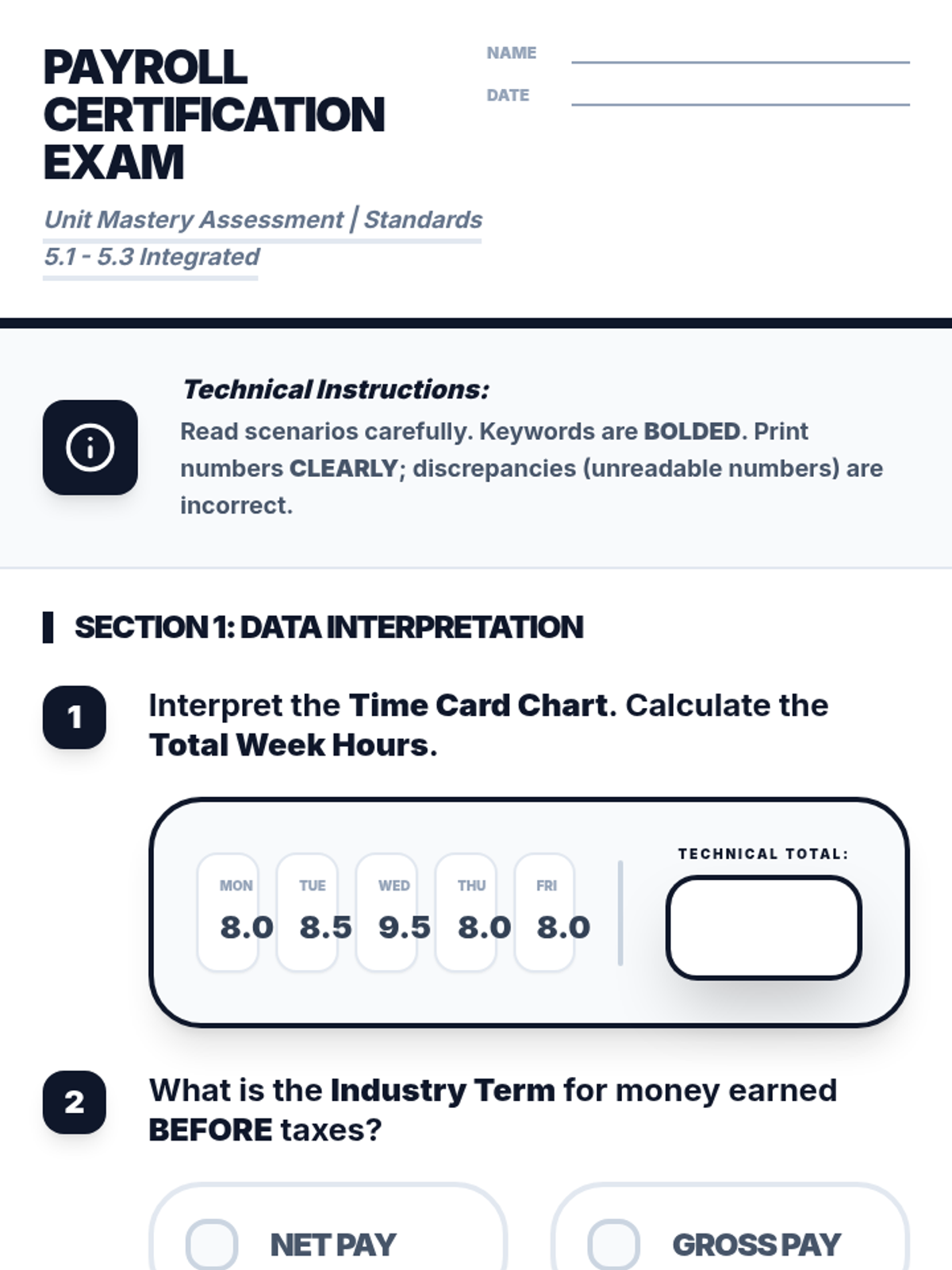
A formal summative assessment designed with accessibility in mind for students who struggle with reading, focusing on payroll calculations and concepts.
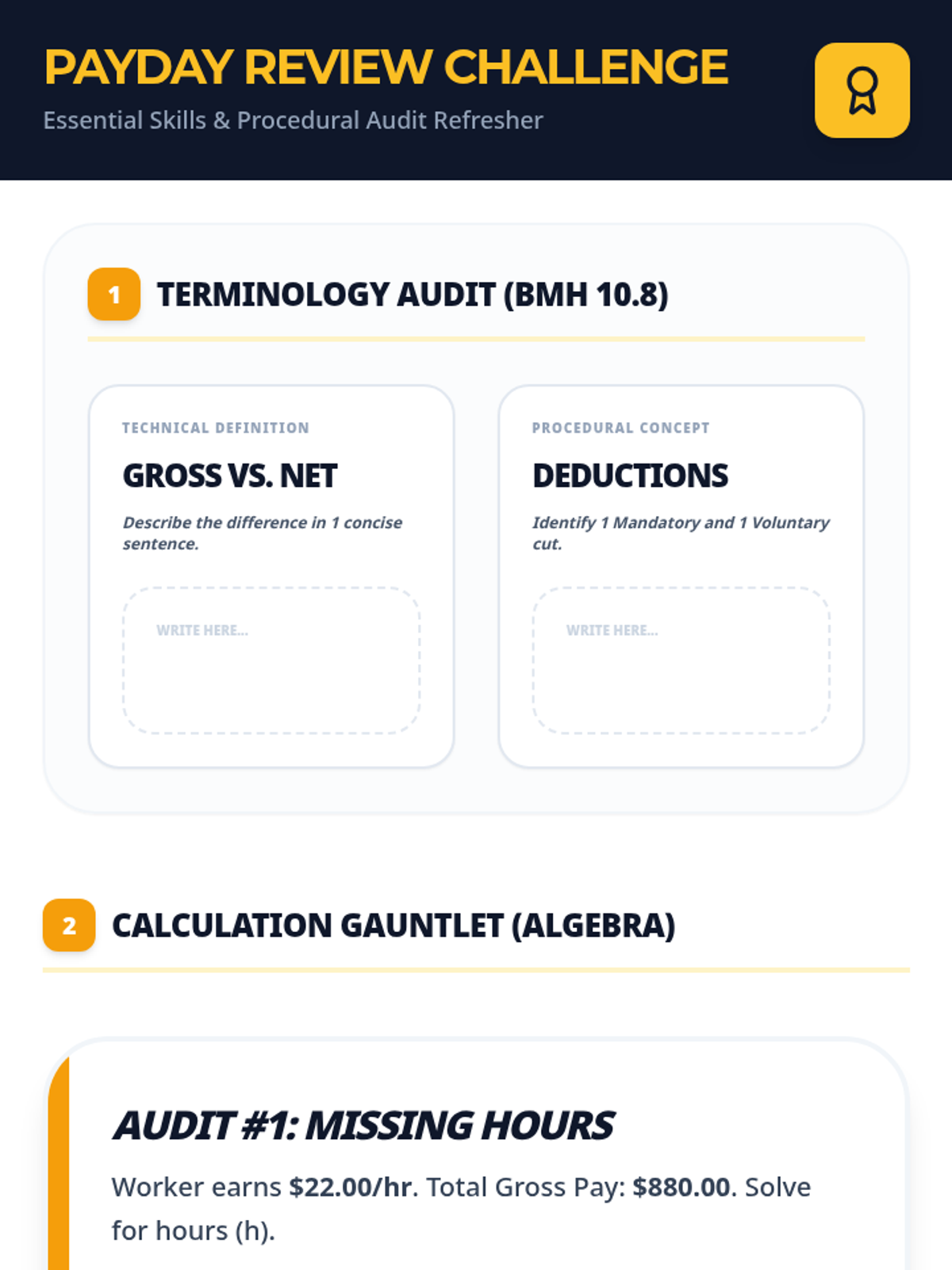
A comprehensive review session to reinforce payroll concepts and prepare students for the final unit assessment.
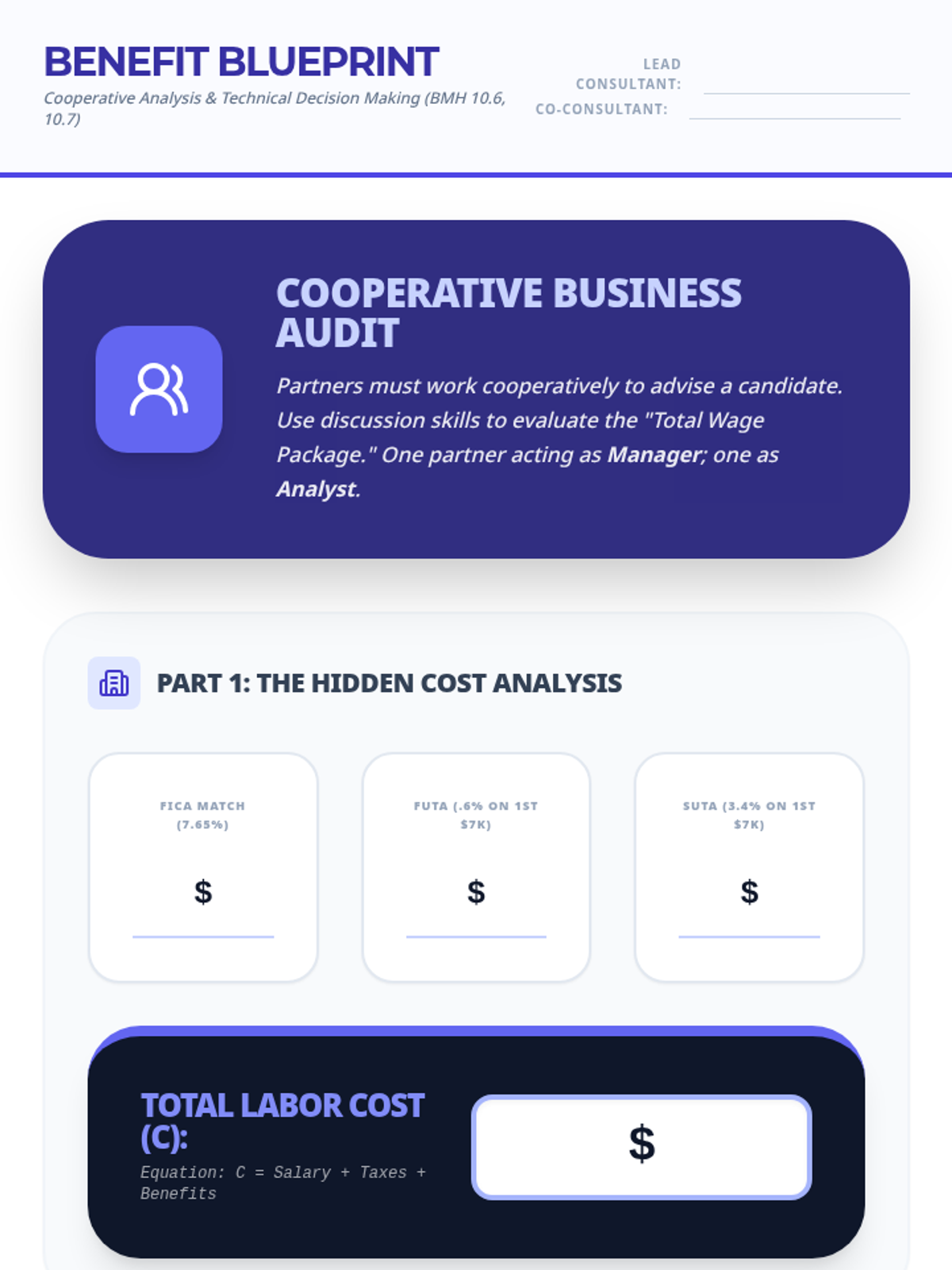
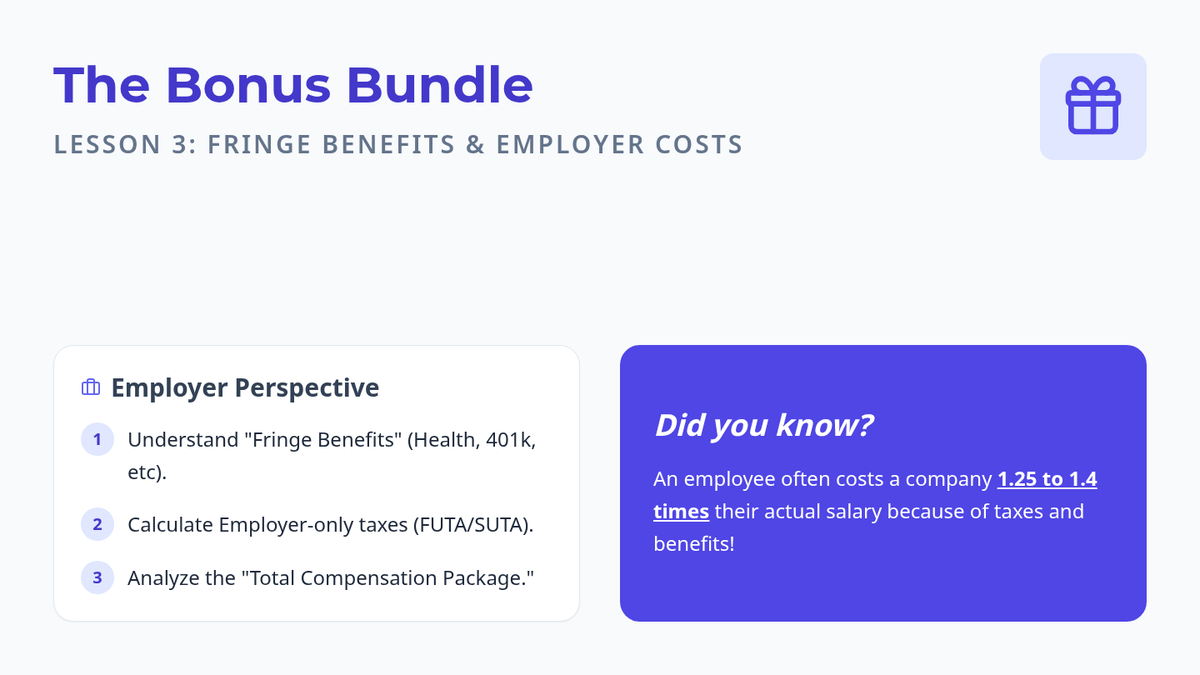
Students analyze the employer's side of payroll, including FUTA/SUTA taxes and the value of fringe benefits in a total compensation package.
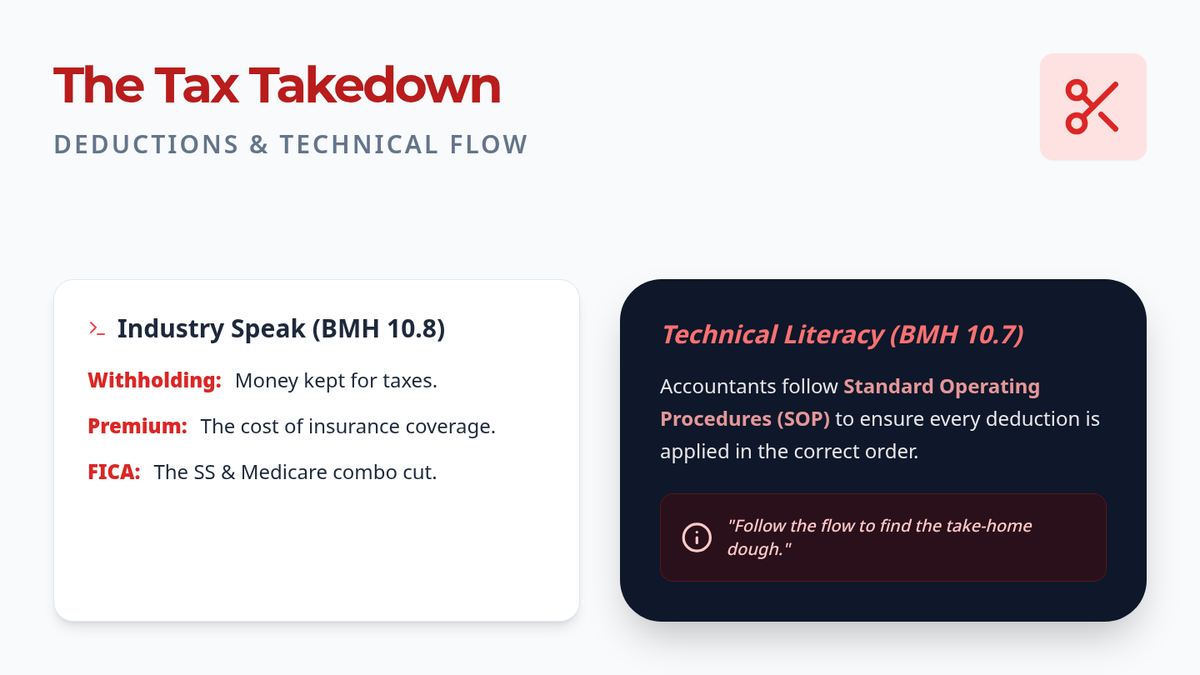
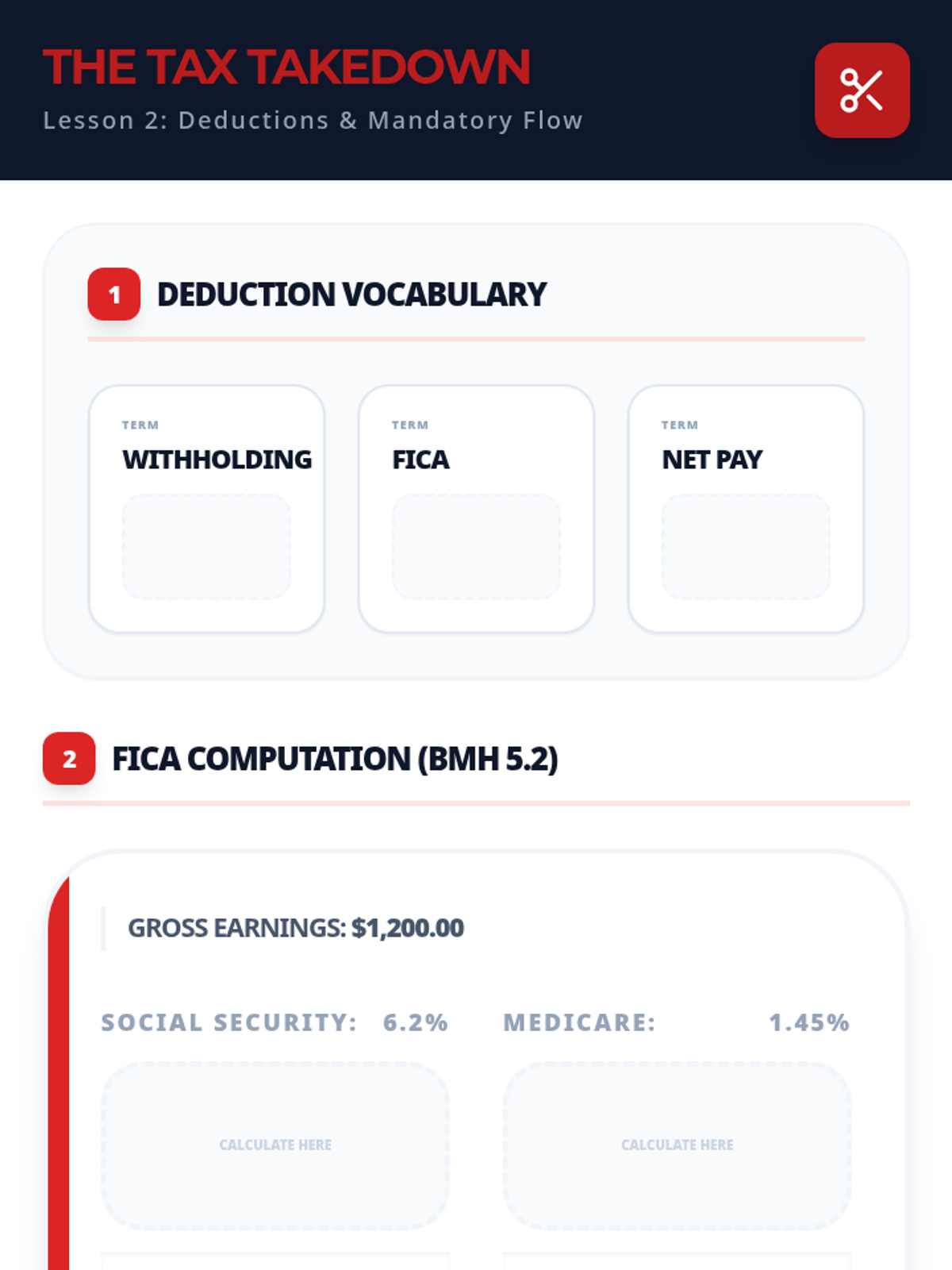
An exploration of mandatory deductions, including FICA and income taxes, focusing on how gross pay becomes net pay for employees.
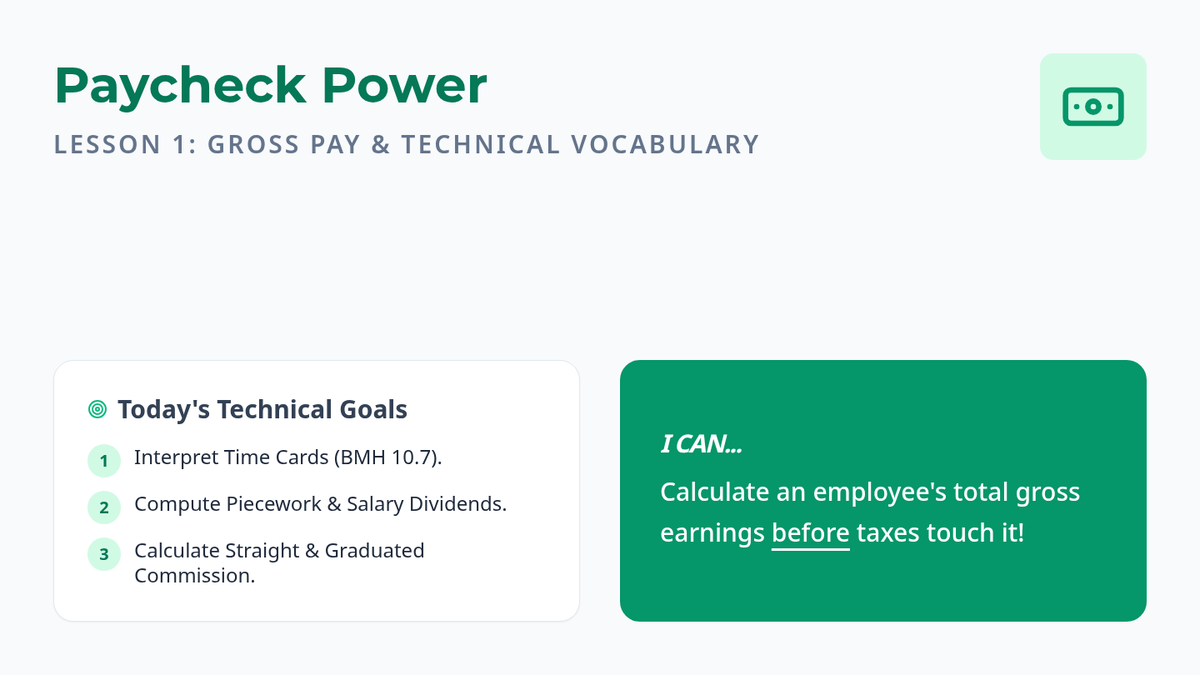
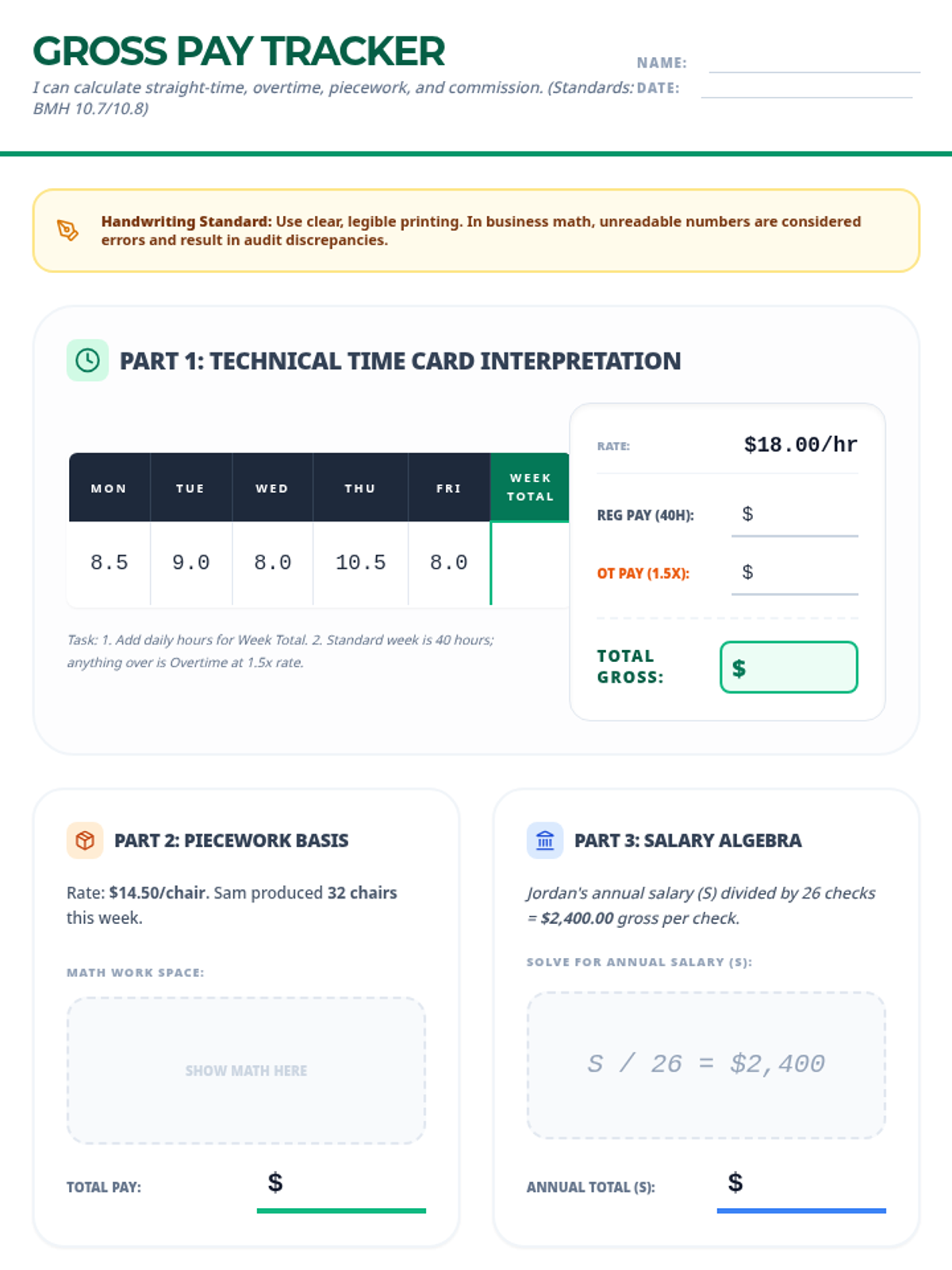
Students learn to calculate gross earnings for various pay structures including hourly, salary, and overtime while maintaining accurate payroll records.
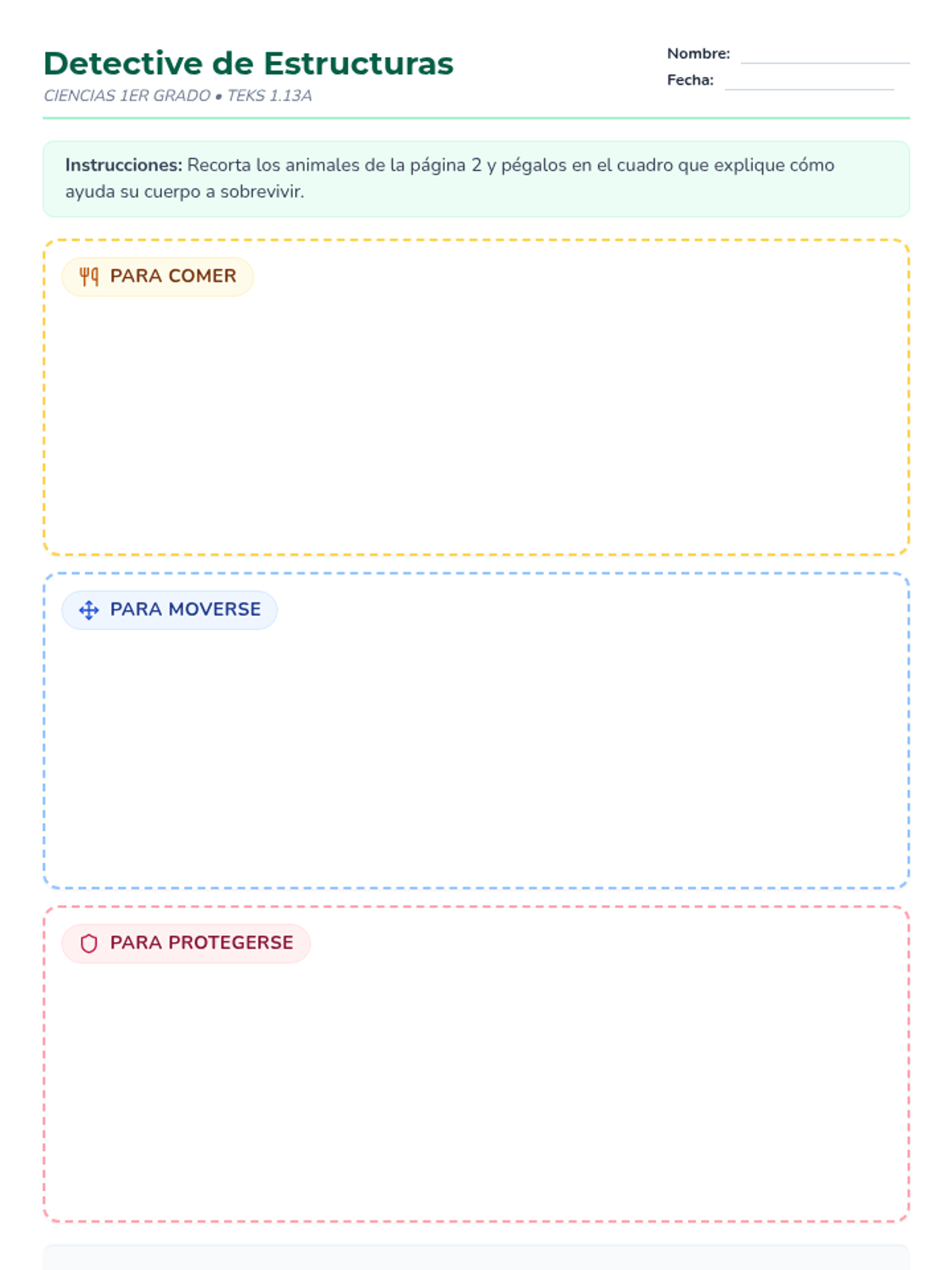
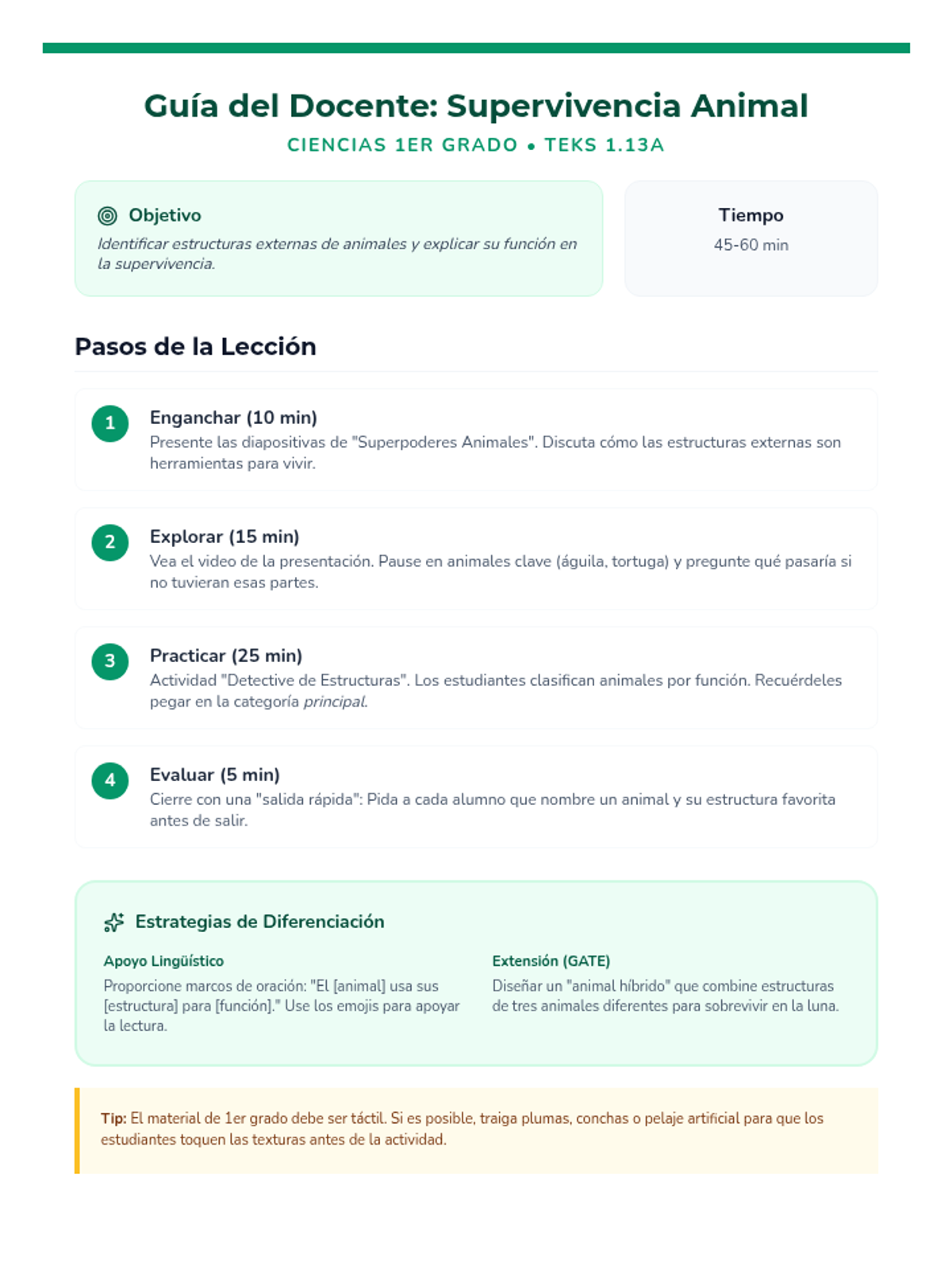
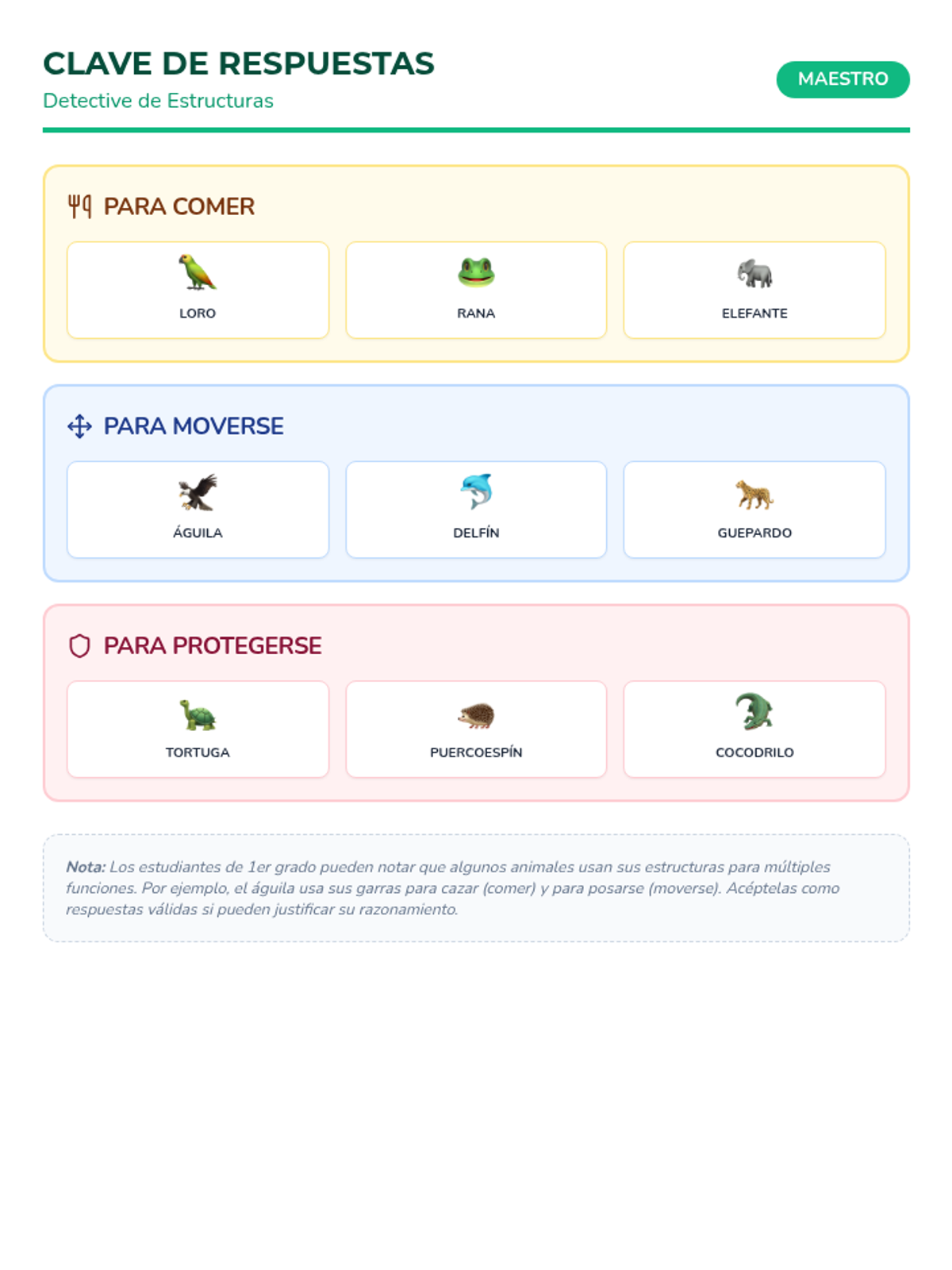
Una lección interactiva sobre las estructuras externas de los animales y cómo estas partes les ayudan a sobrevivir en su entorno, alineada con TEKS 1.13A.
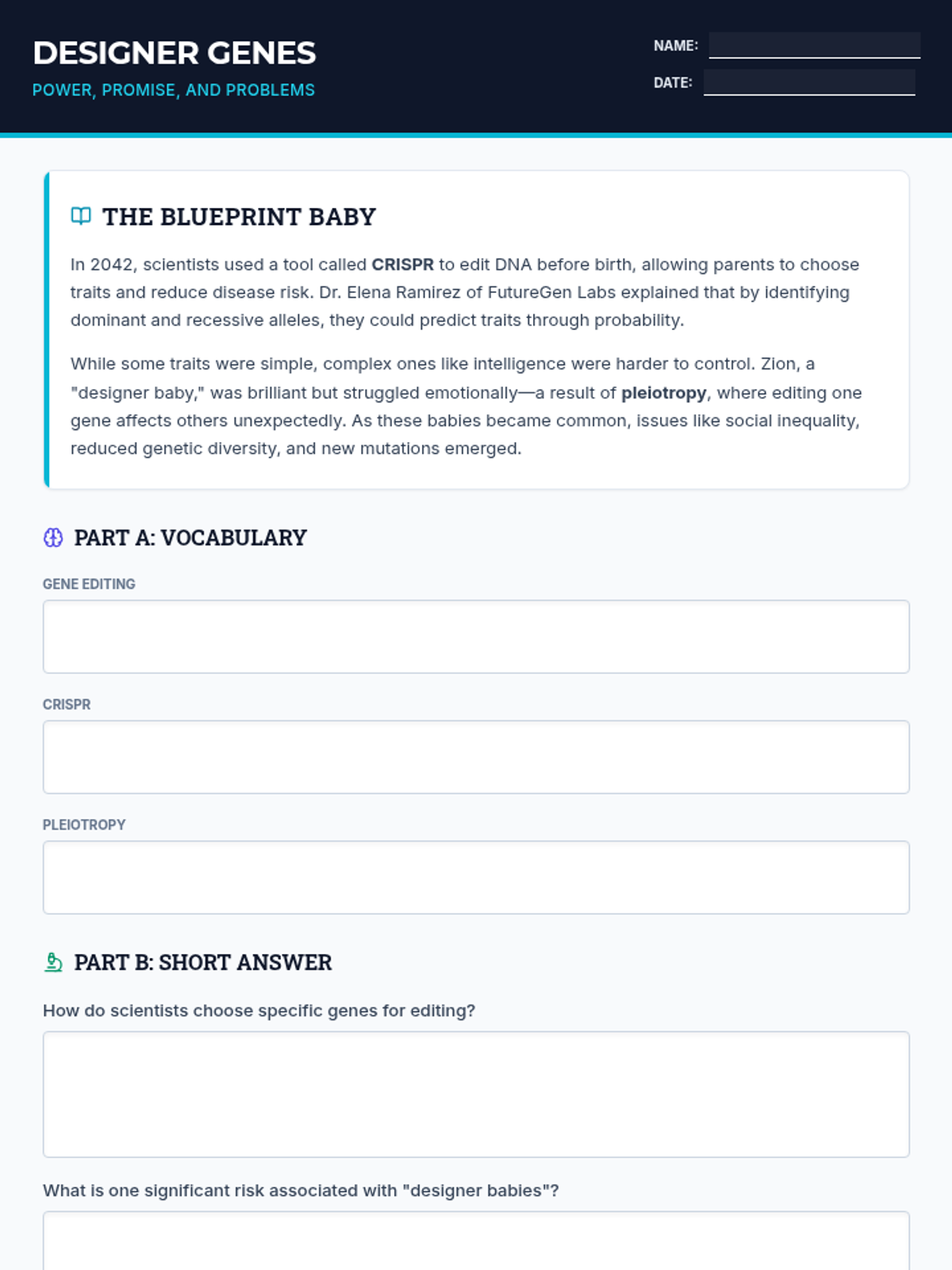
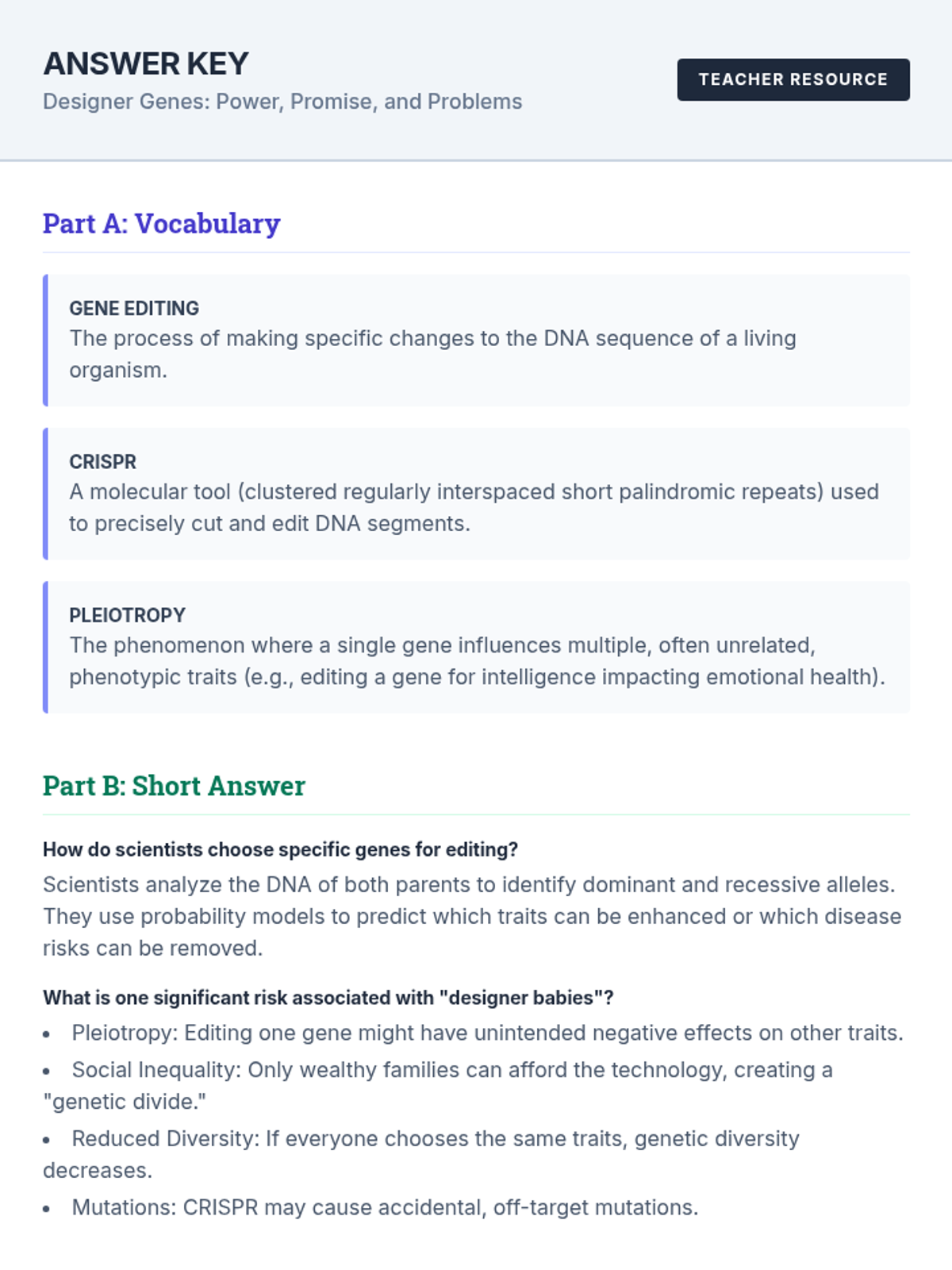
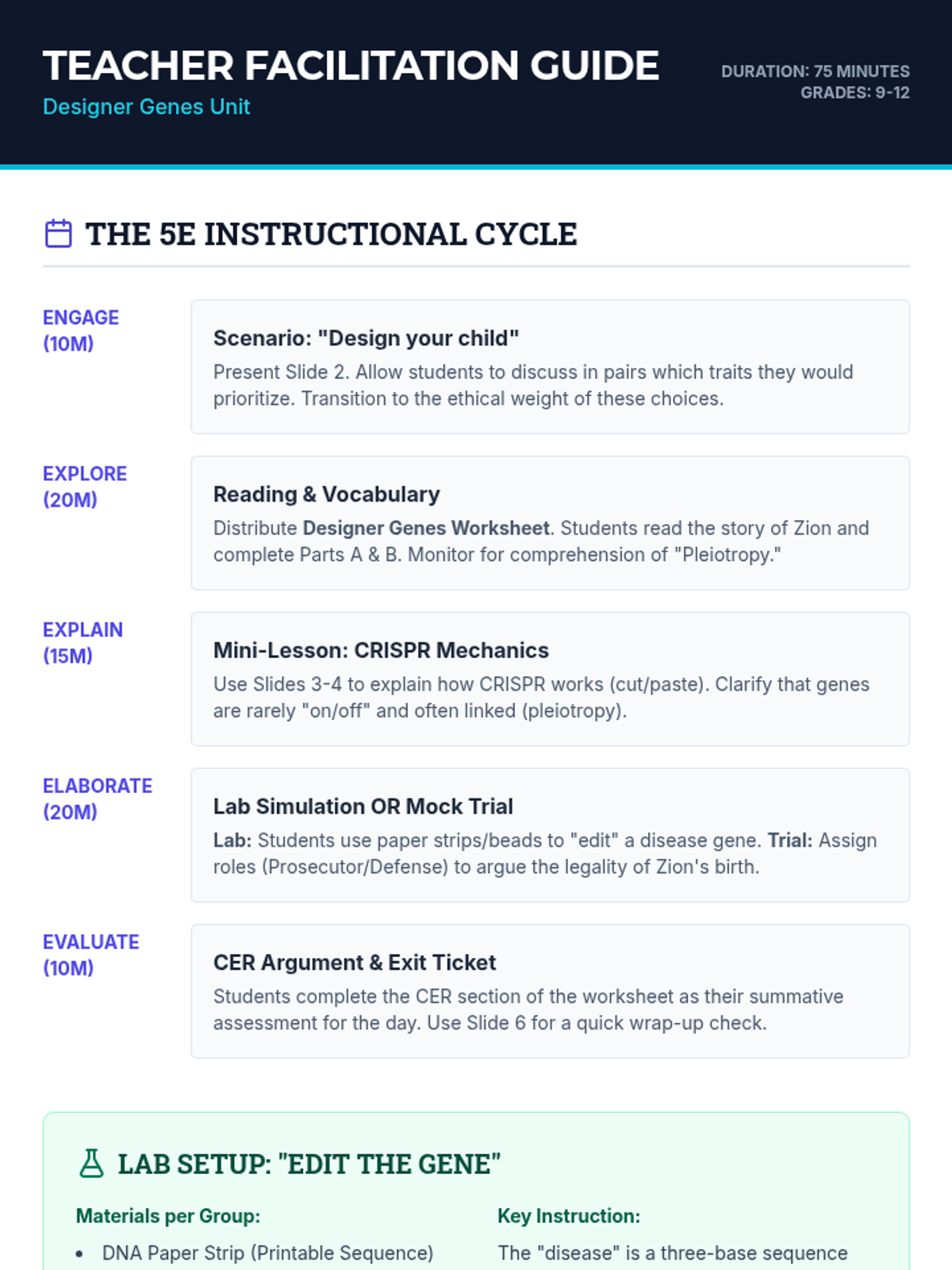
A comprehensive lesson exploring the science, ethics, and societal impact of gene editing through the story of Zion, a 'designer baby'. Students engage in a hands-on DNA simulation and debate the future of human genetics.
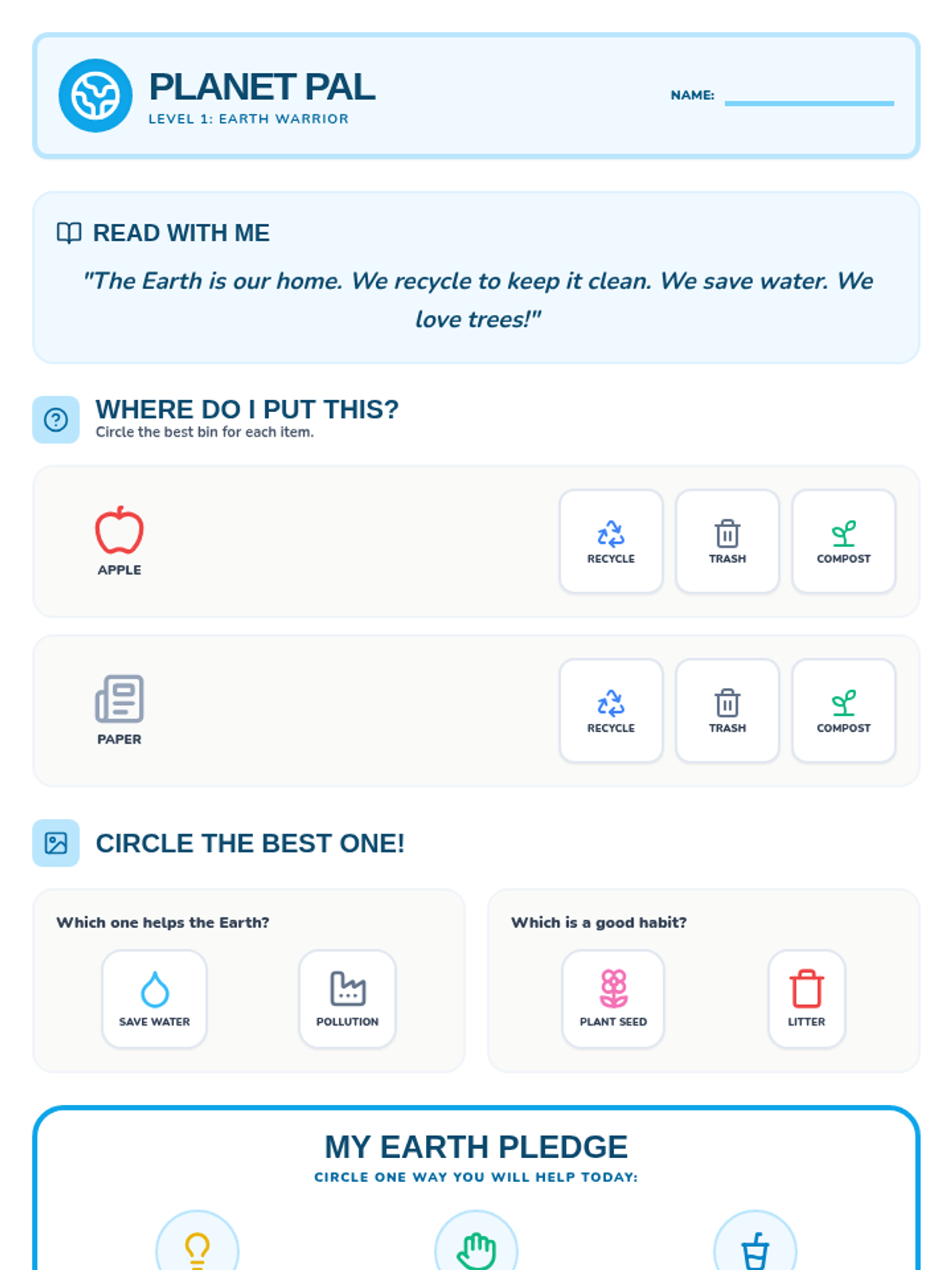
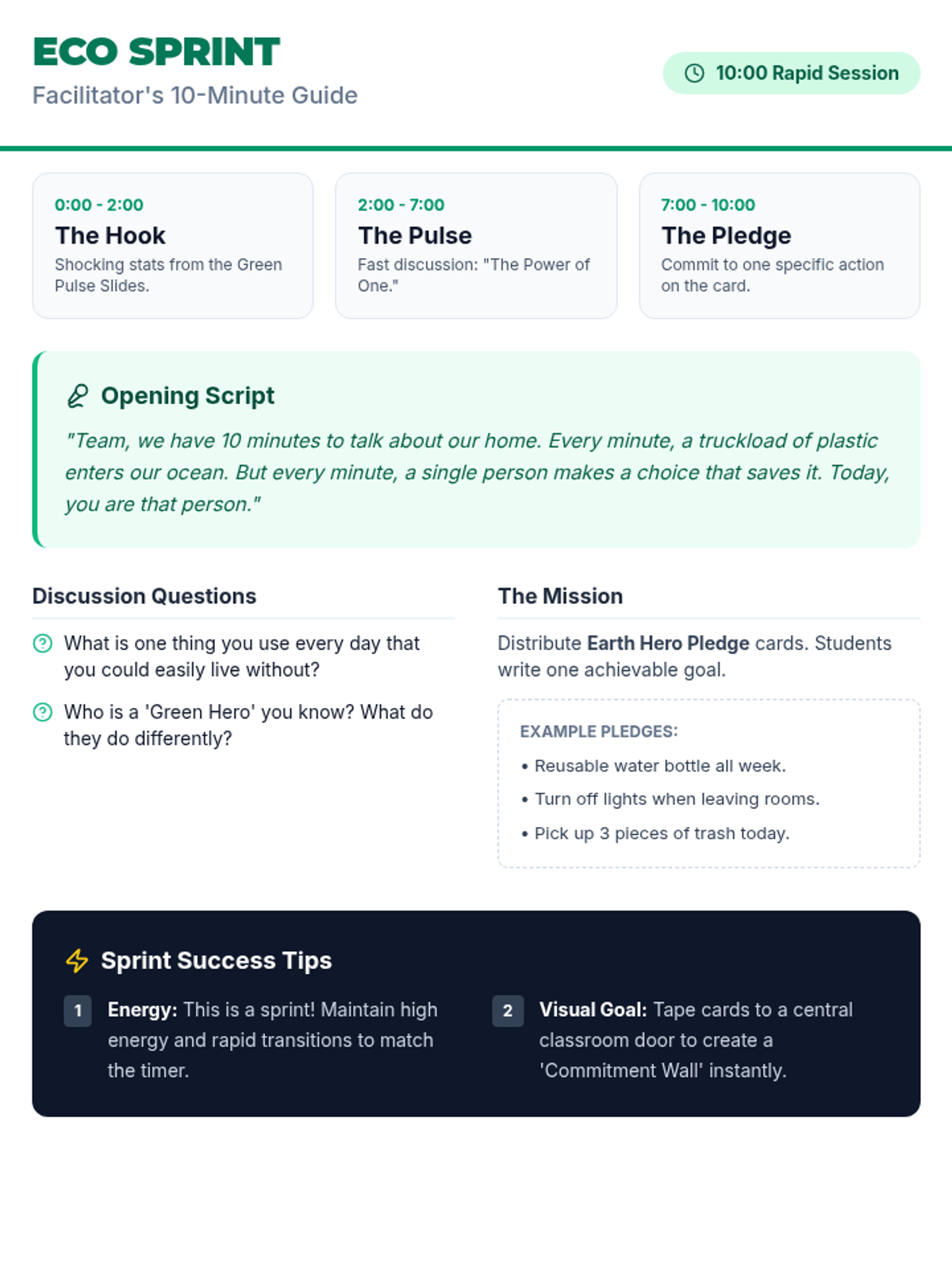
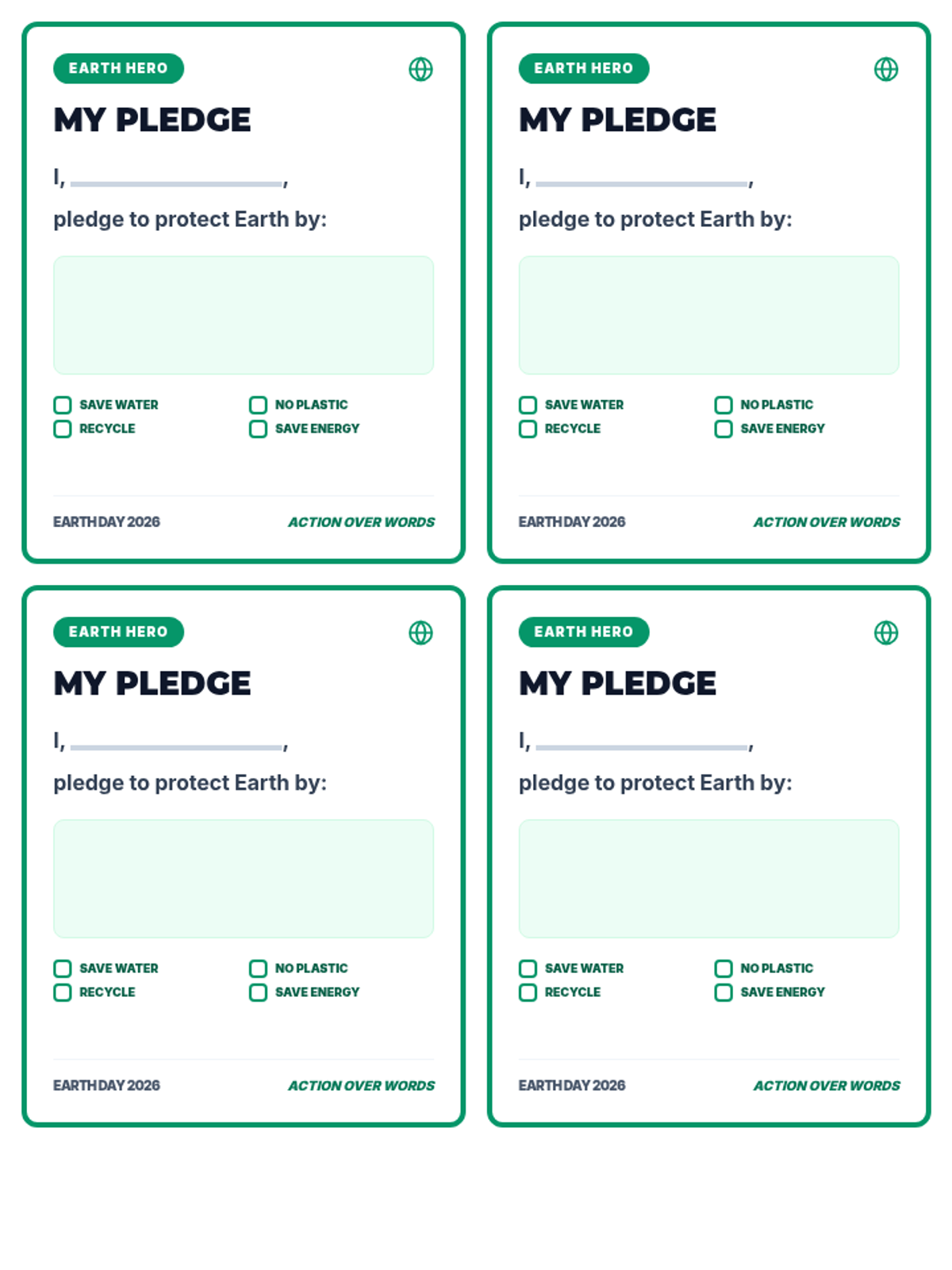
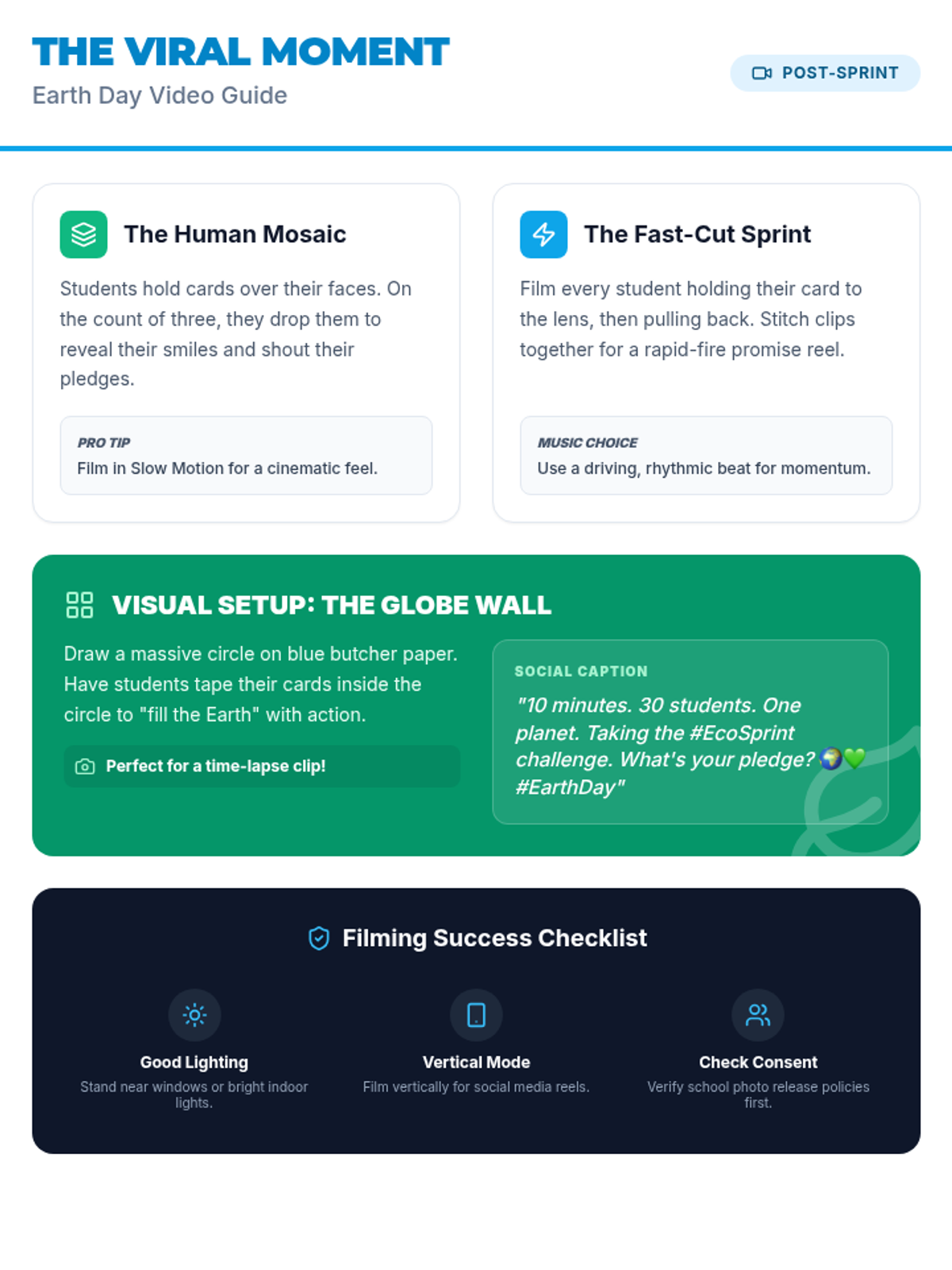
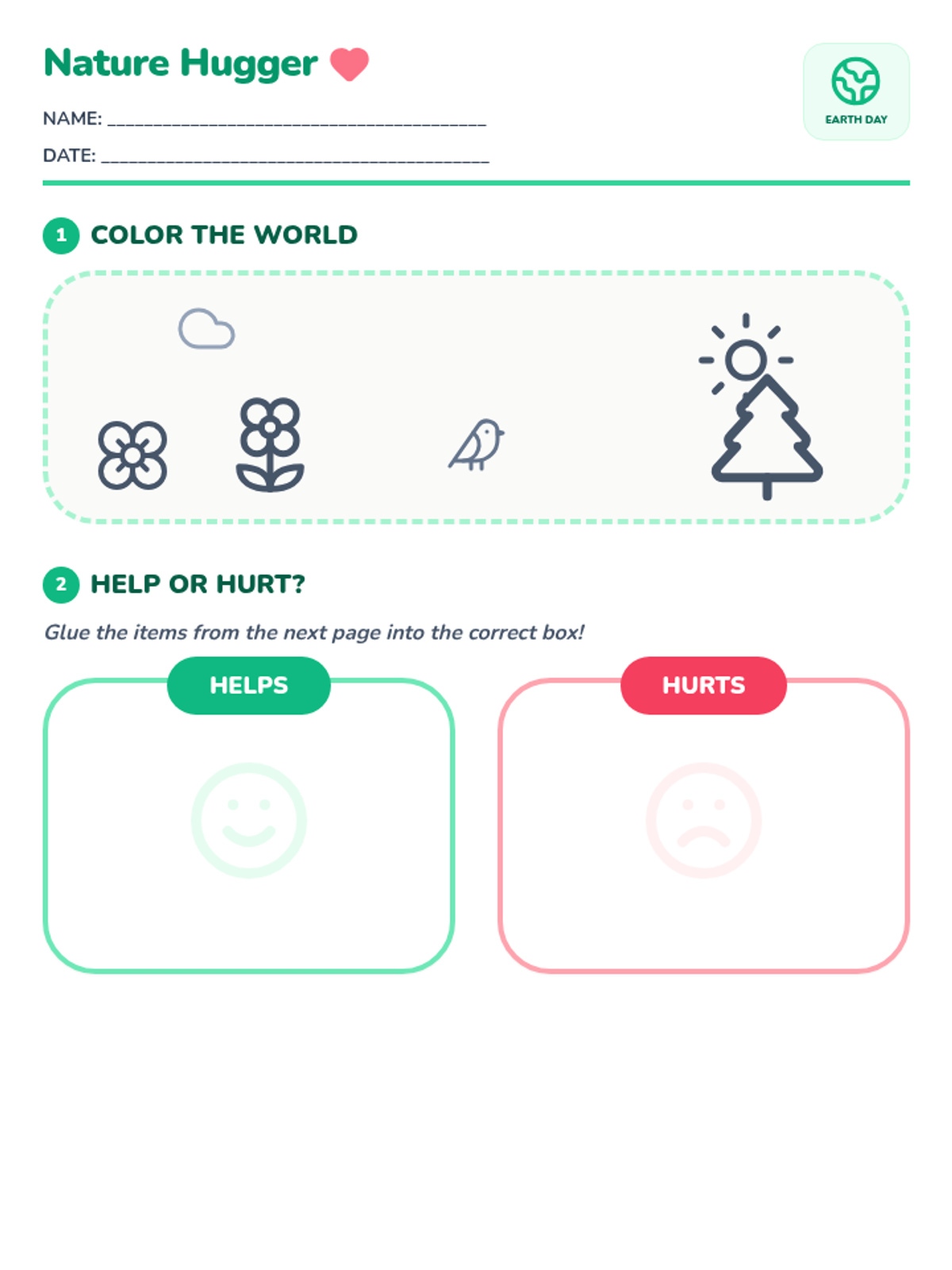
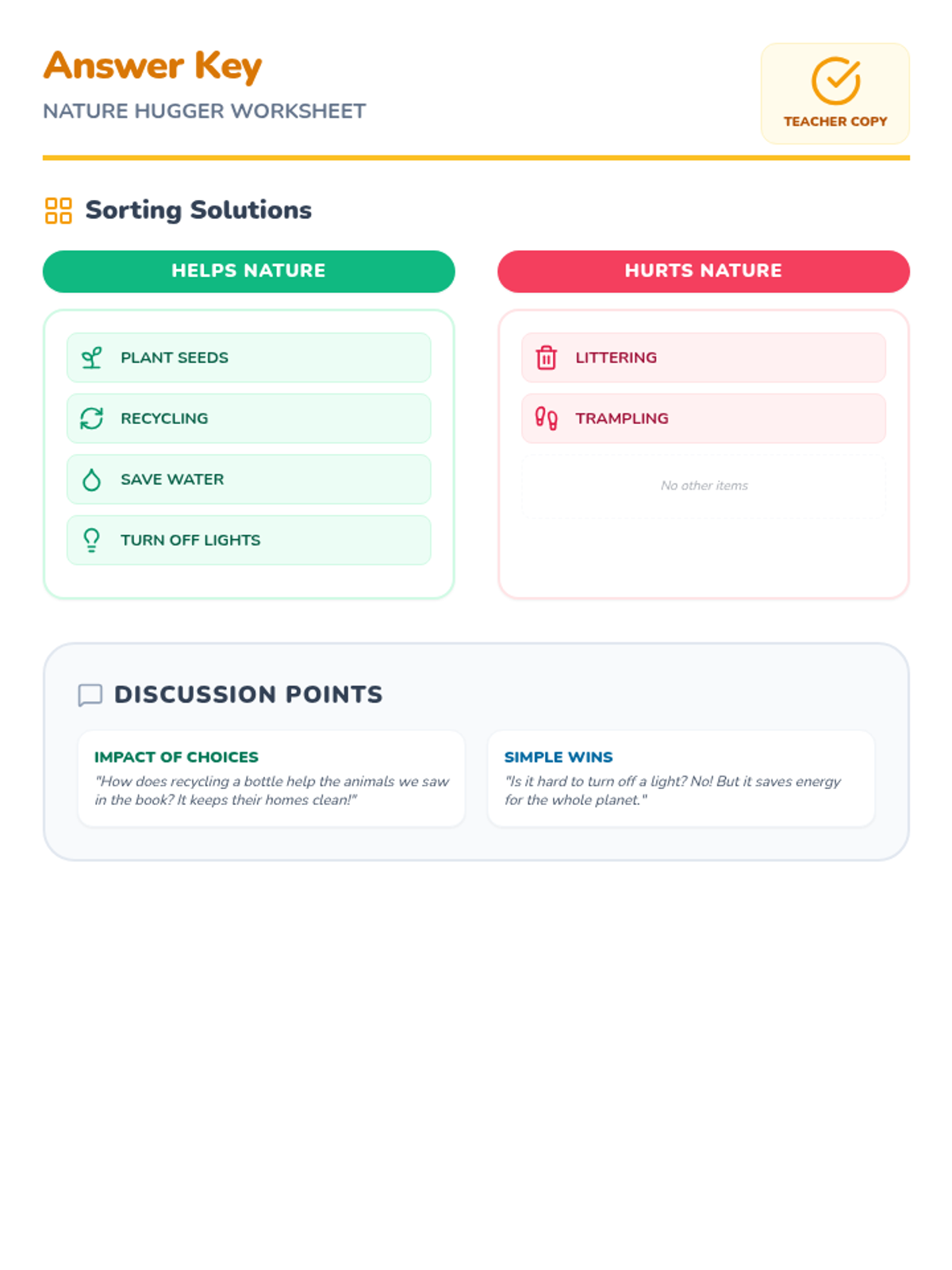
A high-energy, 10-minute Earth Day activation designed to inspire immediate student action through impactful visuals and a personal pledge.
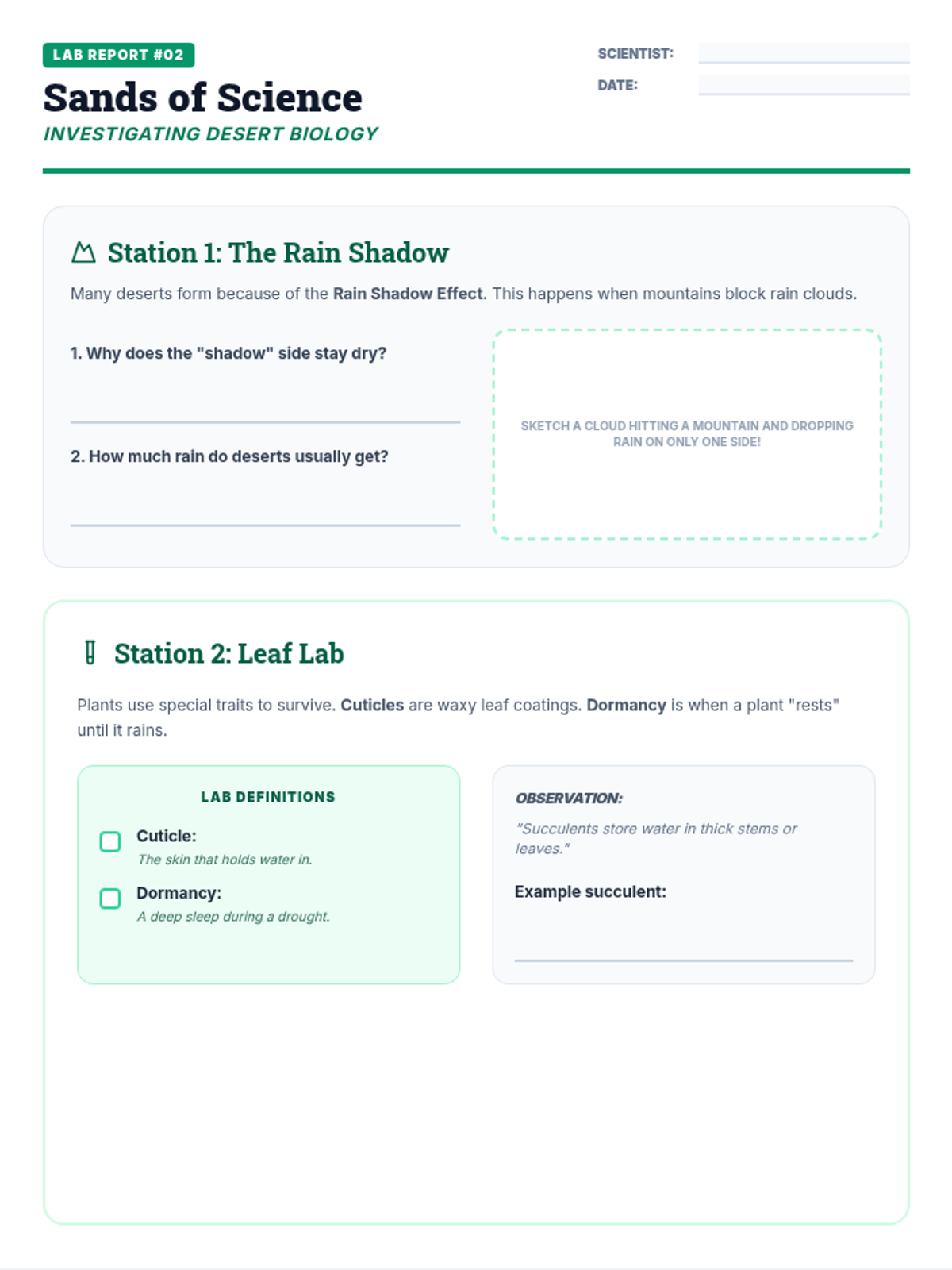
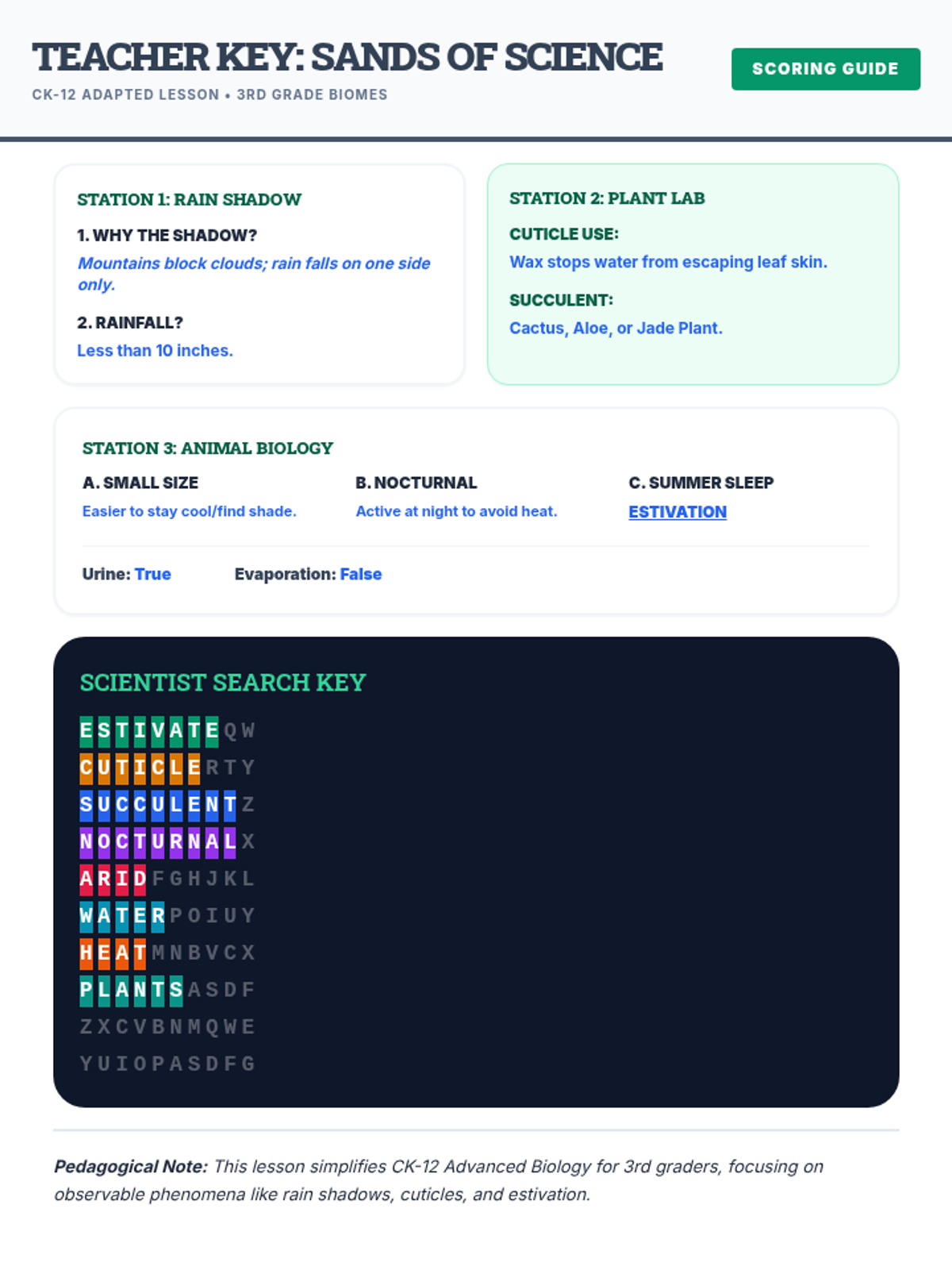
A technical but accessible look into the science of deserts, covering how they form (rain shadows), advanced plant survival, and animal behaviors like estivation.
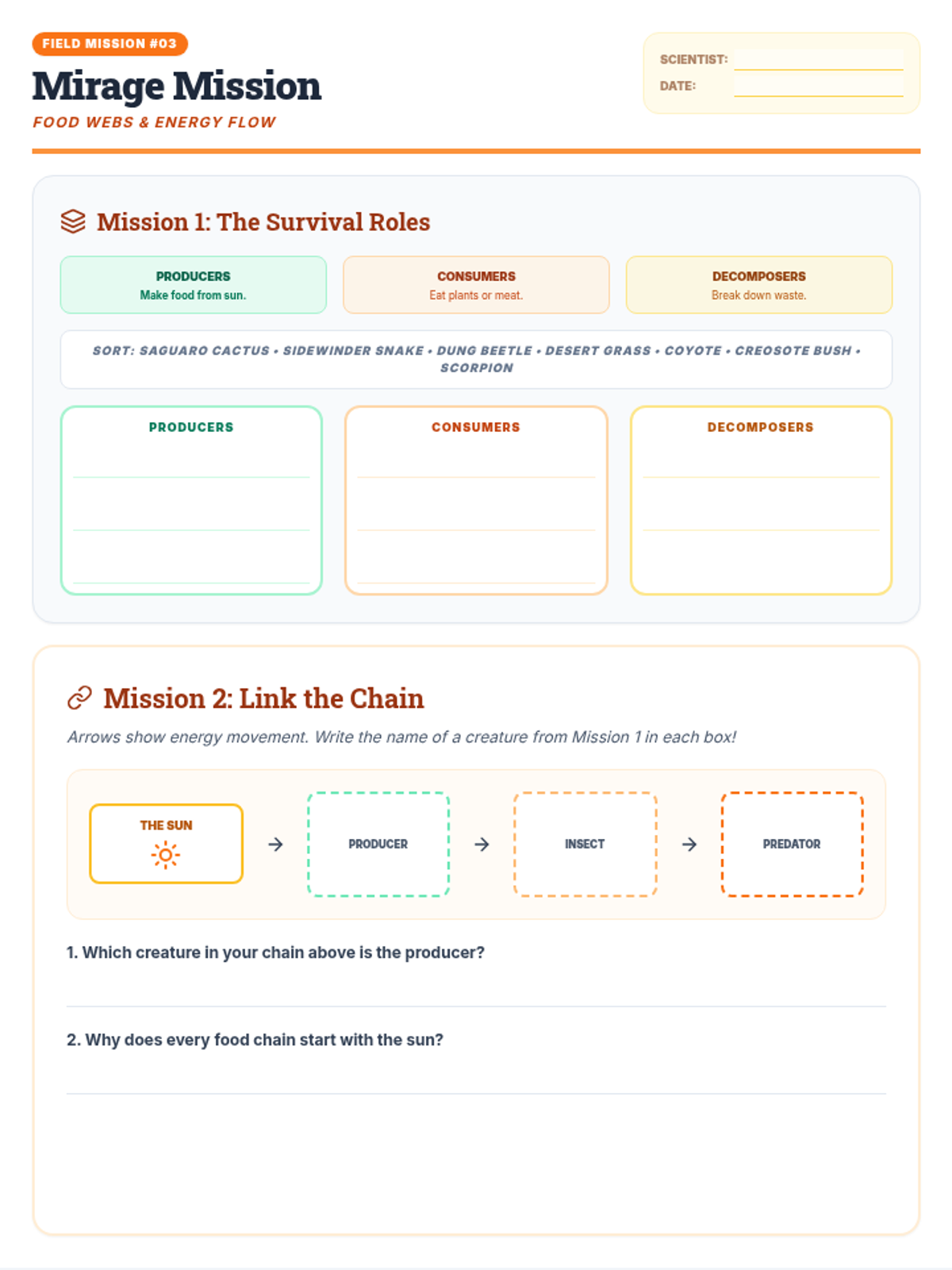
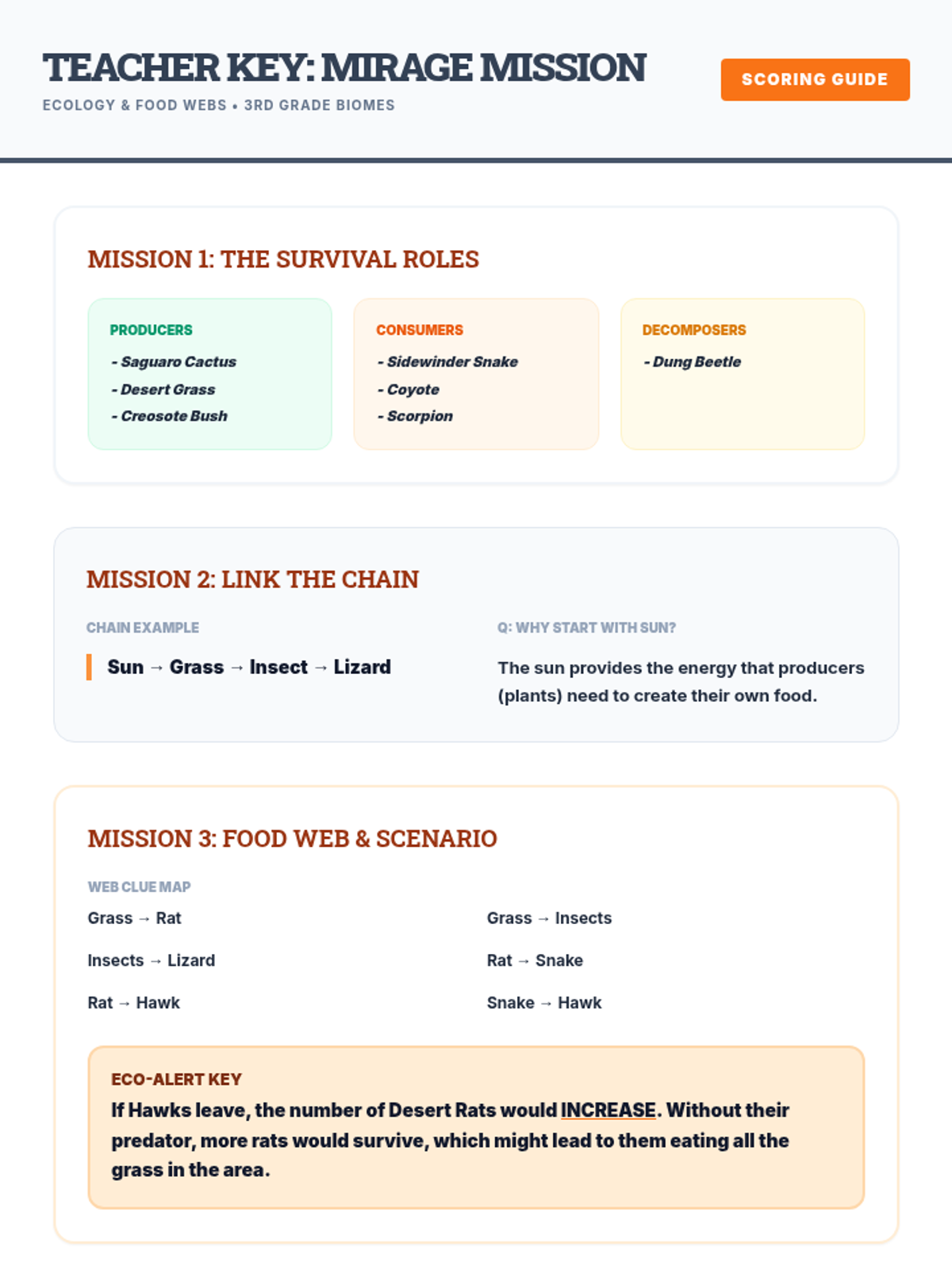
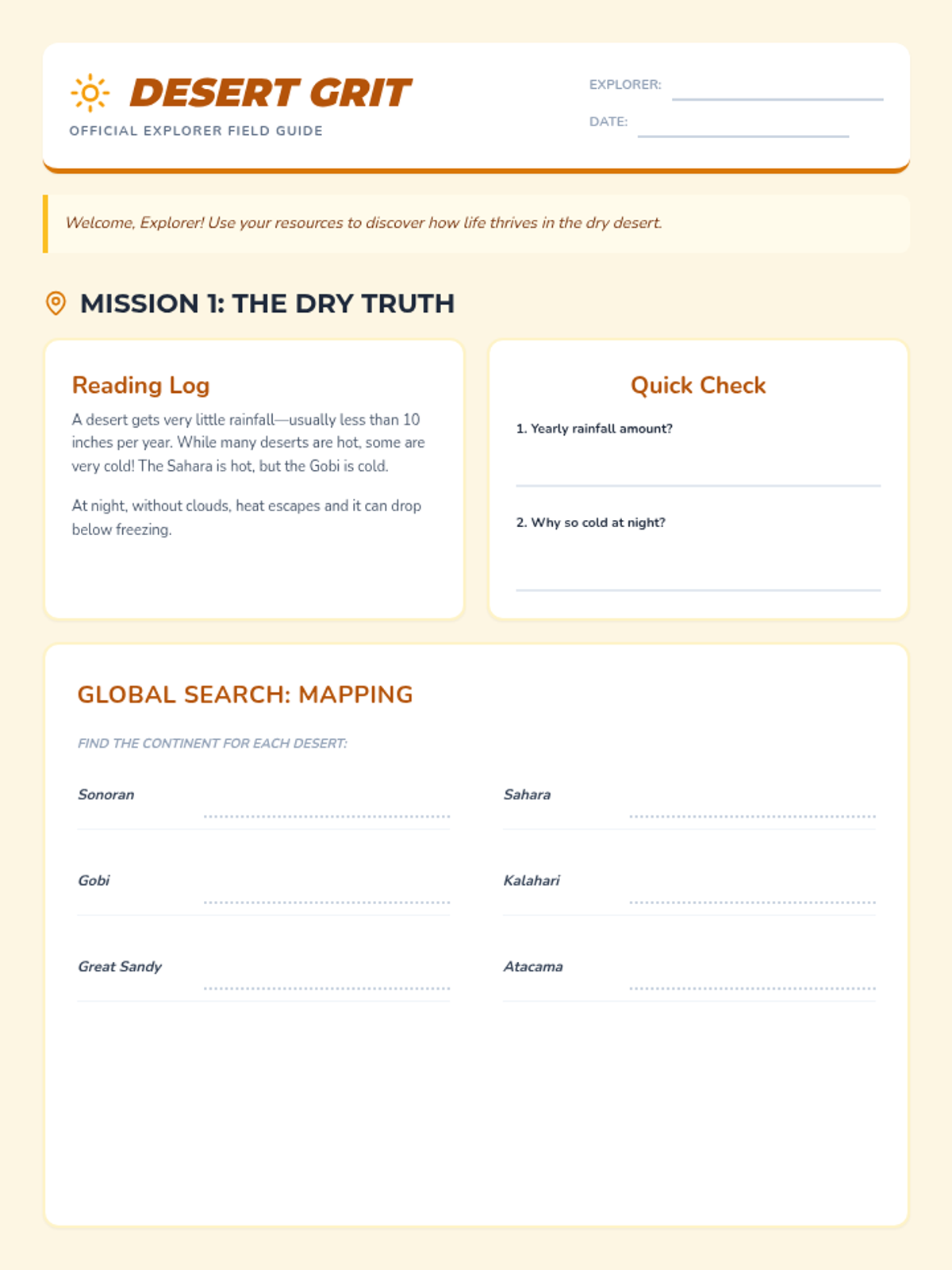
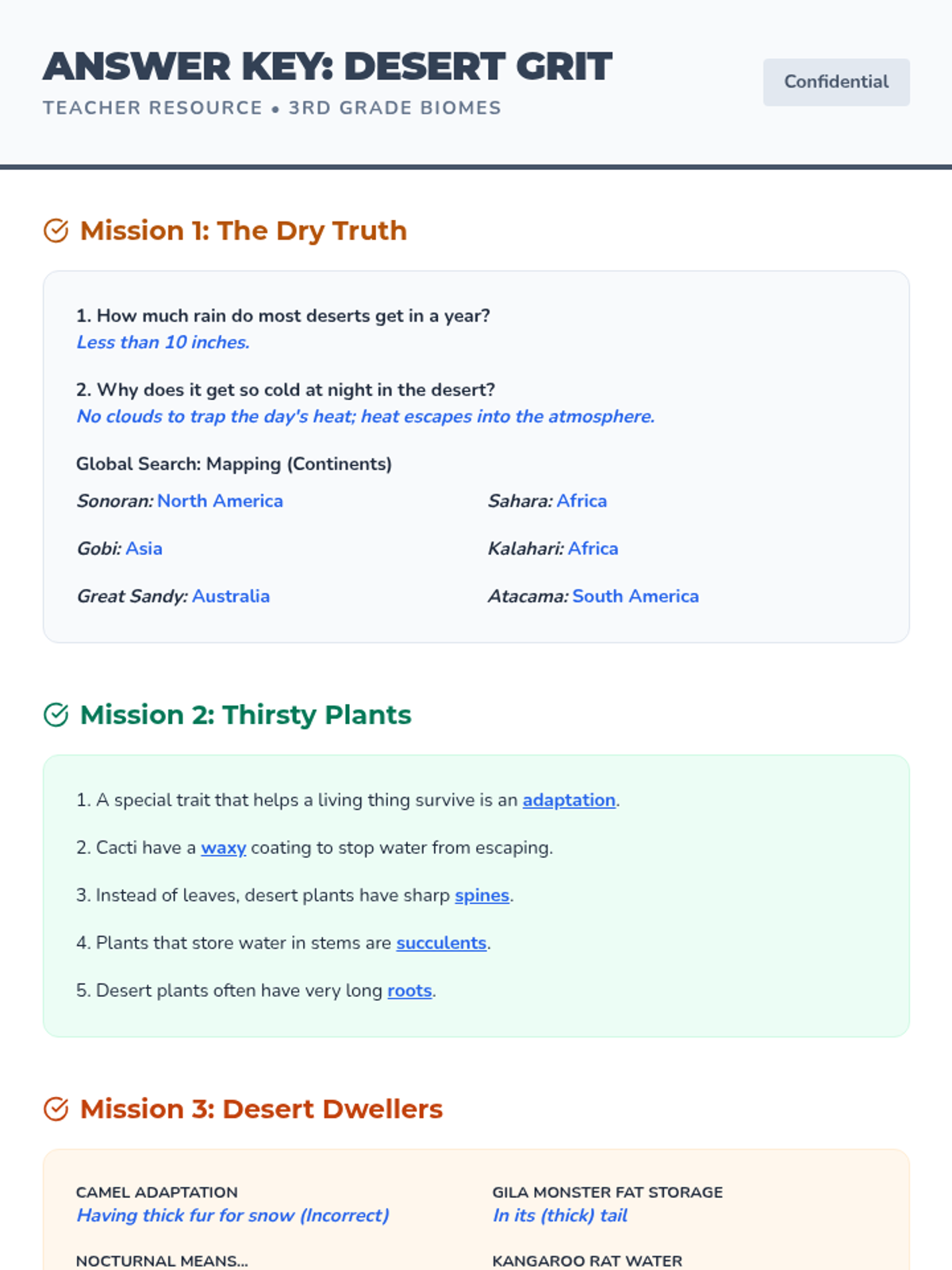
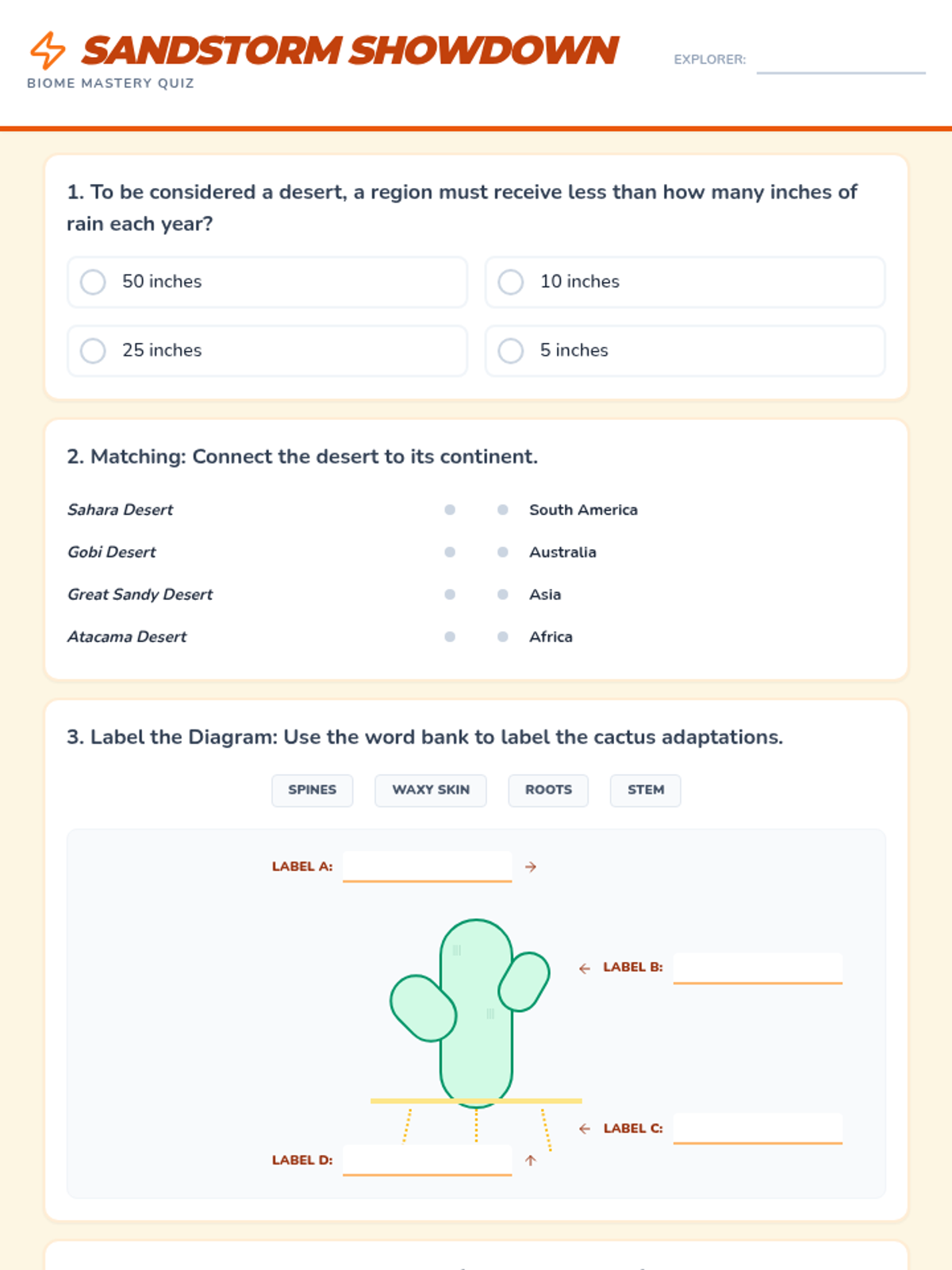
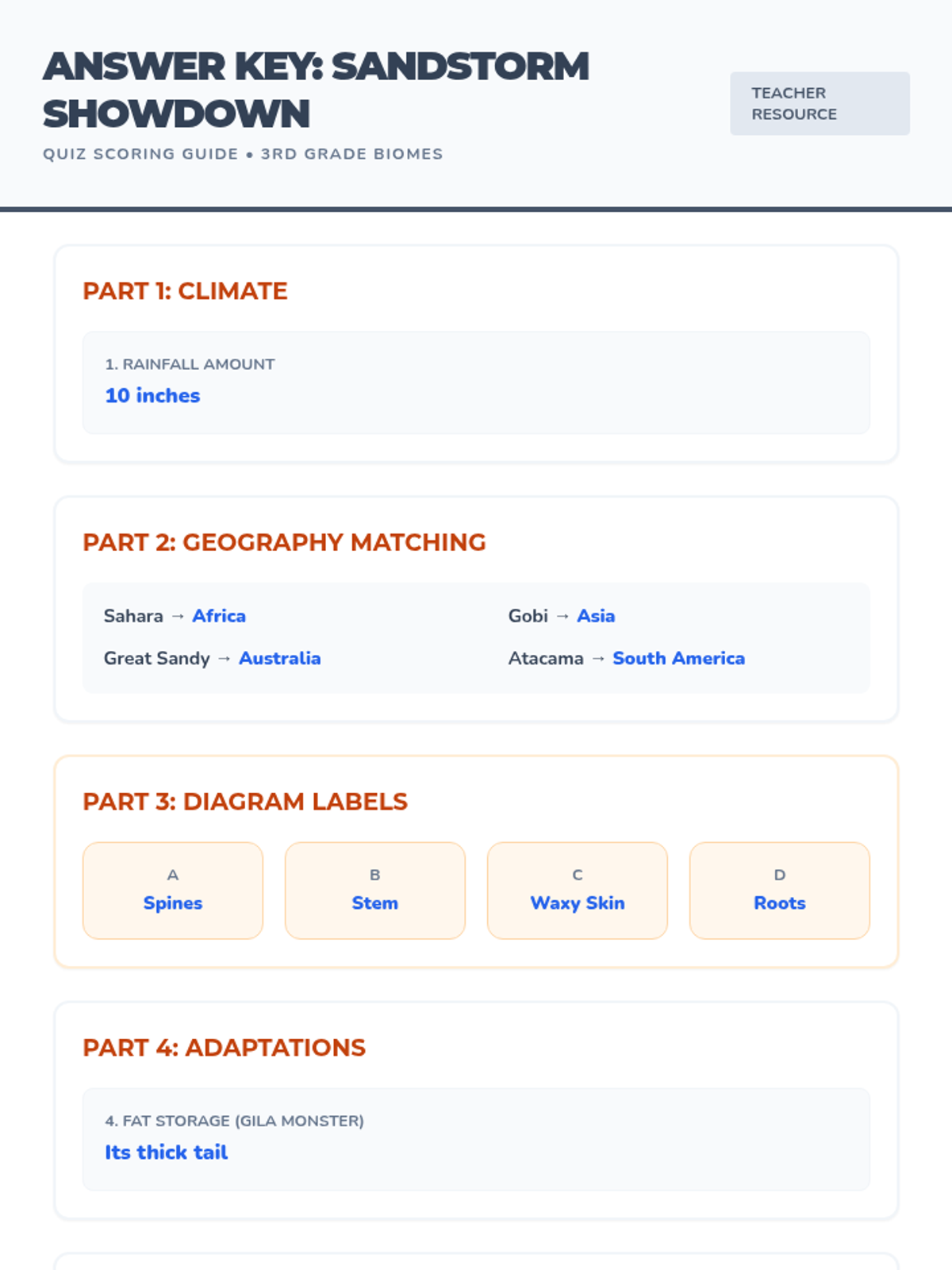
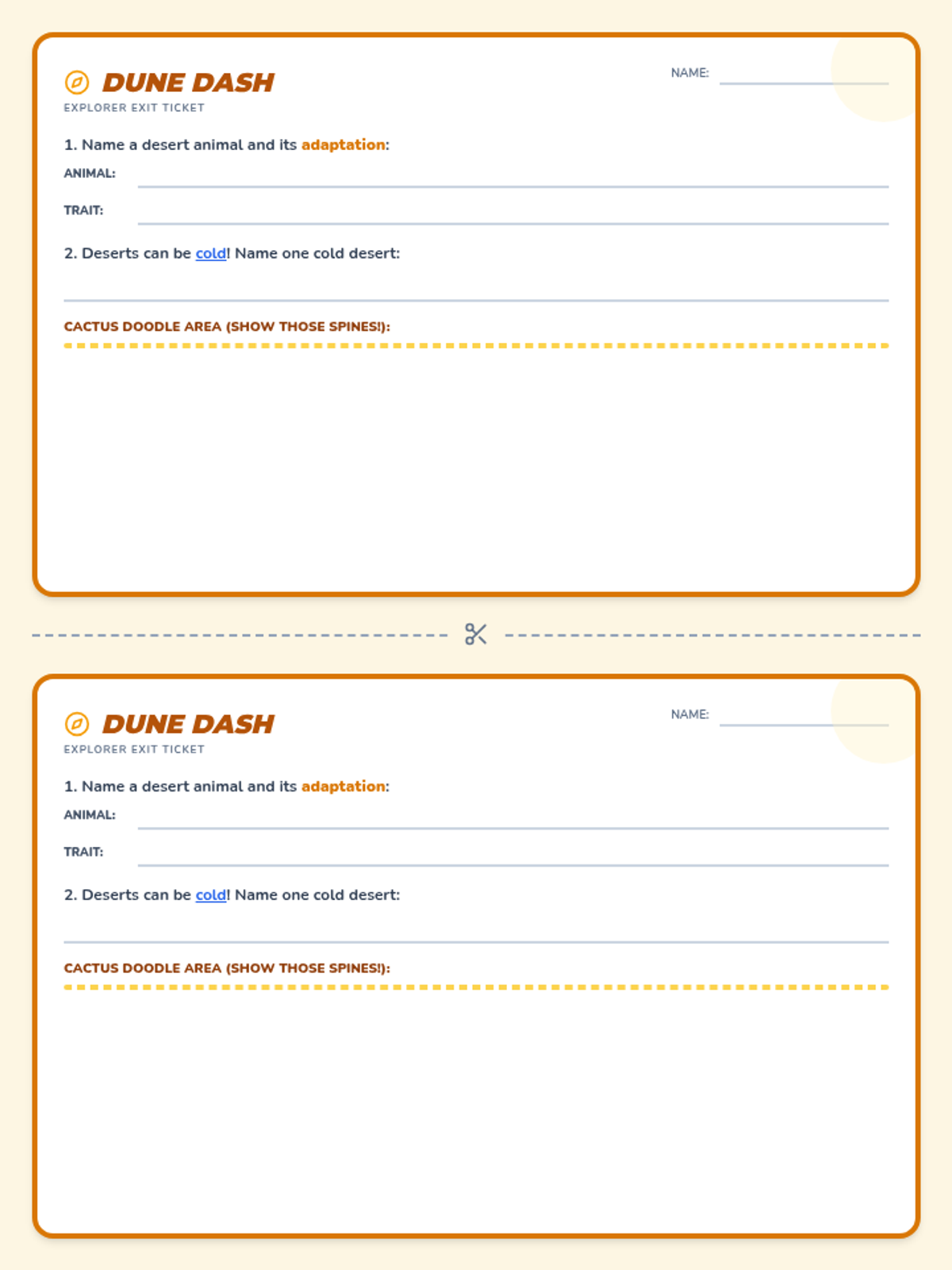
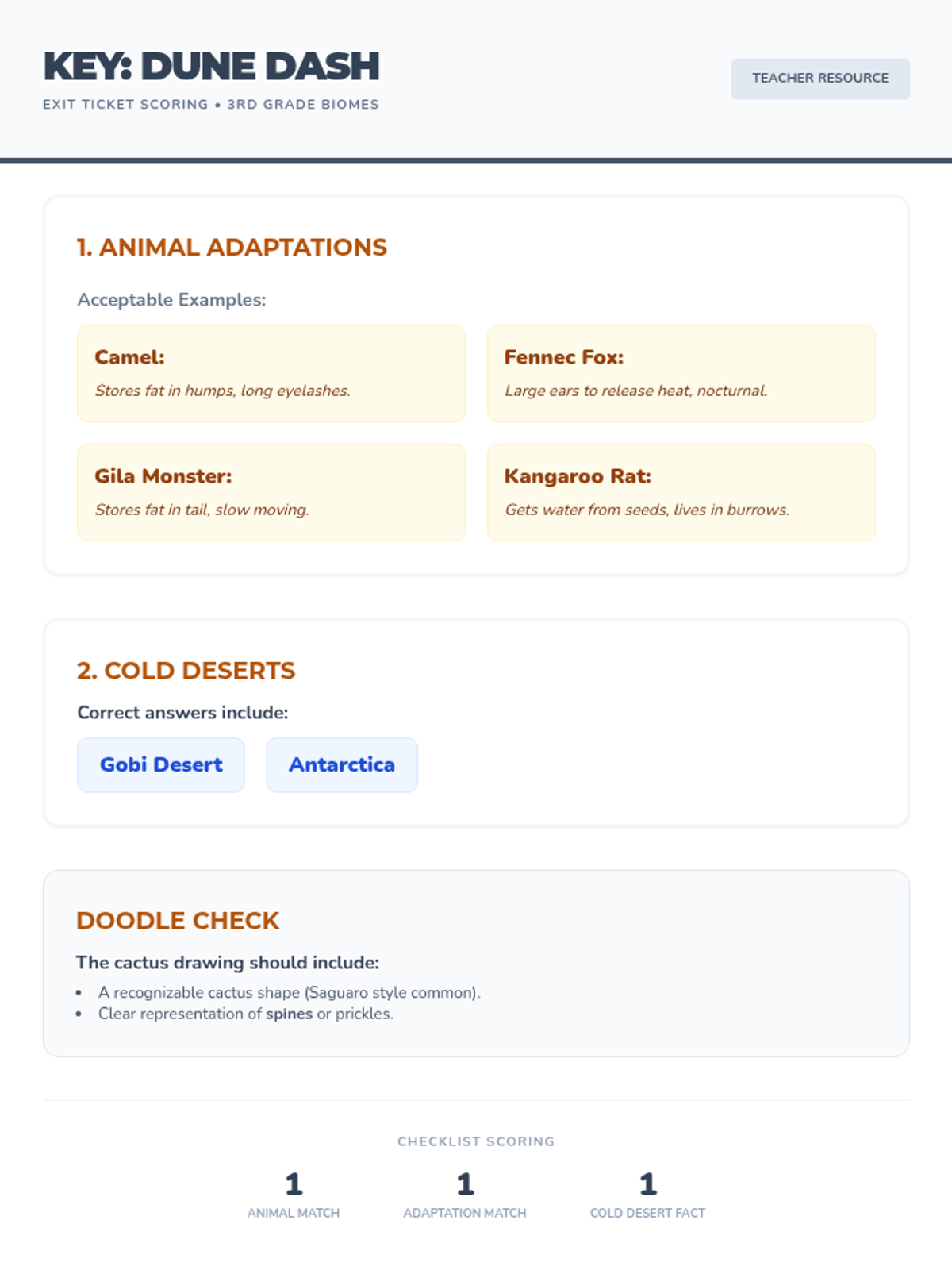
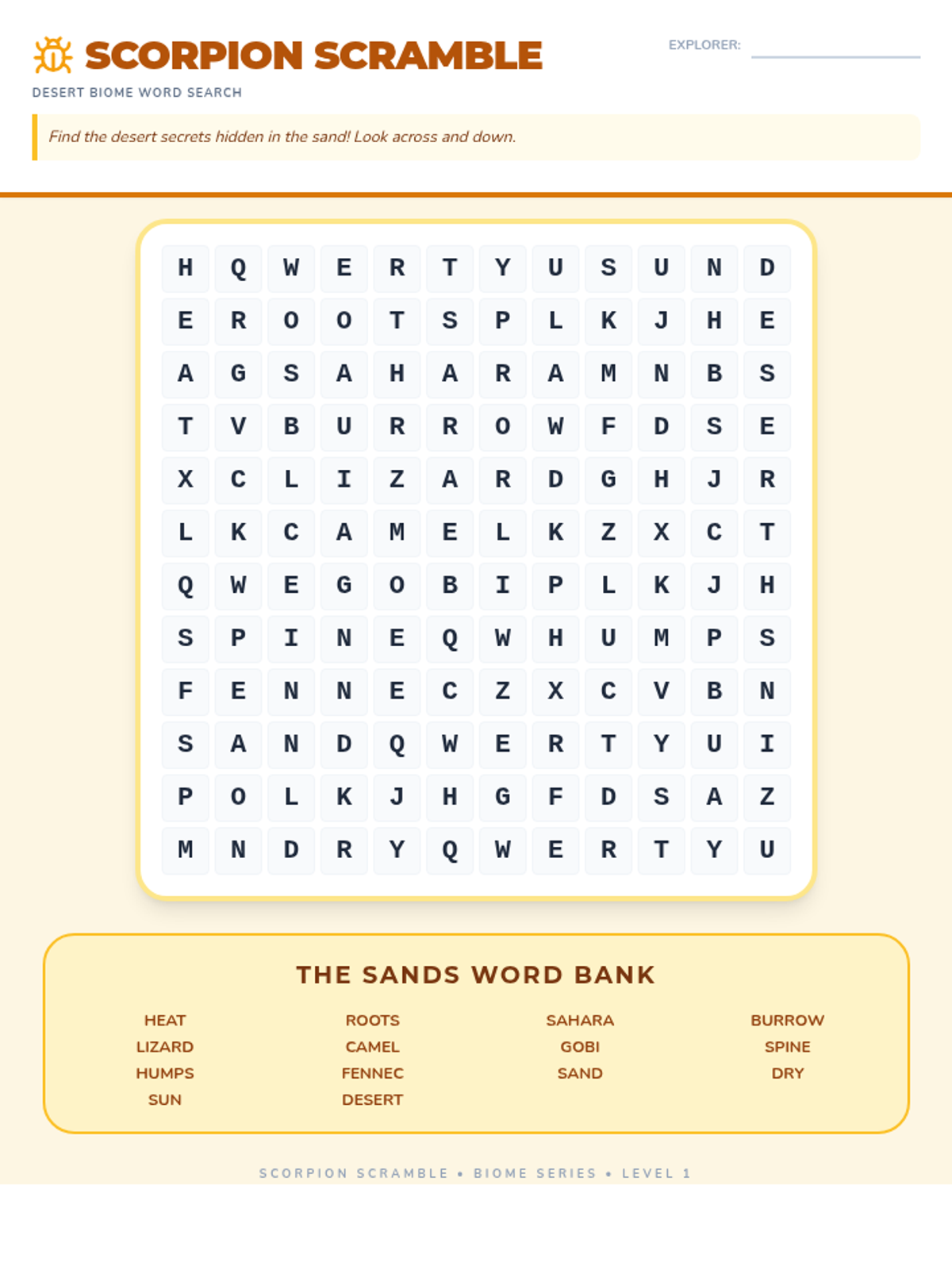
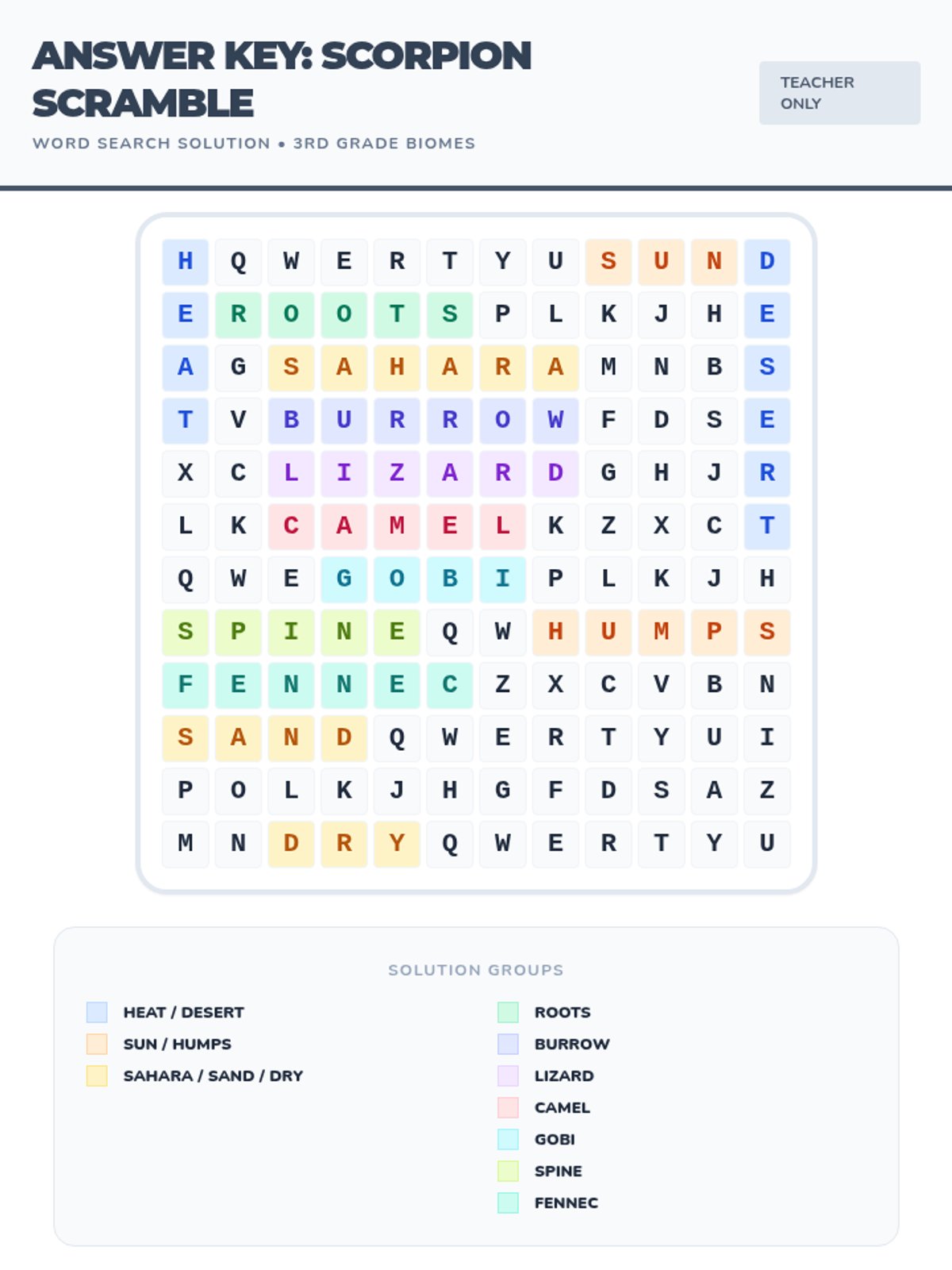
An engaging exploration of the desert biome designed for 3rd-grade students to complete independently. This lesson covers geographical locations, extreme climates, and the remarkable adaptations of desert plants and animals.
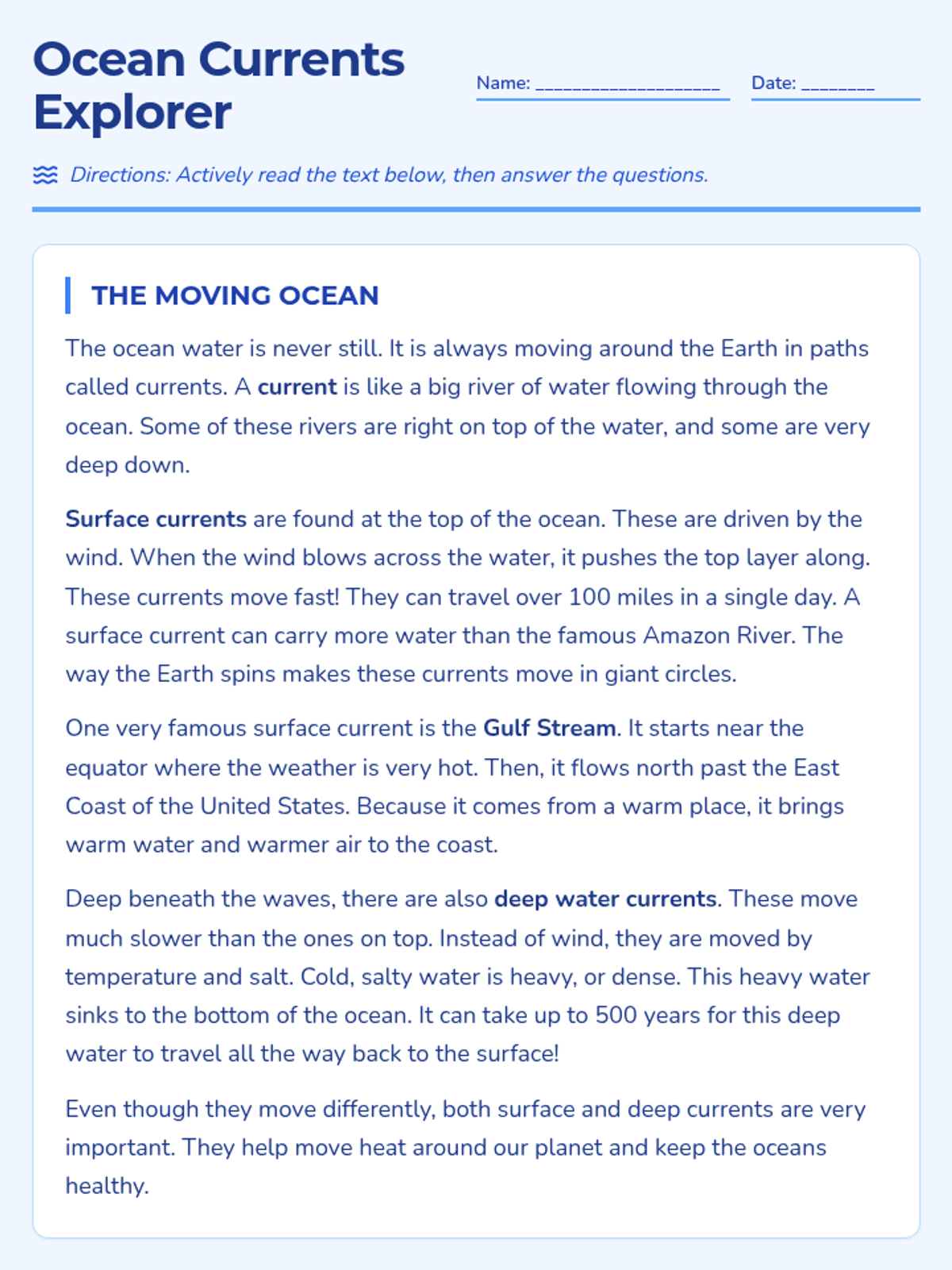
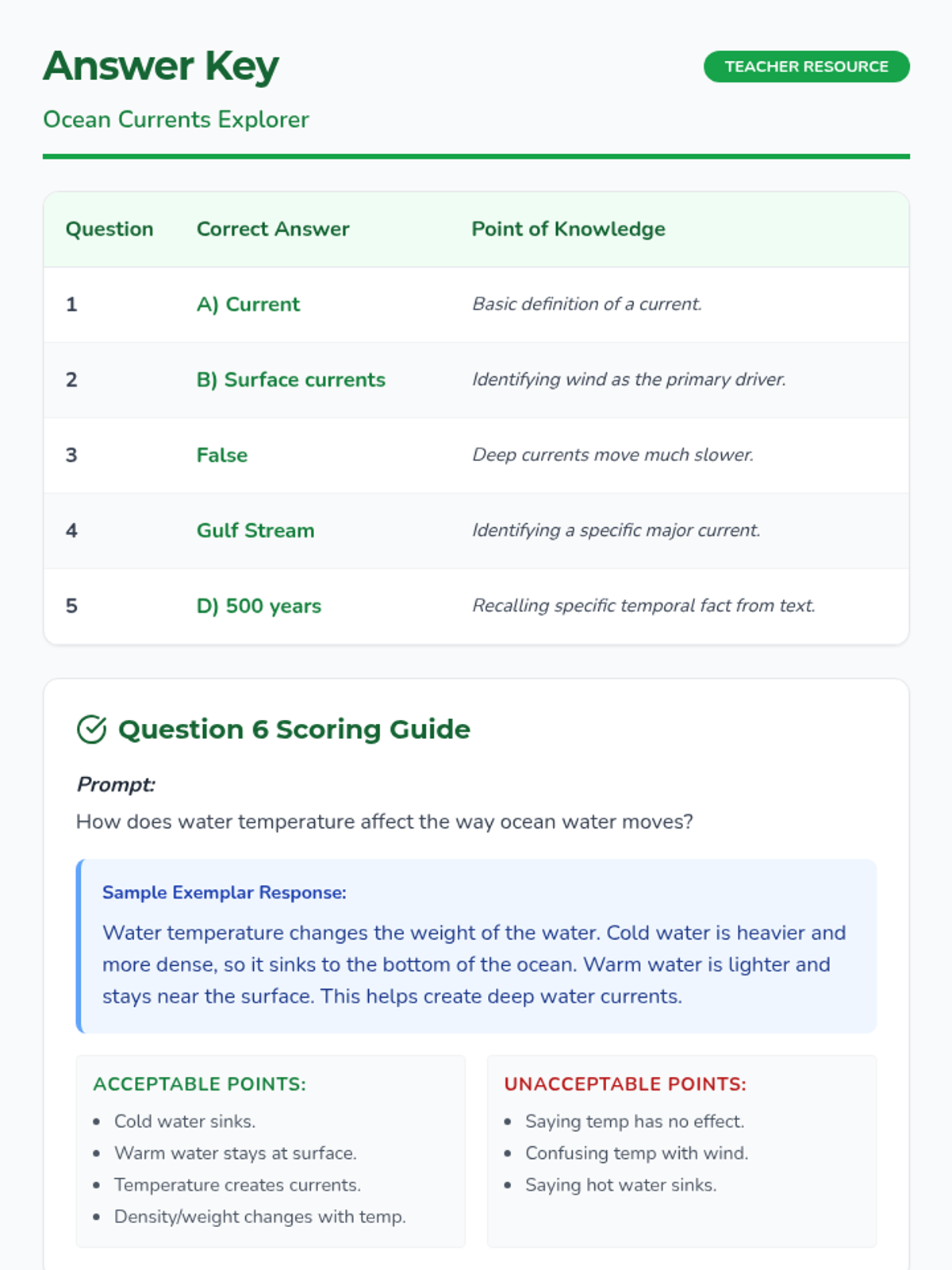
A beginner-friendly exploration of ocean currents, focusing on the differences between surface and deep water movements and how they affect our planet.
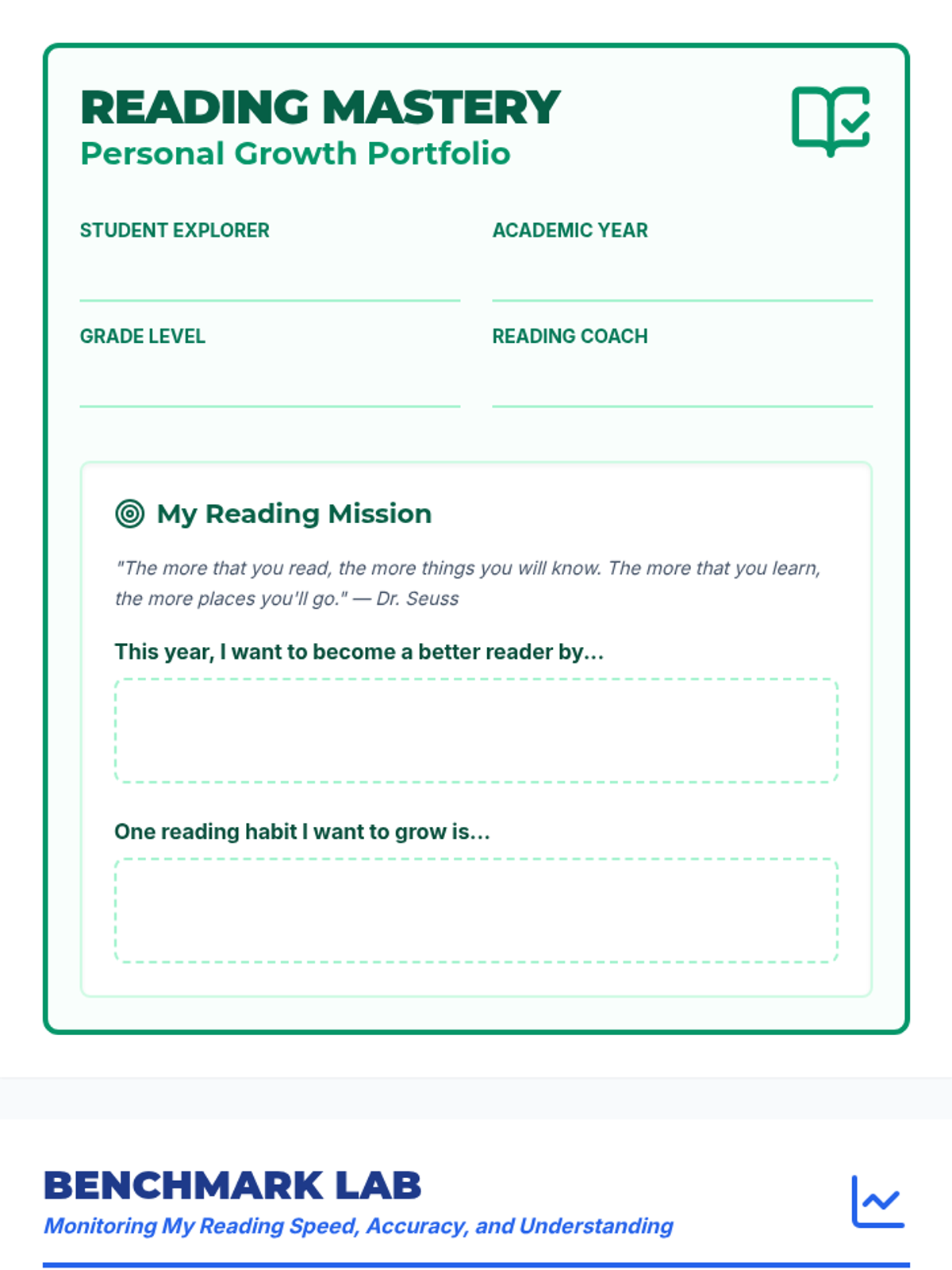
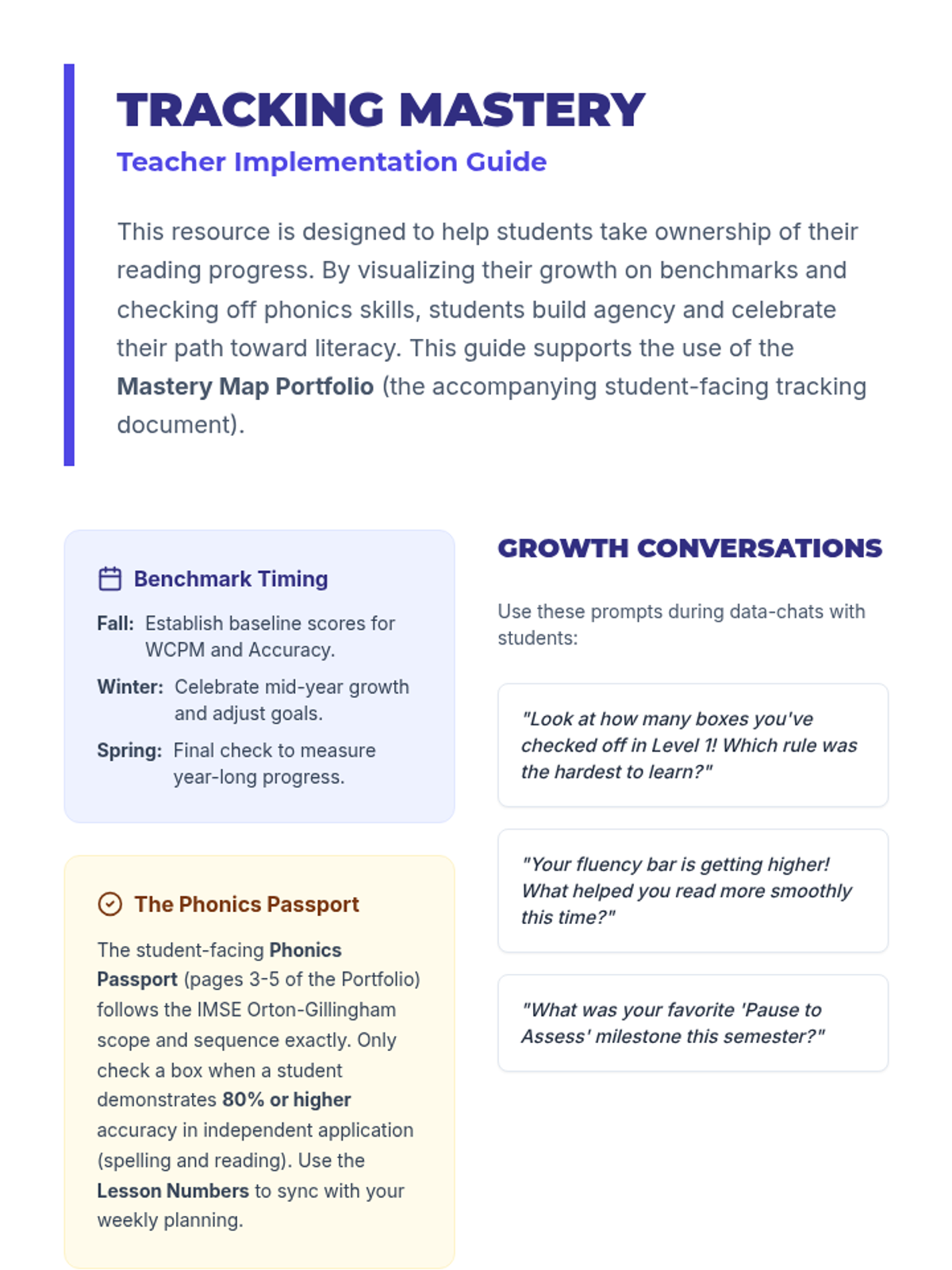
A comprehensive suite of data tracking tools for students to monitor their reading progress, including benchmark assessments and IMSE Orton-Gillingham concept checks from Kindergarten through 5th grade.
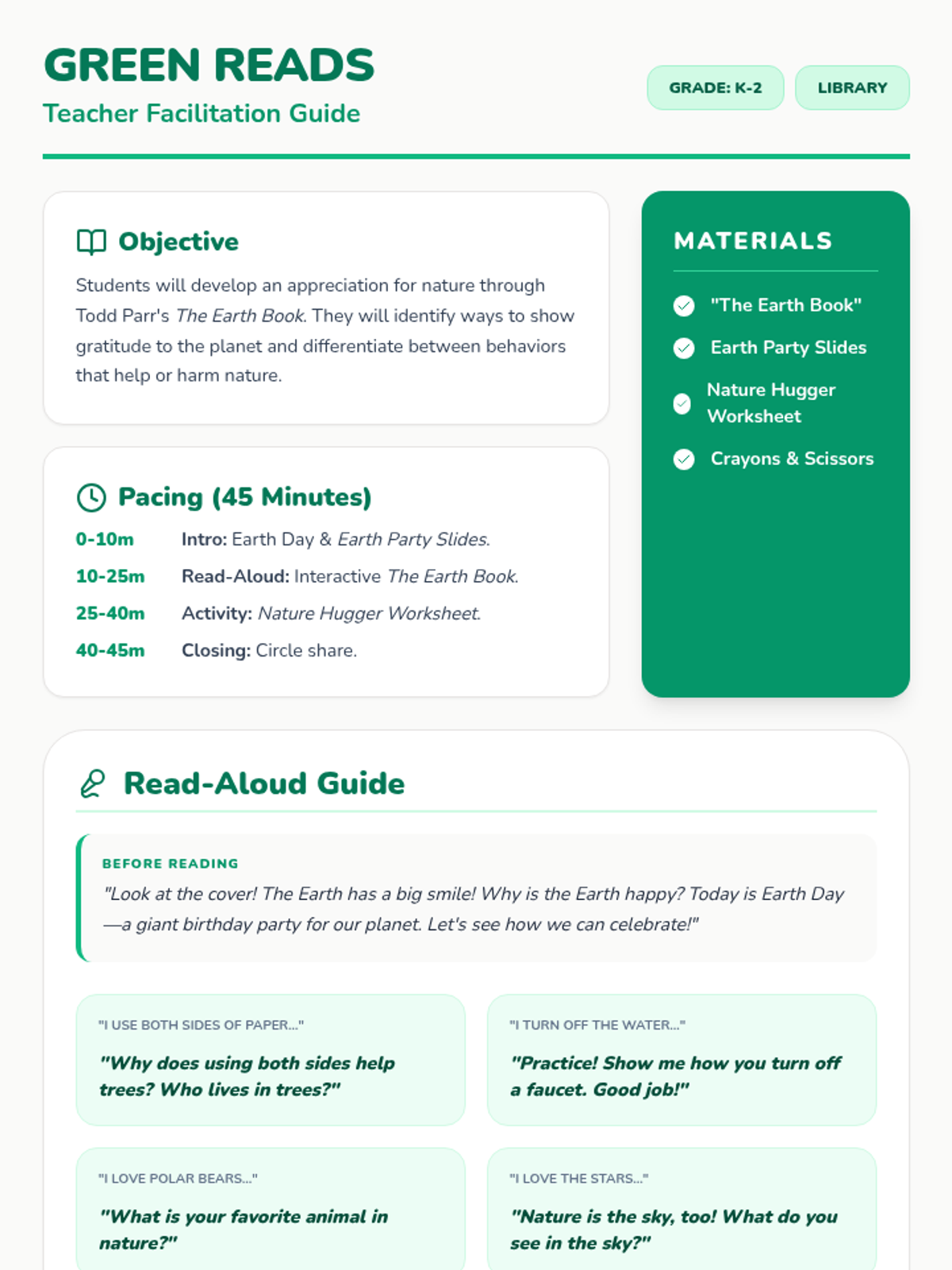
A library-focused lesson for K-2 students that celebrates Earth Day through a nature-themed read-aloud and interactive activities that encourage appreciation and care for the environment.
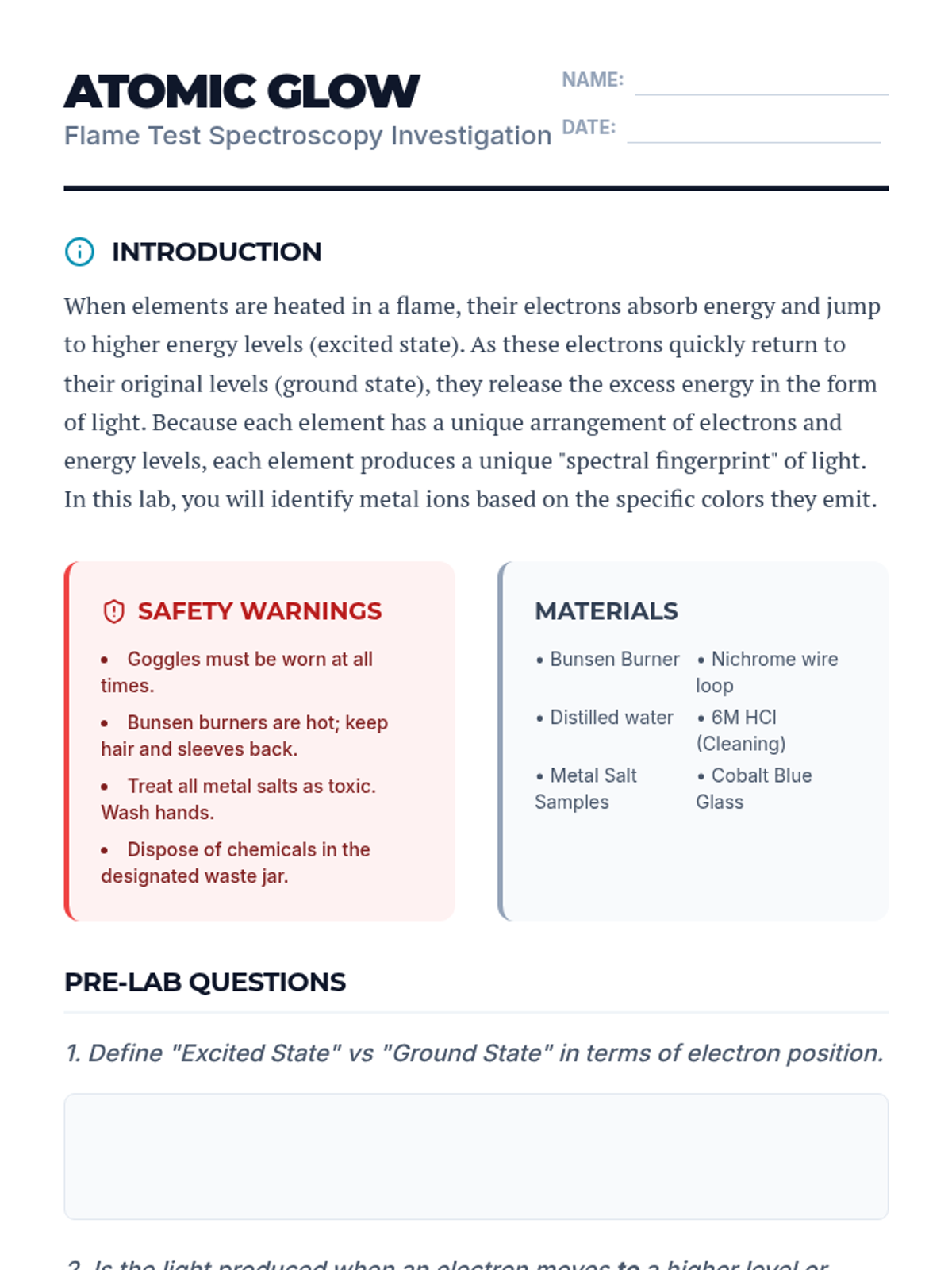
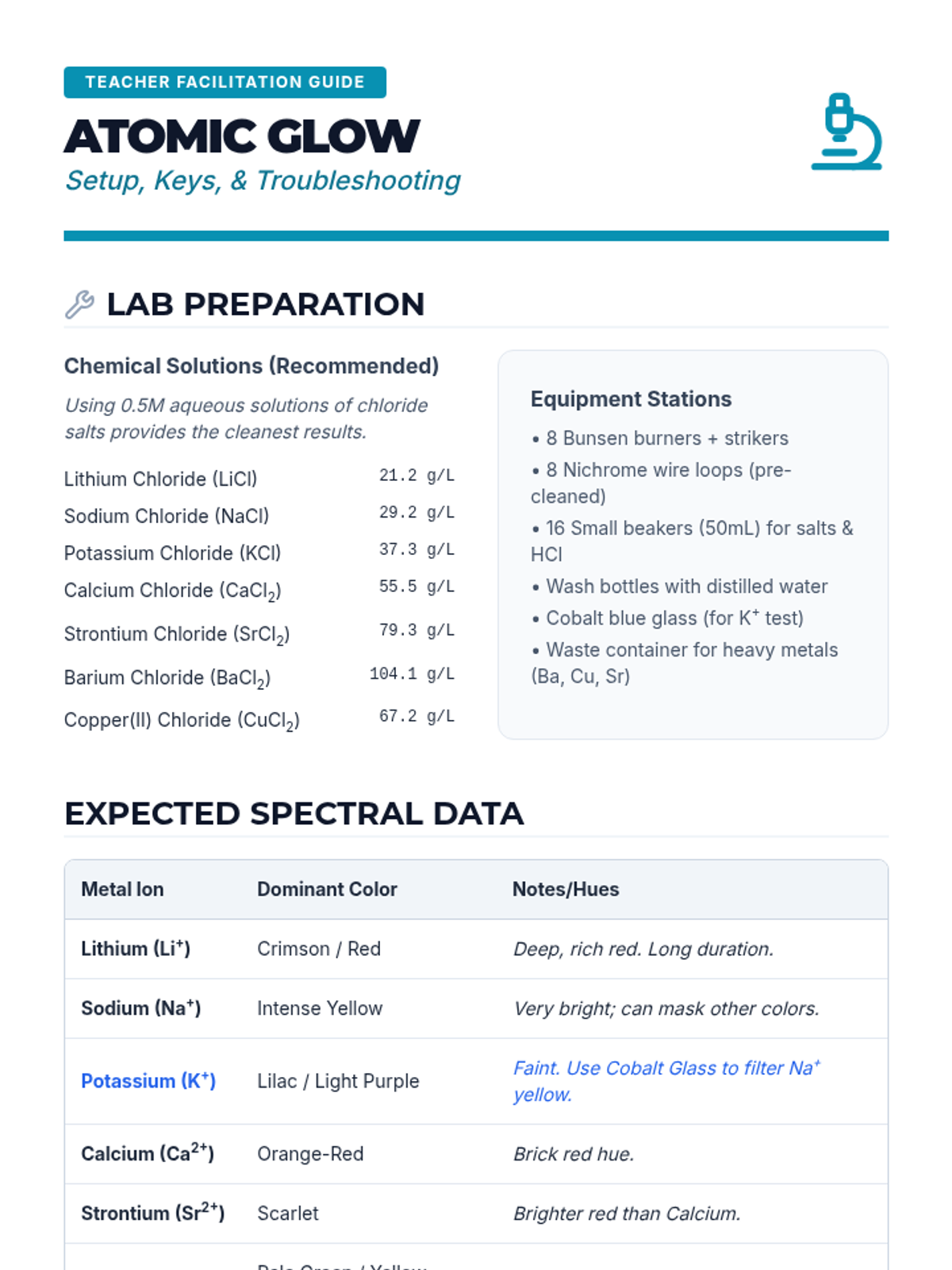
A high school chemistry lab investigating the emission spectra of metal ions through flame tests. Students explore the Bohr model of the atom and identify unknown metal salts based on their characteristic flame colors.
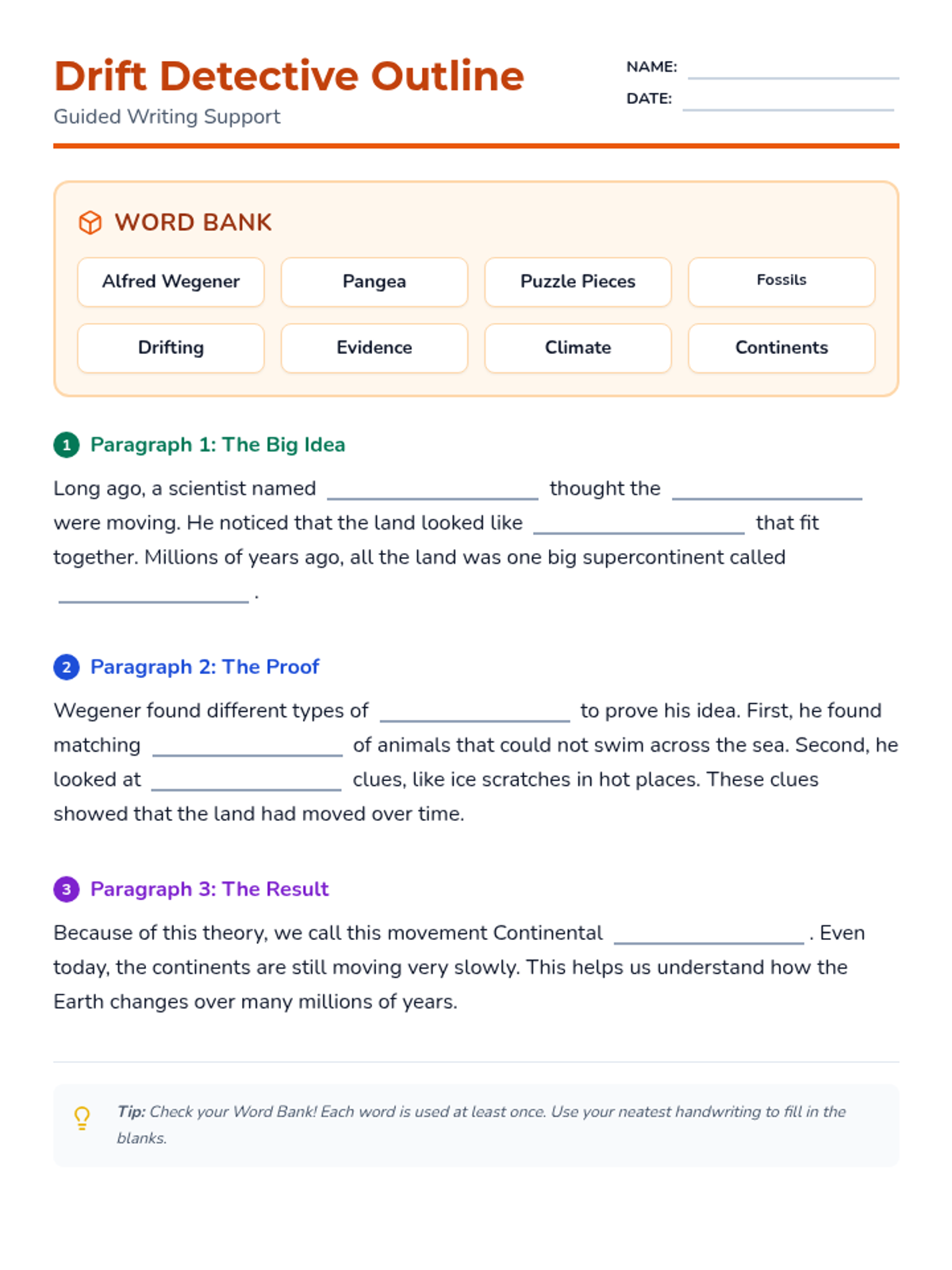
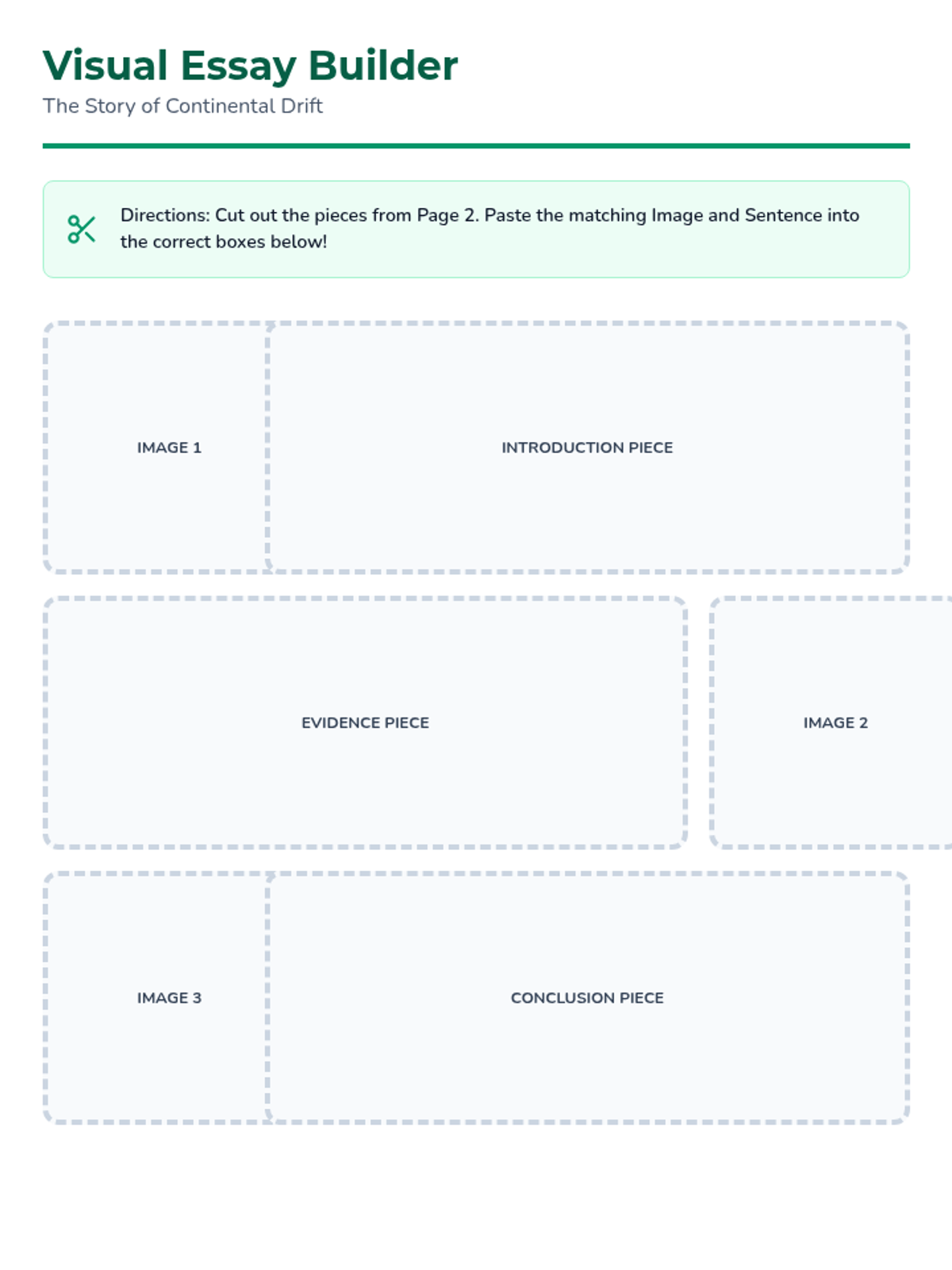
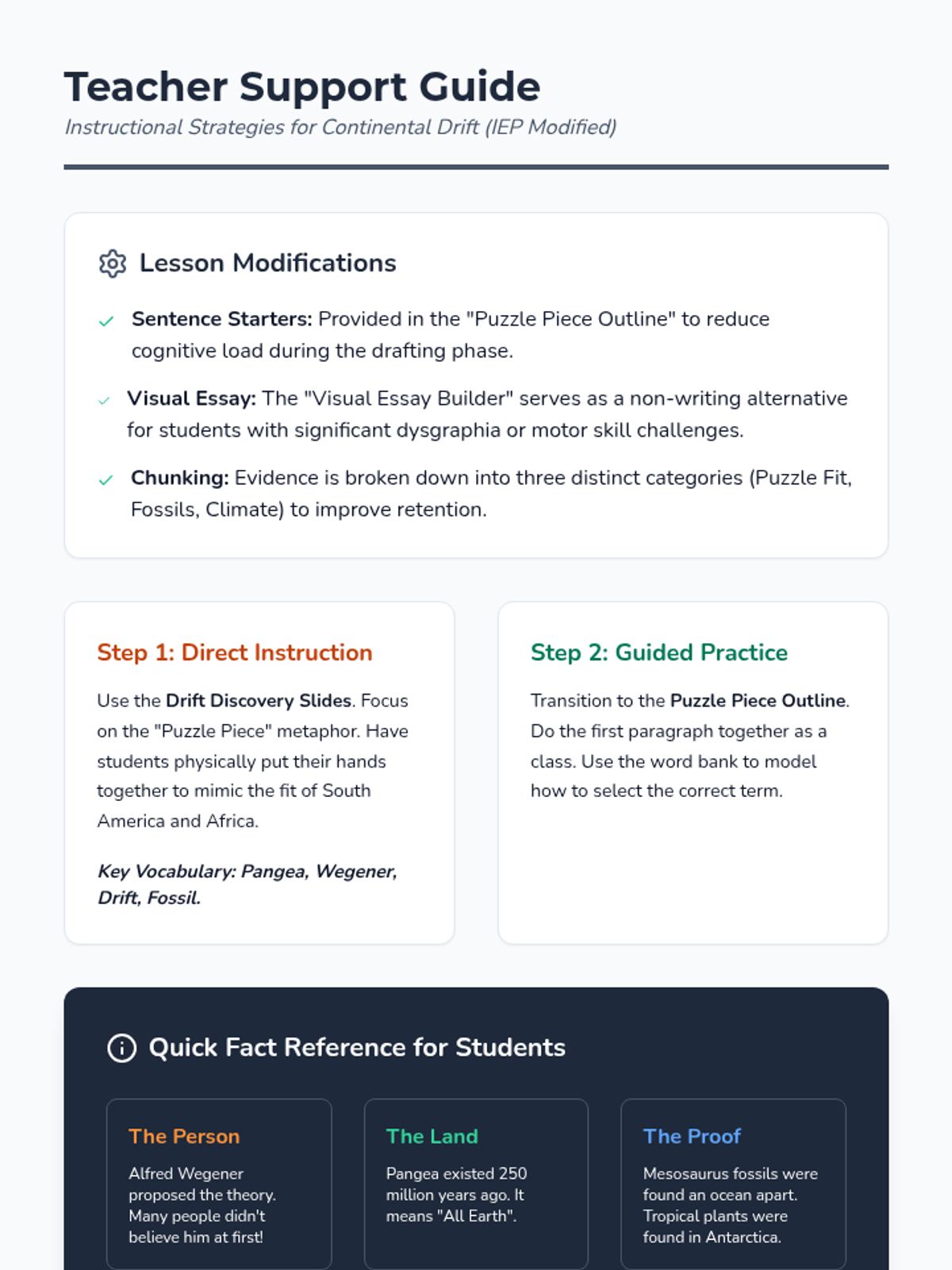
A modified lesson on continental drift designed specifically for IEP students, focusing on Alfred Wegener's theory, Pangea, and the four main pieces of evidence through scaffolded writing and visual activities.
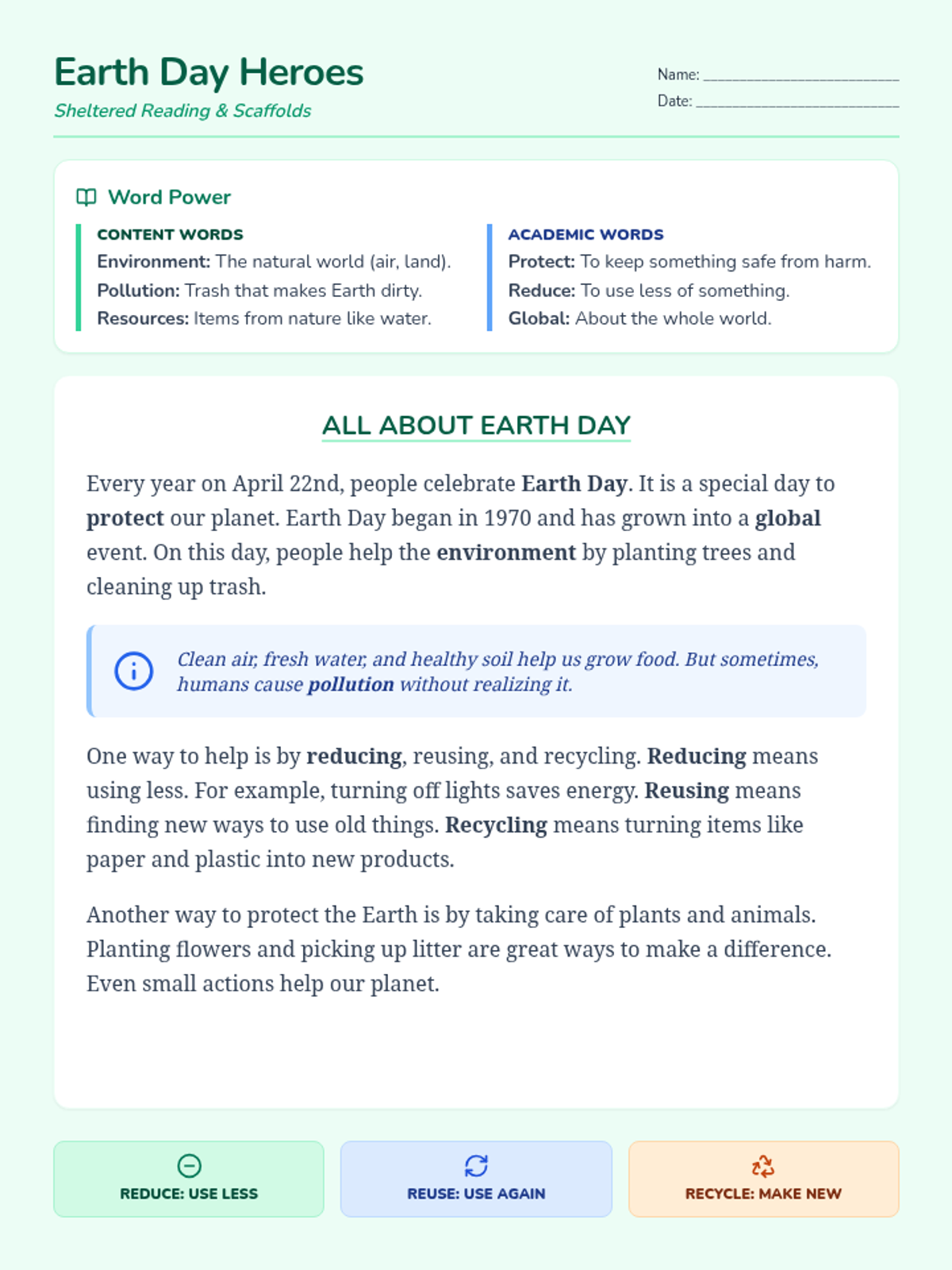
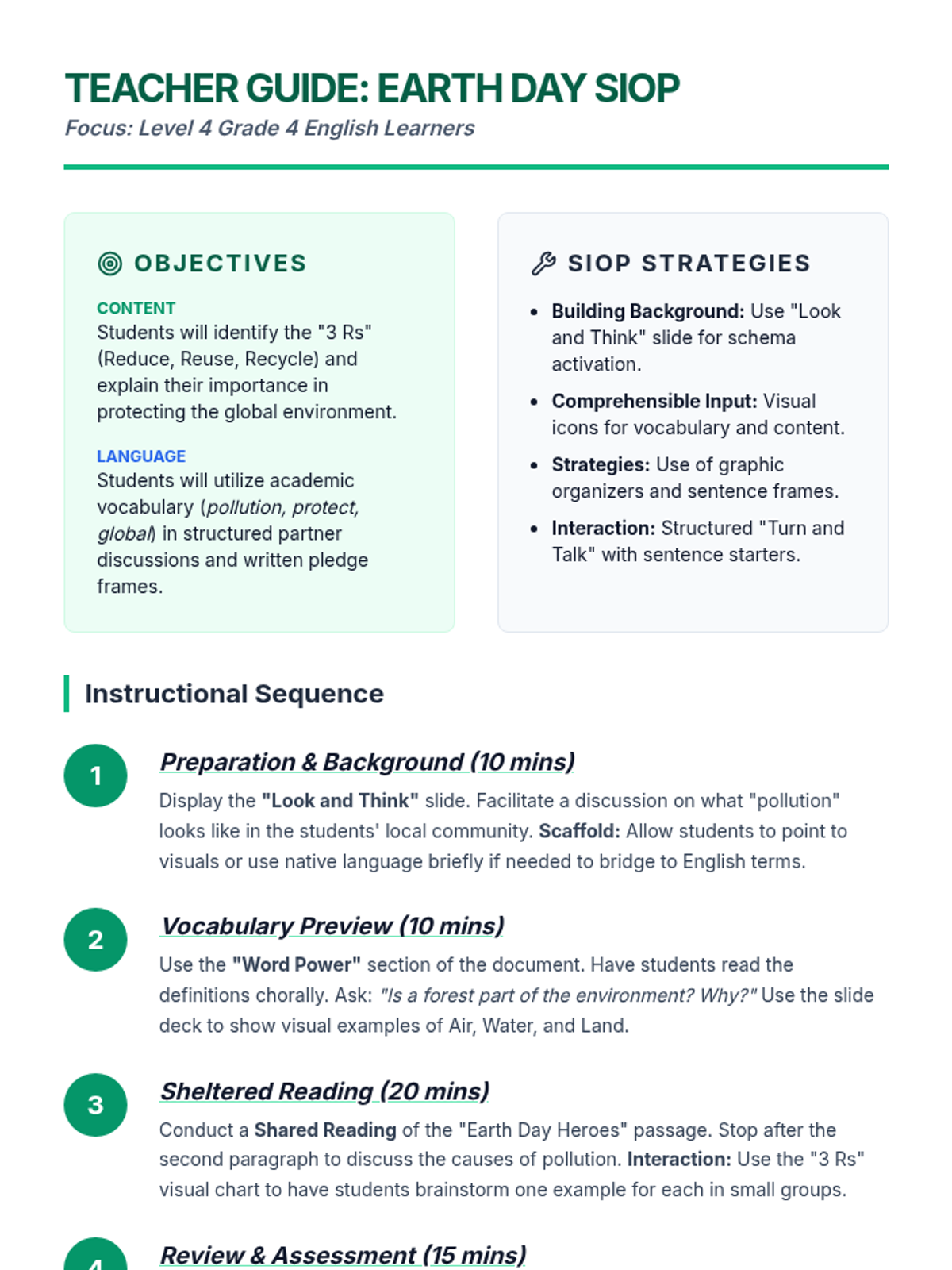
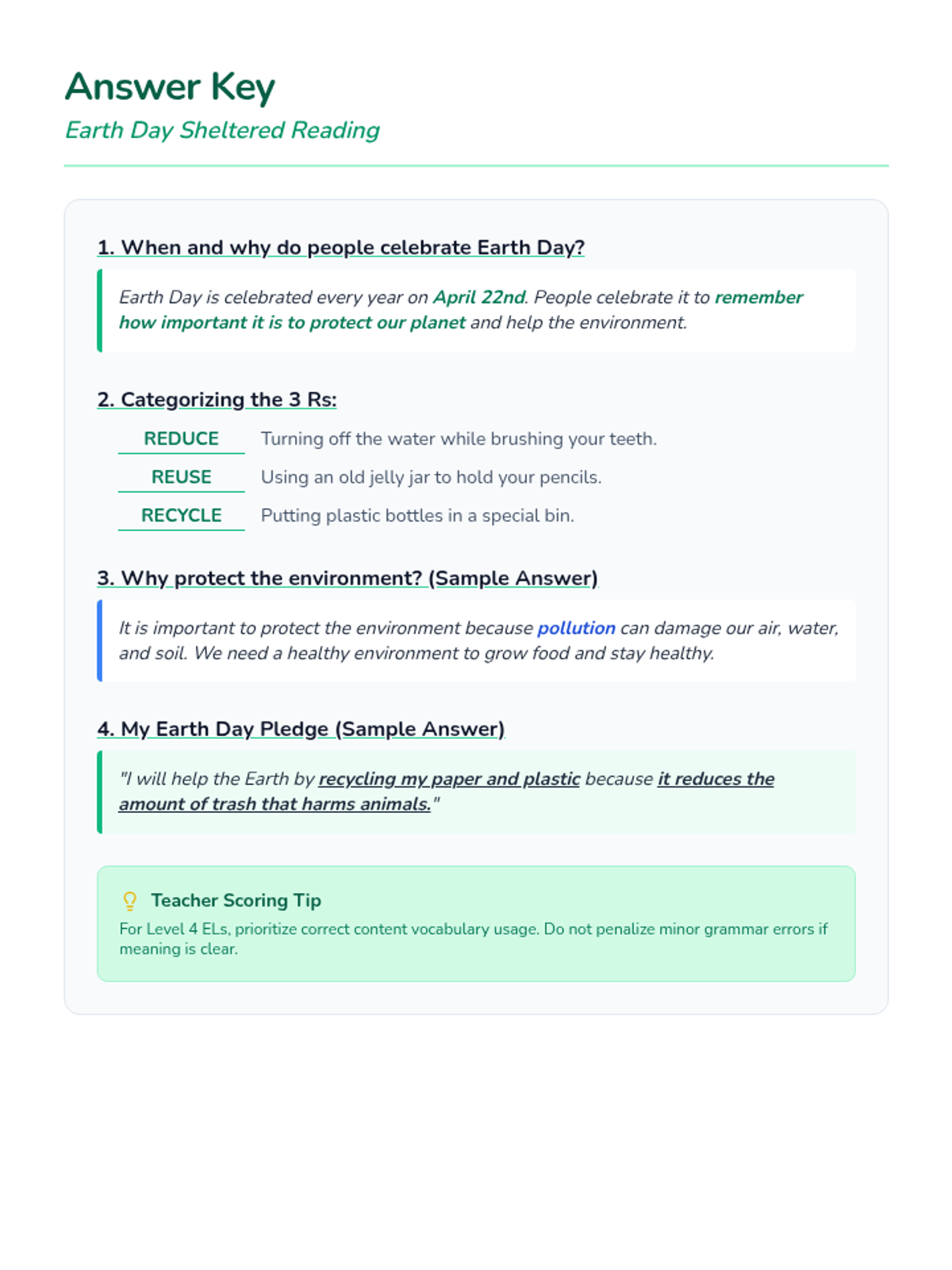
A SIOP-based lesson on Earth Day for Level 4 ELs, focusing on the 3 Rs and environmental protection through visual scaffolds, academic language support, and interactive discussion.
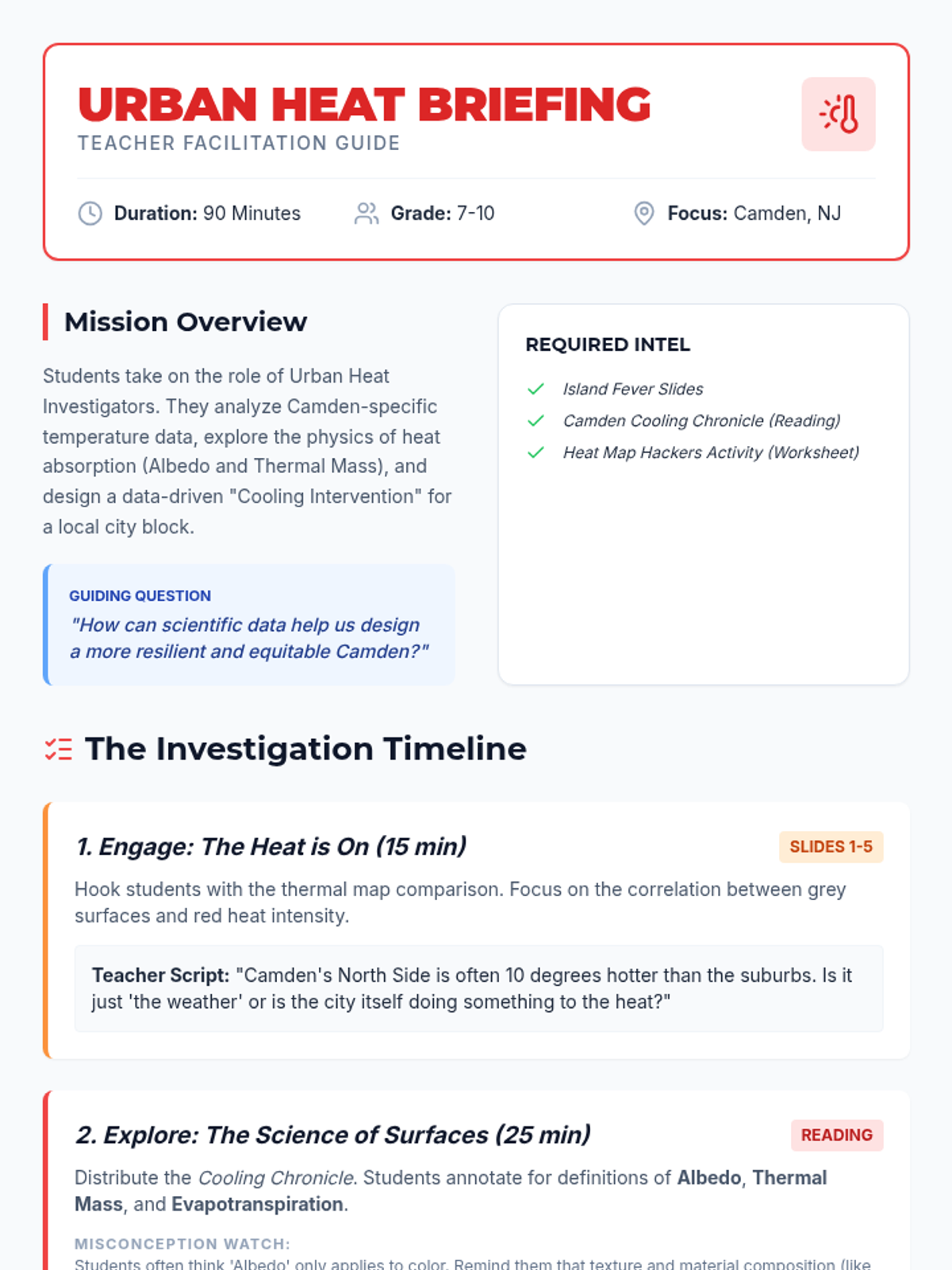
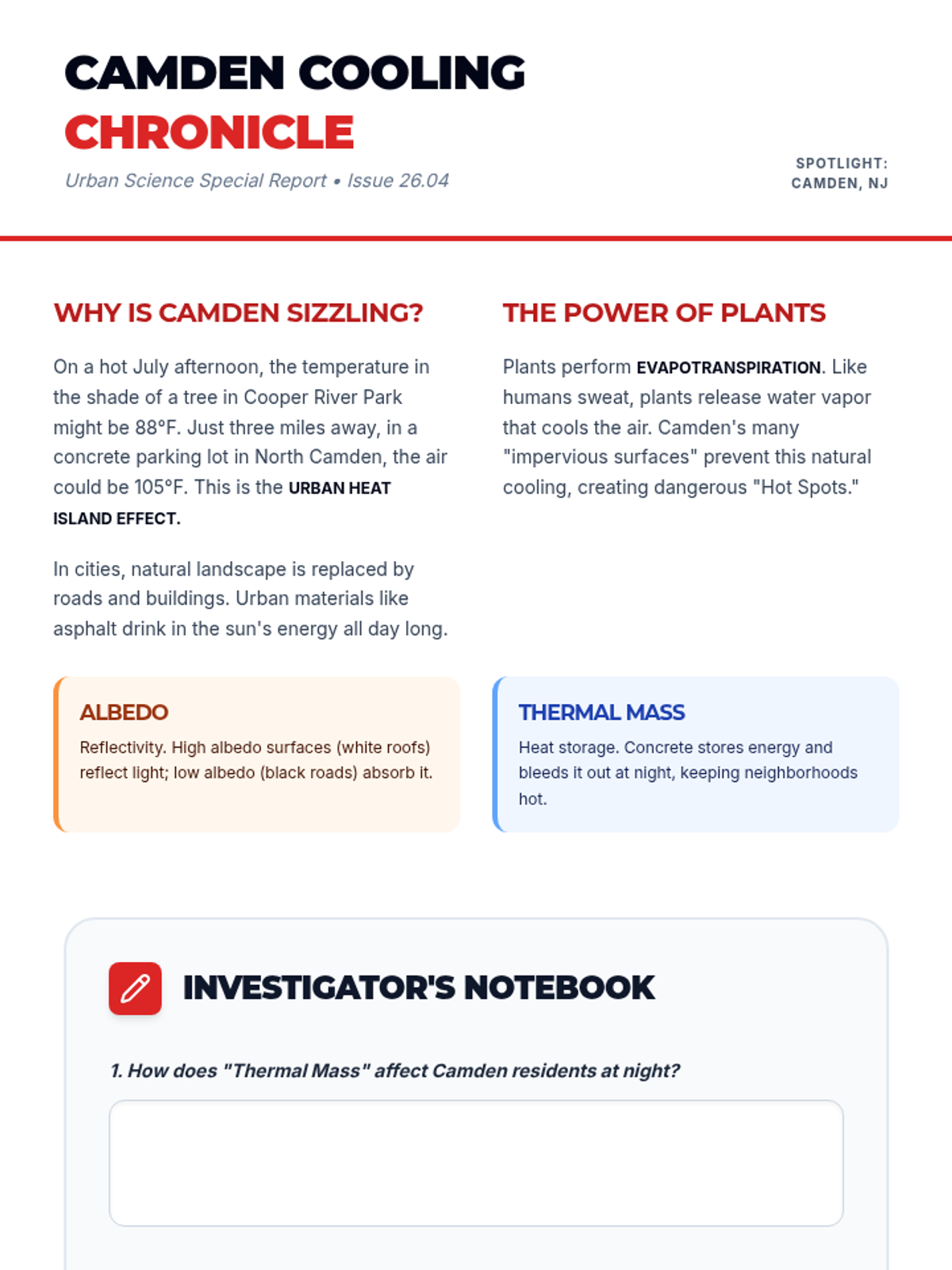
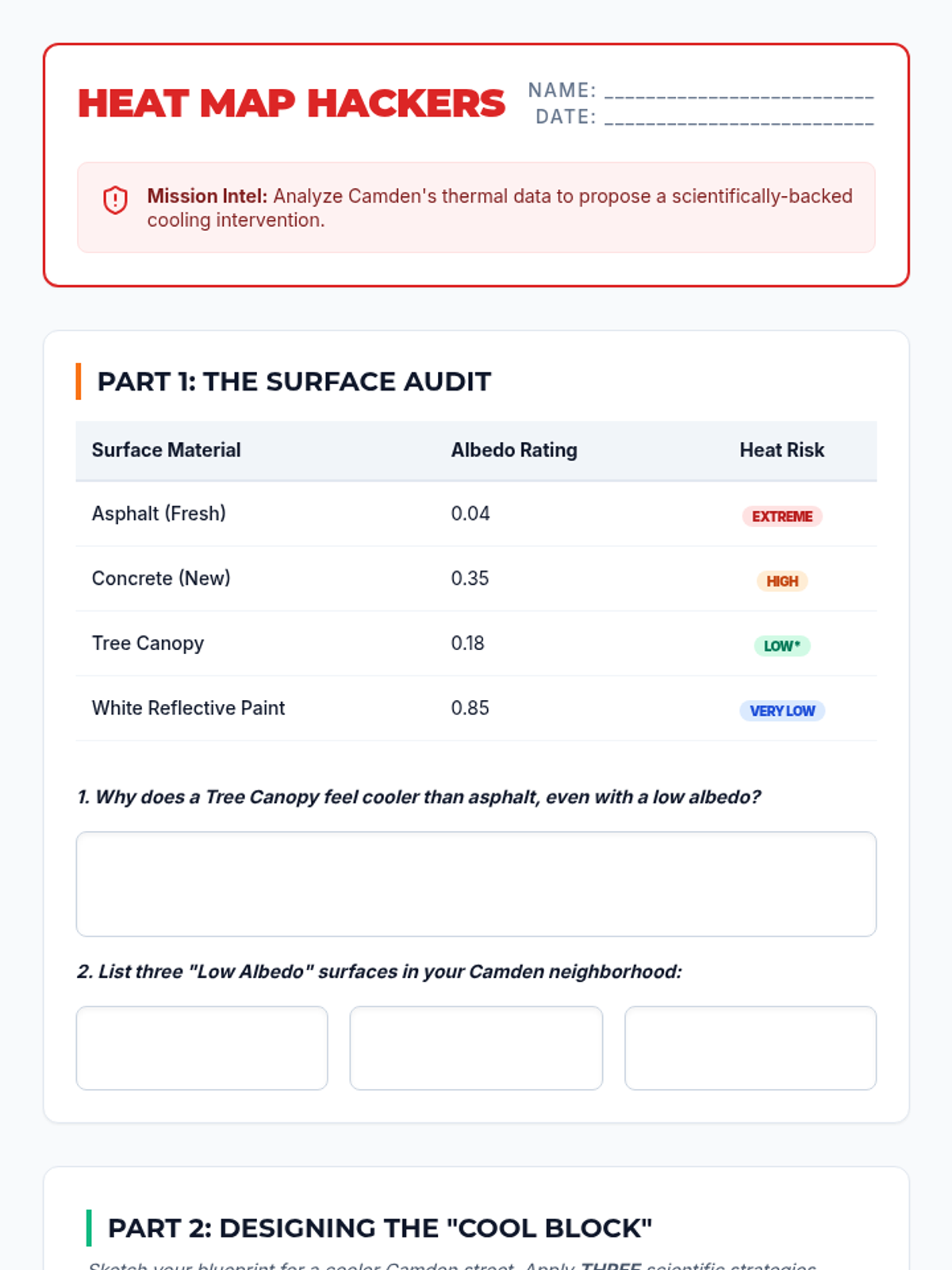
Students investigate the urban heat island effect through the lens of Camden, NJ, exploring how surface materials and lack of vegetation impact local temperatures and designing sustainable cooling solutions.
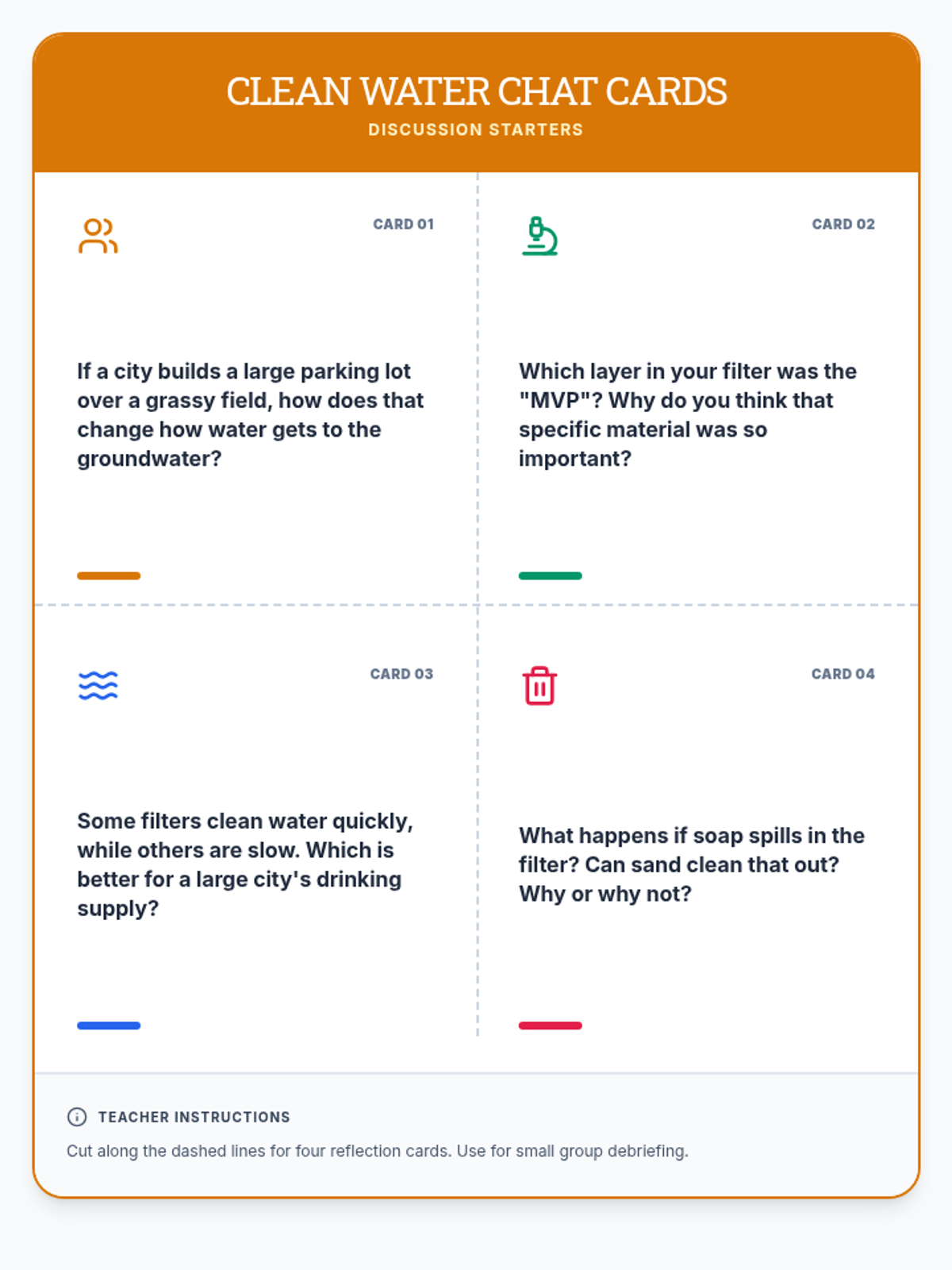
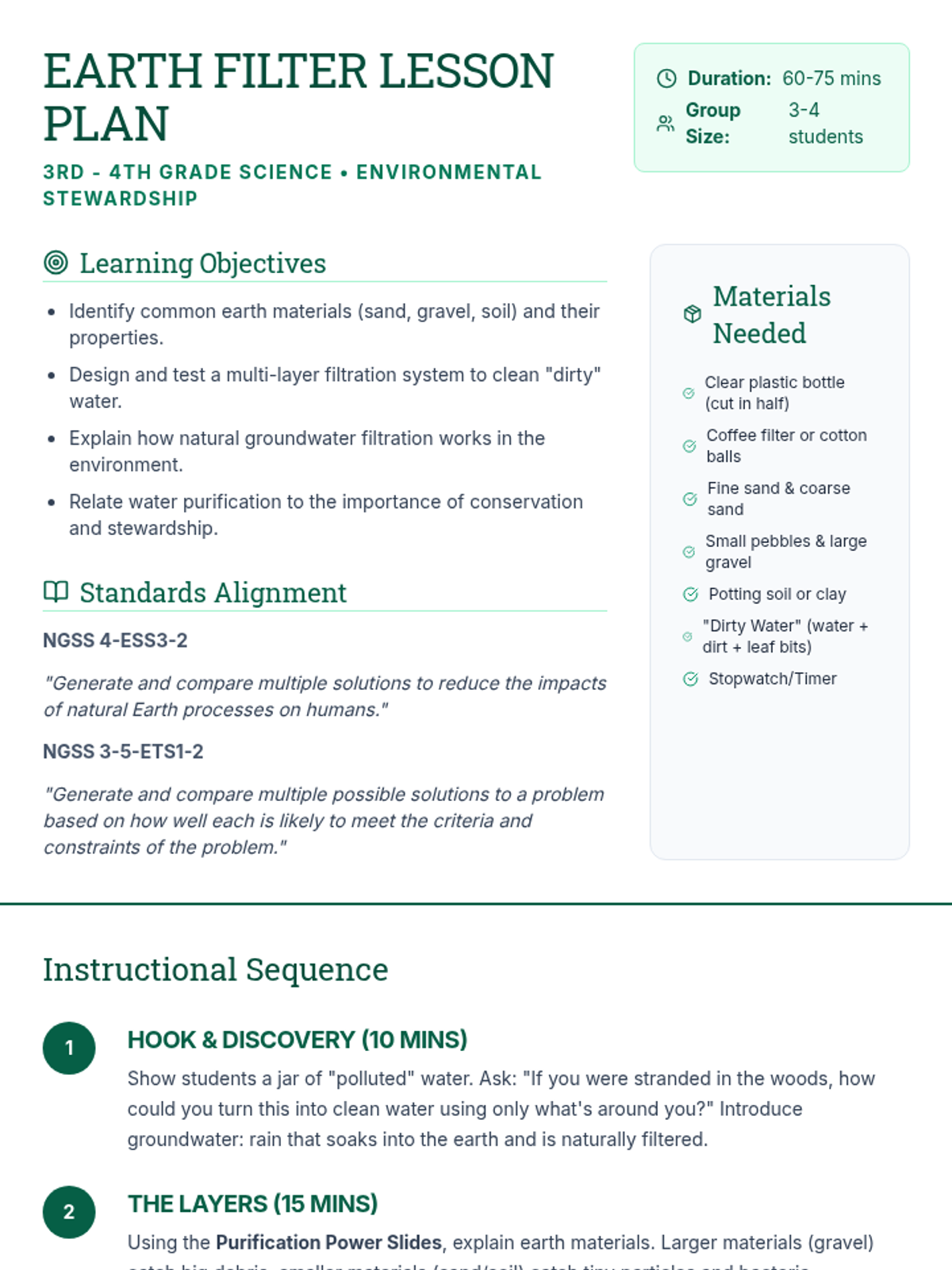
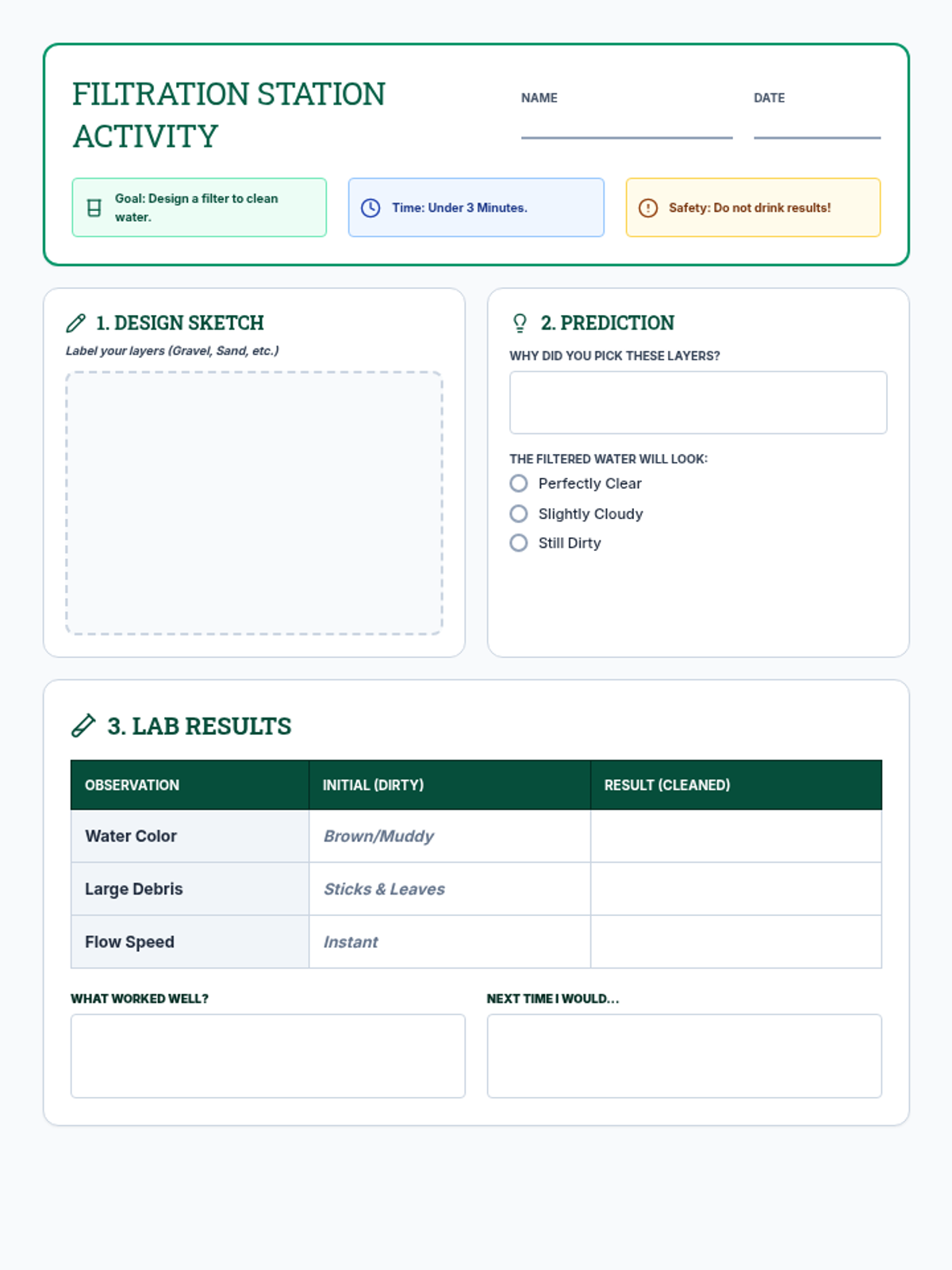
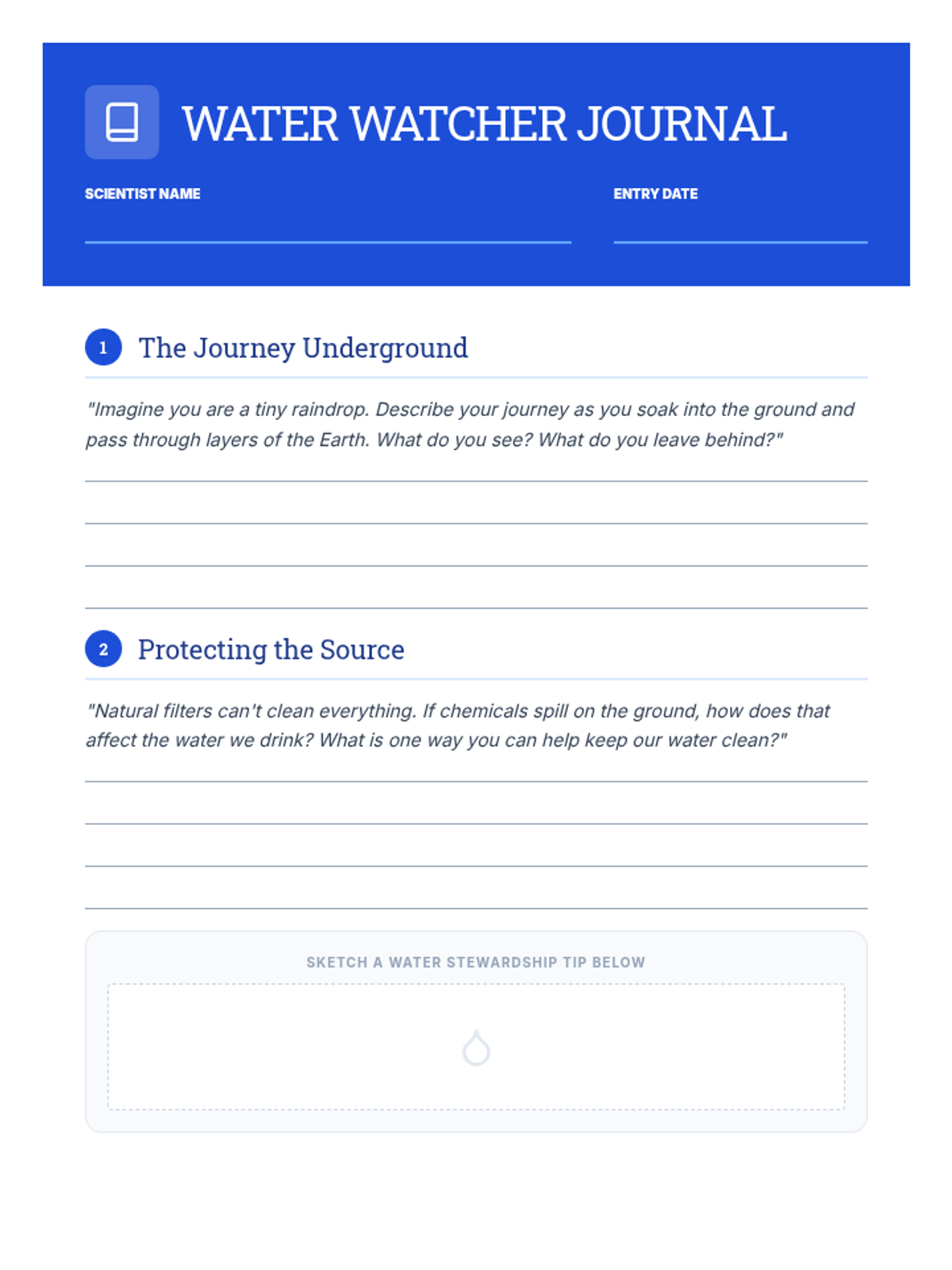
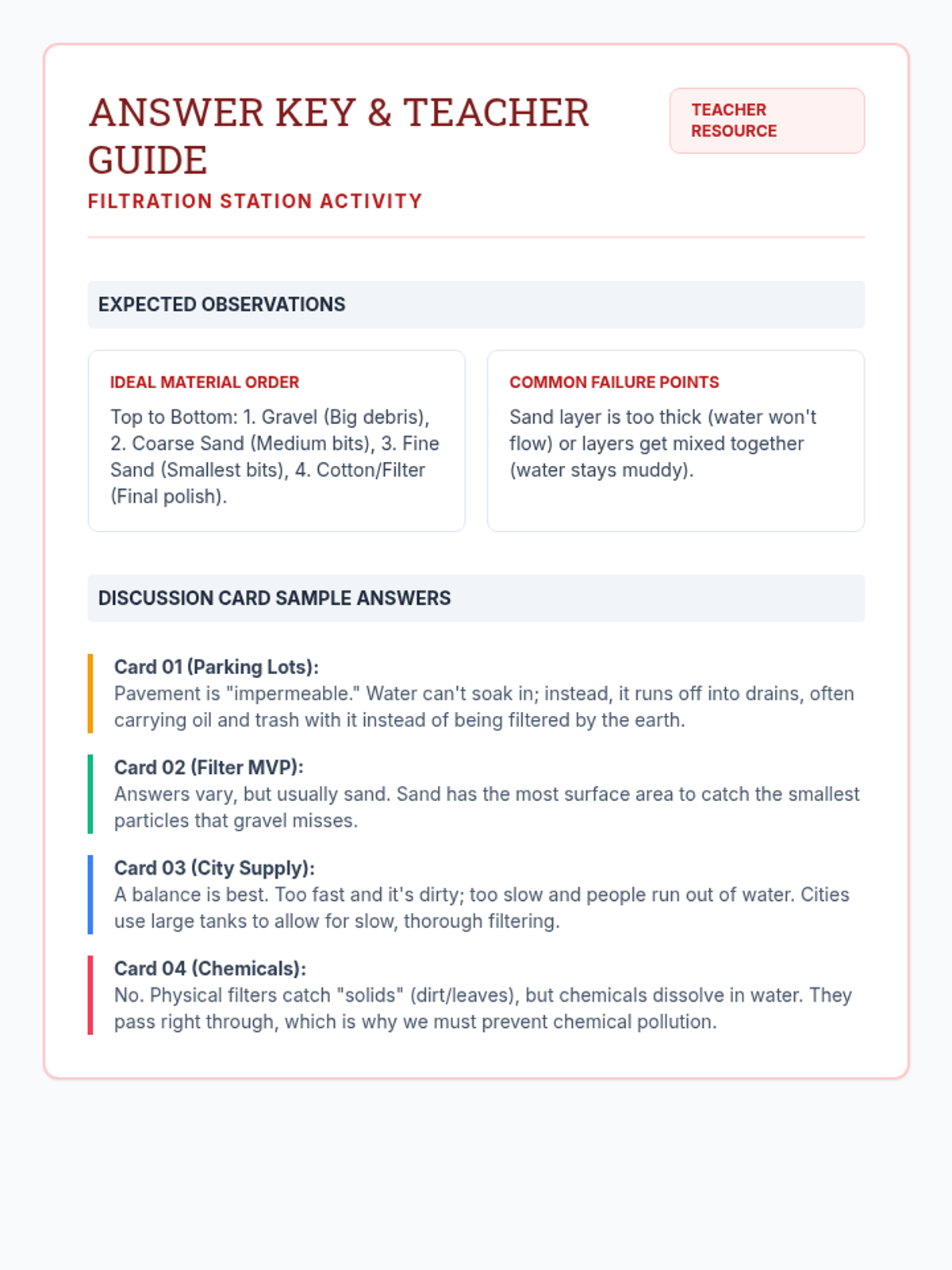
In this hands-on lesson, 3rd and 4th grade students explore natural water filtration by building their own filtration systems using earth materials. They learn about the layers of the Earth and how groundwater is naturally purified while connecting their findings to environmental conservation.
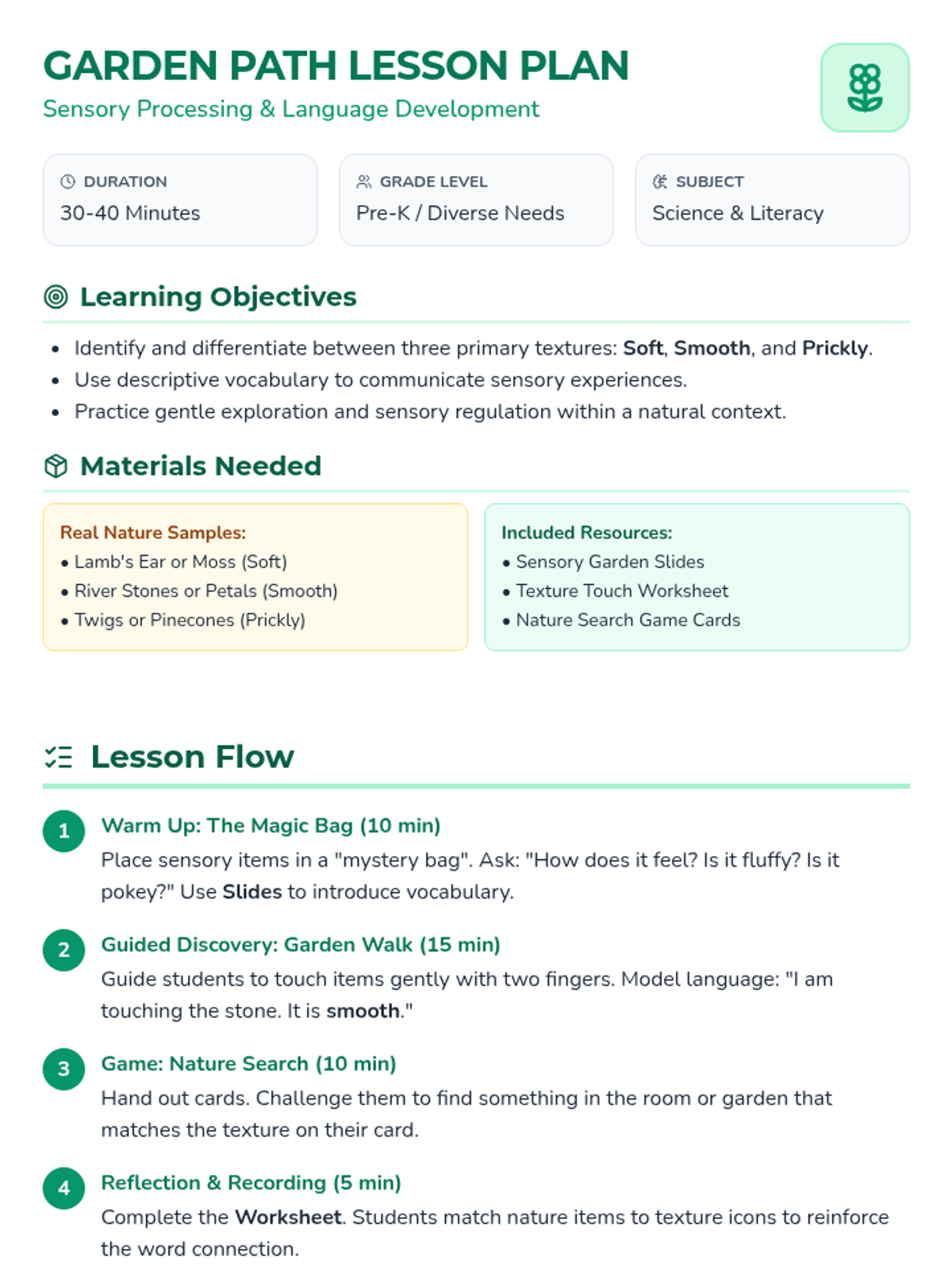
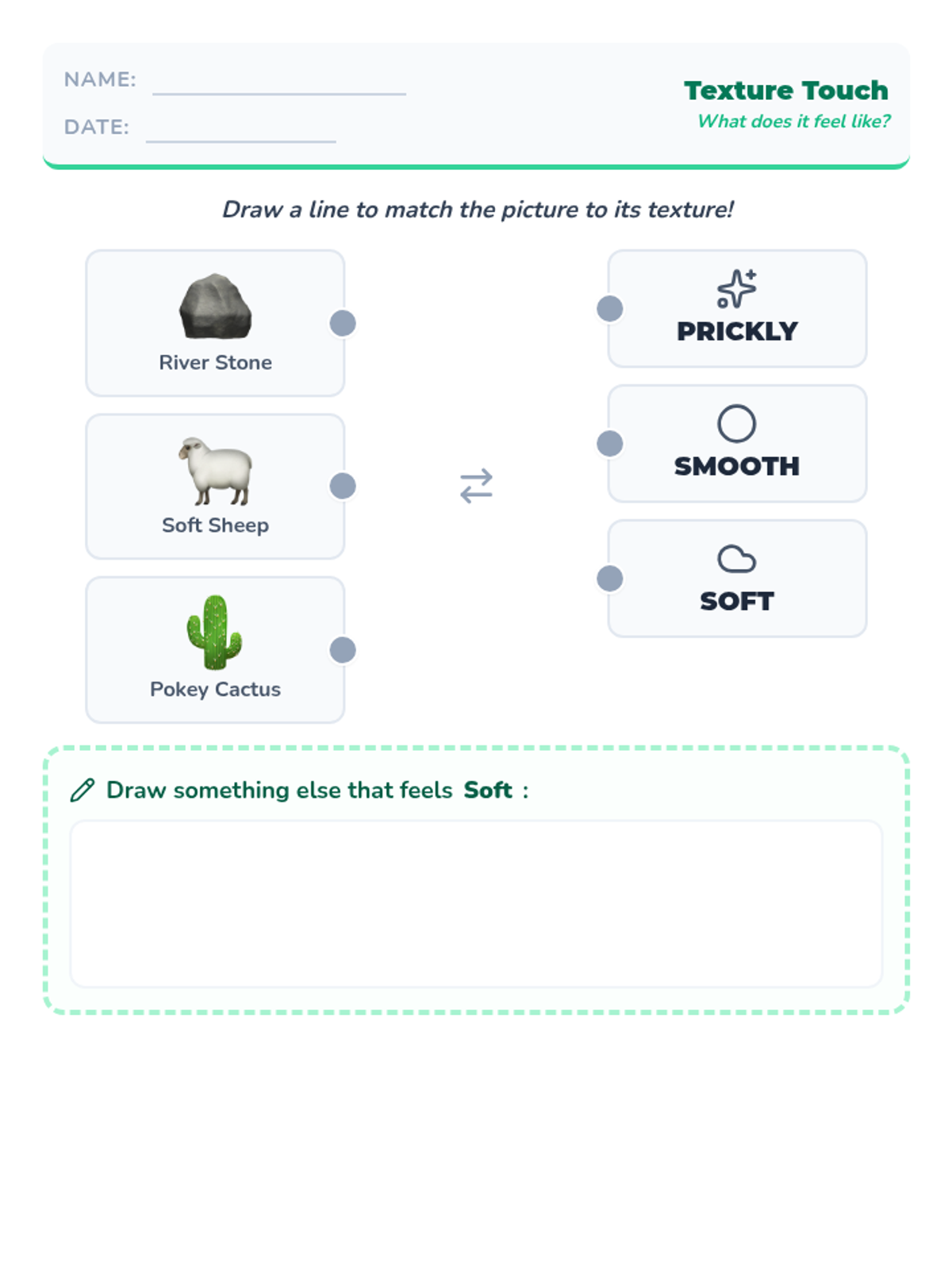
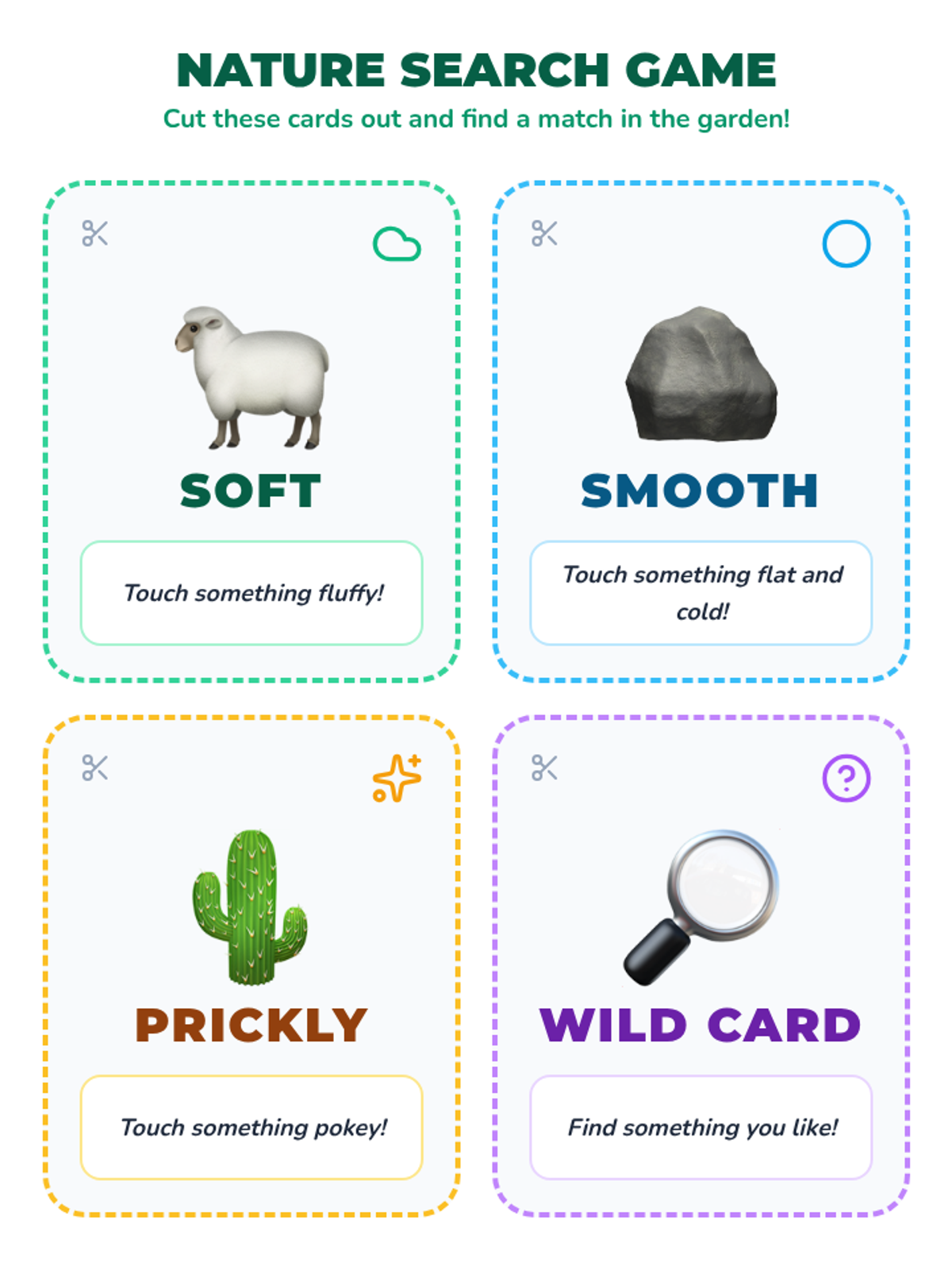
A sensory-focused lesson for Pre-K students to explore garden textures like soft, smooth, and prickly through hands-on exploration and visual aids.
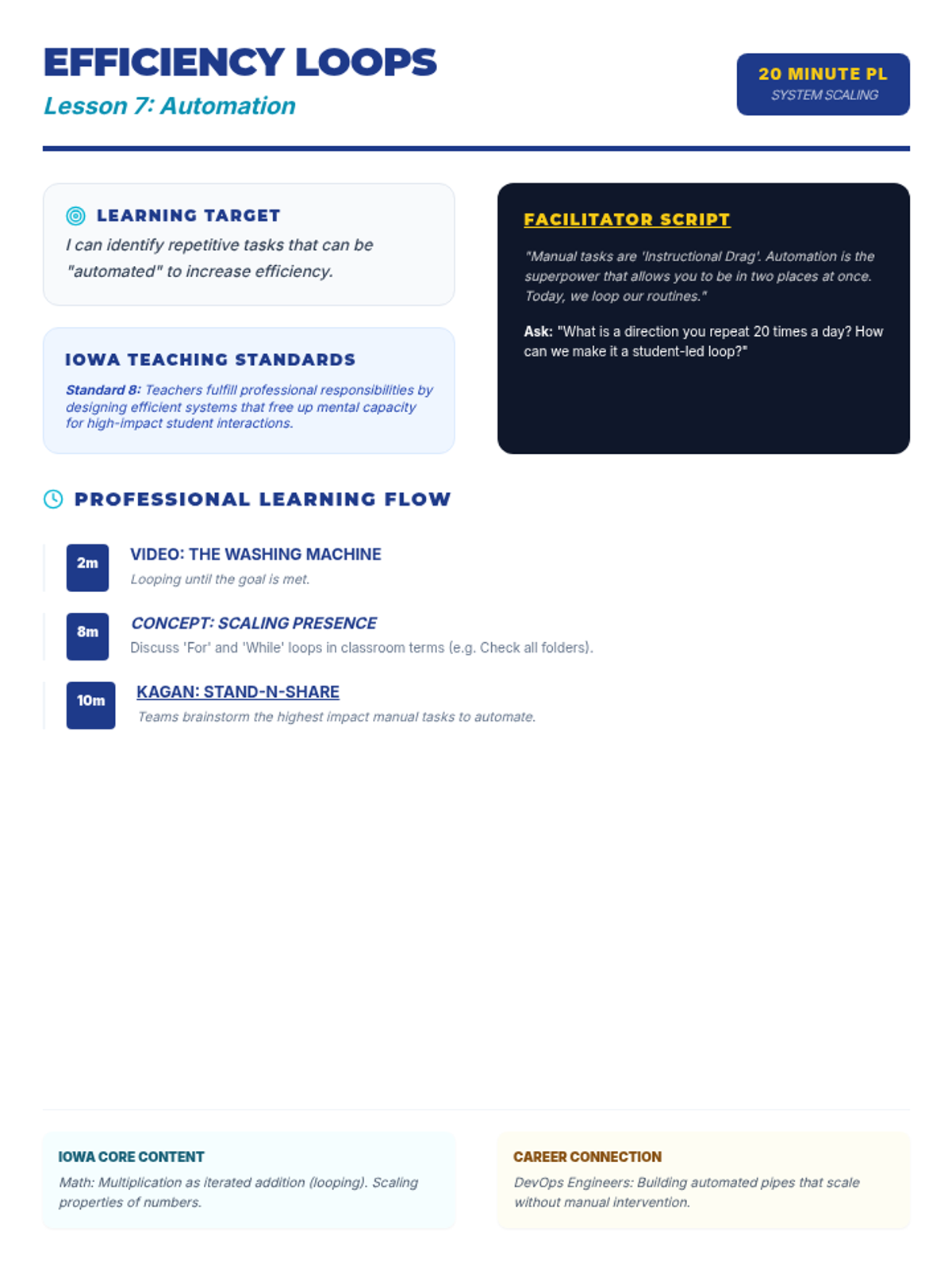
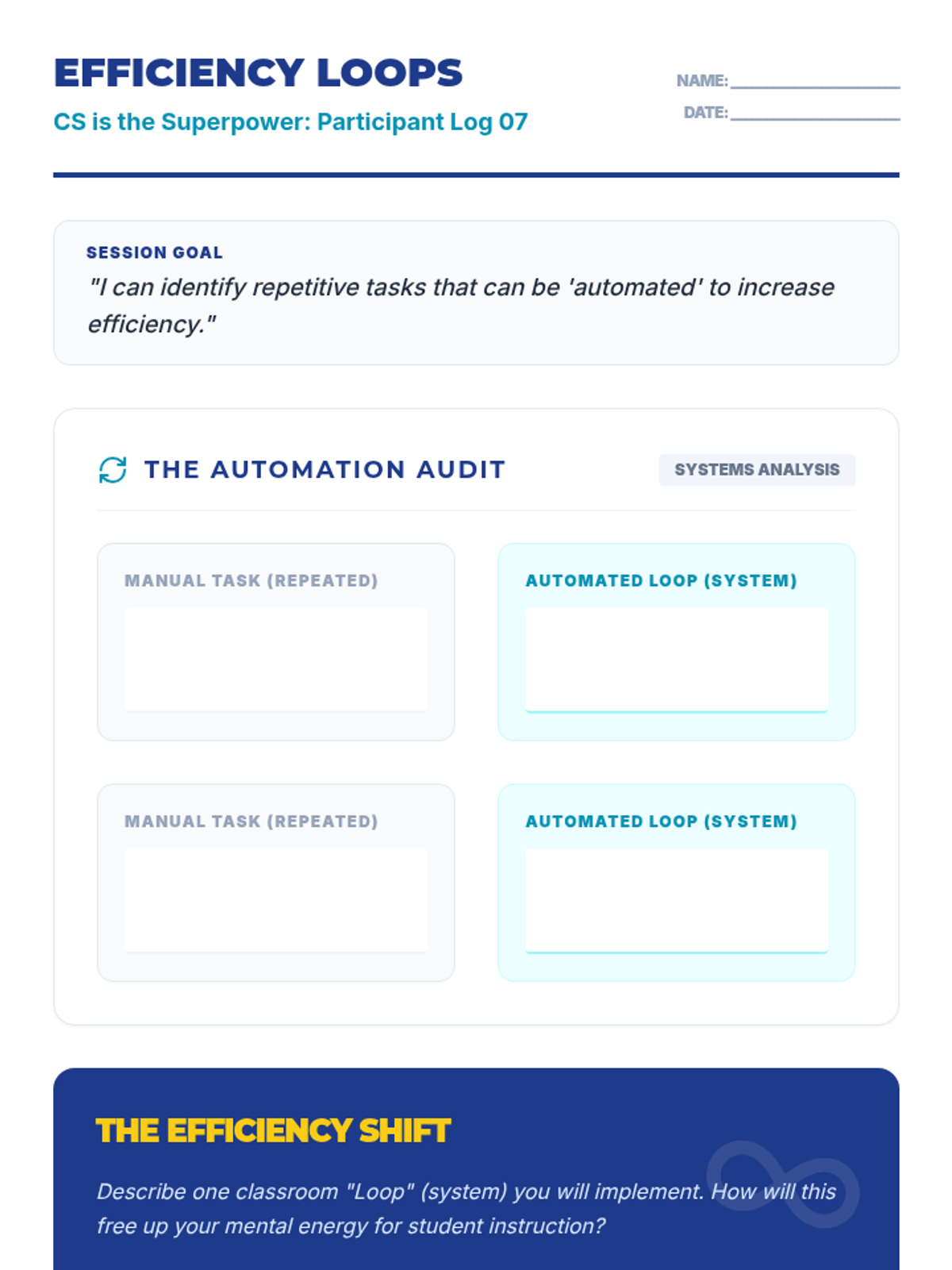
Identifying repetitive tasks that can be turned into "Loops" to increase classroom efficiency and teacher focus.
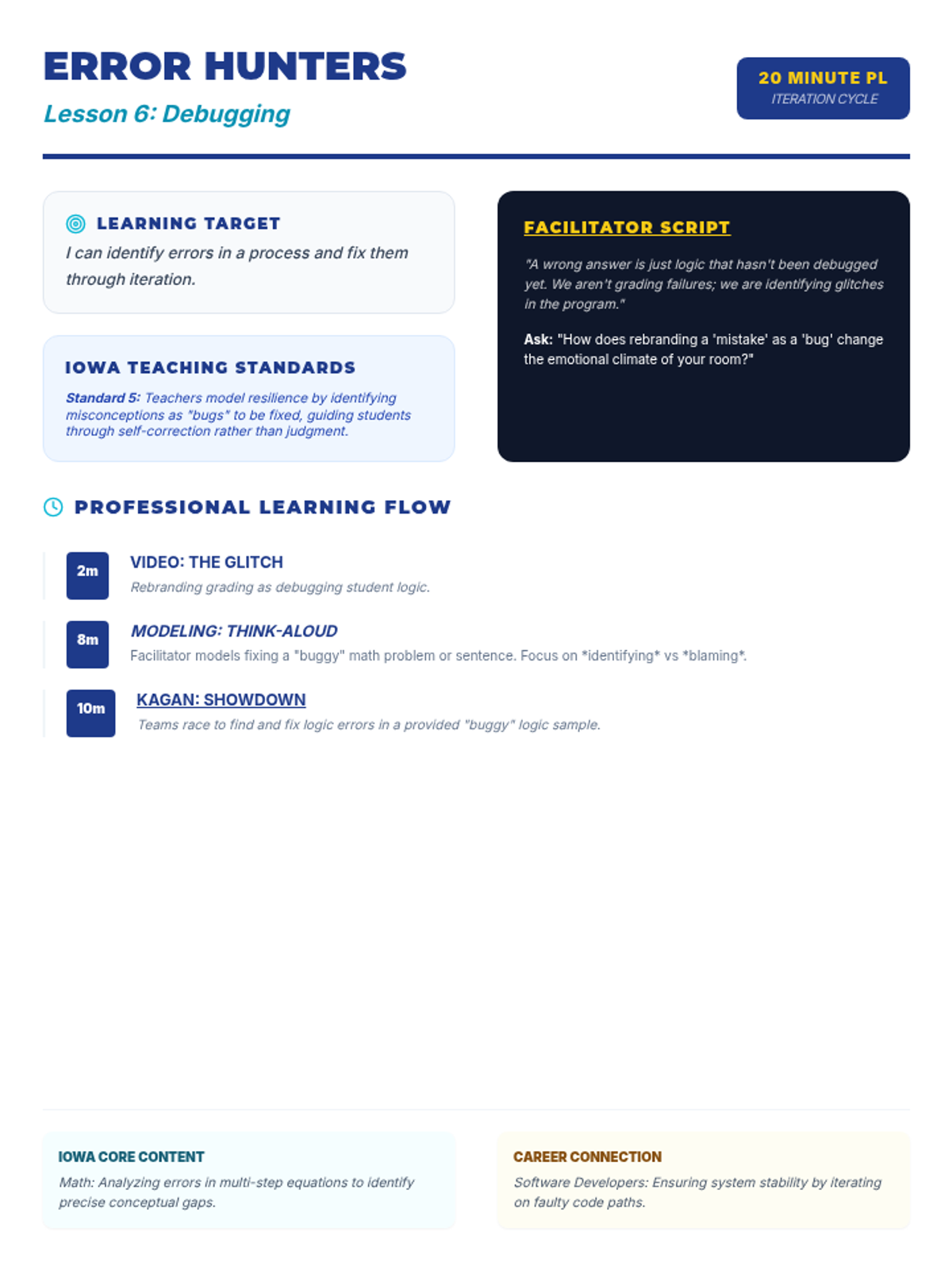
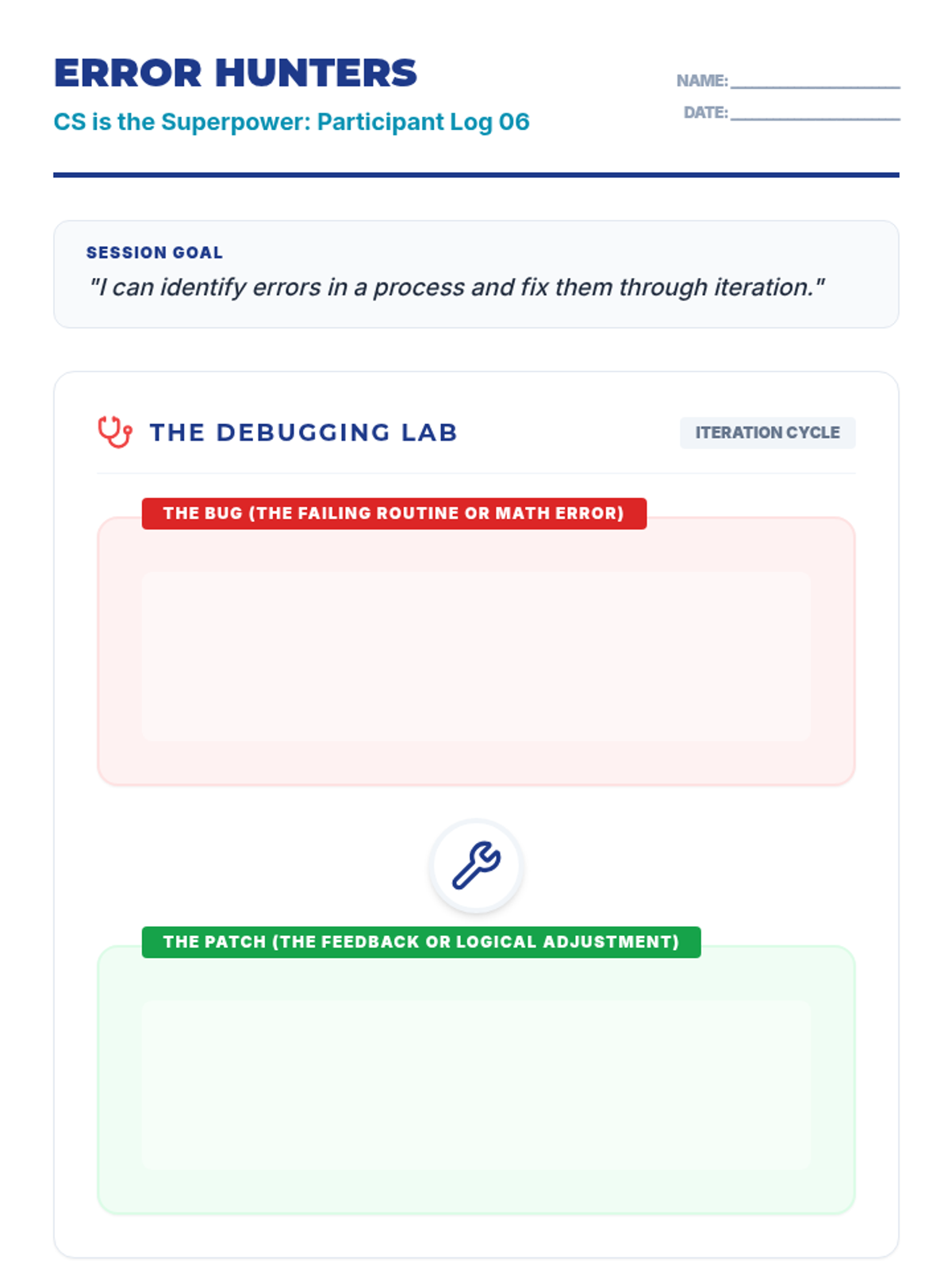
Rebranding grading and feedback as a "debugging" process to identify where student logic breaks down.
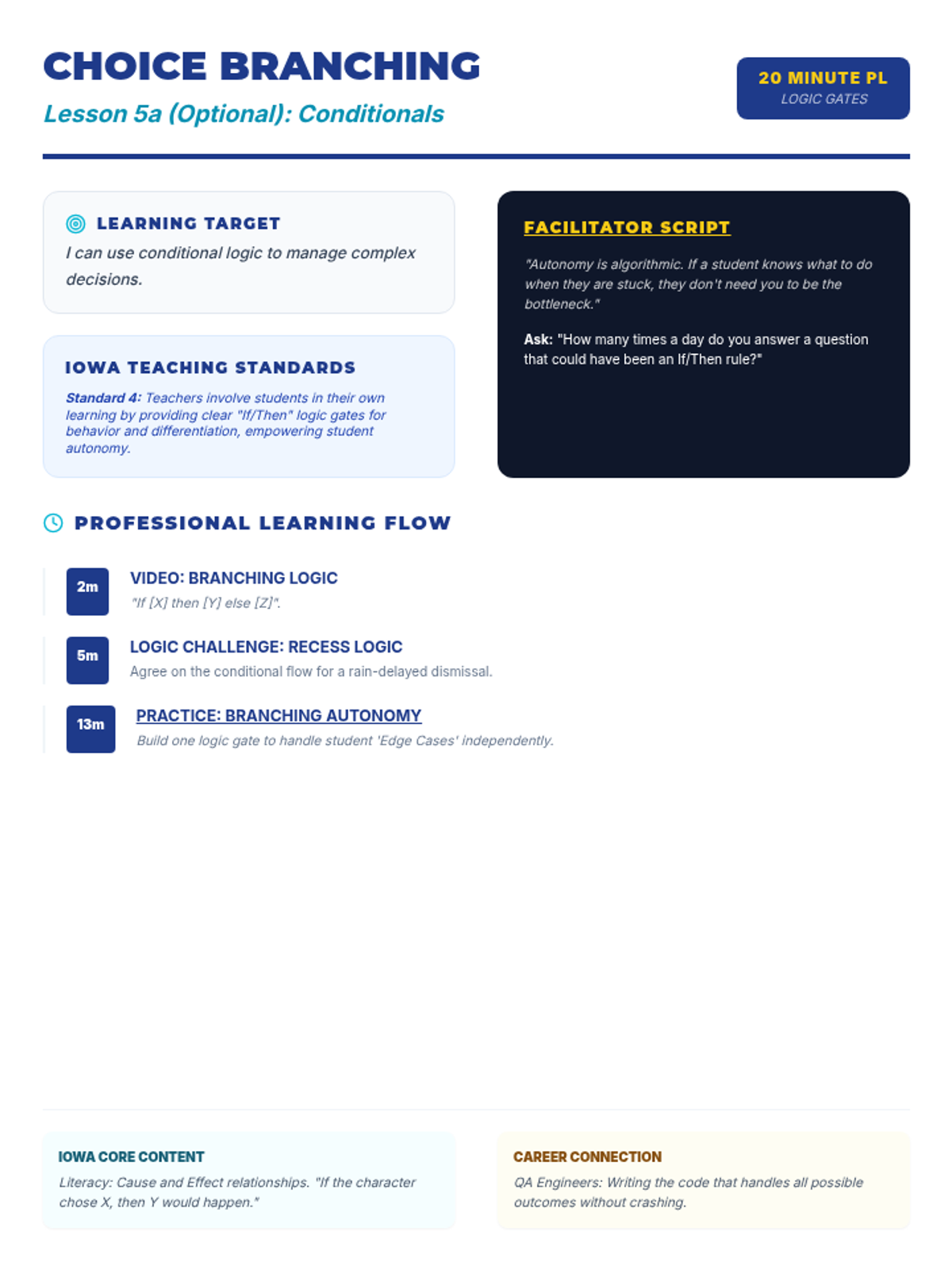
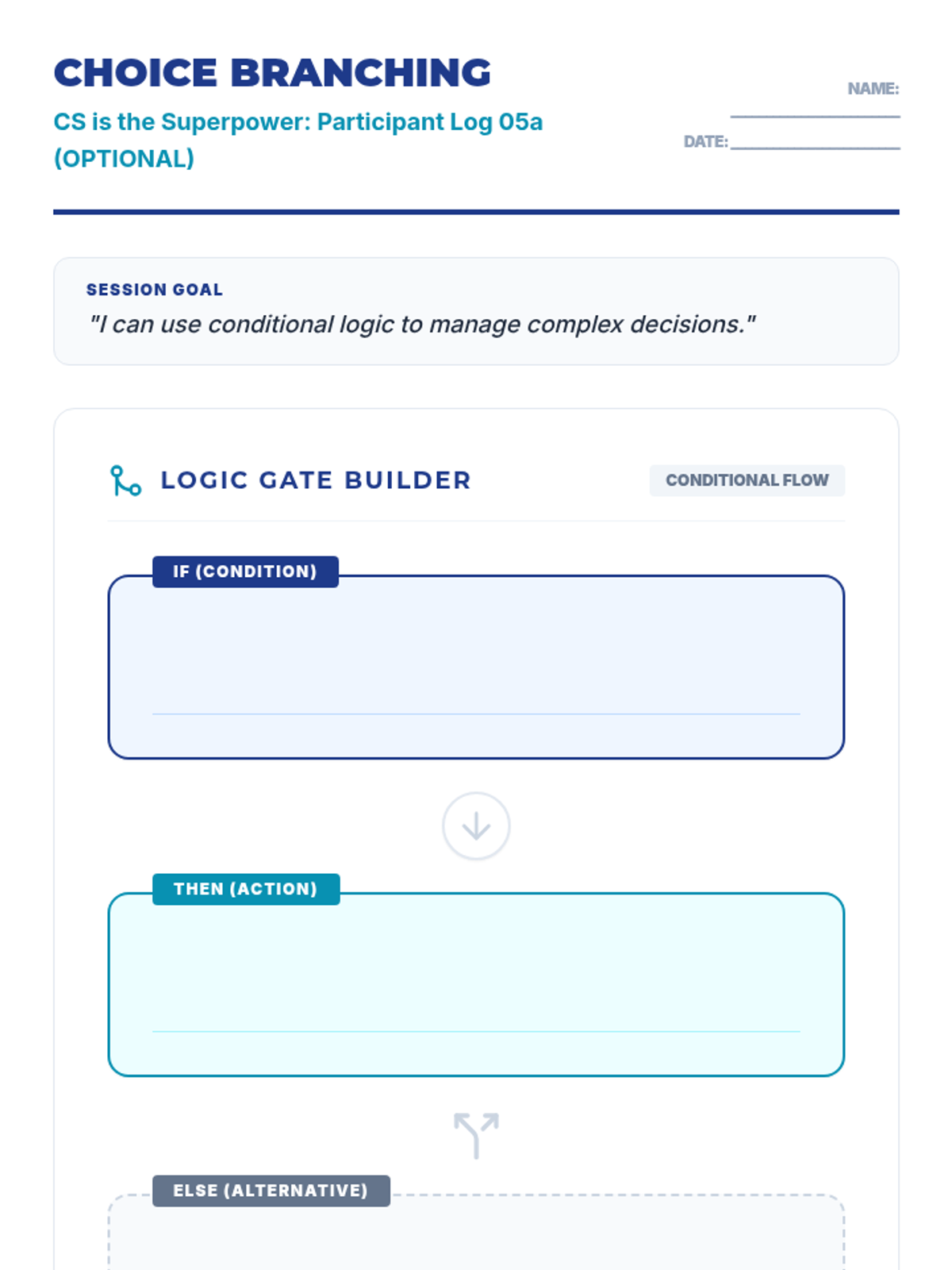
An optional lesson exploring If/Then logic gates used in classroom management and instructional differentiation.
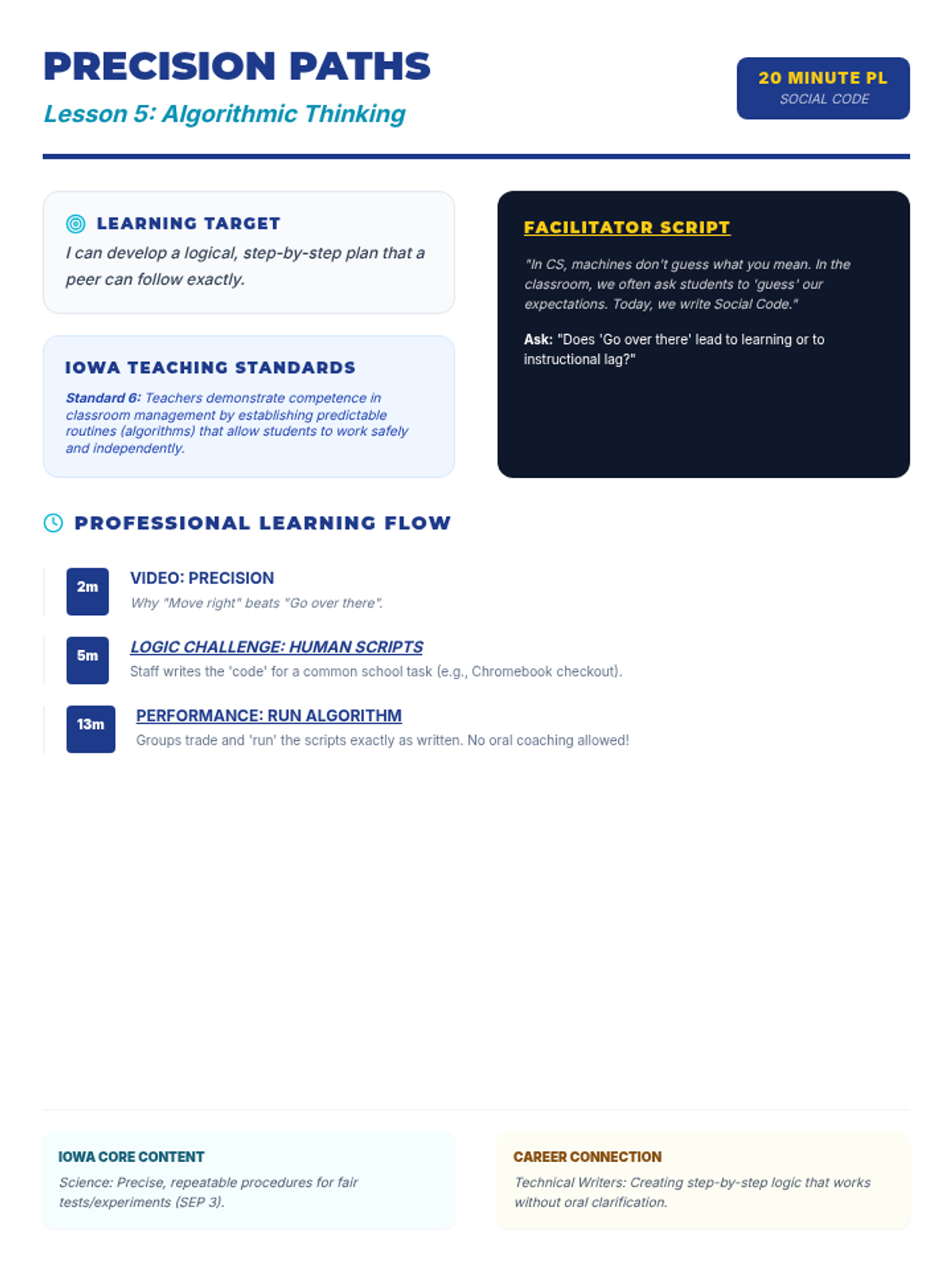
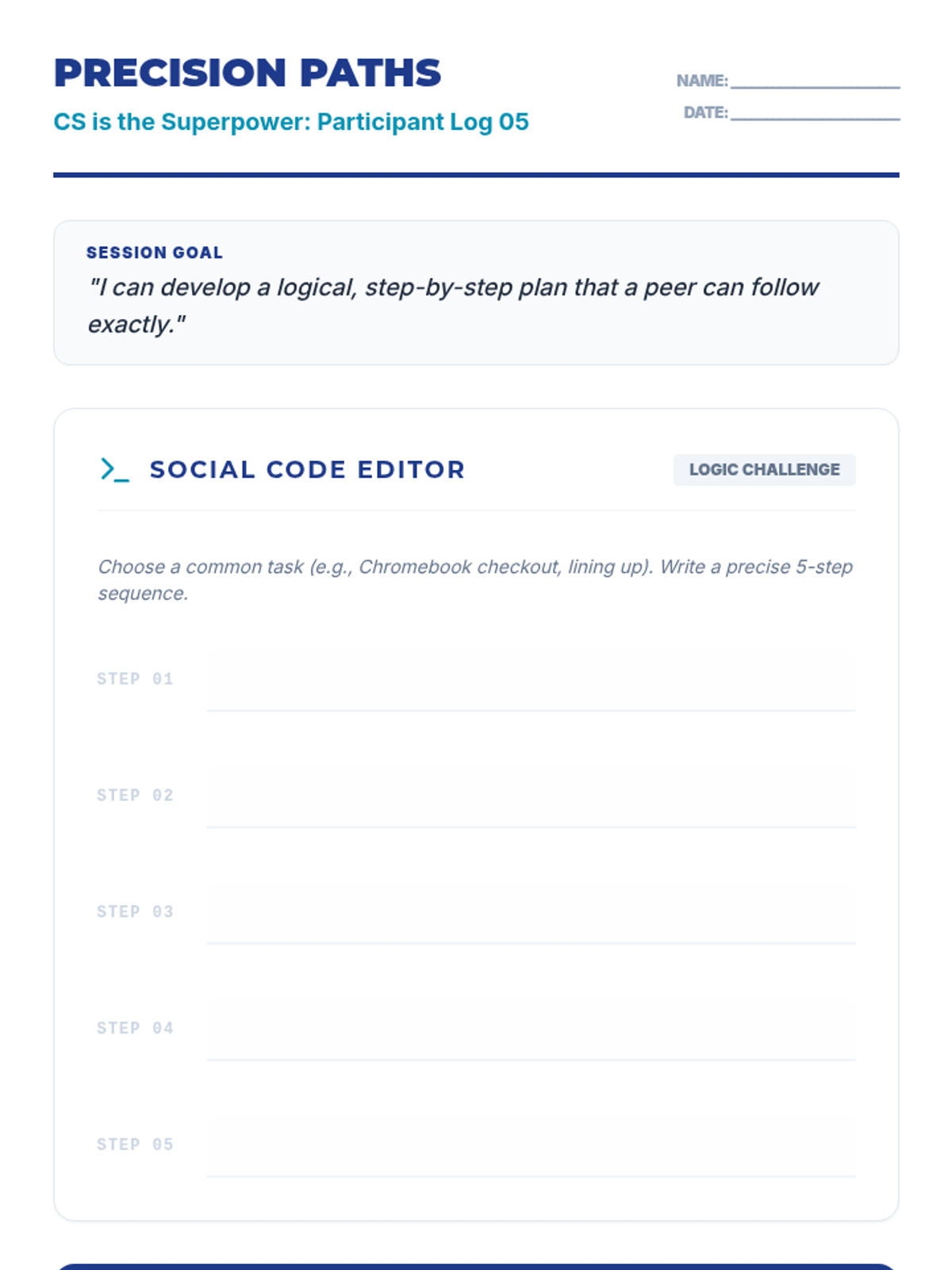
Developing logical, step-by-step plans (social code) that ensure precise and predictable classroom routines.
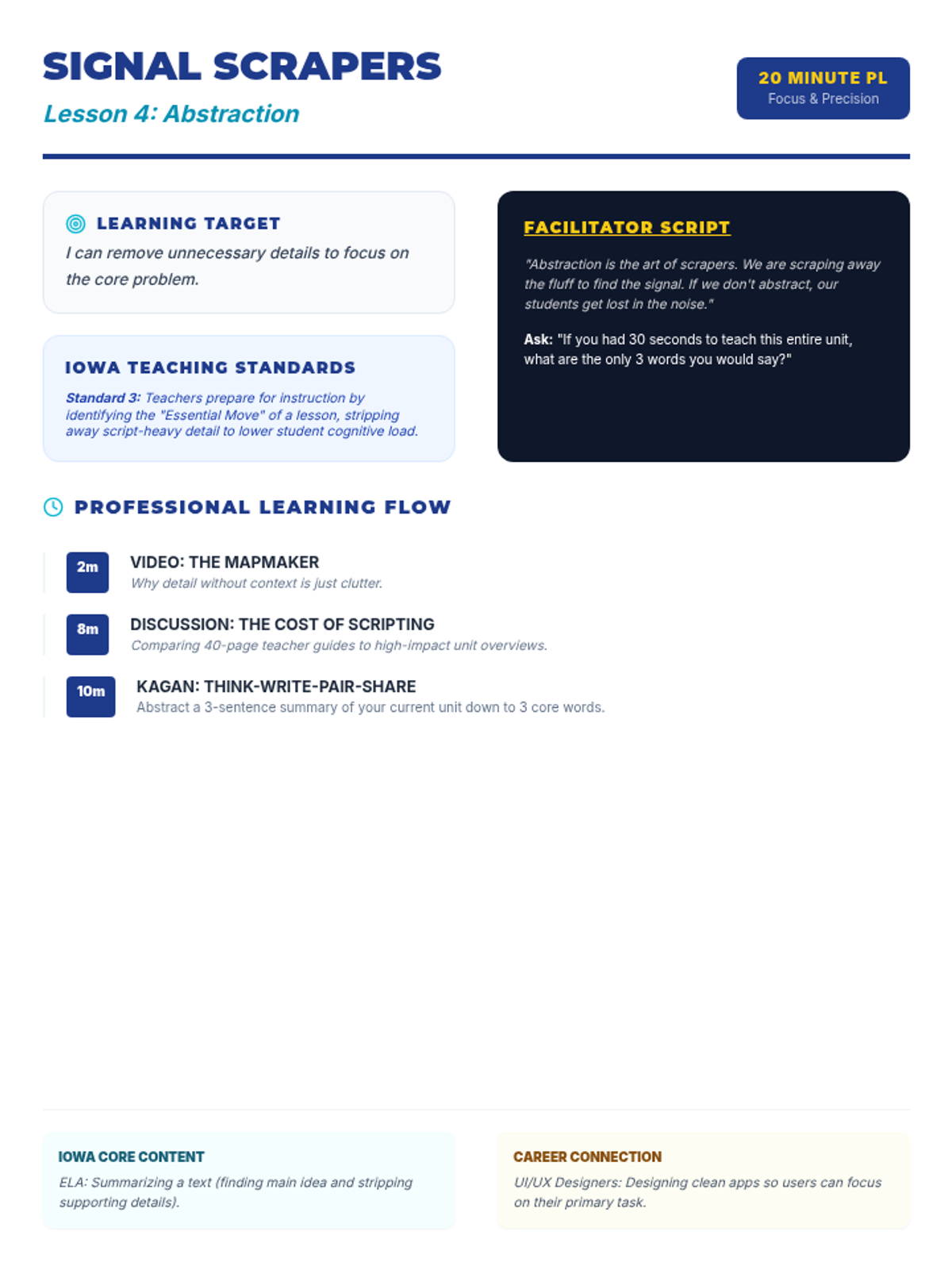
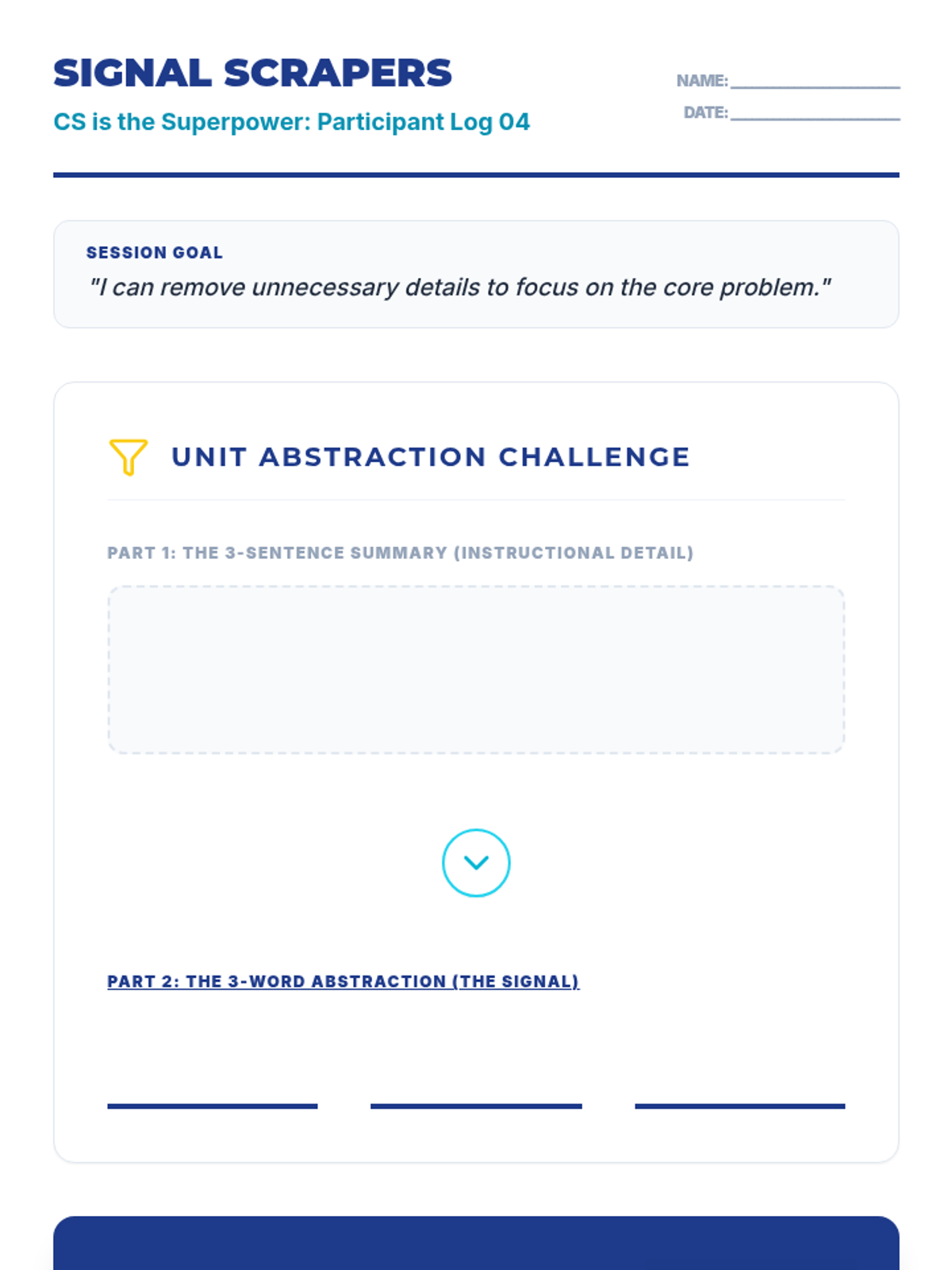
Teachers practice removing unnecessary details from lesson plans and instructions to focus on core learning objectives.
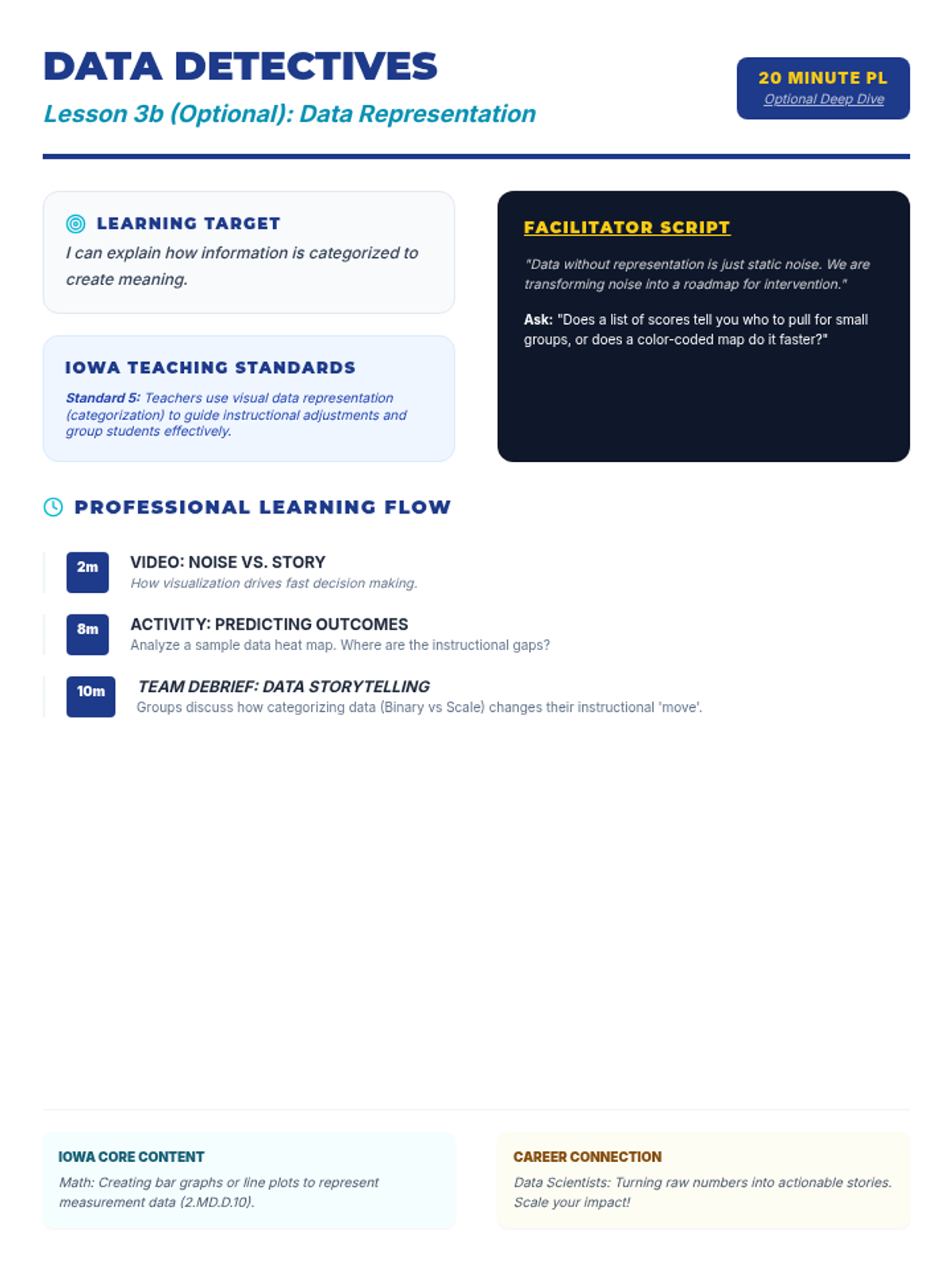
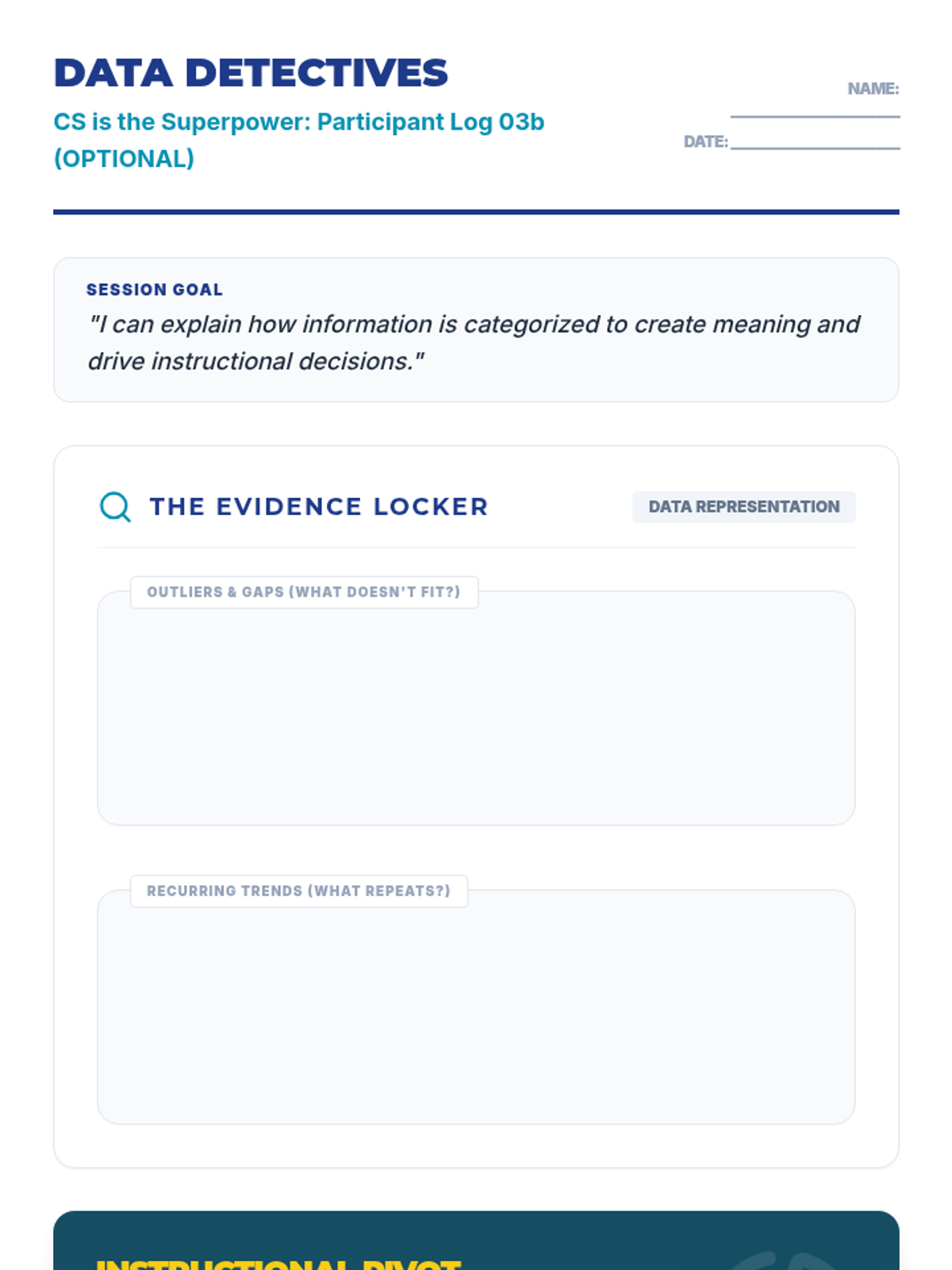
An optional lesson on how raw information is categorized to create meaning and drive instructional decisions.
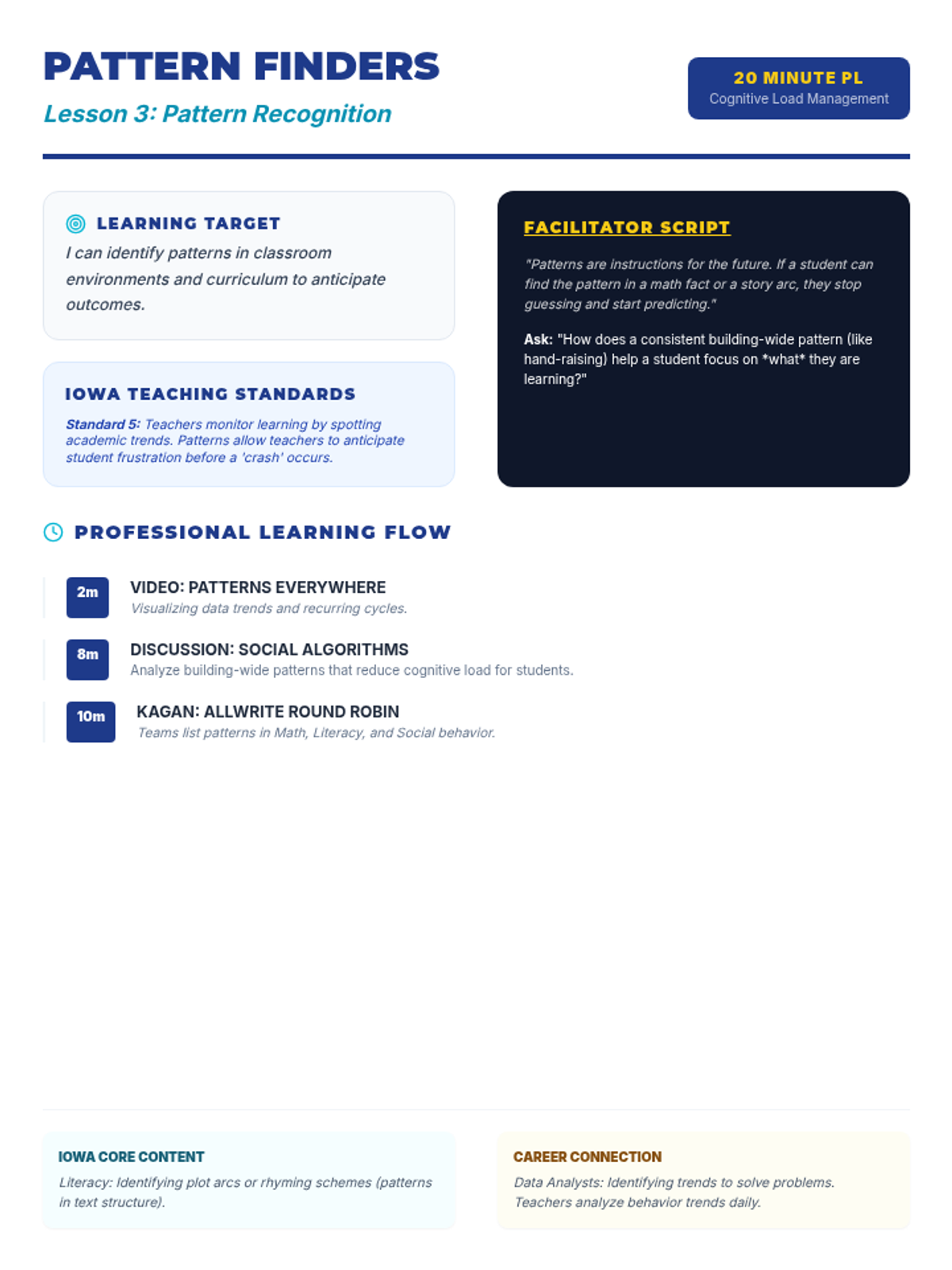
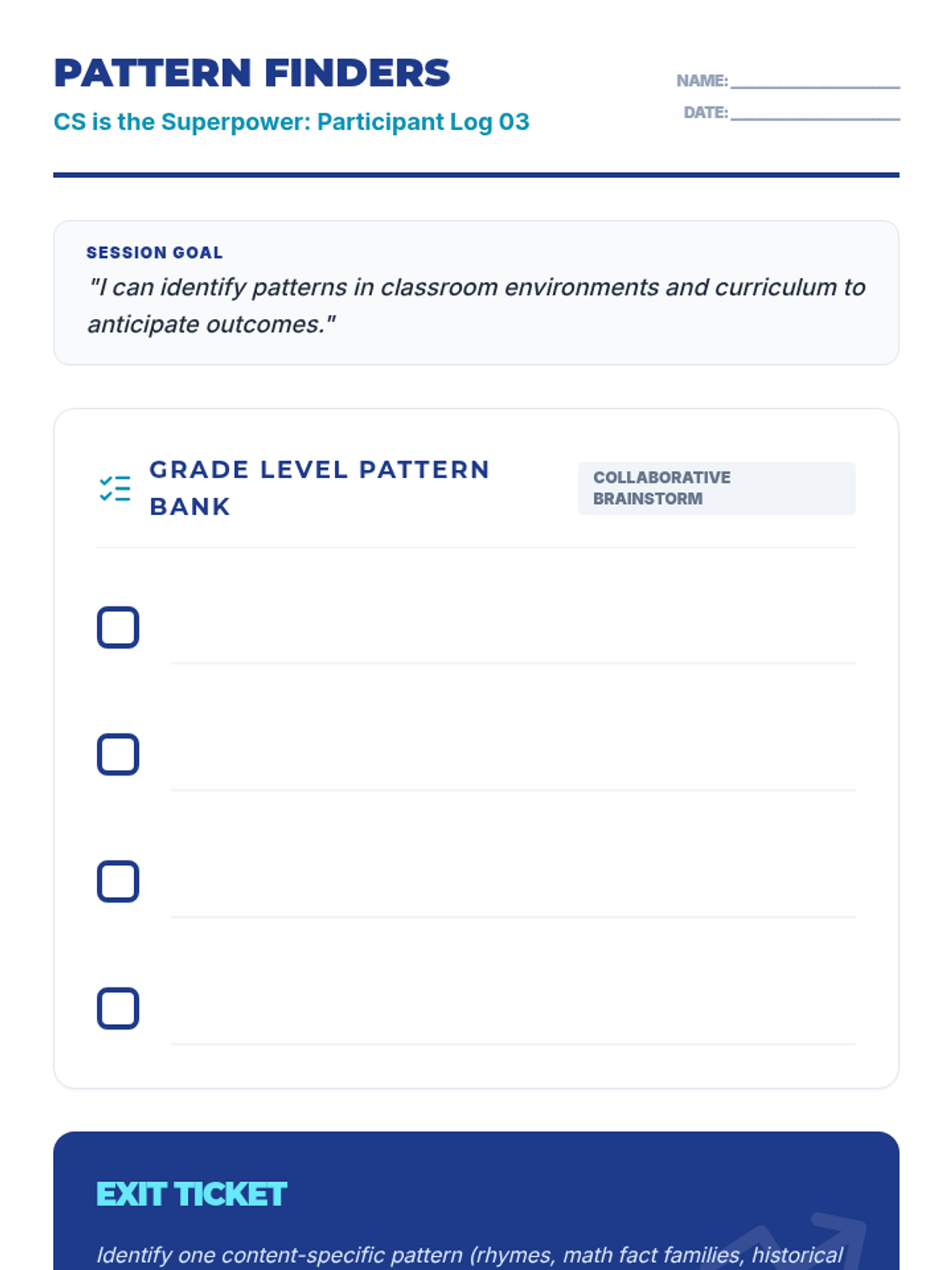
Explores how identifying patterns in classroom environments and curriculum helps anticipate outcomes and reduce cognitive load.