An introductory lesson on magnetism for K-1 students where they use 'magic' wand magnets to discover which materials are attracted to magnets and learn that not all metals are magnetic.
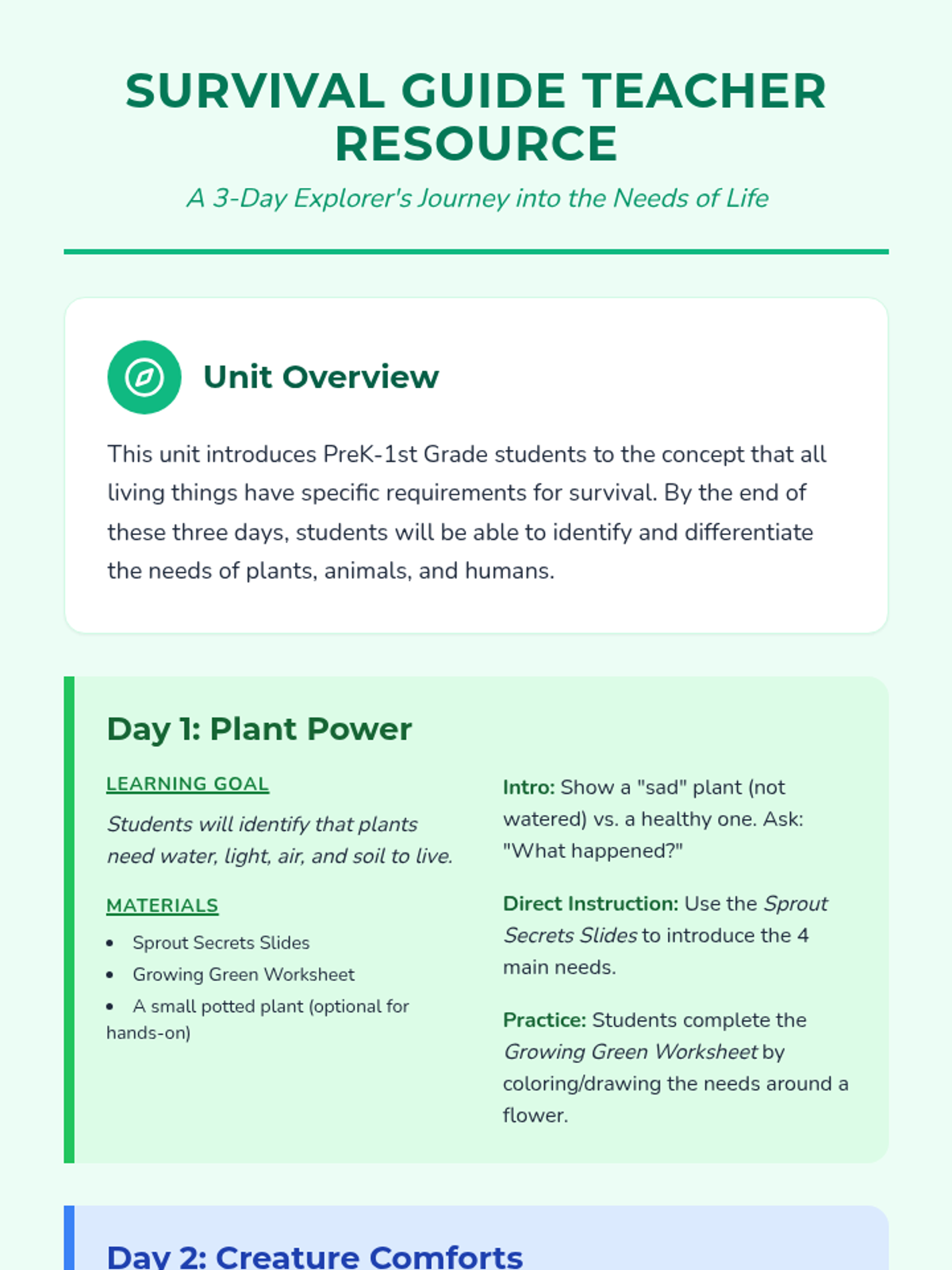
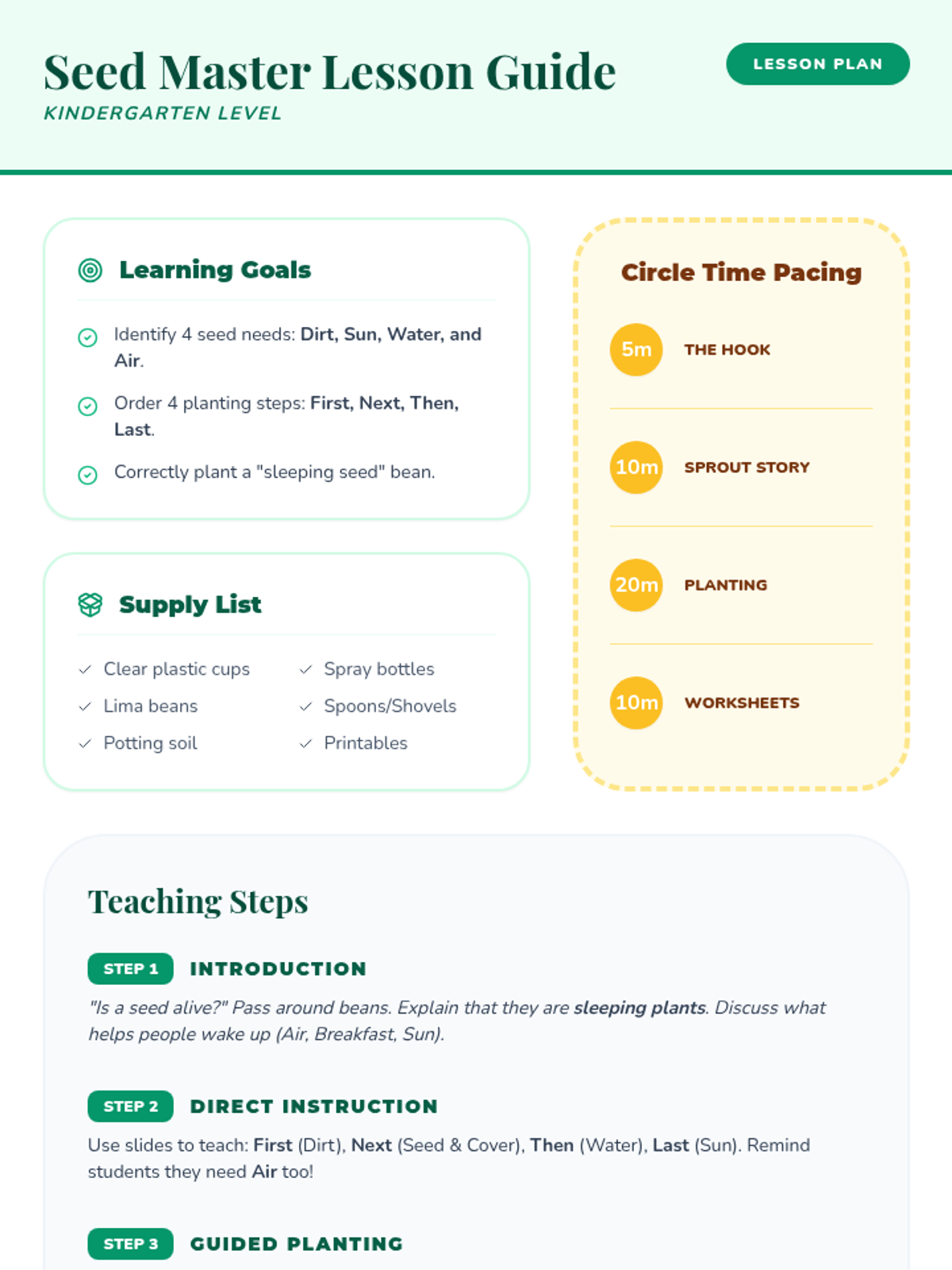
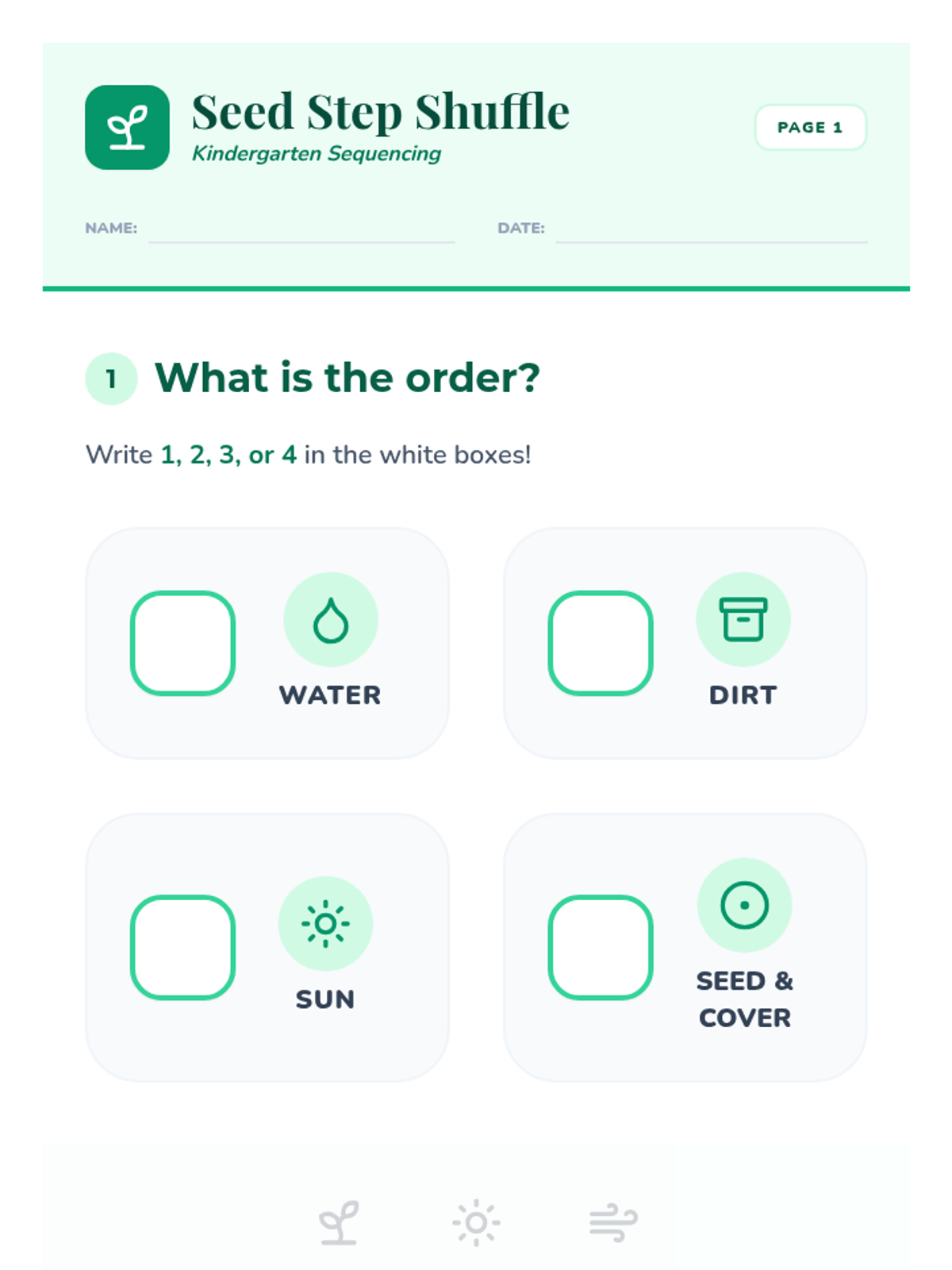
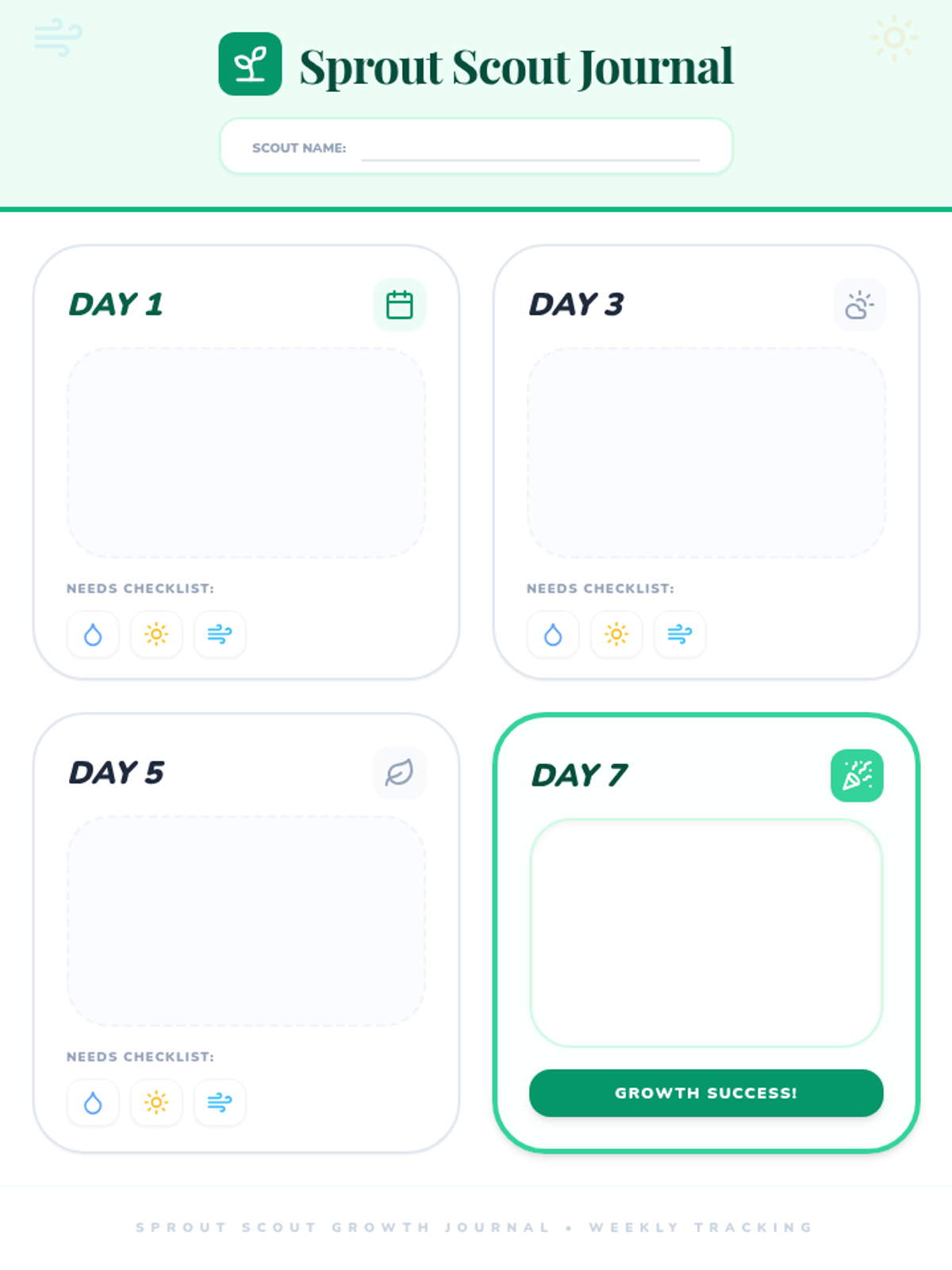
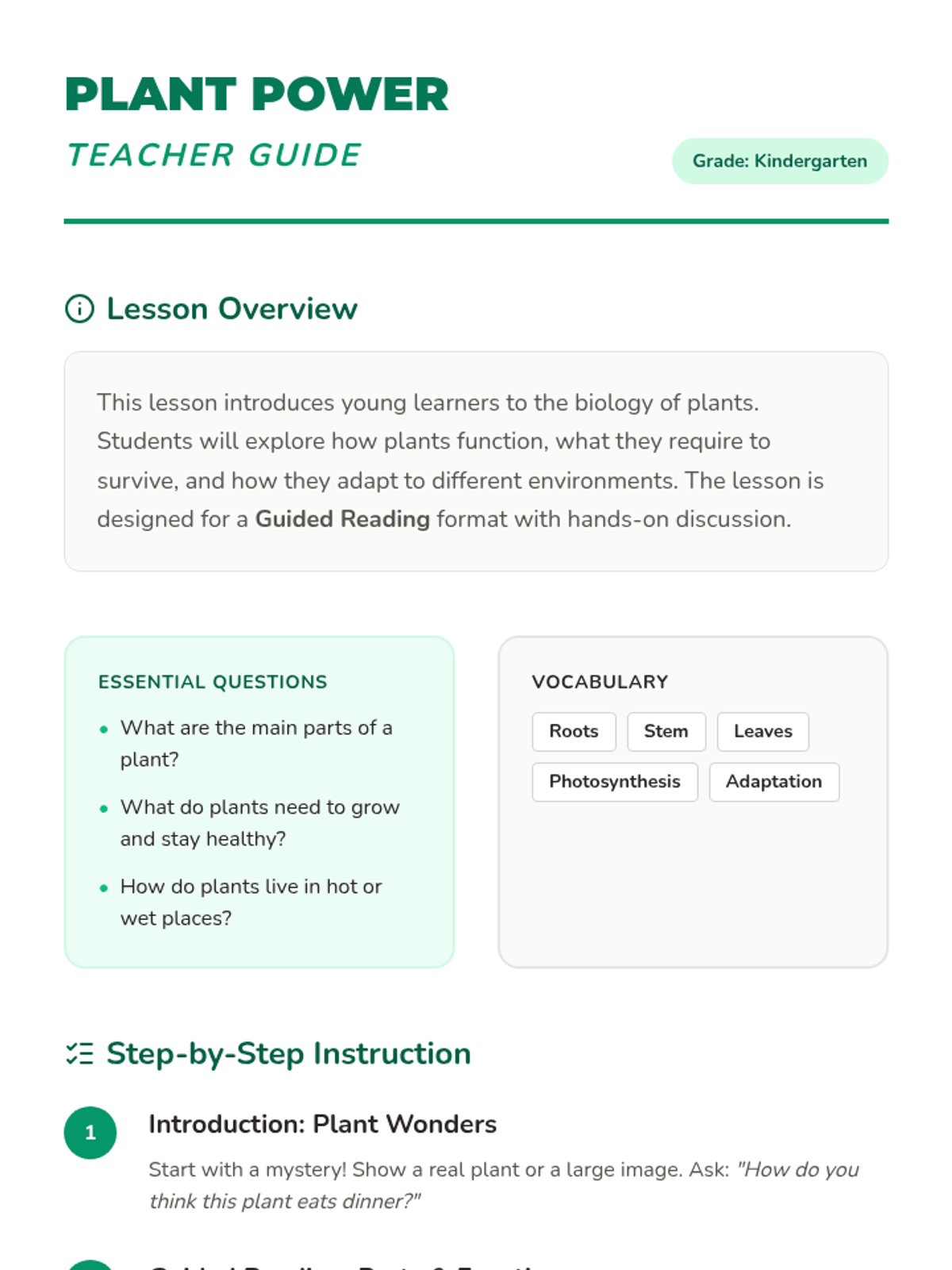
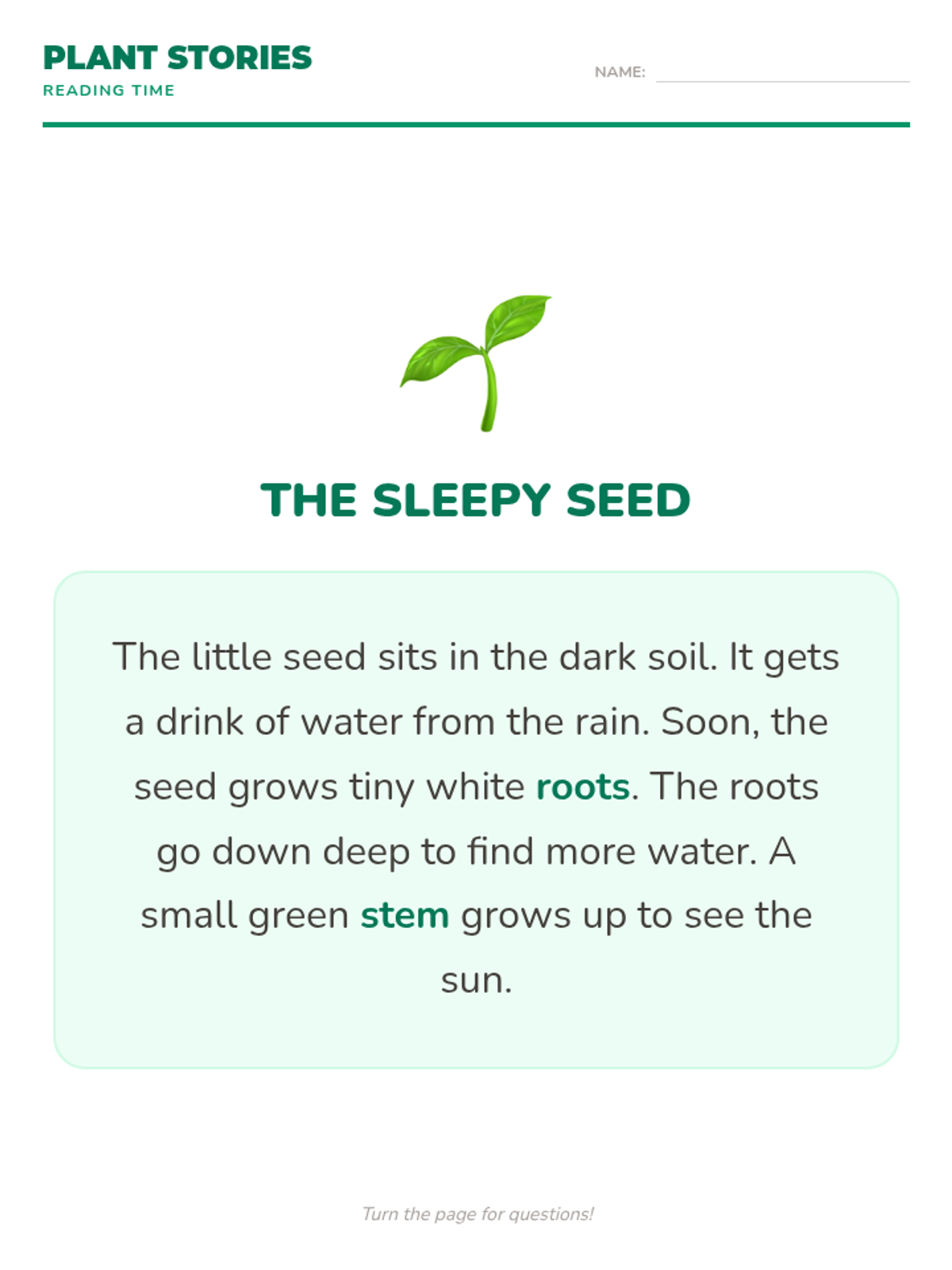
A foundational science lesson for Kindergarteners exploring the life cycle of a plant from seed to flower and the basic needs required for growth. Students will observe visual stages of growth and identify what plants need to survive.
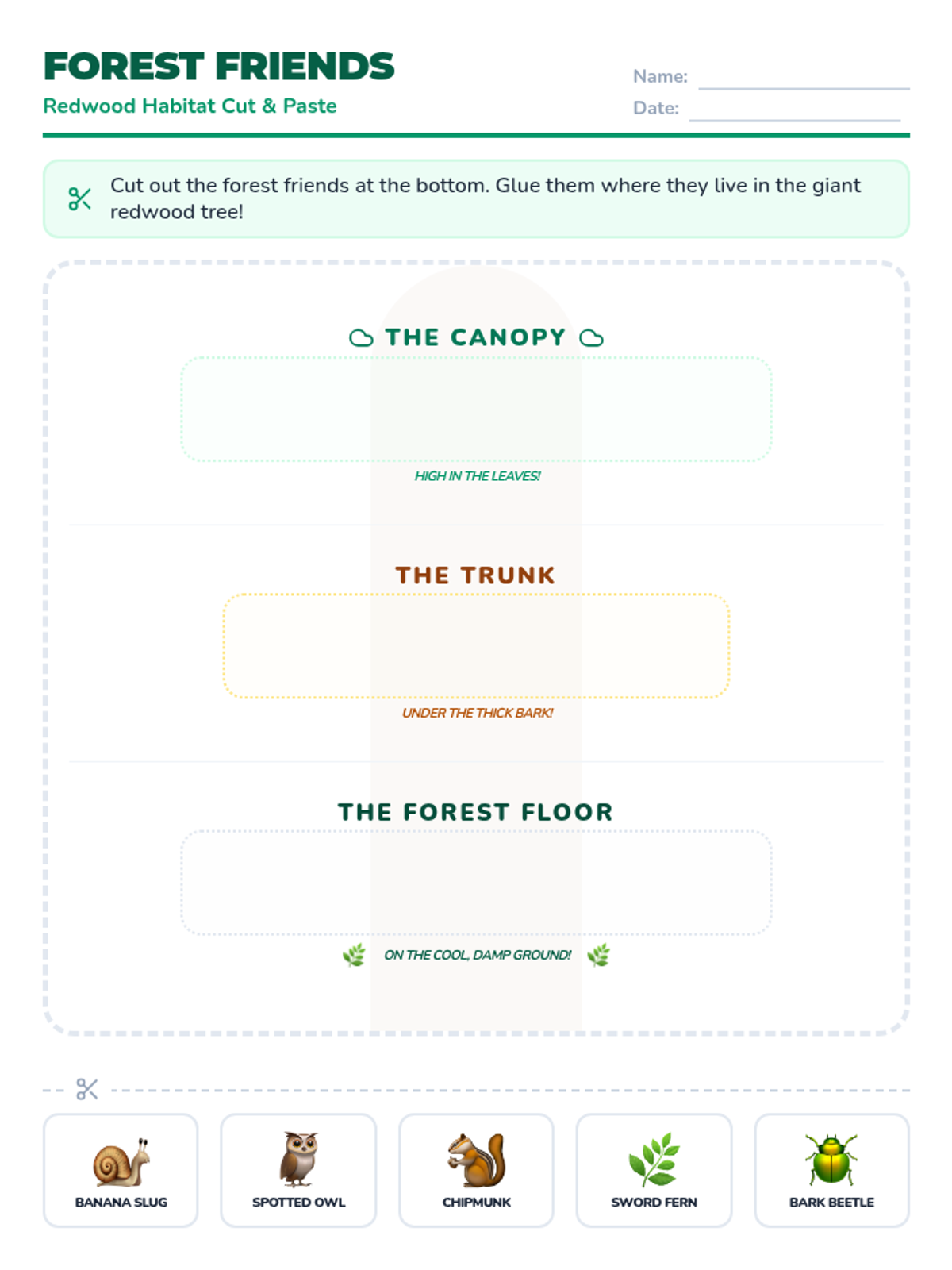
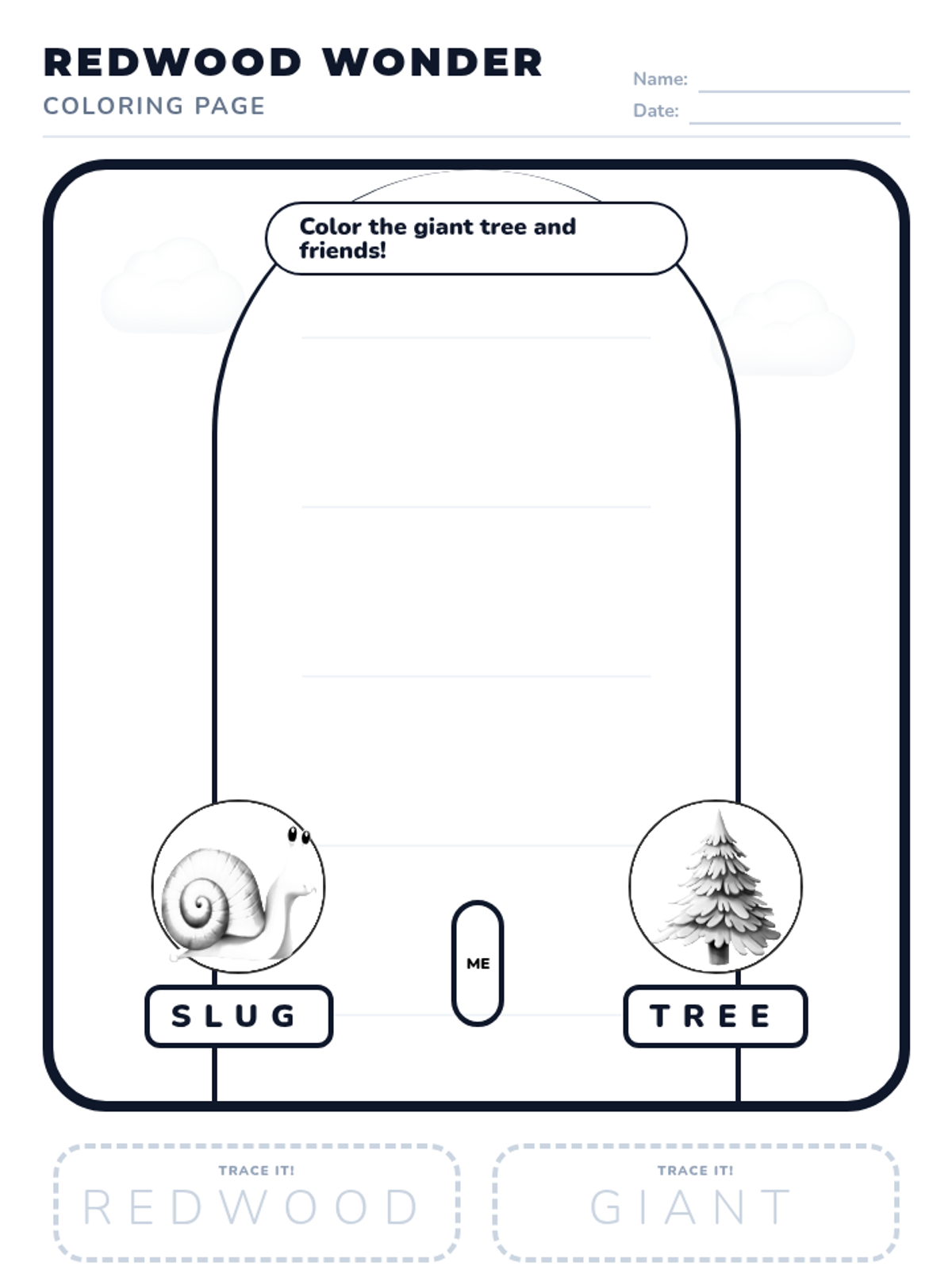
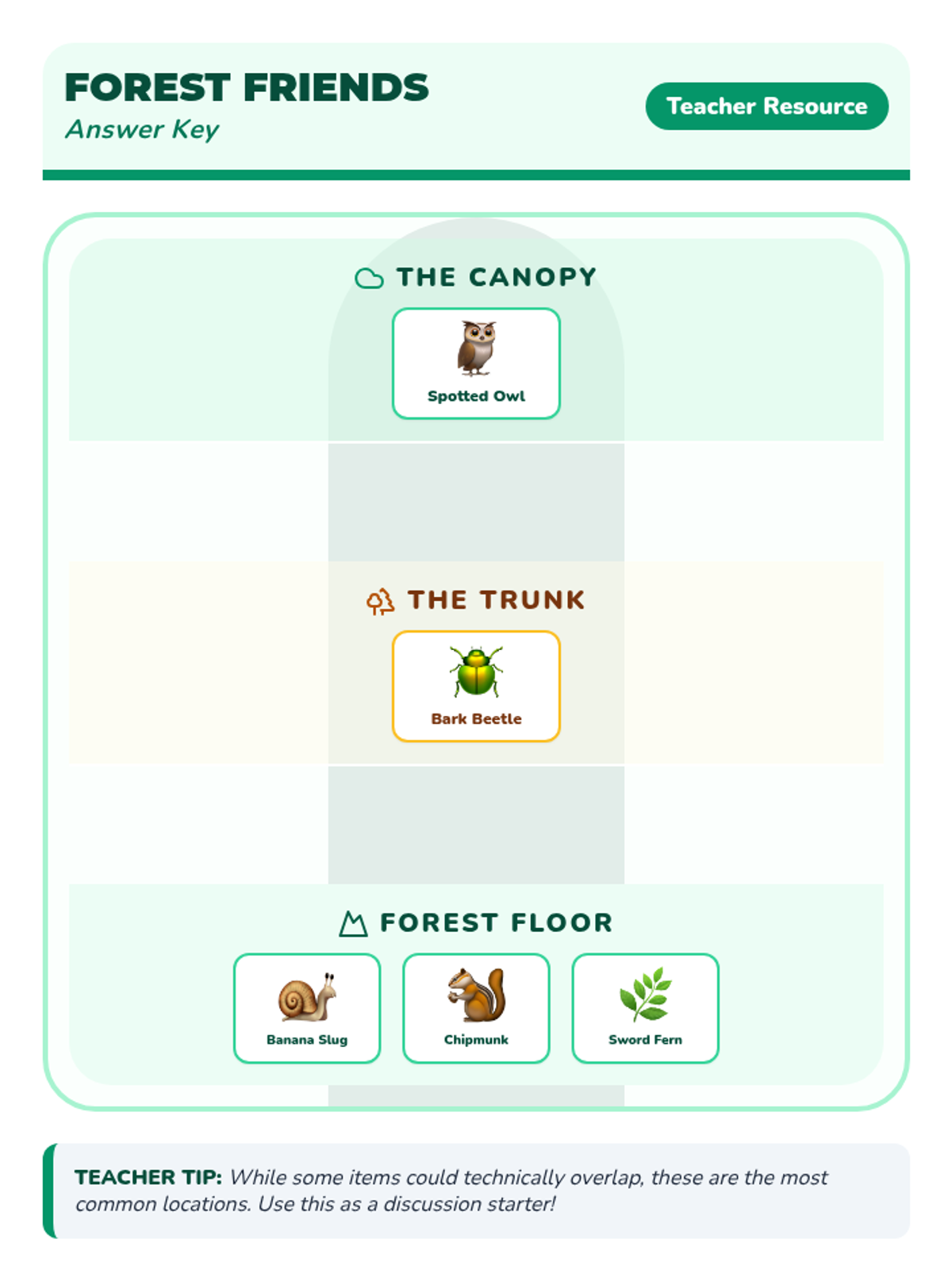
A lesson exploring the diverse animals that call trees their home, focusing on identification and the specific parts of the tree they inhabit.
Students explore the ecosystem beneath the forest floor, focusing on animals that create tunnels and live among tree roots.
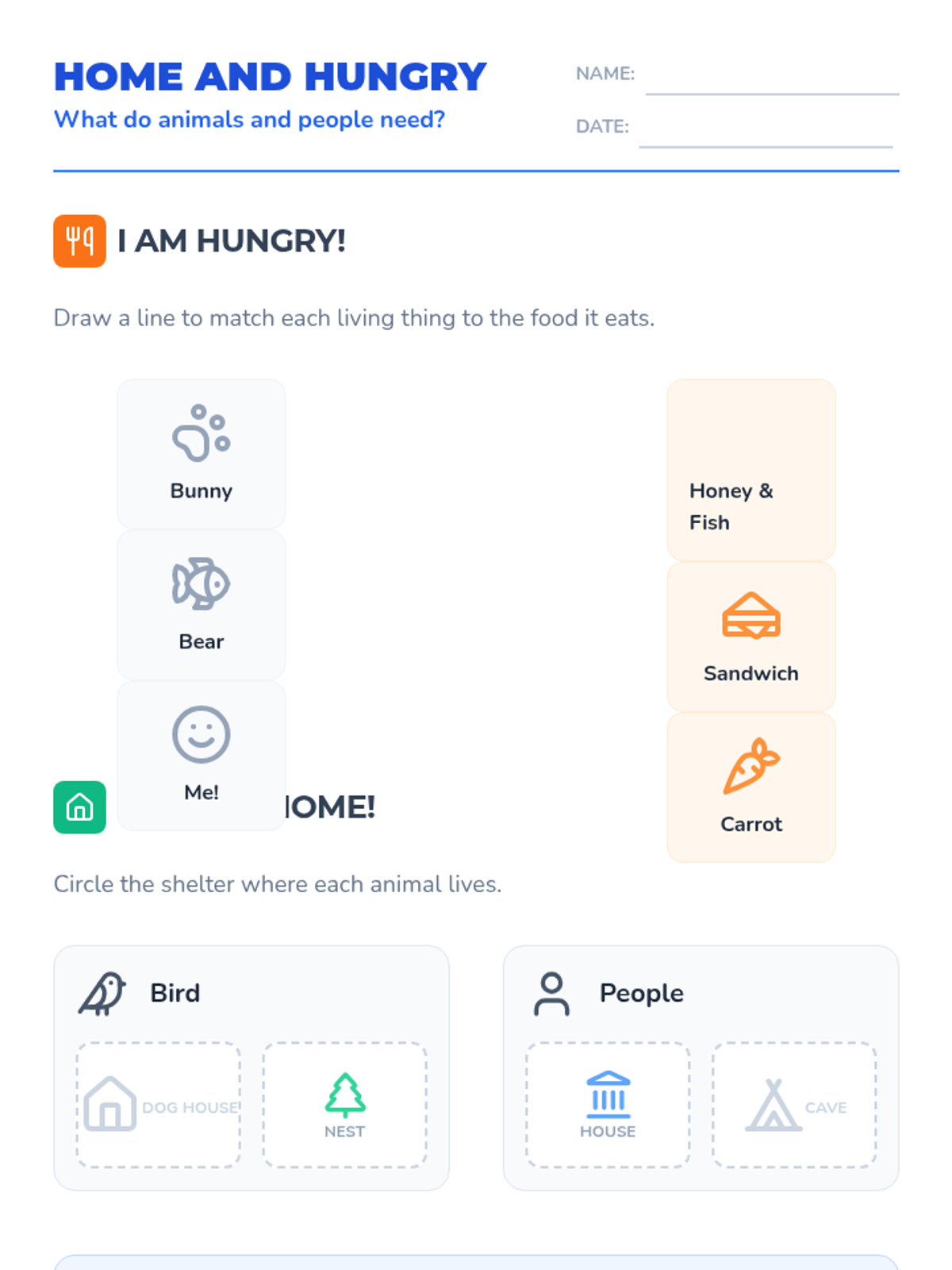
A foundational MLL lesson for 1st grade students focused on oral language and visual recognition of animals and their habitats (Forest, Ocean, Desert). The lesson emphasizes Total Physical Response (TPR), visual matching, and basic phonics connections.
An outdoor exploration where students become 'Baby Detectives' to find and observe different types of babies in nature, including human, animal, and plant life. Students will learn that all living things start small and require care and specific environments to grow.
A first-grade lesson focused on identifying attributes and comparing/contrasting everyday objects, weather, and characters to build foundational logic and observation skills.
Students will identify the five sense organs and explain how they help humans perceive and interact with the world around them through reading and assessment.
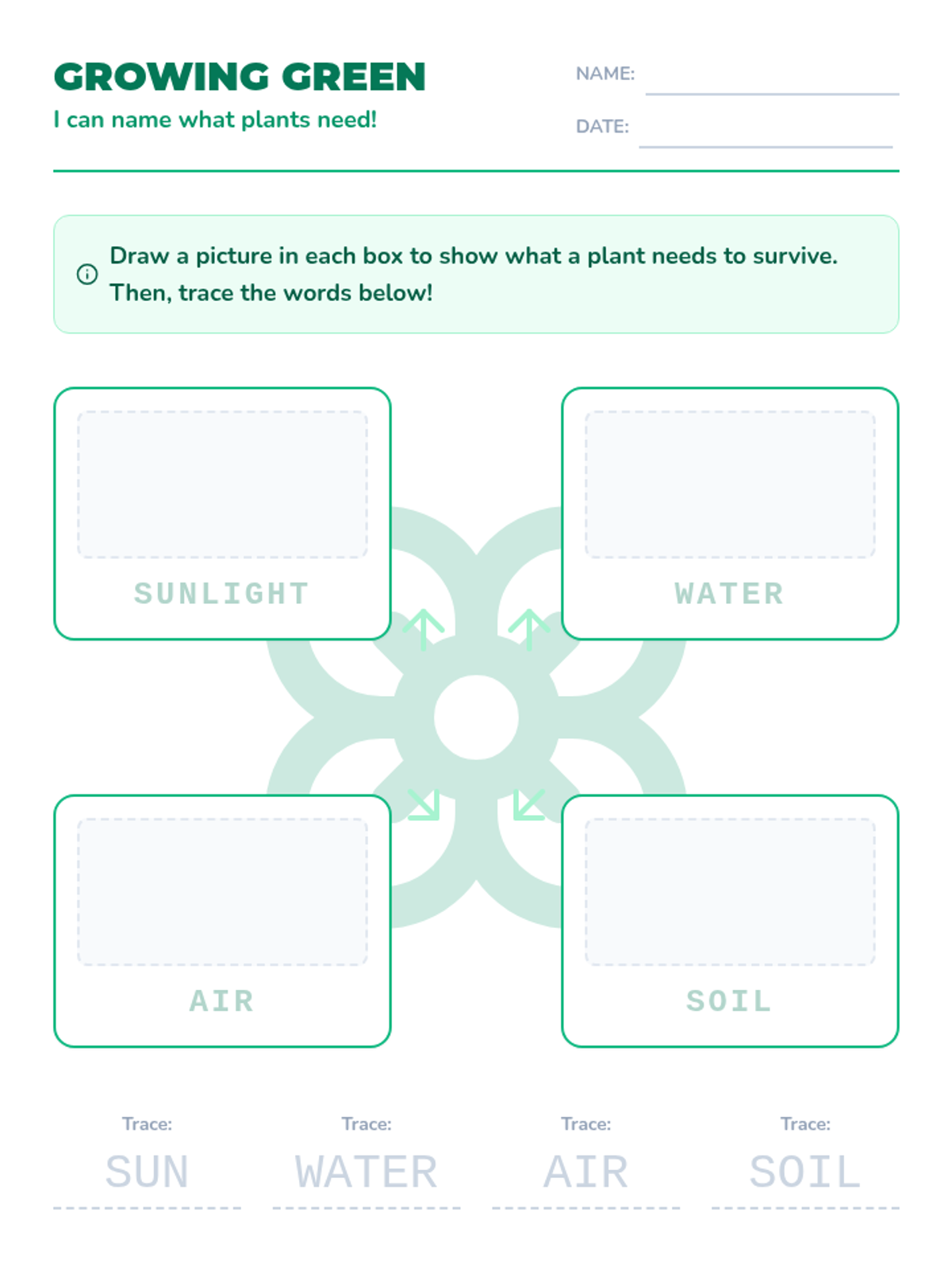
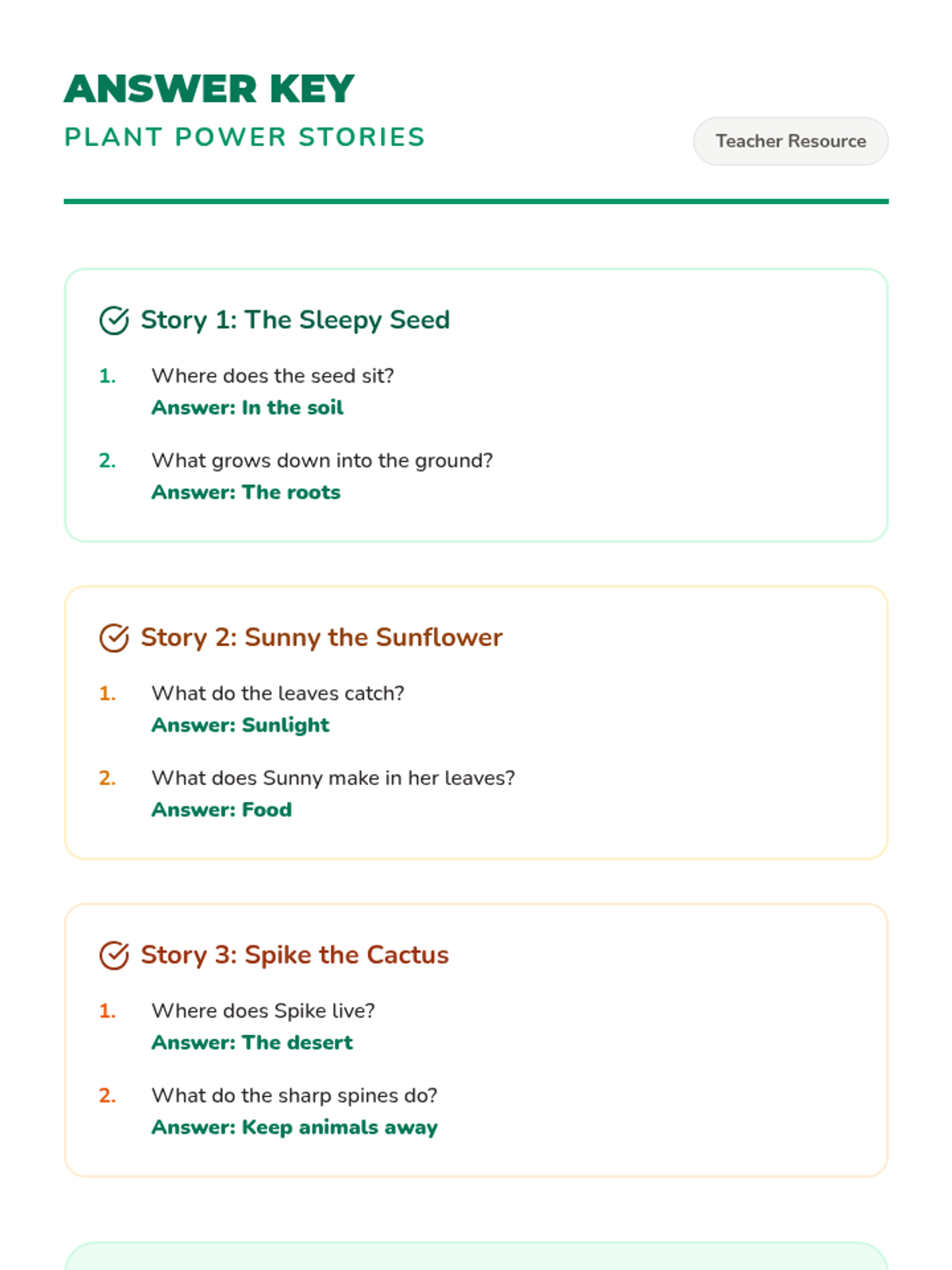
An introductory lesson for kindergarten students to learn about the basic needs of plants (sun, water, soil) through interactive play.
An introductory lesson for K-2 students focusing on the major bones of the human body and their primary functions through movement and visual labeling.
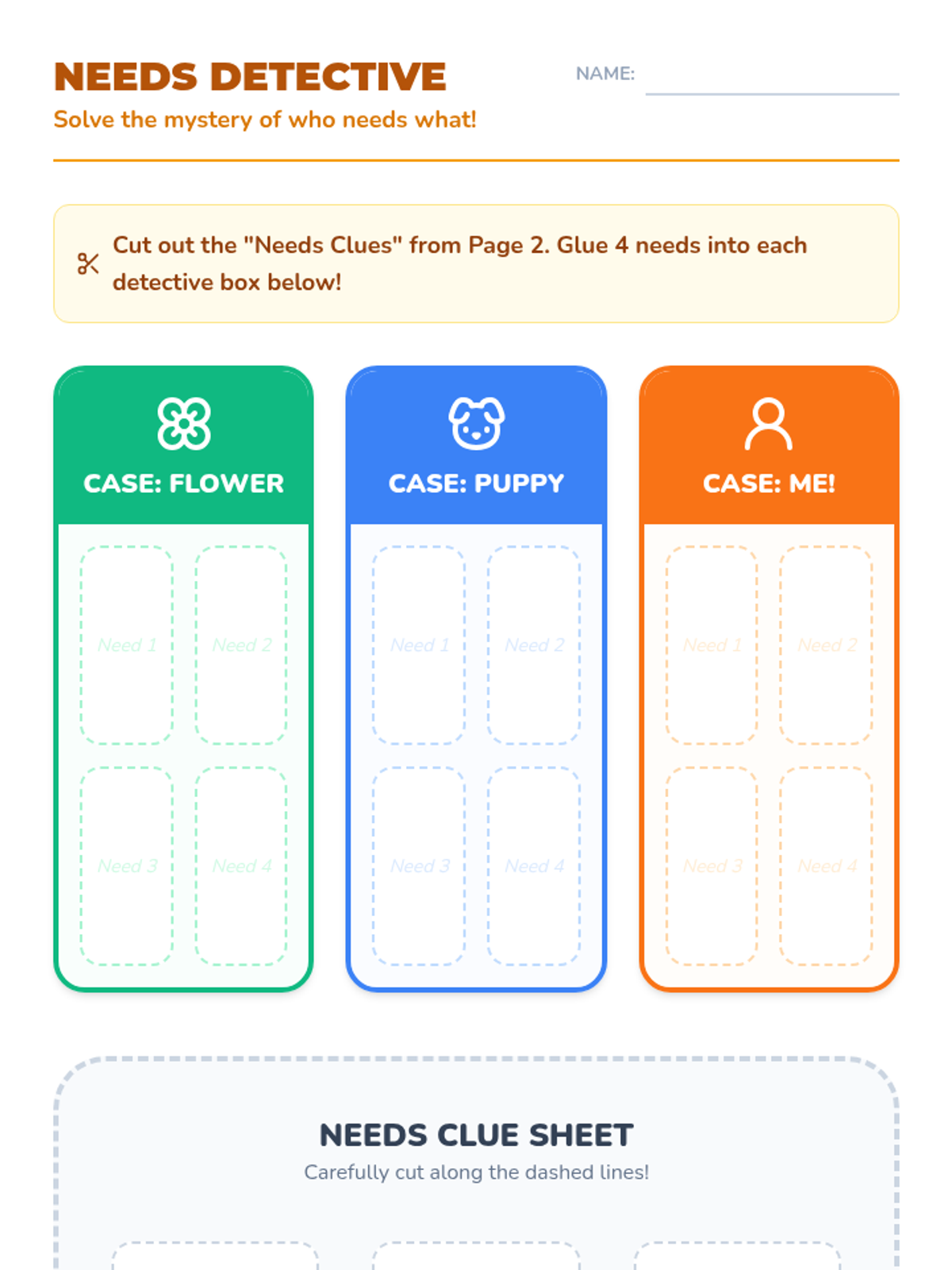
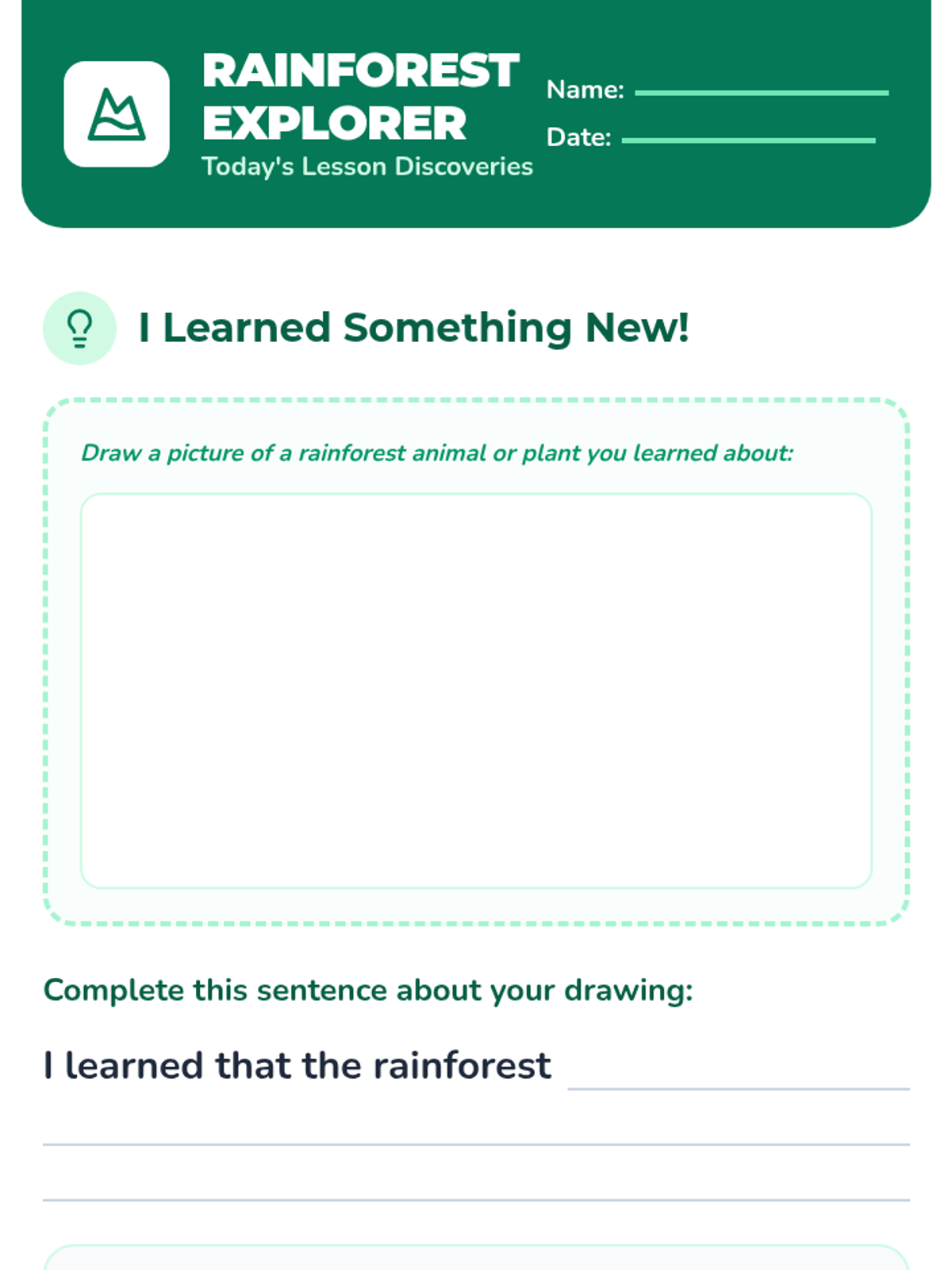
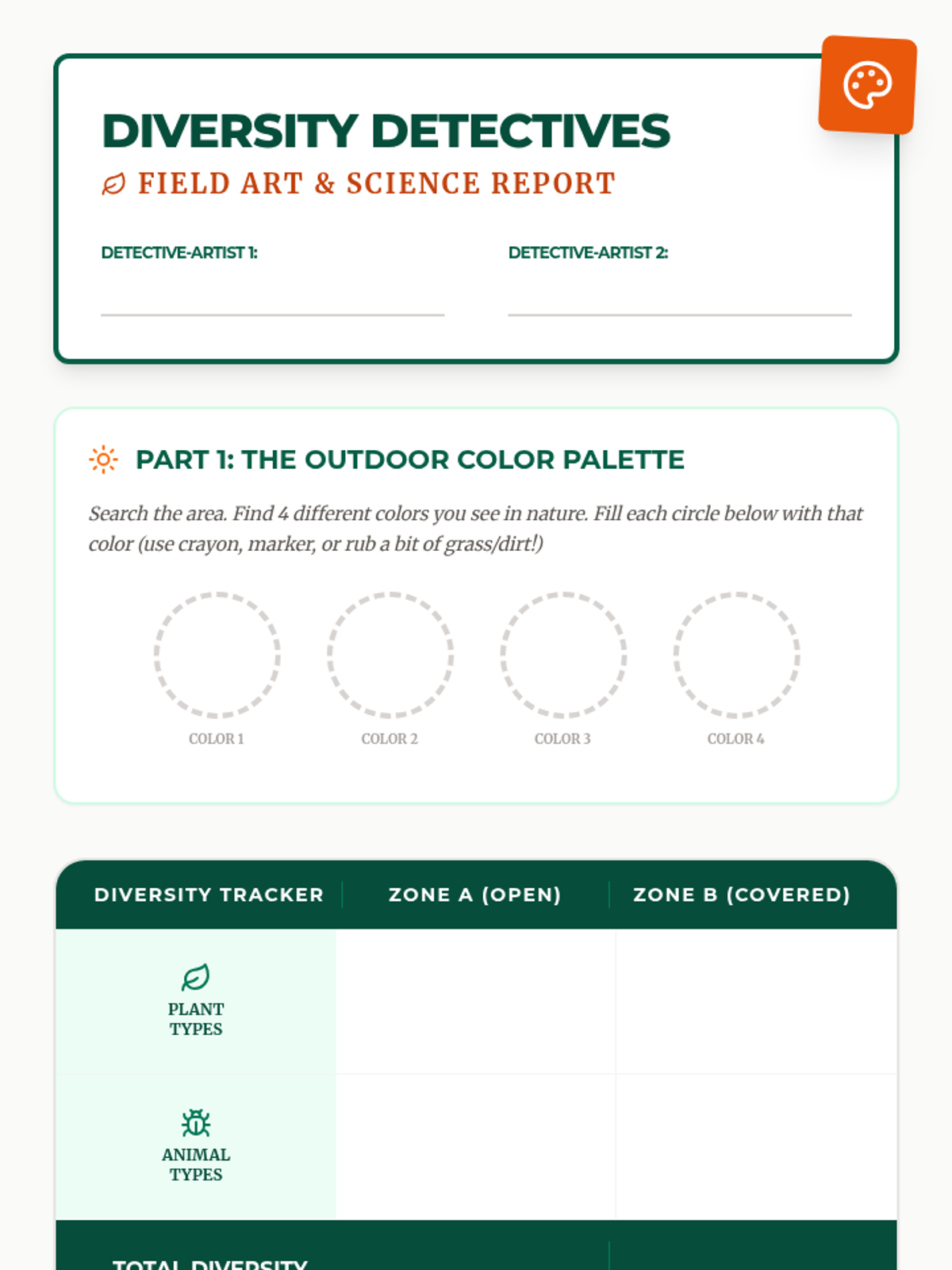
An interactive kindergarten lesson where students become 'Nature Detectives' to identify living and non-living things through observation and a hands-on sorting game.
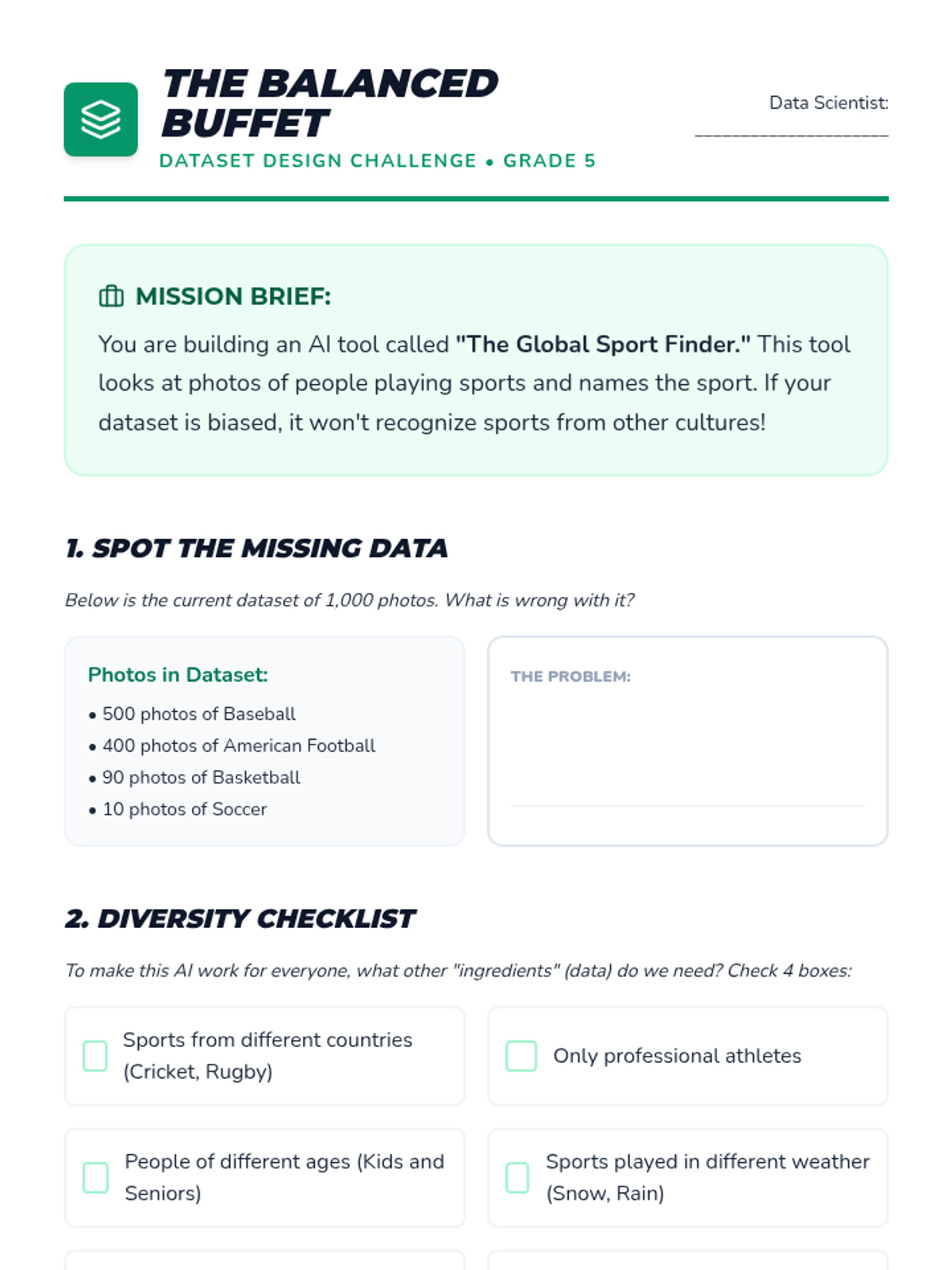
A comprehensive set of materials designed for MCAS-Alt portfolios, focusing on the plant life cycle (birth, growth, reproduction, and death) through sequencing and model-building.
A kindergarten lesson exploring the characteristics of living things through observation and sorting. Students use 'detective skills' to categorize items and discuss tricky cases like seeds and fire.
A visual, snowman-themed lesson designed for autistic elementary students to explore the three states of matter (solid, liquid, gas) through hands-on experimentation and clear visual aids.
A high-interest, low-complexity lesson designed for LIFE students focused on identifying basic insect anatomy and creating a unique bug through a project-based drawing and writing activity.
A bilingual English-Mandarin lesson introducing kindergarten students to the concepts of living and non-living things through visual sorting and interactive discussion.
A fun, 25-minute introduction for Kindergarten students to discover how their brains help them think, feel, and learn every day.
An interactive sorting activity where students categorize various objects into solids, liquids, and gases. This hands-on game uses visual cues to reinforce the fundamental properties of the states of matter.
Students will explore and summarize the physical properties of Earth materials including rocks, minerals, soil, and water through hands-on investigations and observation.
A set of engaging memory cards and supporting materials designed to help students master two-syllable words where both syllables are open. Students will match syllable pairs to form complete words, reinforcing phonics and decoding skills.
Students will explore how months divide the year into seasons and practice associating specific weather and activities with the month of July.
A comprehensive 1st-3rd grade lesson exploring the Bald Eagle as a national symbol, its habitat across North America, and its impressive physical characteristics through video, mapping, and measurement.
A hands-on science lesson for Kindergarten and 1st-grade students to discover the uniqueness of fingerprints through observation and activity. Students will explore how police use these unique marks as identification tools.
A high-energy lesson where students develop listening and identification skills by exploring the sounds and functions of various transportation modes, from bicycles to rockets.
In this 1st-grade lesson, students explore the difference between human-powered and machine-powered transportation. Through a video, a classroom scavenger hunt, and a creative design challenge, they learn how energy and engines move us from place to place.
A 1st-grade science lesson where students explore reflexes as automatic body responses through a foam ball hook, a SciShow Kids video, and a sorting activity.
A Kindergarten lesson exploring how clothing acts as insulation by trapping body heat. Students will compare heat loss in different containers, watch a SciShow Kids video, and complete a 'Dress the Bear' activity to visualize heat arrows being trapped by layers.
A hands-on lesson for Pre-K and Kindergarten students to learn the science of staying warm and the practical skill of dressing in winter layers. Features a science video, a high-energy relay race, and a mnemonic rhyme for dressing independently.
A hands-on science lesson where 1st and 2nd graders identify four types of clouds (Cumulus, Nimbus, Stratus, Cirrus) through a video study and a tactile 'Cloud Cotton Collage' activity.
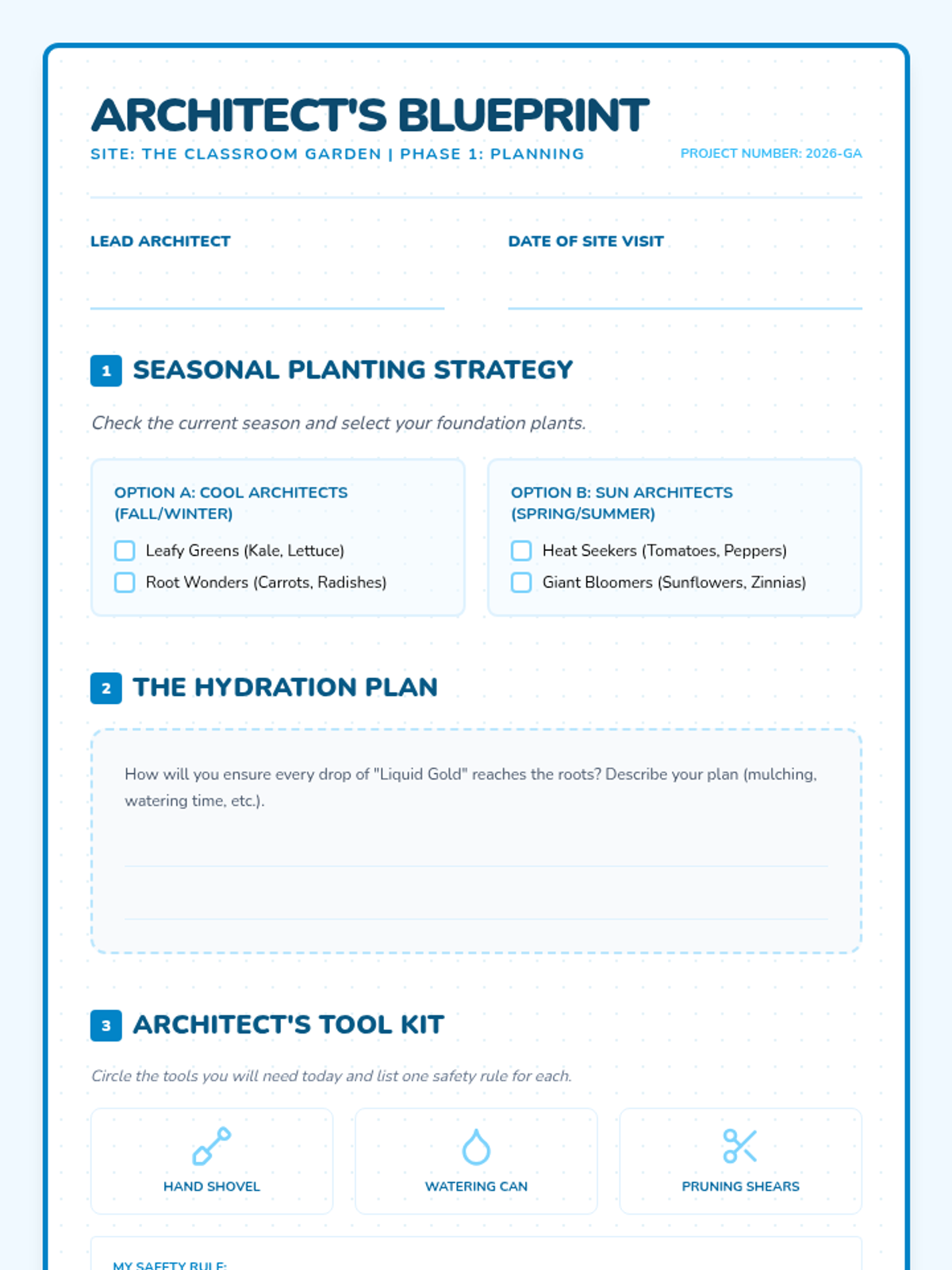
A hands-on science lesson for Kindergarten and 1st grade students to understand how sunscreen protects skin using a 'Sunscreen Painting' experiment and the SciShow Kids video. Students will explore the 'sponge and mirror' analogy and observe the effects of sunlight on construction paper.
A fun, science-meets-humor lesson where students learn about cloud types through puns, jokes, and creating their own weather-themed comic strips.
A fun, introductory science lesson for K-1 students focusing on cloud observation and the scientific reality that clouds are made of water droplets, not solid objects. Students will practice identifying shapes in the sky and learn to distinguish between common cloud types.
Students explore the biological reason for sunburns, focusing on how the body sends extra blood to damaged skin cells to begin the healing process. This lesson uses a SciShow Kids video and a hands-on drawing activity to make complex biological responses accessible to young learners.
A hands-on science and art lesson where students create a three-layer density column and test how various objects interact with the layers. This lesson uses a 'Science Artist' theme to engage elementary students in the concepts of matter, volume, and density.
A fun, interactive lesson where students learn the biological sequence of a sneeze, from initial irritation to the final 'Achoo!', including a deep dive into reflexes and hygiene.
An high-energy assembly lesson for grades K-4 introducing the Engineering Design Process through a hands-on problem-solving video and physical movement. Students learn to 'Ask, Imagine, Create, Test, and Improve' as they help solve a real-world (and itchy) problem.
A Kindergarten and 1st Grade introduction to the engineering design process, focusing on identifying problems and brainstorming solutions through drawing. Students watch a video about building a back-scratcher and then design their own solution to a common classroom problem.
Students explore material properties by testing different adhesives to solve an engineering problem, inspired by Jessi and Squeaks' quest to build a better back-scratcher.
Students explore the varying sizes of stars by comparing our Sun to a Red Dwarf (Proxima Centauri) and a Blue Supergiant (Rigel) using physical models and a video comparison.
A 1st-4th grade science lesson where students explore the diversity of stars and practice scientific communication by writing their own questions to the SciShow Kids team.
Students will compare and contrast how snakes and fish manage their scales, specifically looking at shedding vs. growing.
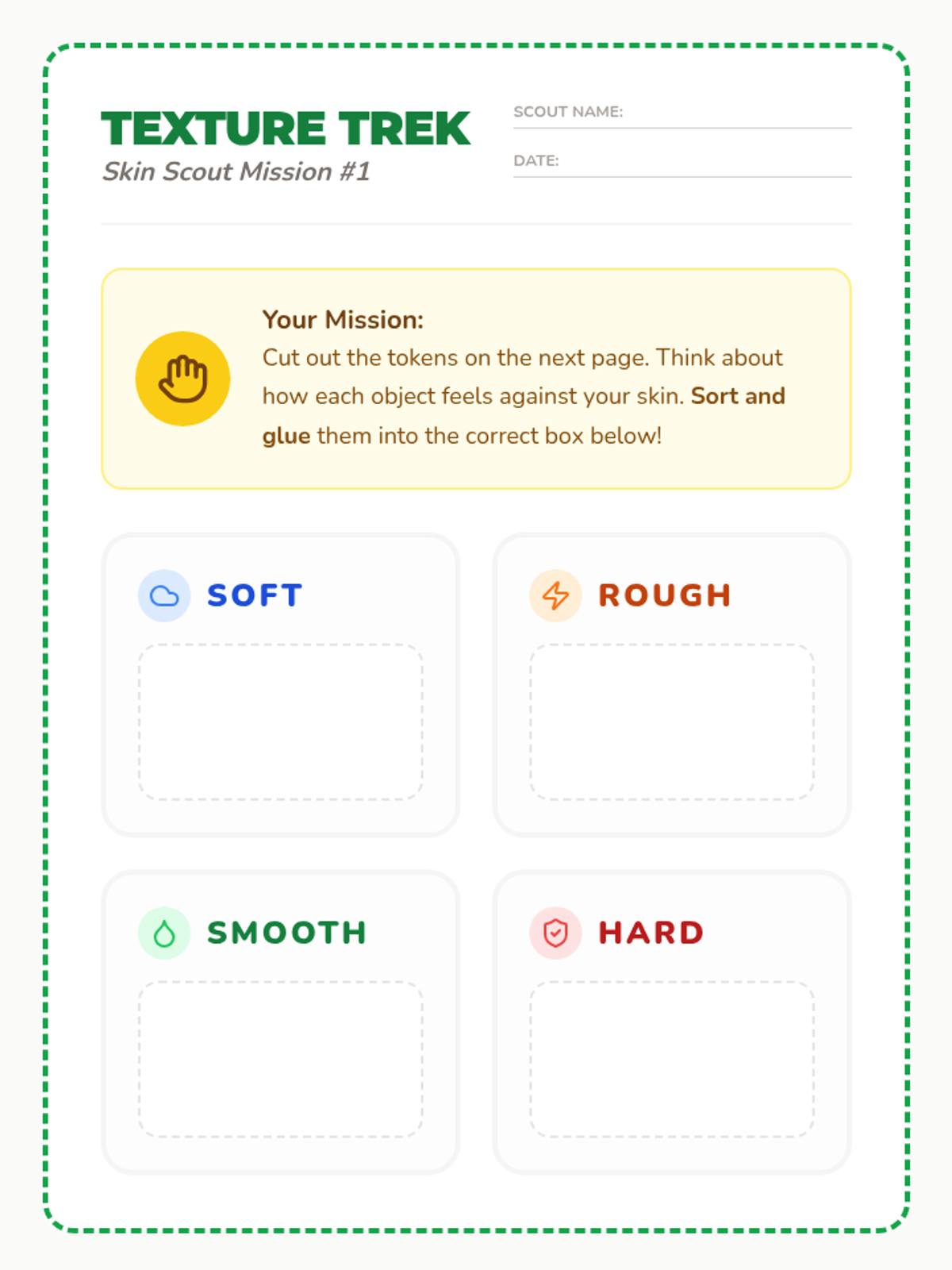
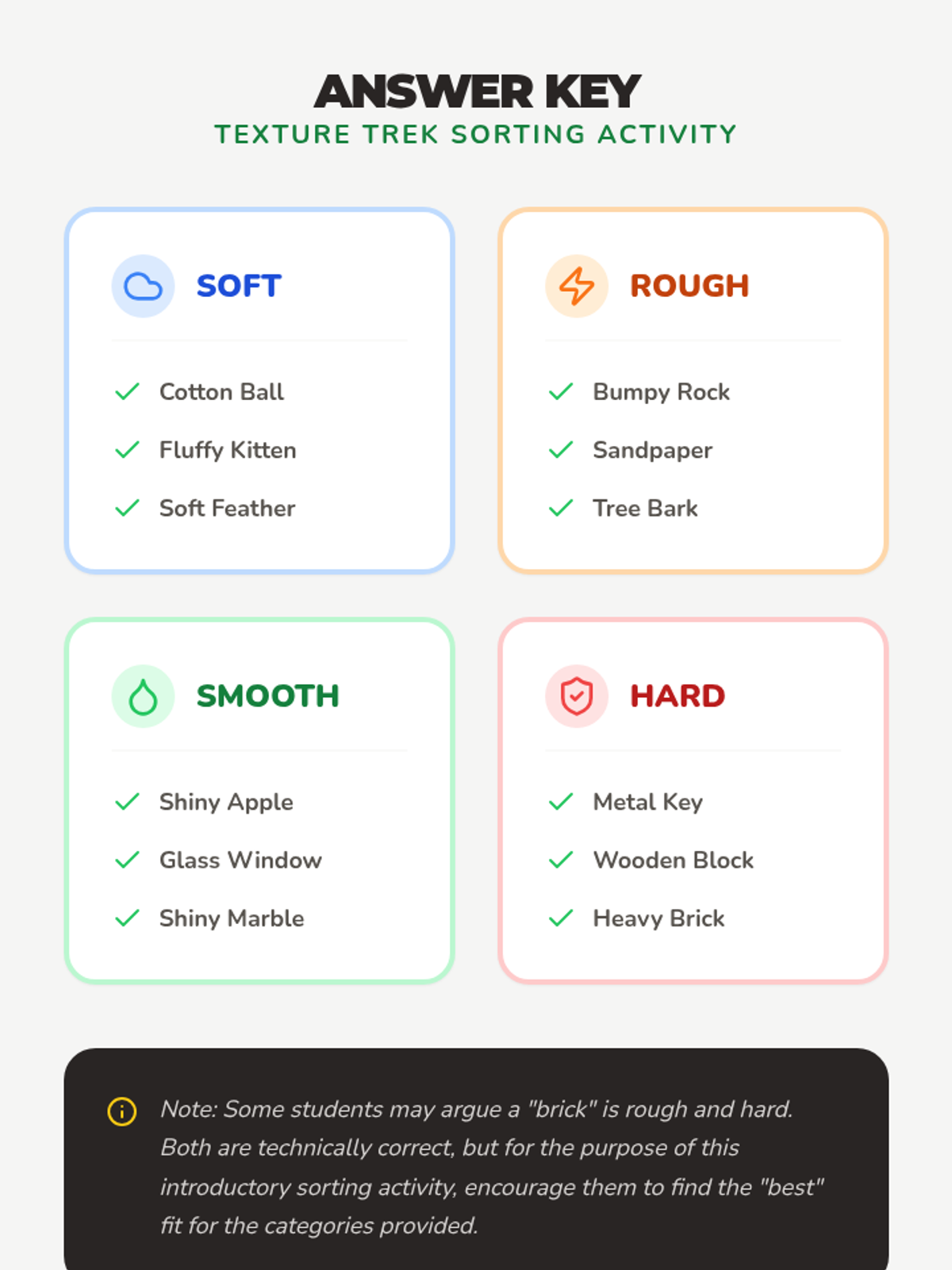
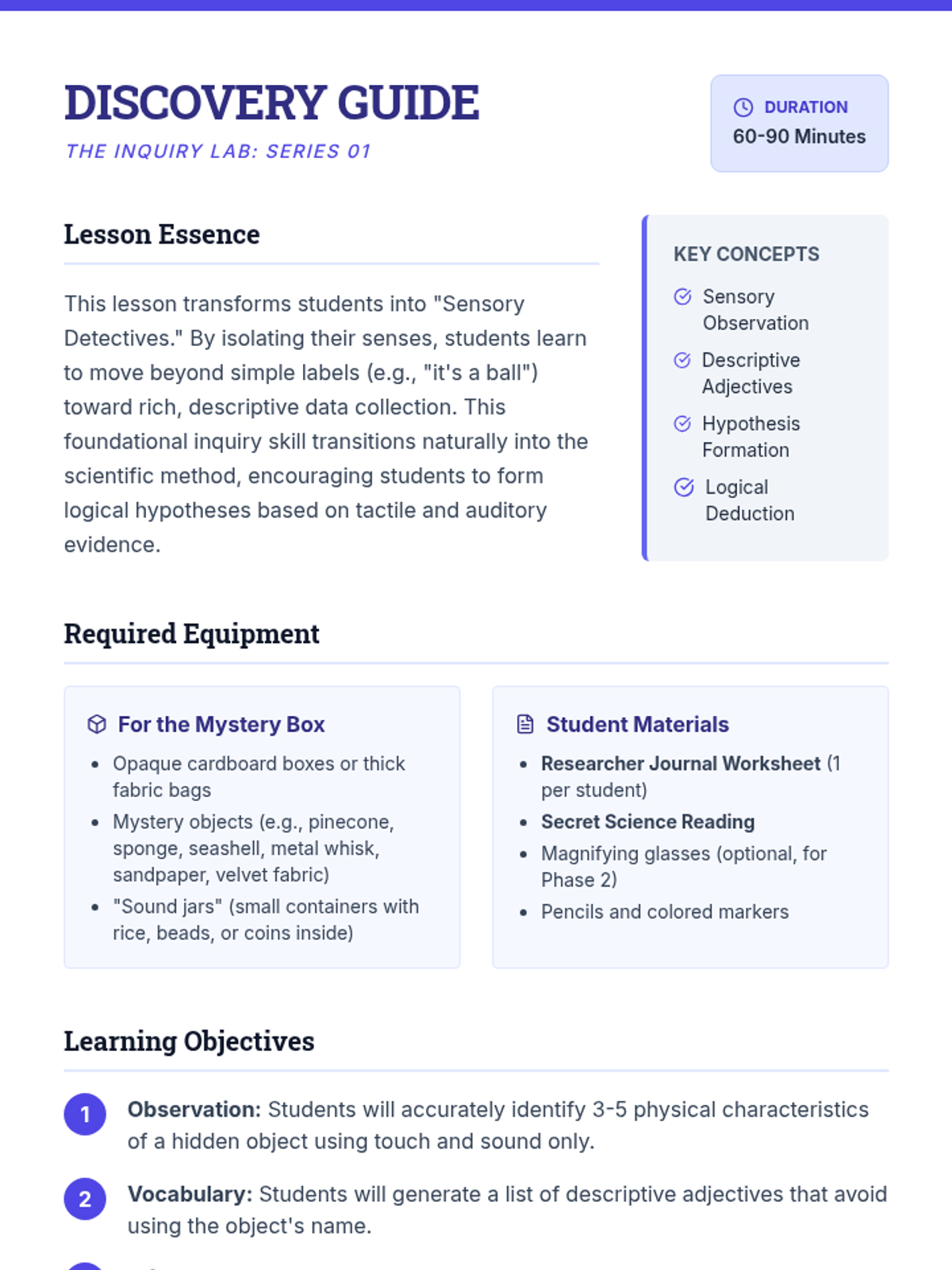
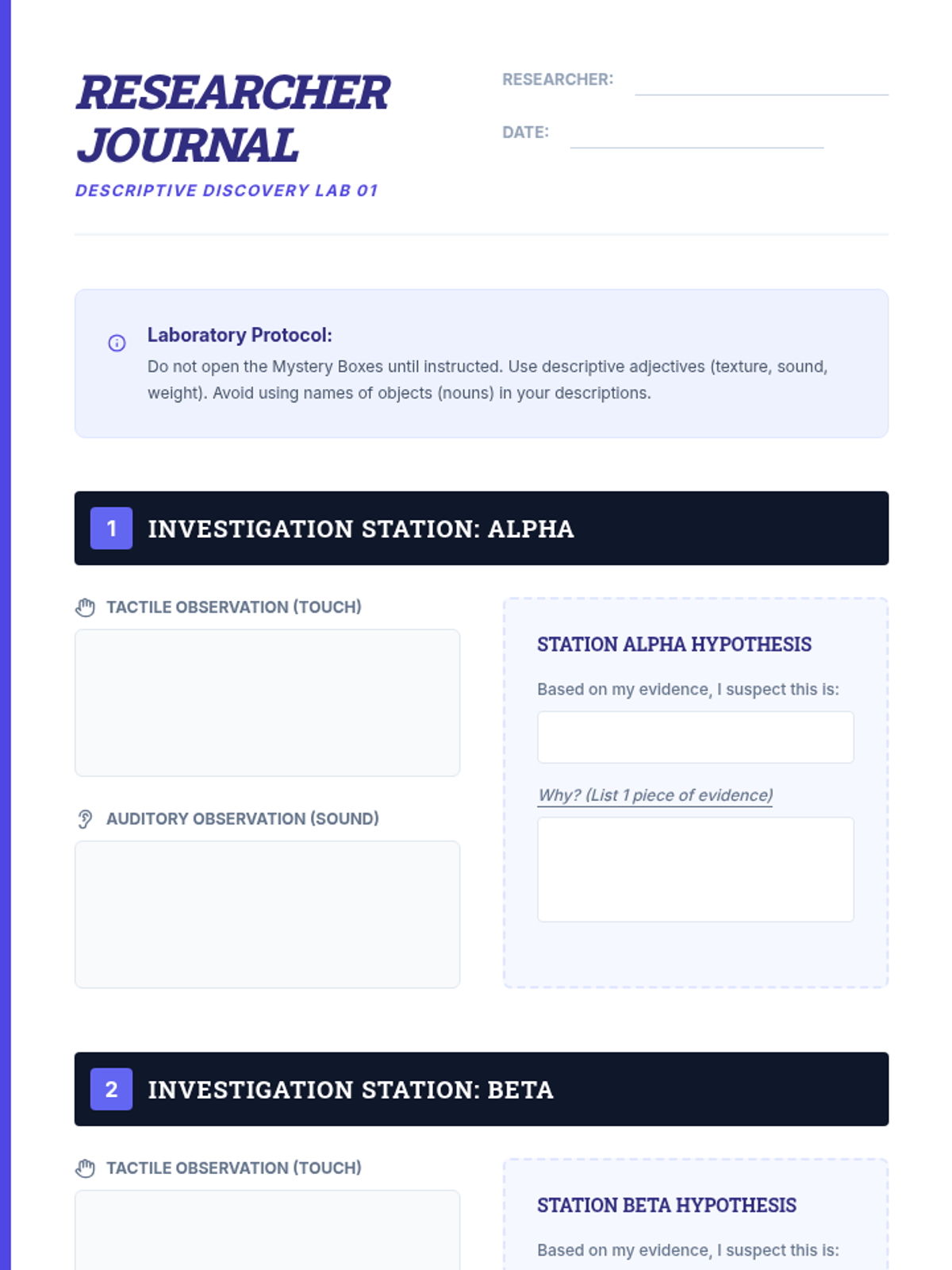
Students explore animal coverings by watching a video and rotating through tactile stations to match textures (velvet, sandpaper, sequins, plastic) with specific animals. they will use descriptive adjectives like soft, rough, smooth, and hard to record their findings.
A hands-on exploration of how animals stay protected and warm using fur, feathers, scales, and exoskeletons. Includes a sensory warm-up, video analysis, and a classification sorting activity.