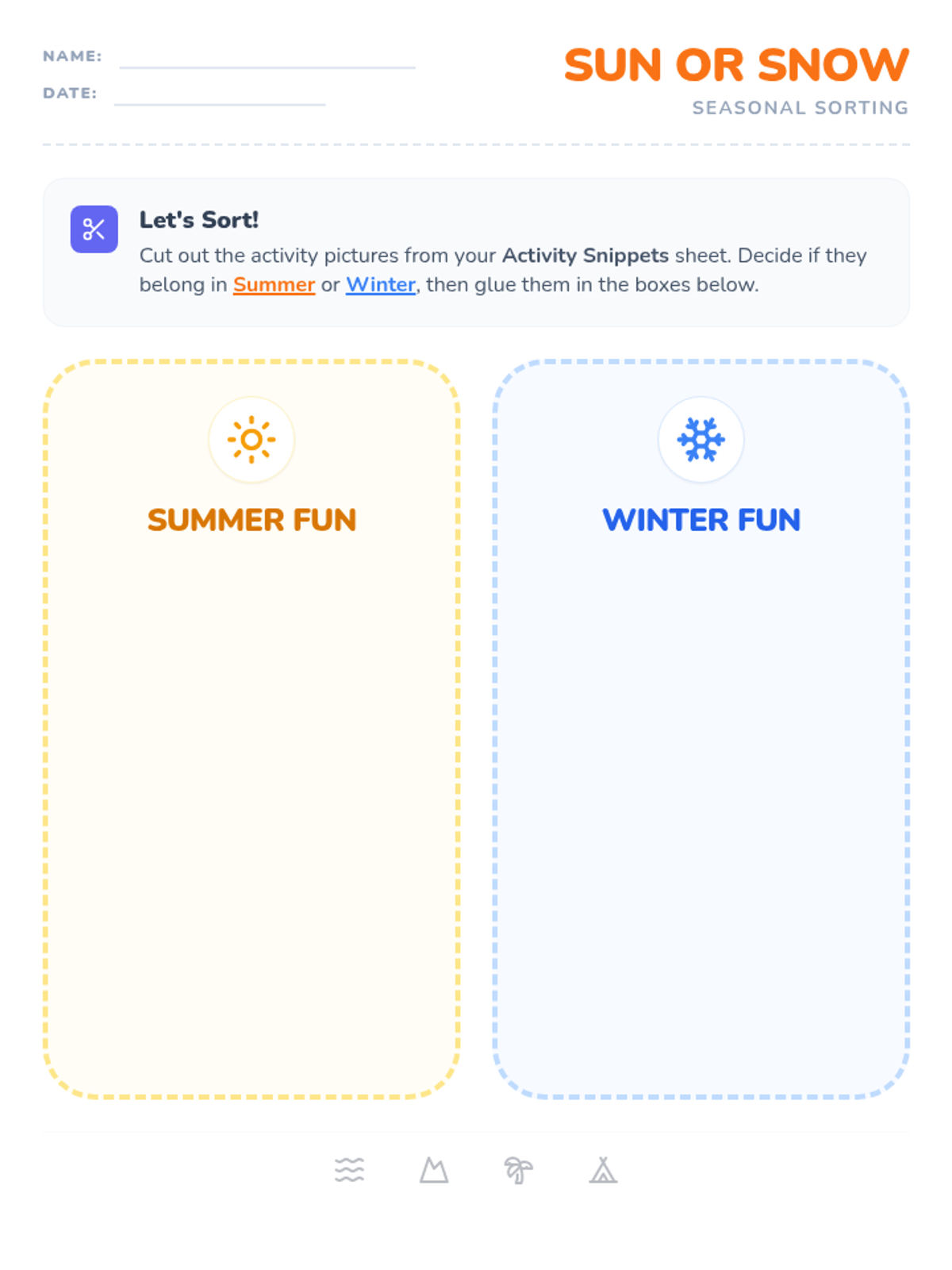
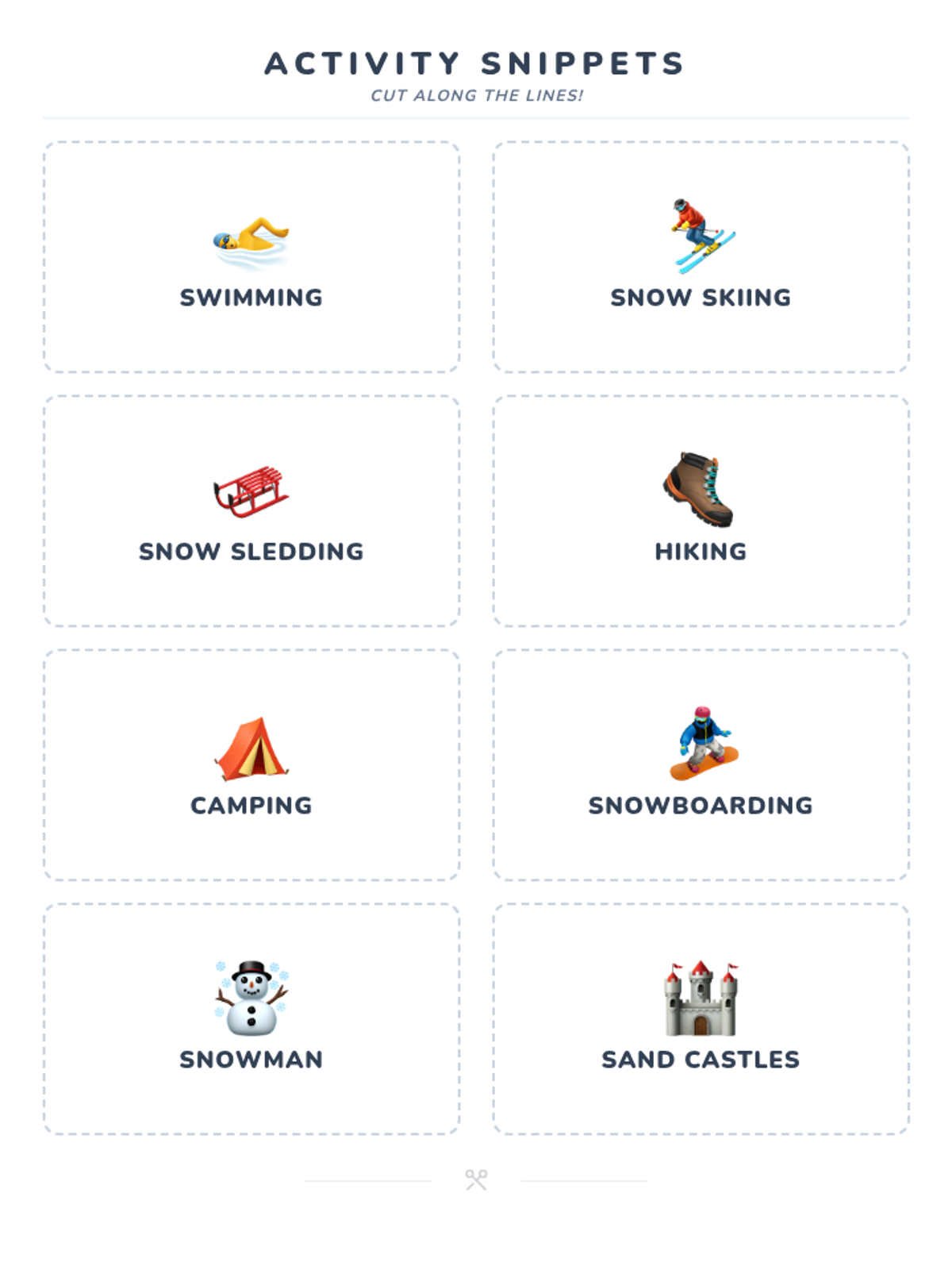
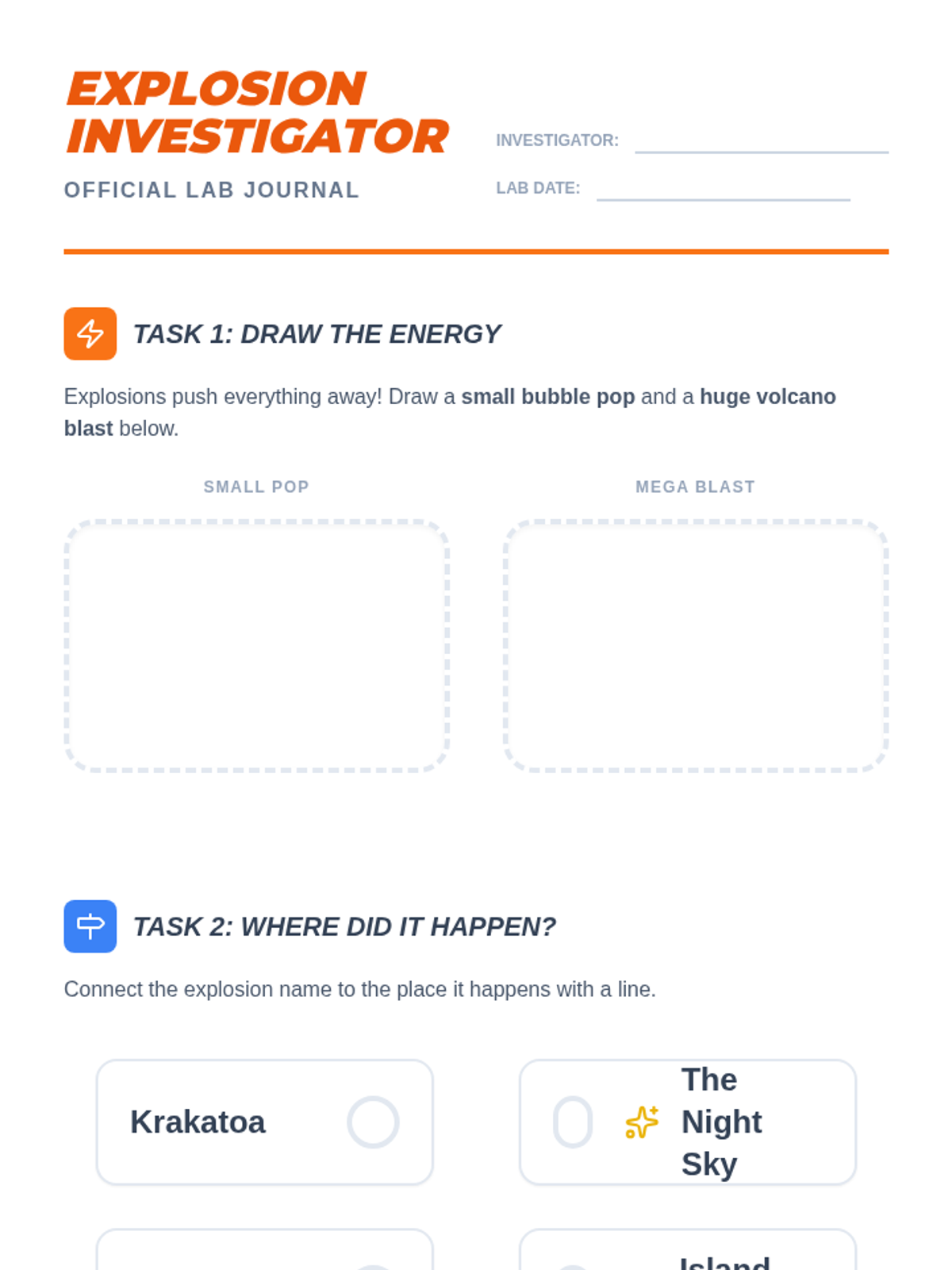
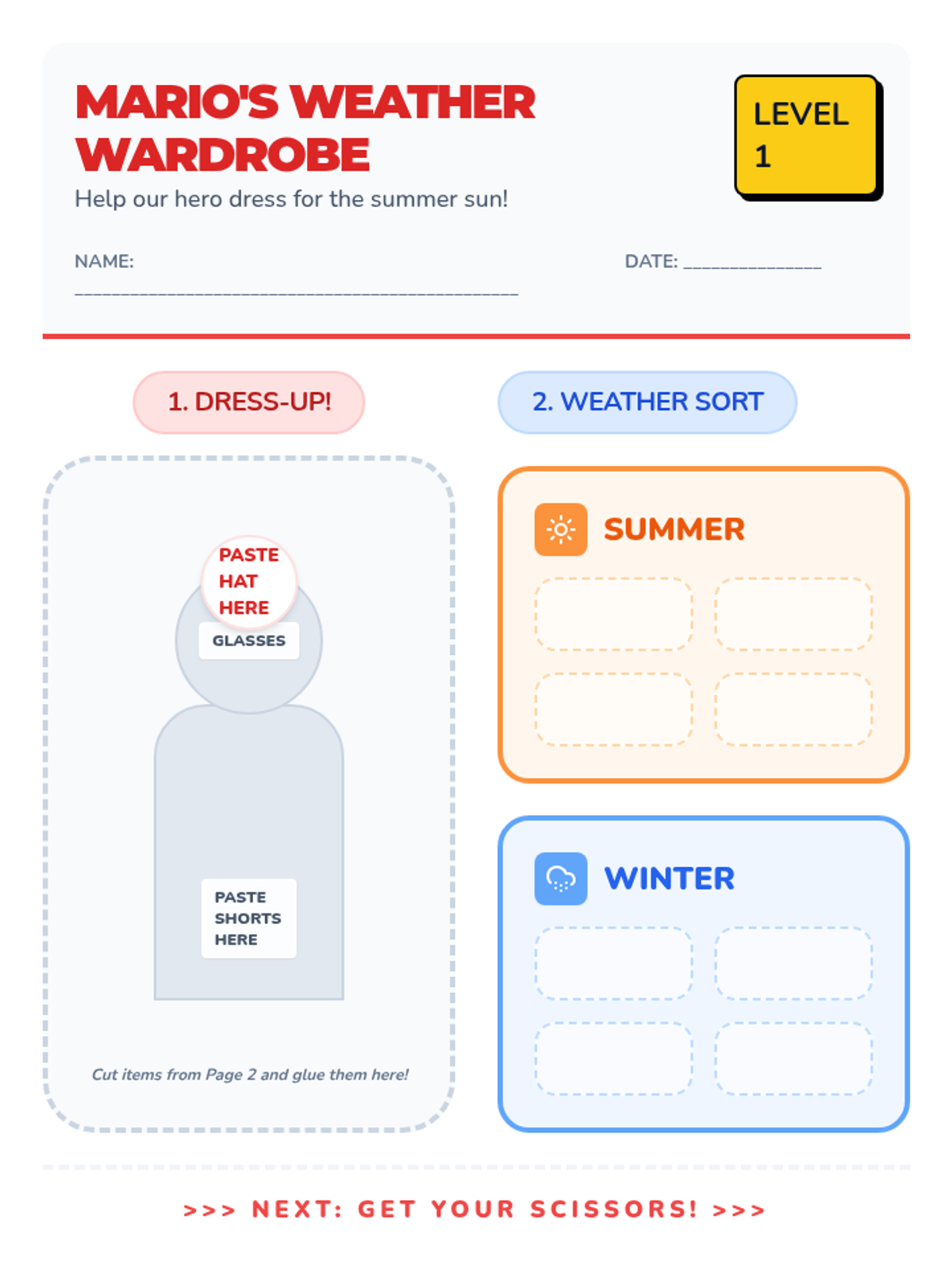
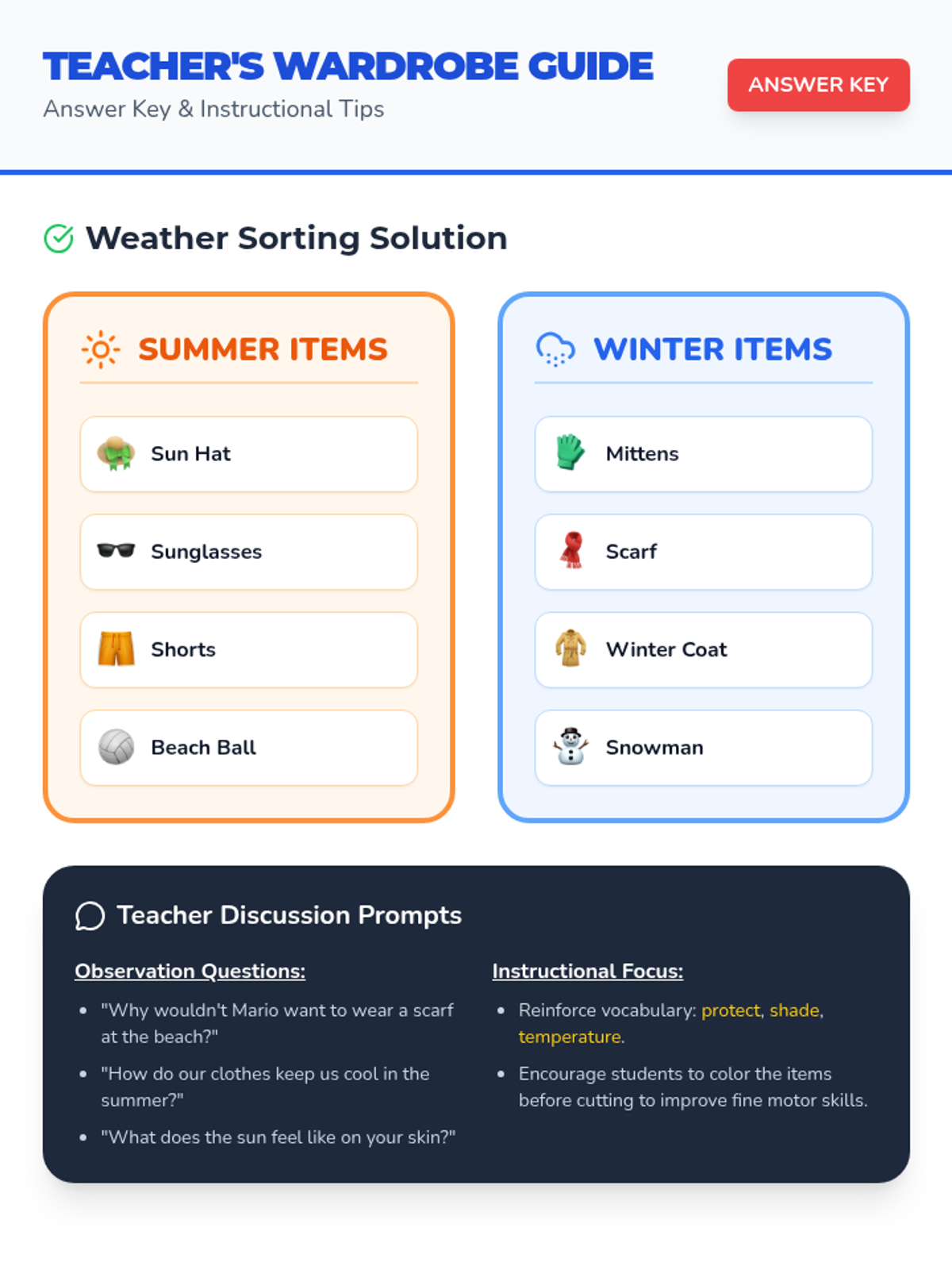
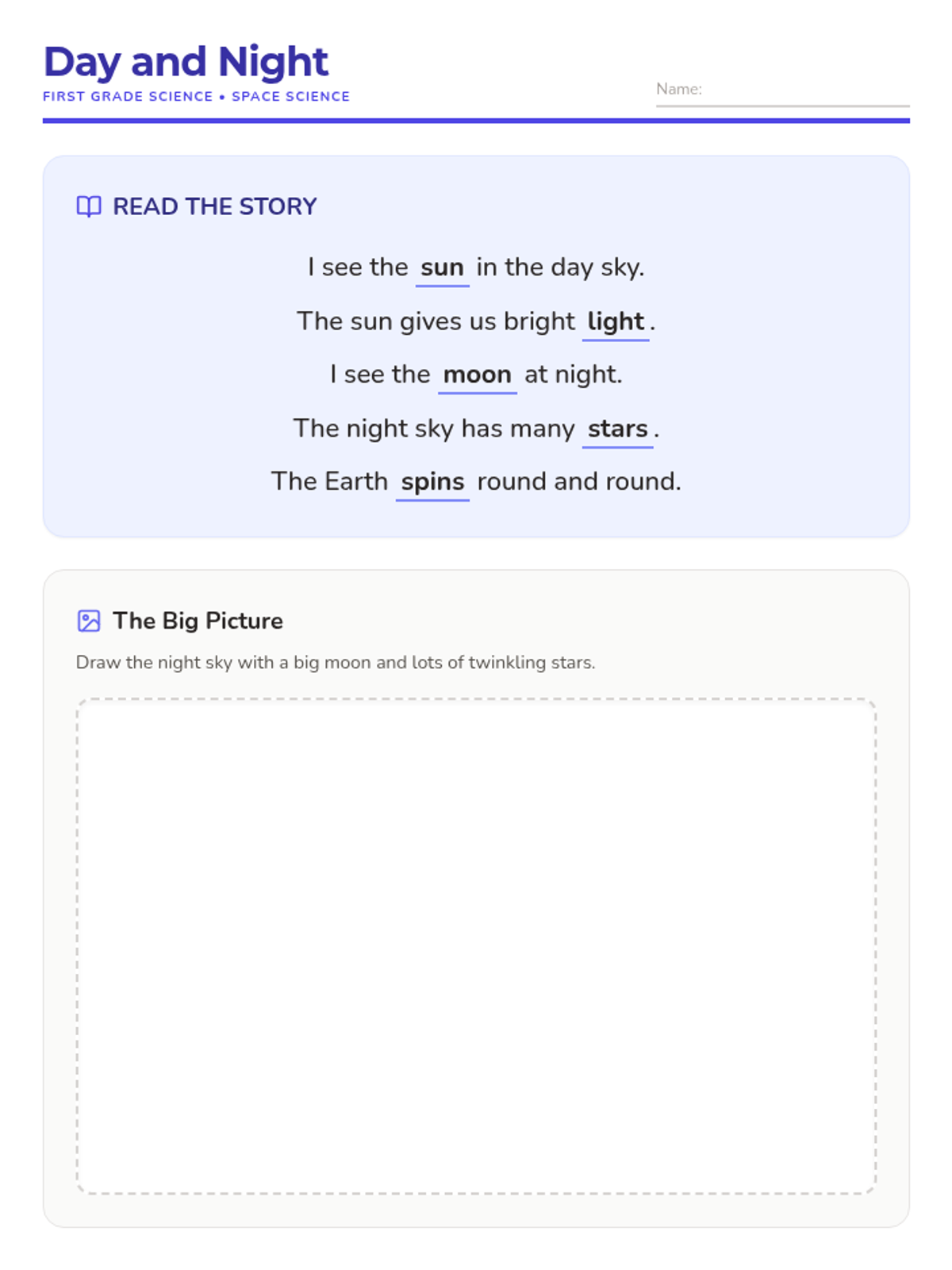
Students will explore how months divide the year into seasons and practice associating specific weather and activities with the month of July.
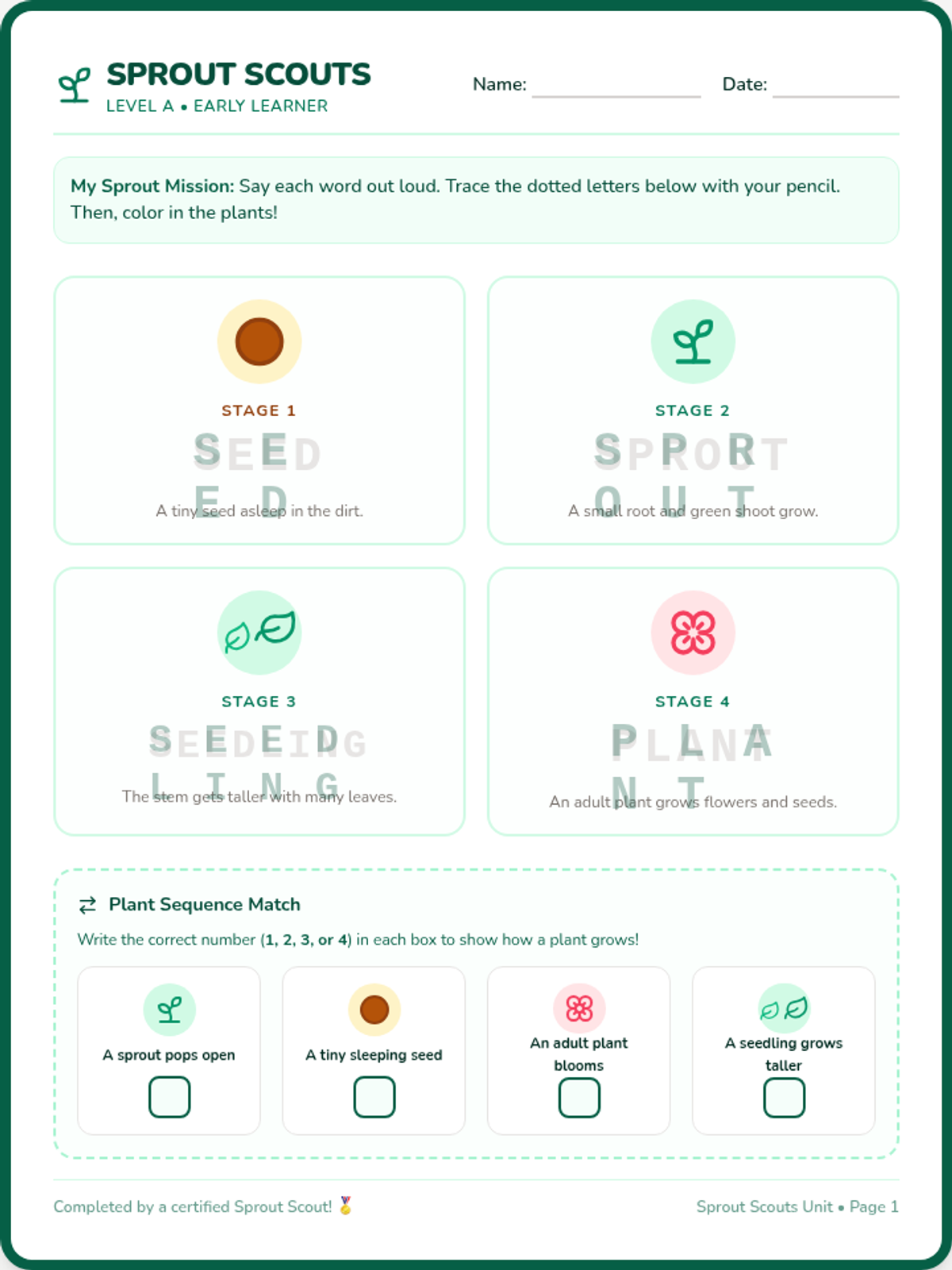
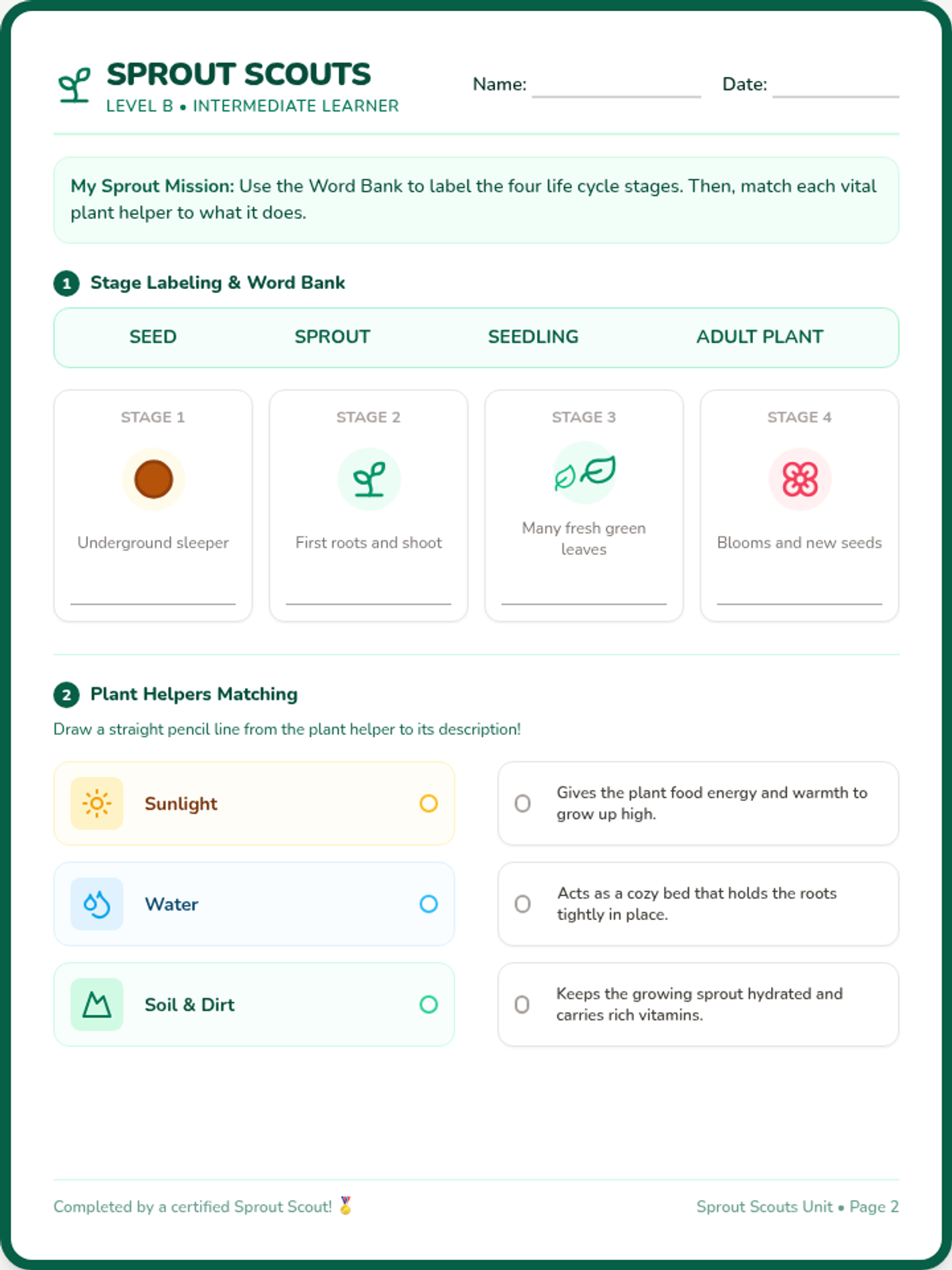
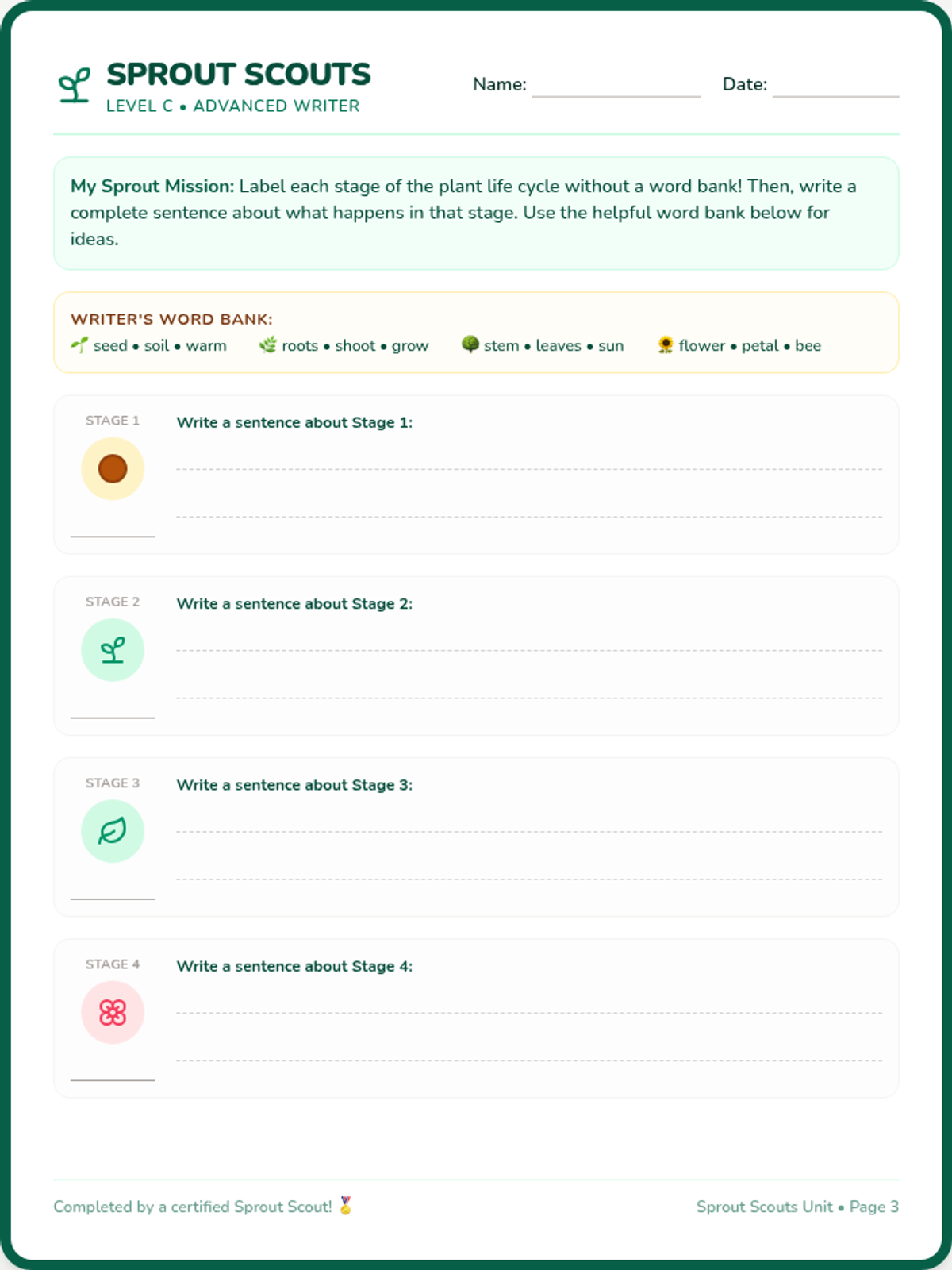
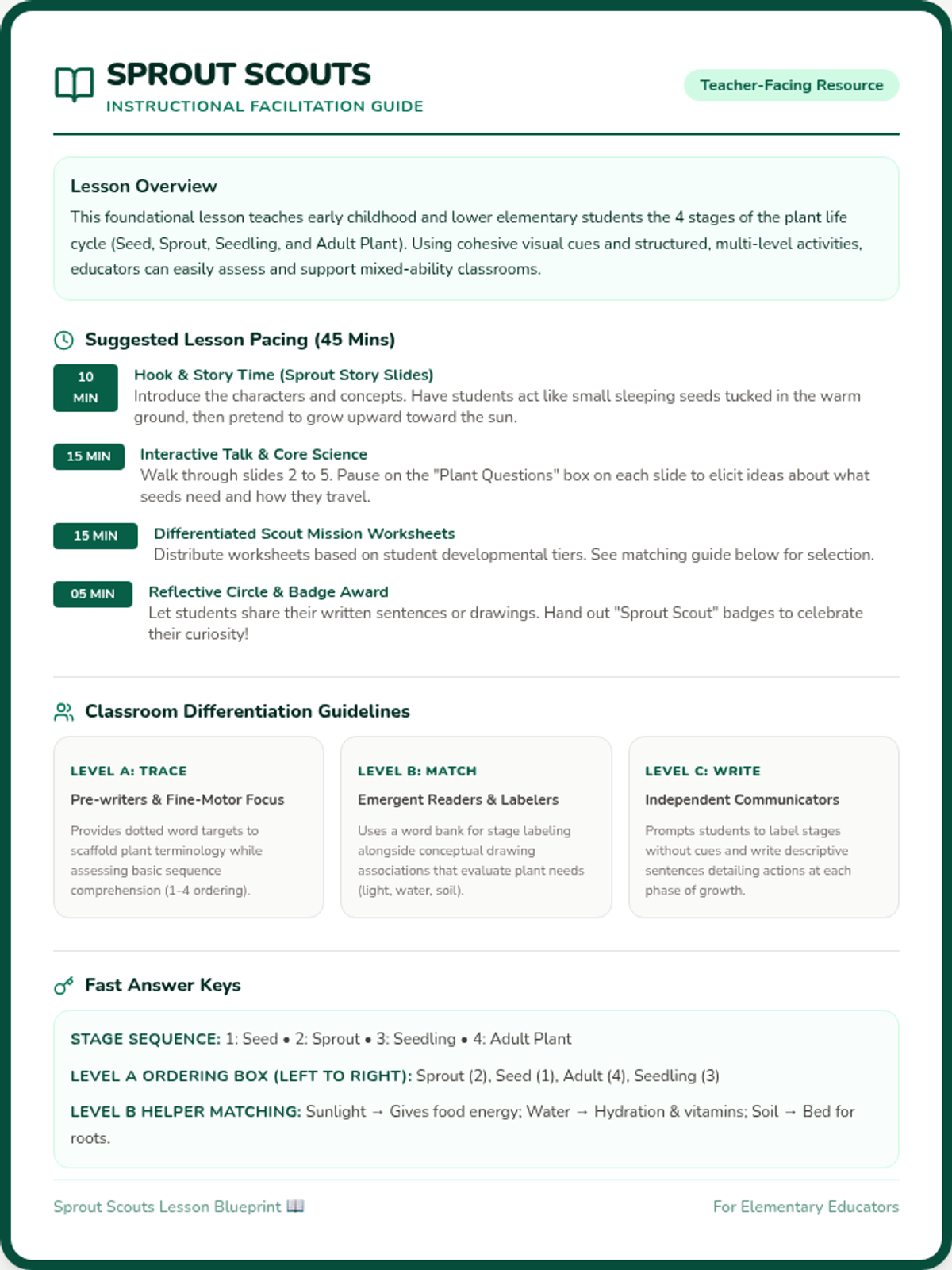
A foundational science lesson for Kindergarteners exploring the life cycle of a plant from seed to flower and the basic needs required for growth. Students will observe visual stages of growth and identify what plants need to survive.
A lesson exploring the diverse animals that call trees their home, focusing on identification and the specific parts of the tree they inhabit.
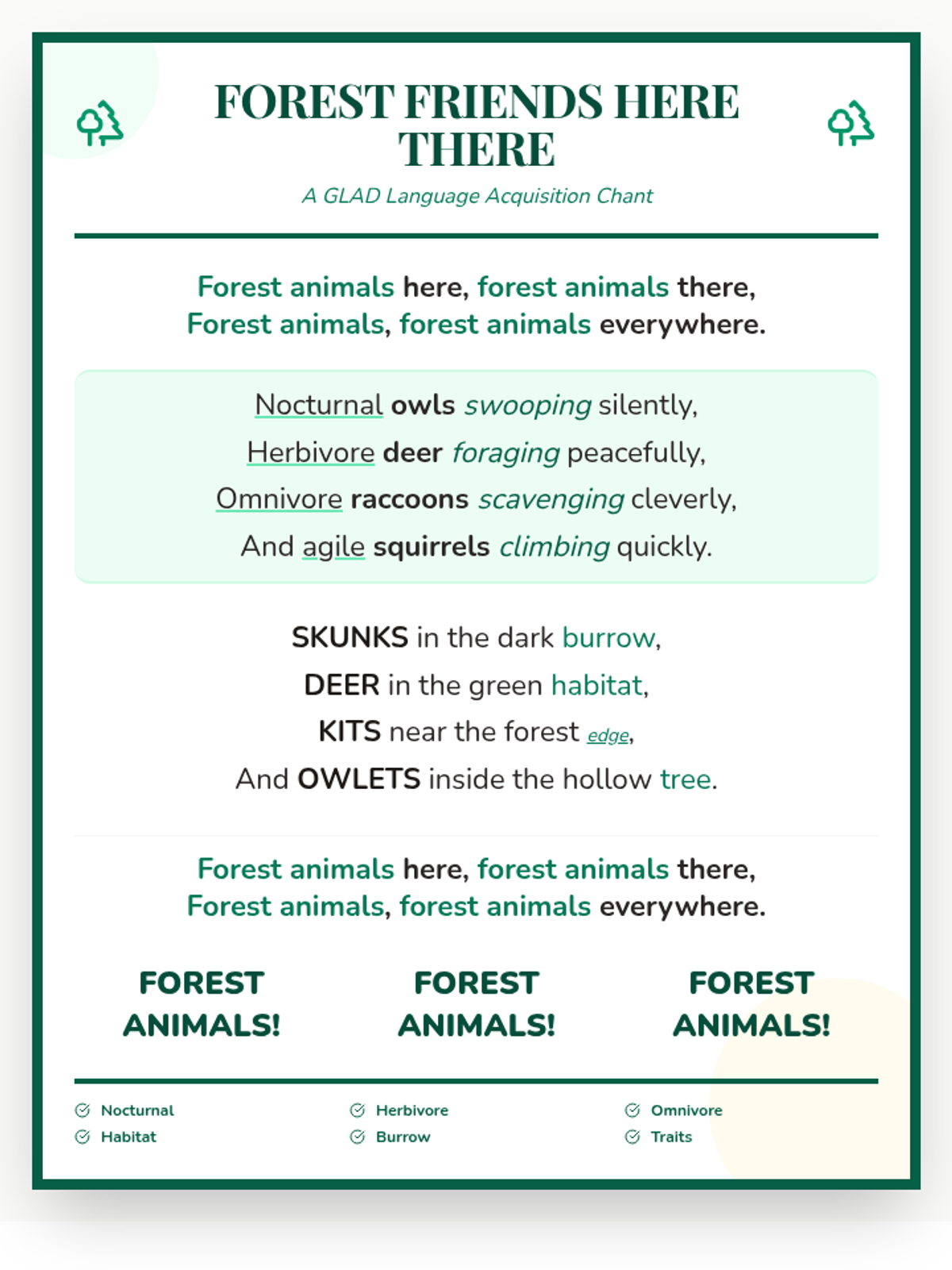
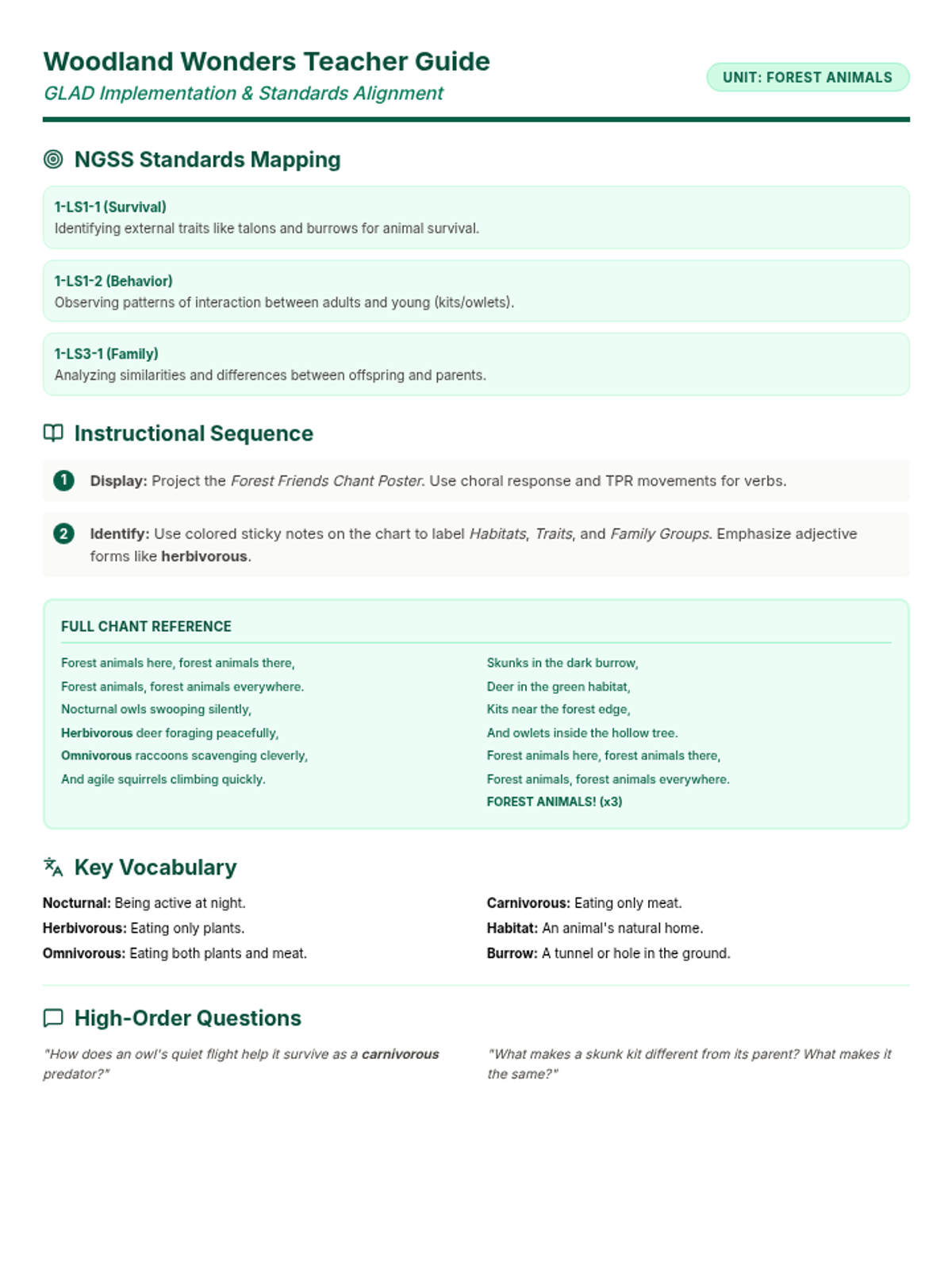
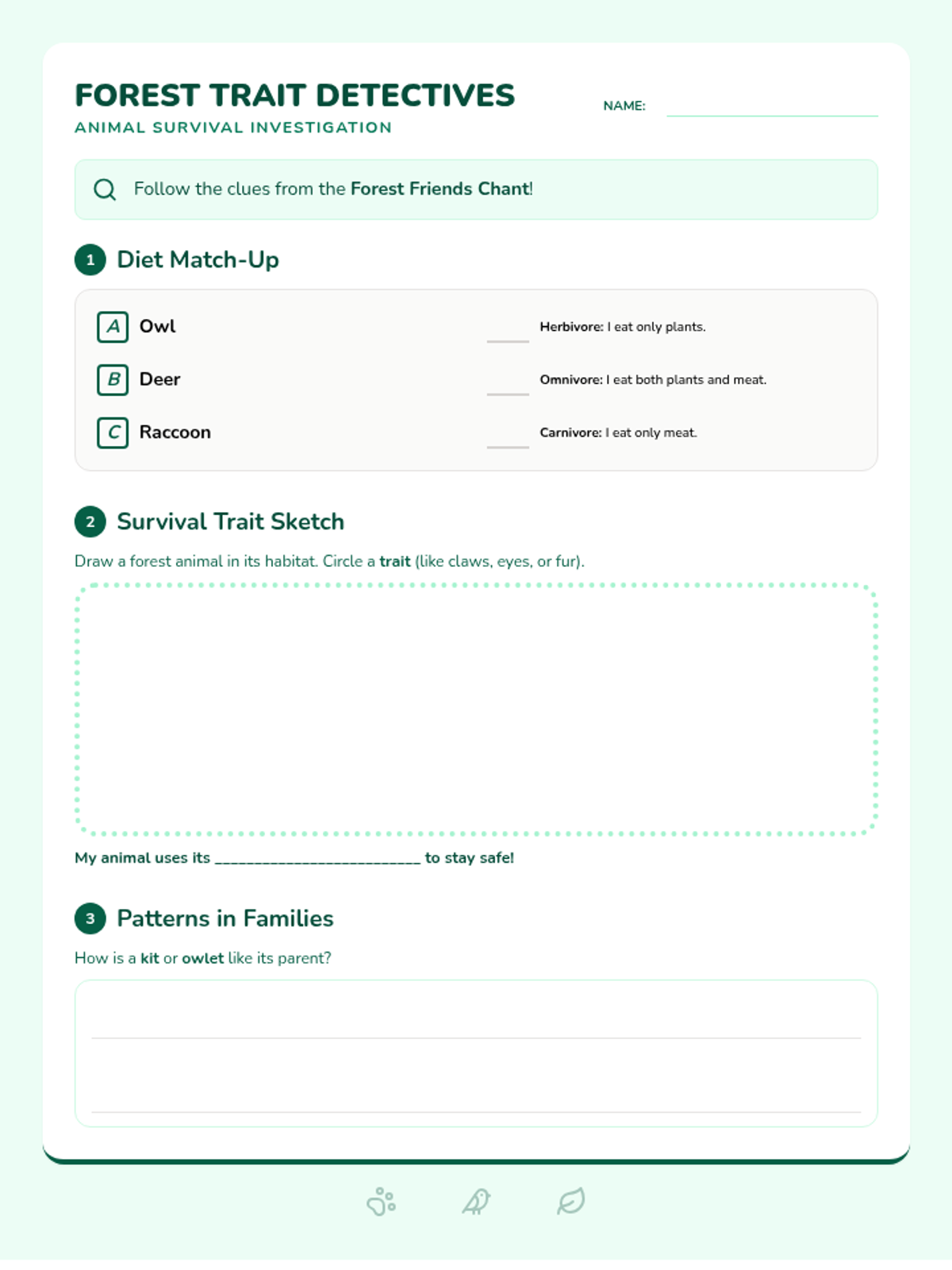
Students explore the ecosystem beneath the forest floor, focusing on animals that create tunnels and live among tree roots.
An outdoor exploration where students become 'Baby Detectives' to find and observe different types of babies in nature, including human, animal, and plant life. Students will learn that all living things start small and require care and specific environments to grow.
Students will identify the five sense organs and explain how they help humans perceive and interact with the world around them through reading and assessment.
An introductory lesson for kindergarten students to learn about the basic needs of plants (sun, water, soil) through interactive play.
An introductory lesson for K-2 students focusing on the major bones of the human body and their primary functions through movement and visual labeling.
An interactive kindergarten lesson where students become 'Nature Detectives' to identify living and non-living things through observation and a hands-on sorting game.
A kindergarten lesson exploring the characteristics of living things through observation and sorting. Students use 'detective skills' to categorize items and discuss tricky cases like seeds and fire.
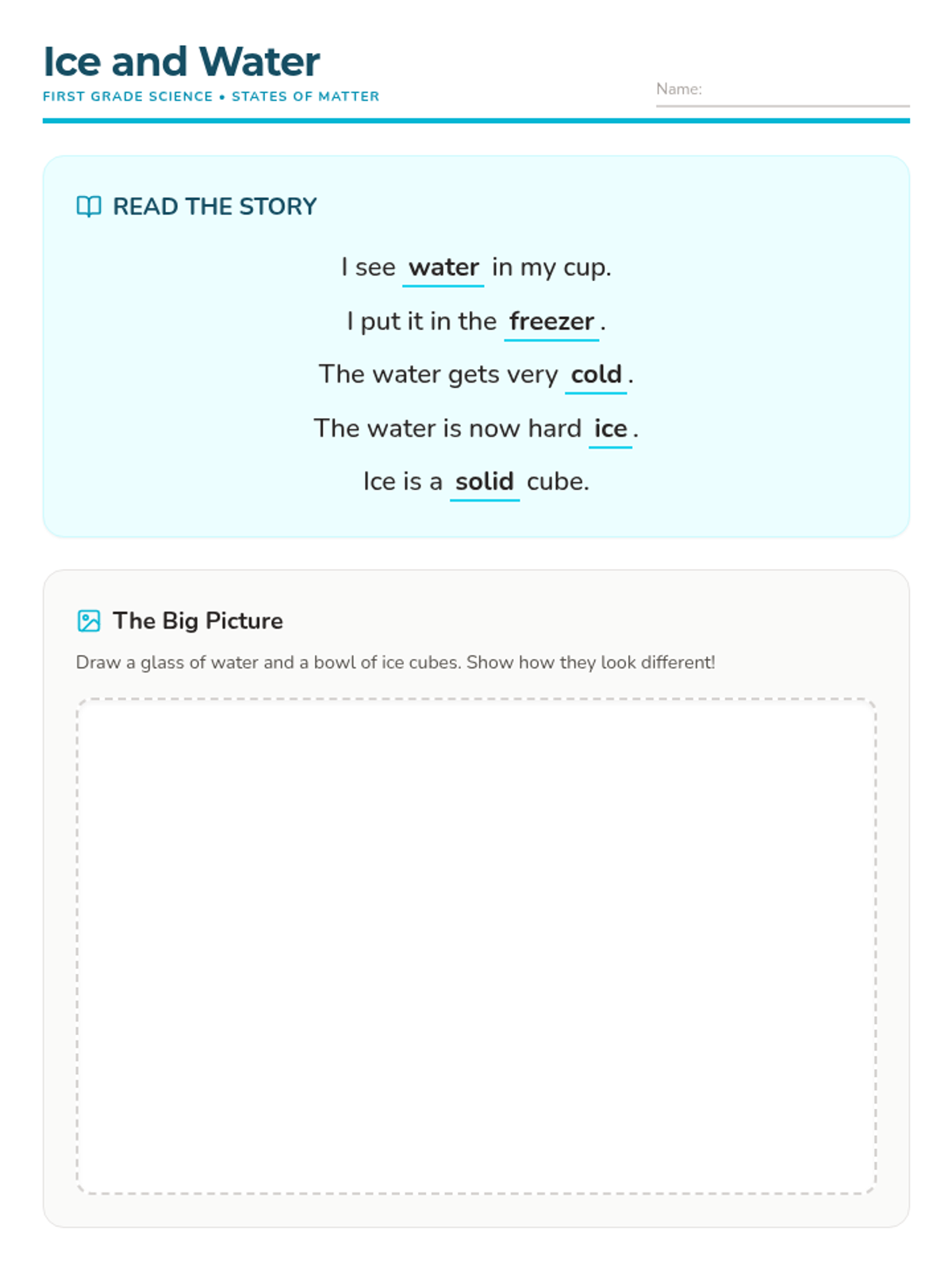
A visual, snowman-themed lesson designed for autistic elementary students to explore the three states of matter (solid, liquid, gas) through hands-on experimentation and clear visual aids.
A high-interest, low-complexity lesson designed for LIFE students focused on identifying basic insect anatomy and creating a unique bug through a project-based drawing and writing activity.
A bilingual English-Mandarin lesson introducing kindergarten students to the concepts of living and non-living things through visual sorting and interactive discussion.
A fun, 25-minute introduction for Kindergarten students to discover how their brains help them think, feel, and learn every day.
An interactive sorting activity where students categorize various objects into solids, liquids, and gases. This hands-on game uses visual cues to reinforce the fundamental properties of the states of matter.
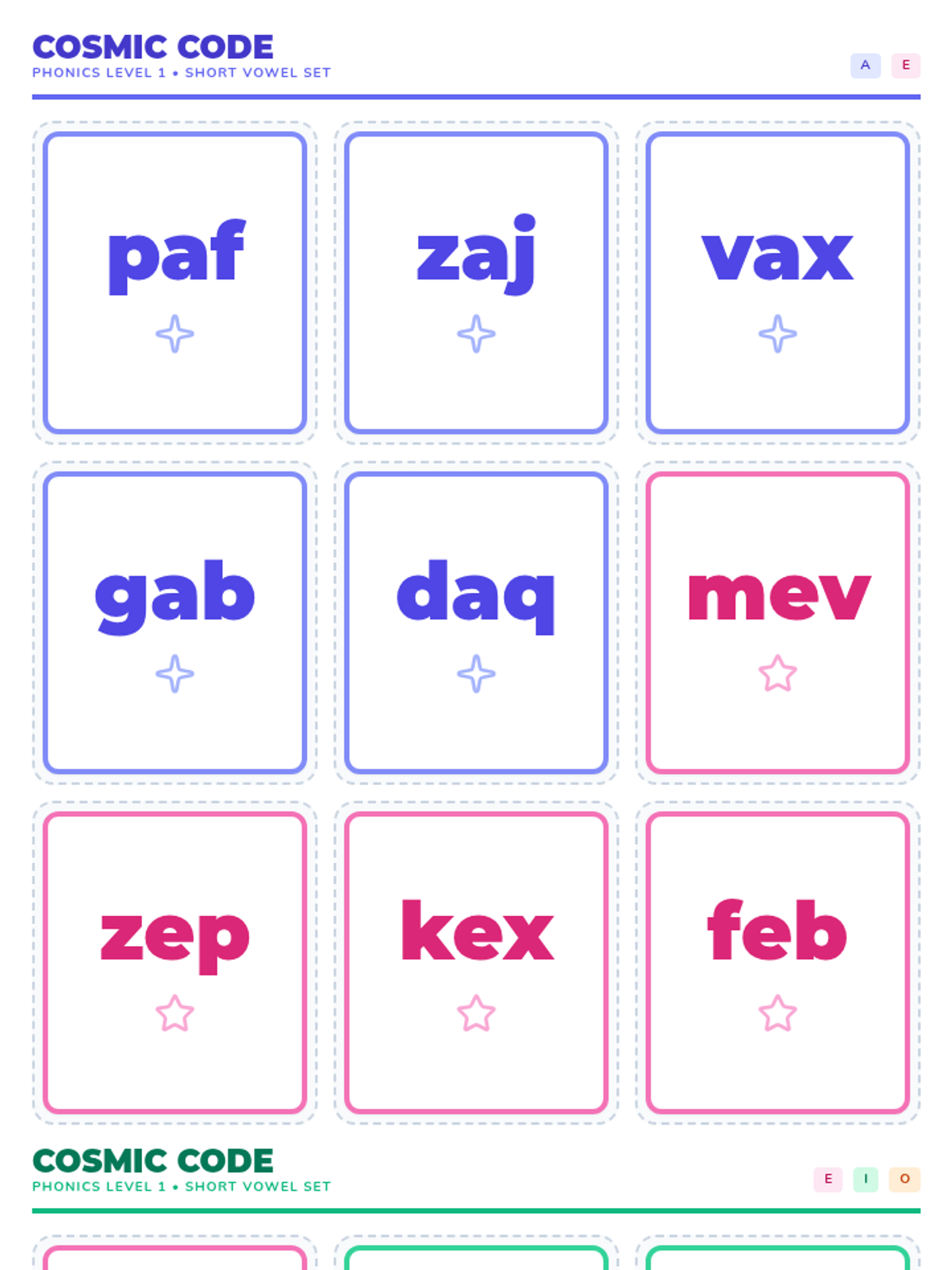
A set of engaging memory cards and supporting materials designed to help students master two-syllable words where both syllables are open. Students will match syllable pairs to form complete words, reinforcing phonics and decoding skills.
A hands-on science lesson for Kindergarten and 1st-grade students to discover the uniqueness of fingerprints through observation and activity. Students will explore how police use these unique marks as identification tools.
A high-energy lesson where students develop listening and identification skills by exploring the sounds and functions of various transportation modes, from bicycles to rockets.
A Kindergarten lesson exploring how clothing acts as insulation by trapping body heat. Students will compare heat loss in different containers, watch a SciShow Kids video, and complete a 'Dress the Bear' activity to visualize heat arrows being trapped by layers.
A hands-on lesson for Pre-K and Kindergarten students to learn the science of staying warm and the practical skill of dressing in winter layers. Features a science video, a high-energy relay race, and a mnemonic rhyme for dressing independently.
A hands-on science lesson for Kindergarten and 1st grade students to understand how sunscreen protects skin using a 'Sunscreen Painting' experiment and the SciShow Kids video. Students will explore the 'sponge and mirror' analogy and observe the effects of sunlight on construction paper.
A fun, introductory science lesson for K-1 students focusing on cloud observation and the scientific reality that clouds are made of water droplets, not solid objects. Students will practice identifying shapes in the sky and learn to distinguish between common cloud types.
Students explore the biological reason for sunburns, focusing on how the body sends extra blood to damaged skin cells to begin the healing process. This lesson uses a SciShow Kids video and a hands-on drawing activity to make complex biological responses accessible to young learners.
An high-energy assembly lesson for grades K-4 introducing the Engineering Design Process through a hands-on problem-solving video and physical movement. Students learn to 'Ask, Imagine, Create, Test, and Improve' as they help solve a real-world (and itchy) problem.
A Kindergarten and 1st Grade introduction to the engineering design process, focusing on identifying problems and brainstorming solutions through drawing. Students watch a video about building a back-scratcher and then design their own solution to a common classroom problem.
Students explore animal coverings by watching a video and rotating through tactile stations to match textures (velvet, sandpaper, sequins, plastic) with specific animals. they will use descriptive adjectives like soft, rough, smooth, and hard to record their findings.
A hands-on exploration of how animals stay protected and warm using fur, feathers, scales, and exoskeletons. Includes a sensory warm-up, video analysis, and a classification sorting activity.
A Kindergarten - 1st Grade lesson exploring how animal teeth are shaped by their diets, featuring the Smilodon (saber-toothed cat). Students match 'tools' to animal mouths and design their own specialized teeth for eating ice cream.
A Kindergarten - 2nd Grade lesson exploring Smilodon (Saber-toothed cats) through video analysis, math-integrated craft (7-inch teeth), and role-playing predatory behaviors.
Students will explore how red squirrels build 'middens' (food storage piles) to survive the winter, using a video hook and a hands-on sensory bin activity.
Students will learn about animal adaptations through a SciShow Kids video and a hands-on drawing activity, identifying how specific body parts help animals survive in their unique habitats.
A sensory-focused science lesson for K-1 students exploring the beach environment. Students use their five senses to describe textures, sounds, and sights, building foundational observation skills.
A hands-on kindergarten lesson exploring the unique way sharks replace their teeth using playdough models and video observation.
A Kindergarten science lesson exploring why humans have belly buttons, focusing on the umbilical cord's role in growth and the belly button as a permanent sign of our early connection to our mothers.
Students explore the direct products of bees (honey and beeswax) and their applications in daily life through sensory observation, video analysis, and a classification activity.
A hands-on introduction to sound and vibration for Kindergarteners. Students discover that sound is caused by rapid back-and-forth movements through a series of interactive demonstrations and a short video.
A Pre-K to Kindergarten lesson focused on listening skills and oral language as students identify and describe baby animals using specific vocabulary from a nature video.
A Kindergarten to 1st Grade lesson focused on identifying baby animal names and classifying them based on their unique movements and habitats. Students engage in kinesthetic learning by mimicking animal movements and discussing the survival benefits of these traits.
A charming introductory lesson where young learners identify baby animals and their adult counterparts through a video, interactive discussion, and a hands-on matching game.
A Kindergarten and 1st-grade lesson exploring sexual dimorphism in birds through Northern Cardinals, combining video analysis, science discussion, and creative art.
A hands-on investigation into how insects produce sound through vibration, featuring a video-led discussion and a tactile 'Wing Music' experiment using sandpaper and combs.
Students will learn to identify and categorize different winged animals, including birds, mammals, and insects, while exploring the various ways they use their wings to move and survive.
A lesson where students practice scientific observation by listening to and identifying sounds in their environment, inspired by the SciShow Kids video on bird songs. Students create a 'Sound Map' to document the direction and type of sounds they hear around them.
A Kindergarten to 1st Grade lesson that transforms students into nature detectives, teaching them how to identify animal neighbors using scat (poop) as scientific clues. The lesson includes a video viewing, interactive discussion, and a hands-on playdough sculpting activity.
Students will learn to identify animal scat by its shape (round, oval, or splat) to develop visual discrimination skills through a nature-themed scientific lens.
A hands-on lesson for Kindergarten and 1st Grade students to identify the parts of a plant and understand their functions through observation, a video, and a creative craft.
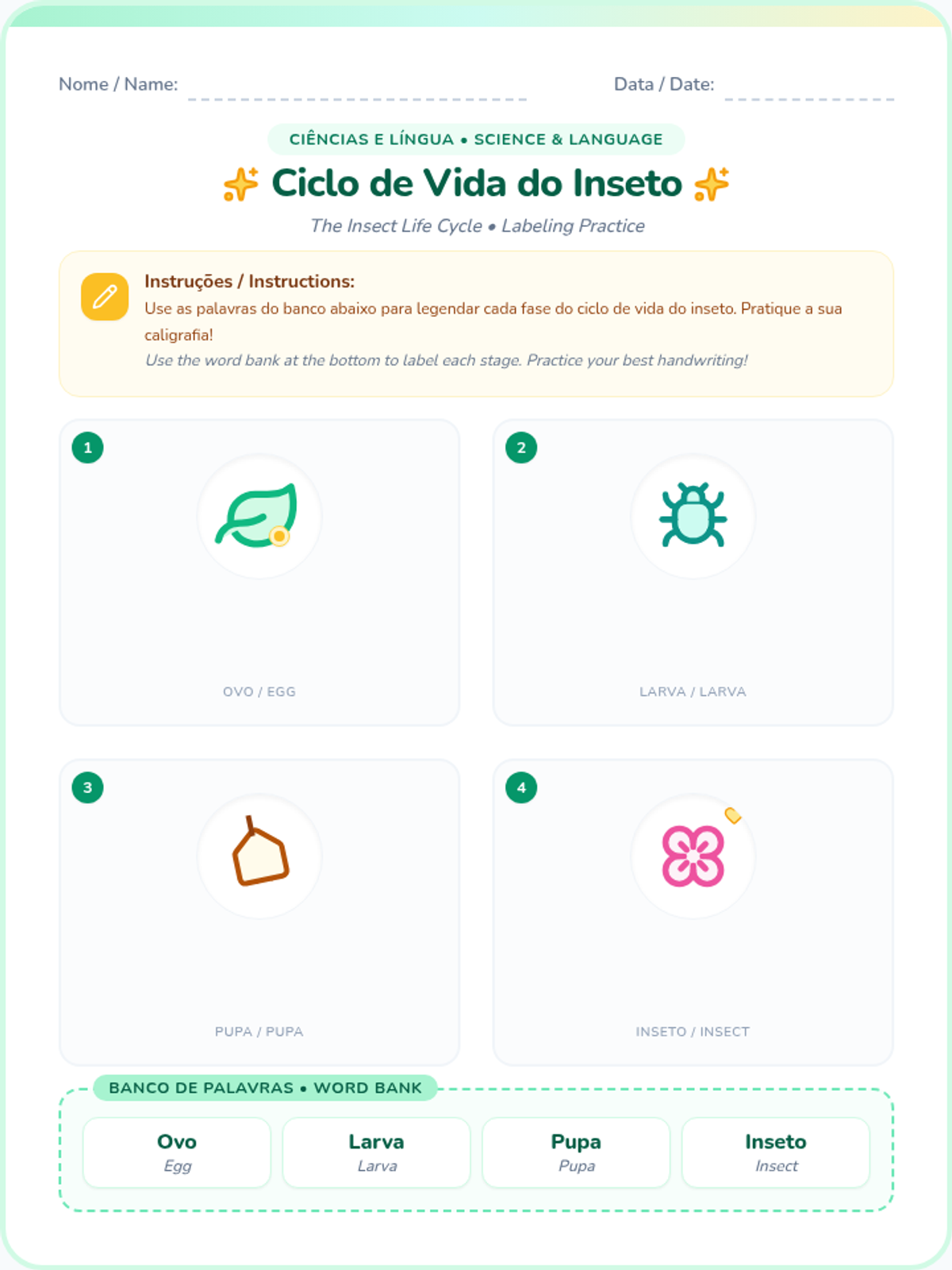
A hands-on science lesson for Kindergarten and 1st Grade focusing on identifying insects by their primary physical characteristic: having exactly six legs. Students learn anatomy through song, watch an educational video, and engage in a sorting activity to differentiate insects from other creepy-crawlies like spiders and centipedes.