A comprehensive 1st-3rd grade lesson exploring the Bald Eagle as a national symbol, its habitat across North America, and its impressive physical characteristics through video, mapping, and measurement.
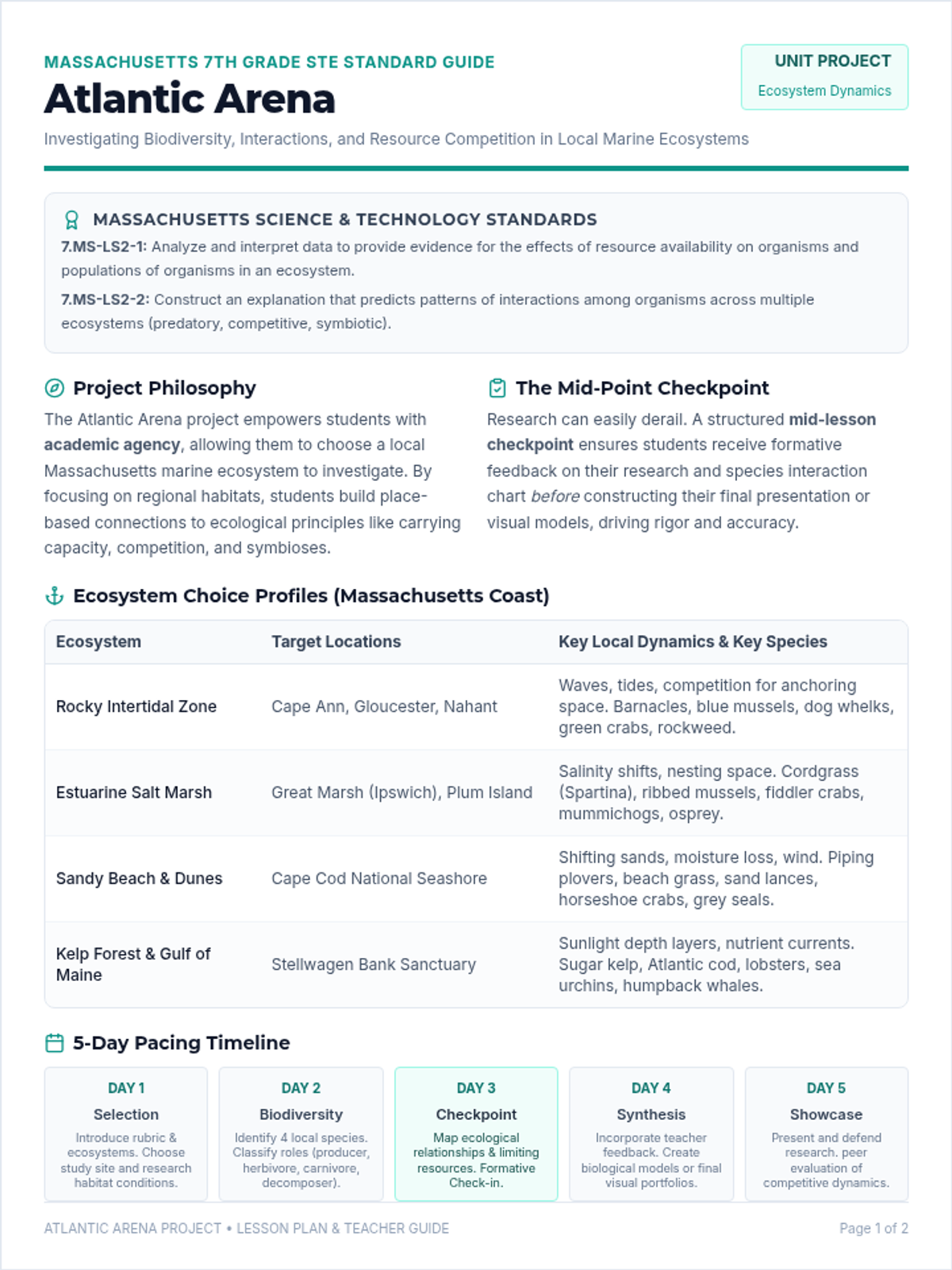
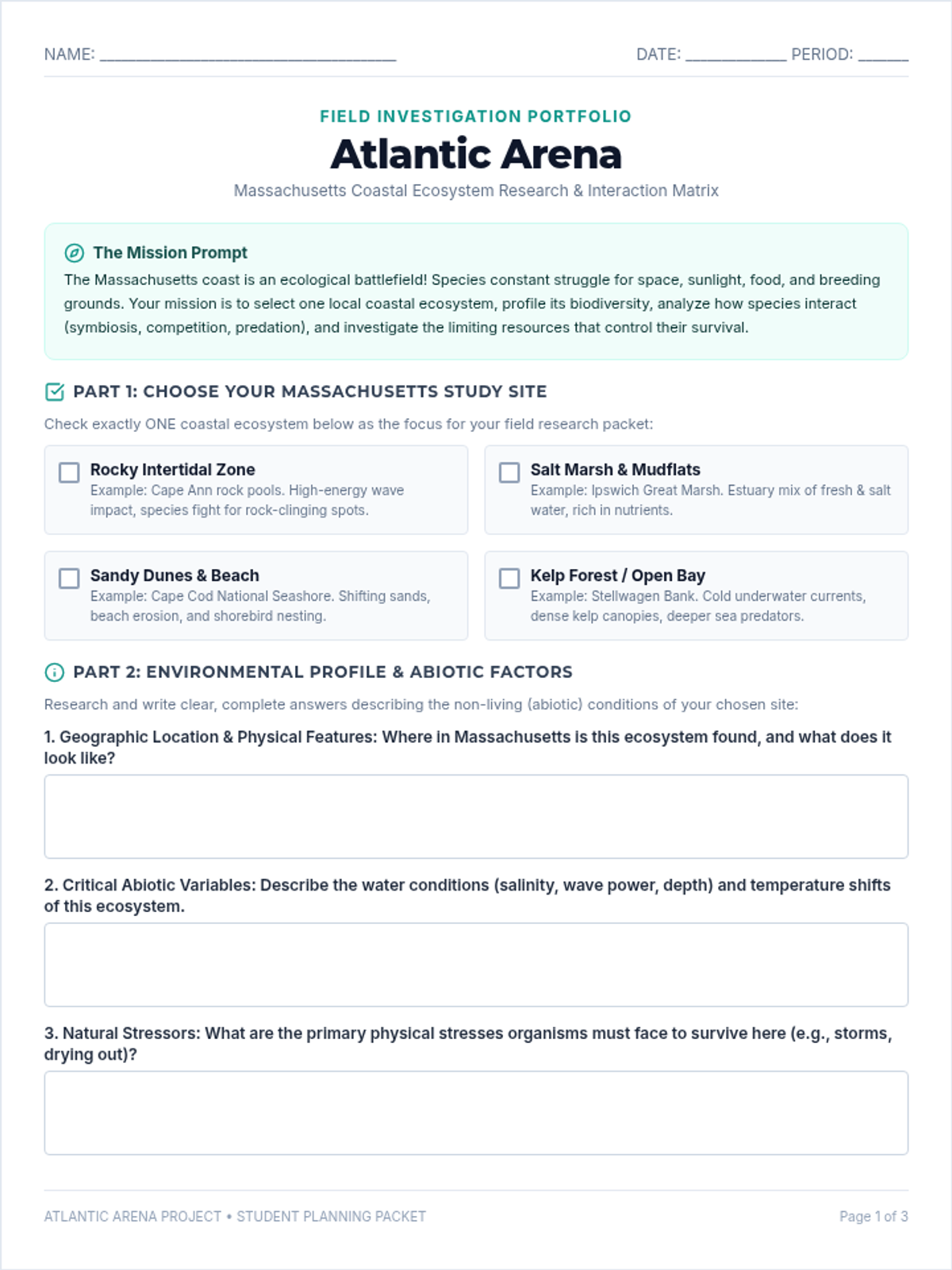
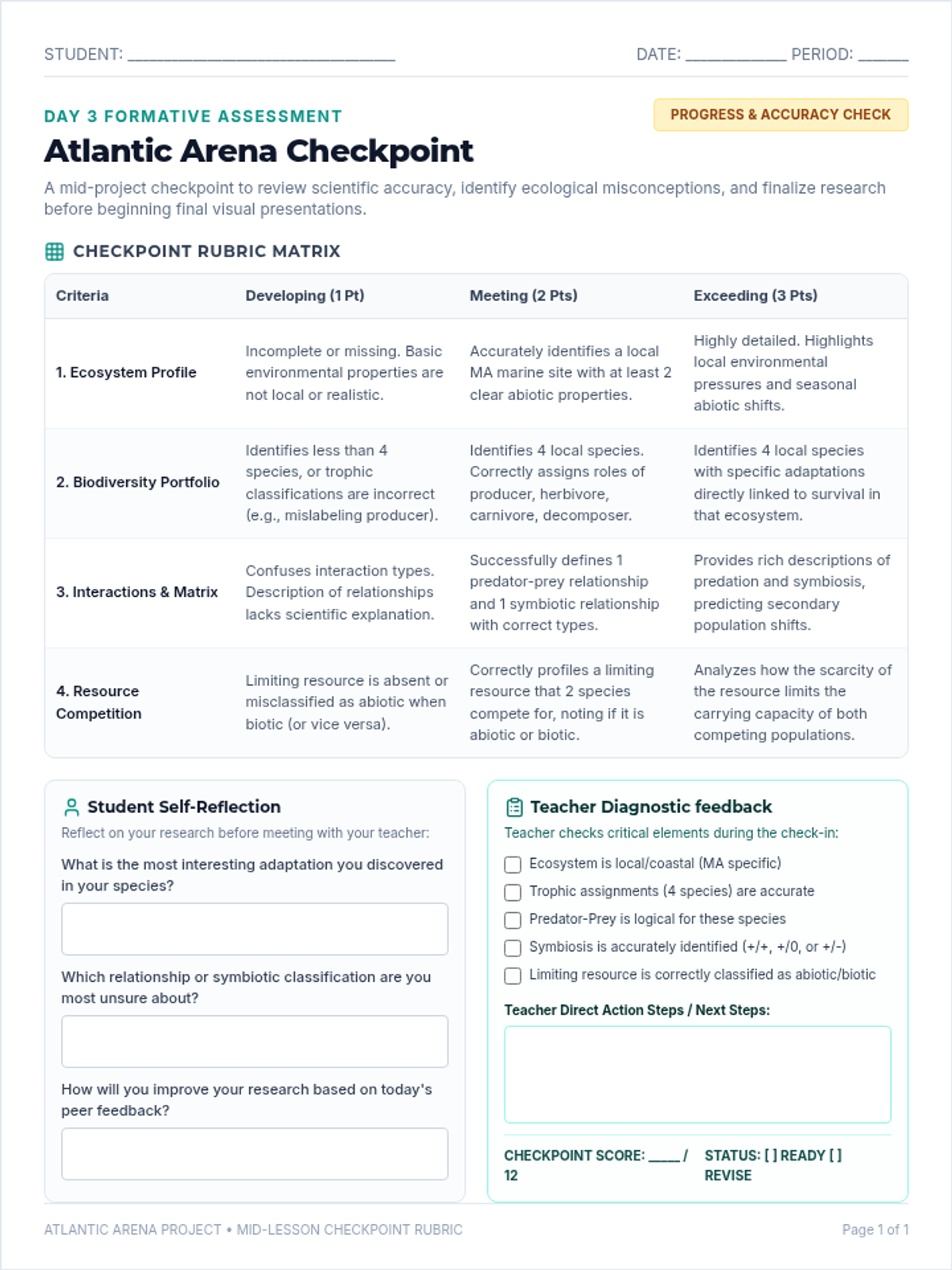
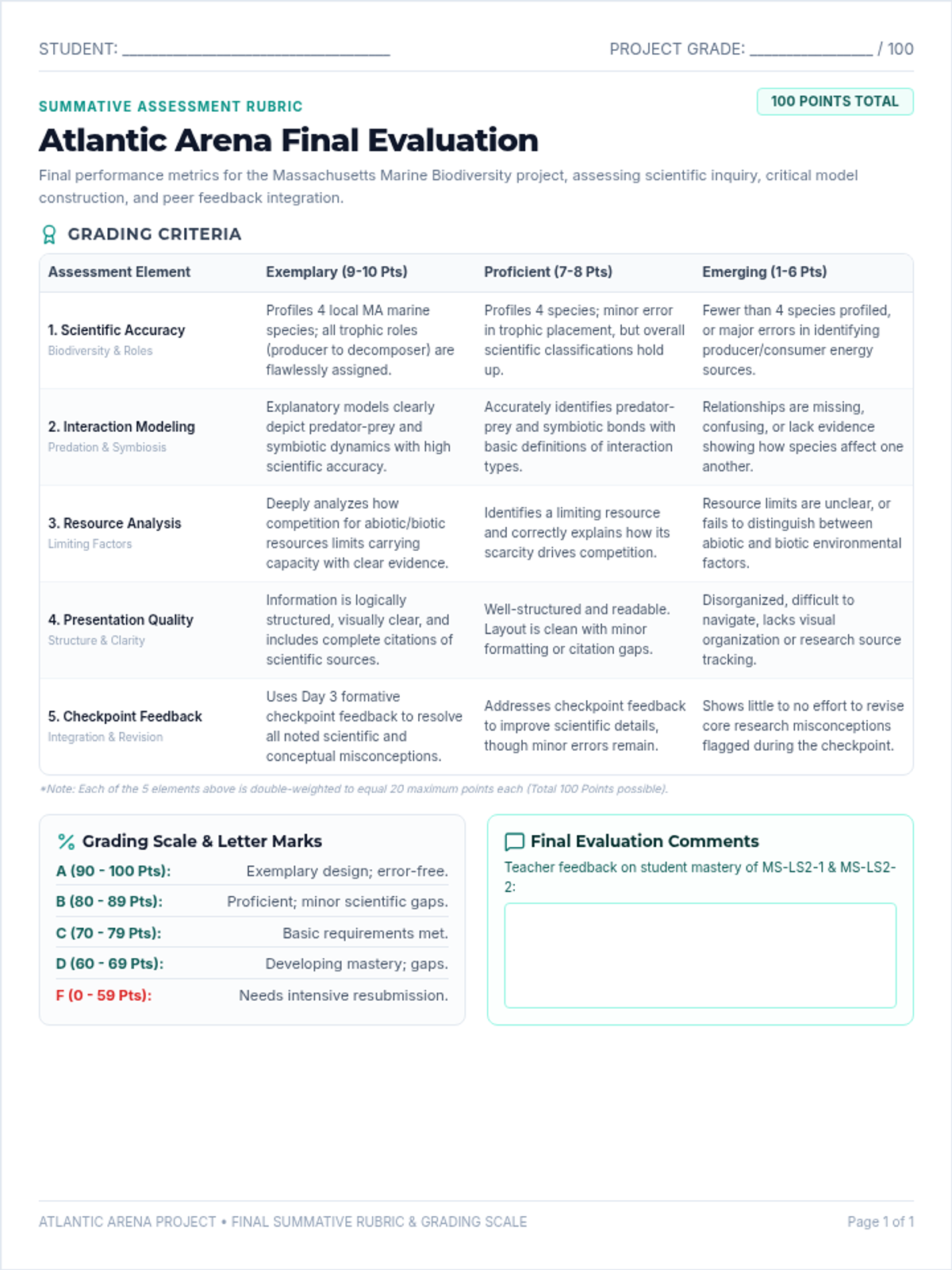
An investigative project-based lesson for 7th-grade students exploring Massachusetts marine ecosystems. Students choose a local coastal ecosystem, research resident species, analyze competitive and symbiotic interactions, and demonstrate understanding of resource availability.
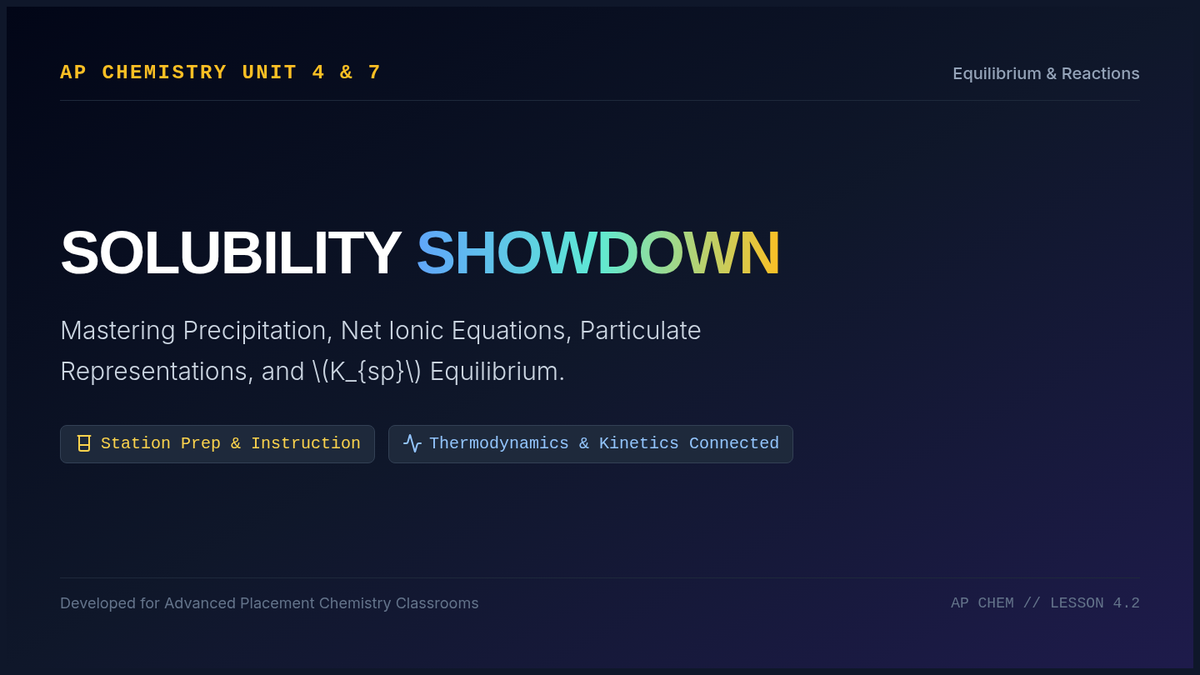
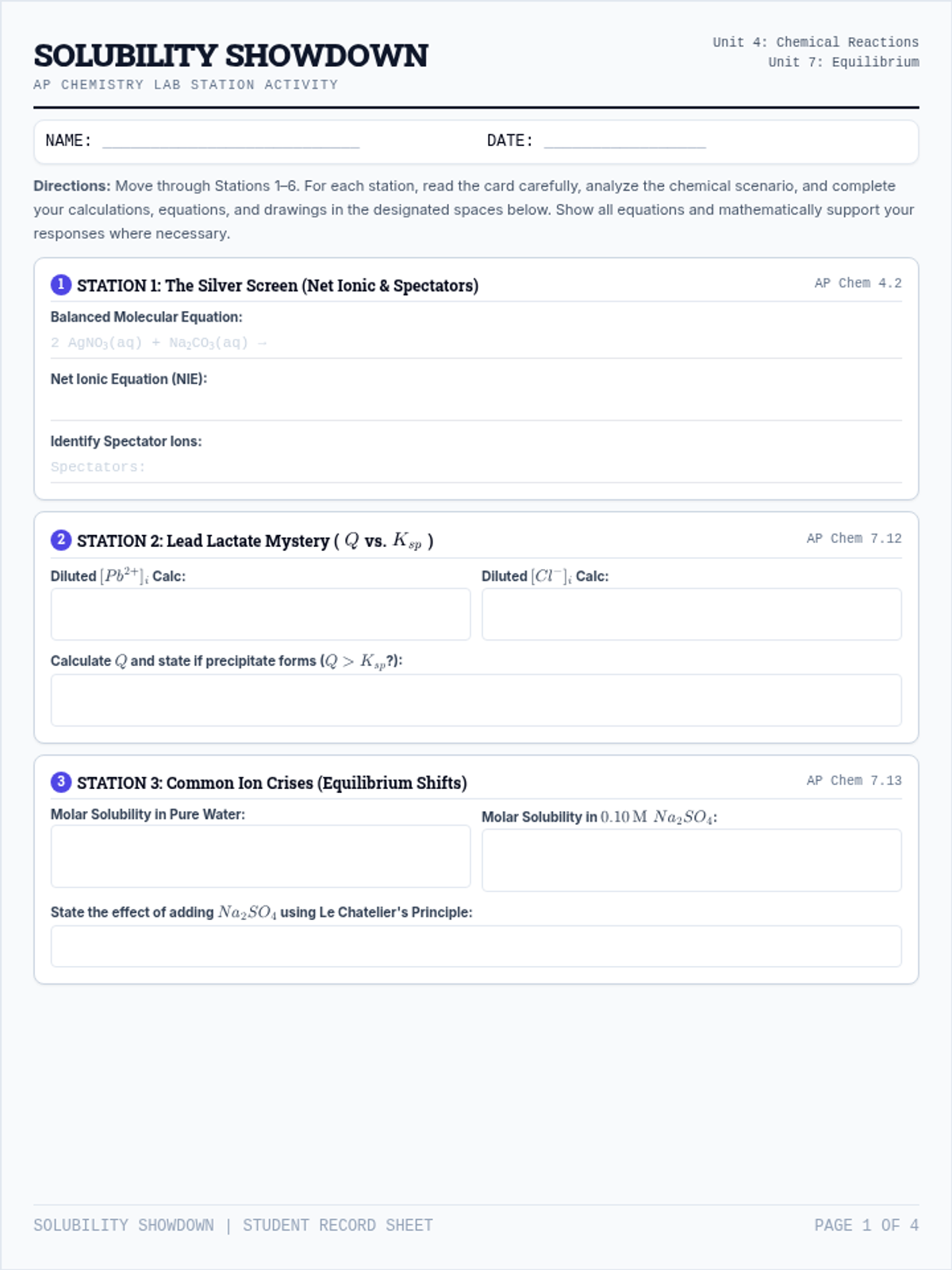
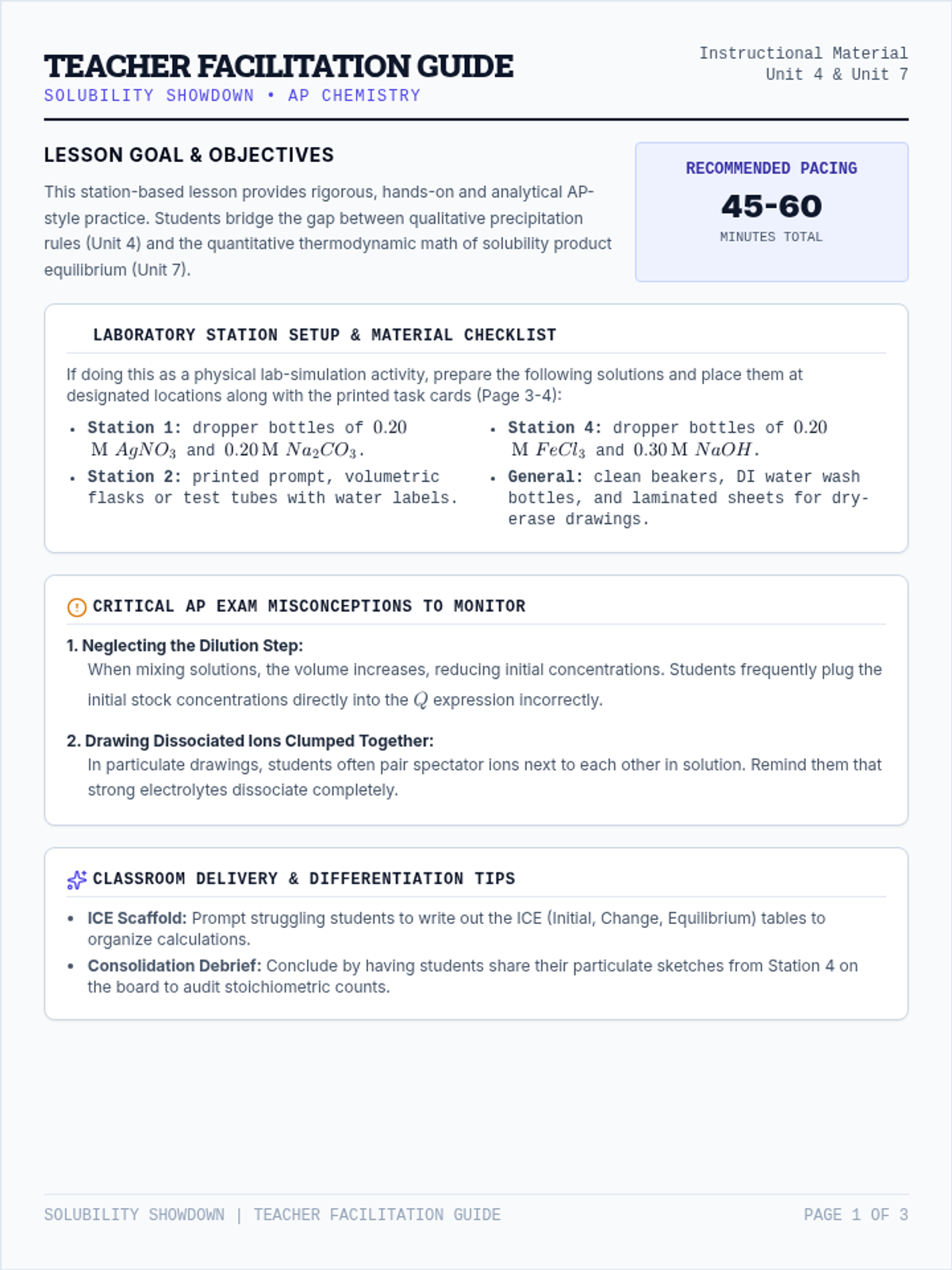
An AP Chemistry lesson exploring solubility rules, net ionic equations, particulate representations, and the mathematical link to Ksp and equilibrium shifts. Students engage with interactive station-based task cards simulating real laboratory precipitates.
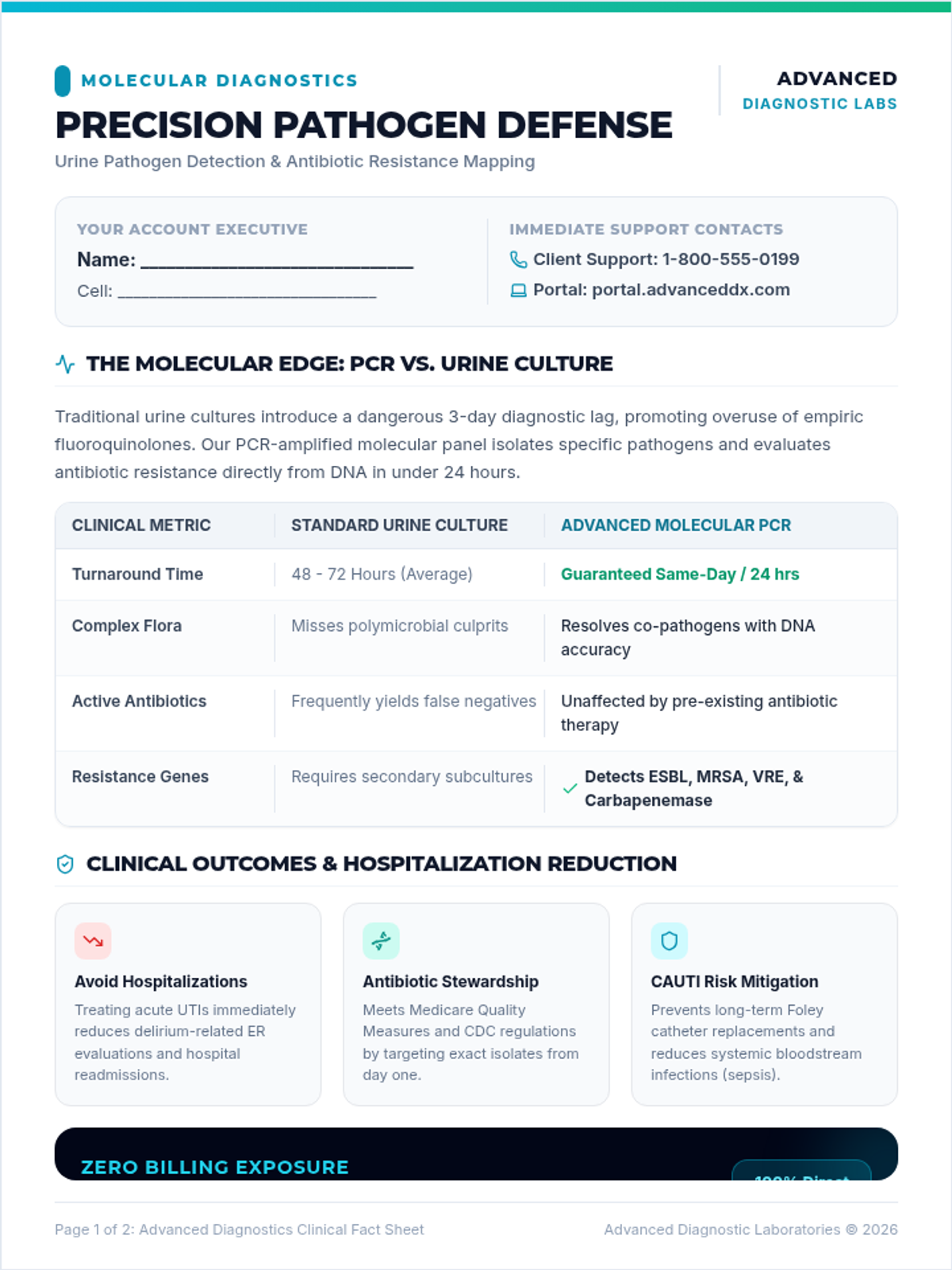
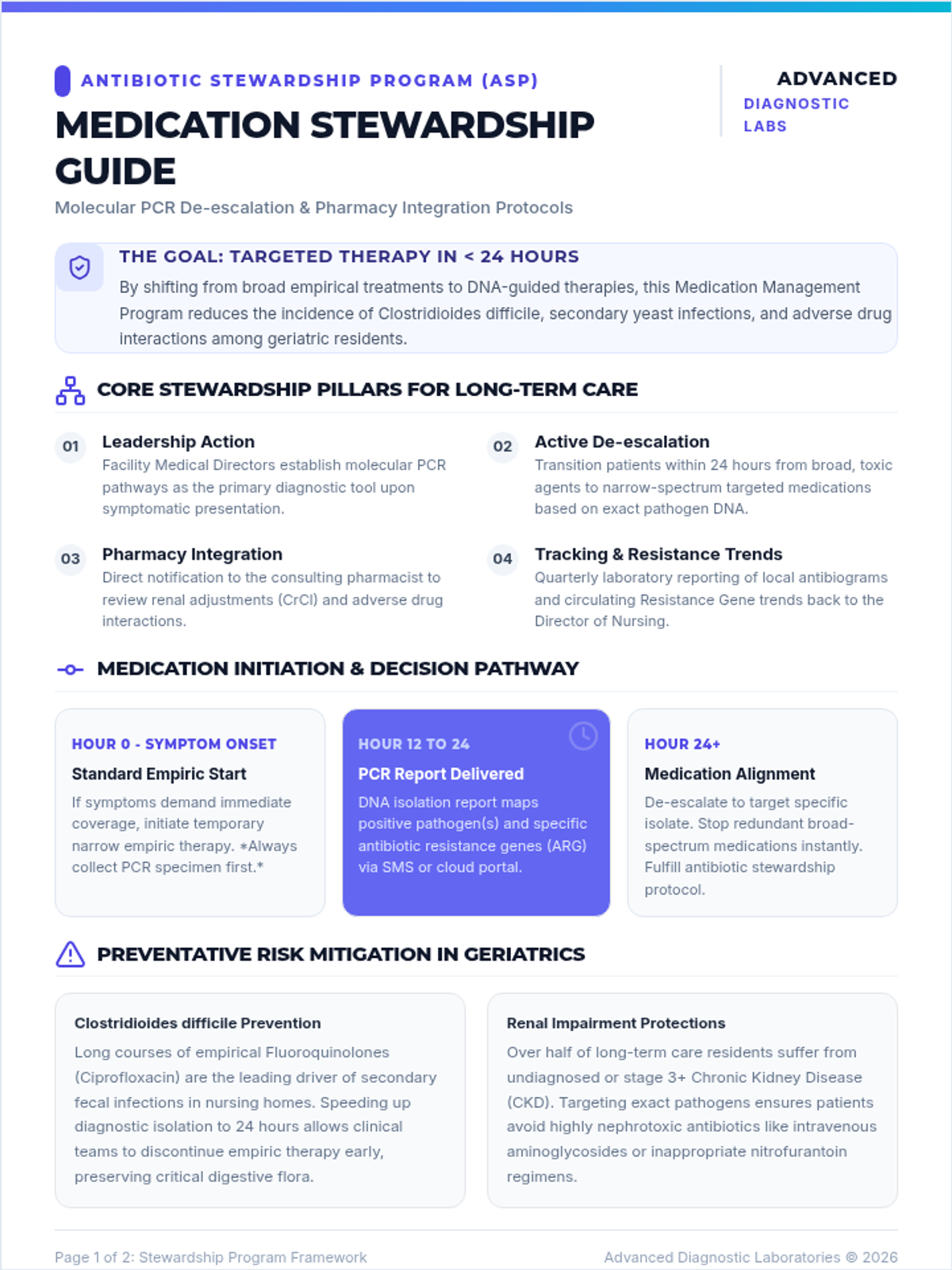
A comprehensive sales and educational package designed to pitch advanced molecular UTI testing services to long-term care and nursing home administrators, highlighting clinical and operational benefits.
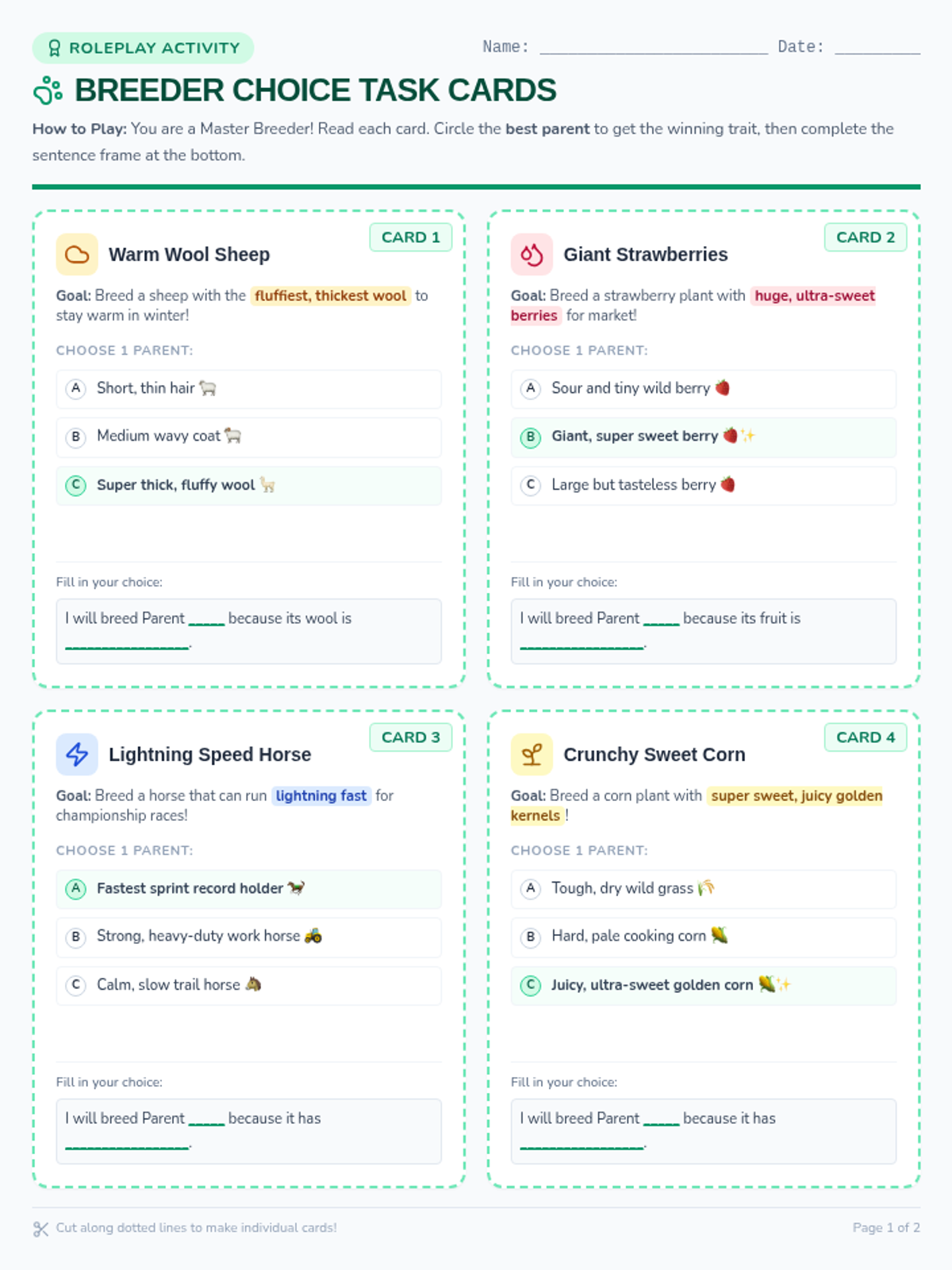
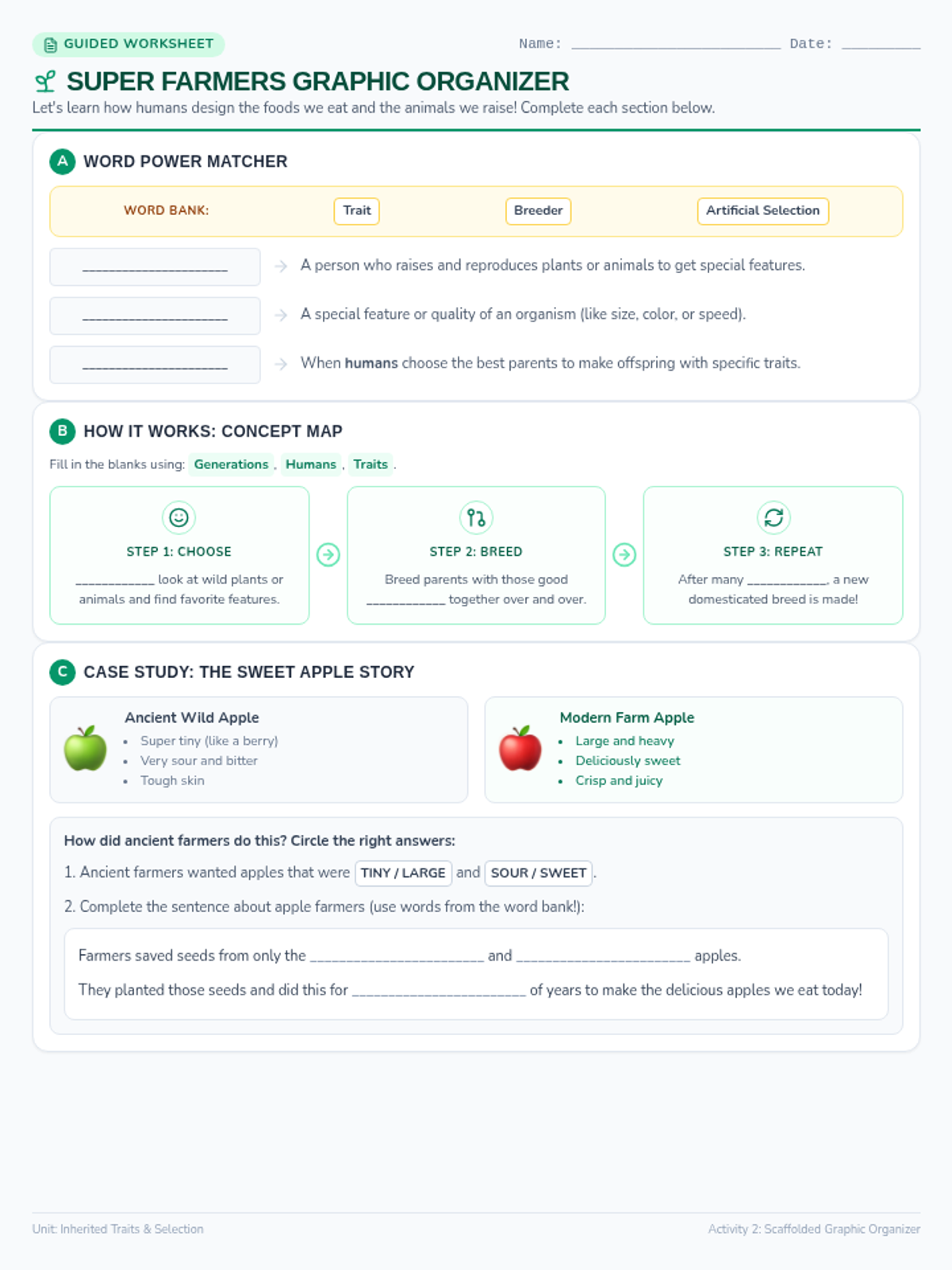
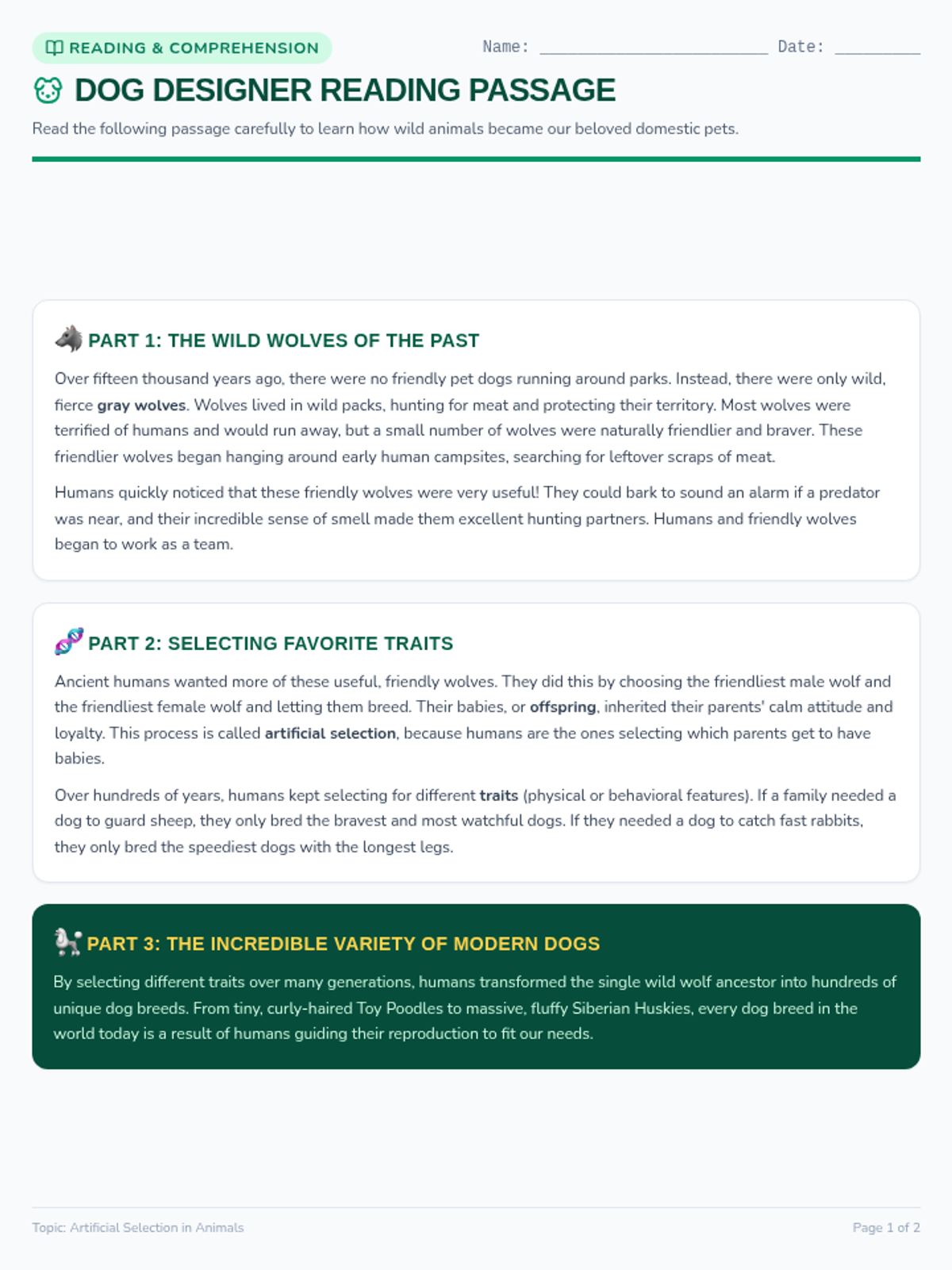
A hands-on, highly visual lesson where students explore artificial selection by roleplaying as breeders and farmers. Students analyze traits in dogs, crops, and livestock using scaffolded organizers, visual task cards, and matching tasks.
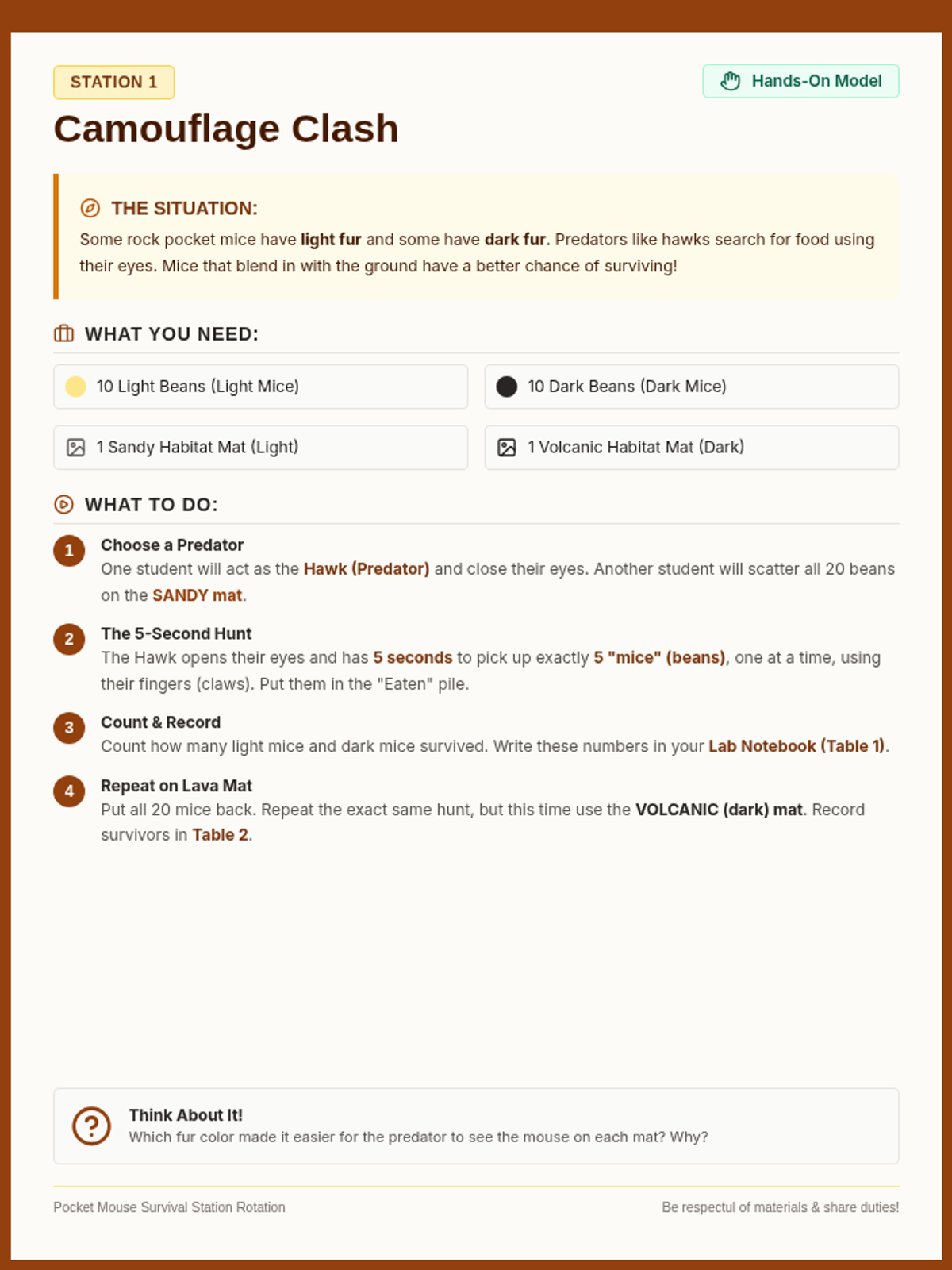
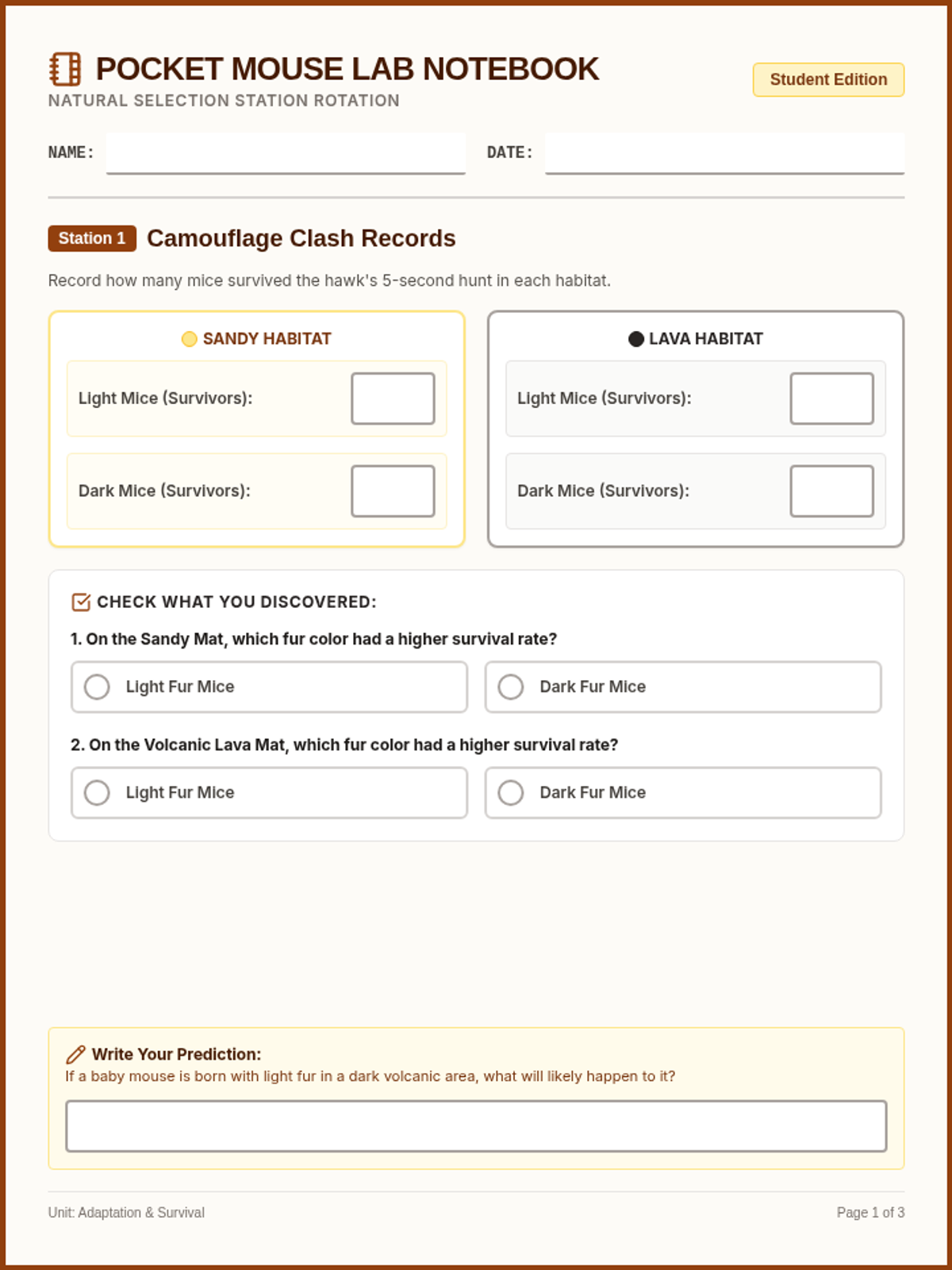
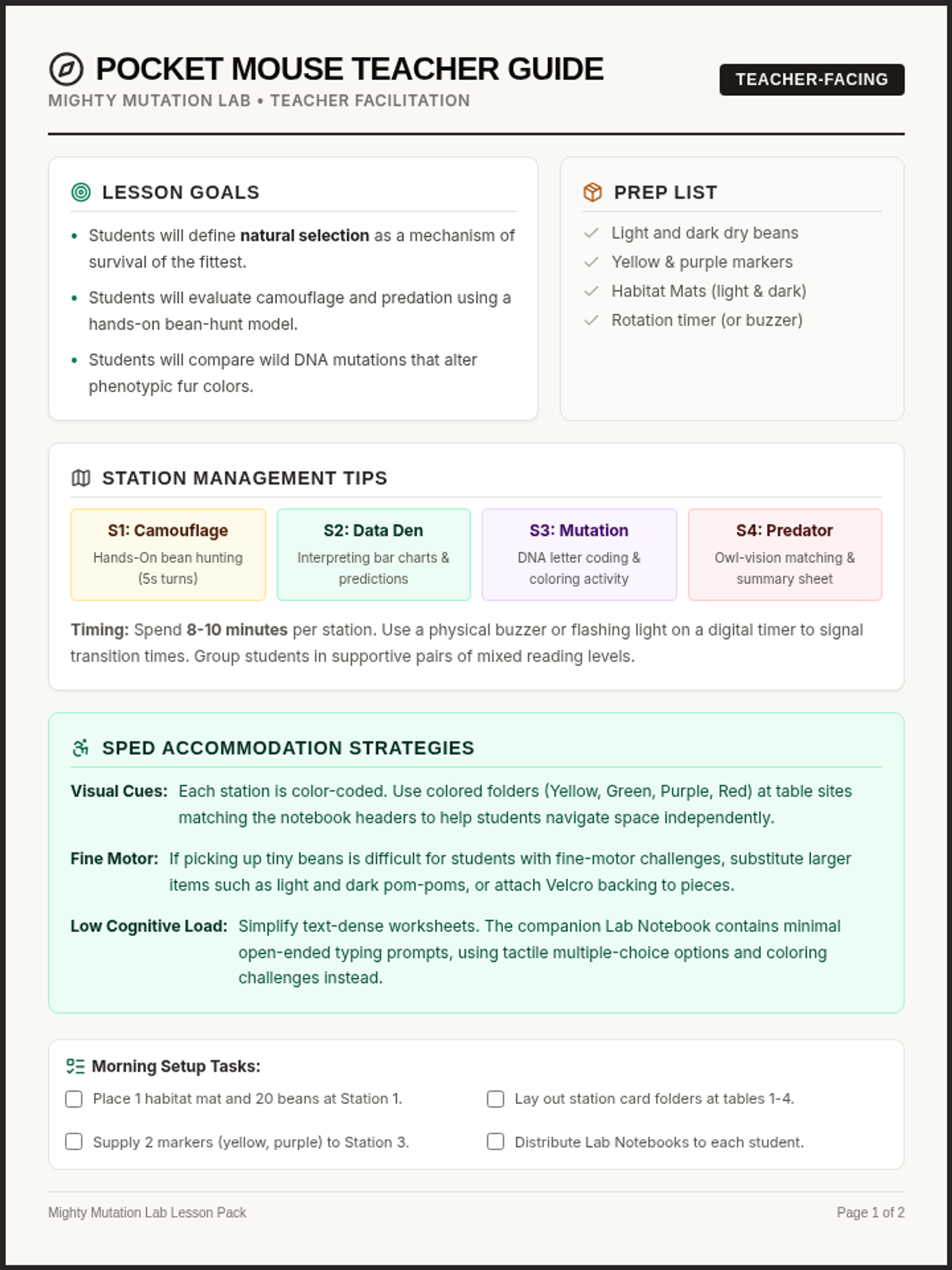
A Station Rotation Lab lesson focusing on natural selection and survival of the fittest using the real-world Rock Pocket Mouse scenario, designed to be high school special education friendly.
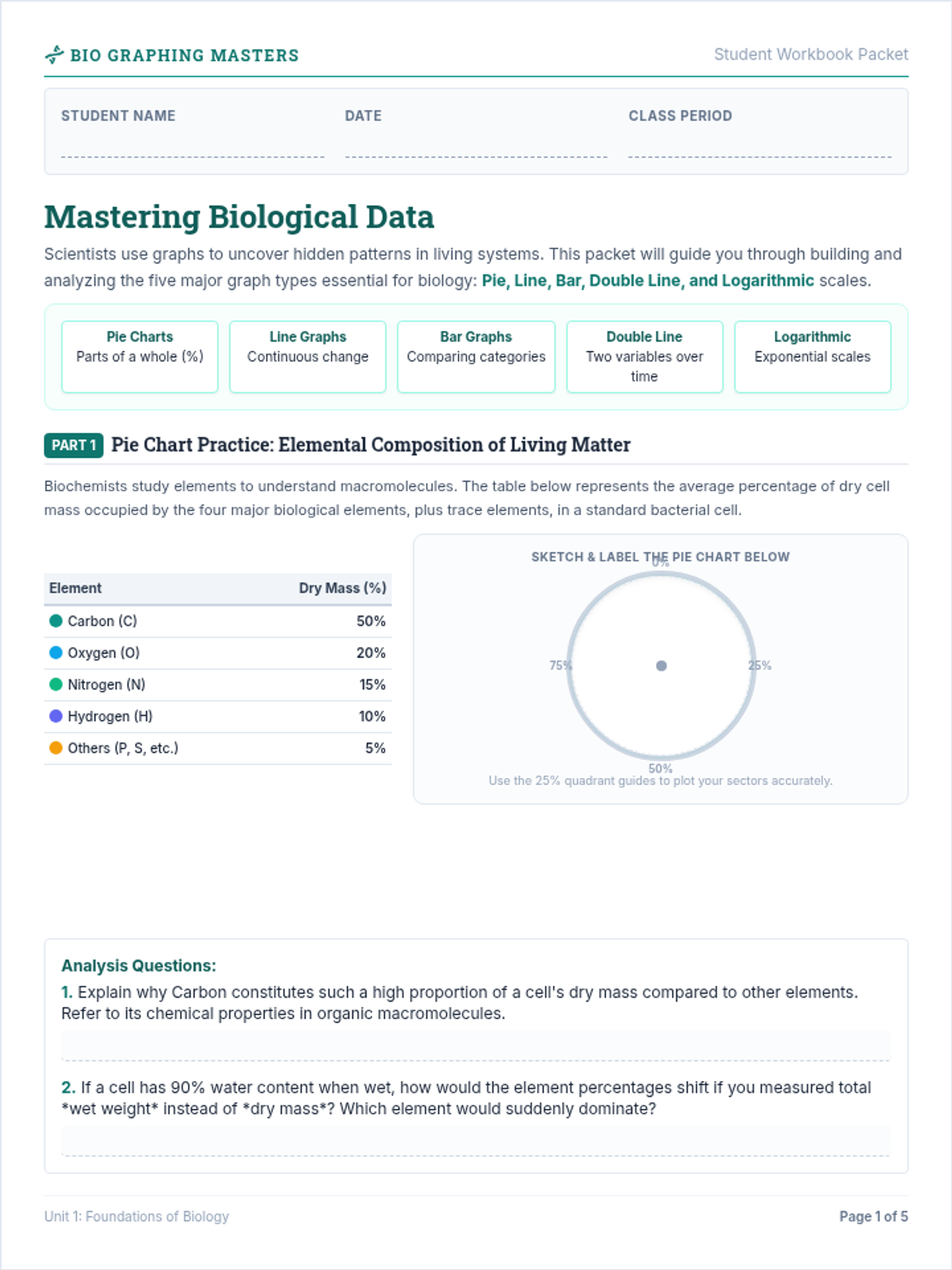
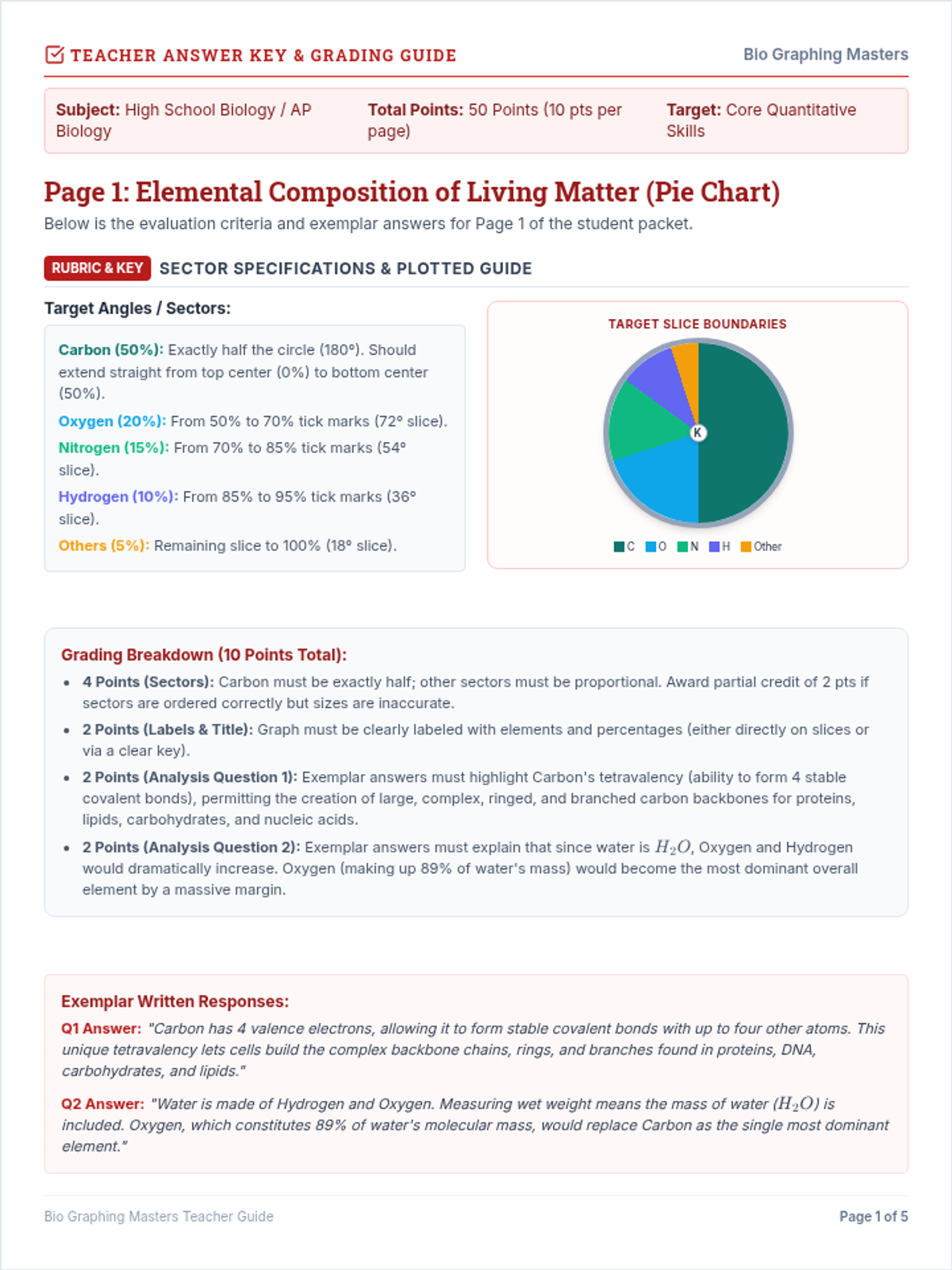
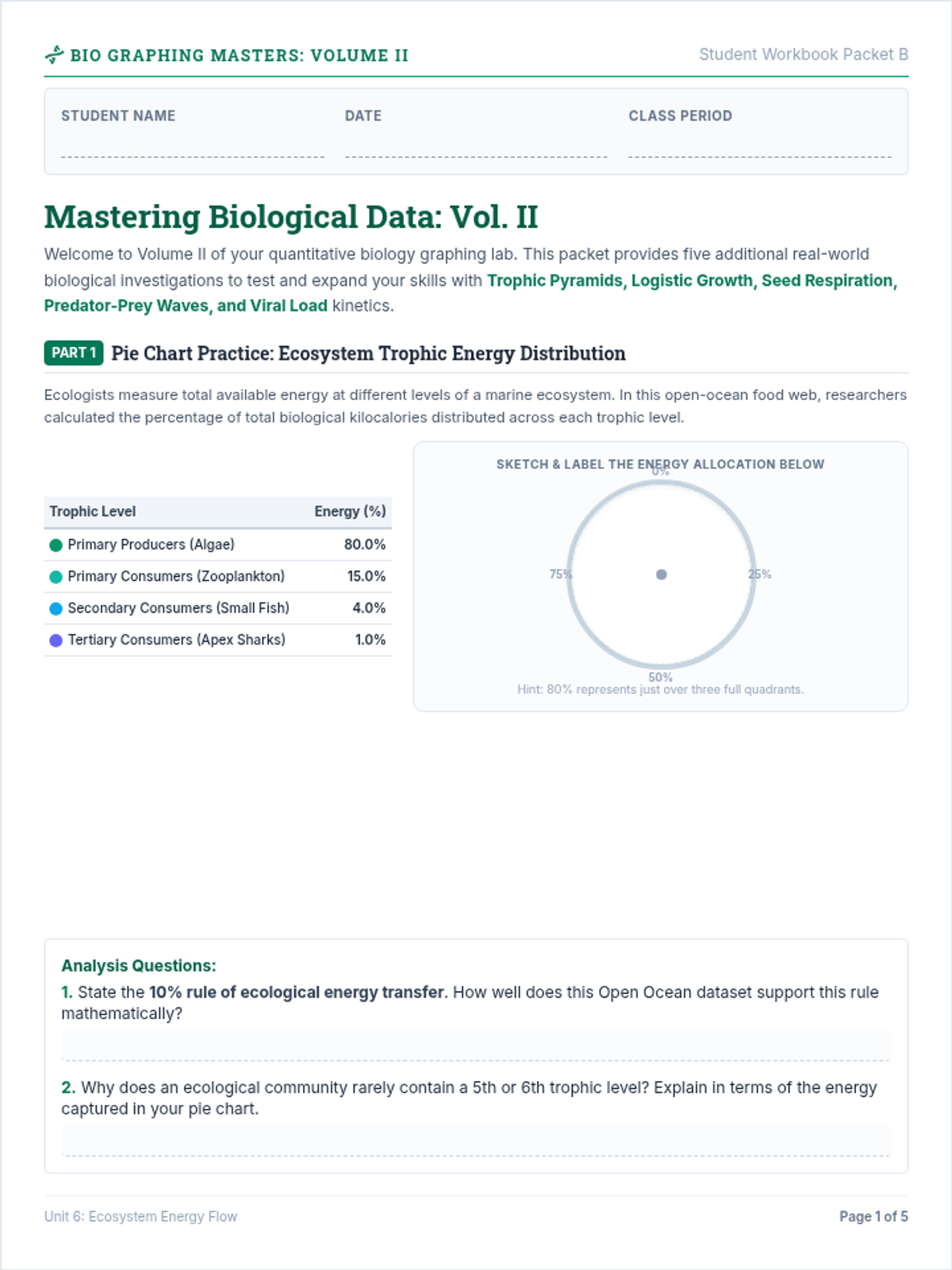
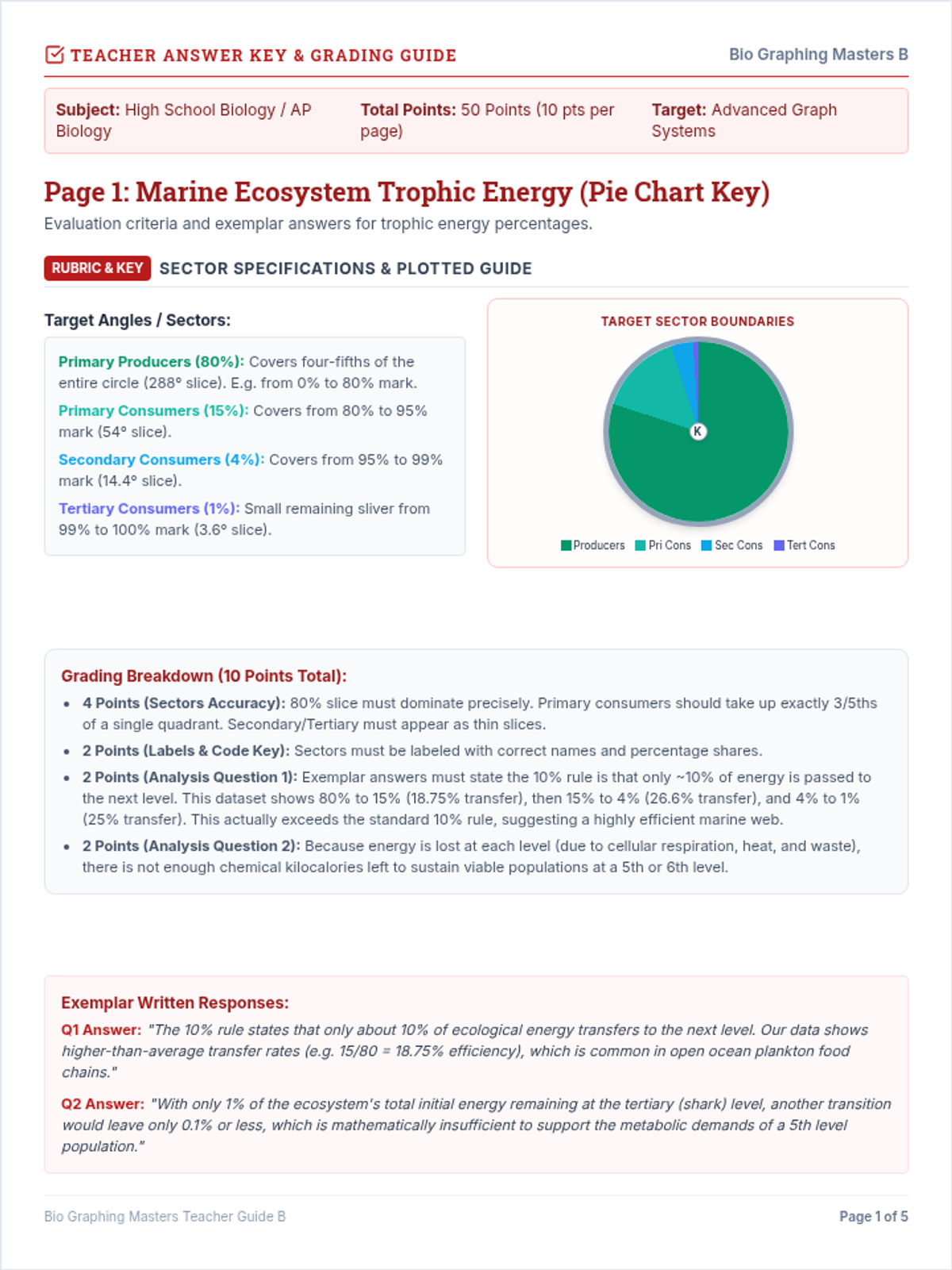
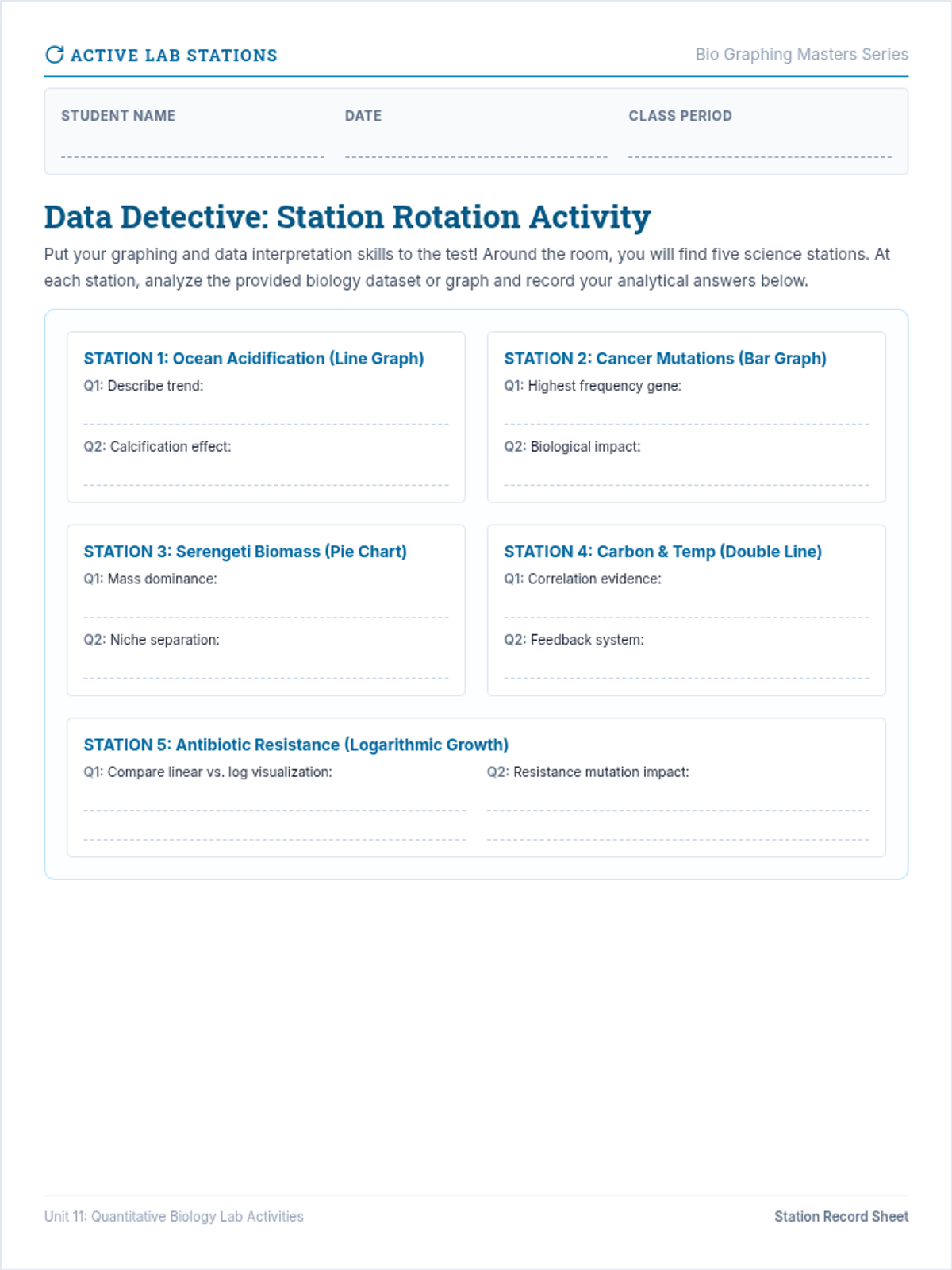
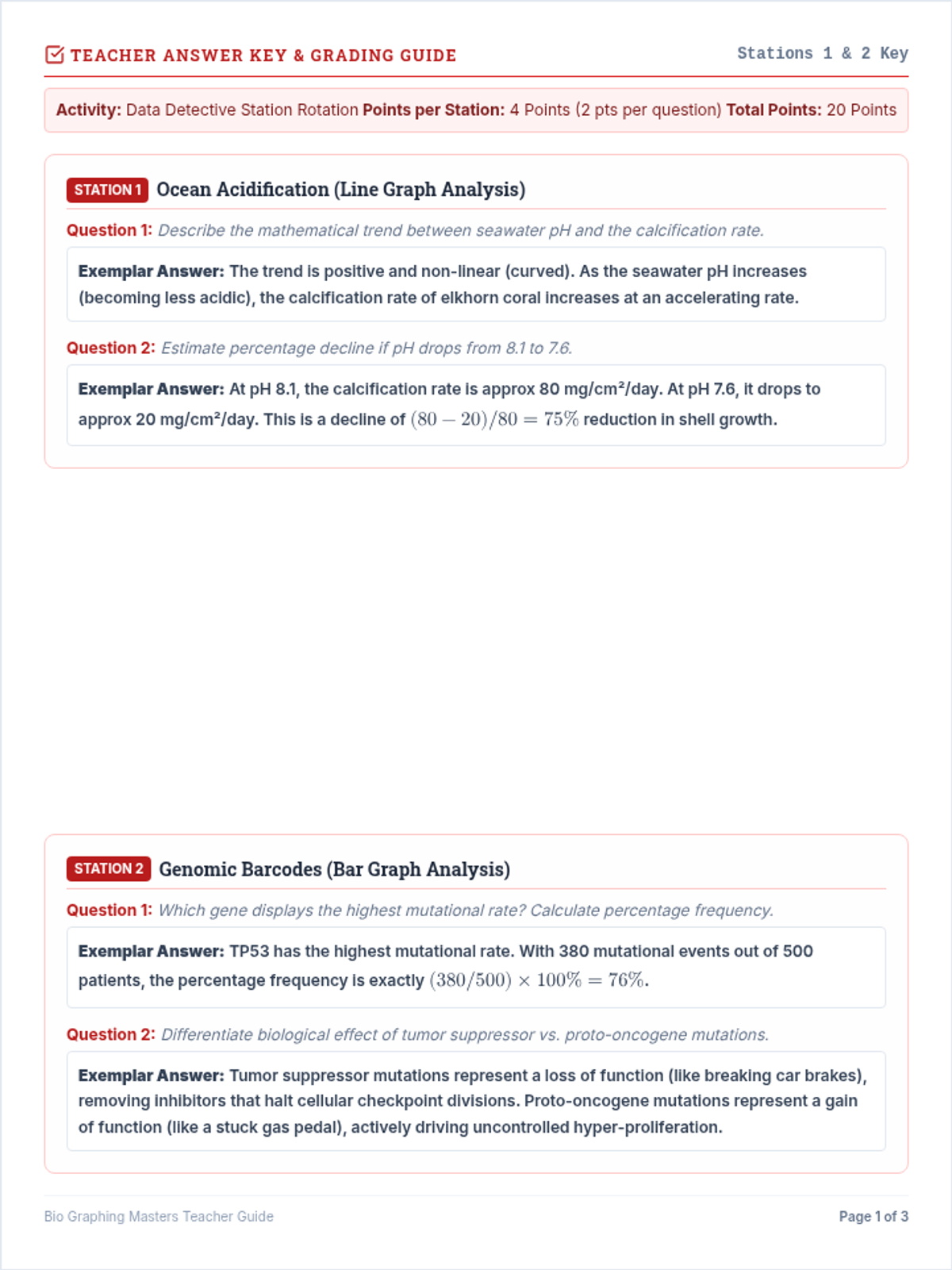
A comprehensive graphing skills lesson in biology. Students will learn how to parse, select, and construct five key graph types (pie, line, bar, double line, and logarithmic graphs) using authentic biological datasets.
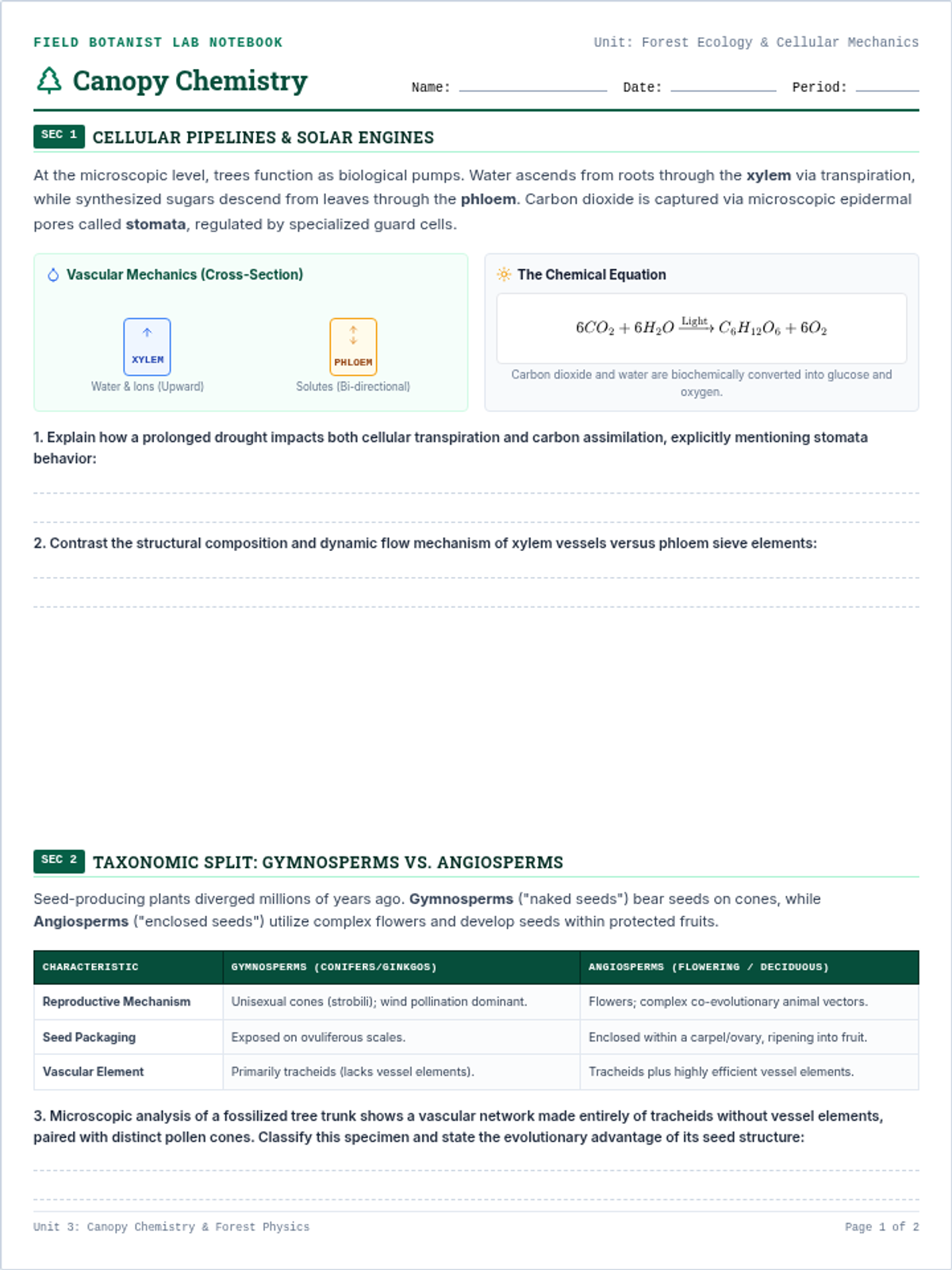
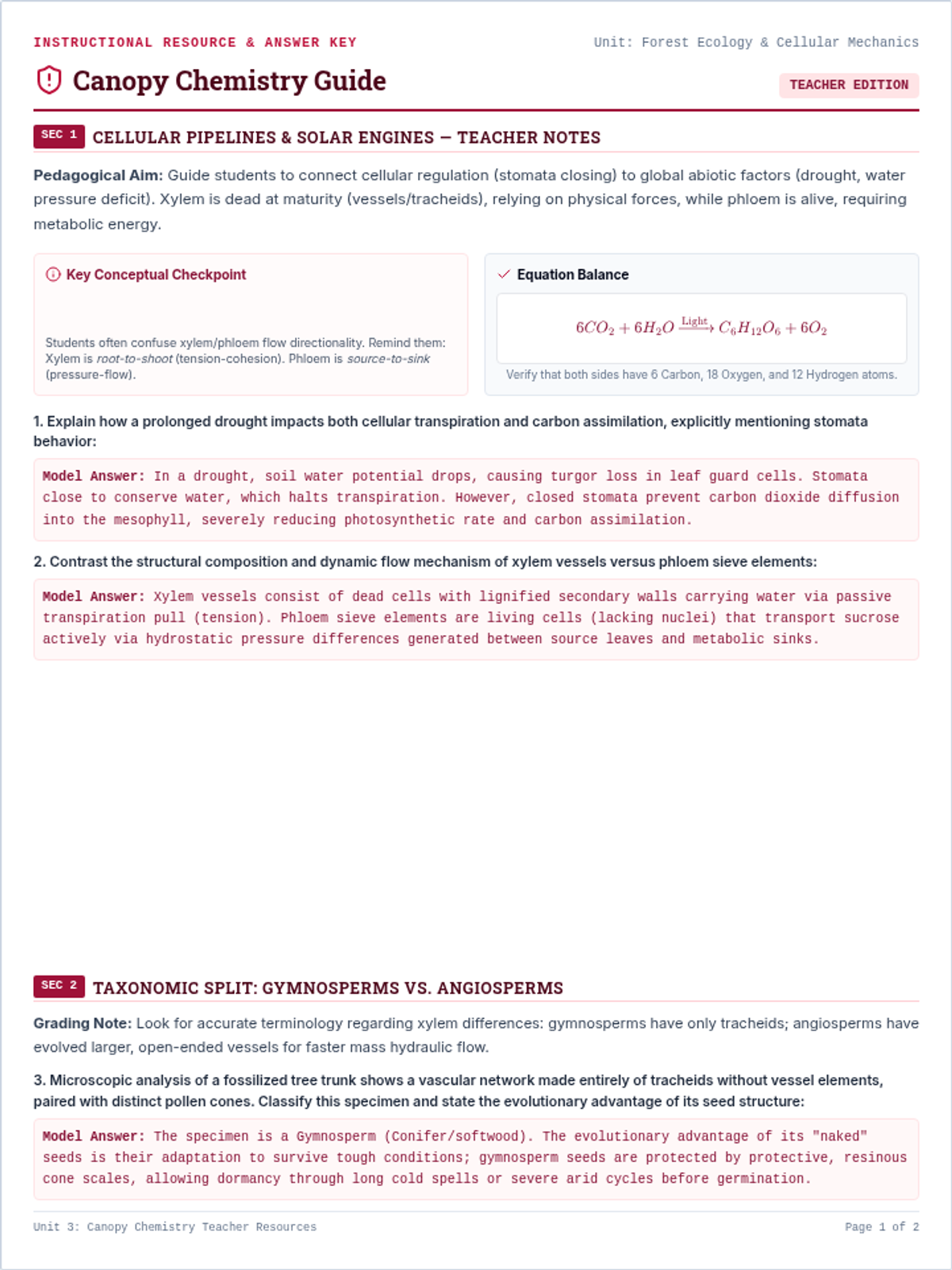
An in-depth investigation into the ecological, cellular, and evolutionary mechanics of trees. Students analyze carbon sequestration, vascular transport, angiosperm vs. gymnosperm taxonomy, and design conservation strategies.
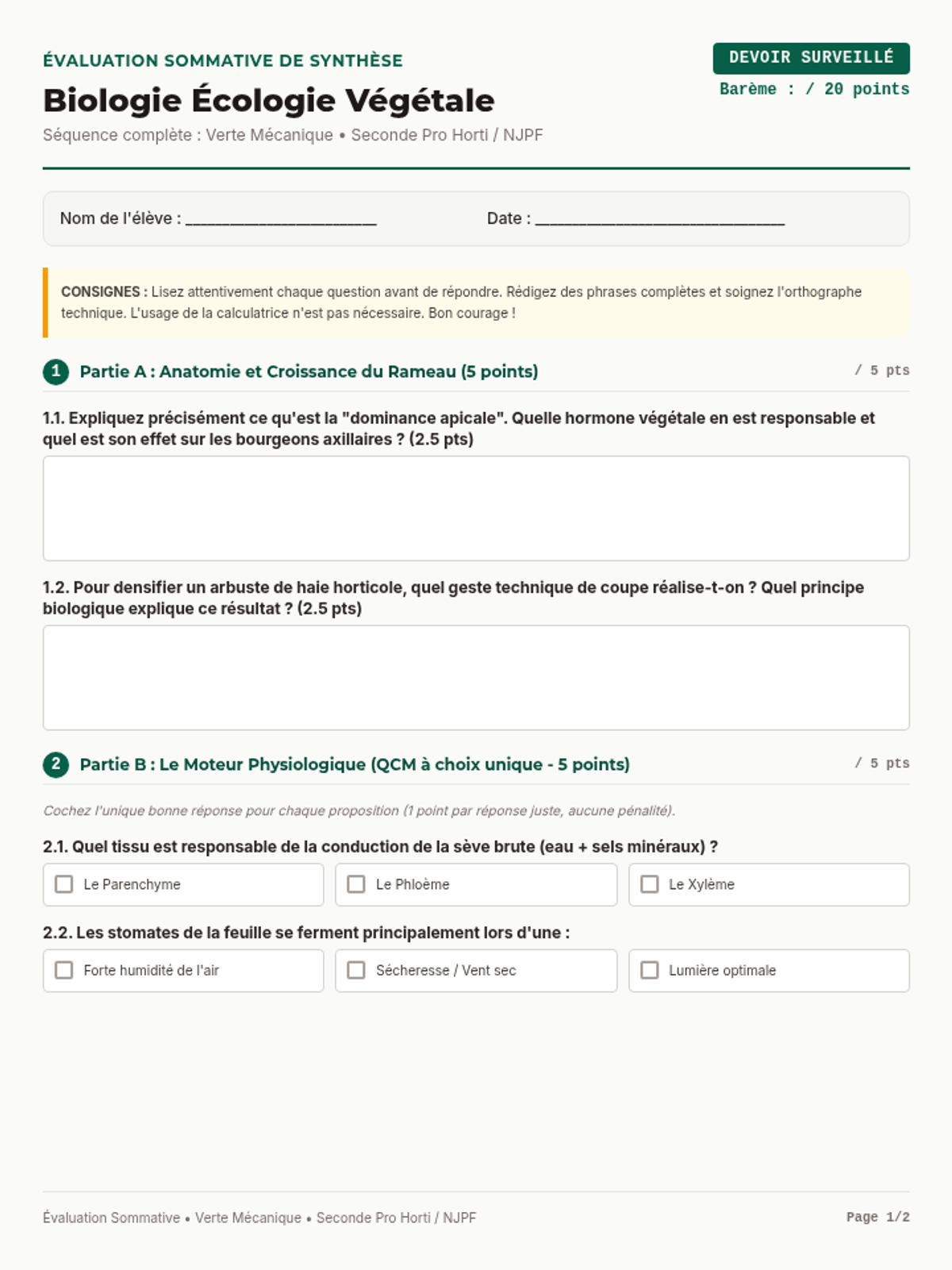
Étude de l'écophysiologie végétale, de la classification et des critères de reconnaissance des végétaux. Ce module montre comment les plantes s'adaptent aux contraintes environnementales (stress hydrique, sol, climat) et comment ces connaissances guident les choix professionnels d'aménagement et de culture.
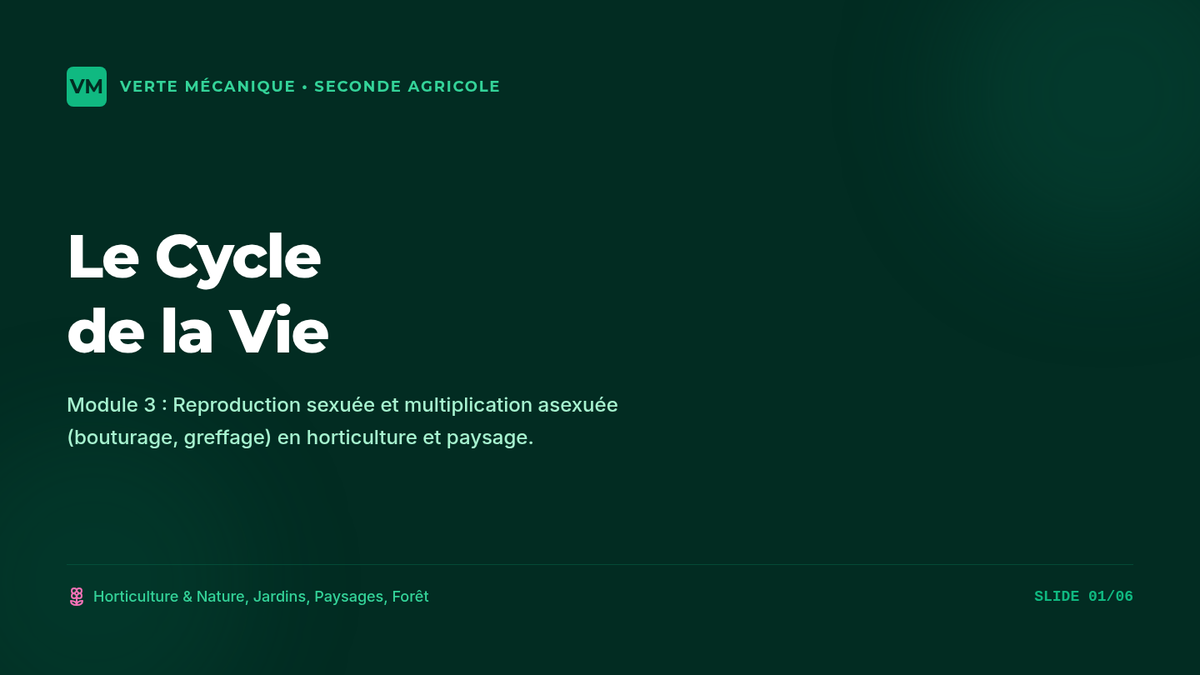
Approche de la biologie de la reproduction végétale (fleur, graines, pollinisation) et des techniques de multiplication horticole. Les élèves étudient l'anatomie florale, les cycles de développement et pratiquent des gestes techniques professionnels (bouturage, greffage).
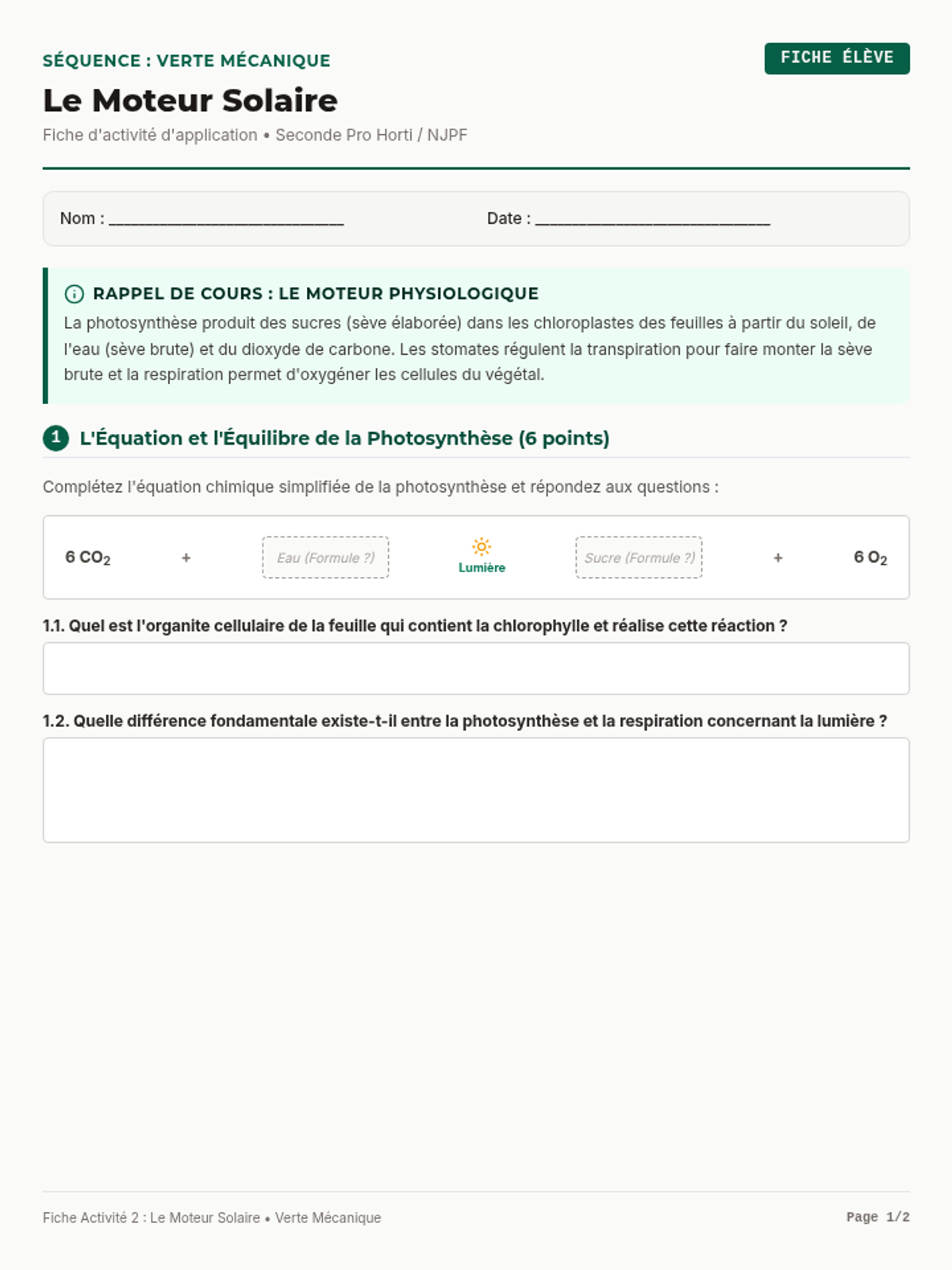
Exploration de la physiologie et de la nutrition végétale. Ce chapitre analyse le processus de photosynthèse, la respiration cellulaire, la transpiration foliaire, l'absorption de l'eau et des minéraux par les racines et la double circulation des sèves.
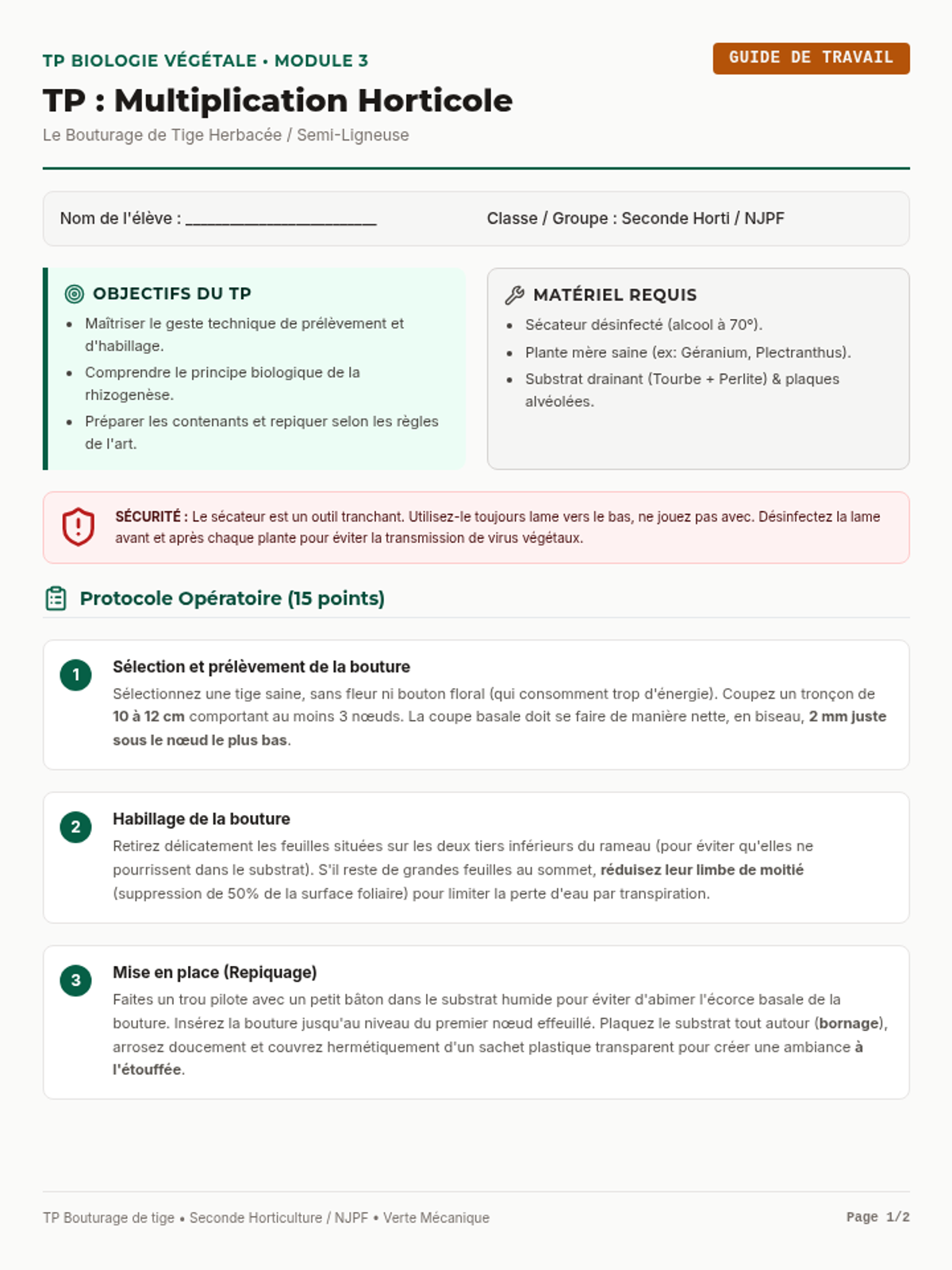
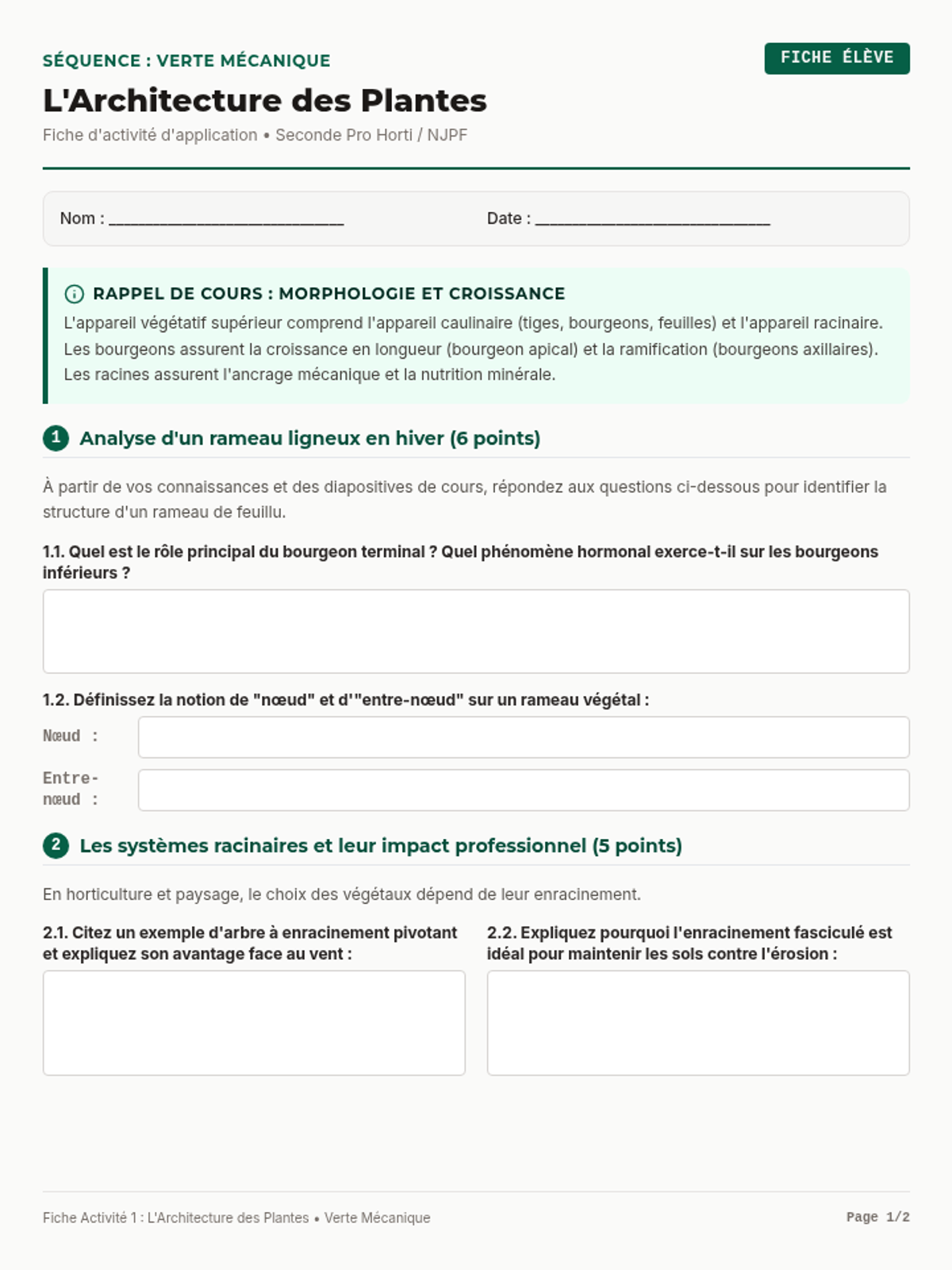
Étude de l'anatomie et de la morphologie des plantes horticoles et forestières. Les élèves apprennent à identifier les organes principaux (racines, tiges, feuilles, bourgeons), la structure des tissus végétaux et leur importance pour les pratiques professionnelles de taille et d'entretien.
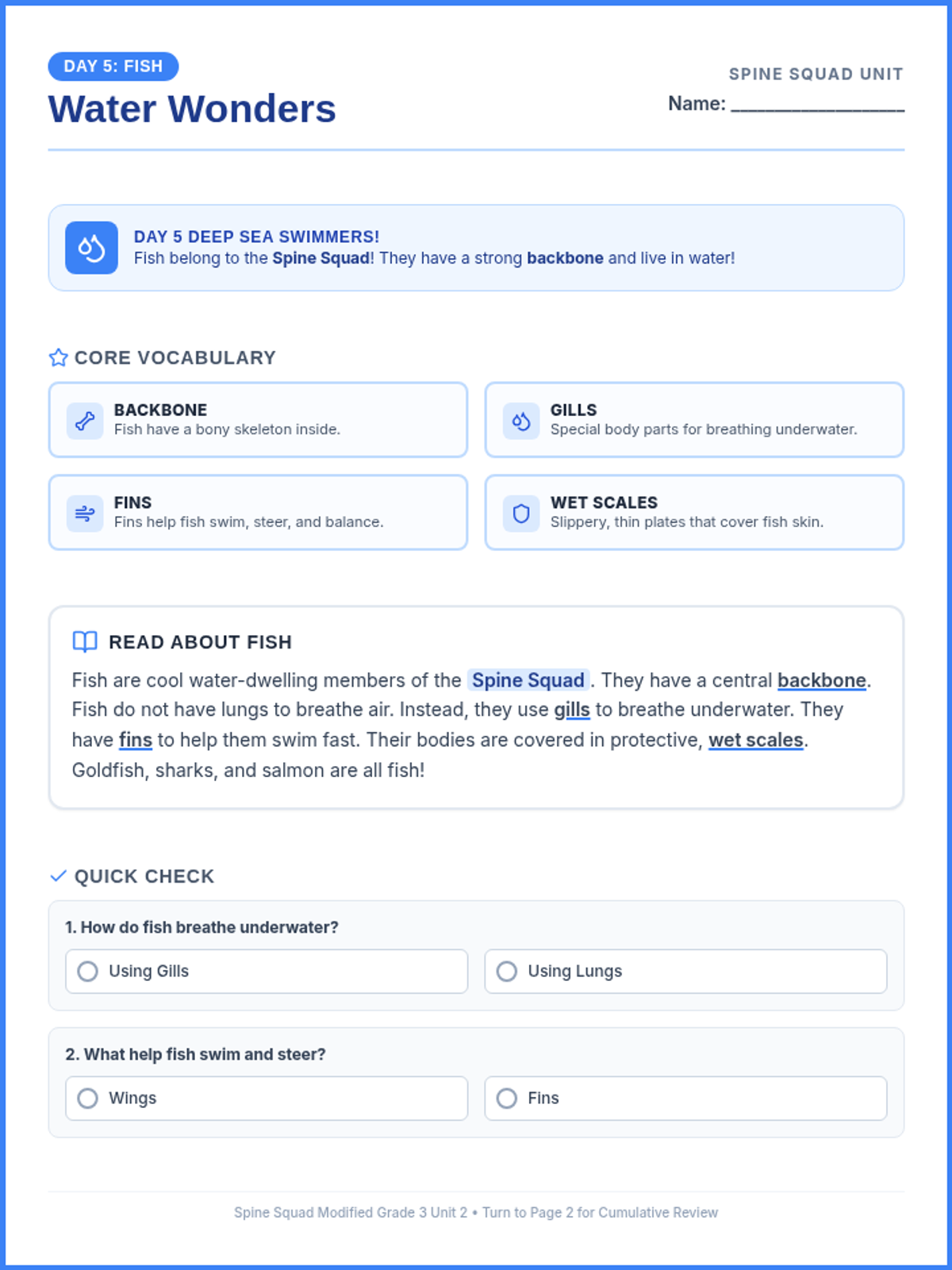
In this fifth and final lesson of the Spine Squad unit, students explore fish, focusing on gills, fins, scales, and underwater survival, with a final cumulative review of the five vertebrate groups.