Students map out their school day to identify critical transition times for drinking water, such as after recess, before lunch, and after nap/quiet time. They create visual reminders or 'stop signs' to place near the water fountain or sink.
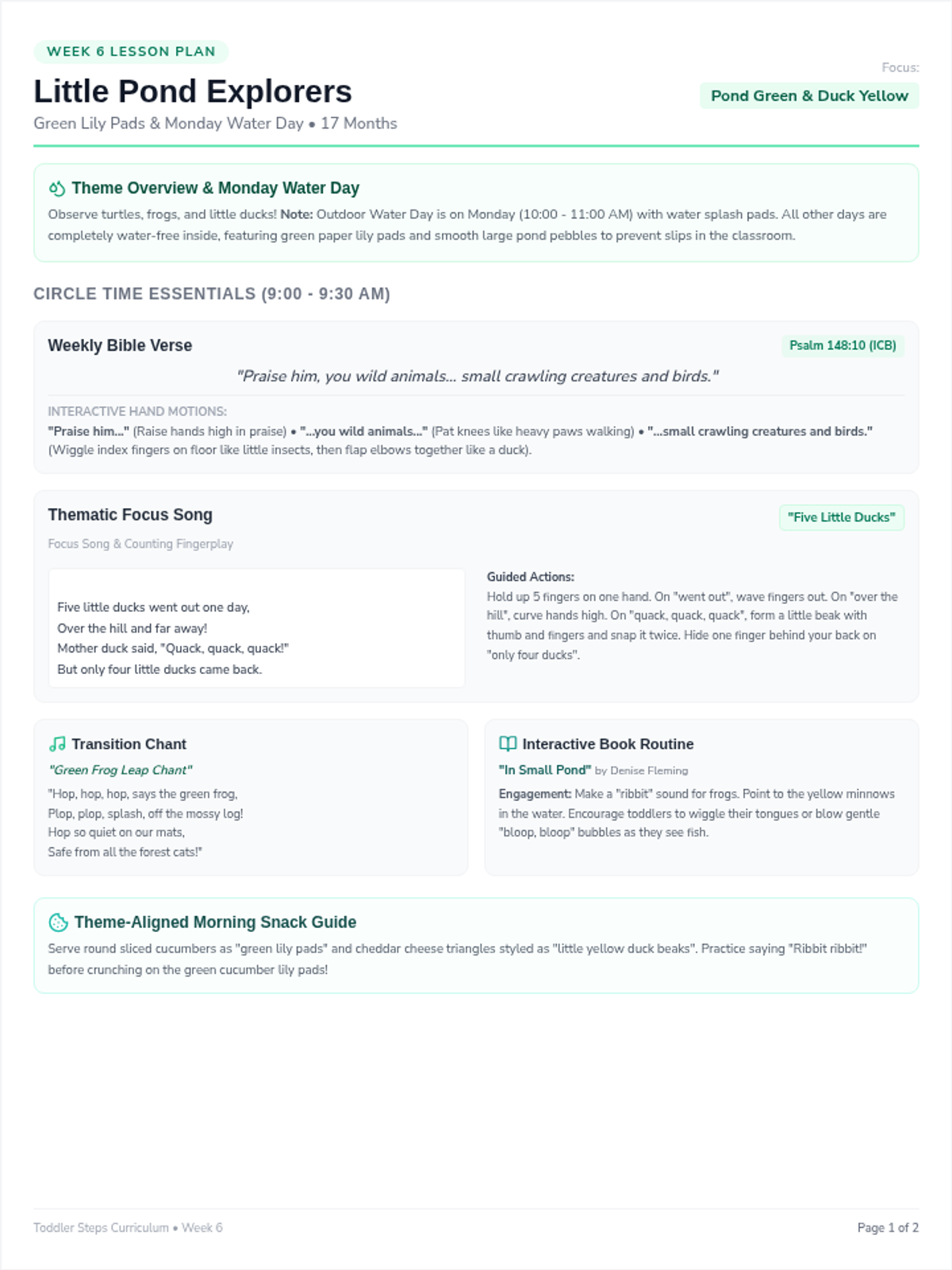
Week 6 of the toddler curriculum, exploring pond creatures like frogs, ducks, and turtles, featuring green lily pad hops and smooth pebble sorting. Highlights a Monday morning outdoor Water Day and duck-themed rhymes.
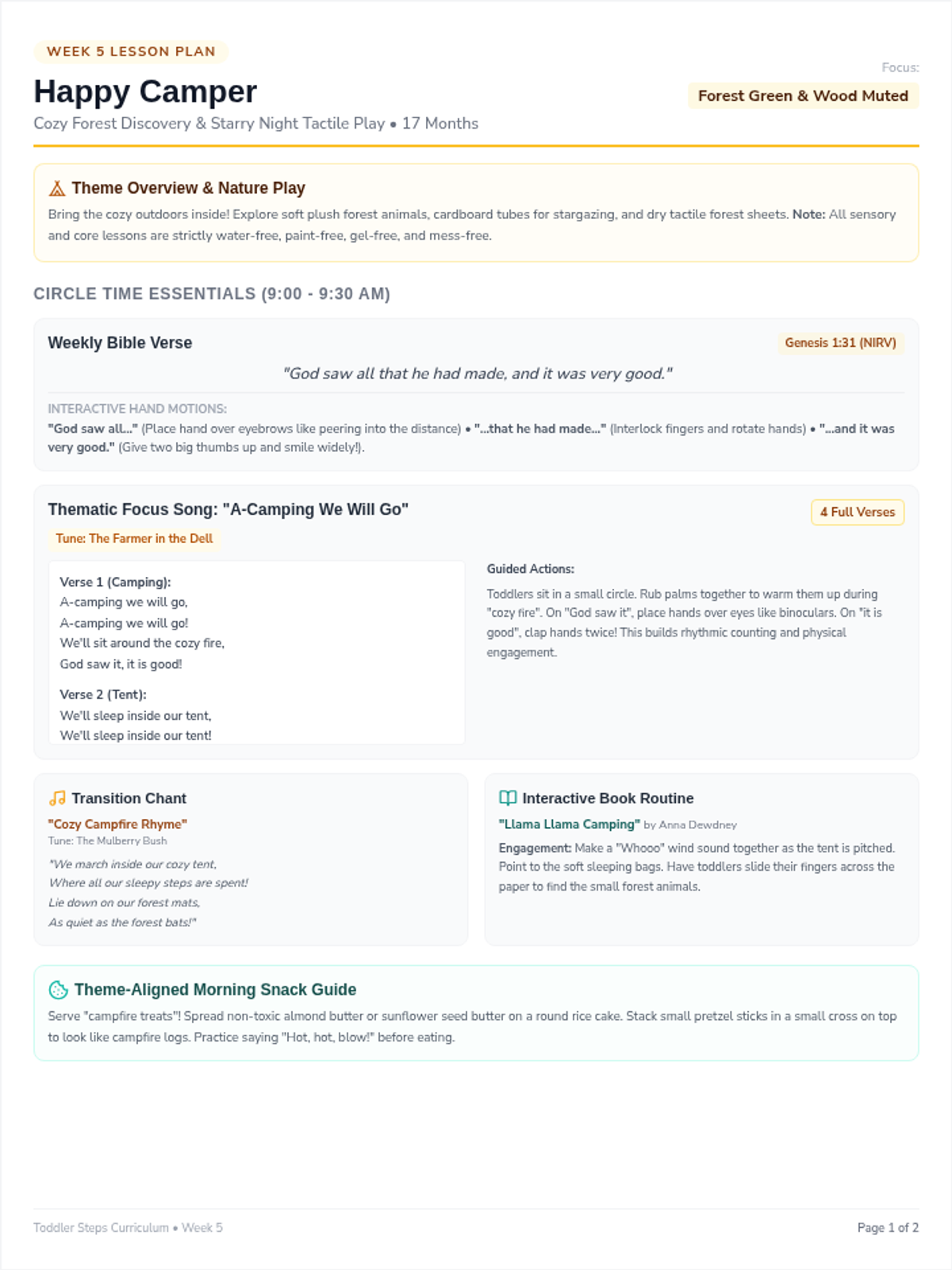
Week 5 of the toddler curriculum, featuring nature sights, soft forest animal toys, starry night sensory bags, and safe camp craft play. Highlights cozy campfire songs, simple nature matching, and cardboard canoe exploration.
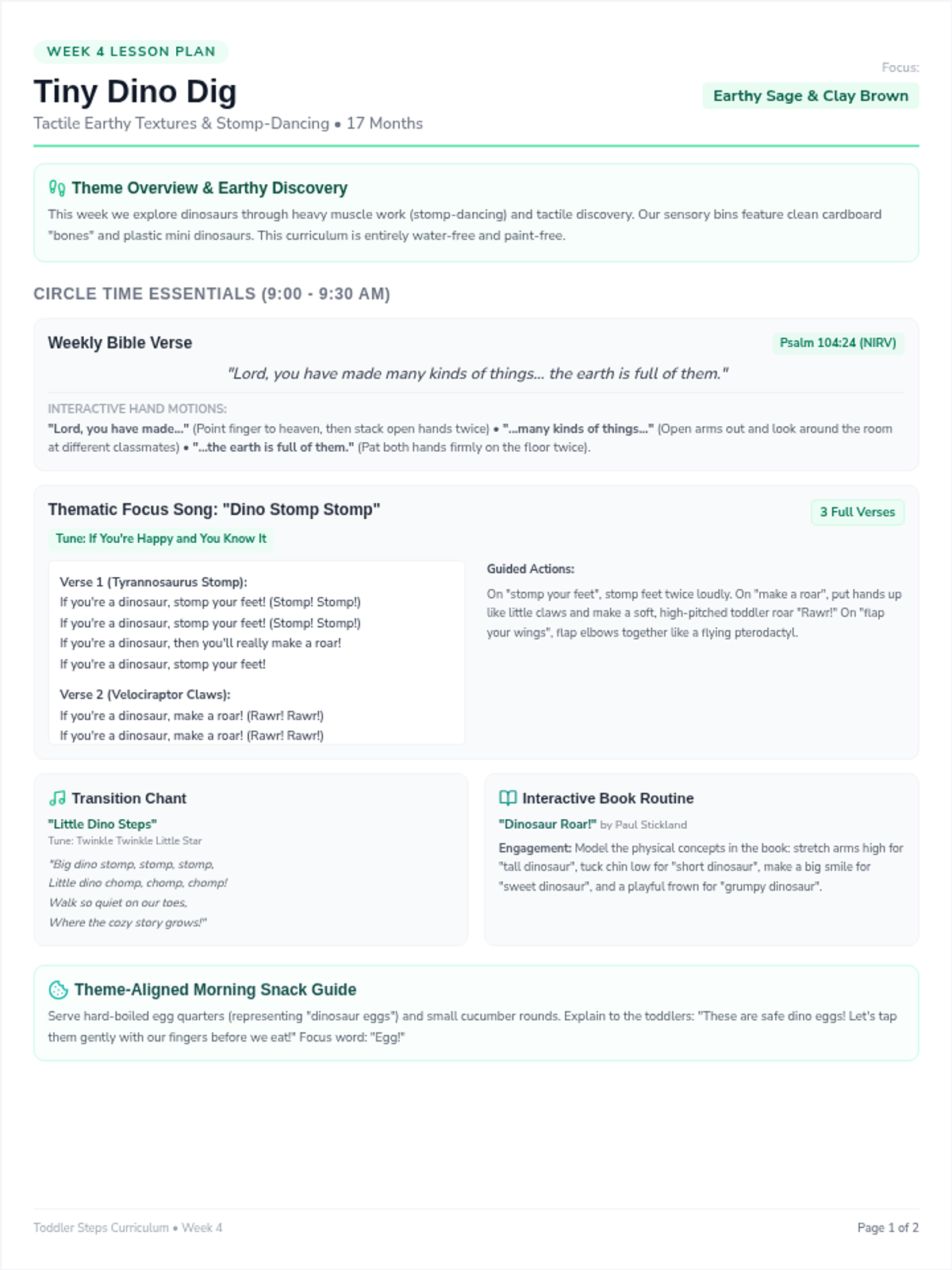
Week 4 of the toddler curriculum, introducing dinosaurs, fossil tracks, stomp-dancing, and green/brown tactile sensory textures. Includes simple dino rhymes, simple fossil matching, and giant foot block stacking.
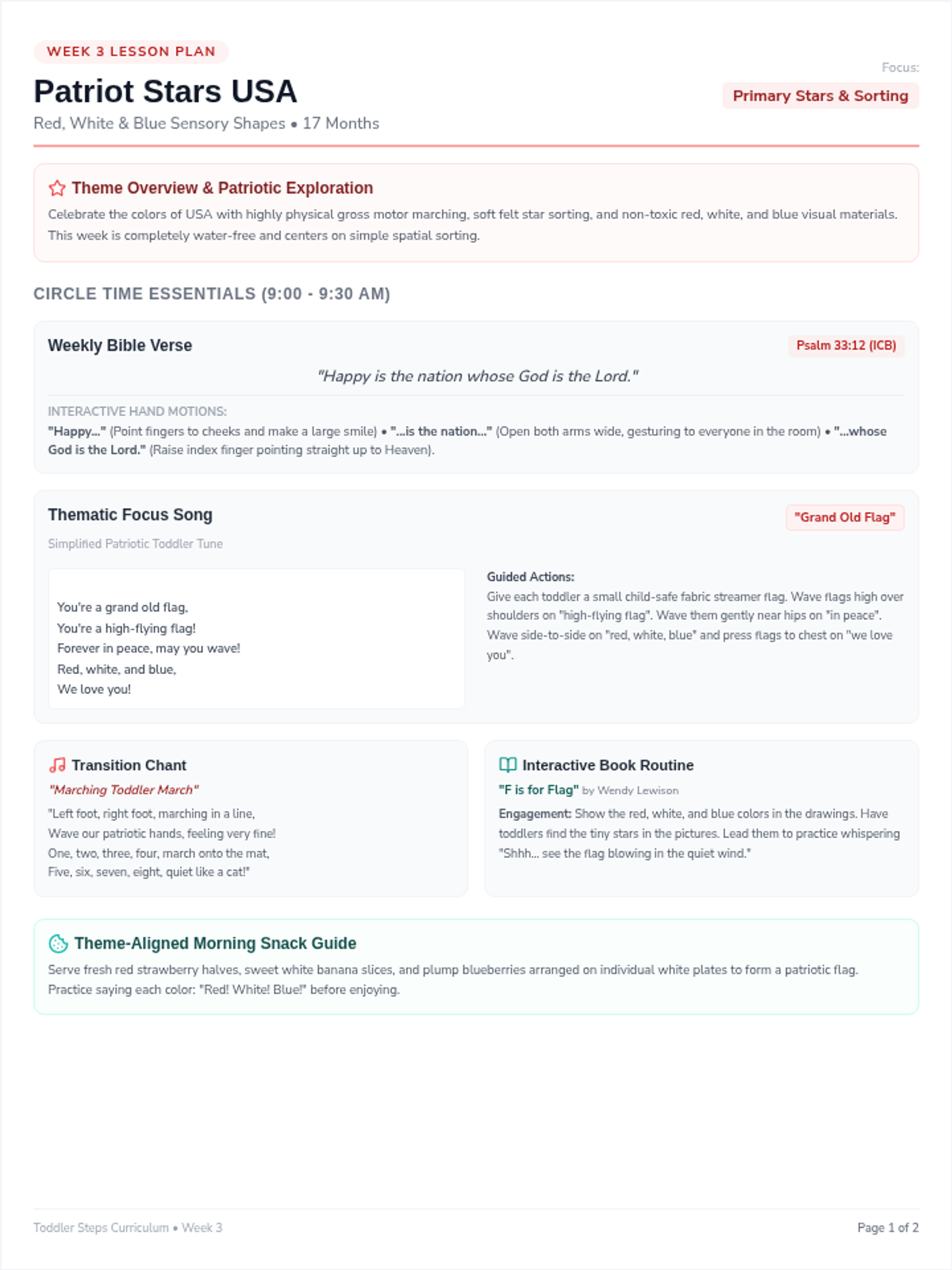
Week 3 of the toddler curriculum, celebrating the USA with red, white, and blue sensory bins, star-themed sorting, and patriotic toddler tunes. Emphasizes gross motor marching and simple patriotic songs.
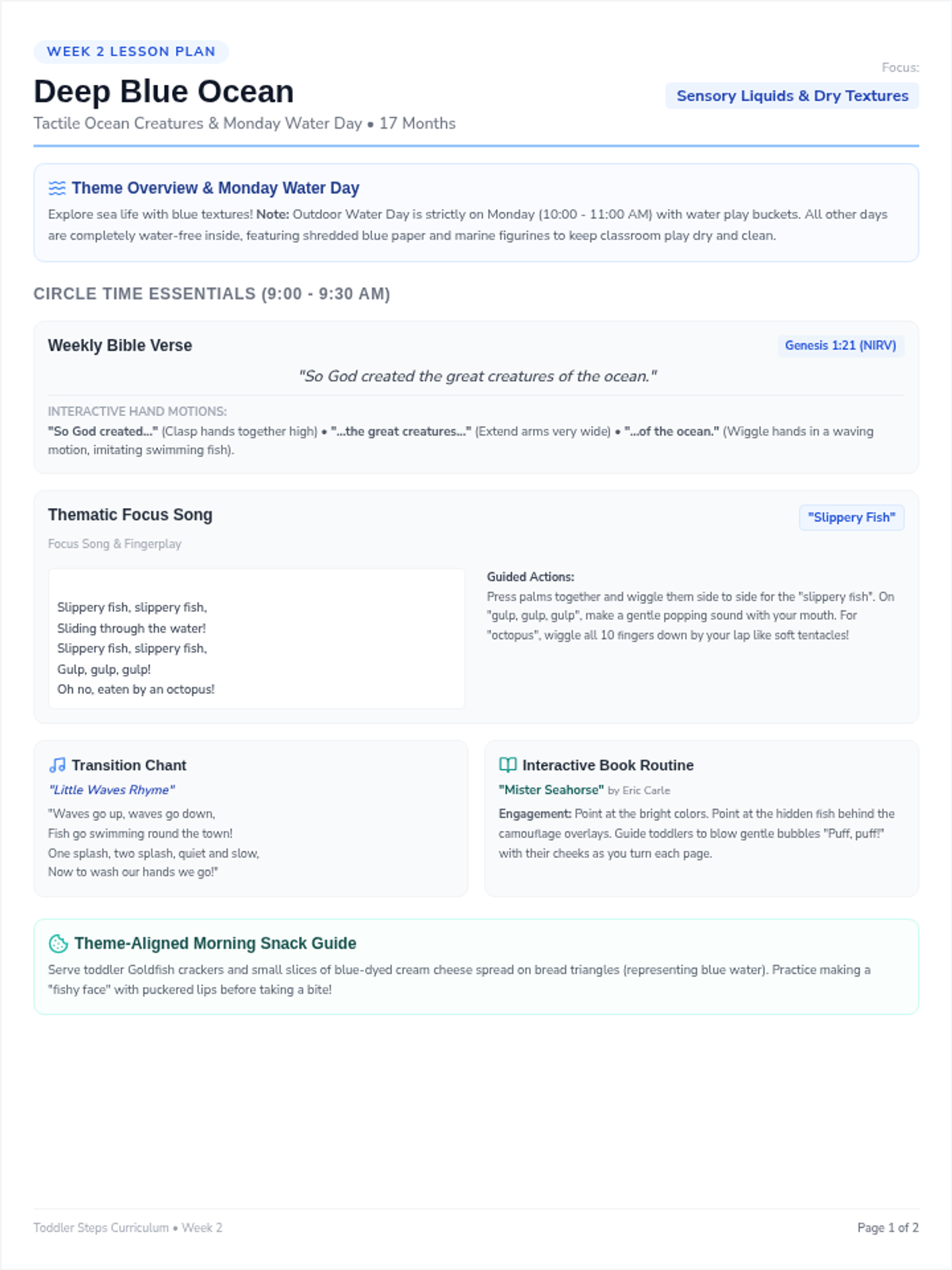
Week 2 of the toddler curriculum, introducing ocean creatures, blue sensory textures, and an exciting Monday morning outdoor Water Day. Highlights simple water-free ocean sensory exploration and ocean themed nursery rhymes.
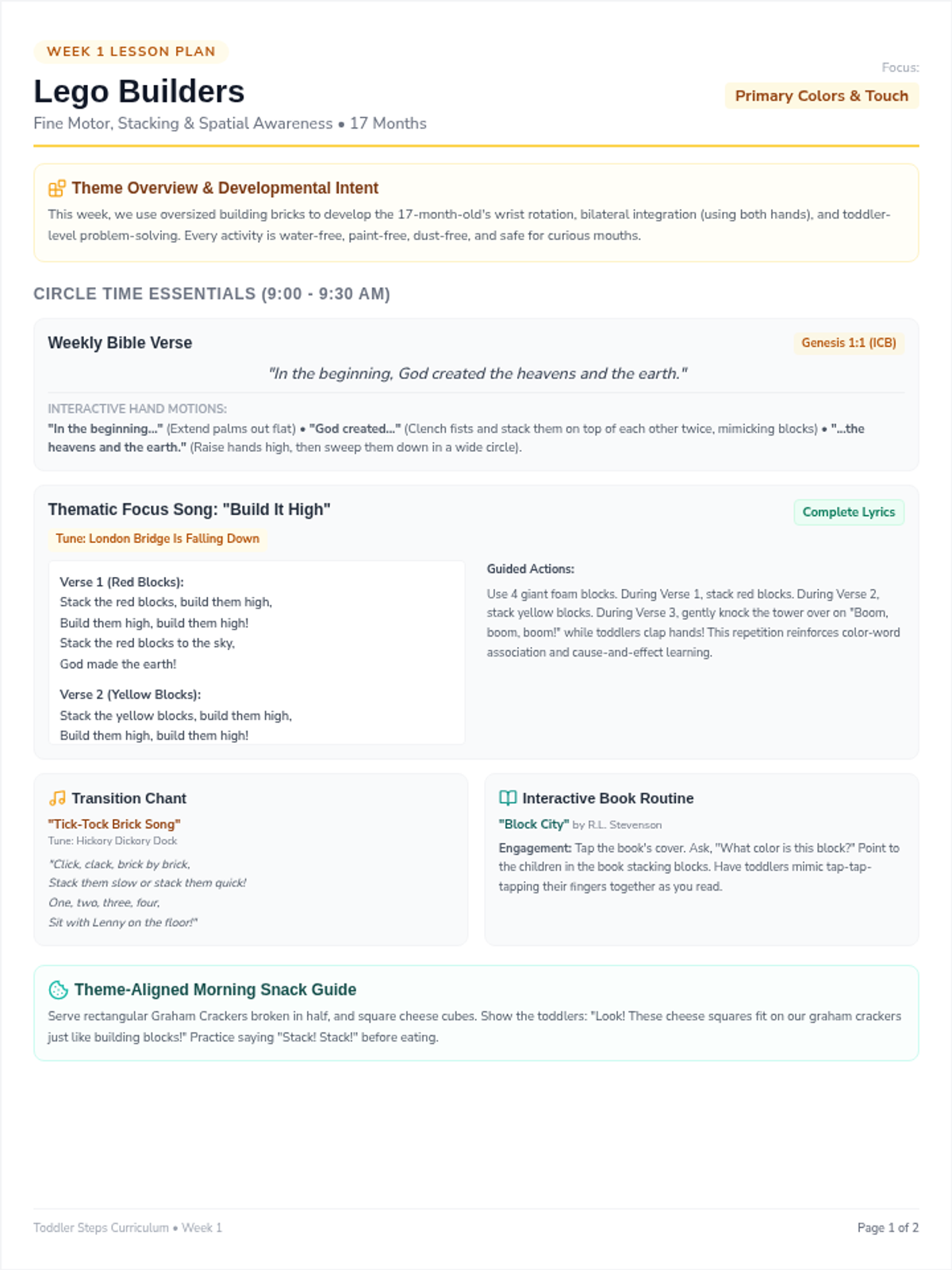
Week 1 of the toddler curriculum, focusing on color recognition, stacking, fine motor skills, and spatial awareness using big building bricks. Includes themed songs, simple Bible verses, and creative block centers.
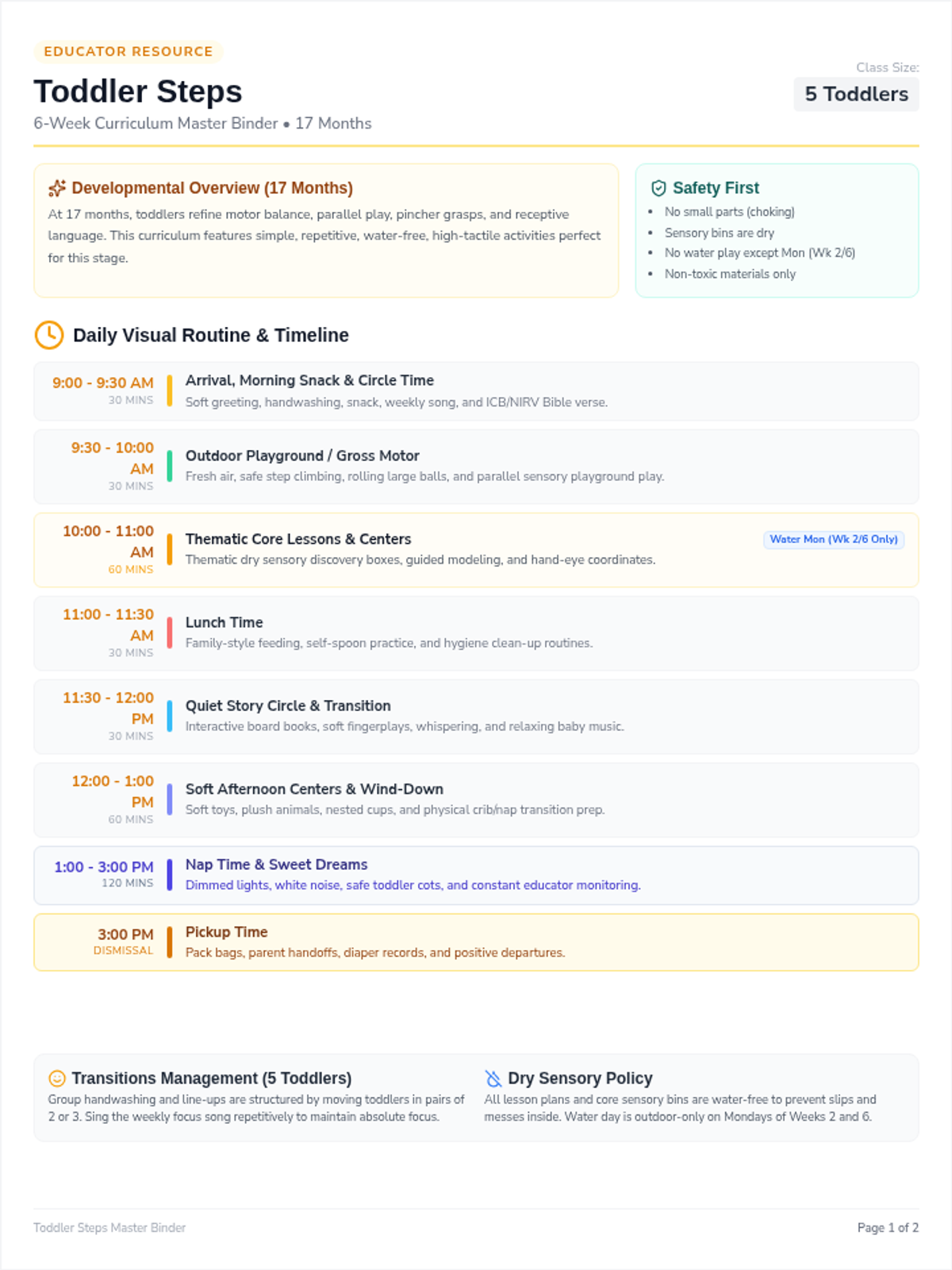
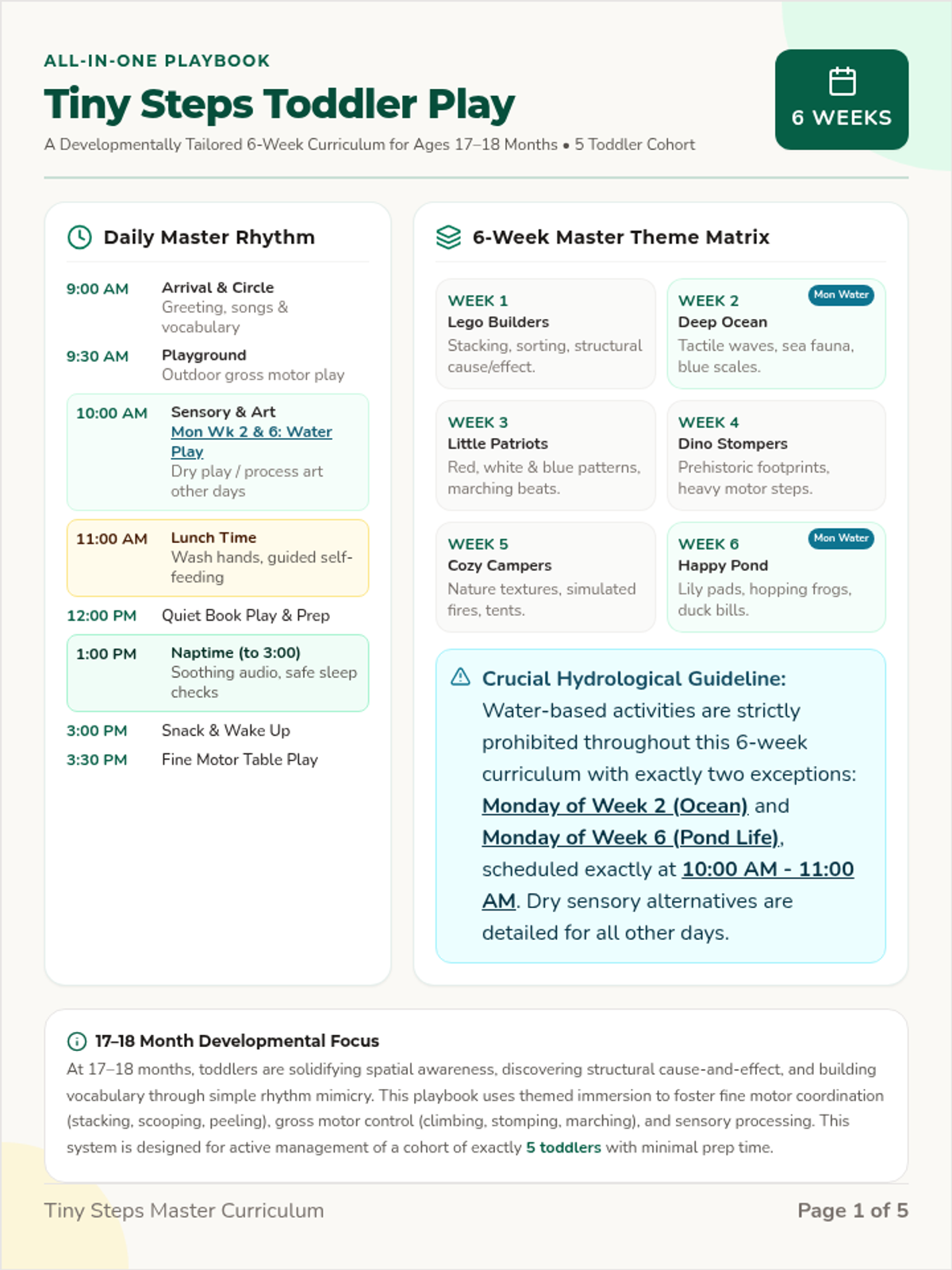
A comprehensive curriculum layout and resource set designed for toddlers aged 17-18 months, focusing on developmental play across six thematic weeks.
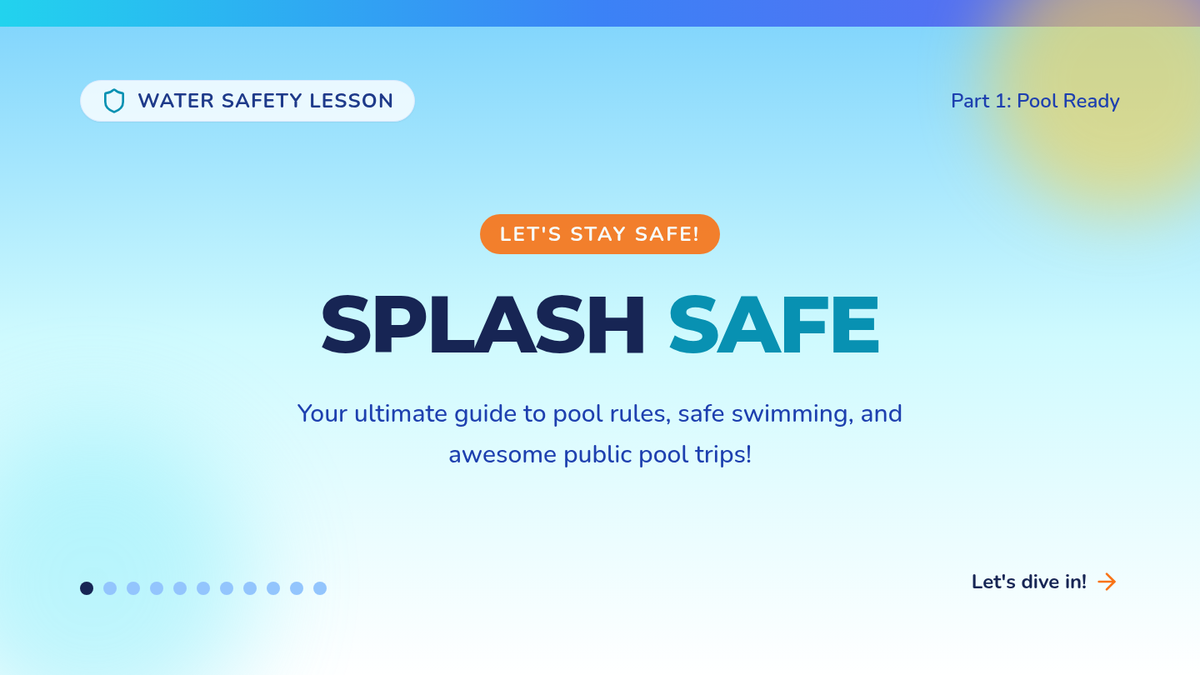
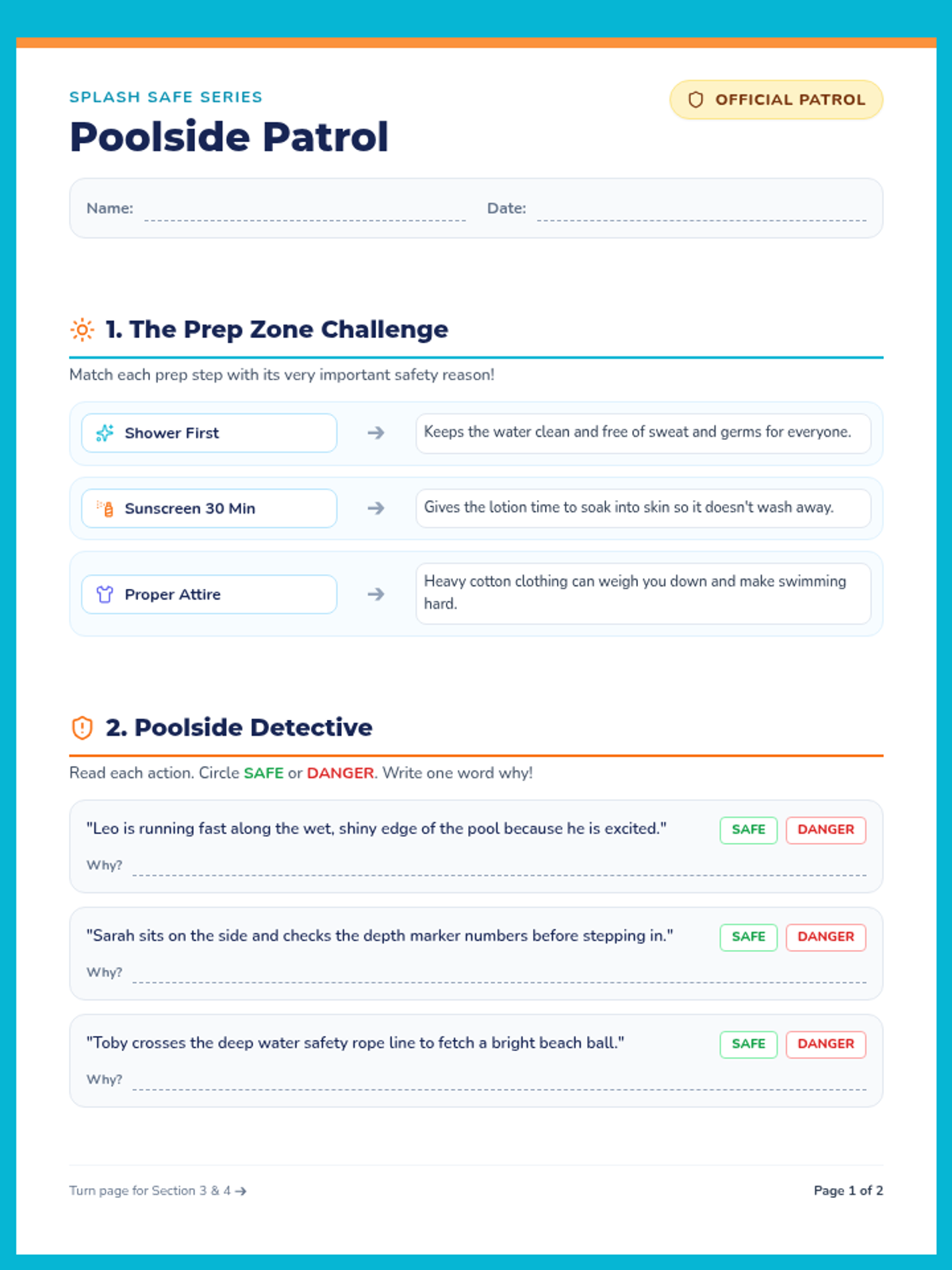
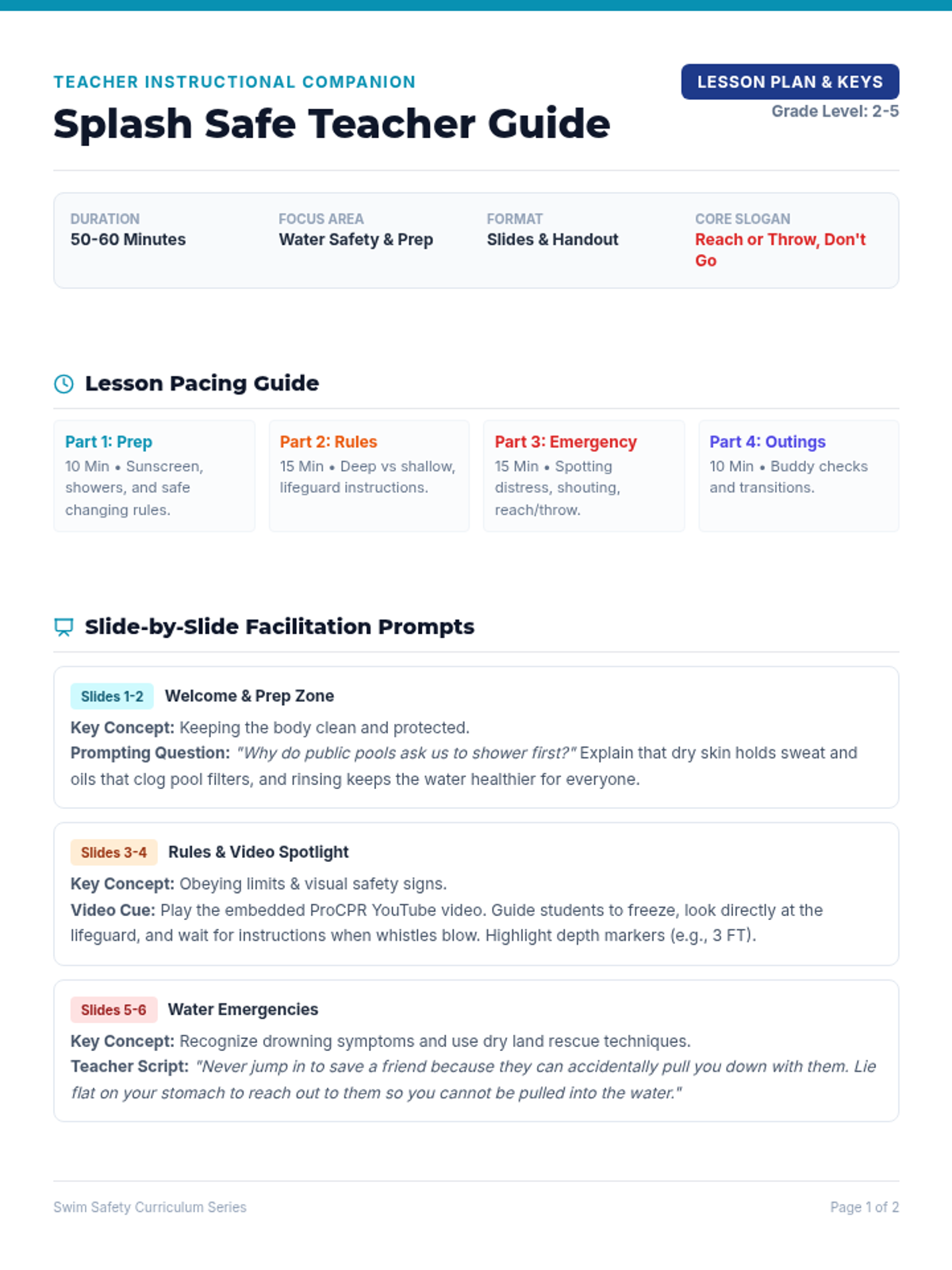
A comprehensive lesson on swimming safety covering preparation, pool rules, water emergencies, and community outing routines. Designed to equip students with practical safety habits through visual slides, scenario discussions, and a structured practice guide.
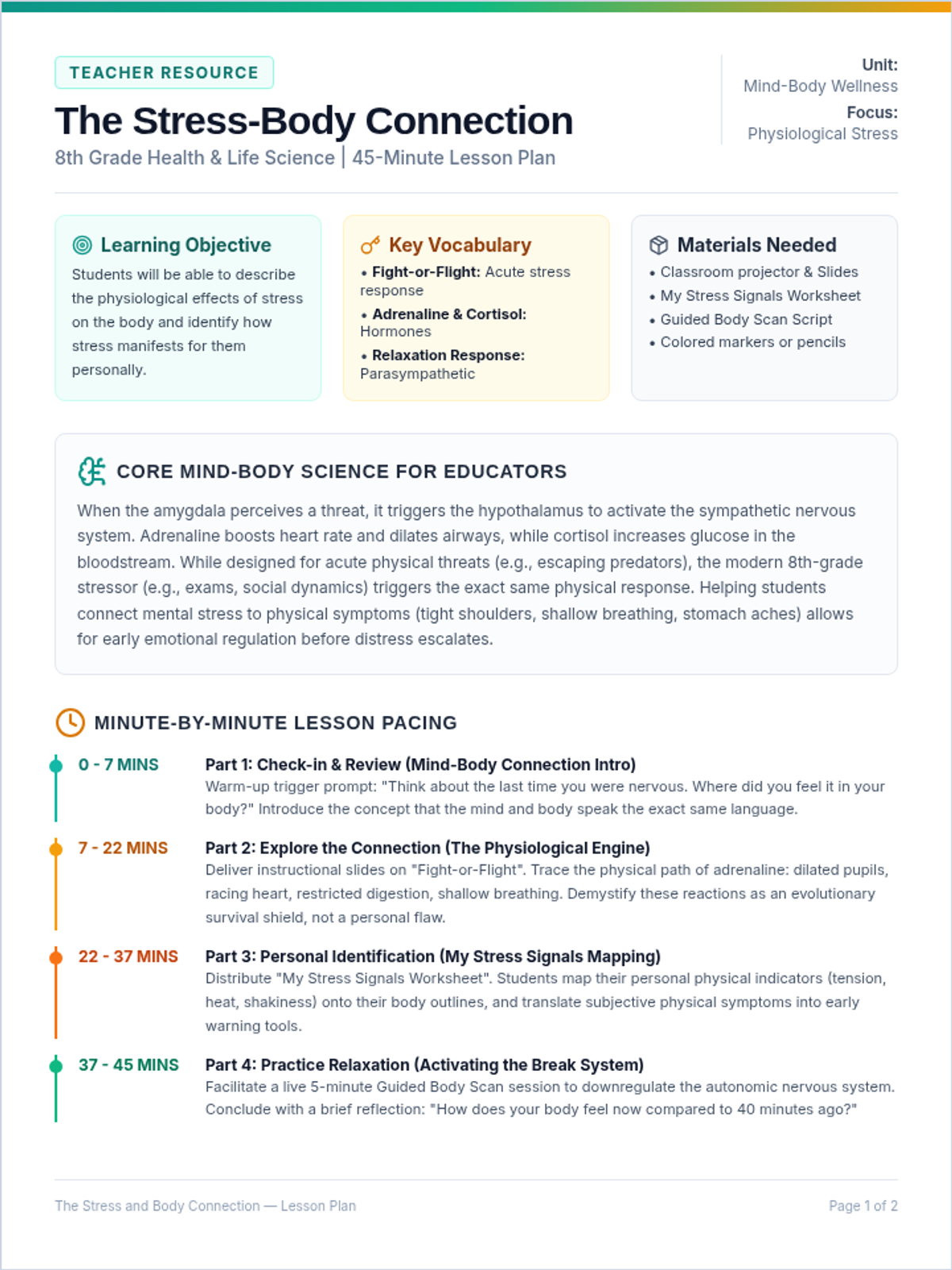
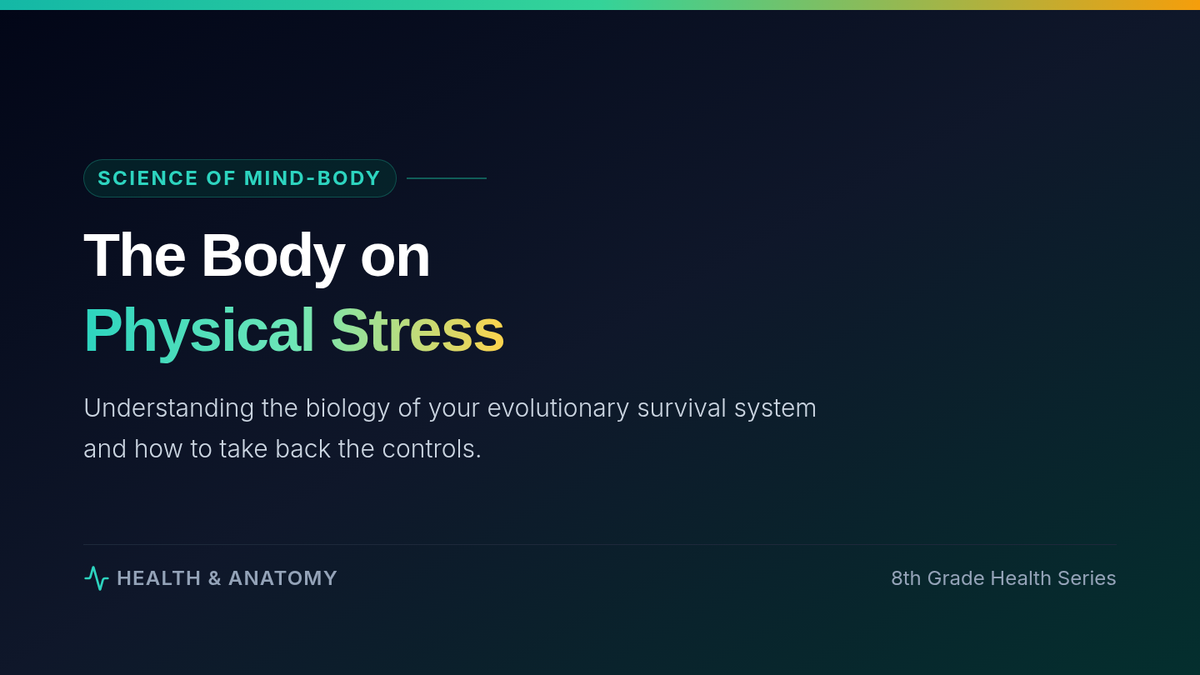
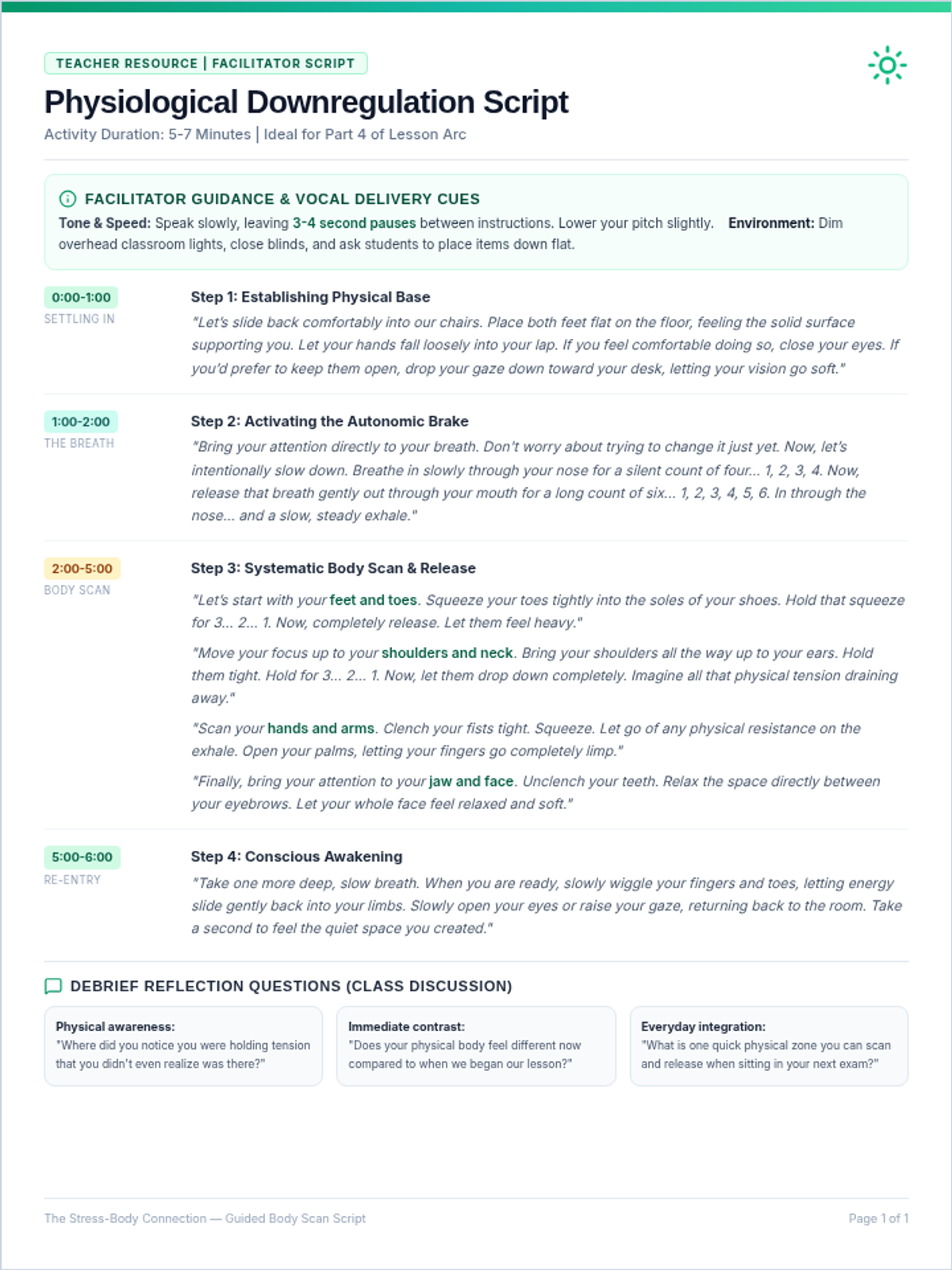
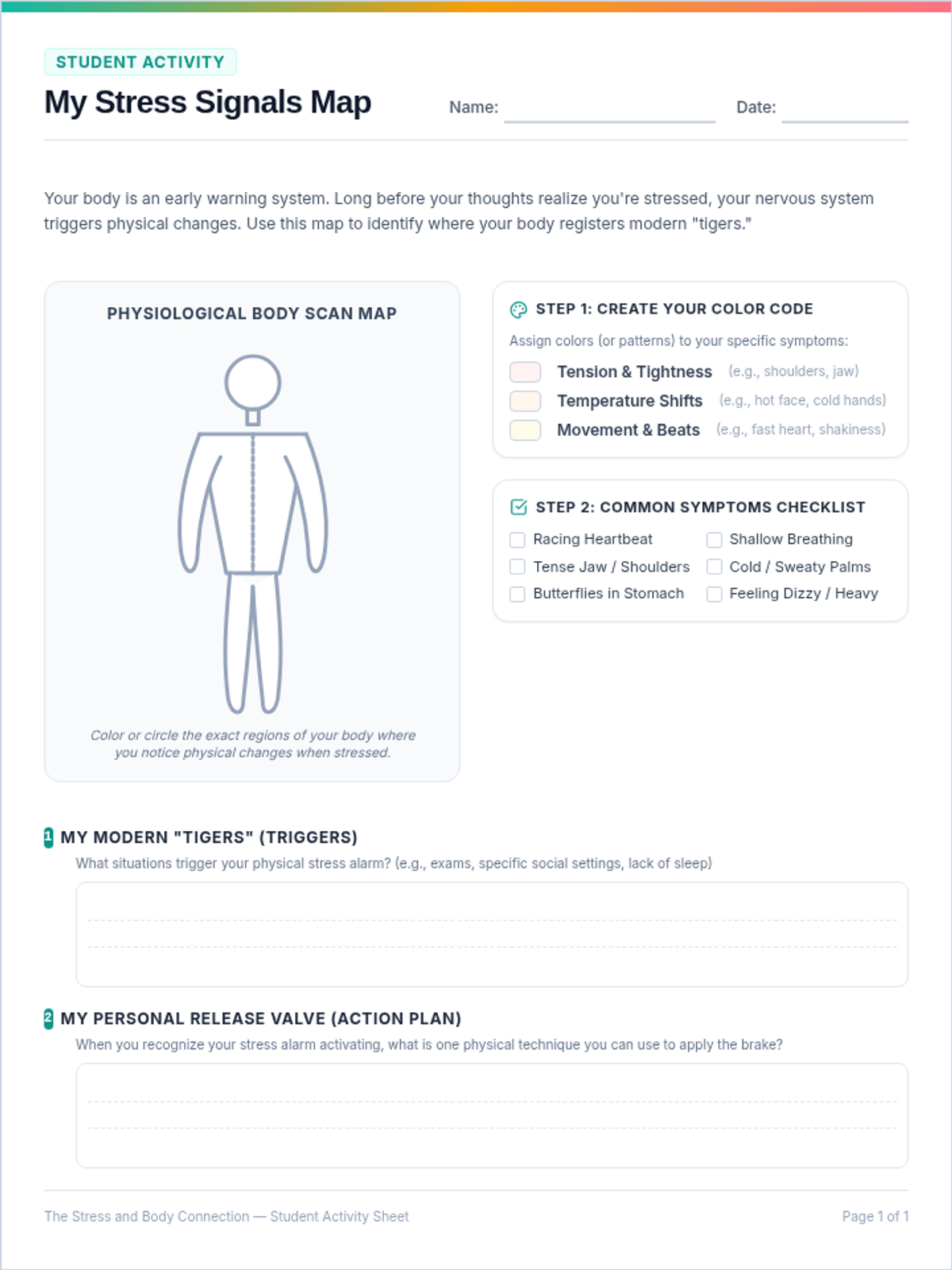
A 45-minute health and science lesson for 8th grade that explores how stress impacts the physical body, introducing fight-or-flight biology, personal symptoms identification, and relaxation techniques.
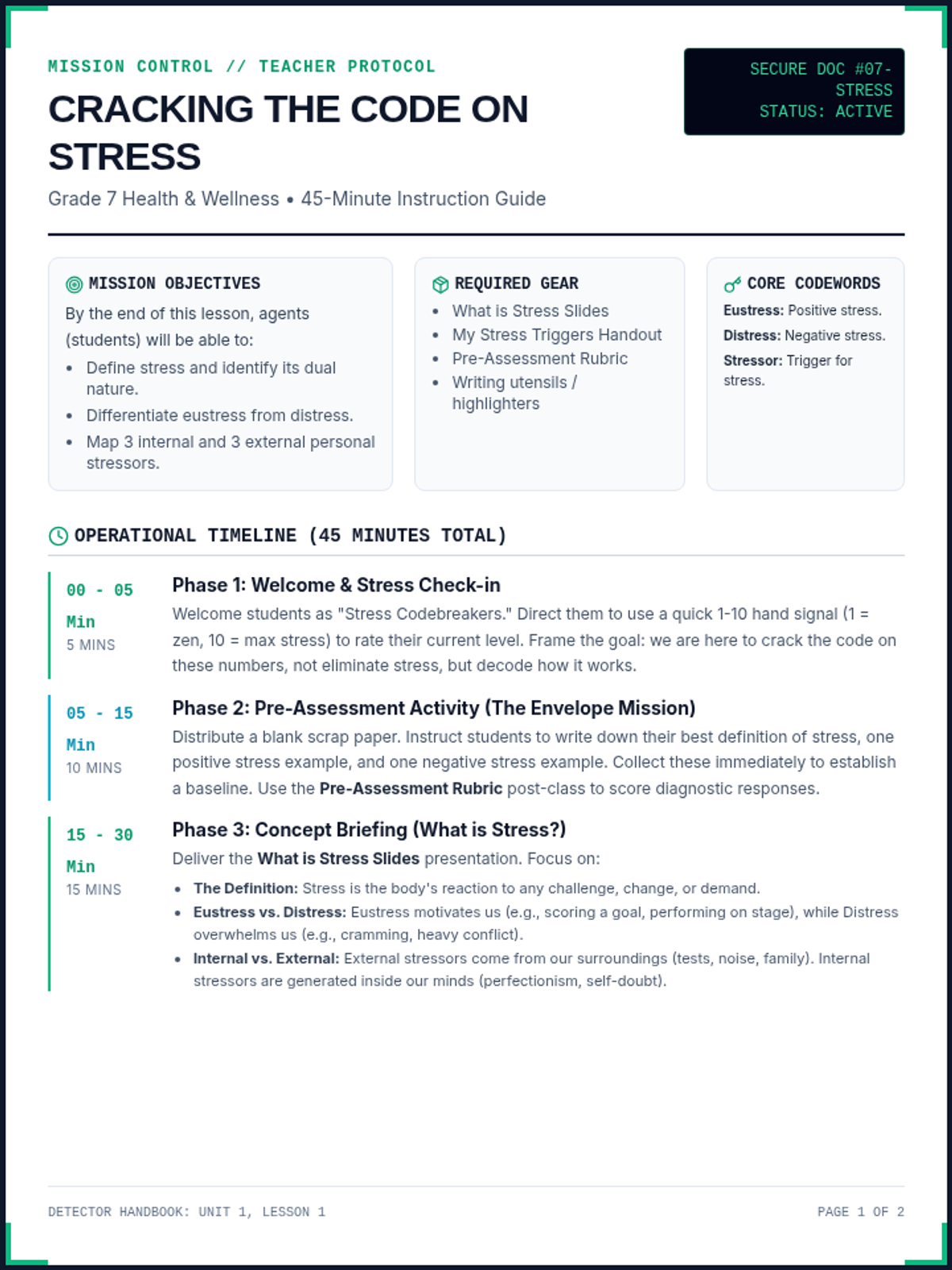
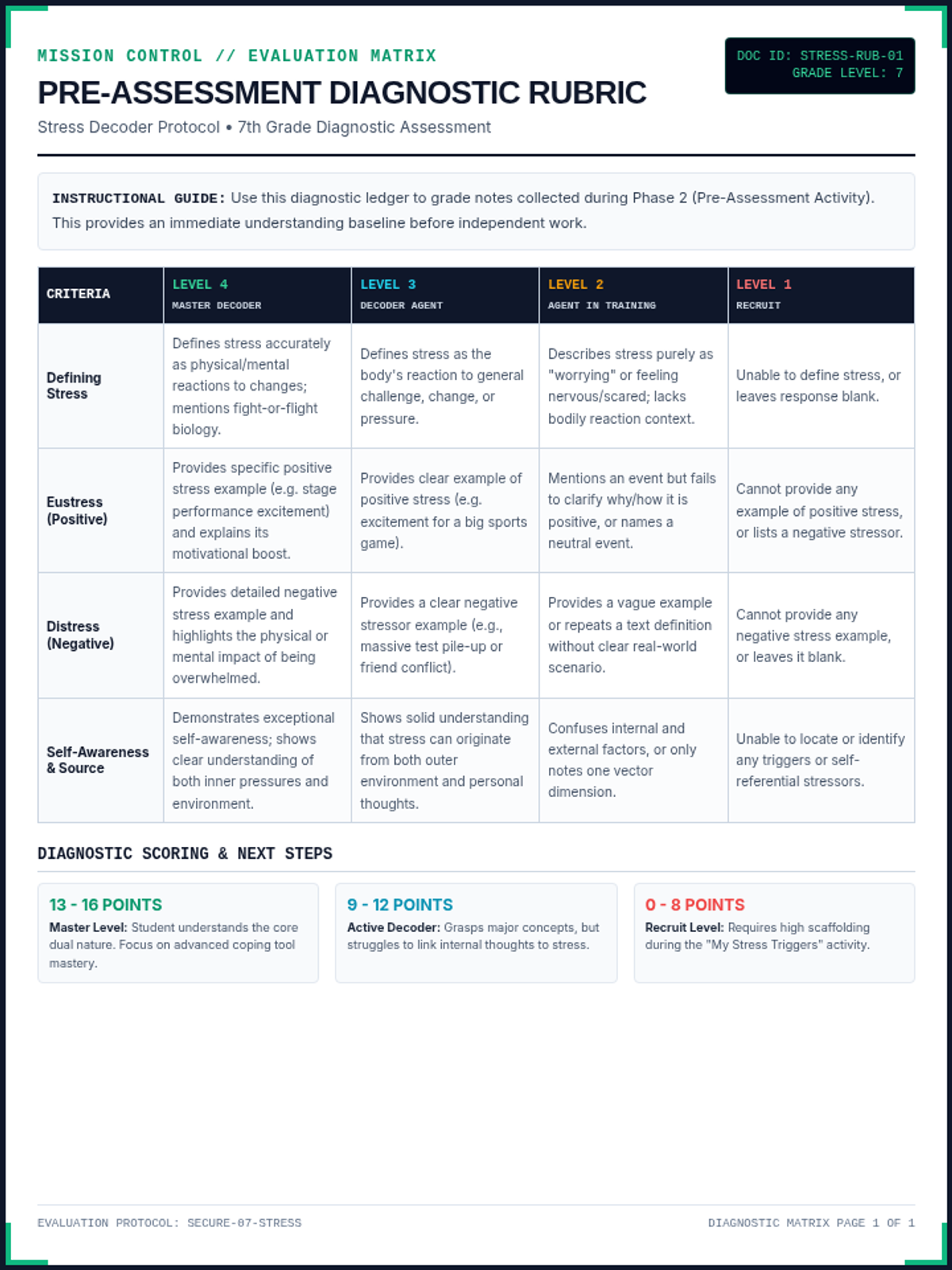
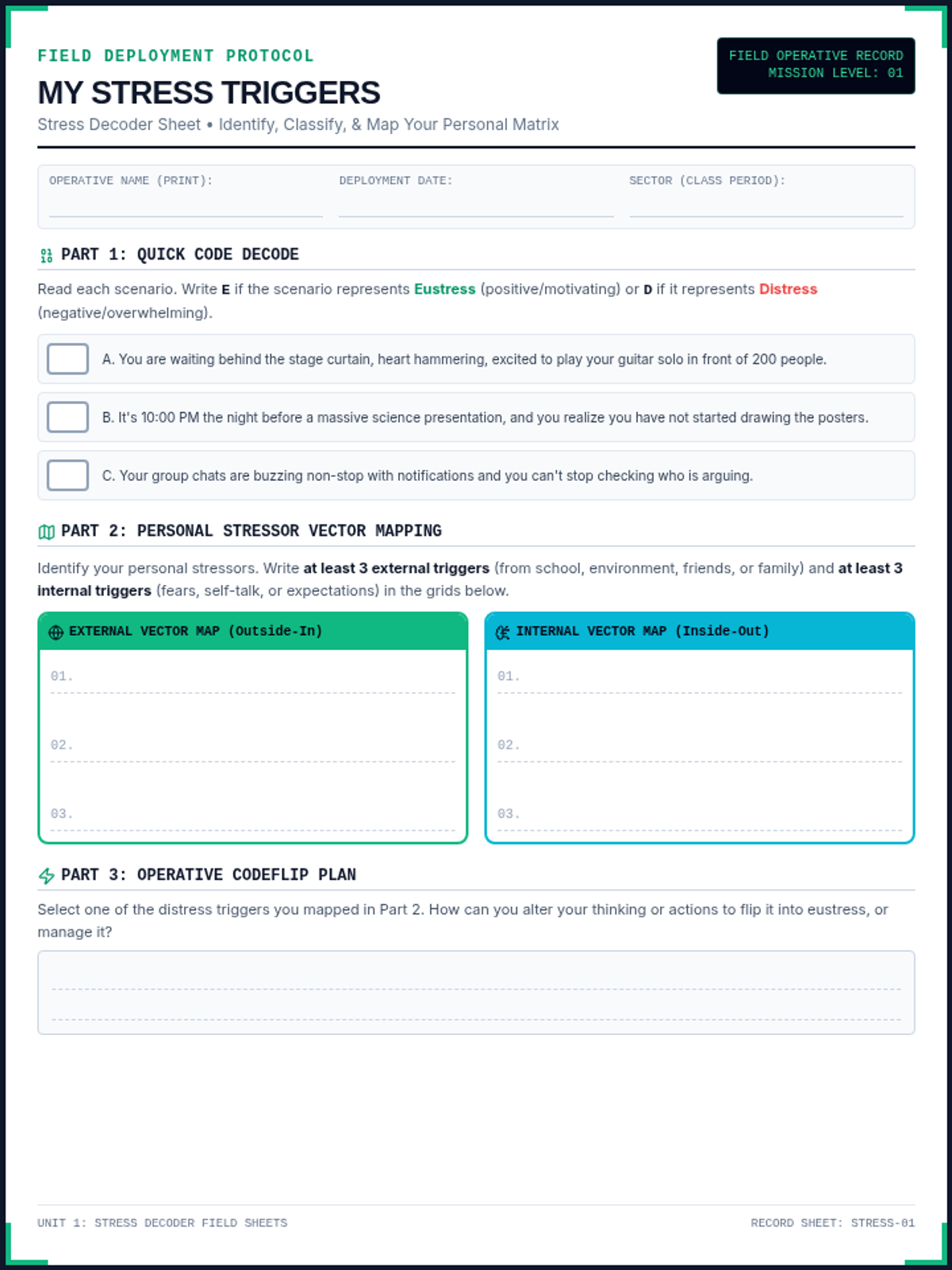
A comprehensive 45-minute health and wellness lesson plan for 7th grade students. Students learn to decode stress by defining it, distinguishing between eustress (positive stress) and distress (negative stress), and mapping their personal internal and external stressors.
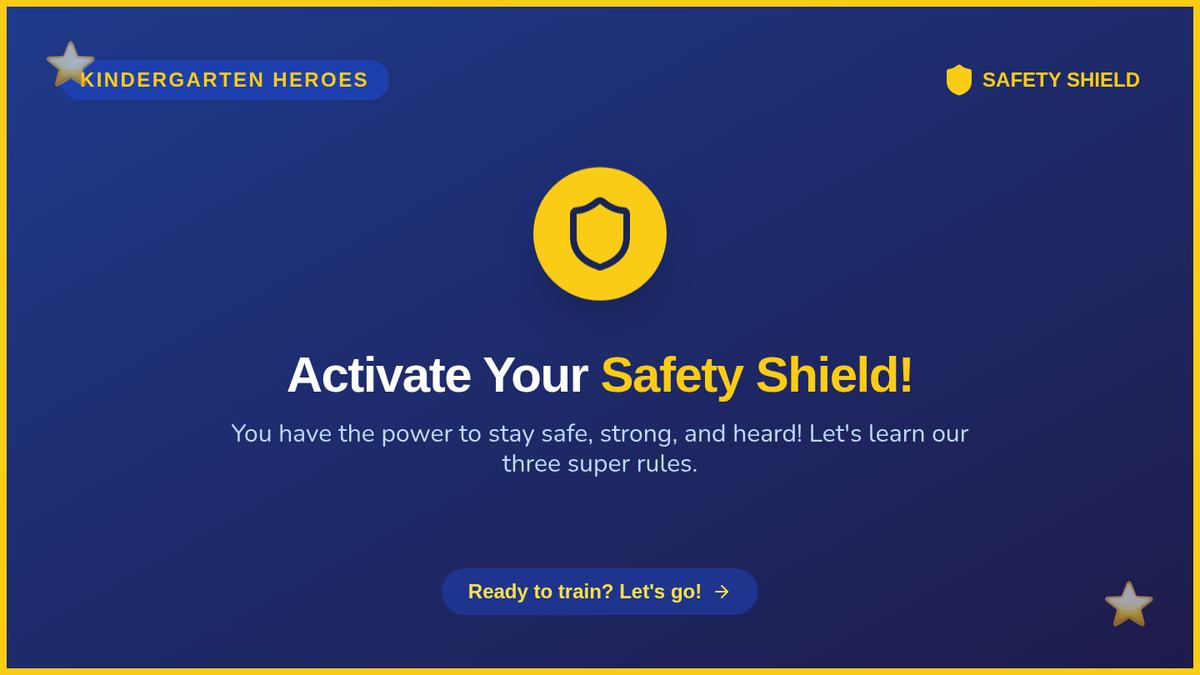
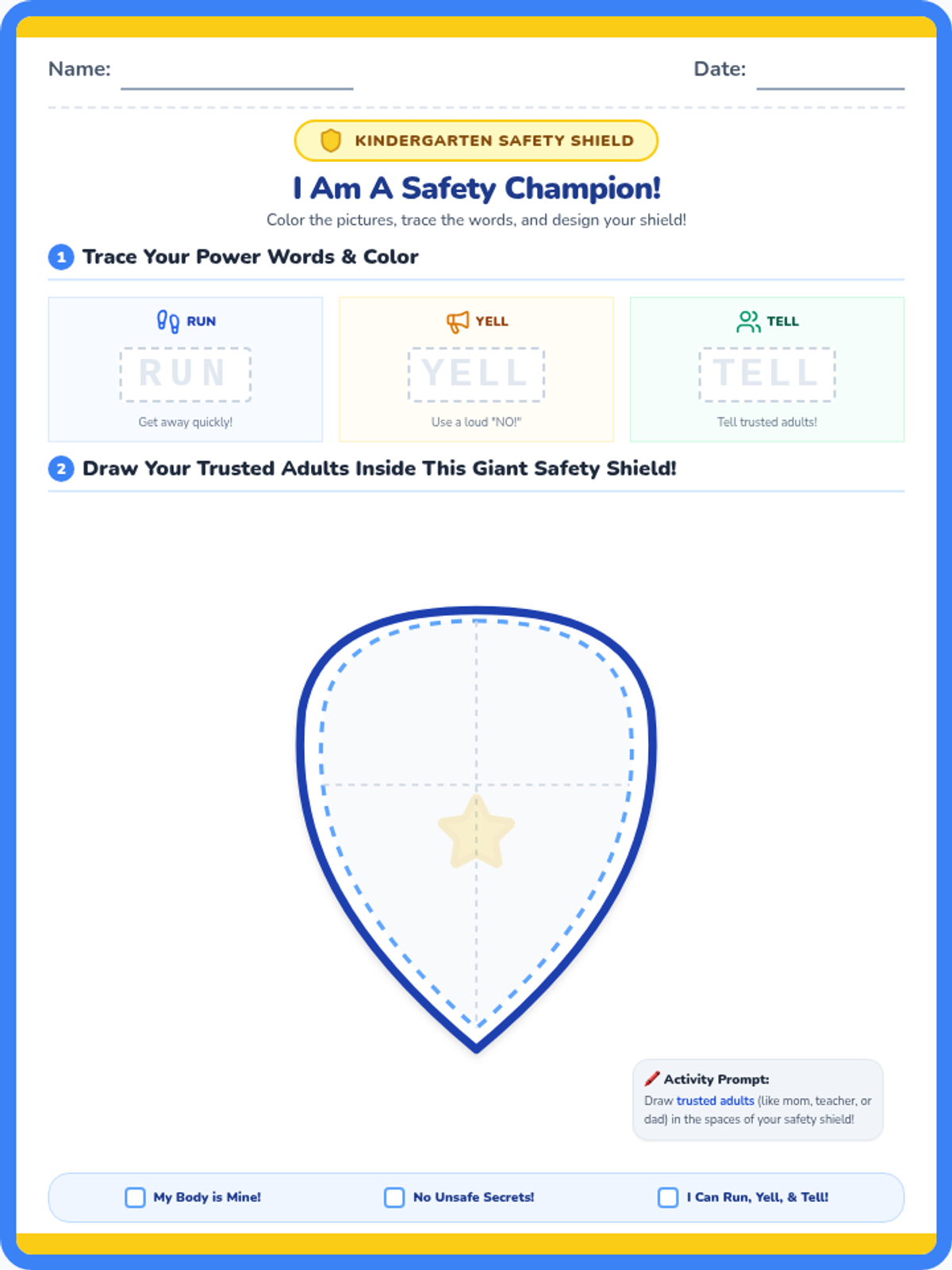
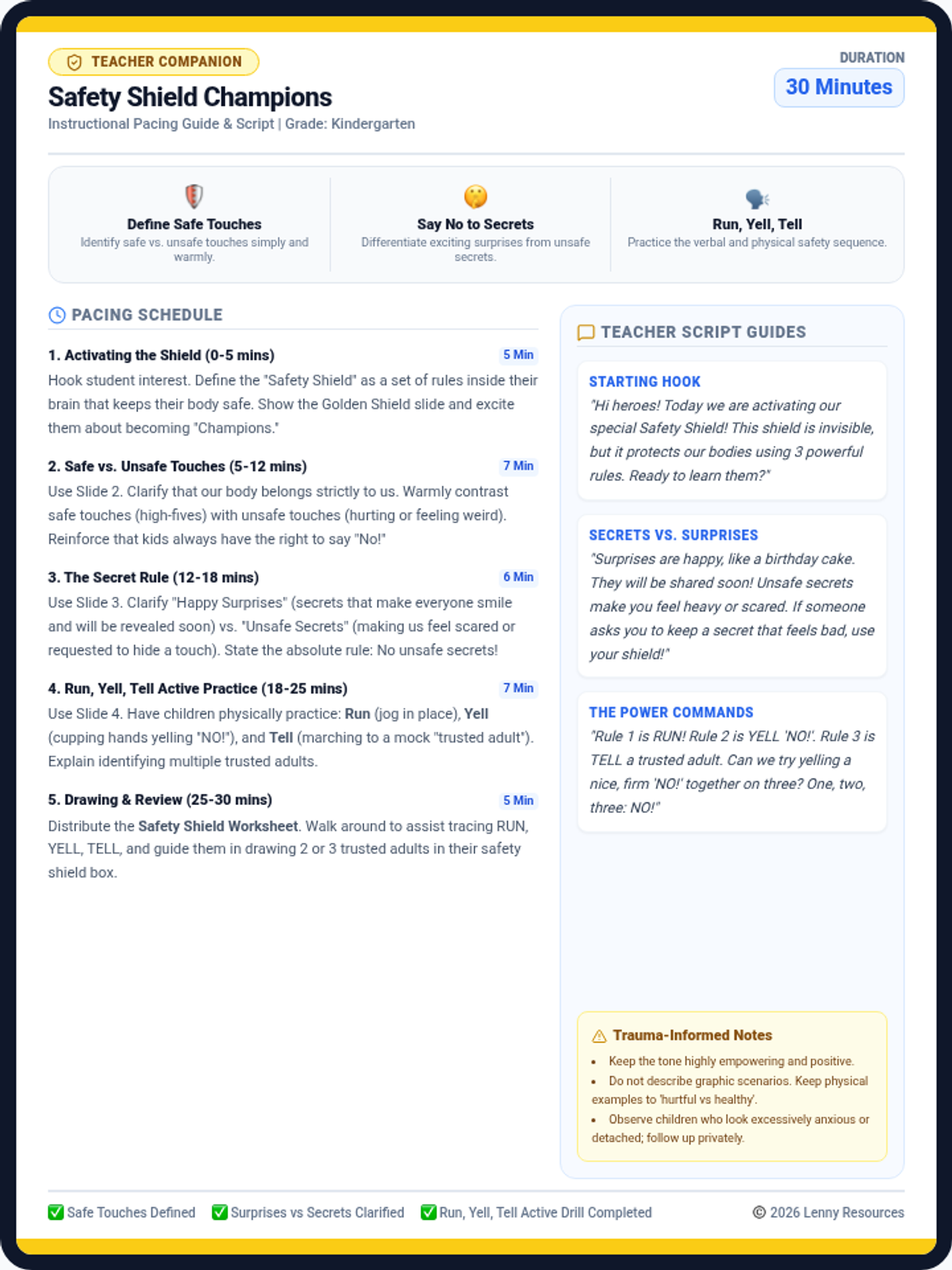
An empowering 30-minute personal safety lesson for kindergarteners using the 'Safety Shield' framework (Run, Yell, Tell, and Safe Touches) to teach them how to identify unsafe secrets and take action.
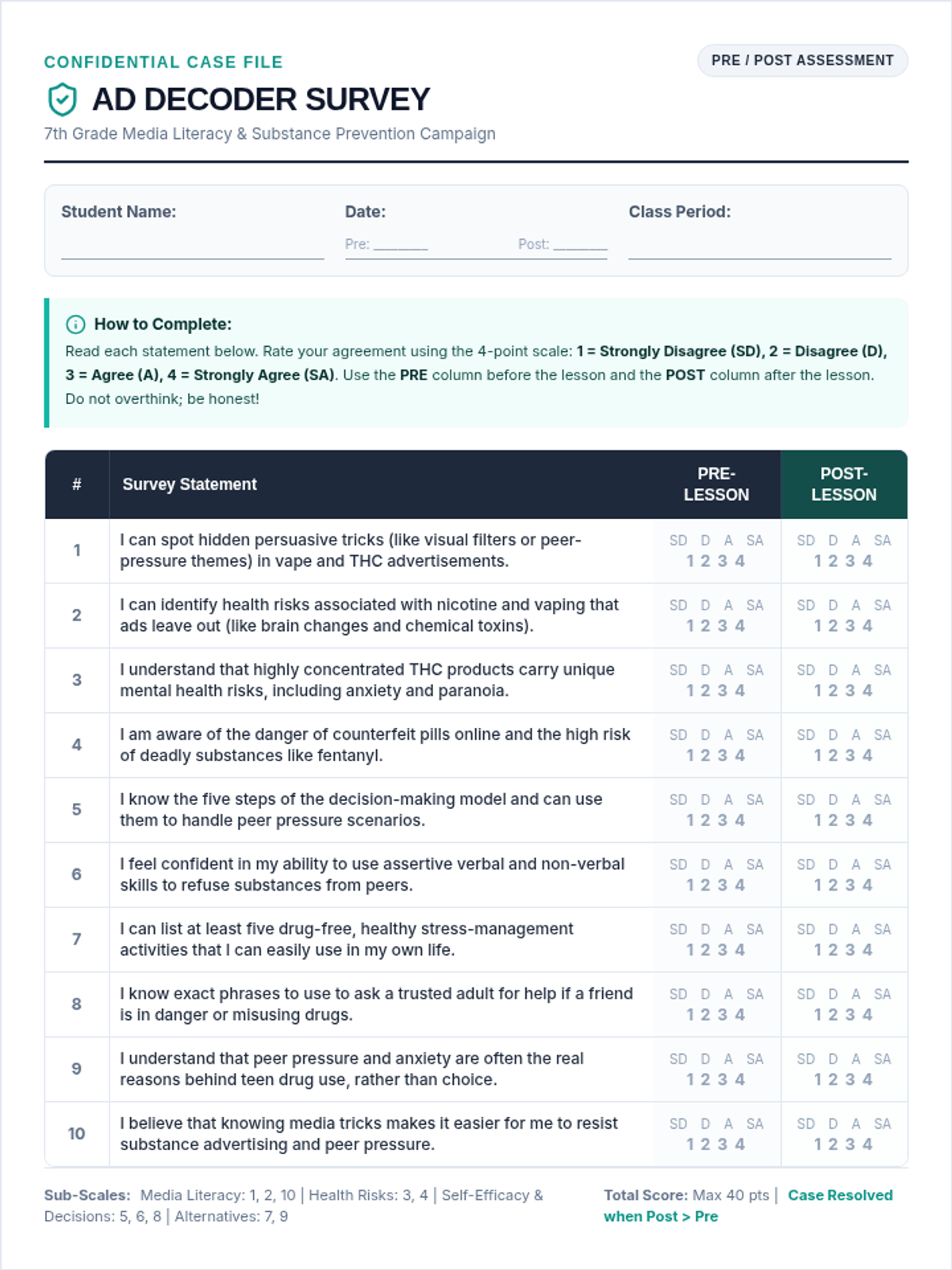
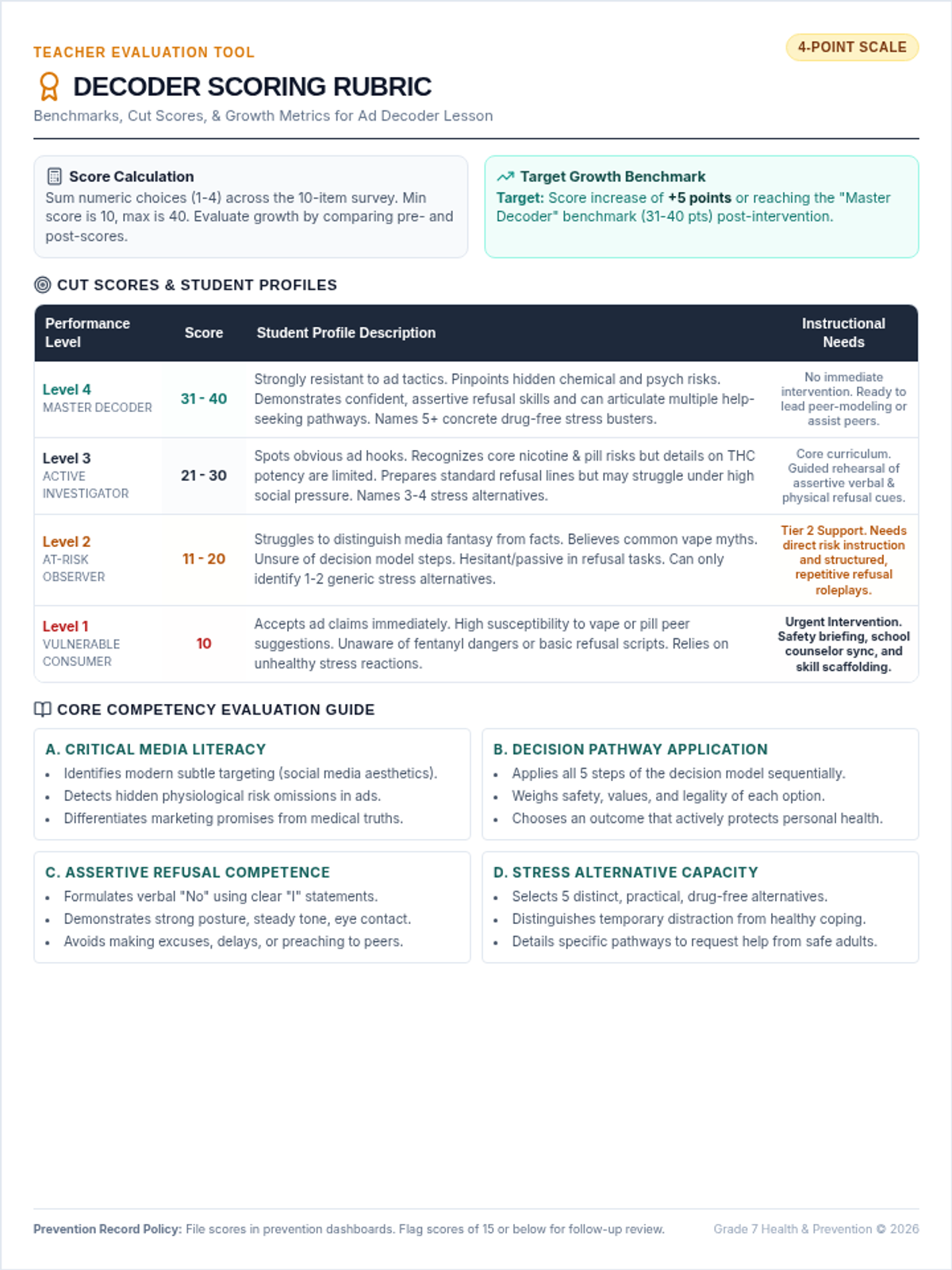
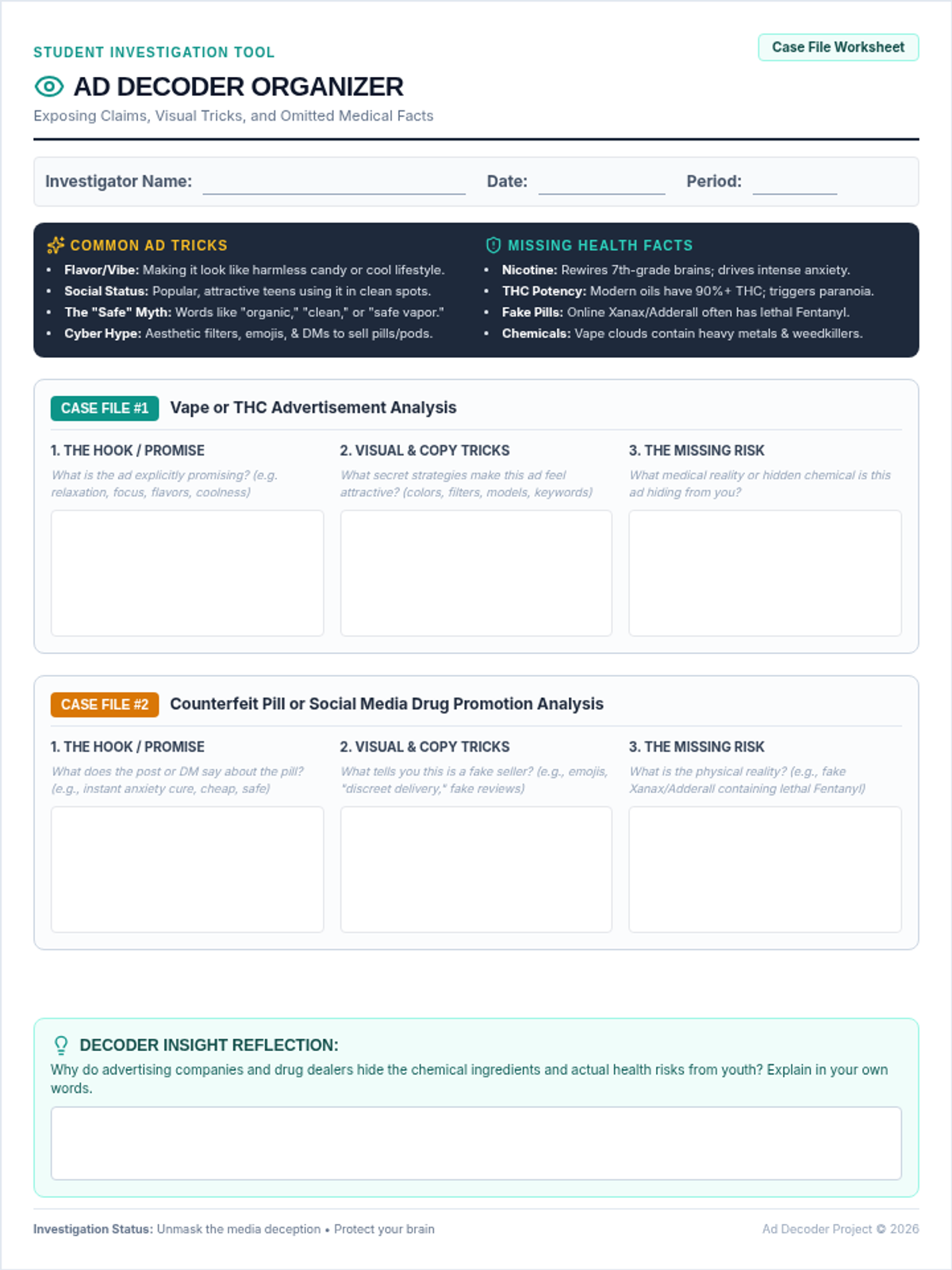
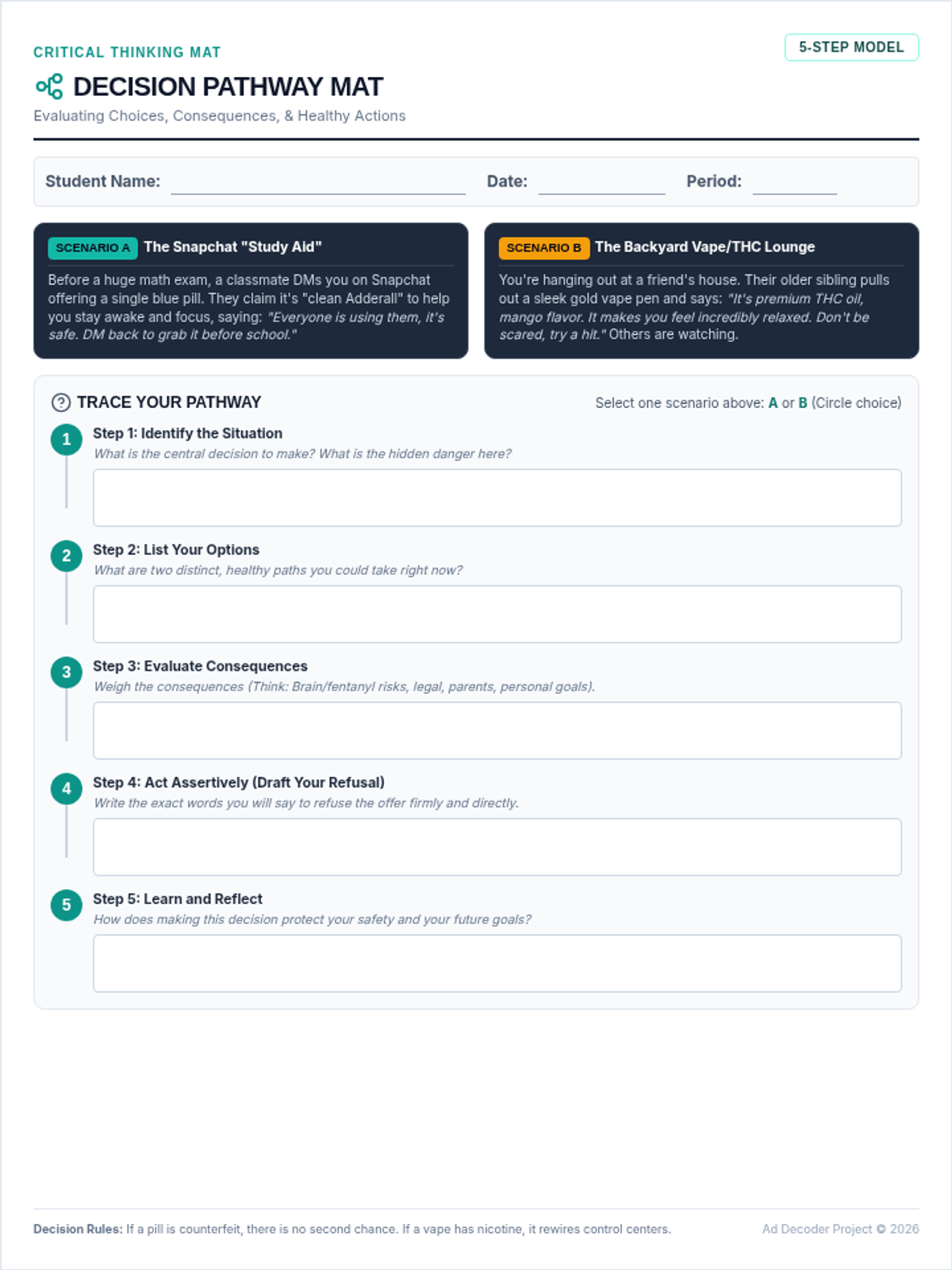
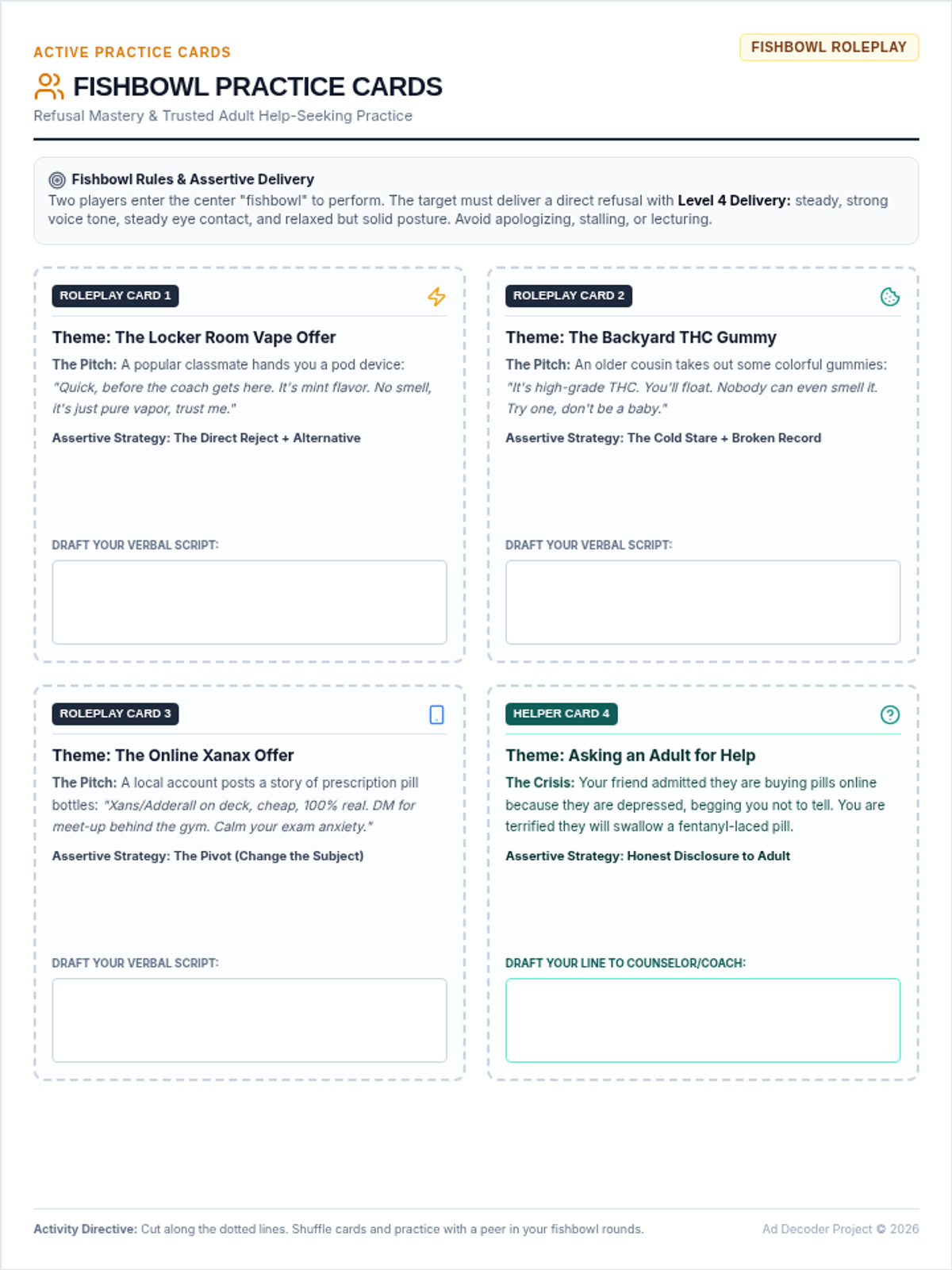
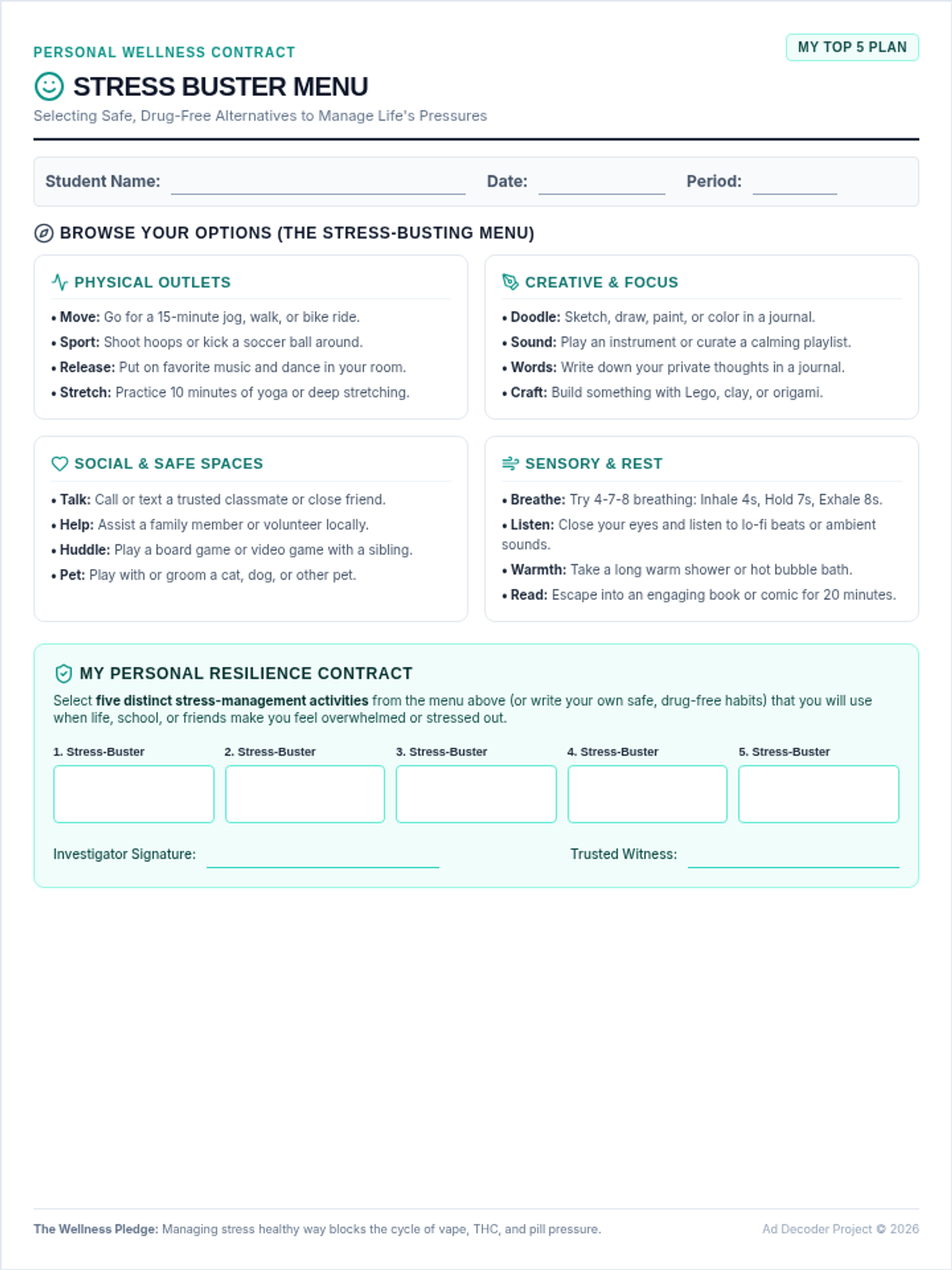
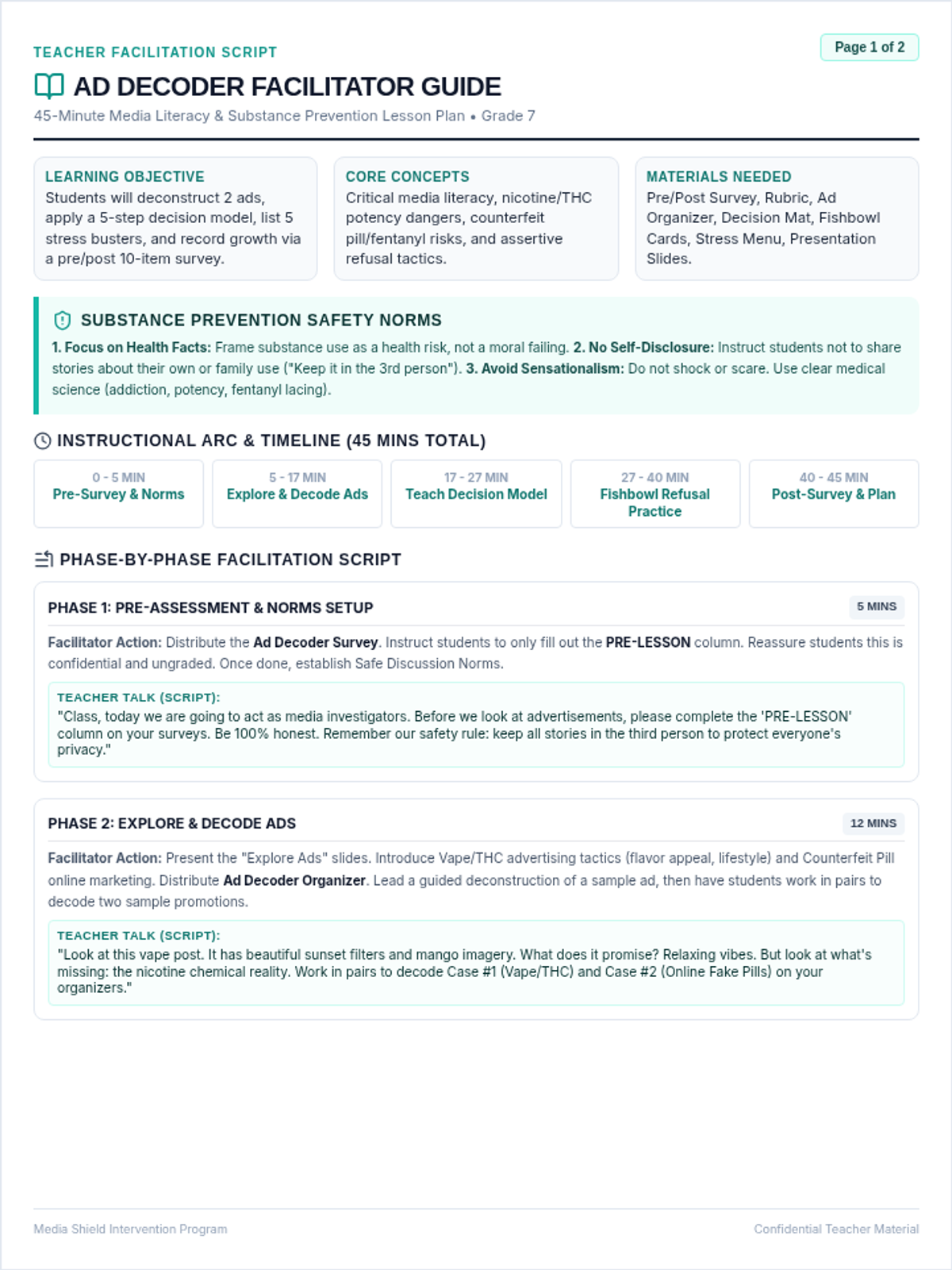
A 45-minute media literacy and substance prevention lesson for 7th grade. Students decode vape, THC, and pill advertisements, apply a 5-step decision-making model, and practice assertive refusal skills and healthy stress-management alternatives.
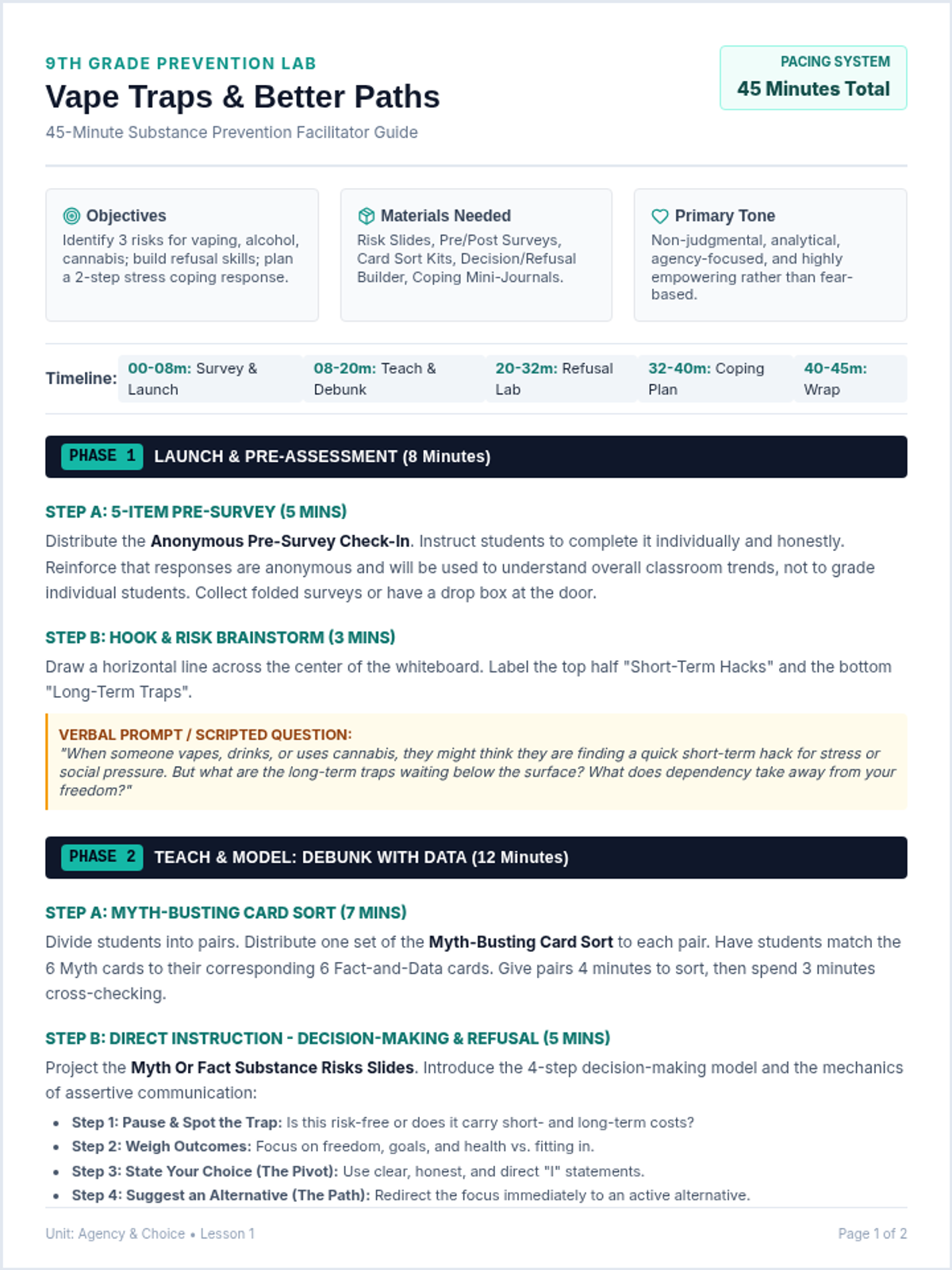
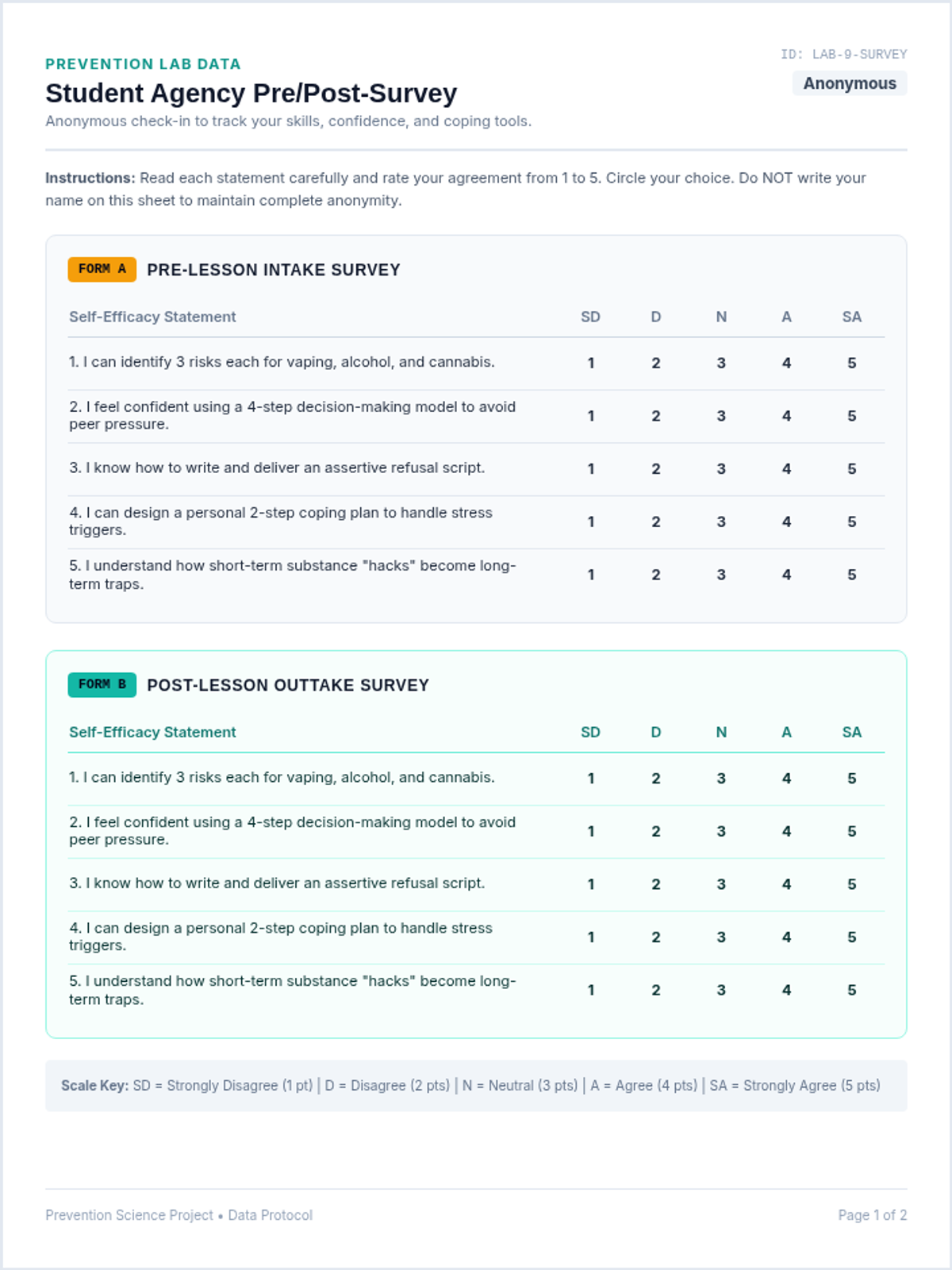
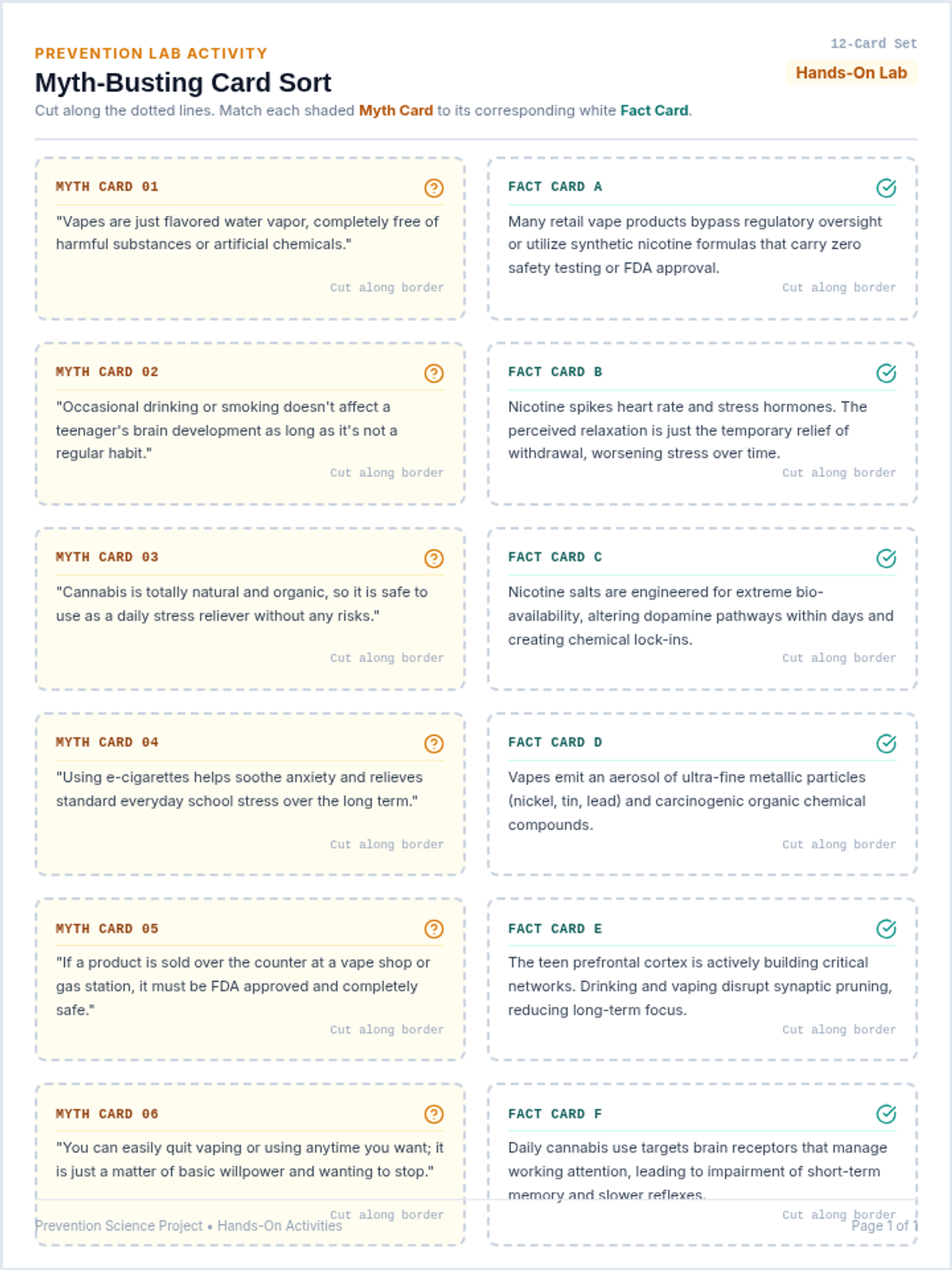
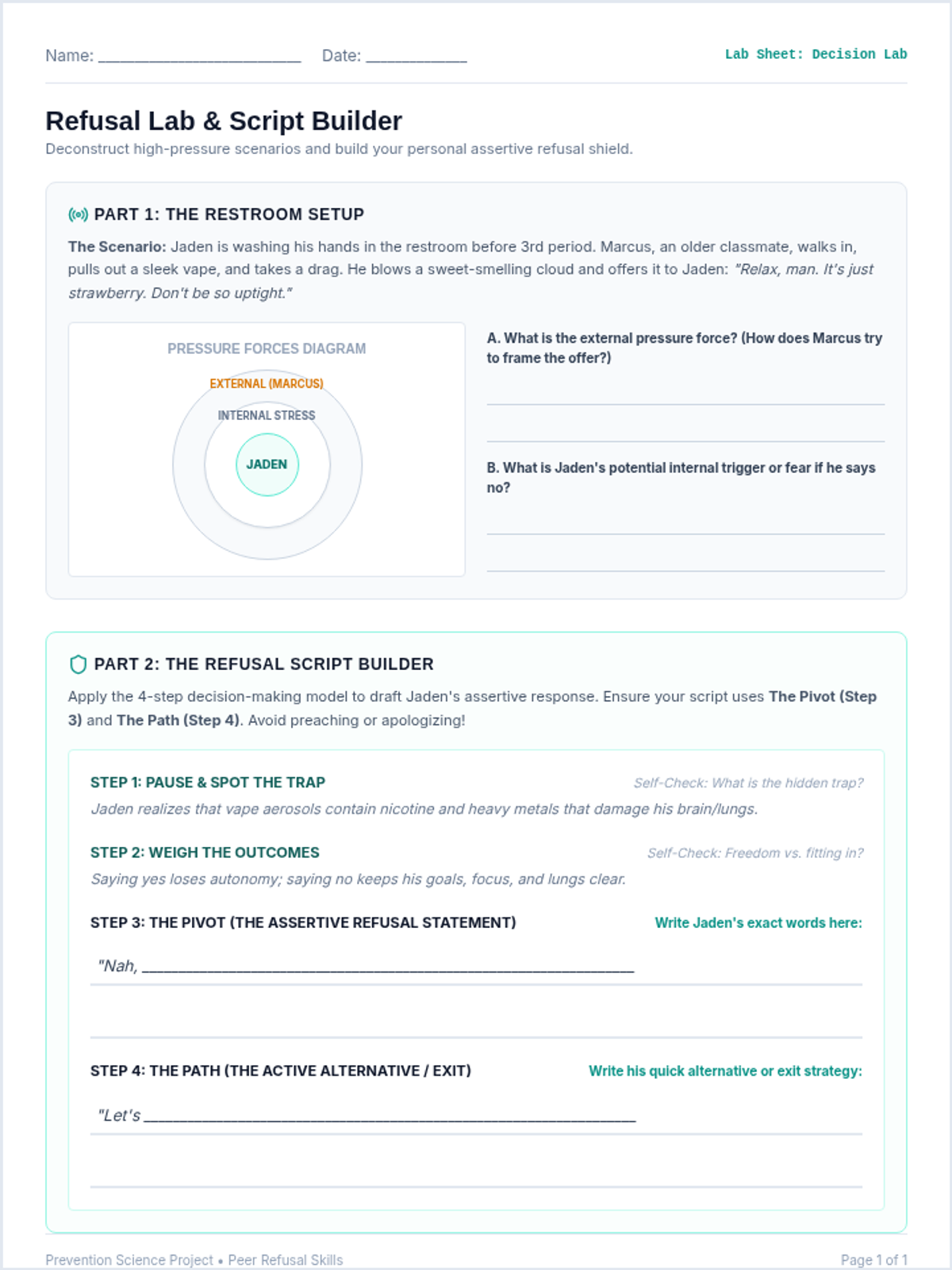
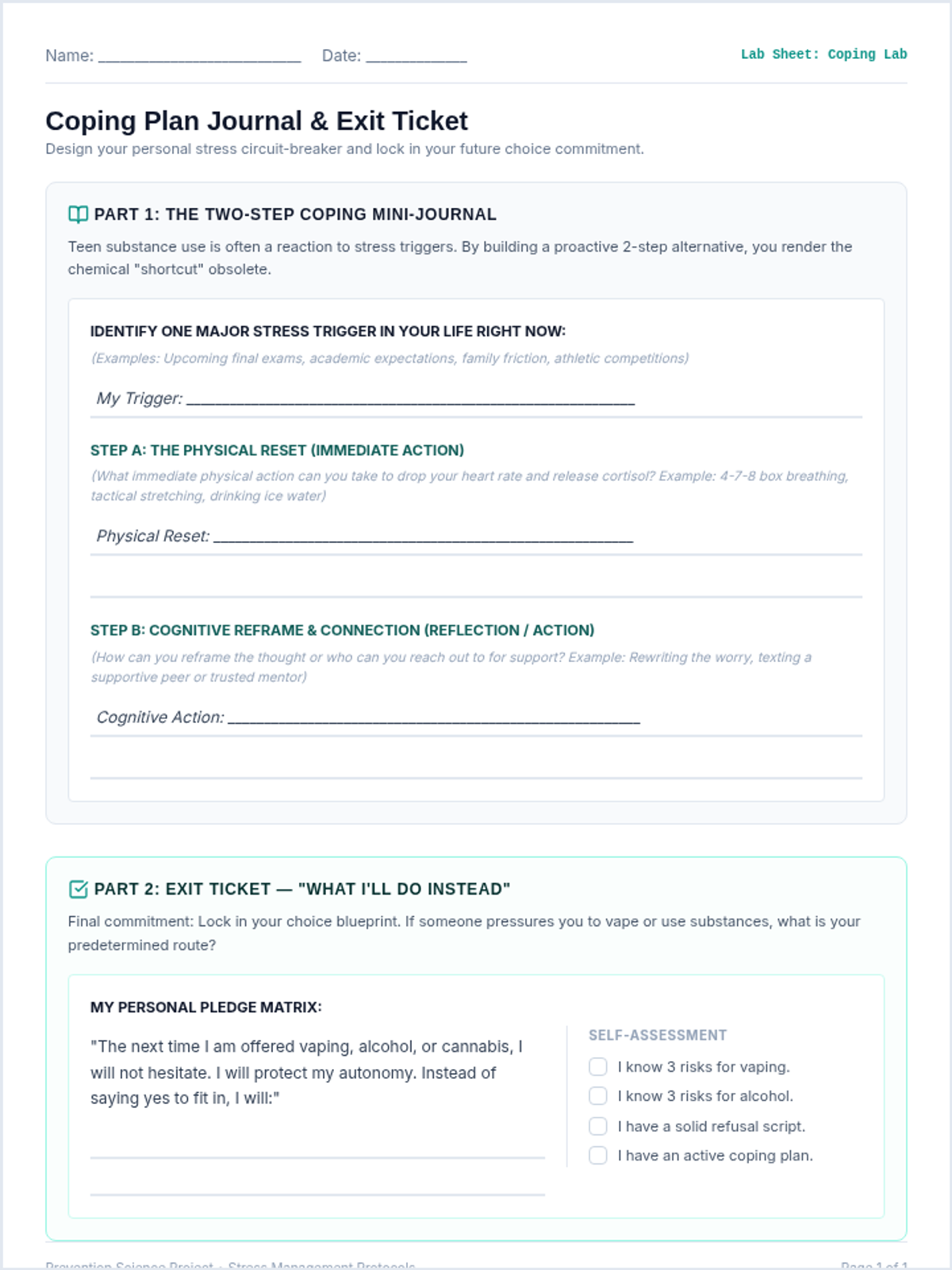
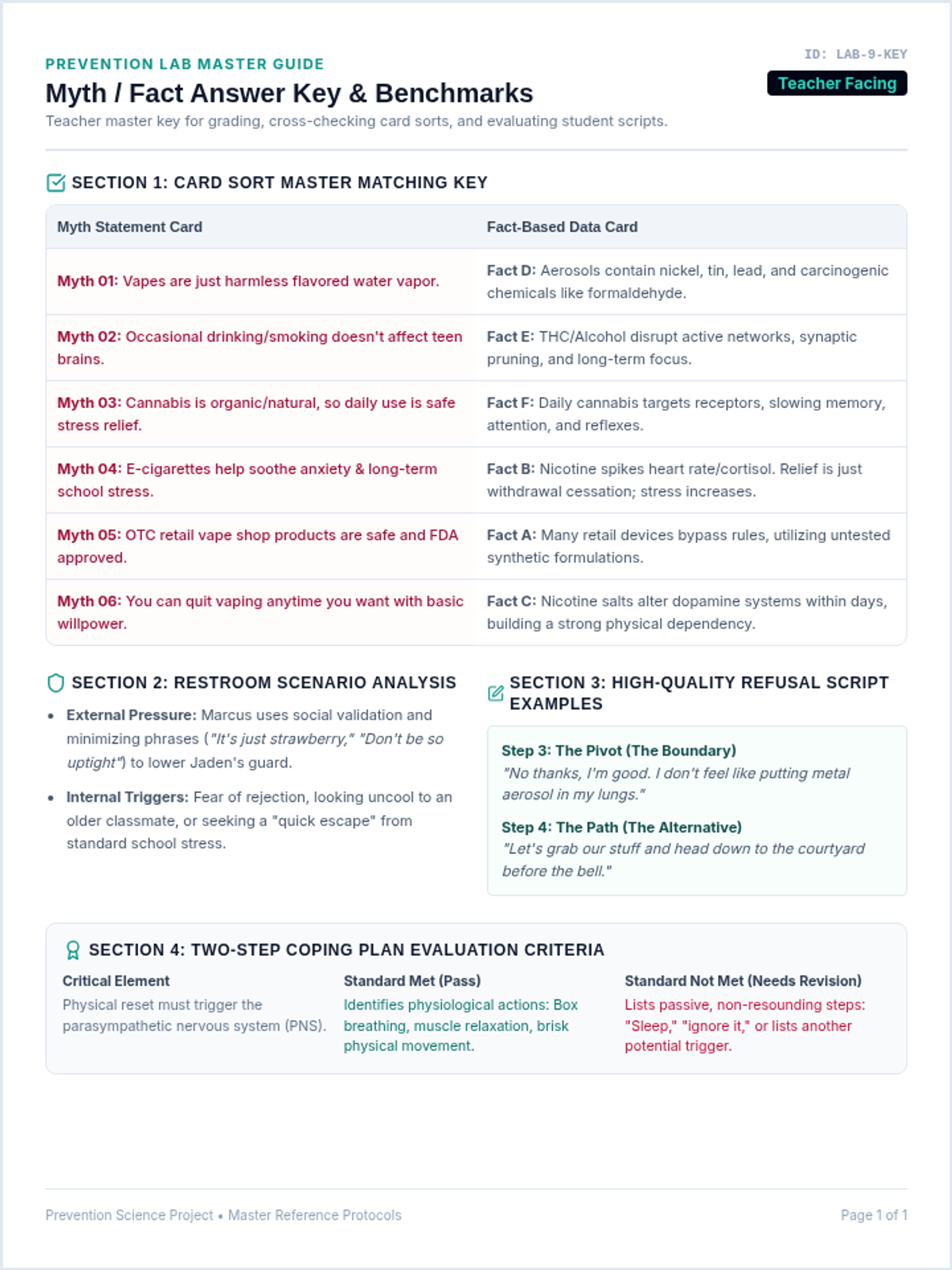
A comprehensive 45-minute substance prevention lesson for 9th-grade students. It builds critical awareness of vaping, alcohol, and cannabis risks while equipping students with a four-step decision-making model, assertive refusal scripts, and a personal stress-coping plan.
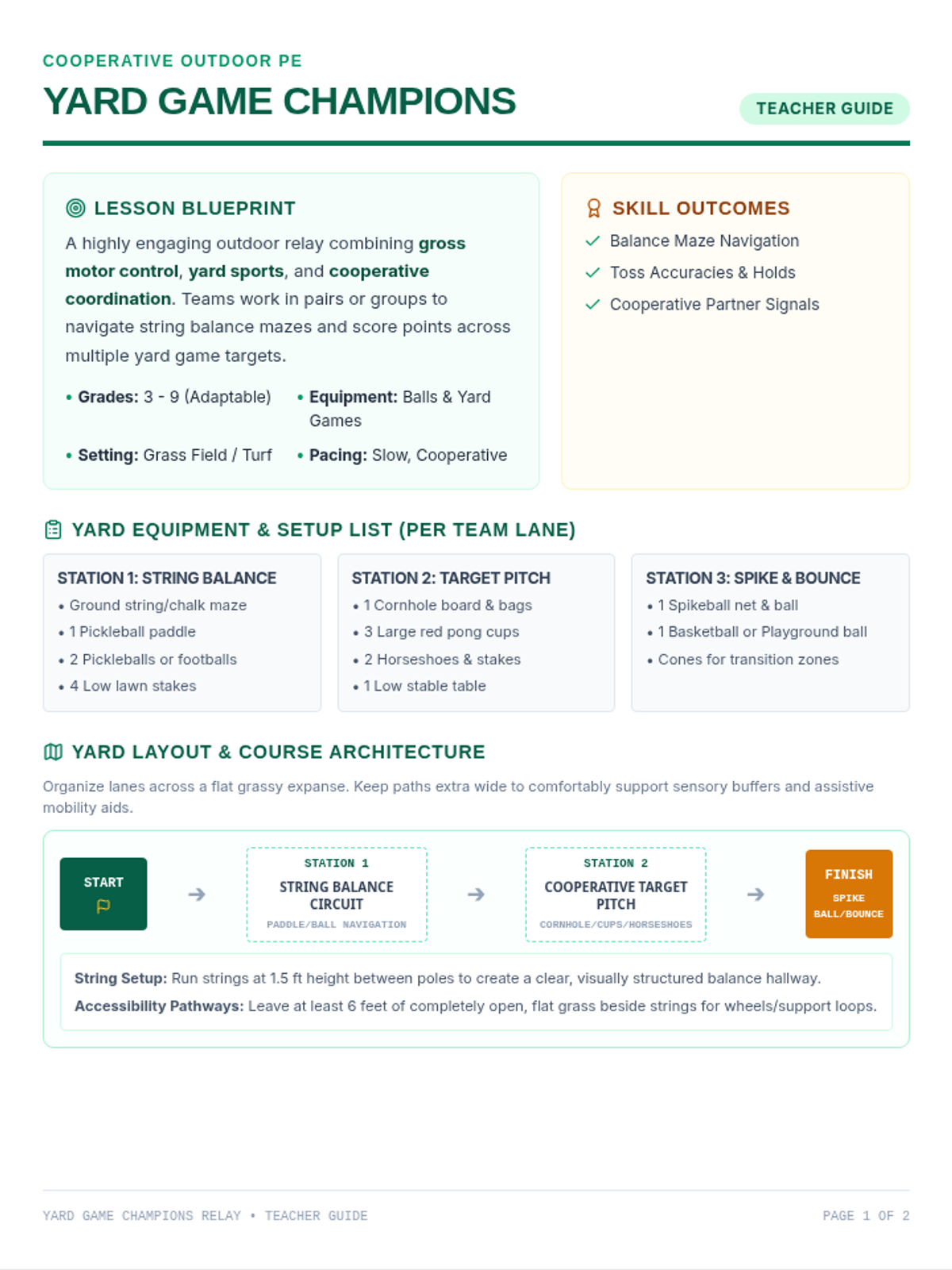
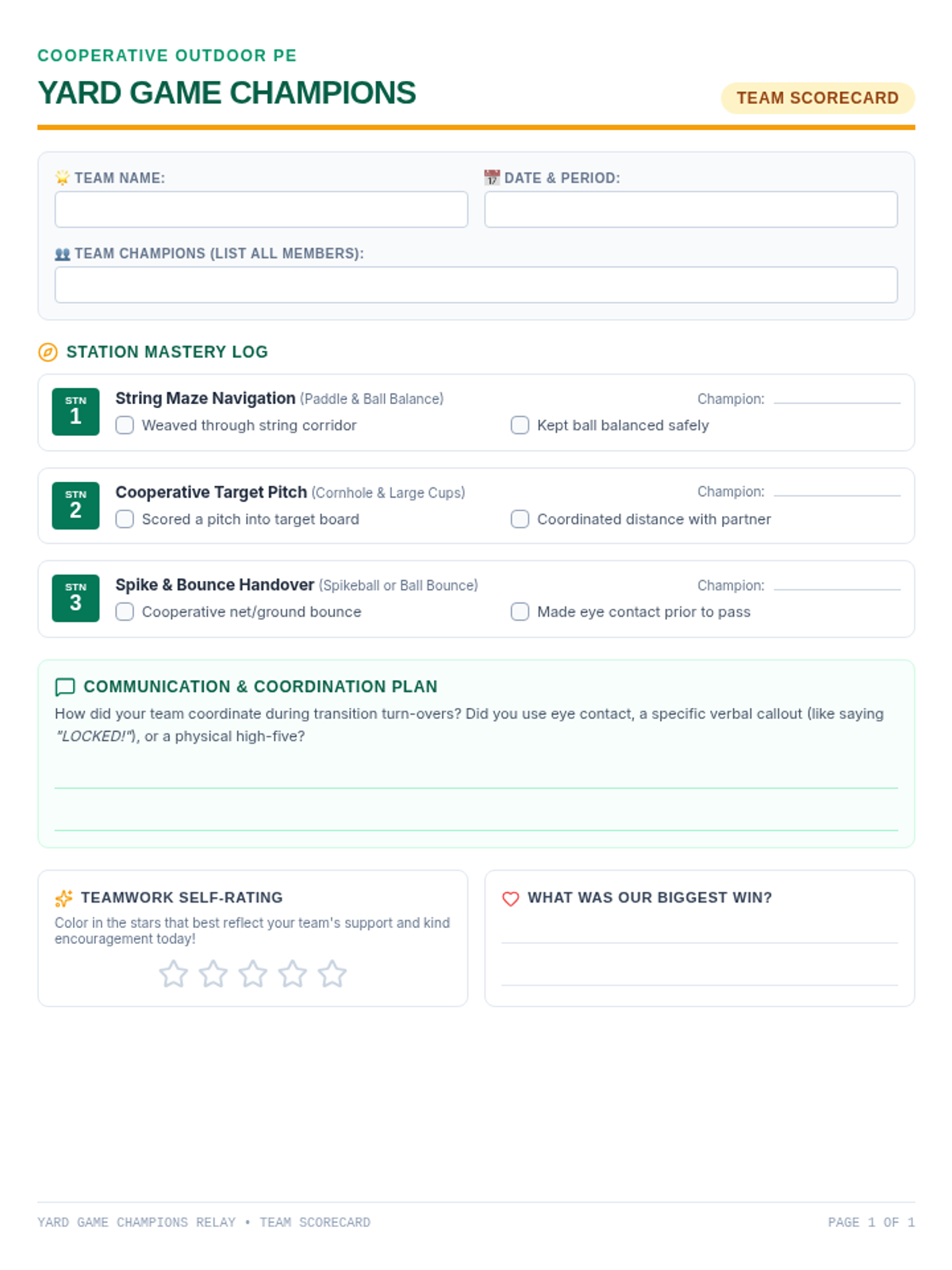
An outdoor cooperative relay race utilizing yard games, balls, and string balance circuits, designed with low-impact adaptations to ensure full class inclusion.
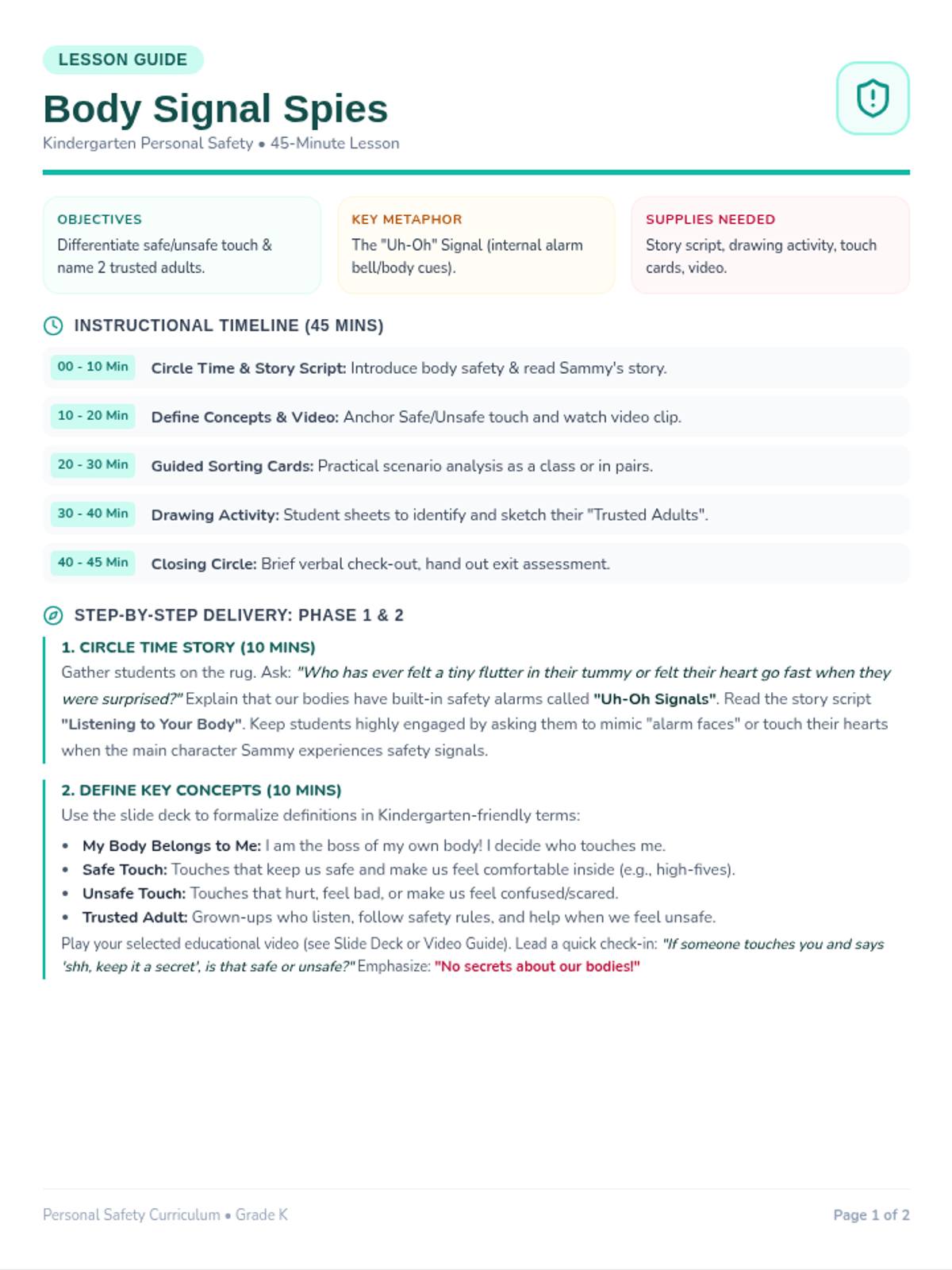
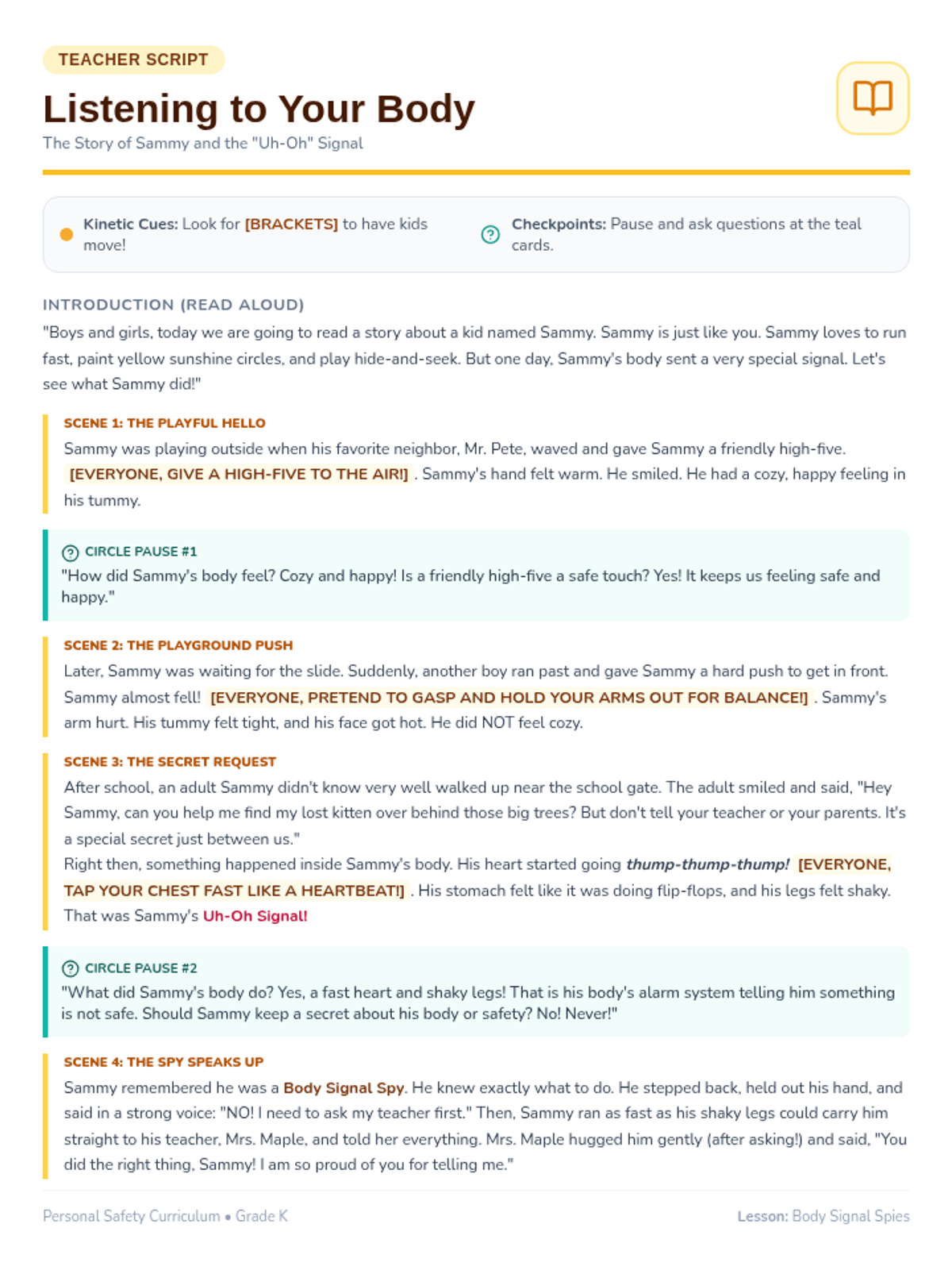
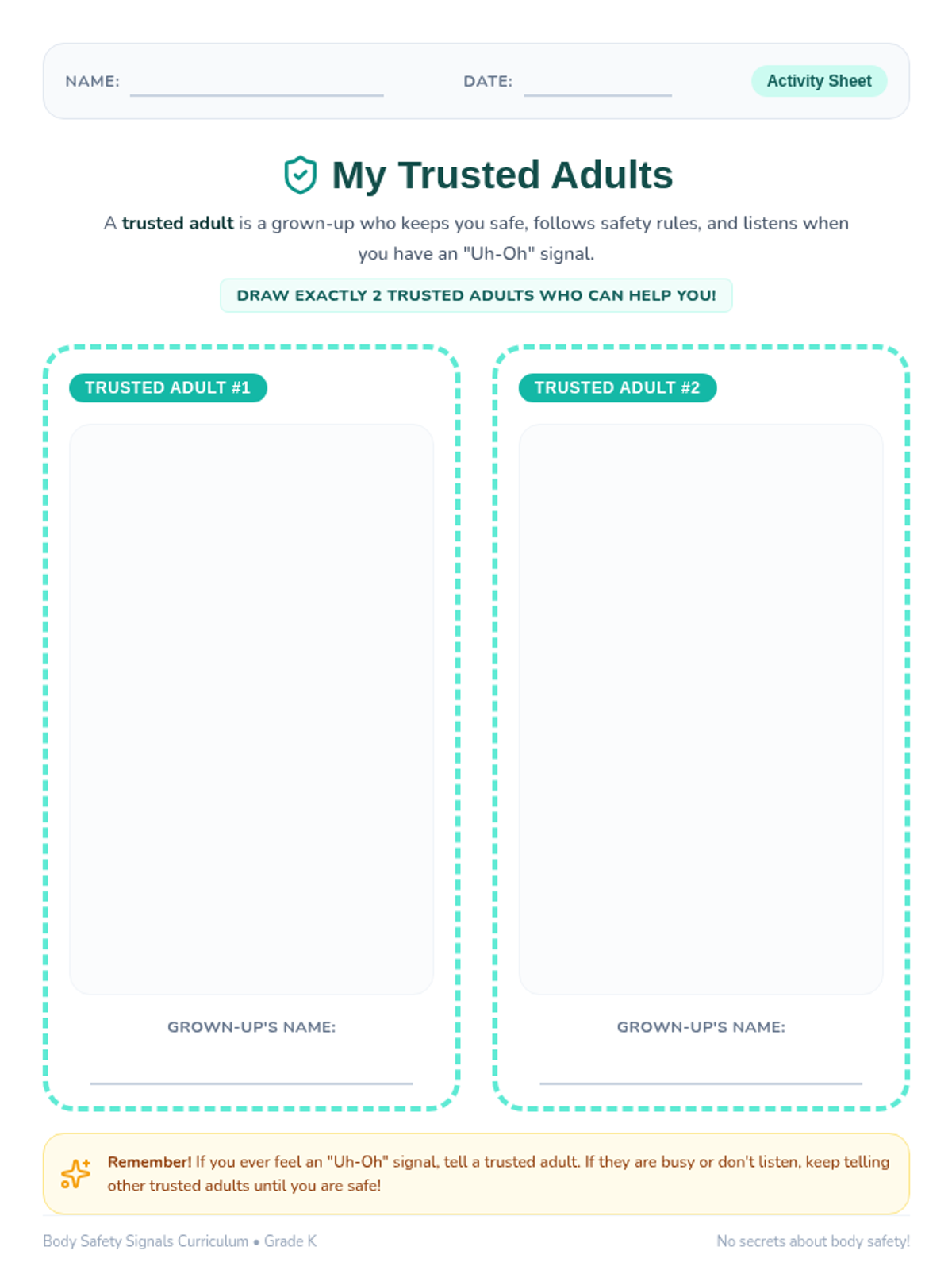
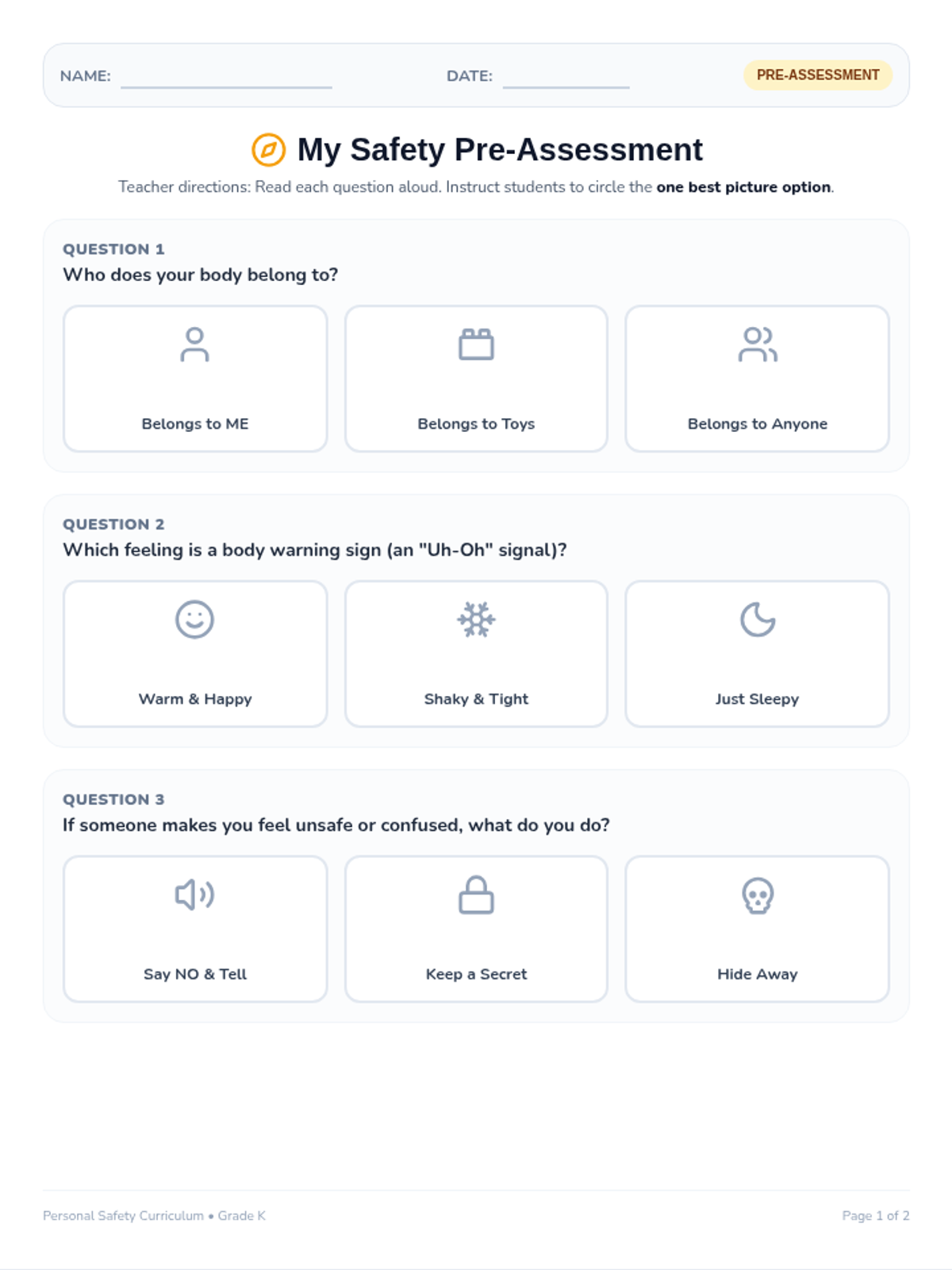
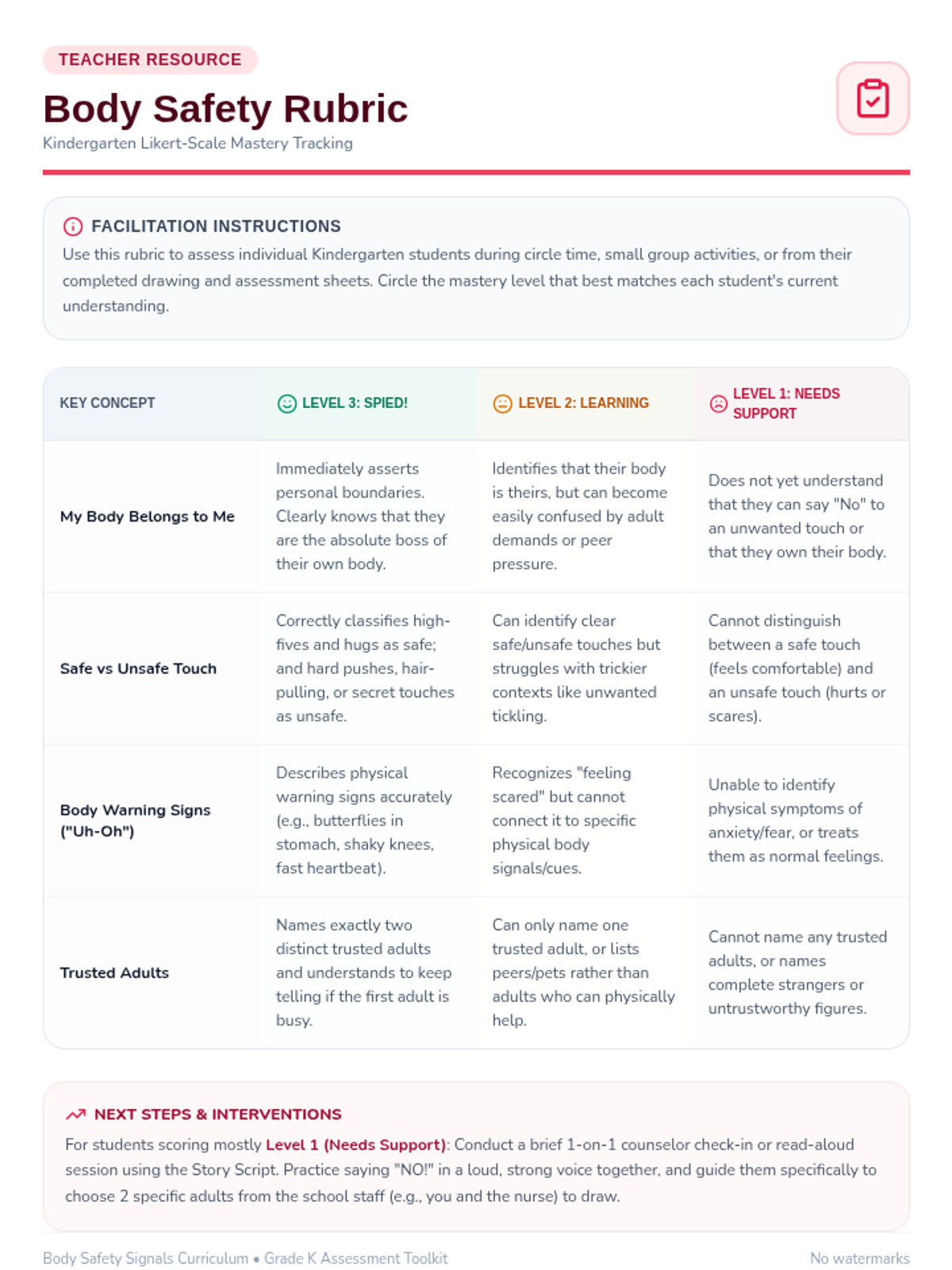
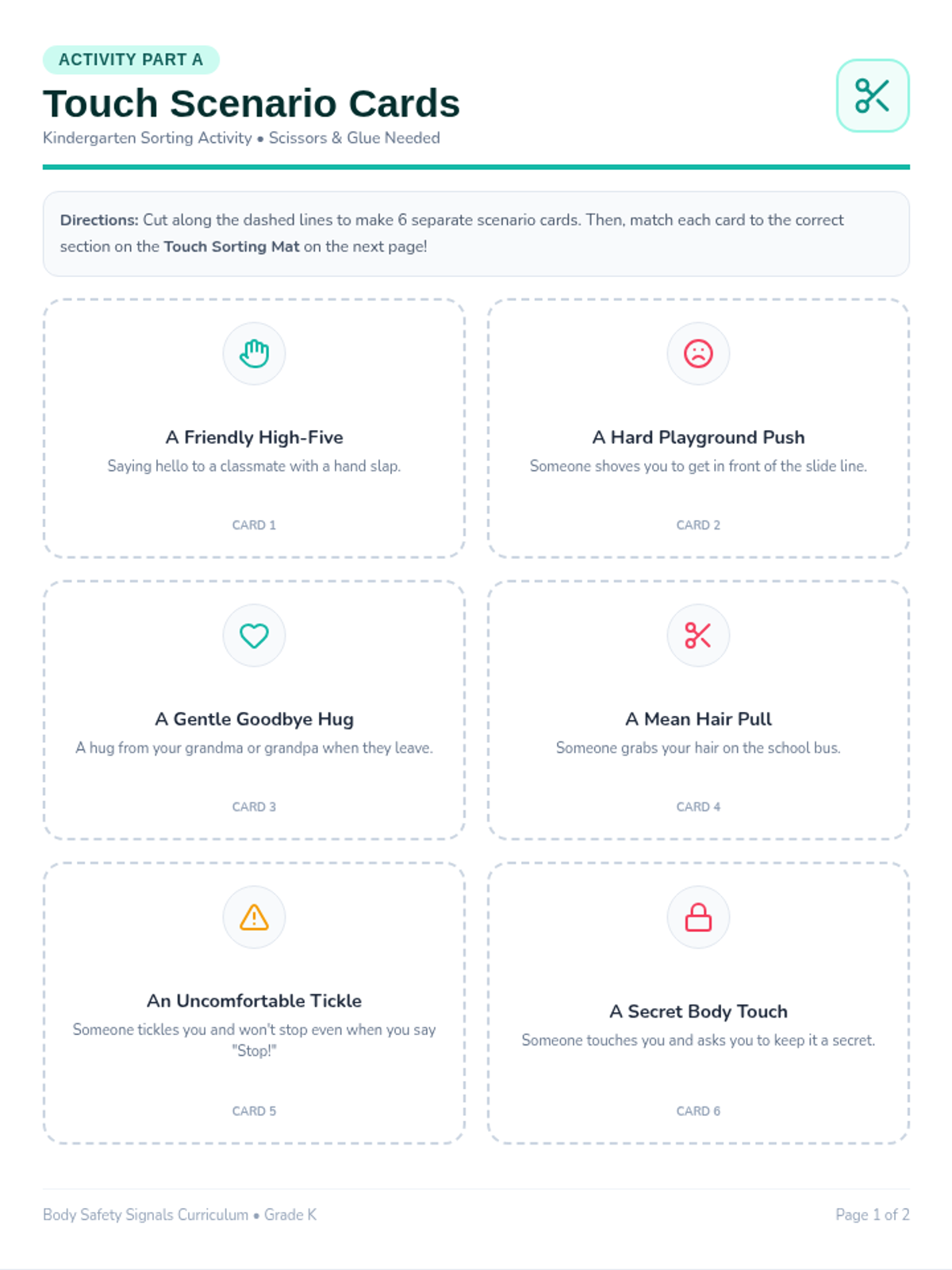
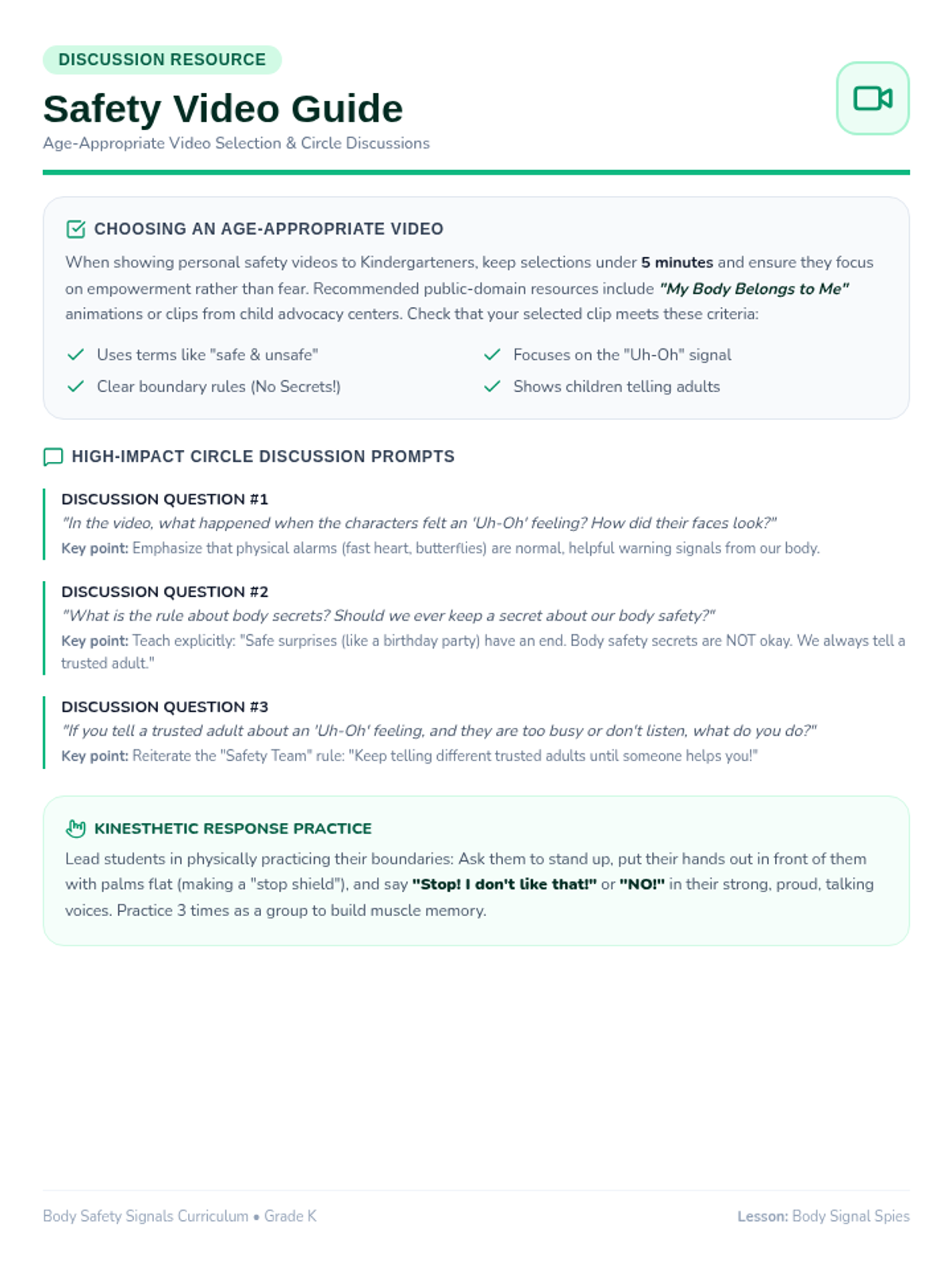
A comprehensive Kindergarten body safety lesson that teaches students to recognize physical warning signs ('uh-oh' feelings), differentiate between safe and unsafe touch, and identify trusted adults.
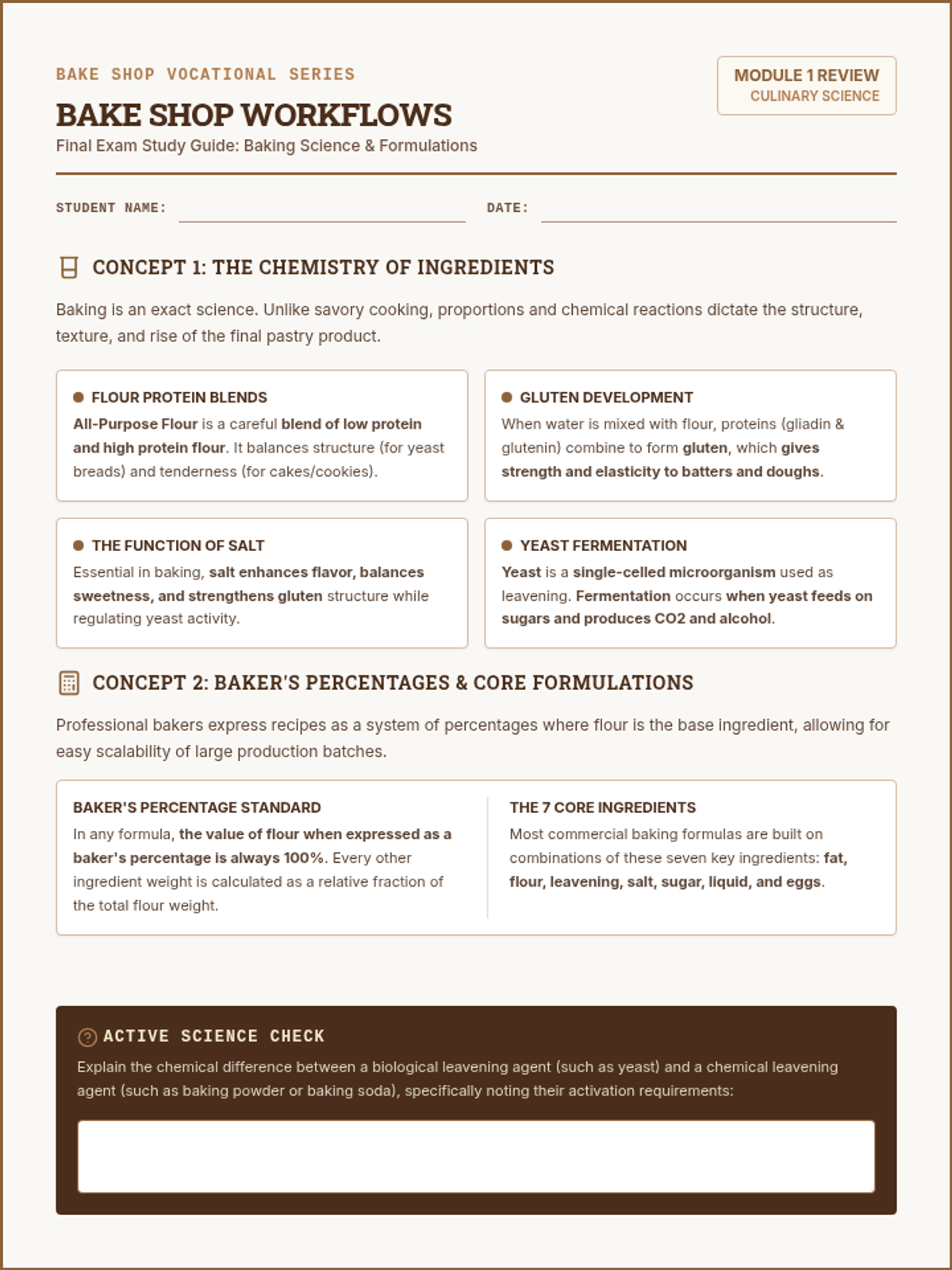
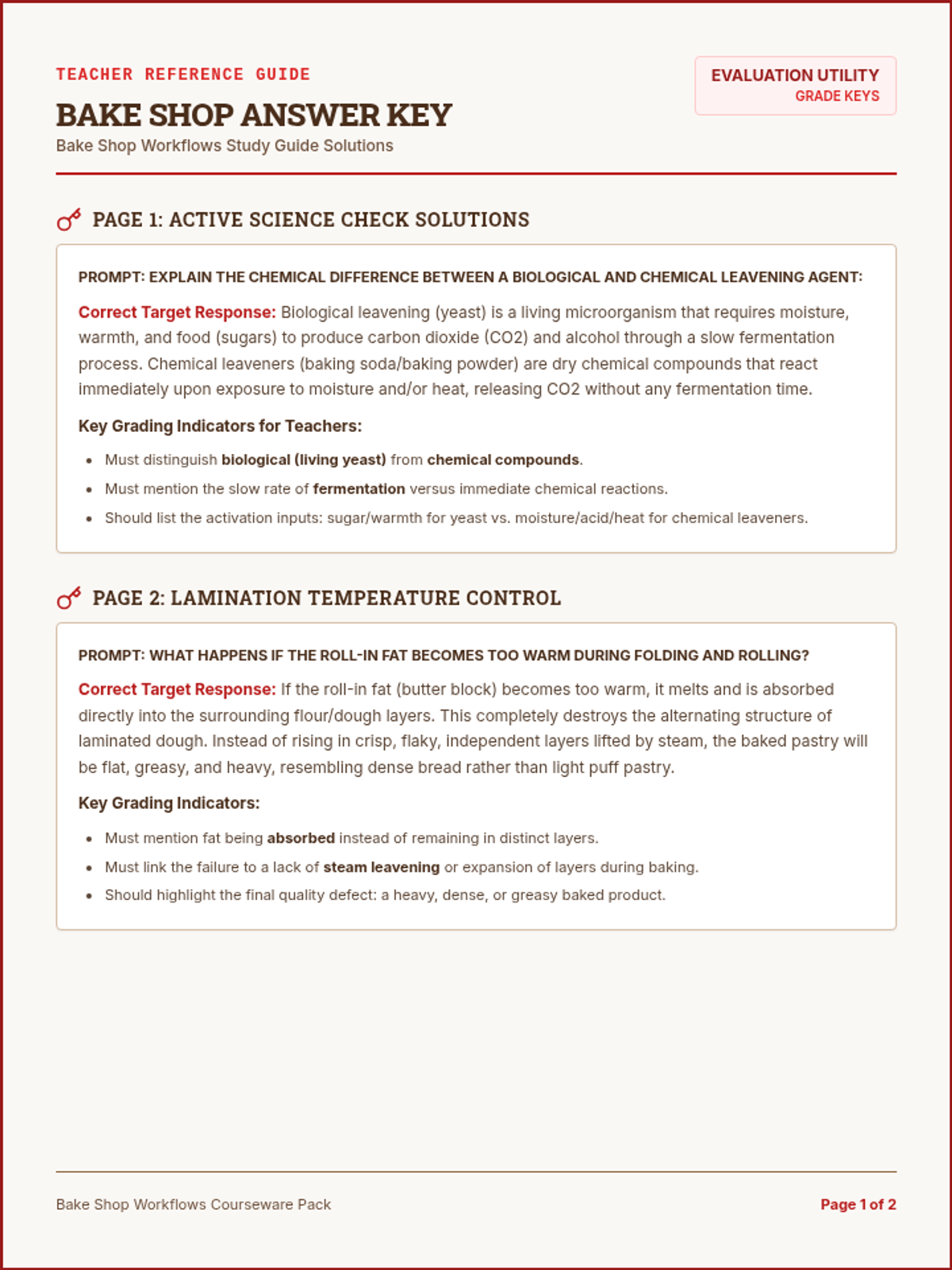
A high-yield vocational lesson focusing on commercial baking science, pastry production techniques, laminated doughs, and professional bake shop workflows.
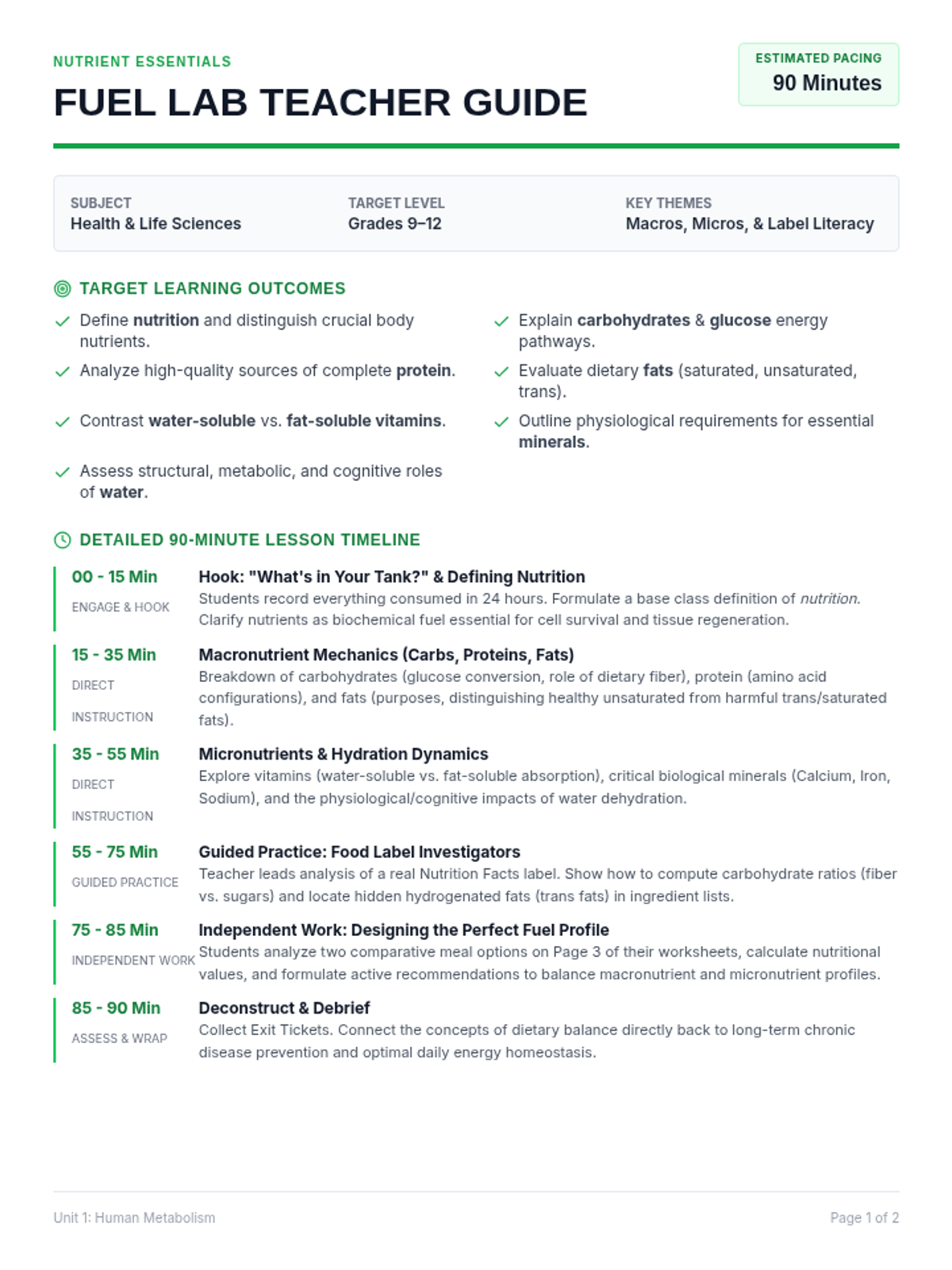
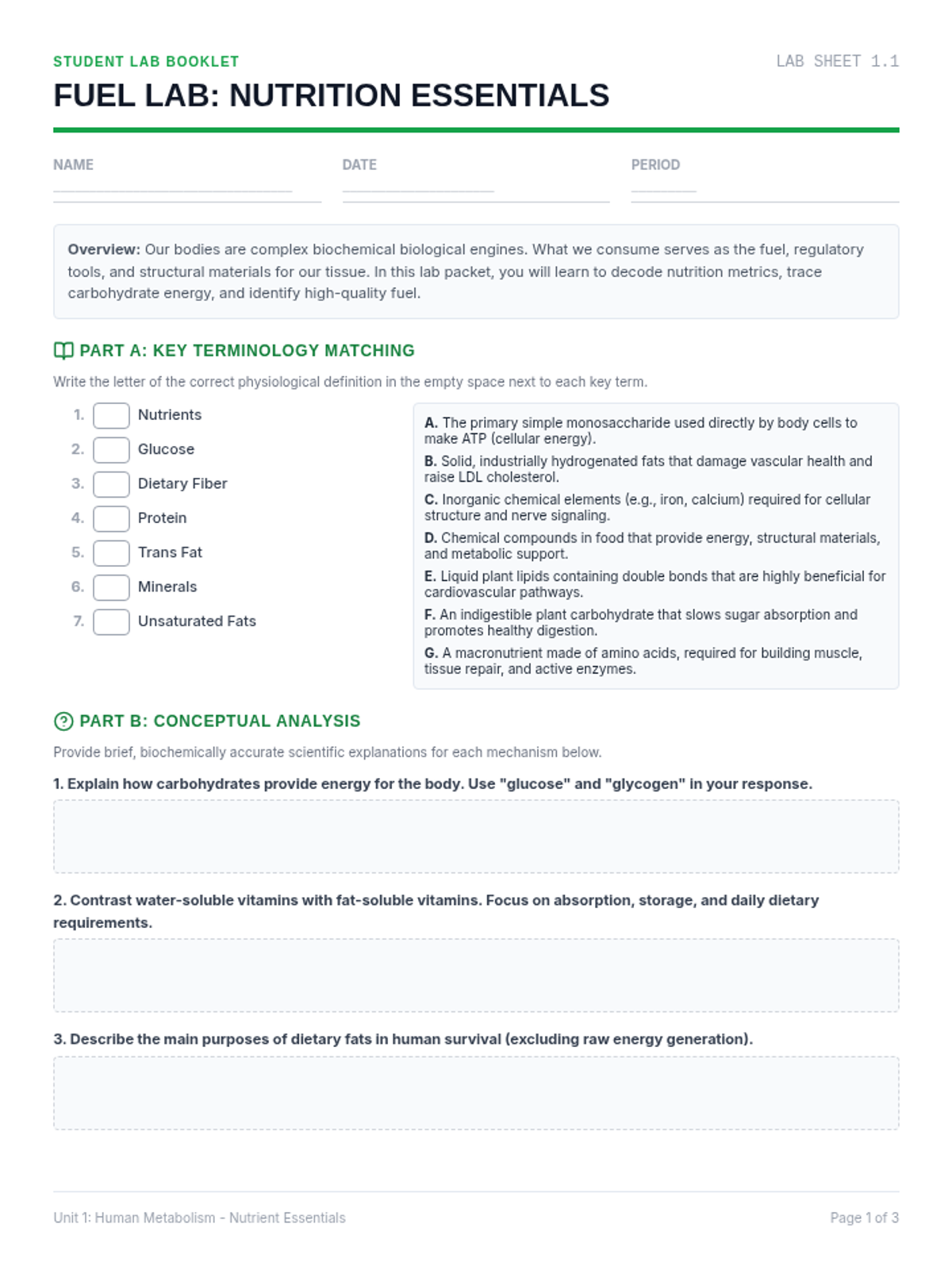
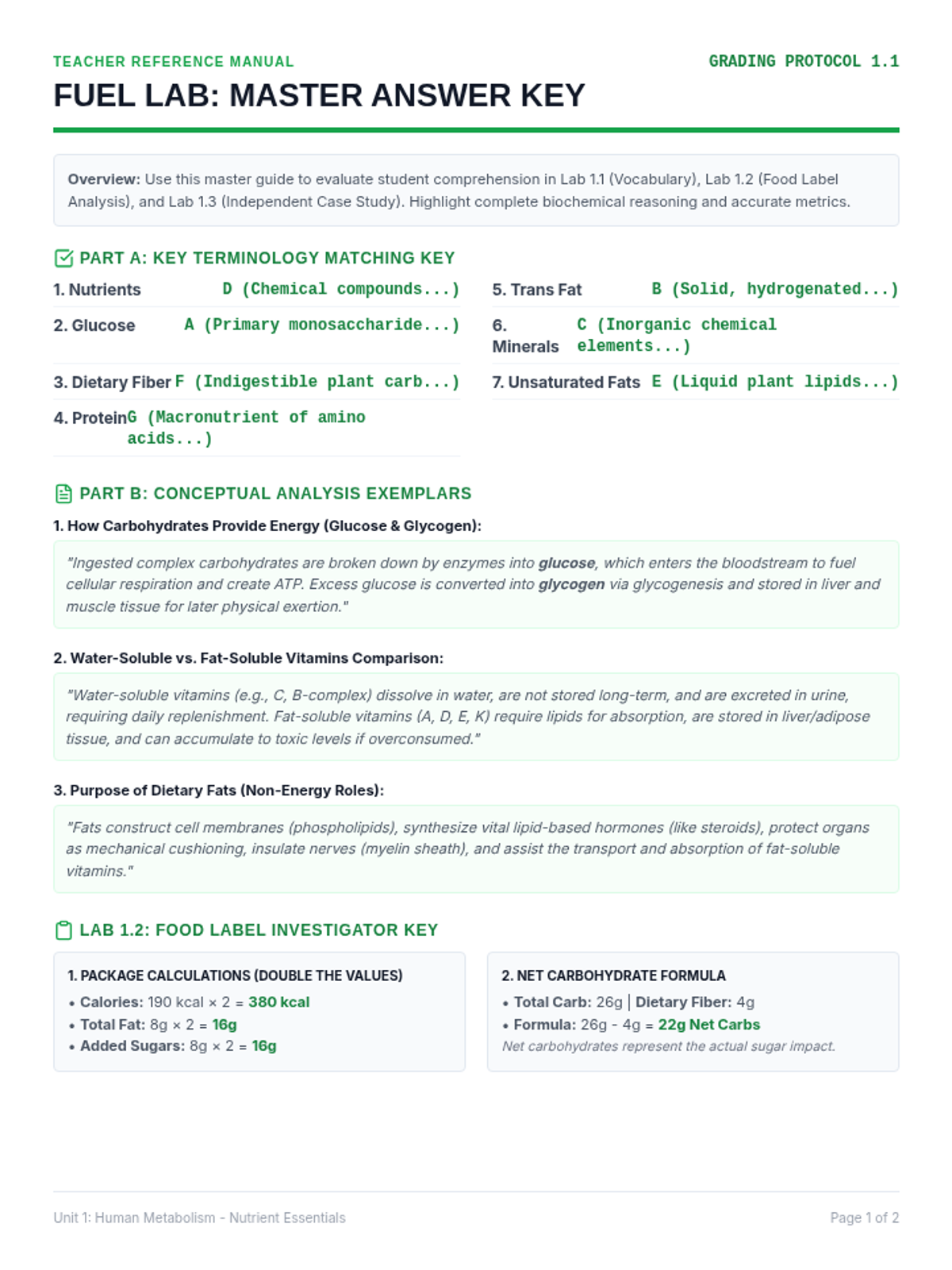
A 90-minute lesson plan package focusing on human nutrition, exploring macronutrients (carbs, proteins, fats), micronutrients (vitamins, minerals), and hydration through direct instruction and scaffolded food label analysis activities.
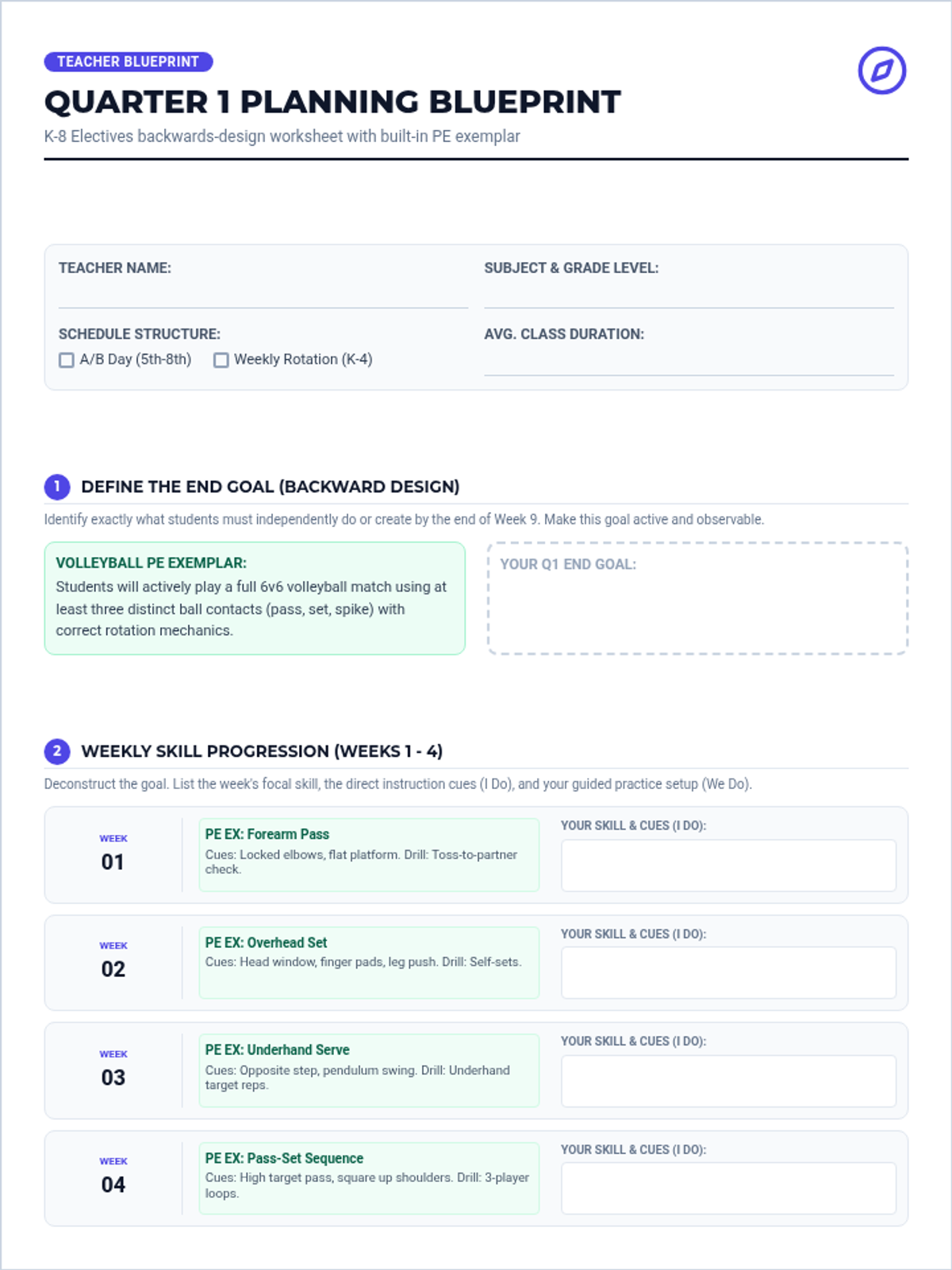
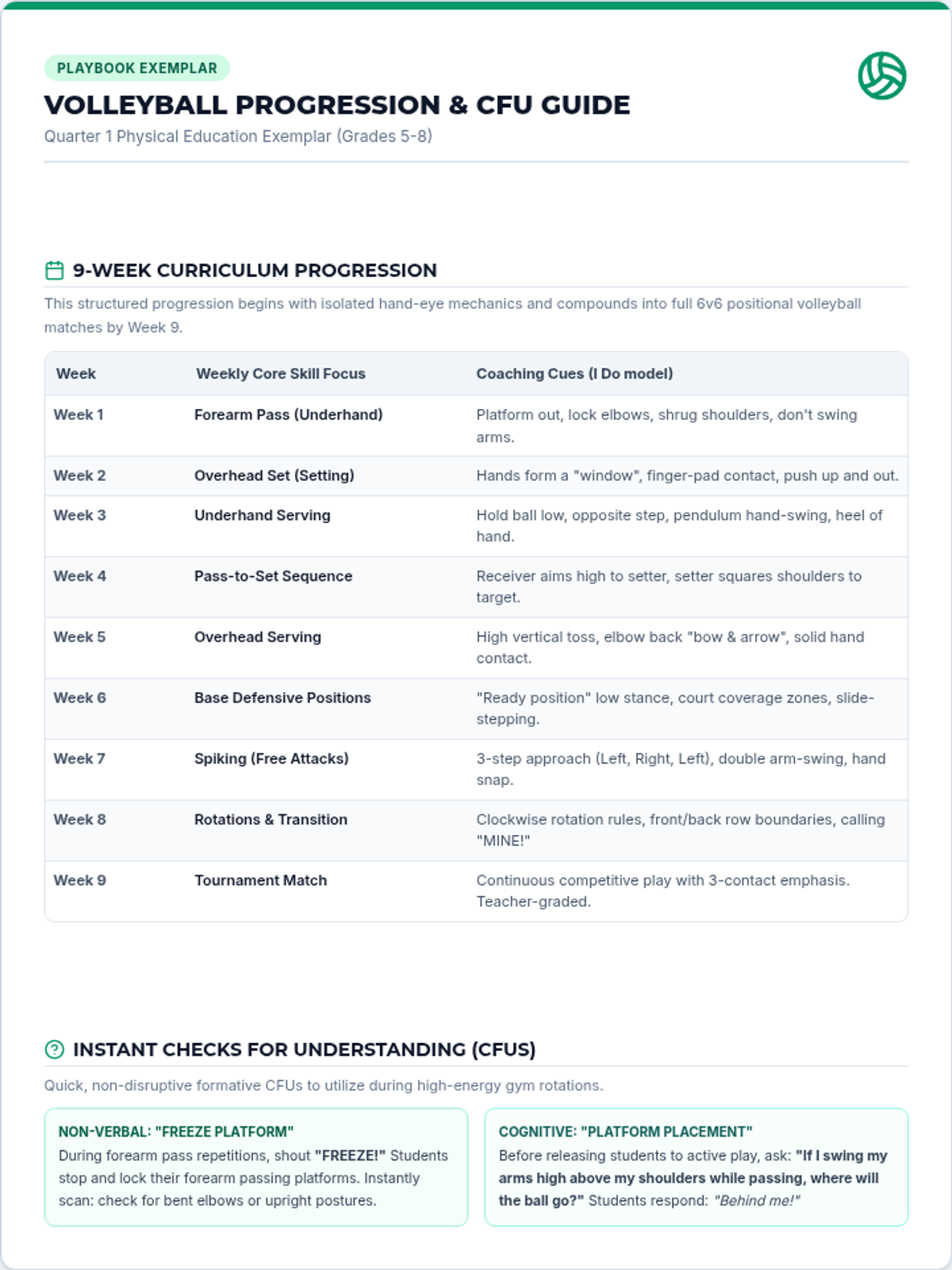
A professional development session and toolset for K-8 Electives teachers. It covers backward design, splitting schedules for A/B days and weekly rotations, mapping weekly skill progressions using the 'I Do, We Do, You Do' model, and creating checks for understanding and proficiency rubrics.
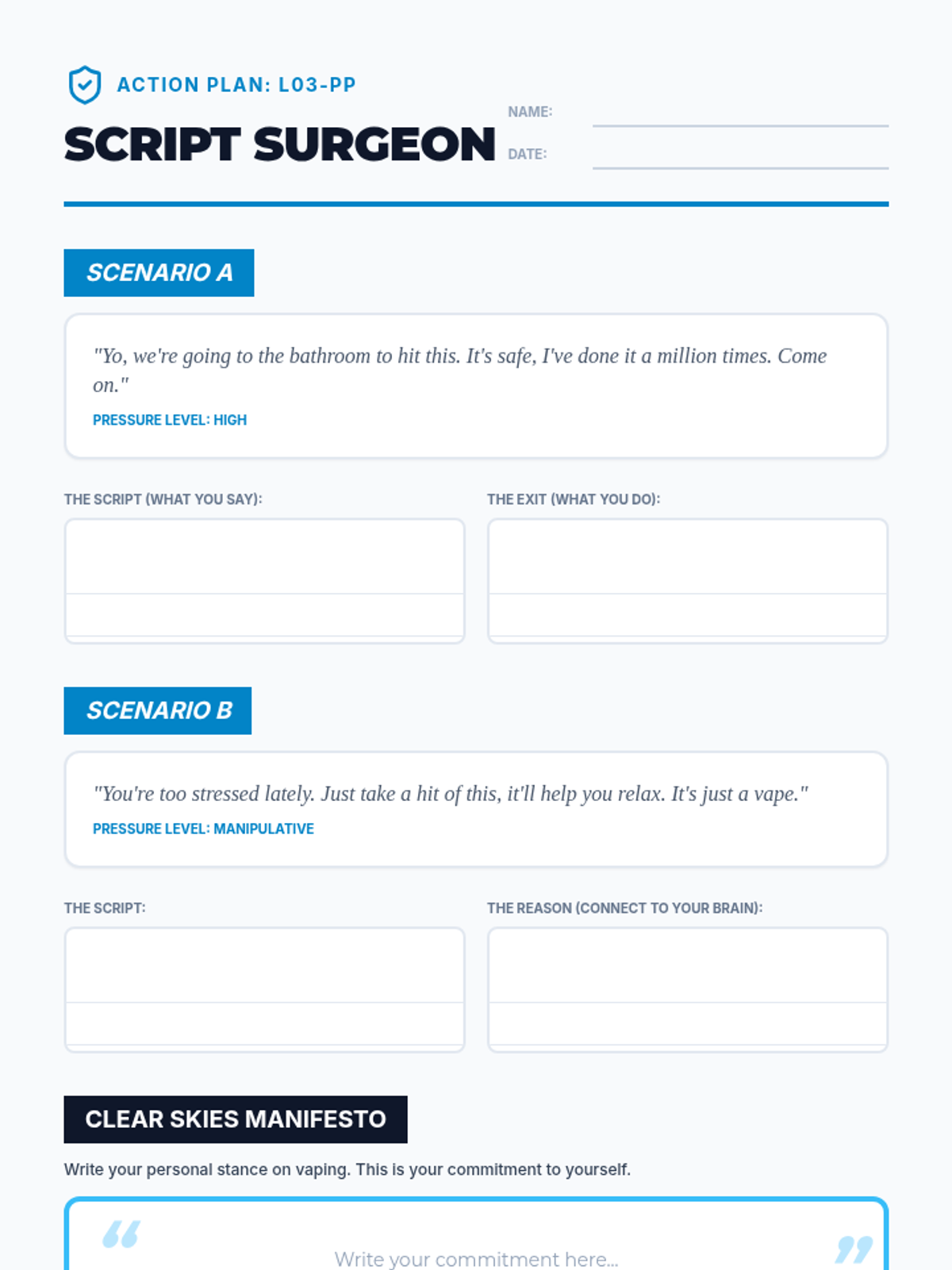
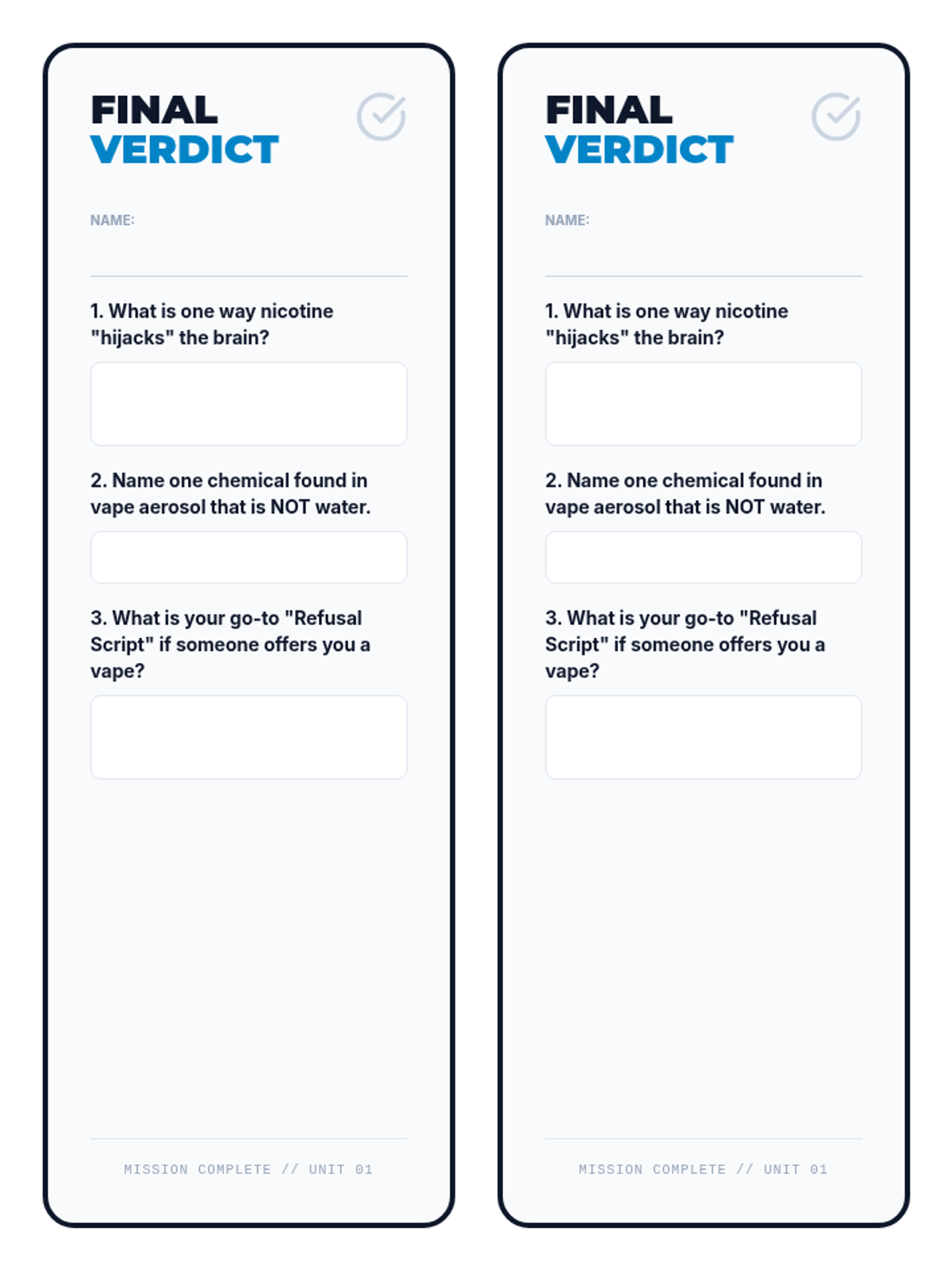
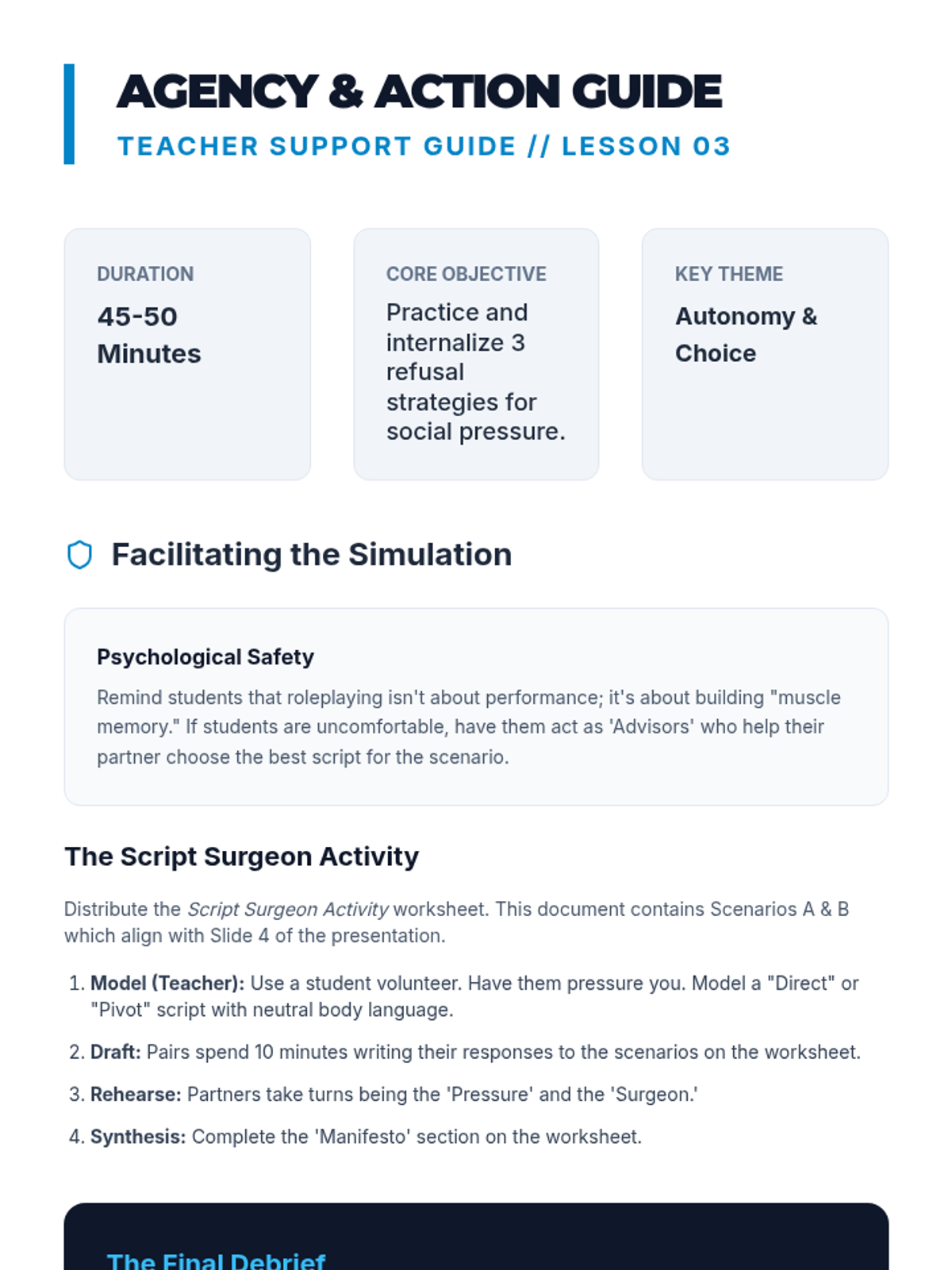
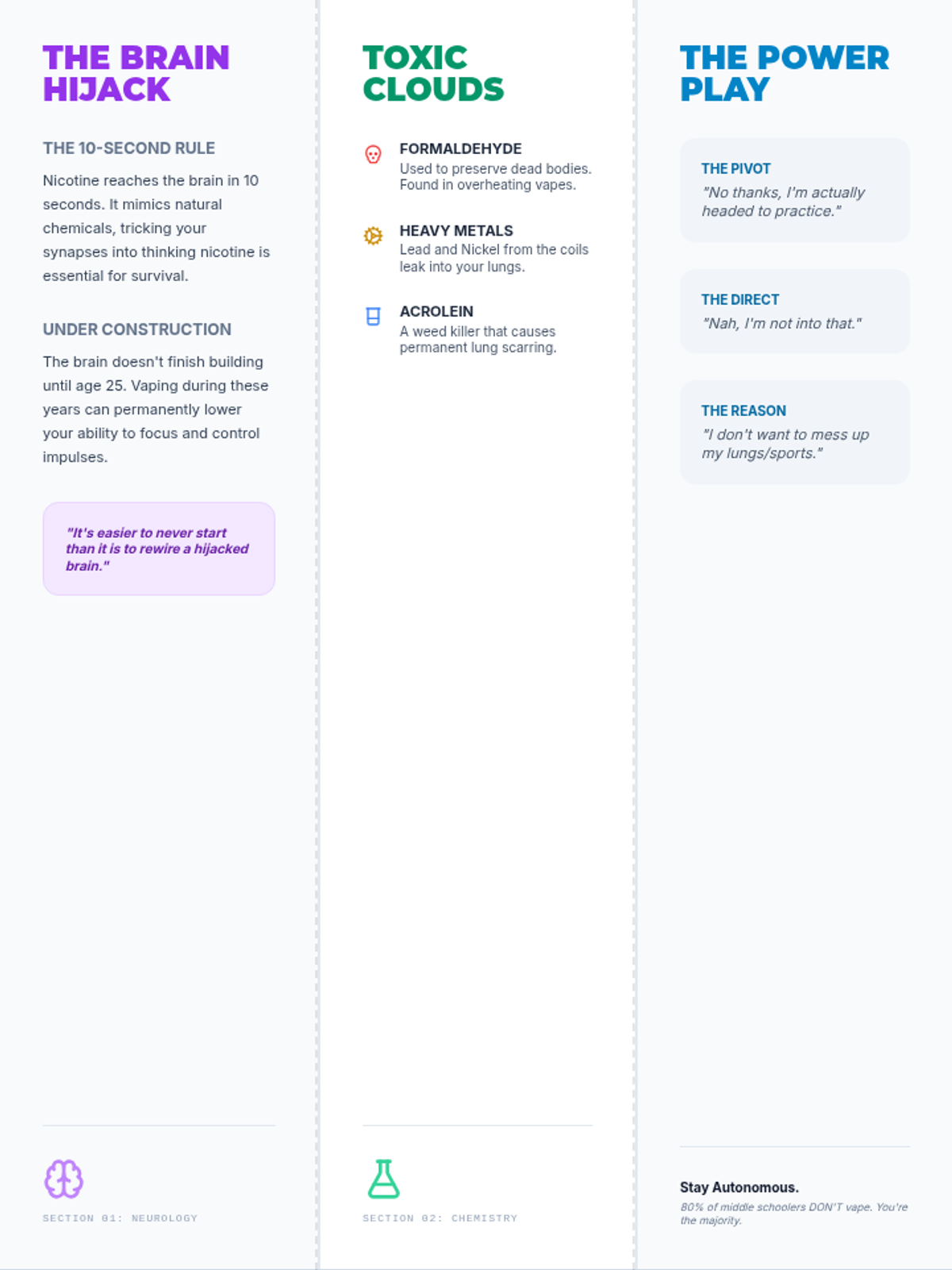
Equip students with the social tools to resist peer pressure and the agency to choose a vape-free future. Students practice refusal scripts and reflect on their personal values.
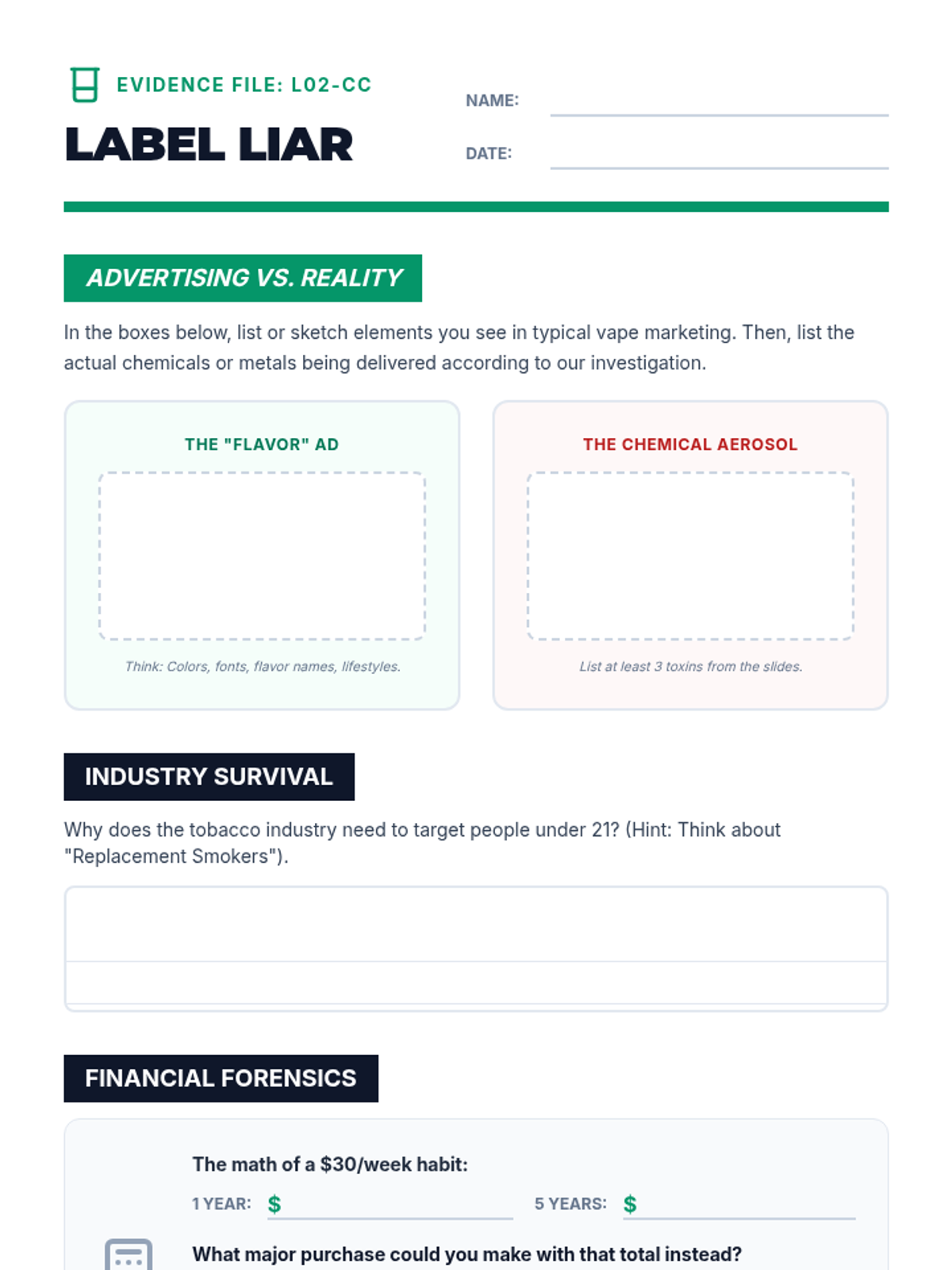
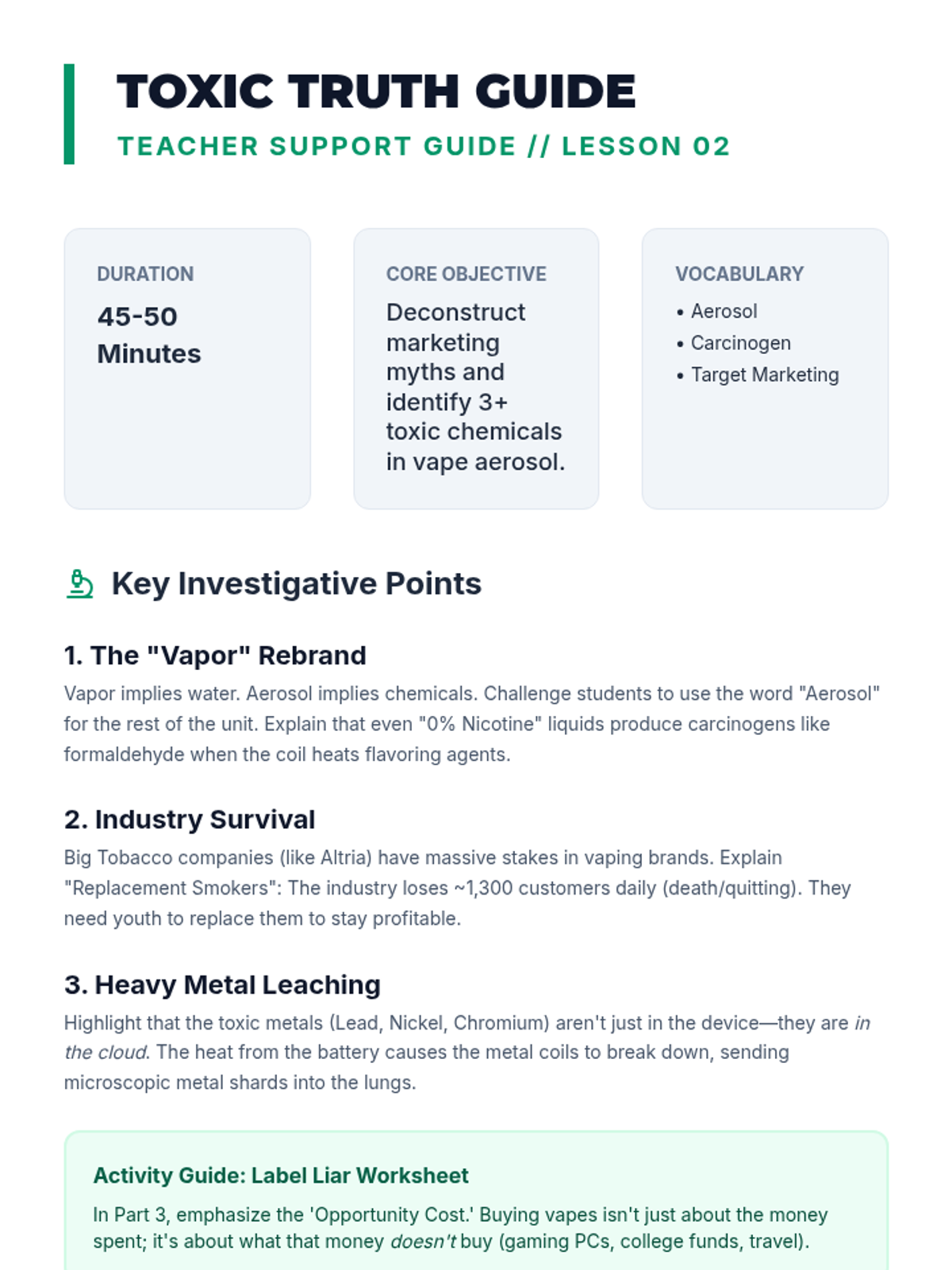
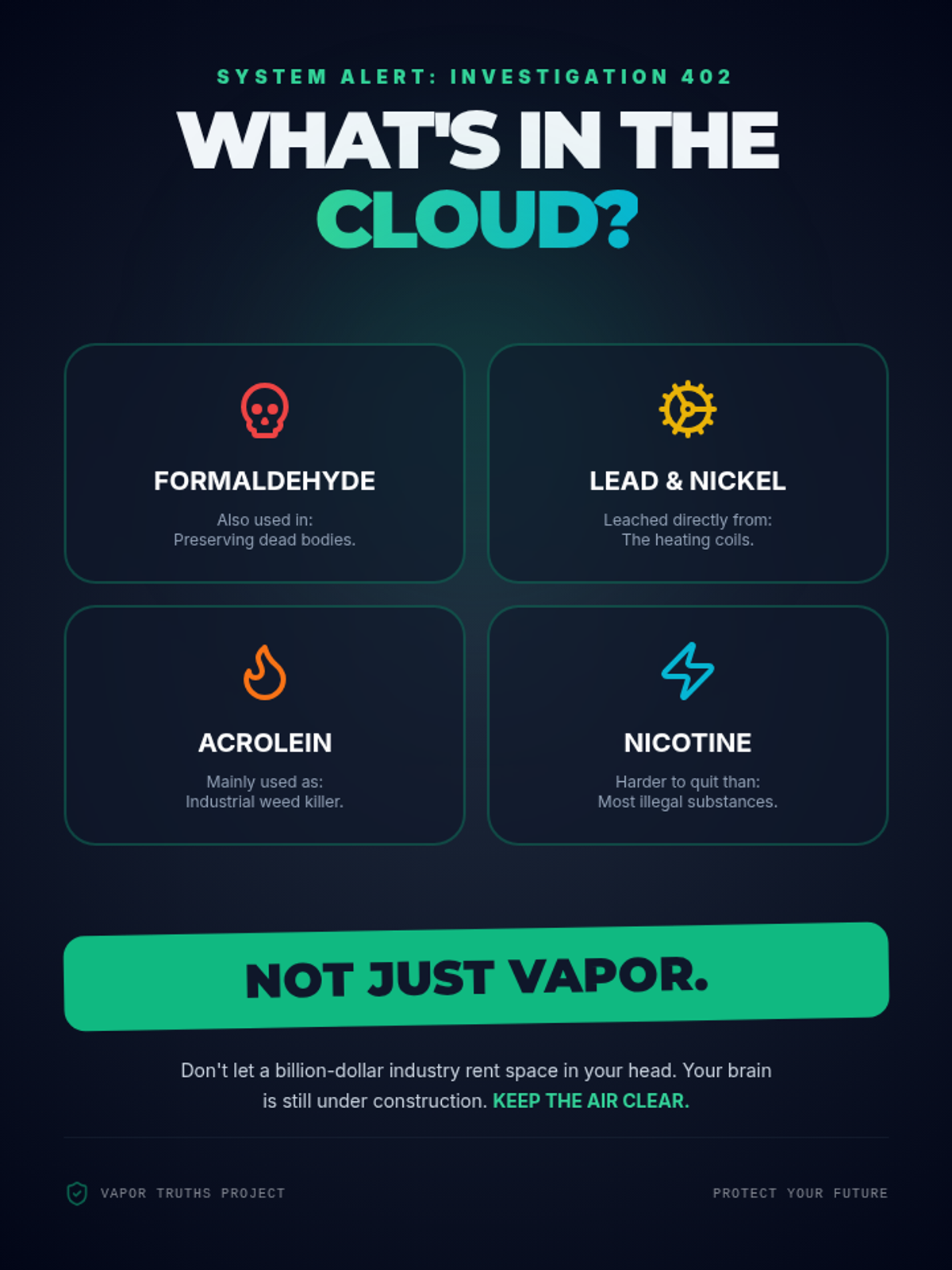
Uncover the toxic truth behind aerosol ingredients and the deceptive marketing tactics used to target youth. Students analyze the disparity between "flavor" branding and chemical reality.
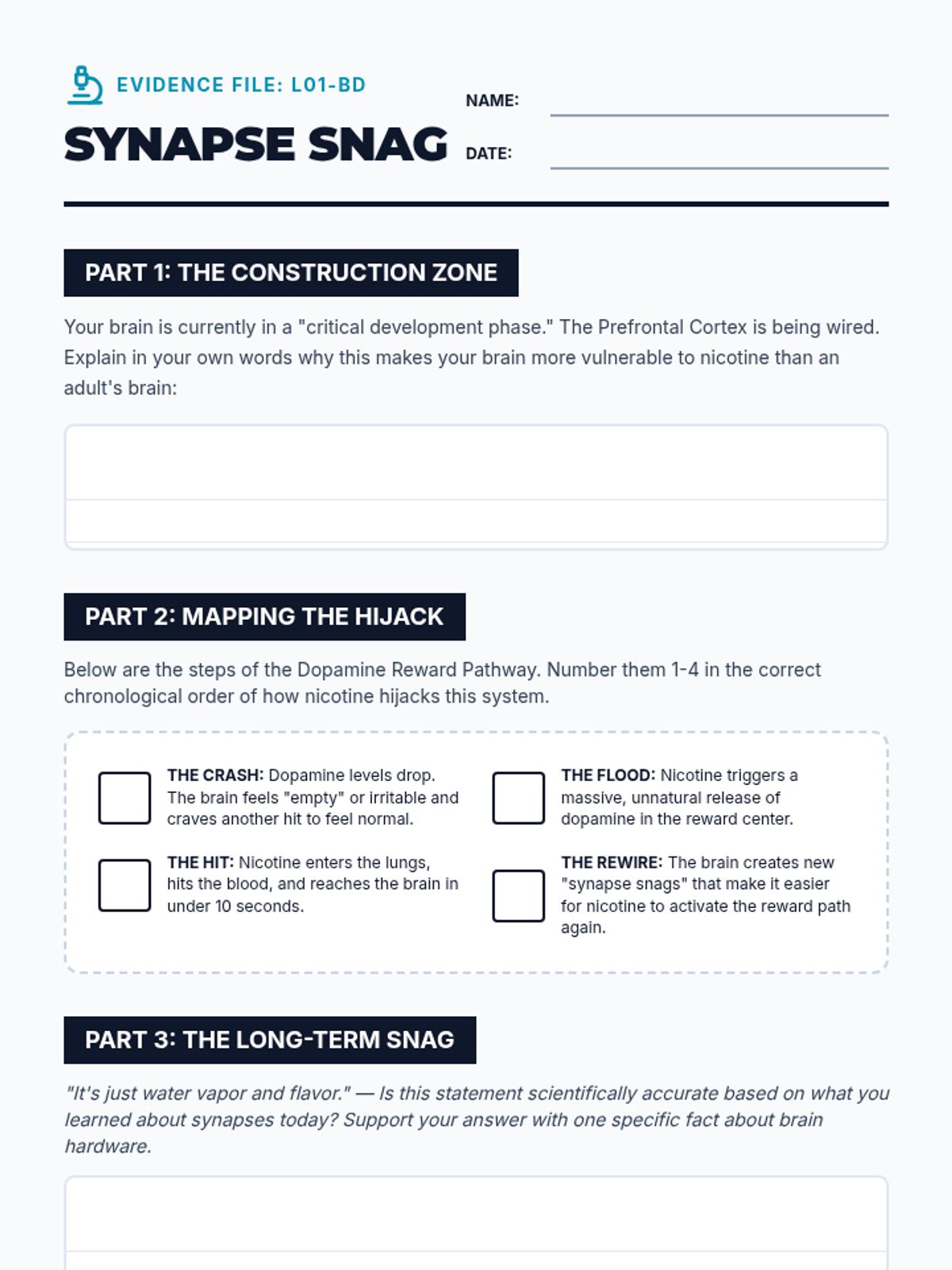
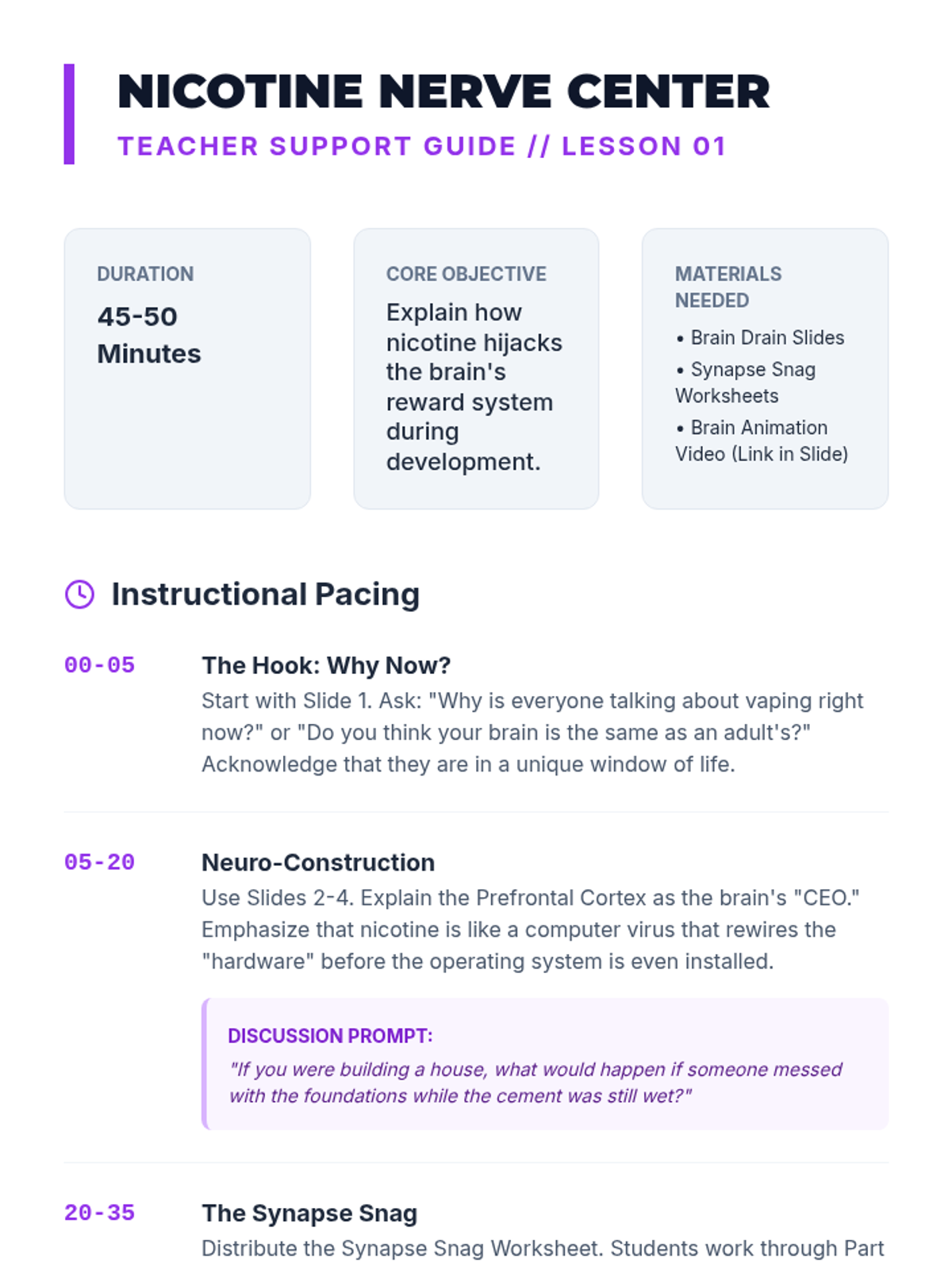
Investigate how nicotine hijacks the developing middle school brain and the science of the reward system. Students map the neural pathways affected by addiction and explore why young brains are particularly vulnerable.
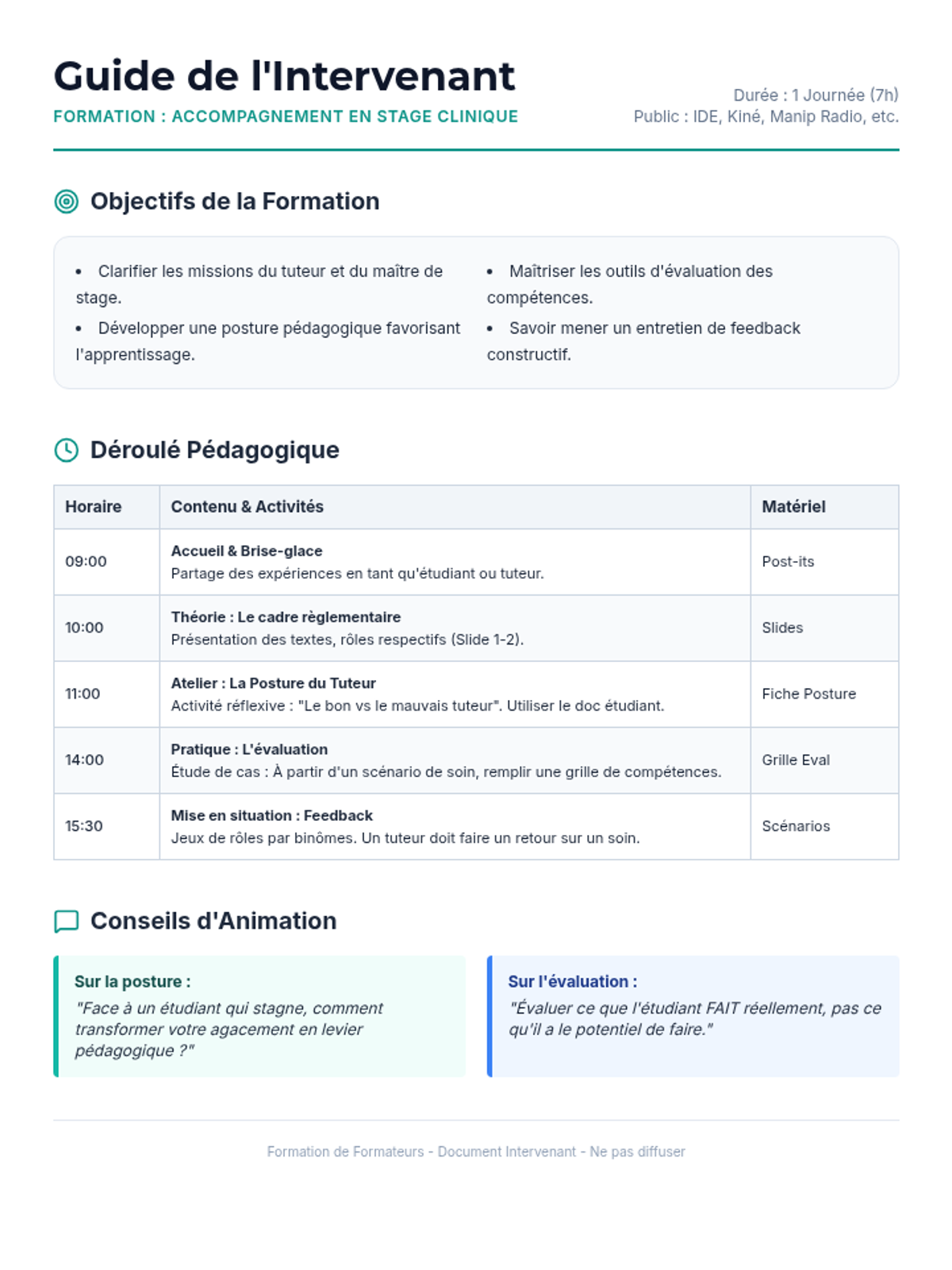
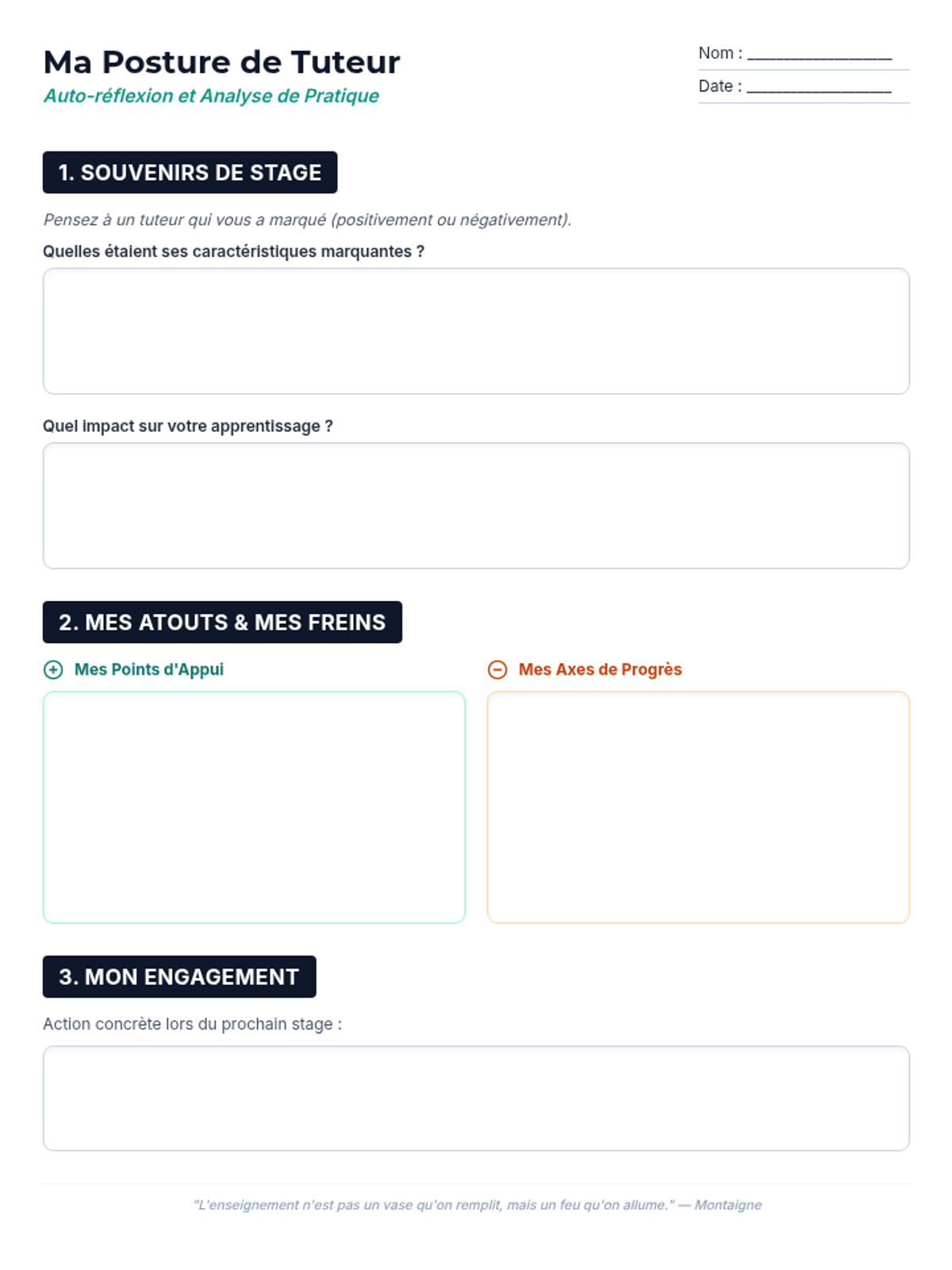
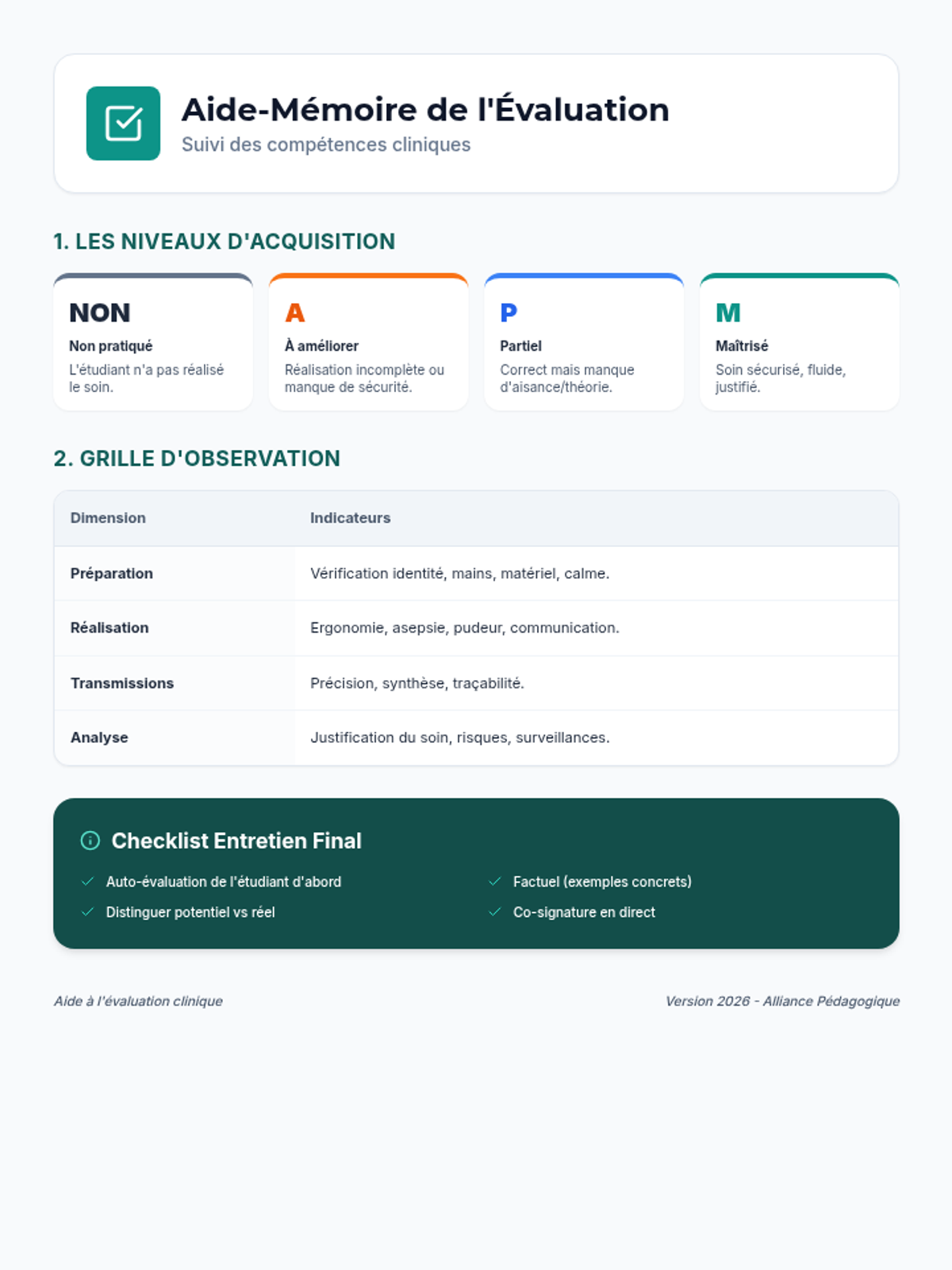
Cette leçon vise à former les professionnels de santé aux fonctions de tuteur et de maître de stage, en abordant la posture pédagogique, l'accompagnement de l'étudiant et l'évaluation des compétences en milieu clinique.
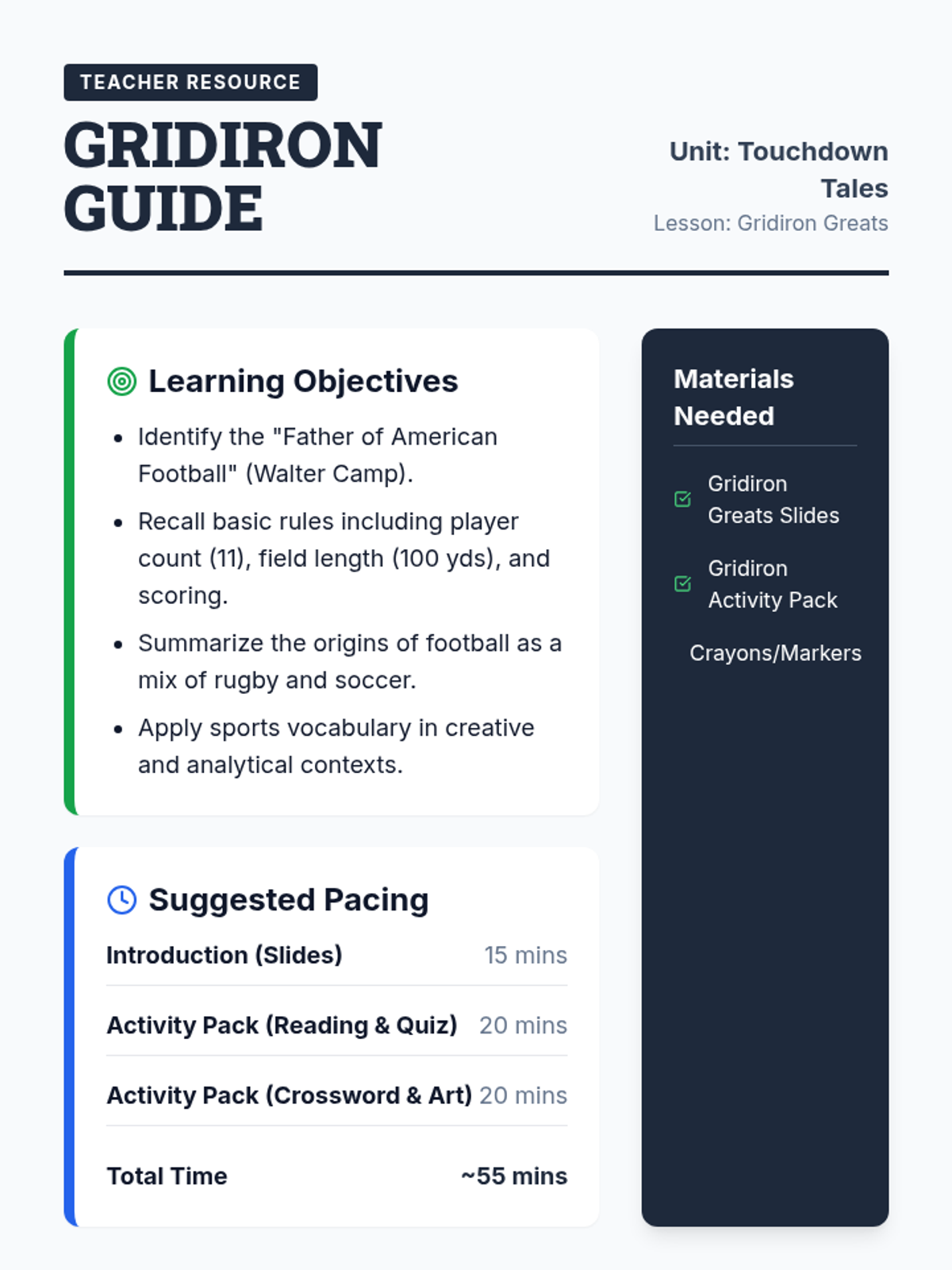
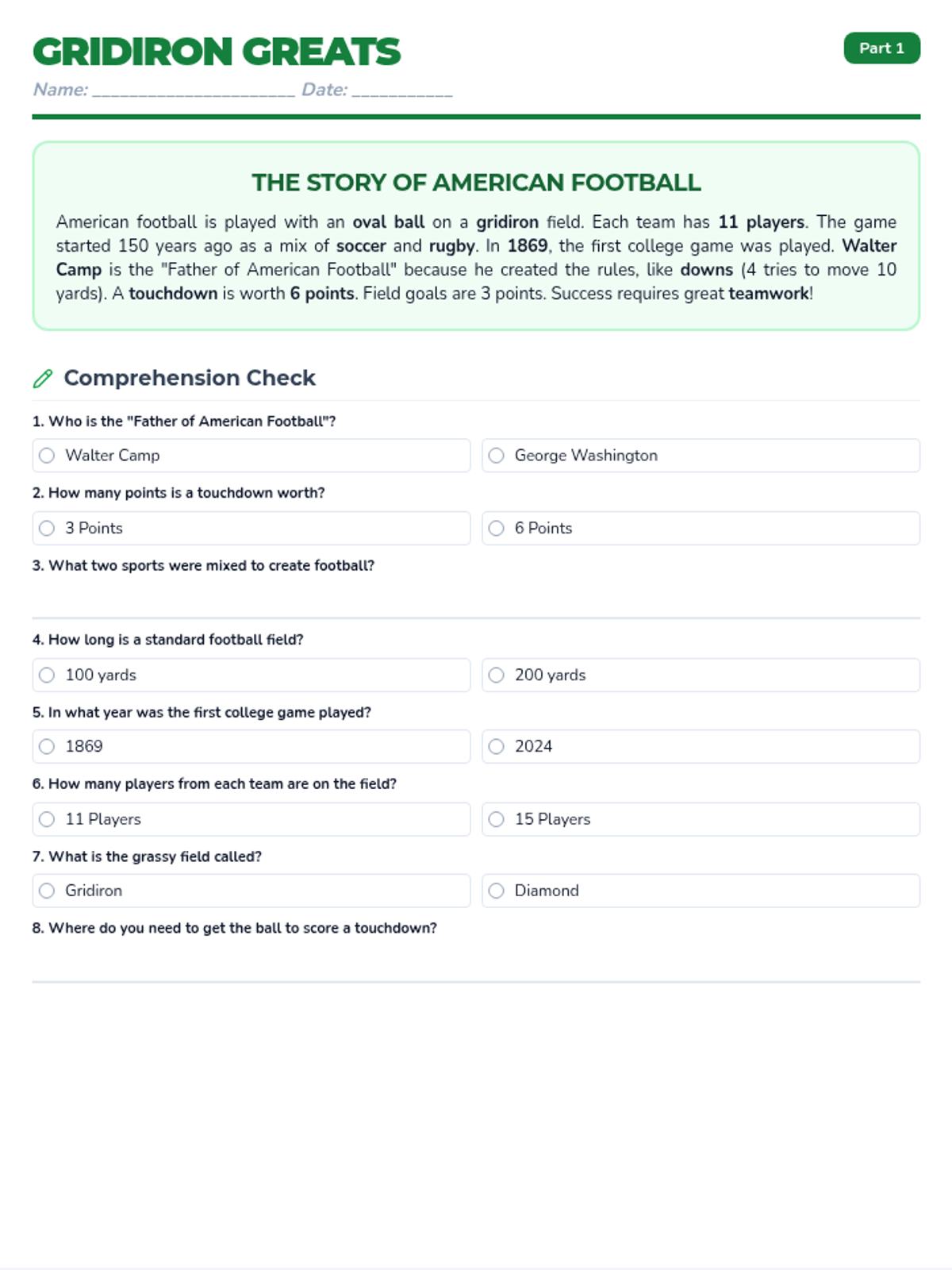
Students learn the origins of American football, key rules of the game, and engage in creative and analytical activities.
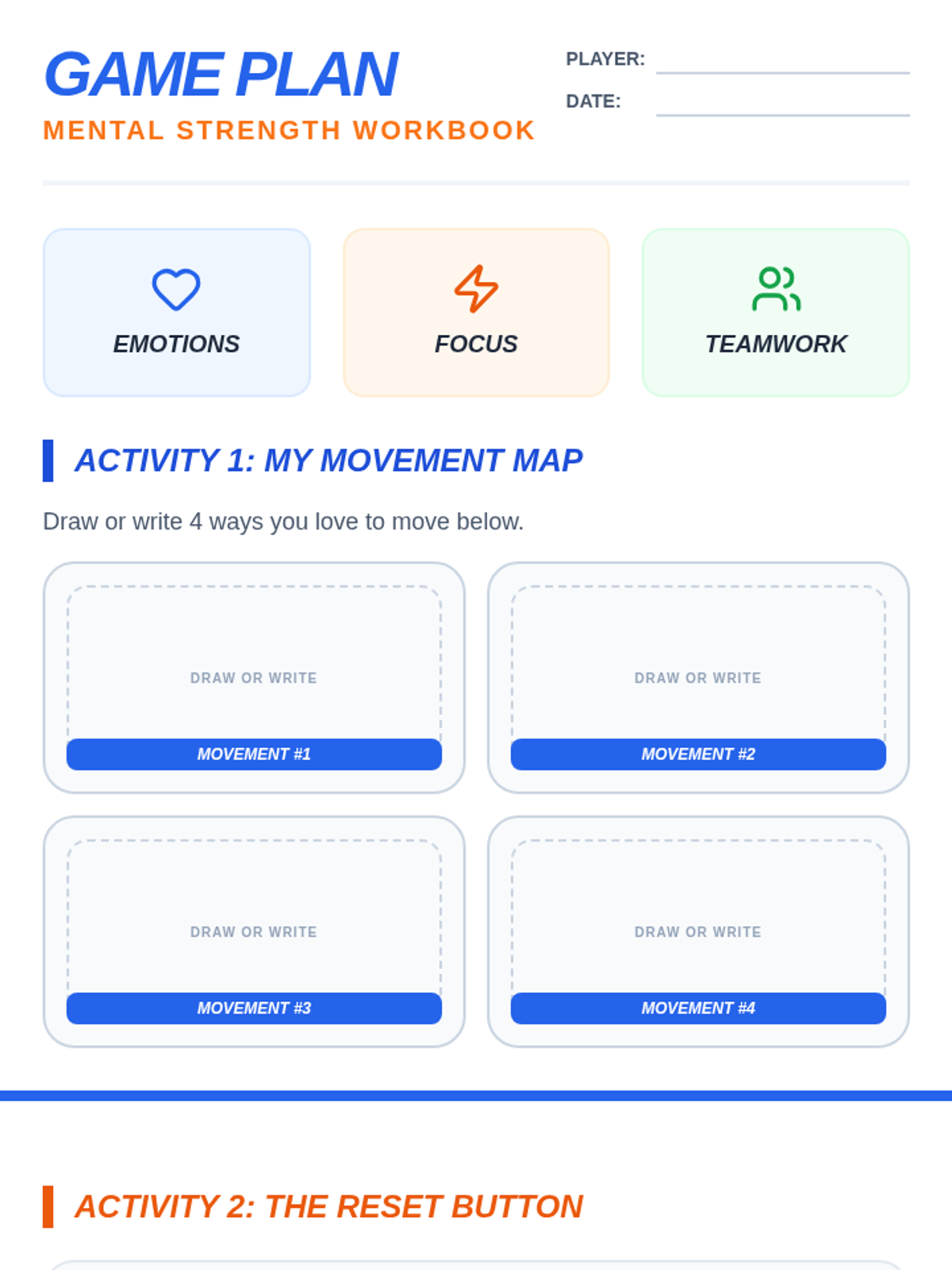
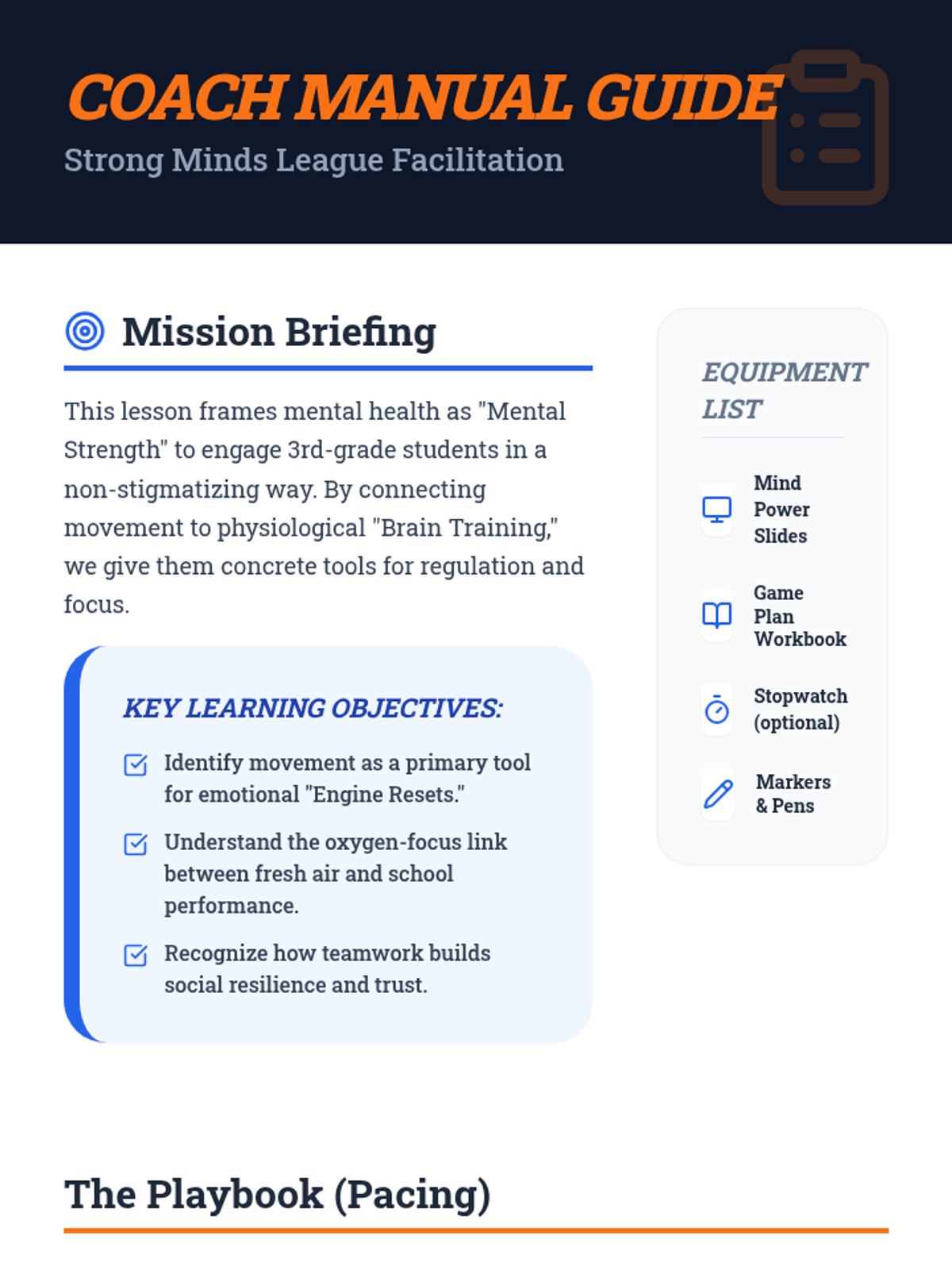
A high-energy lesson exploring how physical activity, sports, and community build mental strength, helping 3rd graders manage emotions, sharpen focus, and work together.
A collection of three detailed coloring pages featuring realistic jerboas and various fire alarm equipment, perfect for creative sessions or safety-themed activities.
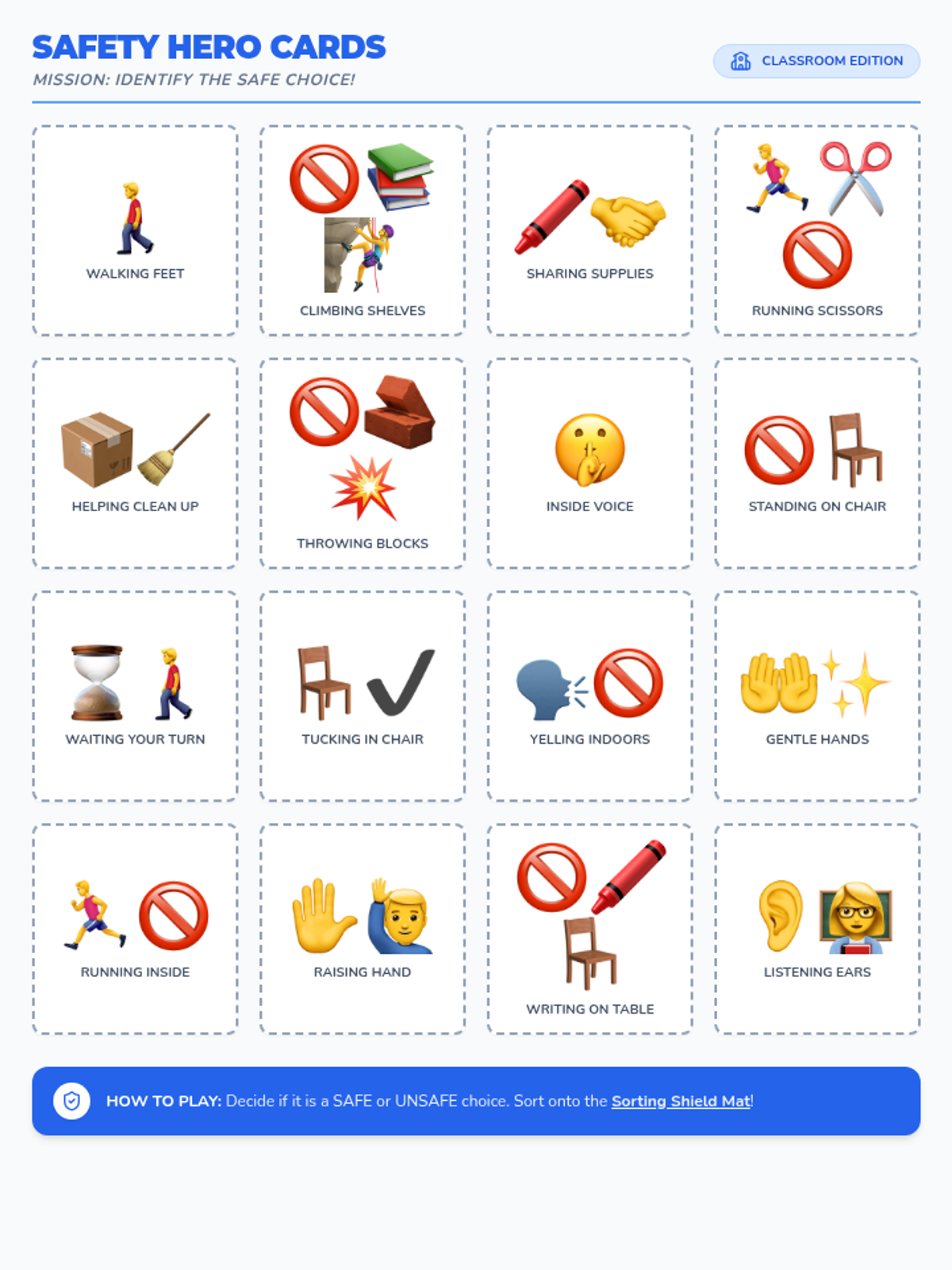
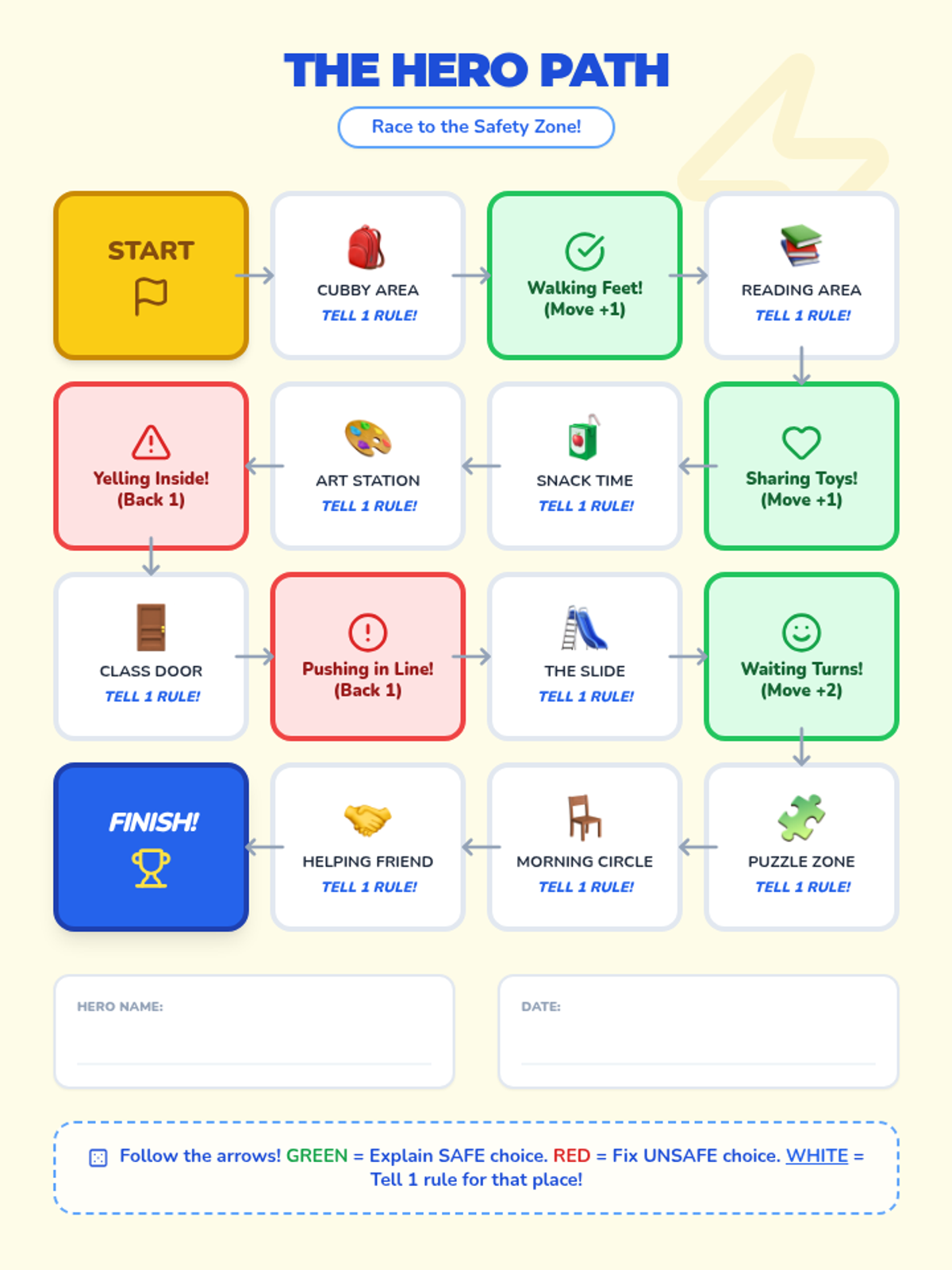
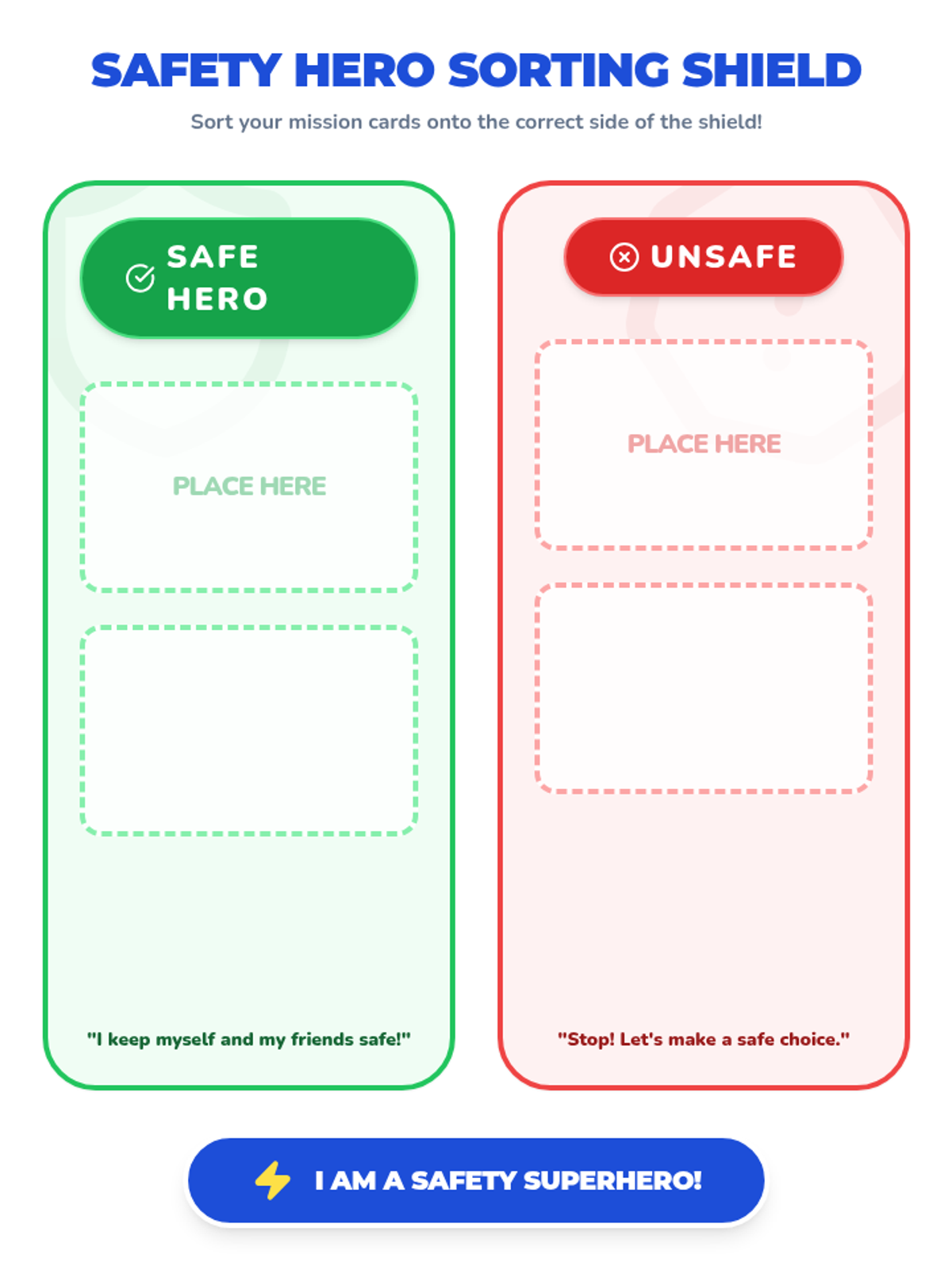
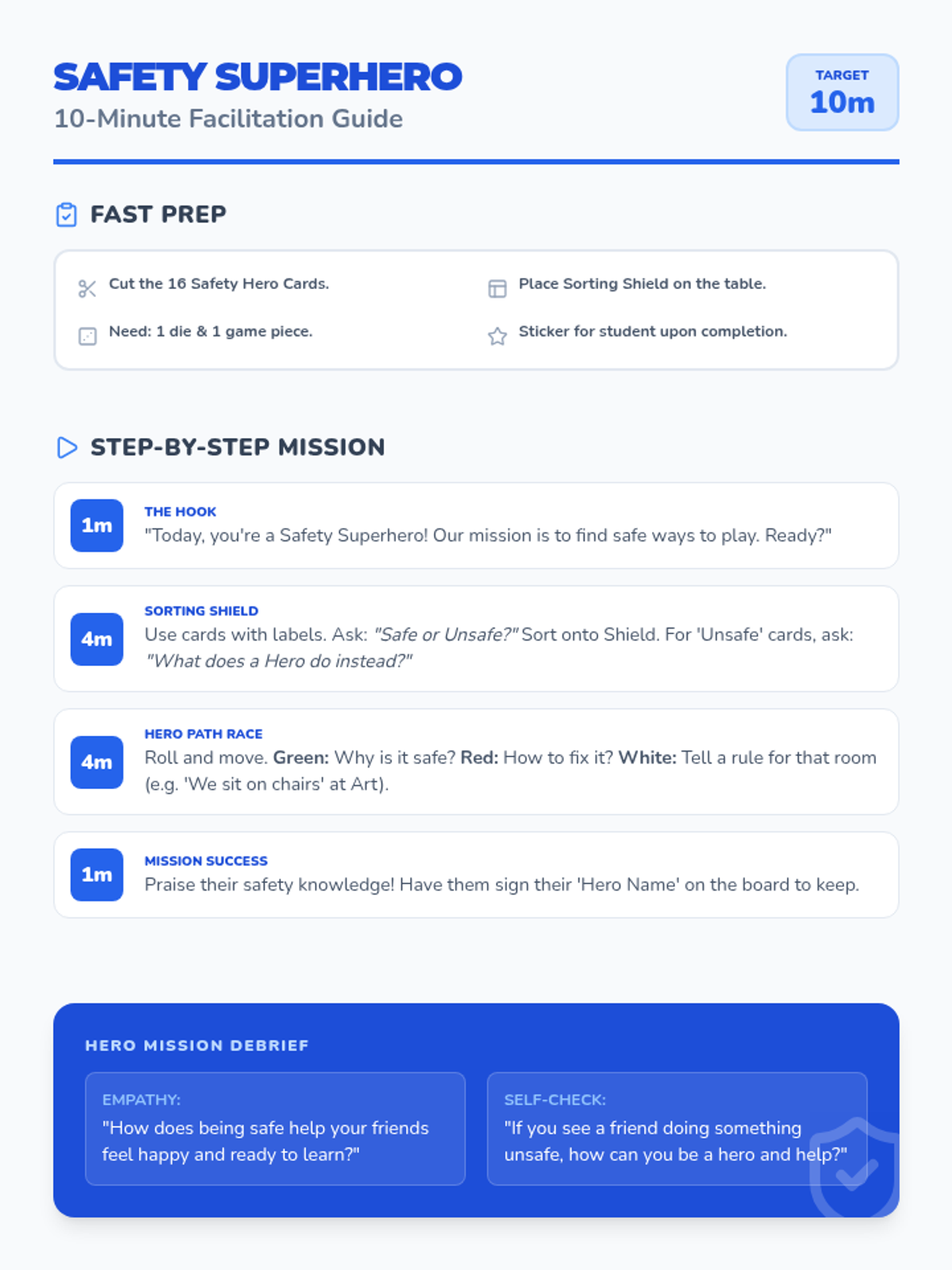
A quick, interactive session for kindergarteners to distinguish between safe and unsafe behaviors in the classroom and on the playground using a superhero theme.
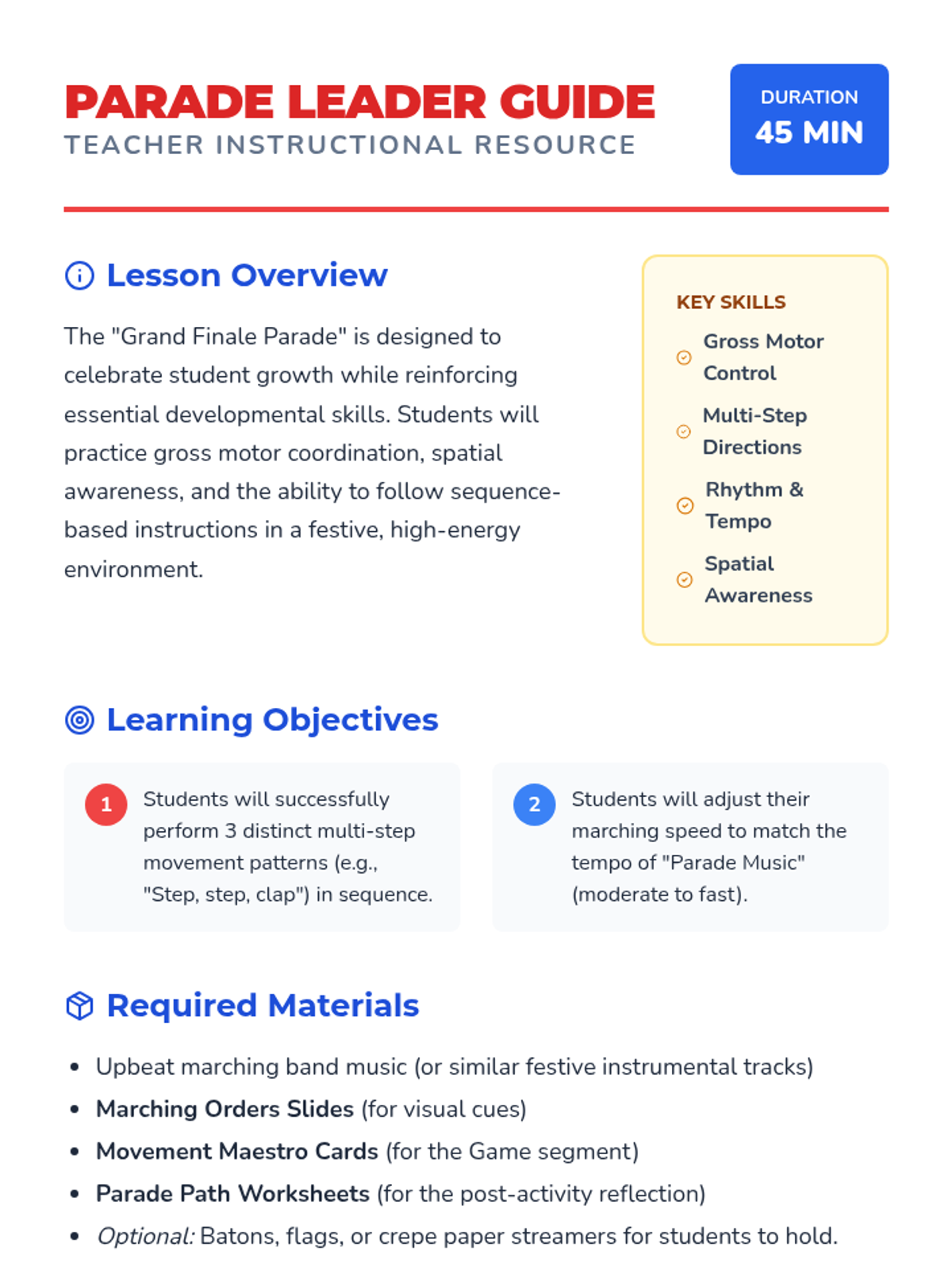
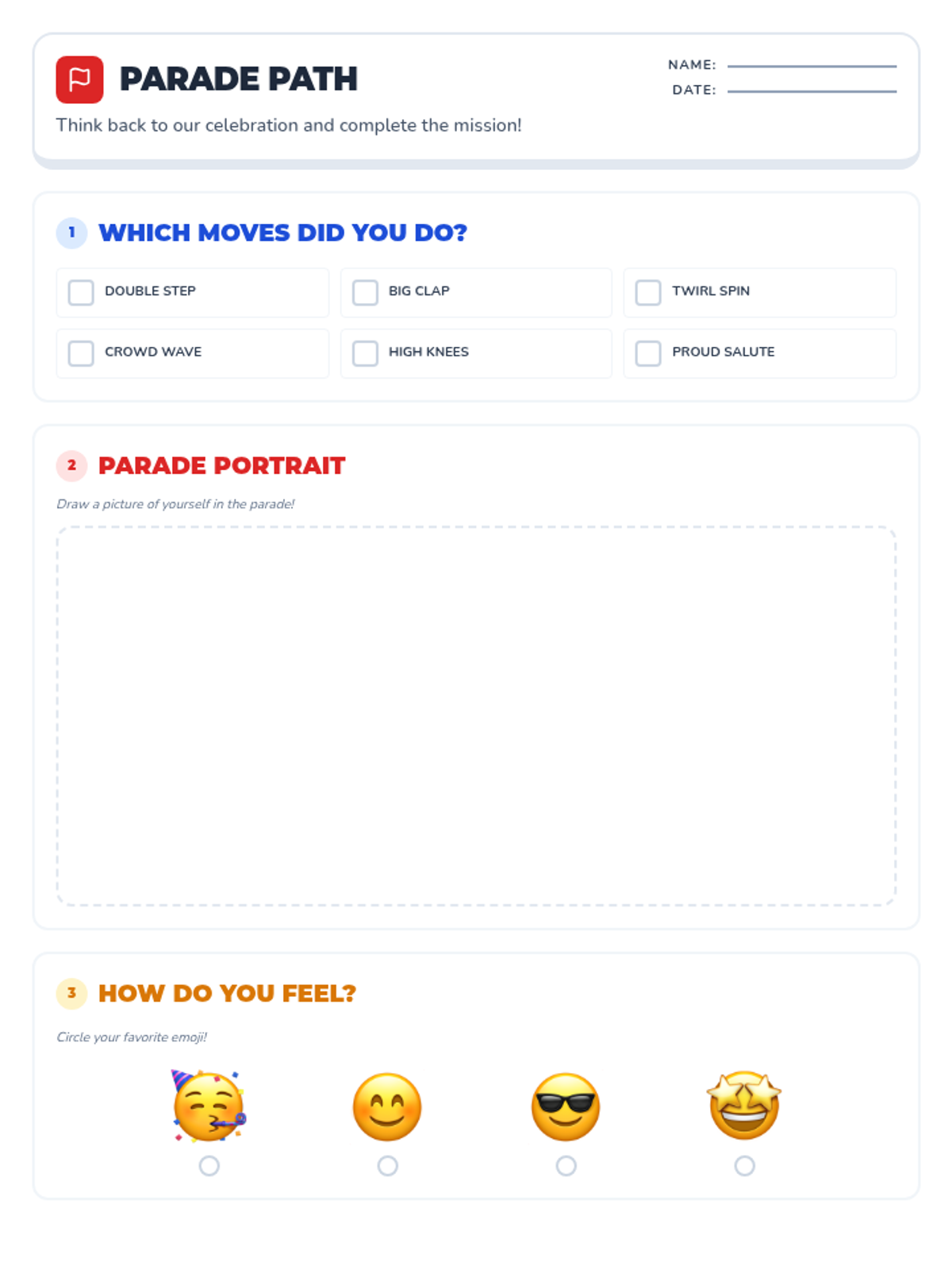
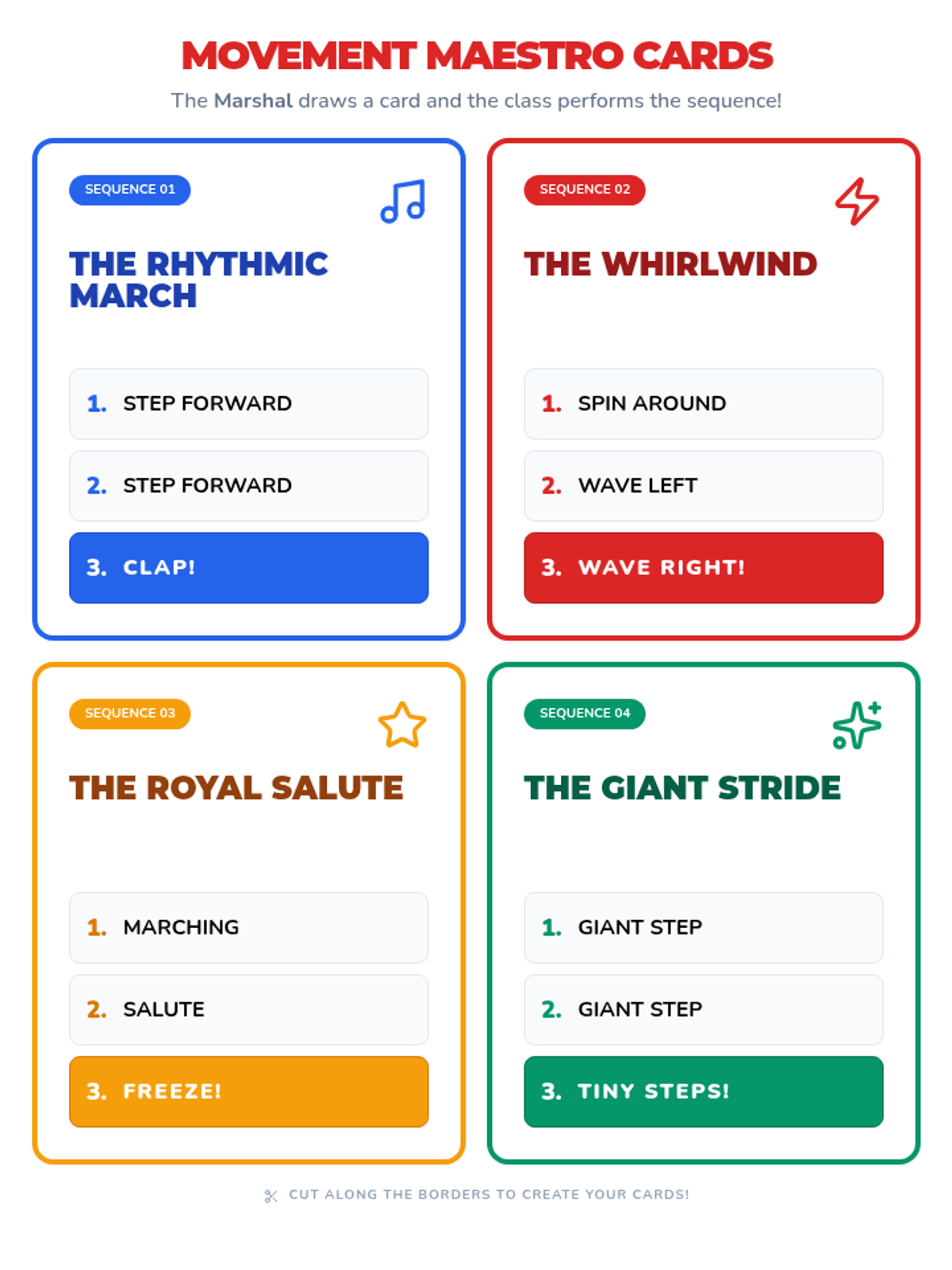
A high-energy, movement-based lesson where students practice gross motor coordination and multi-step directions through a musical parade celebration.
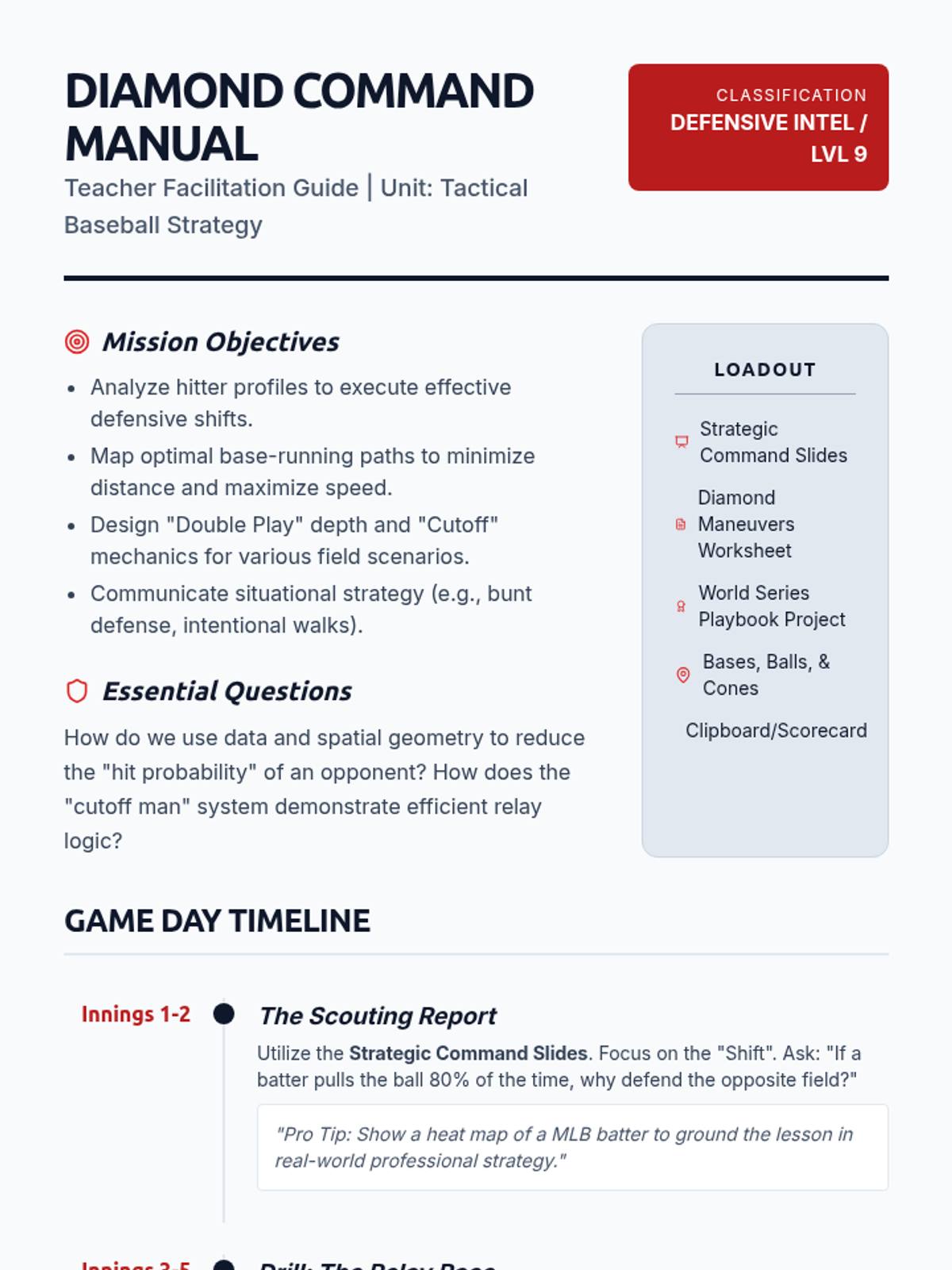
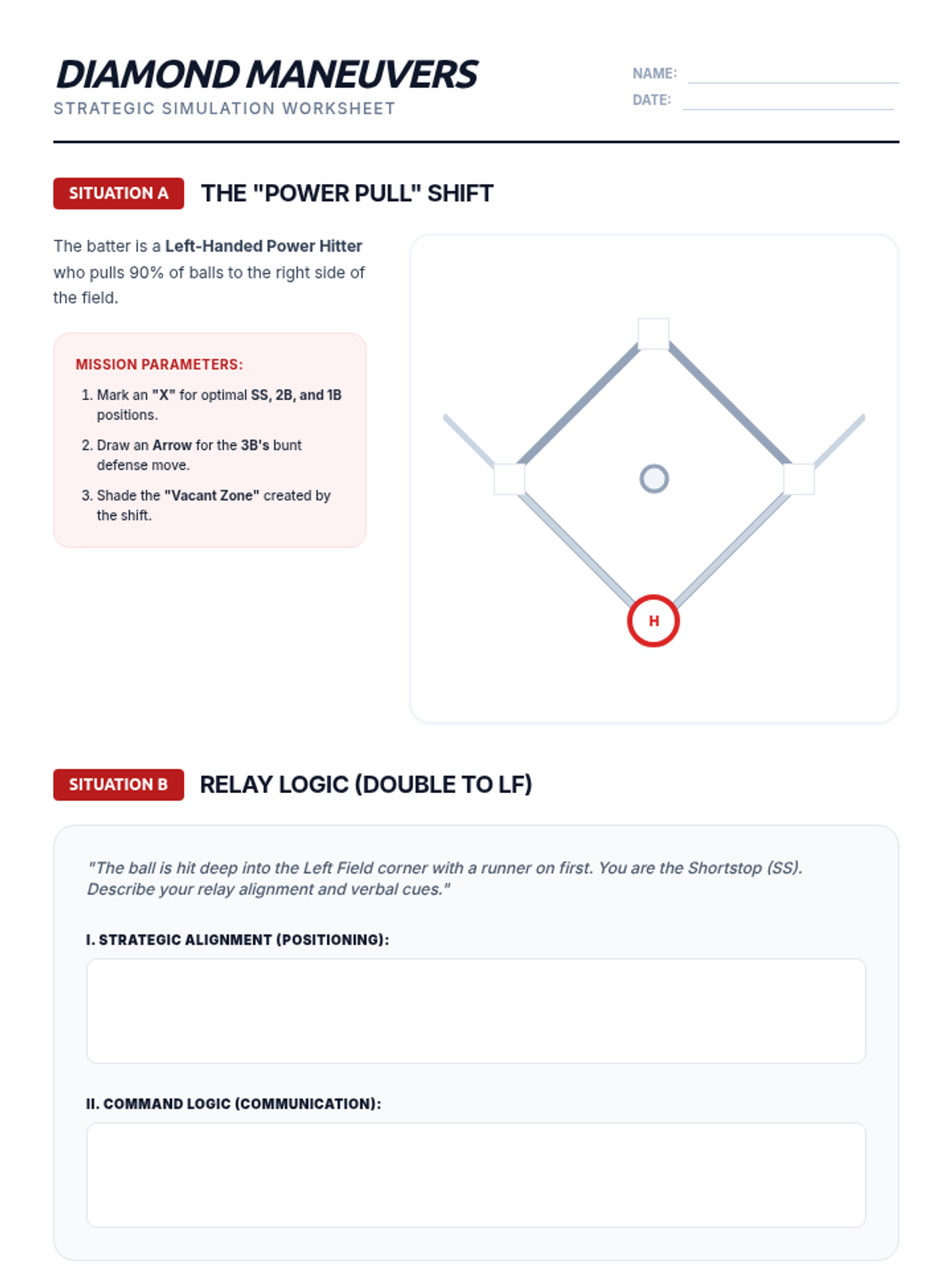
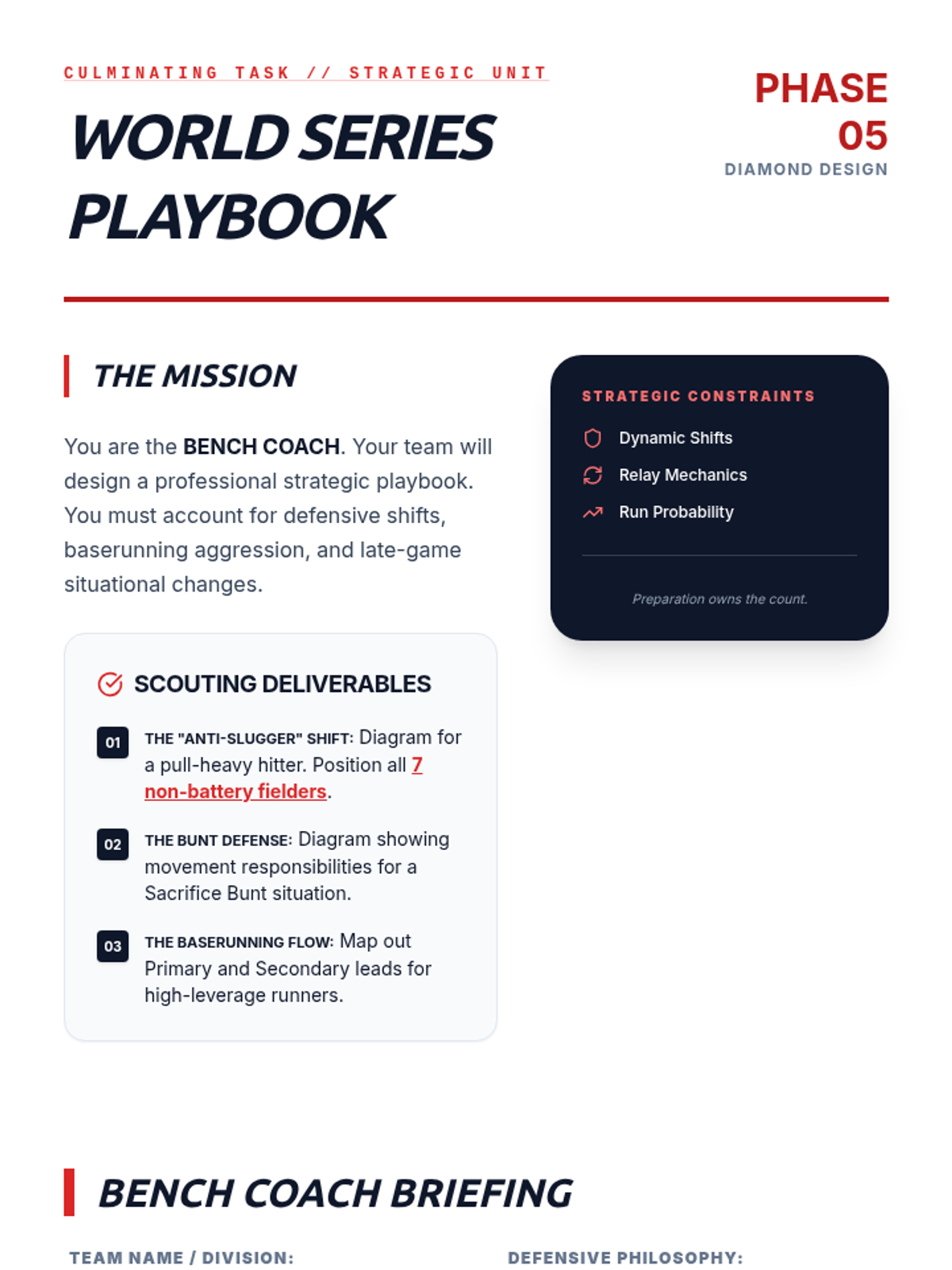
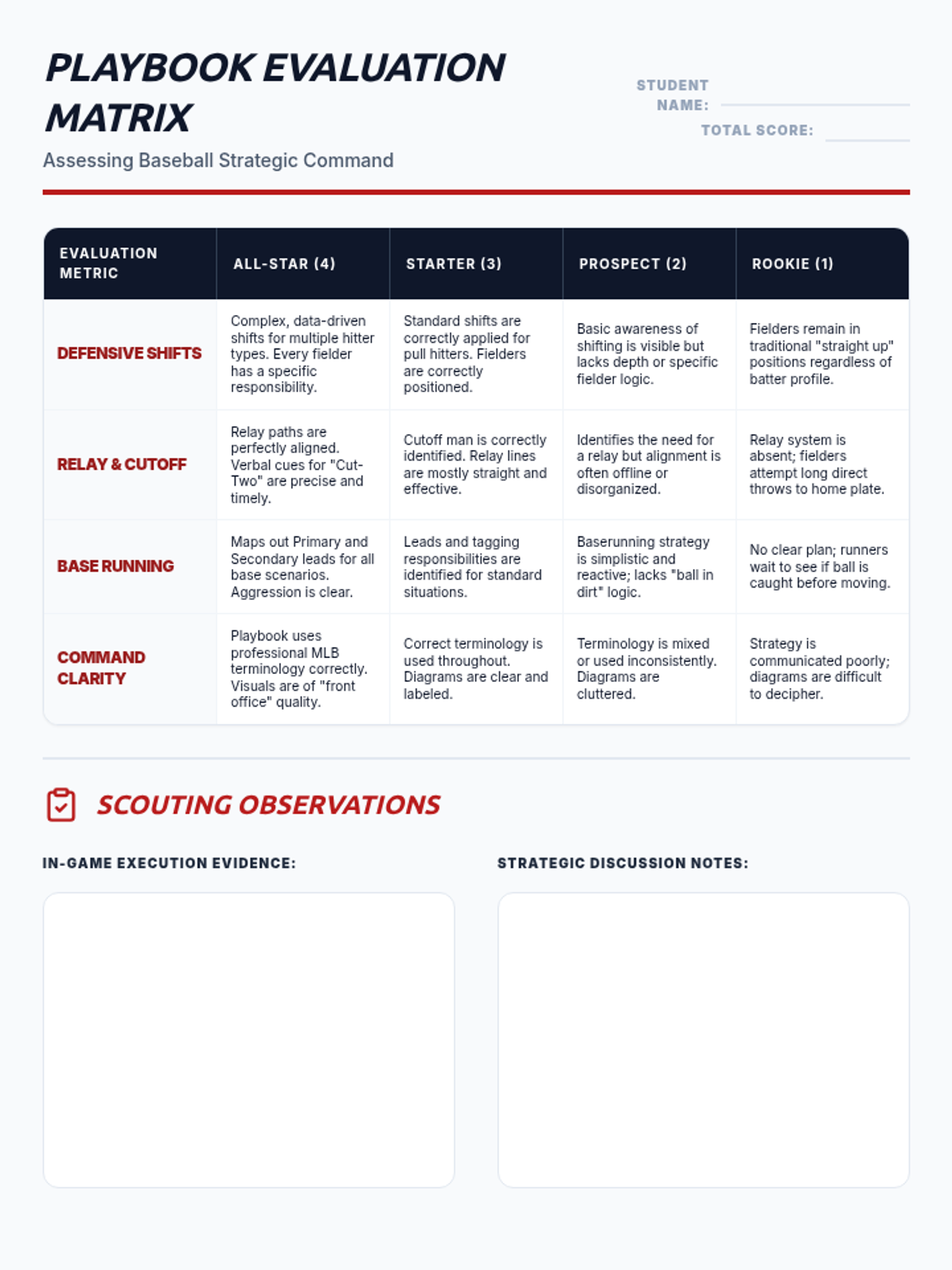
A high-intensity tactical unit for ninth graders focusing on the spatial geometry and strategic logic of baseball. Students analyze defensive shifts, base running paths, and situational decision-making to command the diamond.
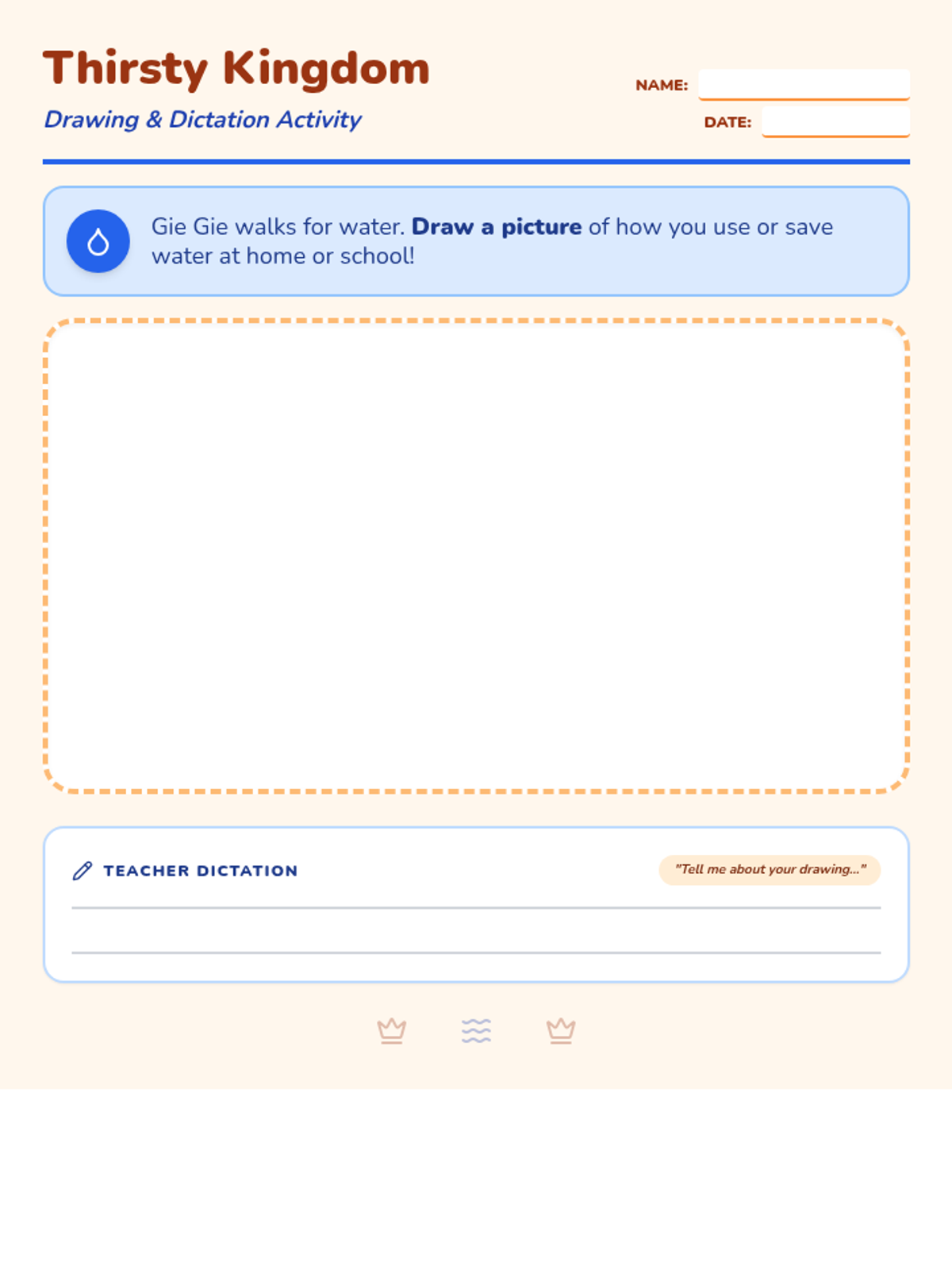
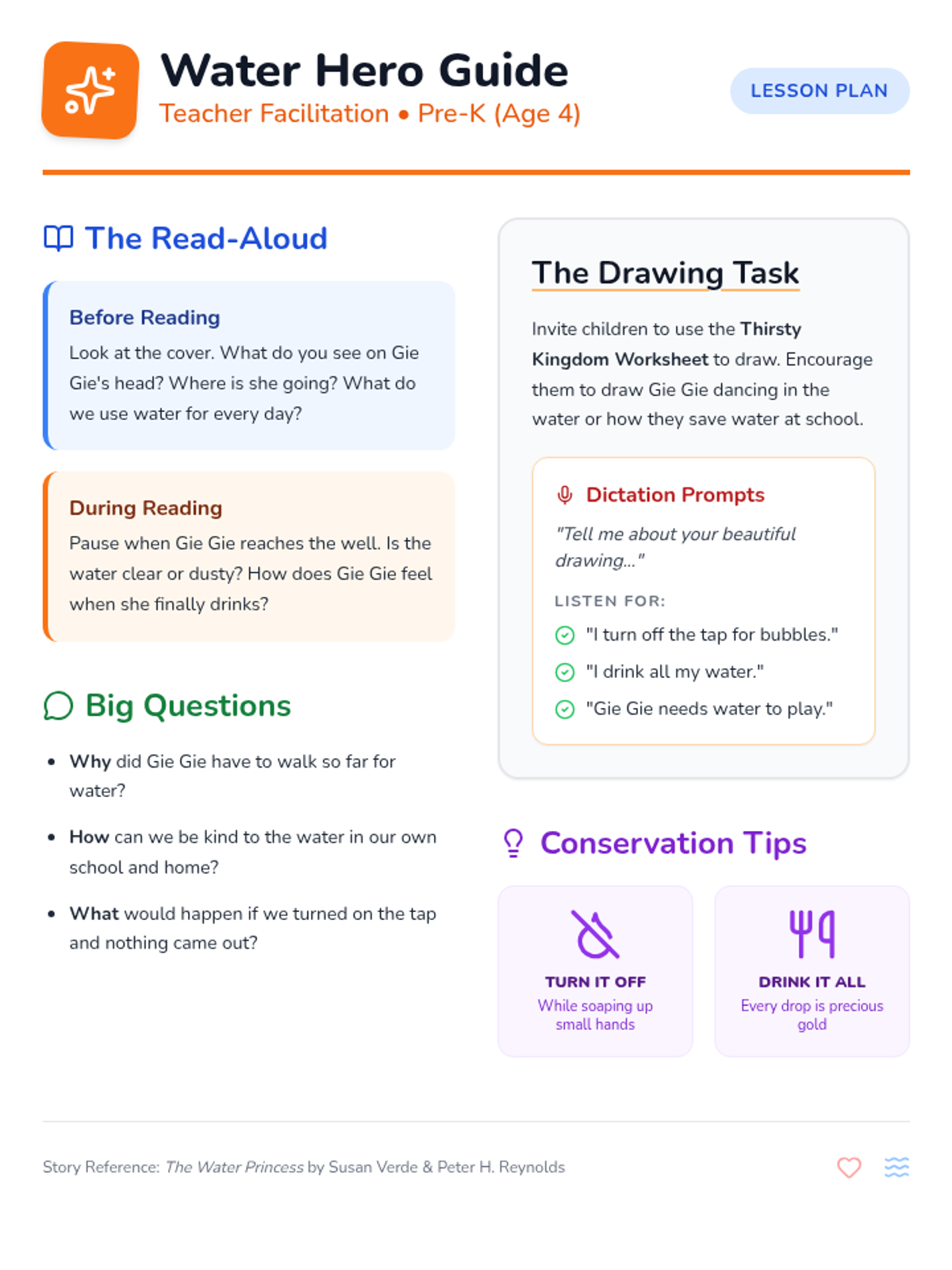
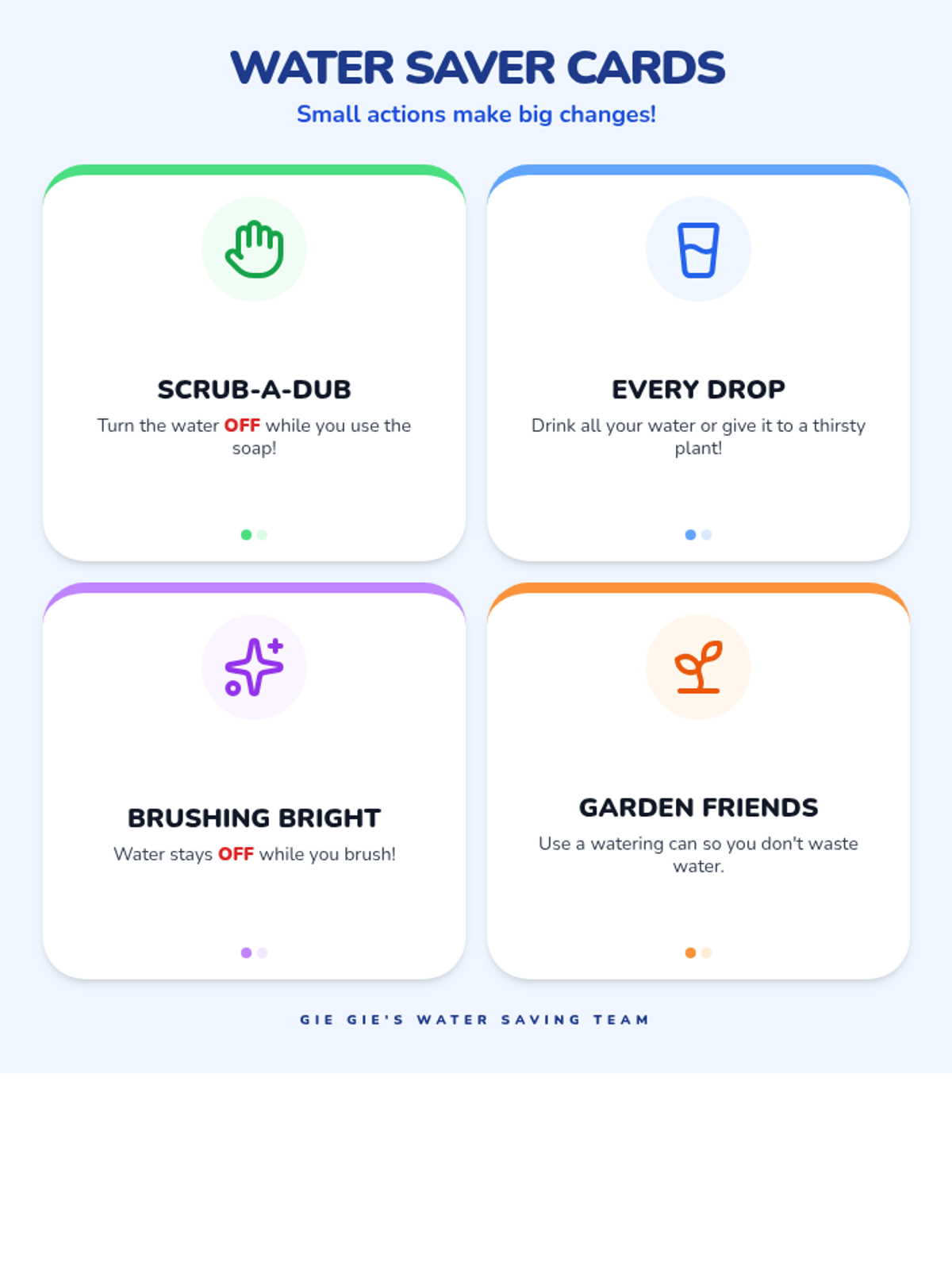
A Pre-K lesson based on the book 'The Water Princess', focusing on the importance of clean water and how students can help conserve it in their daily lives.
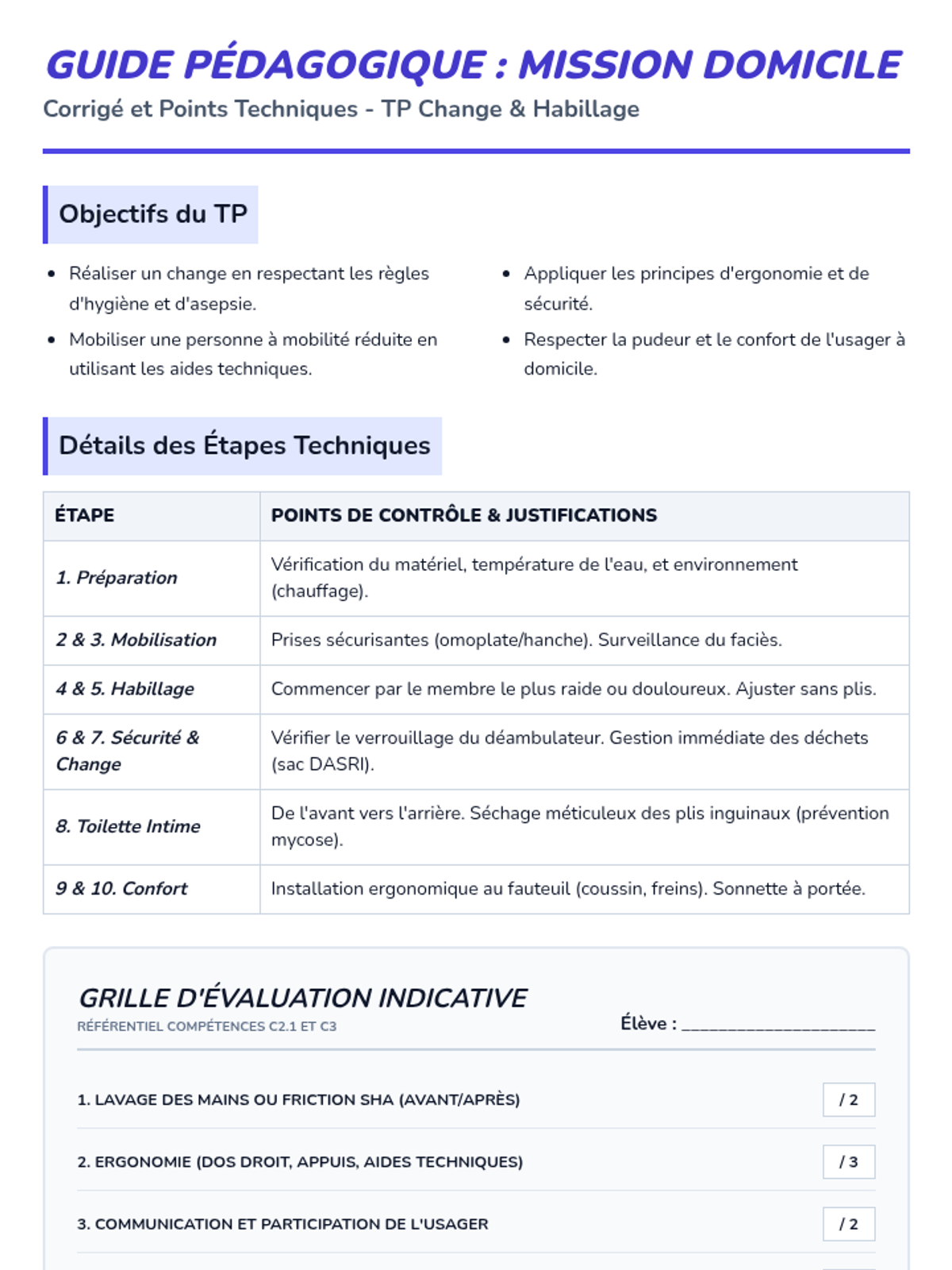
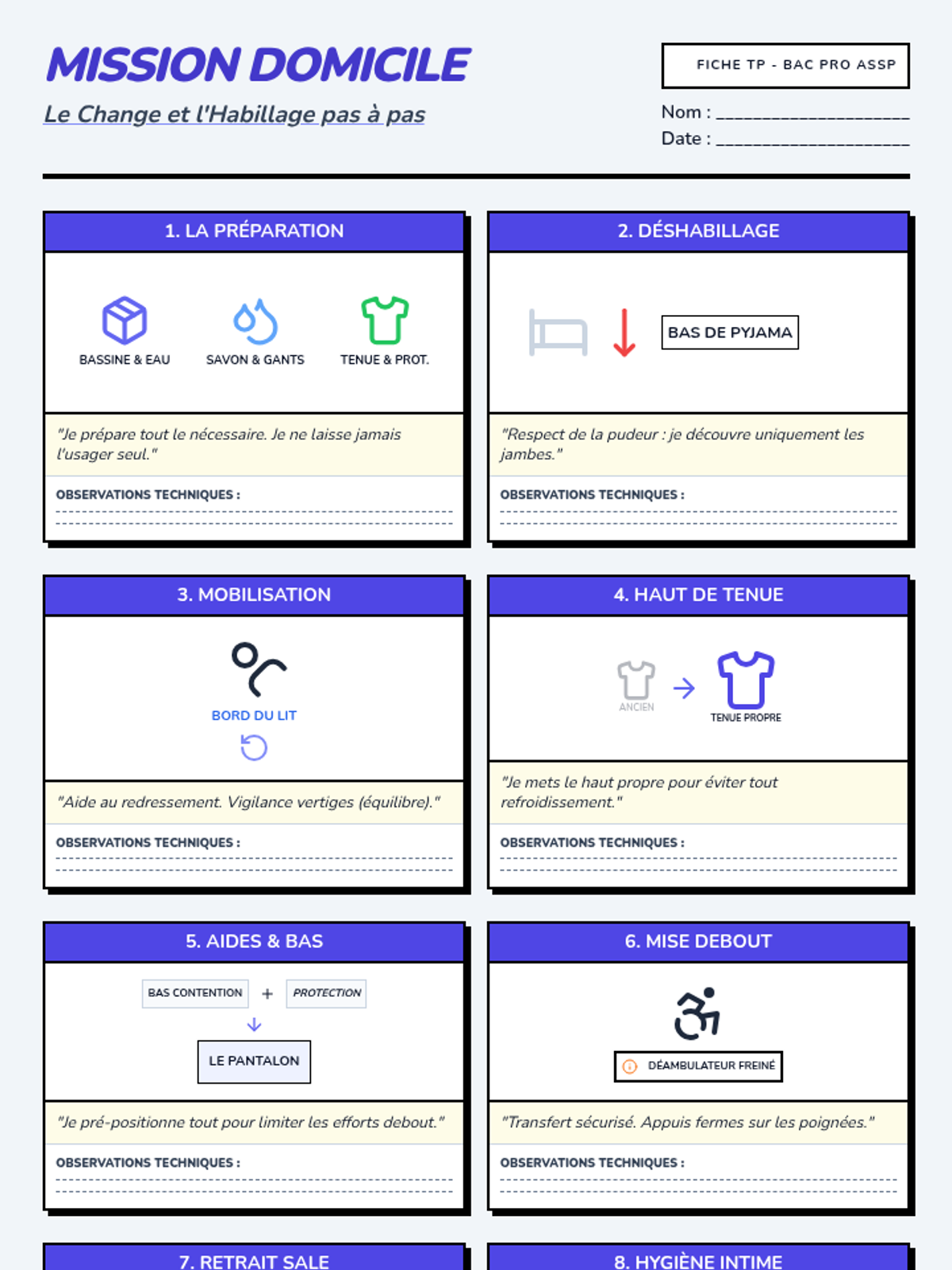
Cette leçon porte sur les techniques de change et d'habillage d'une personne âgée à mobilité réduite à domicile, en mettant l'accent sur l'ergonomie, l'hygiène et le respect de la dignité. Elle prépare les élèves de Bac Pro ASSP aux situations concrètes du domicile.