A middle school inquiry project where students collect, analyze, and interpret local data to solve 'mysteries' in their community. Students learn to select appropriate graph types and draw evidence-based conclusions.
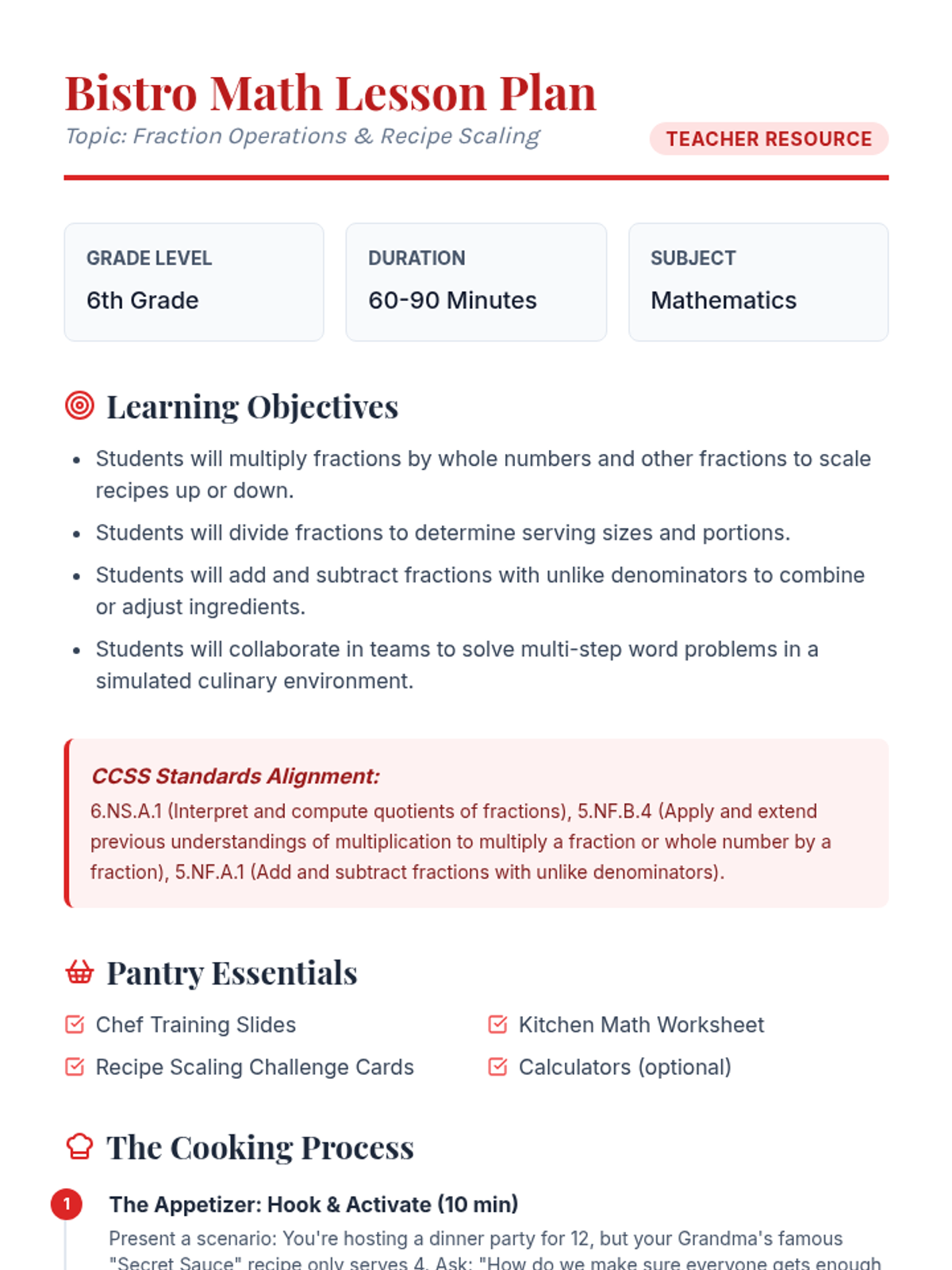
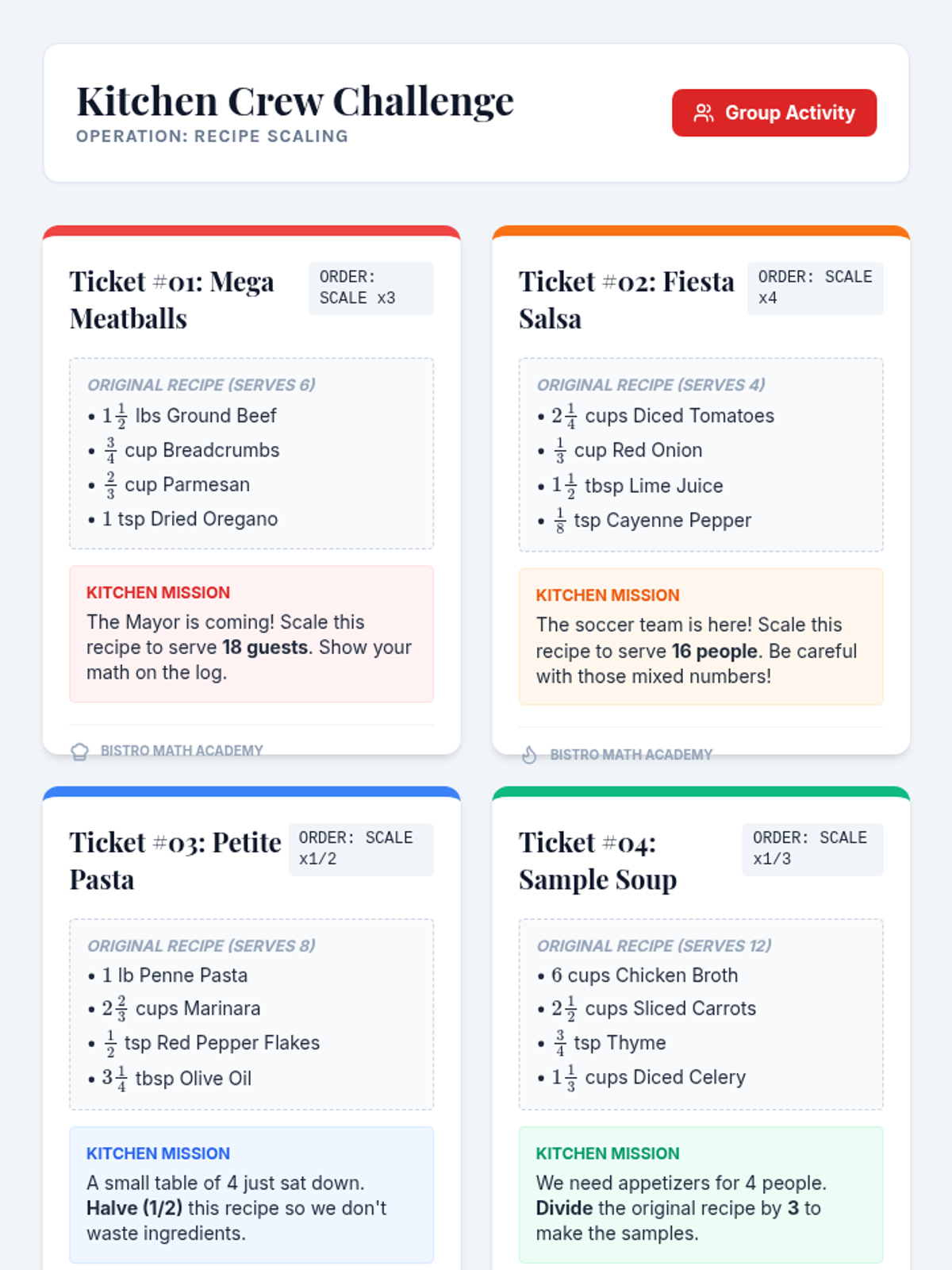
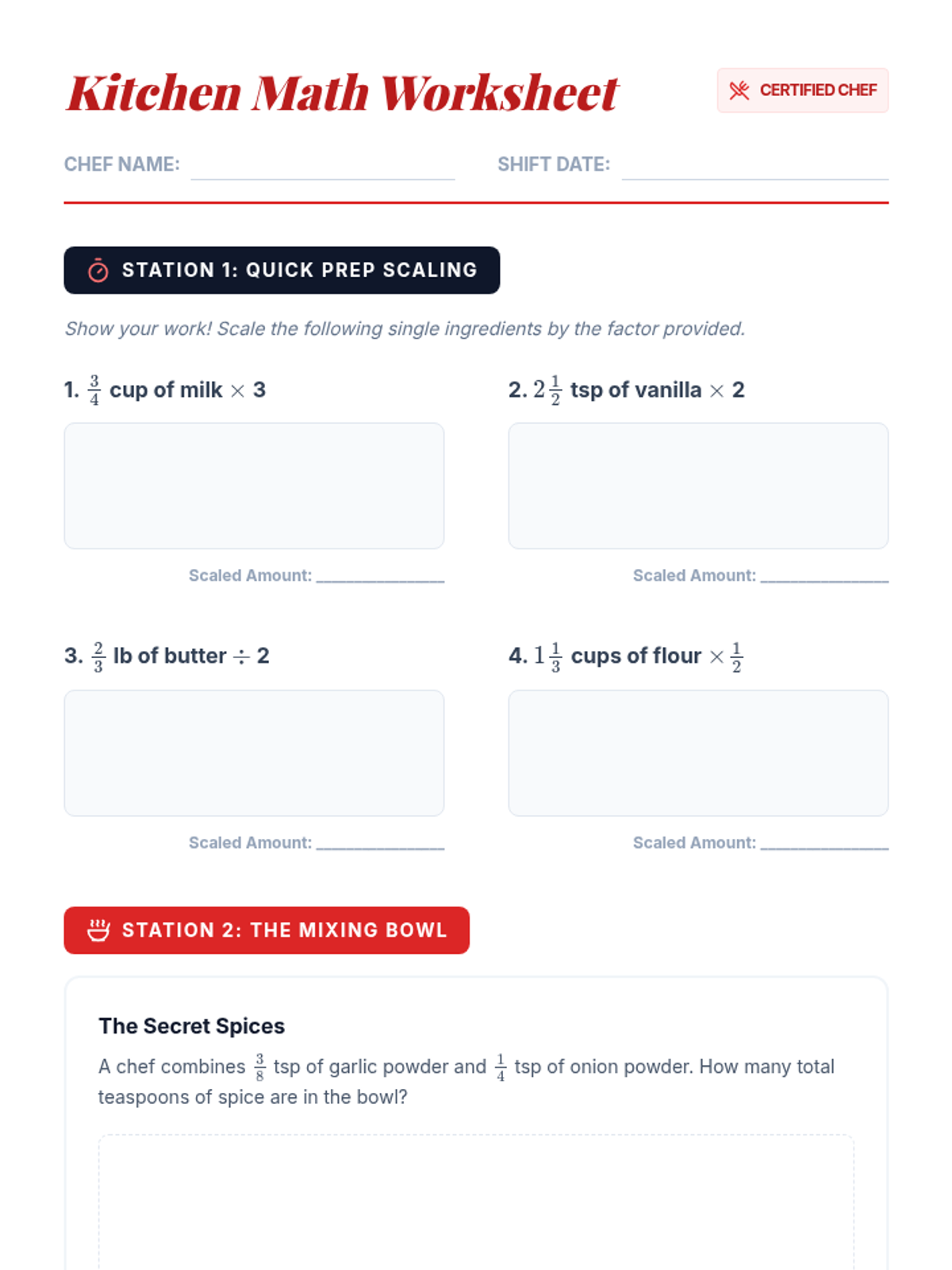
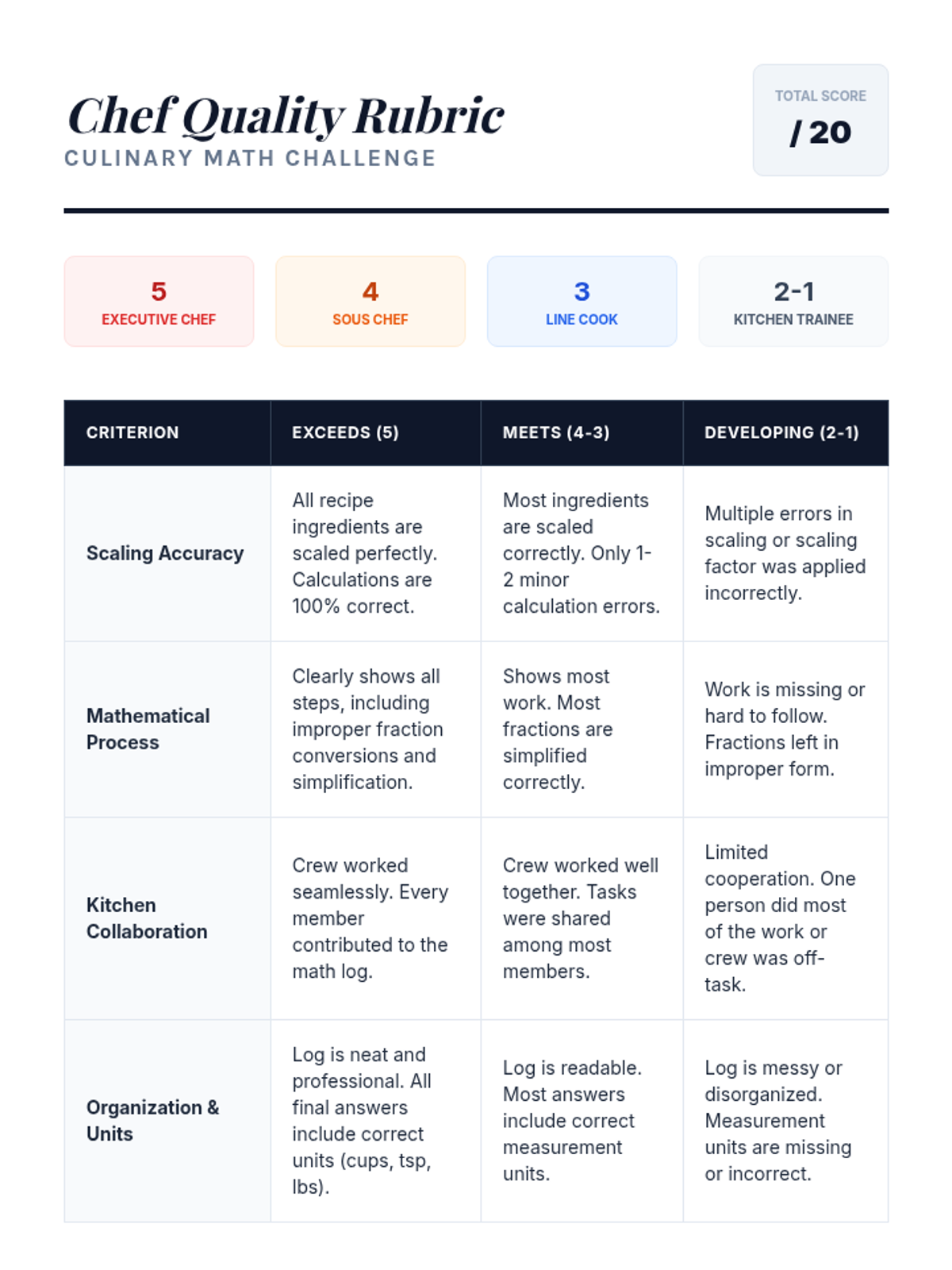
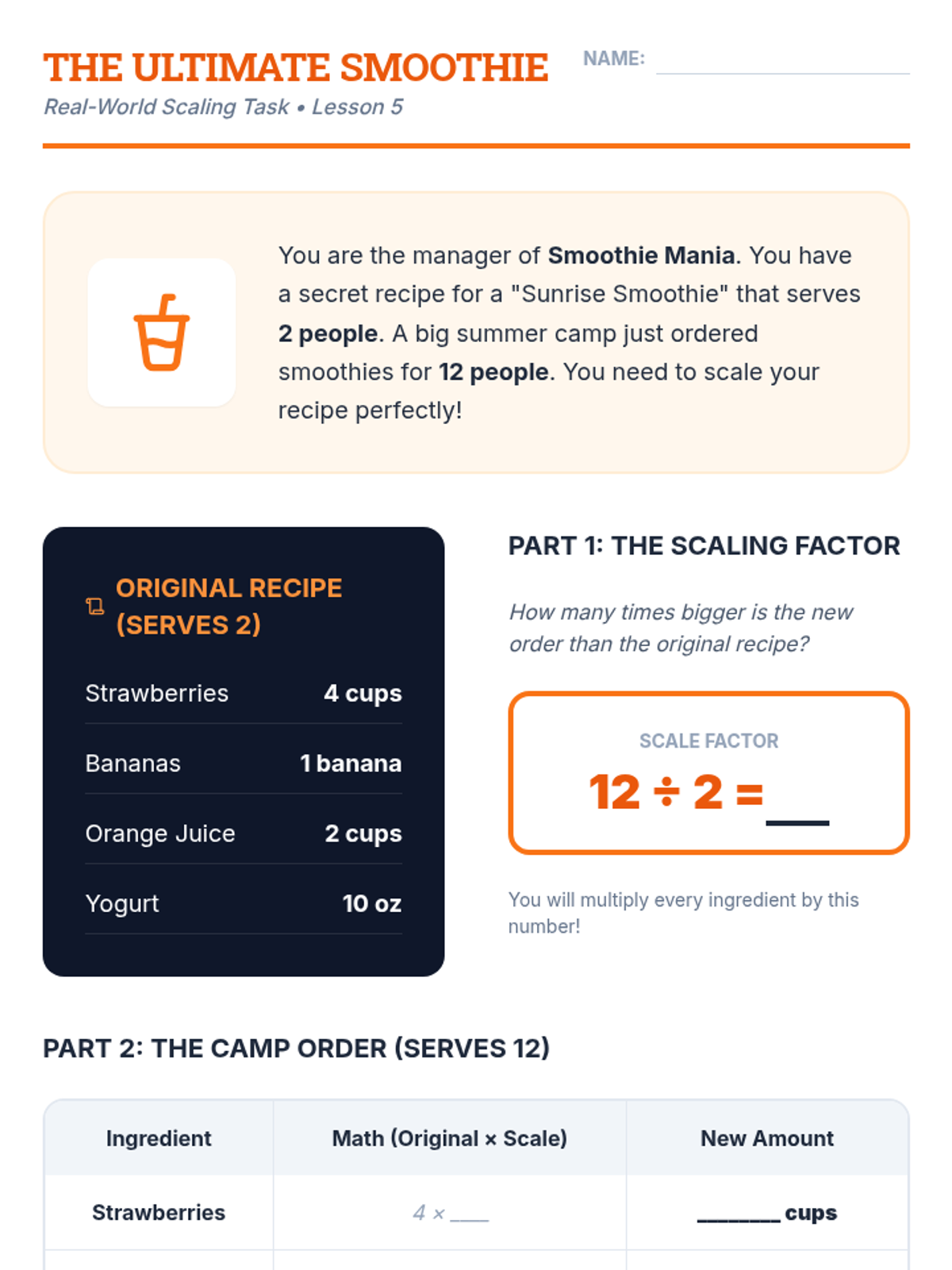
A 6th-grade math lesson where students apply fraction operations to scale recipes for a culinary challenge, fostering real-world problem-solving and collaboration.
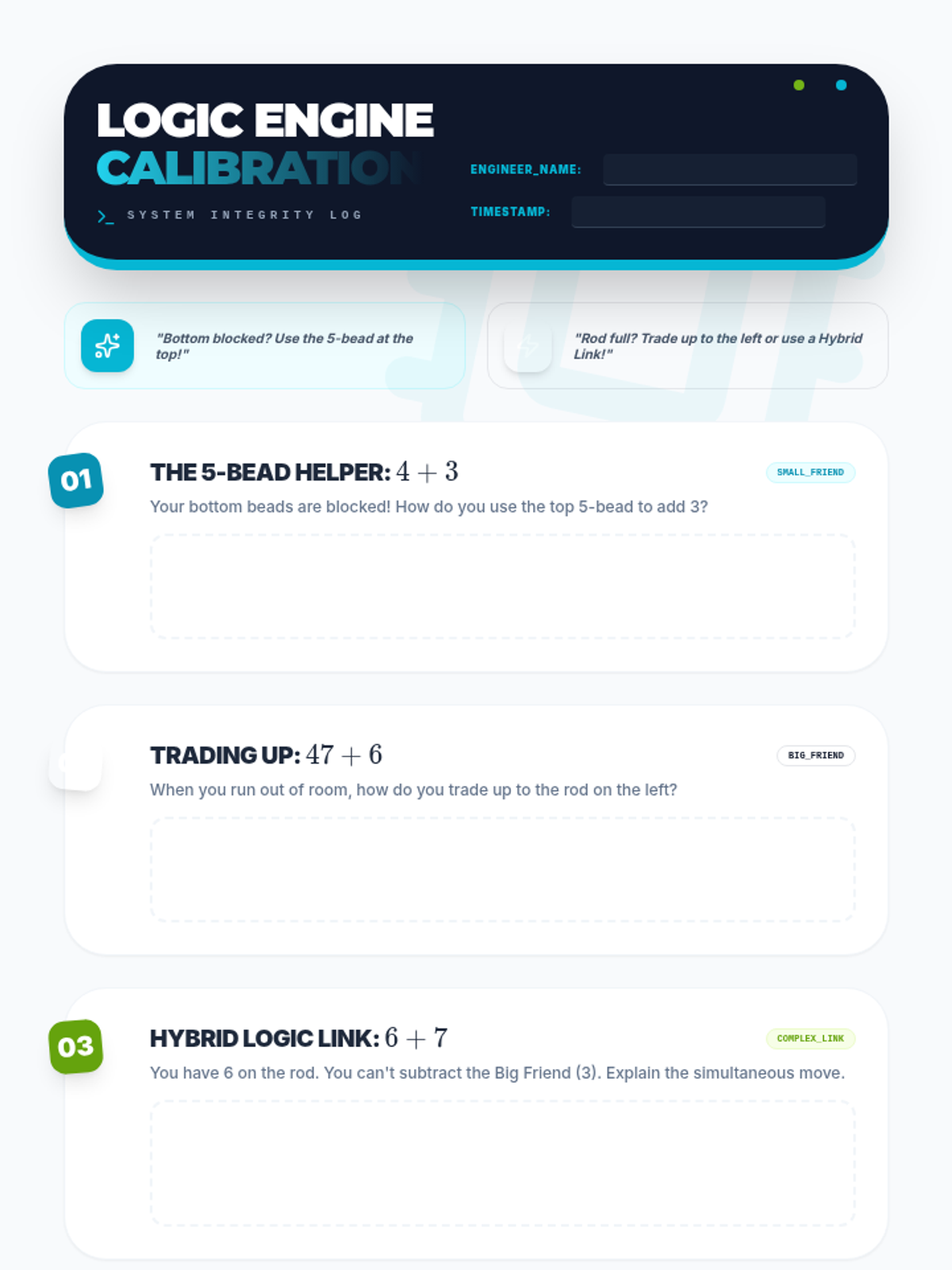
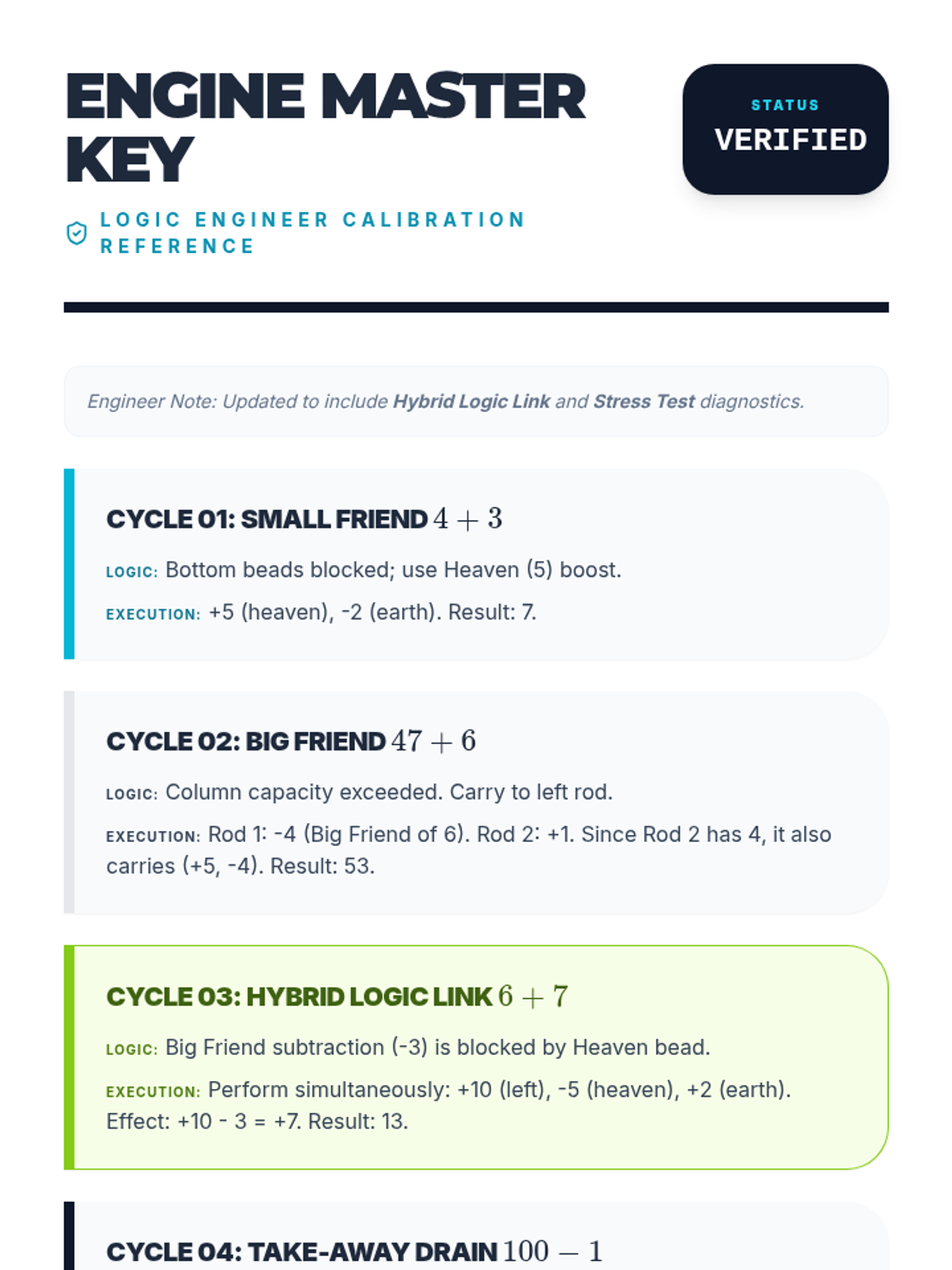
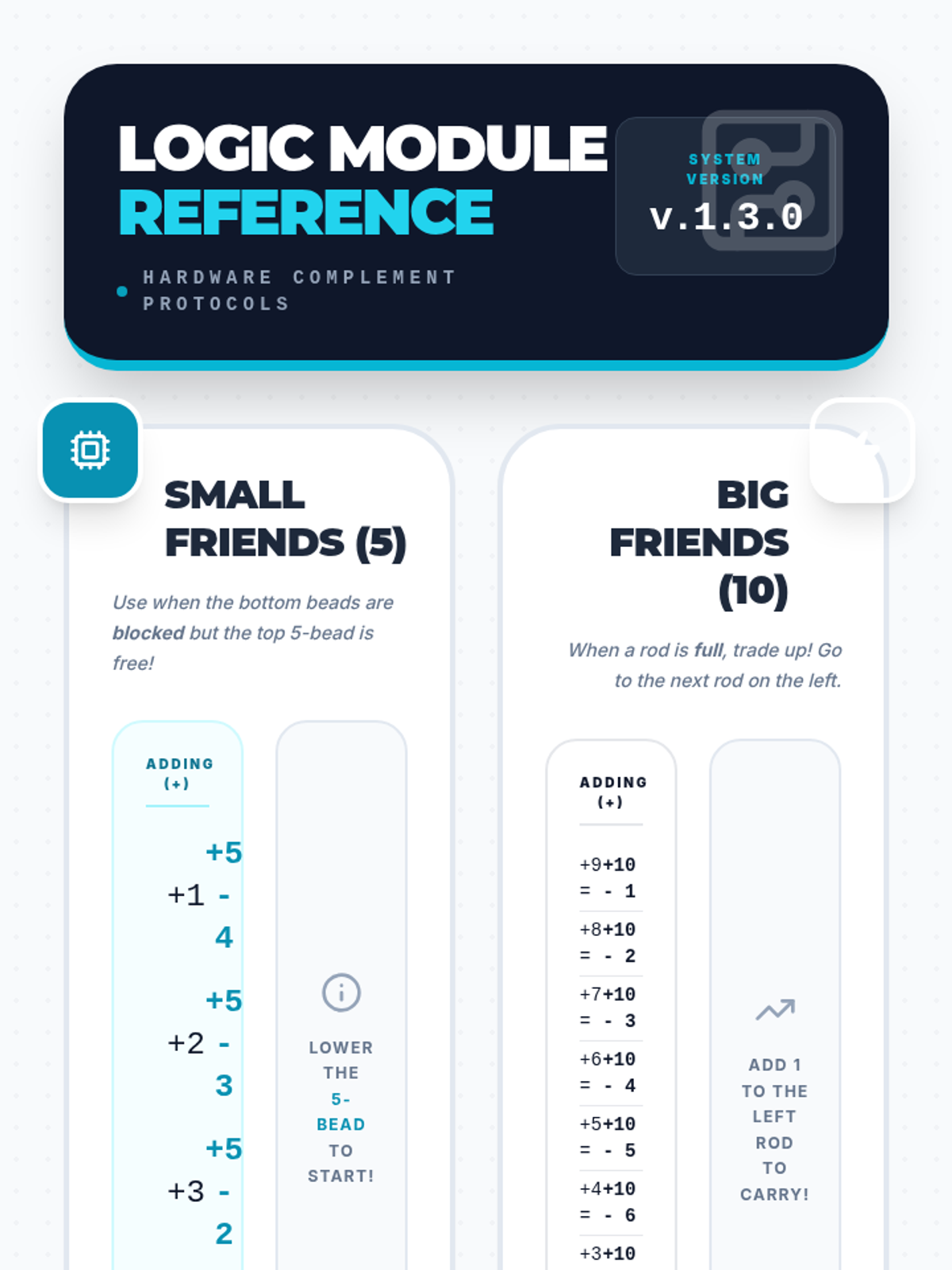
A high-tech exploration of Soroban abacus mechanics, framed as calibrating a powerful logic engine through complement techniques and precise multiplication chains.
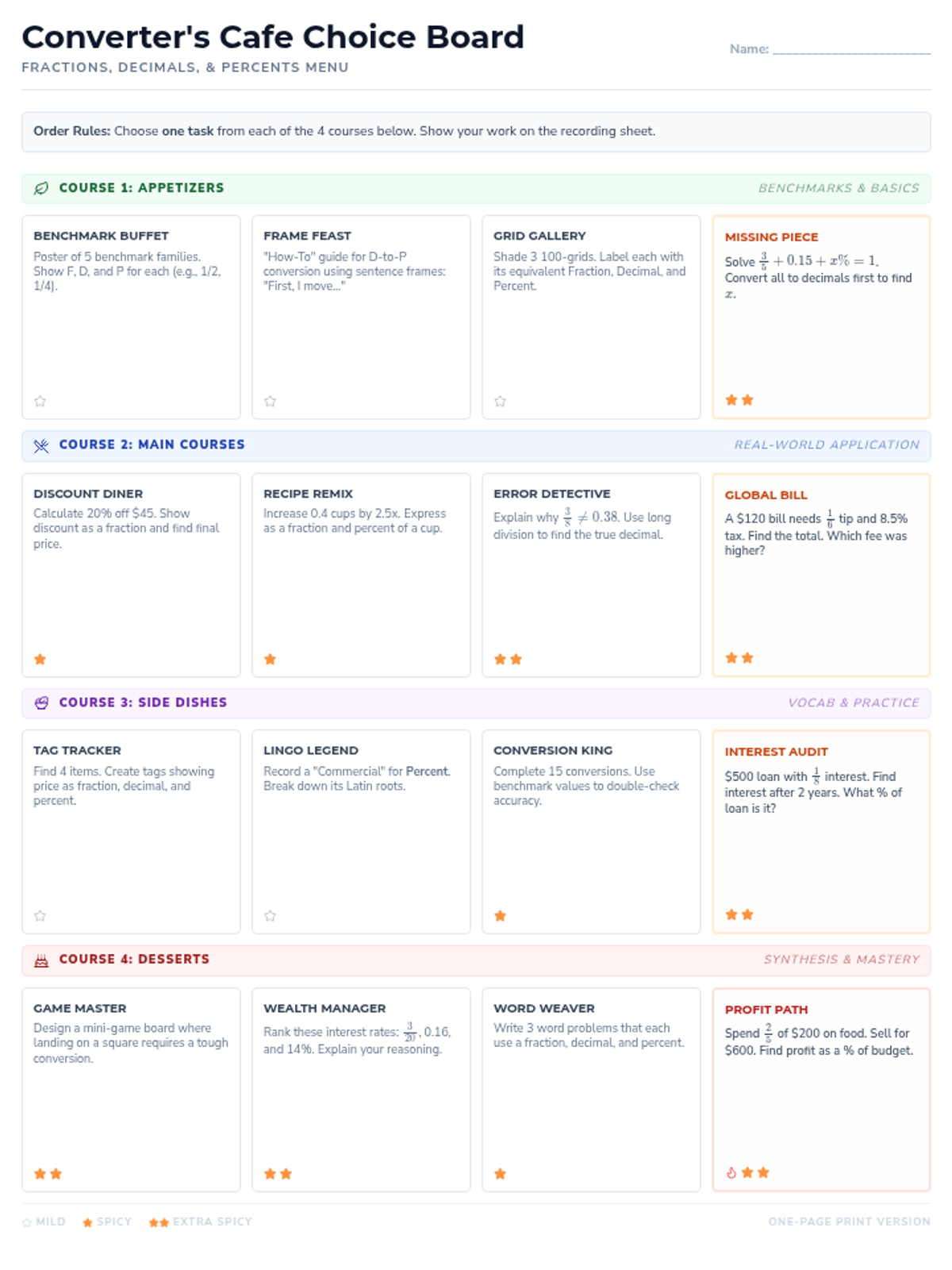
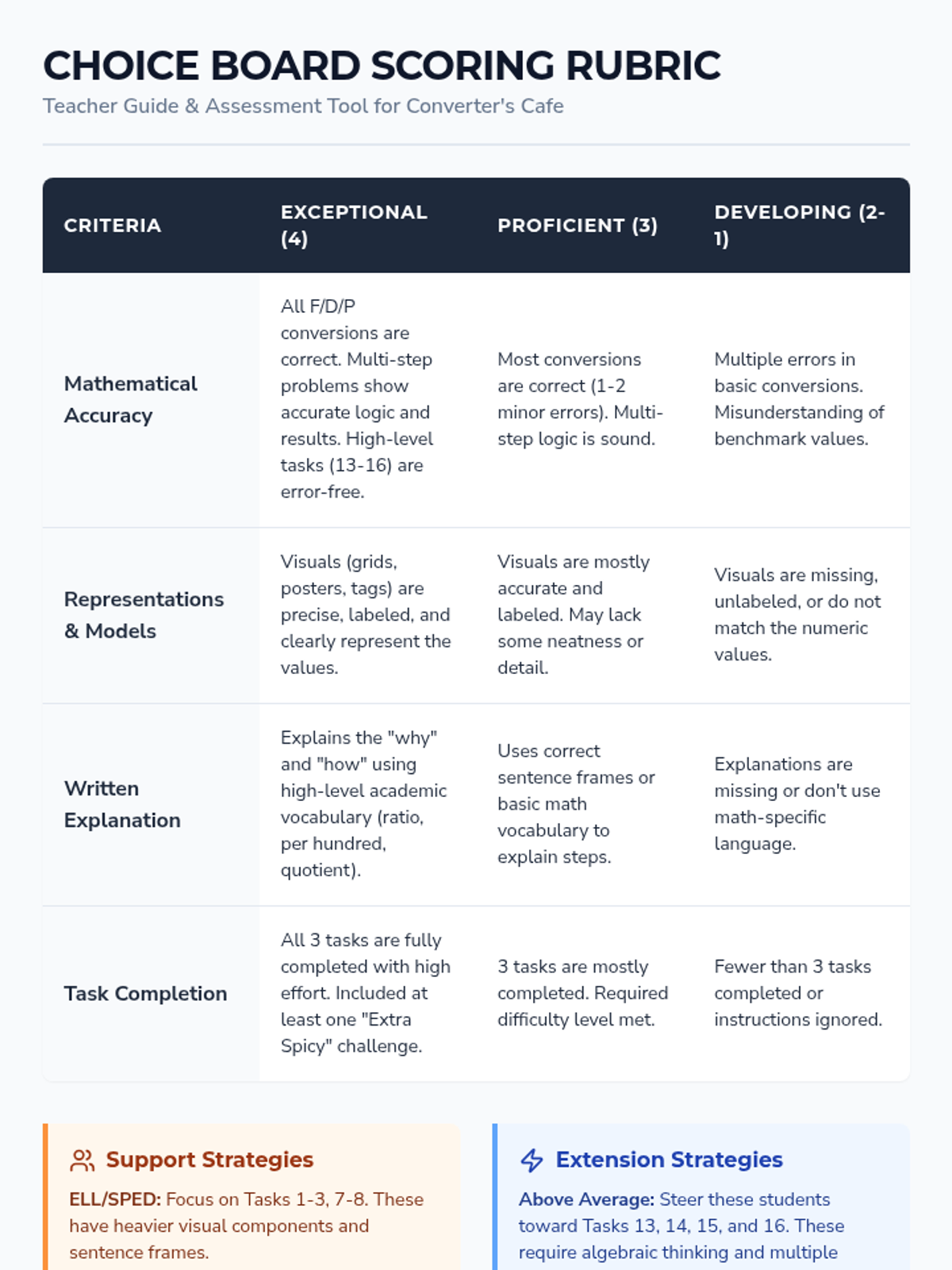
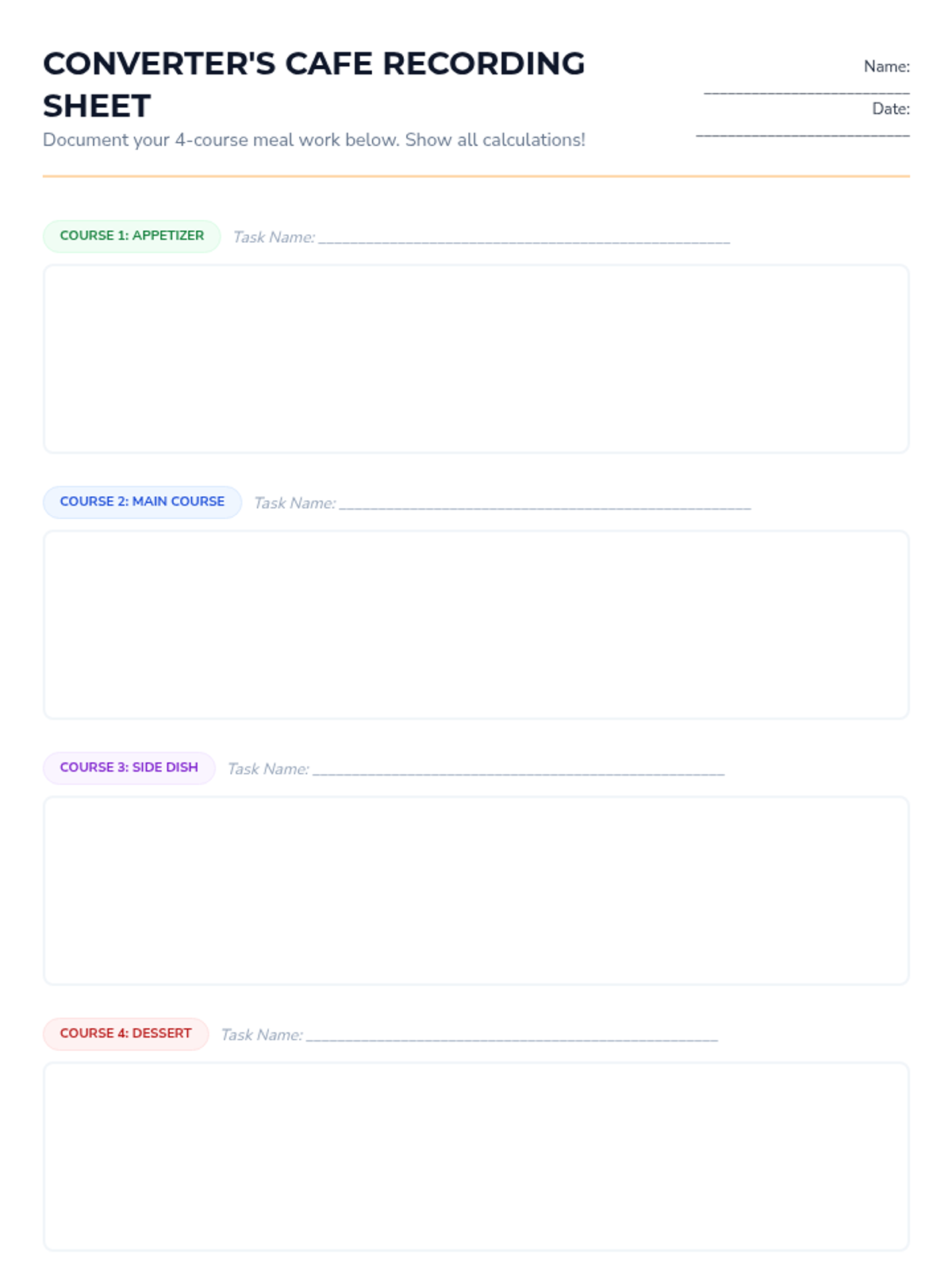
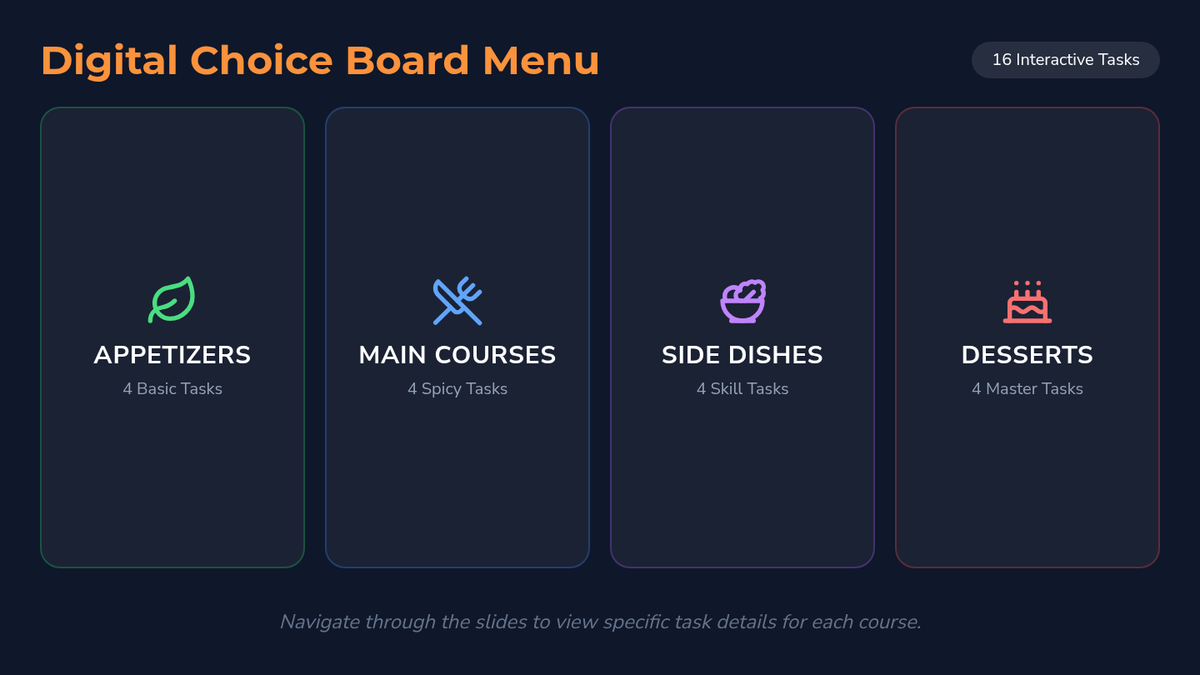
A comprehensive lesson on converting between fractions, decimals, and percents using a differentiated choice board. Students explore benchmark values and real-world applications through varied tasks tailored to different learning needs.
A review and application of both strategies through a competitive classroom game.
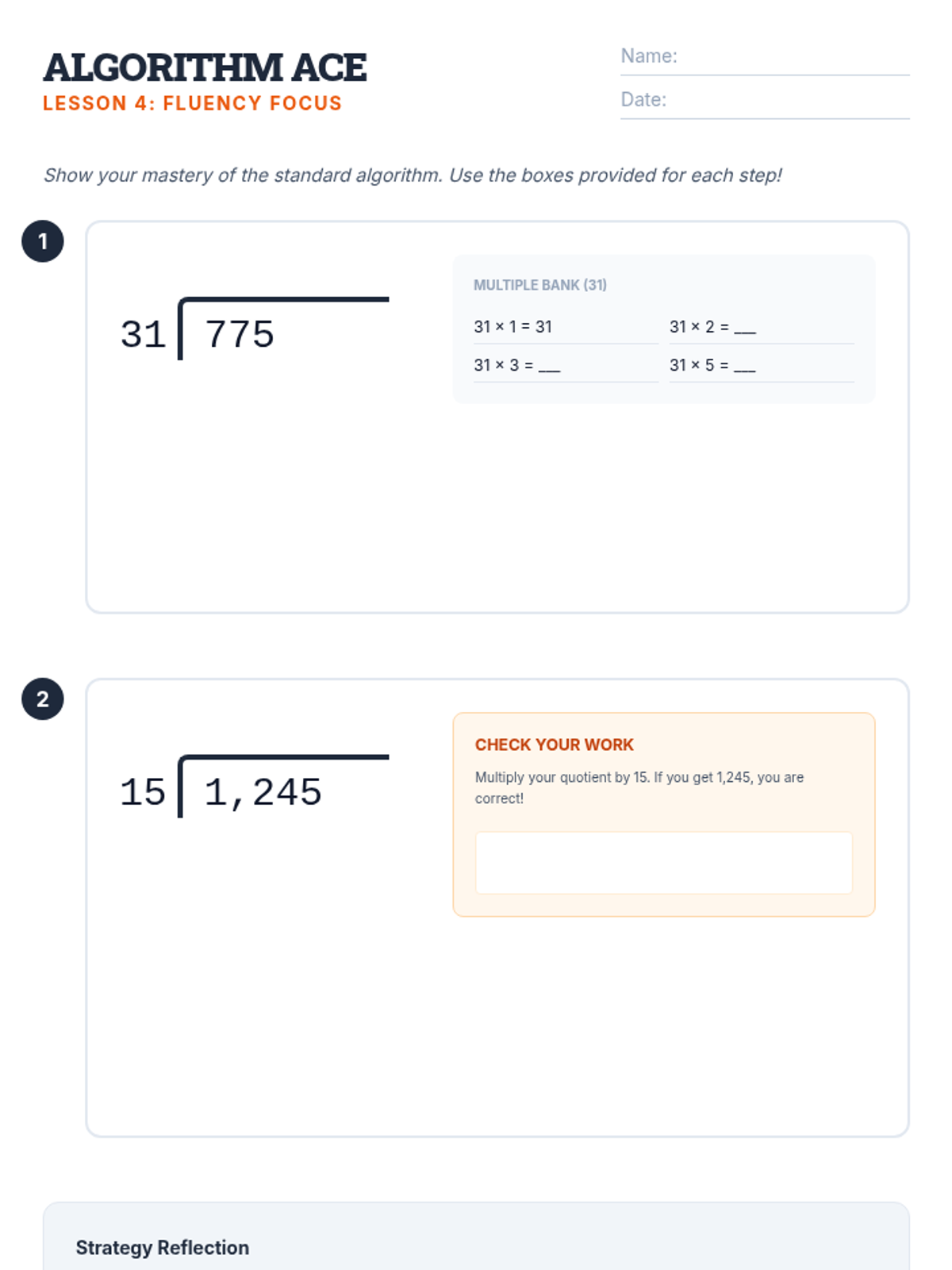
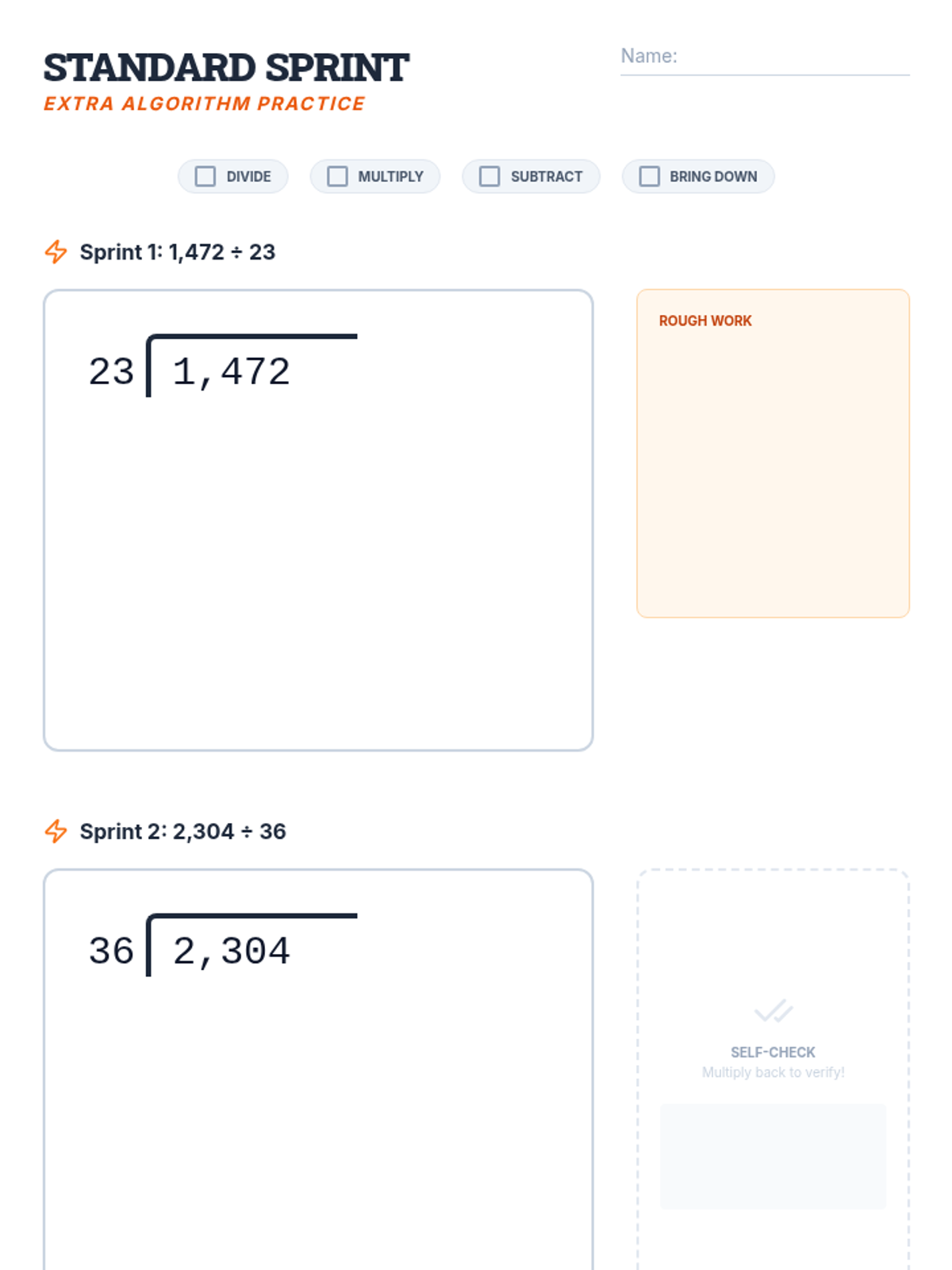
Focused practice on the standard long division algorithm to build fluency and accuracy with multi-digit divisors.
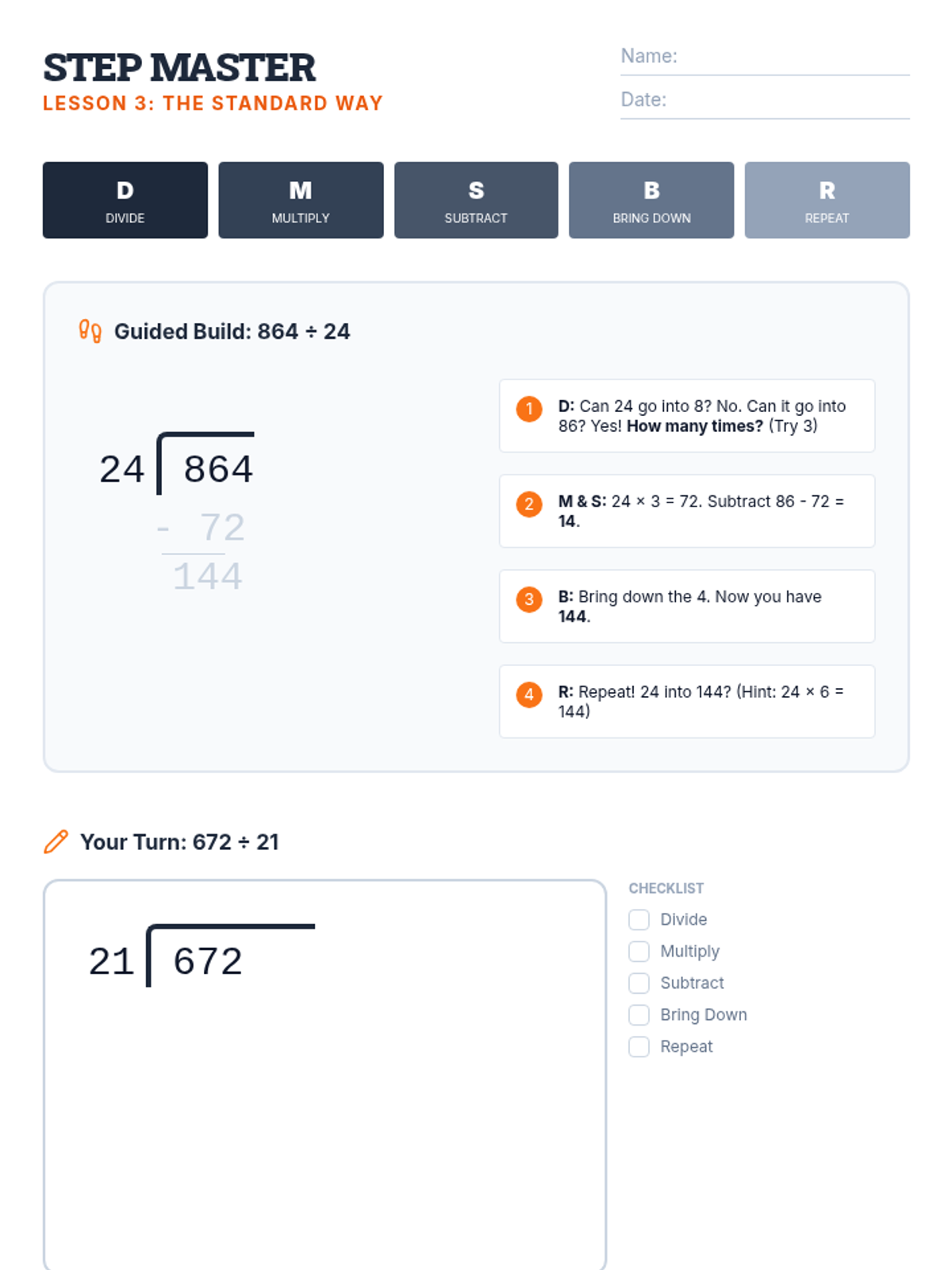
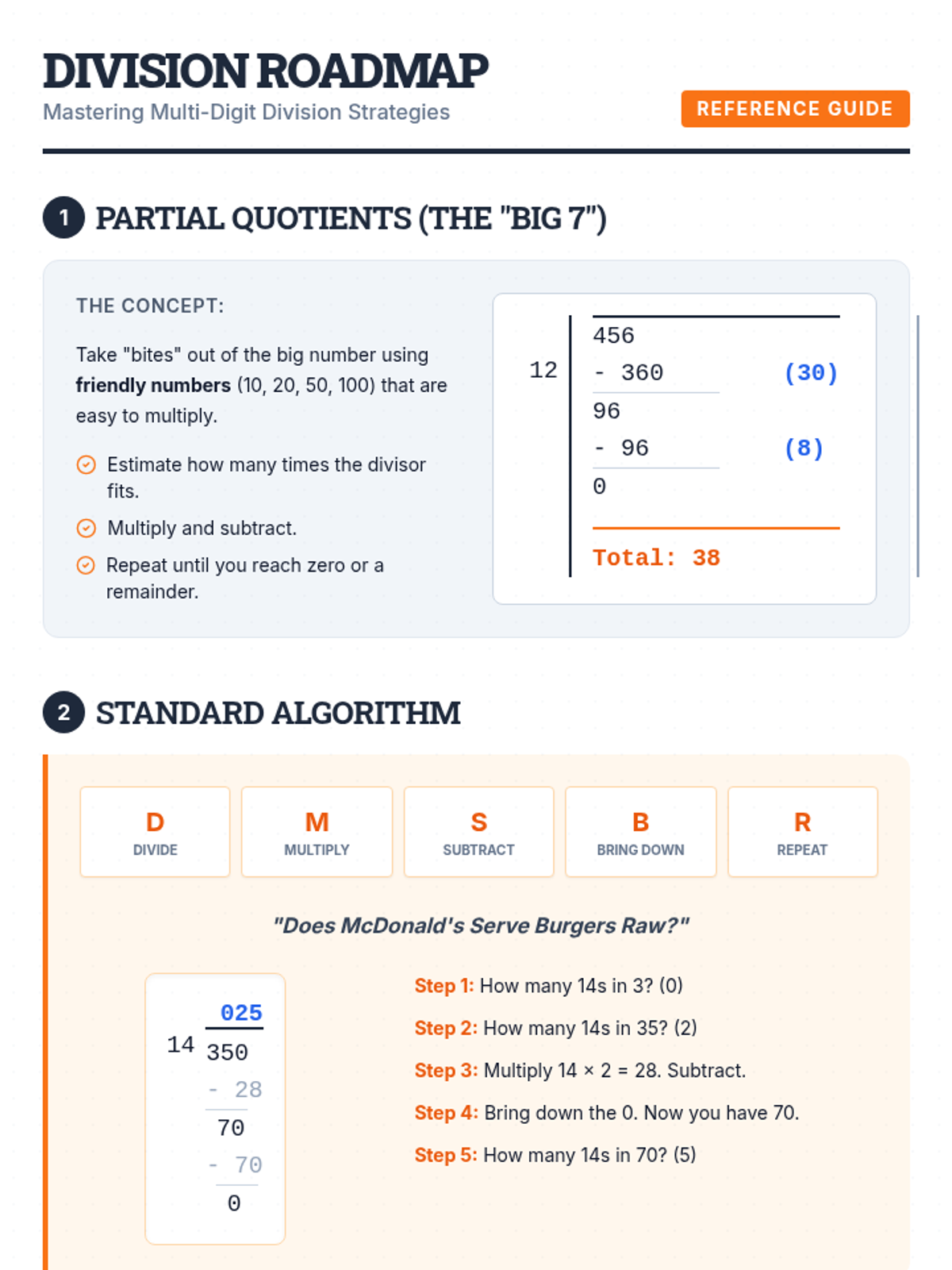
Step-by-step introduction to the standard algorithm for long division, connecting it to the partial quotients method.
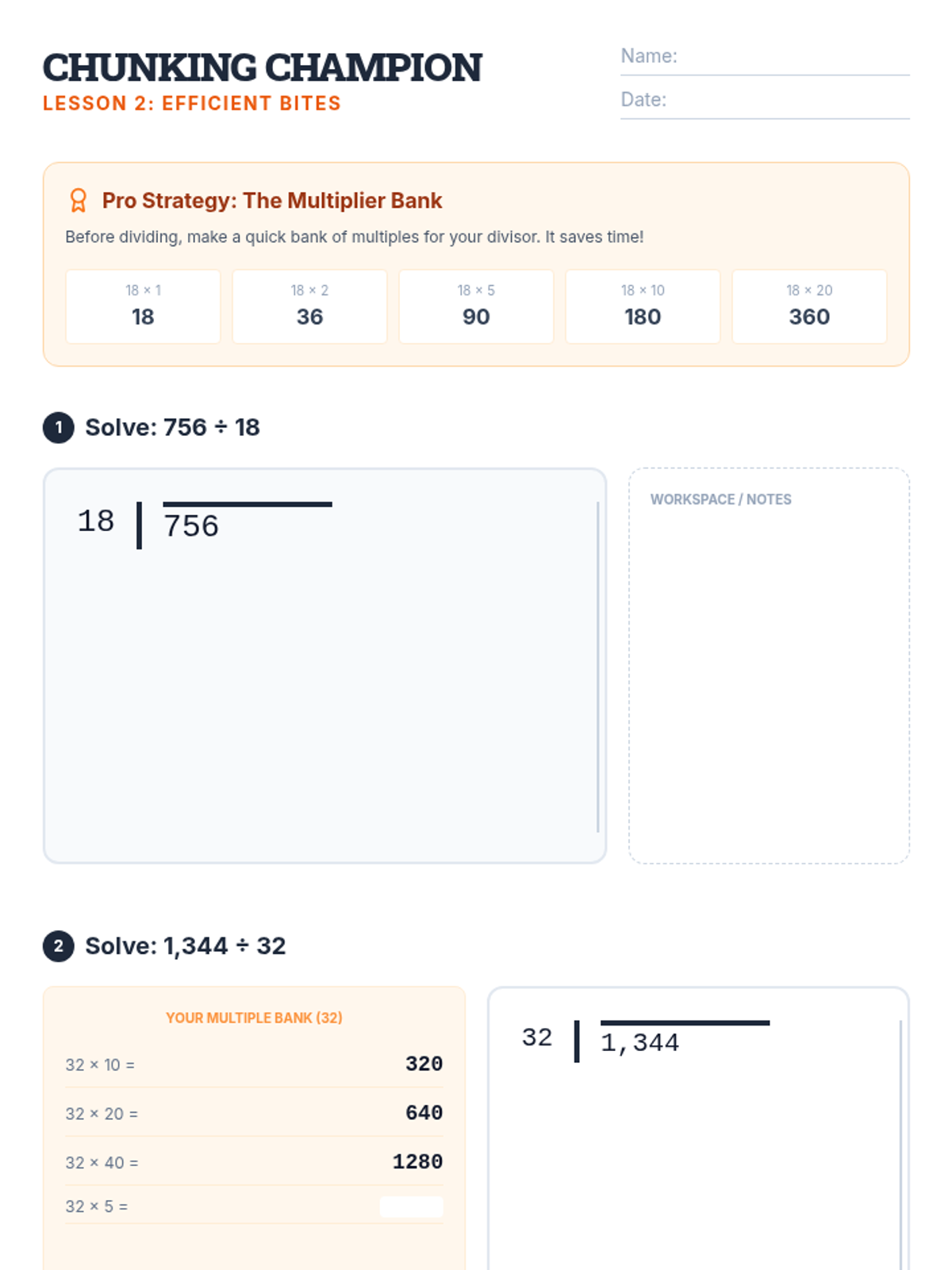
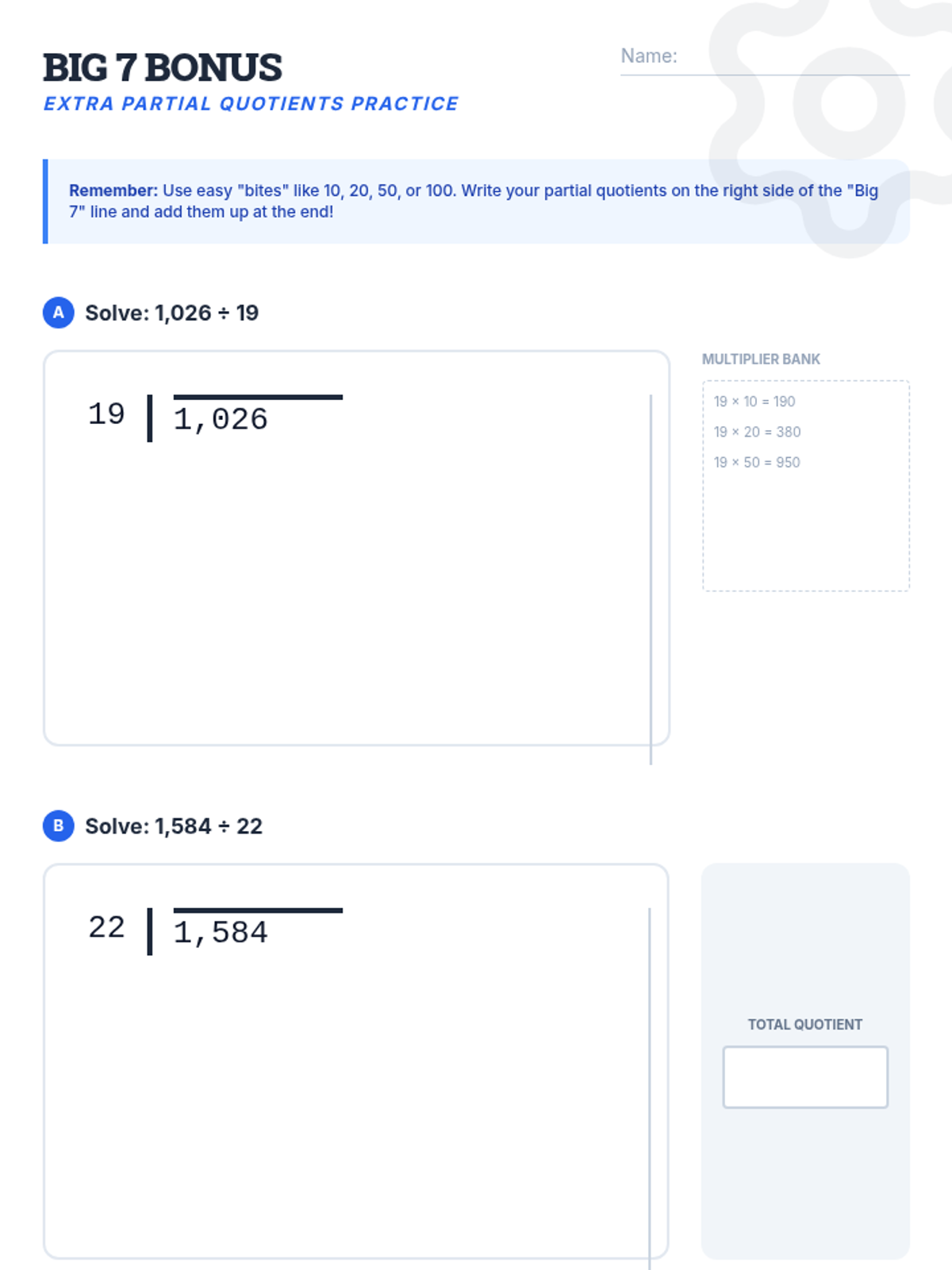
Practice with partial quotients to solve more complex multi-digit division problems, emphasizing estimation and subtraction accuracy.
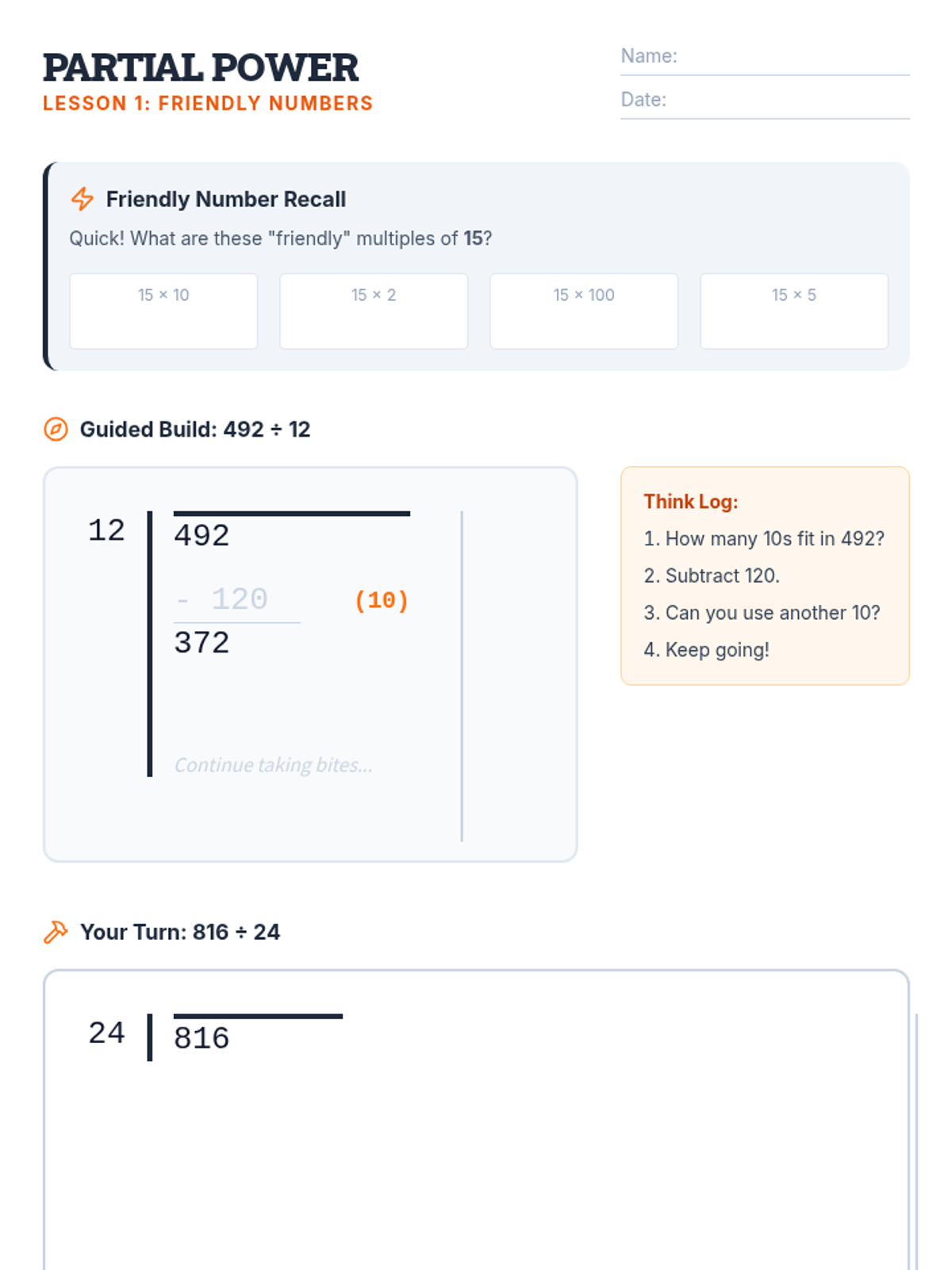
Introduction to division through partial quotients, focusing on using "friendly numbers" to build confidence with large numbers.
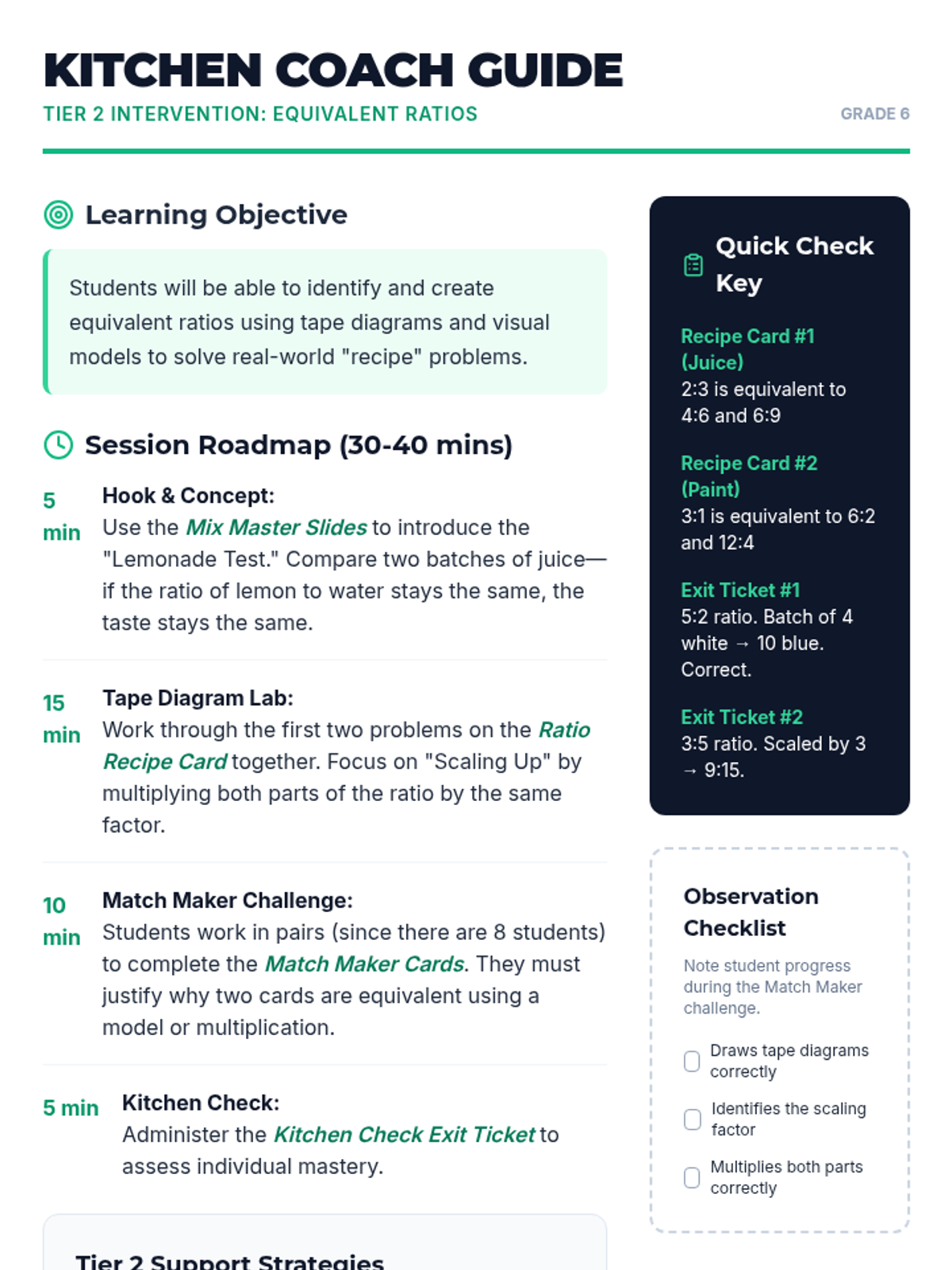
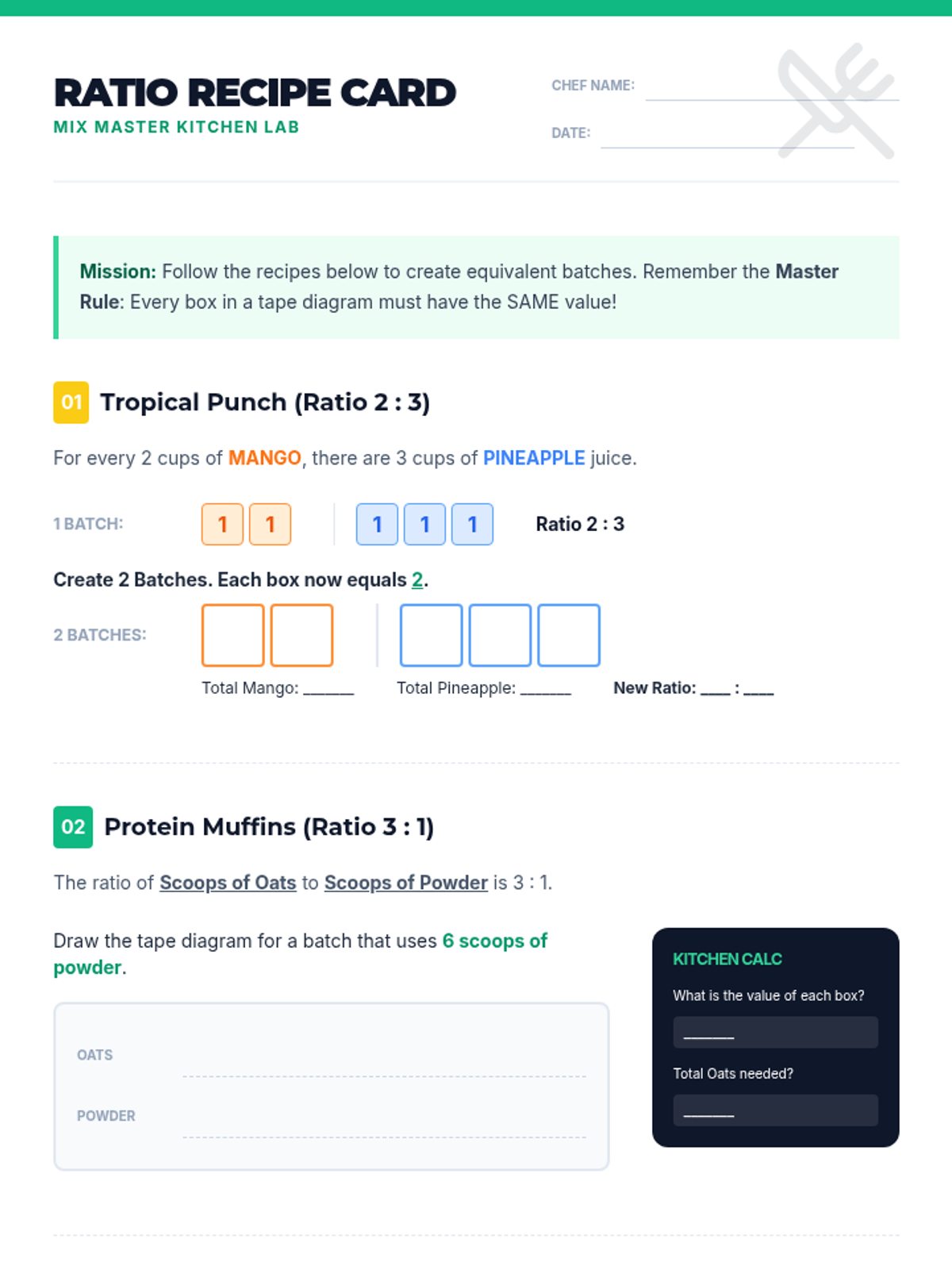
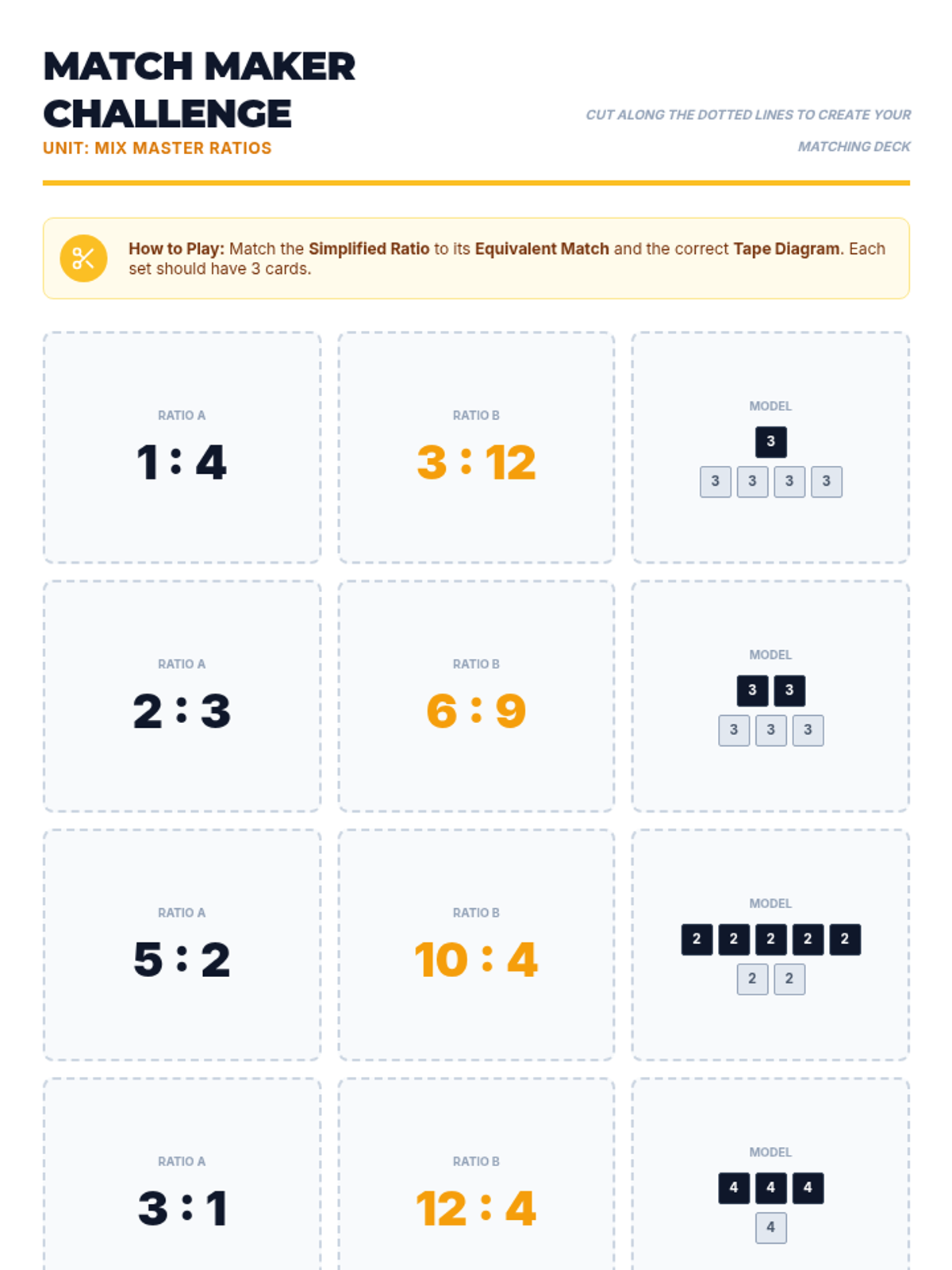
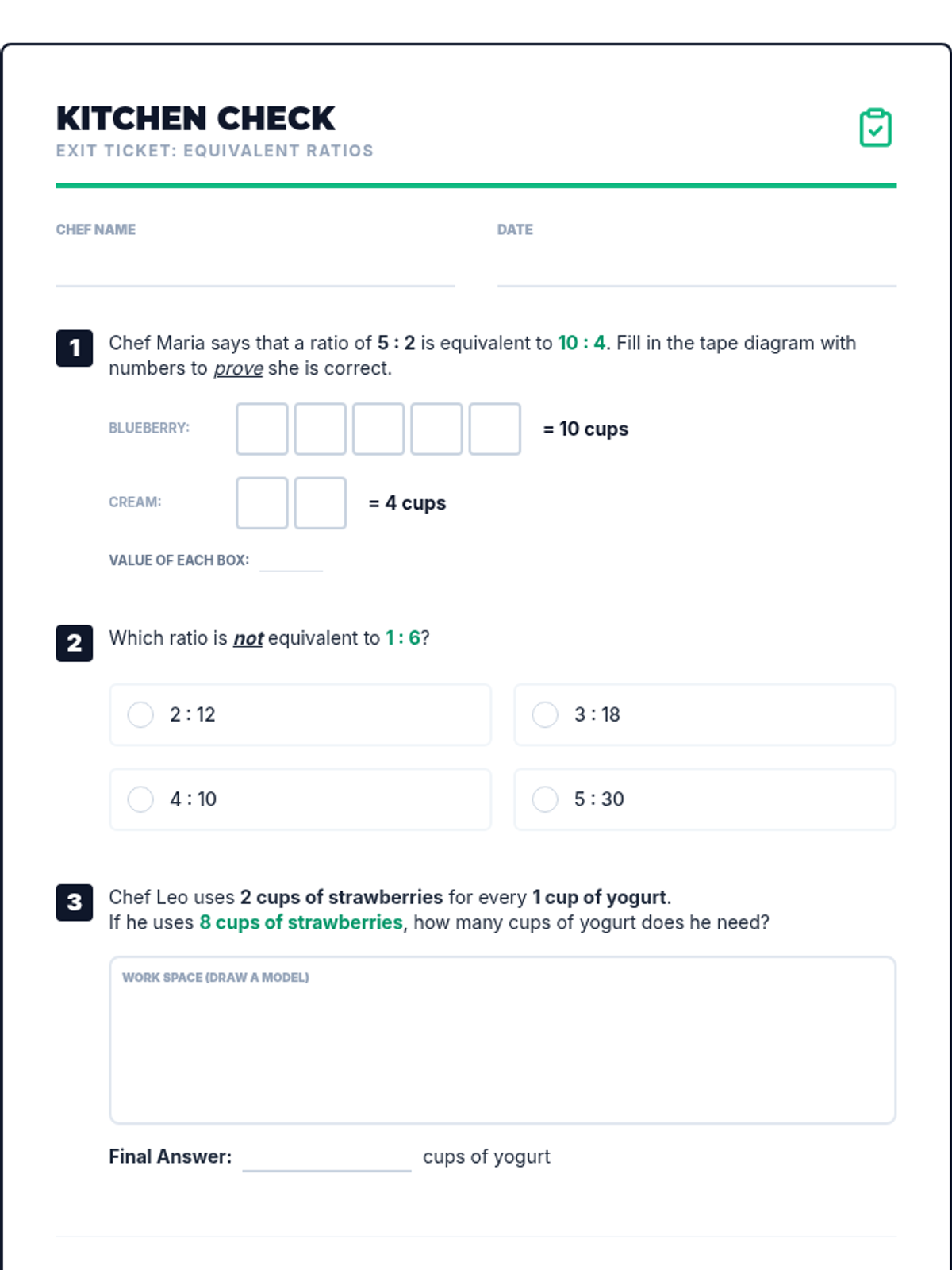
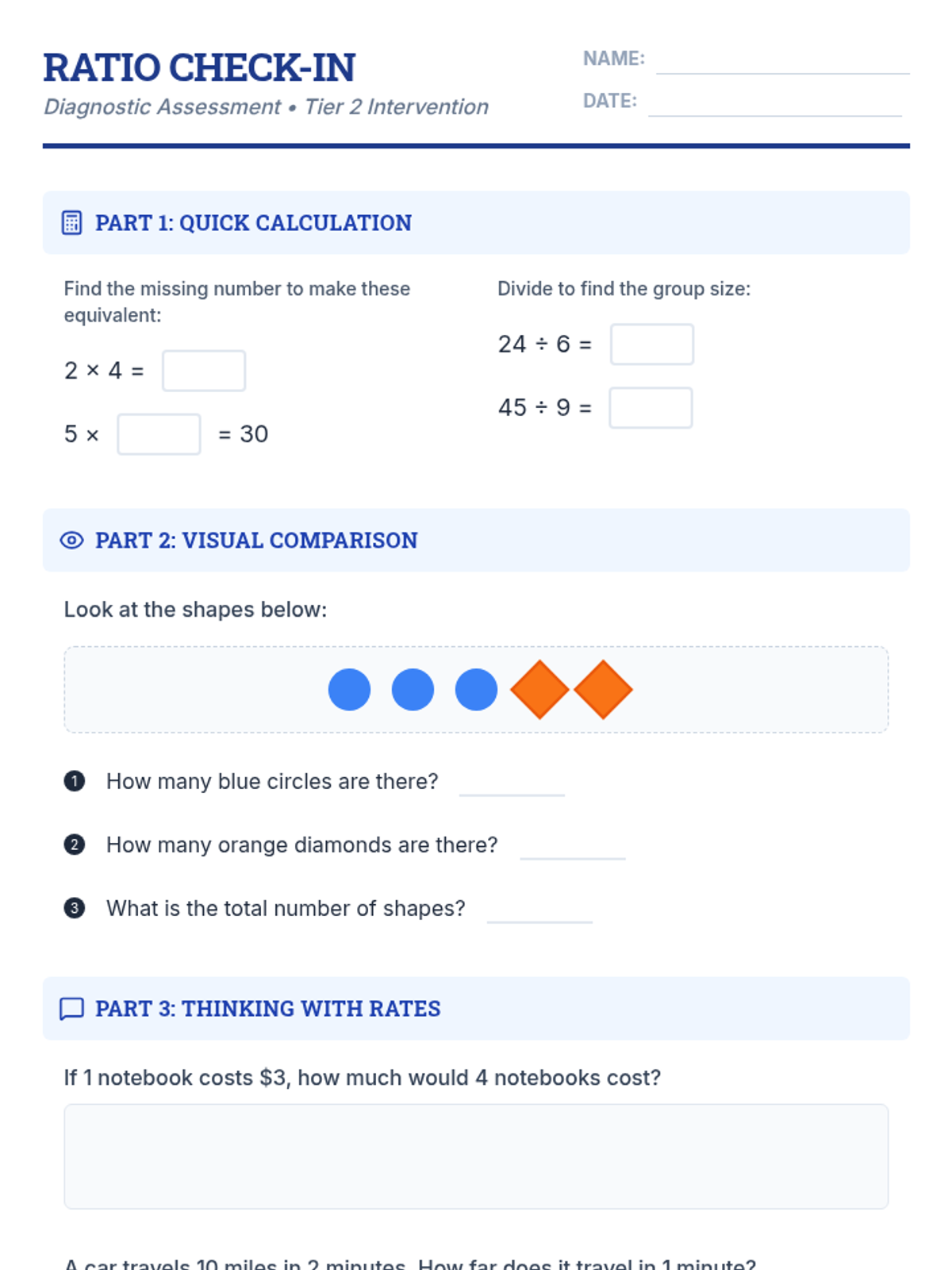
A Tier 2 intervention lesson for 6th grade focused on equivalent ratios using tape diagrams and visual models. Students practice through guided 'recipes' and matching activities to build conceptual understanding.
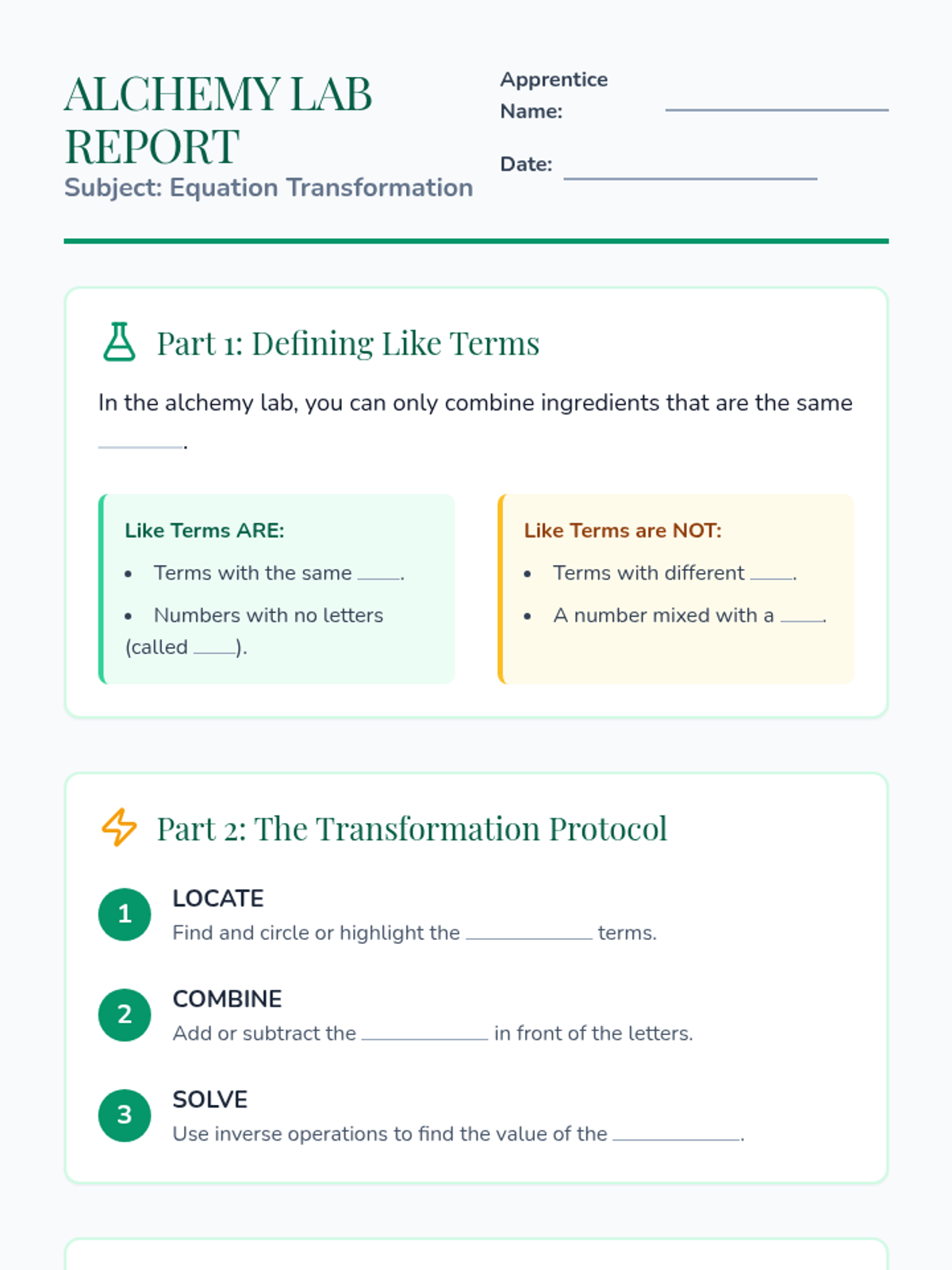
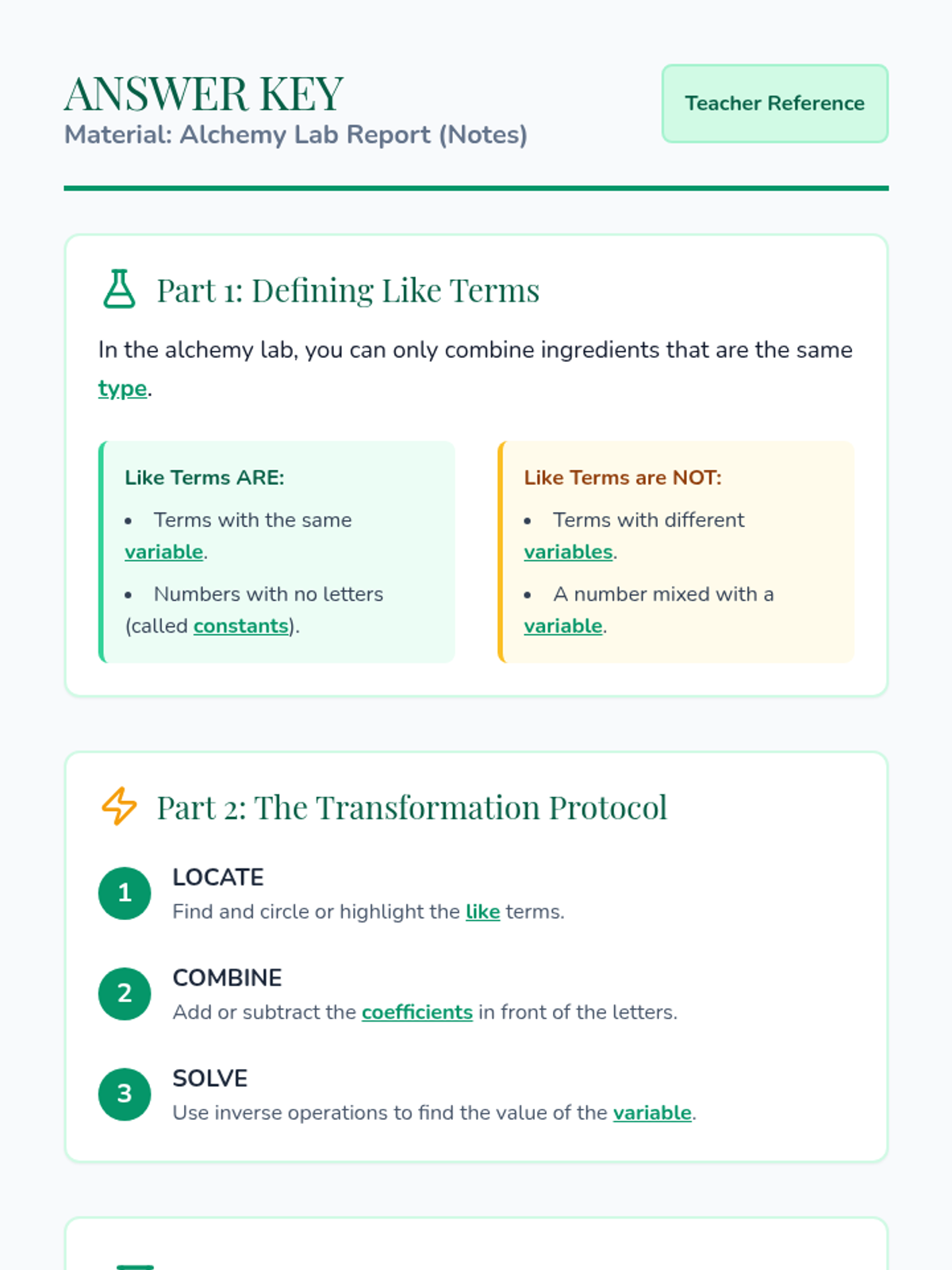
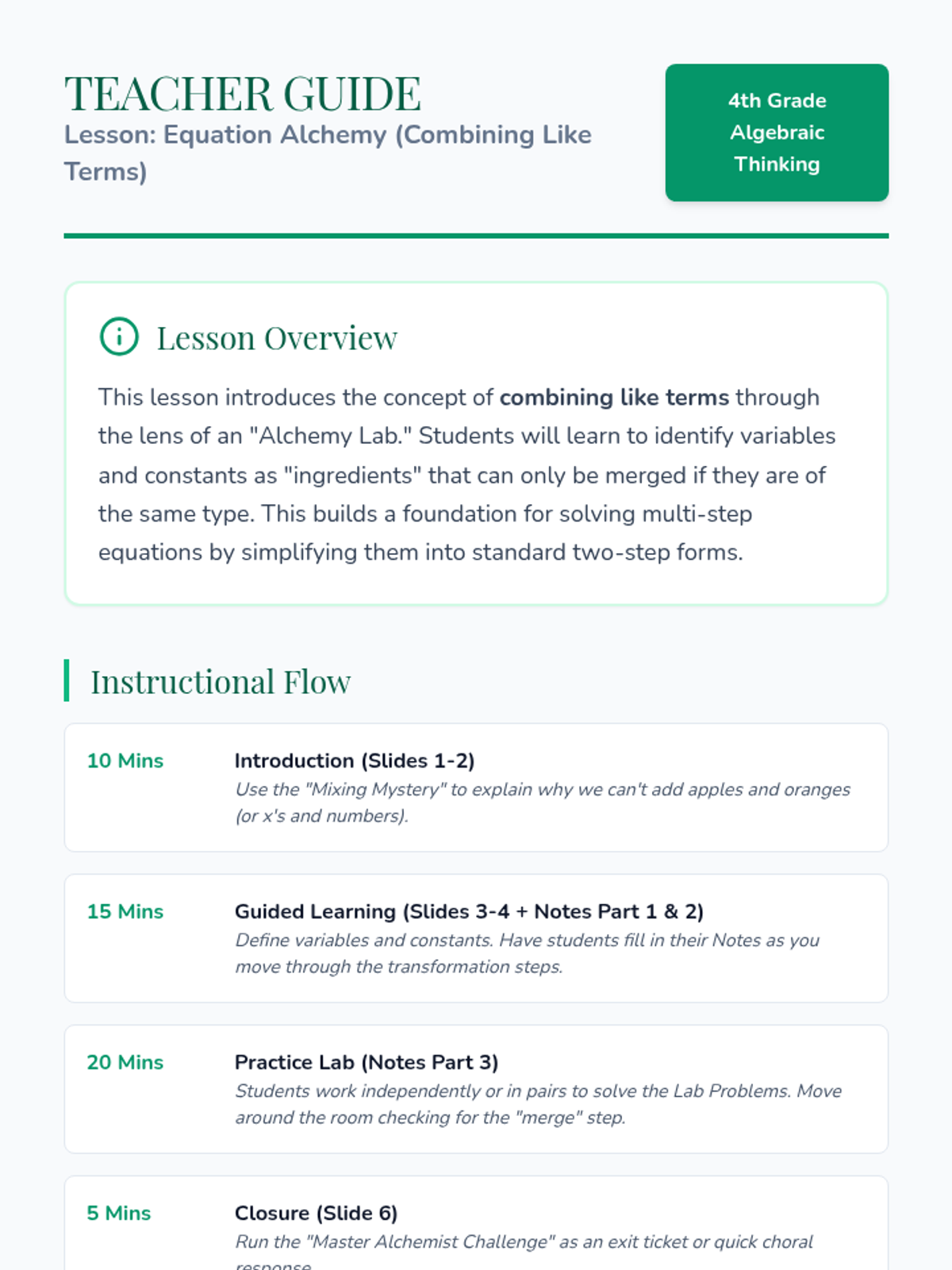
An introductory lesson on identifying and combining like terms to solve multi-step equations, designed for upper elementary students using visual models and guided practice.
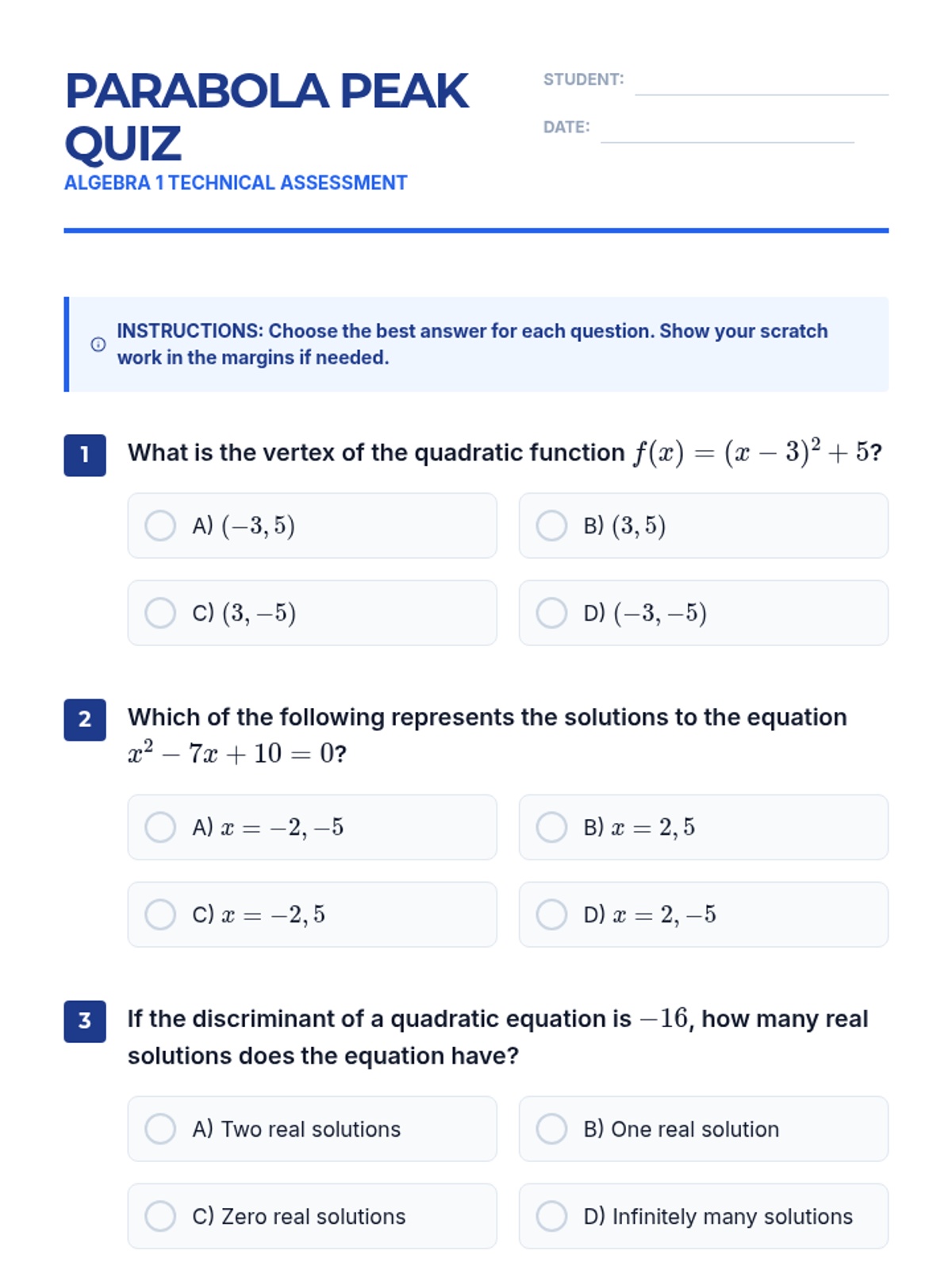
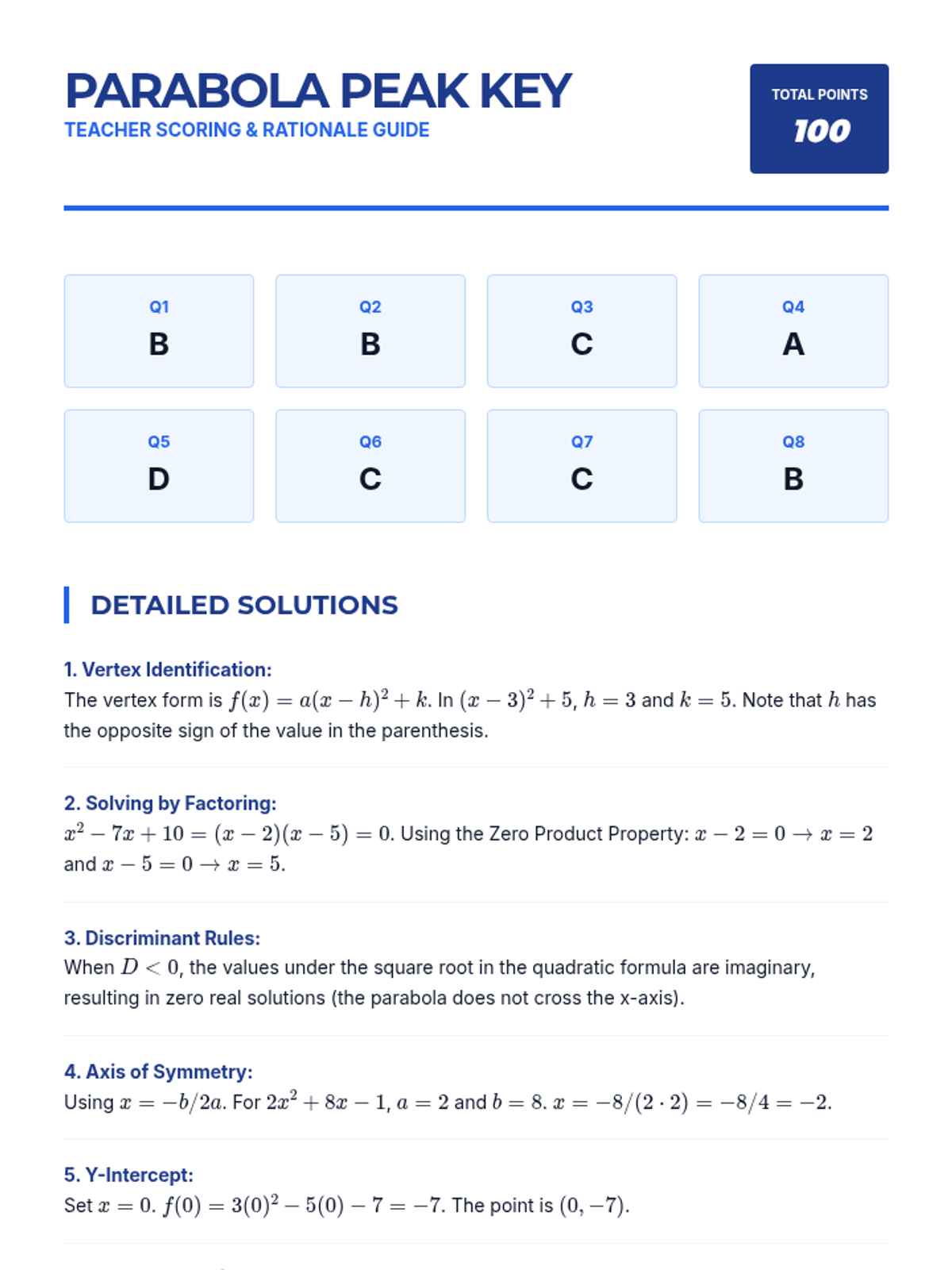
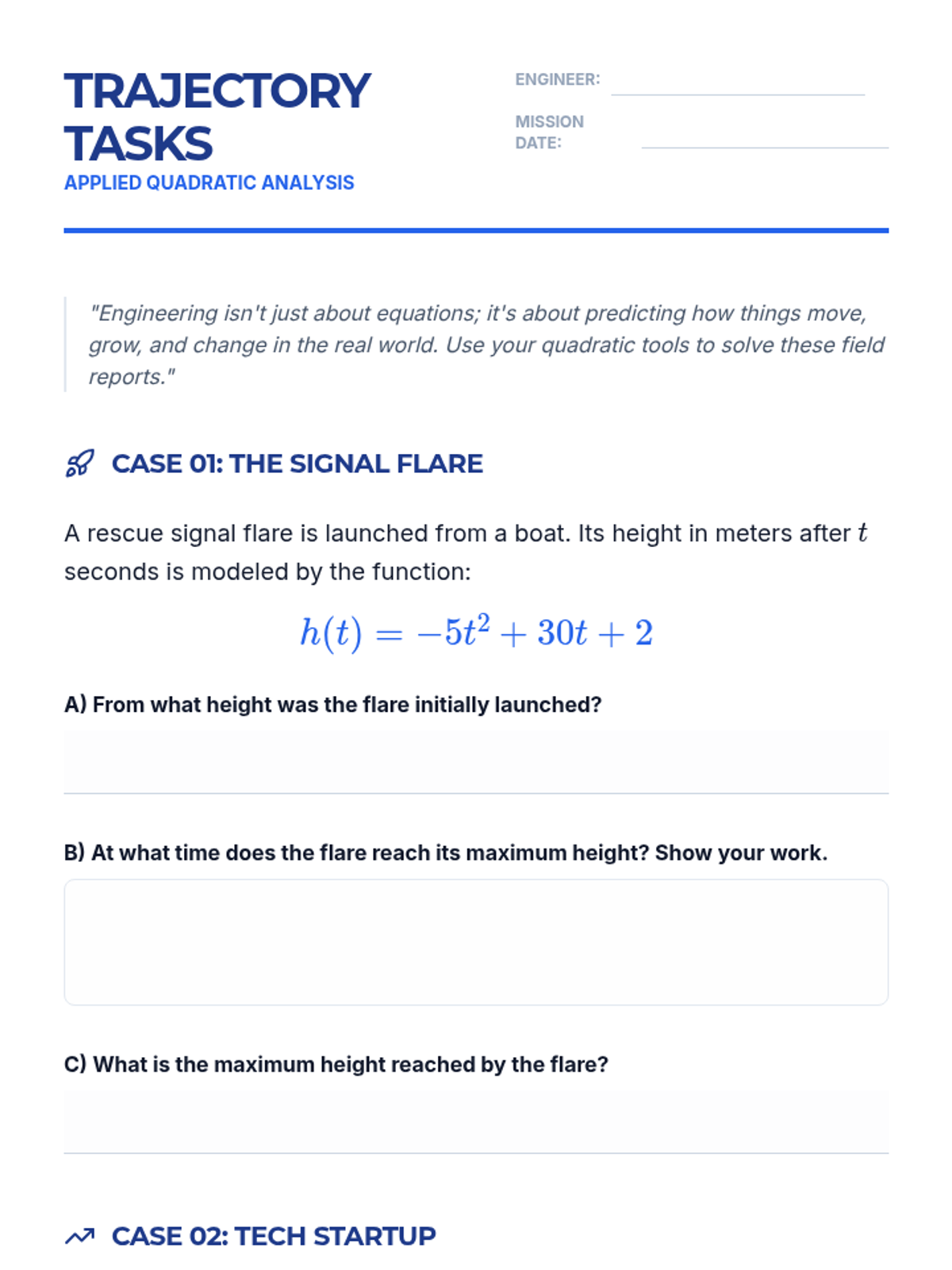
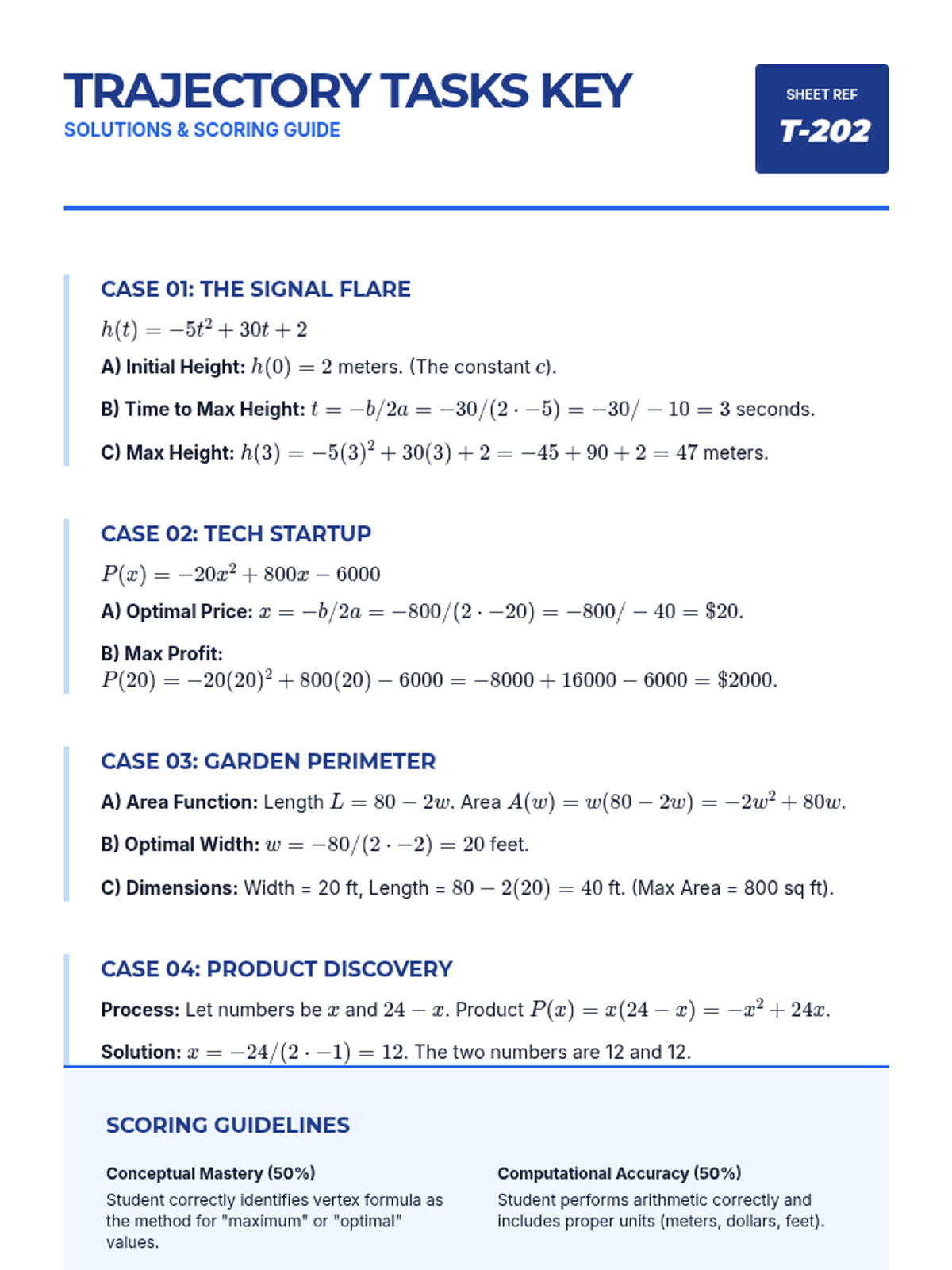
A focused lesson on solving quadratic equations and understanding quadratic functions, featuring a review presentation and a multiple-choice assessment.
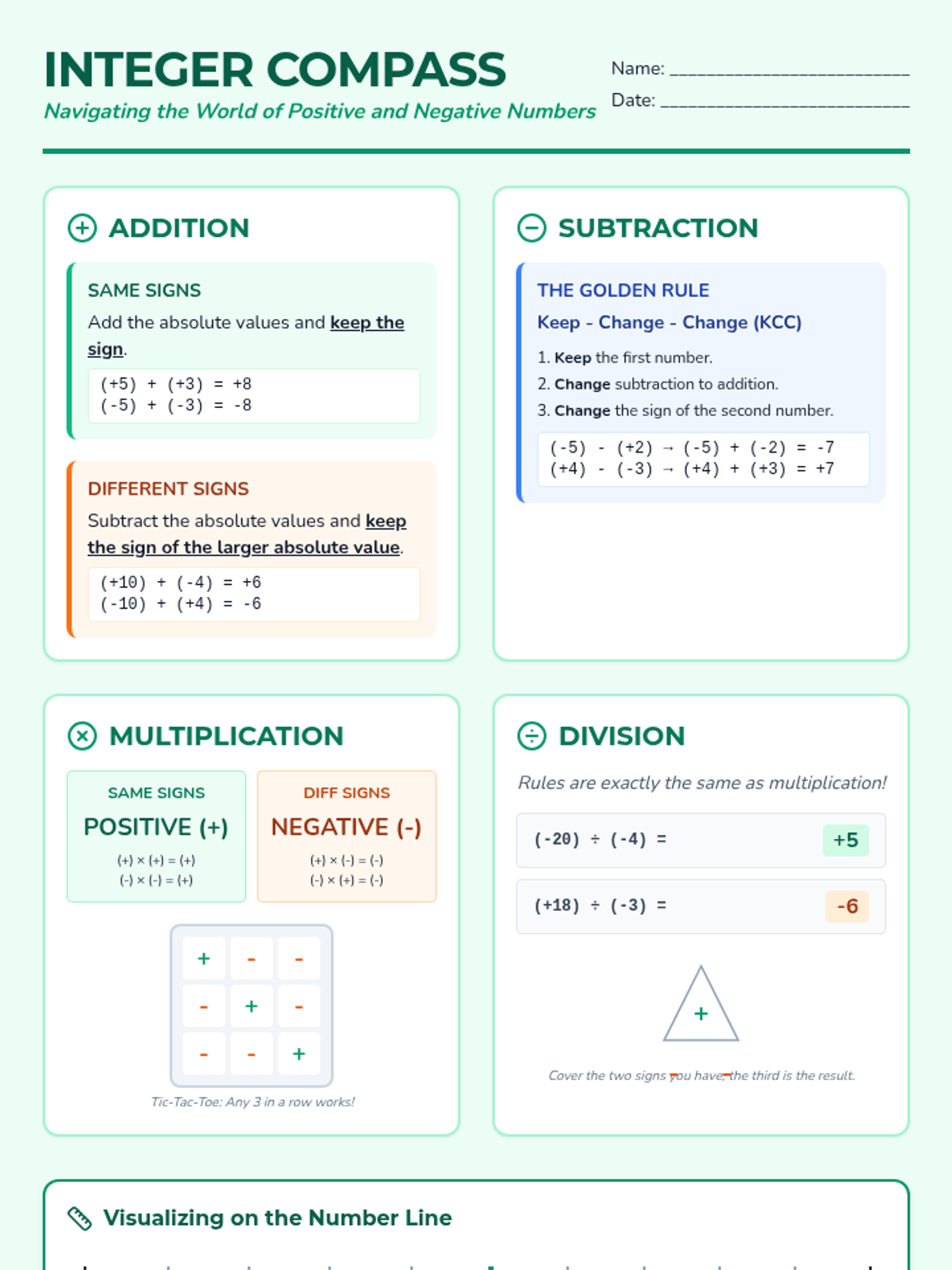
A comprehensive lesson covering addition, subtraction, multiplication, and division of integers using visual models and algorithmic rules.
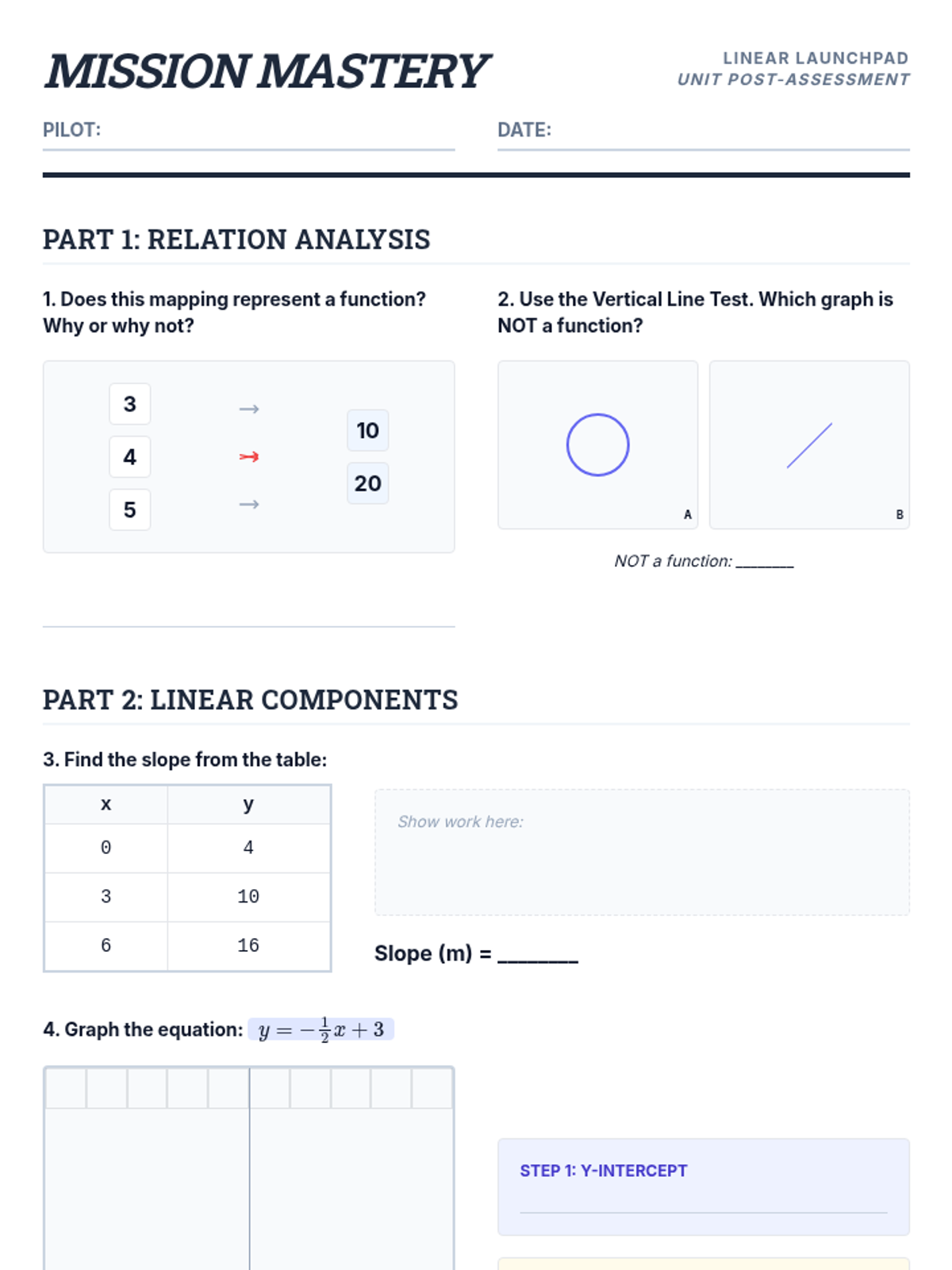
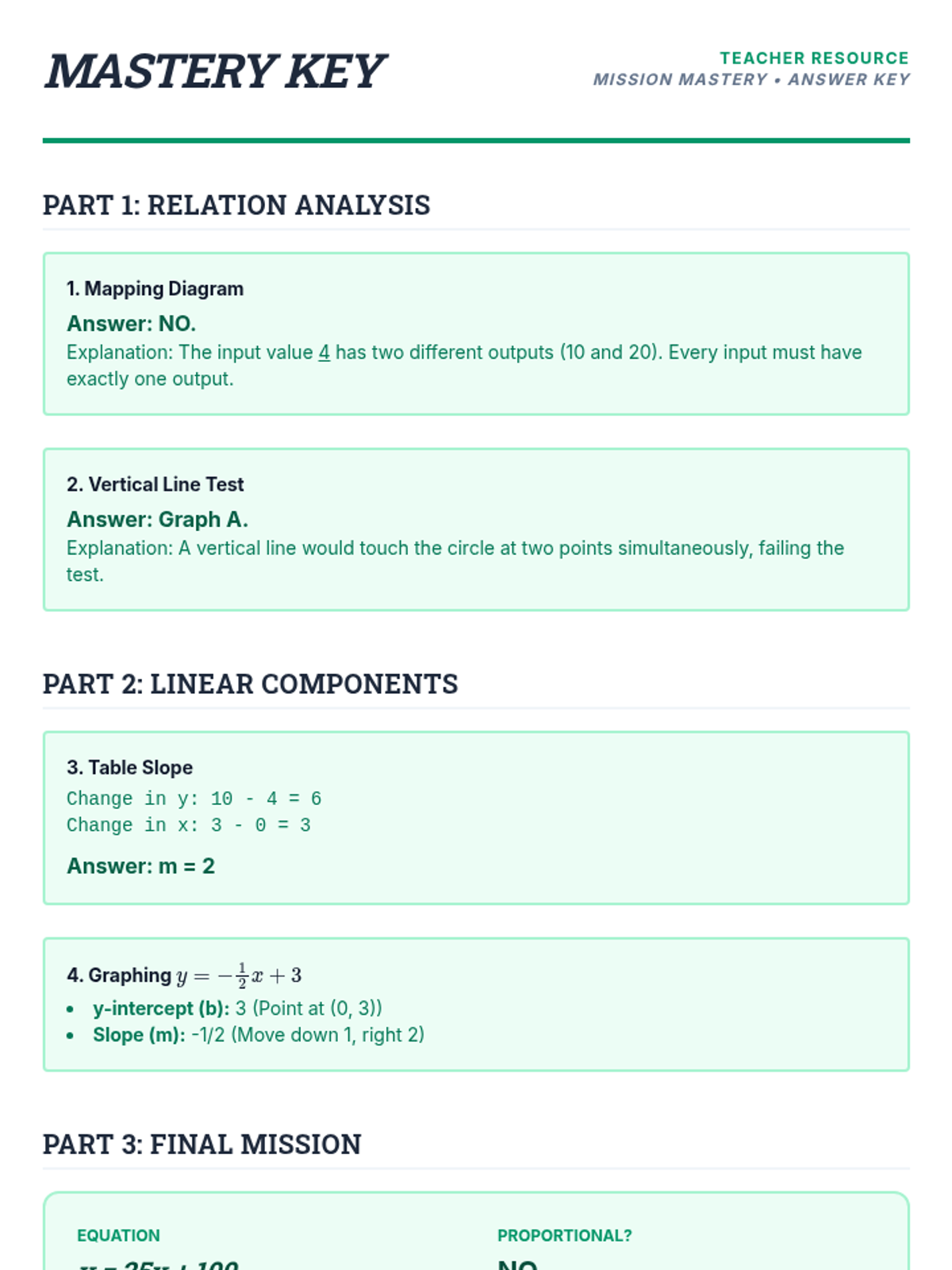
Evaluate student growth and mastery of function concepts and linear relationship interpretation through a comprehensive post-assessment.
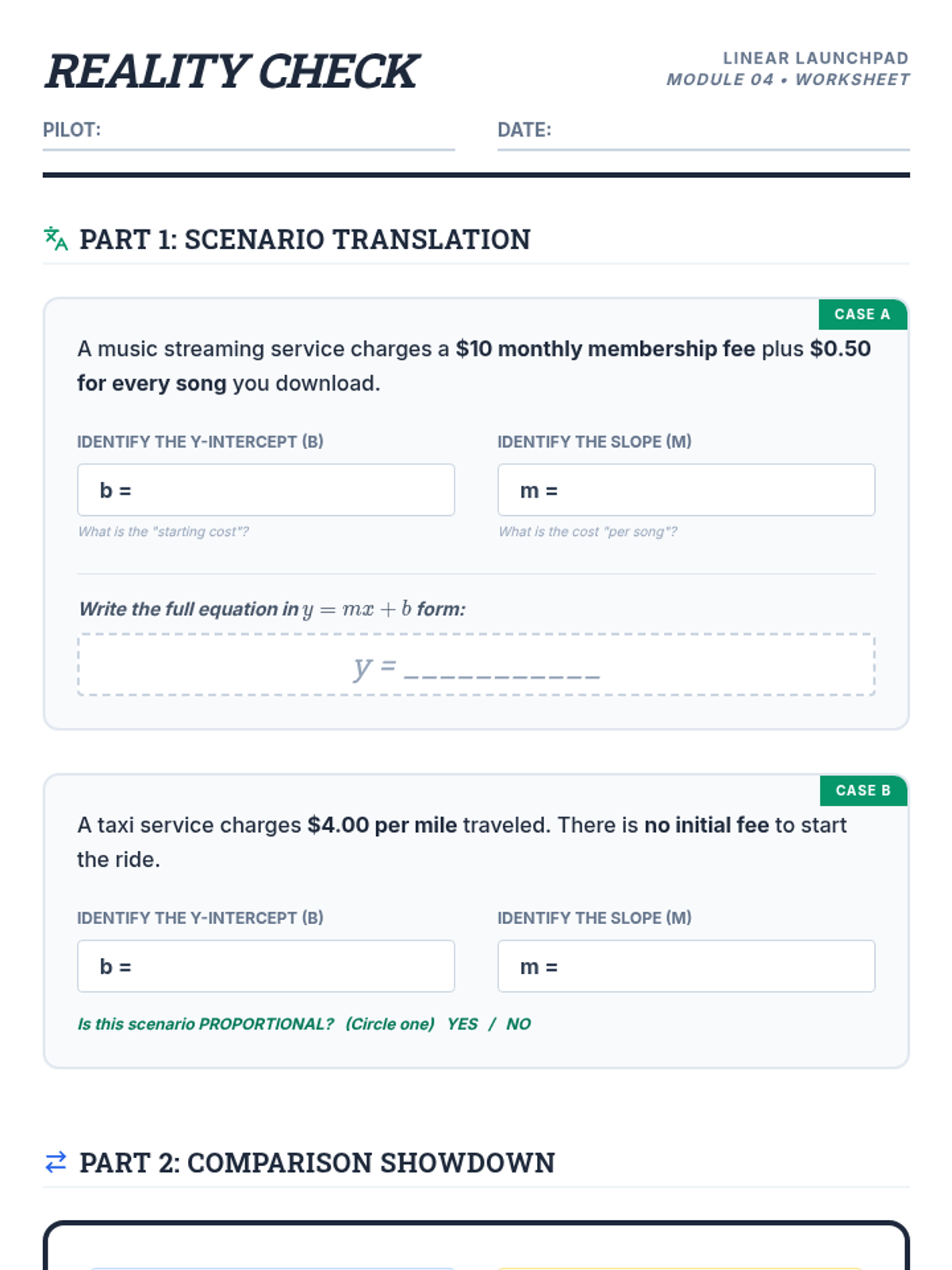
Interpret the meaning of slope and y-intercept in real-world scenarios and compare linear functions presented in different formats.
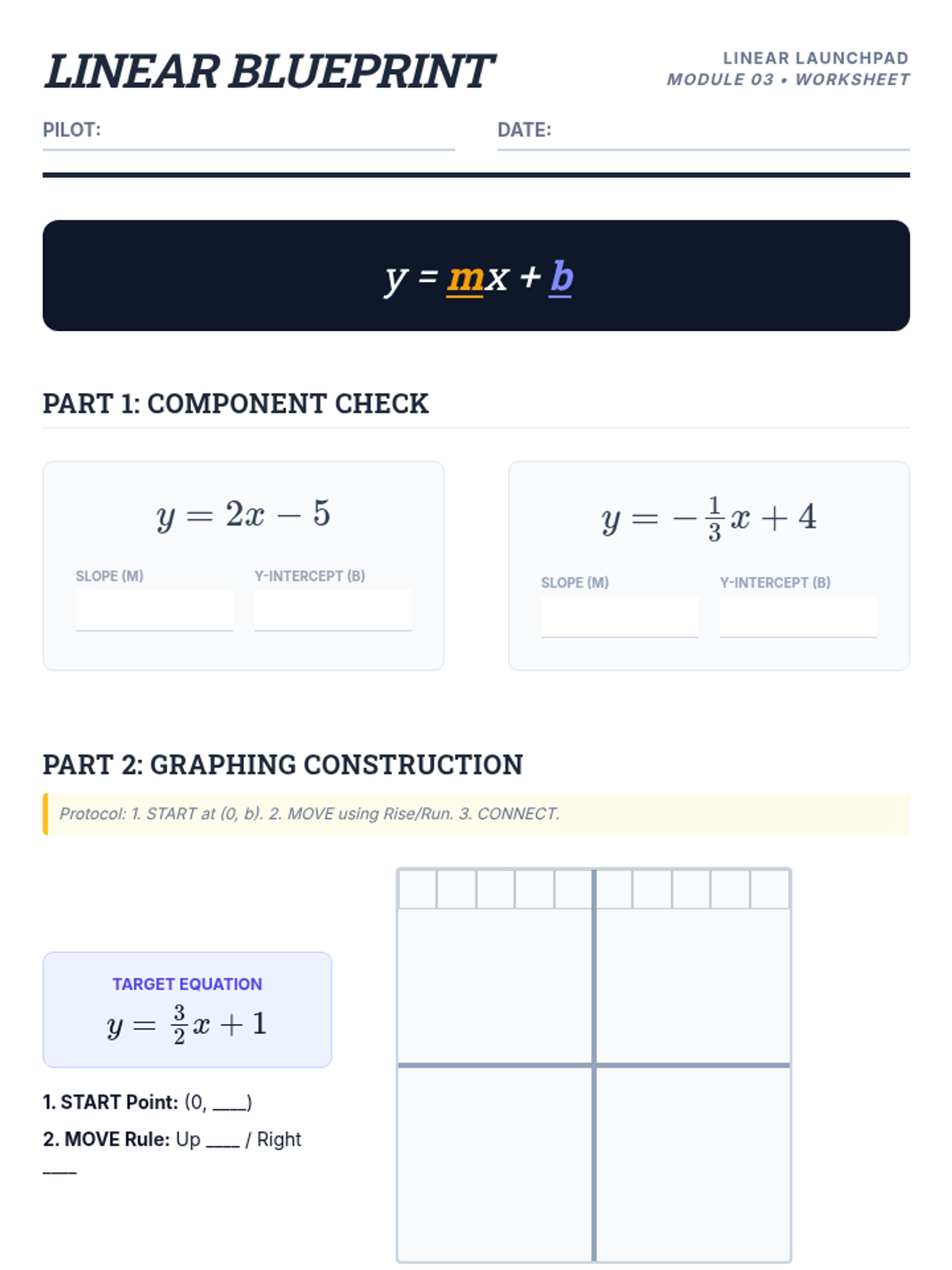
Connect the components of y = mx + b to their visual representations on a graph and practice graphing linear functions from equations.
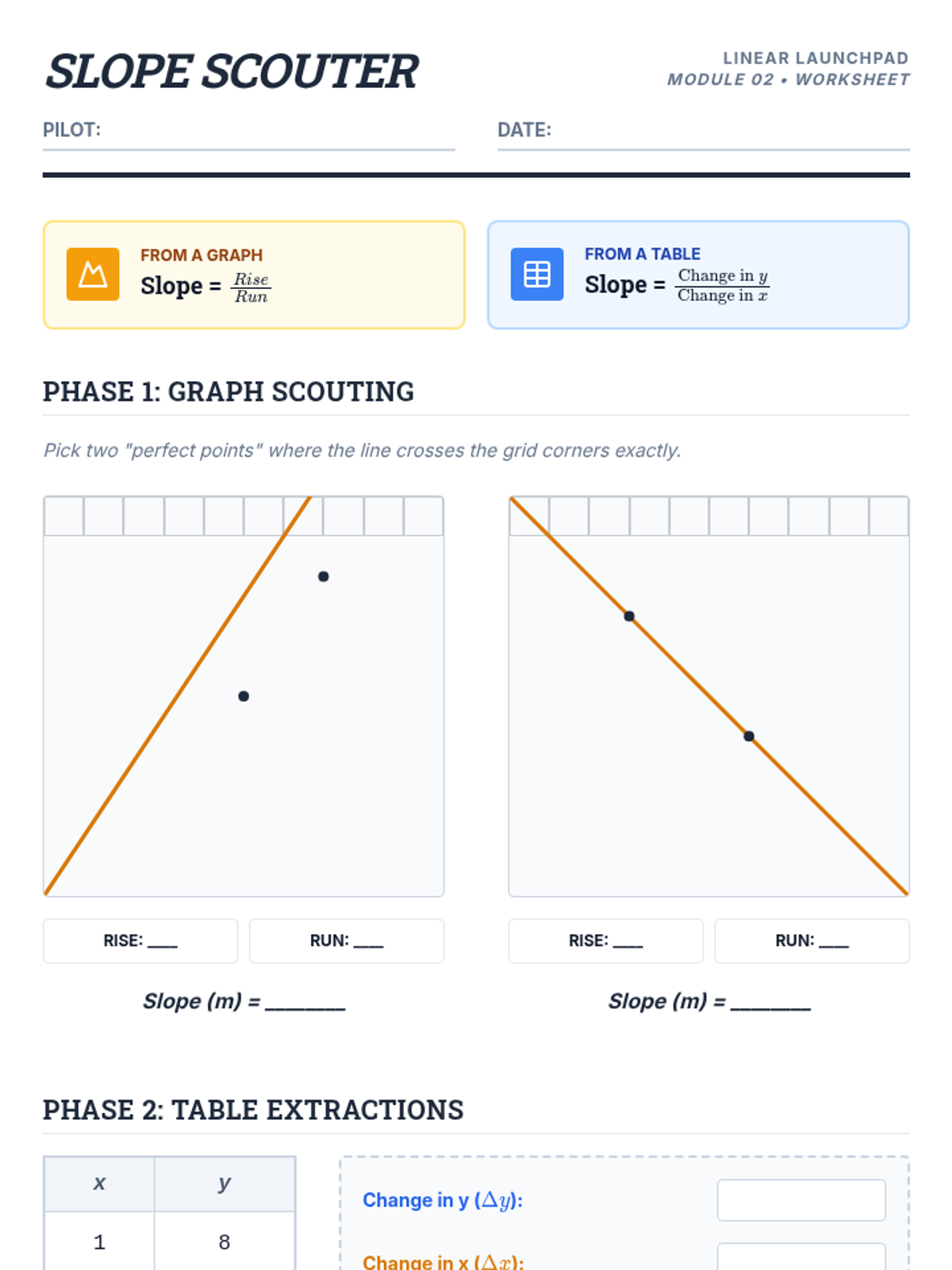
Master the calculation of slope (rate of change) from tables, graphs, and two points, emphasizing the ratio of vertical change to horizontal change.
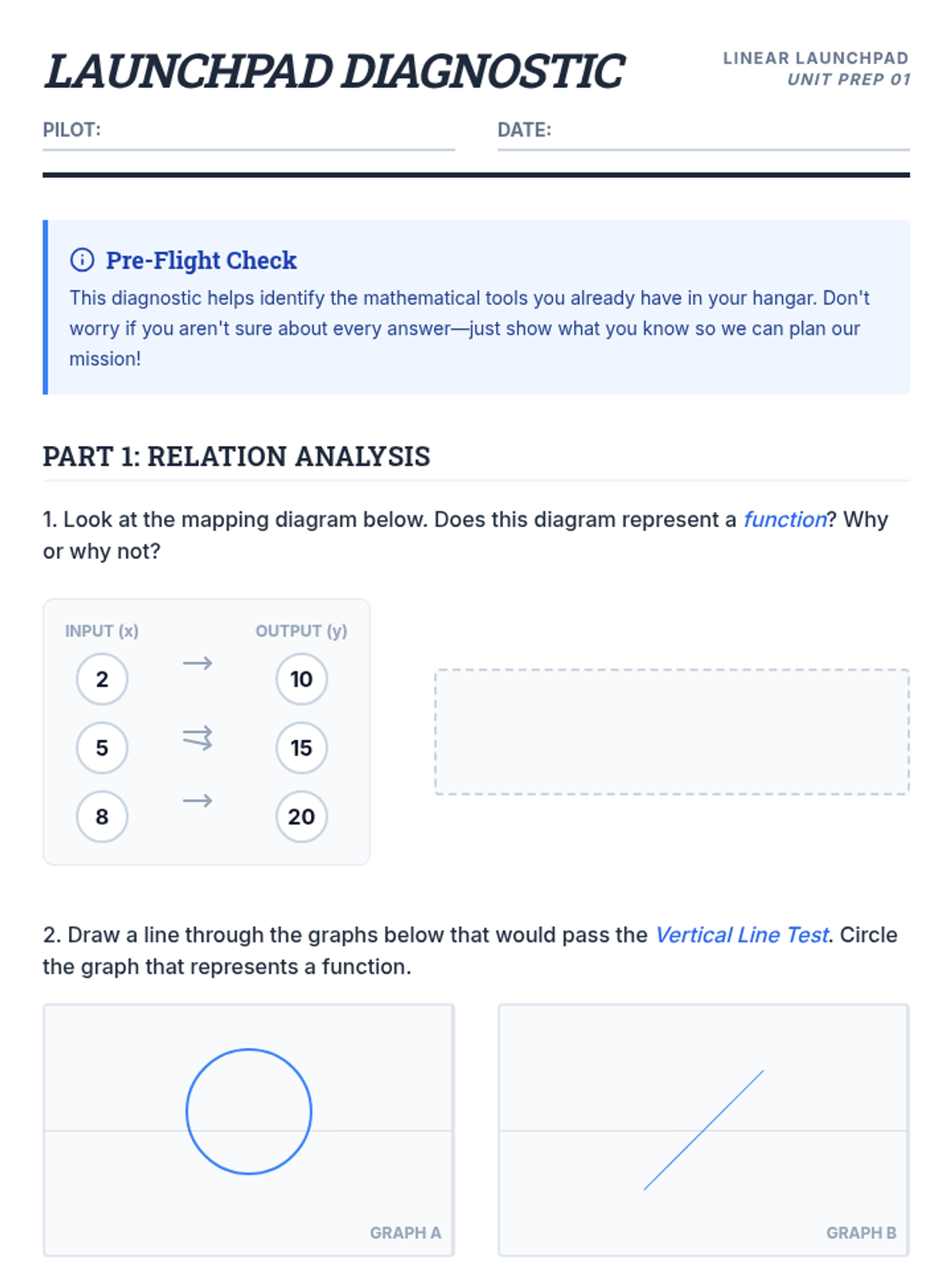
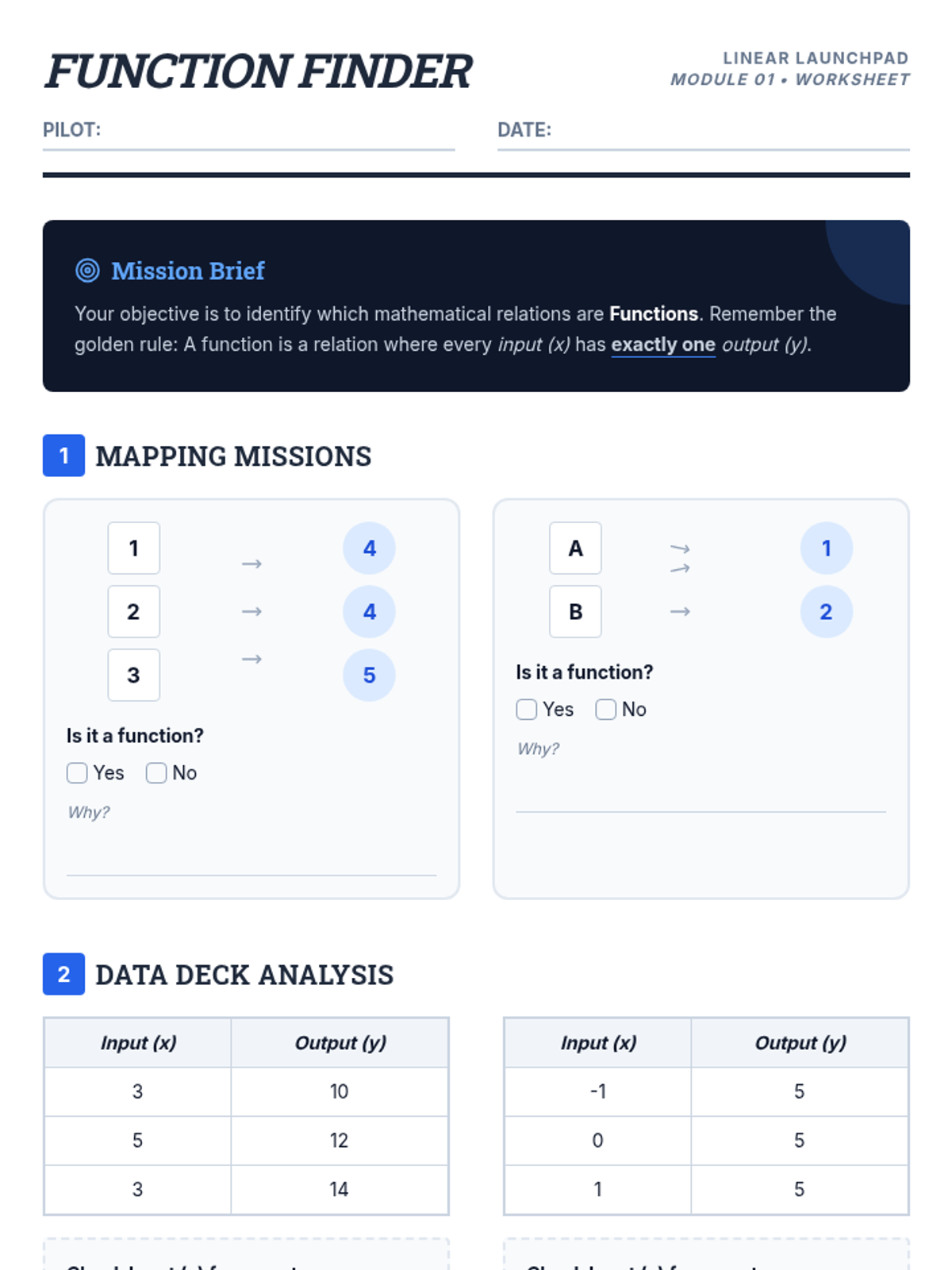
Identify gaps in prerequisite knowledge and introduce the formal definition of a function using input-output maps and the vertical line test.
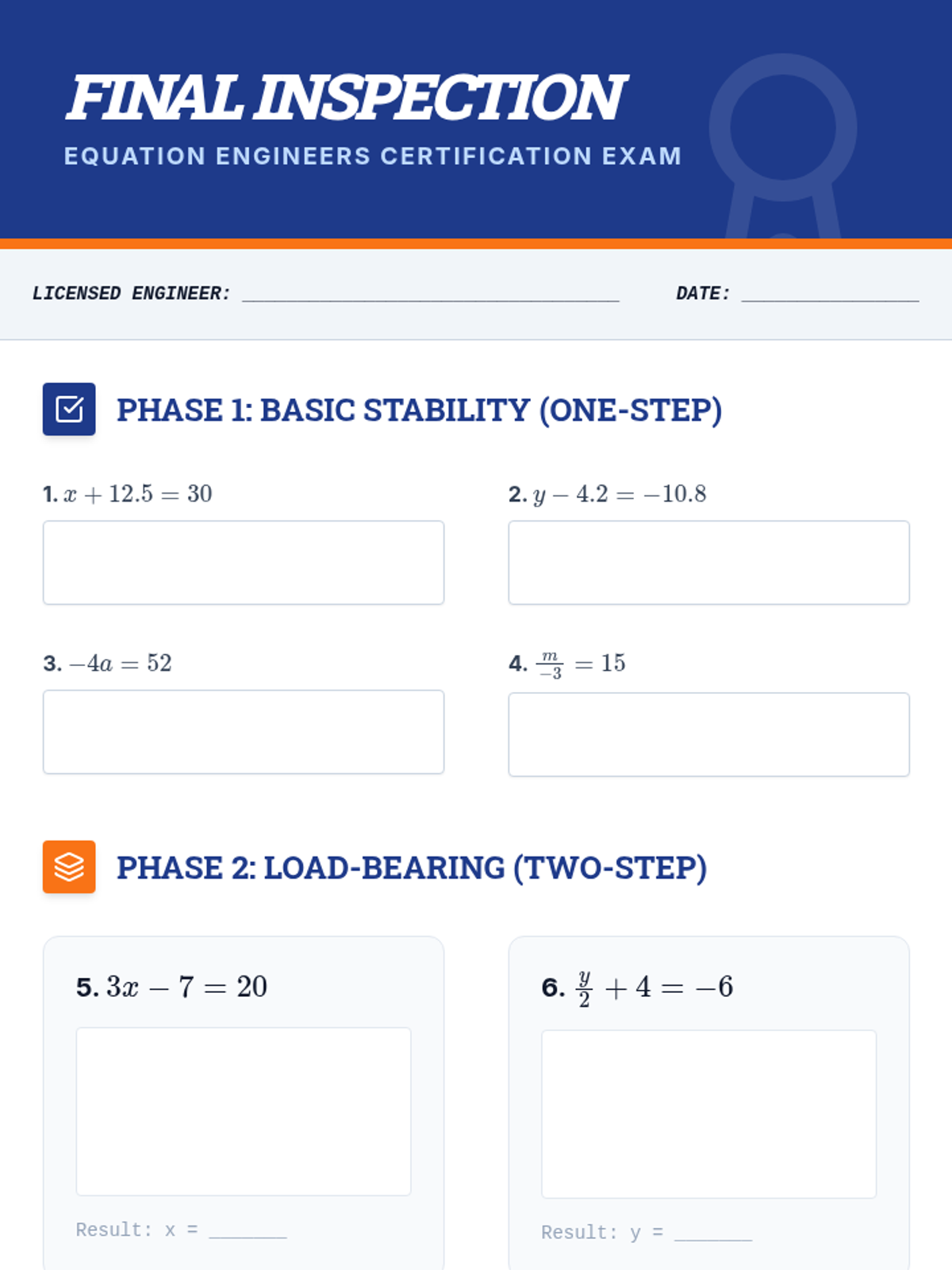
A comprehensive final assessment and review session to measure student mastery of multi-step equations and real-world problem solving.
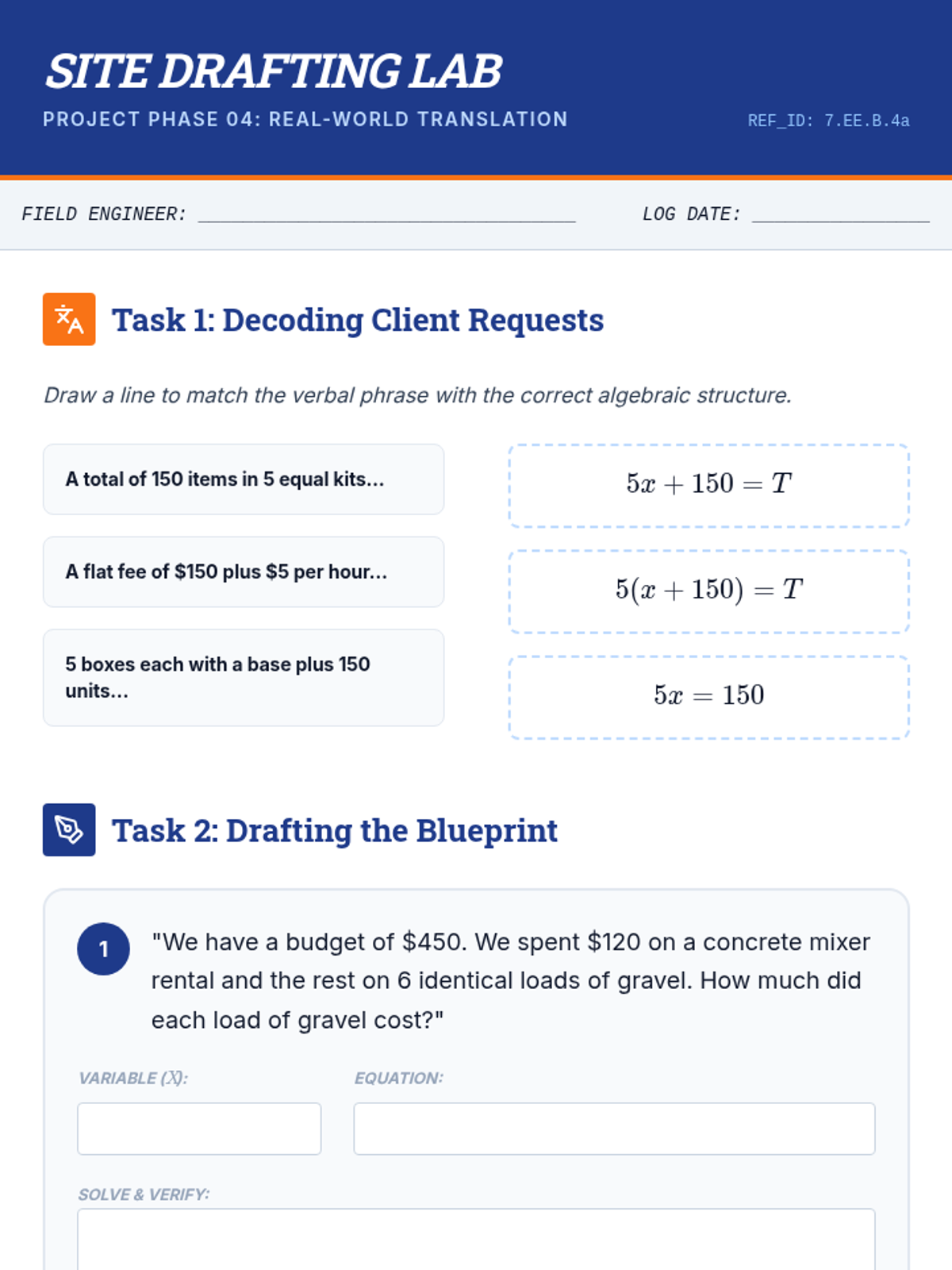
Students learn to translate real-world scenarios into algebraic equations and solve them, focusing on rational numbers and variable definitions.
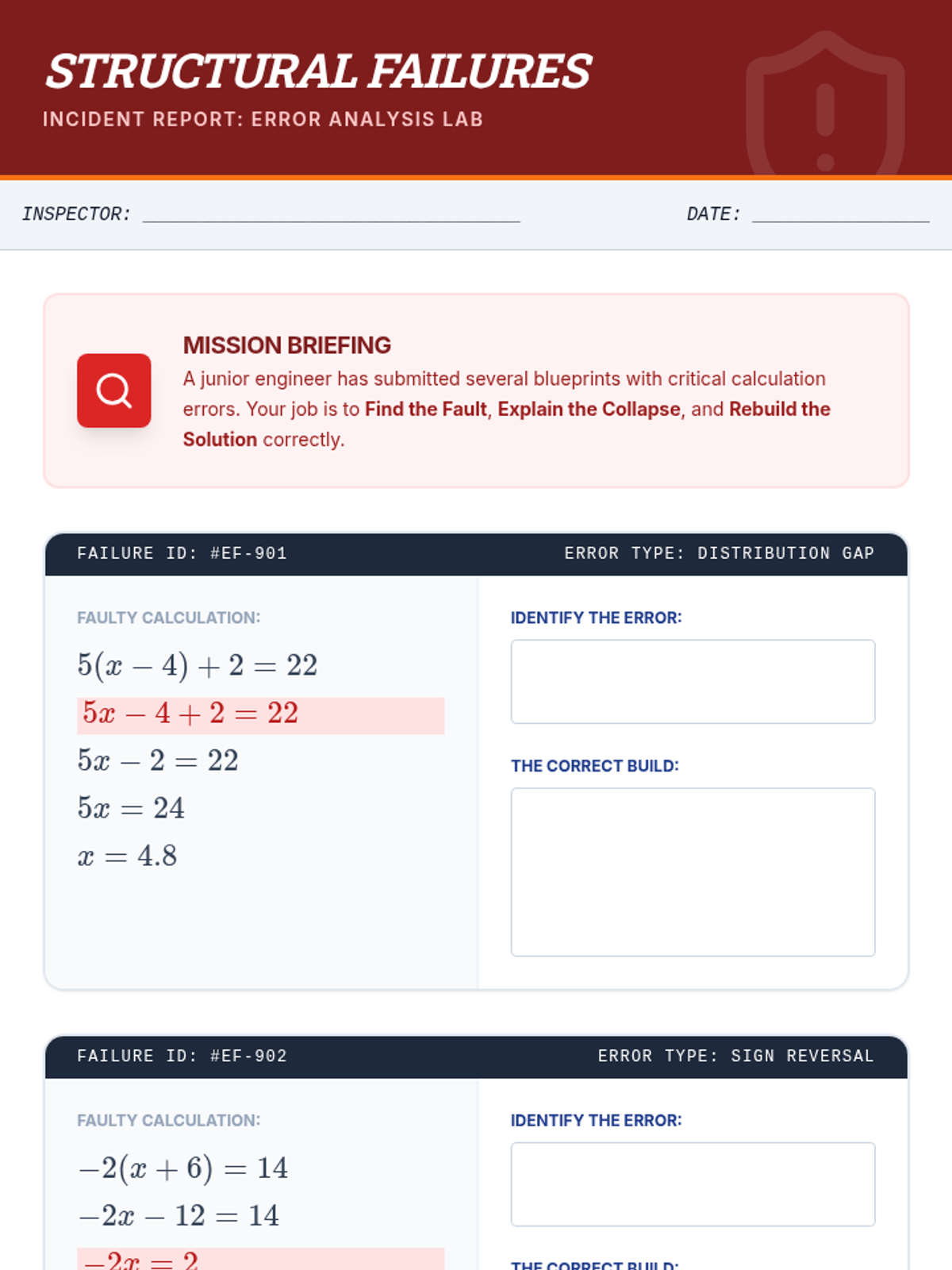
Focuses on multi-step equations involving the distributive property and combining like terms, including error analysis activities to solidify conceptual understanding.
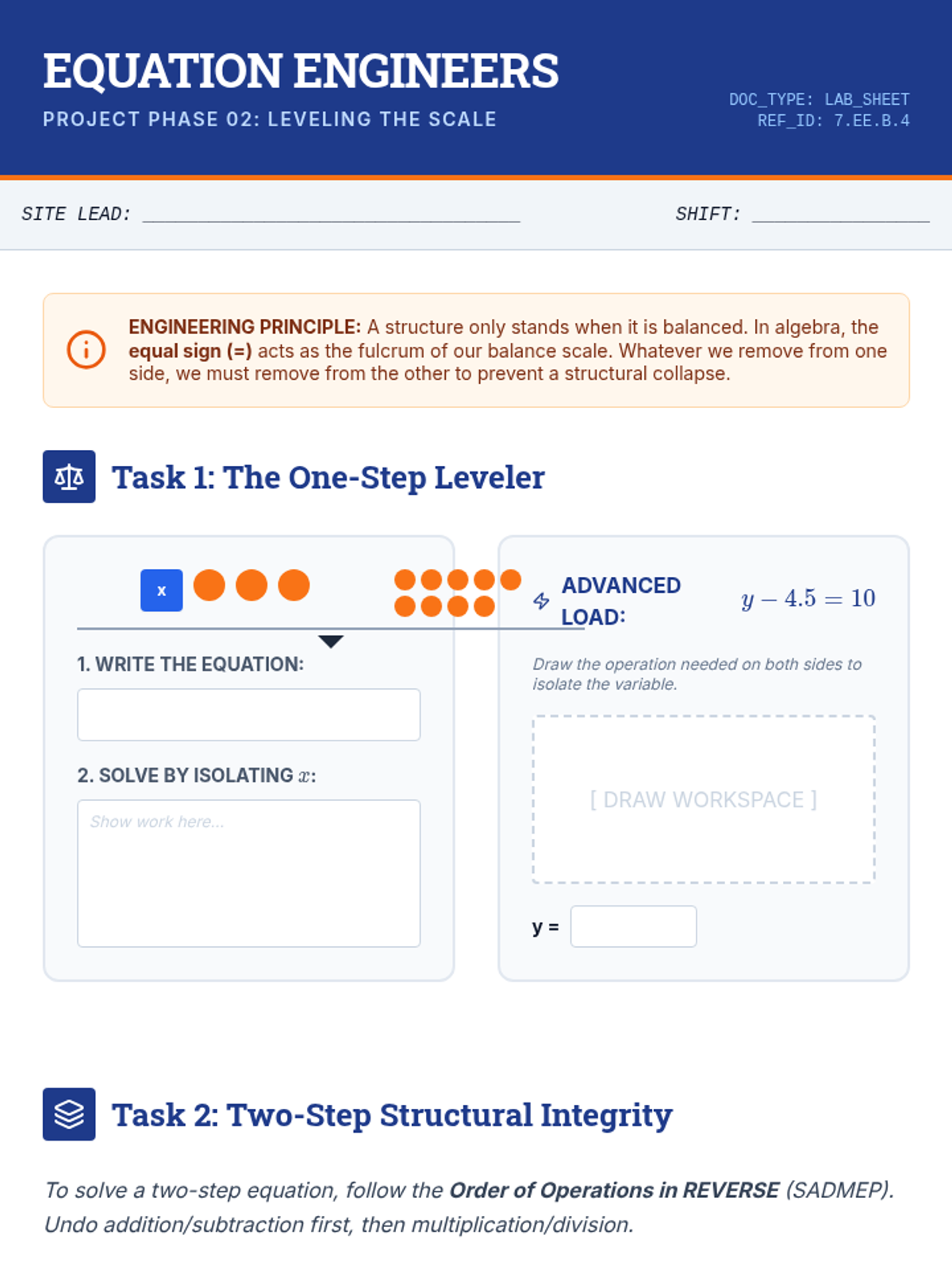
Students master one and two-step equations by utilizing balance models and algebraic methods to maintain equality while isolating the variable.
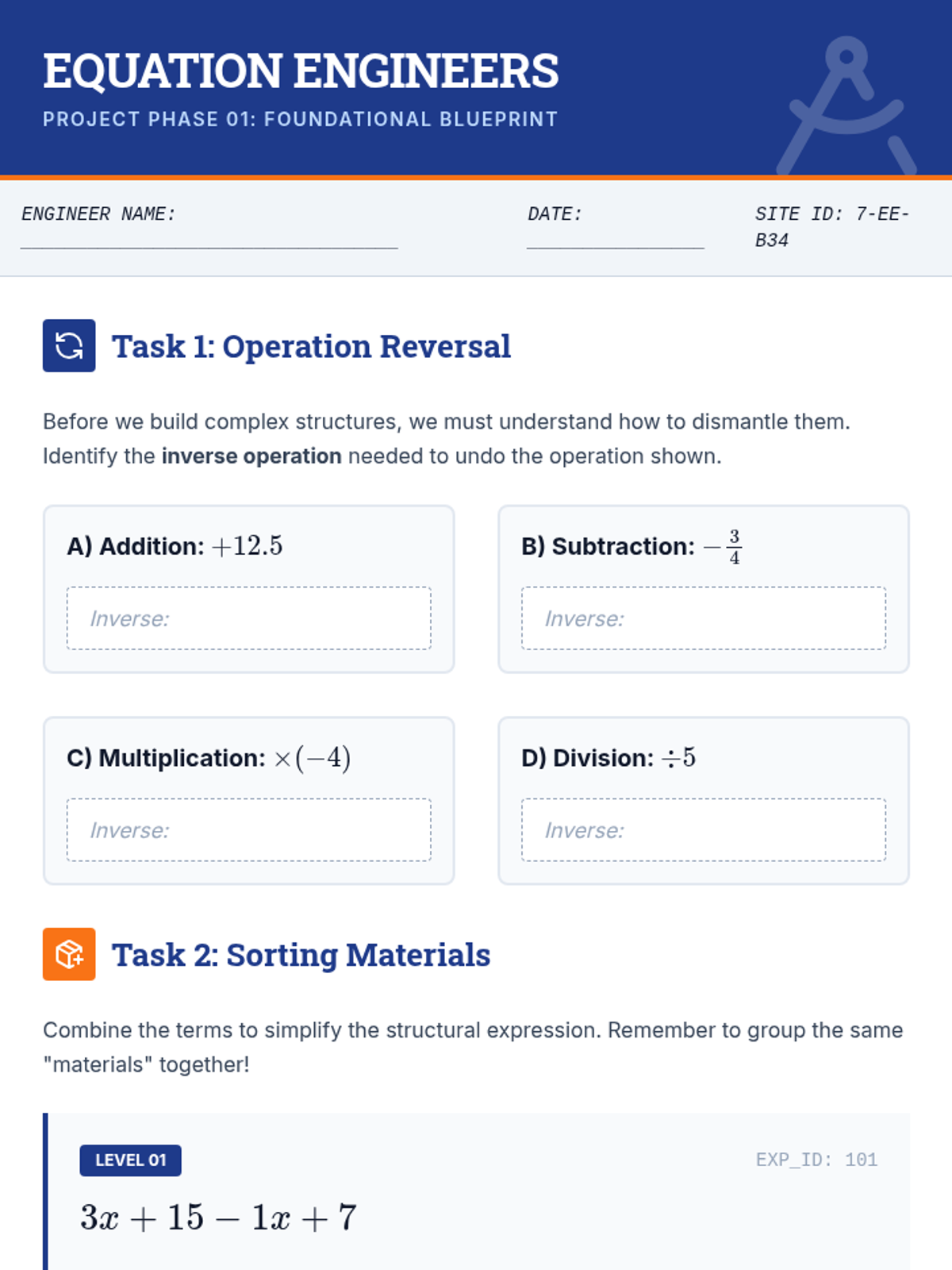
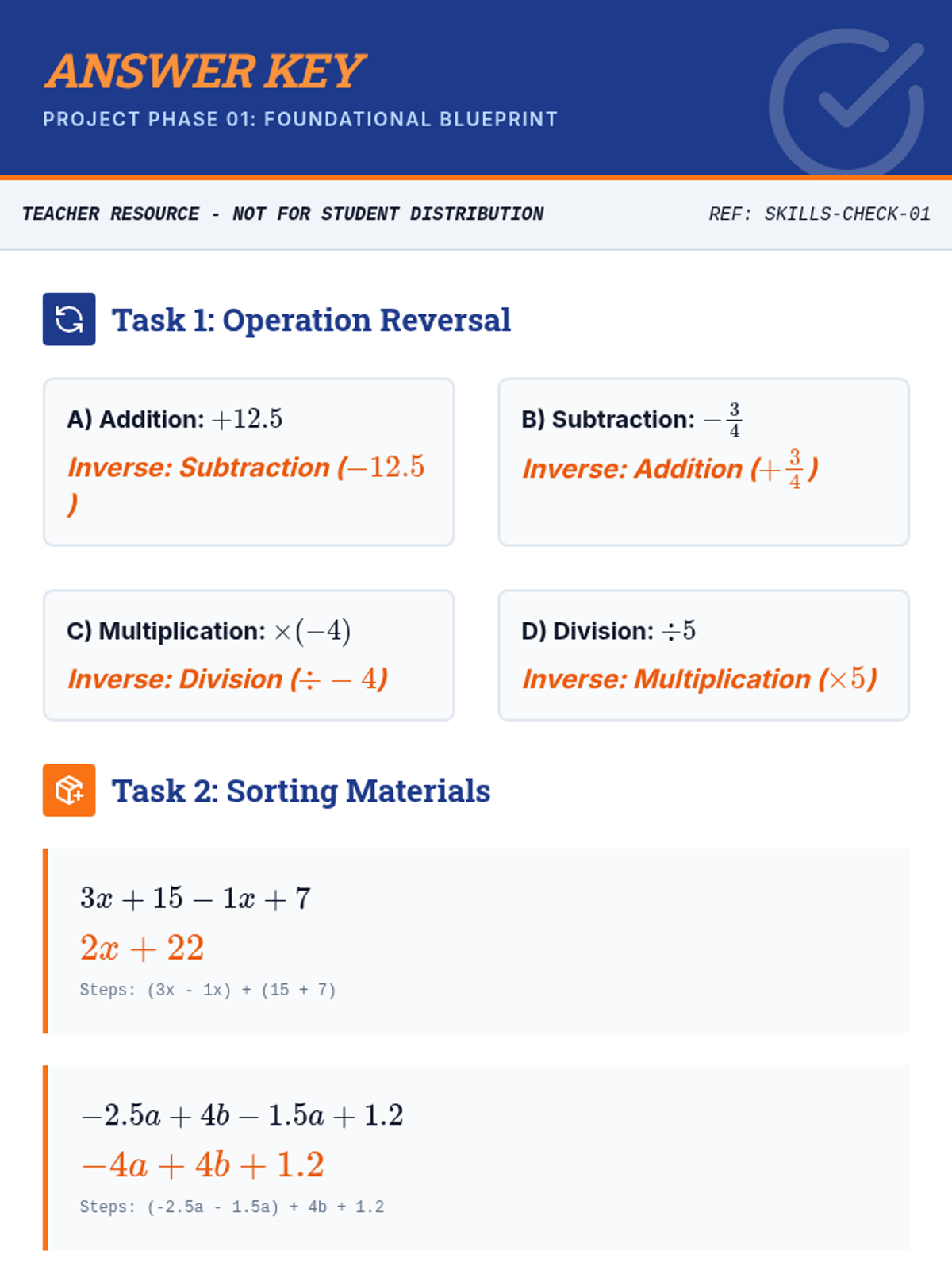
This introductory lesson focuses on identifying gaps in prerequisite skills such as inverse operations and combining like terms, providing targeted review to prepare students for multi-step equations.
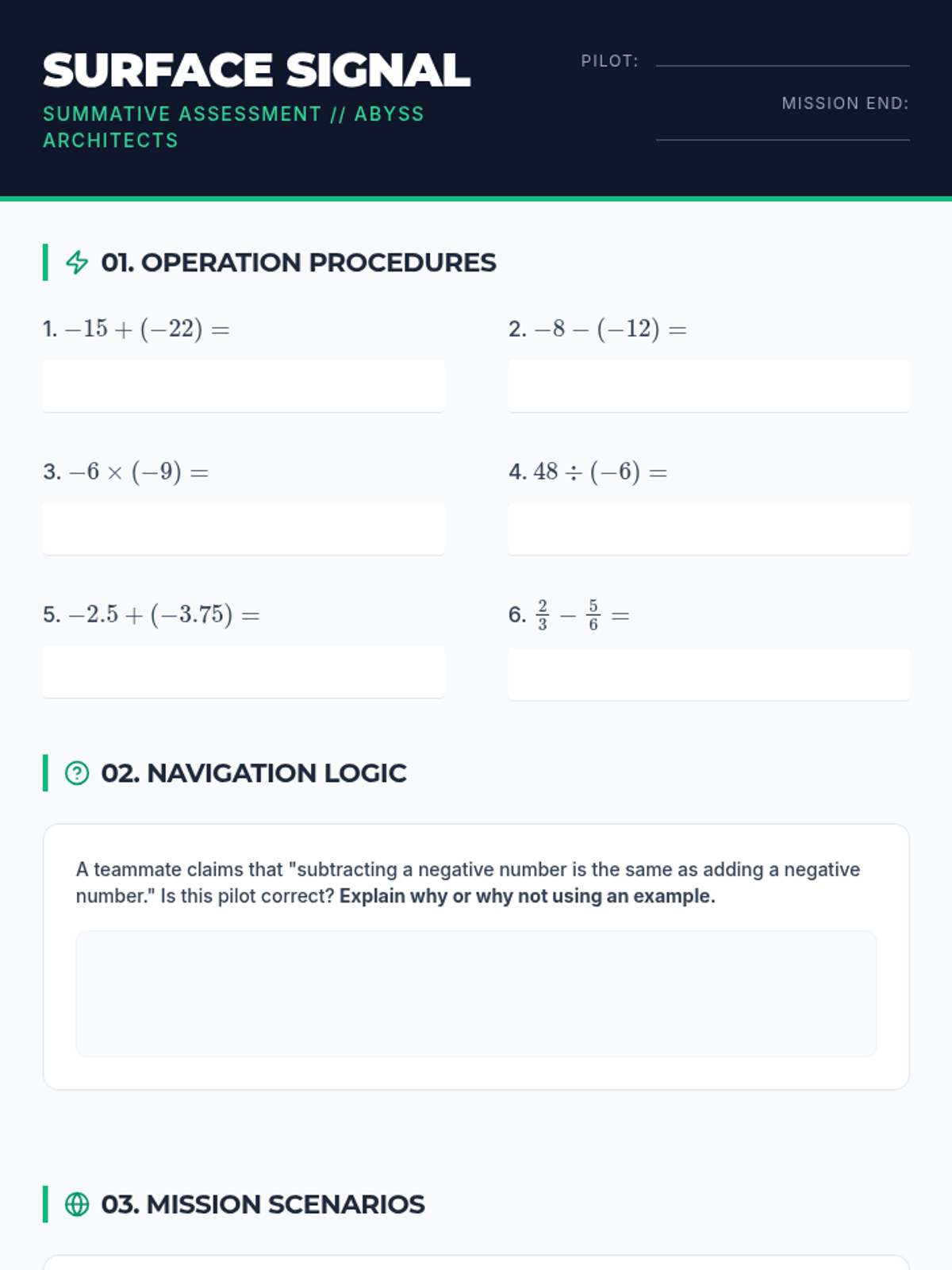
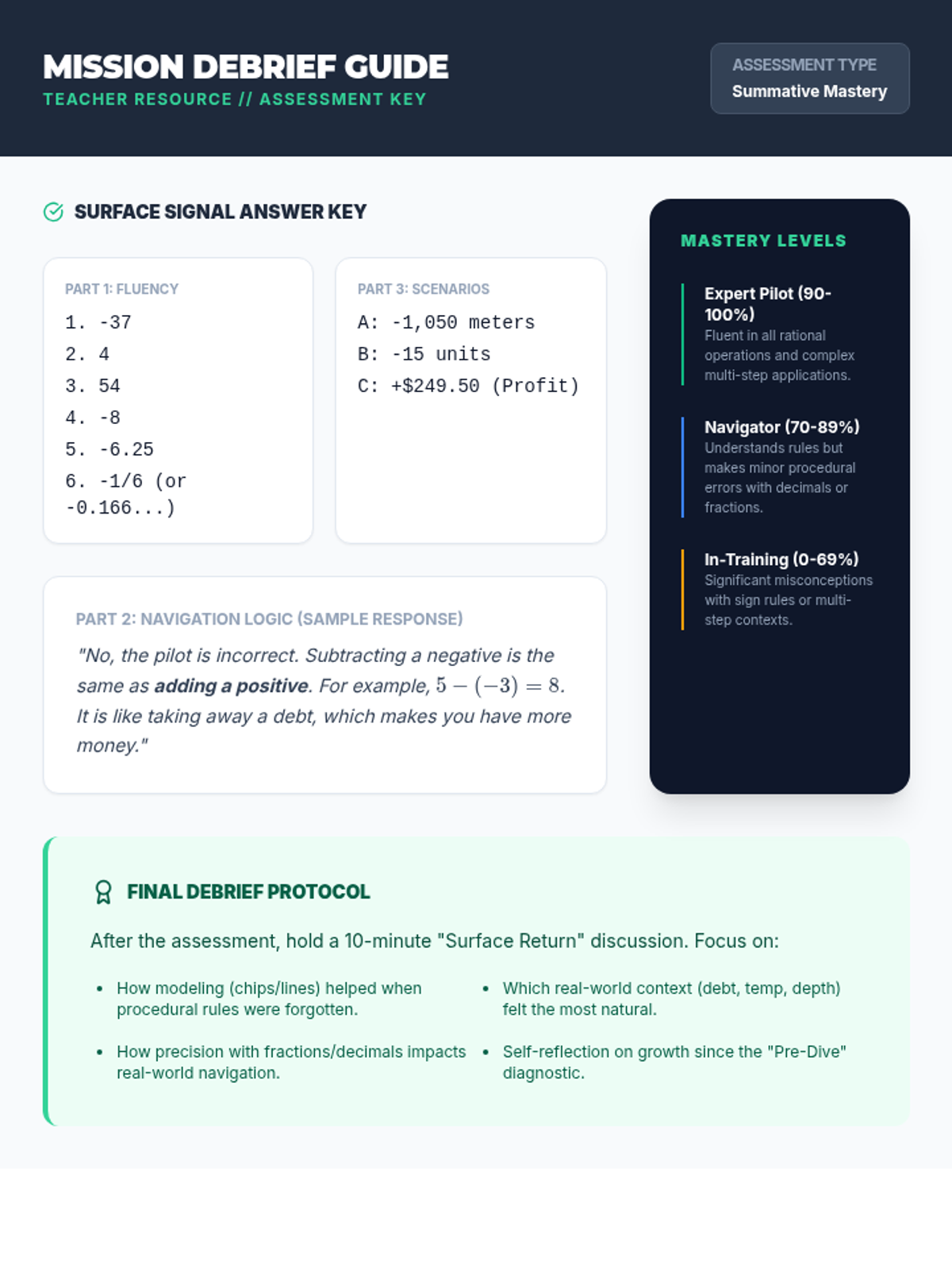
Summative post-assessment to measure growth and mastery of rational number operations.
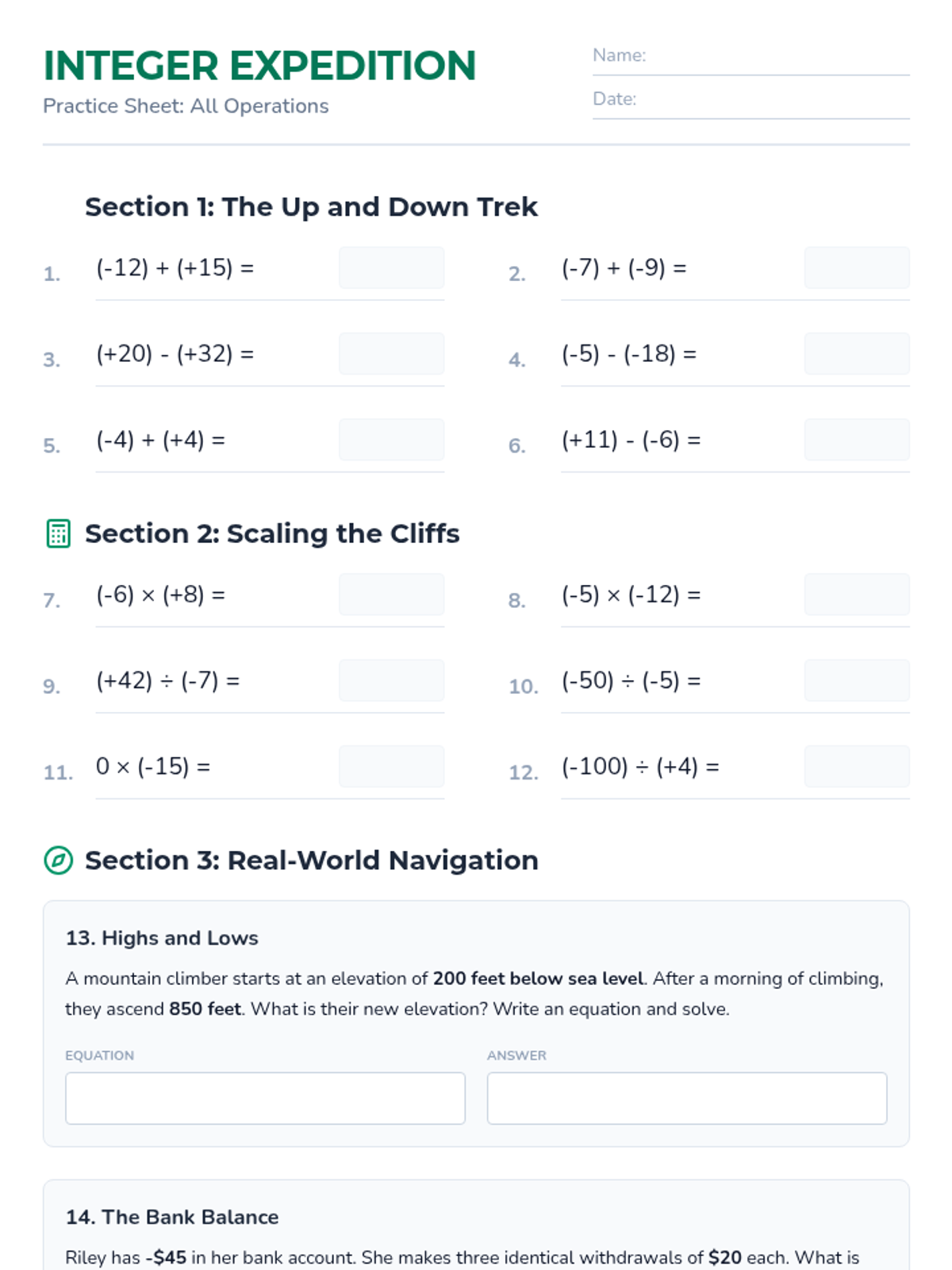
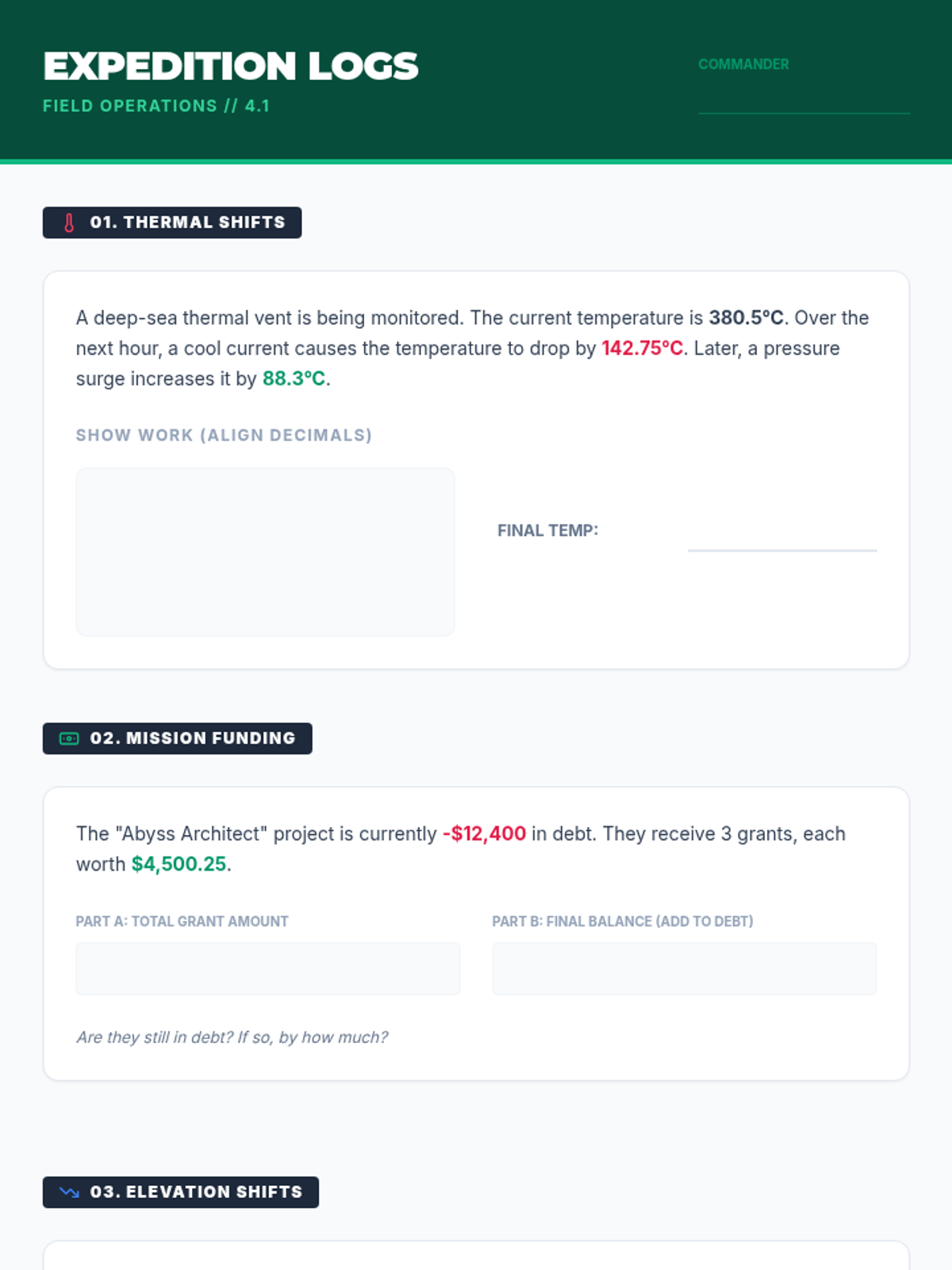
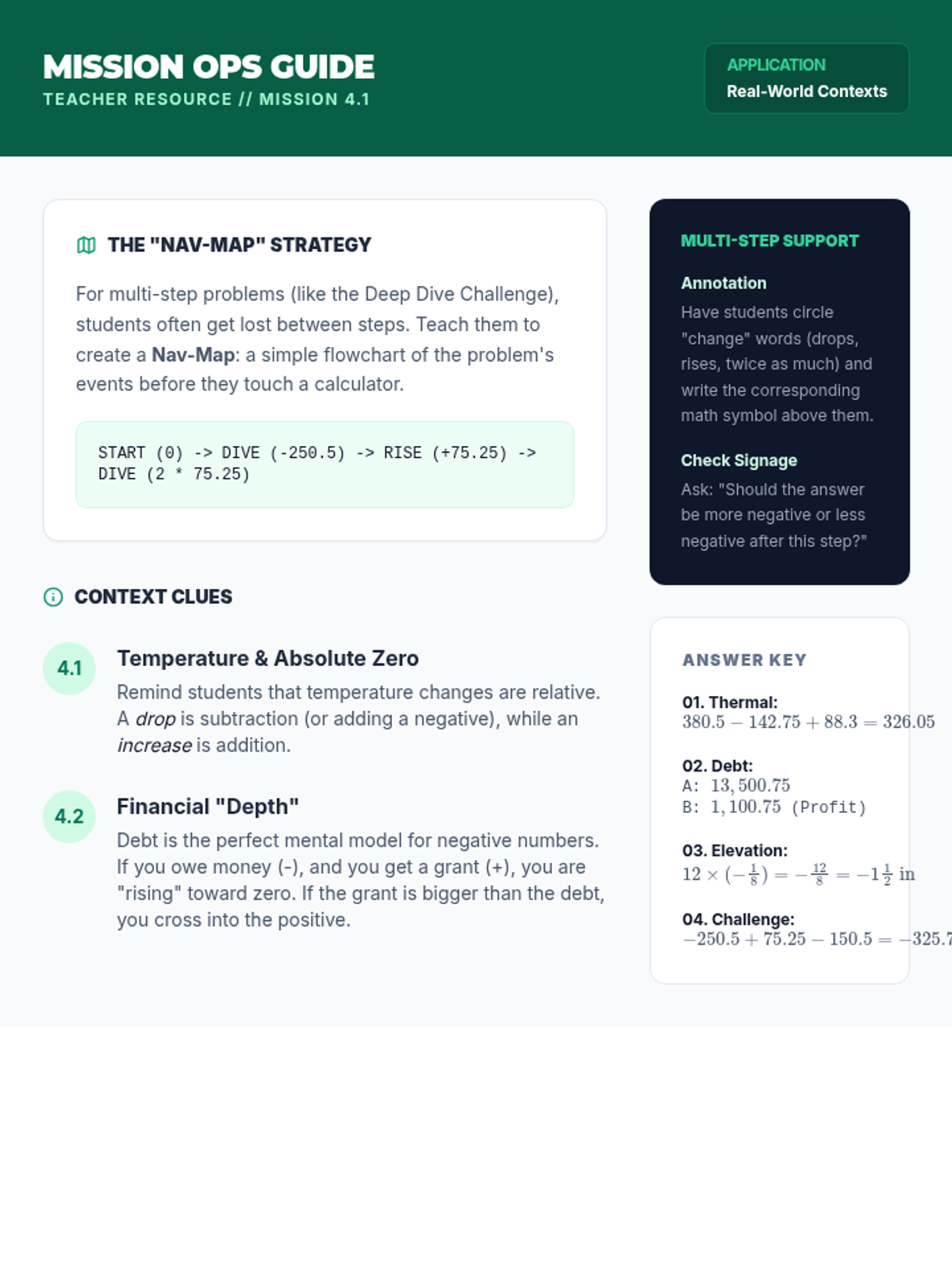
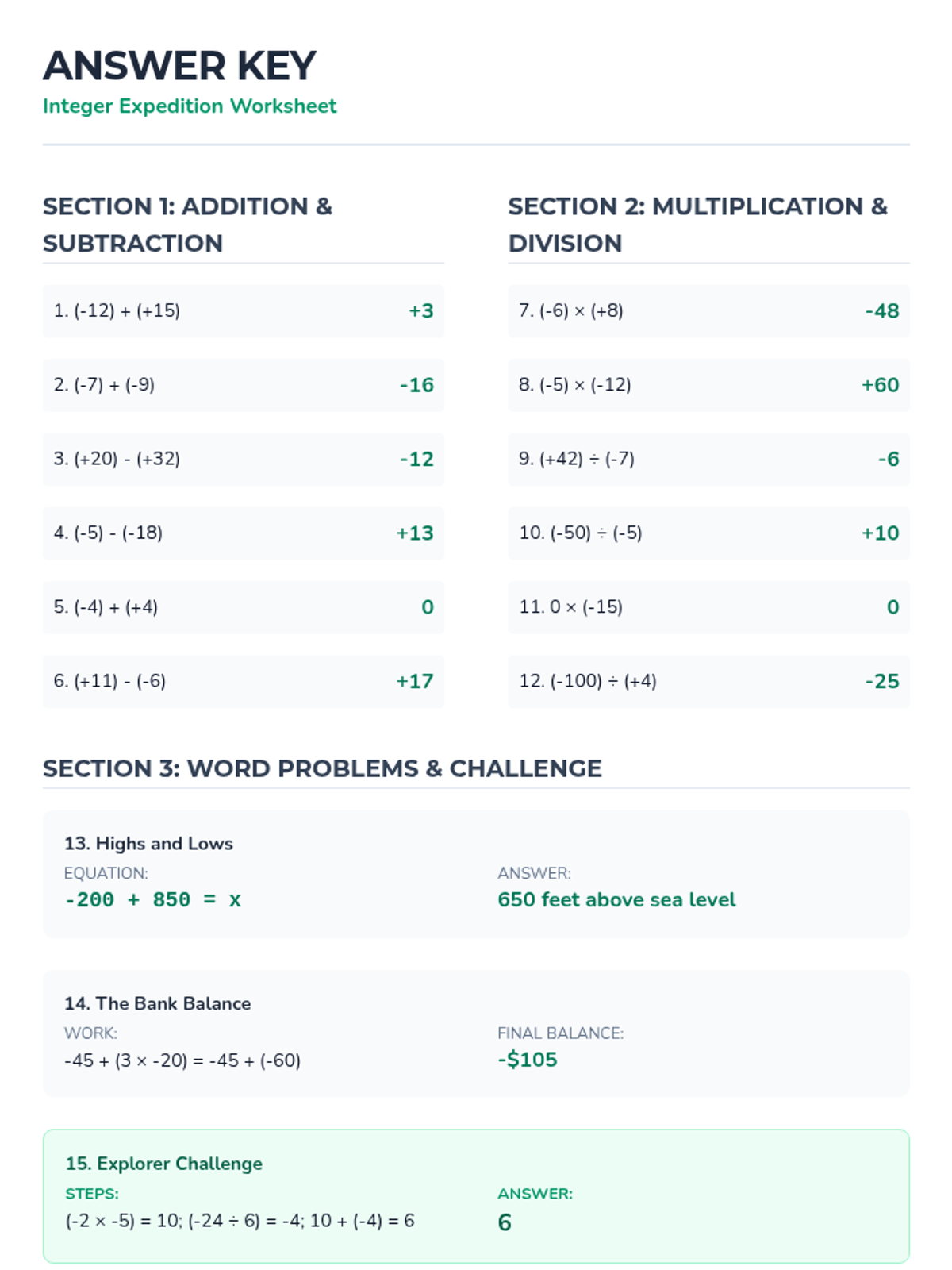
Applying rational number operations to real-world scenarios including temperature shifts, financial debt, and elevation changes.
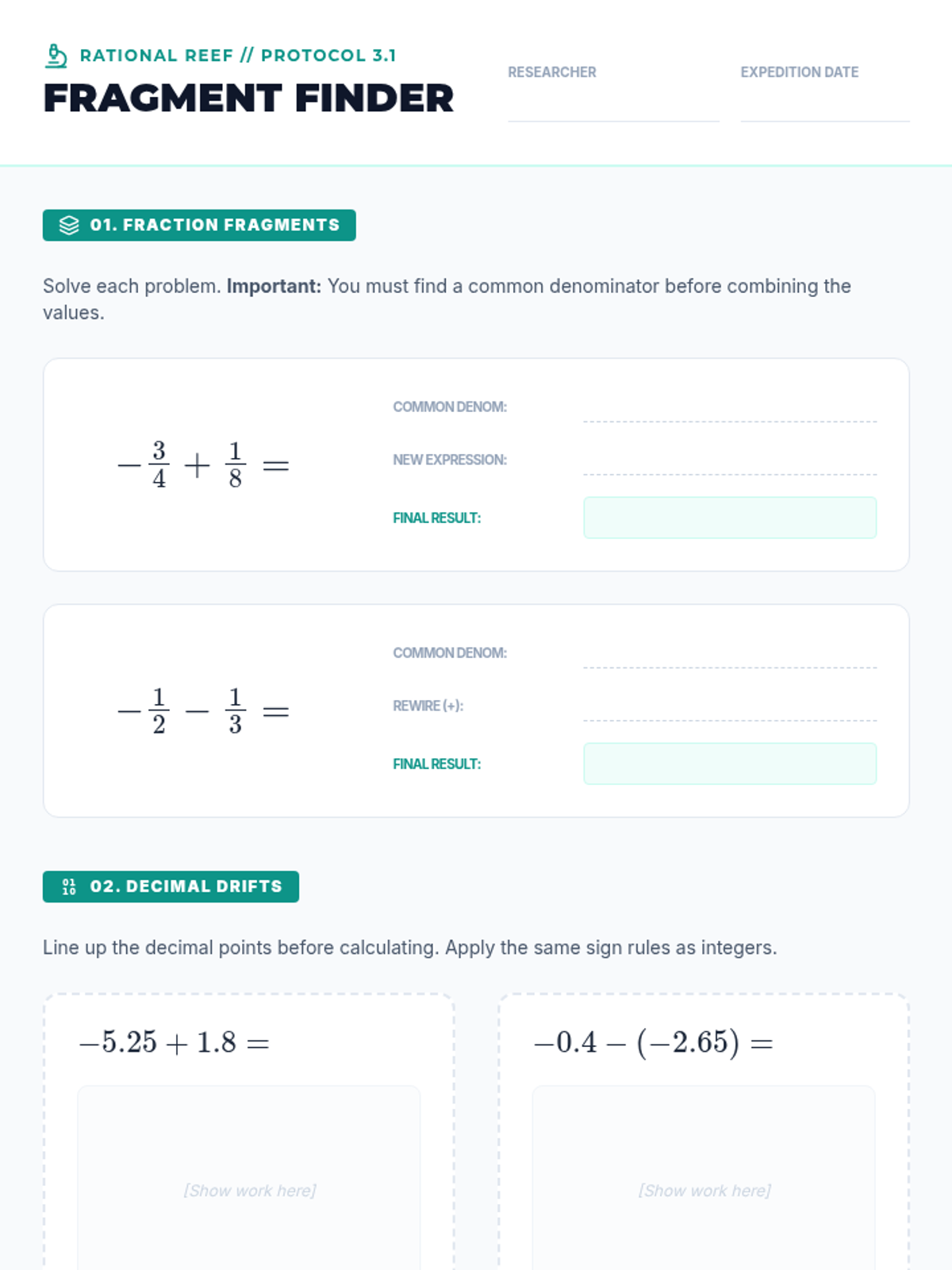
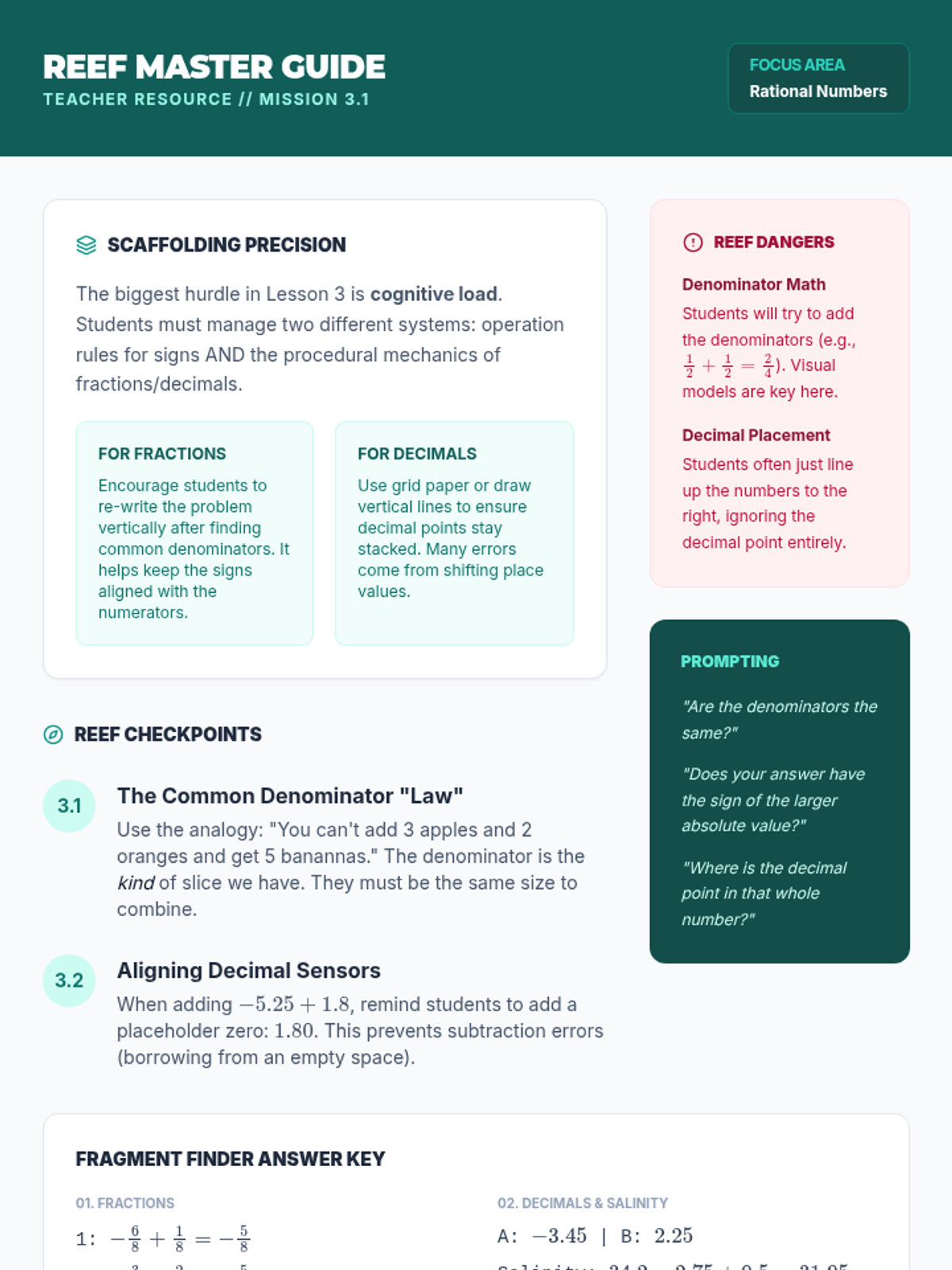
Extending operations to rational numbers, focusing on fractions and decimals in the context of ocean measurements.
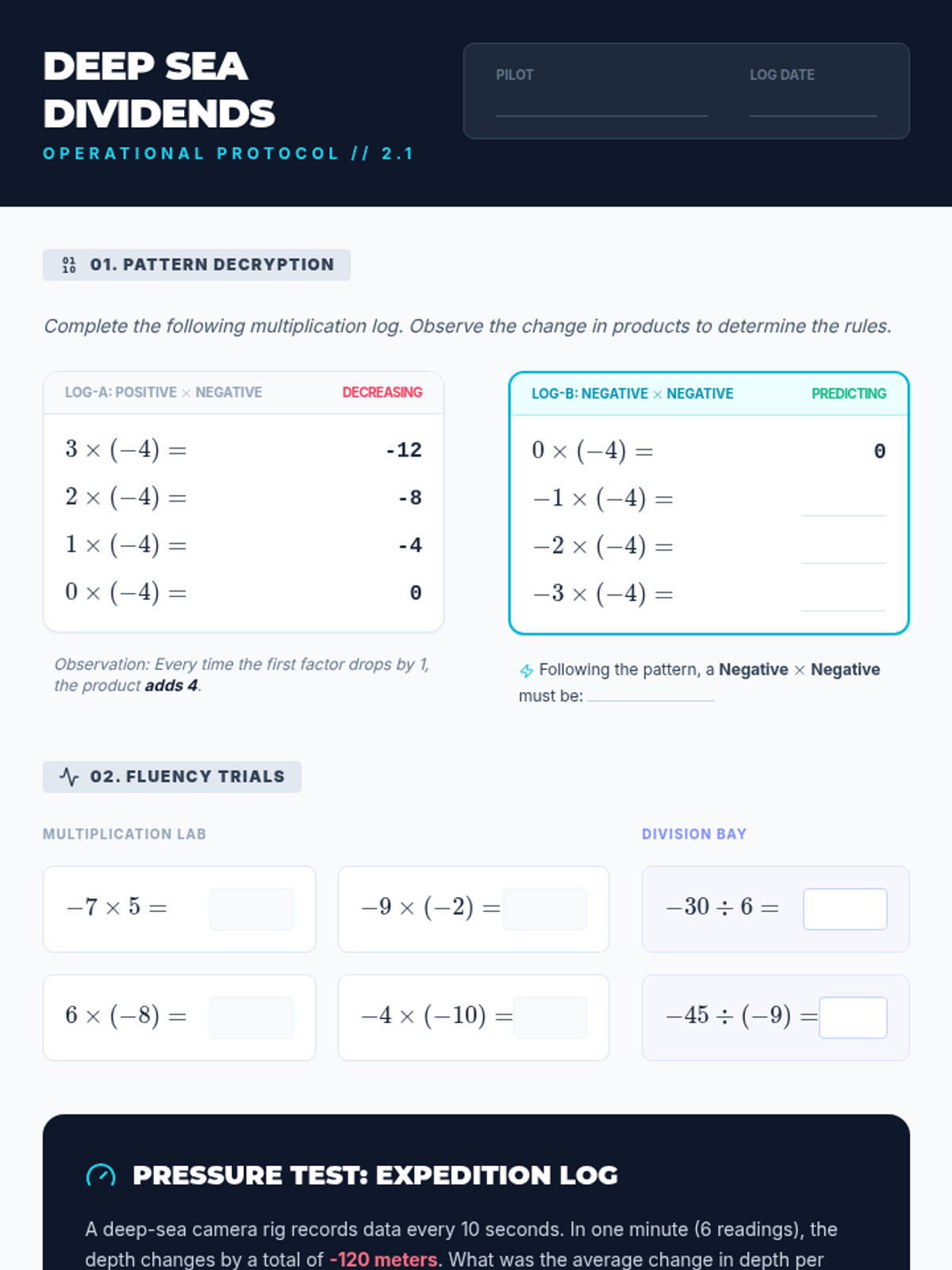
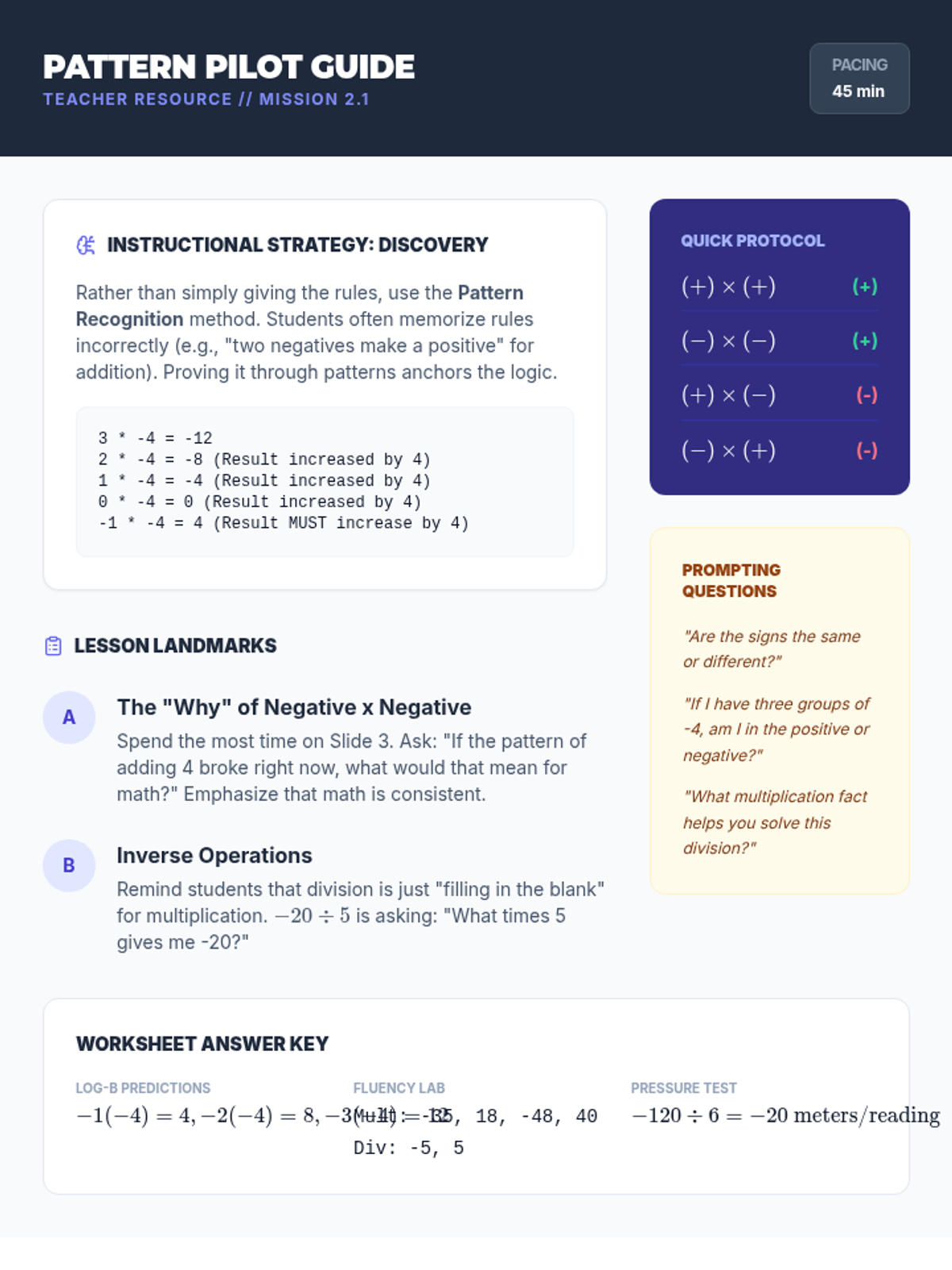
Exploring integer multiplication and division through patterns and logical reasoning.
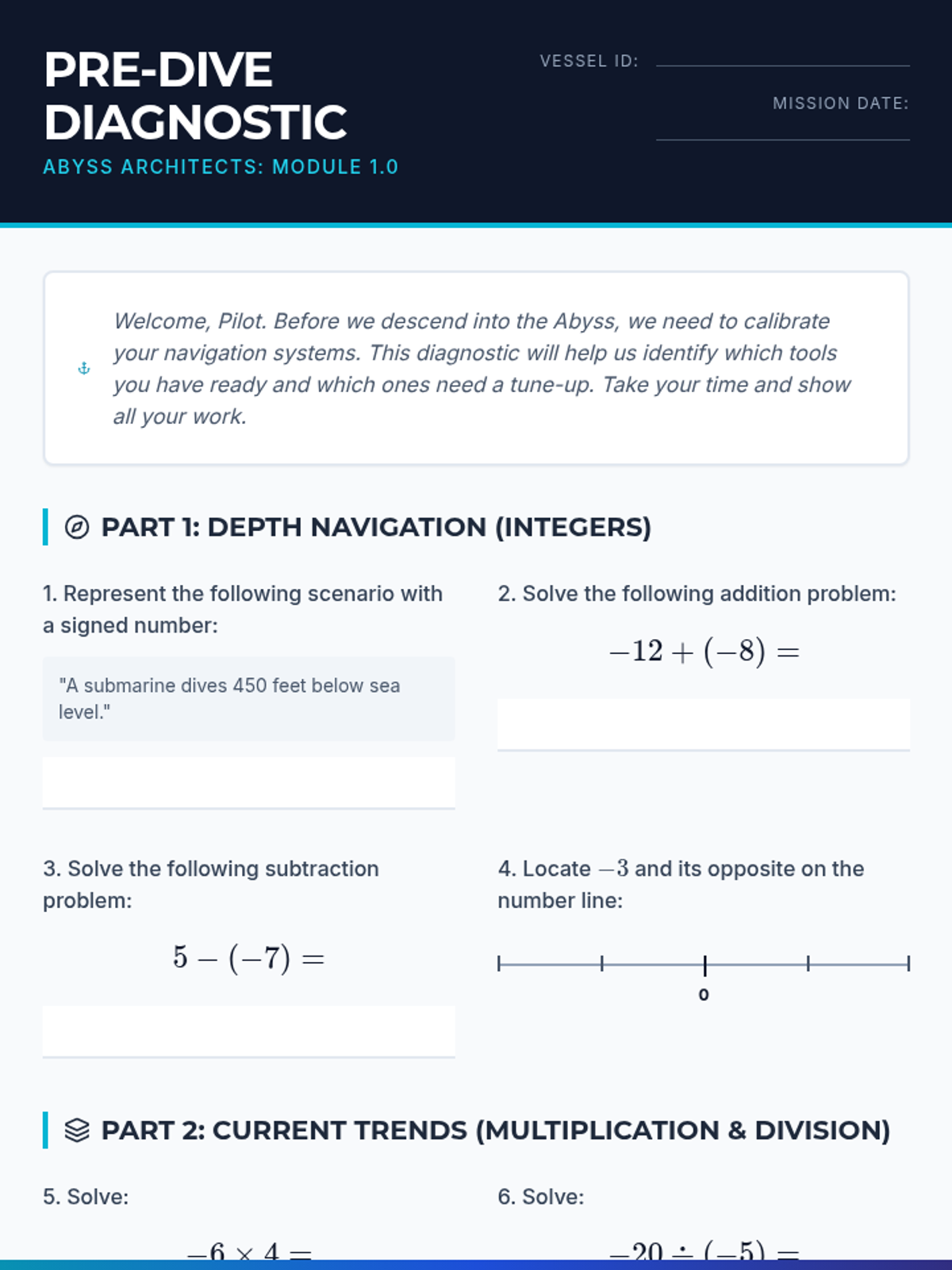
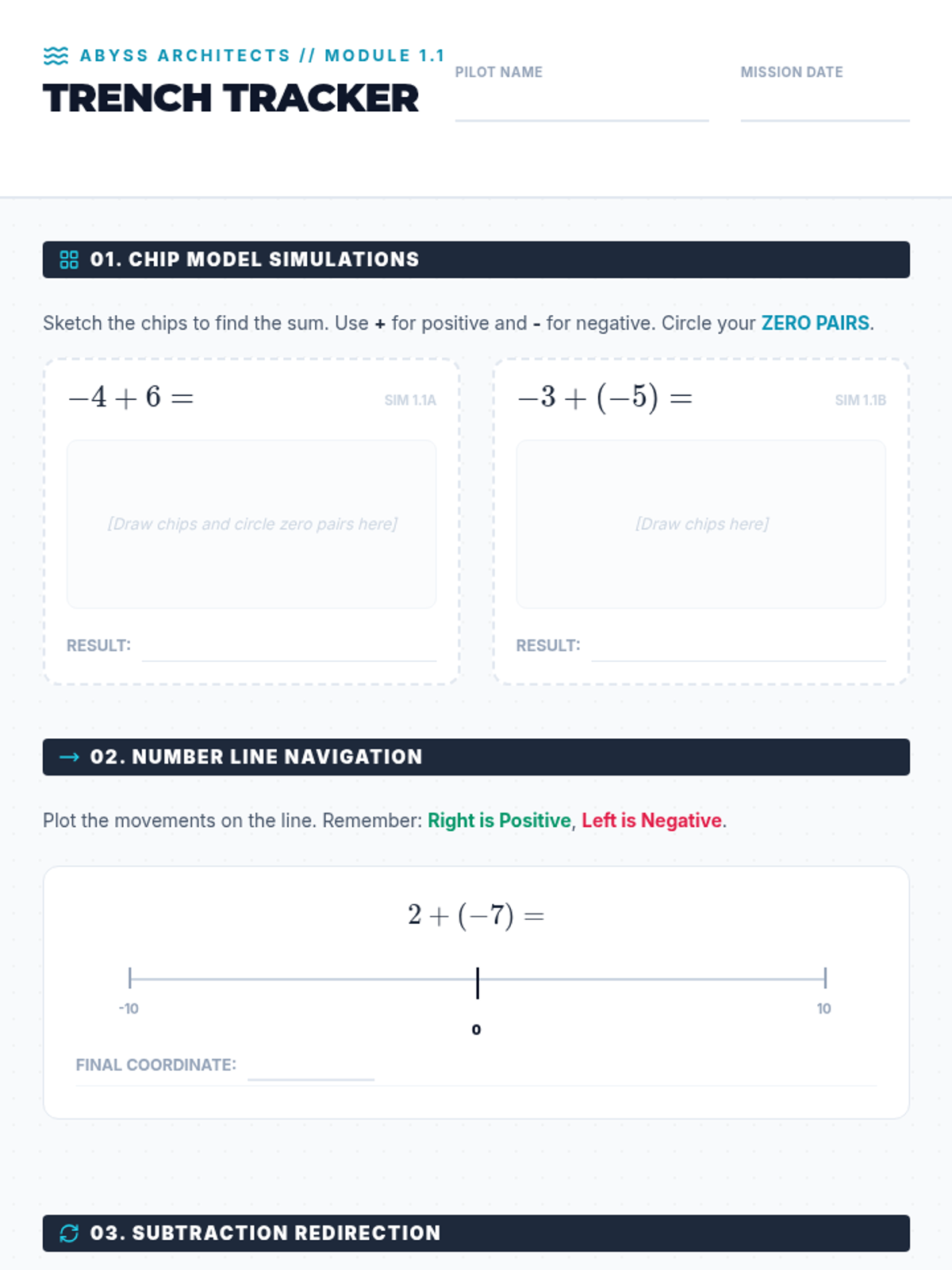
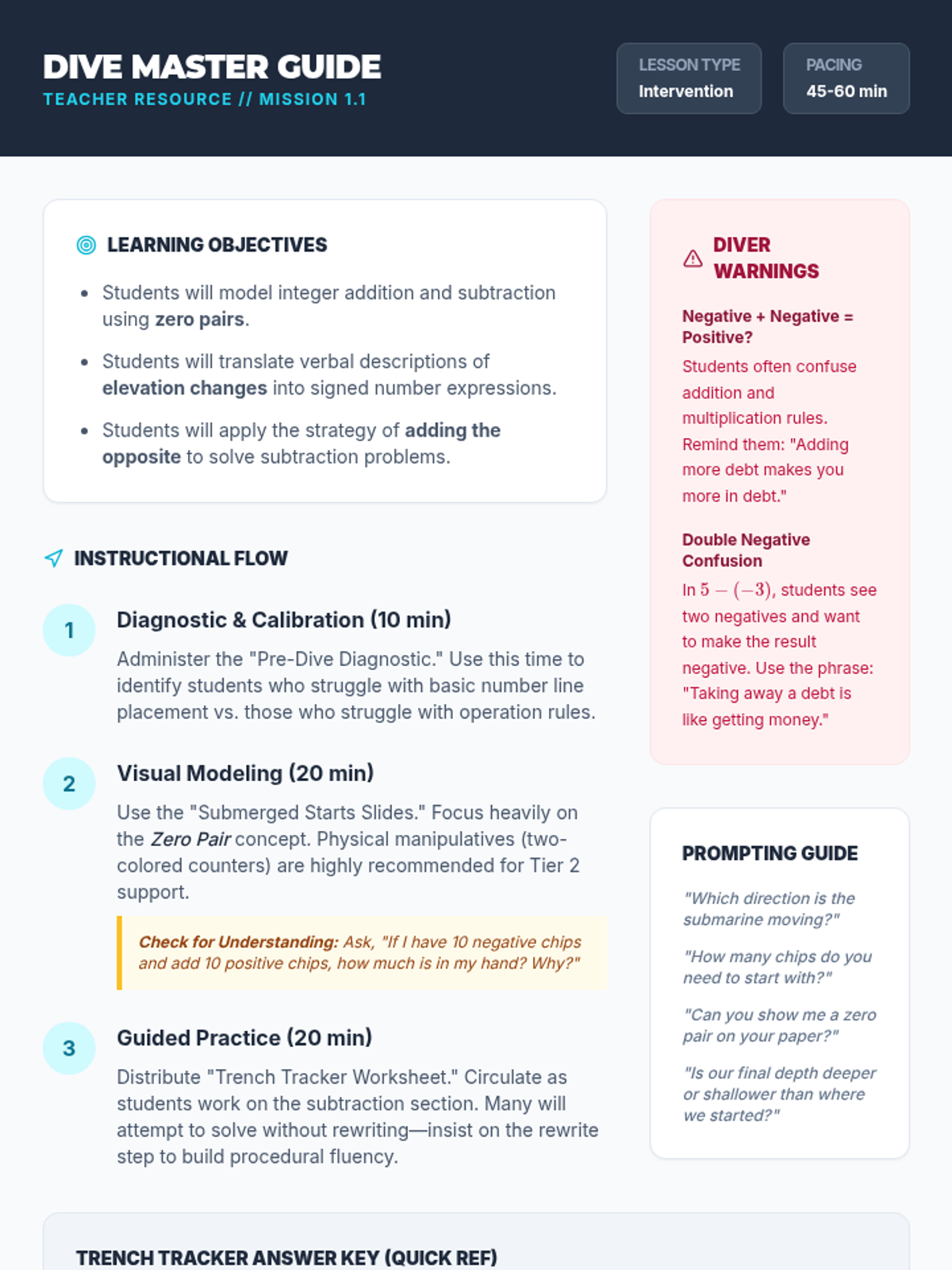
Diagnostic assessment and introduction to integer addition and subtraction using chip models and number lines.
Synthesizing skills through a real-world recipe task and a final summative assessment.
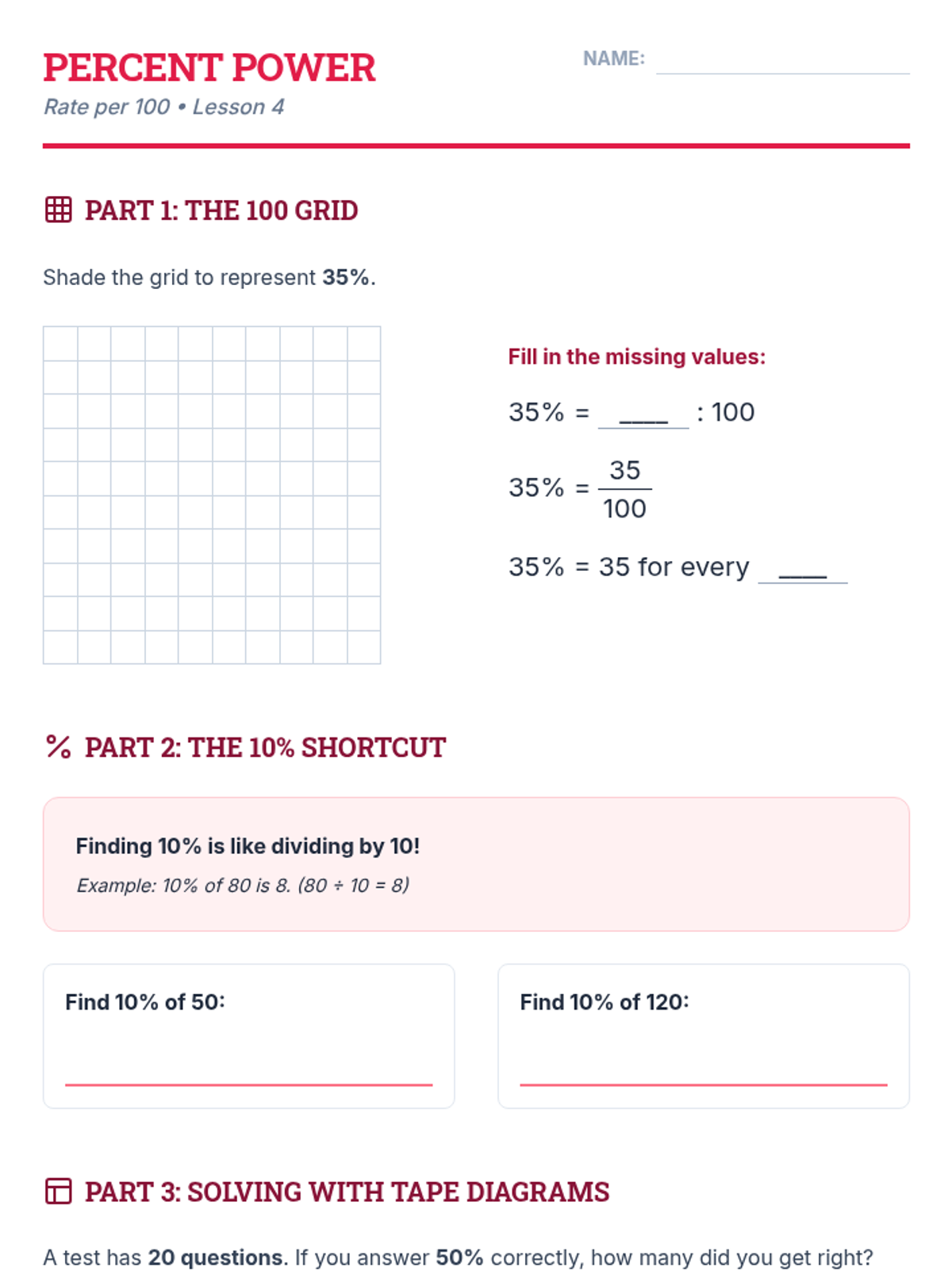
Understanding percent as a rate per 100 and using models to solve percent problems.
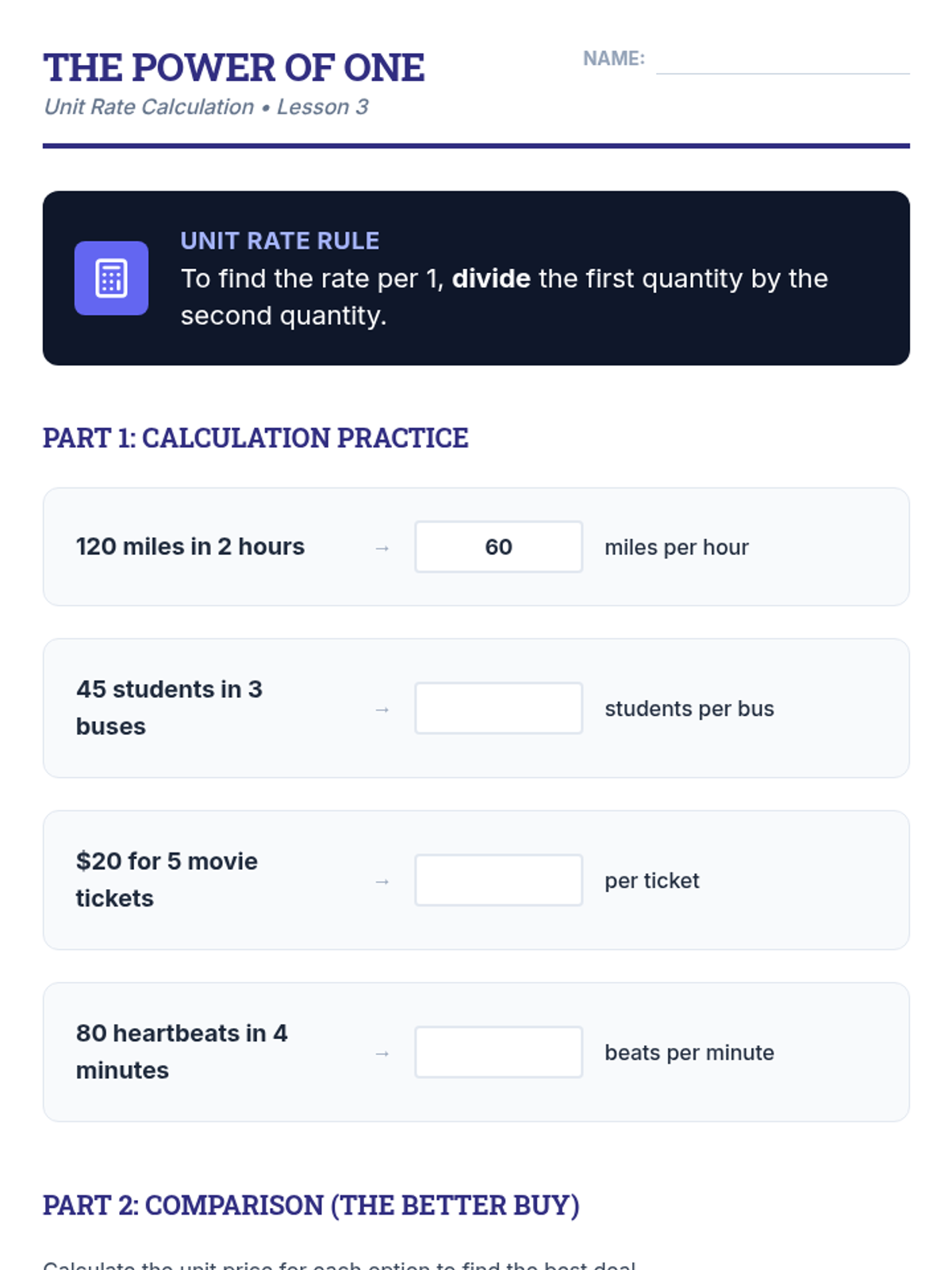
Calculating and applying unit rates in contexts like unit pricing and constant speed.
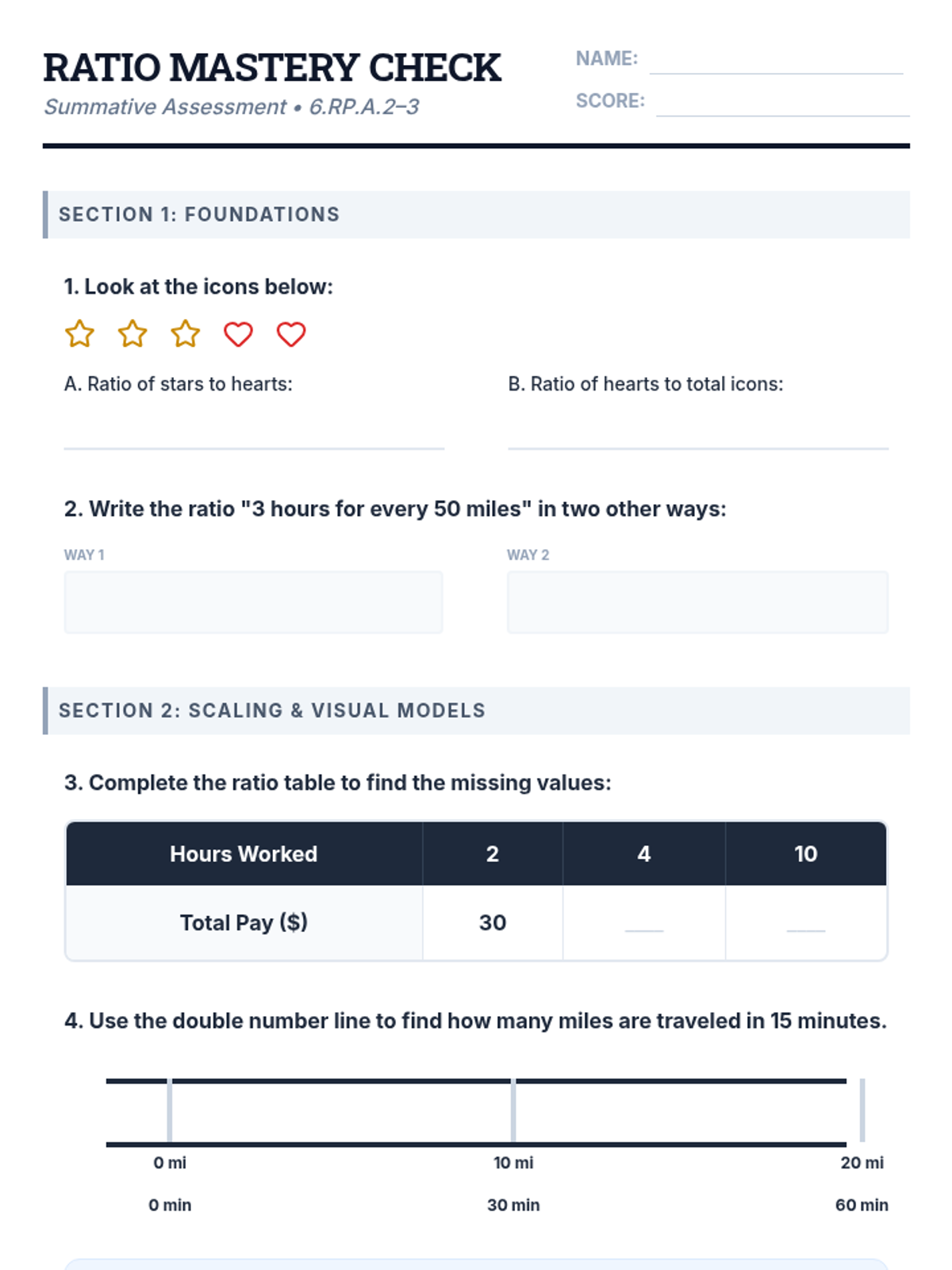
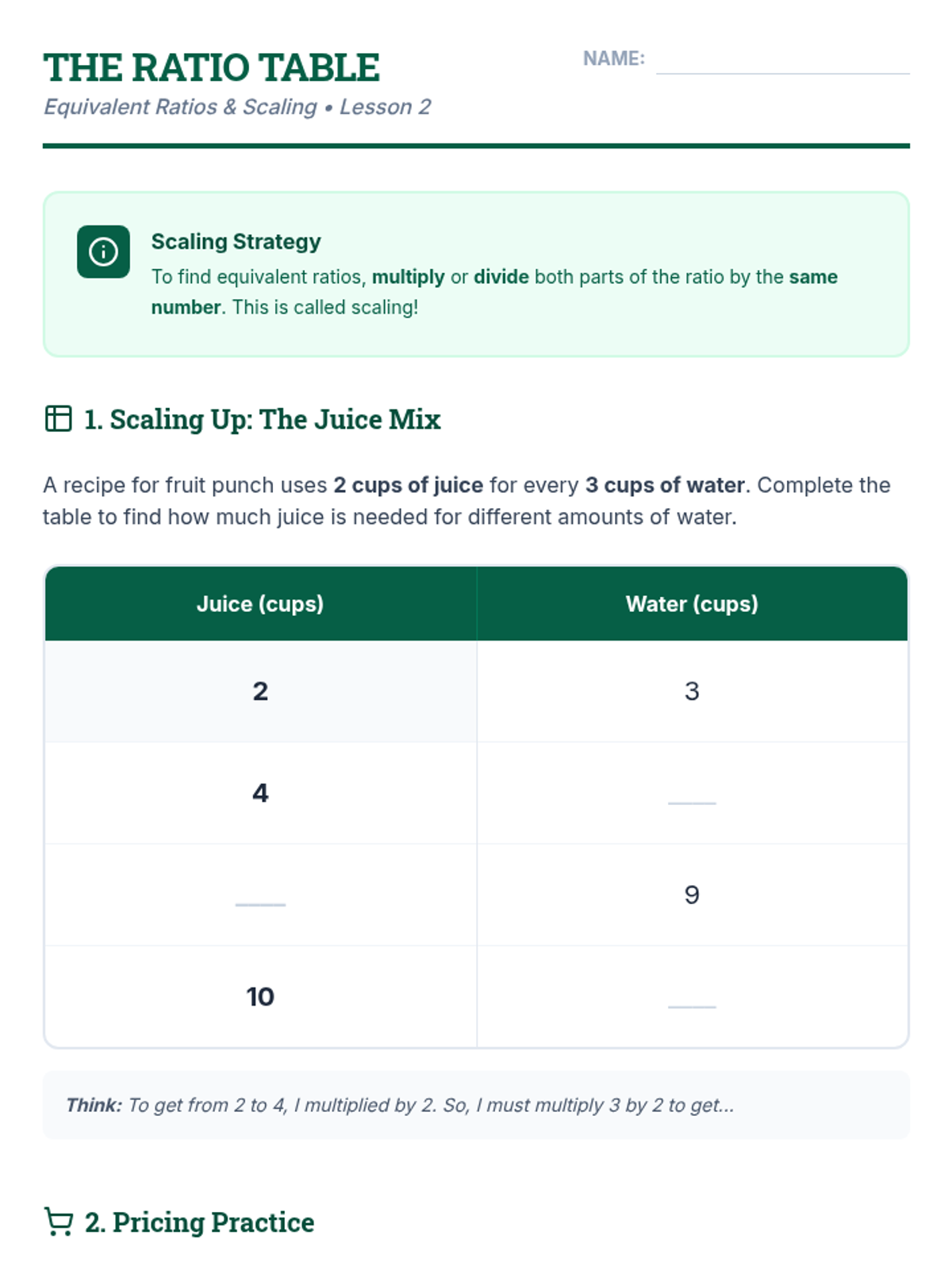
Utilizing ratio tables and double number line diagrams to visualize equivalent ratios and solve scaling problems.
A diagnostic check followed by an introduction to ratio language, various notation forms, and identifying parts-to-parts vs. parts-to-whole relationships.
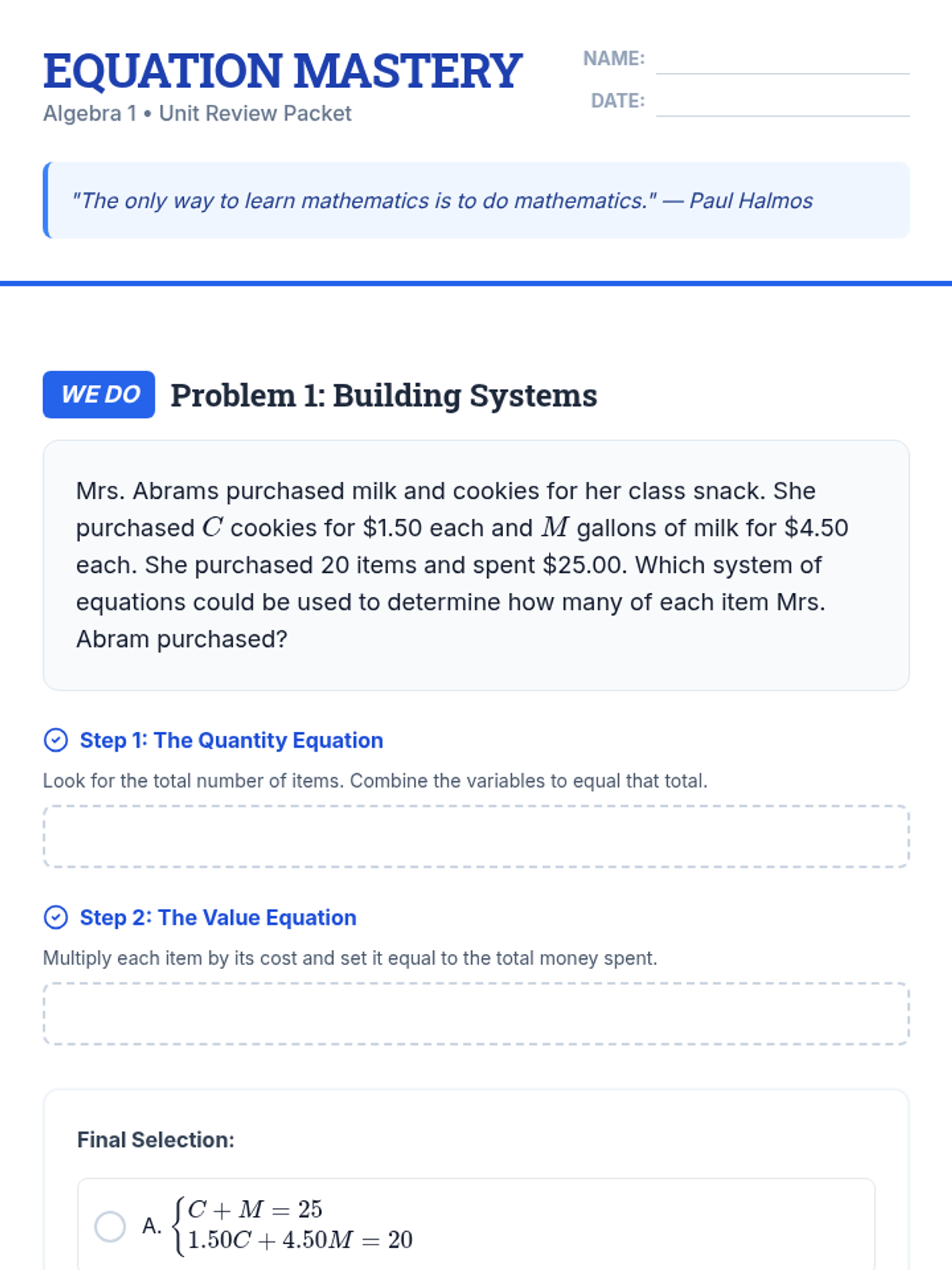
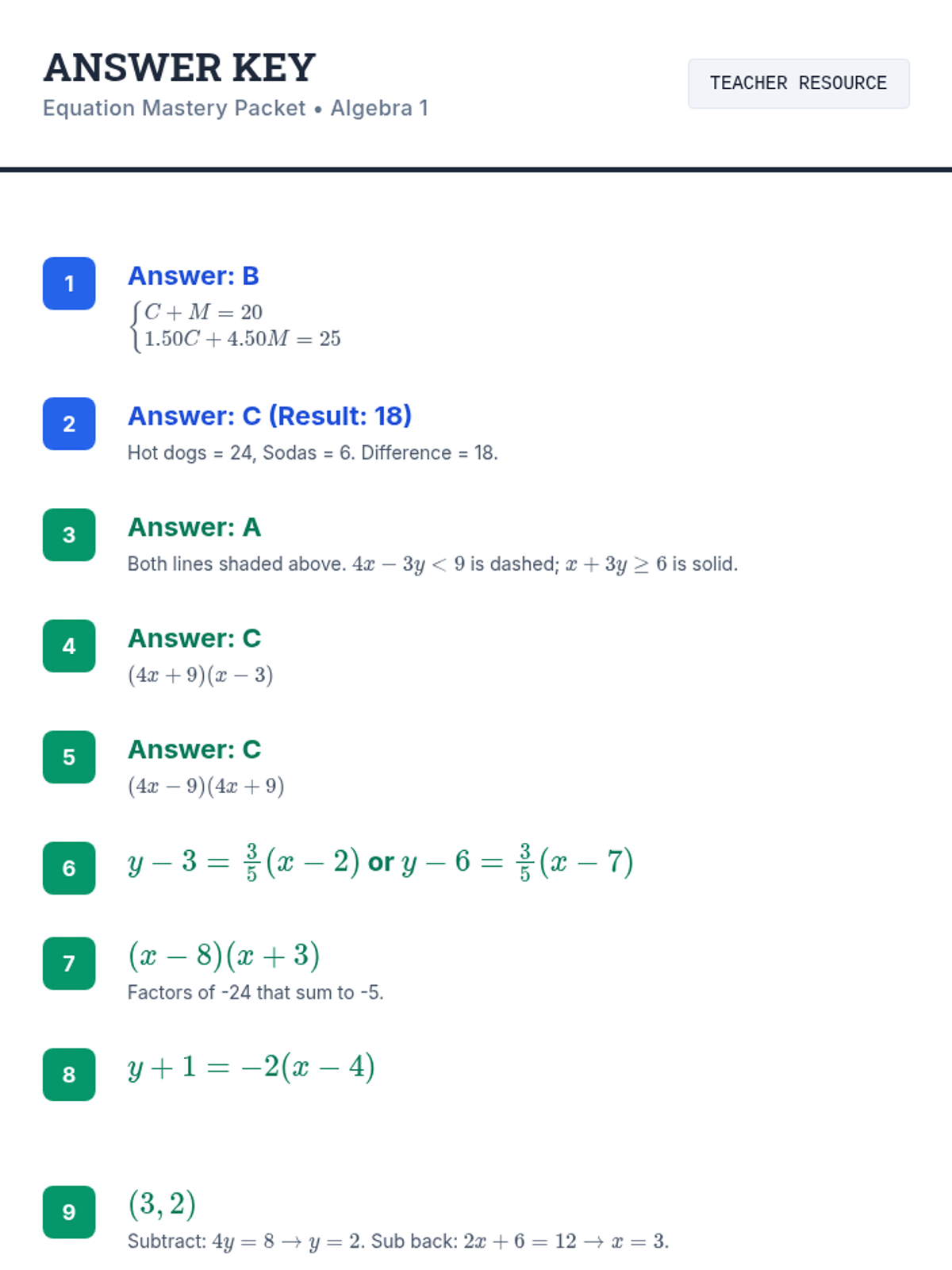
A comprehensive review lesson covering systems of equations, linear inequalities, factoring quadratics, and writing linear equations. Includes guided 'We Do' practice for complex word problems and independent practice for skill mastery.
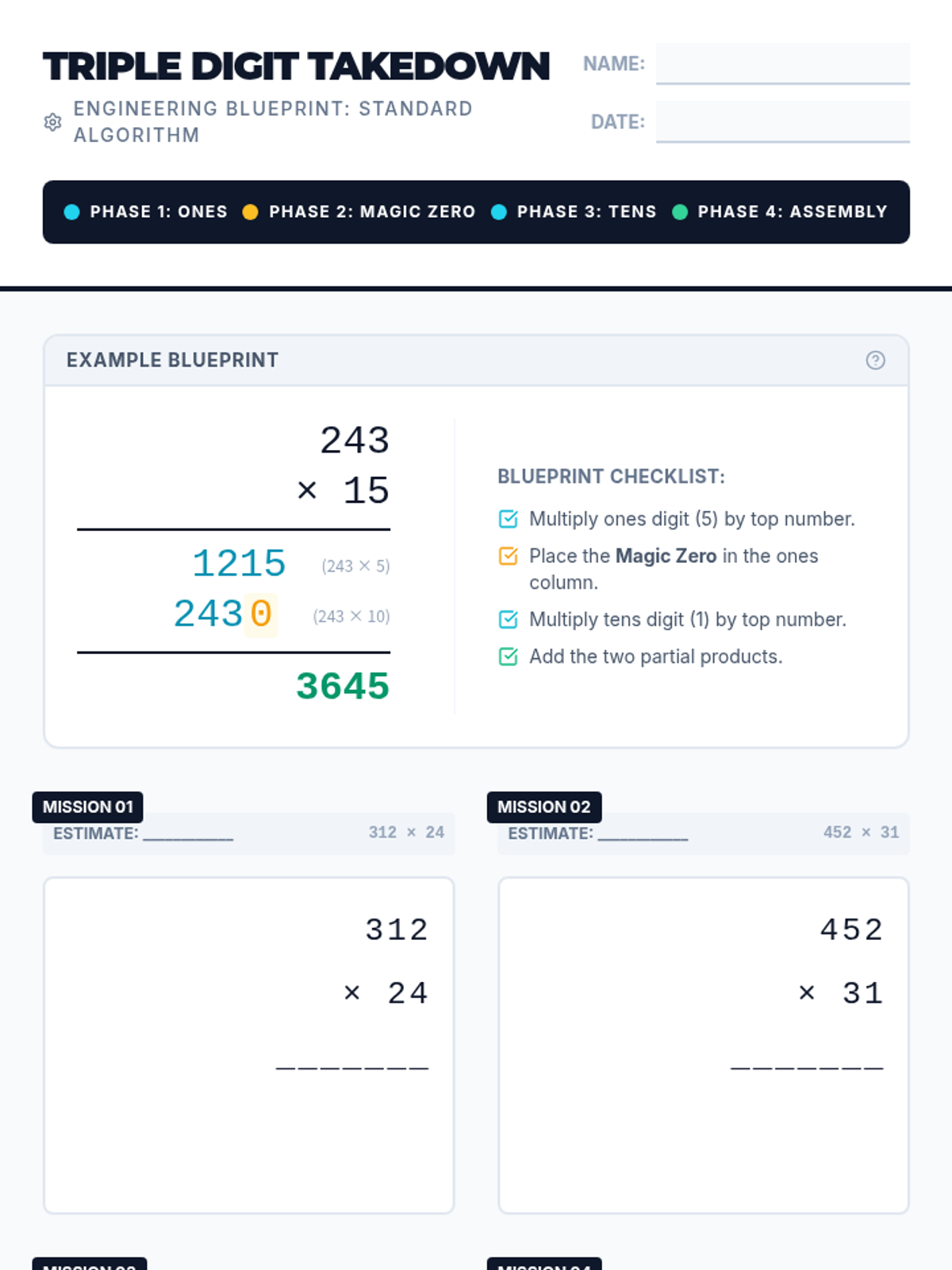
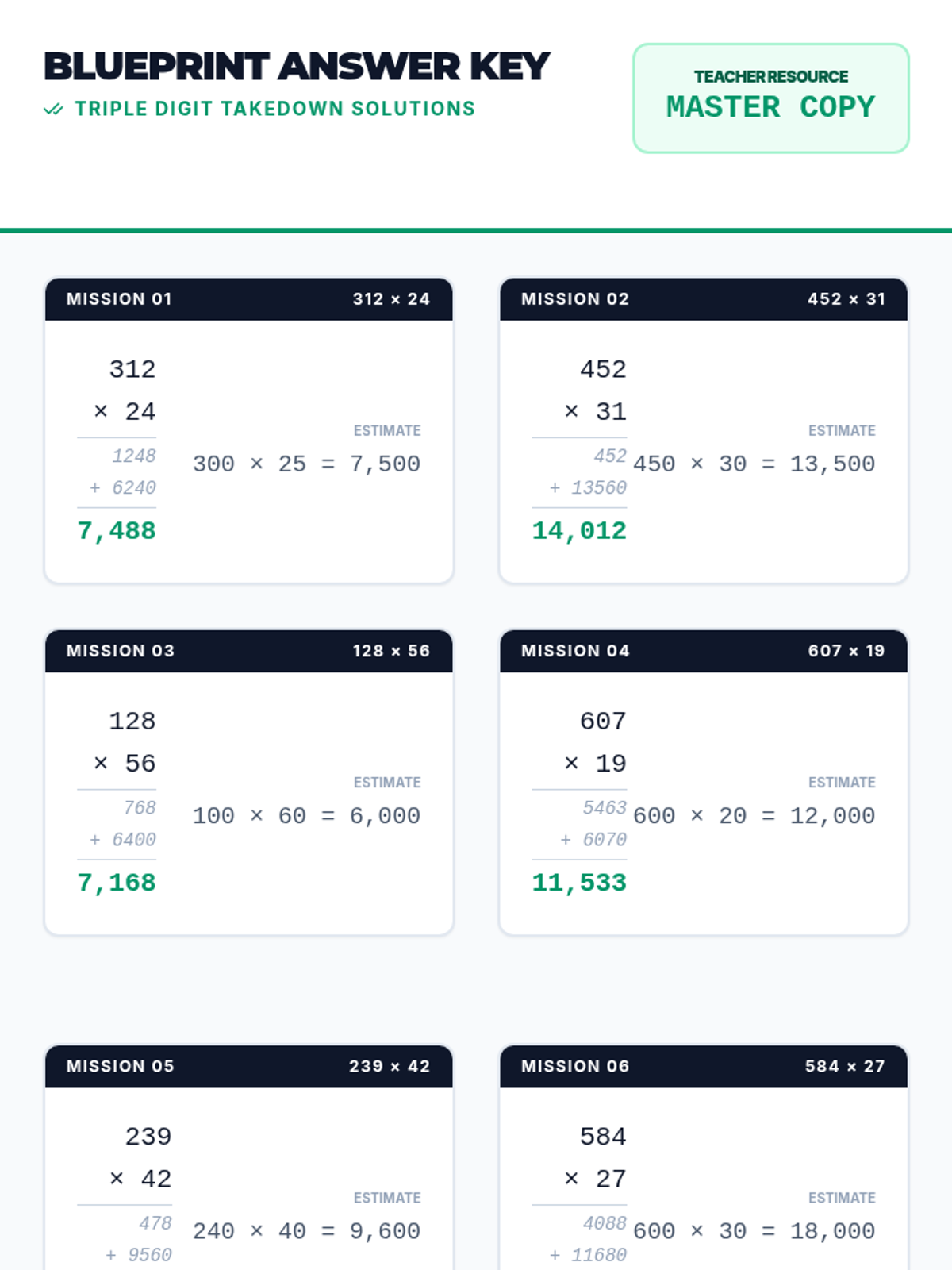
A 25-minute focused lesson on multiplying 3-digit by 2-digit numbers using the standard algorithm, featuring visual breakdowns and structured practice.
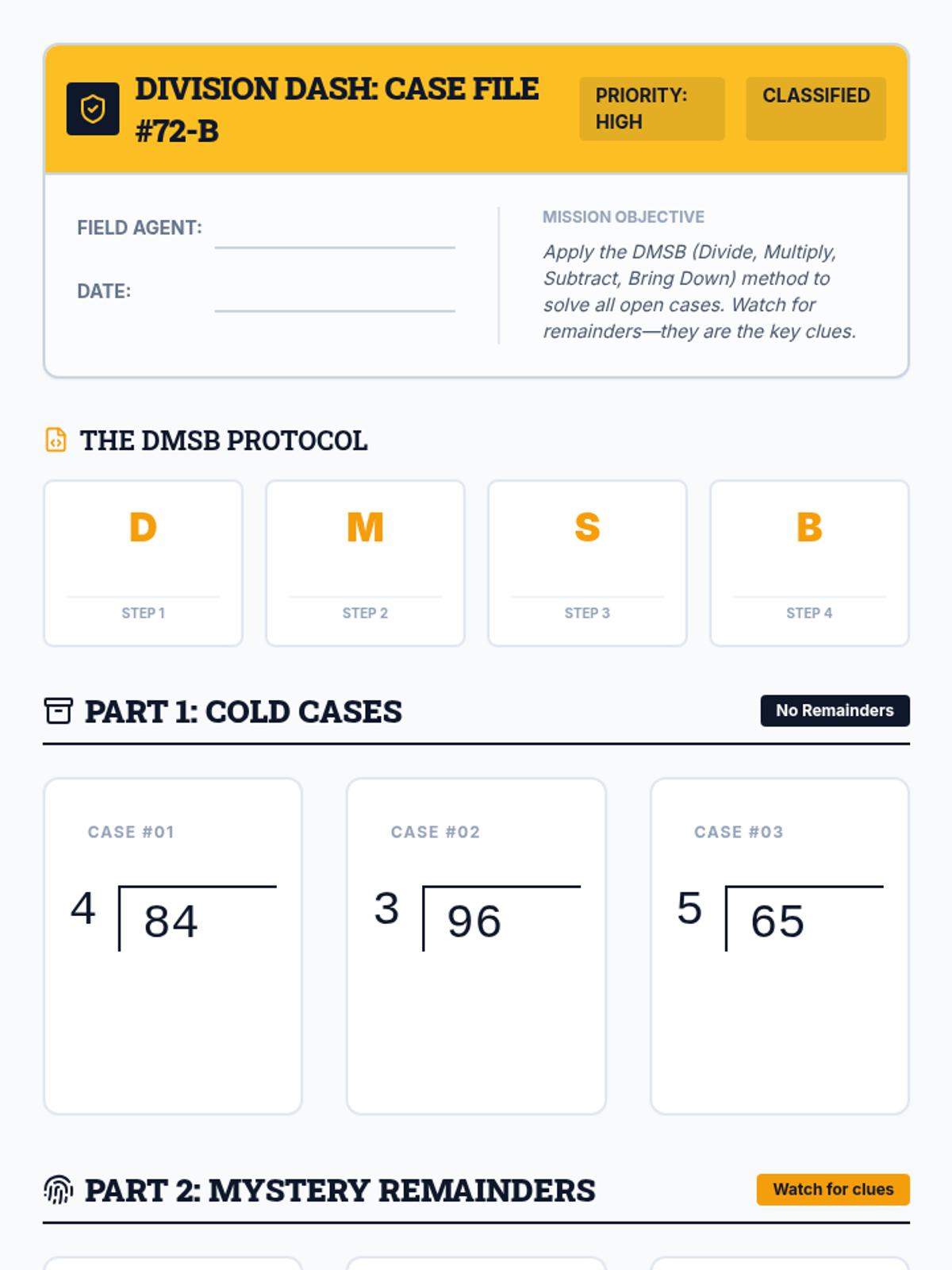
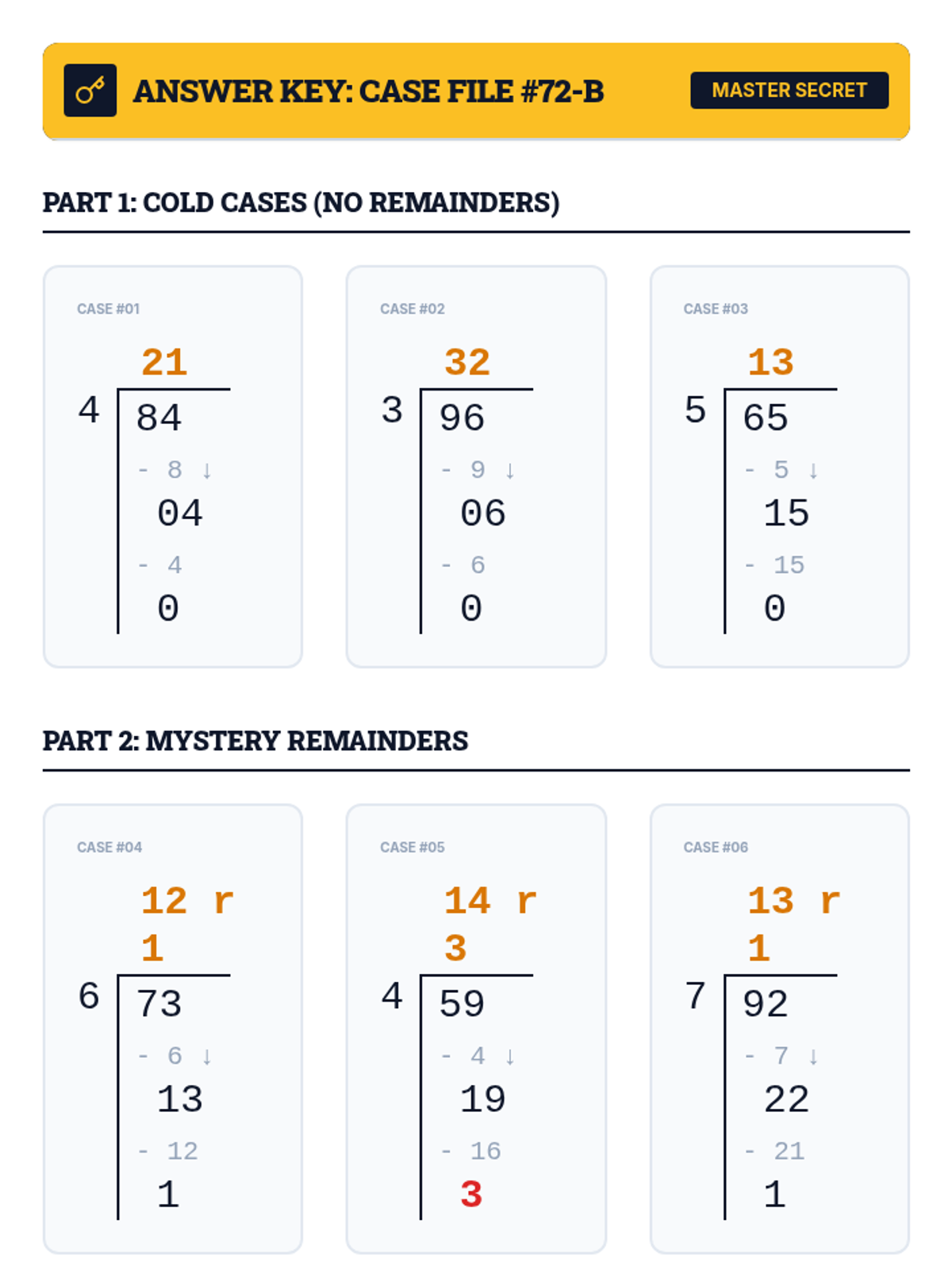
A 30-minute mastery session on long division, covering the step-by-step process for problems with and without remainders through guided practice and independent challenges.
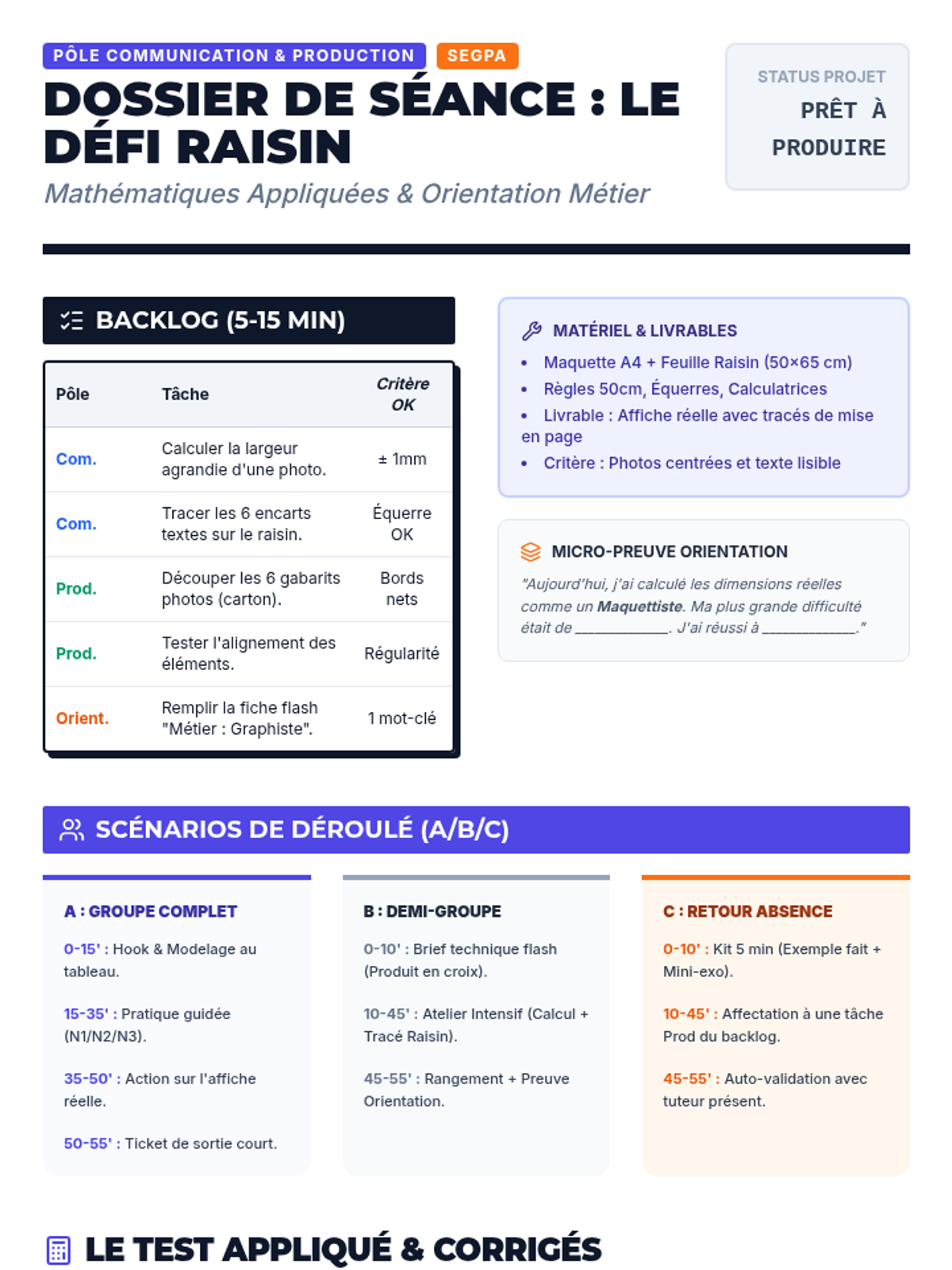
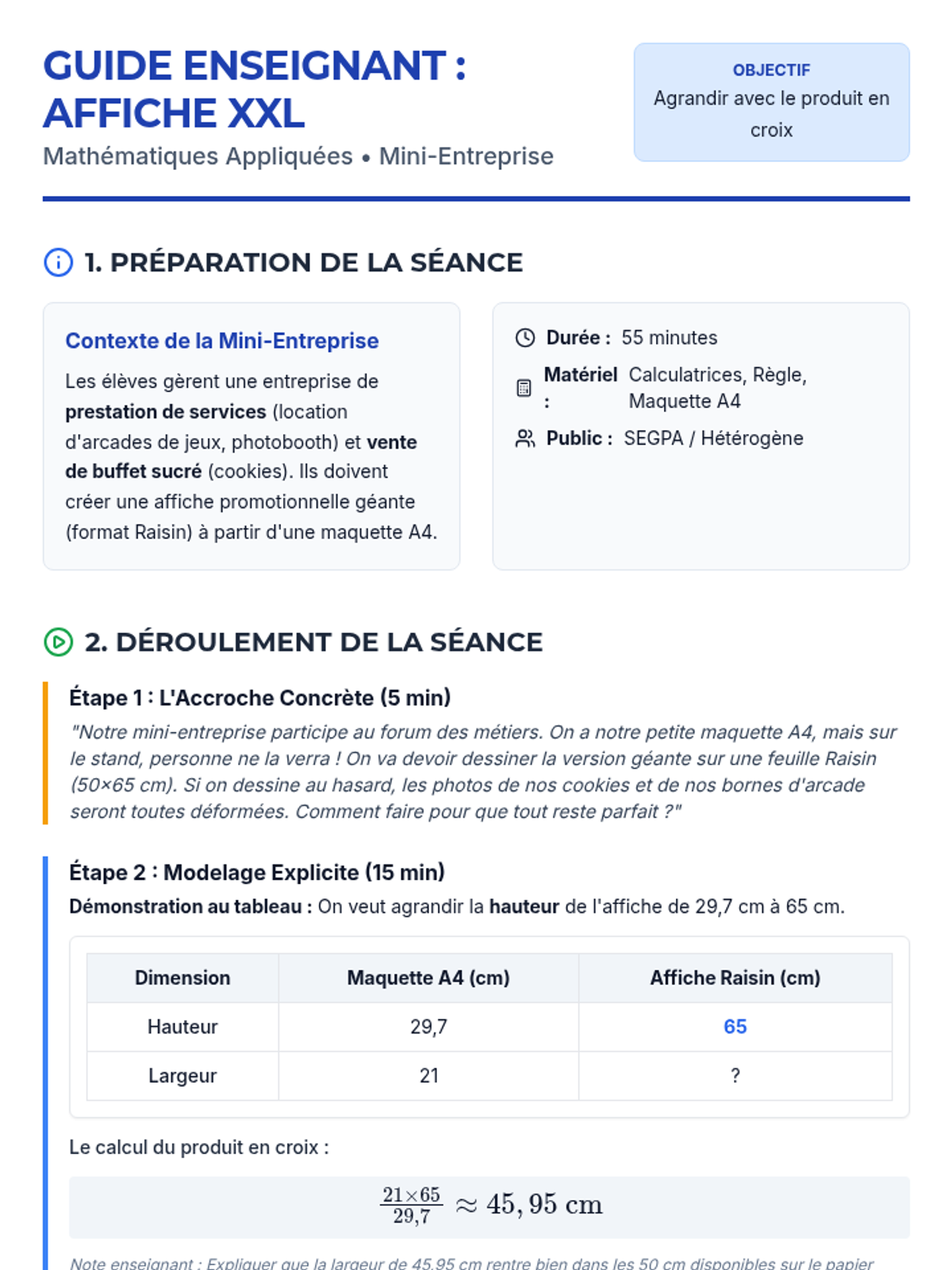
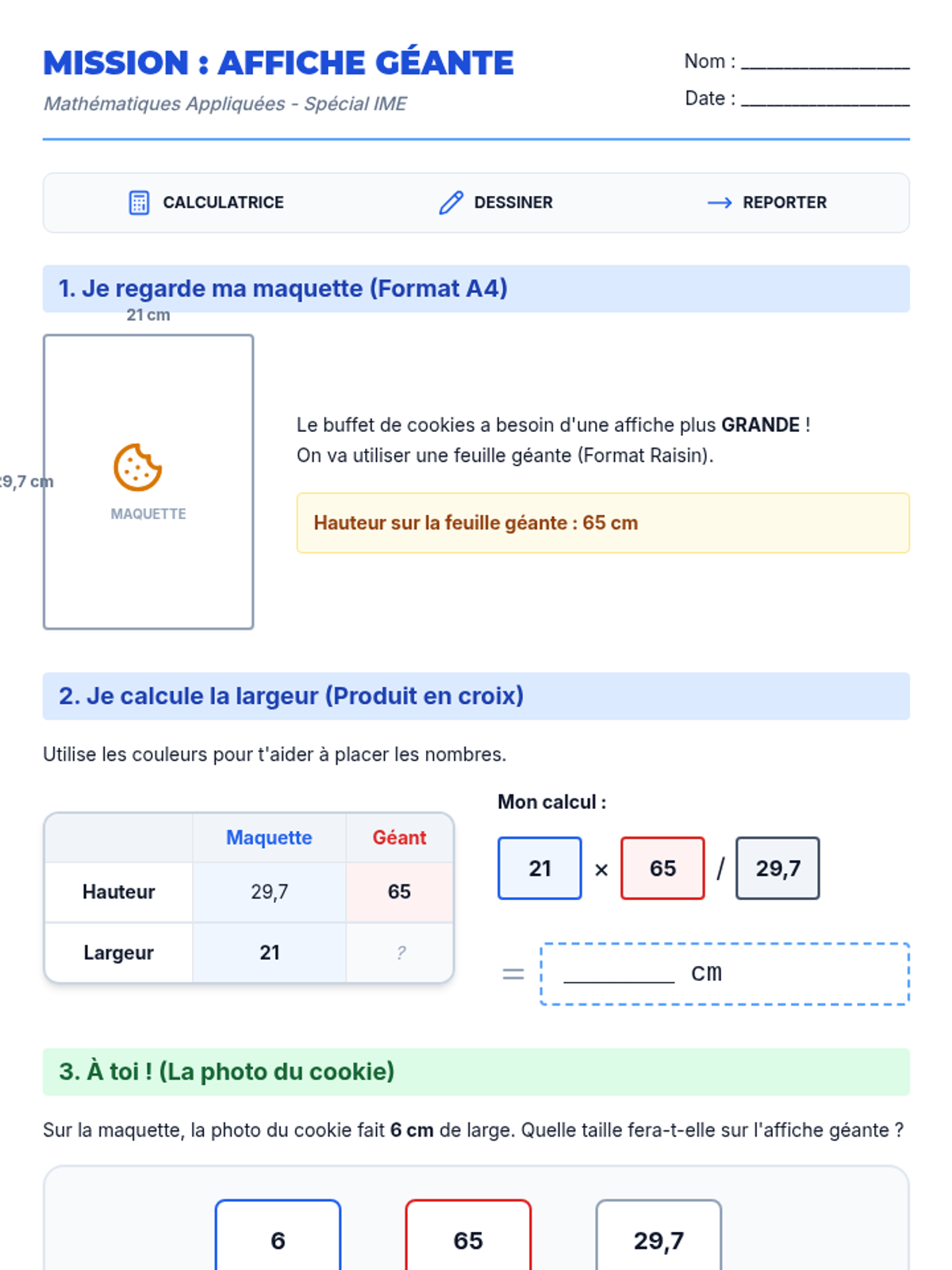
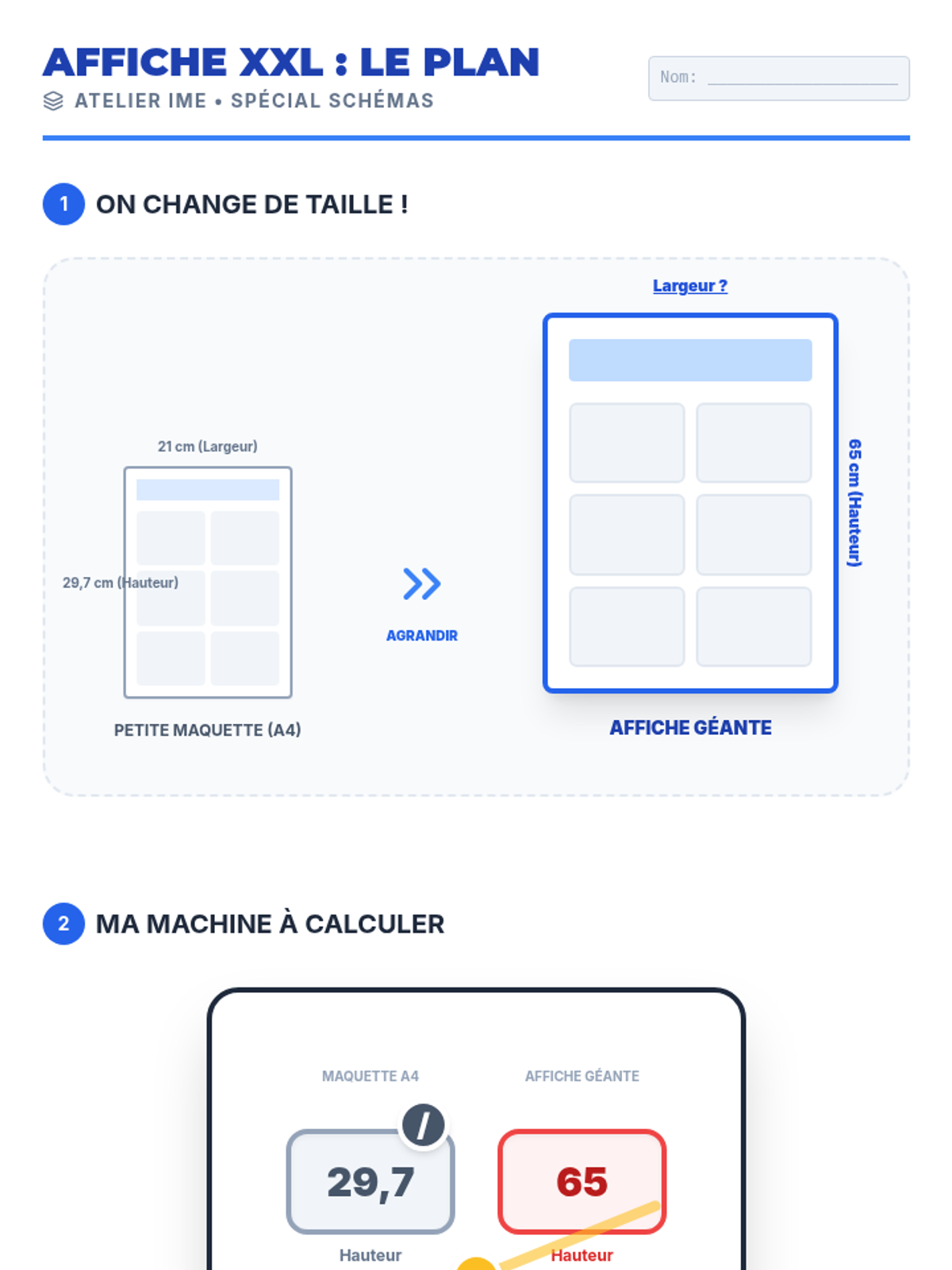
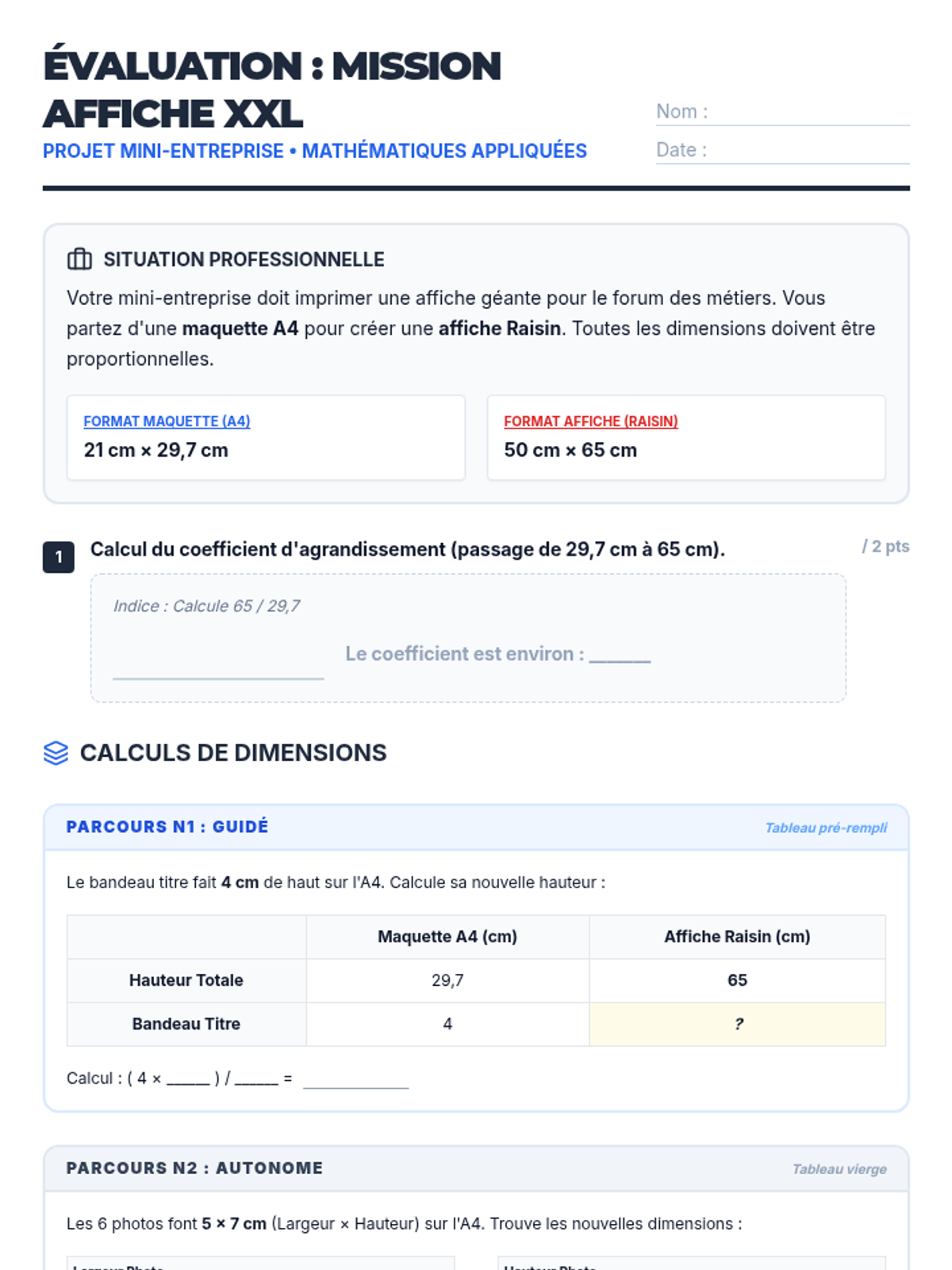
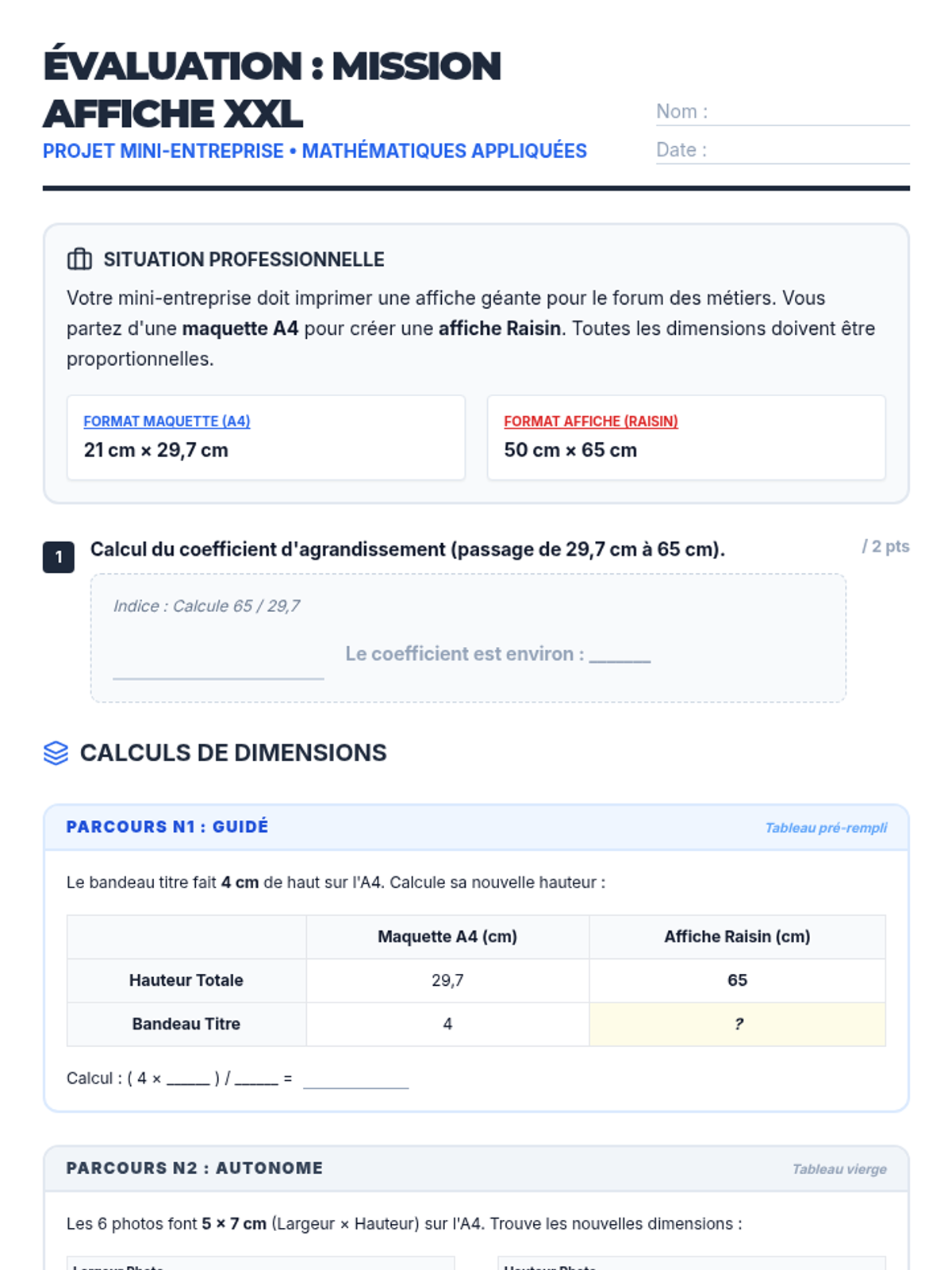
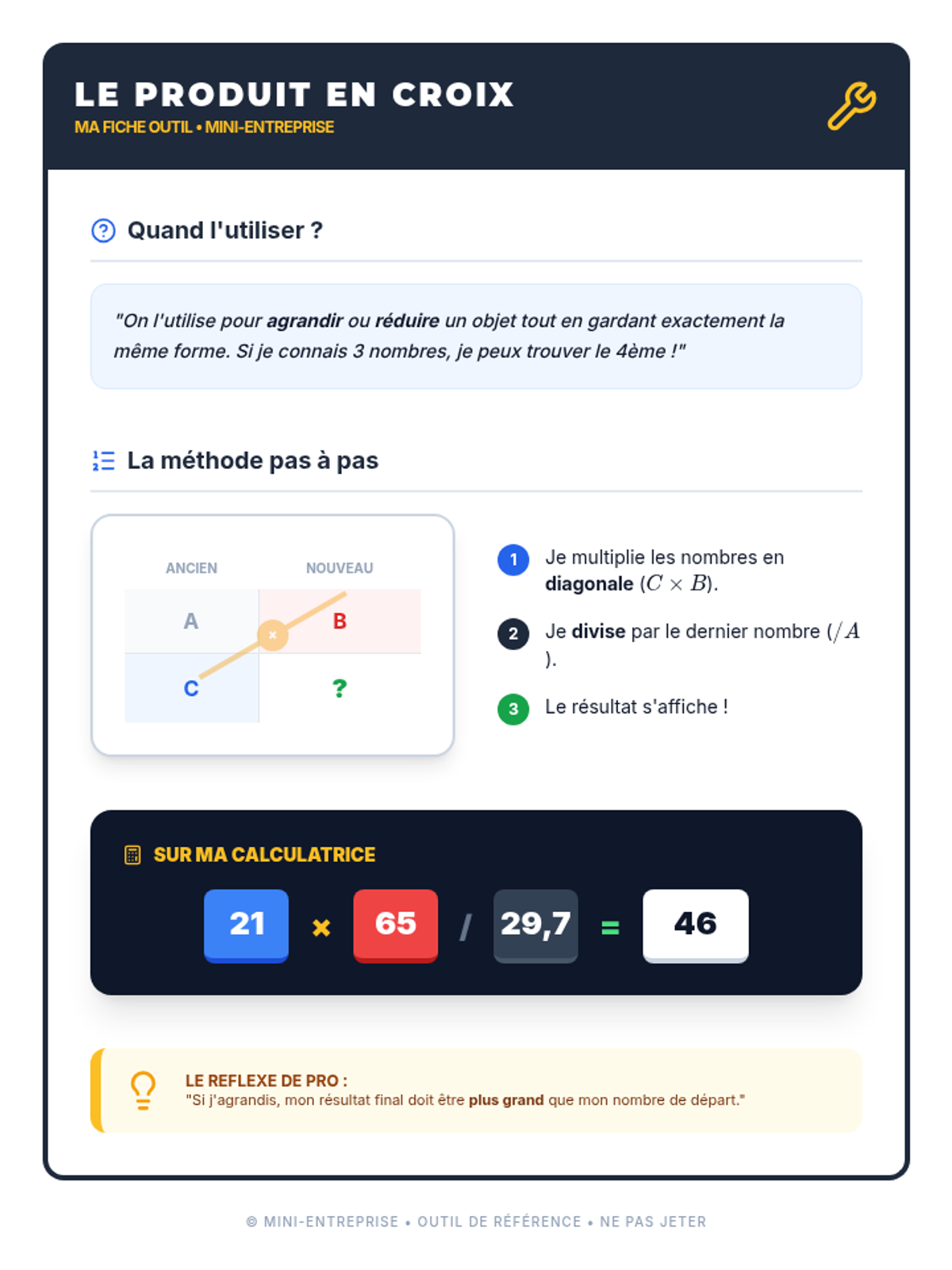
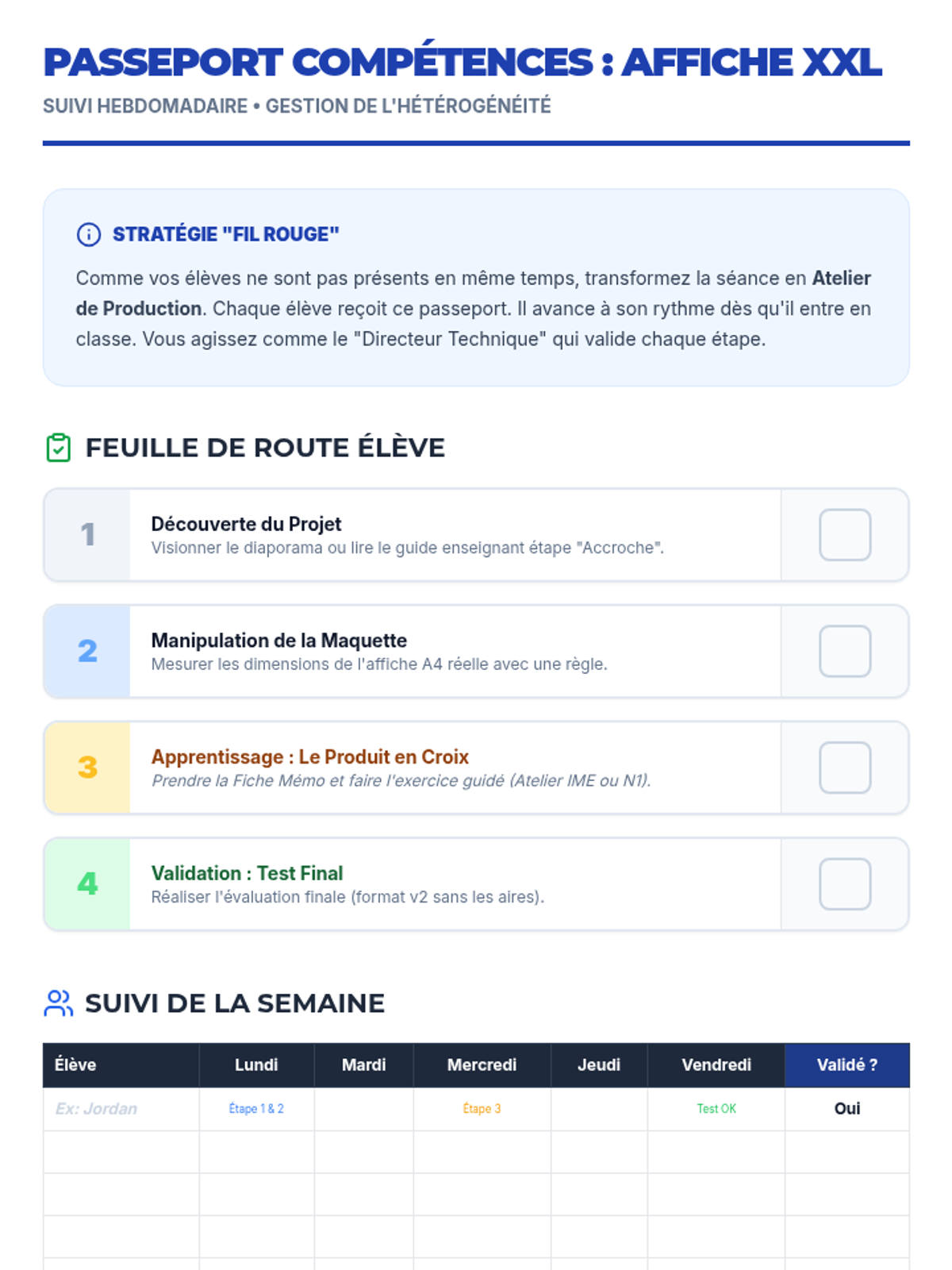
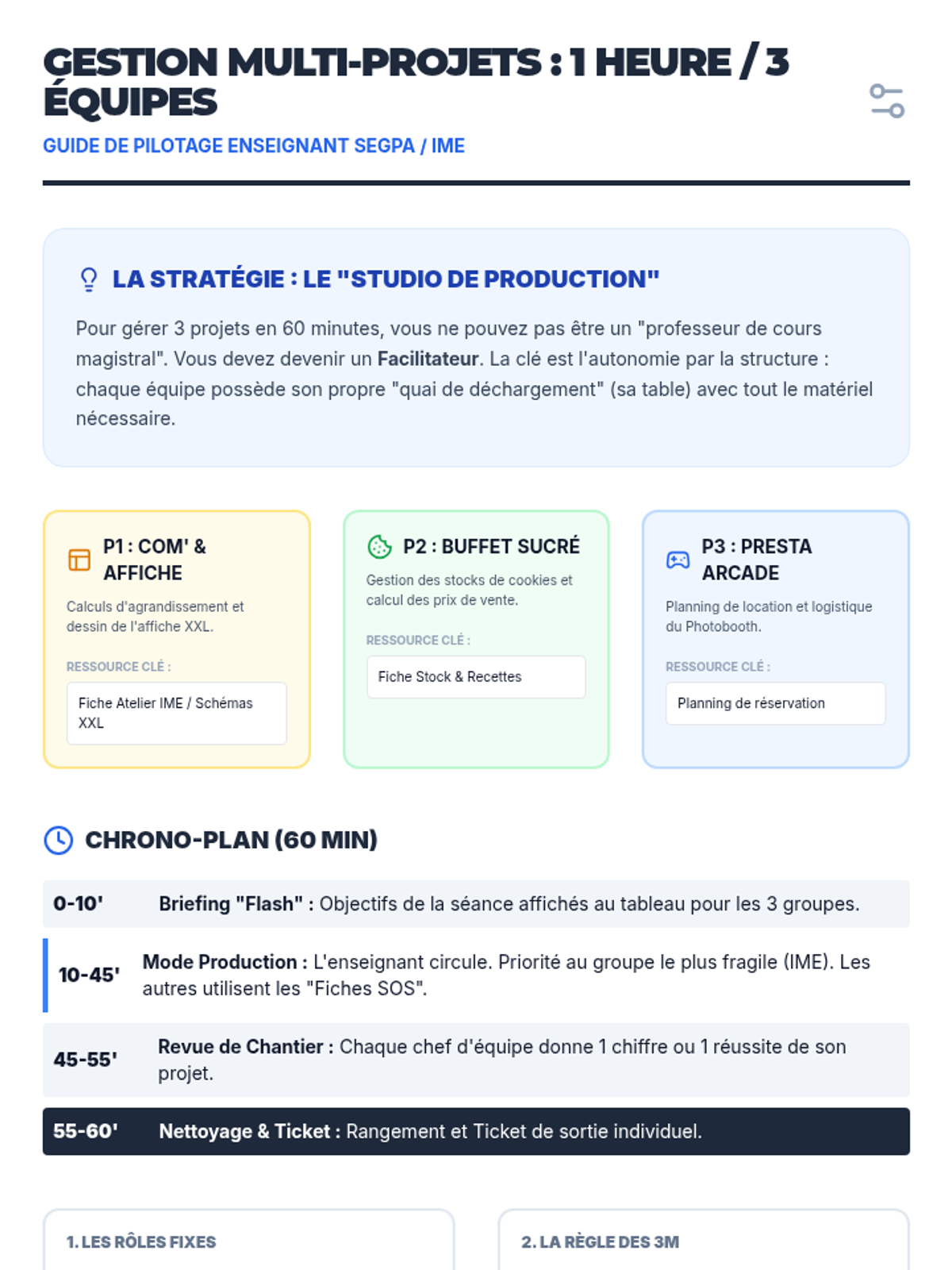
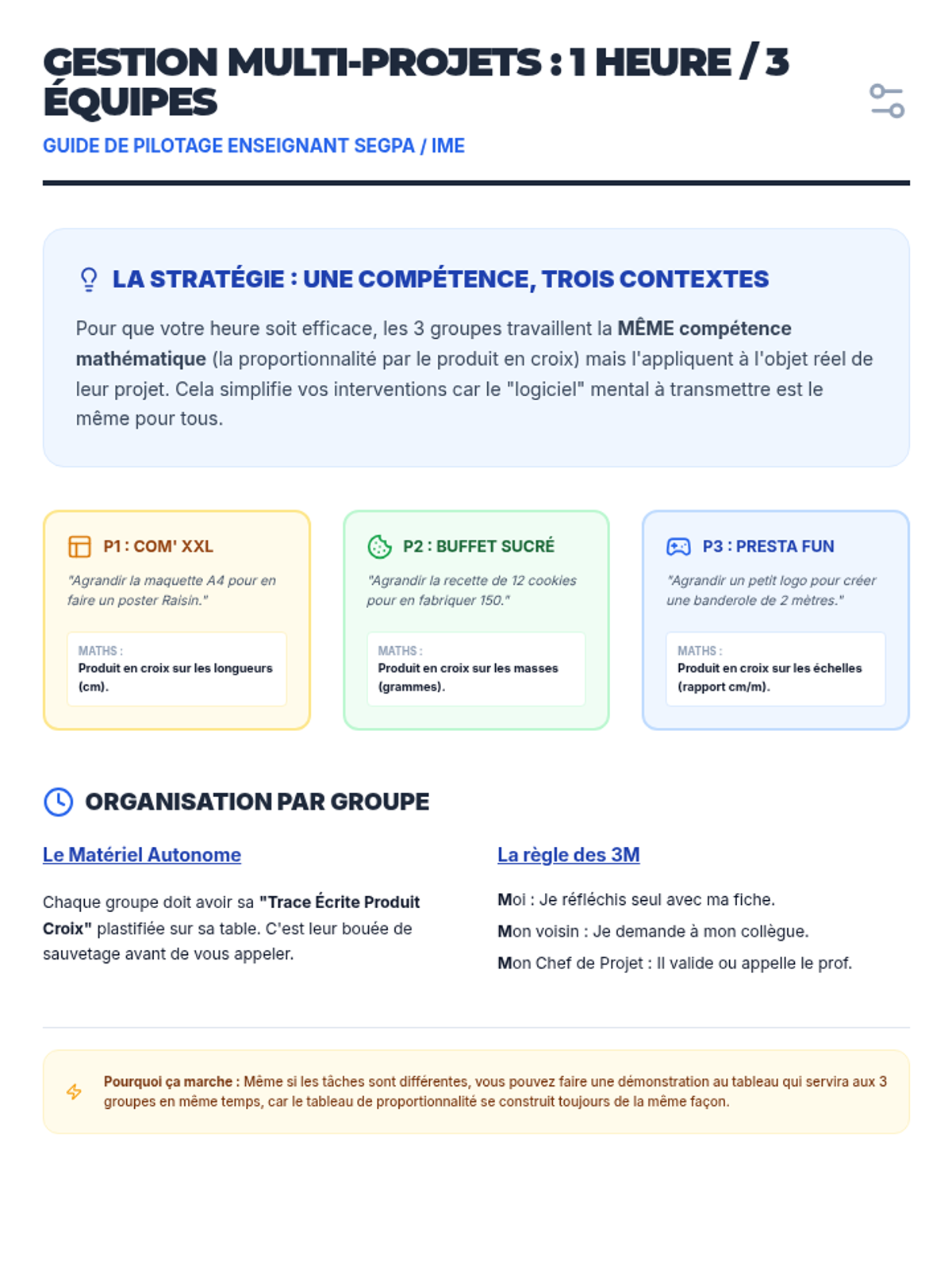
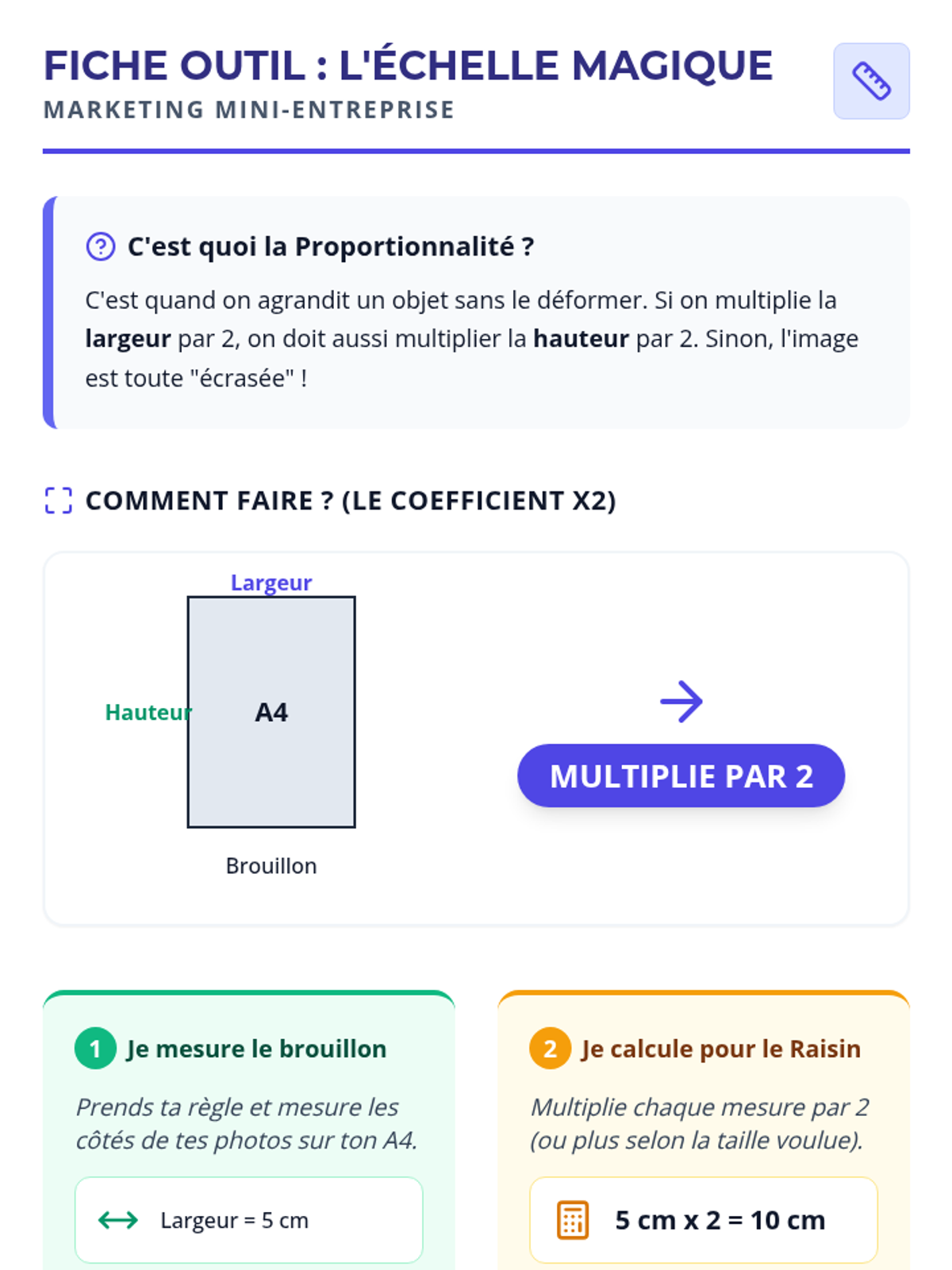
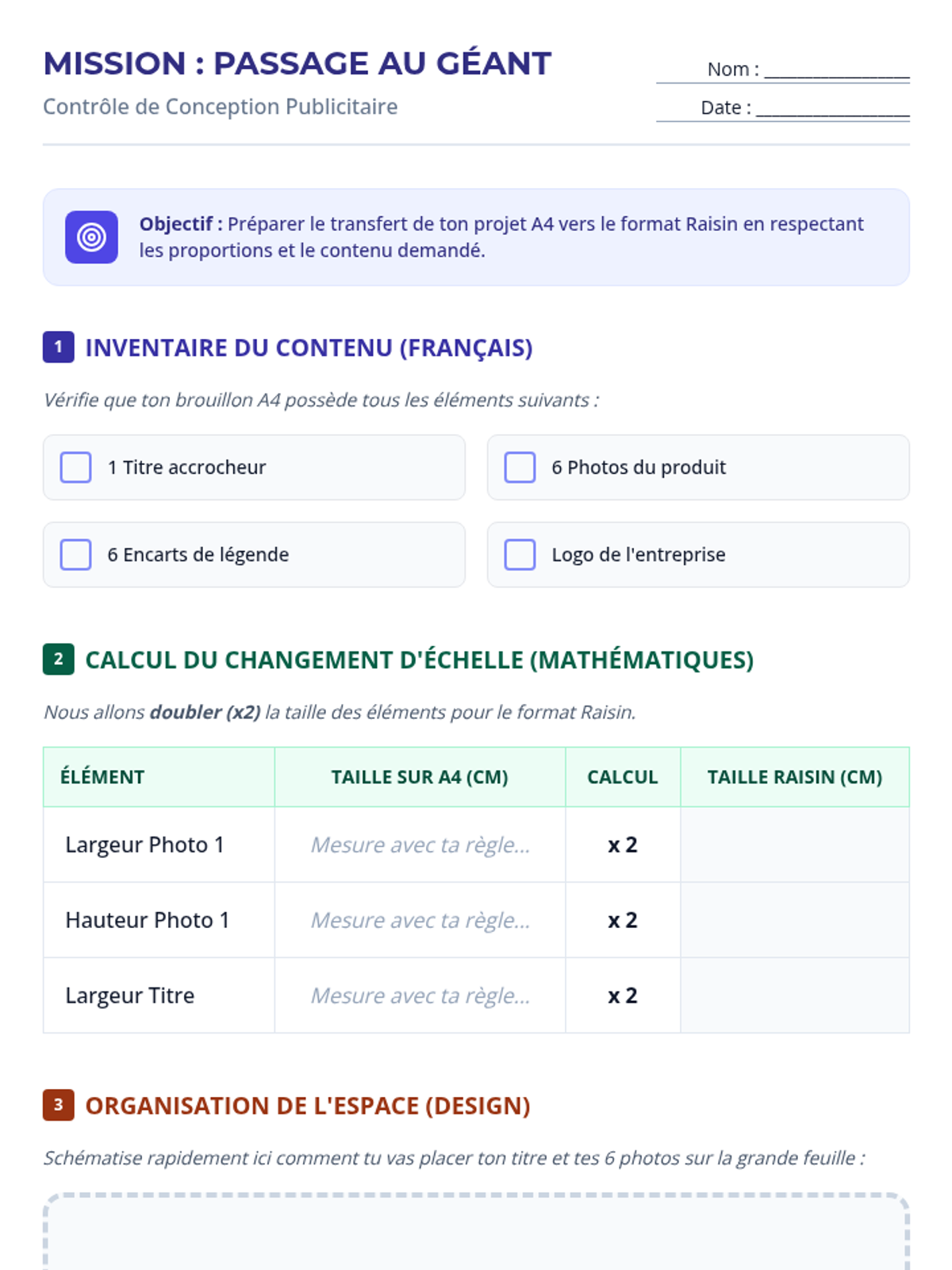
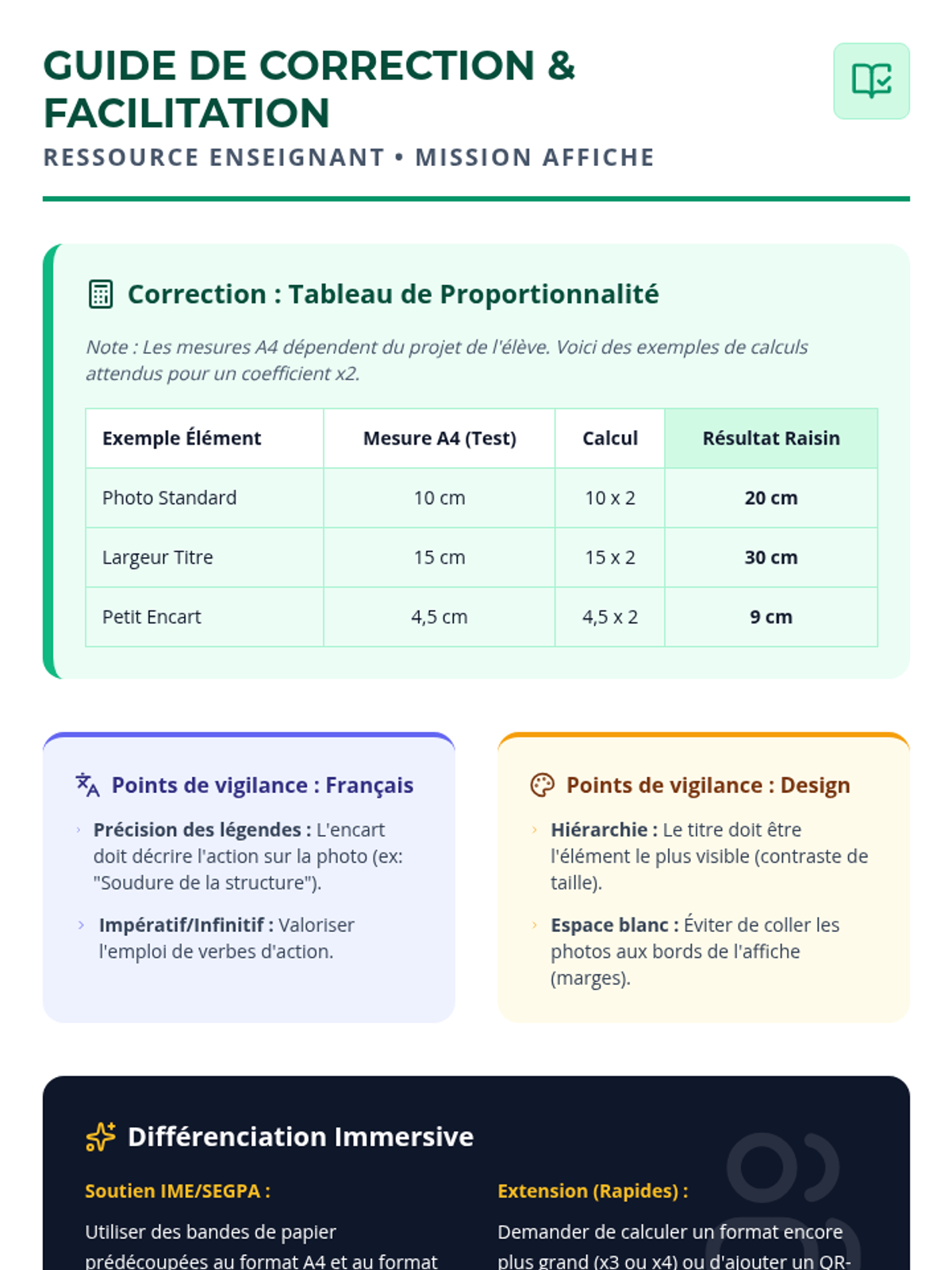
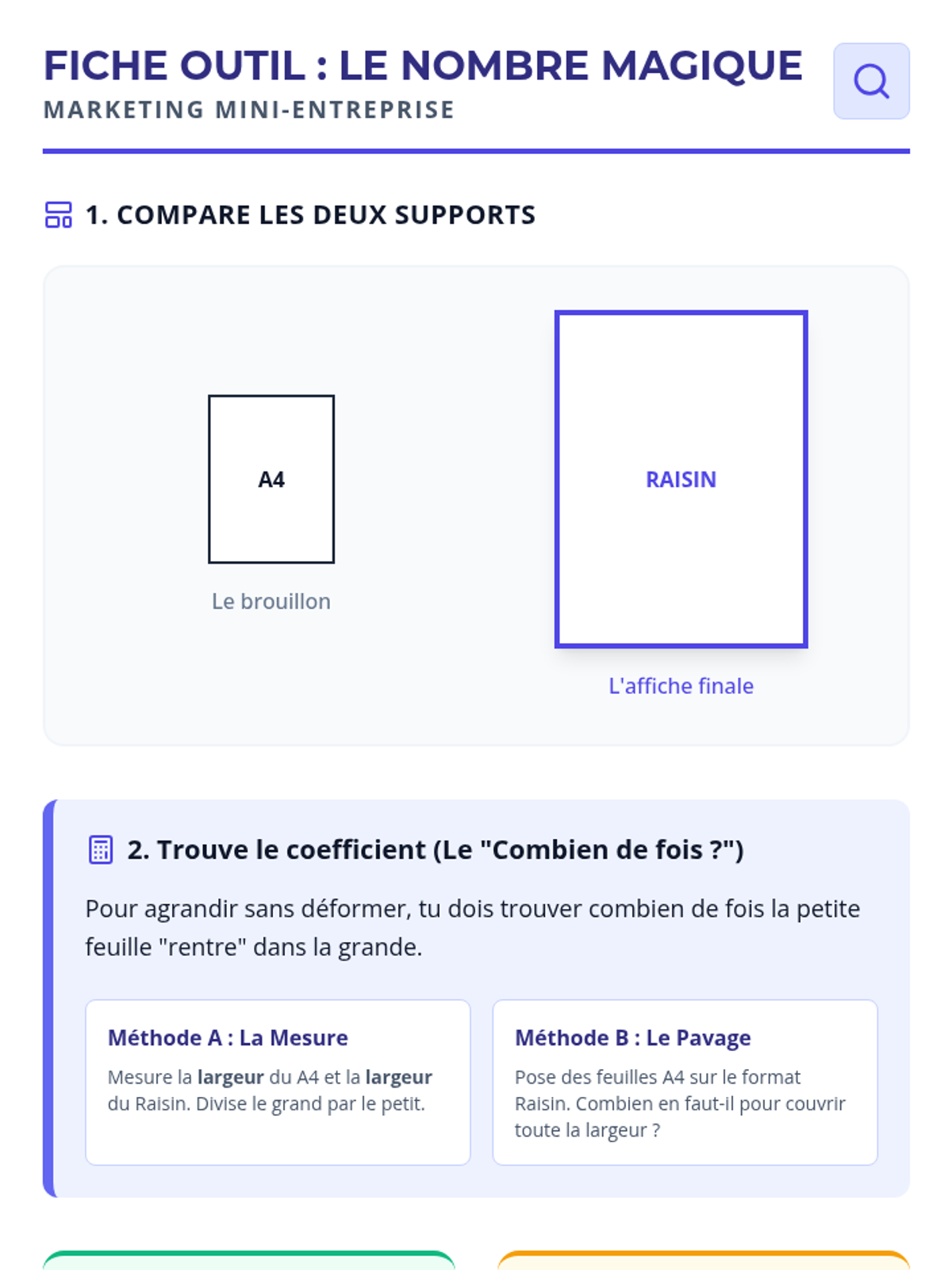
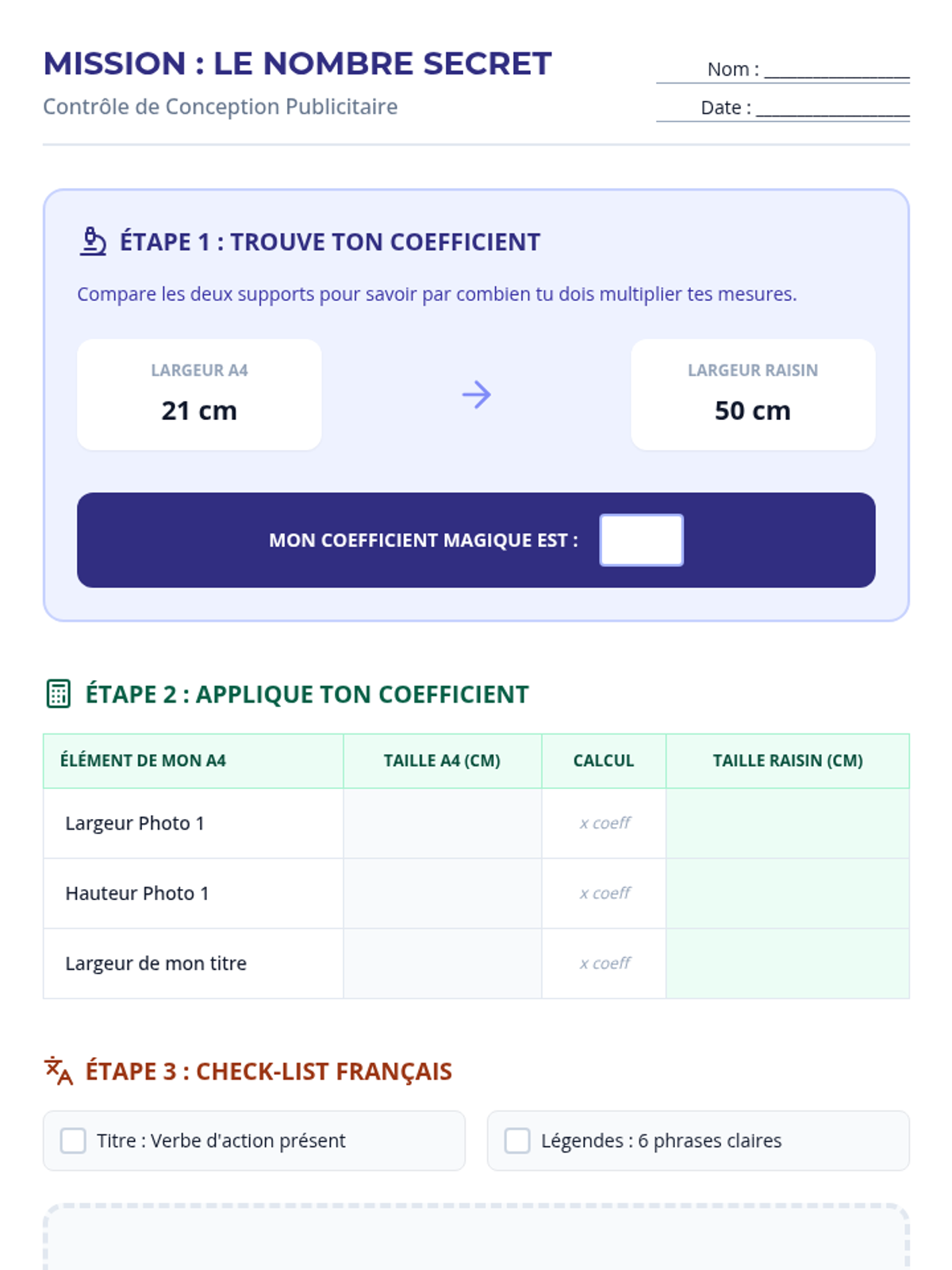
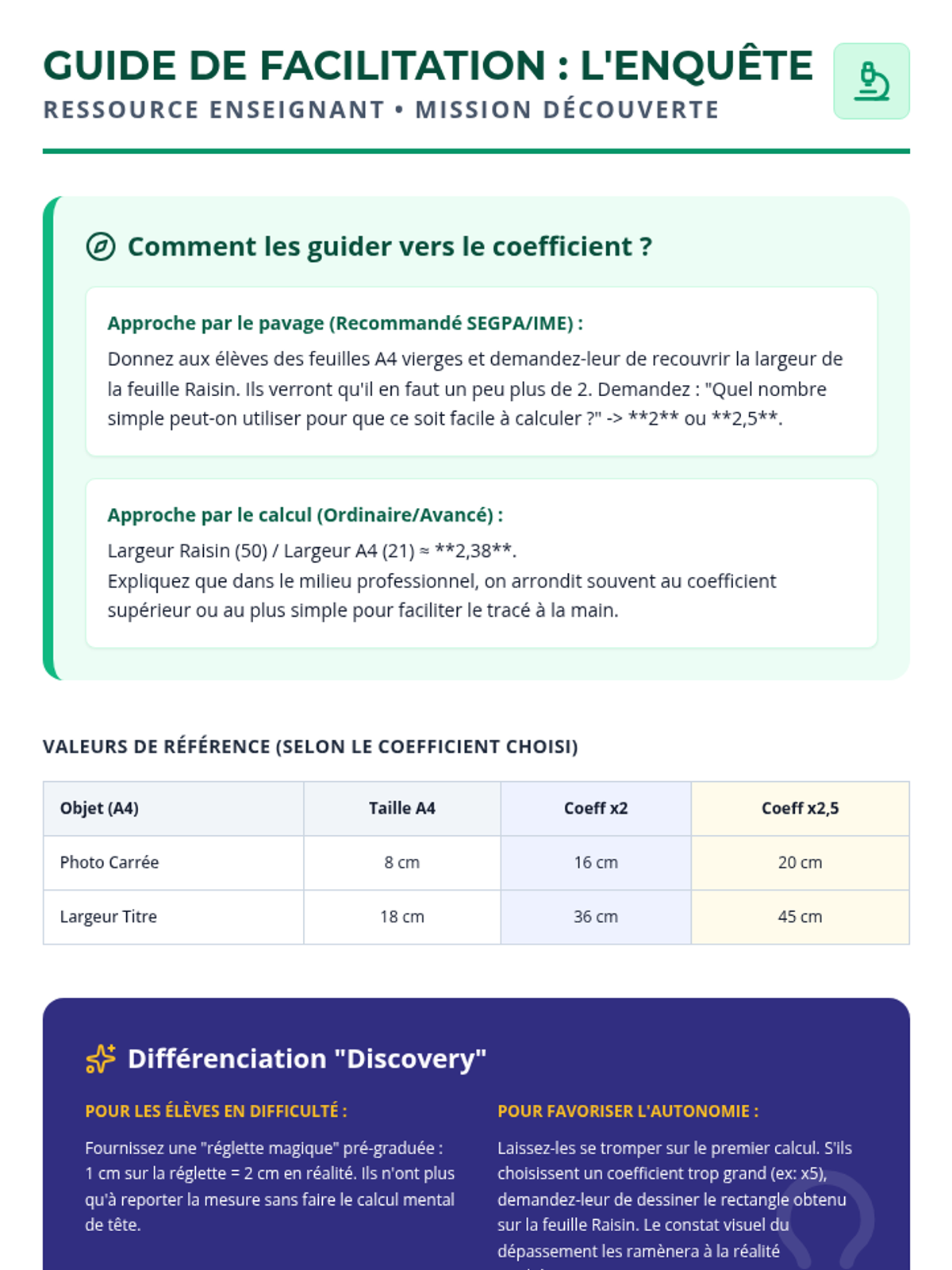
Cette séance de mathématiques appliquées permet aux élèves de SEGPA d'apprendre à agrandir une maquette d'affiche A4 au format Raisin en utilisant la proportionnalité et le produit en croix, dans le cadre réel de leur mini-entreprise scolaire. Elle intègre une gestion de classe flexible (groupes hétérogènes, présence fluctuante) et des micro-tâches orientées métier.
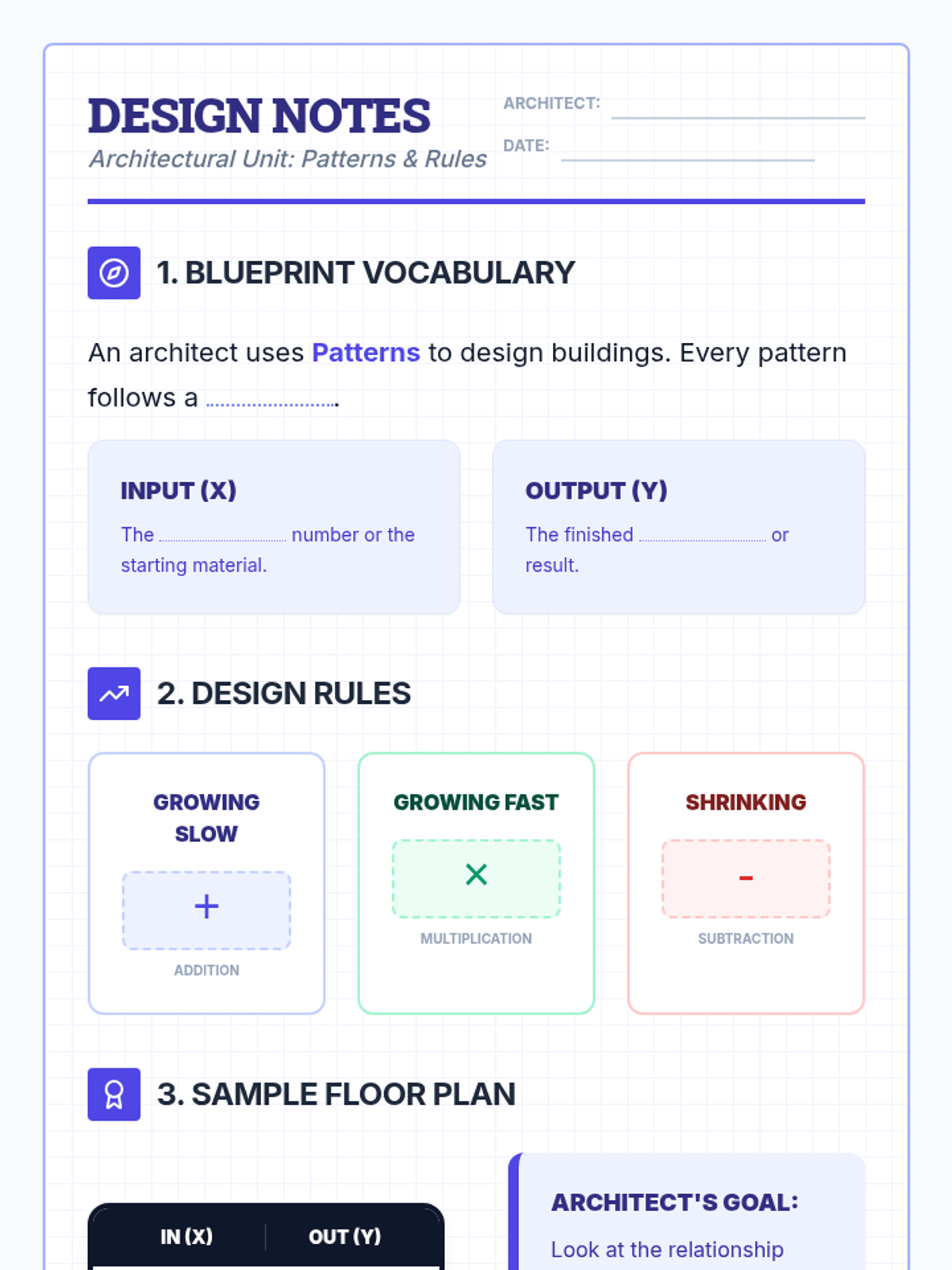
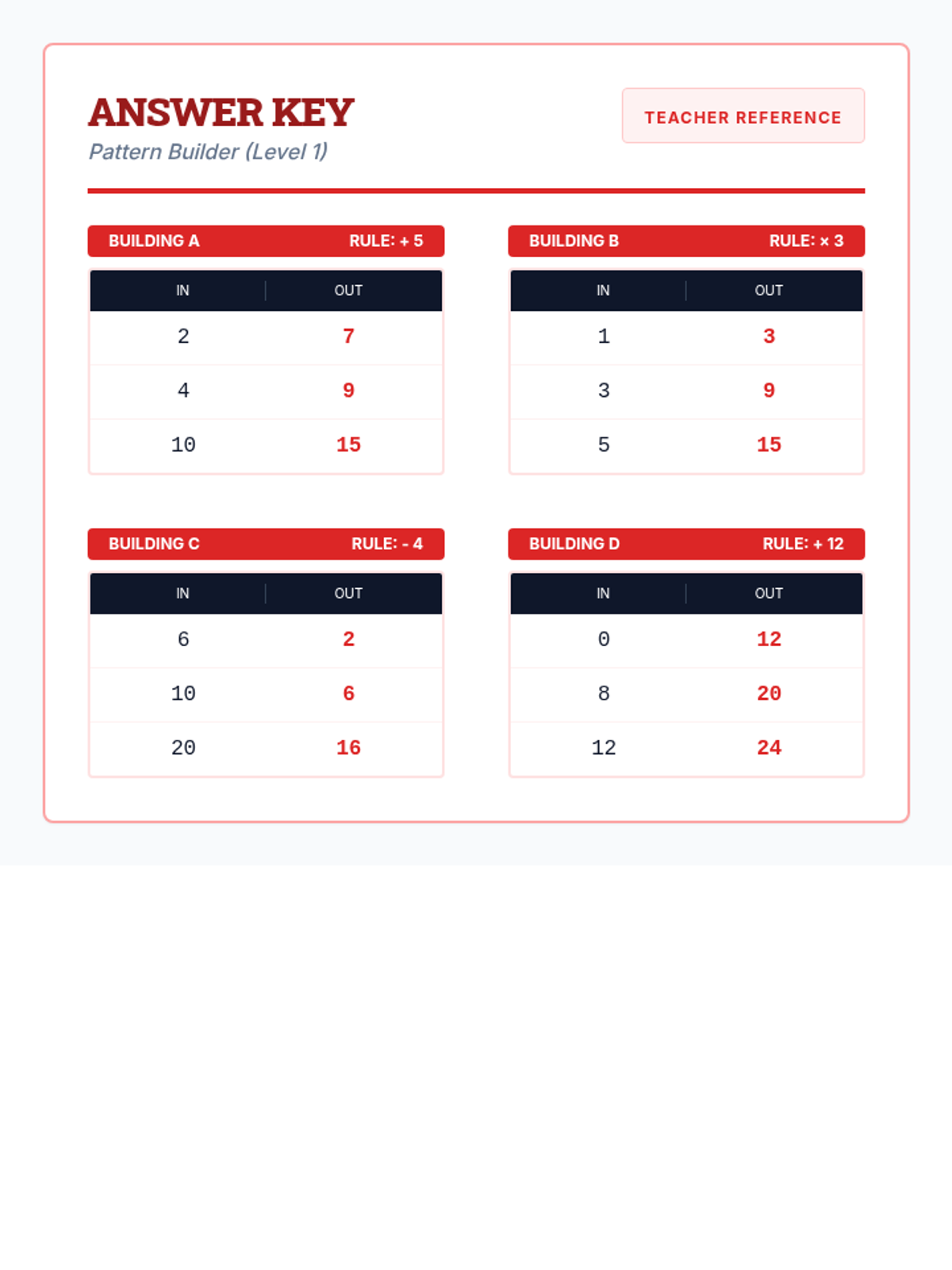
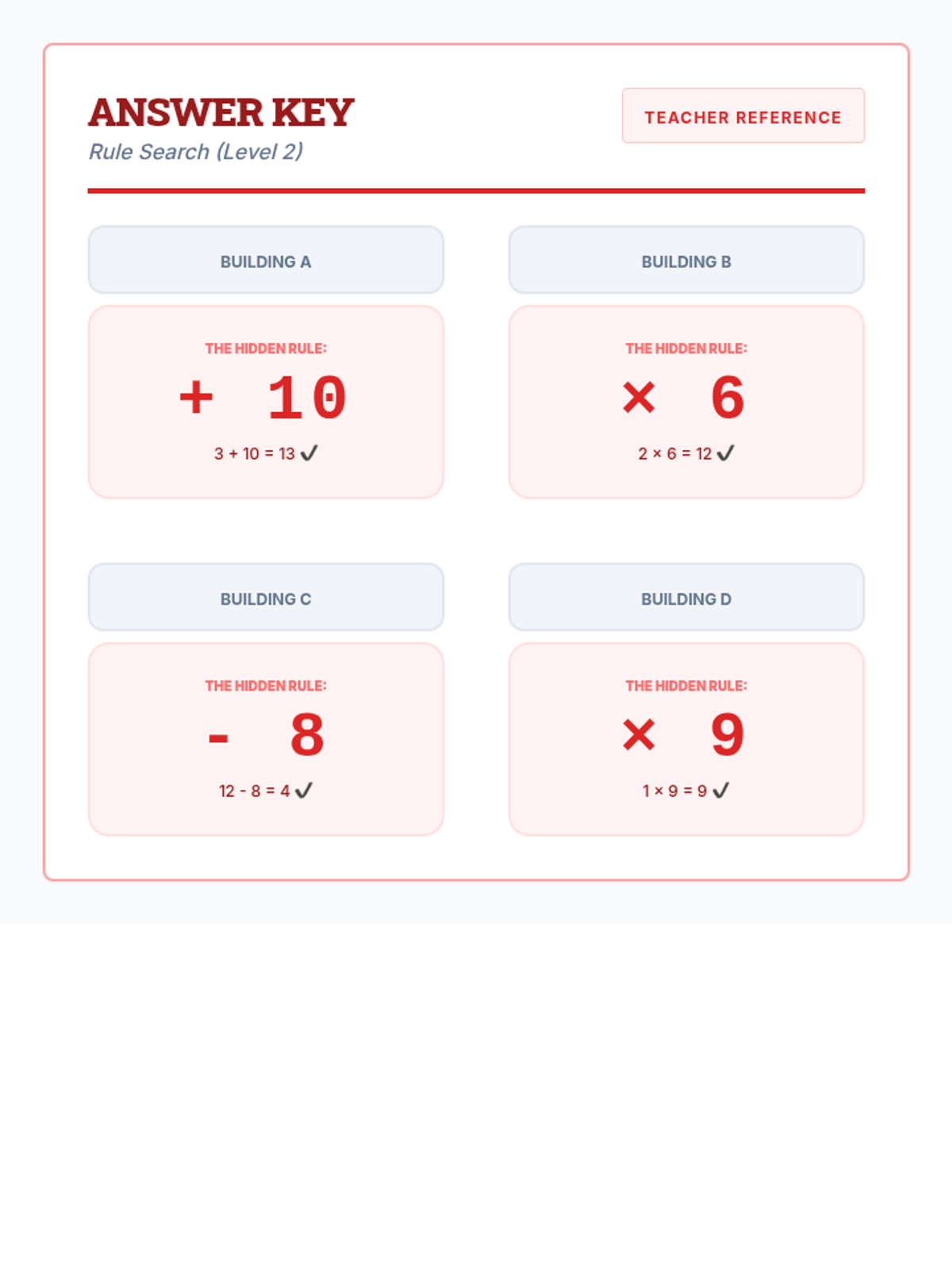
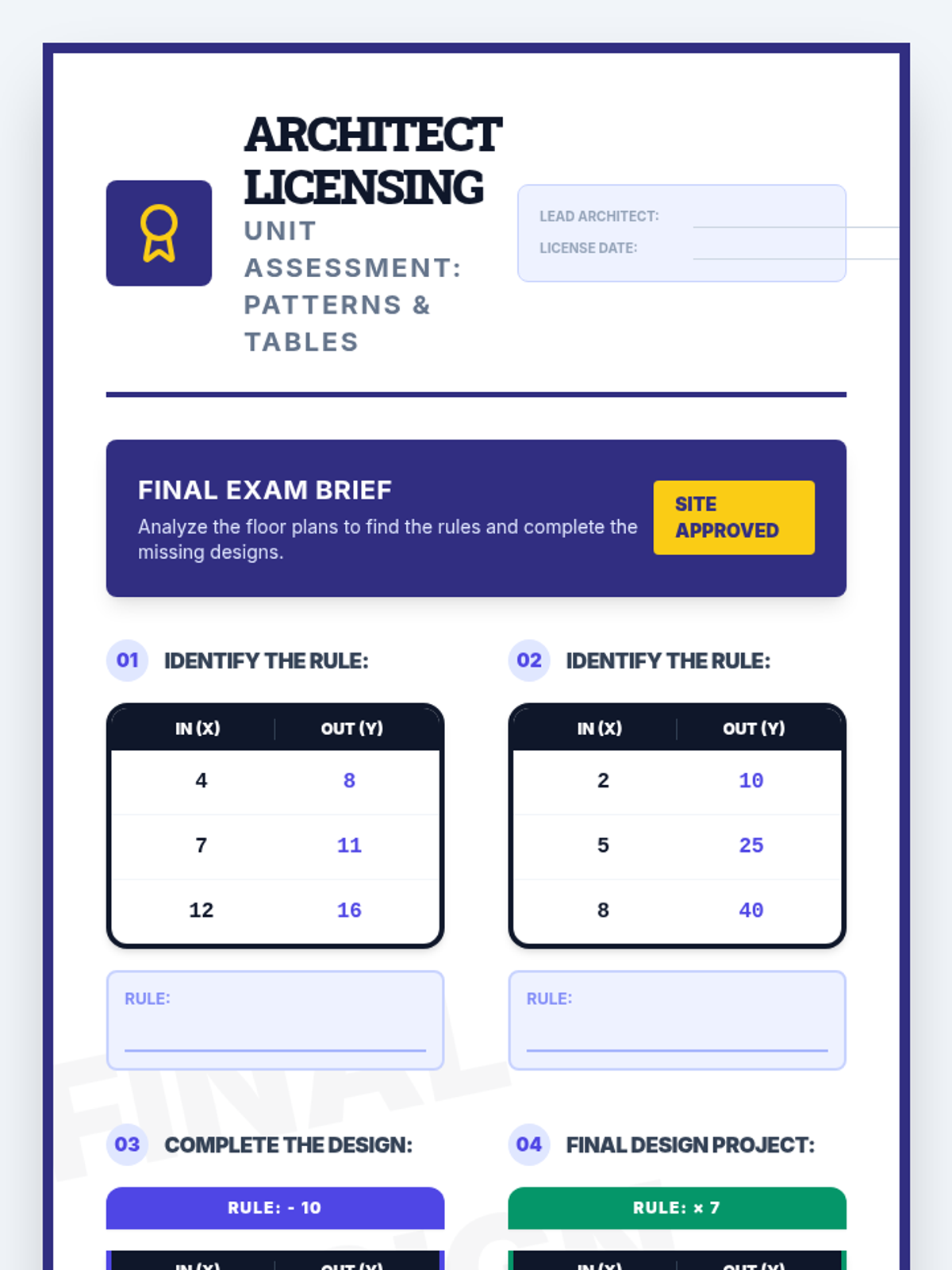
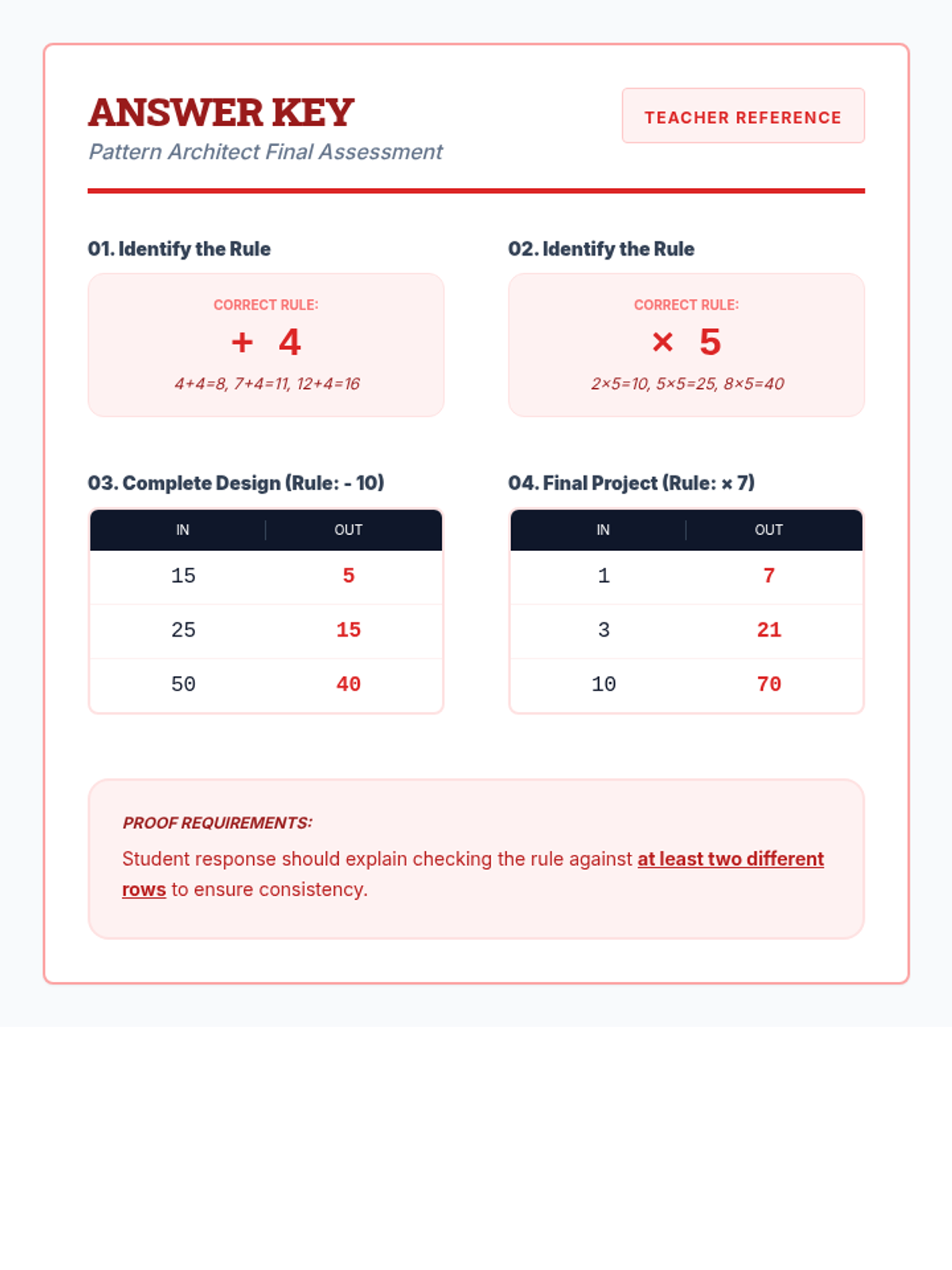
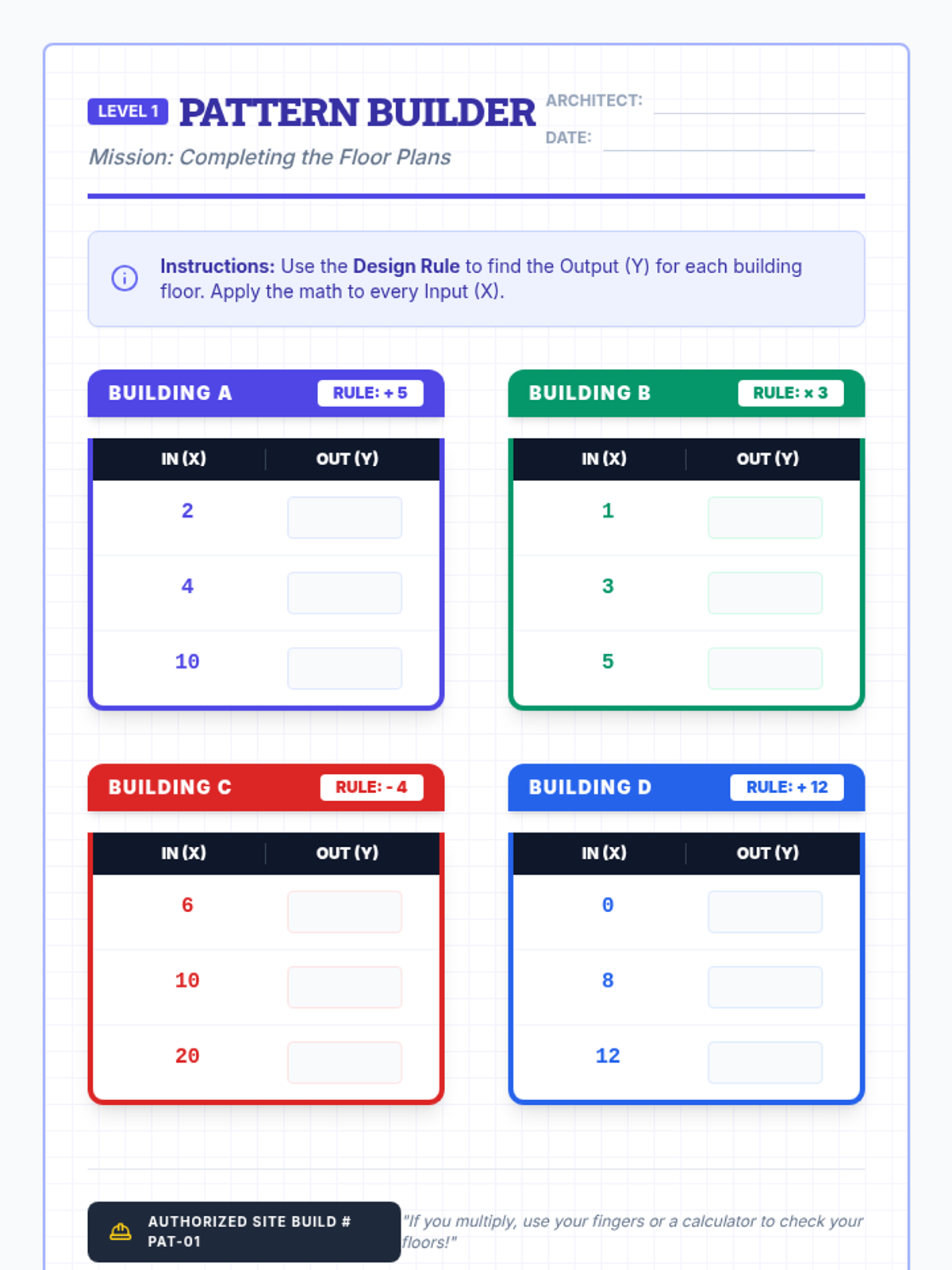
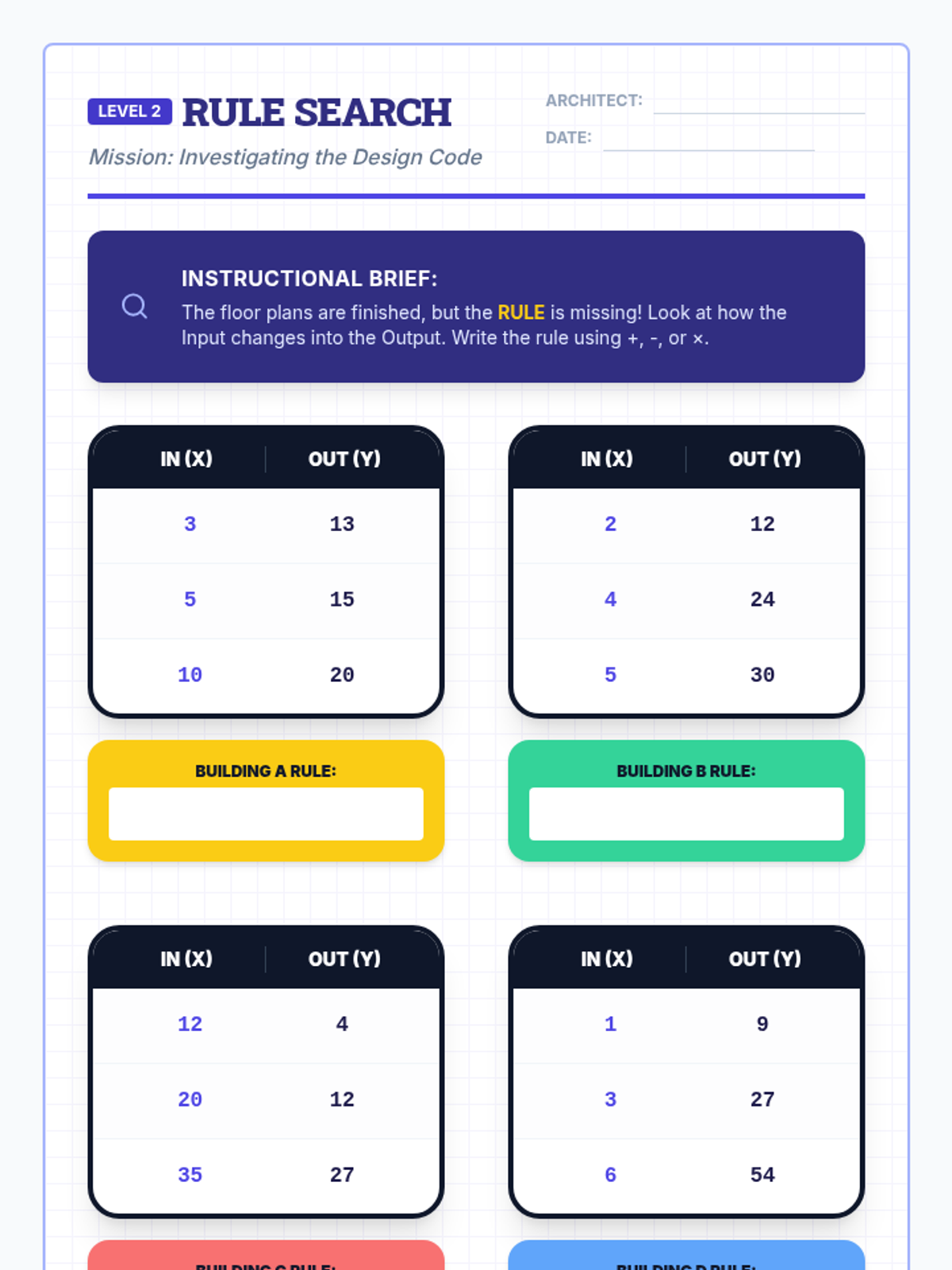
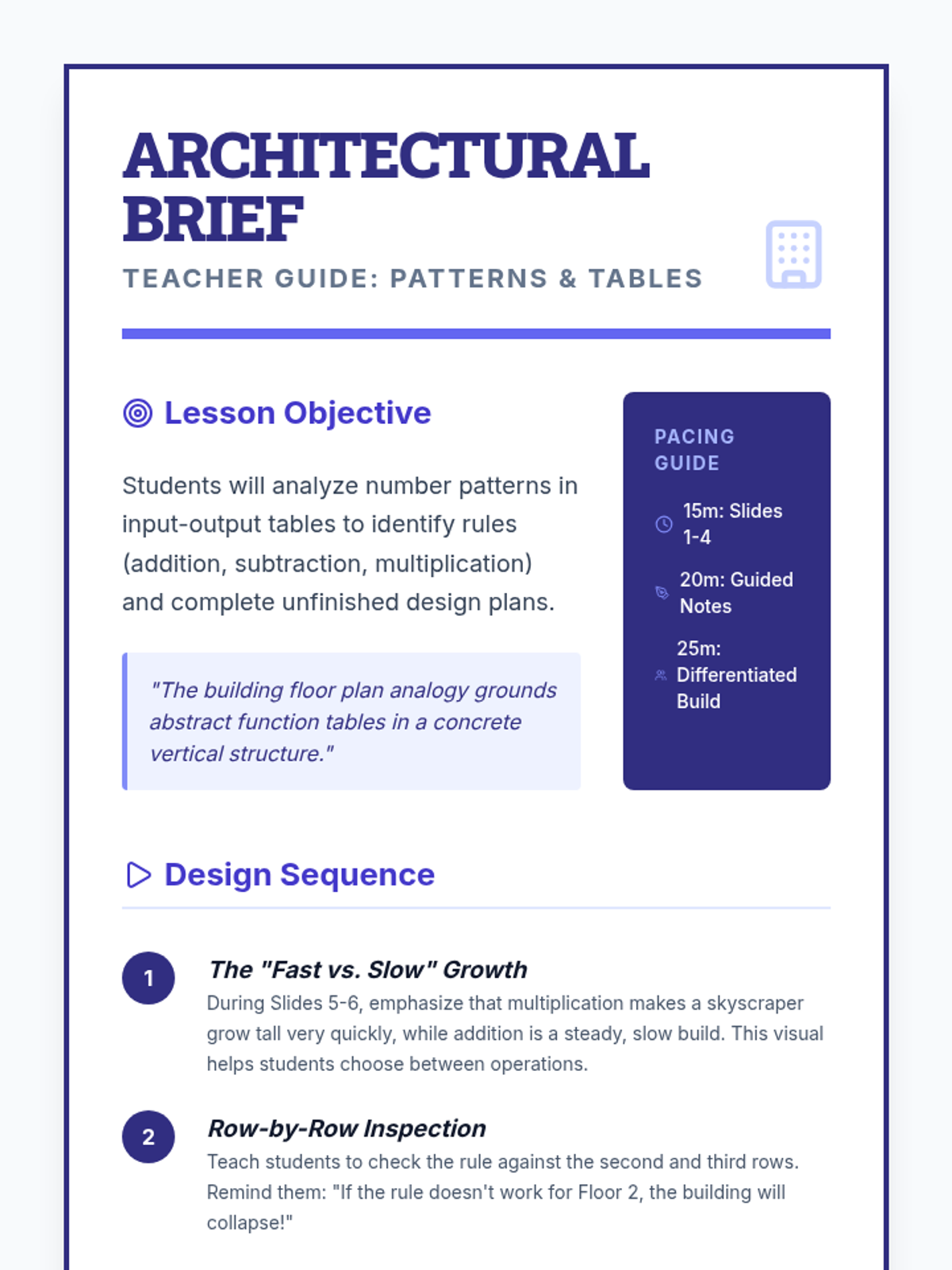
A visual exploration of number patterns and input-output tables using an architectural design theme. Students learn to identify rules and extend sequences through scaffolded building floor plans.
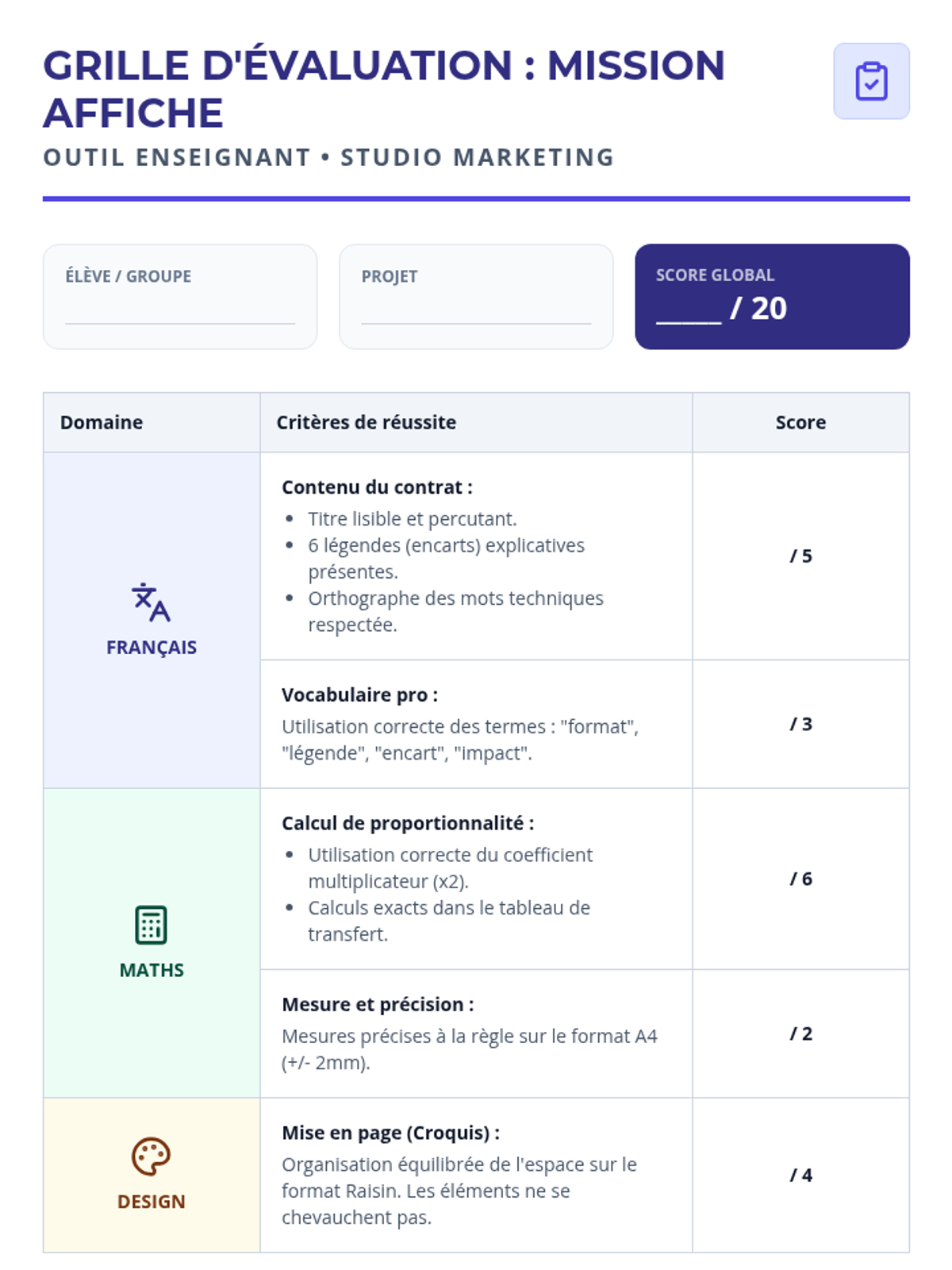
Cette séance de mathématiques appliquées guide les élèves de SEGPA dans l'agrandissement d'une affiche promotionnelle pour leur mini-entreprise, en utilisant la proportionnalité et le produit en croix pour passer du format A4 au format raisin.
Cette leçon guide les élèves dans la conception d'une affiche publicitaire pour leur mini-entreprise, en se concentrant sur le passage du format A4 au format Raisin. Elle intègre des notions de français (titre, légendes) et de mathématiques (proportionnalité) dans un cadre professionnel immersif.
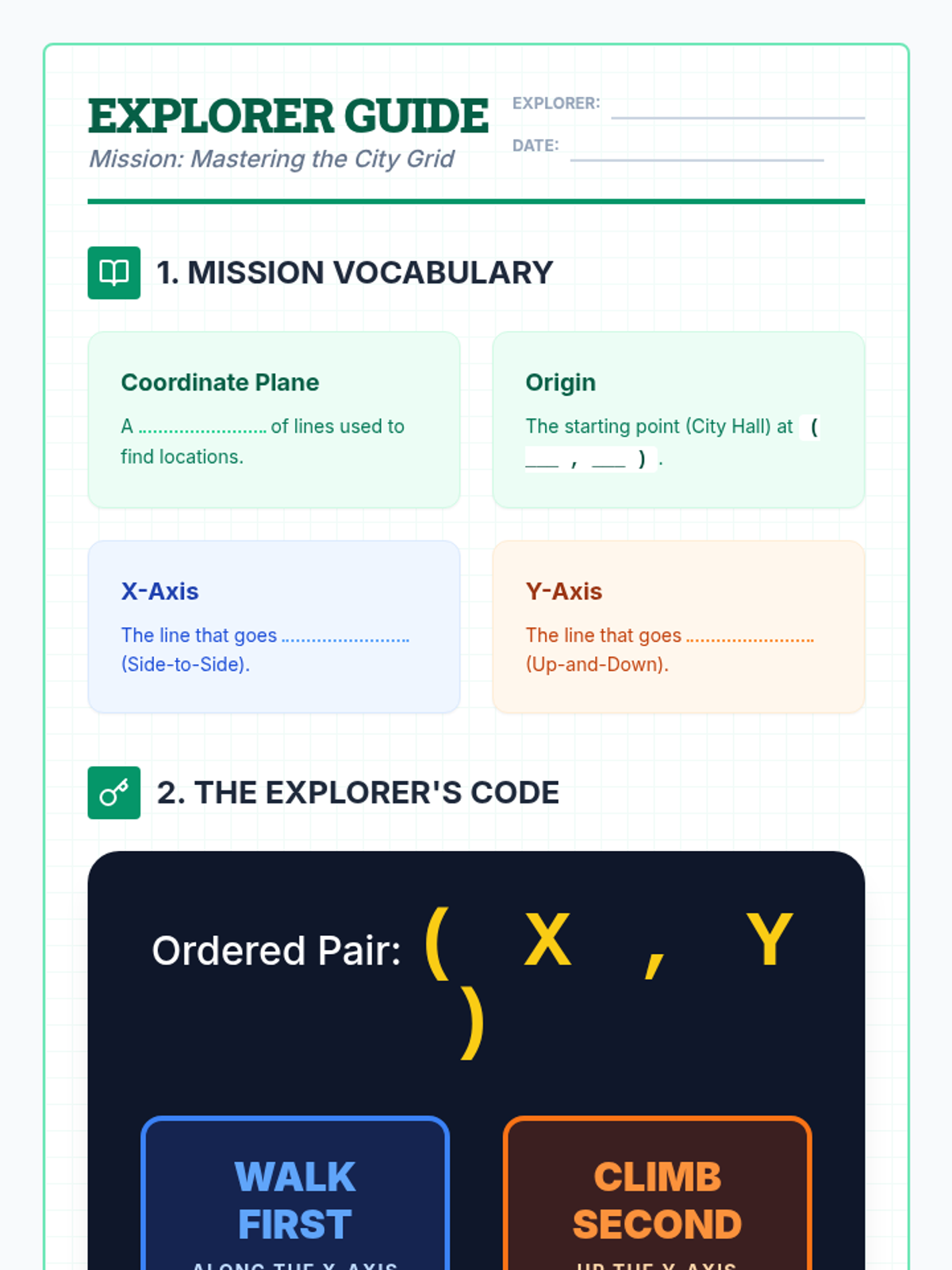
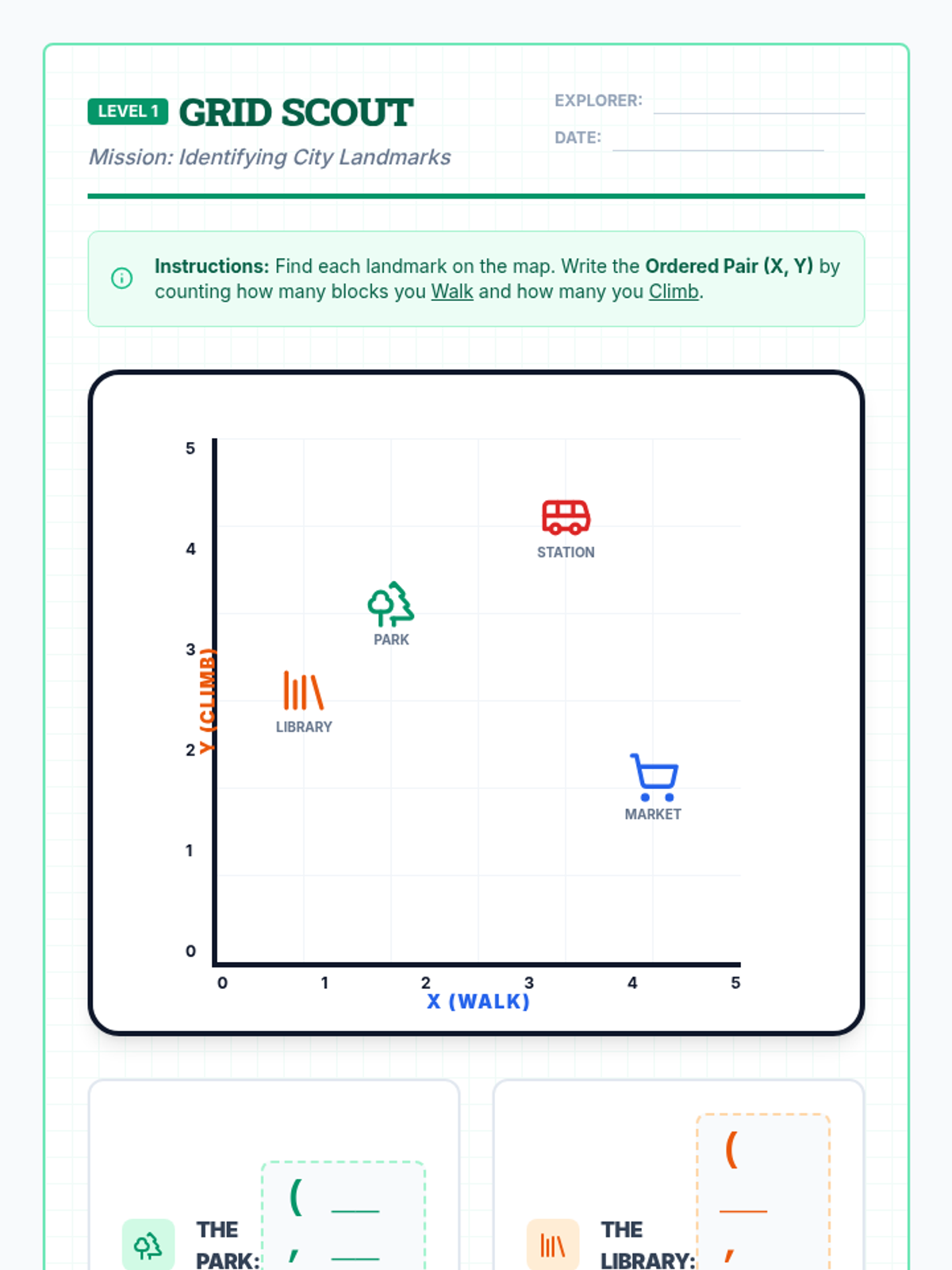
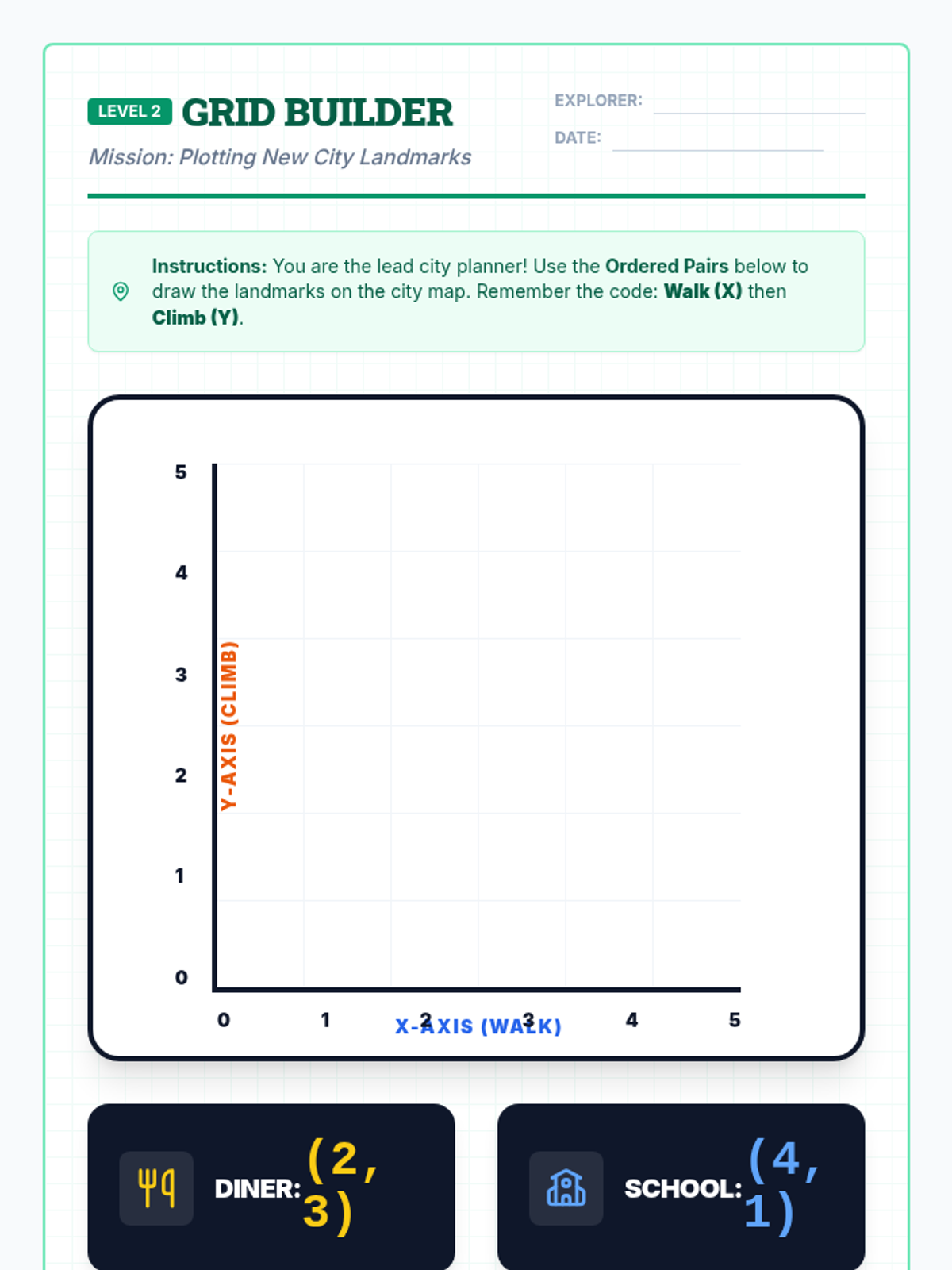
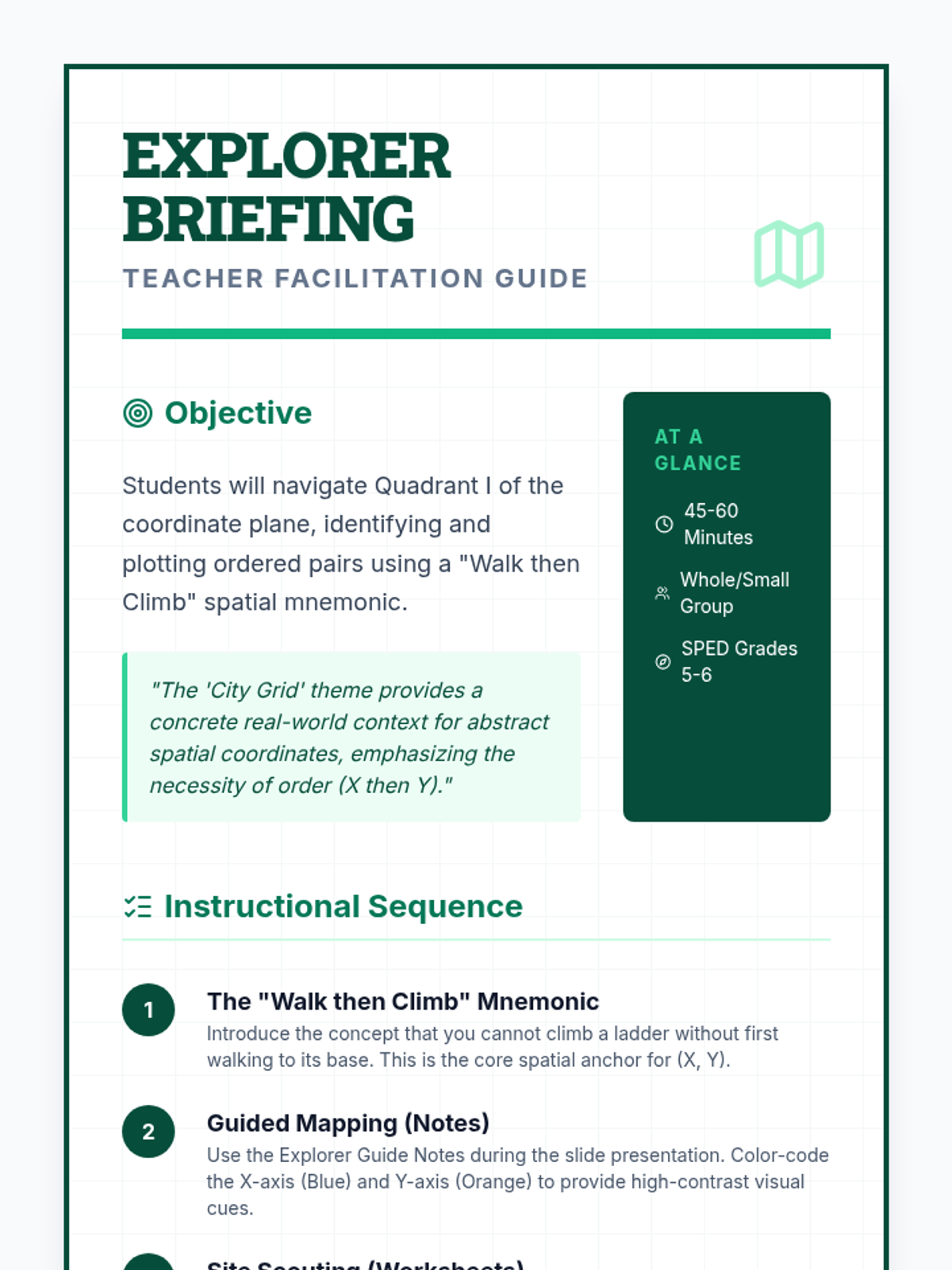
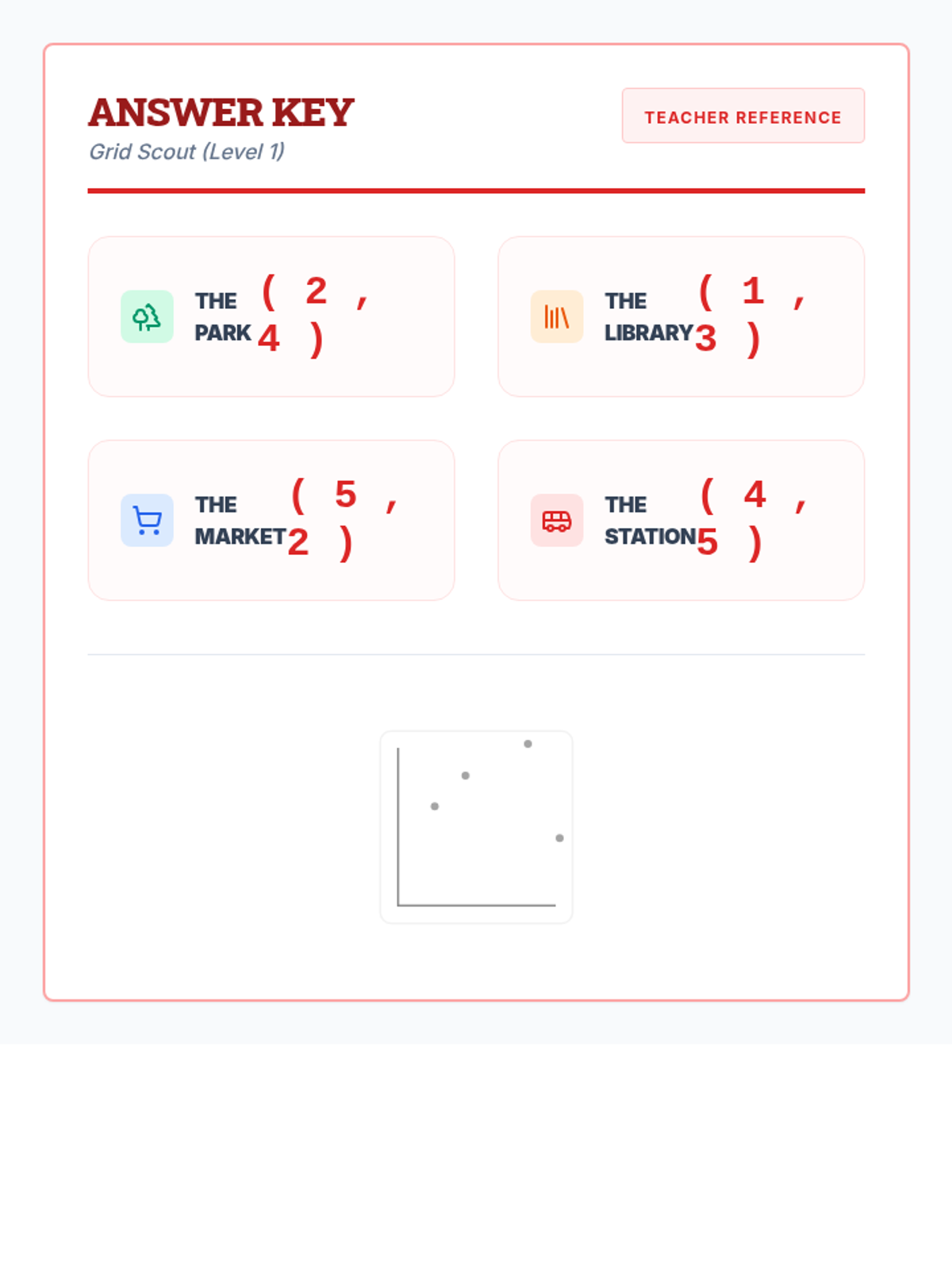
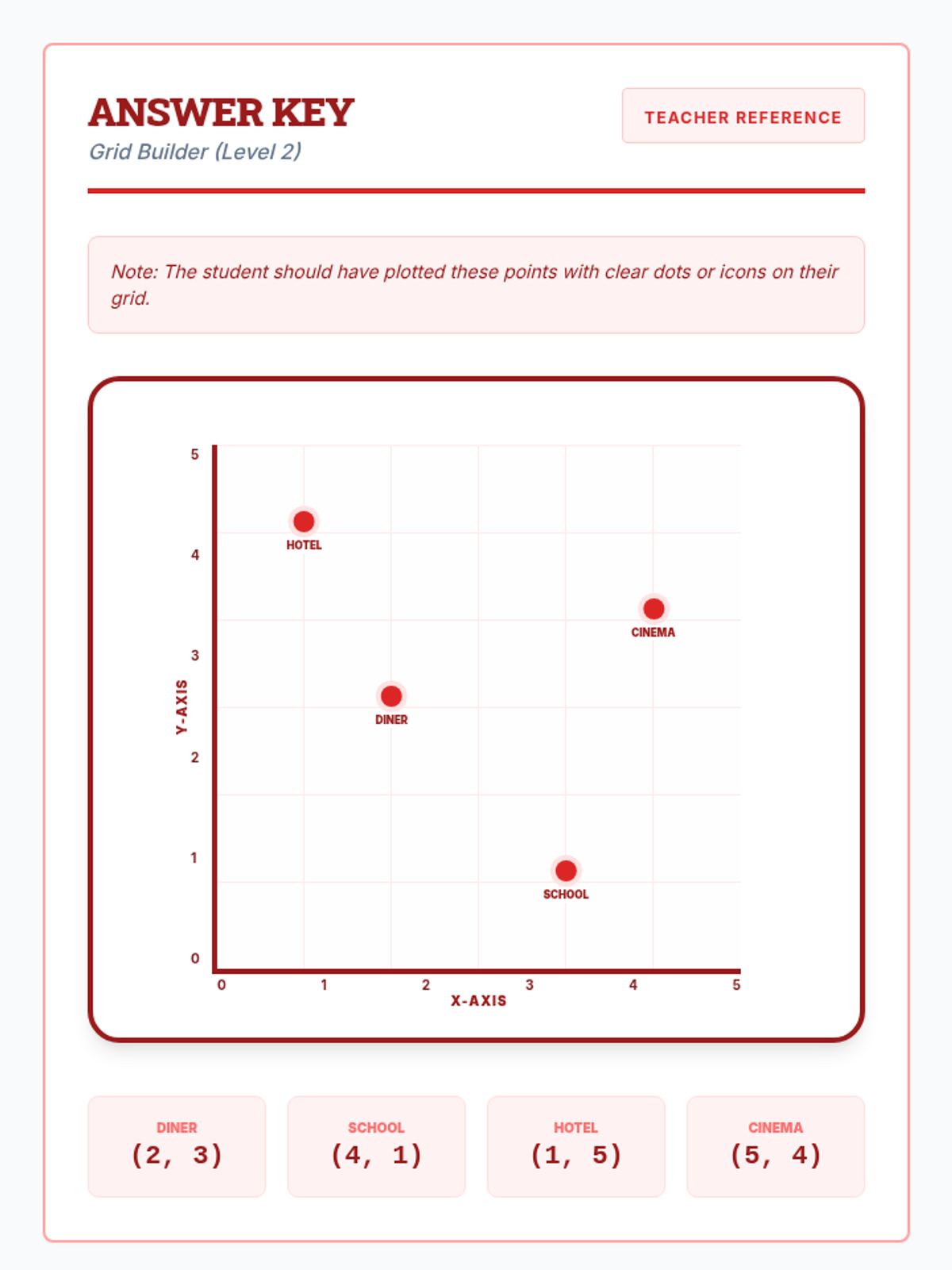
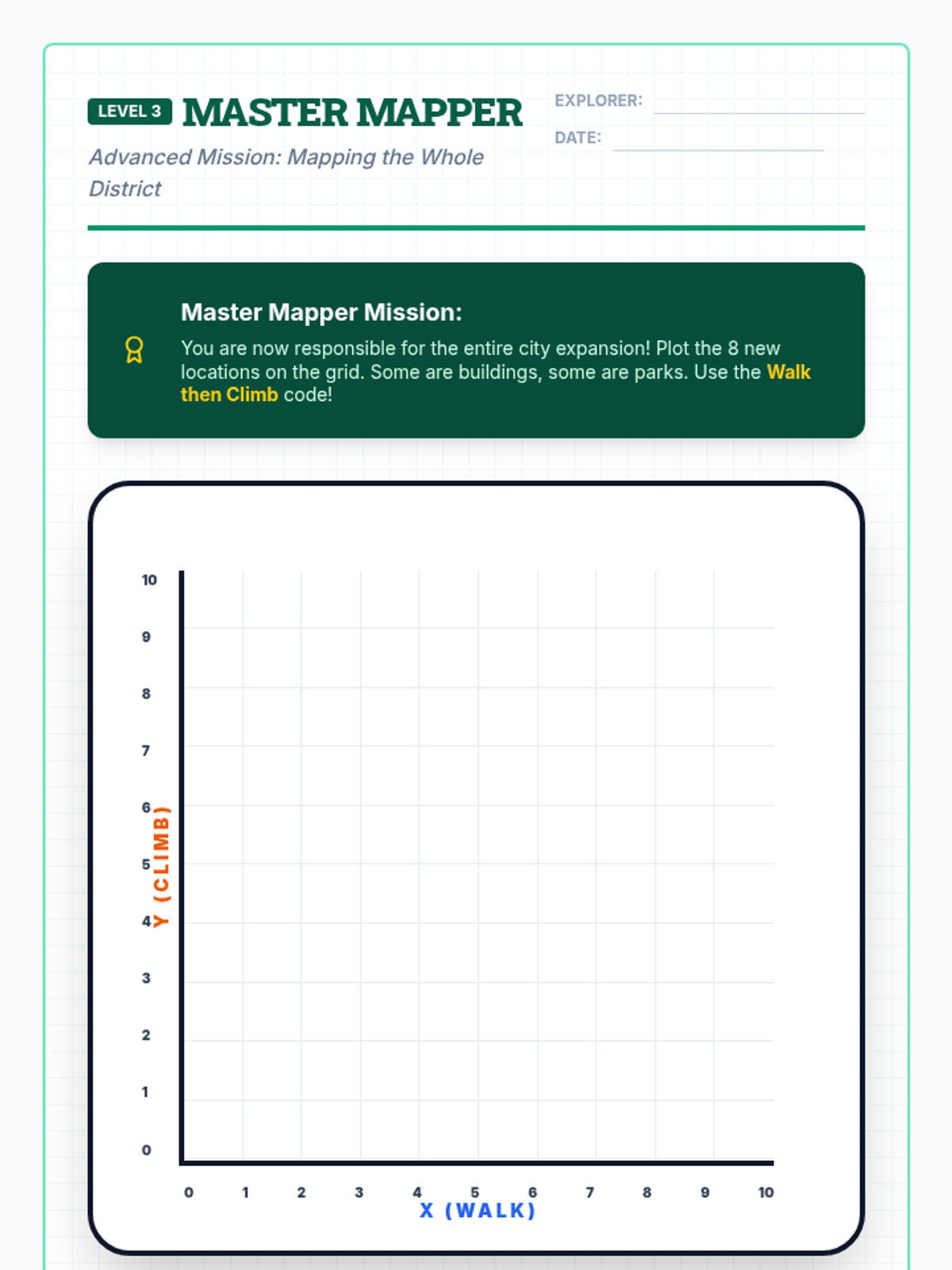
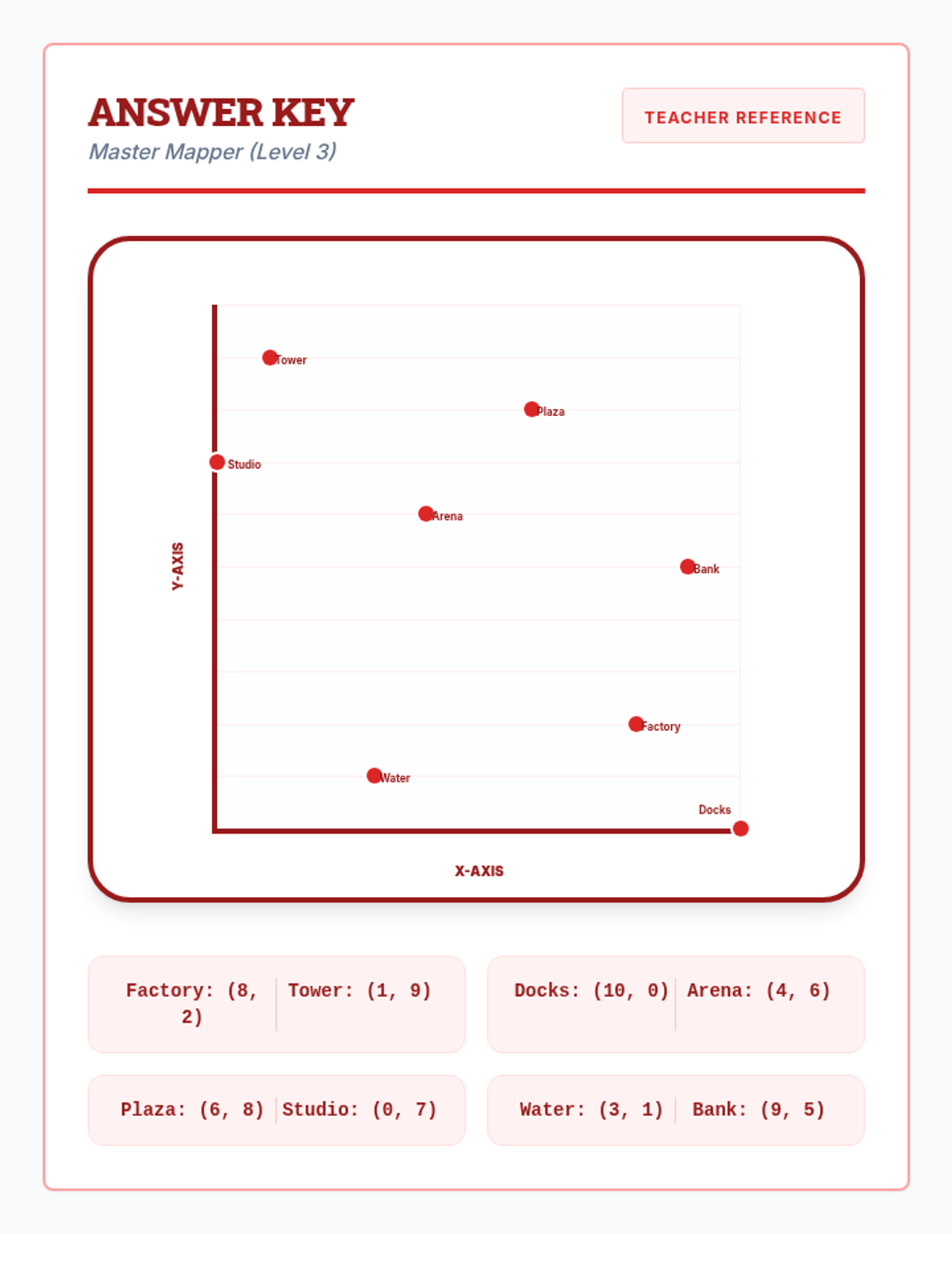
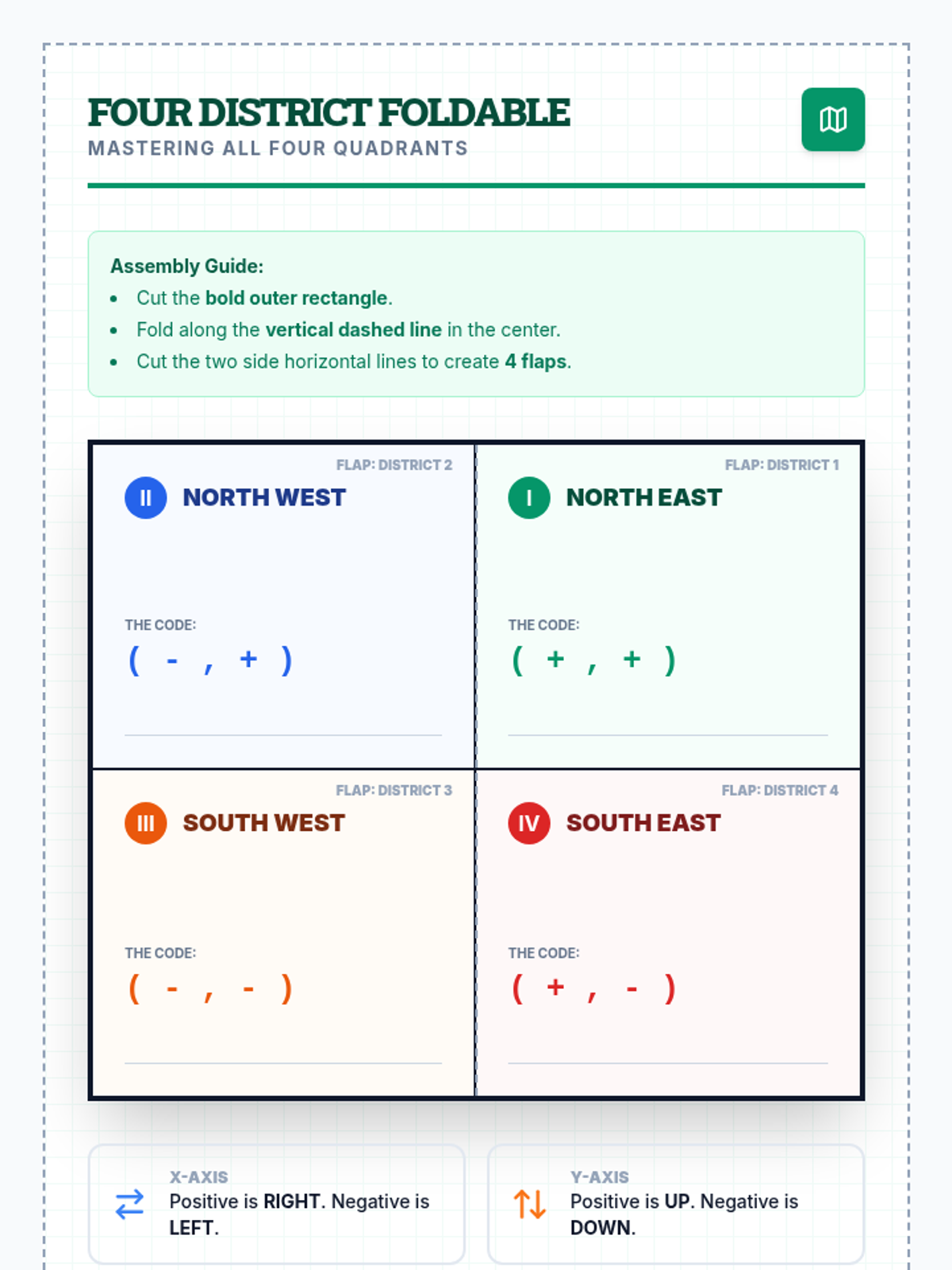
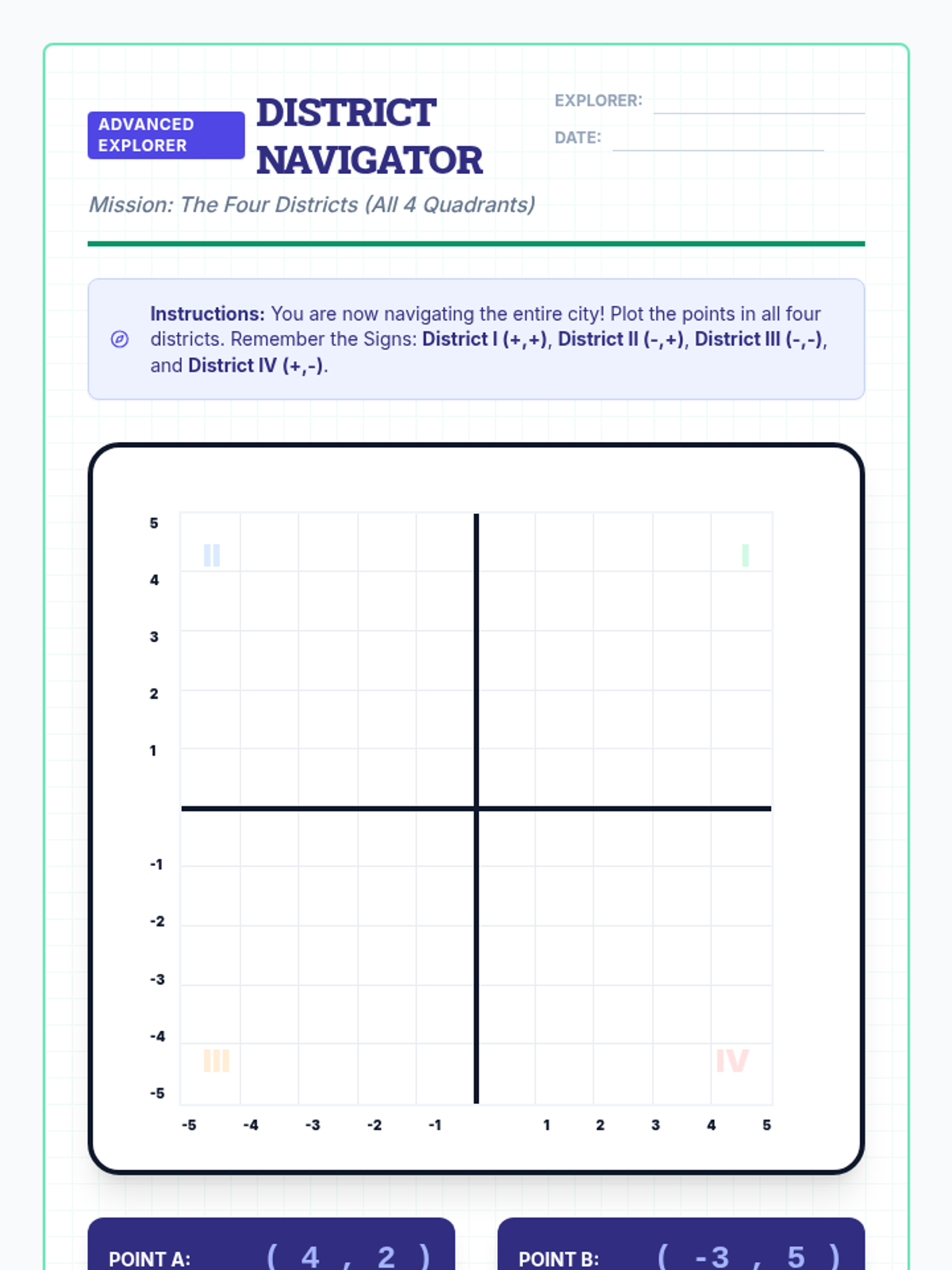
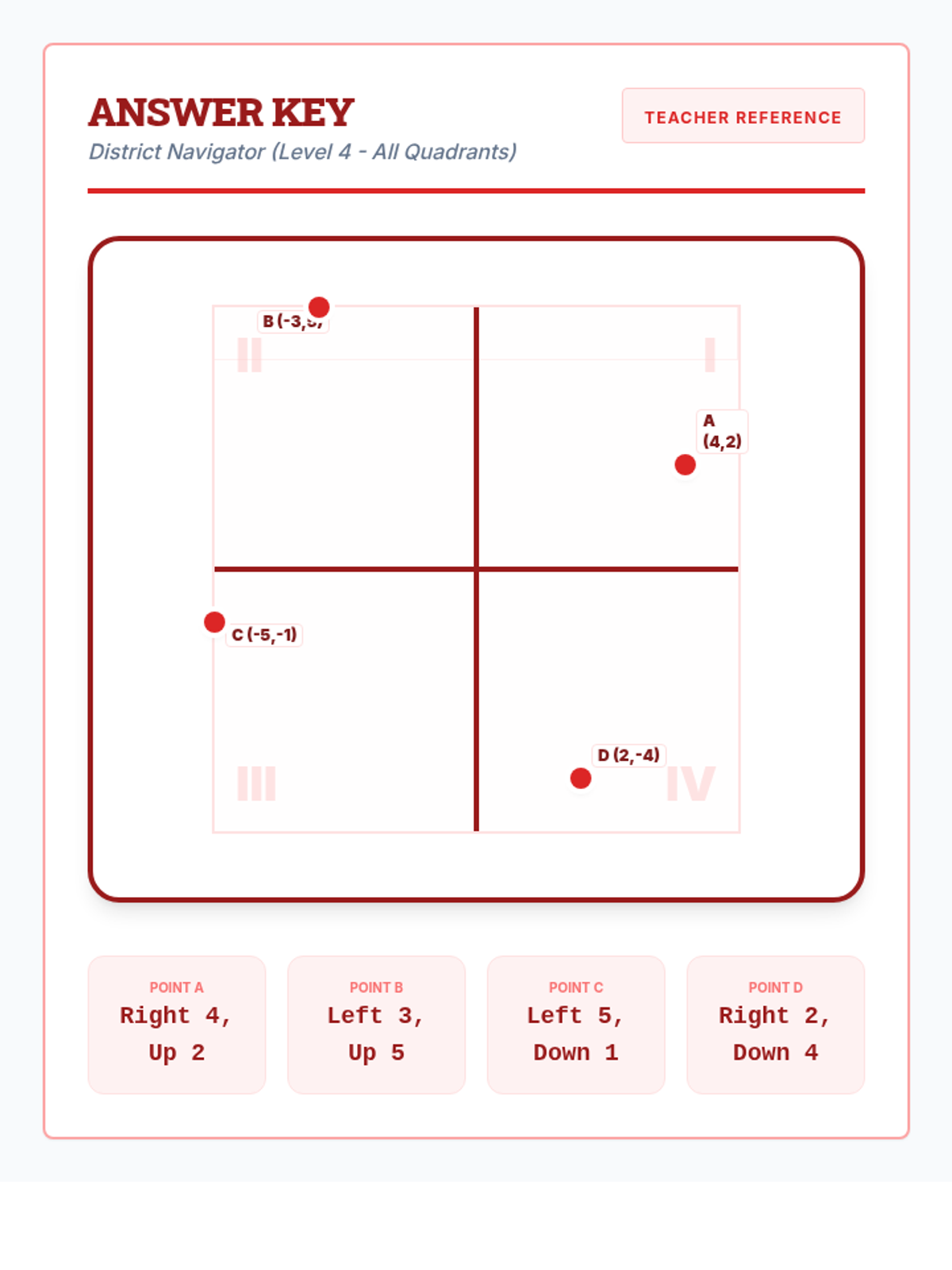
A visual introduction to the coordinate plane (Quadrant I) focusing on plotting points and identifying coordinates through a city mapping theme. Designed for special education students with heavy scaffolding and spatial mnemonics.
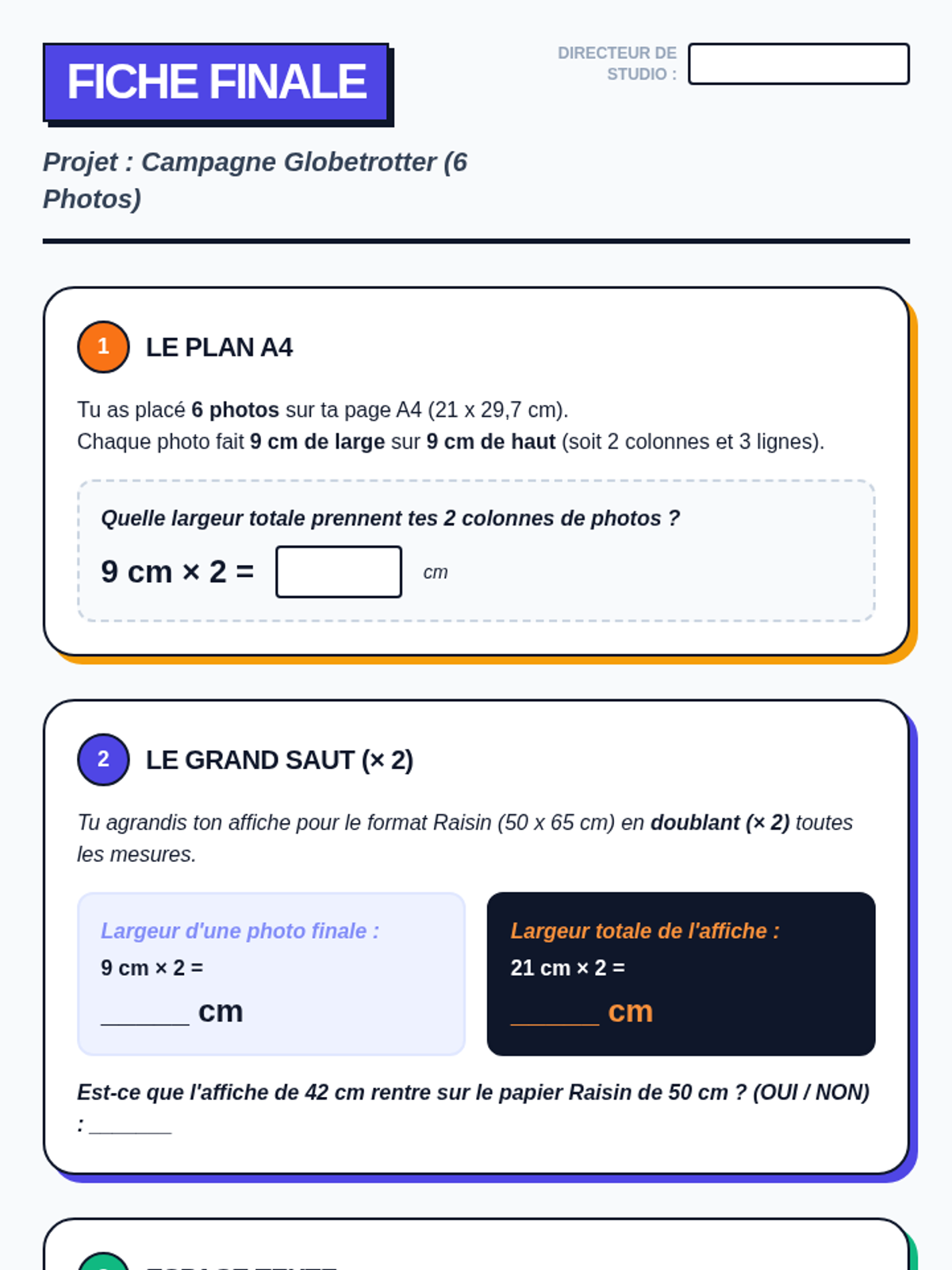
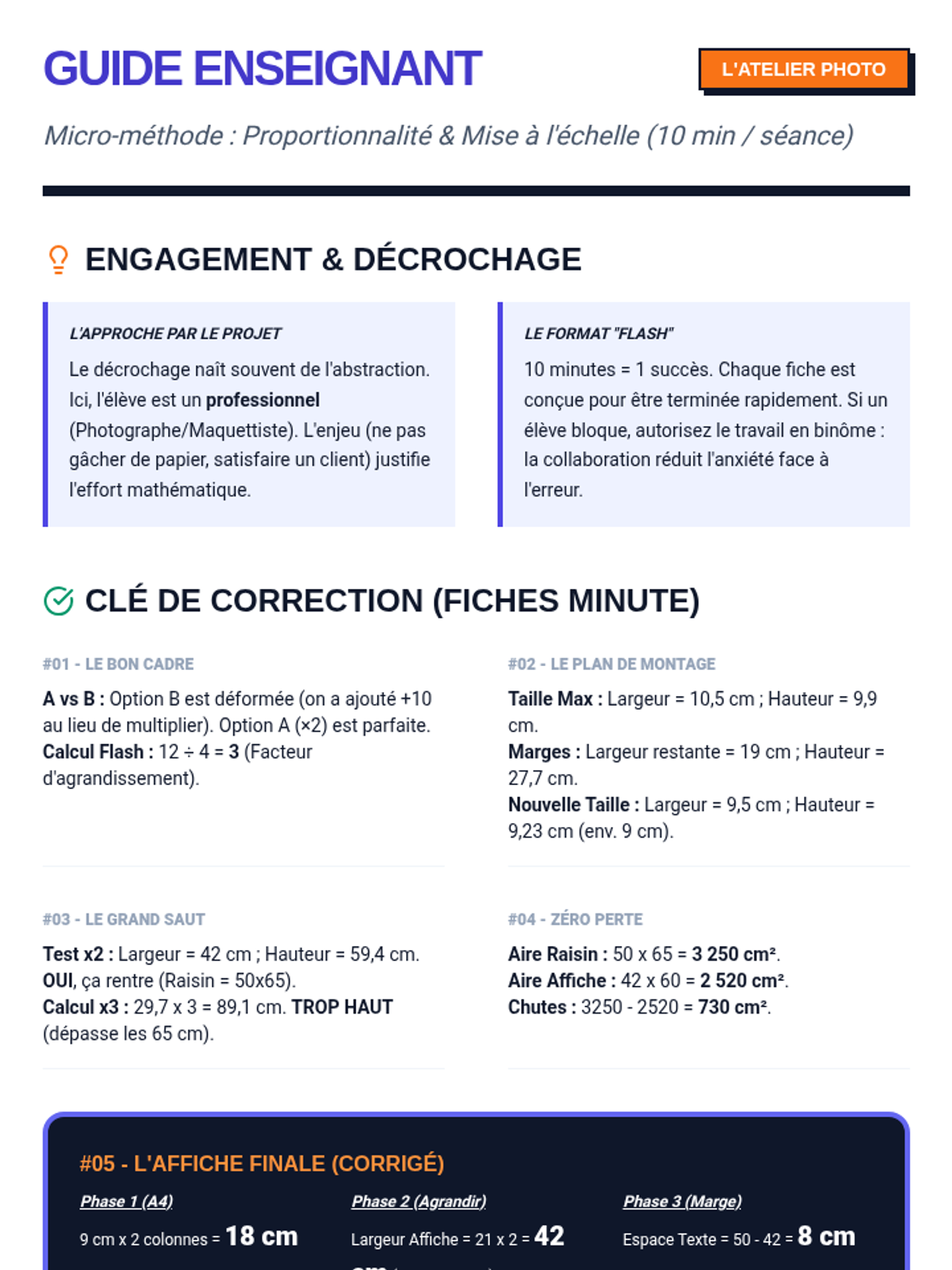
Réaliser la mise à l'échelle complète d'un projet client : 6 photos, encarts de texte et calcul des dimensions finales sur format Raisin.
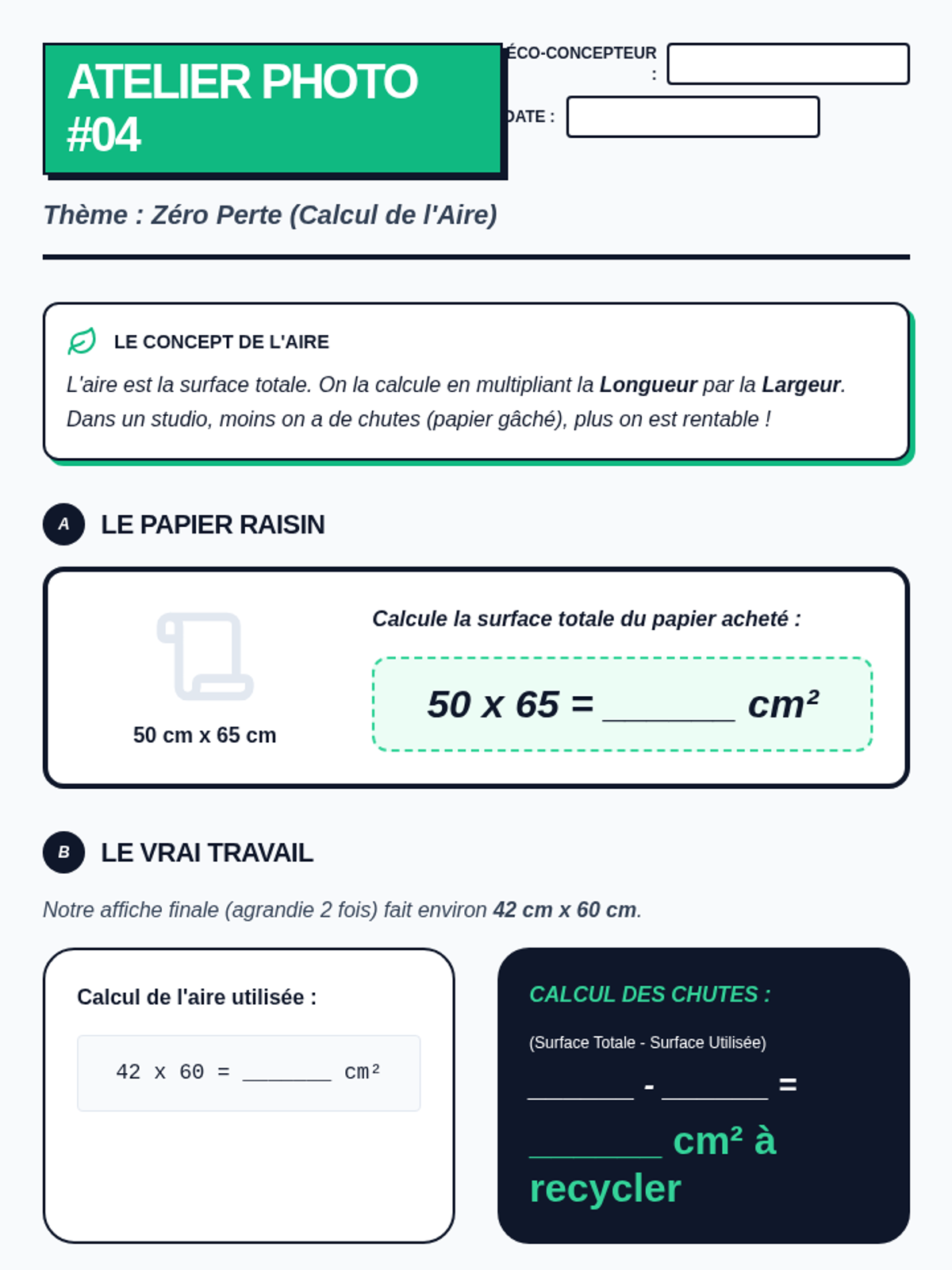
Calculer la surface de papier utilisée et la surface de "perte" (chutes). Sensibilisation à l'optimisation et au coût écologique du gâchis.