Division Dash Slides
Division Detective
The Case of the Missing Quotients
Top Secret Briefing
Mission Briefing
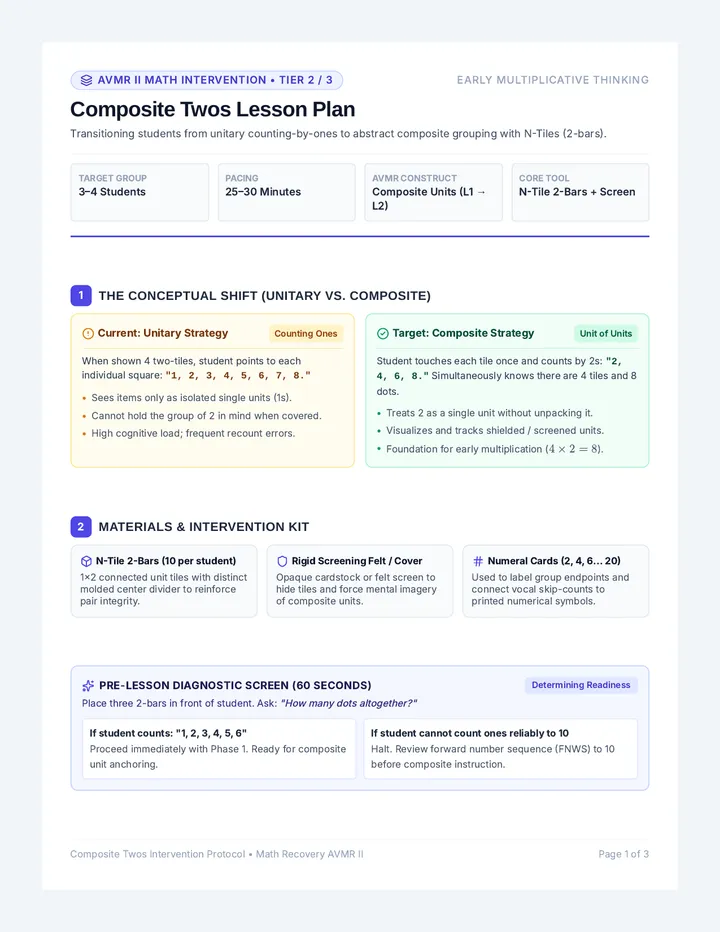
Identify the Parts
Know your dividend, divisor, and quotient.
Master the Method
Use DMSB to solve long division problems.
Solve Remainders
Track what's left over when the numbers don't fit.
Evidence Folder #001
The Secret Method: DMSB
D
Divide
How many times does it go in?
M
Multiply
Multiply the answer by the divisor.
S
Subtract
Find the difference.
B
Bring Down
Bring down the next number.
Does McDonald's Serve Burgers?
Investigation 1
The Case of the Perfect Fit
No Remainder
3
72
24
- 1 3 goes into 7 2 times. (7 ÷ 3 = 2)
- 2 2 × 3 = 6. Subtract 6 from 7.
- 3 Bring down the 2 to make 12.
- 4 3 goes into 12 exactly 4 times.
Investigation 2
The Leftover Evidence
With Remainder
- 1 How many 4s in 8? 2. (2 × 4 = 8)
- 2 Subtract 8 from 8 = 0.
- 3 Bring down the 9.
- 4 4 goes into 9 2 times. (2 × 4 = 8)
- 5 9 - 8 = 1. This is your remainder!
4
89
22 r 1
Detective Challenge
Your mission has begun! Open your case file and solve the 9 division problems. Watch out for remainders—they are the clues that don't fit!
Phase 1
10 Minutes
Silent Solving
Phase 2
5 Minutes
Peer Check
Phase 3
15 Minutes
Case Debrief
Division Dash Worksheet
Division Dash: Case File #72-B
Priority: High
Classified
Field Agent:
Date:
Mission Objective
Apply the DMSB (Divide, Multiply, Subtract, Bring Down) method to solve all open cases. Watch for remainders—they are the key clues.
The DMSB Protocol
D
Step 1
M
Step 2
S
Step 3
B
Step 4
Part 1: Cold Cases
No Remainders
Case #01
4
84
Case #02
3
96
Case #03
5
65
Part 2: Mystery Remainders
Watch for clues
Case #04
6
73
Case #05
4
59
Case #06
7
92
Part 3: Final Investigation
Solve these three-digit cases to close the investigation. Use the extra space for your field notes.
Case #07
5
125
Case #08
8
347