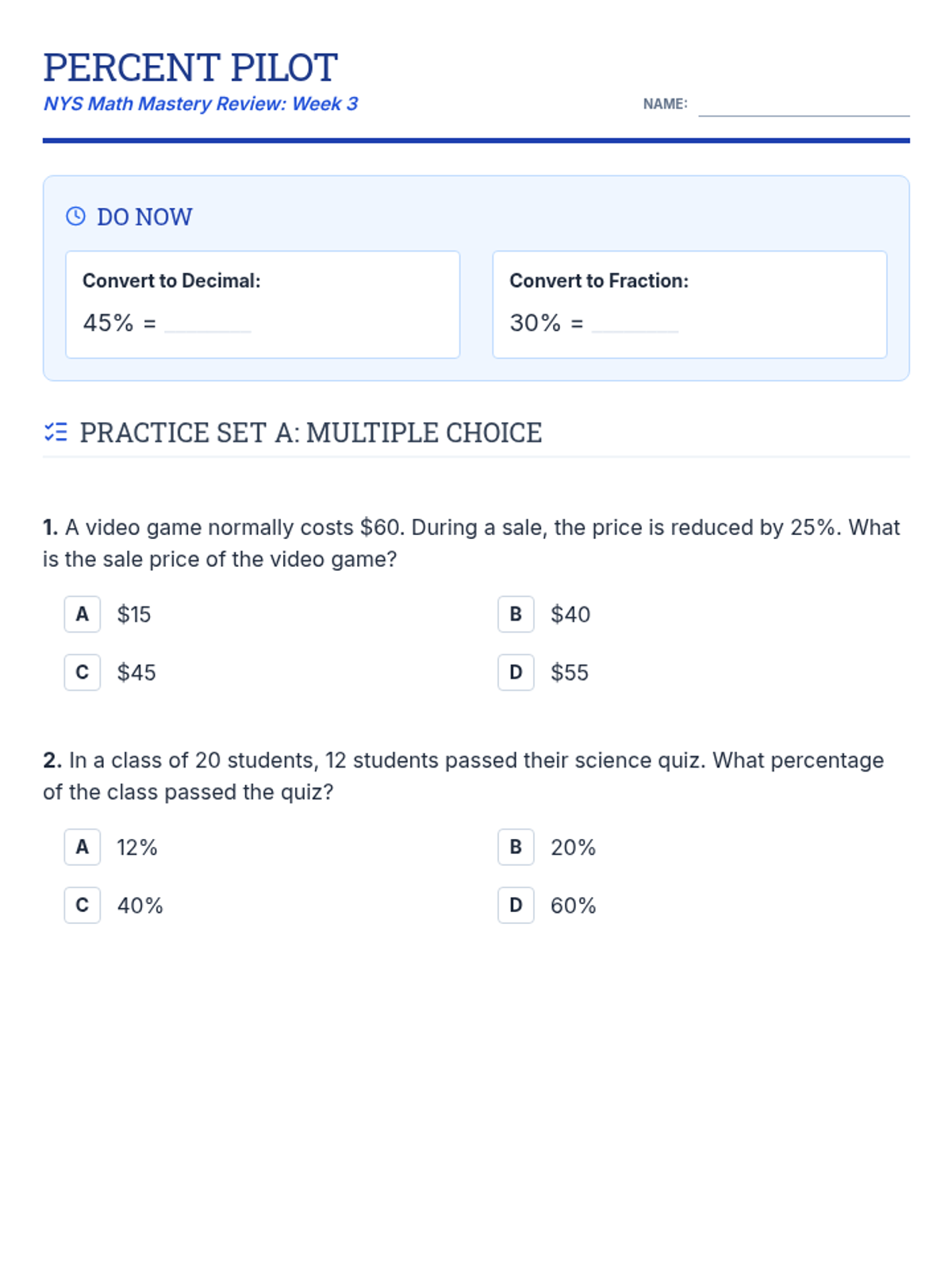
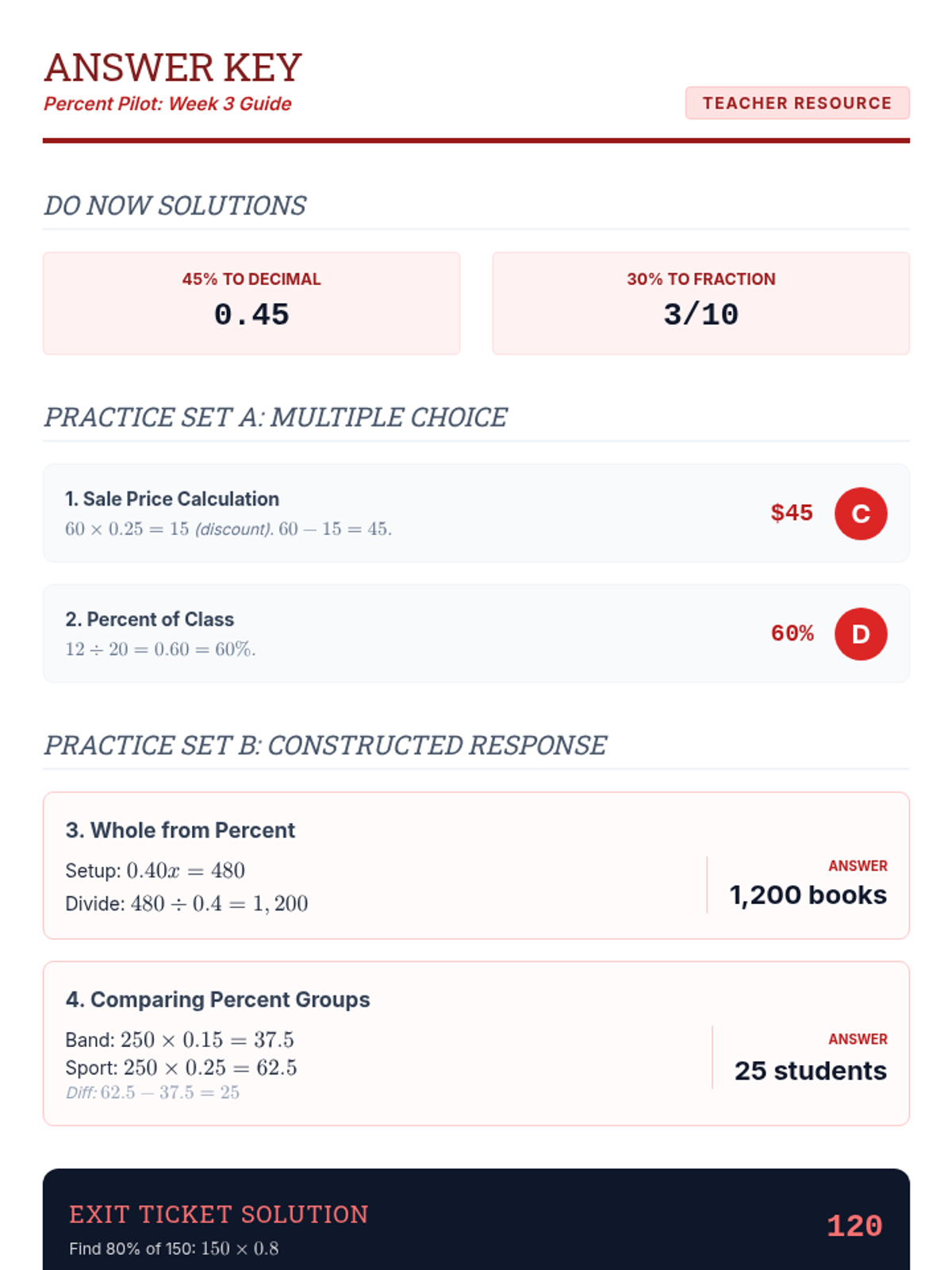
A high-energy remediation lesson where students use physical movement and visual loops to master converting between decimals and percentages. Includes a movement-based hook, video analysis, and a rapid-fire speed round.
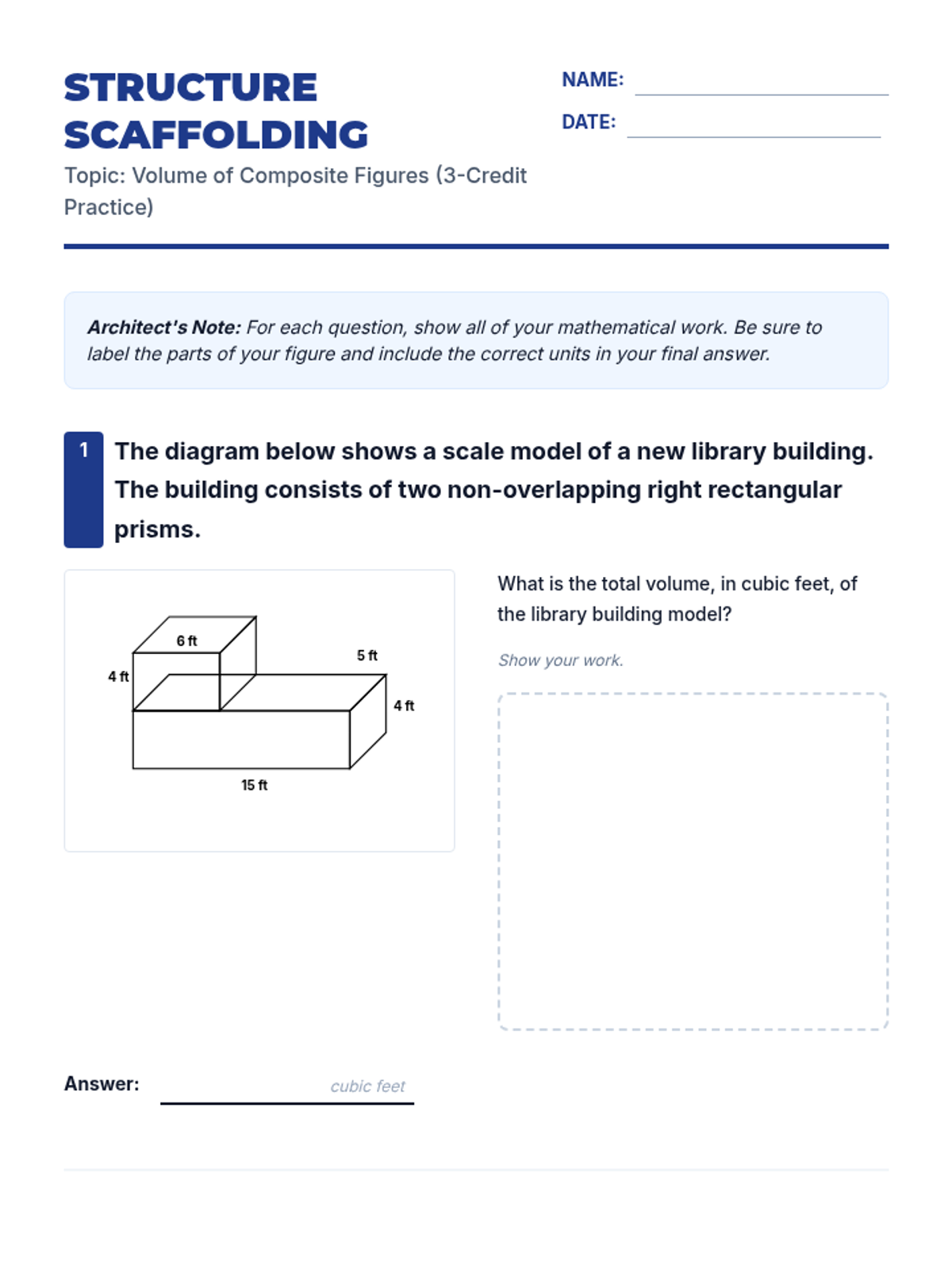
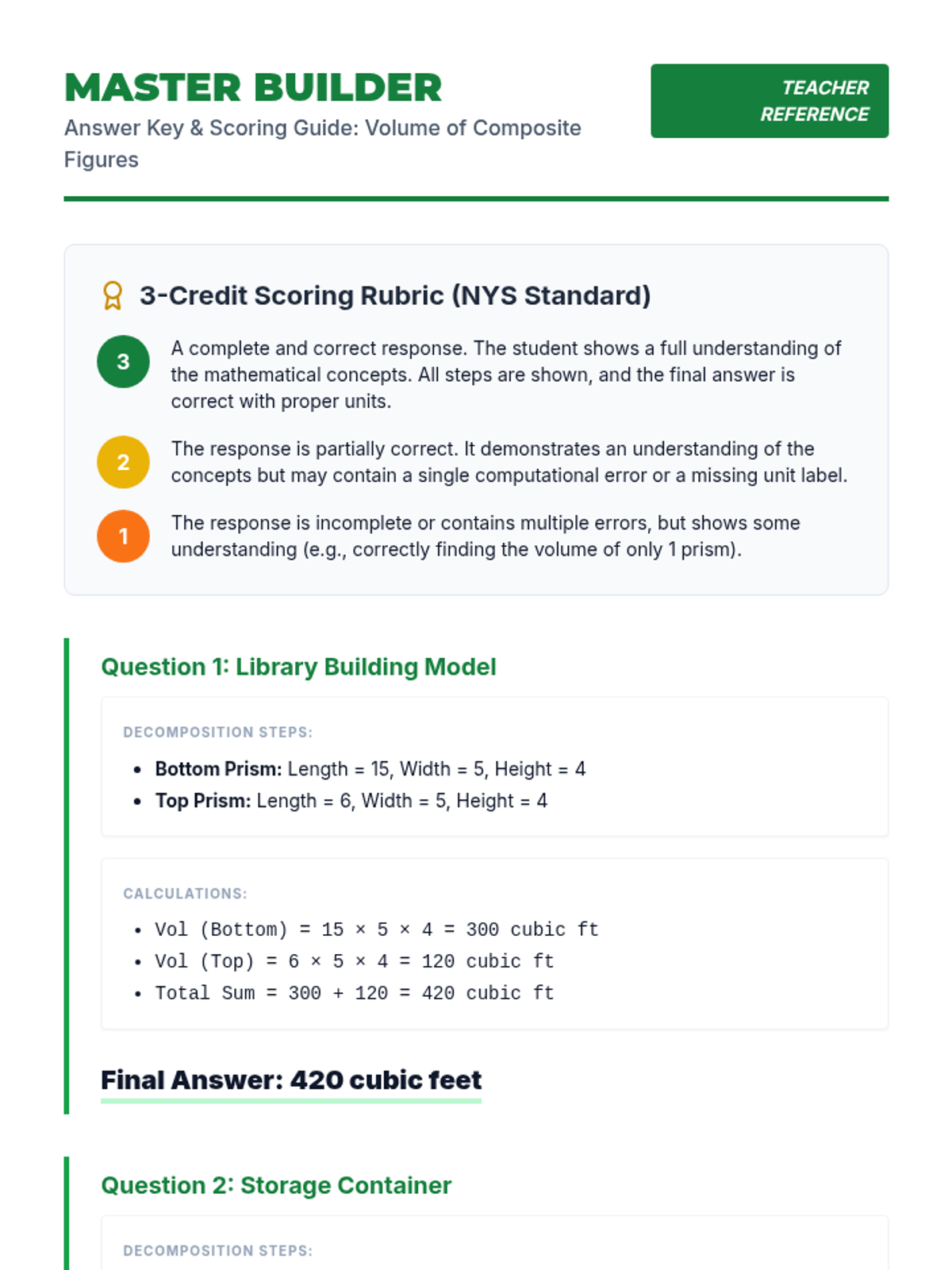
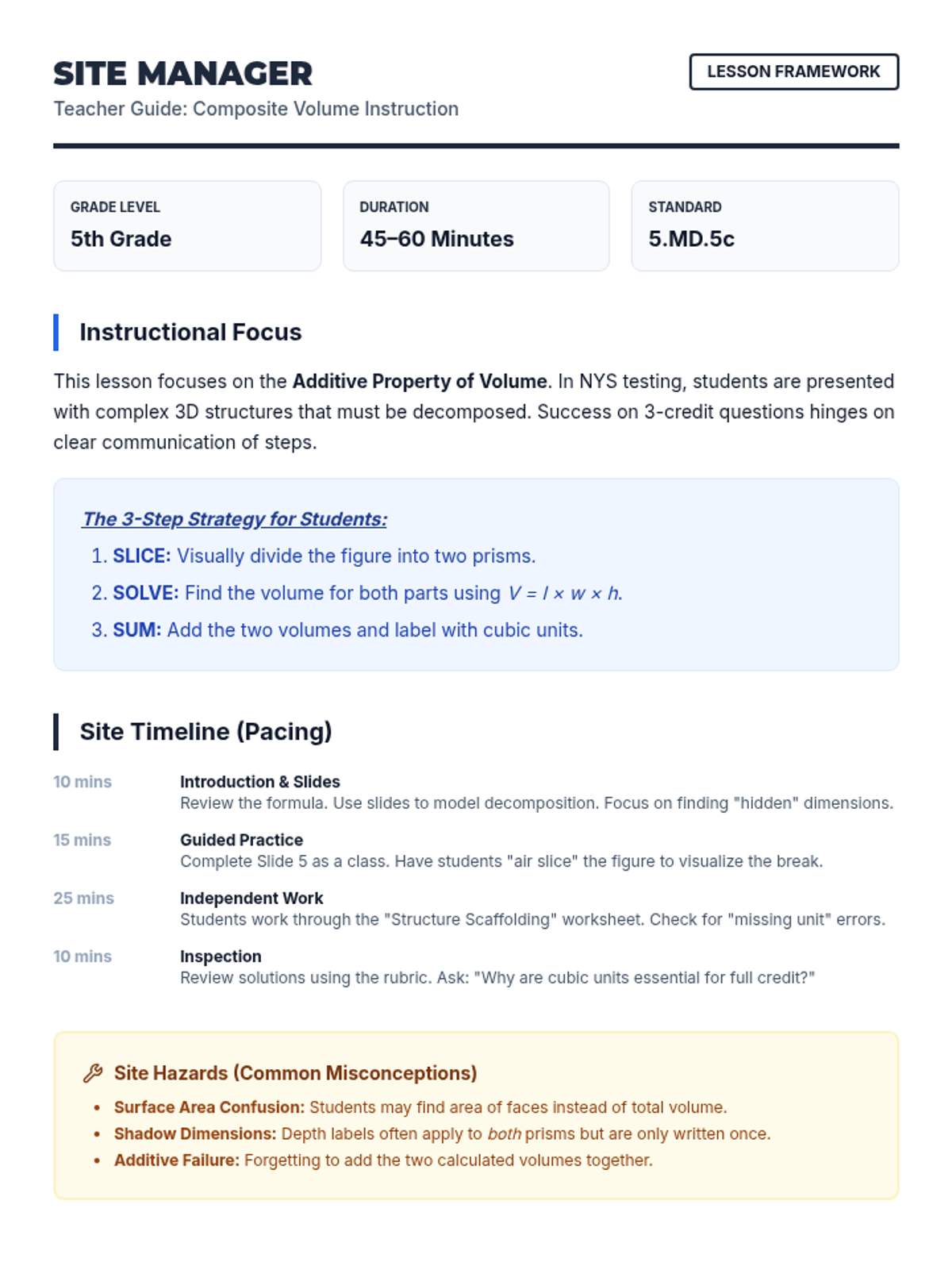
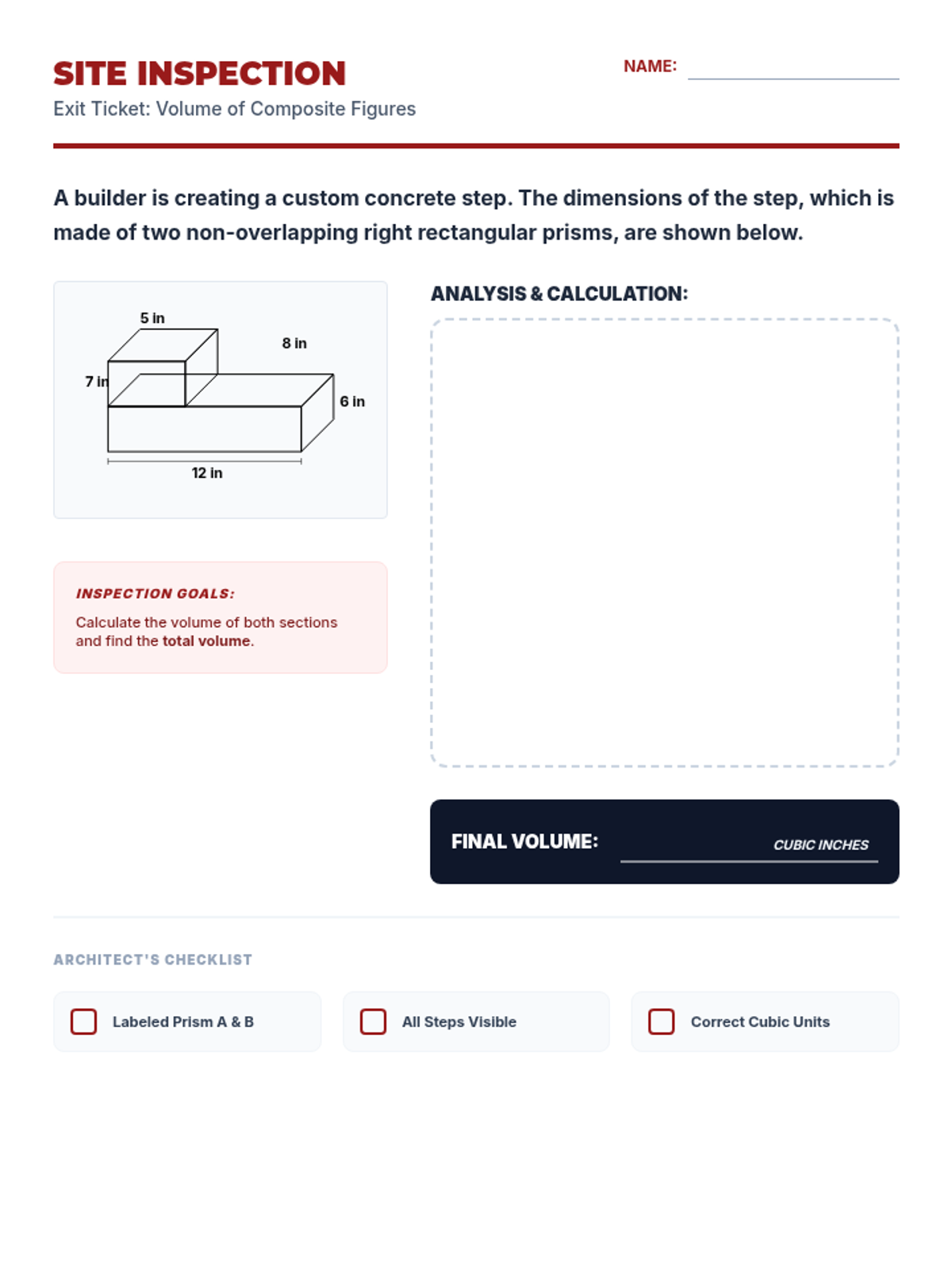
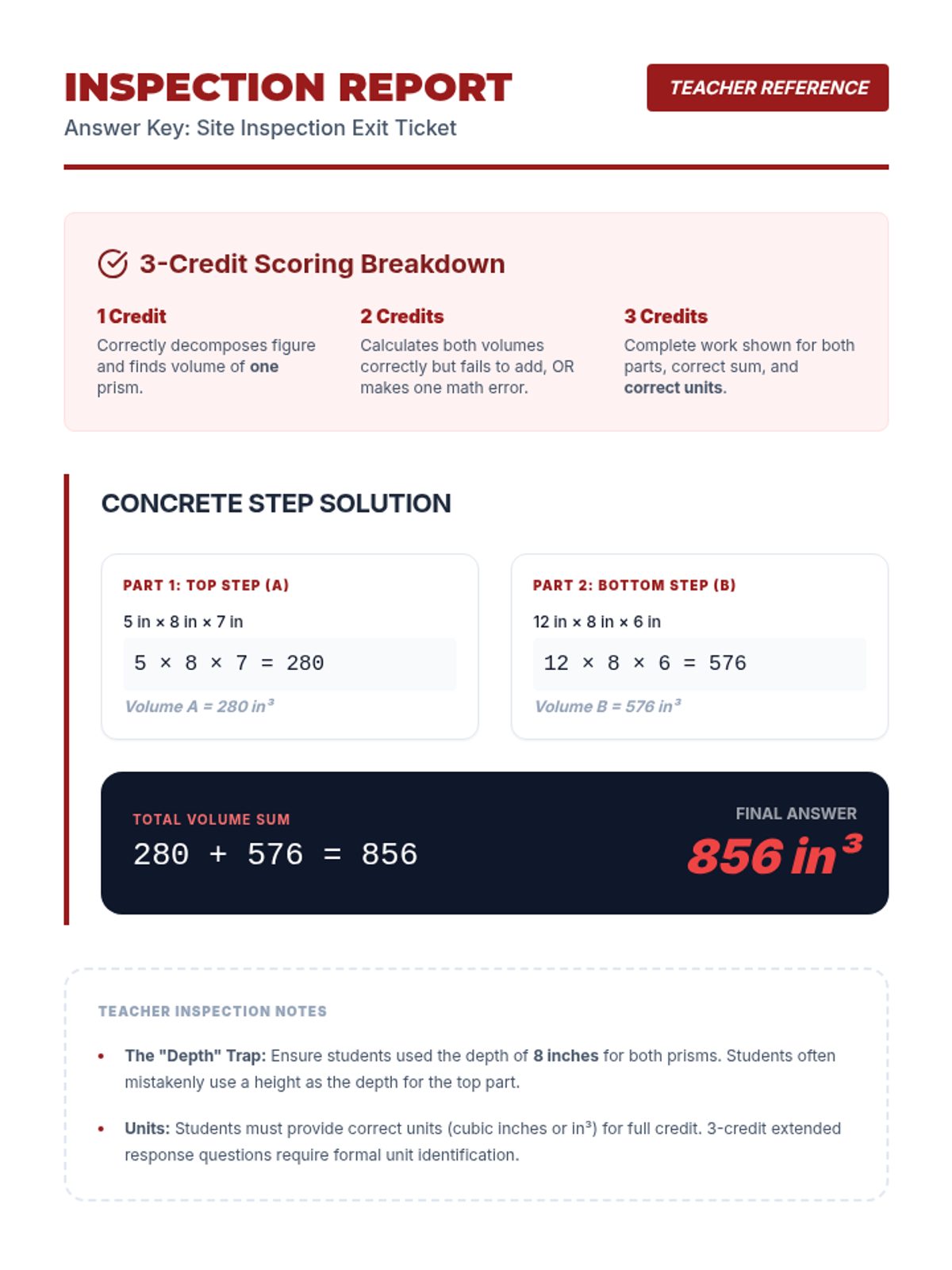
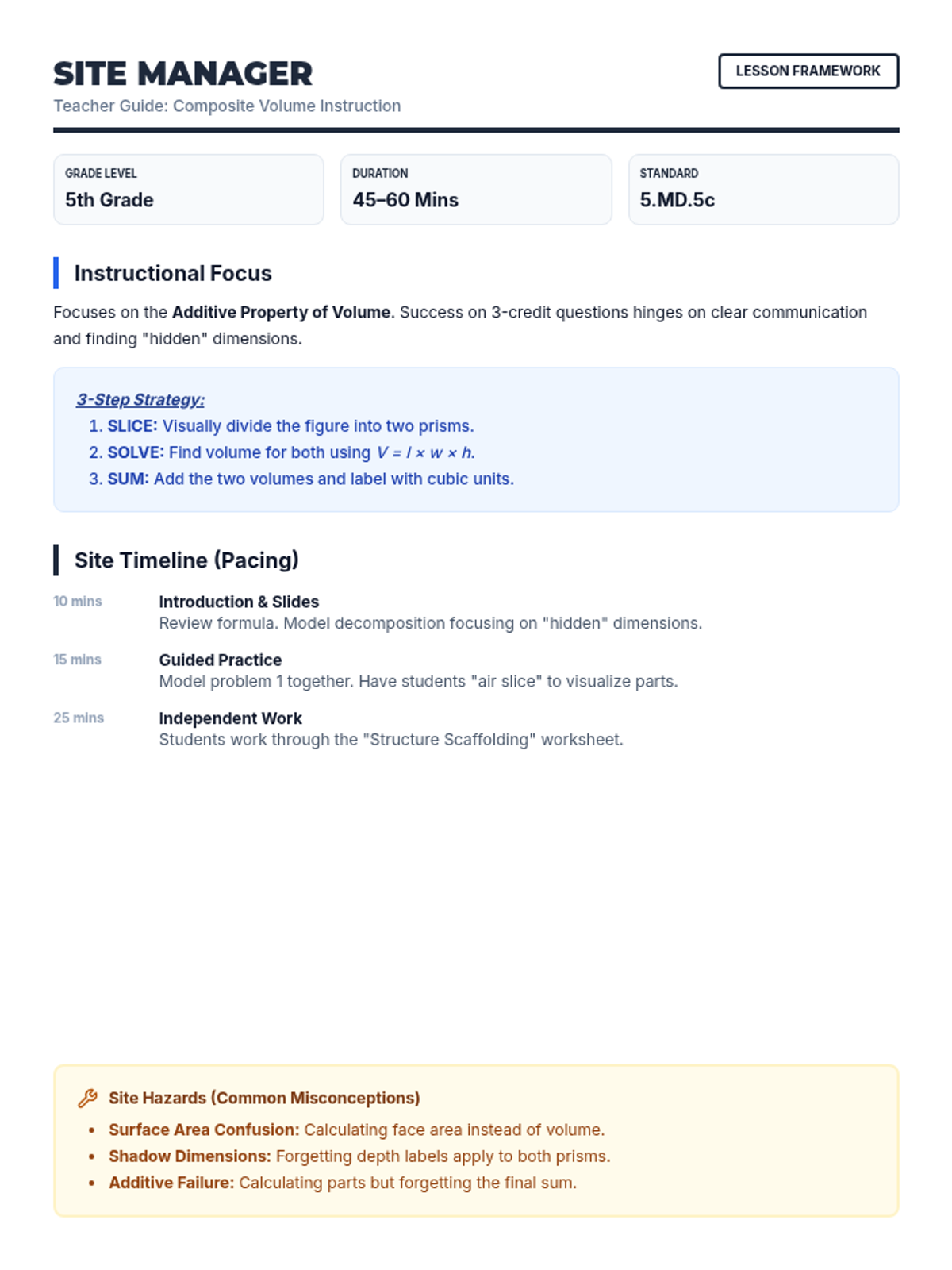
A comprehensive lesson on calculating the volume of composite figures composed of two non-overlapping right rectangular prisms, specifically modeled after NYS 3-credit extended response questions.
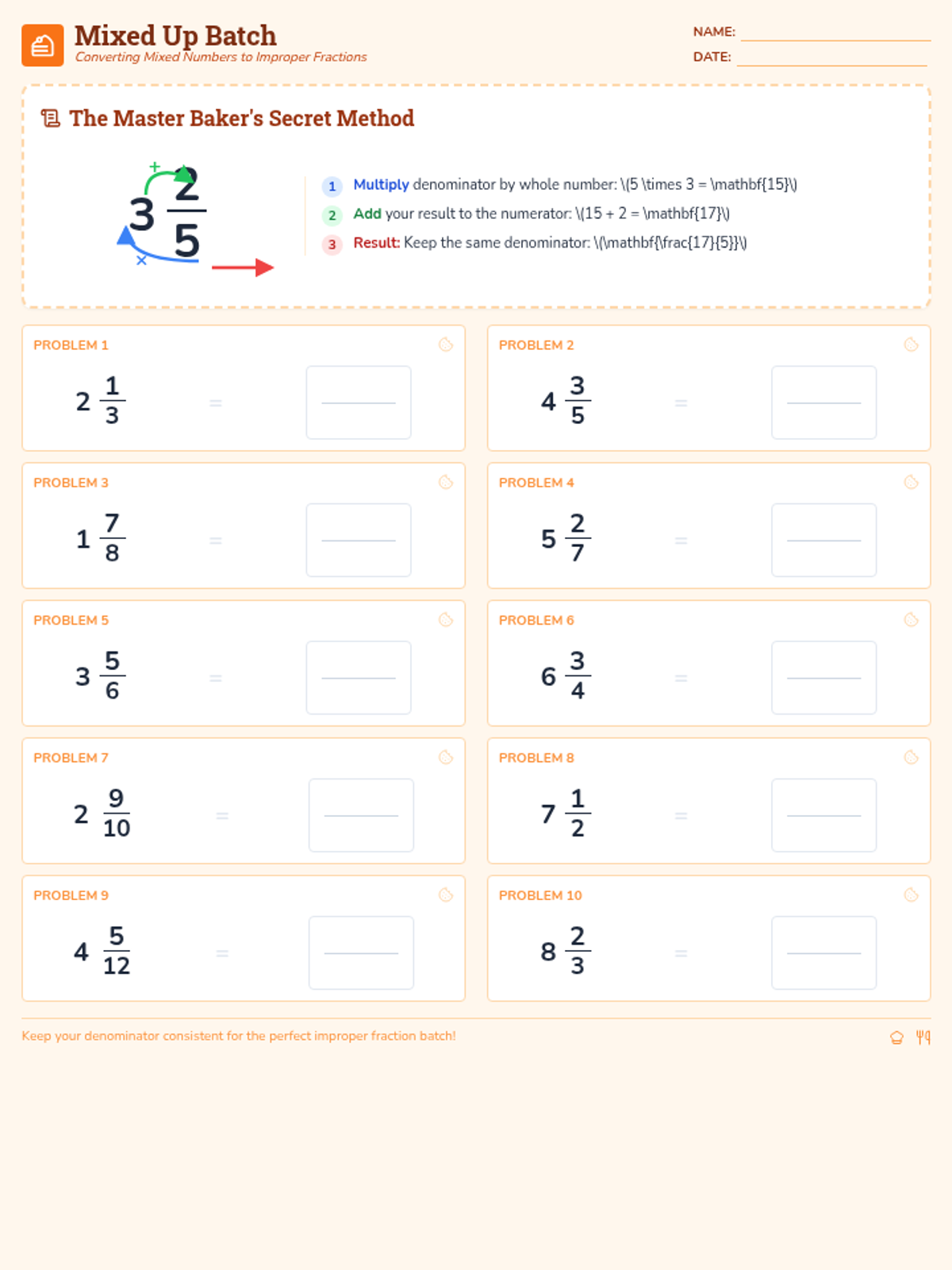
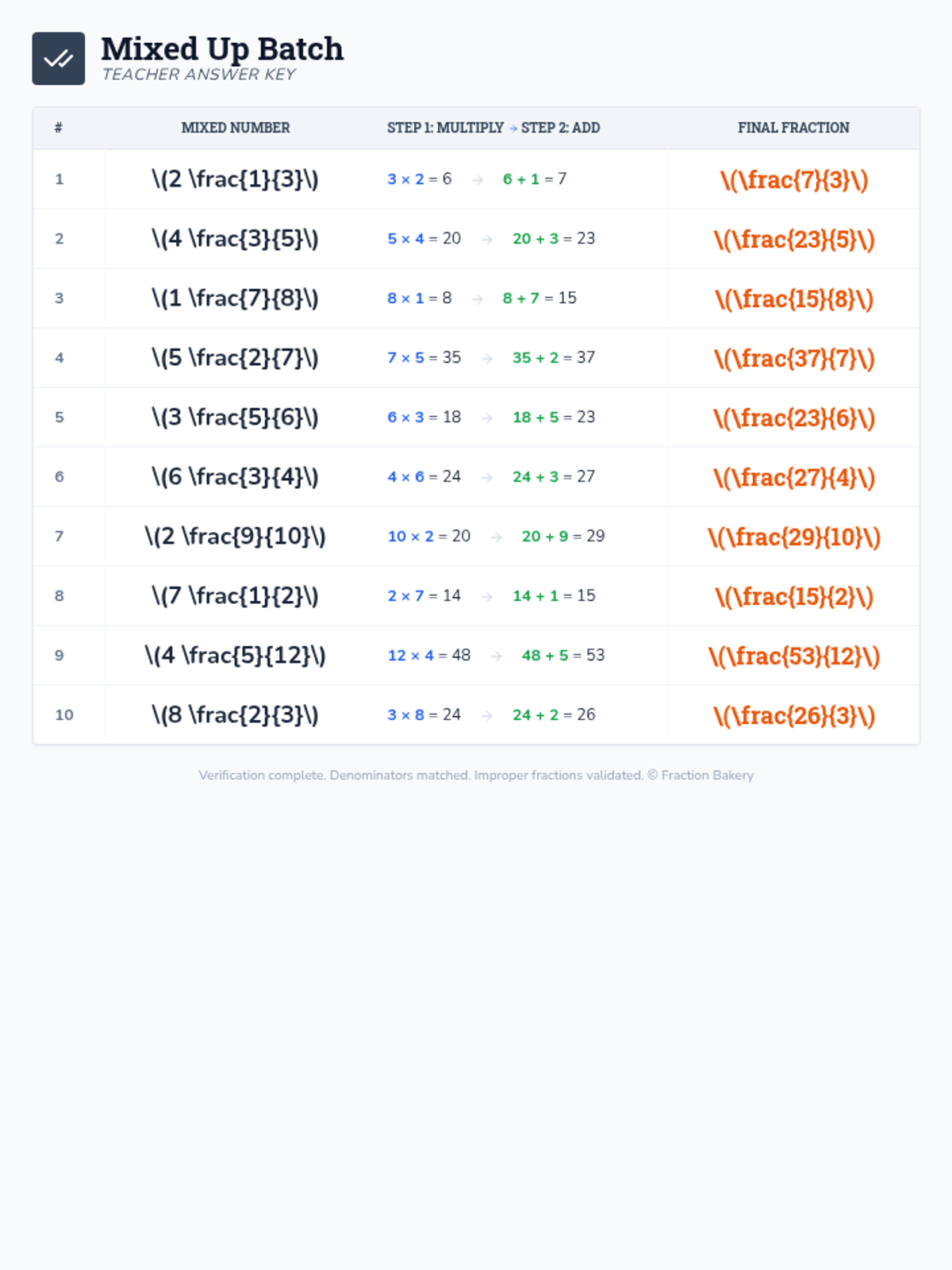
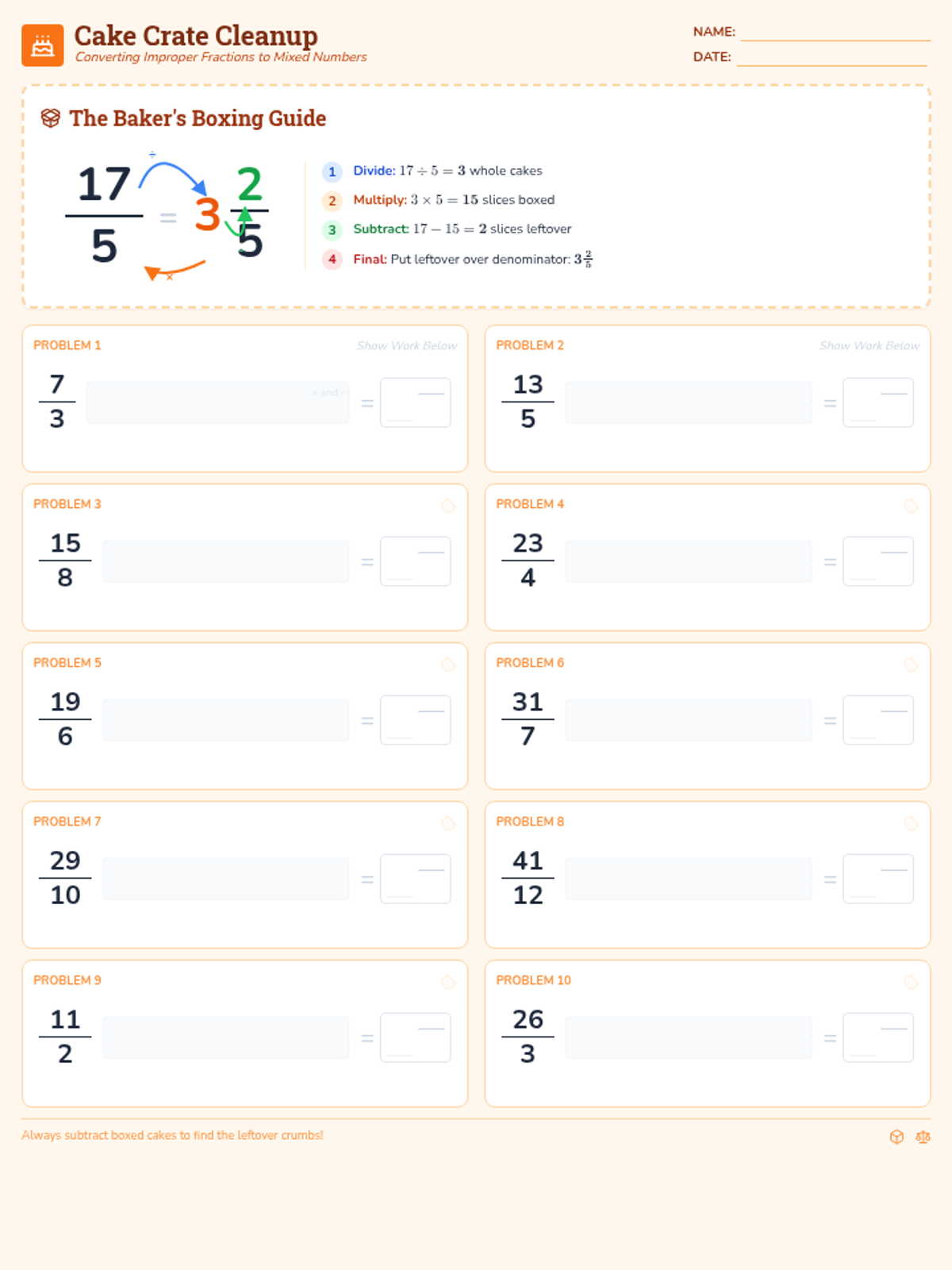
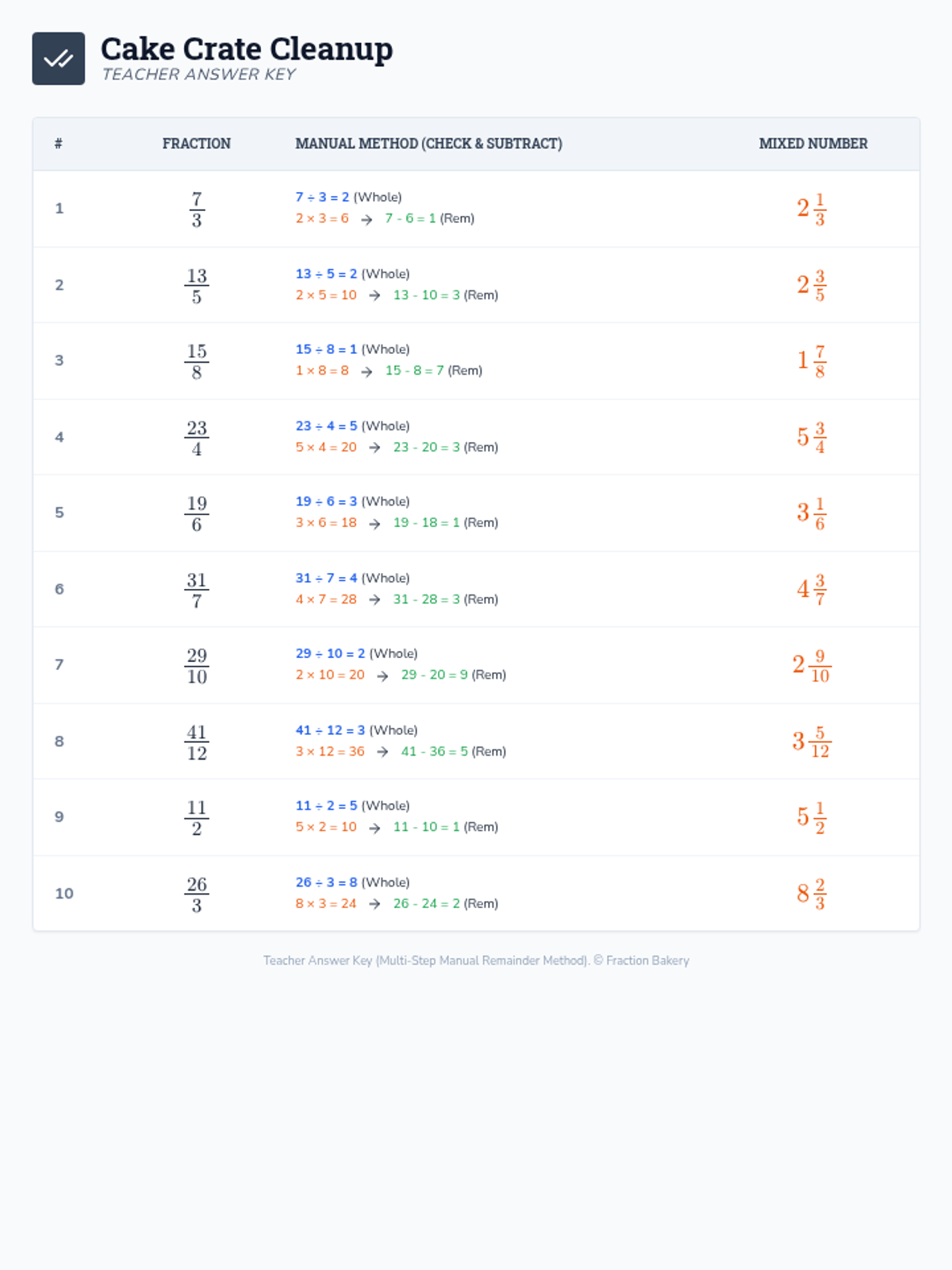
A sweet introduction to converting mixed numbers into improper fractions using a bakery-themed approach. Students will master the 'Multiply then Add' technique with clear visual aids and practice problems.
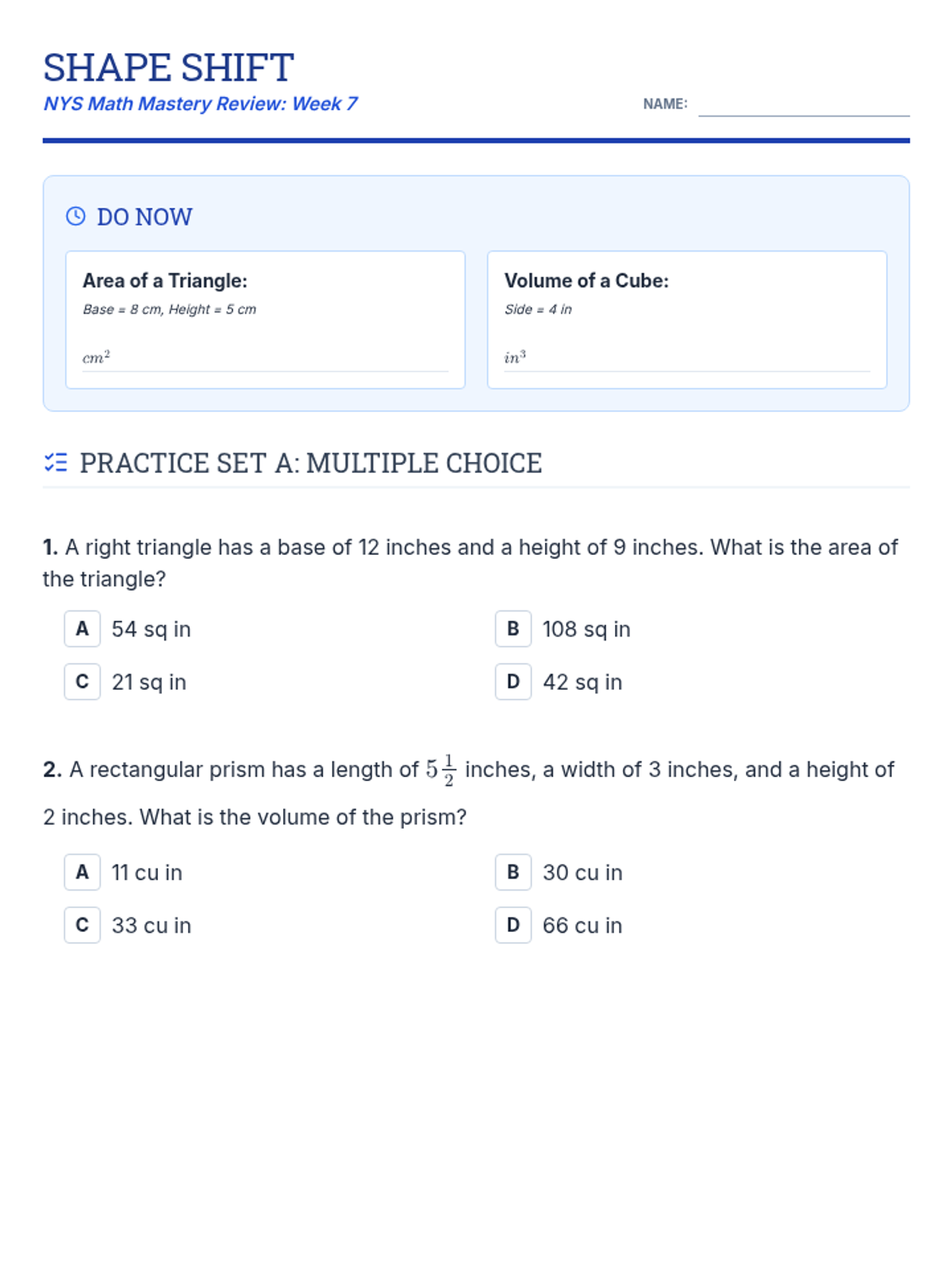
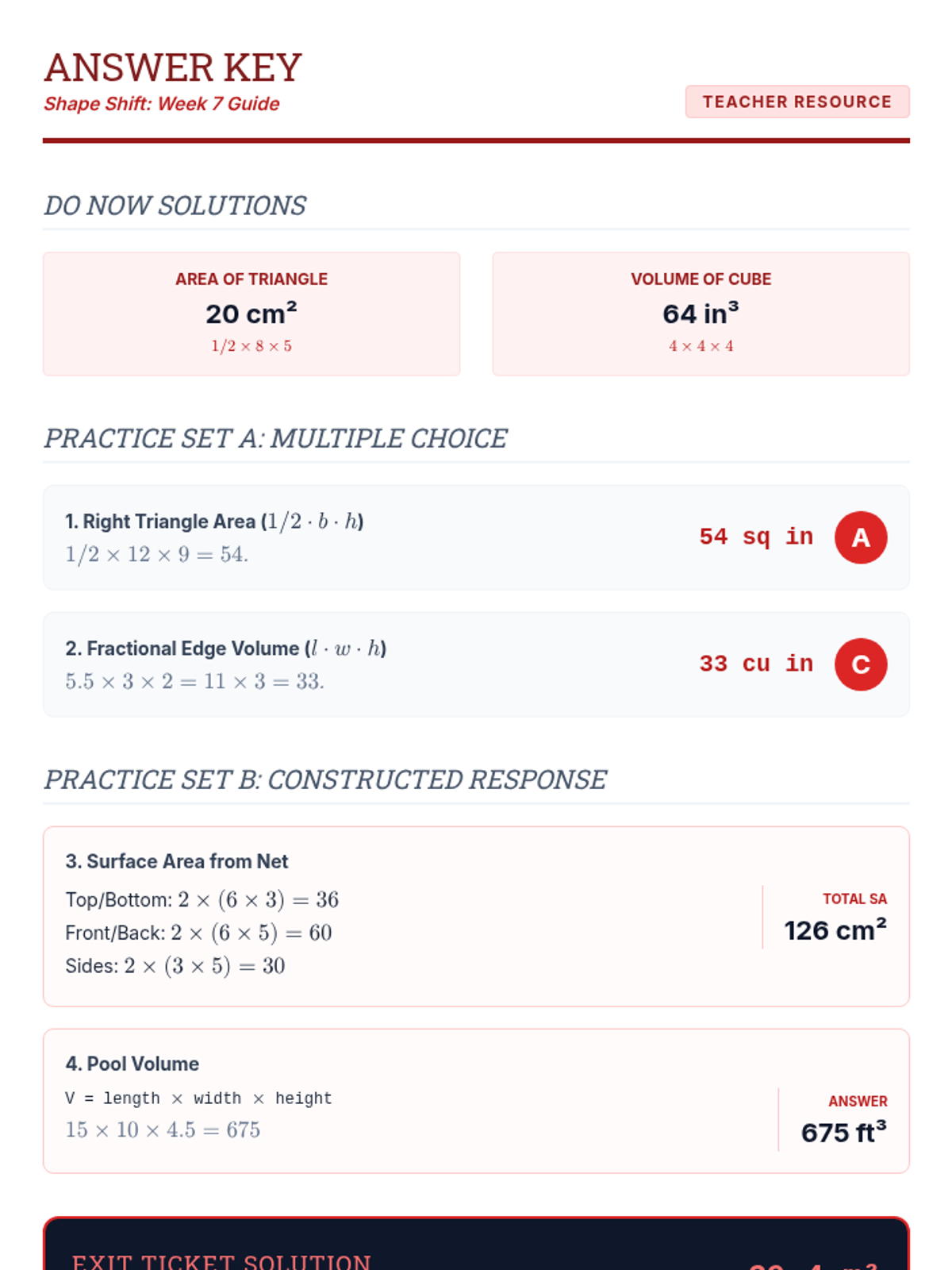
Calculating area of polygons, surface area of prisms using nets, and volume with fractional edge lengths.
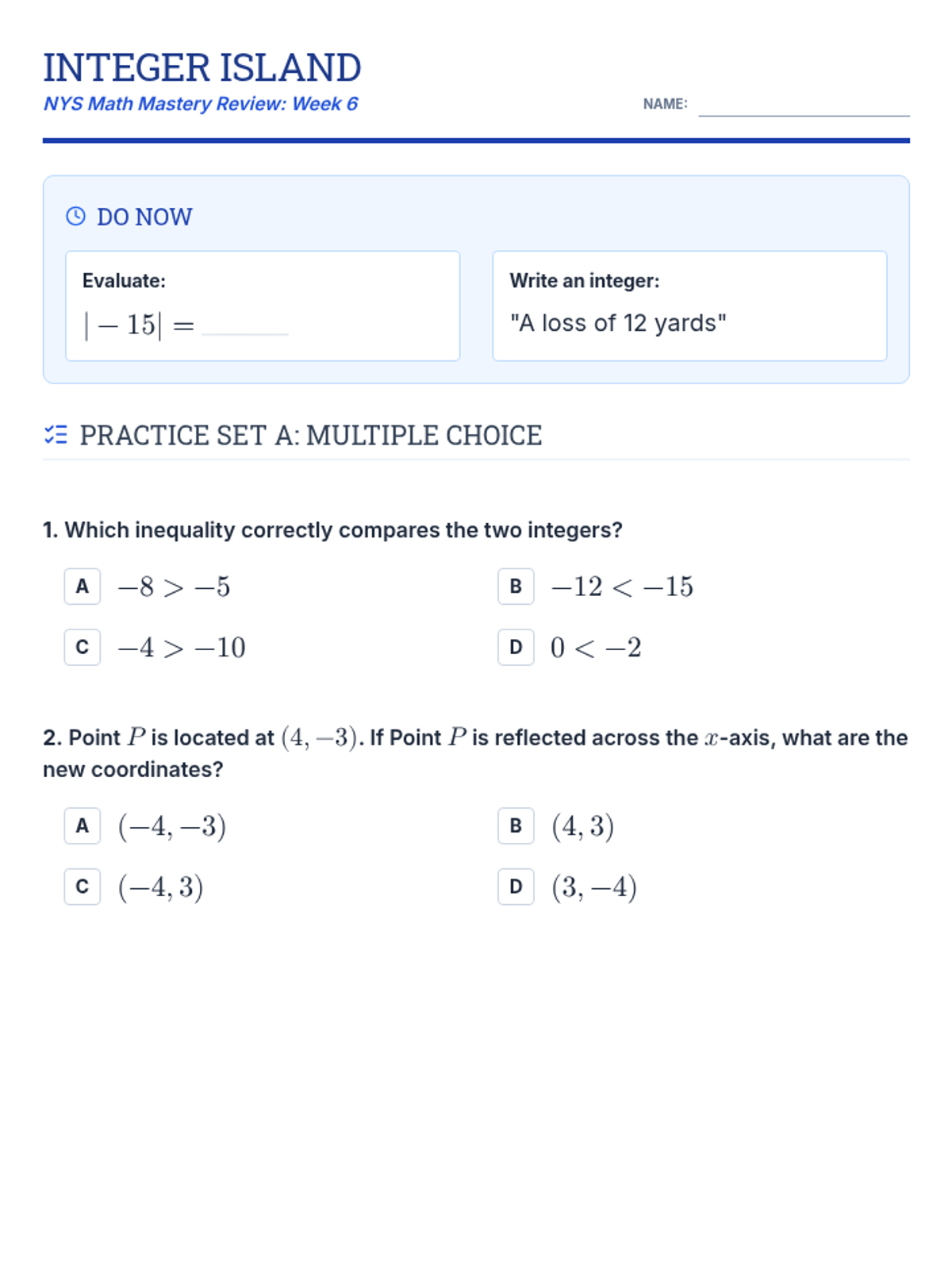
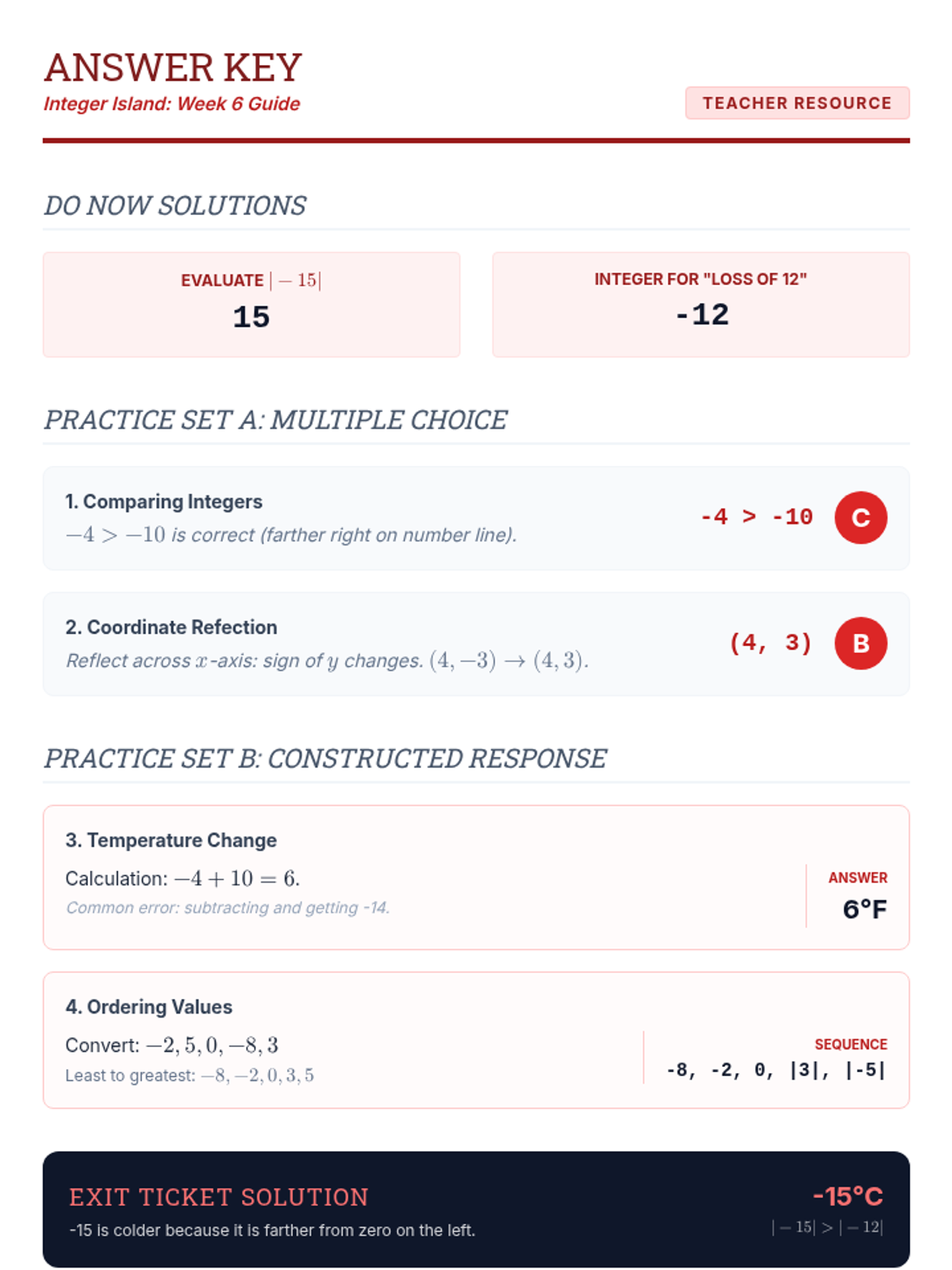
Exploring the number system including integers, absolute value, and coordinate planes.
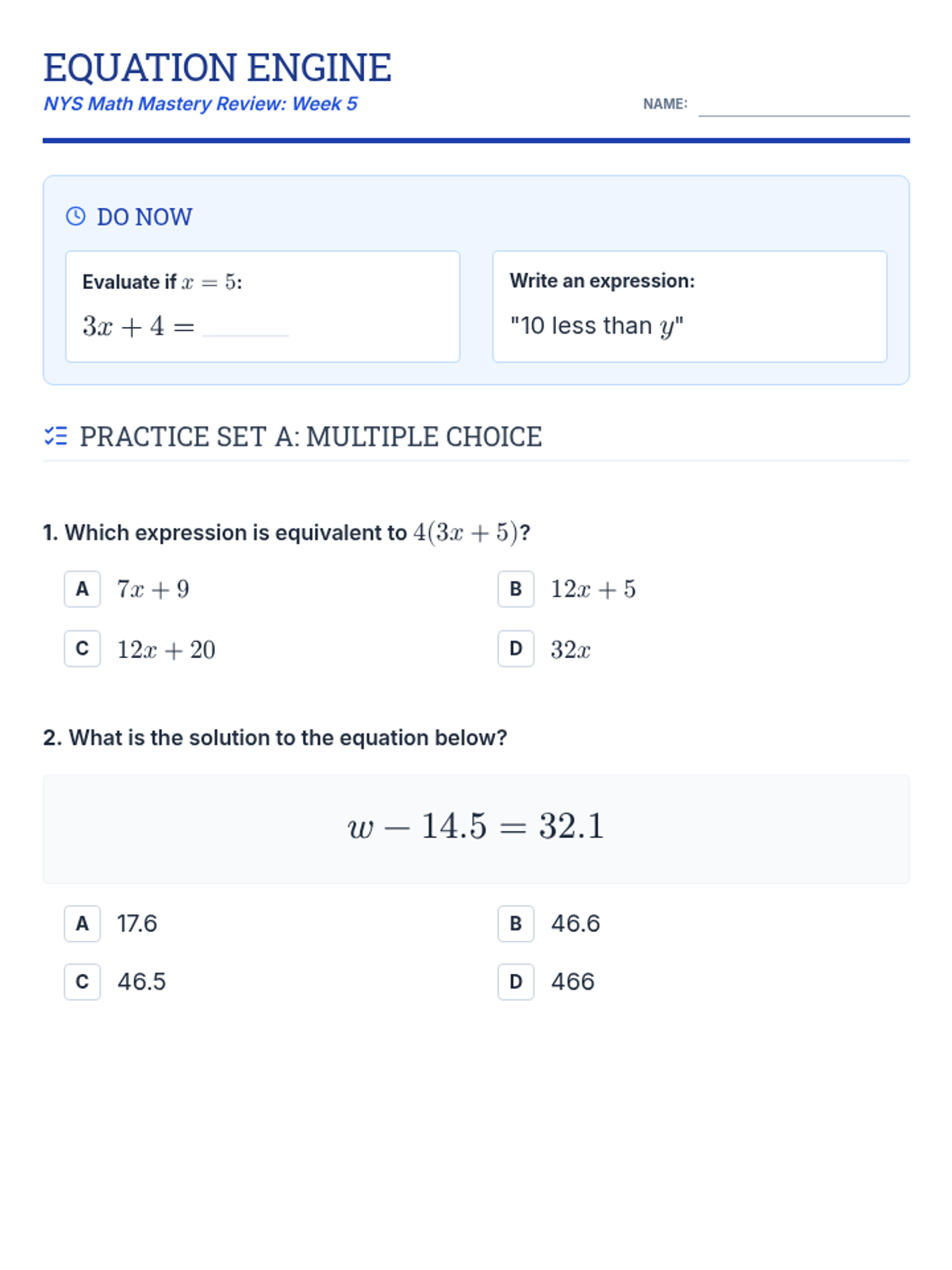
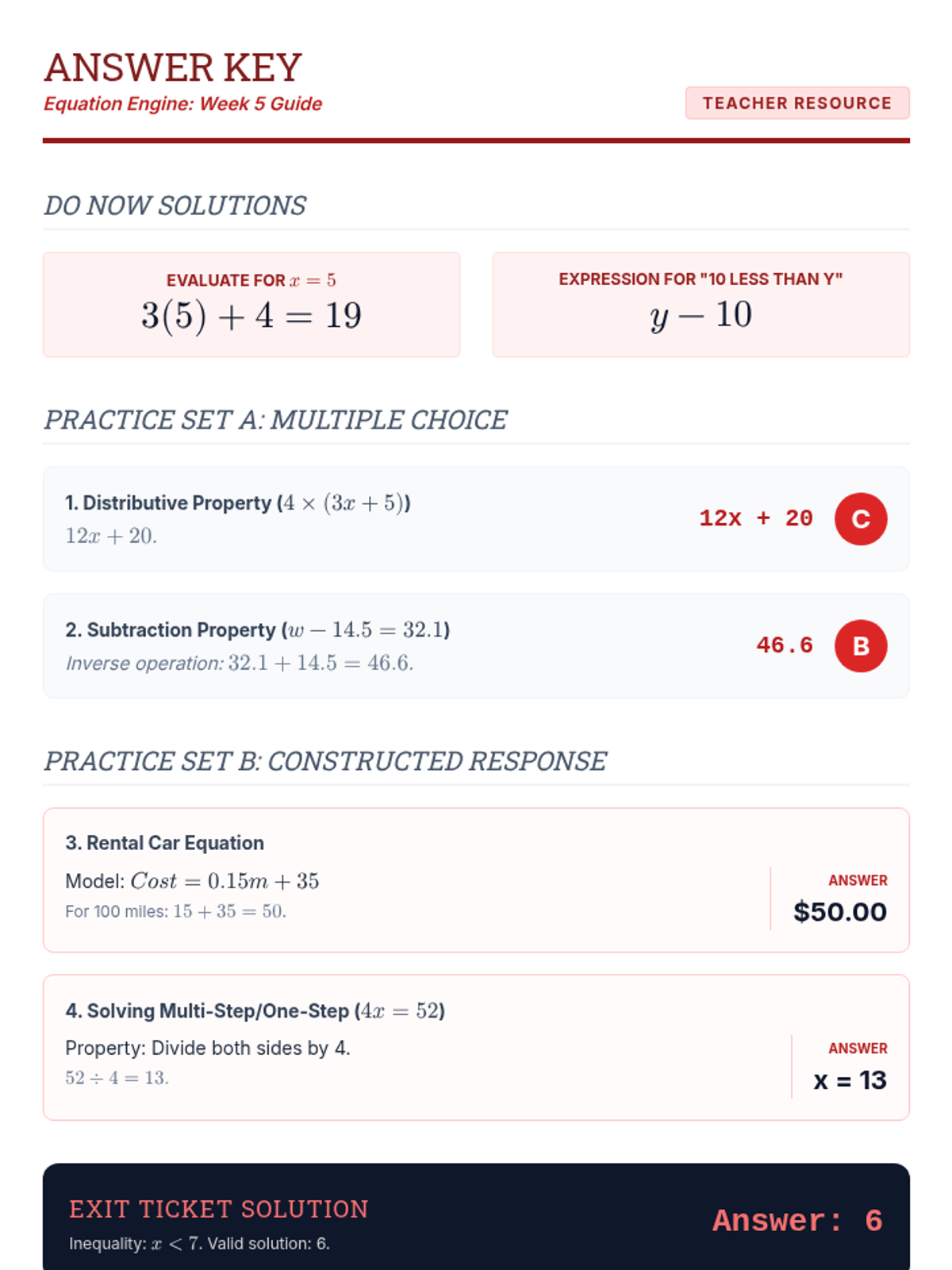
Working with algebraic expressions, solving one-variable equations, and understanding inequalities.
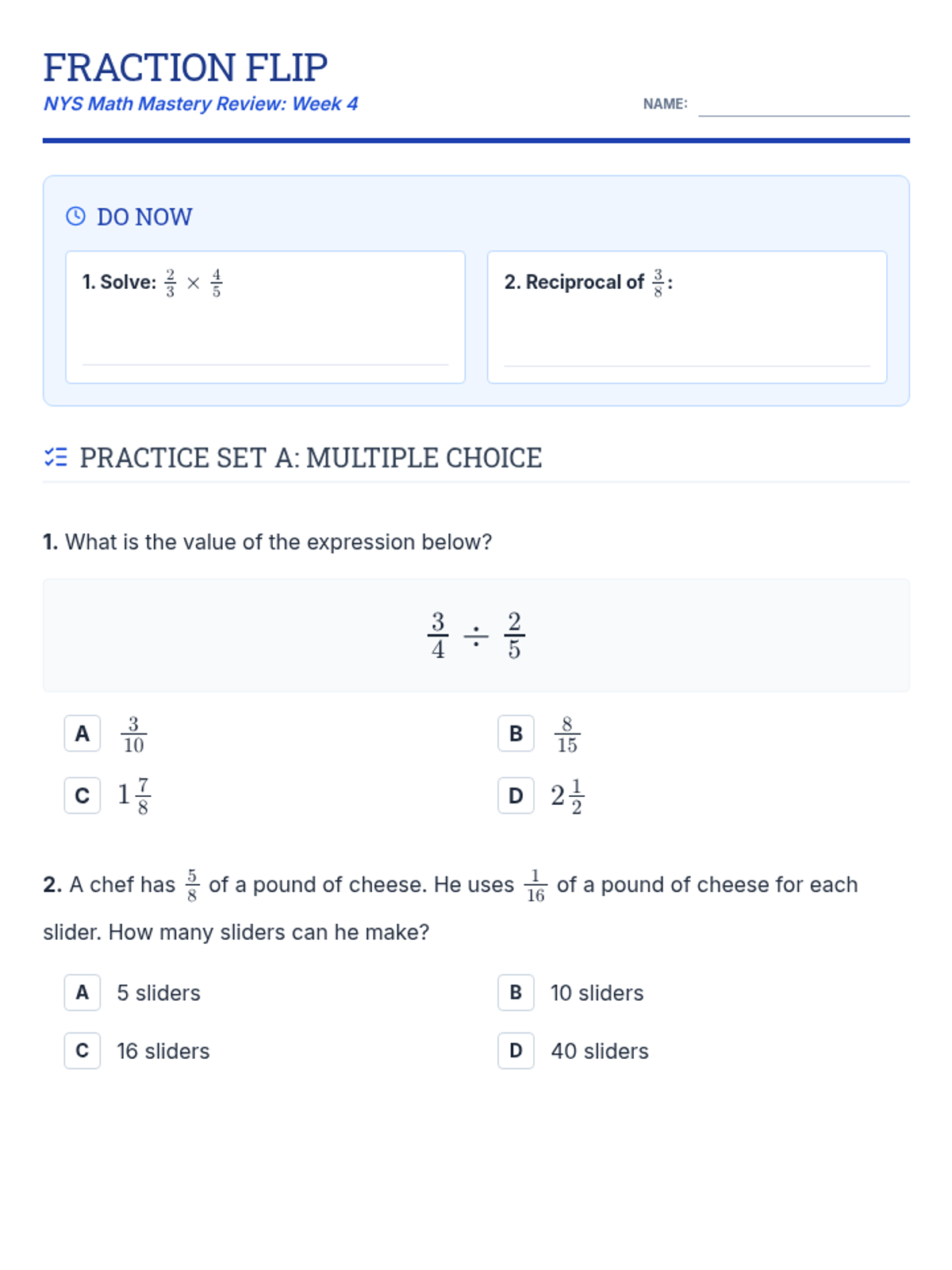
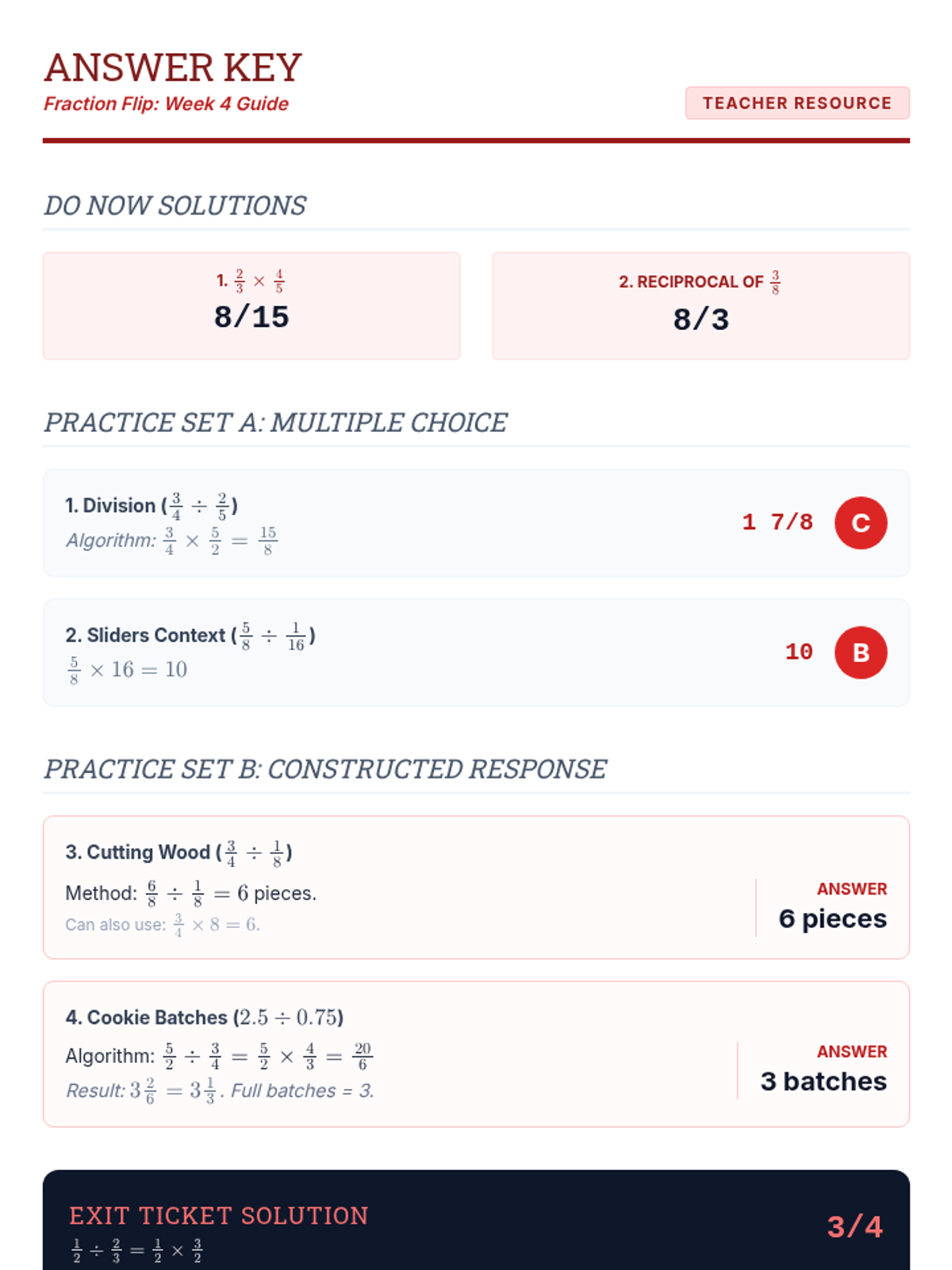
Applying and extending previous understandings of multiplication and division to divide fractions by fractions.
Mastering percent of a quantity and finding the whole given a part and the percent in various contextual scenarios.
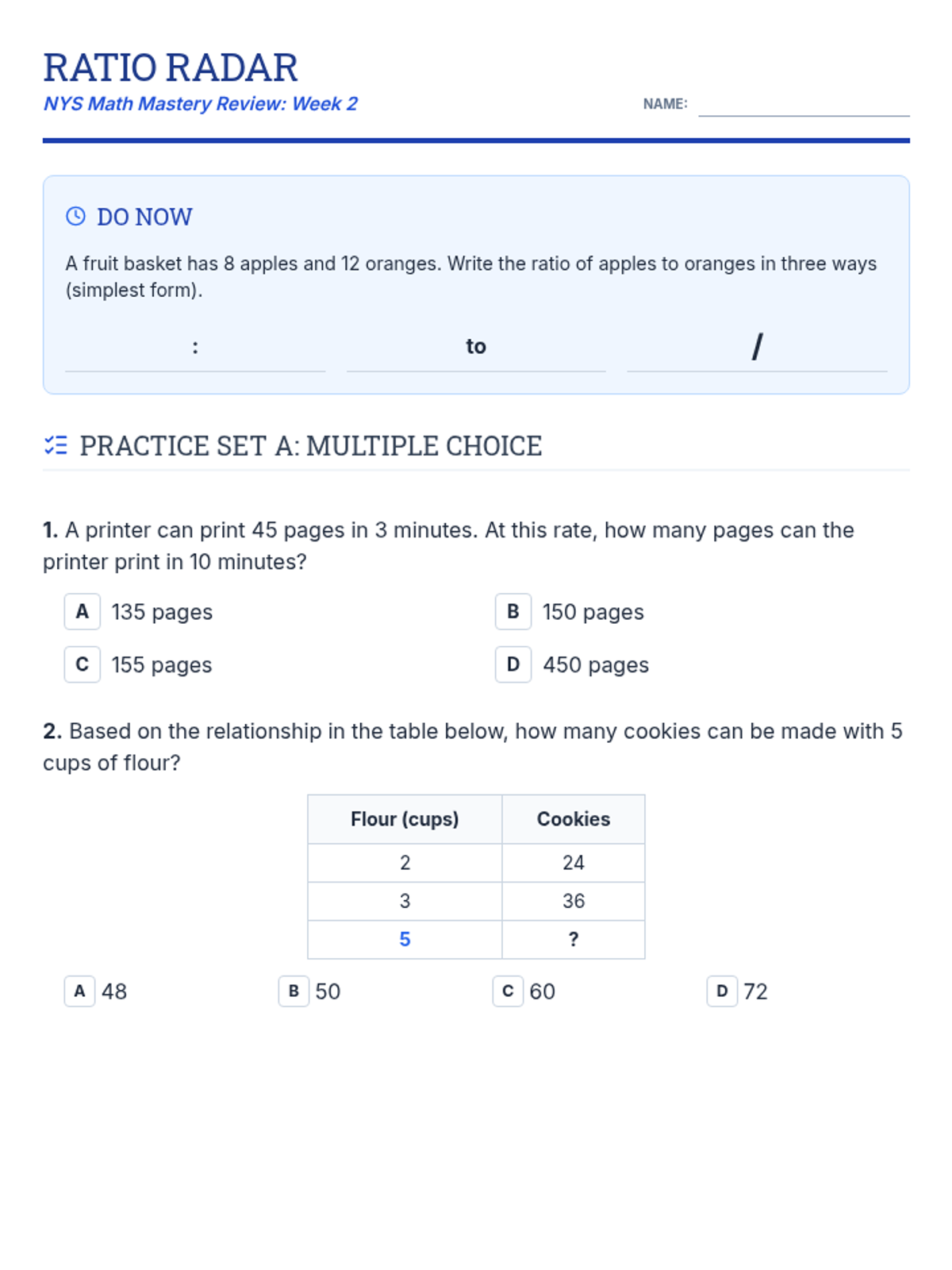
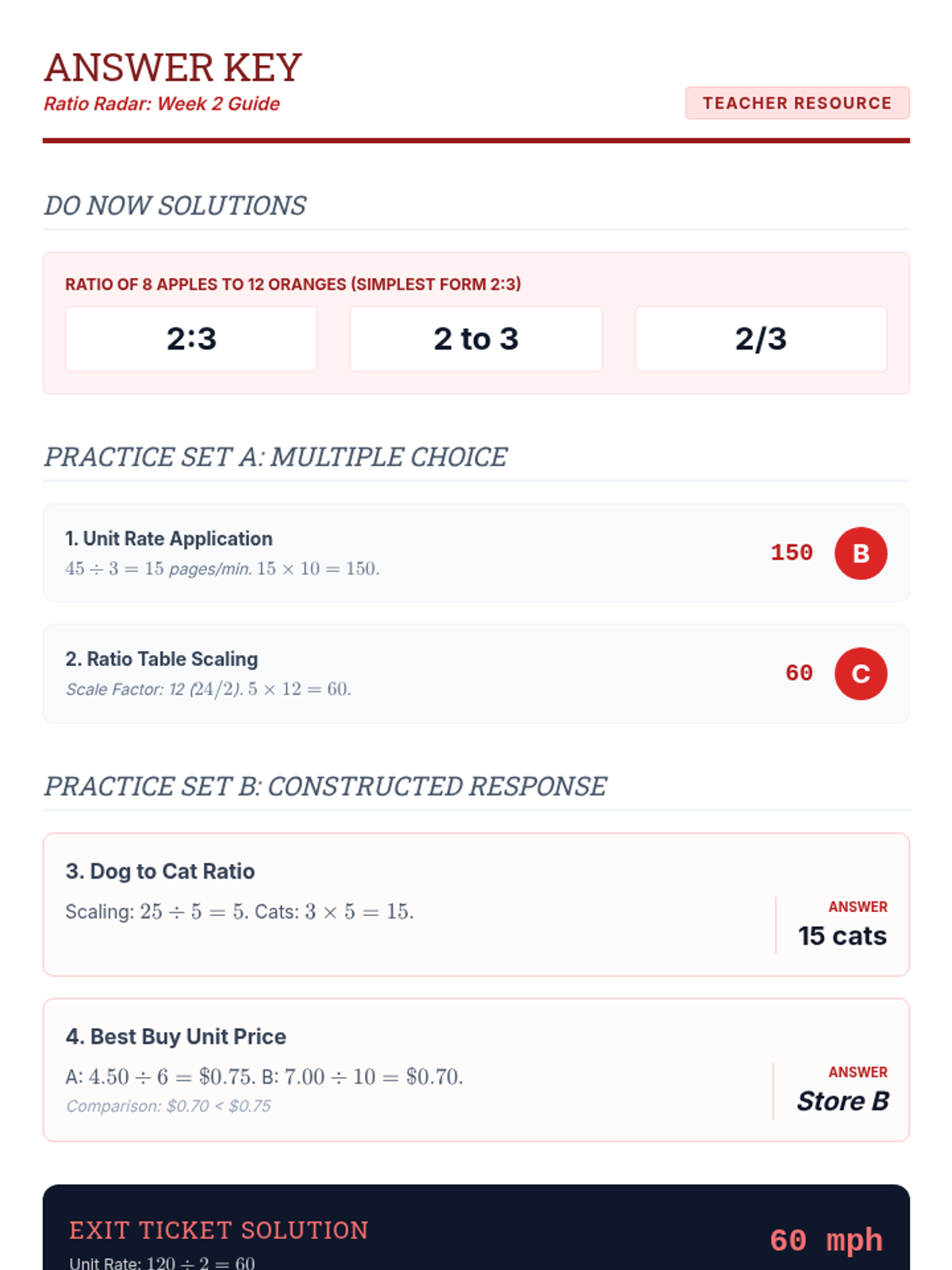
Covers ratio concepts, unit rates, and solving real-world problems using tables, double number lines, and tape diagrams.
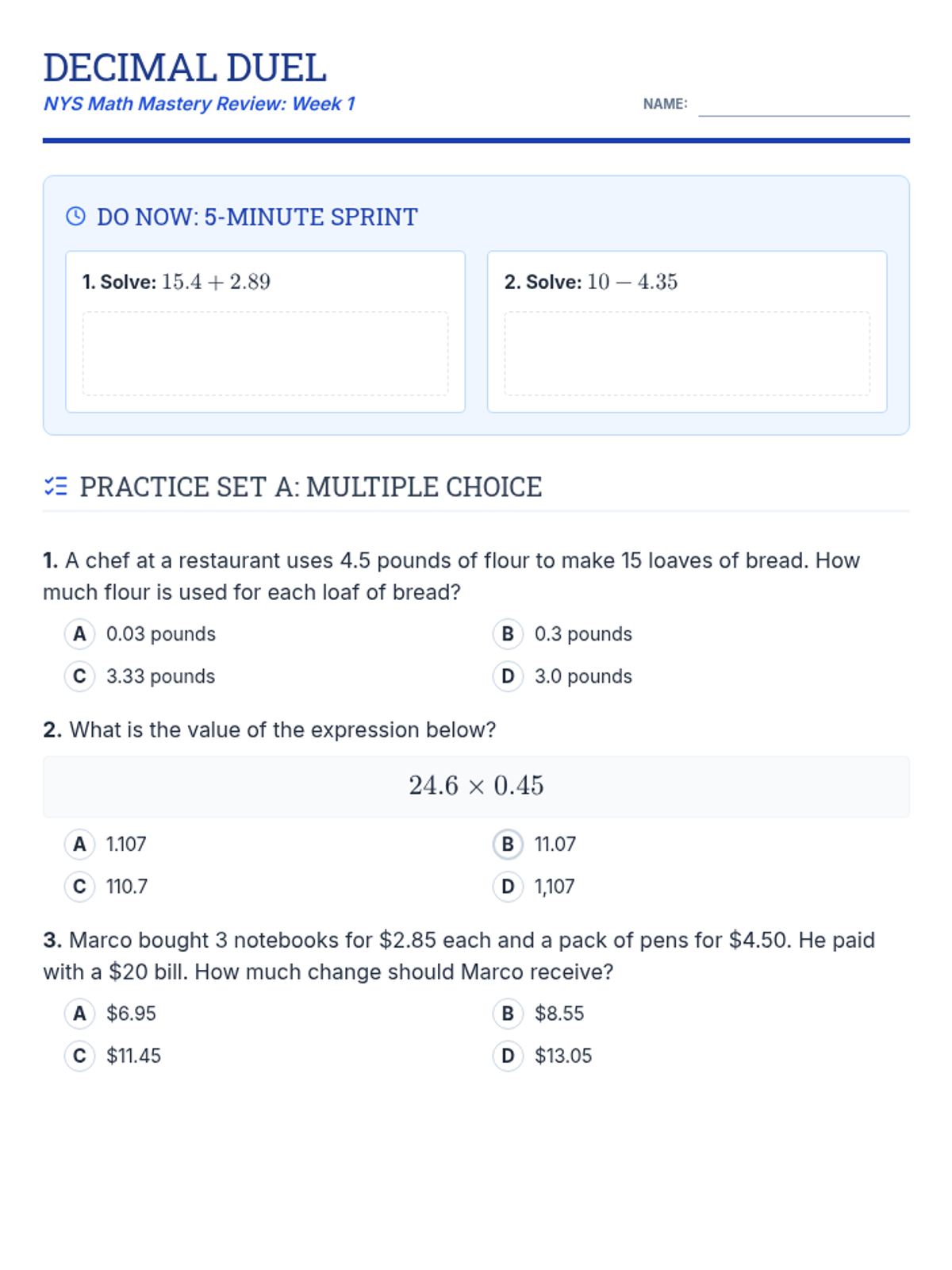
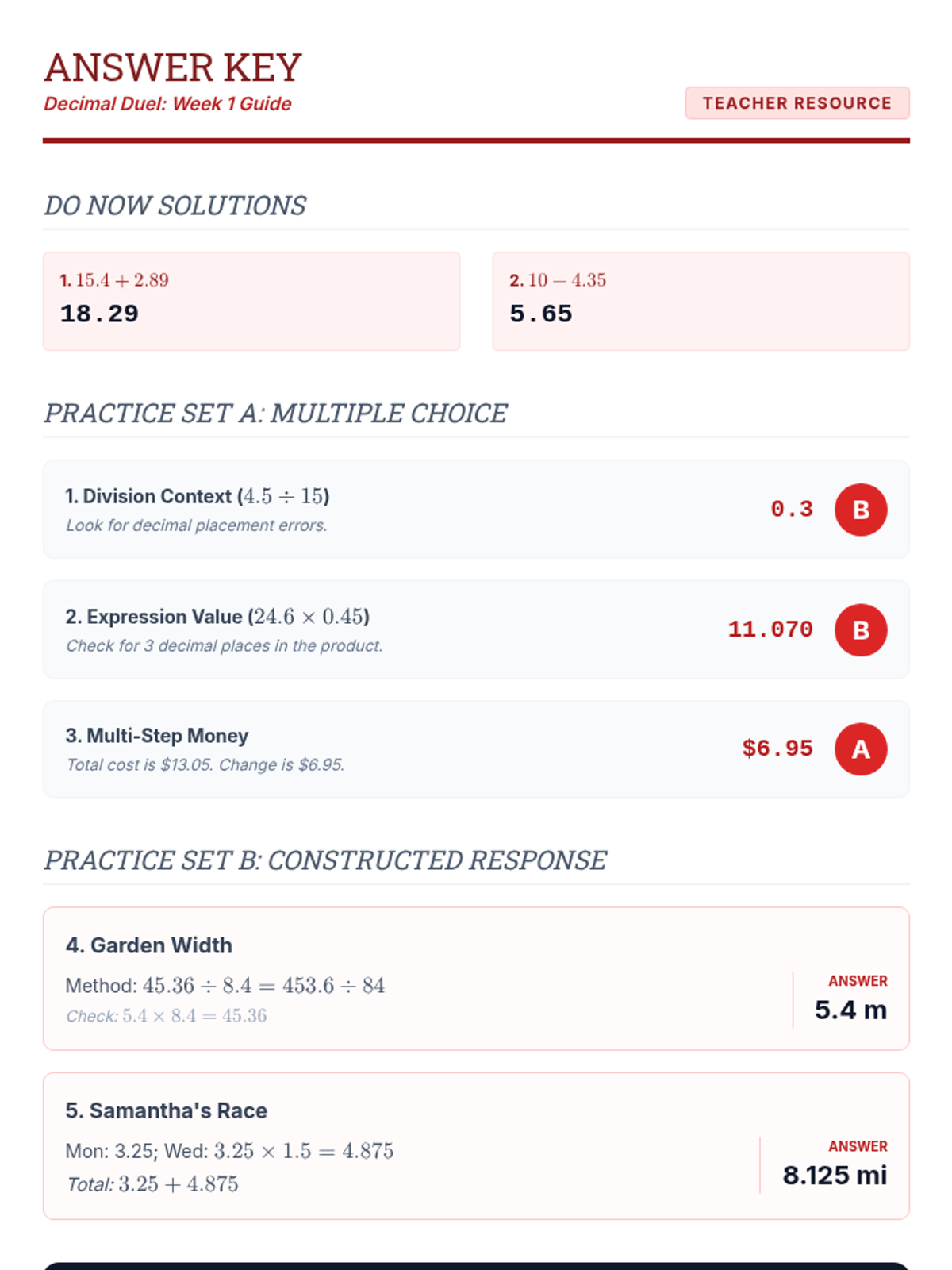
Focuses on fluently adding, subtracting, multiplying, and dividing decimals using the standard algorithm, modeled after NYS Assessment standards.
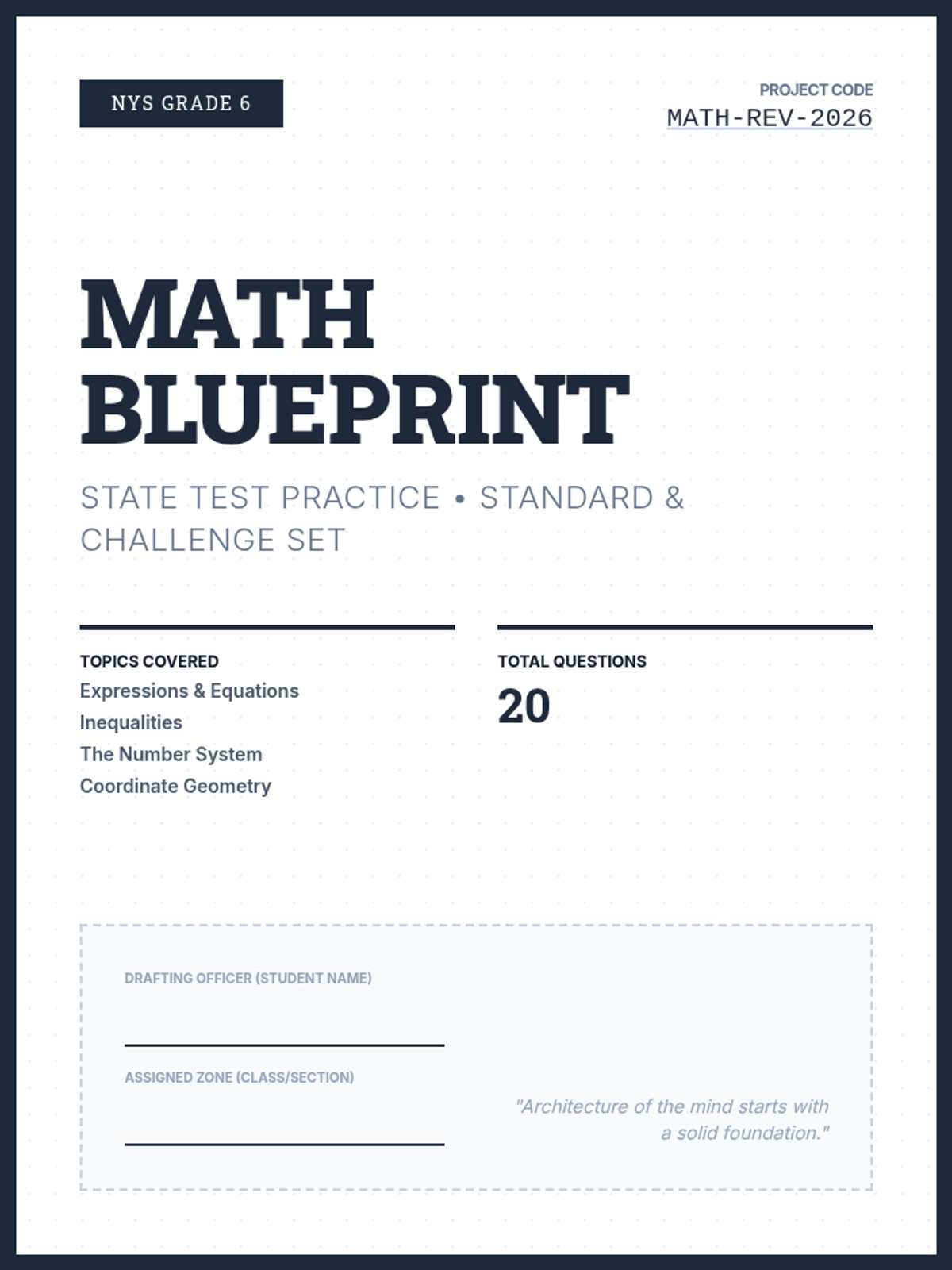
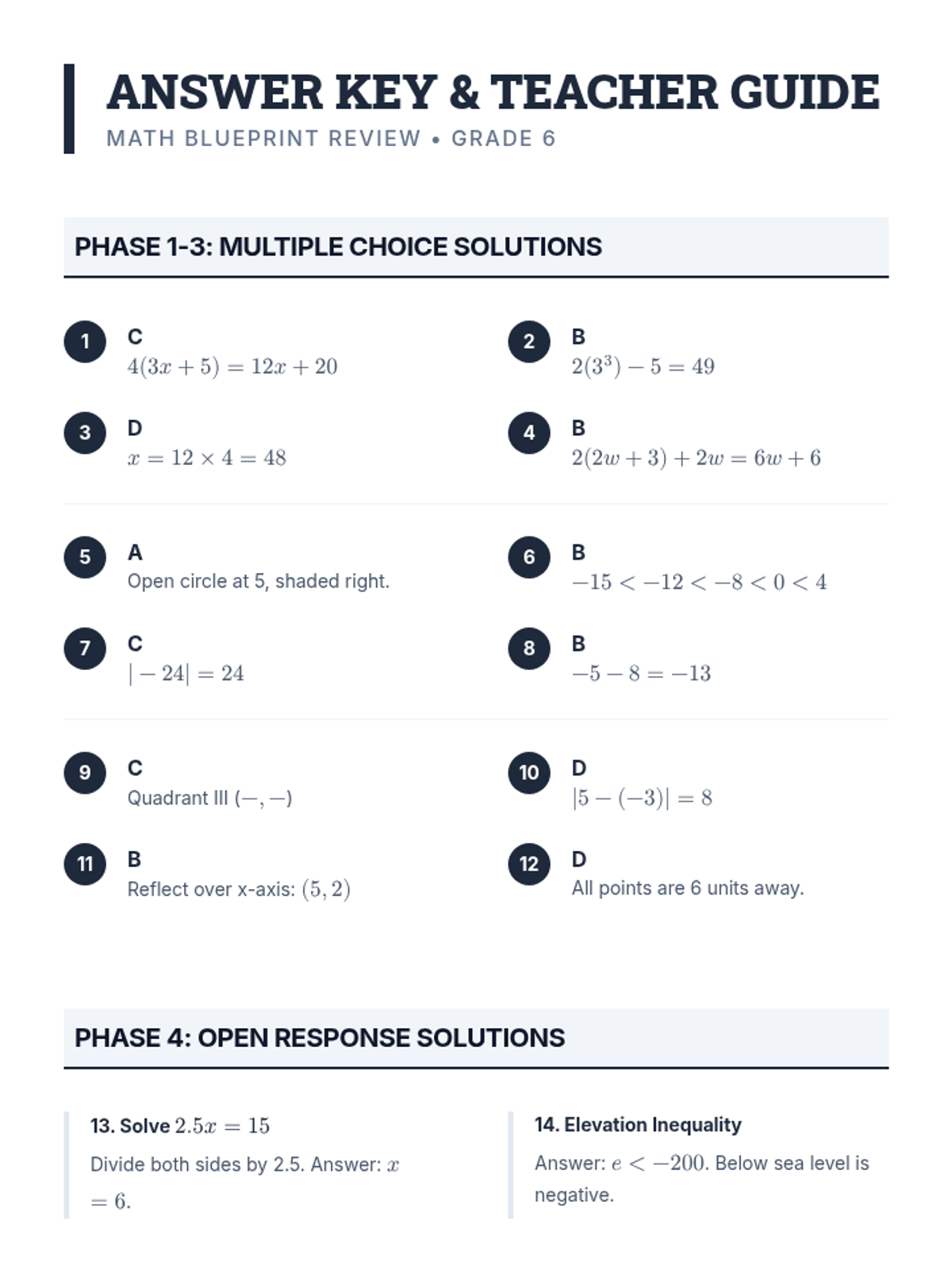
A comprehensive review of Grade 6 NYS Math standards including expressions, equations, inequalities, the number system, and the coordinate plane, styled as a drafting blueprint.
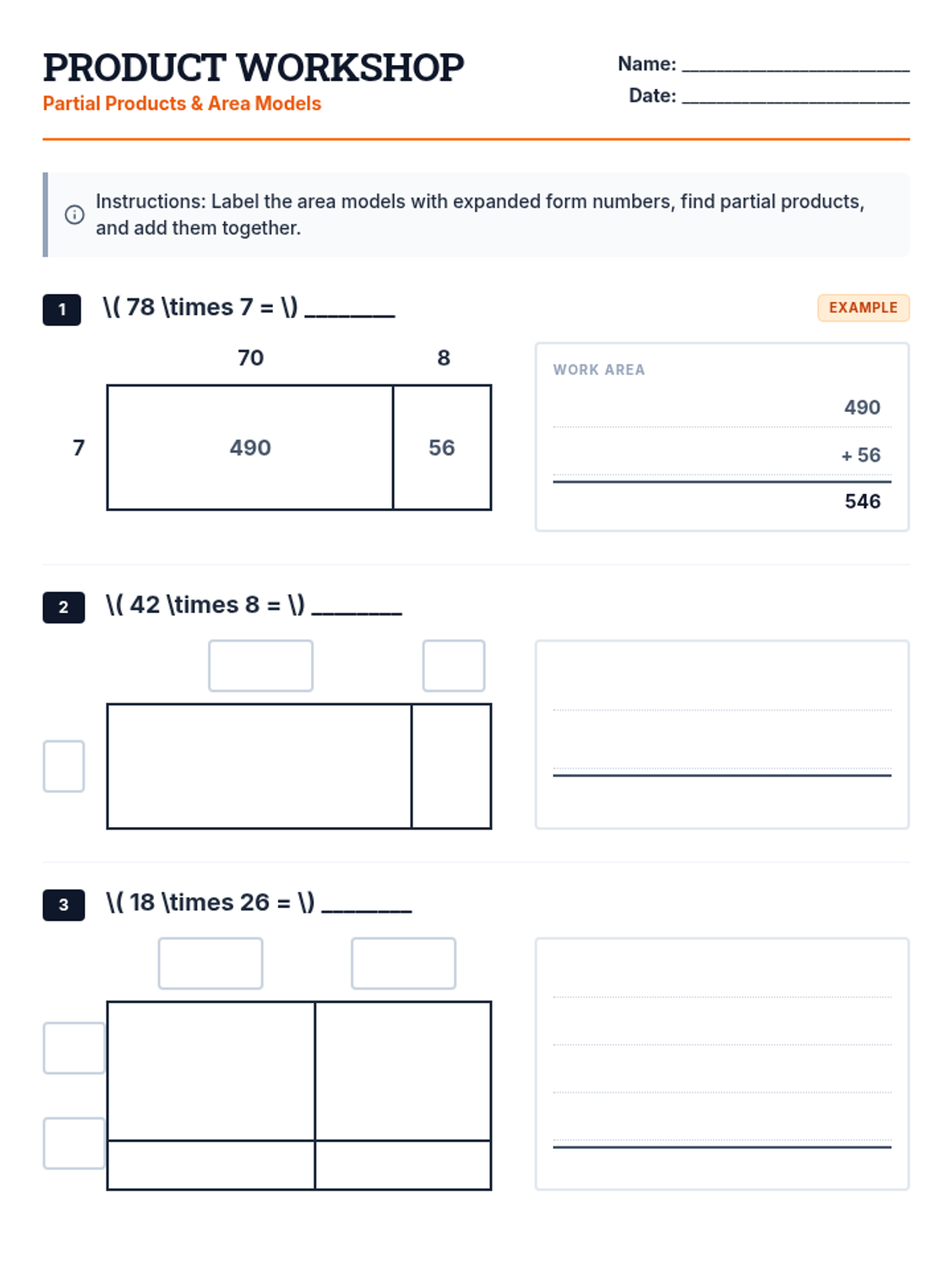
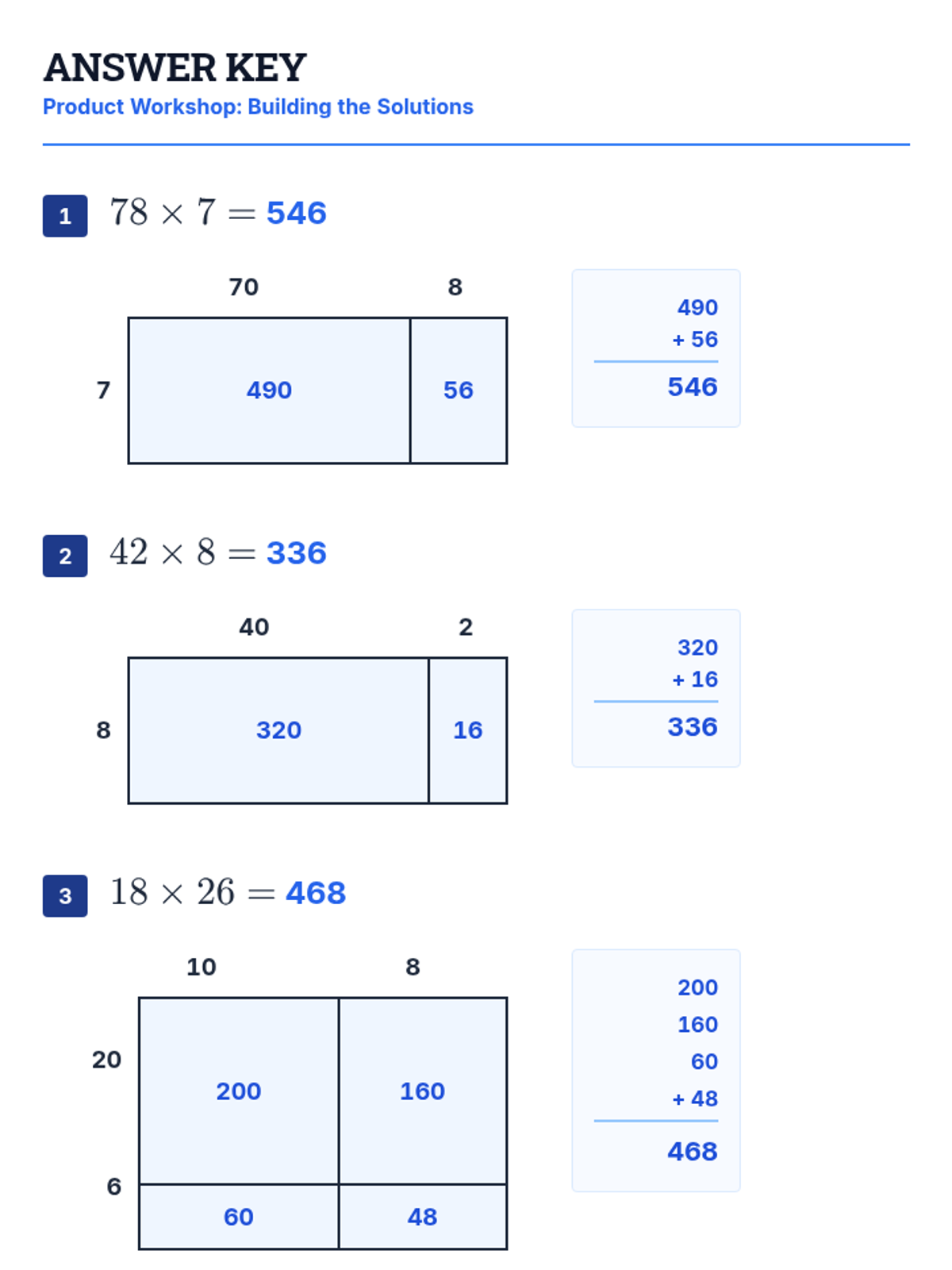
A lesson focused on mastering multi-digit multiplication using the partial products method and area models to visualize the process.
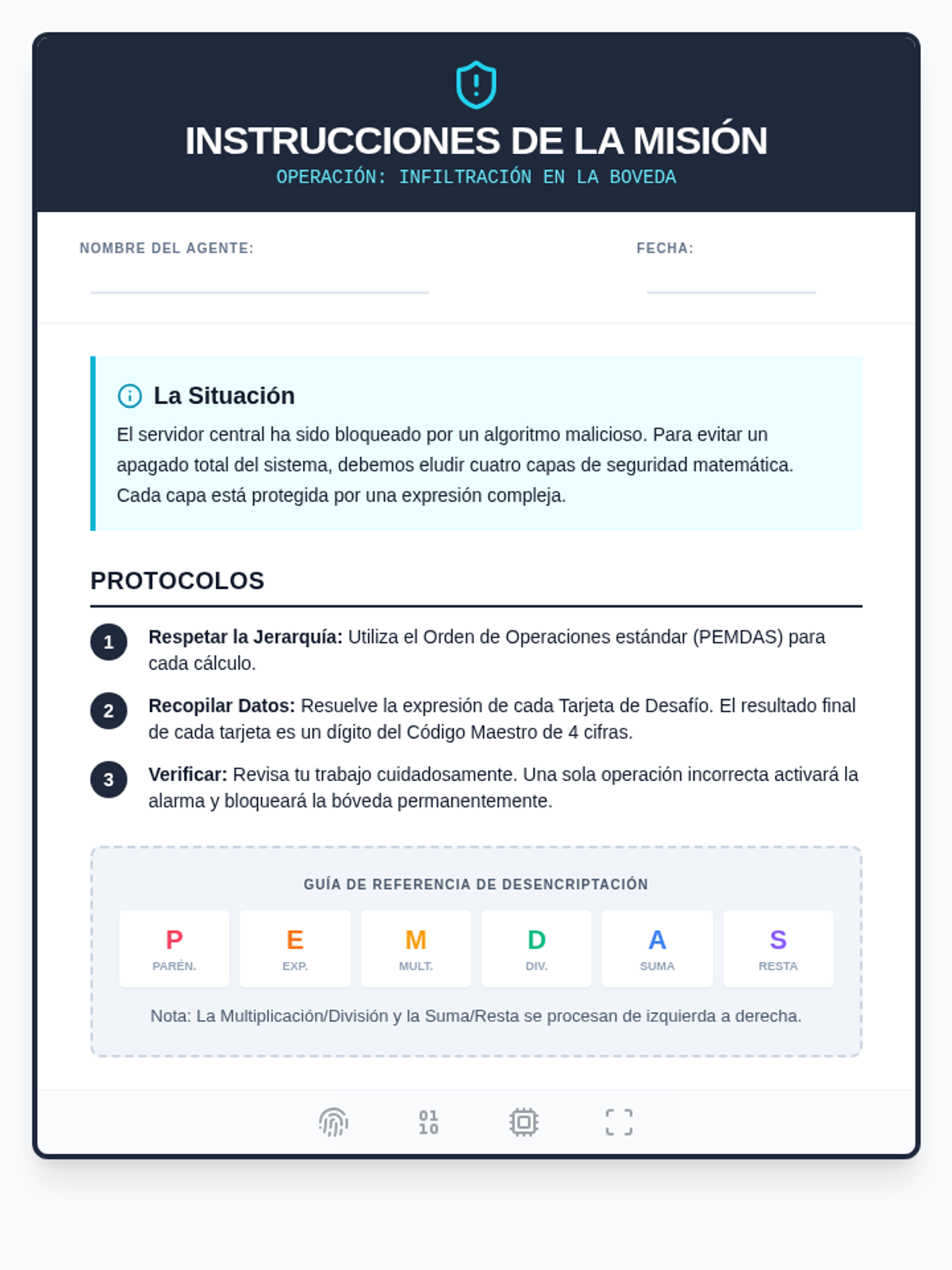
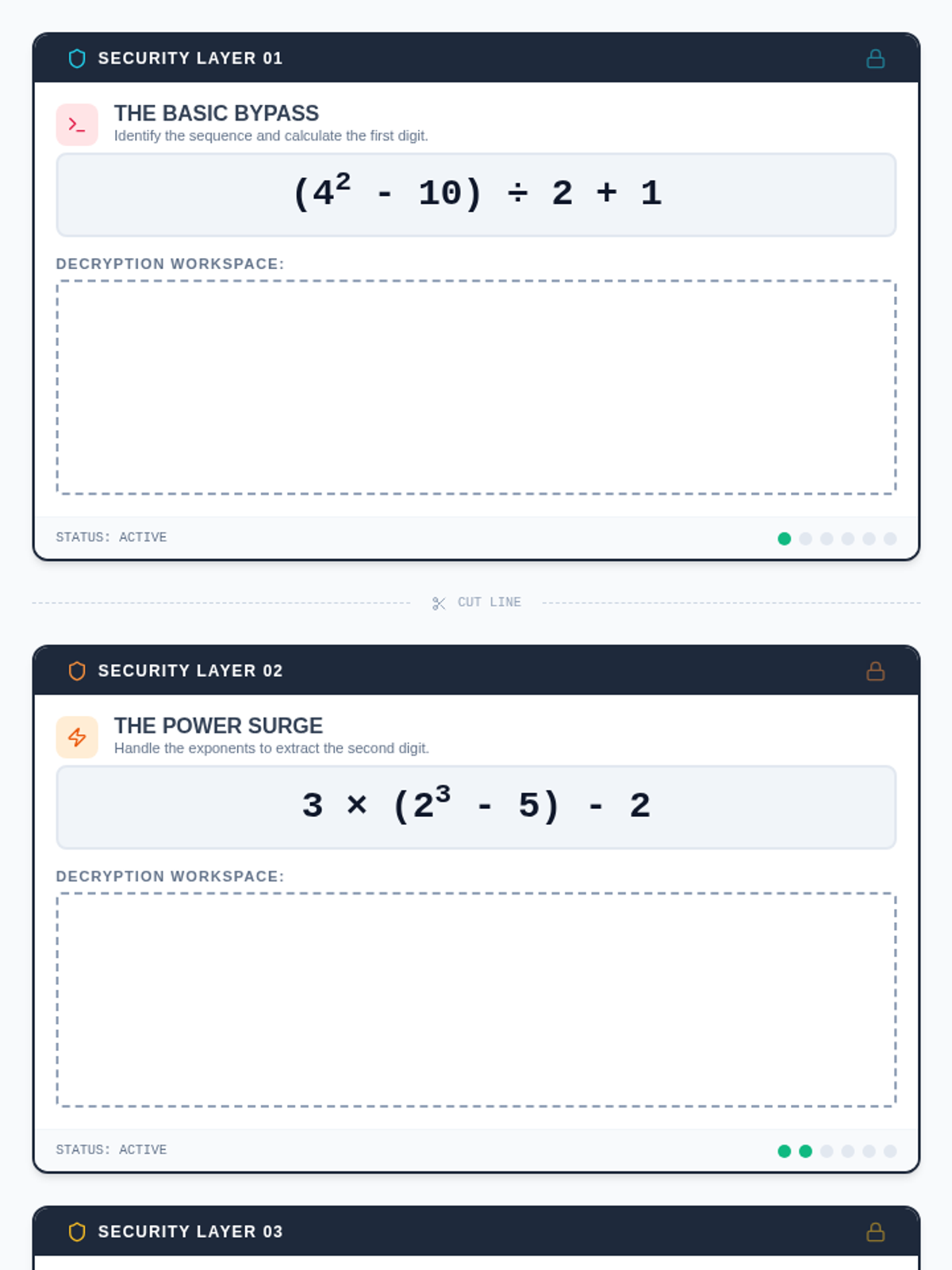
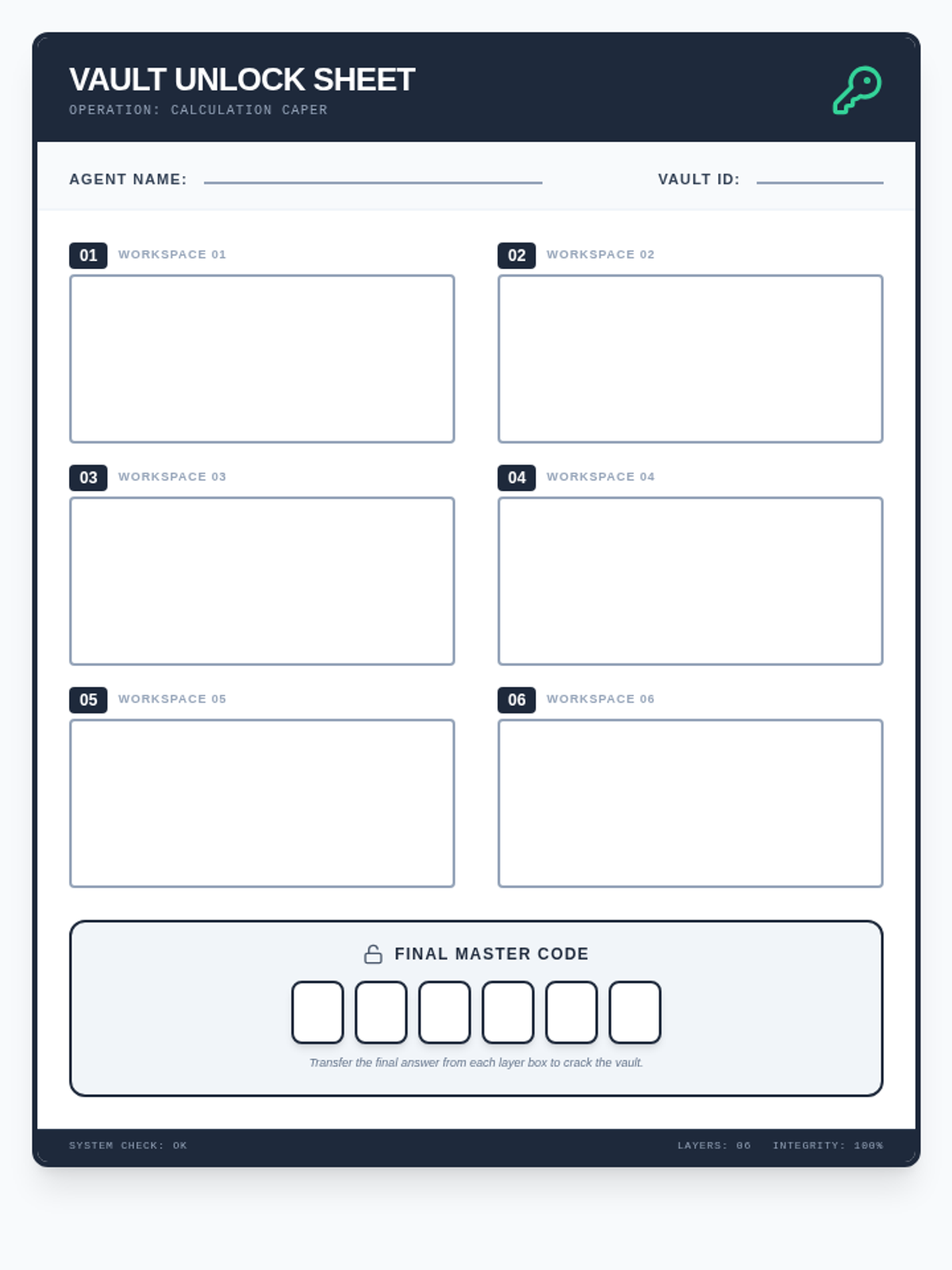
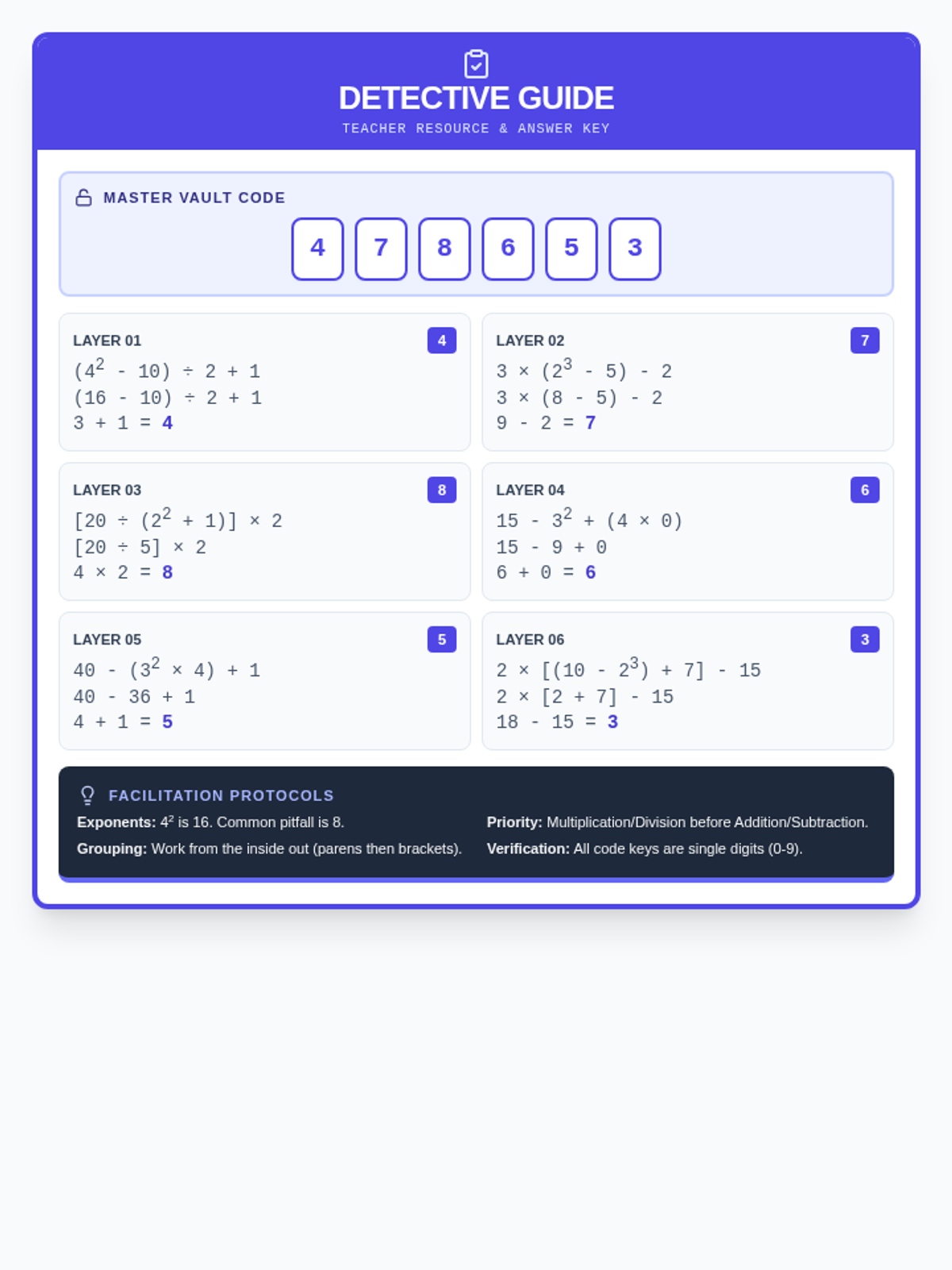
A high-stakes escape room challenge where students solve PEMDAS expressions involving exponents to crack the vault code. Students act as digital detectives navigating four distinct security layers.
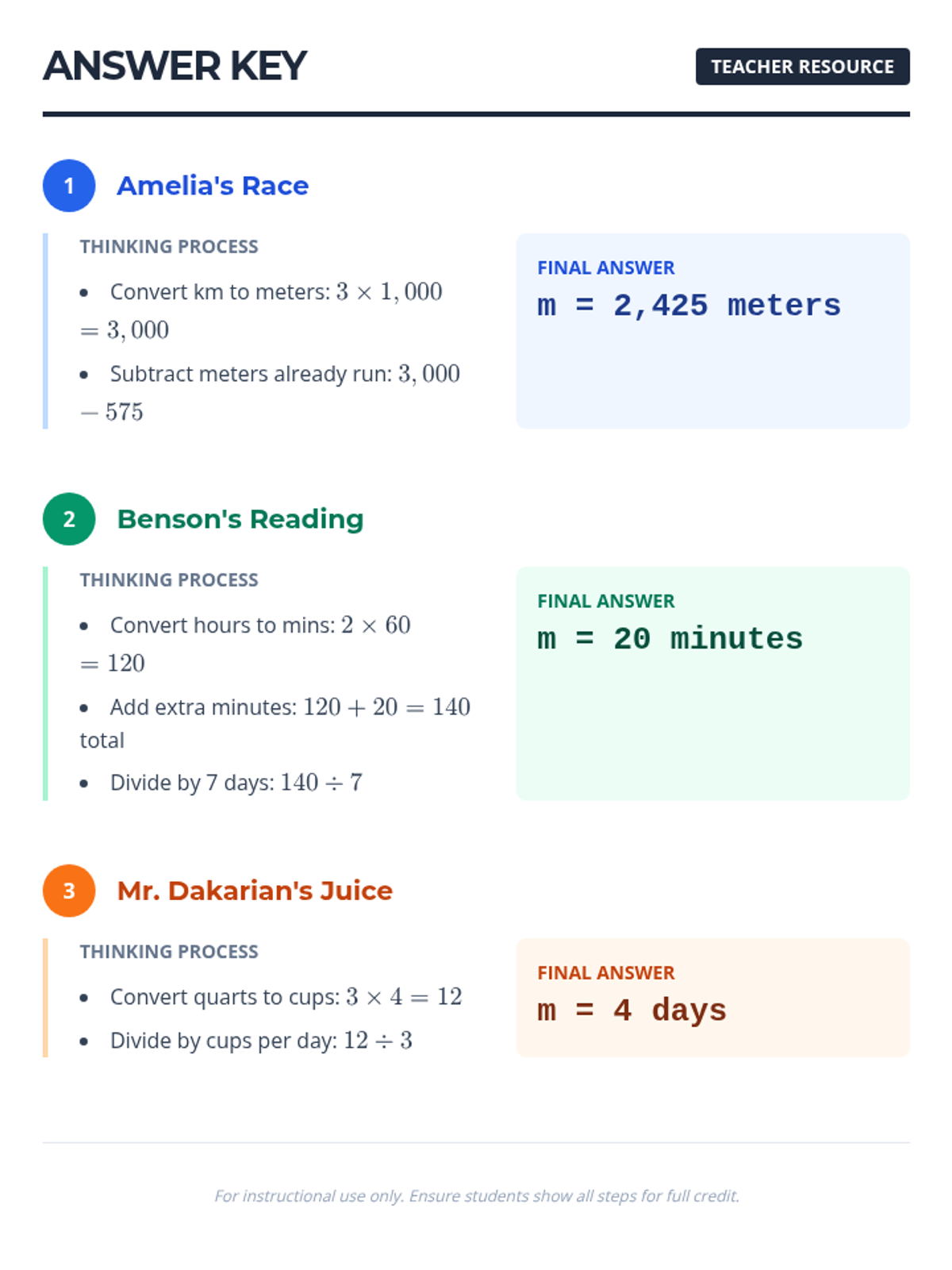
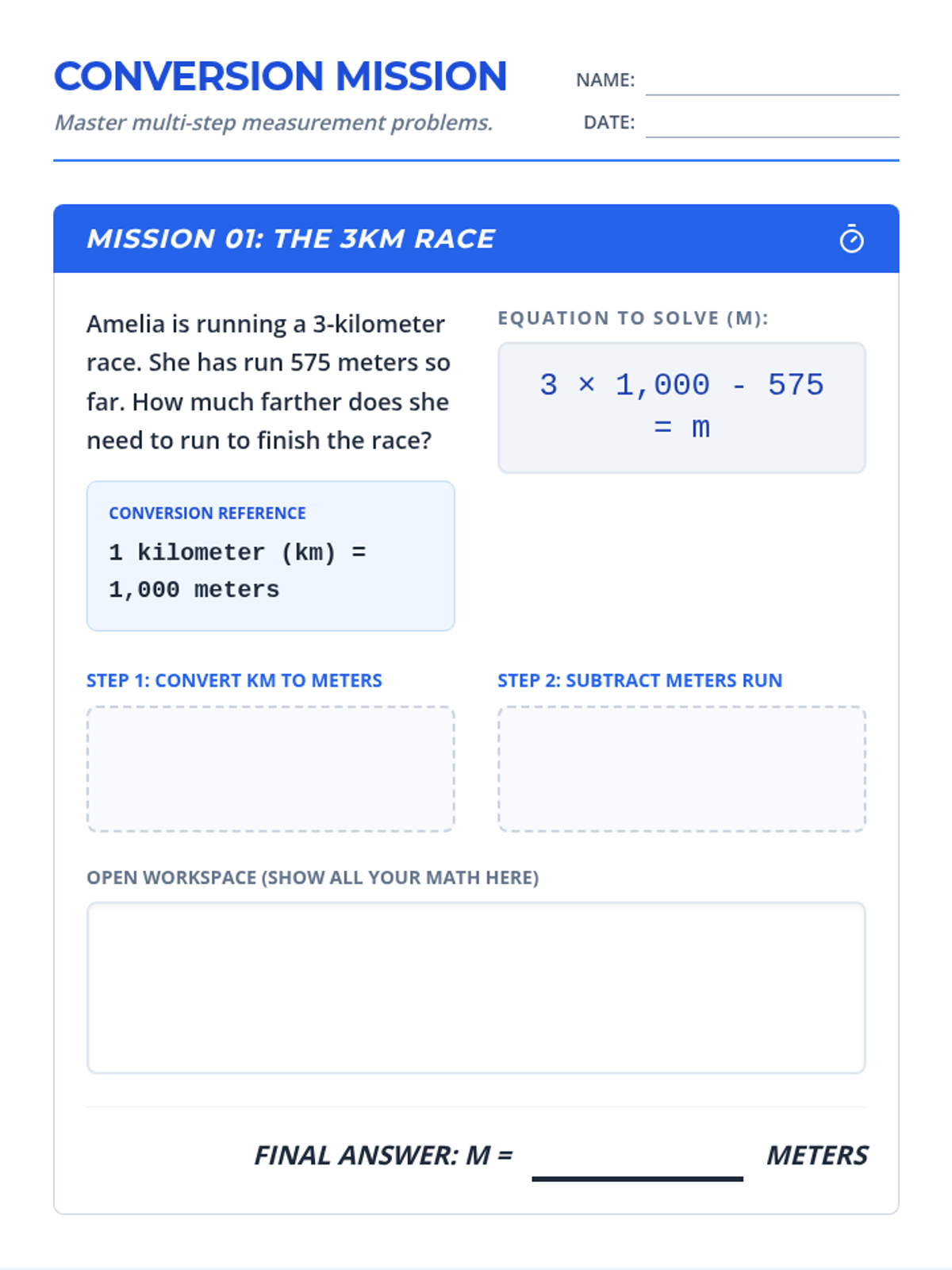
A focused lesson on solving multi-step word problems involving measurement conversions for length, time, and volume. Students practice converting units before applying arithmetic operations to find solutions.
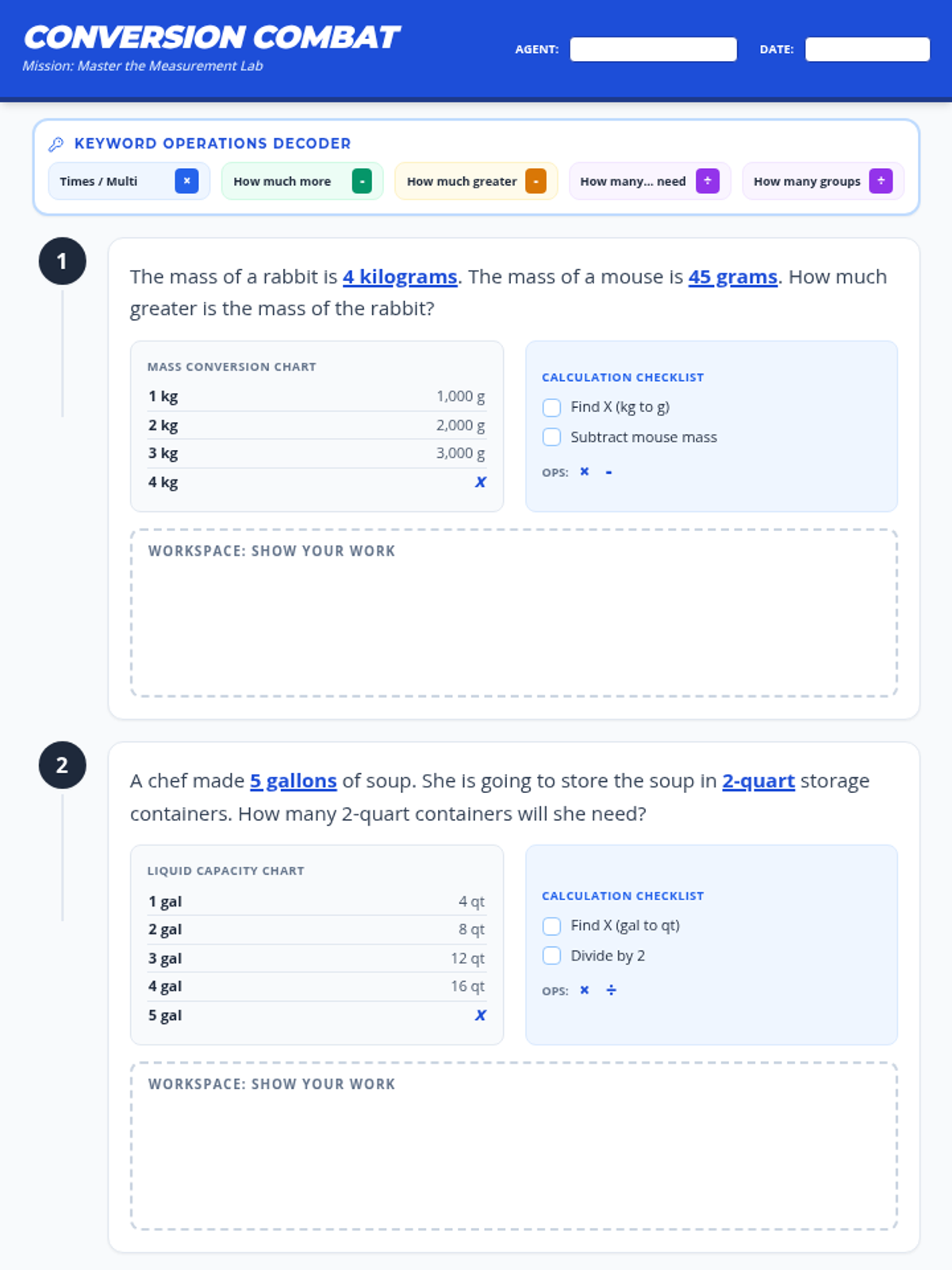
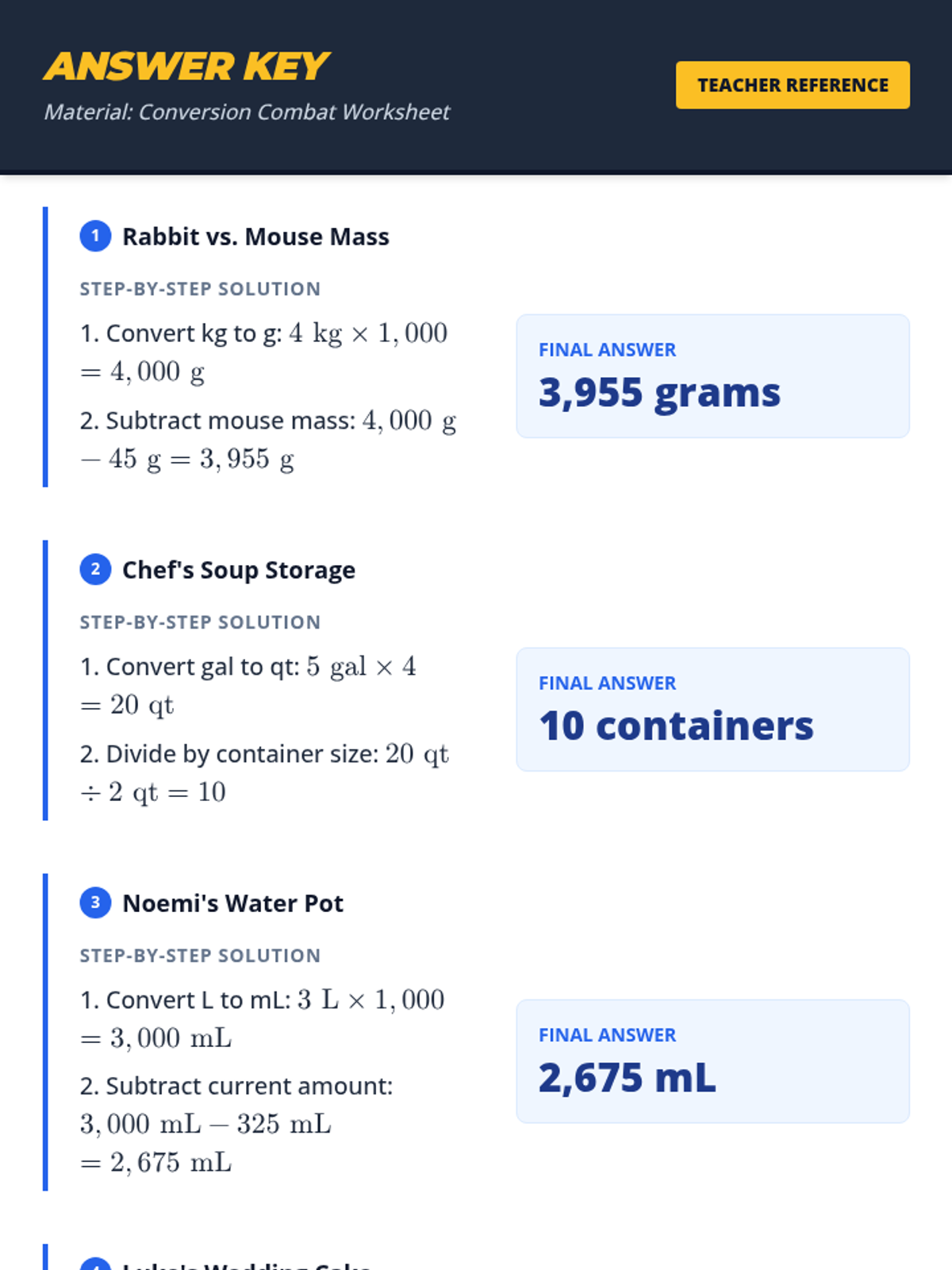
A lesson focused on solving multi-step word problems involving mass, volume, and capacity unit conversions. Students use conversion charts and operation keywords to determine the correct mathematical steps for each scenario.
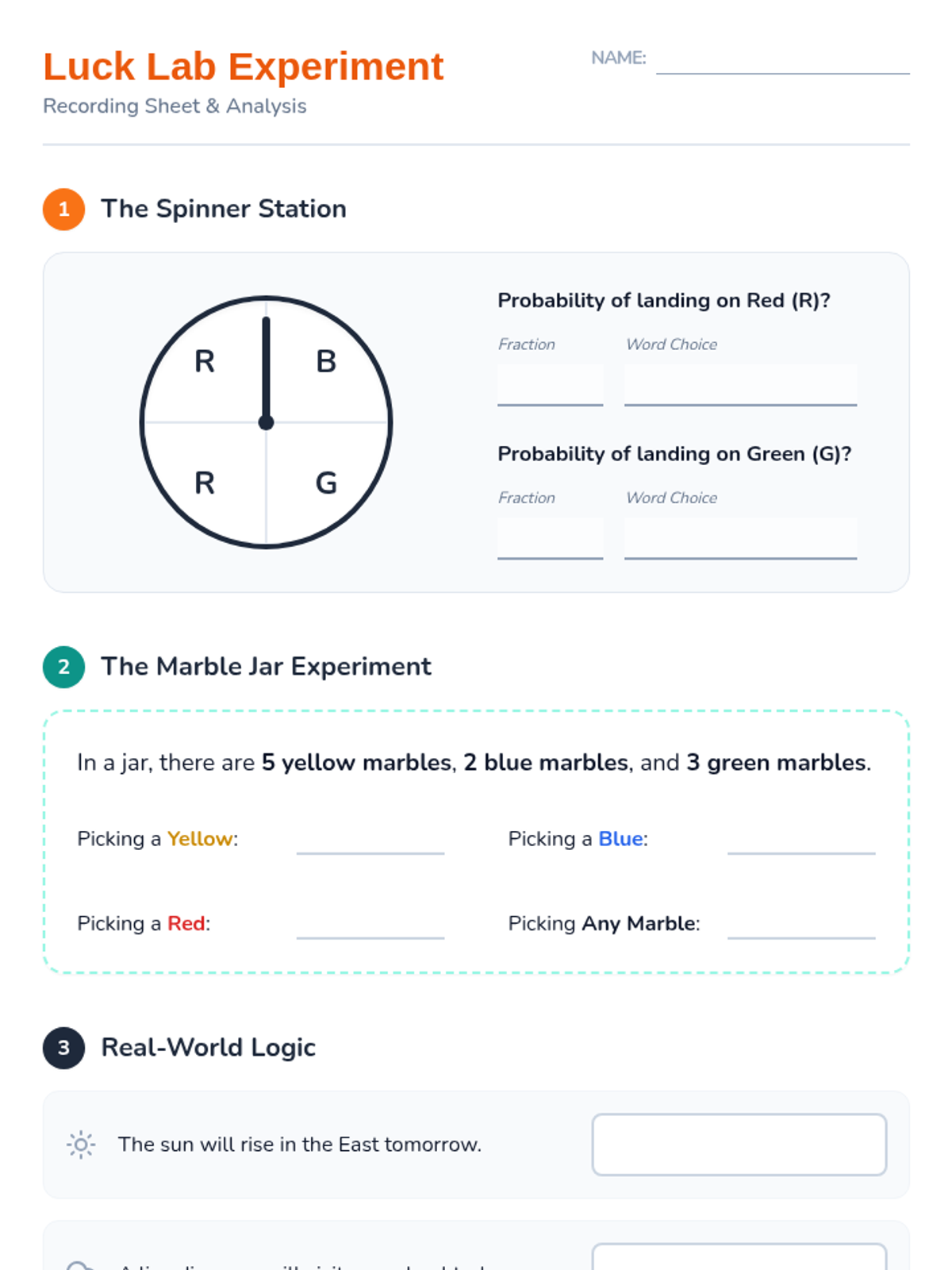
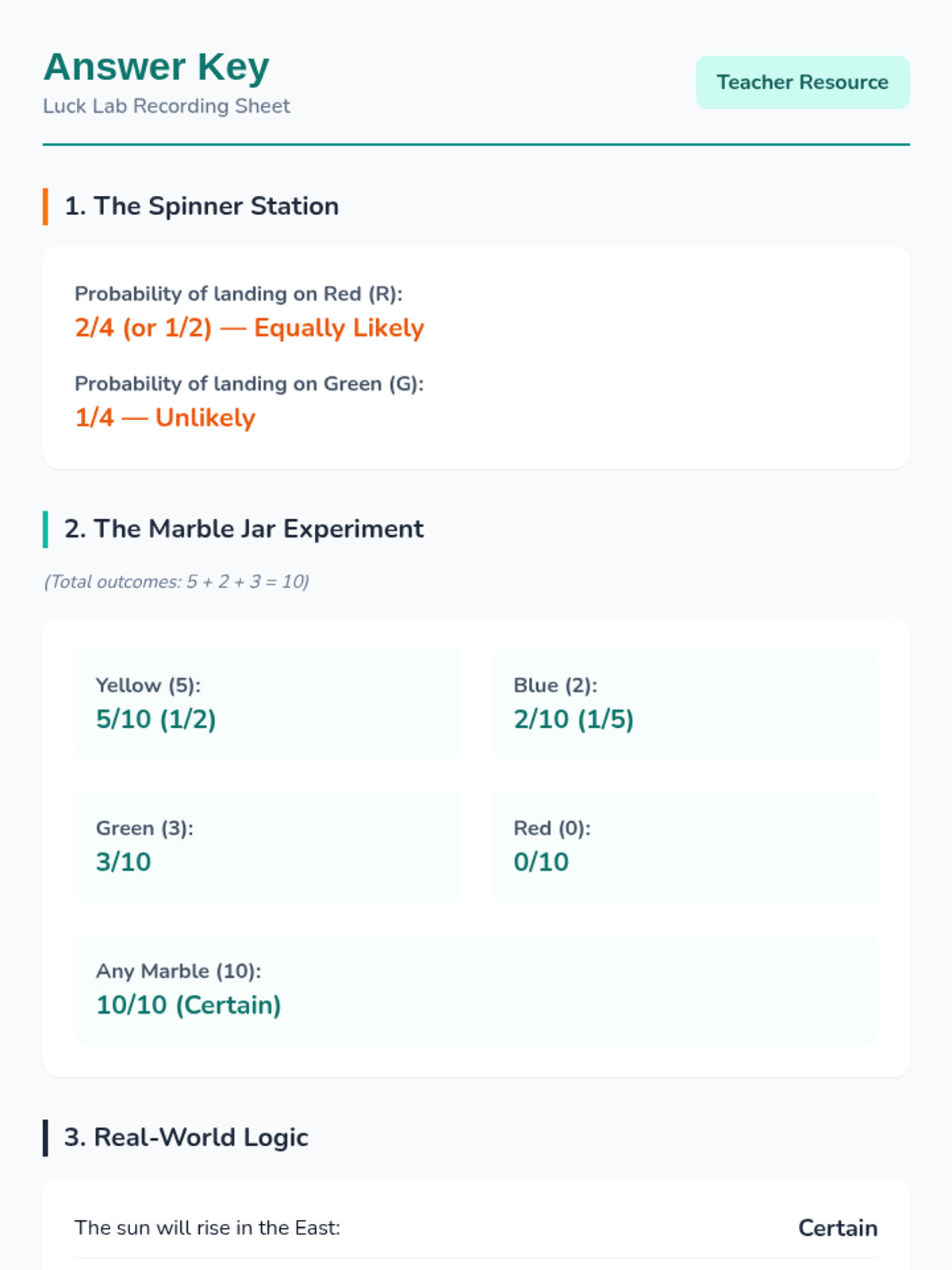
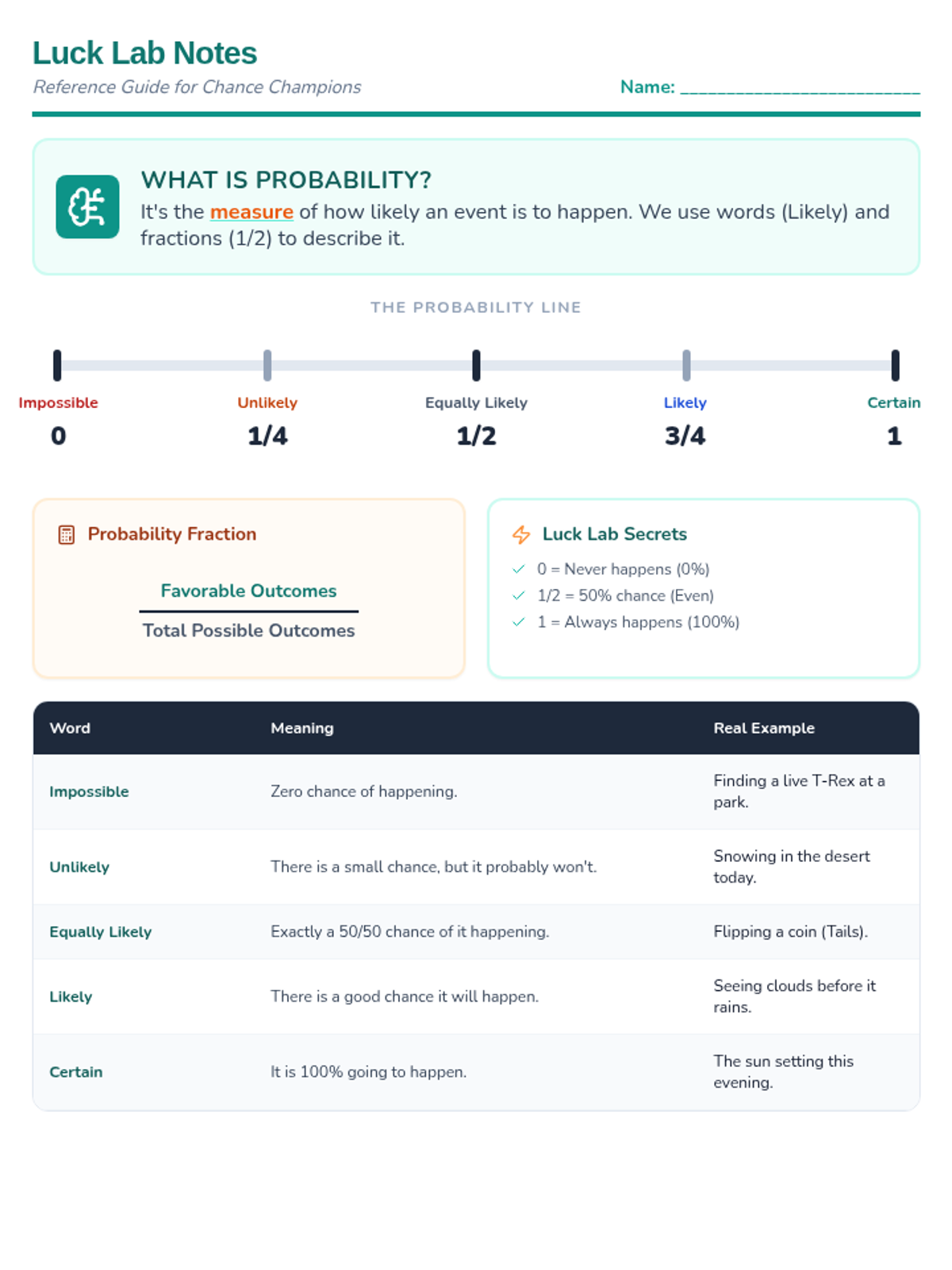
A mini-lesson introducing probability concepts through the lens of 'The Luck Lab', covering vocabulary (certain to impossible) and fractional representations.
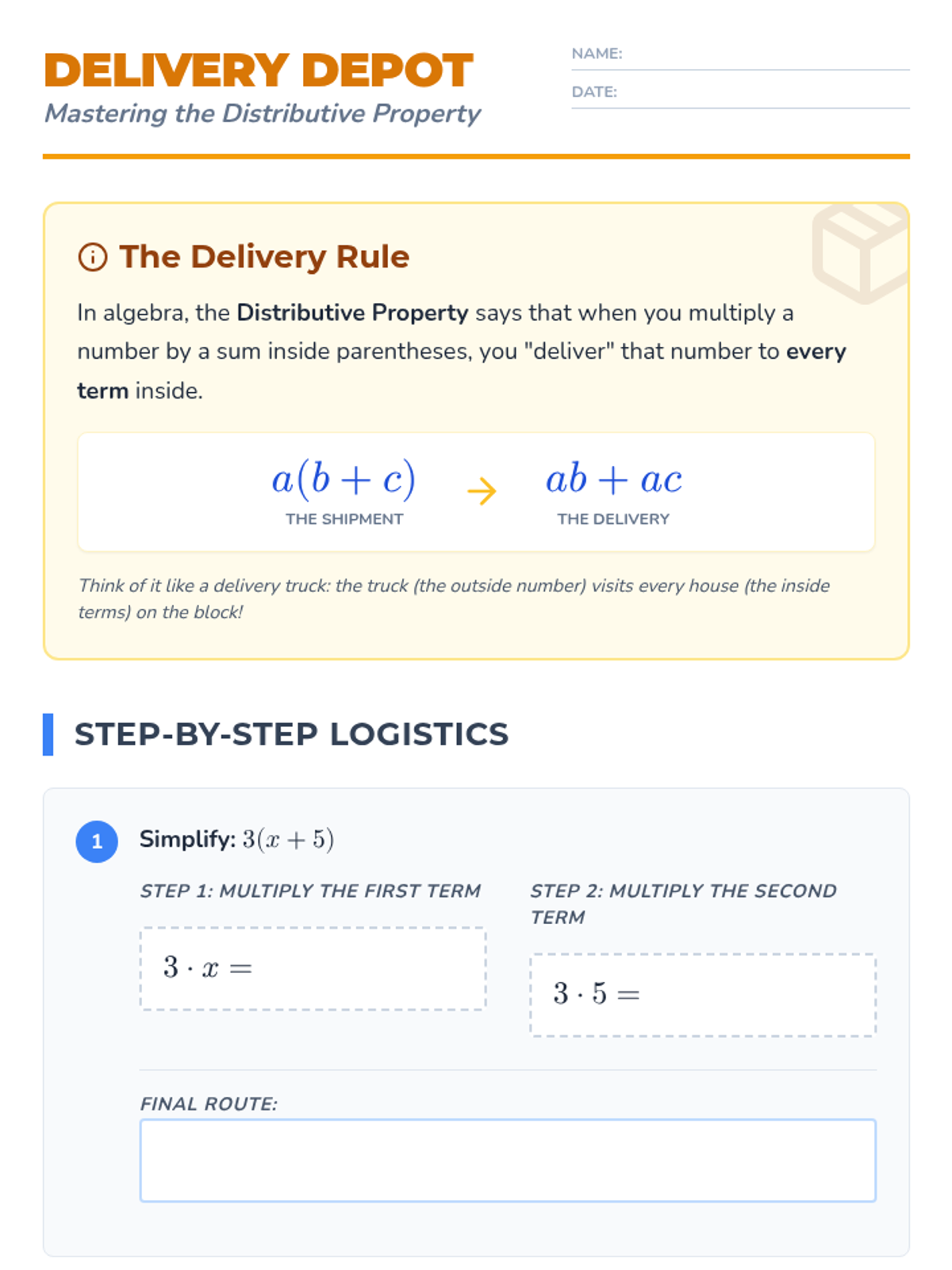
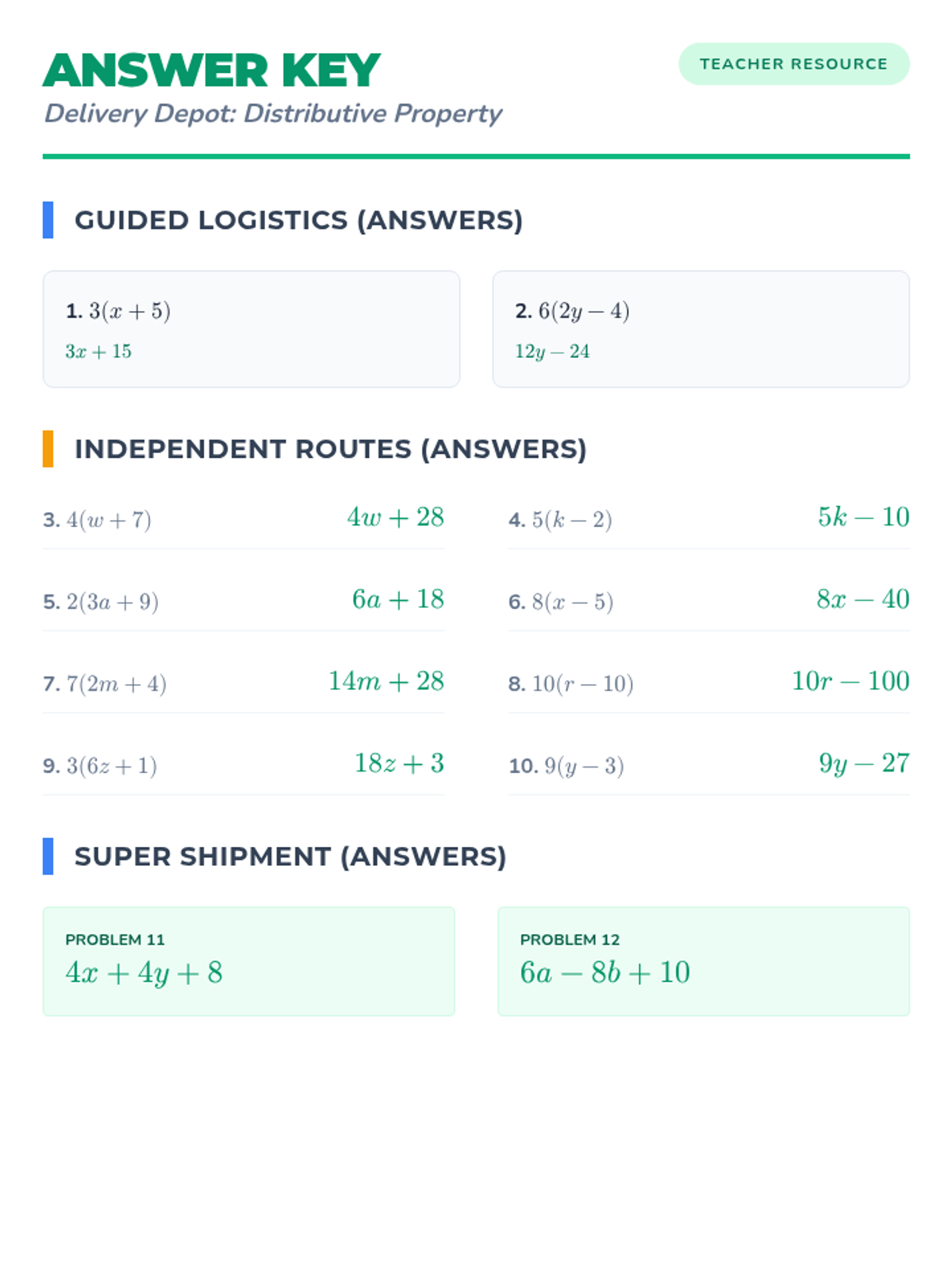
A lesson introducing the distributive property through the metaphor of a delivery service, featuring guided and independent practice.
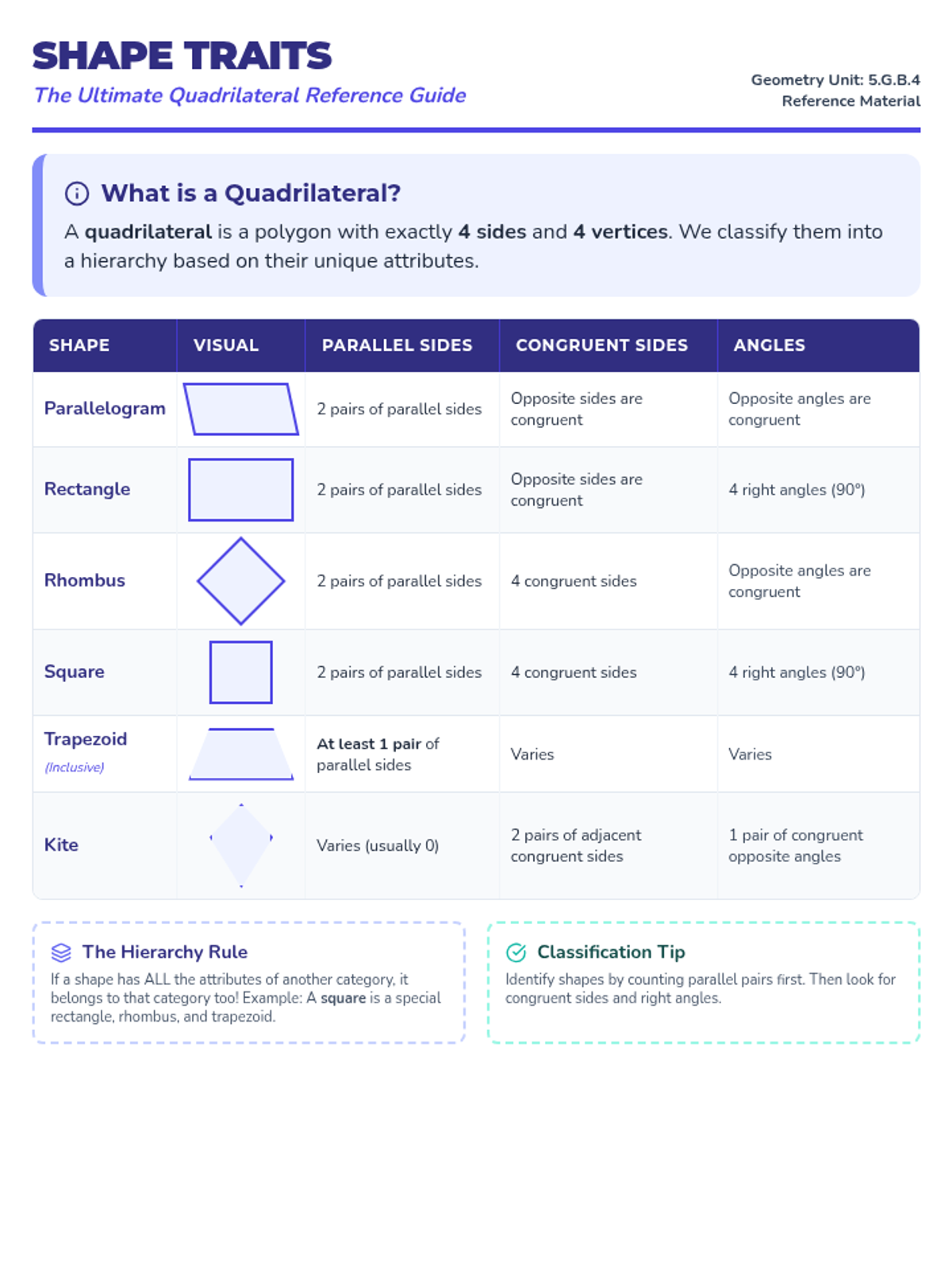
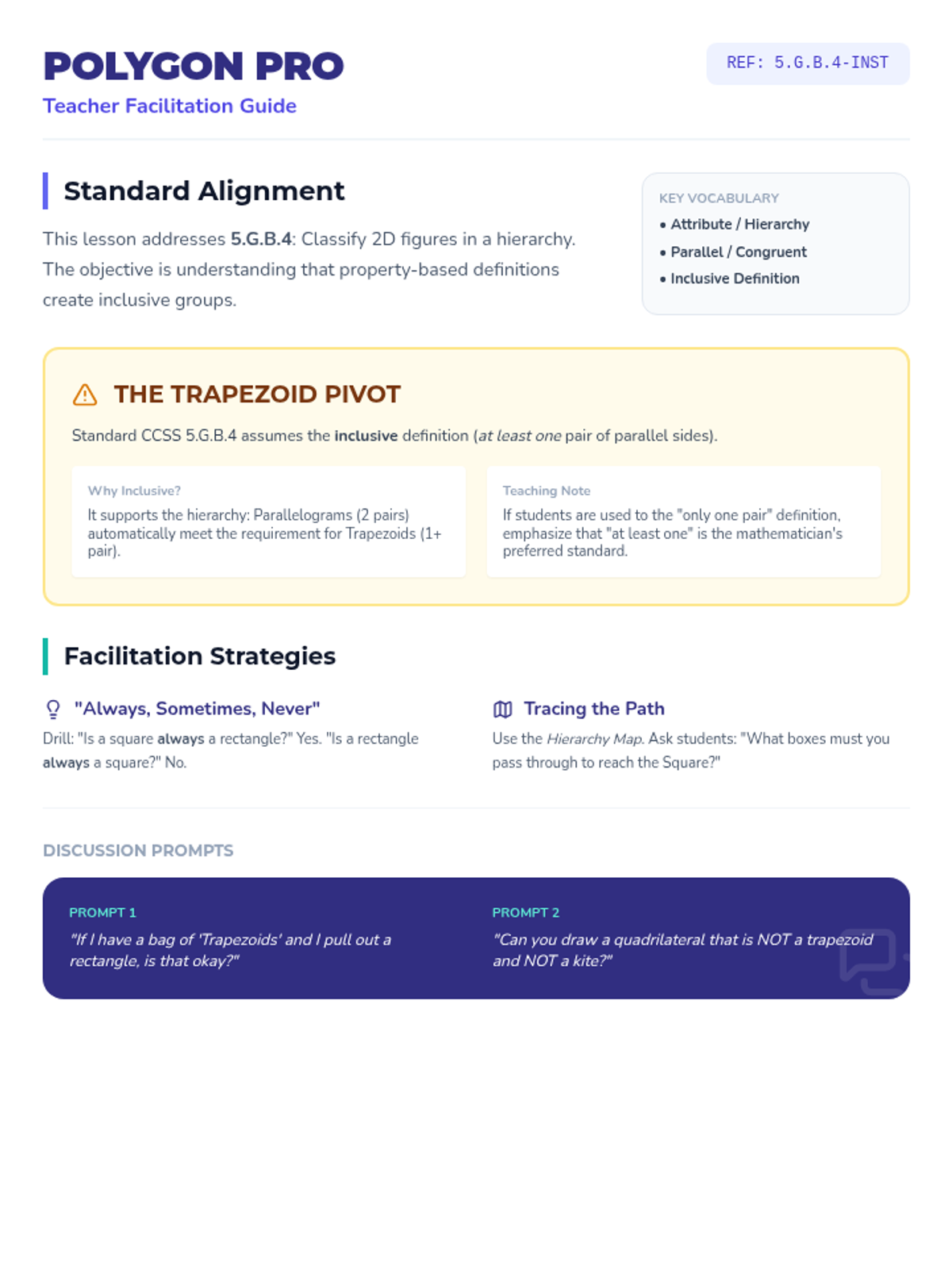
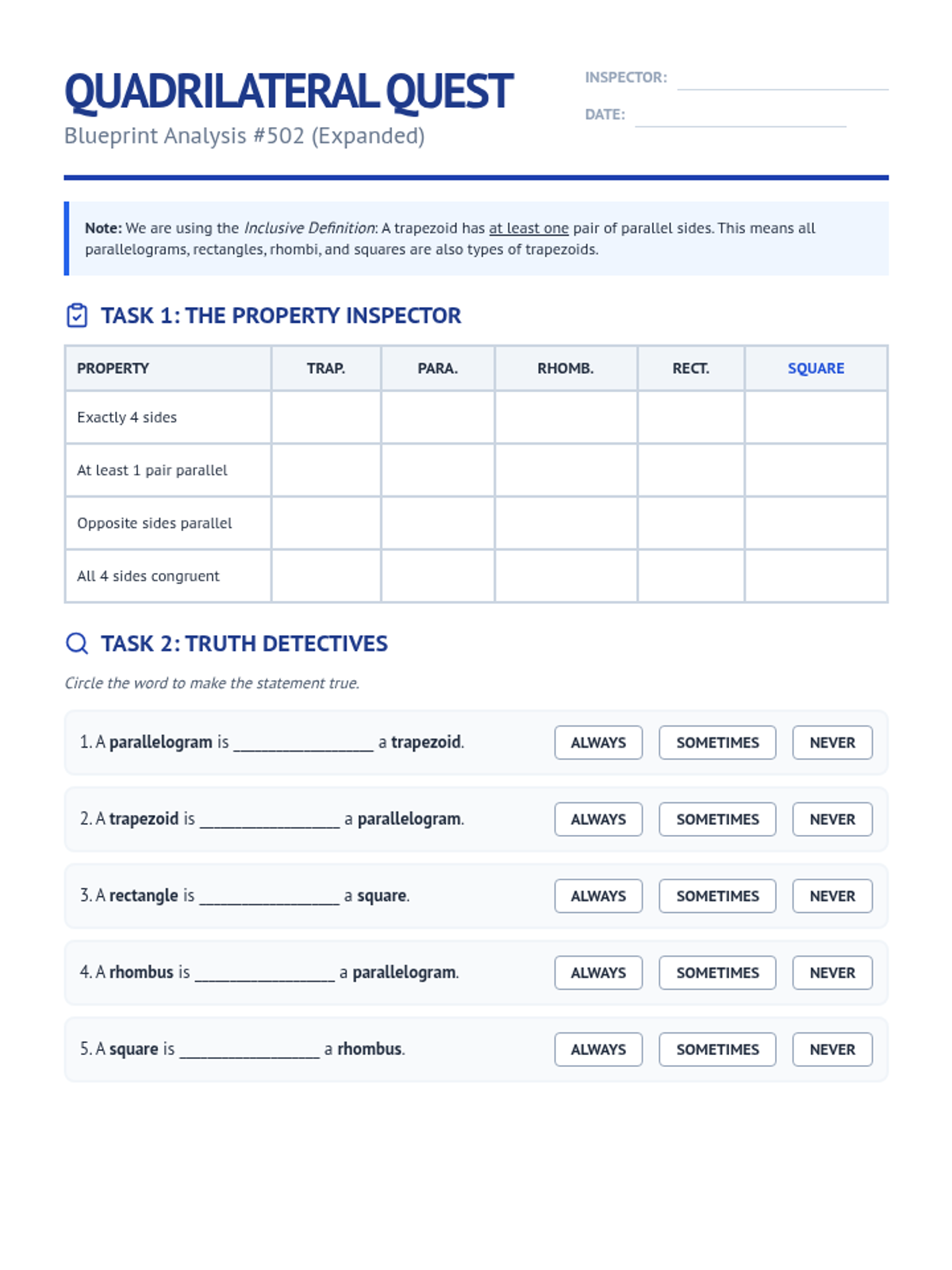
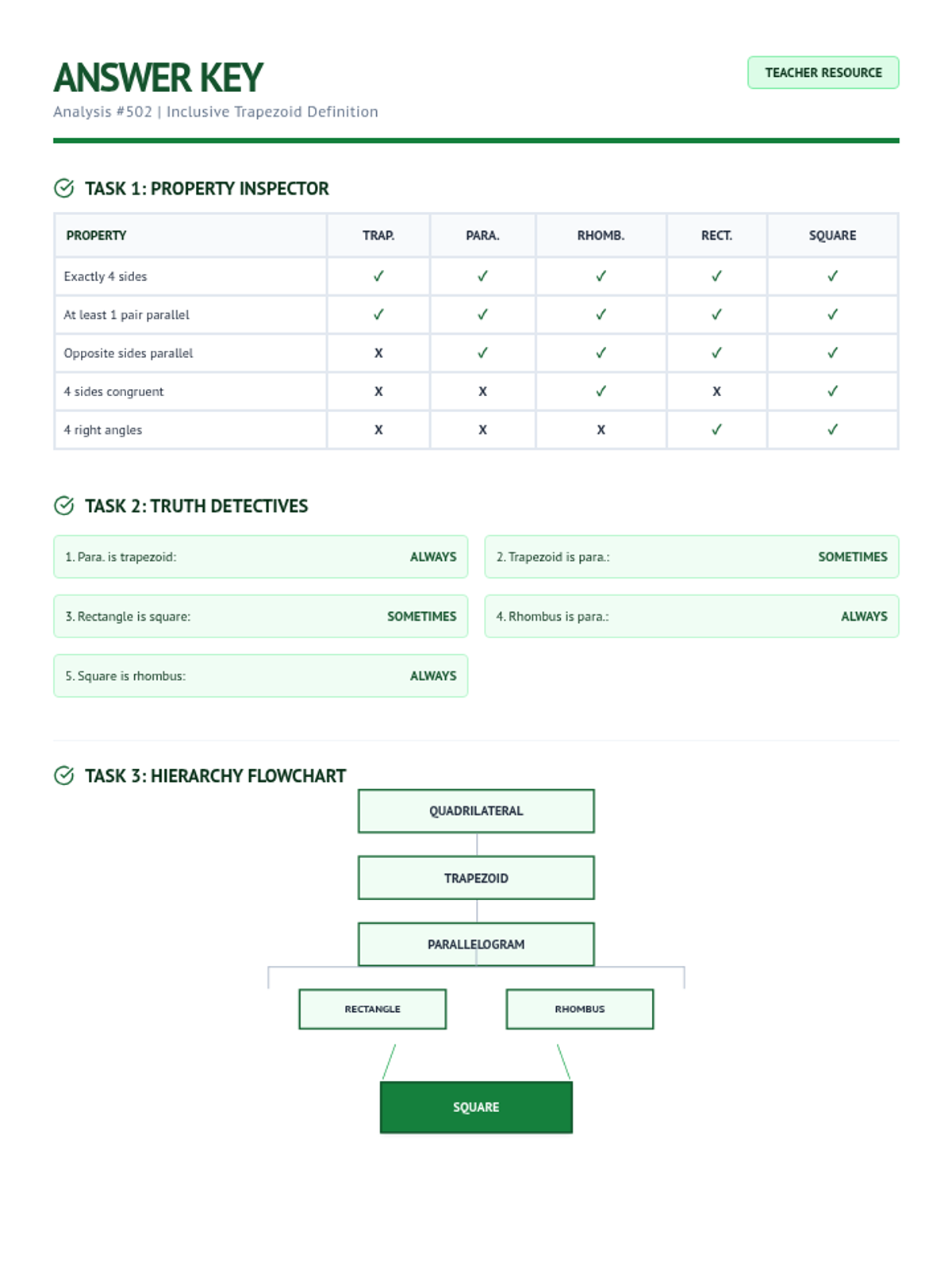
A comprehensive lesson on classifying quadrilaterals based on their properties, focusing on the hierarchy and inclusive definitions required for 5th-grade geometry.
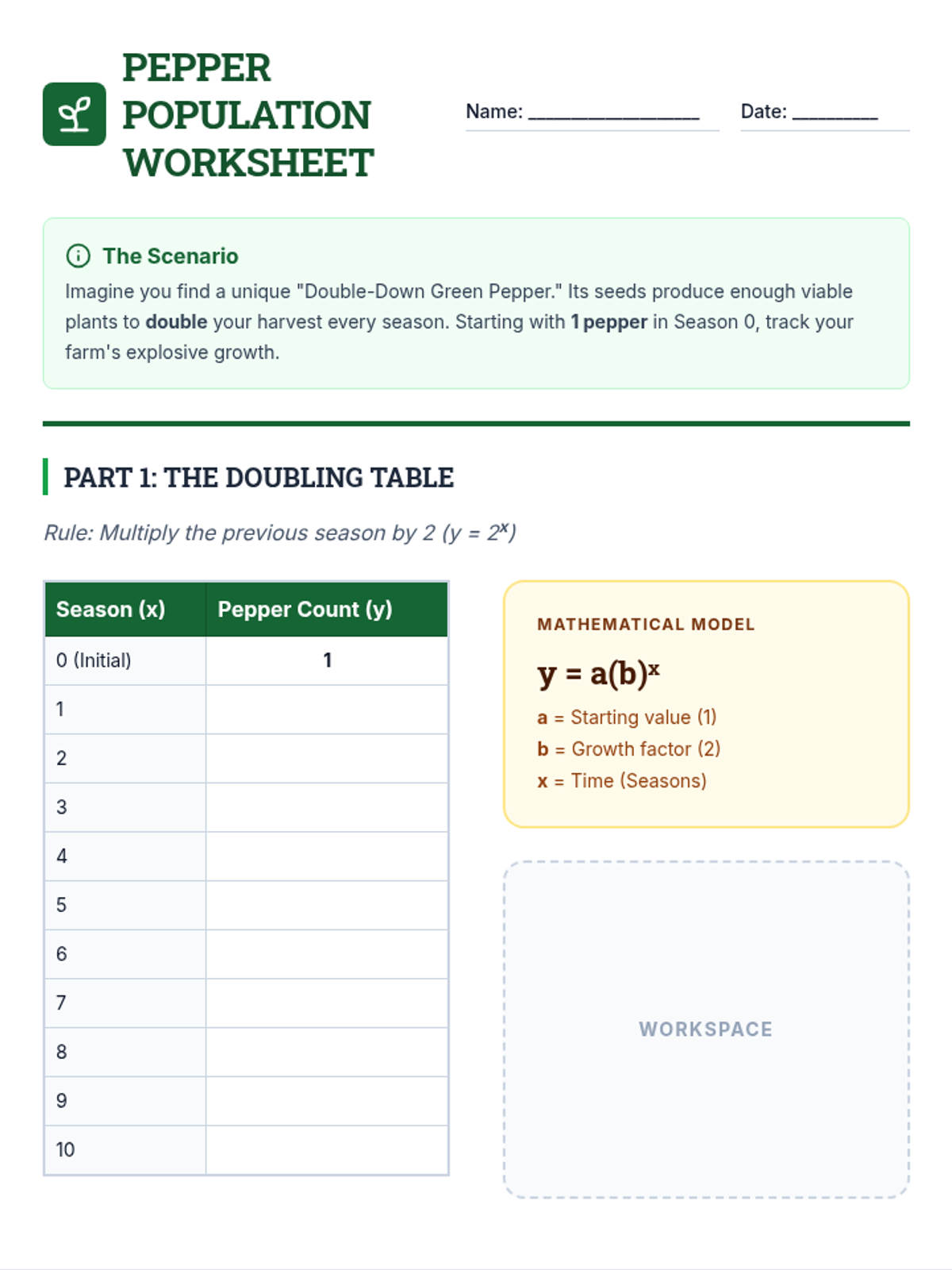
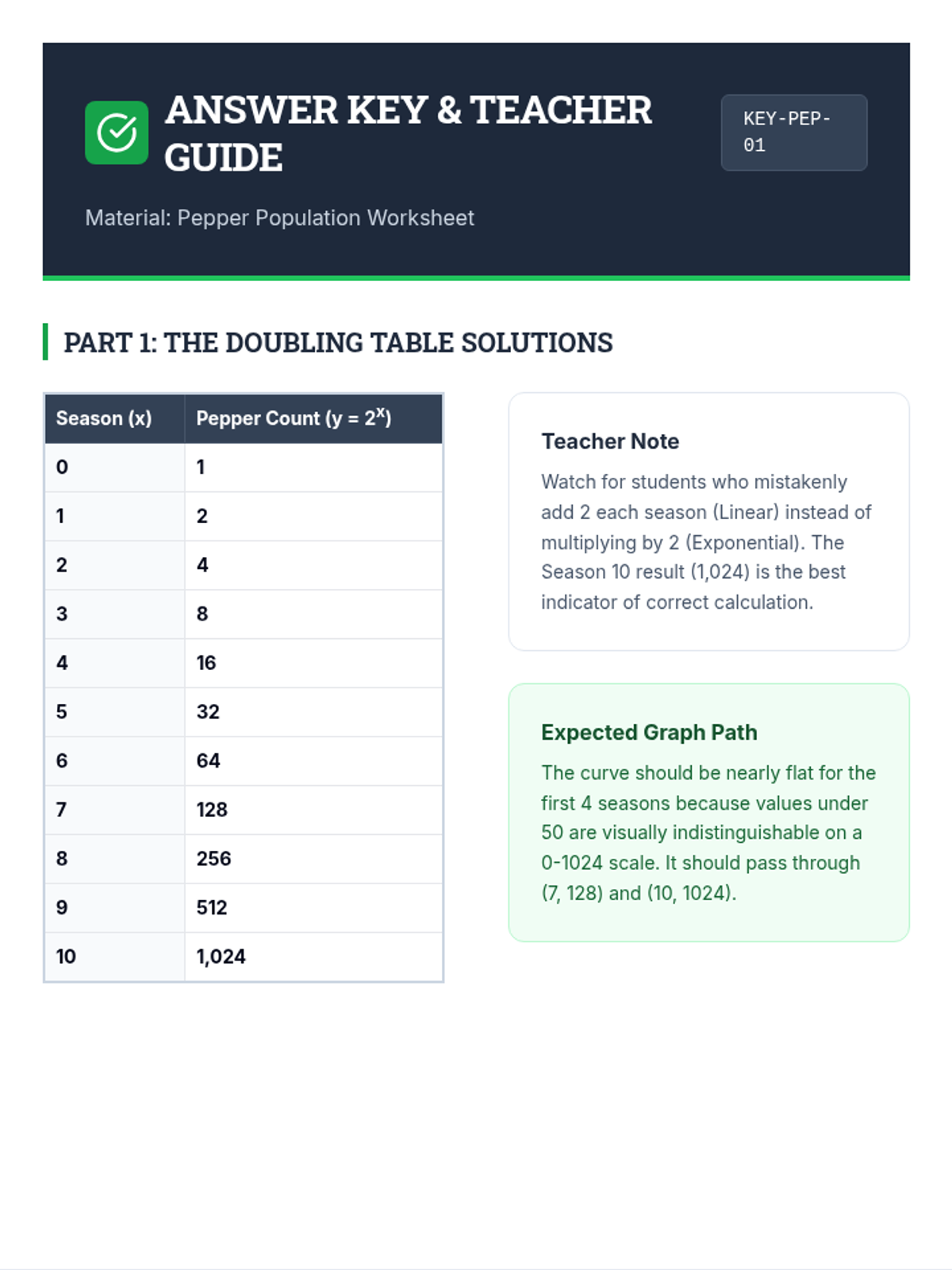
Students will model the exponential growth of a pepper population, starting from one pepper and doubling every season, to understand the power of geometric growth.
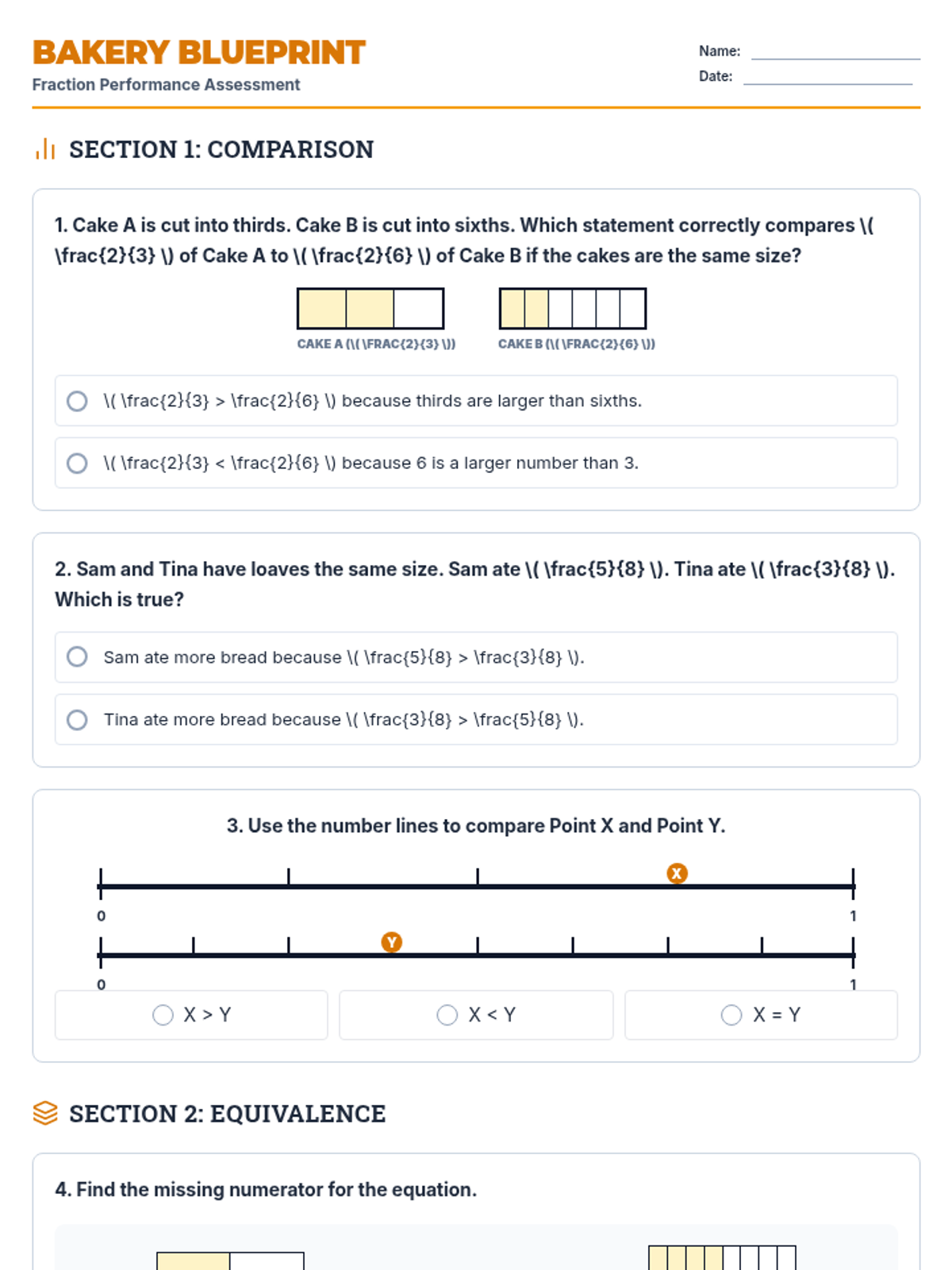
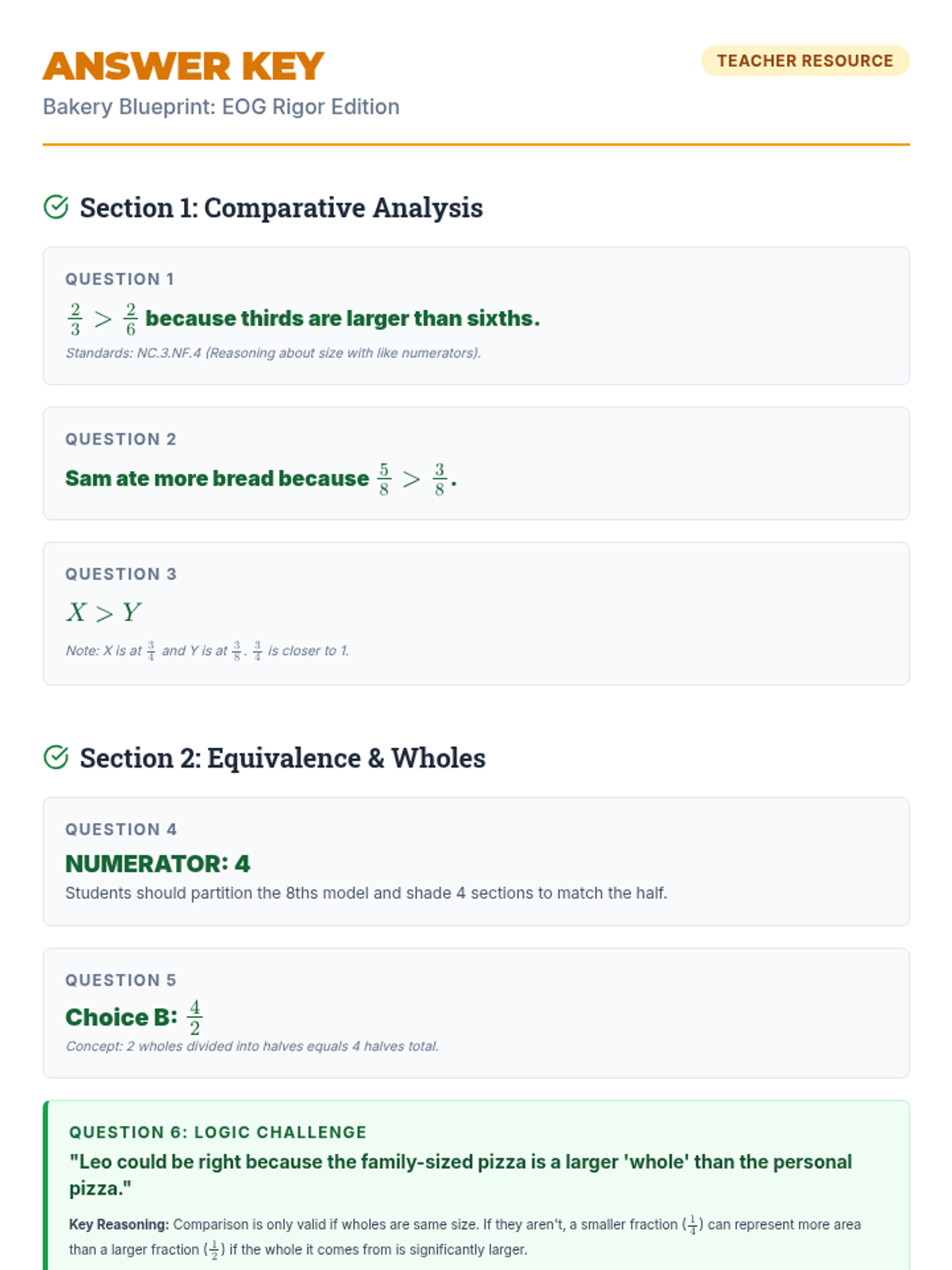
A comprehensive lesson on comparing and representing fractions using area and length models within a bakery-themed context. Students will practice comparing fractions with like numerators or denominators and identifying equivalent fractions and whole numbers.
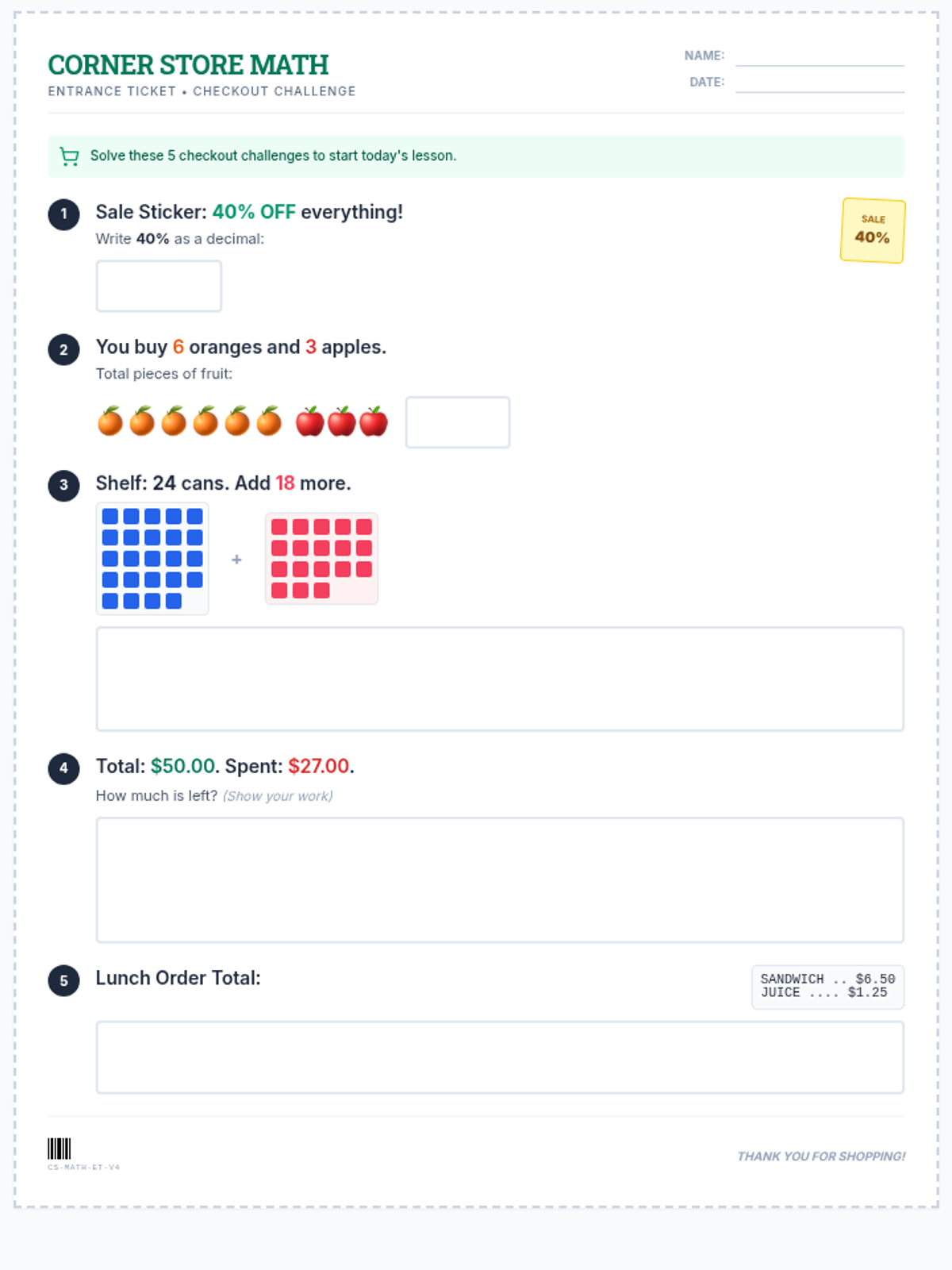
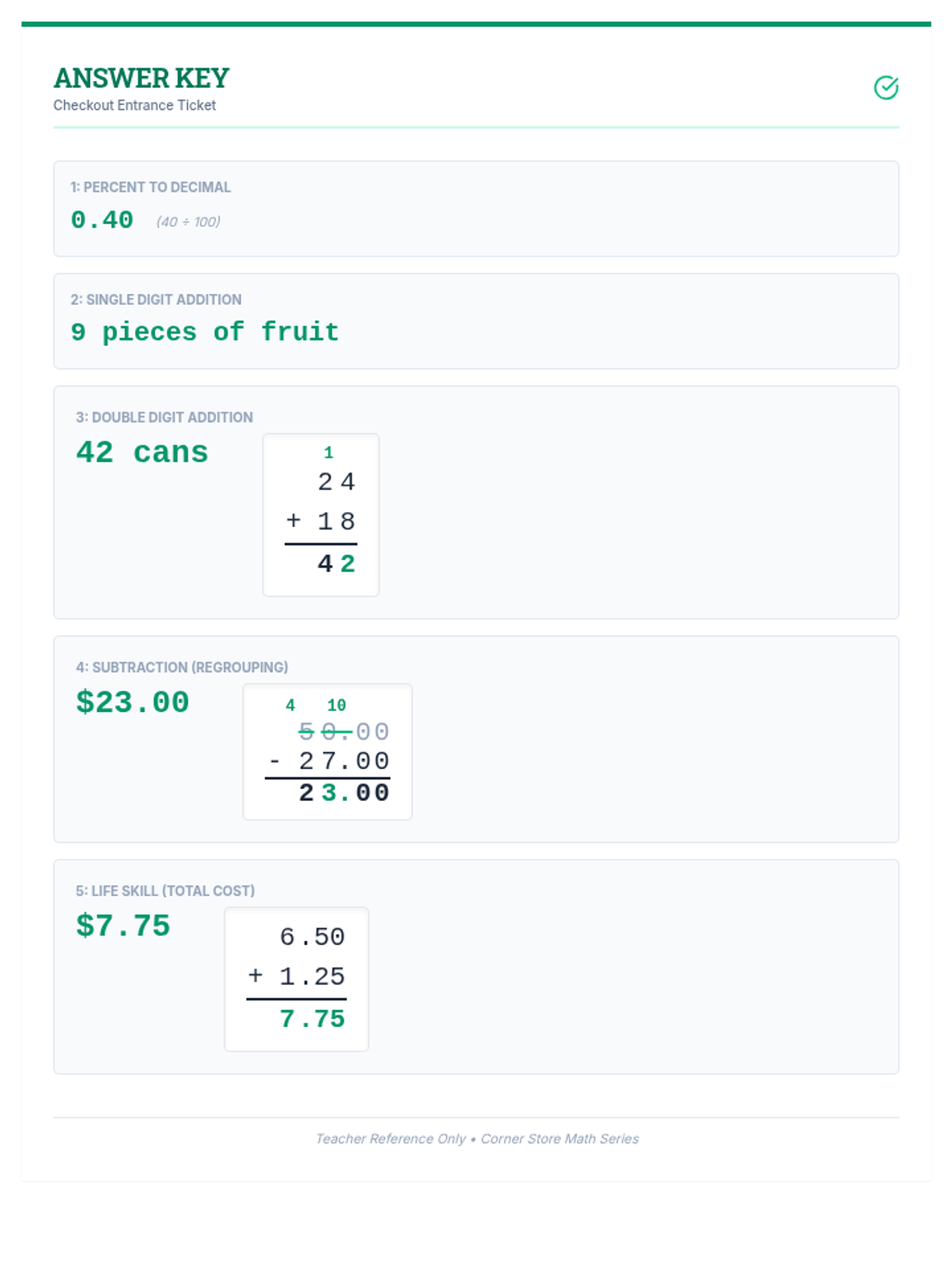
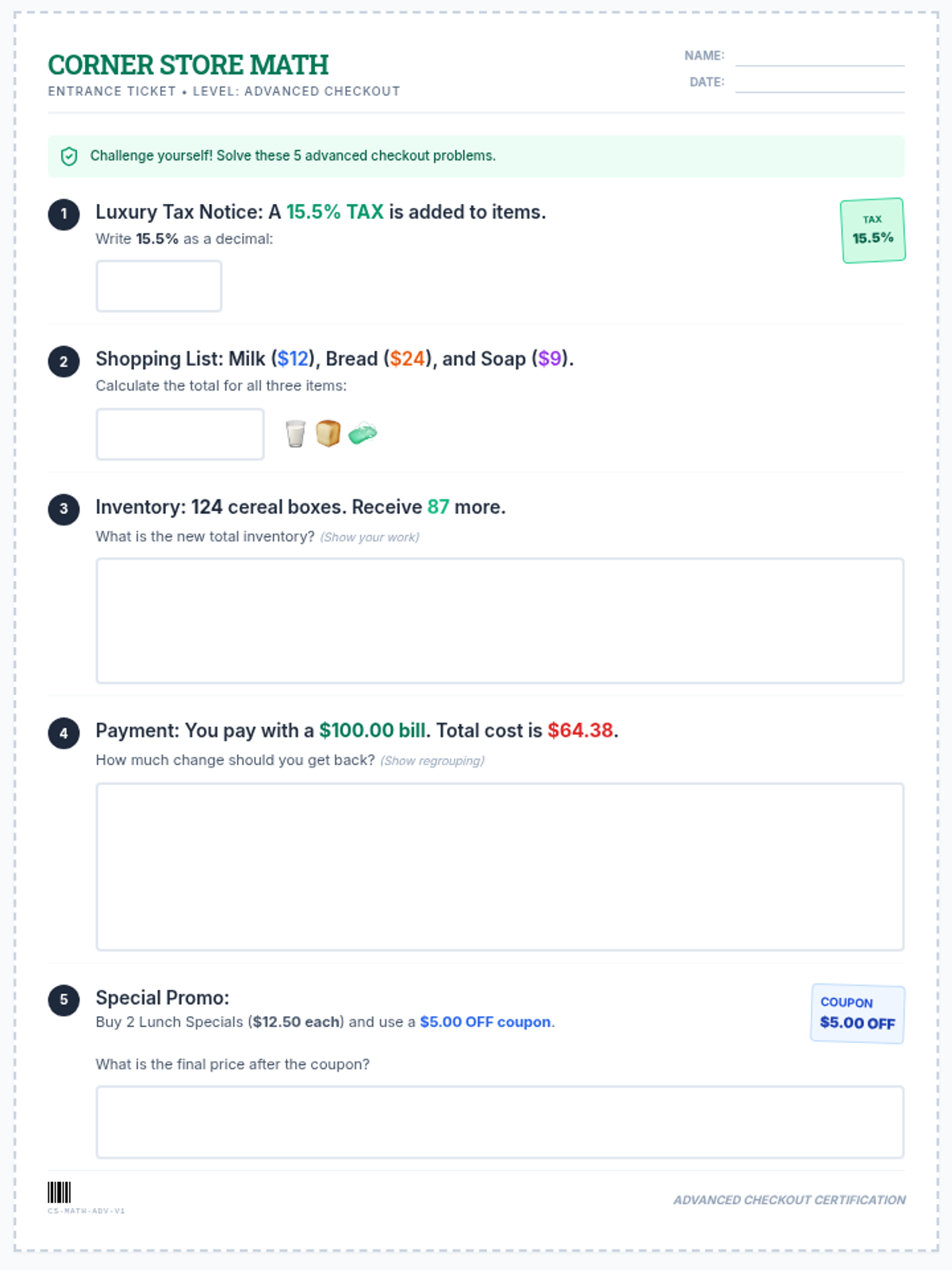
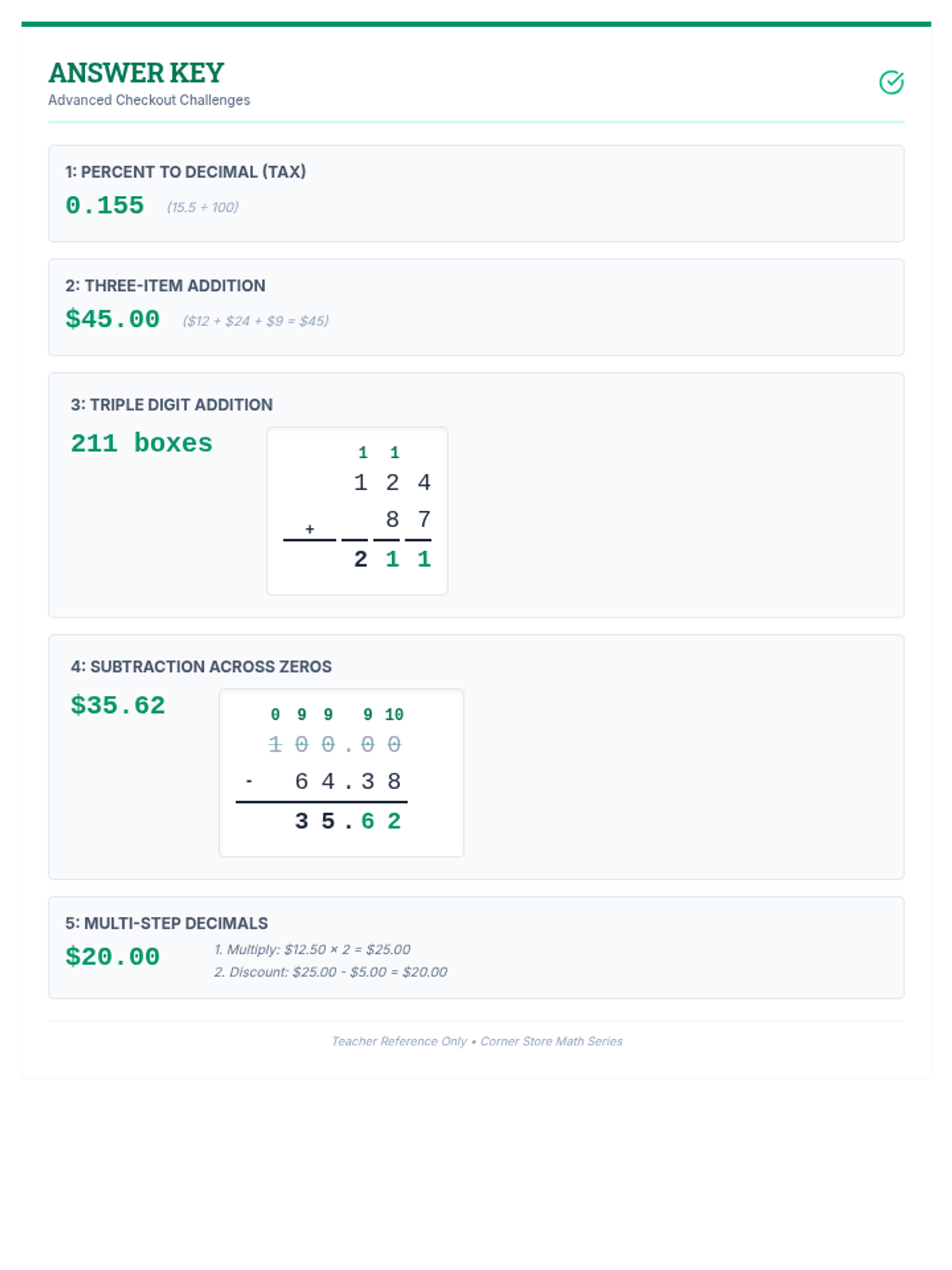
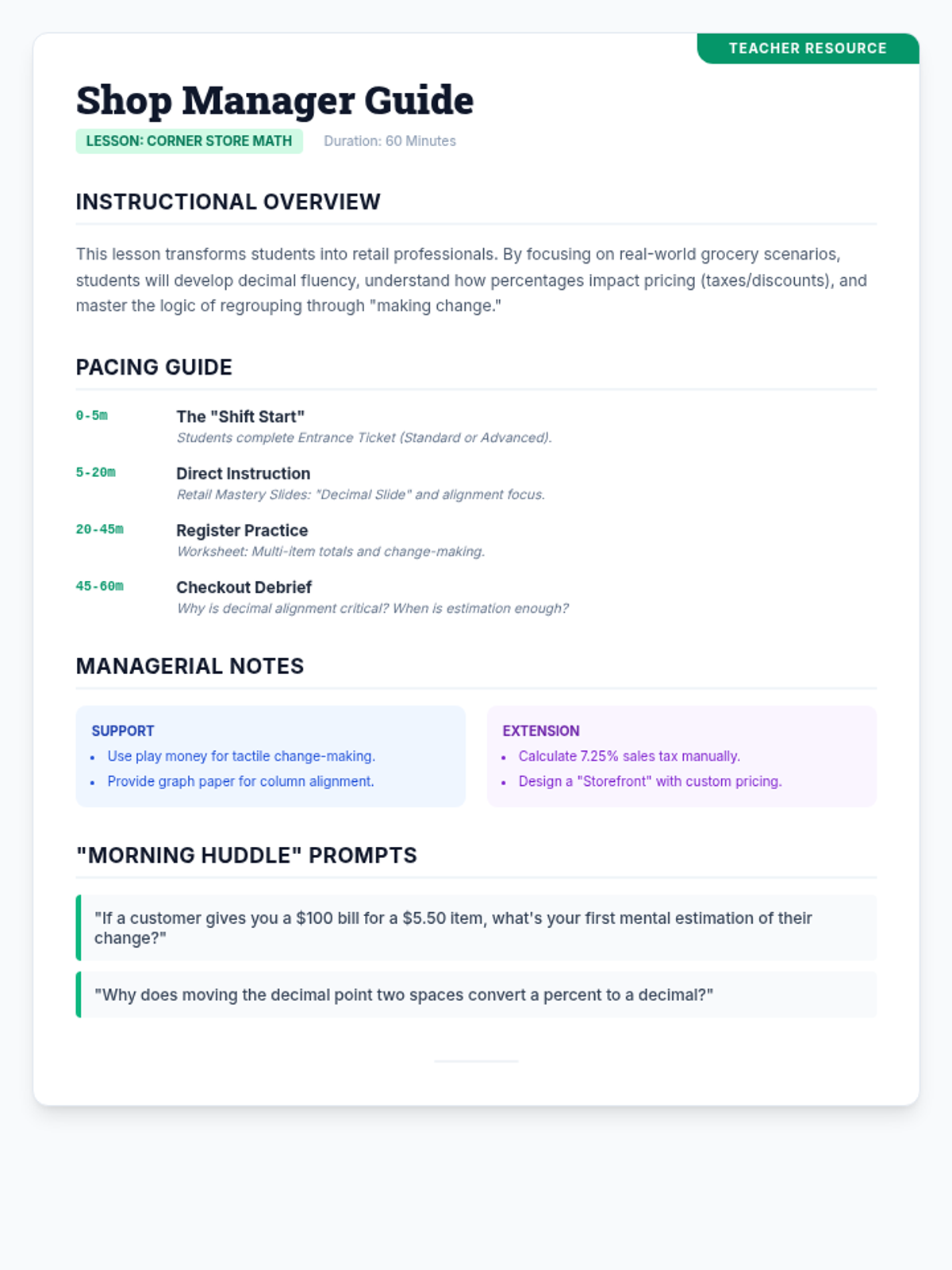
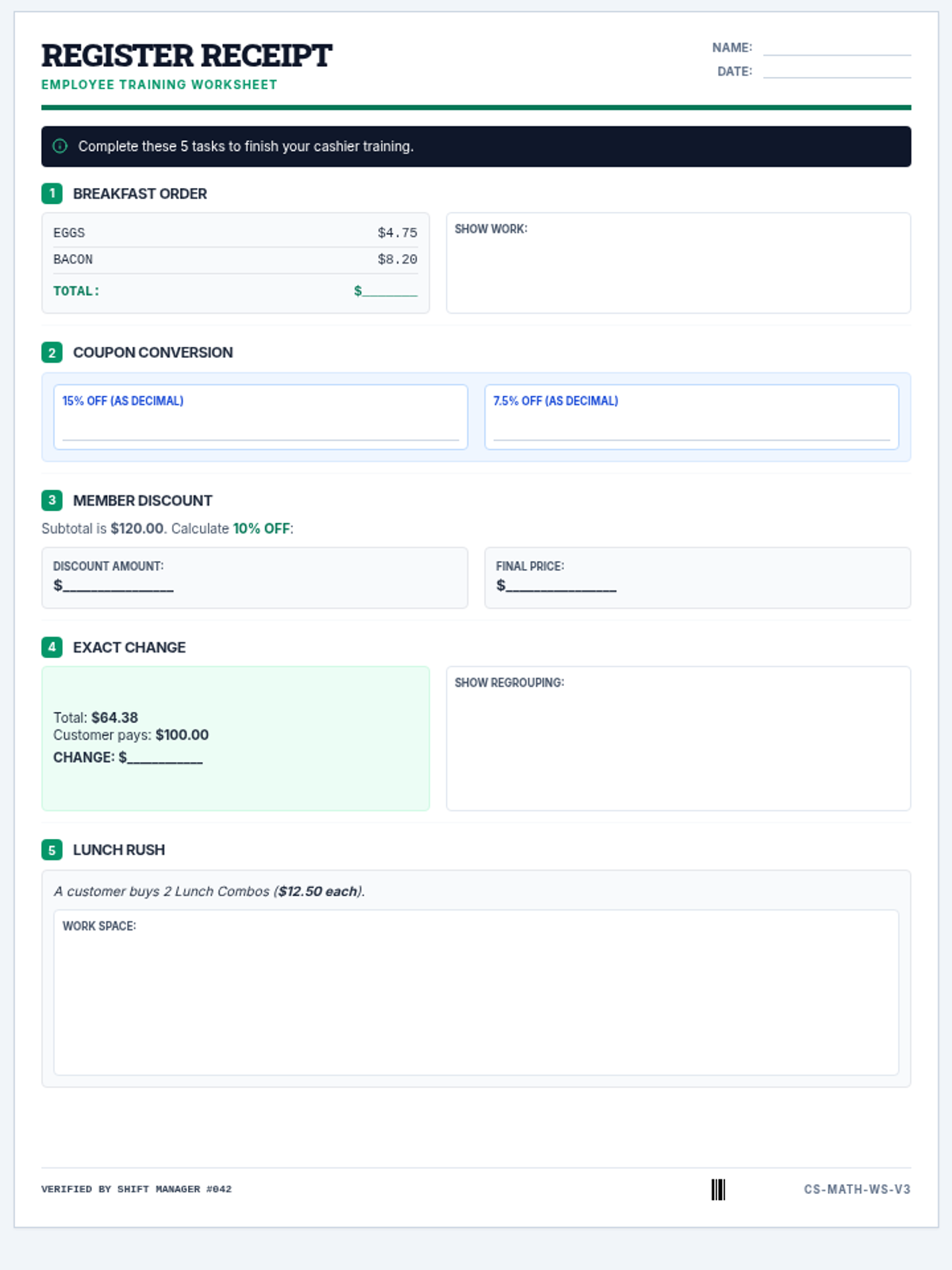
This lesson focuses on practical math applications in a retail setting, covering decimals, percentages, and basic arithmetic with a focus on money management.
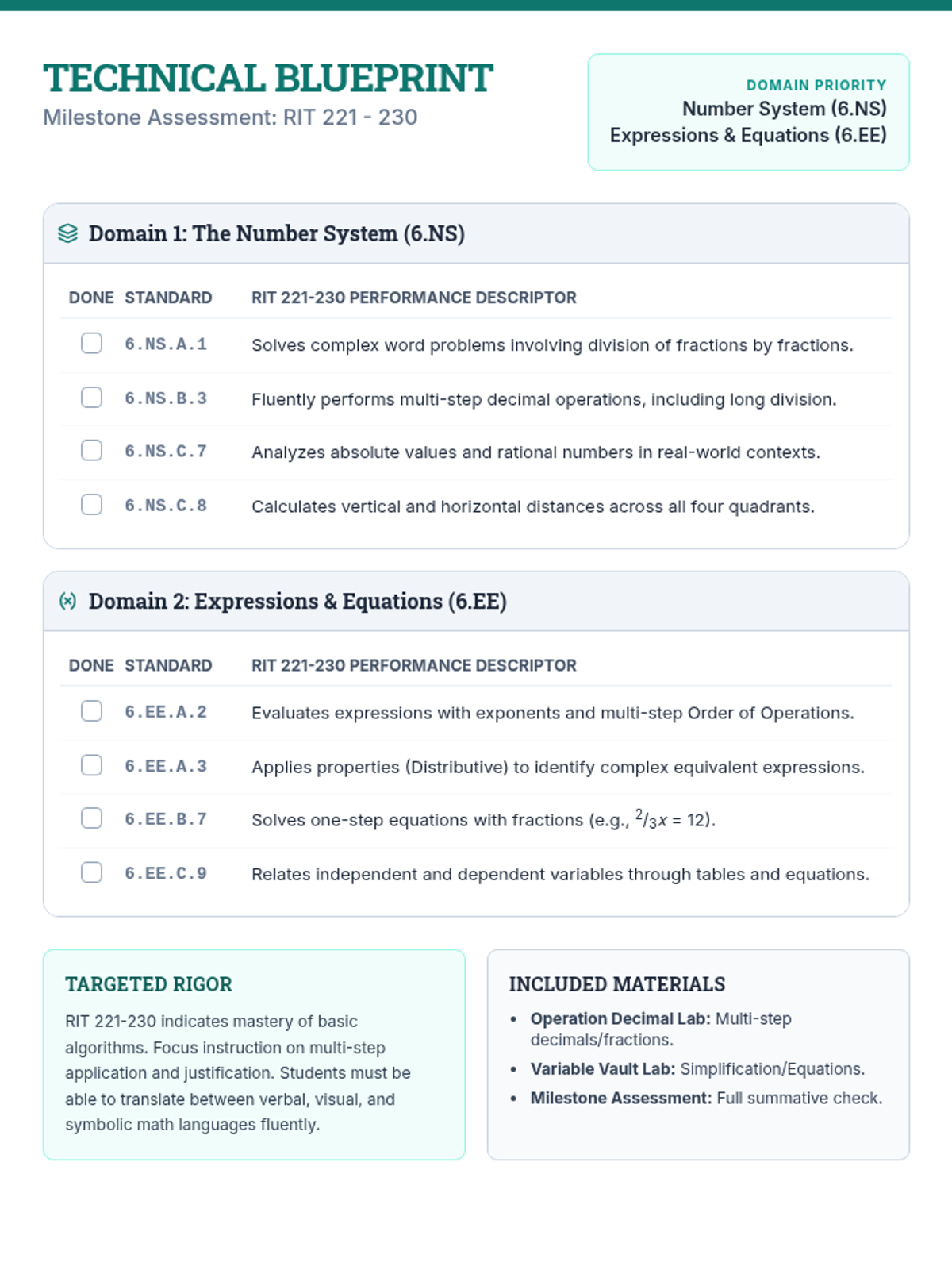
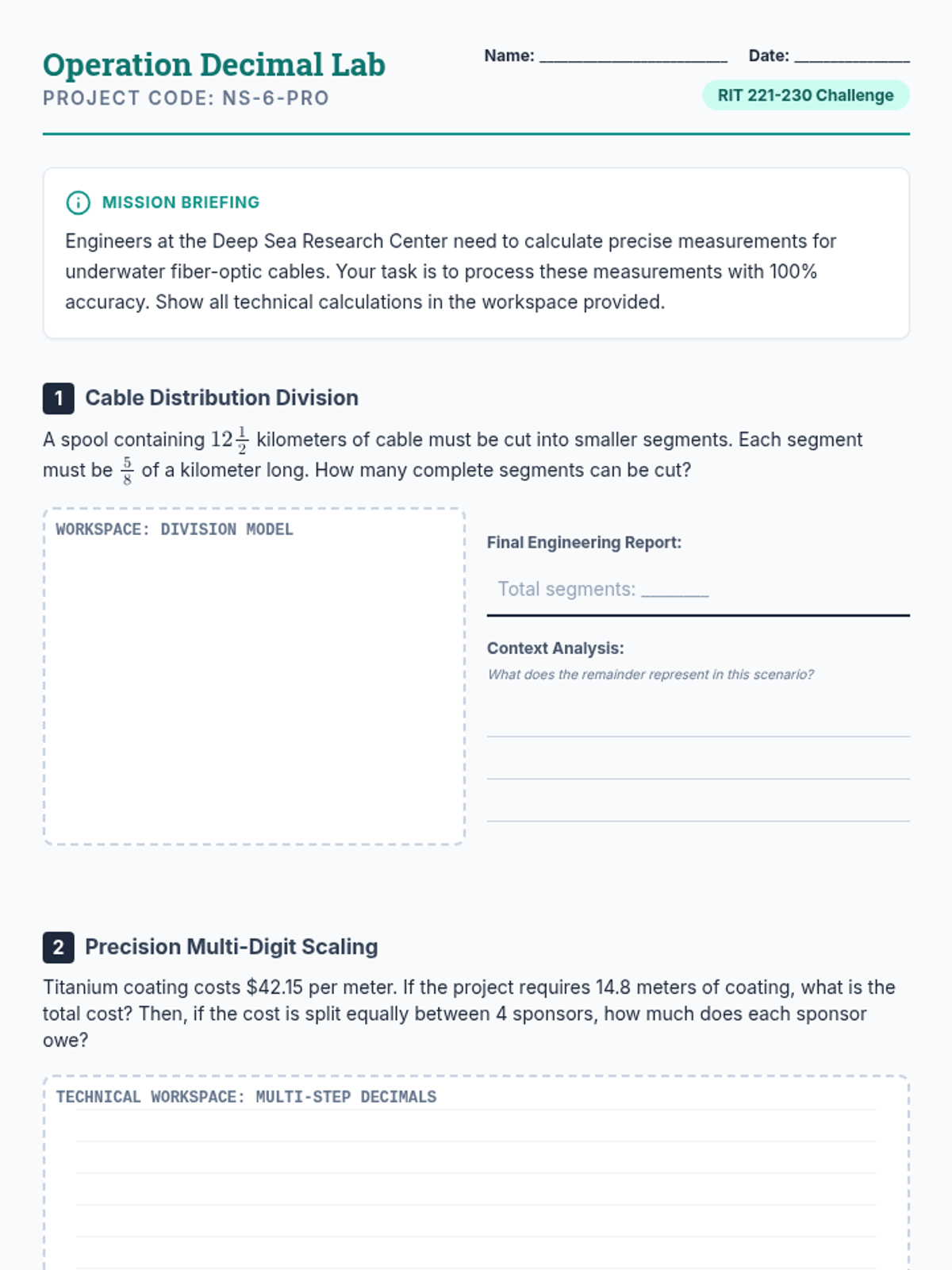
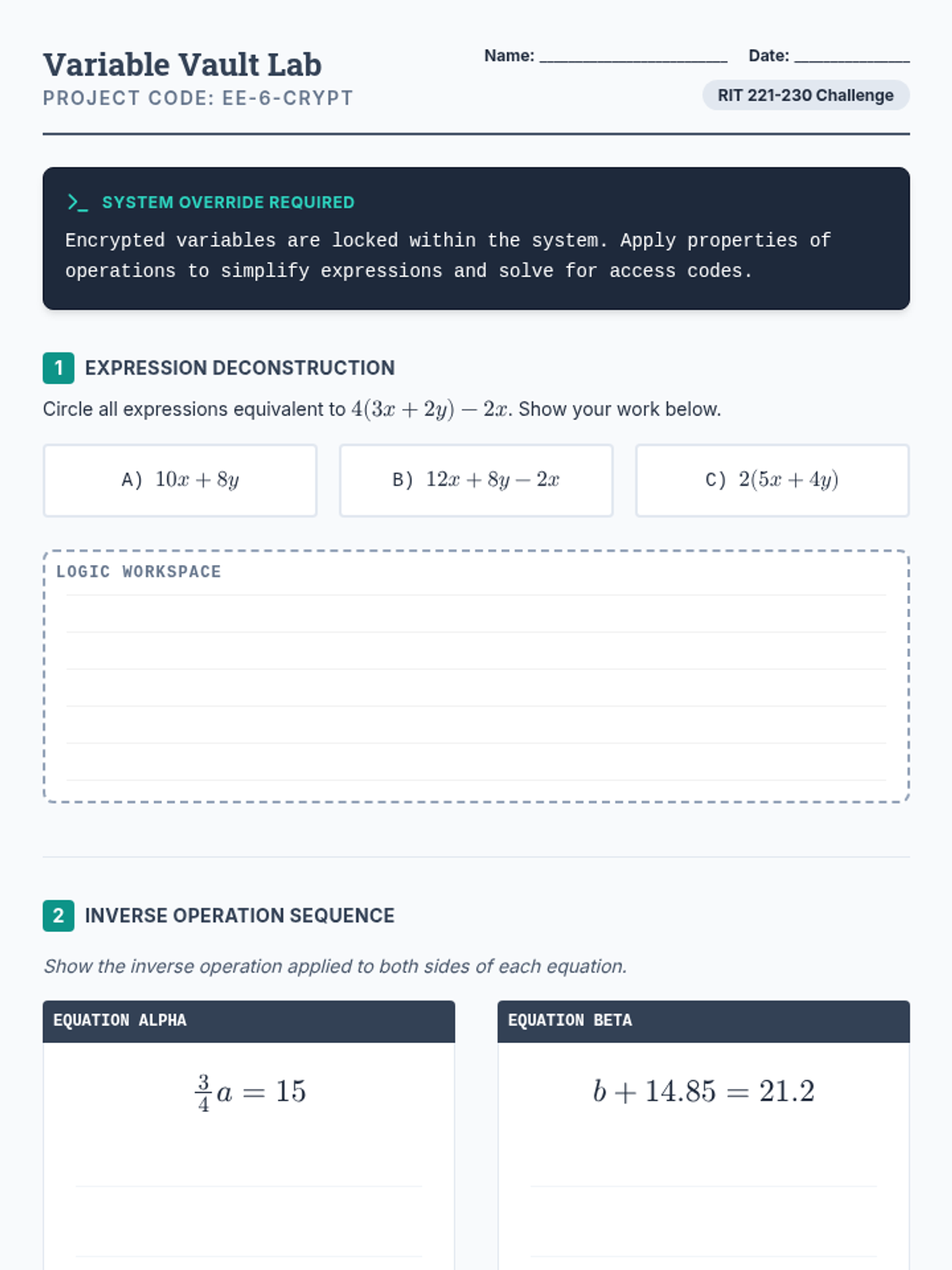
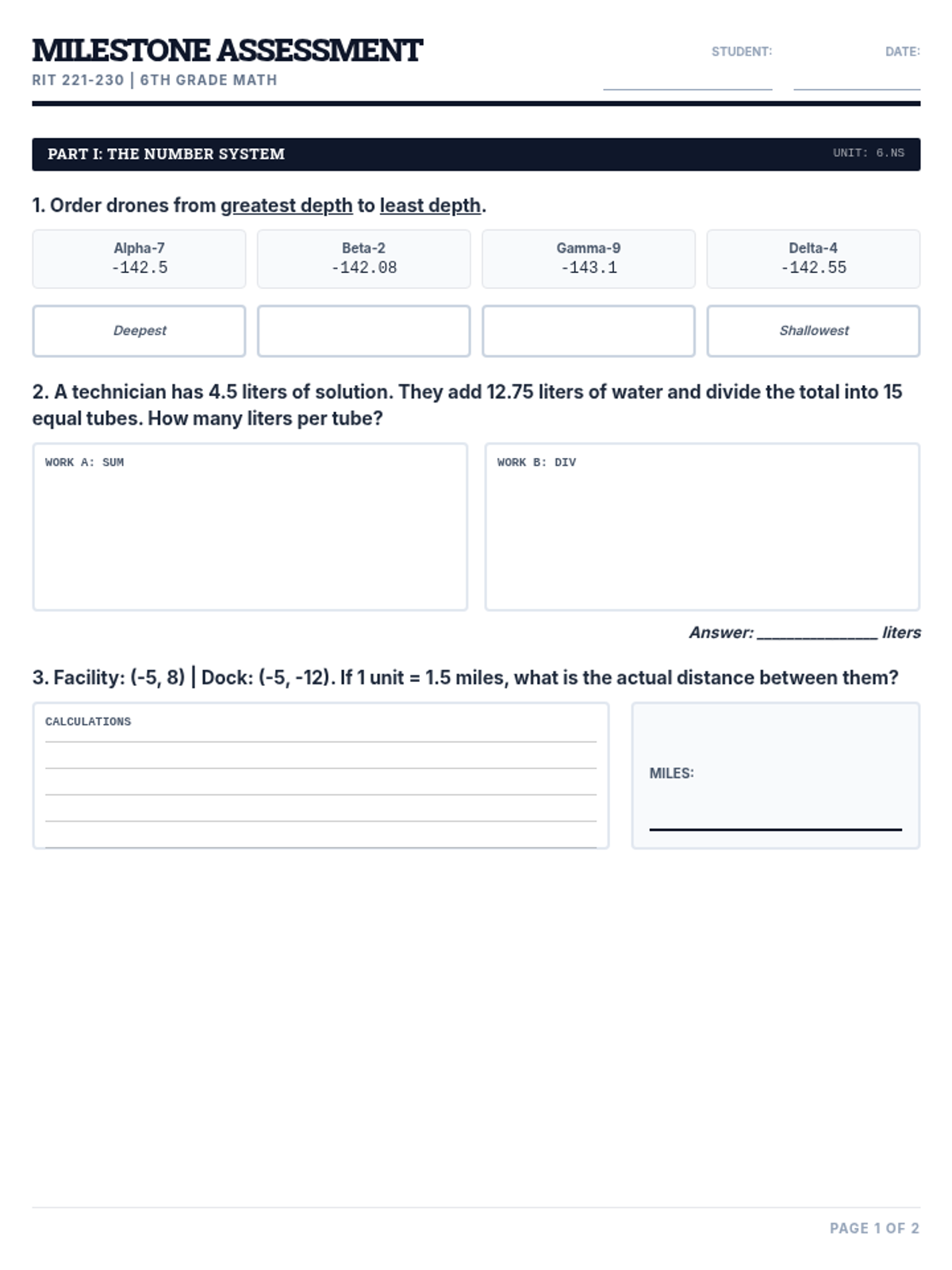
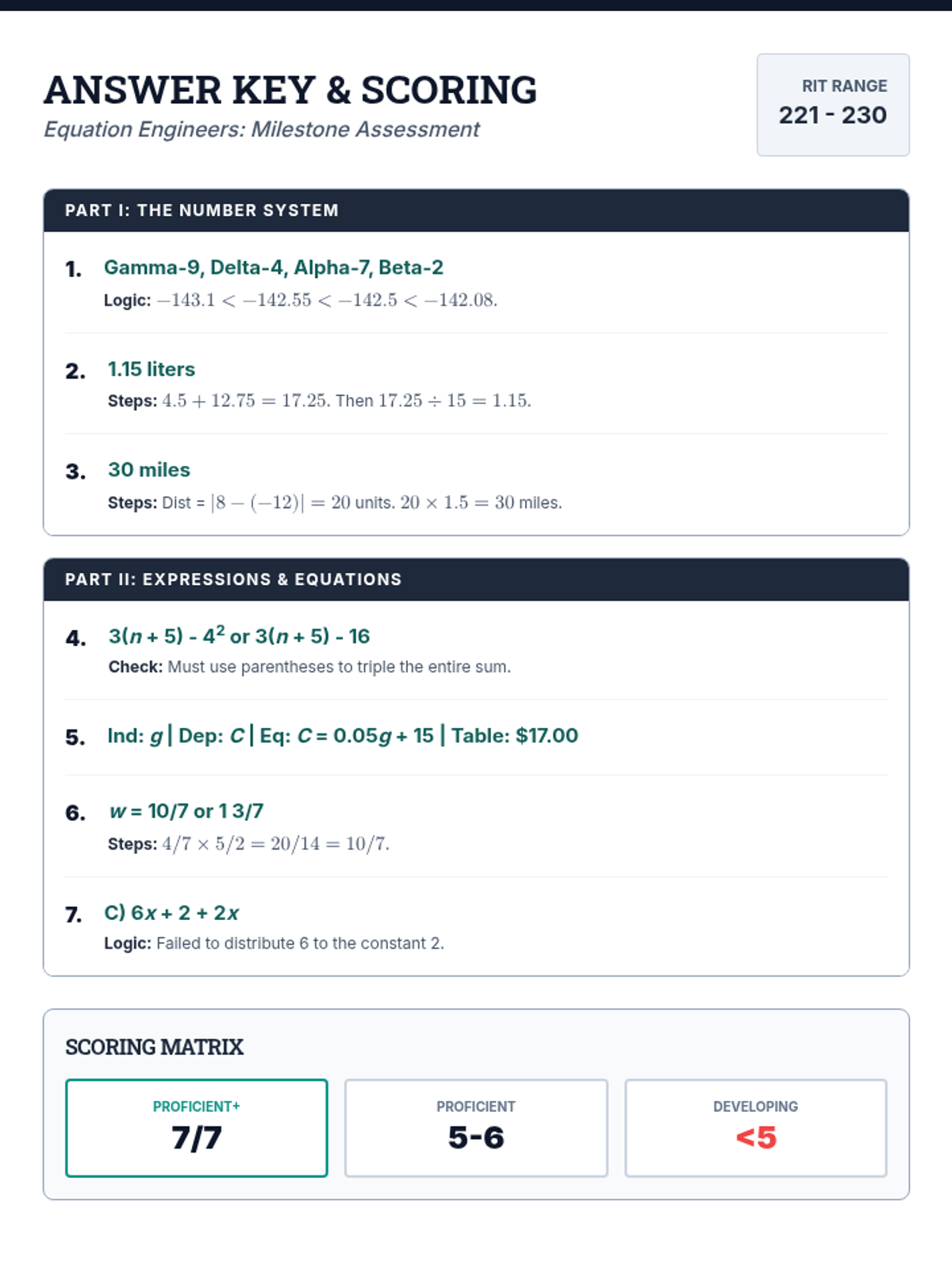
A comprehensive milestone assessment and review unit for 6th-grade students performing in the 221-230 RIT range, focusing on The Number System and Expressions & Equations. Includes a technical blueprint, skill-building lab activities, and a final proficiency assessment.
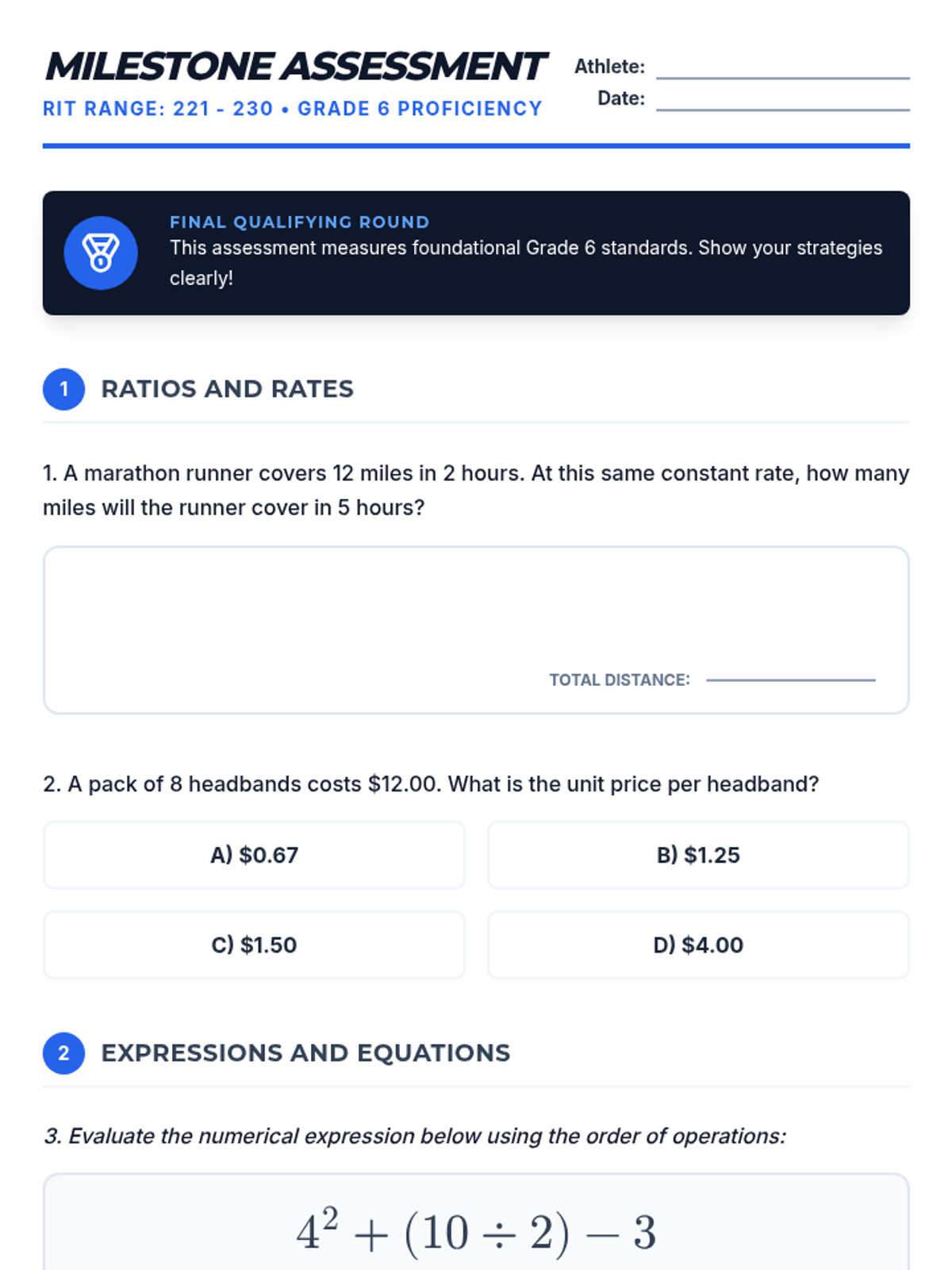
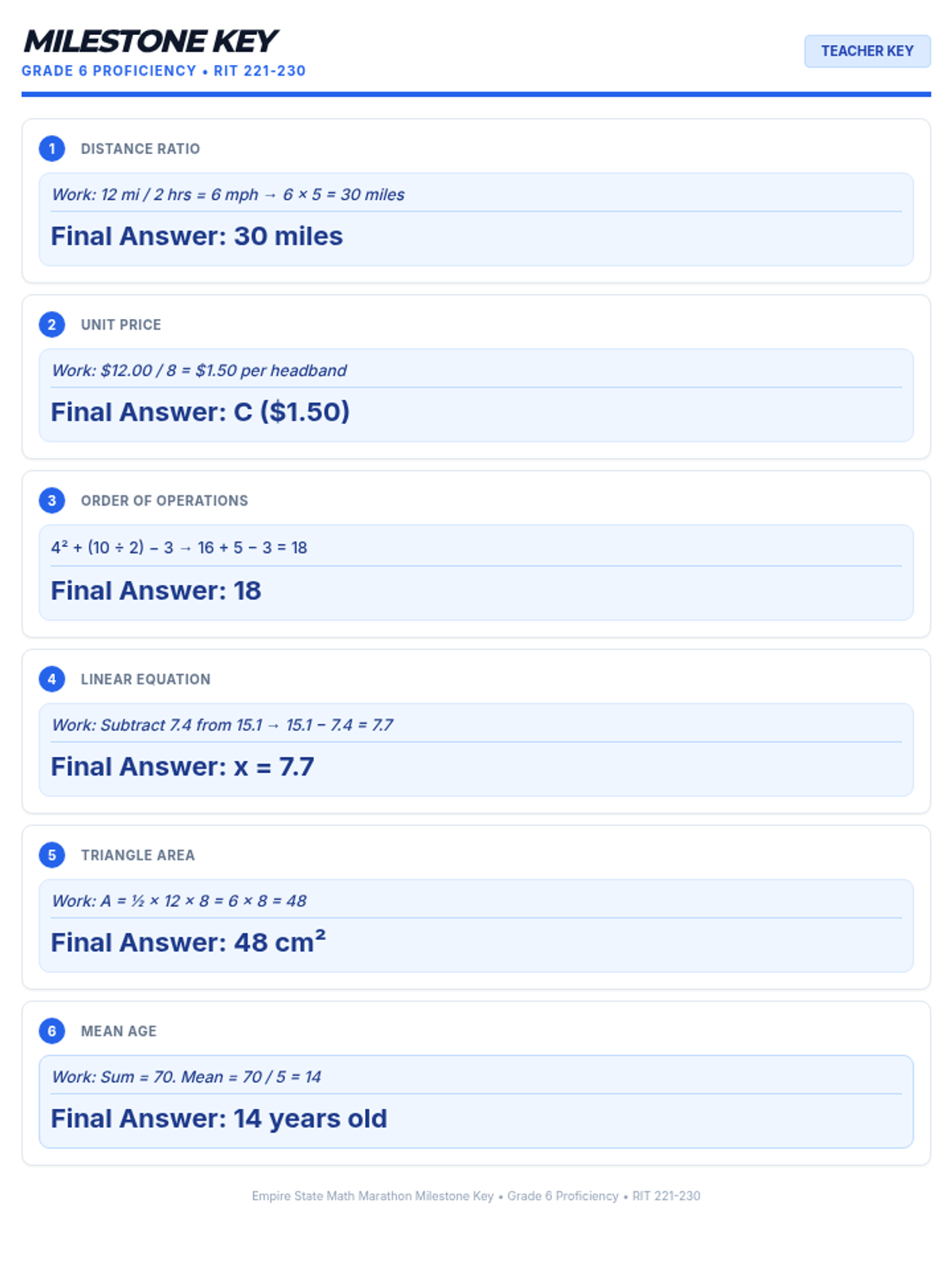
A cumulative milestone assessment designed for students at Grade 6 proficiency (RIT 221-230). This assessment checks foundational understanding of ratios, expressions, and geometry needed for 8th-grade success.
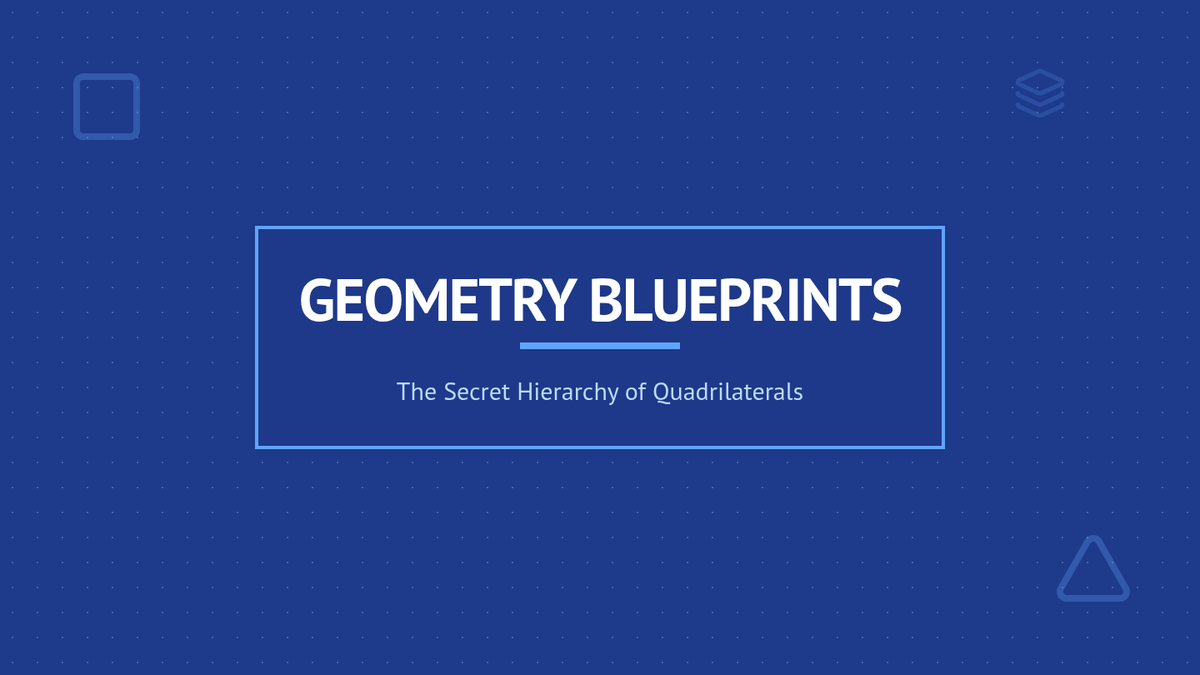
This lesson focuses on the hierarchical classification of quadrilaterals, helping students understand that subcategories inherit properties from their parent categories.
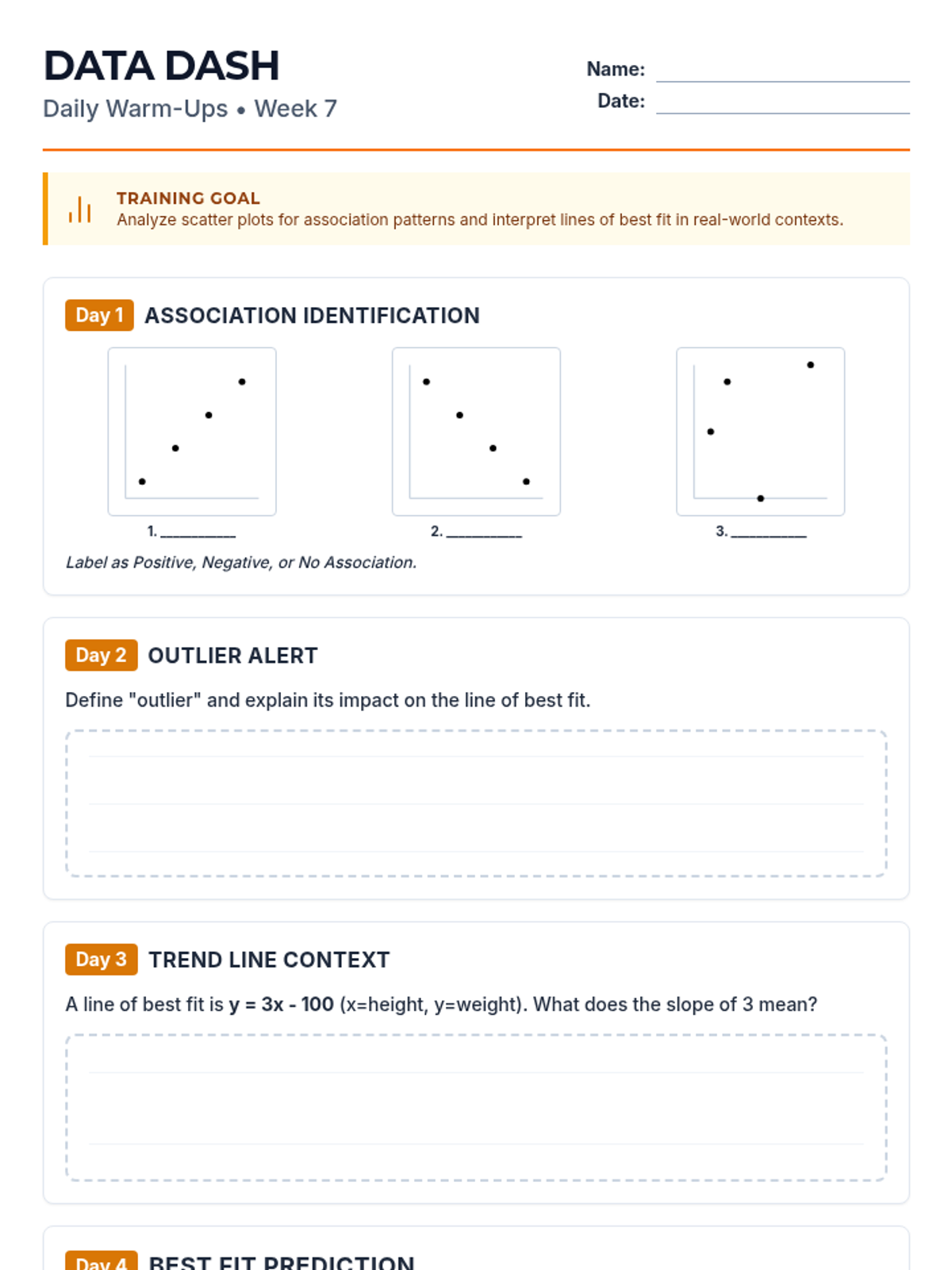
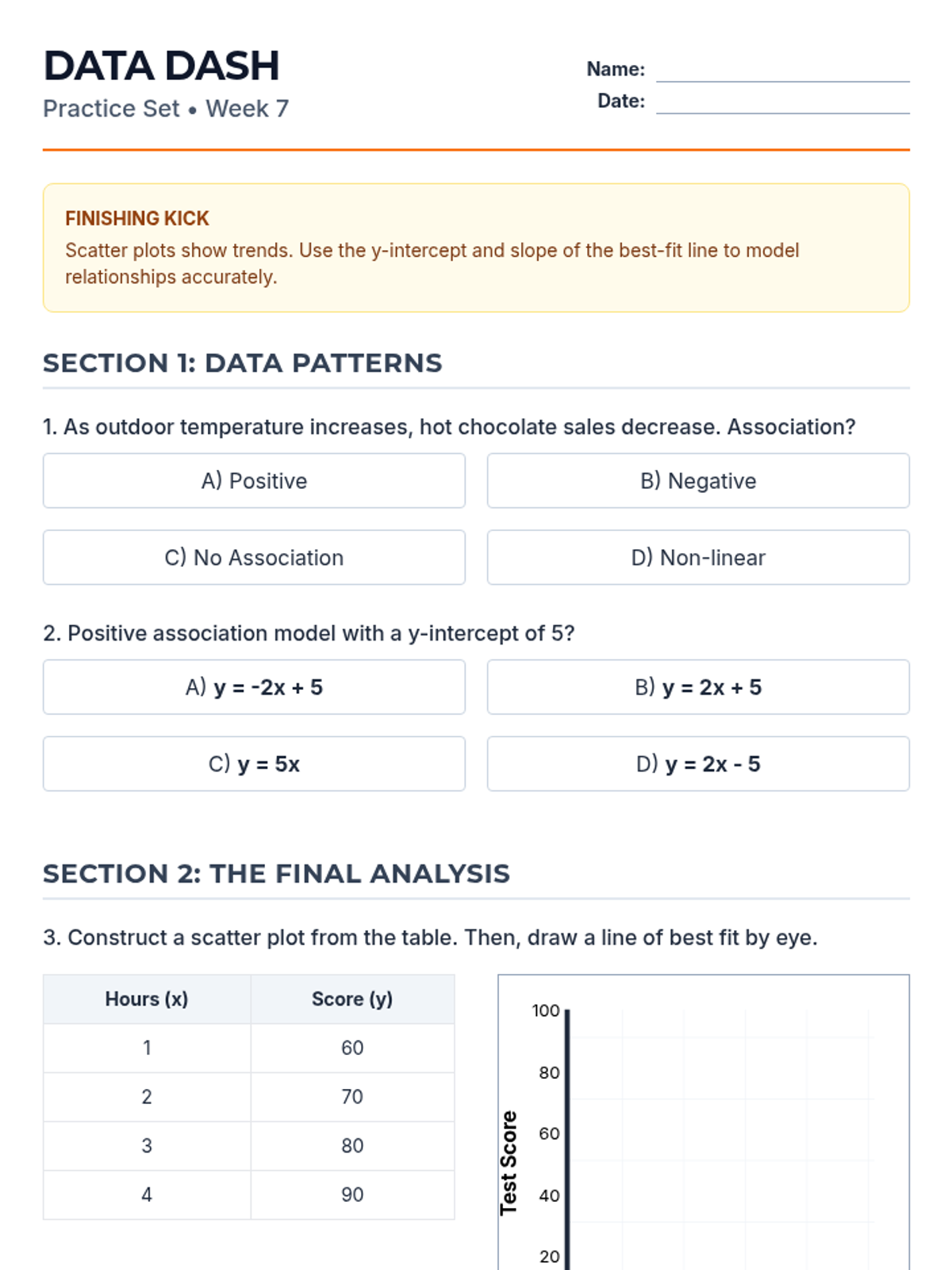
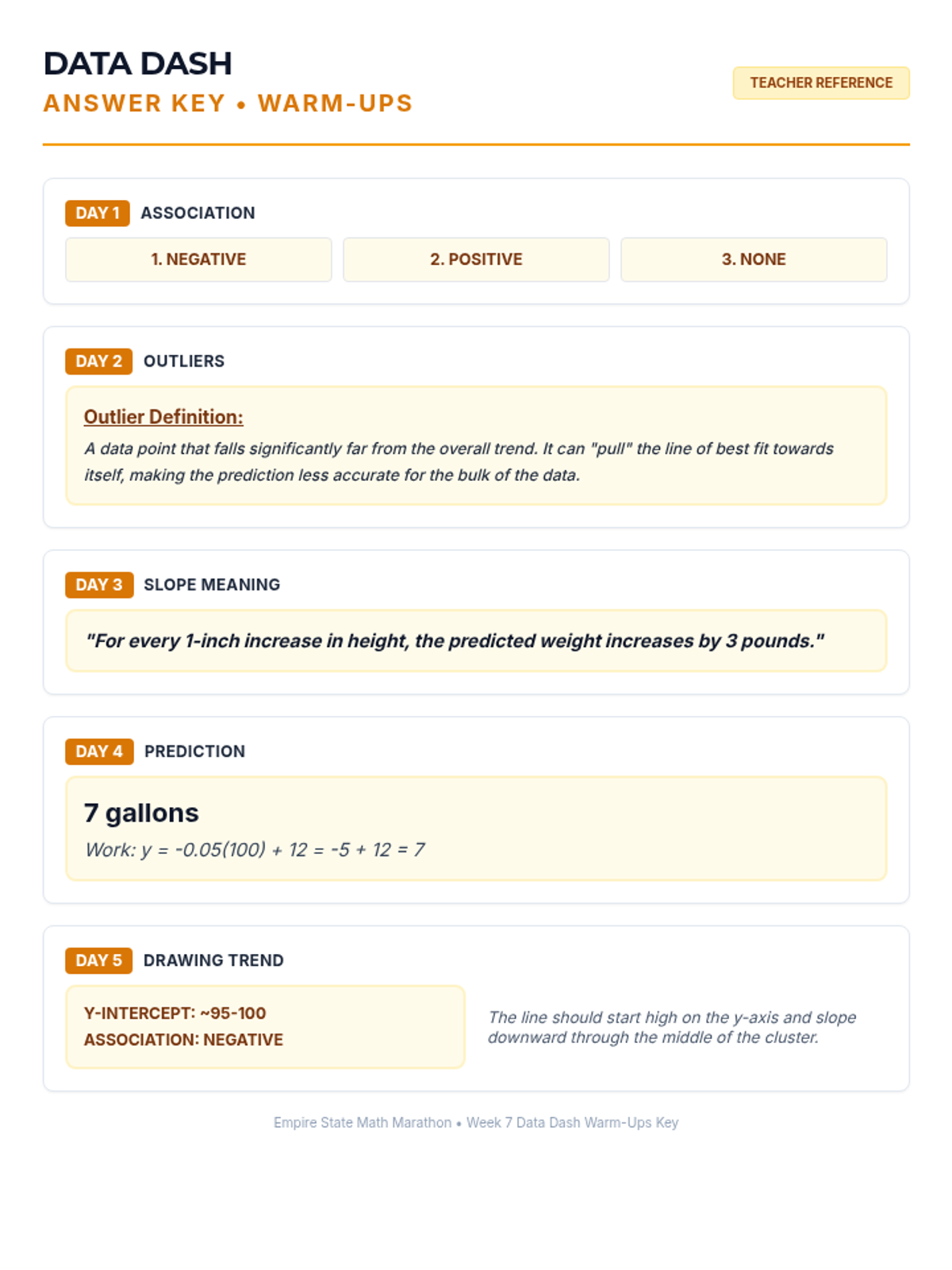
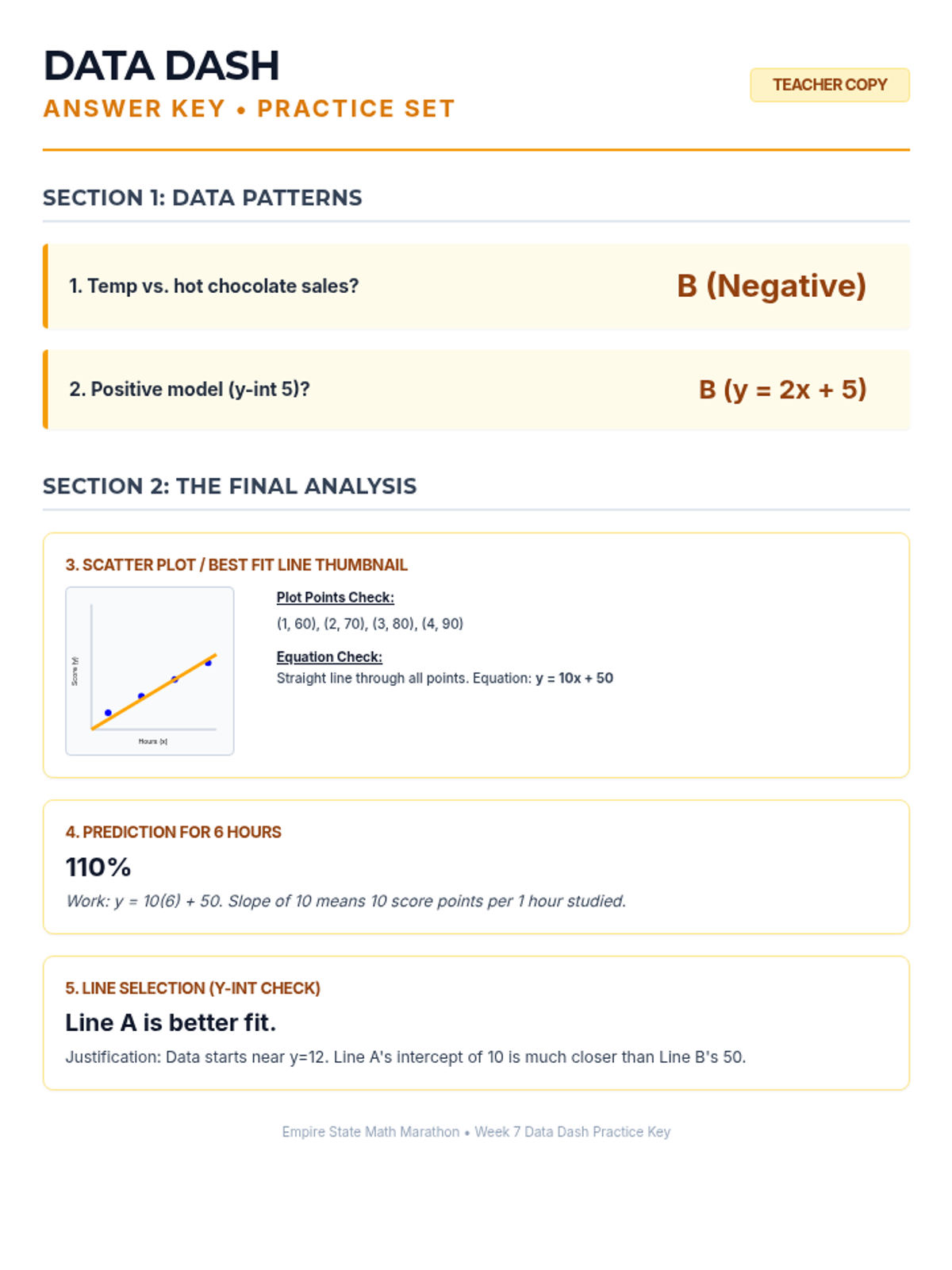
Week 7 analyzes bivariate data through scatter plots, interpreting lines of best fit, and using linear models to make predictions.
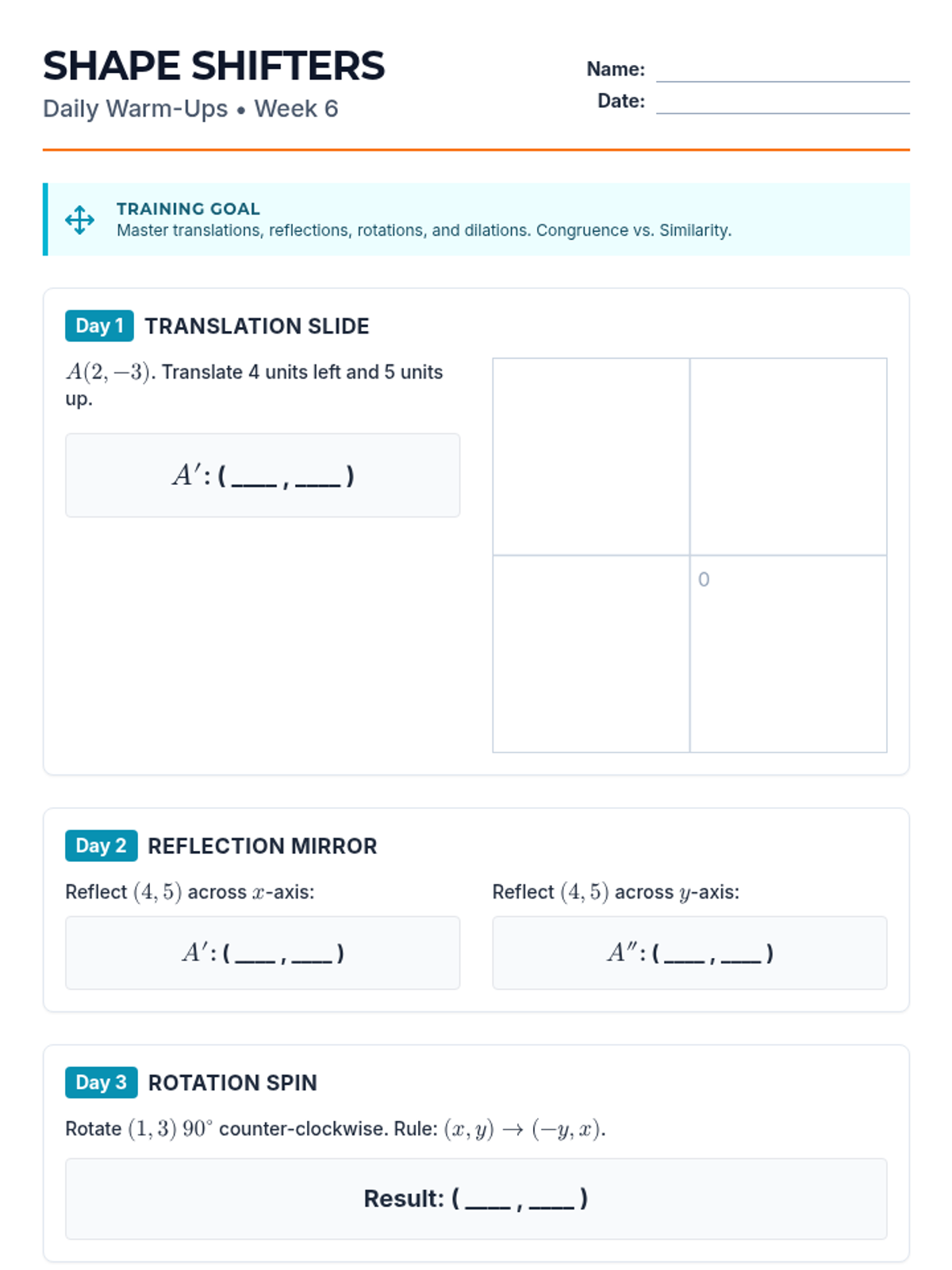
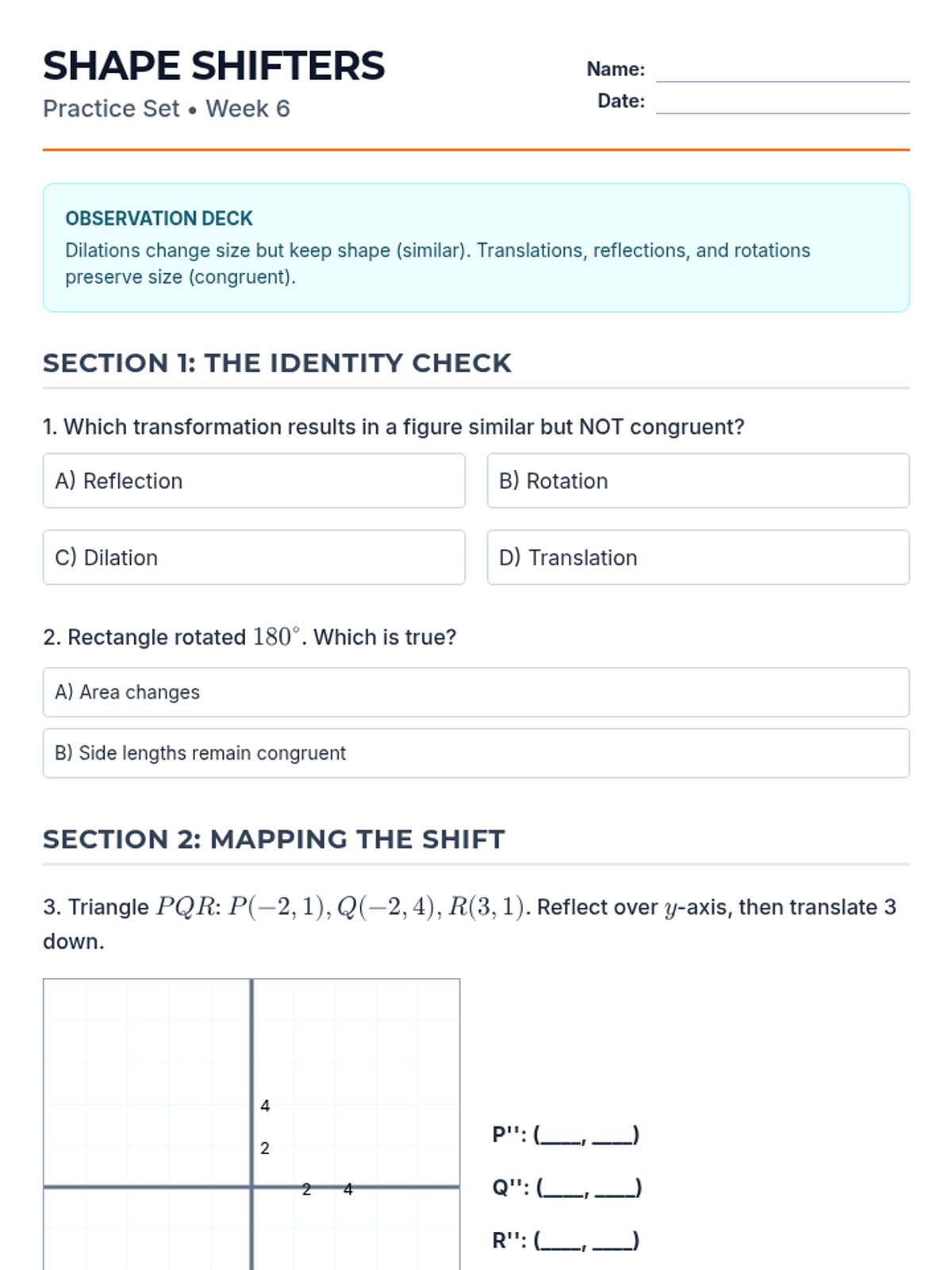
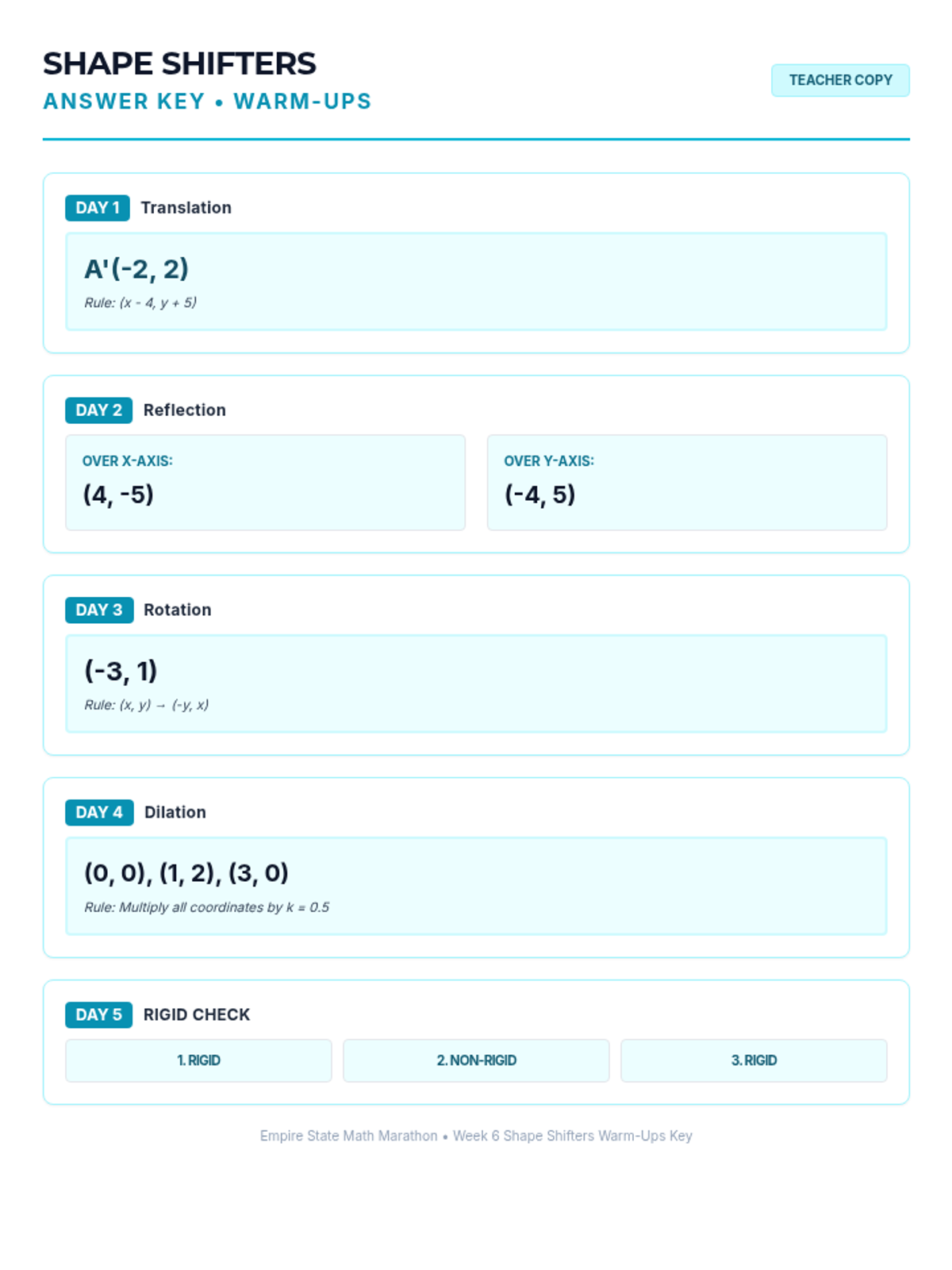
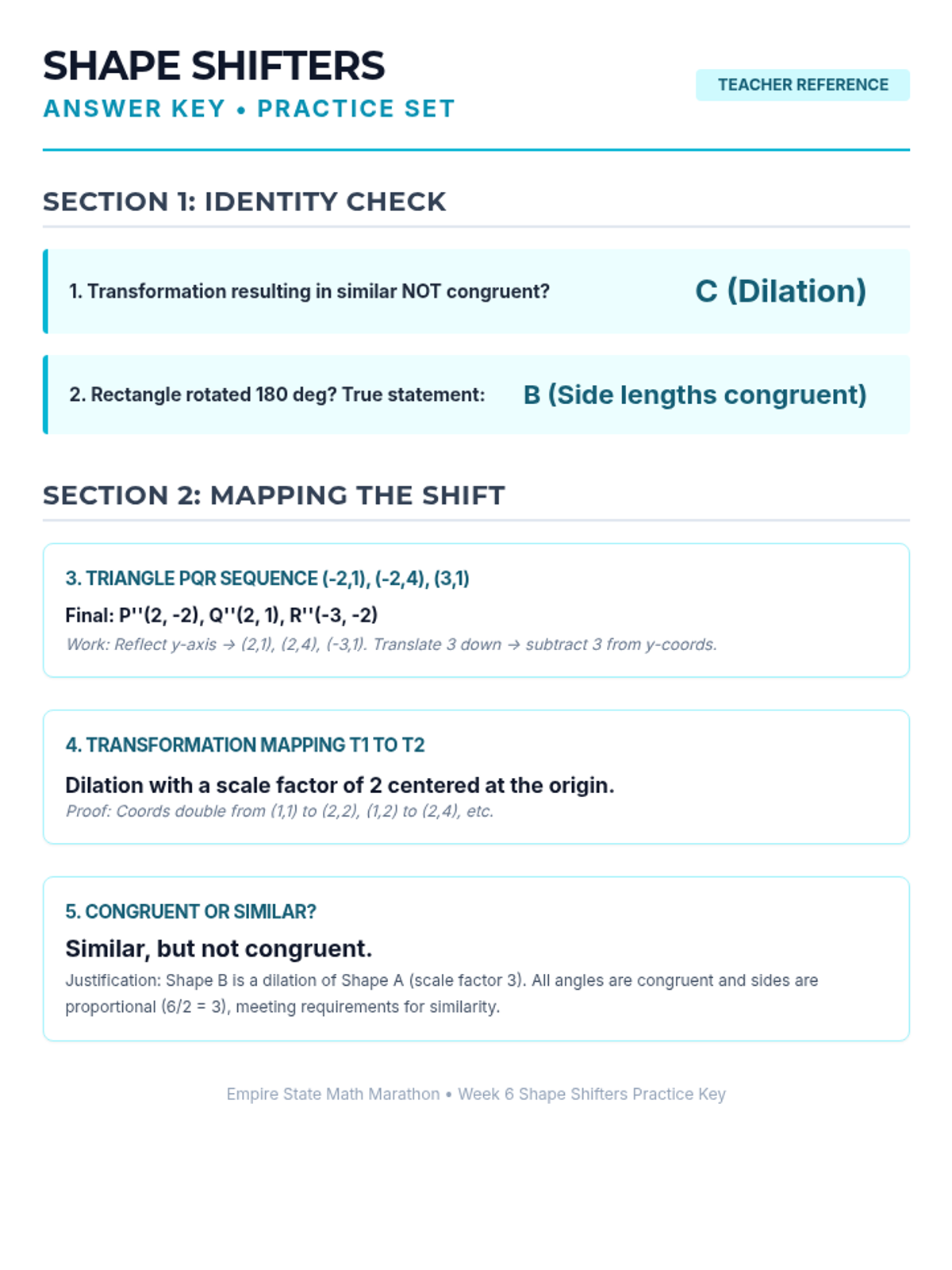
Week 6 focuses on rigid transformations (translations, reflections, rotations) and similarity transformations (dilations).