A lesson introducing the distributive property through the metaphor of a delivery service, featuring guided and independent practice.
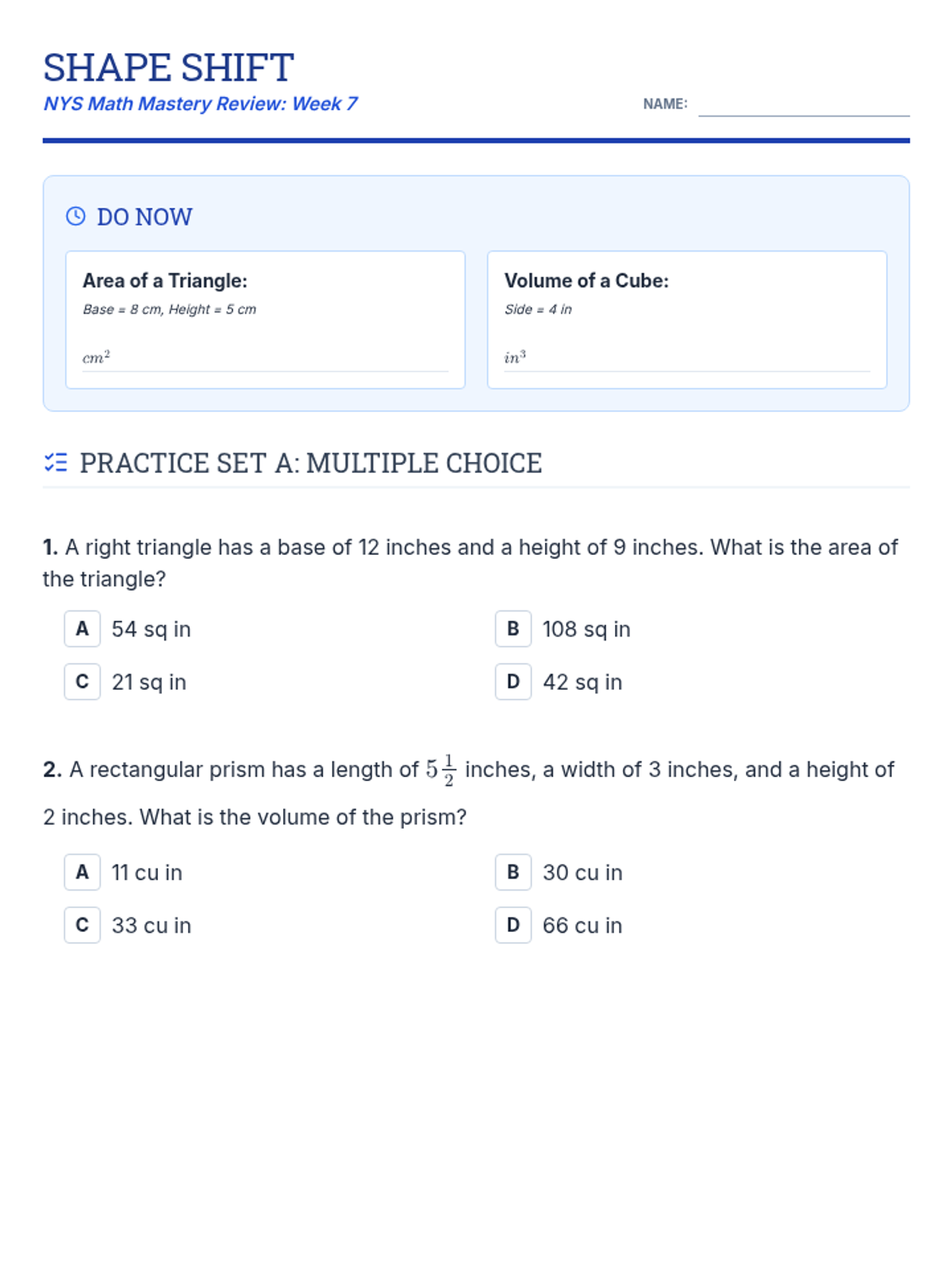
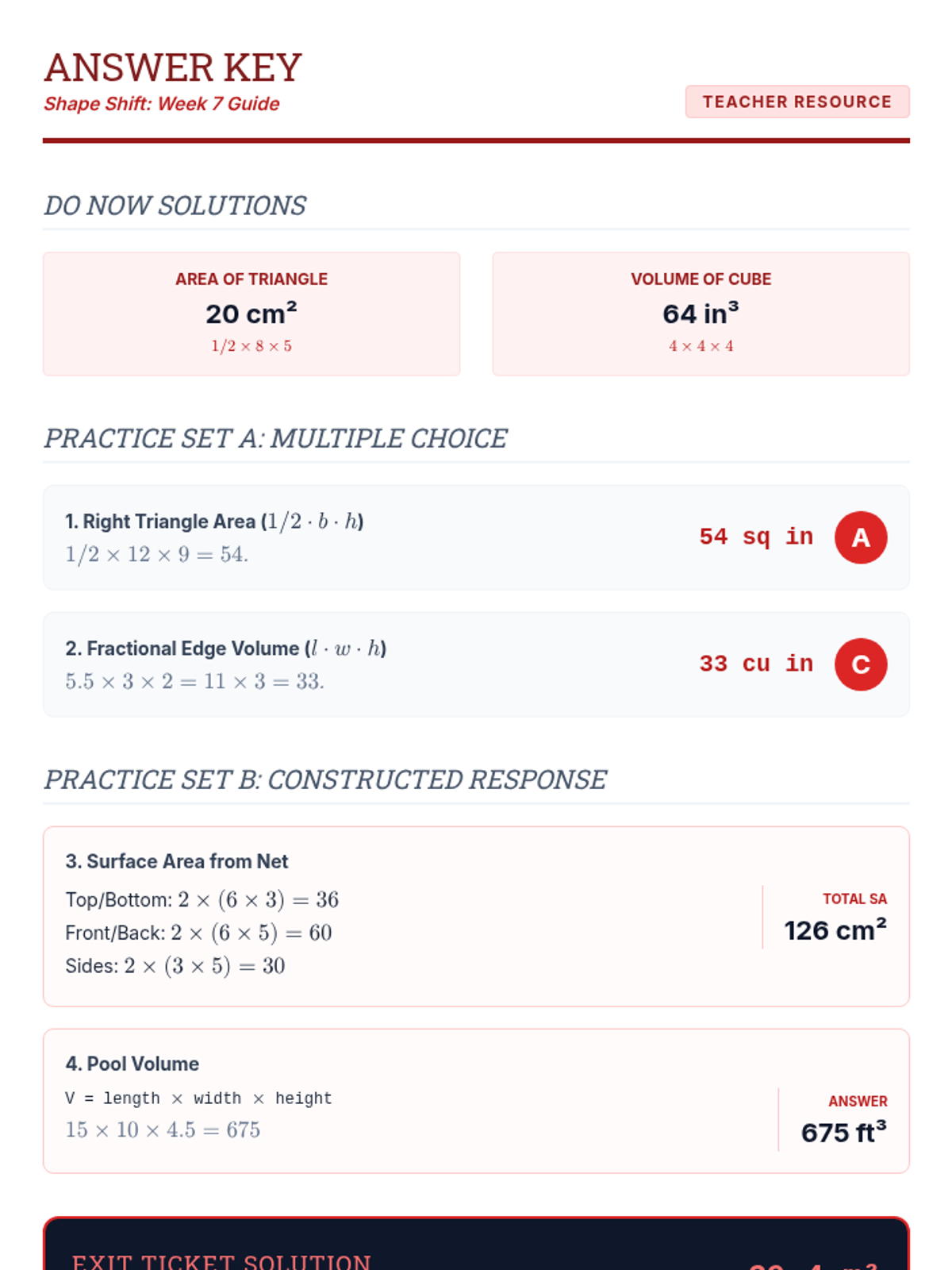
Calculating area of polygons, surface area of prisms using nets, and volume with fractional edge lengths.
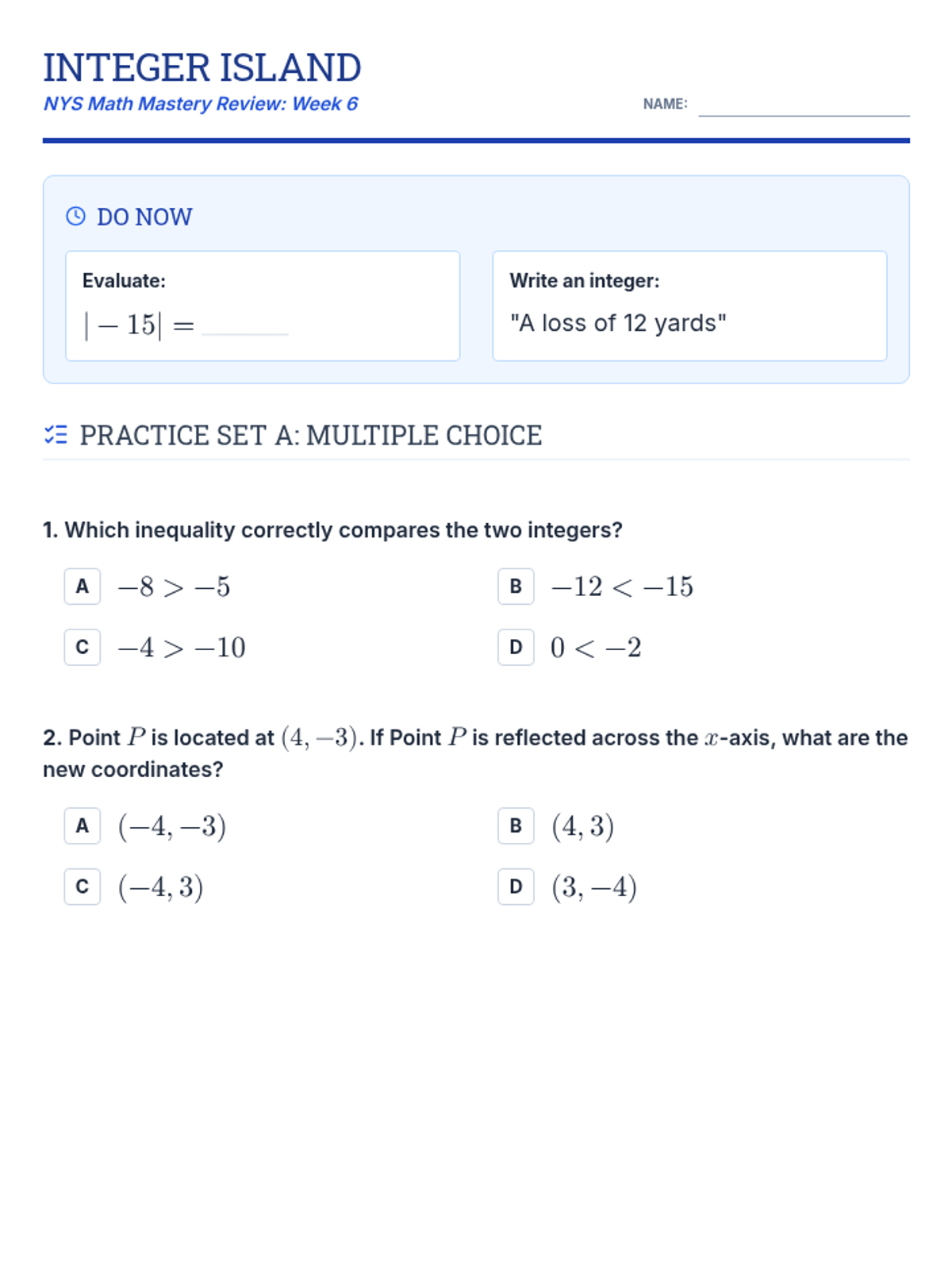
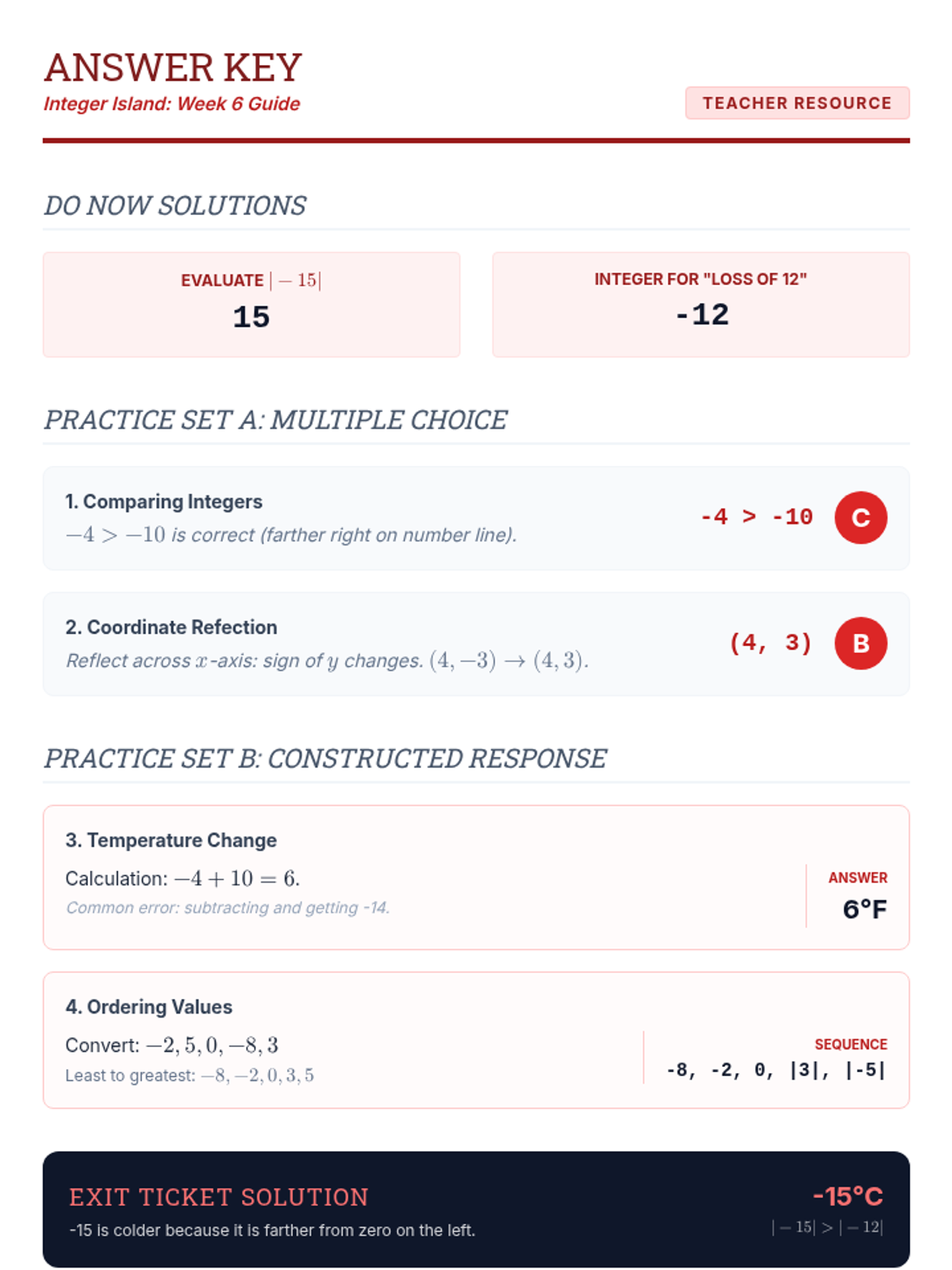
Exploring the number system including integers, absolute value, and coordinate planes.
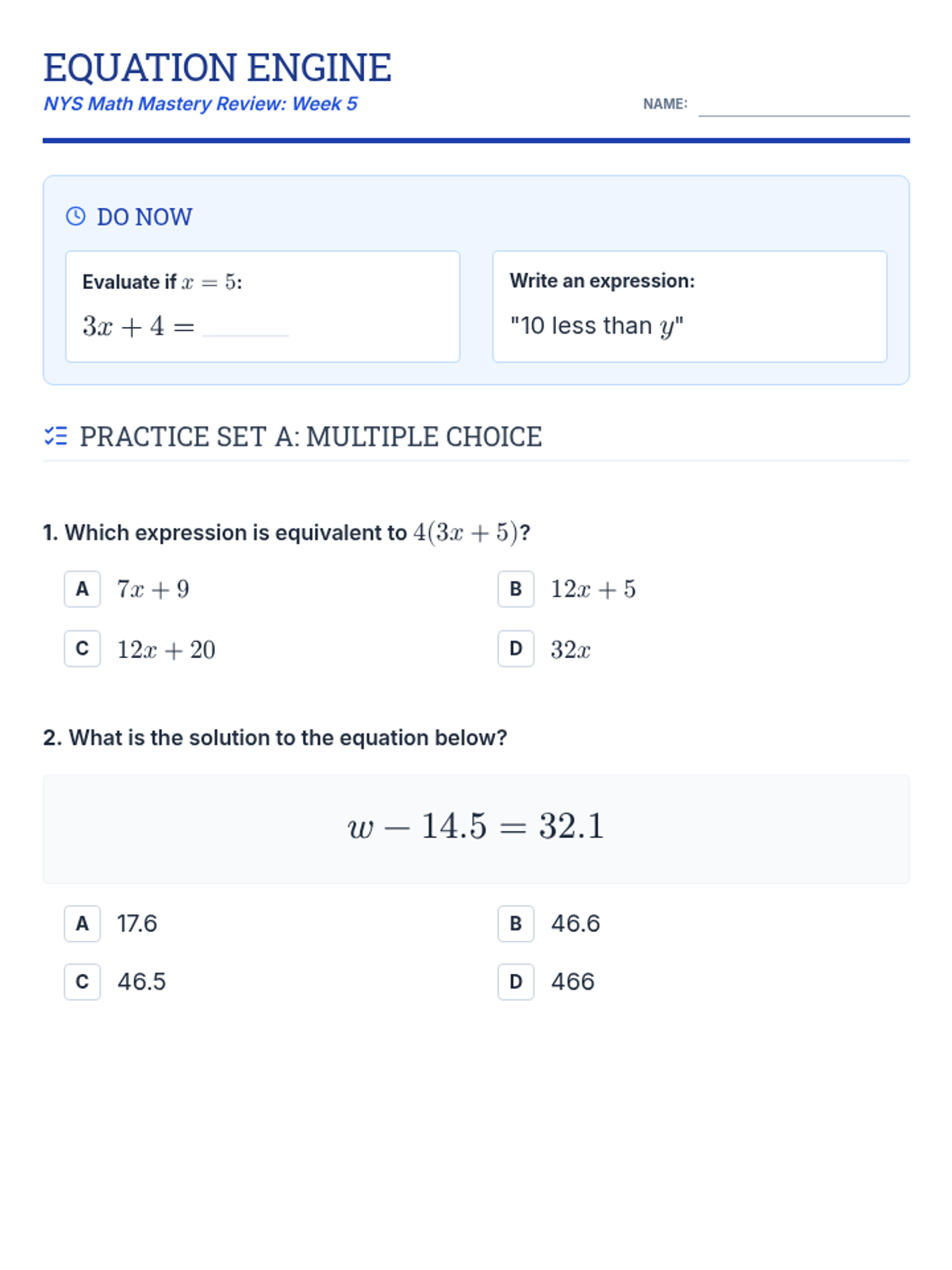
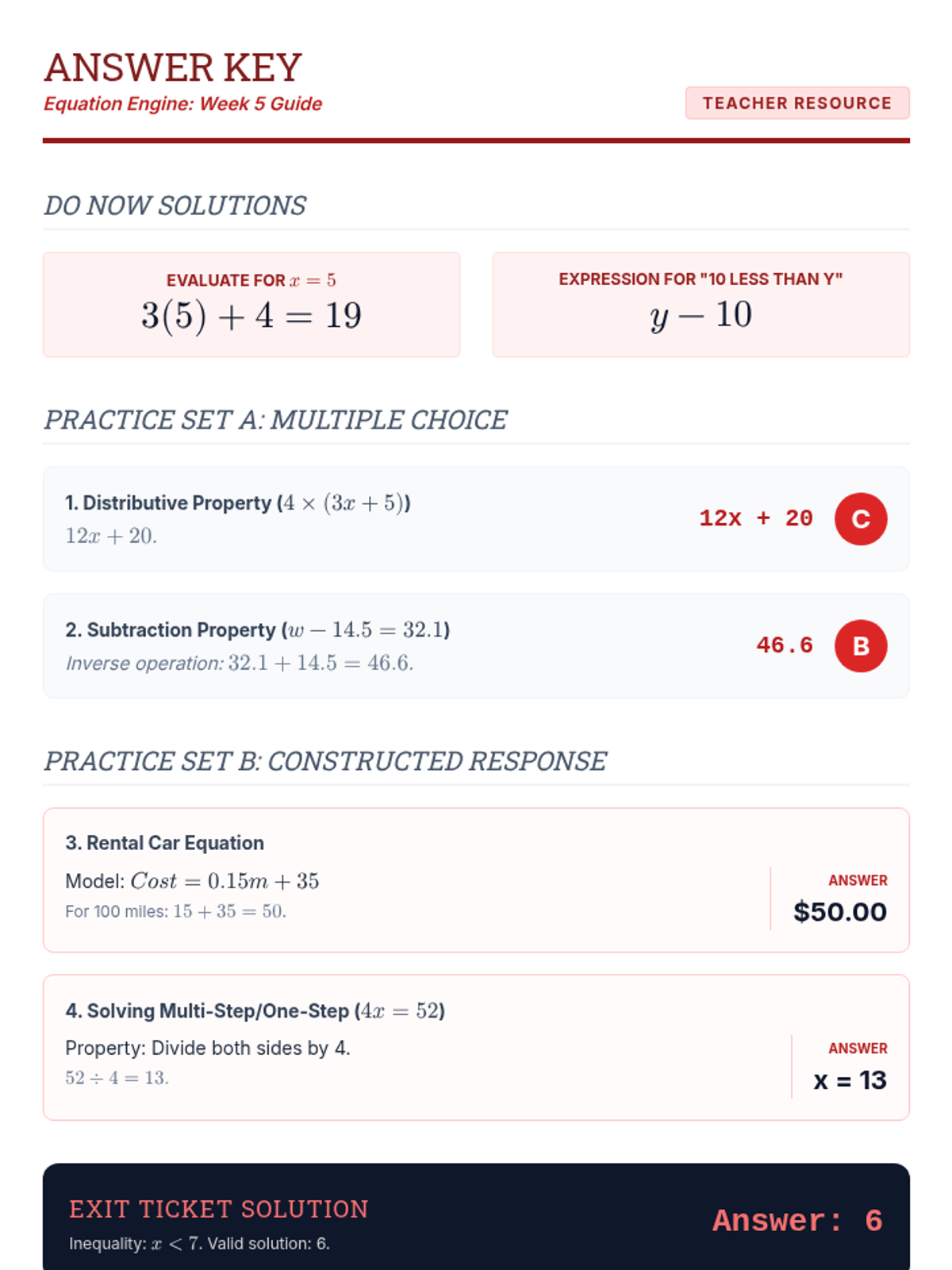
Working with algebraic expressions, solving one-variable equations, and understanding inequalities.
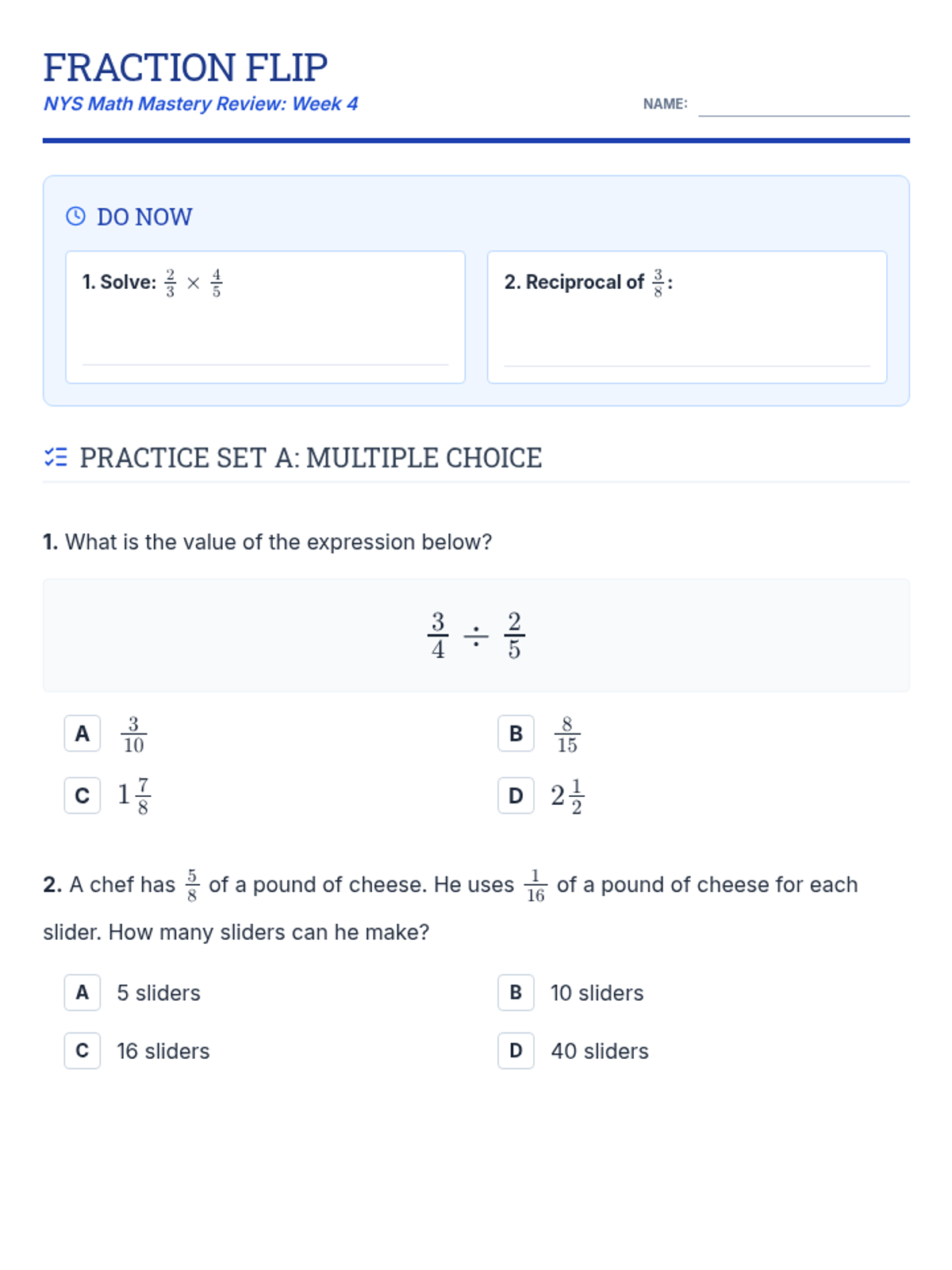
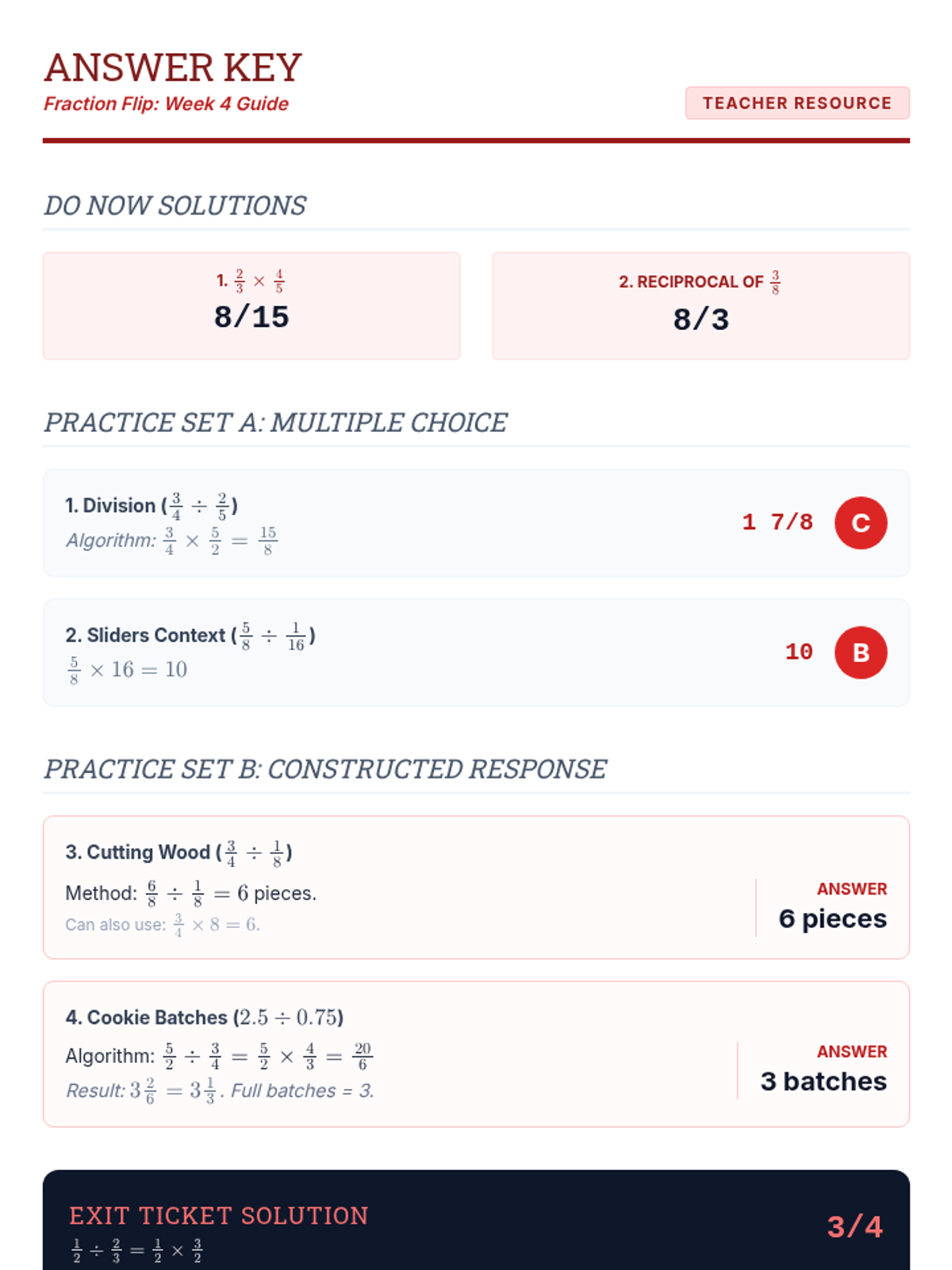
Applying and extending previous understandings of multiplication and division to divide fractions by fractions.
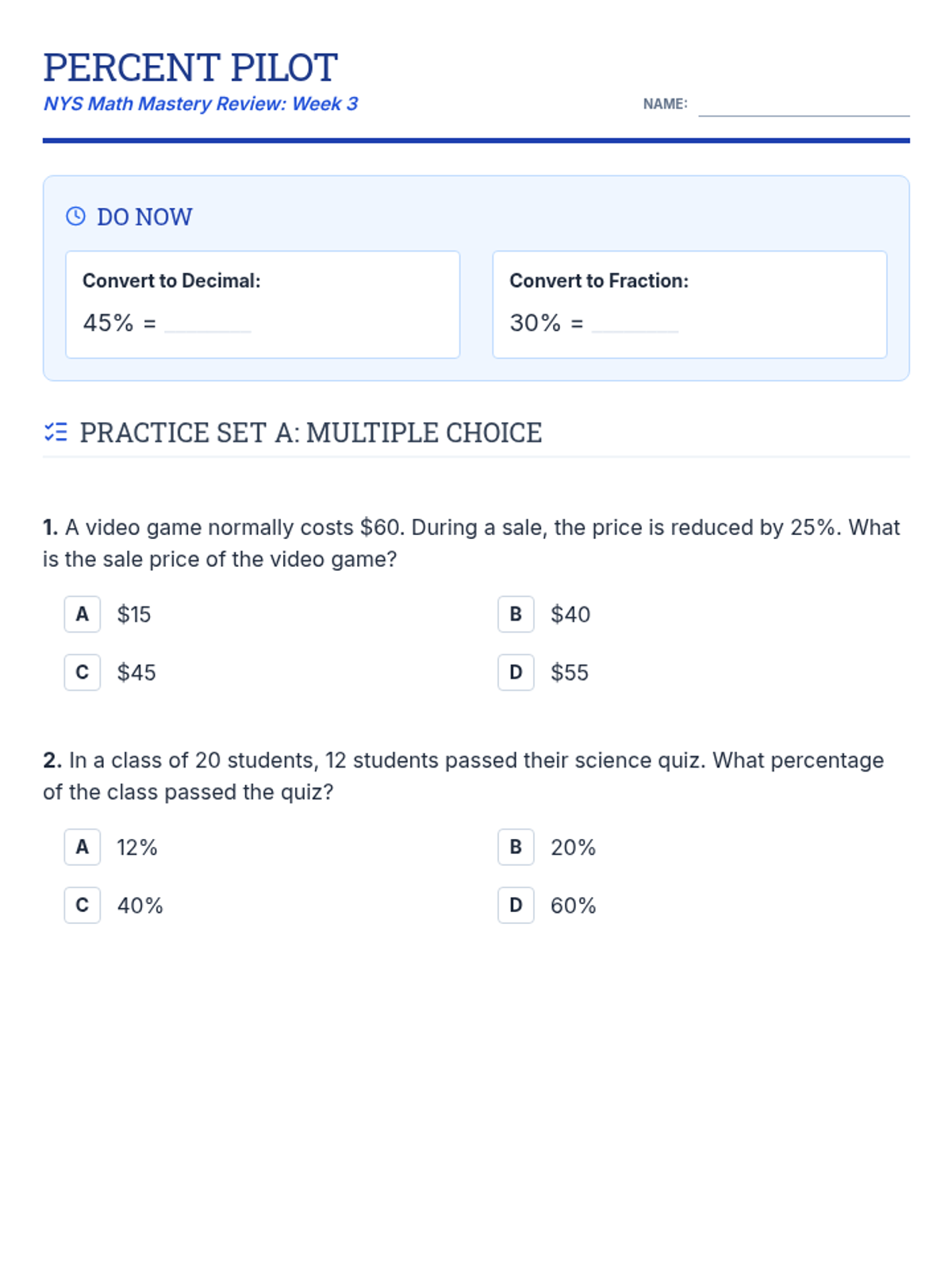
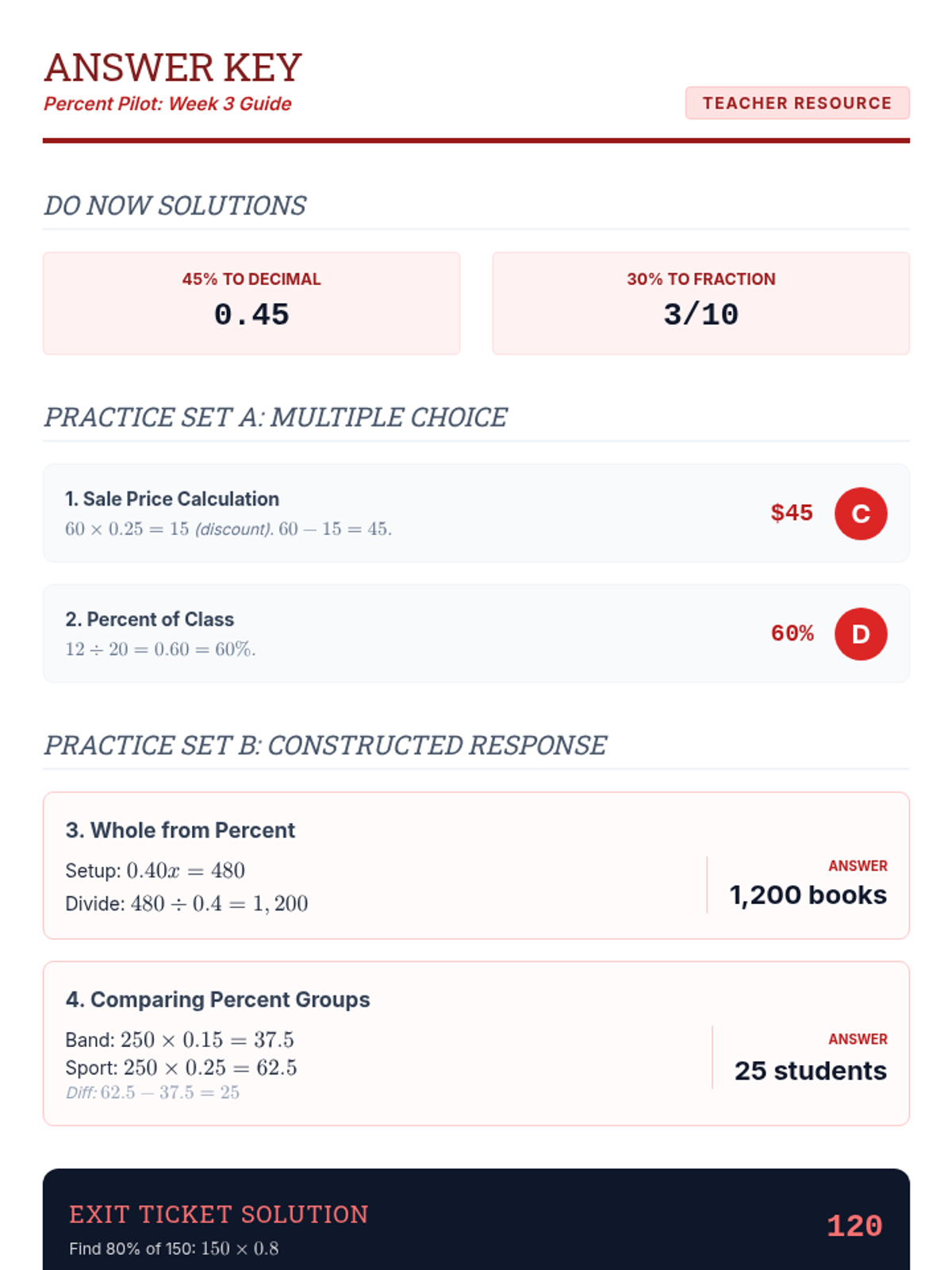
Mastering percent of a quantity and finding the whole given a part and the percent in various contextual scenarios.
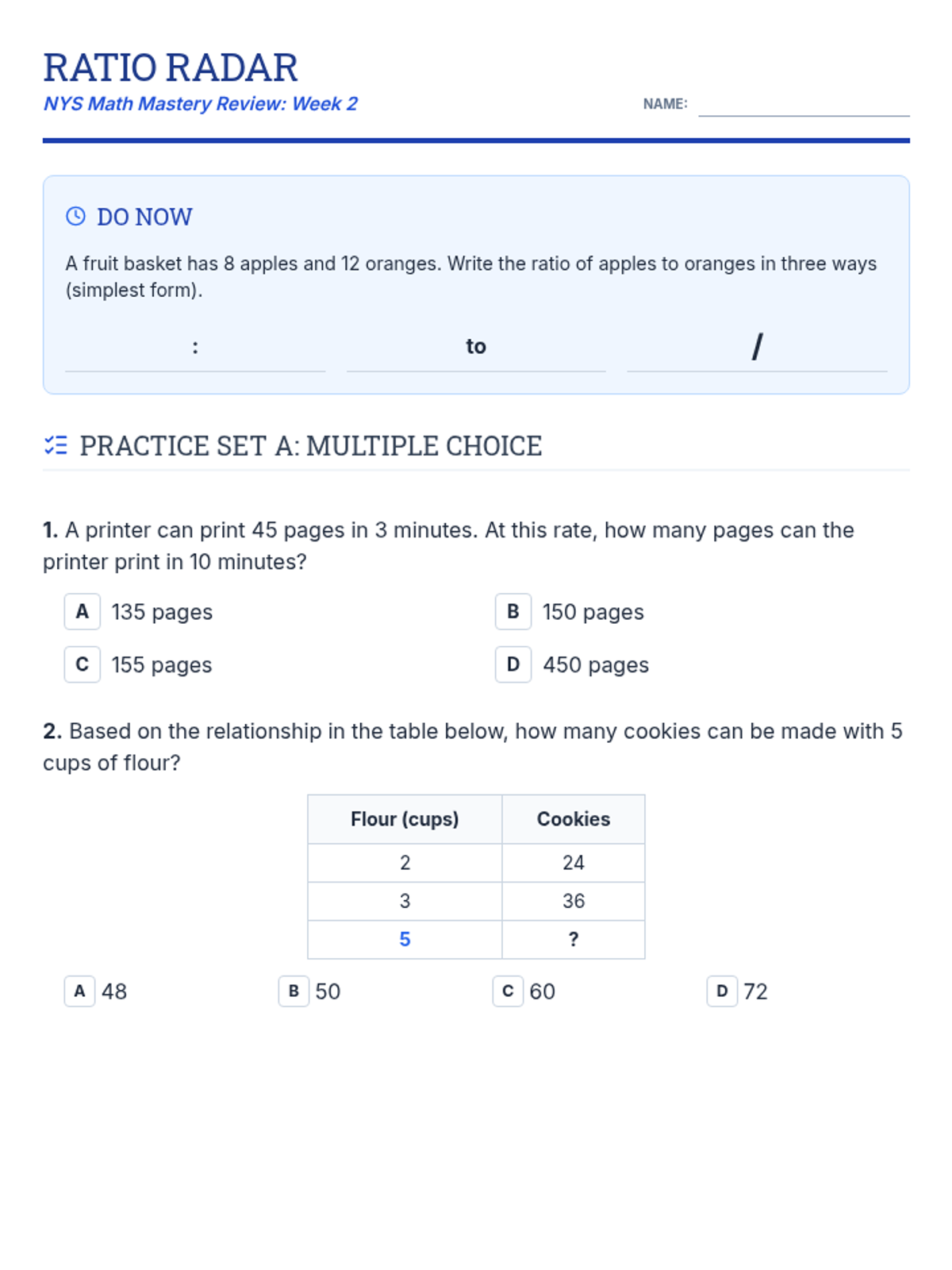
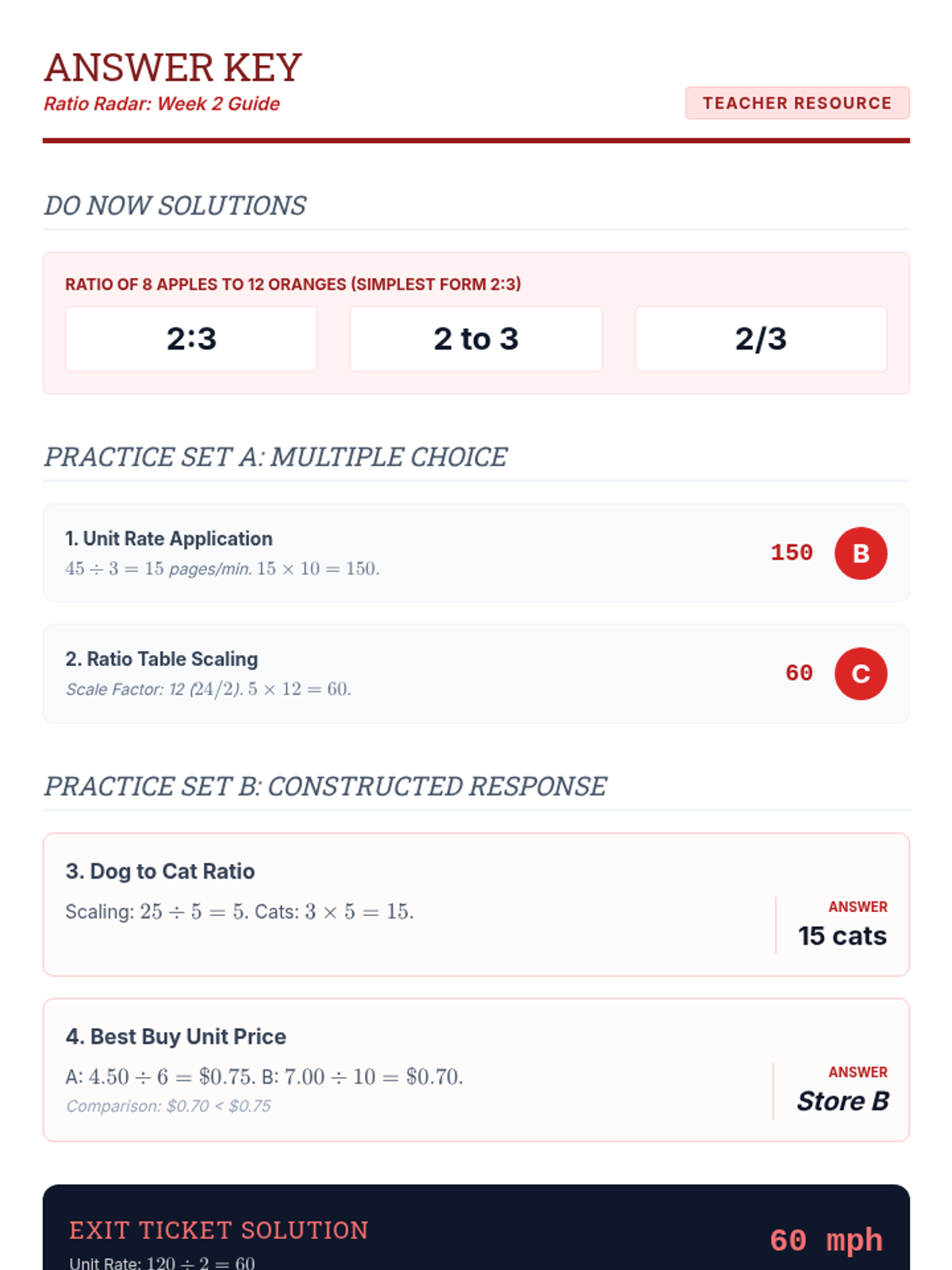
Covers ratio concepts, unit rates, and solving real-world problems using tables, double number lines, and tape diagrams.
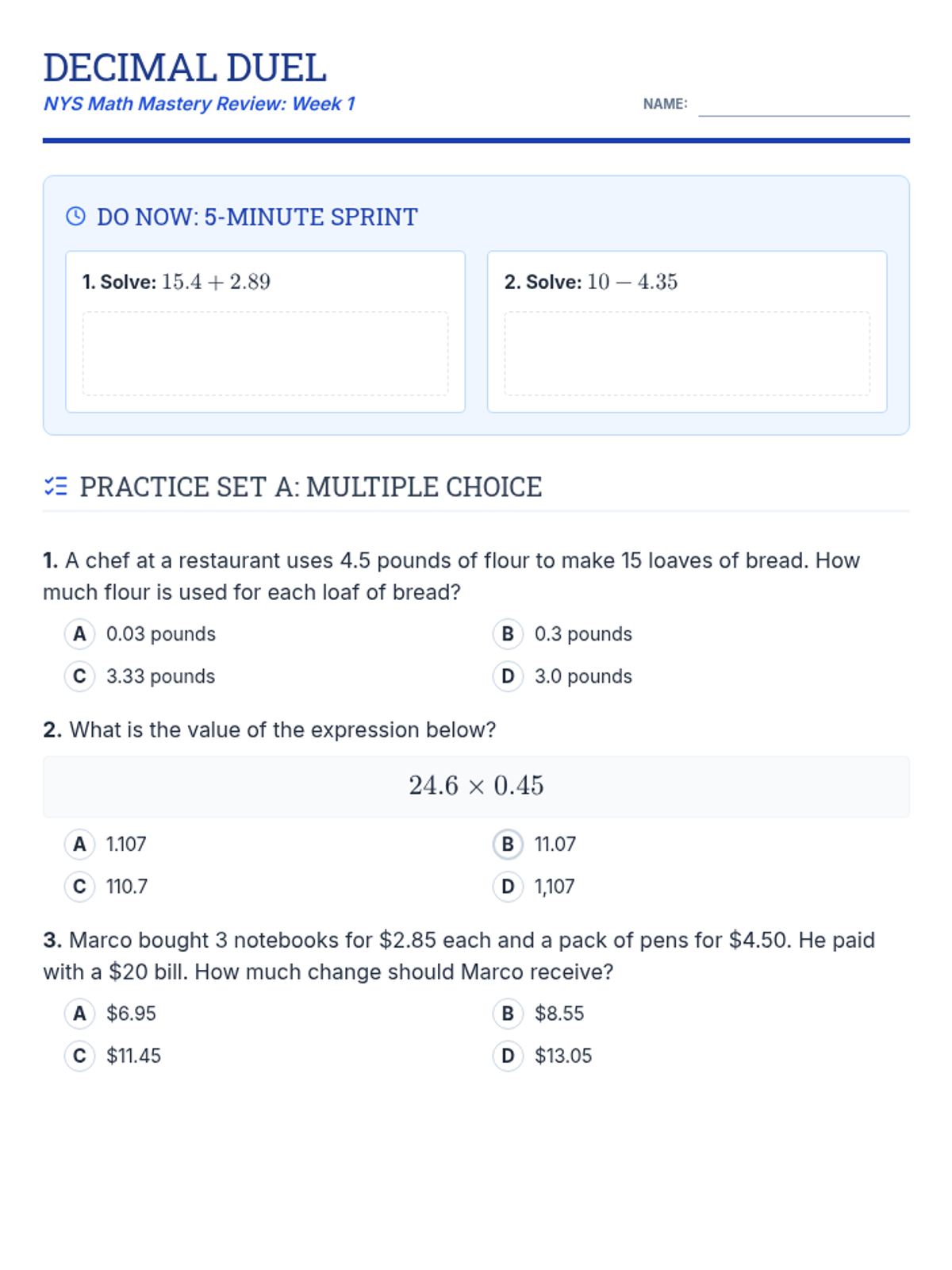
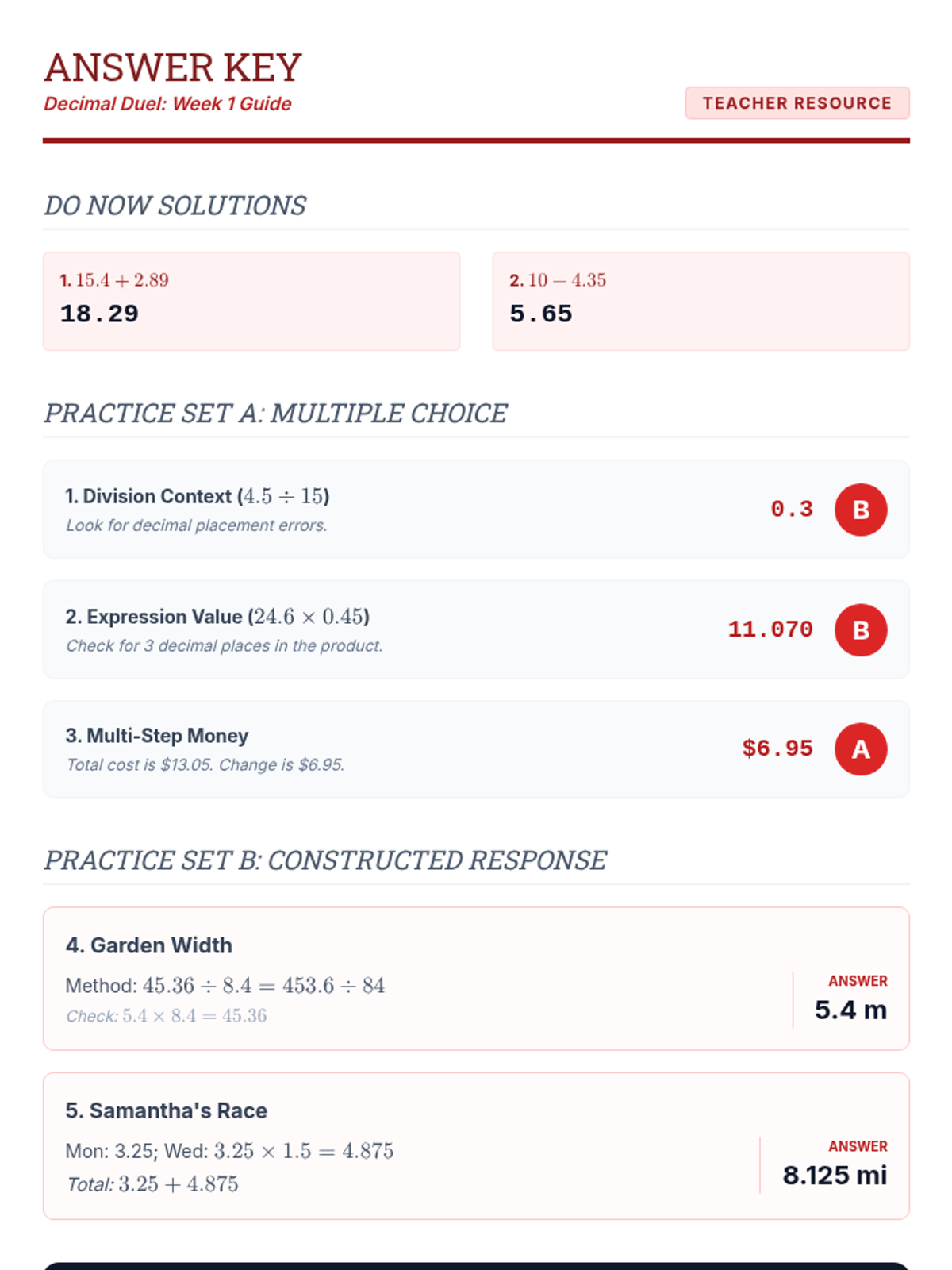
Focuses on fluently adding, subtracting, multiplying, and dividing decimals using the standard algorithm, modeled after NYS Assessment standards.
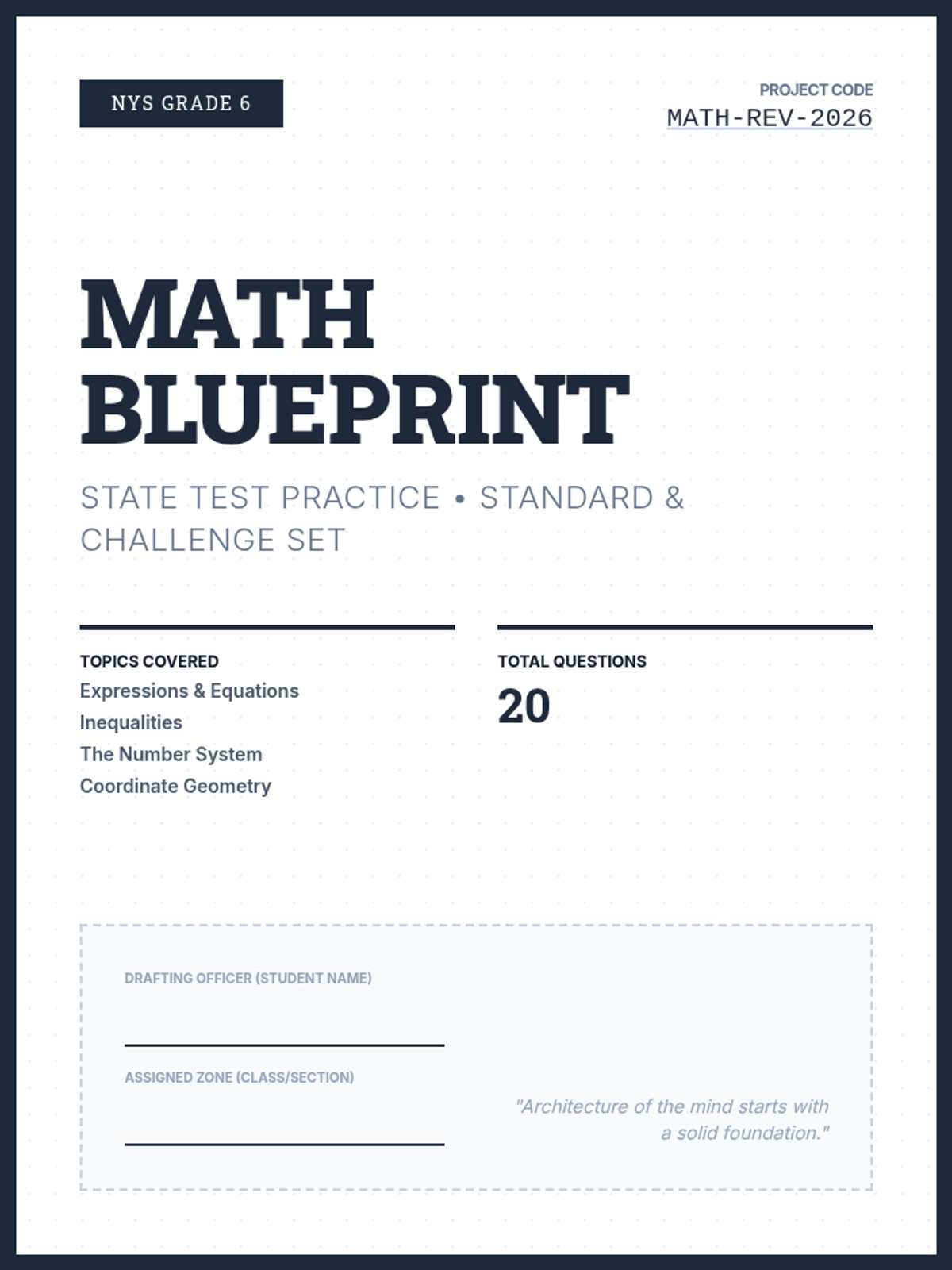
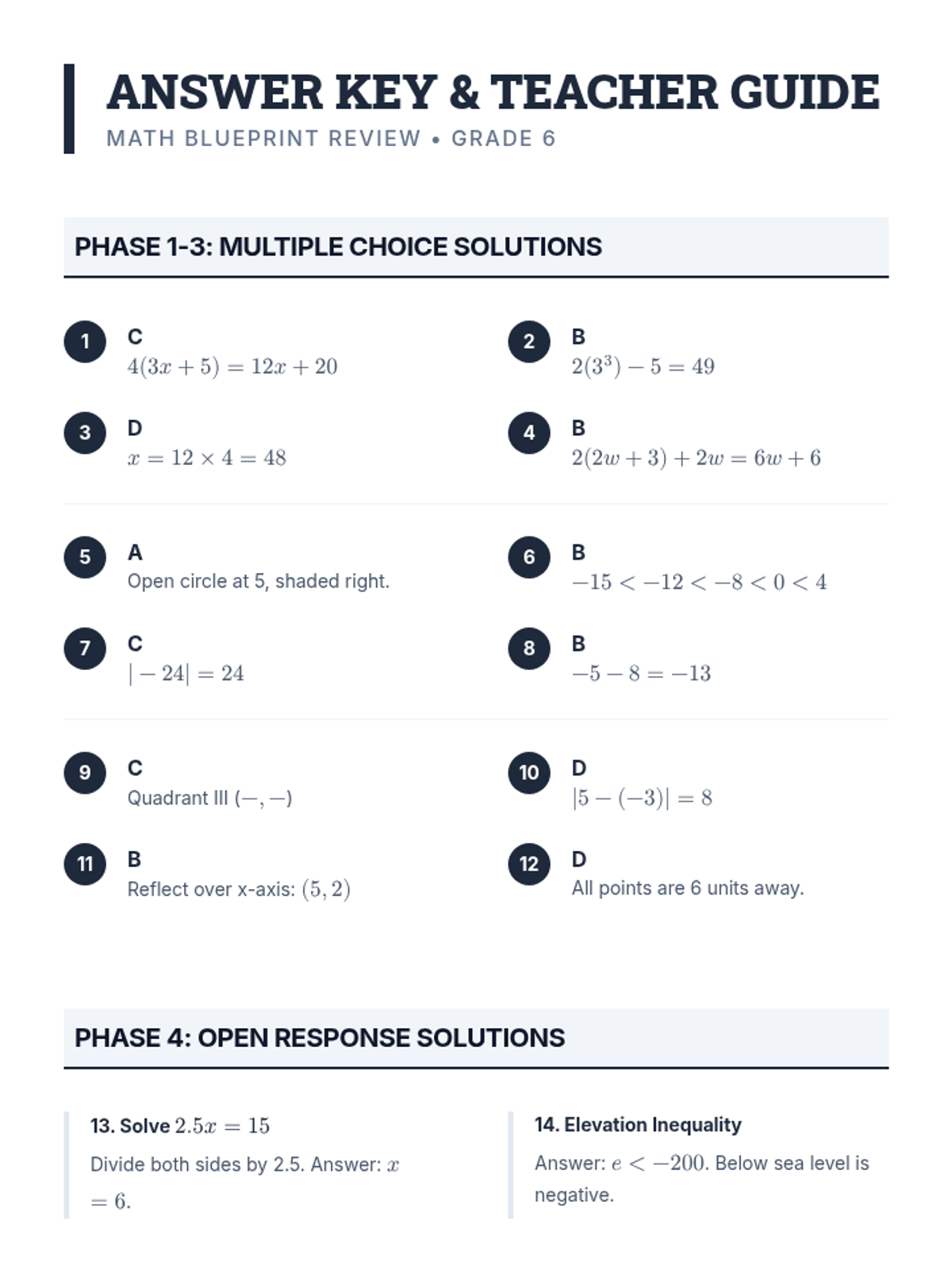
A comprehensive review of Grade 6 NYS Math standards including expressions, equations, inequalities, the number system, and the coordinate plane, styled as a drafting blueprint.
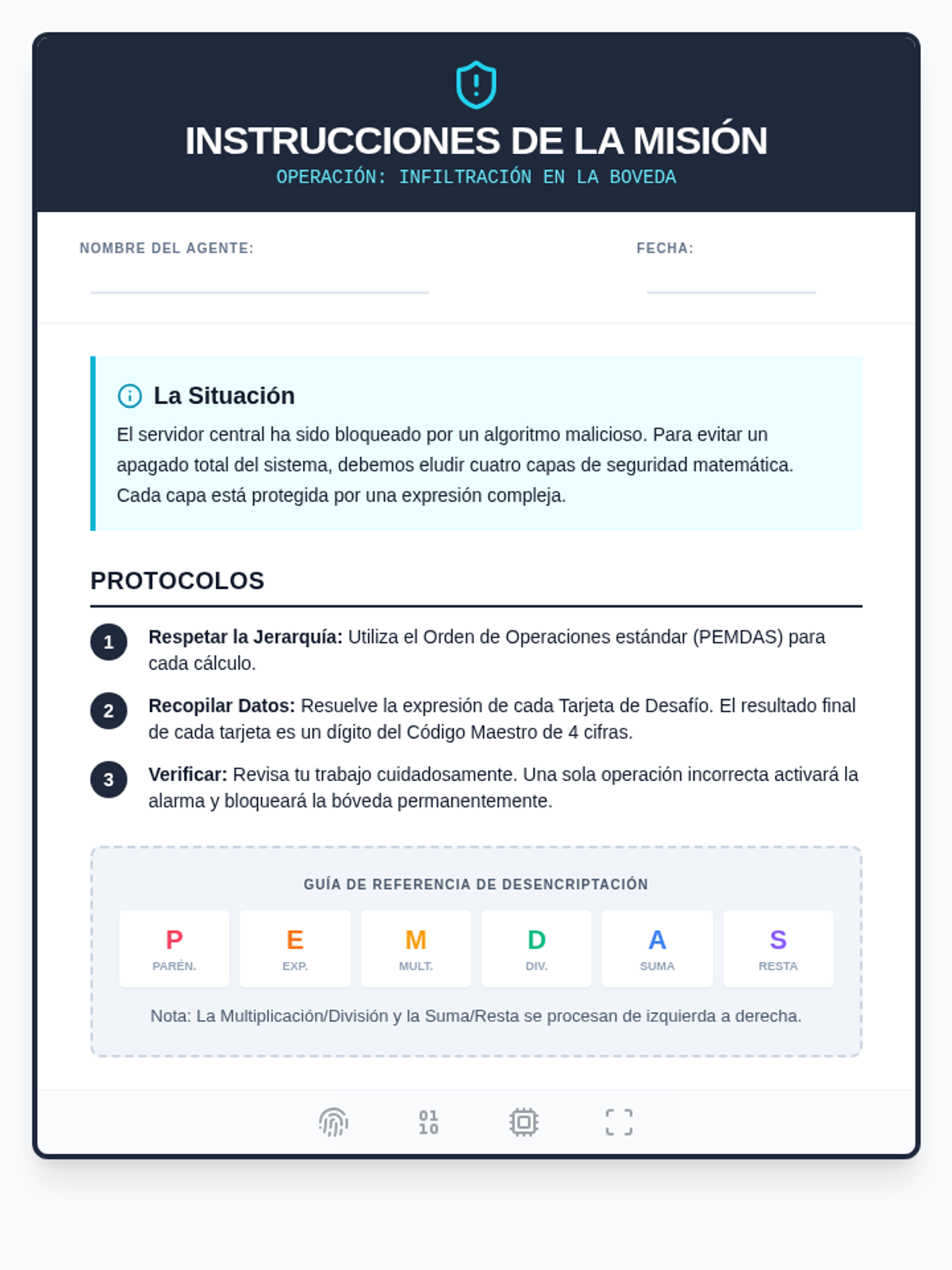
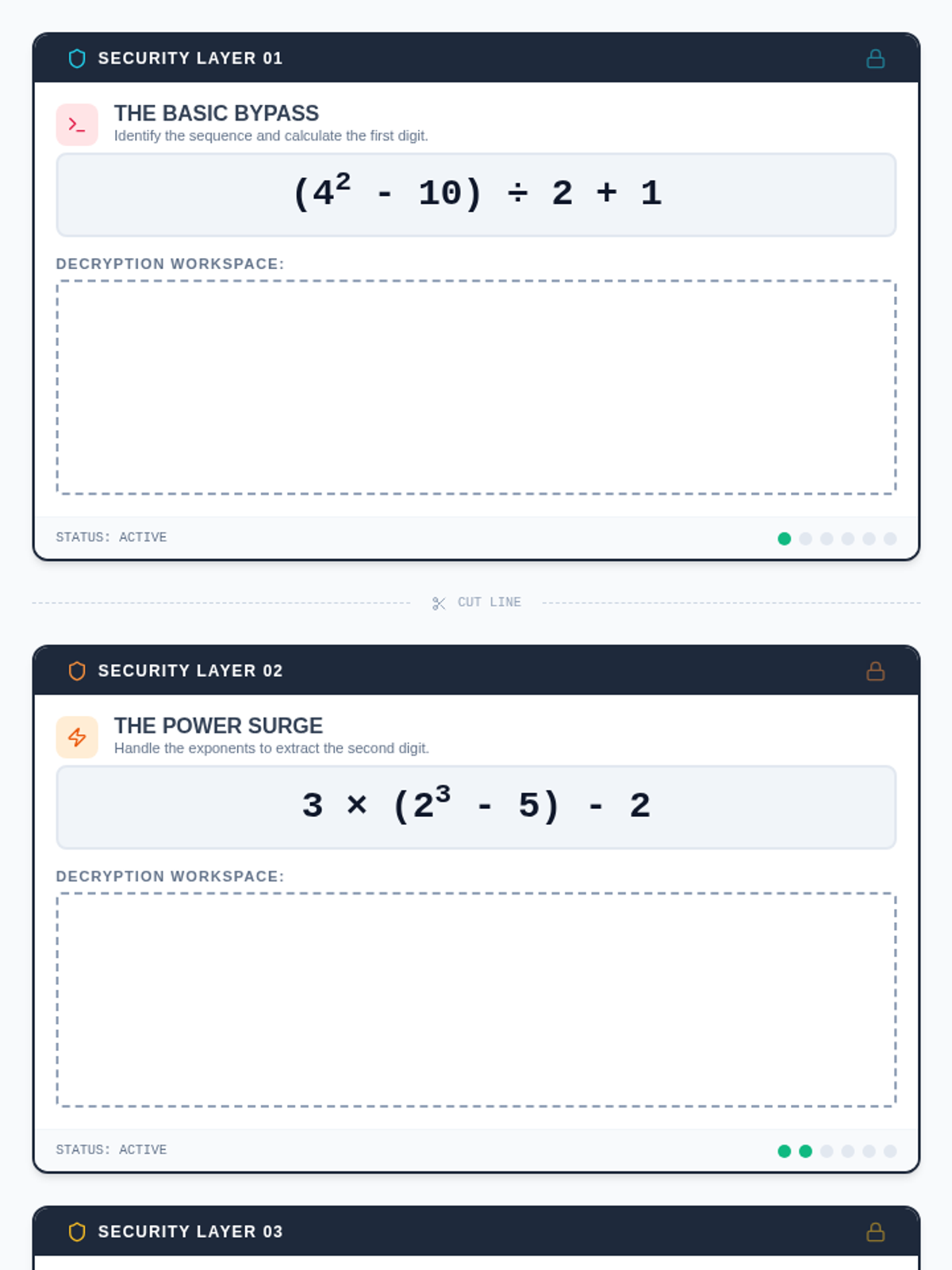
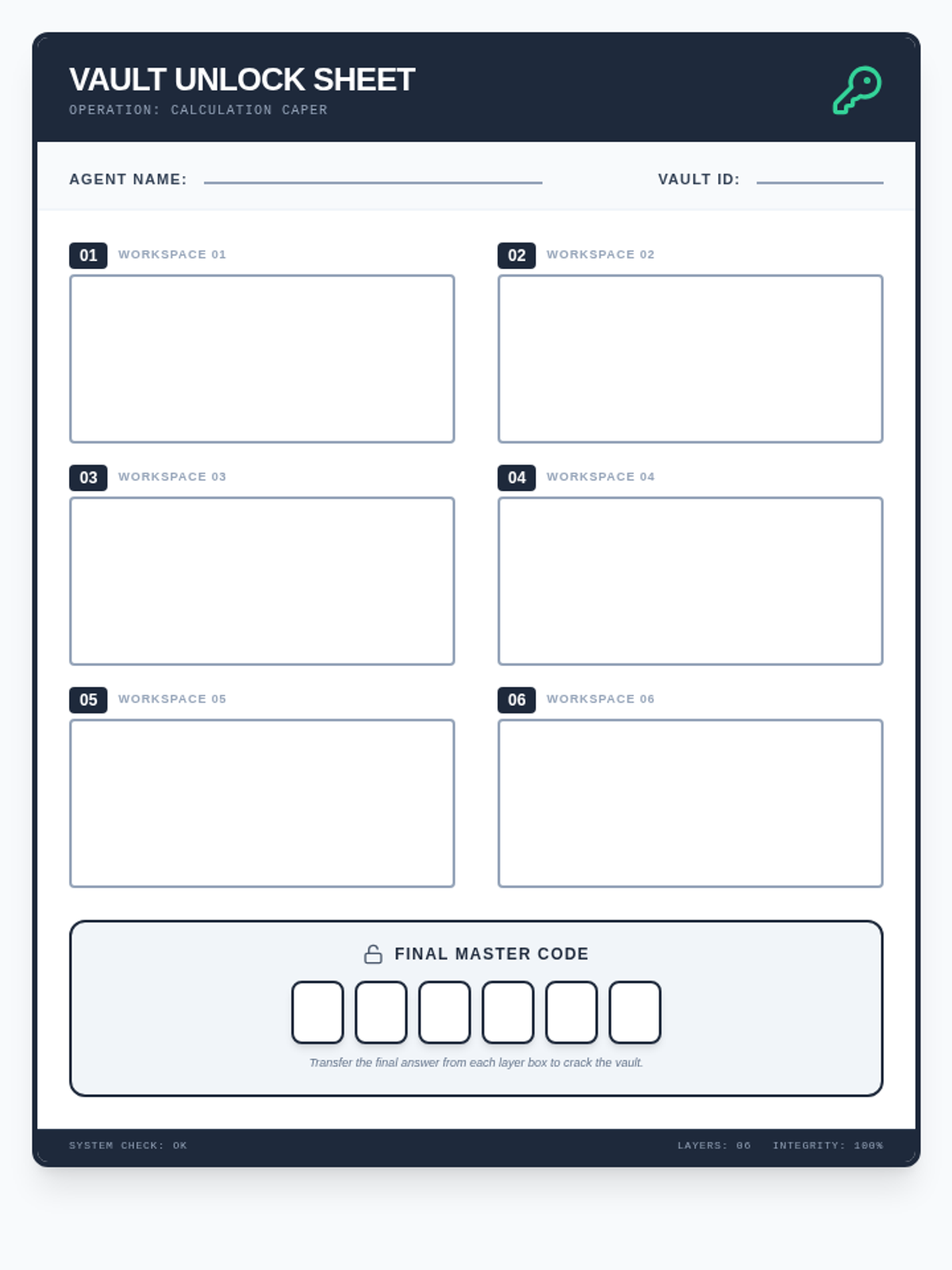
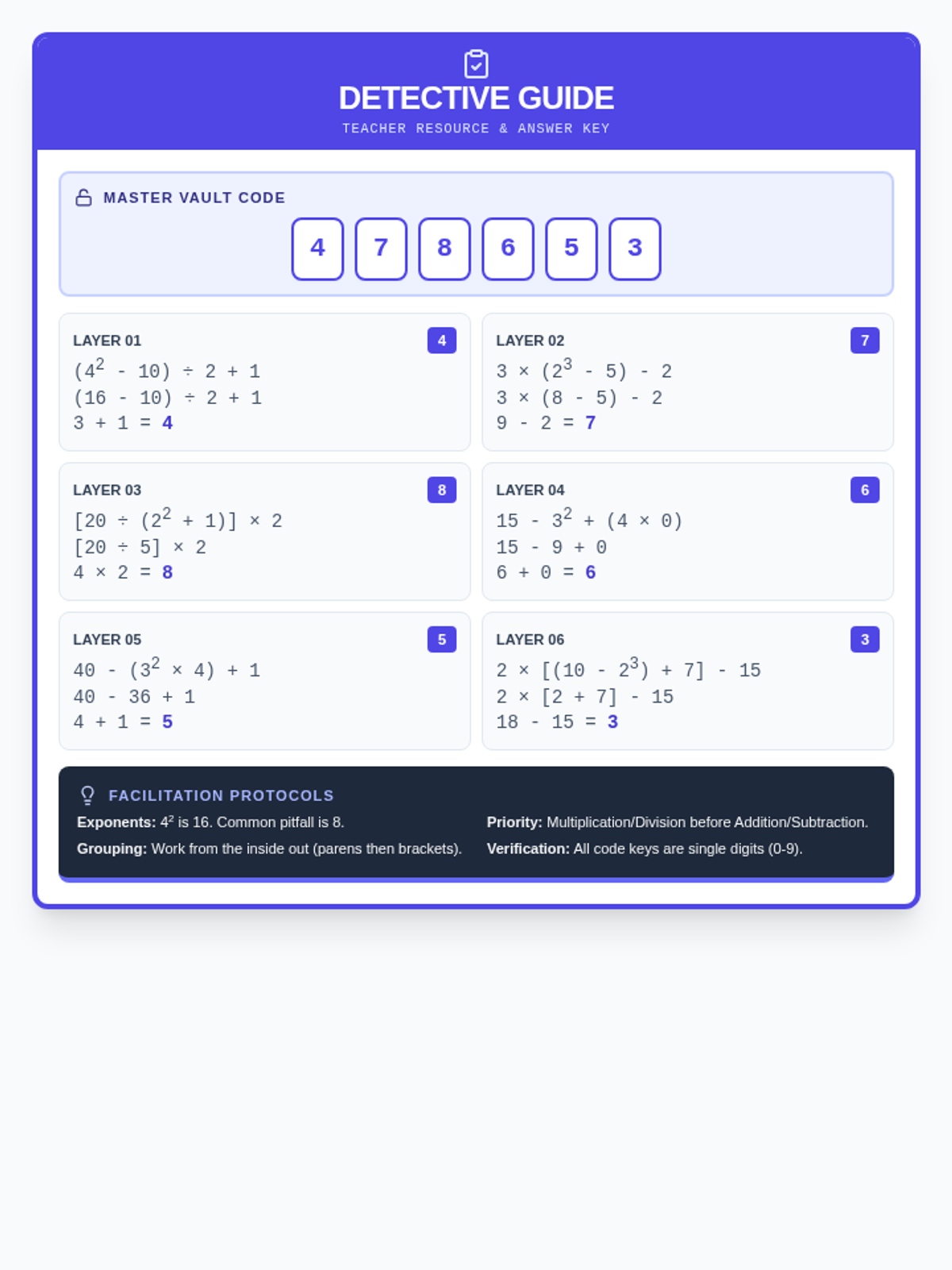
A high-stakes escape room challenge where students solve PEMDAS expressions involving exponents to crack the vault code. Students act as digital detectives navigating four distinct security layers.
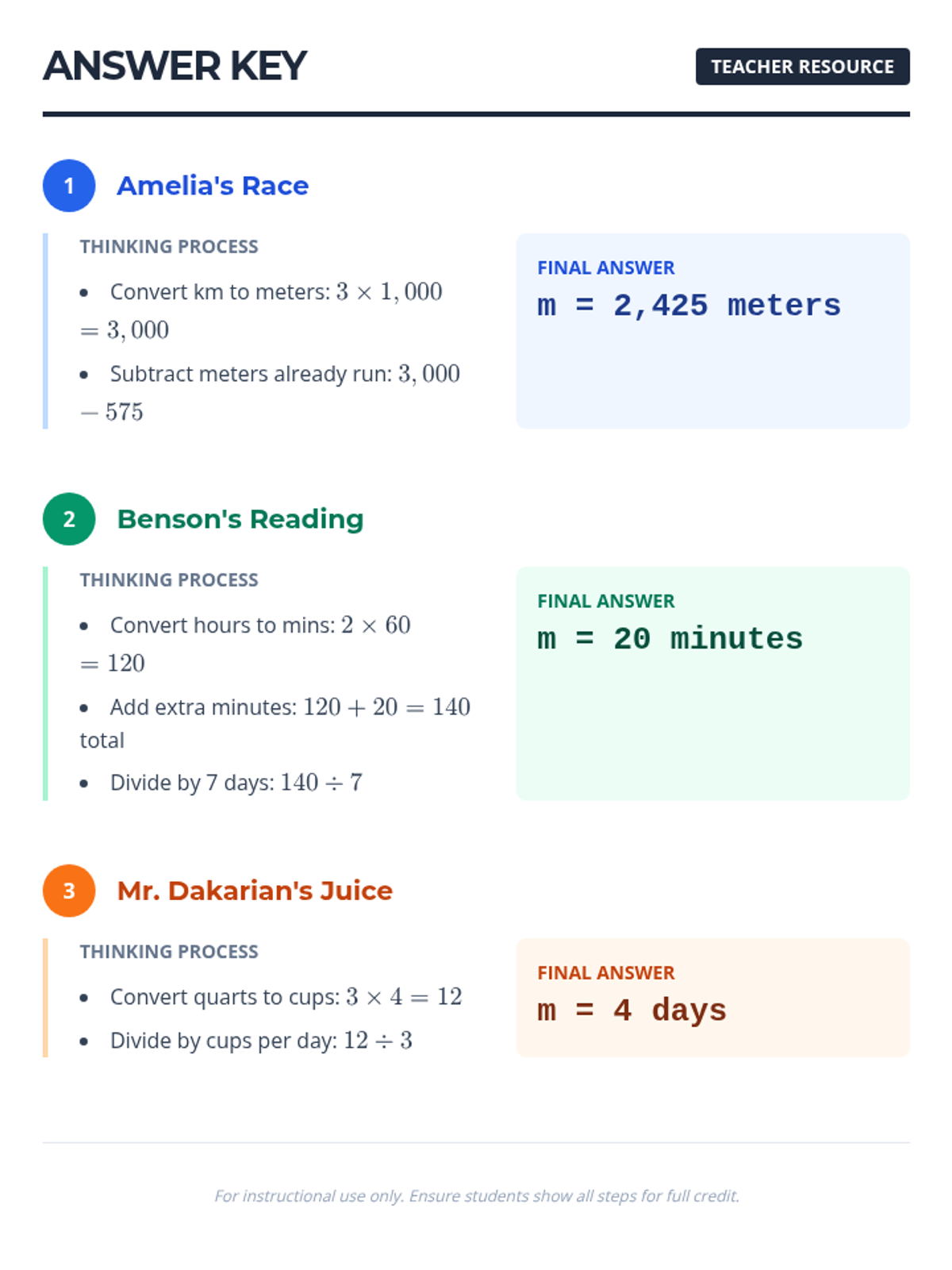
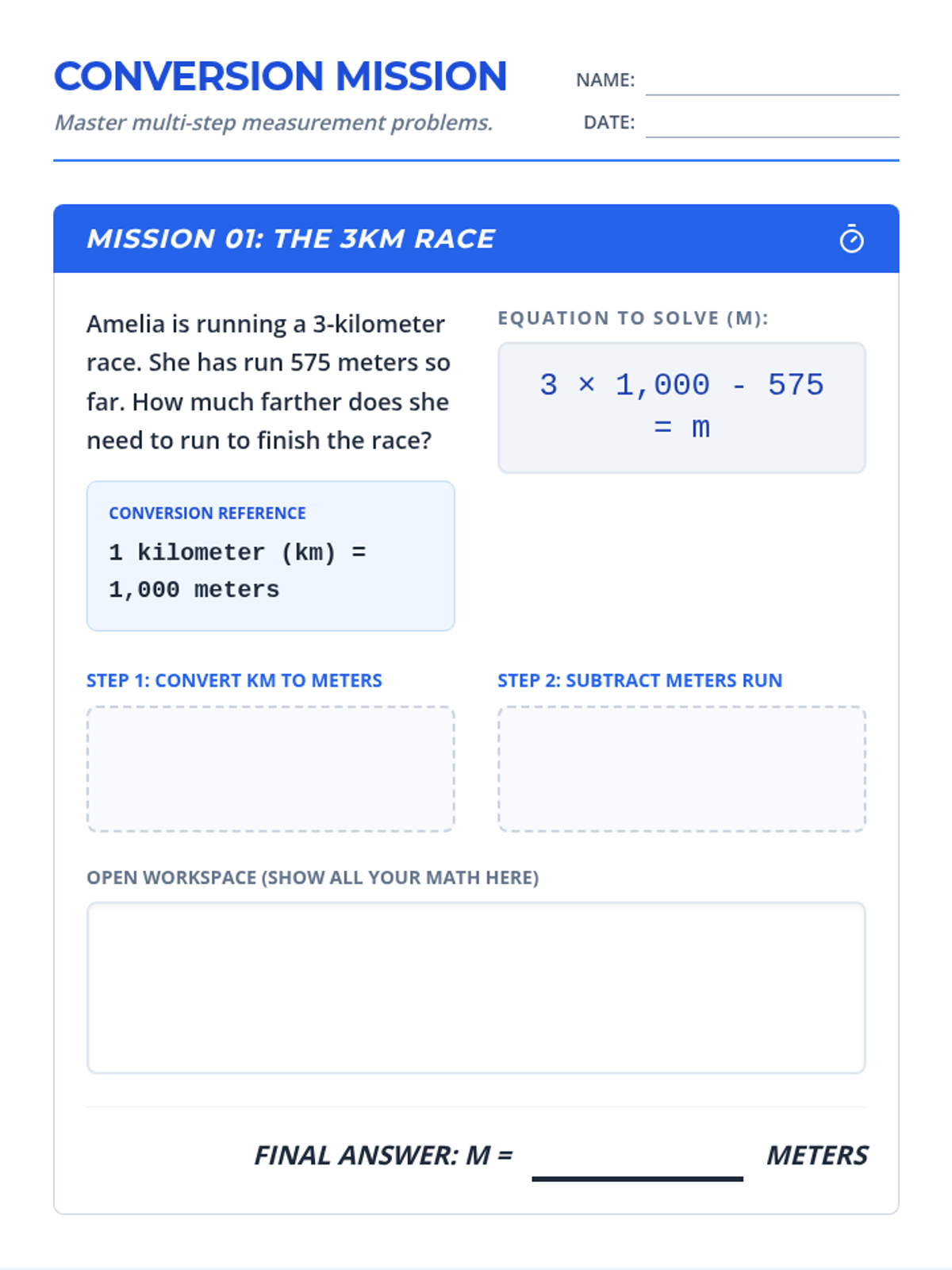
A focused lesson on solving multi-step word problems involving measurement conversions for length, time, and volume. Students practice converting units before applying arithmetic operations to find solutions.
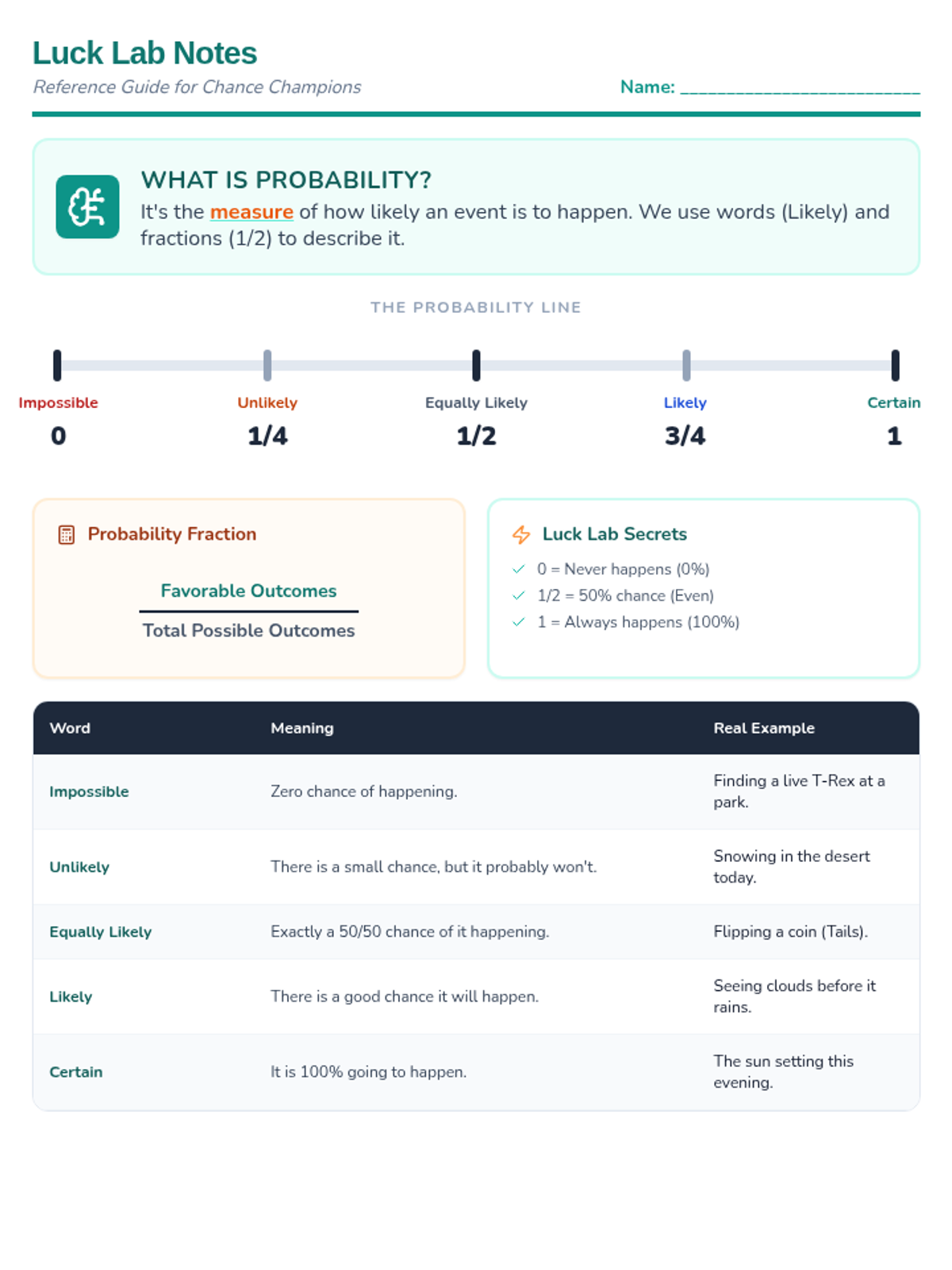
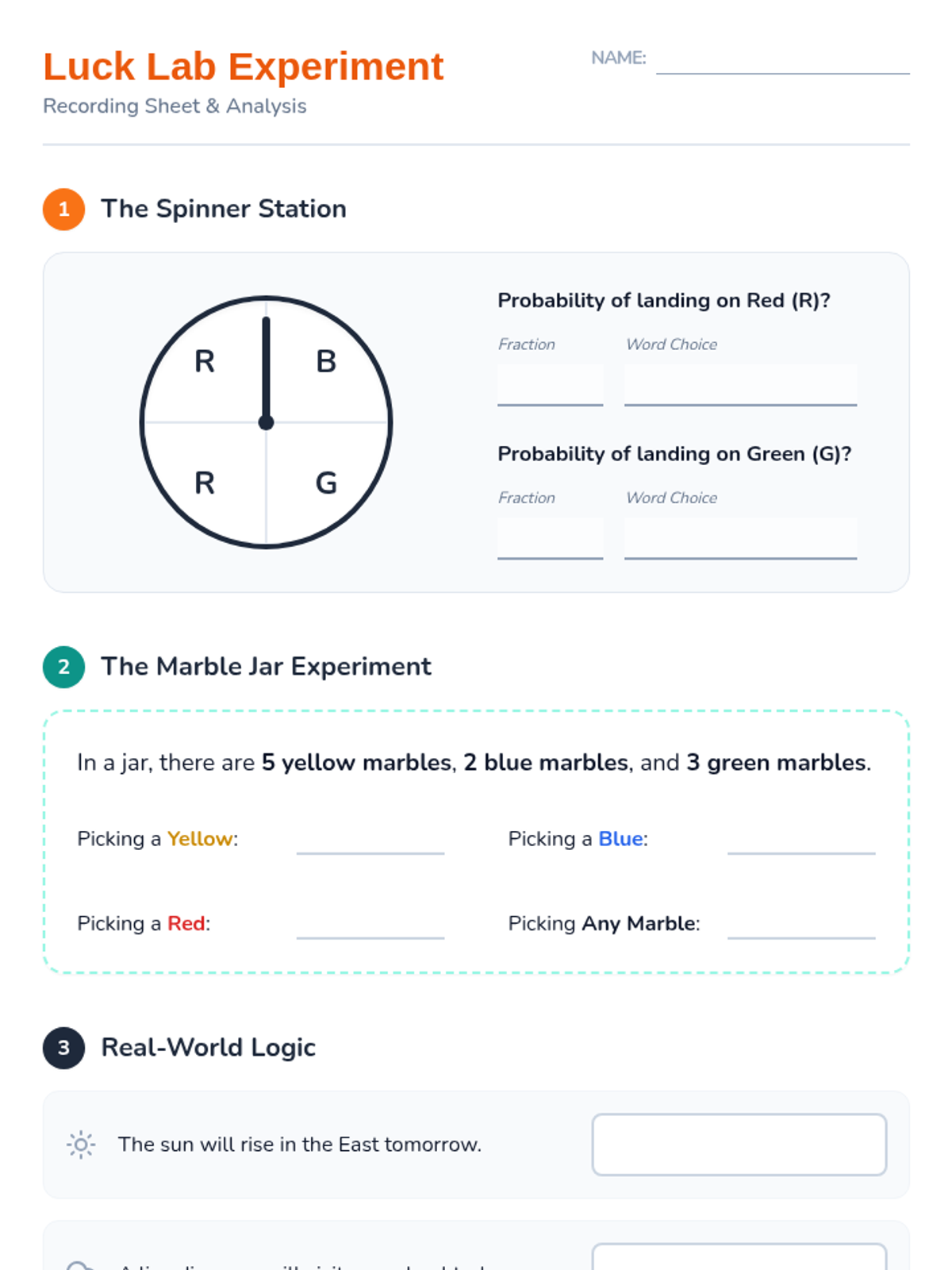
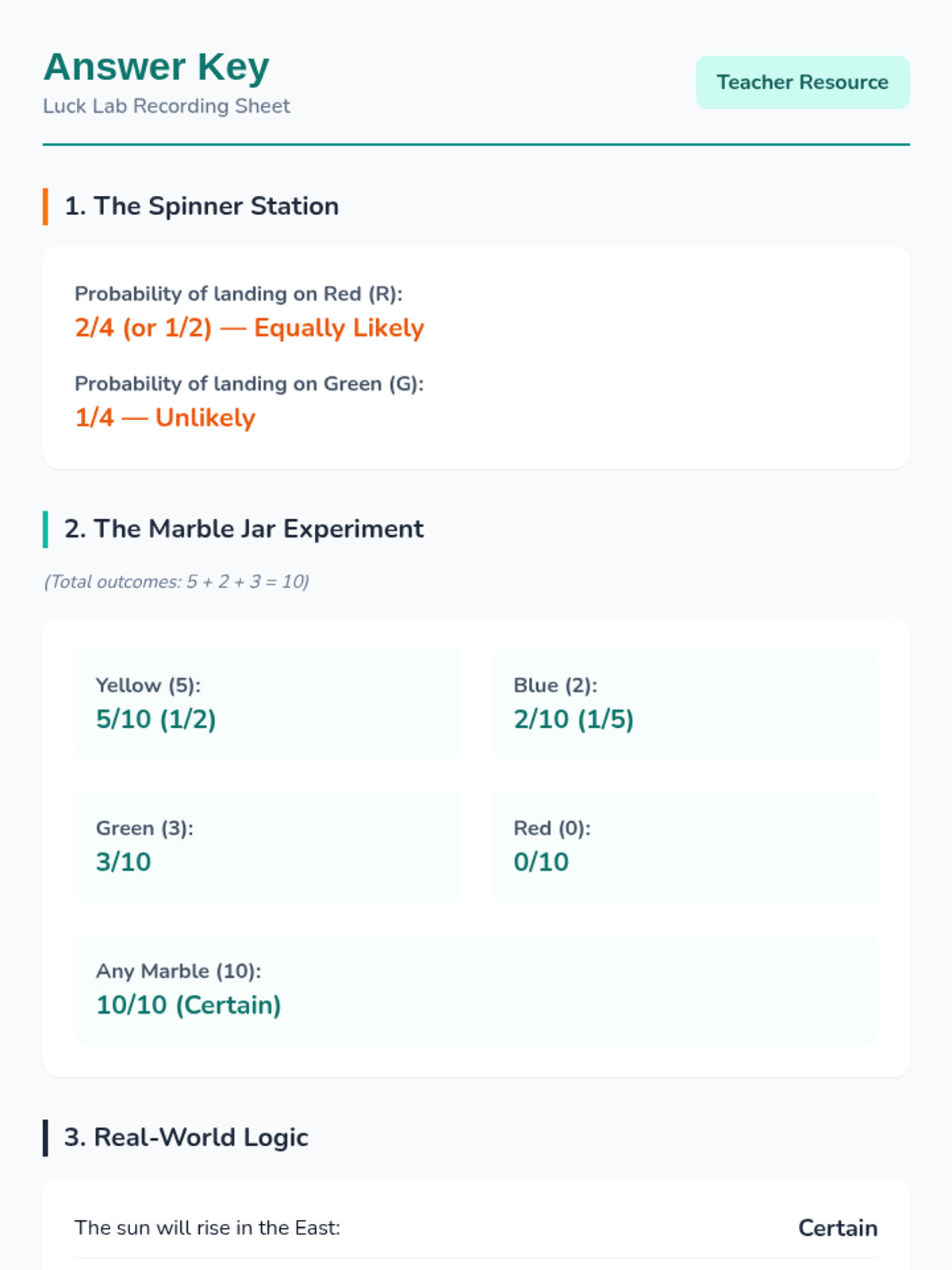
A mini-lesson introducing probability concepts through the lens of 'The Luck Lab', covering vocabulary (certain to impossible) and fractional representations.
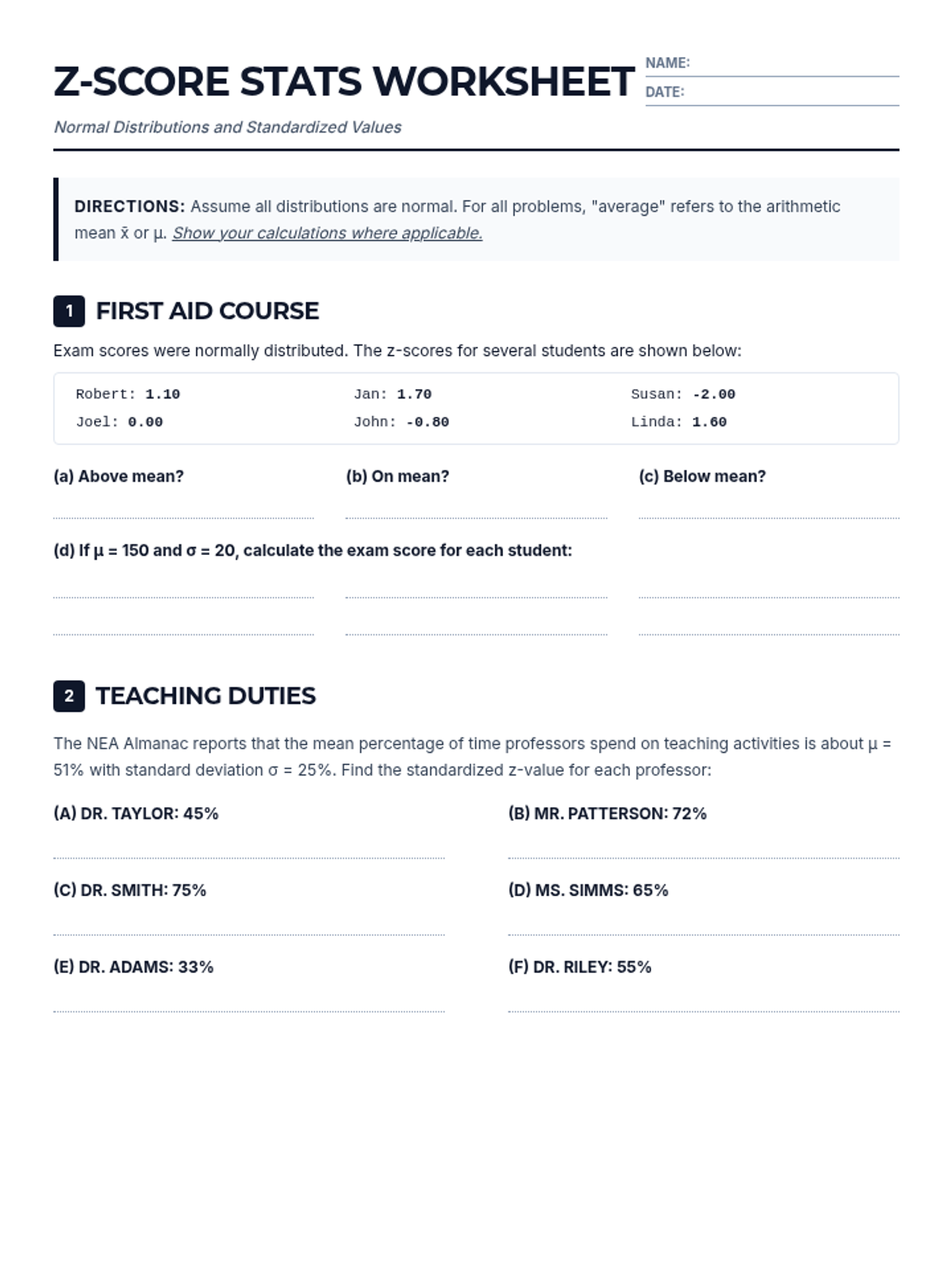
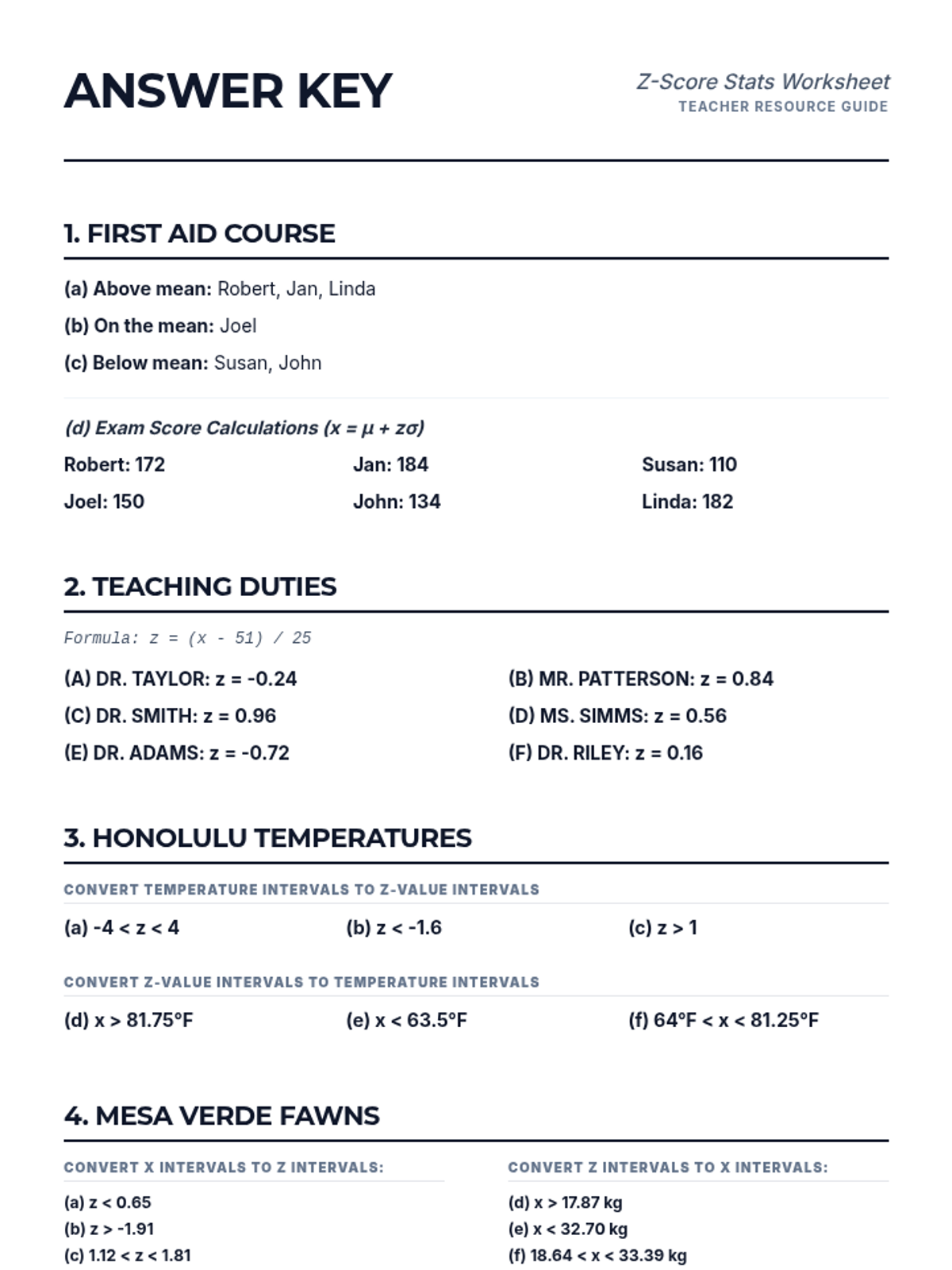
A lesson focused on understanding and applying z-scores to compare values from different normal distributions and interpret real-world statistical data.
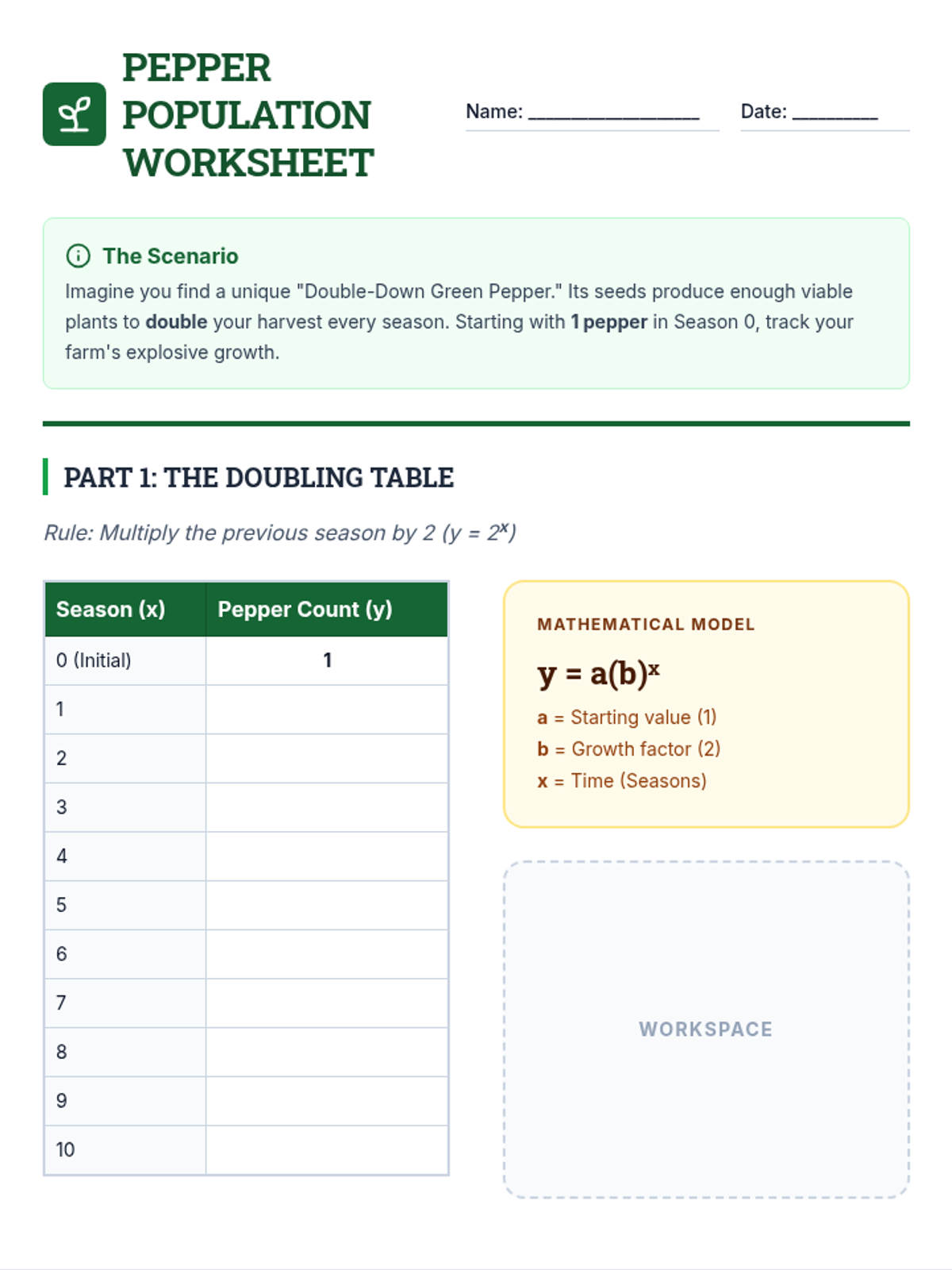
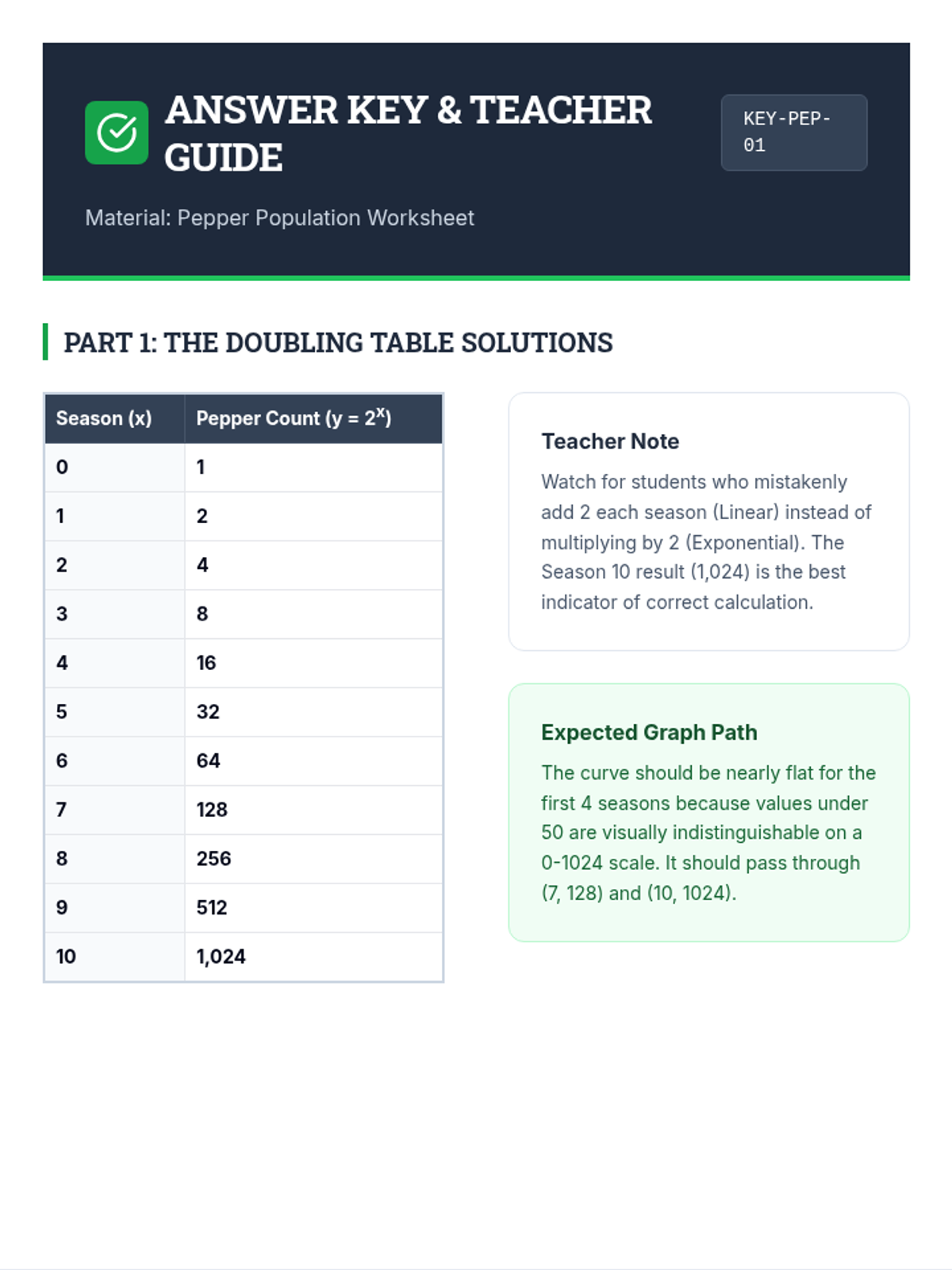
Students will model the exponential growth of a pepper population, starting from one pepper and doubling every season, to understand the power of geometric growth.
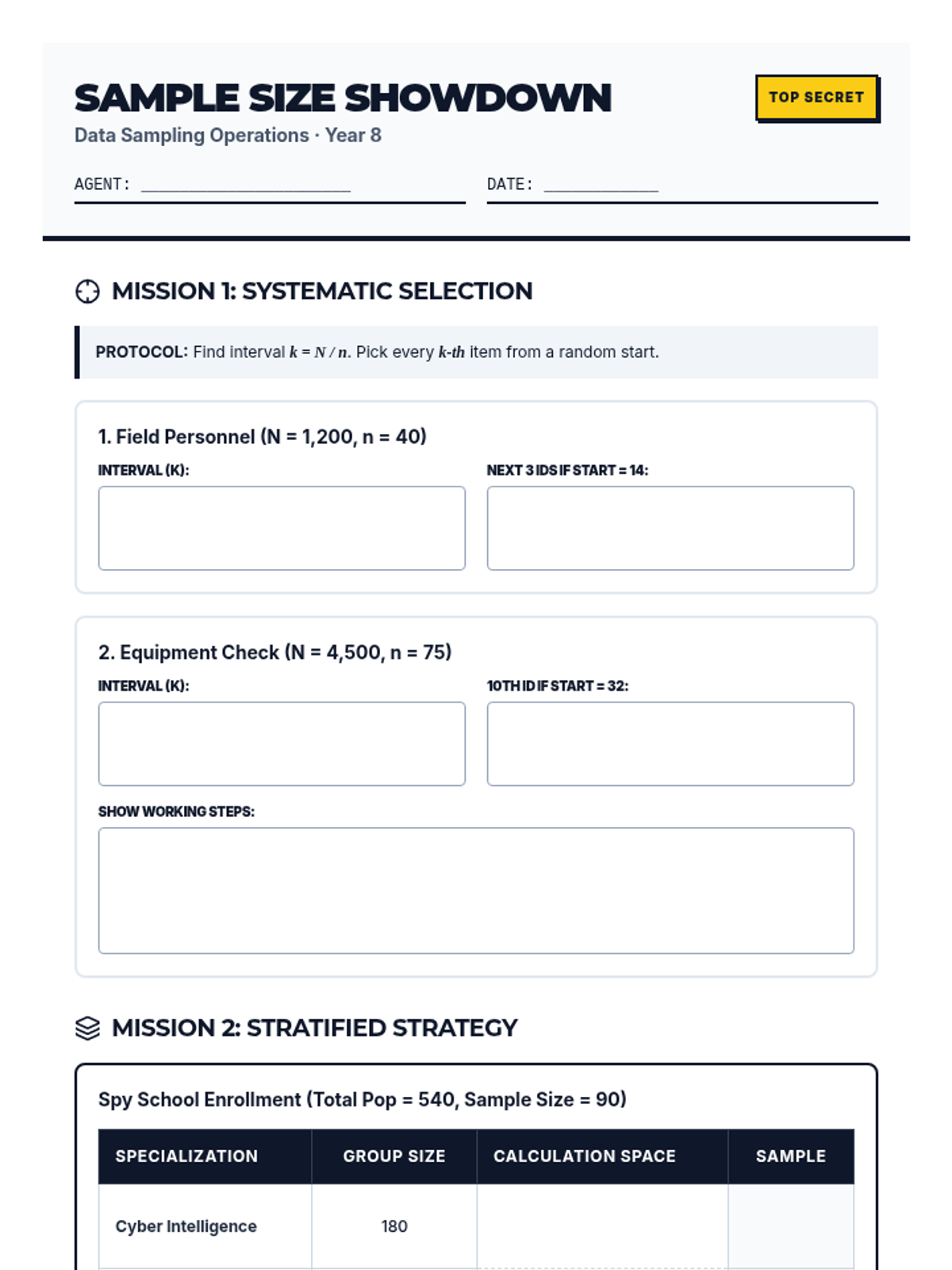
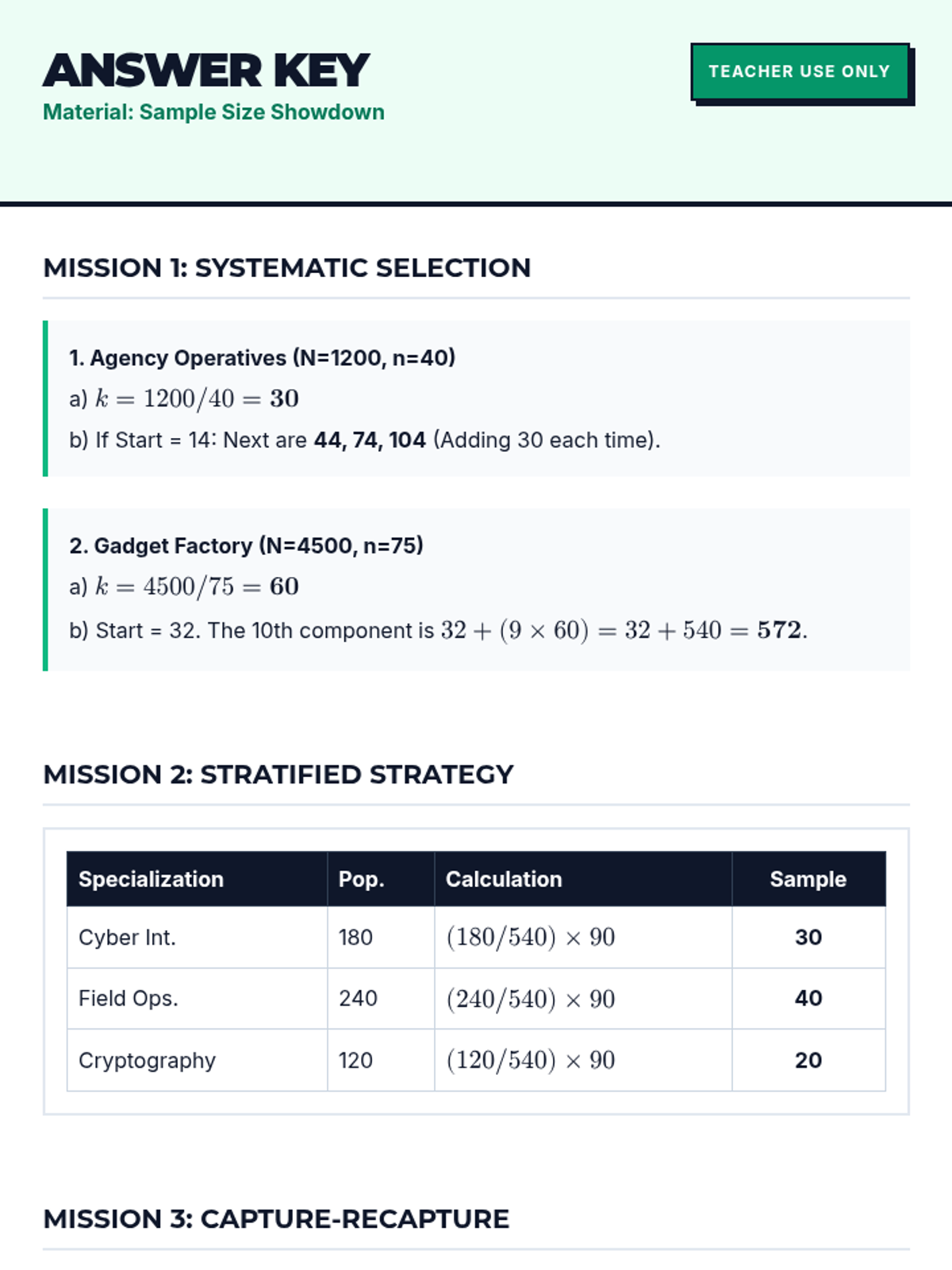
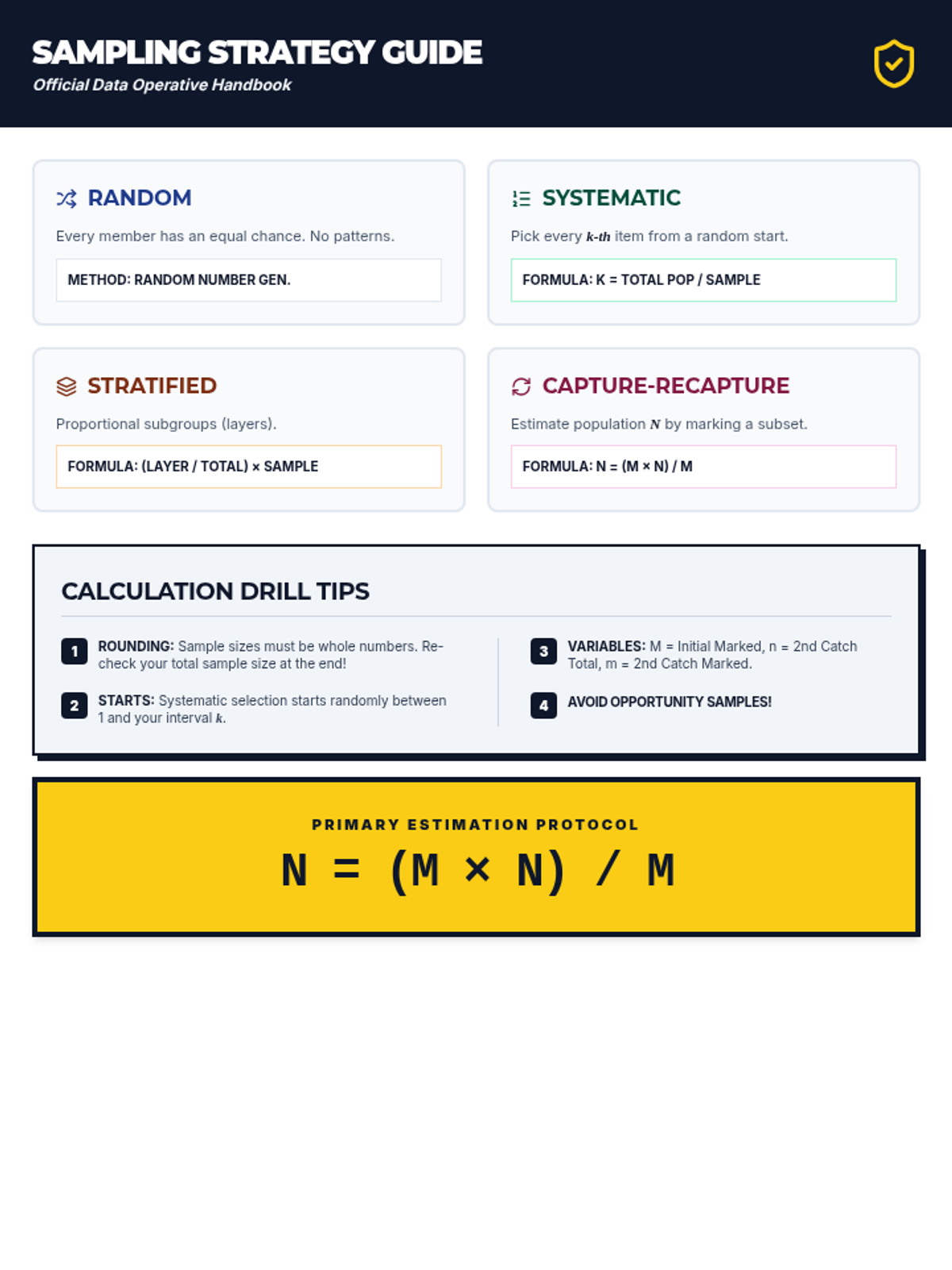
A comprehensive introduction to data sampling methods for Year 8 students, focusing on the mechanics of systematic, stratified, and capture-recapture calculations through a secret agent lens.
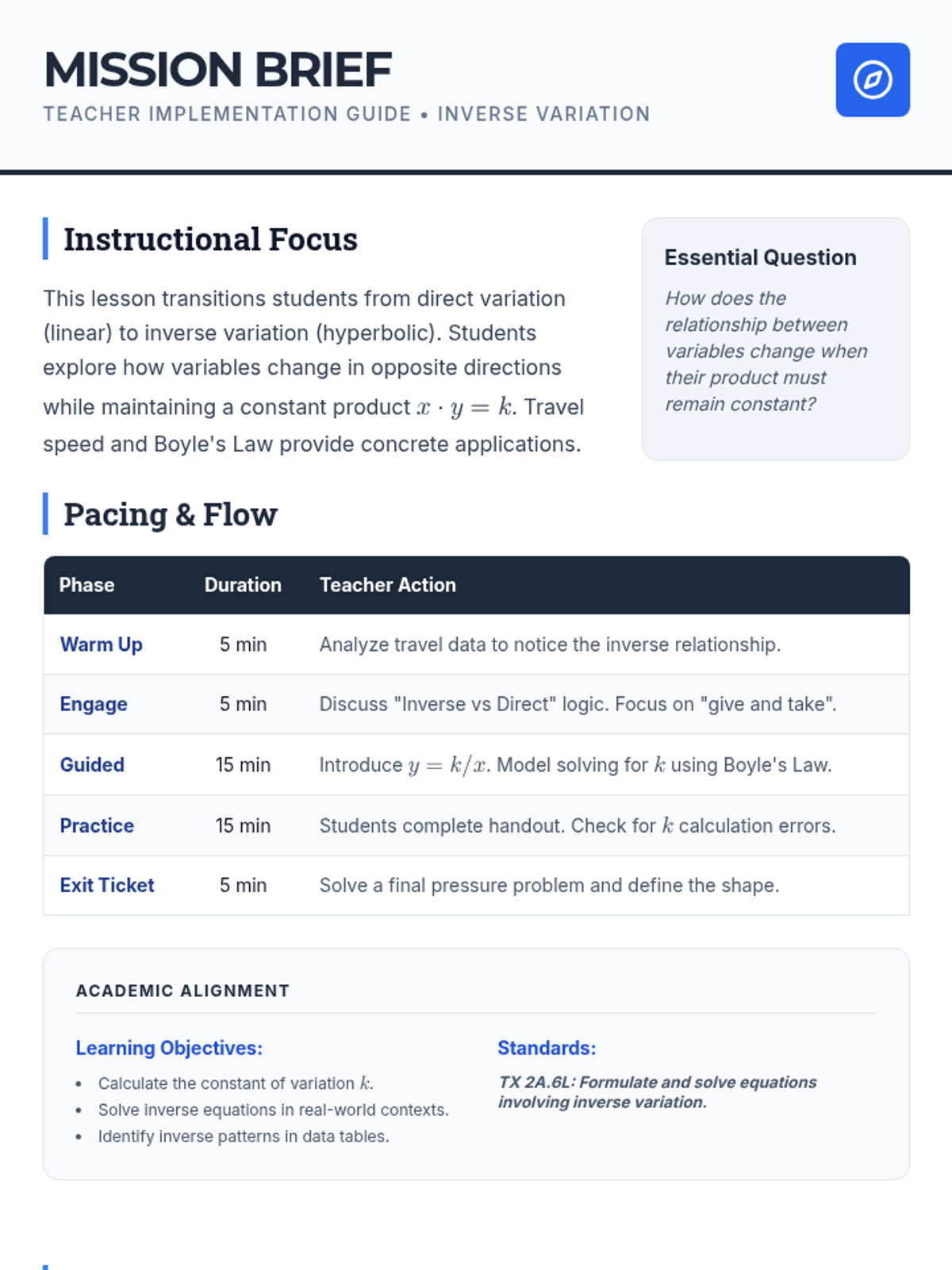
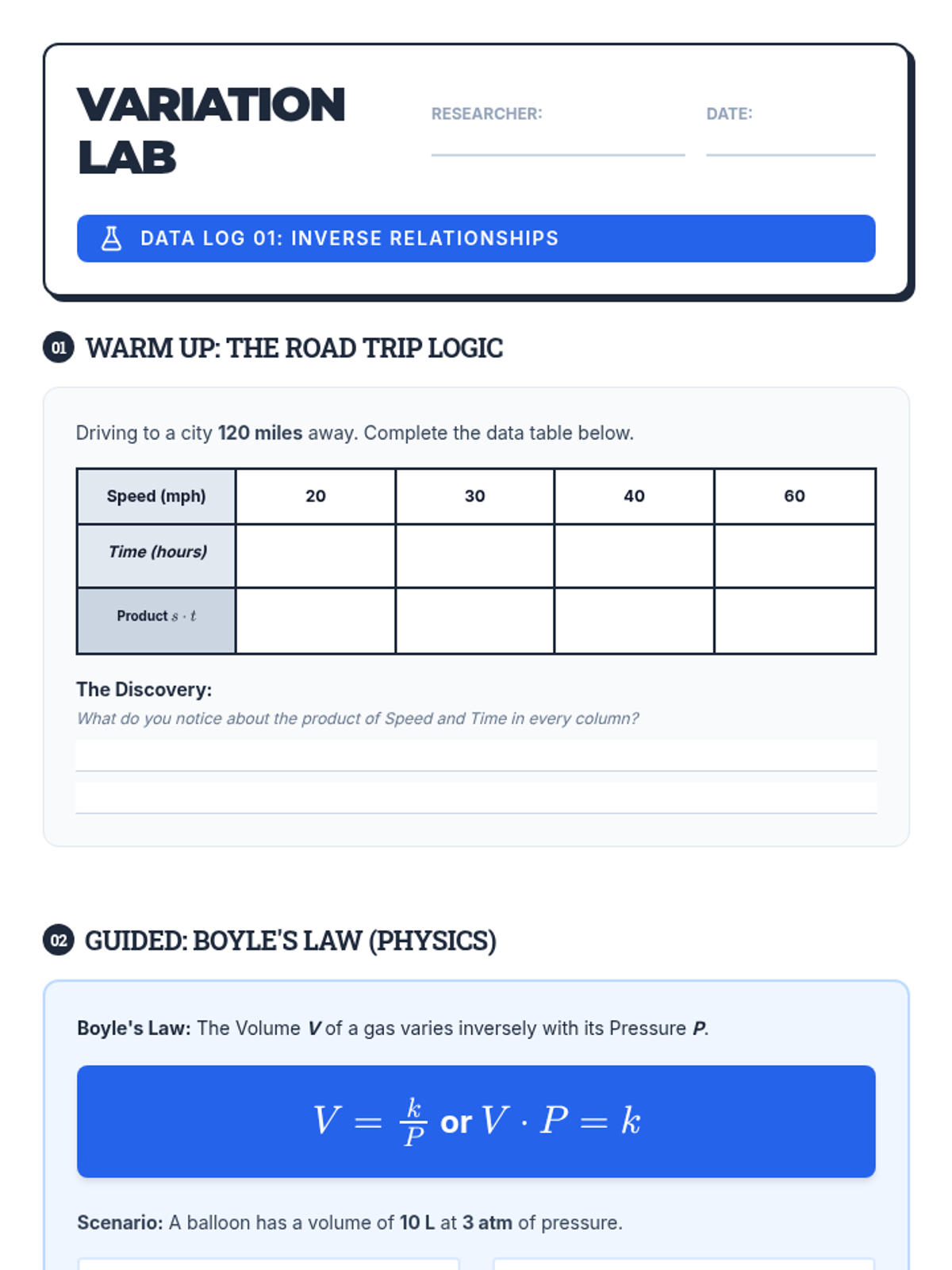
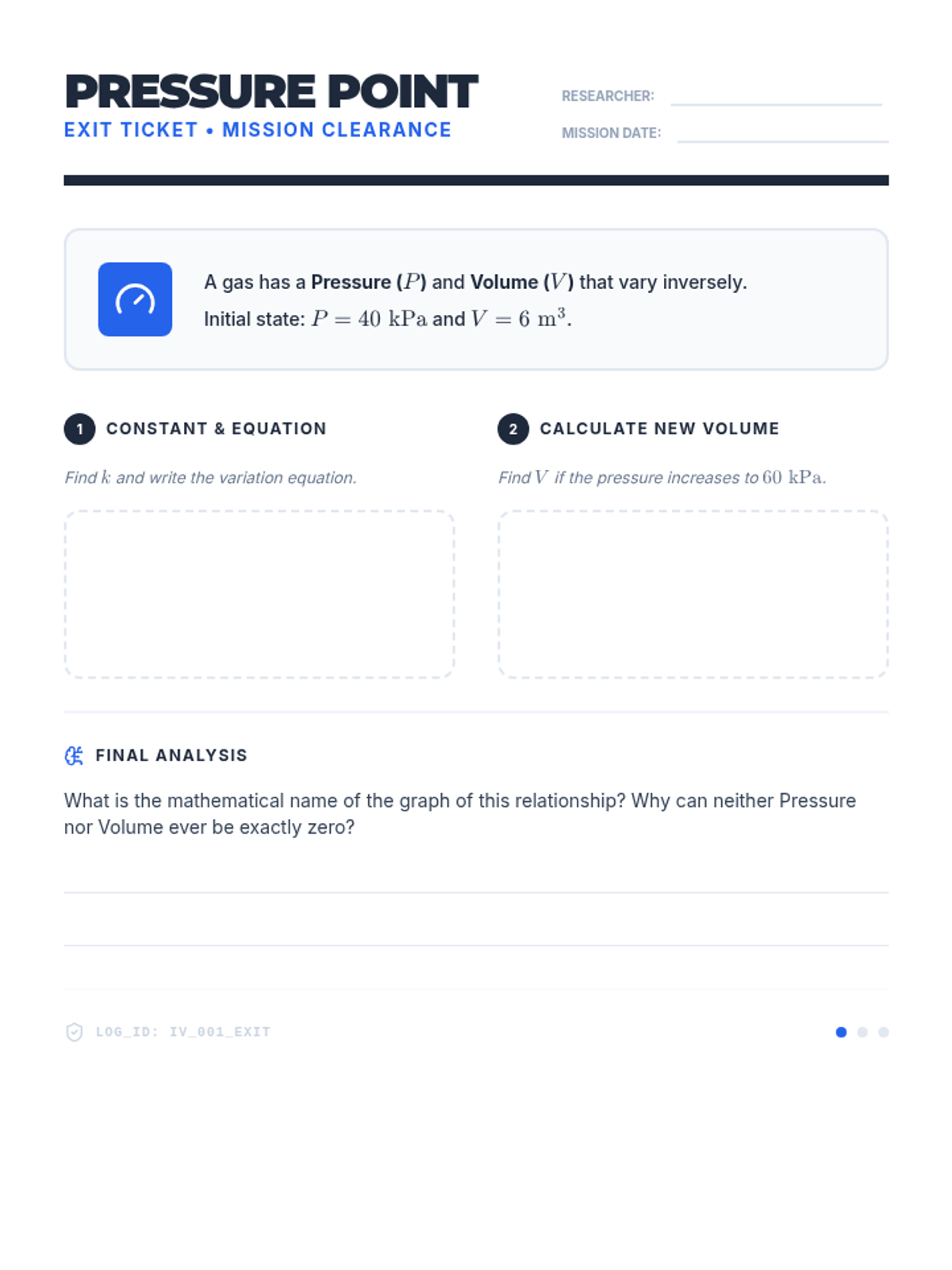
A 45-minute lesson exploring inverse variation through the lens of travel speed and Boyle's Law, focusing on formulating and solving equations for real-world scenarios.
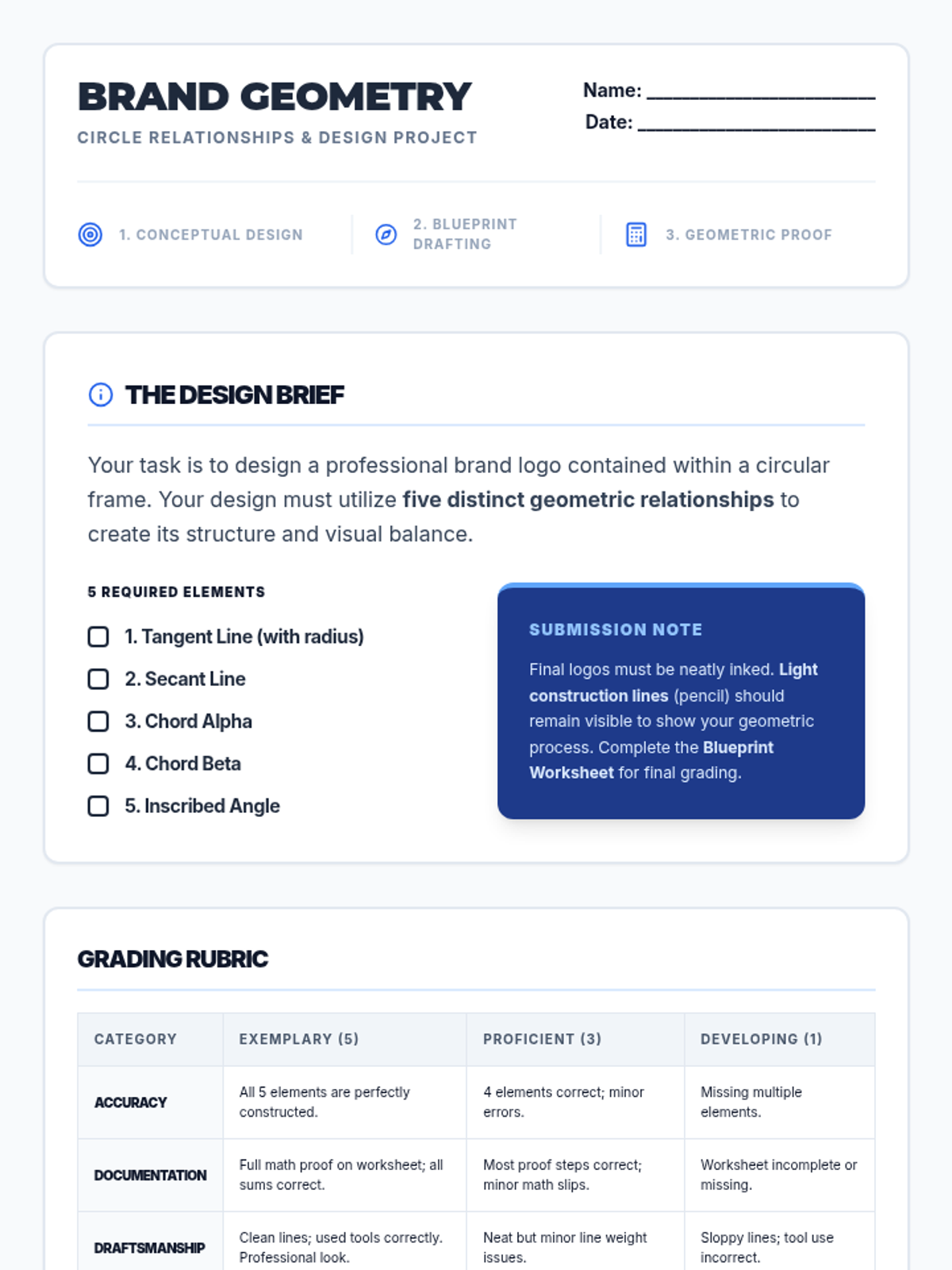
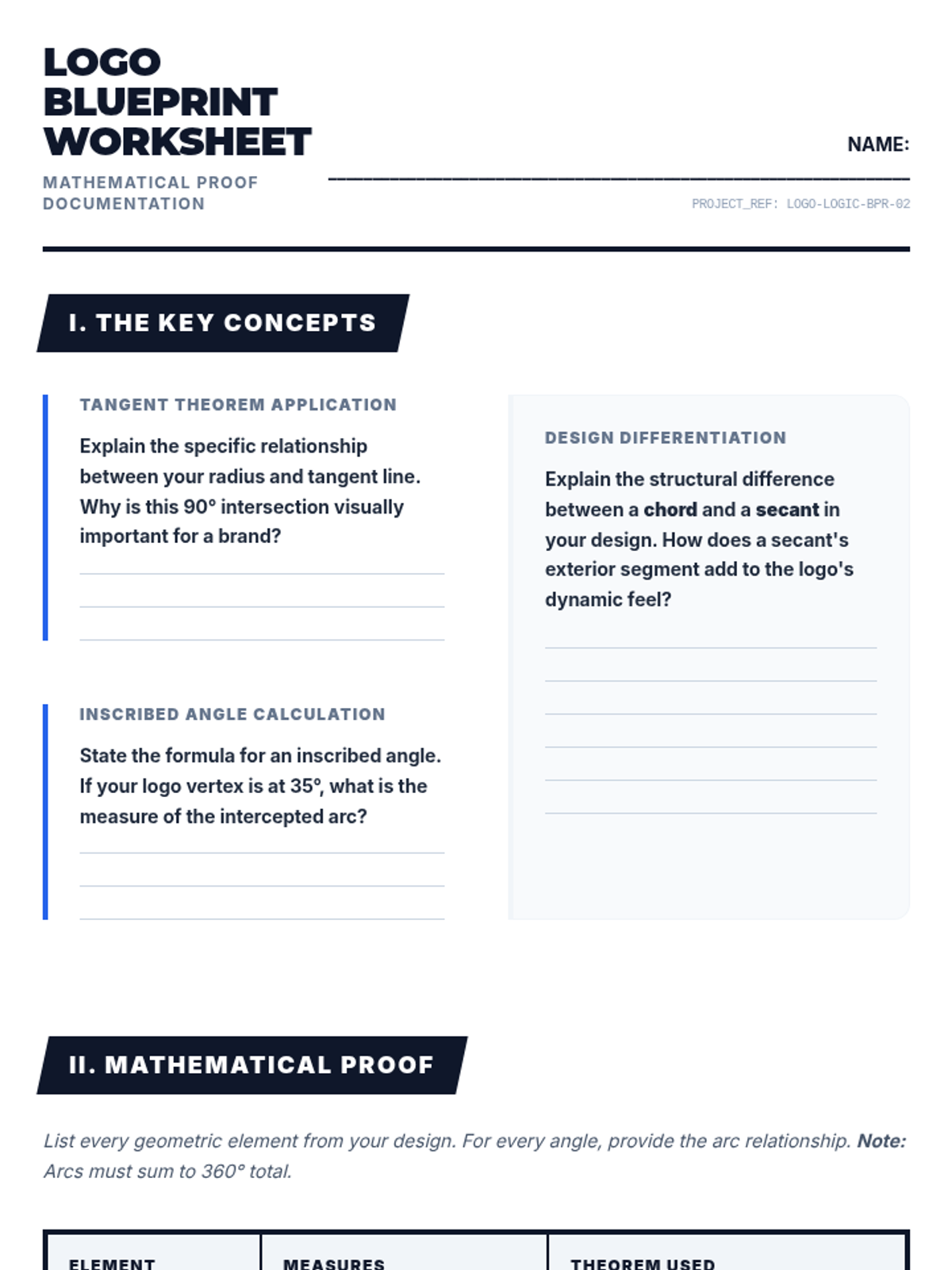
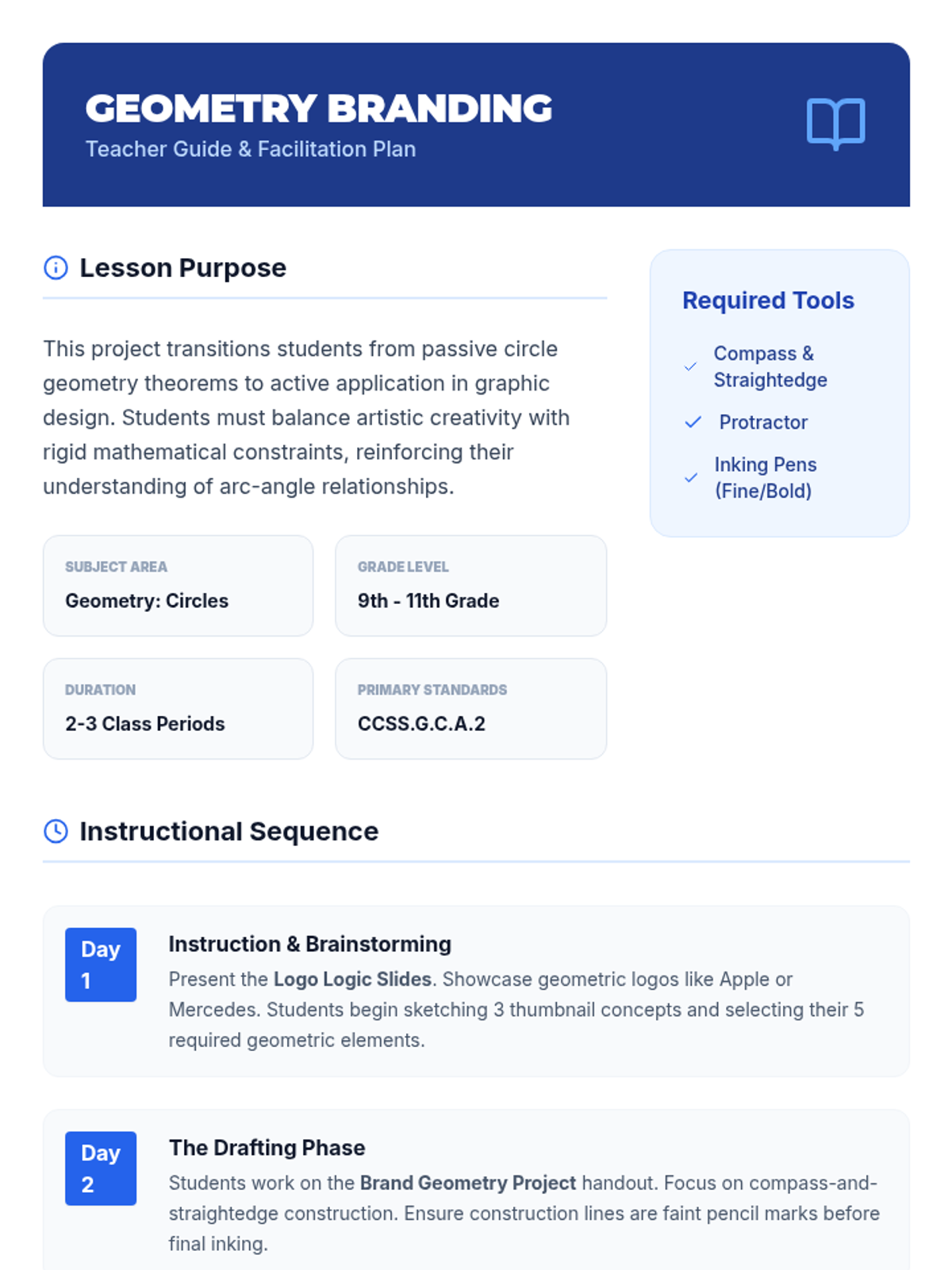
A creative geometry project where students design a brand logo using specific circle properties, including tangents, secants, chords, and inscribed angles. Students must demonstrate both artistic design and geometric precision through calculations.