Students explore the psychological and physical cycle of dependency, including the roles of tolerance and withdrawal. They map the brain's reward system and how it adapts to substance use.
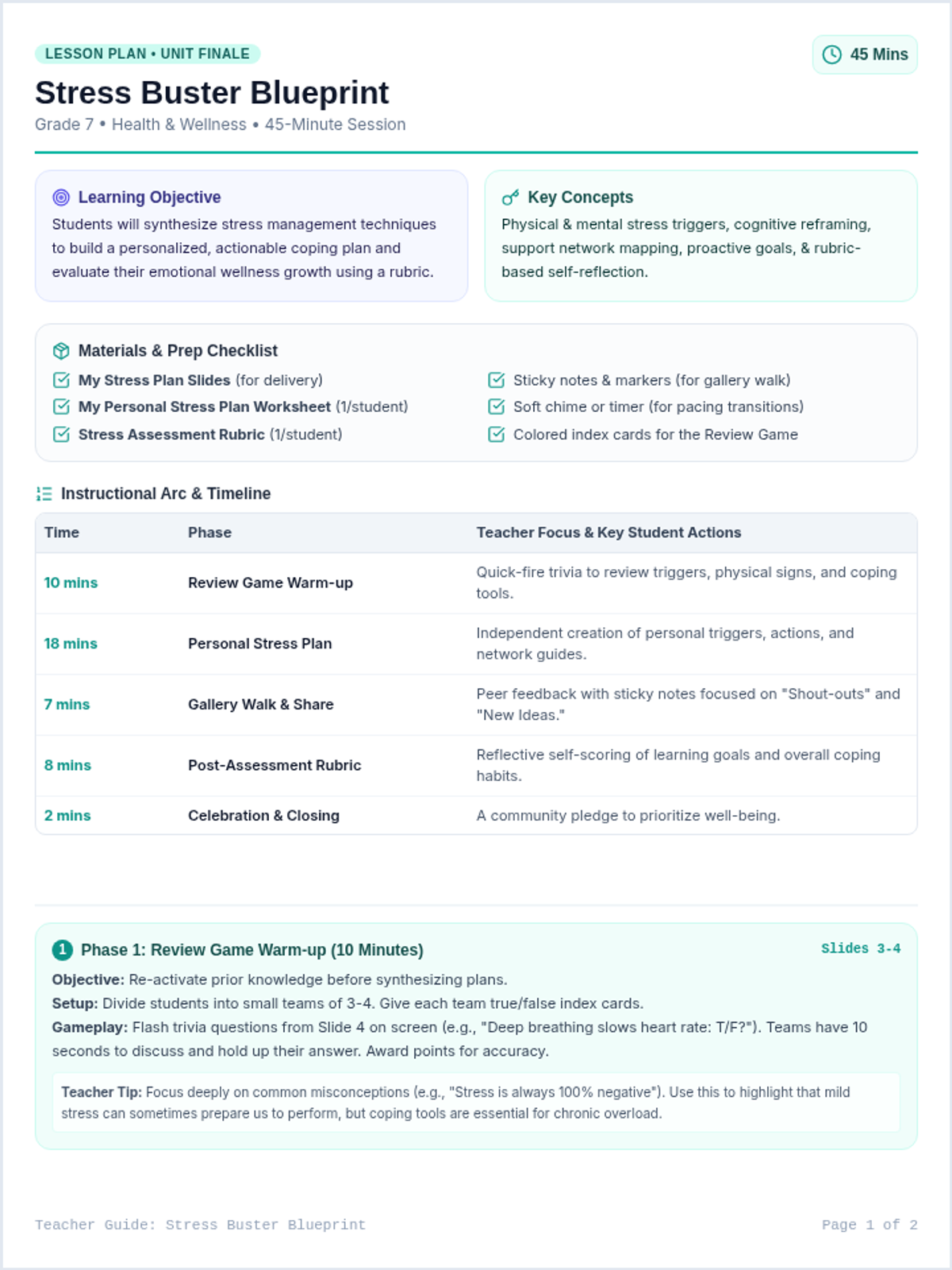
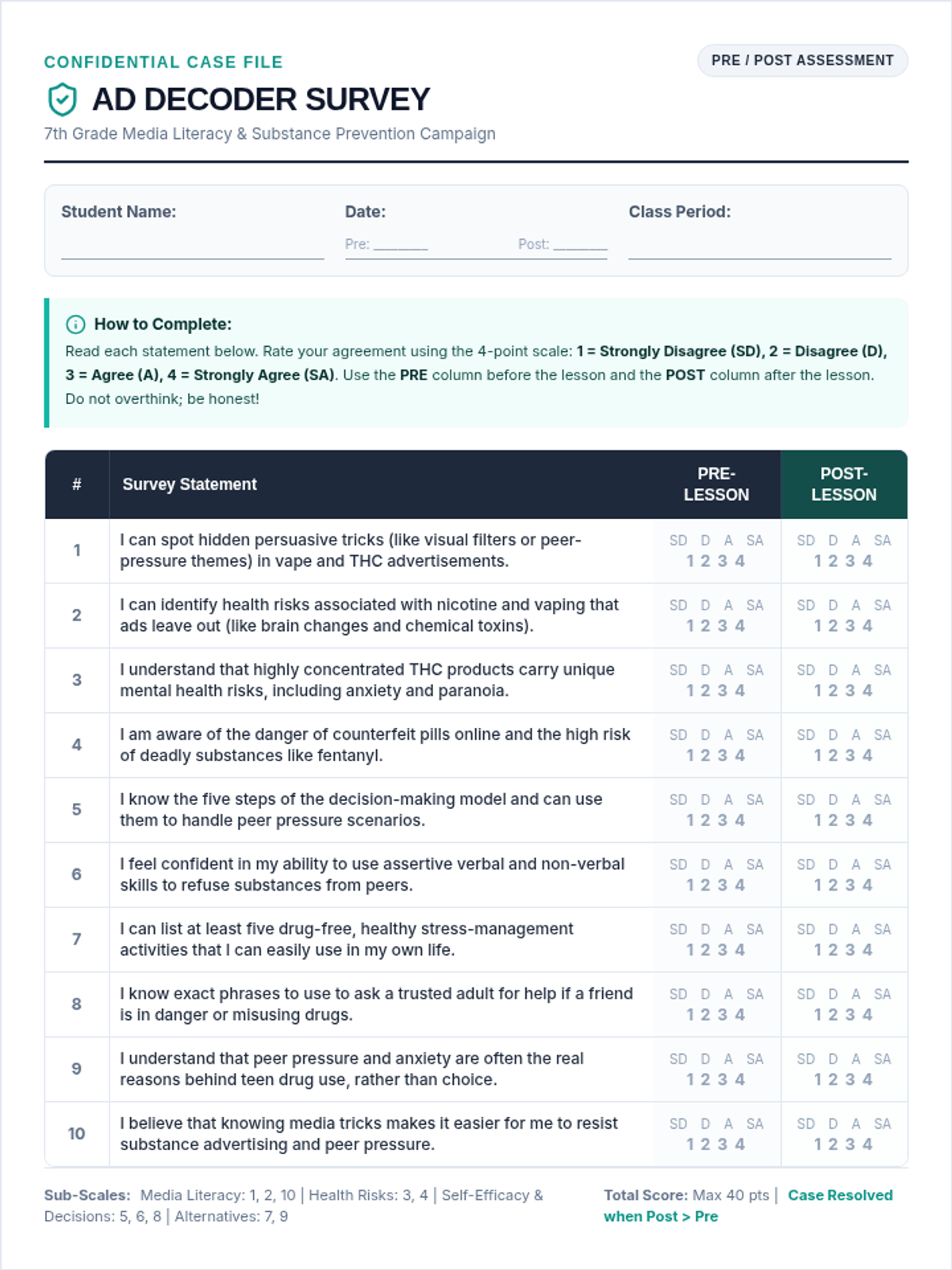
Students identify social pressures and marketing tactics, practicing assertive refusal strategies to navigate real-world situations involving vaping.
Students explore the neurobiology of nicotine addiction, learning how it 'hijacks' the brain's reward system and affects adolescent development.
Students investigate the truth behind common vaping myths and explore the long-term health risks associated with e-cigarette use.
A comprehensive guide for middle schoolers to navigate the physical and emotional changes of puberty through self-care and healthy habits.
A lesson focused on helping students track and analyze their sleep patterns to understand the impact of rest on their daily energy and mood.
A comprehensive guide for teenagers on the autism spectrum to understand the science of sleep hygiene, the importance of circadian rhythms, and how to maintain a consistent nighttime schedule.
A comprehensive guide to oral hygiene routines for teens, featuring clear visual instructions on brushing, flossing, and maintaining a healthy smile based on ADA guidelines.
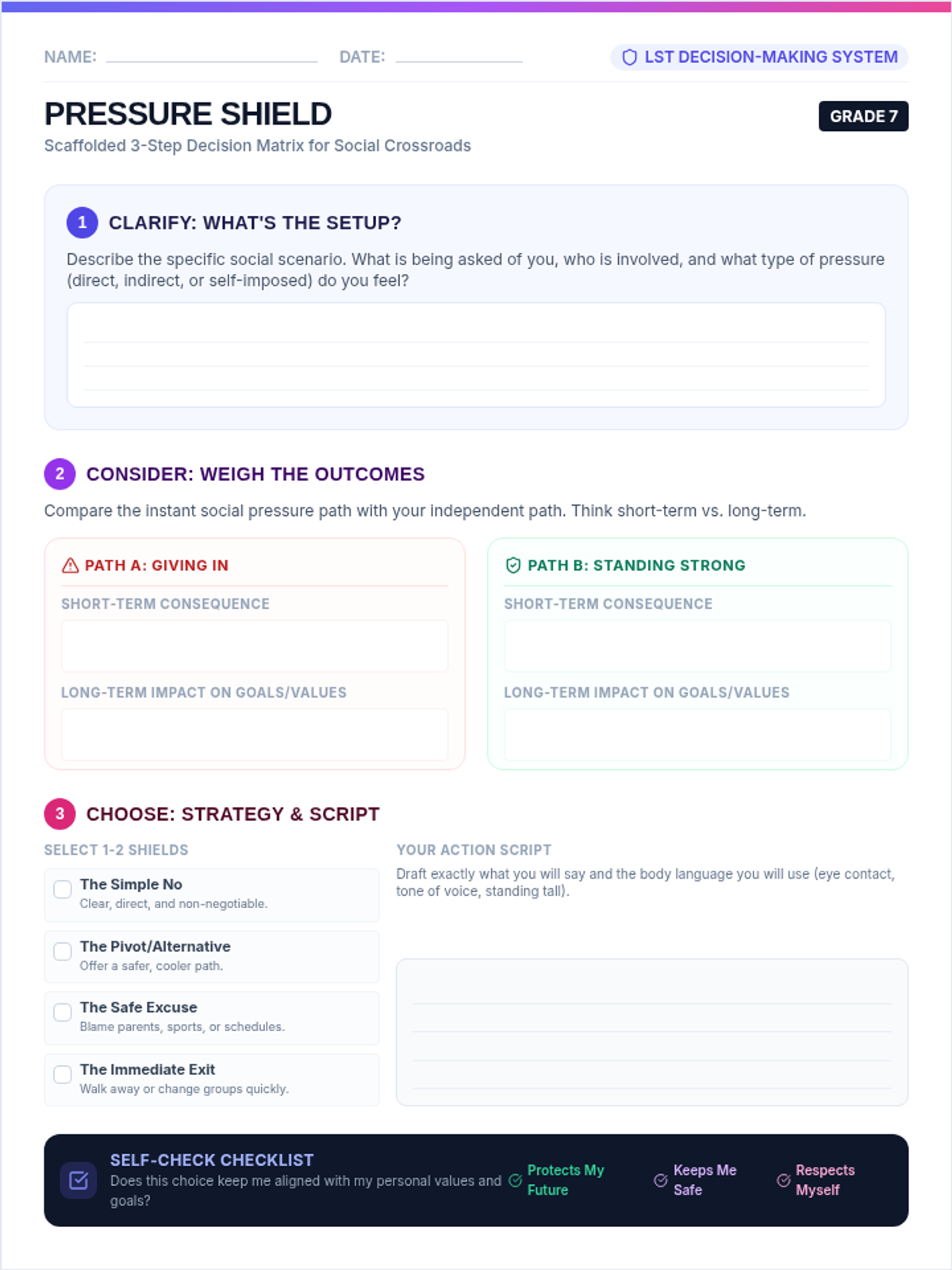
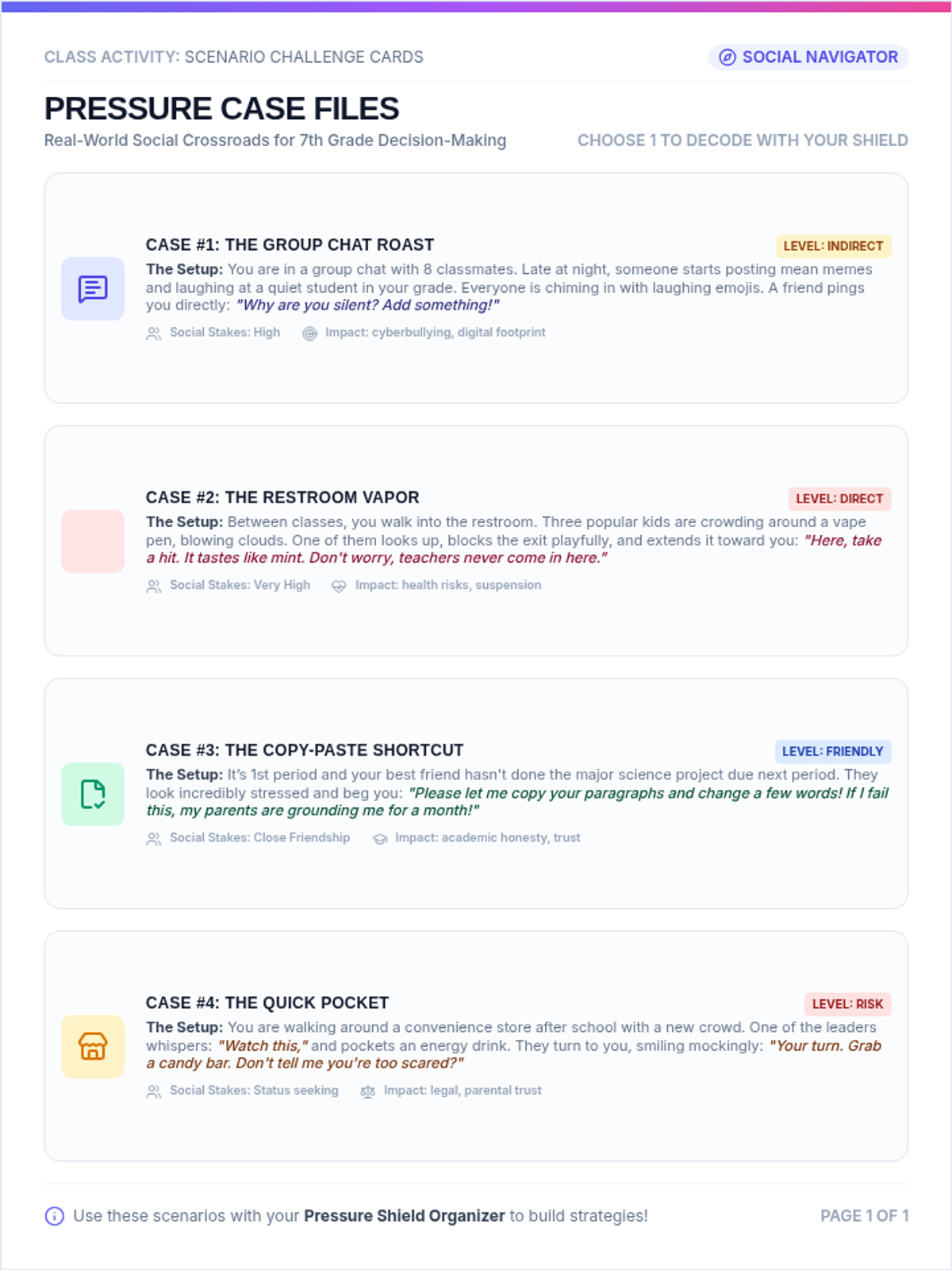
This lesson focuses on building practical refusal skills and strengthening the 'Shield Squad' (support systems). Students learn specific strategies to navigate high-pressure social contexts while acknowledging their inner feelings.
This lesson helps students identify the 'Inner State' (emotions, curiosity, stress) and 'Social Context' (peers, media, environment) that can lead to substance use. Students will develop awareness of these influences to make healthier choices.
Students research and categorize the various physiological and psychological benefits of regular physical activity, focusing on three key pillars: mental health, cardiovascular health, and muscular fitness.
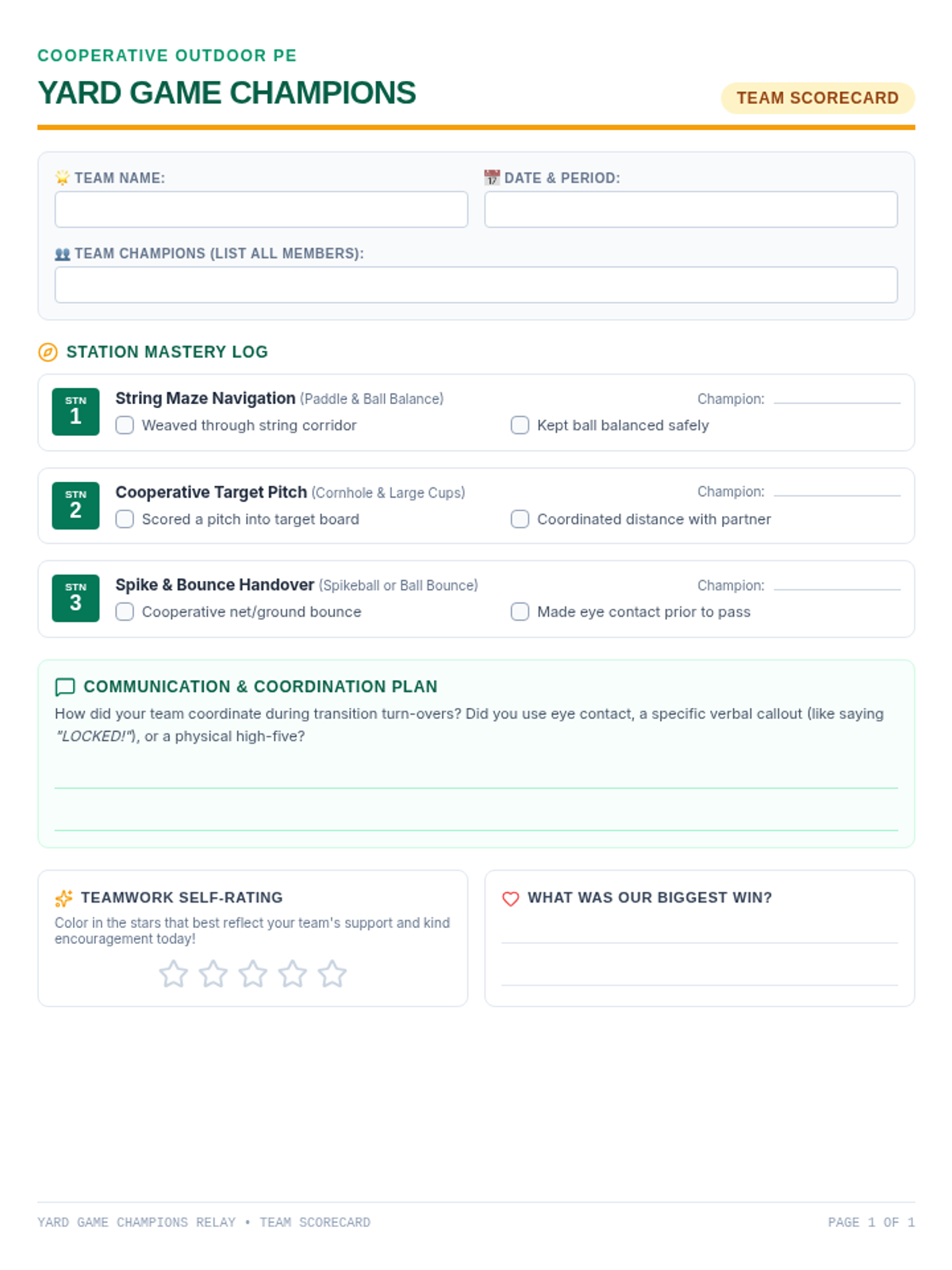
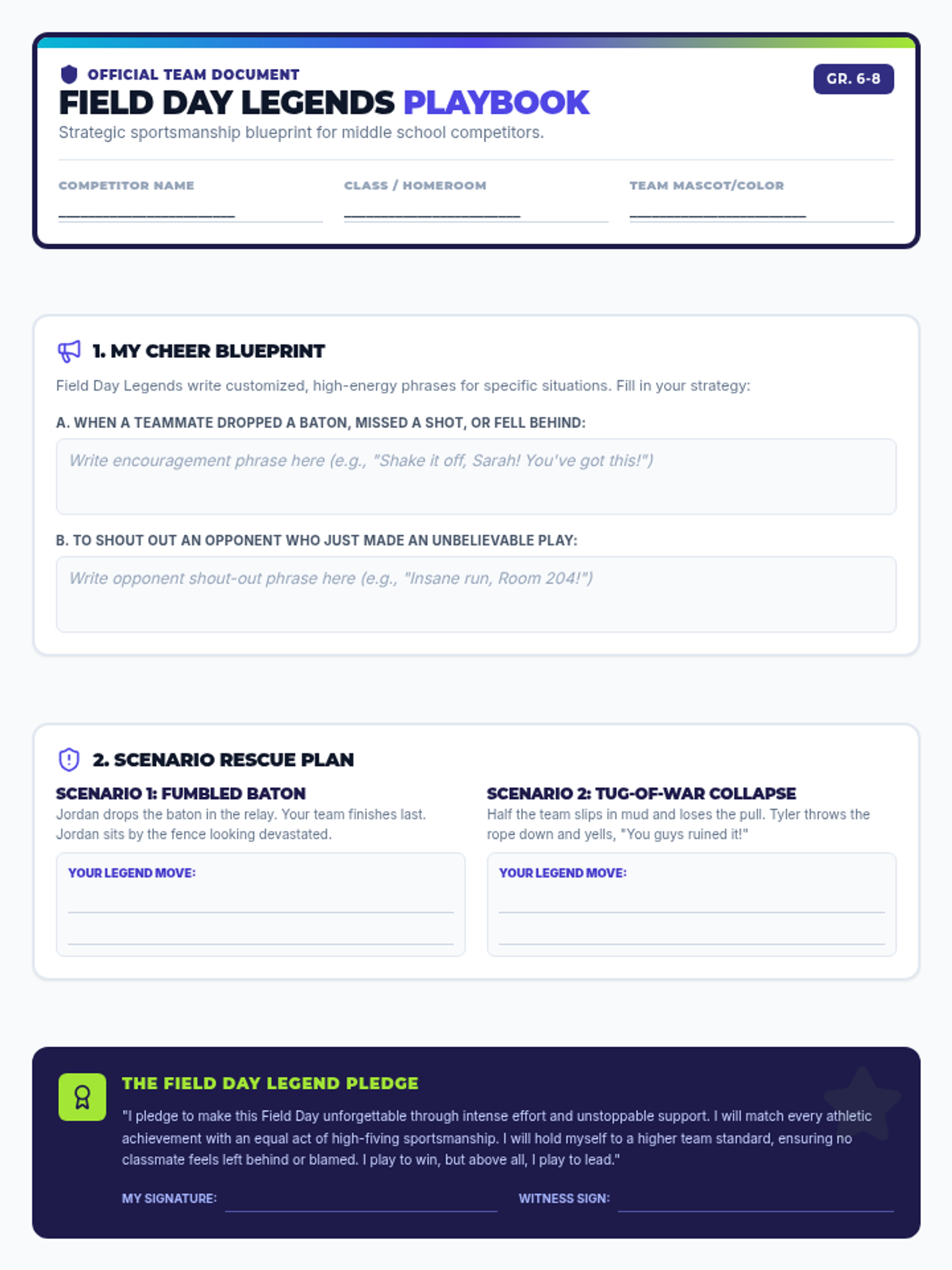
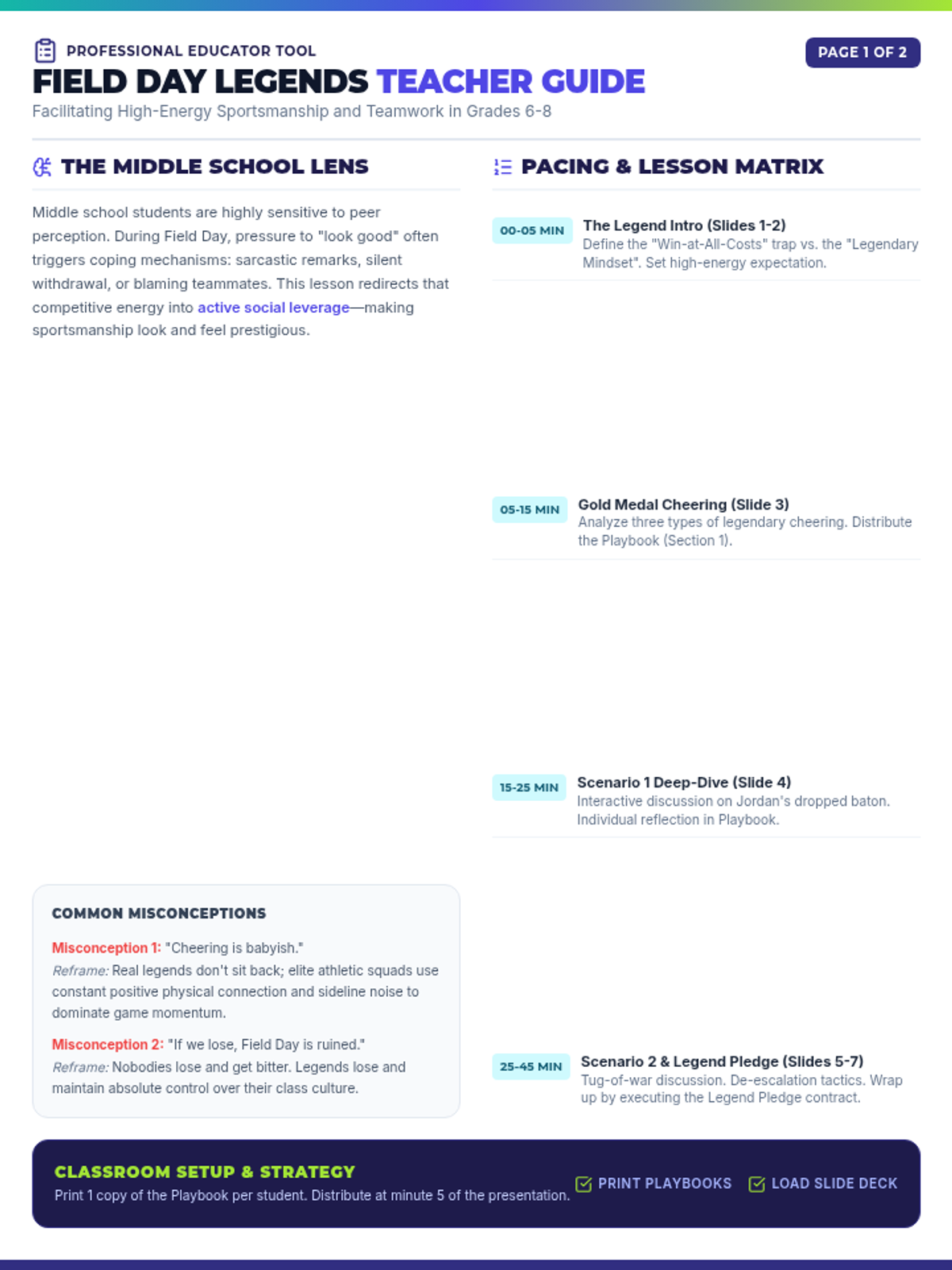
A high-energy, 20-minute session designed for 80 students on a football field, focusing on teamwork and shared responsibility through large-scale cooperative challenges.
Advances to more complex maneuvers including the canter, arena figures, and introducing the basics of jumping or advanced equitation patterns.
Introduces the foundational elements of riding, including mounting, correct posture, steering, and mastering the walk and trot gaits.