Focuses on the methodology of curriculum auditing, evaluating alignment to standards, and identifying gaps in instructional materials across a district landscape.
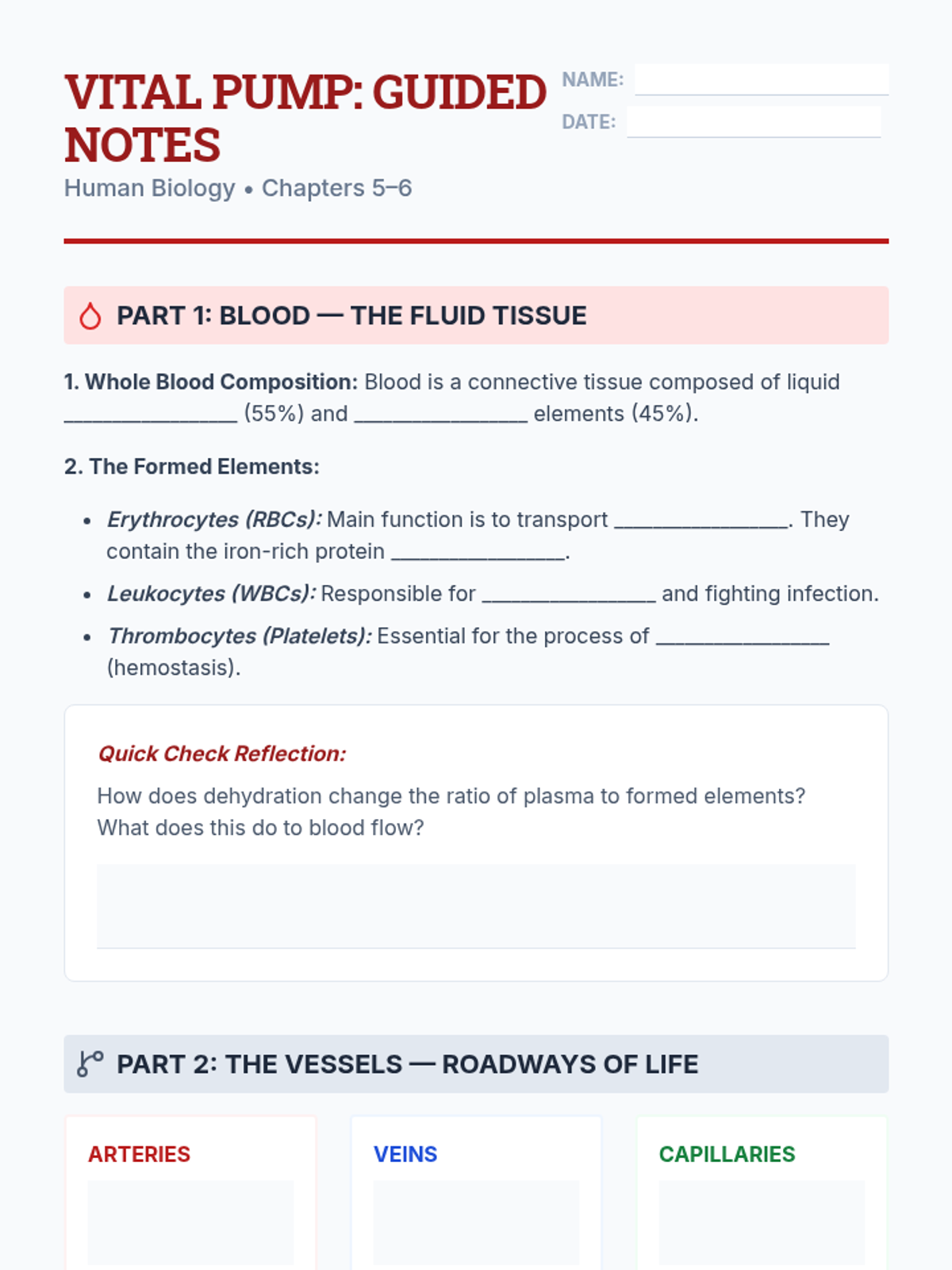
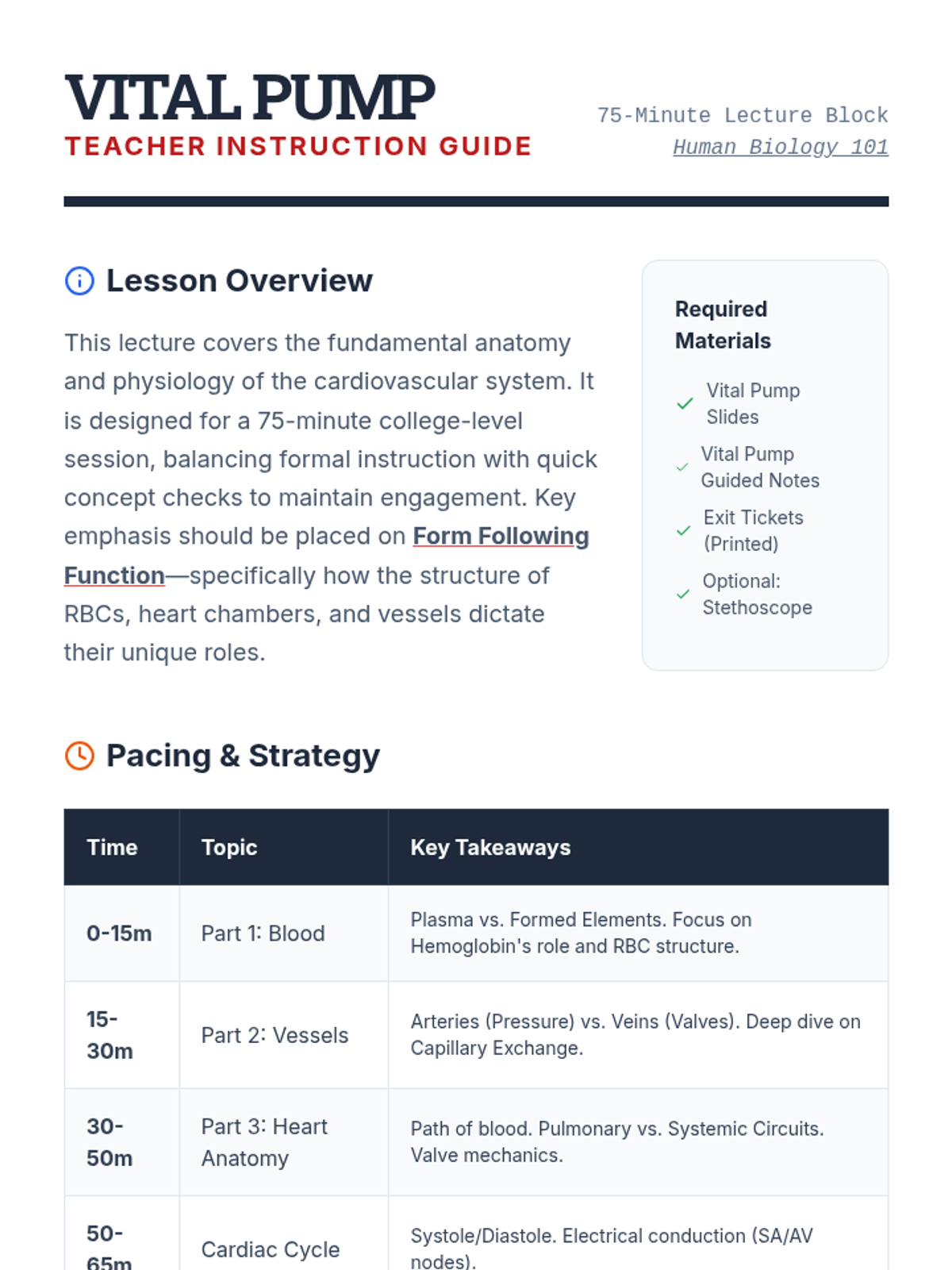
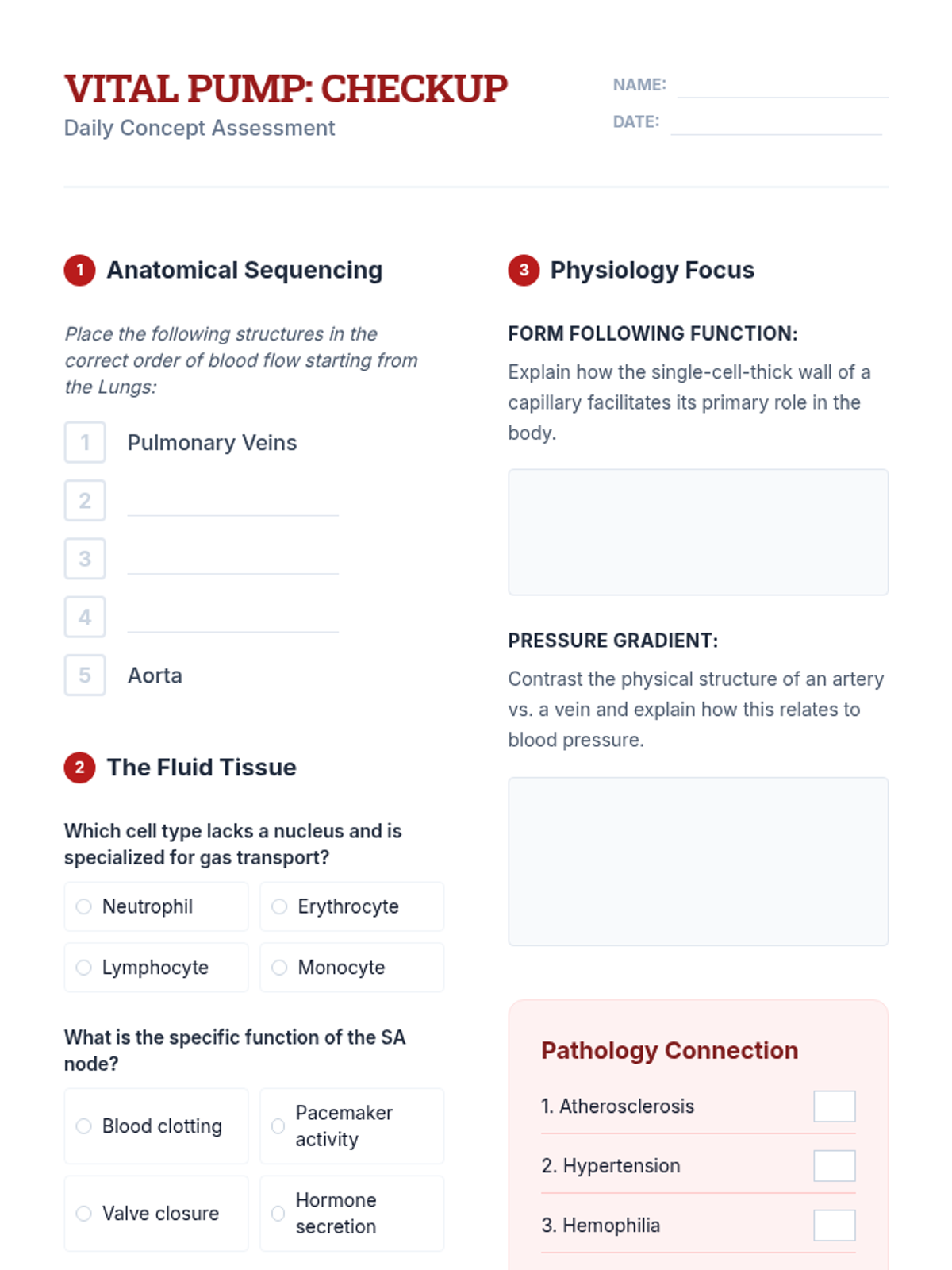
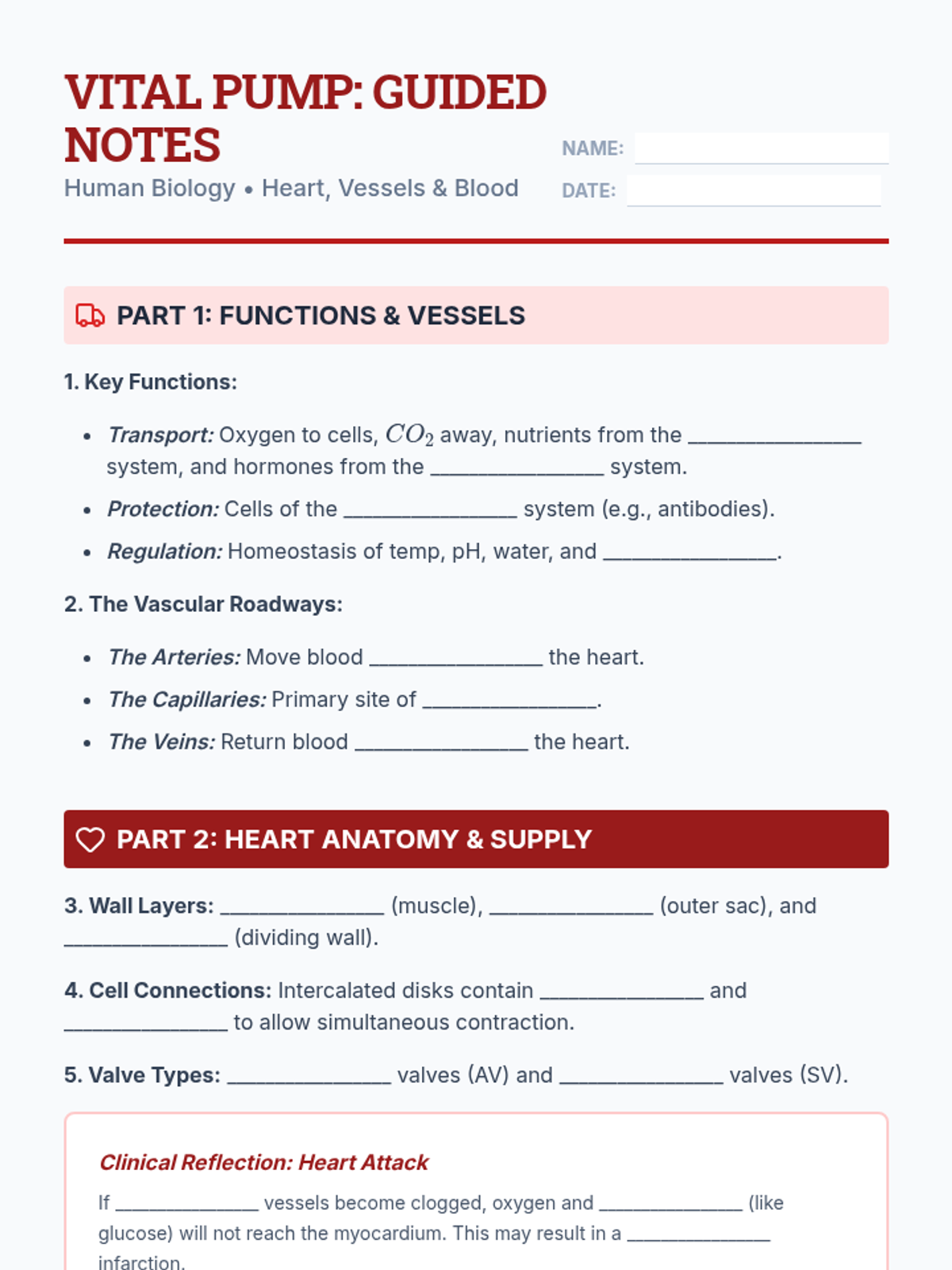
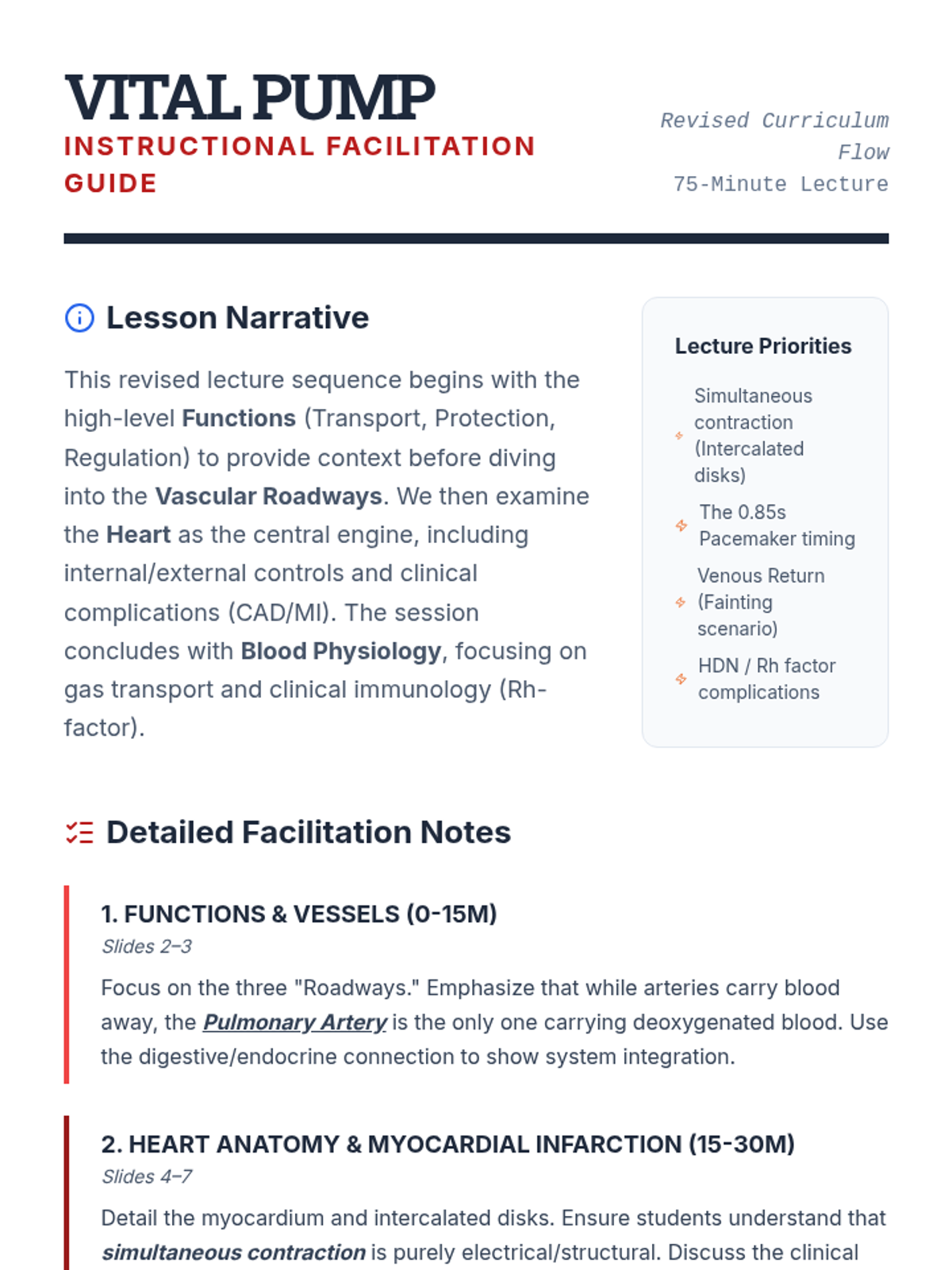
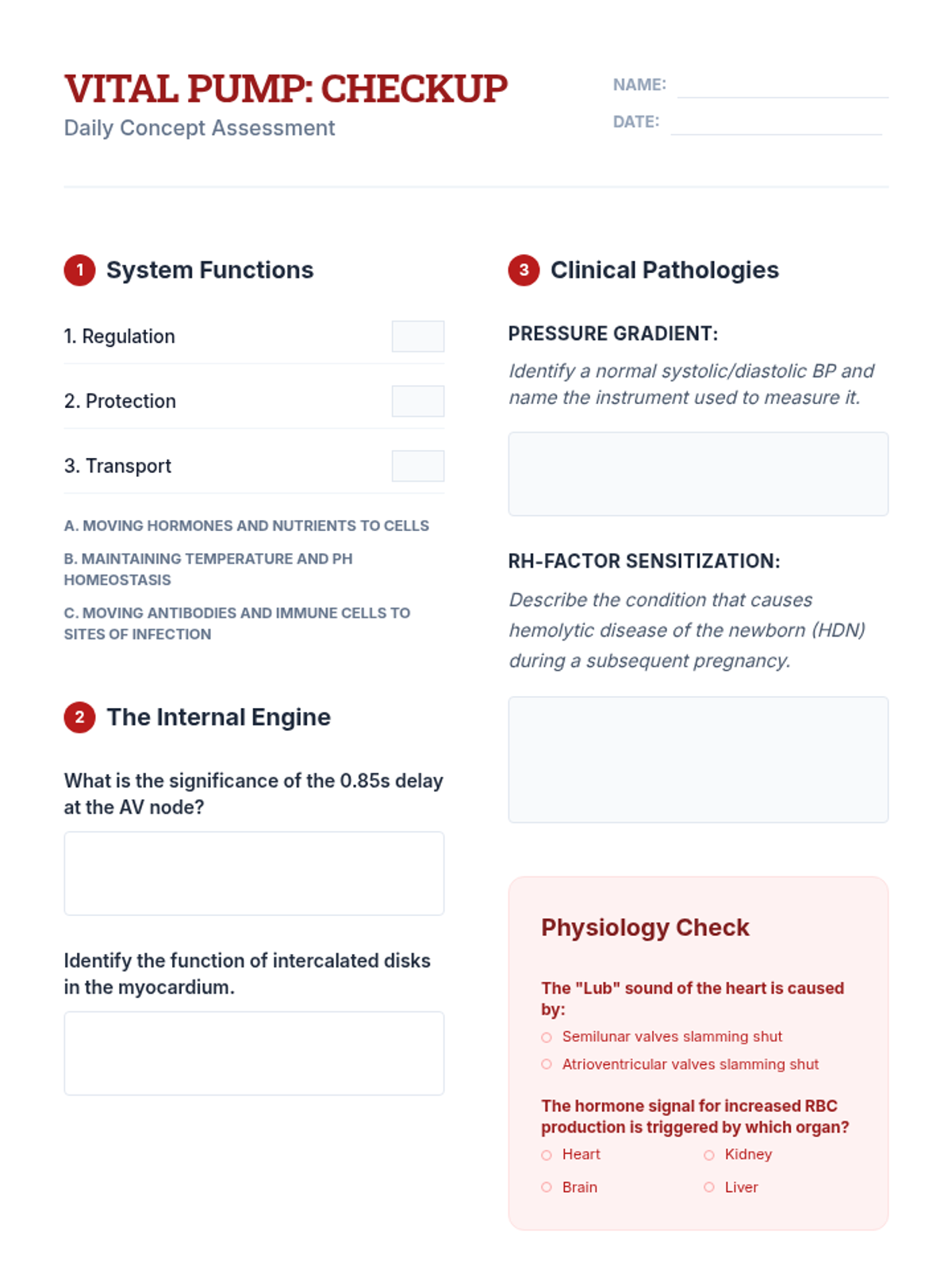
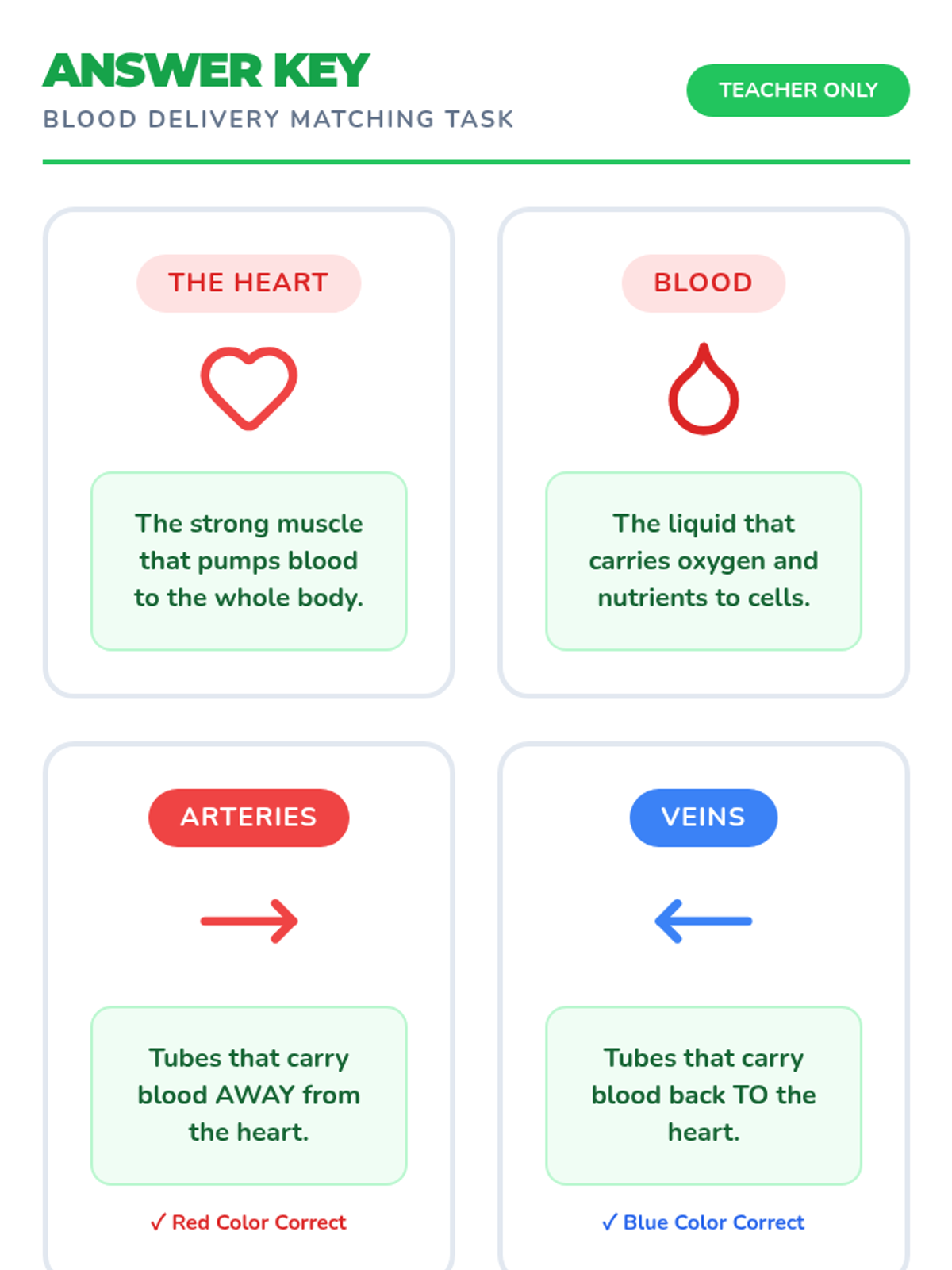
A 75-minute deep dive into the cardiovascular system, covering the composition of blood, the structure of vessels, and the mechanics of the heart.
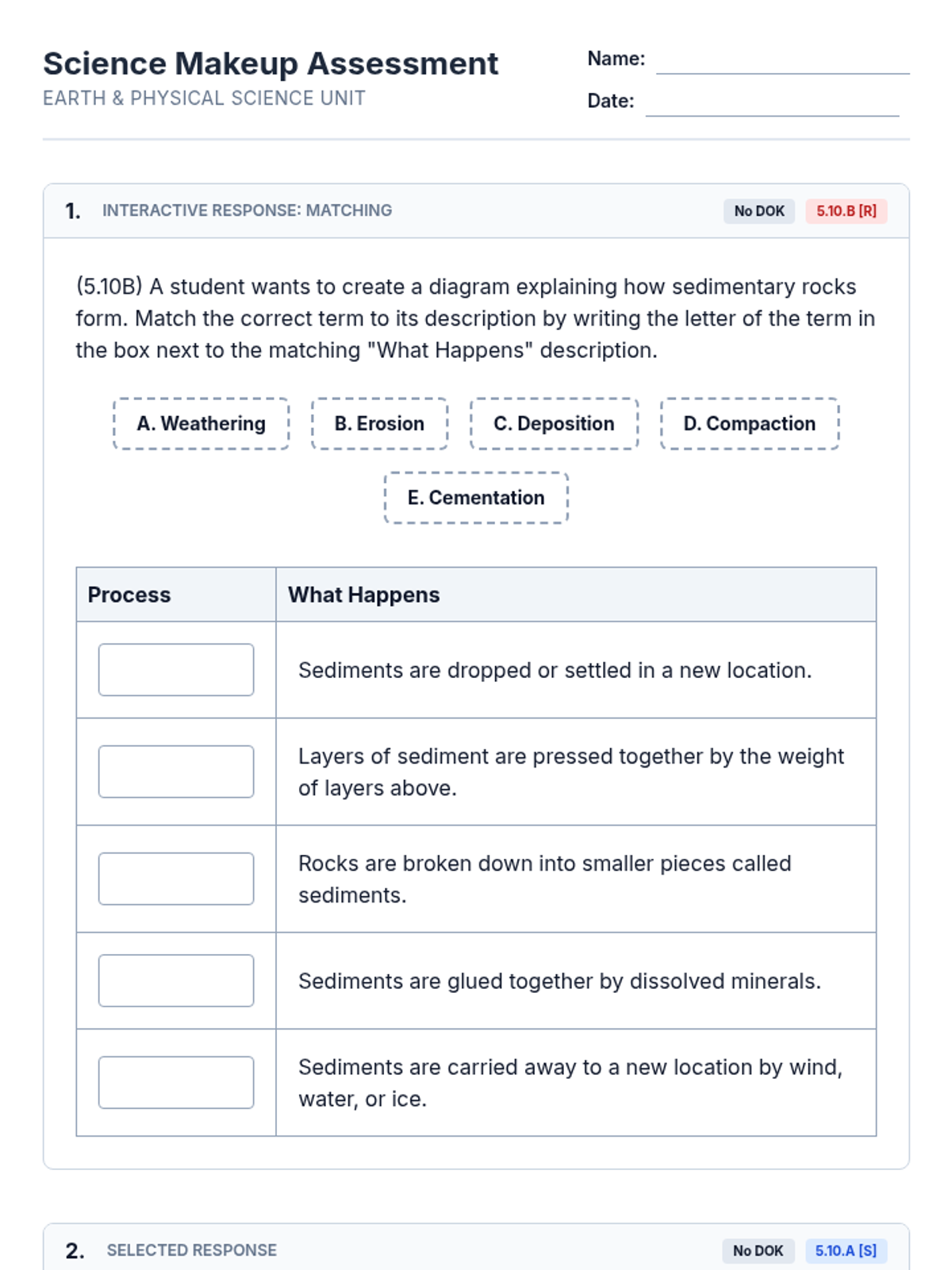
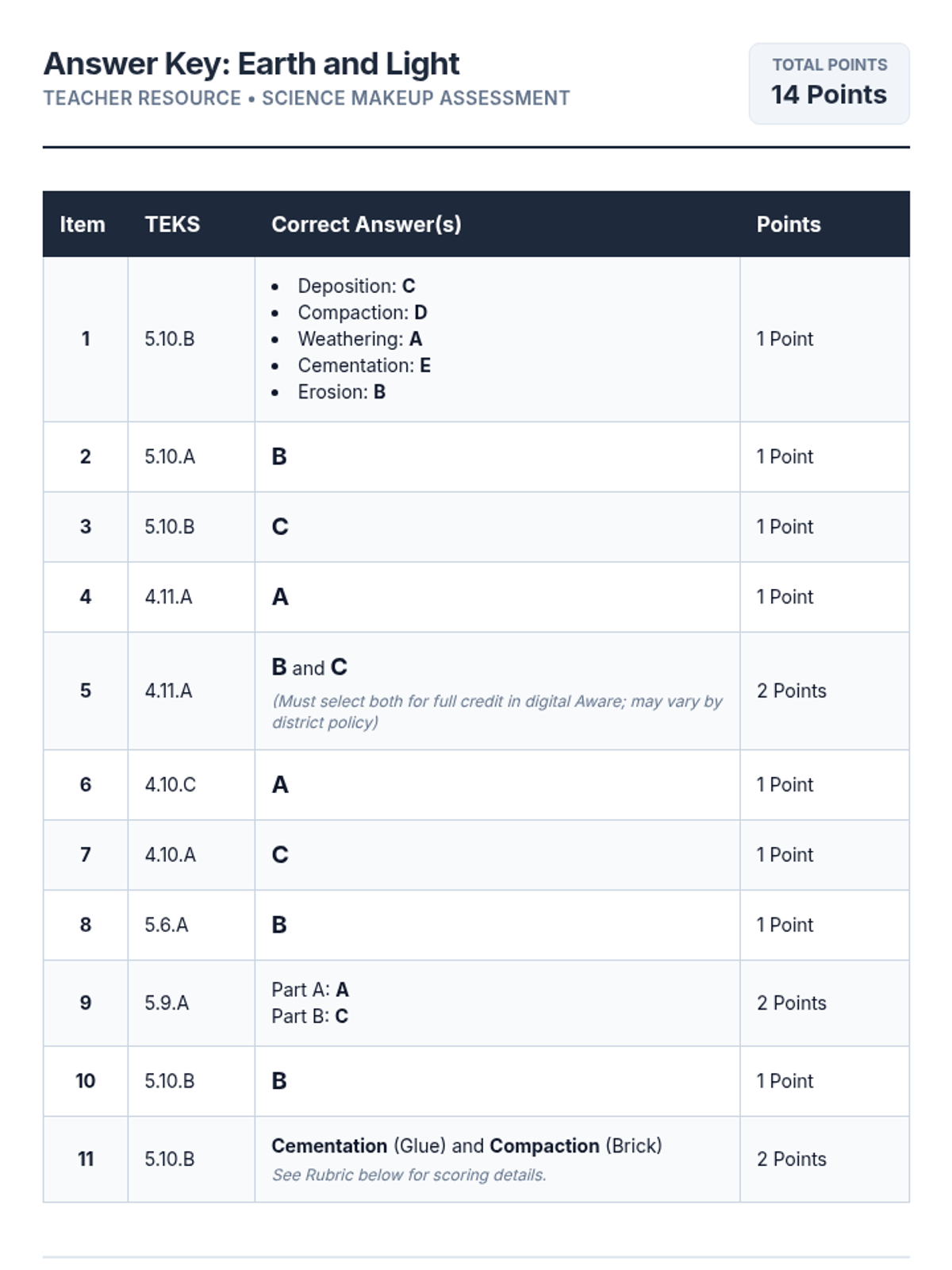
A comprehensive makeup assessment covering Earth science topics including the water cycle, sedimentary rock formation, fossil fuels, natural resources, weather and climate, and the behavior of light.
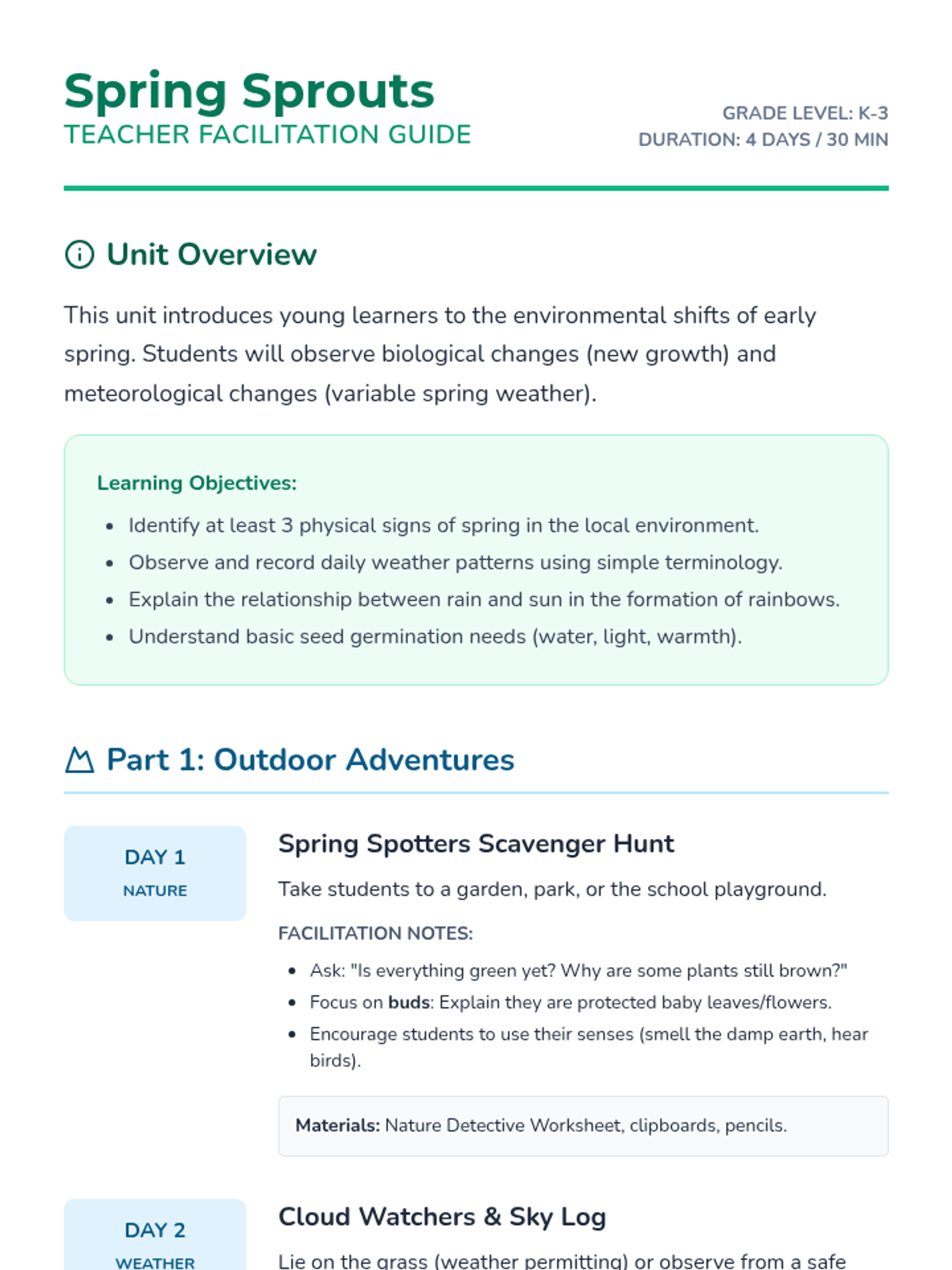
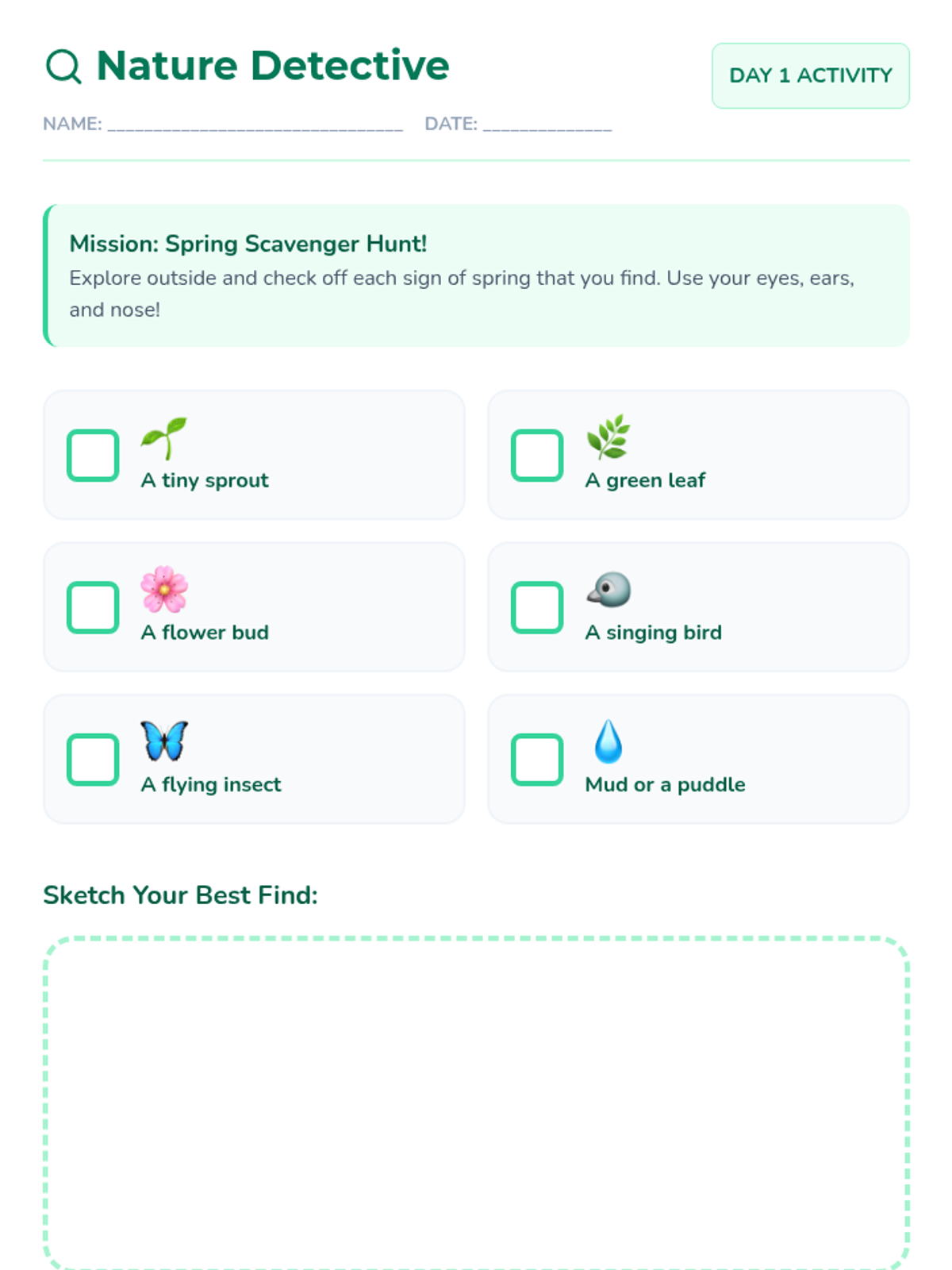
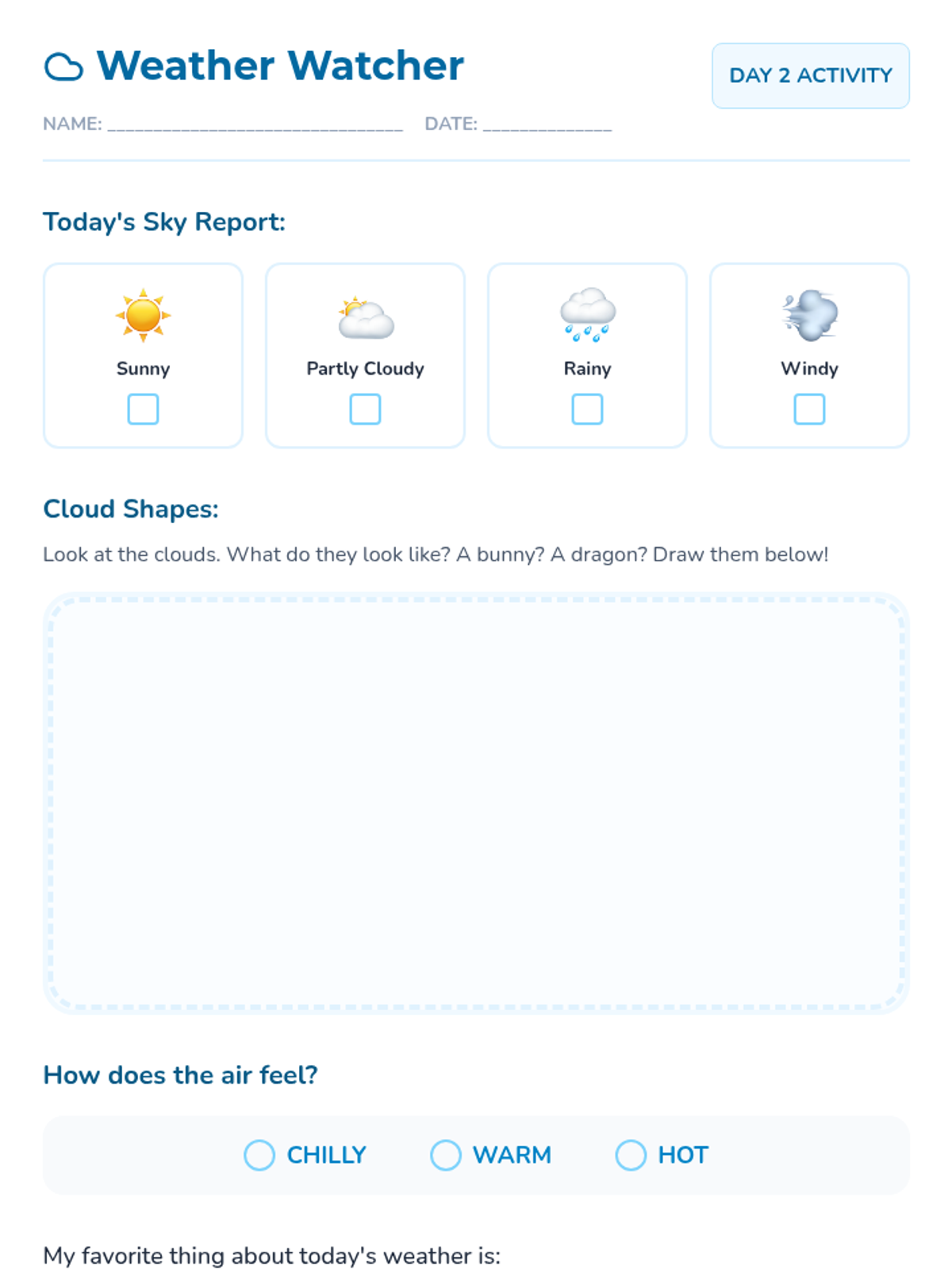
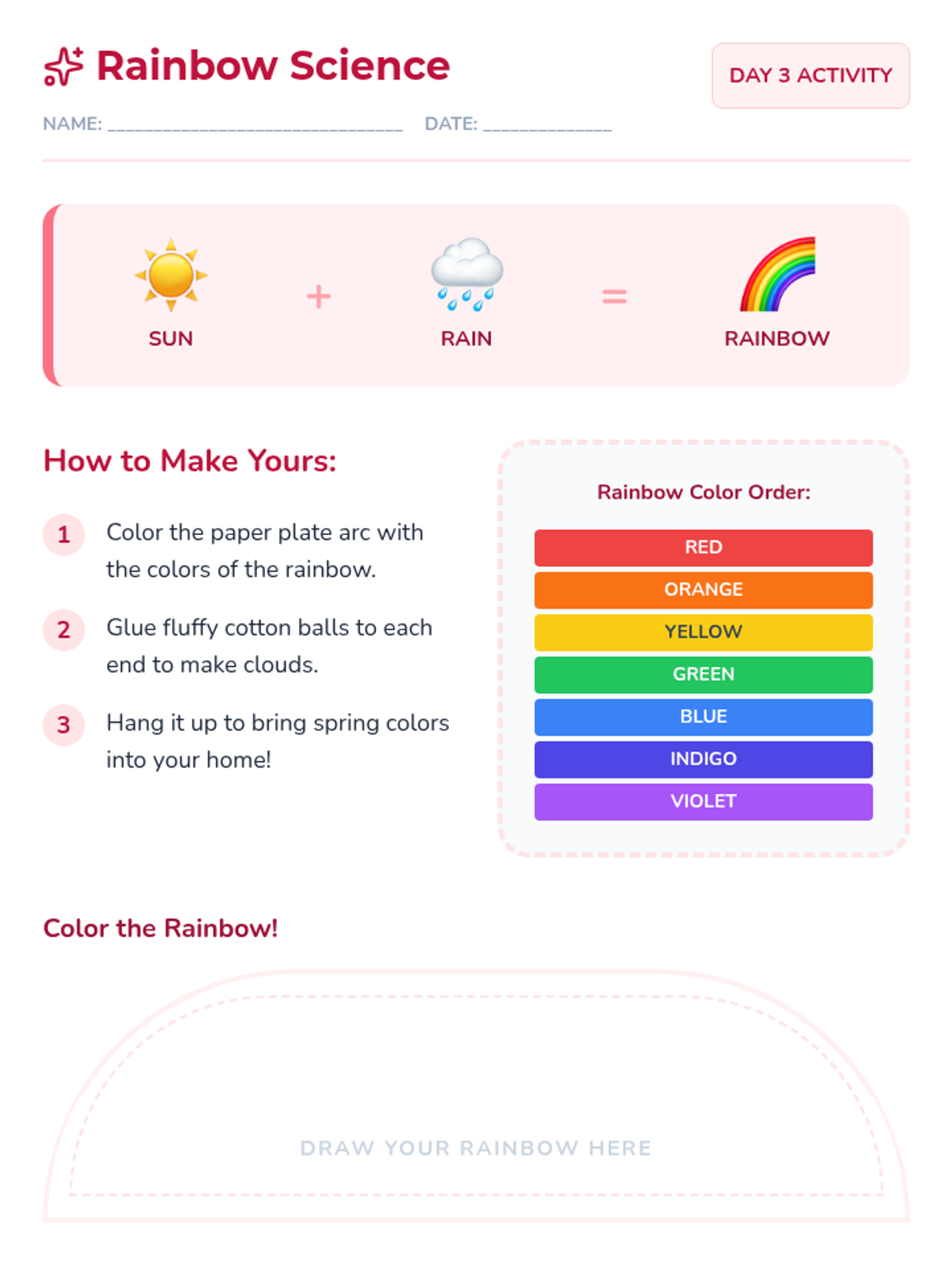
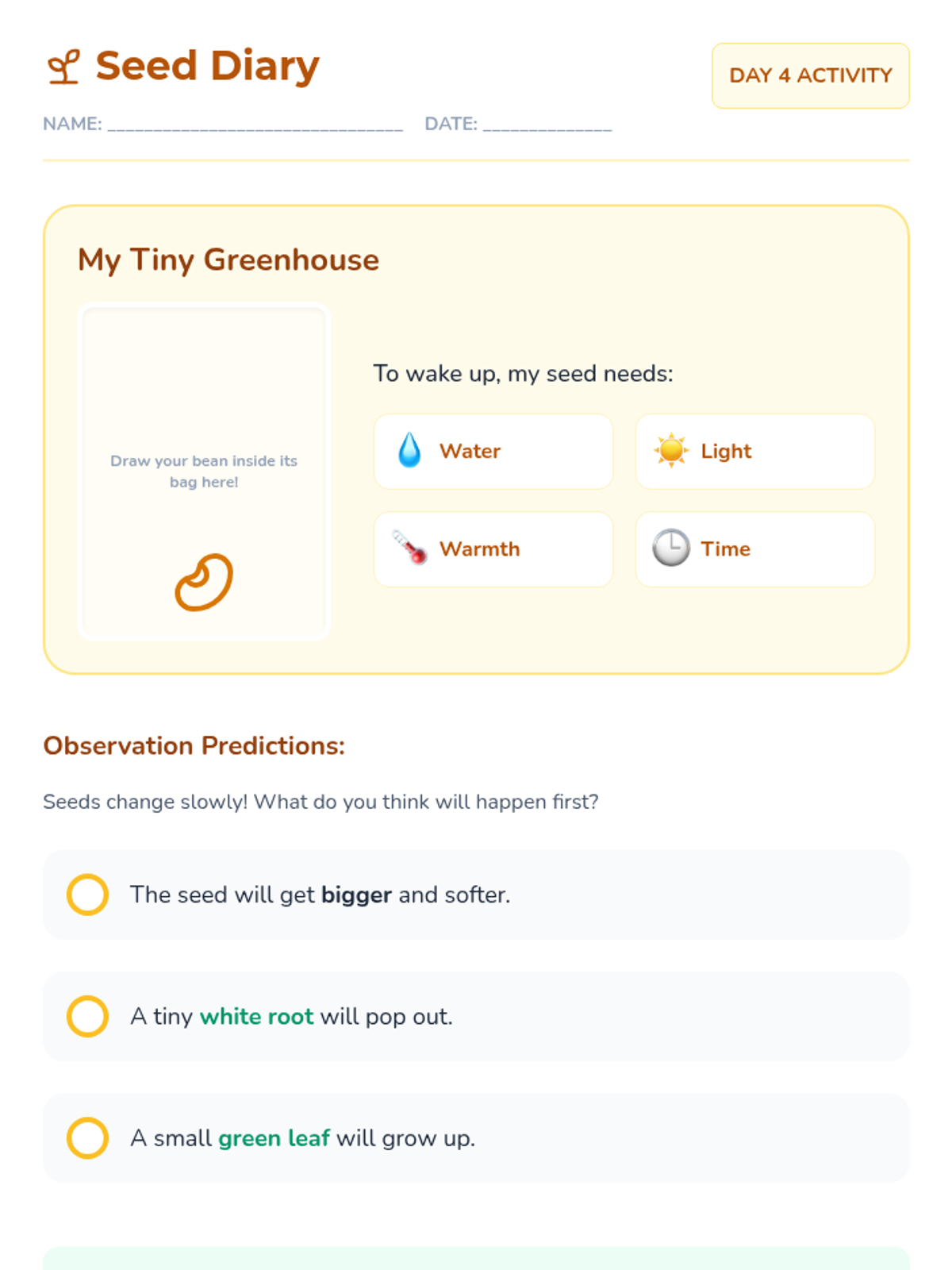
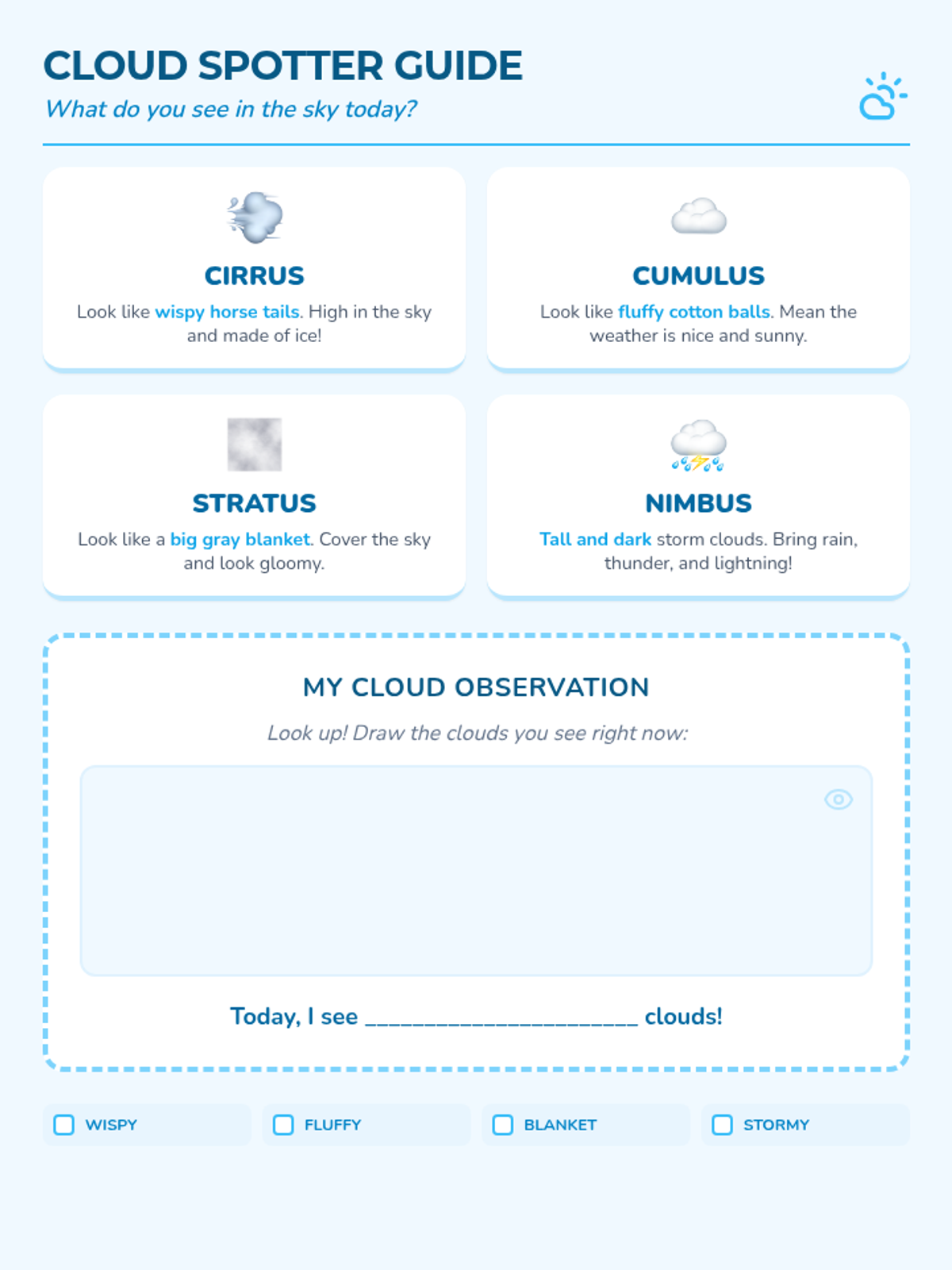
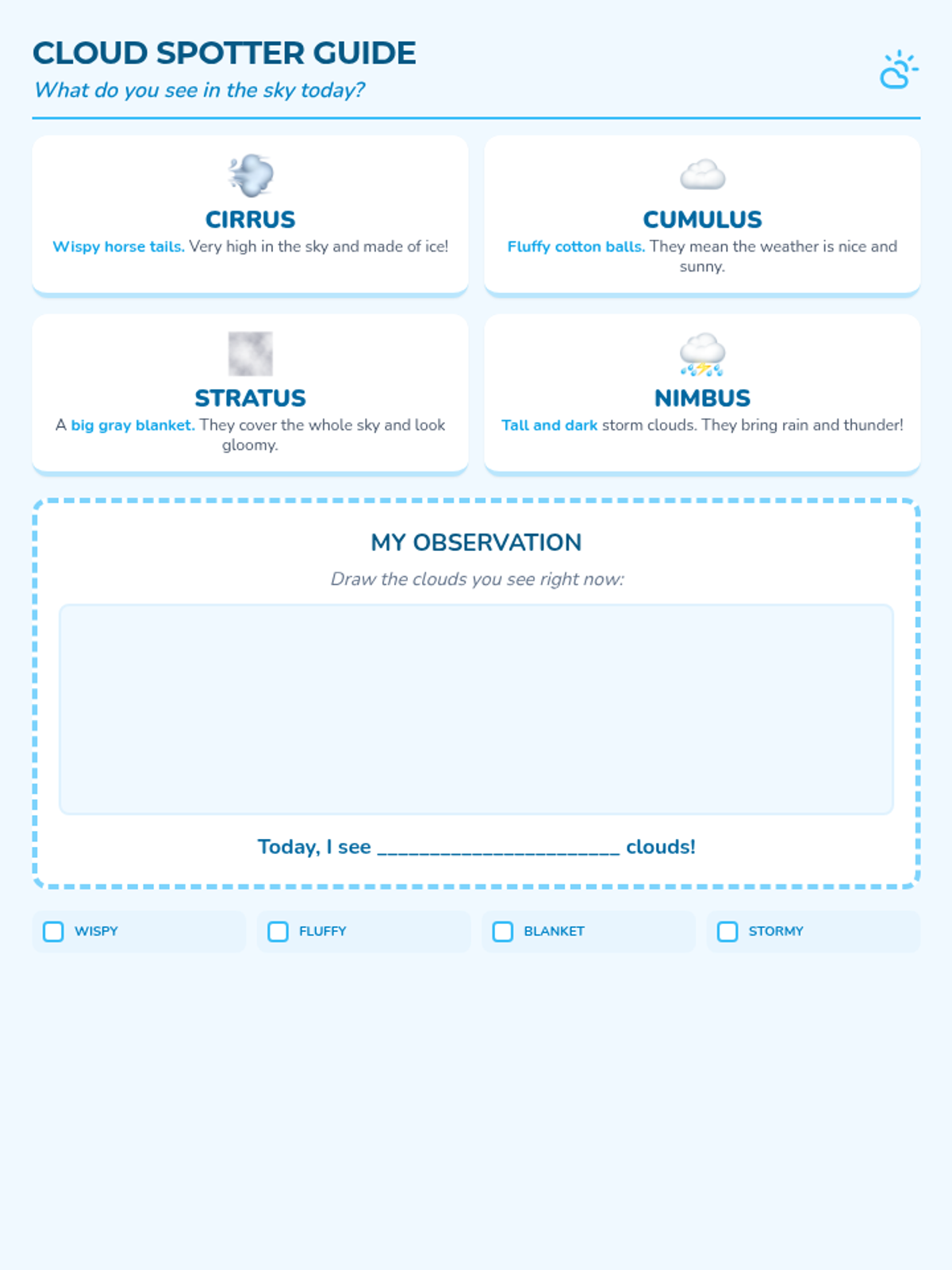
A four-day series of 30-minute activities exploring spring weather and nature through two outdoor adventures and two indoor crafts.
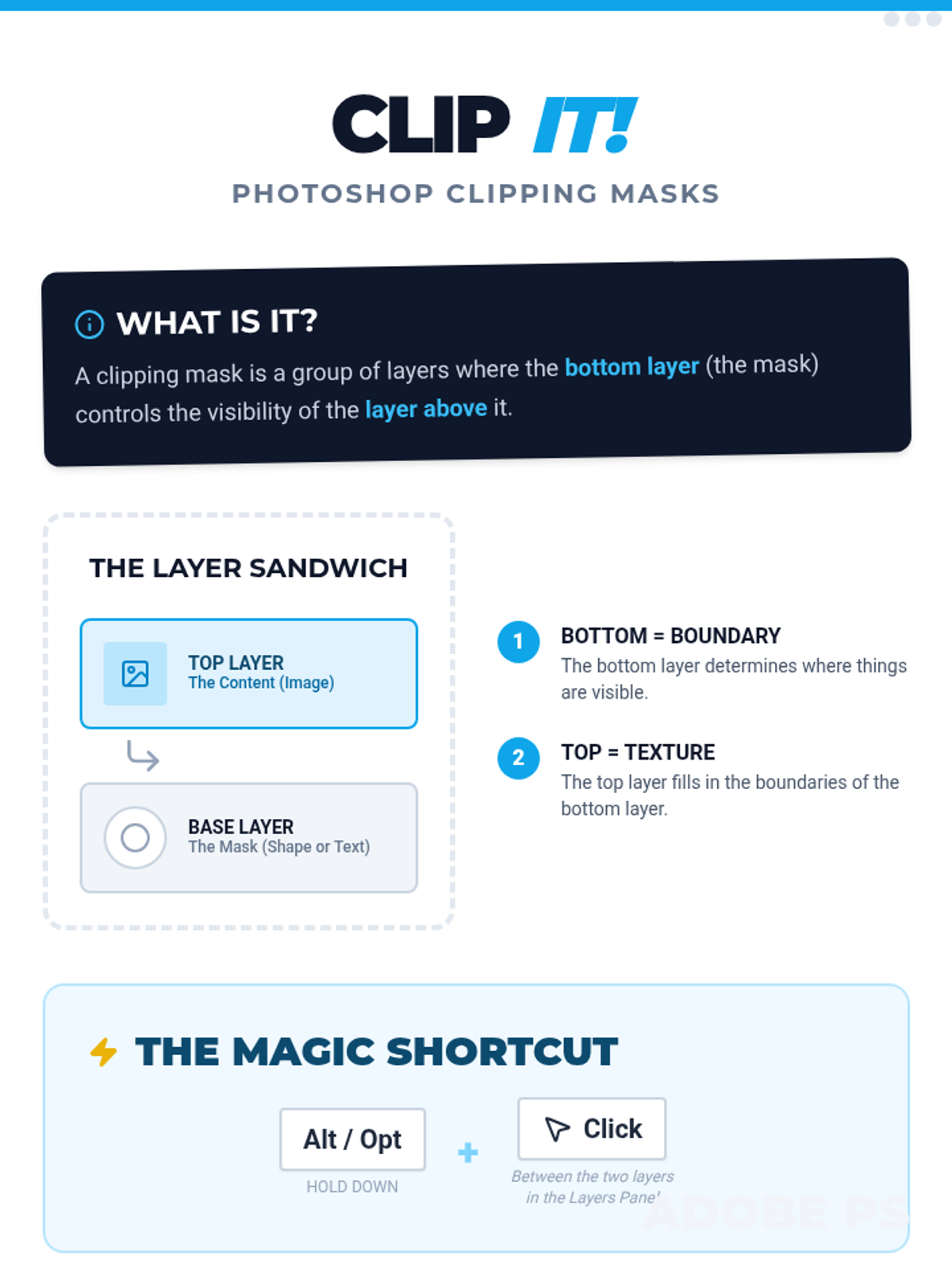
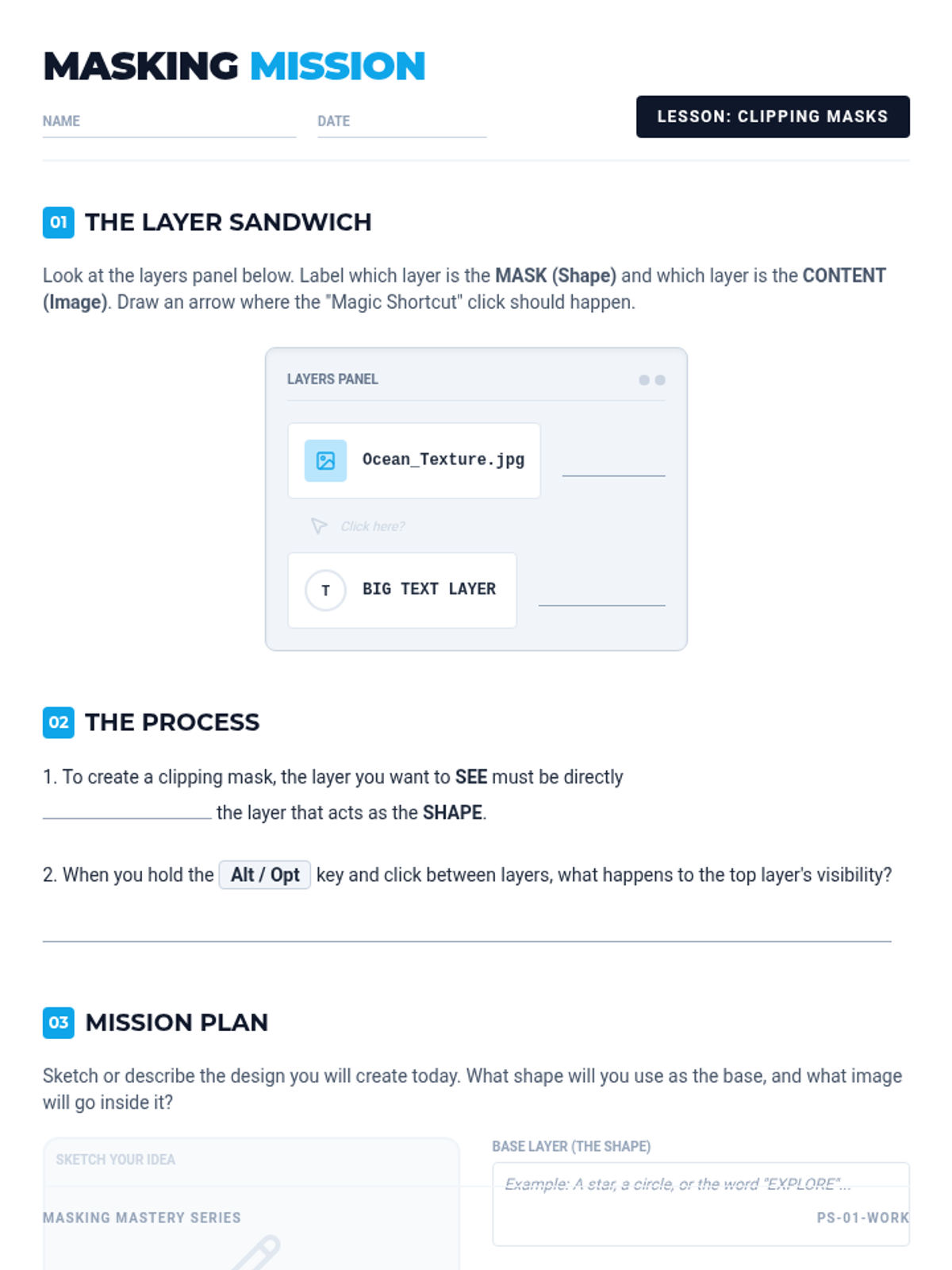
A foundational lesson on Photoshop clipping masks, covering the 'layer sandwich' concept and the technical steps to clip images into shapes.
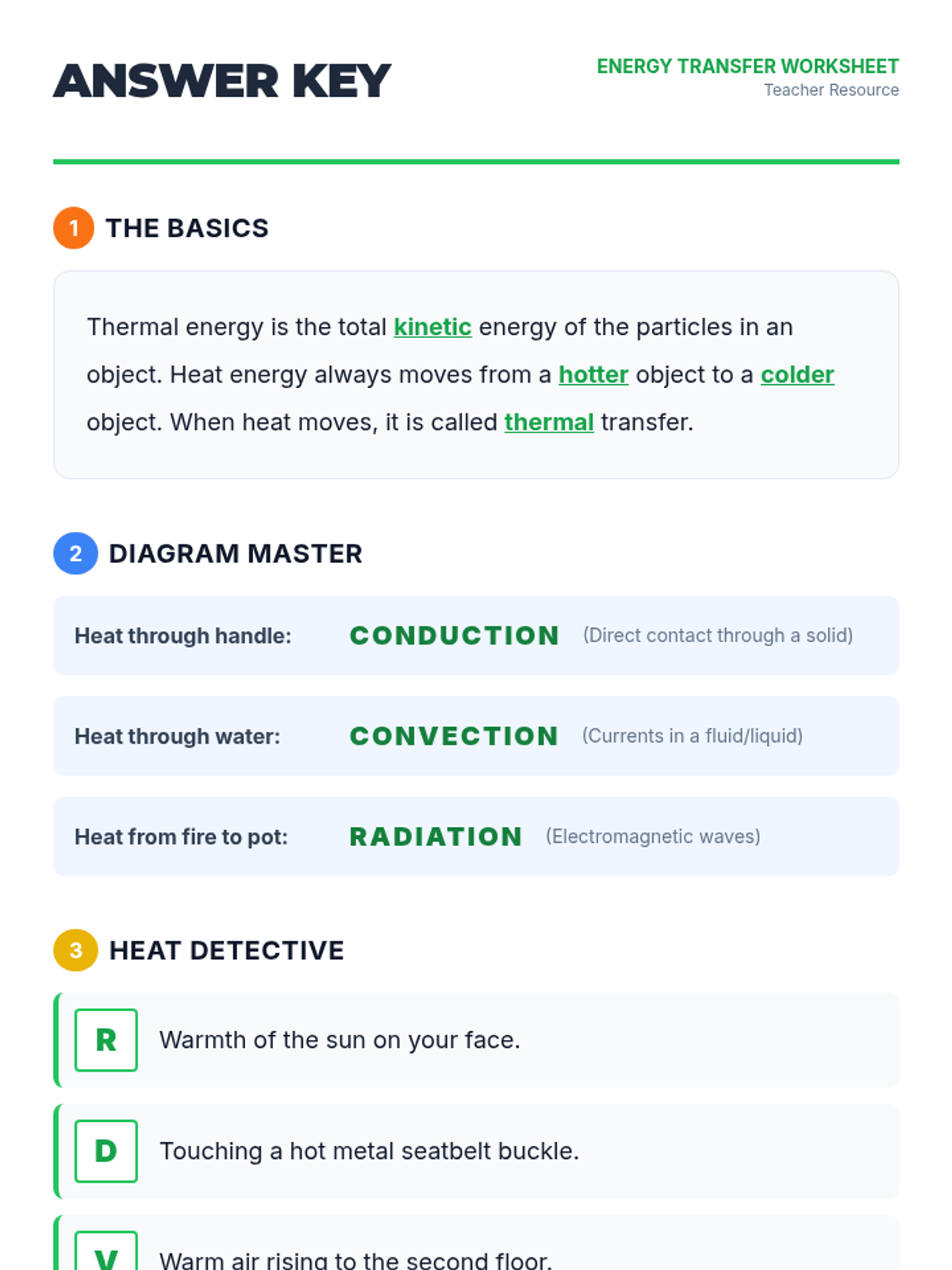
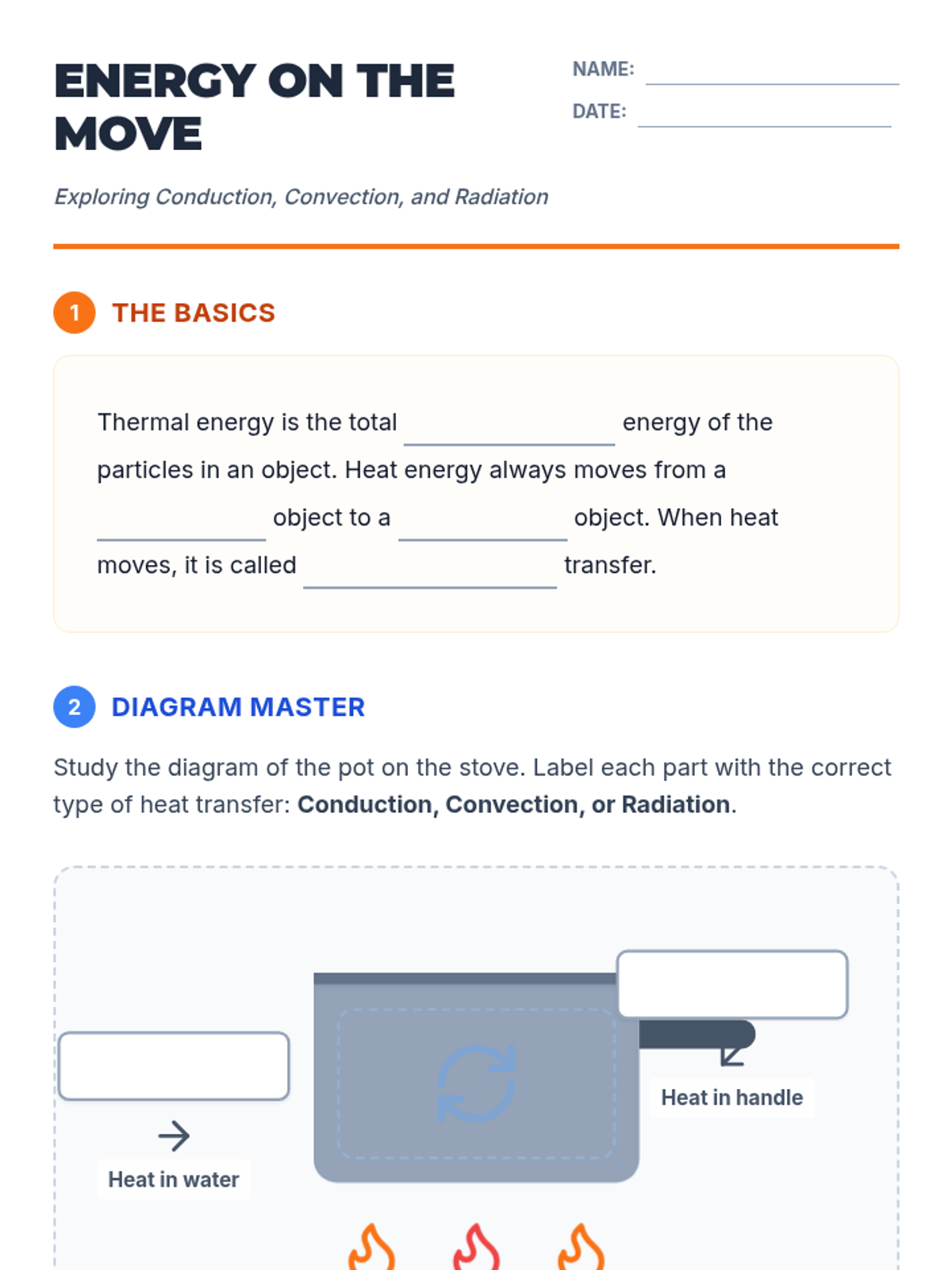
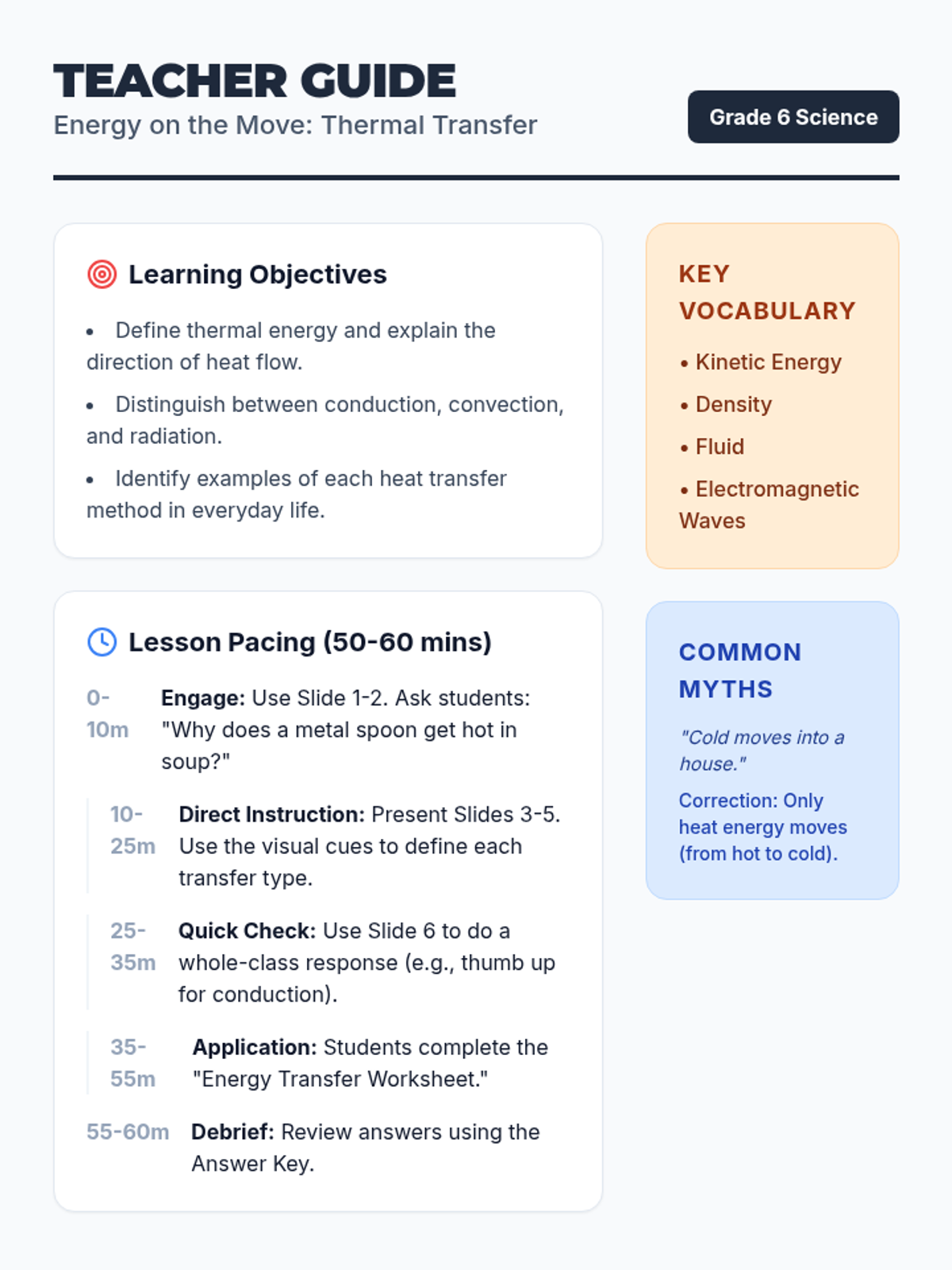
A comprehensive lesson for 6th-grade students exploring the three methods of thermal energy transfer: conduction, convection, and radiation. Students will learn to identify these processes in everyday scenarios through visual diagrams and interactive examples.
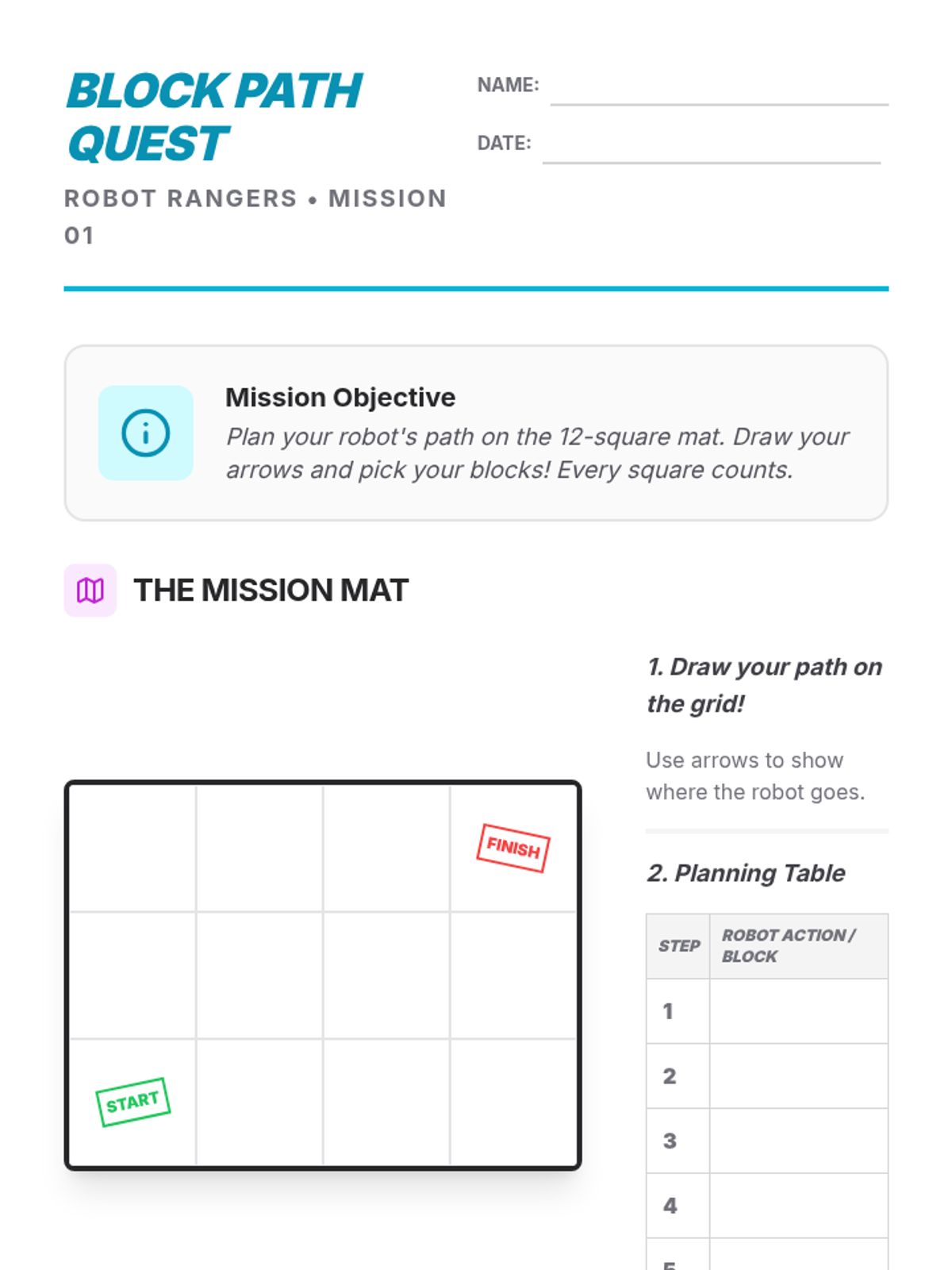
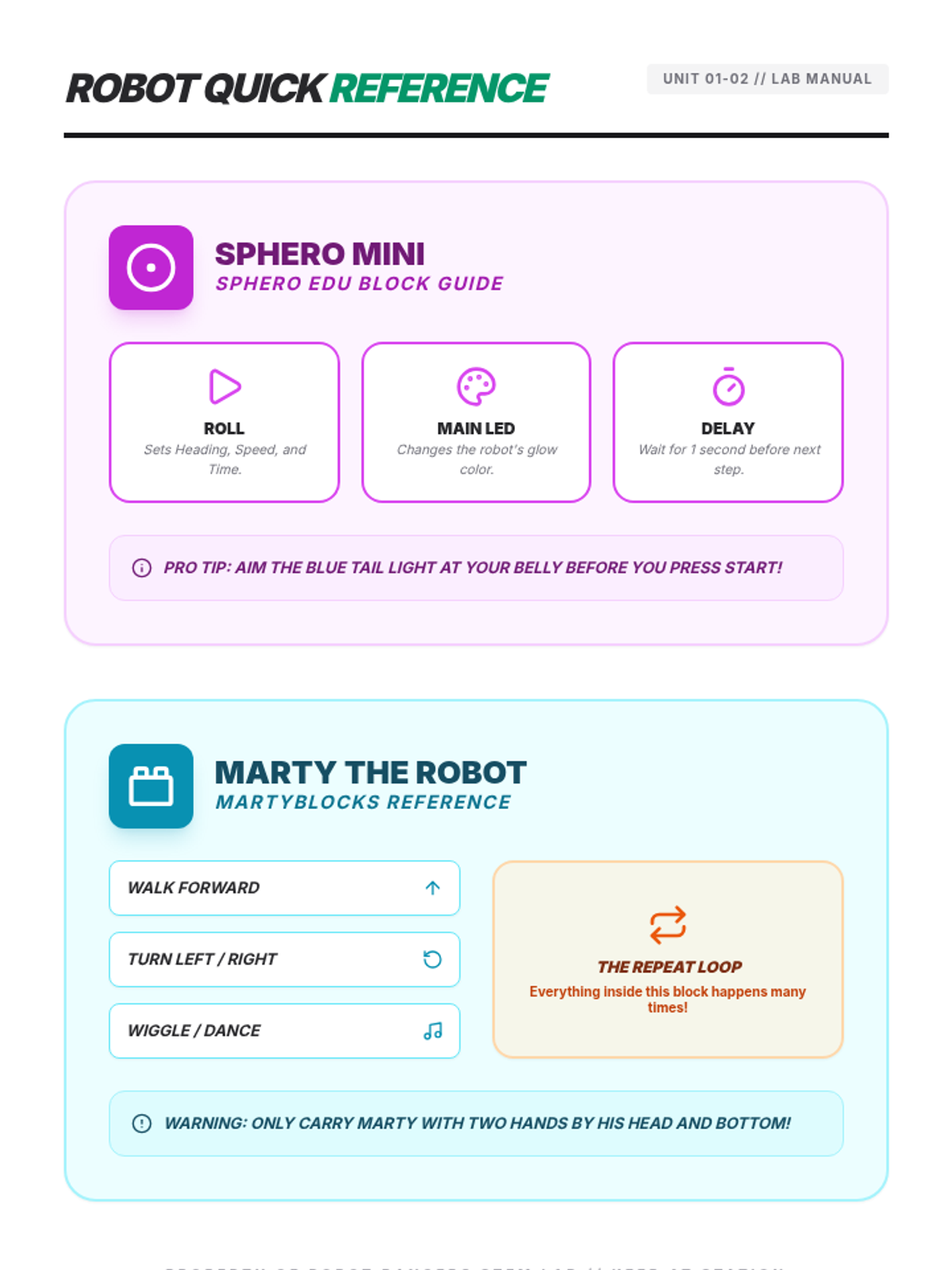
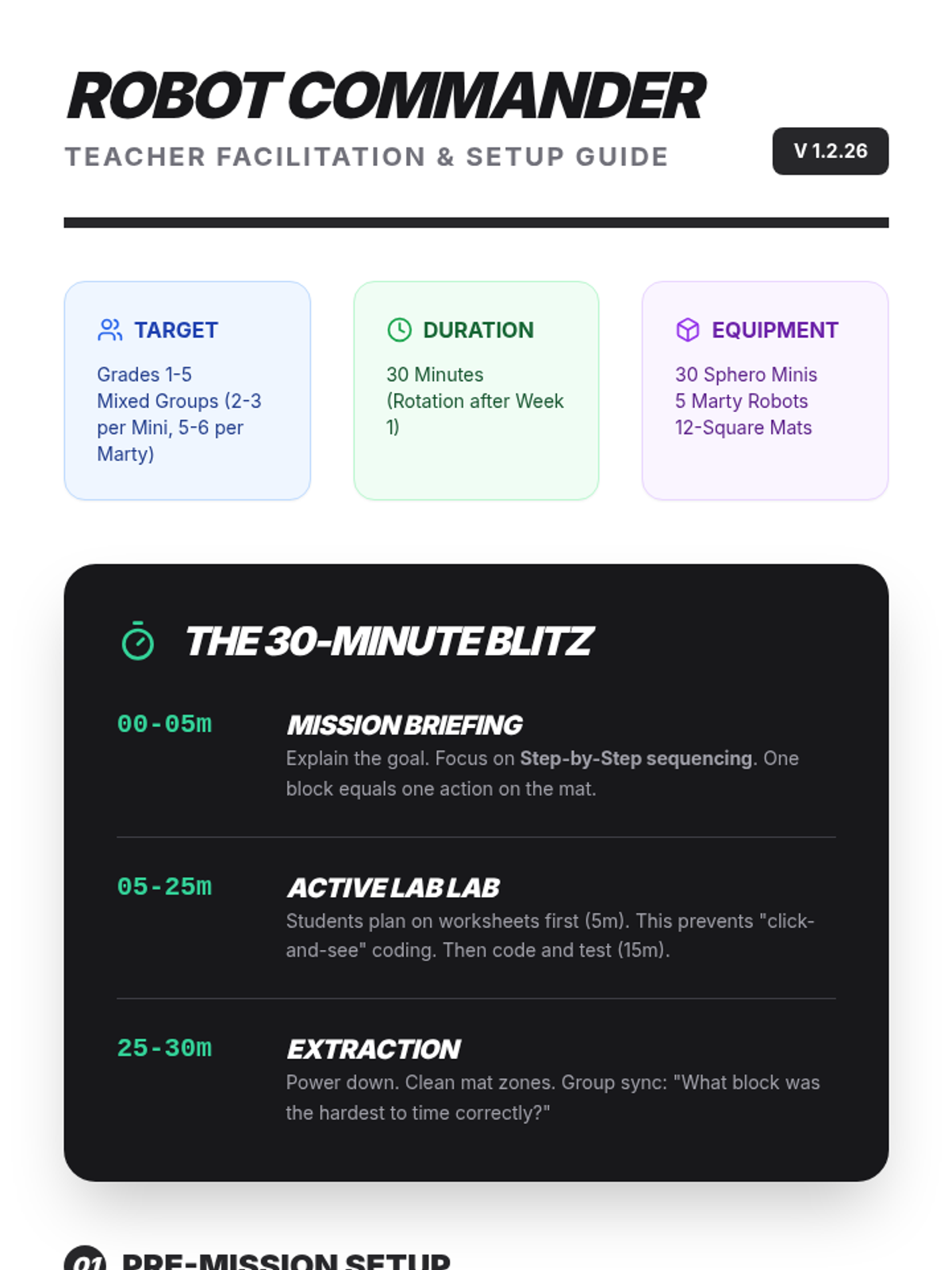
An introductory lesson for 1st and 2nd graders focusing on block-based coding for Sphero and Marty on a 12-square grid. Students will learn how to sequence commands to move their robot from a start square to a target square.
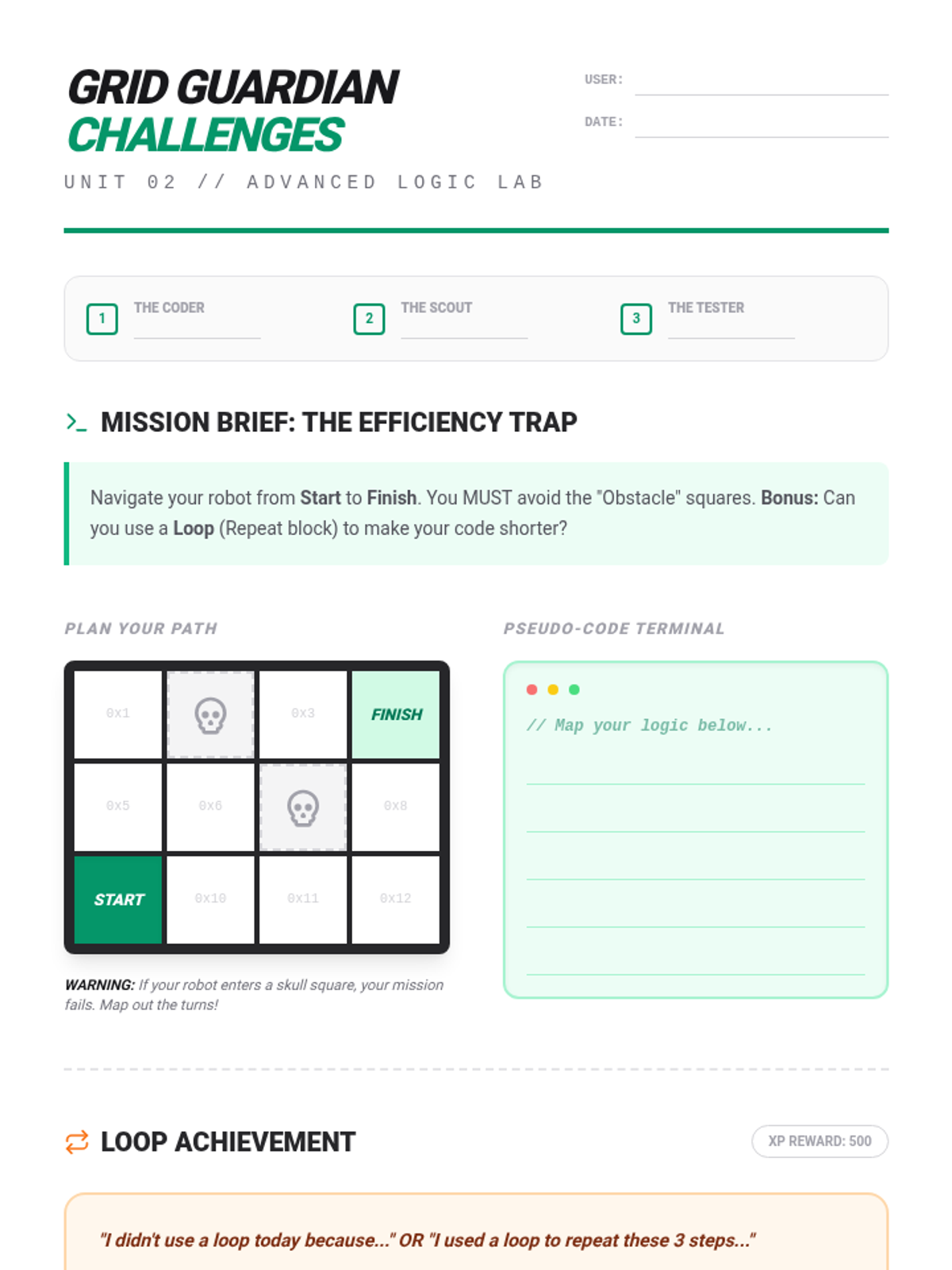
An advanced introductory lesson for 3rd to 5th graders focusing on block-based logic, loops, and precise grid navigation. Students will use block coding to program Marty and Sphero to complete complex paths on a 12-square mat.
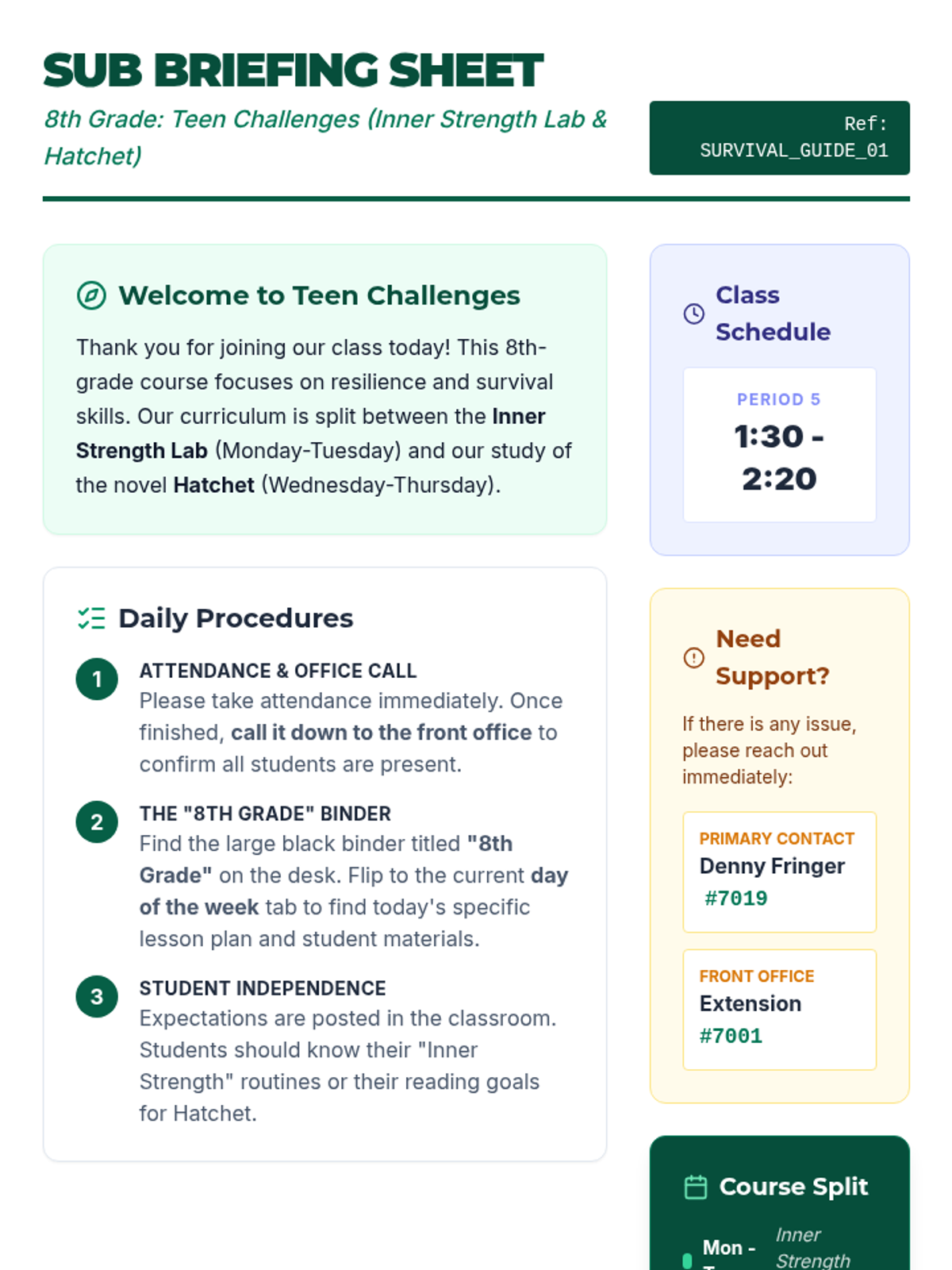
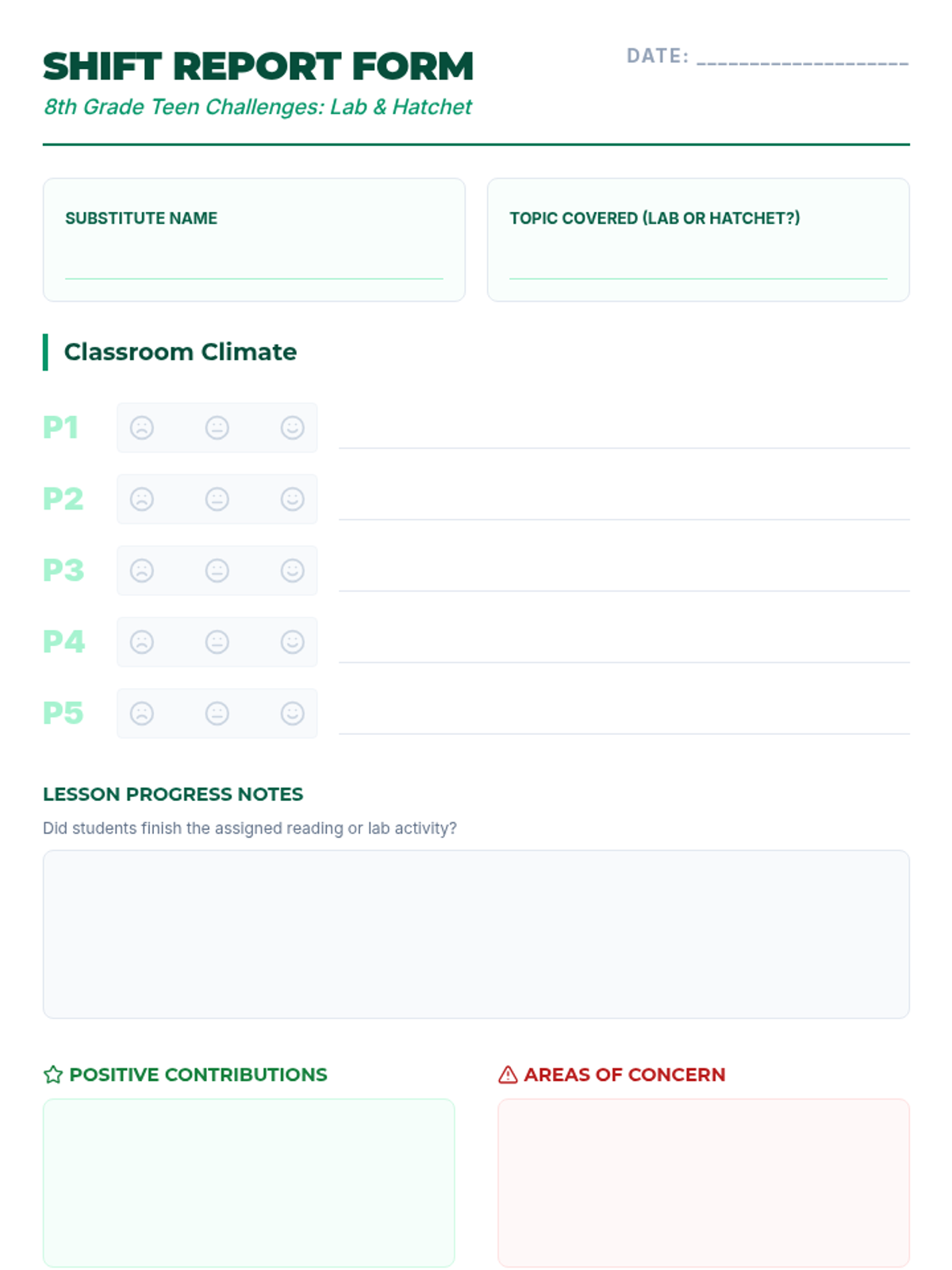
Essential documents and procedures for substitute teachers to ensure a seamless transition and productive classroom environment.
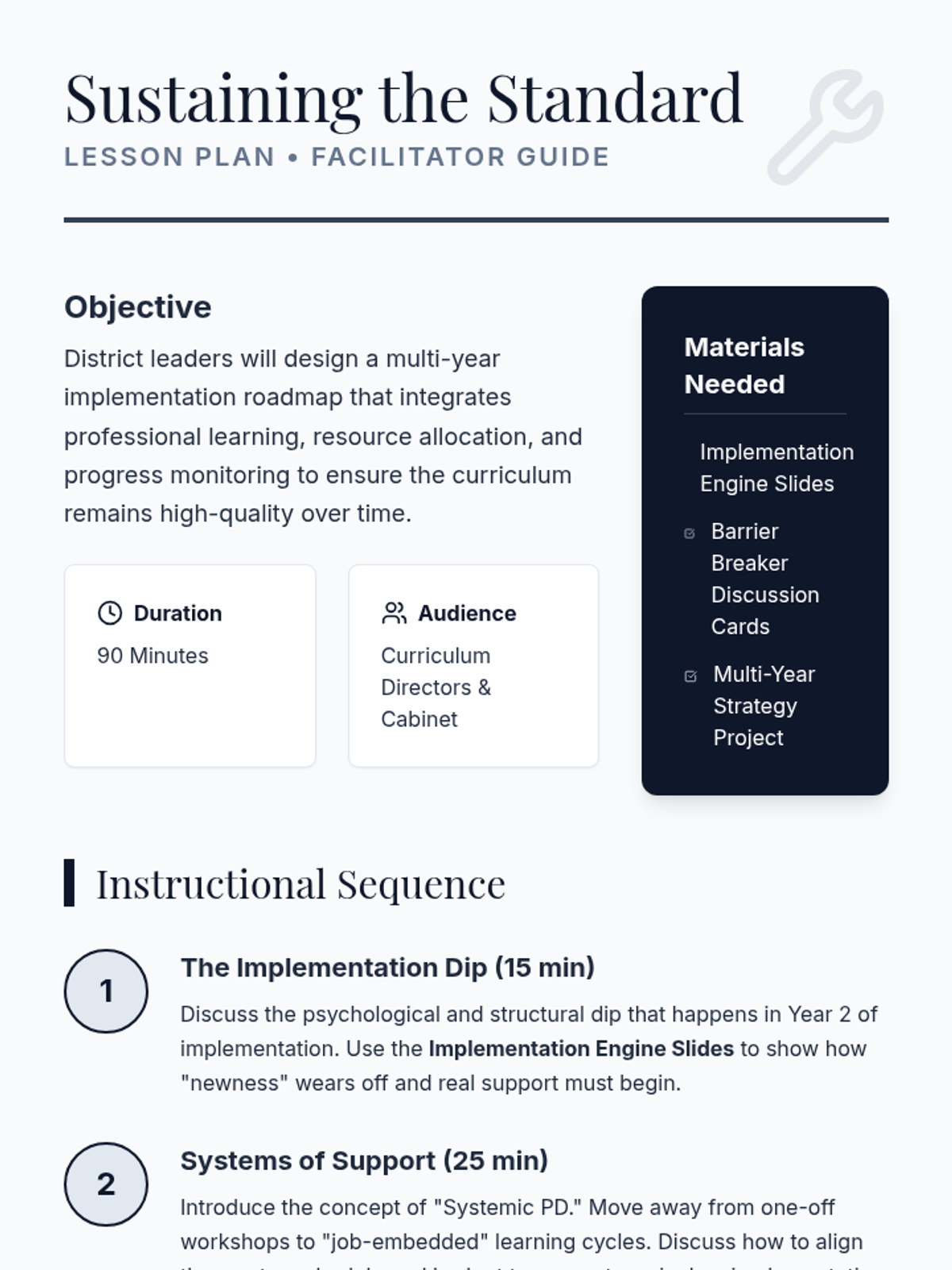
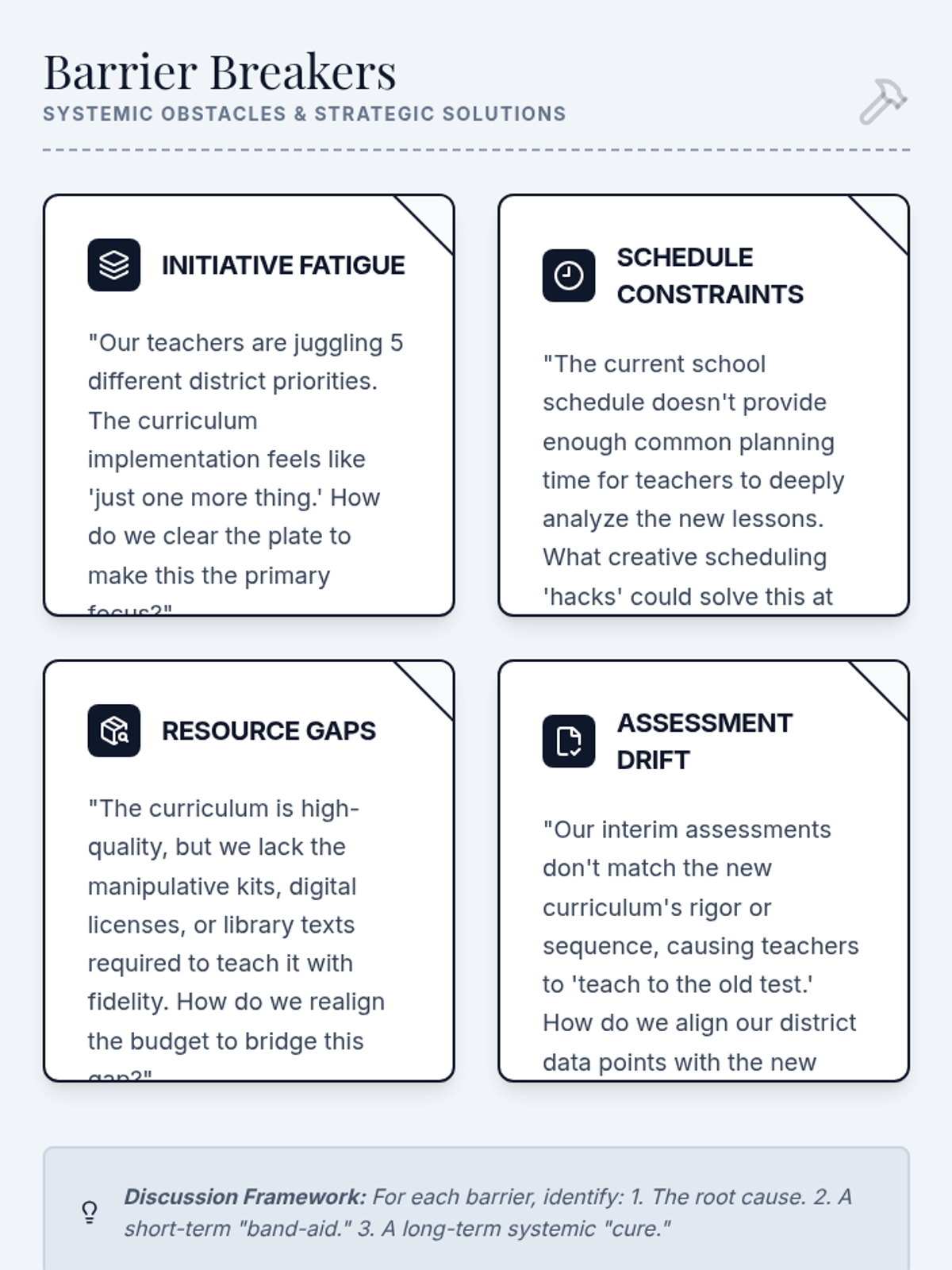
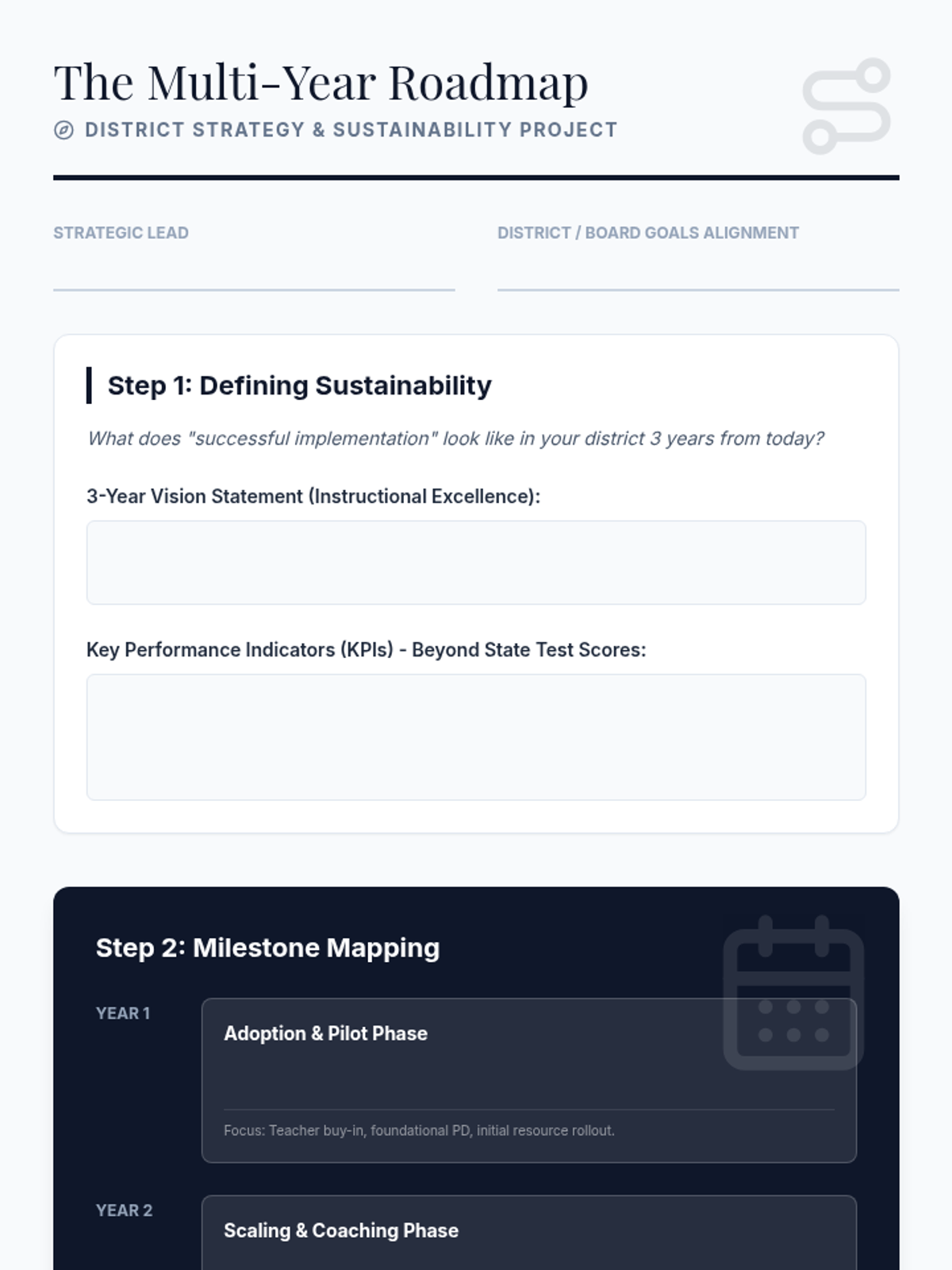
Focuses on long-term curriculum implementation strategies, data-driven scaling, and creating sustainable systems that align district goals with classroom reality.
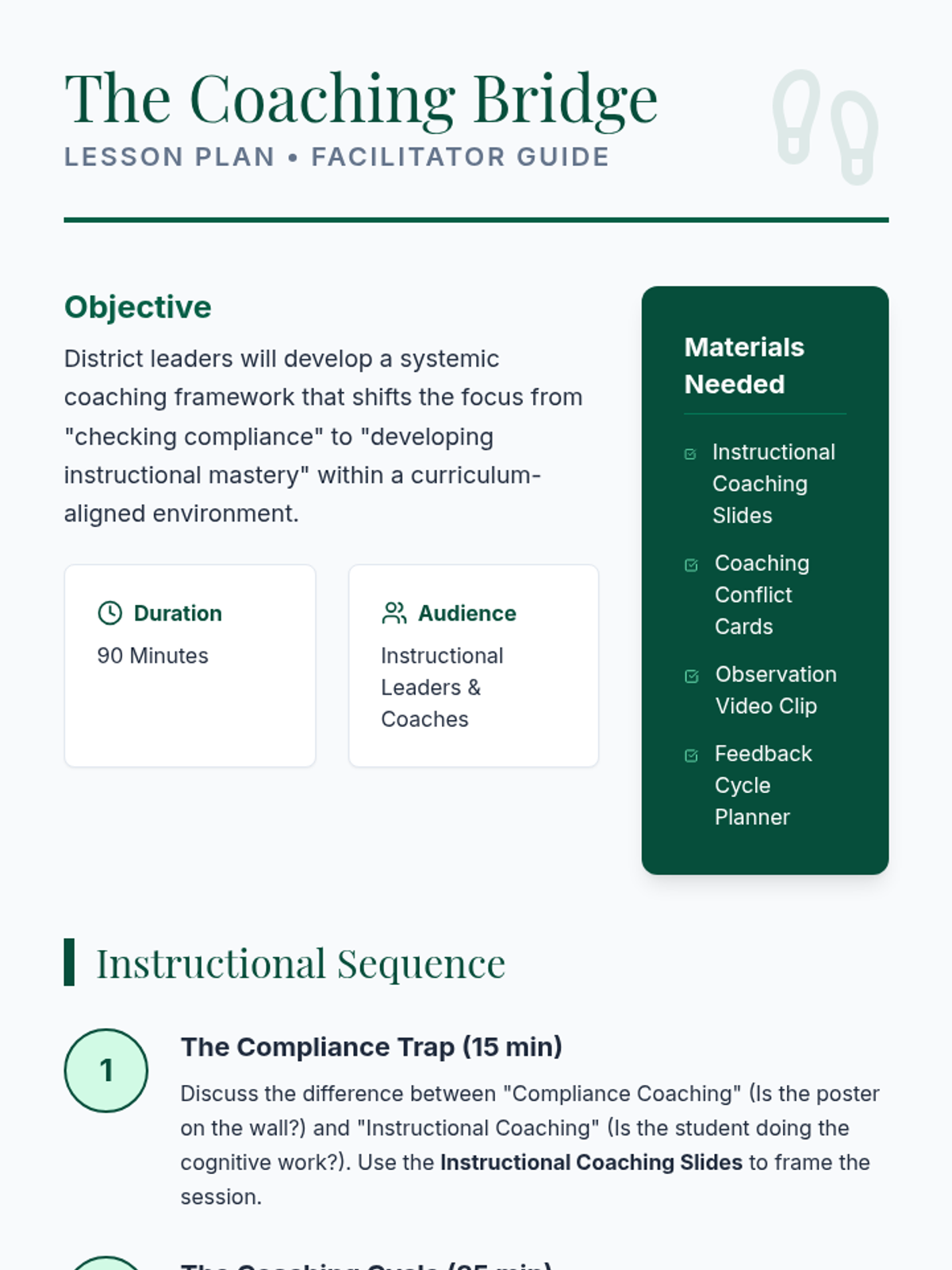
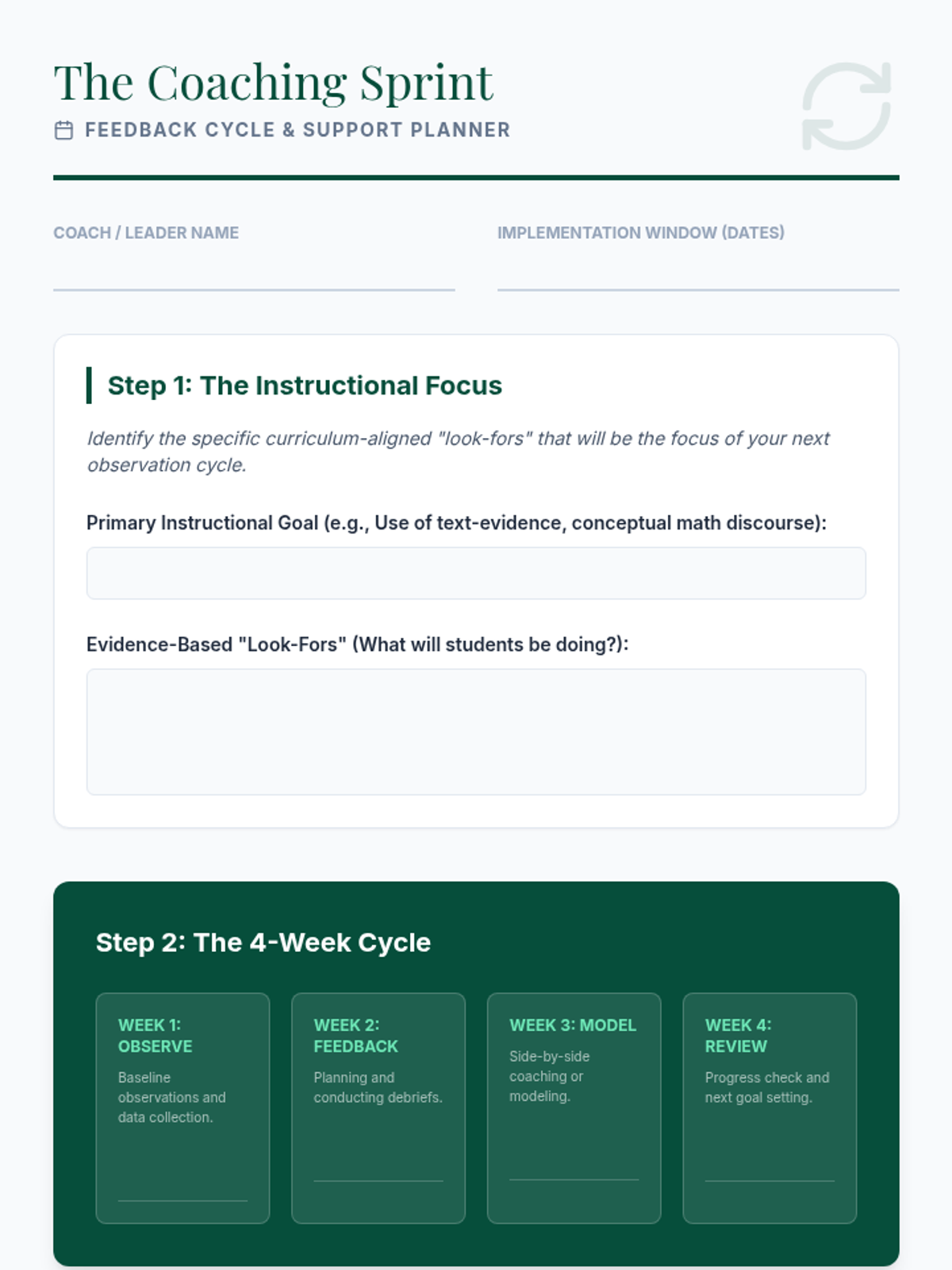
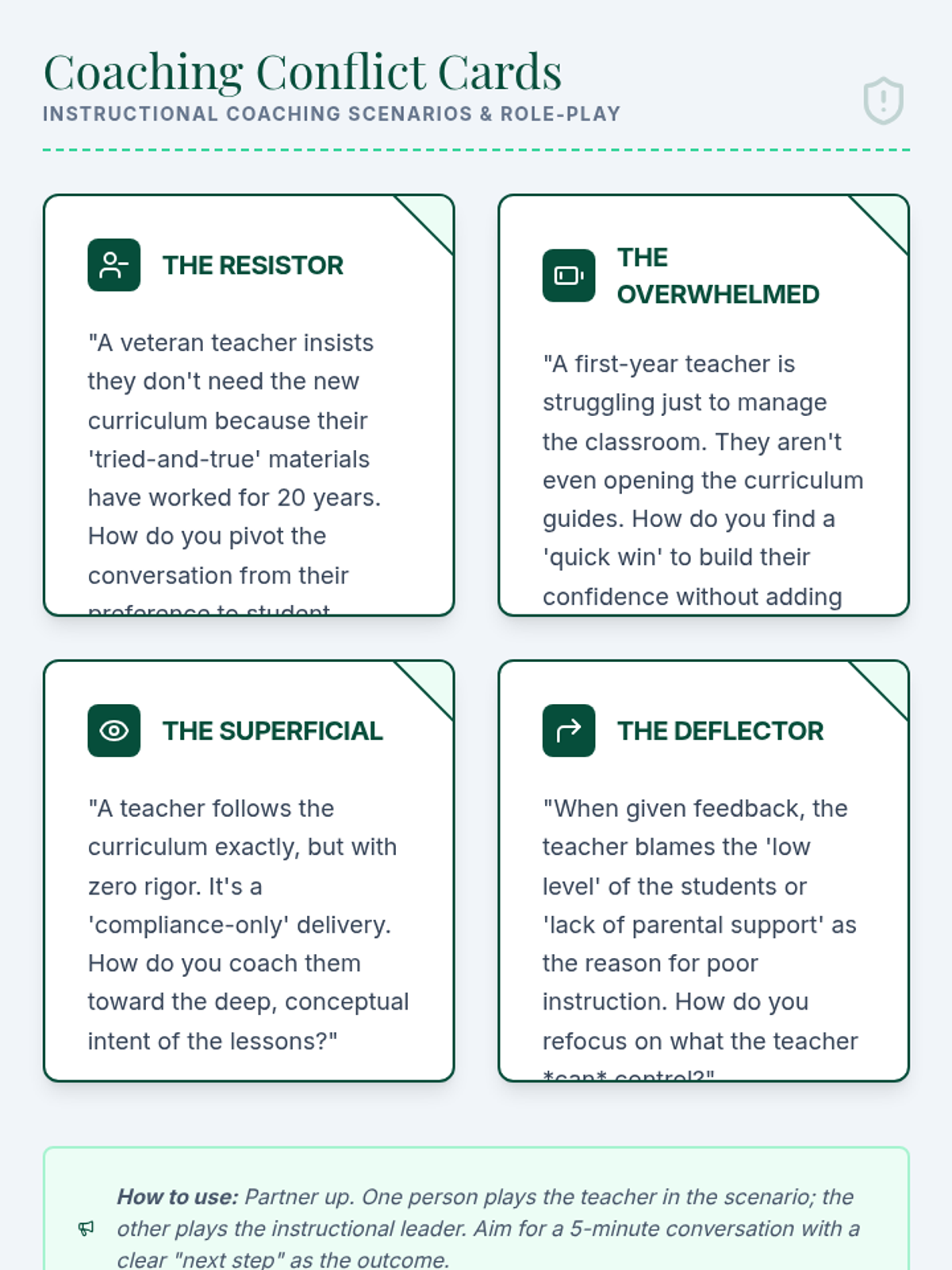
Focuses on moving from curriculum on paper to instructional practice through high-quality coaching cycles and teacher support frameworks.
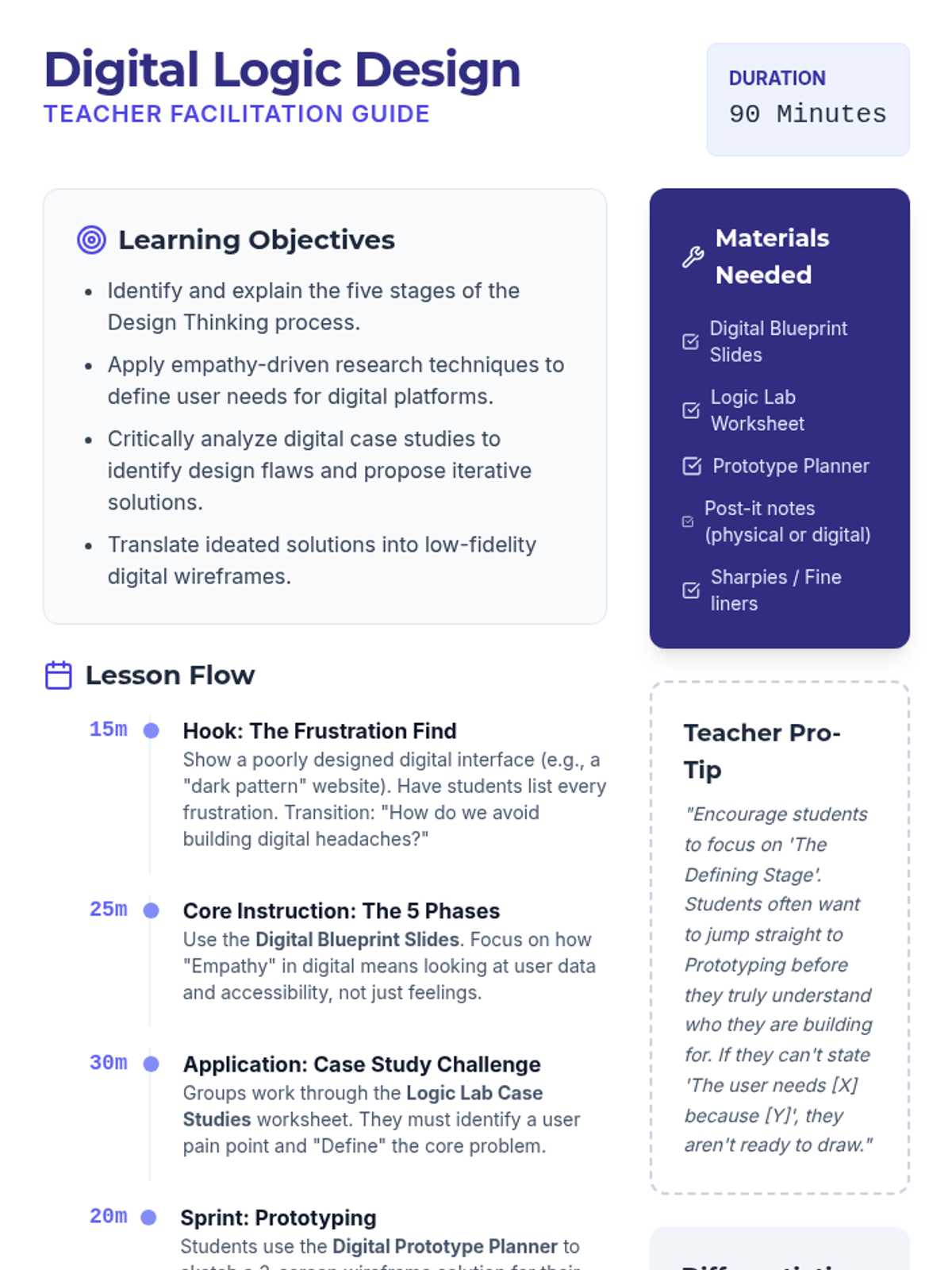
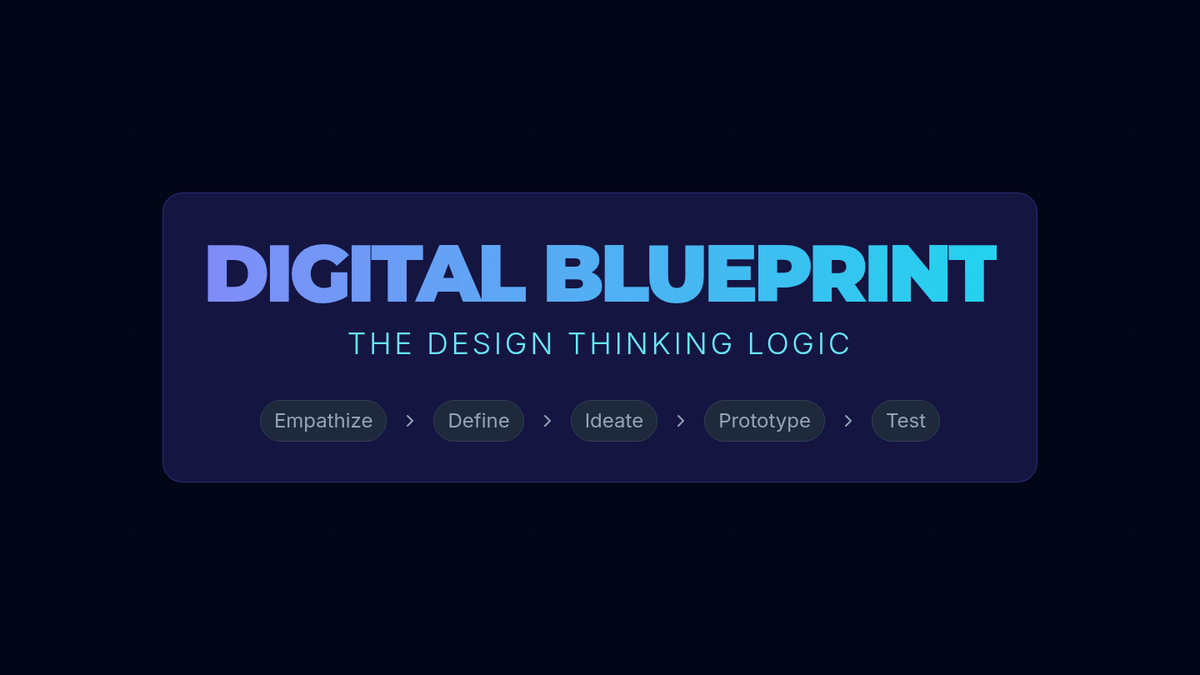
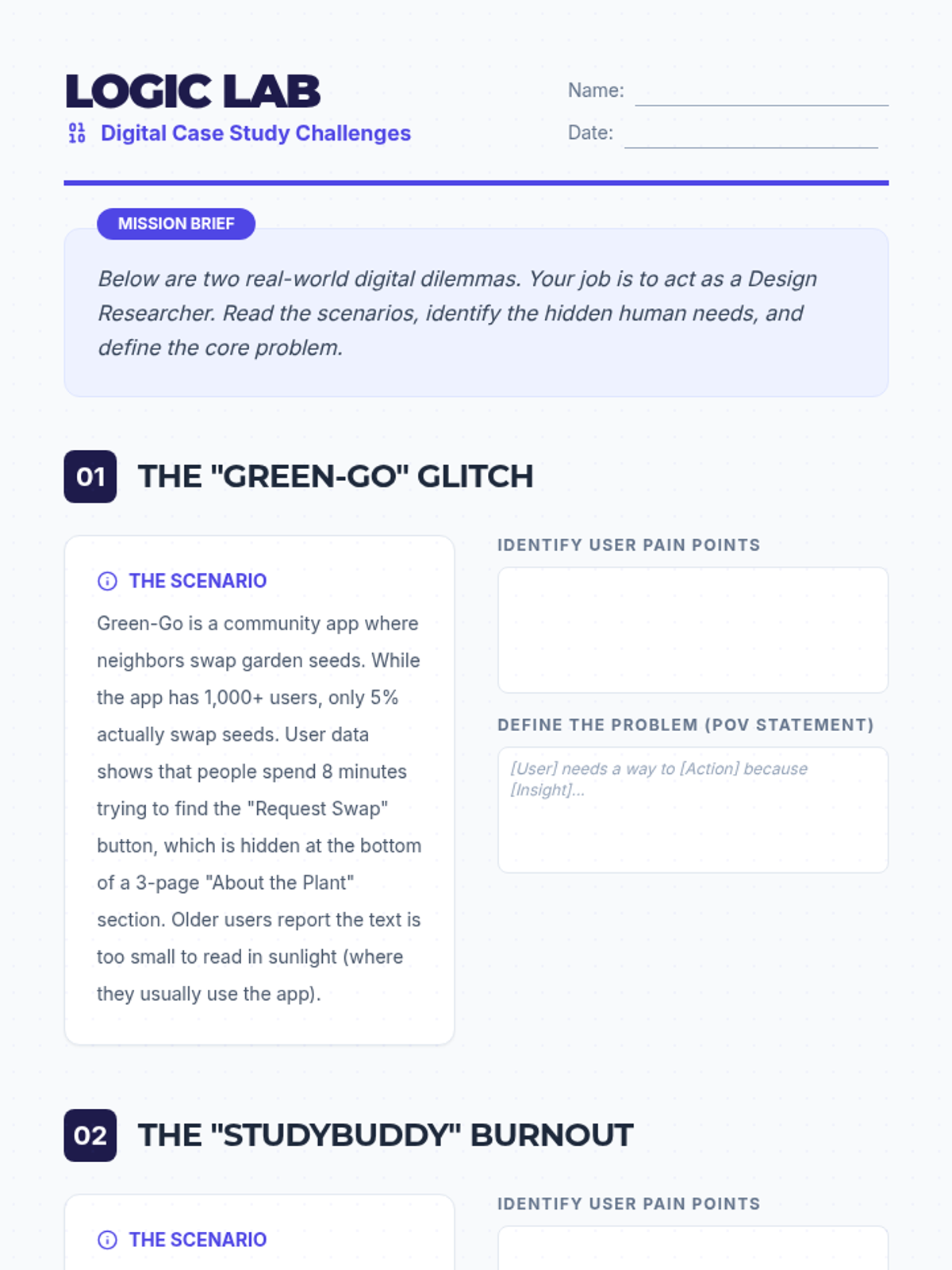
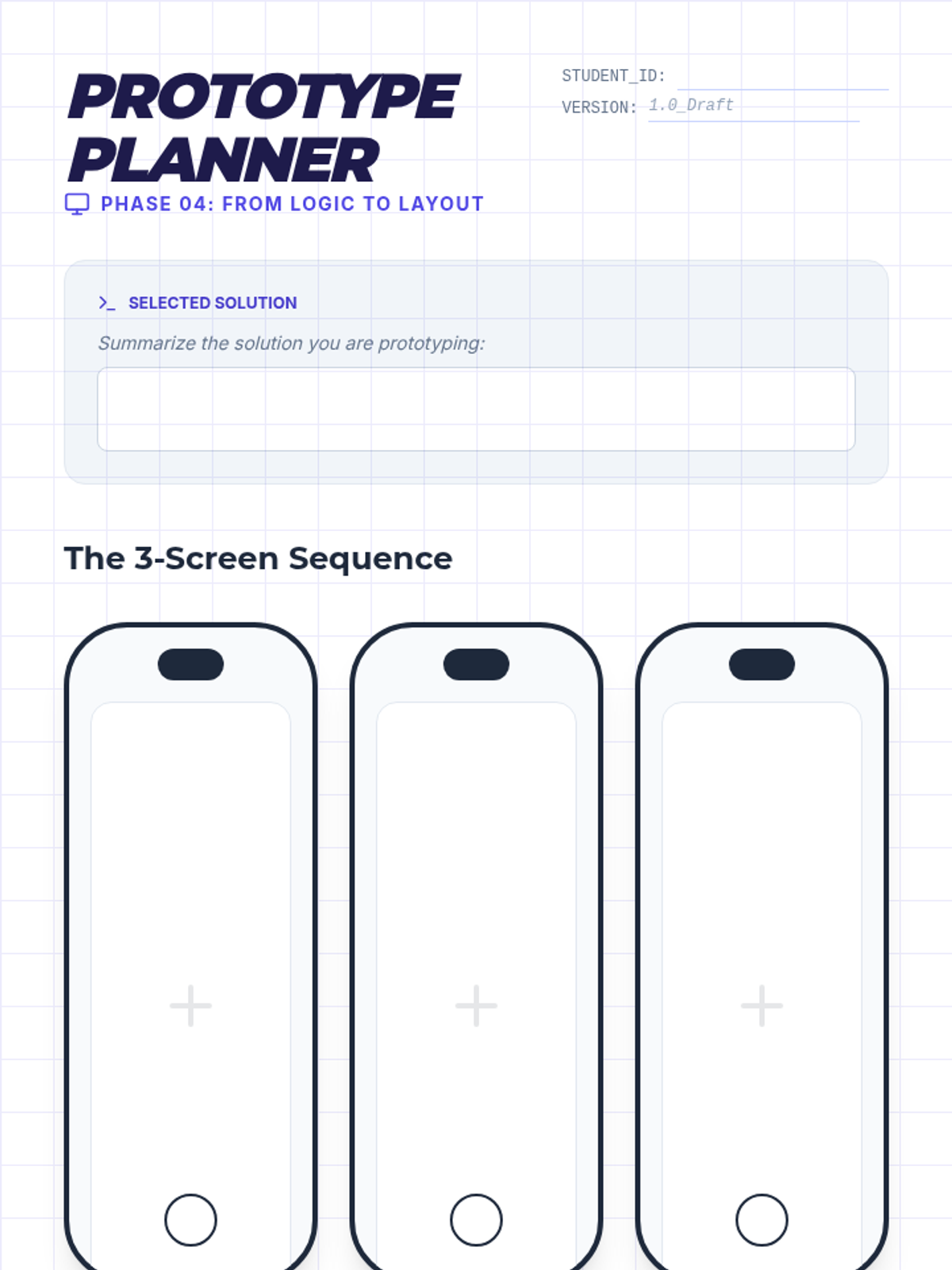
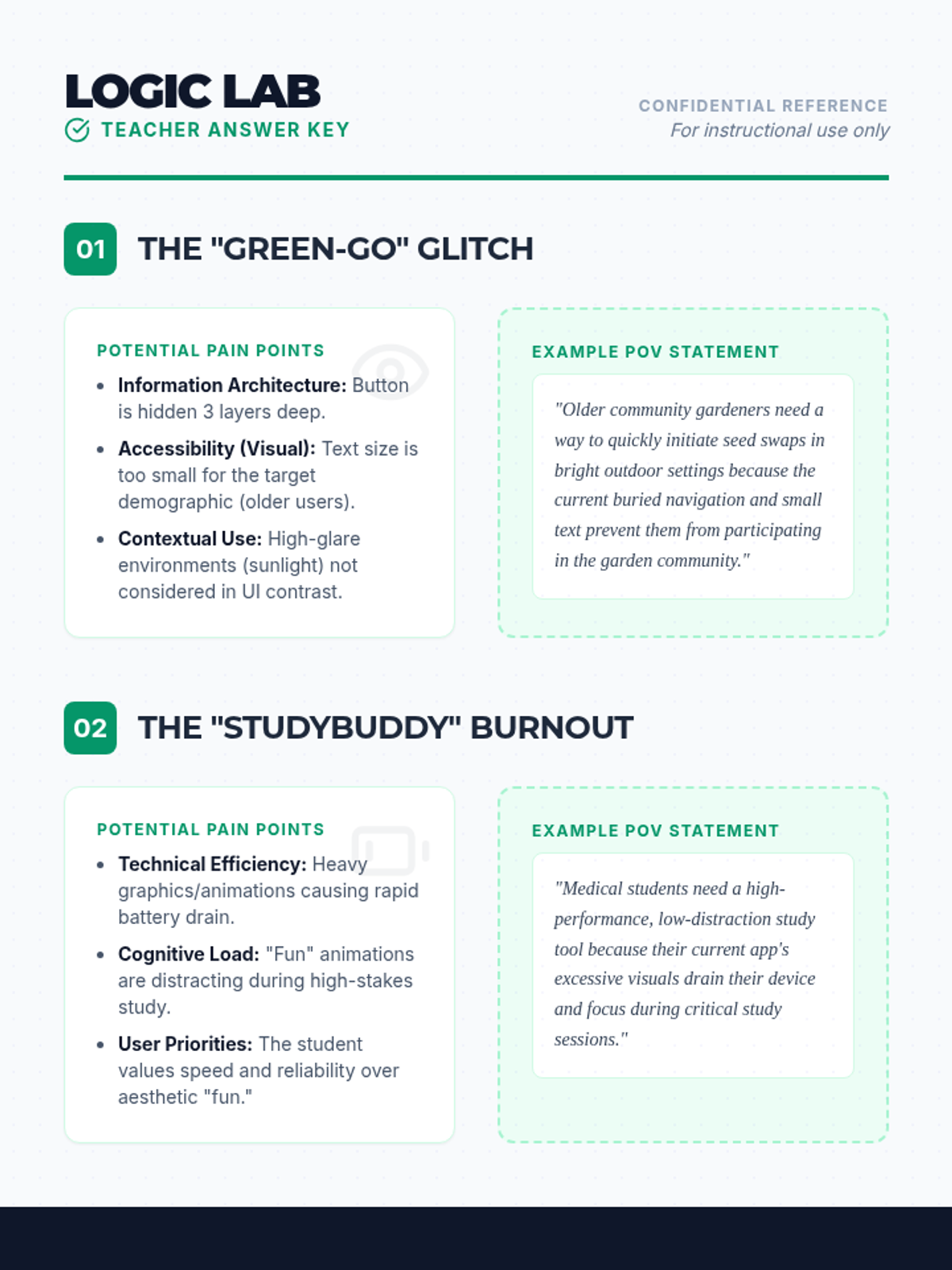
A comprehensive dive into the Design Thinking process specifically tailored for creating digital solutions. Students will move from empathy-driven problem solving to rapid prototyping through real-world case studies.
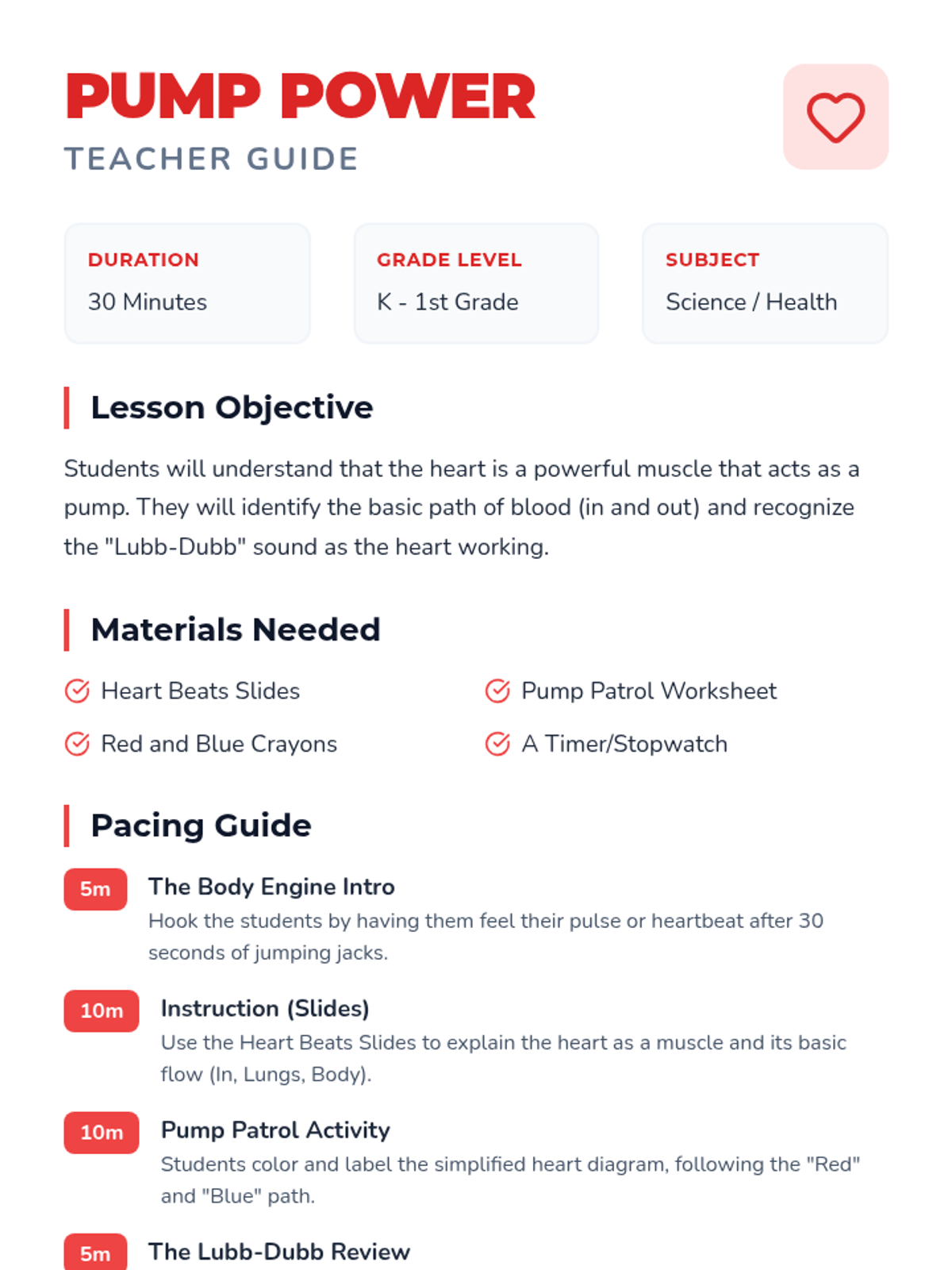
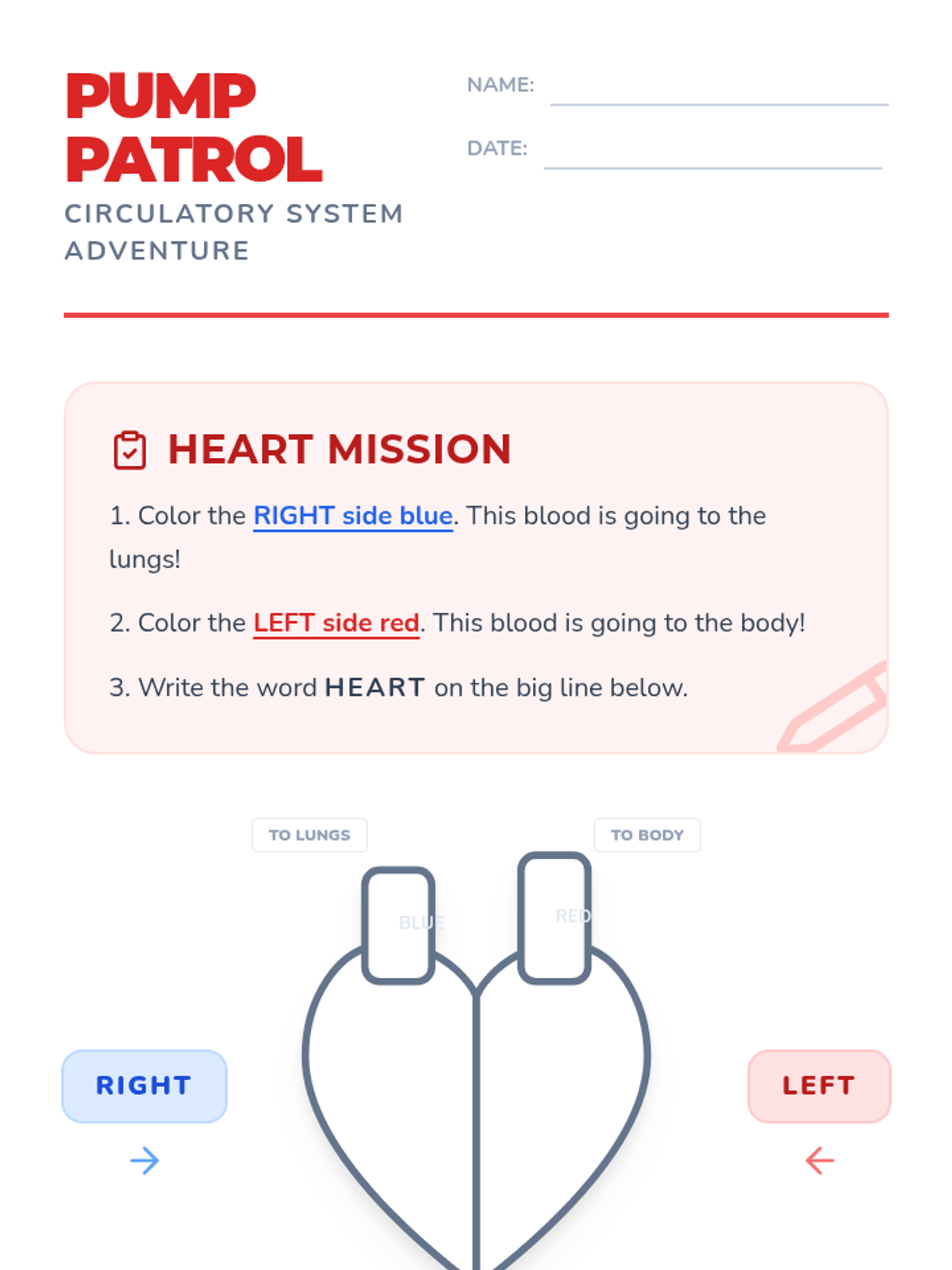
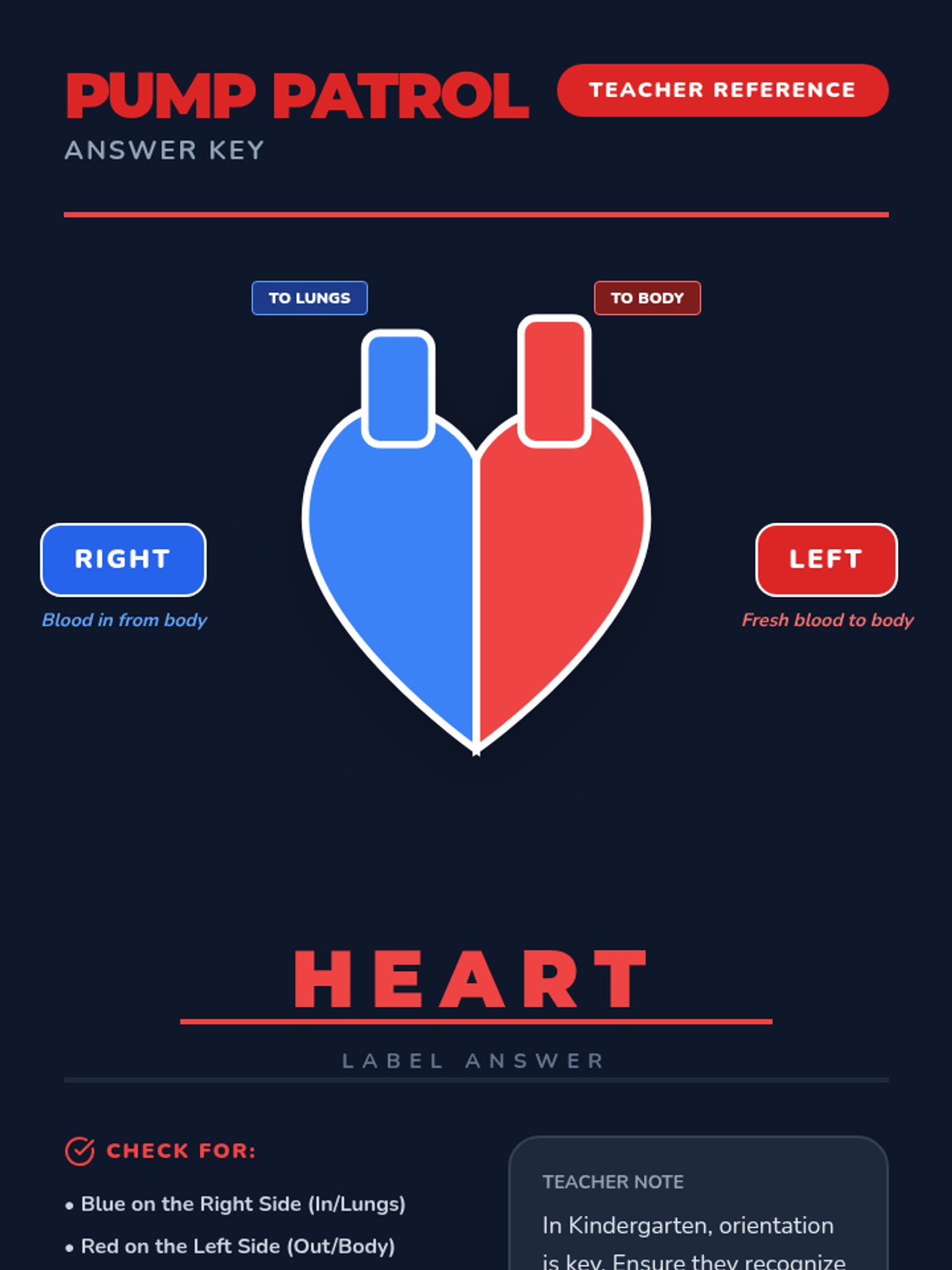
A foundational 30-minute lesson for K-1 students exploring the heart as a powerful pump that moves blood throughout the body.
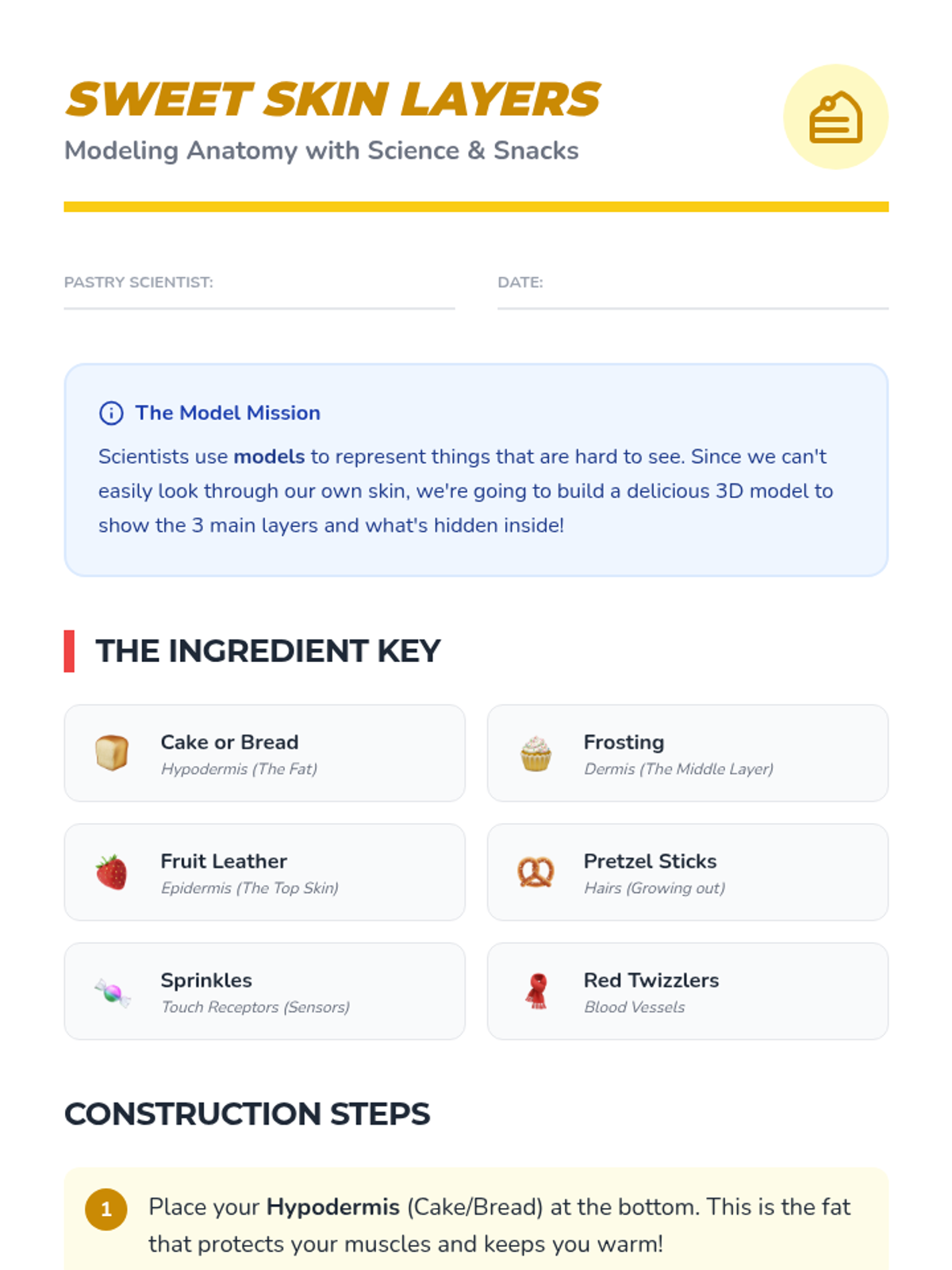
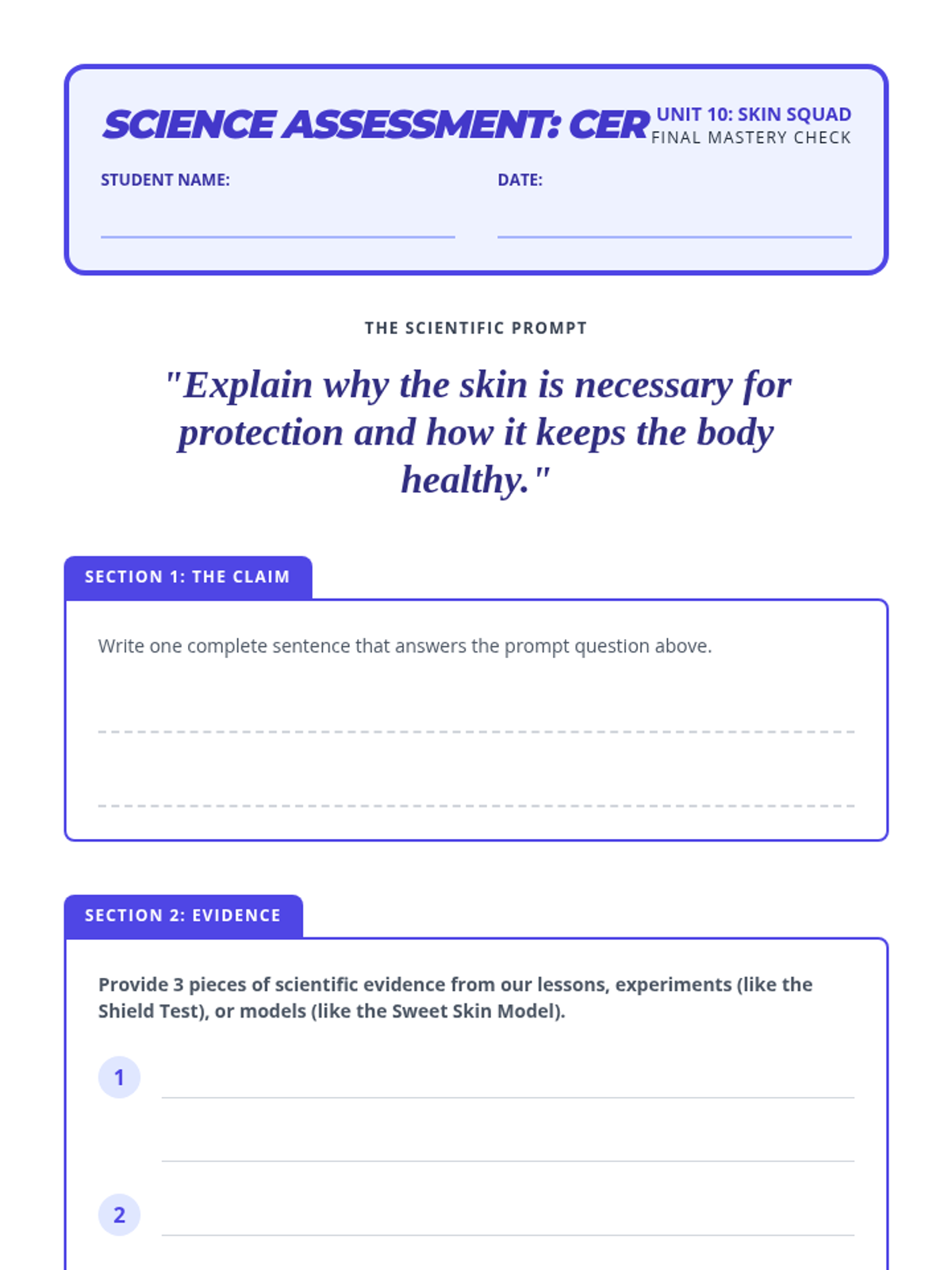
Diving into the layers of the skin, touch receptors, and temperature regulation. Features the "Sweet Skin Layers" edible model and a final CER assessment.
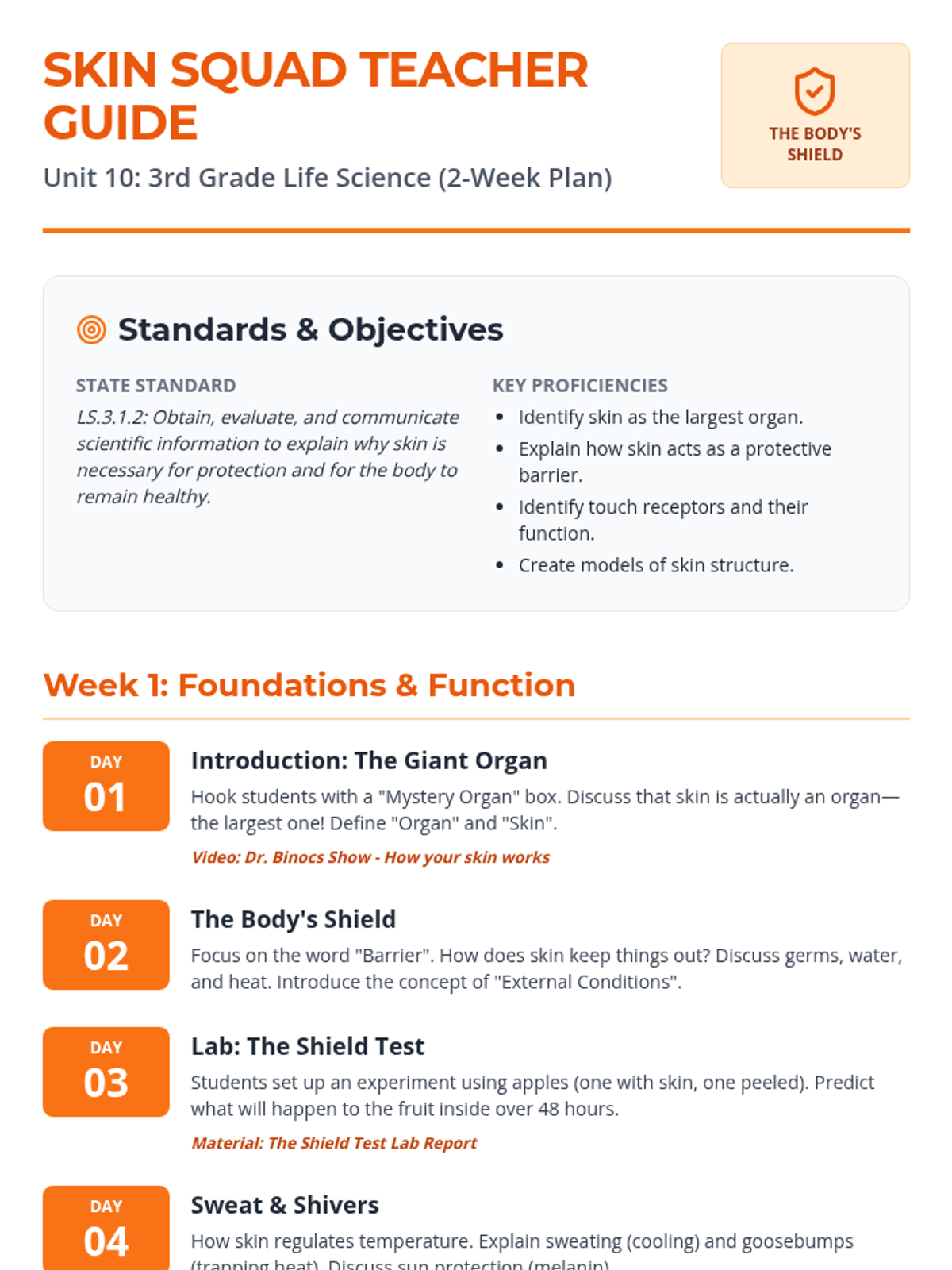
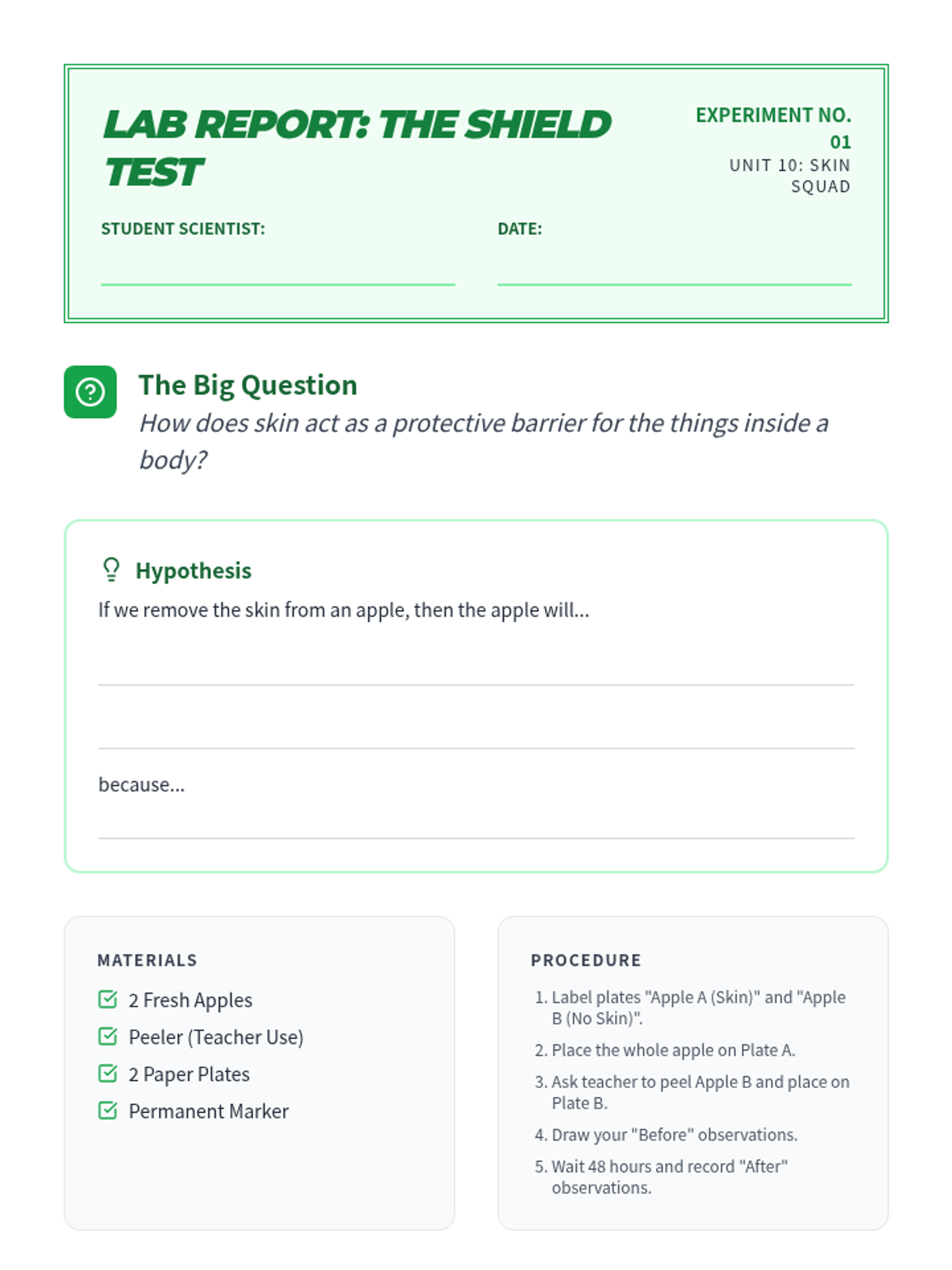
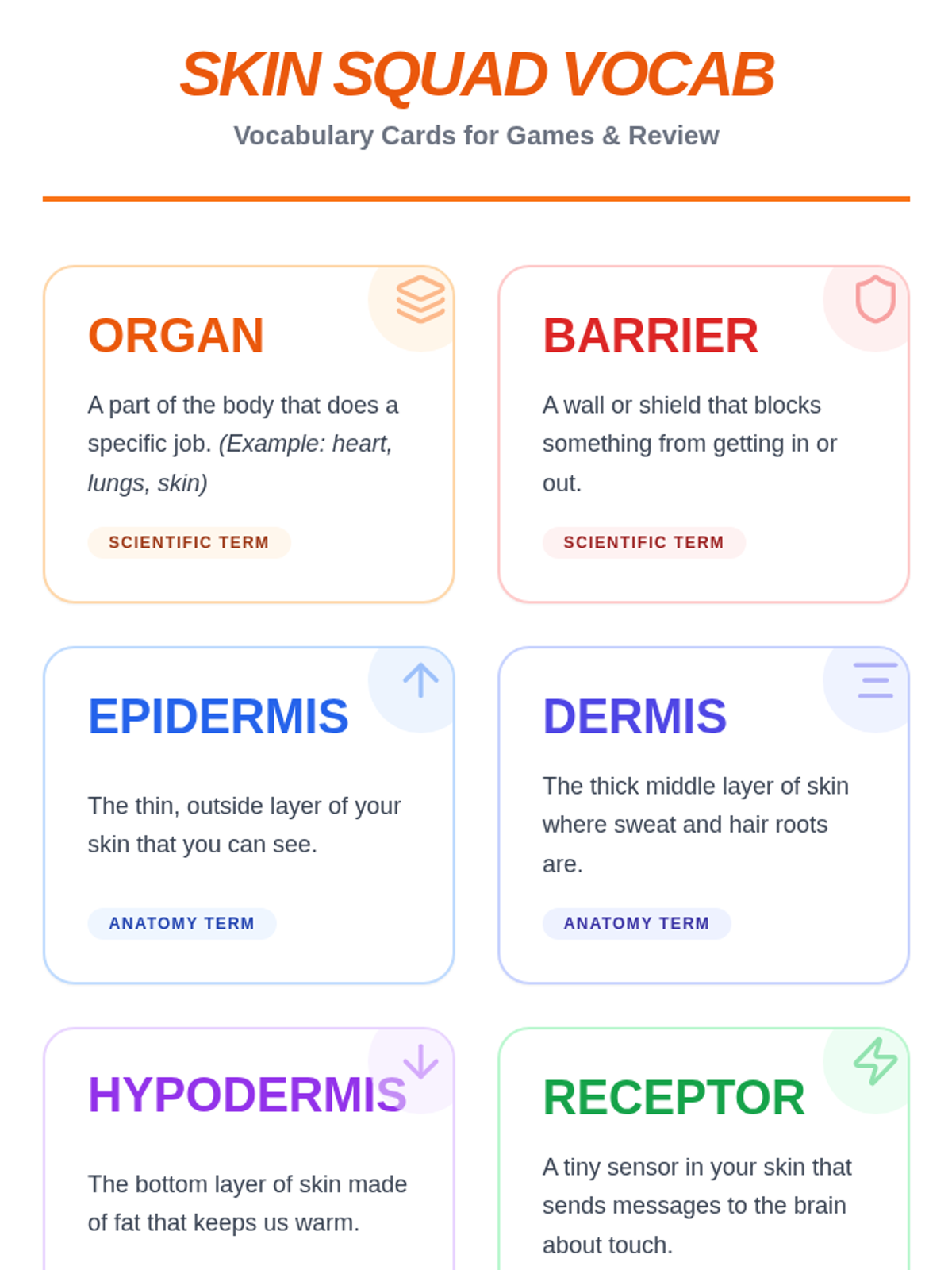
Focusing on skin as the largest organ and its function as a protective barrier against germs and external conditions. Includes the "Shield Test" apple experiment.
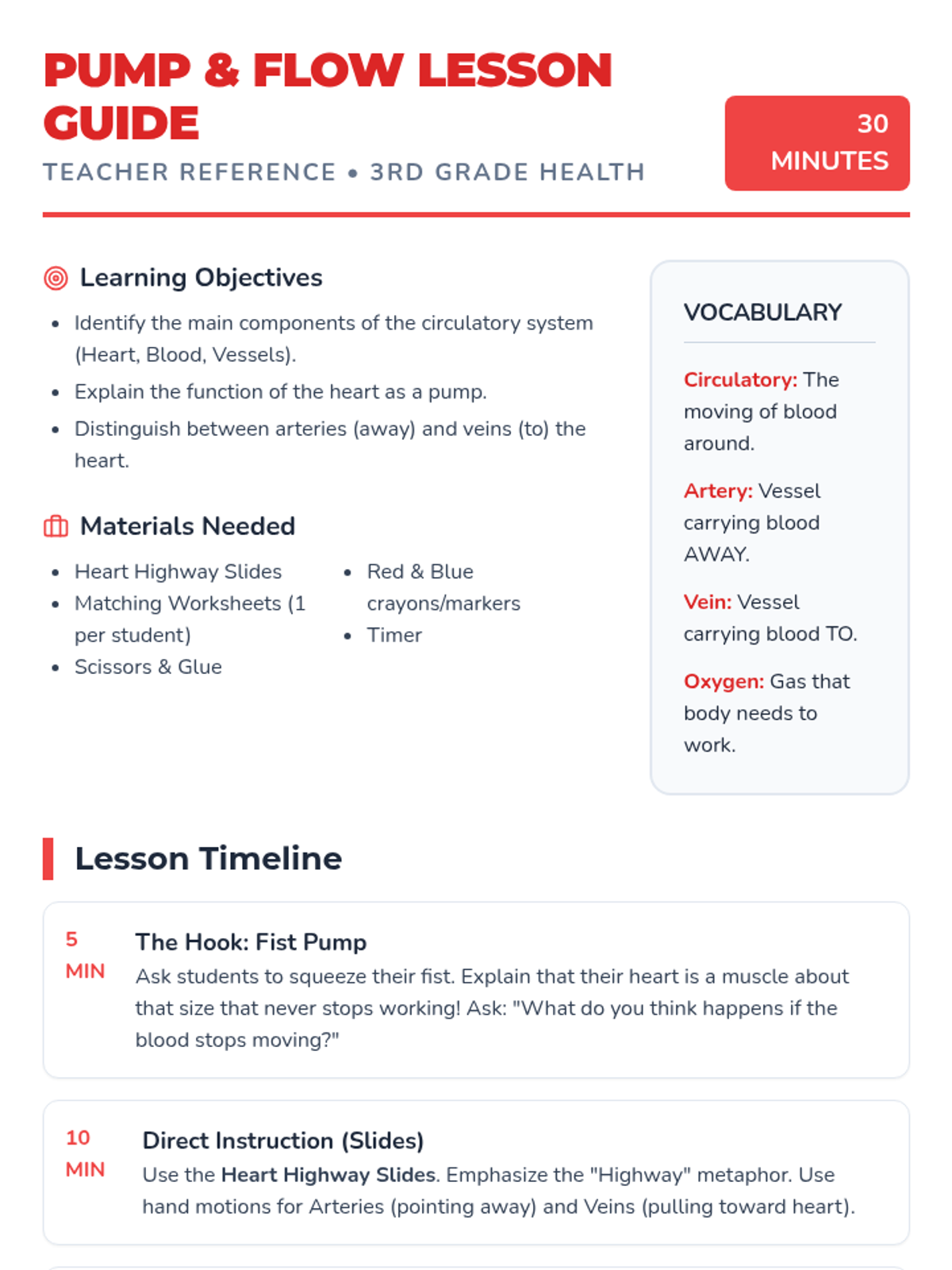
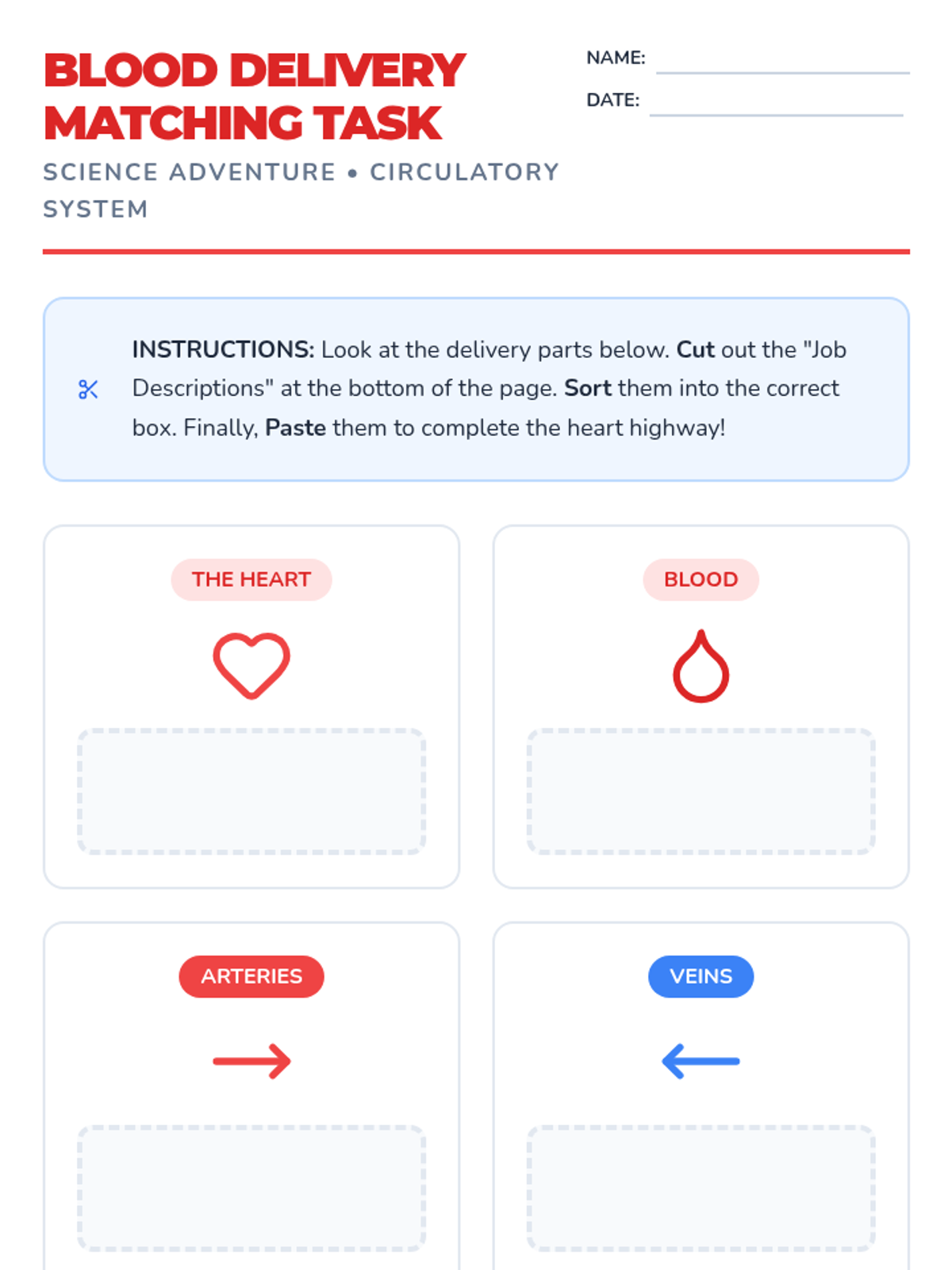
A fast-paced, engaging 30-minute introduction to the circulatory system for 3rd graders, focusing on the heart as a pump and blood as a delivery system.
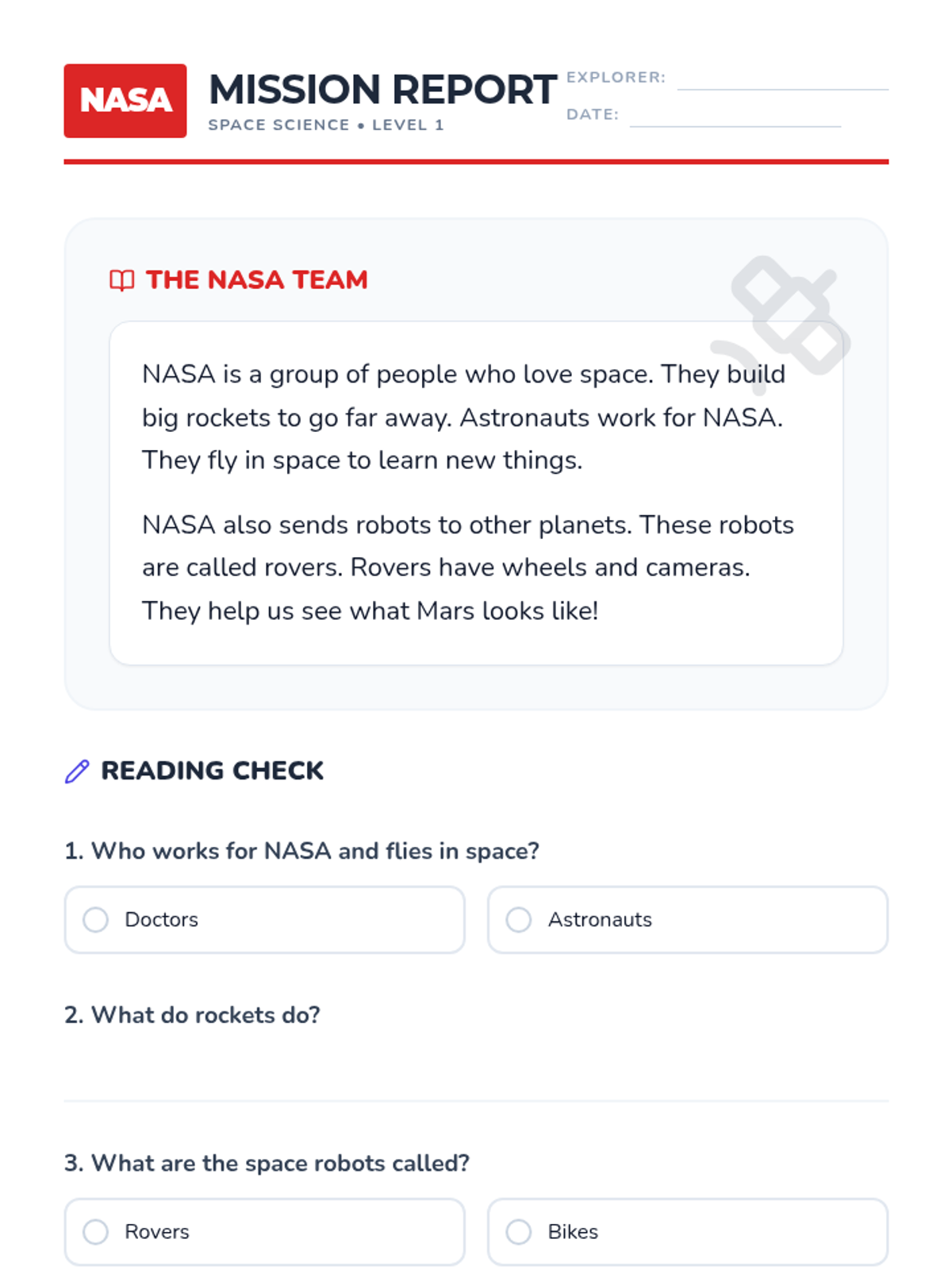
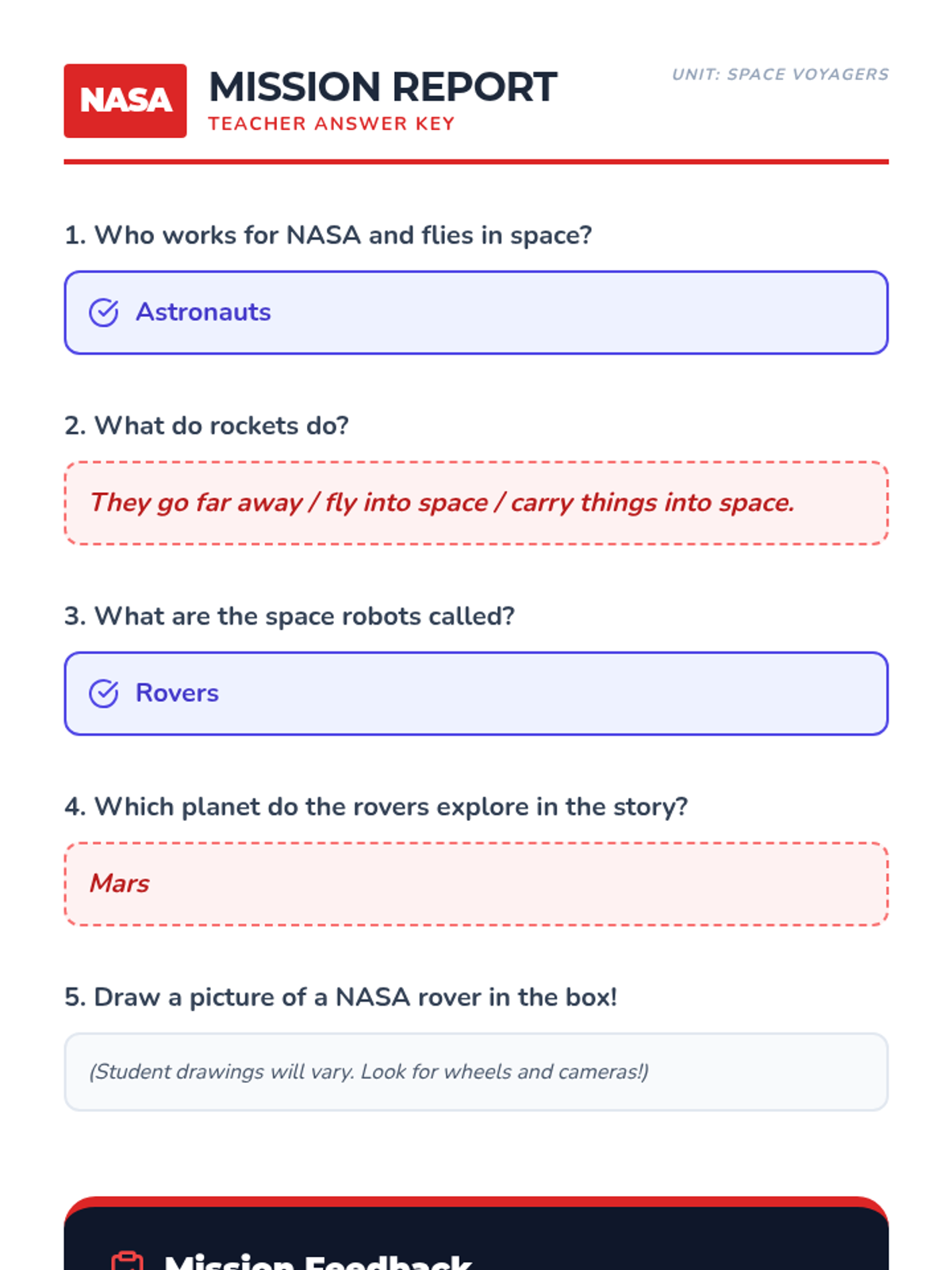
An introductory lesson for early elementary students to learn about NASA, its mission, and the tools they use to explore space.
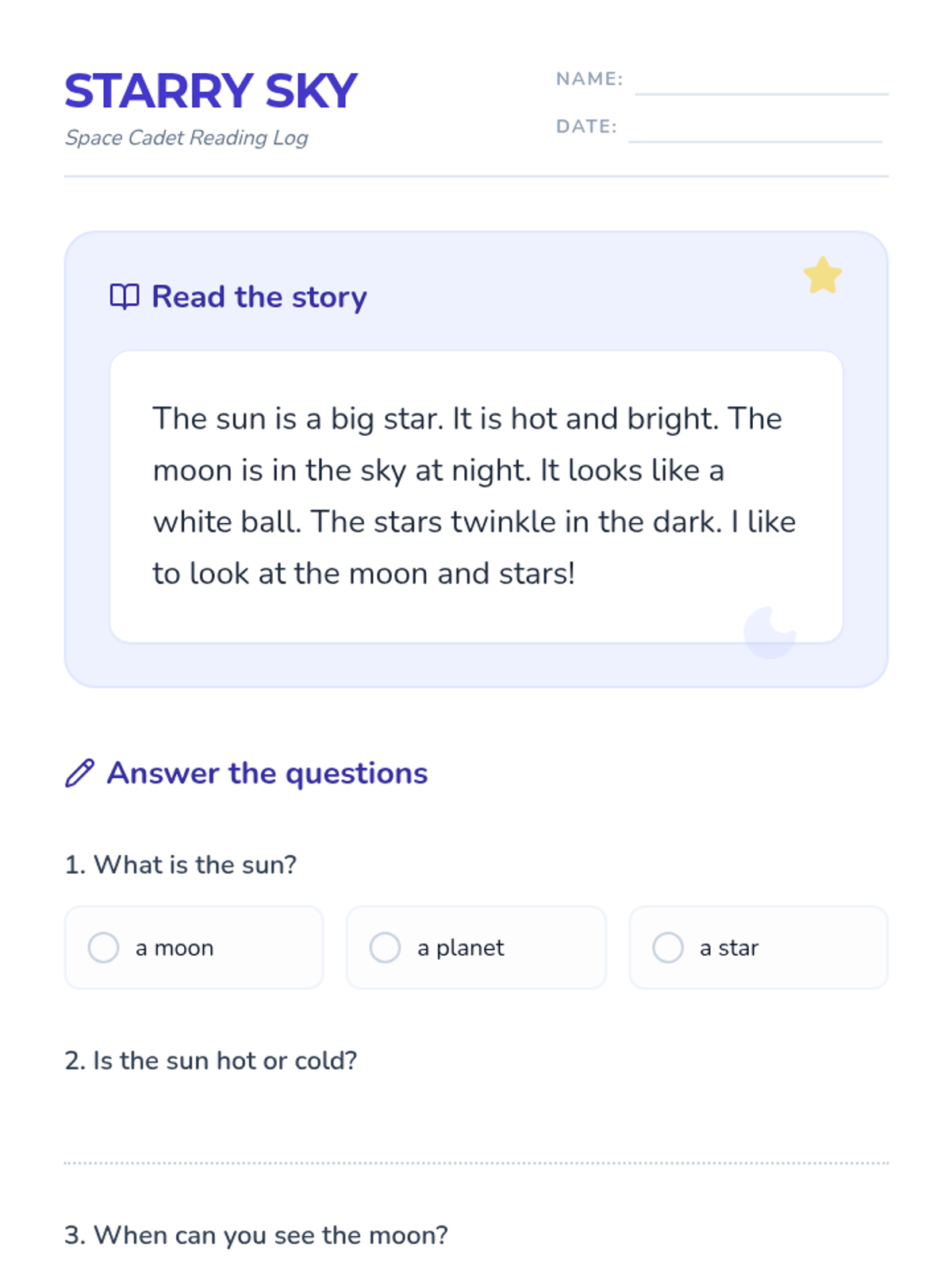
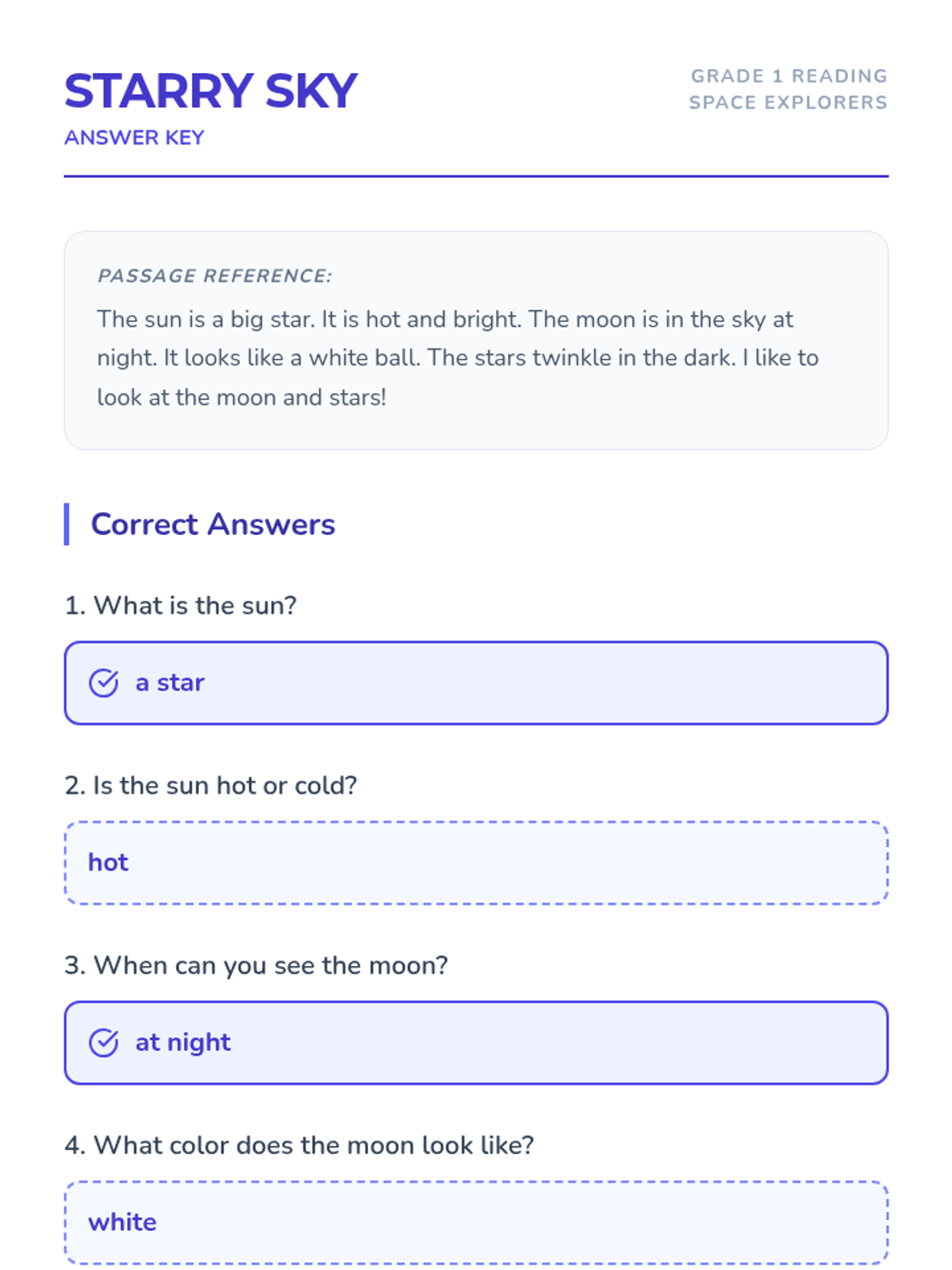
An introductory lesson for first graders to practice reading comprehension through the lens of basic space concepts like the sun, moon, and stars.
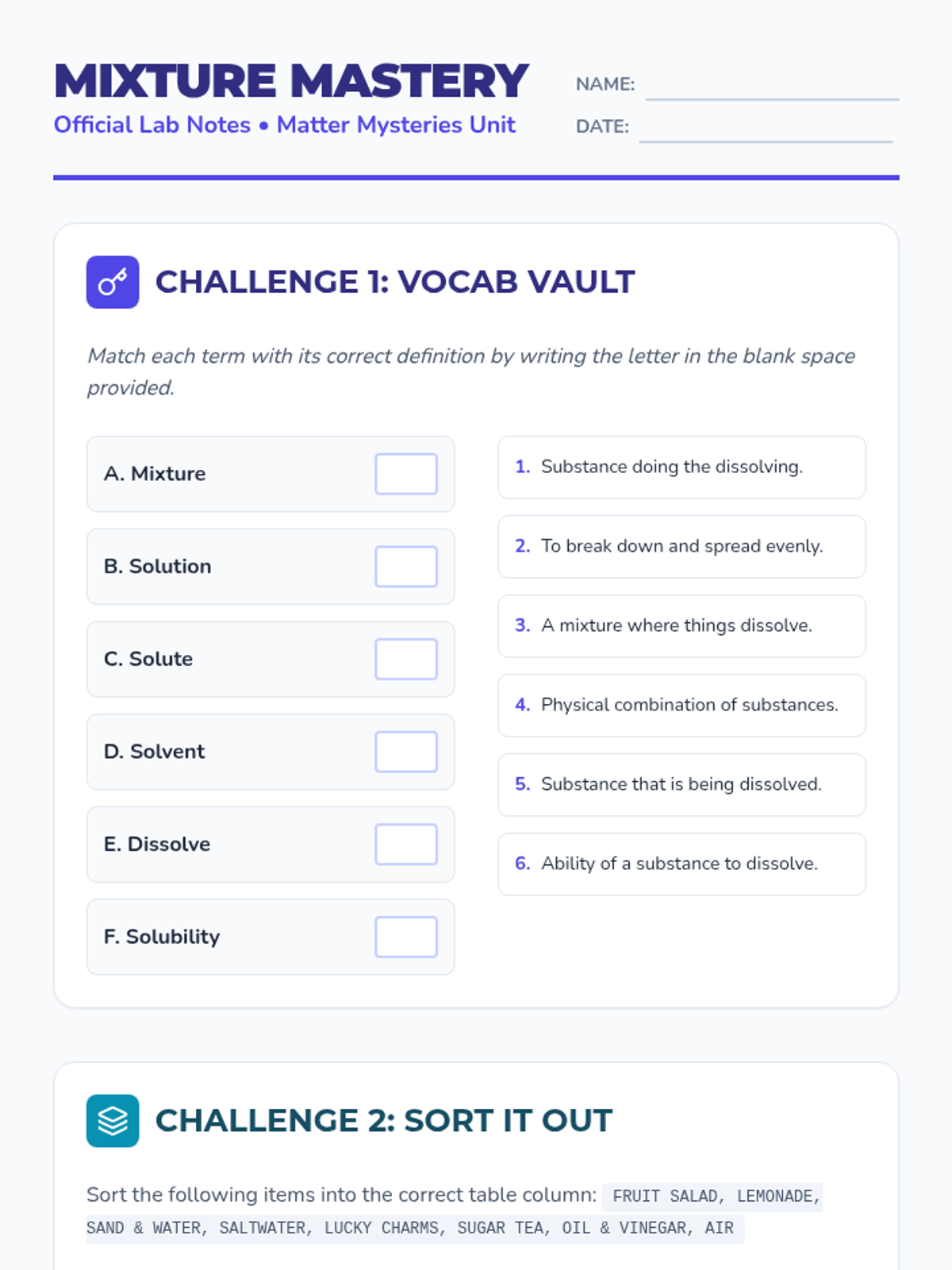
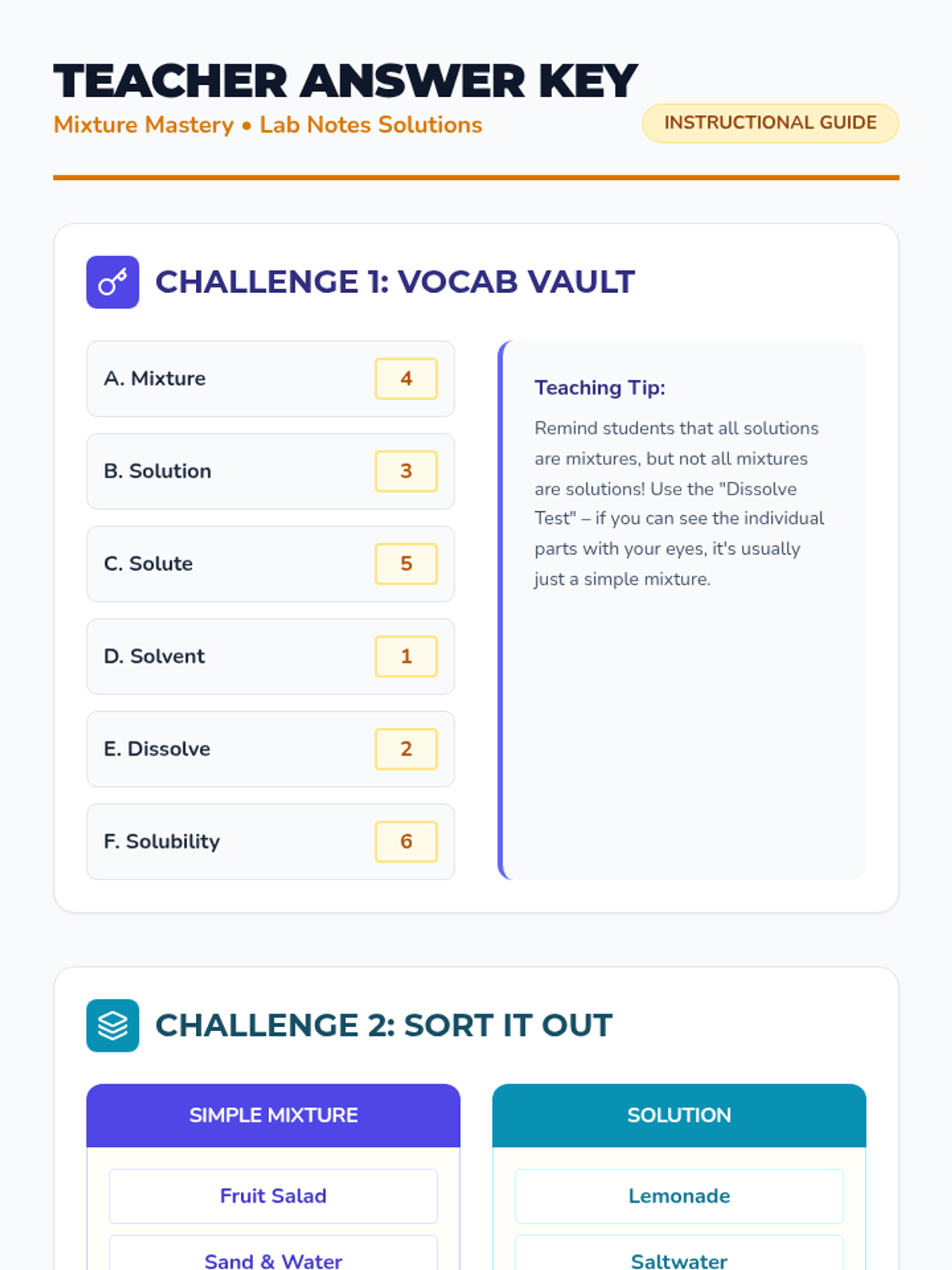
Students explore the differences between mixtures and solutions, focusing on categorization and vocabulary mastery through interactive-style challenges.
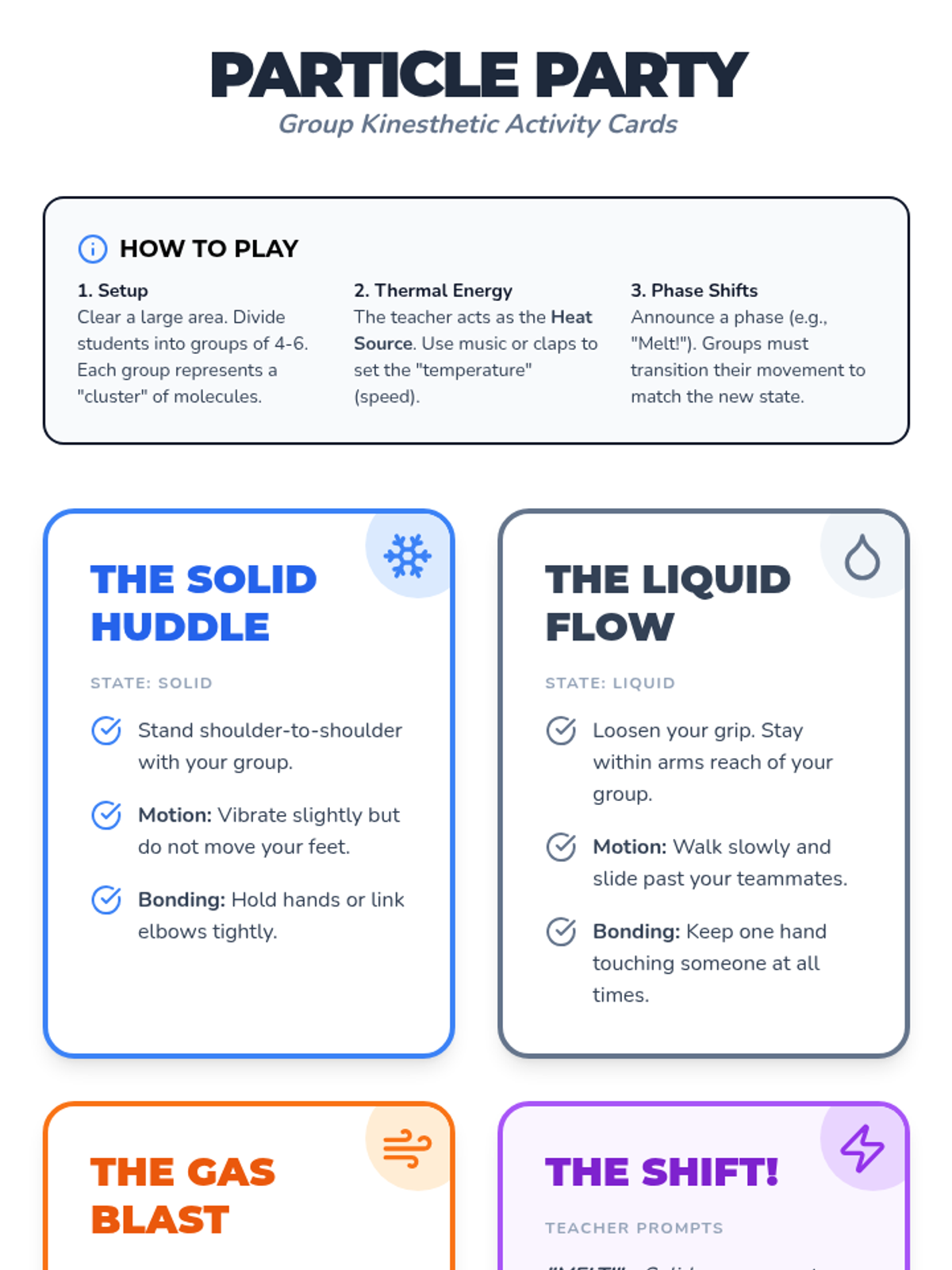
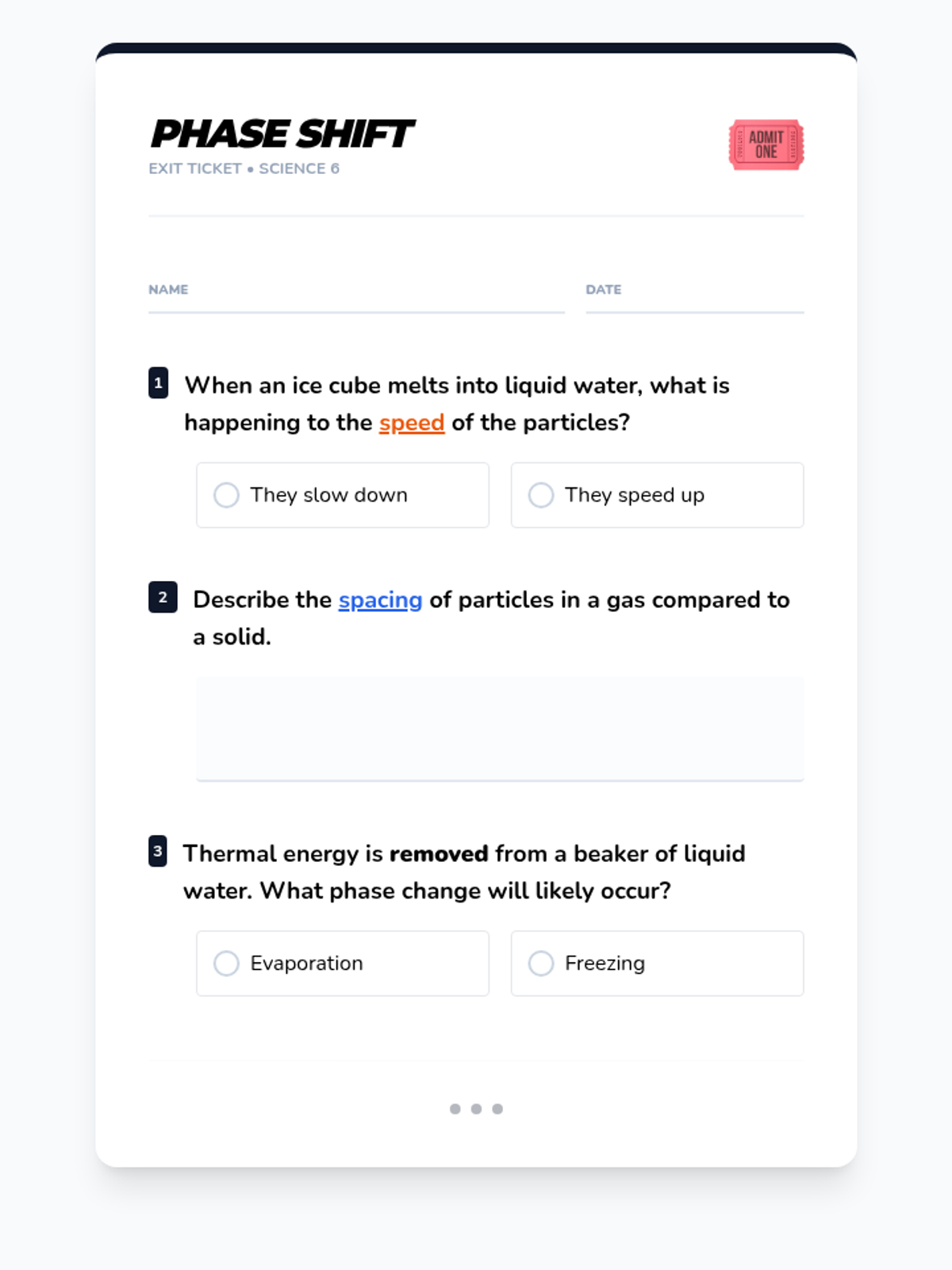
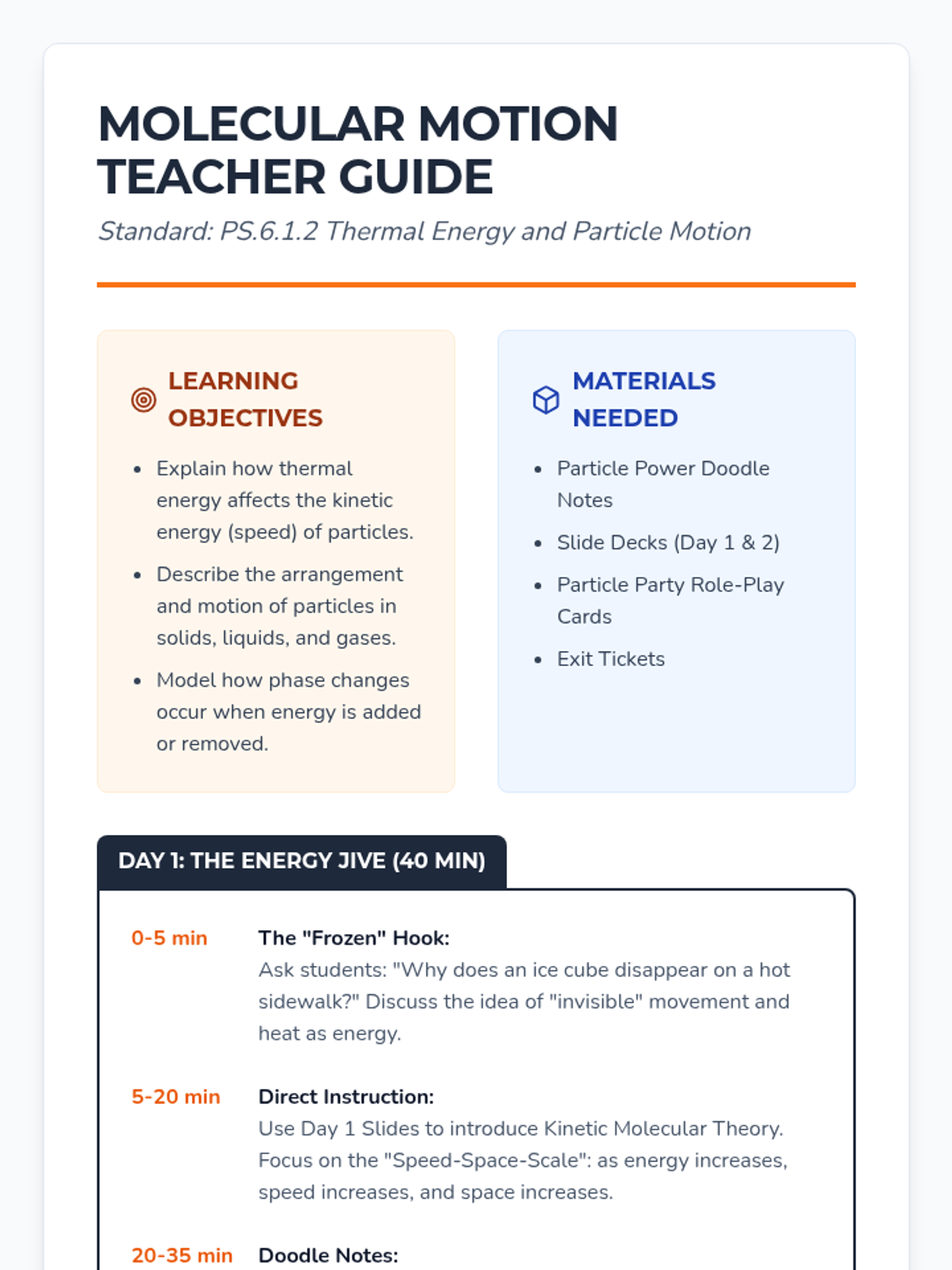
Day 2 focuses on phase changes, specifically how energy is used to break or form attractions between particles during transitions like melting and boiling.
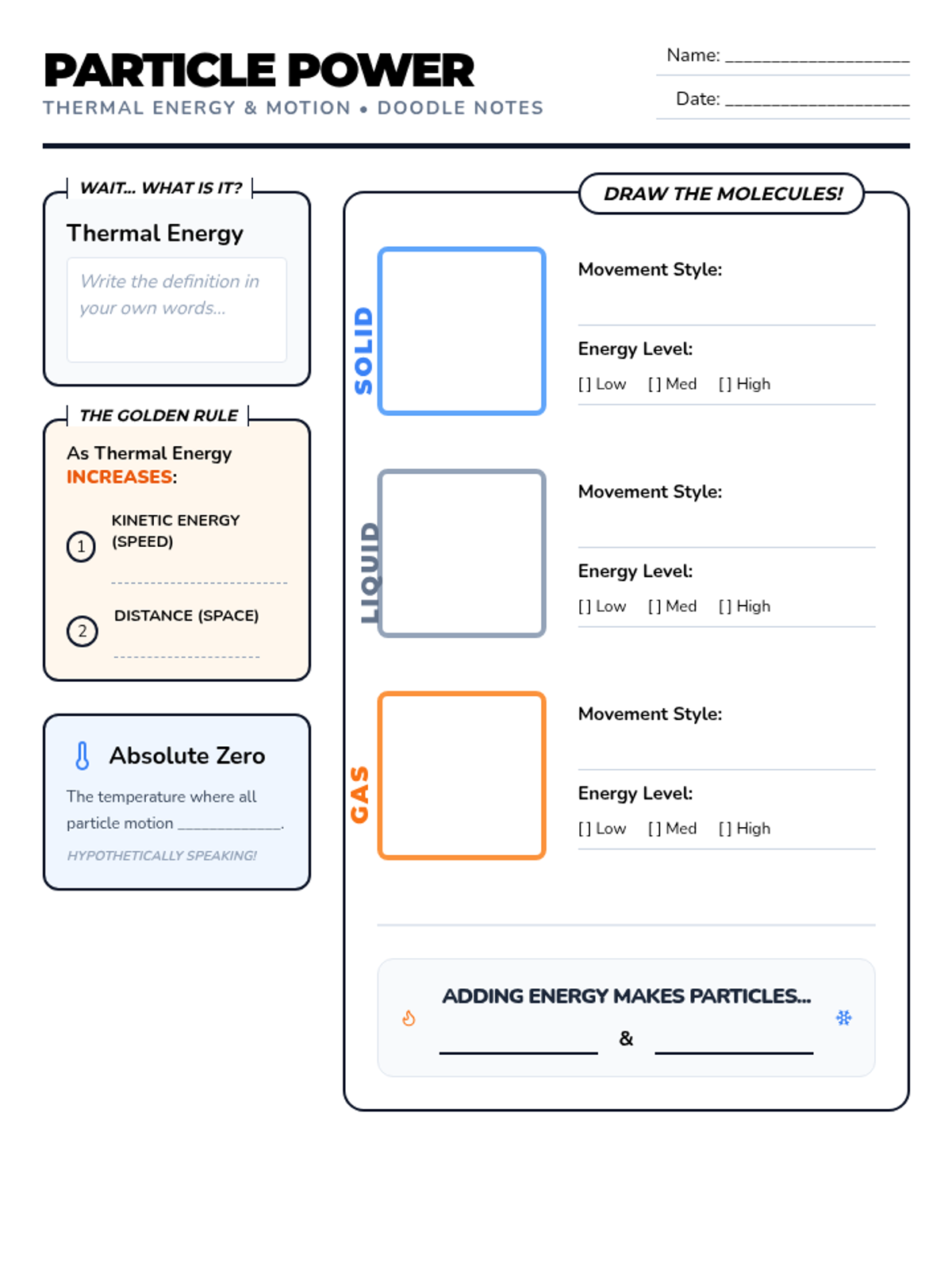
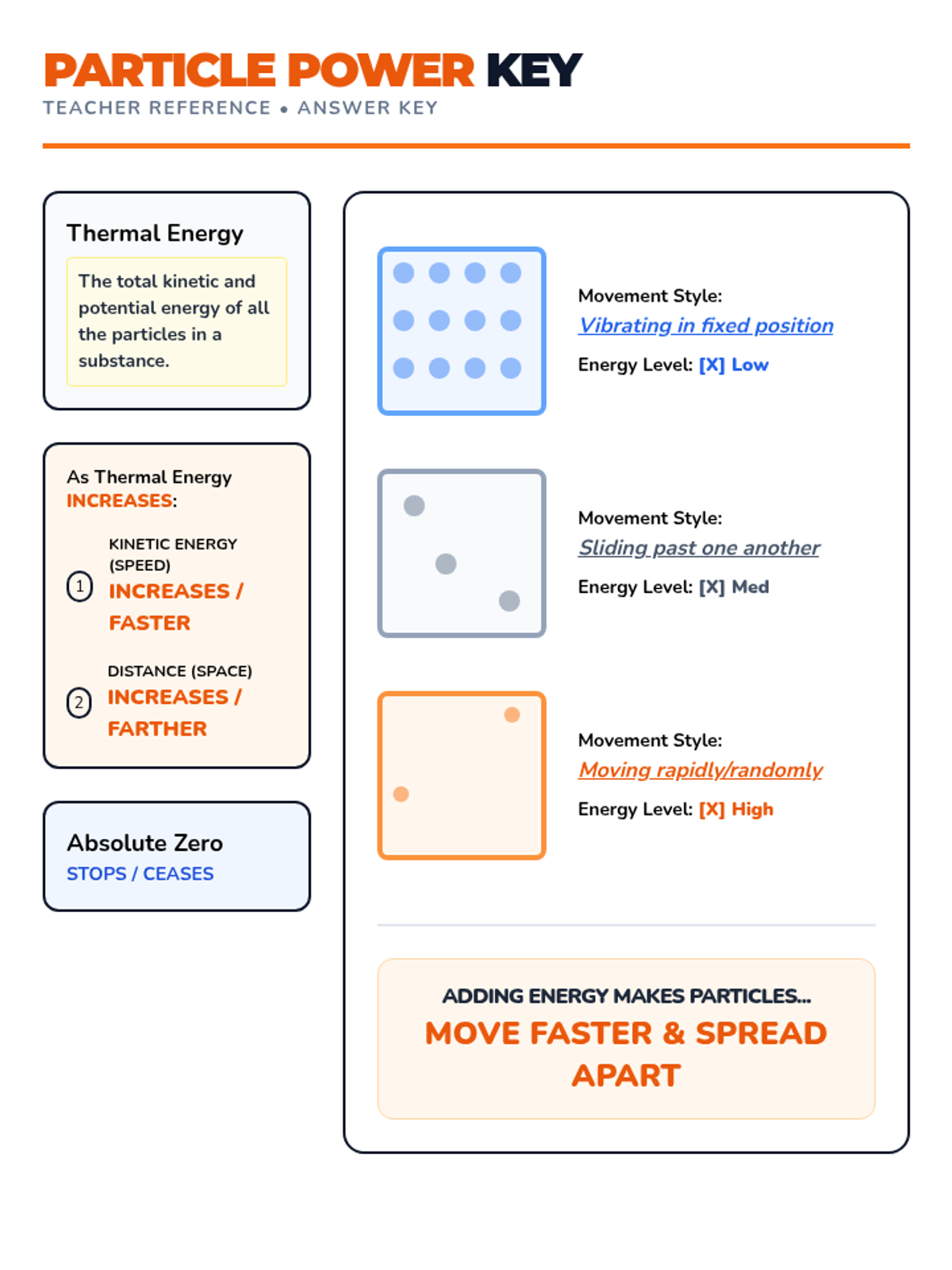
Day 1 focuses on the Kinetic Molecular Theory, exploring how adding or removing thermal energy changes the speed and spacing of particles in solids, liquids, and gases.
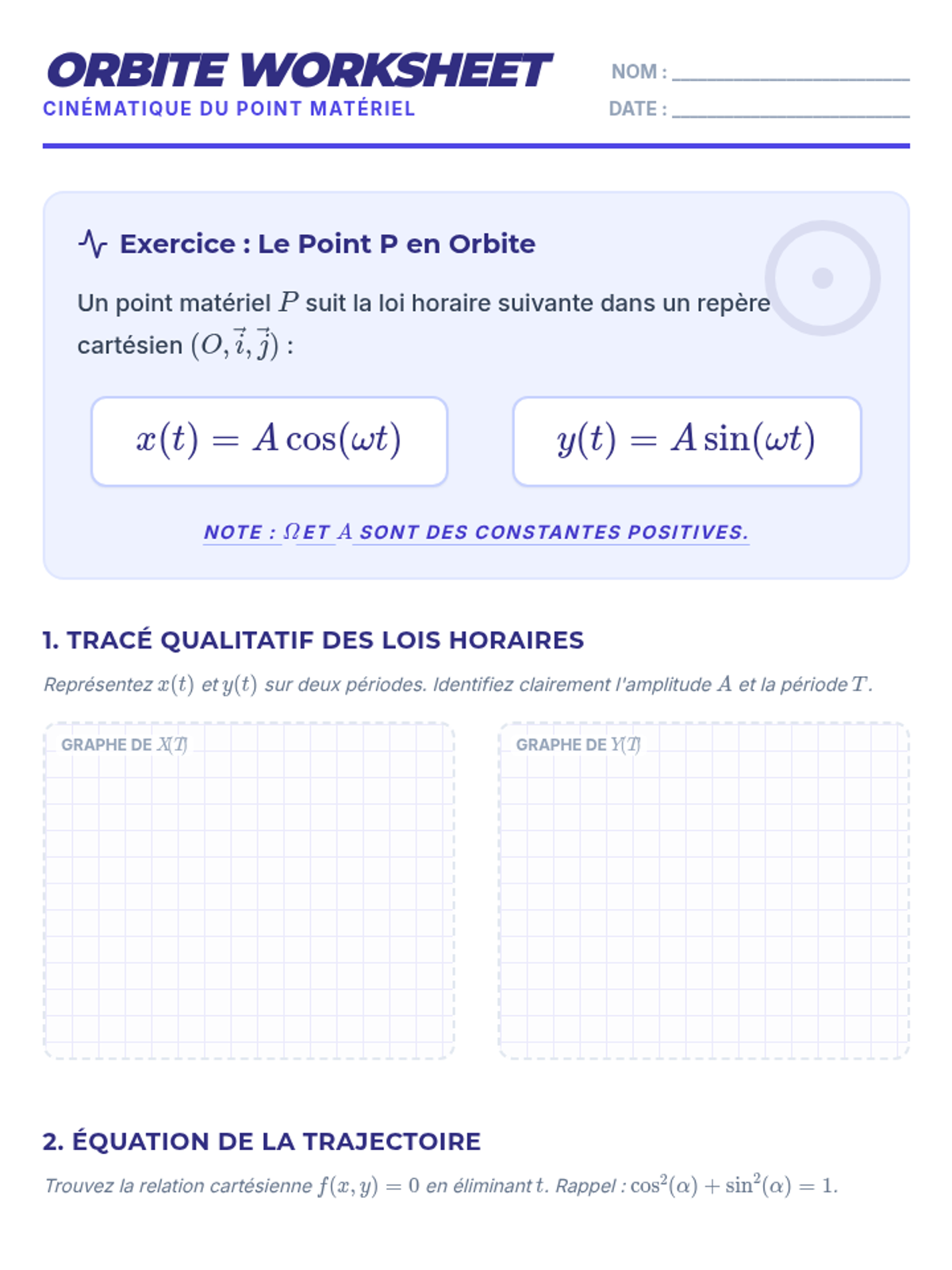
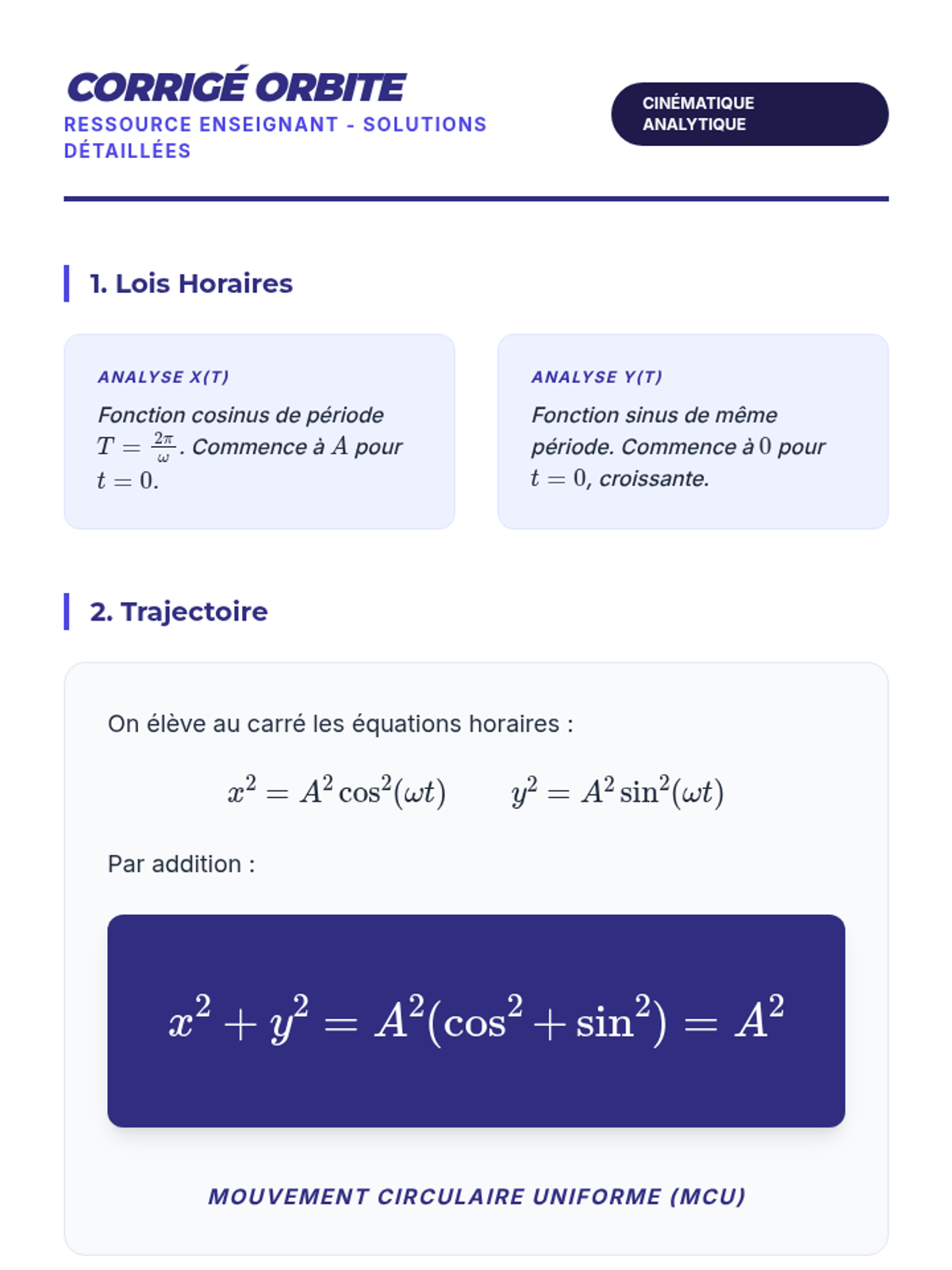
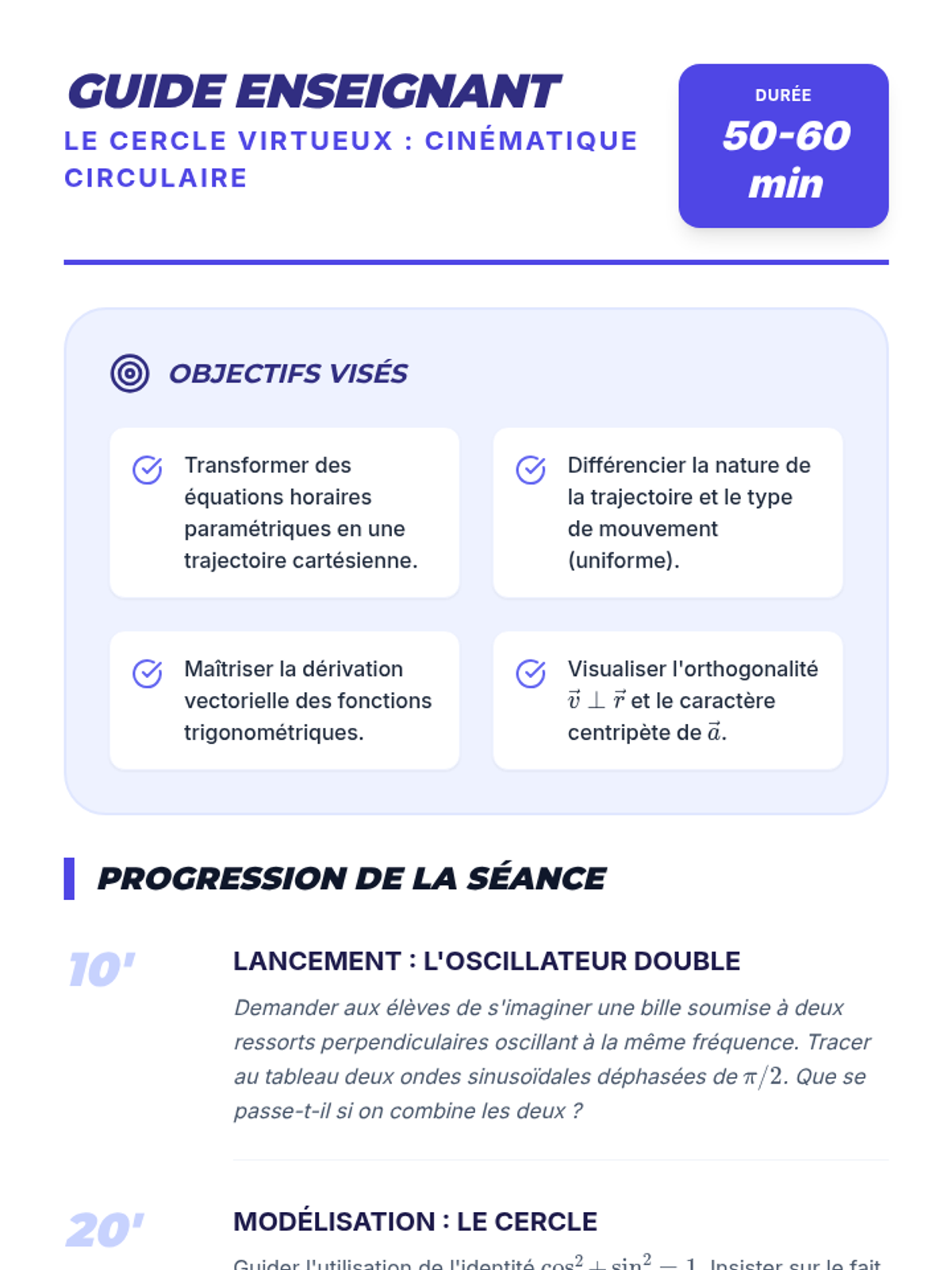
Cette leçon explore la cinématique d'un point en mouvement circulaire uniforme. Les élèves apprendront à passer des équations horaires à la trajectoire, et à dériver les vecteurs vitesse et accélération.
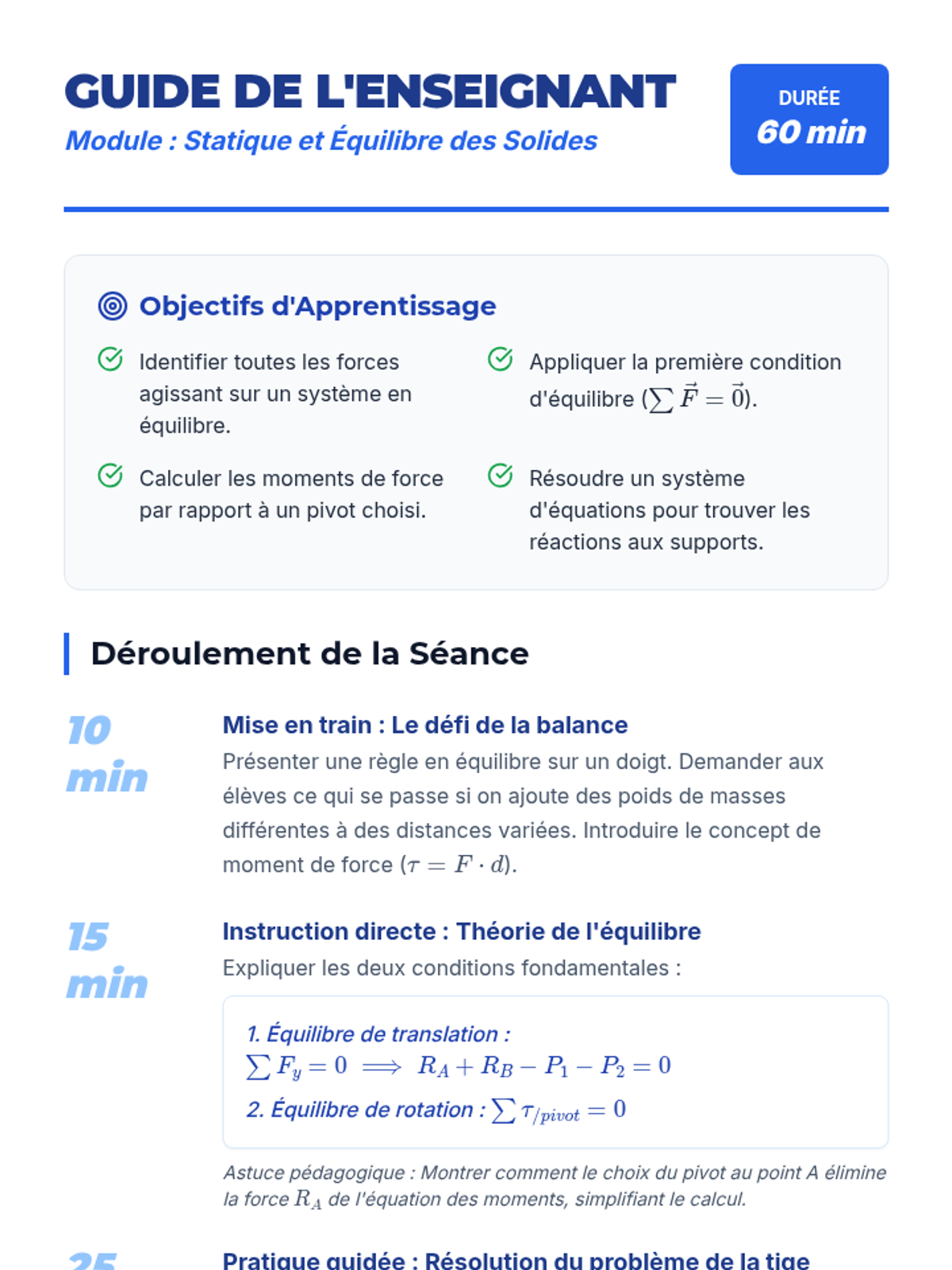
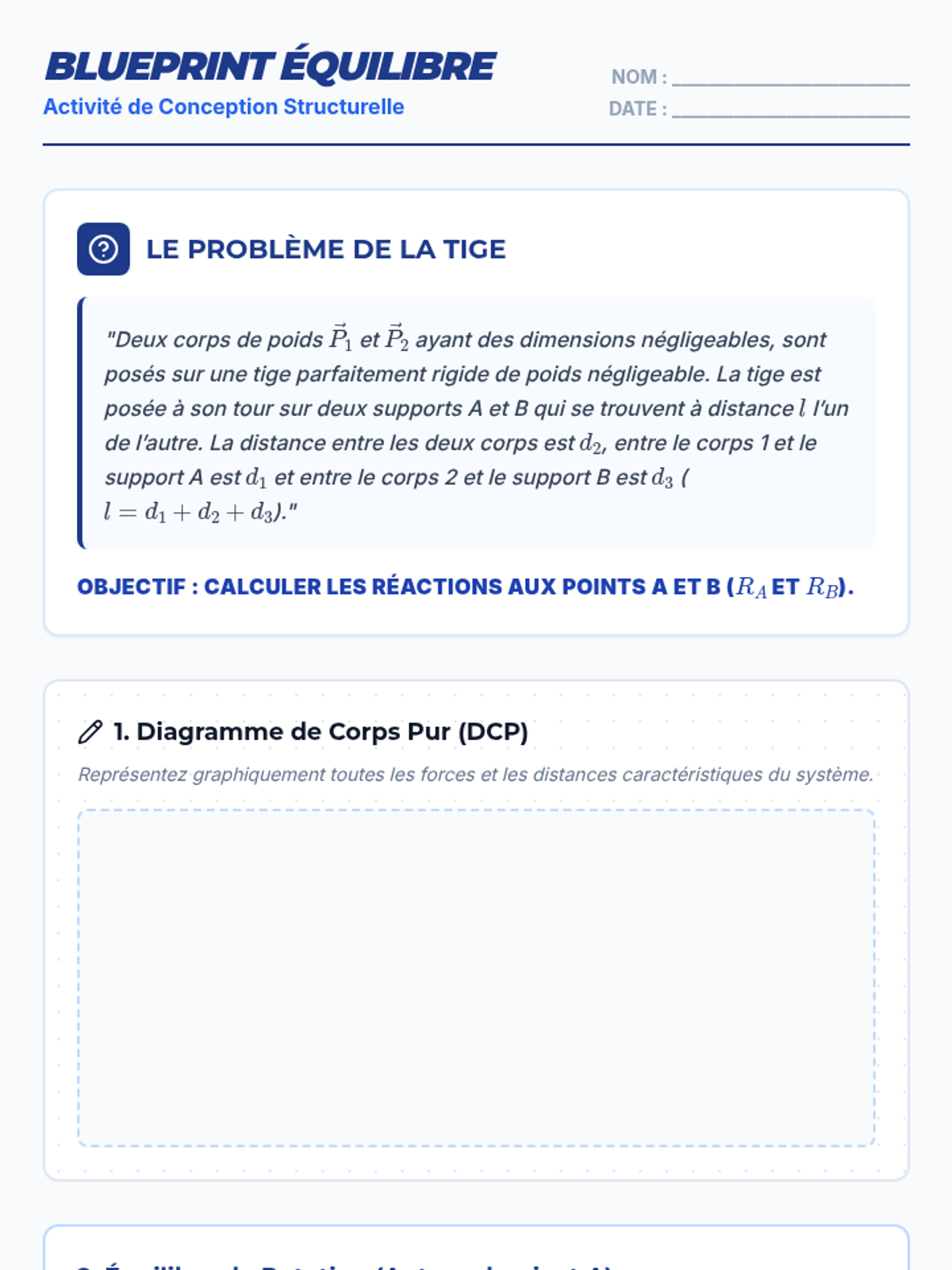
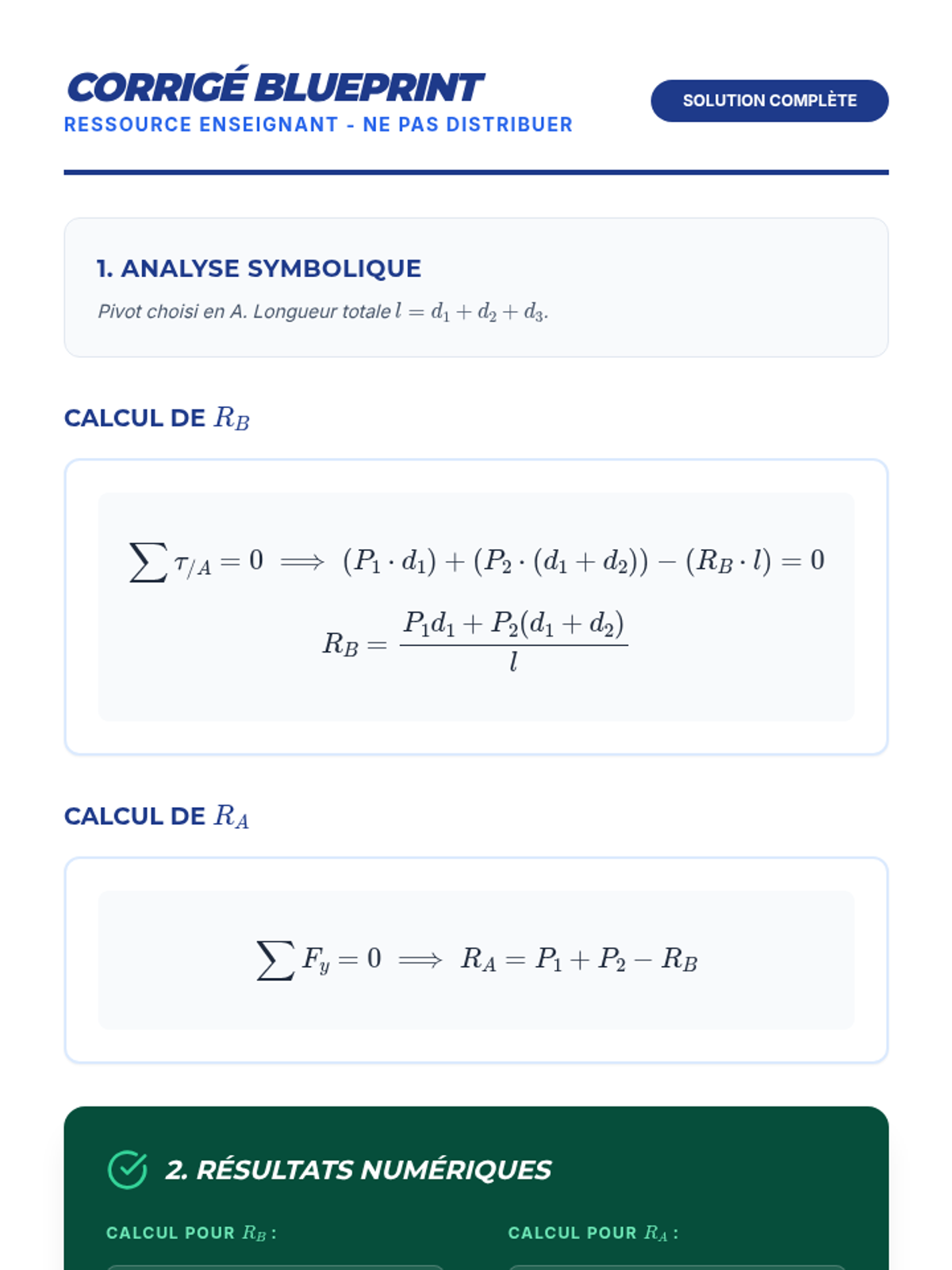
Cette leçon porte sur les conditions d'équilibre statique d'un corps rigide, en se concentrant sur le calcul des moments de force (torques) et des réactions aux supports. Les élèves apprendront à appliquer les lois de Newton pour résoudre des problèmes d'ingénierie structurelle simple.
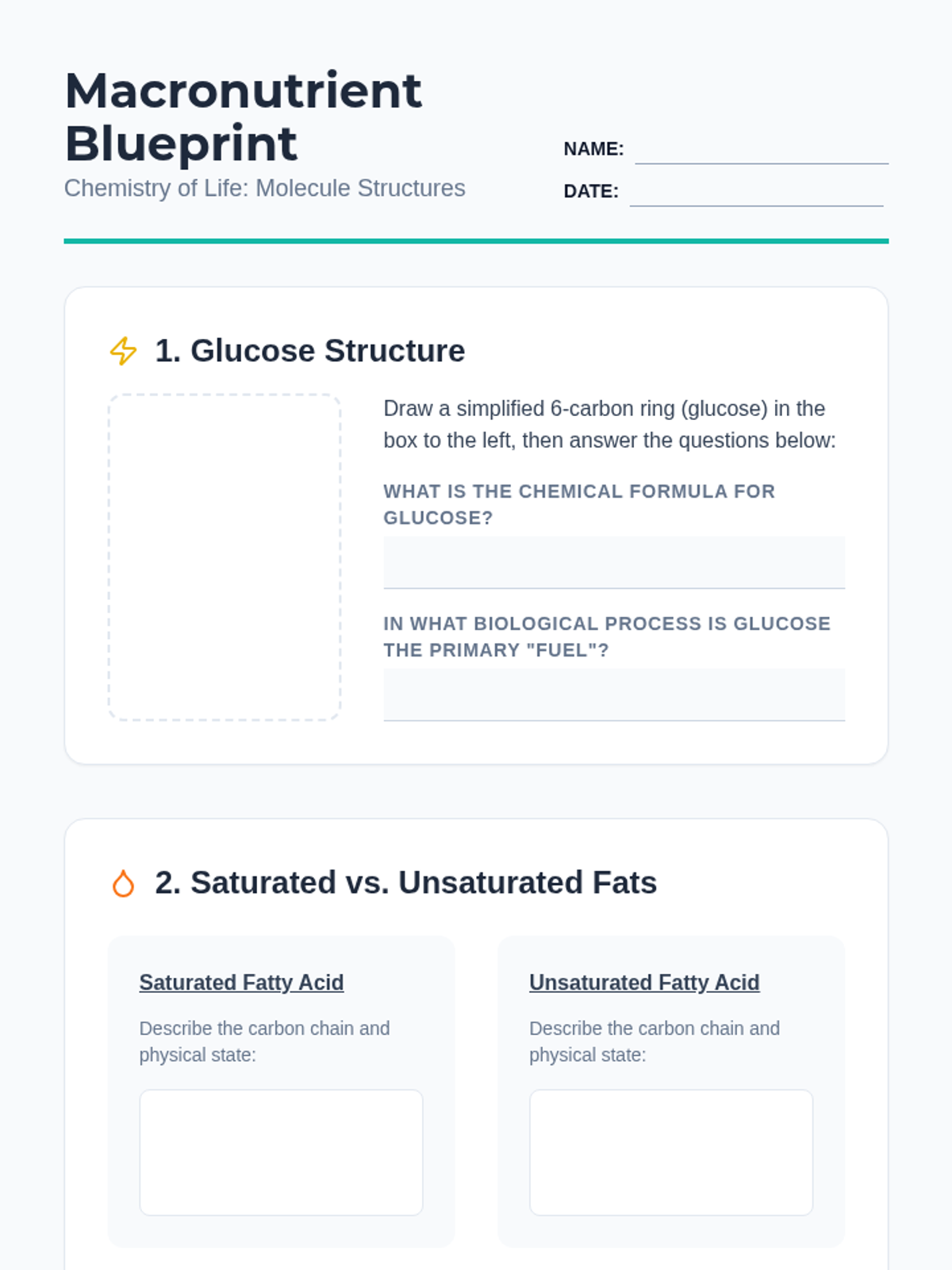
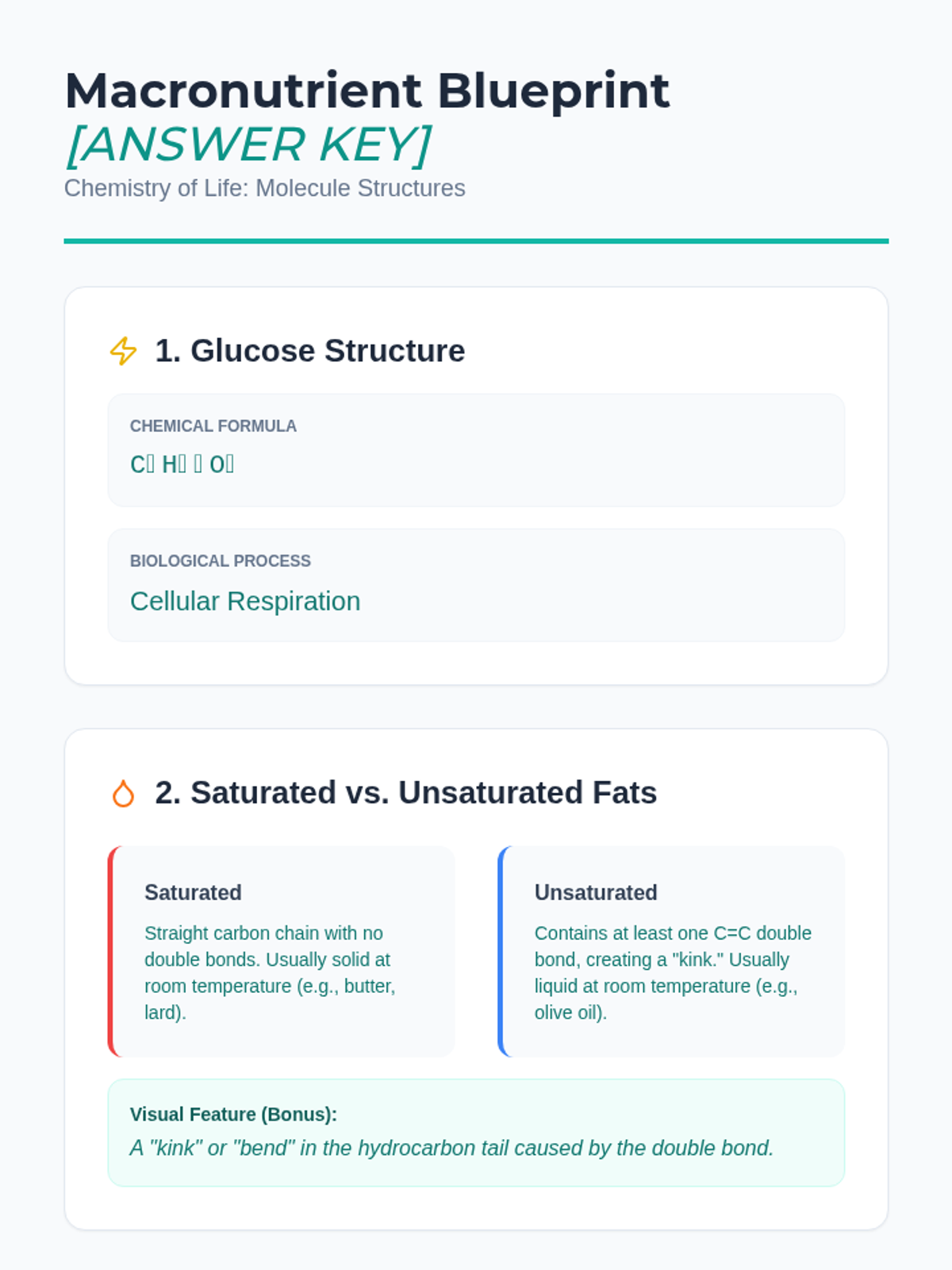
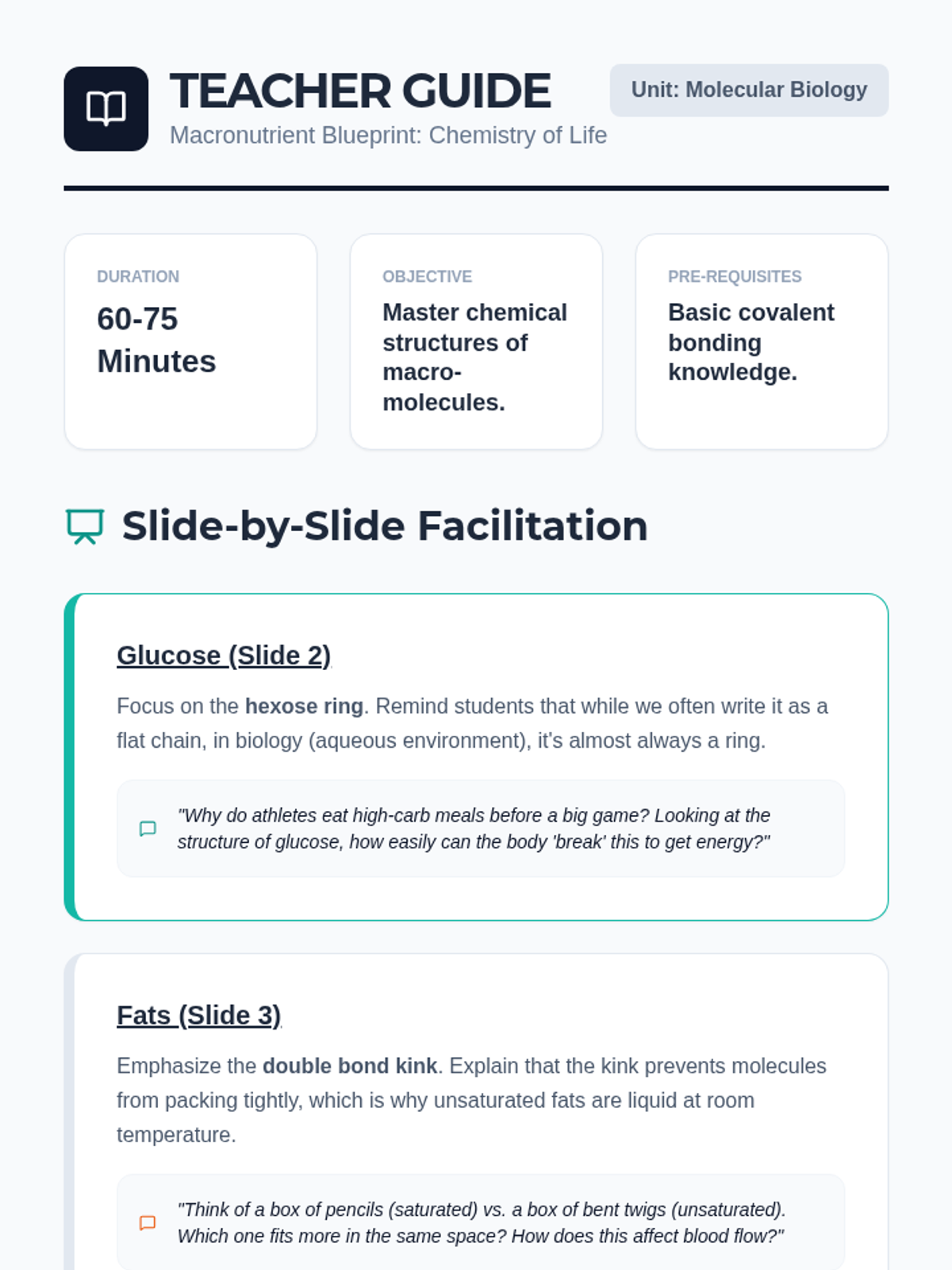
A comprehensive look at the chemical structures of carbohydrates, lipids, and proteins. Students explore glucose, fatty acids, and the complex architecture of amino acids and hemoglobin.
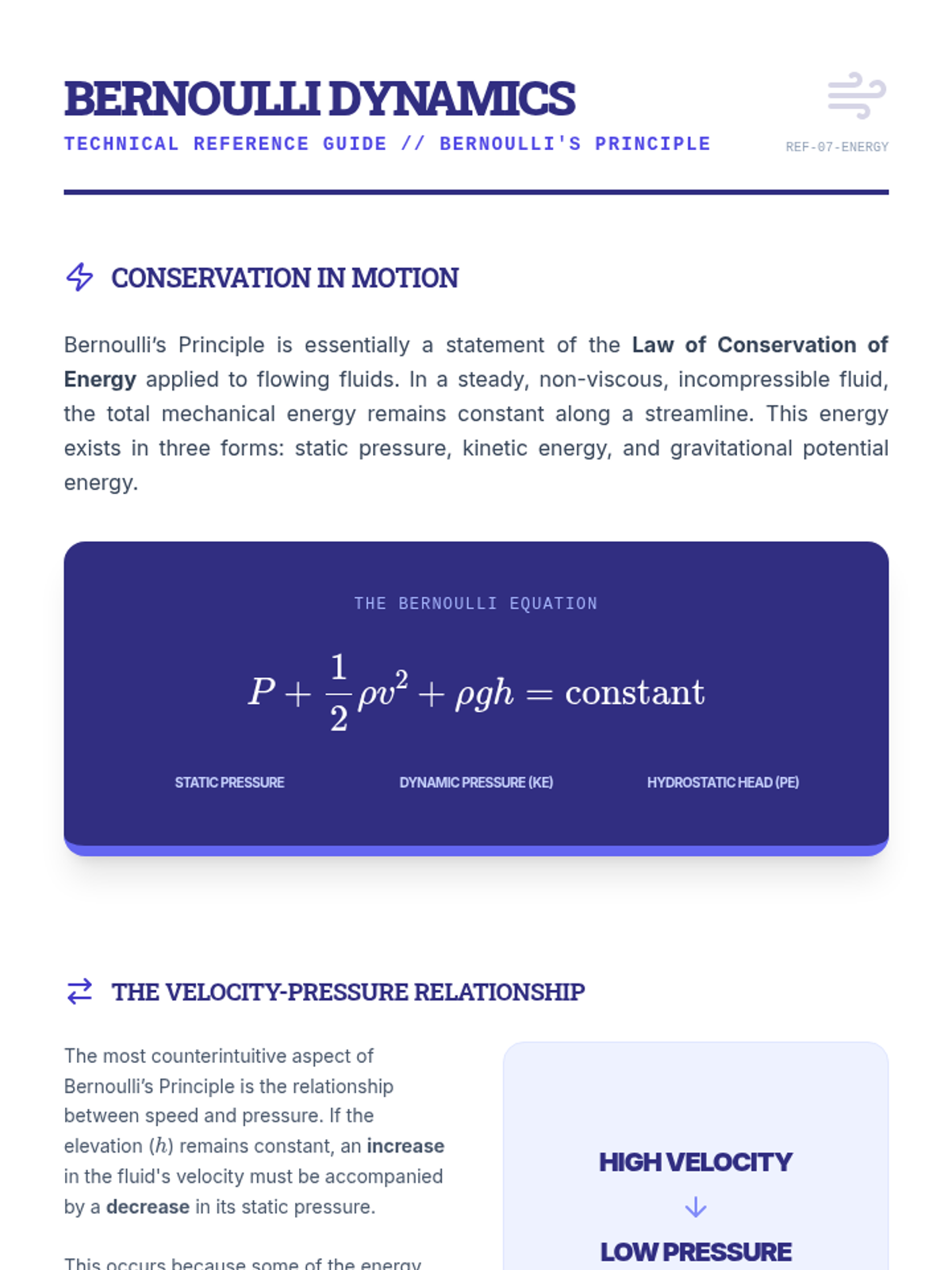
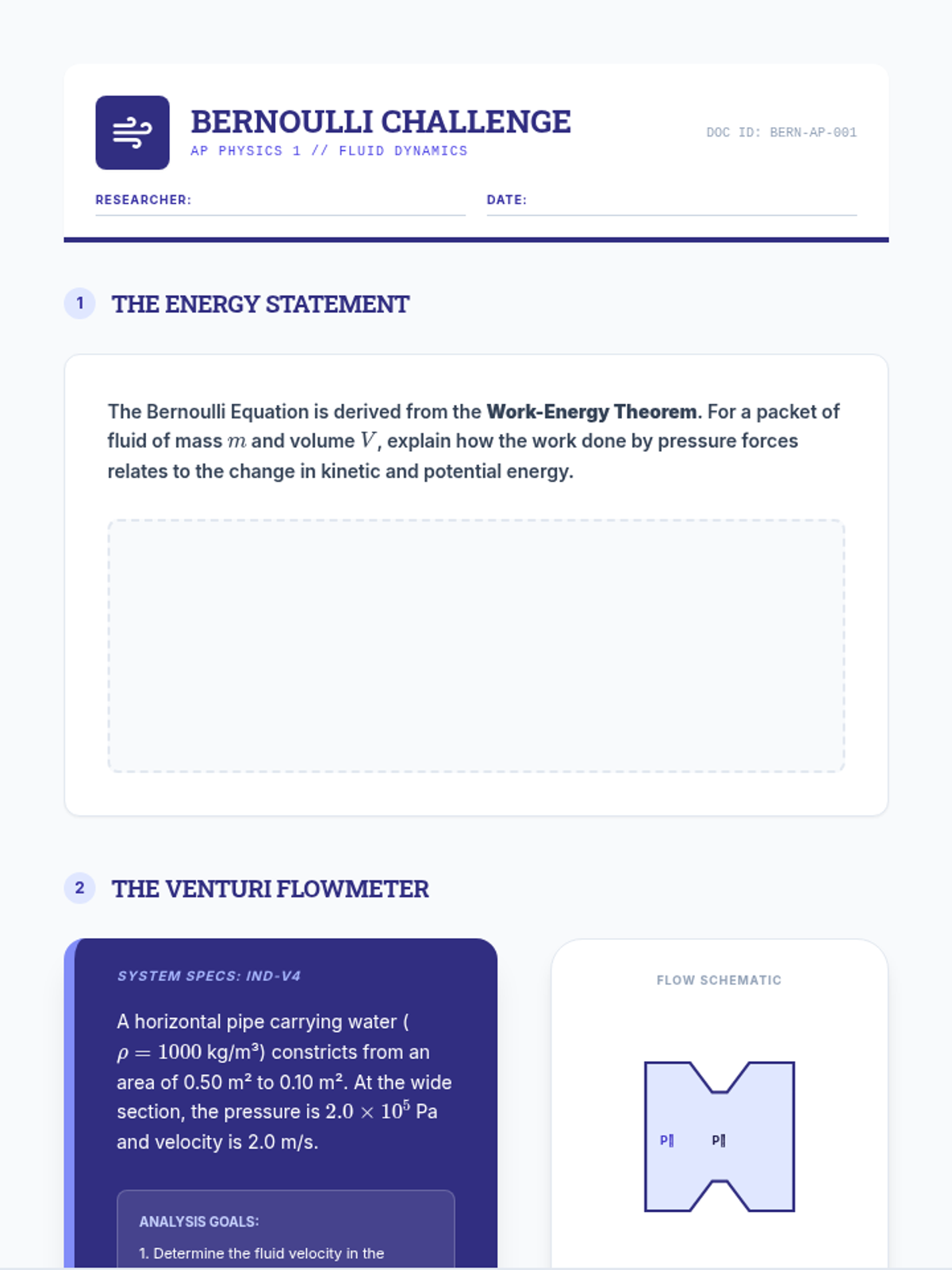
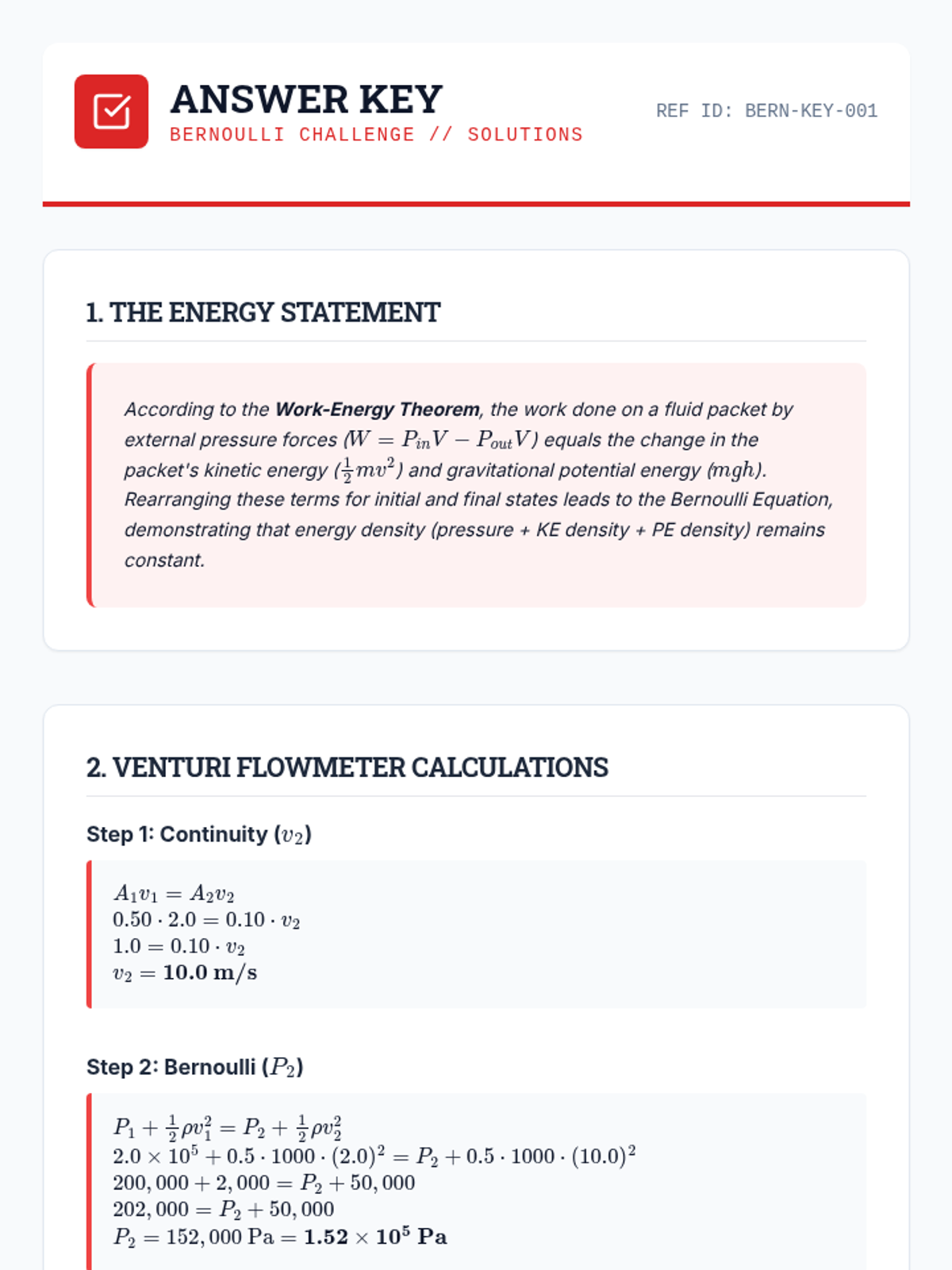
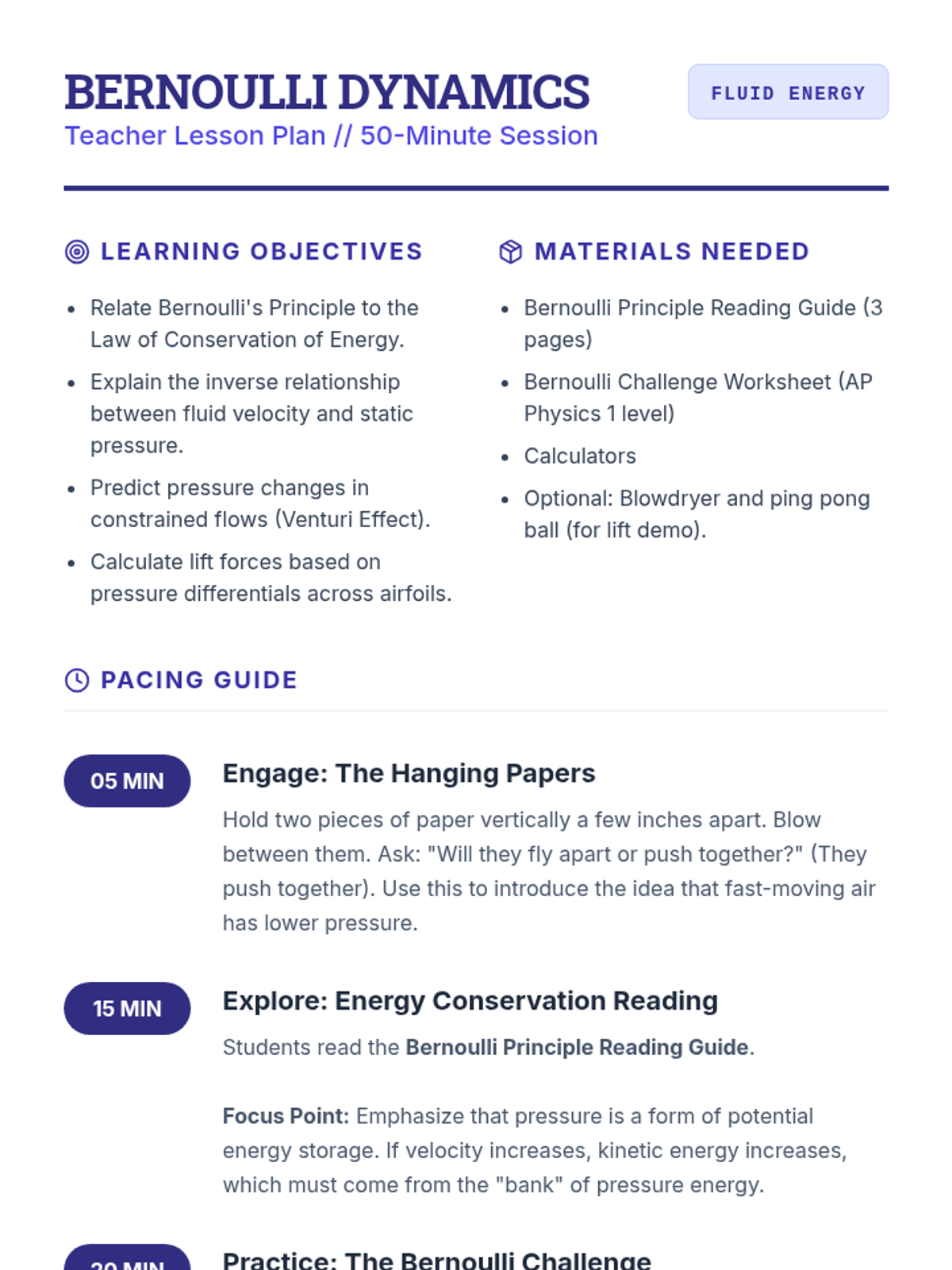
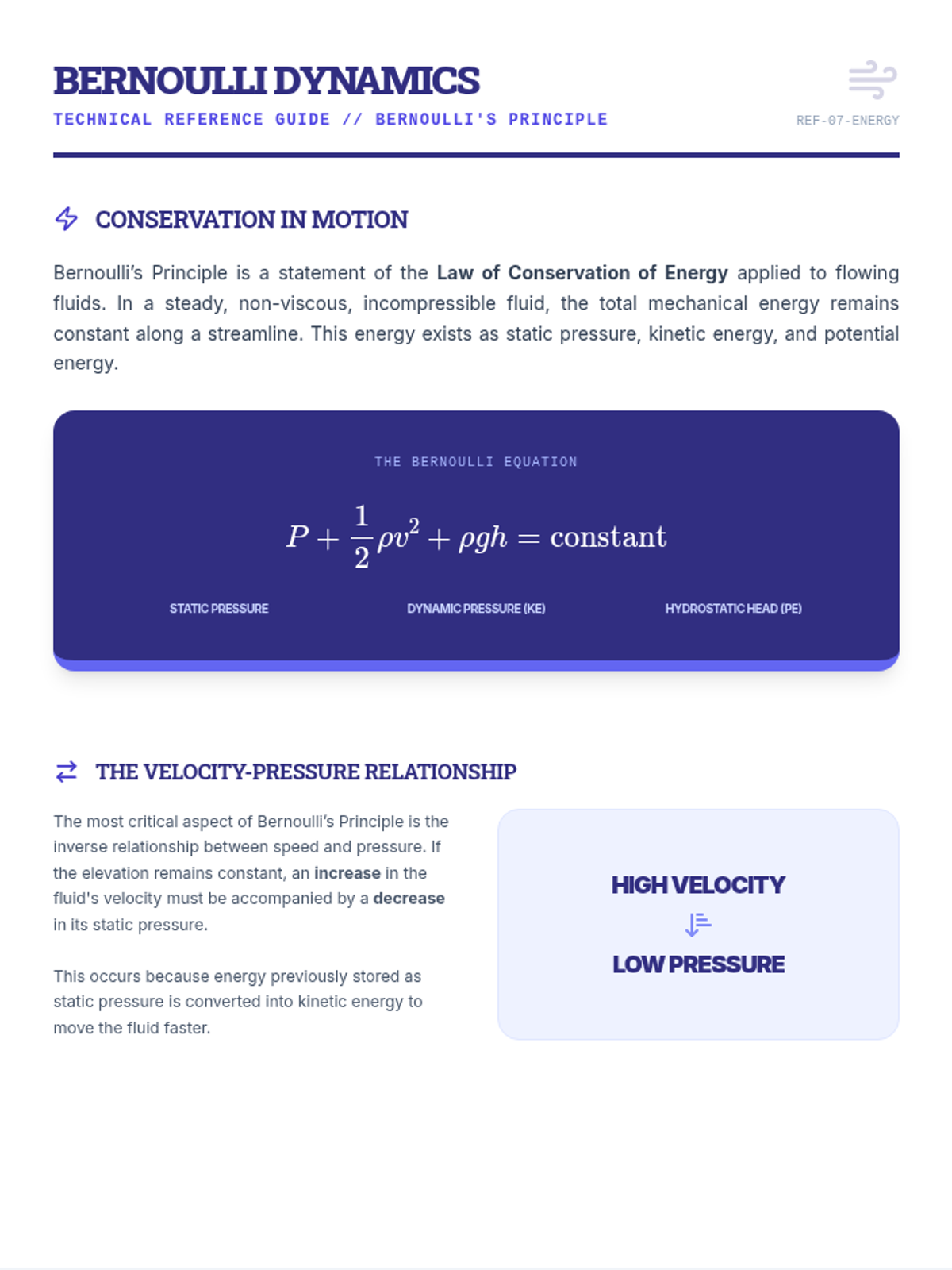
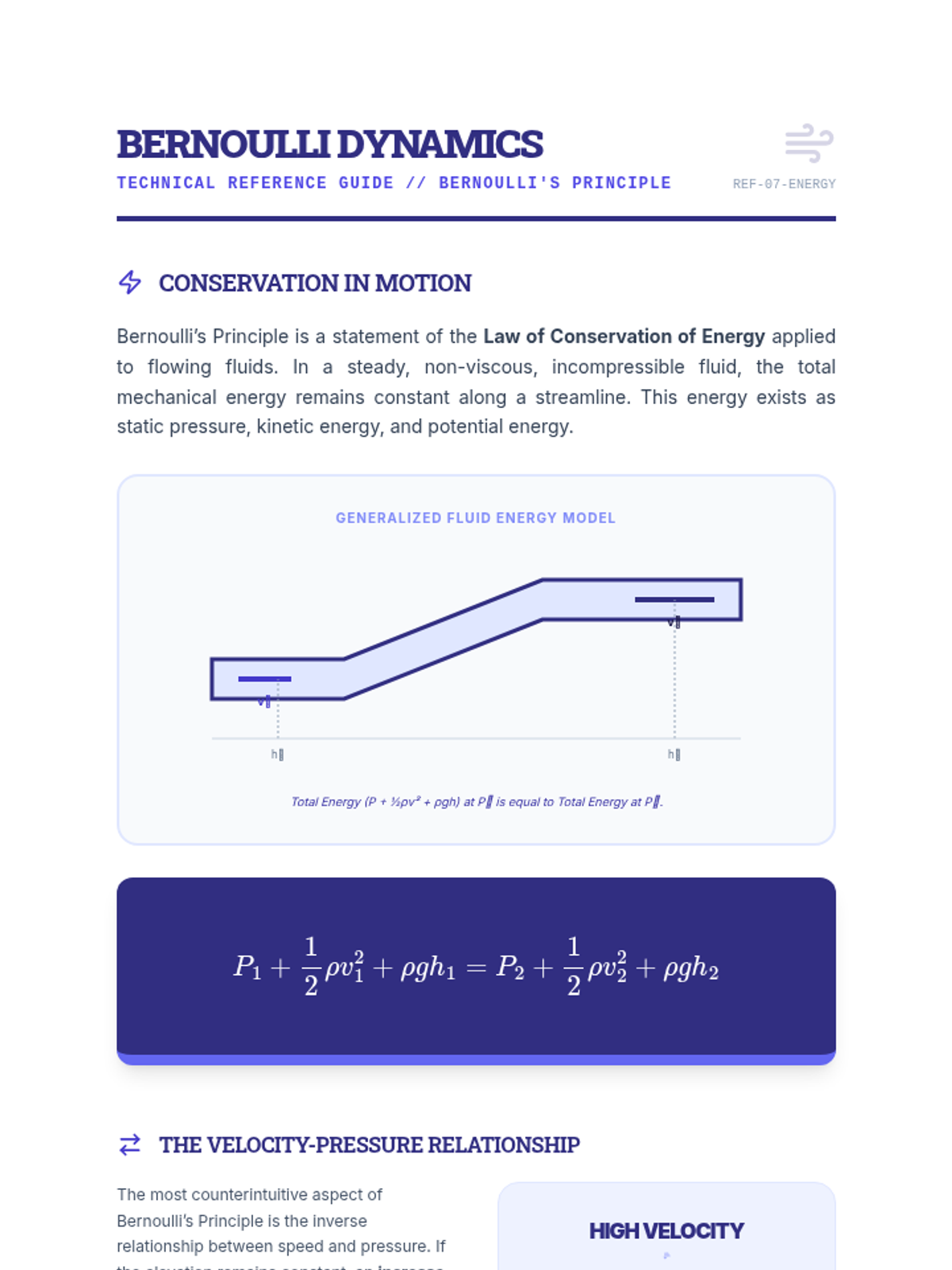
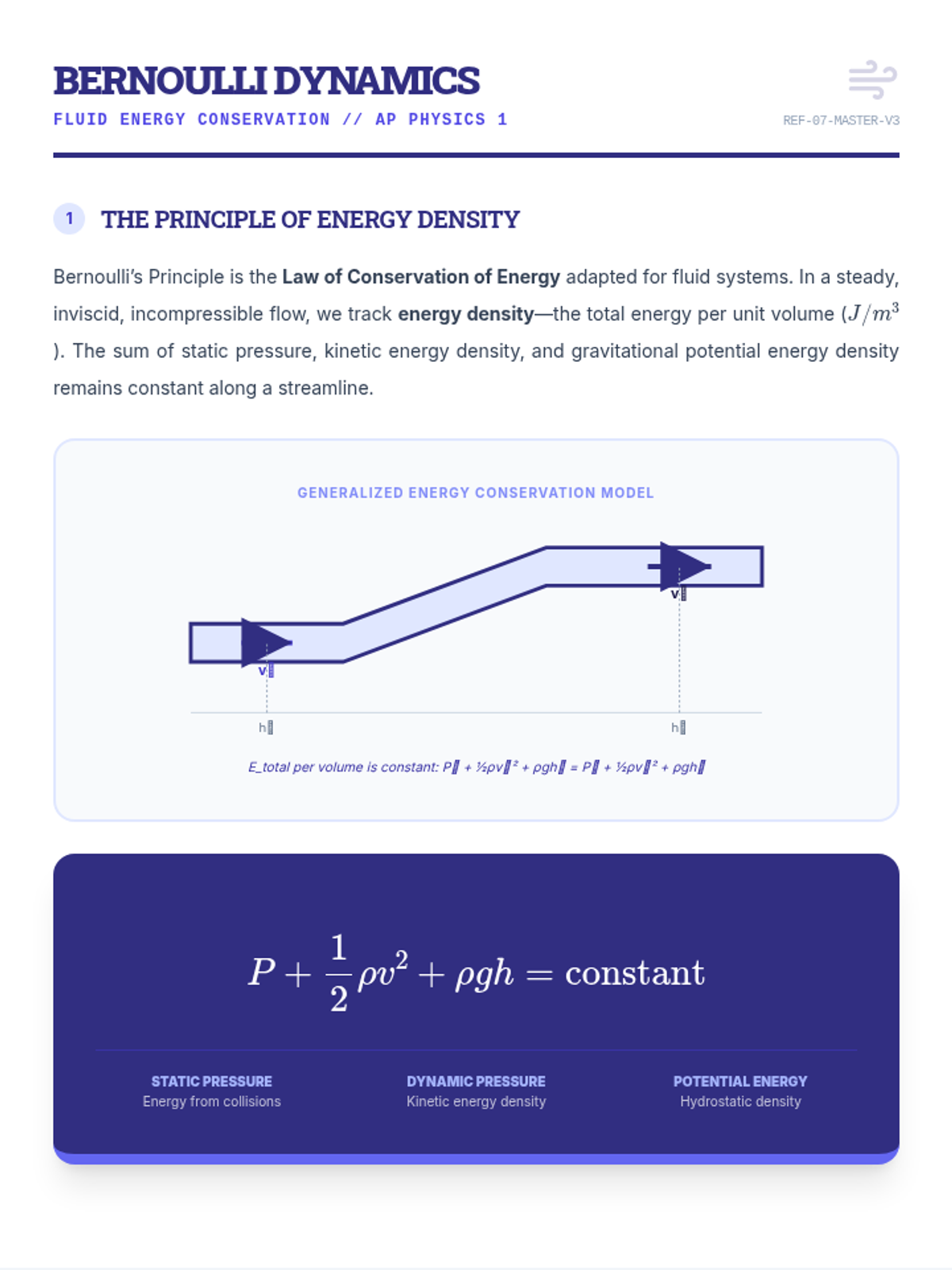
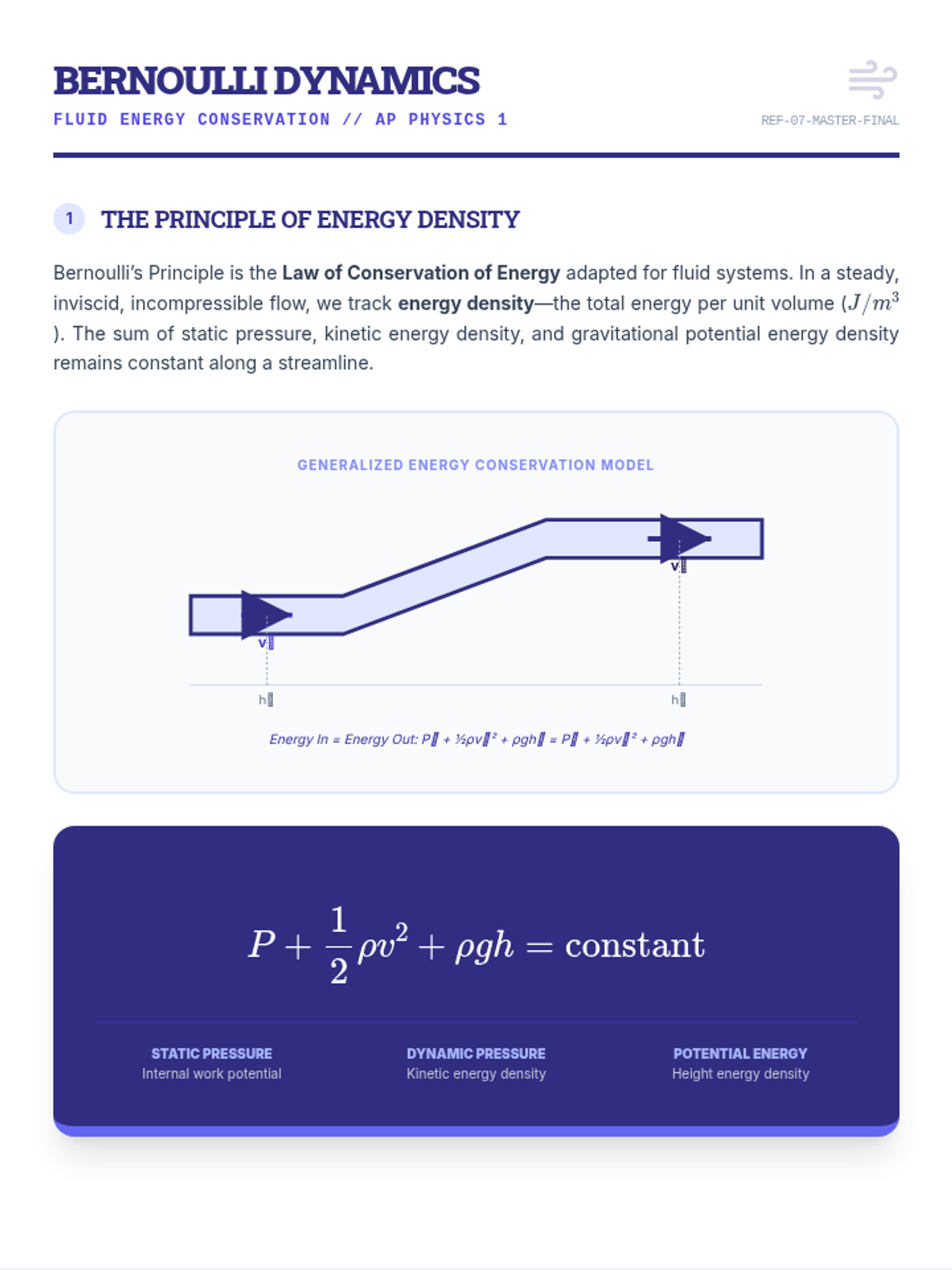
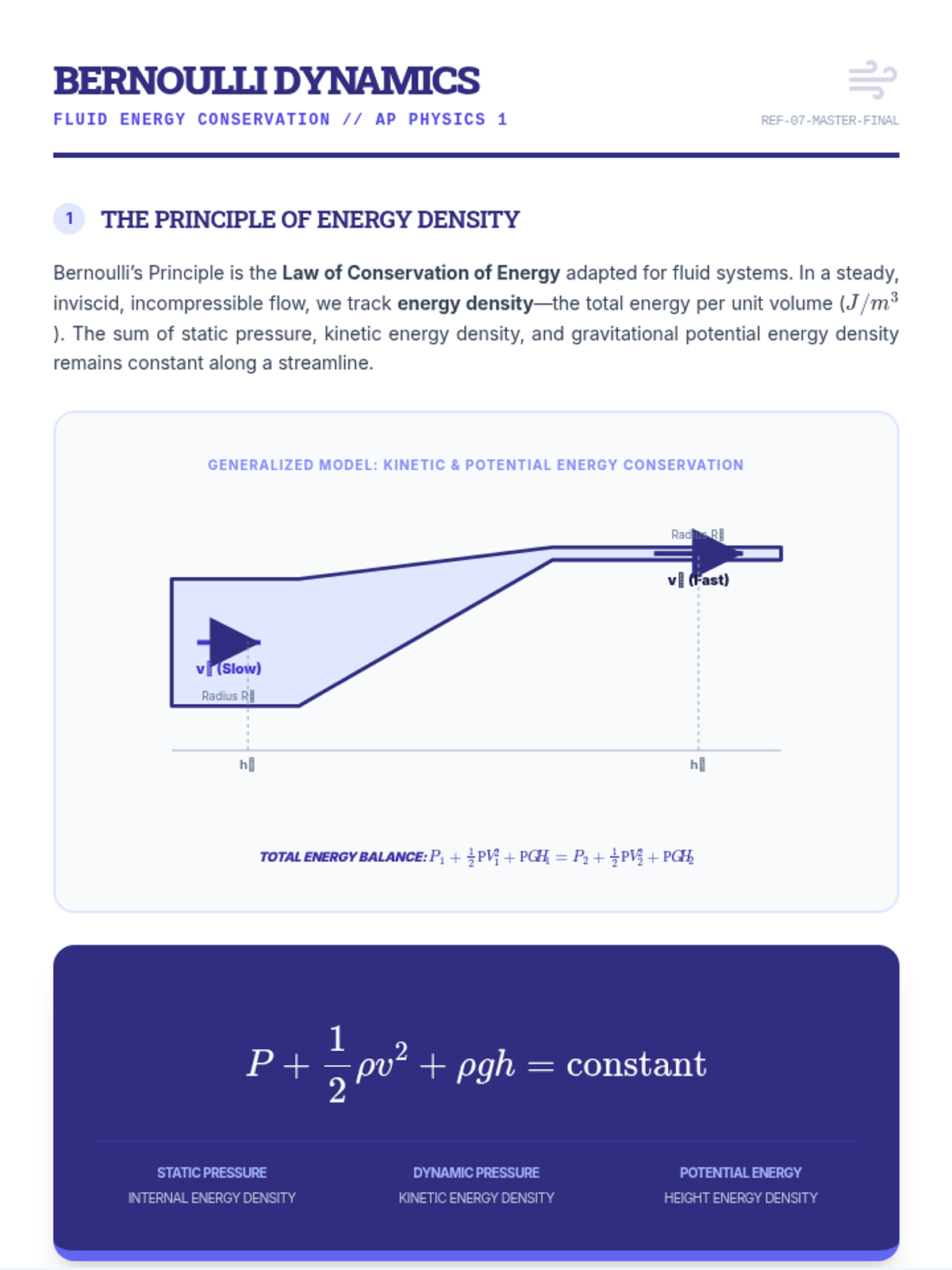
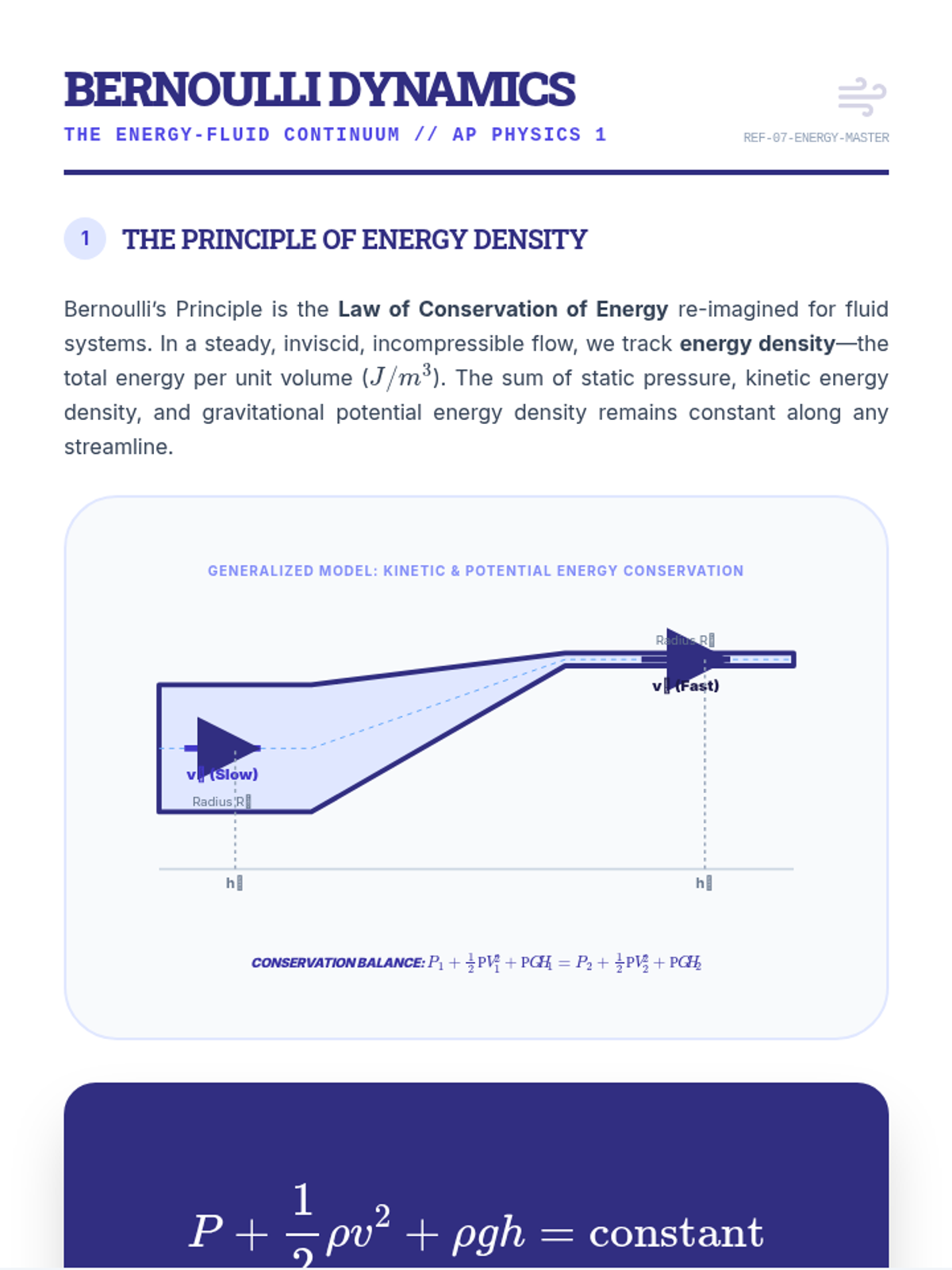
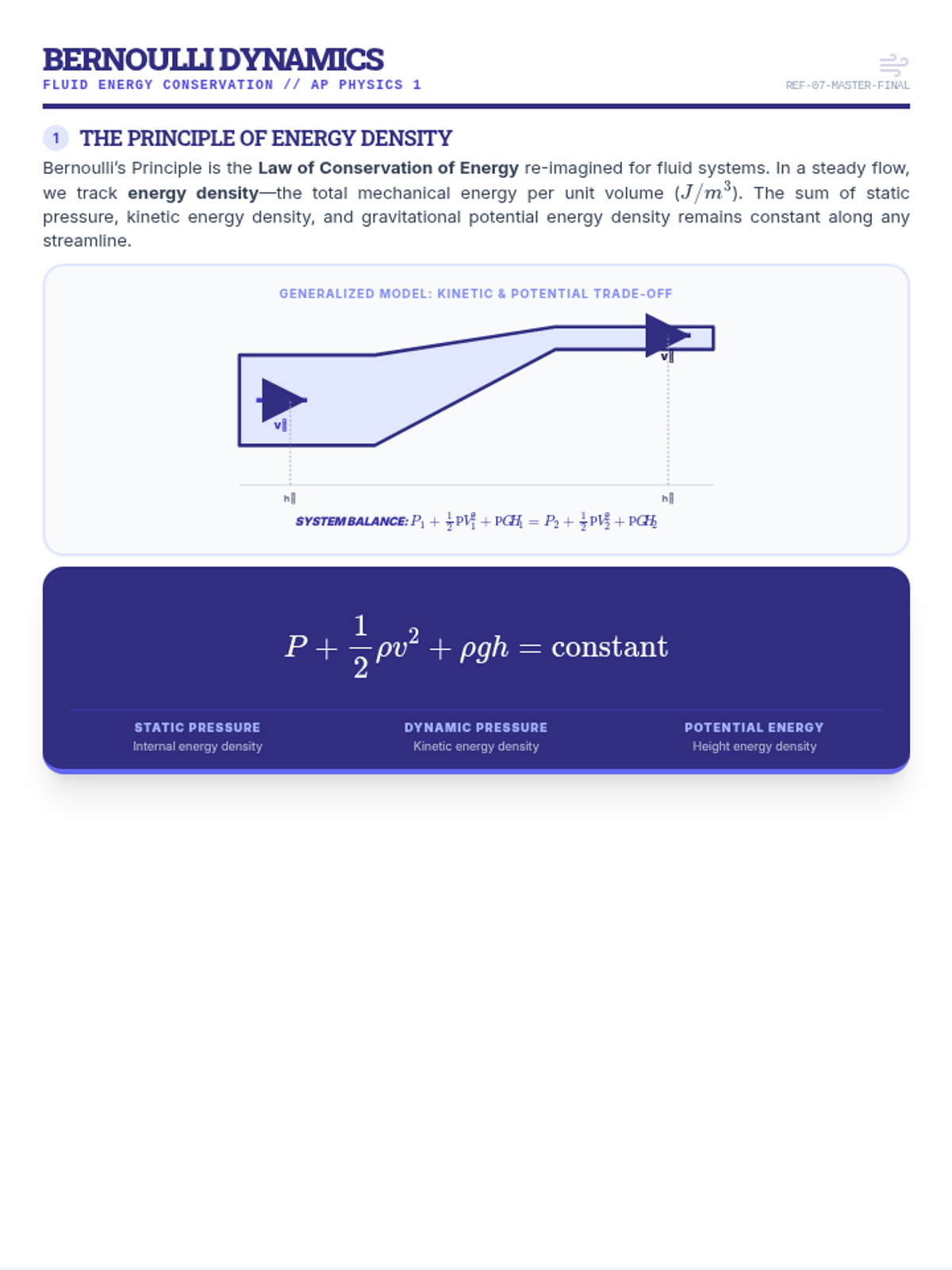
An exploration of energy conservation in moving fluids, focusing on the relationship between pressure, velocity, and elevation. Includes the Venturi effect and aerodynamics applications.
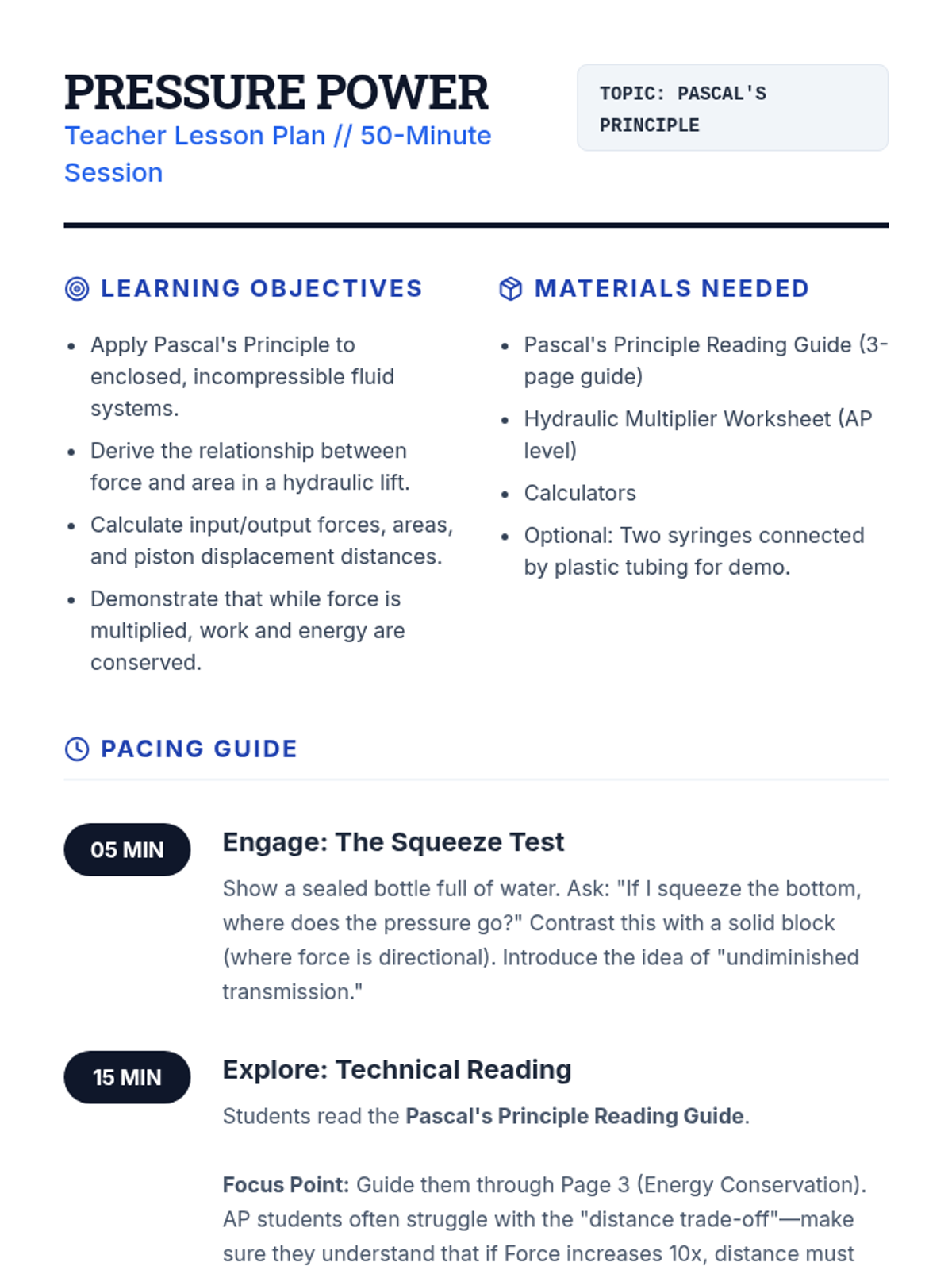
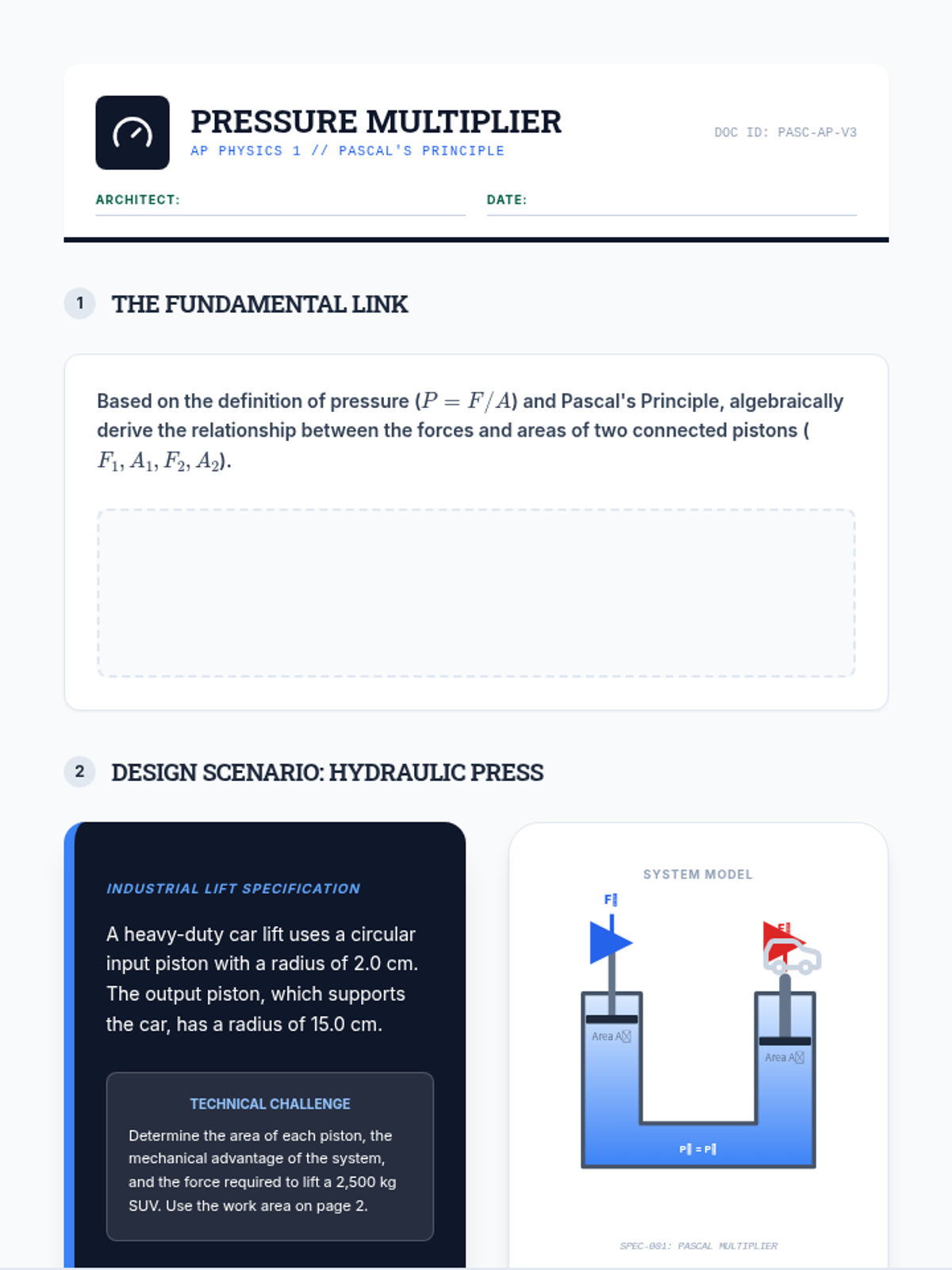
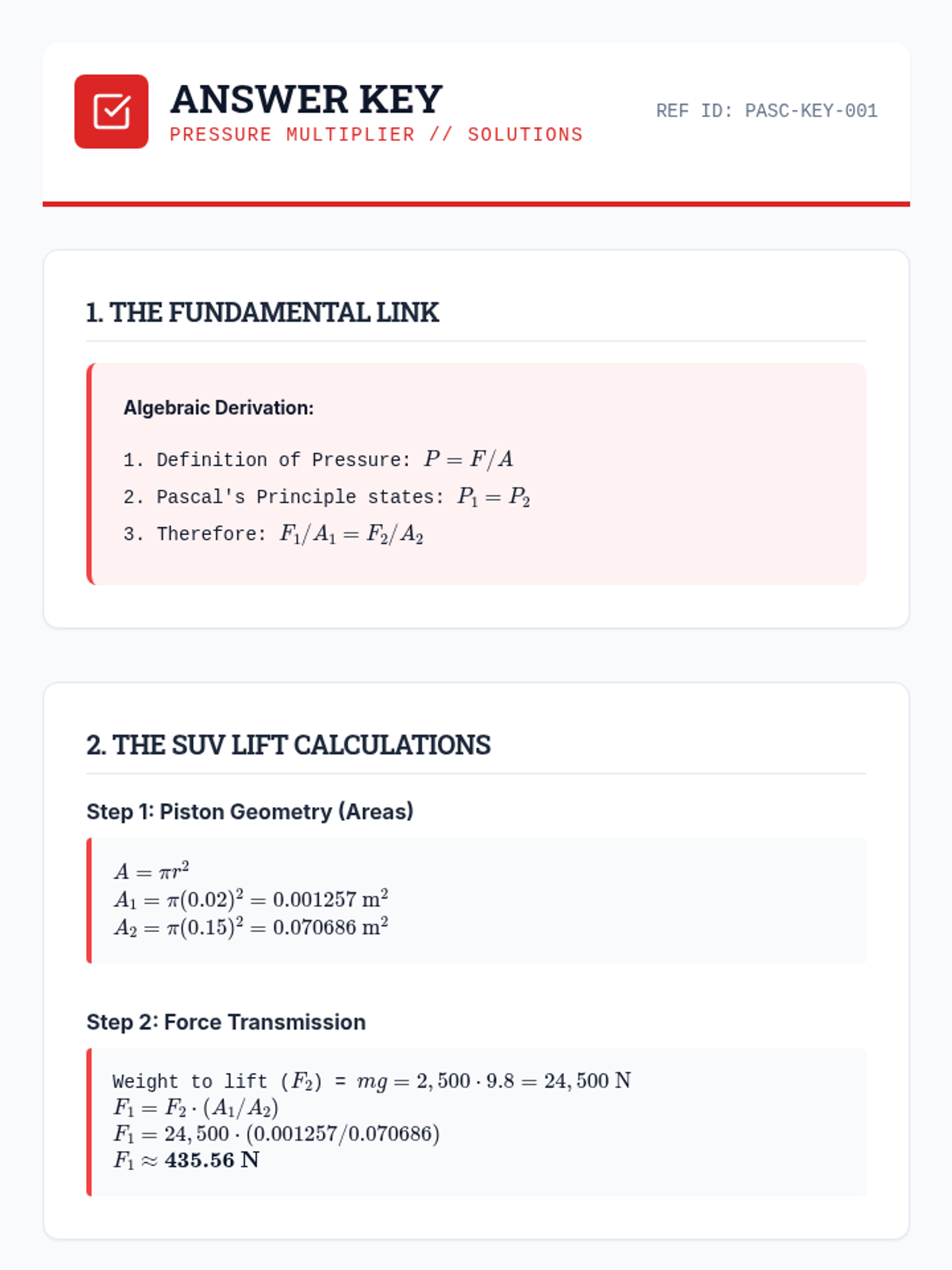
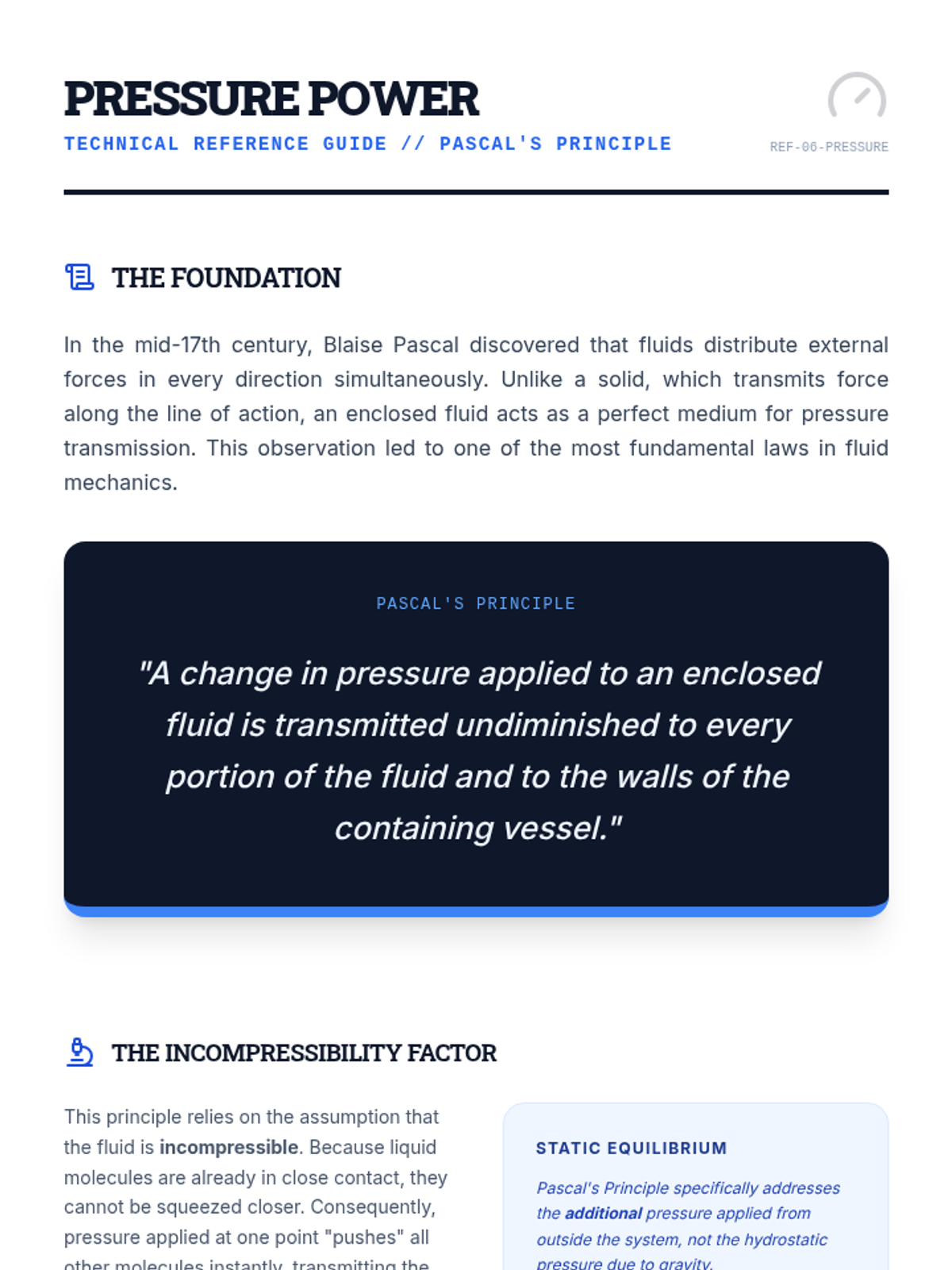
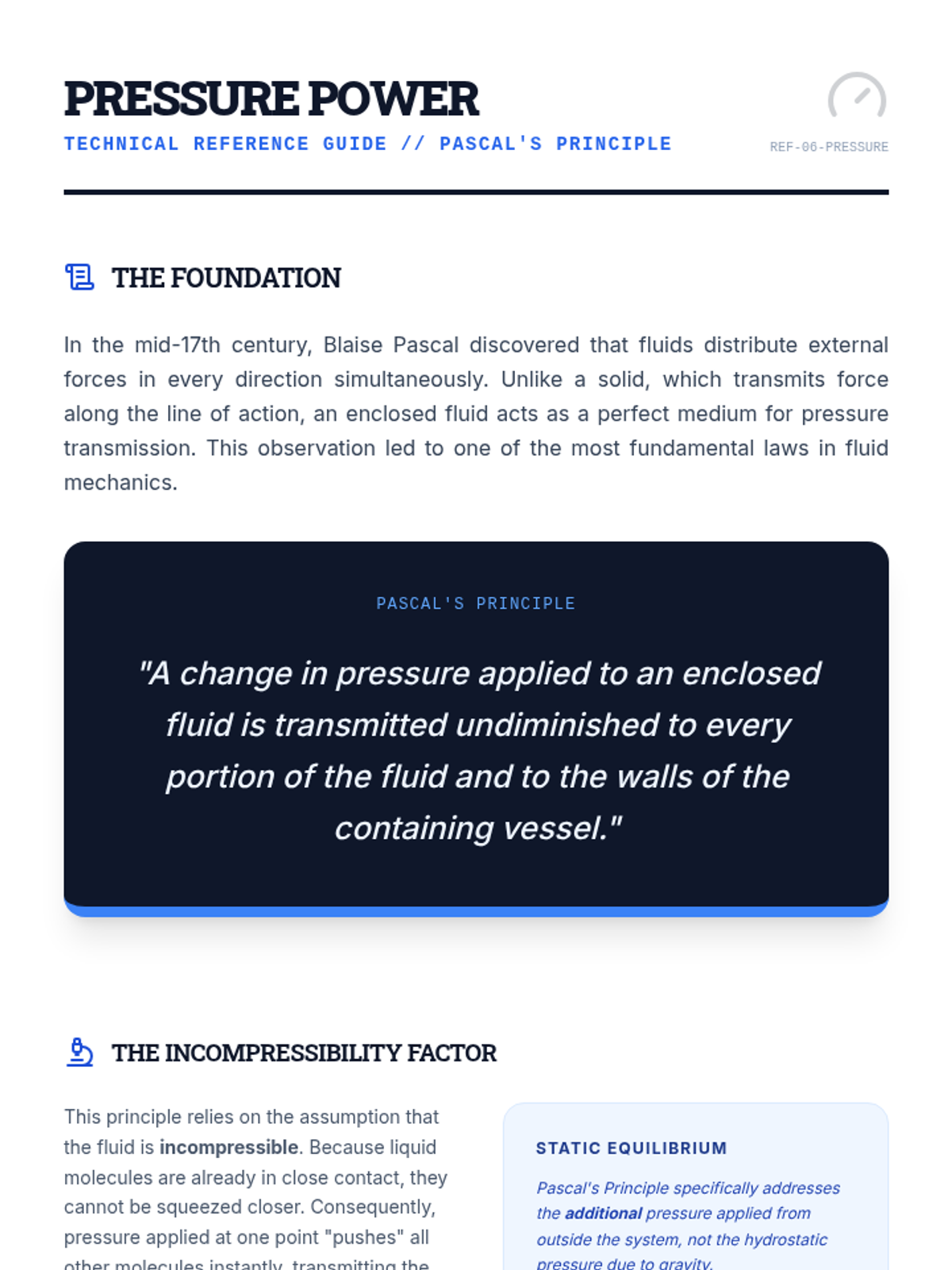
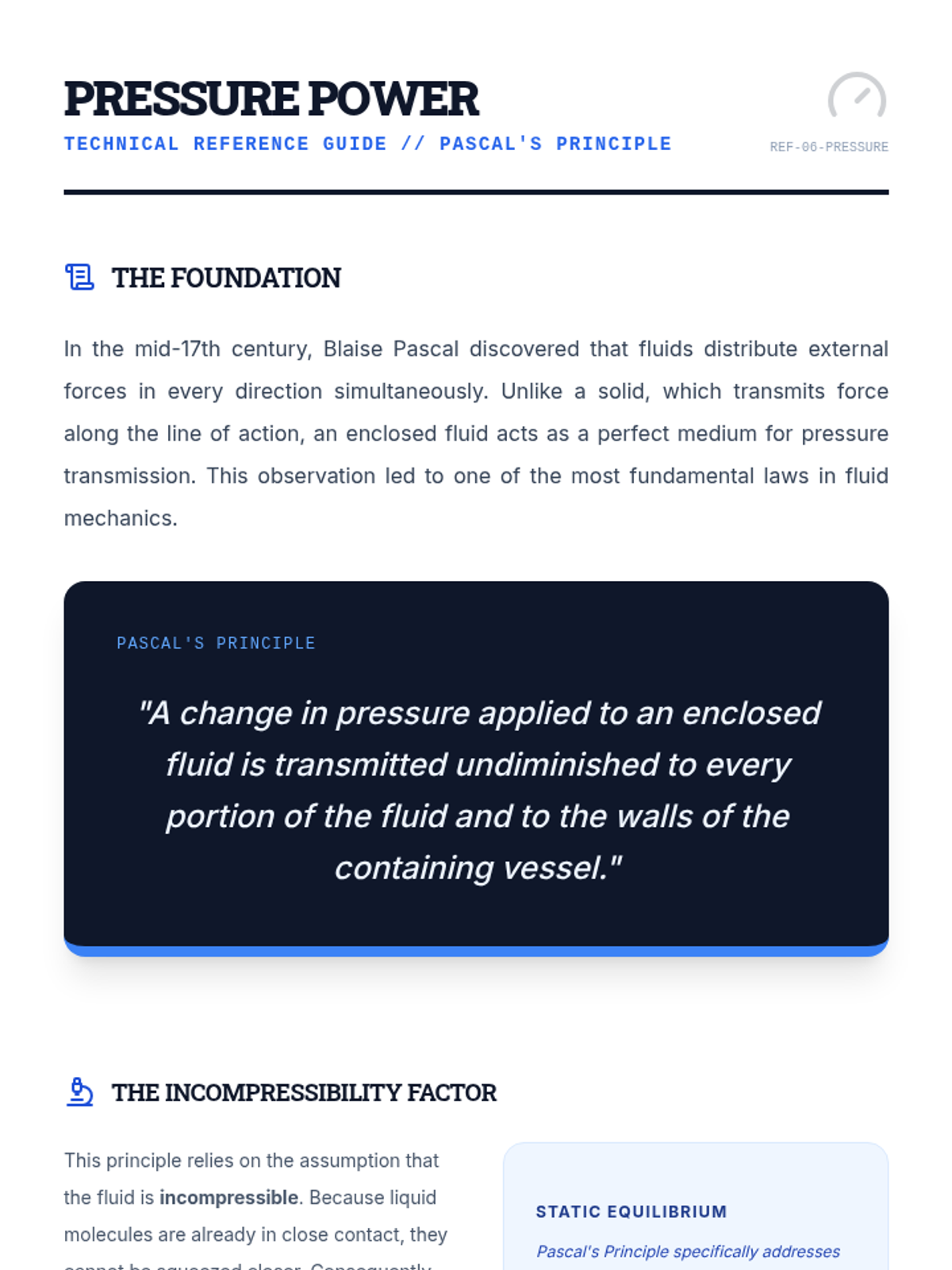
An in-depth exploration of Pascal's Principle, focusing on the transmission of pressure in enclosed fluids, the mechanics of hydraulic systems, and the relationship between force, area, and work.
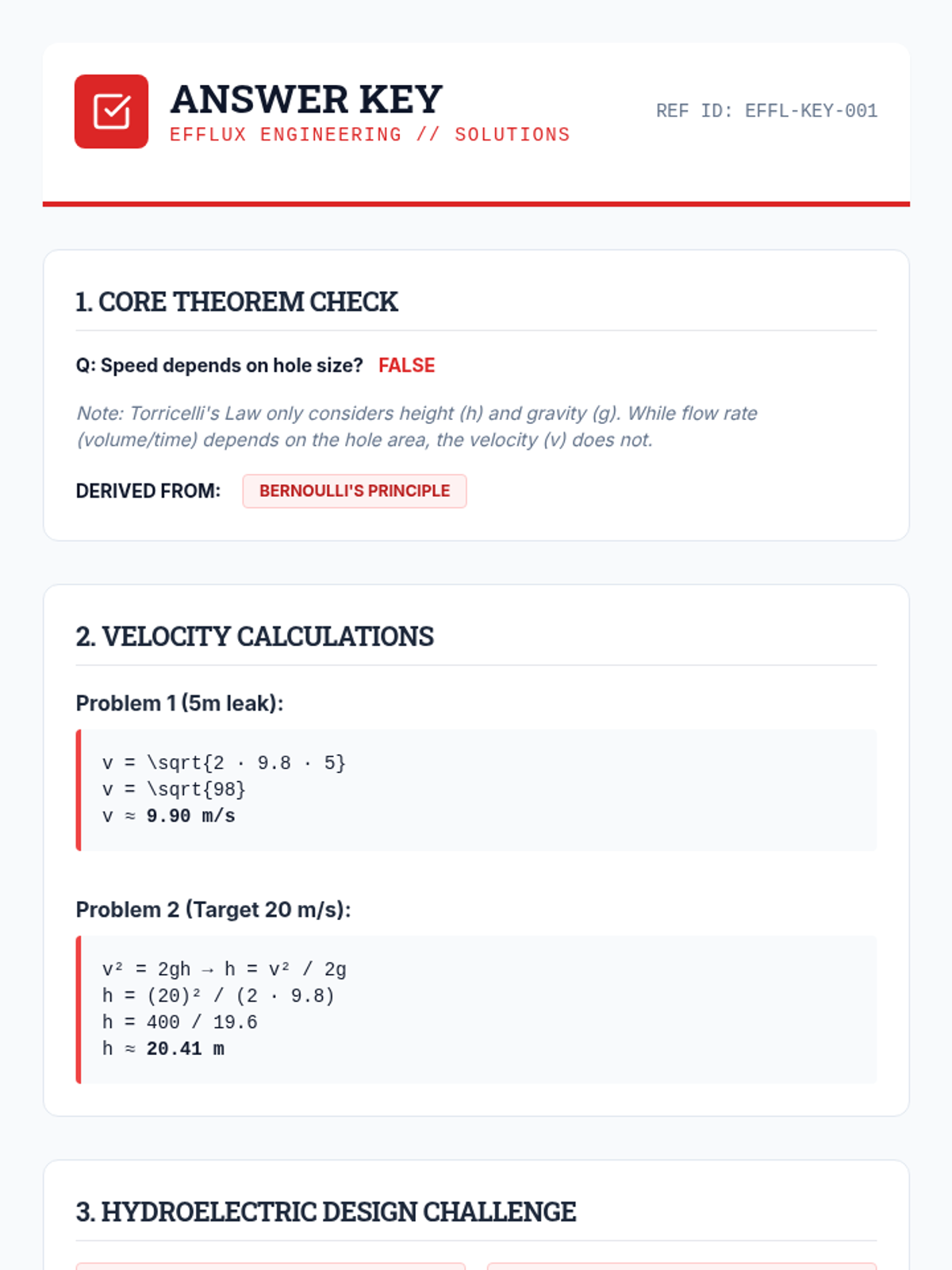
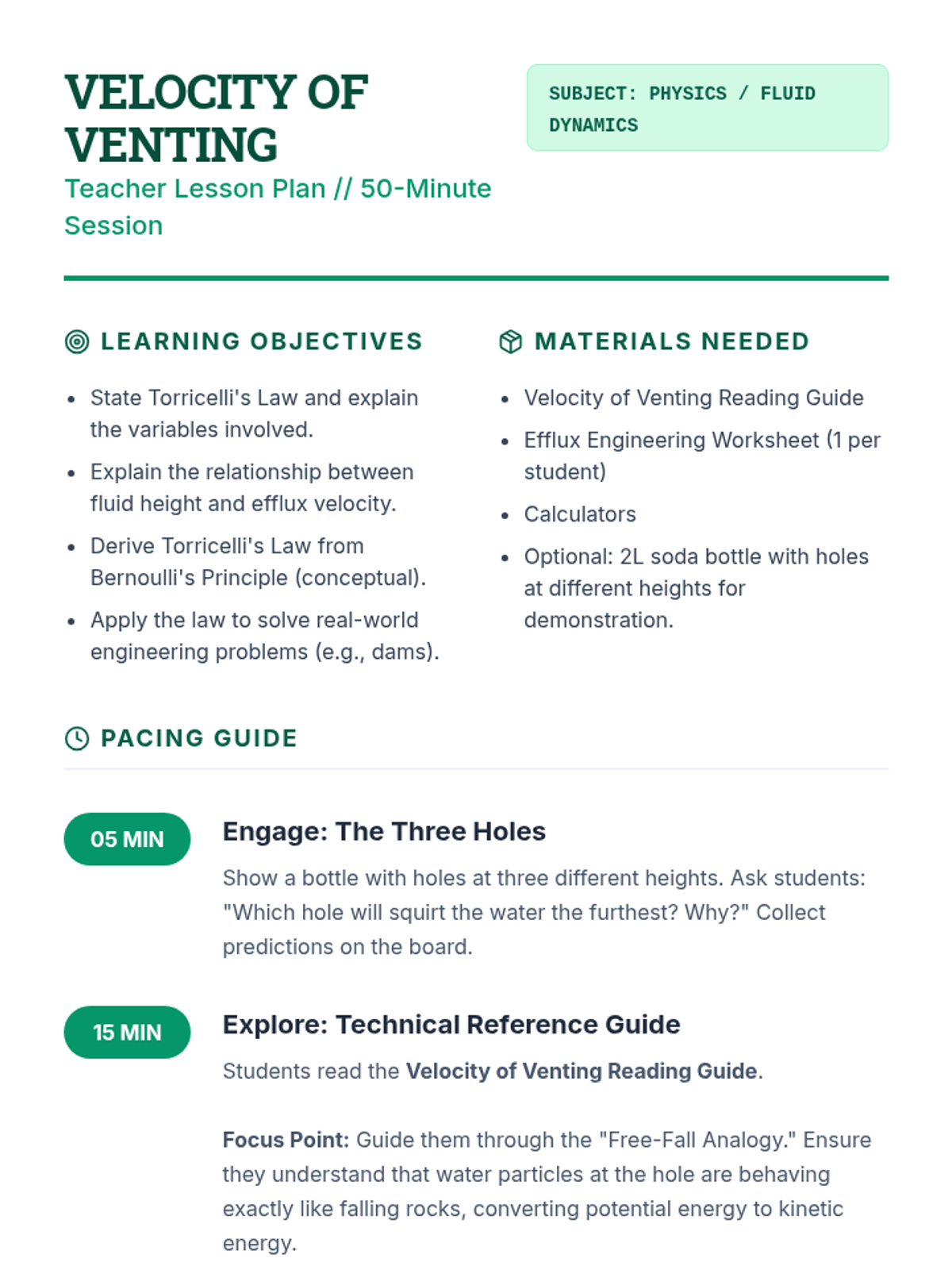
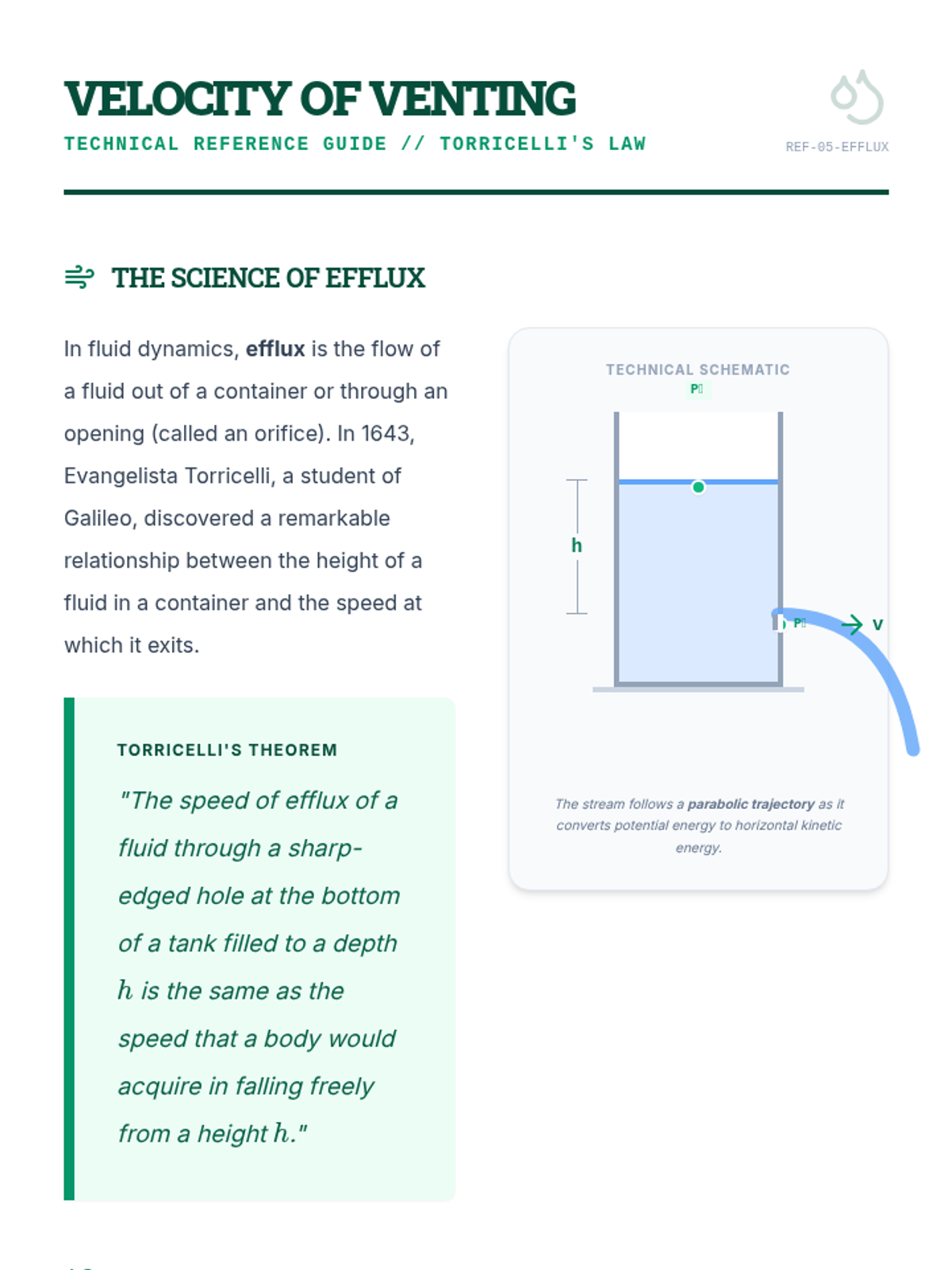
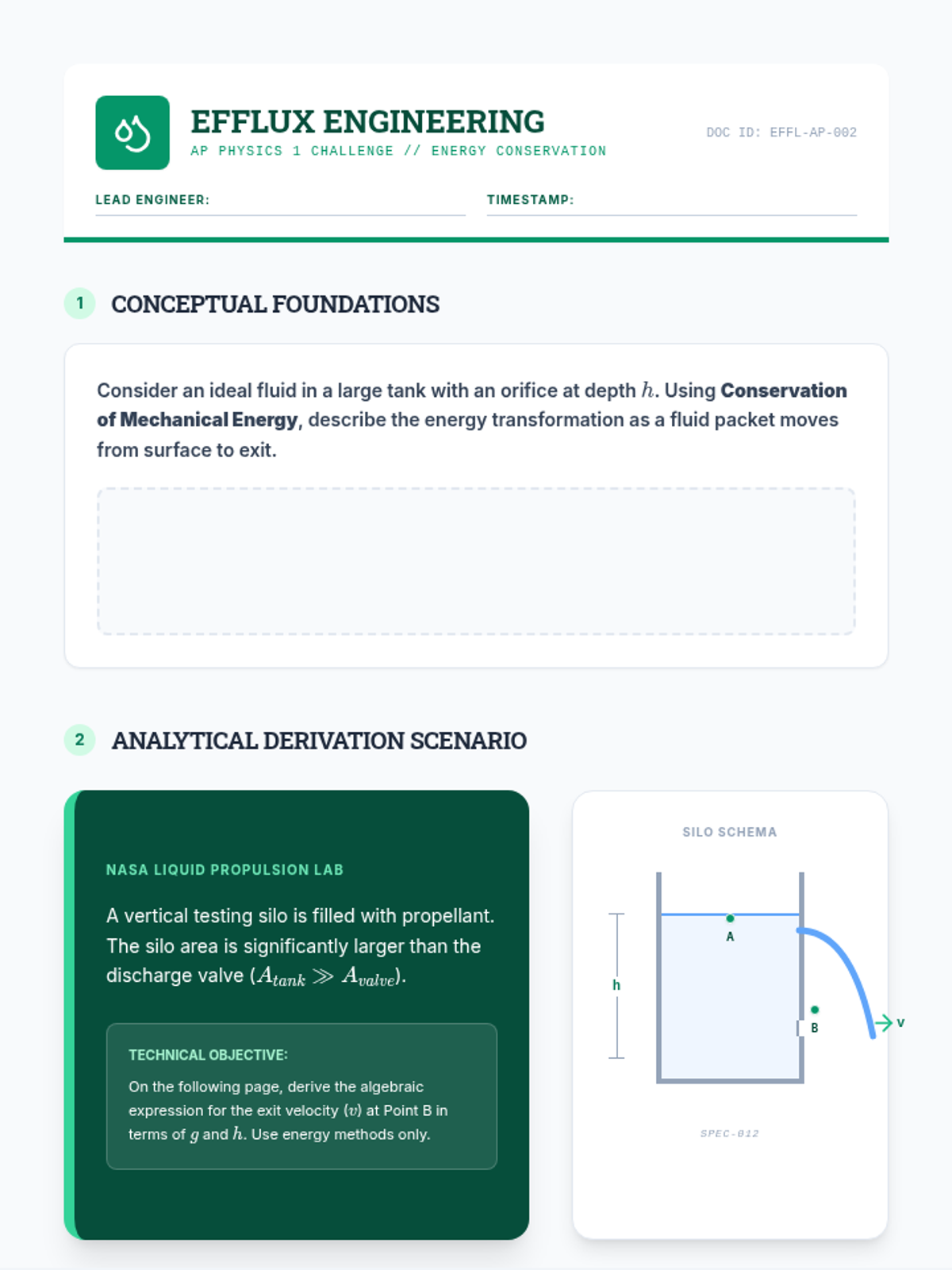
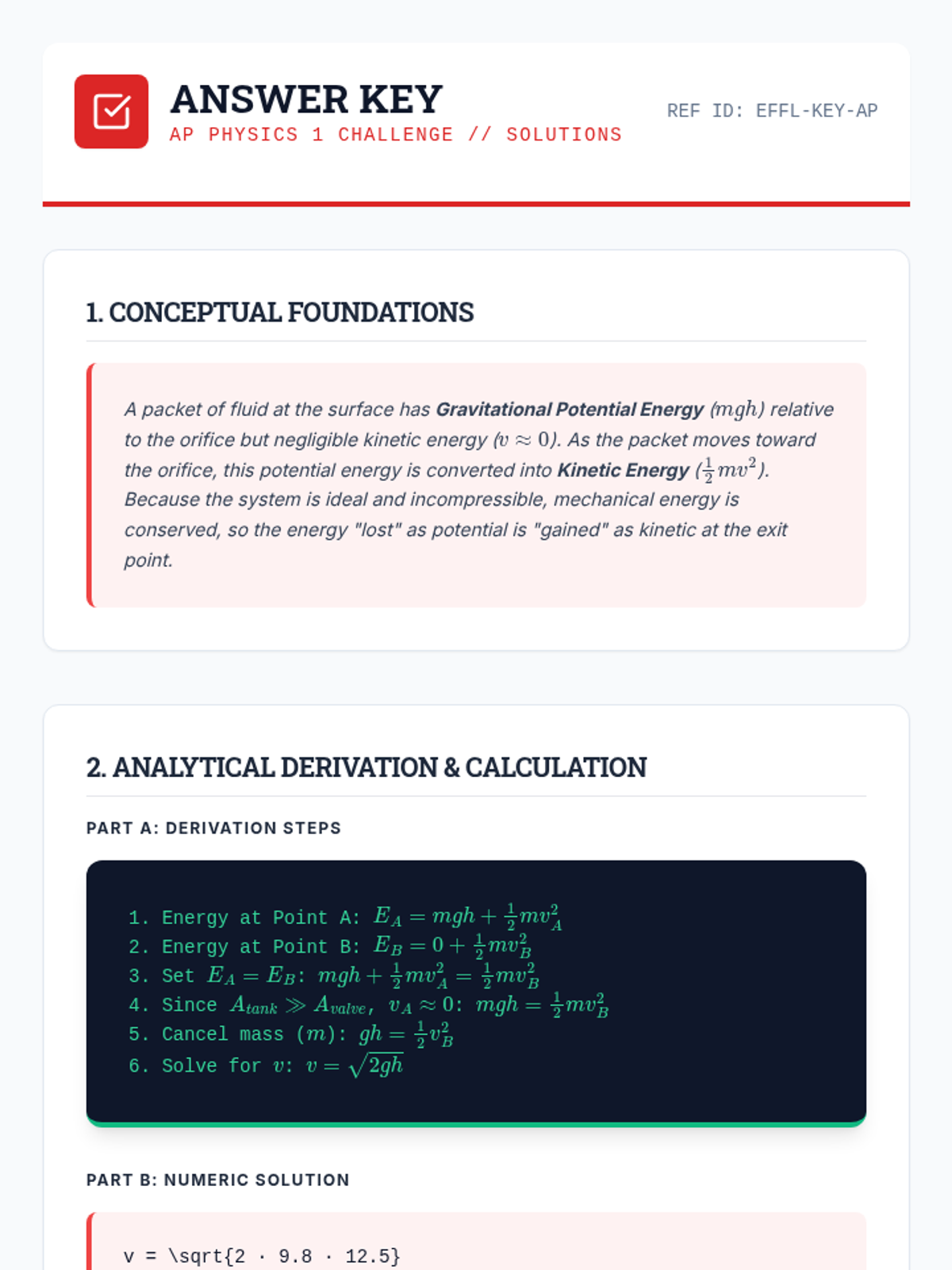
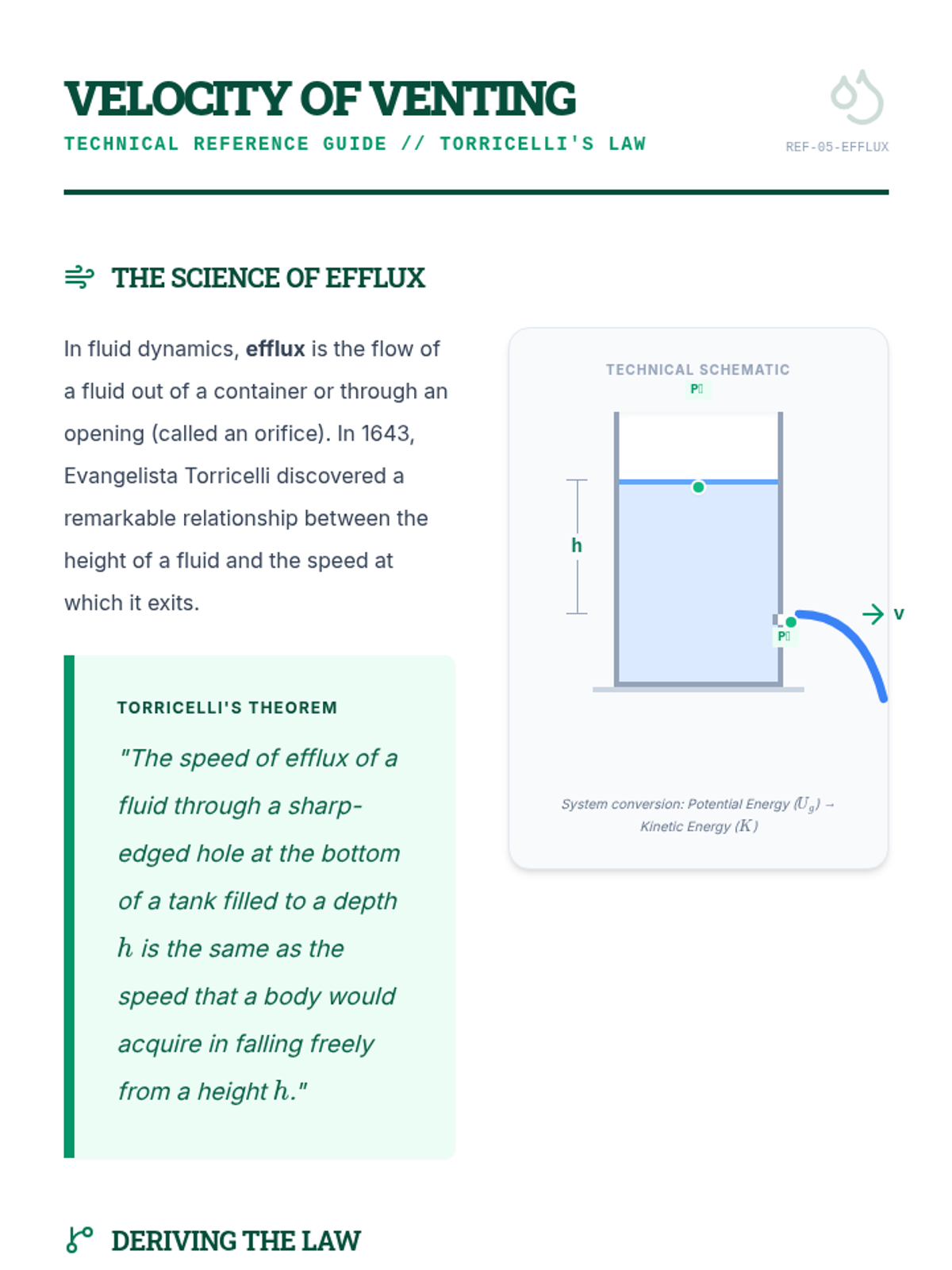
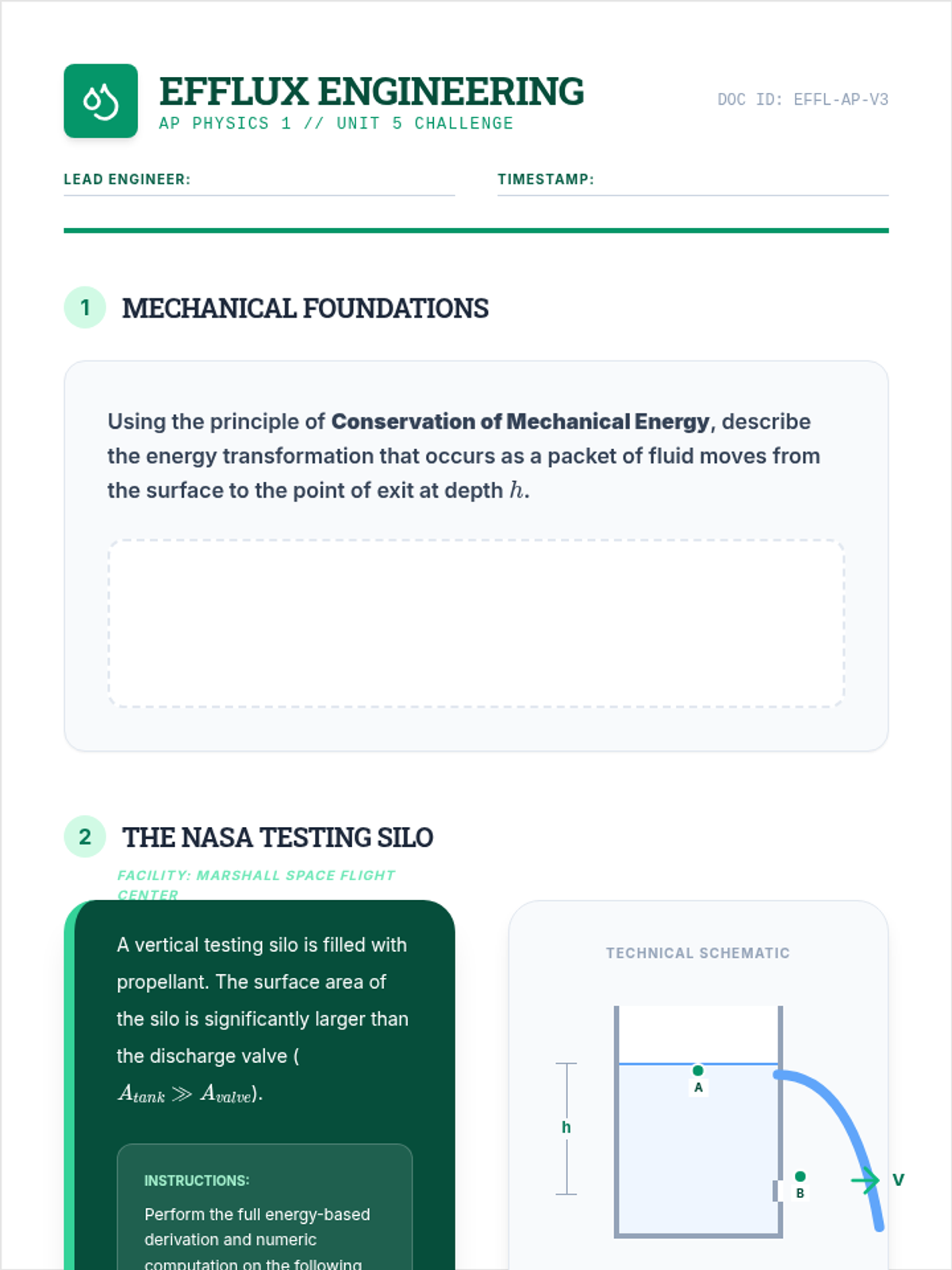
An investigation into the speed of fluid efflux from an opening, deriving Torricelli's Law from Bernoulli's Principle and exploring real-world applications in hydraulic systems.
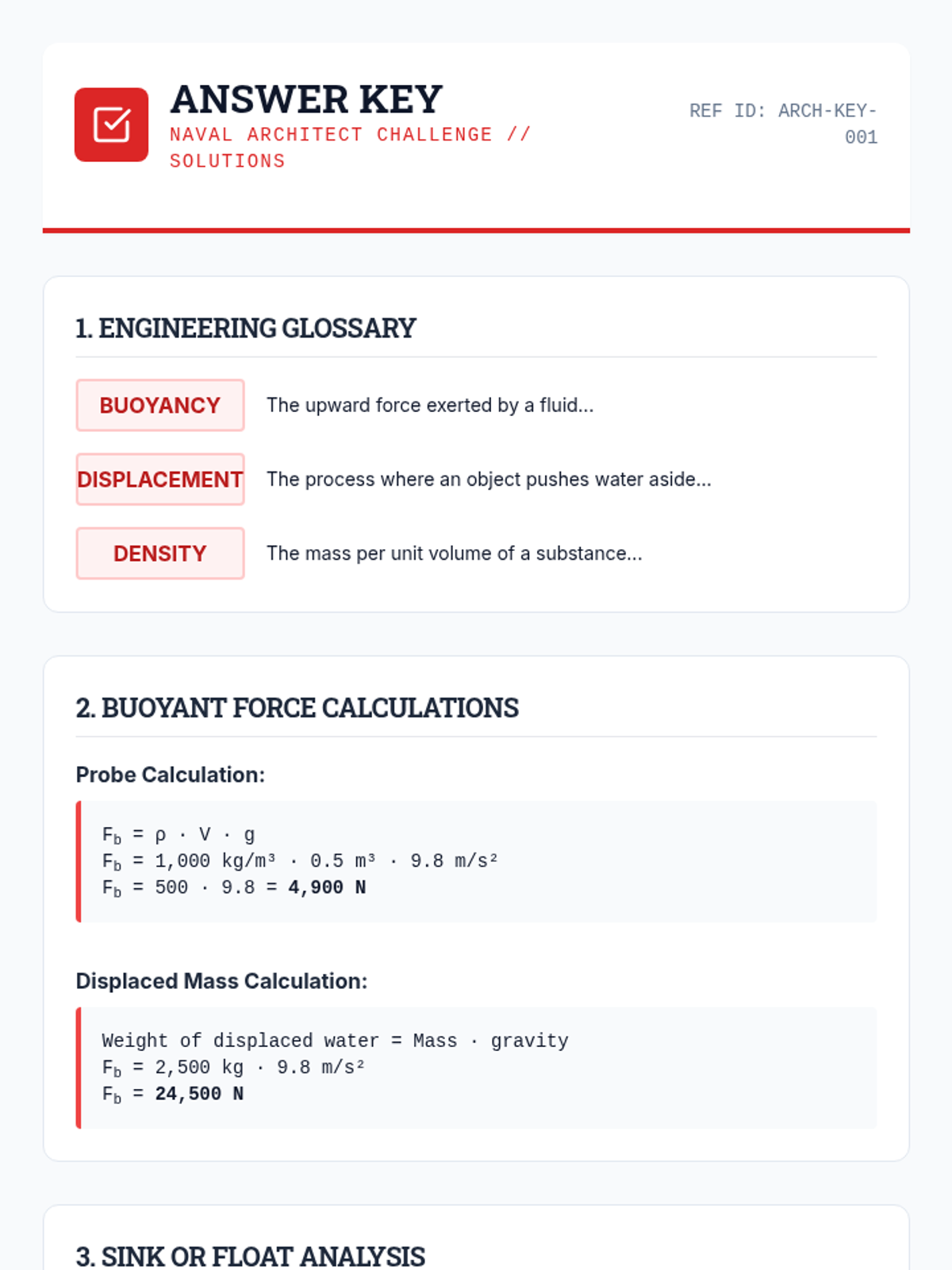
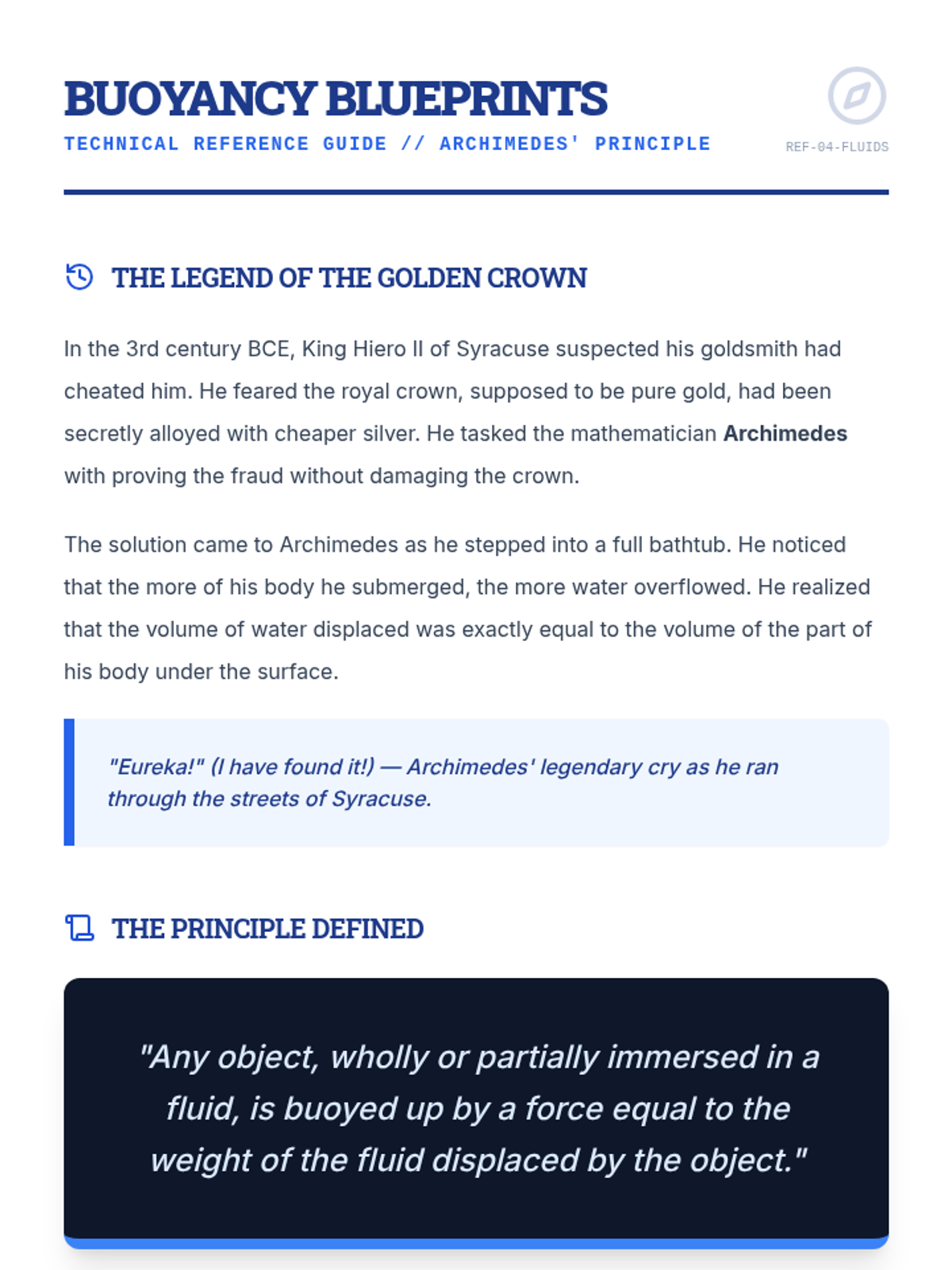
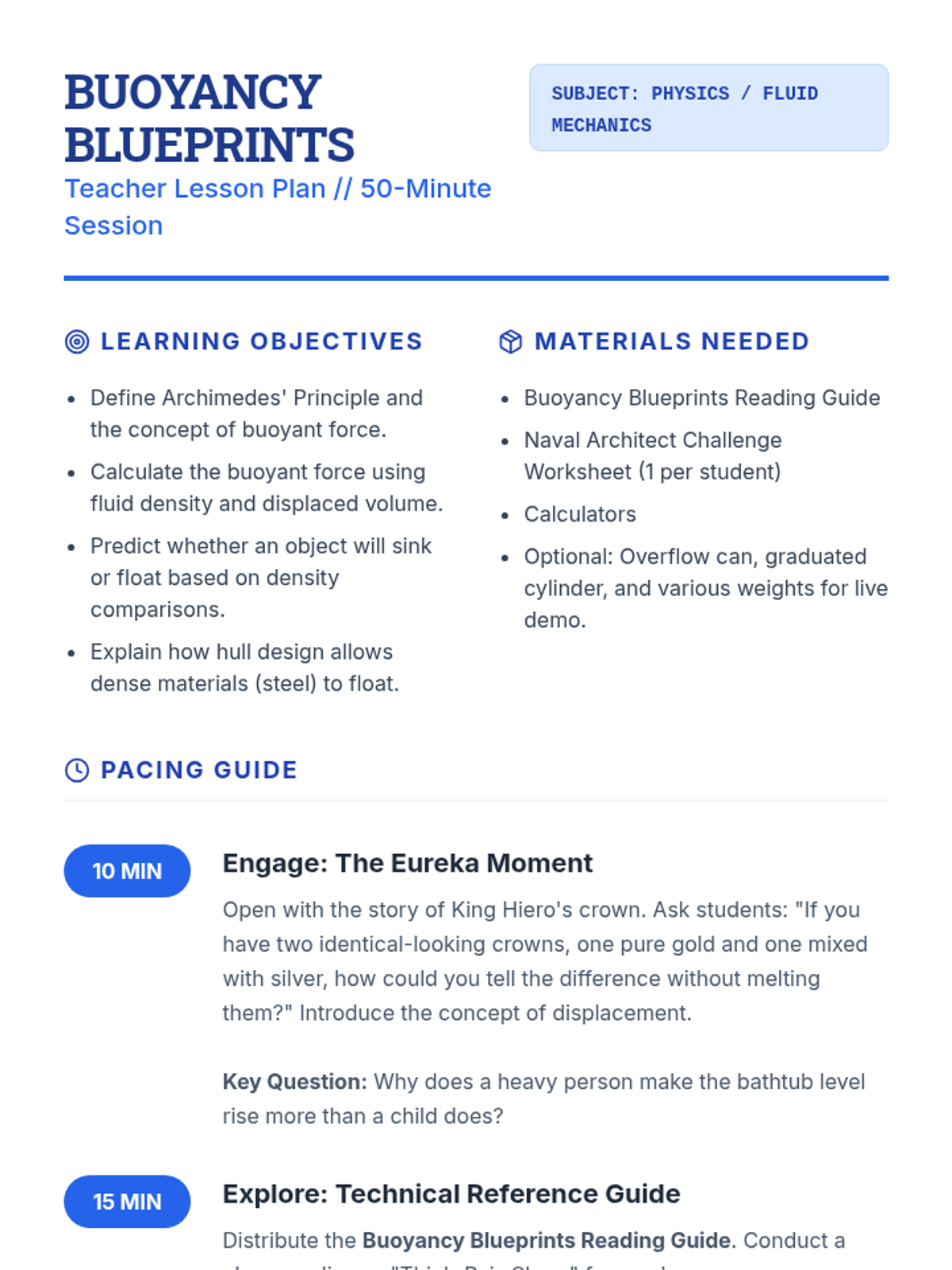
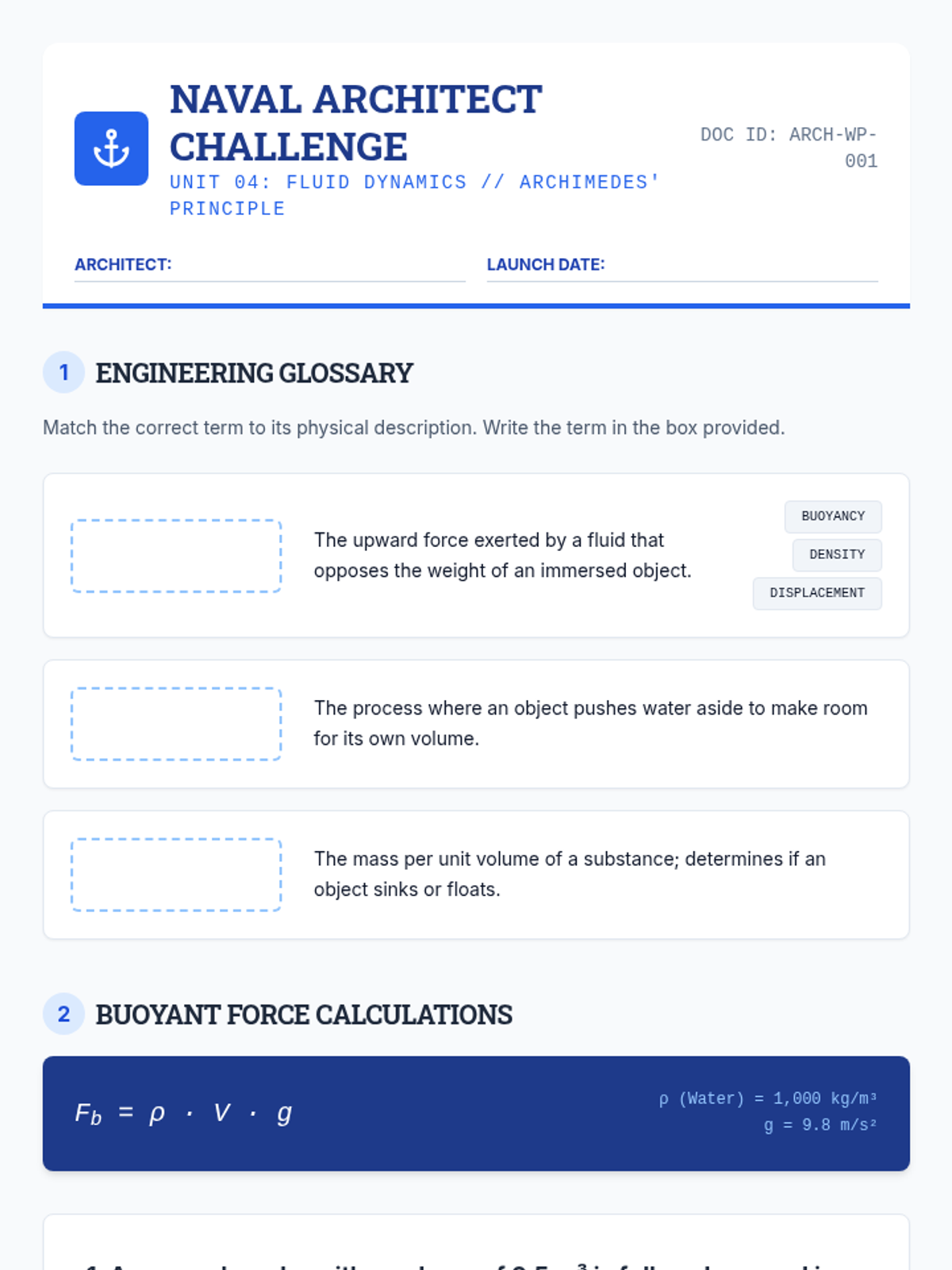
A comprehensive exploration of buoyancy, displacement, and density using Archimedes' Principle. Students will calculate buoyant forces and understand why objects float or sink through the lens of naval engineering.
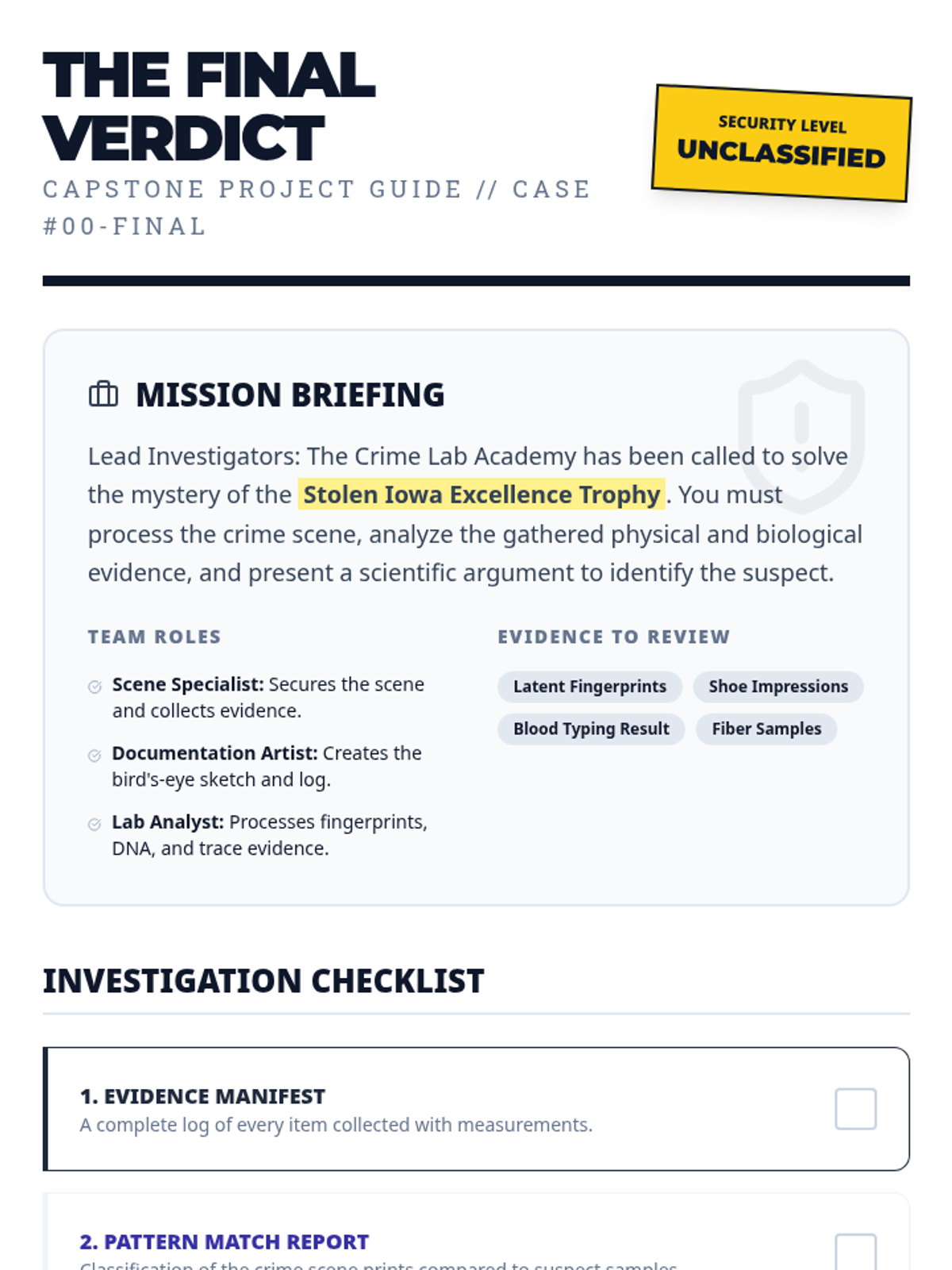
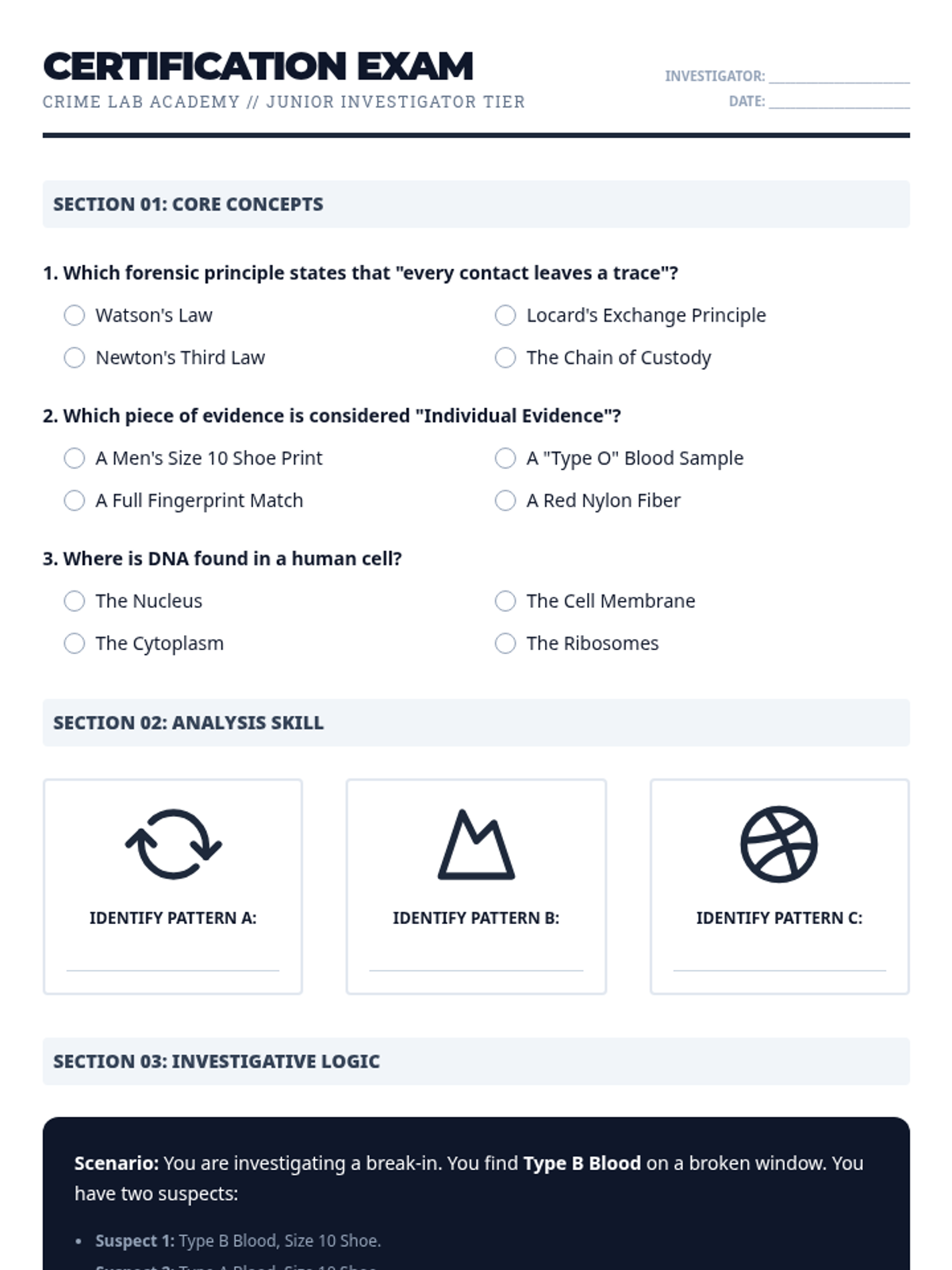
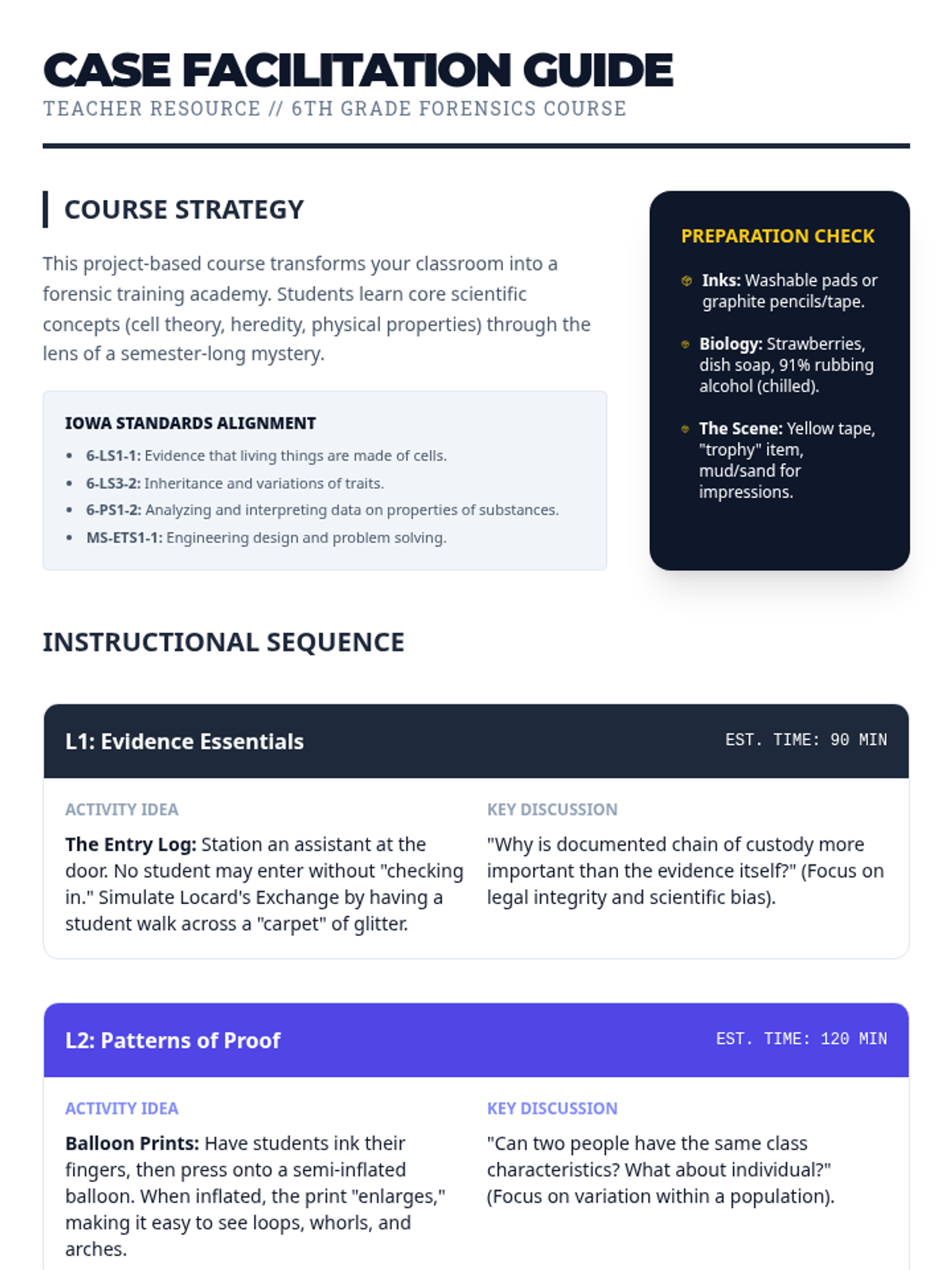
The capstone project where students apply all their forensic skills to process a mock crime scene, analyze evidence in their 'lab', and present their findings.
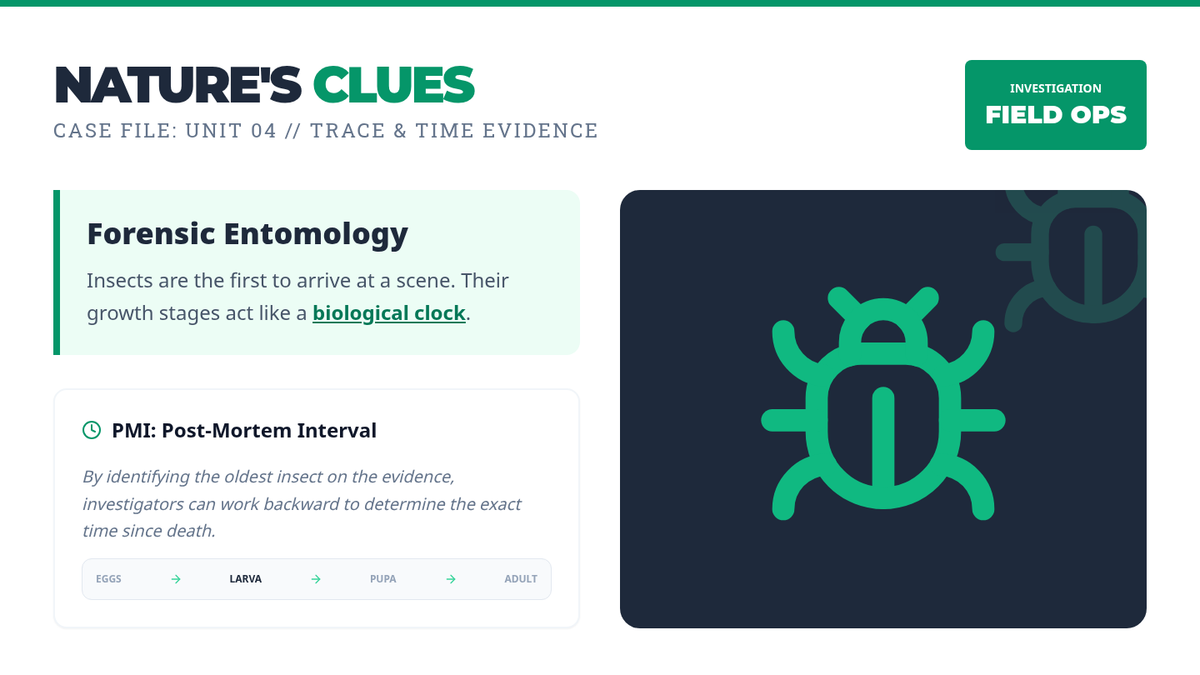
Investigating how nature provides clues through forensic entomology (insect life cycles) and anthropology (skeletal analysis) to determine time and cause of death.
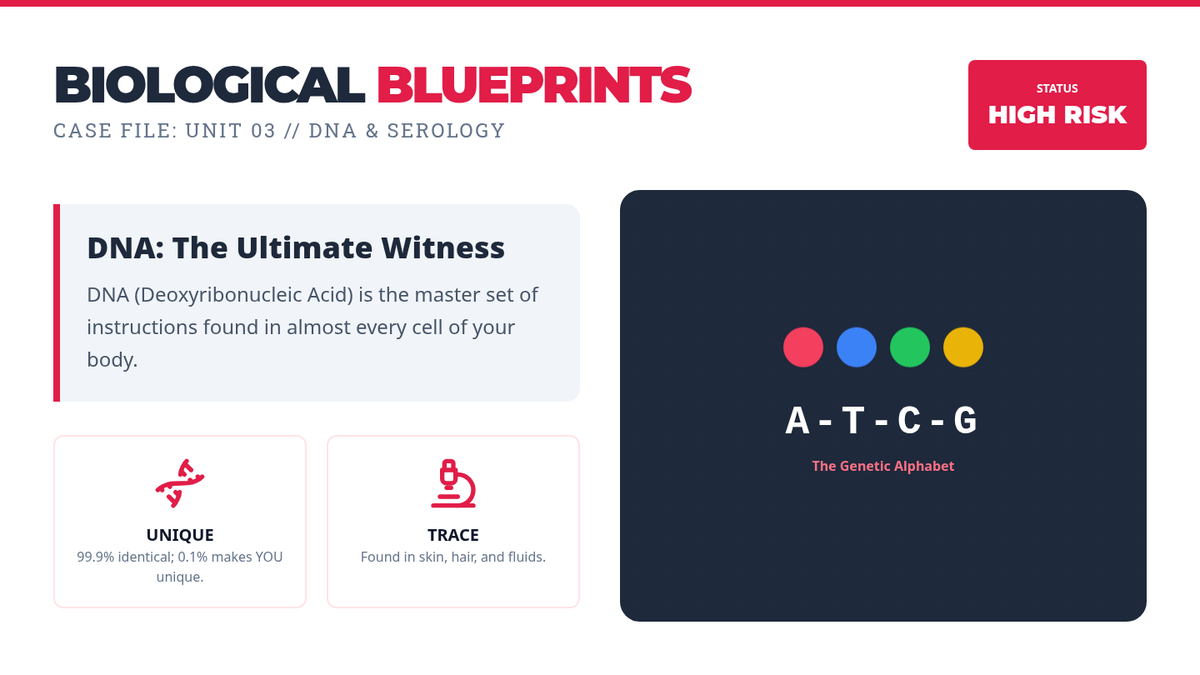
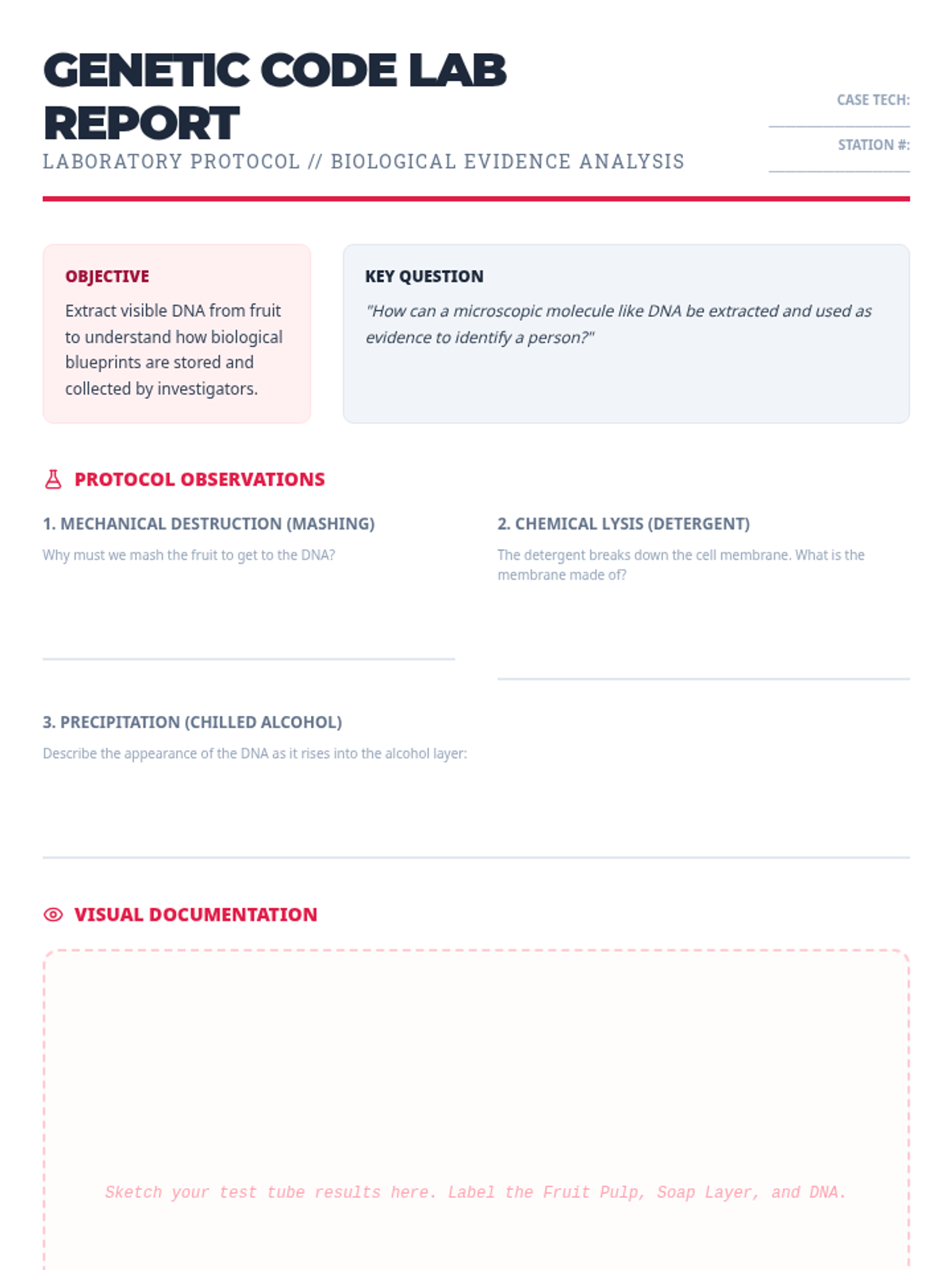
Students dive into biological evidence, learning the basics of DNA structure as a blueprint for life and how blood typing can be used to include or exclude suspects.
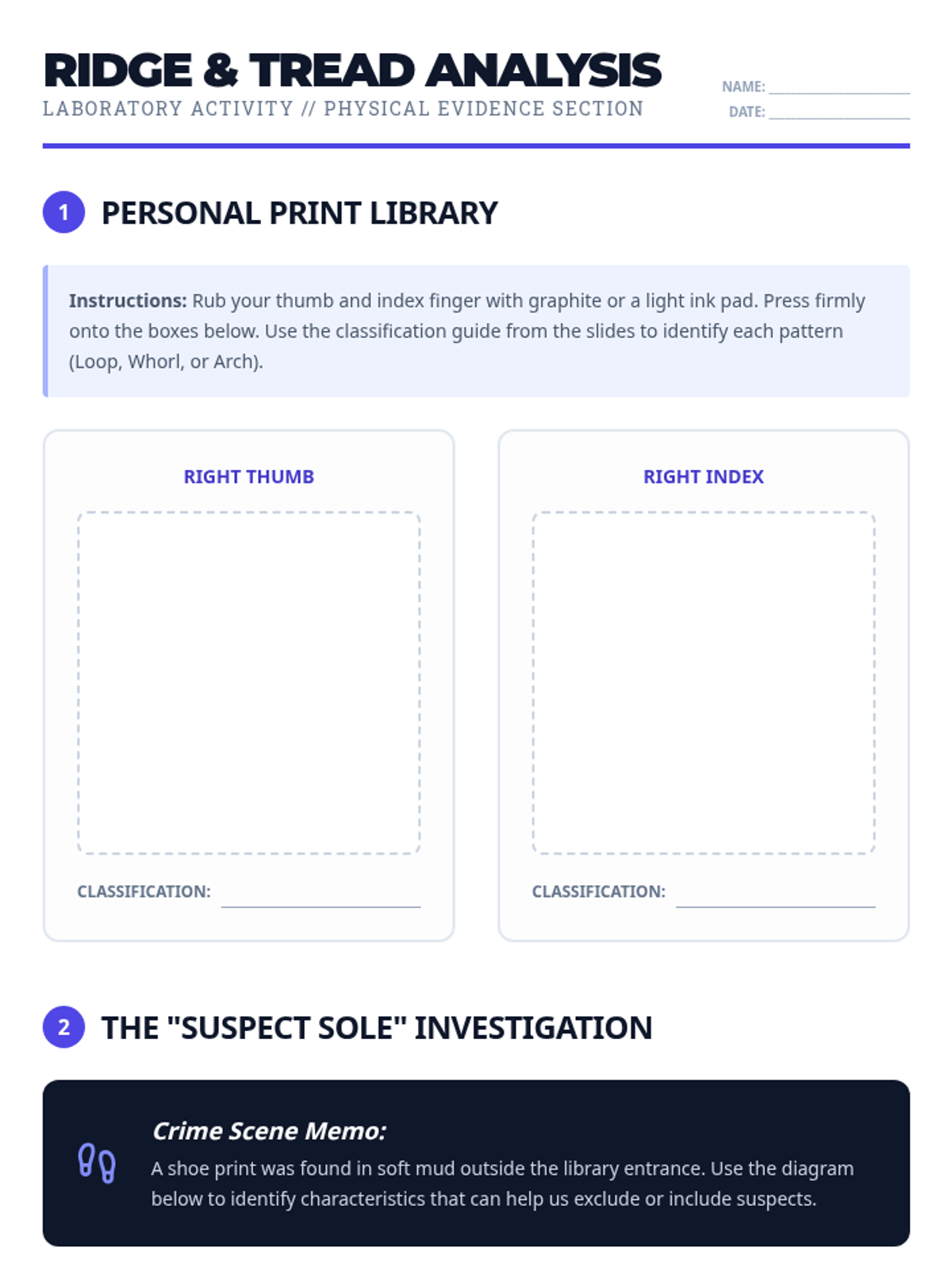
An exploration of physical evidence patterns, focusing on fingerprint classification (loops, whorls, arches) and shoe/tire impression casting and analysis.
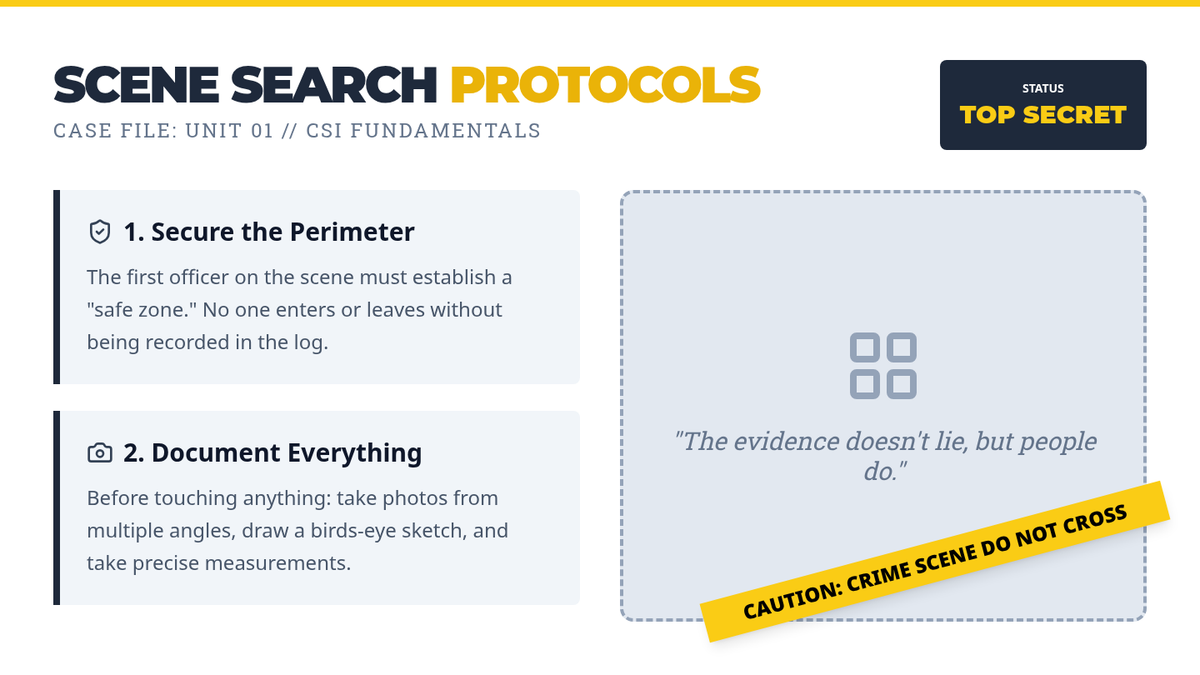
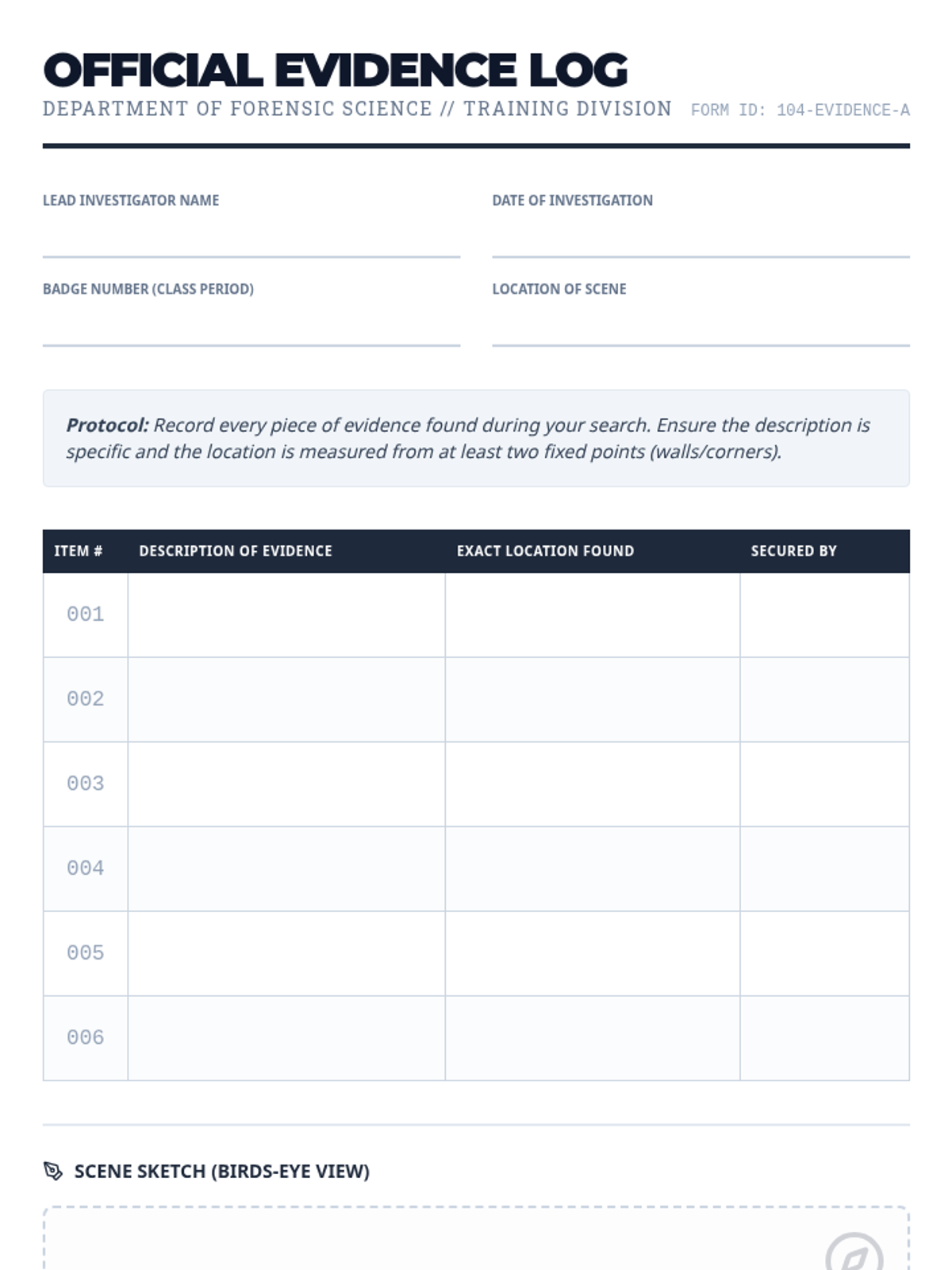
Students learn the fundamental protocols of crime scene investigation, including securing the scene, evidence collection techniques, and maintaining the chain of custody.
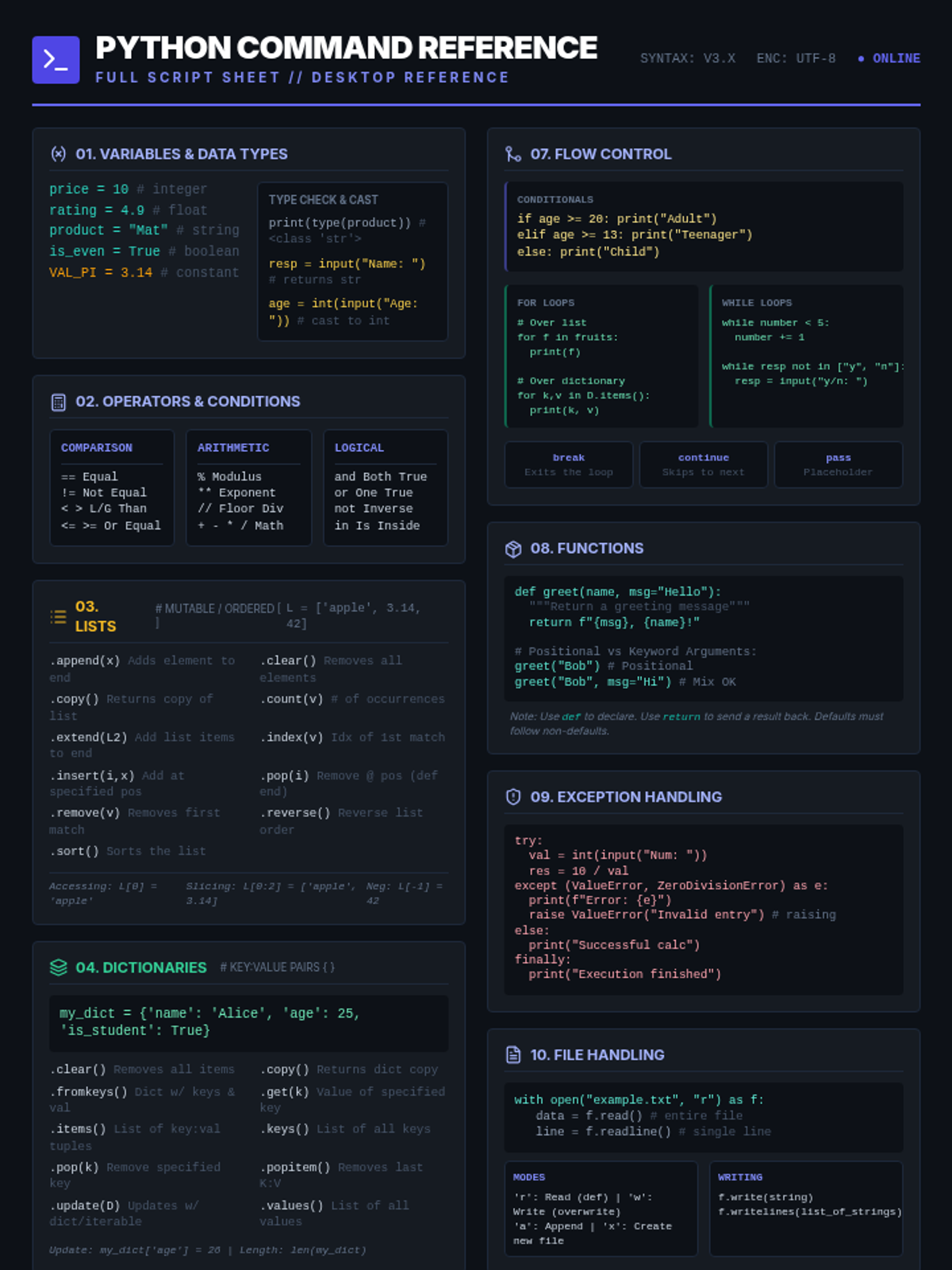
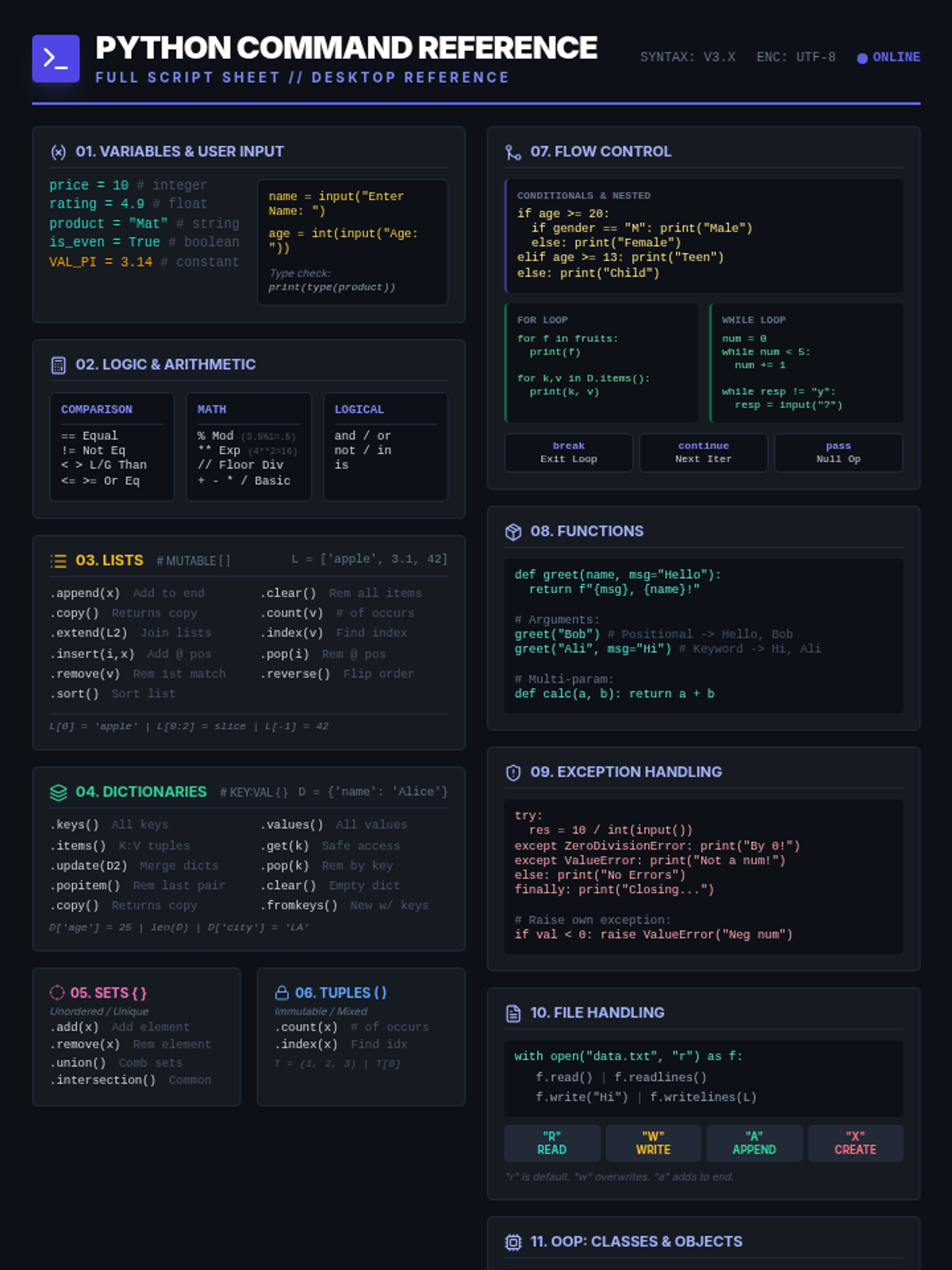
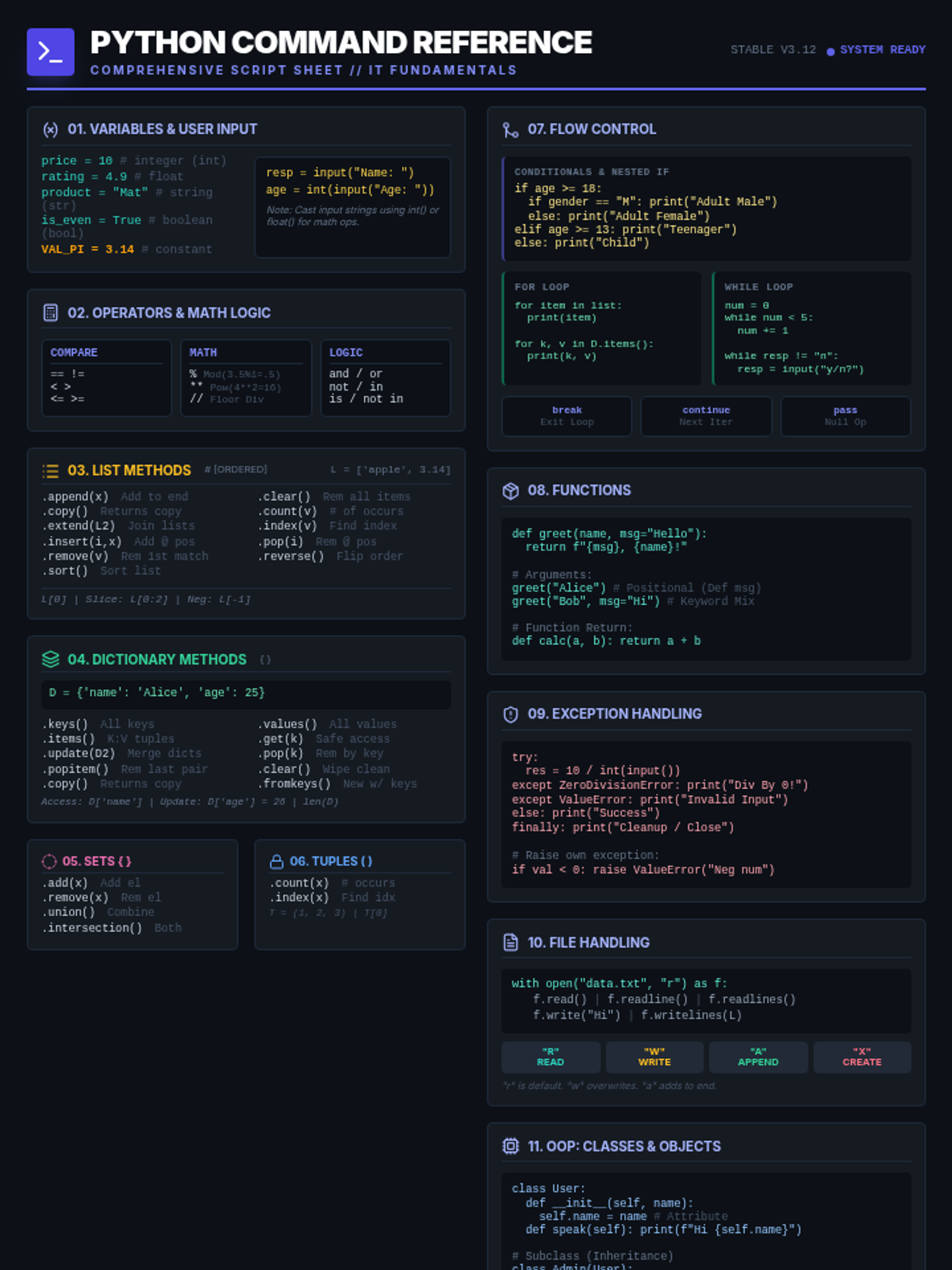
A comprehensive Python programming reference sequence designed for IT and coding students to use as a desktop or mousepad reference guide.
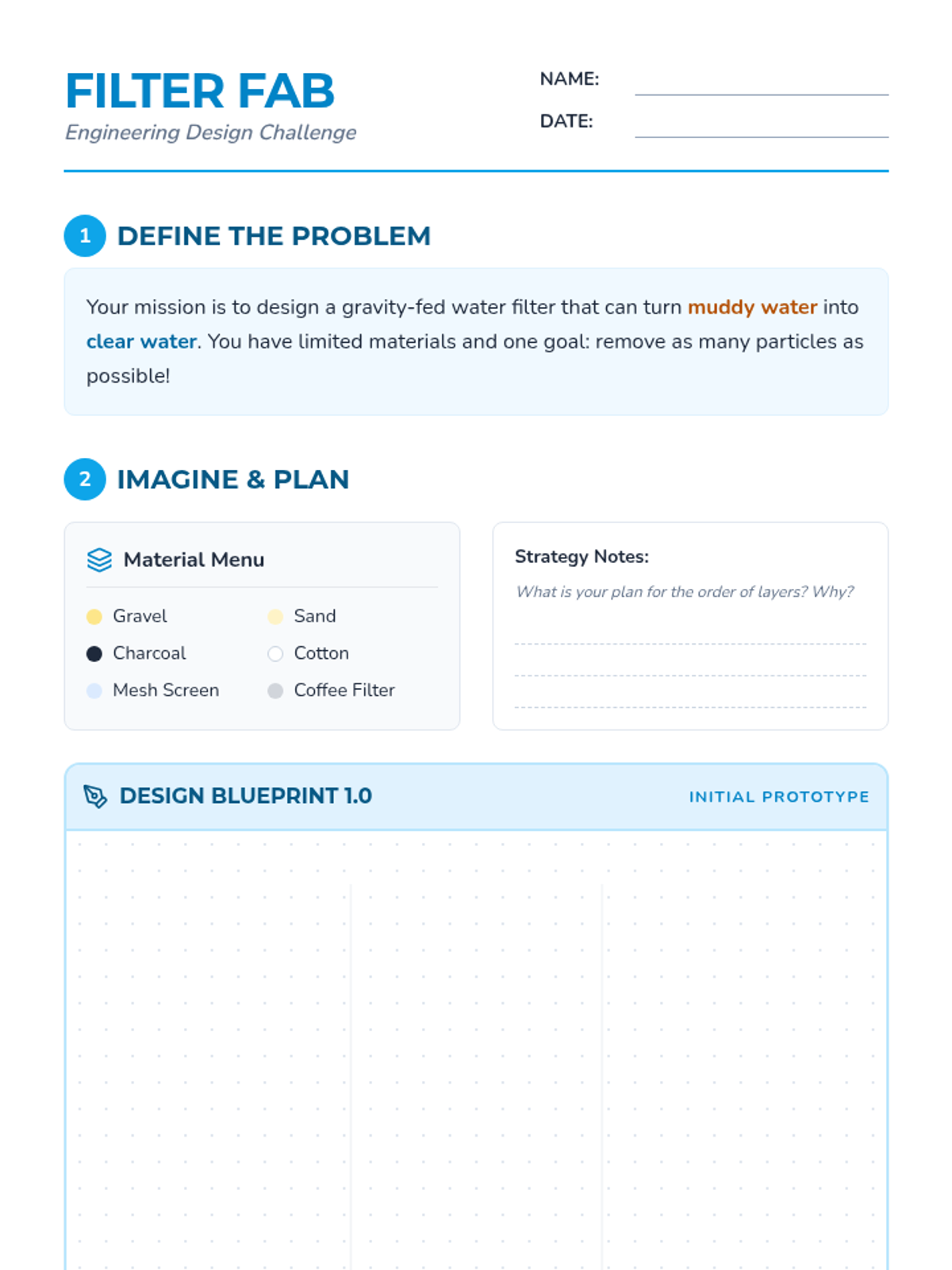
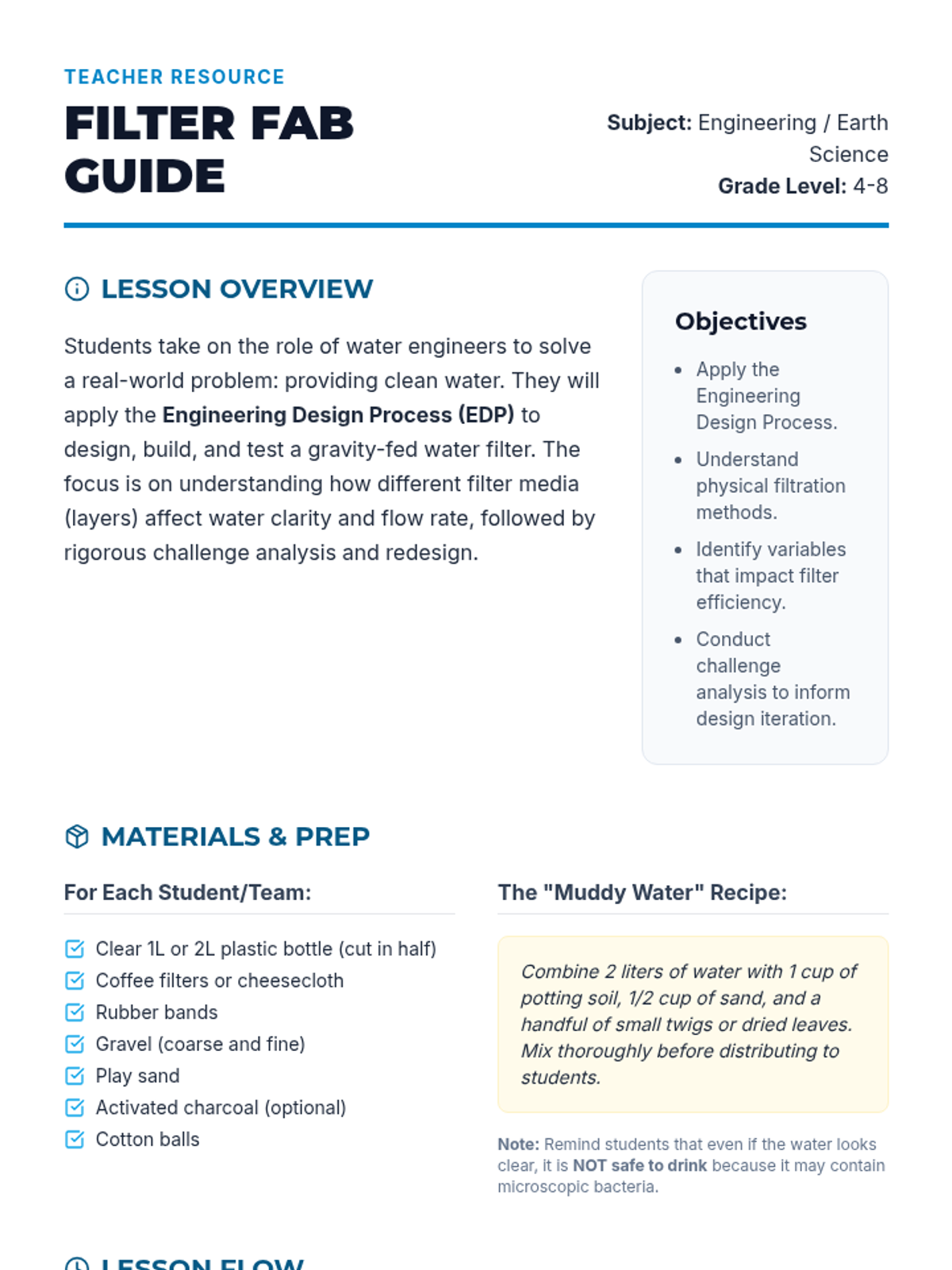
A hands-on engineering lesson where students apply the Engineering Design Process to design and prototype a water filtration system.
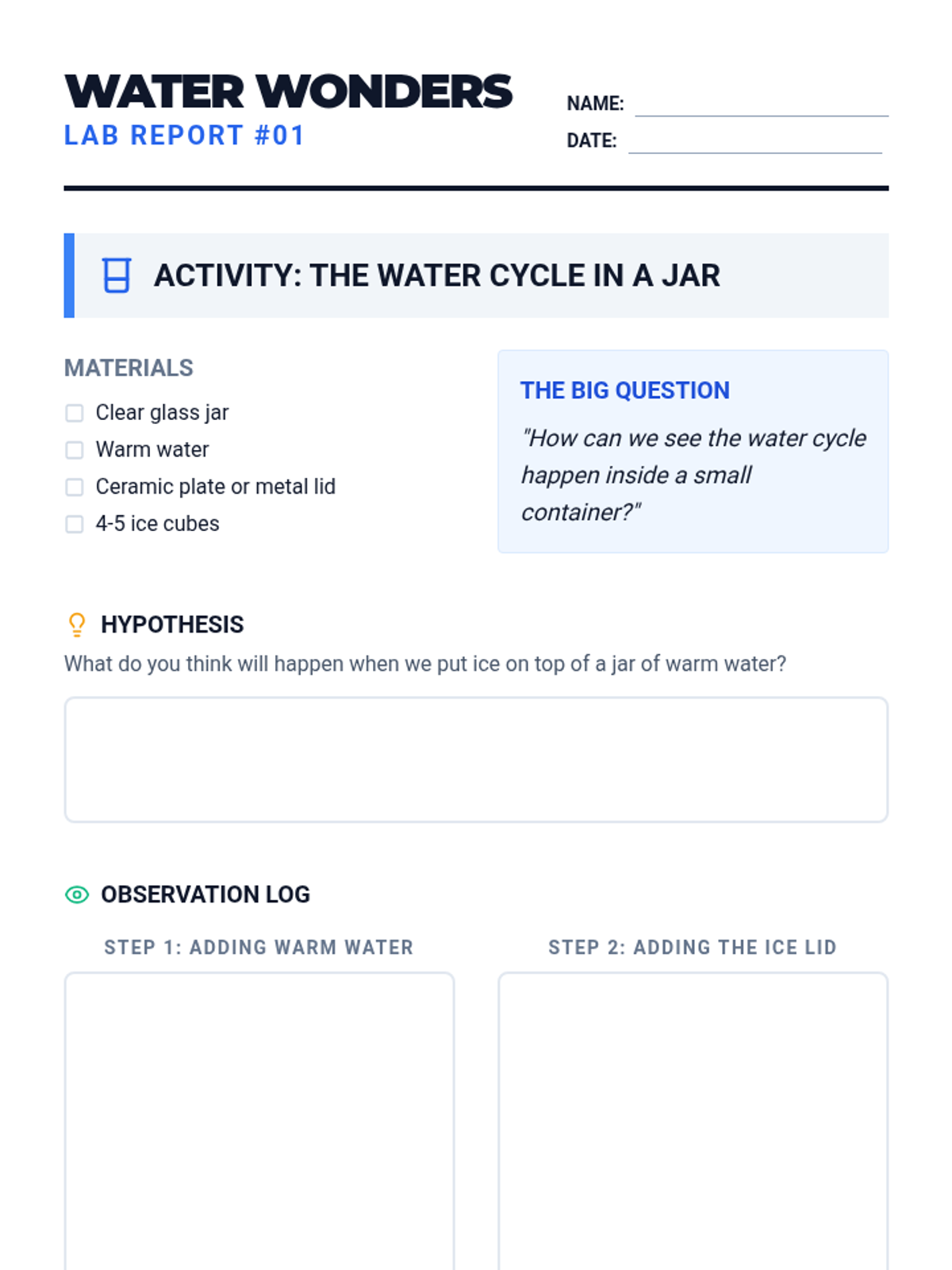
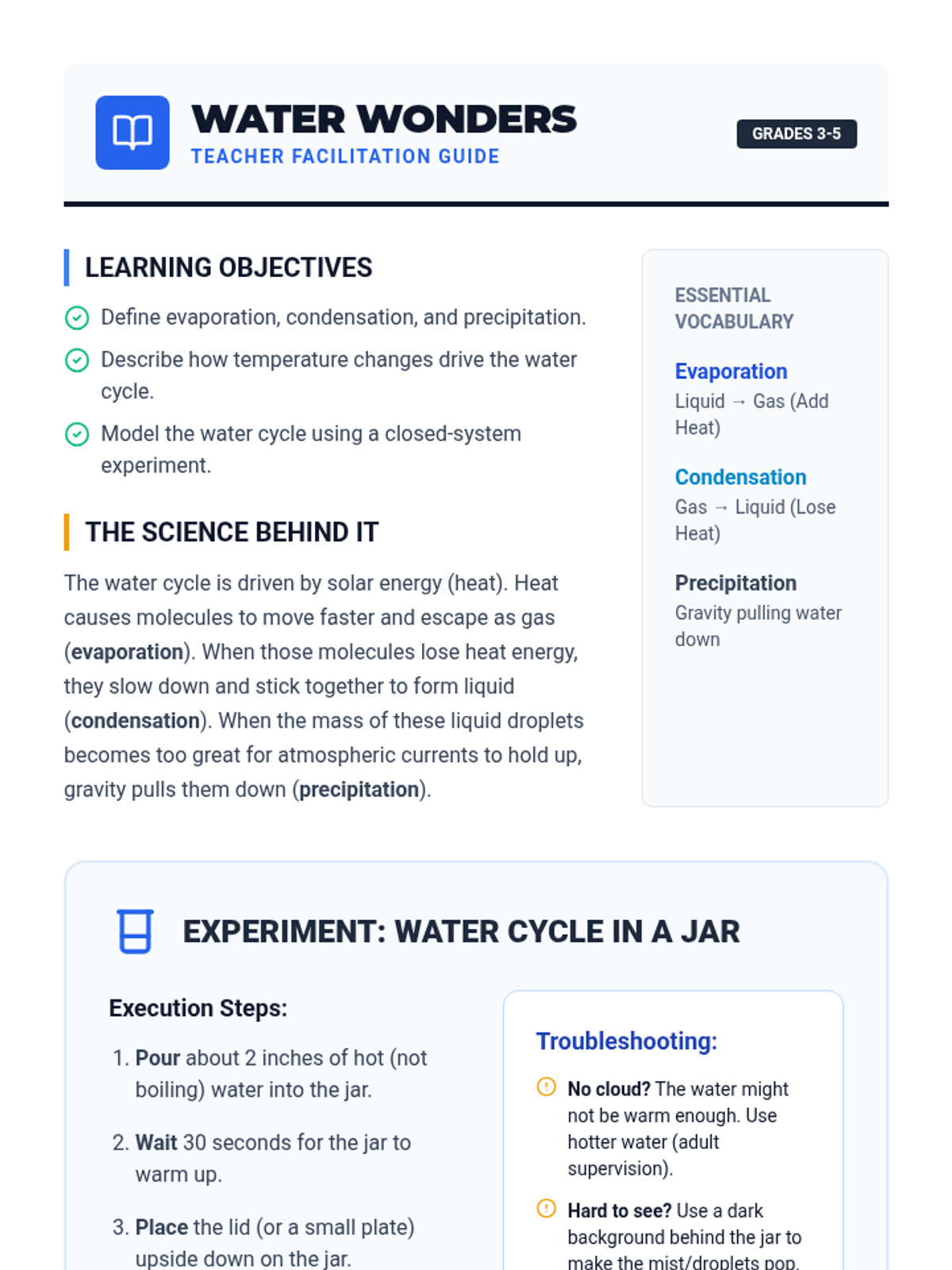
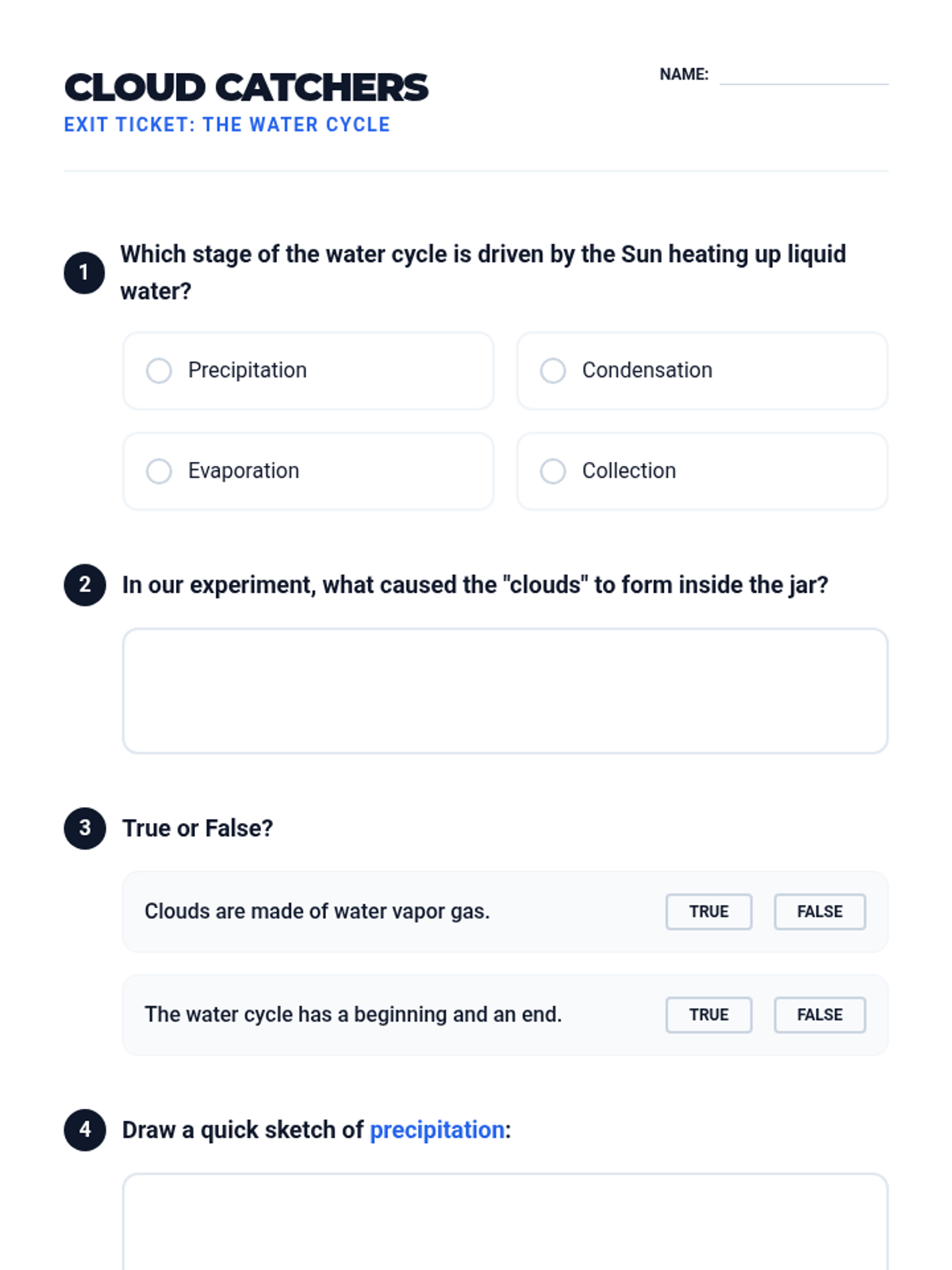
An interactive exploration of the water cycle focusing on evaporation, condensation, and precipitation through hands-on experimentation and visual modeling.
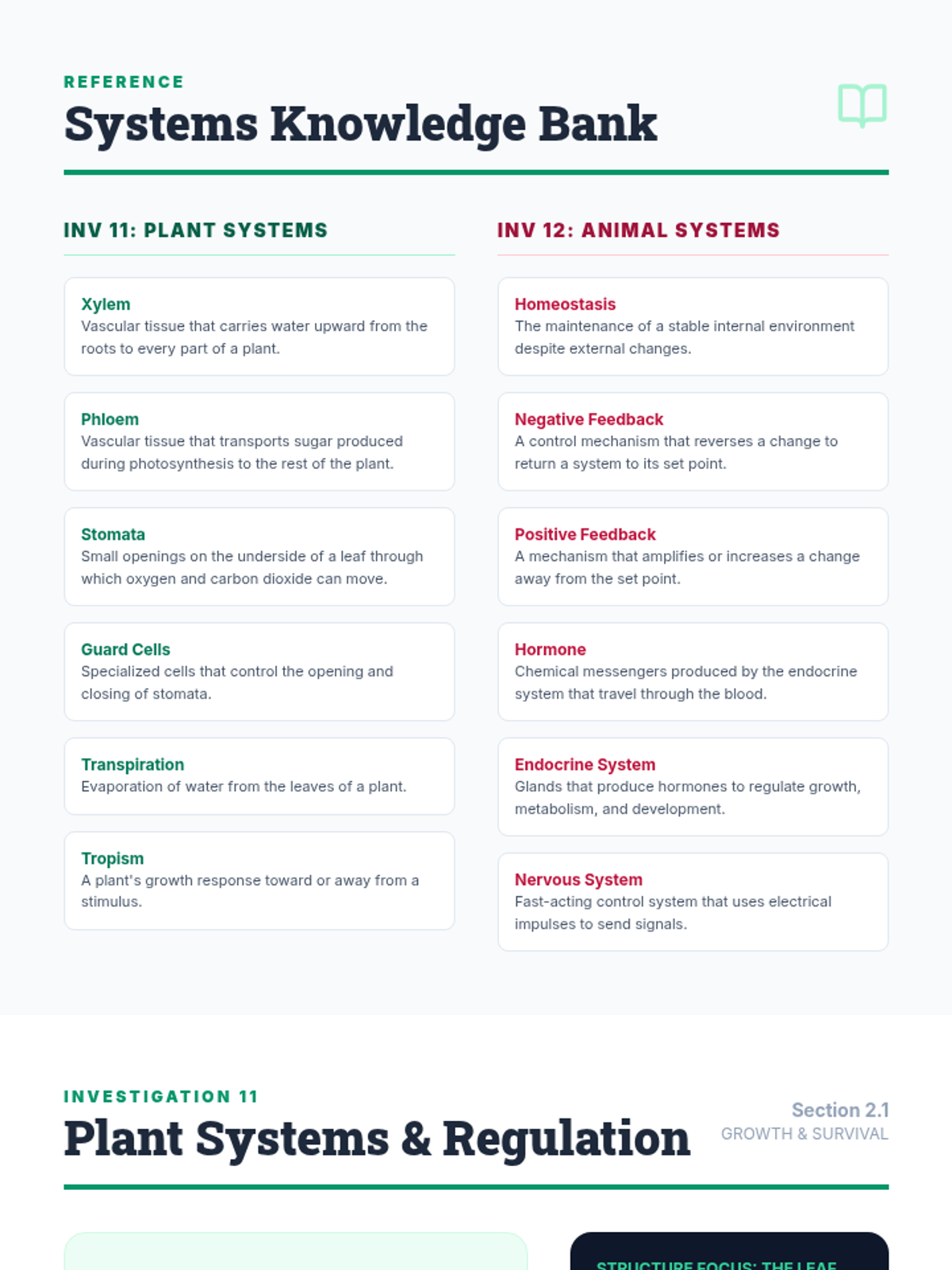
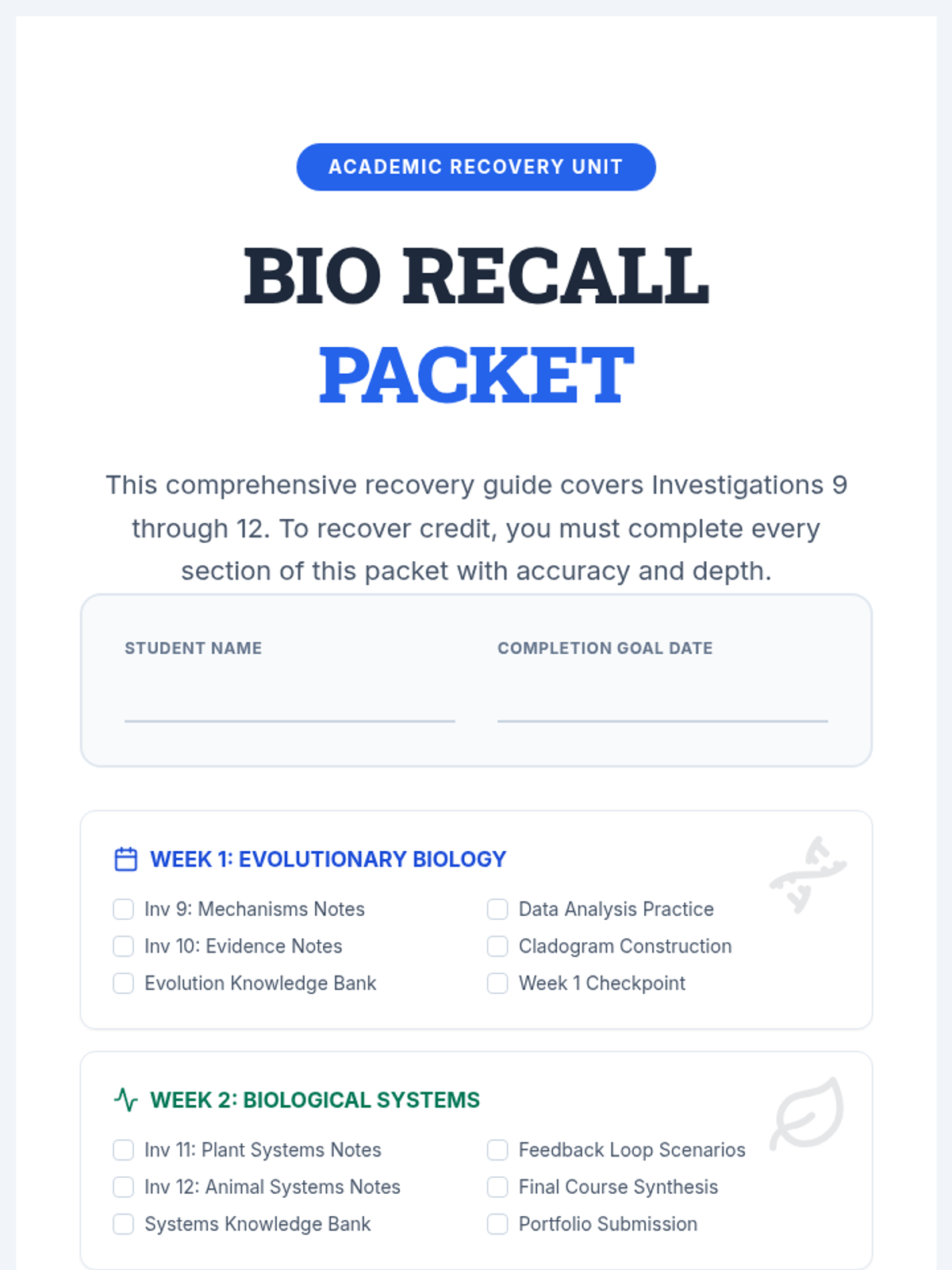
This lesson explores the complex internal systems of plants and animals, focusing on transport, reproduction, and homeostasis. Students will compare and contrast how different organisms solve the challenges of survival and growth.
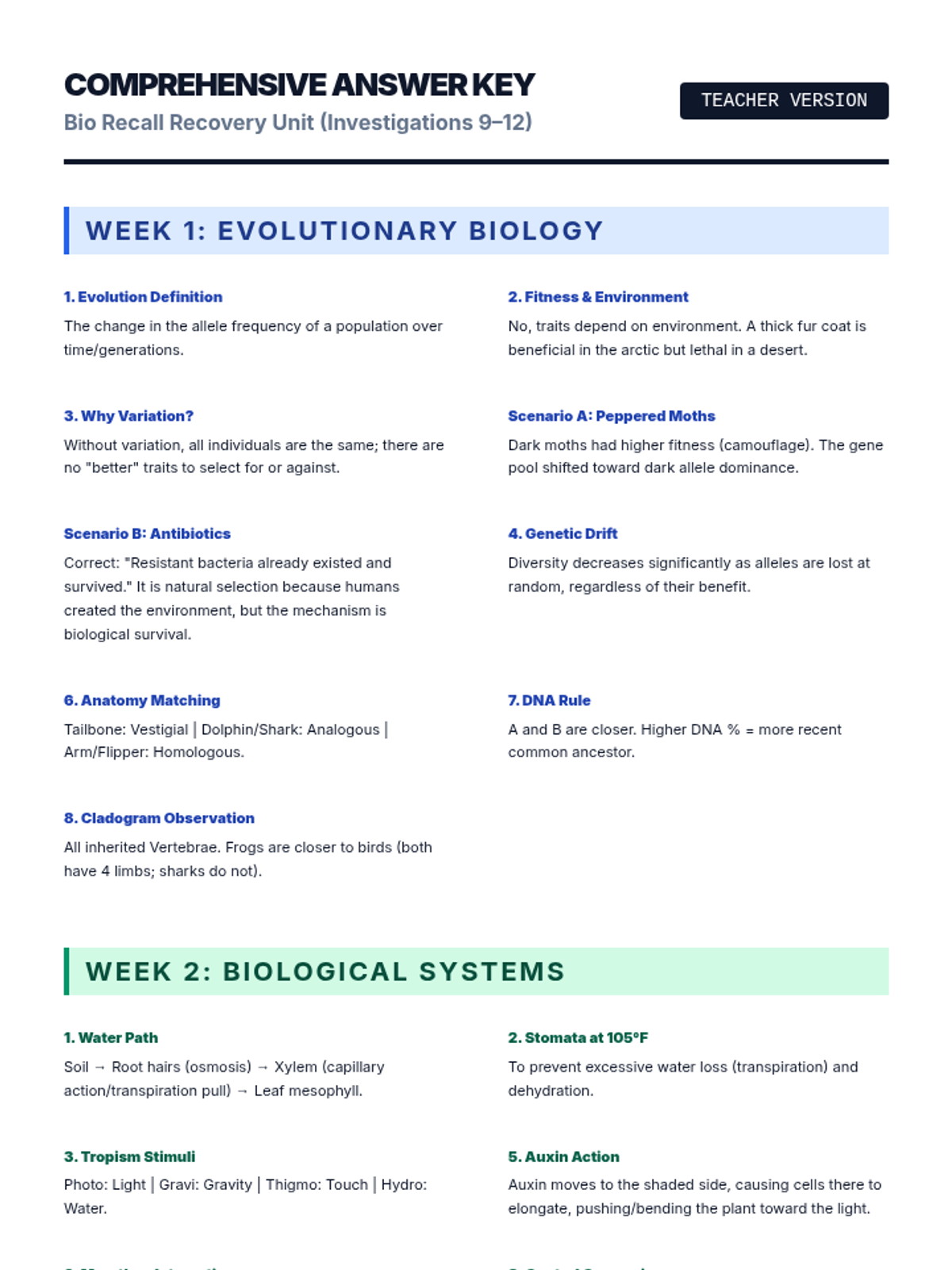
This lesson focuses on the mechanisms and evidence of evolution, covering natural selection, genetic drift, and fossil records. Students will review how populations change over time and the diverse evidence that supports common ancestry.
A lesson on Python class and instance attributes.
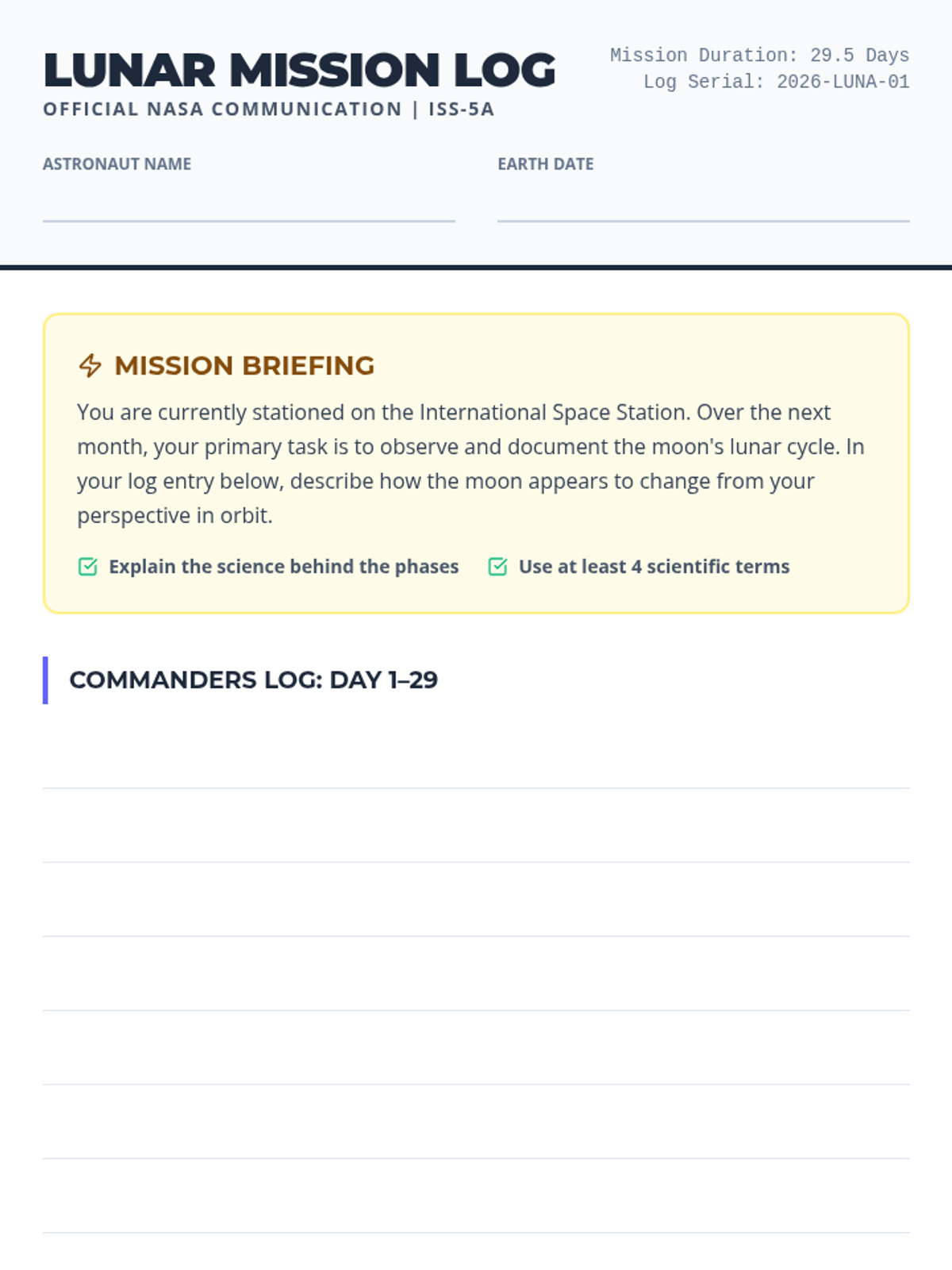
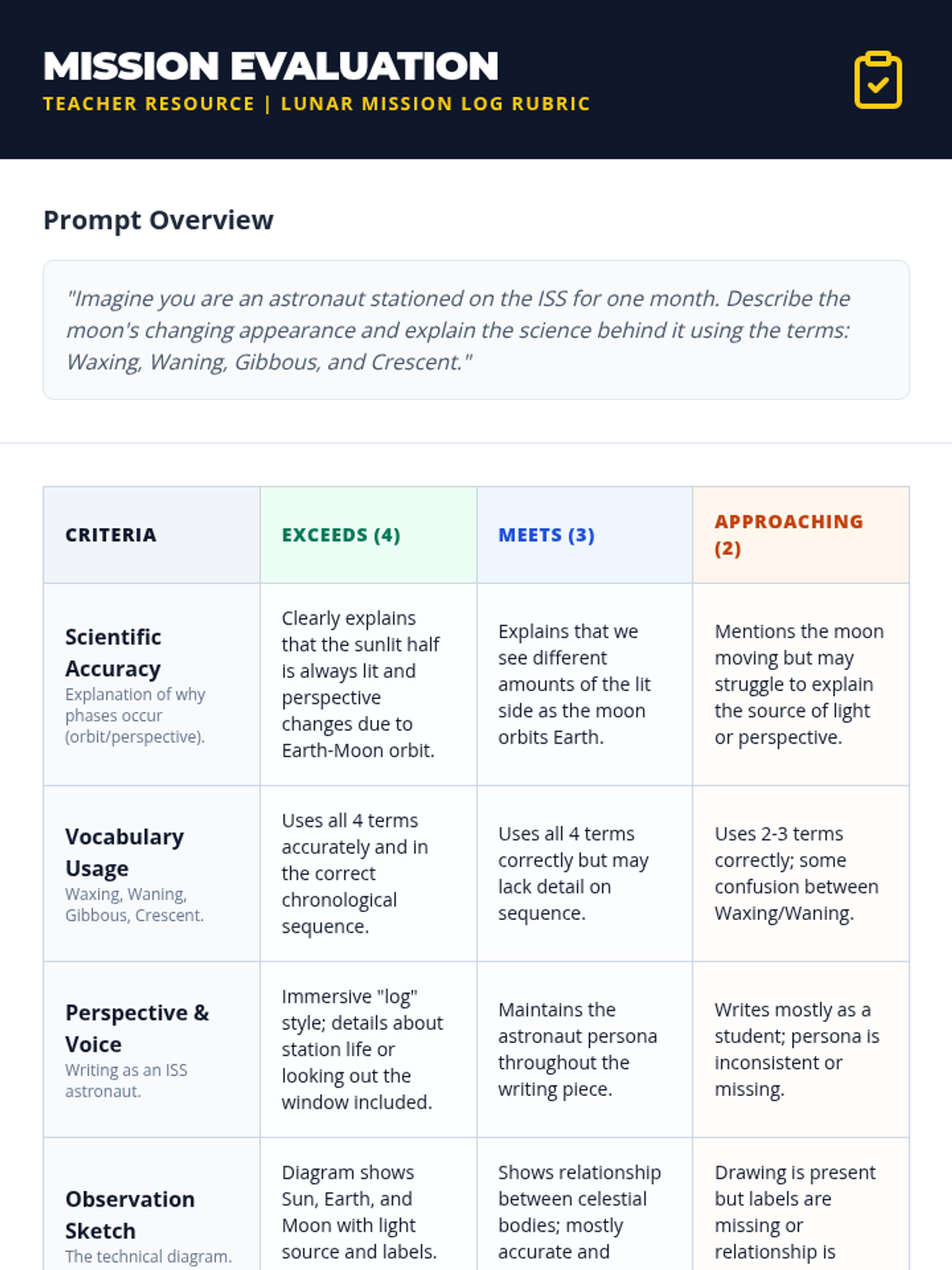
A comprehensive exploration of the lunar cycle, covering the eight phases of the moon, the science behind its appearance, and creative writing to demonstrate understanding.
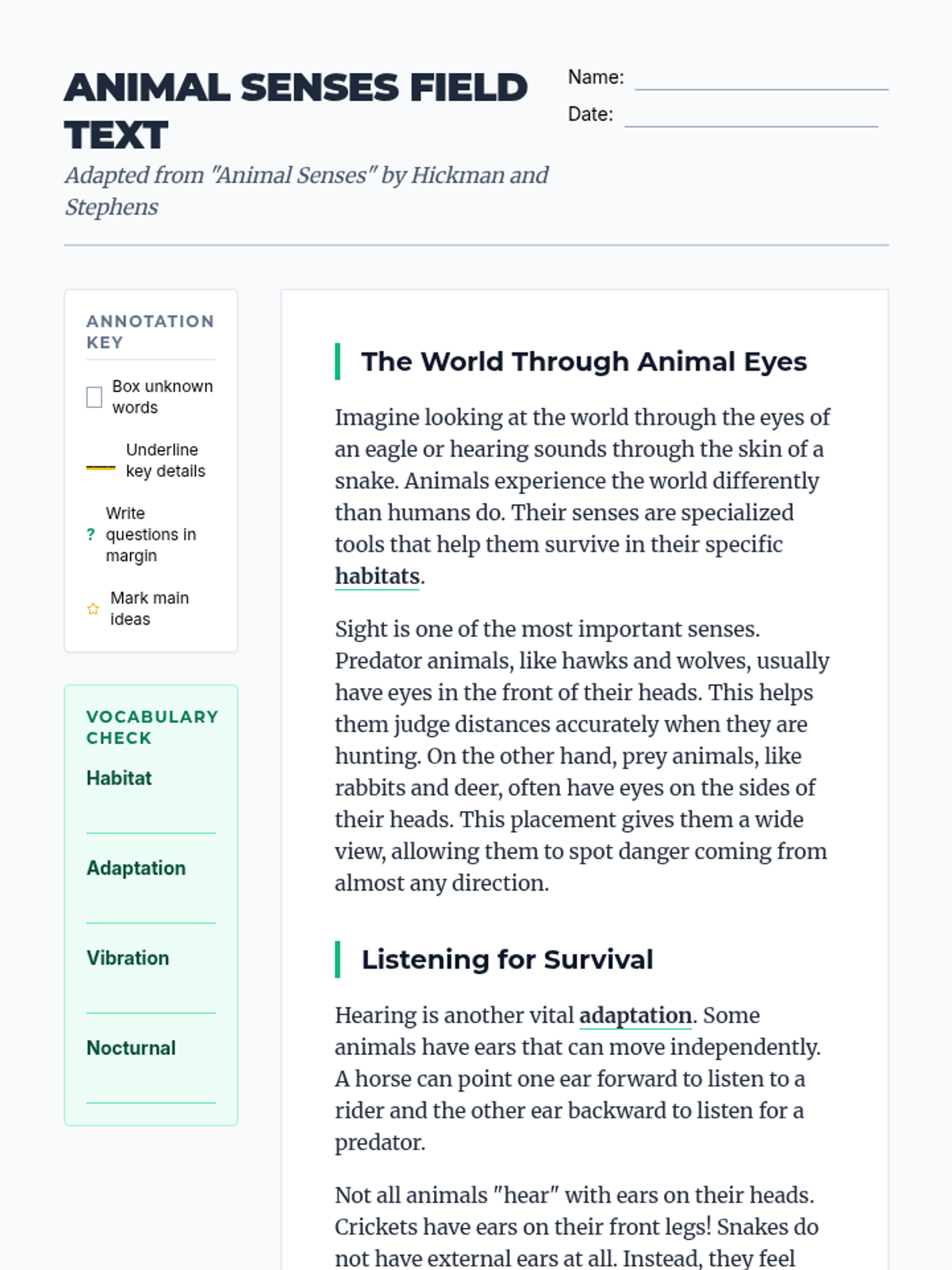
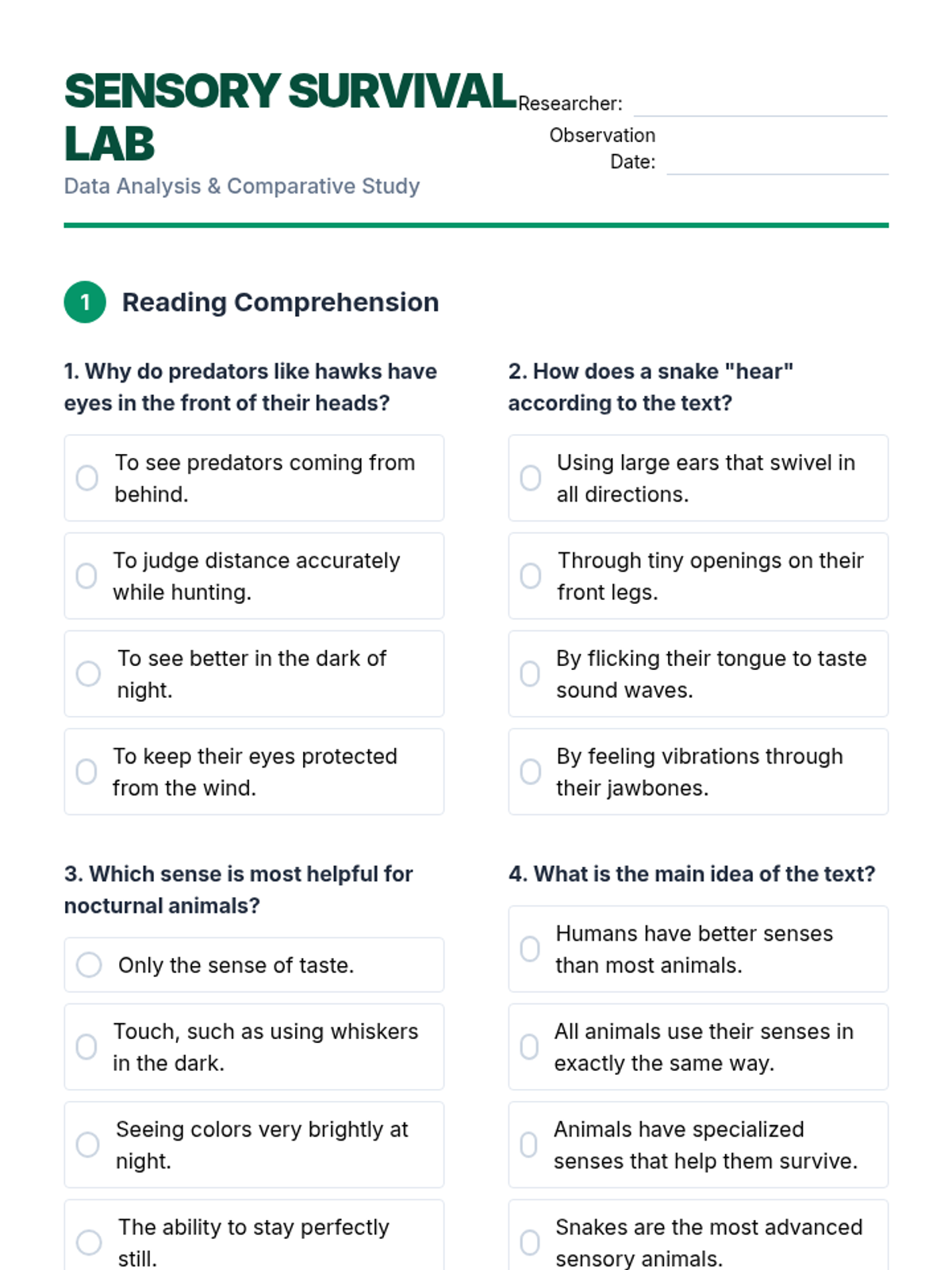
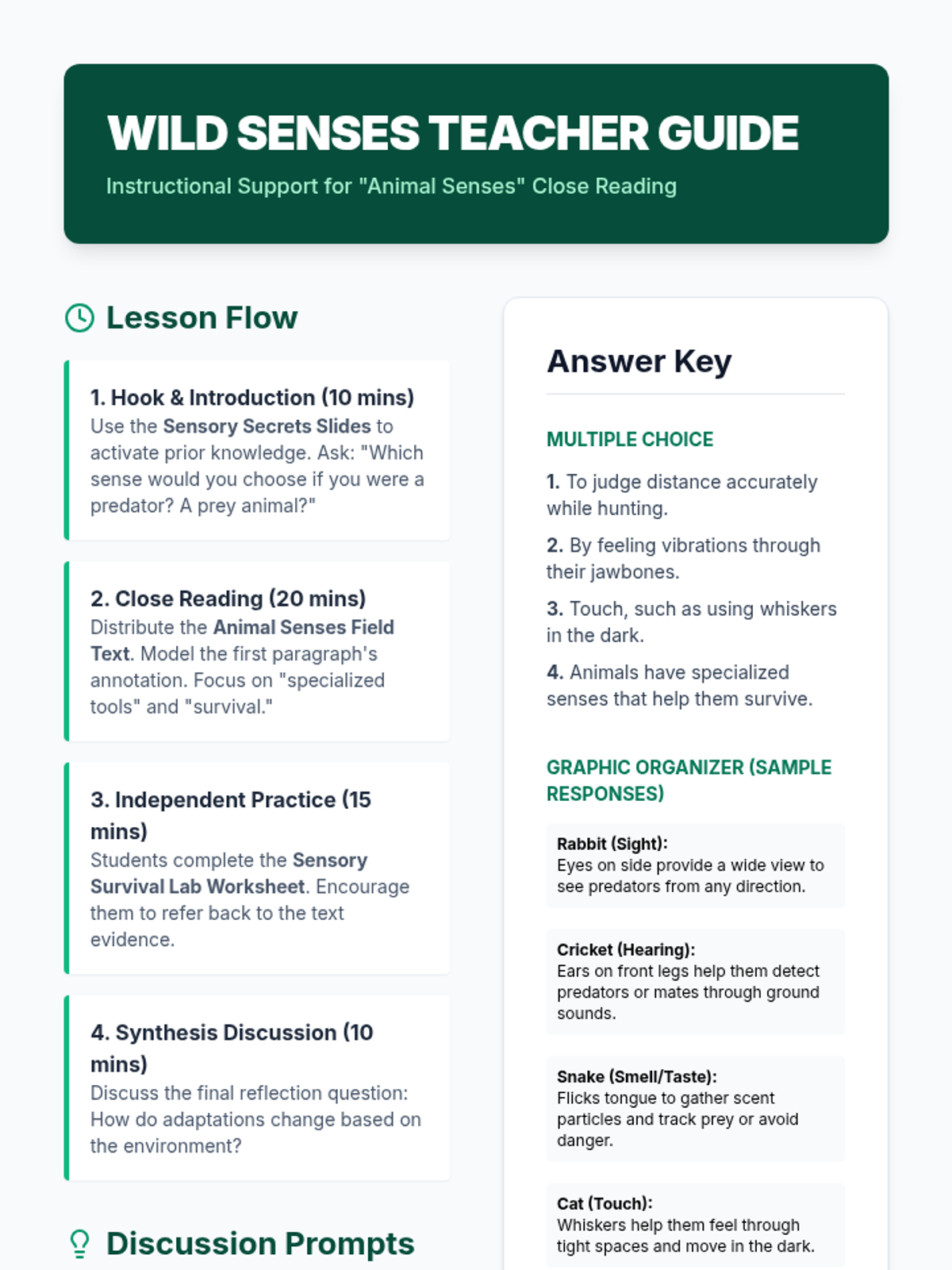
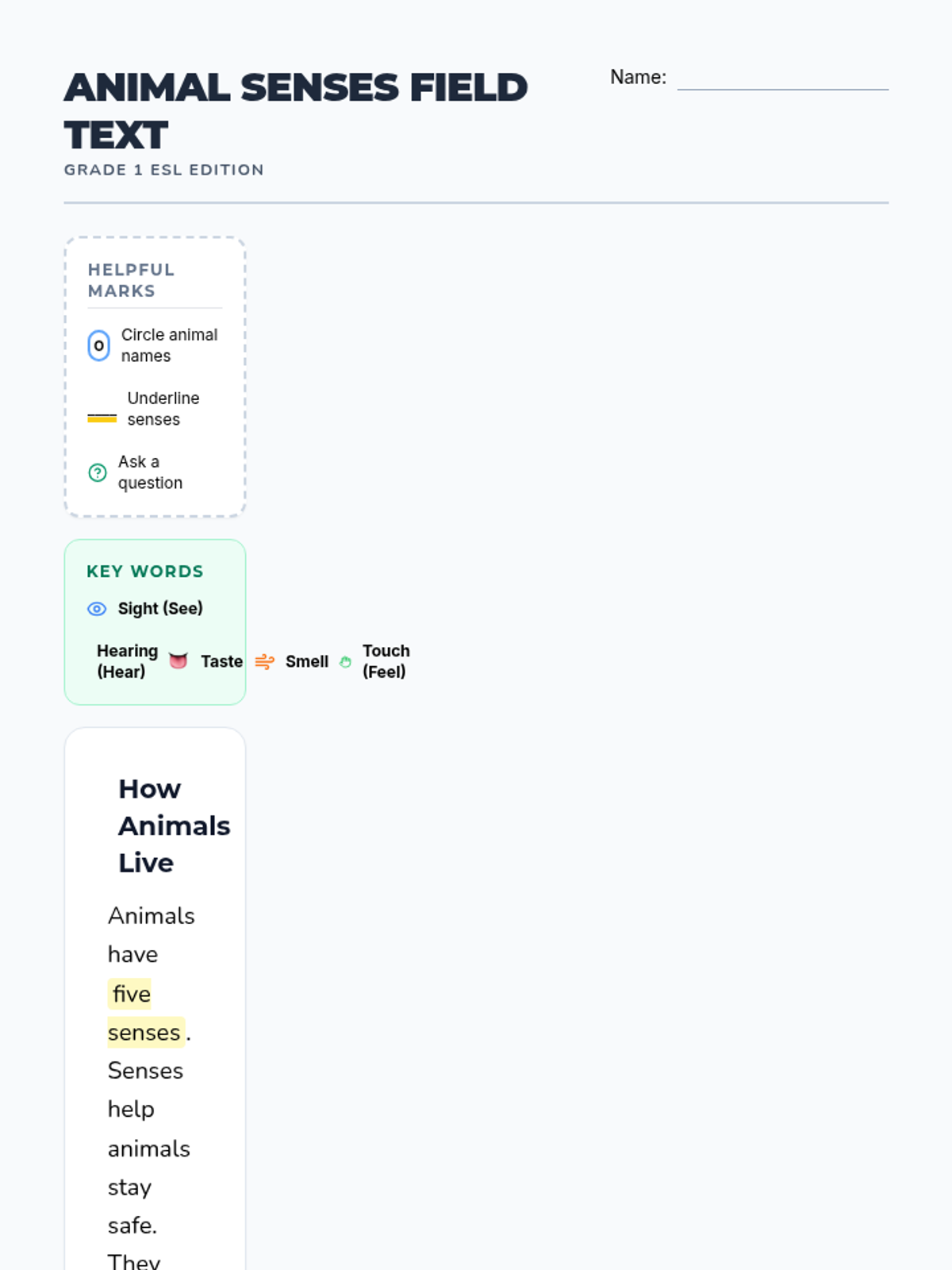
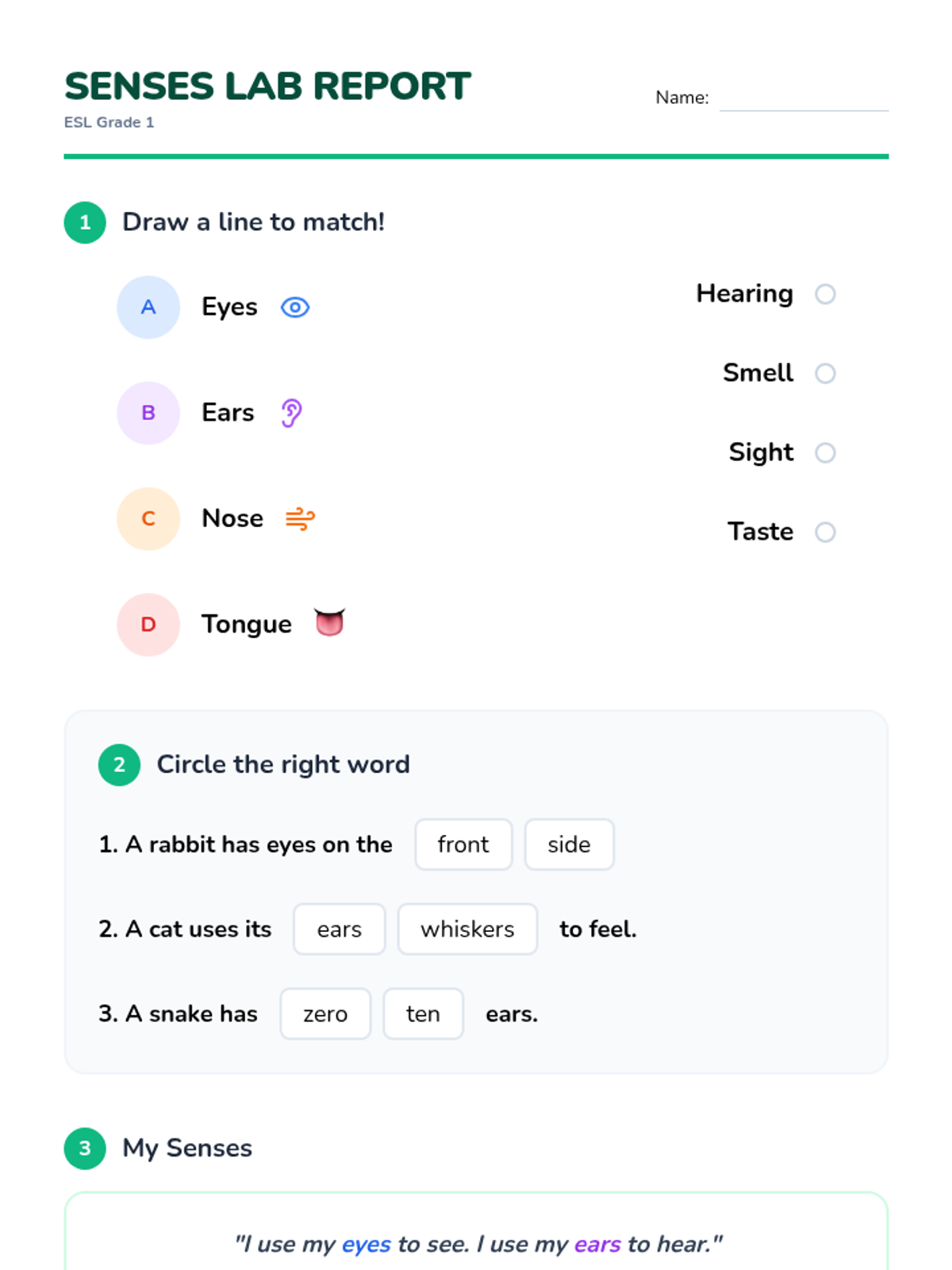
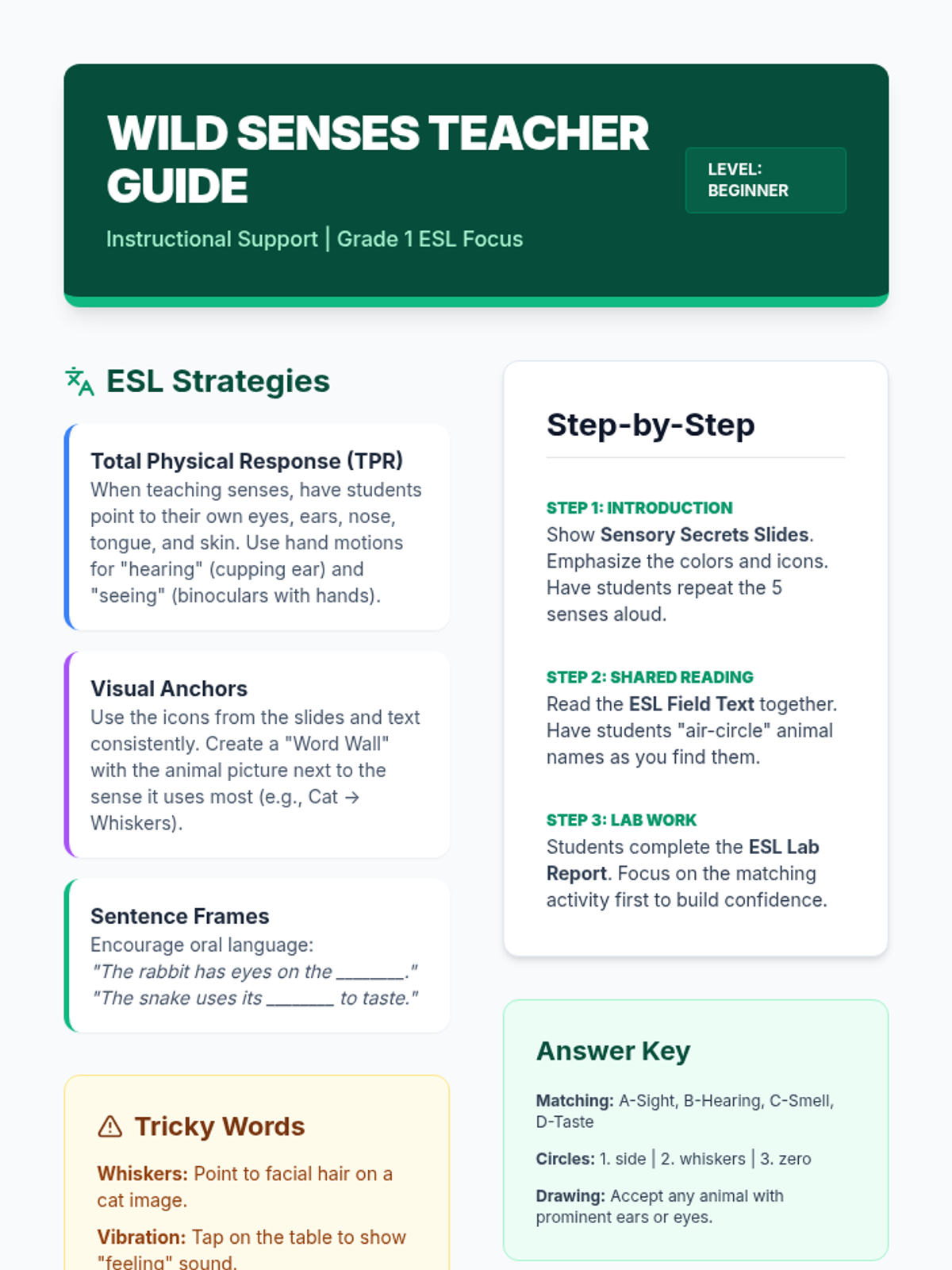
A comprehensive close reading lesson based on 'Animal Senses' by Pamela Hickman and Pat Stephens, exploring how animals use their five senses for survival in various habitats.
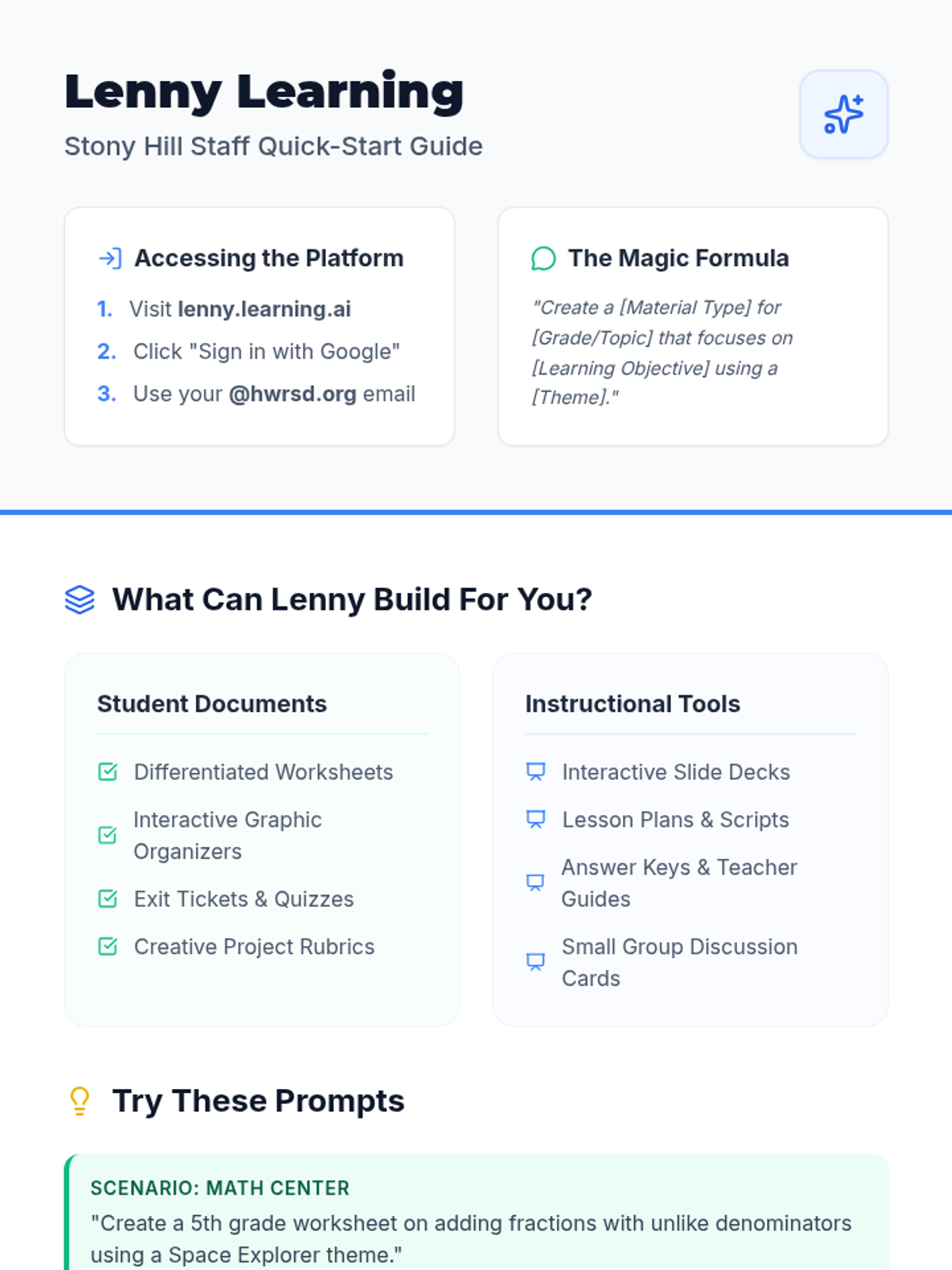
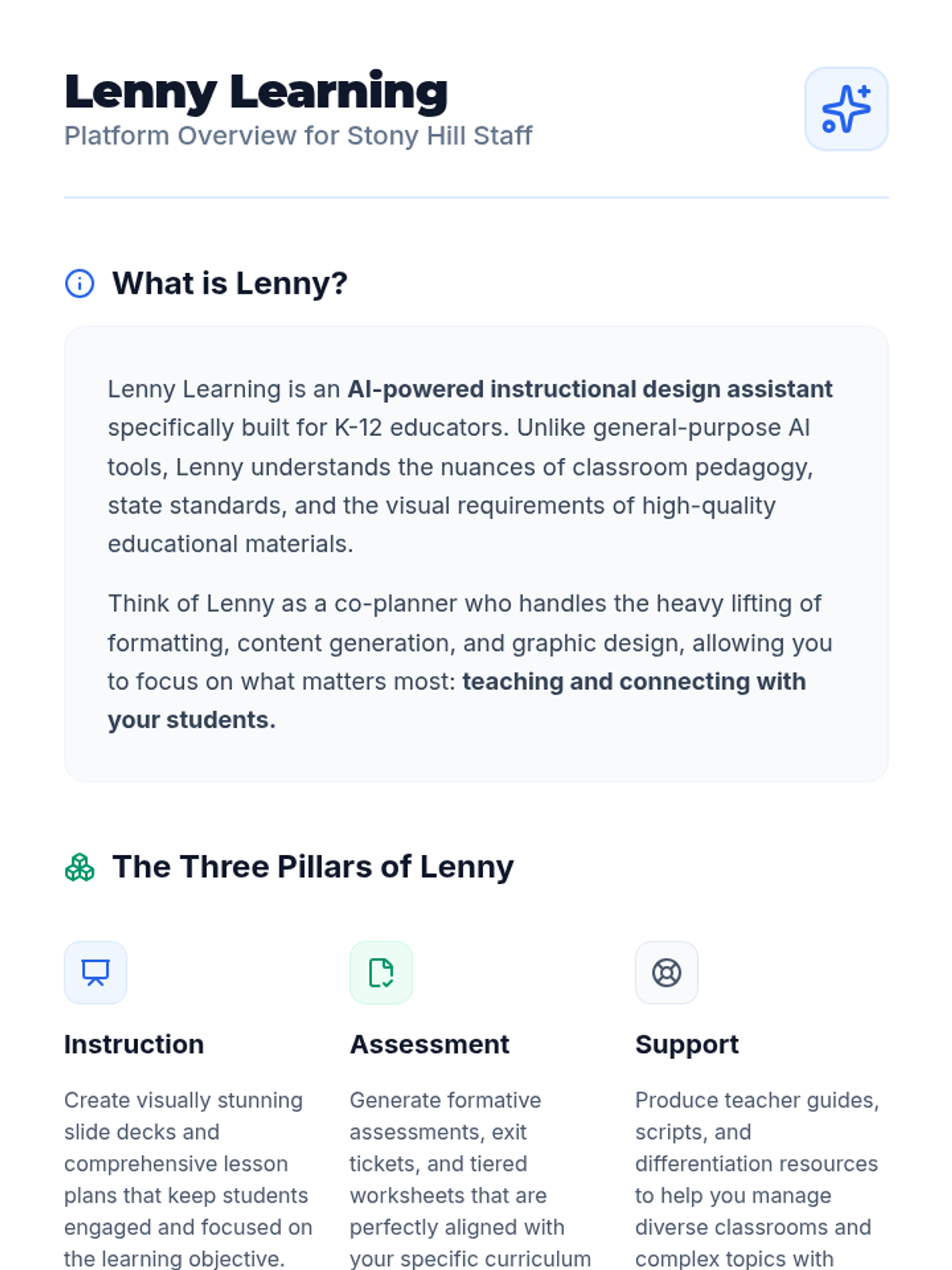
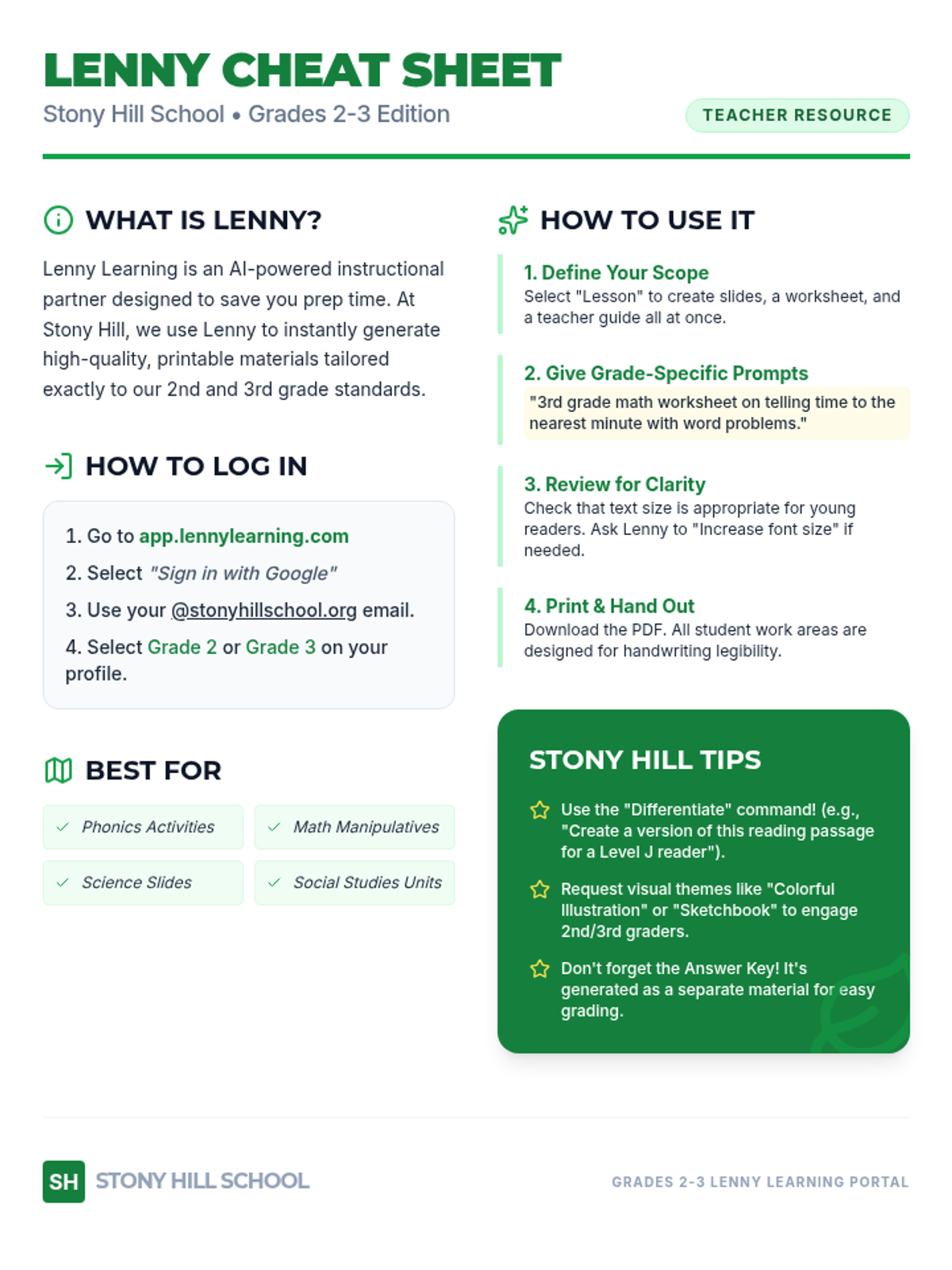
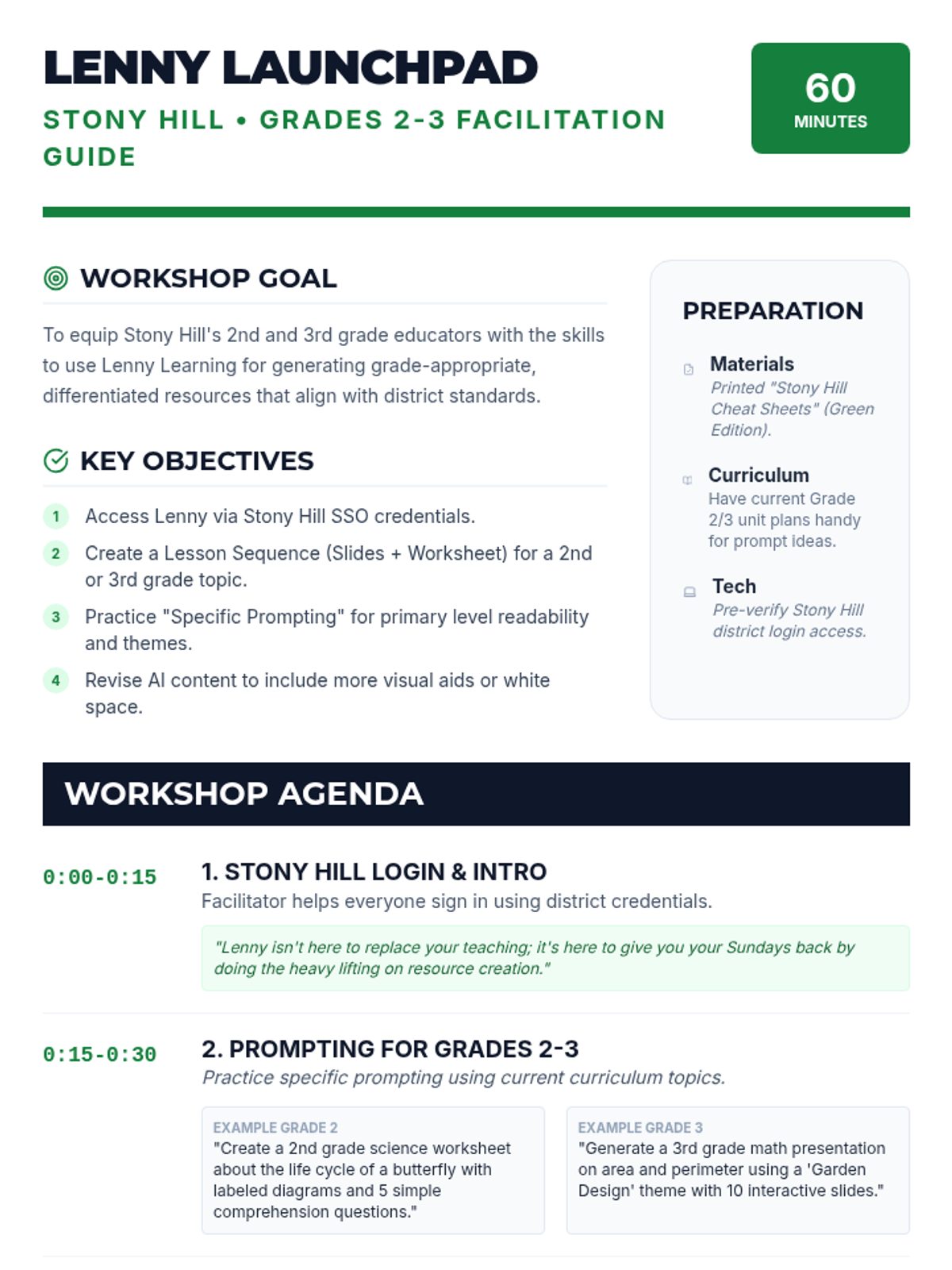
A comprehensive tutorial for Stony Hill staff on integrating Lenny Learning into their workflow, covering login procedures, material creation, and pedagogical benefits.
A comprehensive onboarding module designed to help educators master Lenny Learning, from initial login to generating high-quality custom resources for their classrooms.
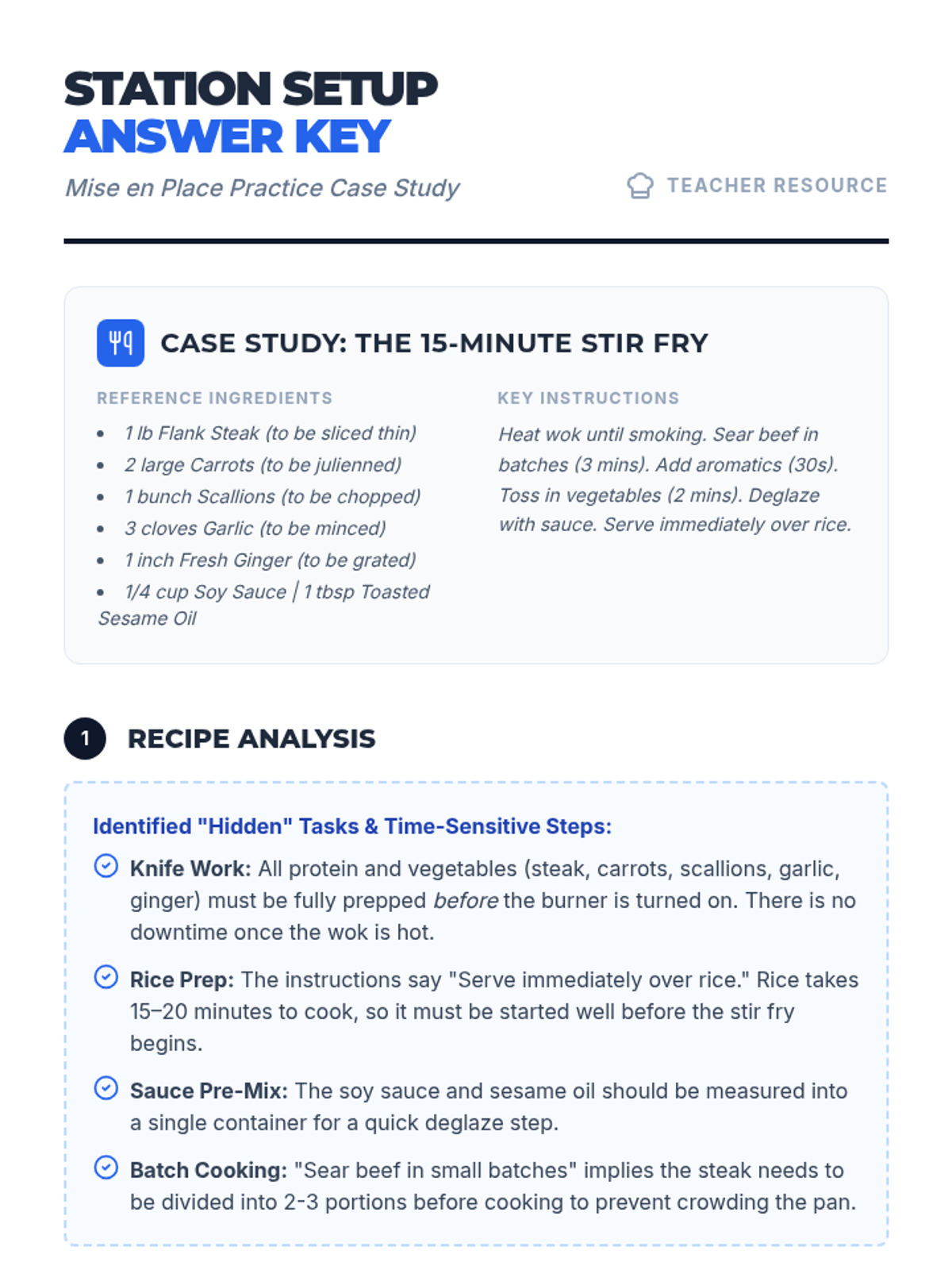
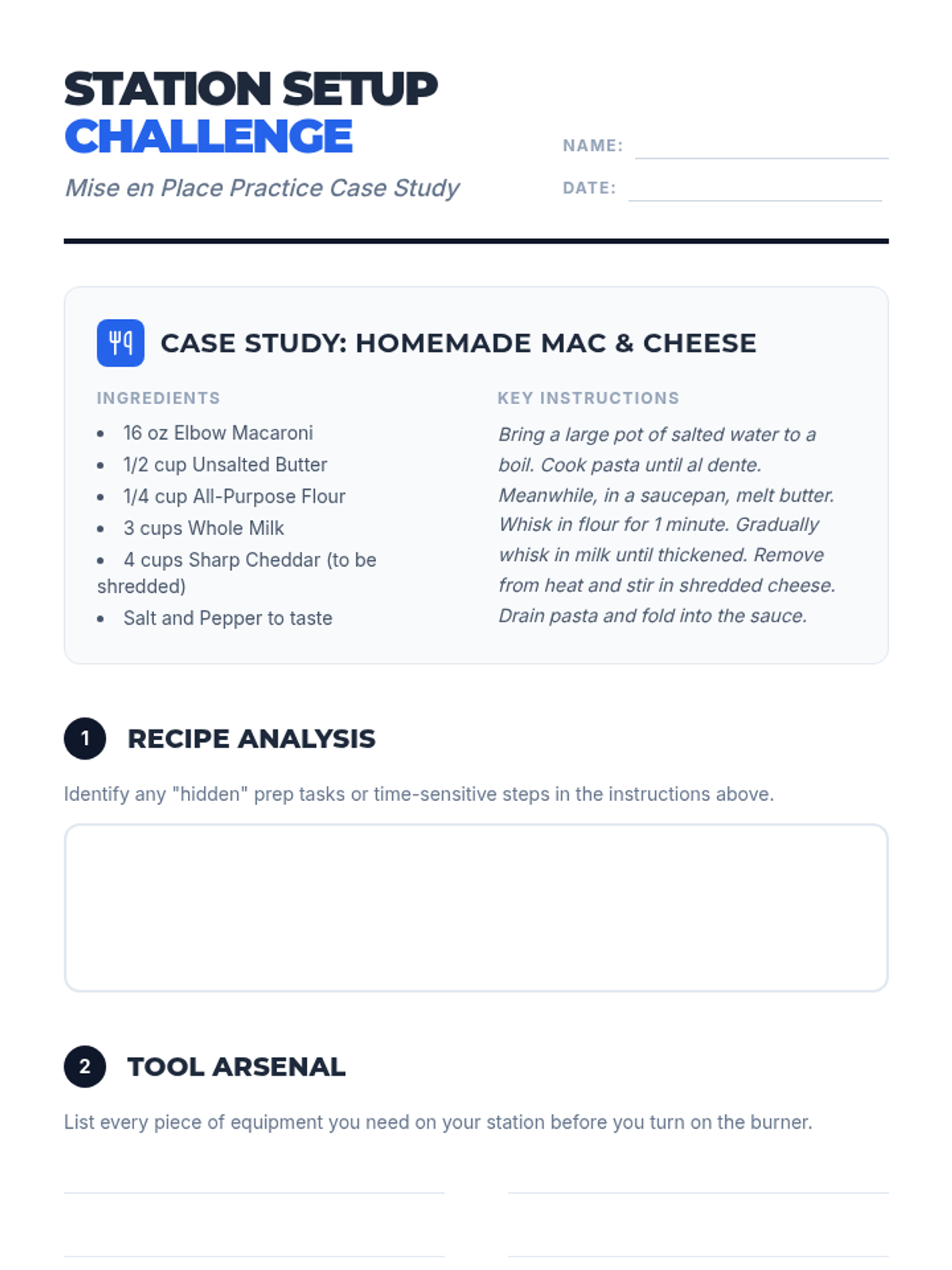
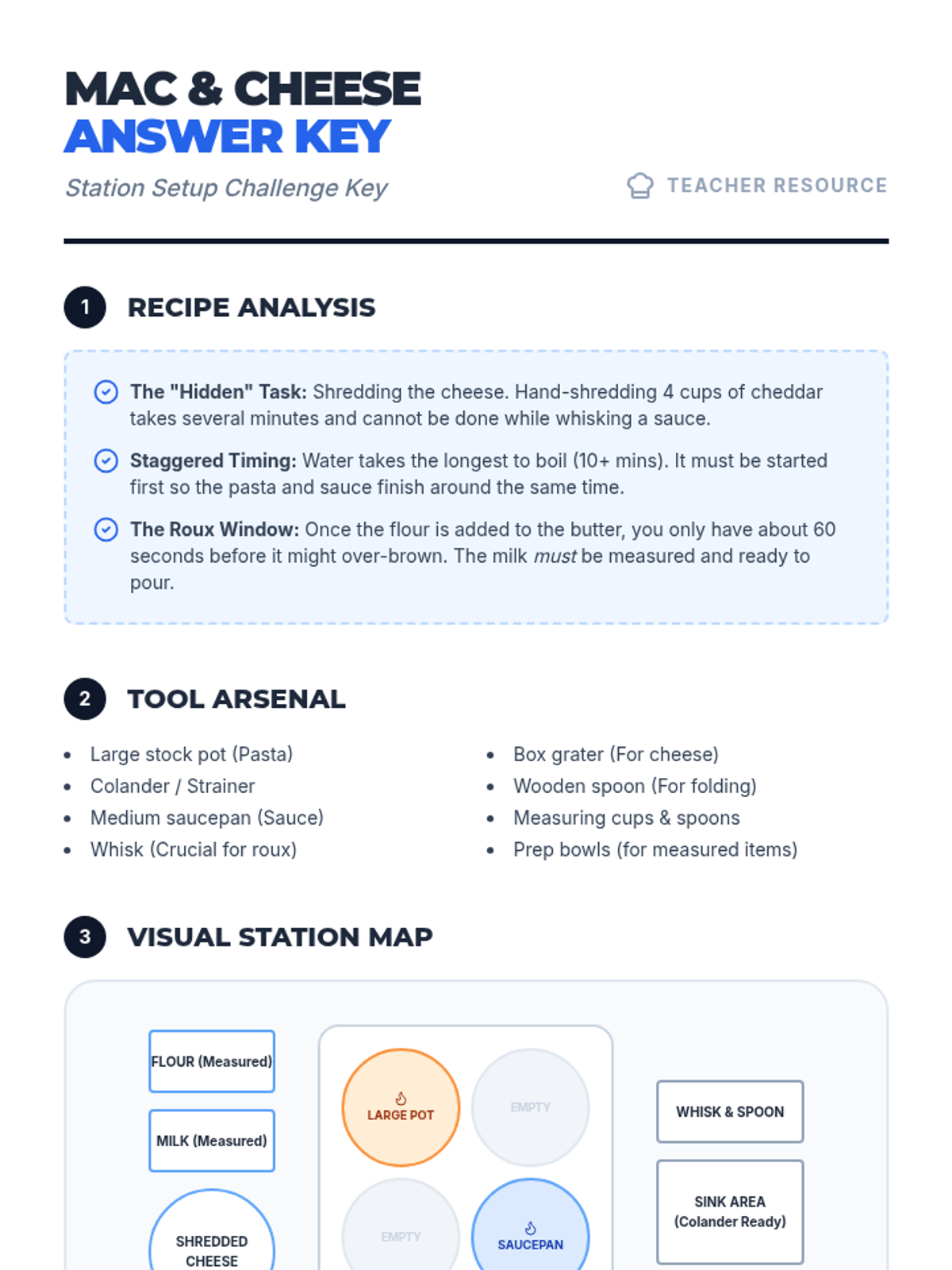
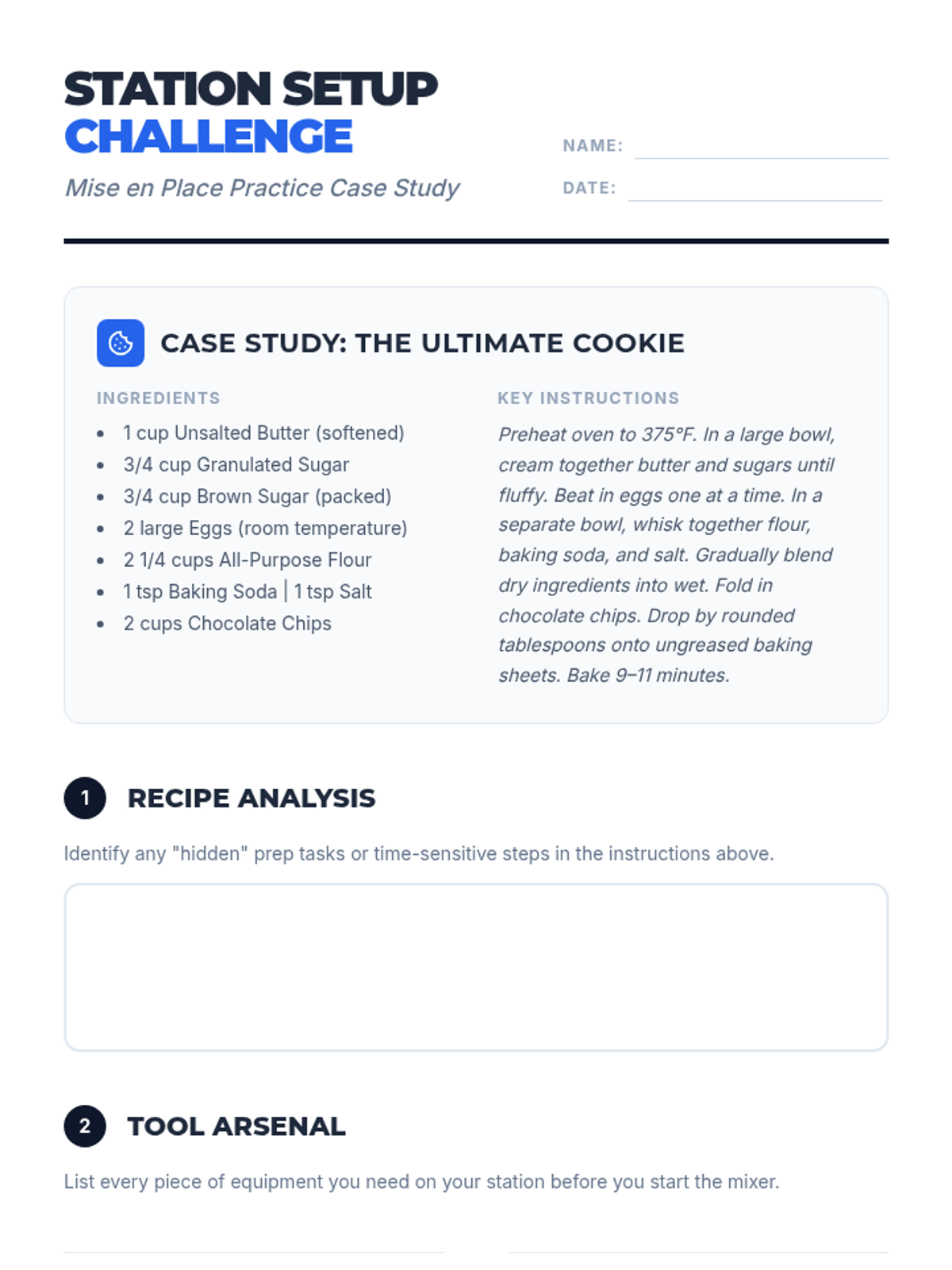
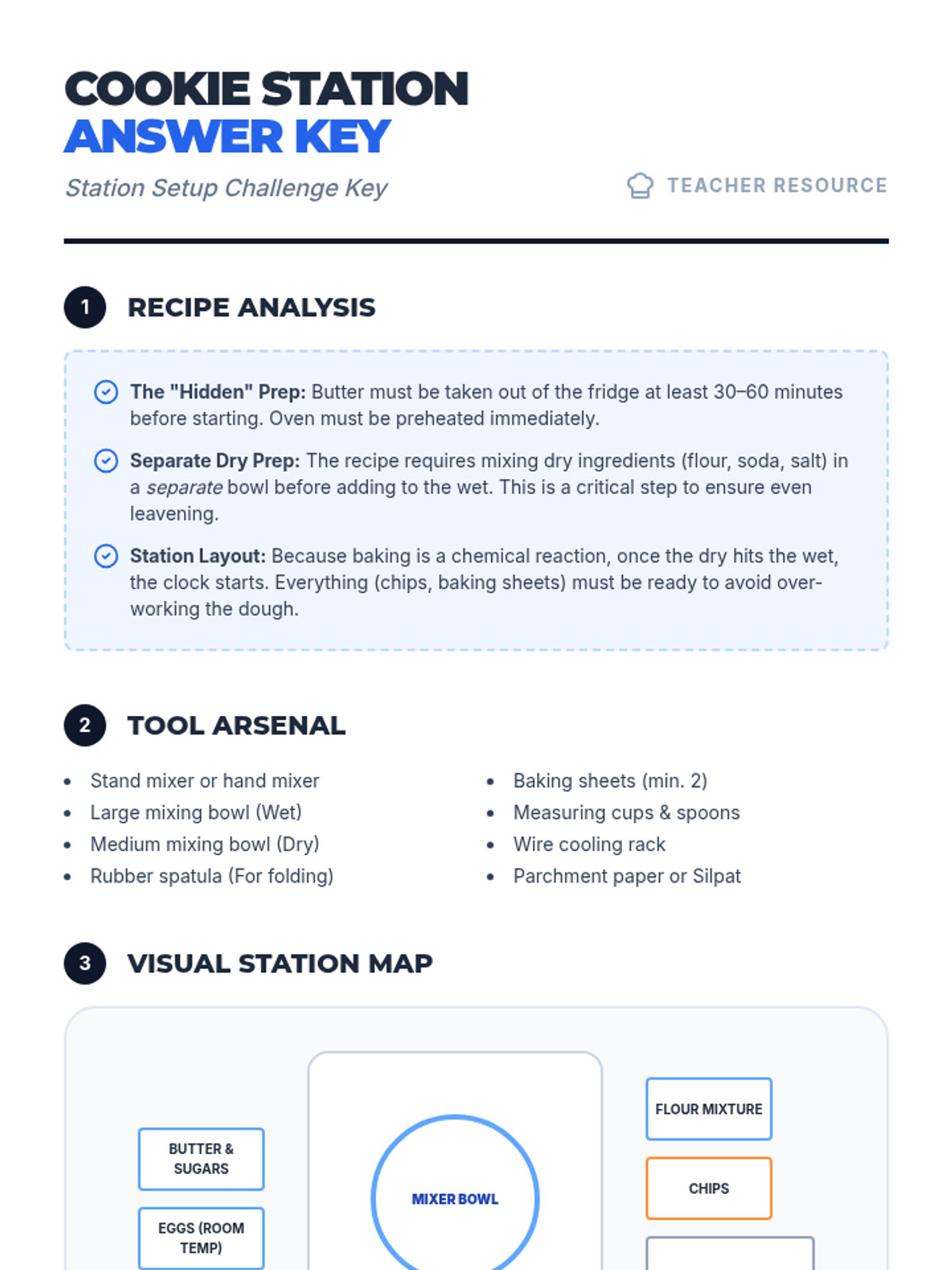
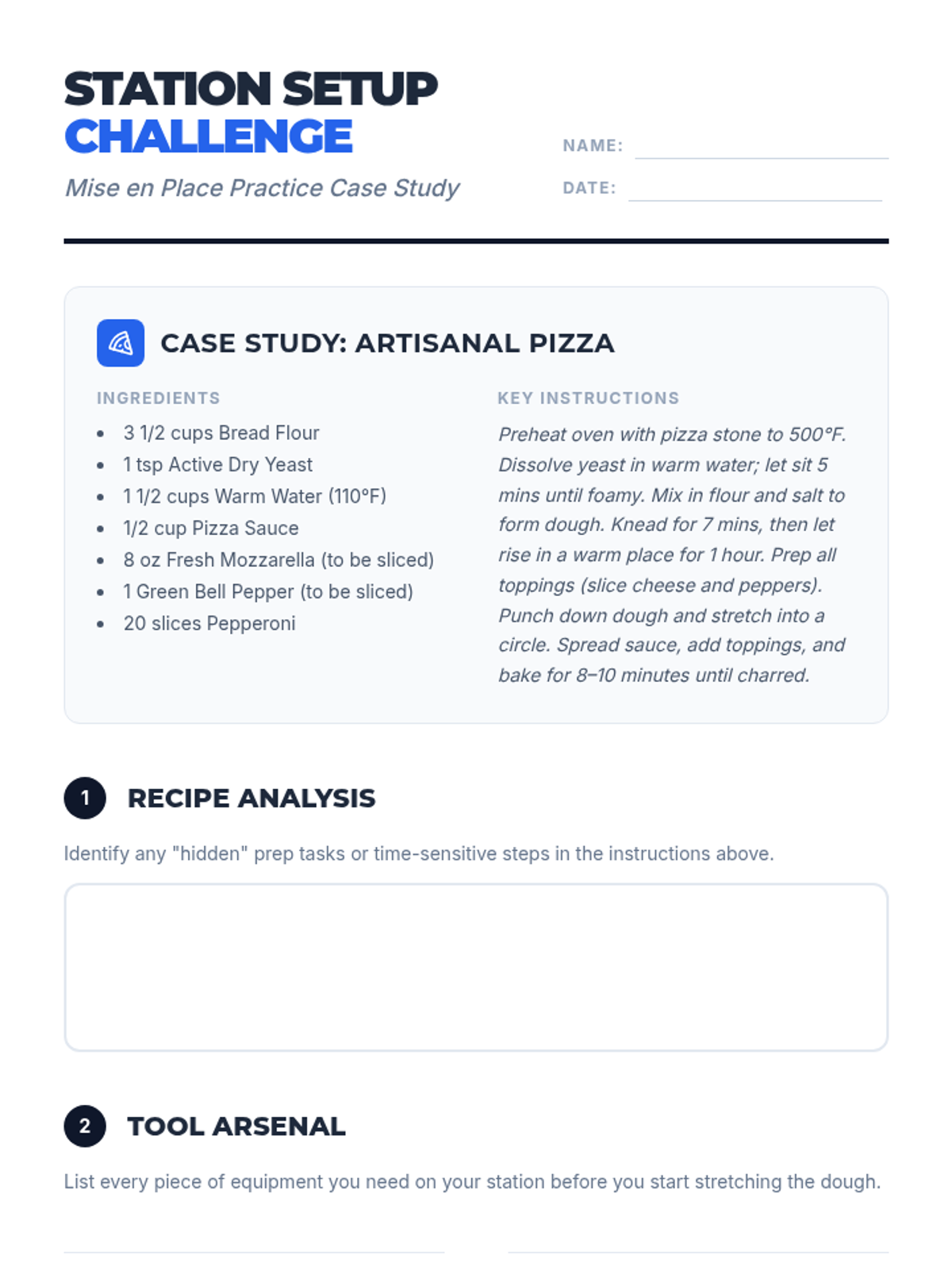
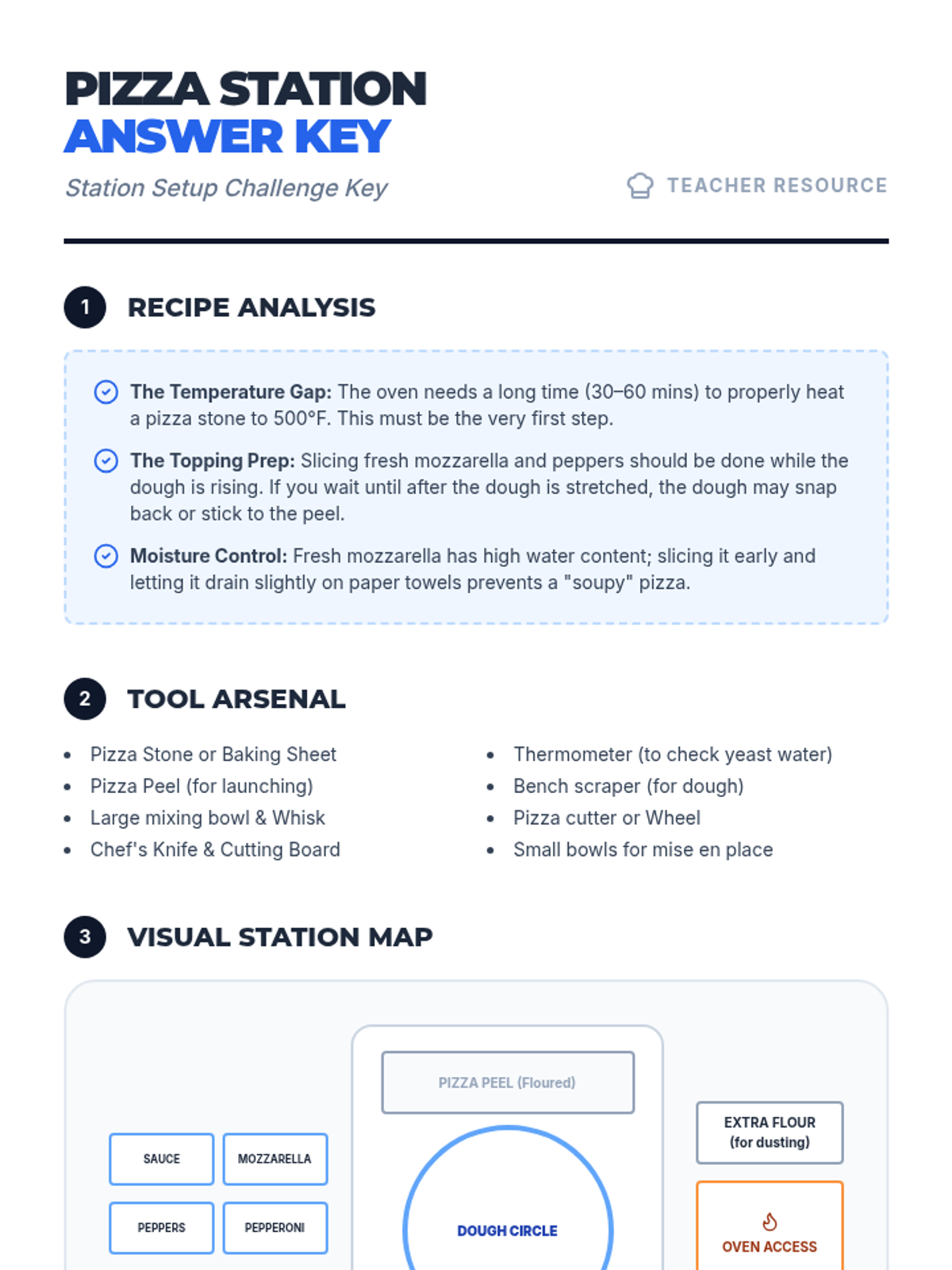
A lesson focused on the professional culinary practice of mise en place, specifically applied to high-heat, fast-paced cooking environments like stir-frying. Students learn to analyze recipes for hidden prep and organize their workspace for maximum efficiency.
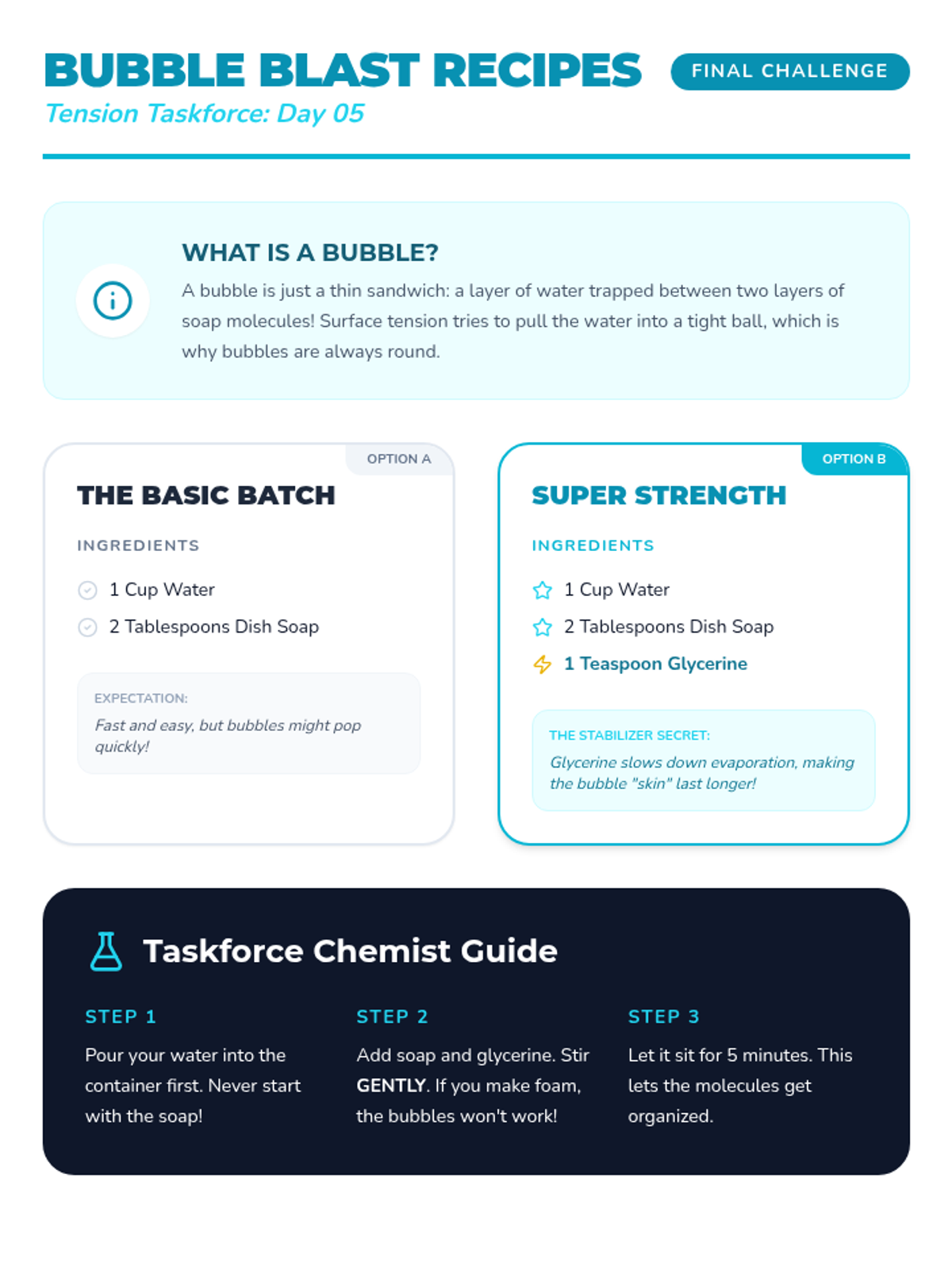
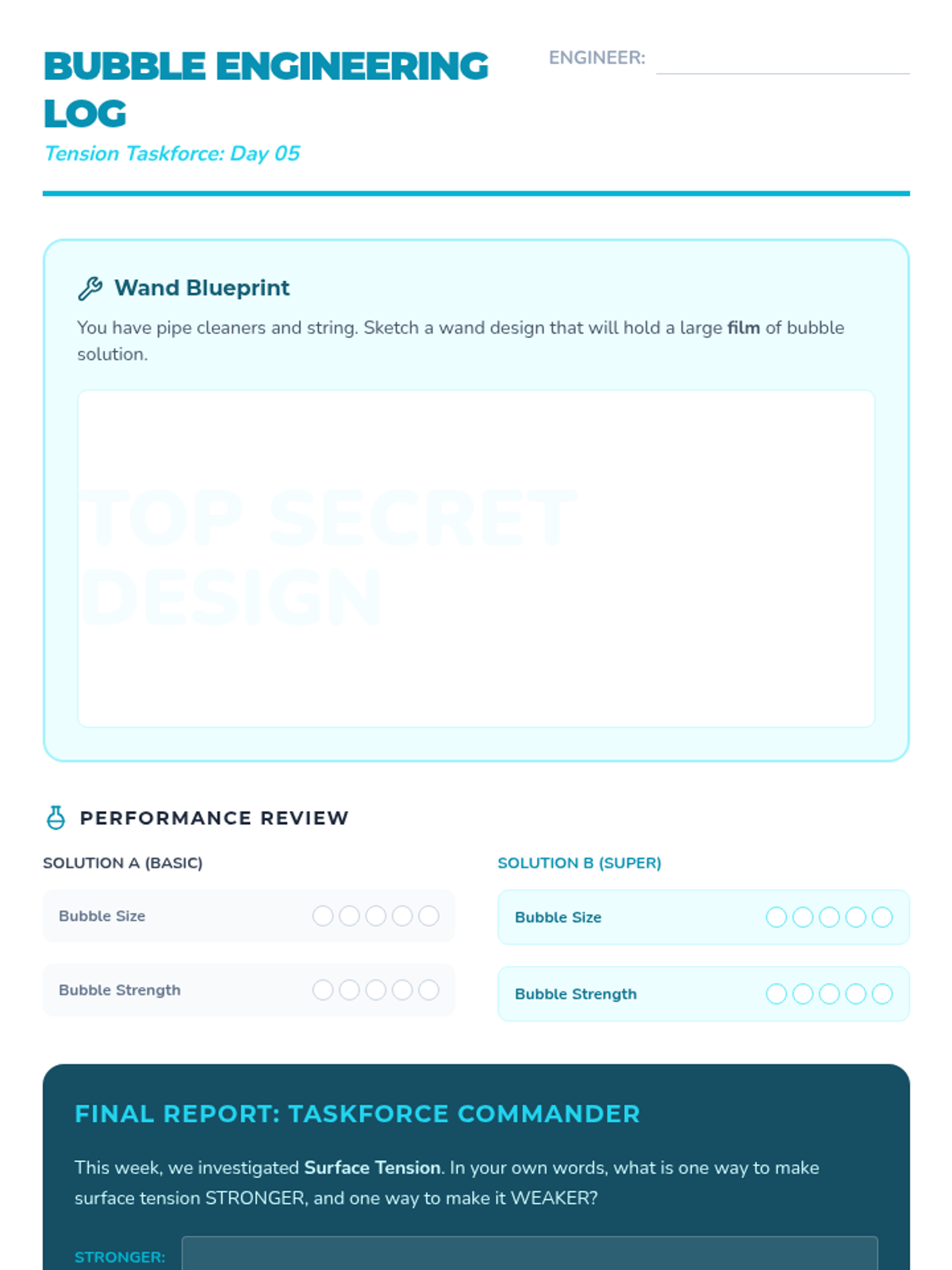
Applying knowledge of surface tension to create the strongest bubble solution and engineer giant bubble wands.