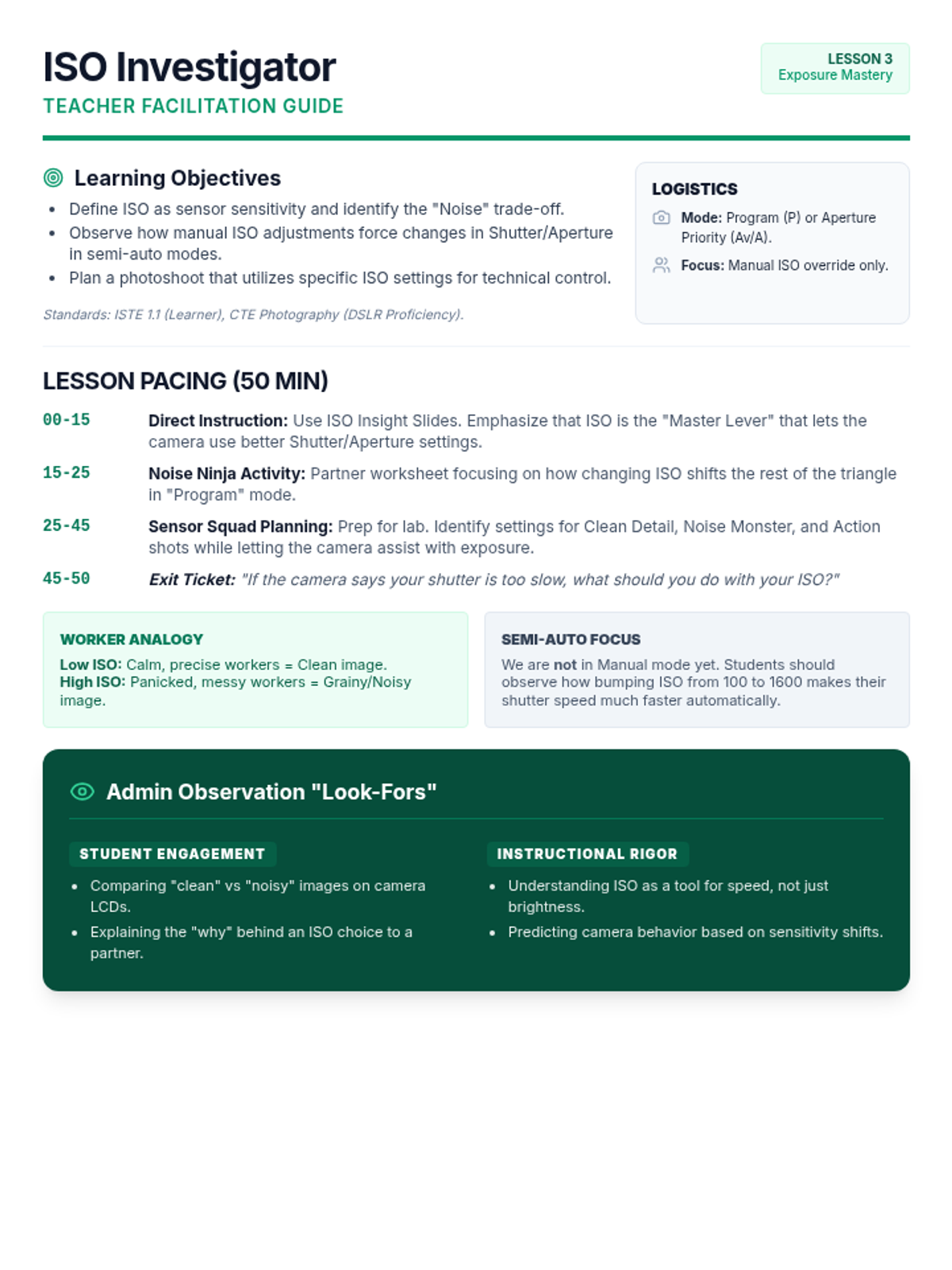
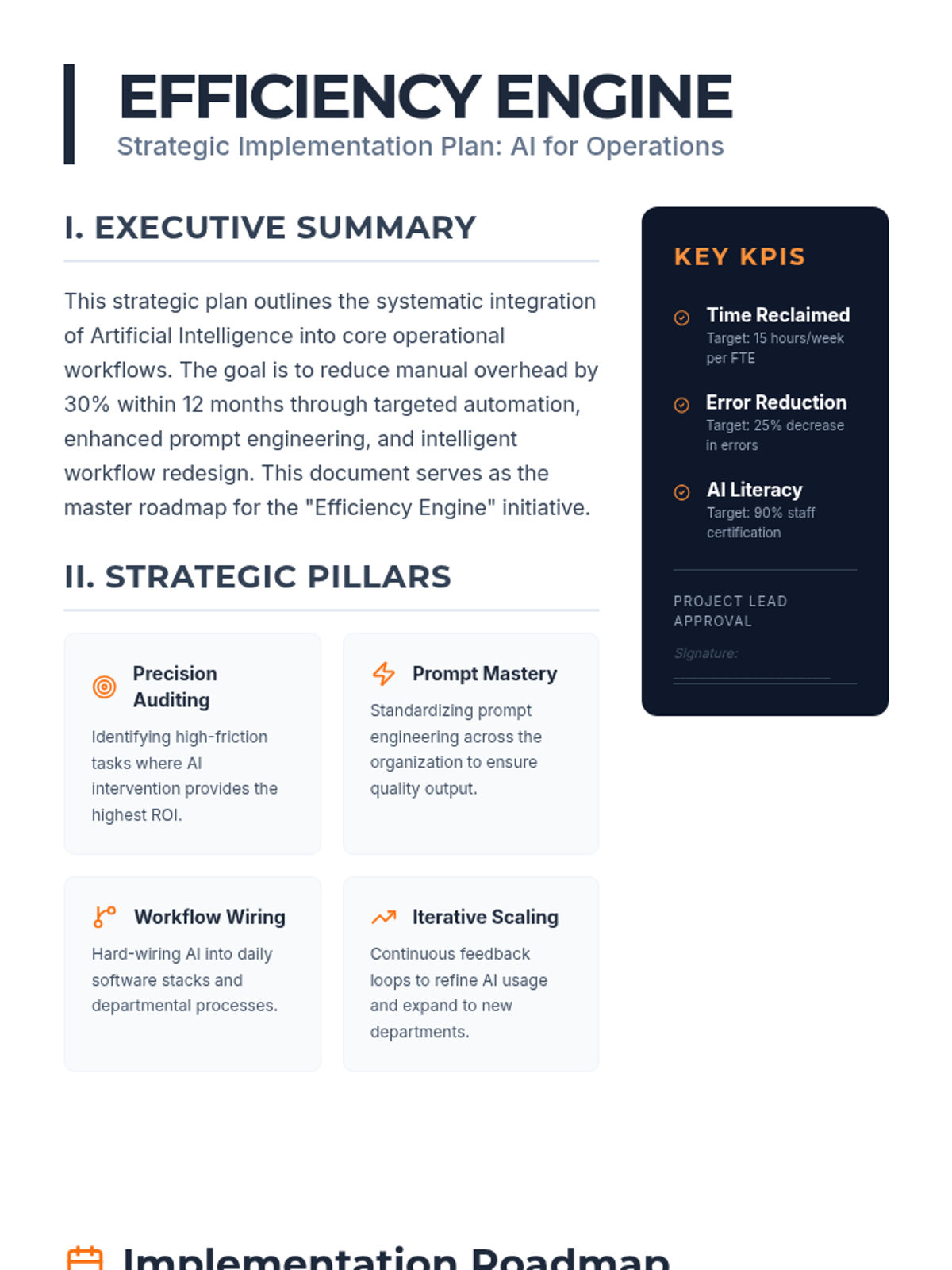
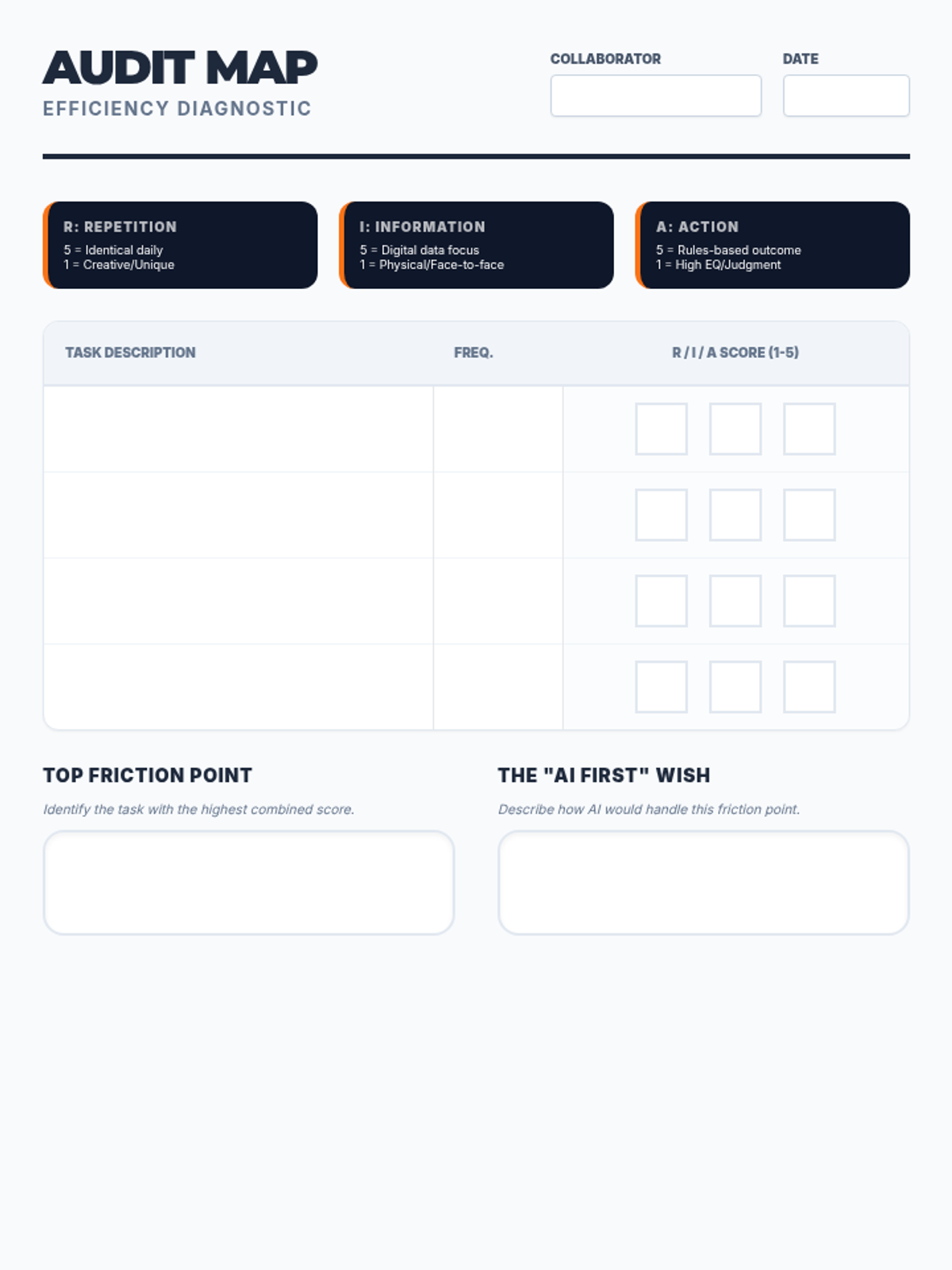
A comprehensive leadership development program for district administrators focused on high-quality curriculum implementation, review methodologies, and instructional coaching strategies to ensure district-wide coherence.
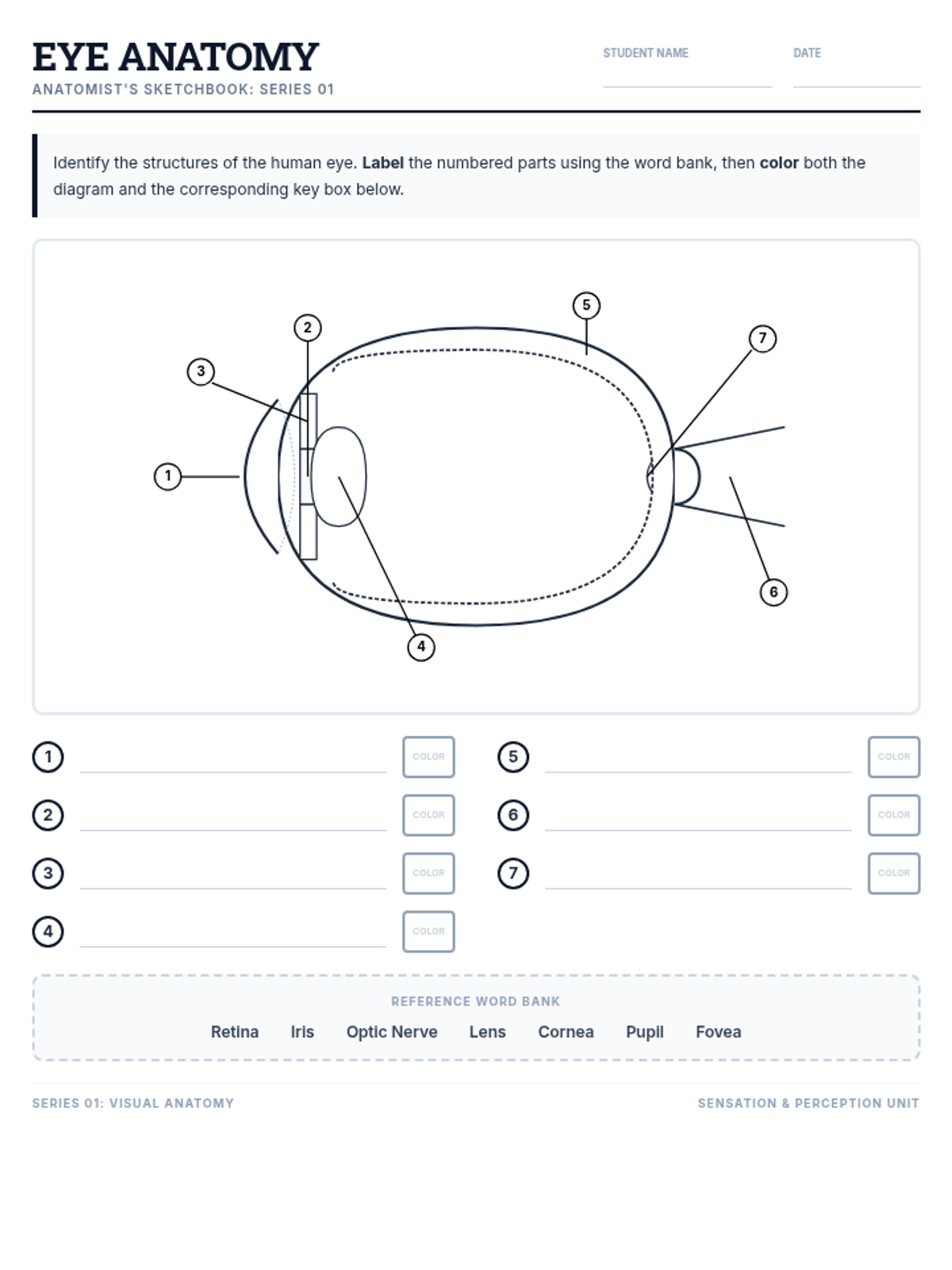
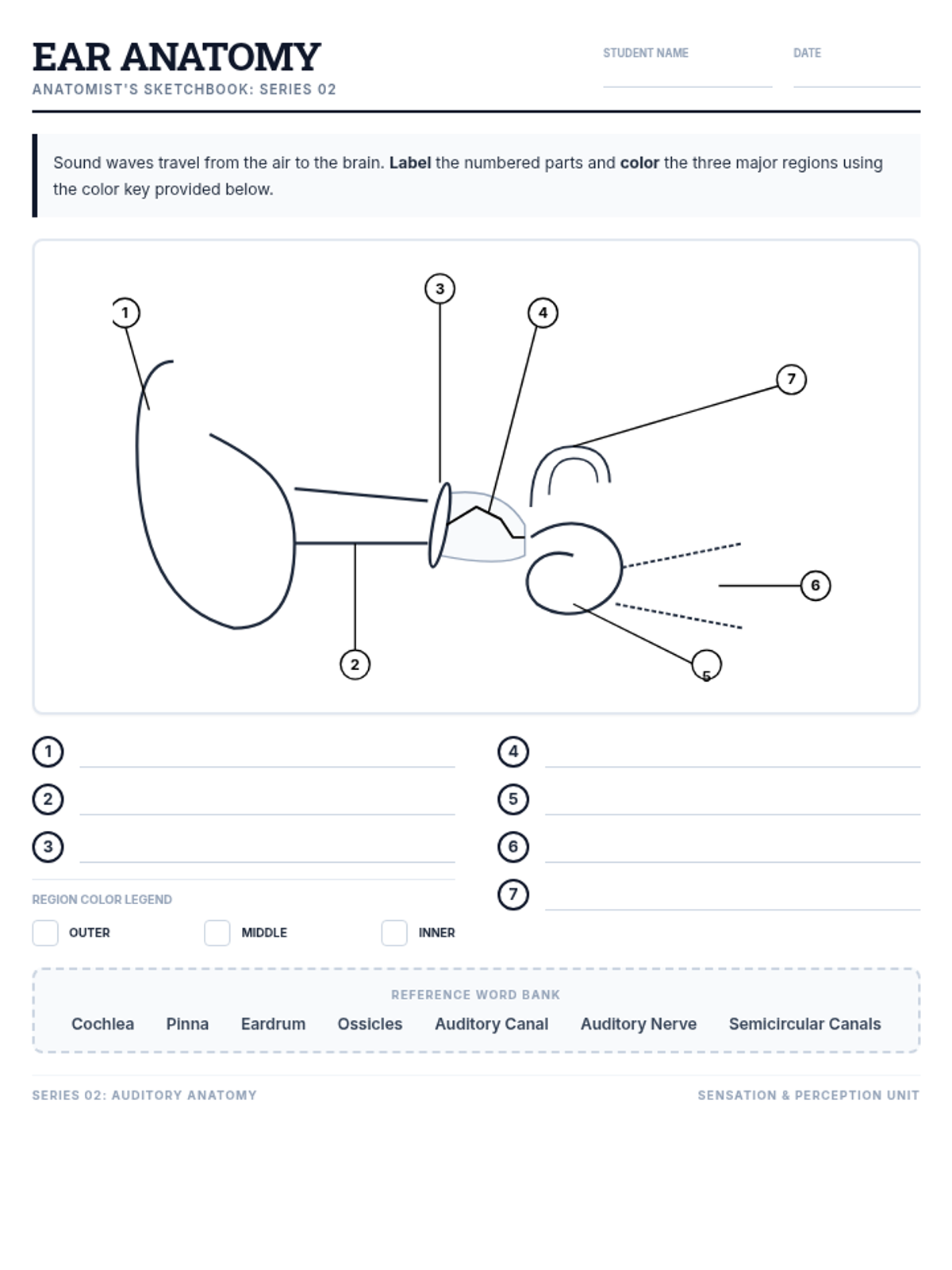
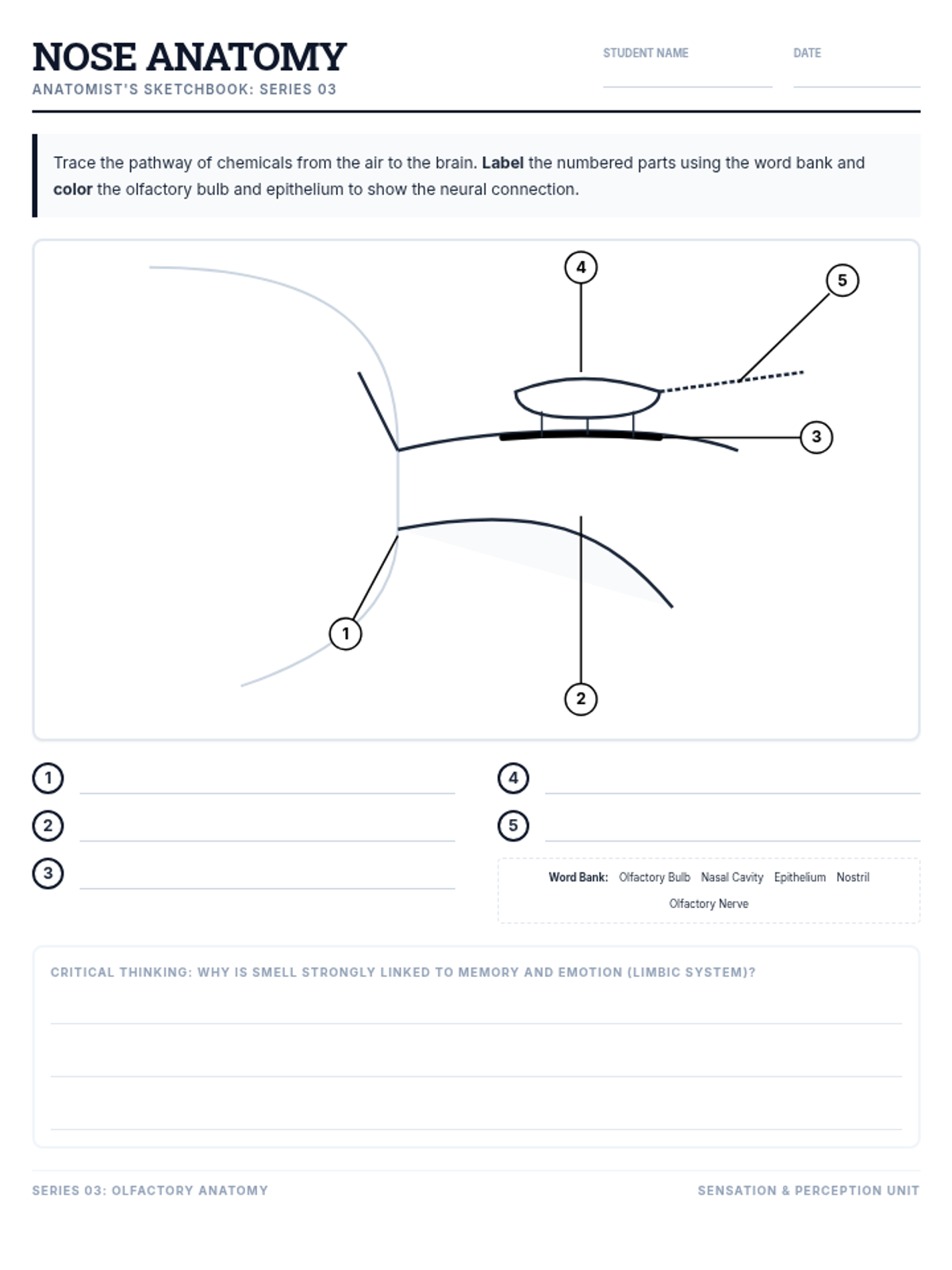
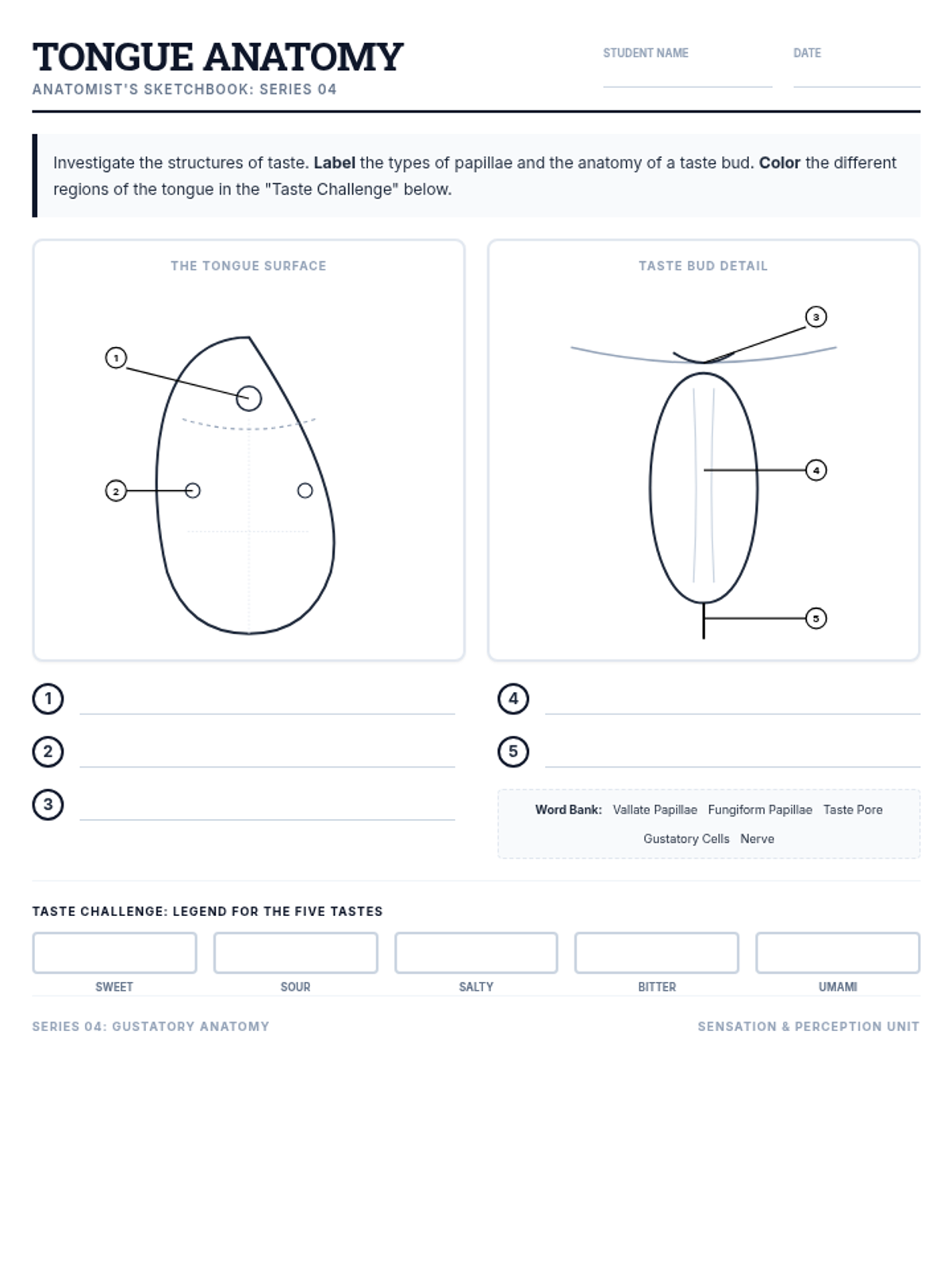
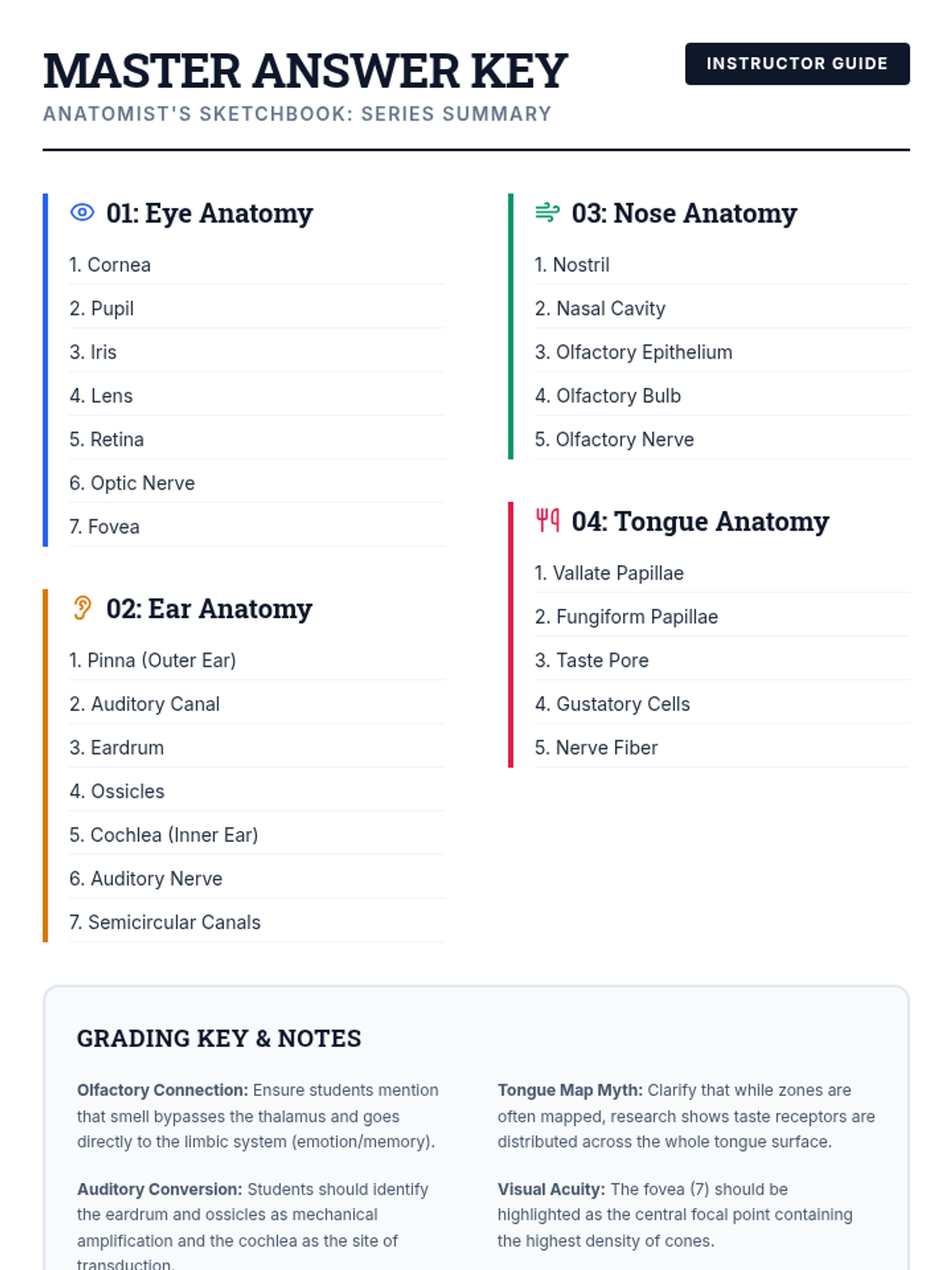
A comprehensive unit on the human body's systems, focusing on anatomy, physiology, and health.
A four-day introductory unit on the signs of spring, focusing on weather changes and nature's awakening. Includes a mix of outdoor exploration and indoor hands-on crafts designed for grades K-3.
A comprehensive STEM unit introducing block coding and robotics using Marty the Robot and Sphero Minis. Students explore sequencing, loops, and color-based commands across two weeks of rotating hands-on lab sessions.
A comprehensive substitute teacher packet for the 8th-grade 'Teen Challenges' course, focusing on the Inner Strength Lab and the novel Hatchet. Includes daily procedures, survival-themed activities, and feedback forms.
A comprehensive 2nd-week unit for 3rd Grade Science exploring the anatomy, functions, and protective nature of the human skin through experiments, models, and sensory activities.
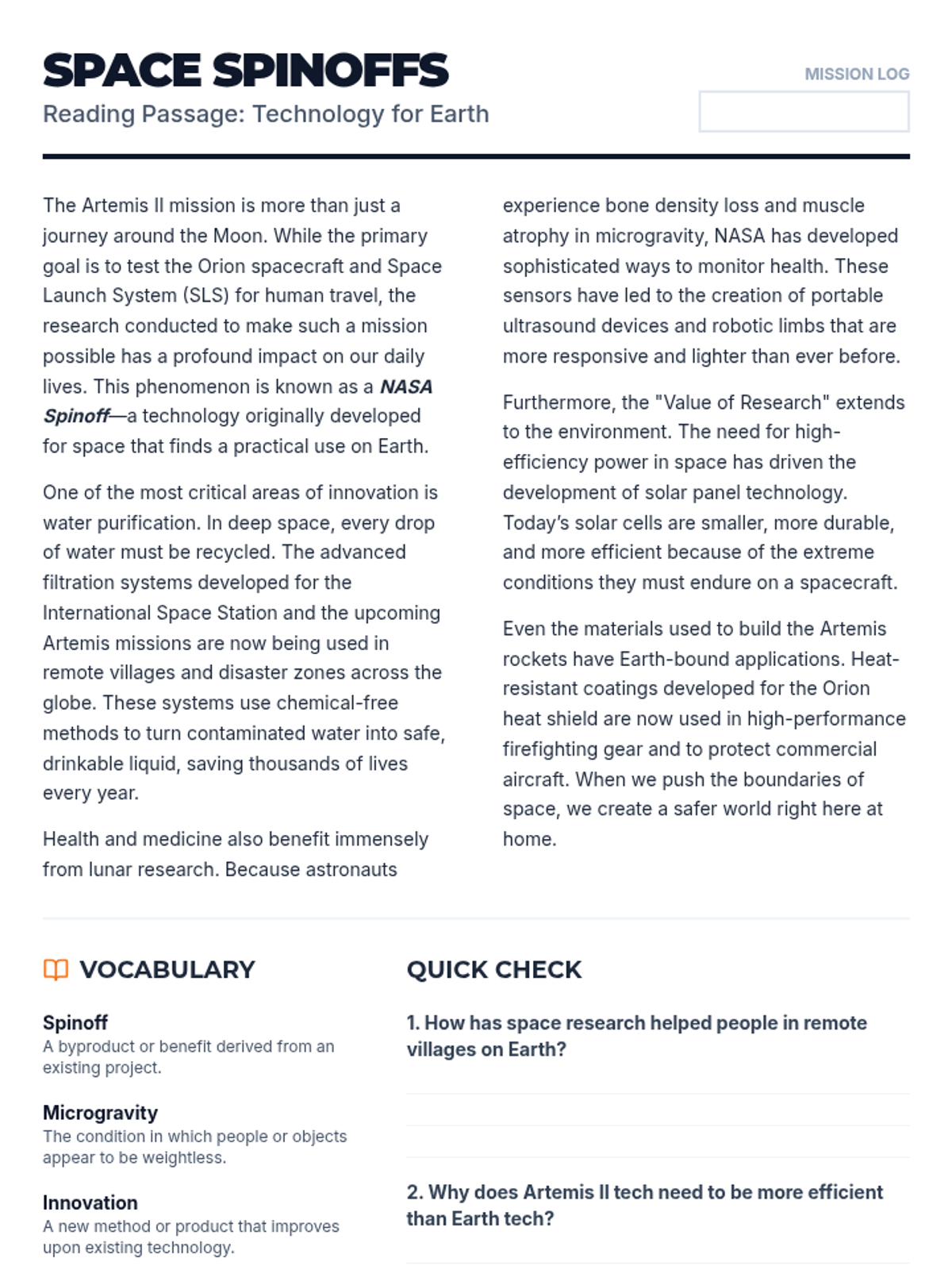
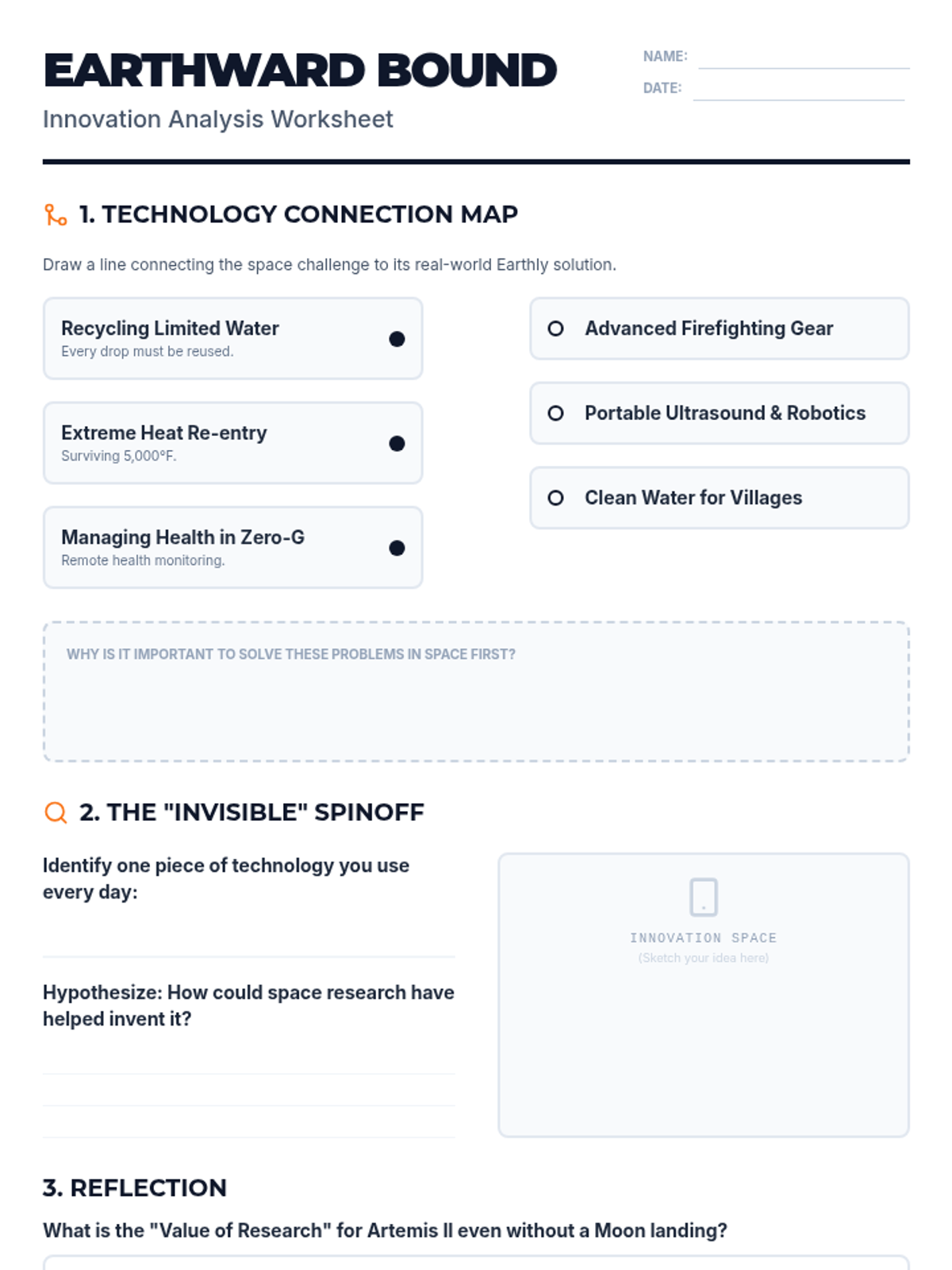
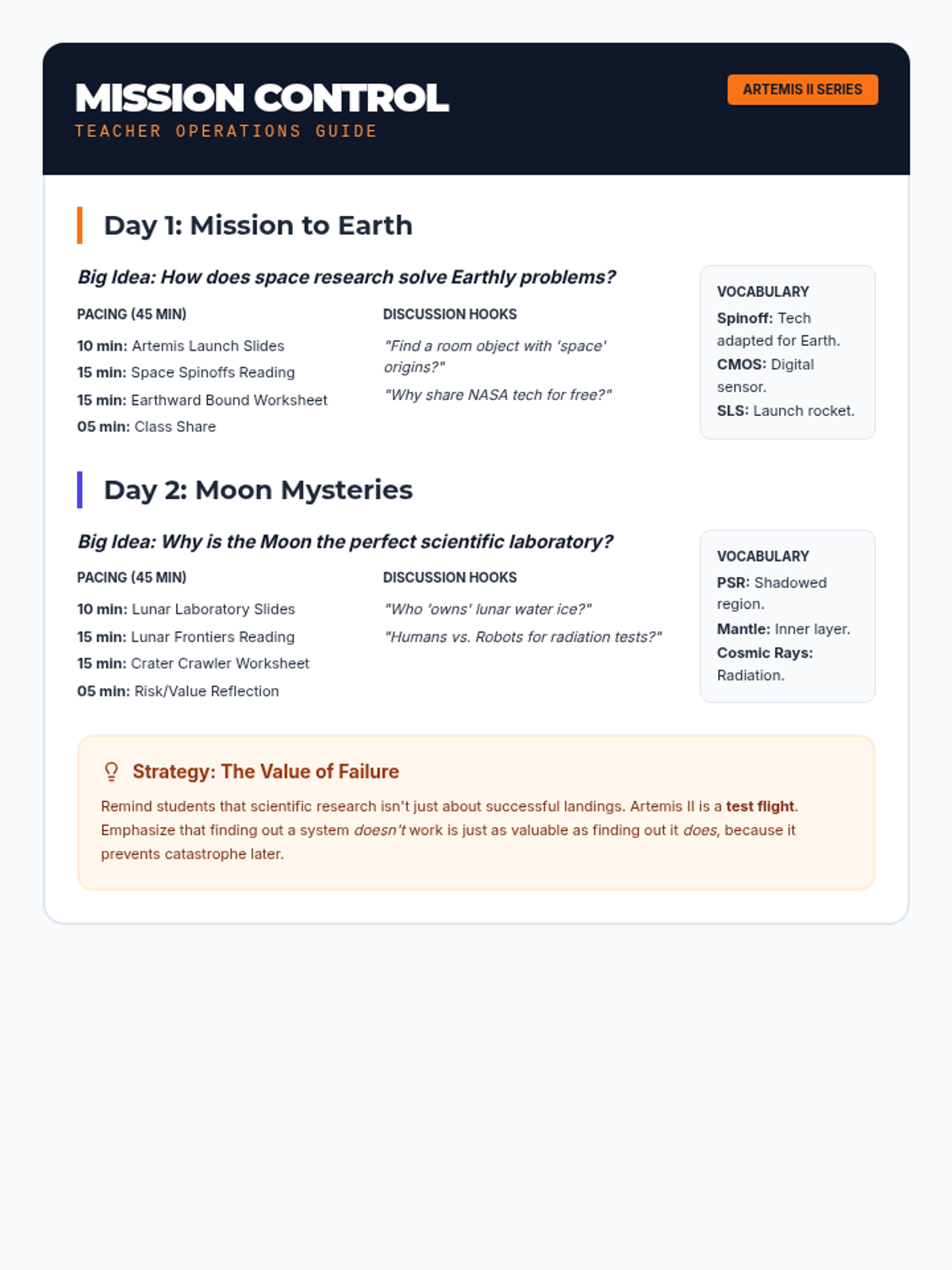
A basic introduction to space concepts and the work of NASA, designed for early elementary students to build reading skills and scientific curiosity.
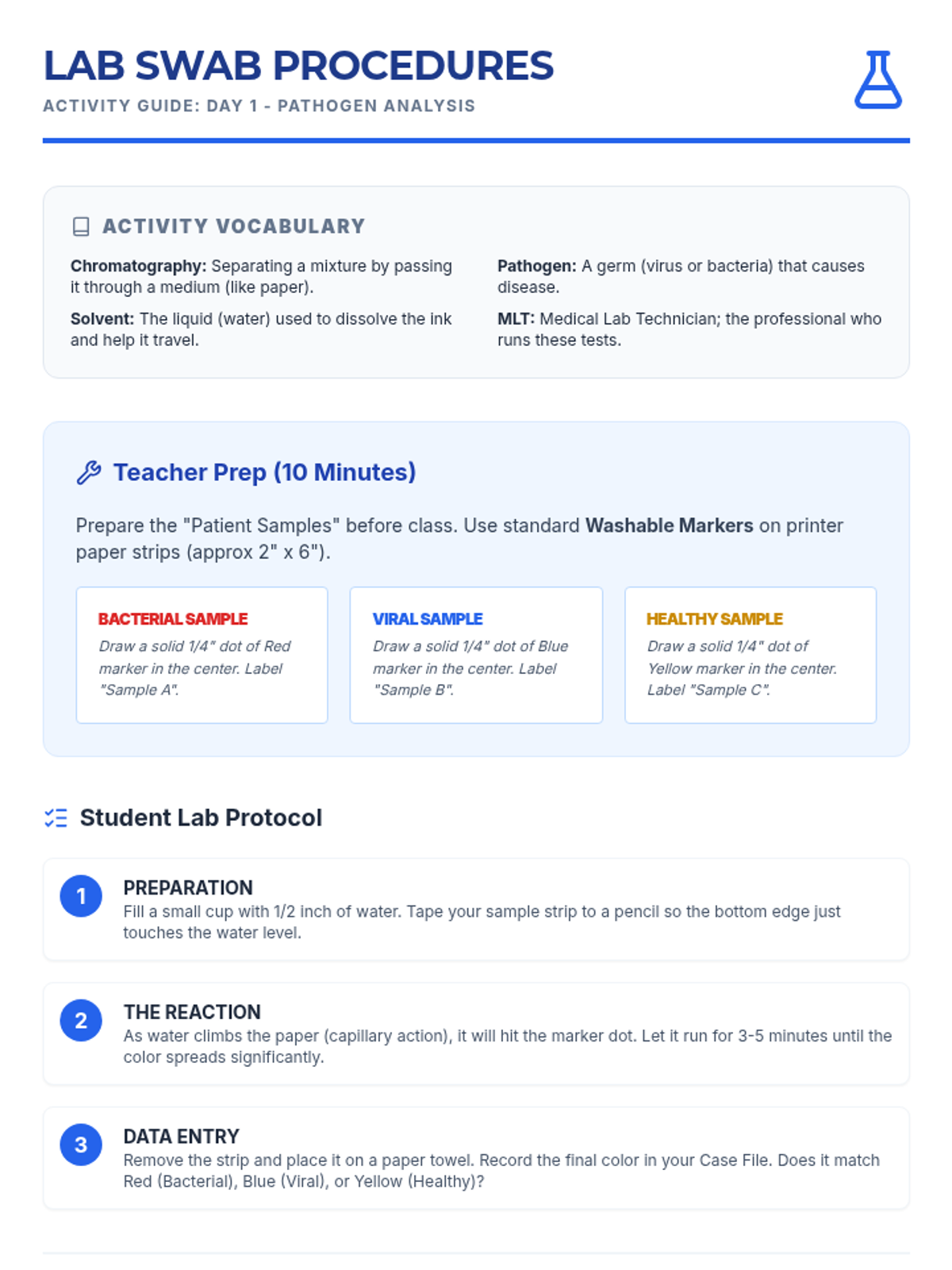
An engaging unit exploring the properties of matter, focusing on how substances combine, dissolve, and separate.
A two-day science unit for 6th graders exploring the relationship between thermal energy, particle motion, and phase changes through visual notes and kinesthetic modeling.
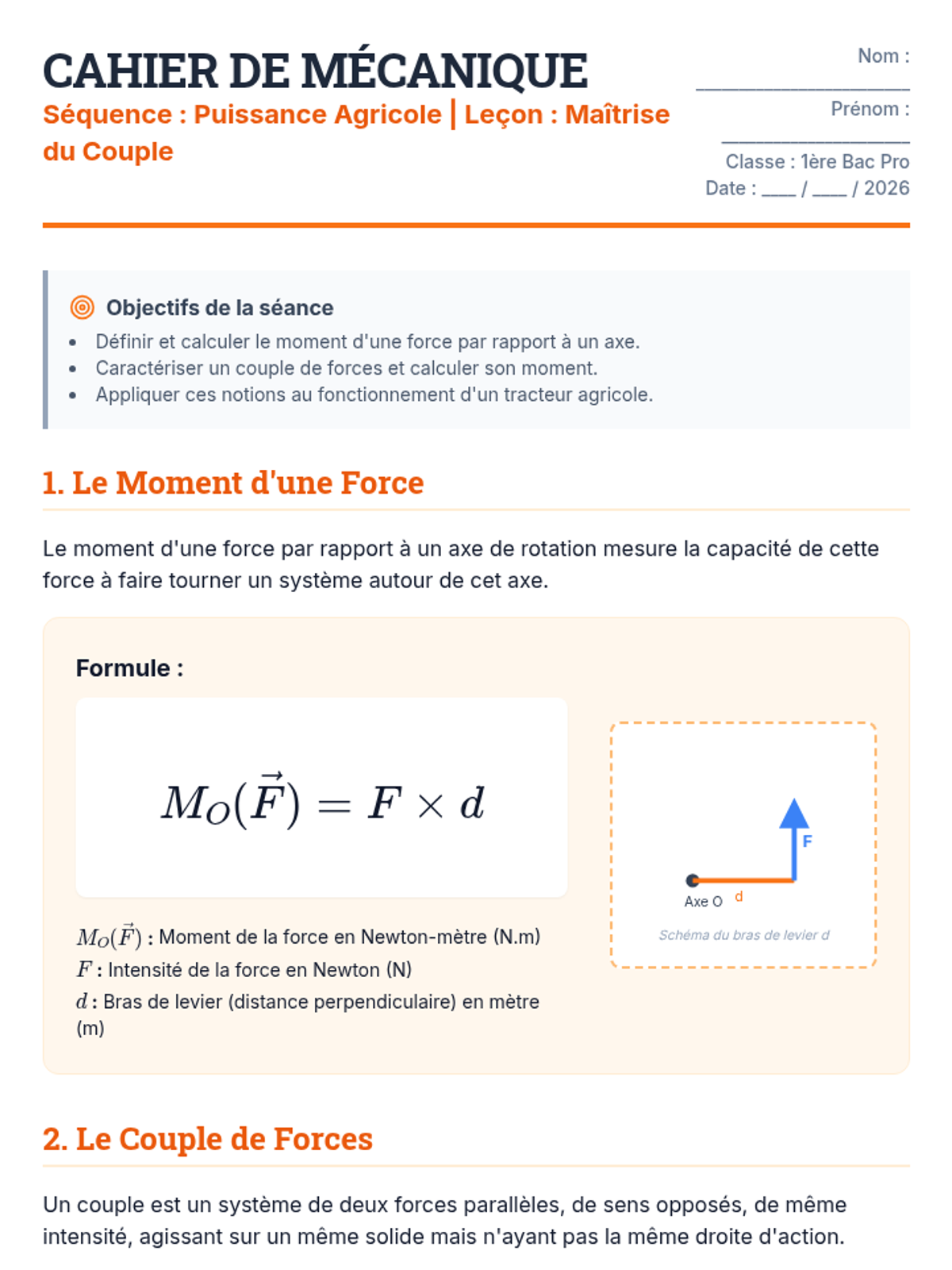
Une exploration complète des principes de la statique et de la dynamique, allant de l'équilibre des structures rigides à l'analyse des mouvements curvilignes.
A series of lessons exploring the physics of fluids, including buoyancy, pressure, and fluid flow.
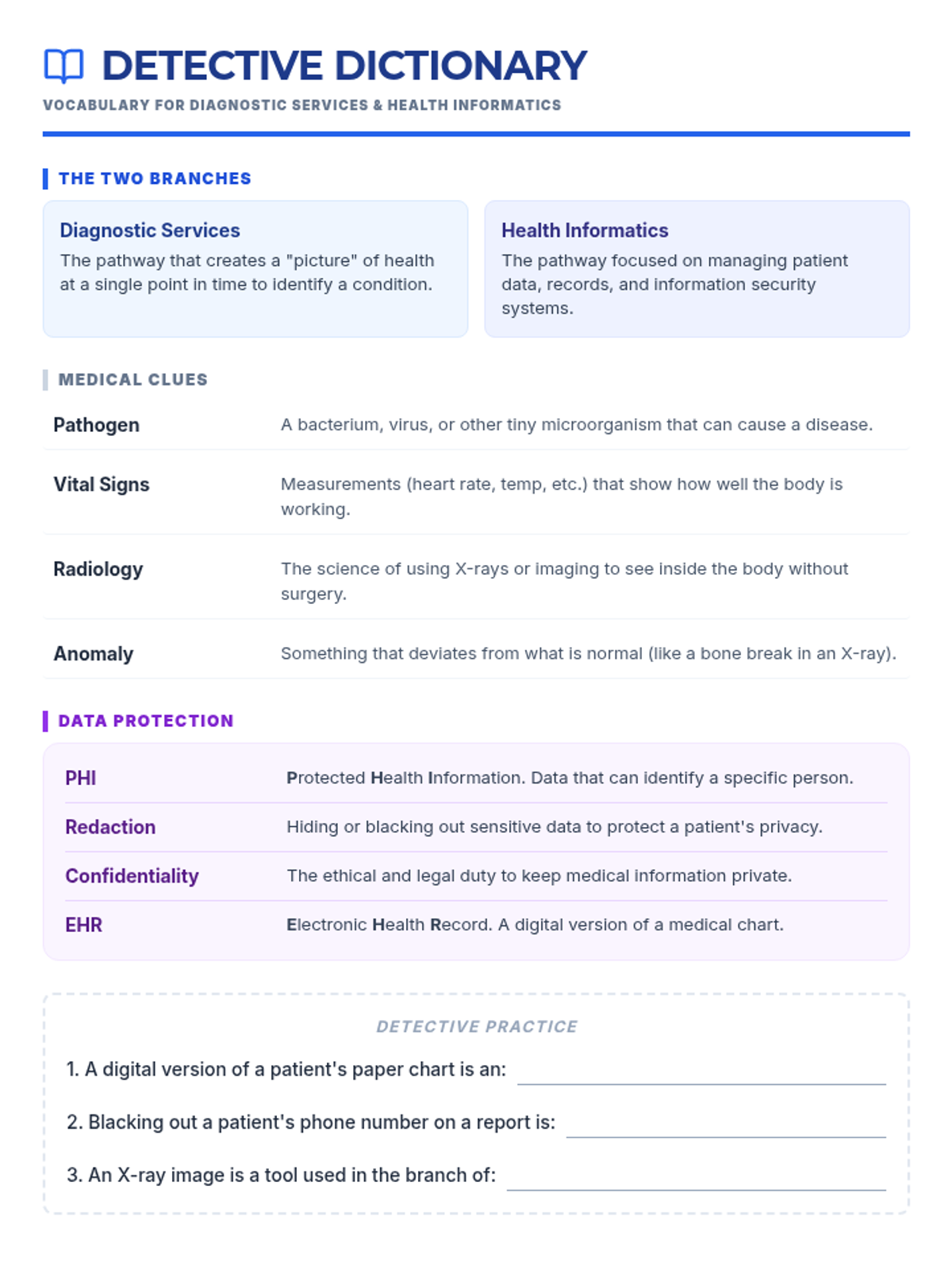
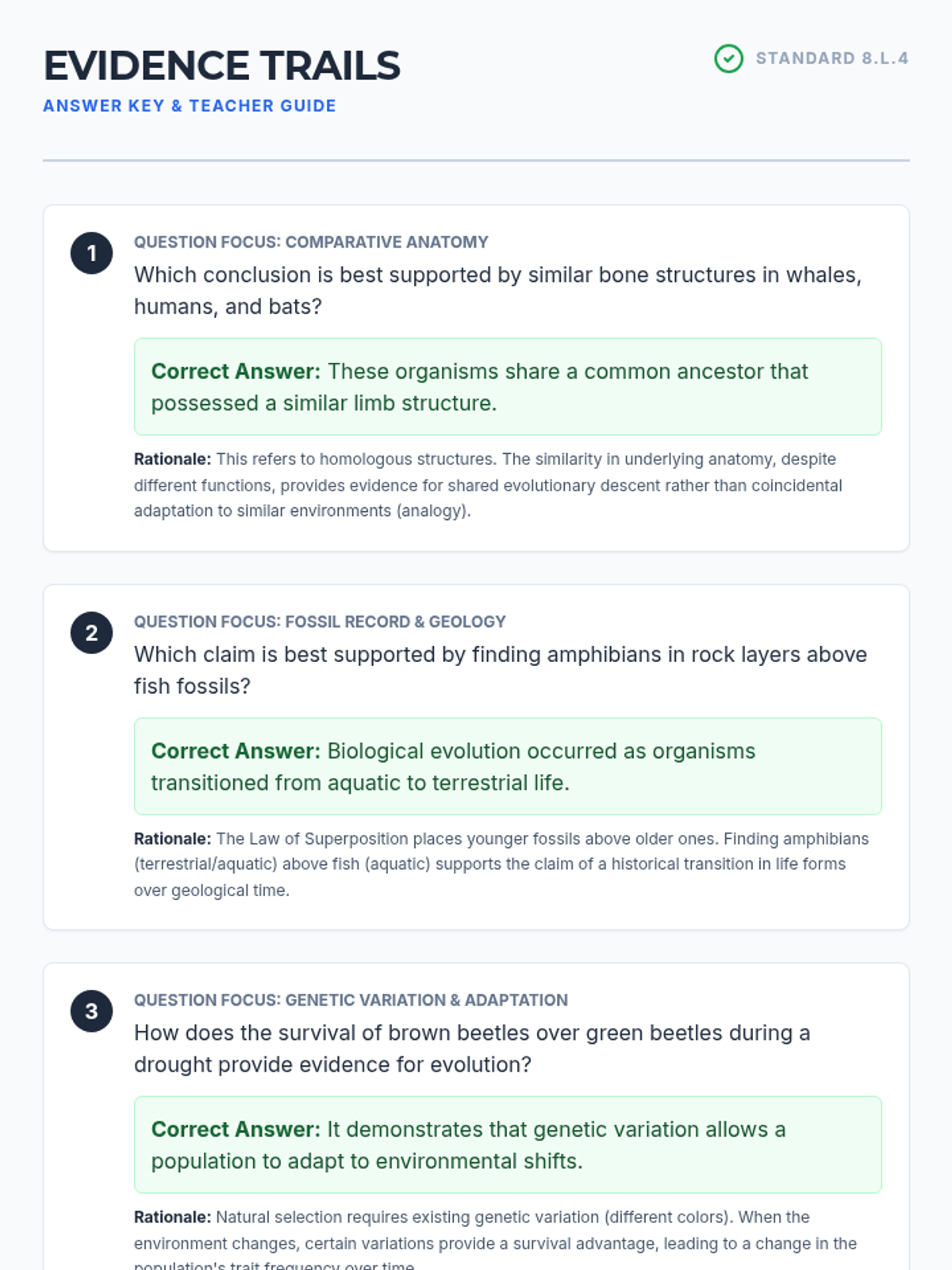
A project-based 6th-grade forensics course where students act as lead investigators to solve a campus mystery using scientific evidence, biology, and engineering principles. The course aligns with Iowa Science Standards covering cell theory, inheritance, and the engineering design process.
A comprehensive two-week recovery sequence designed for students to master key concepts from Investigations 9-12, including evolution and biological systems. This unit provides condensed notes, visual aids, and targeted review questions to help students bridge learning gaps and achieve course credit.
A 5-day after-school program exploring the science of surface tension through hands-on experiments, scientific observations, and engineering challenges. Students investigate how water molecules stick together and how substances like soap and salt can break those bonds.
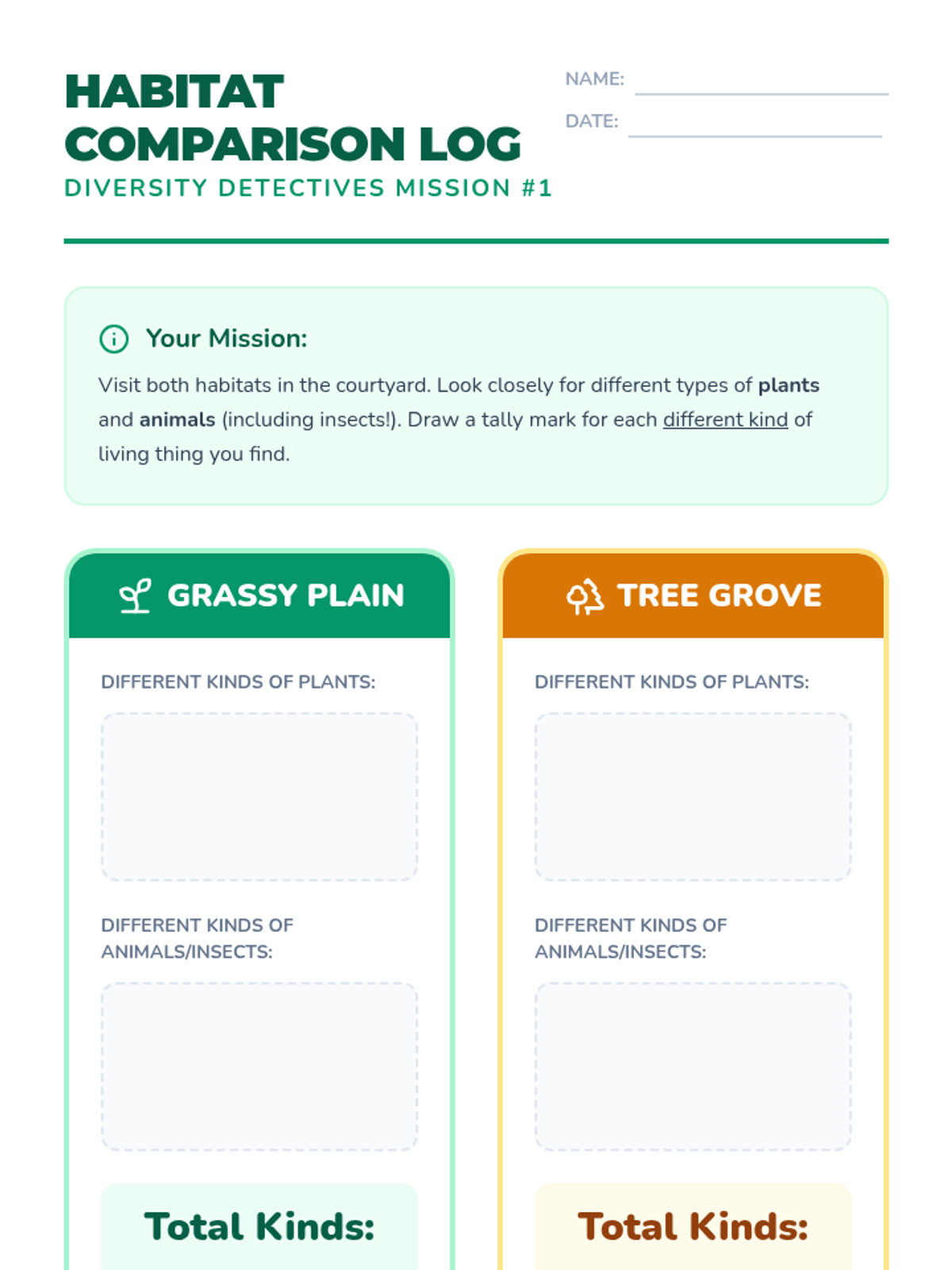
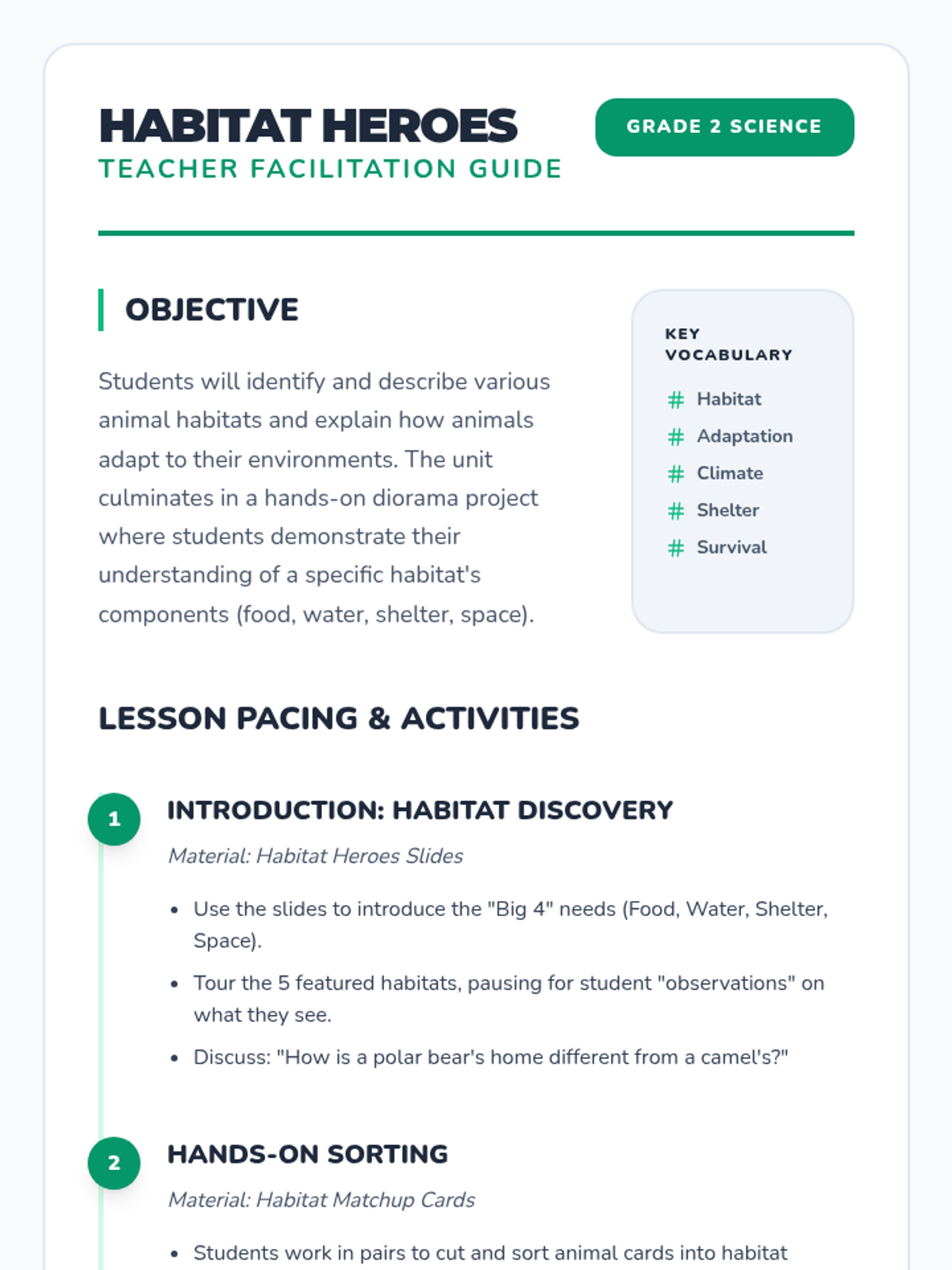
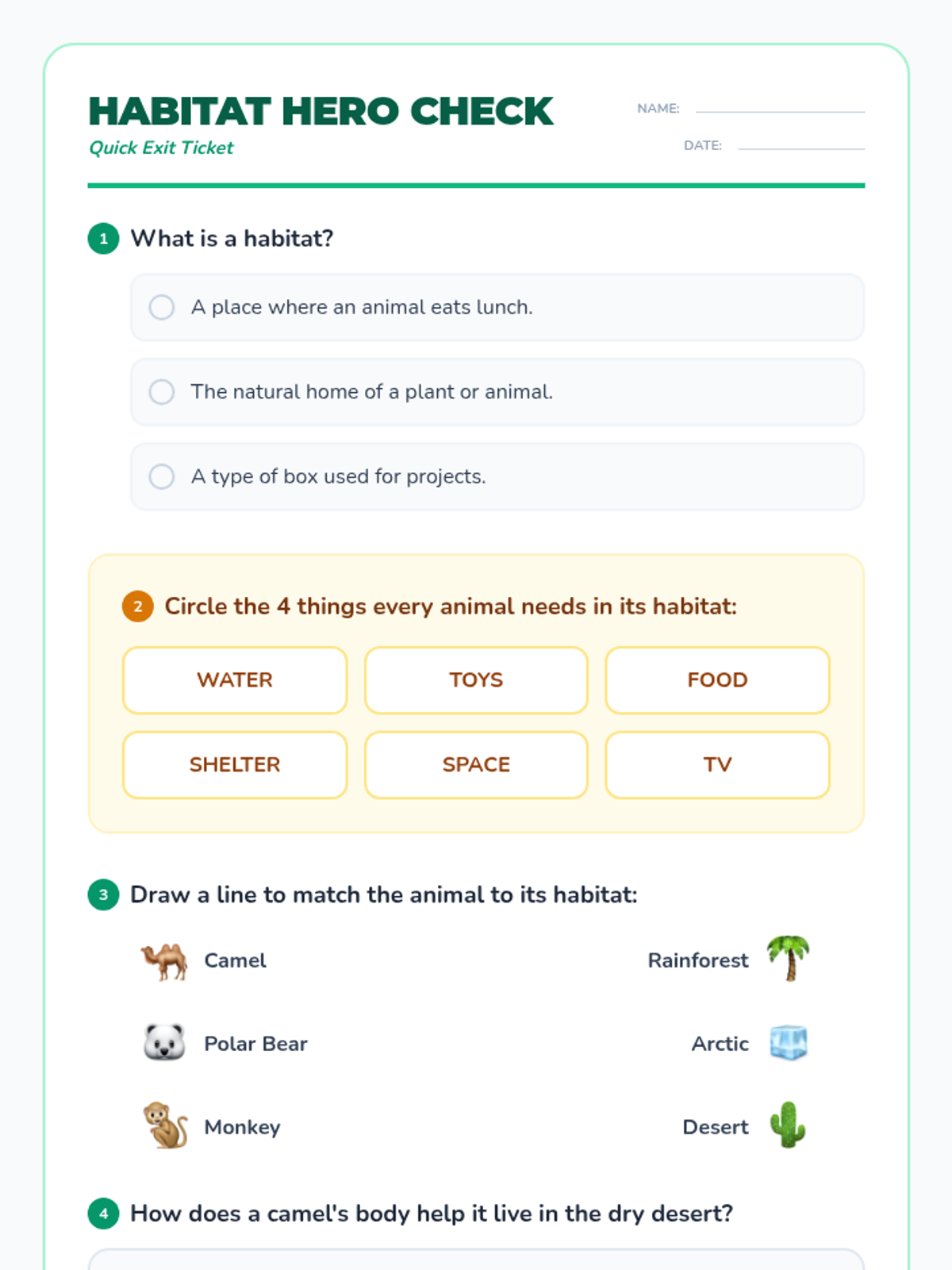
A comprehensive unit designed to turn students into nature detectives, focusing on observation, documentation, and appreciation of the local environment for K-6 students.
A comprehensive unit on matter, focusing on the differences between physical and chemical changes, identifying indicators of each, and applying this knowledge to real-world scenarios.
A comprehensive investigation into the radioactive decay of elements in rock crystals from the Afar region, using simulations and mathematical modeling to reconstruct geologic history.
Une série de leçons de cinématique appliquée, allant de l'étude des transports ferroviaires urbains aux duels de vitesse entre athlètes et animaux. La séquence permet de maîtriser les mouvements rectilignes uniformes et uniformément variés.
A comprehensive STEM series focusing on Organisms and Environments, specifically designed to address high-probability STAAR concepts through hands-on engineering challenges. Students explore life cycles, structures, and ecosystem dynamics by solving real-world biological problems.
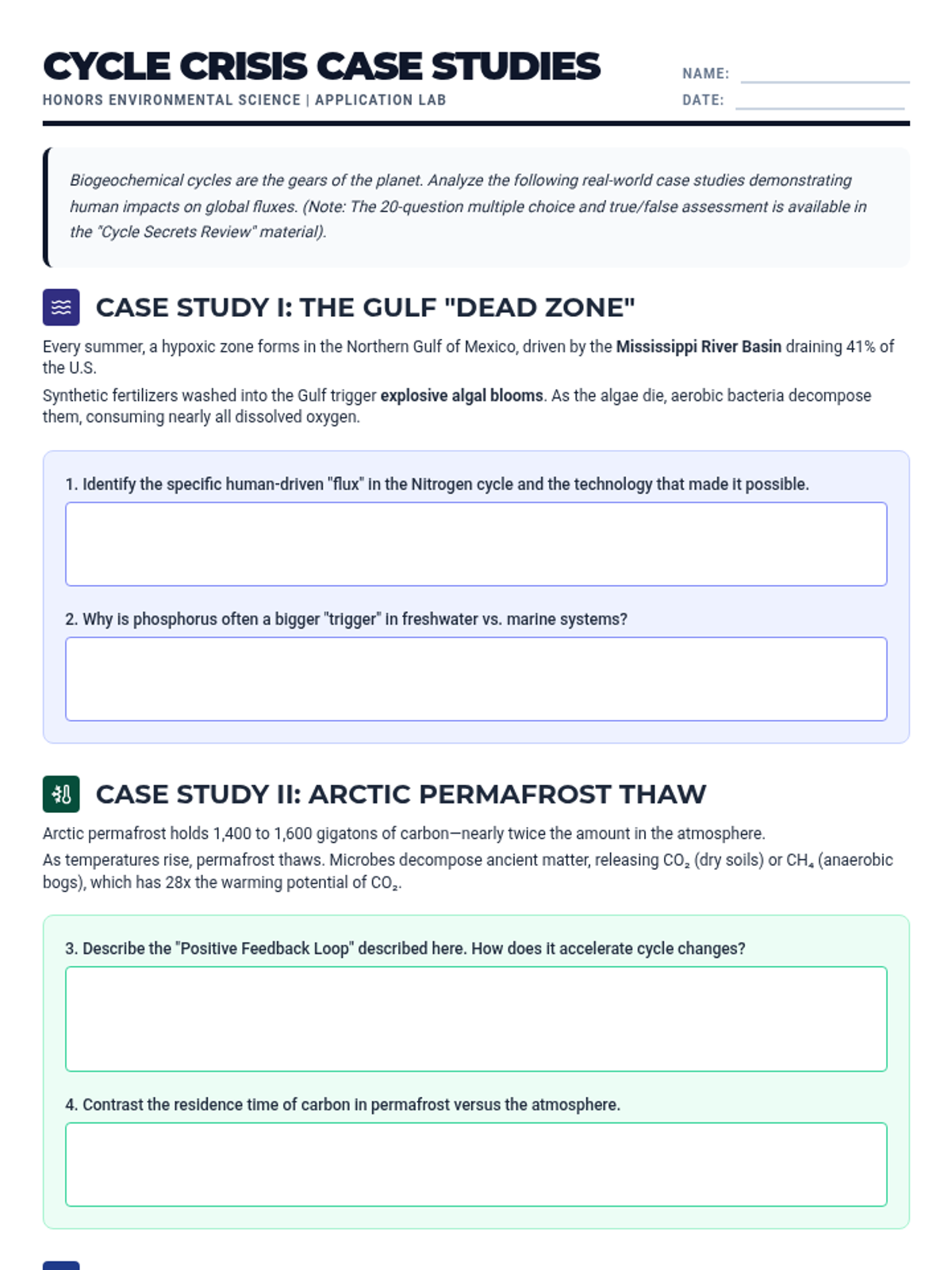
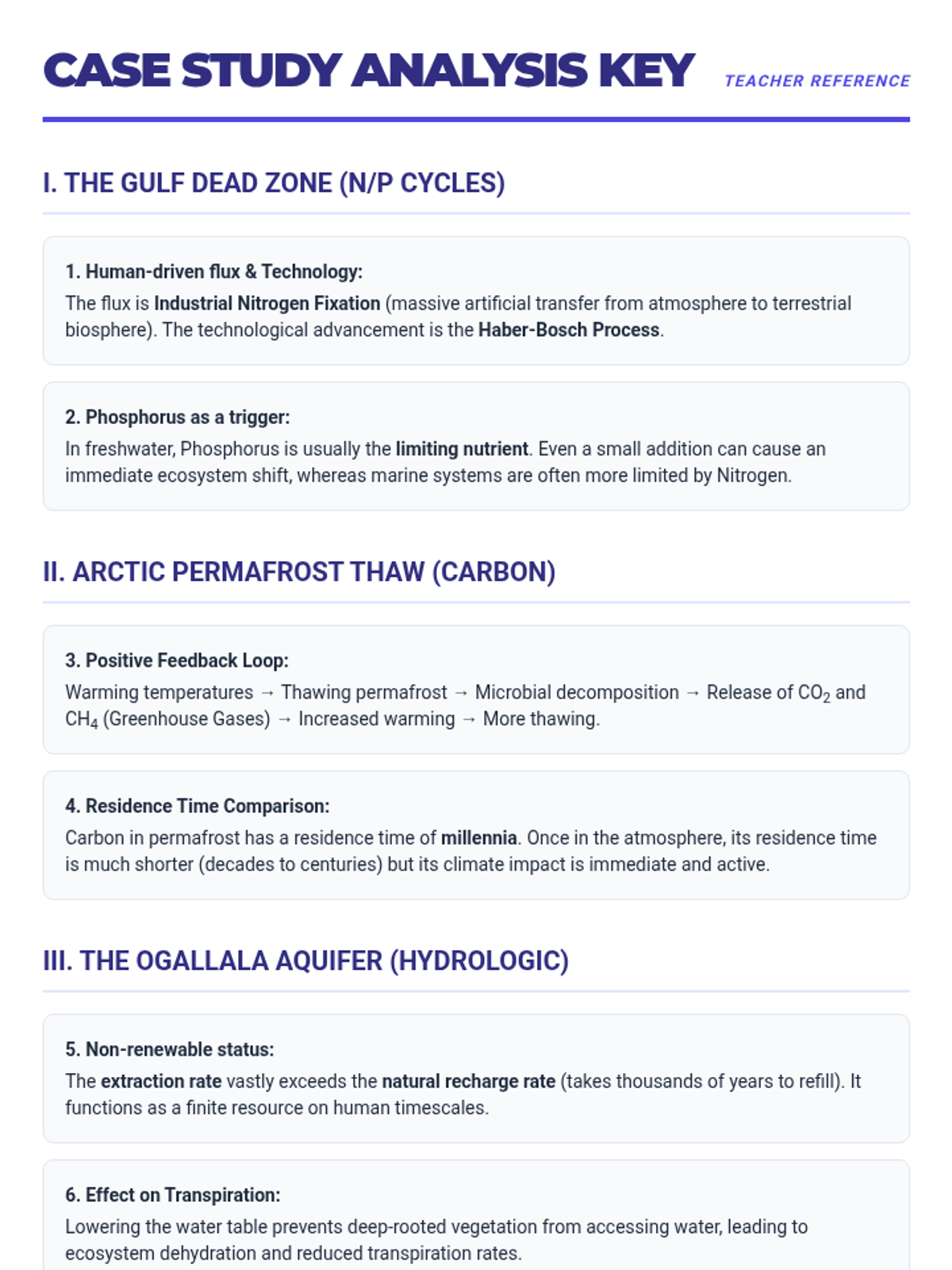
Exploring the internal heat and dynamic processes that shape our planet's surface and interior.
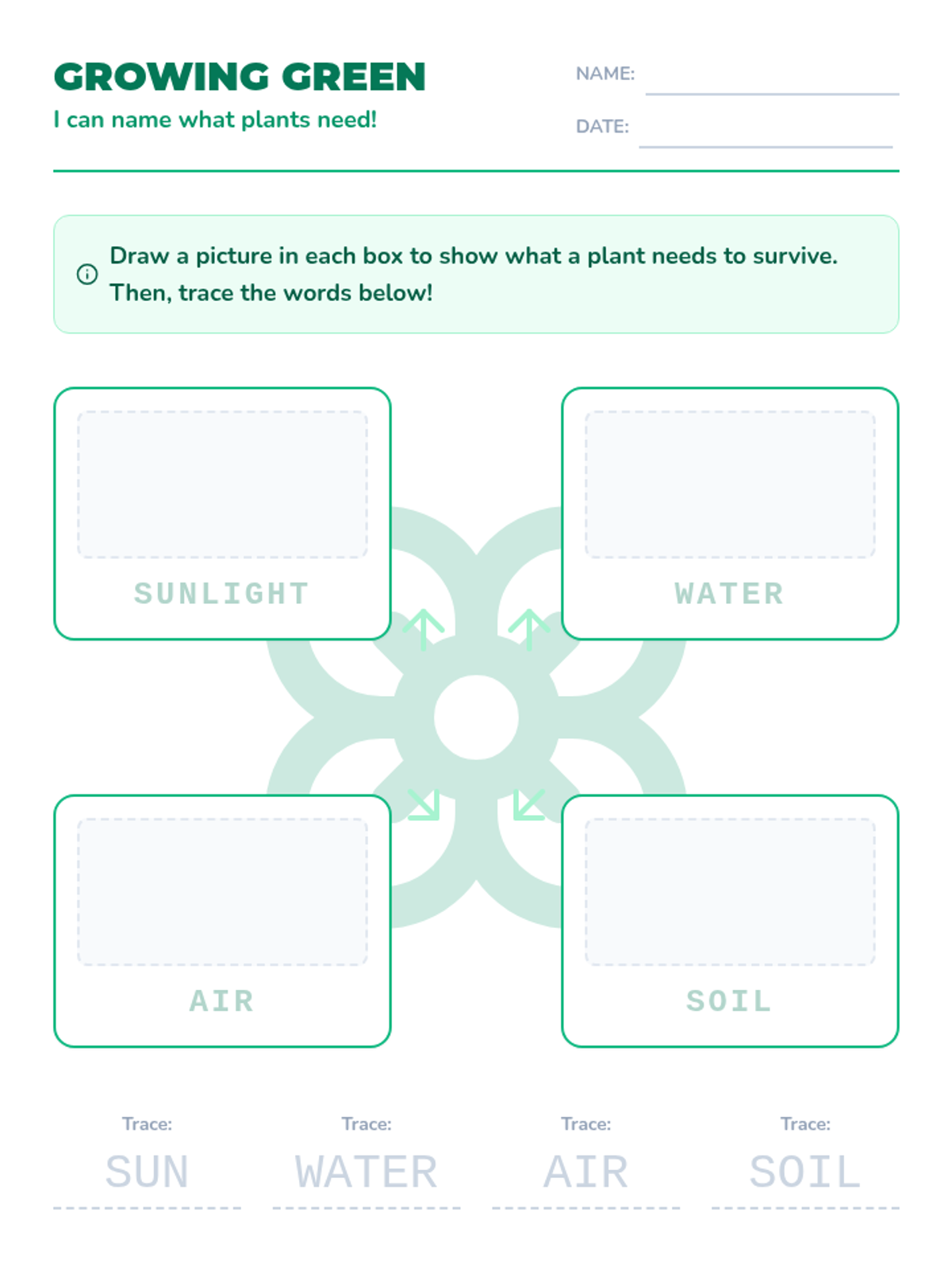
A comprehensive 3rd-grade science sequence exploring how plants grow, survive, and interact with their environment through systematic 20-minute daily lessons.
A comprehensive unit exploring the biochemical processes of photosynthesis and cellular respiration, highlighting their interdependence in the flow of energy through ecosystems.
A specialized unit designed for advanced high school students interested in veterinary science, focusing on the intersection of biological systems, diagnostic procedures, and medical literacy within equine medicine.
A collection of unit review materials for middle school science, specifically targeting 6th grade living things and 7th grade body systems. These resources mirror local assessments to ensure student readiness.
A comprehensive 3-week unit exploring the unique physical properties of water, its role in life and geological processes, and the dynamics of watershed systems. Students investigate polarity, cohesion, and universal solubility through hands-on labs while connecting these traits to climate moderation and the health of the Chesapeake Bay.
Una introducción práctica a la Programación Orientada a Objetos en Python, enfocada en la creación de clases, definición de atributos y métodos, e instanciación de objetos. La secuencia guía a los estudiantes desde la analogía conceptual hasta la implementación de lógica funcional en código reusable.
A comprehensive unit exploring the principles of kinematics, focusing on the relationship between linear and angular motion through readings, analysis, and real-world applications.
Cette séquence explore les enjeux de la gestion des ressources humaines en 1ère STMG, en articulant la valorisation de l'activité humaine avec les contraintes de performance et de coût du travail. Elle s'appuie sur des cas d'entreprises réelles pour illustrer les notions de qualification, de compétence, de conditions de travail et d'arbitrage financier.
A STEM and Computer Science unit for 4th grade that integrates principles of flight and forces with programming logic and binary code, all centered around a disaster relief mission.
A series of three review lessons focused on interpreting experimental data and graphs related to the conservation of mass and phase changes in matter. Students will analyze scenarios involving dissolving, freezing, boiling, and thermal energy to strengthen their scientific reasoning skills.
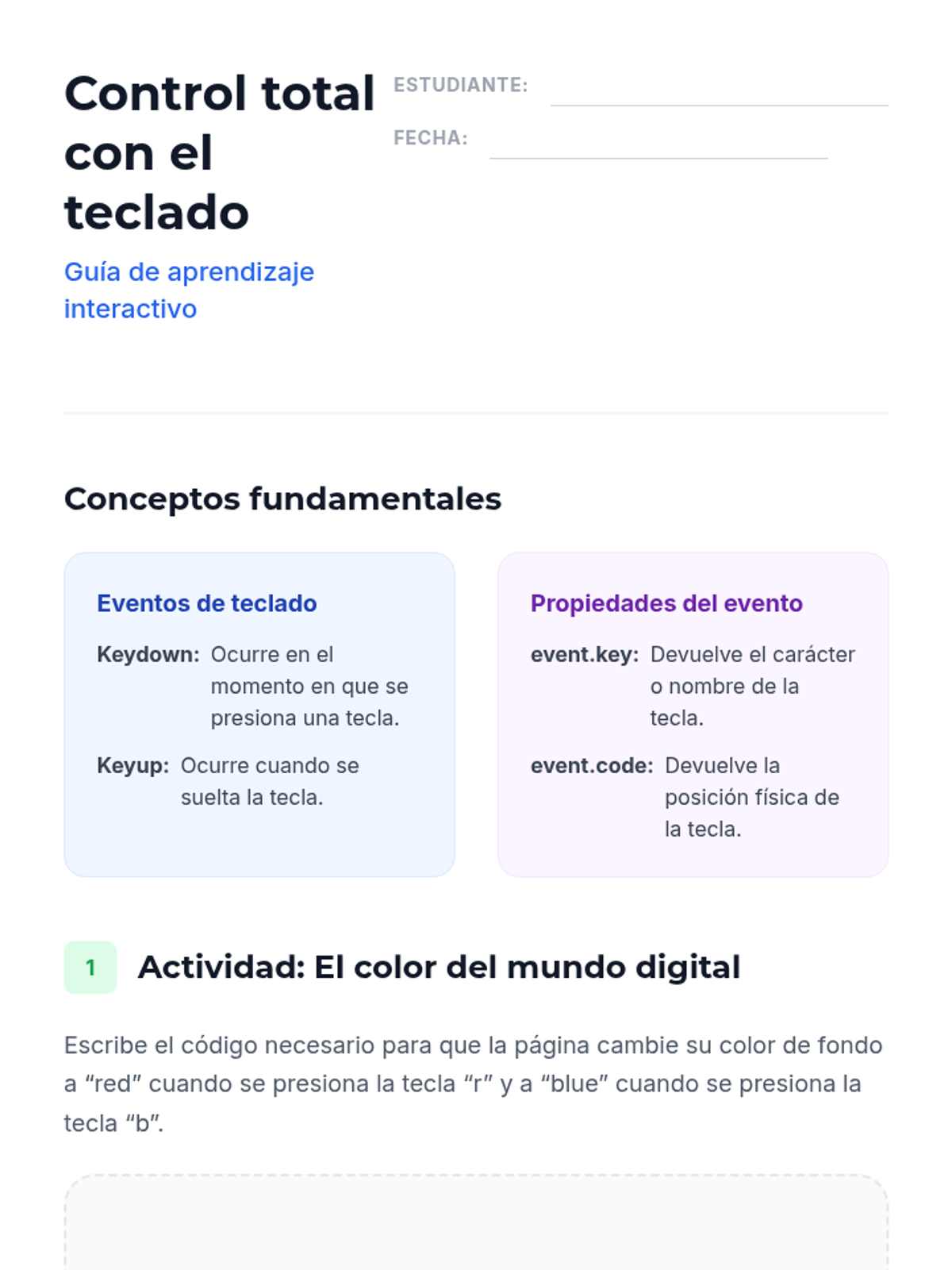
Una secuencia educativa sobre la manipulación del Document Object Model (DOM) mediante JavaScript para estudiantes de secundaria, enfocada en la selección y modificación dinámica de elementos HTML.
A technical sequence focused on mastering 2D array manipulation in Java, specifically designed for AP Computer Science A students.
A comprehensive introduction to Python programming for 11th grade students, focusing on syntax, control flow, and problem-solving through code.
An immersive, project-based unit where students become 'Wild Explorers,' researching animals and creating interactive adventure books to demonstrate their learning.
A collection of rigorous, movement-based review activities and readiness assessments for middle school science units.
A high school biology sequence focused on the neuroscience of addiction, specifically analyzing how chemical structure and speed of delivery influence the brain's reward system. Students explore the biological mechanisms of tolerance, dependence, and the blood-brain barrier through graphing and comparative analysis.
A specialized AP Biology unit exploring the intersection of neuroscience and psychology, focusing on the biological mechanisms of mental health disorders and the pharmacology of their treatments.
A comprehensive unit on the fundamentals of forensic science and criminal investigation, culminating in a hands-on murder mystery simulation. Students learn about evidence collection, witness psychology, and deductive reasoning.
A comprehensive 5-week sequence exploring the physical properties of water, the engineering of water filtration, and the complex systems of Virginia's watersheds. Students move from hands-on engineering to chemical properties and finally to large-scale environmental systems.
Une séquence approfondie sur les phases claires de la photosynthèse, destinée aux étudiants de première année de licence. Elle couvre la capture de l'énergie lumineuse, les pigments photosynthétiques et la chaîne de transfert d'électrons.
Une séquence exhaustive sur le métabolisme pour les classes préparatoires BCPST, couvrant l'hétérotrophie, l'autotrophie au carbone et à l'azote, ainsi que la chimiolithotrophie. La séquence met l'accent sur les bilans énergétiques, les flux de protons et l'intégration des voies métaboliques.

A unit exploring the biological origins of humanity, focusing on evolutionary biology, phylogeny, and the development of complex traits like bipedalism and collective learning.
A lesson sequence focused on the scientific method, using a mystery box activity to practice observation, hypothesis formation, and experimentation. Students explore the historical roots of the method and apply it to solve physical puzzles.
A specialized high school chemistry/biology integrated lesson exploring the biochemical differences between Archaea and Bacteria. Students analyze how ether bonds and lipid monolayers provide structural stability for survival in extreme thermal environments through modeling and chemical analysis.
A comprehensive lesson sequence on human body systems, starting with the fundamentals of cellular organization and homeostasis.
A Kindergarten and 1st Grade science unit exploring our neighbor planet, Mars. Students compare Earth and Mars using visual aids, a hands-on sorting activity, and creative drawing to understand planetary similarities and differences.
A lesson focused on Galileo's gravitational experiments and the mathematical resolution of the 'gravity paradox,' where mass cancels out in the calculation of acceleration. Students conduct a hands-on lab using bottles of different masses to test empirical results against theoretical models.
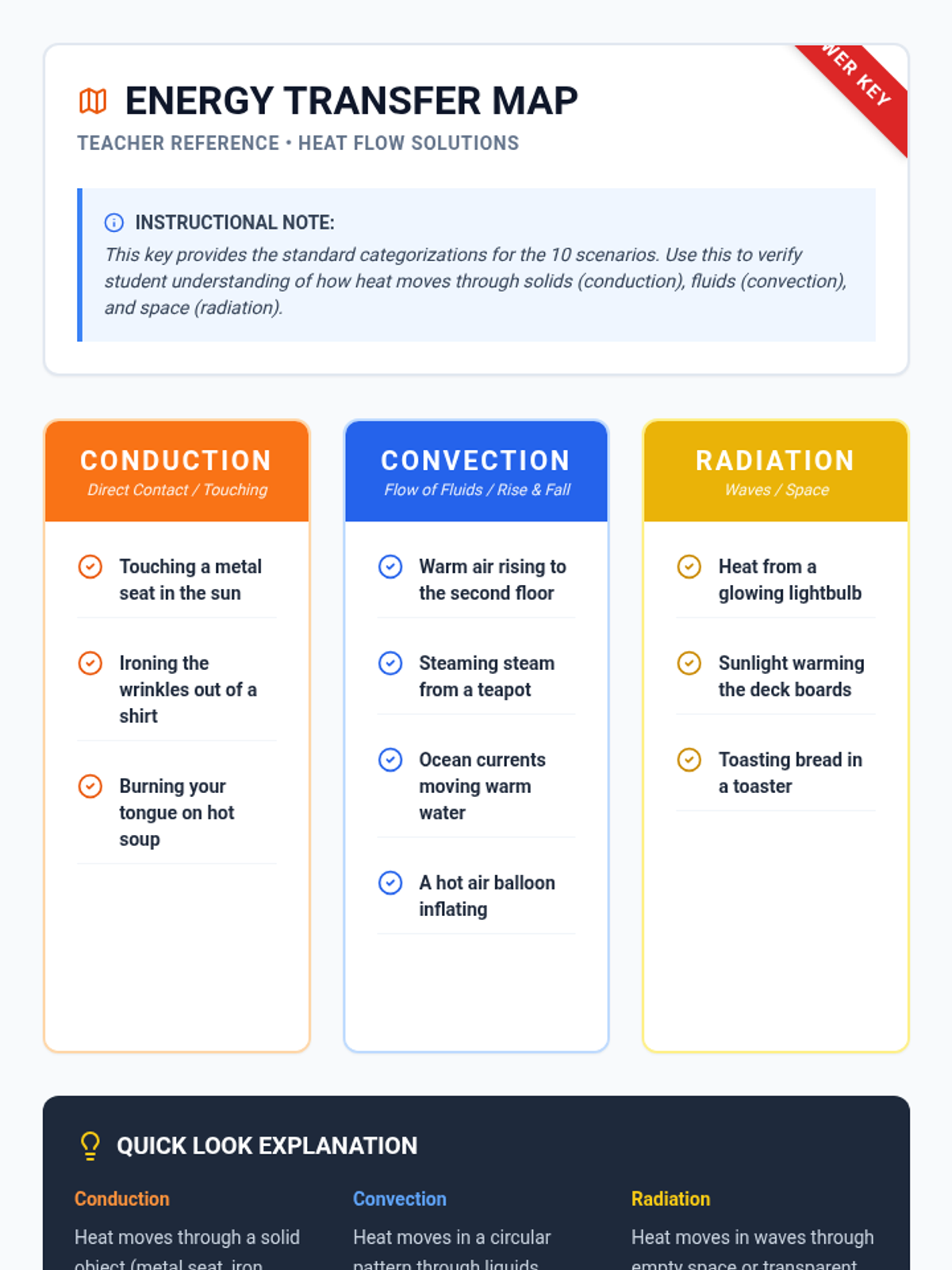
A comprehensive lesson sequence exploring the three modes of heat transfer (conduction, convection, and radiation) and the concept of thermal equilibrium using real-world scenarios and particle-level explanations.
A chemistry unit for upper elementary students focused on the science of mixtures and solutions through the relatable lens of a backyard picnic. Students explore vocabulary like solute, solvent, and saturation using video analysis and creative menu design.