Investigating how nature provides clues through forensic entomology (insect life cycles) and anthropology (skeletal analysis) to determine time and cause of death.
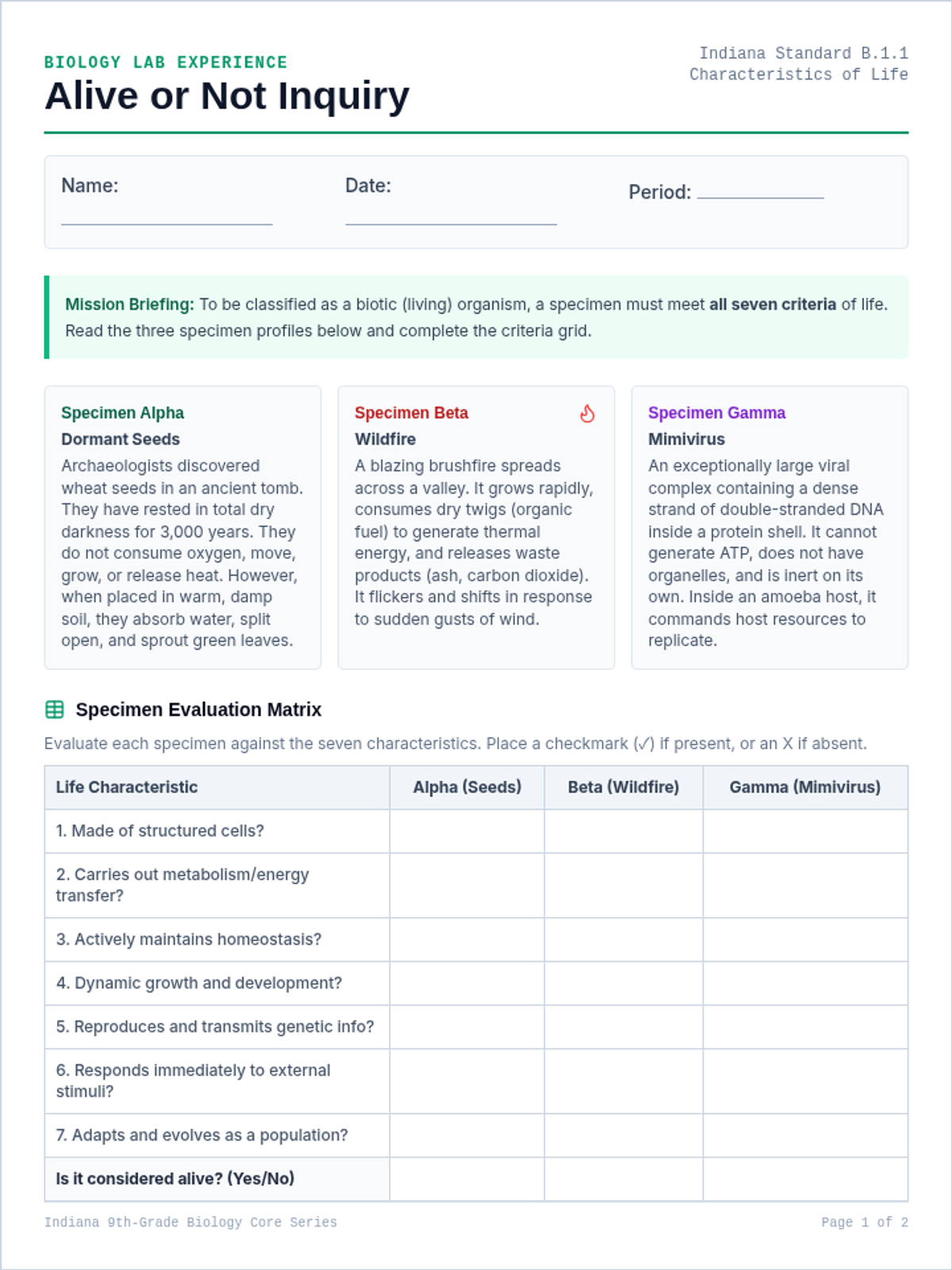
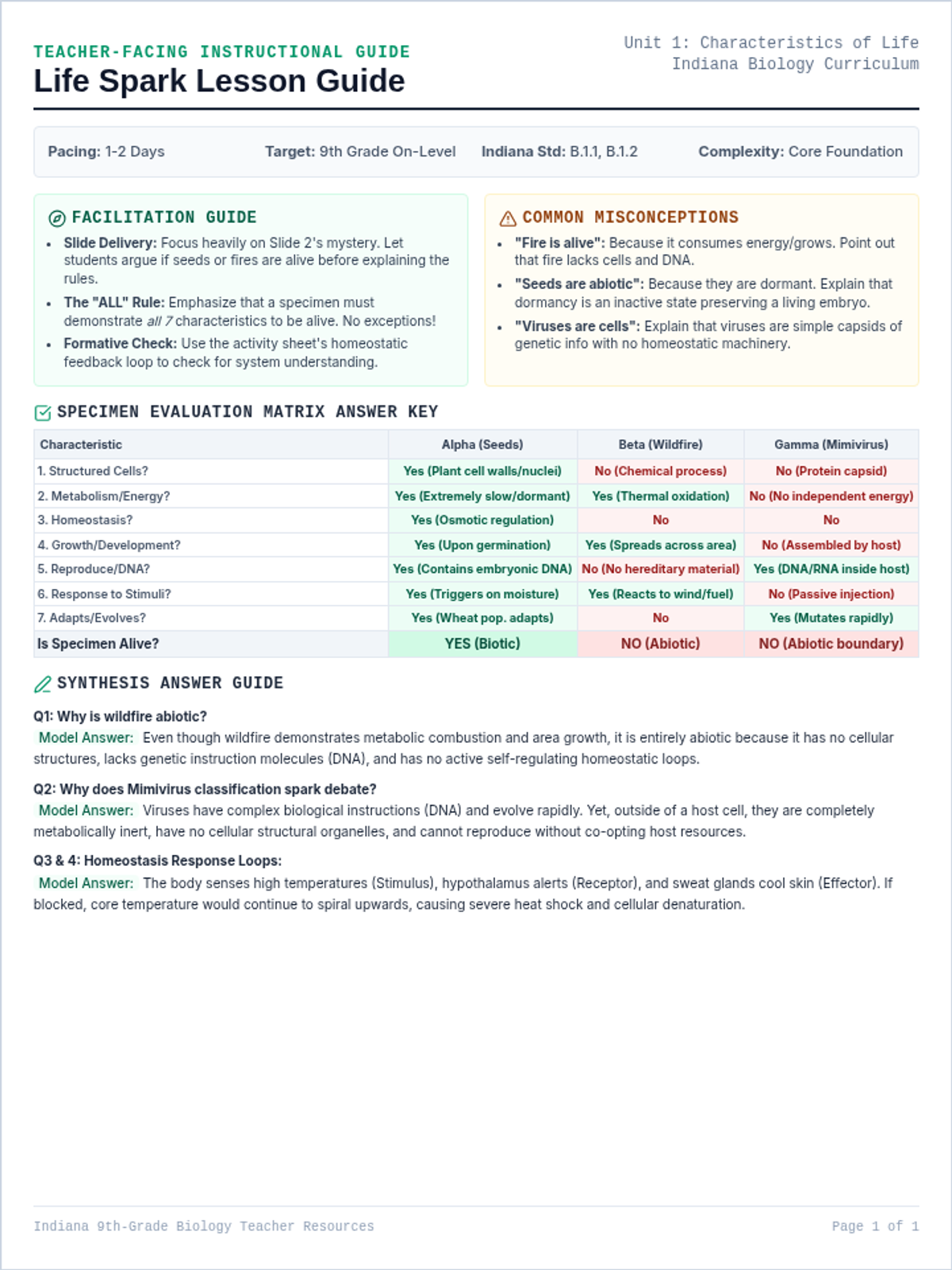
An introductory unit exploring the seven characteristics of living things, structural organization, and homeostatic balance in organisms, aligned with Indiana Academic Standards.
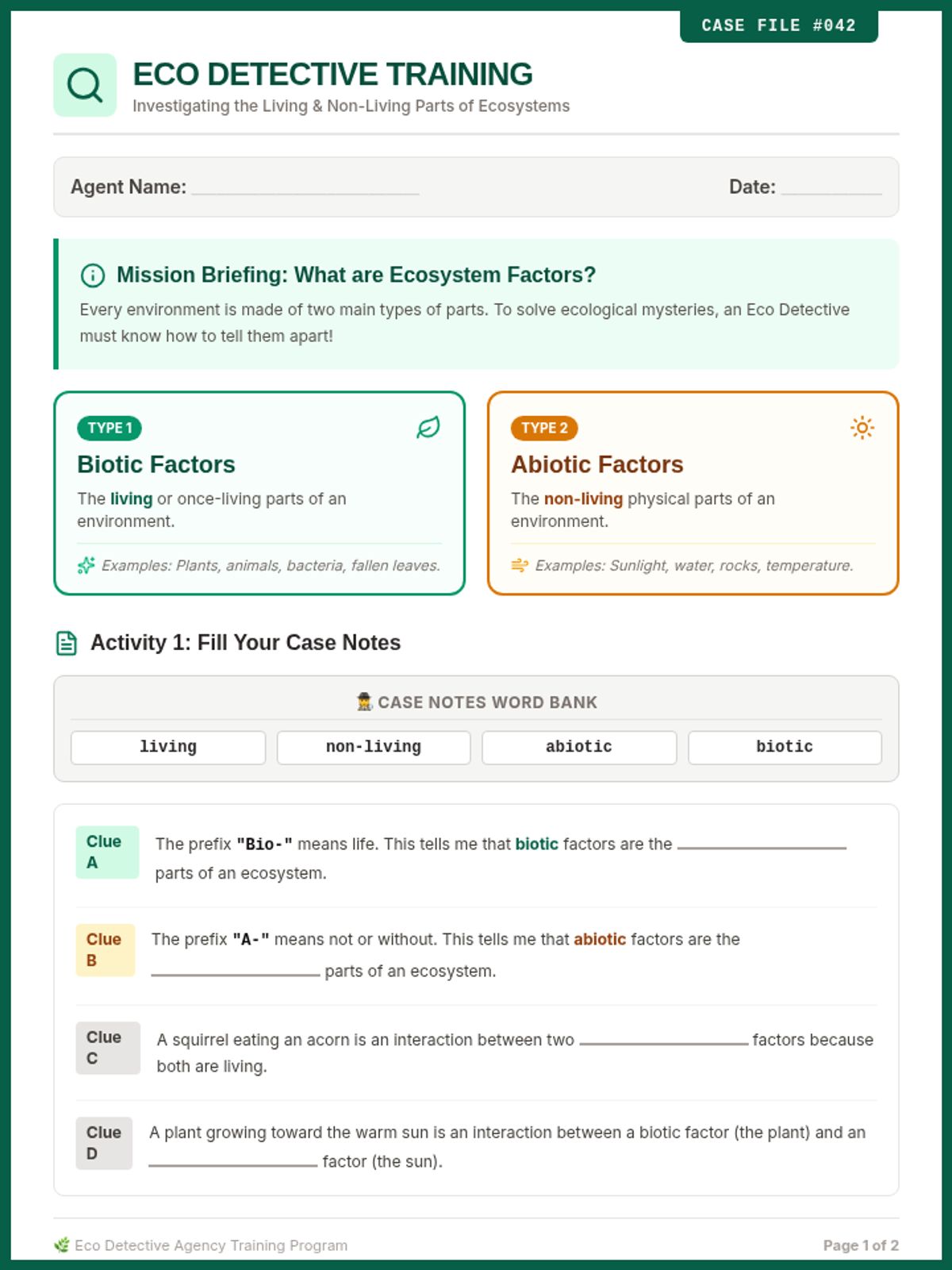
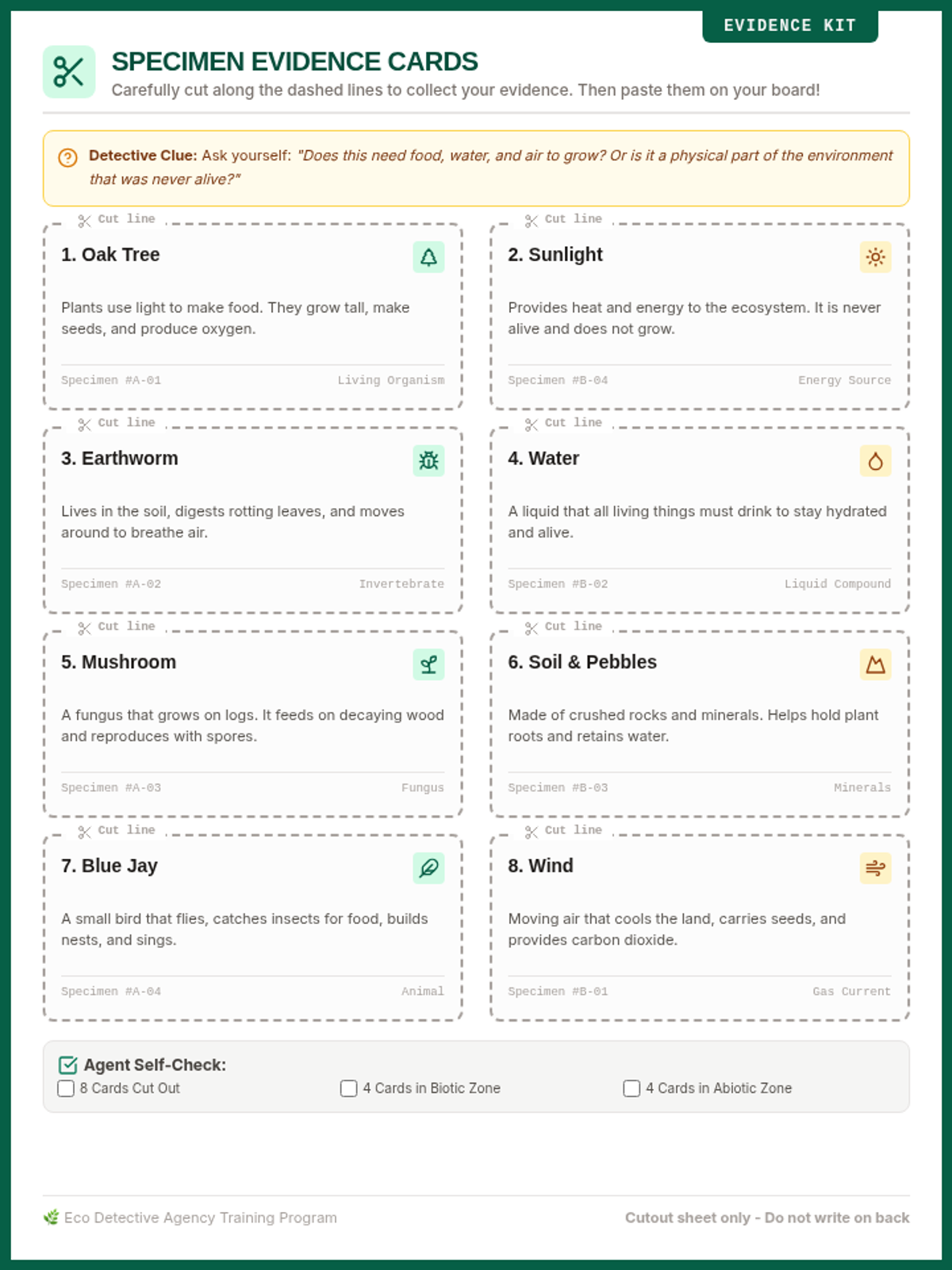
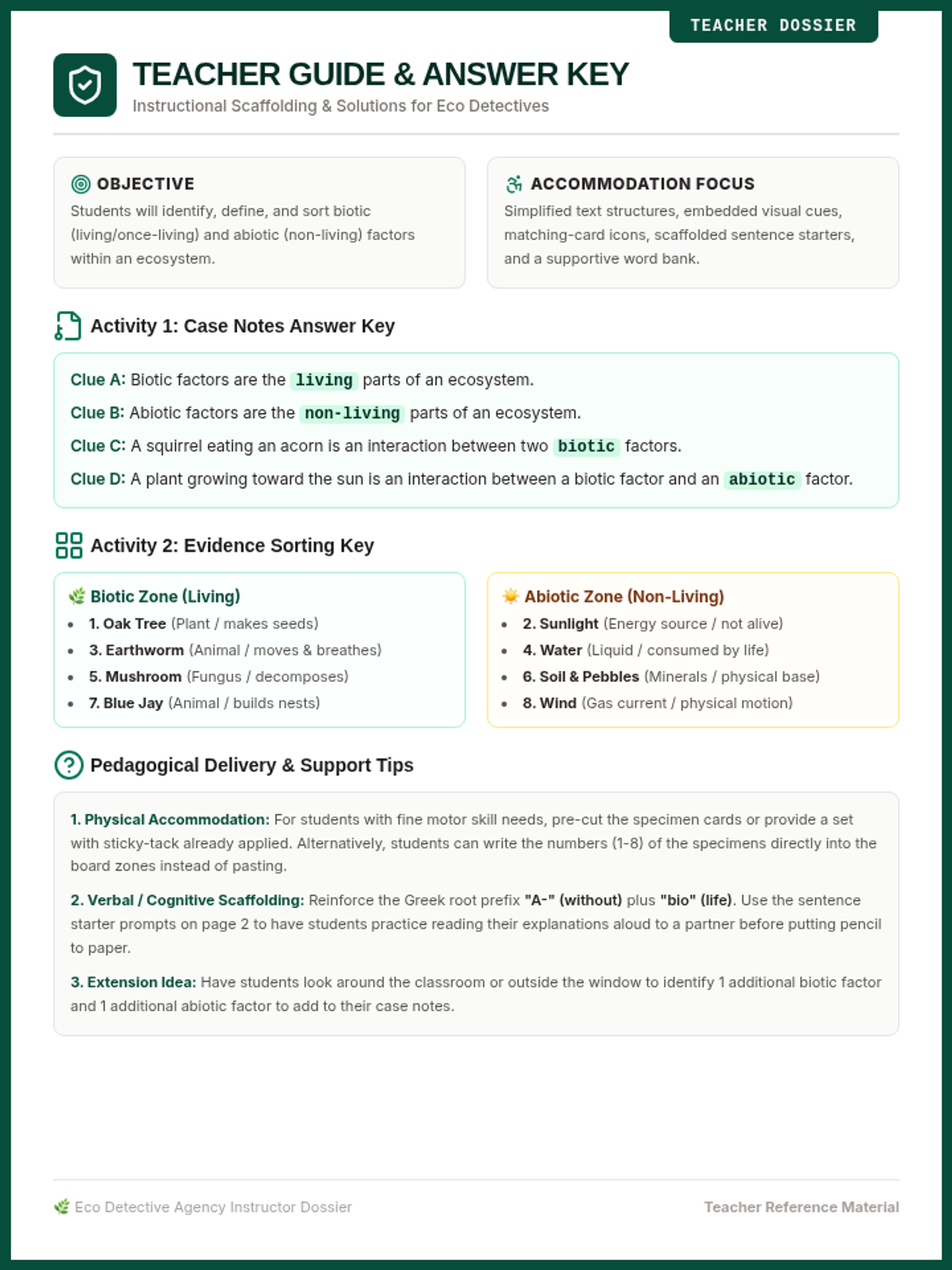
An interactive, scaffolded lesson introducing biotic and abiotic factors in ecosystems. Includes guided notes with sentence starters, a word bank, and a hands-on sorting activity designed for students requiring accommodation.
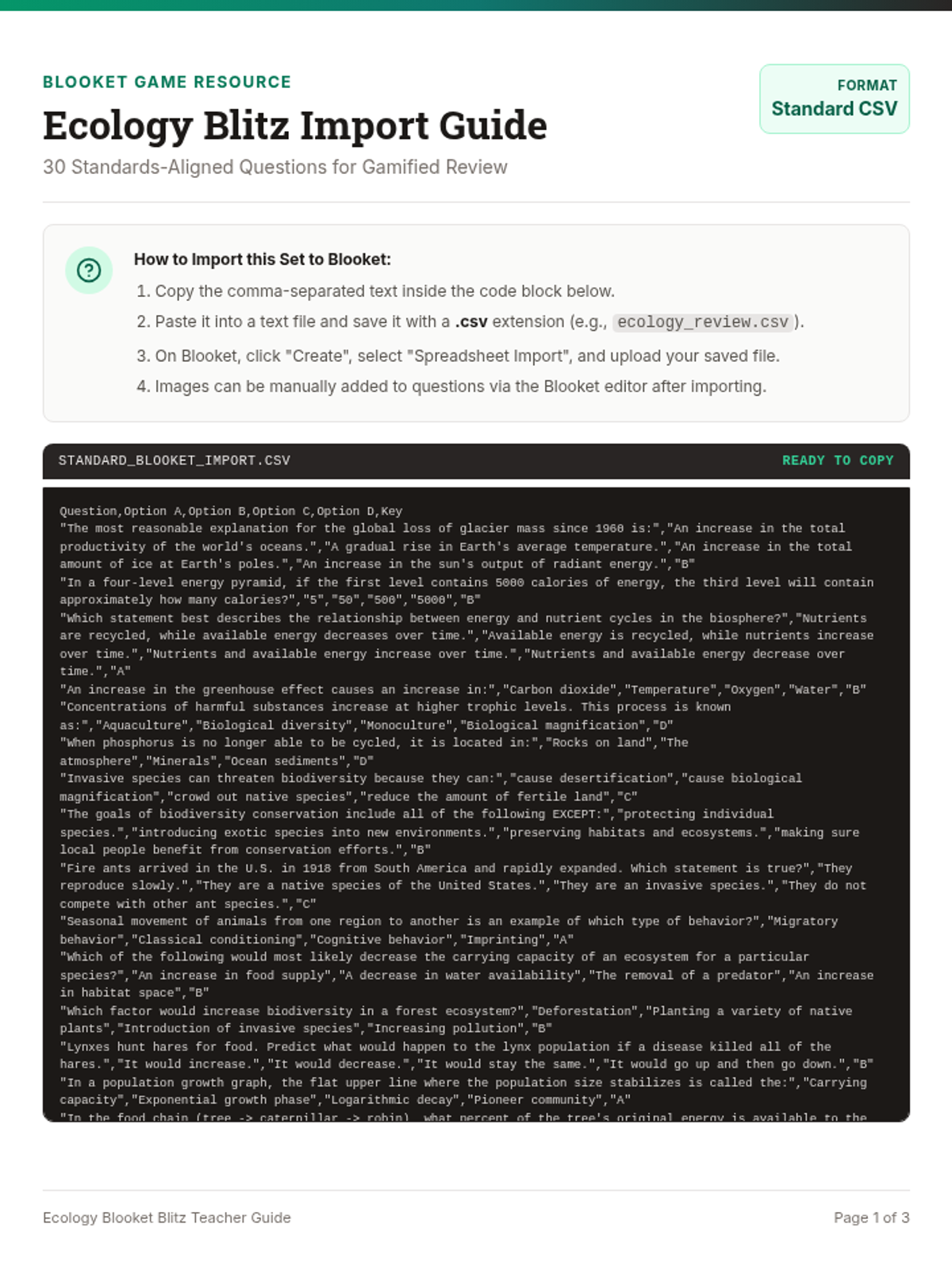
A high-energy ecology review lesson utilizing a gamified Blooket activity. It contains a complete Blooket-ready question bank and teacher guide featuring 30 standards-aligned ecology questions designed to evaluate understanding of ecosystems, energy pyramids, human impacts, and biochemical cycles.
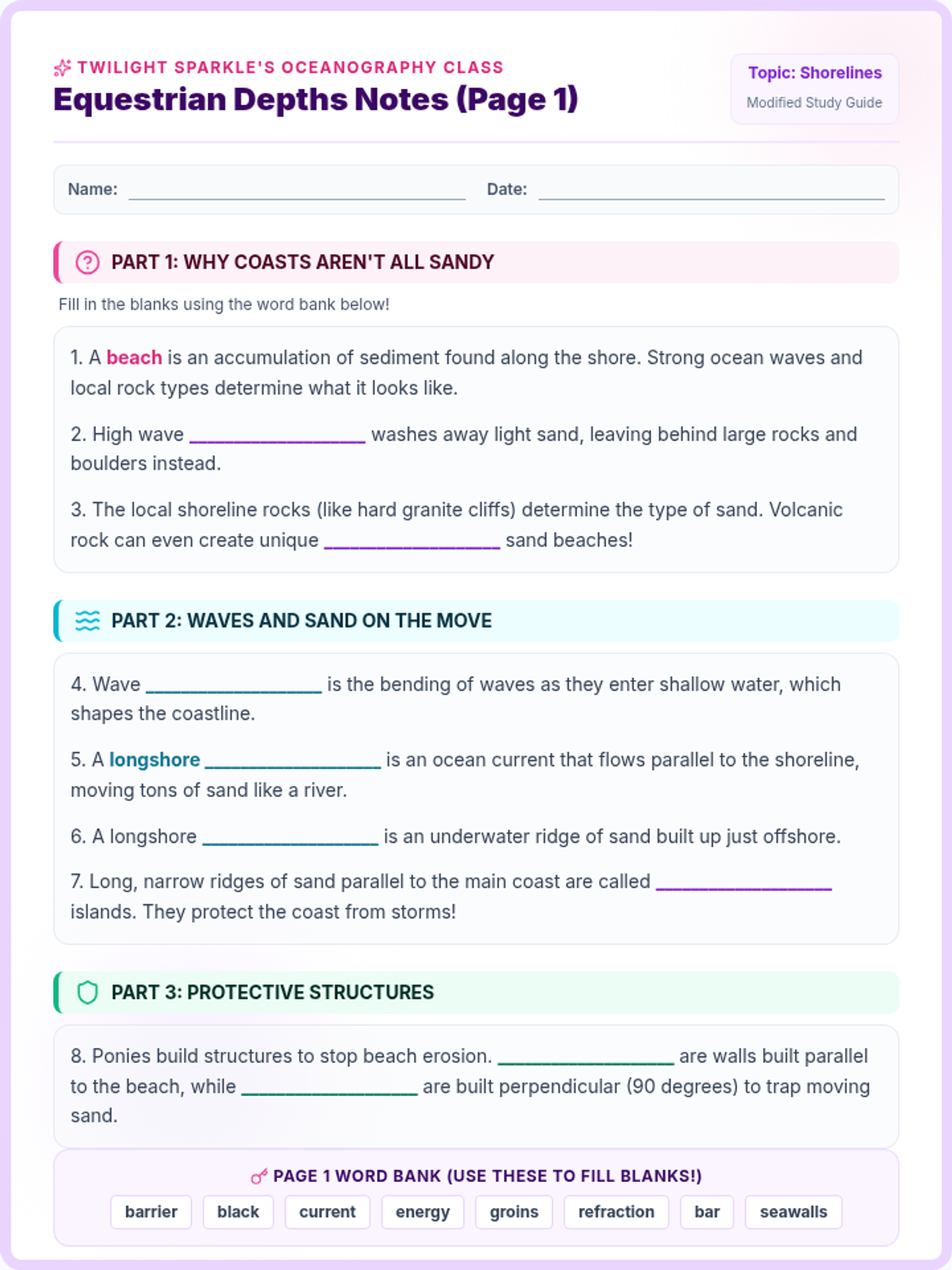
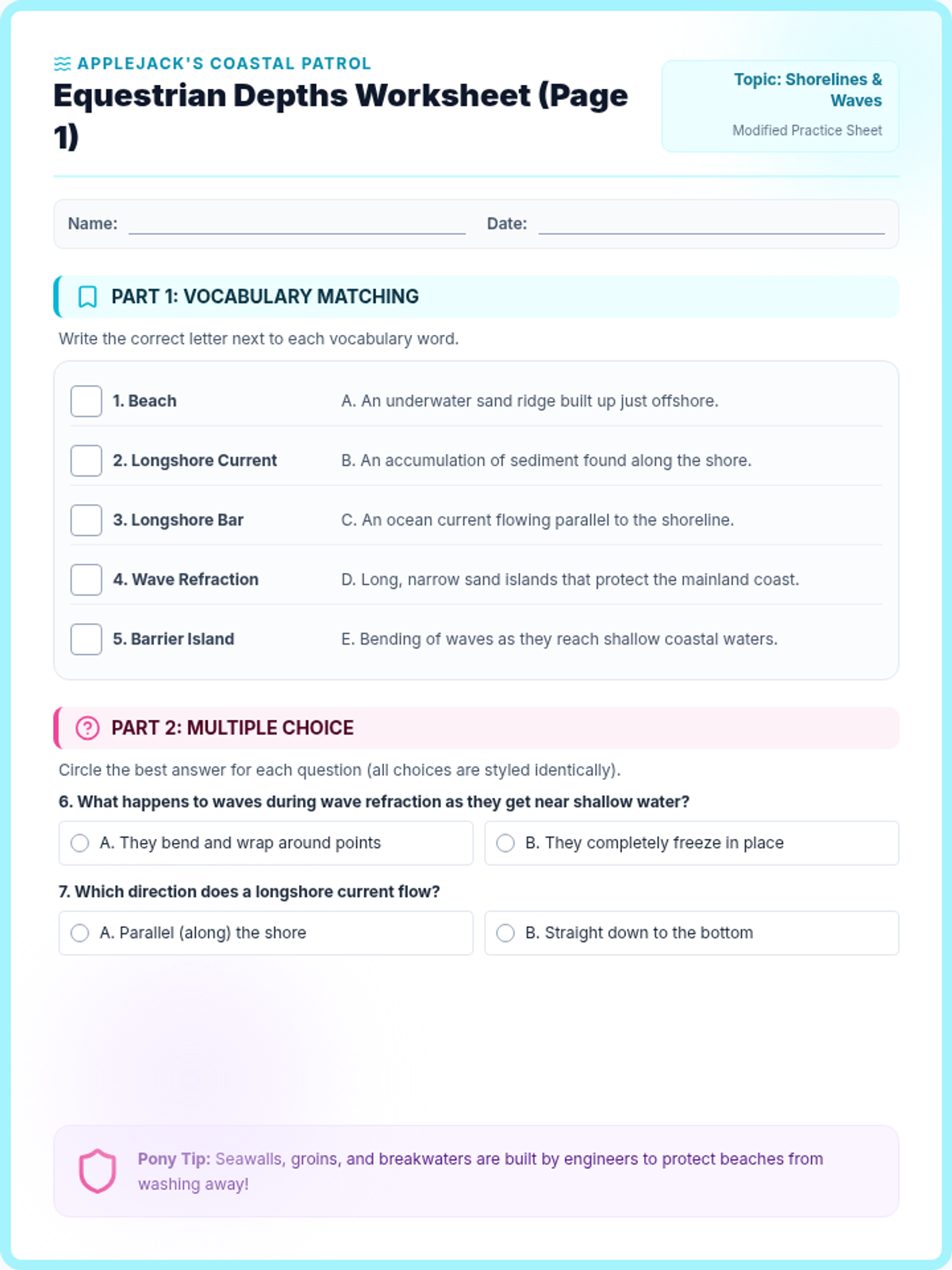
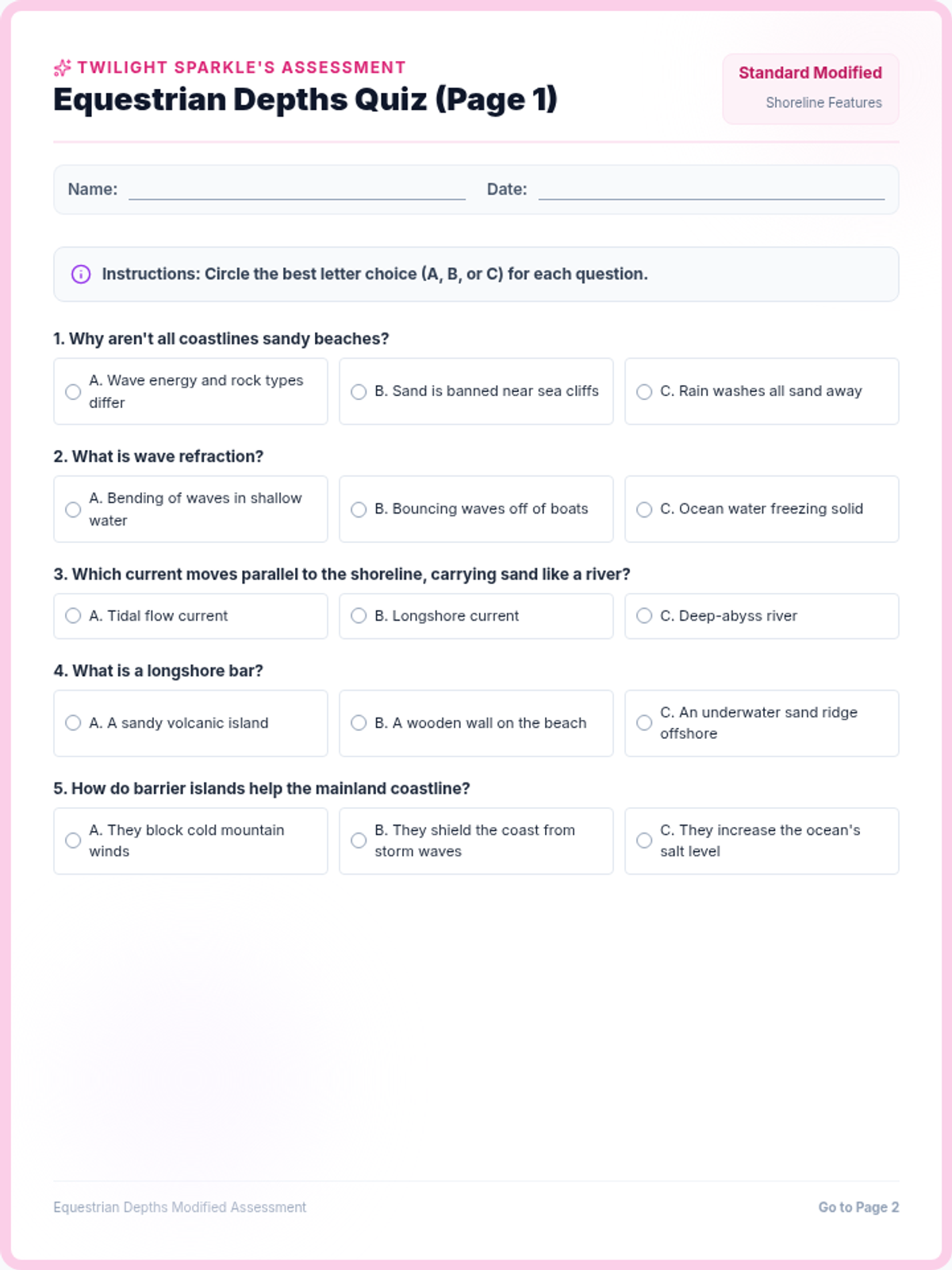
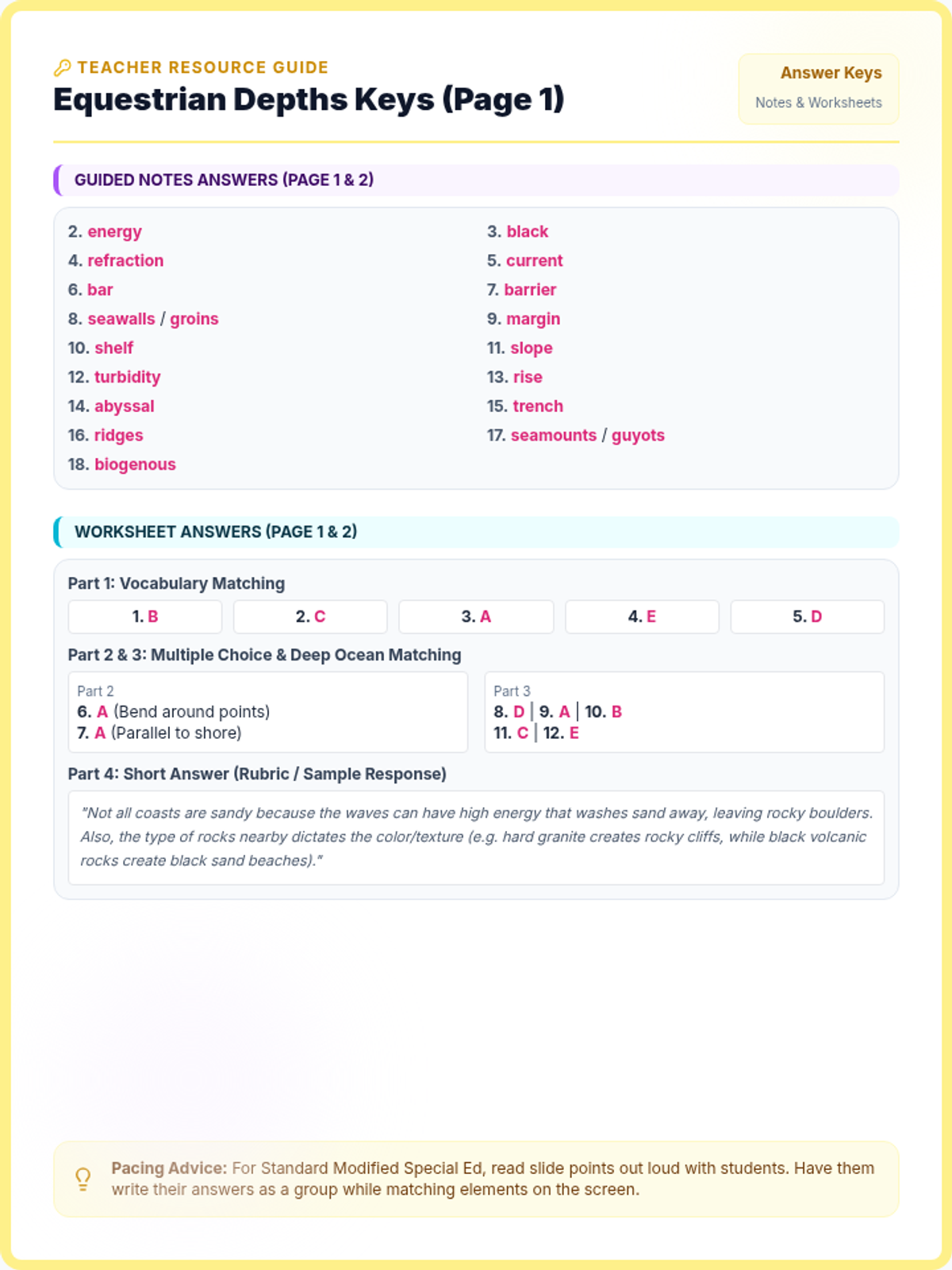
A lesson on oceanography covering shorelines, coastal features, and the deep seafloor, adapted with a friendly My Little Pony decorative theme and chunked, accessible text for Standard Modified Special Education students.
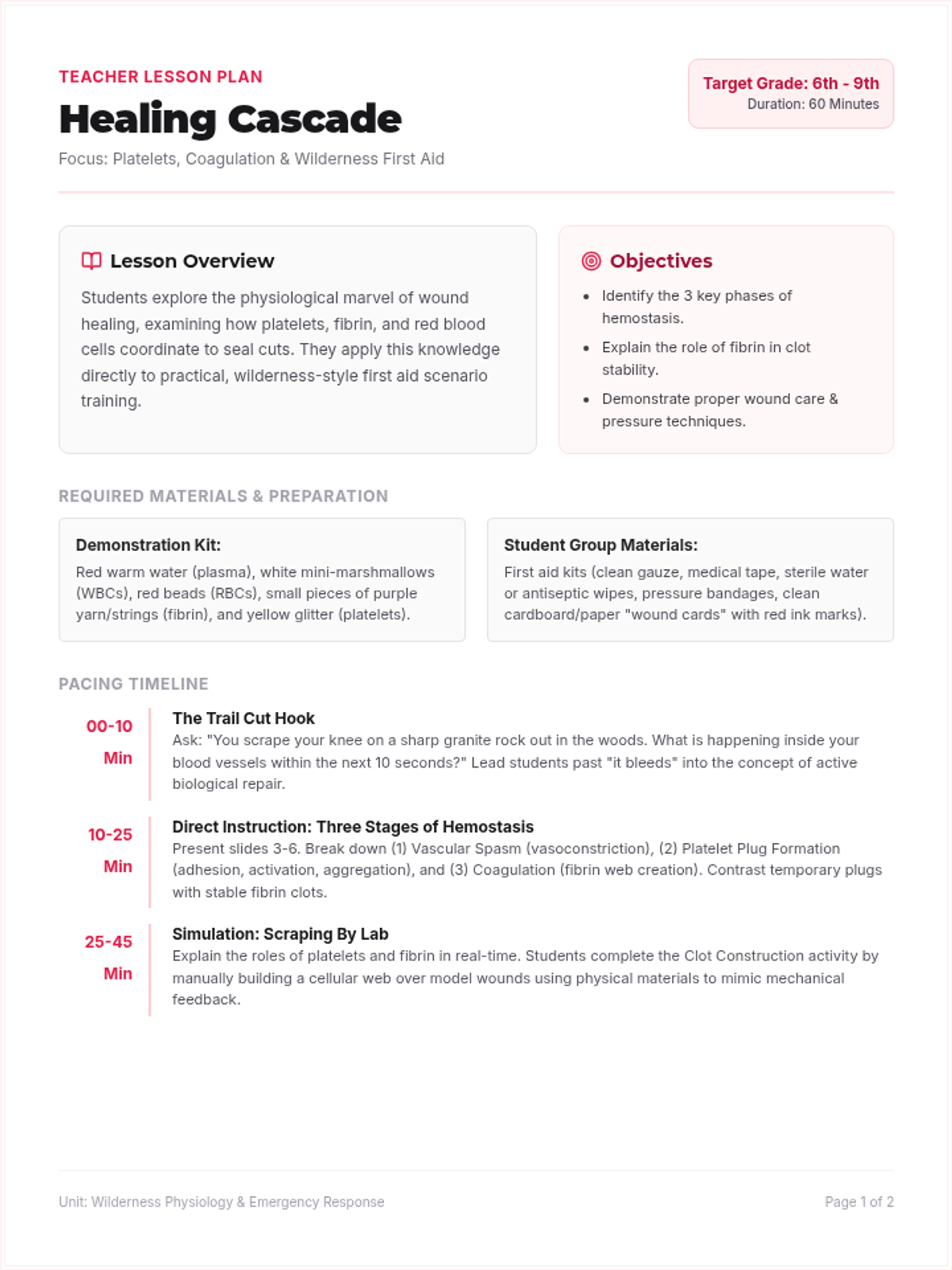
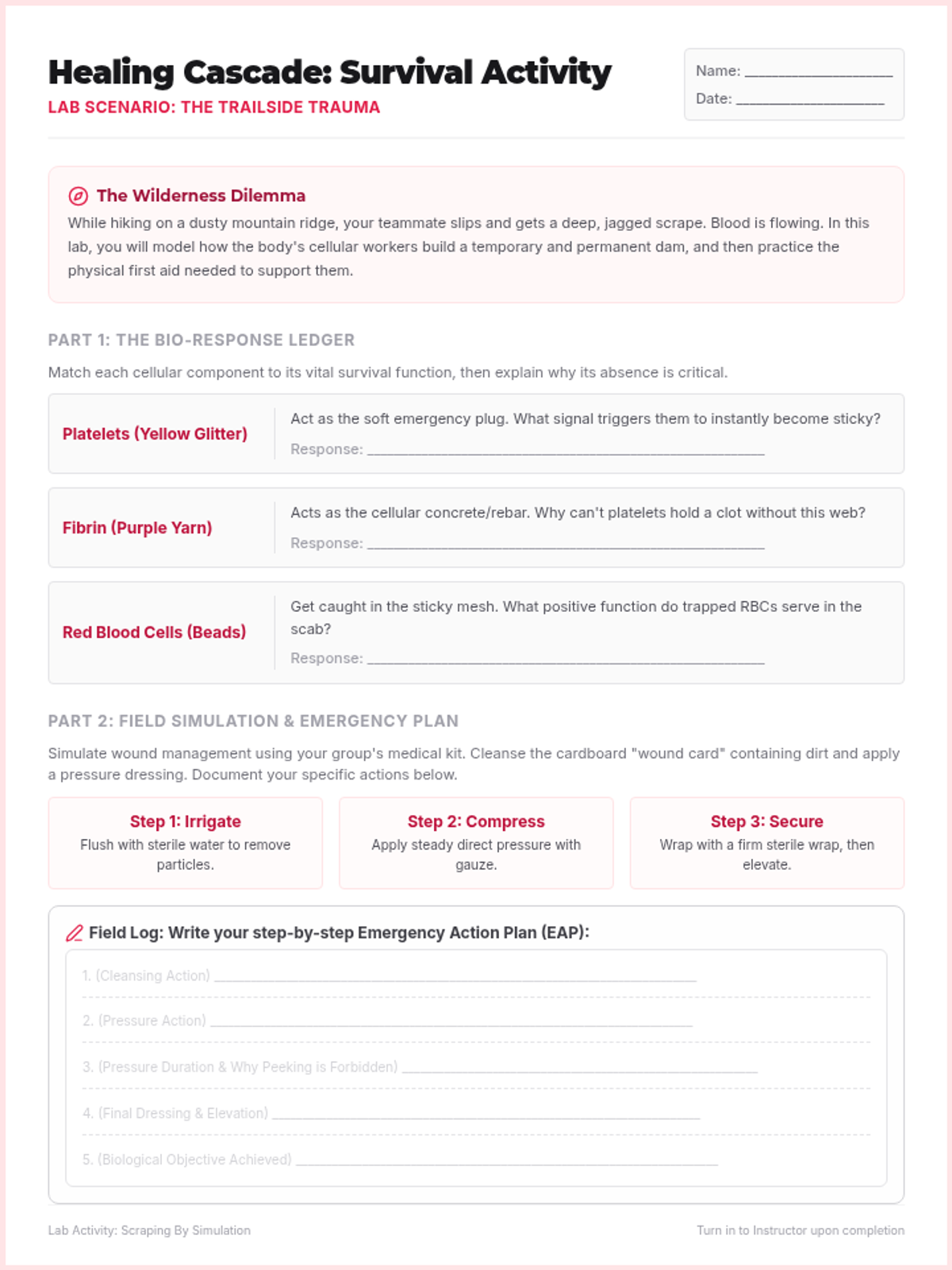
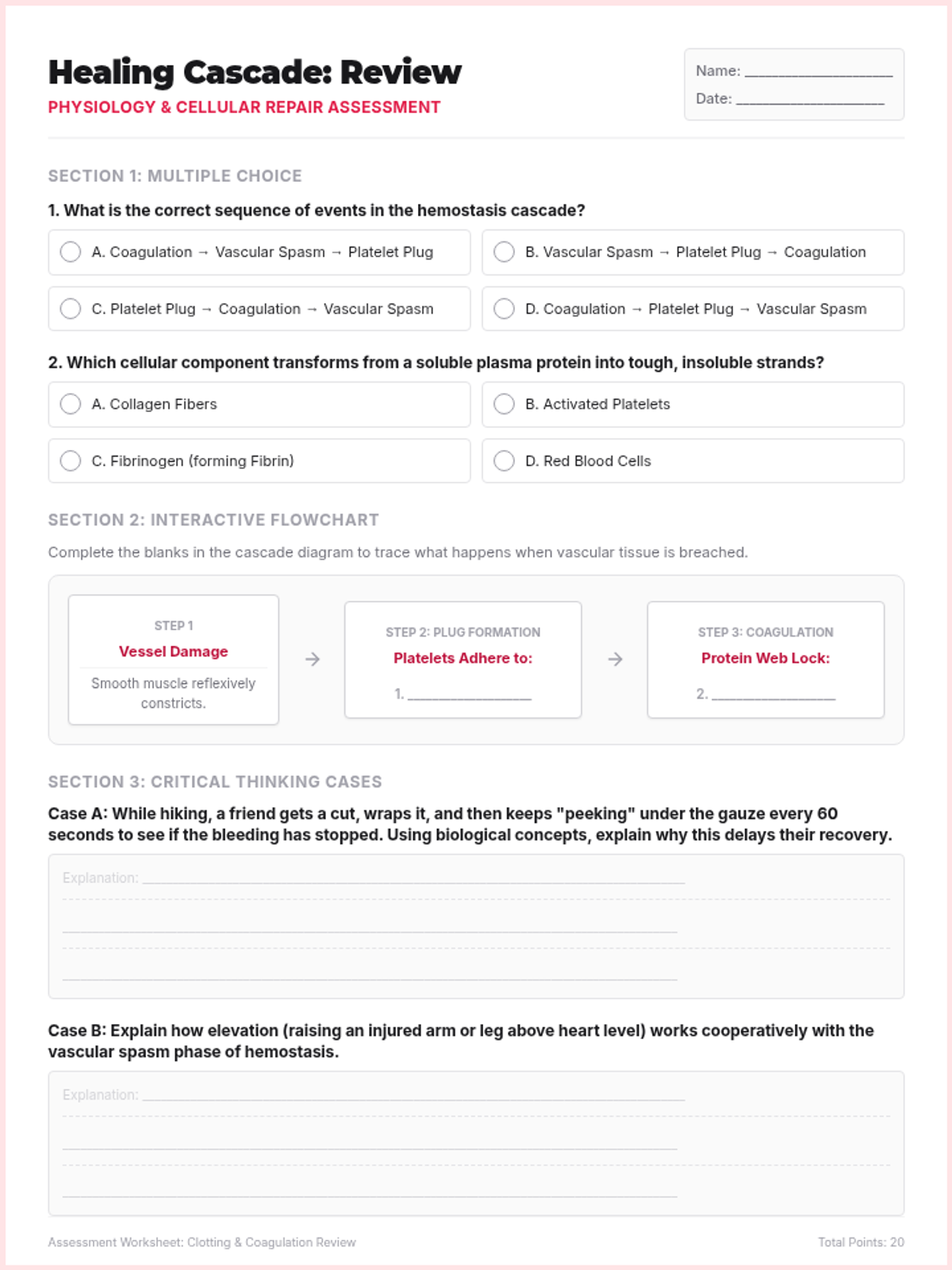
This lesson explores the physiological marvel of wound healing, focusing on platelets, coagulation, and cellular repair. Students learn how the body heals scrapes and cuts and apply this knowledge to practical, outdoors-focused first aid.
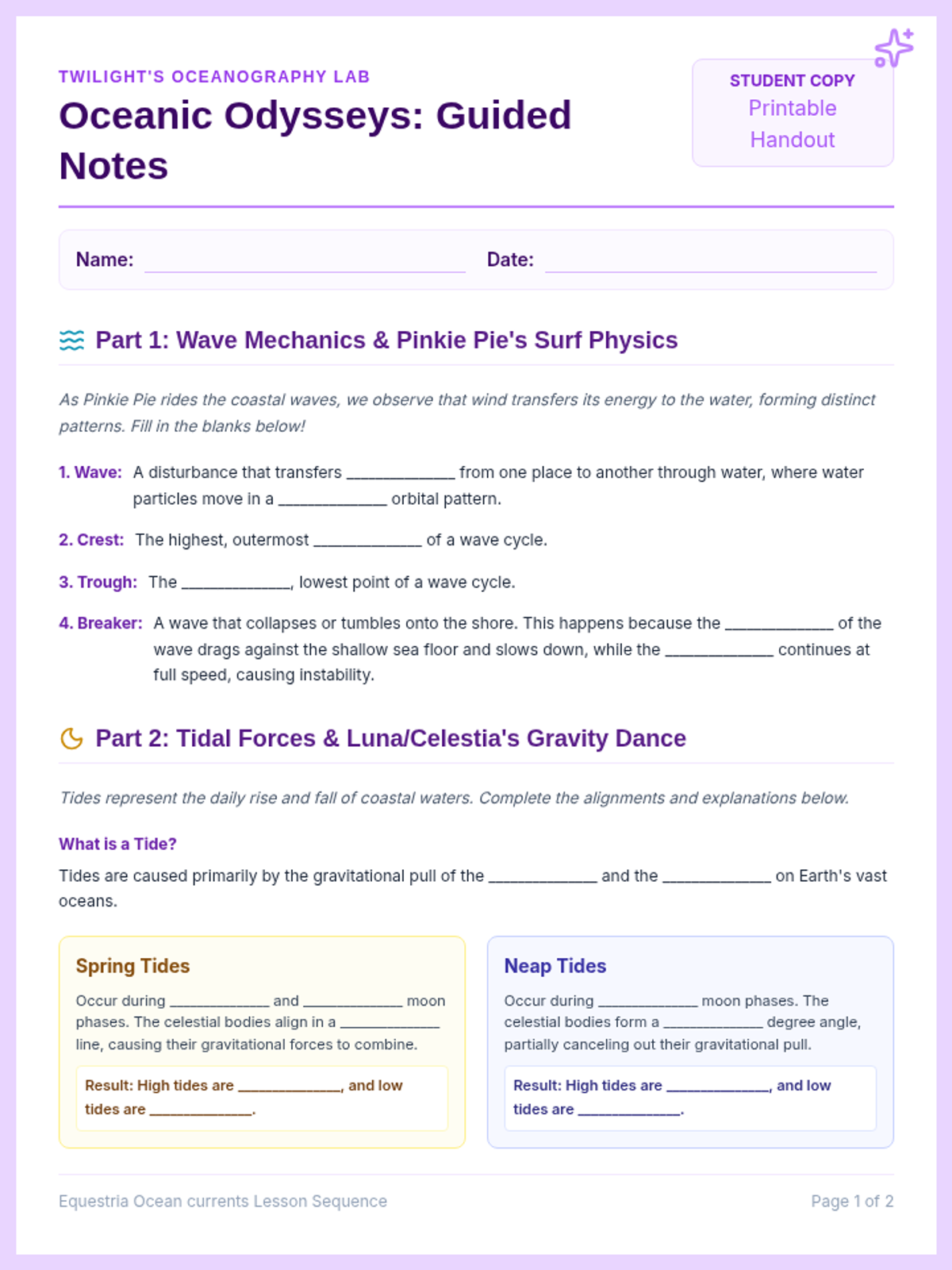
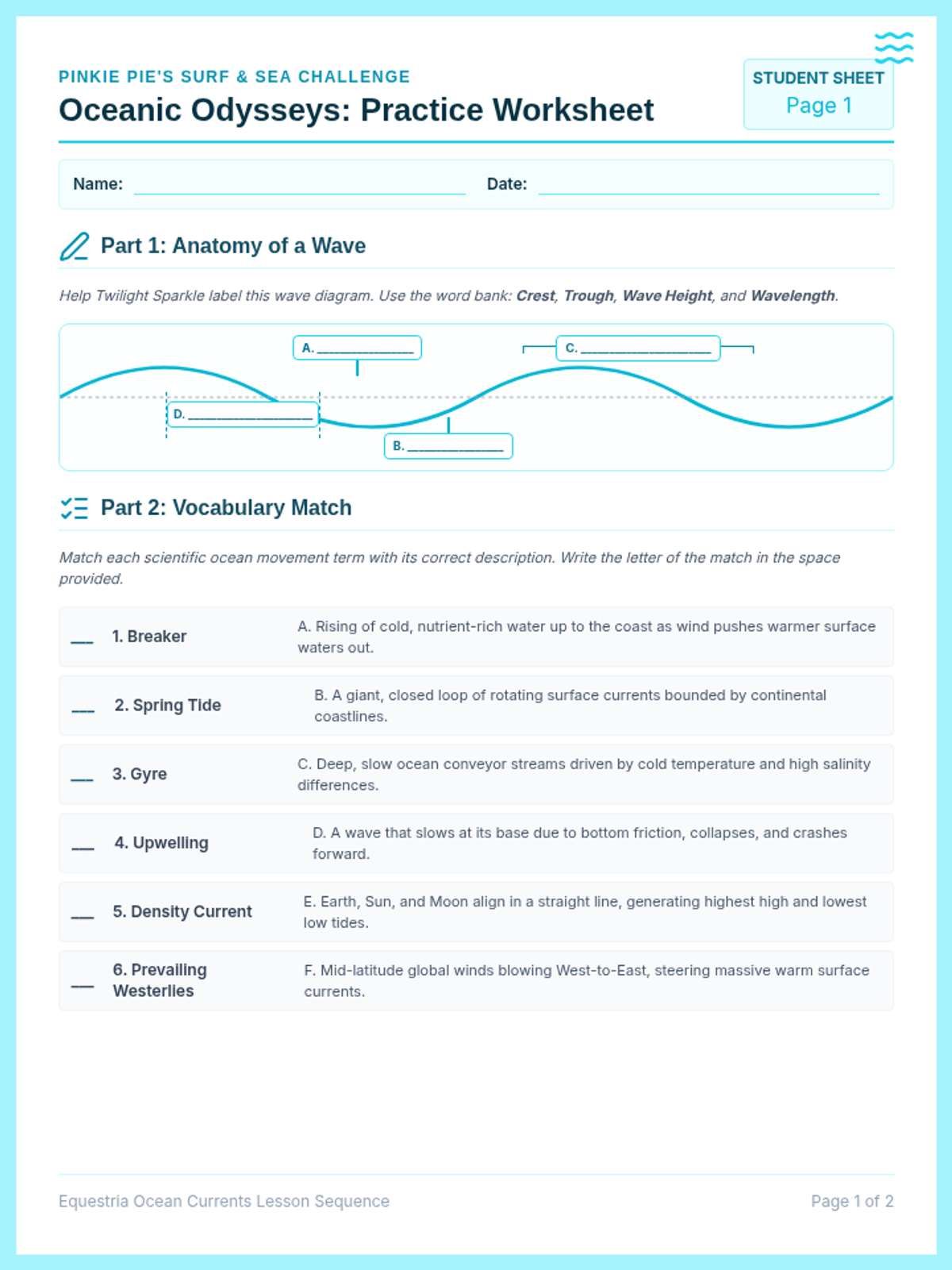
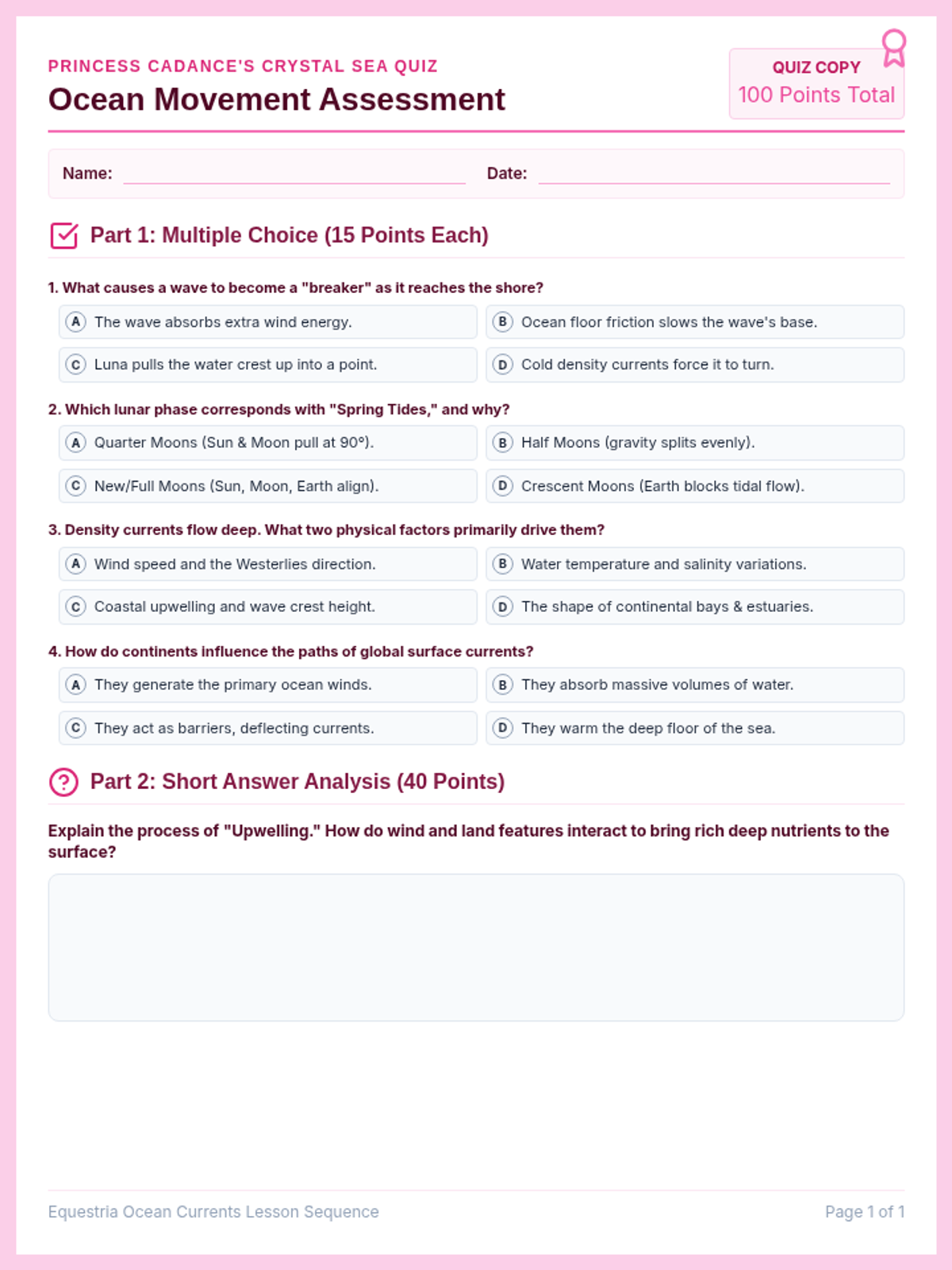
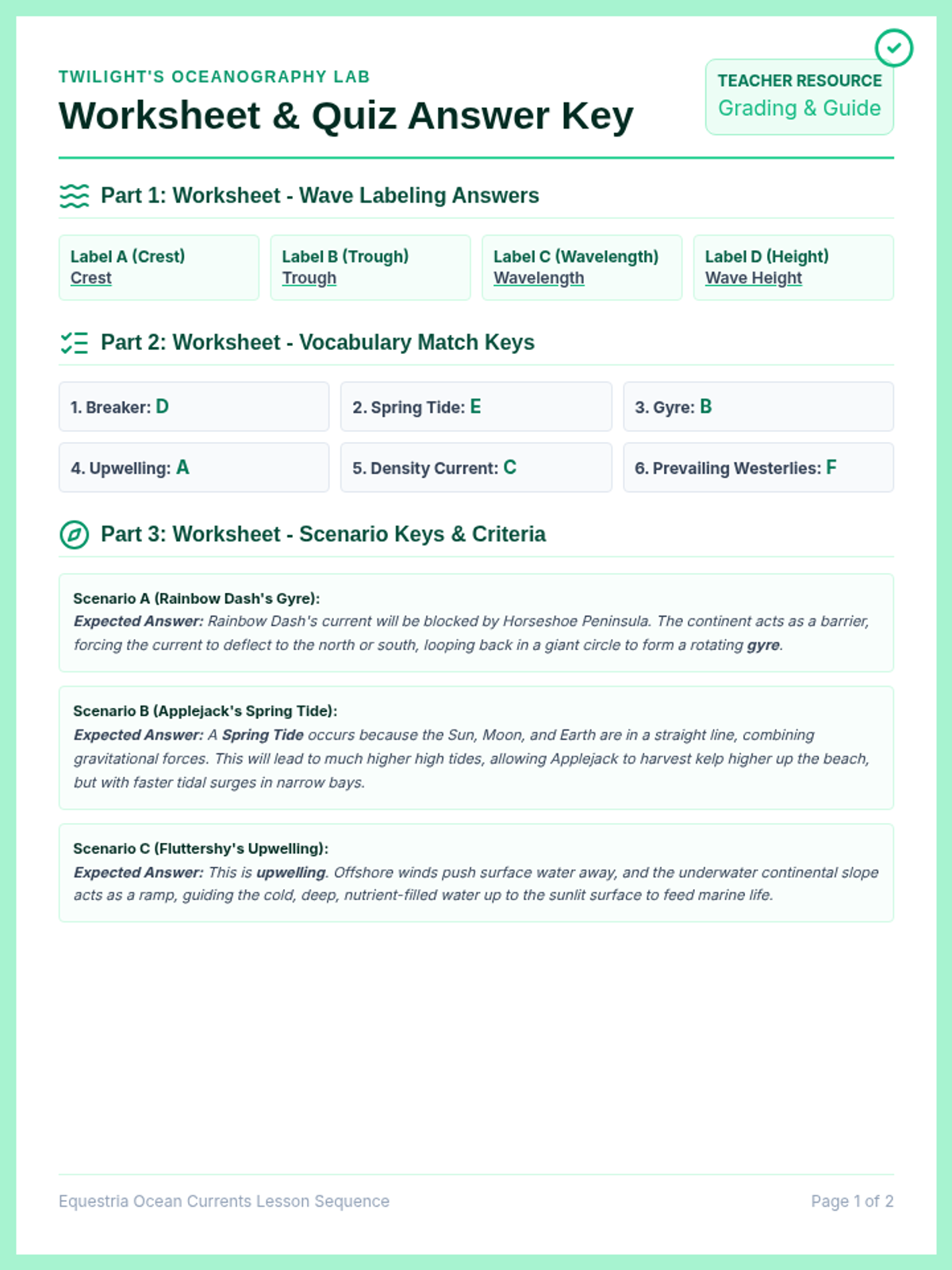
A comprehensive, MLP:FiM-themed lesson on ocean movement (waves, tides, currents, gyres, and land influences) featuring Twilight Sparkle and friends.
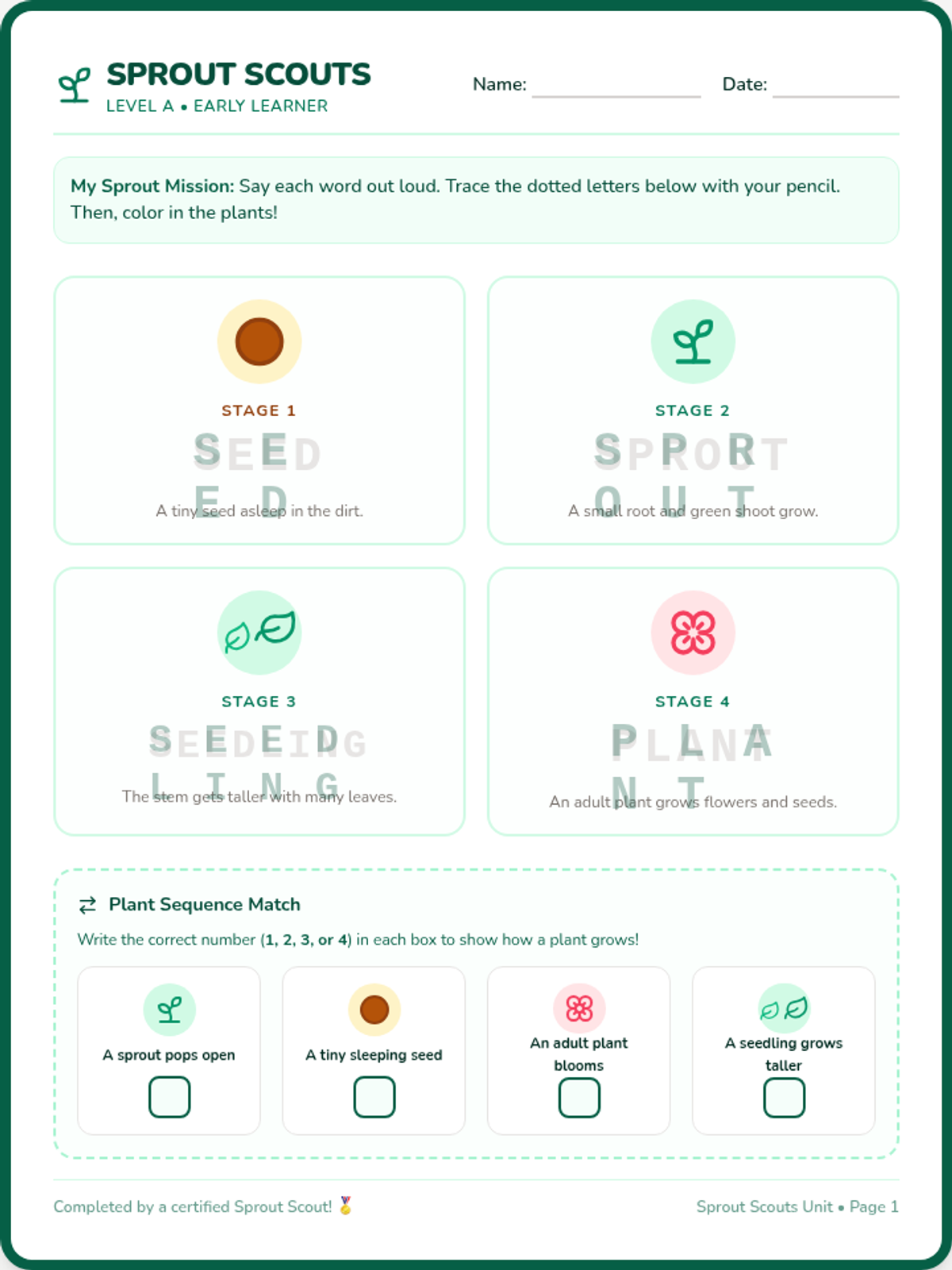
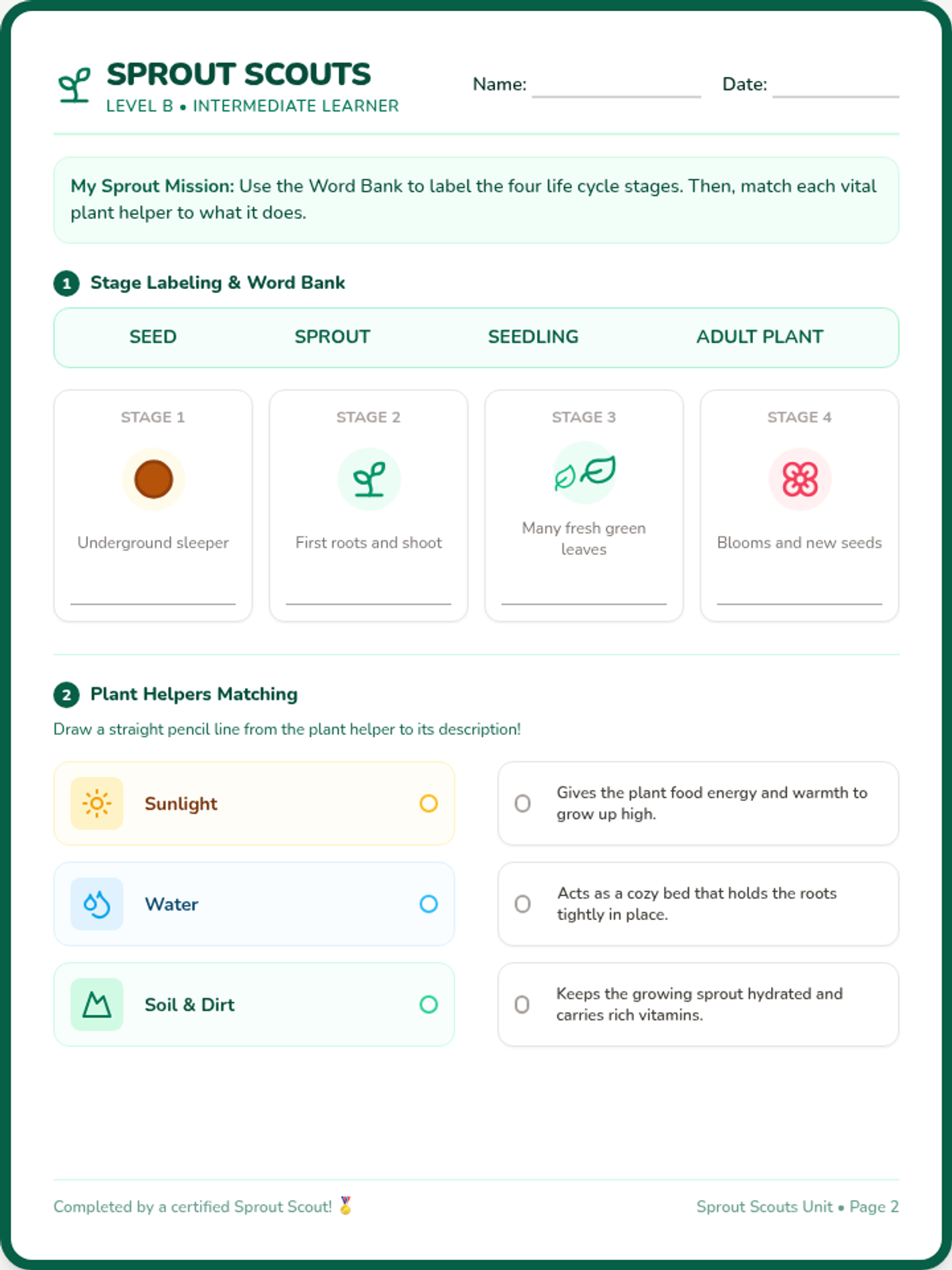
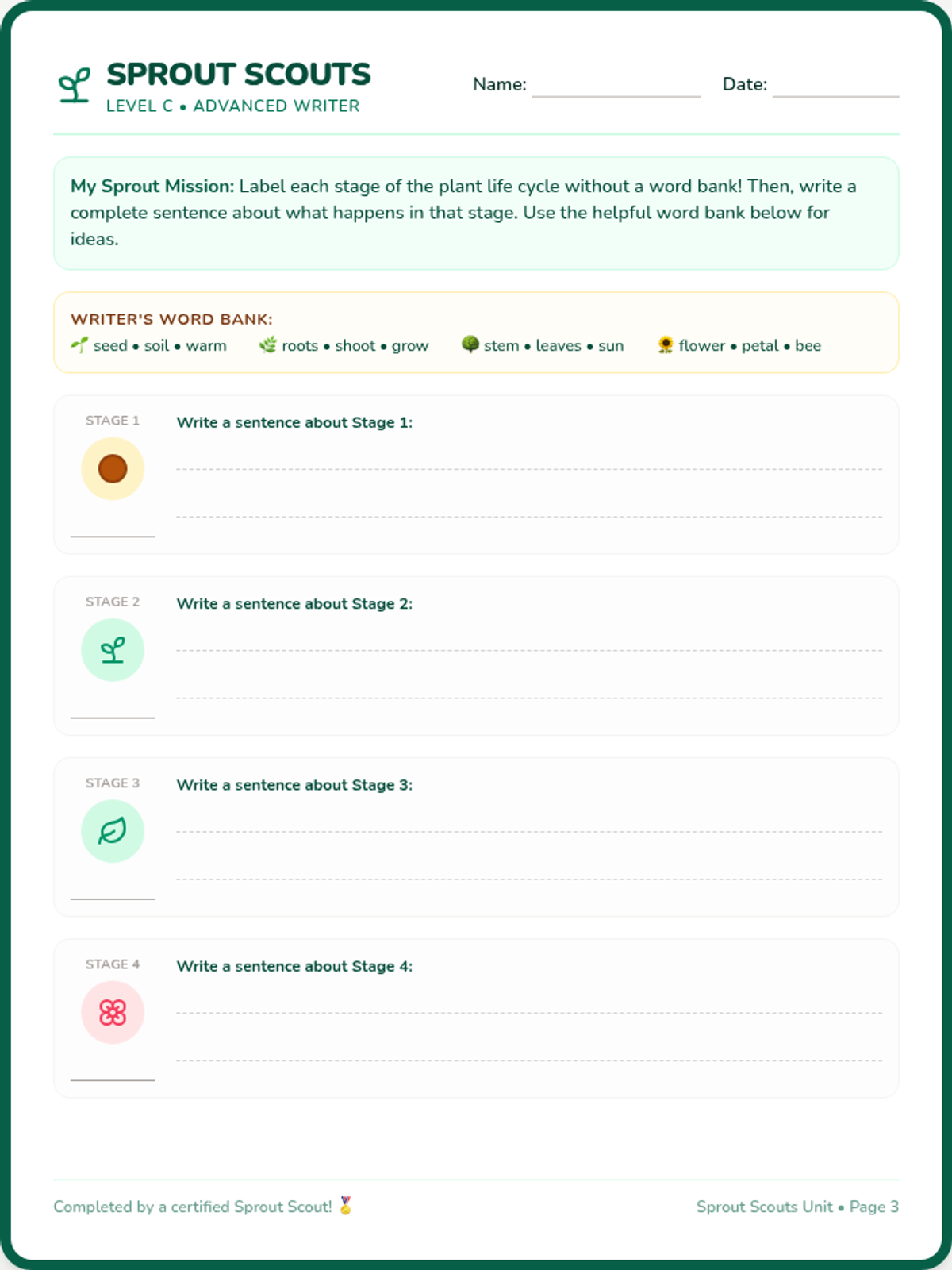
A foundational biology lesson exploring the simple life cycle of a plant from seed to sprout to adult. Includes interactive slides, a comprehensive teacher guide, and three tiers of differentiated worksheets to support early writers, matchers, and independent sentence-builders.
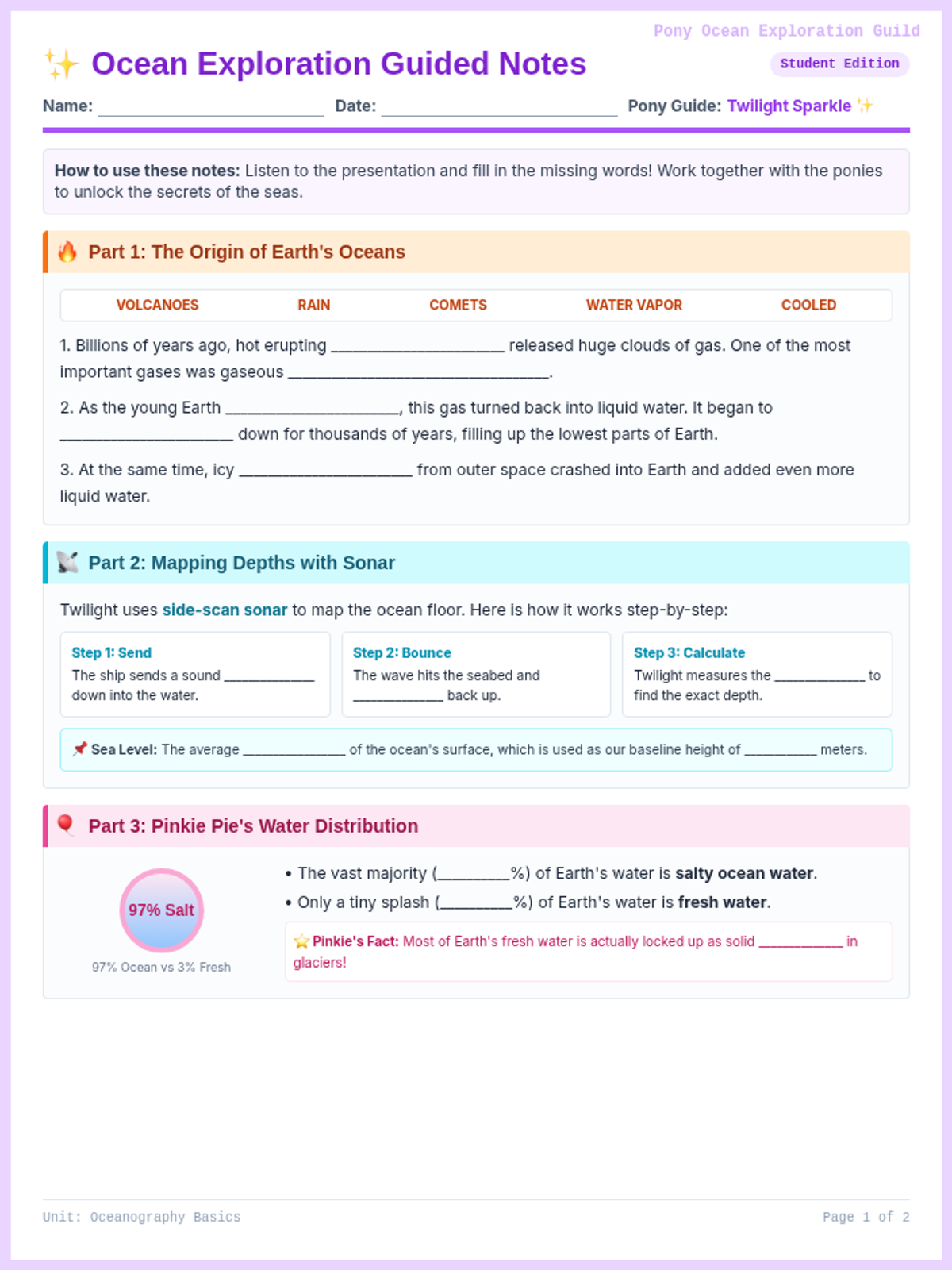
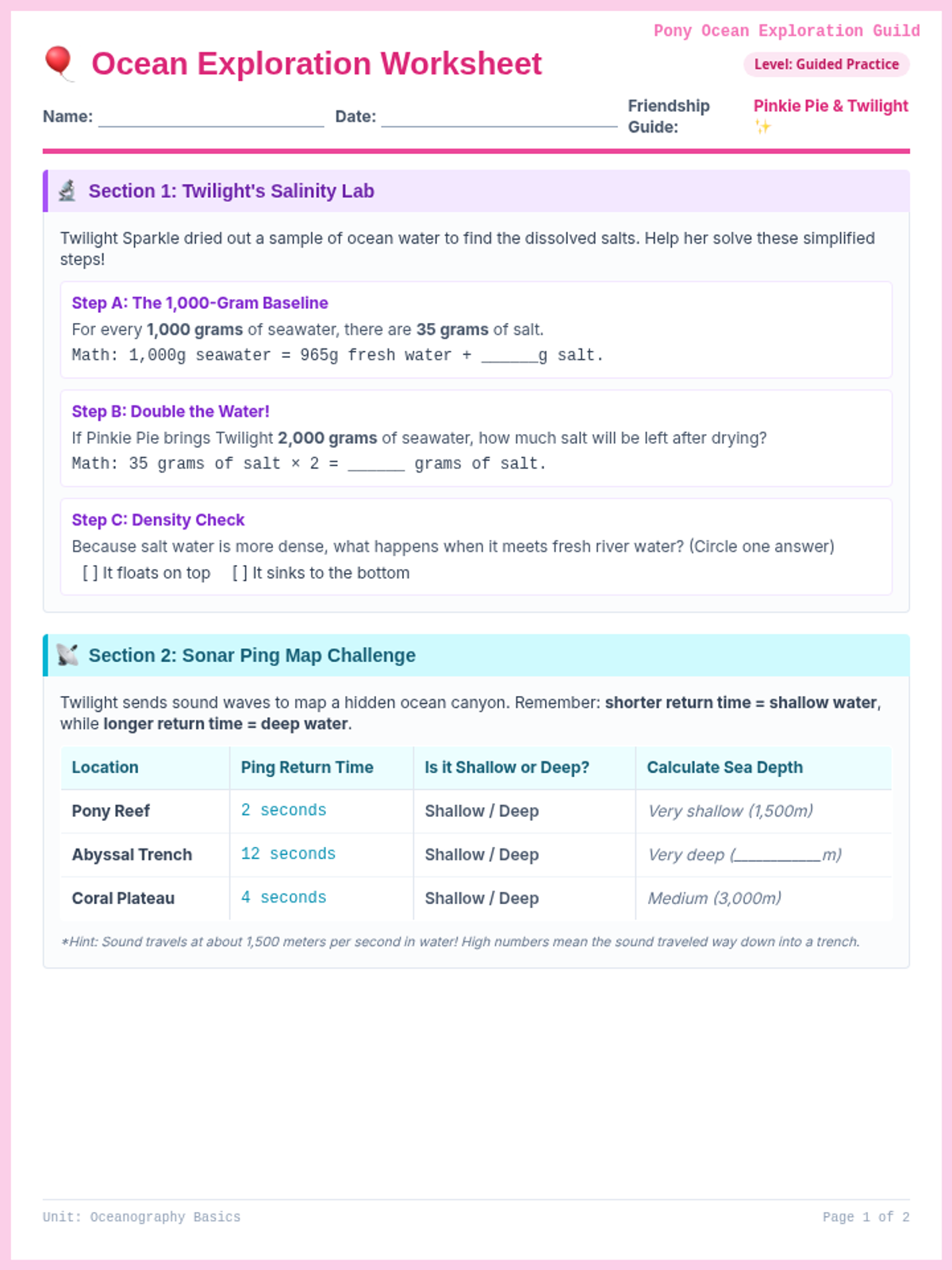
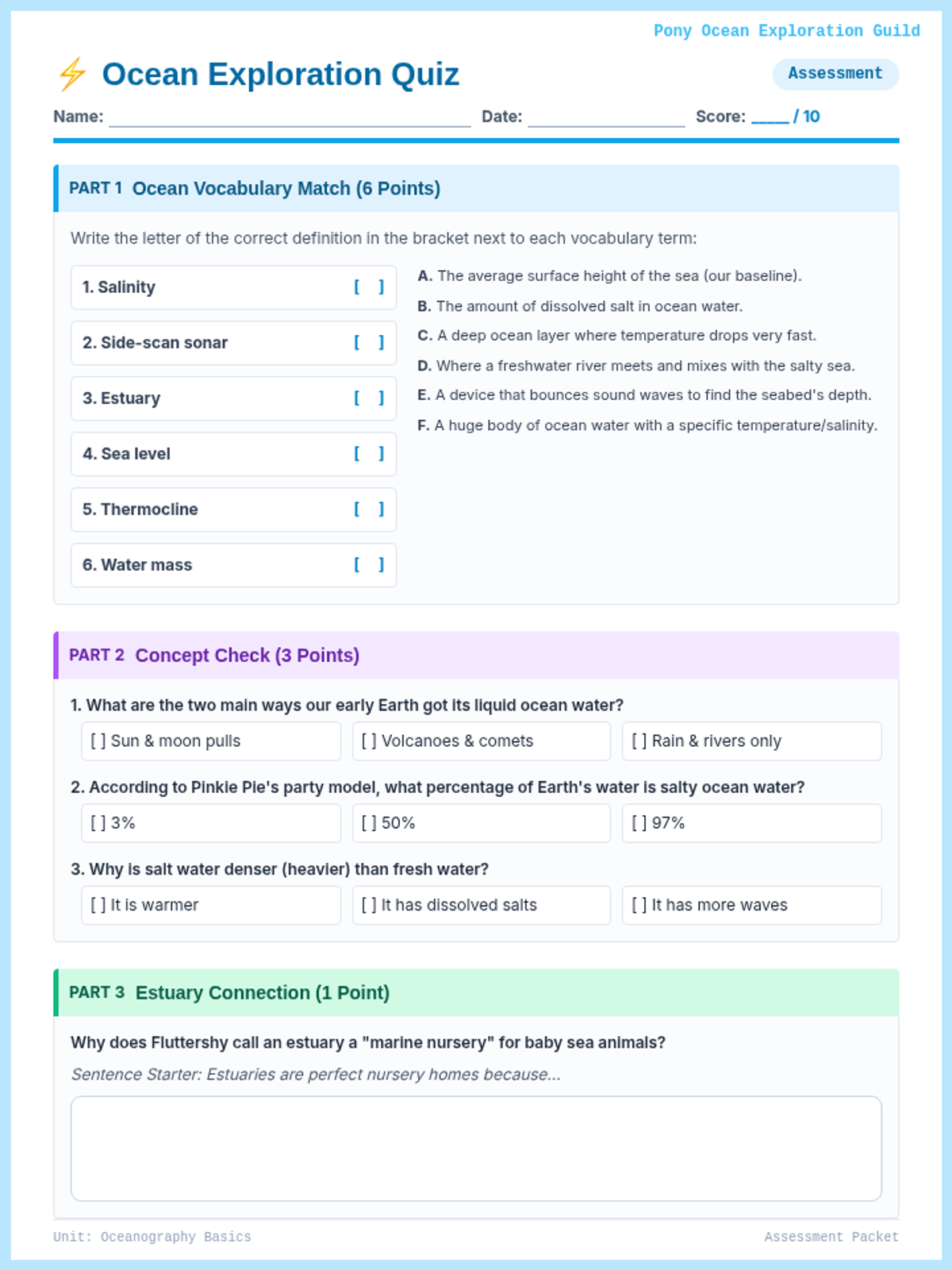
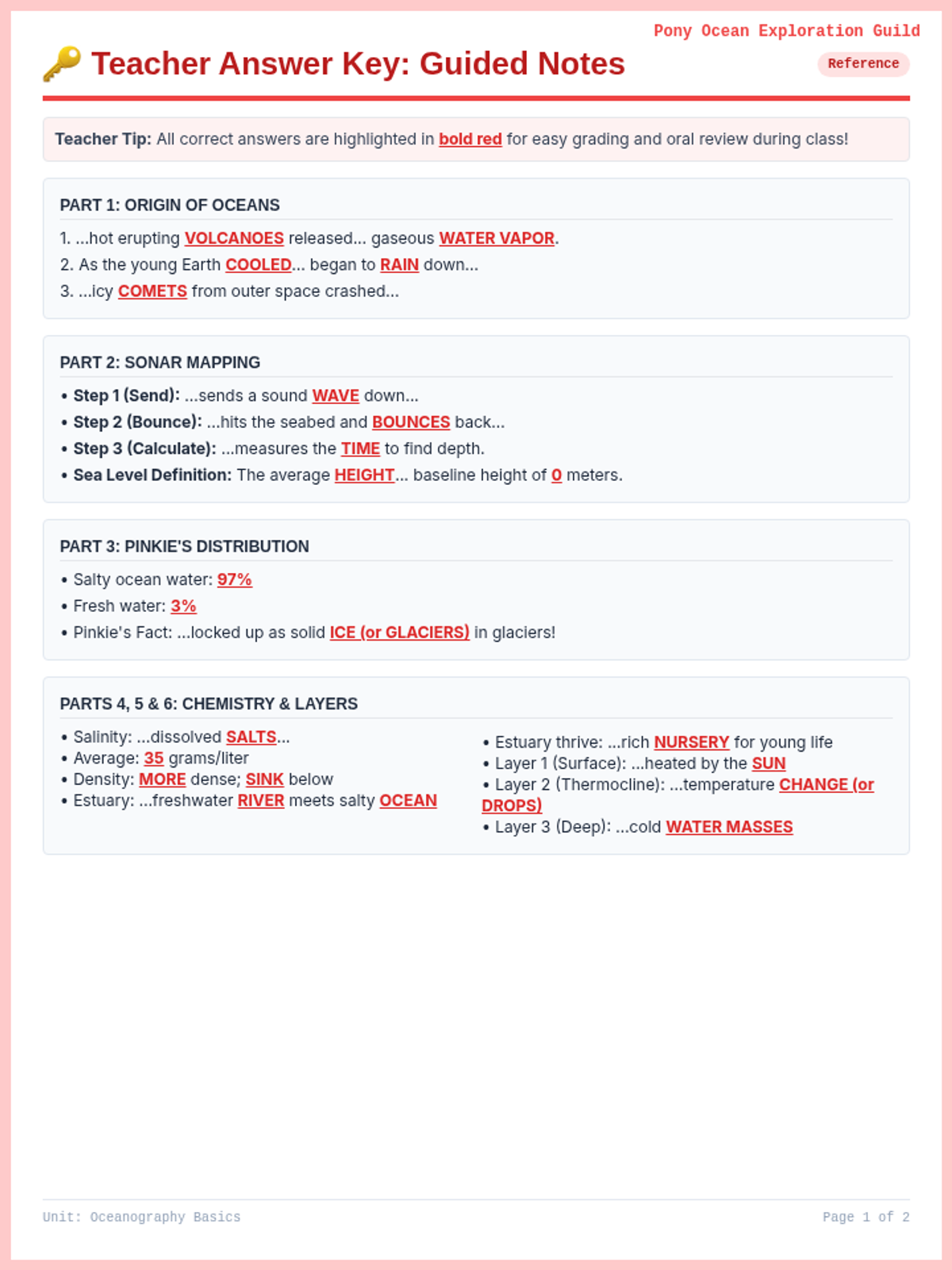
Join Twilight Sparkle, Pinkie Pie, Fluttershy, and Rainbow Dash as they explore the origin, composition, and structure of Earth's oceans. This lesson is highly visual, simplified, and carefully structured with guided practice, word banks, and sentence starters.
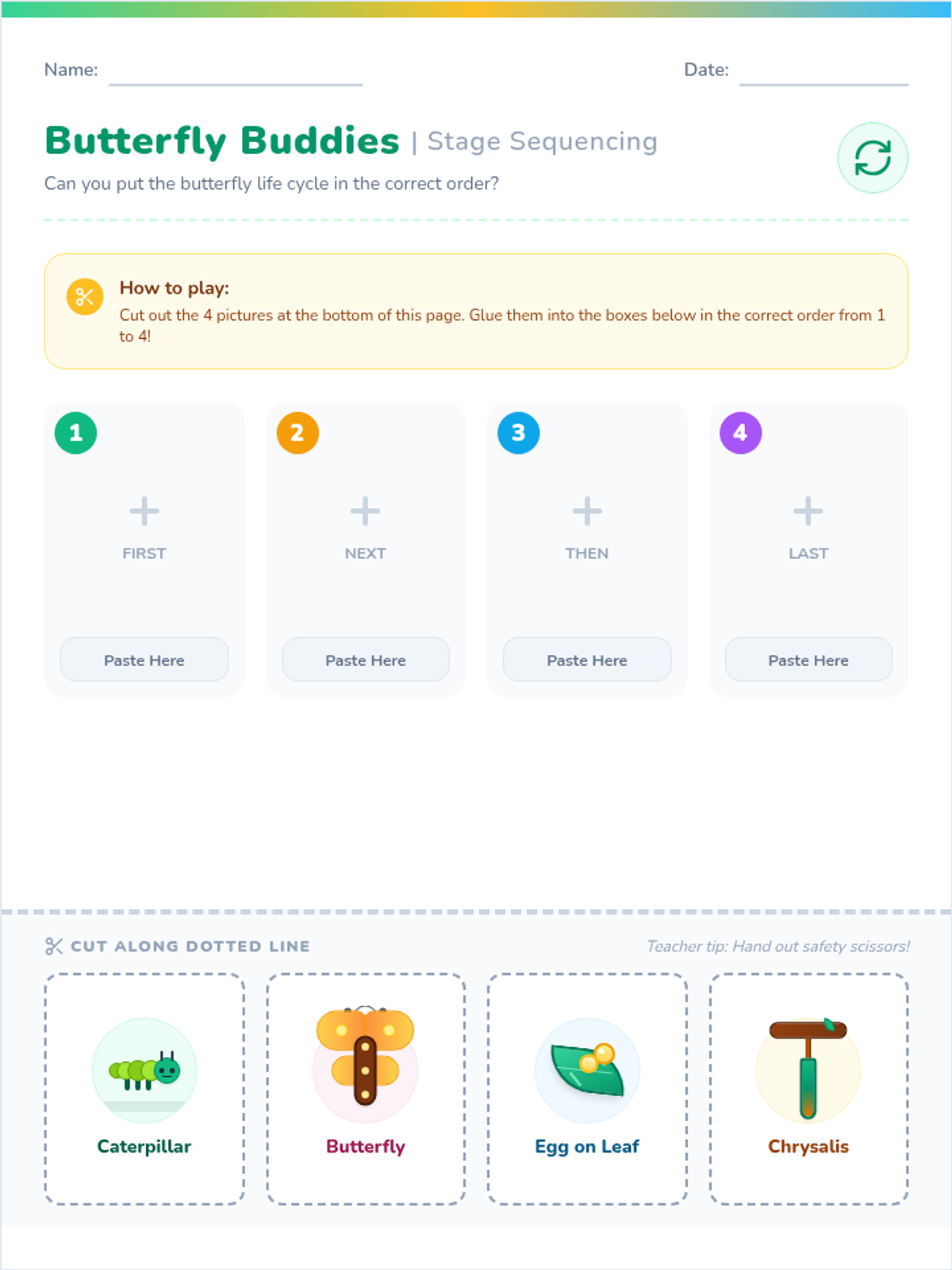
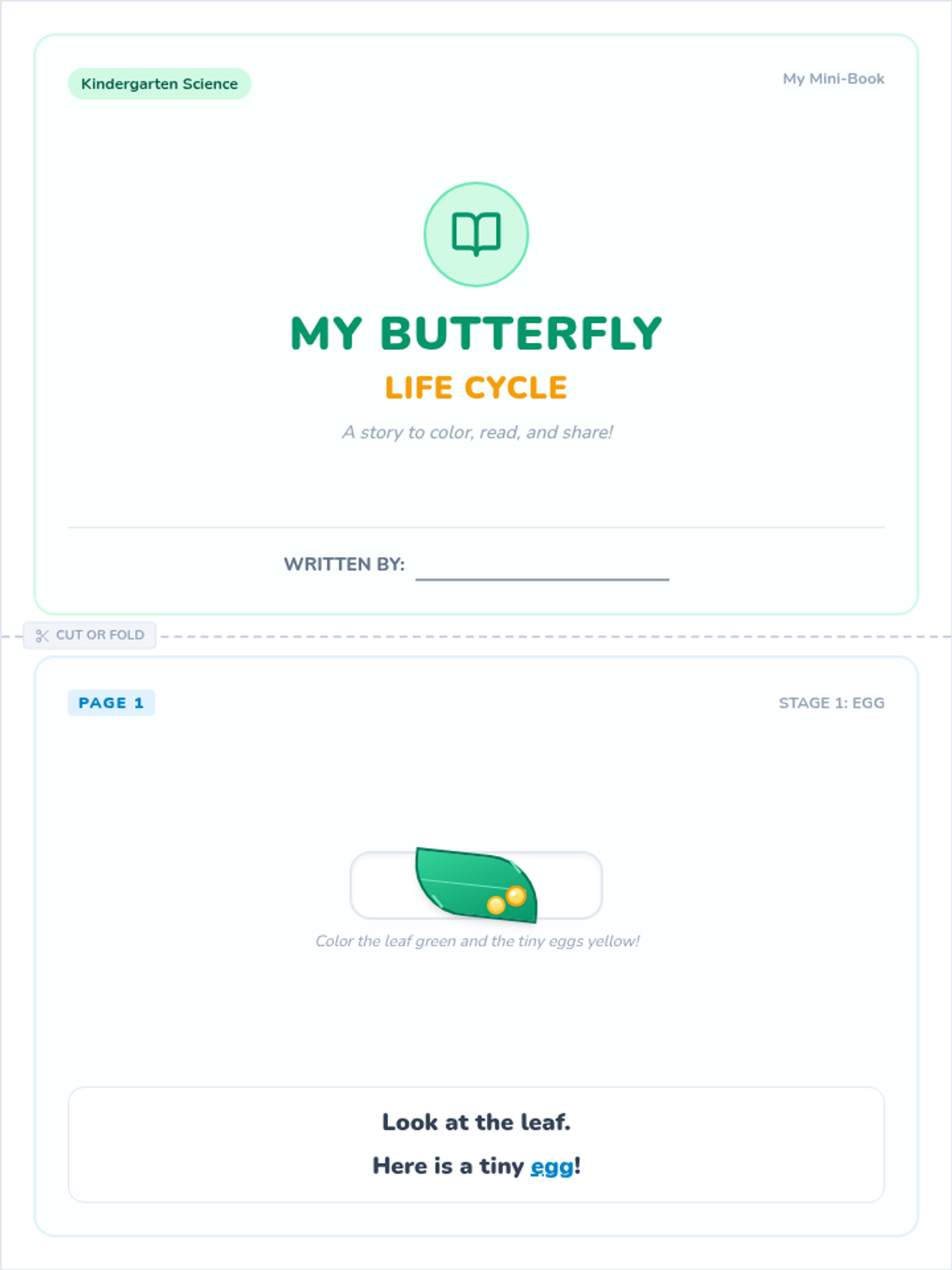
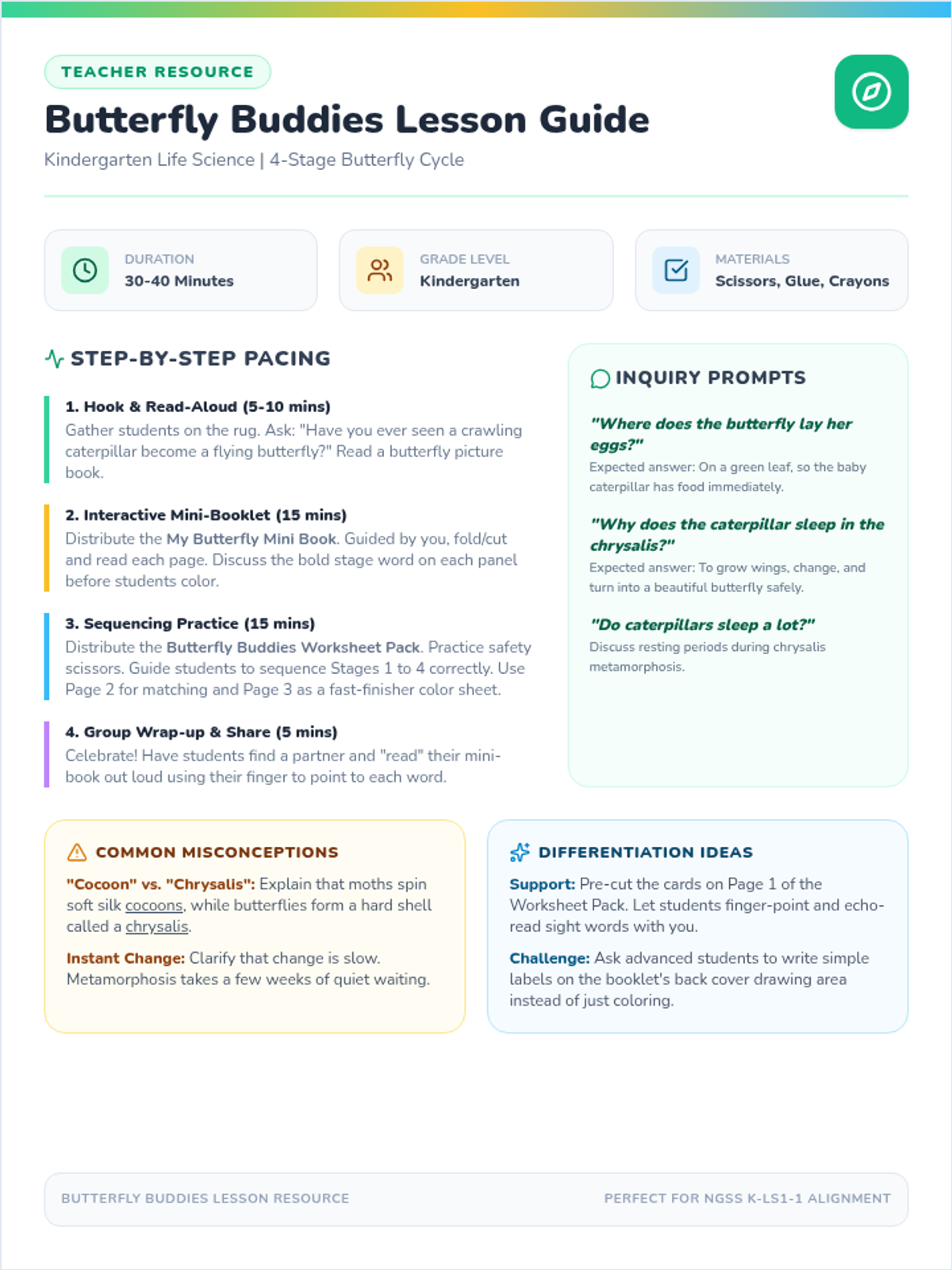
A friendly, hands-on kindergarten lesson exploring the four stages of a butterfly's life cycle: egg, caterpillar, chrysalis, and butterfly. Students learn through sequencing, labeling, coloring, and reading a foldable mini-booklet.
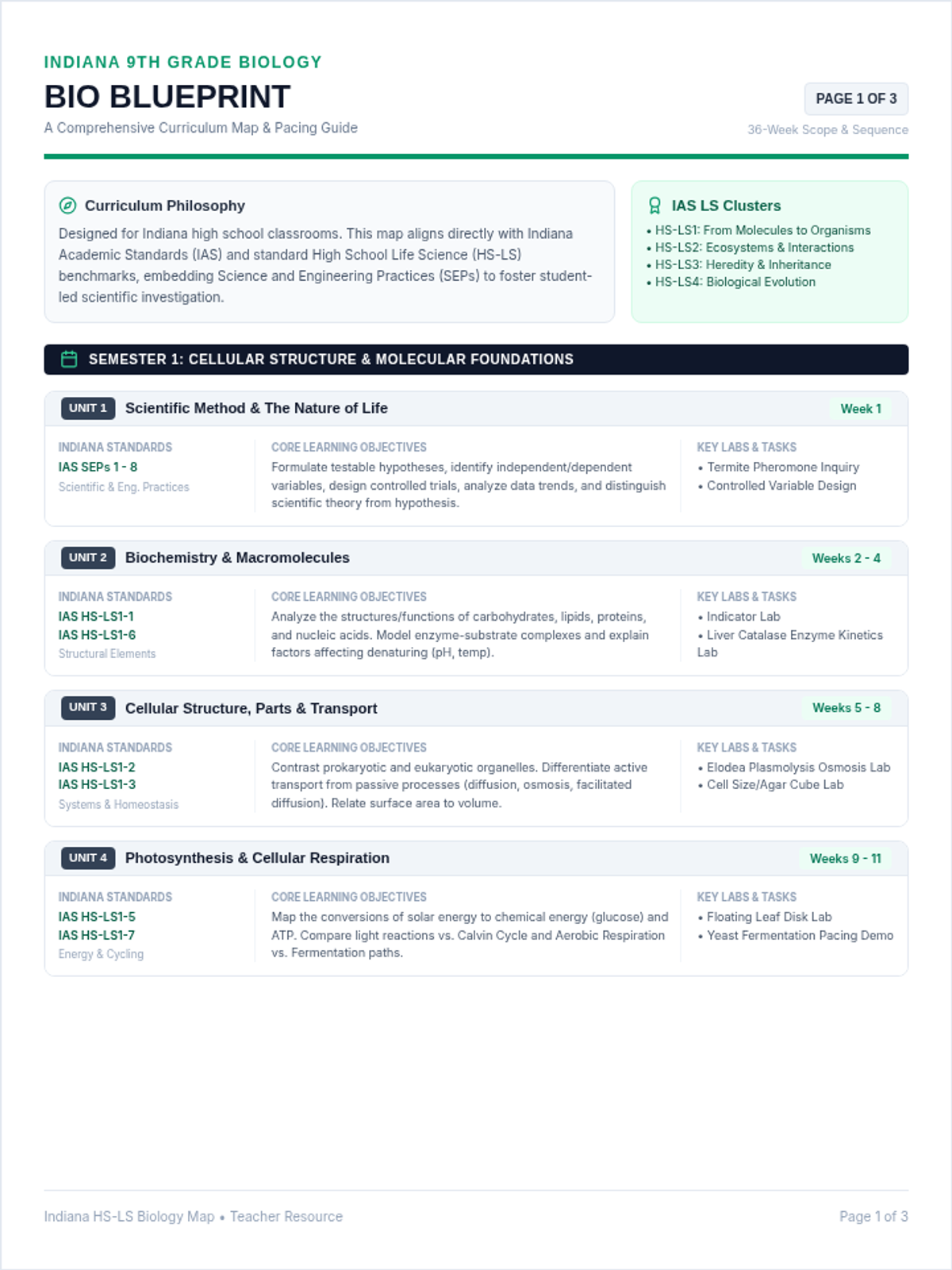
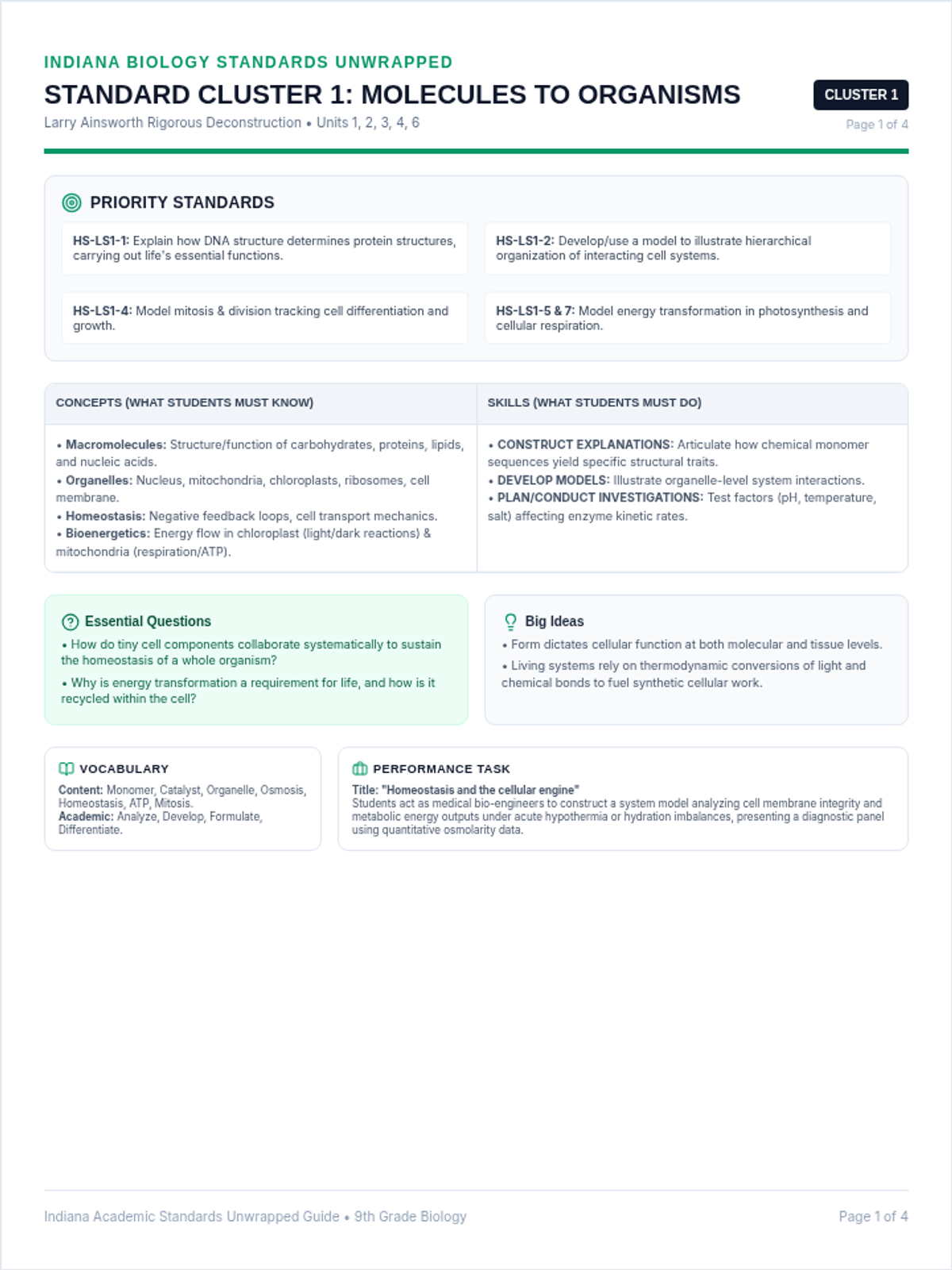
High-level curriculum planning resources, alignment maps, and pacing guides for teaching Indiana 9th-grade Biology.
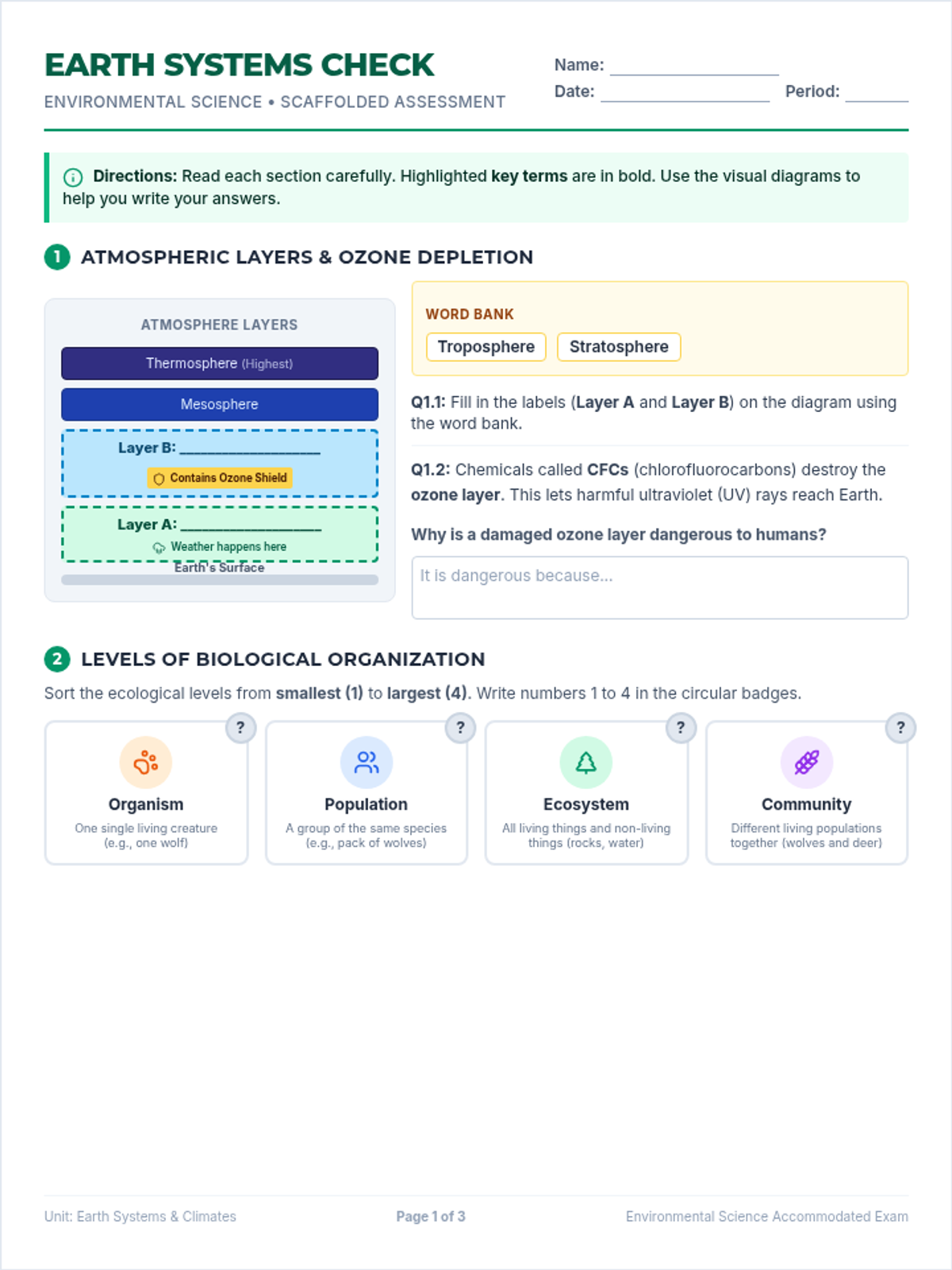
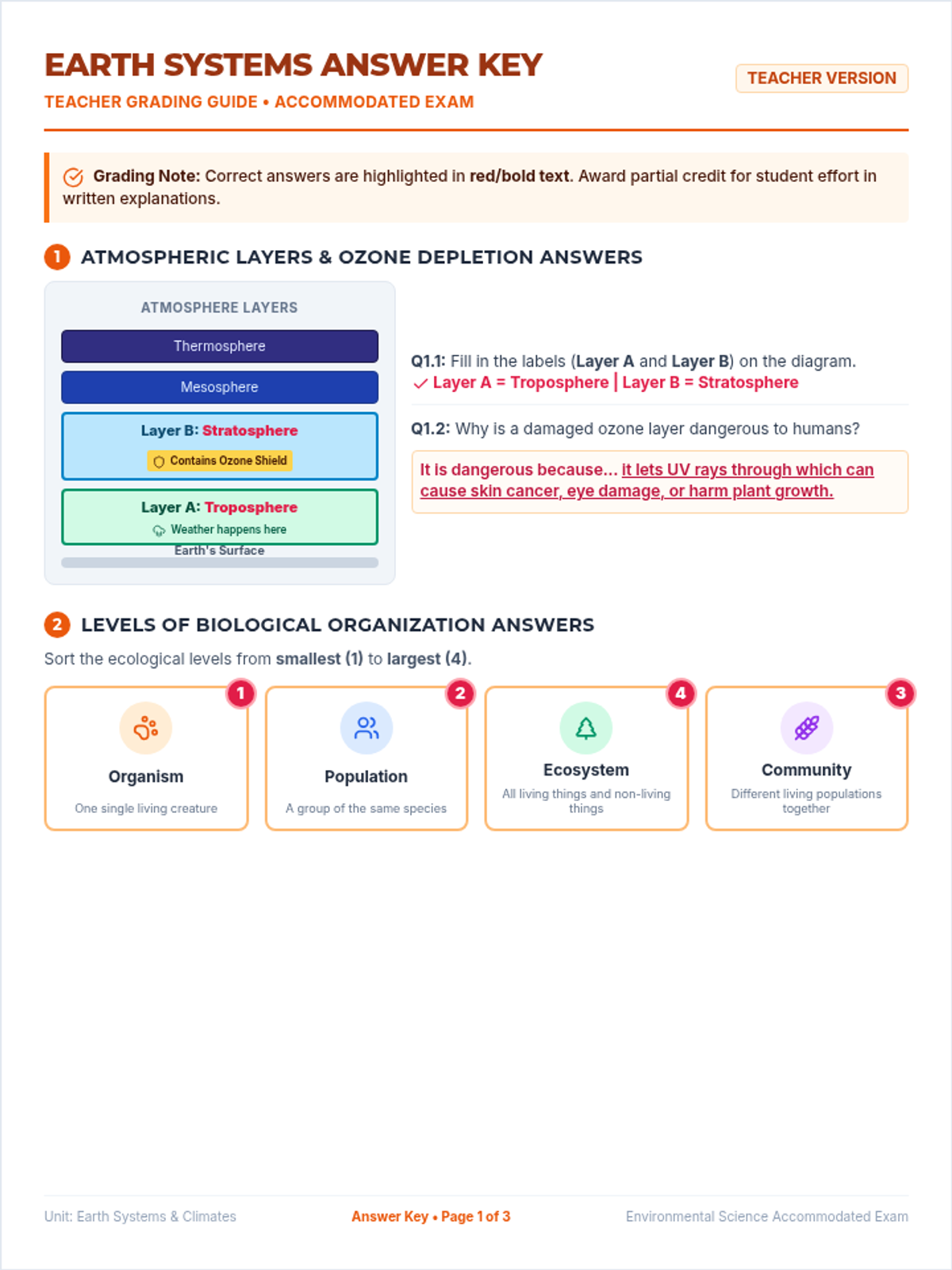
A highly visual, scaffolded assessment and corresponding answer key covering atmospheric layers, resource classification, carbon footprints, biological levels, trophic webs, ice proxies, and photosynthesis.
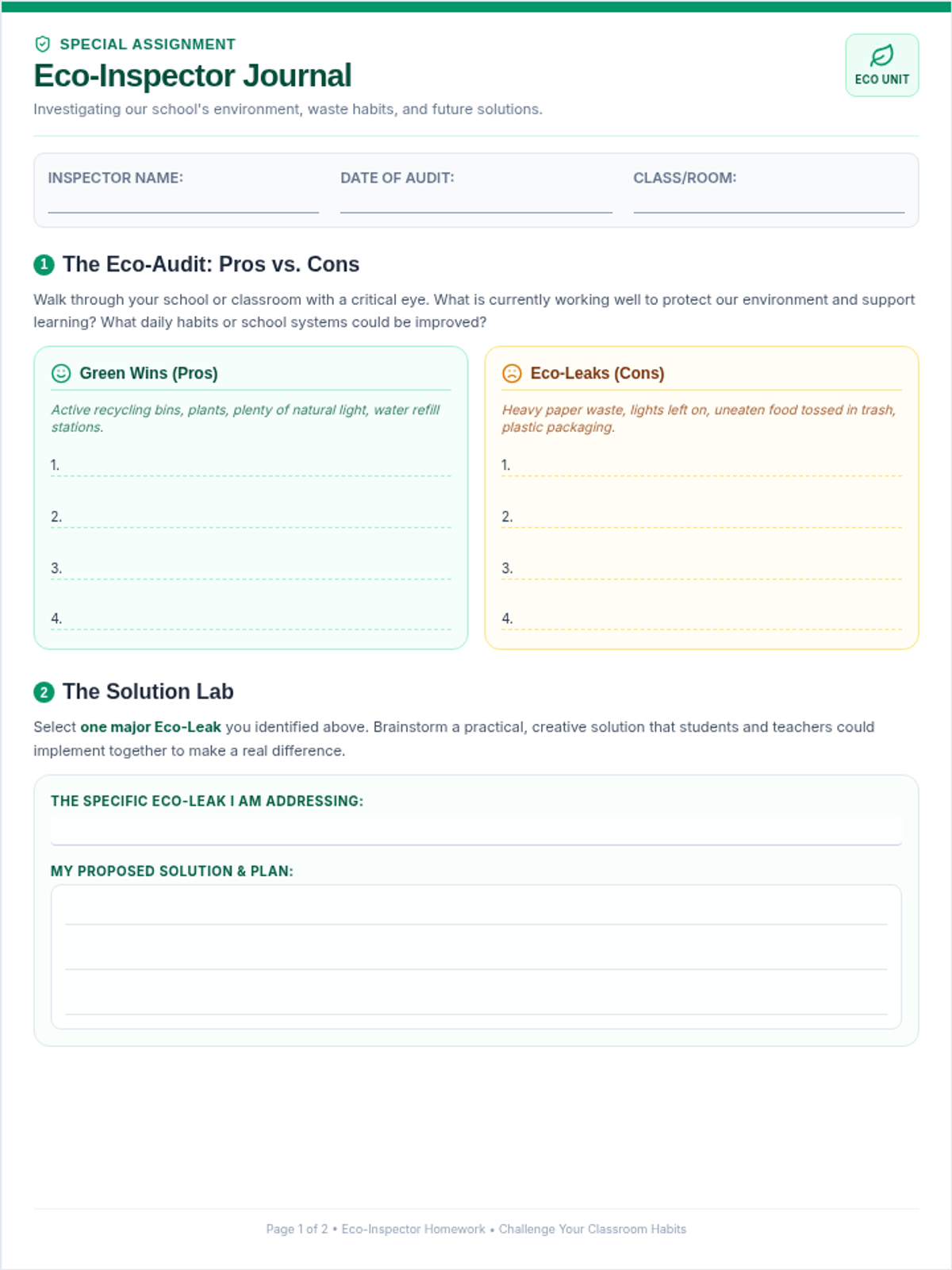
A homework-centered lesson where students investigate school environmental habits, conduct a mini-audit, and plan statistical data collection around waste and ecological impact.
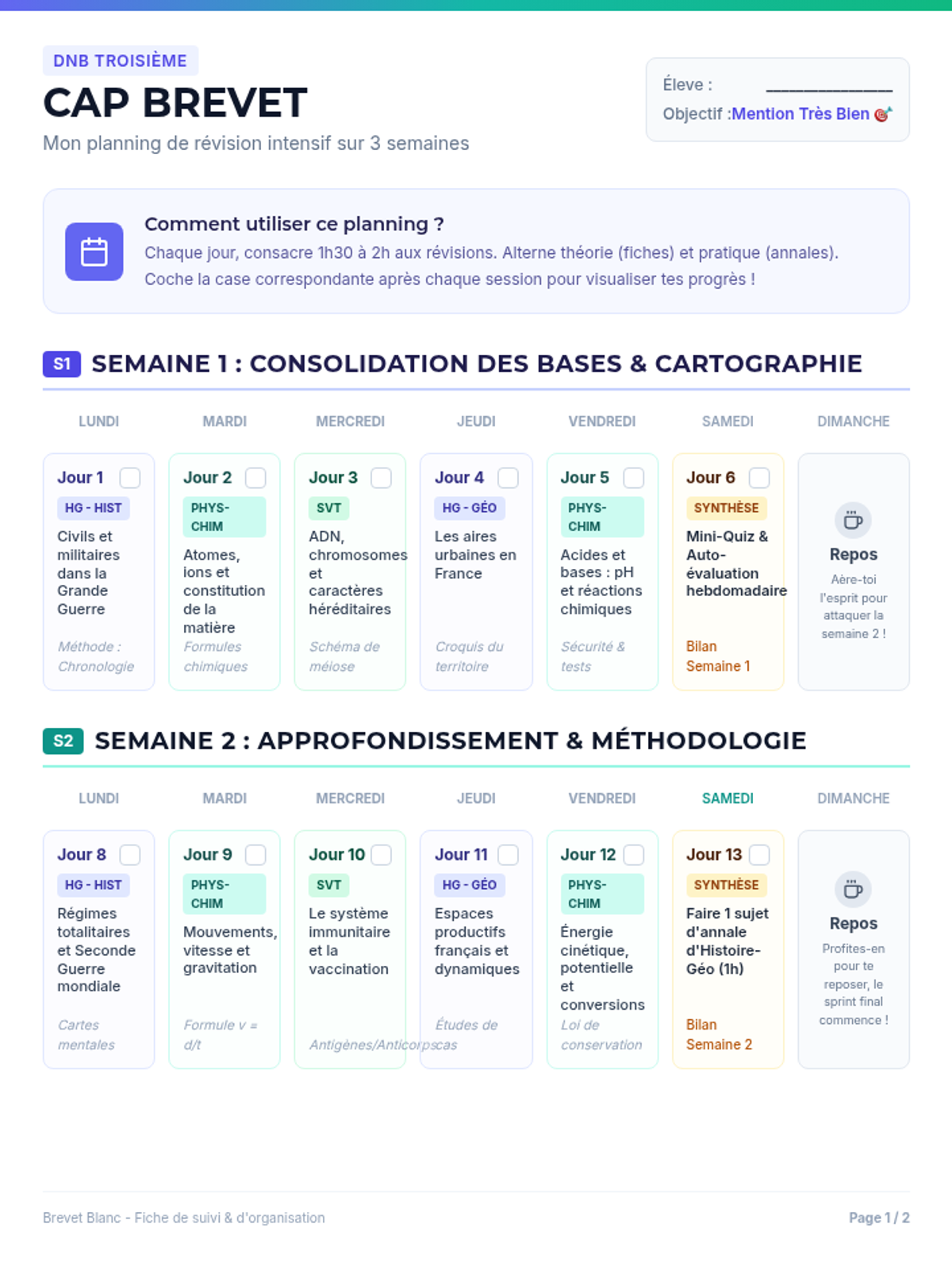
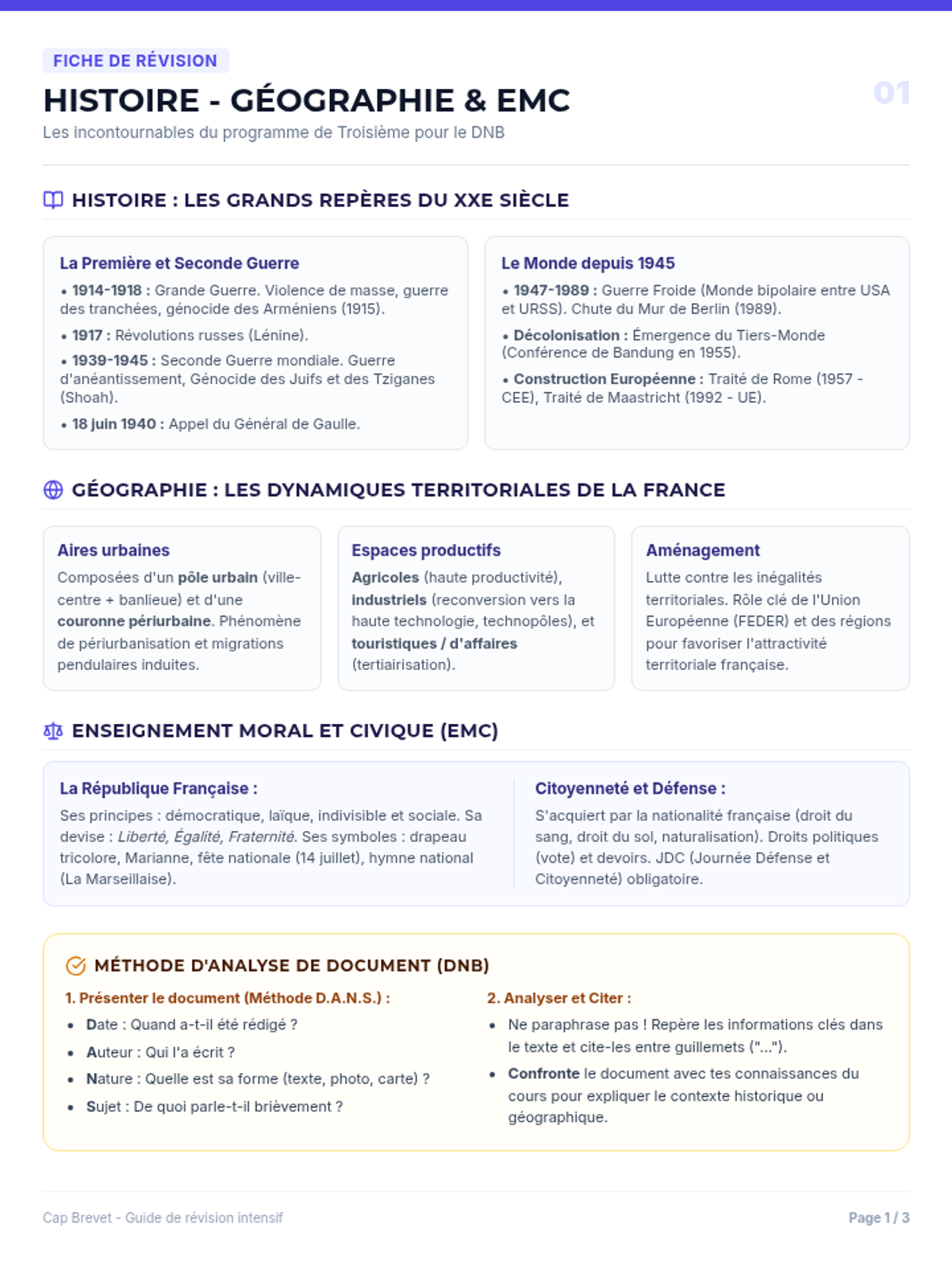
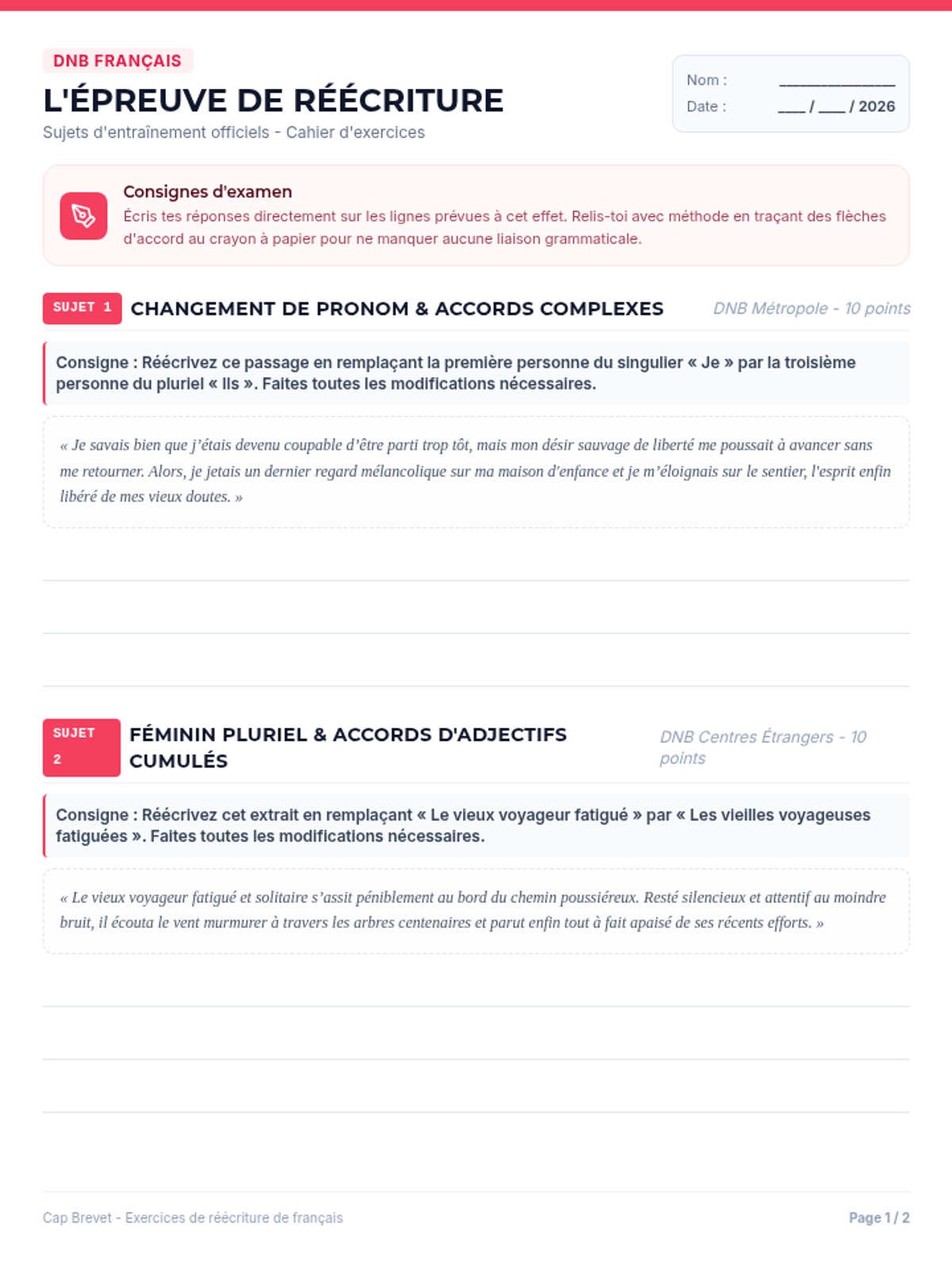
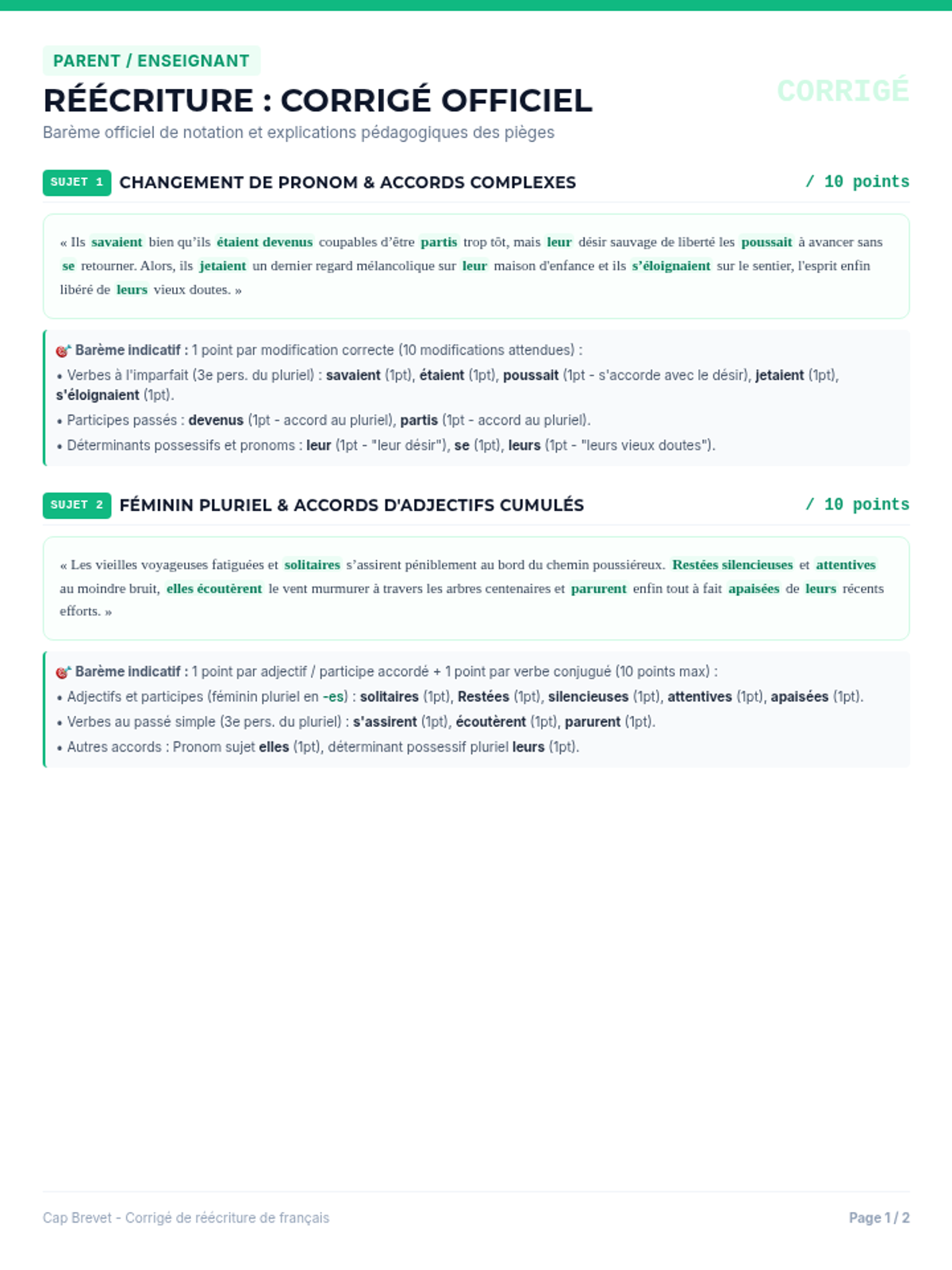
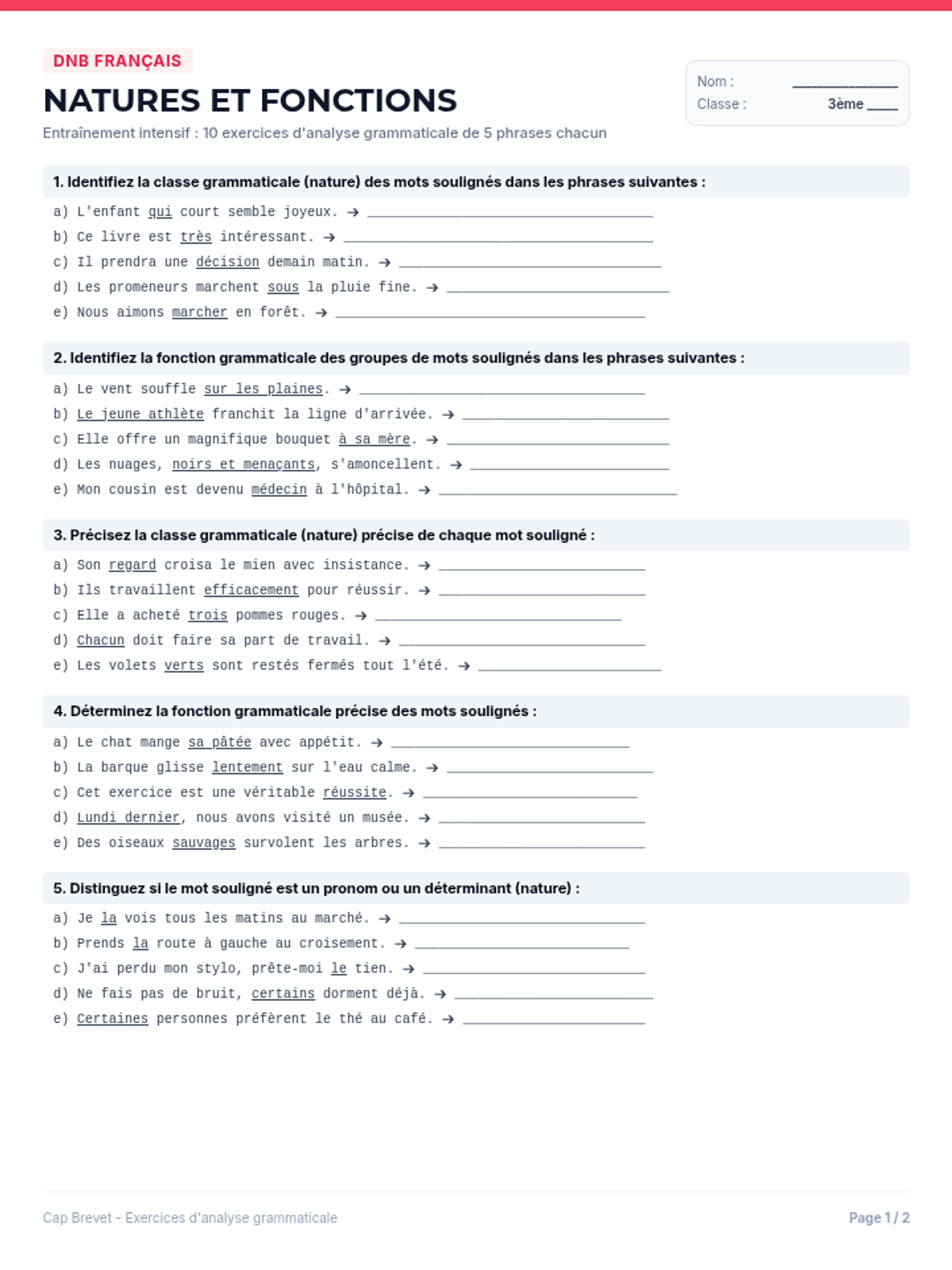
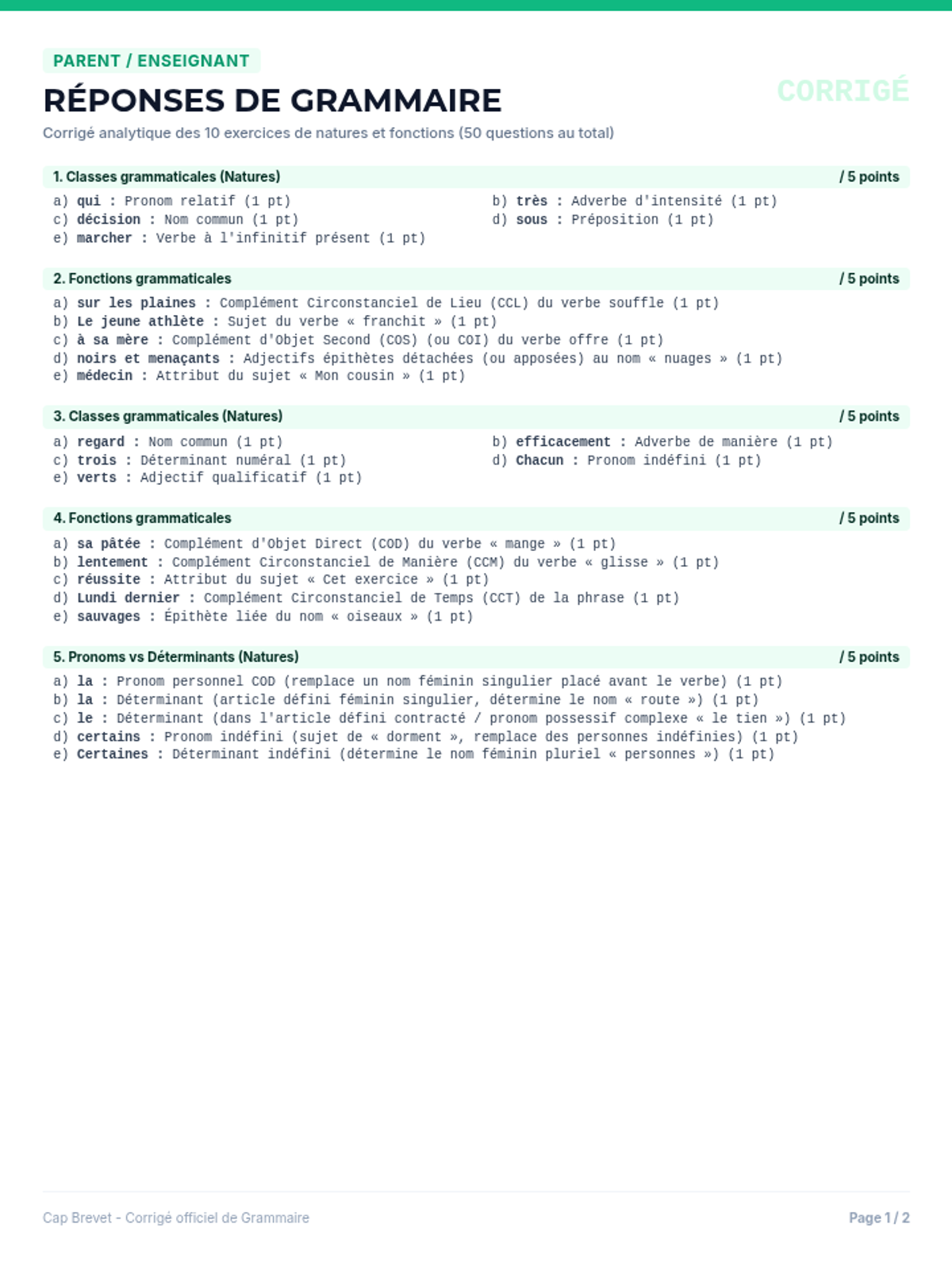
Un programme de révision intensif et structuré sur 3 semaines pour préparer sereinement les épreuves de SVT, Physique-Chimie et Histoire-Géographie du Diplôme National du Brevet.
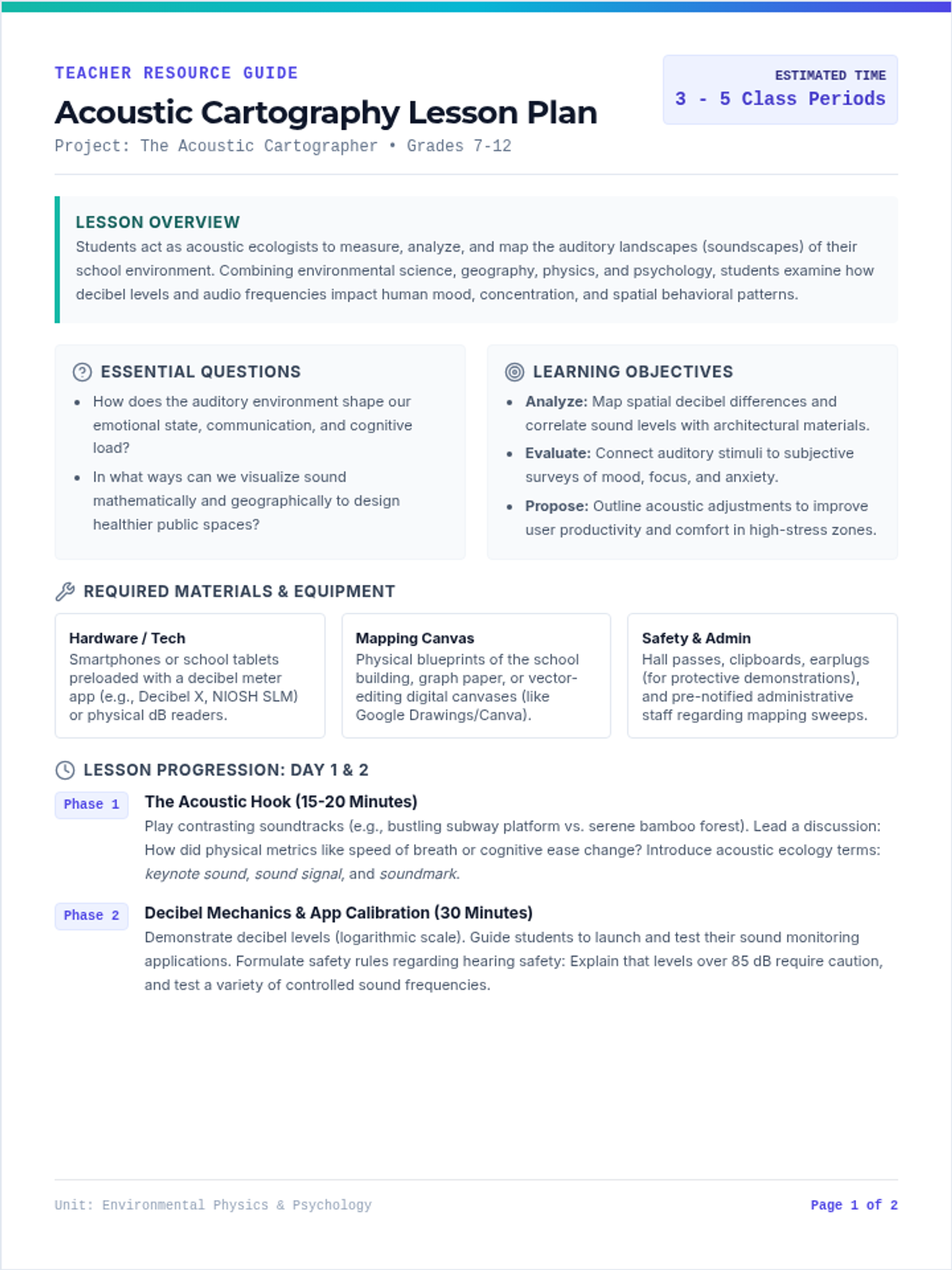
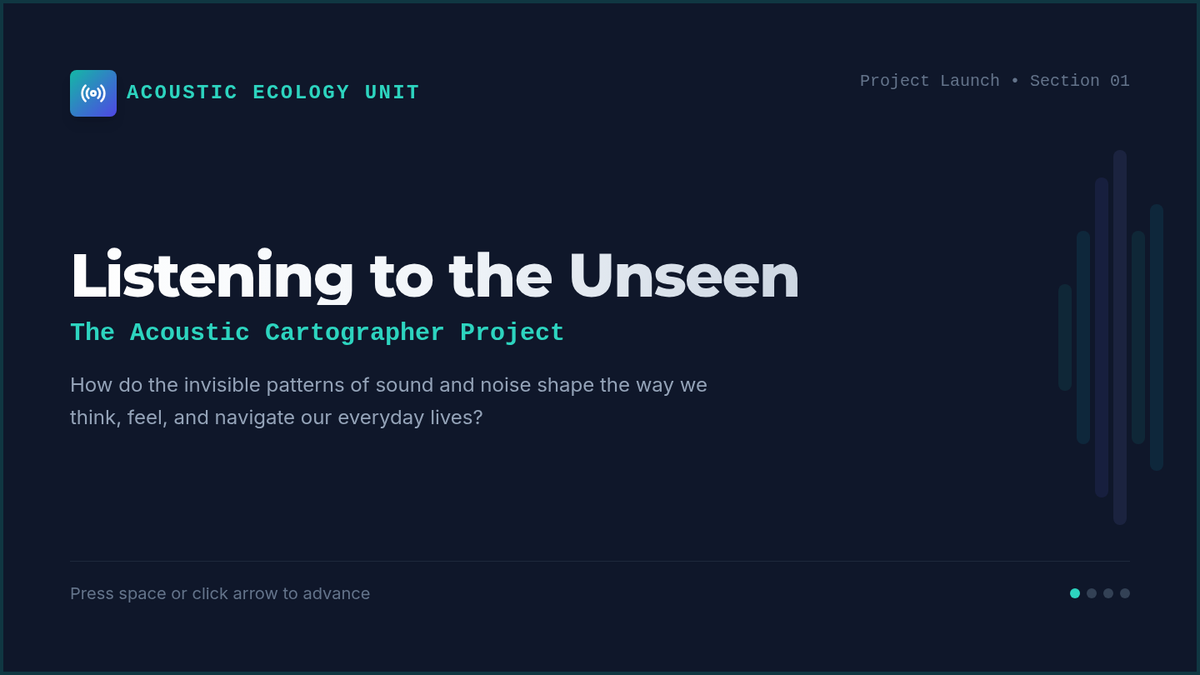
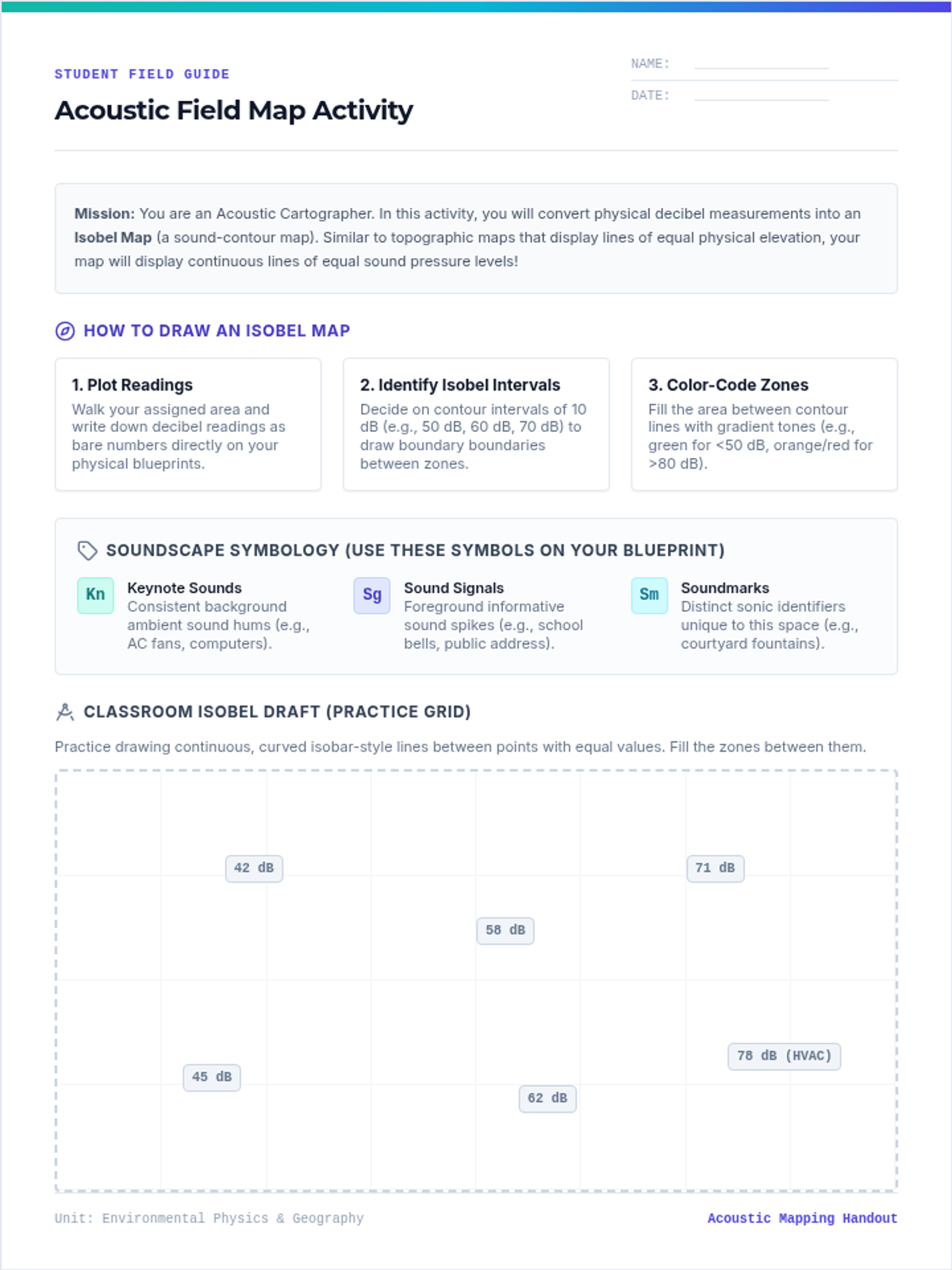
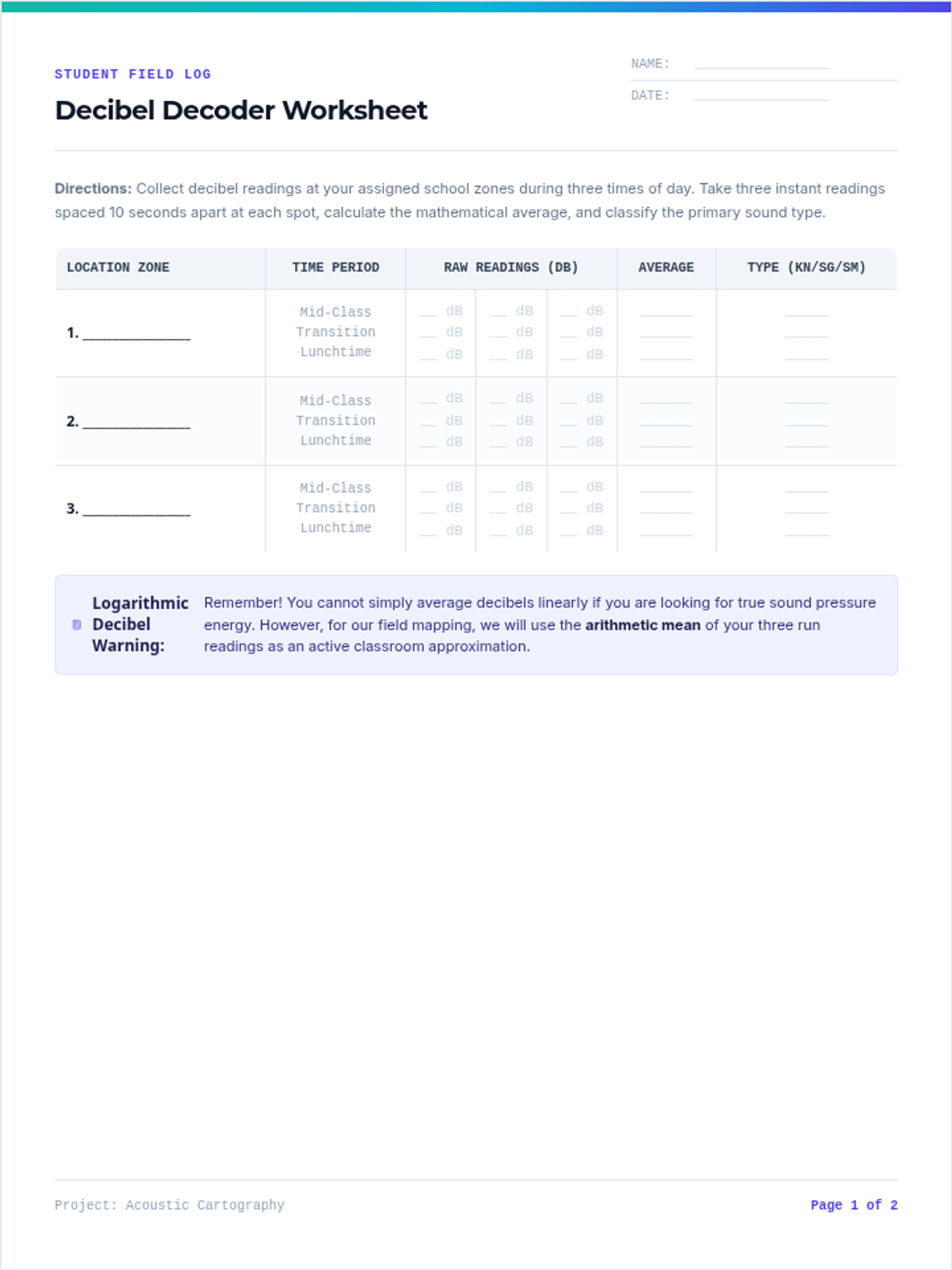
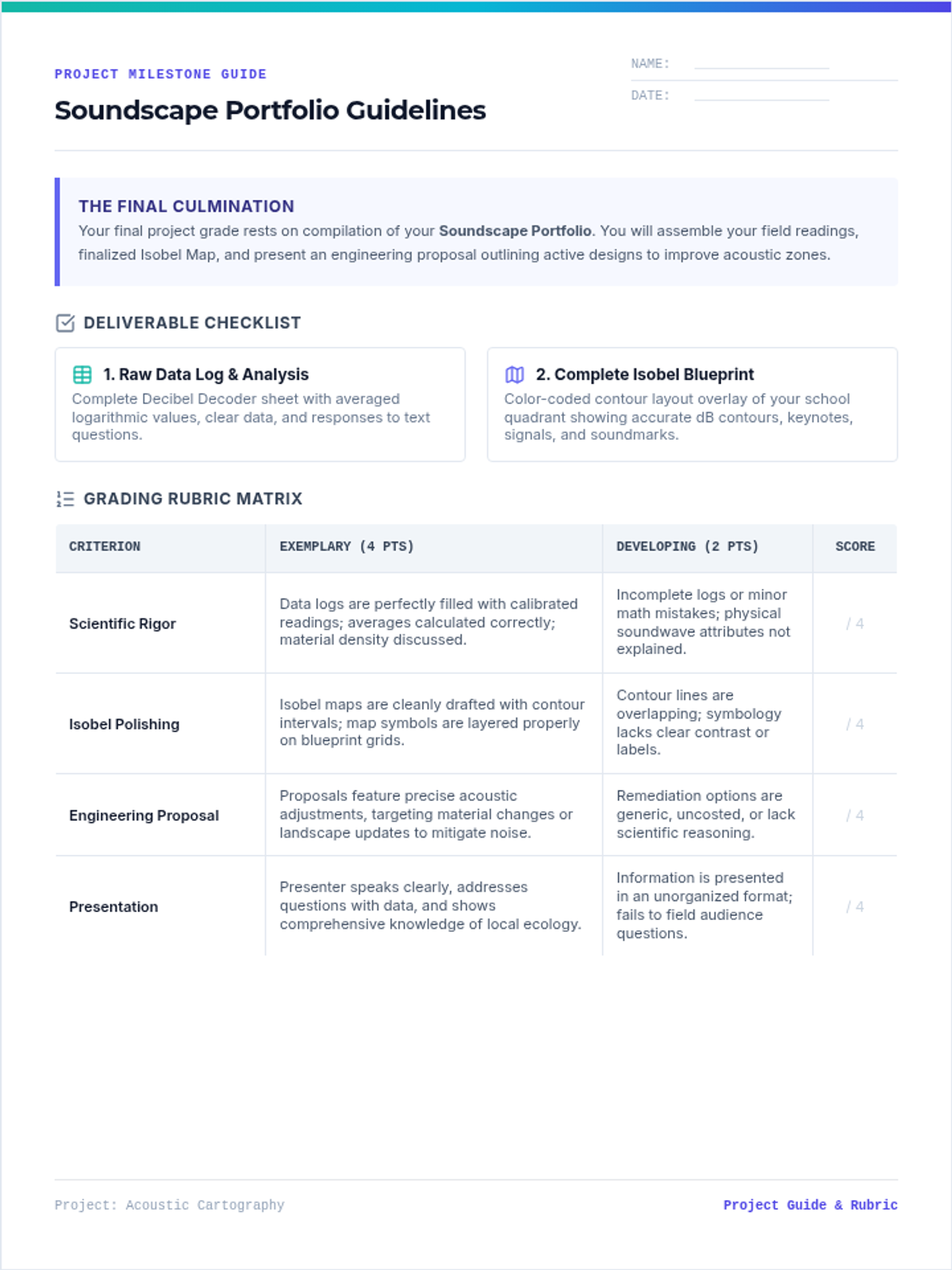
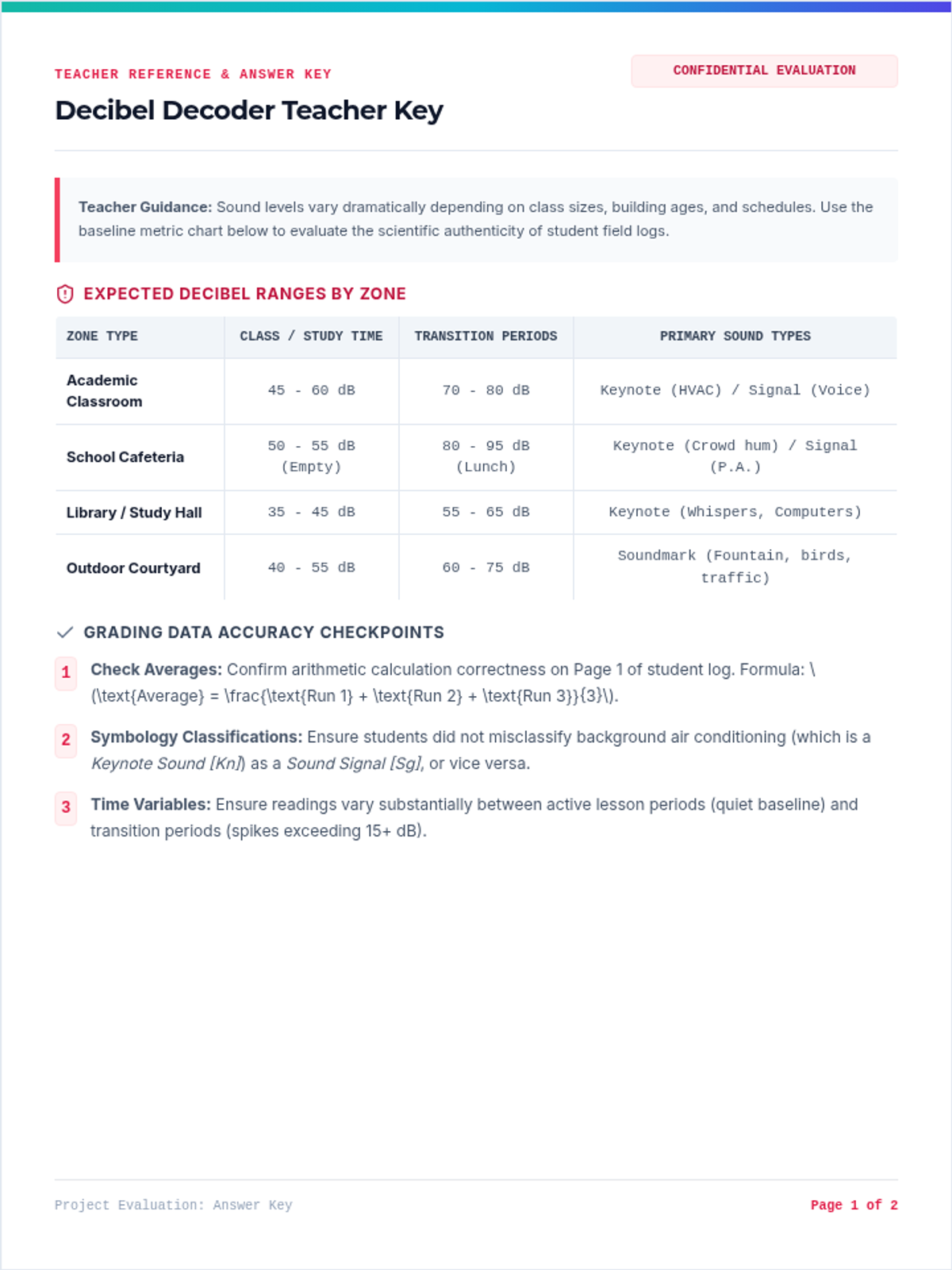
A comprehensive middle and high school project-based lesson where students explore acoustic ecology by recording, charting, and analyzing the decibel levels and sound frequencies of various school zones to map their auditory environment and understand its impact on human behavior.
An advanced course launch framework establishing rigorous academic policies, AP/IB preparatory standards, and the integrated biochemistry roadmap for Honors Biology.