An introductory lesson for 1st and 2nd graders focusing on block-based coding for Sphero and Marty on a 12-square grid. Students will learn how to sequence commands to move their robot from a start square to a target square.
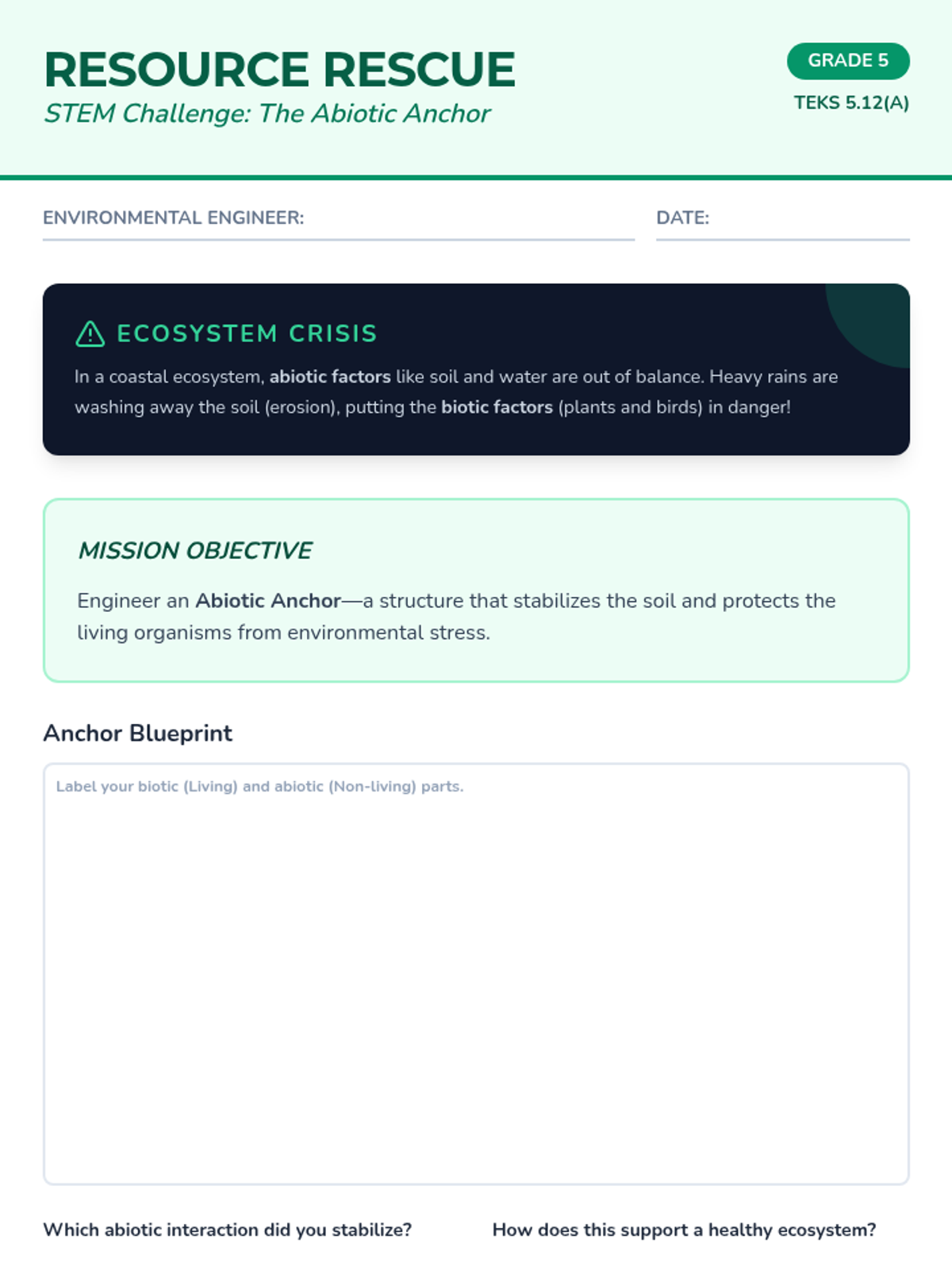
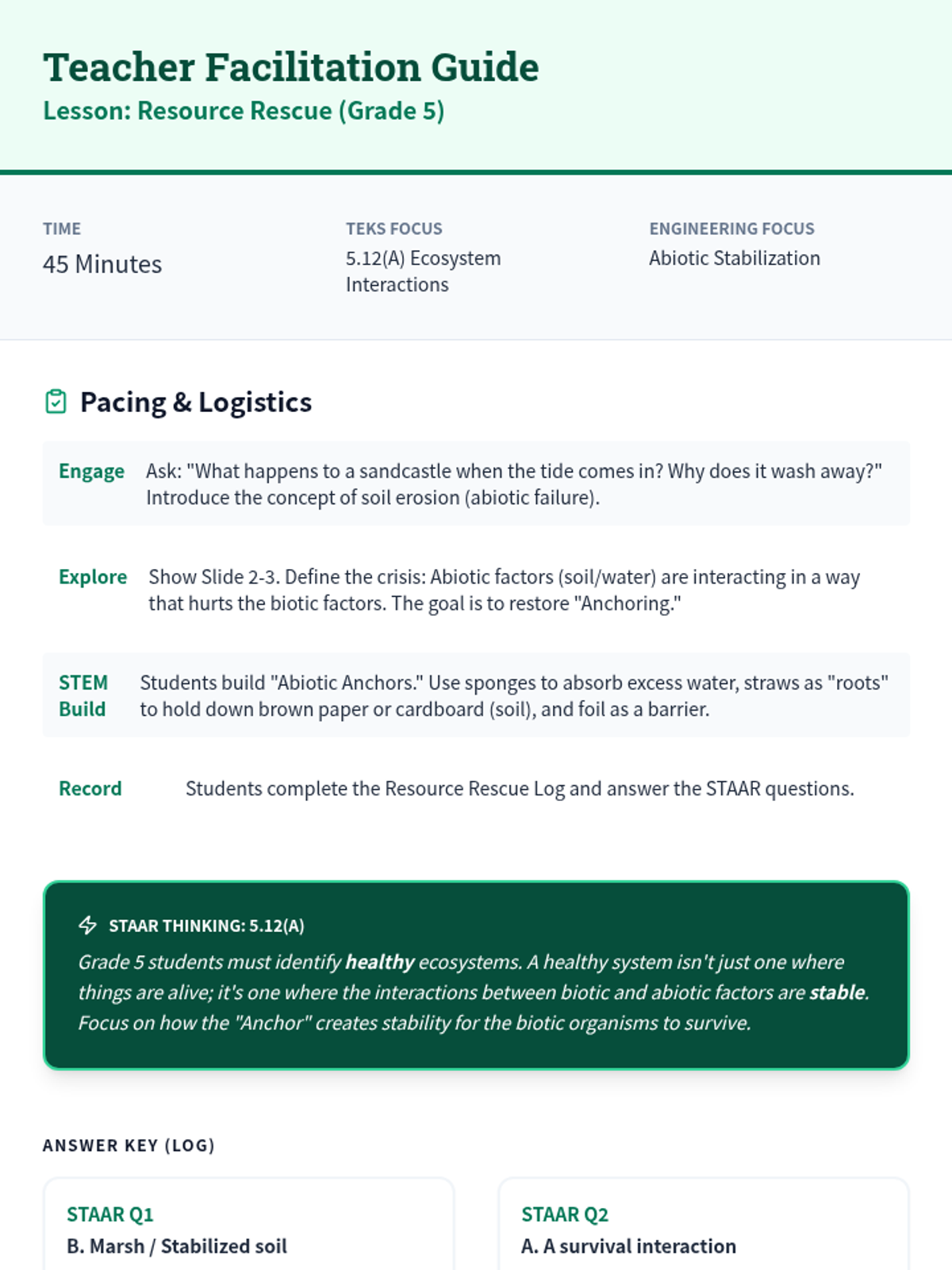
Students act as environmental engineers to solve a real-world ecosystem crisis (soil erosion) by building an "Abiotic Anchor" to protect biotic factors in a coastal habitat.
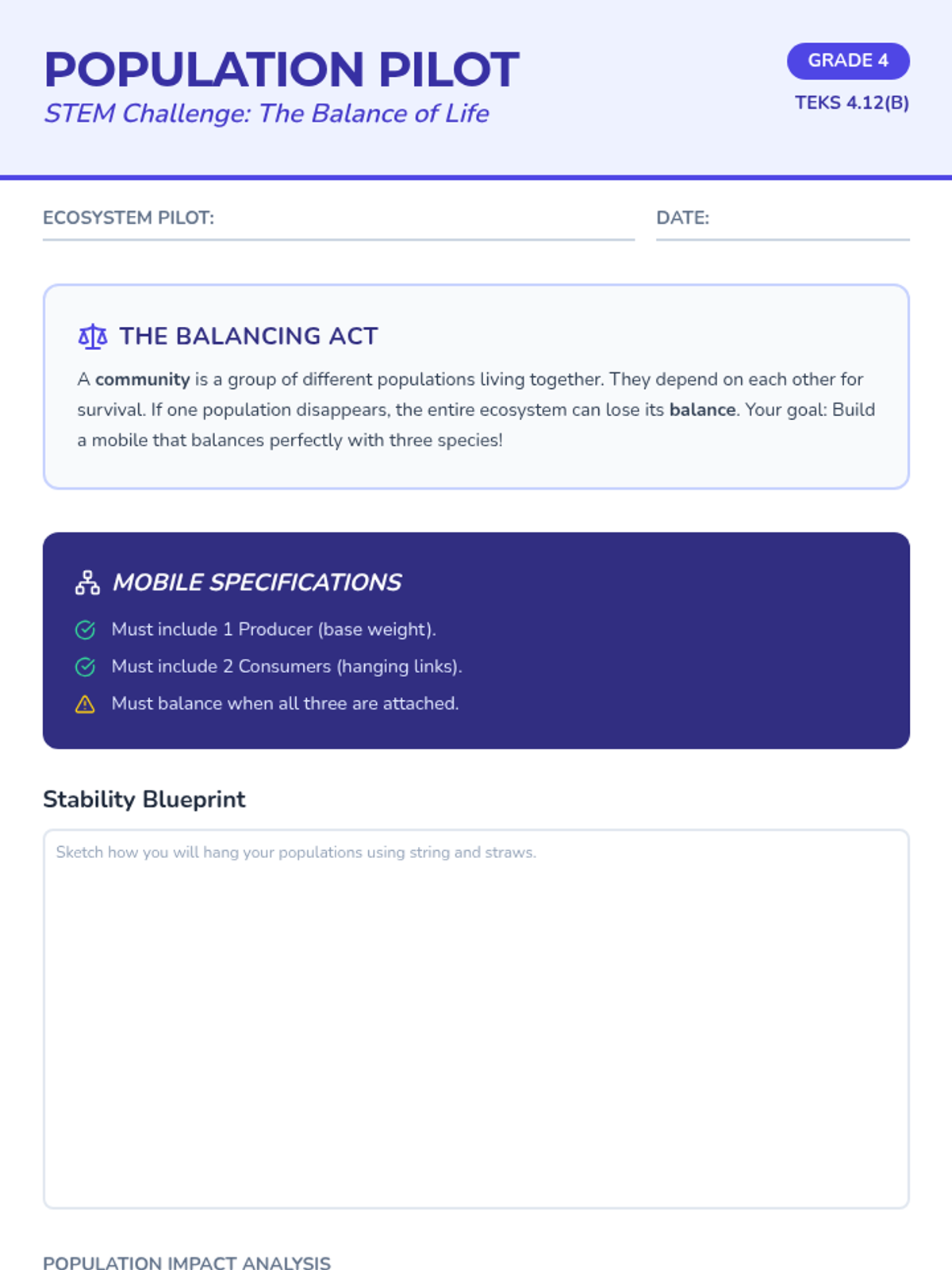
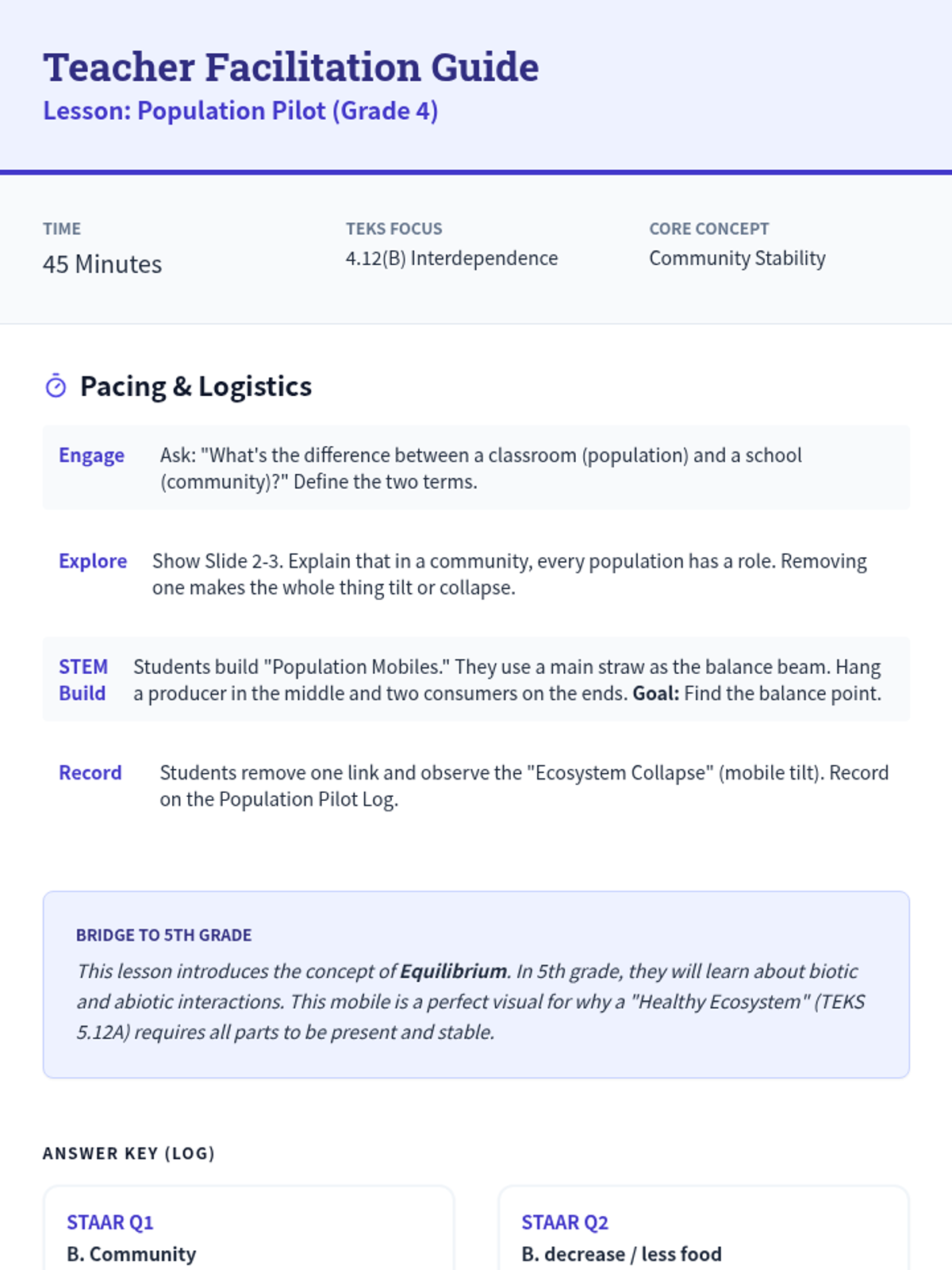
Students explore the delicate balance of ecosystem communities by engineering a "Population Mobile" that demonstrates how the removal of one species impacts the entire dependency web.
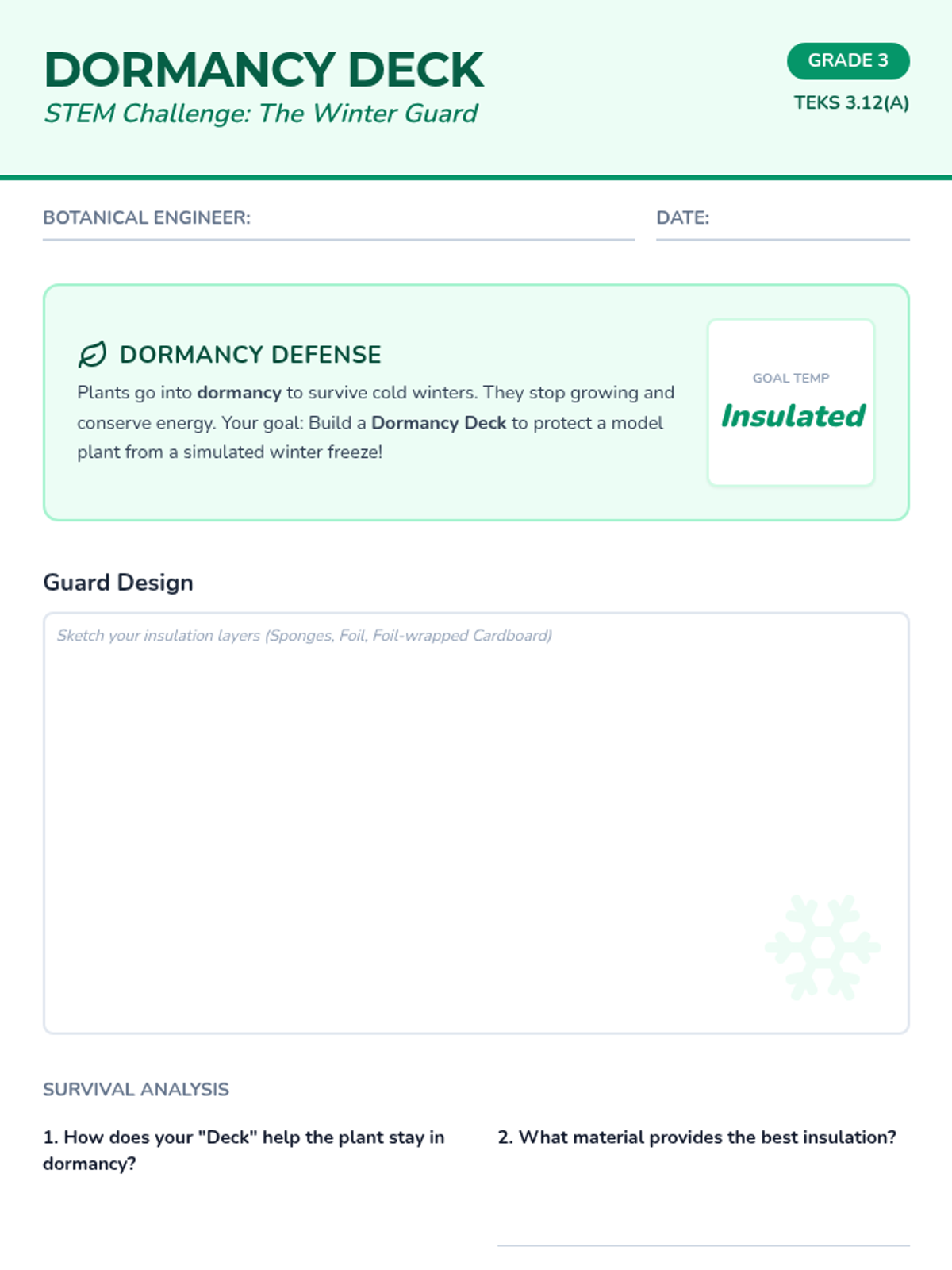
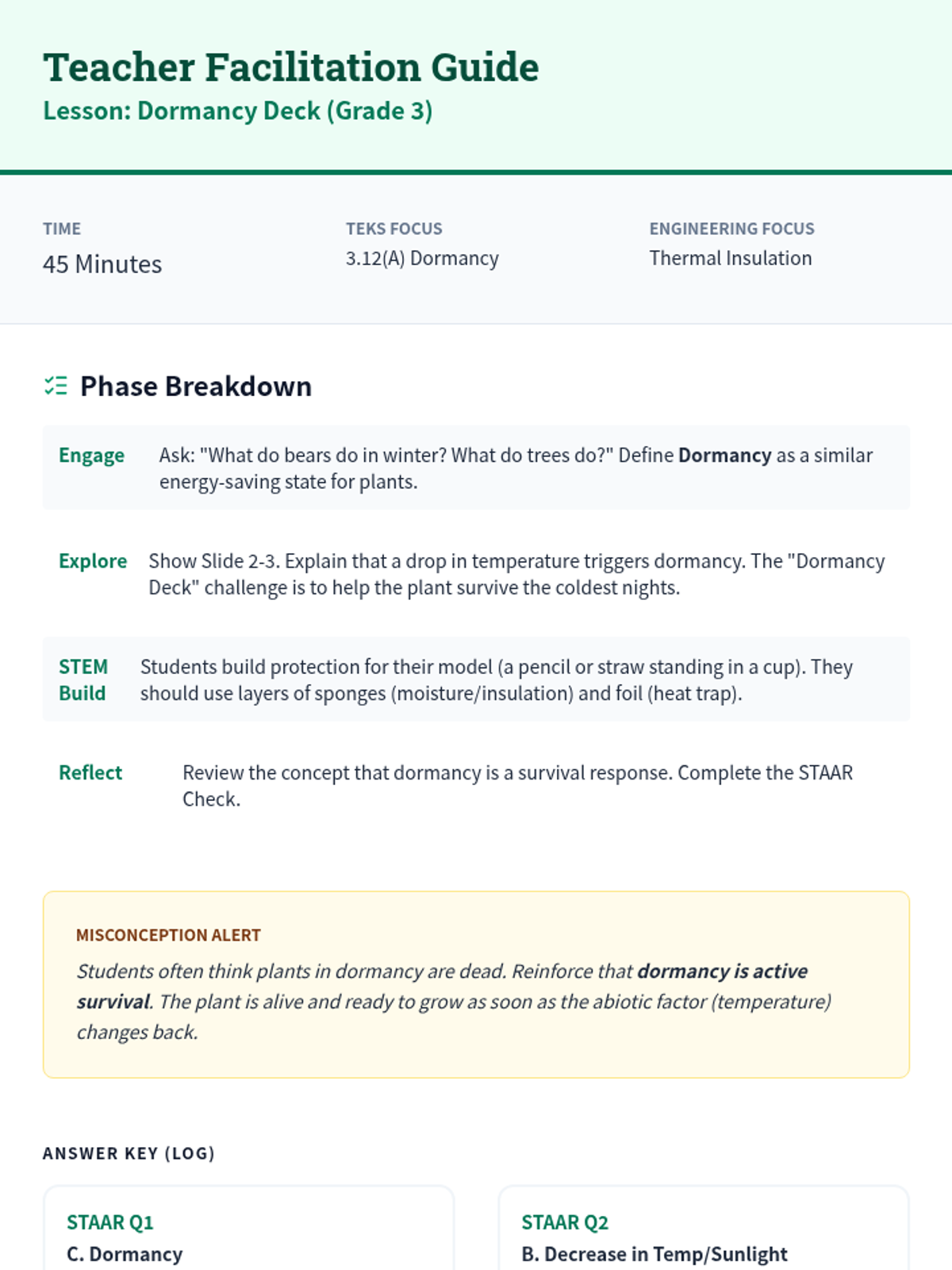
Focusing on plant responses to seasonal changes, students engineer a "Dormancy Deck"—a protective structure designed to help a plant model survive a simulated winter freeze.
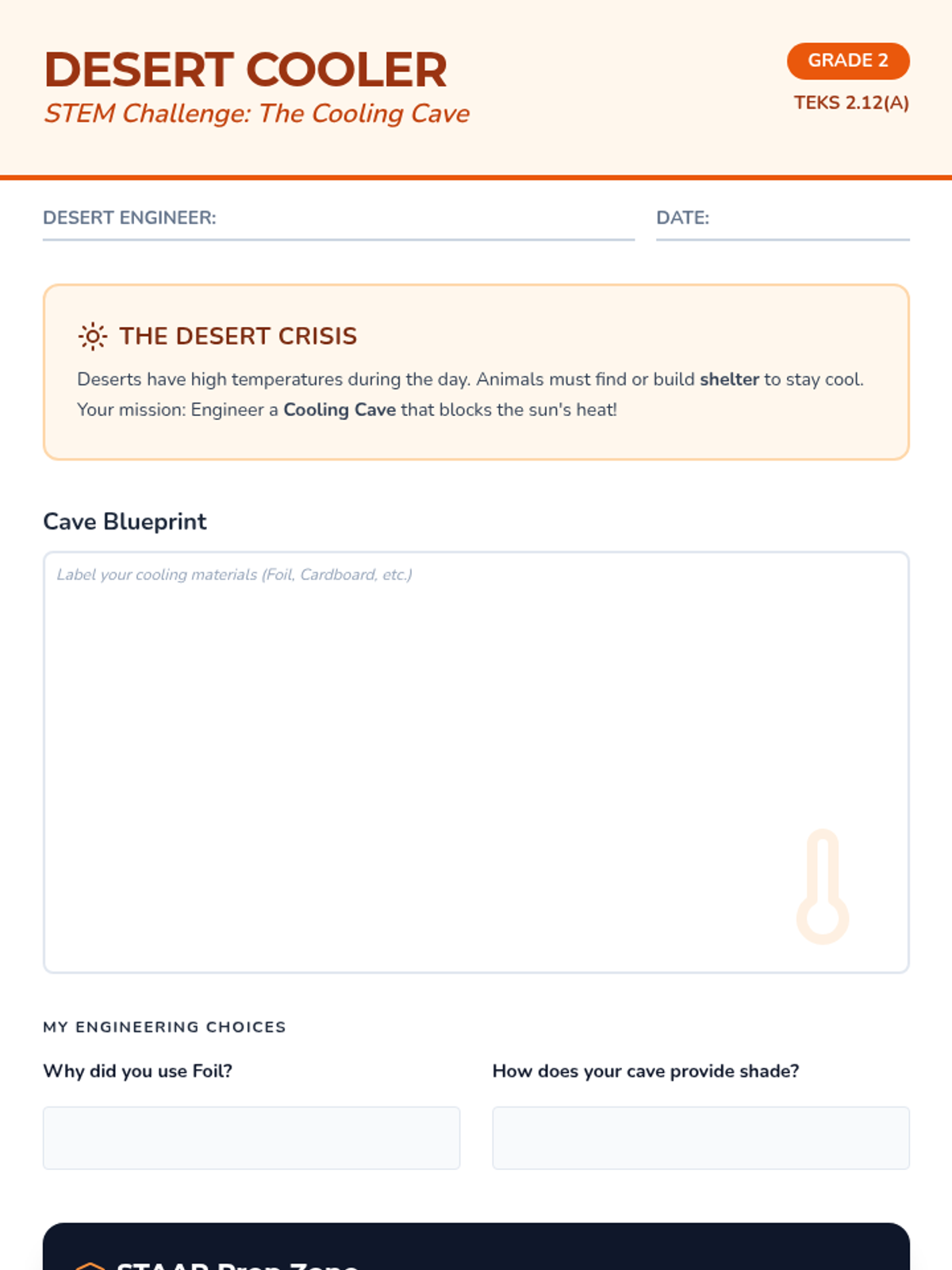
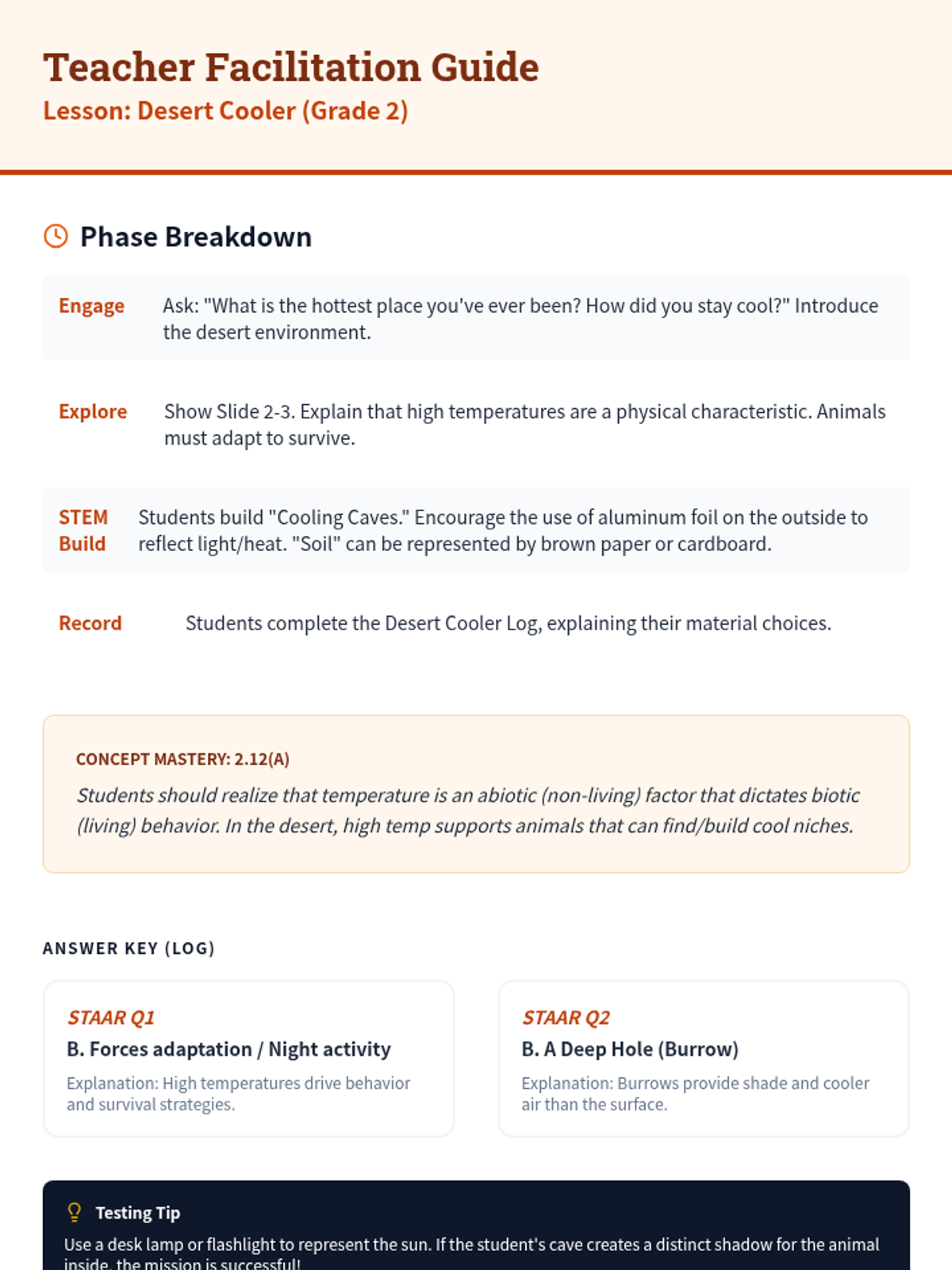
Students investigate how temperature affects animal survival in the desert by engineering a "Cooling Cave" that uses physical environmental characteristics to reduce heat.
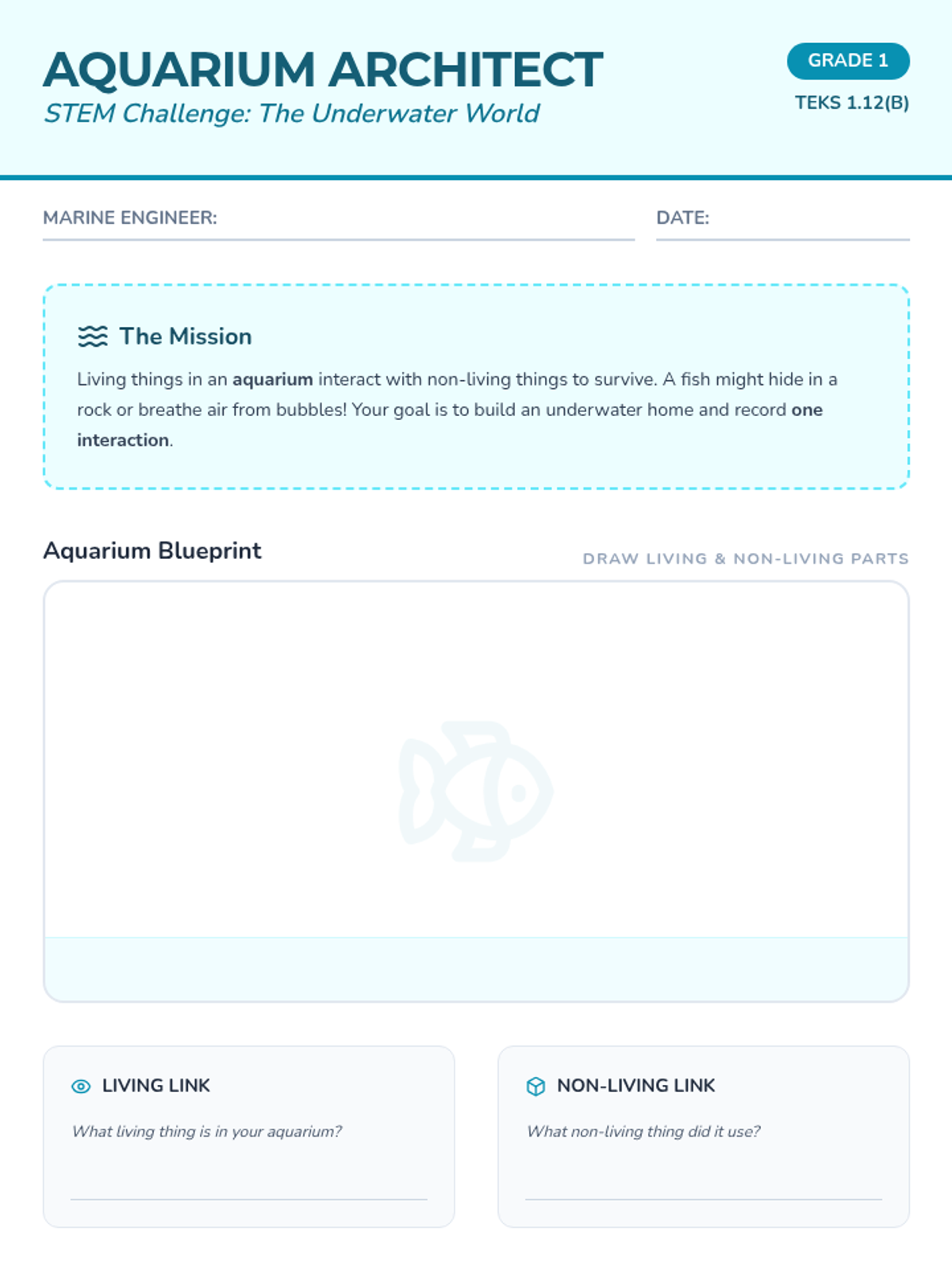
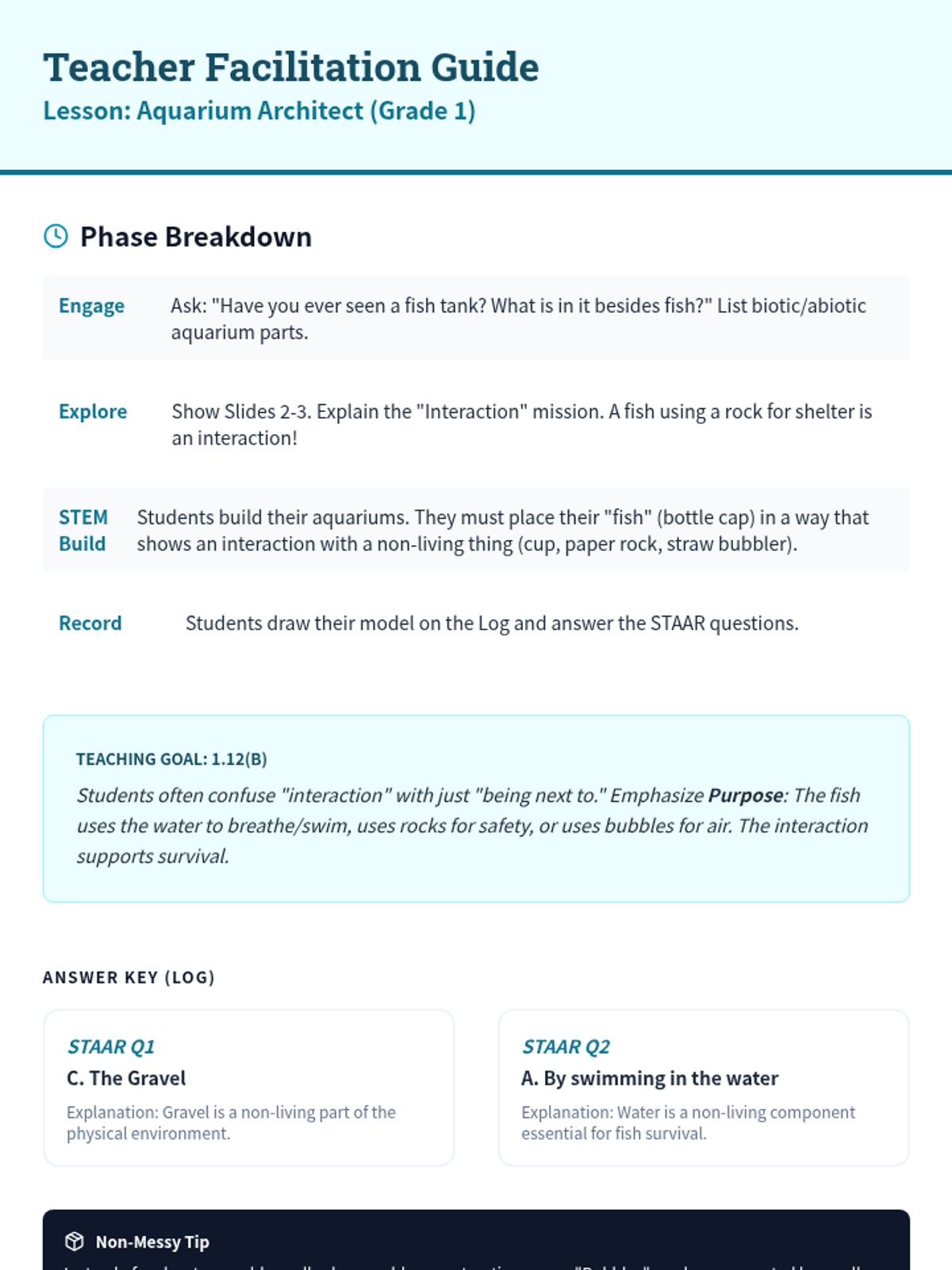
Students design and build a model aquatic habitat to observe and record interactions between living fish (models) and non-living components like water, rocks, and bubbles.
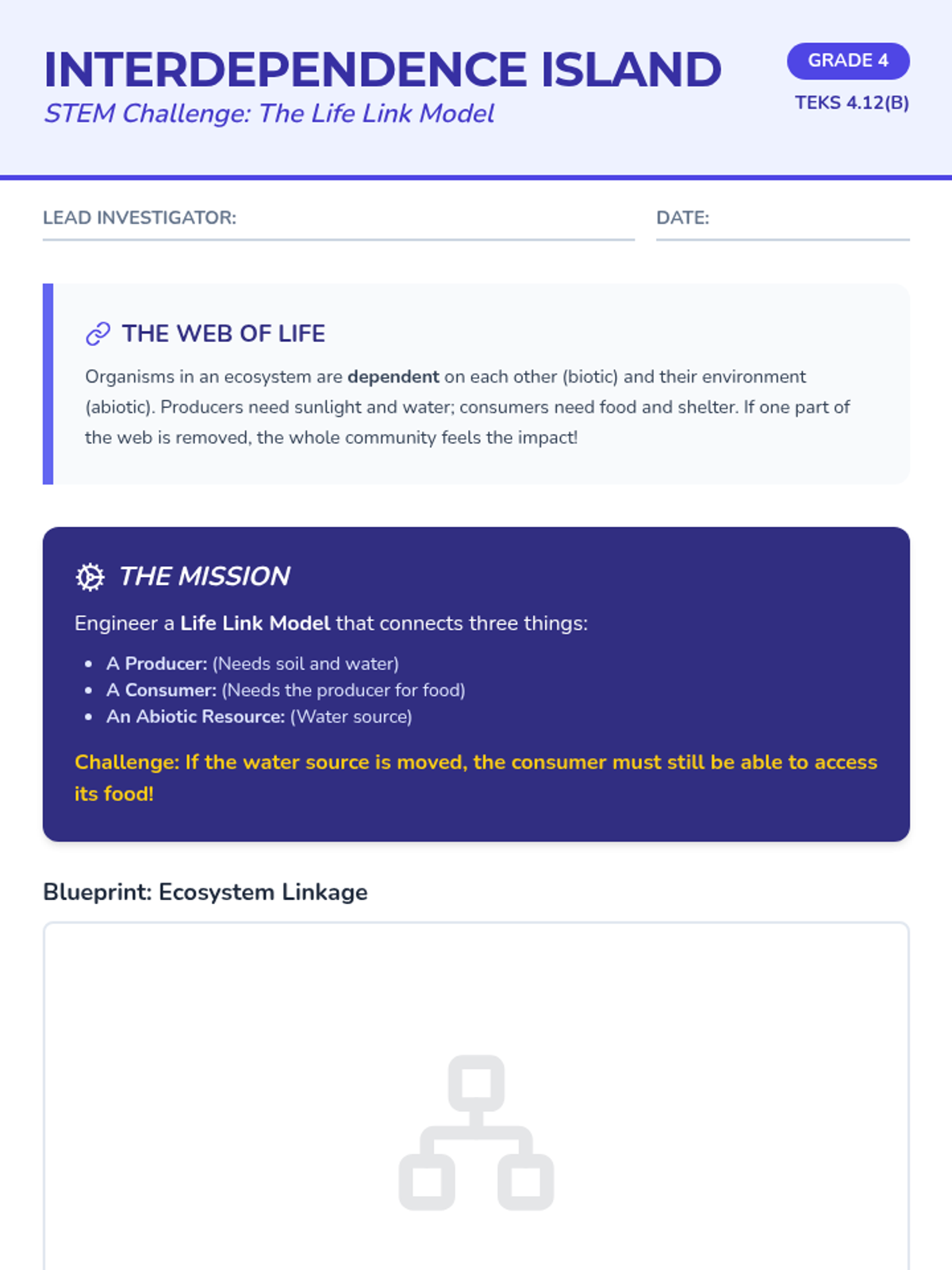
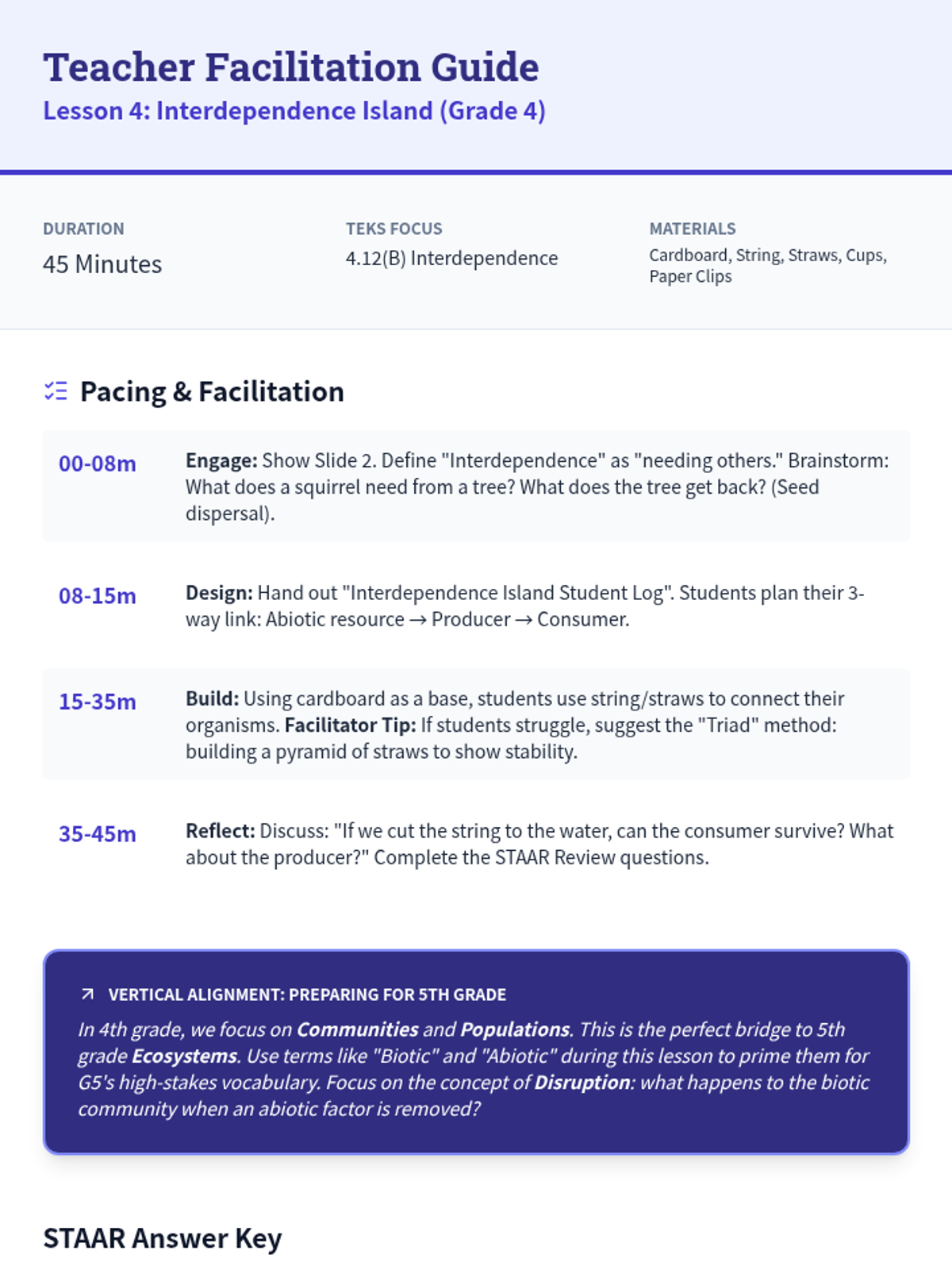
Students investigate how populations and communities of organisms are dependent on one another and their environment by engineering a "Dependency Web" that maintains stability during environmental changes.
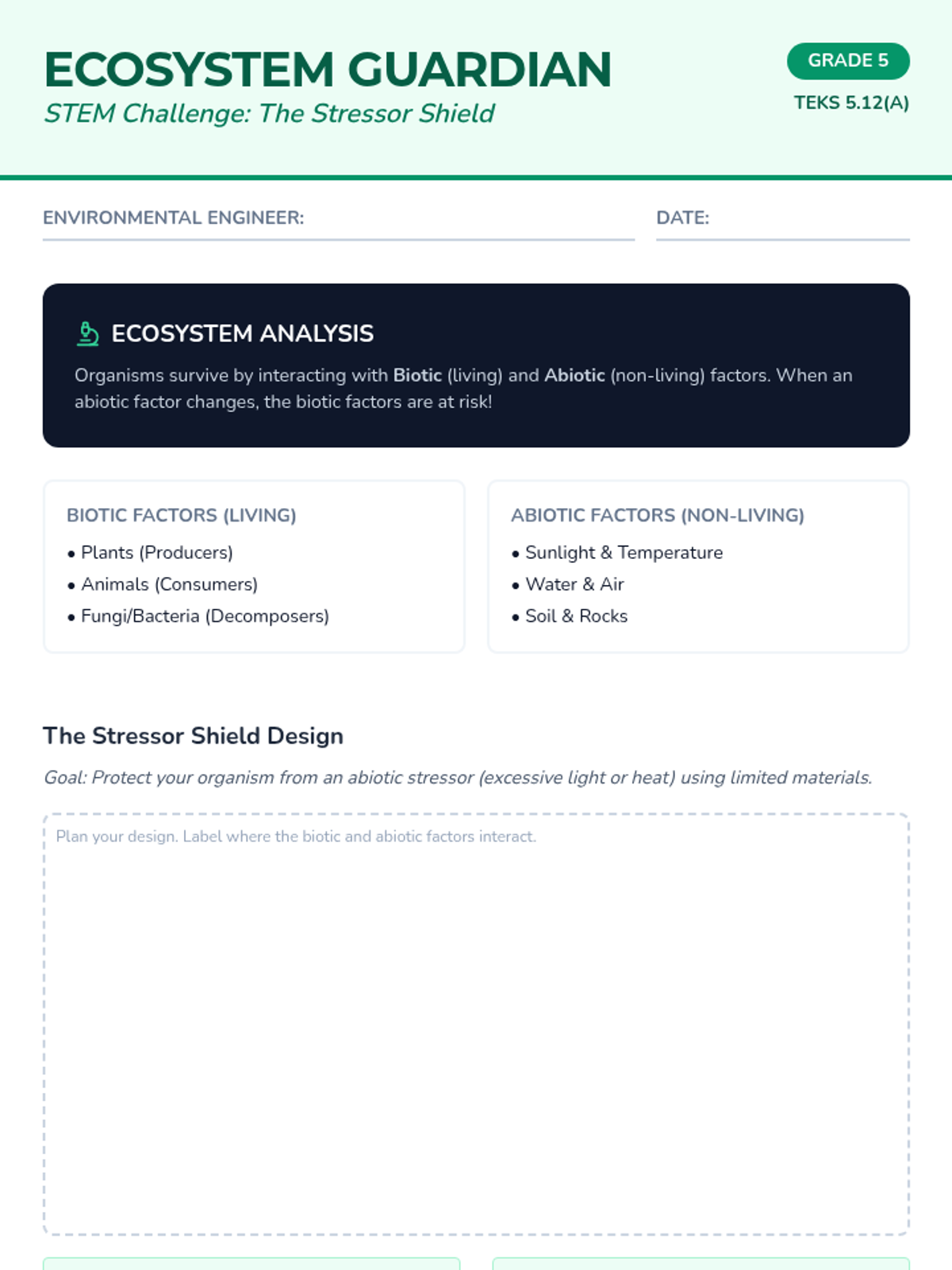
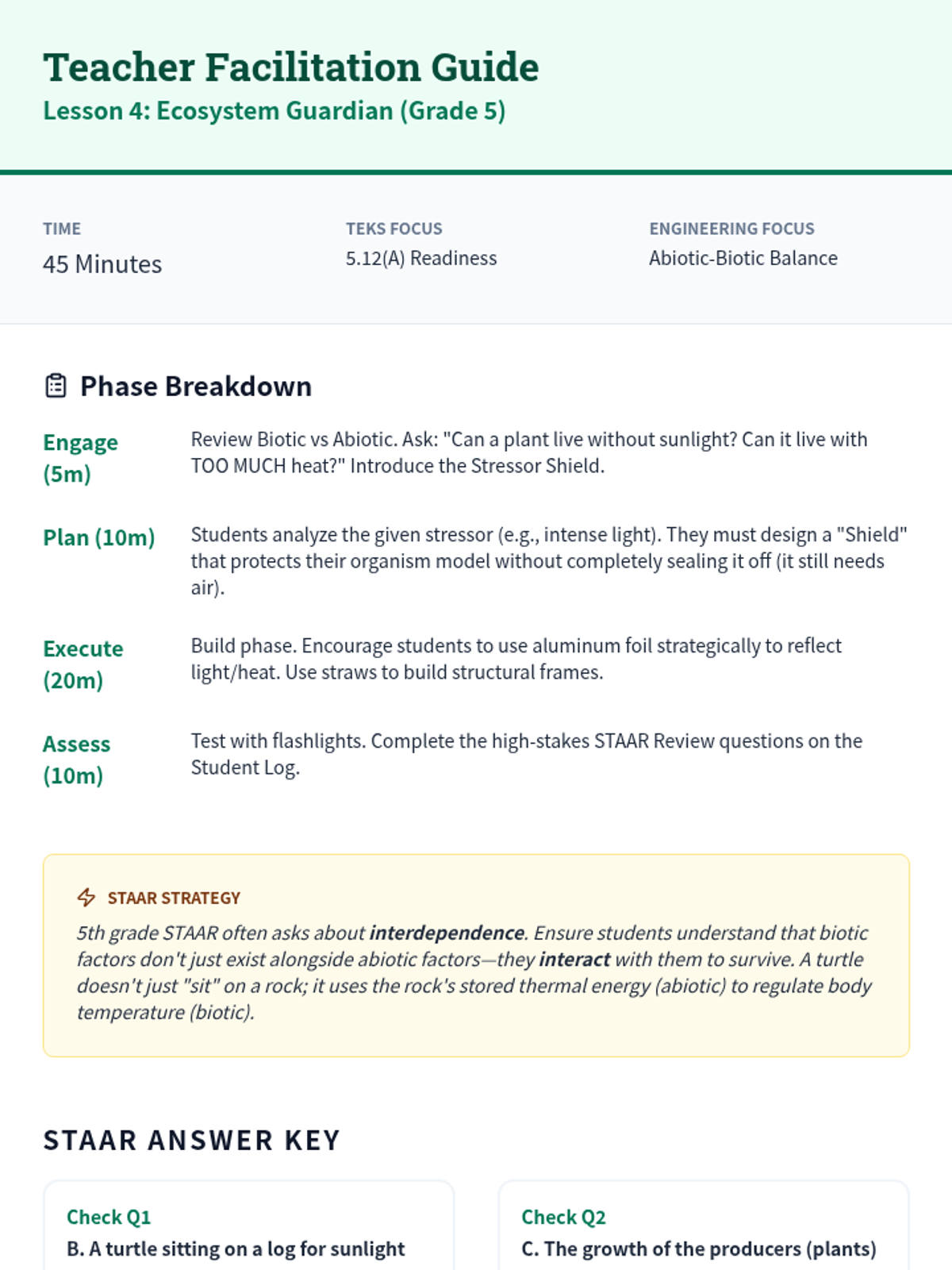
Students examine the complex interactions between biotic and abiotic factors by engineering solutions to protect an ecosystem from environmental stressors.
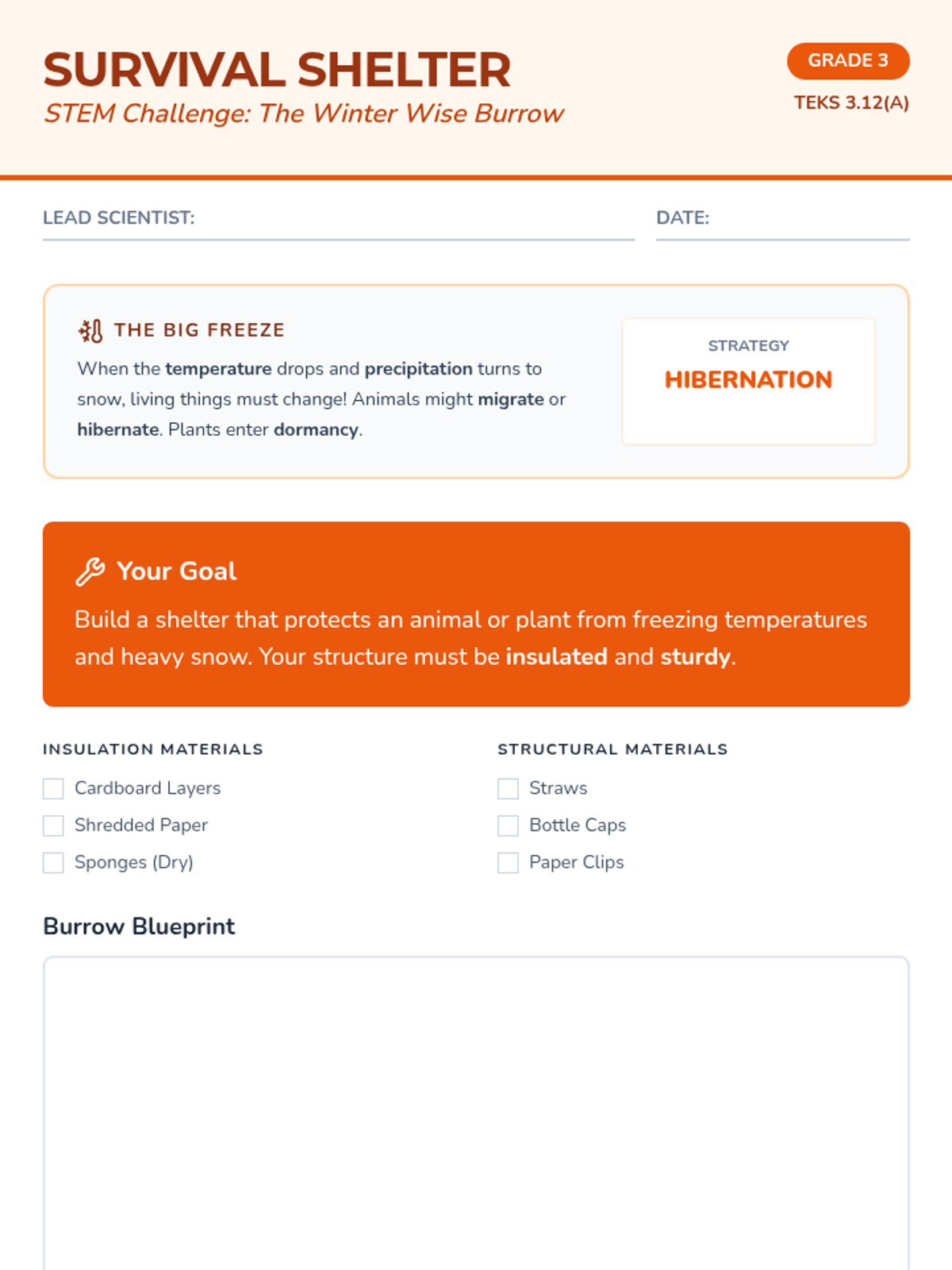
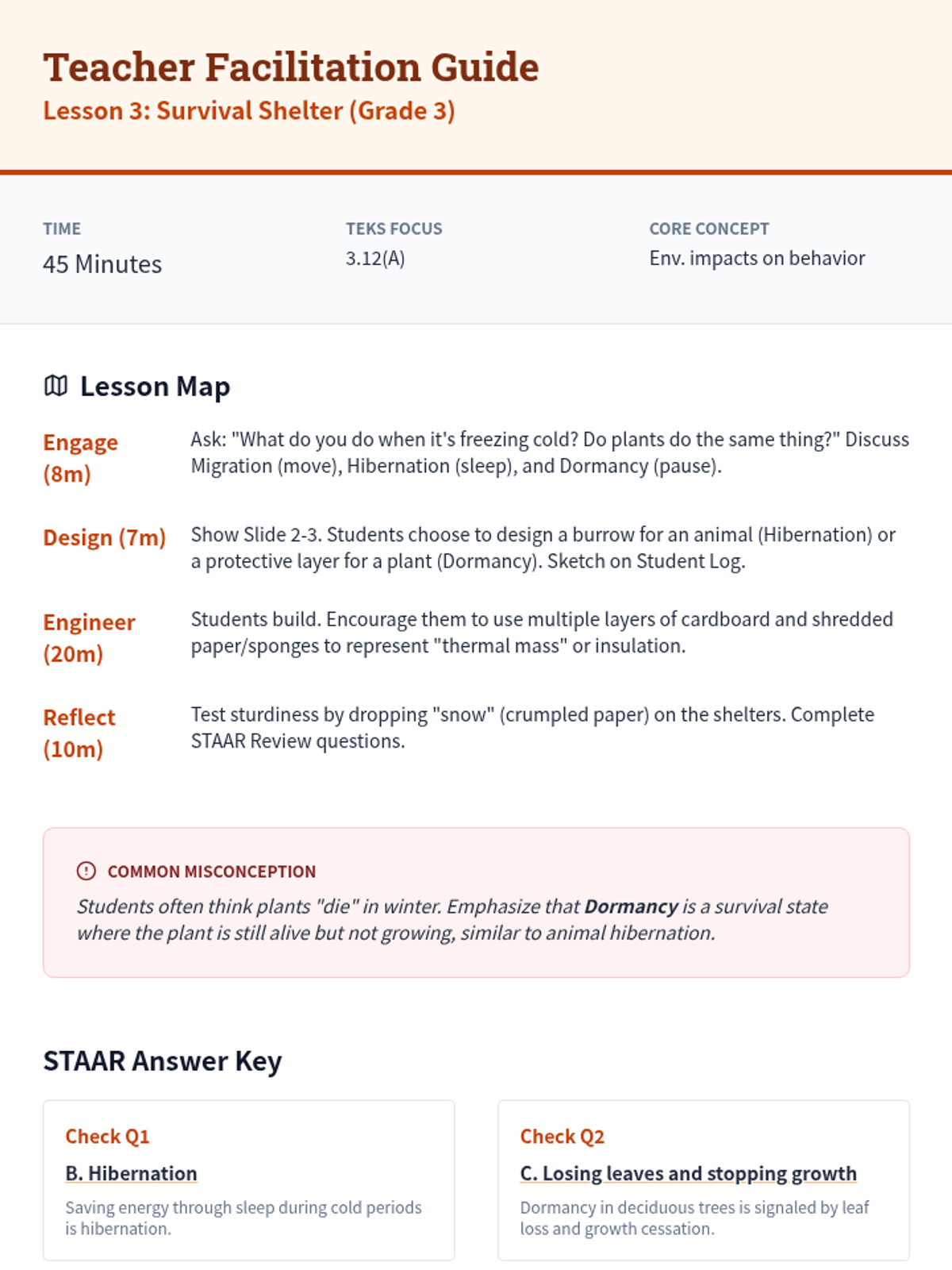
Focusing on animal migration, hibernation, and plant dormancy, students engineer shelters that protect against temperature and precipitation changes.
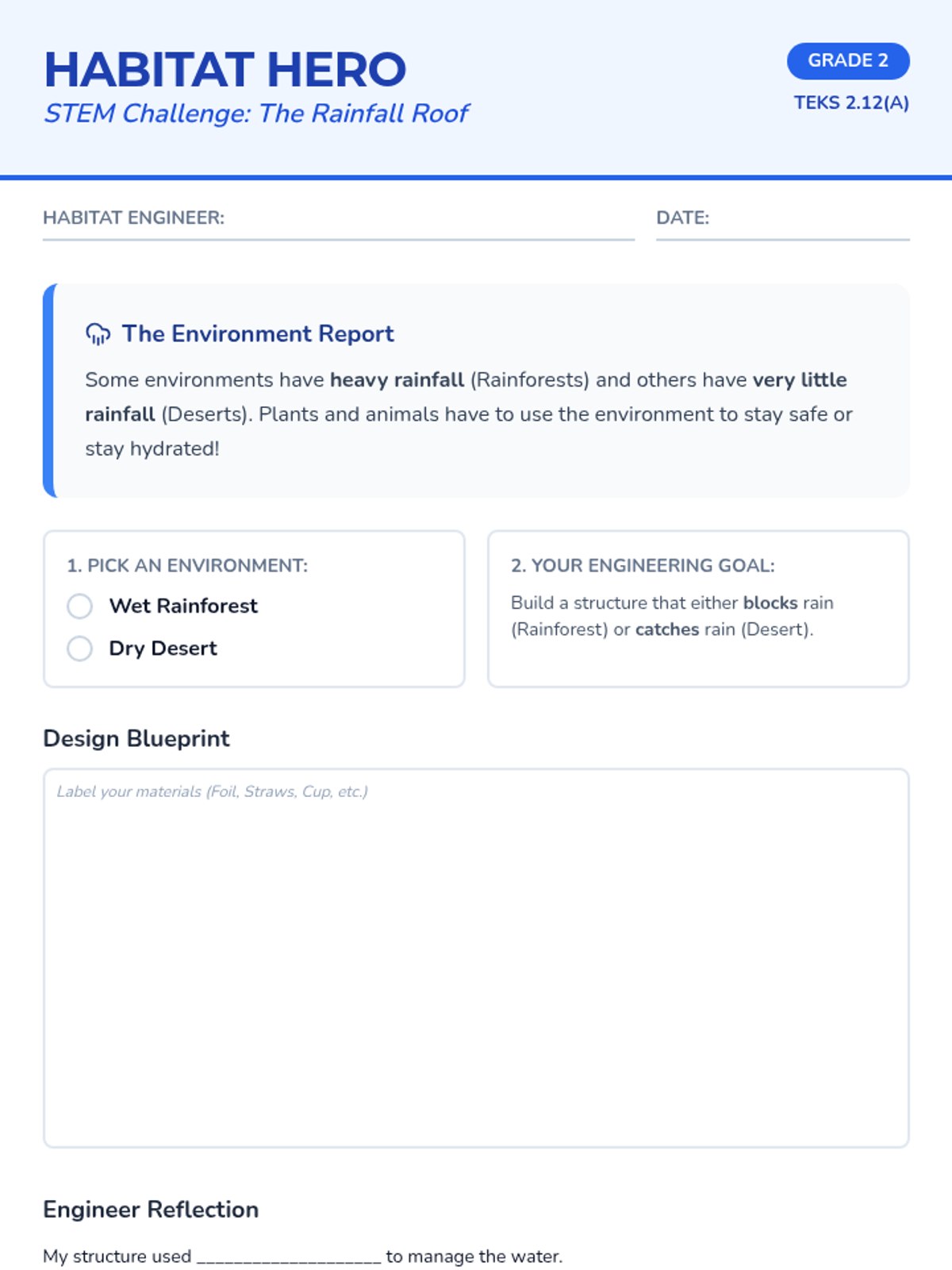
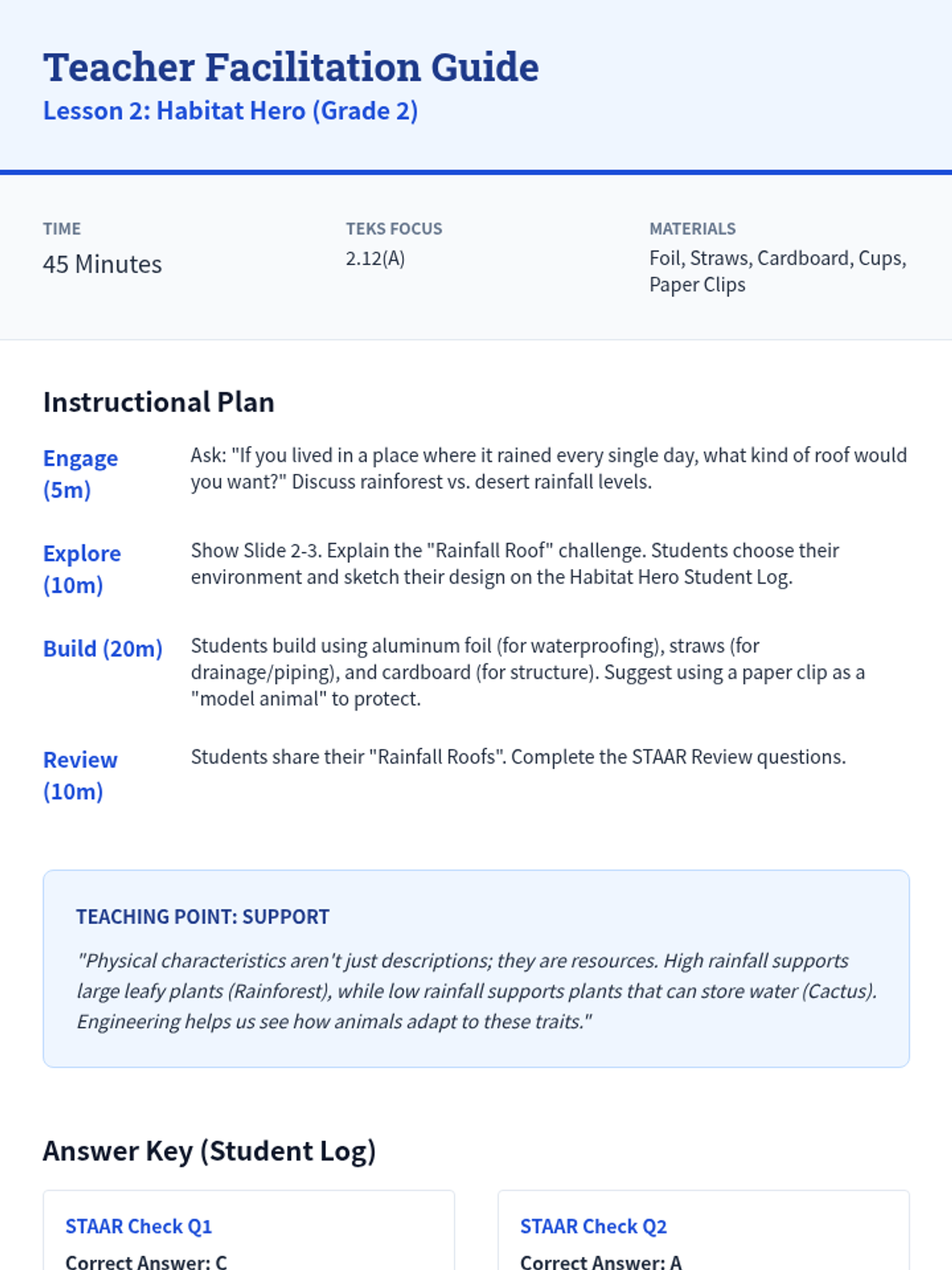
Students investigate how environmental characteristics like rainfall support life by building models of environments and testing how they sustain plant and animal models.
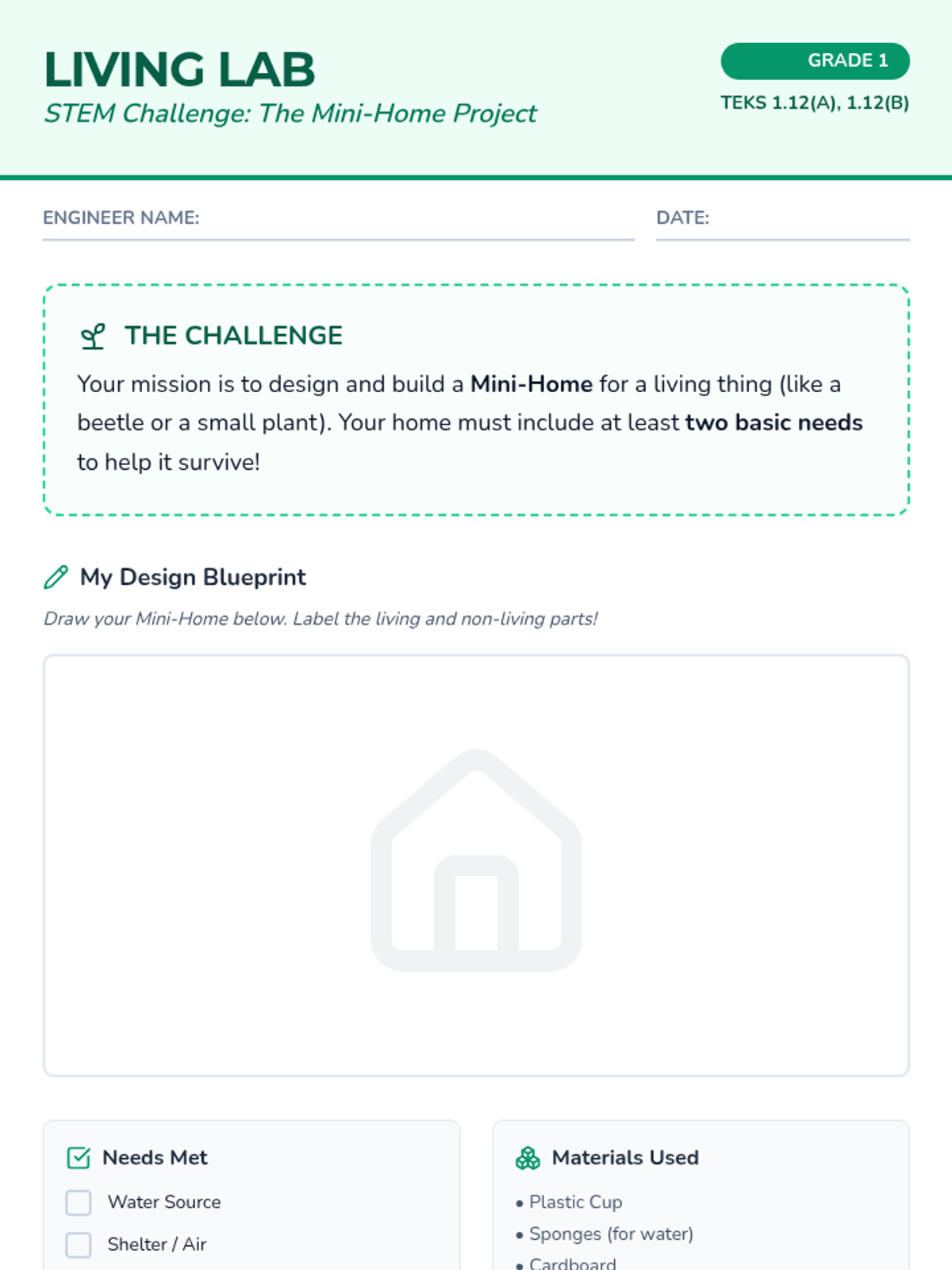
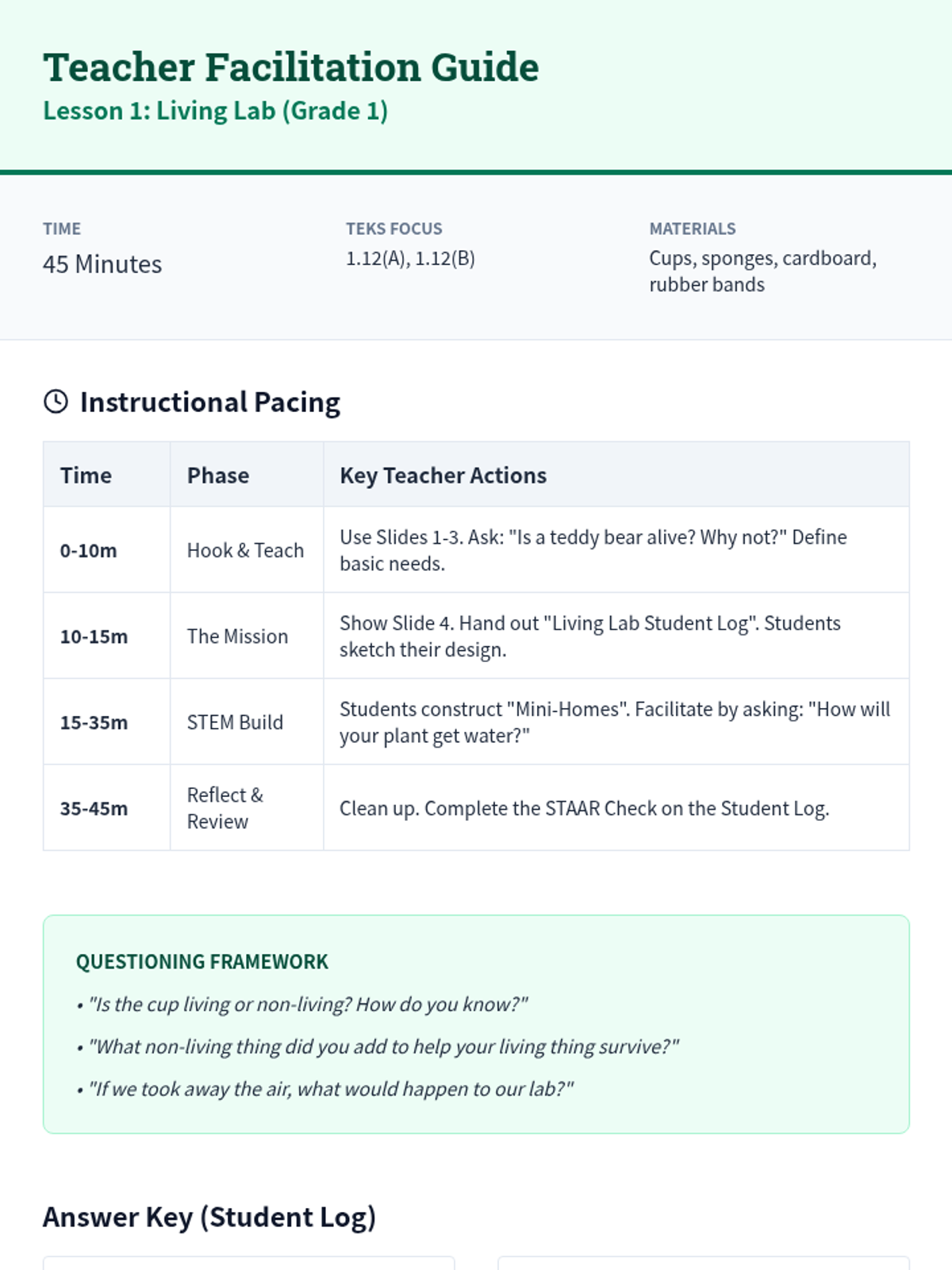
Students explore the basic needs of living things and their interactions in a terrarium environment by engineering a "Mini-Home" that provides shelter and basic resources.
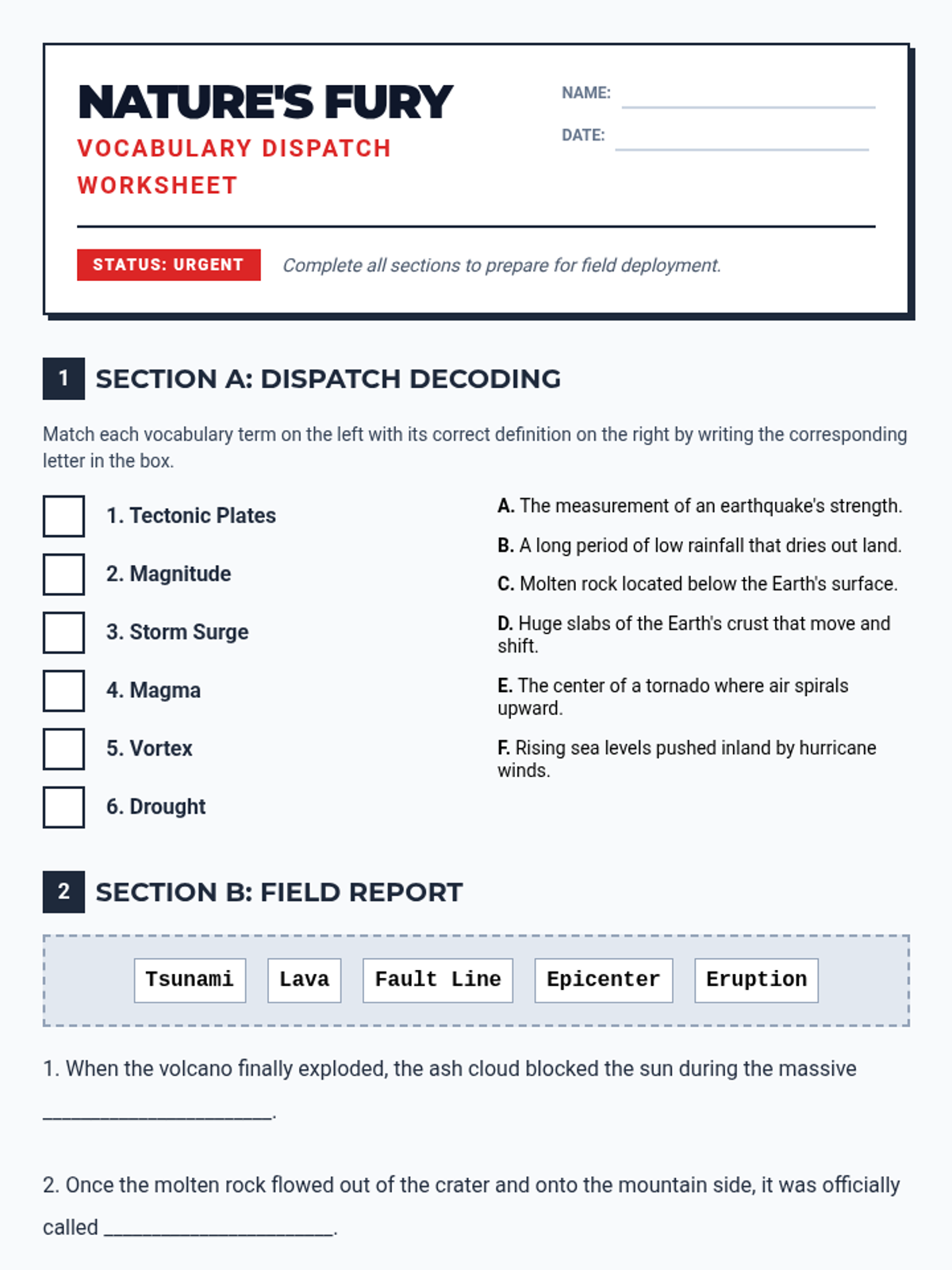
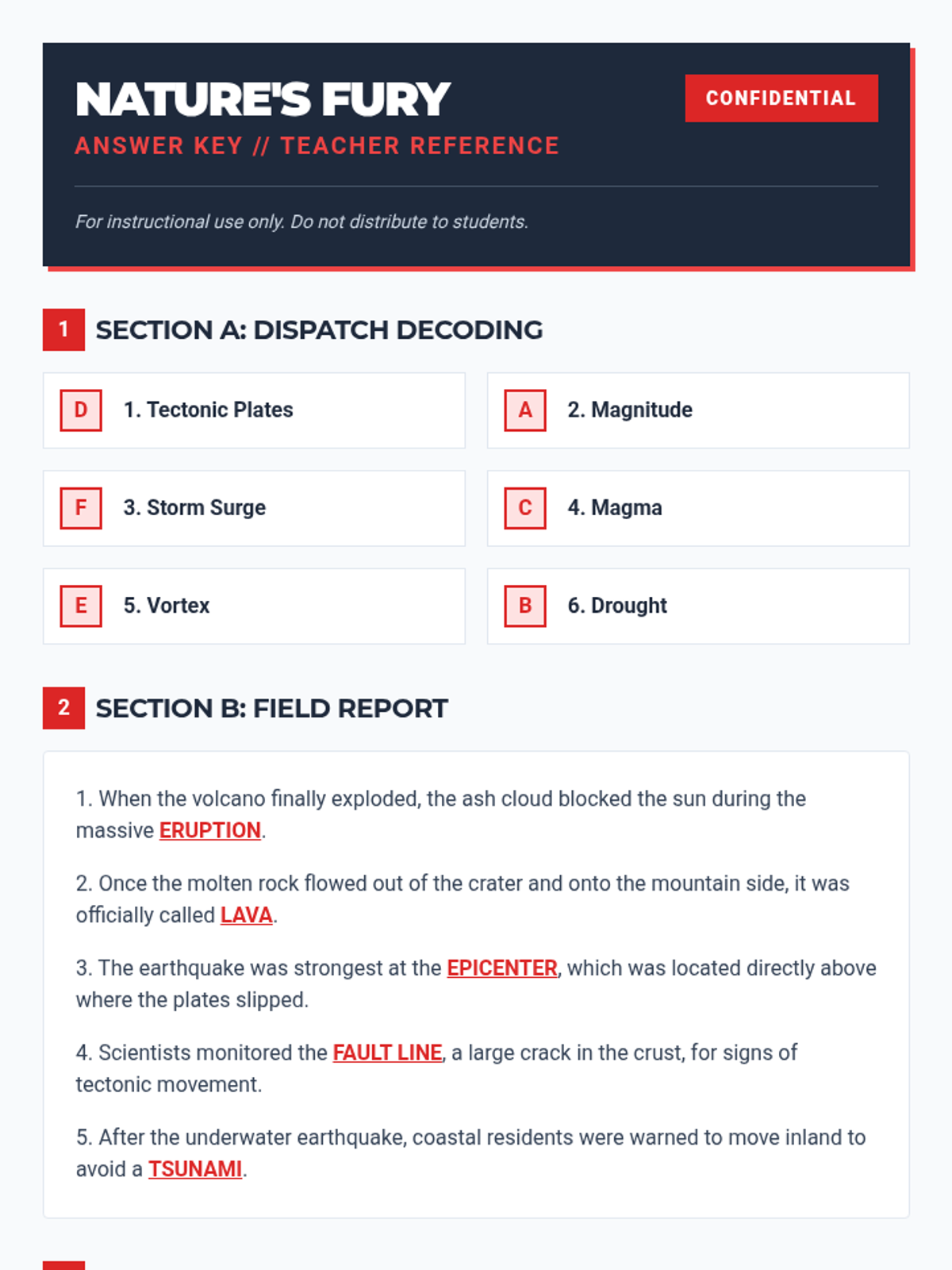
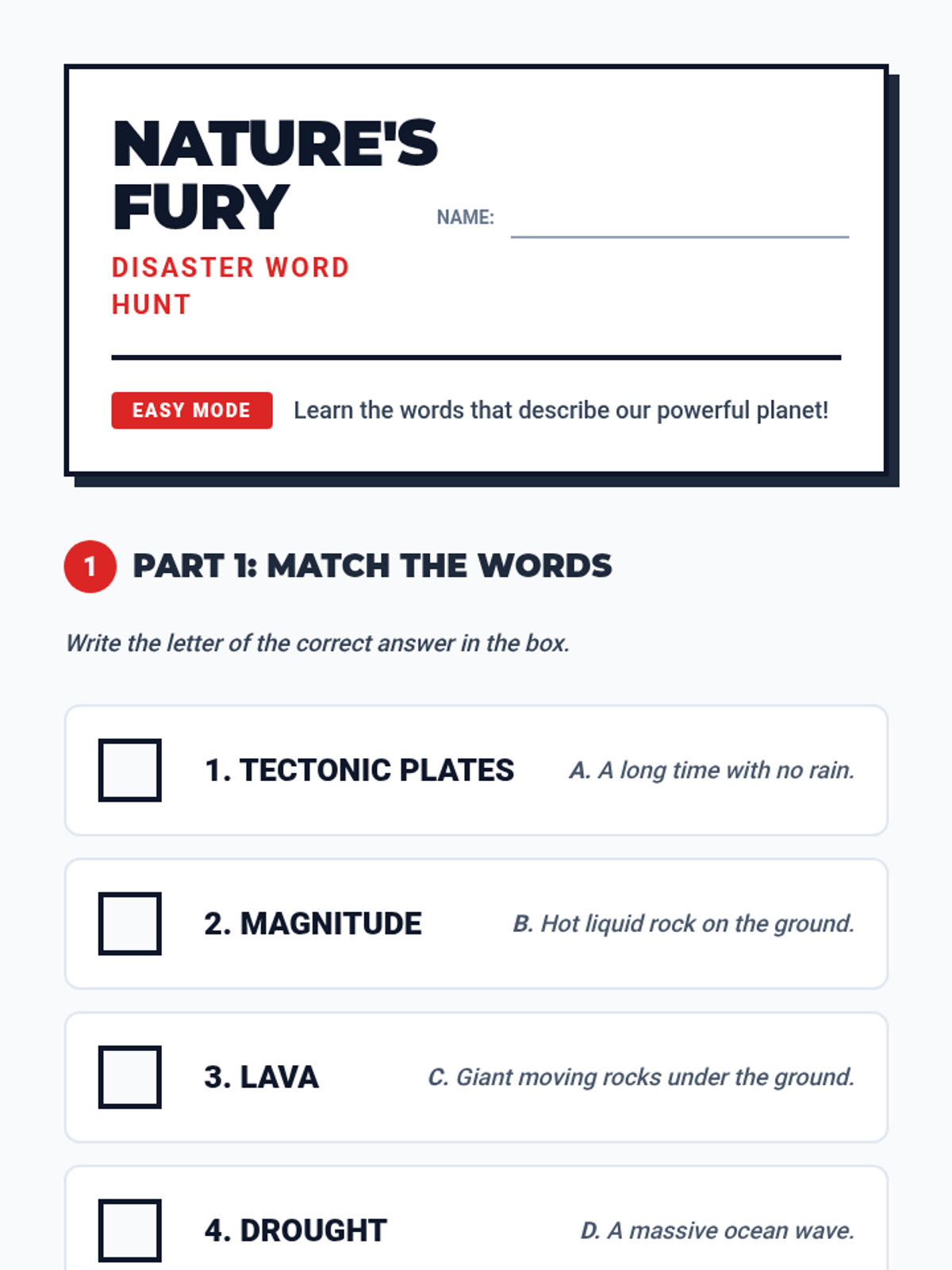
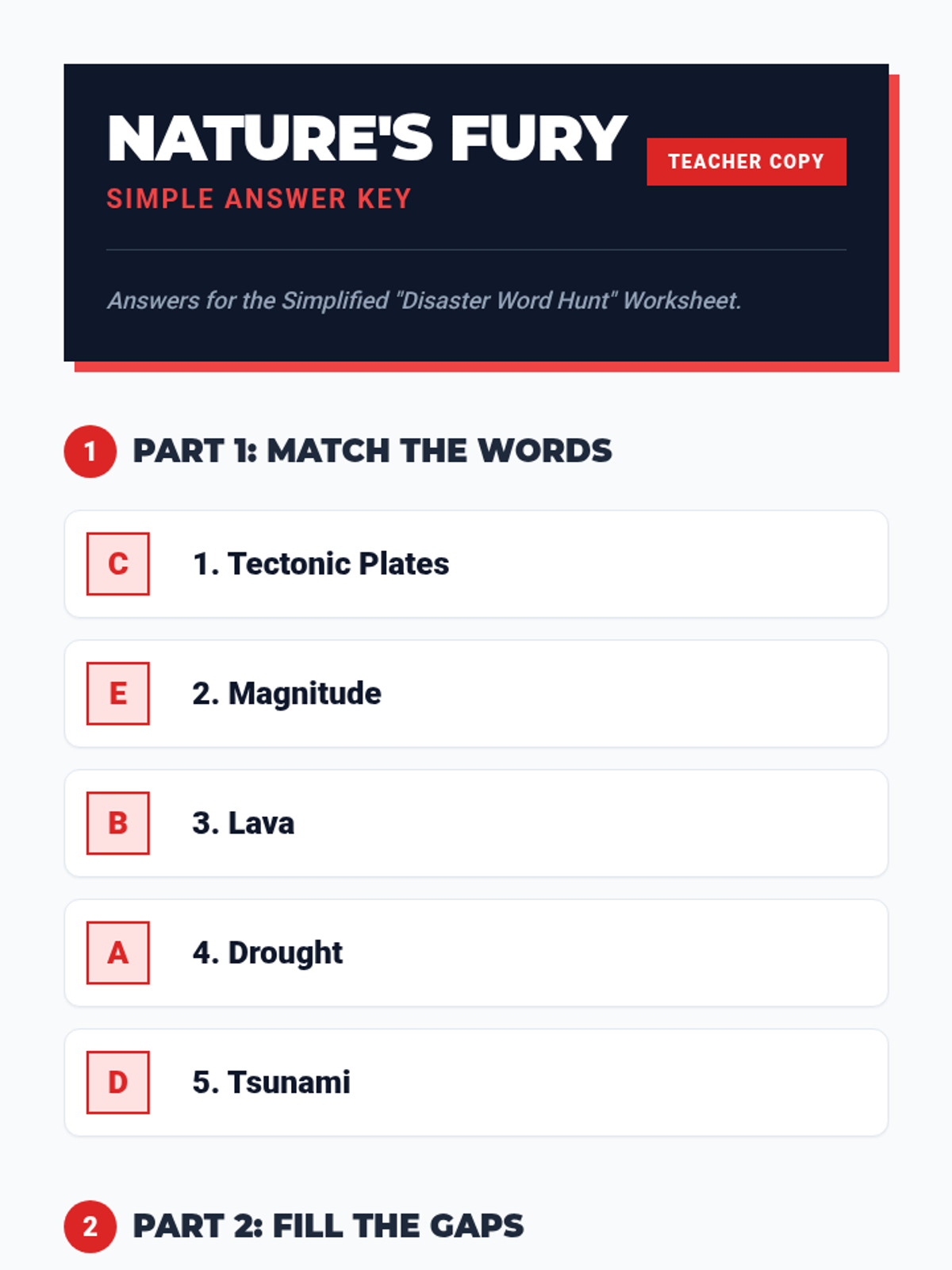
An introductory lesson on catastrophic natural events and the vocabulary used to describe them, focusing on geological and meteorological disasters.
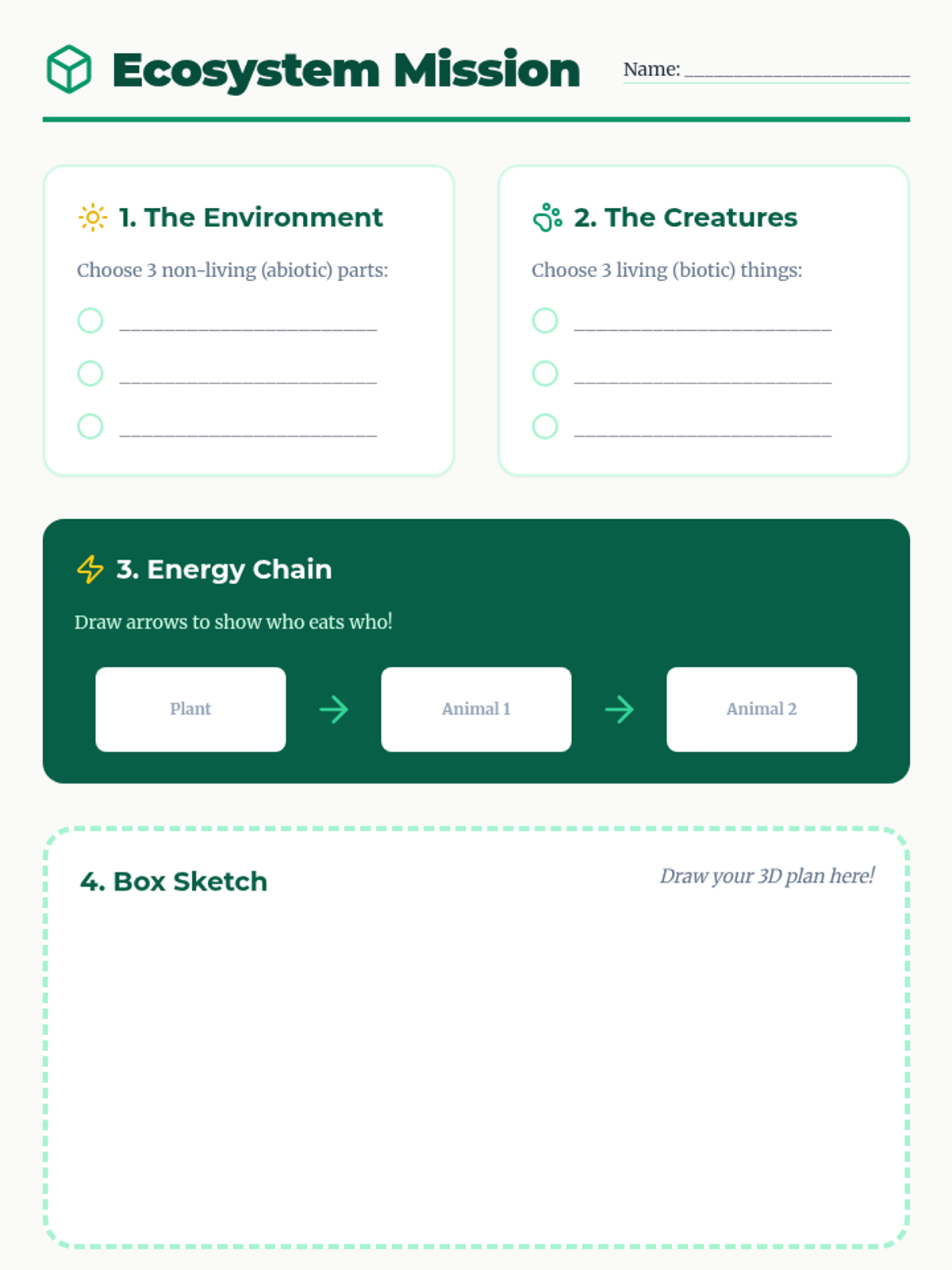
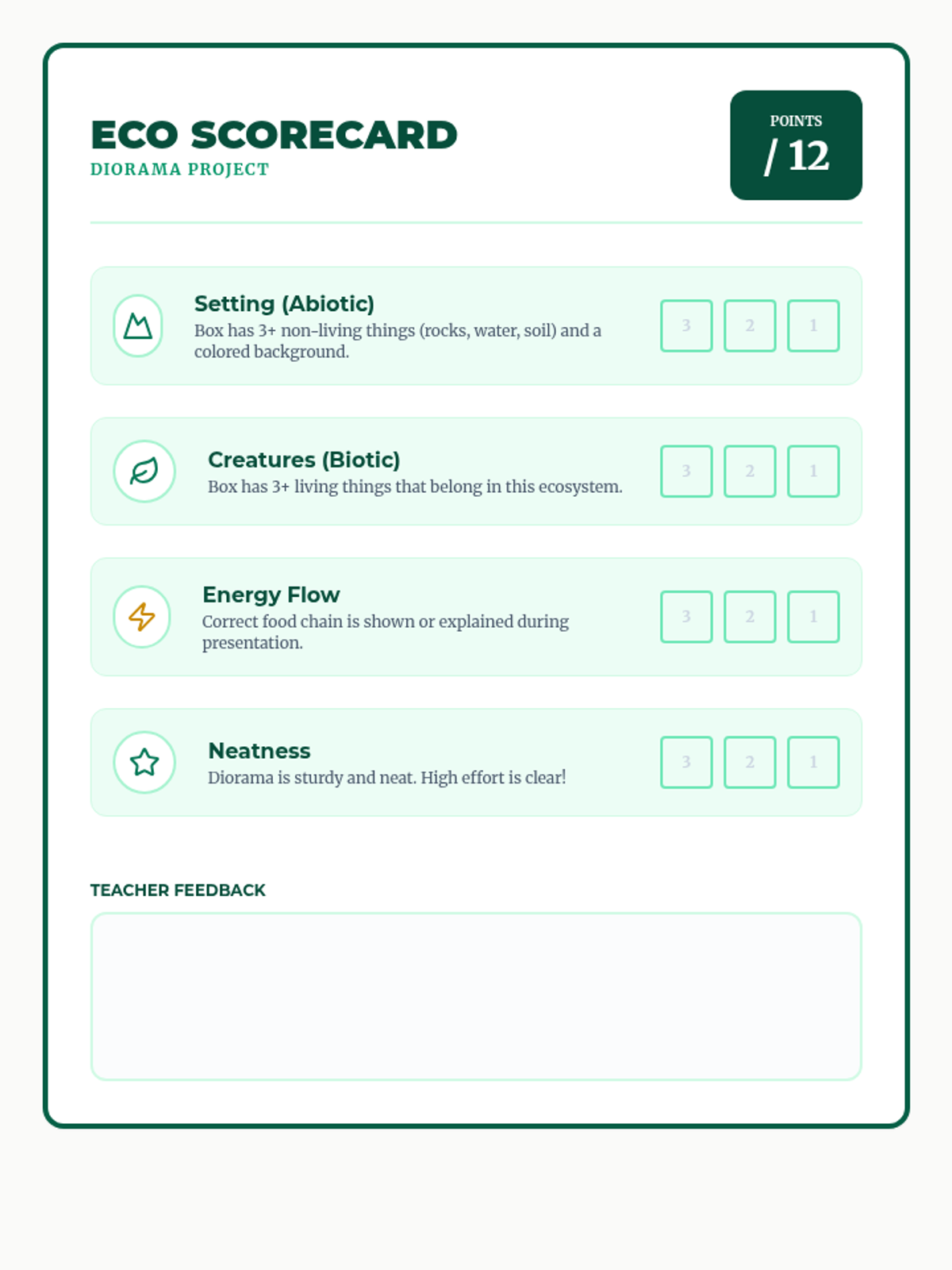
Students research, plan, and construct a detailed 3D diorama of a specific ecosystem, focusing on the interactions between biotic and abiotic factors and the energy flow within their chosen environment.
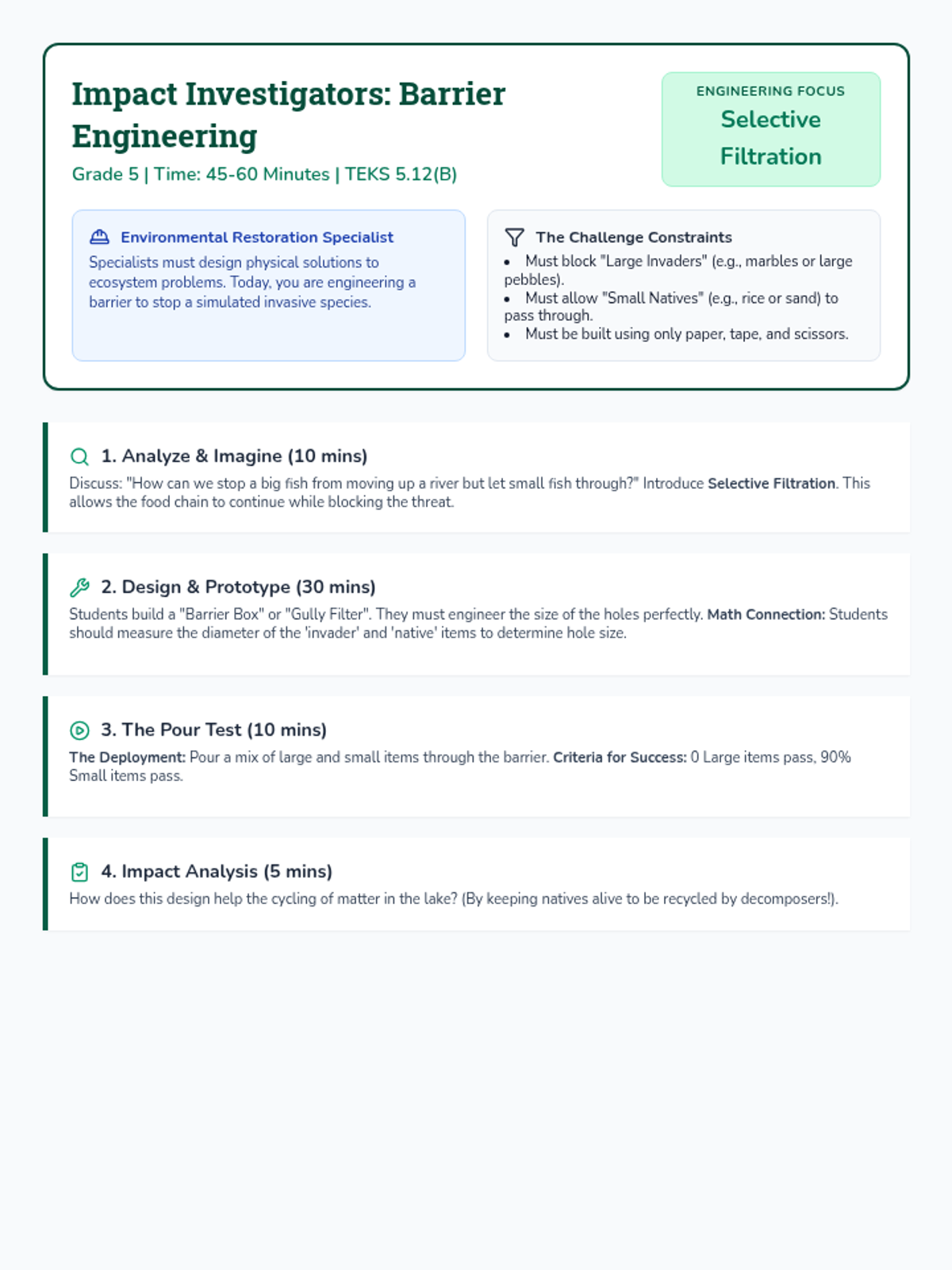
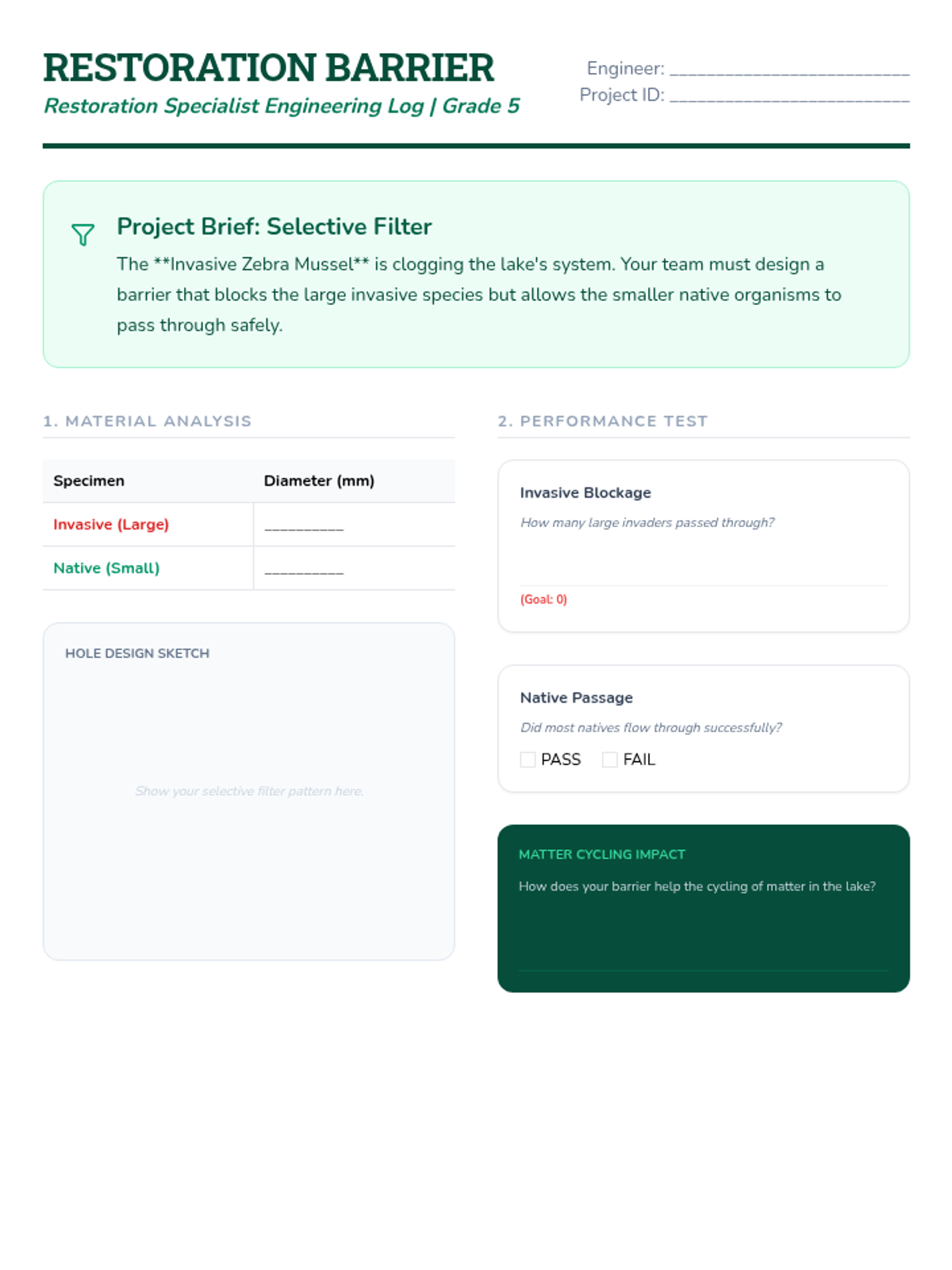
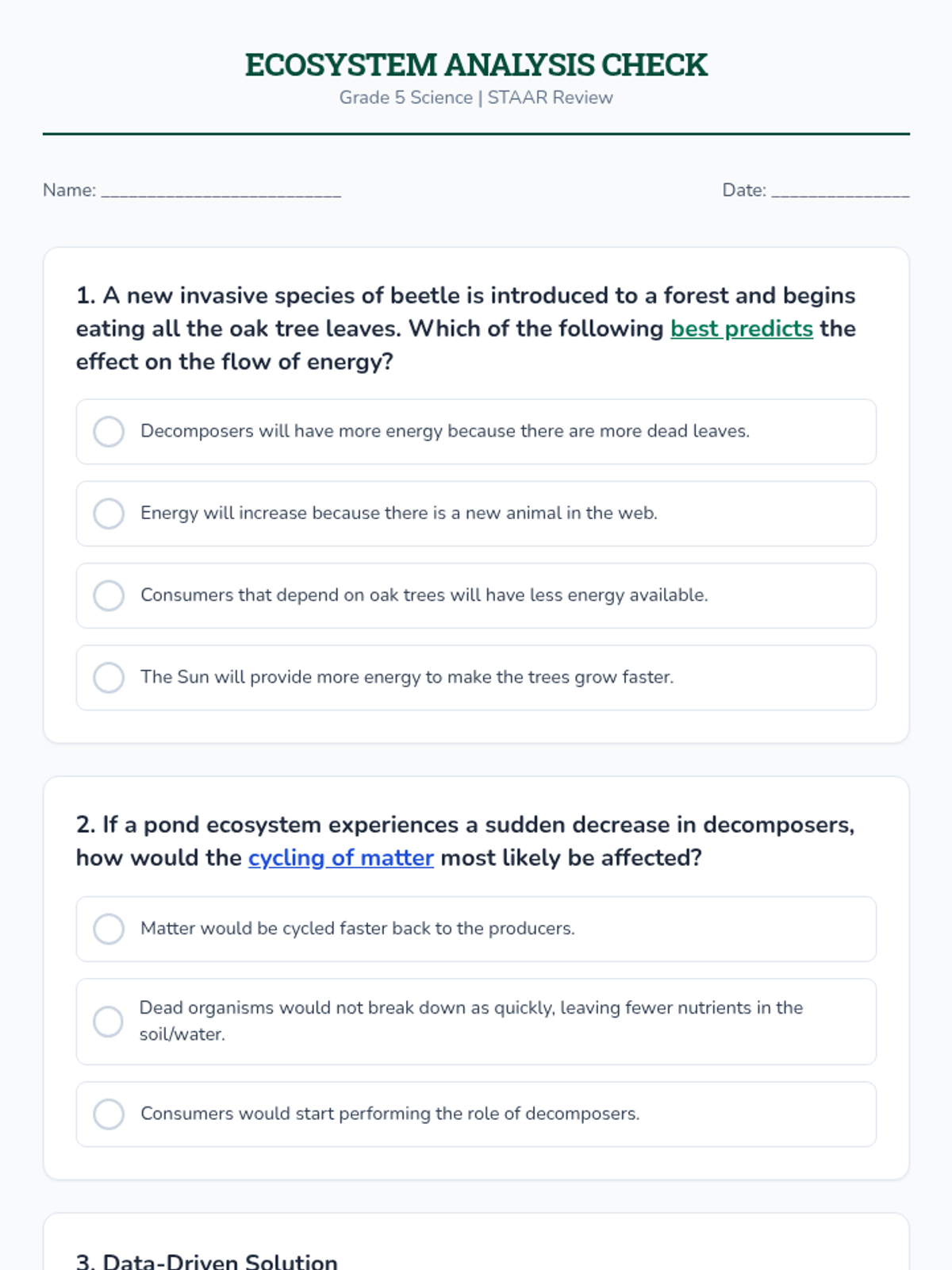
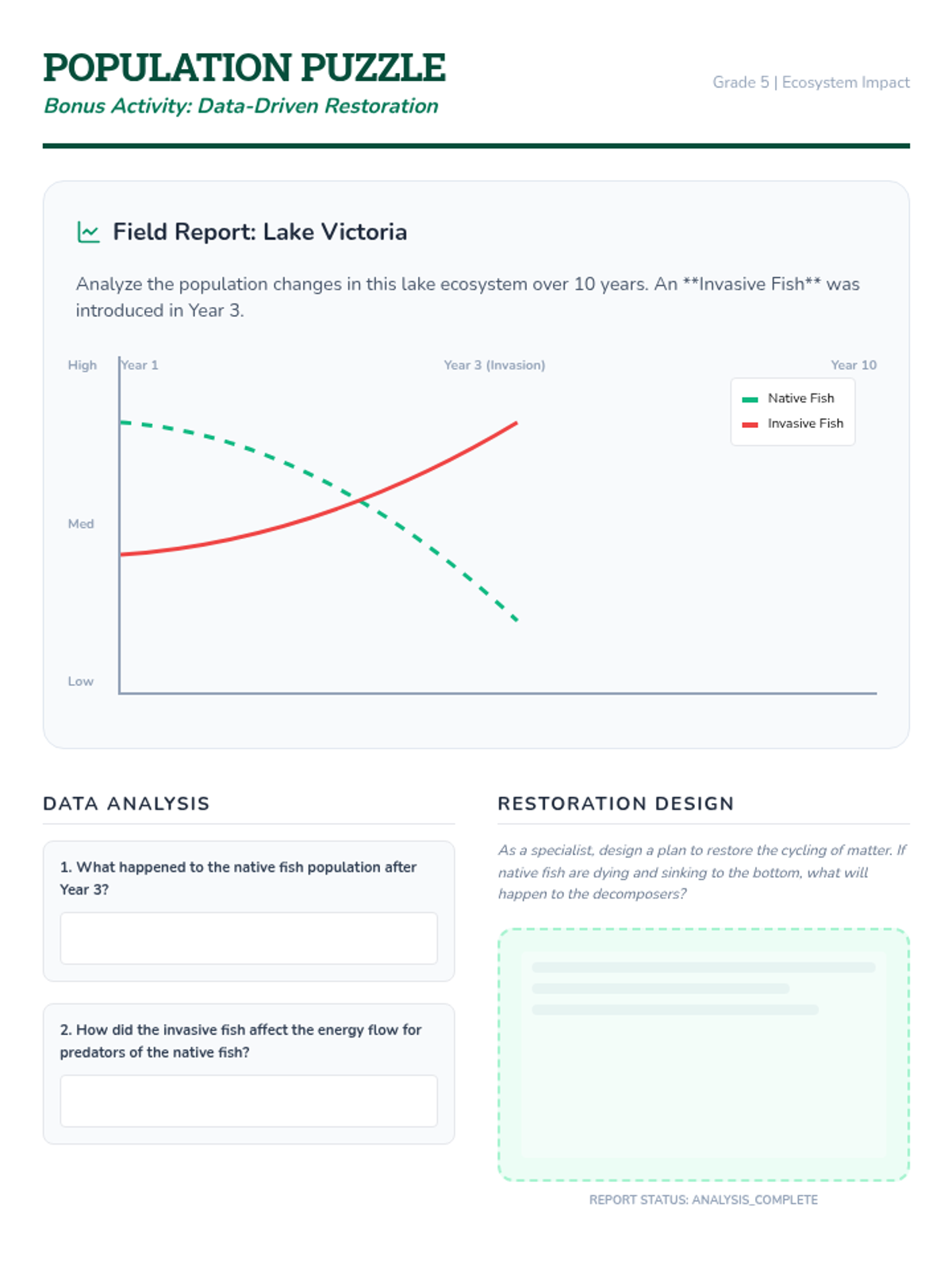
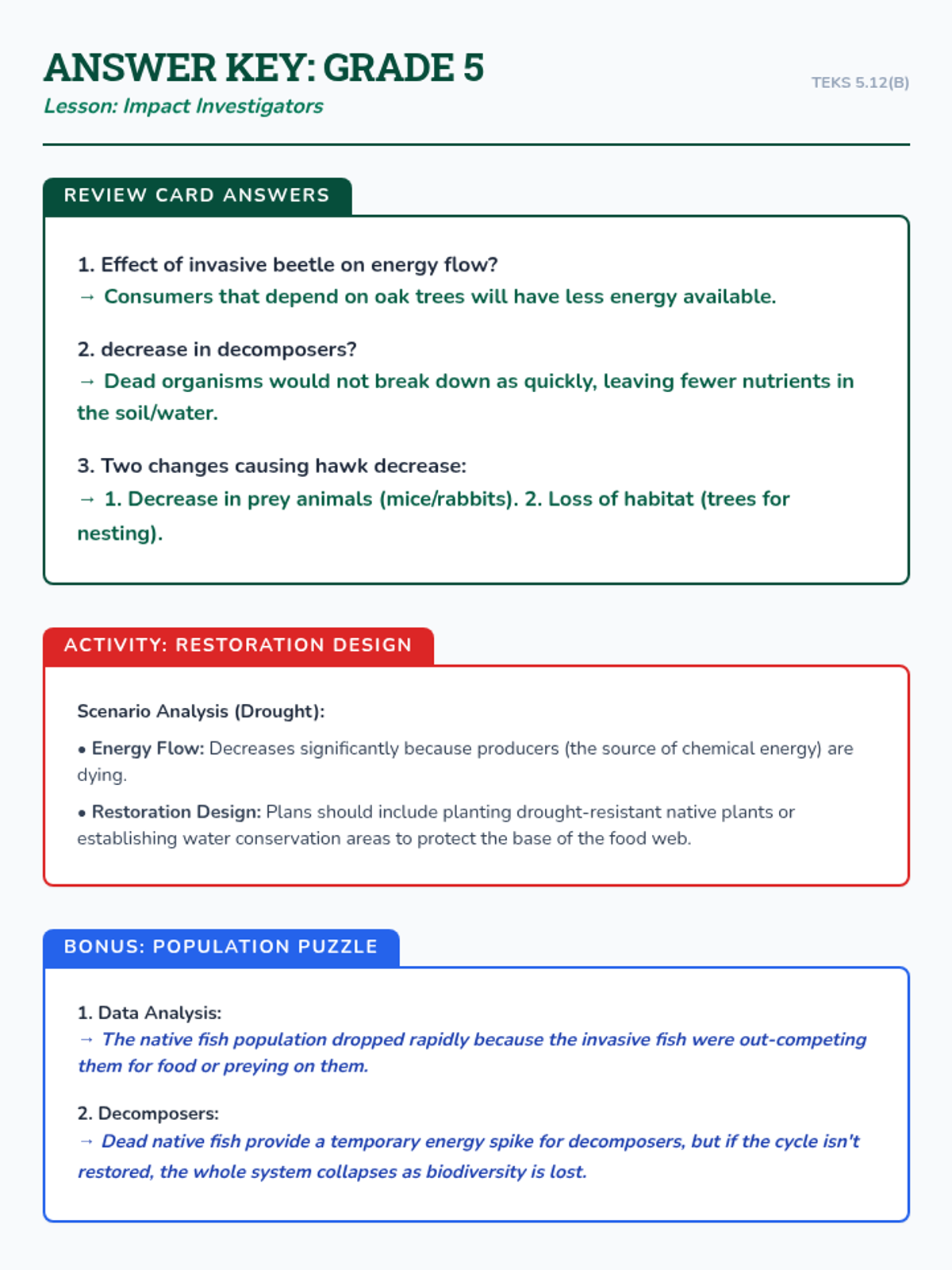
As Environmental Restoration Specialists, students analyze the impact of changes like invasive species or drought on a food web and design data-driven solutions to protect energy flow.
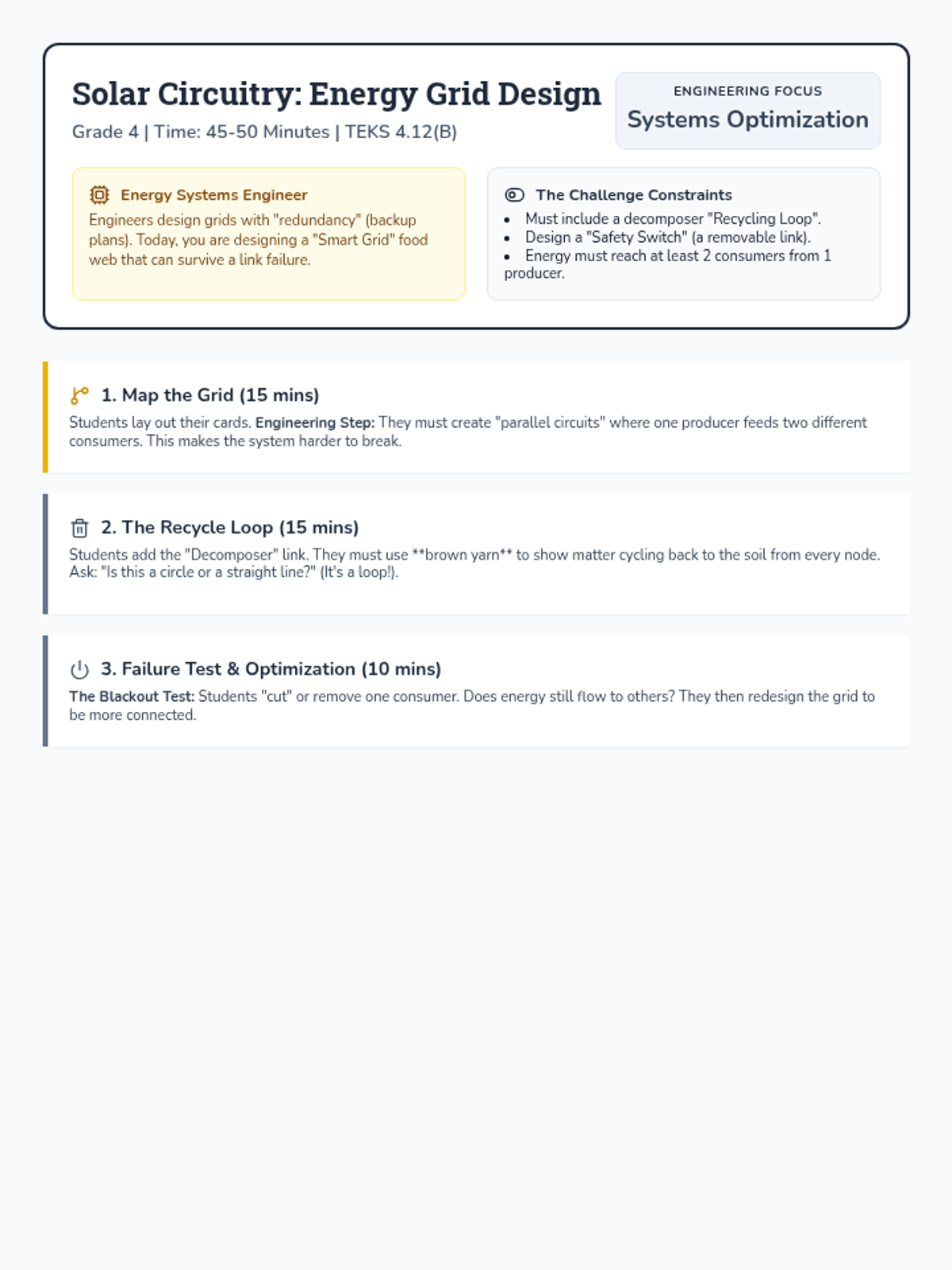
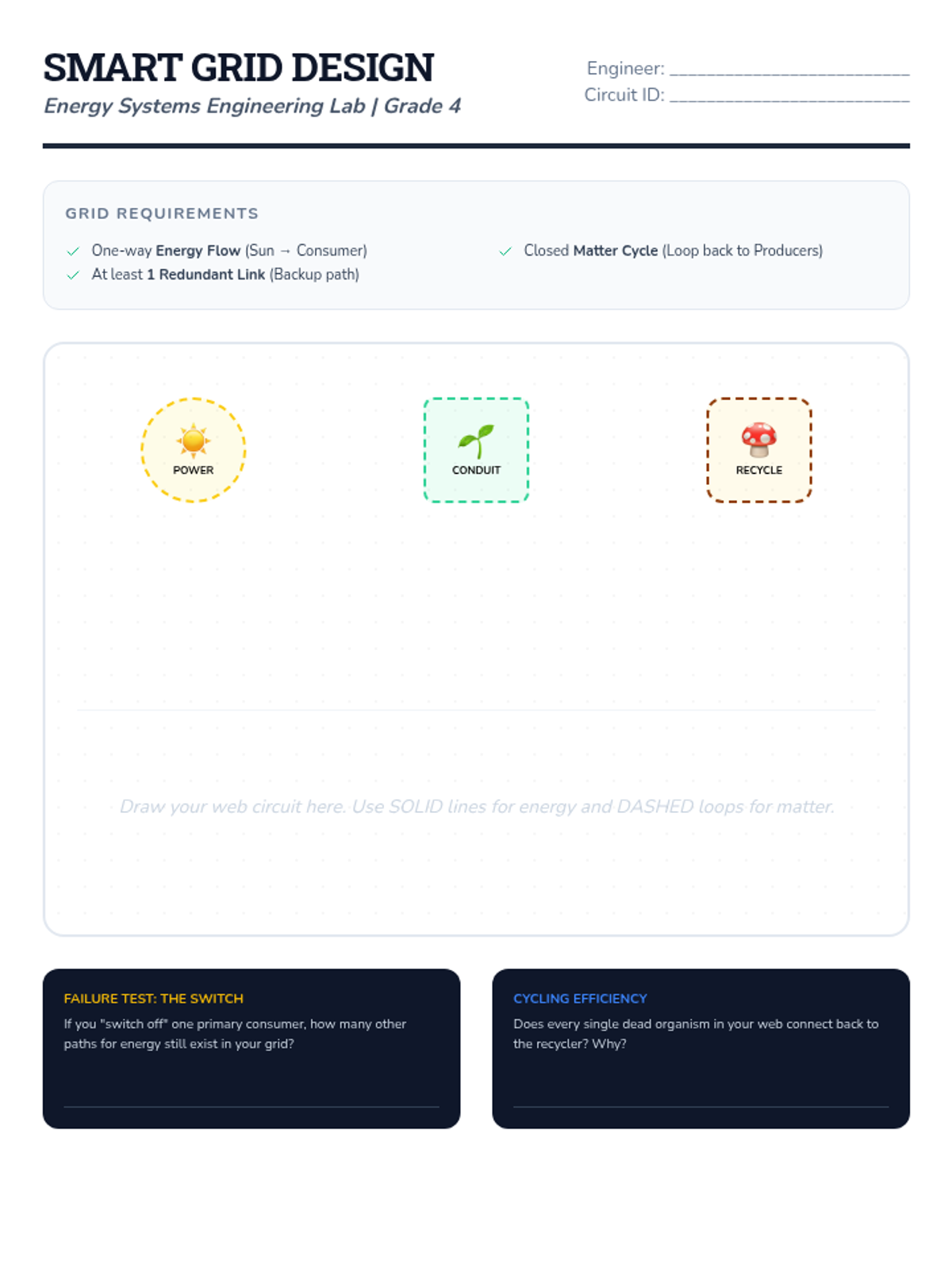
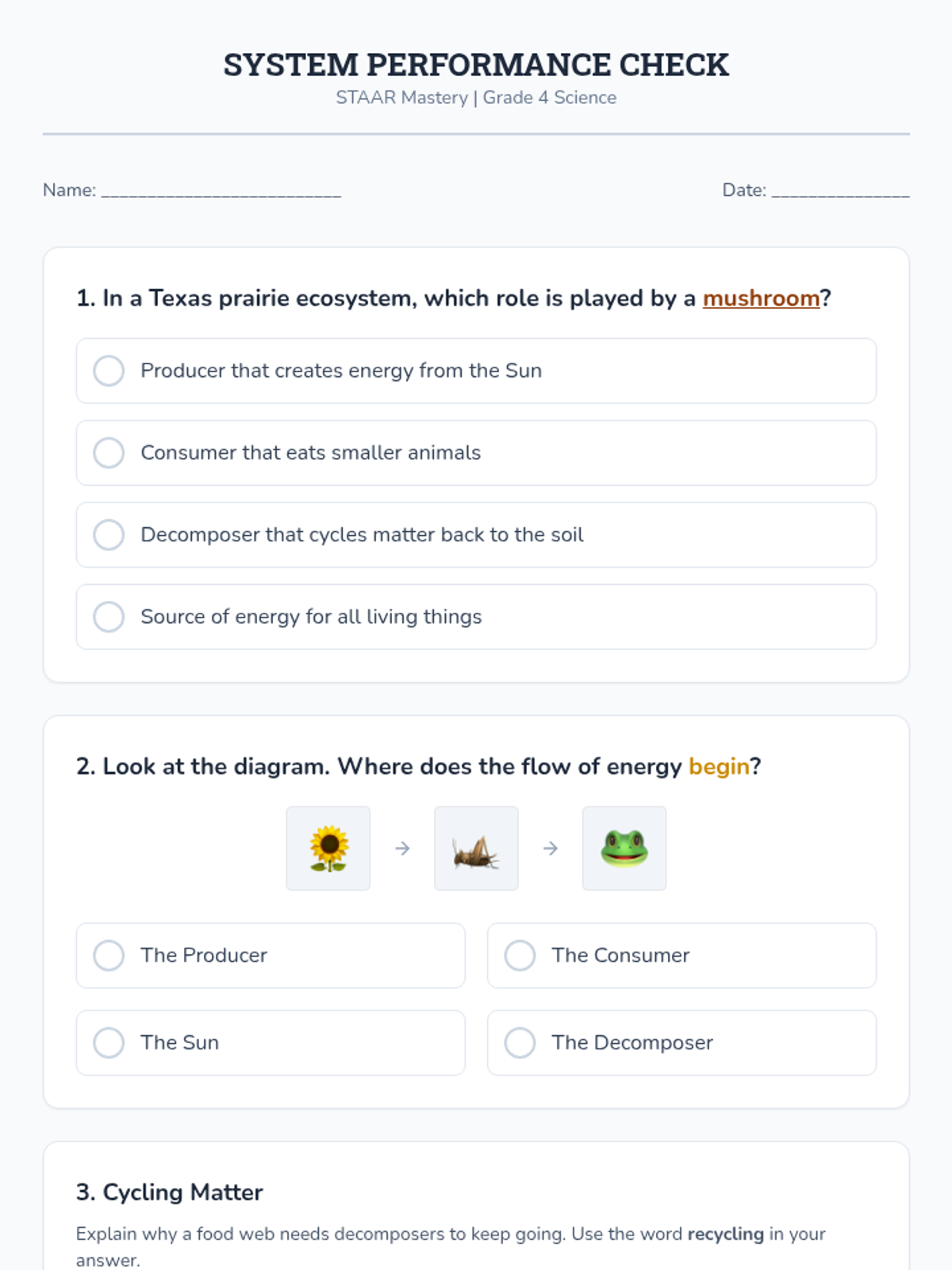
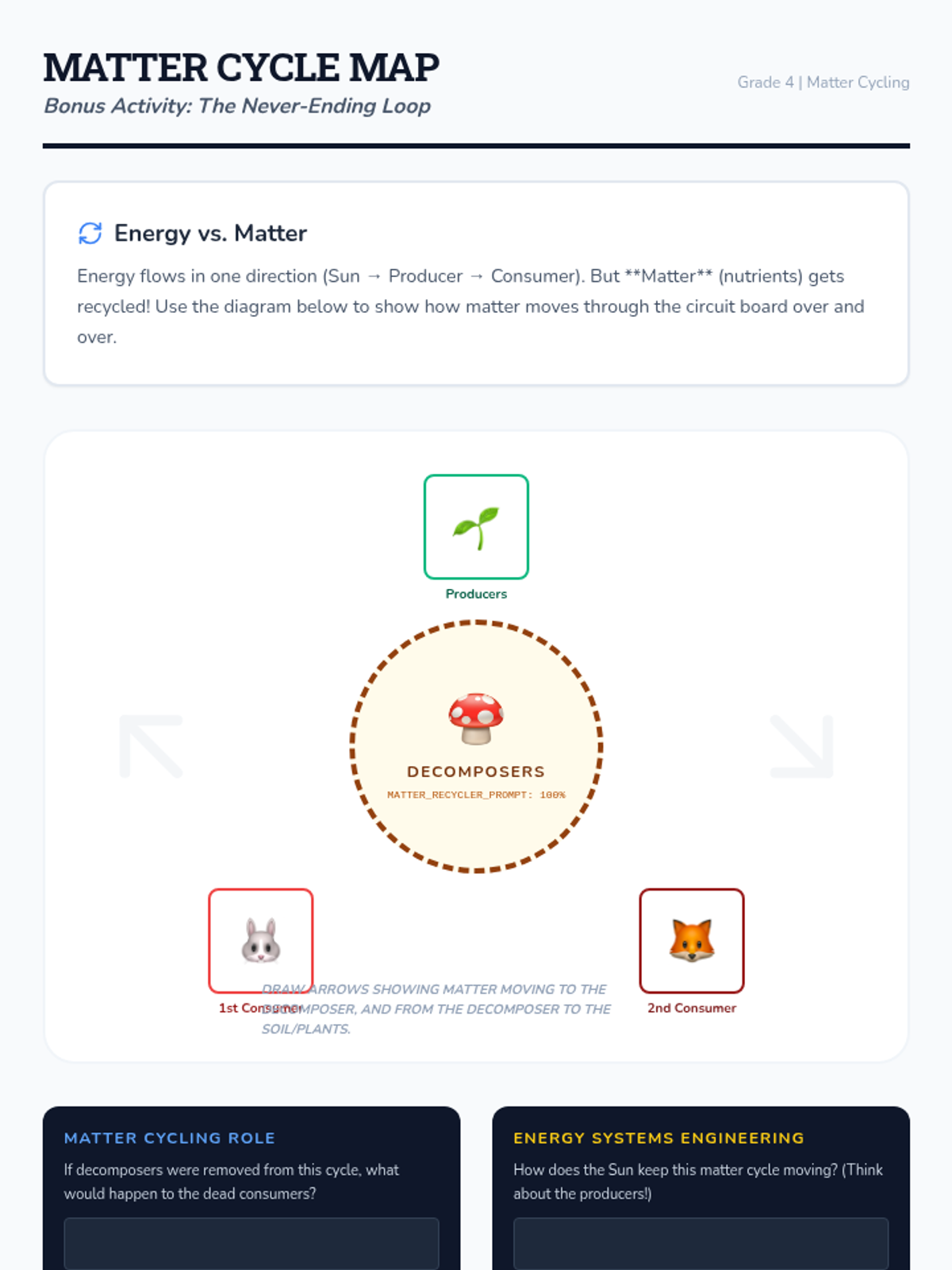
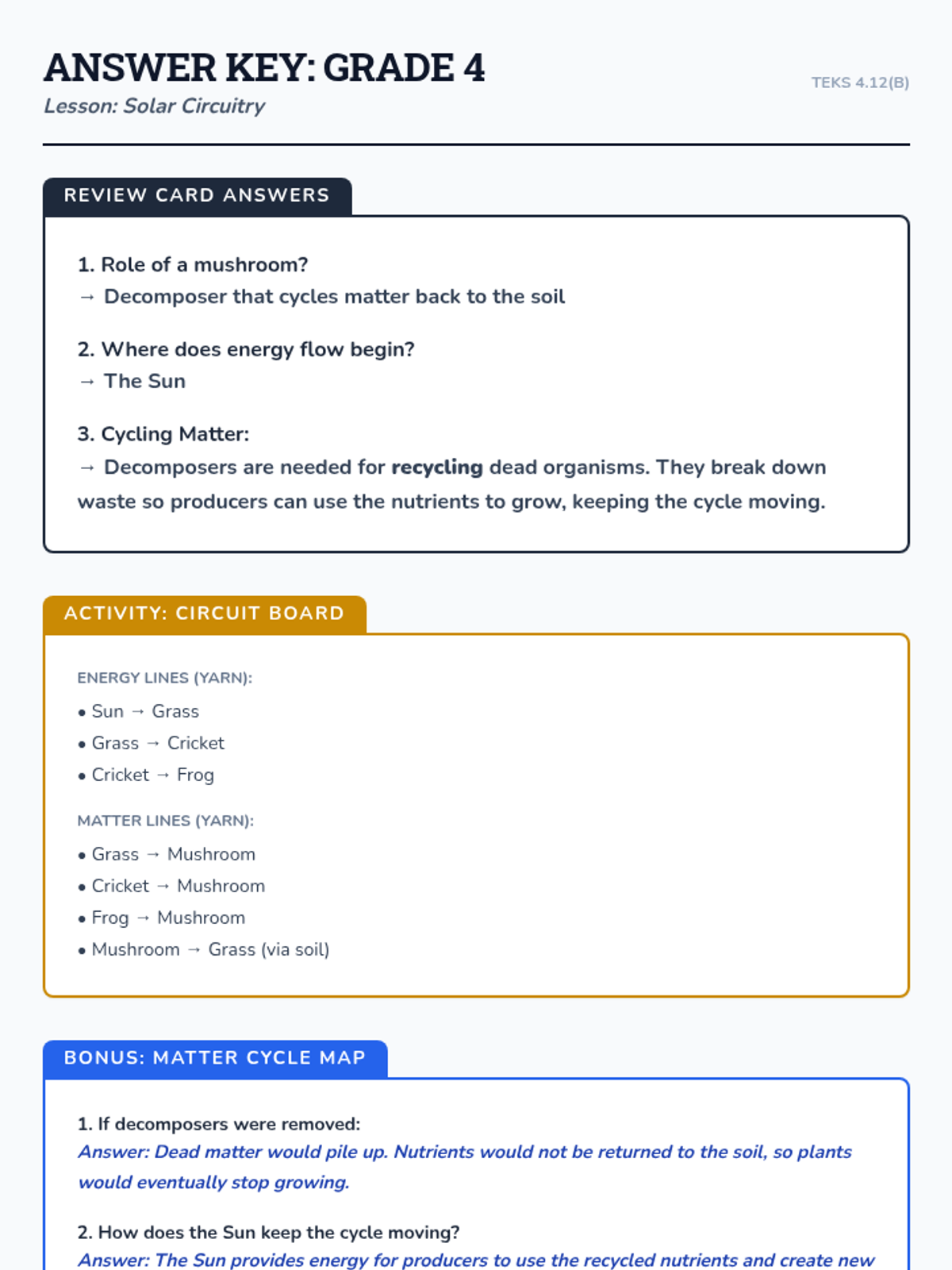
Students model the role of the Sun and decomposers as Energy Systems Engineers, mapping complex food webs with color-coded "Energy Lines" to show matter cycling.
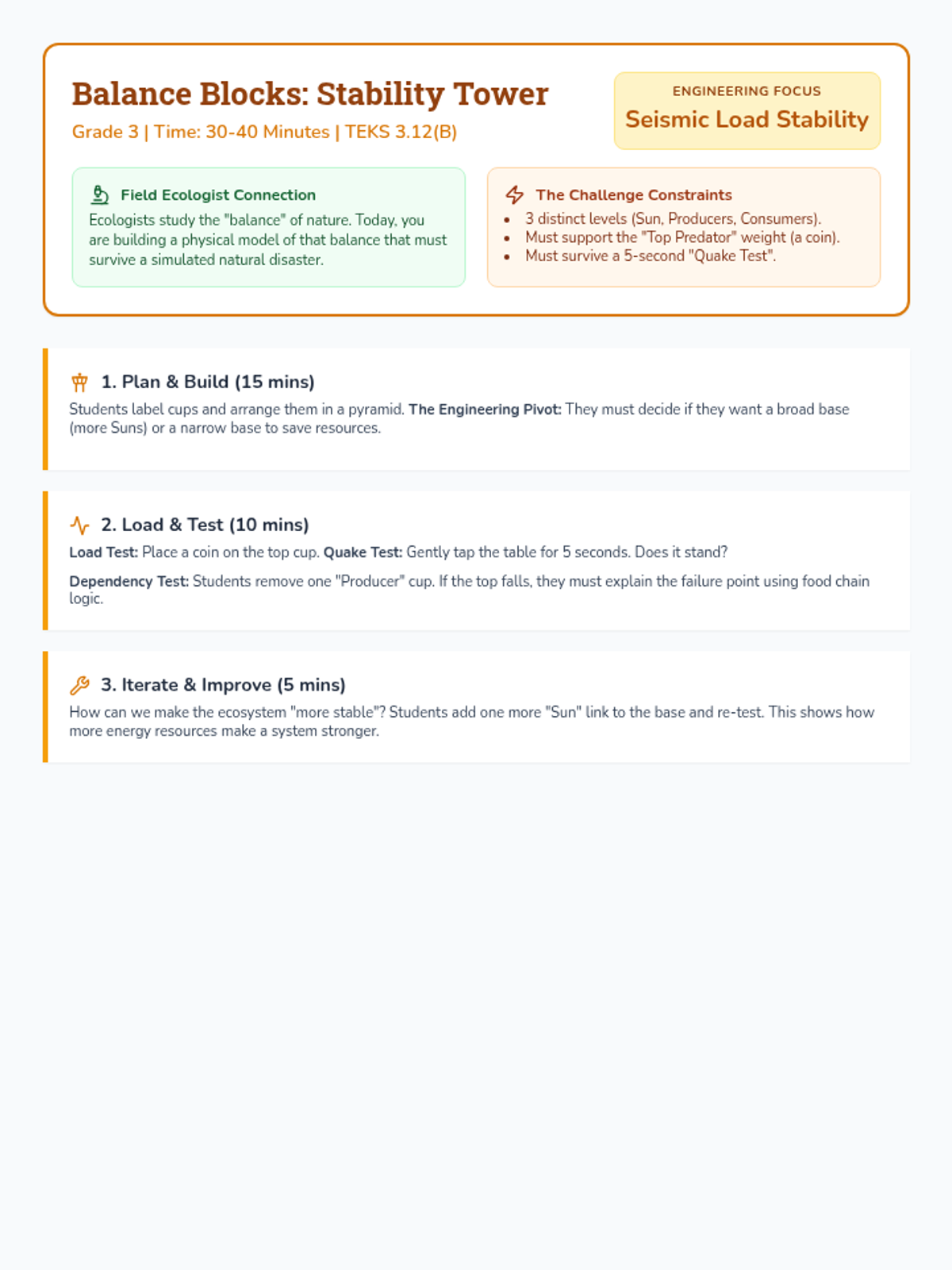
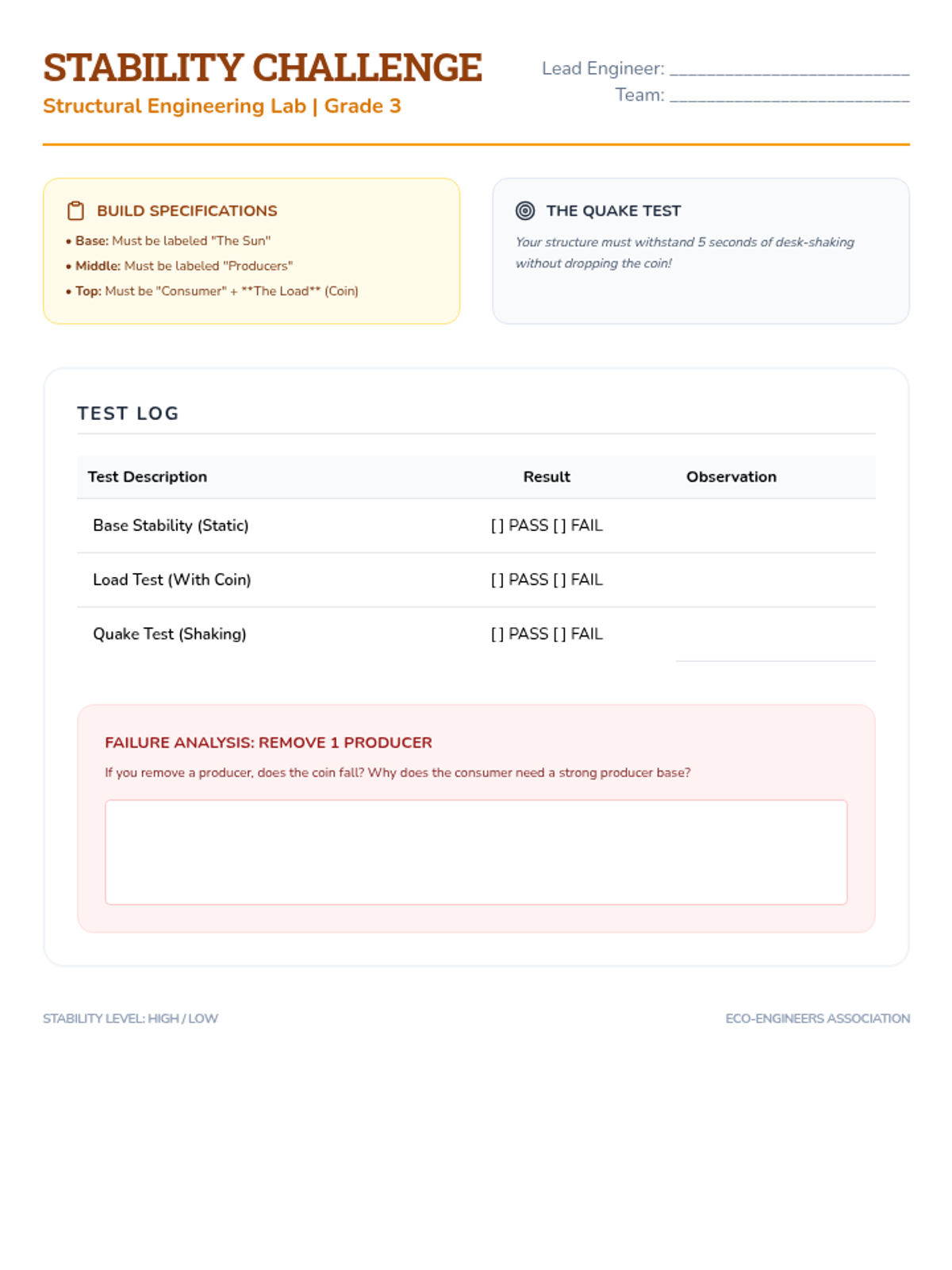
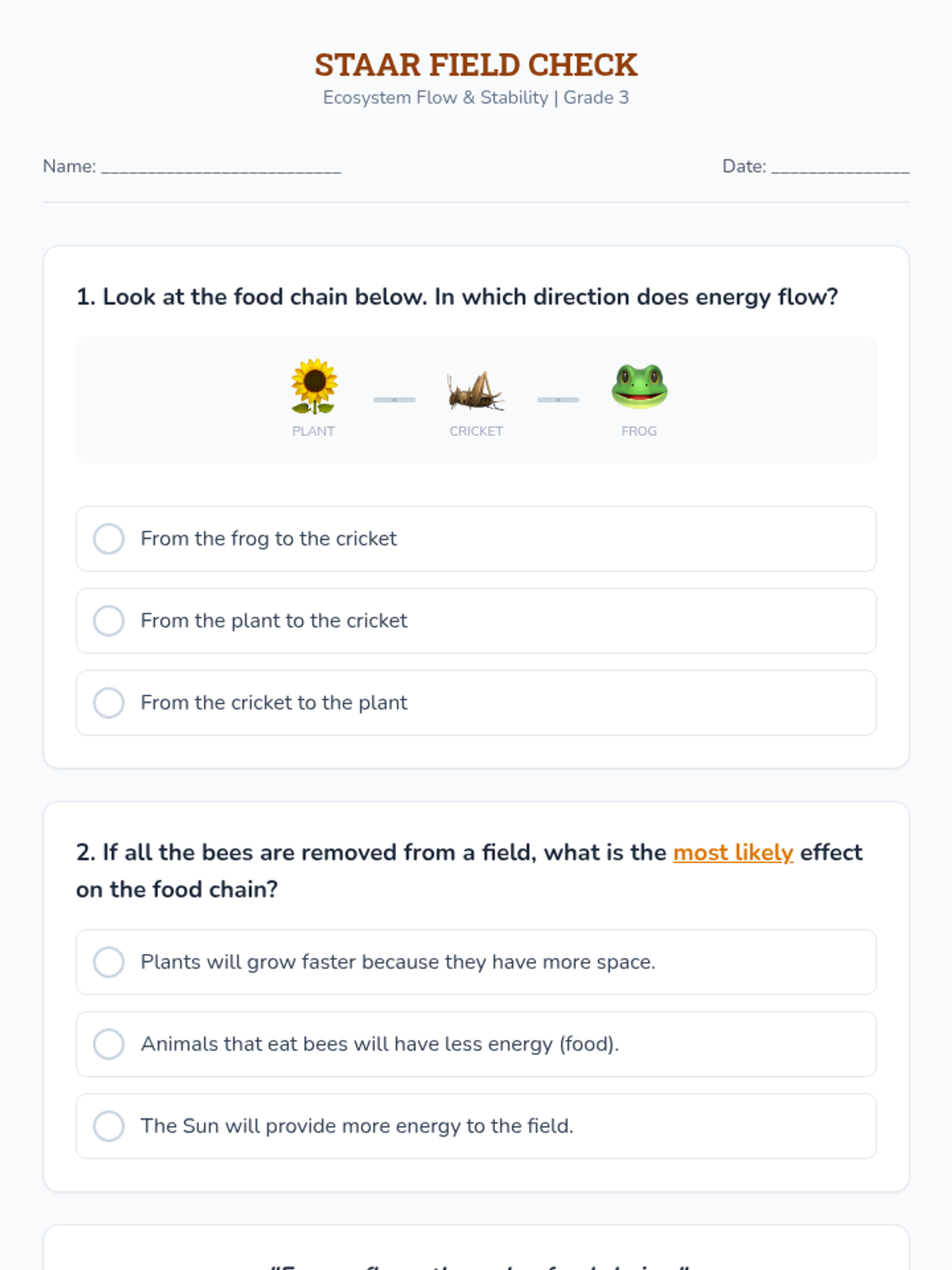
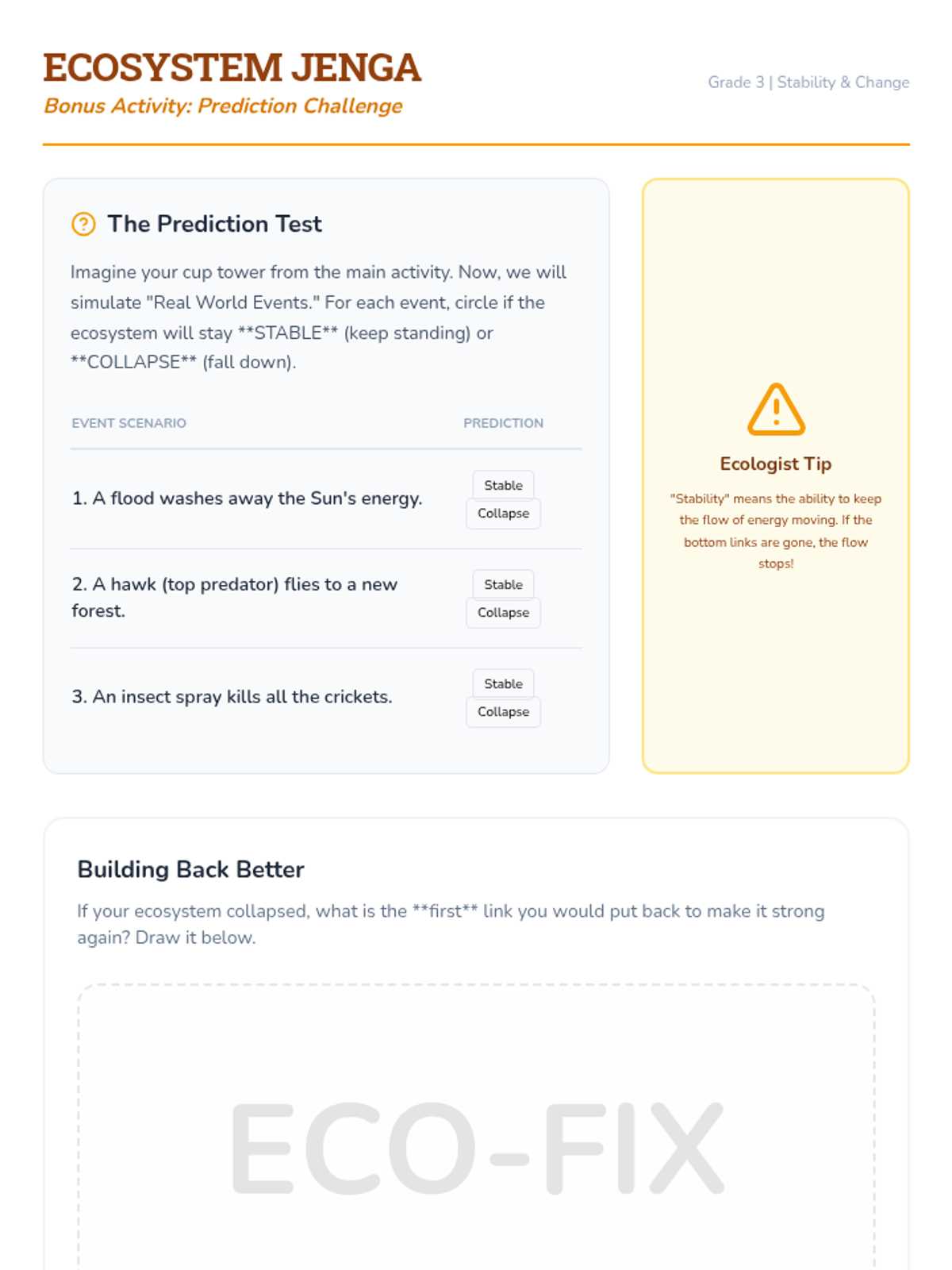
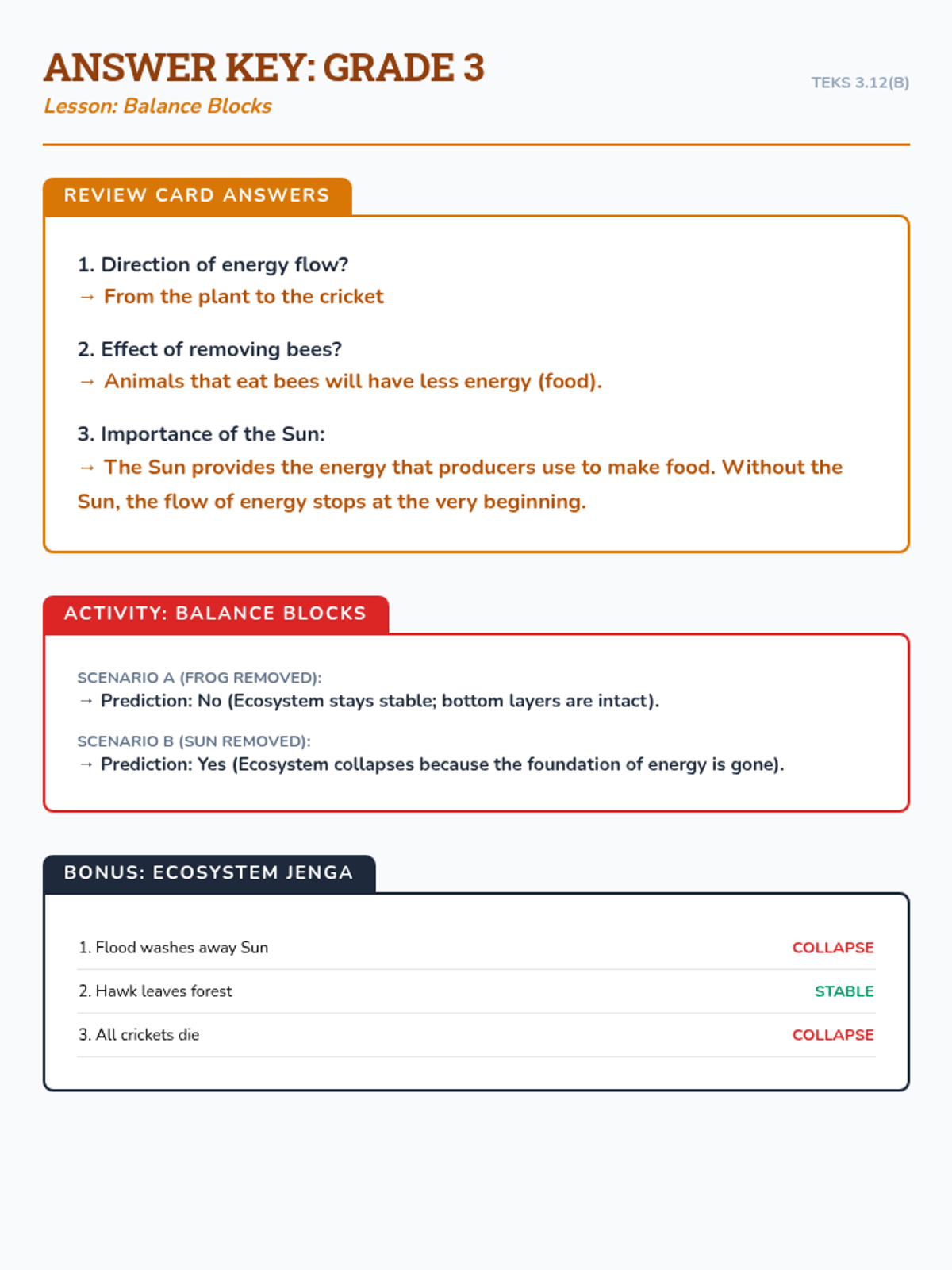
Acting as Field Ecologists, students build cup-stack models of energy flow and test the stability of their ecosystems when key species like bees or frogs are removed.
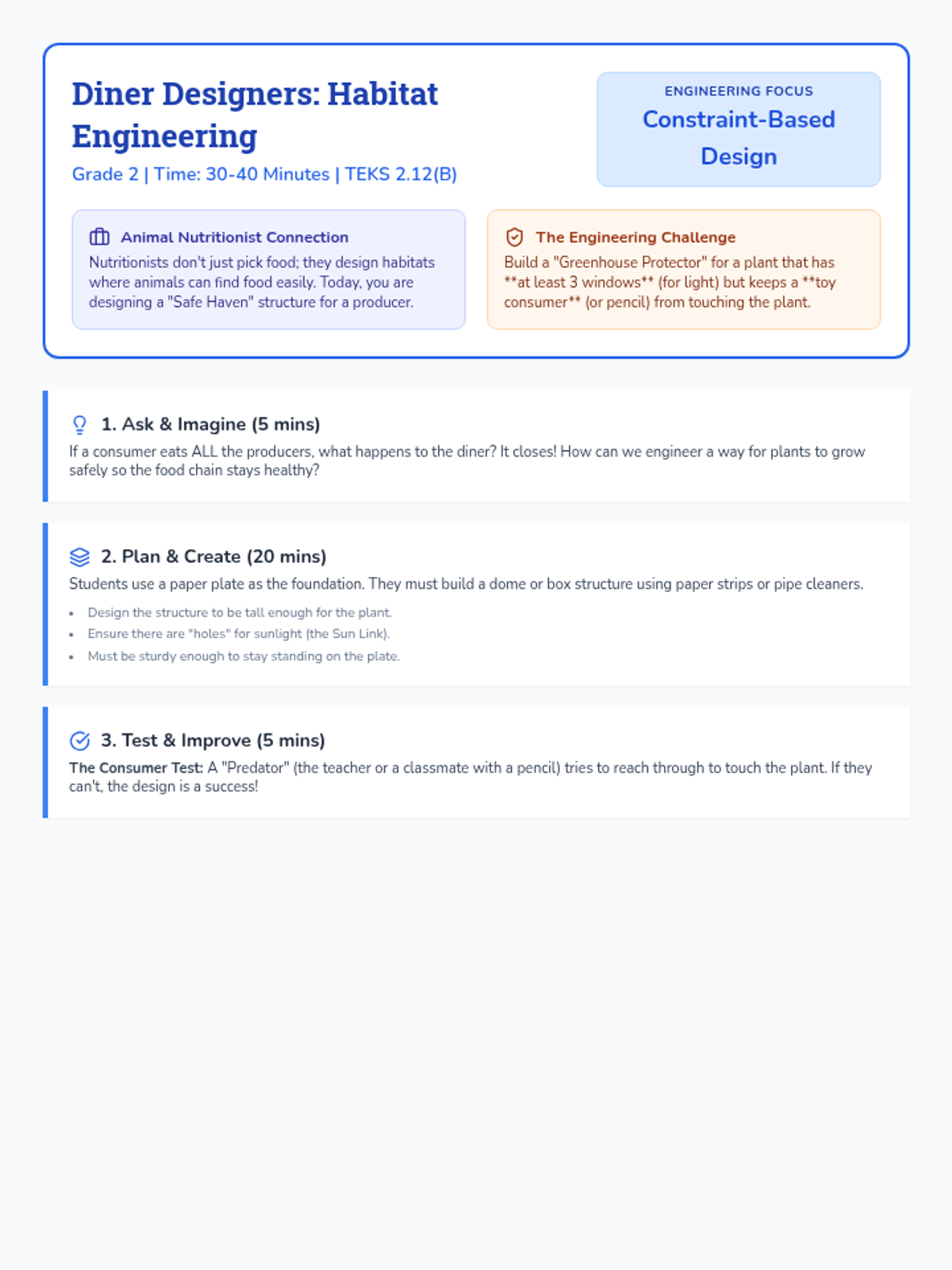
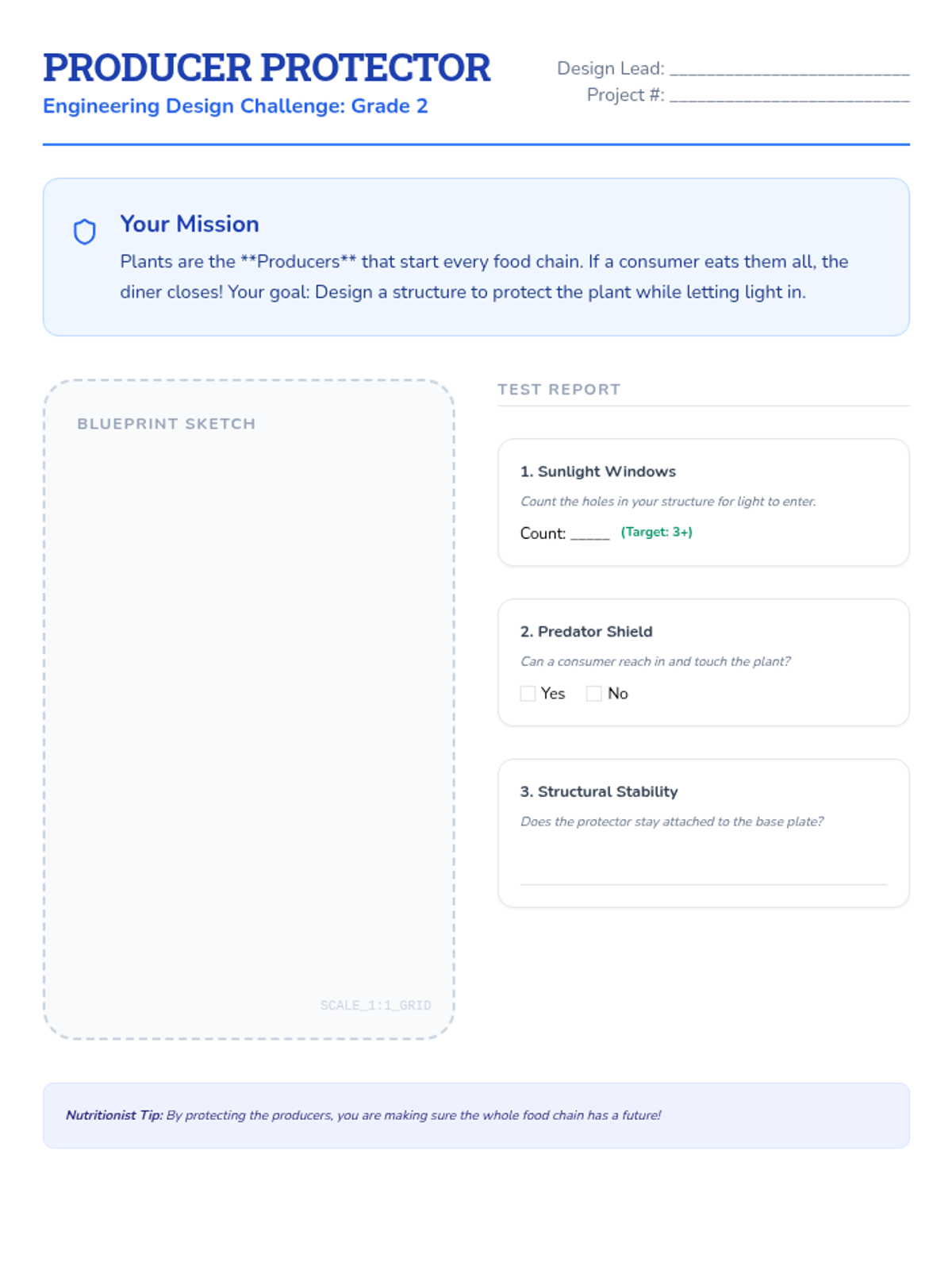
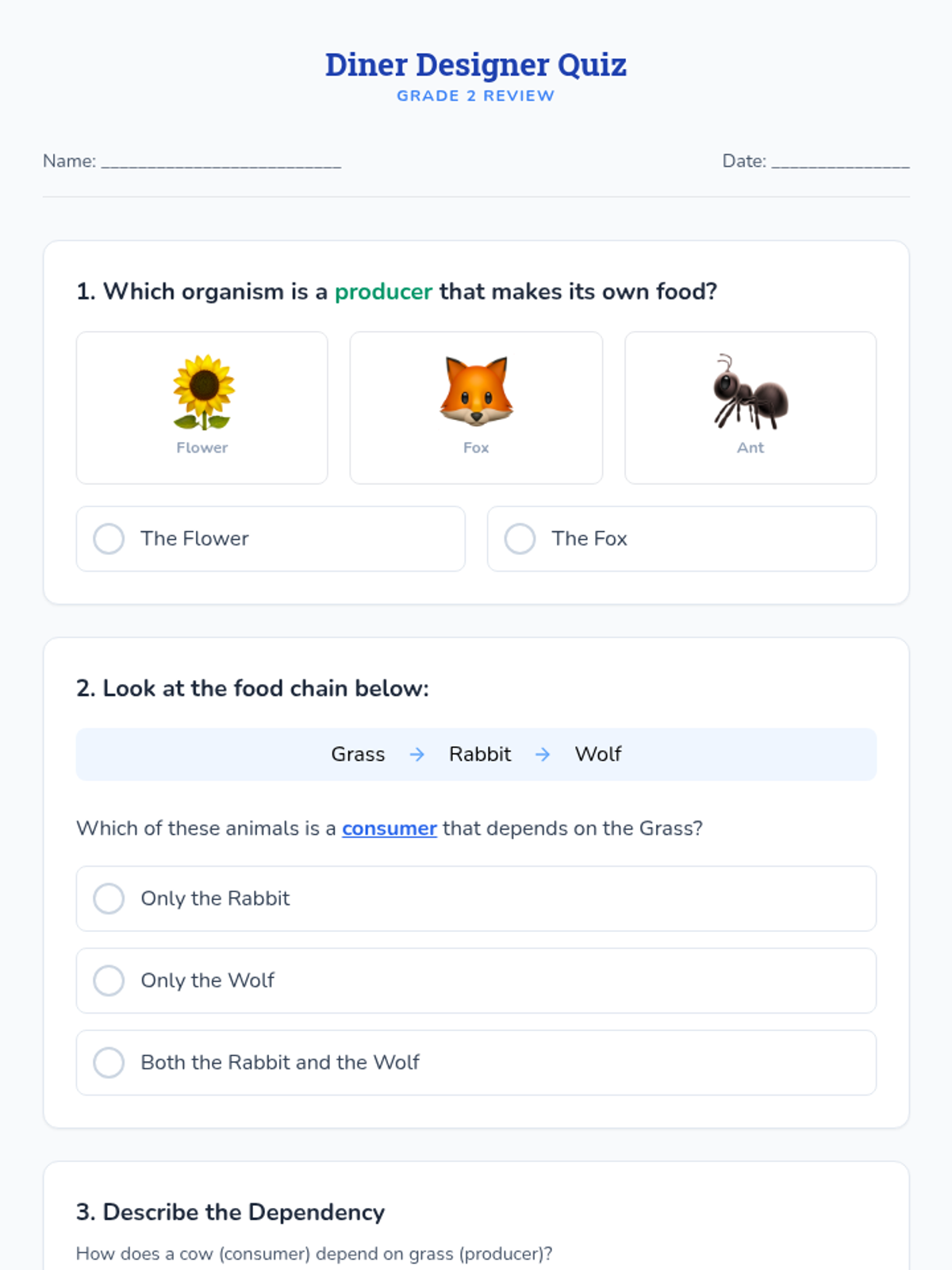
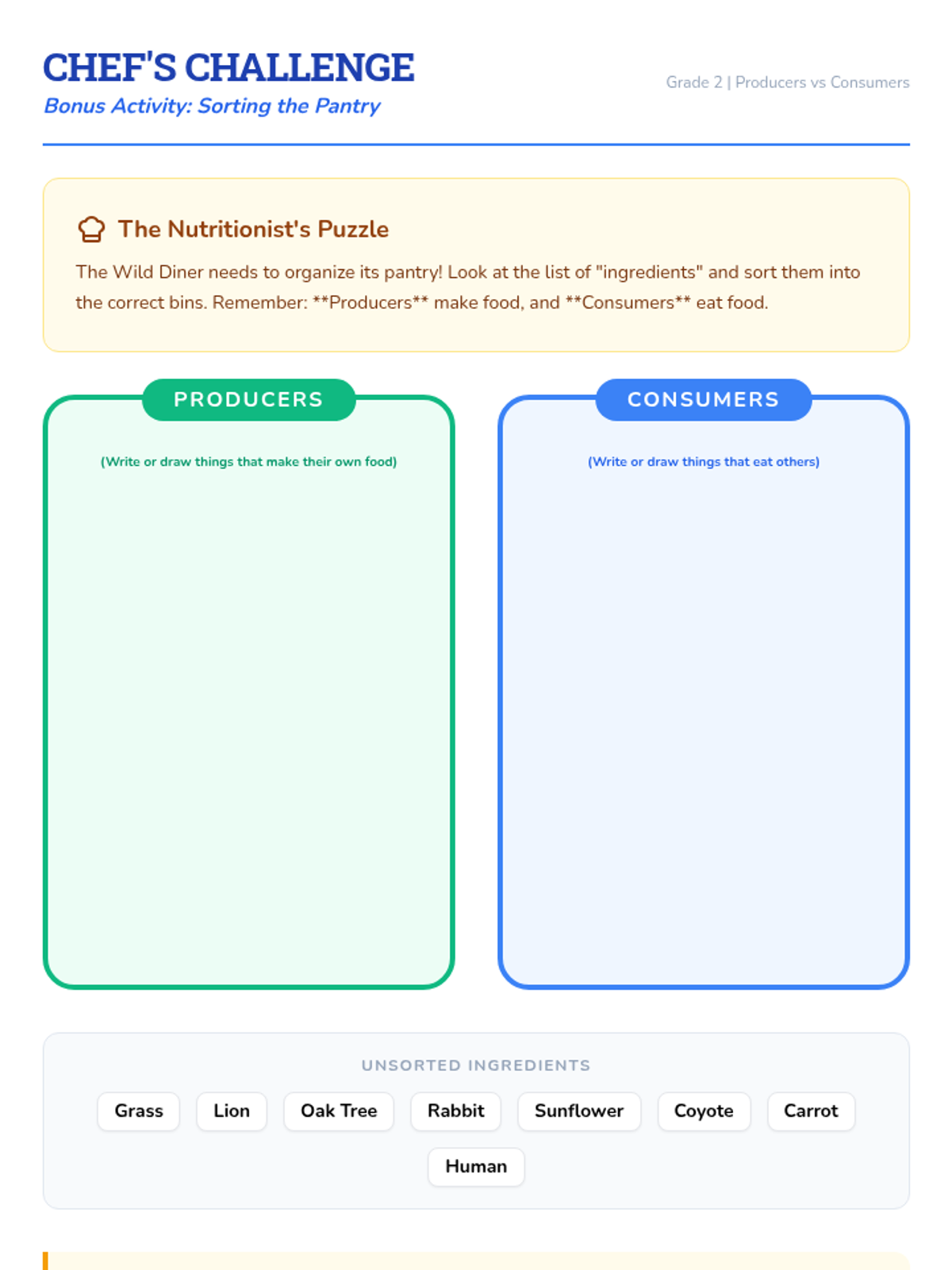
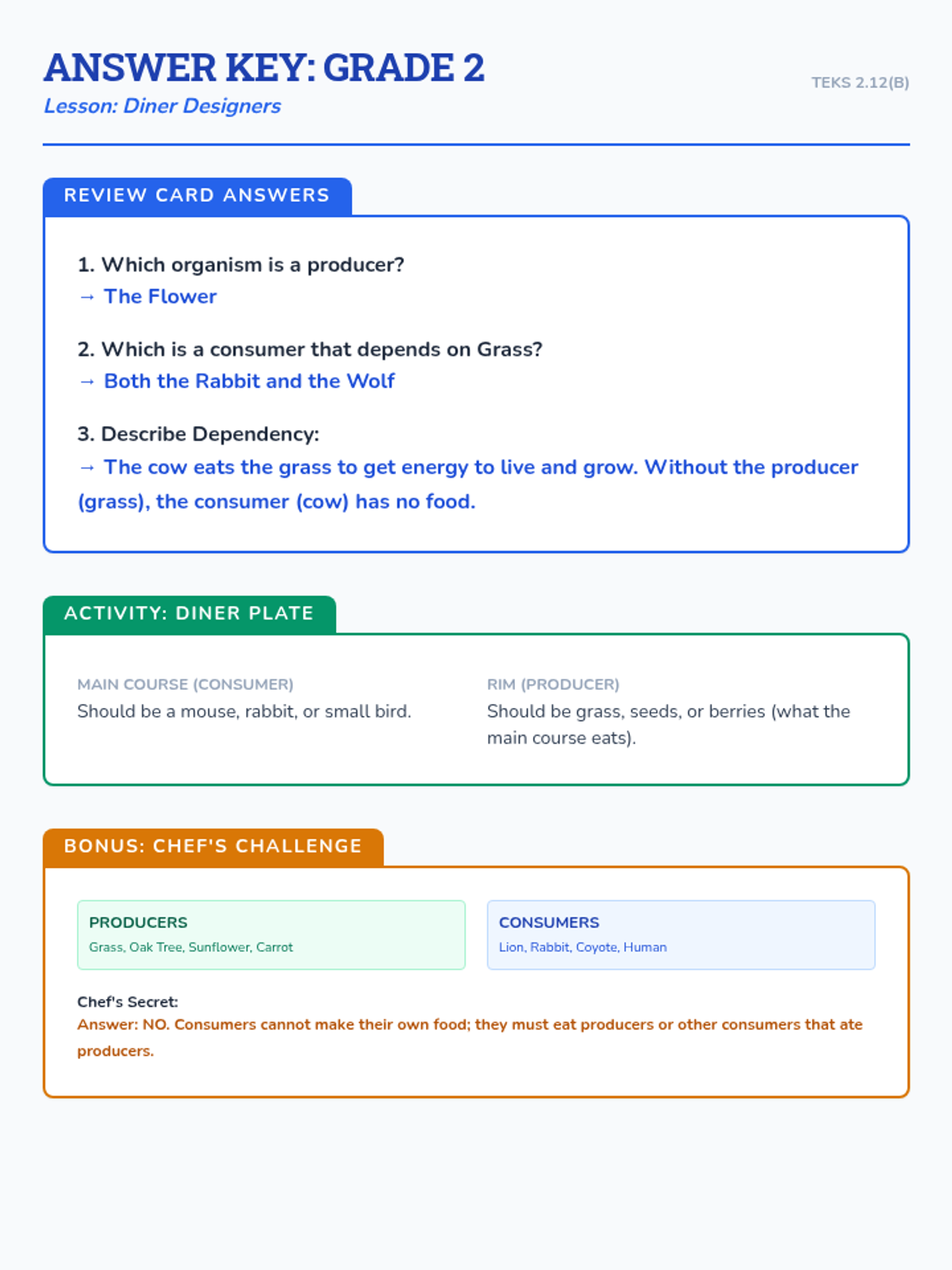
Students step into the role of Animal Nutritionists to design "Dining Menus" that identify producers and consumers, demonstrating the dependency of animals on other living things.
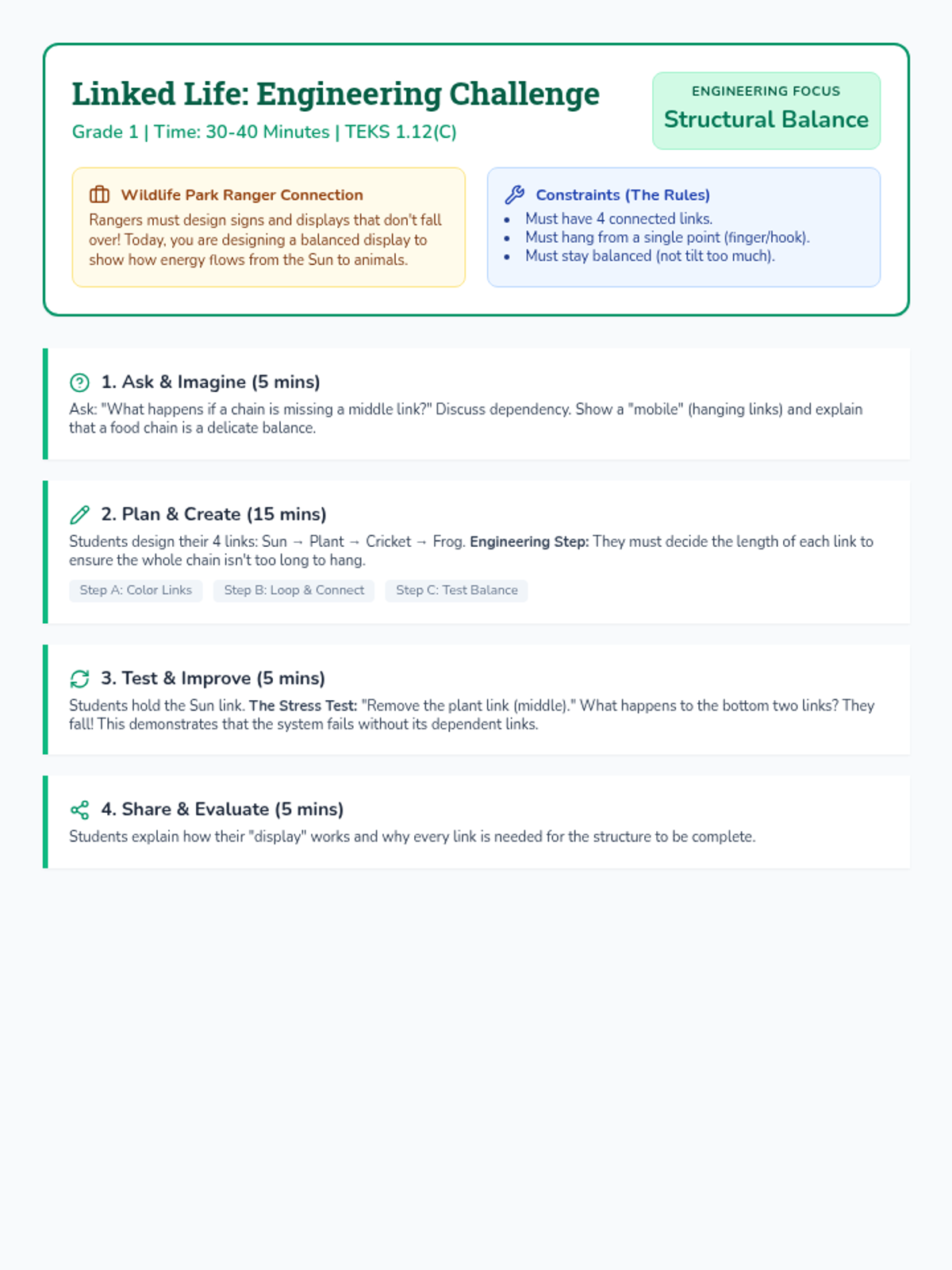
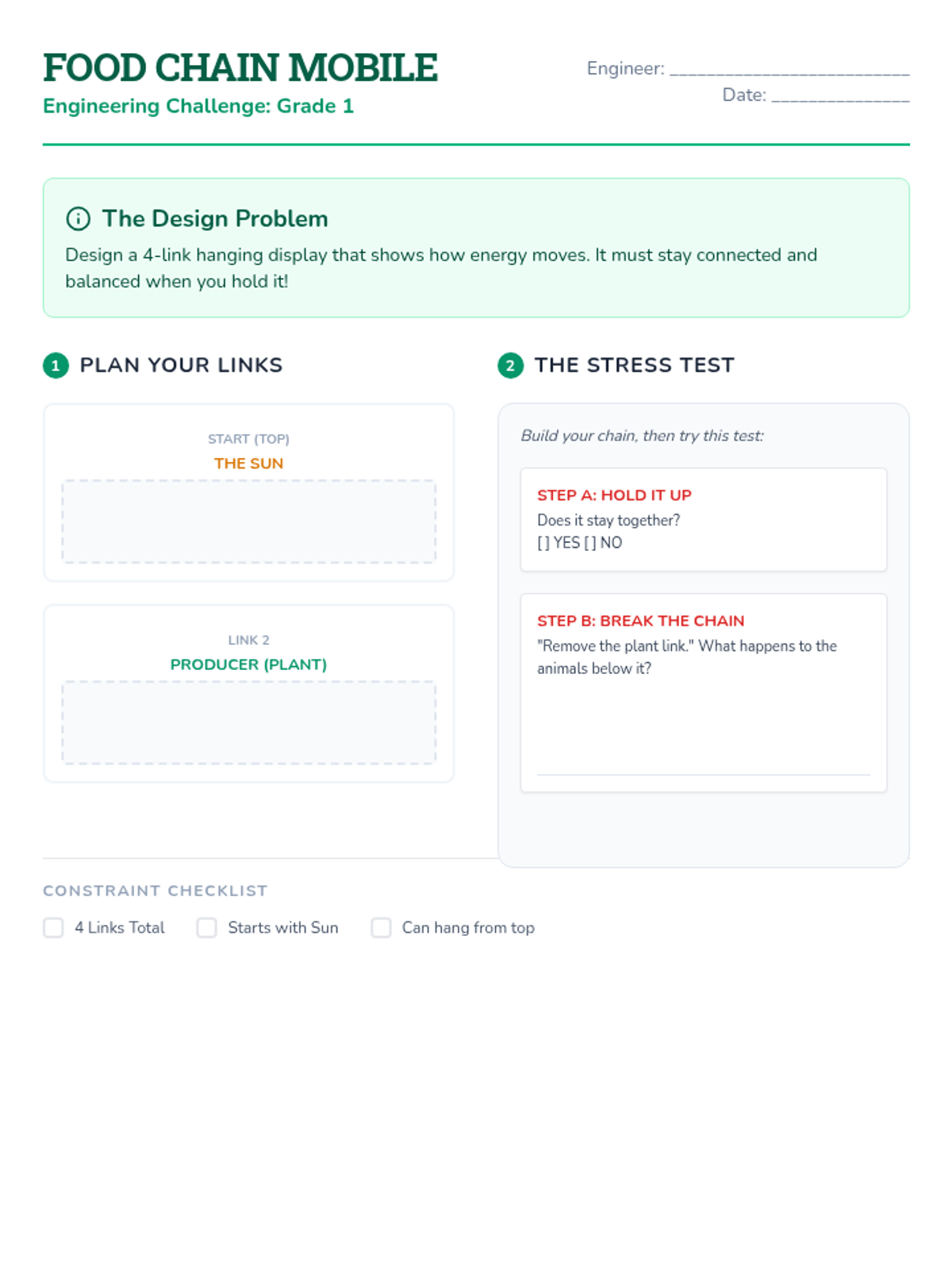
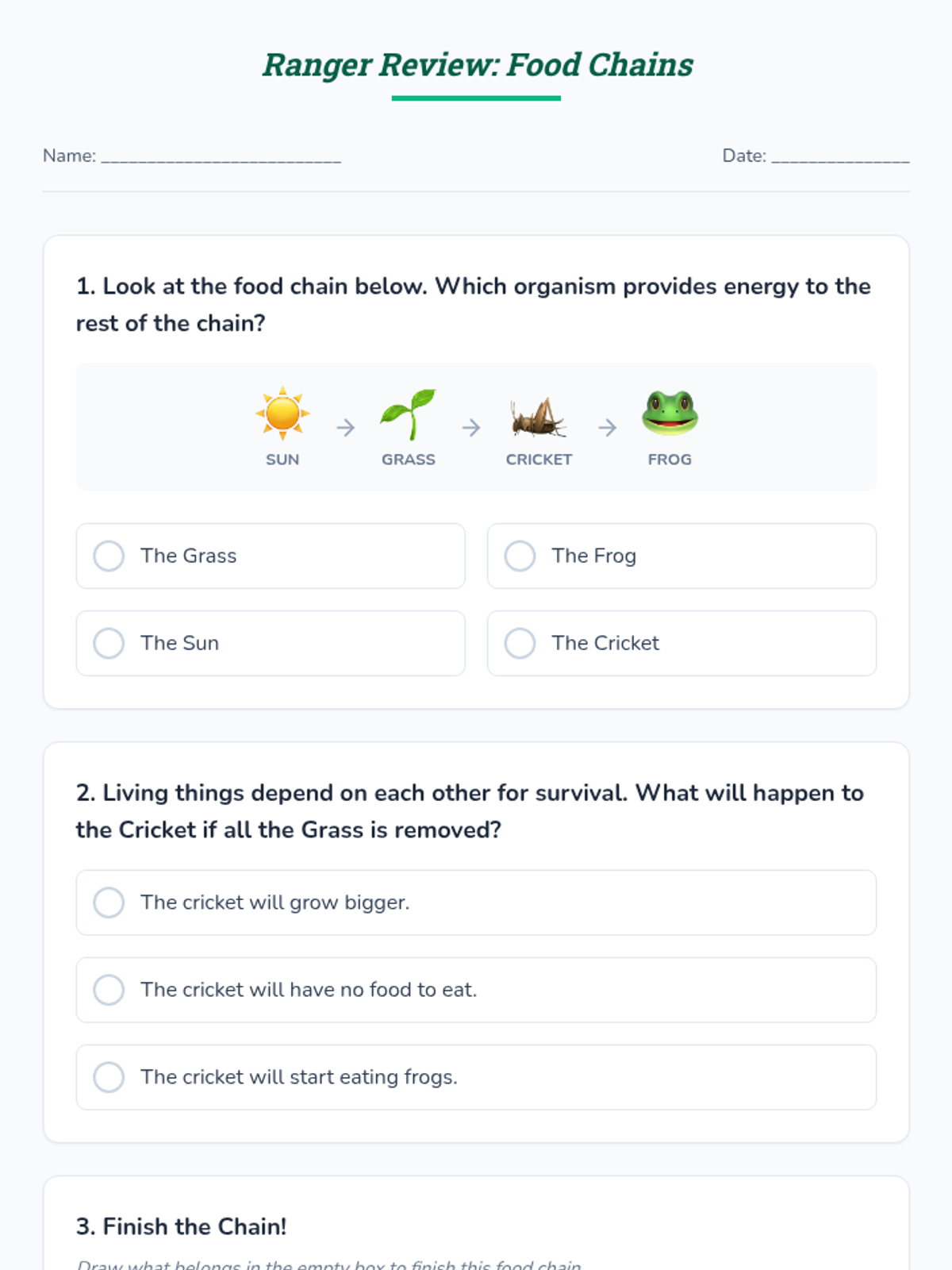
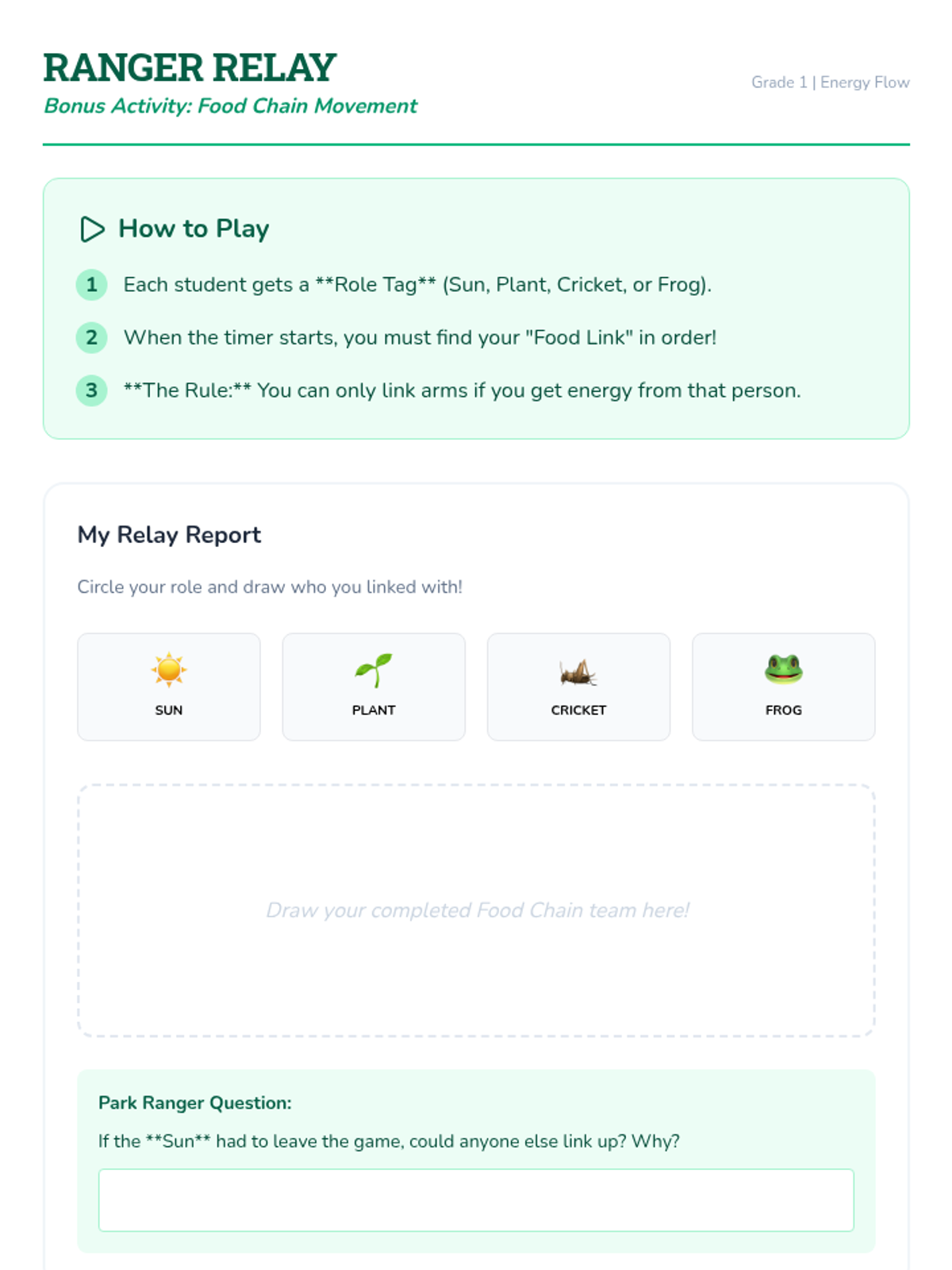
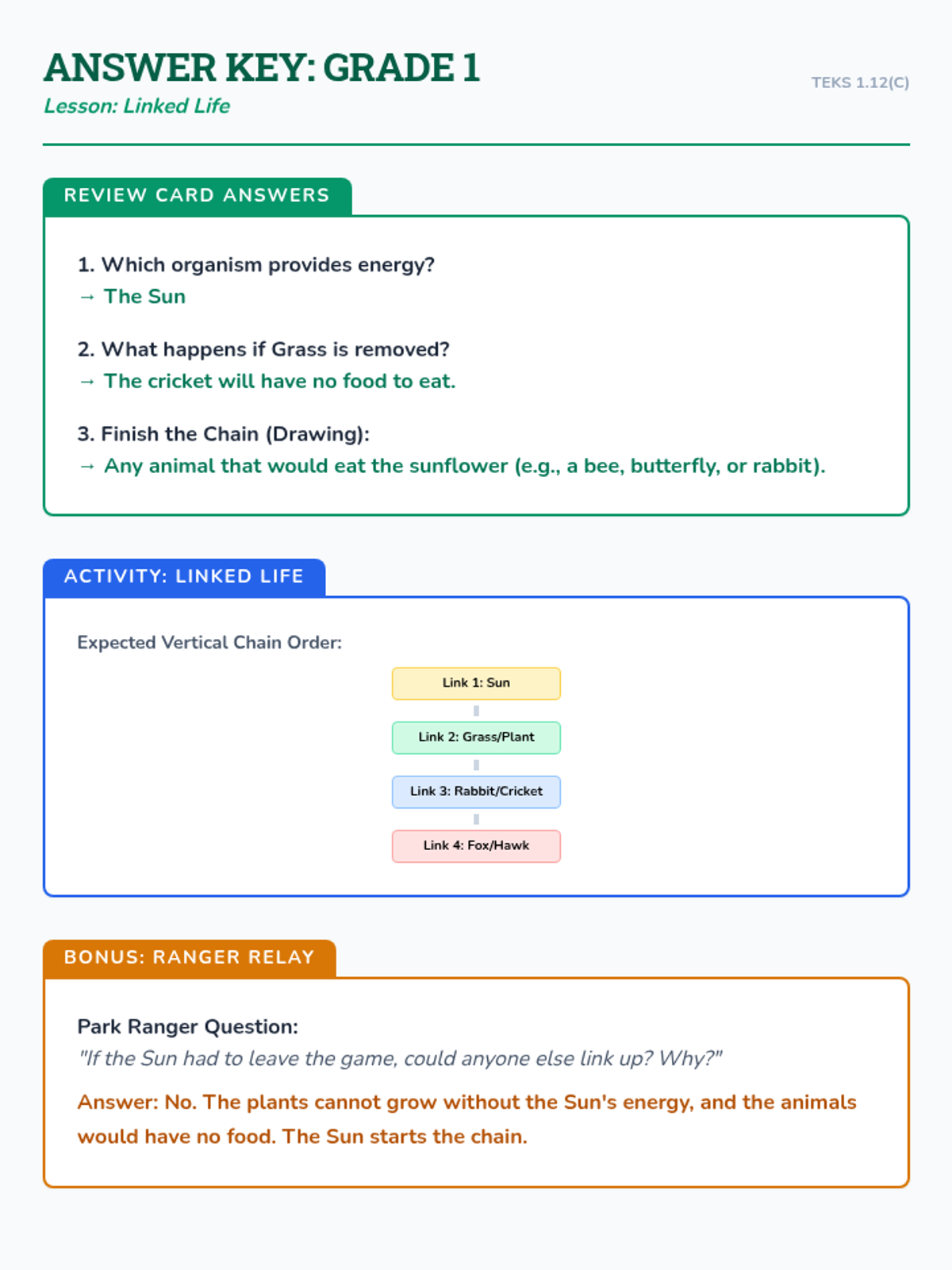
Students will act as Wildlife Park Rangers to build and illustrate vertical paper food chains, identifying how living organisms depend on each other for survival.
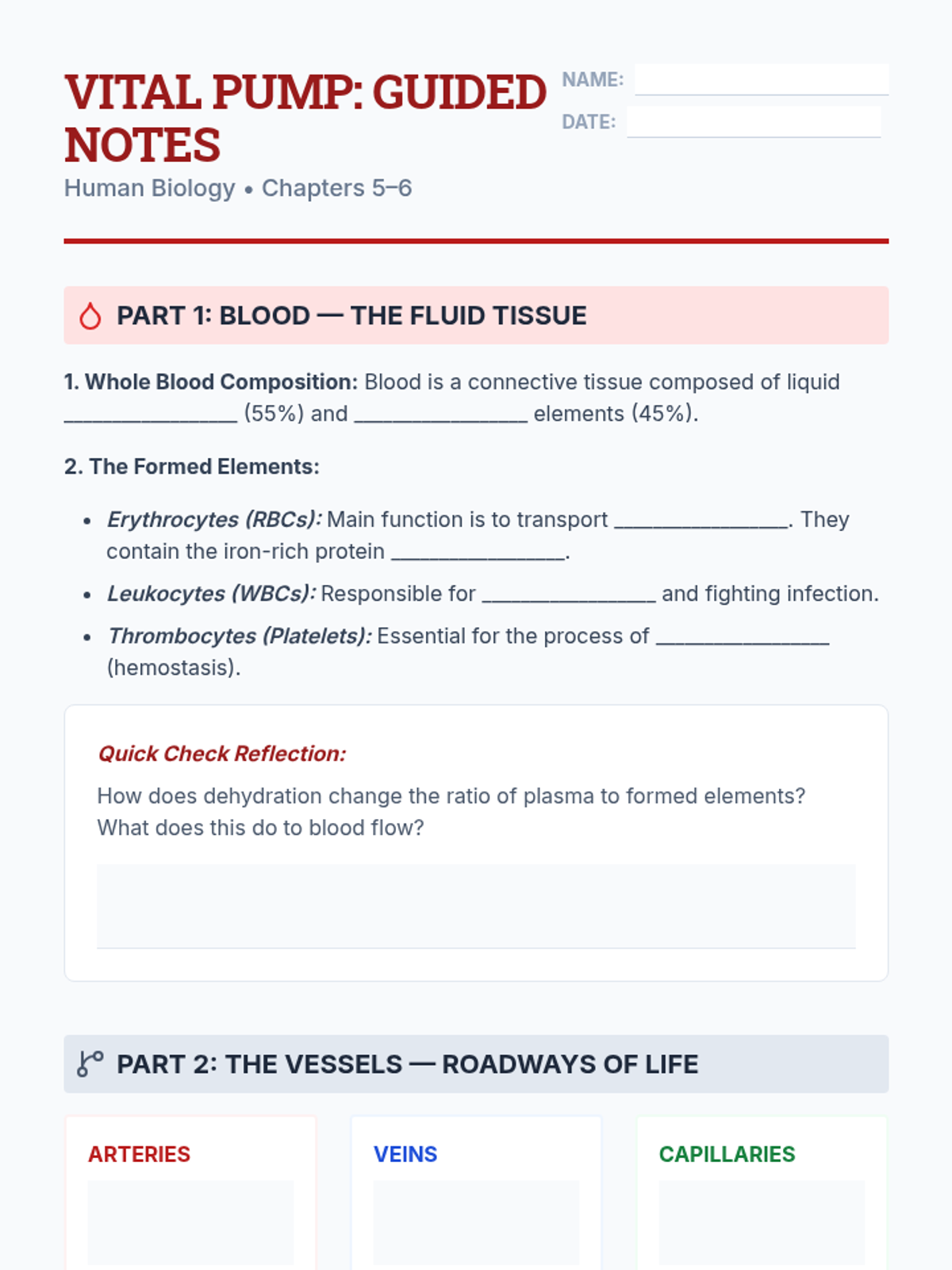
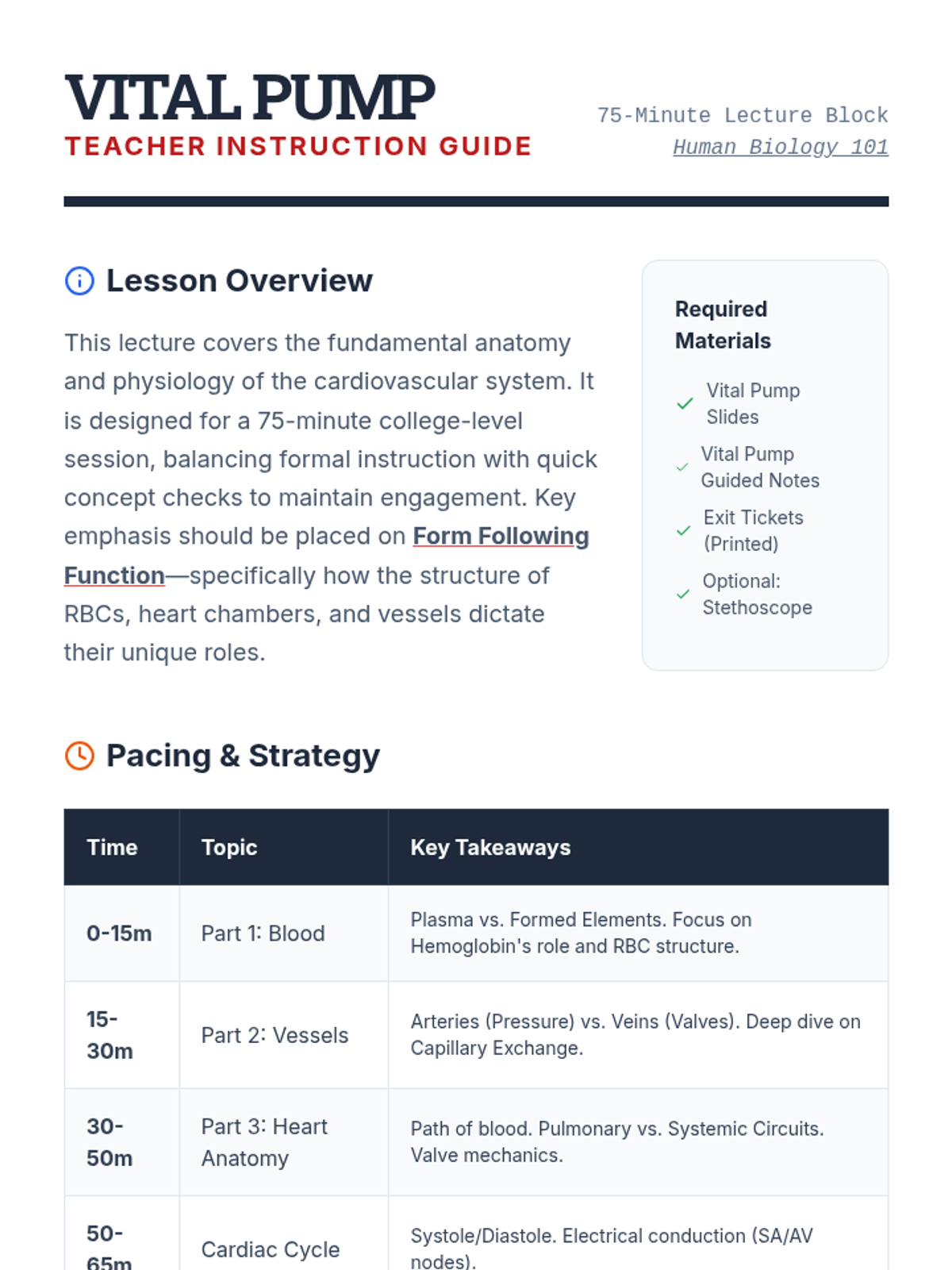
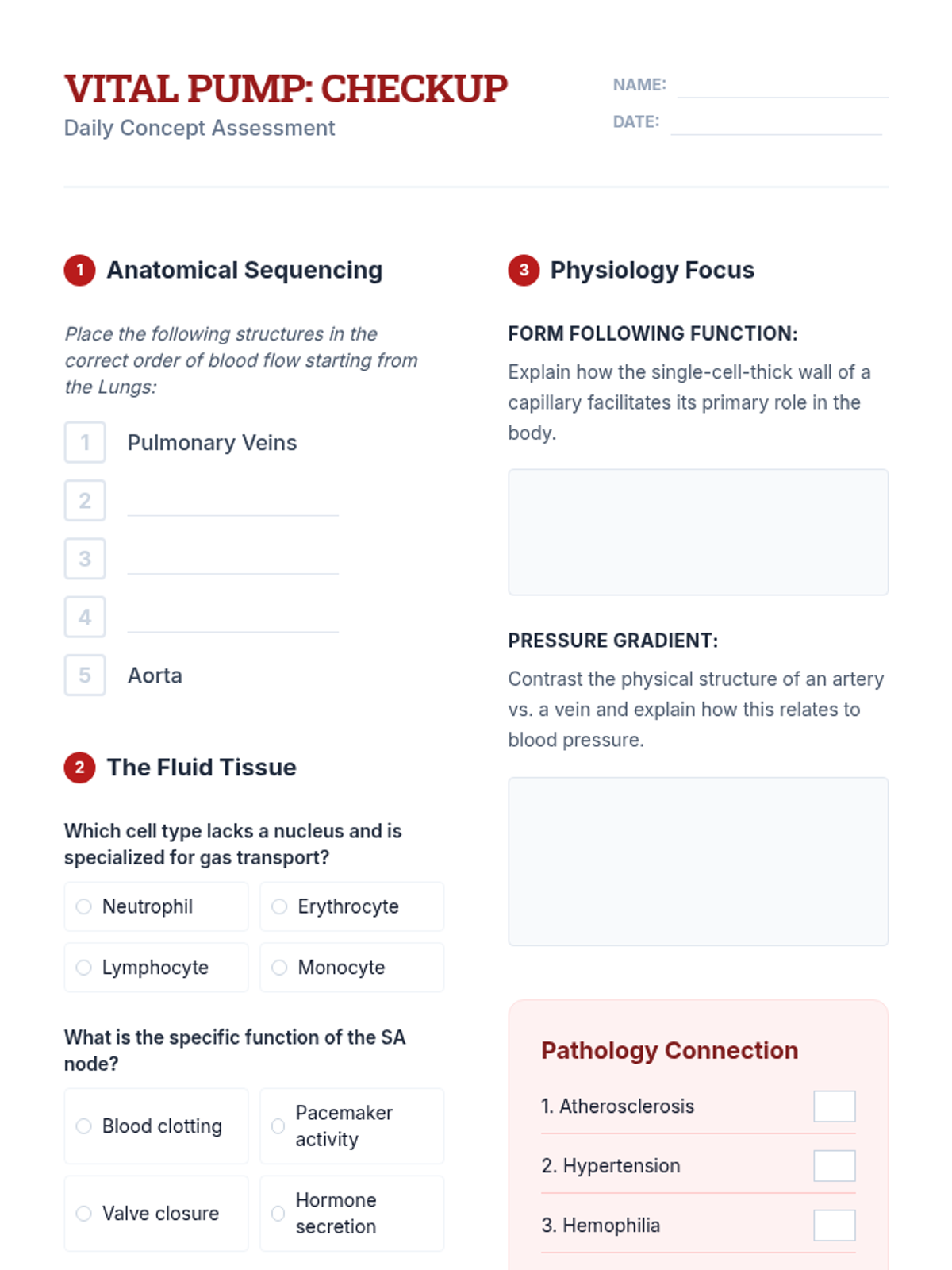
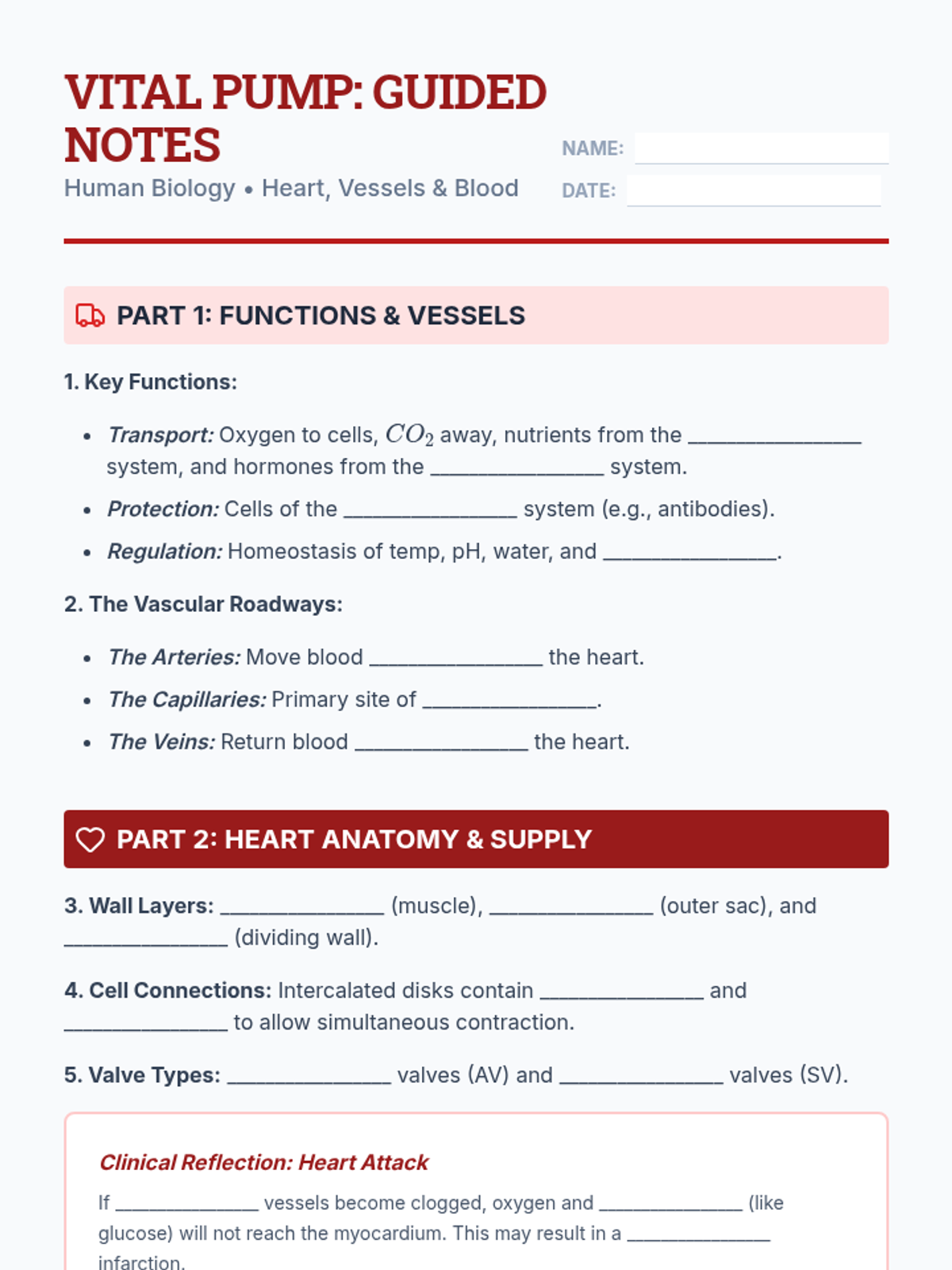
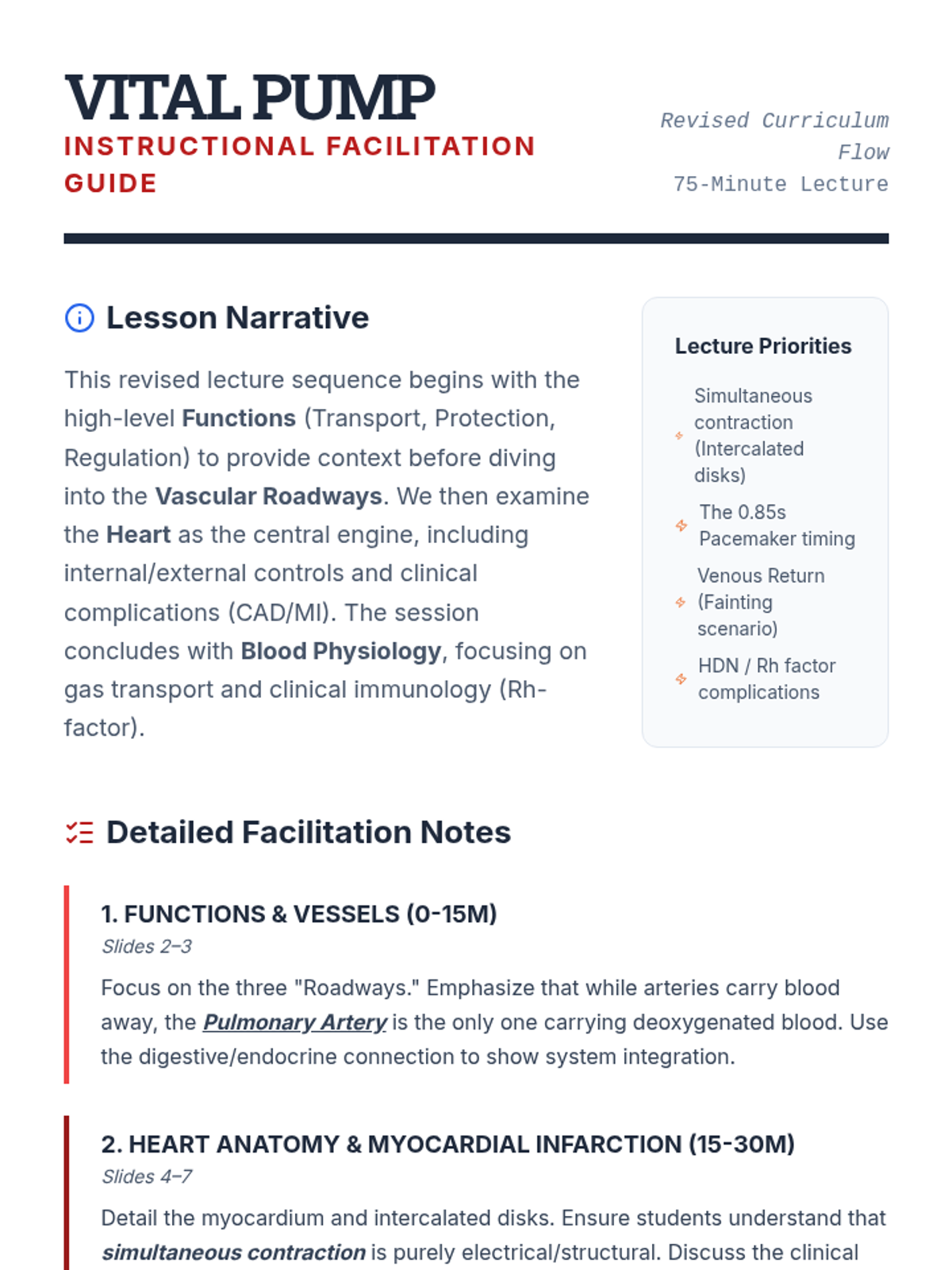
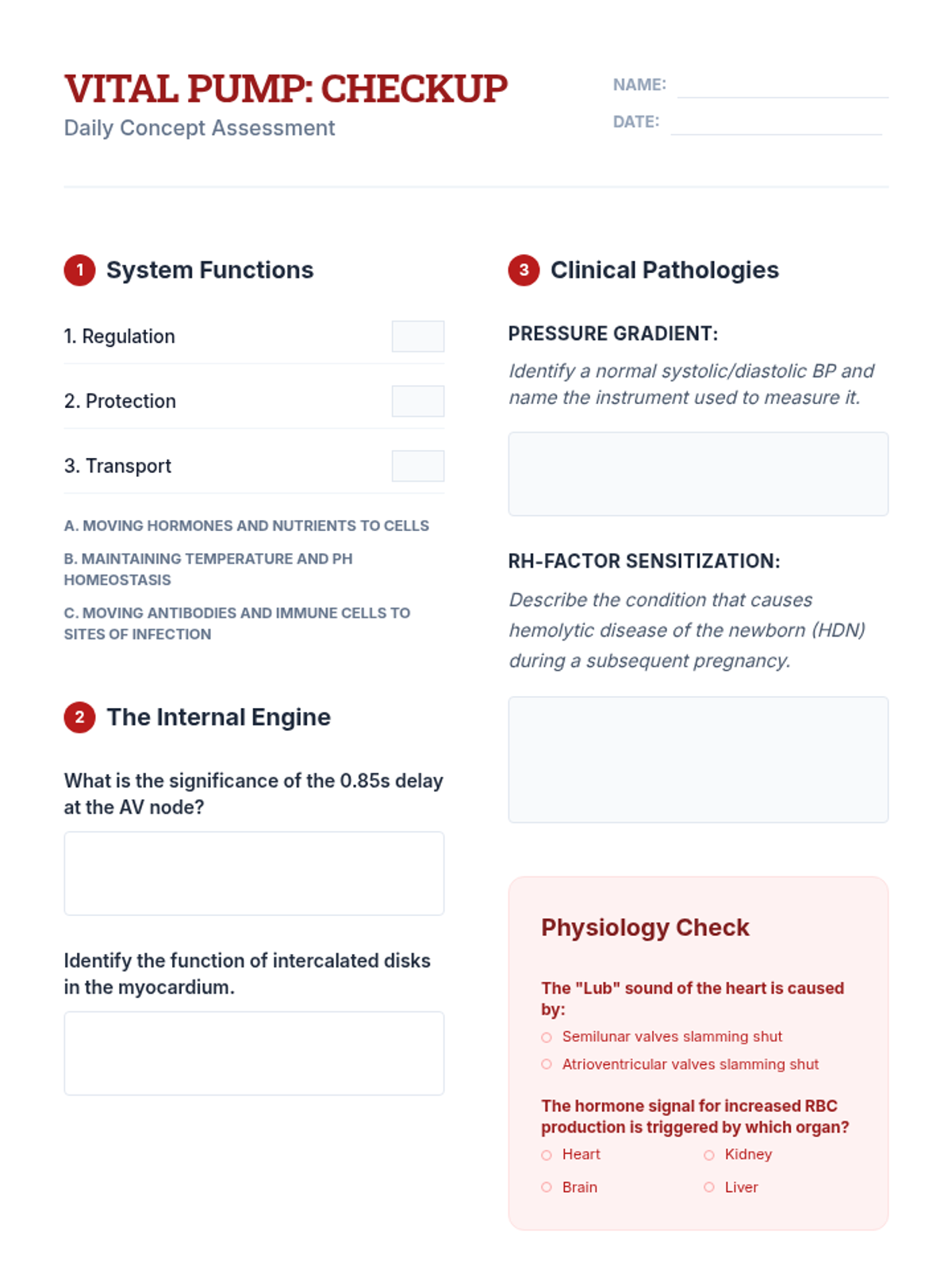
A 75-minute deep dive into the cardiovascular system, covering the composition of blood, the structure of vessels, and the mechanics of the heart.
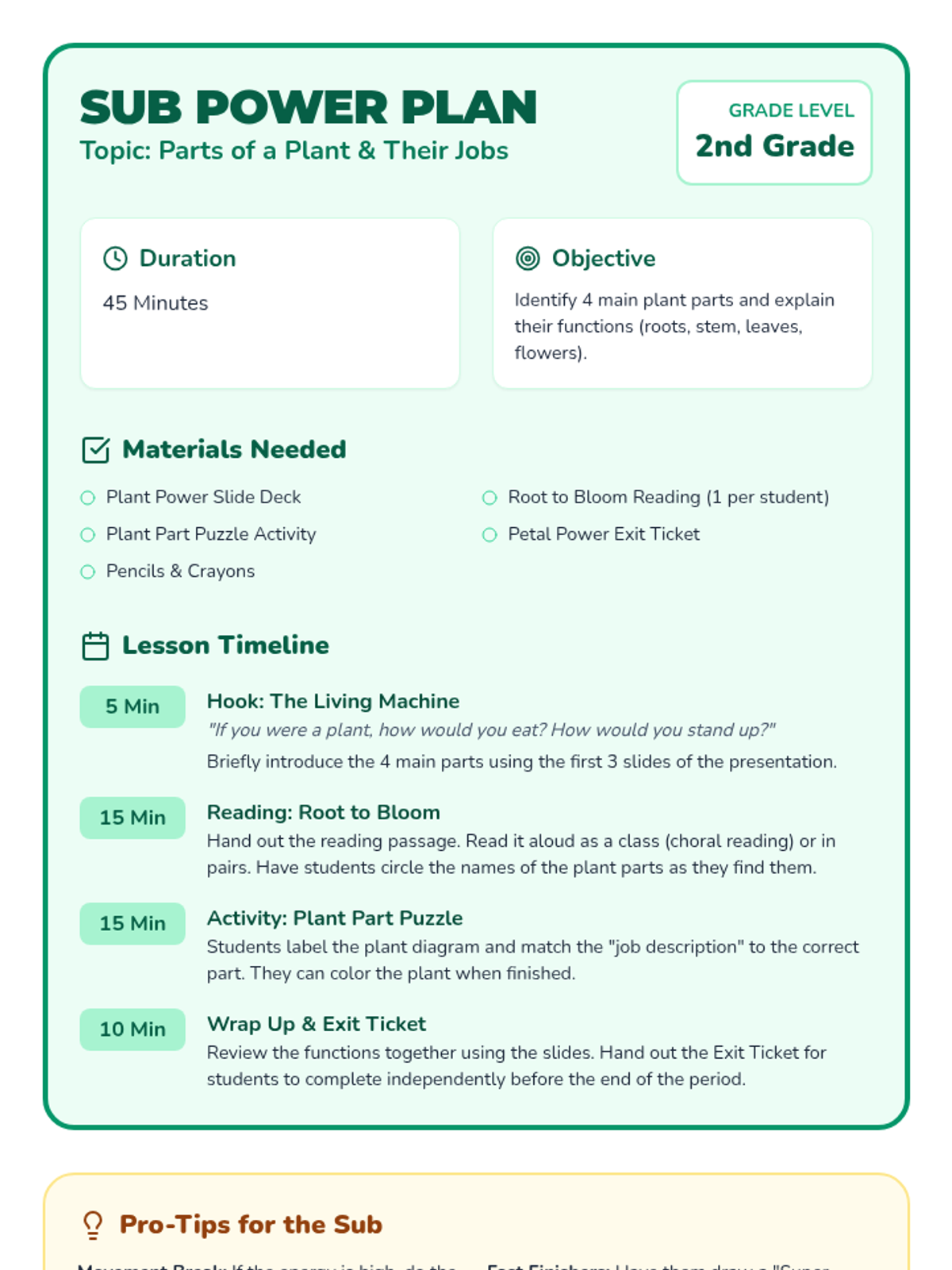
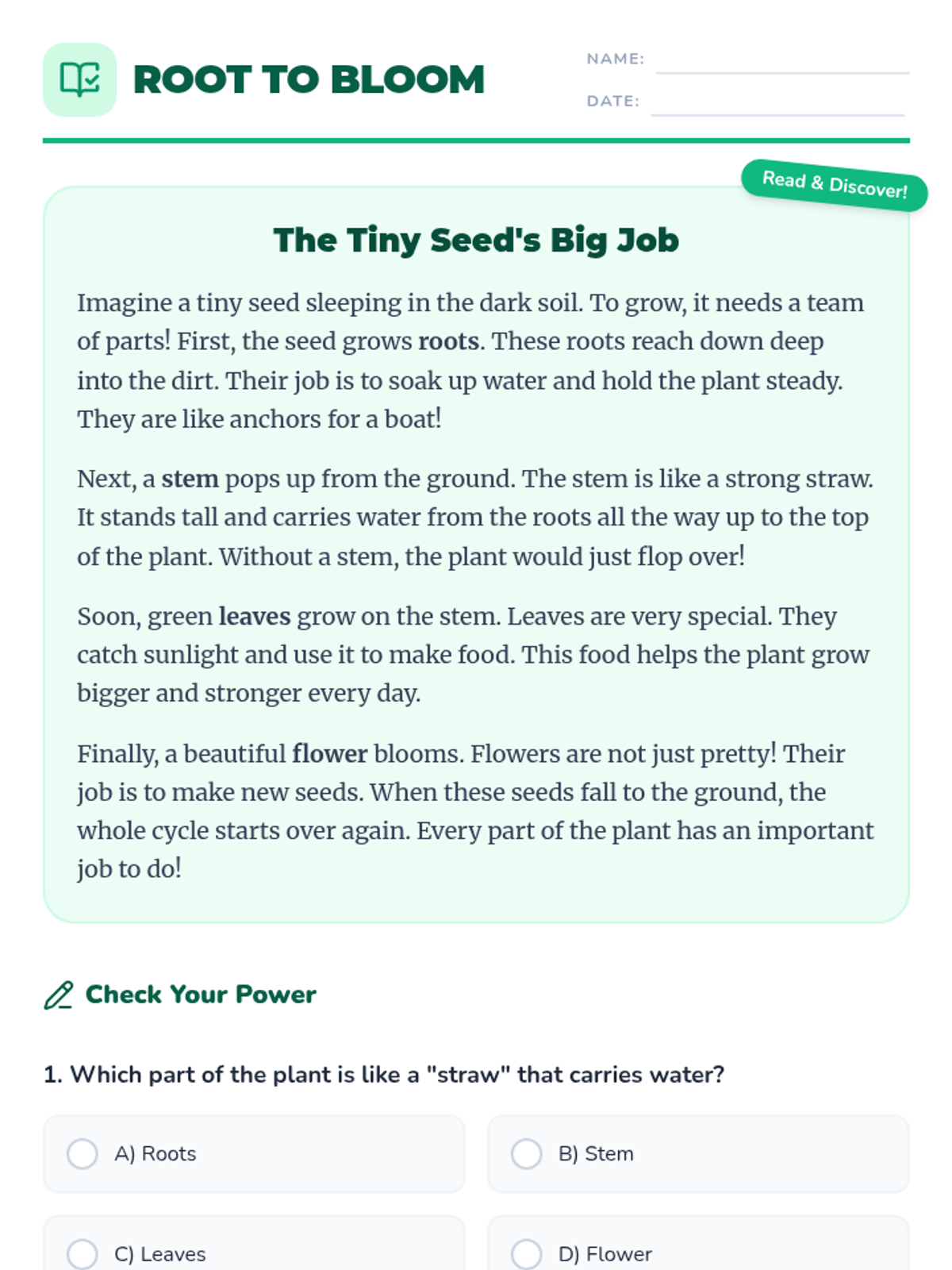
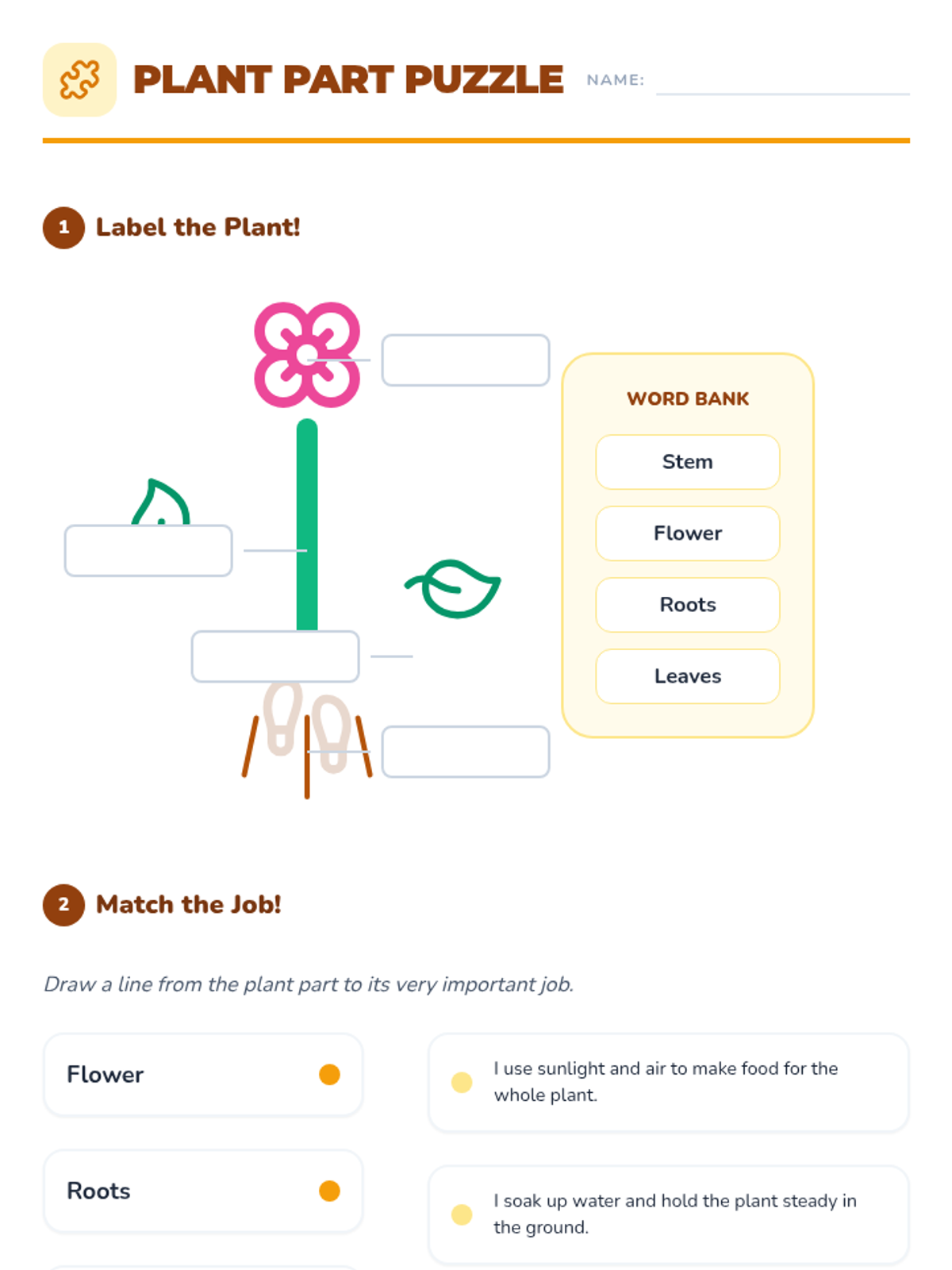
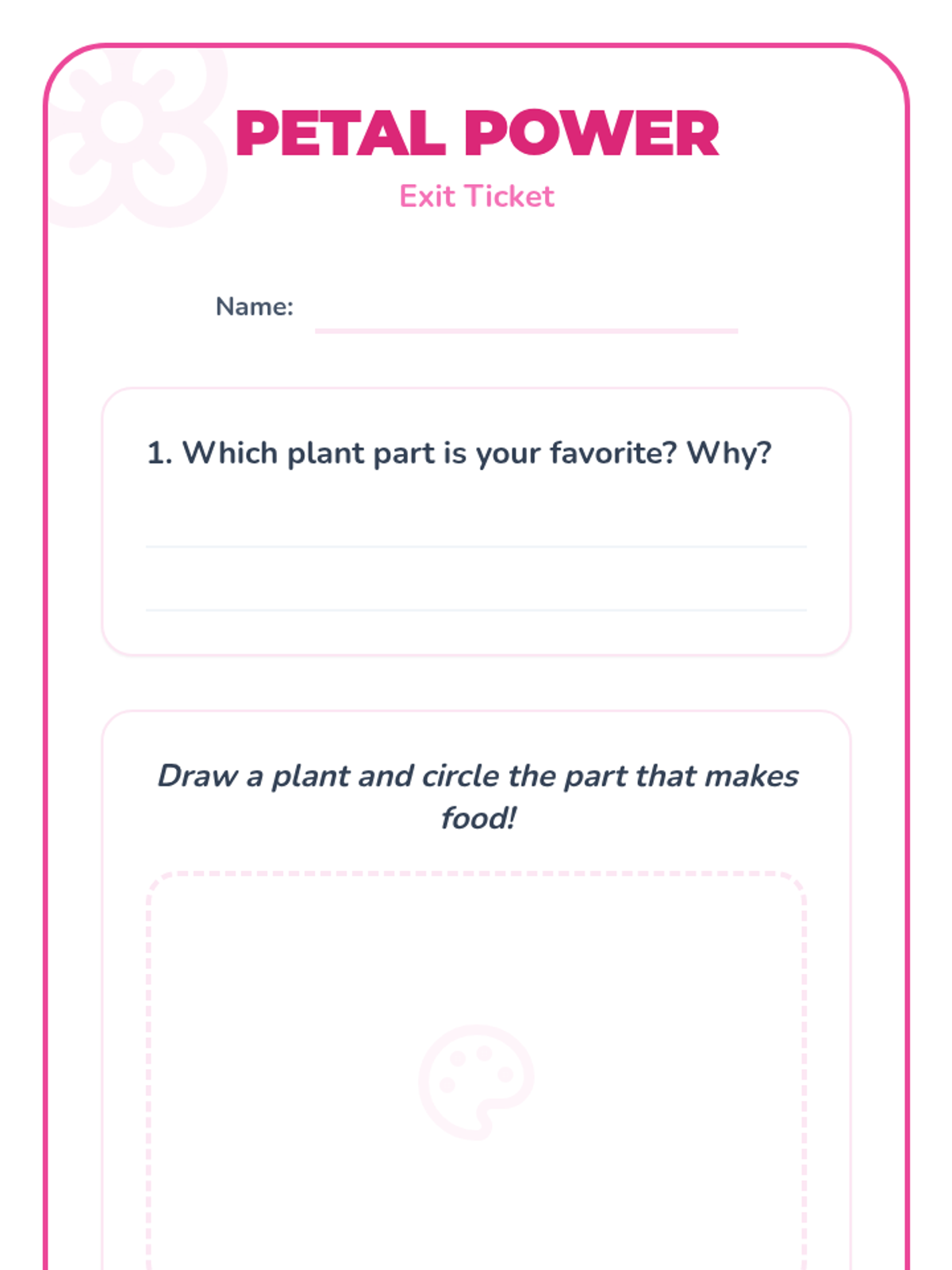
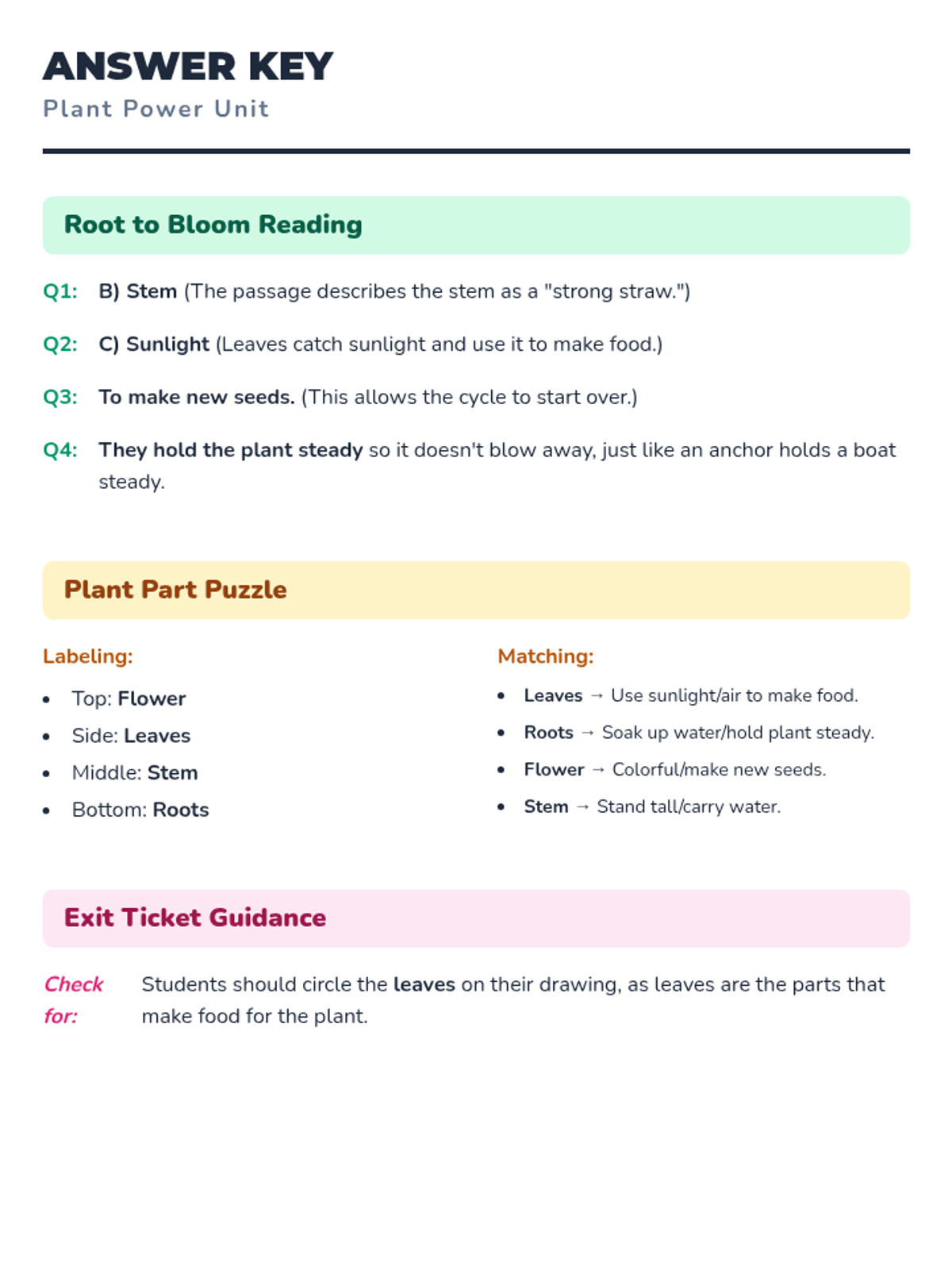
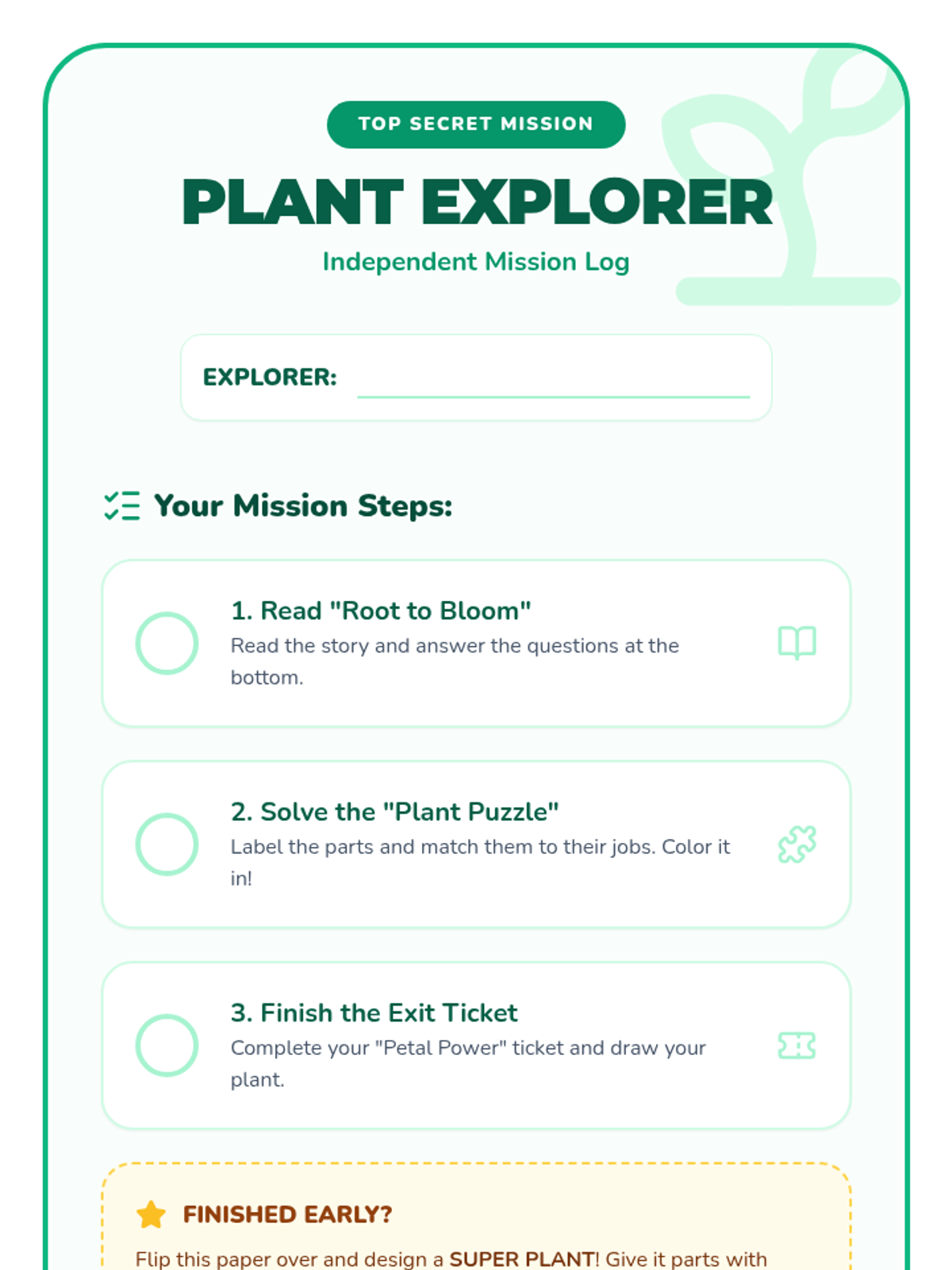
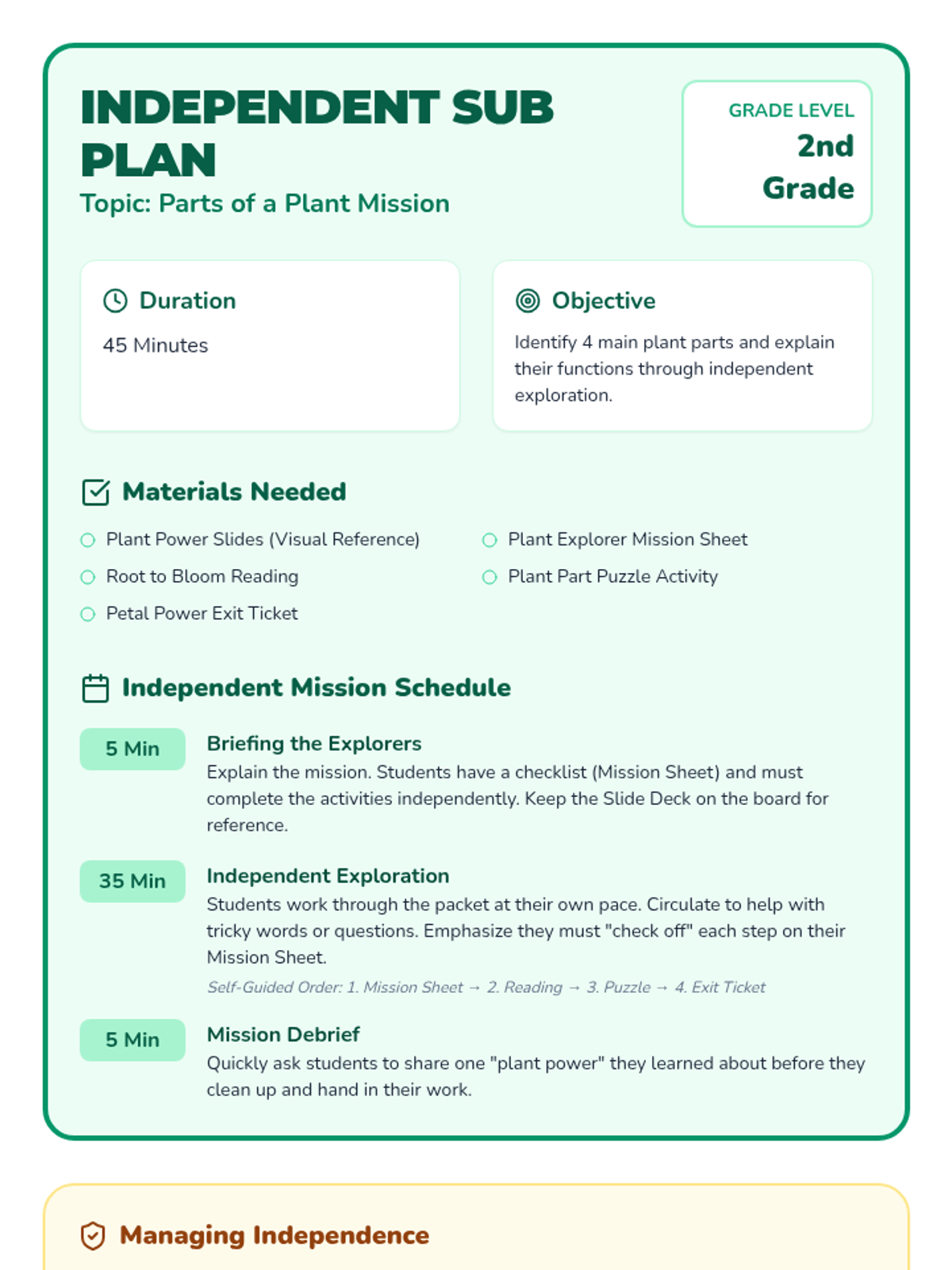
A comprehensive 45-minute substitute lesson plan for 2nd graders focusing on the parts of a plant (roots, stem, leaves, flower) and their specific functions. The lesson includes a guided presentation, an informative reading passage with comprehension questions, a labeling activity, and an exit ticket.
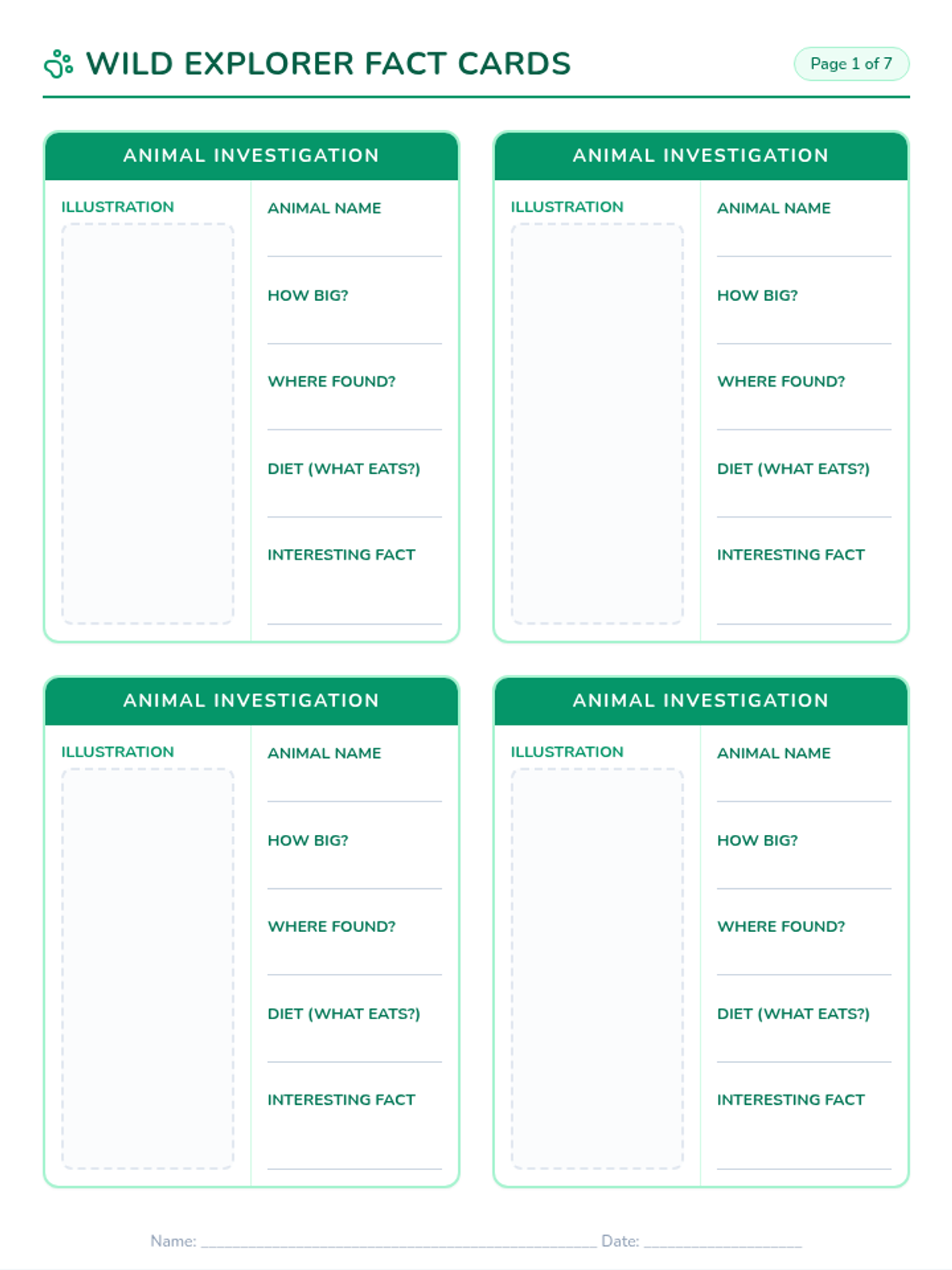
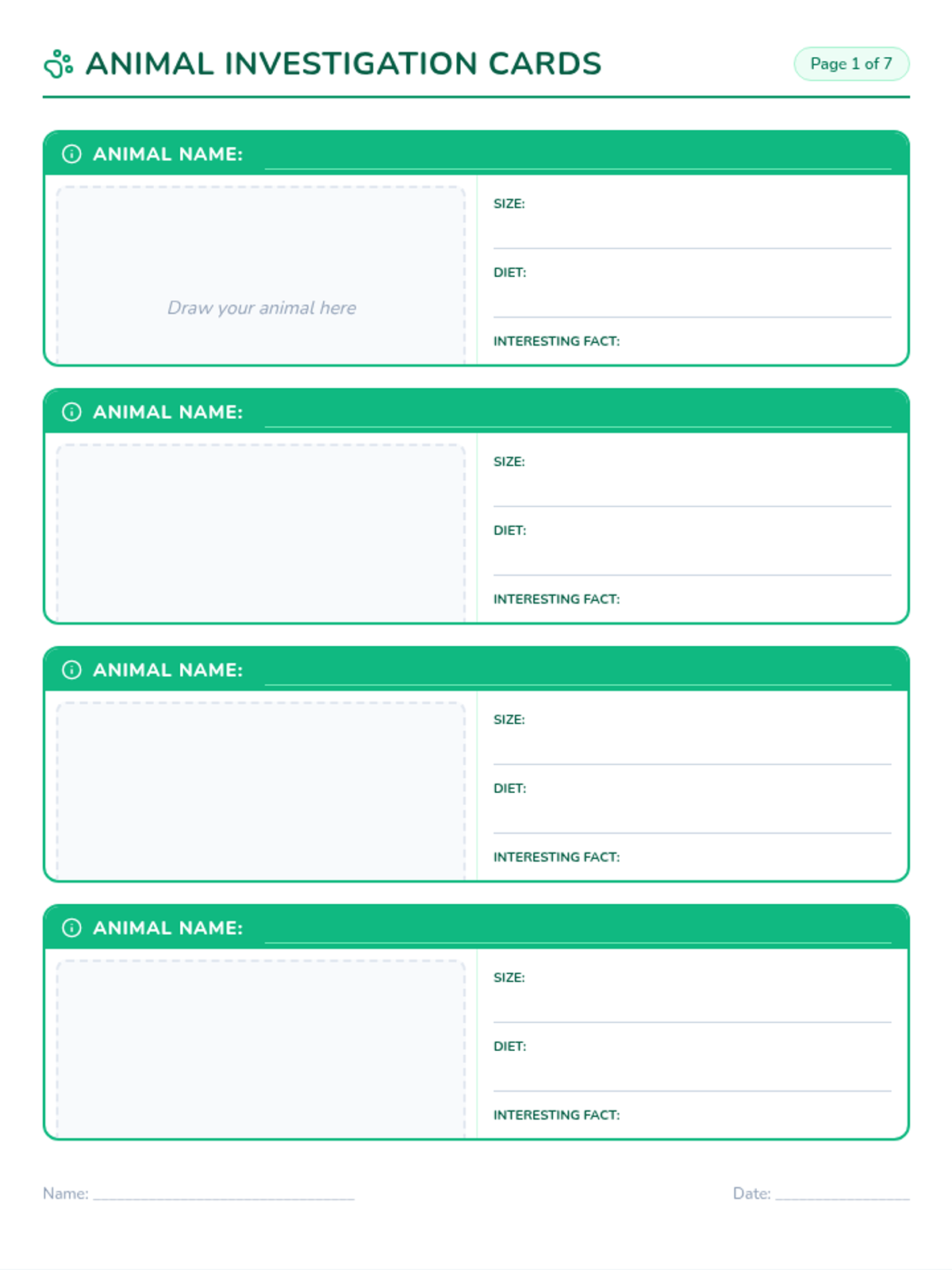
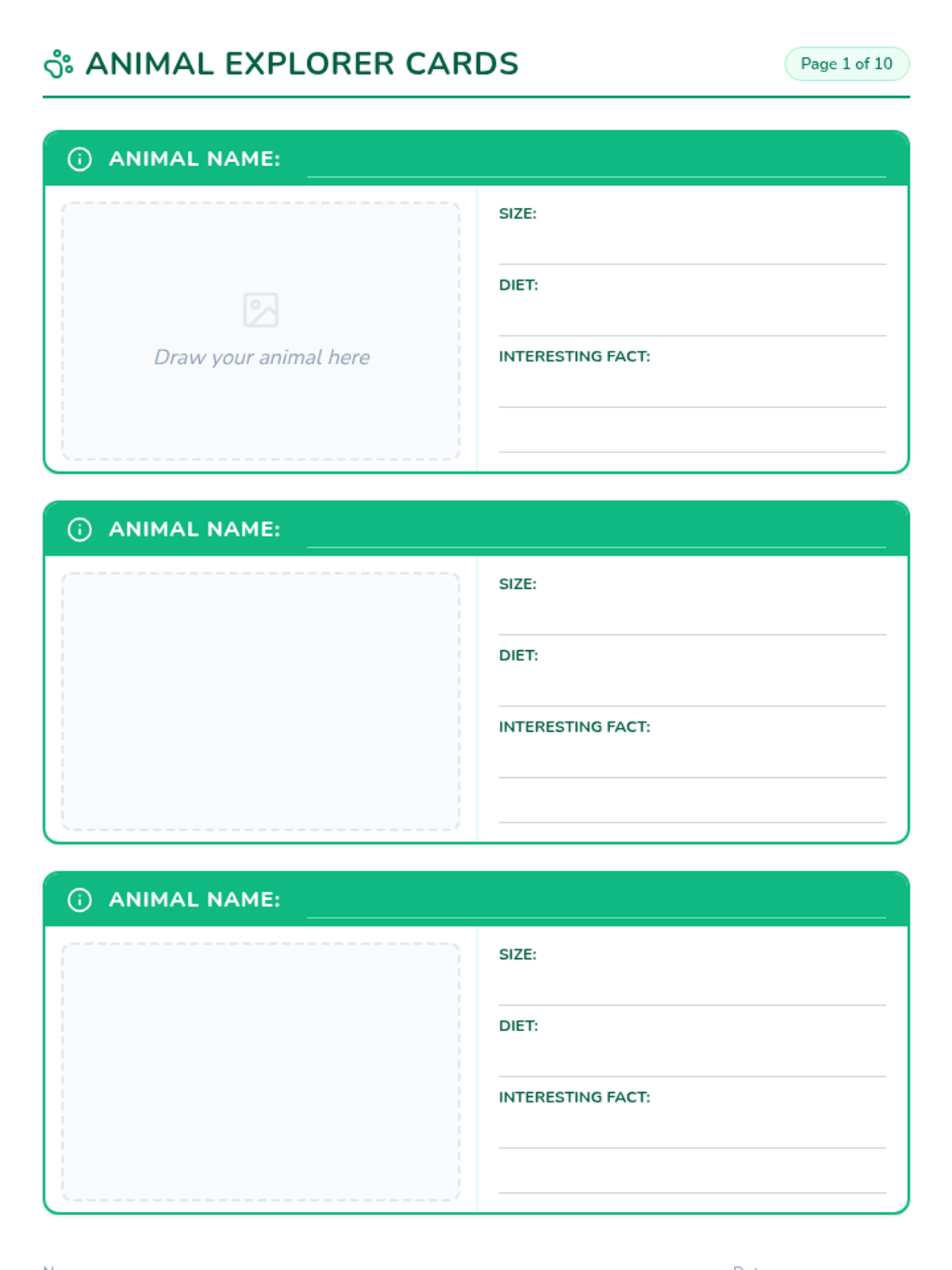
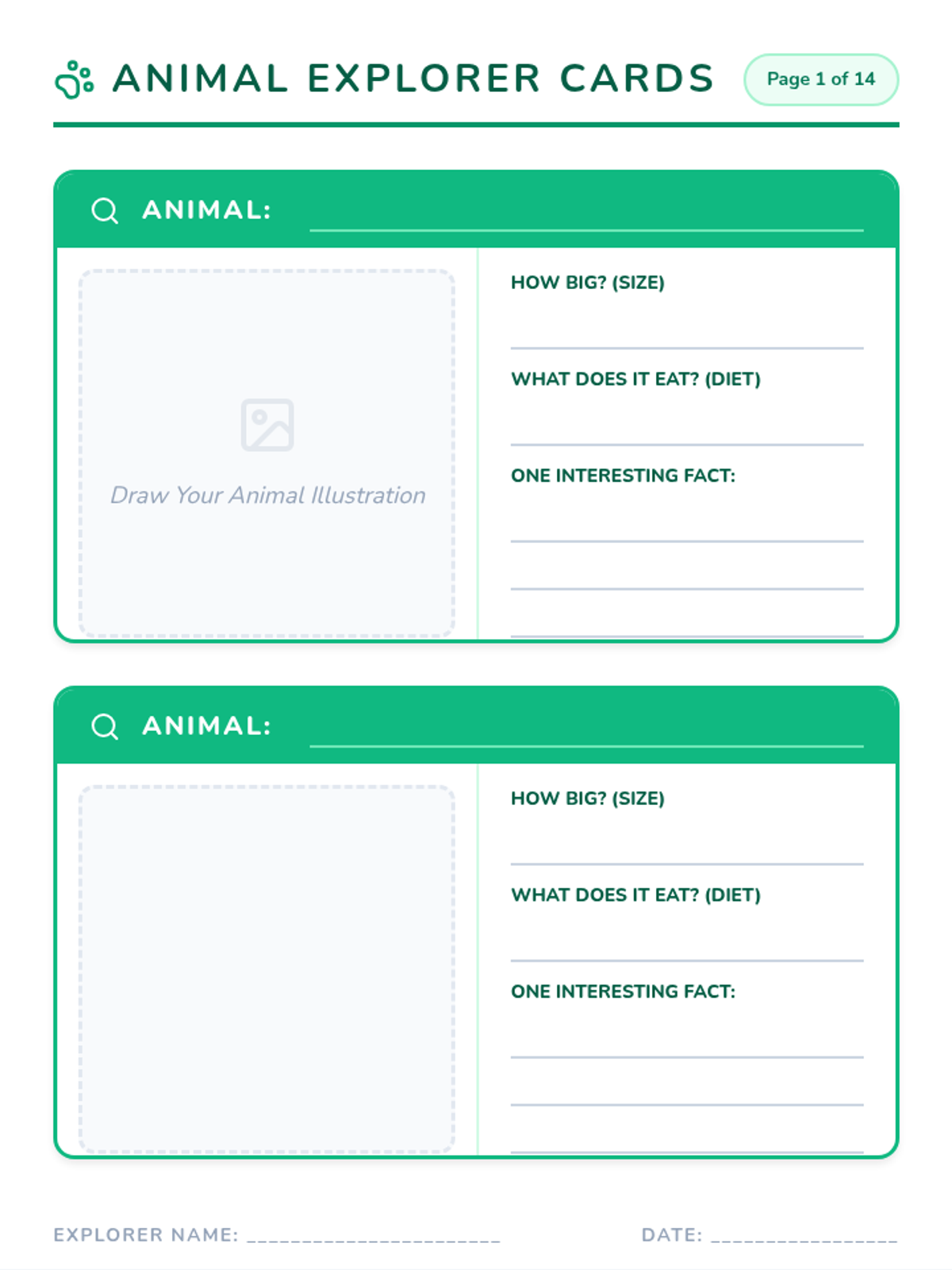
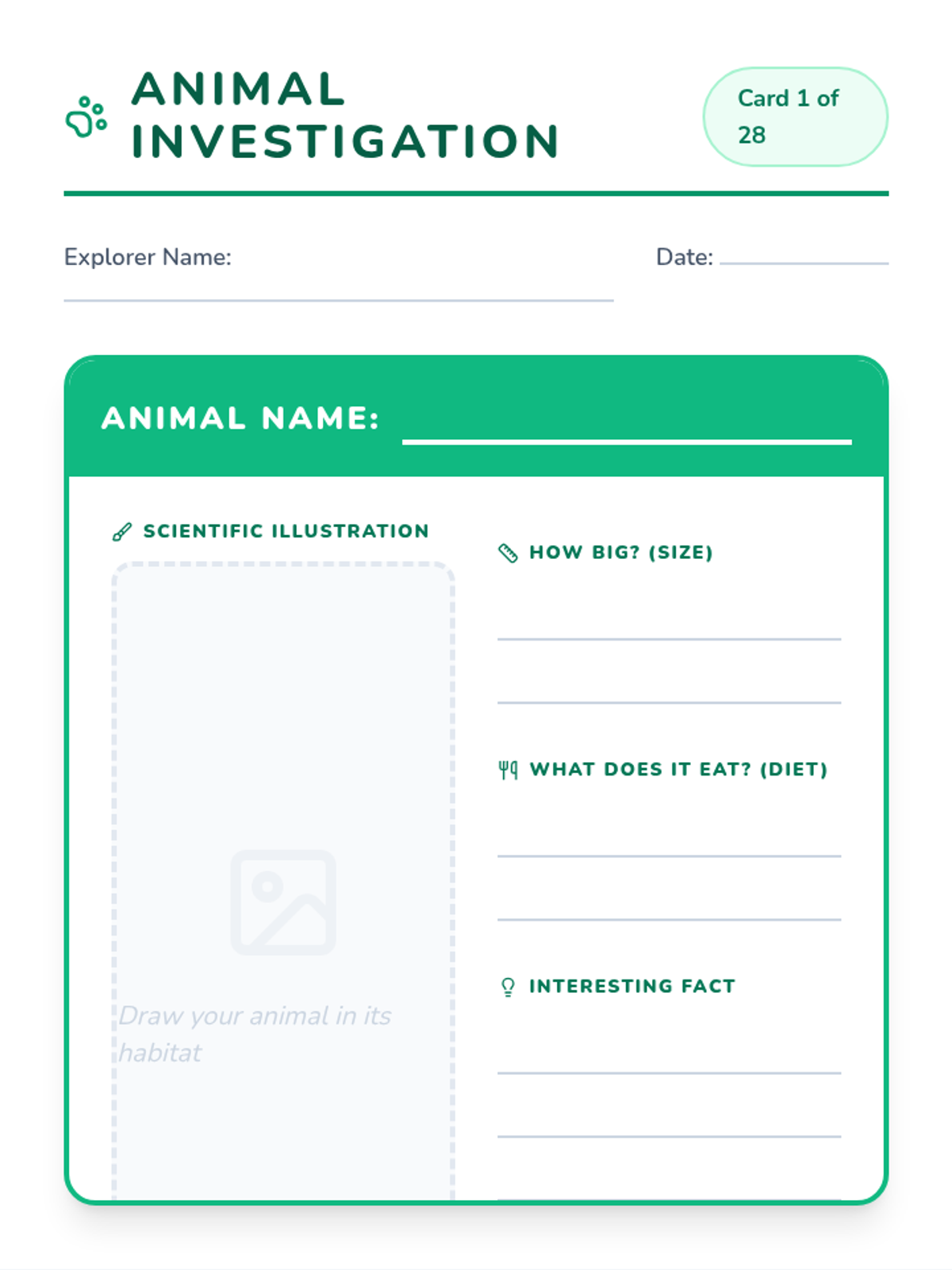
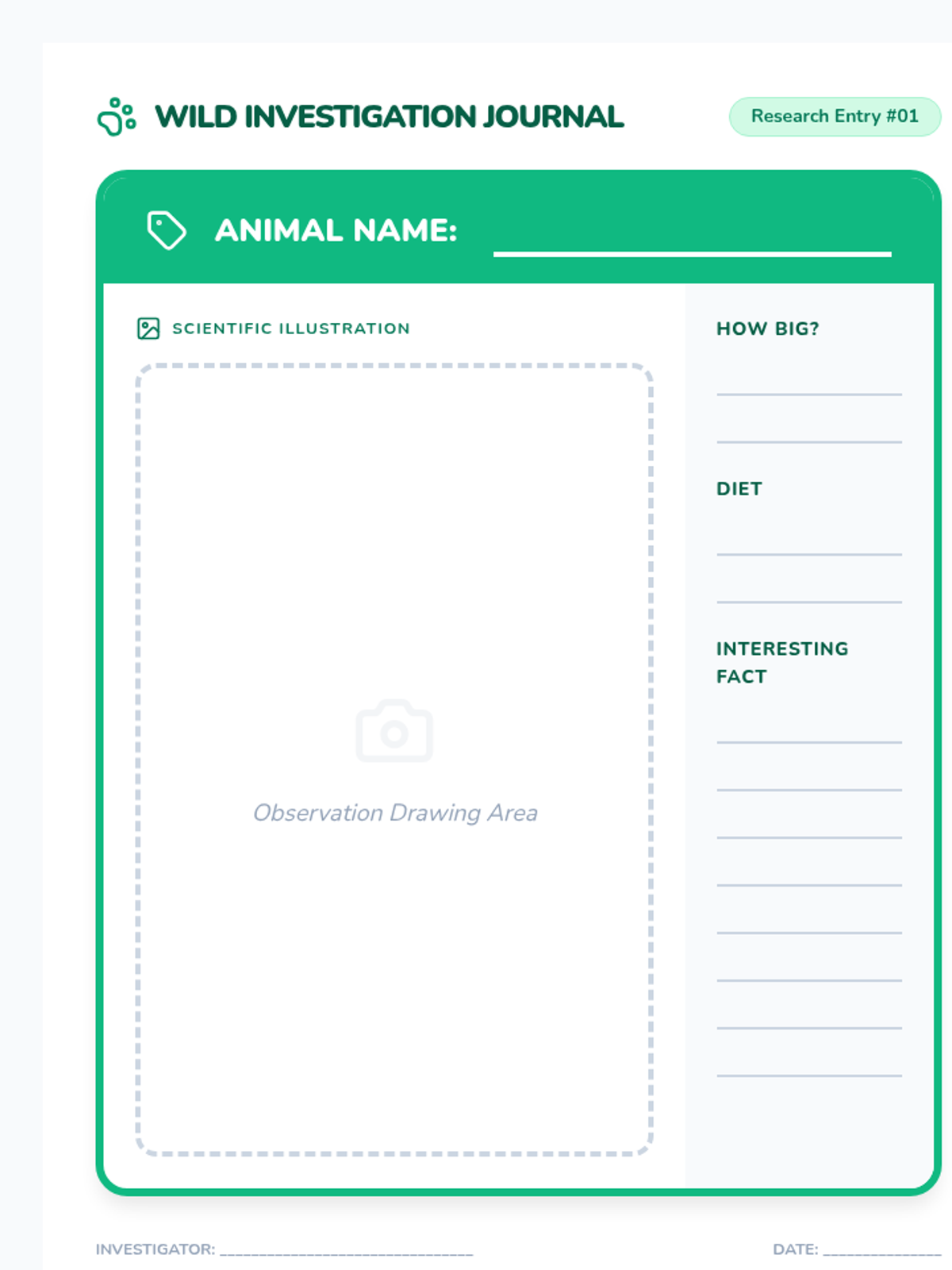
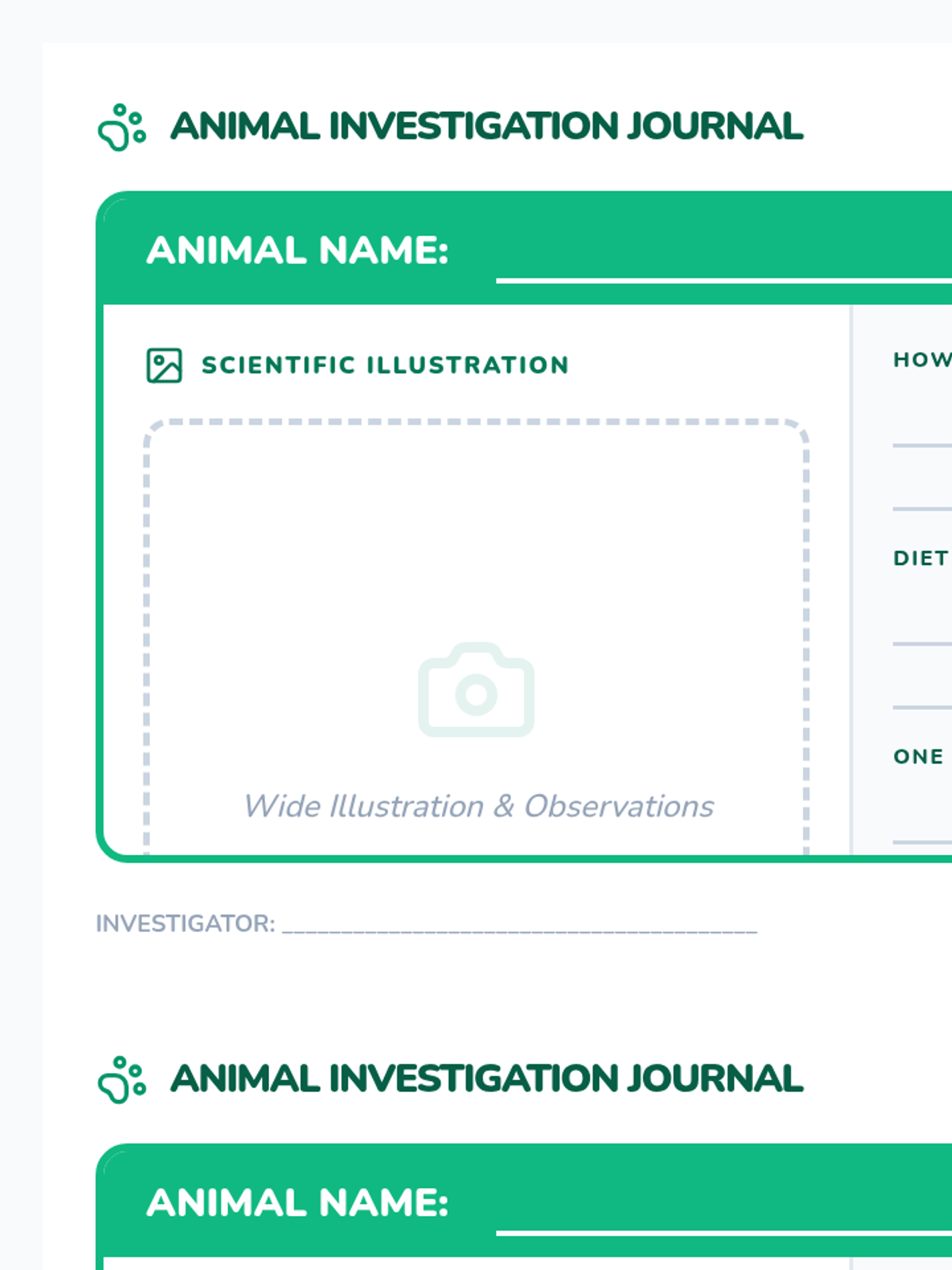
A set of printable note cards for students to research and illustrate different animals, focusing on habitat, diet, size, and interesting facts.