A 30-minute hygiene lesson for 6th graders focusing on puberty, body odor, deodorant, showering, and keeping gym clothes fresh. Includes interactive slides, a student worksheet with a daily tracker, and a teacher facilitation guide.
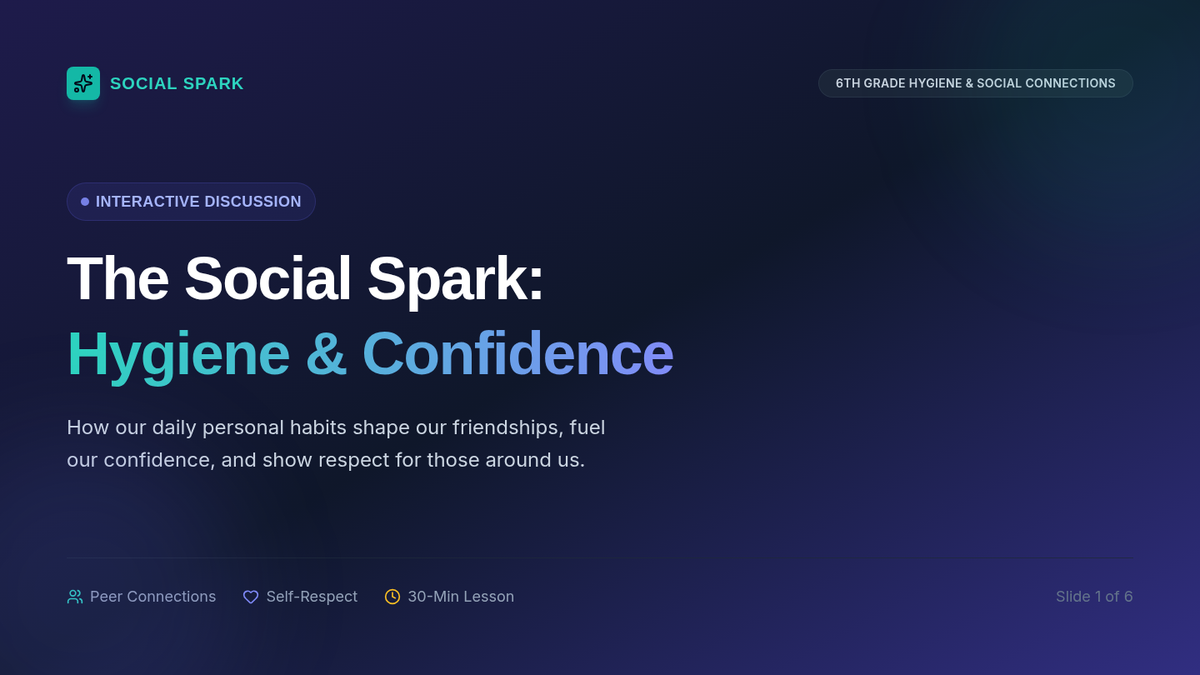
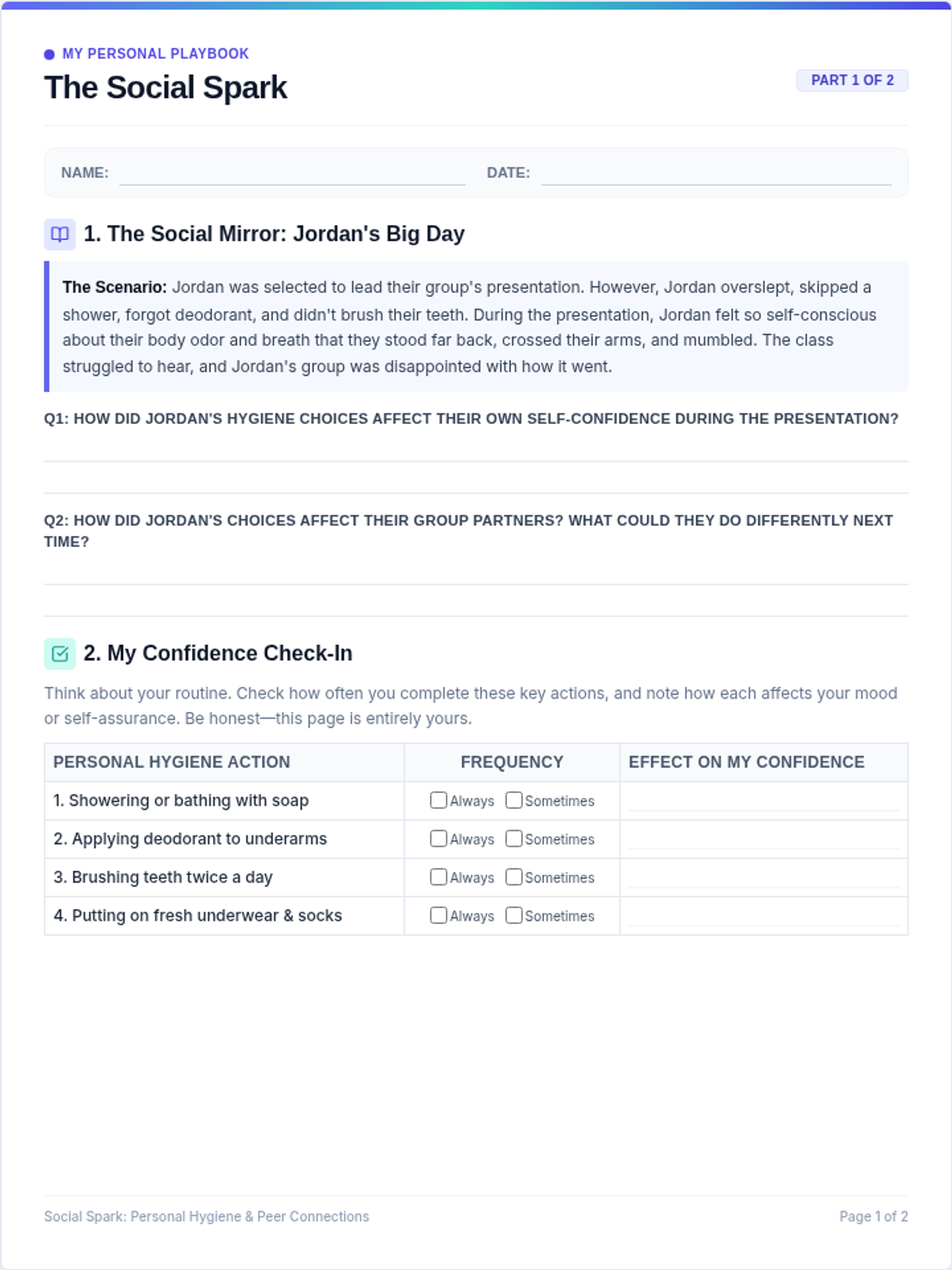
A 30-minute lesson on hygiene designed for 6th graders, exploring how personal hygiene habits affect social relationships, empathy for others, and individual self-confidence. It includes interactive presentation slides and an activity worksheet packet.
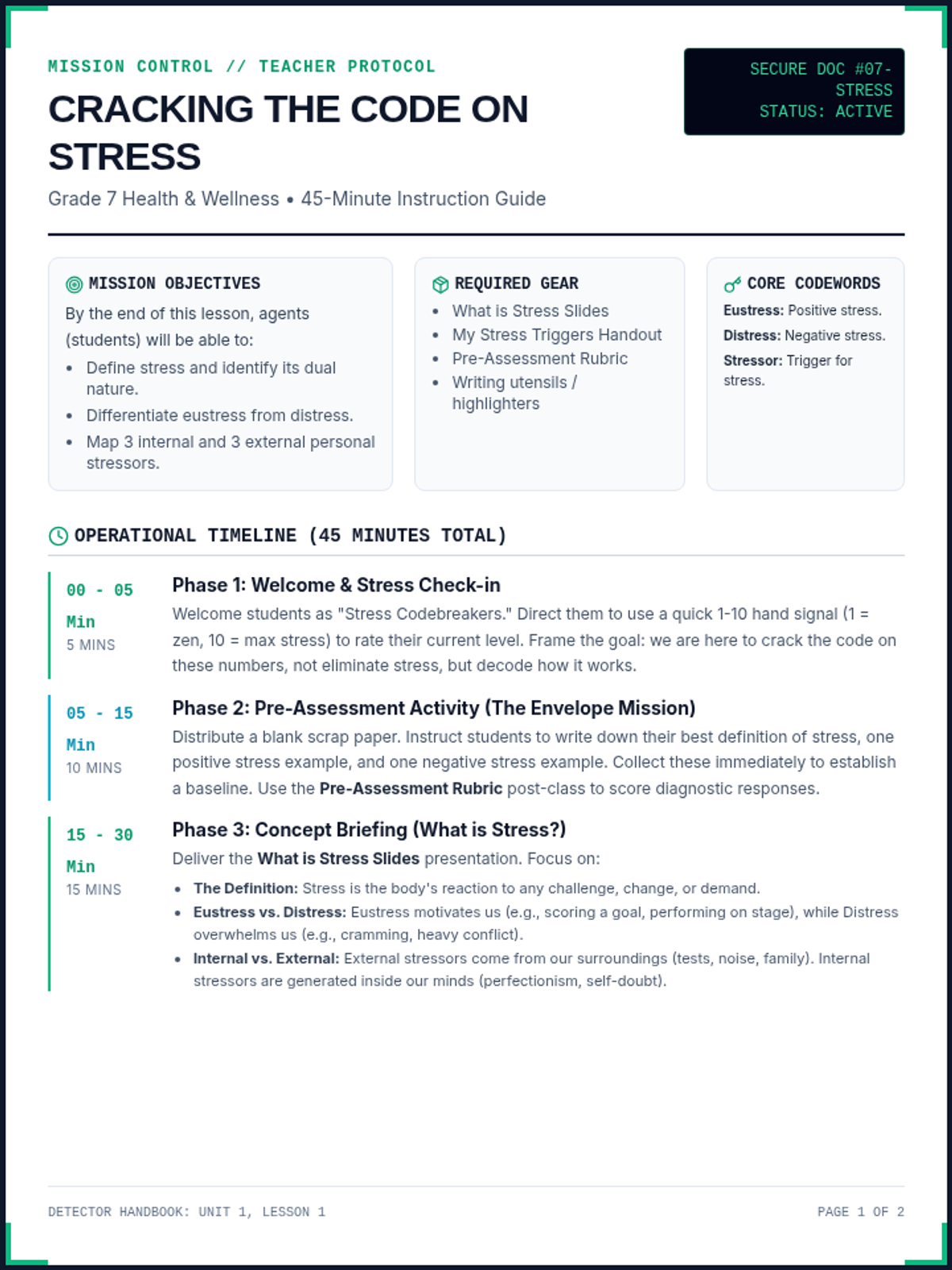
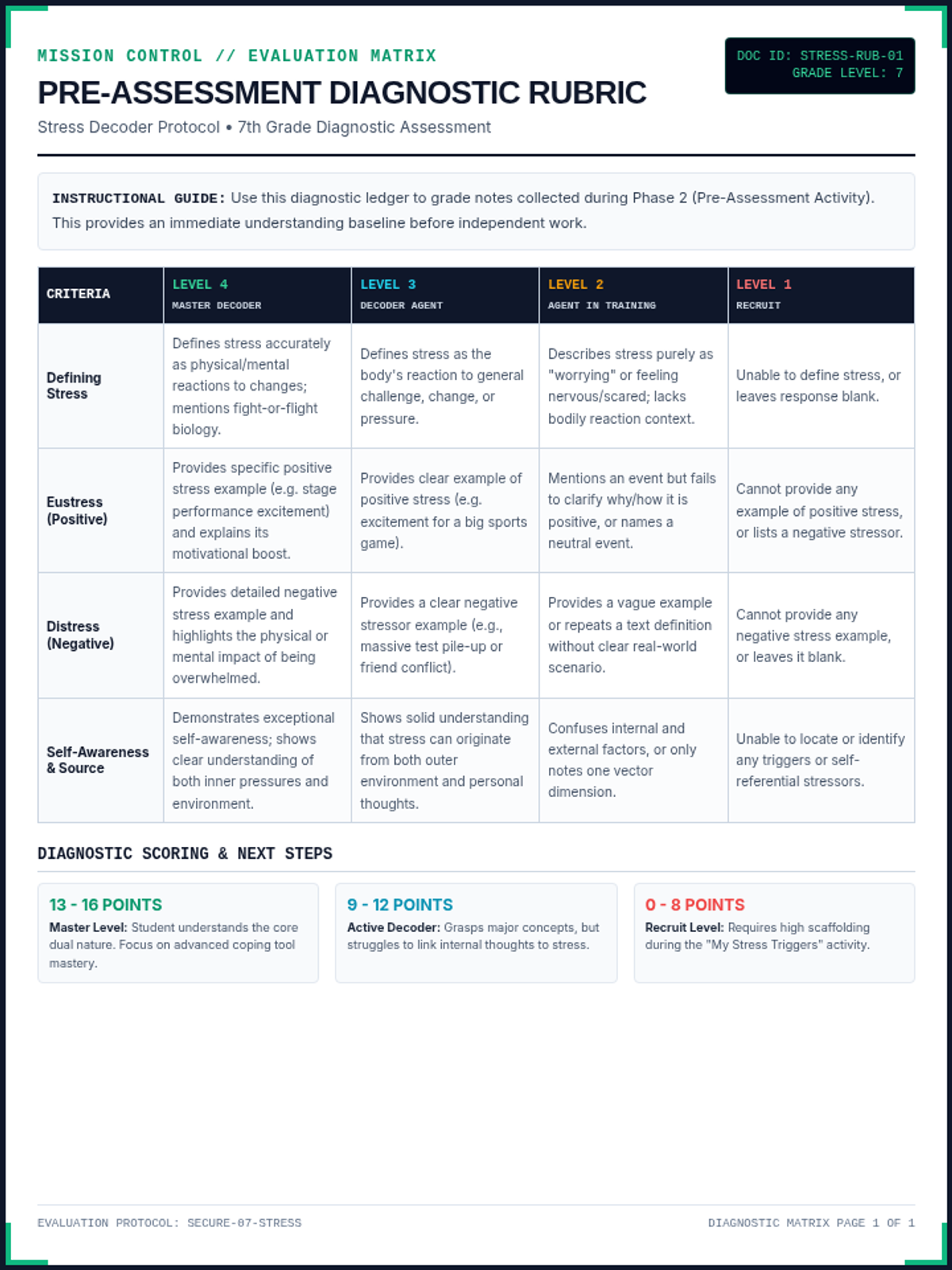
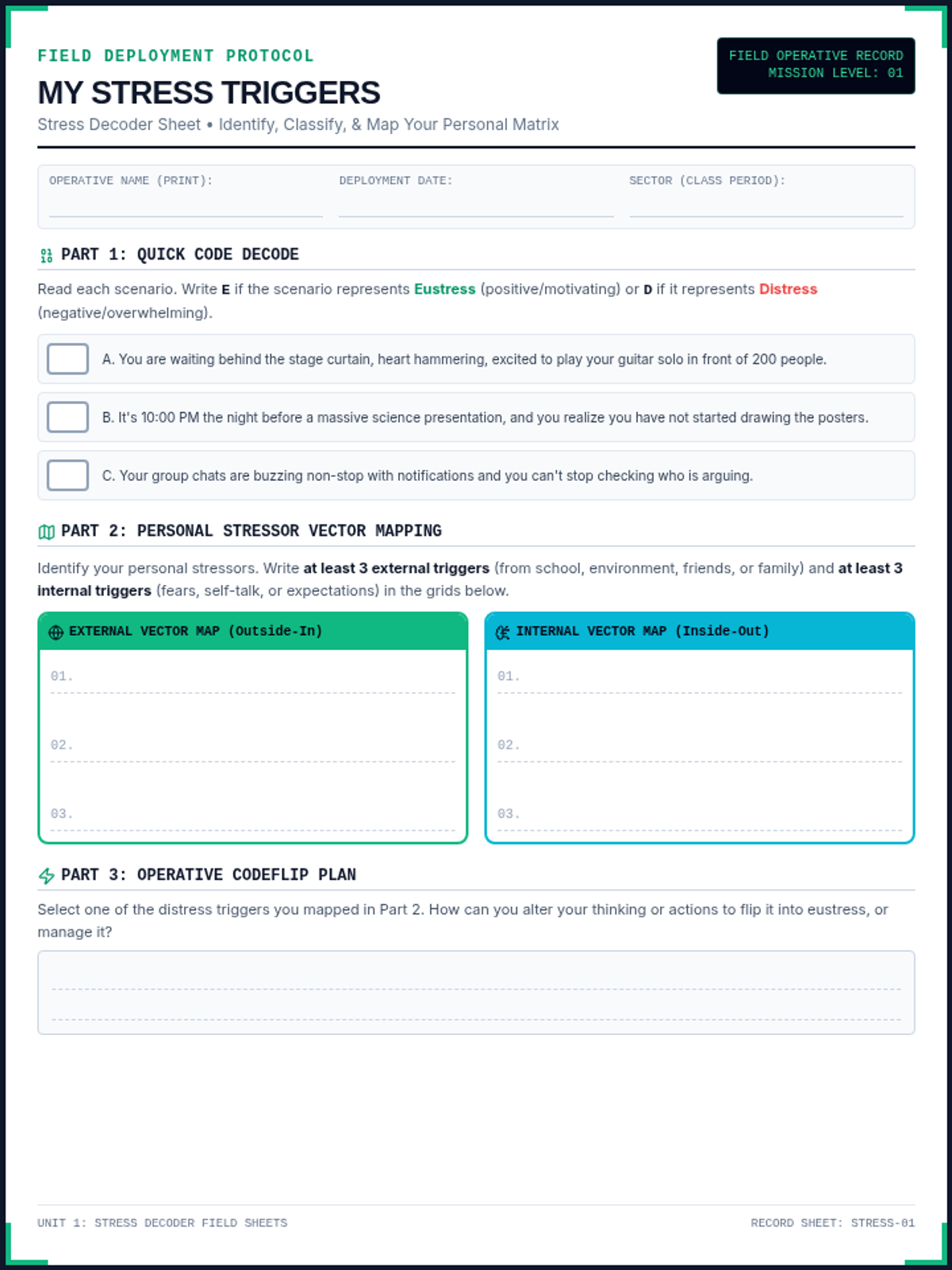
A comprehensive 45-minute health and wellness lesson plan for 7th grade students. Students learn to decode stress by defining it, distinguishing between eustress (positive stress) and distress (negative stress), and mapping their personal internal and external stressors.
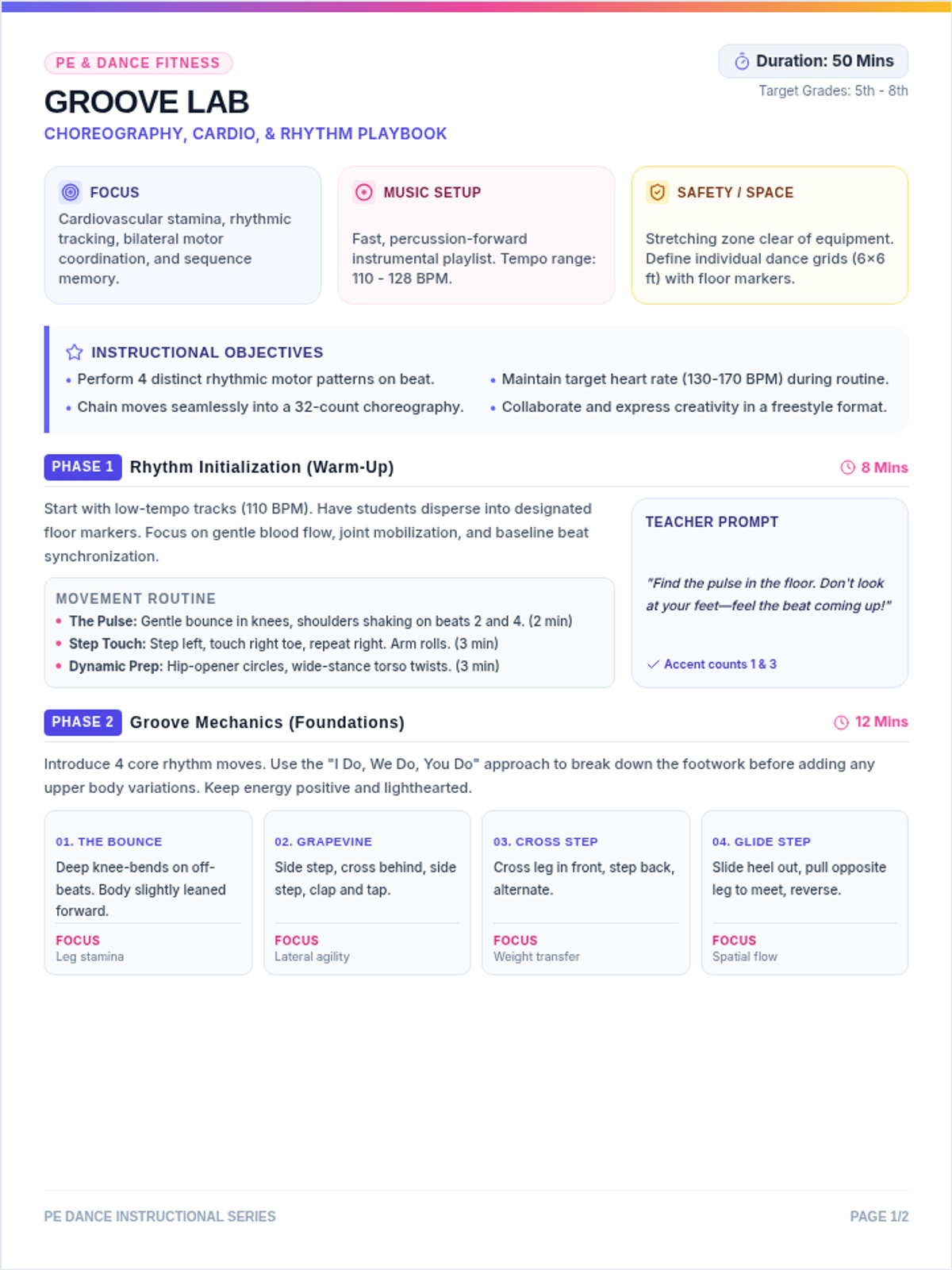
An energetic, dance-infused physical education lesson plan focusing on cardiovascular endurance, rhythm tracking, and motor coordination through structured choreography and creative movement.
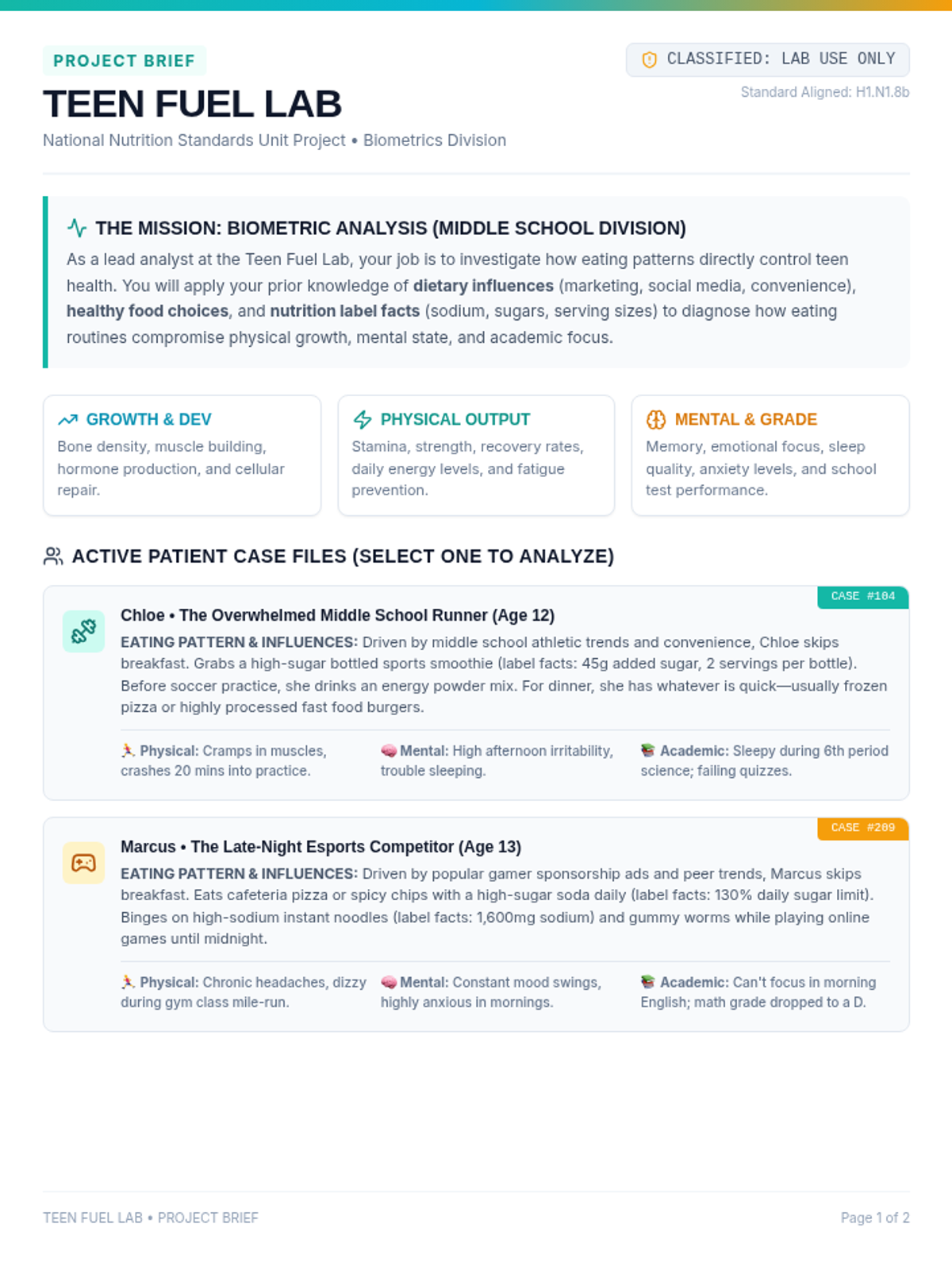
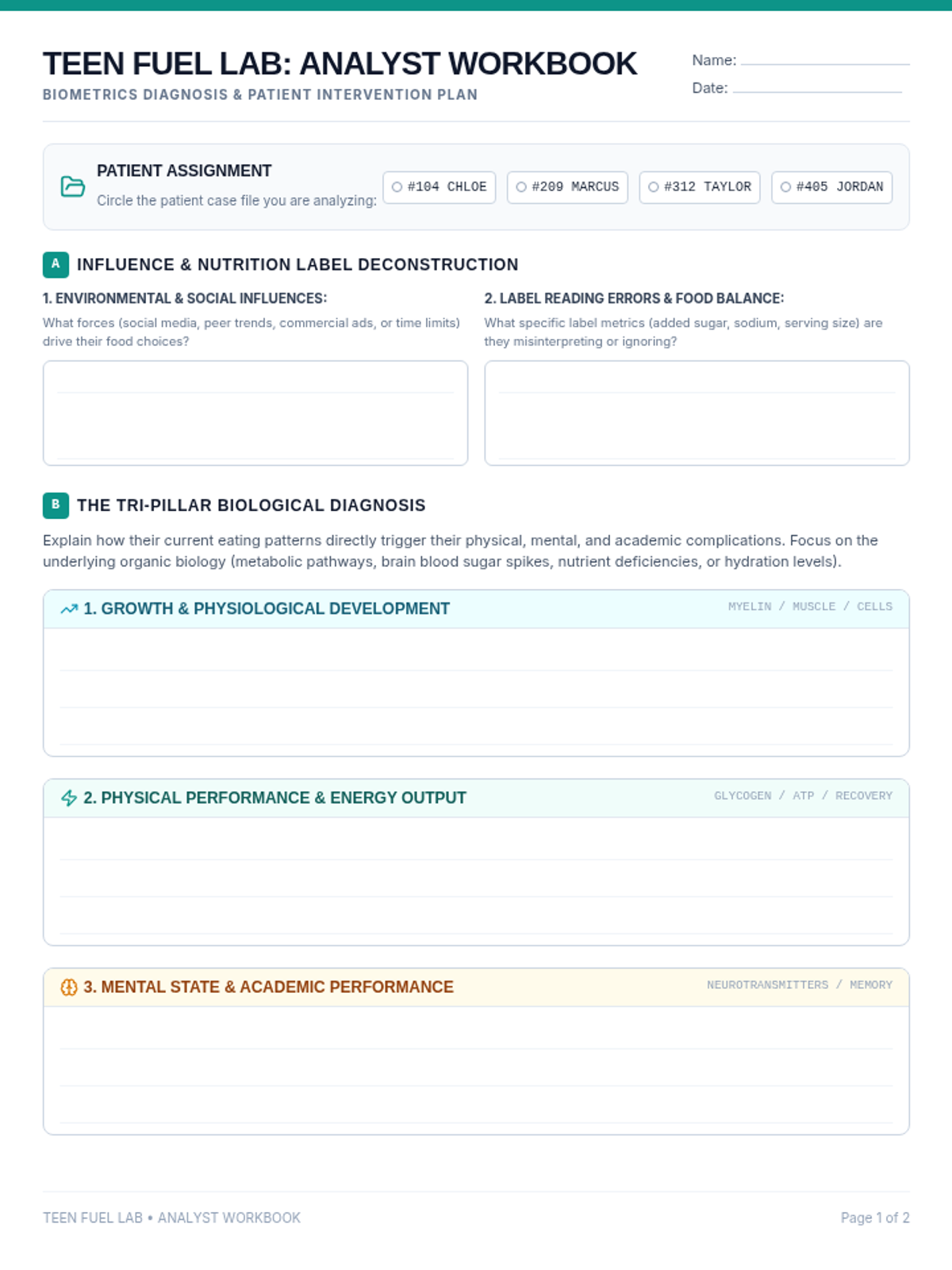
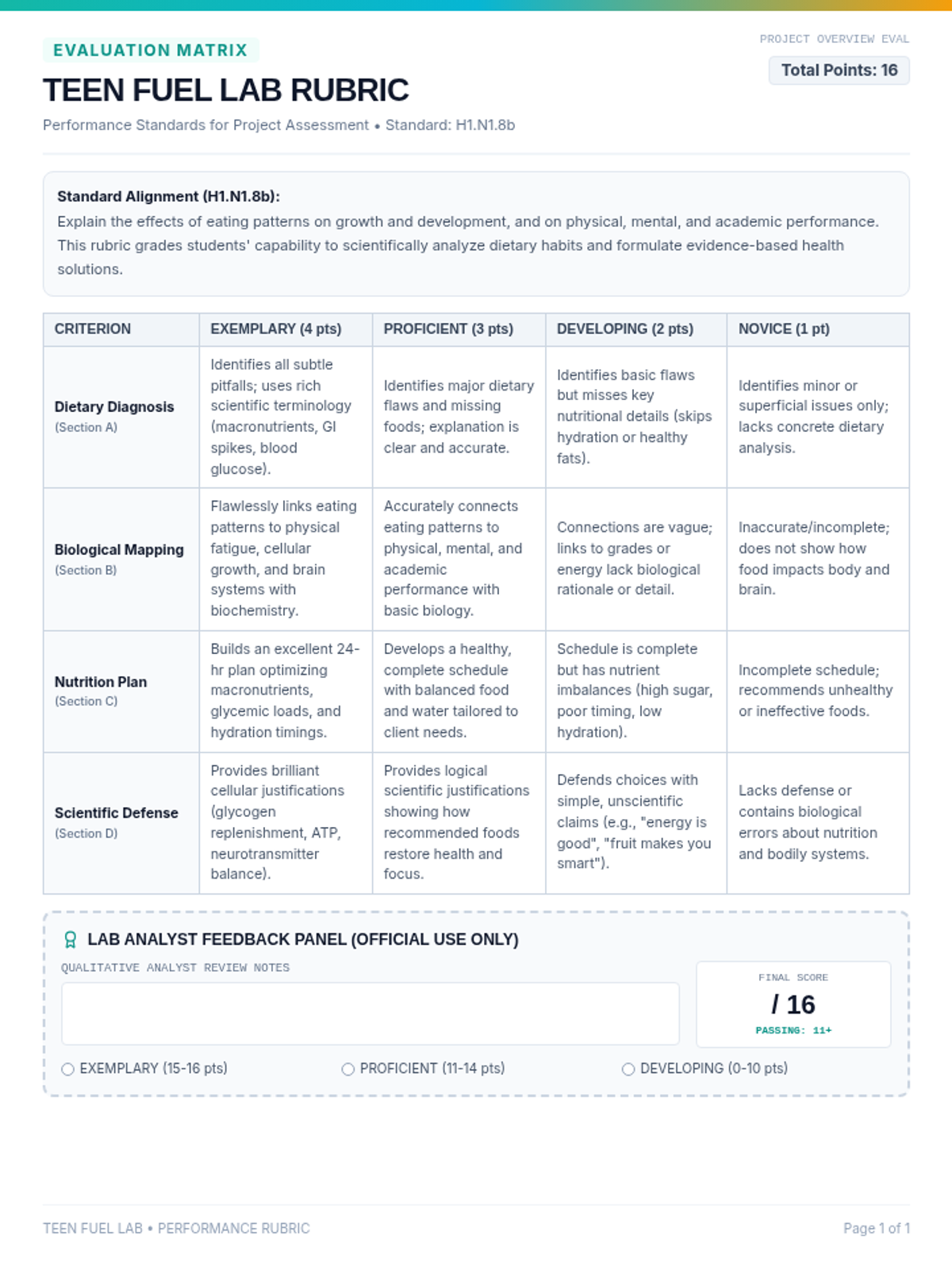
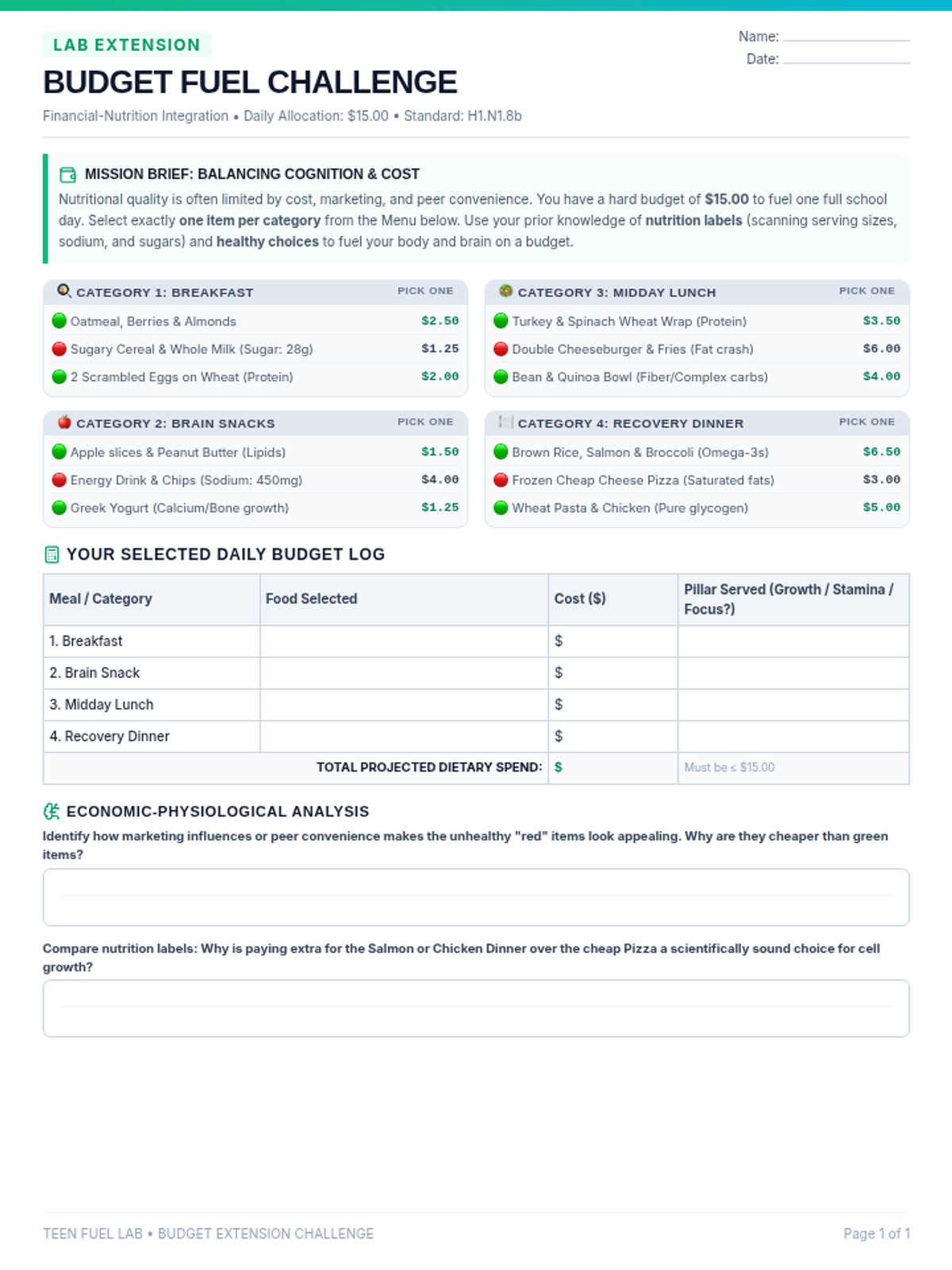
An end-of-unit project kit where students act as nutritional biometrics analysts. They evaluate fictional teen profiles, diagnose the physiological and cognitive impacts of their eating patterns, and design optimized intervention plans.
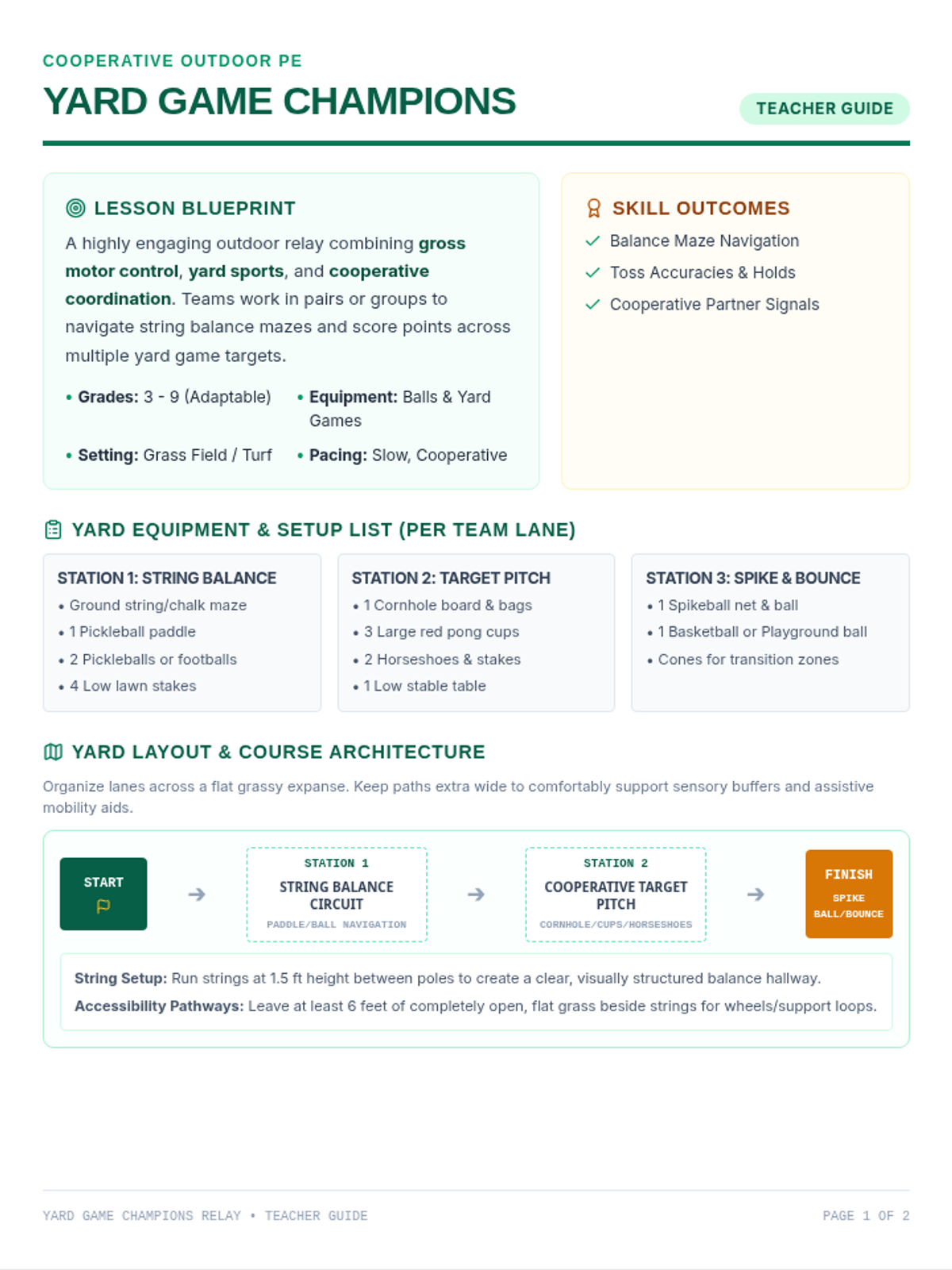
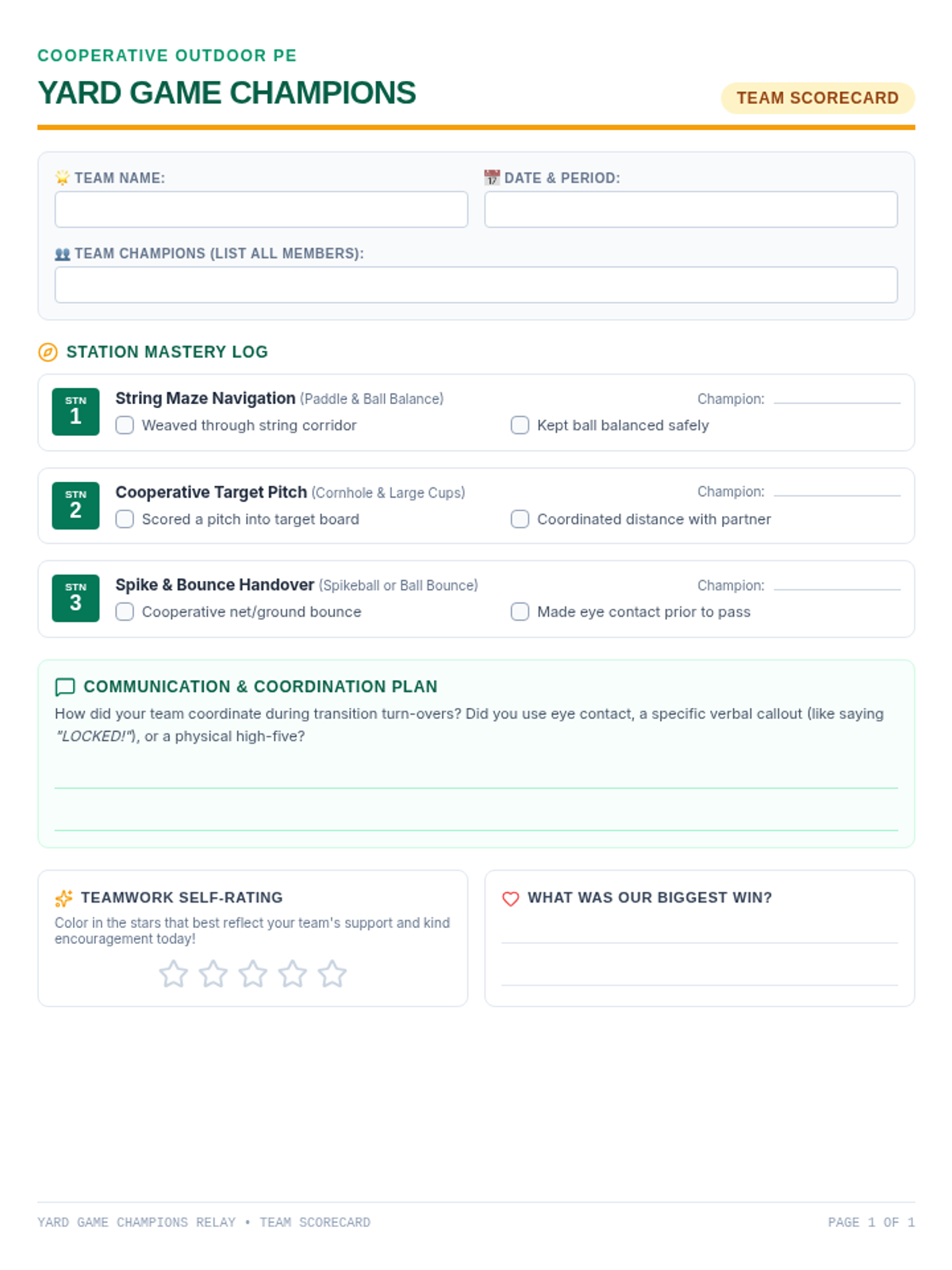
An outdoor cooperative relay race utilizing yard games, balls, and string balance circuits, designed with low-impact adaptations to ensure full class inclusion.
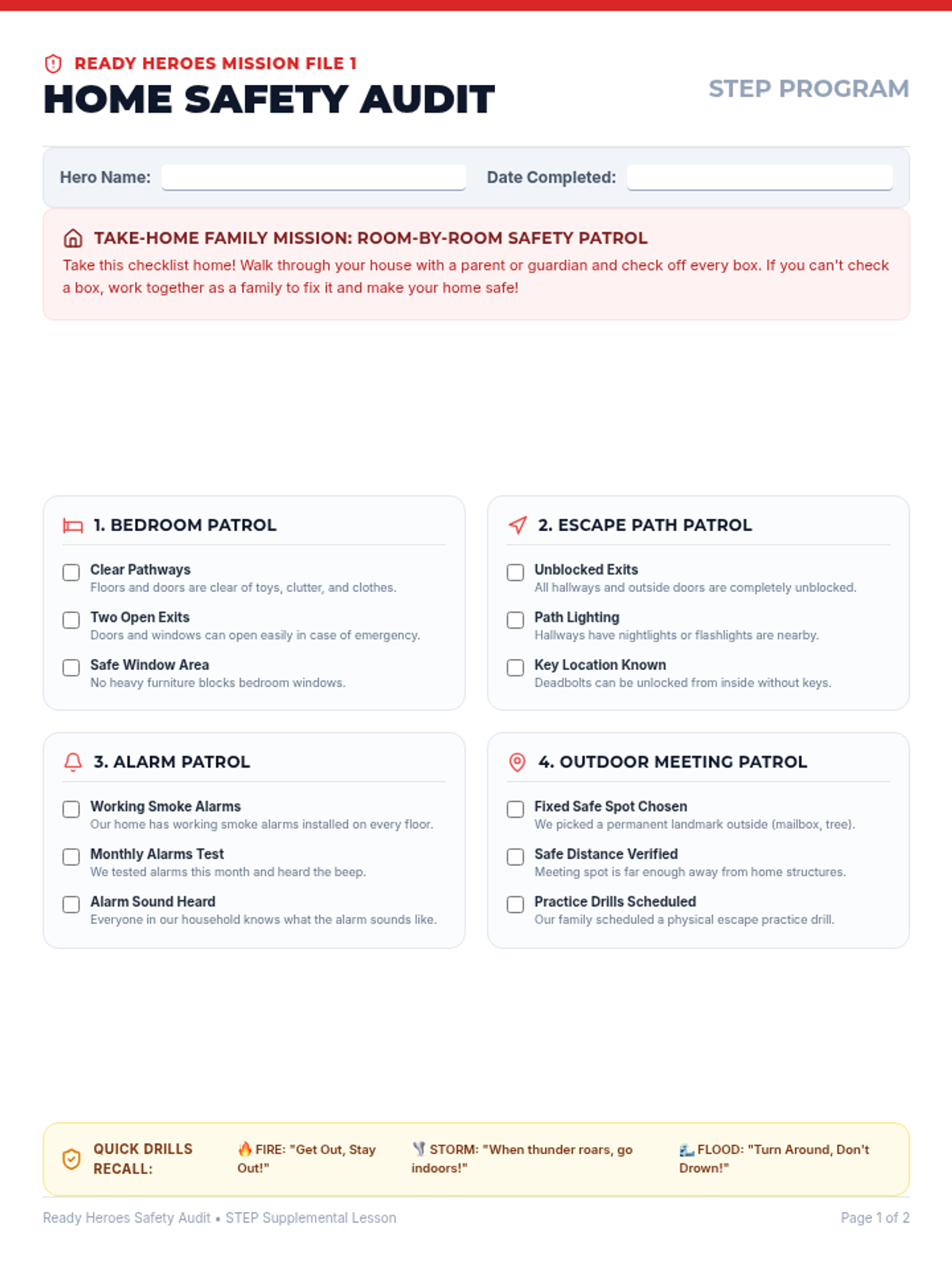
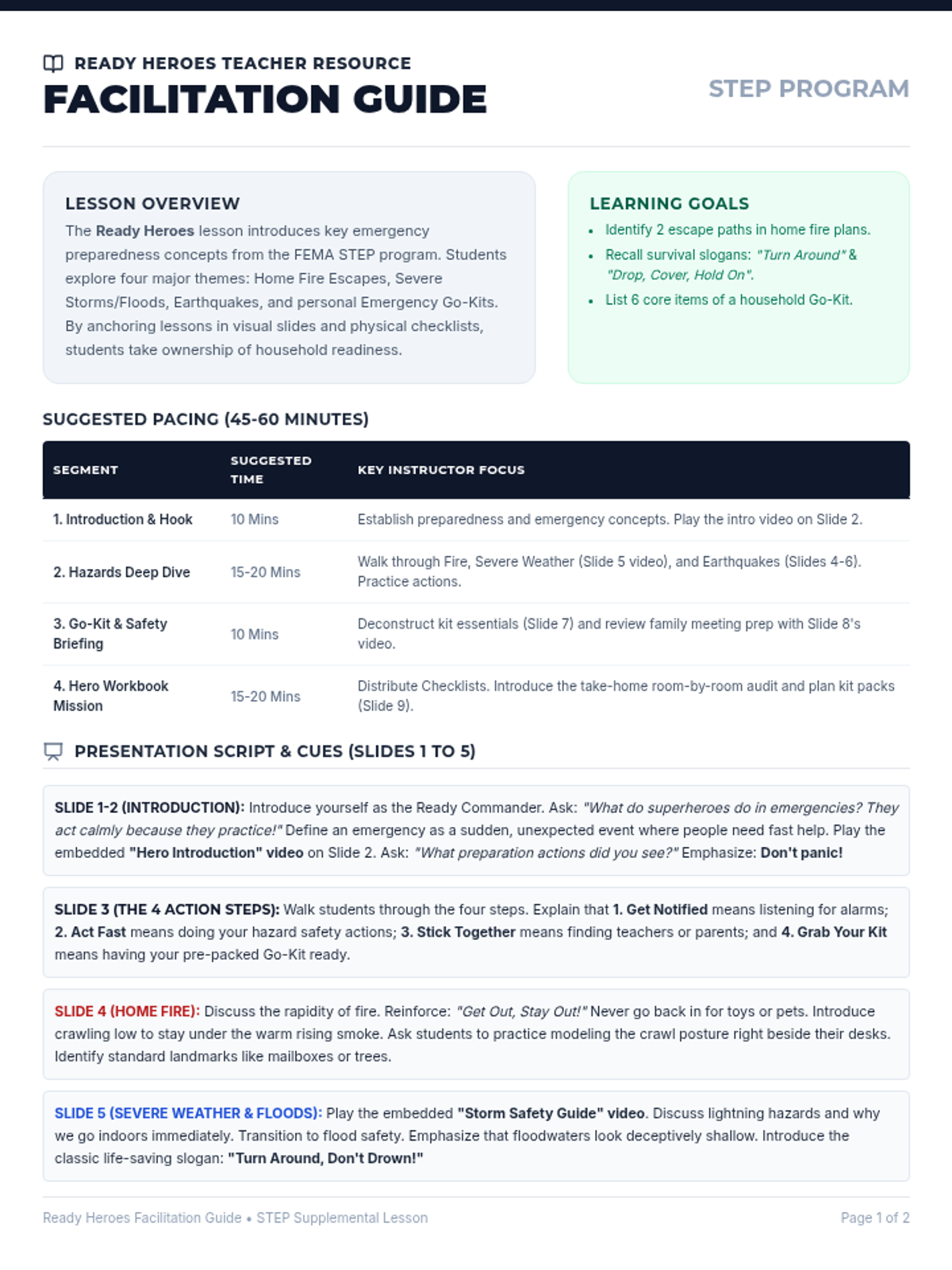
A highly visual, action-oriented emergency preparedness lesson teaching students how to stay safe during fires, severe weather, floods, and earthquakes. Includes hands-on planning for emergency go-kits and home escape plans.
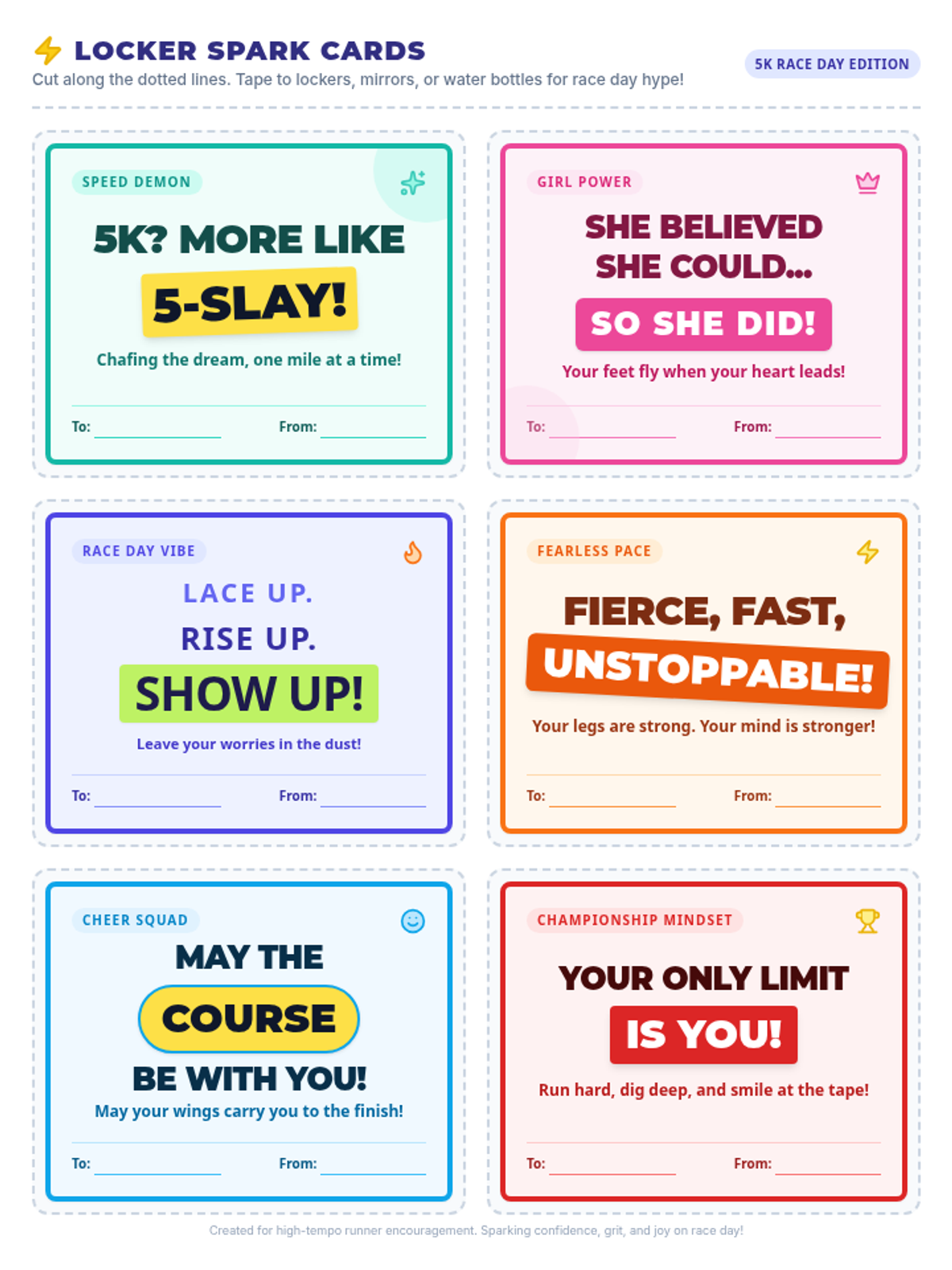
A short lesson focused on boosting runner morale and building community hype for the upcoming 5k race through personalized, high-energy motivation.
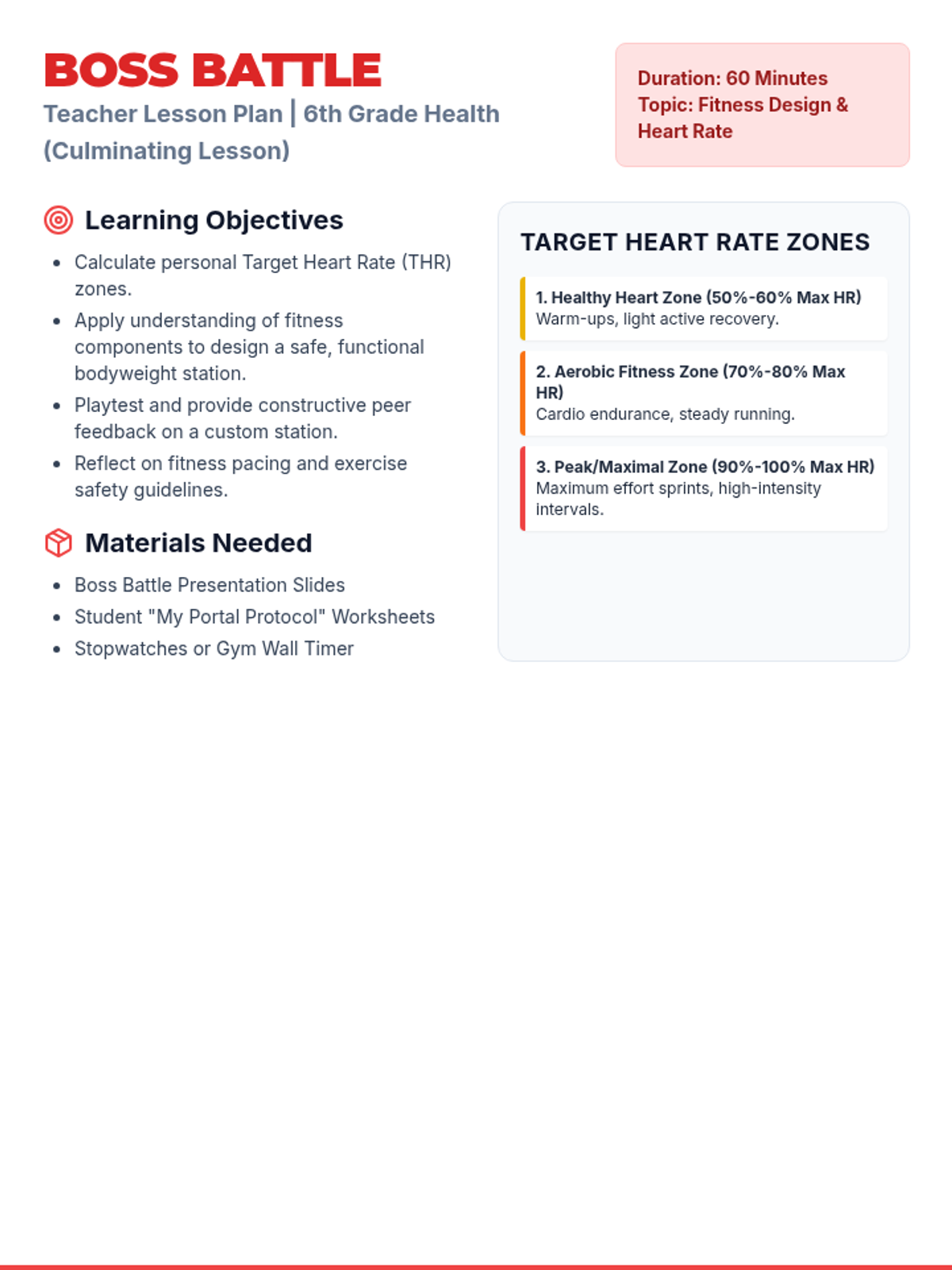
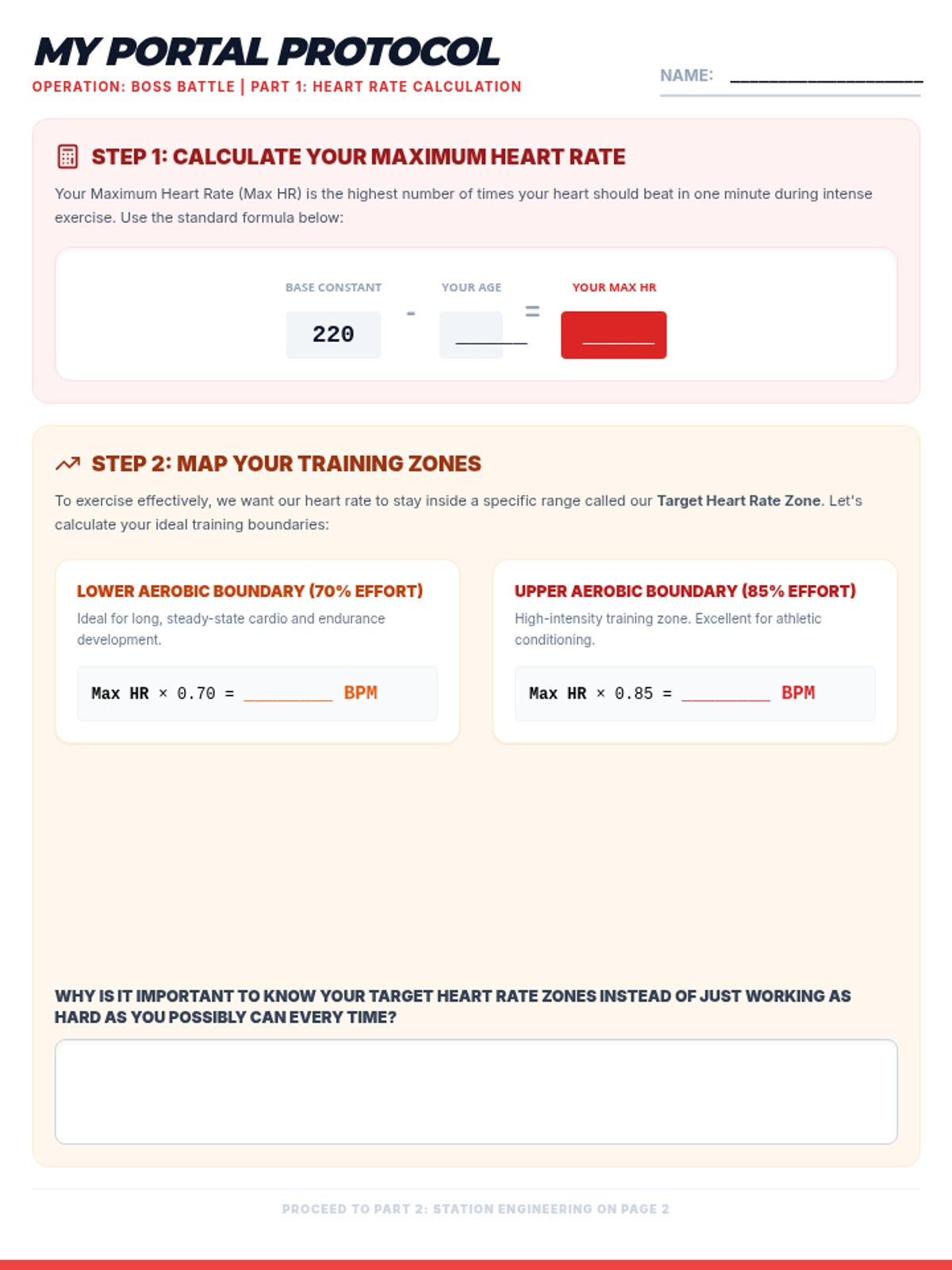
The culminating challenge of the physical fitness unit where 6th-grade students calculate their target heart rate zones and apply their knowledge to engineer and playtest their own custom bodyweight exercise portals.
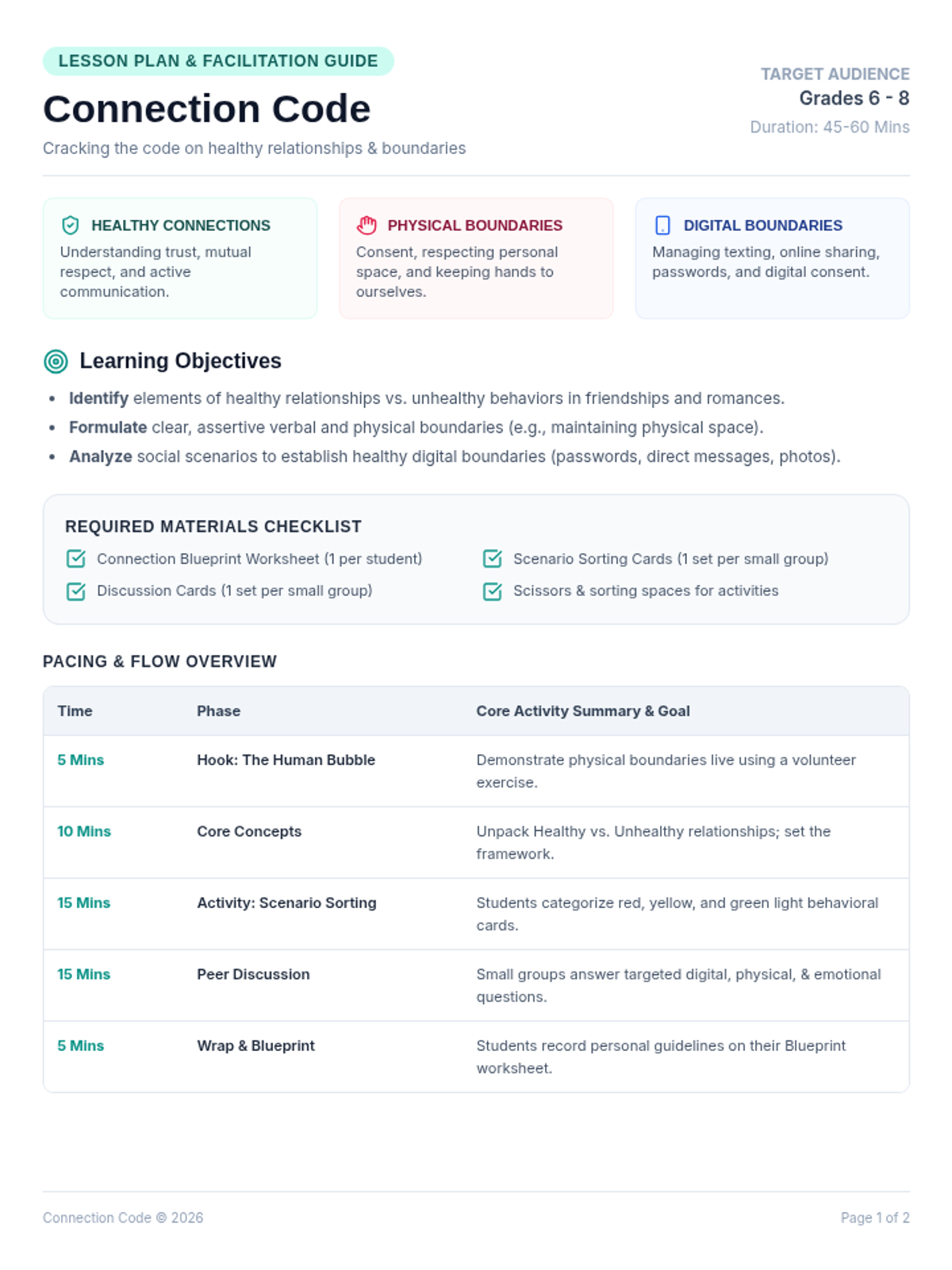
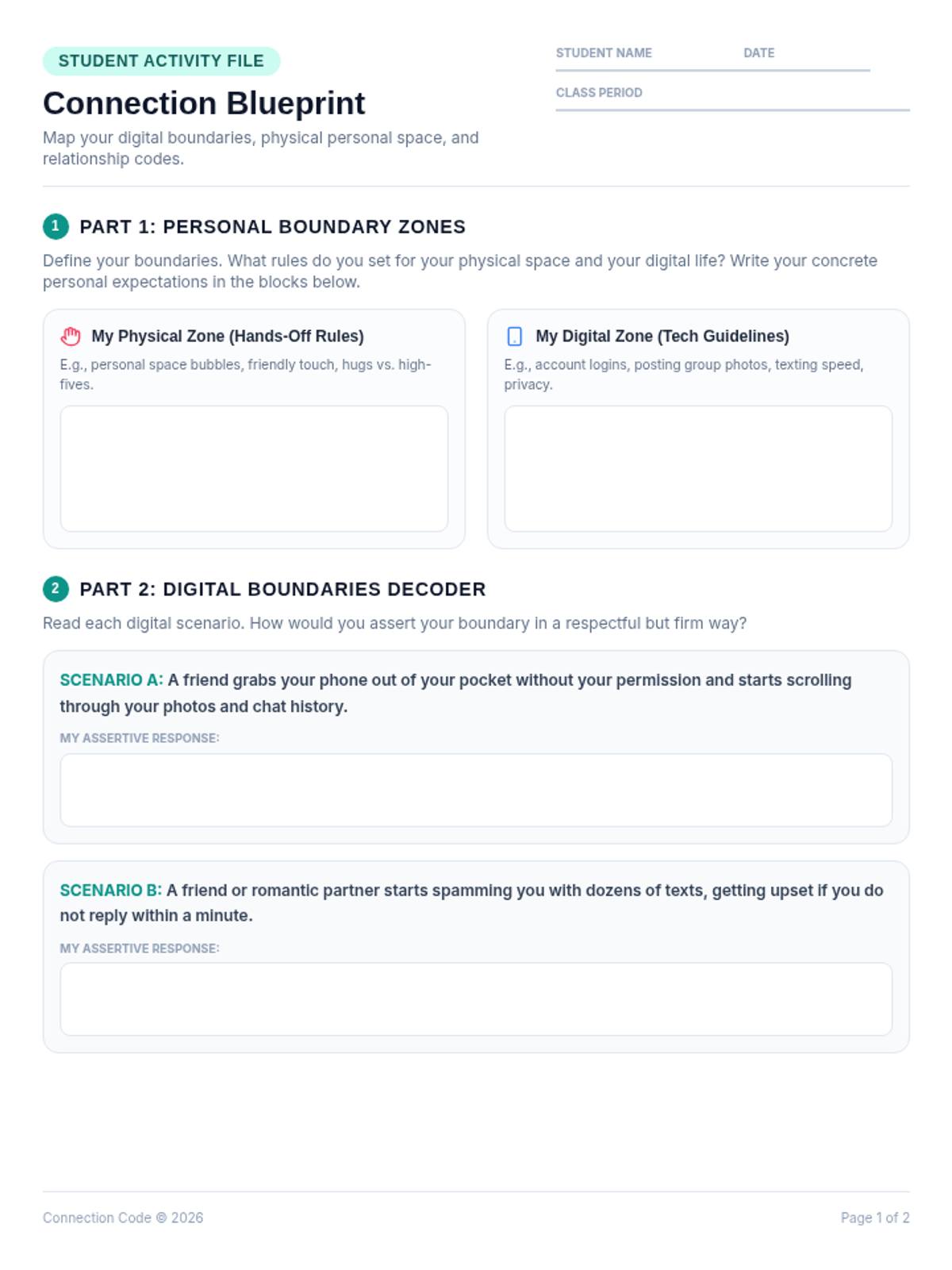
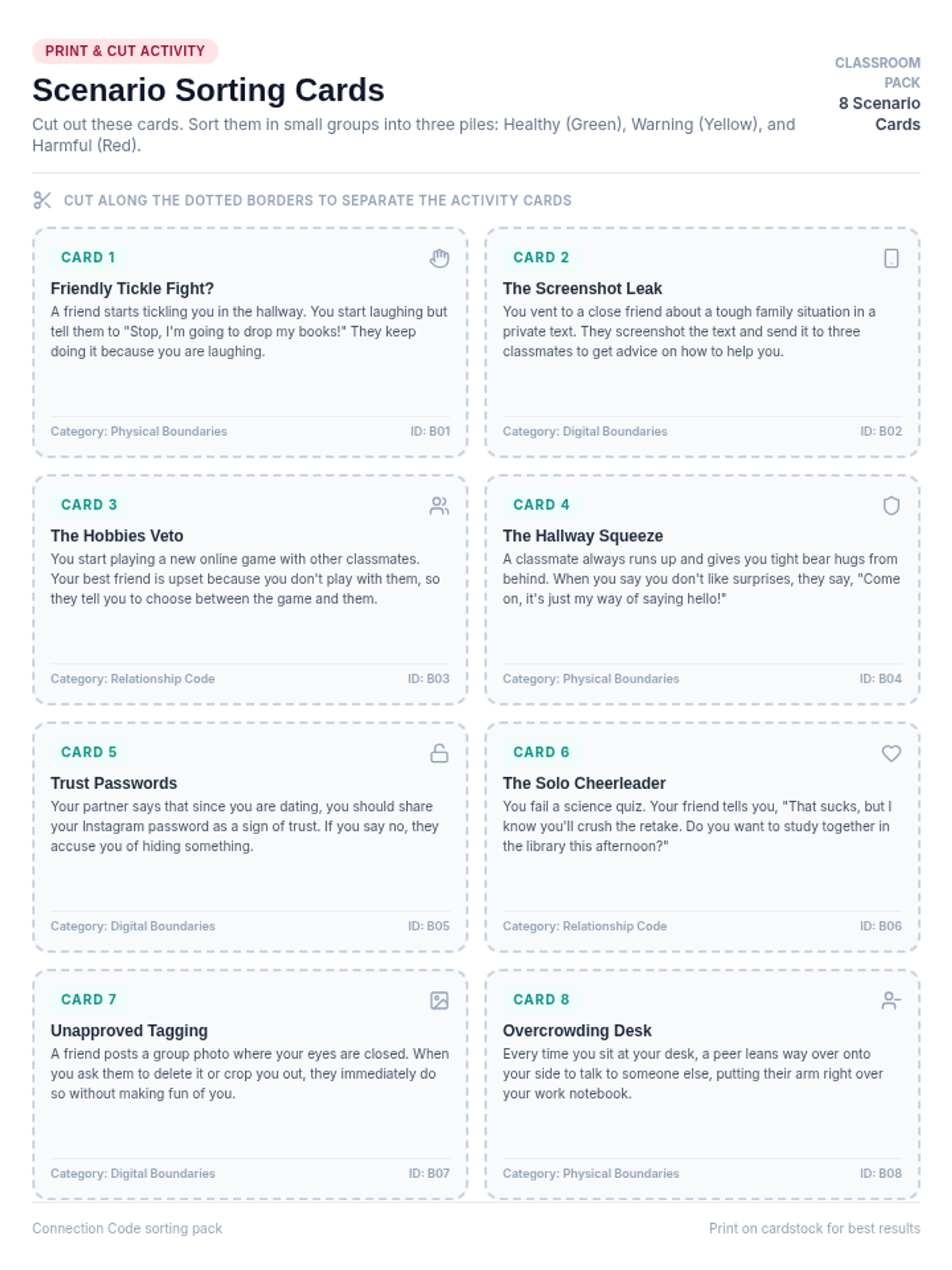
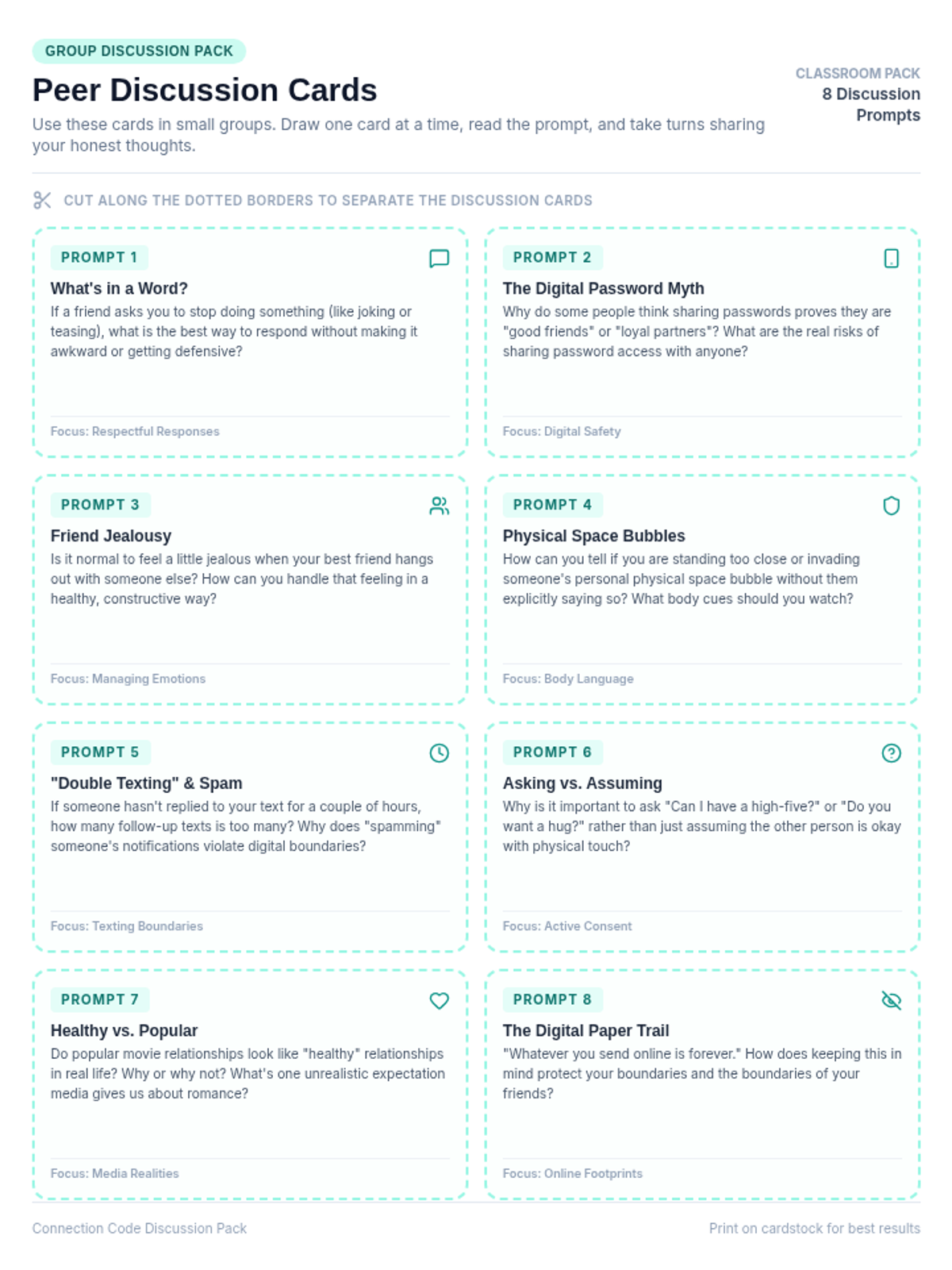
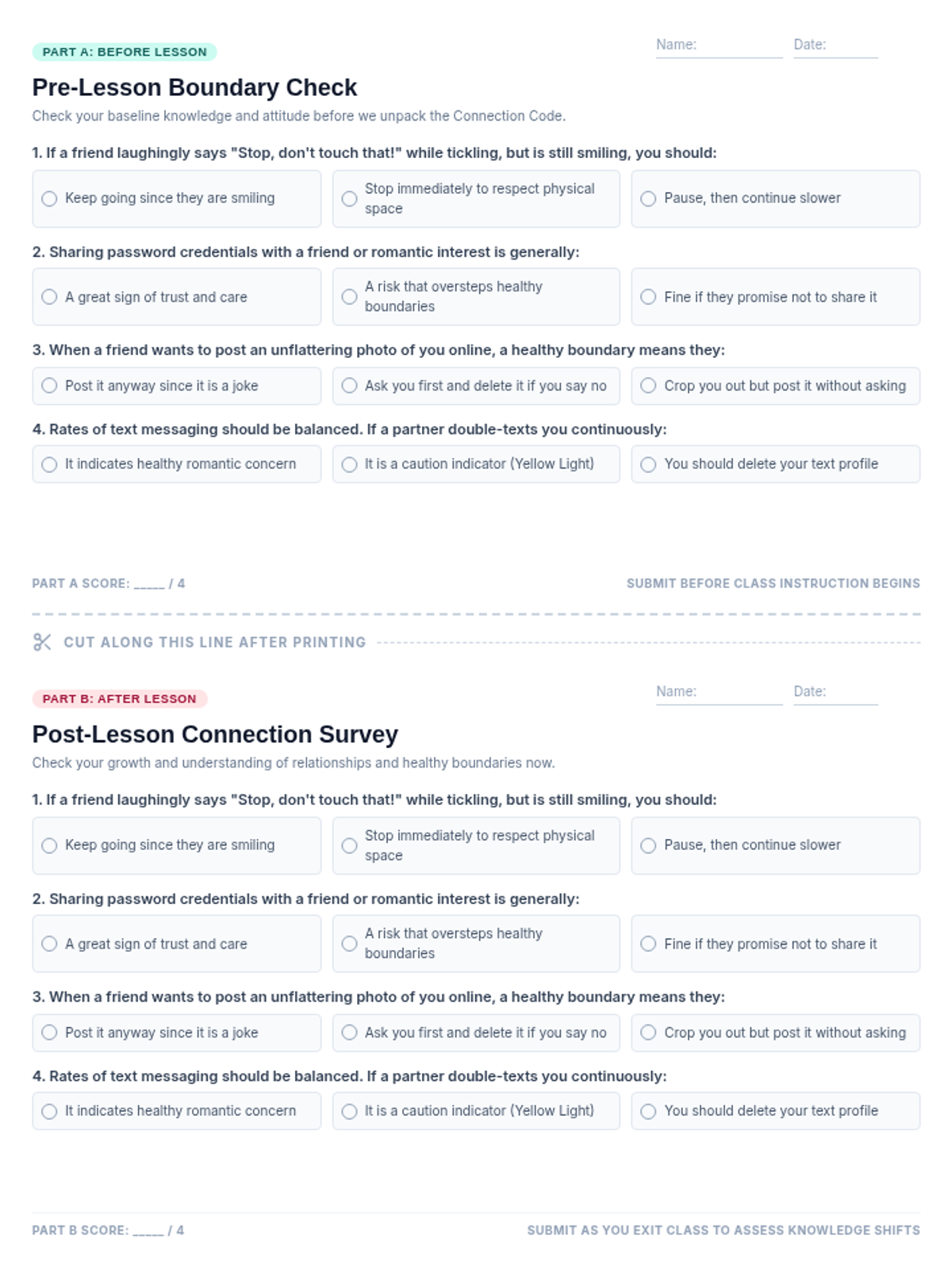
An interactive, high-impact middle school lesson plan focusing on healthy relationships, physical boundaries, and digital consent. Includes a step-by-step teacher guide, student blueprint worksheet, scenario sorting activity, and peer discussion cards.
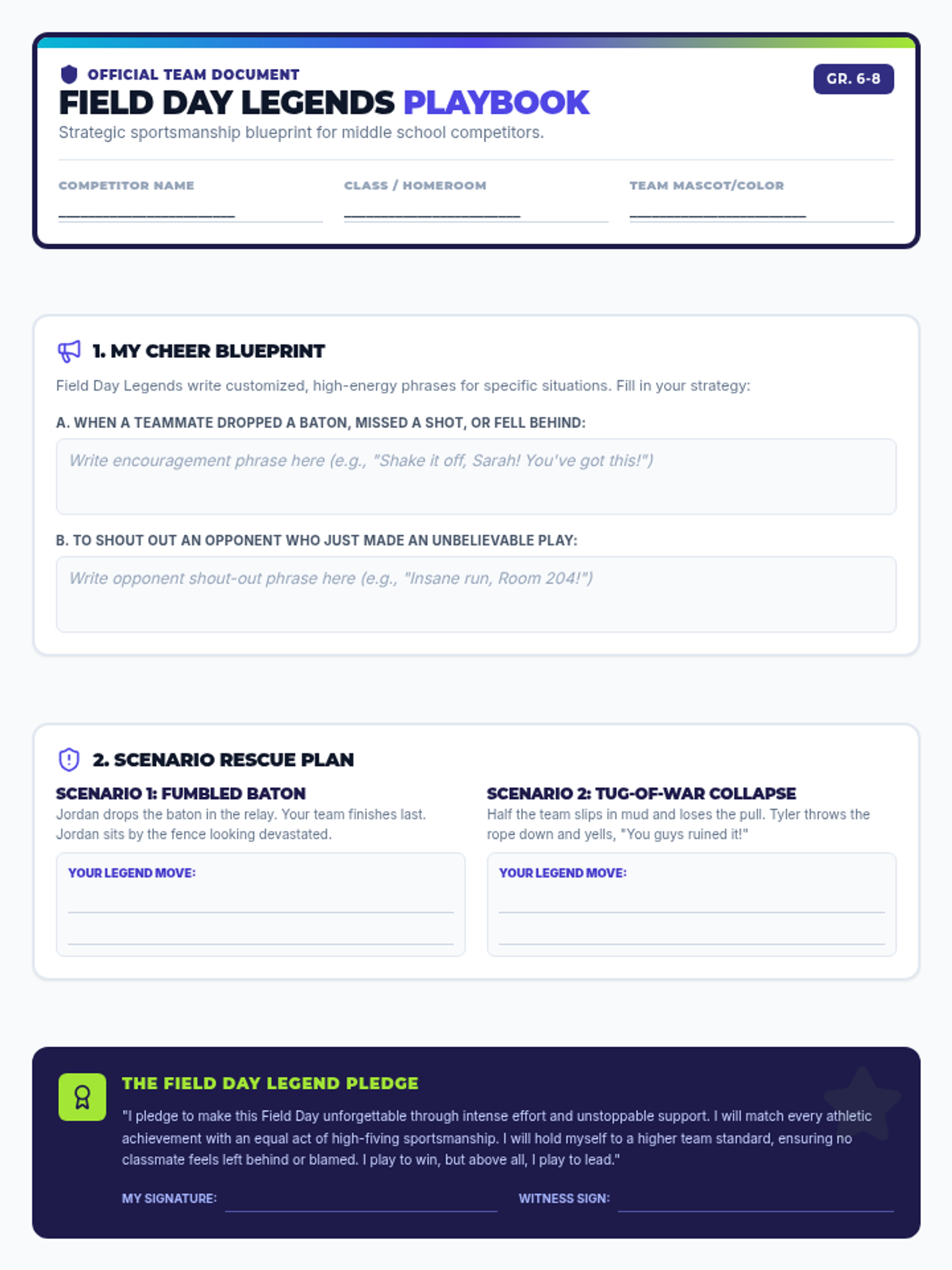
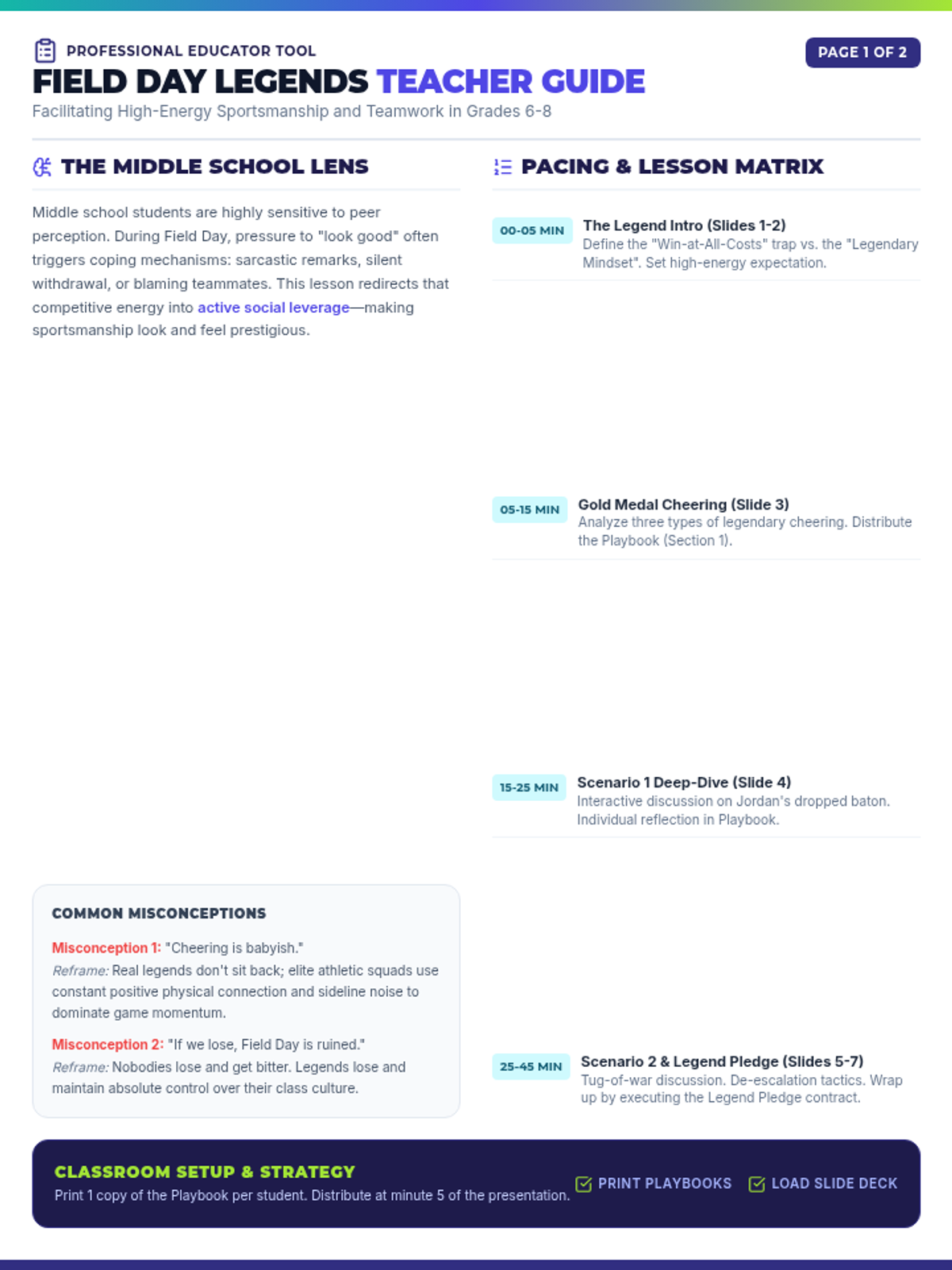
A high-energy sportsmanship lesson designed for middle schoolers preparing for Field Day. Focuses on peer encouragement, constructive teamwork, and handling setbacks through interactive scenario discussions.
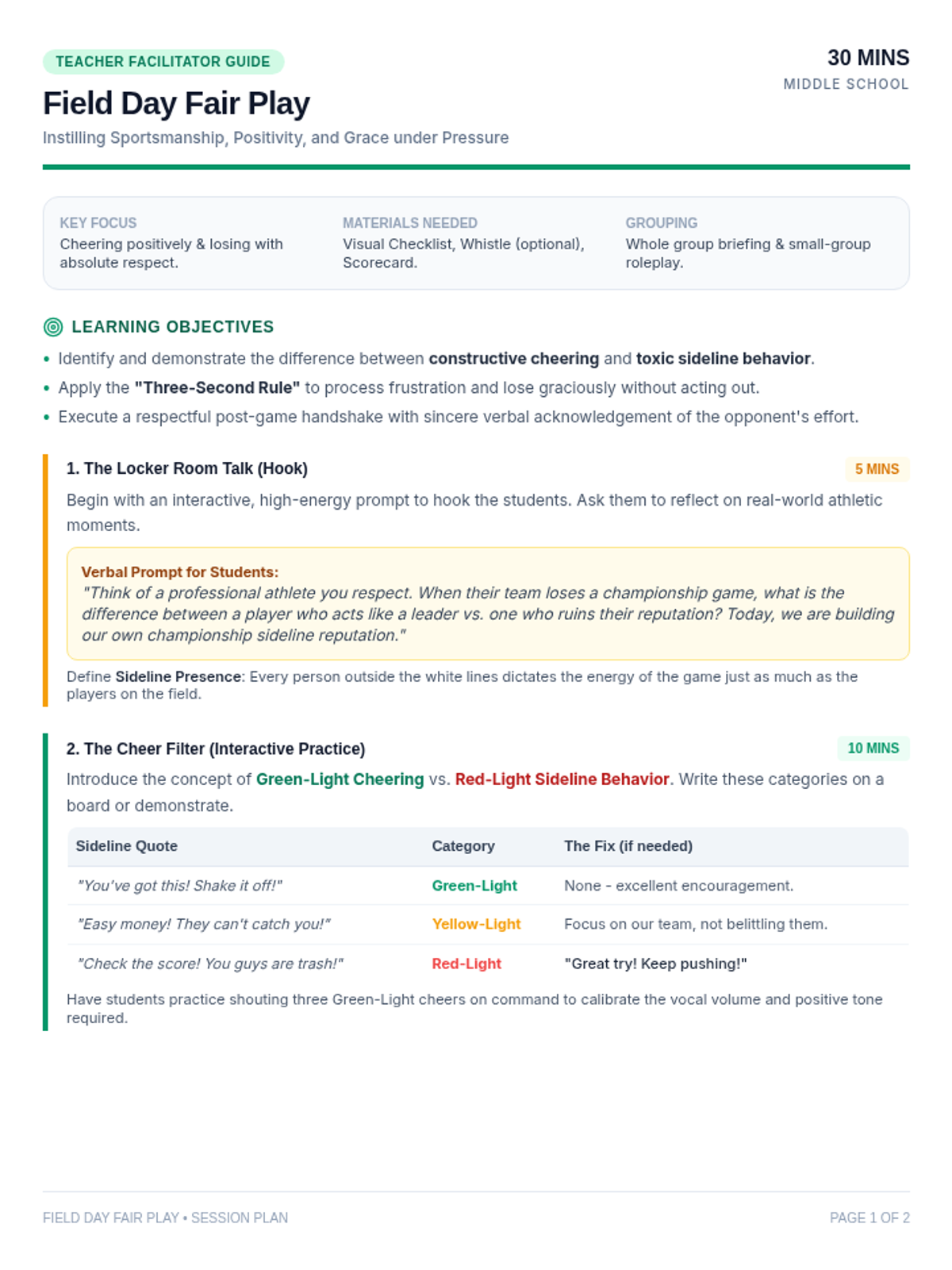
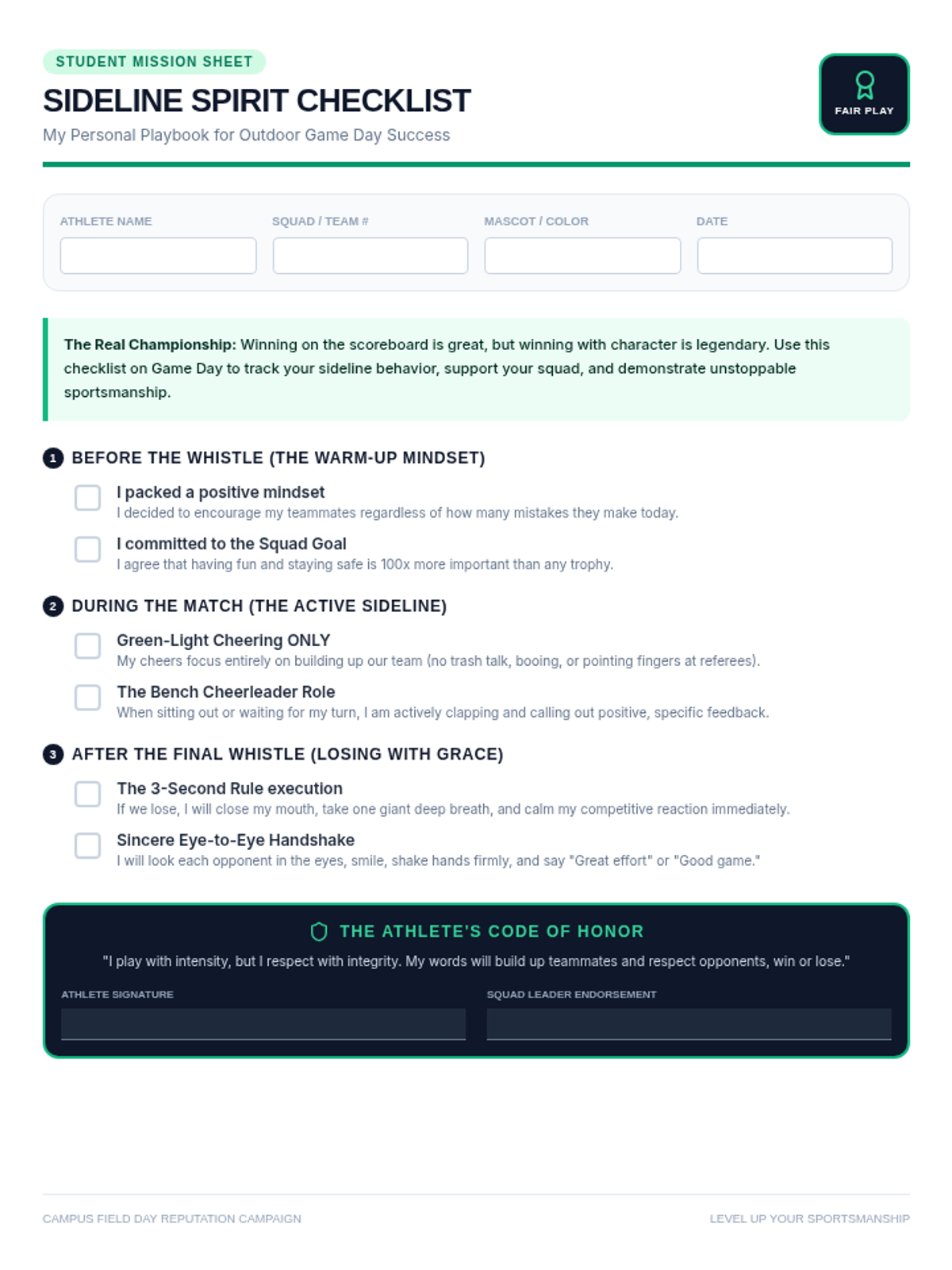
A 30-minute lesson designed to prepare middle school students for outdoor game day, focusing on sportsmanship, cheering, and losing graciously. Includes structured roleplays, clear sideline expectations, and a student-facing visual checklist.
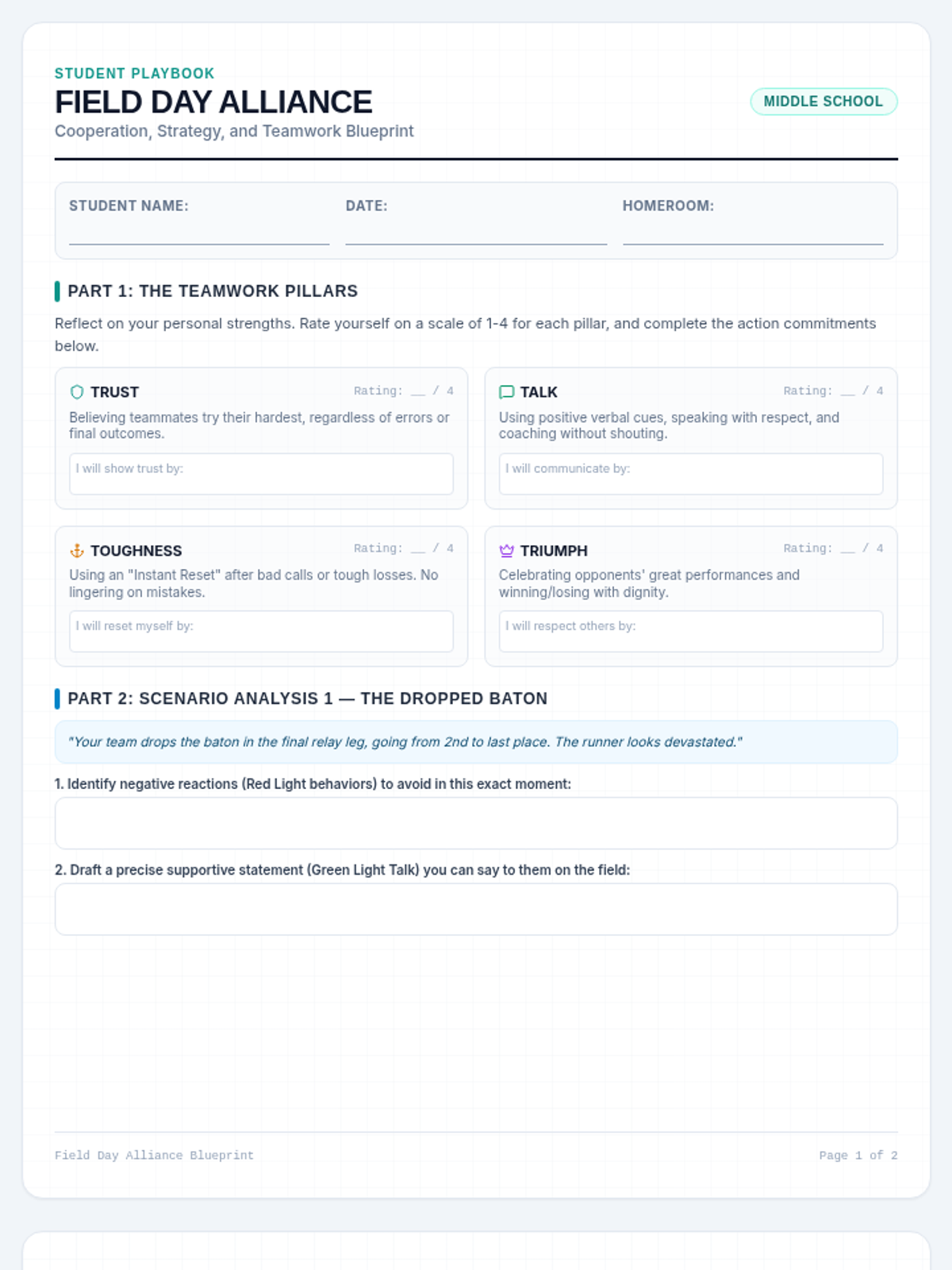
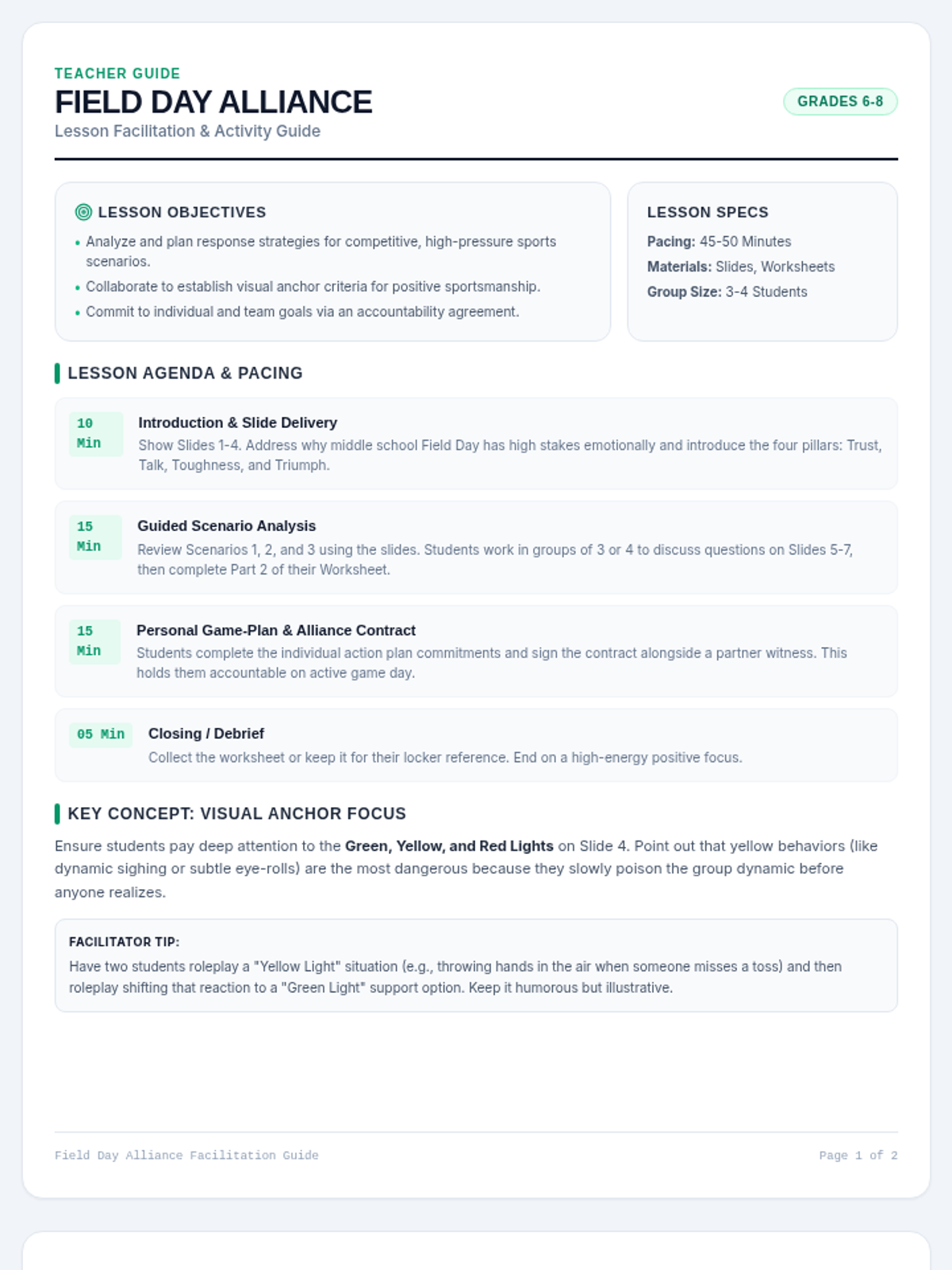
A middle school lesson focusing on teamwork, sportsmanship, and positive behaviors during Field Day, utilizing visual anchor charts, scenario-based worksheets, and collaborative discussions.
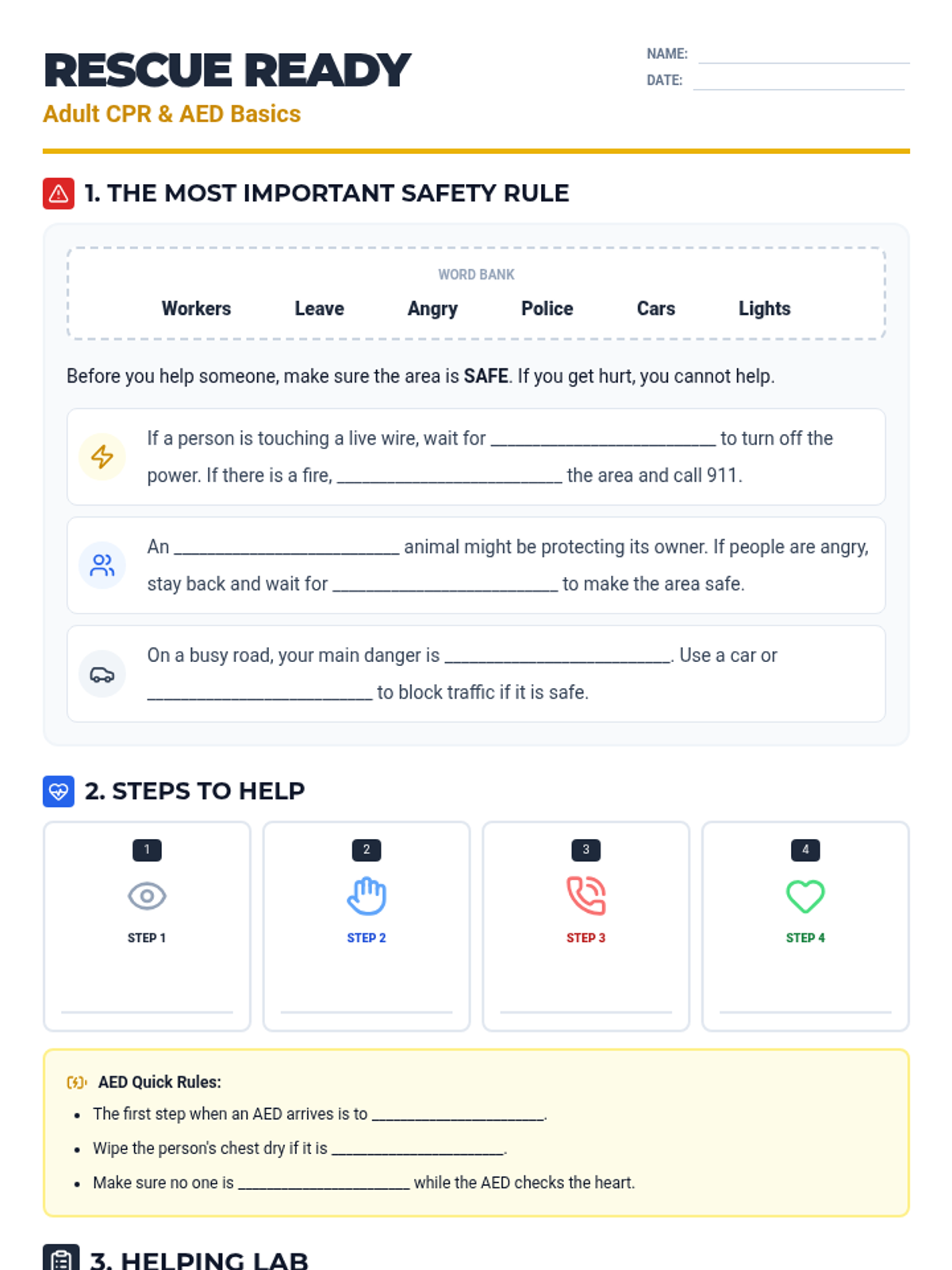
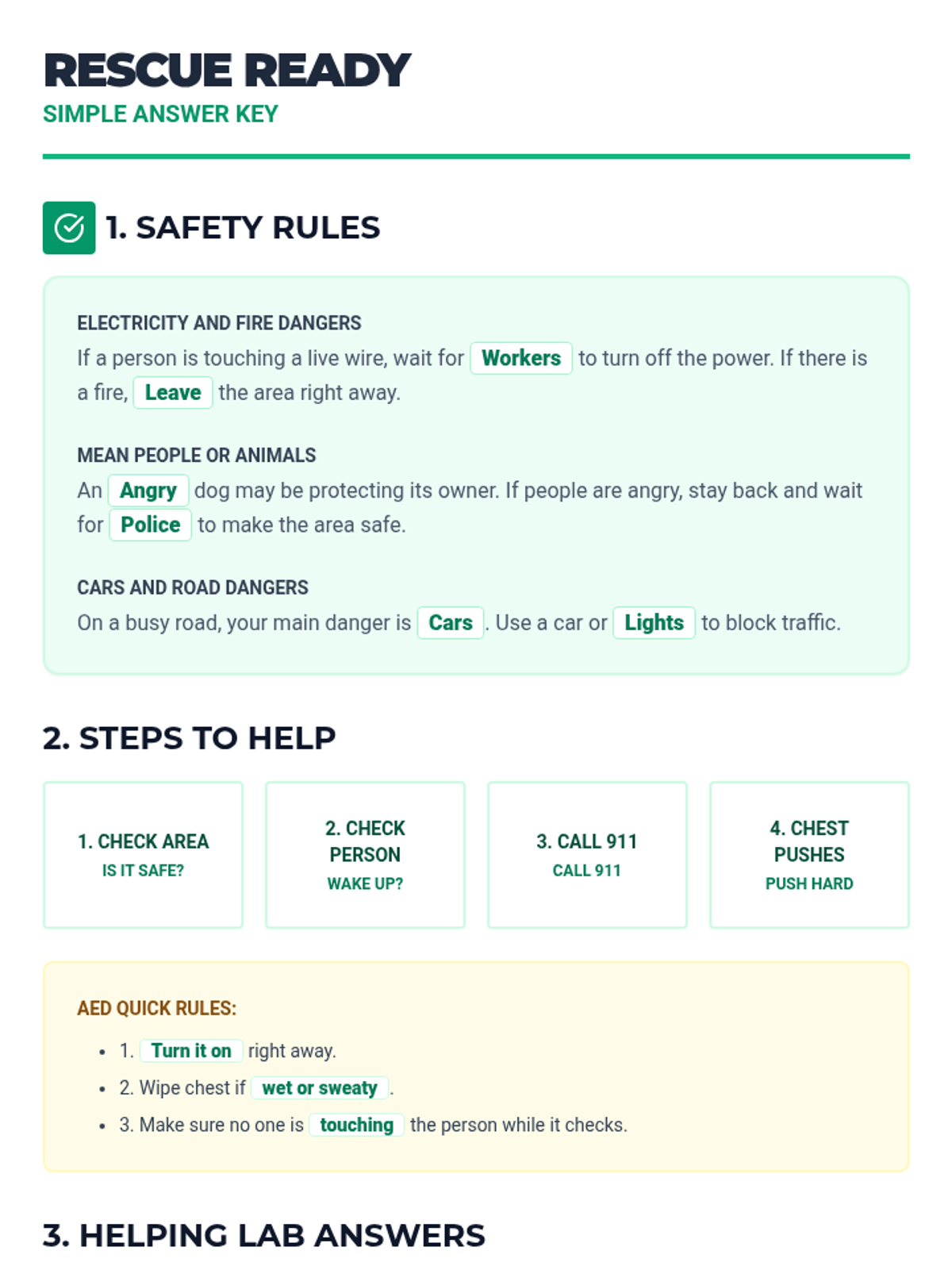
A comprehensive lesson on adult CPR and AED usage, with a specific focus on identifying and managing environmental hazards before rendering aid.
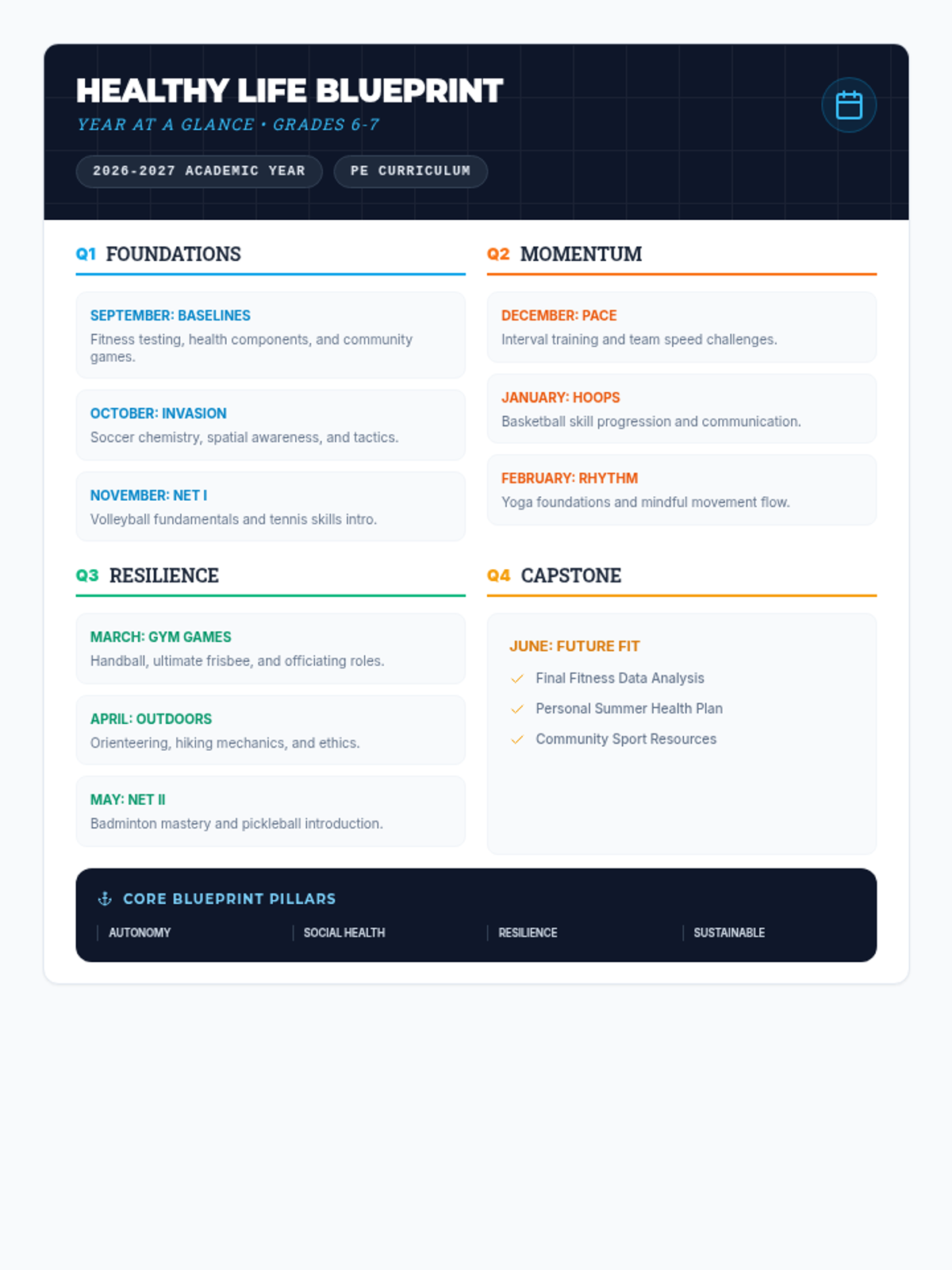
The capstone unit where students revisit fitness testing, analyze their growth over the year, and create a personalized 'Lifelong Health Plan' for the summer and beyond.
Focusing on non-traditional PE activities like orienteering, hiking techniques, and lawn games. This unit emphasizes the mental health benefits of being outdoors and finding joy in movement outside the gym.
A creative unit incorporating dance, yoga, and gymnastics. Students improve coordination, flexibility, and mindfulness while exploring different ways their bodies can move through space.
This unit focuses on individual sports like badminton, tennis, and track and field. Students develop personal mastery, perseverance, and an understanding of how individual pursuits contribute to lifelong activity.
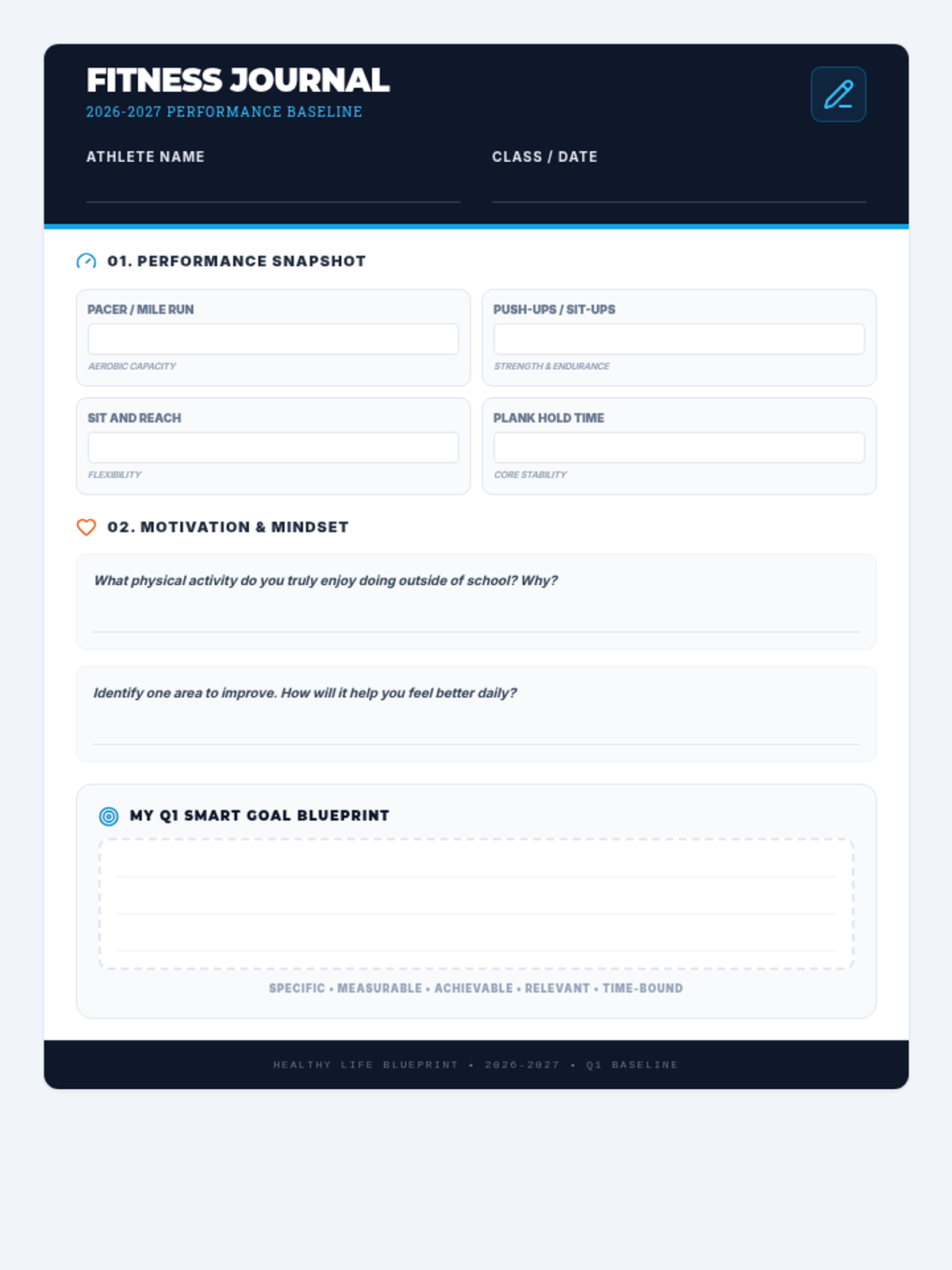
A foundational unit focused on assessing current fitness levels, understanding health components, and setting personalized goals for the year. Students learn the 'why' behind lifelong fitness through hands-on testing and data collection.
Students explore team-based sports with a focus on communication, strategy, and social-emotional health. Activities include basketball, soccer, and ultimate frisbee, emphasizing participation over elite performance.
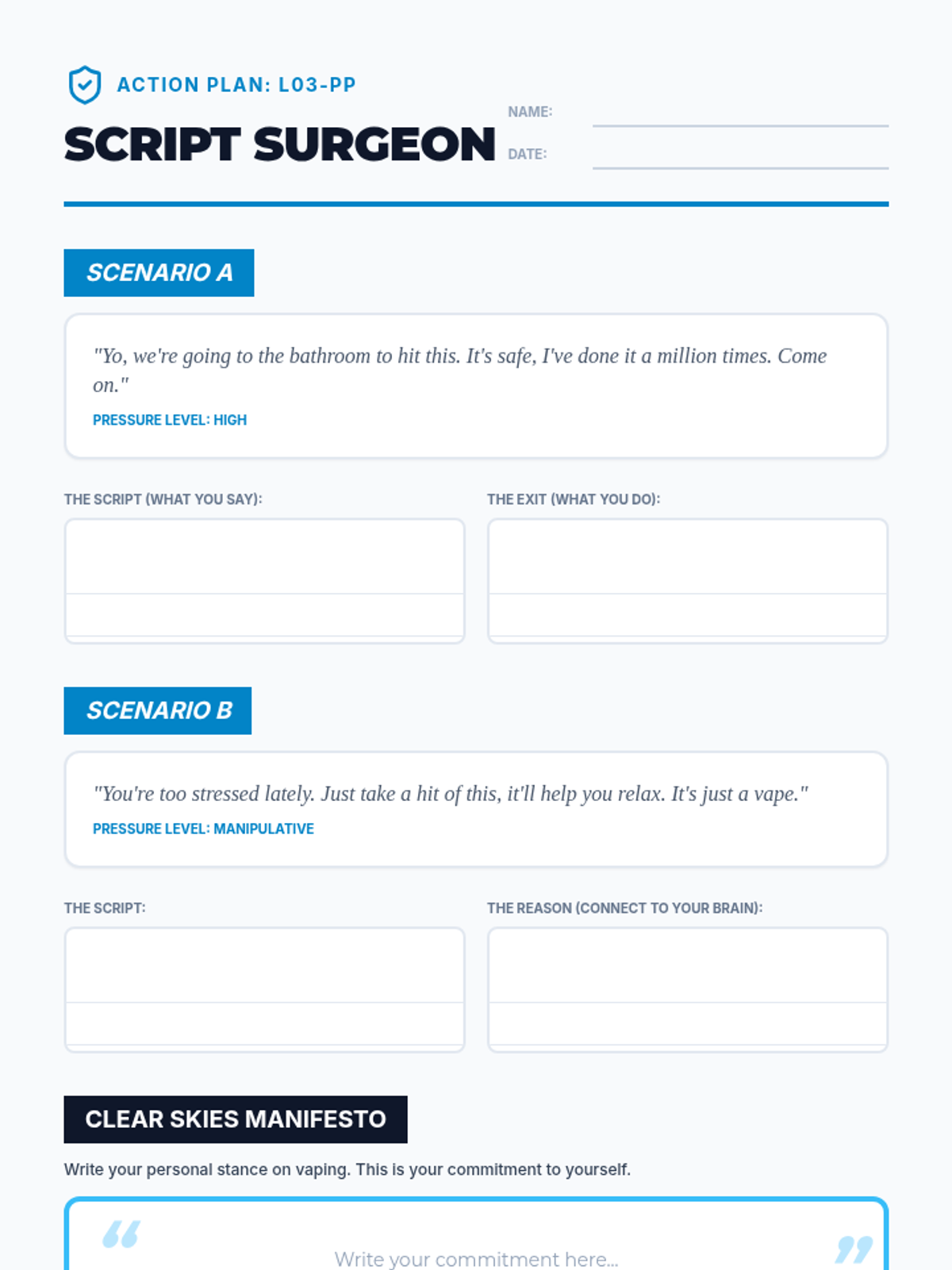
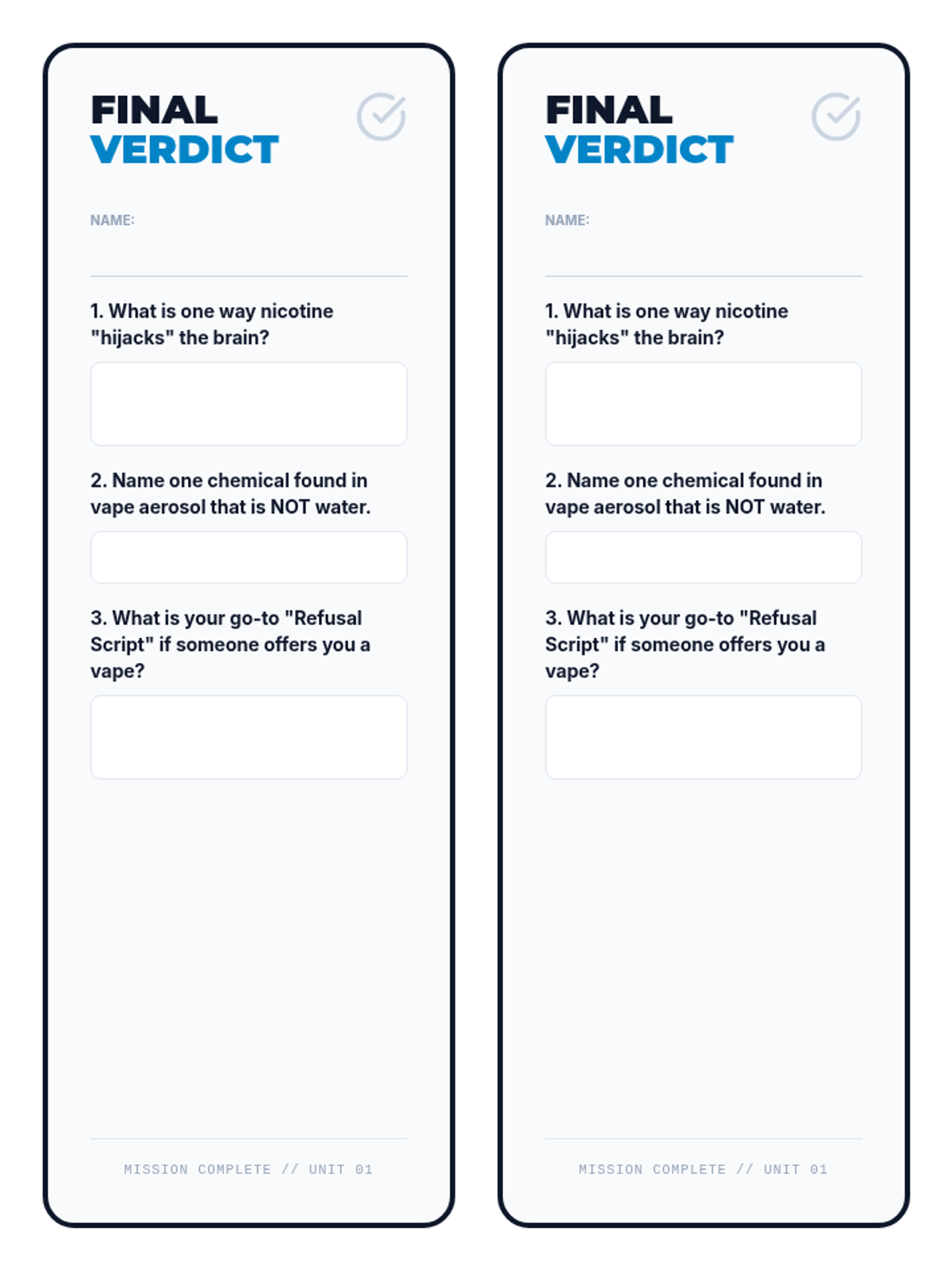
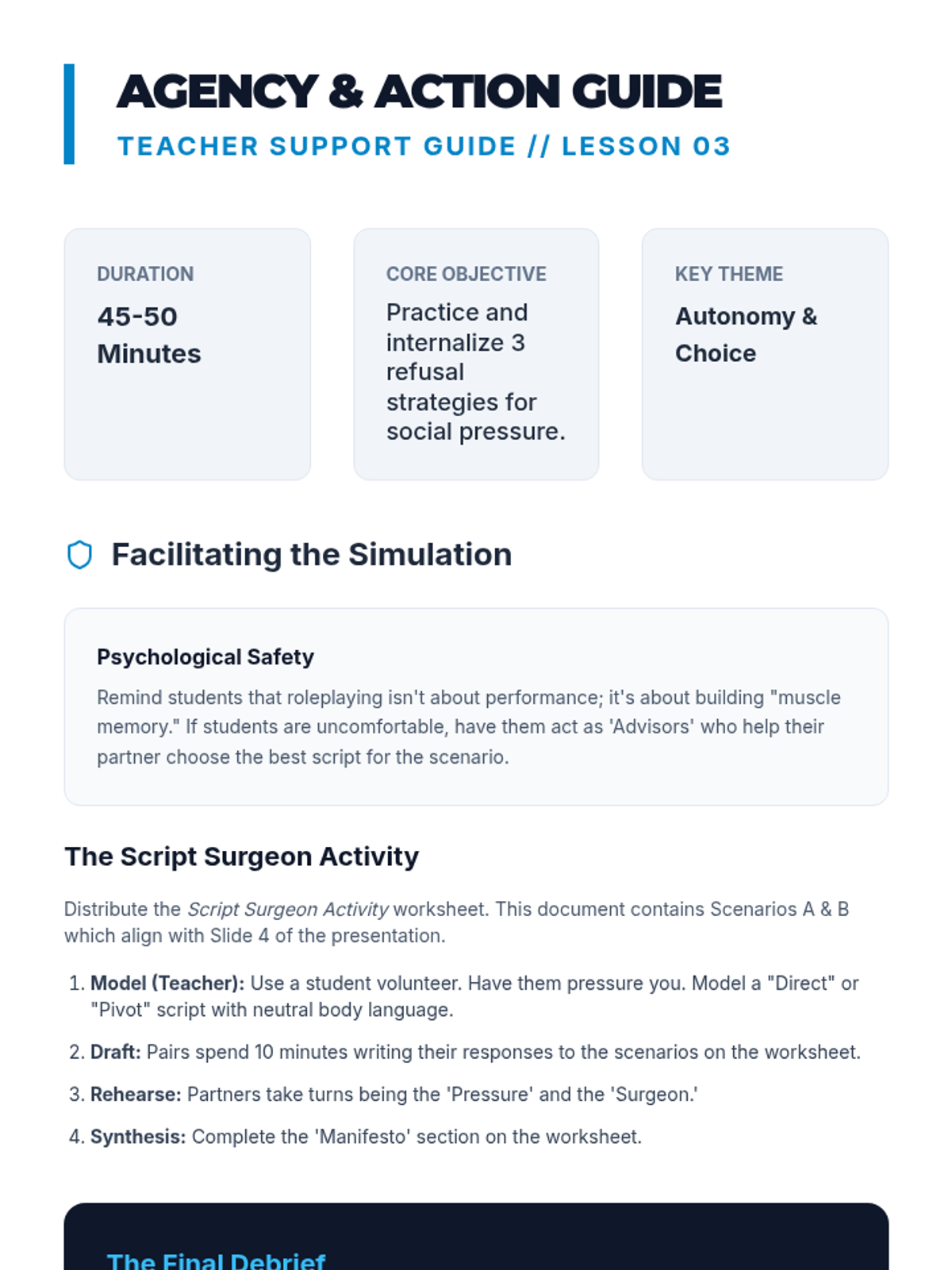
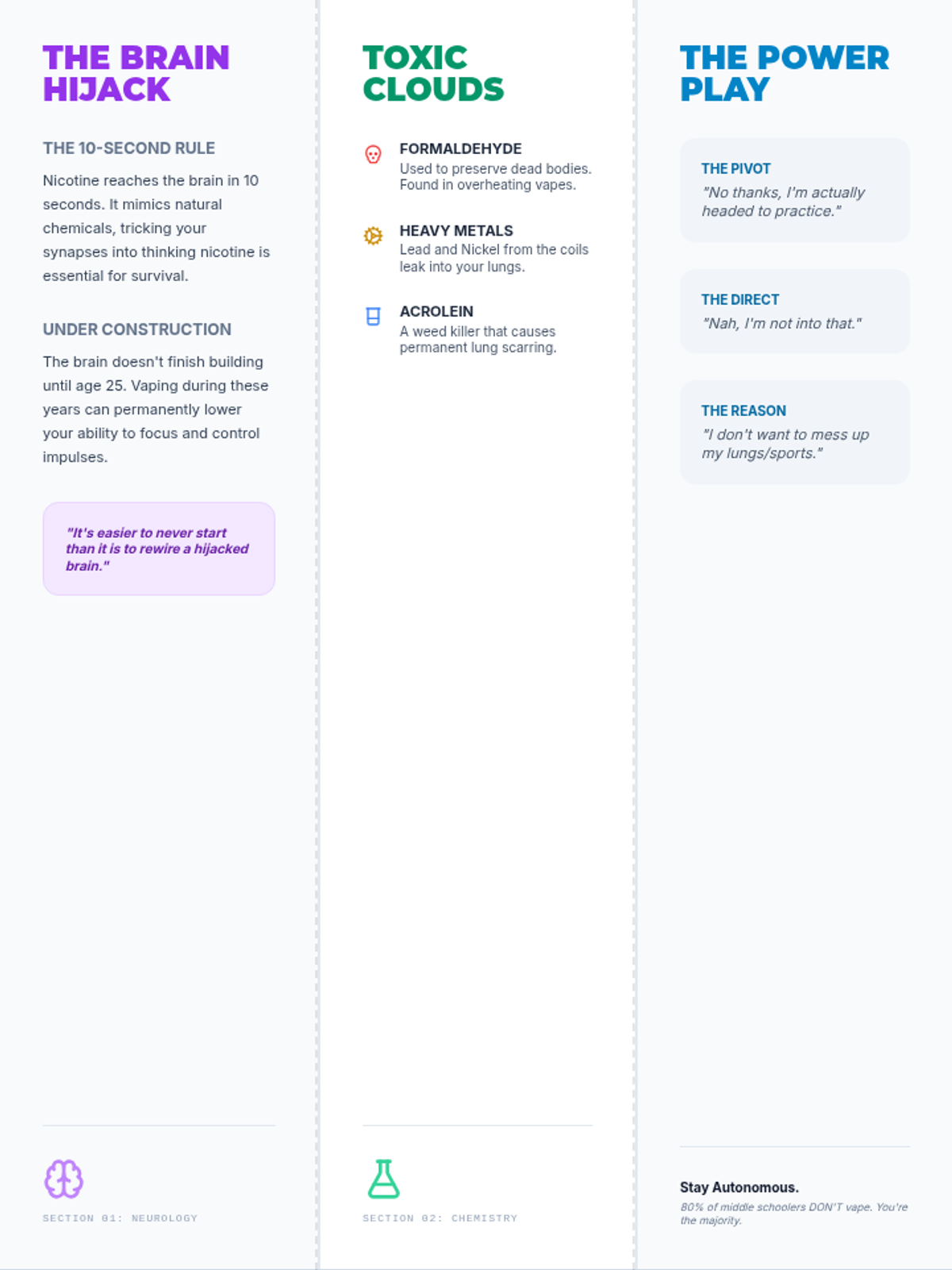
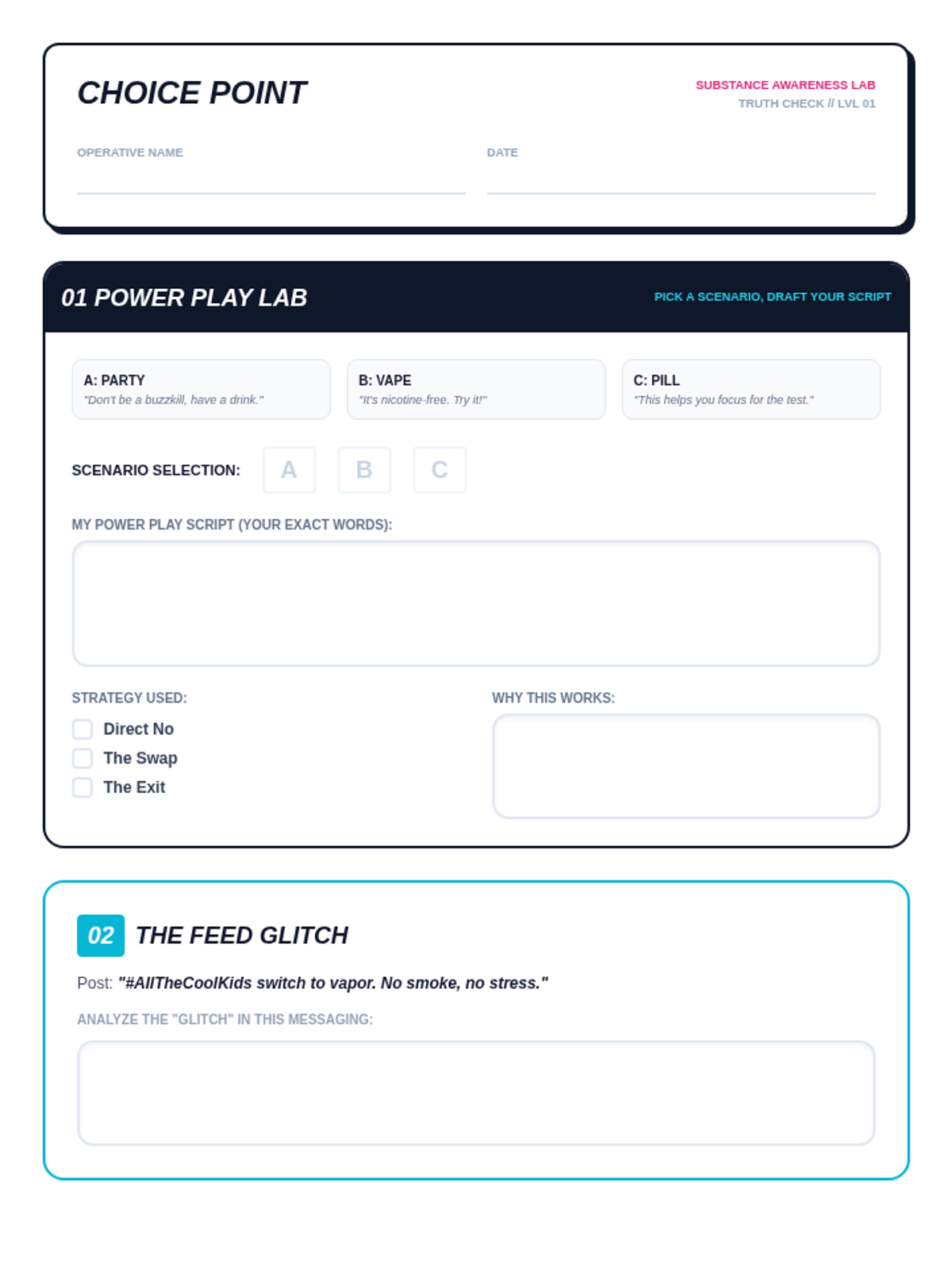
Equip students with the social tools to resist peer pressure and the agency to choose a vape-free future. Students practice refusal scripts and reflect on their personal values.
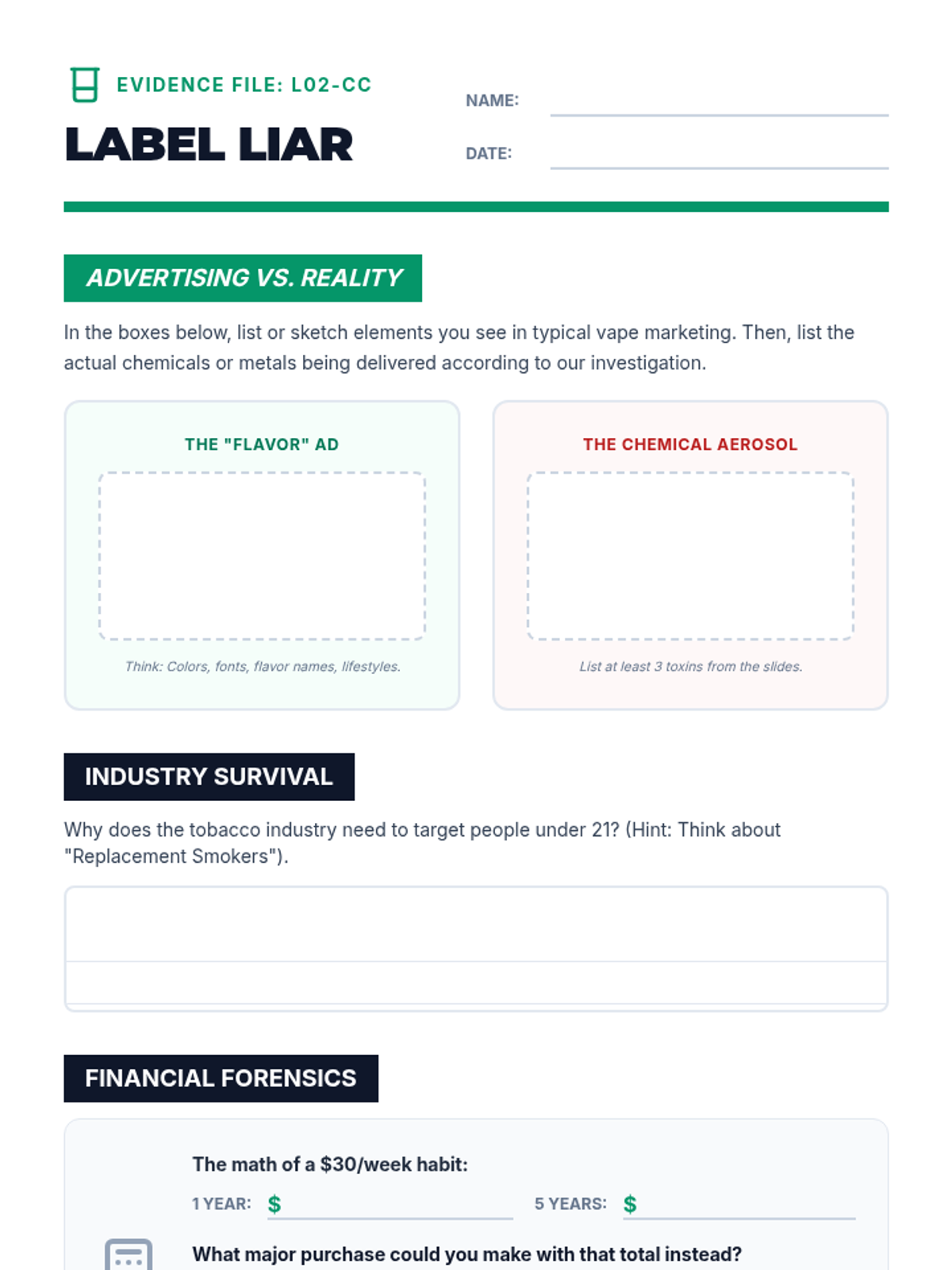
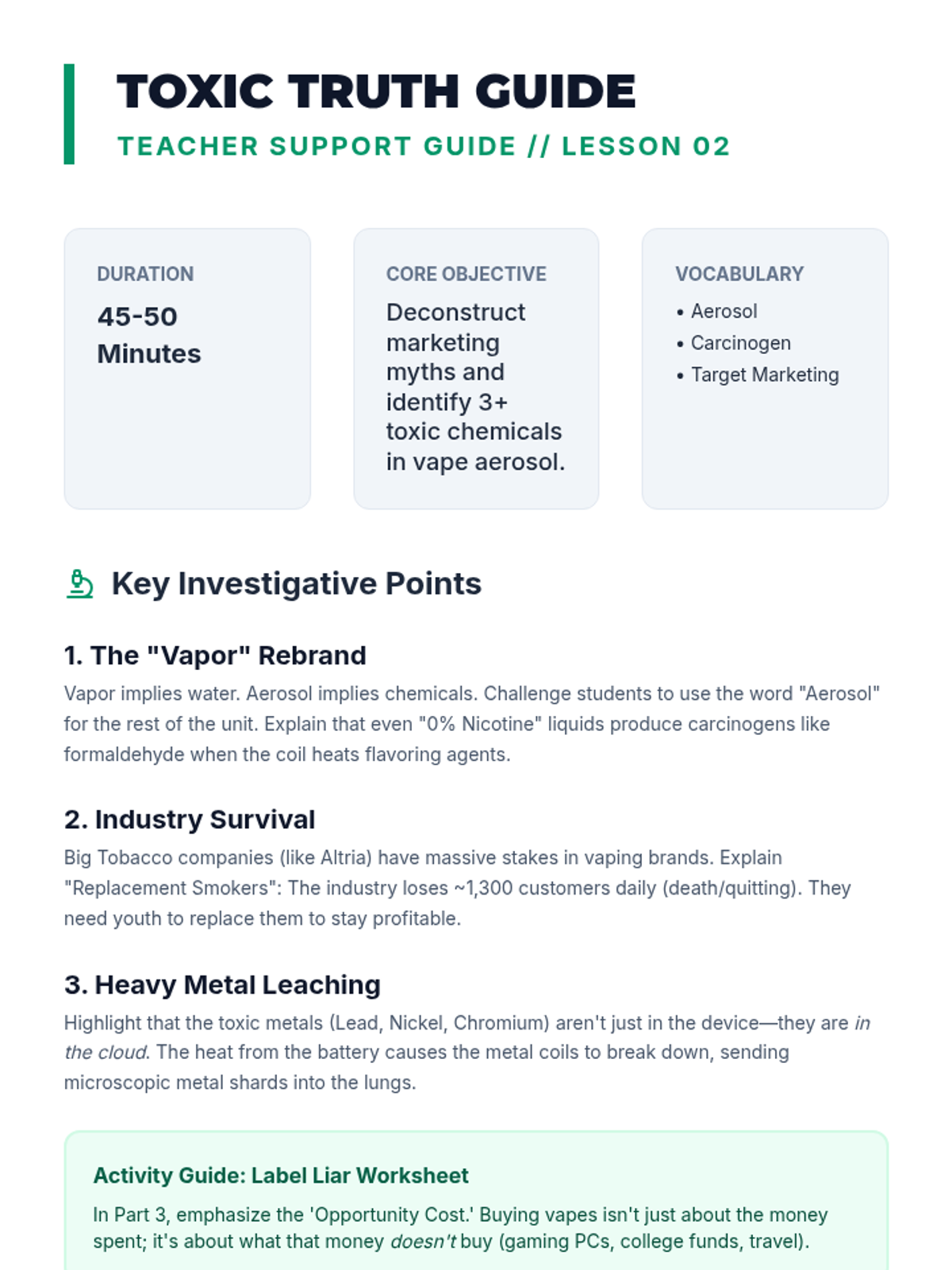
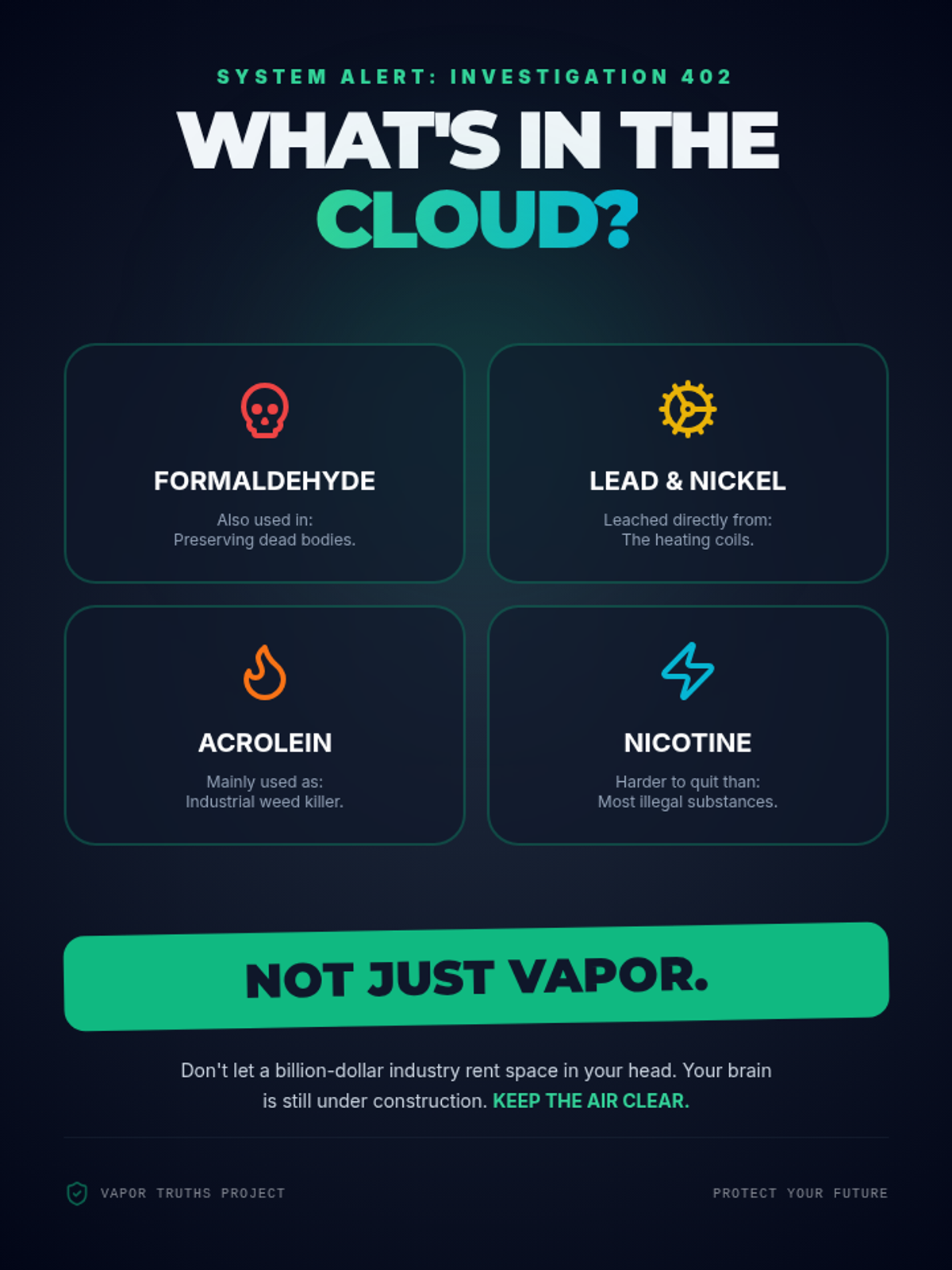
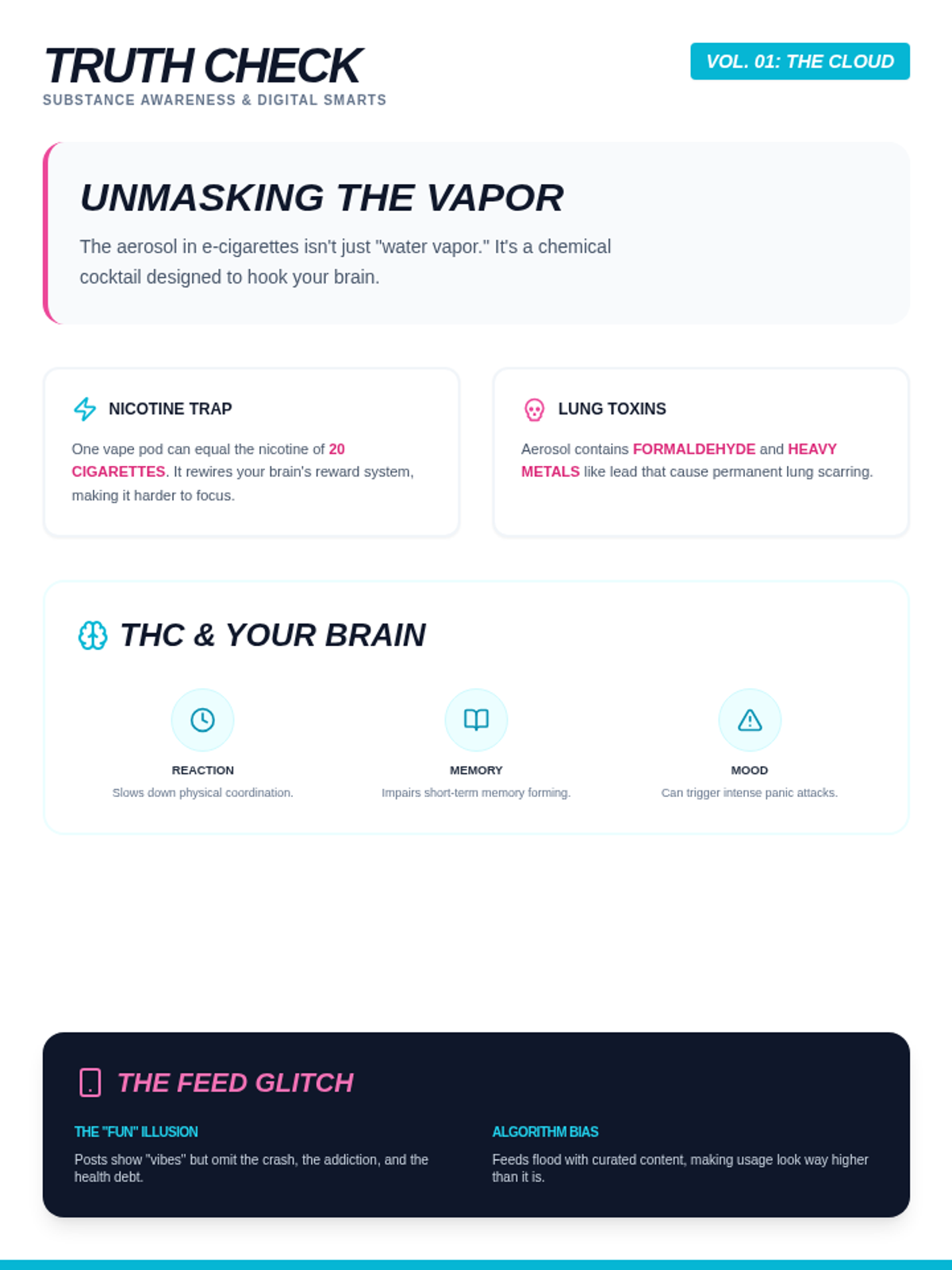
Uncover the toxic truth behind aerosol ingredients and the deceptive marketing tactics used to target youth. Students analyze the disparity between "flavor" branding and chemical reality.
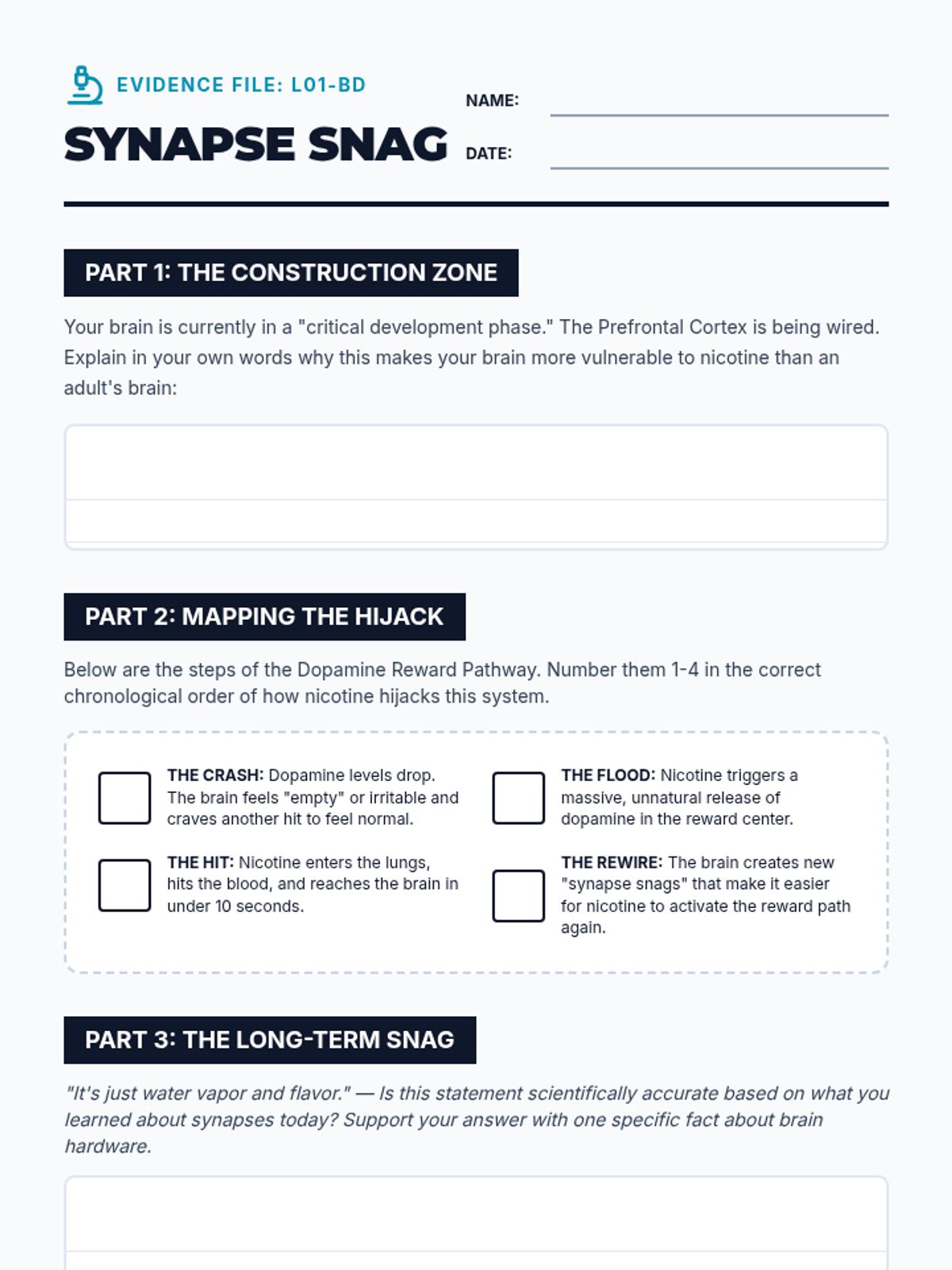
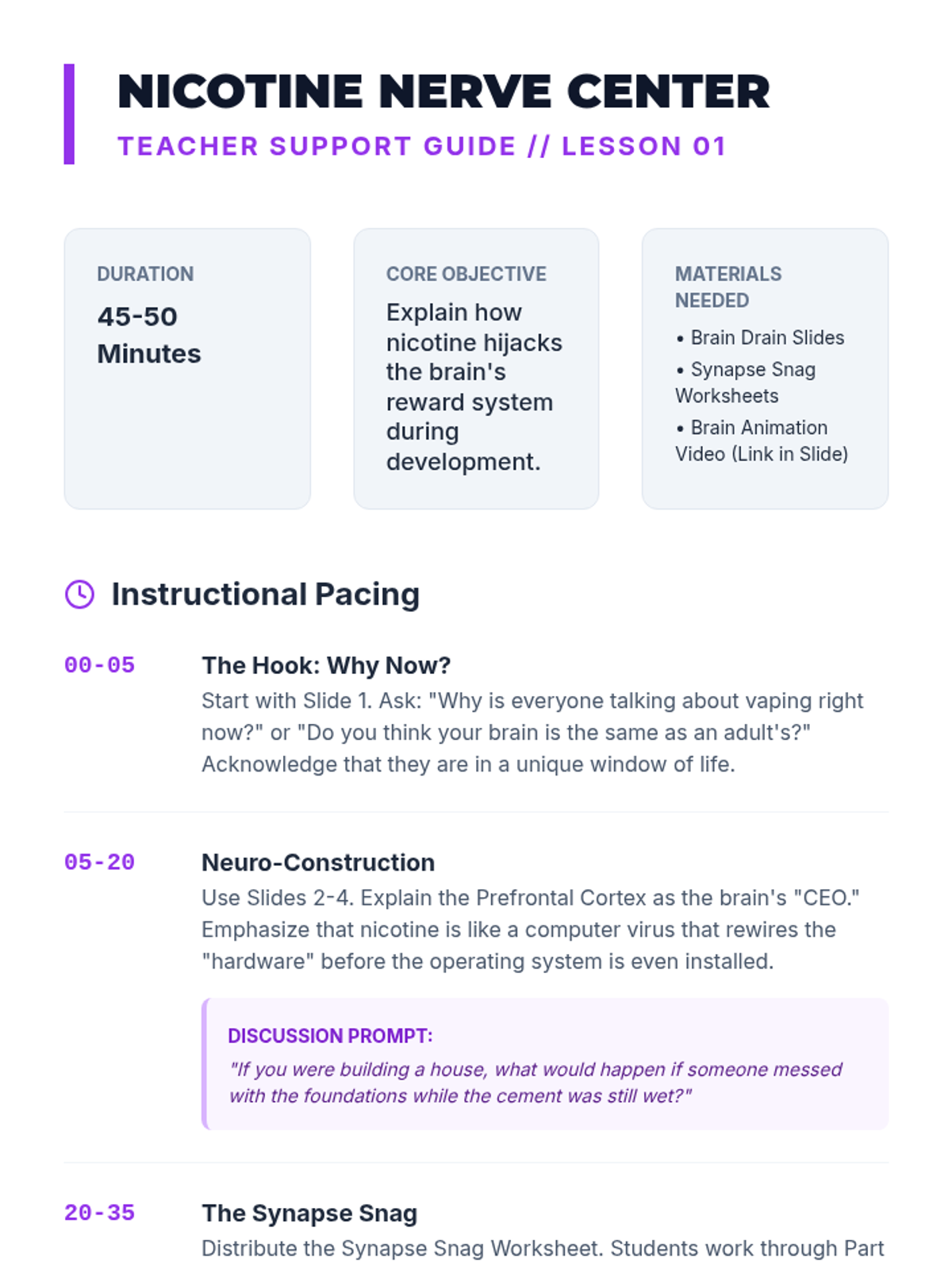
Investigate how nicotine hijacks the developing middle school brain and the science of the reward system. Students map the neural pathways affected by addiction and explore why young brains are particularly vulnerable.
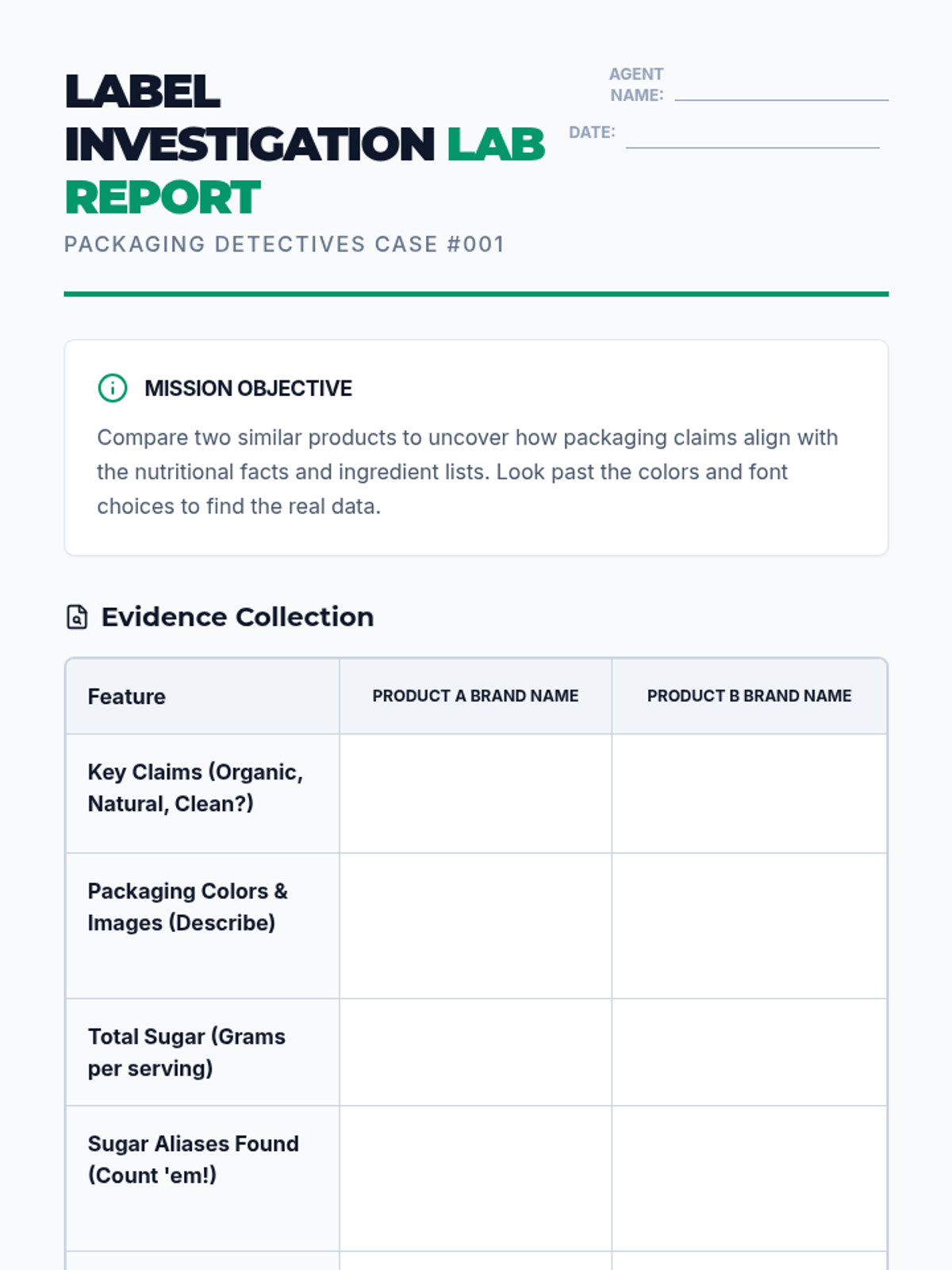
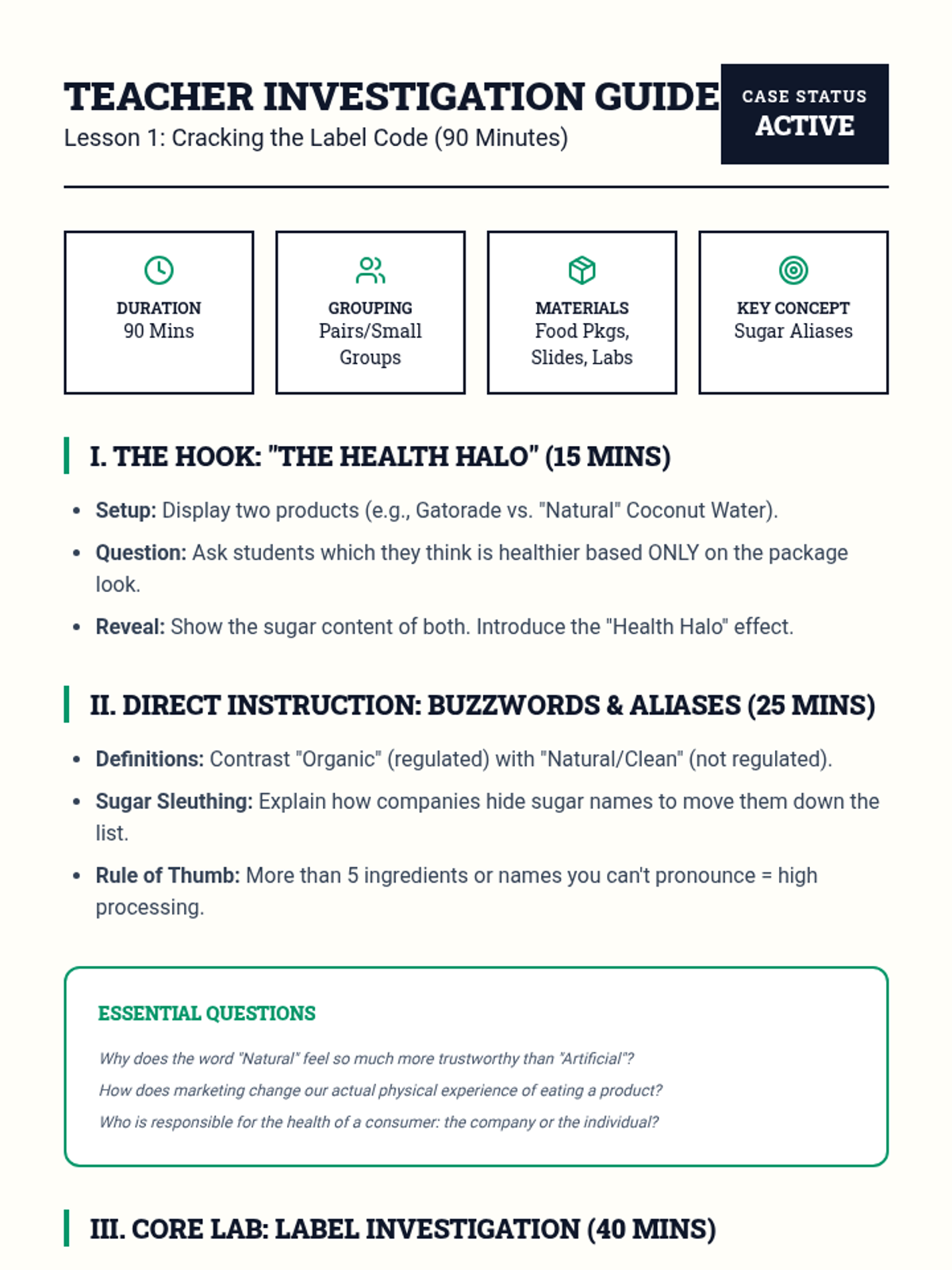
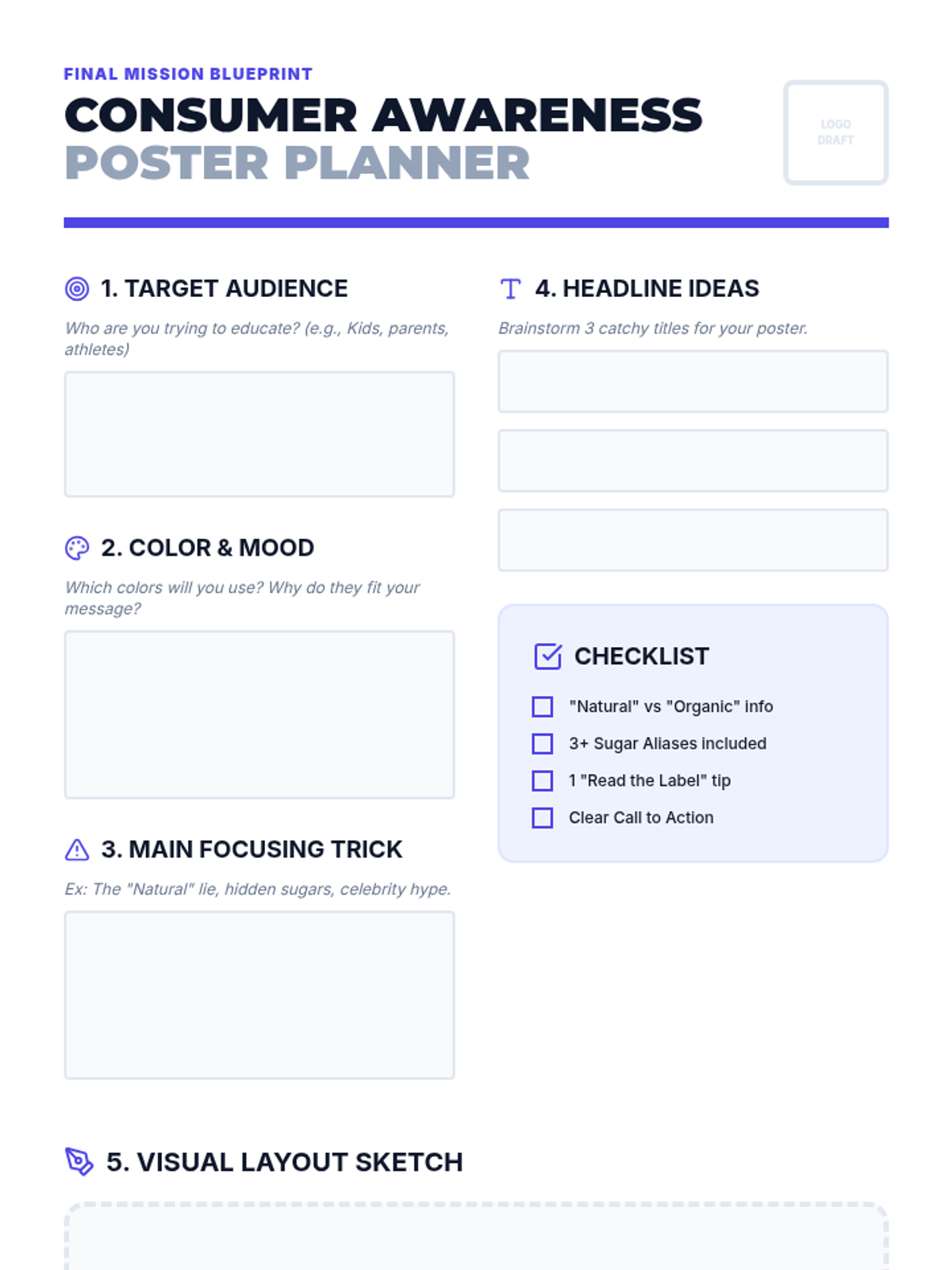
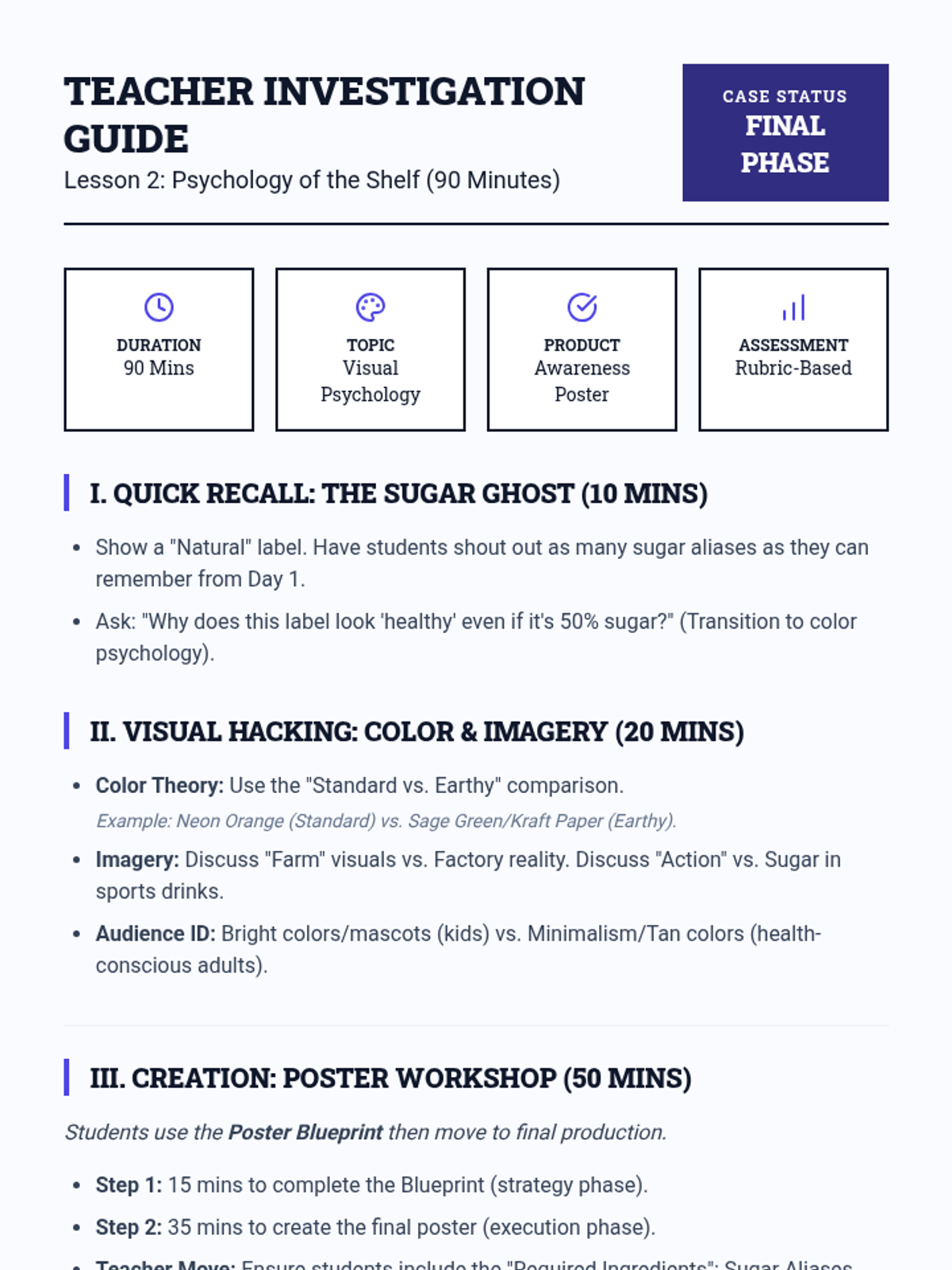
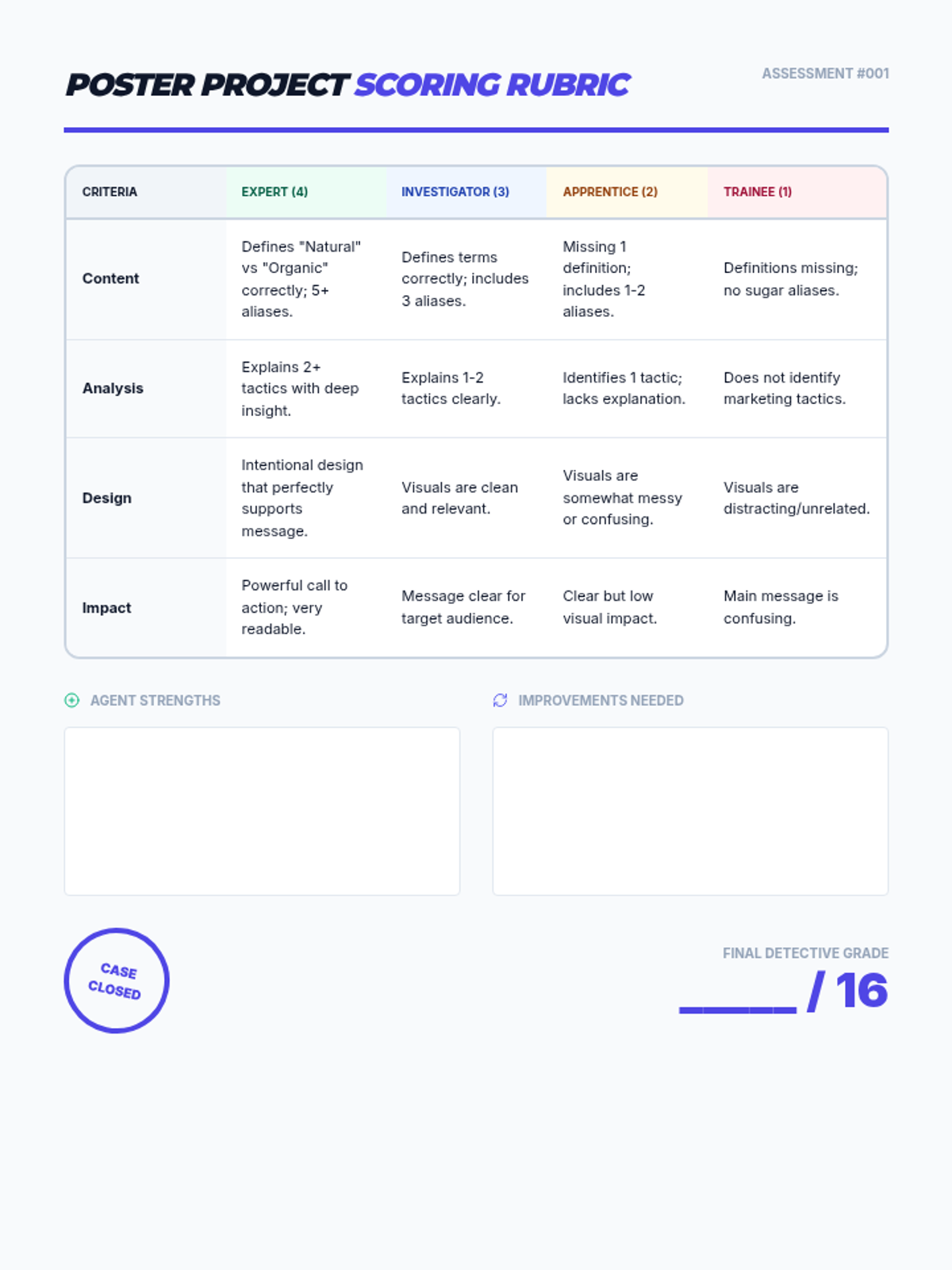
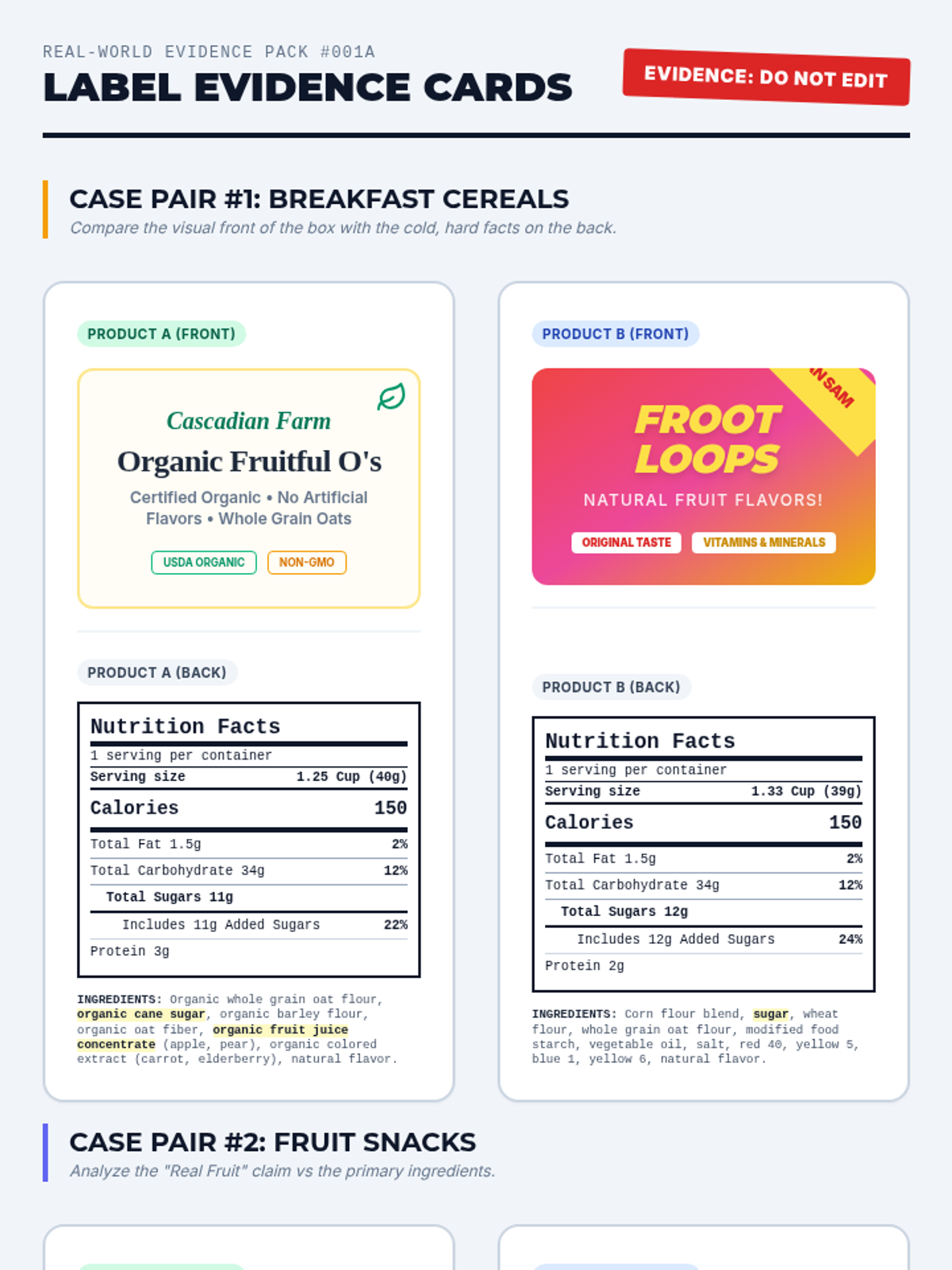
Students analyze the visual and psychological tactics used in marketing, from color theory to celebrity endorsements, and create a consumer awareness poster to educate others.
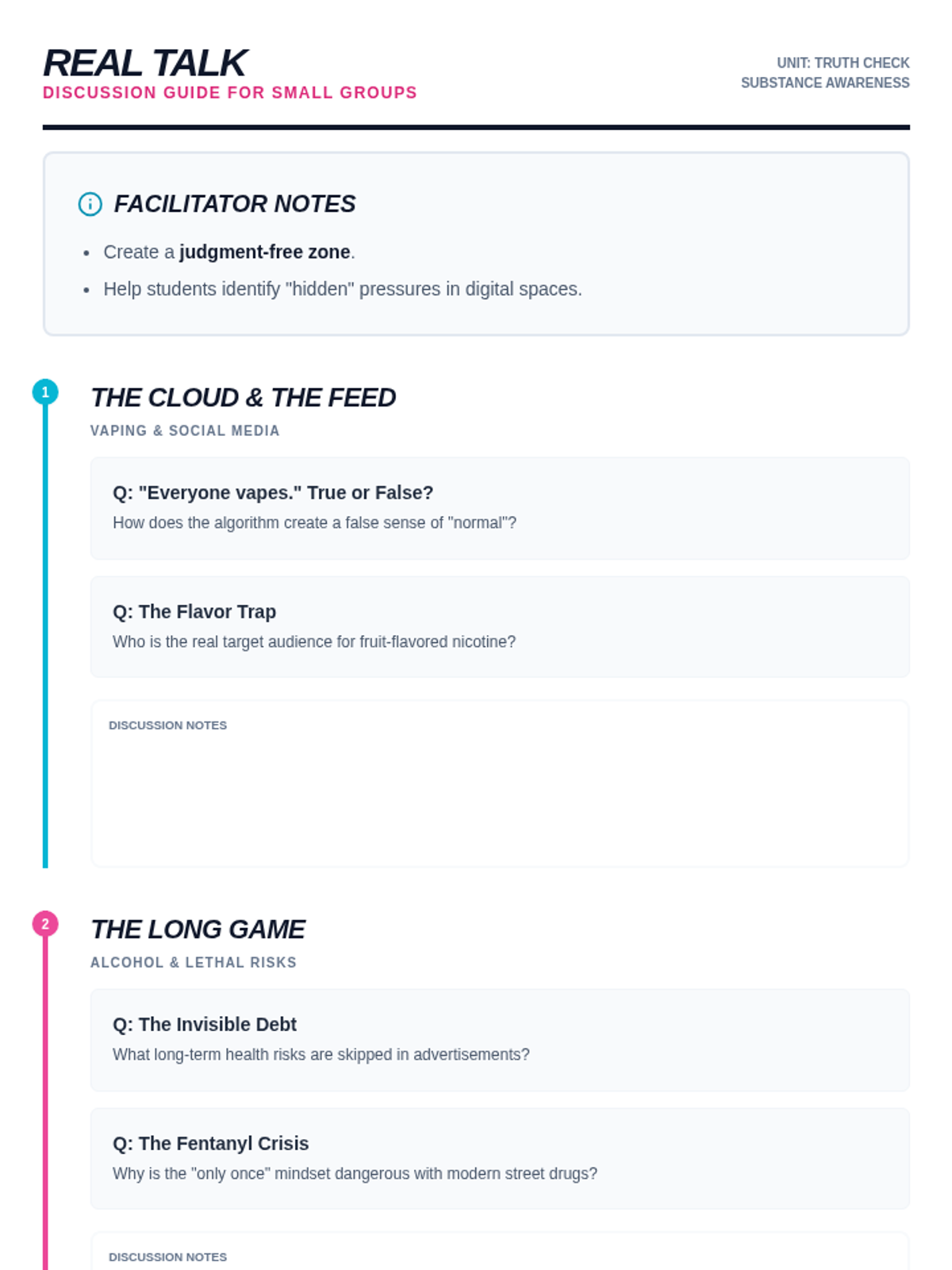
A comprehensive drug prevention lesson covering vaping, THC, alcohol, and the influence of social media, featuring refusal skills and scenario-based learning.
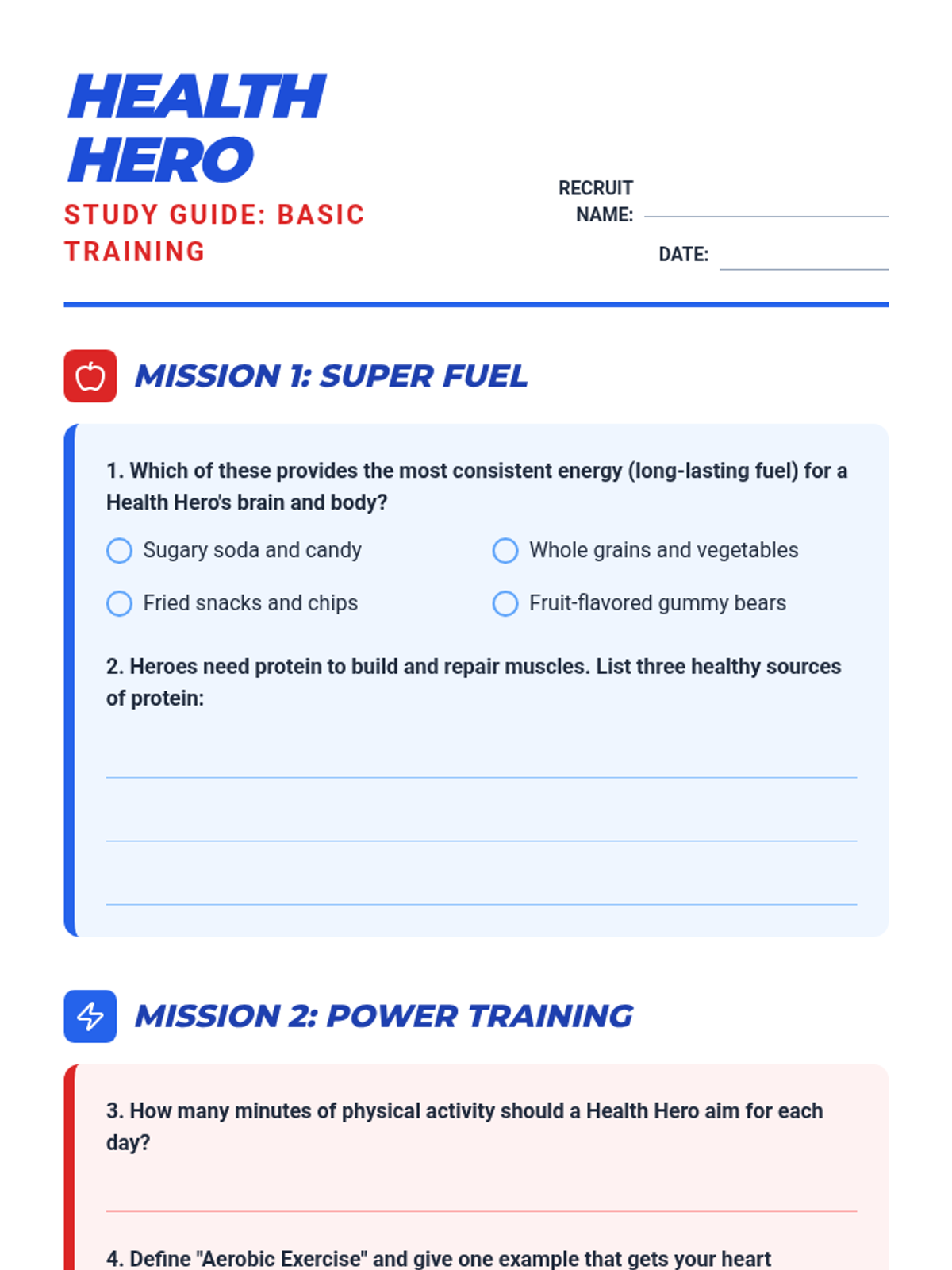
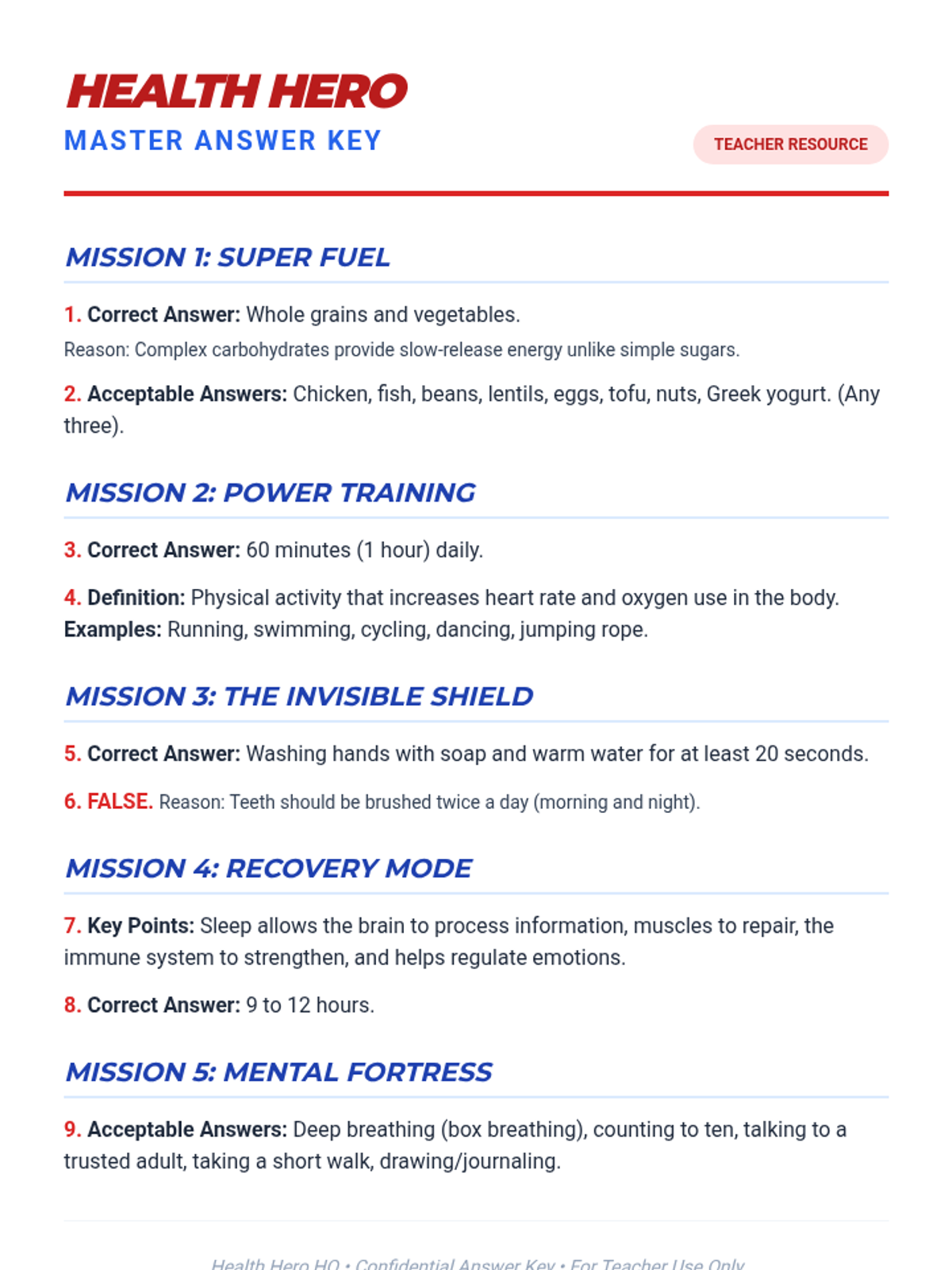
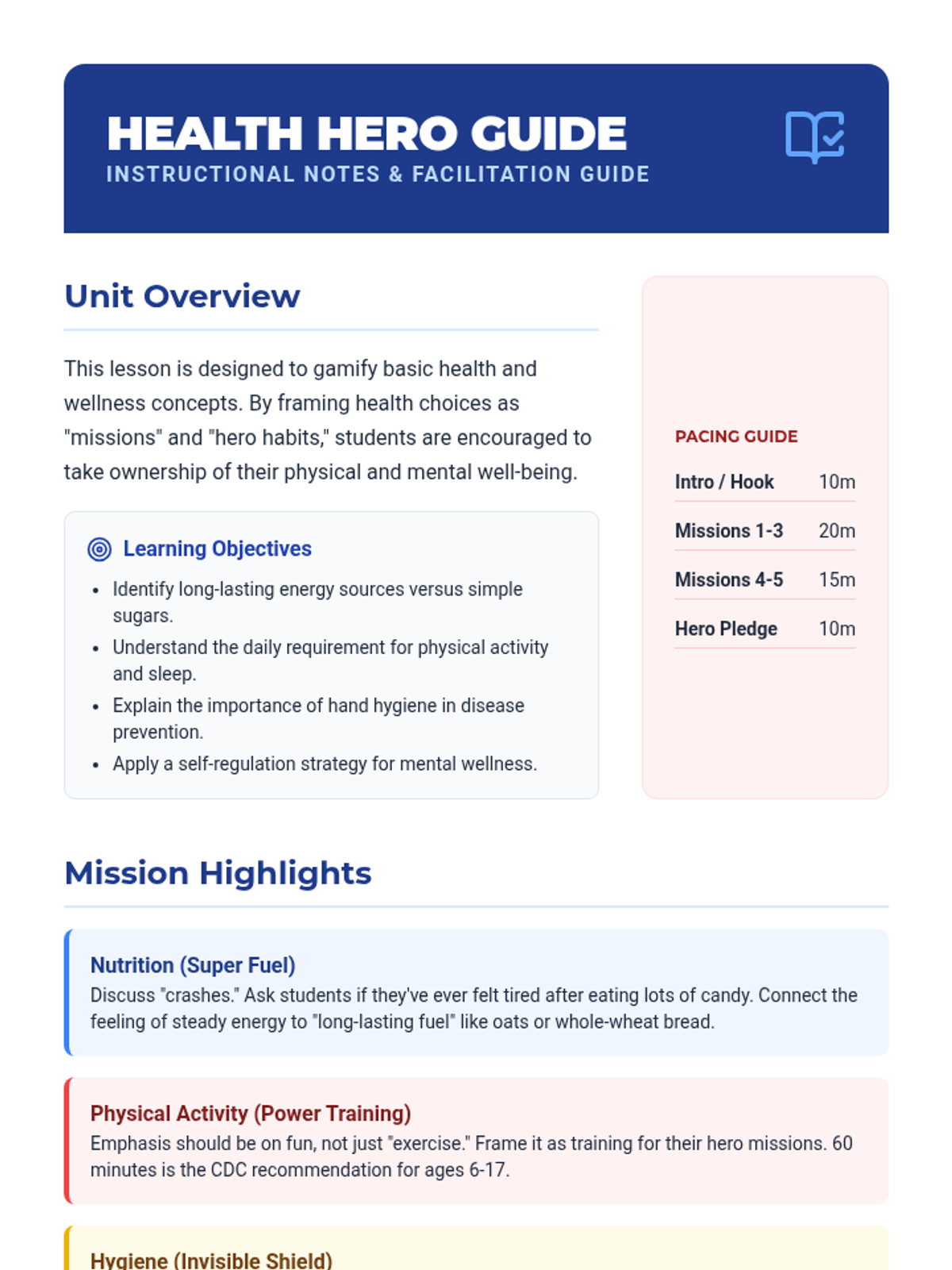
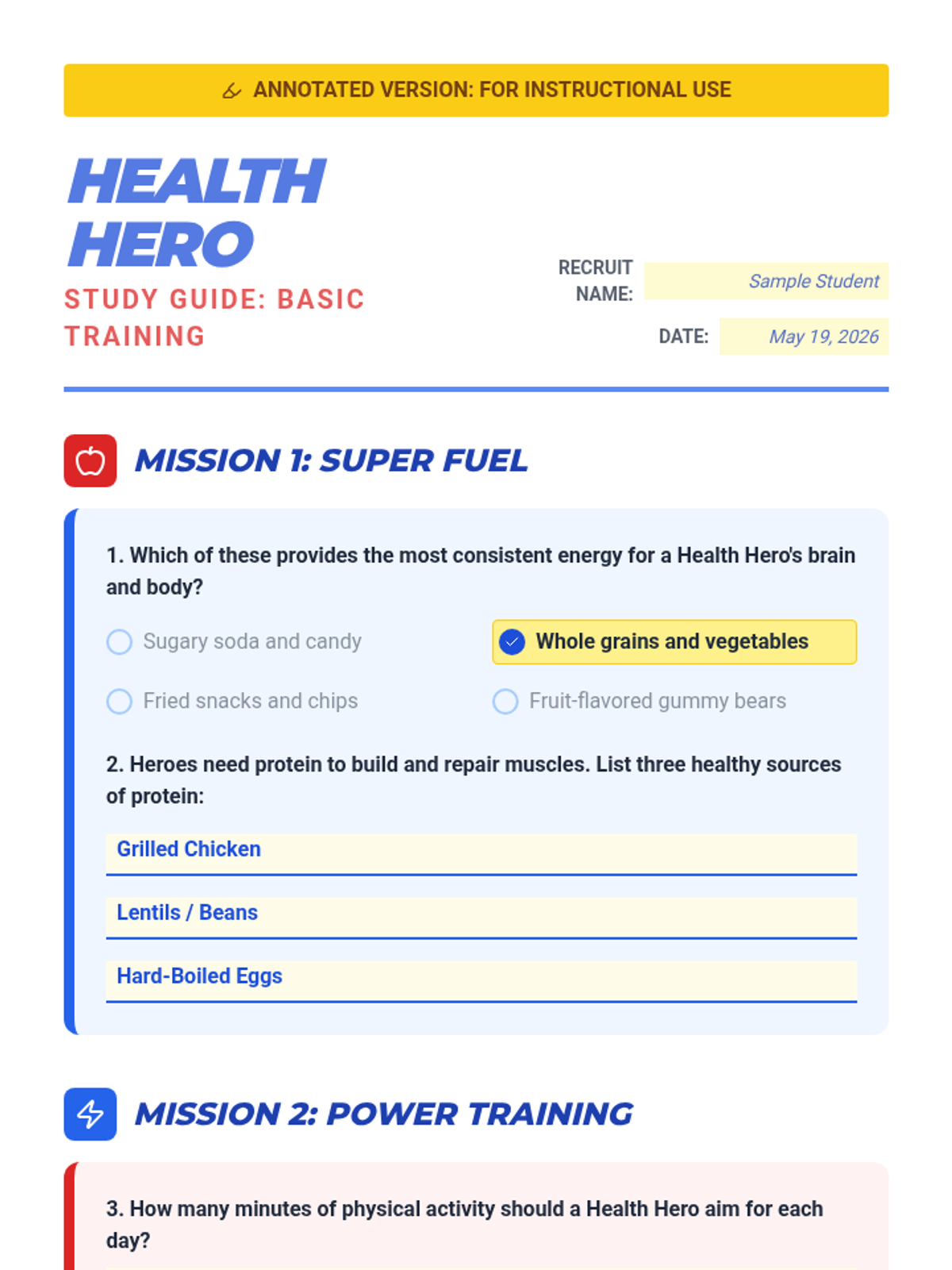
A foundational lesson where students learn the core pillars of health—nutrition, exercise, sleep, and hygiene—to build their own 'Hero's Habit' routine.
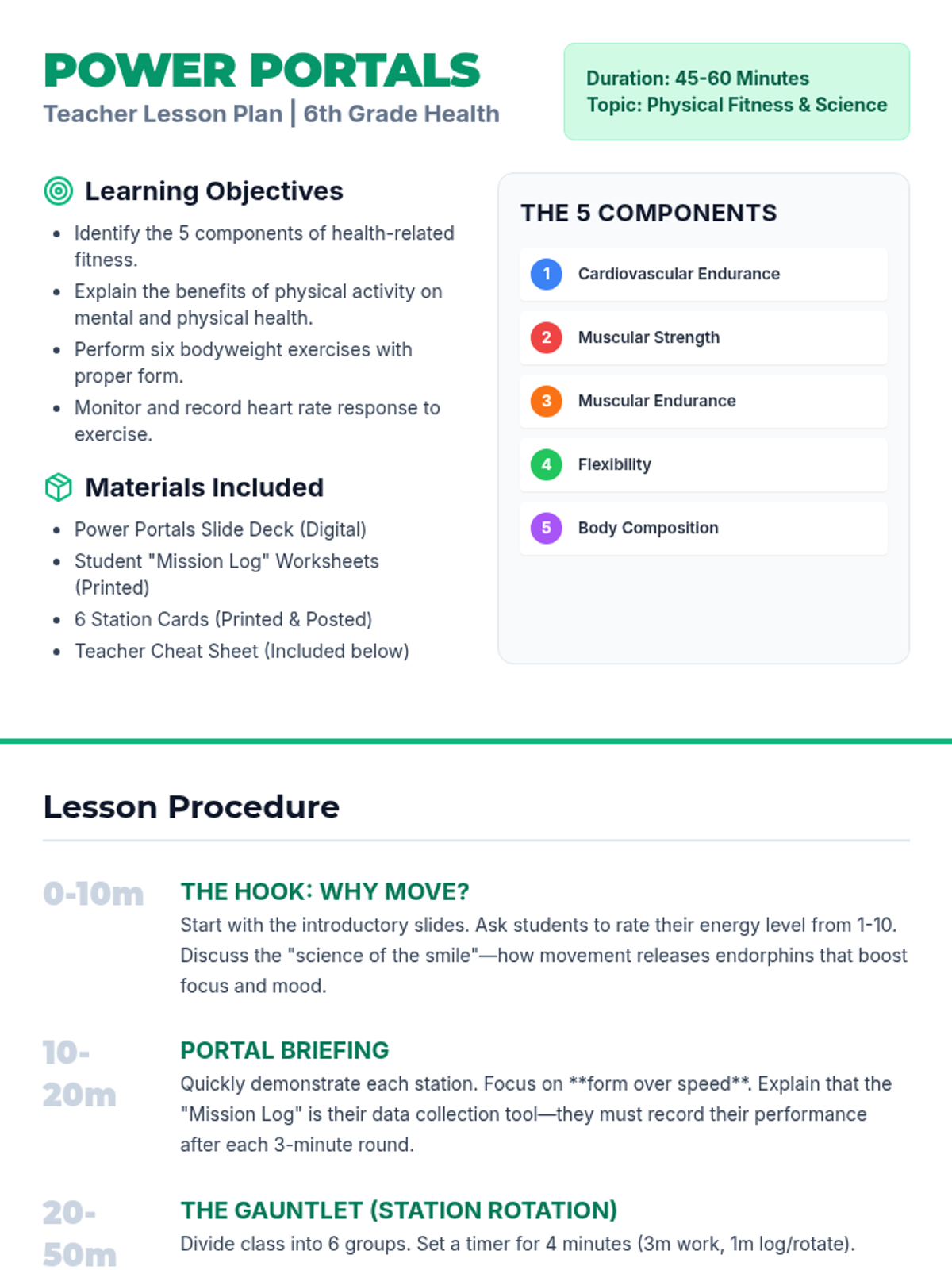
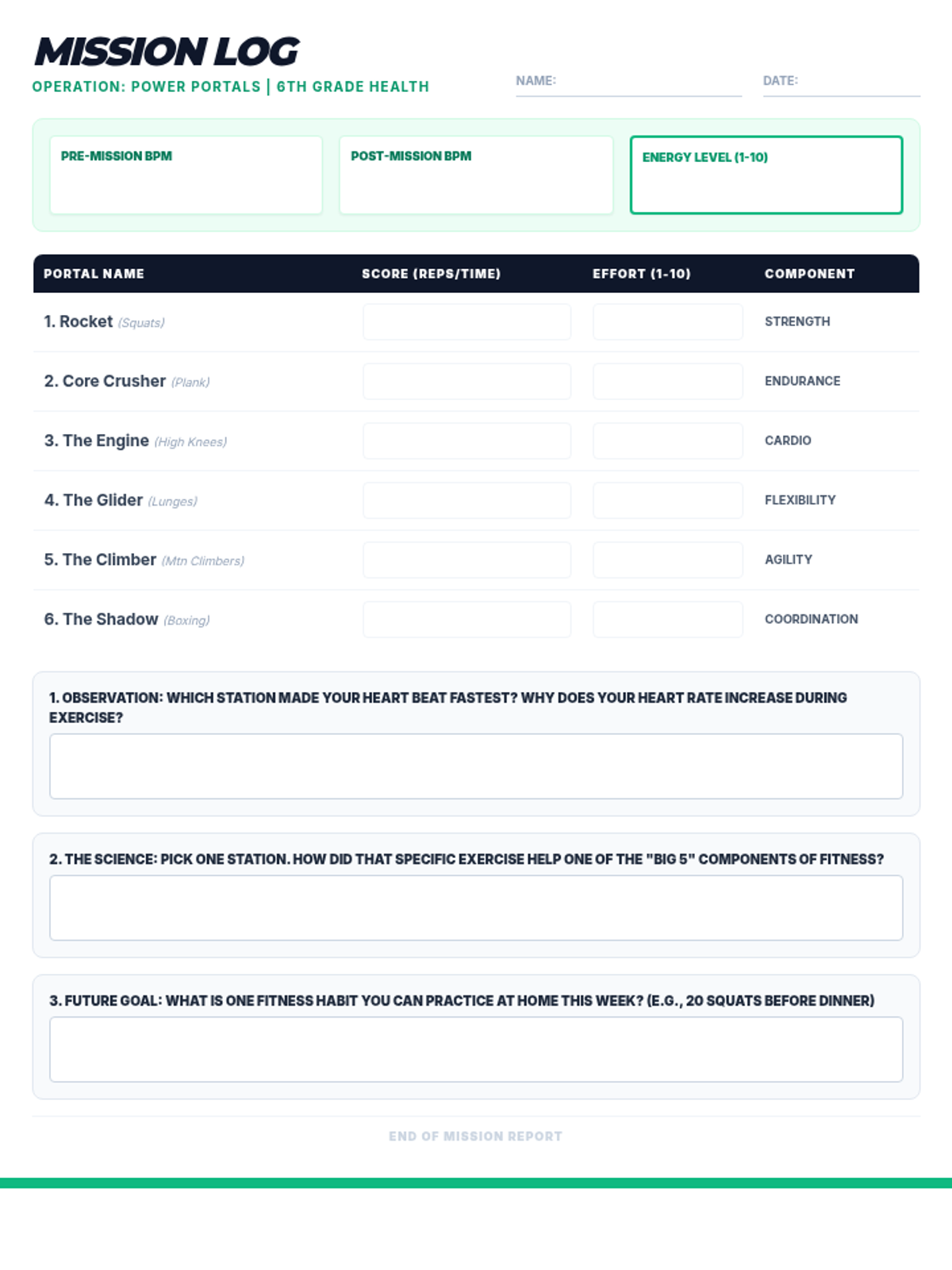
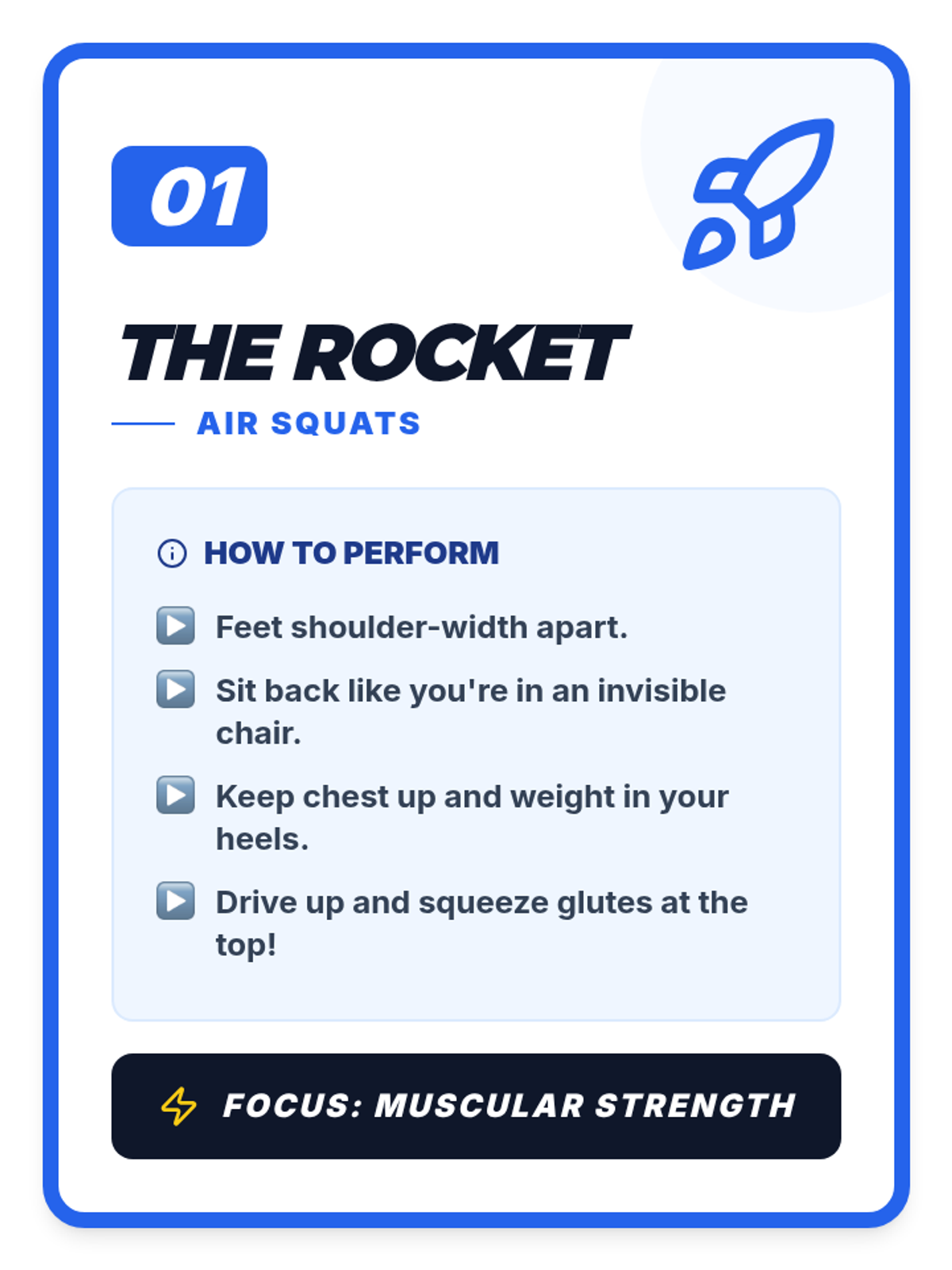
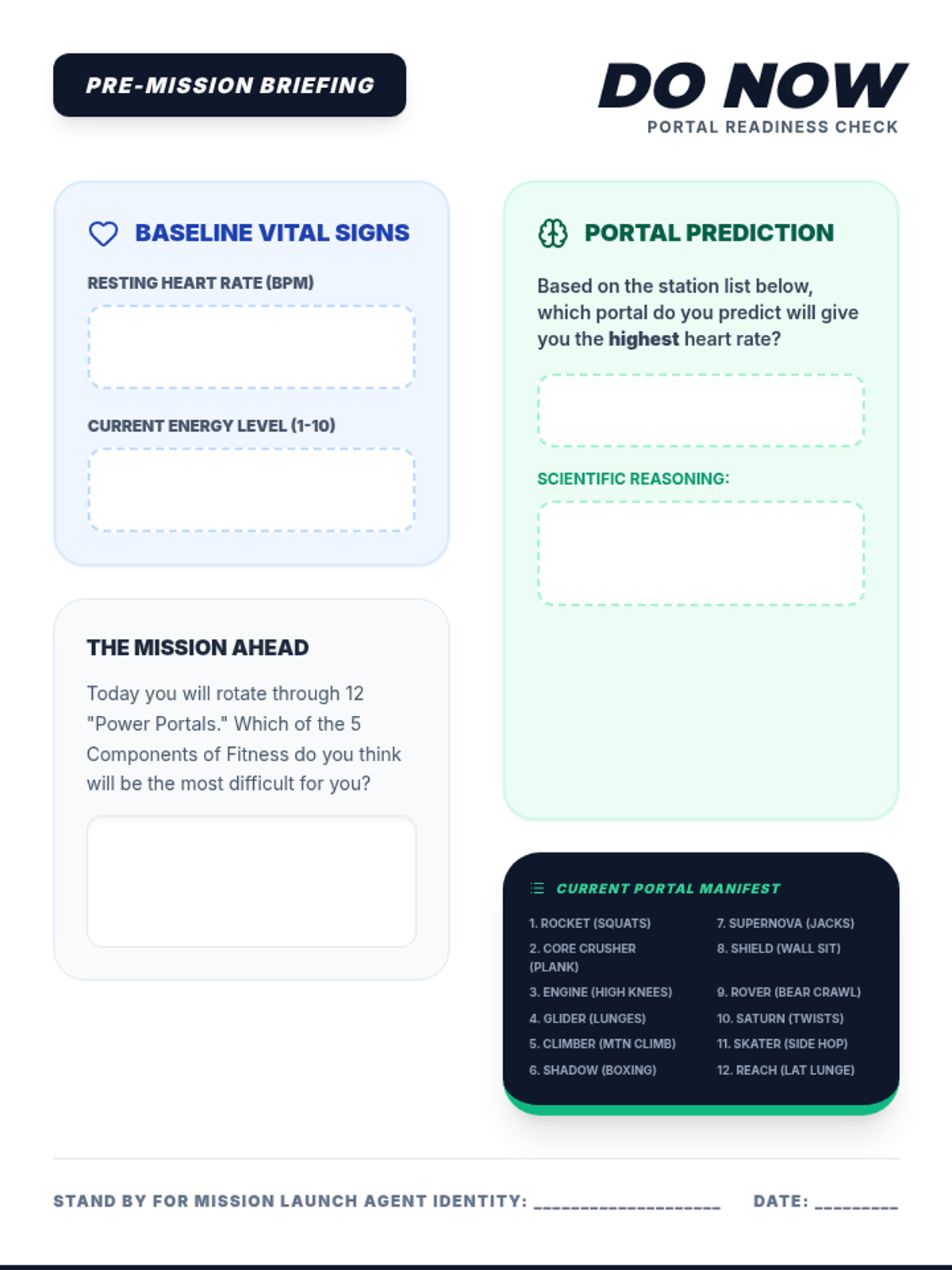
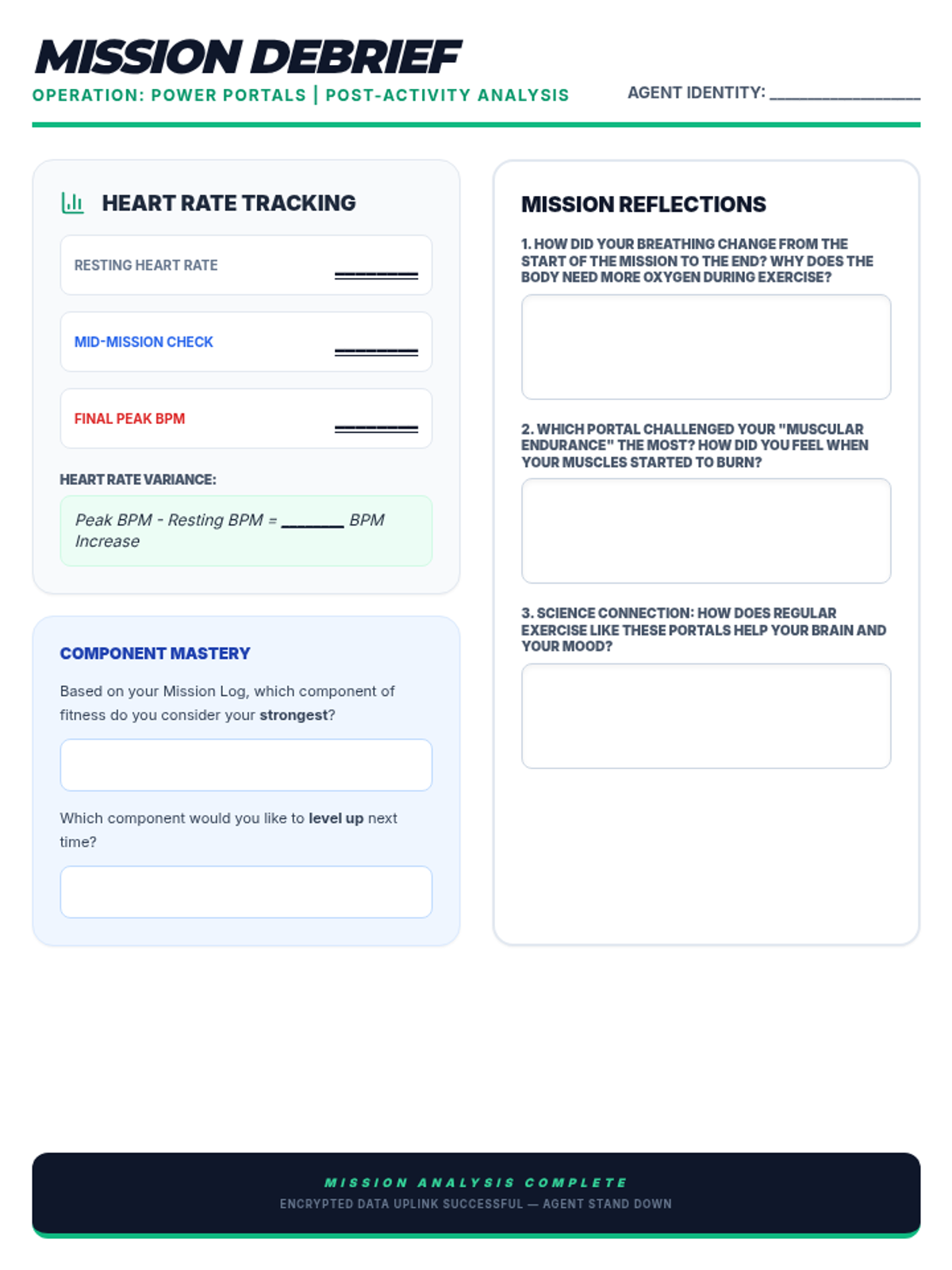
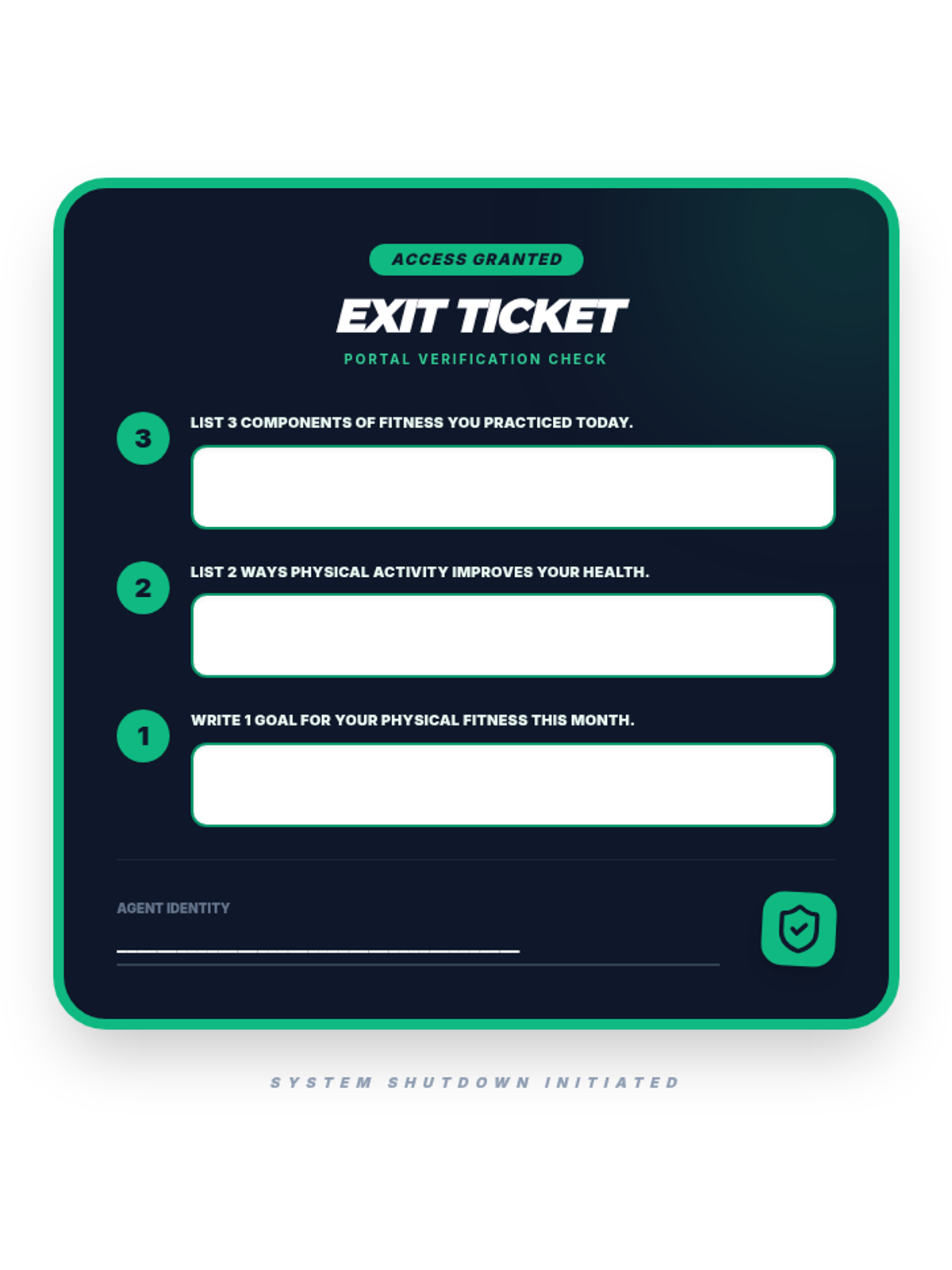
A 6th-grade health lesson exploring the science of physical fitness through a series of zero-equipment bodyweight exercise stations. Students learn about the components of fitness while rotating through high-energy 'Power Portals'.
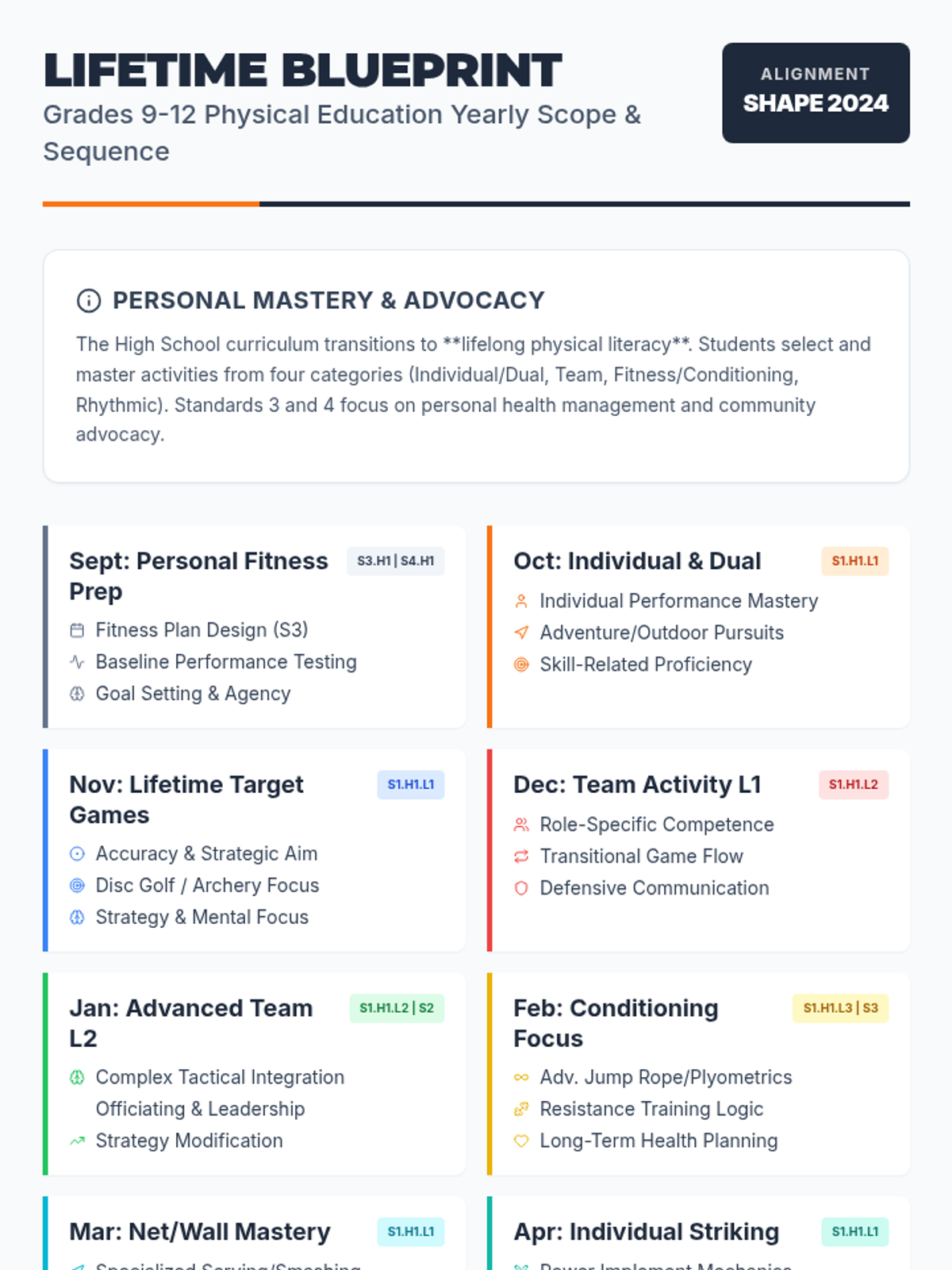
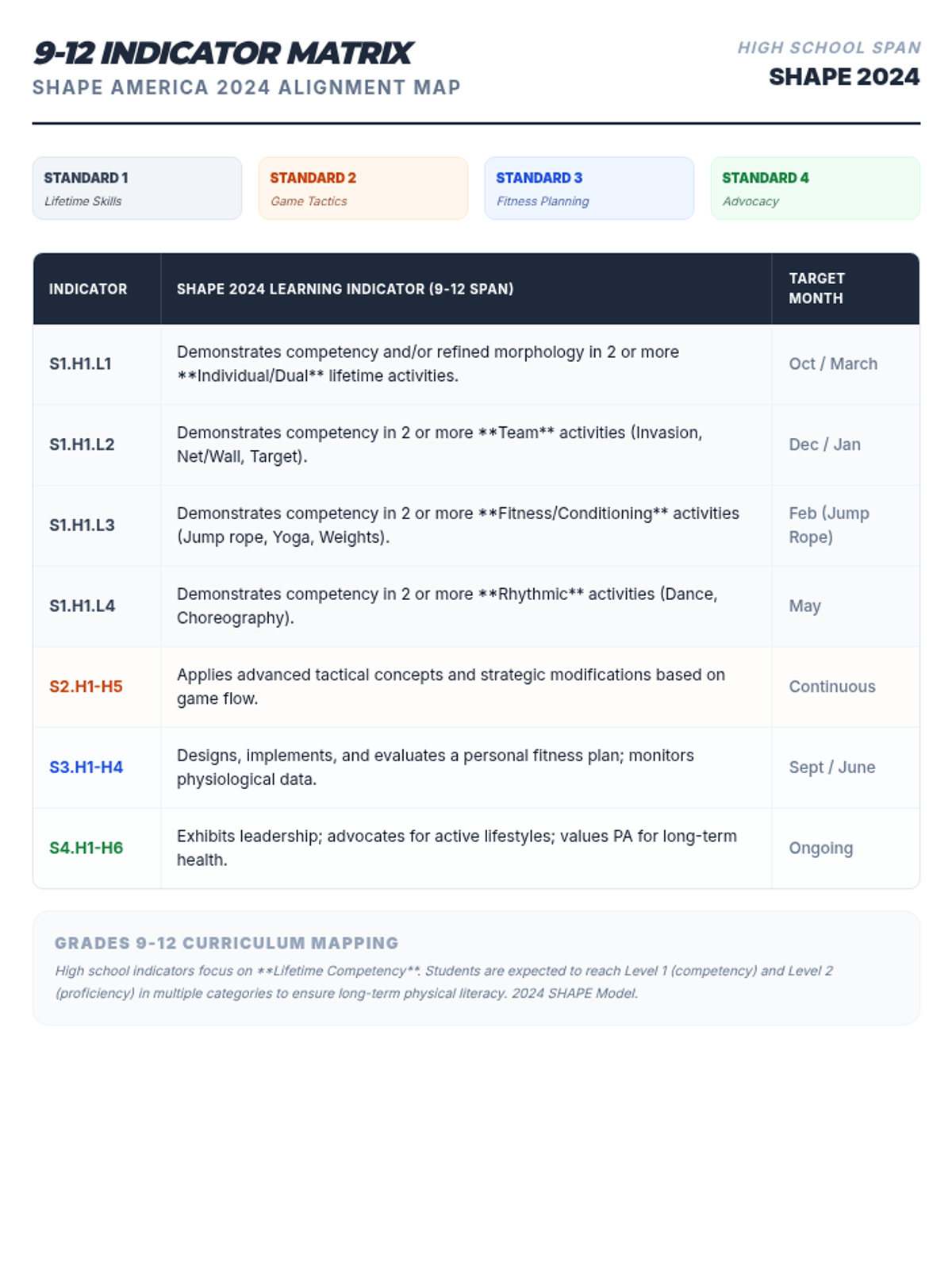
Designing and implementing personal fitness plans and mastering lifetime activities for Grades 9-12.
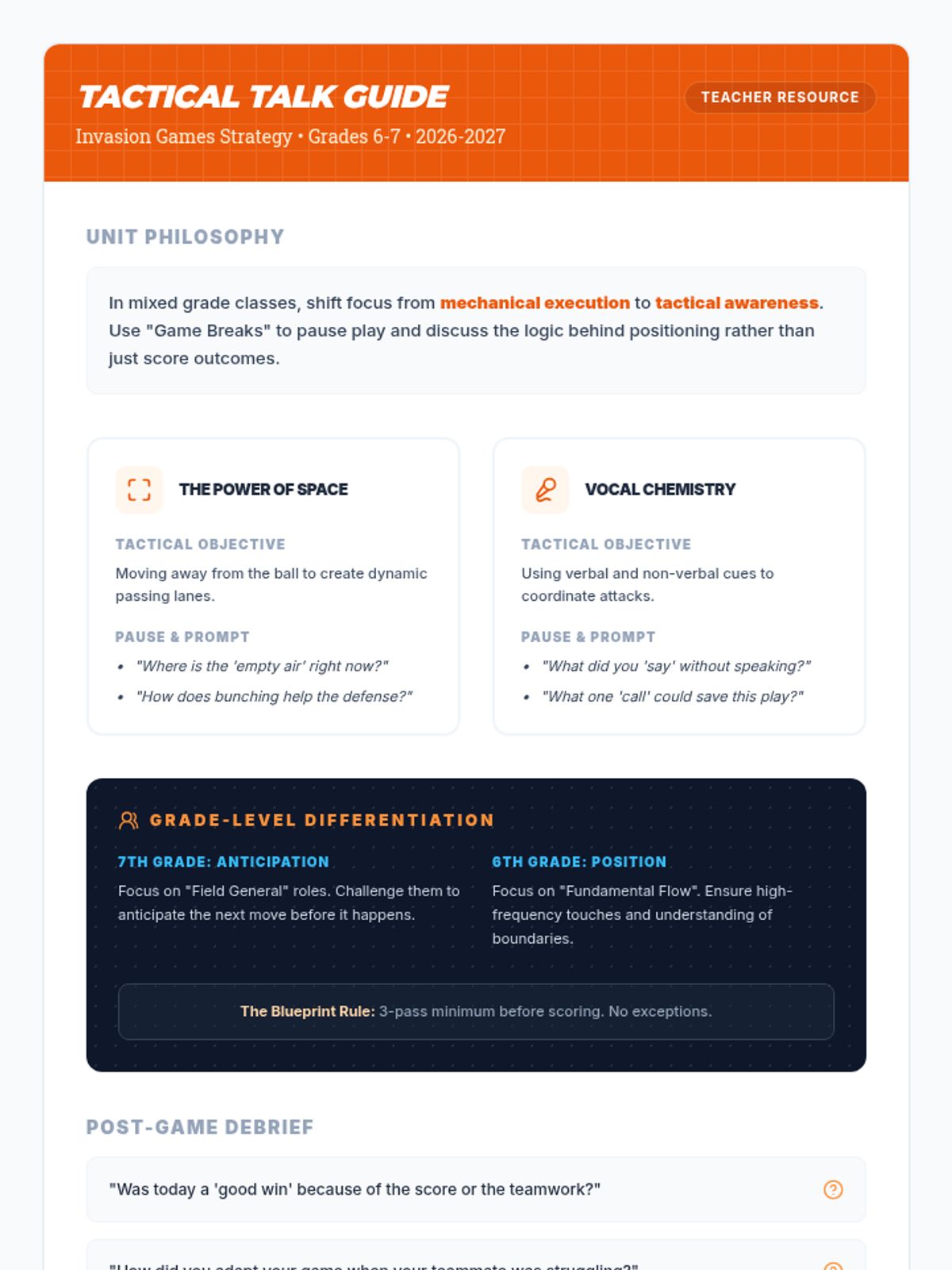
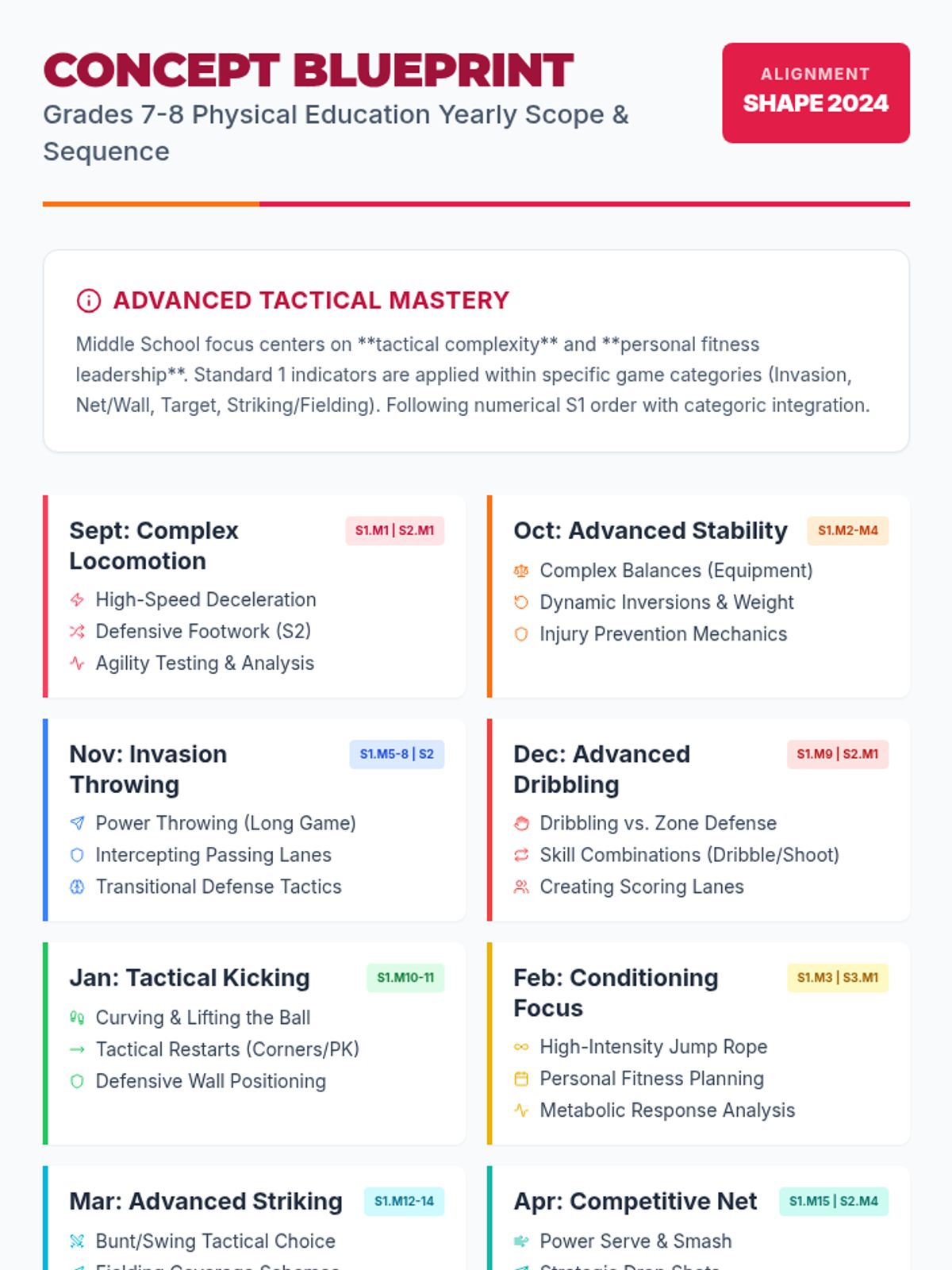
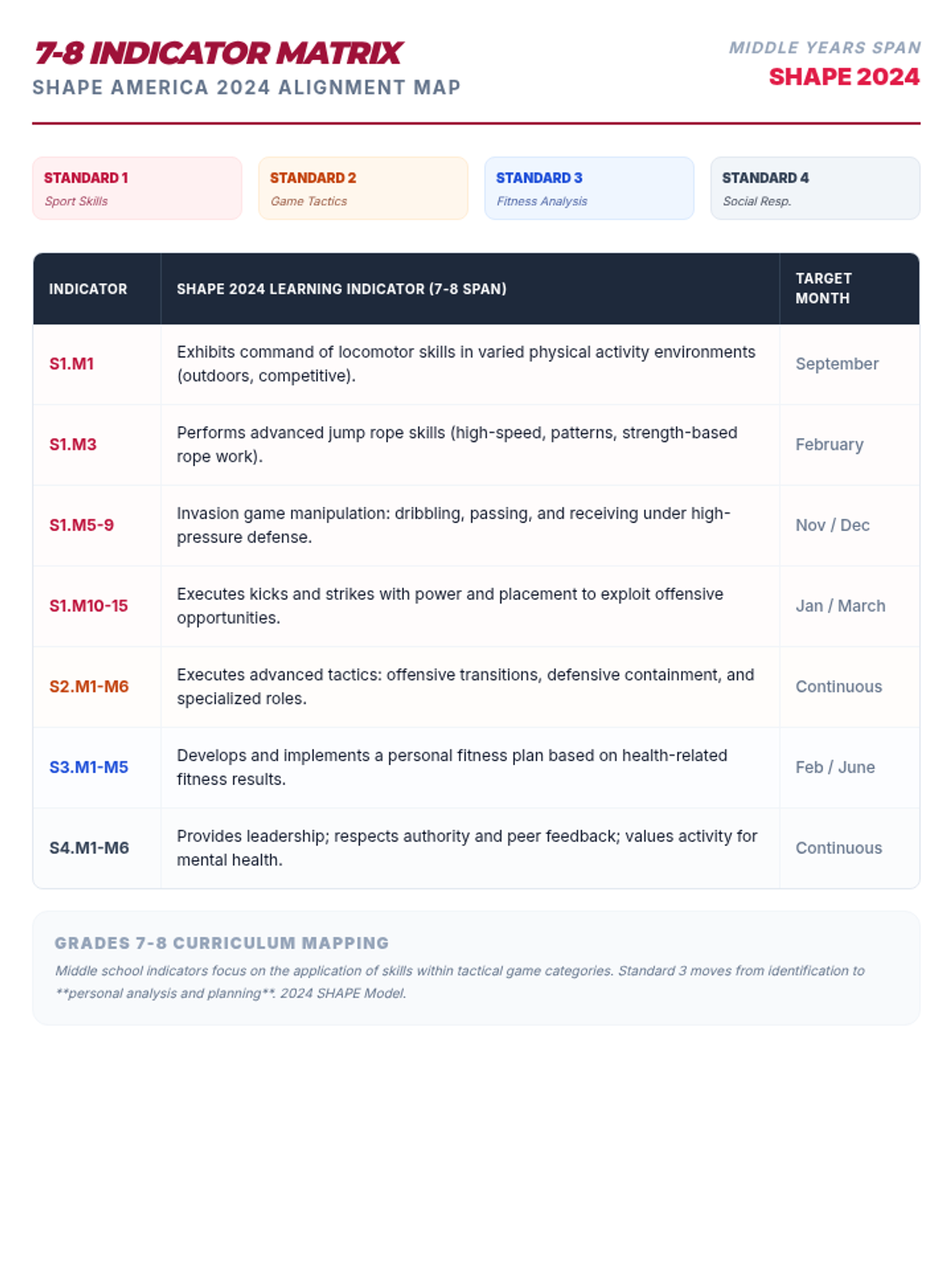
Applying advanced tactical principles and health-related fitness analysis for Grades 7-8.