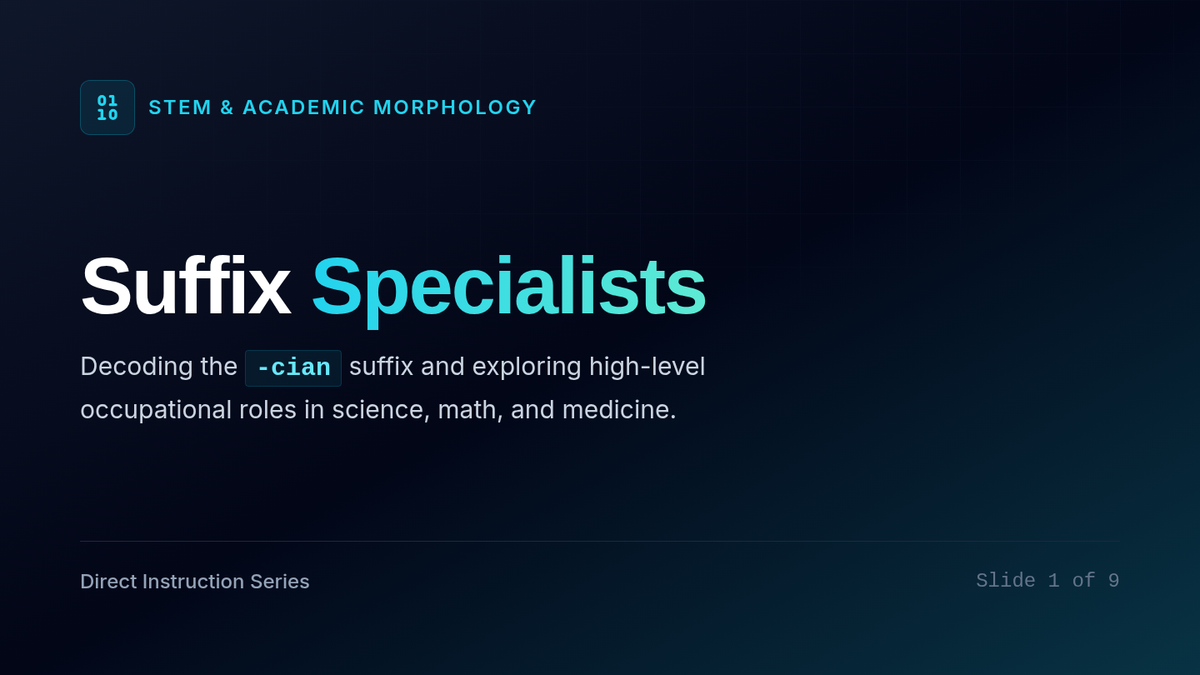
Students move beyond basic homophones to identify and categorize advanced pairs like illicit/elicit and discreet/discrete. They establish a 'watch list' for their personal writing goals.
No materials in this lesson yet.
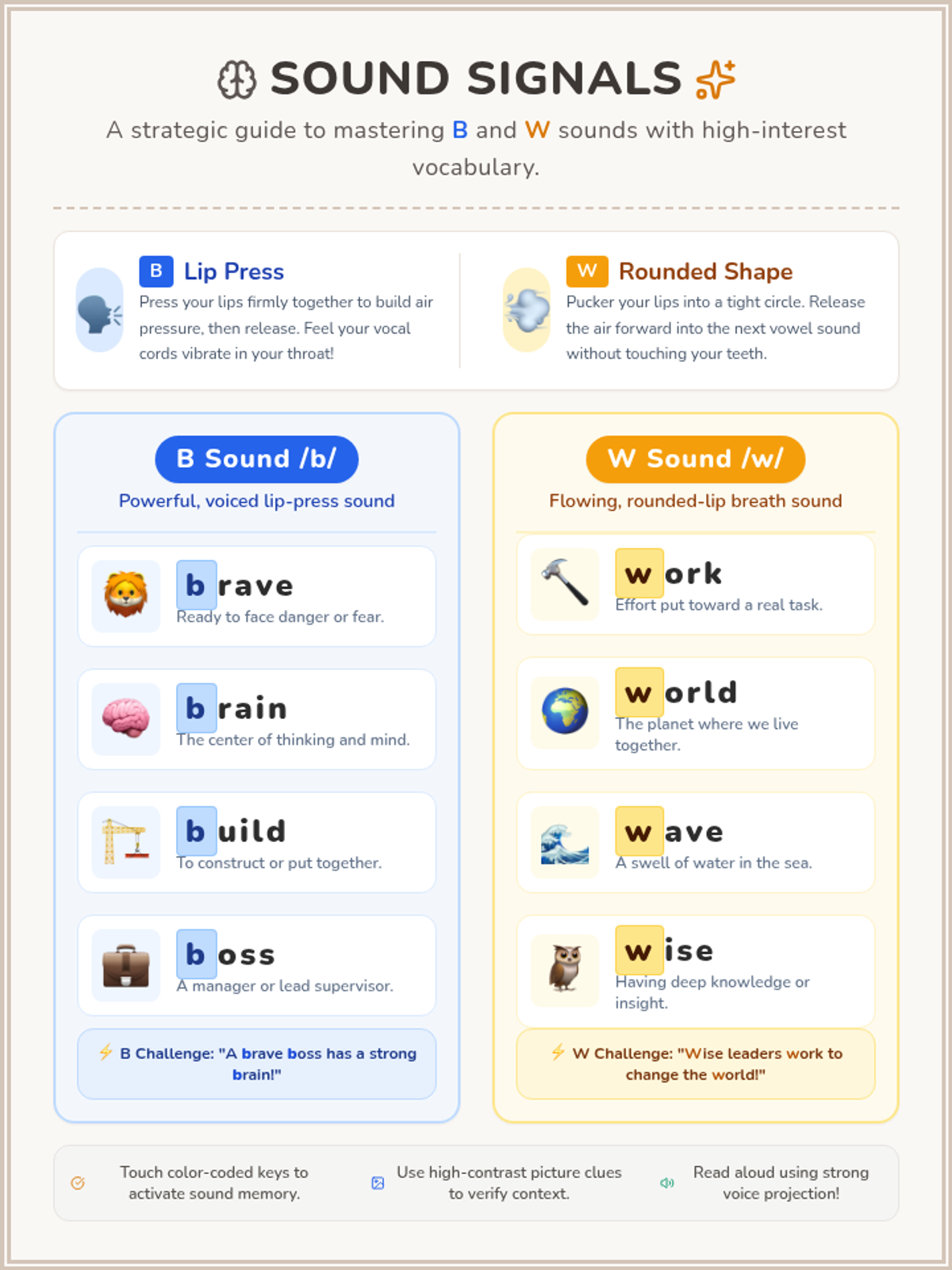
A comprehensive series of worksheets exploring nine essential literary devices through reading passages, identification tasks, and creative writing exercises.
Analyze direct and indirect comparisons to understand how they deepen meaning in creative writing.
Focus on the sounds of language through alliteration and onomatopoeia in descriptive storytelling.
Delve into the world of contradictions and unexpected outcomes with passages featuring irony and paradox.
Explore how authors use exaggeration and human traits to bring stories to life through reading and analysis.
A comprehensive recording sheet for students to document their practice and creative work from all figurative language lessons in one central location.
Focusing on hyperbole and sound devices like onomatopoeia and alliteration. Includes introductory slides and a practice worksheet.
Focusing on personification: giving human traits to non-human things. Includes introductory slides and a practice worksheet.
Focusing on metaphors: direct comparisons. Includes introductory slides and a practice worksheet.
Focusing on similes: comparisons using 'like' or 'as'. Includes introductory slides and a practice worksheet.
An introductory lesson covering the primary types of figurative language with integrated reading passages and creative writing exercises.
A lesson focused on distinguishing between effective and ineffective paraphrasing and summarizing techniques using the context of the Maya, Aztec, and Inca civilizations. Students will read a short passage and categorize various examples into 'good' or 'bad' buckets.
An introductory lesson exploring various types of figurative language through clear examples and integrated practice questions.
This lesson introduces nine key figurative language devices through interactive slides and practice. Students identify definitions, analyze examples, and create their own original phrases while reviewing previous concepts.
A comprehensive lesson targeting 12 pairs/trios of commonly confused words through a "Grammar Lab" theme. Students will identify, define, and correctly apply homophones and tricky word pairs through direct instruction and a hands-on sorting game.
A deep dive into Edgar Allan Poe's 'The Tell-Tale Heart', focusing on the mechanics of suspense, the psychology of the unreliable narrator, and the sharp edge of gothic irony.
A lesson focused on mastering academic vocabulary used in reading comprehension questions. Students will learn to distinguish between common analytical verbs and concepts through a hands-on matching game and reference guides.
A 45-minute lesson where students showcase their media literacy investigations through screencasts, engage in peer evaluation using a professional rubric, and reflect on their growth as digital fact-checkers.
In this lesson, students step into the role of investigative journalists to create a screencast that documents their fact-checking process and final findings. They will learn to combine digital storytelling with technical screencasting skills to present evidence clearly and convincingly.
A 45-minute lesson where students become newsroom investigators, learning to distinguish between objective hard news reporting and subjective opinion pieces through hands-on analysis and writing practice.