A comprehensive unit for 10th-grade vocalists focusing on the physiological foundations of singing. Students explore posture, breath management, laryngeal function, resonance, and vocal health to build a sustainable and healthy vocal technique.
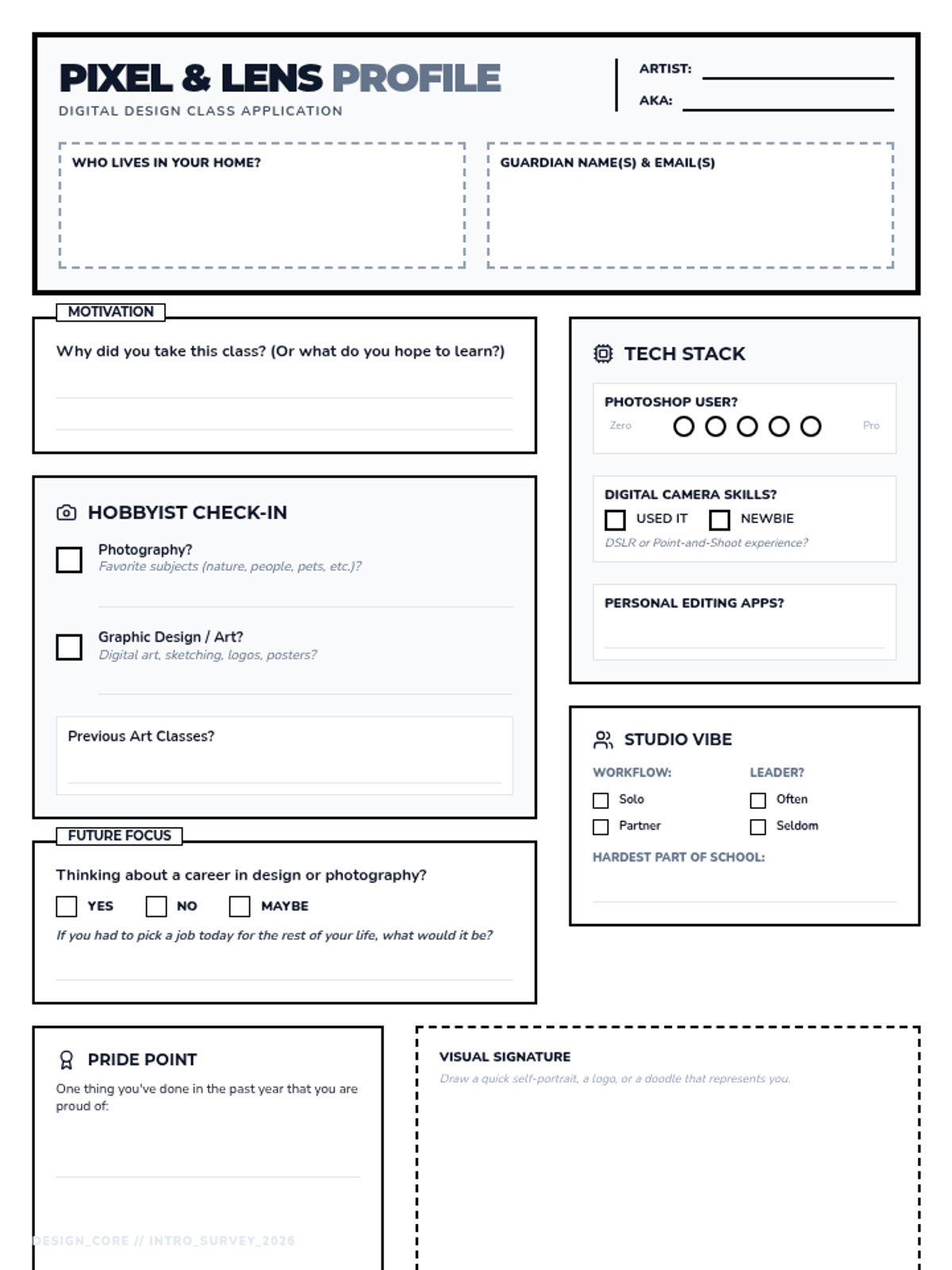
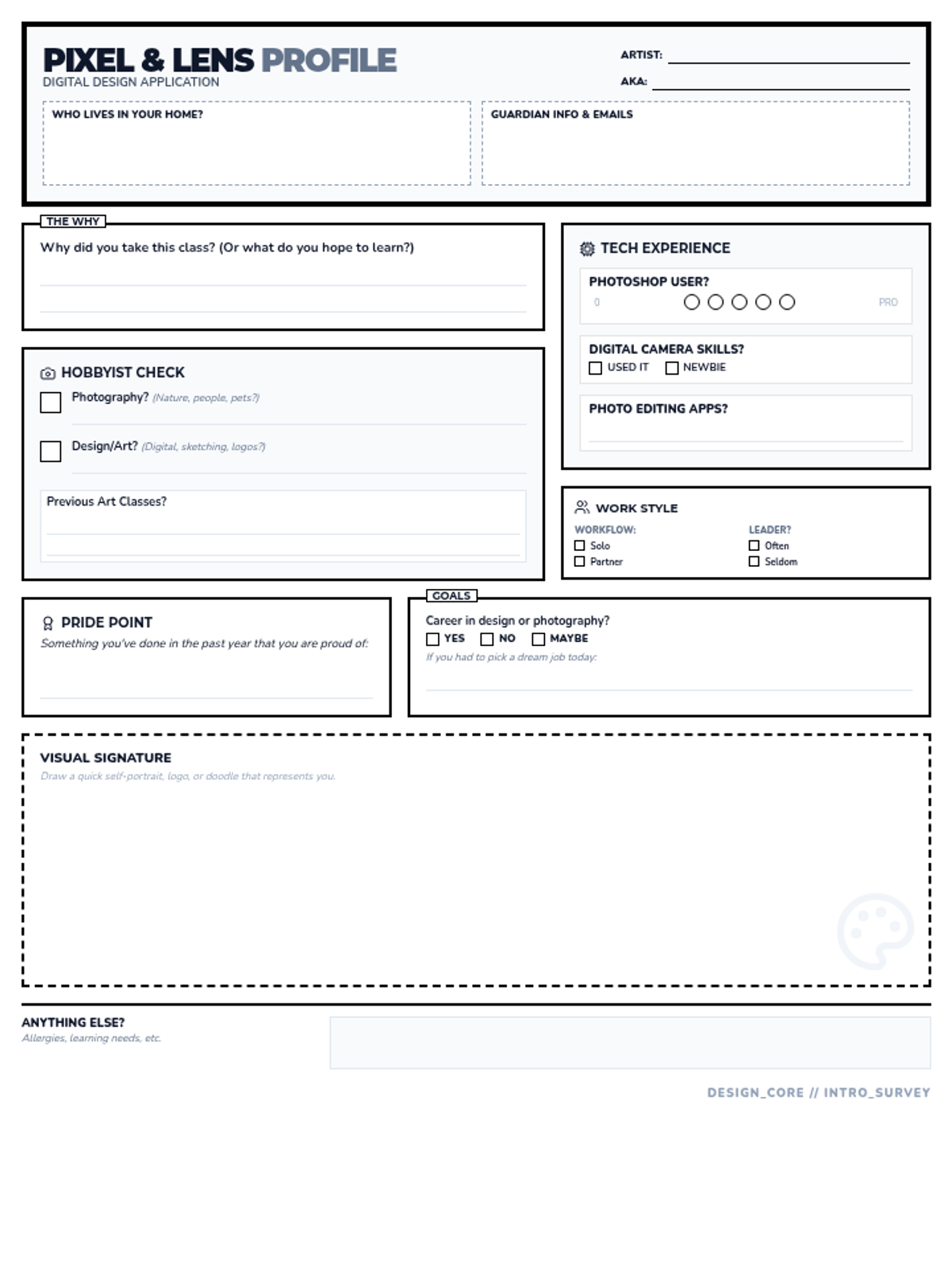
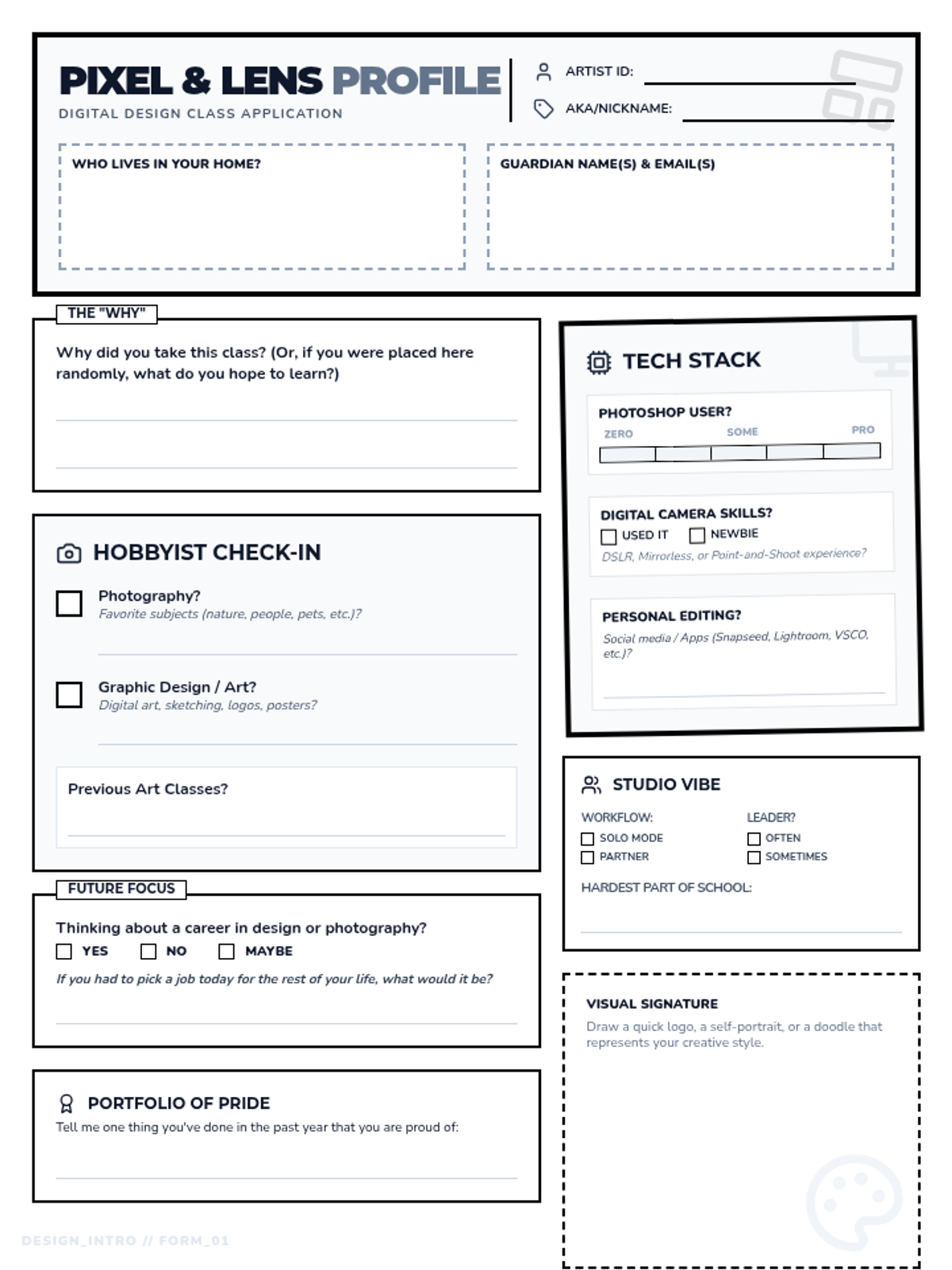
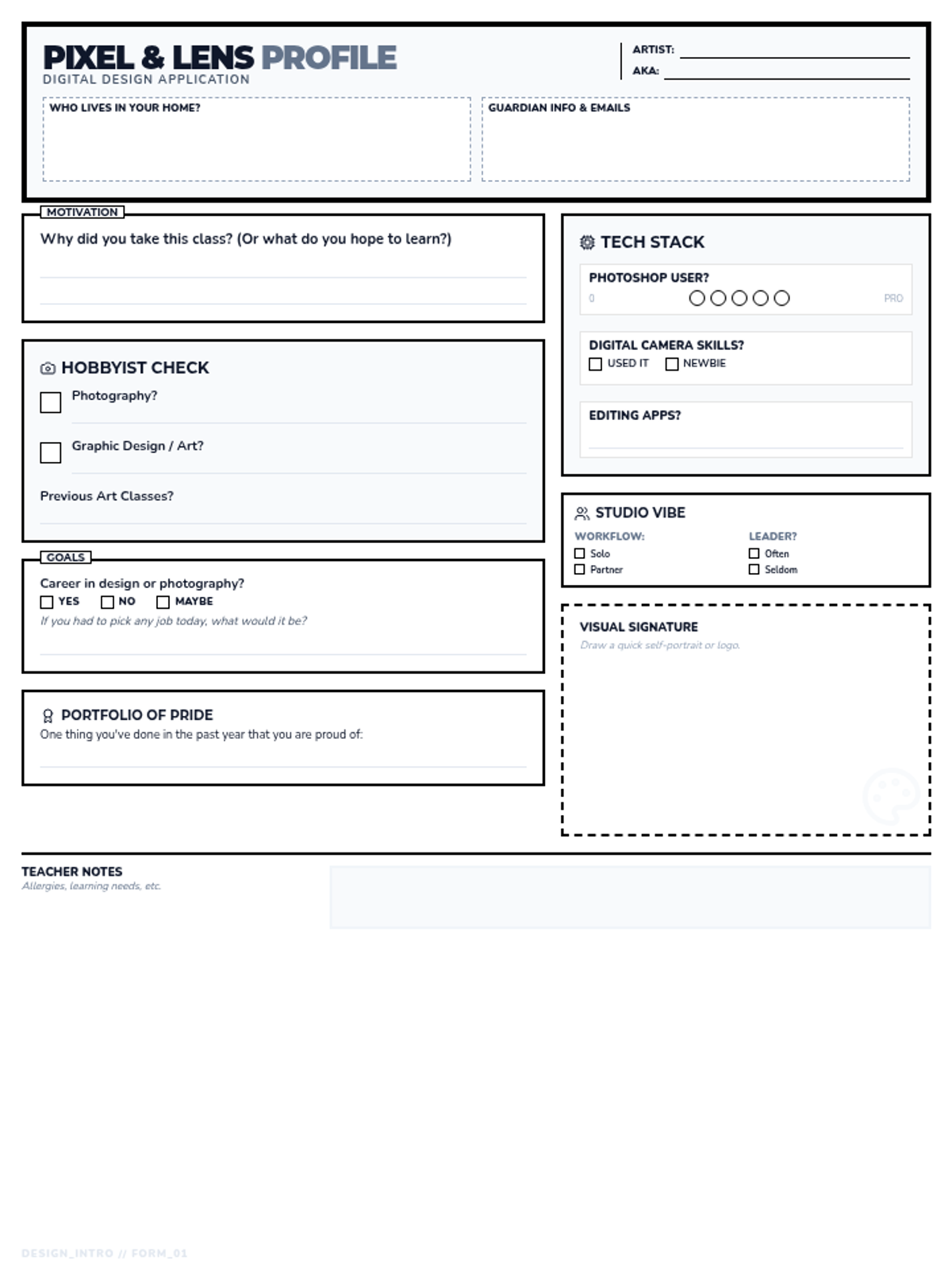
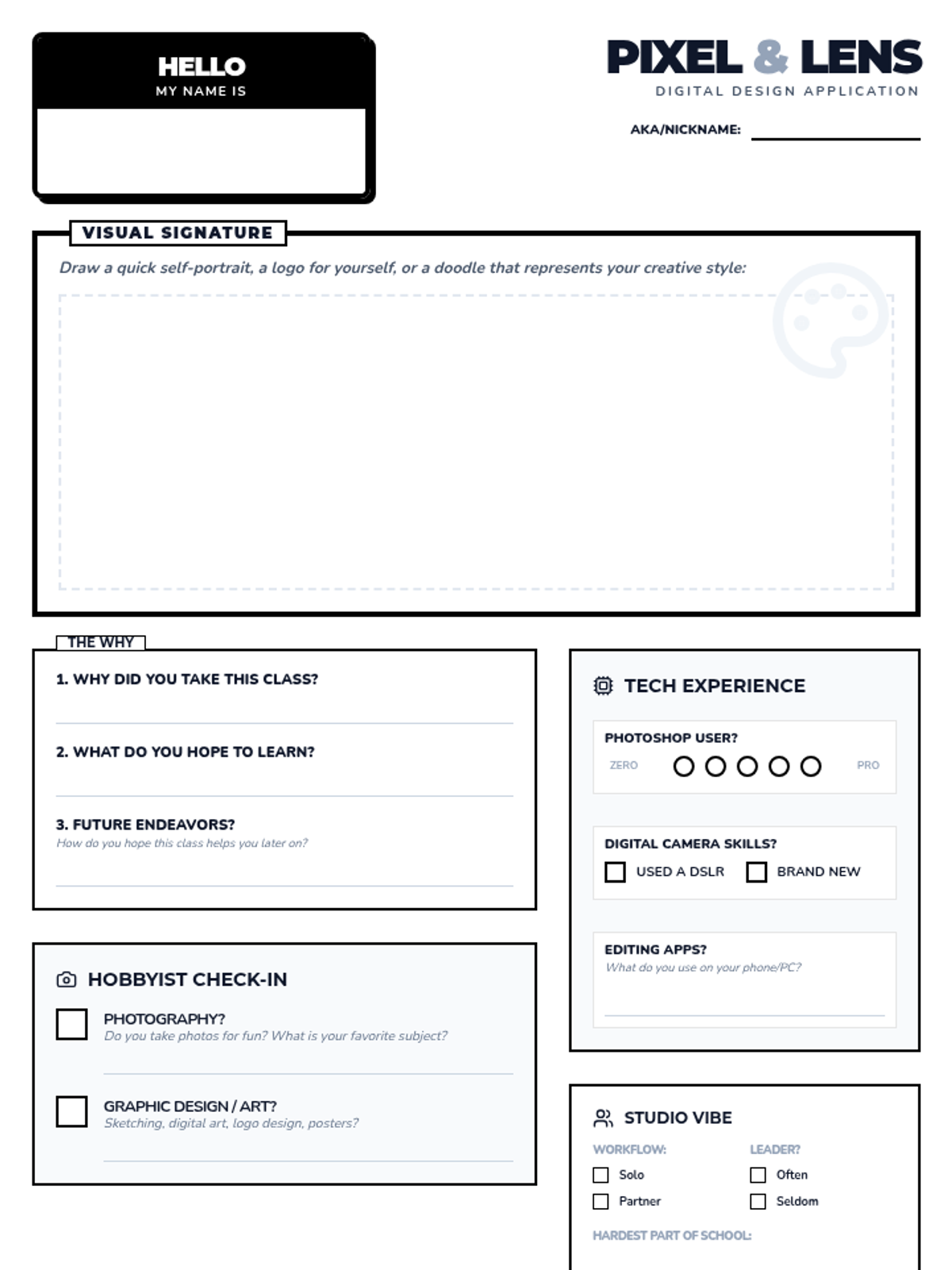
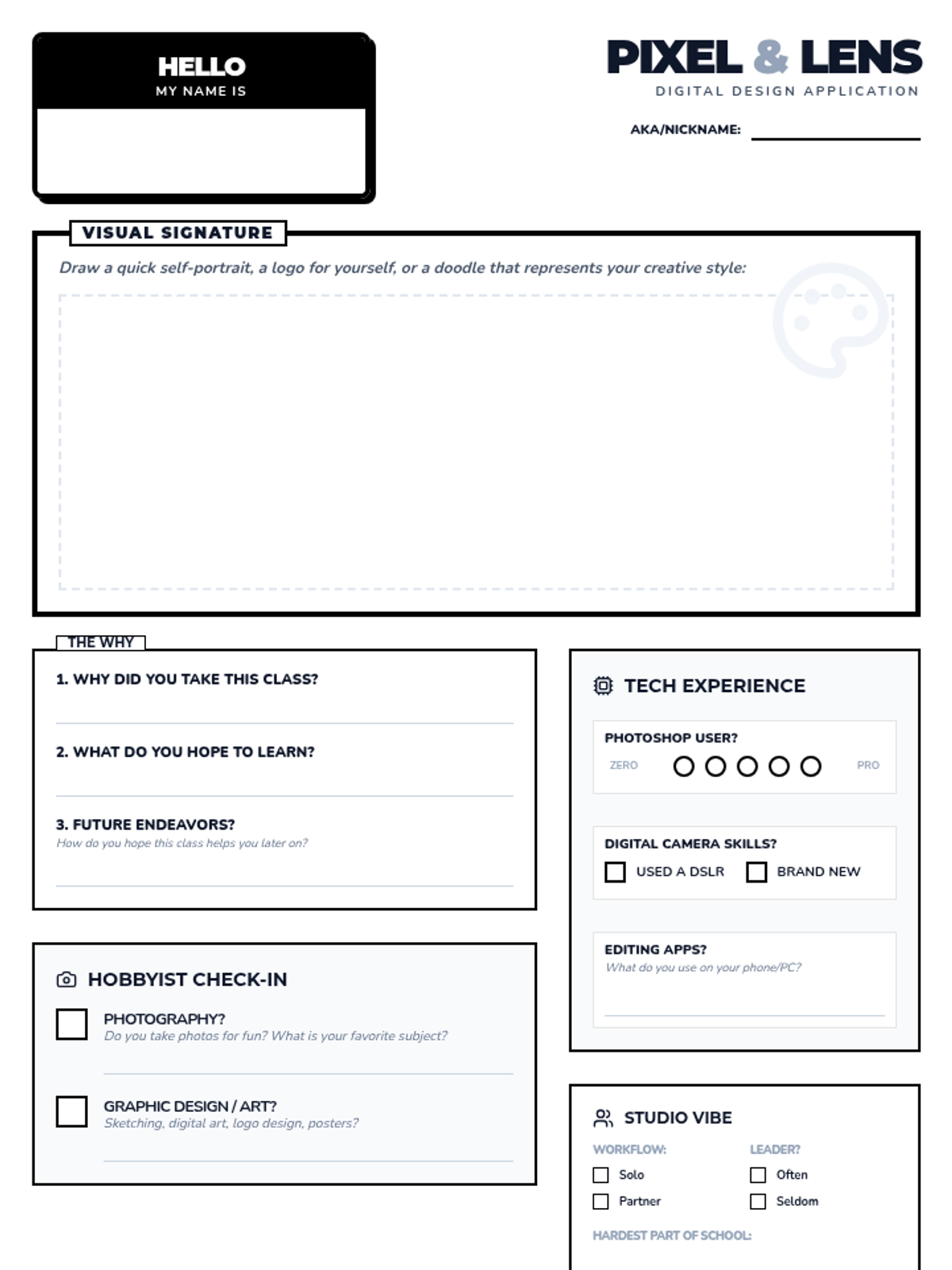
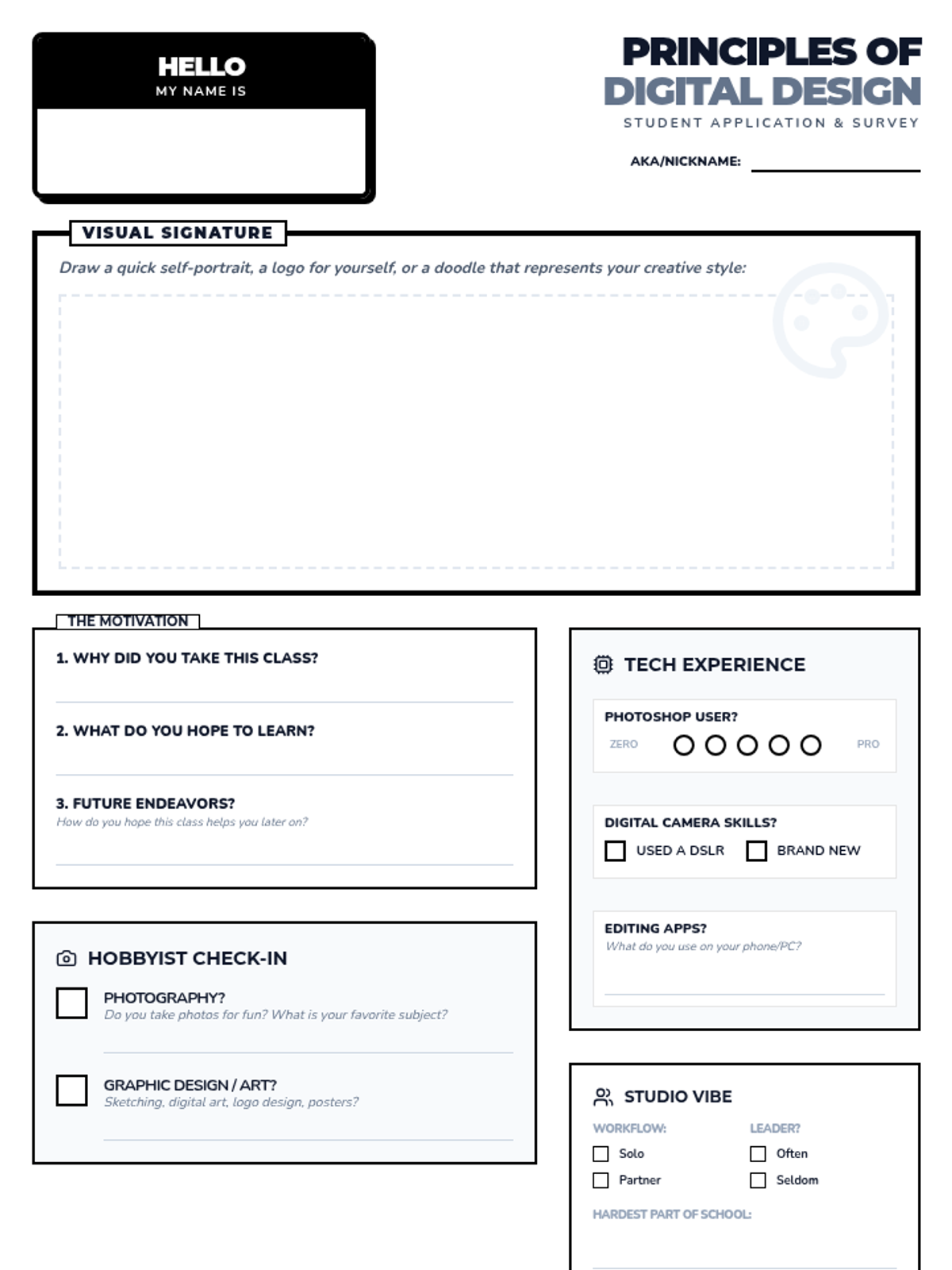
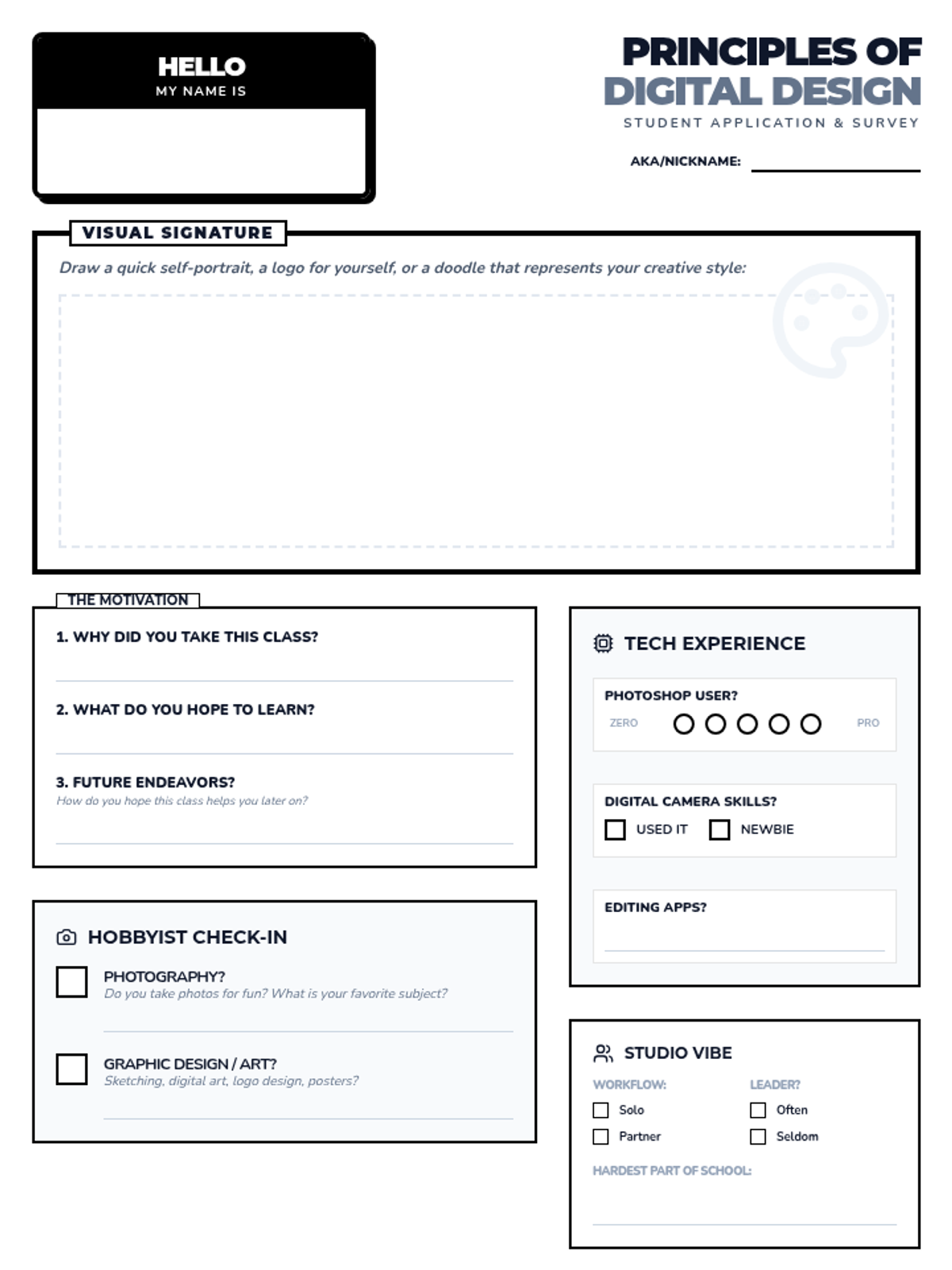
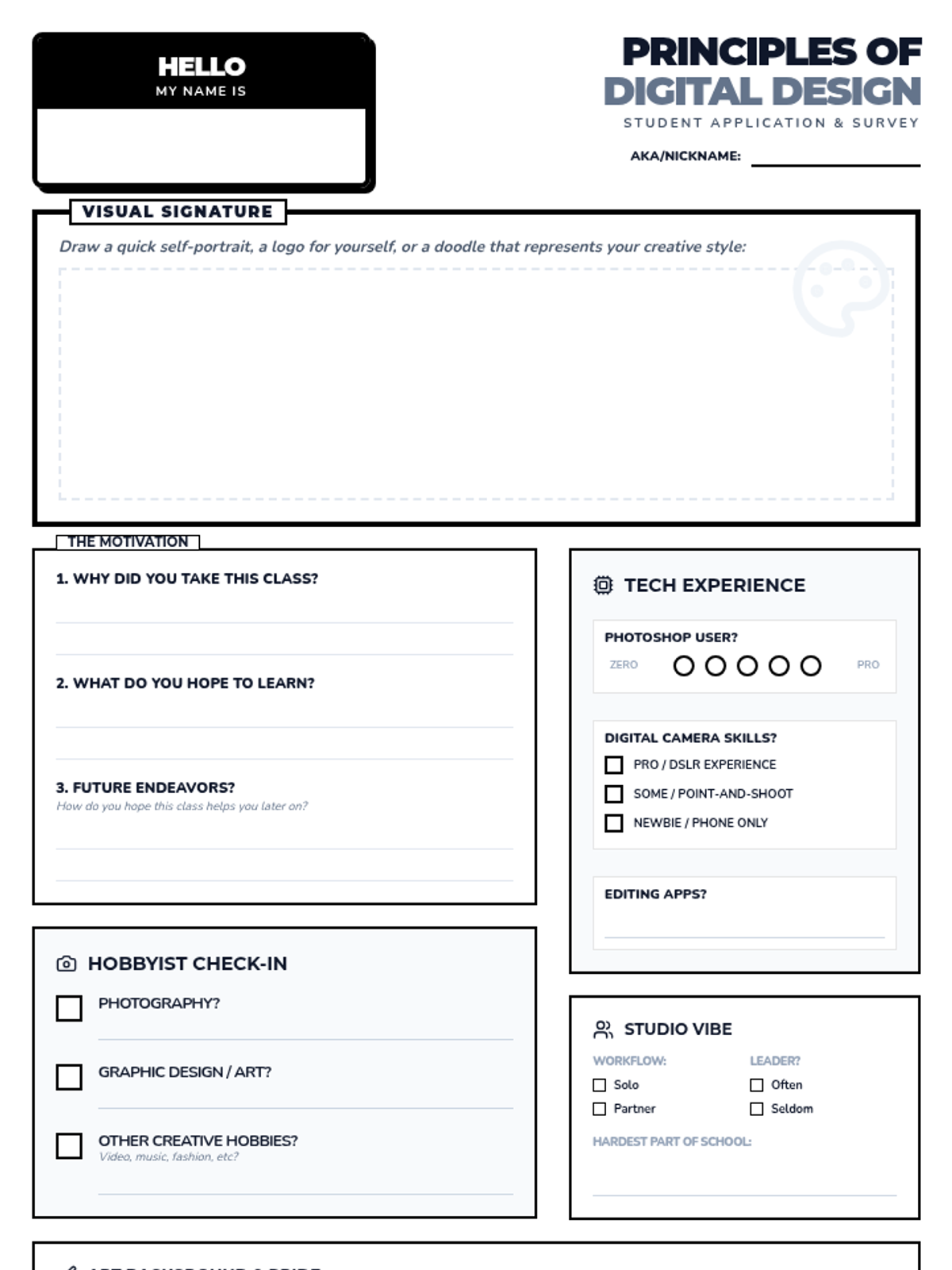
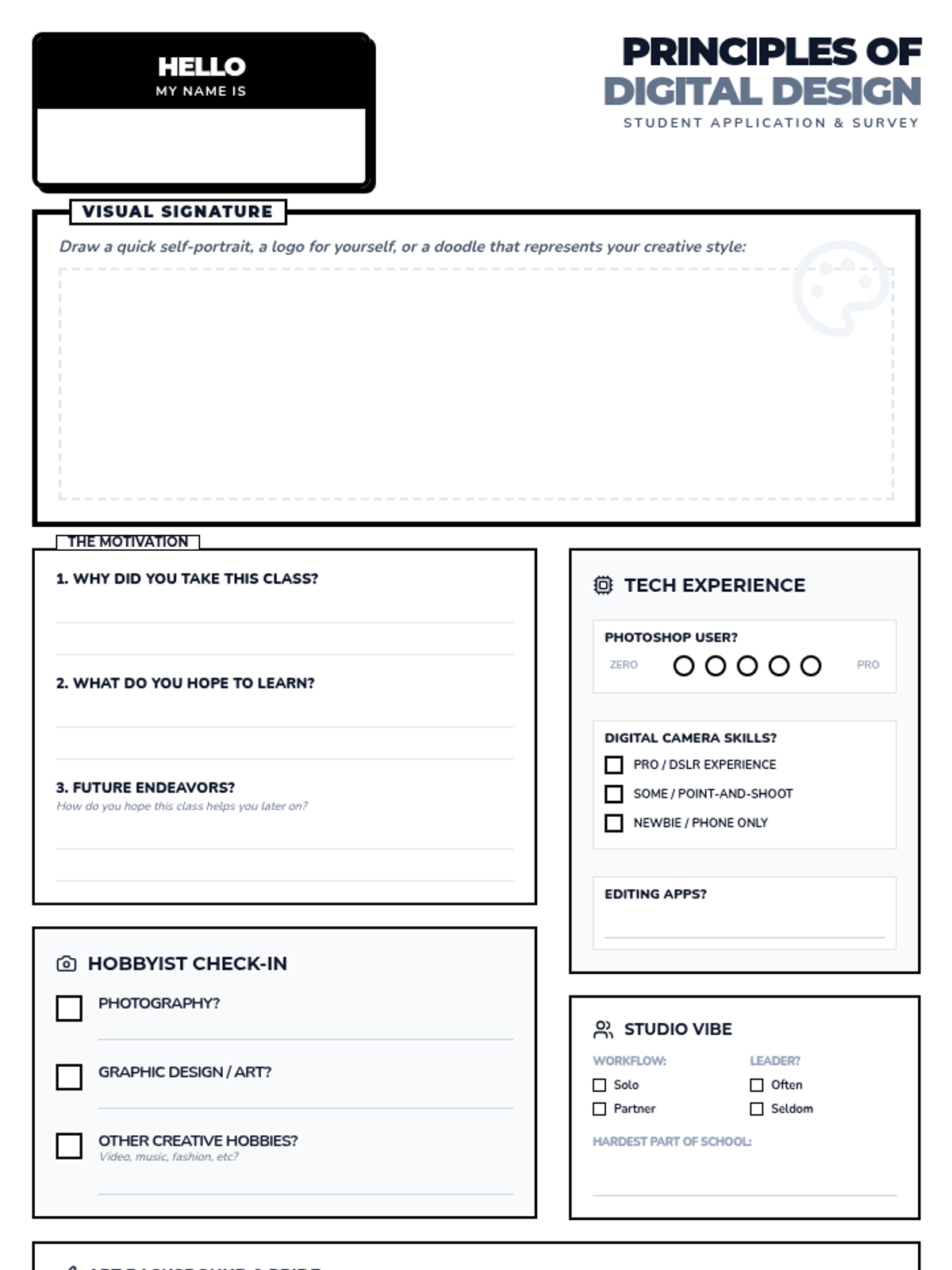
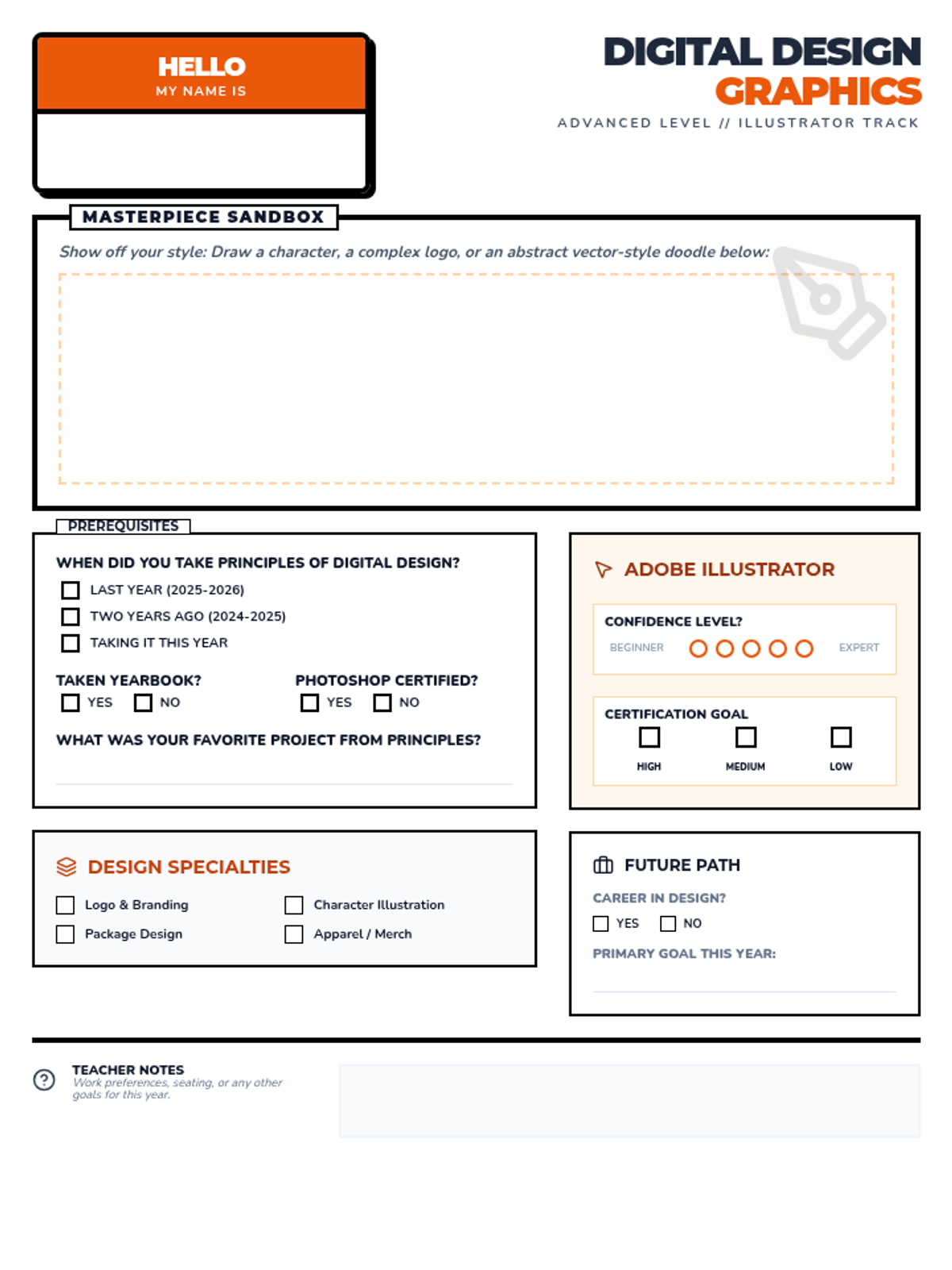
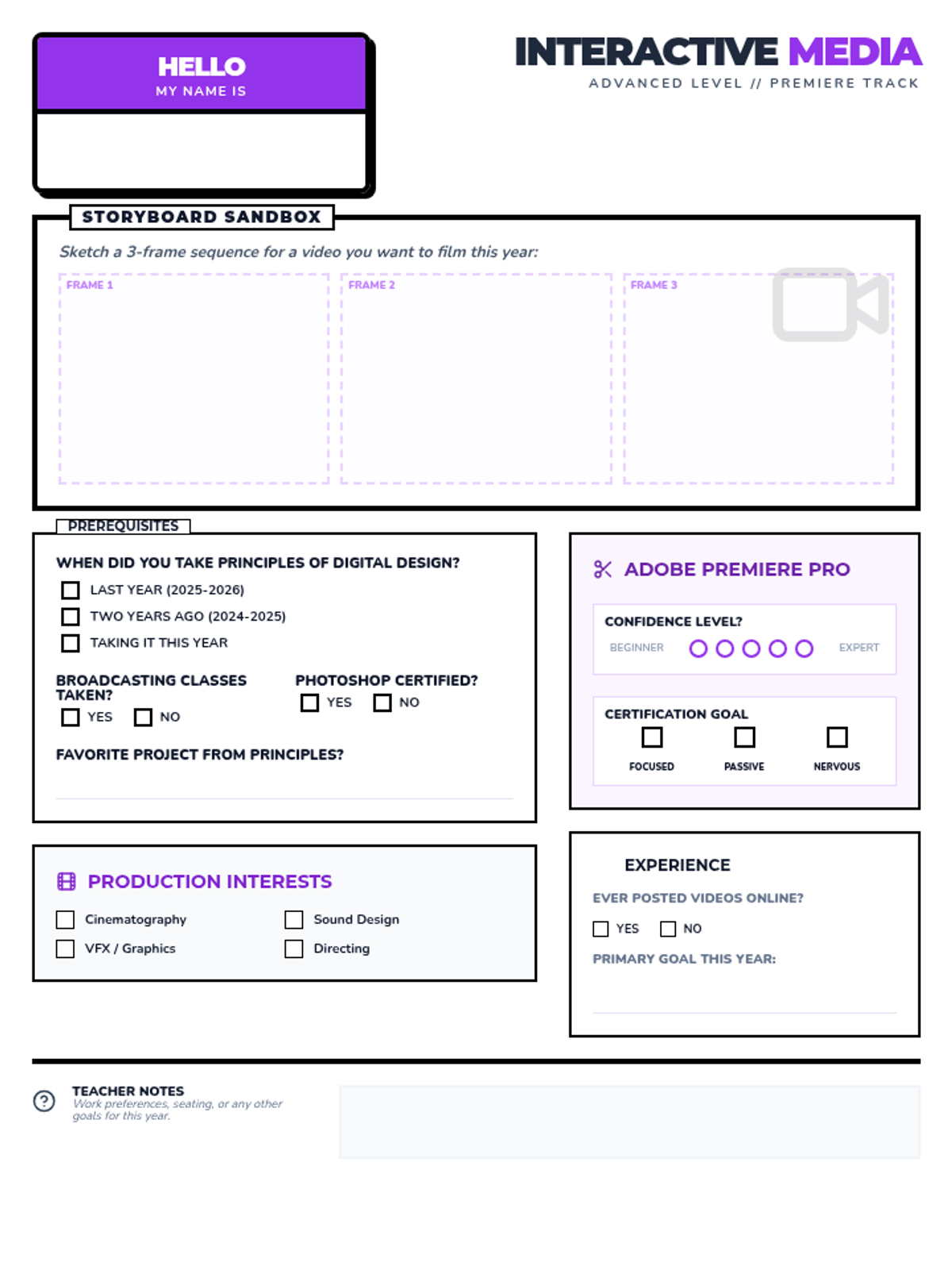
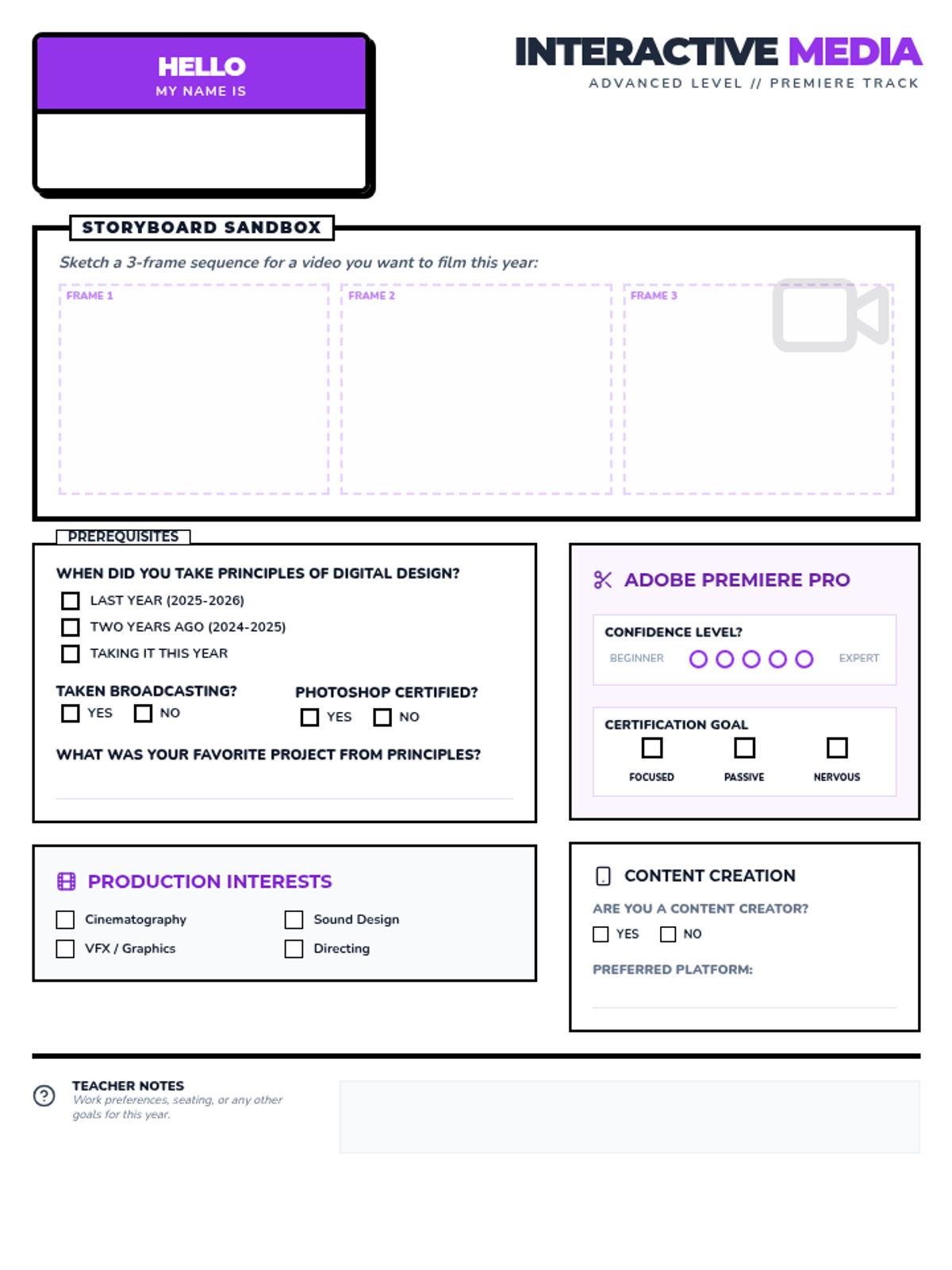
A sequence of introductory activities for new Digital Design students to build community and assess skill levels.
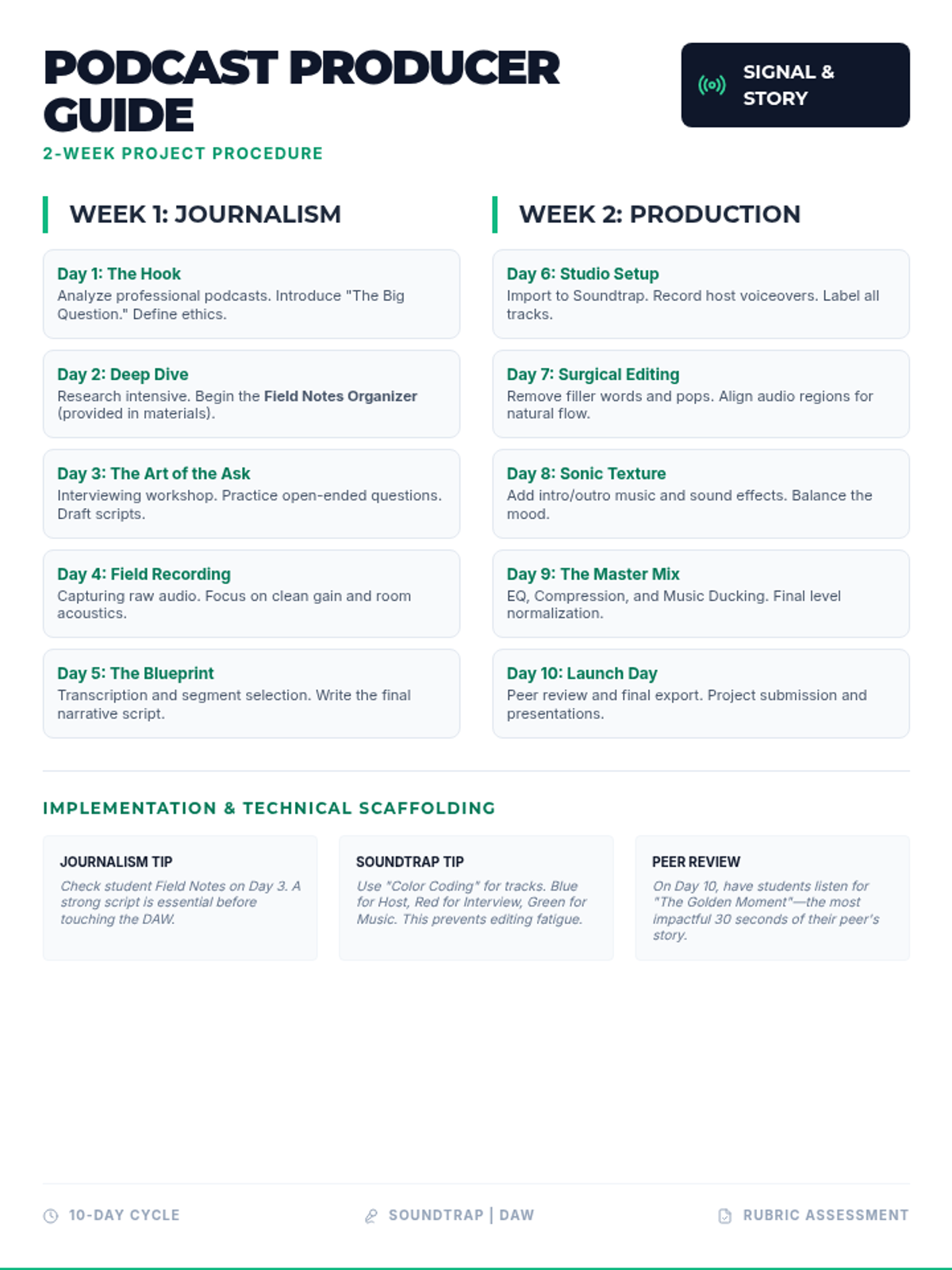
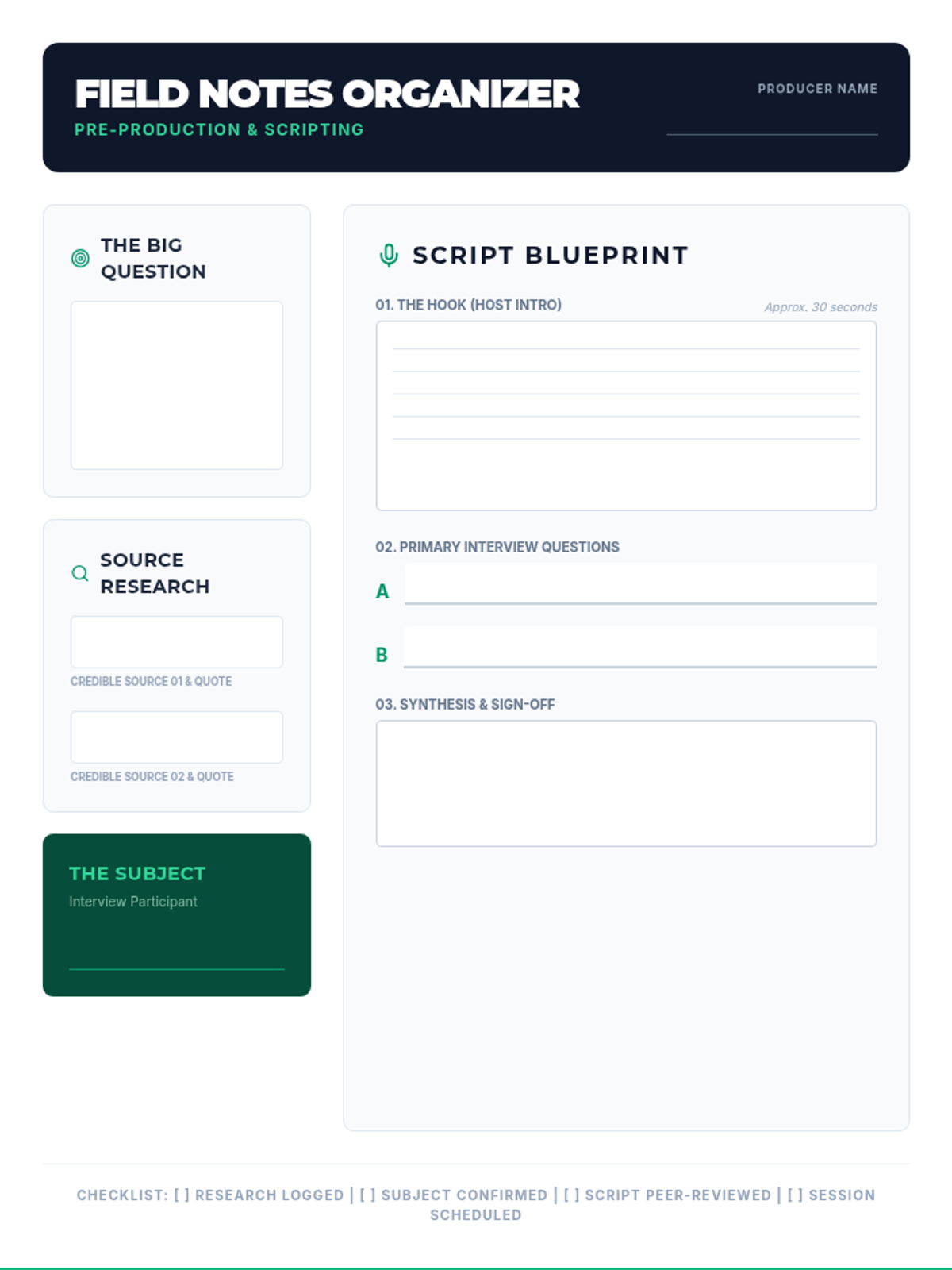
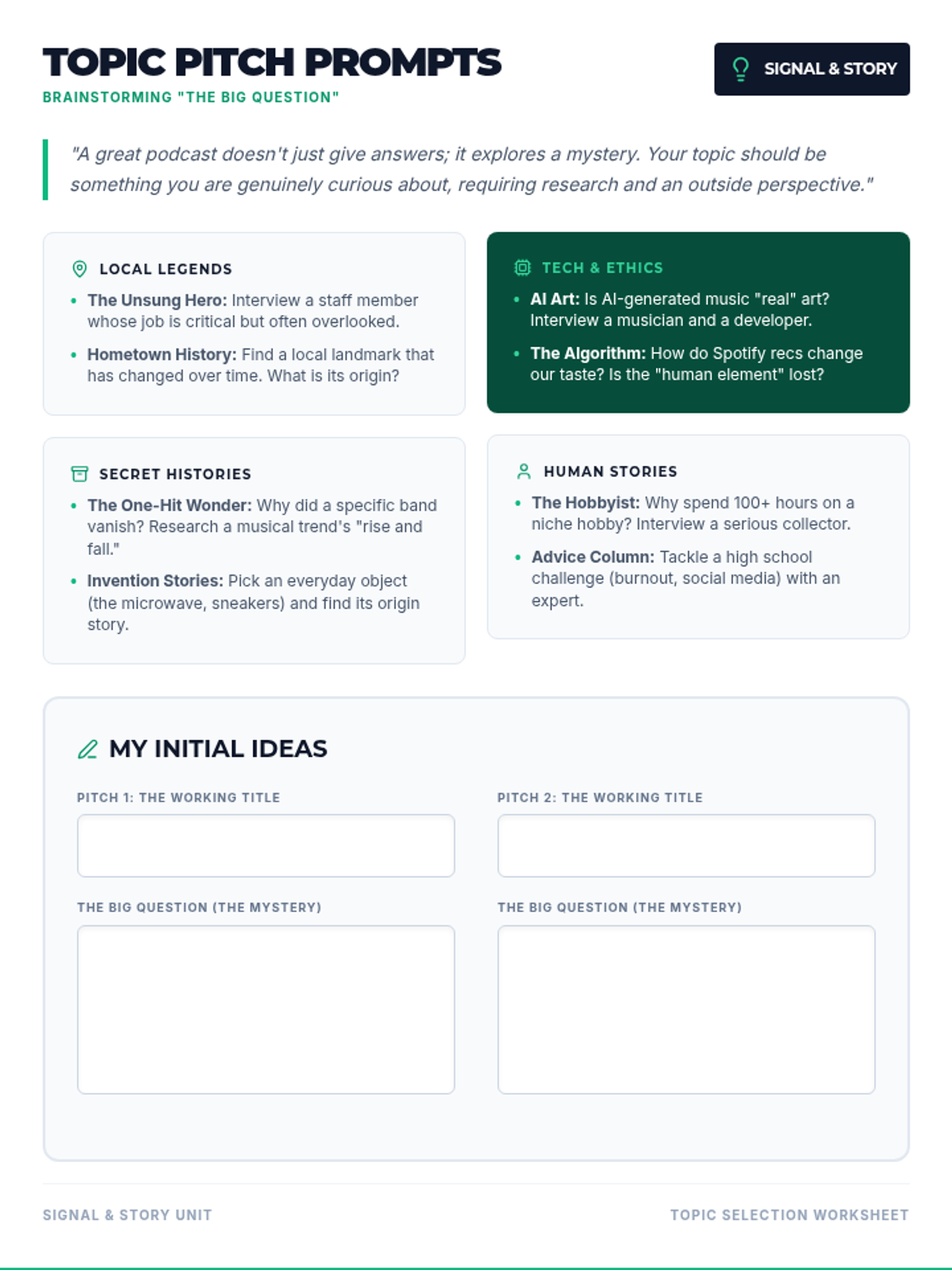
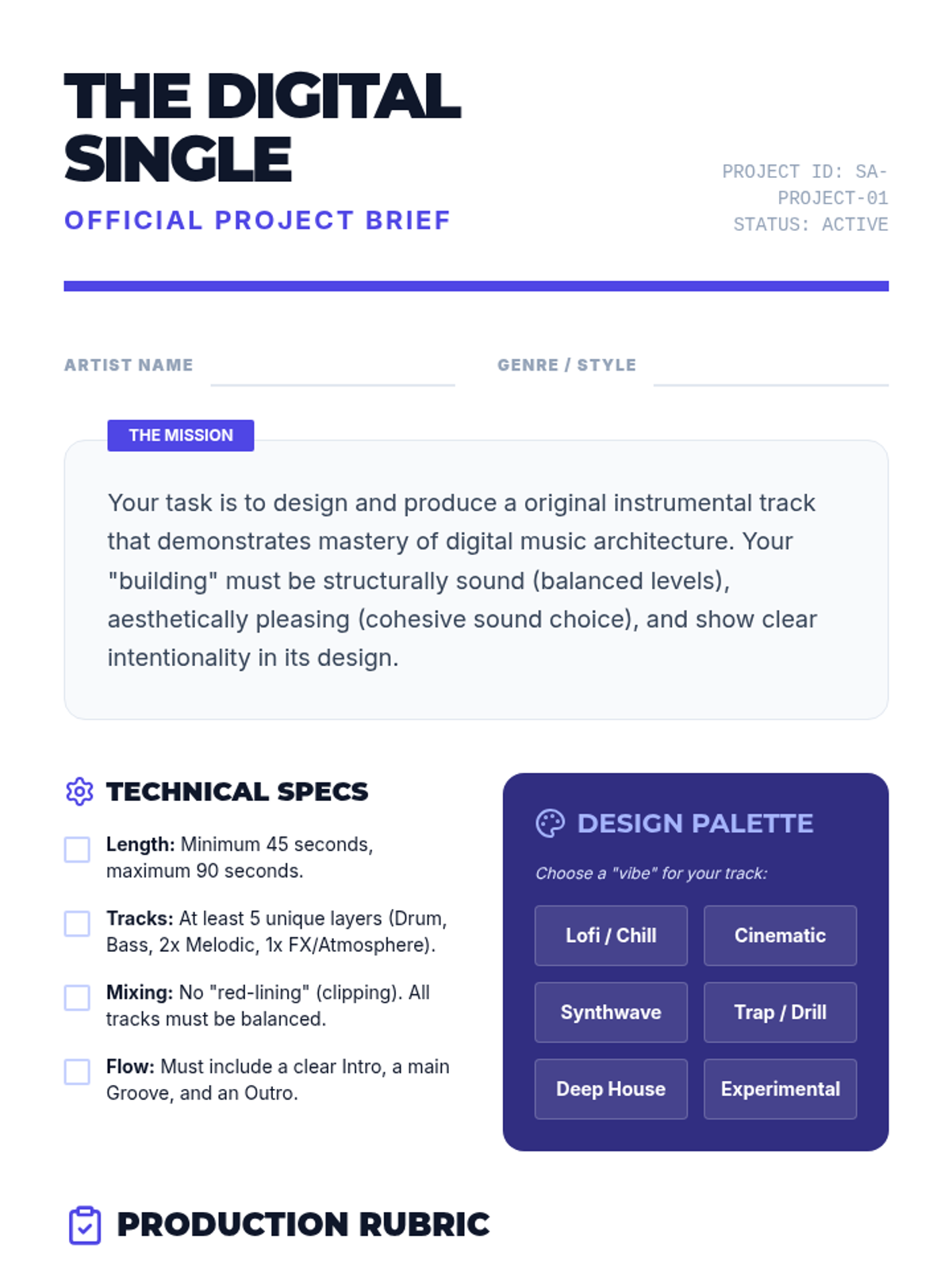
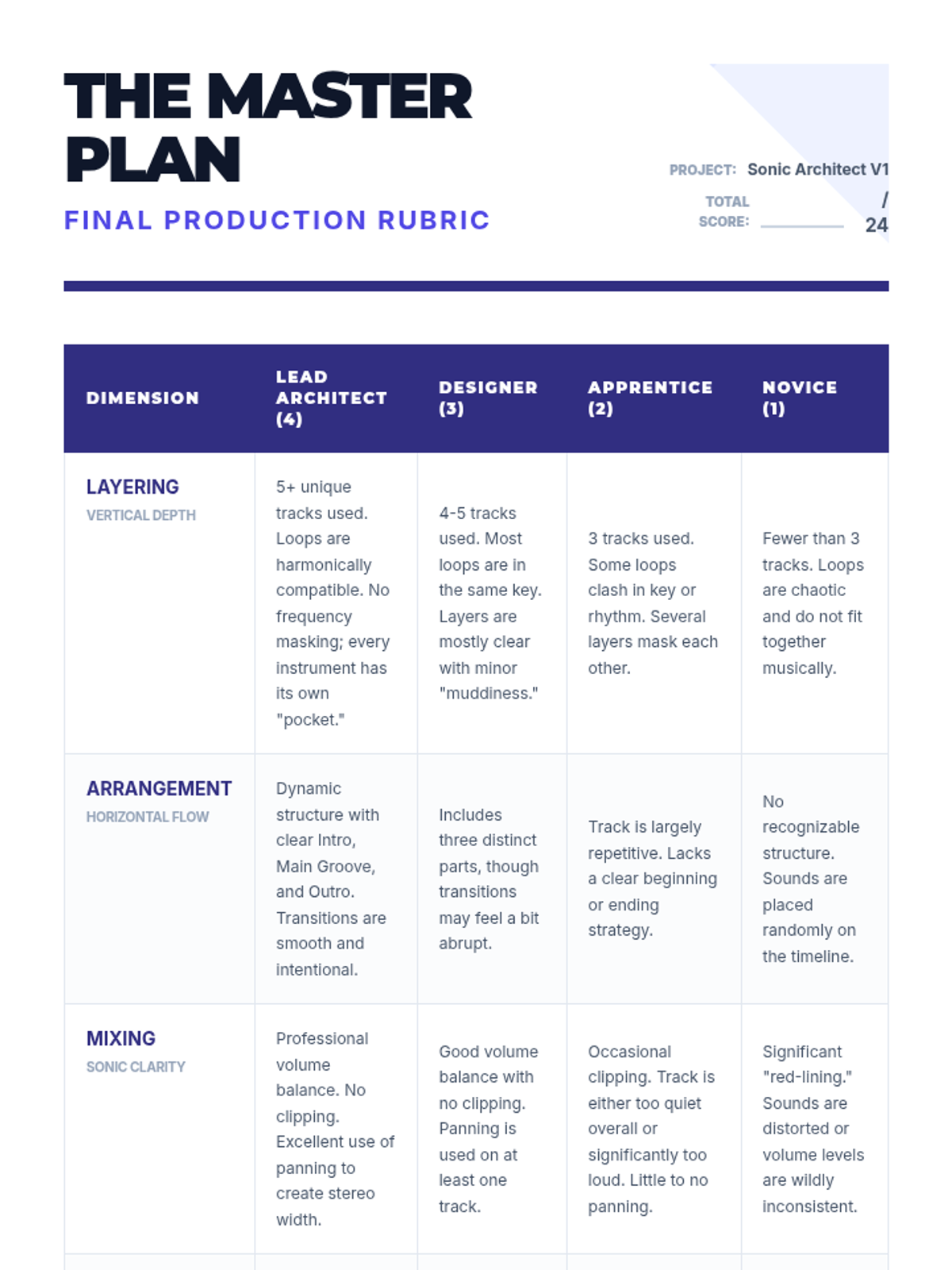
A 2-week comprehensive unit on podcast production, focusing on the intersection of journalistic research, interviewing, and technical audio mixing using Soundtrap. Students learn to craft compelling stories through sound while mastering professional digital audio workstation (DAW) workflows.
A fast-paced, one-week mini-project for high school digital music students focusing on the intersection of technical audio production, narrative storytelling, and interview techniques. Students produce a 3-5 minute 'micro-pod' from concept to final export.
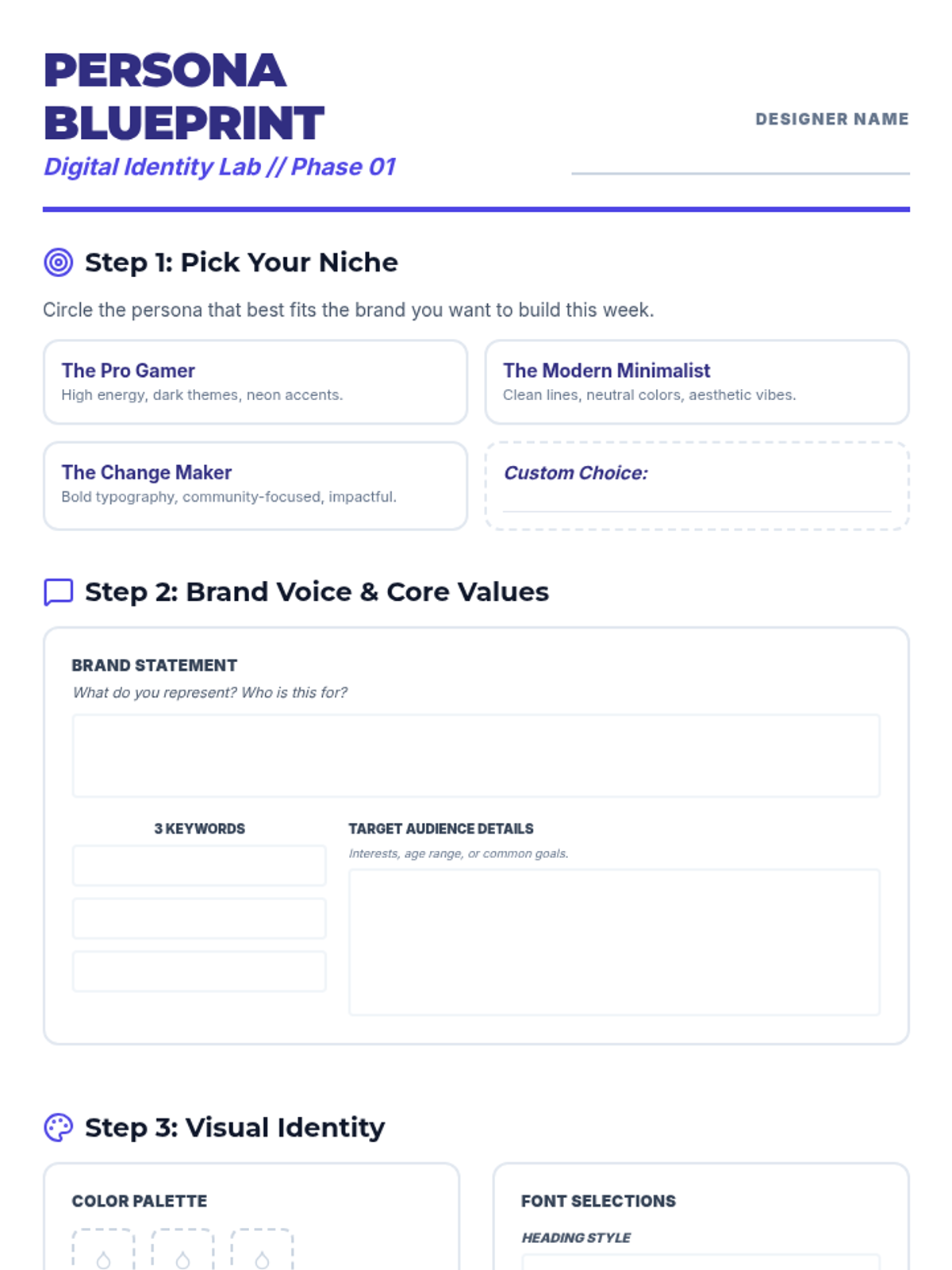
A 4-day project sequence where high school students explore their digital identity through personal branding in Canva and short-form video production in CapCut. Students choose a personal 'niche'—such as gaming, fashion, or social advocacy—to build a cohesive visual presence.
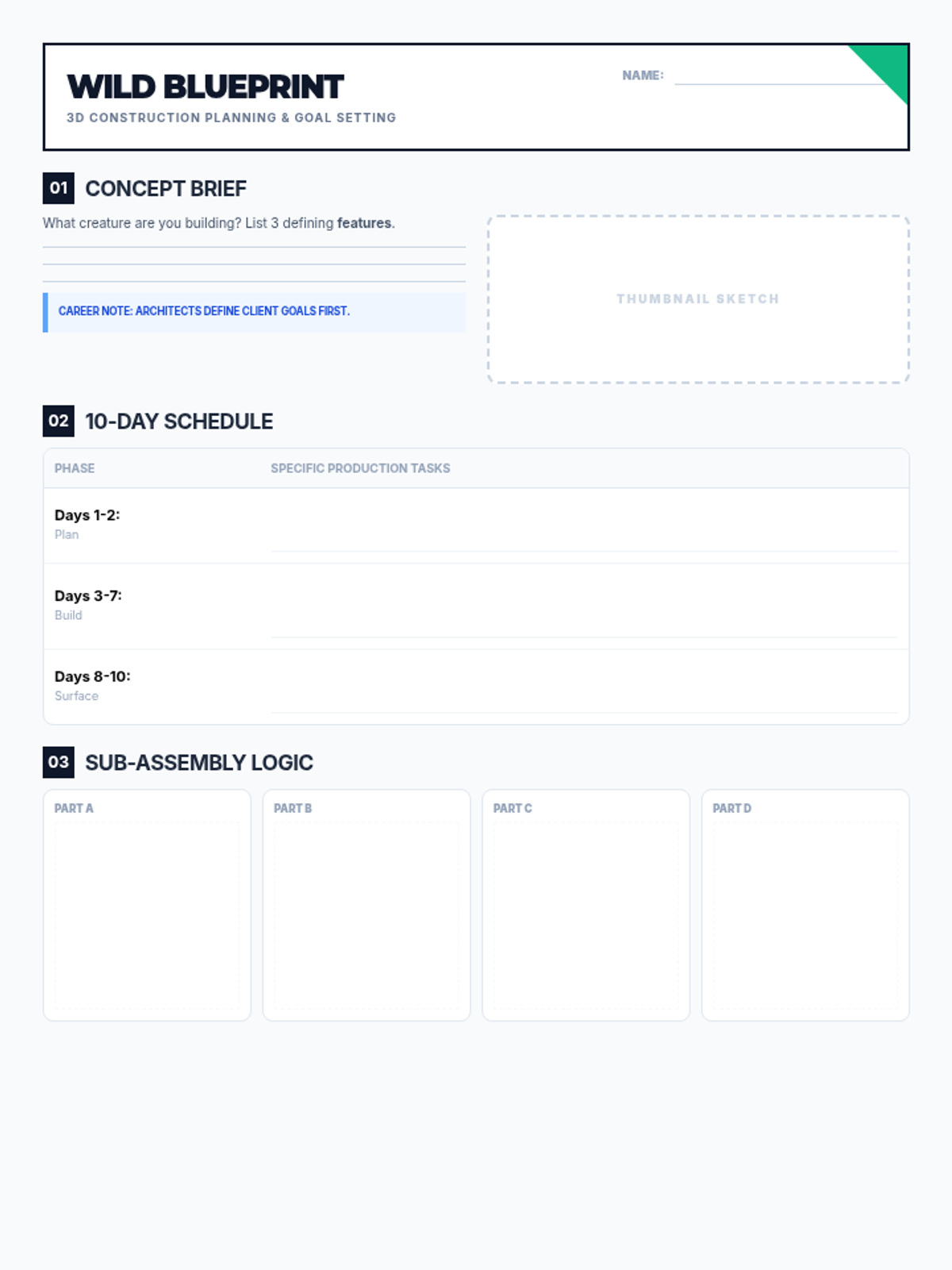
A 10-day unit exploring 3D paper construction through the creation of animal forms or masks, focusing on precision, perseverance, and paper engineering.
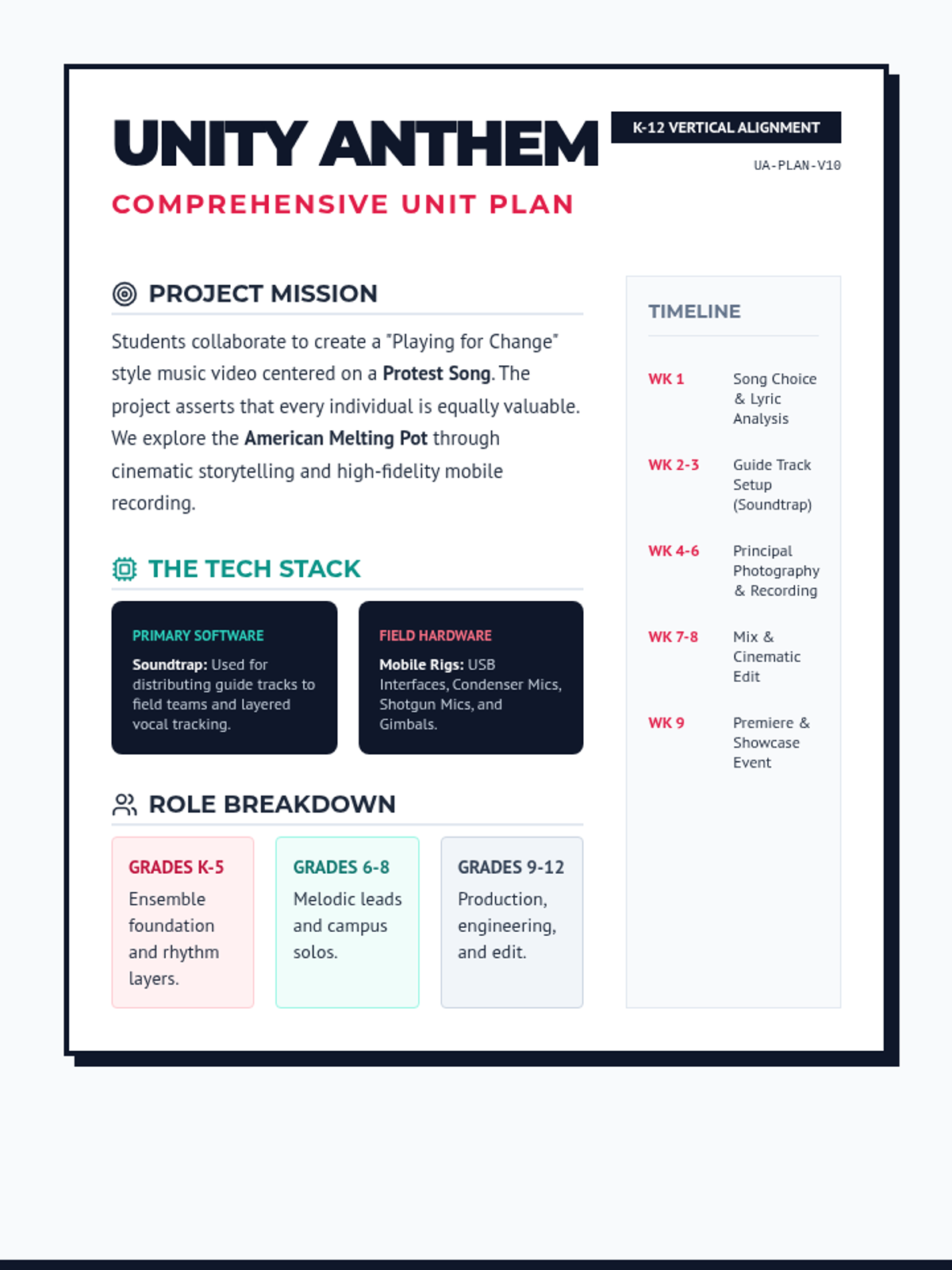
A K-12 collaborative music video project where students across all grade levels work together to produce a 'Playing for Change' style cover of a protest song centered on equality and cultural identity. High school students lead production, while K-8 students provide the musical and visual heart of the performance.
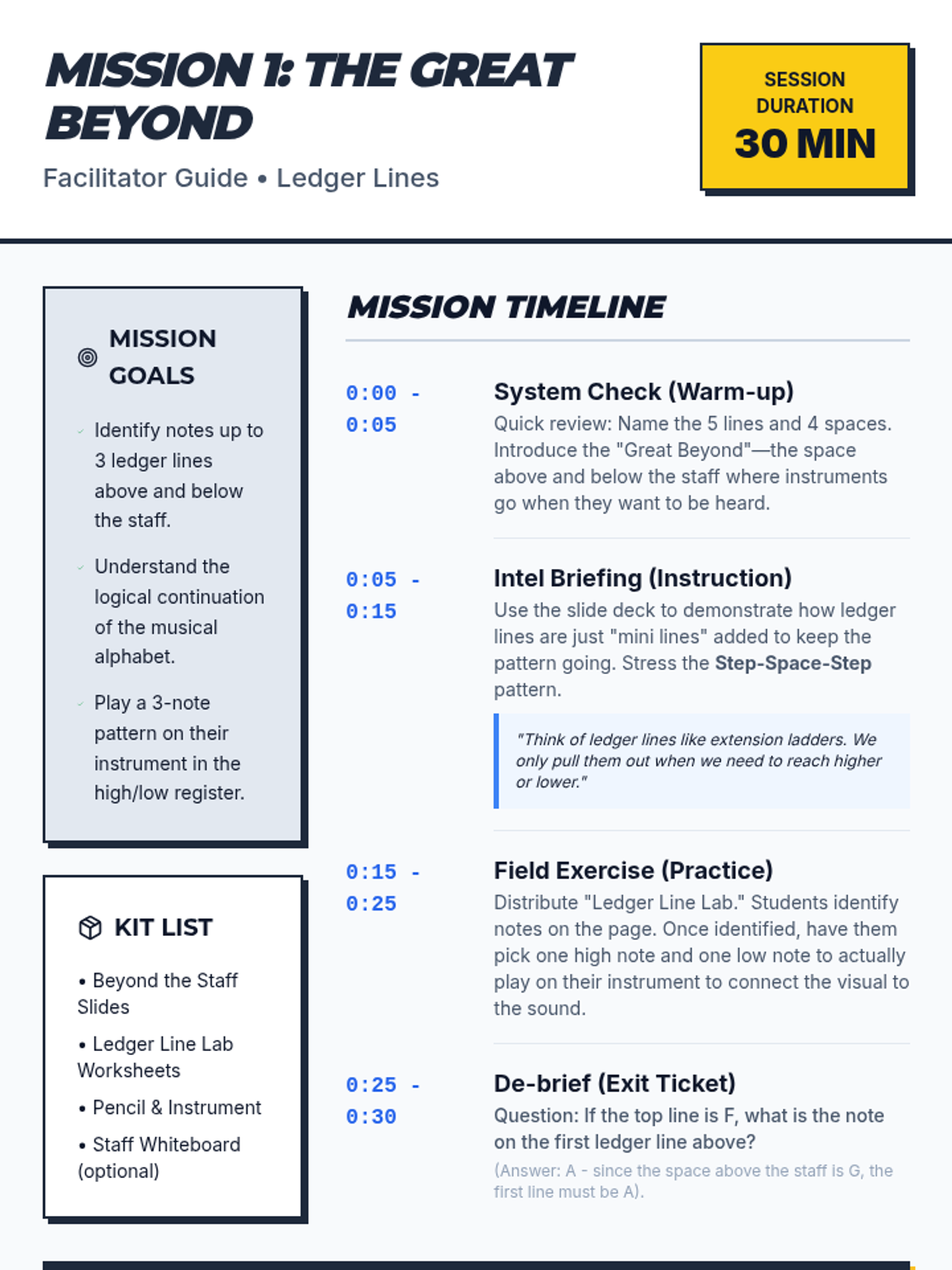
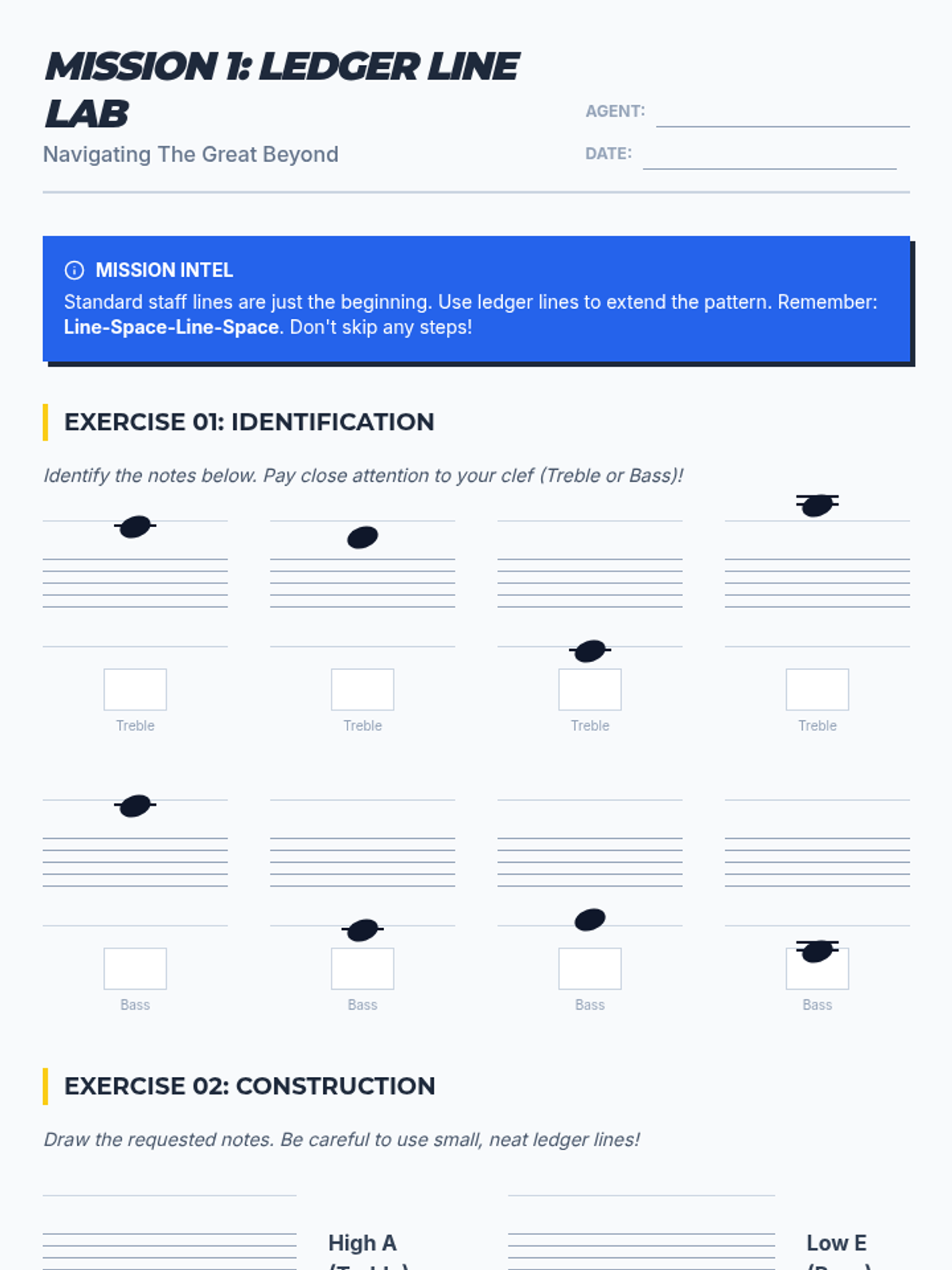
An 8-week intensive for band students to level up their music literacy, moving from basic note identification to fluently reading complex scores. Students will master ledger lines, key signatures, navigation markings, and ensemble sight-reading through a "Music Mission Control" theme.
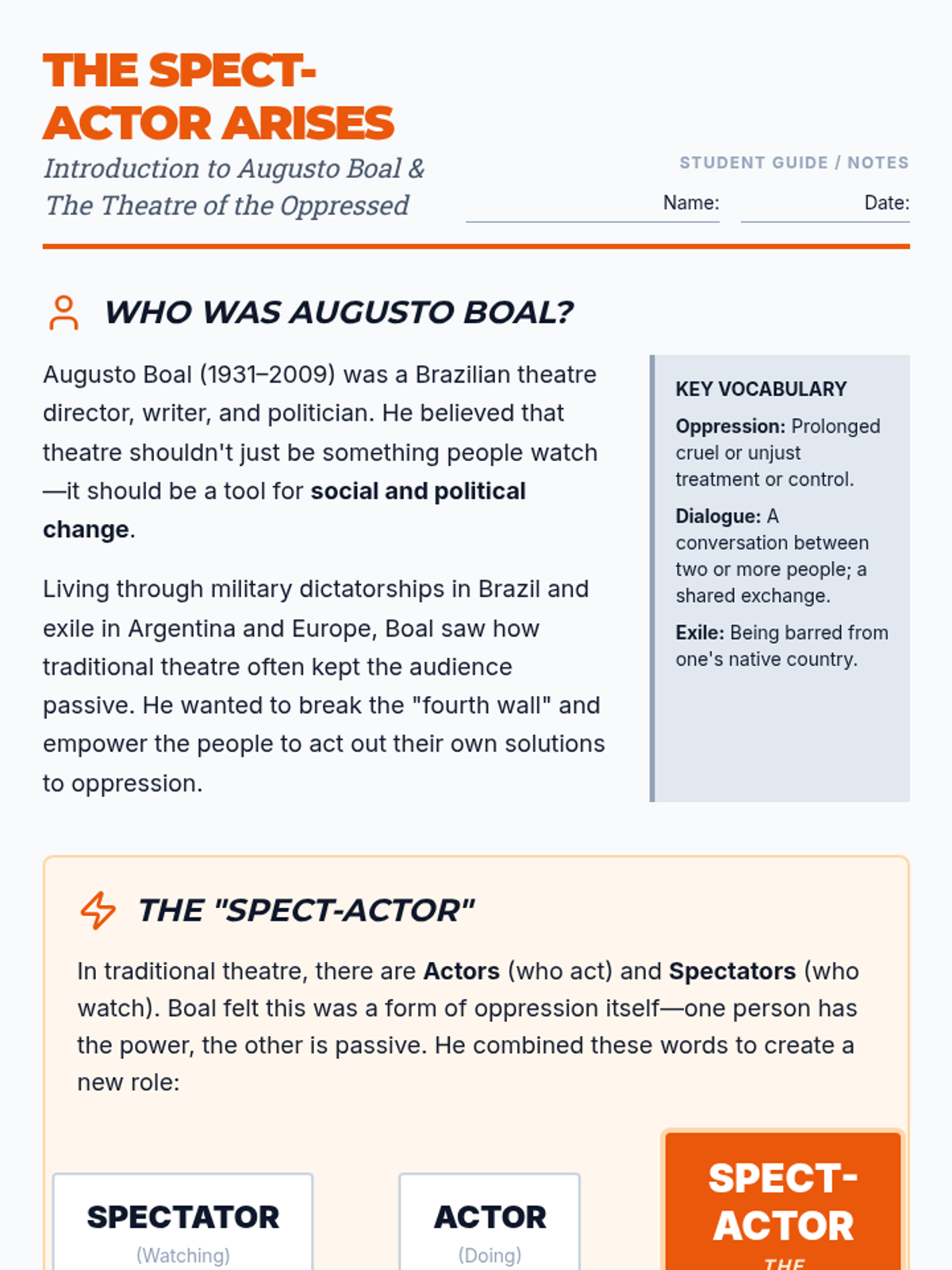
A multi-day unit exploring Augusto Boal's Theatre of the Oppressed, focusing on the transition from spectator to 'spect-actor' through Image and Forum Theatre to address contemporary social issues.
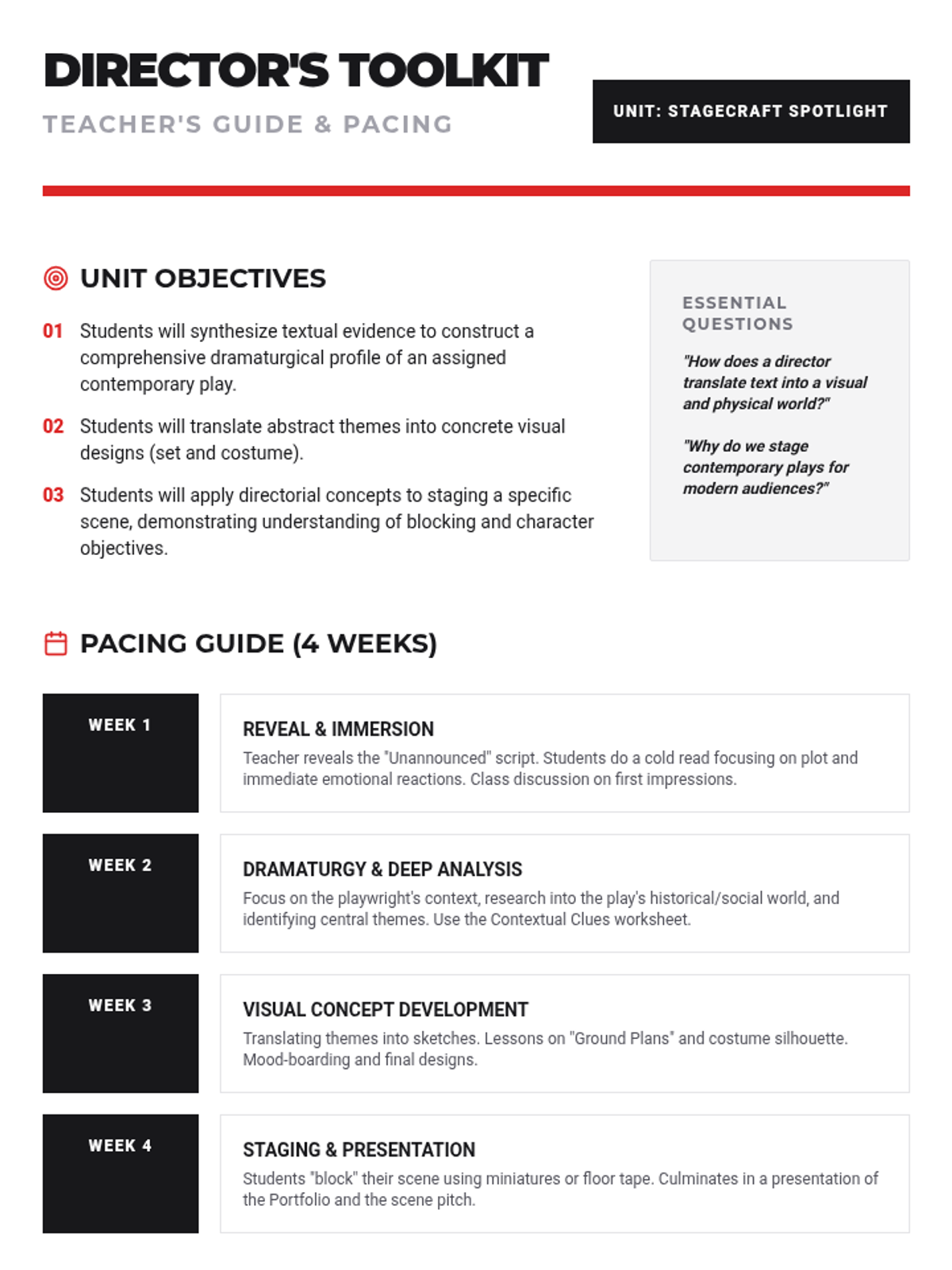
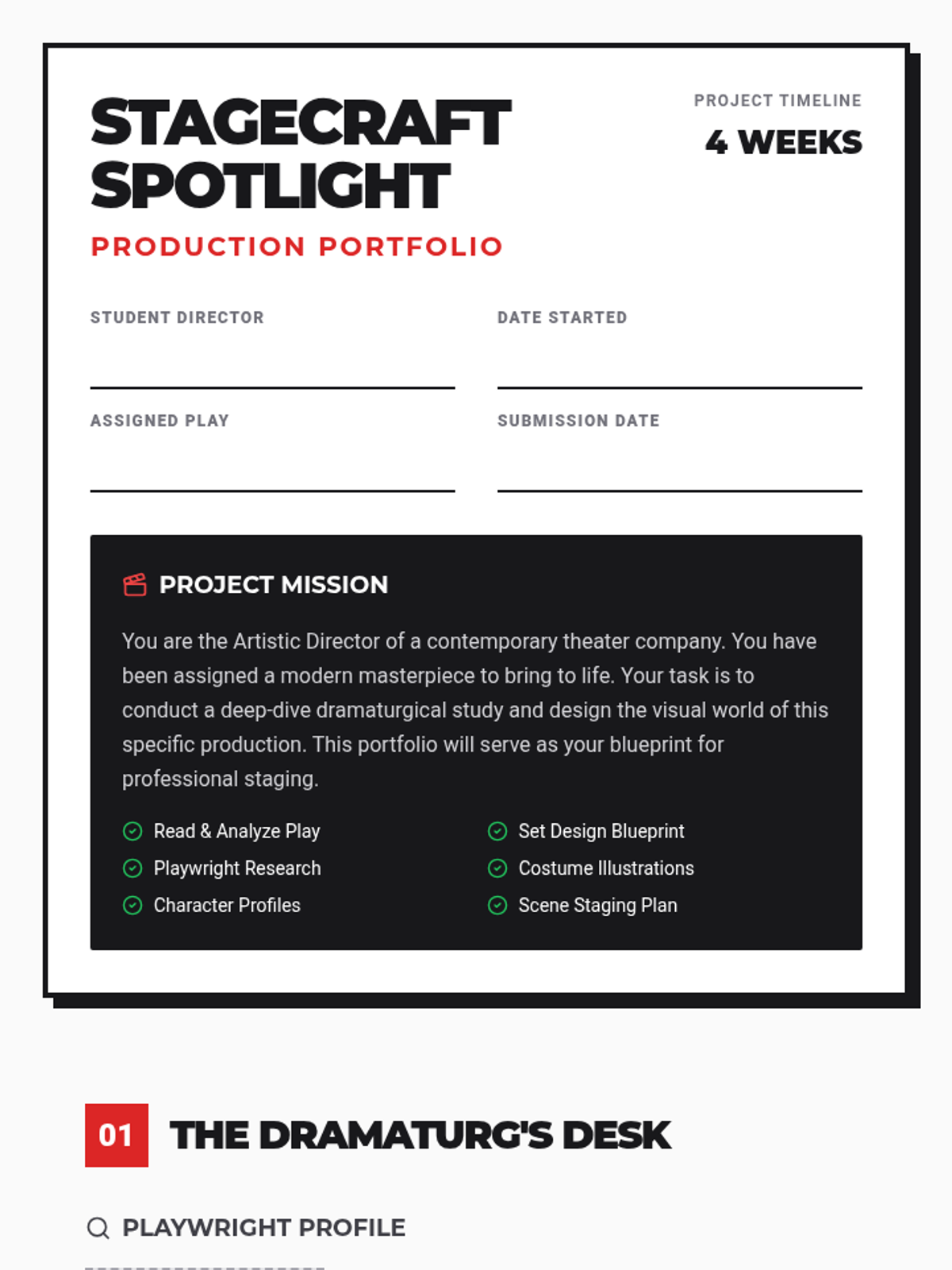
A comprehensive four-week unit and independent study guide for contemporary drama. Students analyze scripts, research playwrights, design technical elements, and stage scenes for a final production portfolio.
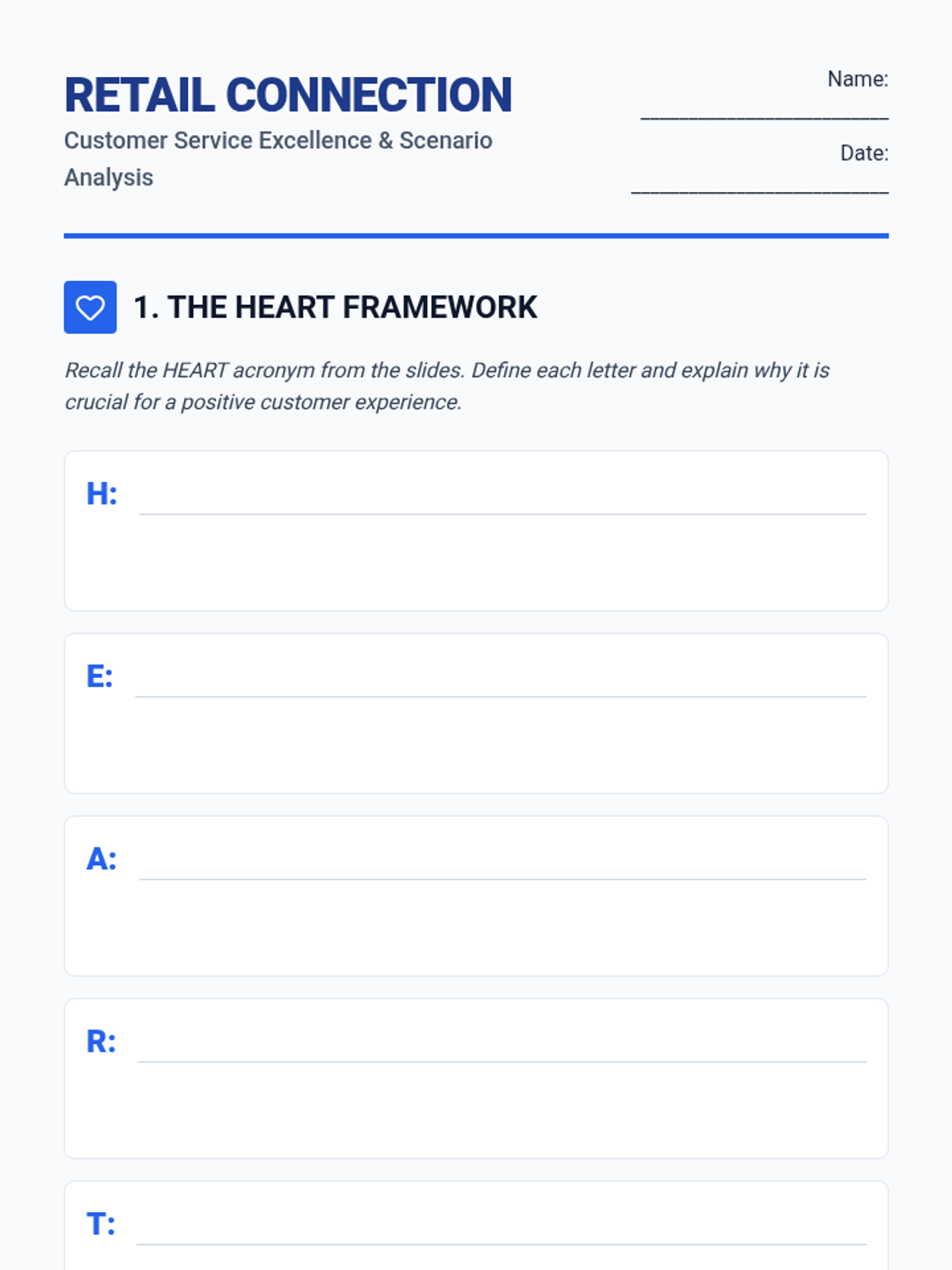
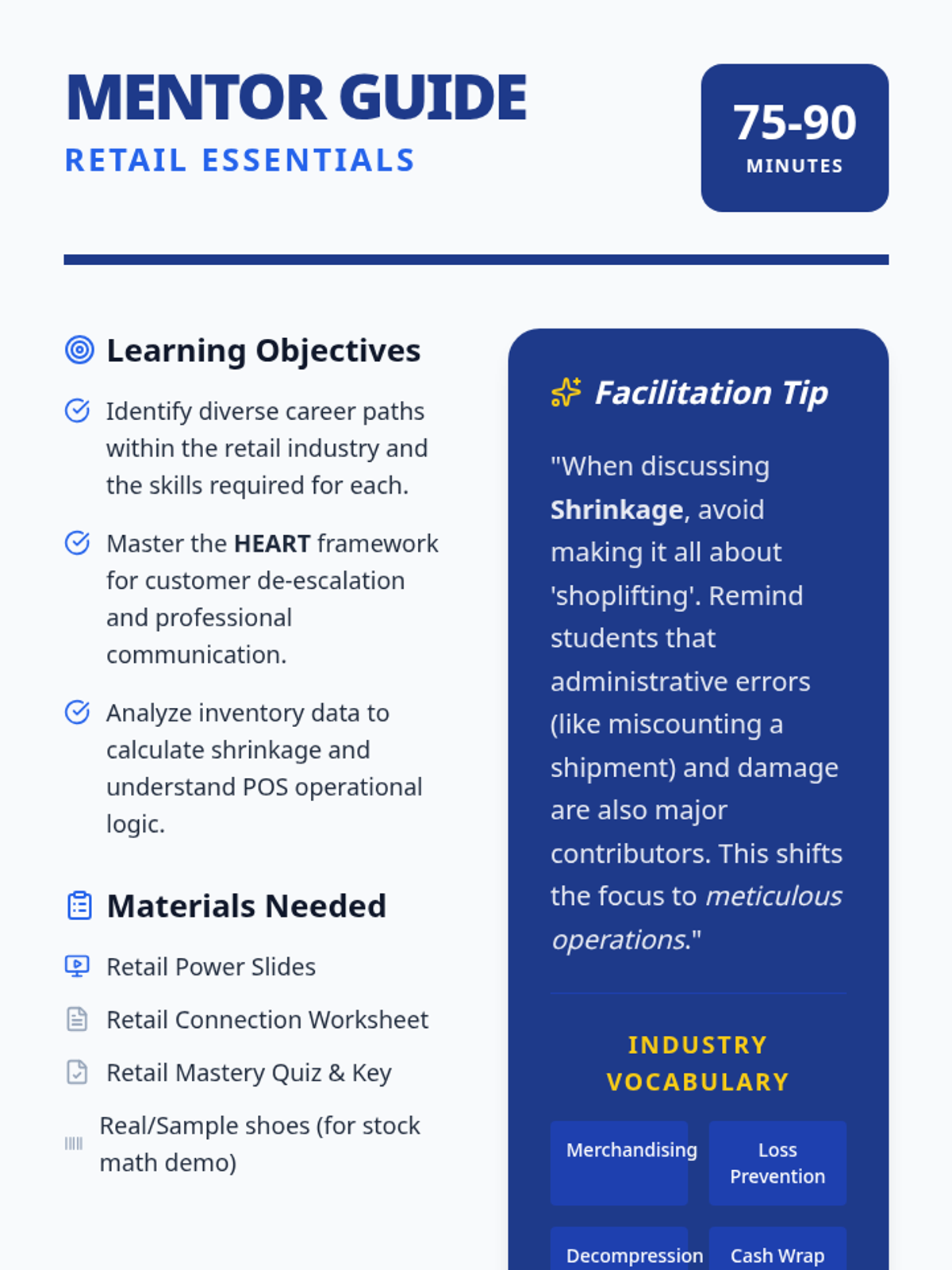
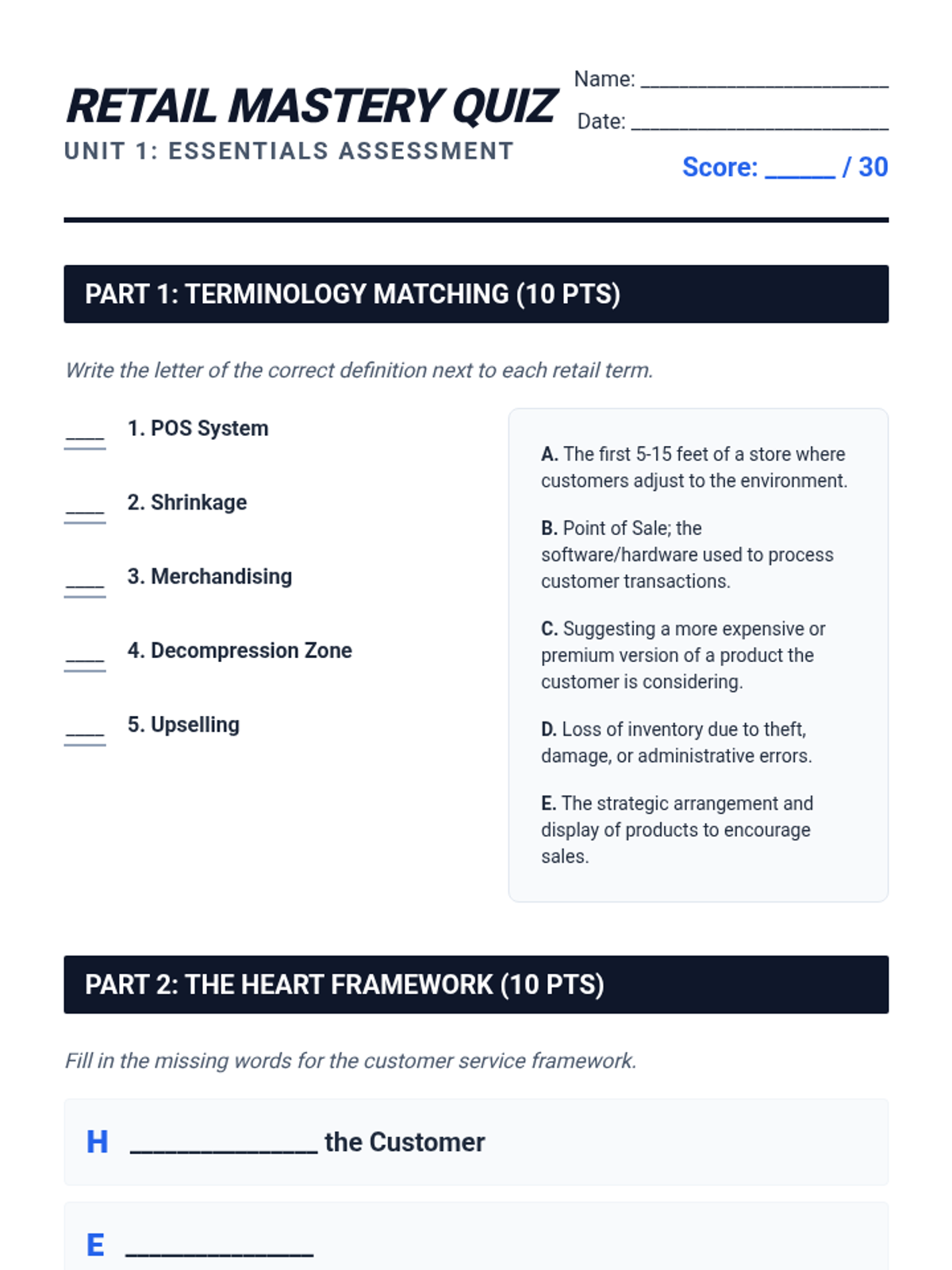
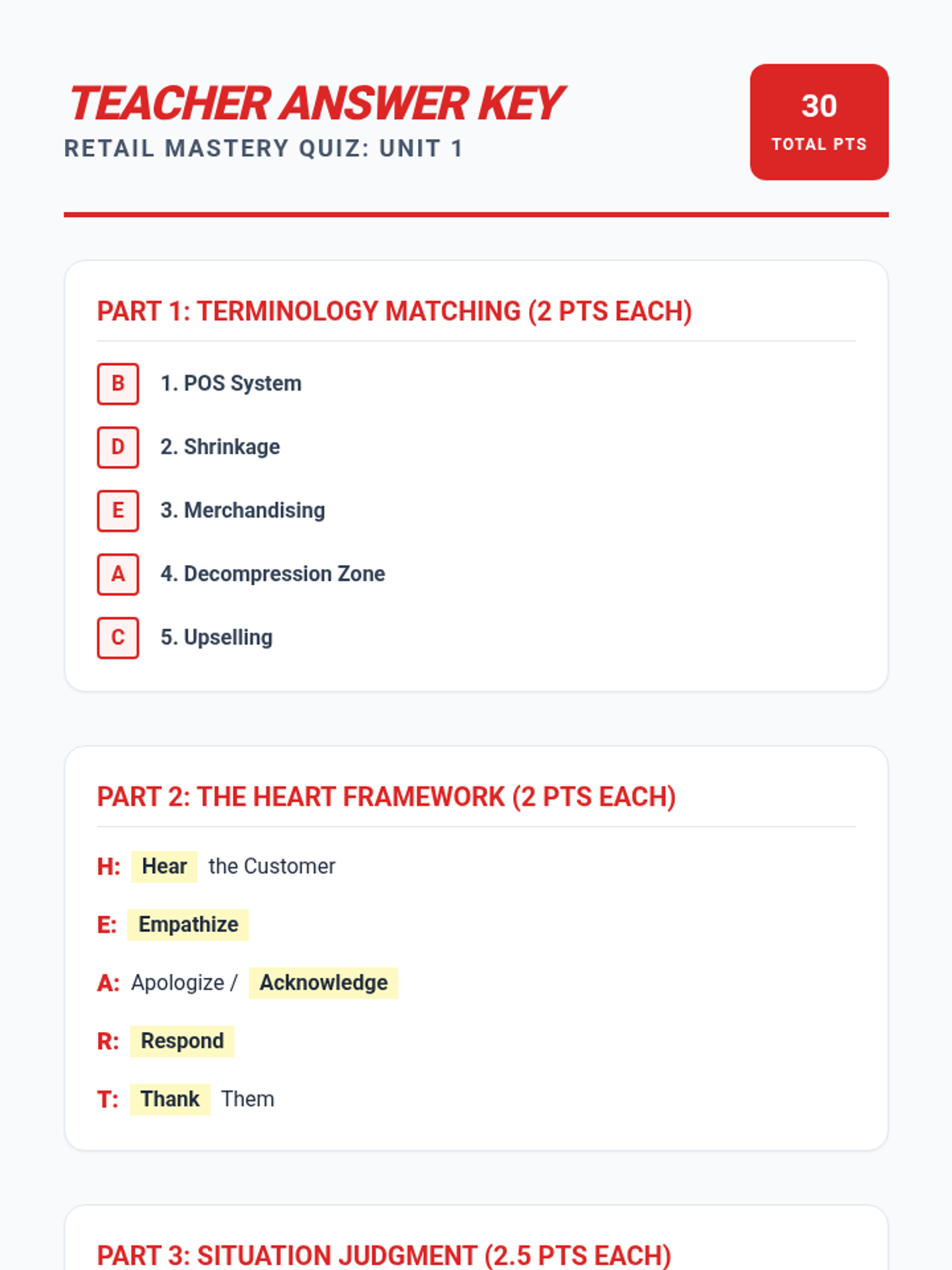
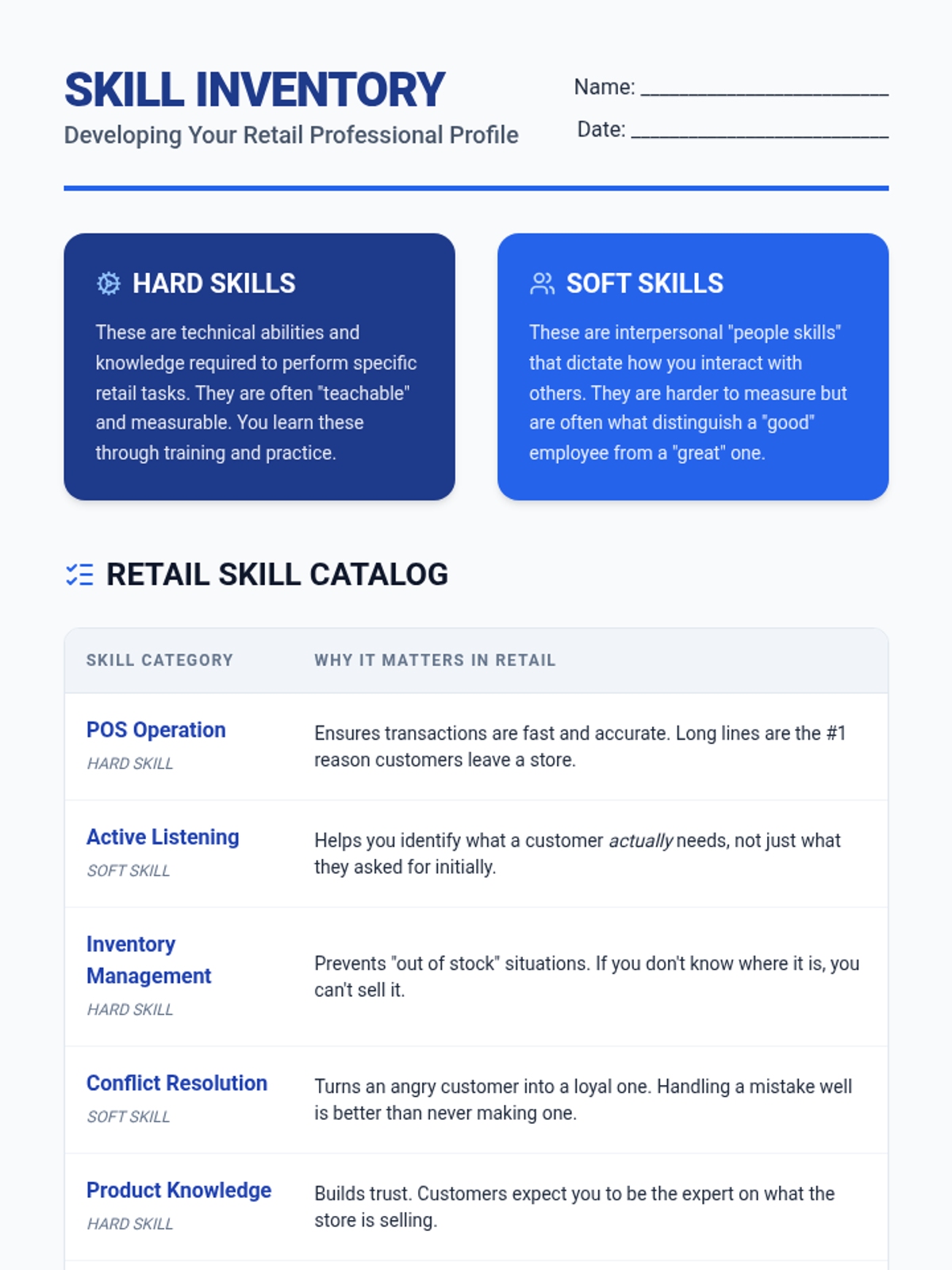
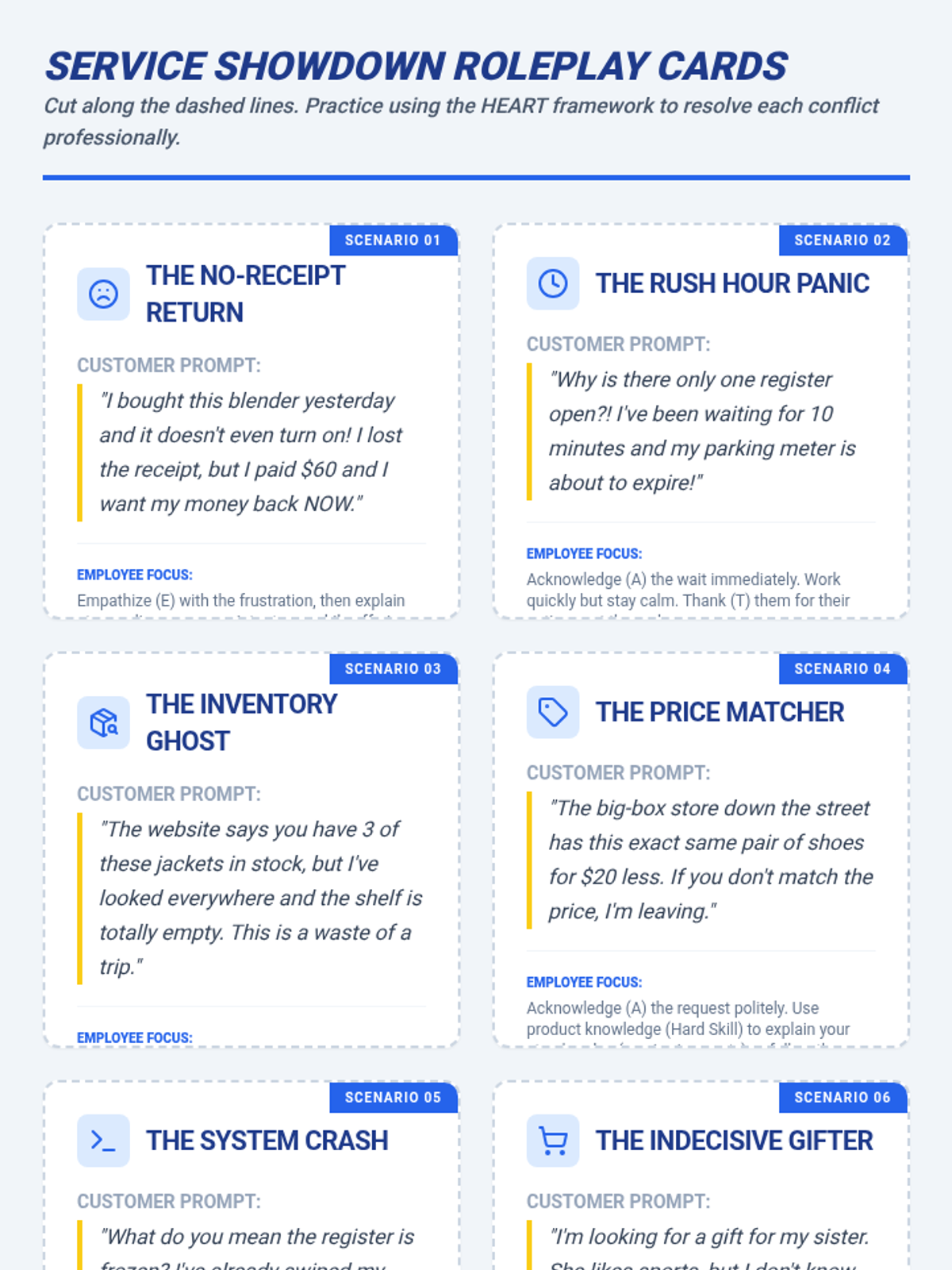
A hands-on career exploration unit focusing on the dynamic world of retail. Students will master customer service excellence, learn retail operations like inventory and POS systems, and design their own retail floor plan and brand strategy.
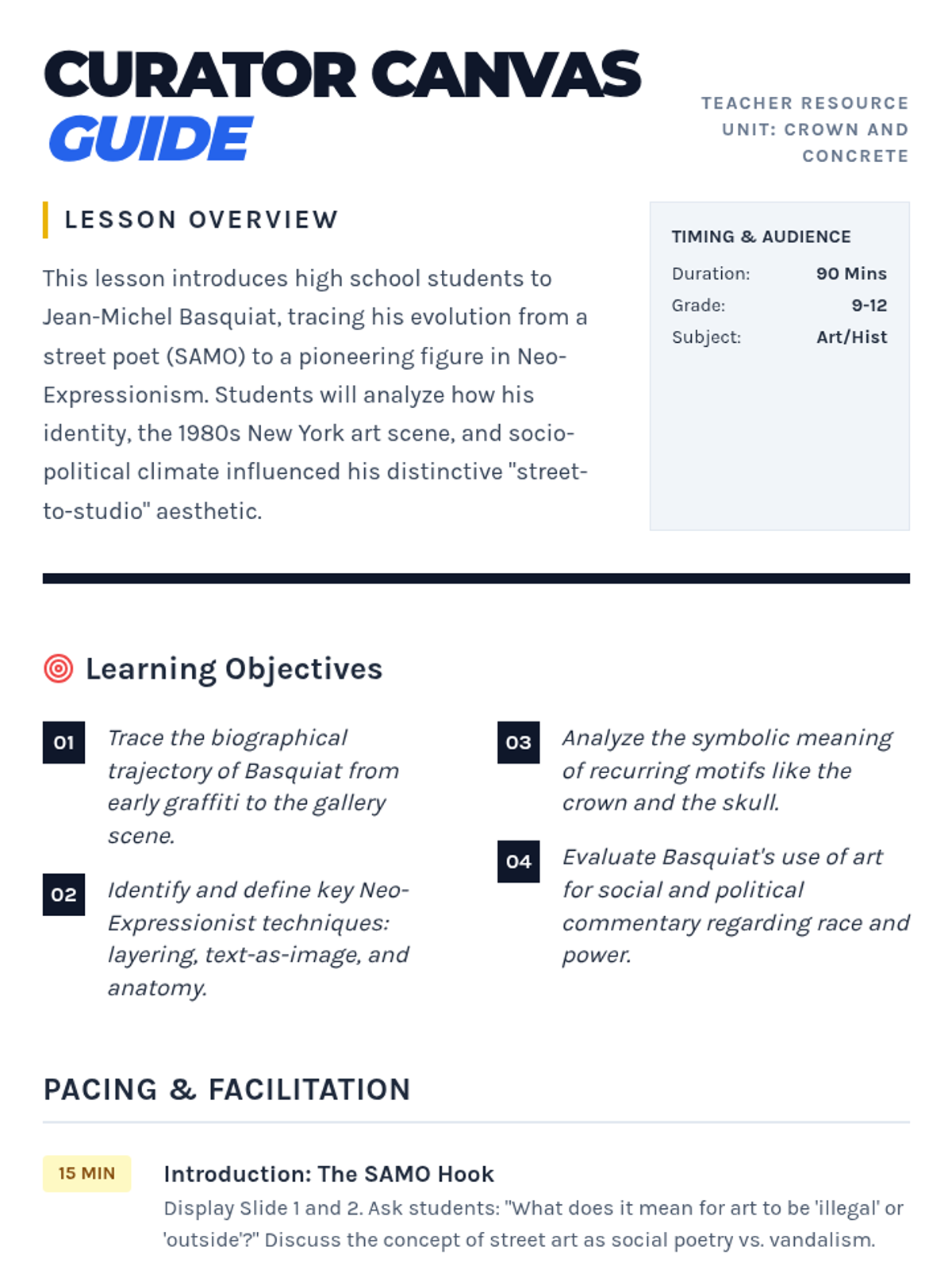
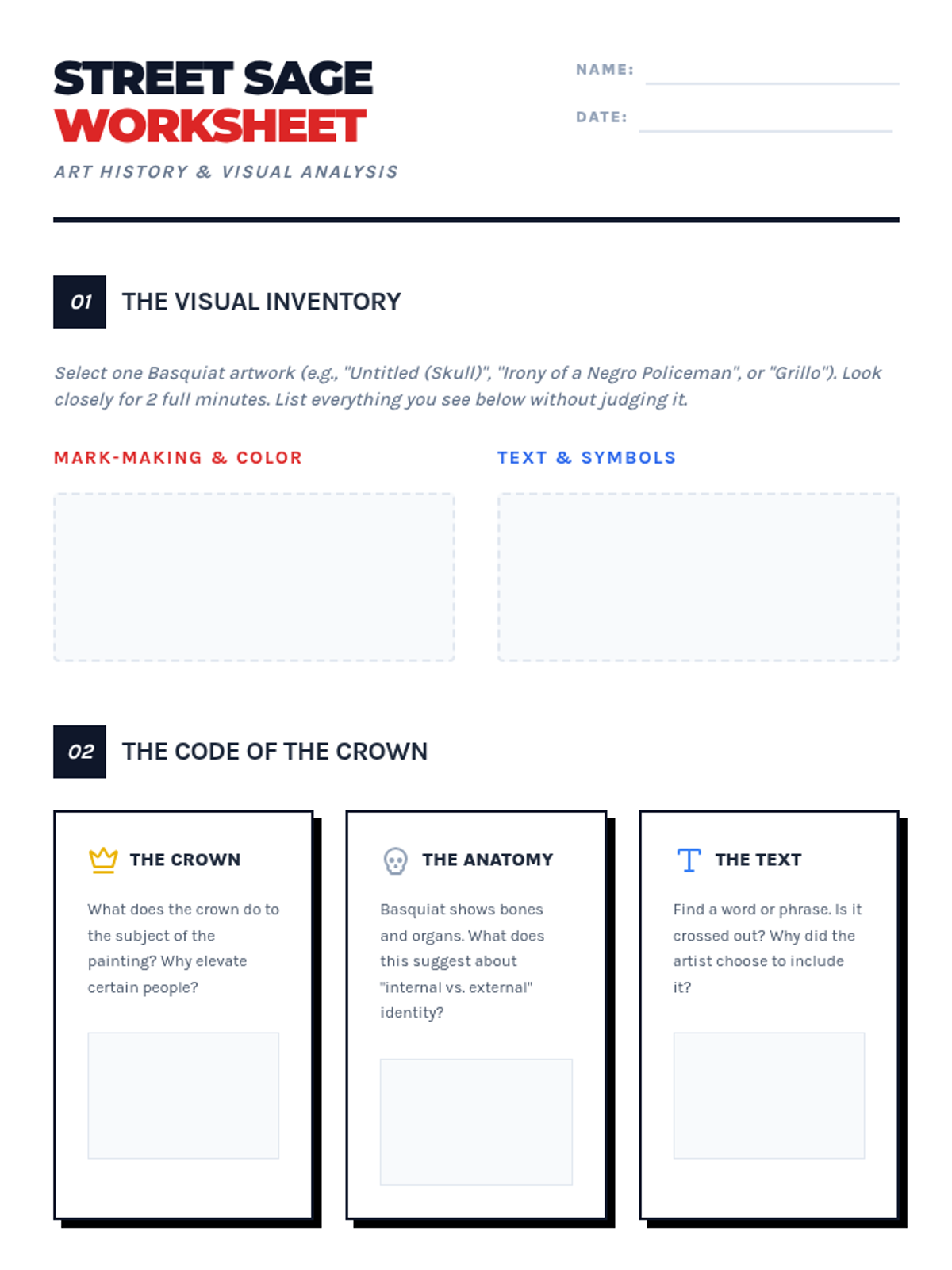
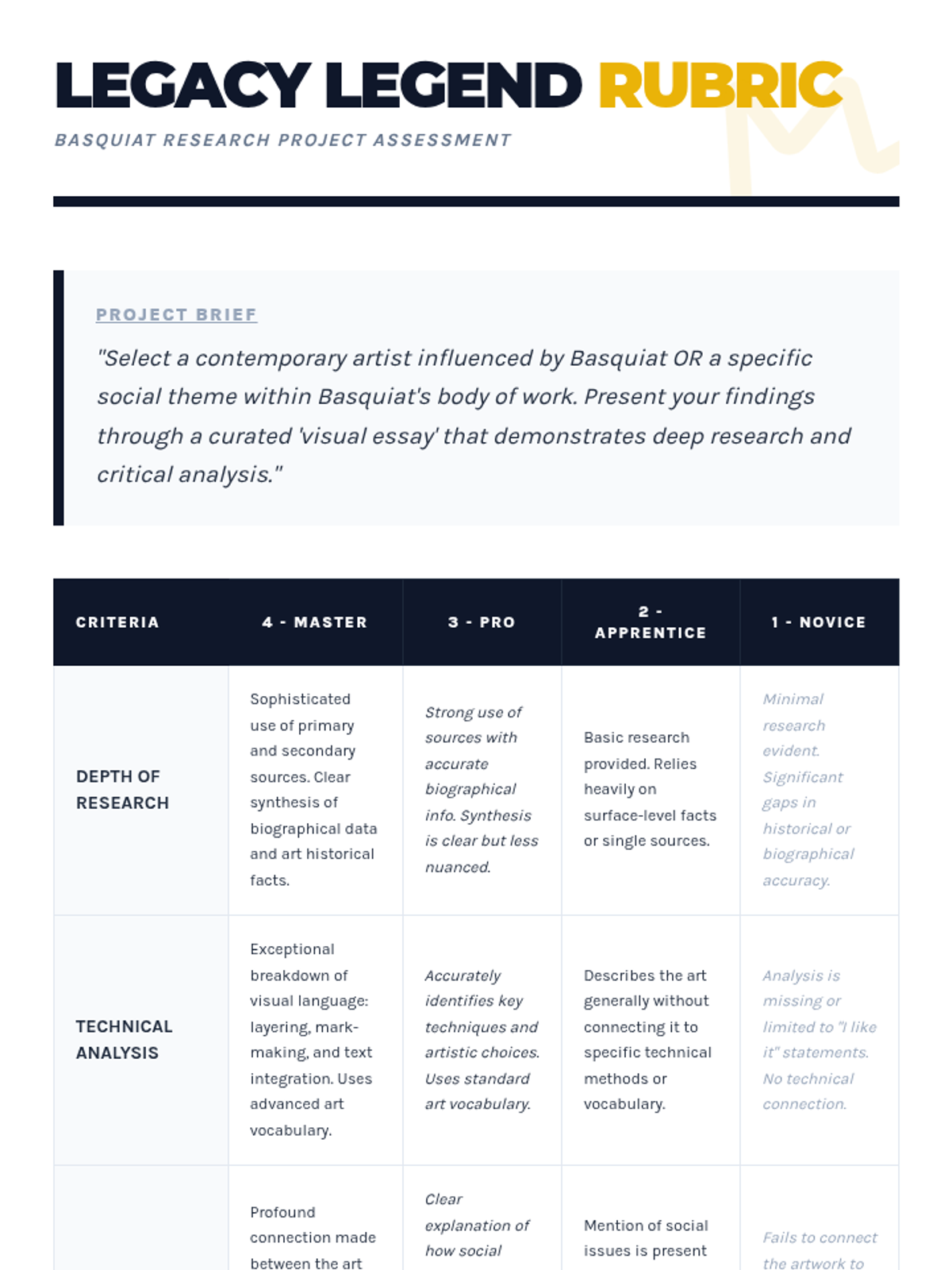
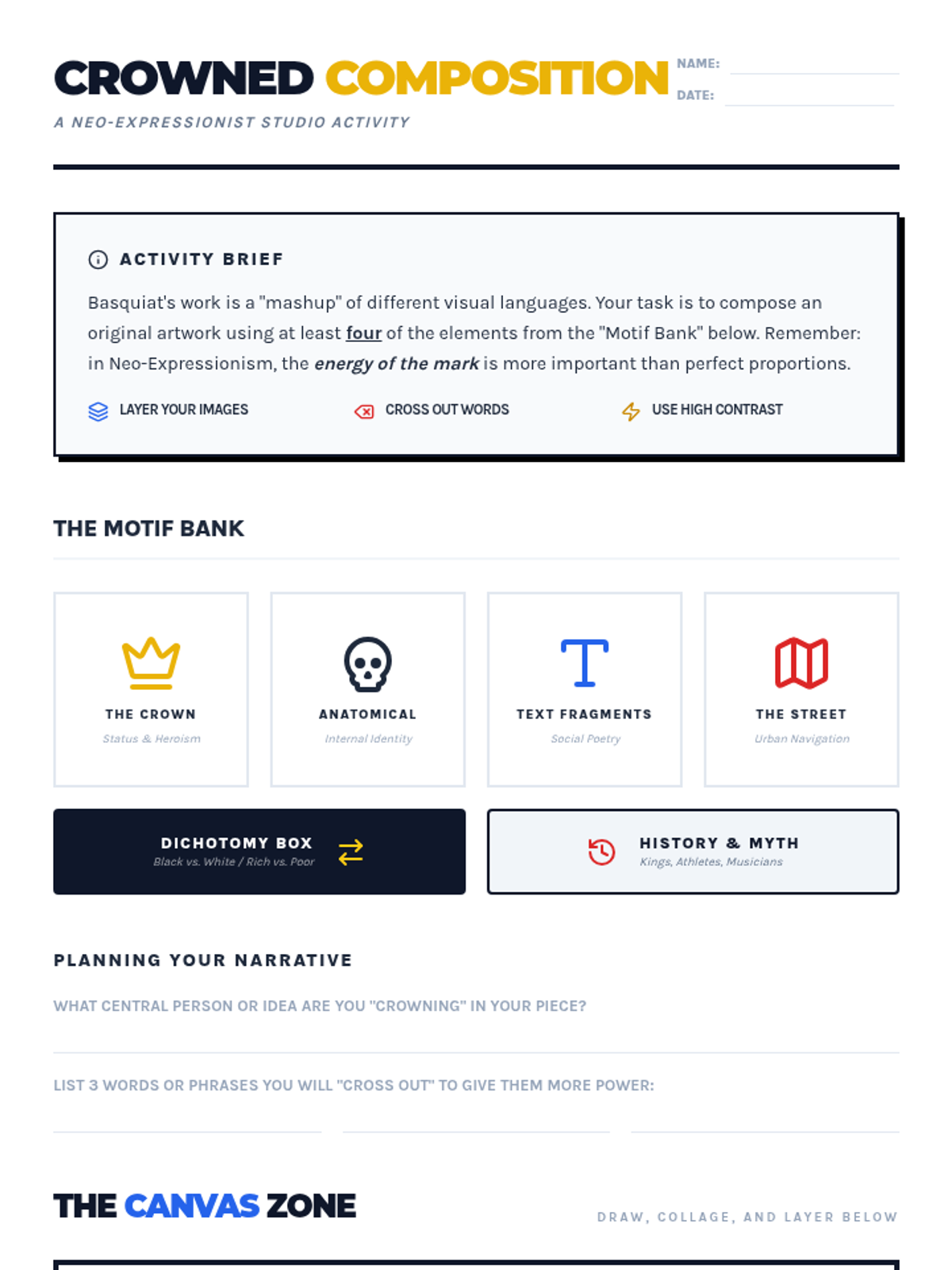
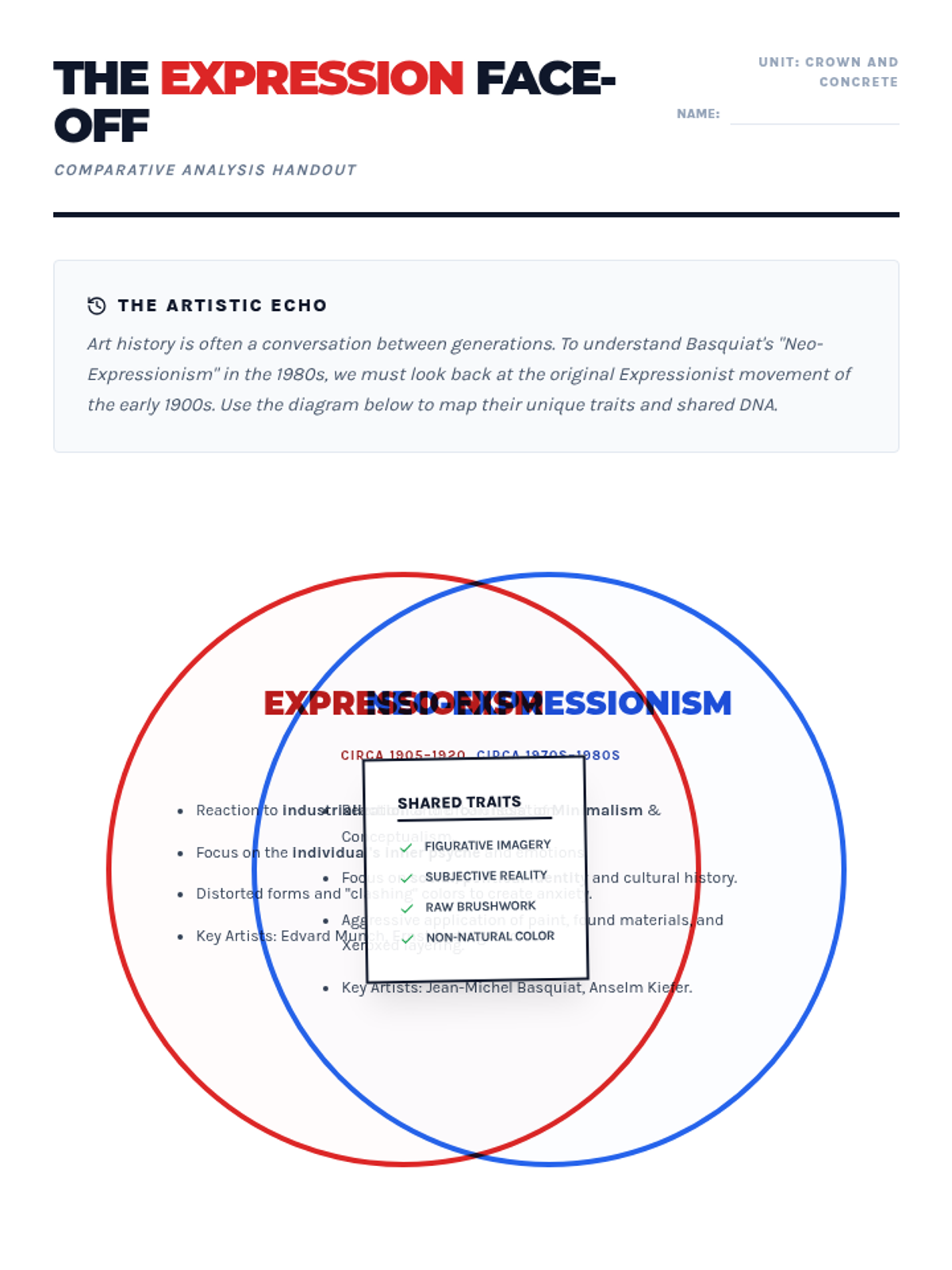
A high school art history and studio unit exploring the life, technique, and socio-political impact of Jean-Michel Basquiat. Students will trace his journey from SAMO graffiti to global art icon while analyzing his unique neo-expressionist style.
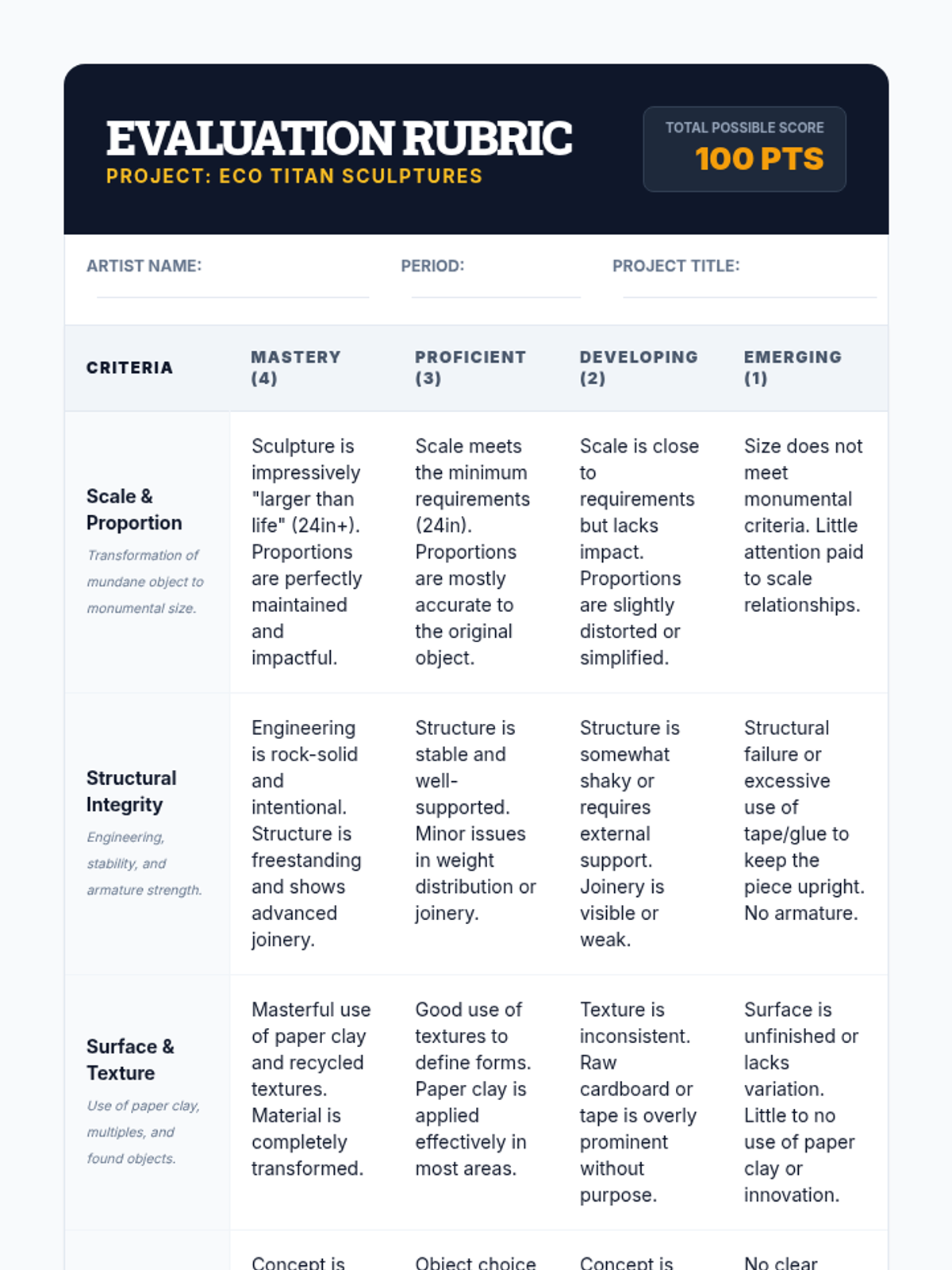
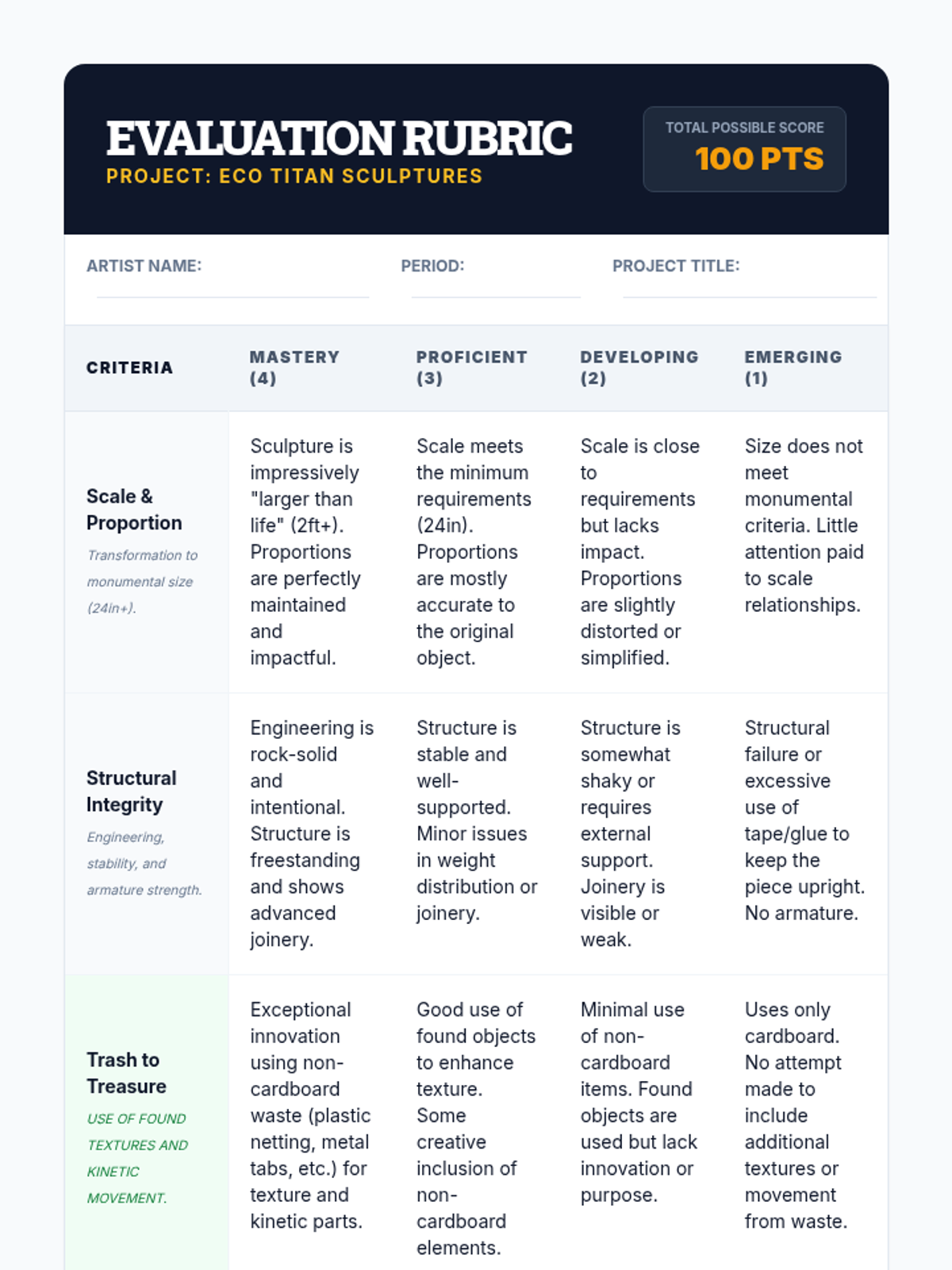
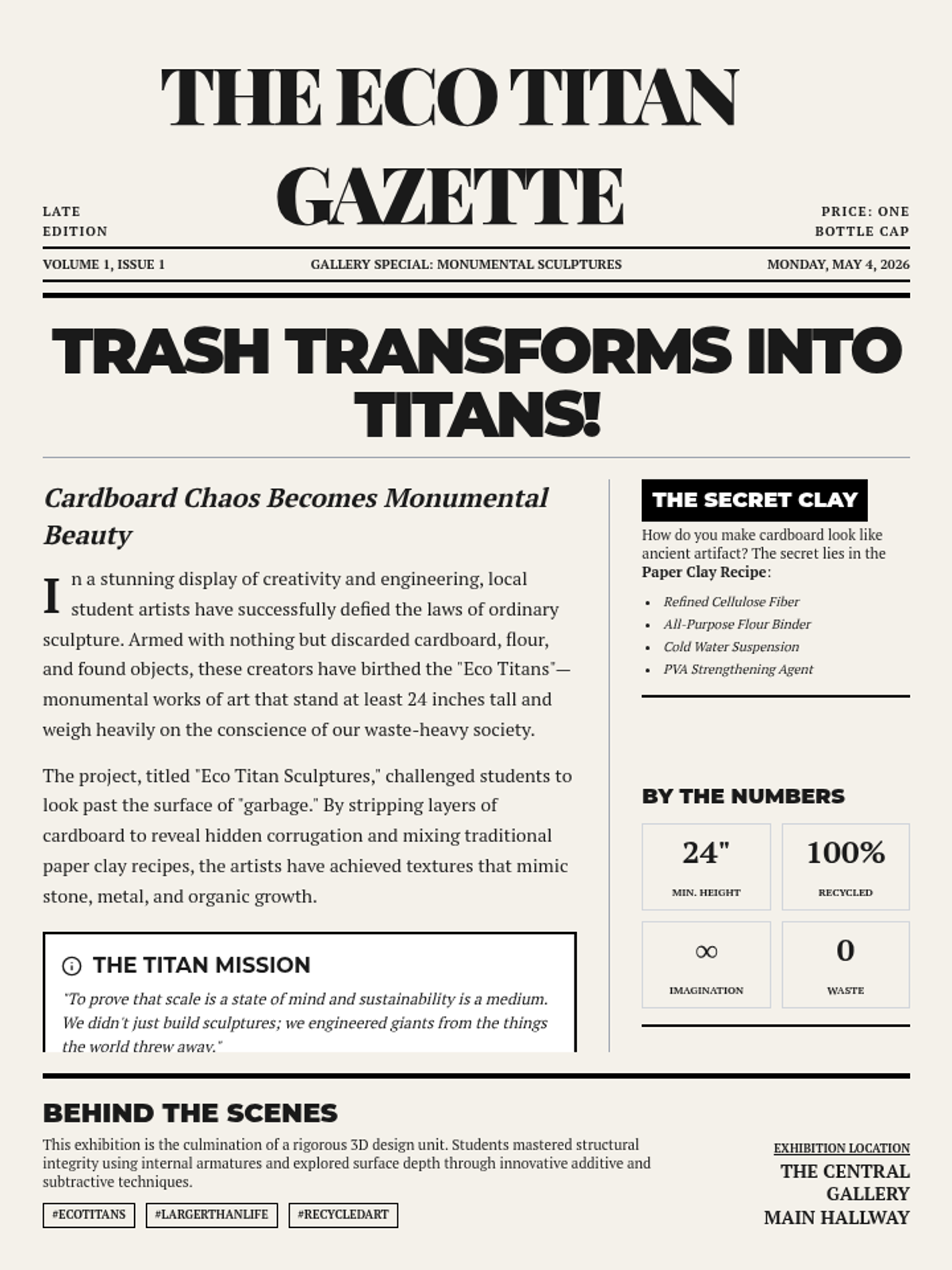
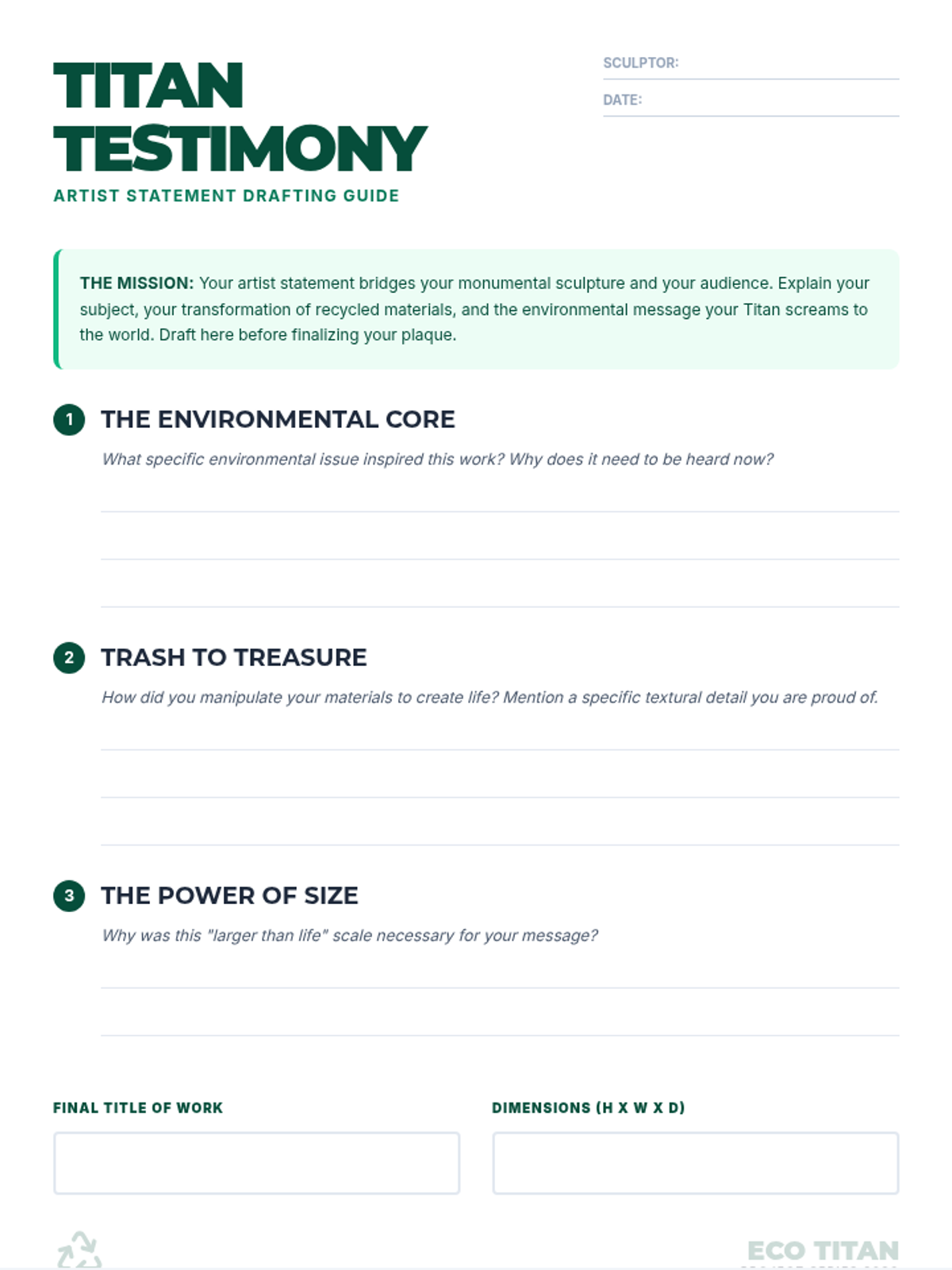
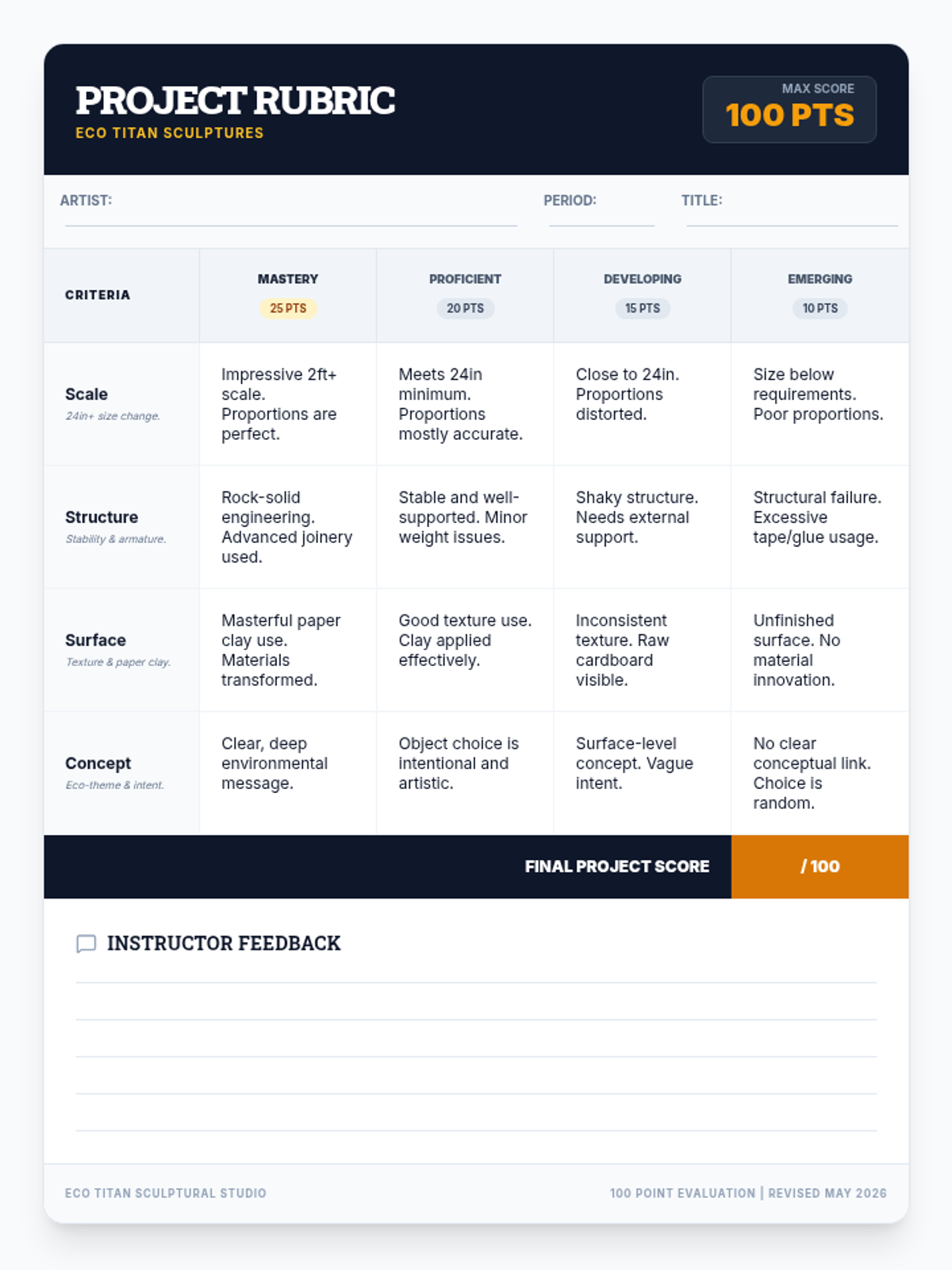
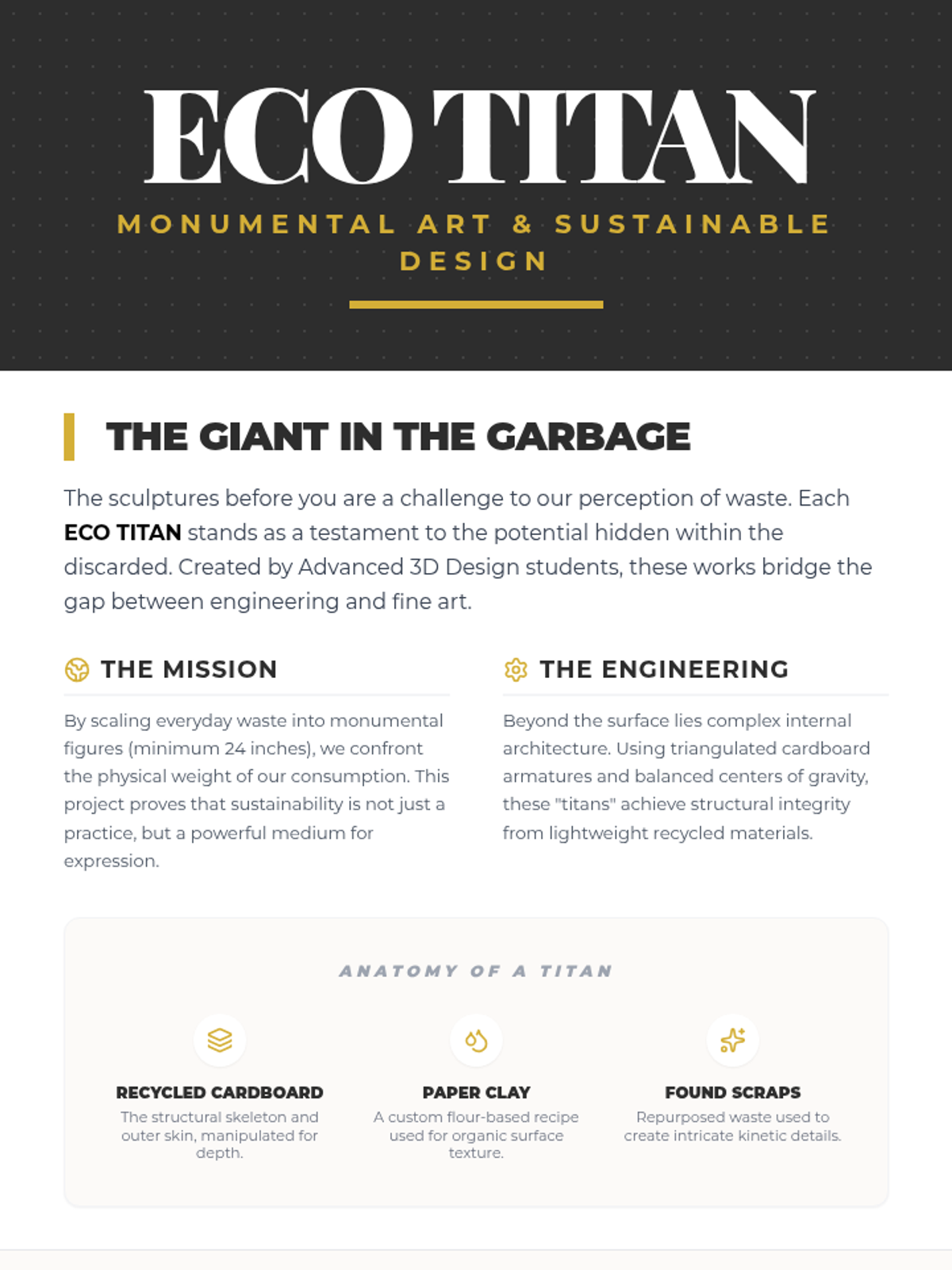
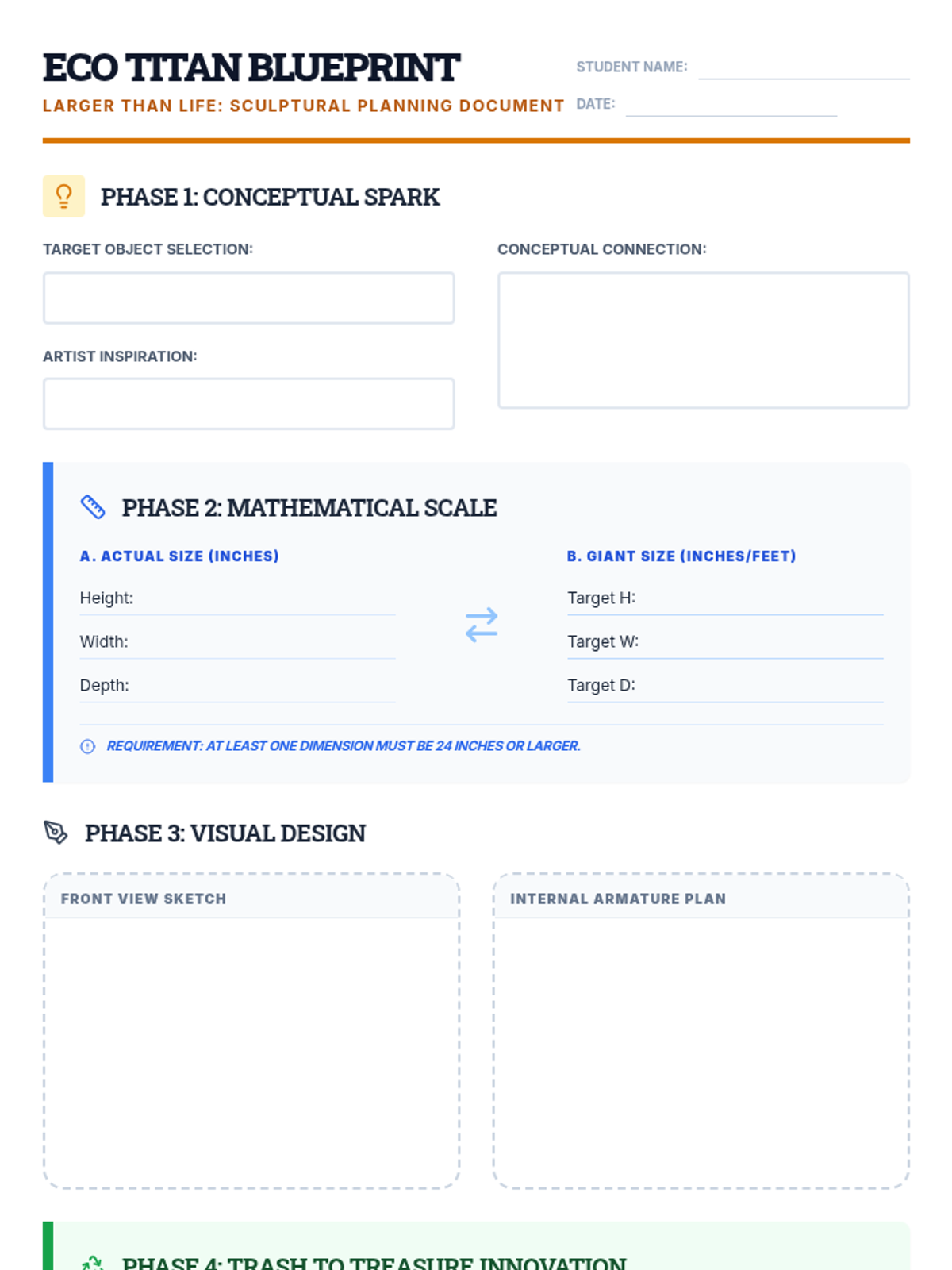
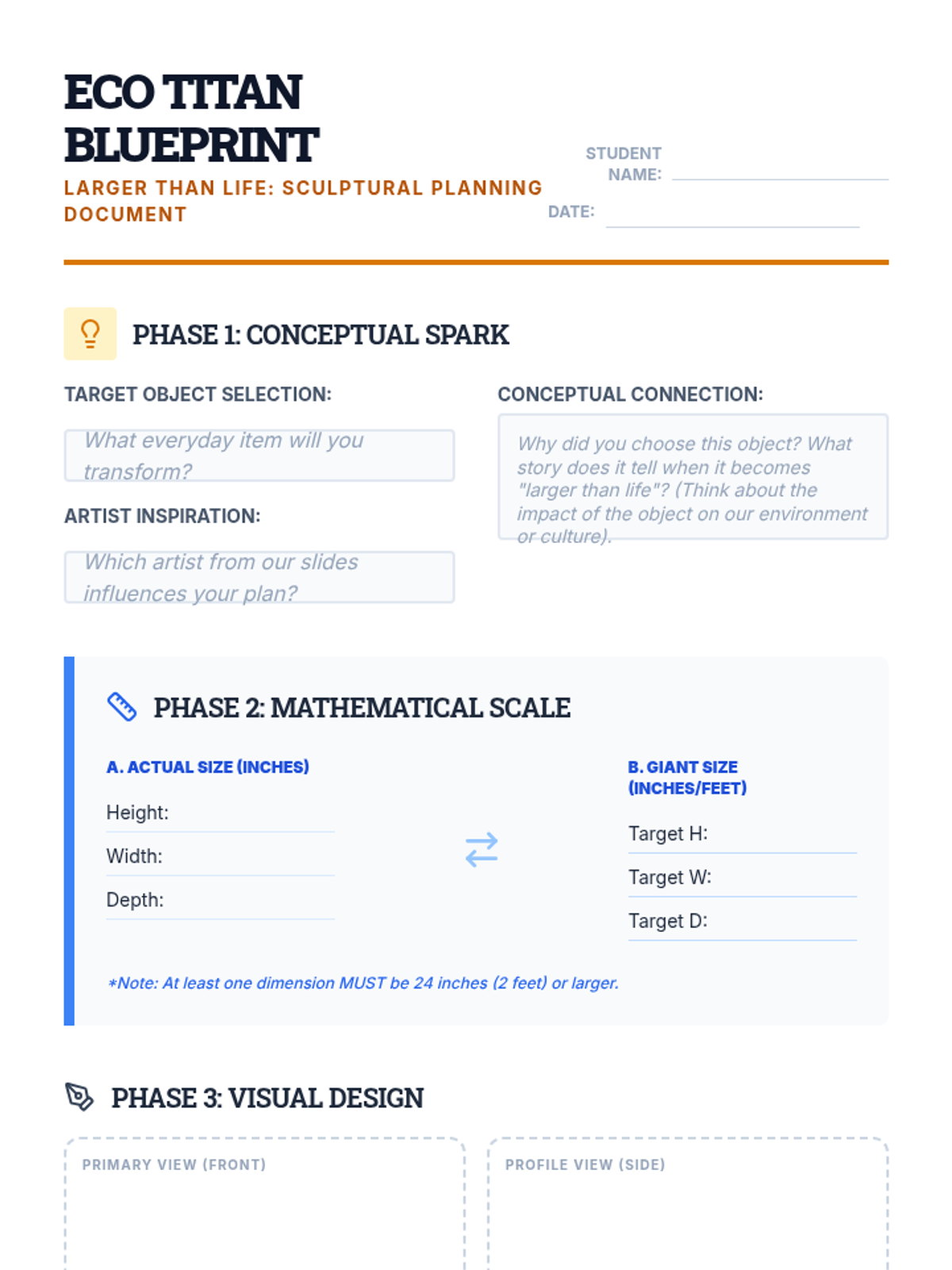
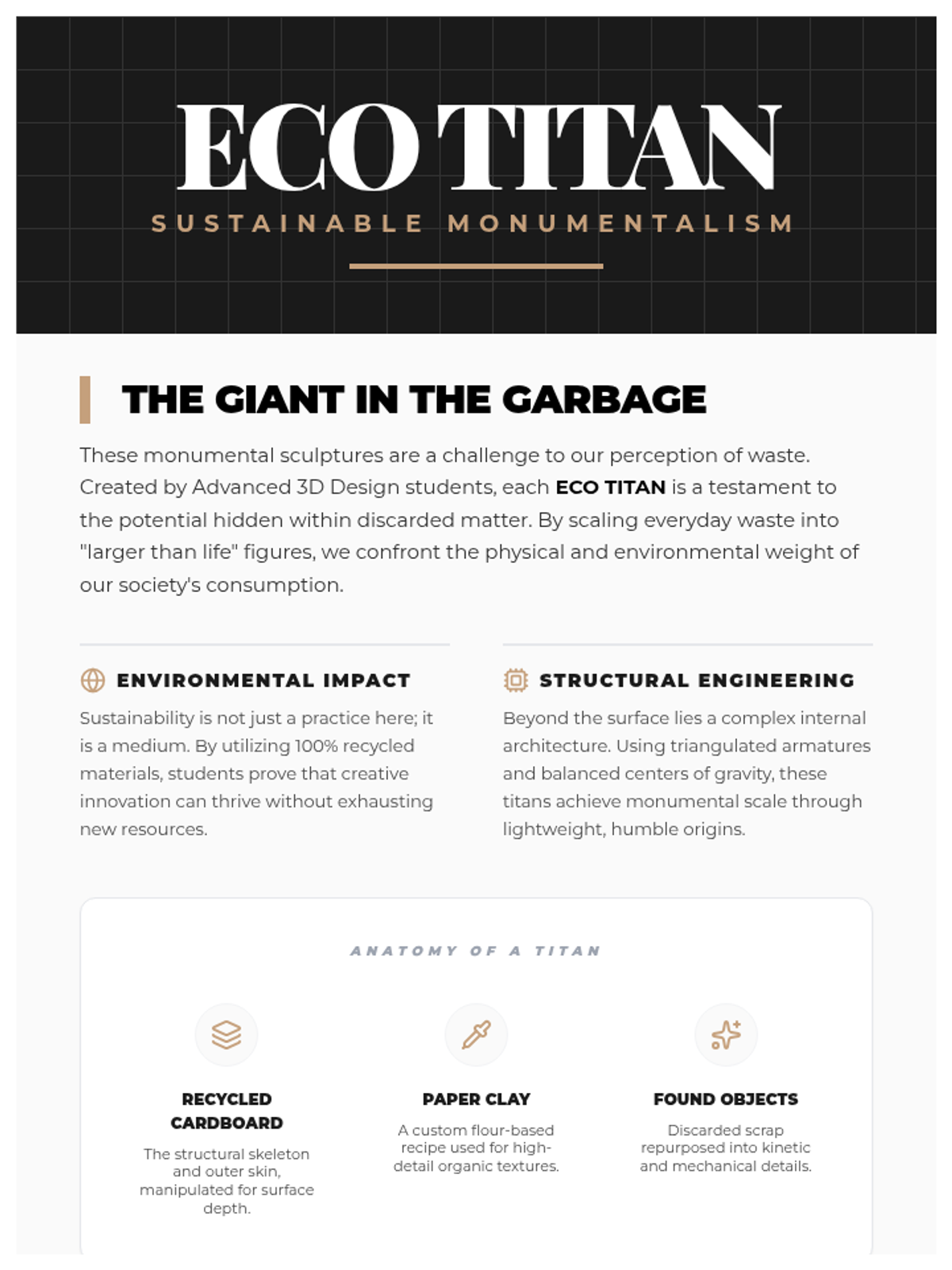
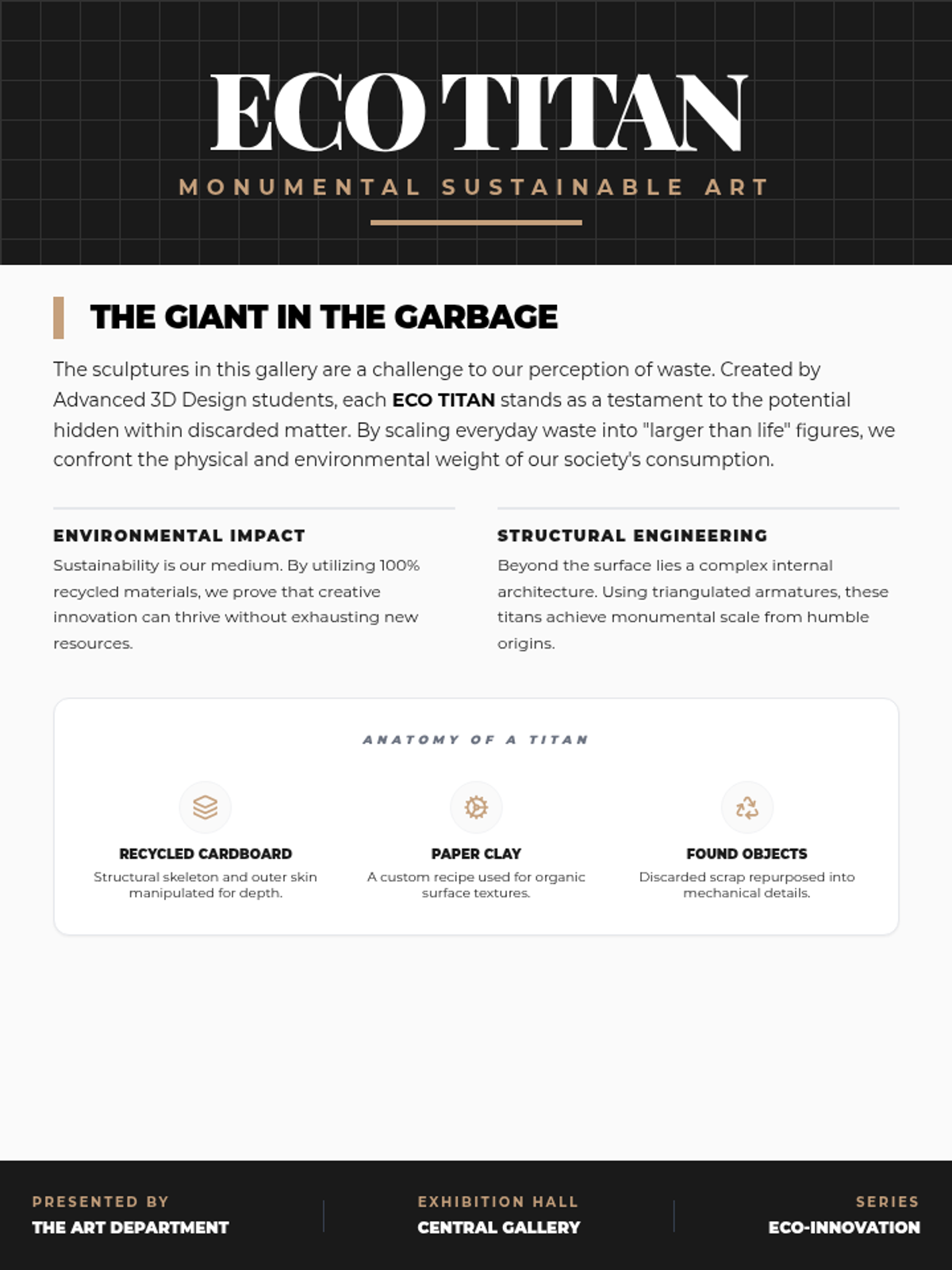
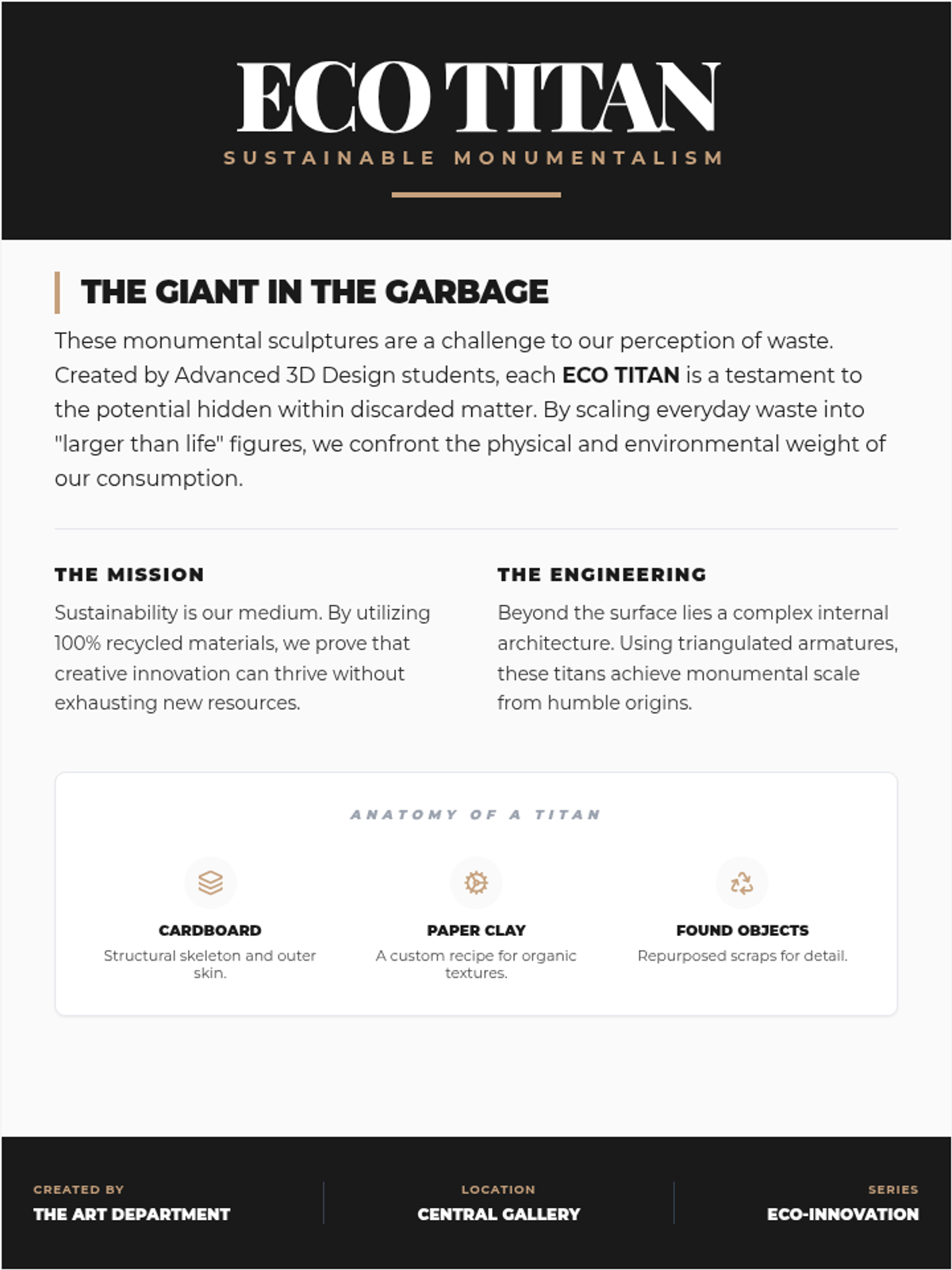
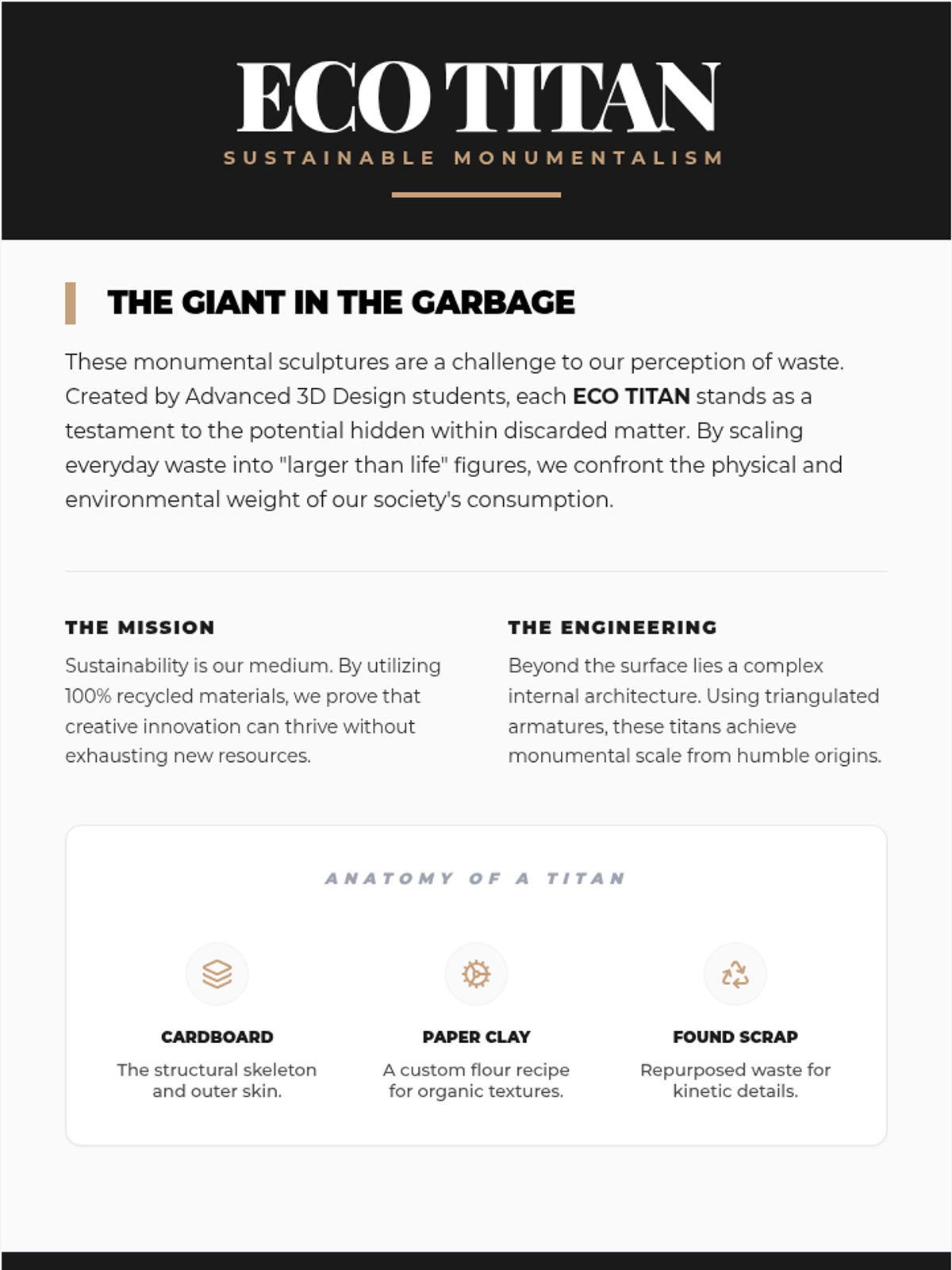
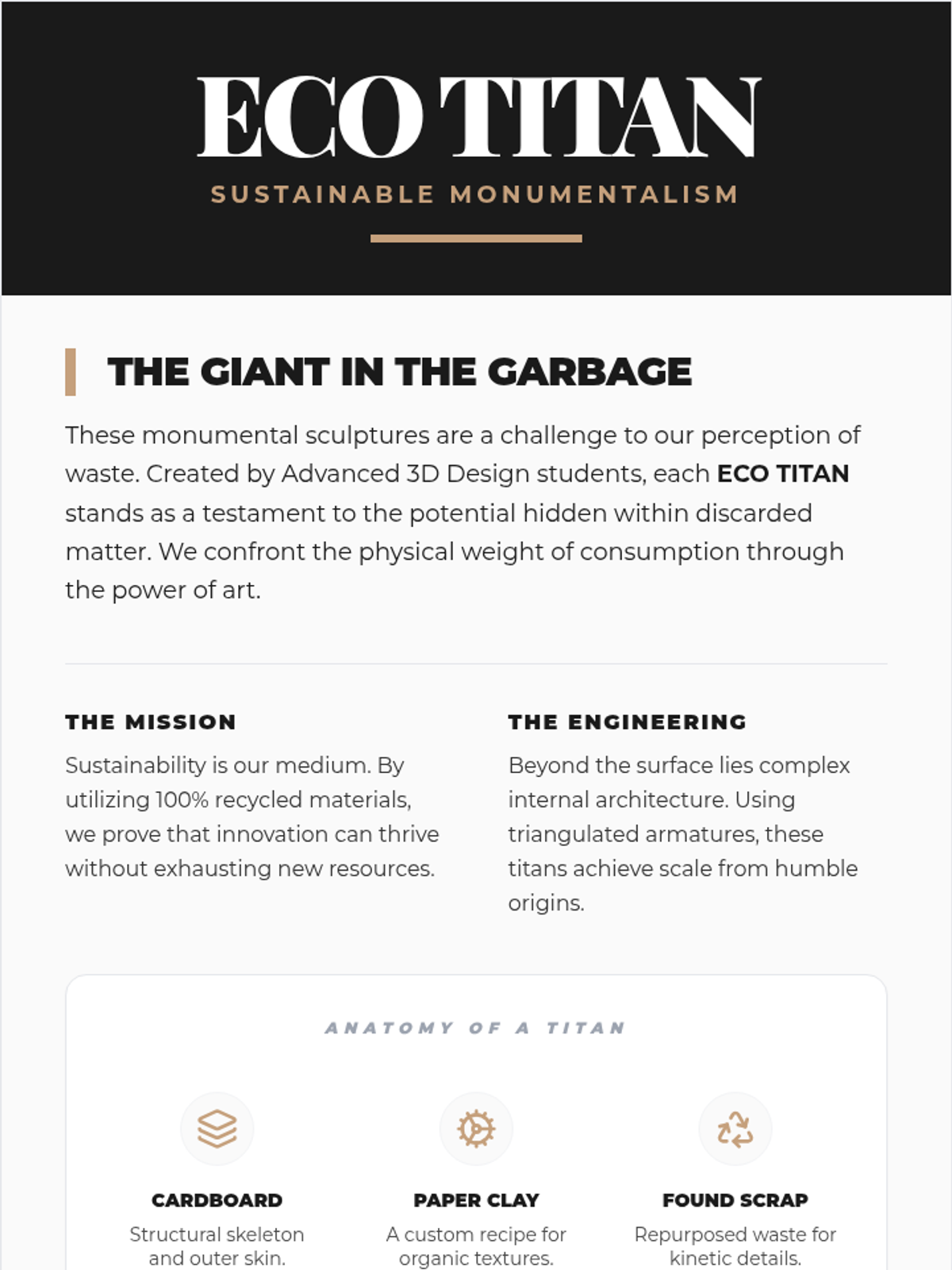
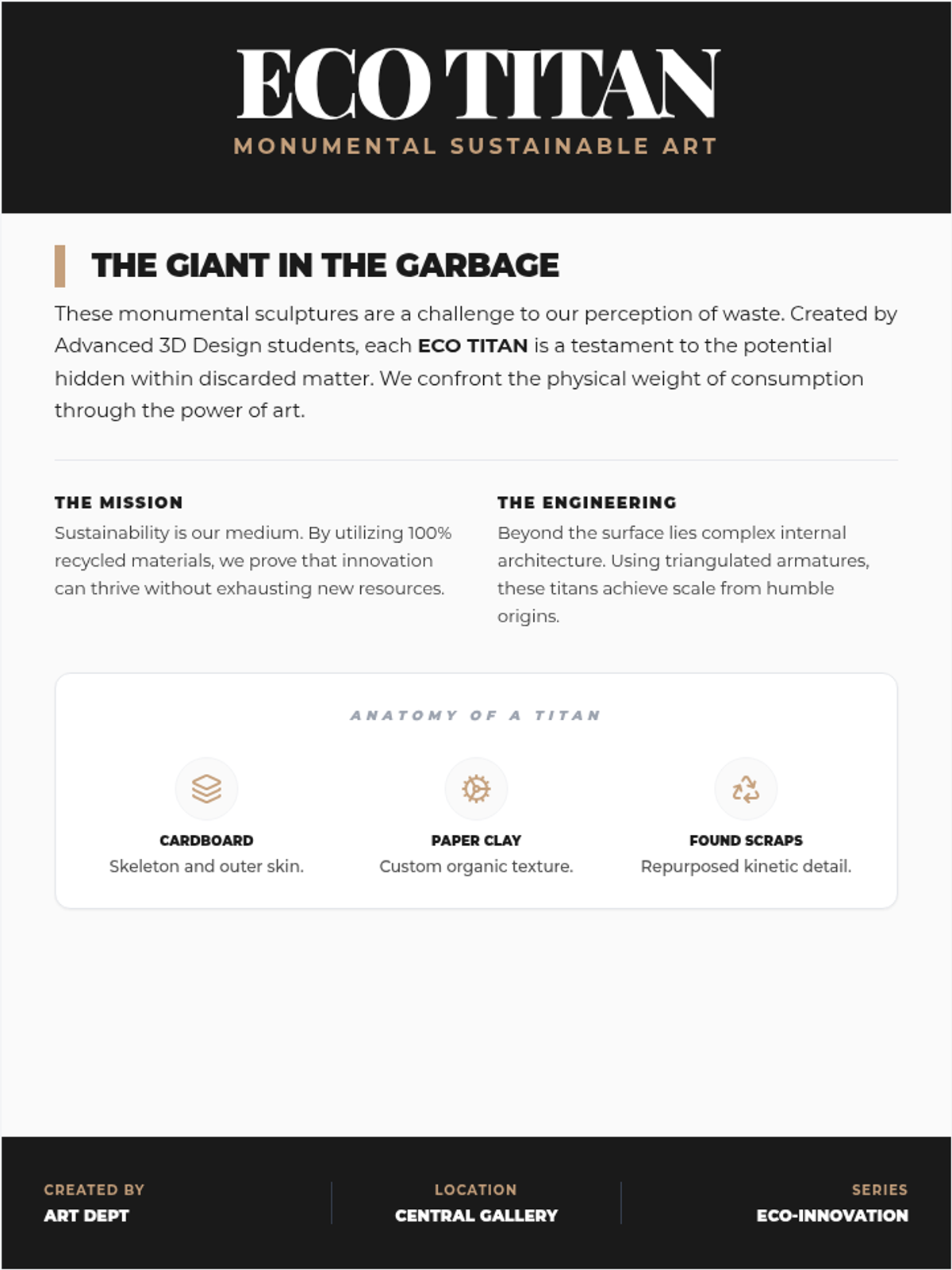
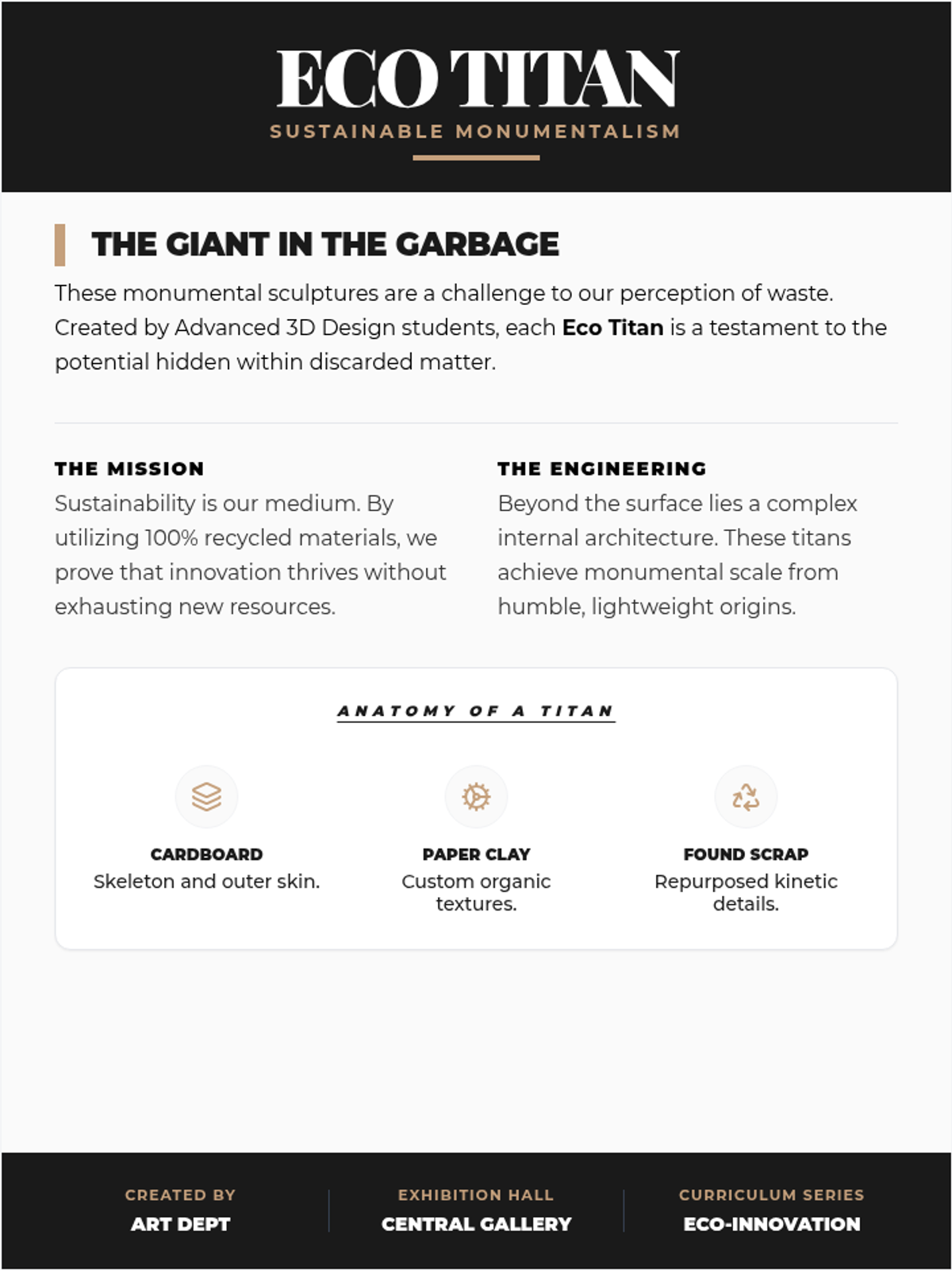
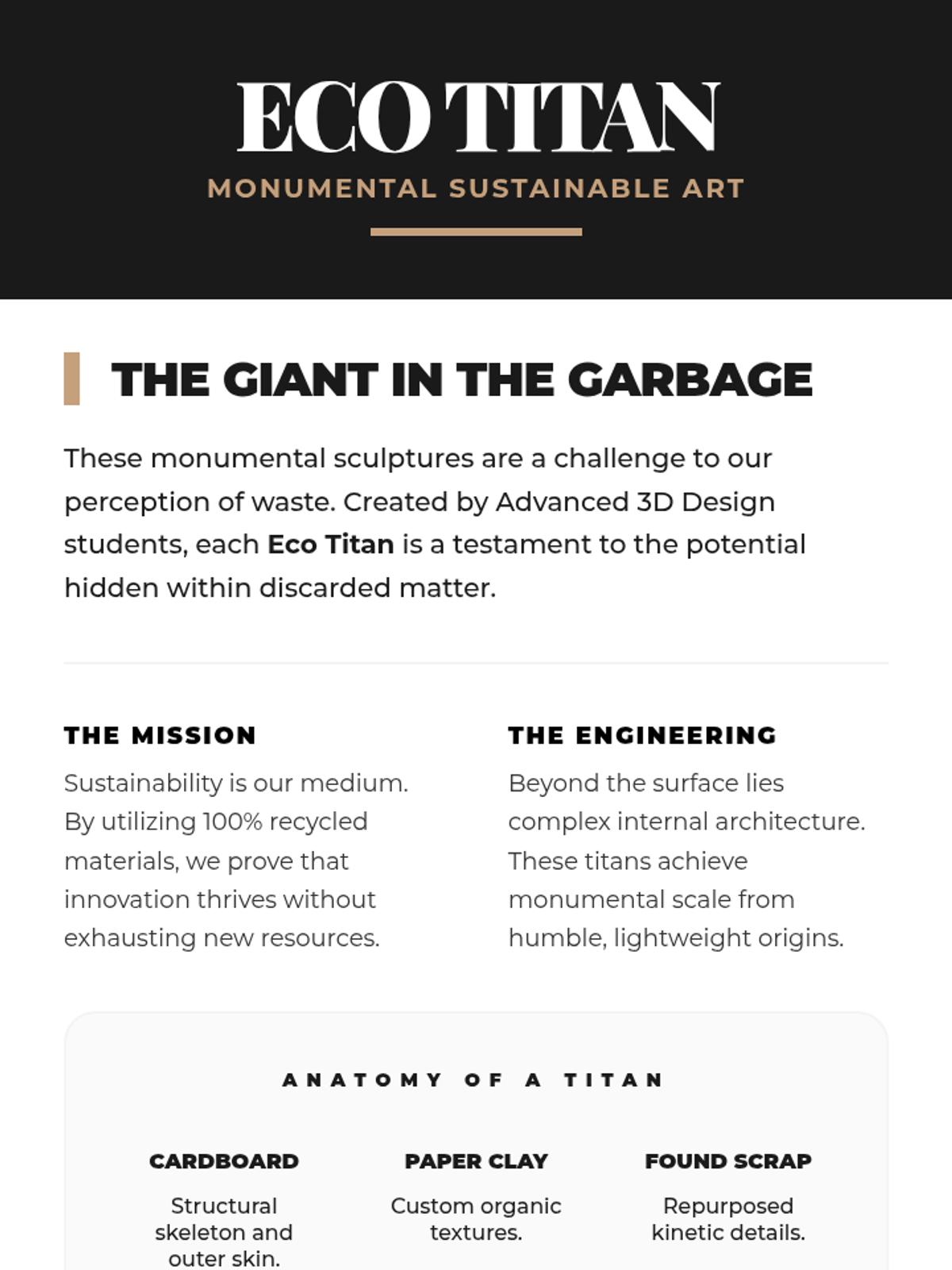
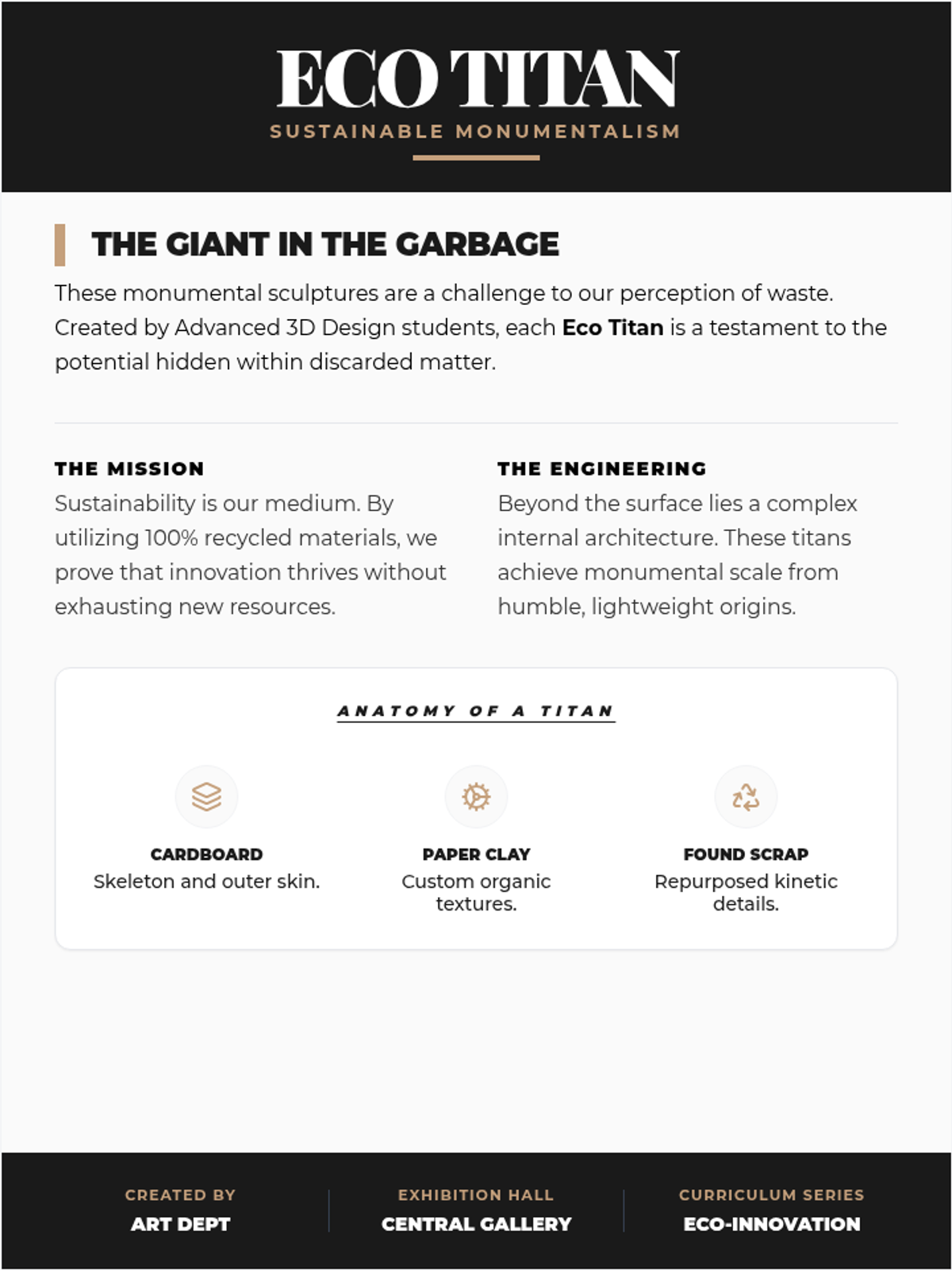
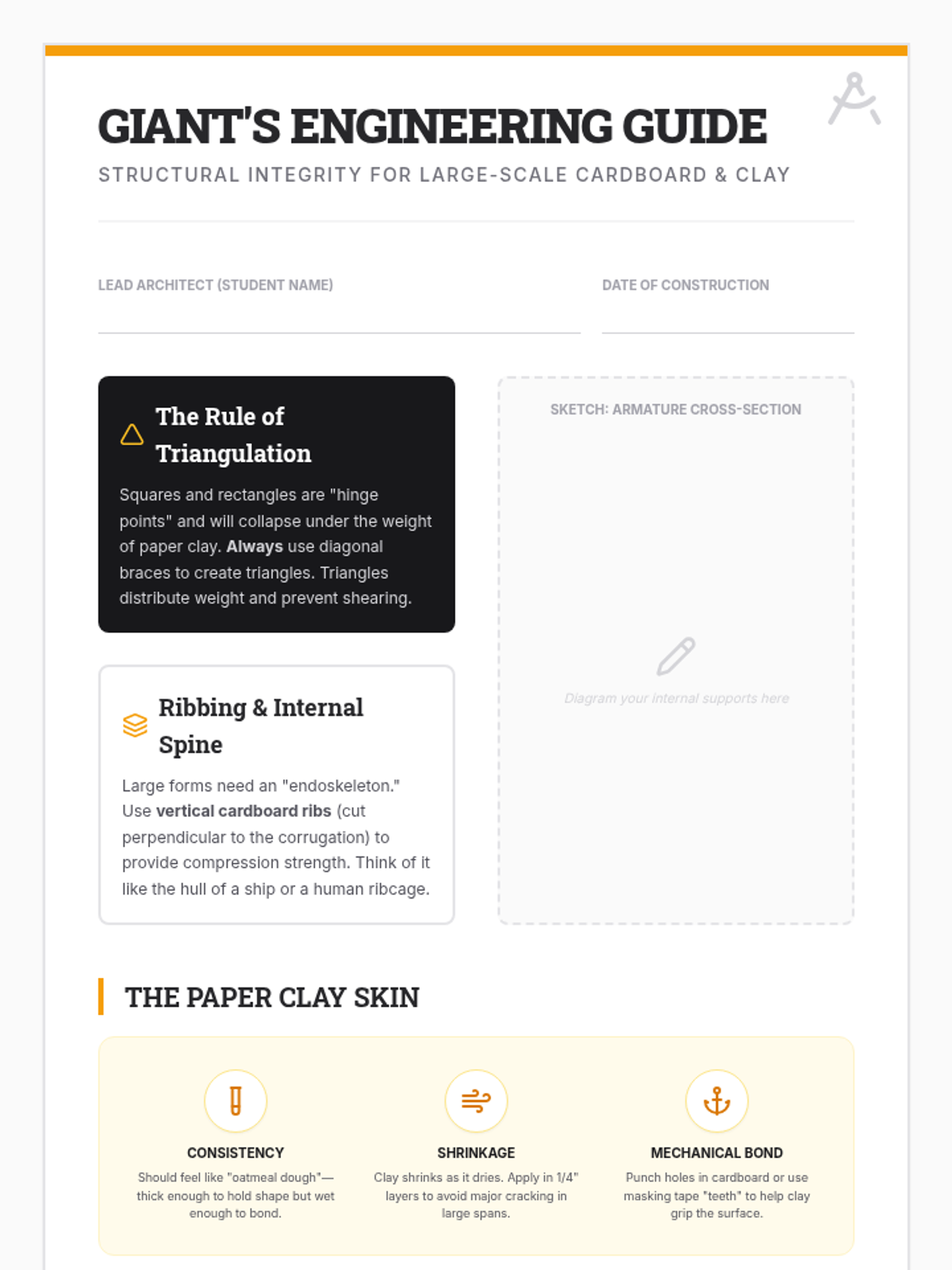
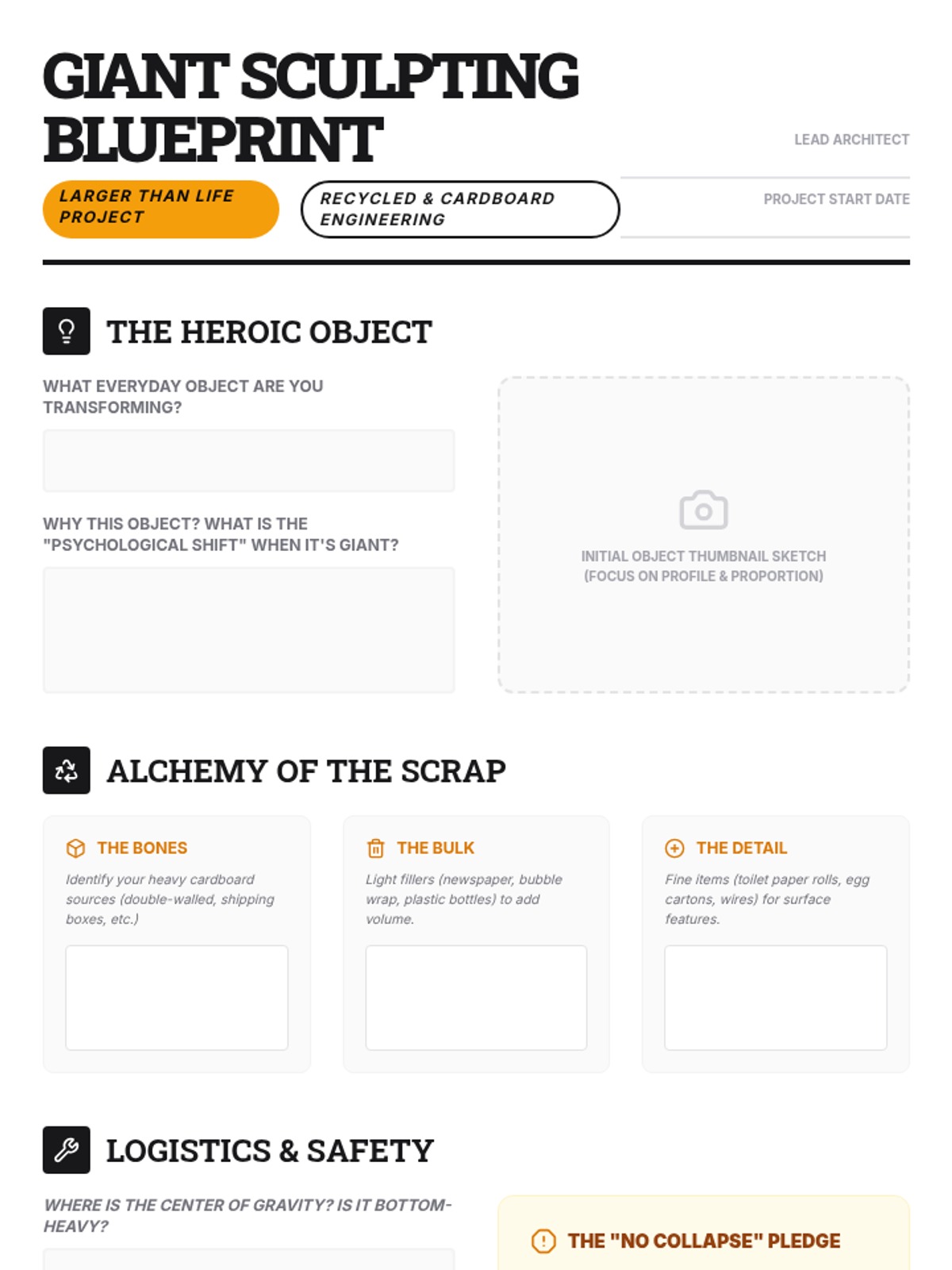
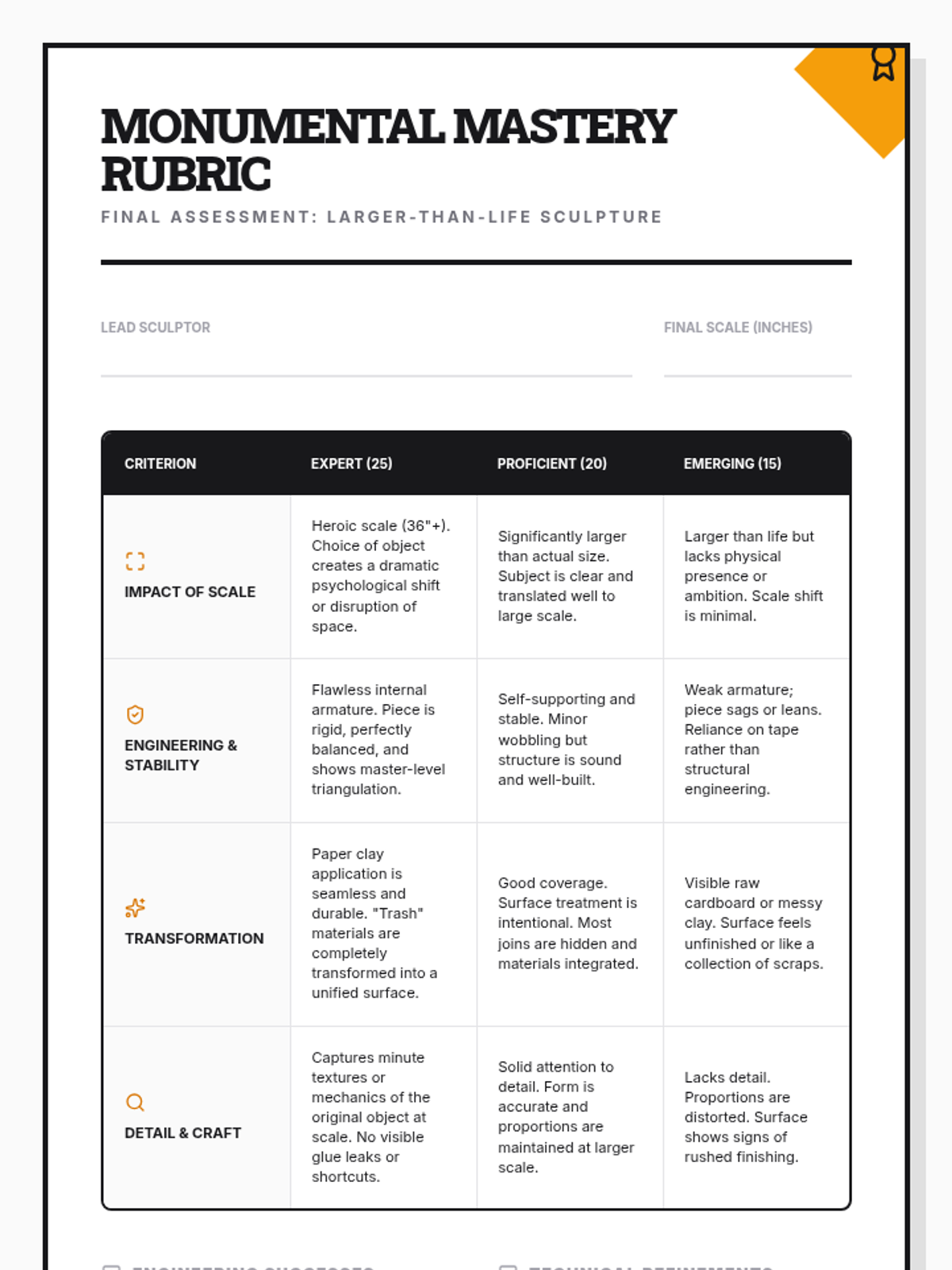
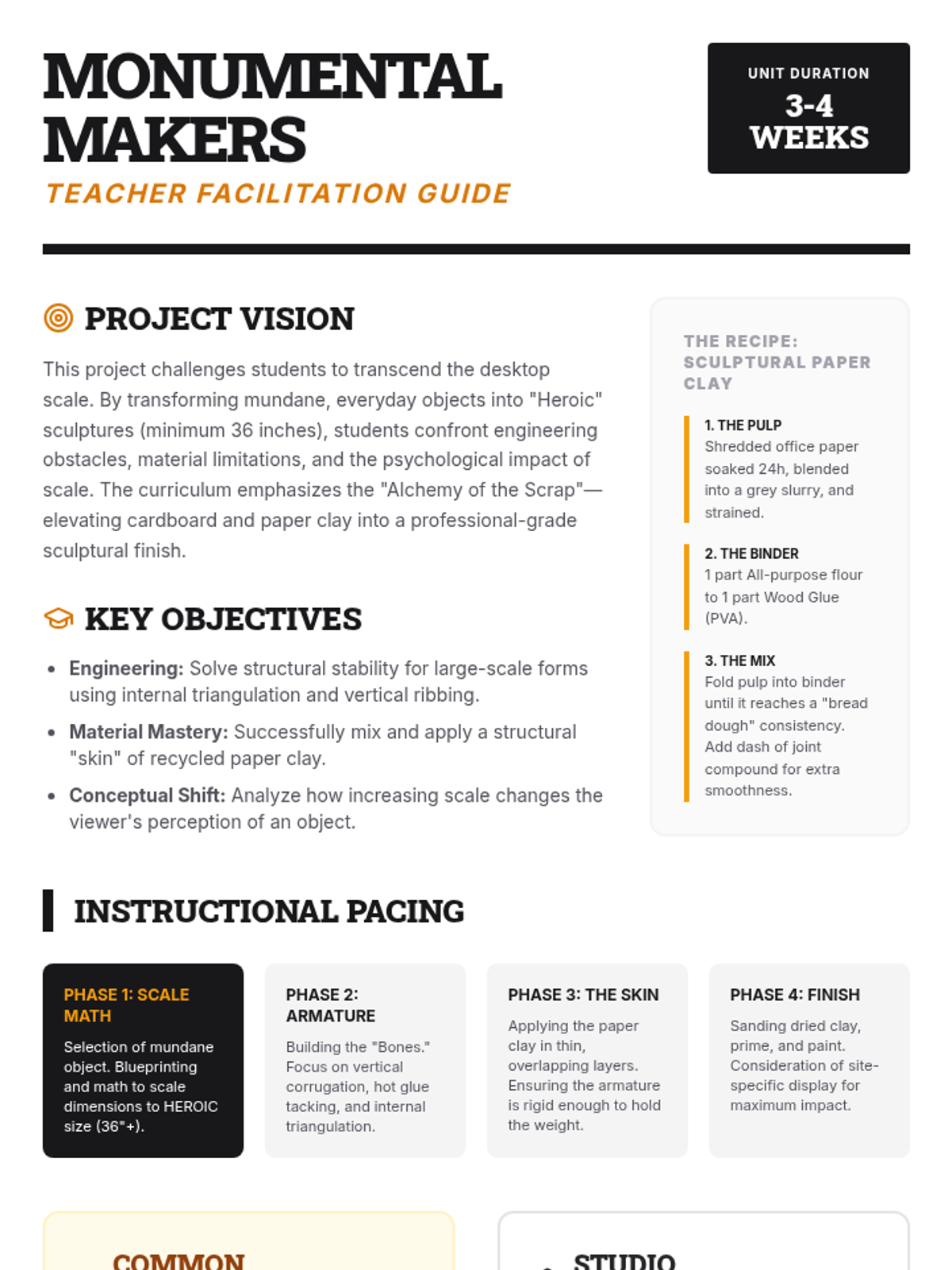
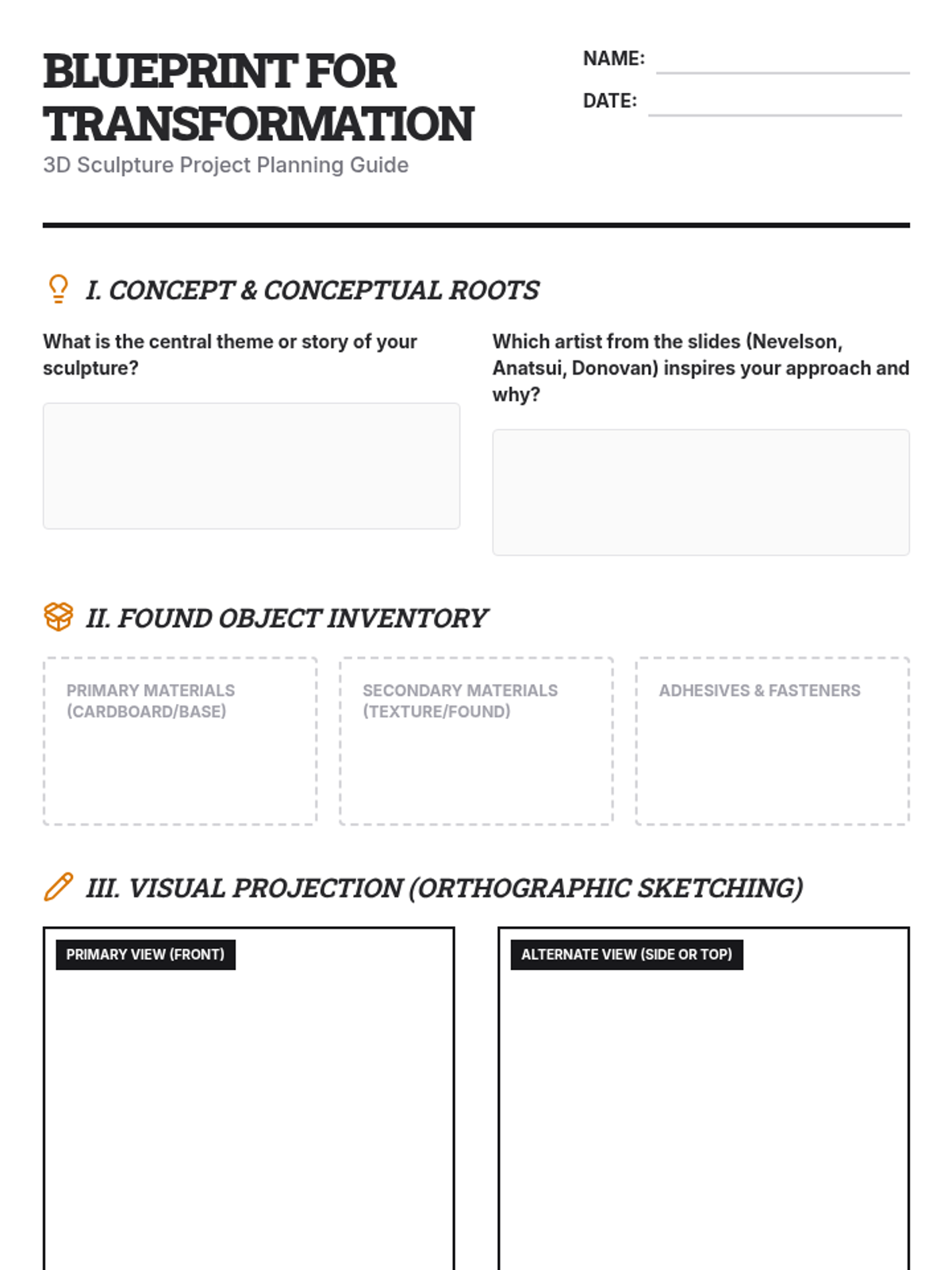
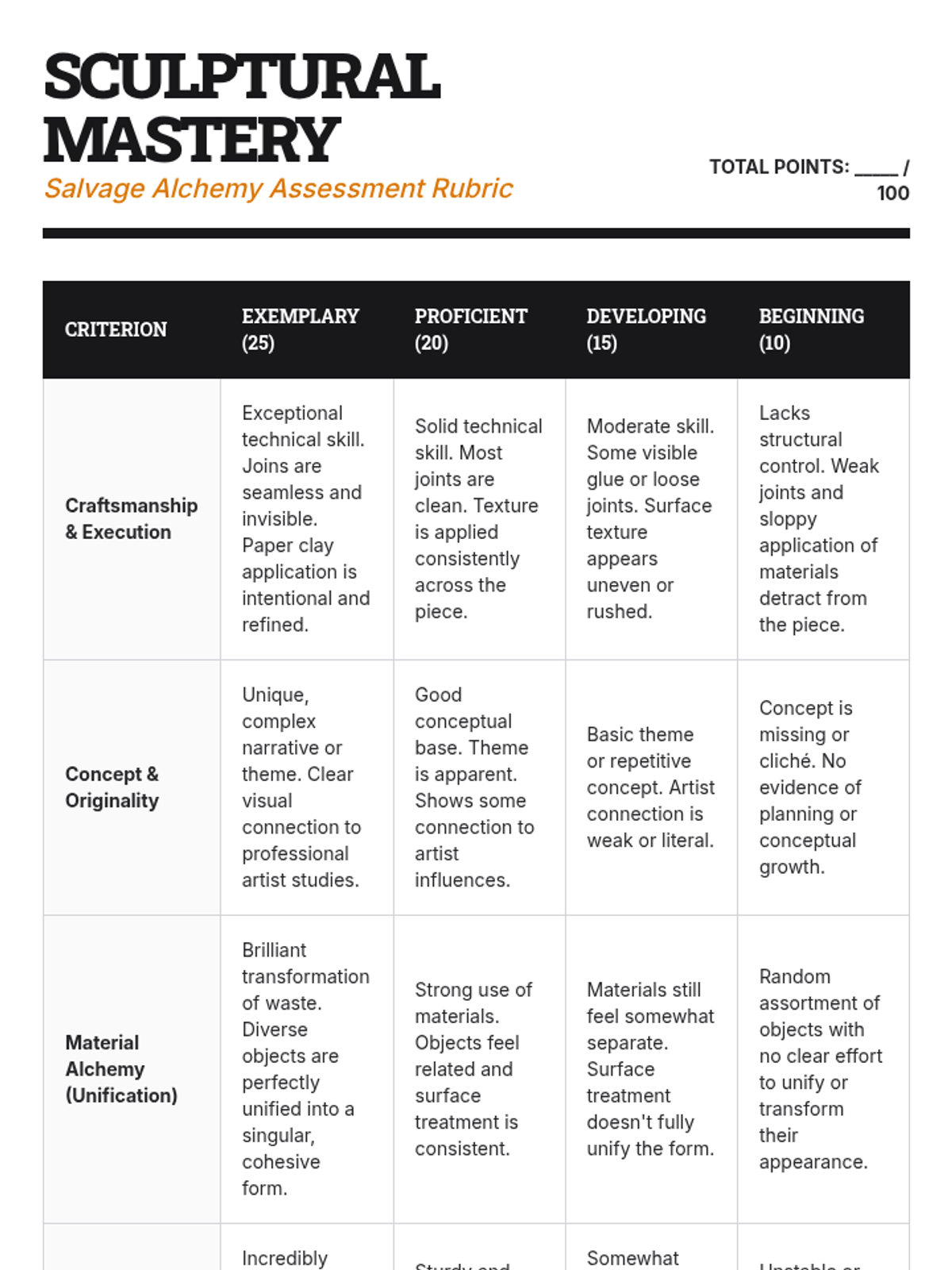
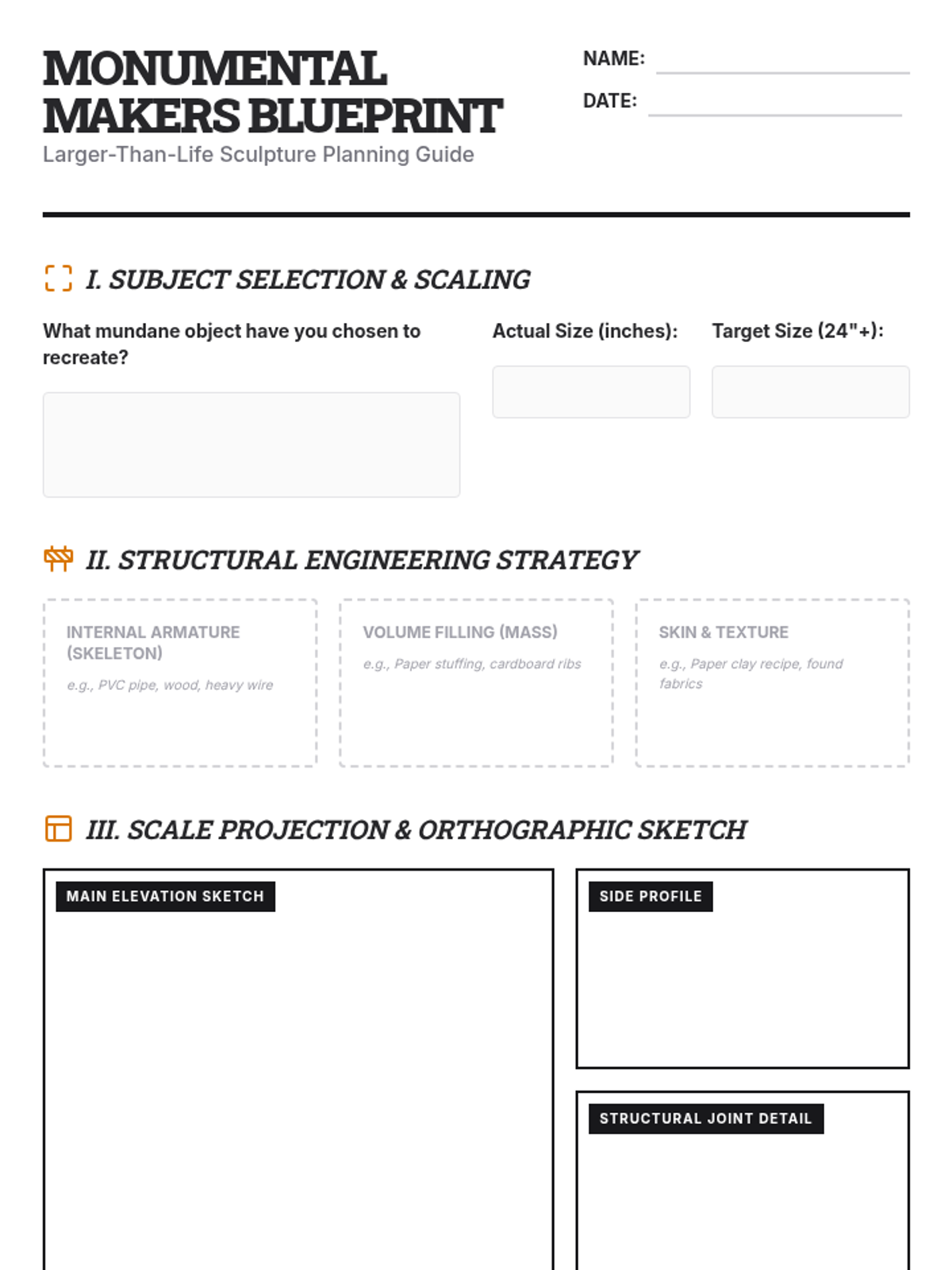
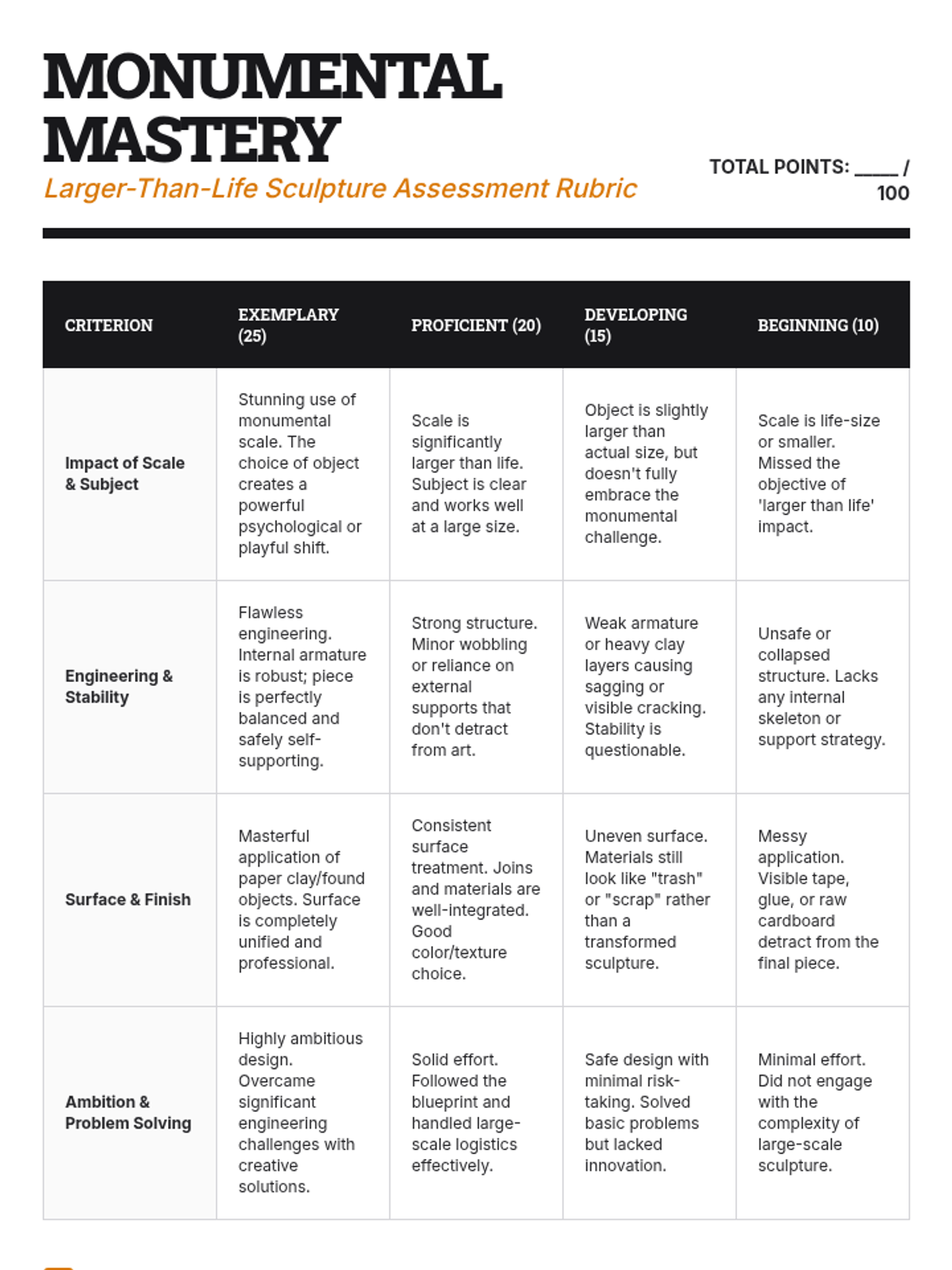
A high school art unit focused on creating massive, 'larger than life' sculptures using recycled cardboard, paper clay, and found objects. Students analyze contemporary environmental artists and master structural engineering and surface texture in 3D design.
A comprehensive 3D art unit that guides students from transforming recycled materials to mastering monumental scale, combining fine arts history with engineering and technical skill.
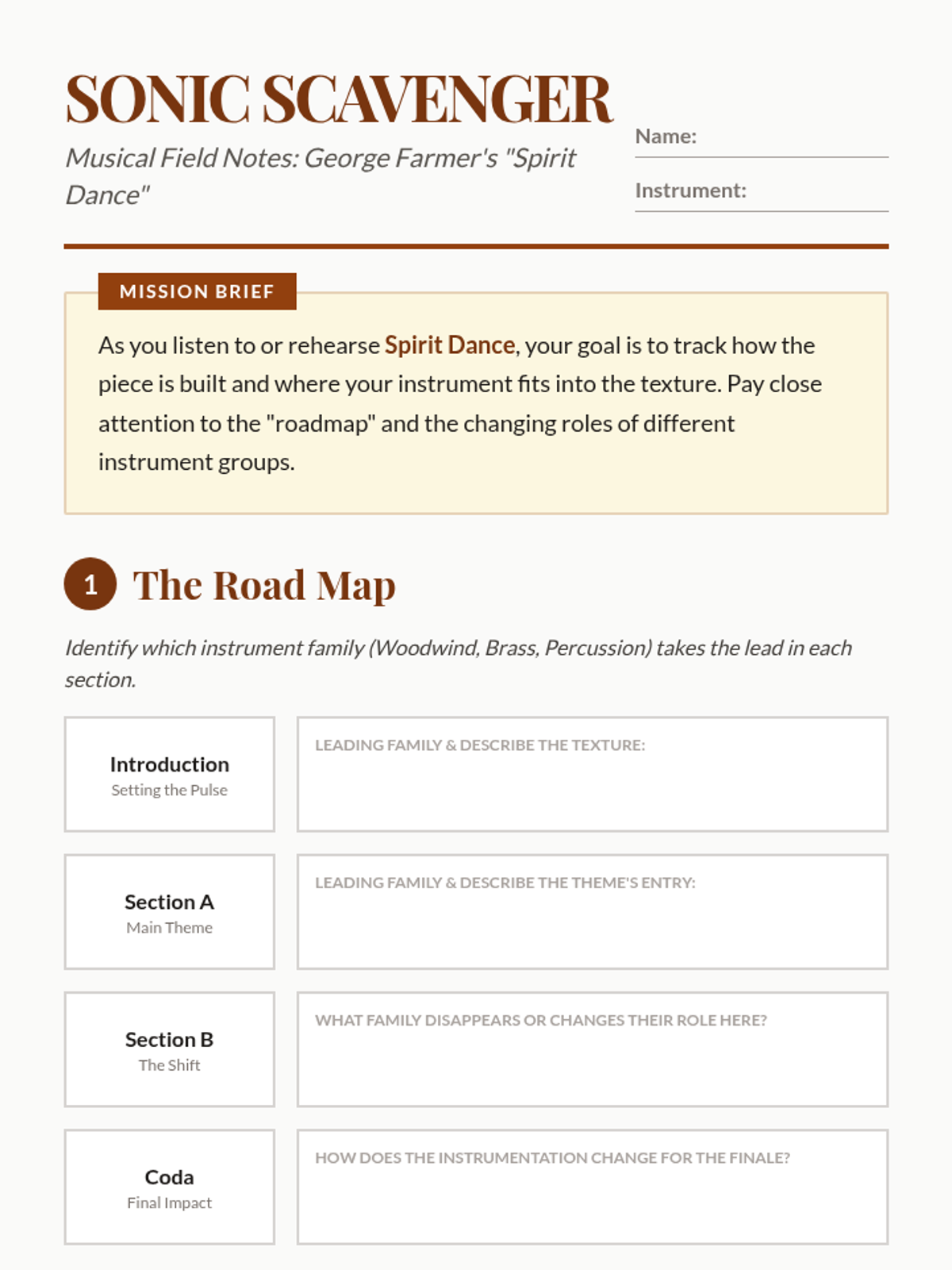
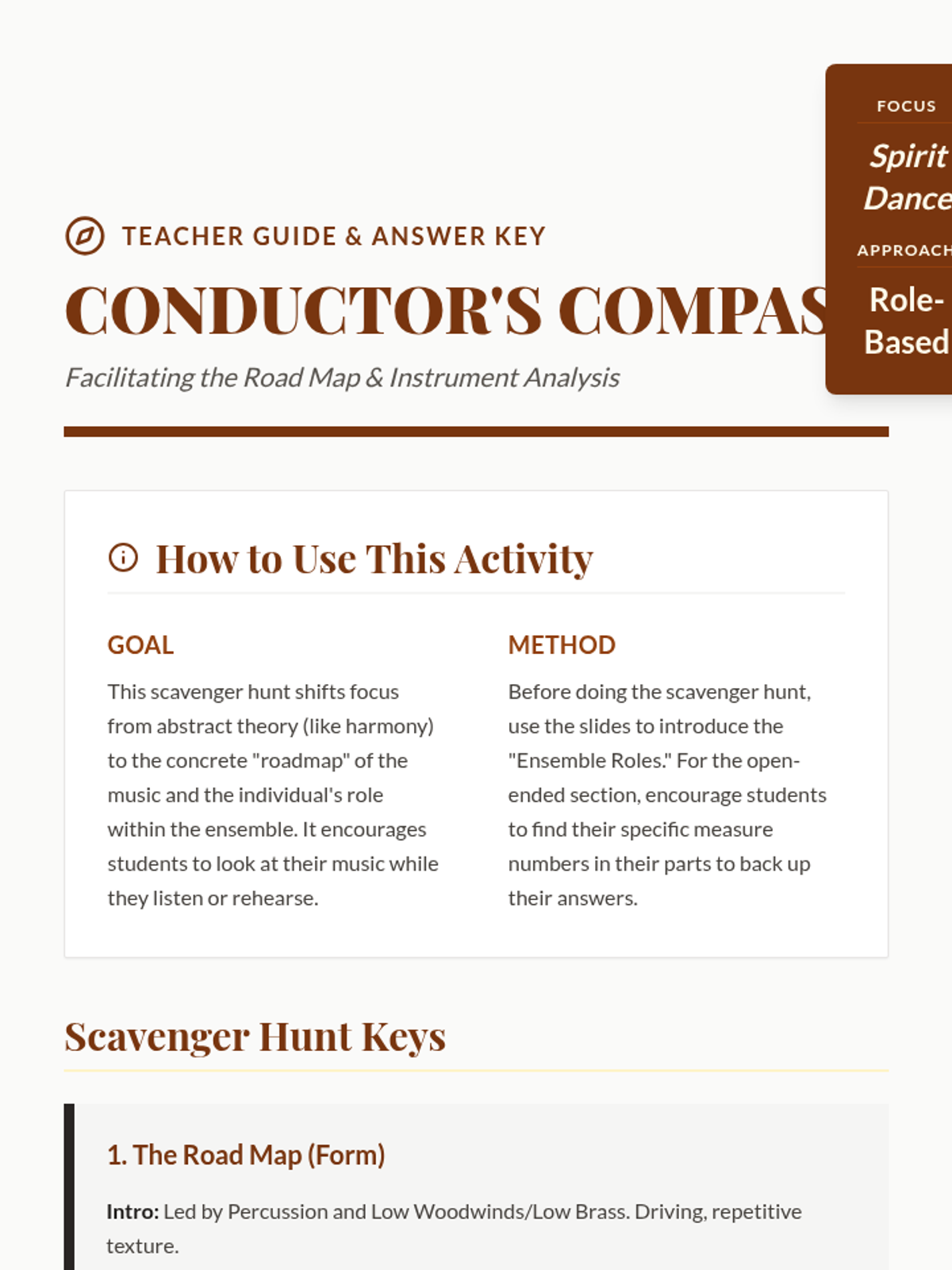
An exploration of music written for and inspired by dance across cultures and eras. From the modern concert band work 'Spirit Dance' to global traditions like Samba and Indigenous Hoop dancing, students analyze the relationship between rhythmic pulse and movement.
A comprehensive music technology unit where middle and high school students master digital audio production and collaborate to produce a multi-grade showcase concert, bridging the gap between classroom creation and public performance.
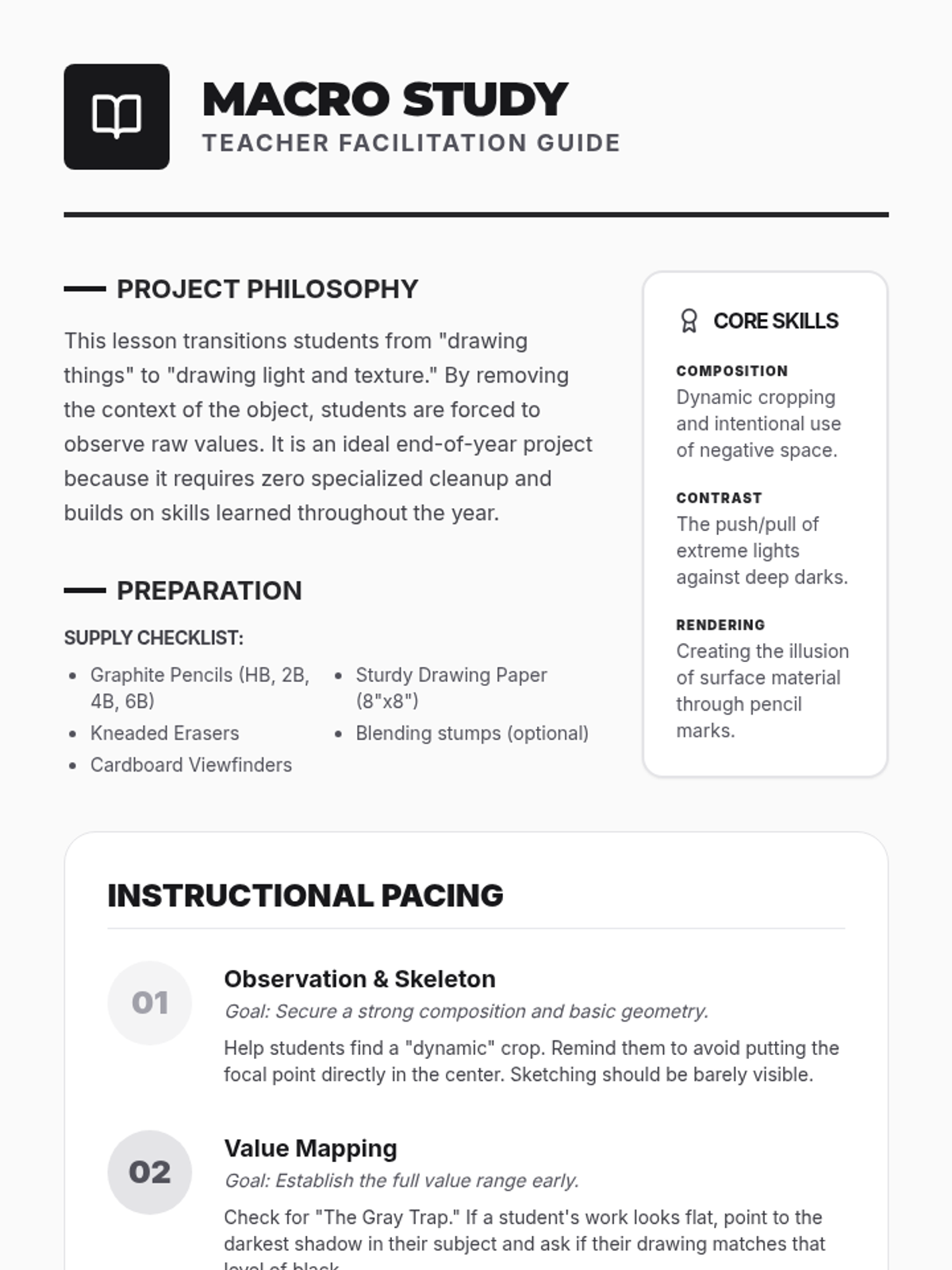
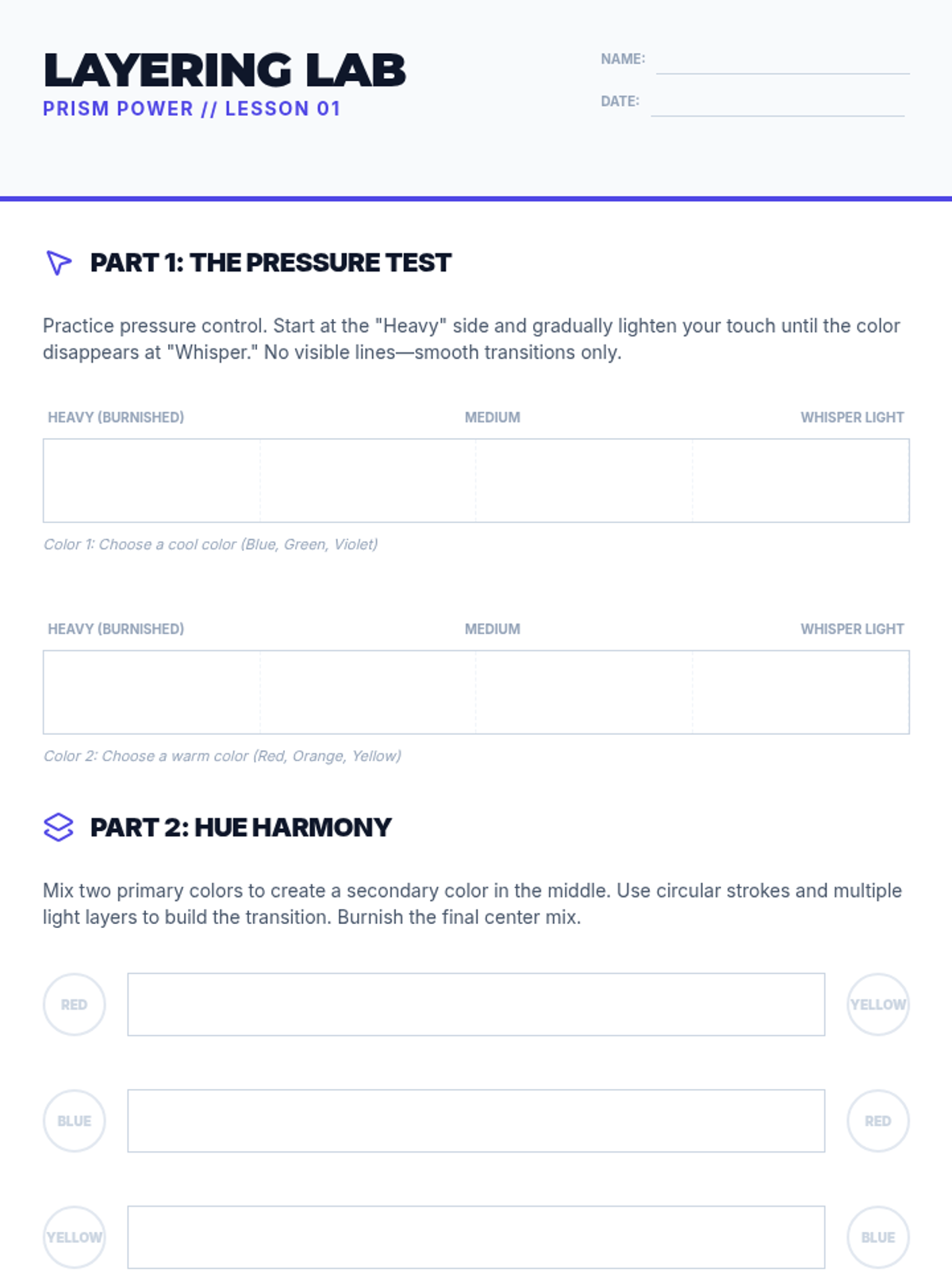
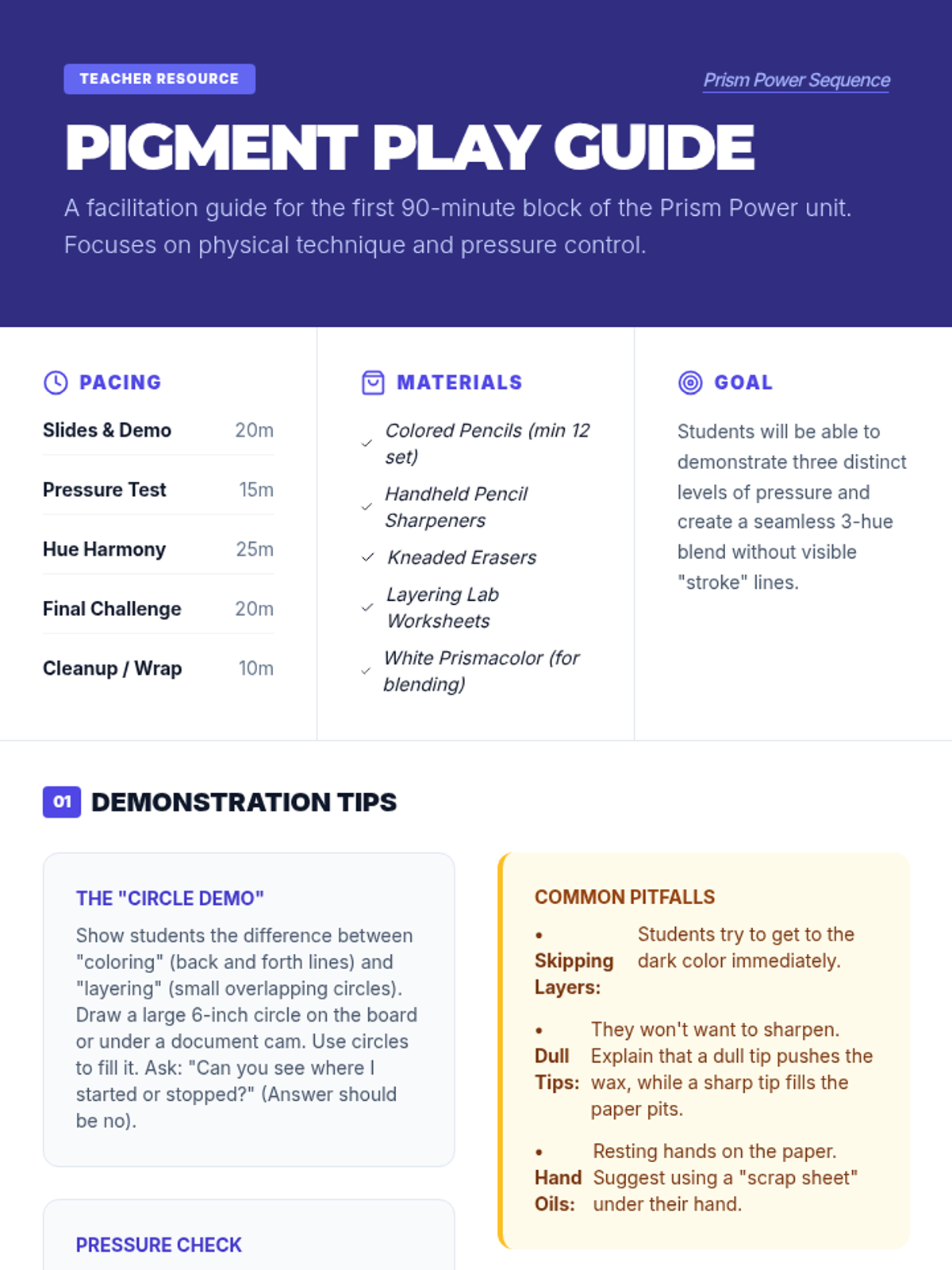
A high school visual arts sequence focusing on mastering colored pencil techniques, specifically layering, blending, and creating three-dimensional value. Students will progress from basic mechanics to rendering realistic forms with depth and vibrancy.
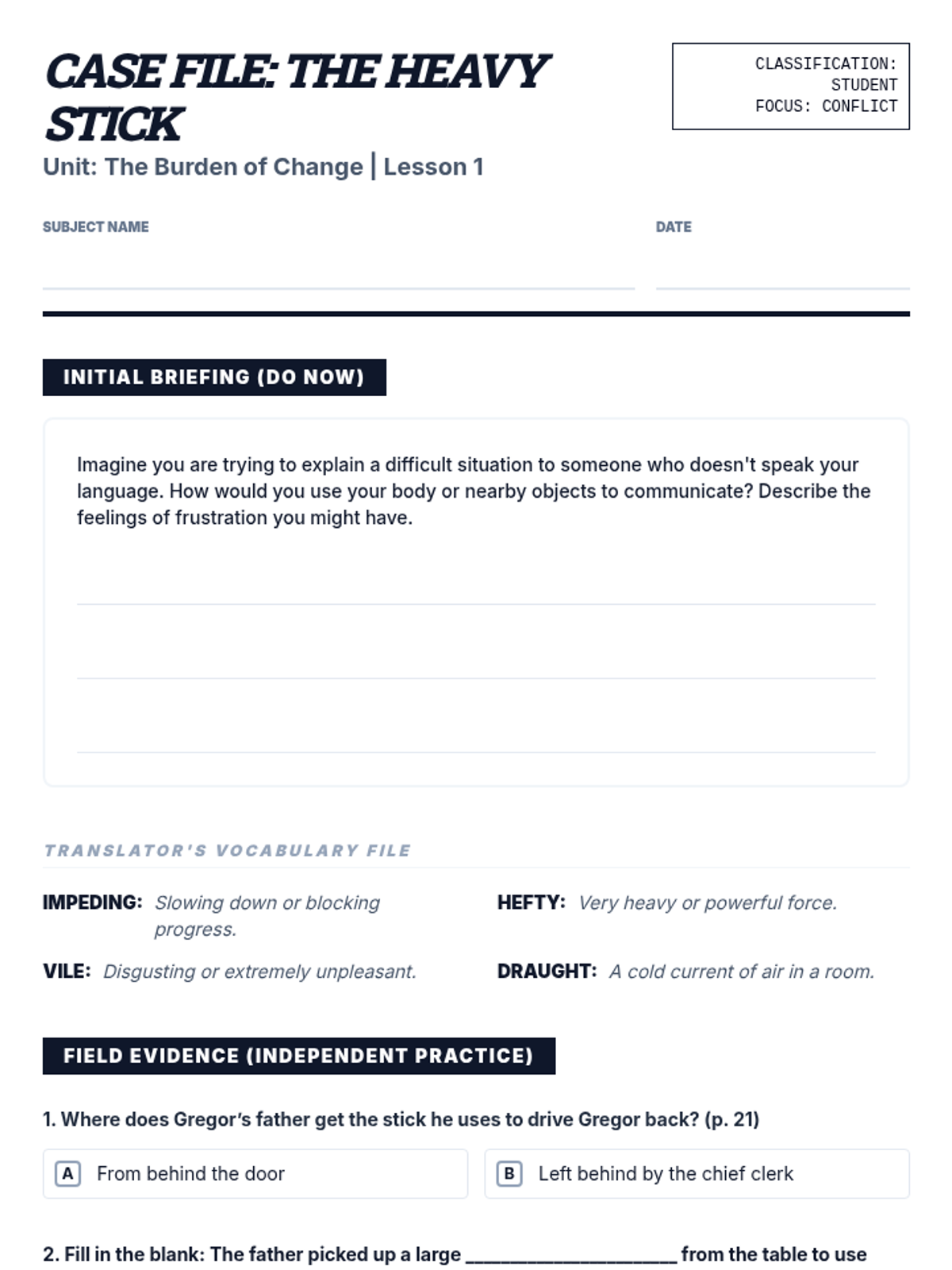
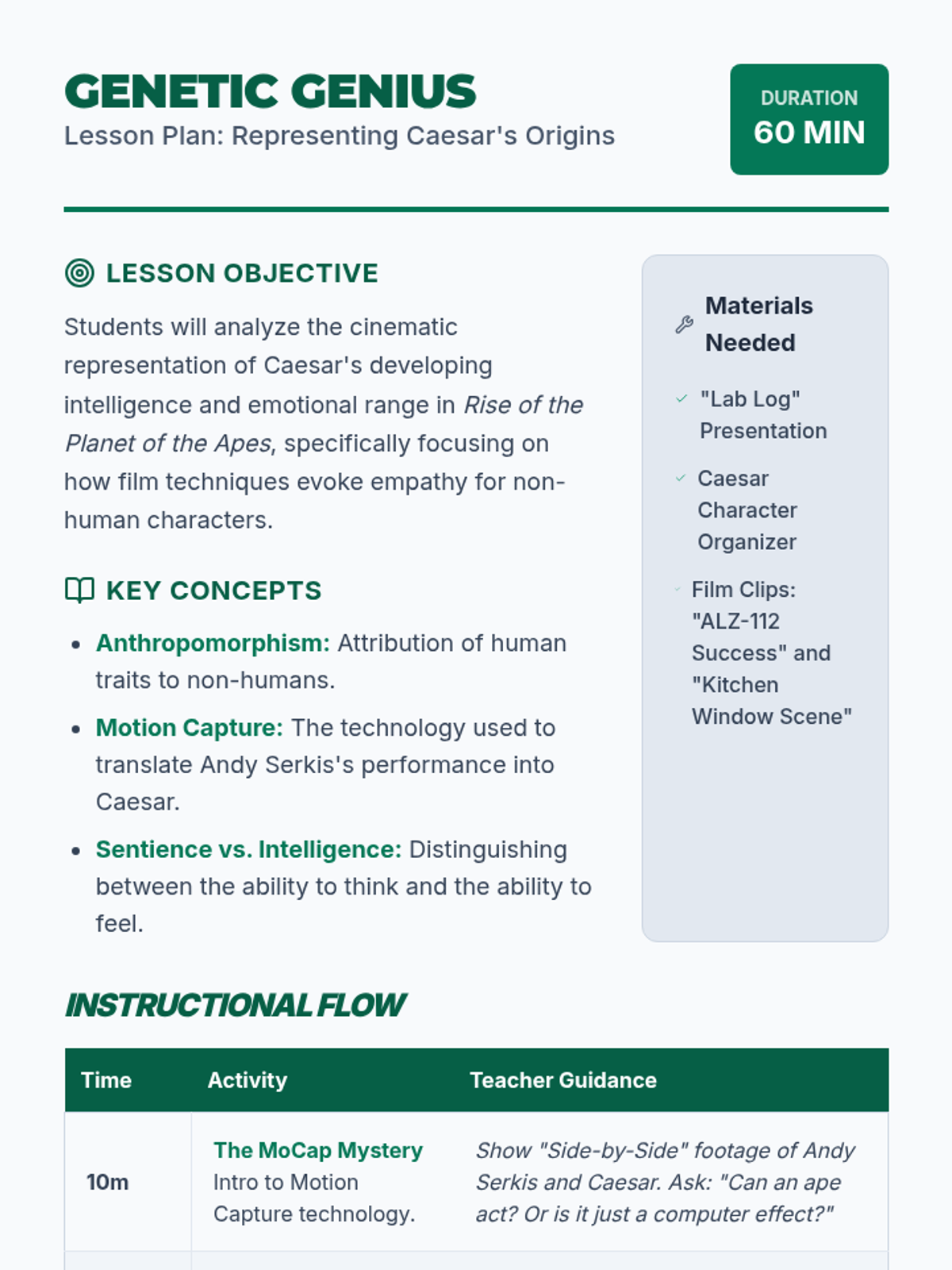
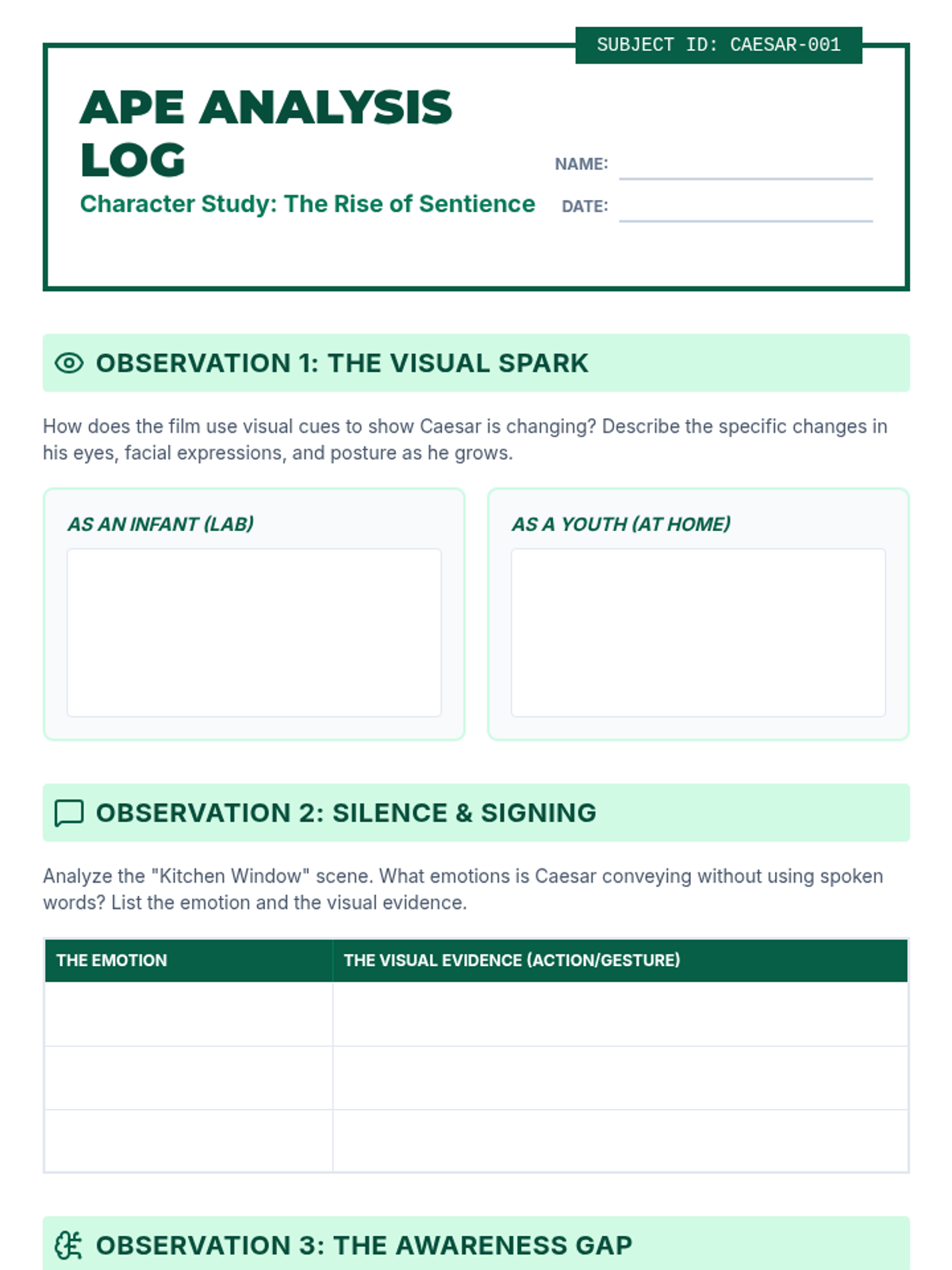
This sequence explores the representation of apes in the film 'Rise of the Planet of the Apes', focusing on the transition from scientific subjects to sentient leaders. Students analyze the use of motion-capture technology and narrative techniques used to humanize non-human characters.
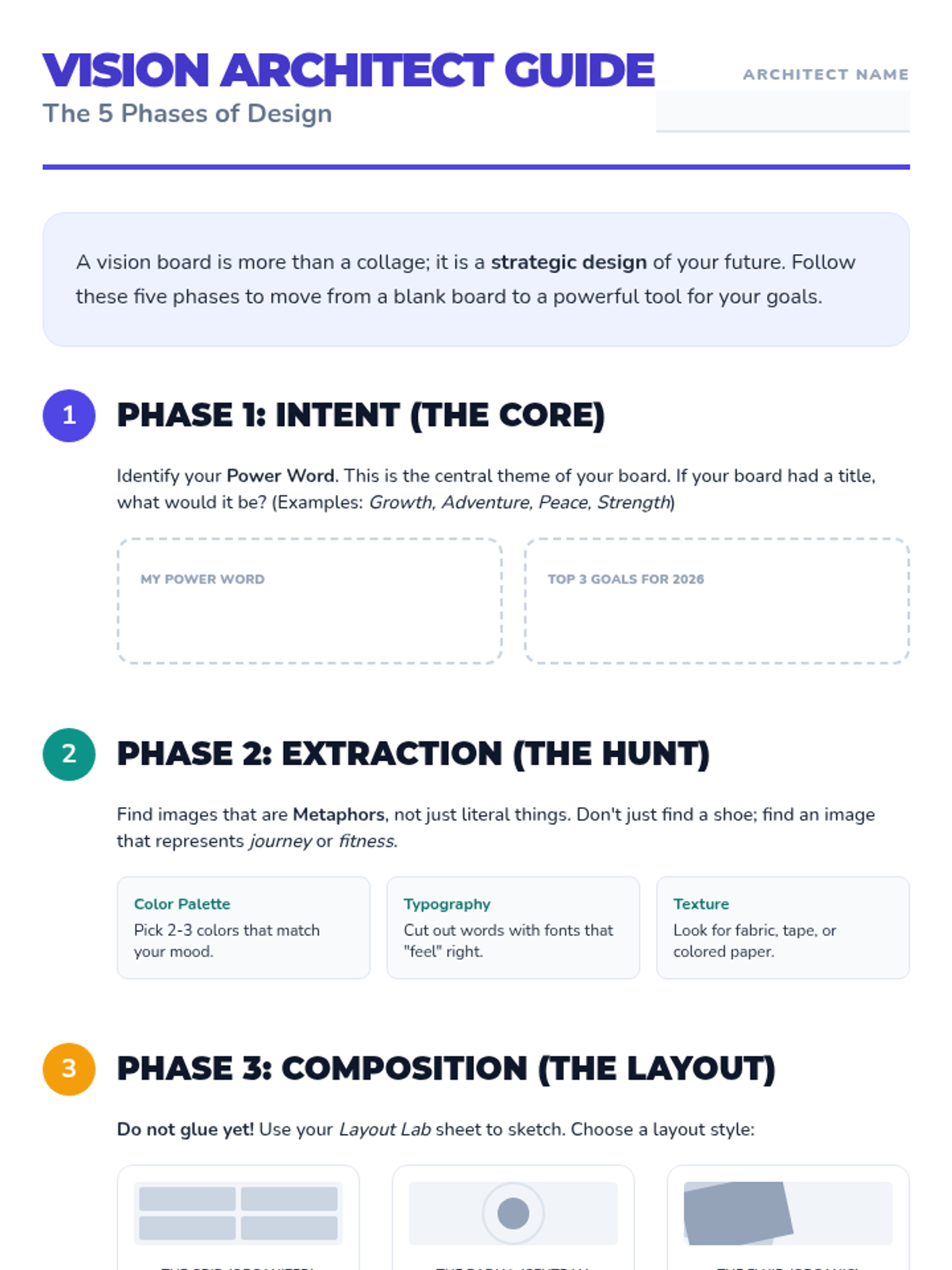
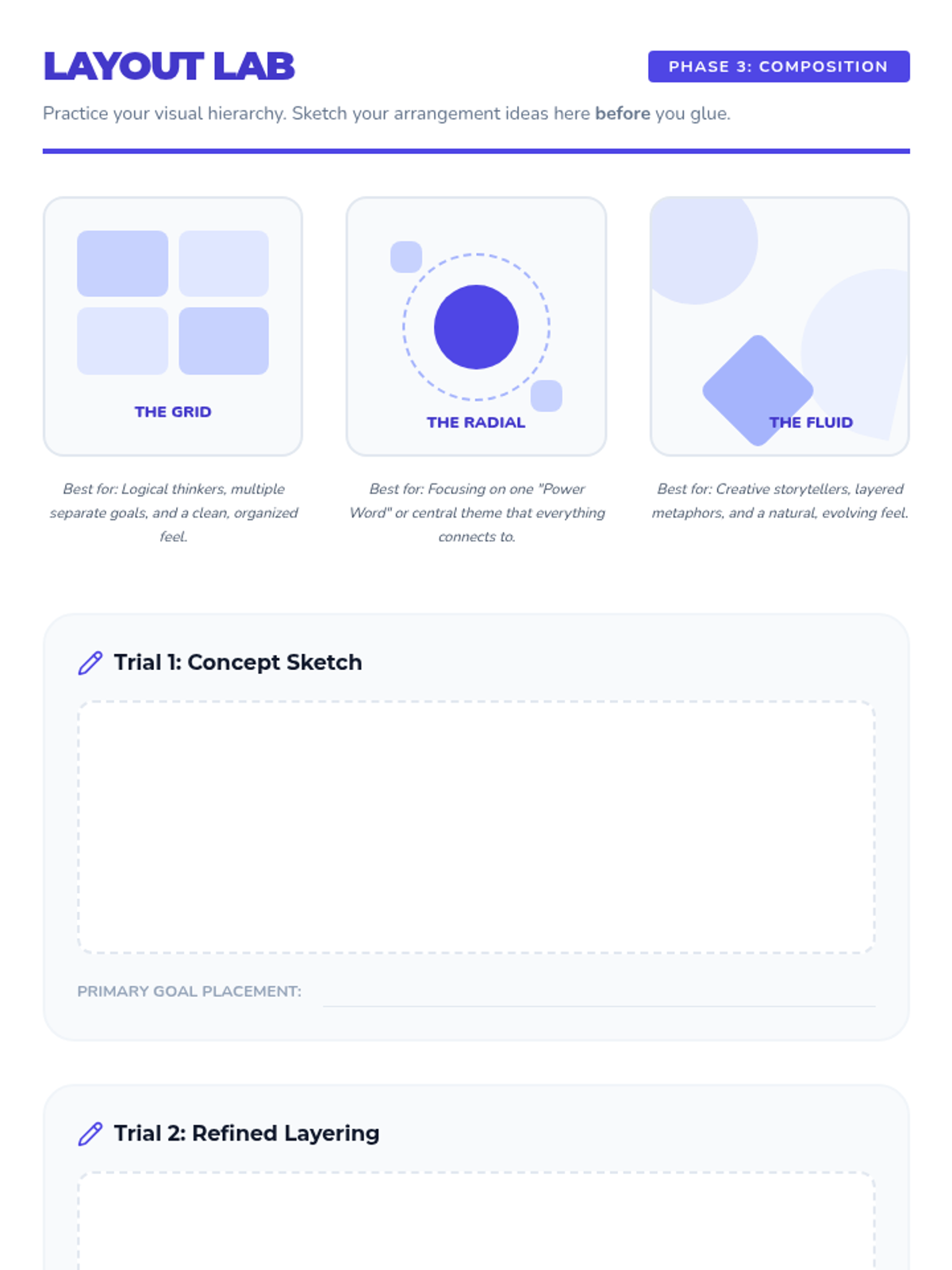
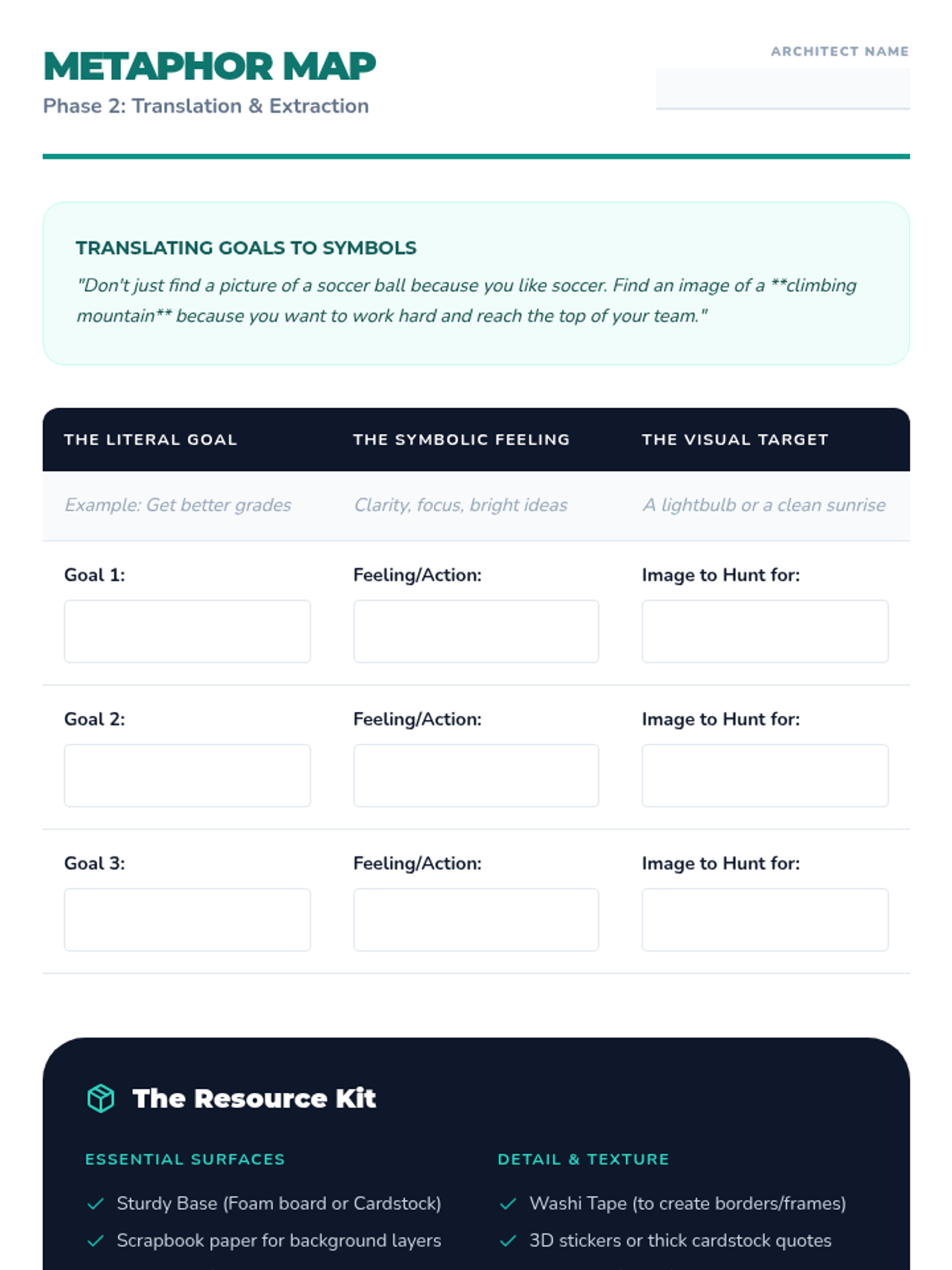
A comprehensive workshop sequence on goal setting and visual manifestation.
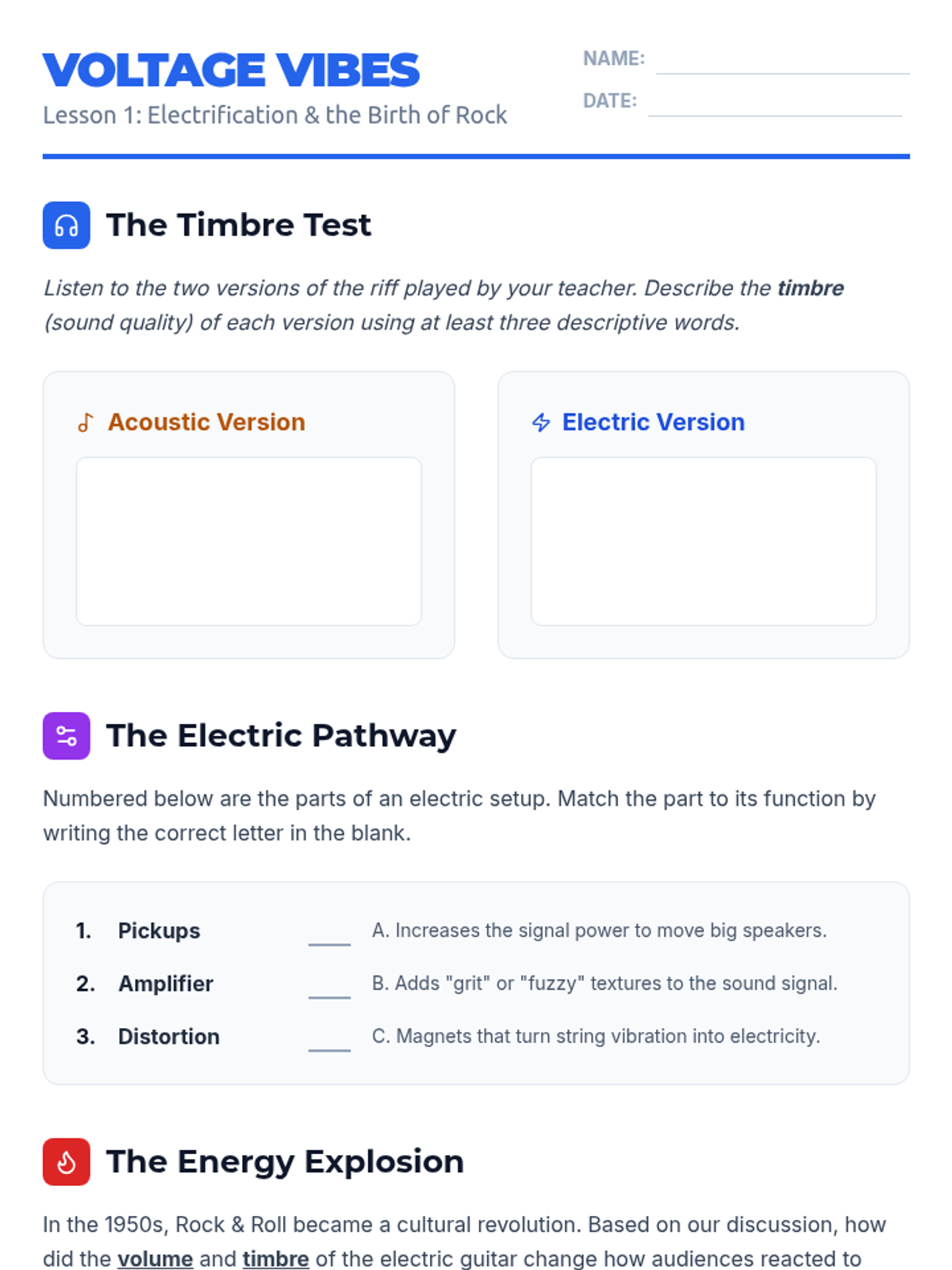
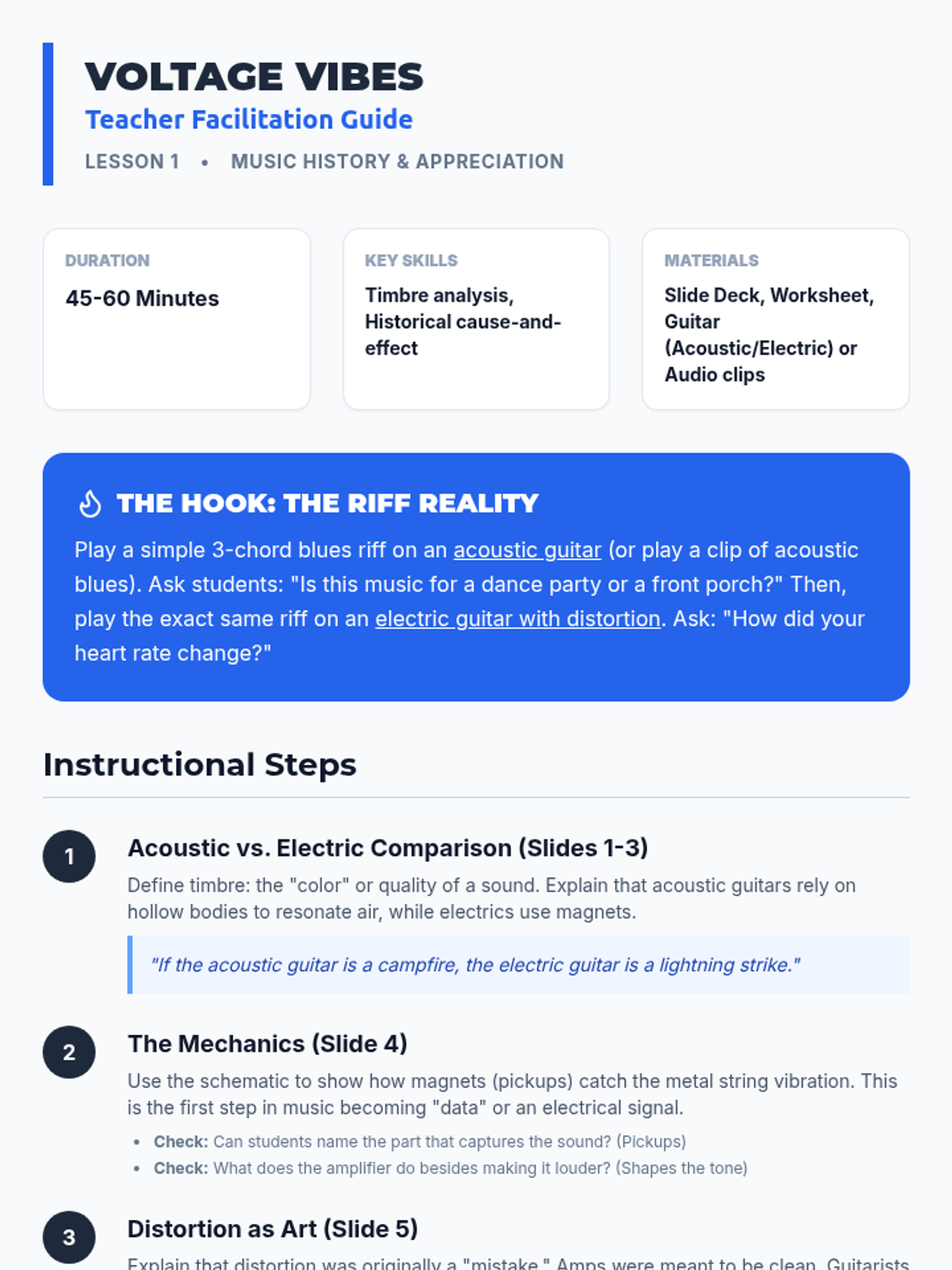
This sequence investigates how the technological explosion of the 20th and 21st centuries, from the electric guitar to AI, redefined music genres and creation. Students analyze production techniques, listen for layers, and explore the concept of technology as a musical instrument.
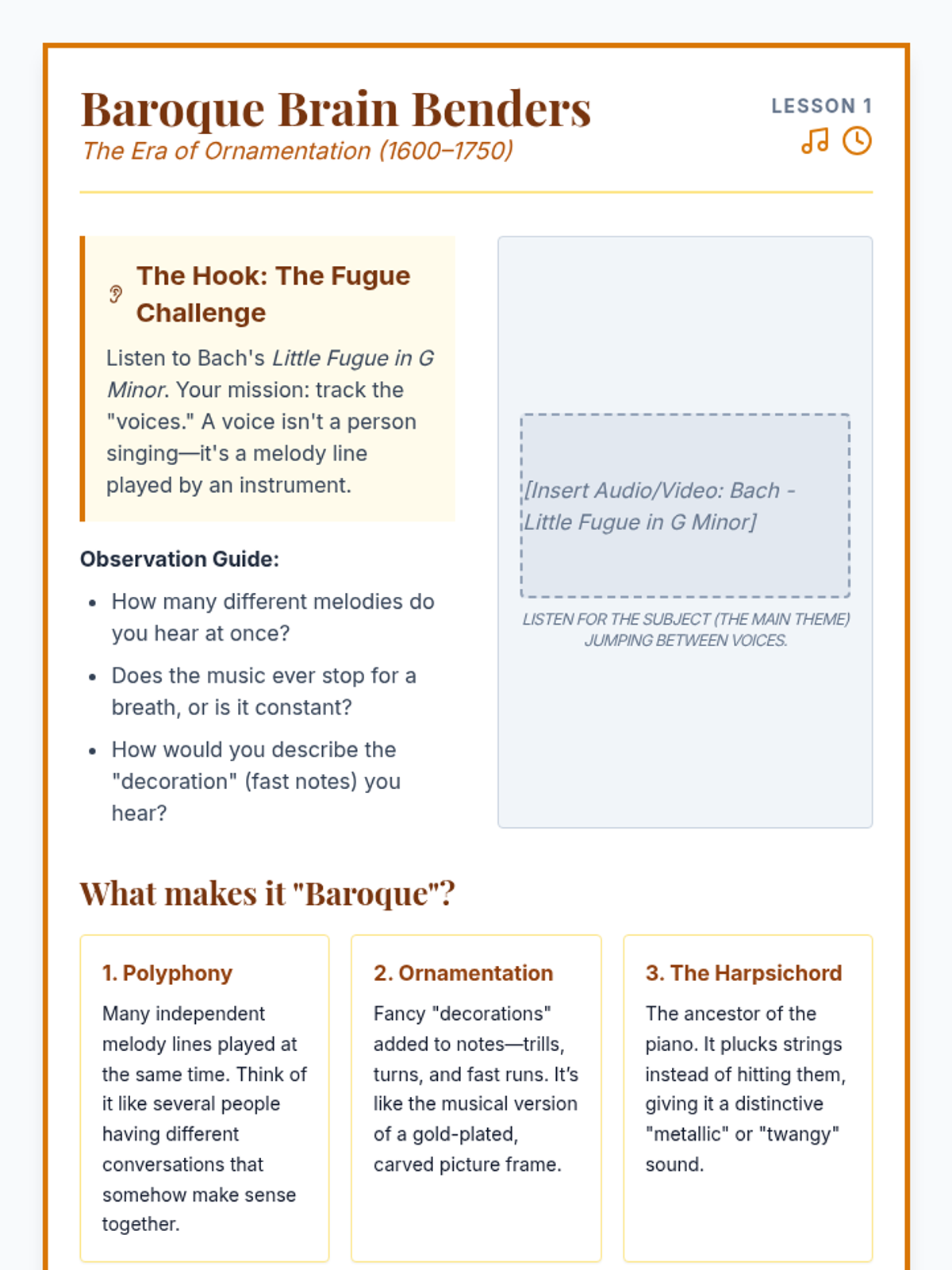
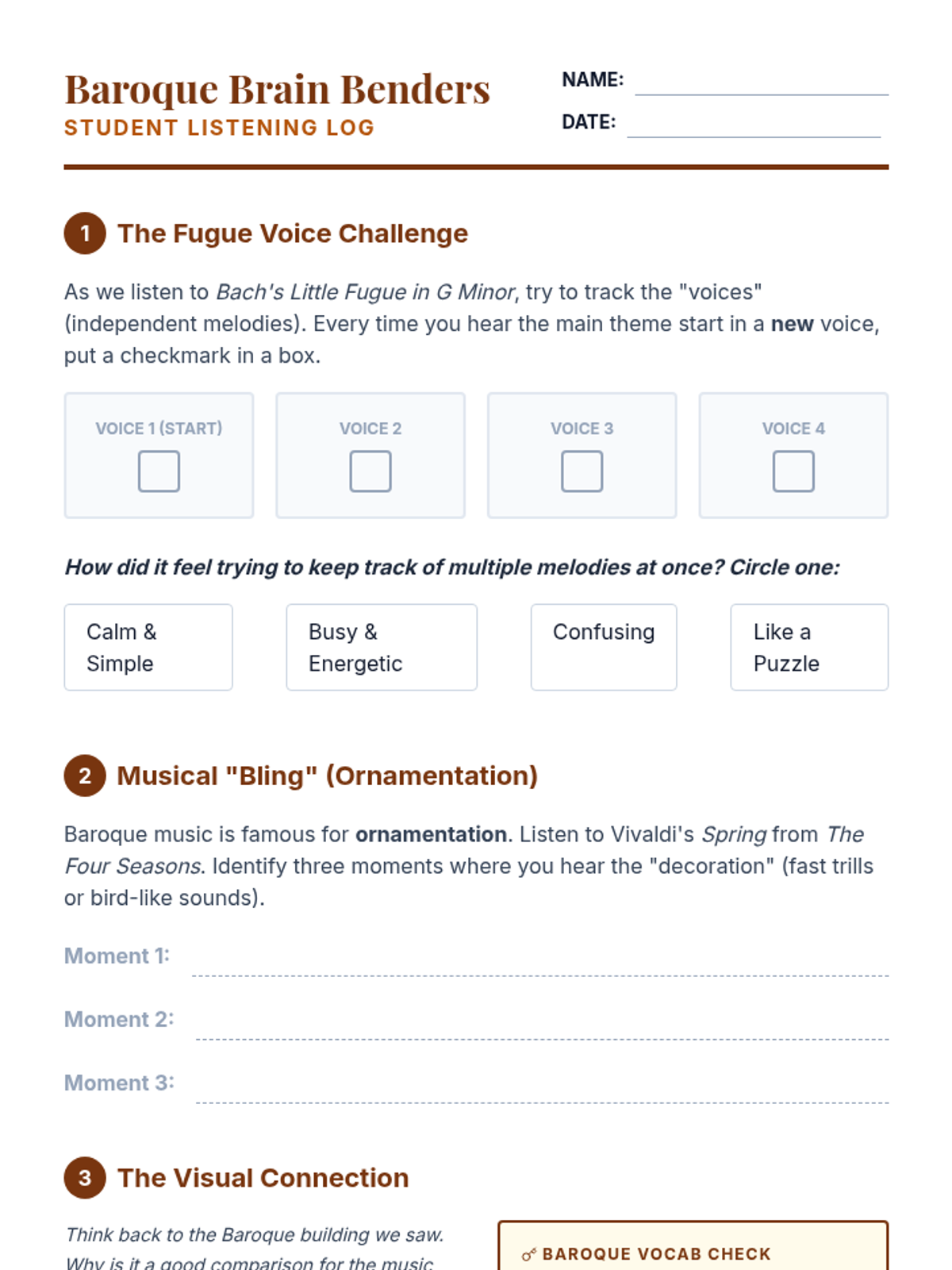
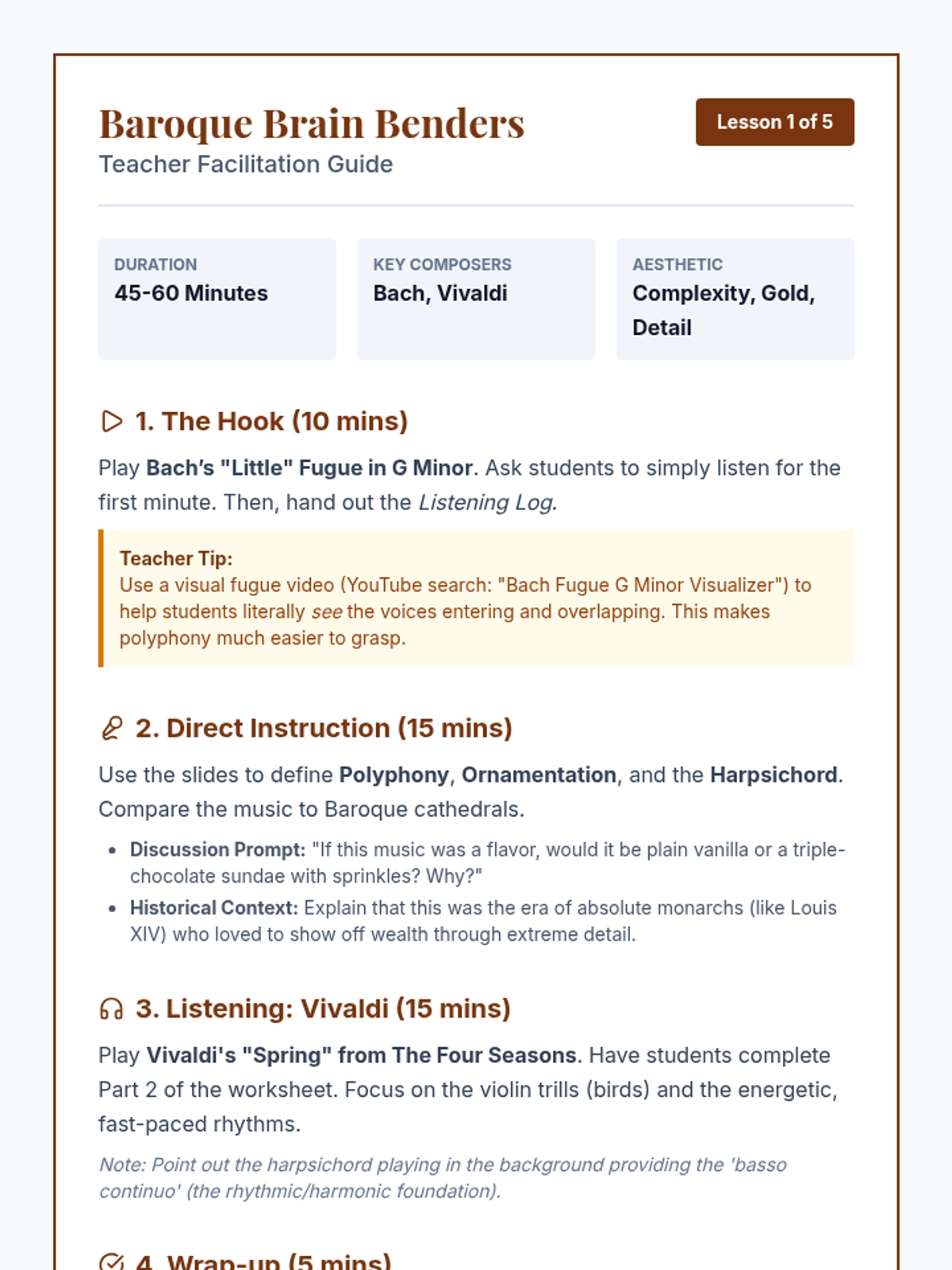
A chronological journey through the Baroque, Classical, Romantic, and Modern eras of Western Art Music, focusing on critical listening and historical context.
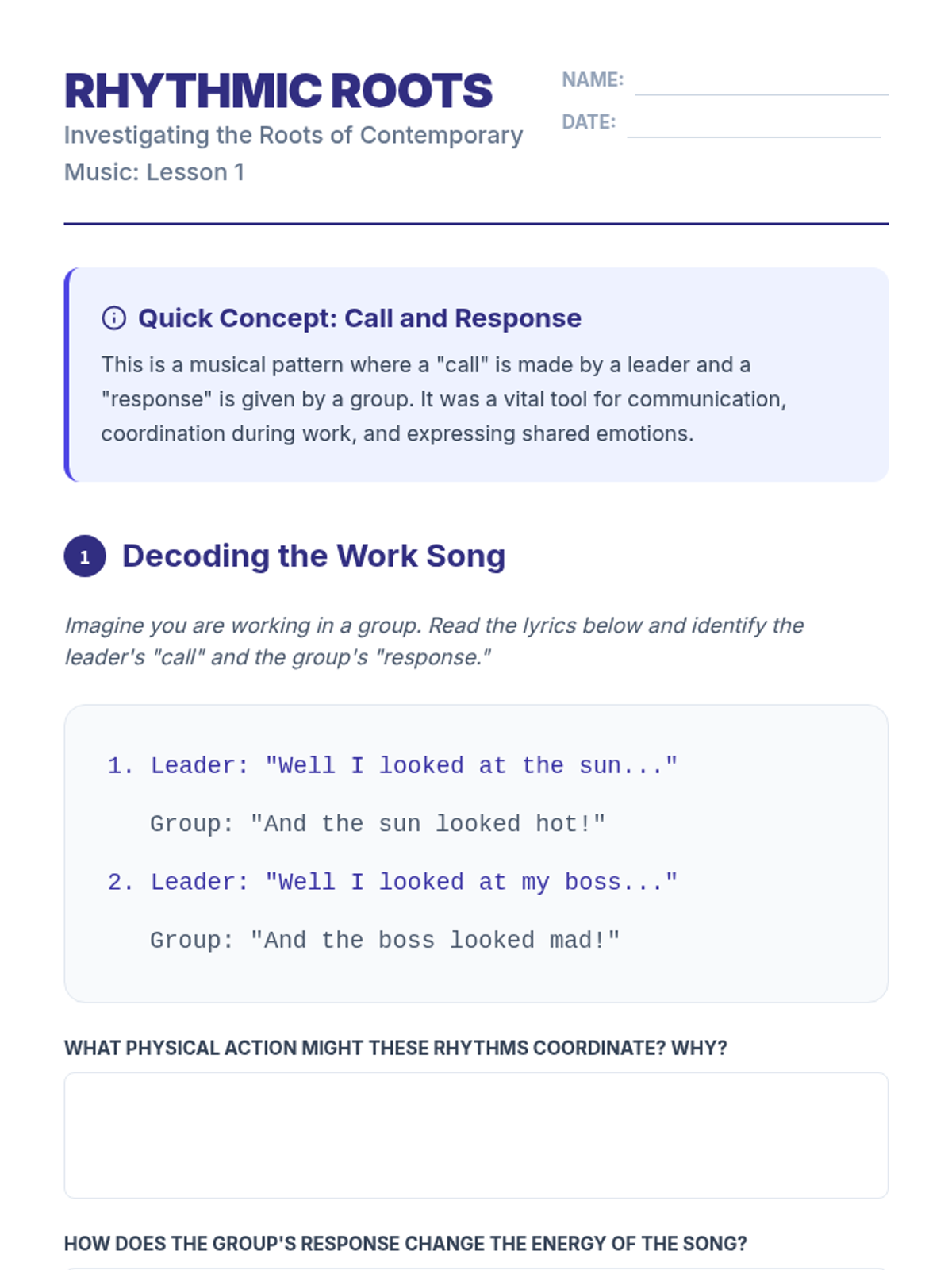
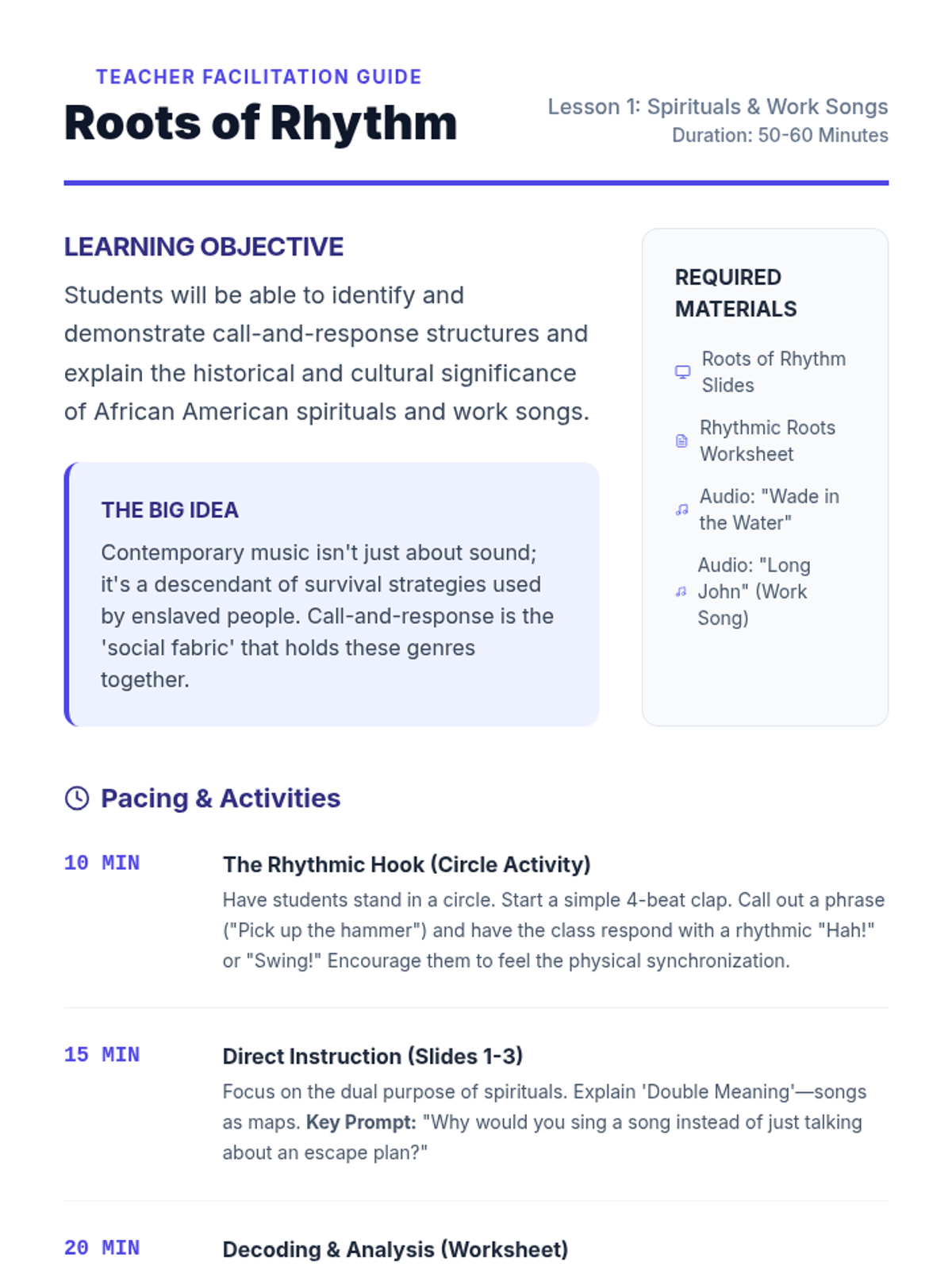
This sequence traces the evolution of contemporary music from 19th-century African American spirituals through the development of the Blues, Jazz, and Rock & Roll. Students investigate how cultural exchange, technology, and social struggles shaped the sounds we listen to today, culminating in a musical genealogy project.
Students learn to translate narrative fiction into dramatic scripts by analyzing storytelling modes, converting internal thoughts to external actions, and drafting their own theatrical adaptations of fables.
A technical foundation for playwriting, moving from critical analysis of dramatic structure and subtext to the mastery of professional industry formatting standards and scene composition.
A comprehensive playwriting sequence that takes 10th-grade students from initial character creation to a polished ten-minute play script. Students explore archetypes, master narrative structure, learn the importance of stage business, and engage in the collaborative revision process of a table read.
This project-based sequence guides students through the structural engineering of a narrative, moving from a raw premise to a developed one-act play. Students analyze the dramatic arc and apply these concepts to their own original scripts, focusing on pacing, high-stakes storytelling, and professional formatting.
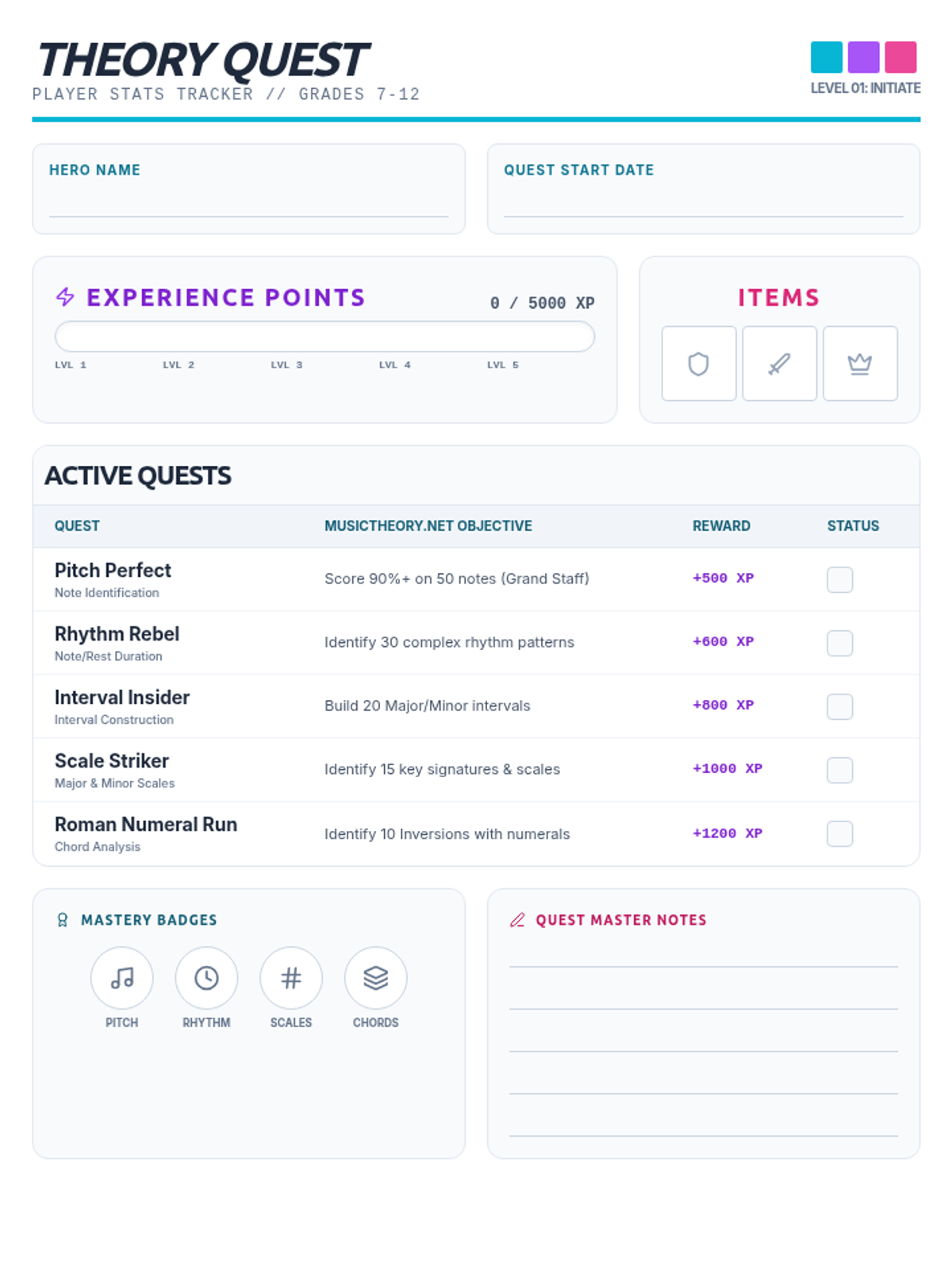
This sequence transitions students from linear melody to vertical harmony, exploring how chords are constructed and sequenced. Students analyze harmonic structures from basic intervals to full progressions in popular music.
An inquiry-based journey into the logic of pitch organization, covering the Grand Staff, major scale construction, the Circle of Fifths, relative minors, and sight-singing applications. Students use a 'decoding' lens to master the patterns that govern tonal music.
This sequence guides 8th-grade students through the complexities of musical time, covering simple and compound meters, sixteenth note subdivisions, syncopation, and polyrhythms, culminating in a rhythmic composition project. Students will develop skills in rhythmic analysis, notation, and performance to understand how time organization shapes musical genre and emotion.
This sequence explores the organization of pitch into scales, intervals, and chords, treating music theory as a logical language. Students will progress from staff navigation to full Roman numeral analysis of diatonic progressions.
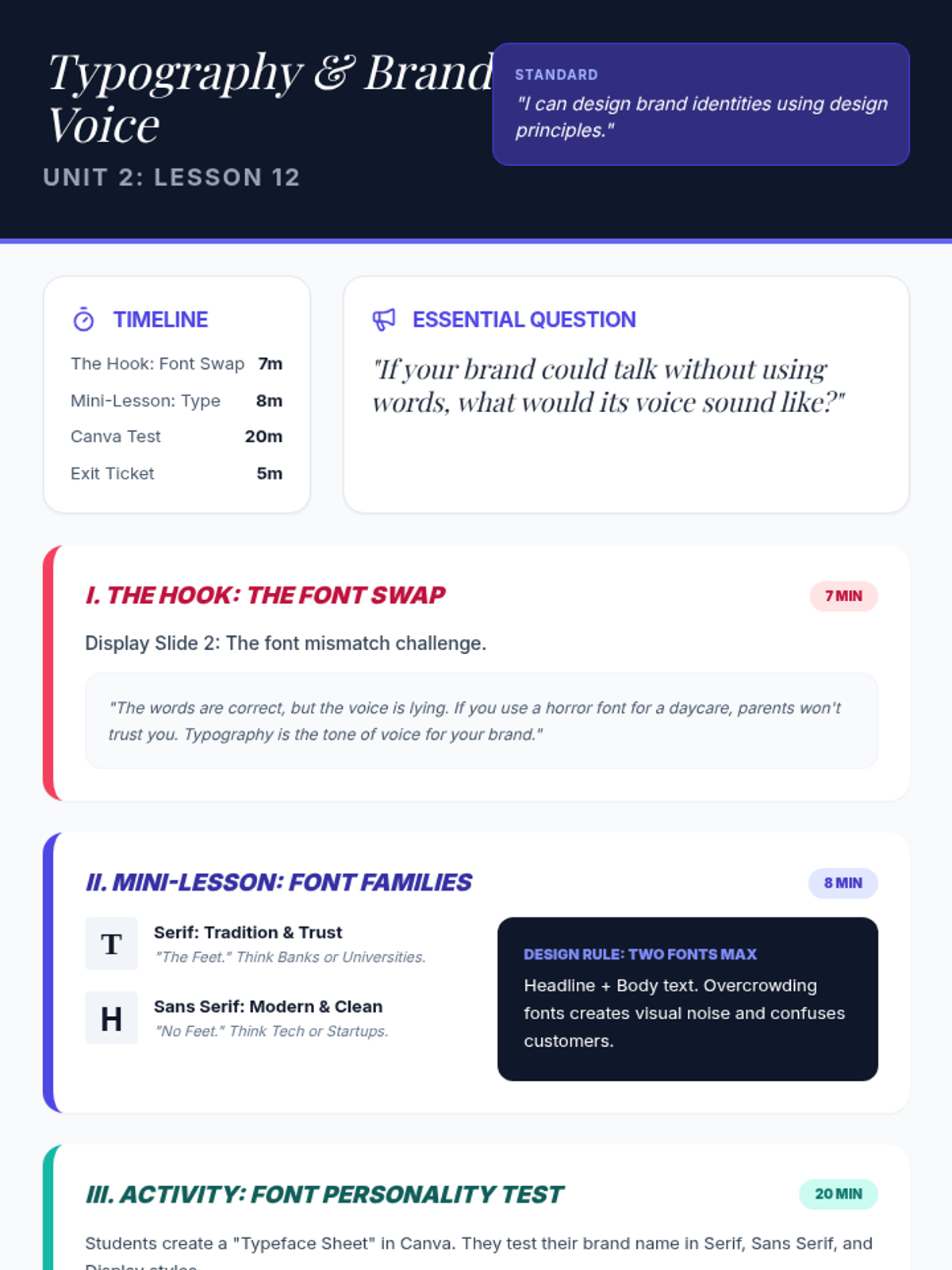
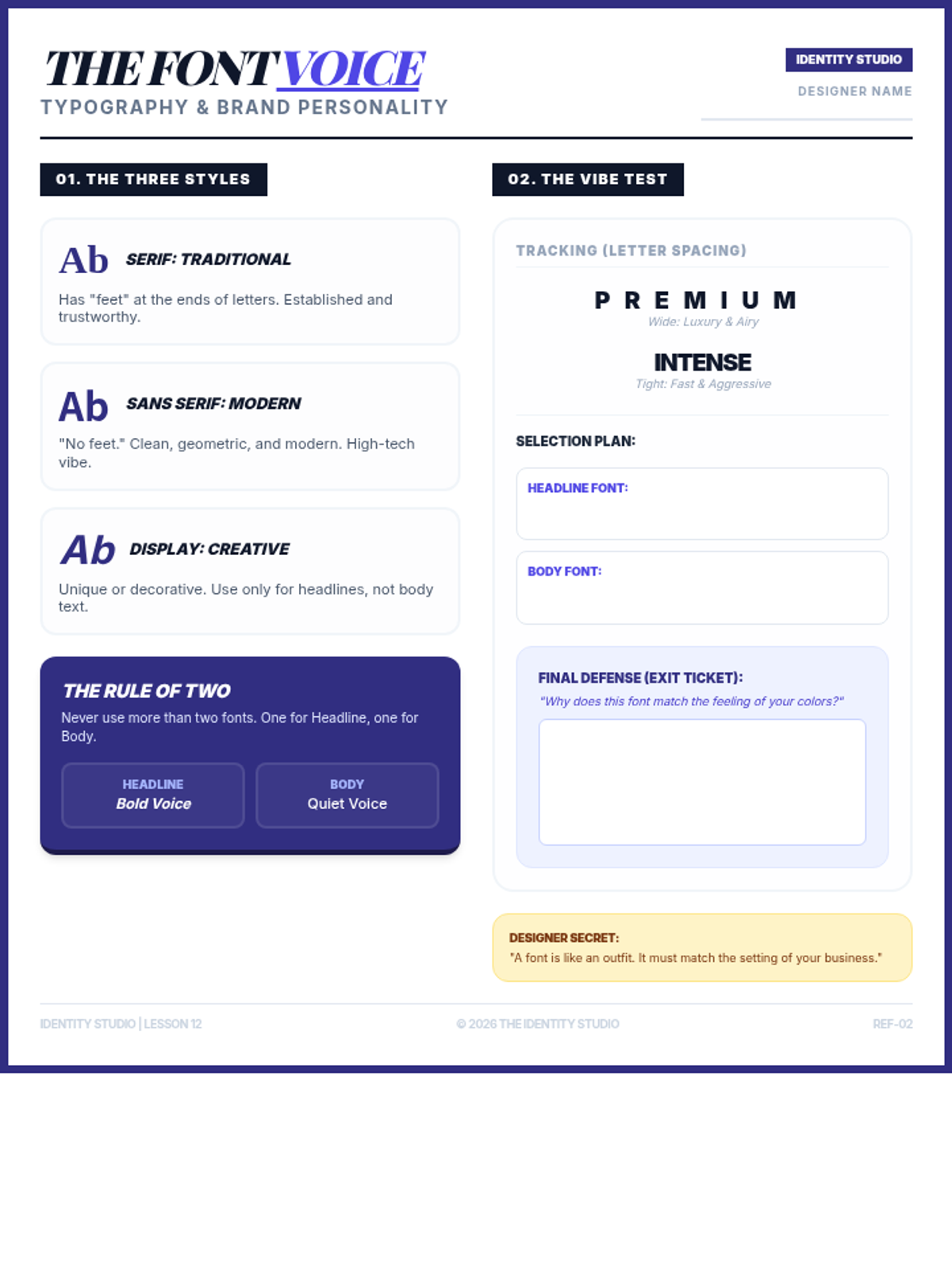
A comprehensive high school music theory sequence focused on advanced rhythmic notation, metric organization, and the transition from simple to complex time signatures. Students will analyze, transcribe, and compose music using syncopation, tuplets, and asymmetrical meters.
This unit explores the intangible technical elements of theater—lighting, sound, and stage management—that create atmosphere and ensure a smooth performance. Students experiment with how light angles and sound effects change the mood of a scene, learn organizational systems used by stage managers, and culminate in a technical rehearsal simulation.
Students step into the shoes of a set designer to transform a written script into a physical world through script analysis, floor planning, mood boards, and 3D model construction. The sequence emphasizes how visual choices in color, texture, and space support the storytelling.
A 10th-grade sequence exploring the economic systems that support the arts. Students analyze funding models, the multiplier effect, gentrification, and grant allocation, culminating in the creation of a professional economic impact statement.