A high-level French vocabulary sequence for 11th graders focusing on philosophy, existentialism, and abstract thought. Students engage in the 'Café Philosophique' tradition to discuss the human condition, moral dilemmas, and psychological nuances.

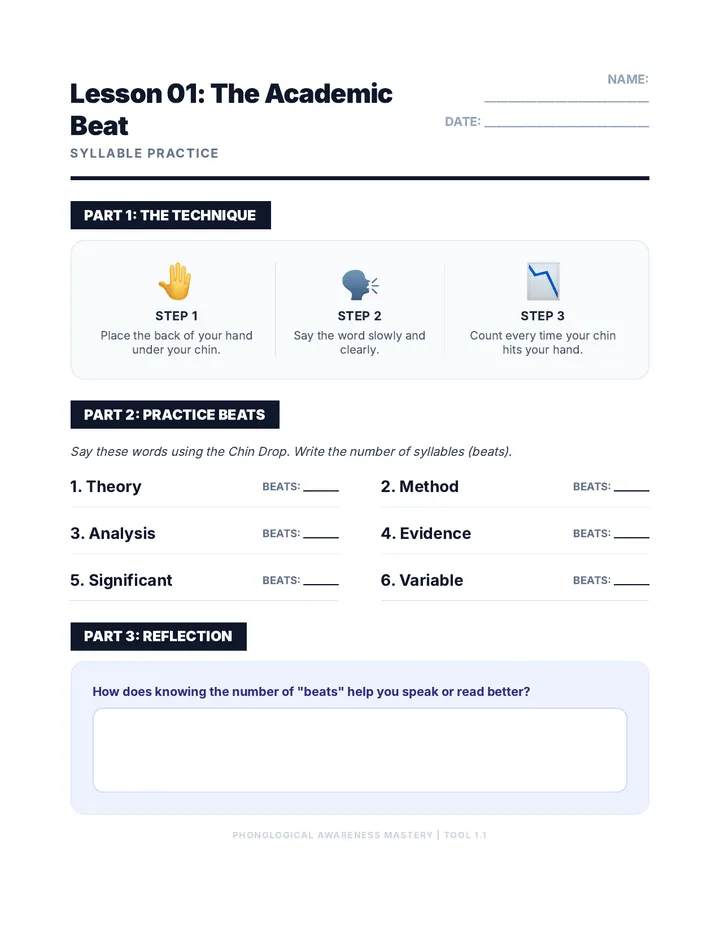
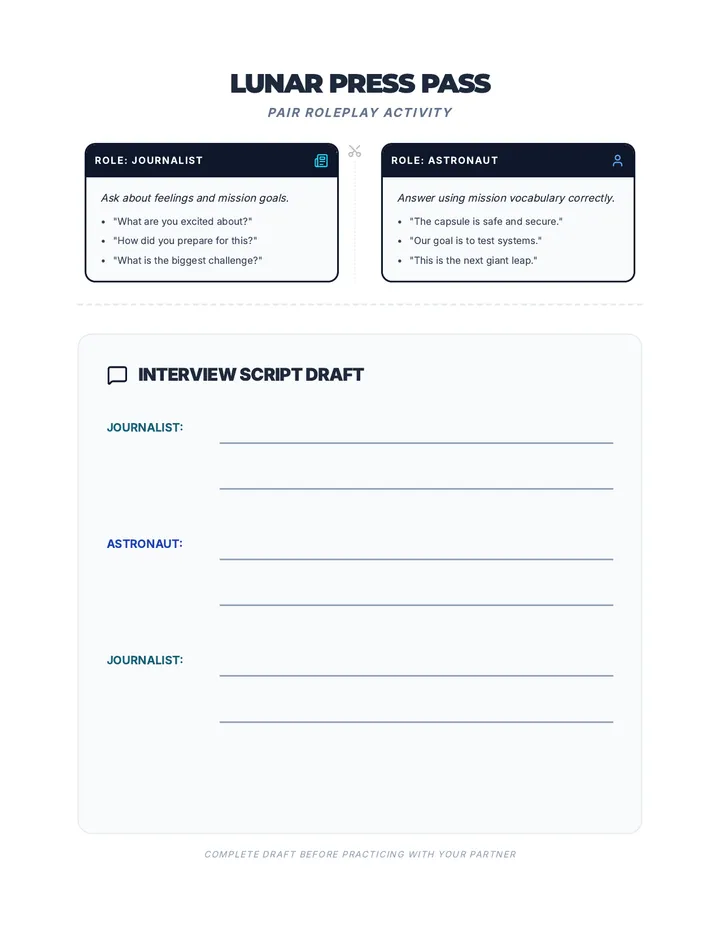
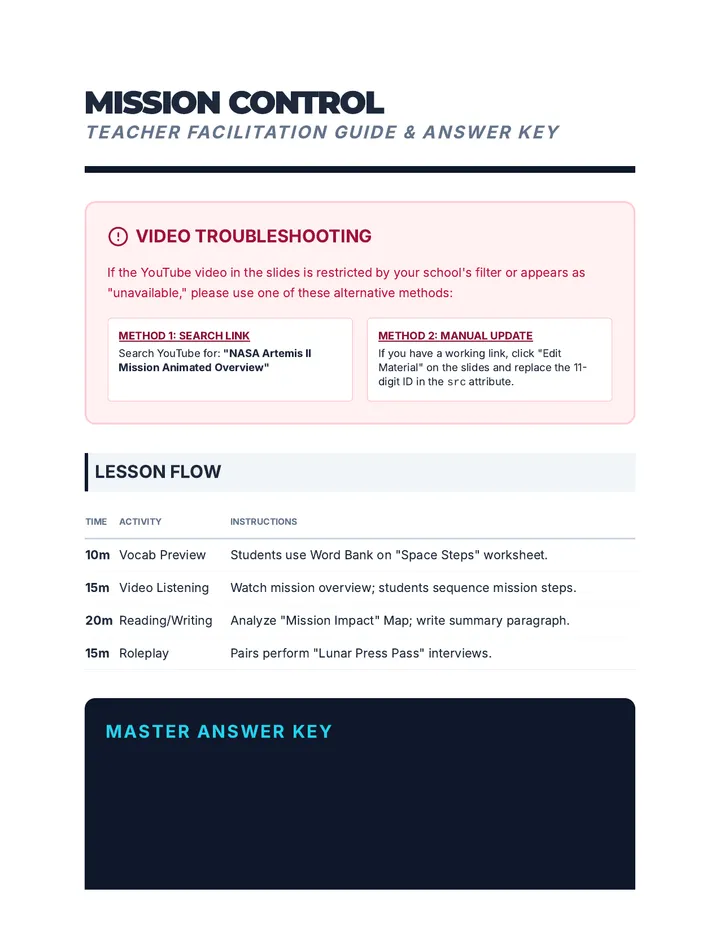
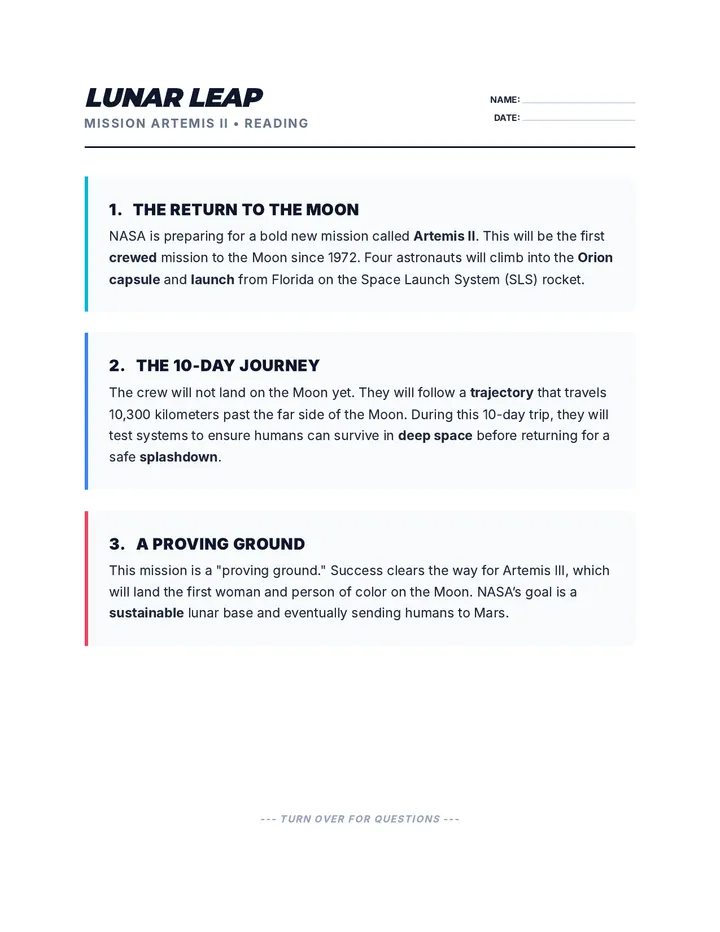
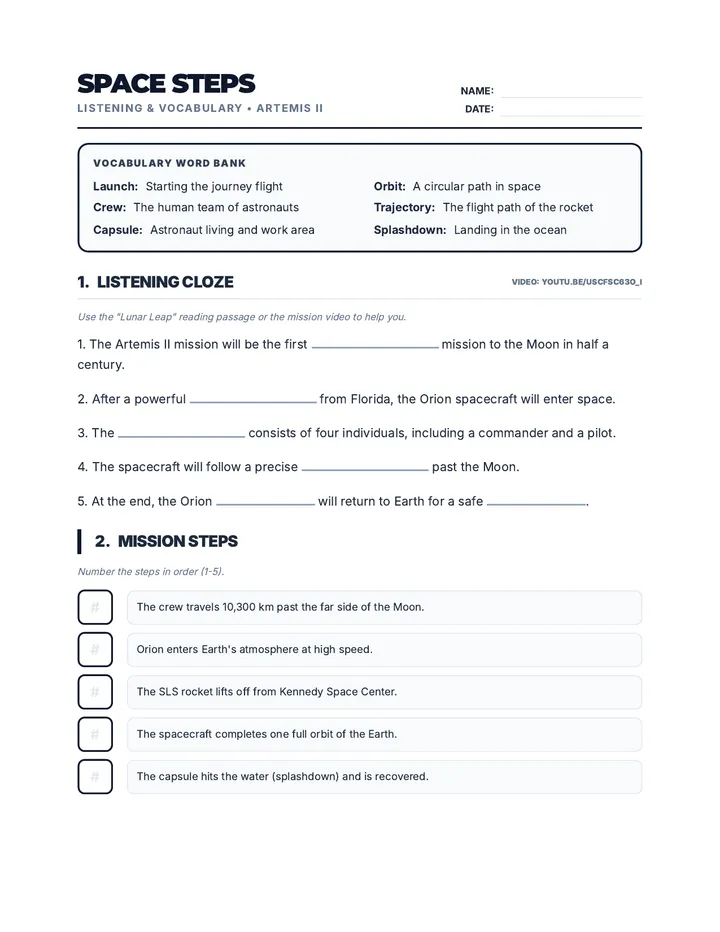
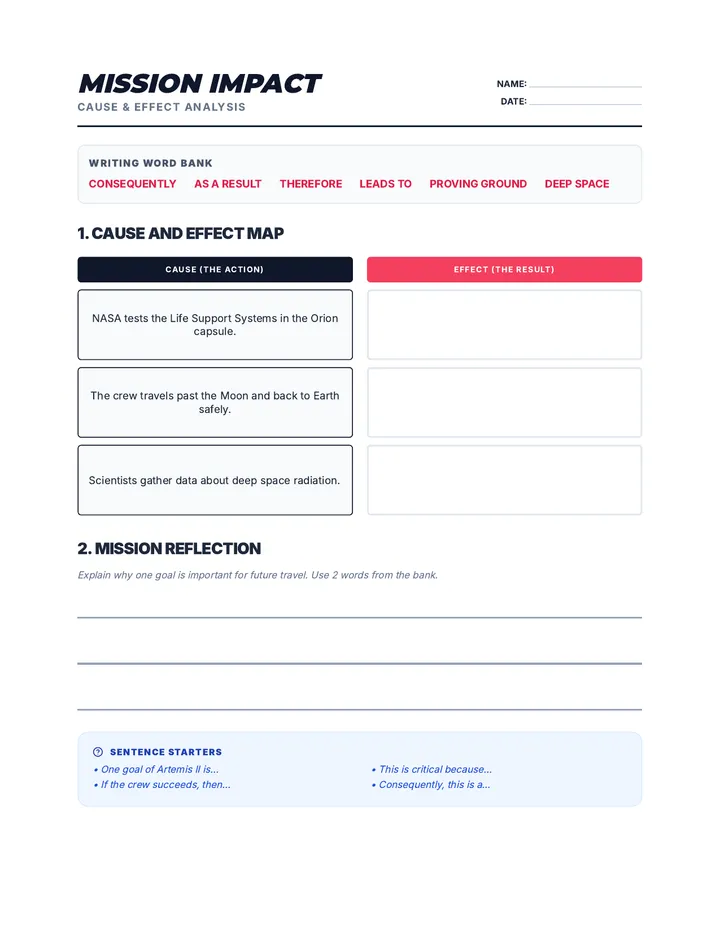
A comprehensive ESL resource pack for 9-12th graders focused on the Artemis II mission. This sequence covers reading, writing, listening, and speaking skills through space exploration content.
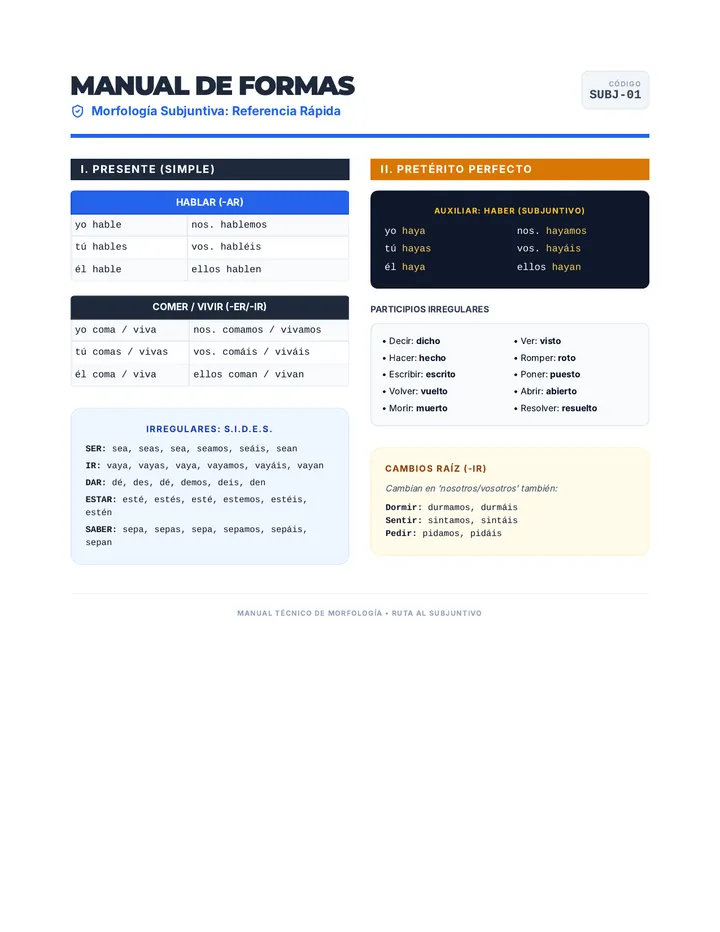
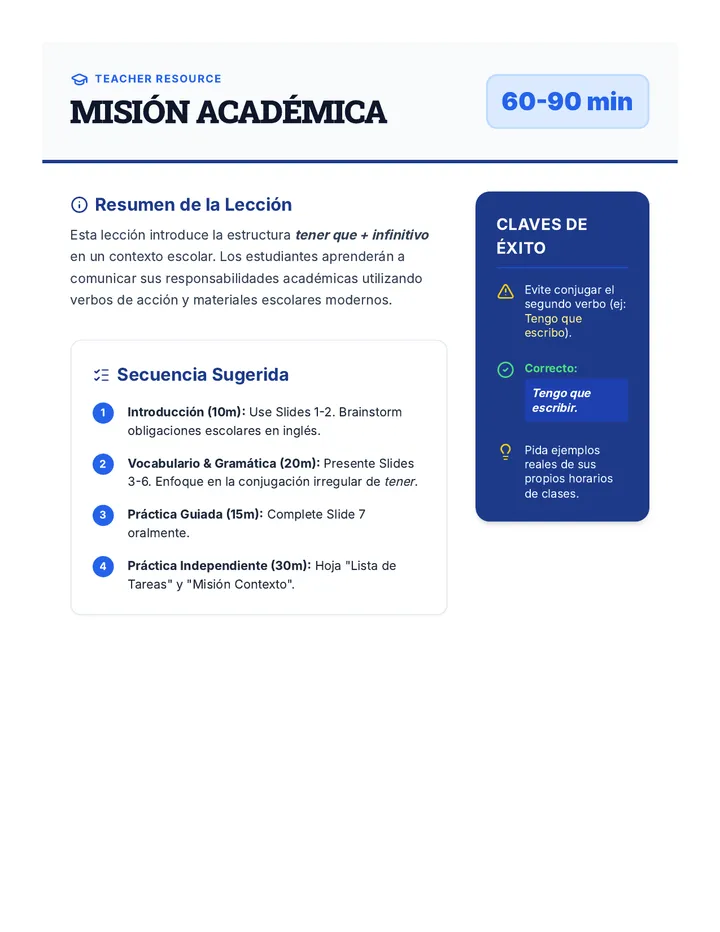
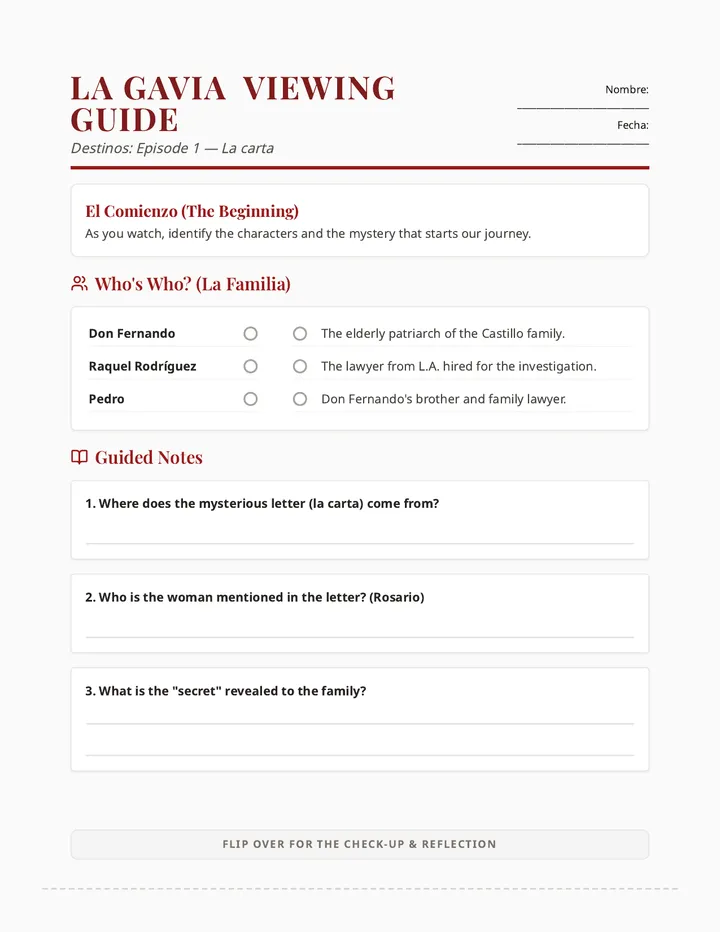
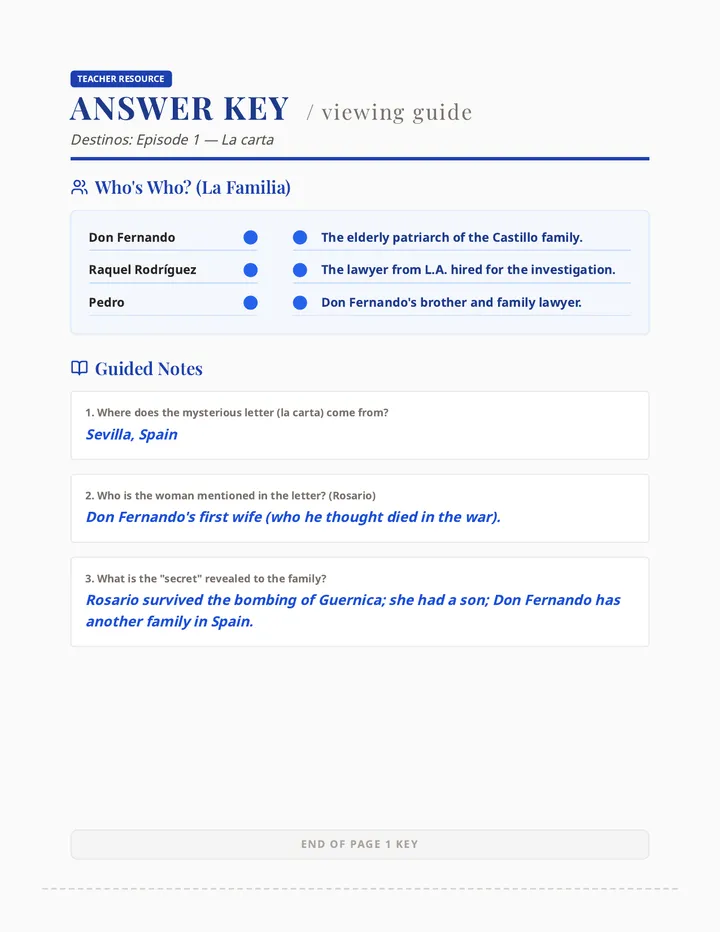
A series of lessons following Raquel Rodríguez as she solves the mystery of the Castillo family, starting with the discovery of a secret letter and her journey to Spain.
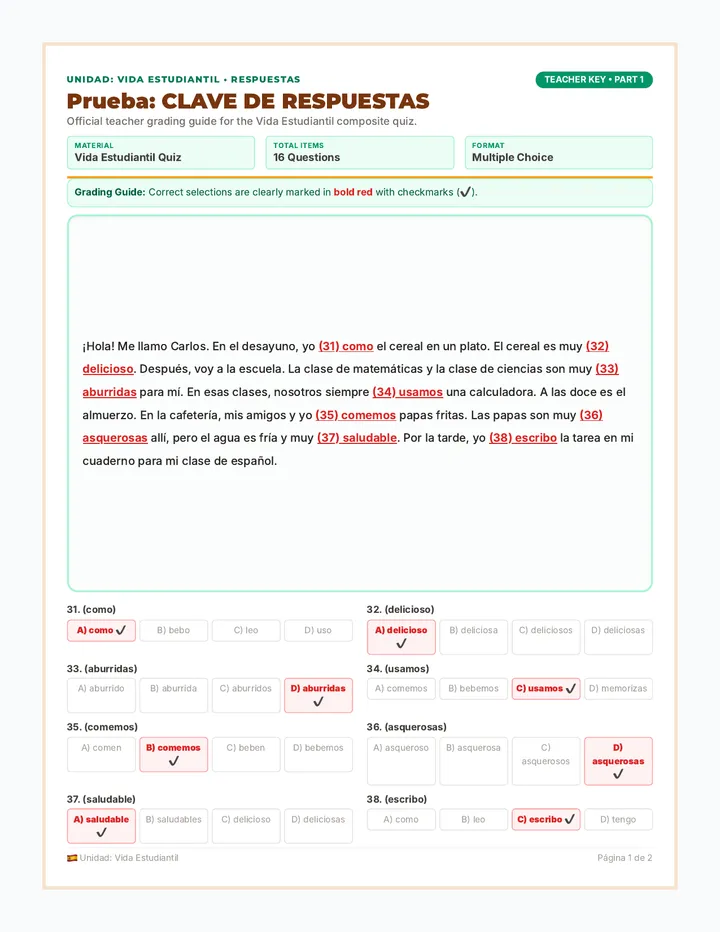
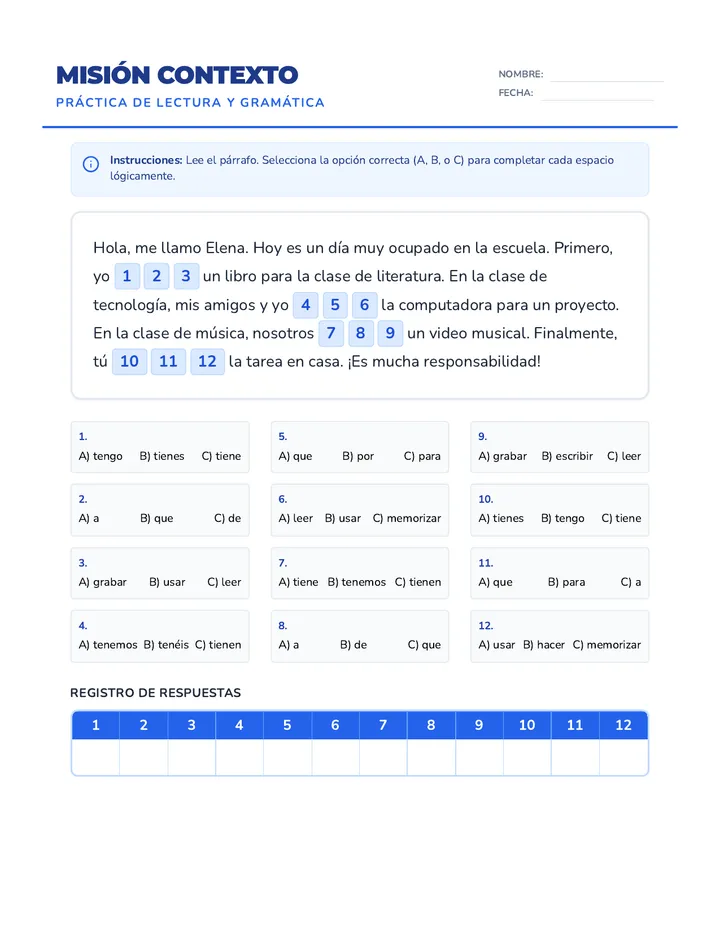
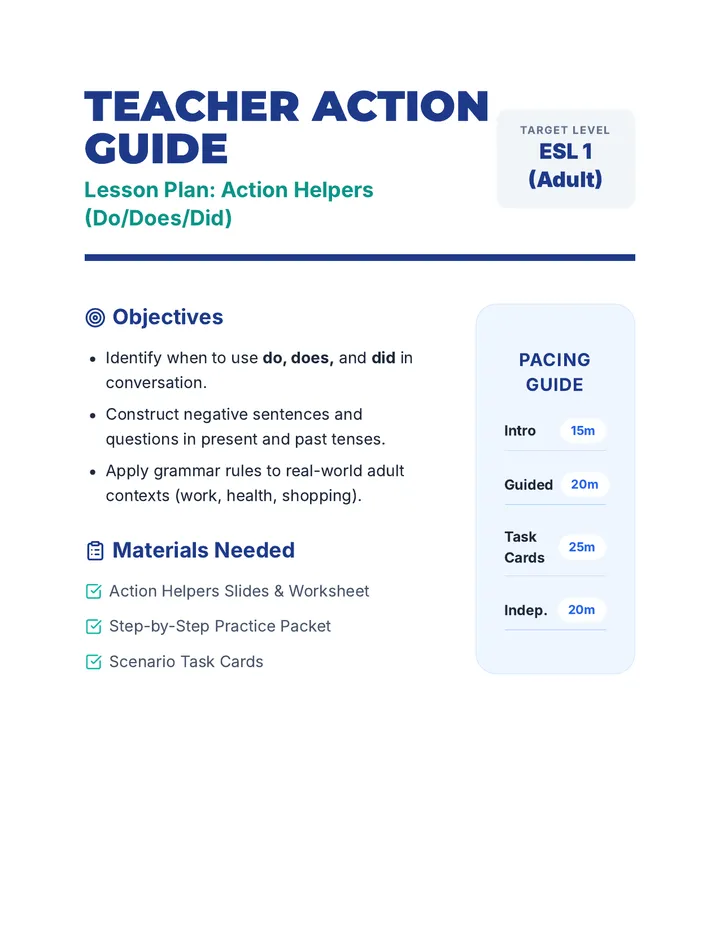
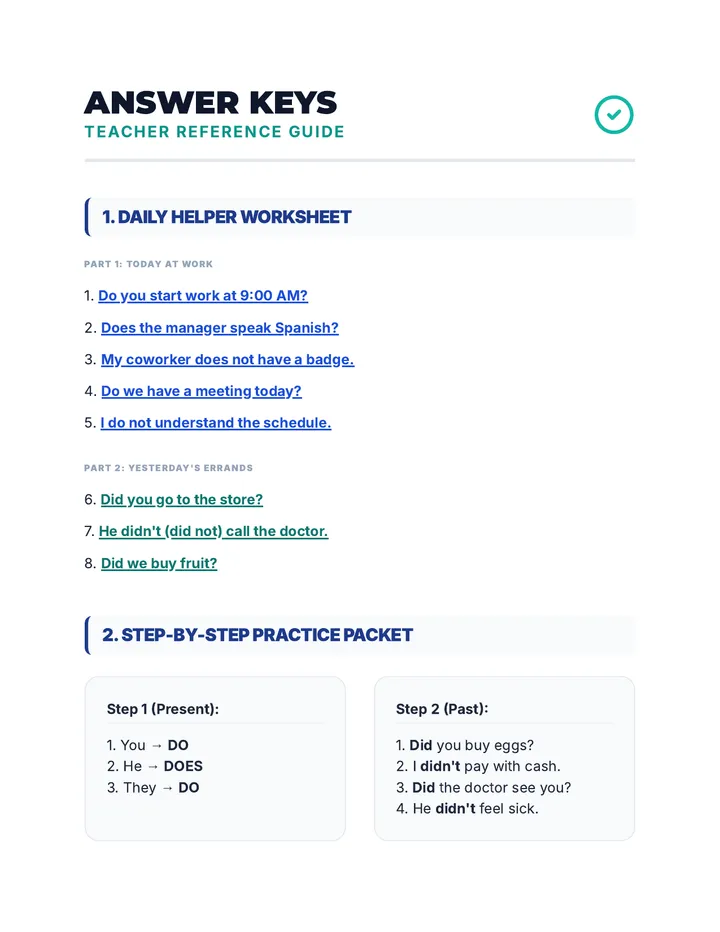
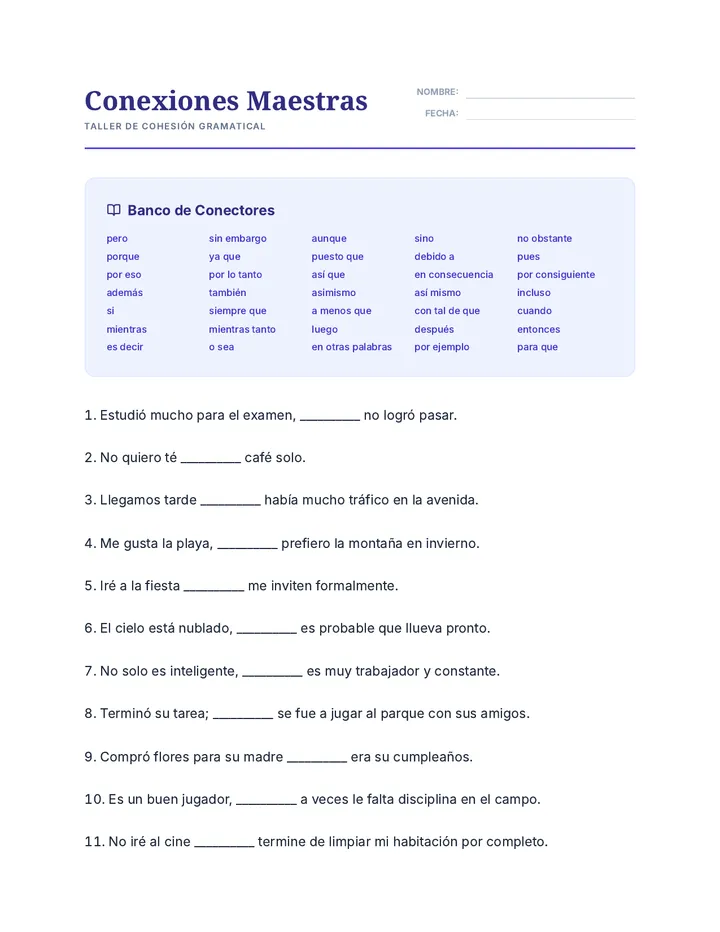
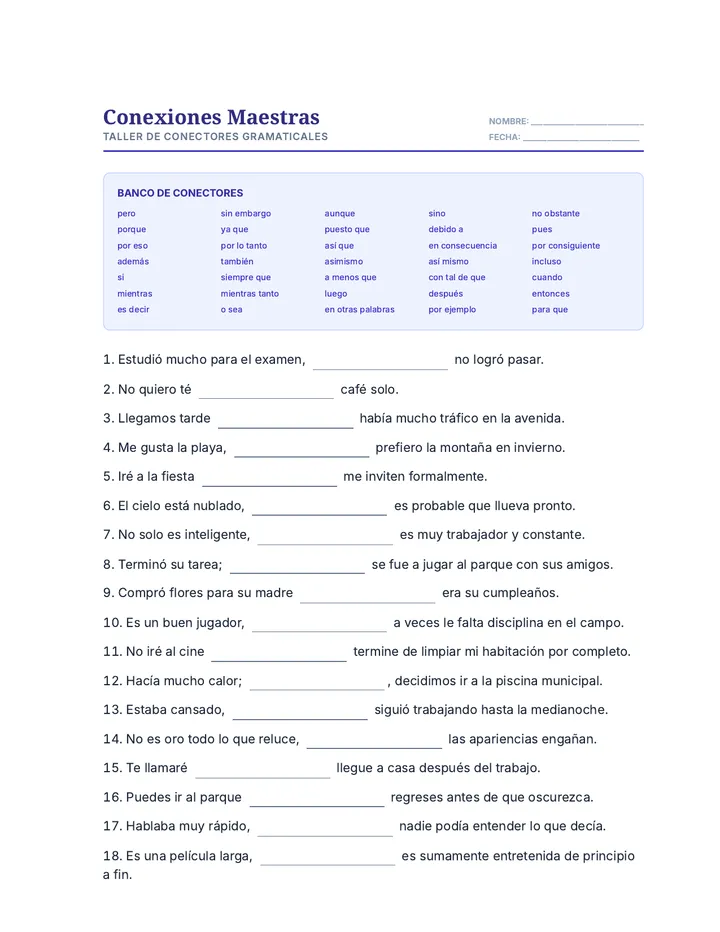
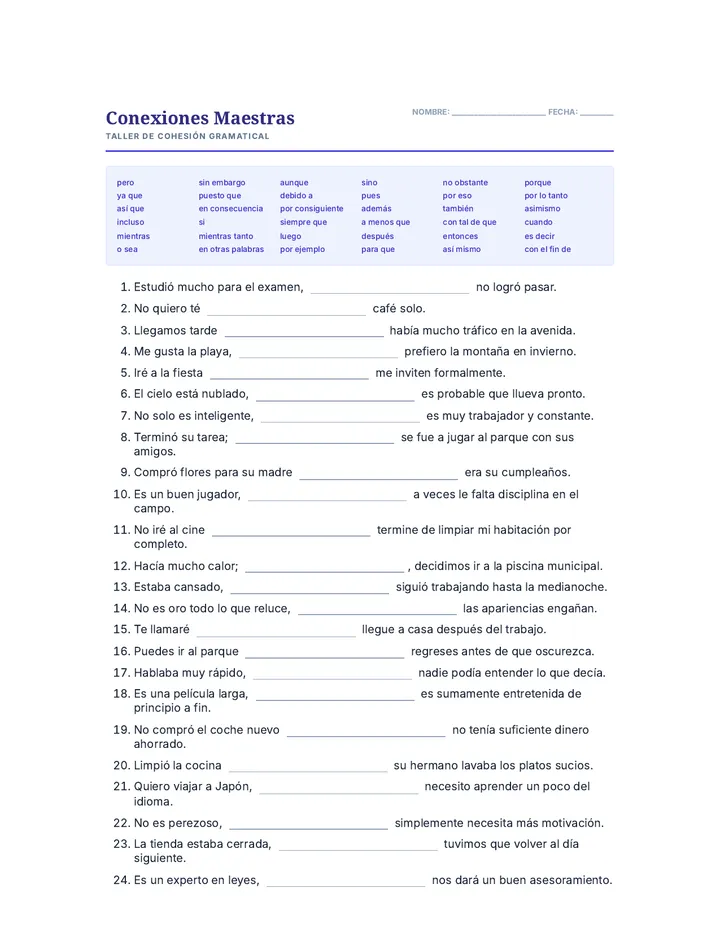
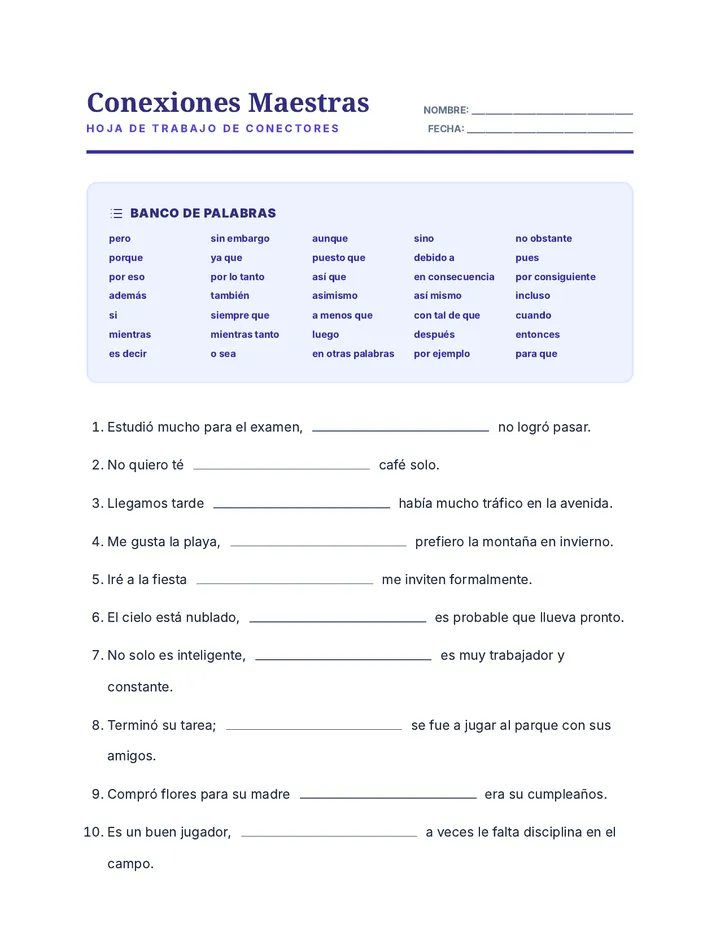
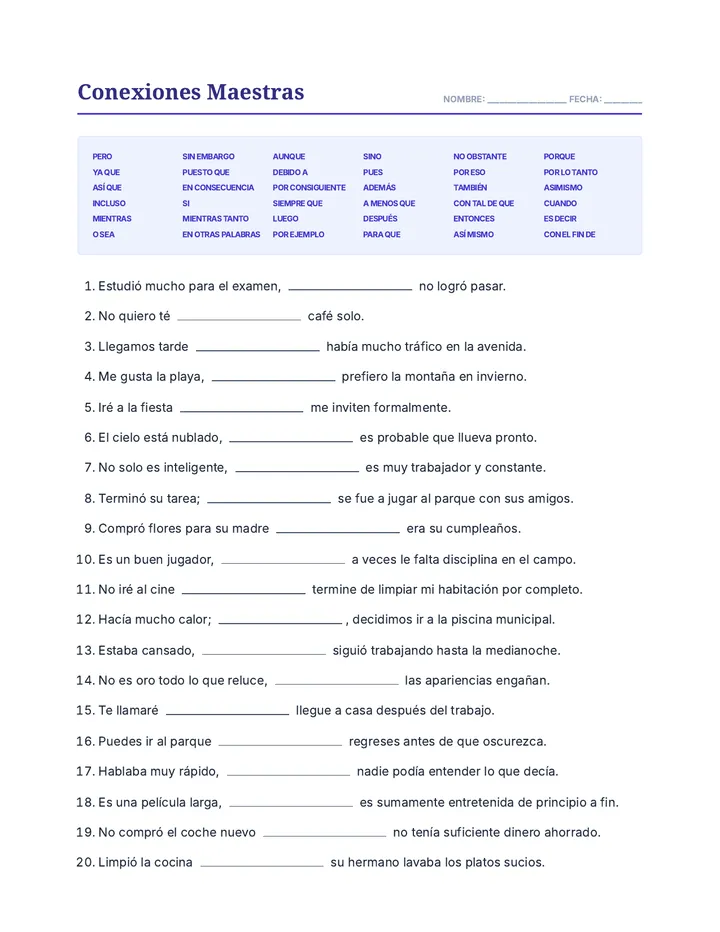
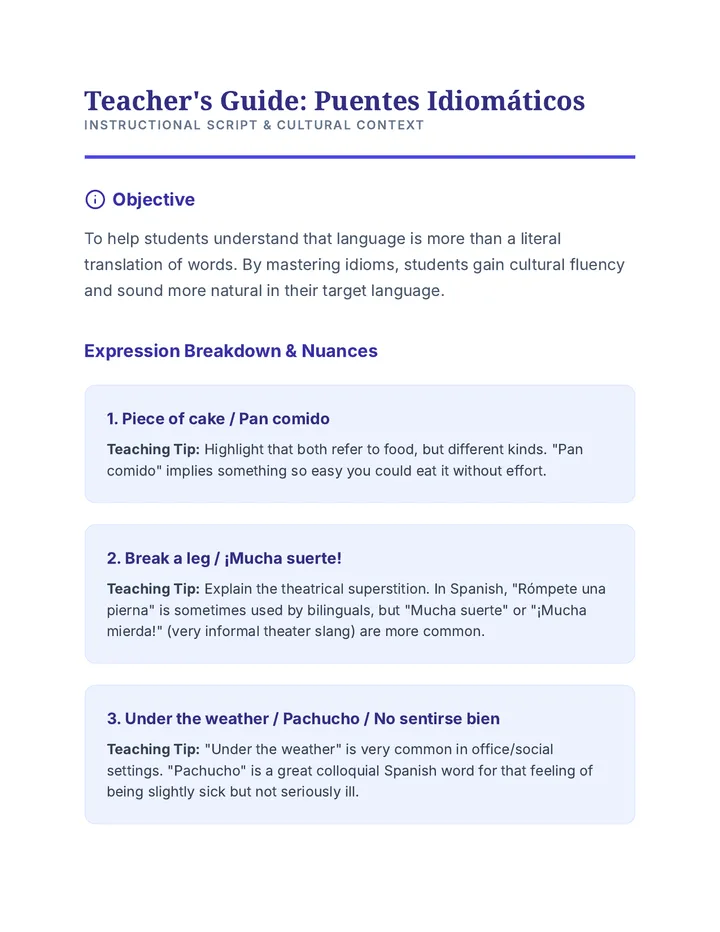
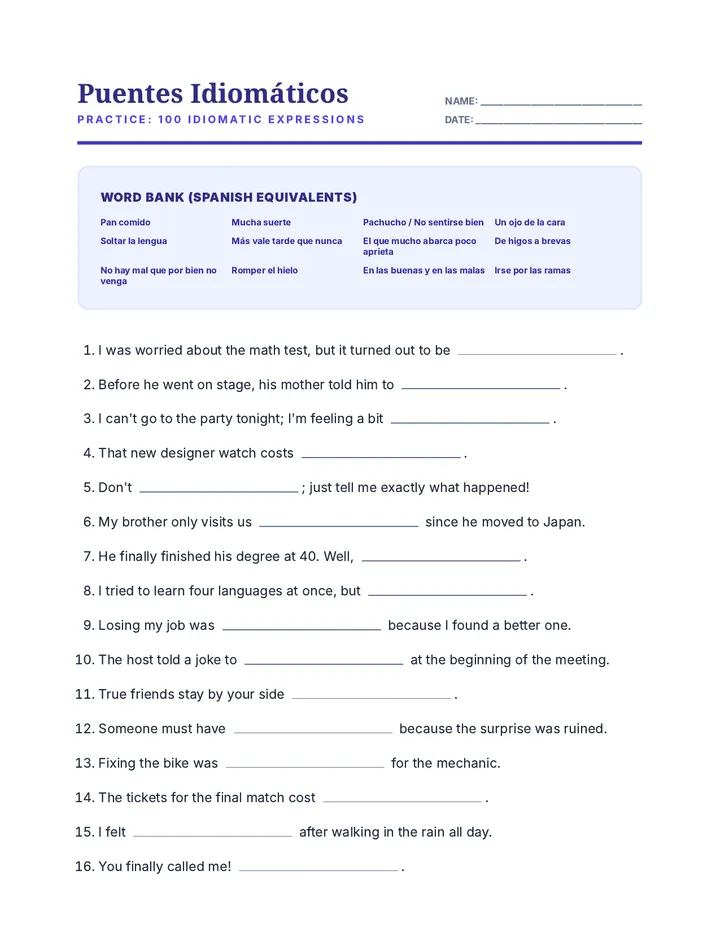
Una serie de lecciones enfocadas en el dominio de las estructuras gramaticales y expresiones idiomáticas en español e inglés para estudiantes bilingües.
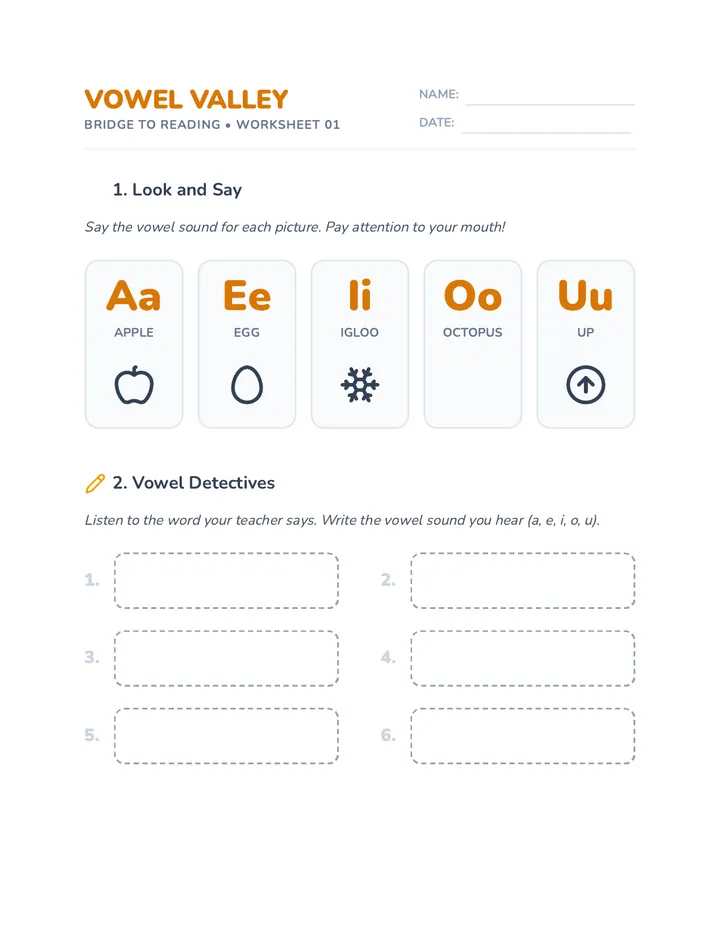
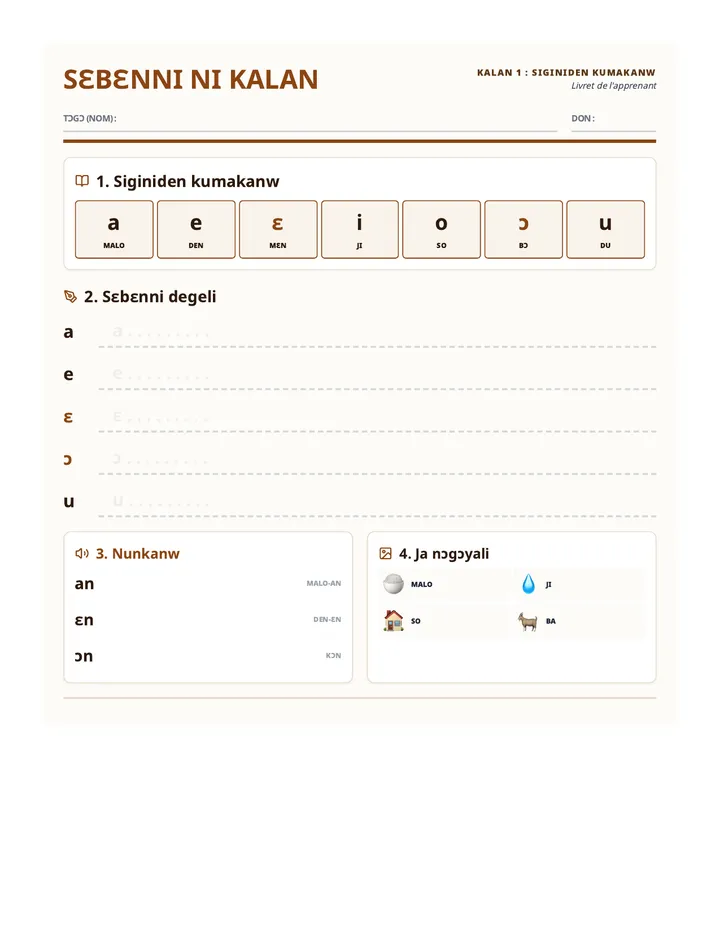
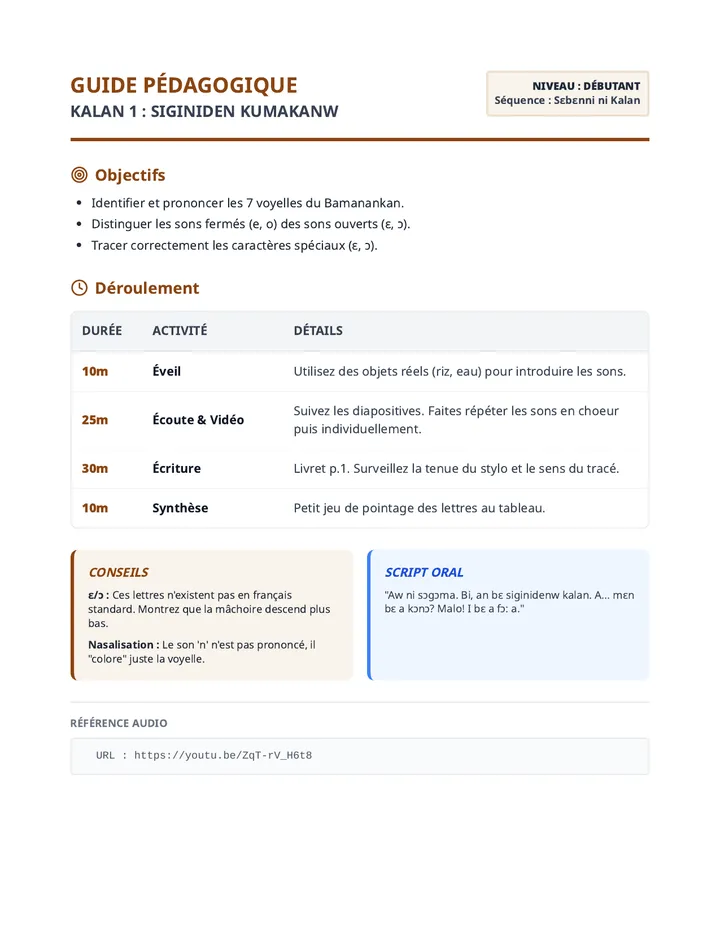
Une séquence d'alphabétisation complète en Bamanankan pour débutants, intégrant l'apprentissage des voyelles, des consonnes et des salutations de base à travers un livret imprimable et des supports visuels.
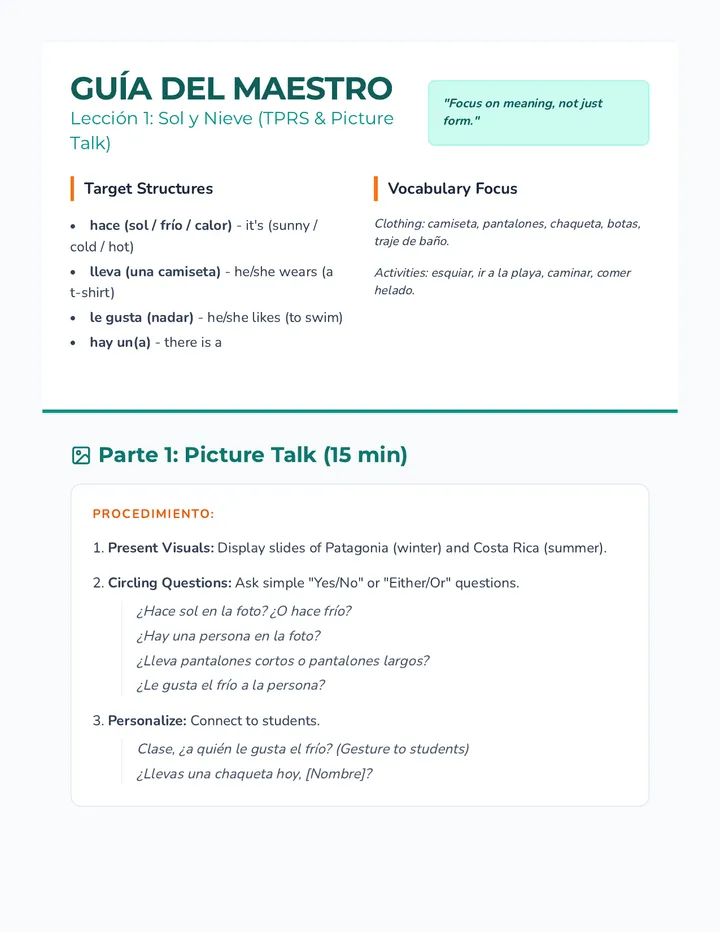
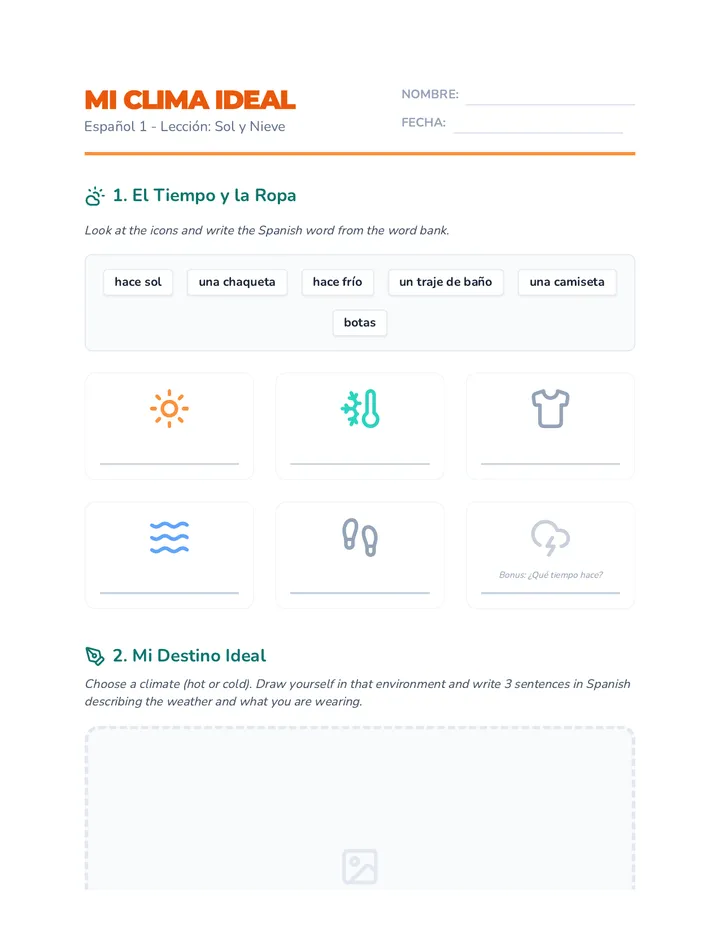
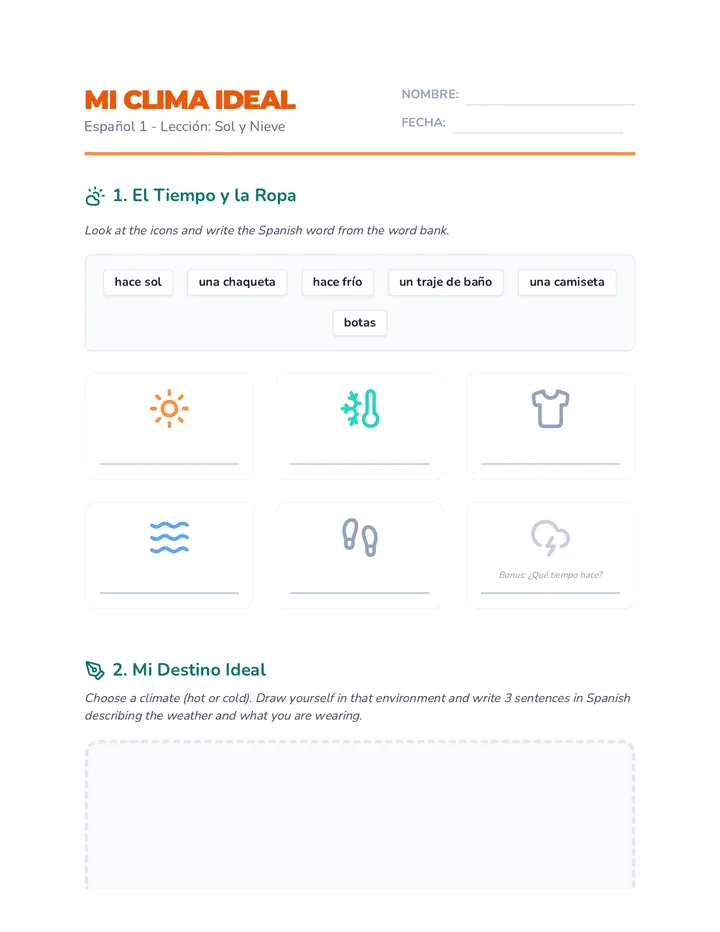
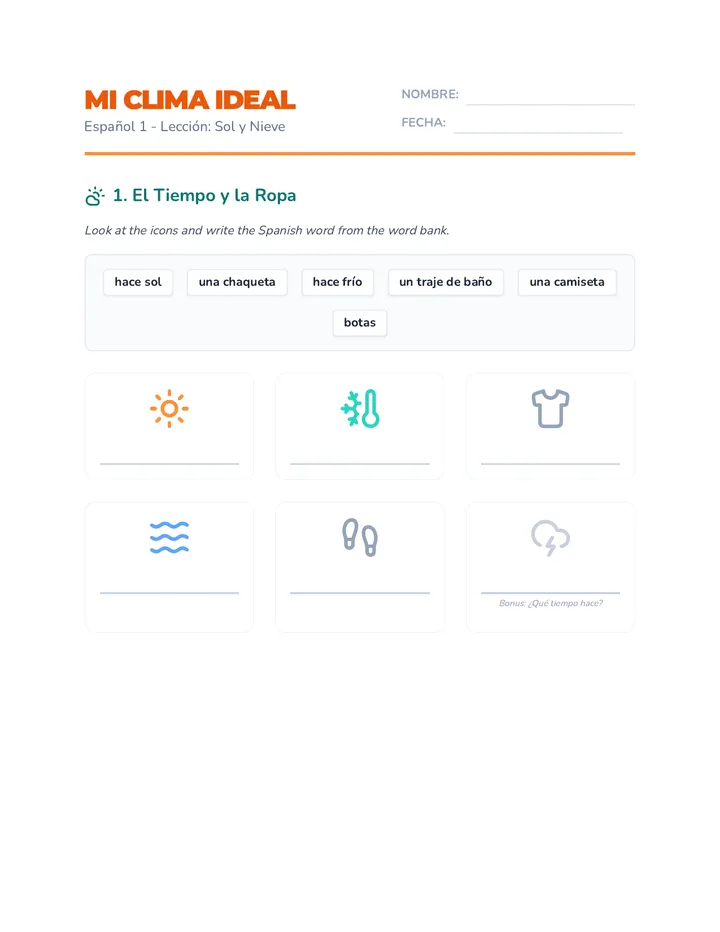
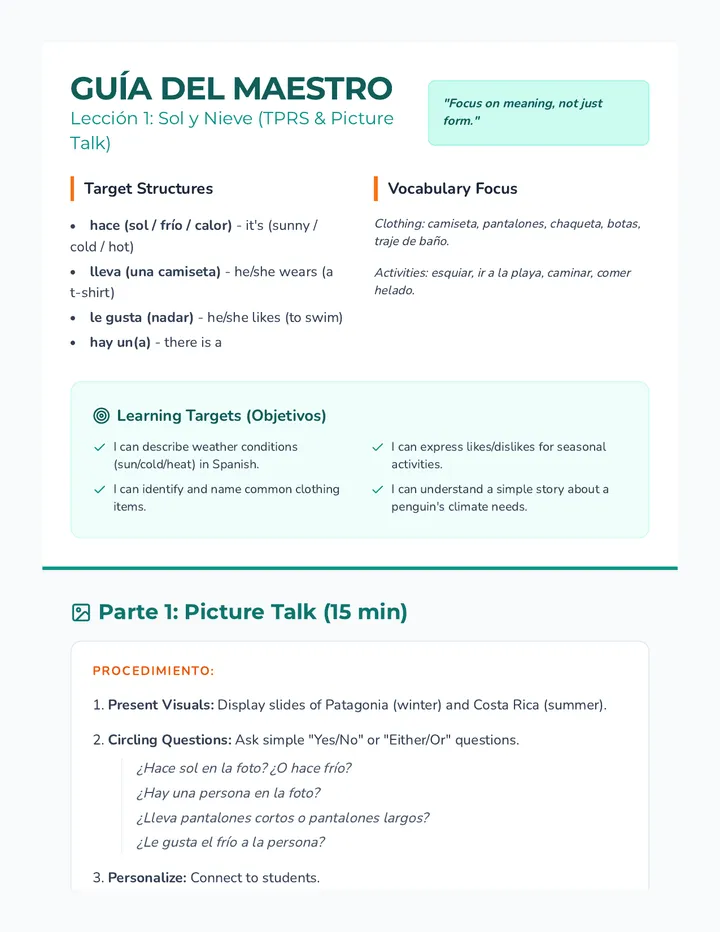
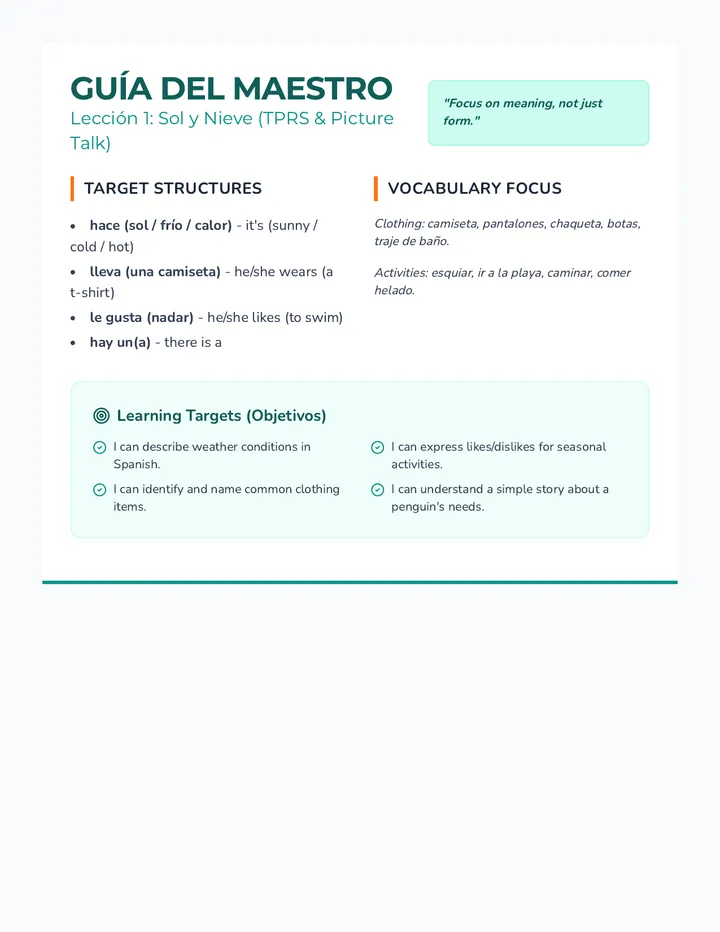
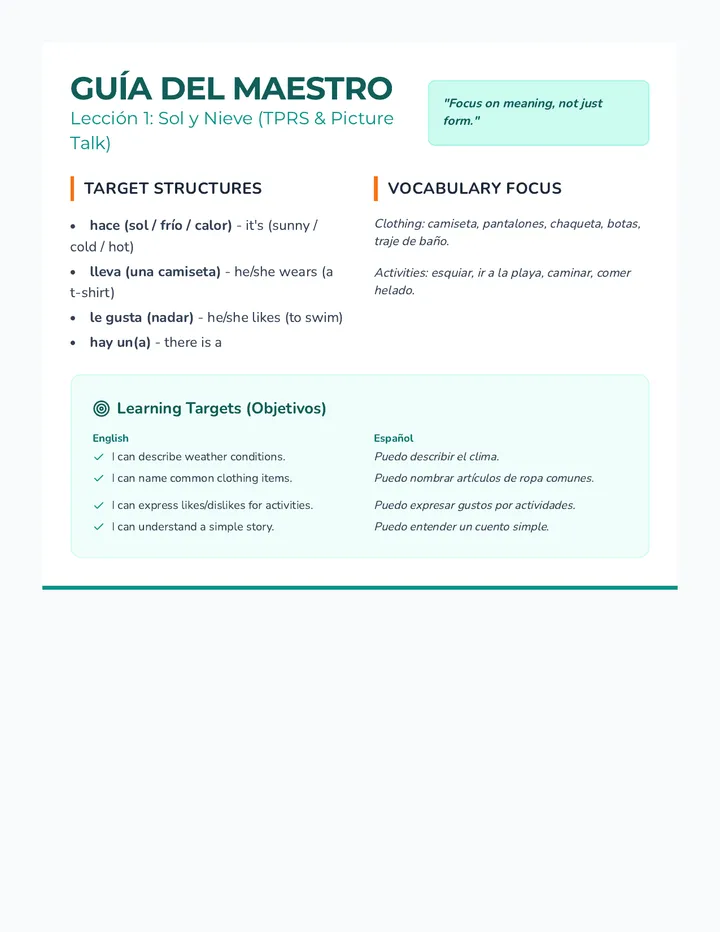
A two-part introductory Spanish sequence focusing on clothing, weather, and activities through Comprehensible Input (CI) strategies like TPRS and Picture Talk. Students explore cultural contexts and seasonal variations in the Spanish-speaking world while building basic communicative proficiency.
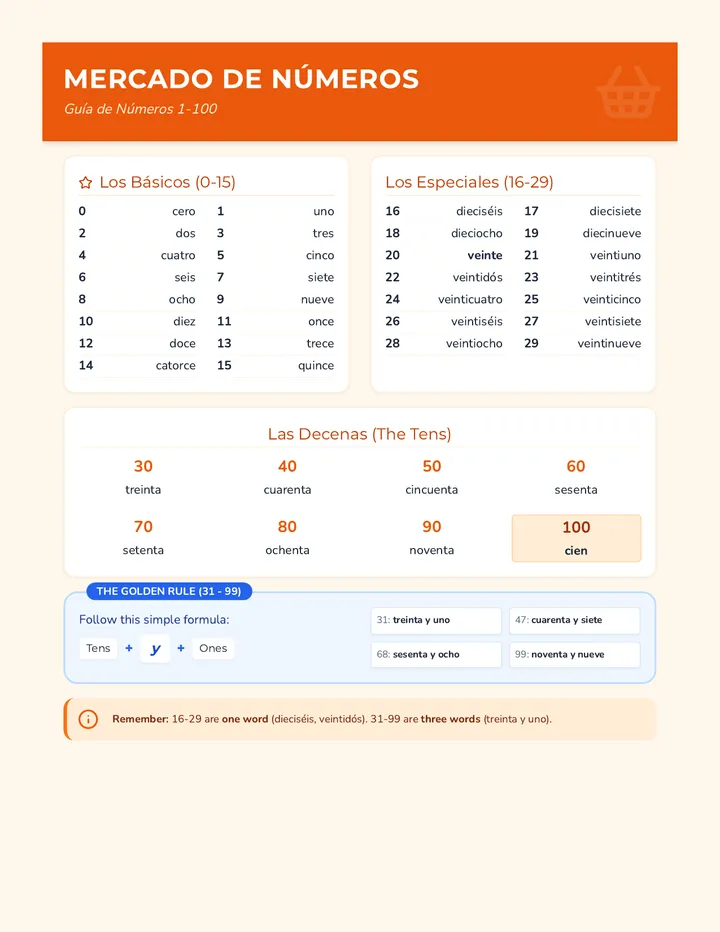
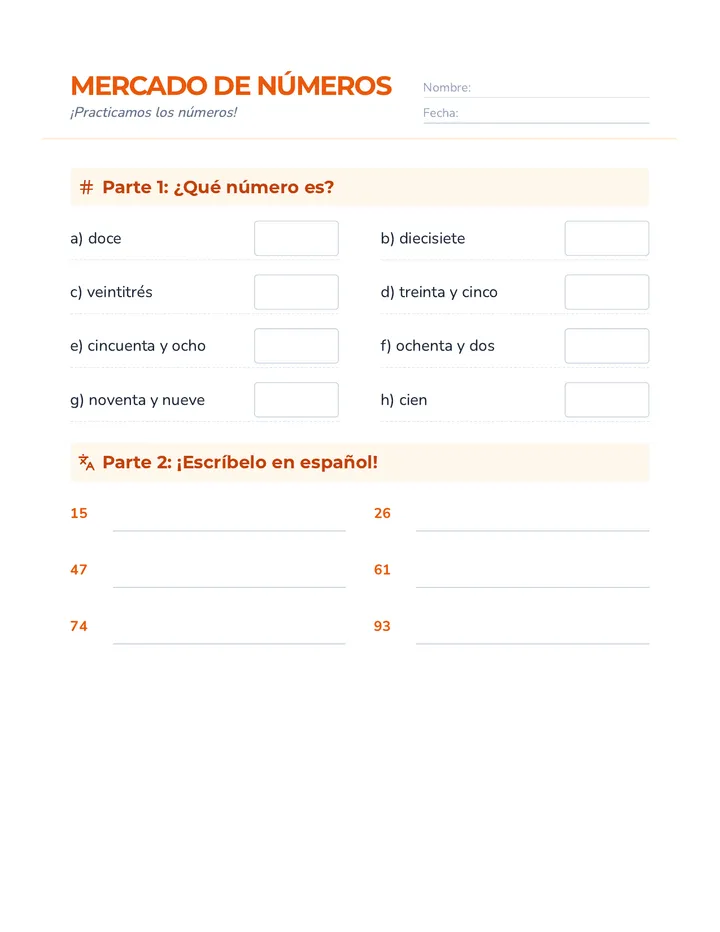
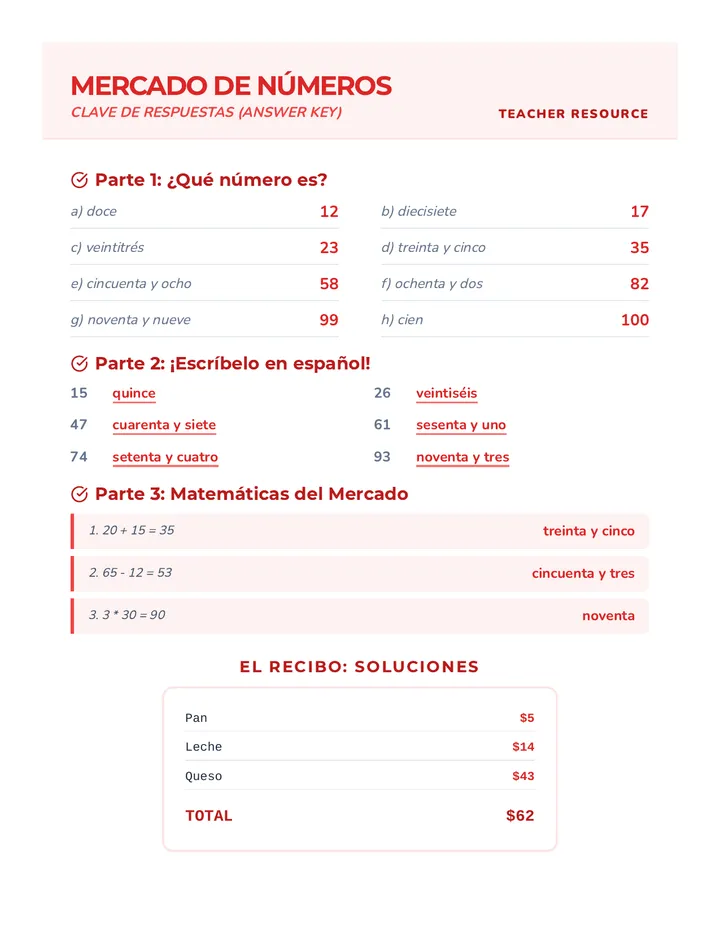
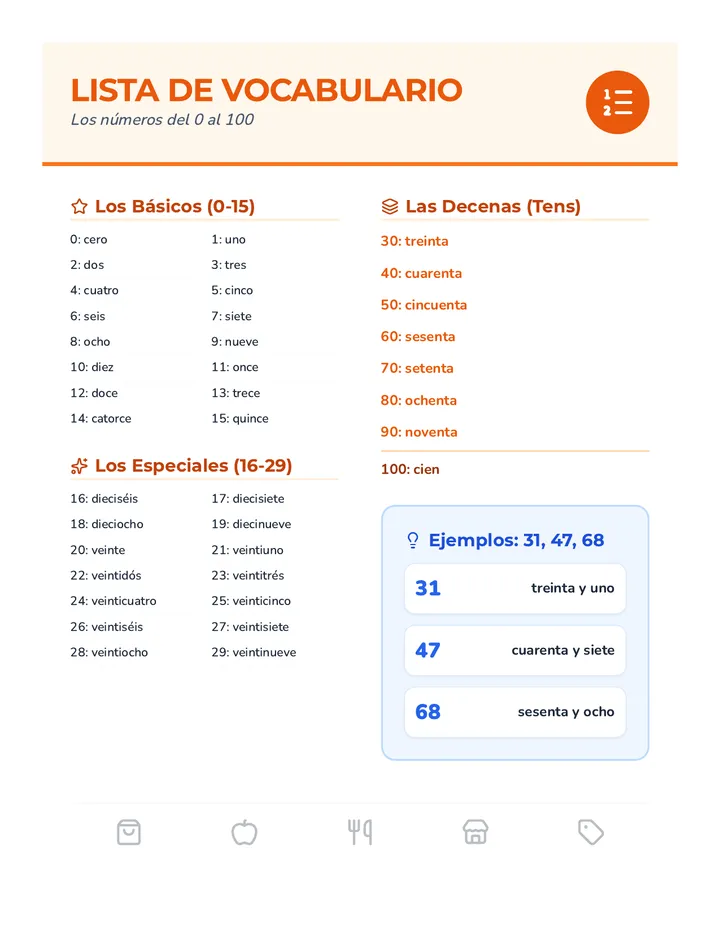
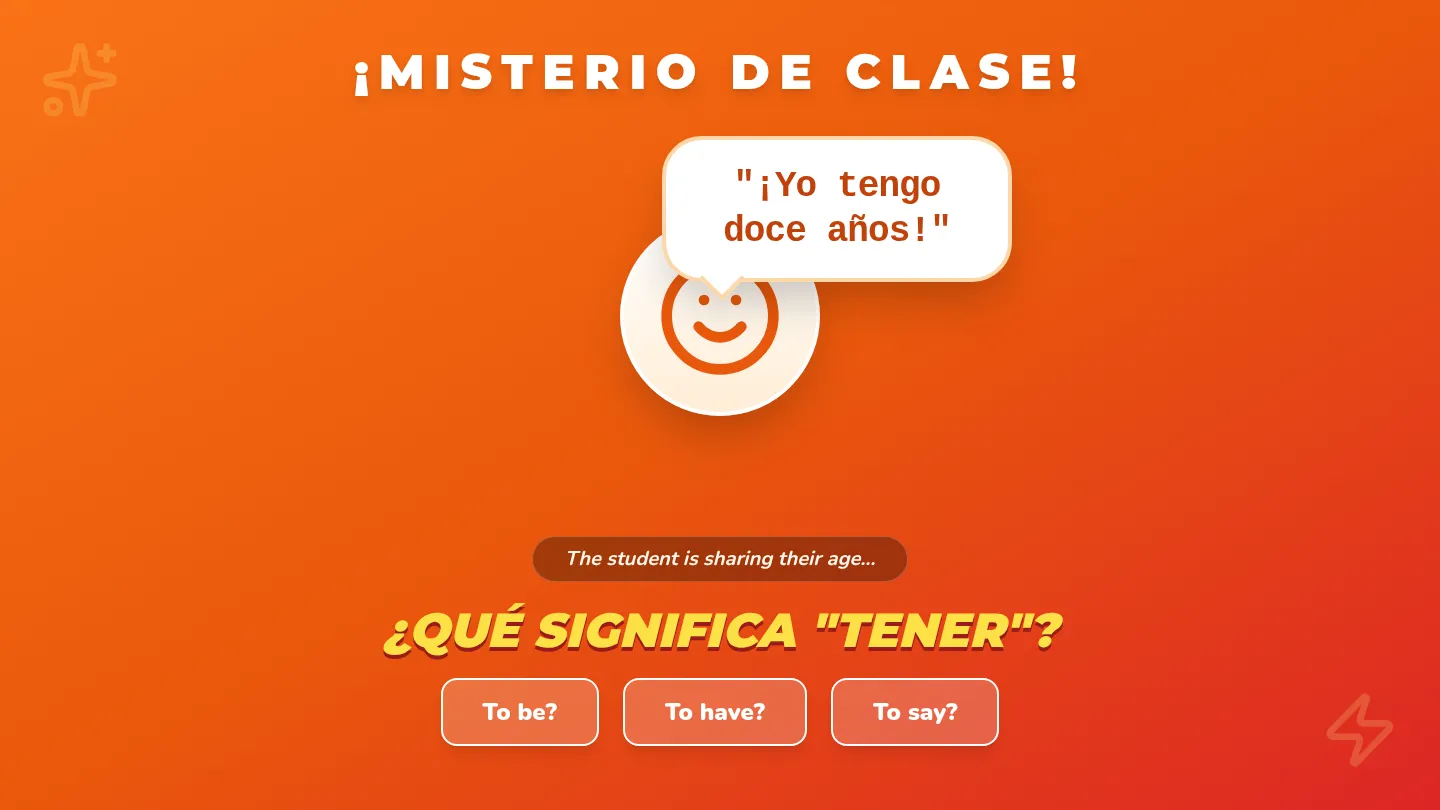
A foundational Spanish sequence focusing on numbers and colors through practical application and classroom-based activities.
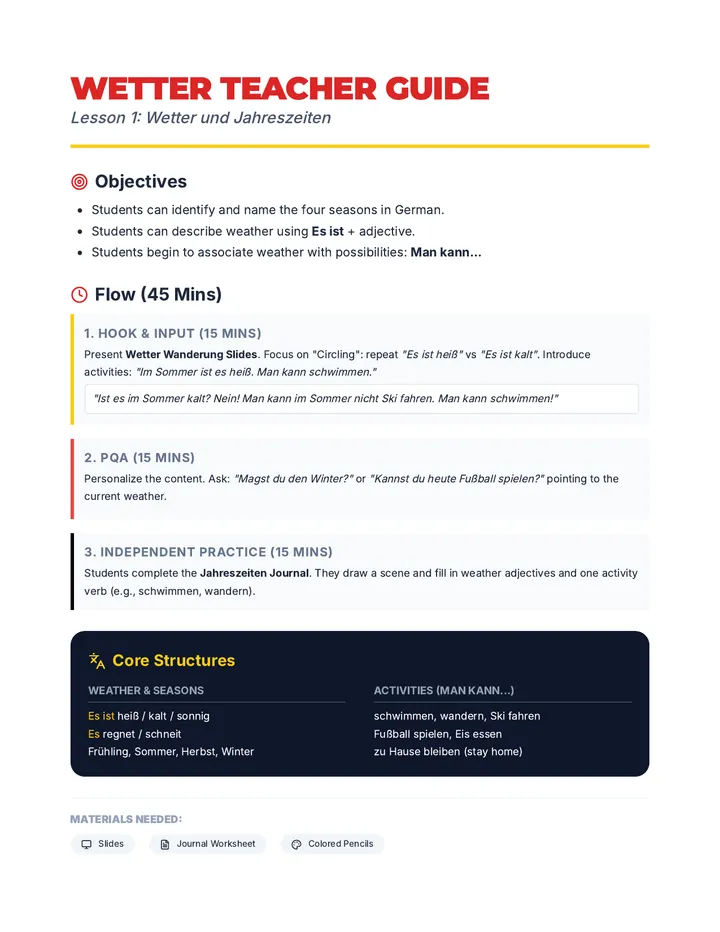
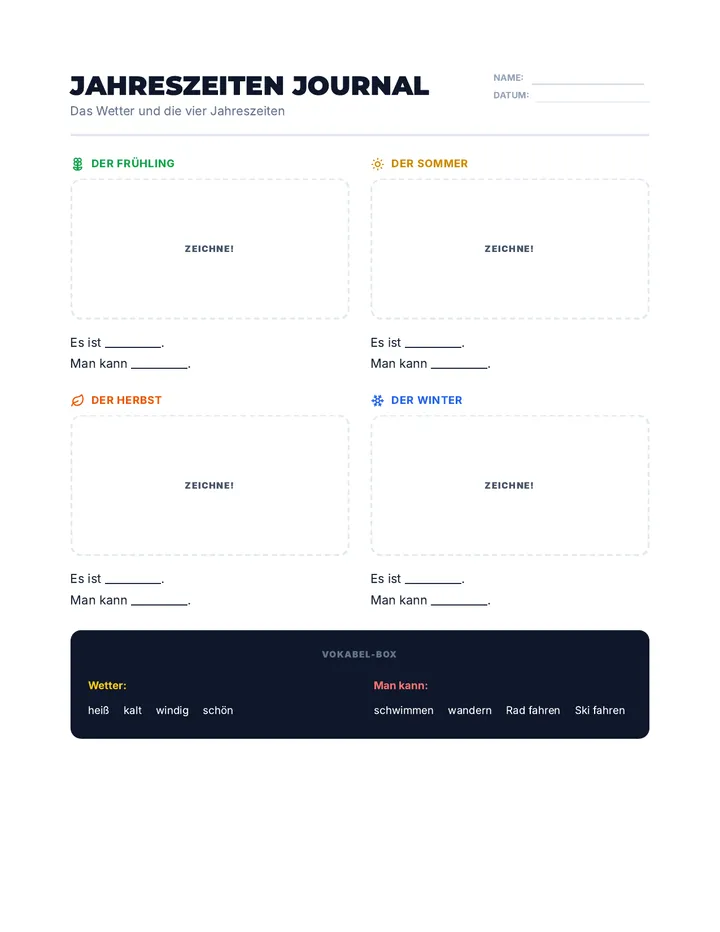
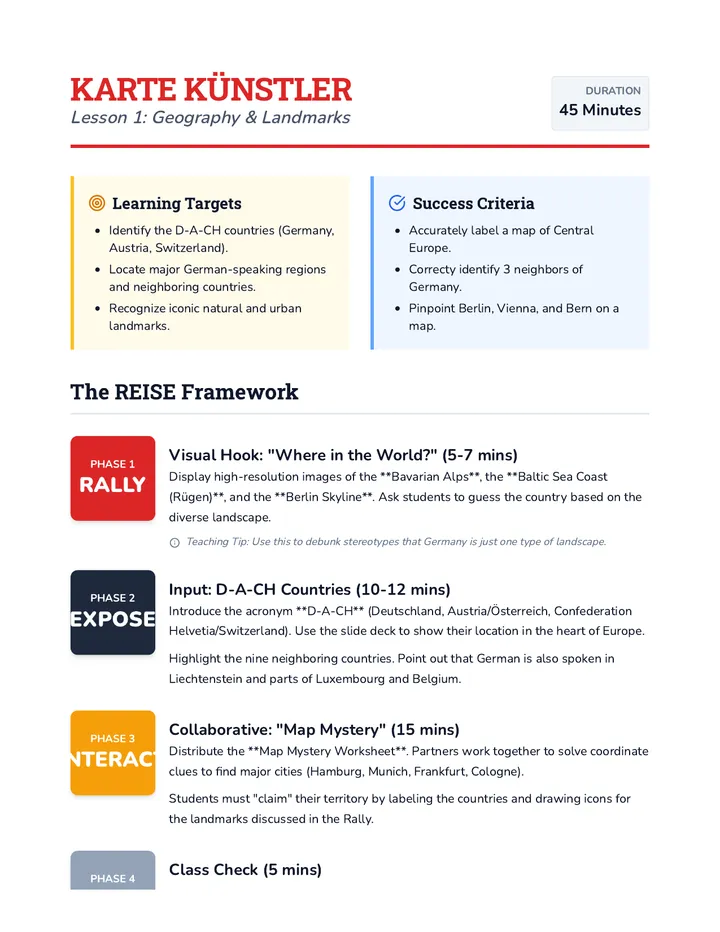
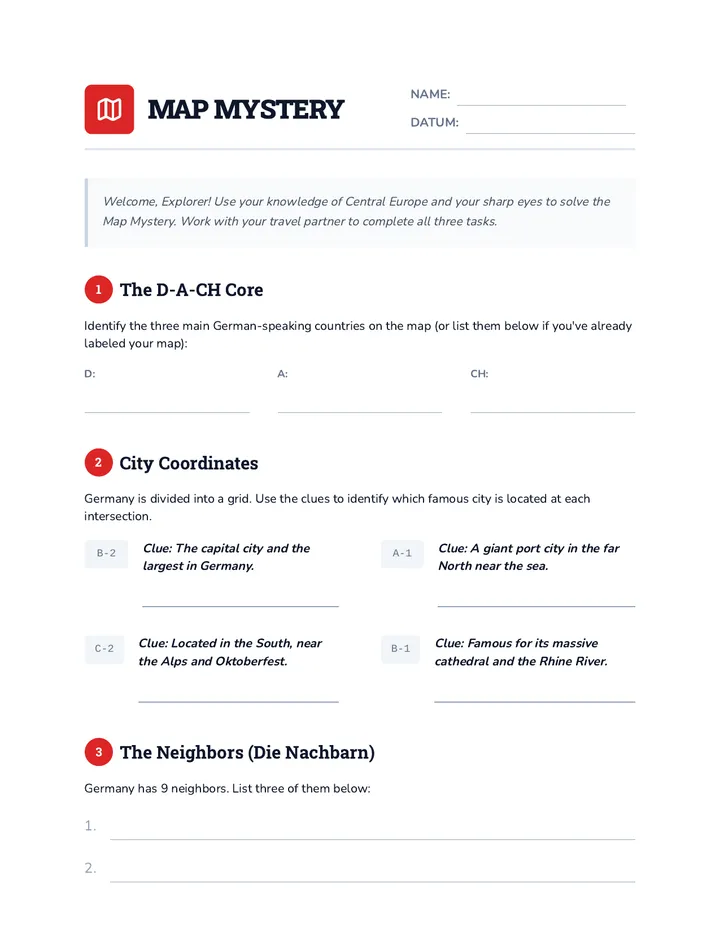
A two-lesson German introductory unit focusing on weather, seasons, and outdoor activities in Germany using Comprehensible Input (CI) methods. Students will learn to describe weather using 'Es ist' and activities using 'Man kann' through visual-heavy instruction and repetition.
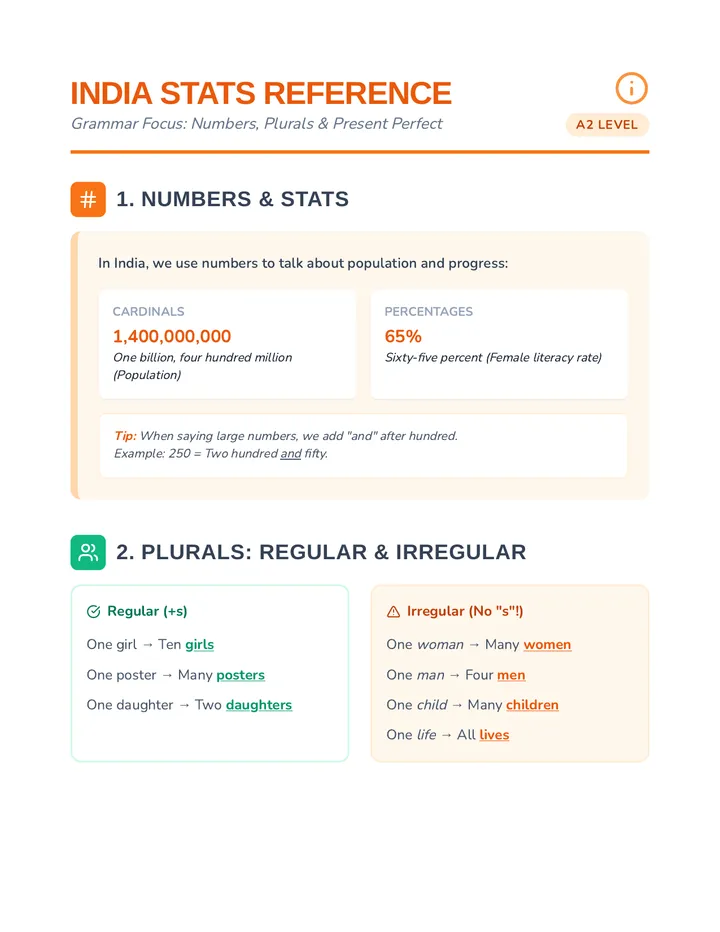
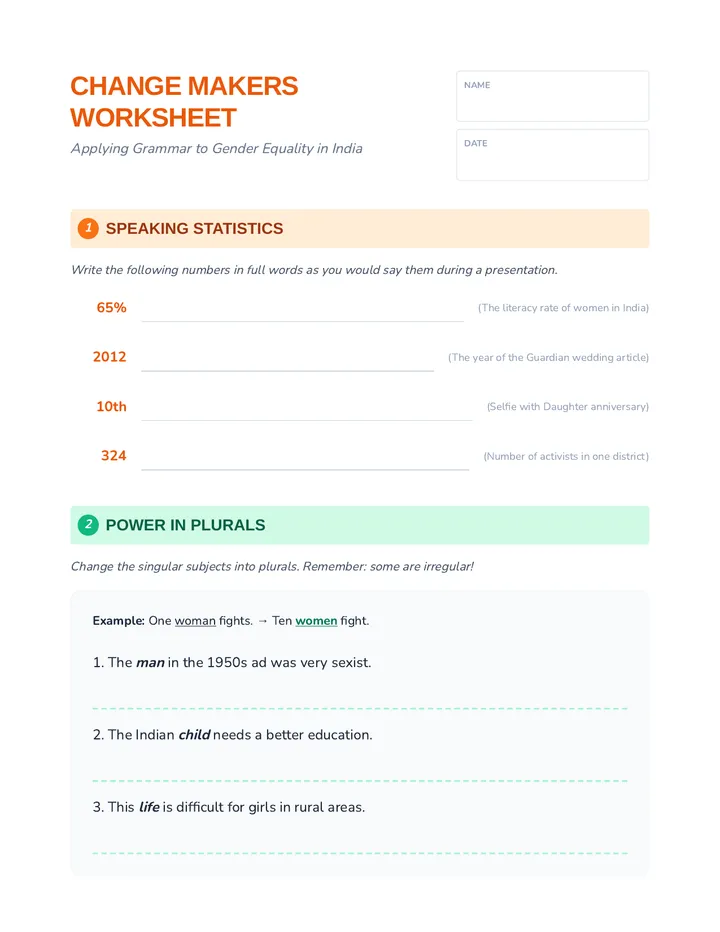
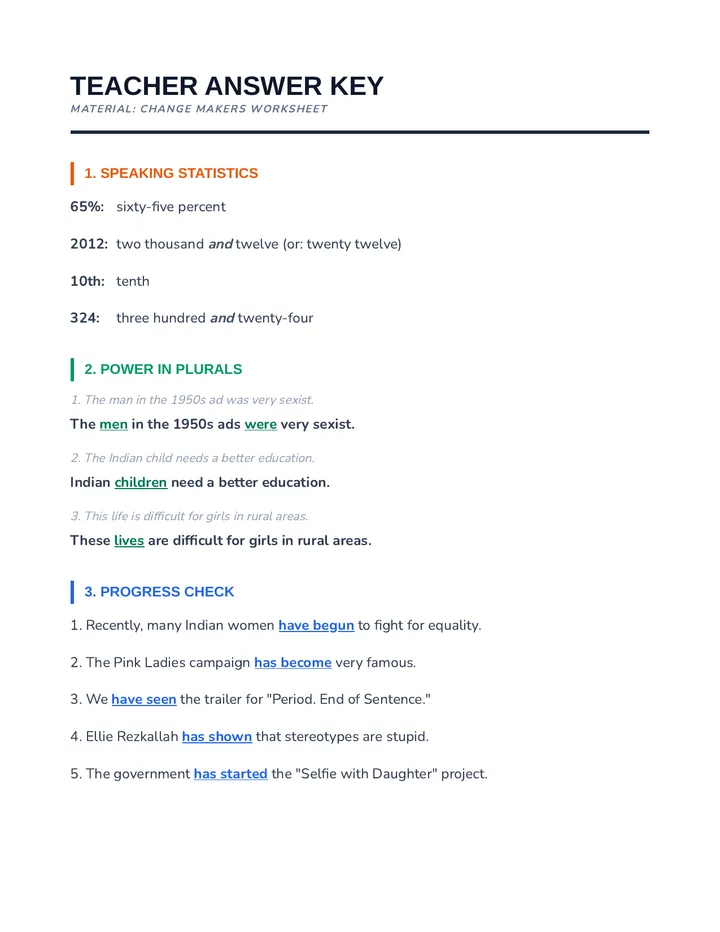
A sequence focused on gender (in)equality in India, exploring cultural stereotypes, social movements, and progress through grammar and statistical analysis.
An introductory Japanese language and culture unit for 8th grade that follows the 'TABI' (Journey) framework. Students explore geography, etiquette, writing systems, daily life, and traditional arts through immersive daily 45-minute lessons.
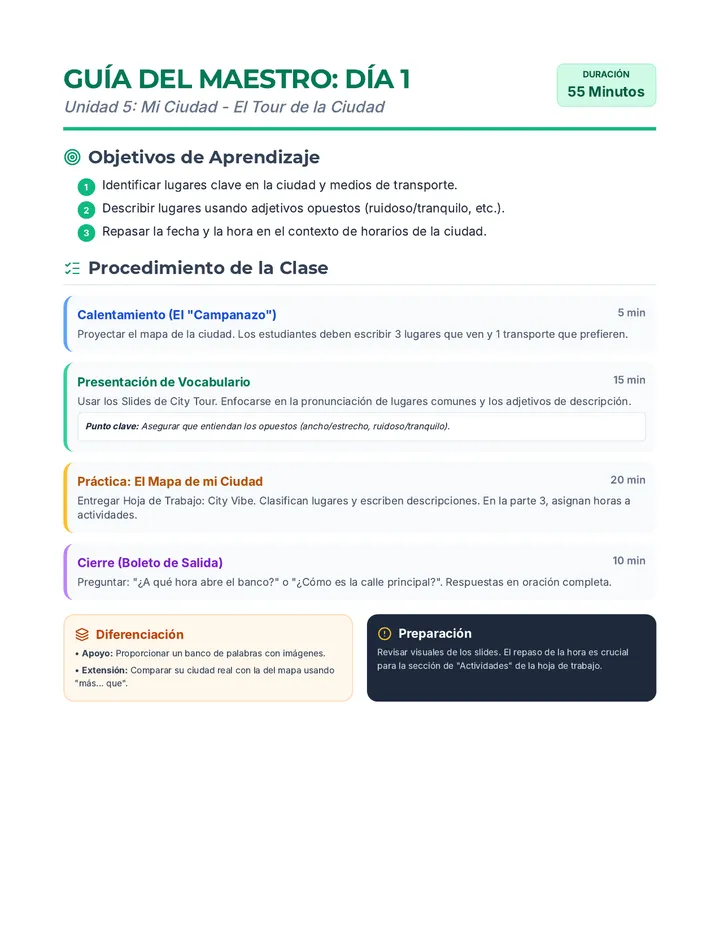
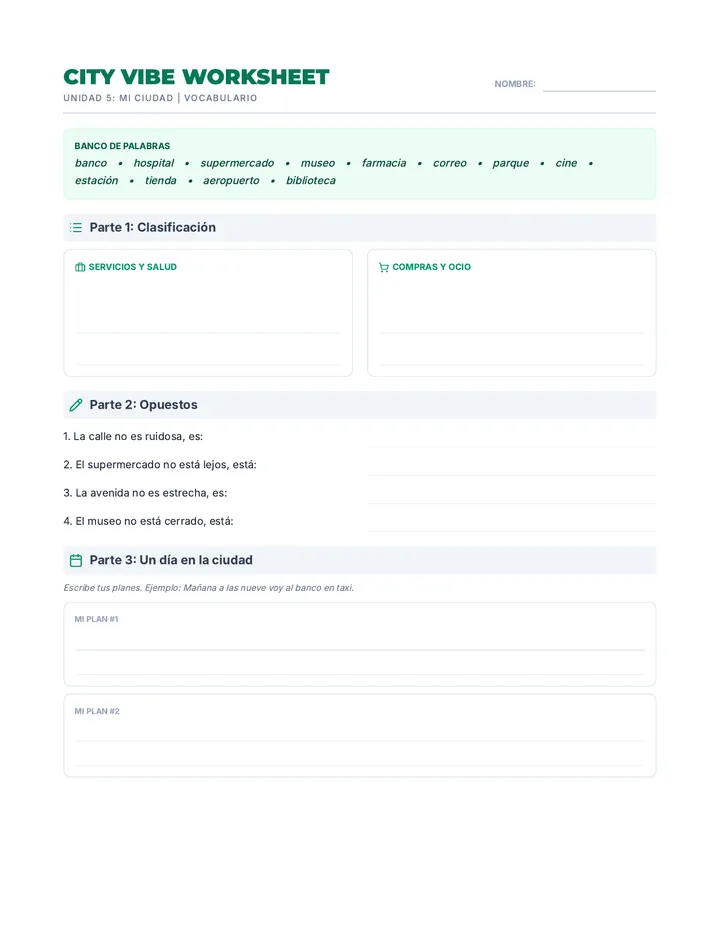
A comprehensive 3-day review sequence for Spanish 1 students focusing on city vocabulary, directions, and describing urban environments to prepare for Unit 5 summative assessments.
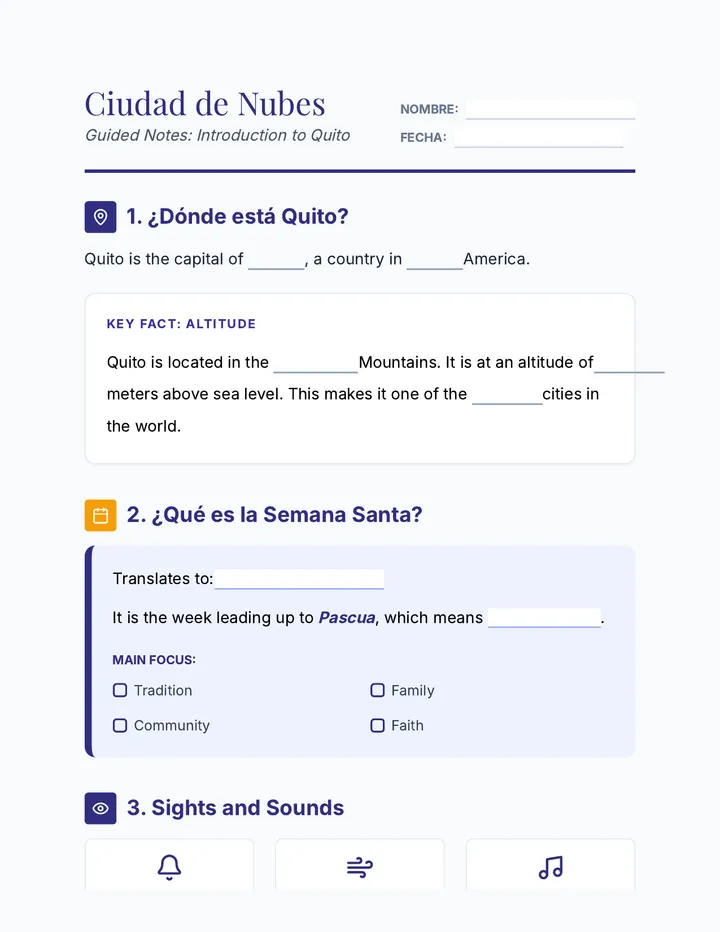
A 3-day cultural immersion unit for Spanish 1 students exploring the unique Semana Santa traditions in Quito, Ecuador, focusing on the Jesús del Gran Poder procession and community culinary traditions.
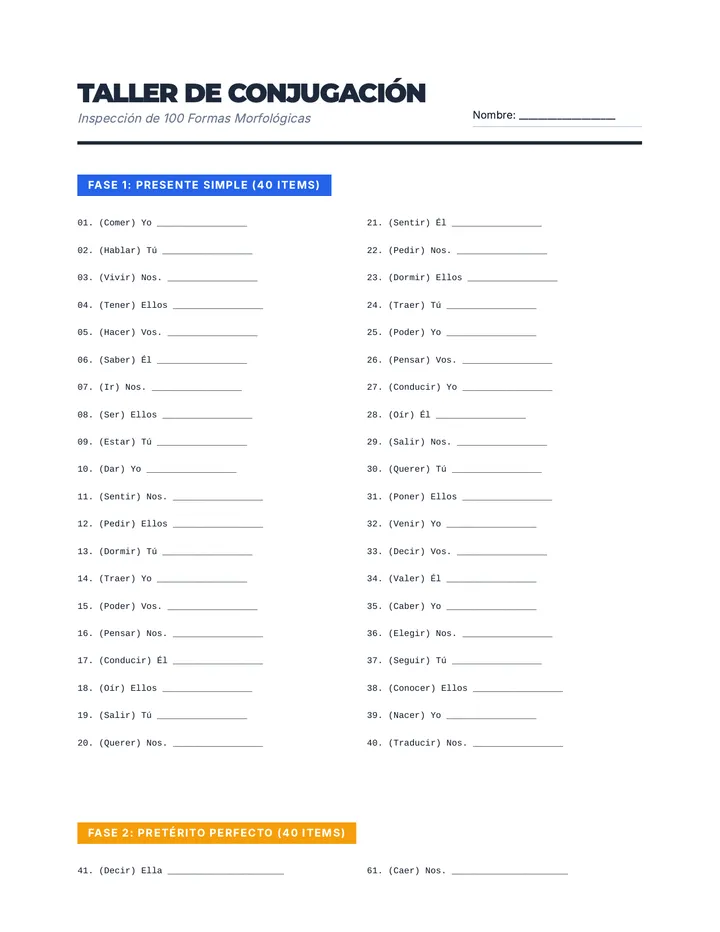
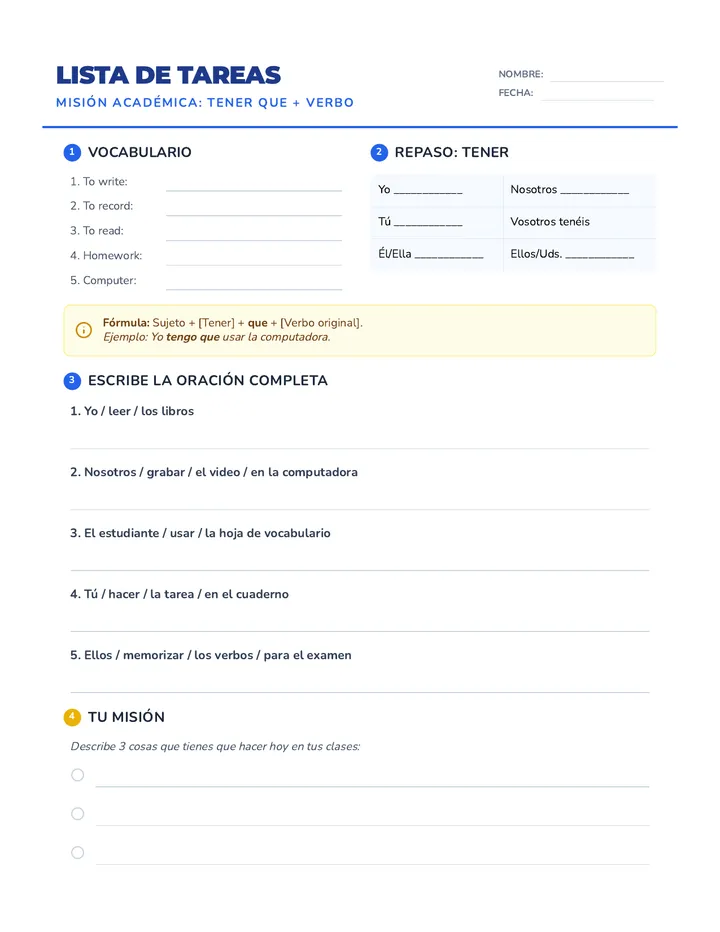
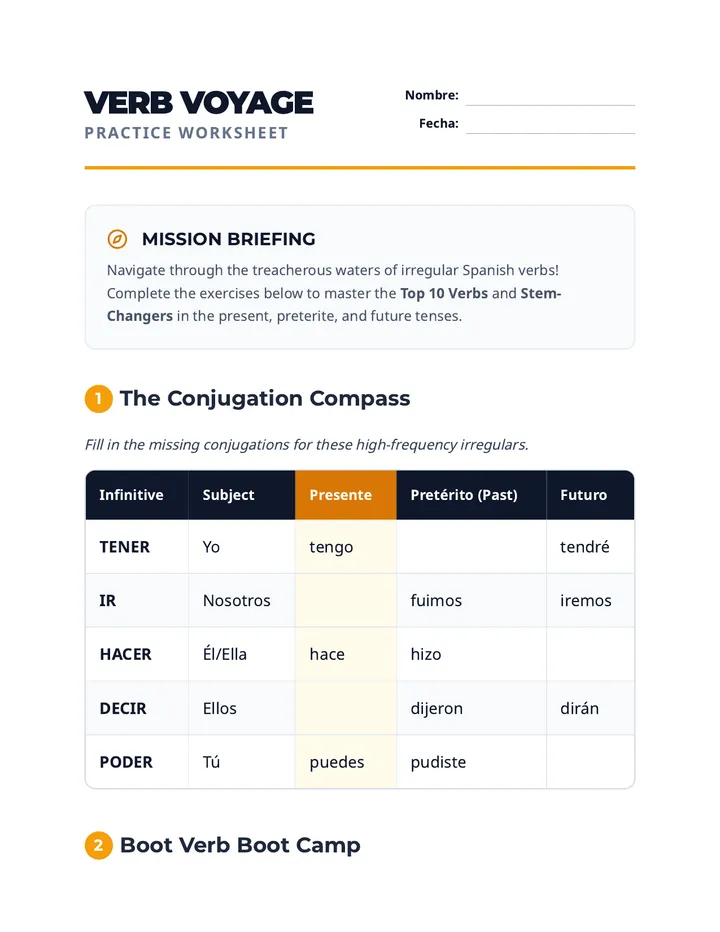
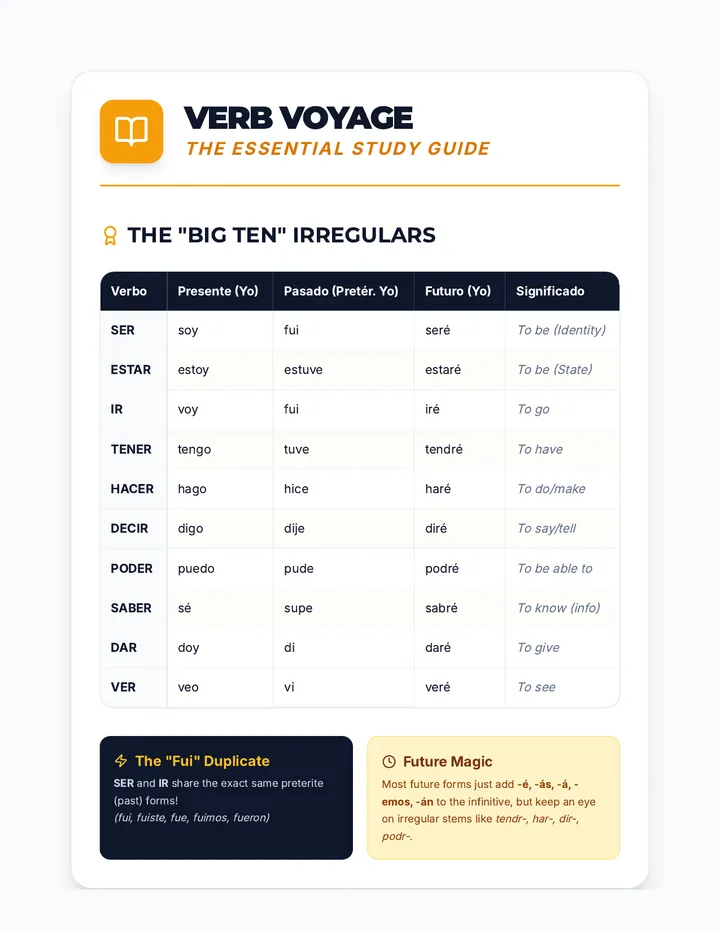
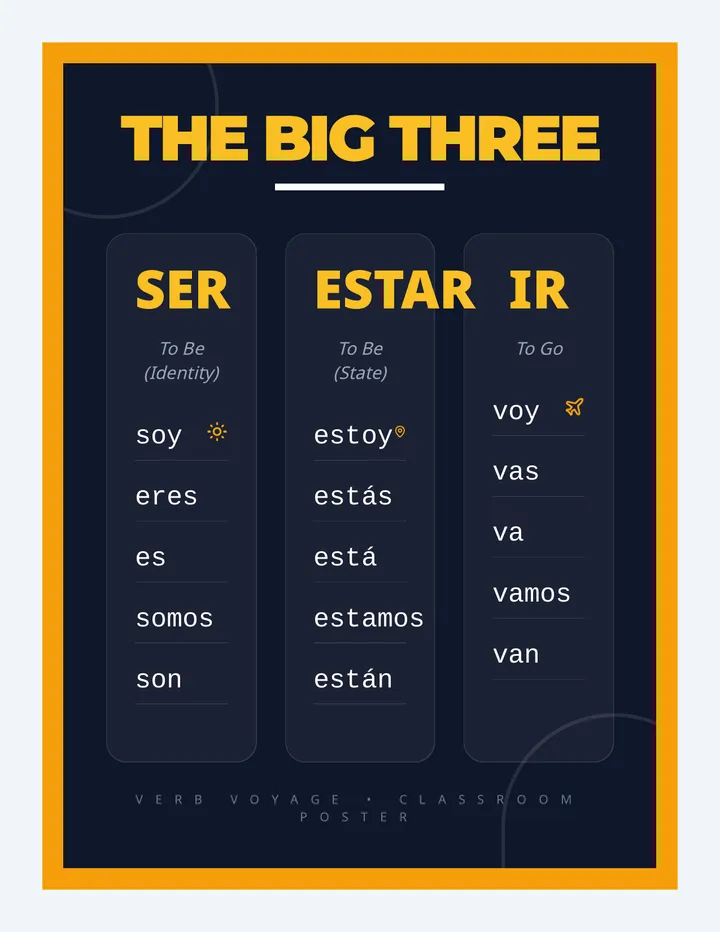
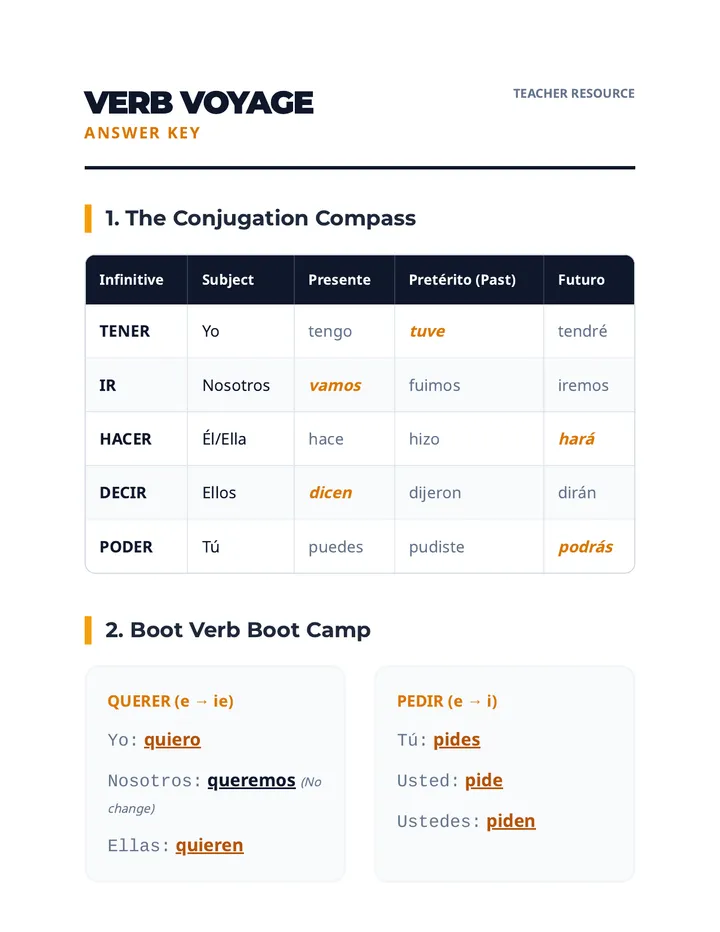
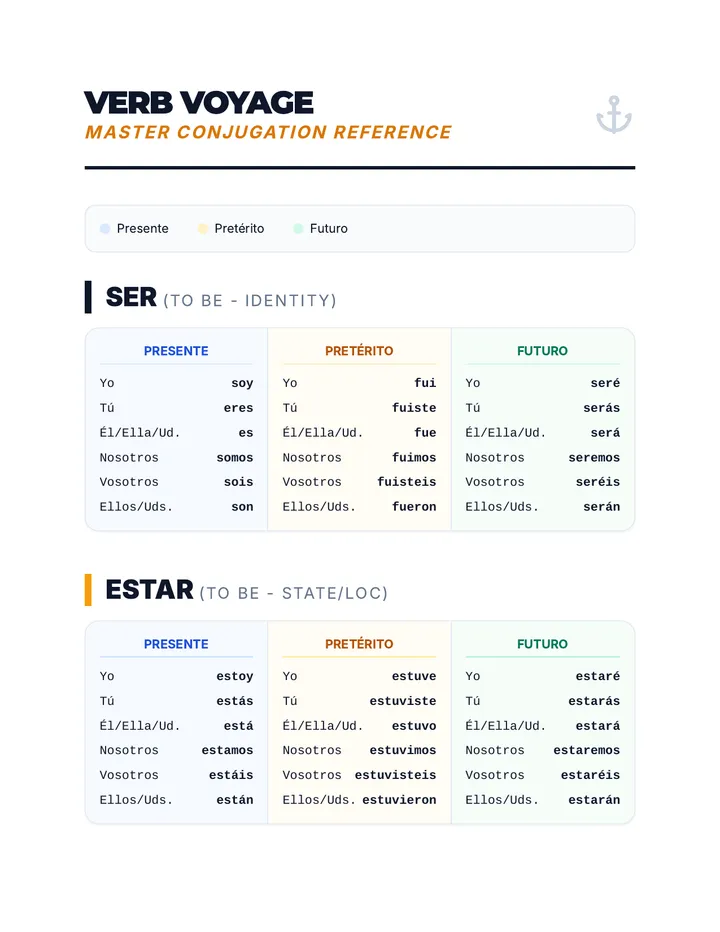
A series of lessons focused on mastering high-frequency irregular Spanish verbs to build foundational communication skills.
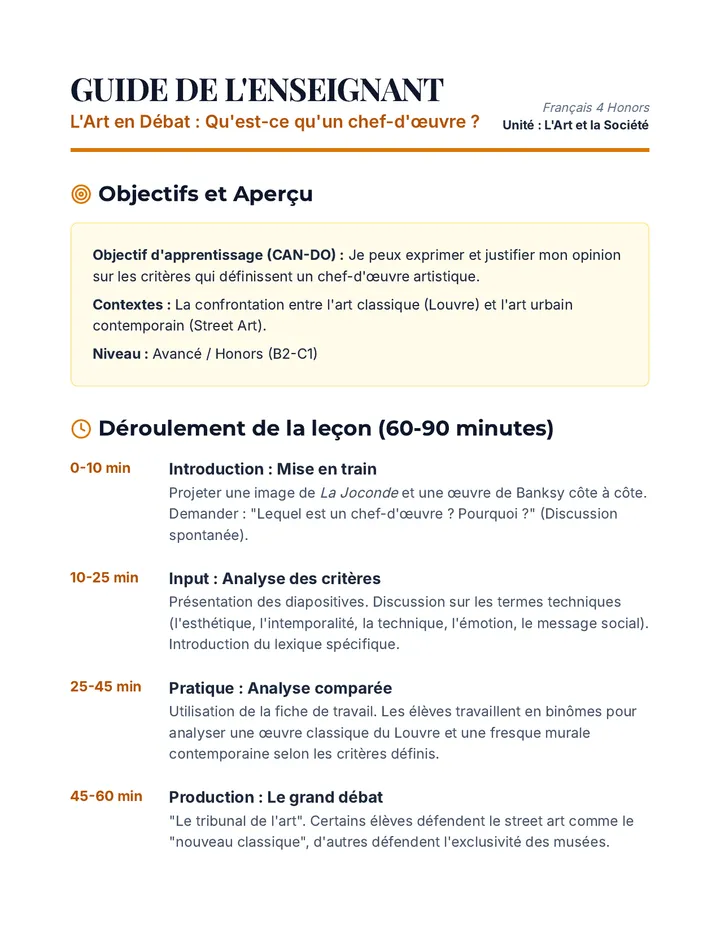
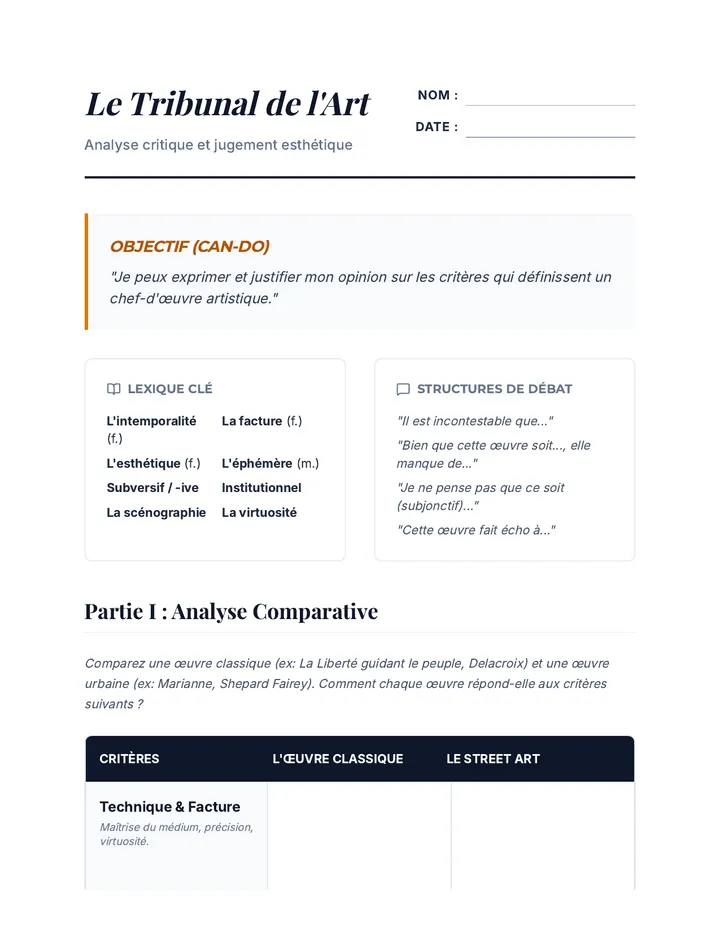
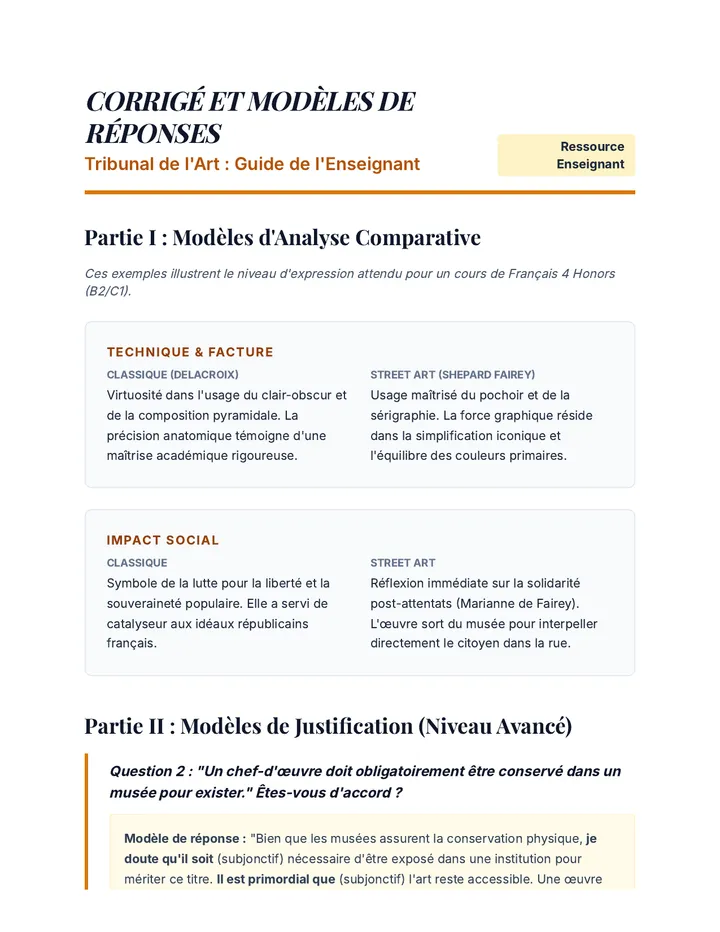
A unit exploring the intersection of art, culture, and society in the French-speaking world, focusing on aesthetic judgment and historical context.
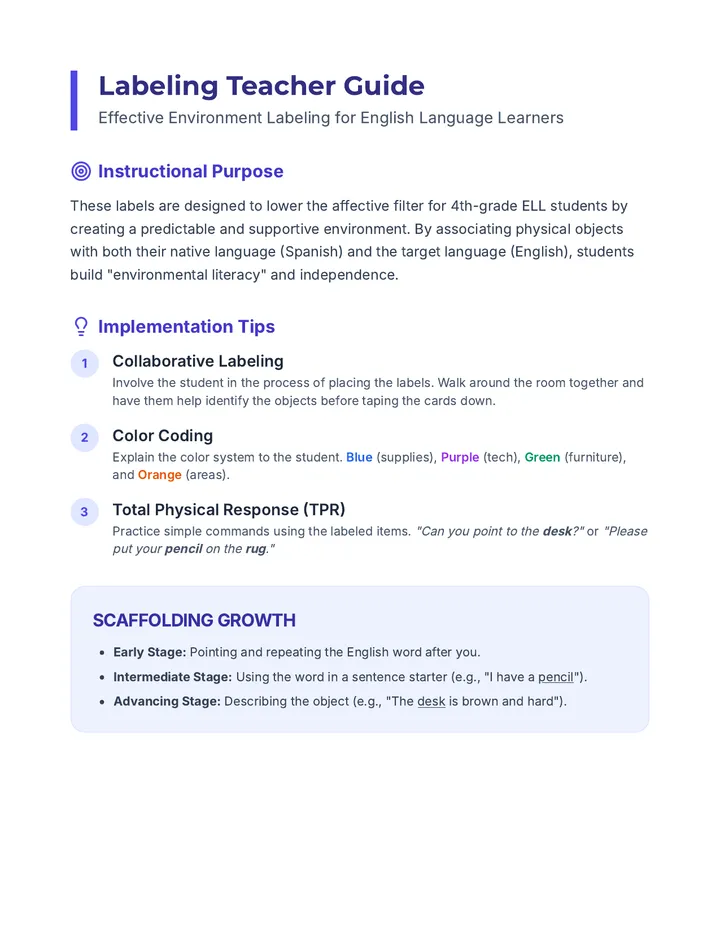
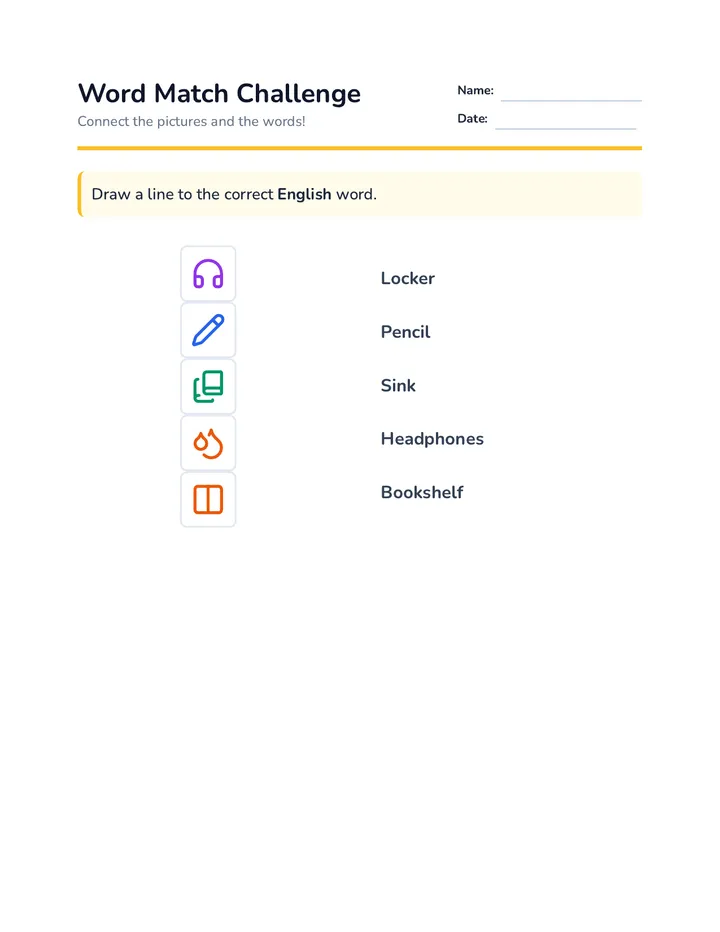
A comprehensive curriculum framework for primary English Language Learners, aligning theme-based social studies and science units with WIDA's four Key Language Uses: Narrate, Inform, Explain, and Argue. This sequence provides instructional scaffolding for students at proficiency levels 1-3.
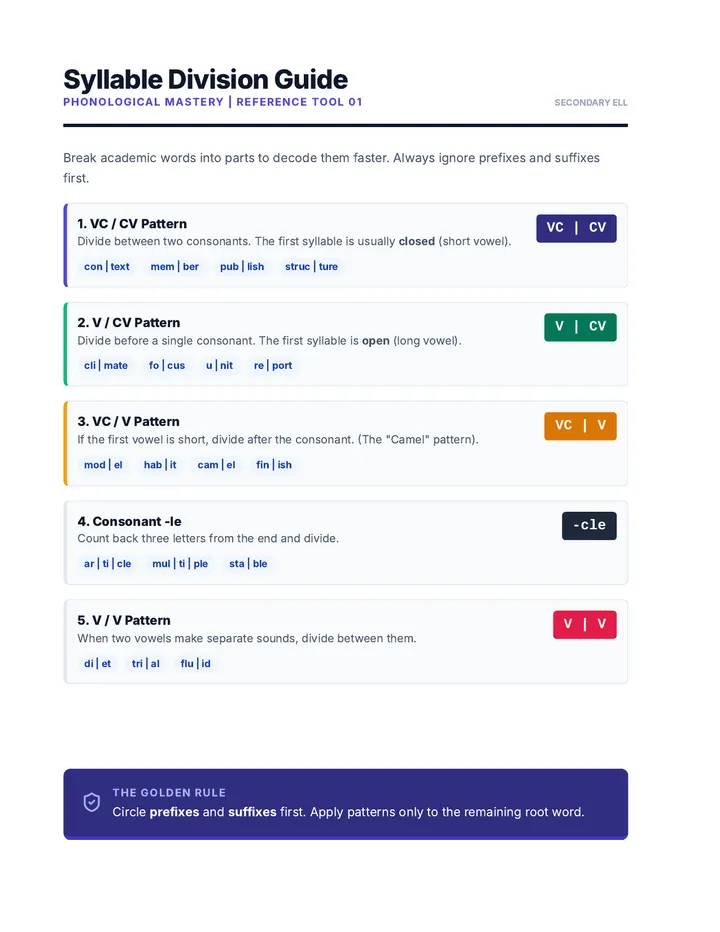
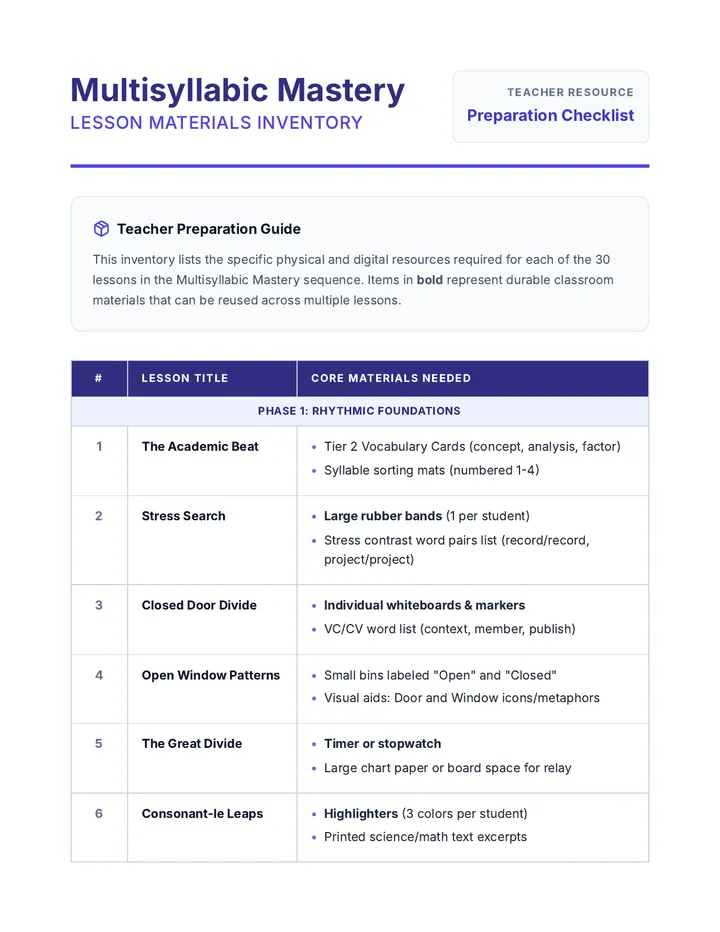
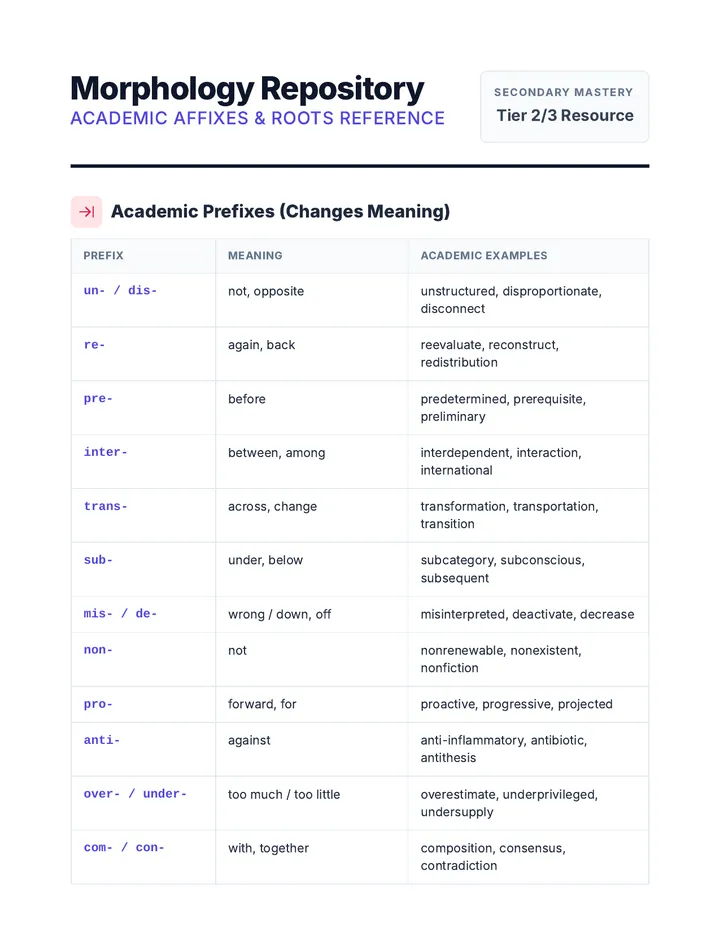
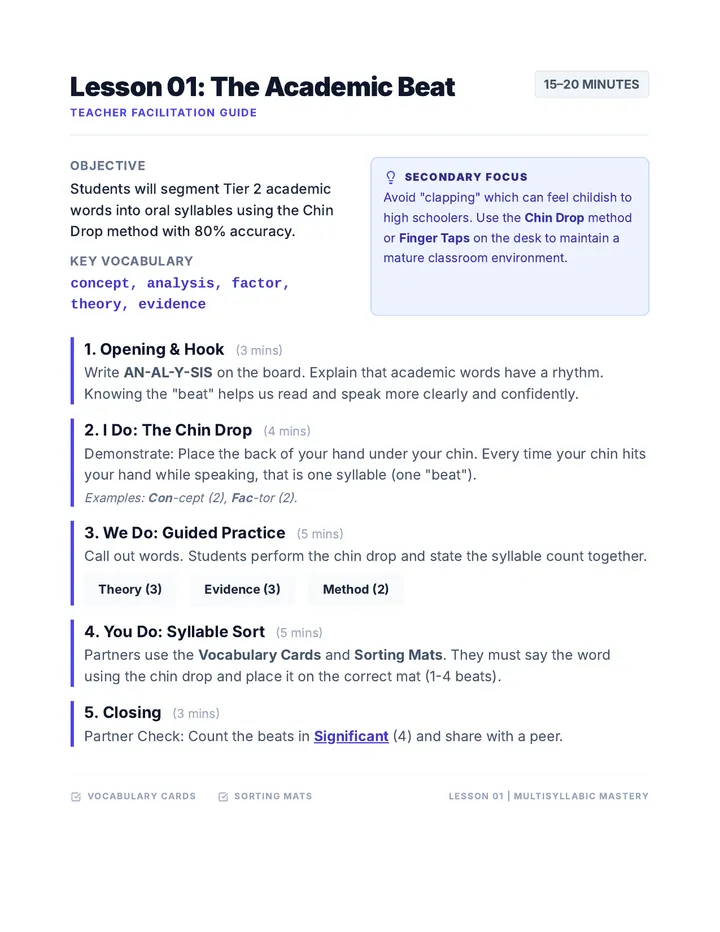
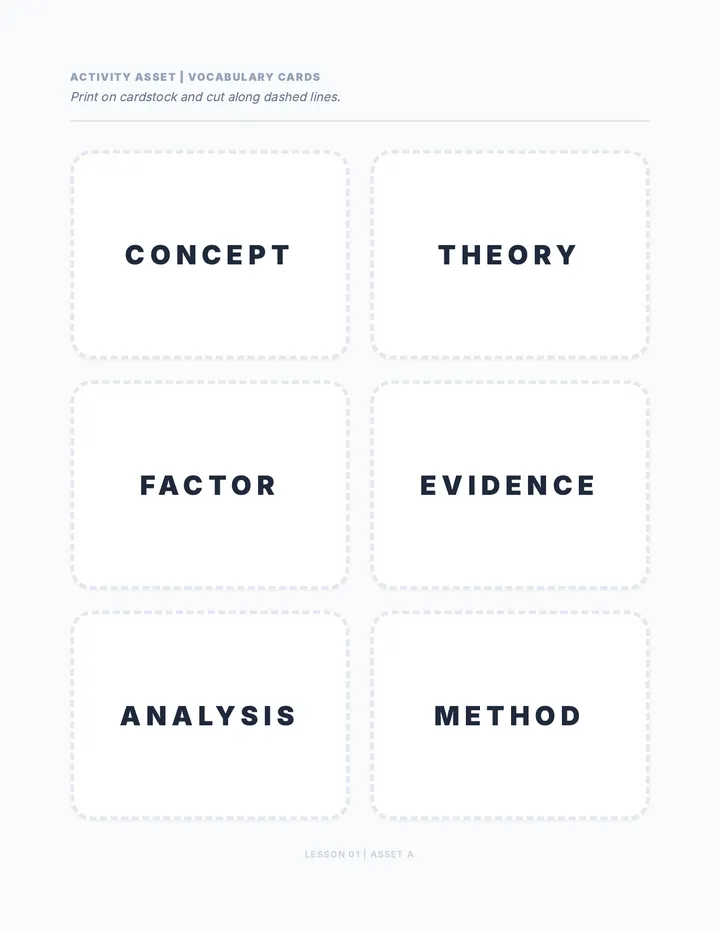
A comprehensive 20-lesson ESOL sequence designed for 9th grade ELL students. The curriculum focuses on systematic language acquisition through environmental themes, covering morphology, phonics, Tier 3 vocabulary, and structured writing across genres. Includes a cumulative review and final assessment.
A two-lesson sequence for Spanish class exploring themes of diversity, social tolerance, and empathy through language and cultural connection. Students develop vocabulary to describe identity and practice perspective-taking to build inclusive communities.
Une séquence pédagogique complète sur les différents types de médias, leurs fonctions et le vocabulaire journalistique. Elle comprend des supports visuels, des outils d'organisation et des évaluations.
Une séquence pédagogique de 5 séances explorant l'ascension, le régime et la chute du fascisme en Italie, adaptée pour une classe de 1ère LV2. La séquence analyse les mécanismes de pouvoir, la propagande, les lois raciales et la résistance.
A cultural exploration of the Dominican Republic, focusing on geography, history, and traditions while developing CER writing skills in Spanish.
A comprehensive unit for the novel Pobre Ana, exploring character development, cultural comparisons, and narrative comprehension for Spanish 1 students.
A sequence focused on leveraging digital translation tools for language self-assessment and speech improvement. Students learn to use Google Translate not just for translation, but as a 'mirror' for their own pronunciation, grammar, and fluency.
A 3-session English sequence for CAP Cuisine/Restaurant students returning from their internship, focusing on describing roles and daily tasks in a professional kitchen or dining room.
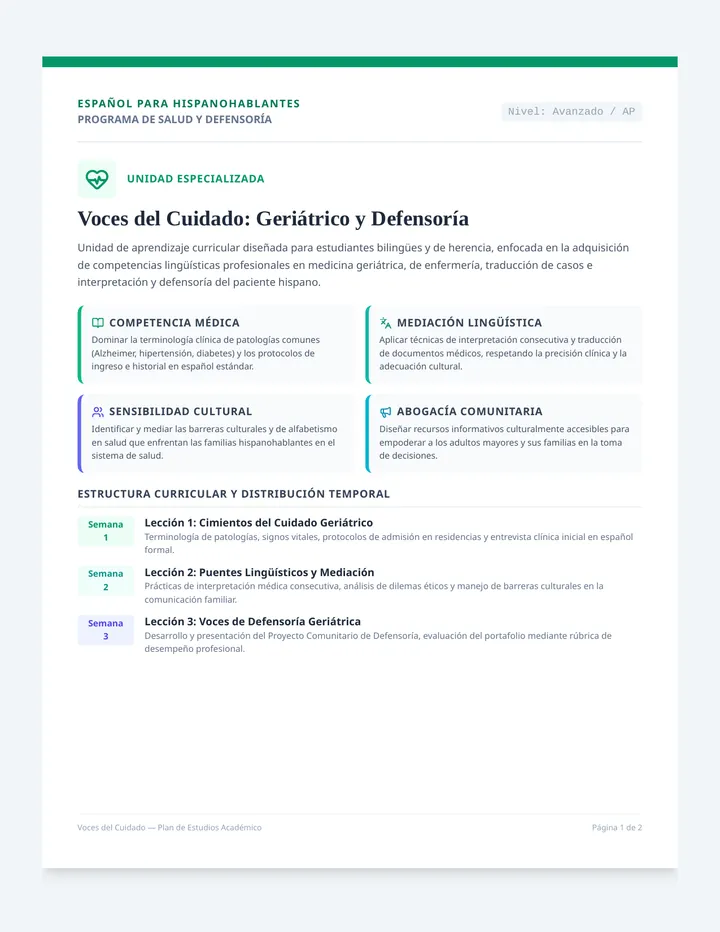
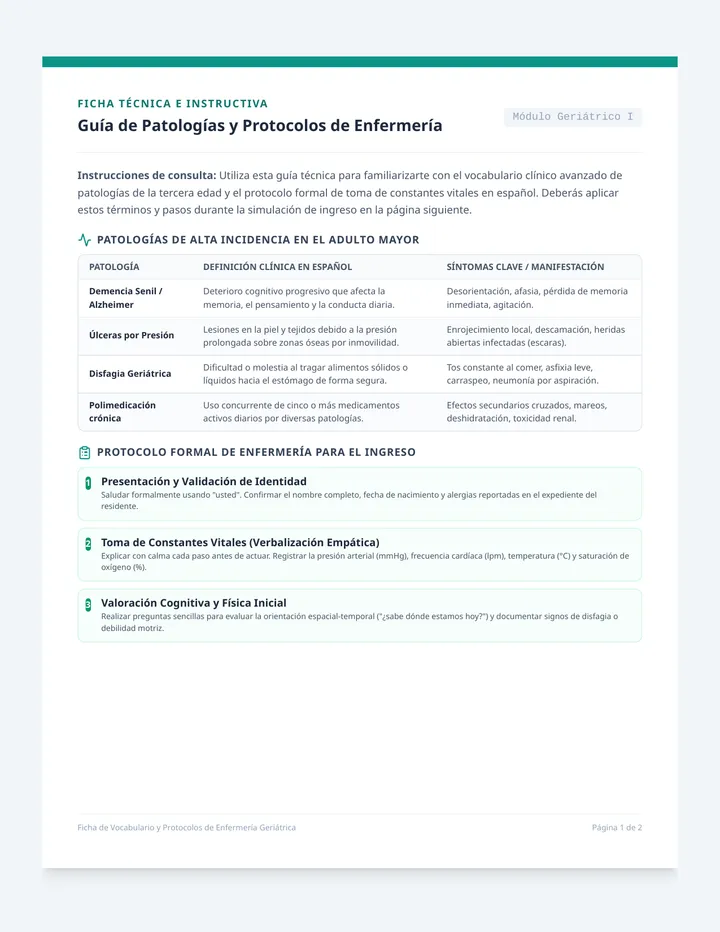
A specialized English sequence for CAP AAGA students focusing on vocabulary for elderly care professions and daily responsibilities. The sequence uses visual aids and simple structures tailored for lower-level learners.
A comprehensive sequence for Bac Pro Terminale students focused on implementing sustainable practices (Reduce, Reuse, Recycle) in the restaurant industry, culminating in a professional proposal for a local business.
A Spanish I/II unit focused on Valentine's Day, covering vocabulary related to love, relationships, and emotions through interactive activities and communicative practice.
A high-energy Mandarin Chinese sequence for Pre-K students using the Total Physical Response (TPR) method. Students learn to respond to physical commands and action verbs through games and movement, building direct meaning without translation.
A foundational Mandarin Chinese sequence for Pre-K students focused on identifying family members. Students learn vocabulary for parents, siblings, and grandparents through interactive games, songs, and visual inquiry.
A Pre-K sequence focused on teaching basic Mandarin greetings and social etiquette through play, puppets, and a final tea party synthesis. Students learn phrases for hello, goodbye, thank you, and sorry in a culturally immersive environment.
A 5-lesson sequence for Pre-K students to learn basic self-introduction in Mandarin Chinese, covering name, gender, age, and personal preferences using simple sentence patterns.
A foundational sequence for Pre-K learners to explore the four tones of Mandarin Chinese through auditory play, physical movement, and vocal exploration. Students learn to associate pitch changes with meaning using relatable sounds like questioning 'Huh?' or firm 'No!' gestures.
A vibrant, Pre-K focused sequence exploring Spanish and Latin American holidays and traditions. Through hands-on crafts like piñatas, masks, and crowns, students learn about cultural celebrations while developing fine motor skills and emotional expression.