A Kindergarten science sequence where students explore sunlight as a source of heat and energy through sensory walks, ice-melting experiments, color absorption tests, and engineering shade structures.
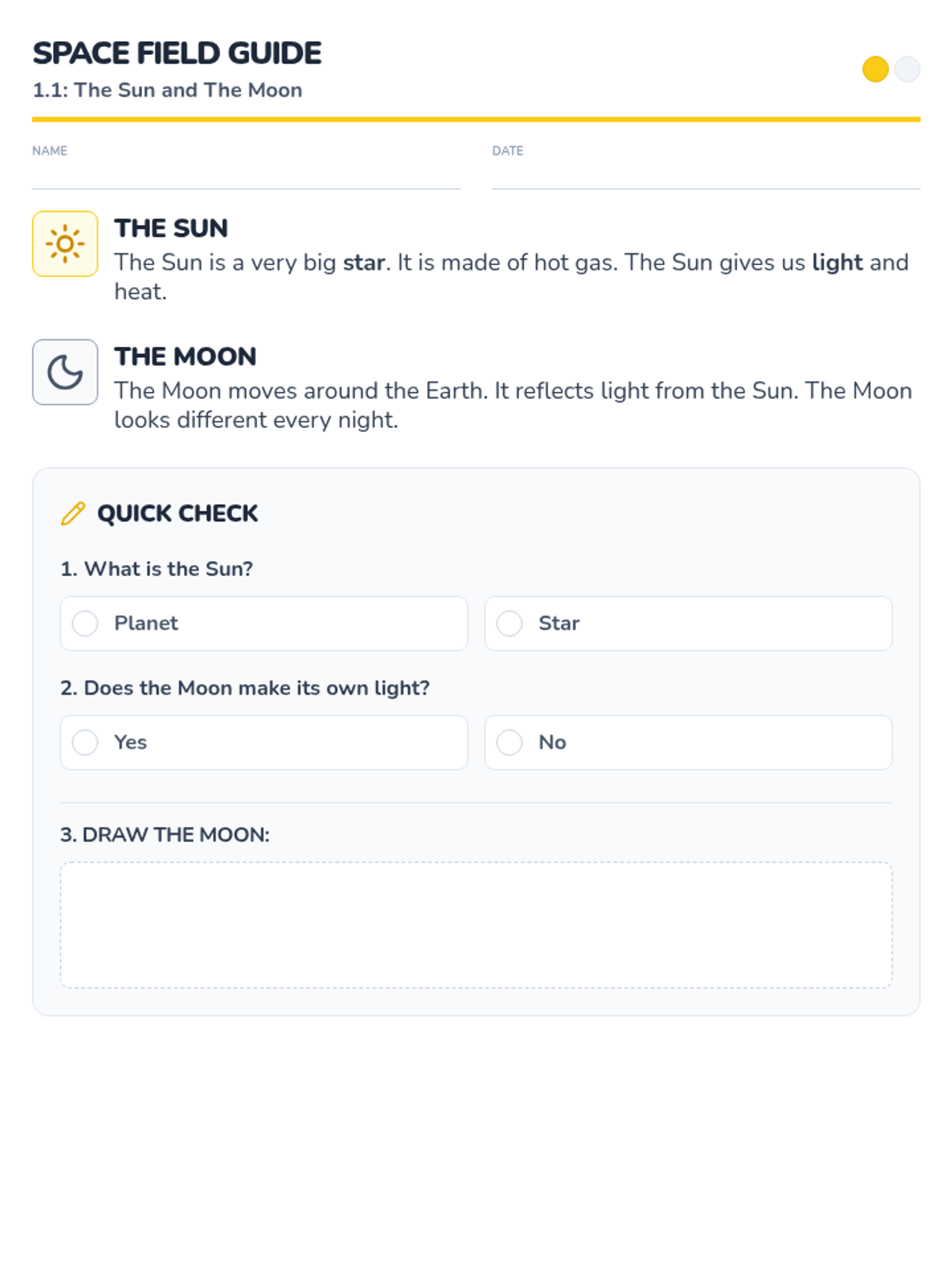
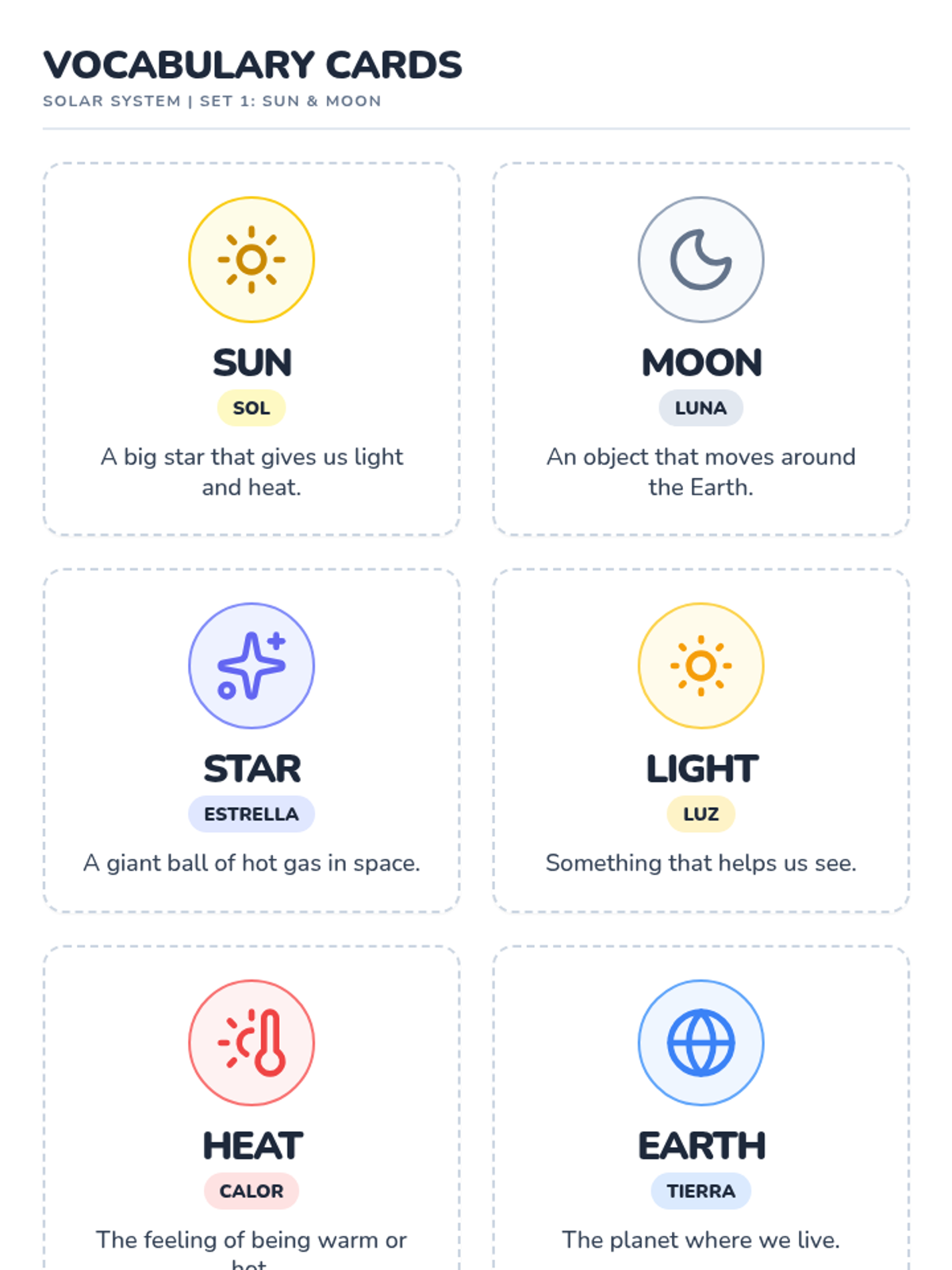
A differentiated unit on the solar system designed for newcomers and students with IEPs, focusing on the Sun, Moon, planets, and stars with heavy visual support and simplified language.
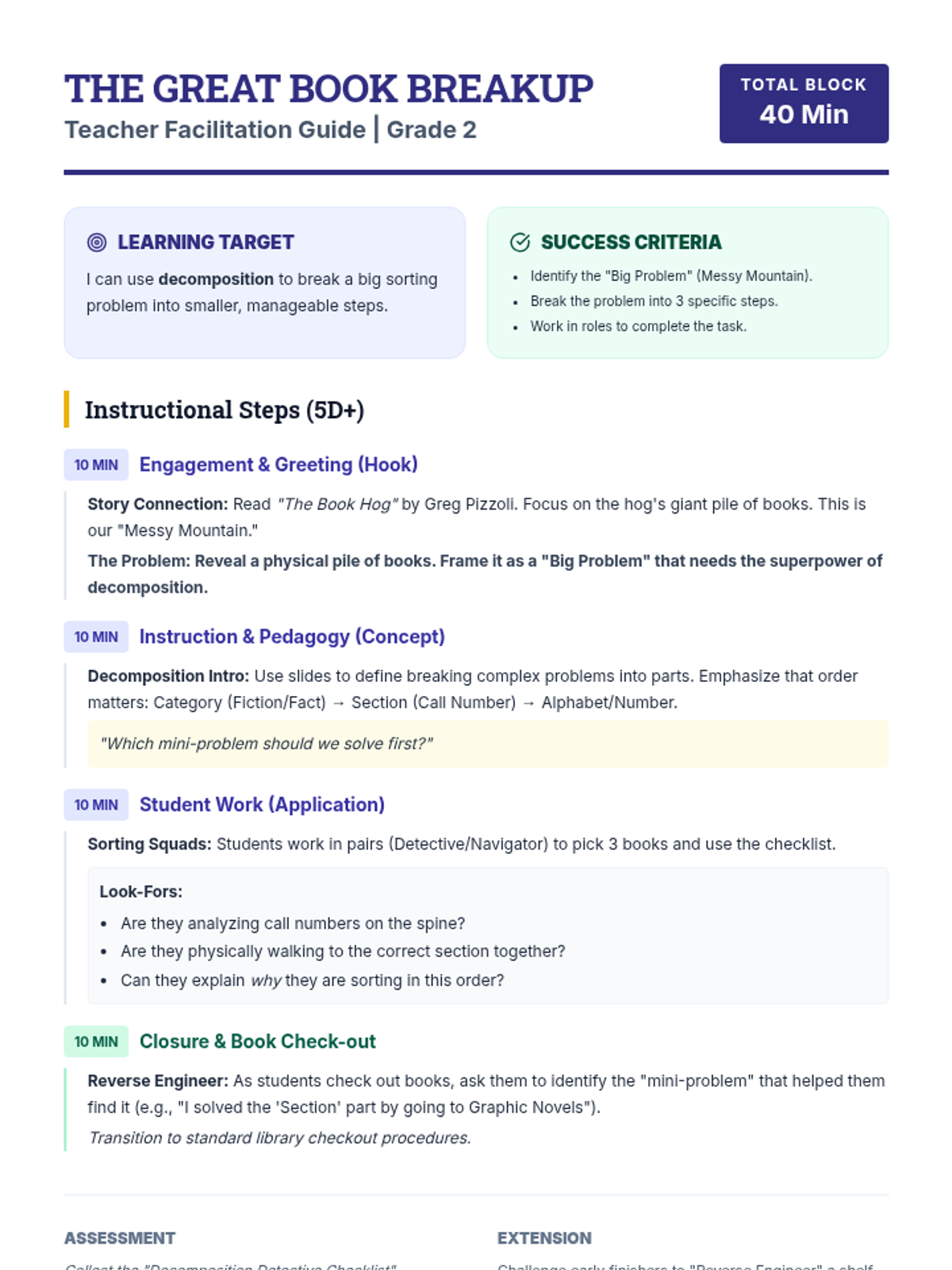
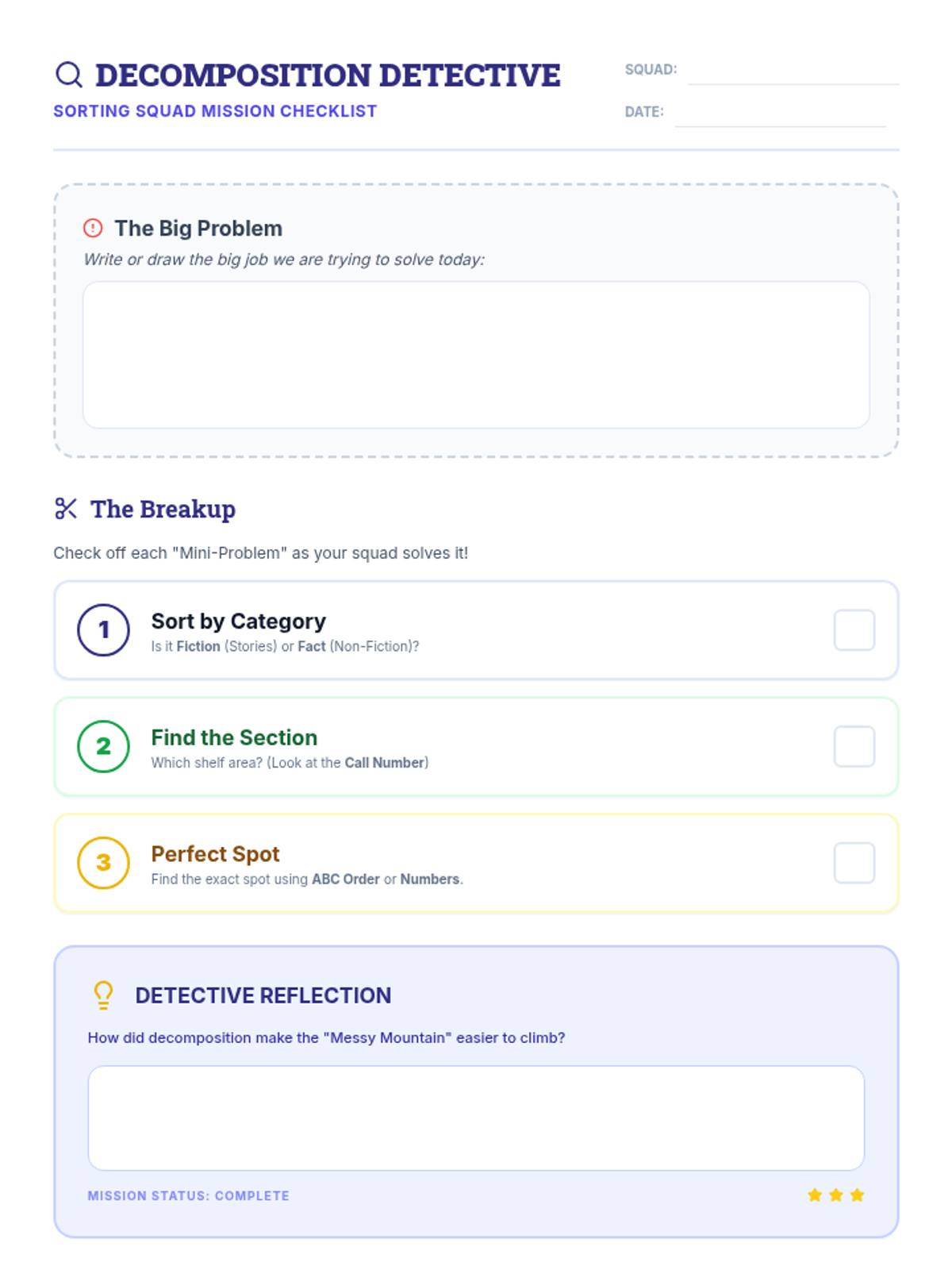
A computer science unplugged sequence for 2nd graders focused on the concept of decomposition through library organization. Students learn to break down the complex task of sorting a 'Messy Mountain' of books into manageable, sequential steps.
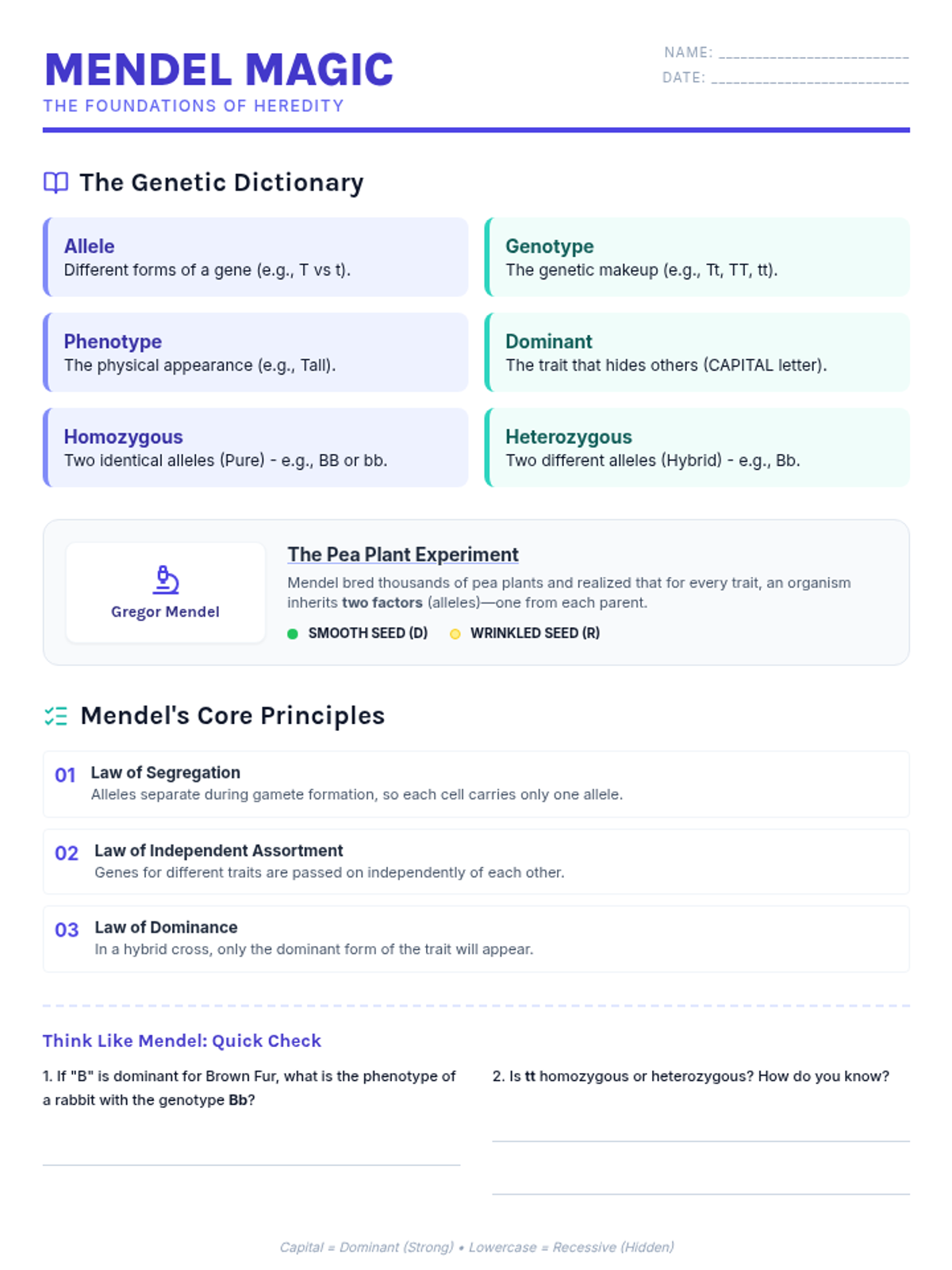
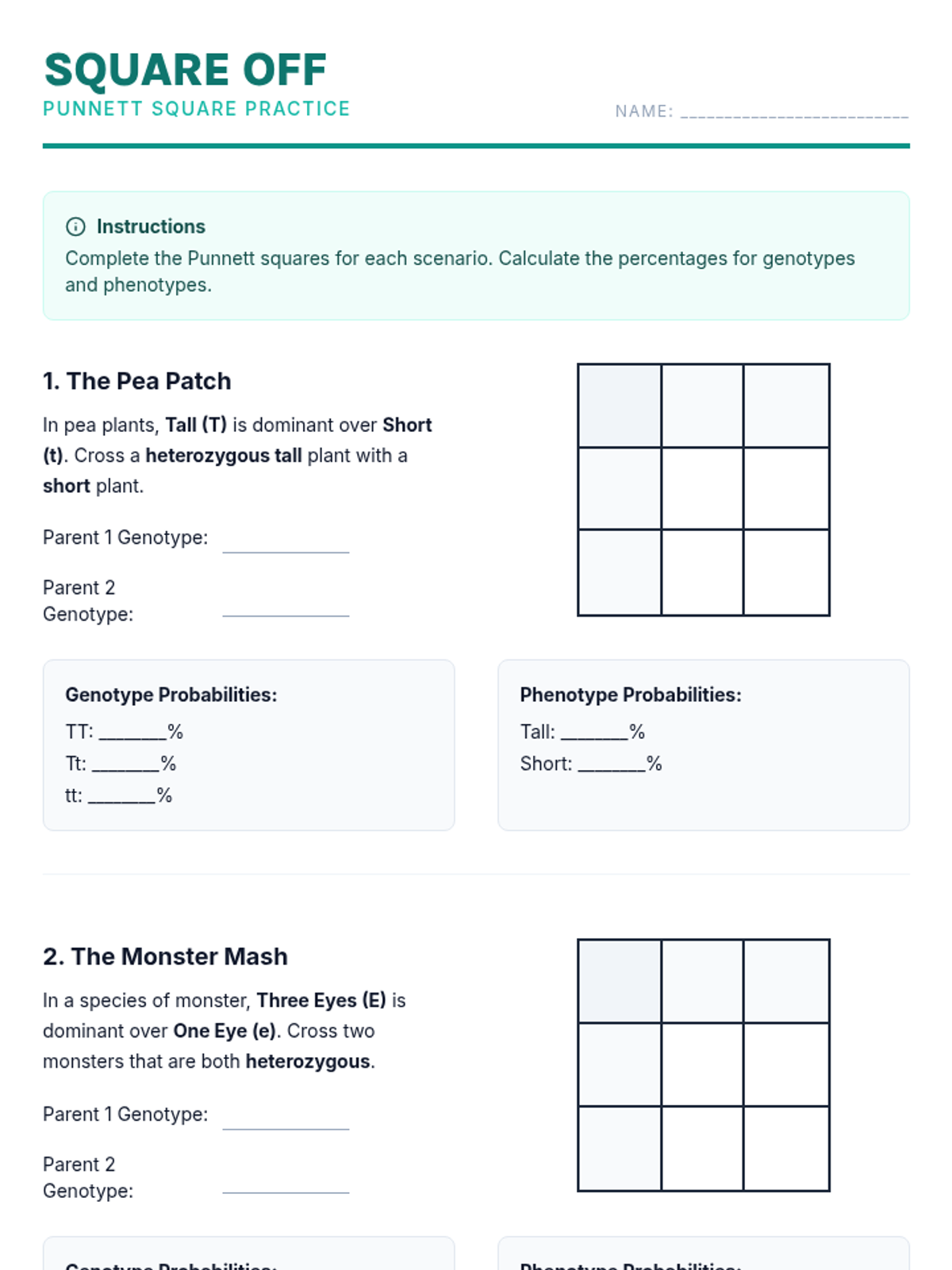
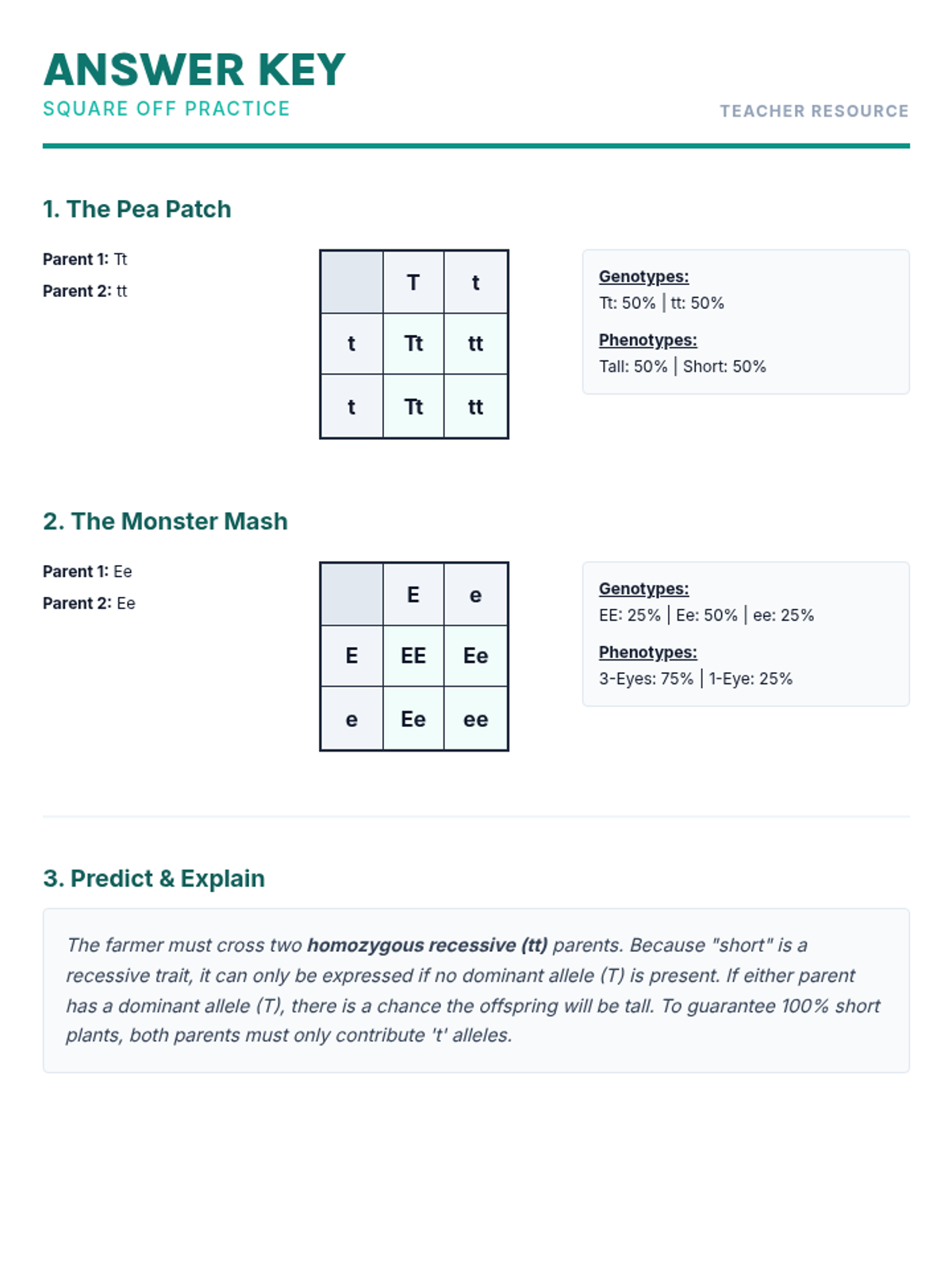
A collection of resources covering 8th-grade genetics concepts and professional leadership strategies for educational stakeholders.
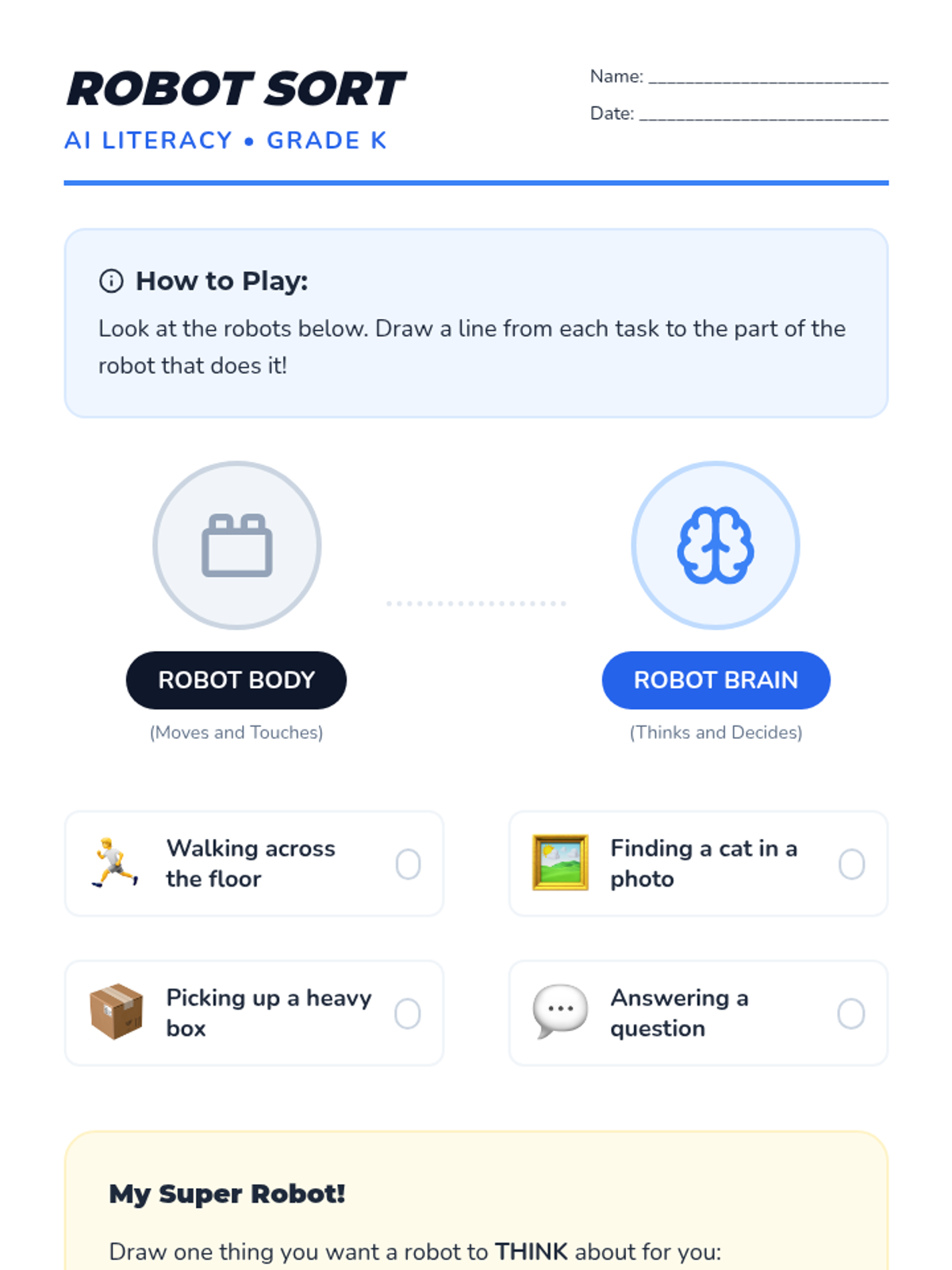
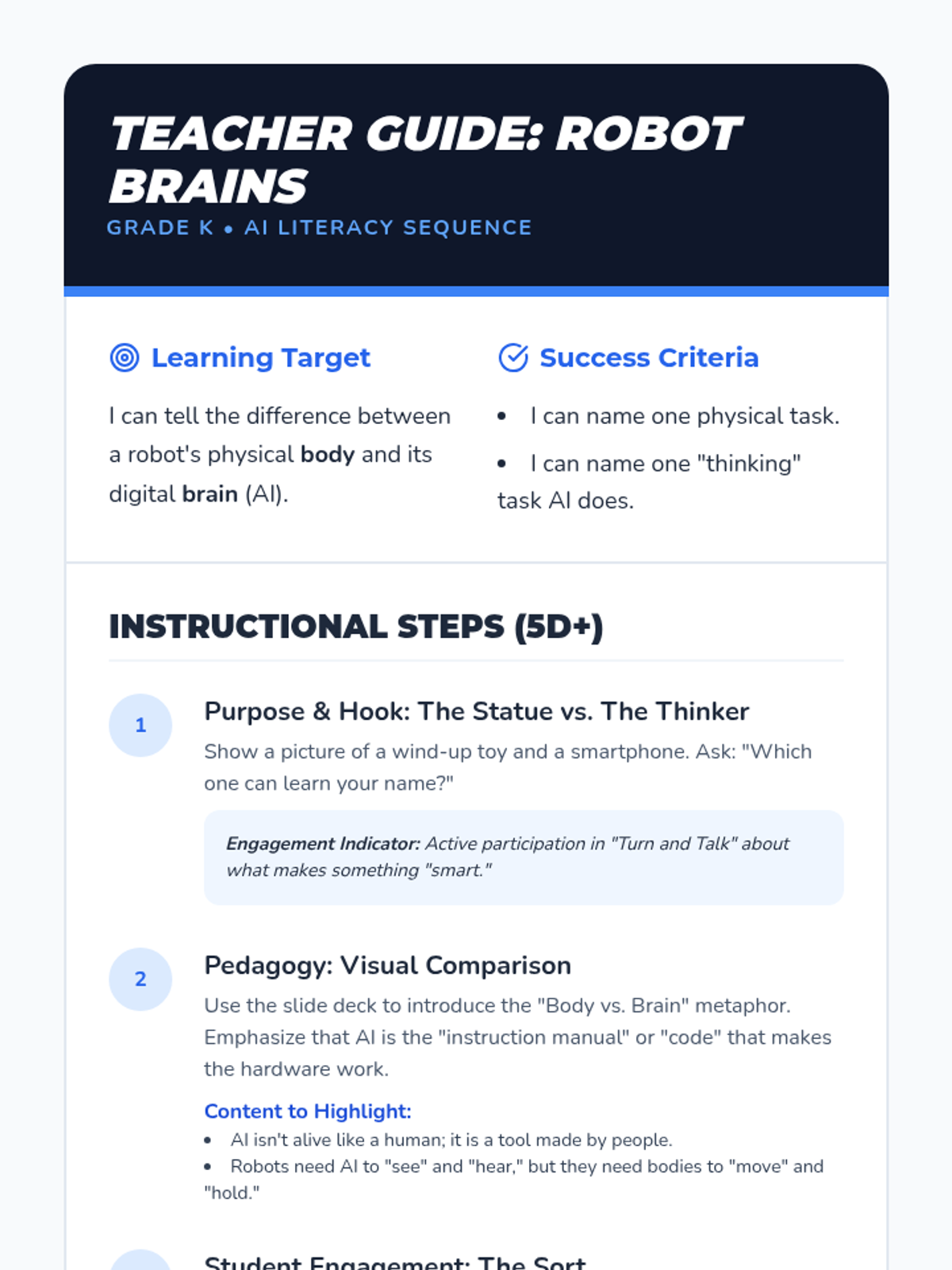
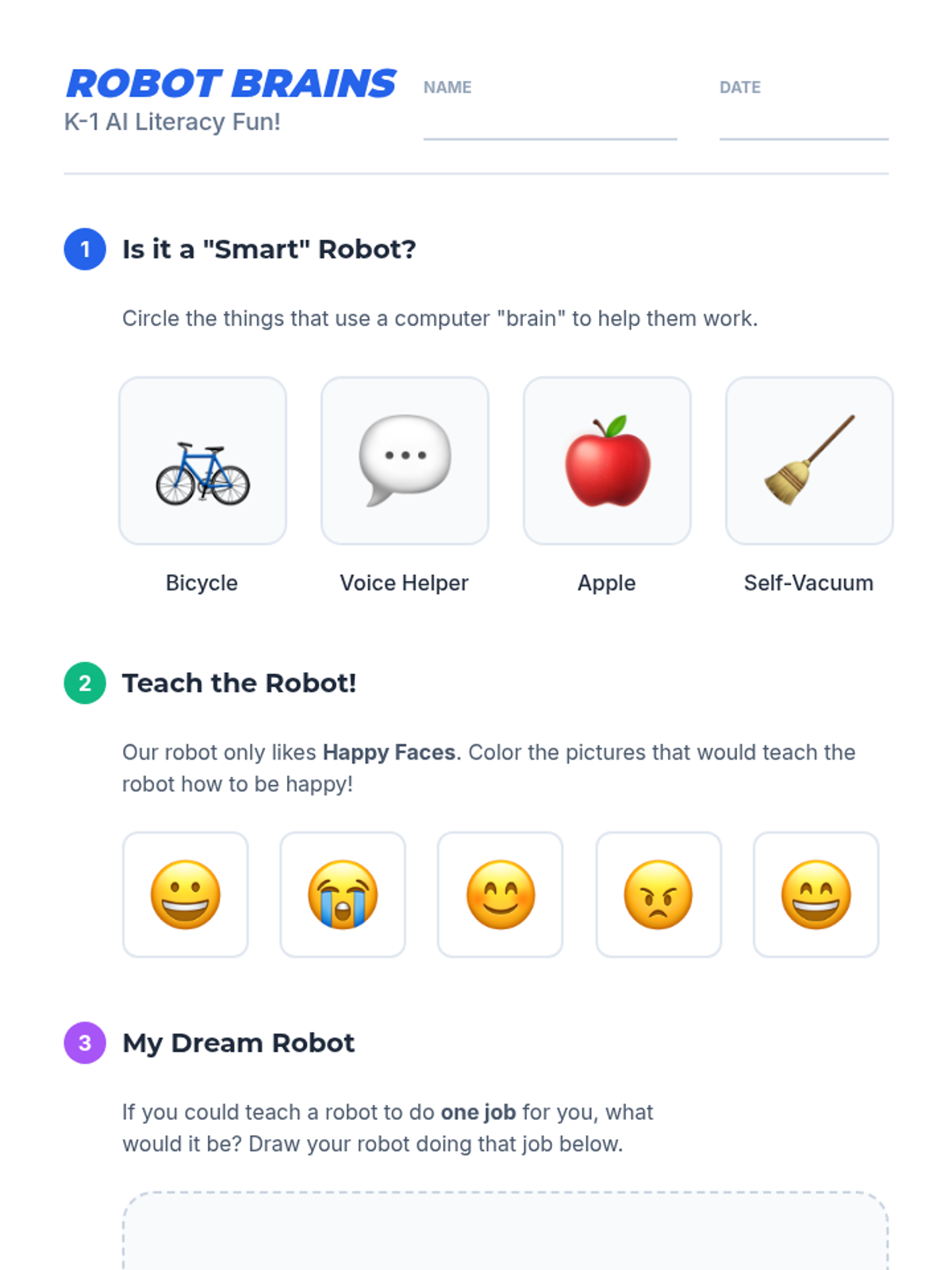
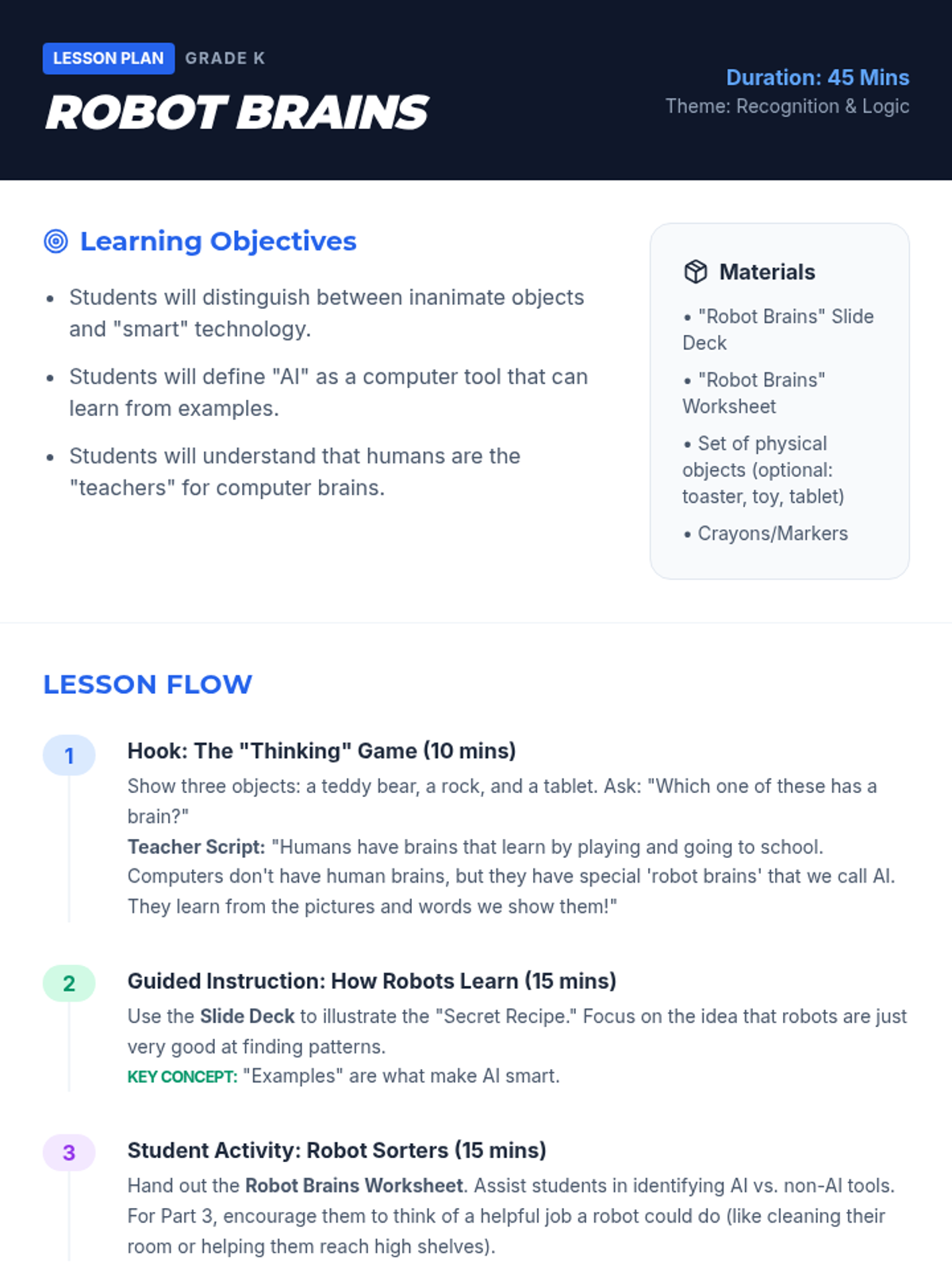
A comprehensive K-8 curriculum designed to build foundational AI literacy through understanding, evaluation, application, and ethics. Each grade level tackles a specific theme, progressing from basic robot concepts to complex algorithmic bias and societal impact.
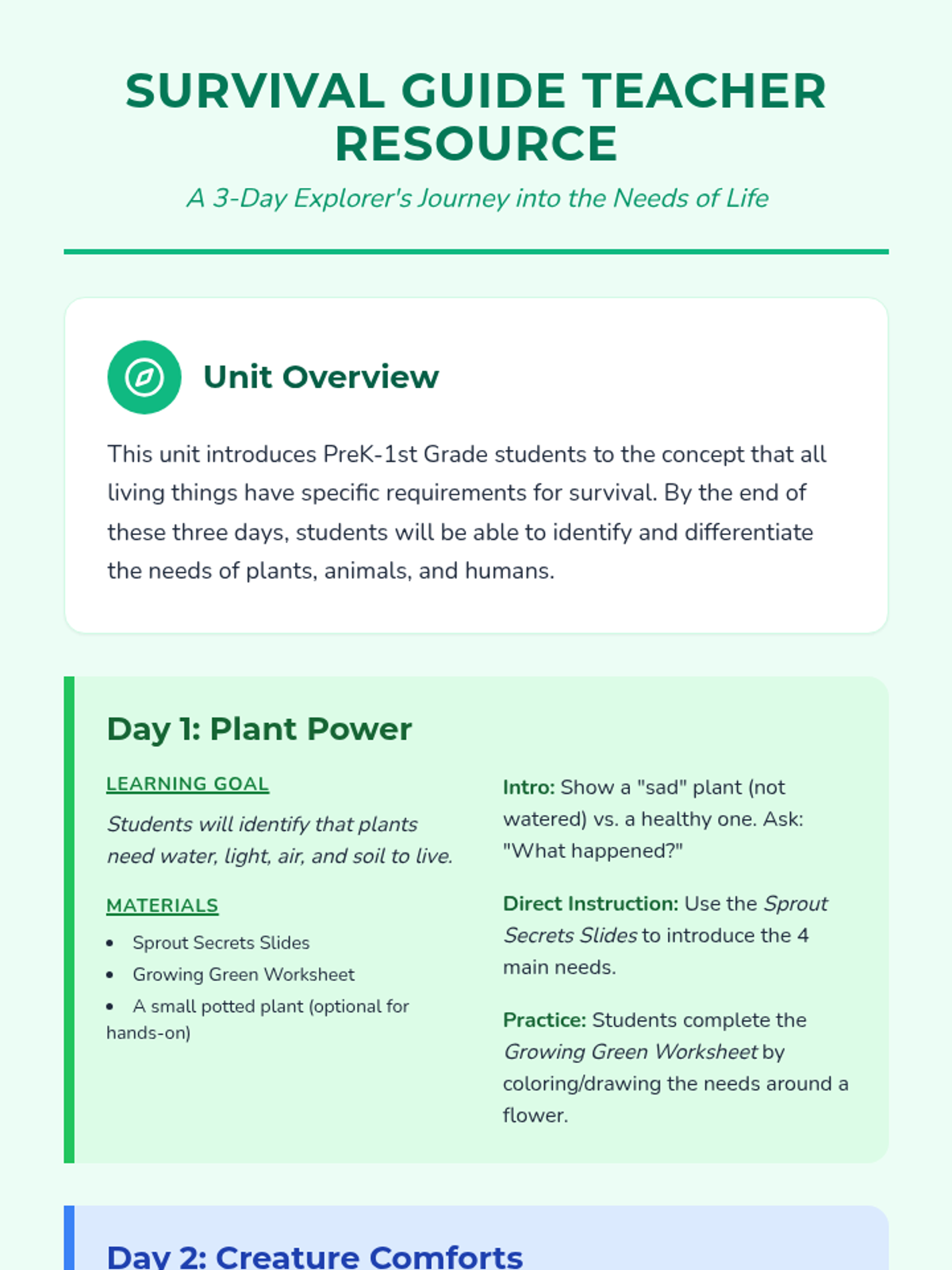
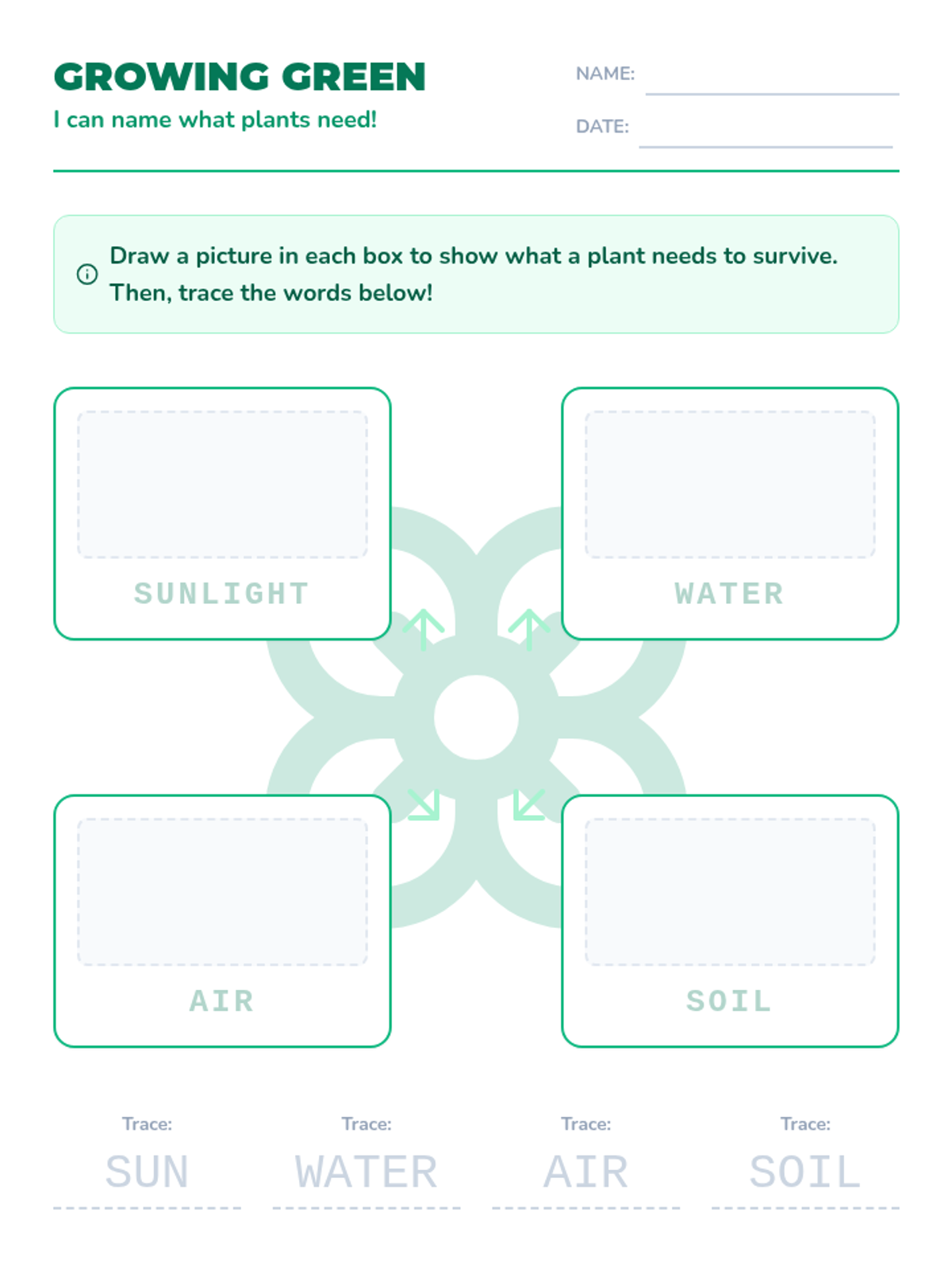
A 3-day introductory science sequence for early learners (PreK-1st) exploring the fundamental needs of plants, animals, and humans. Students will discover commonalities in survival requirements through visuals, guided practice, and hands-on sorting.
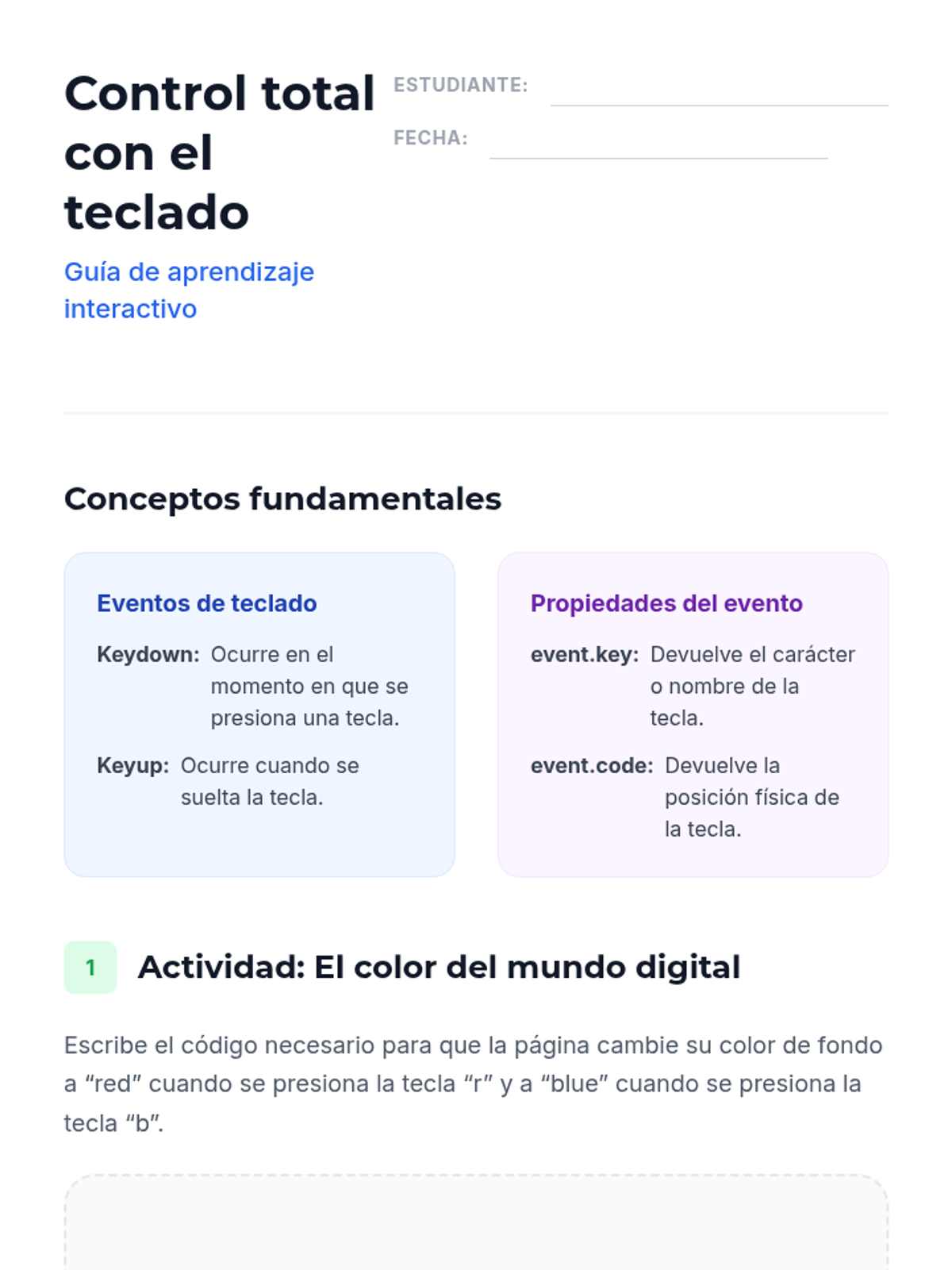
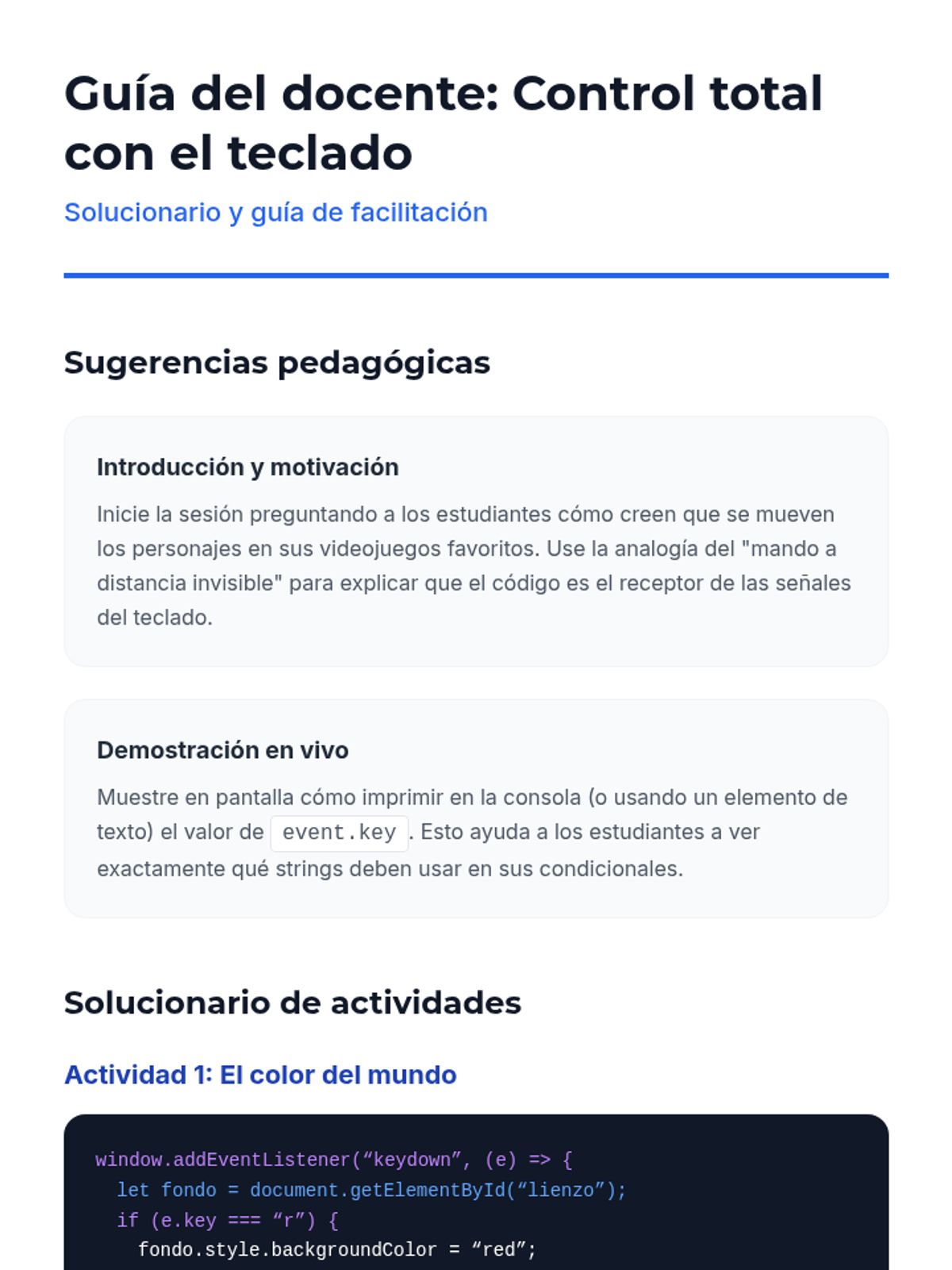
Una secuencia didáctica sobre el desarrollo web interactivo, enfocada en la captura de eventos del teclado mediante JavaScript para crear experiencias de usuario dinámicas y juegos sencillos.
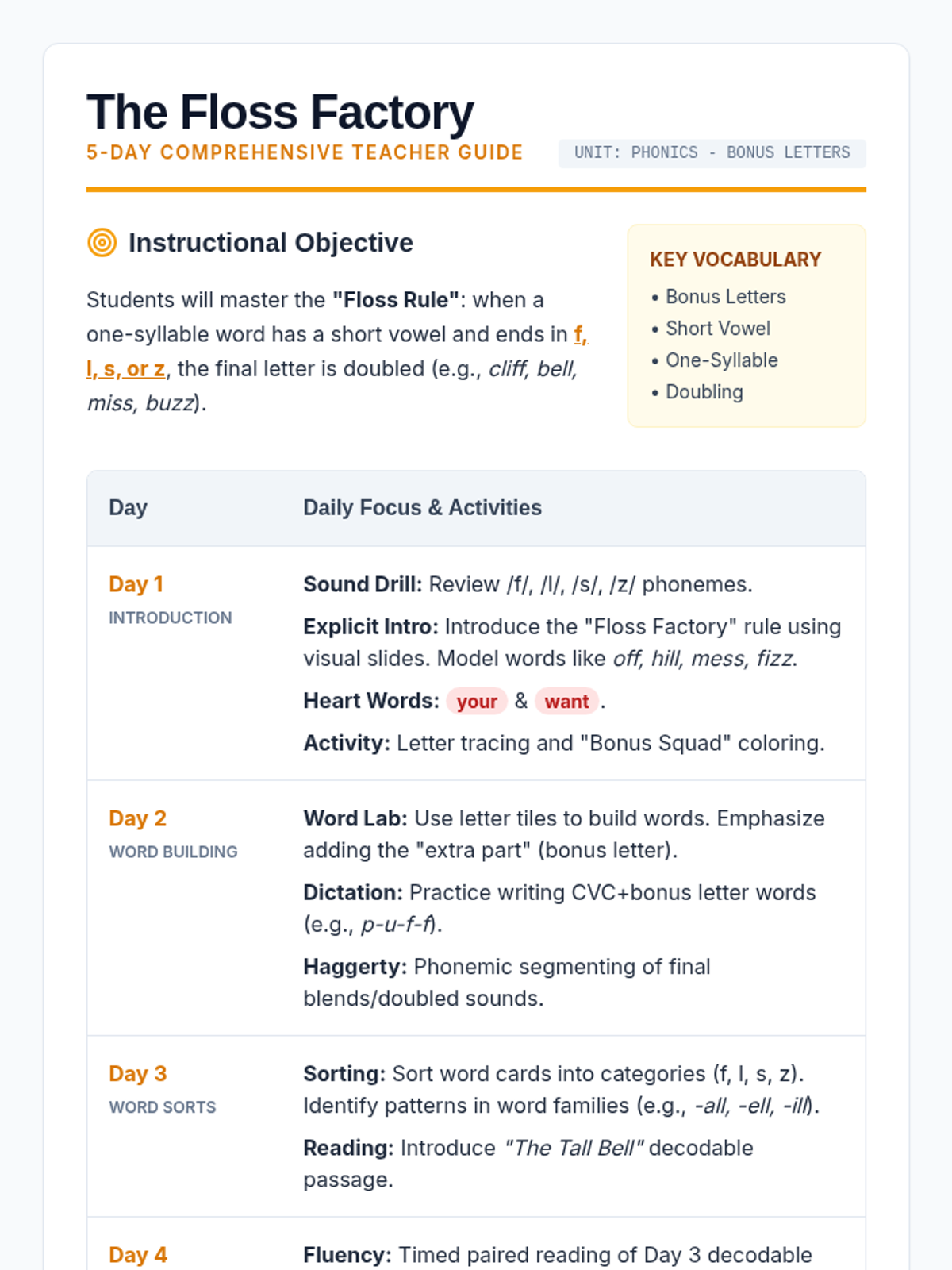
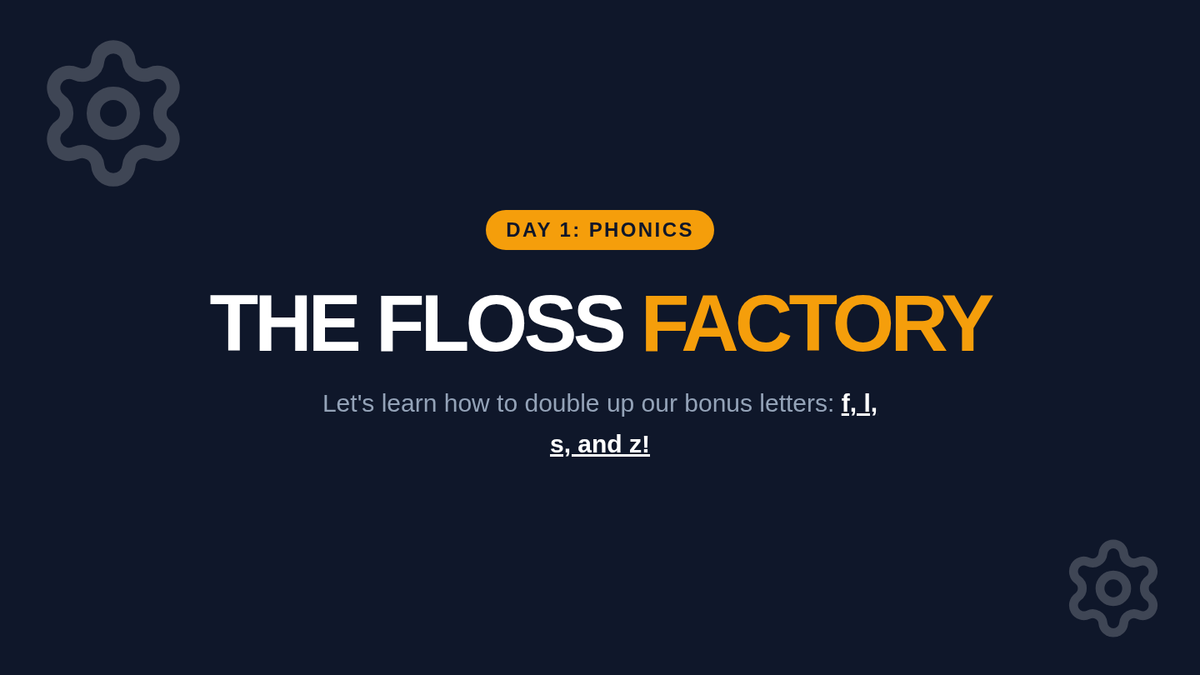
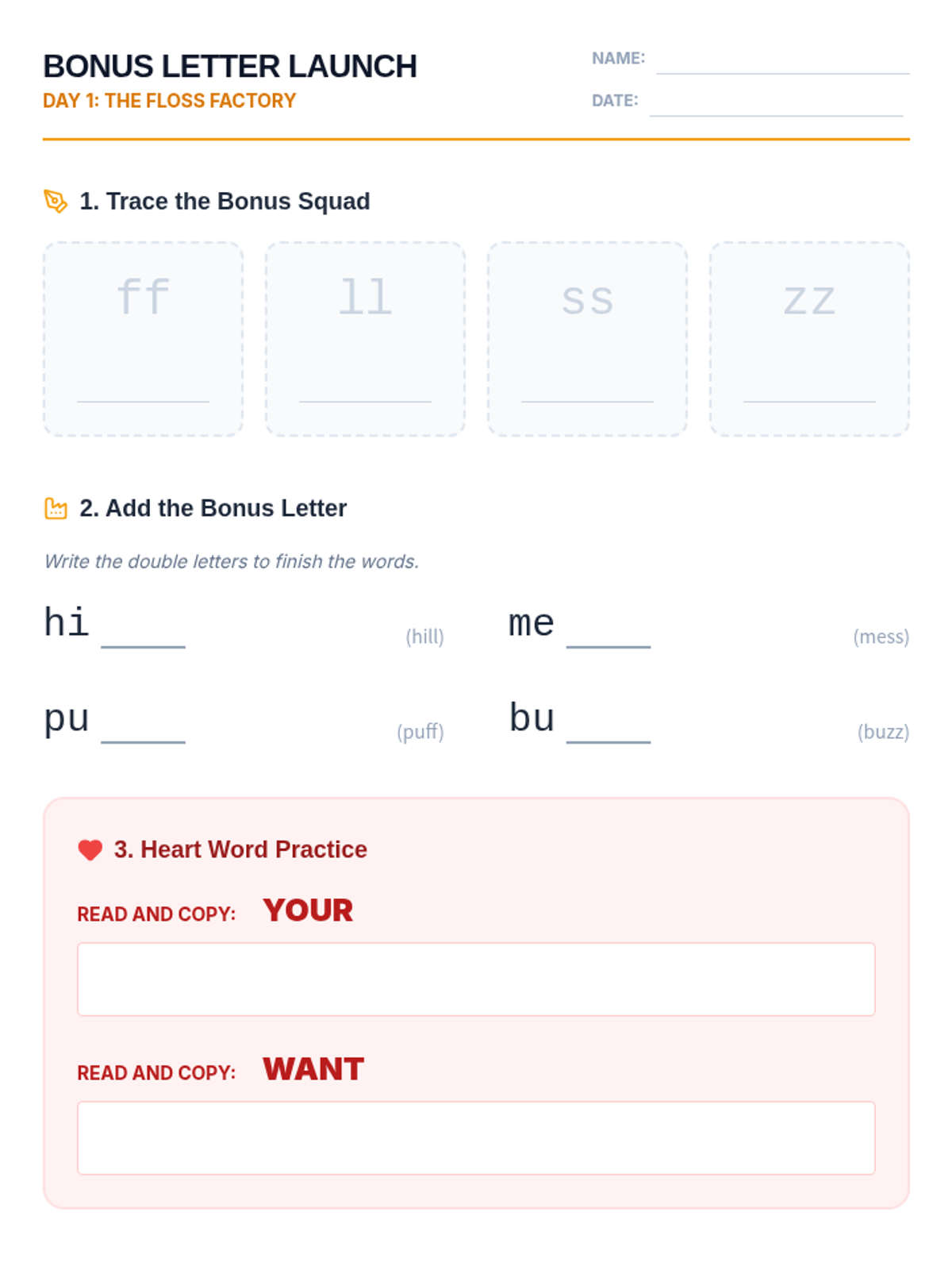
A comprehensive 5-day phonics unit focused on the "bonus letters" (Floss Rule: f, l, s, z) including heart words 'your' and 'want'. Students explore the concept of doubling final consonants in one-syllable short vowel words through a factory-themed learning experience.
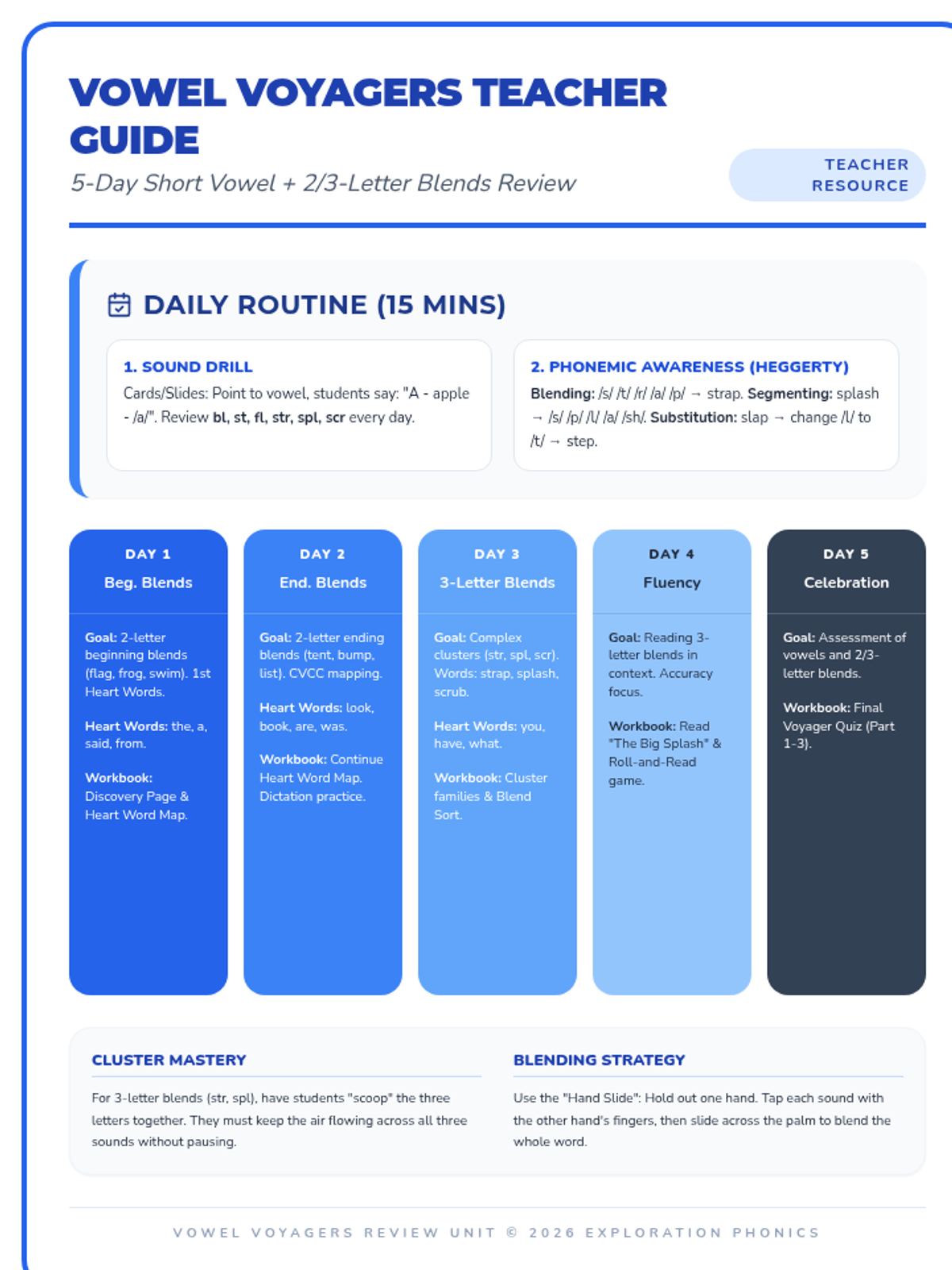
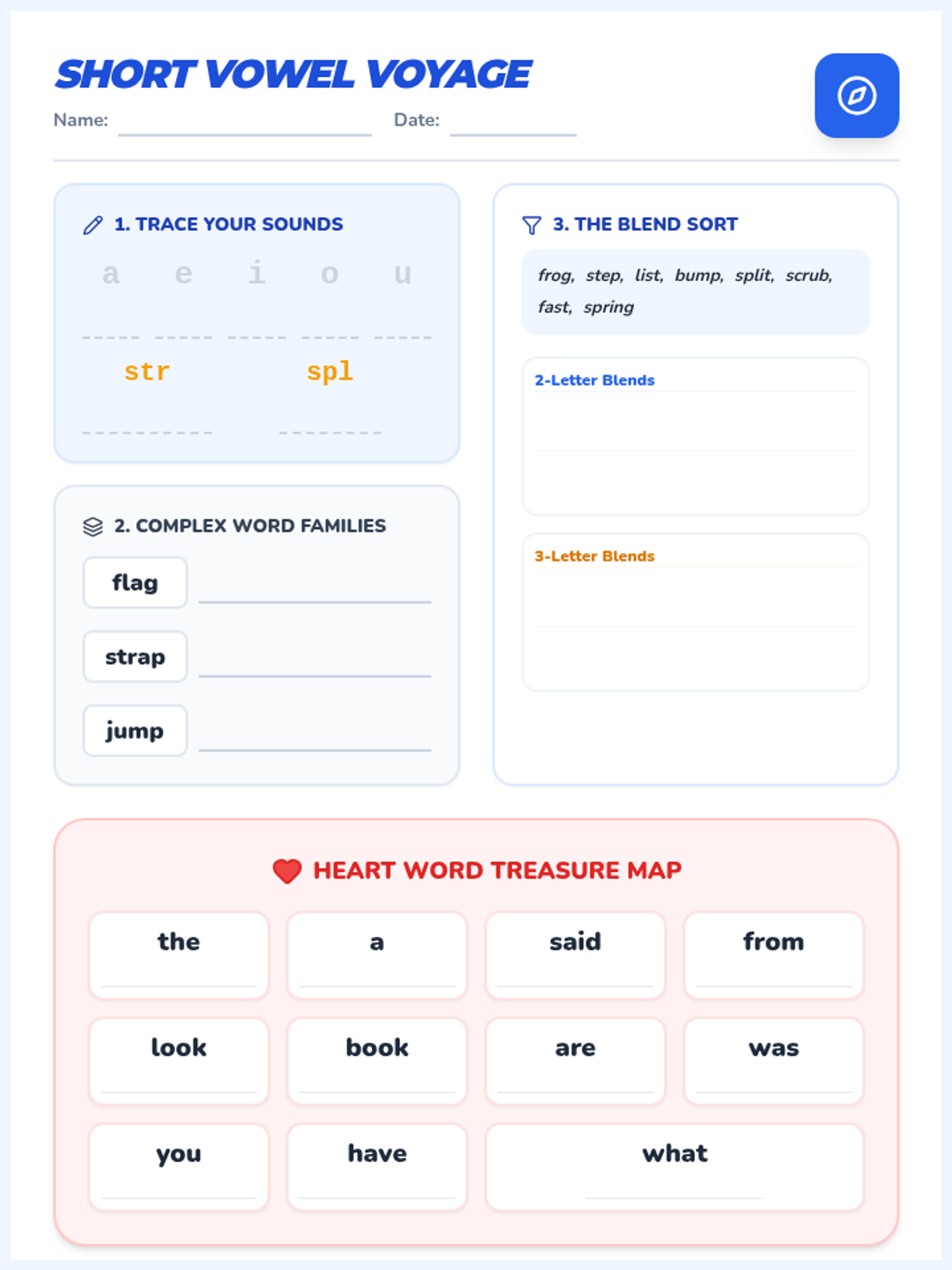
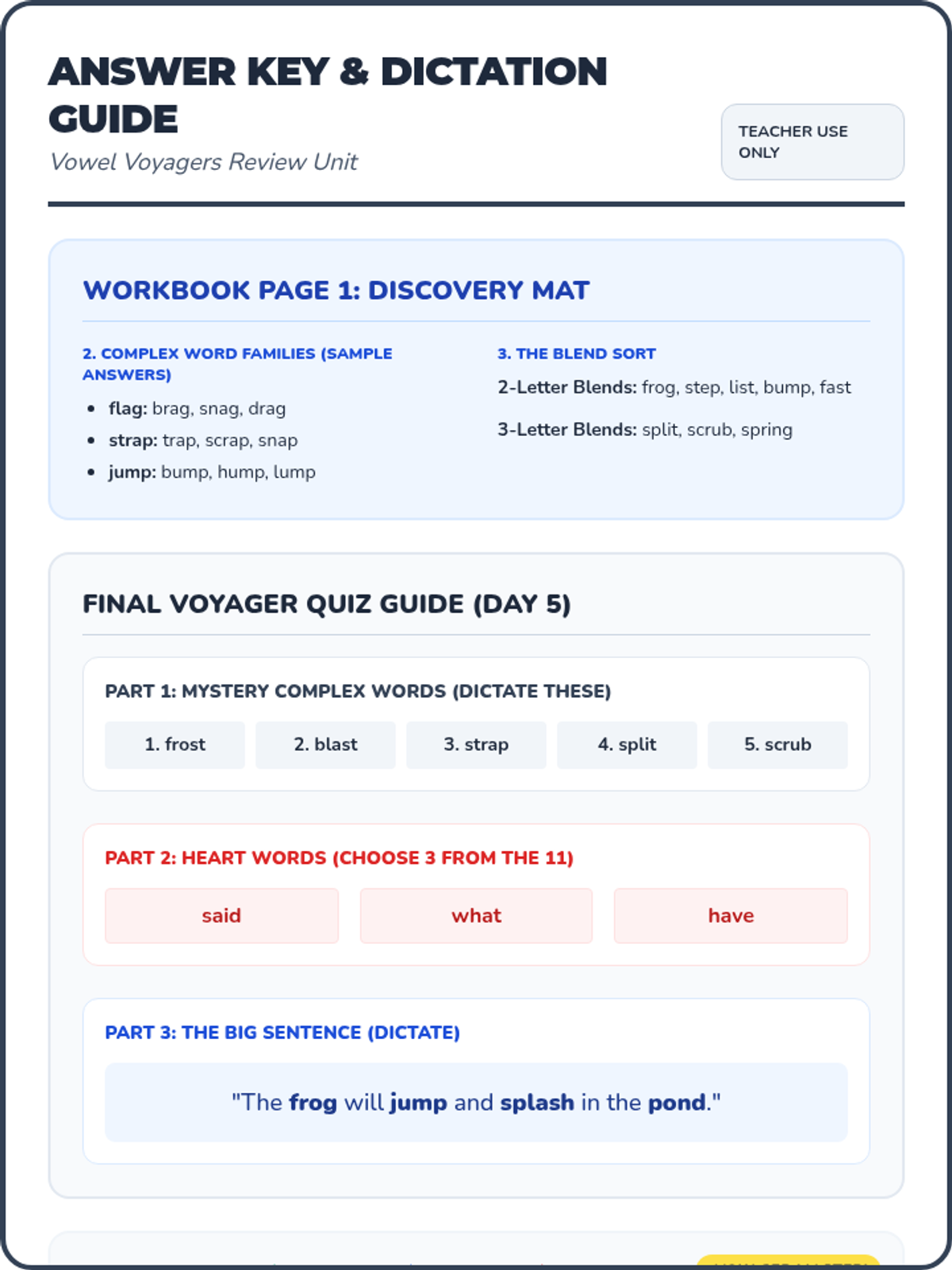
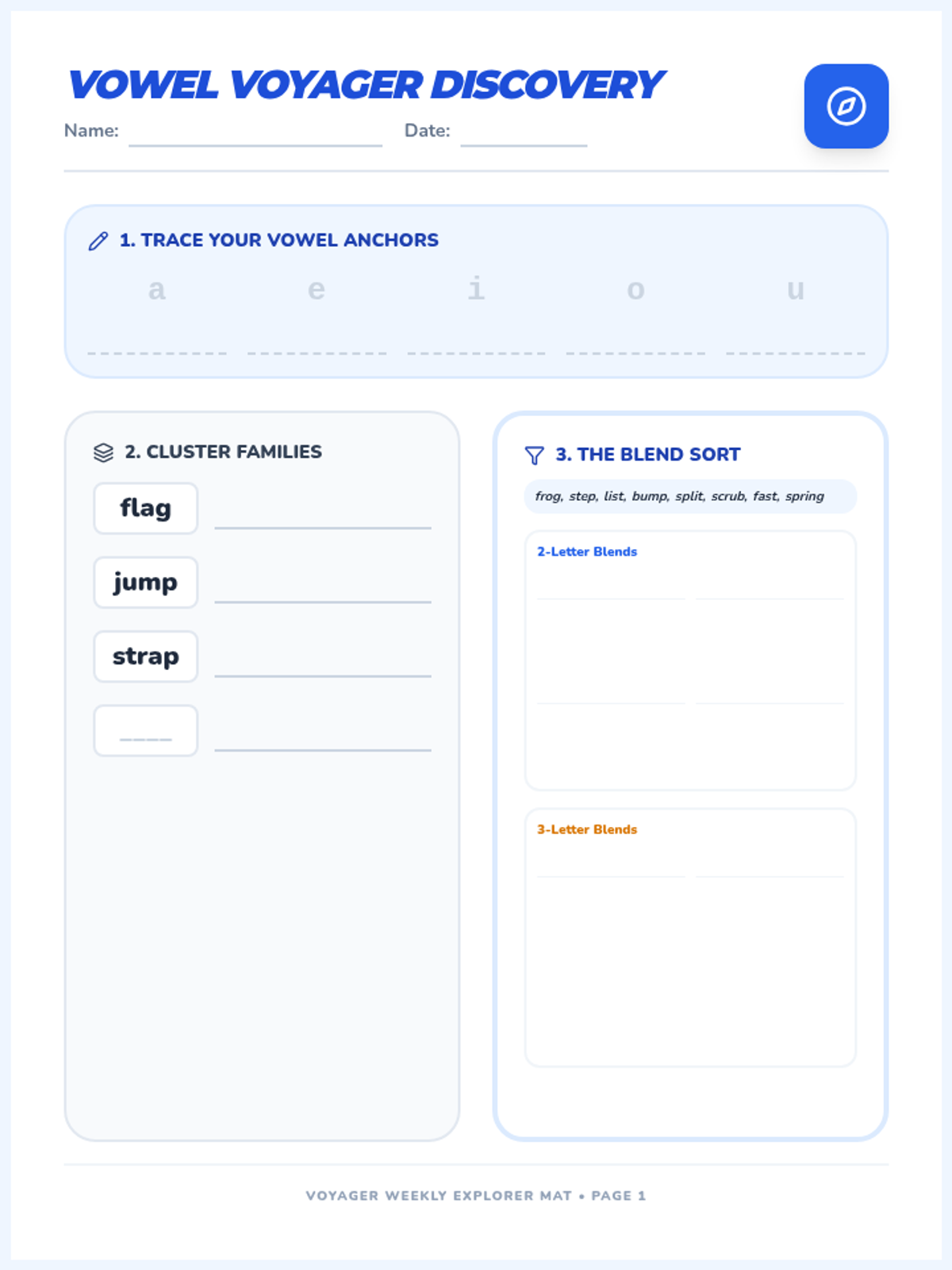
A 5-day intensive review of all short vowel sounds (a, e, i, o, u) using the 'Vowel Voyagers' theme. Includes daily phonemic awareness, word building, decodable reading, and heart word mastery.
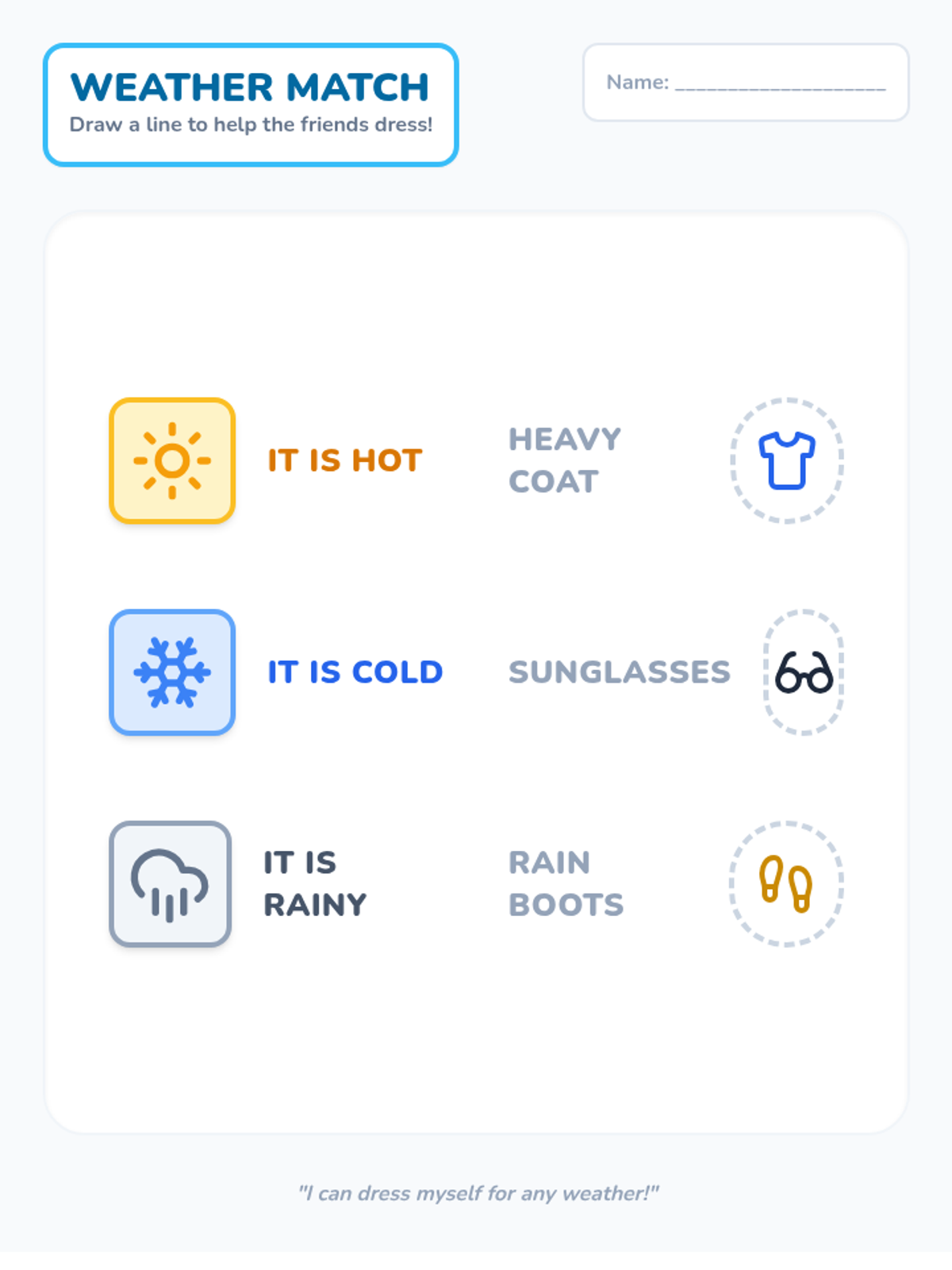
A 4-day introduction to weather types and appropriate clothing choices for preschool and kindergarten students. Students explore hot, cold, rainy, and warm/sunny conditions through visual slides, hands-on sorting activities, and creative worksheets.
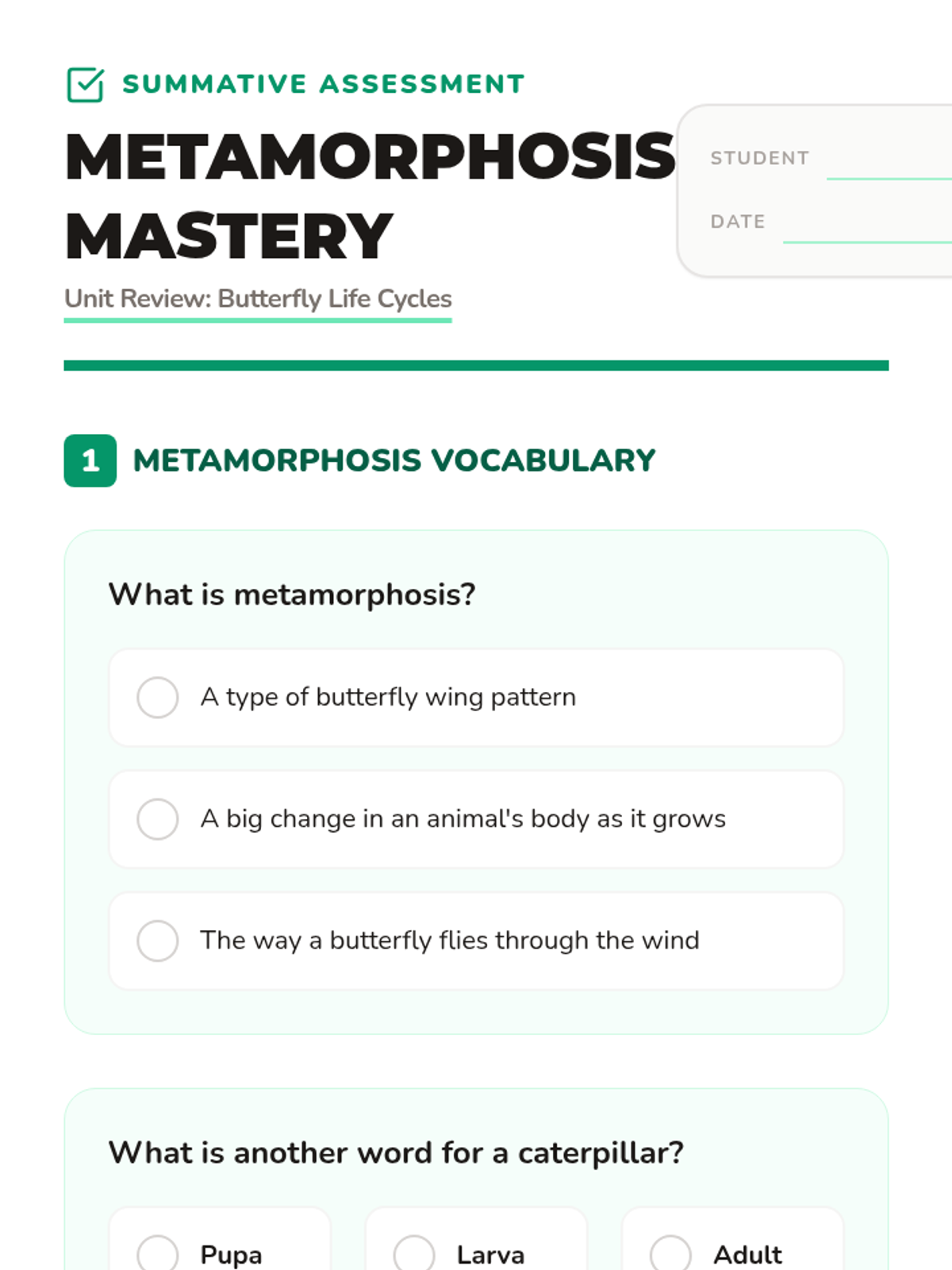
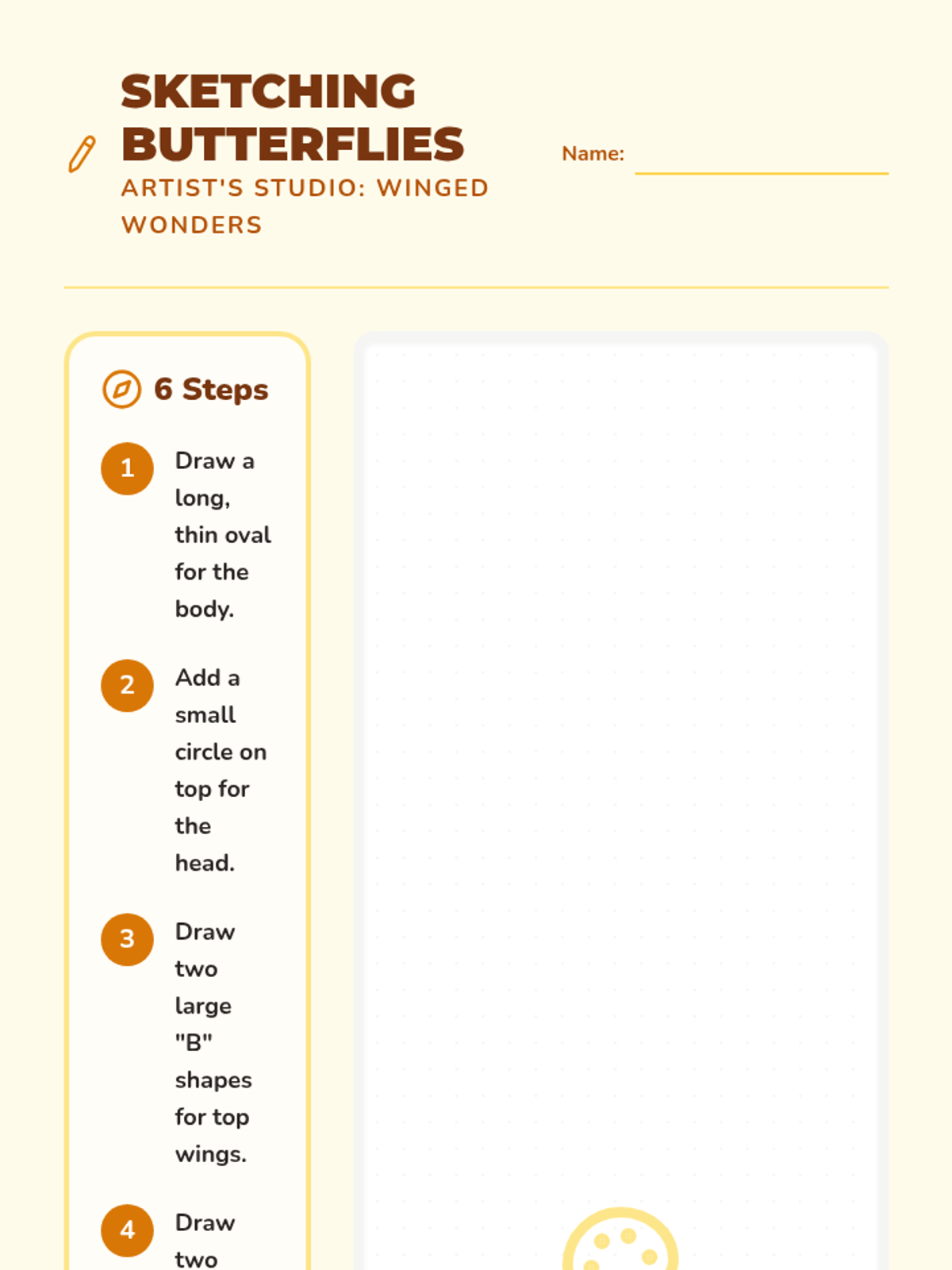
A multi-day exploration of the butterfly life cycle for 2nd graders, featuring interactive instruction, a directed drawing activity, and a summative assessment.
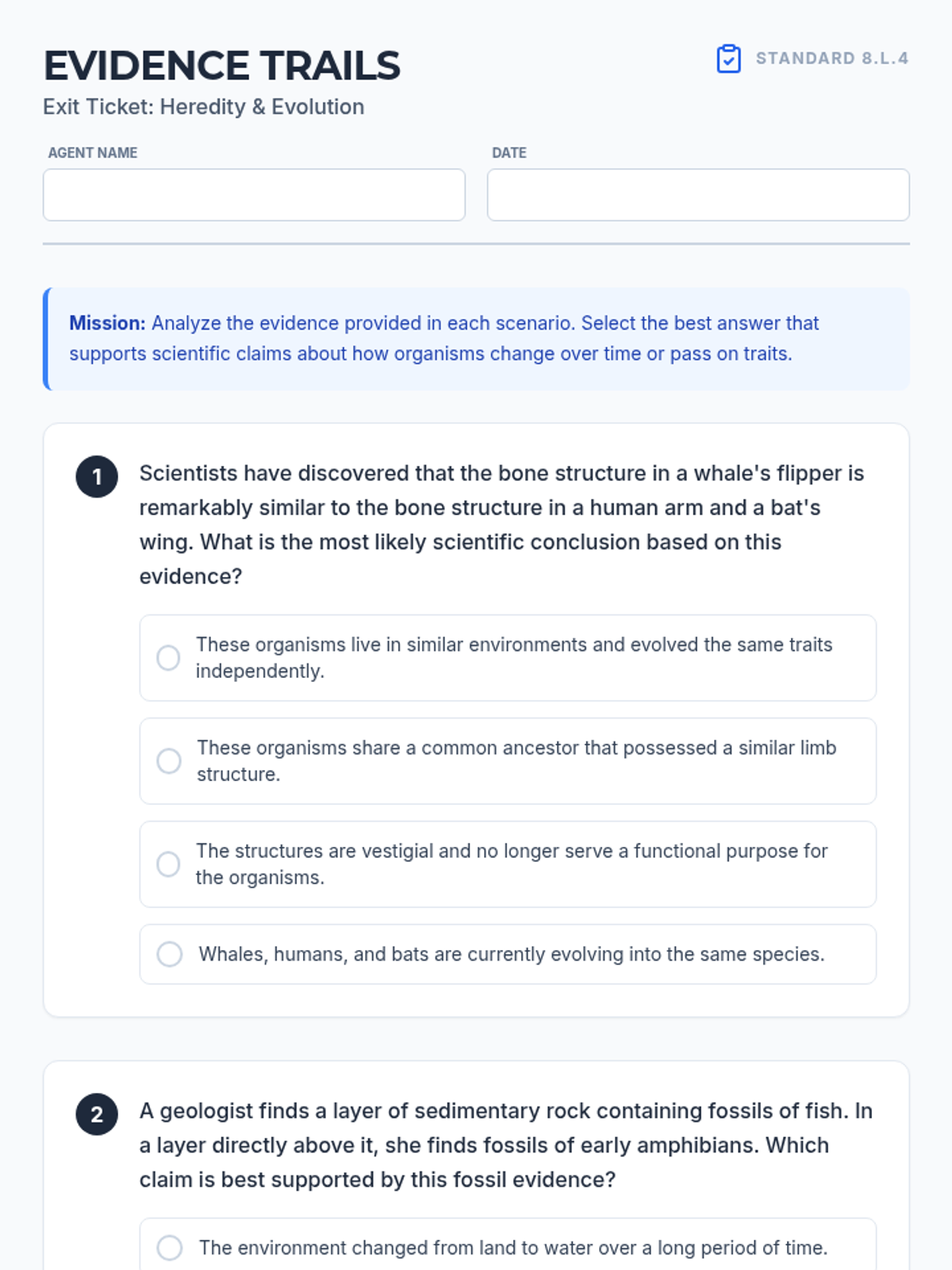
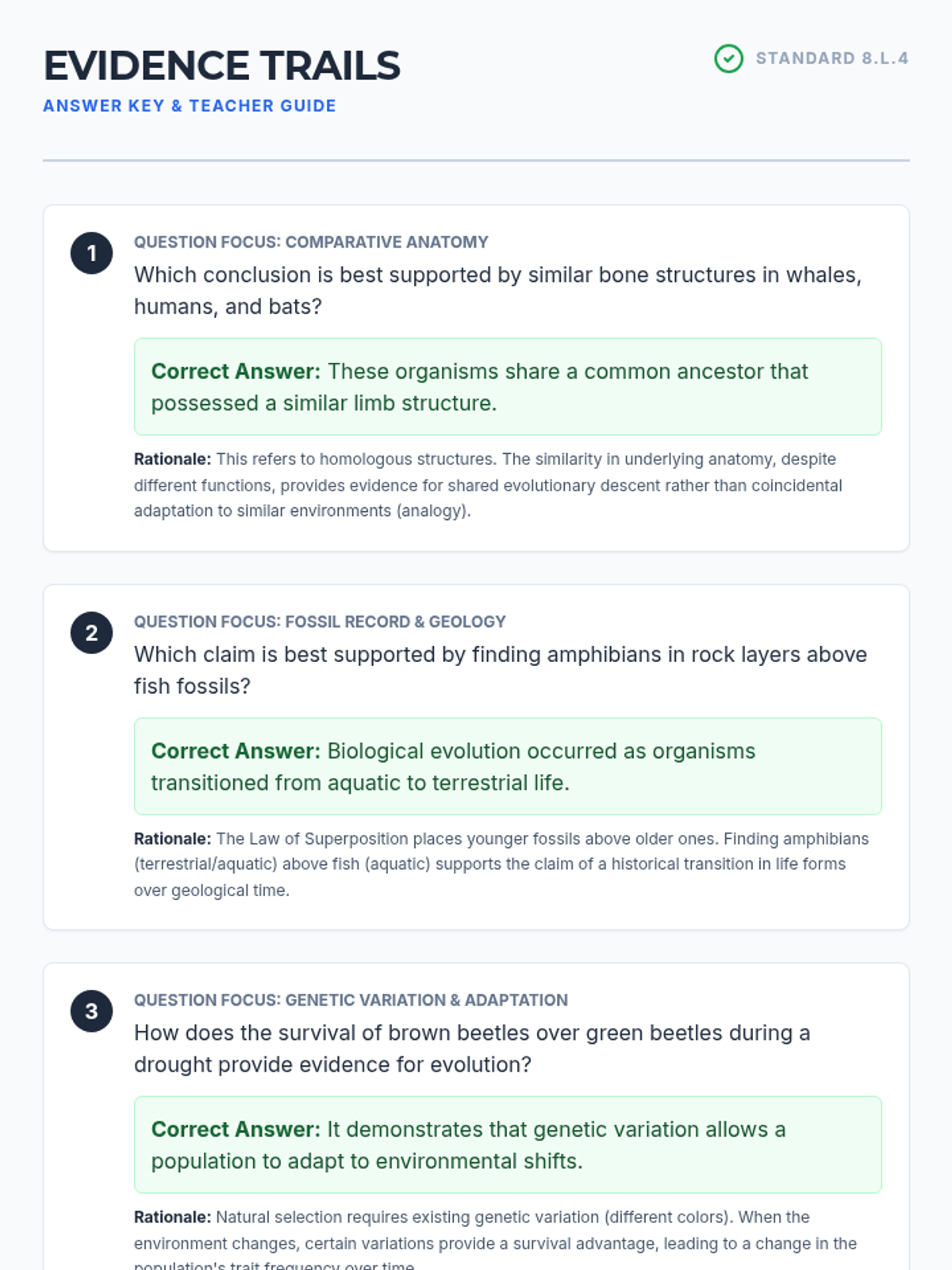
This sequence explores the evidence for biological evolution and the mechanisms of heredity, aligning with Grade 8 science standards for understanding Earth's history and life forms.
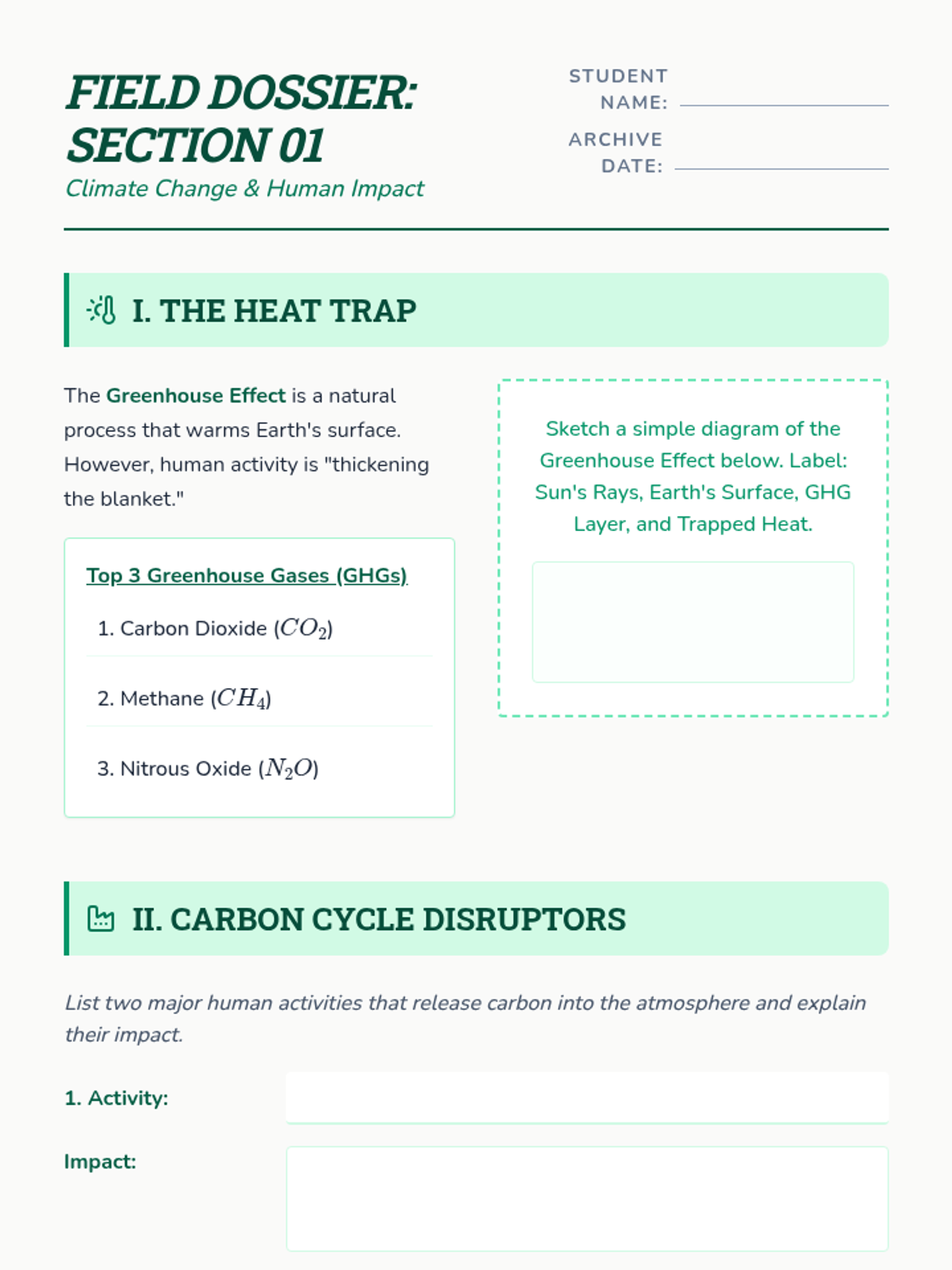
A two-week environmental science review sequence focusing on key takeaways: climate change, pollution, renewable energy, and biodiversity. Students compile a 'Field Dossier' review packet as a final course artifact.
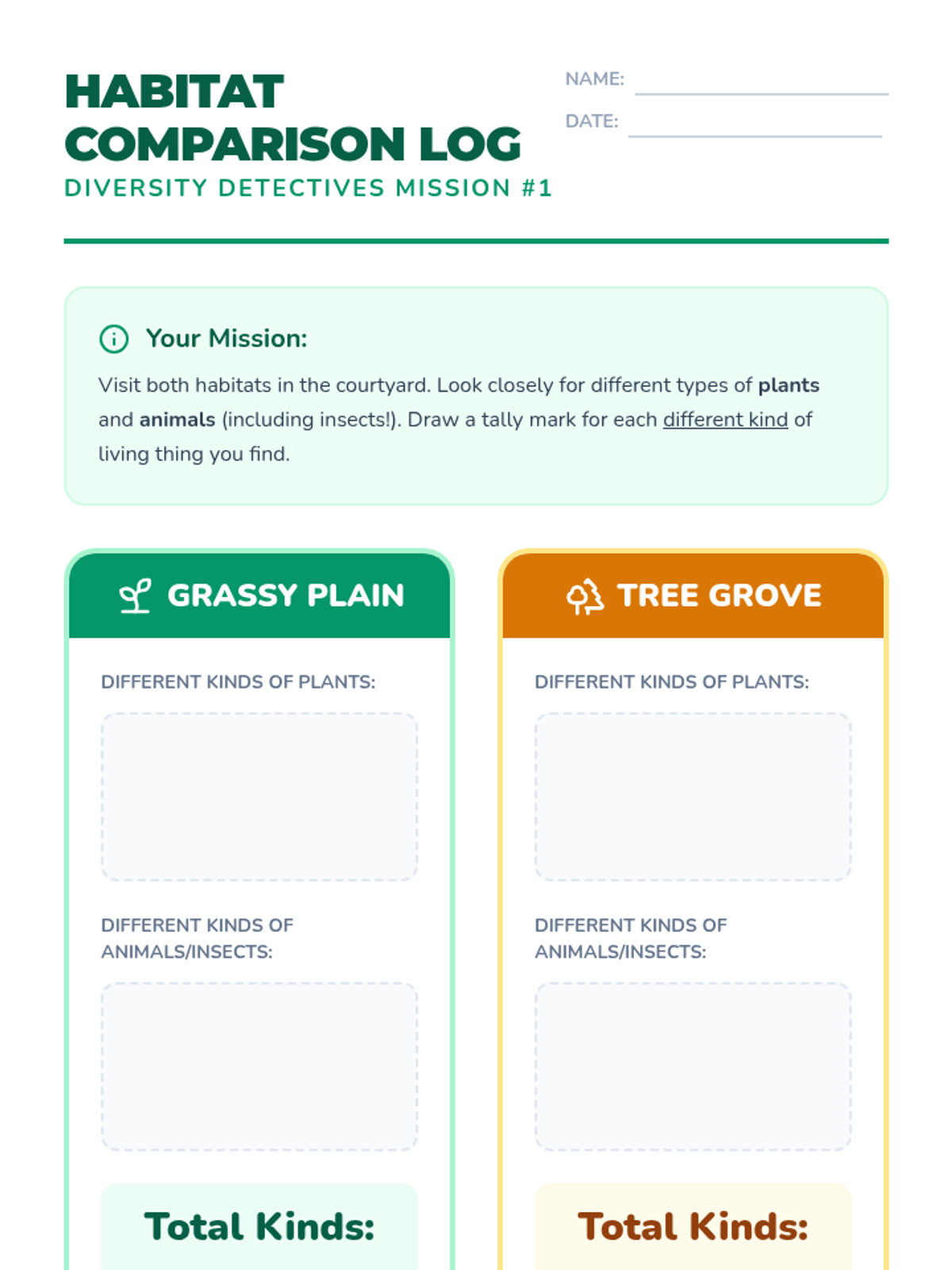
A hands-on science and art unit where 2nd grade students investigate biodiversity in their school courtyard, comparing grassy and wooded habitats while repurposing natural materials into creative sculptures.
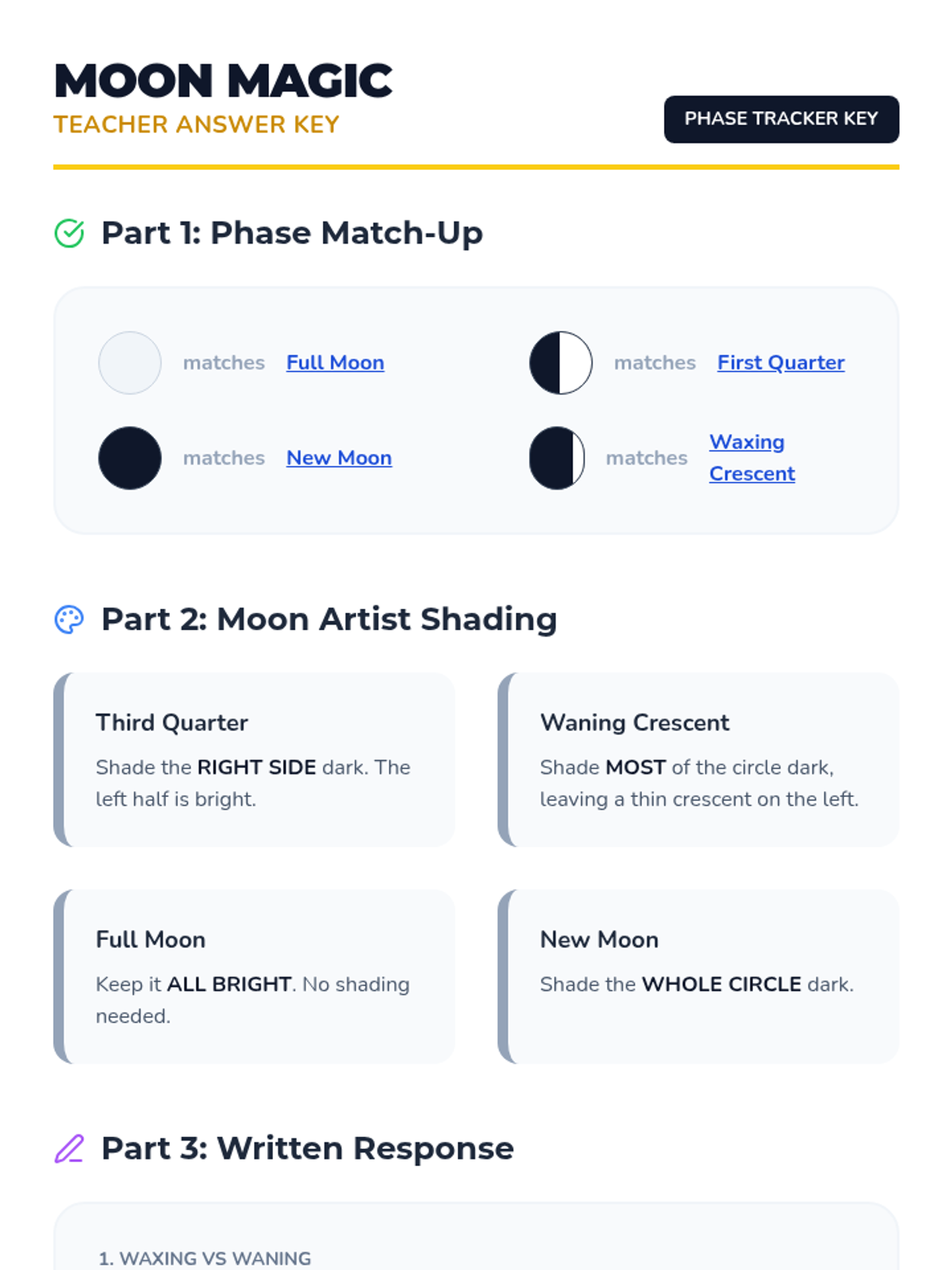
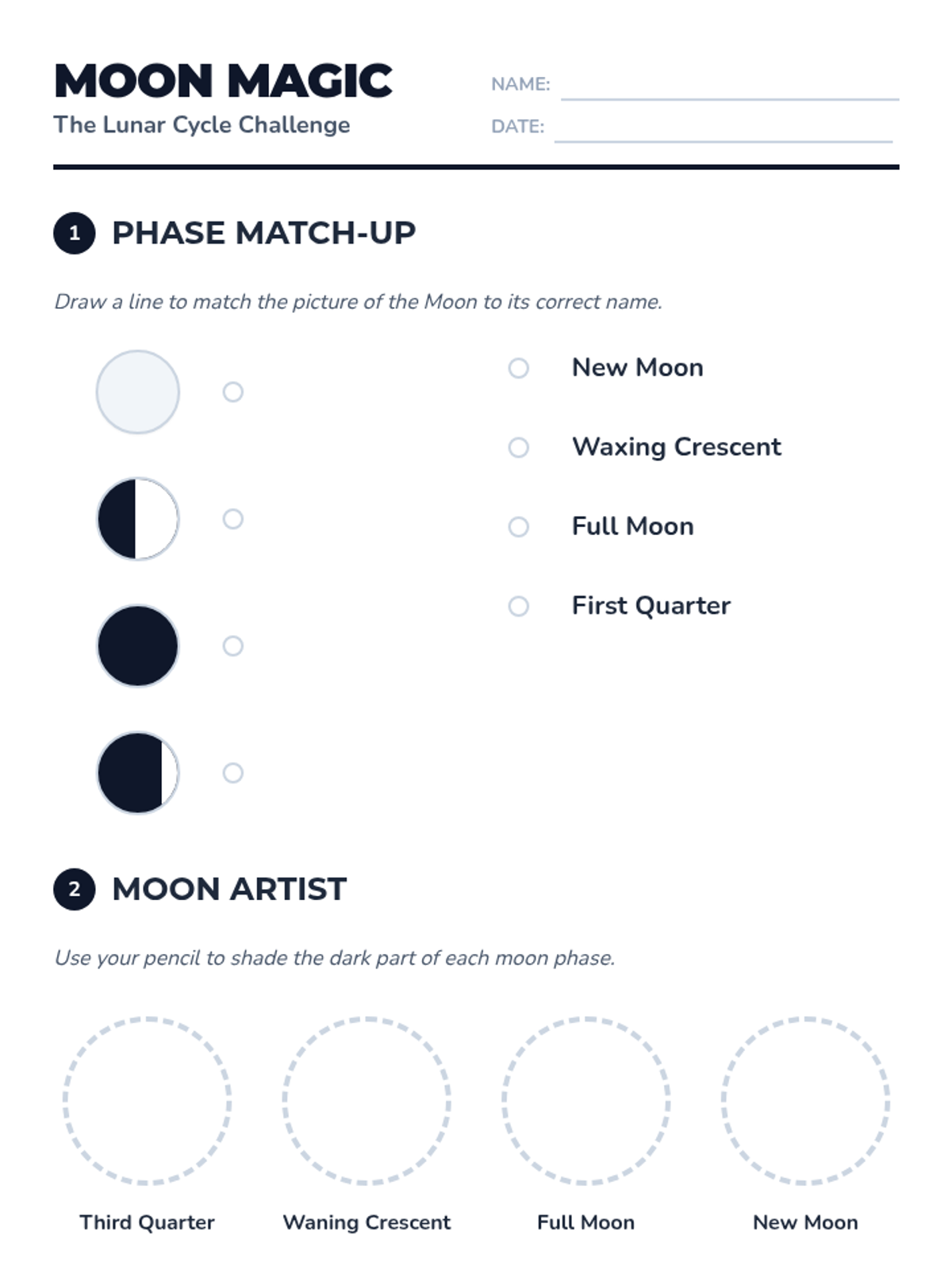
A comprehensive unit for 2nd graders exploring the wonders of our solar system, including the phases of the moon and the daily lives of space explorers.
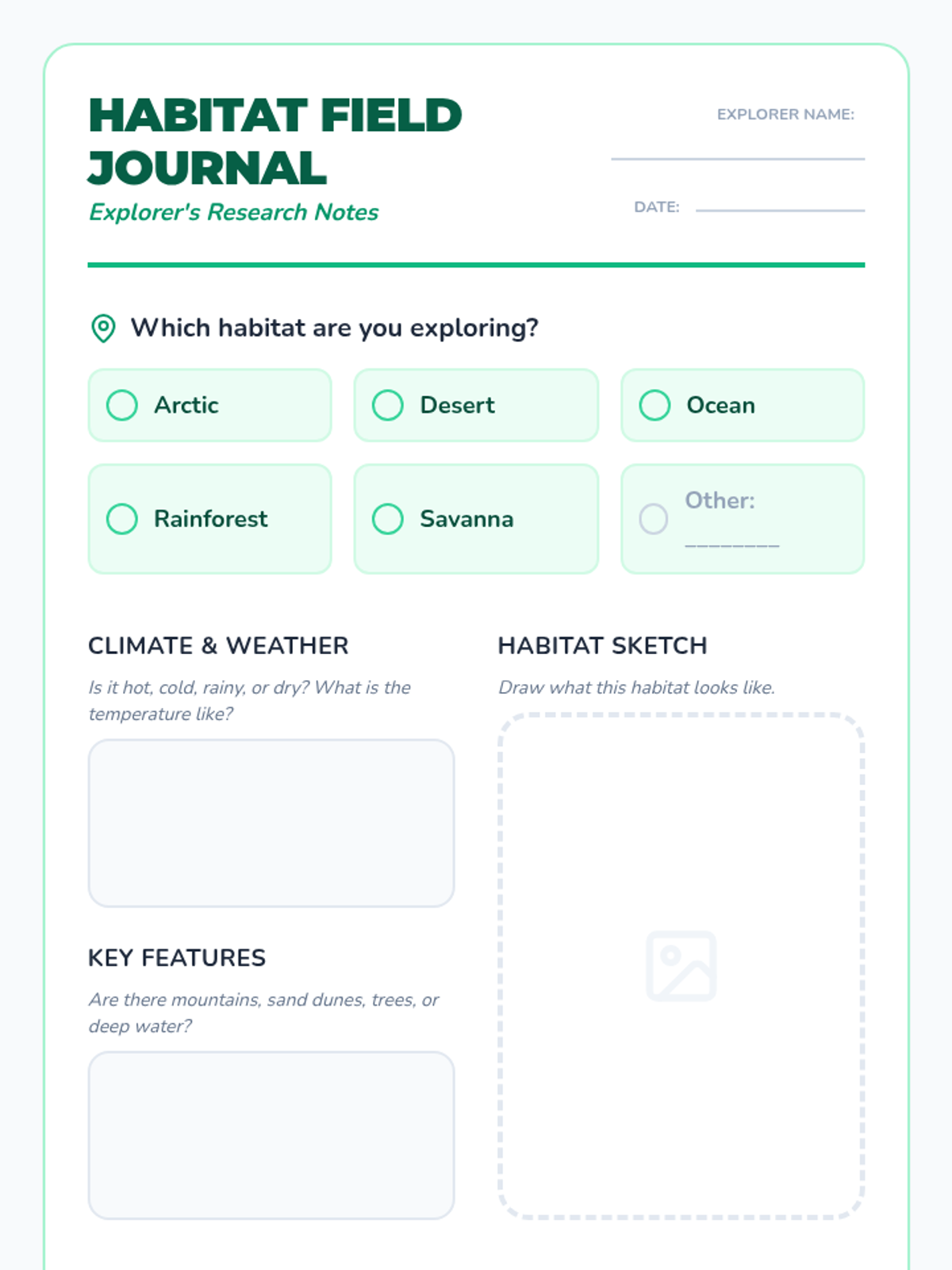
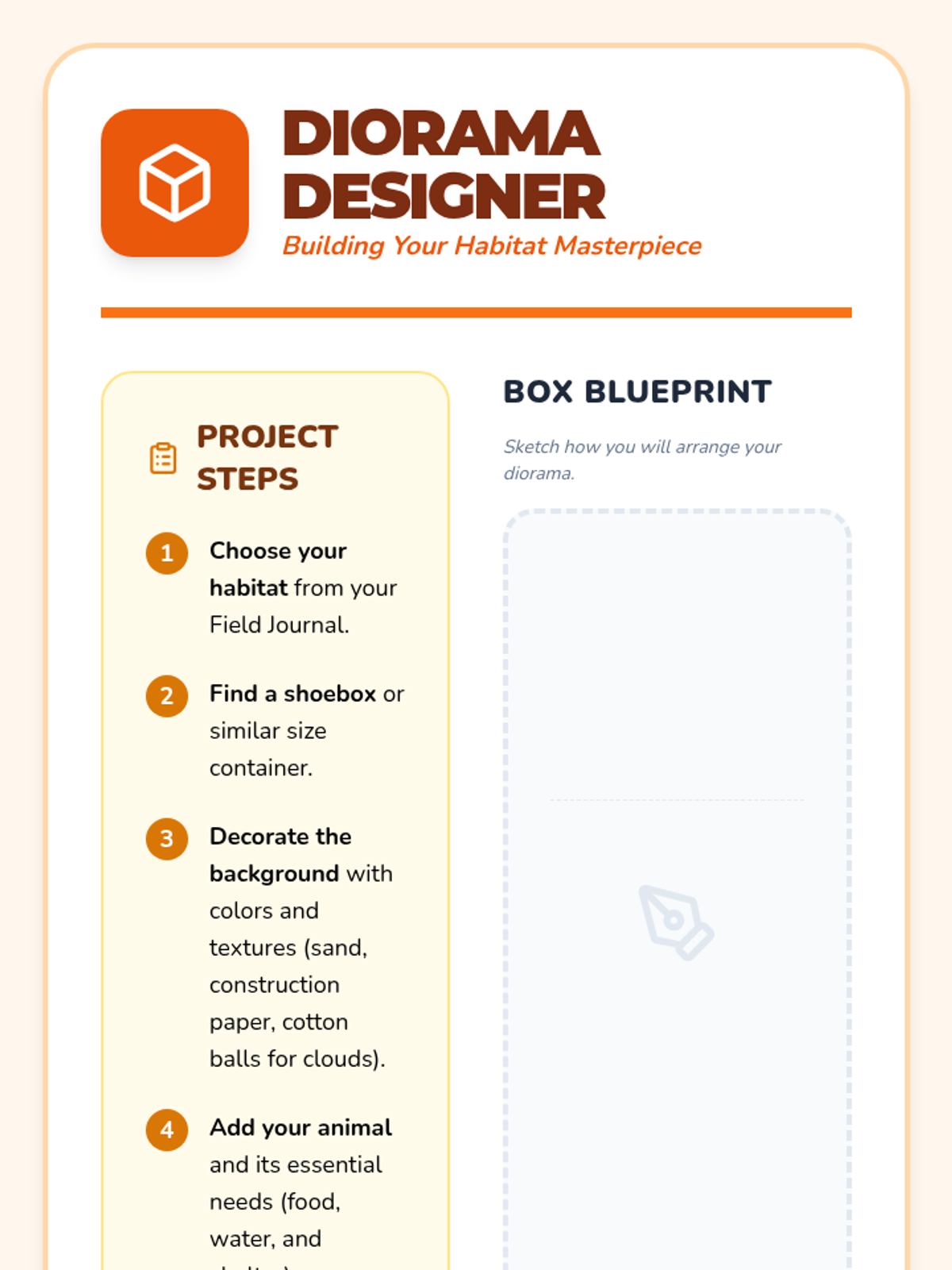
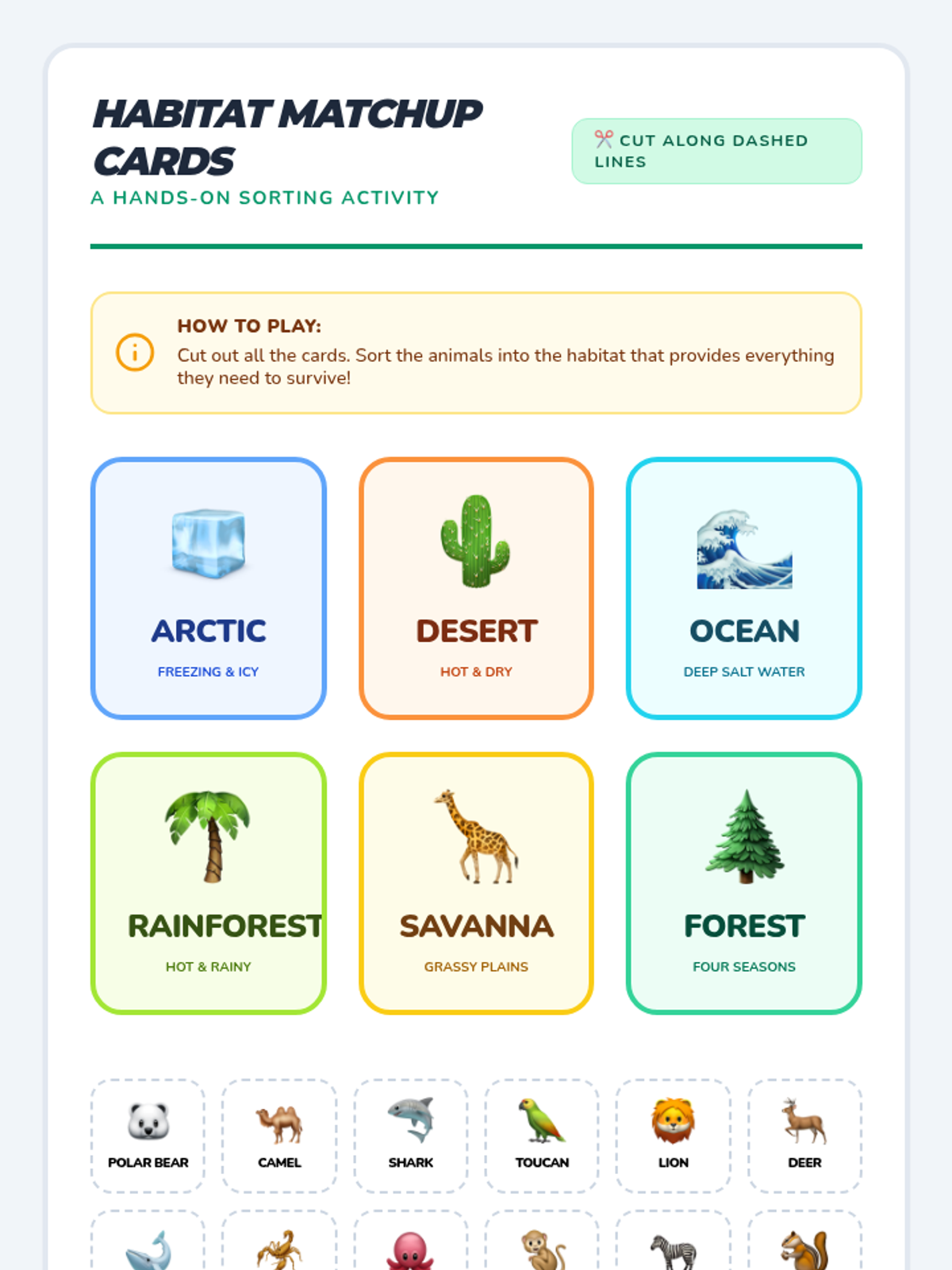
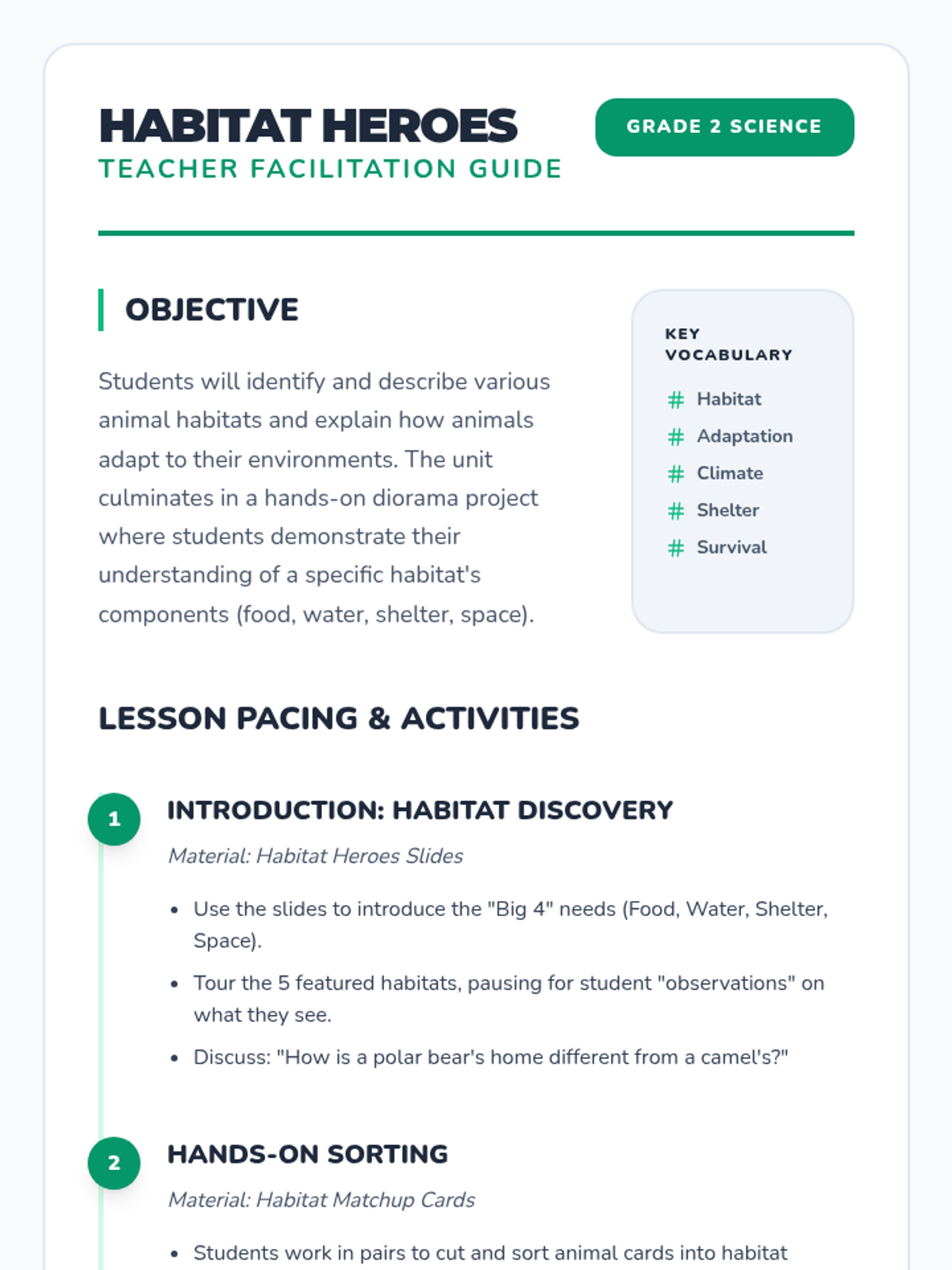
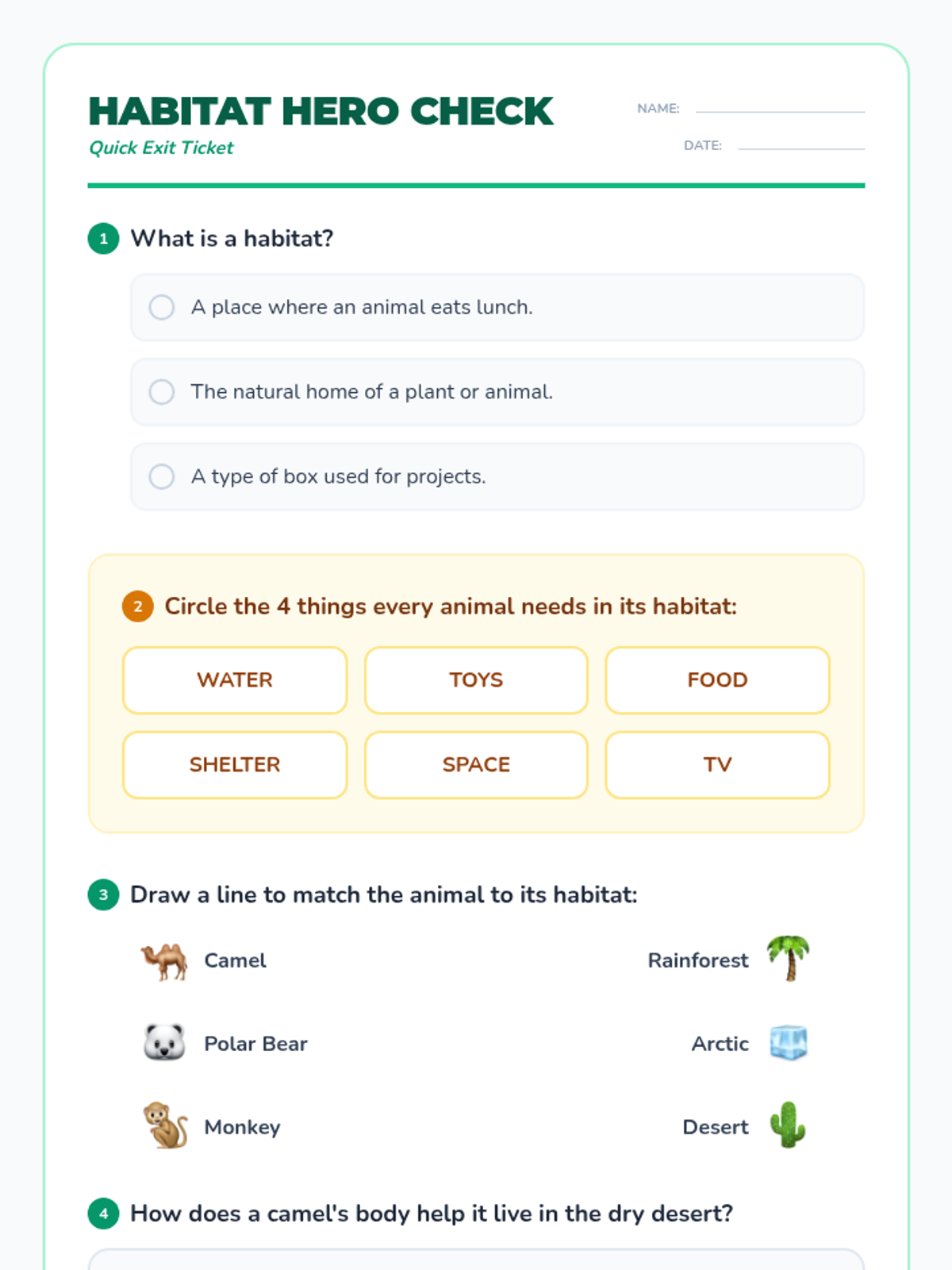
A comprehensive unit for 2nd graders to explore diverse animal habitats around the world through hands-on activities, research, and a creative diorama project. Students will learn about the unique characteristics of different environments and how animals are adapted to survive in them.
An inquiry-based science and literacy curriculum for grades 1-3 that combines foundational scientific concepts with high-frequency sight word mastery and precision handwriting practice.
A comprehensive K-12 AI literacy sequence covering the fundamentals of how AI works, machine learning, ethics, social impact, and creative application through age-appropriate lessons.
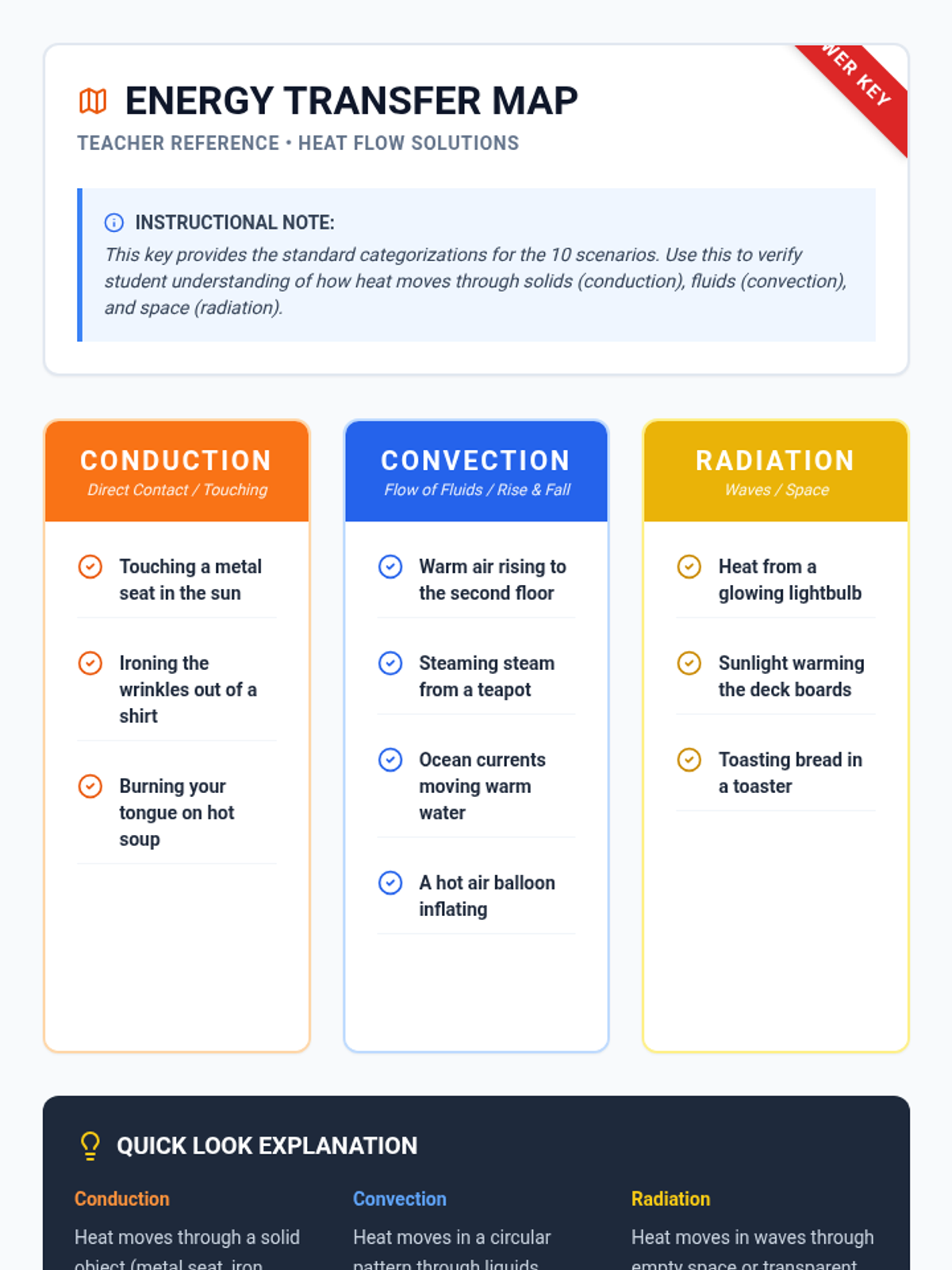
A comprehensive 4-day sequence focusing on the application of thermal energy concepts, including conduction, convection, radiation, and insulation through hands-on labs and real-world analysis.
A series of ELD lessons exploring how human environments interact with nature, focusing on reading comprehension, academic language, and collaborative discourse.
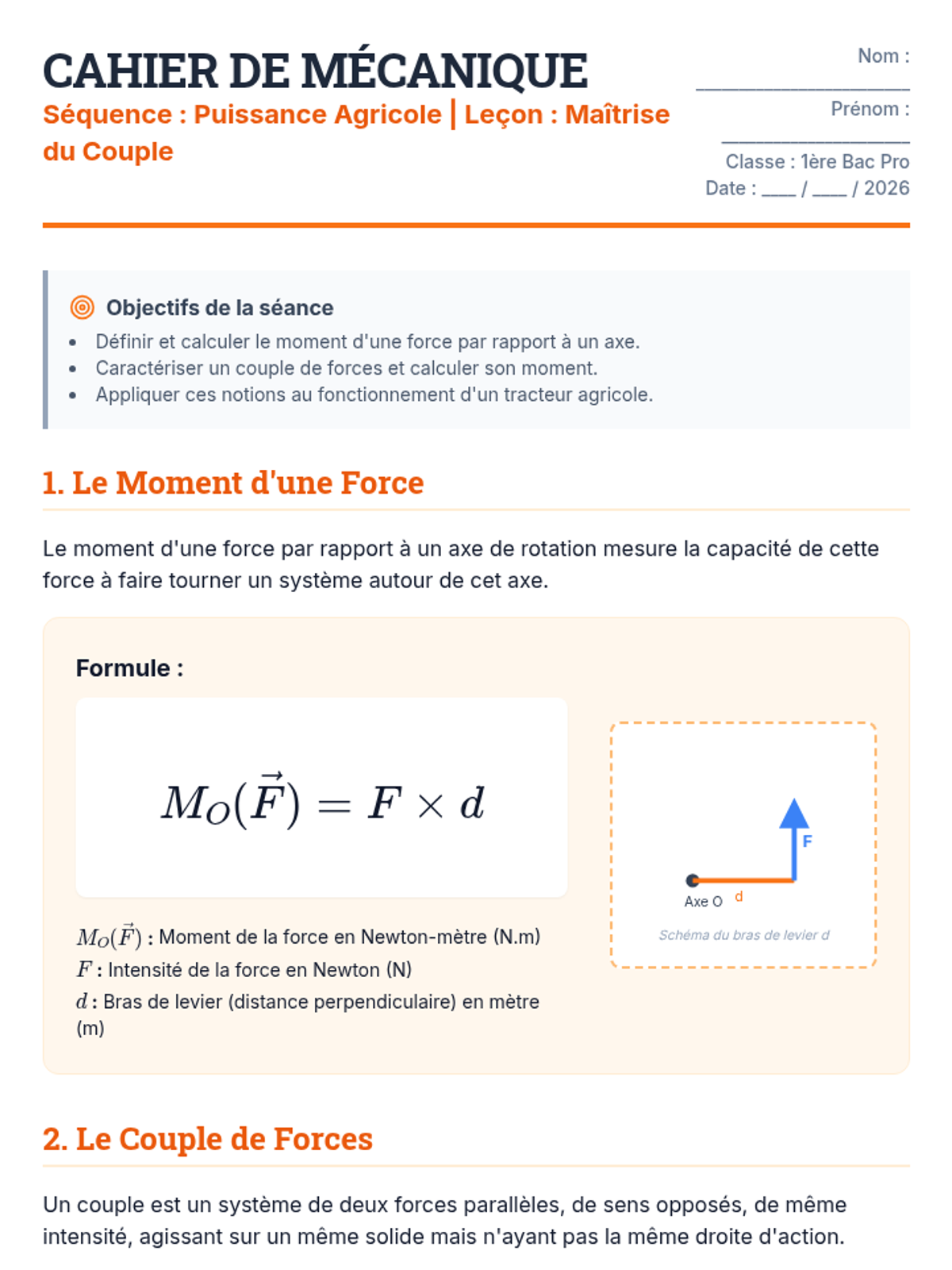
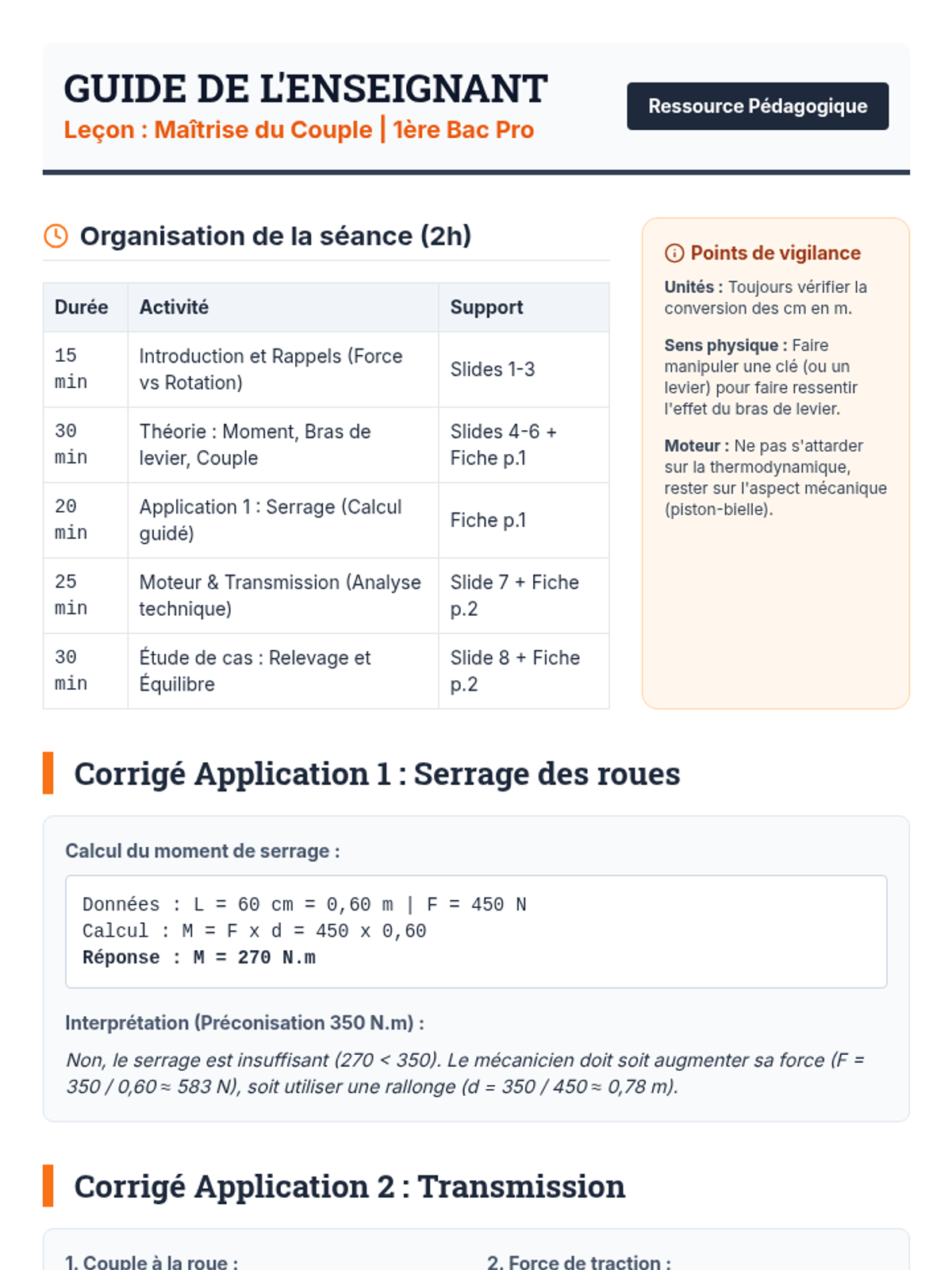
Une séquence pédagogique de 2 heures pour les élèves de 1ère Bac Pro sur le concept de couple de forces, illustrée par des applications concrètes sur un tracteur agricole (moteur, serrage de roues, relevage).
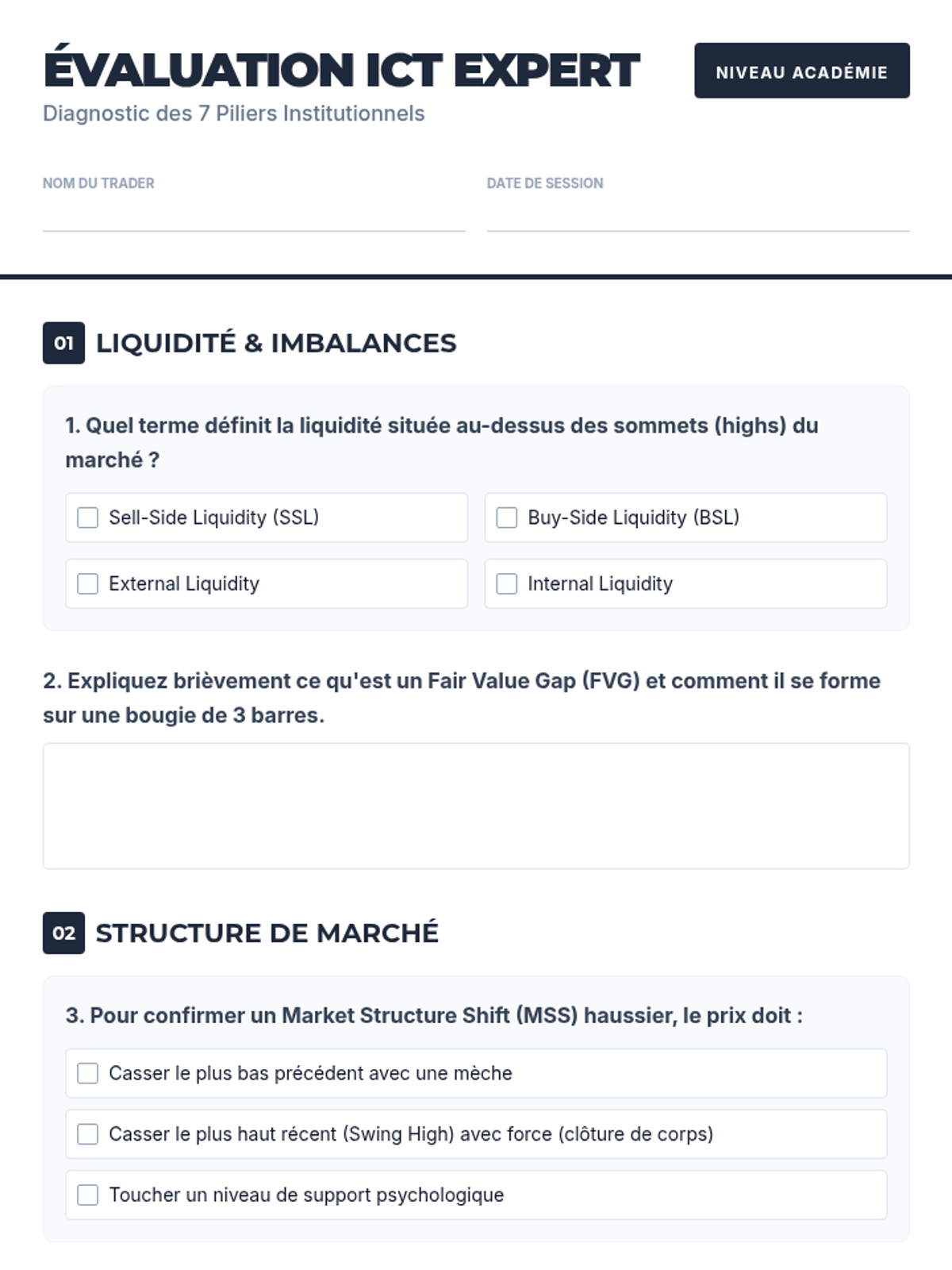
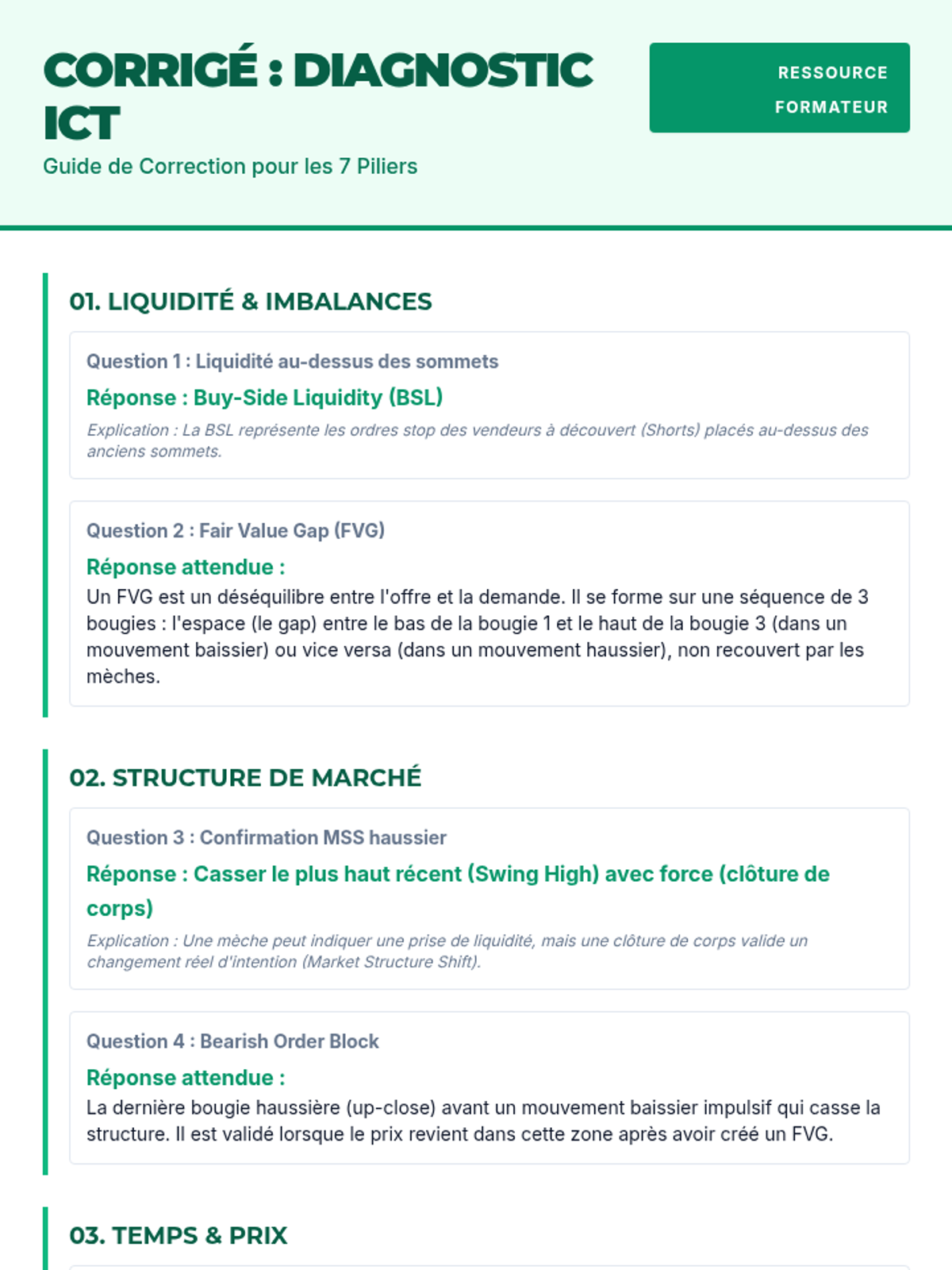
Un parcours complet pour maîtriser les Smart Money Concepts (SMC) basés sur la méthodologie Inner Circle Trader (ICT). Ce programme couvre les 7 concepts clés nécessaires pour identifier les mouvements institutionnels sur les marchés financiers.
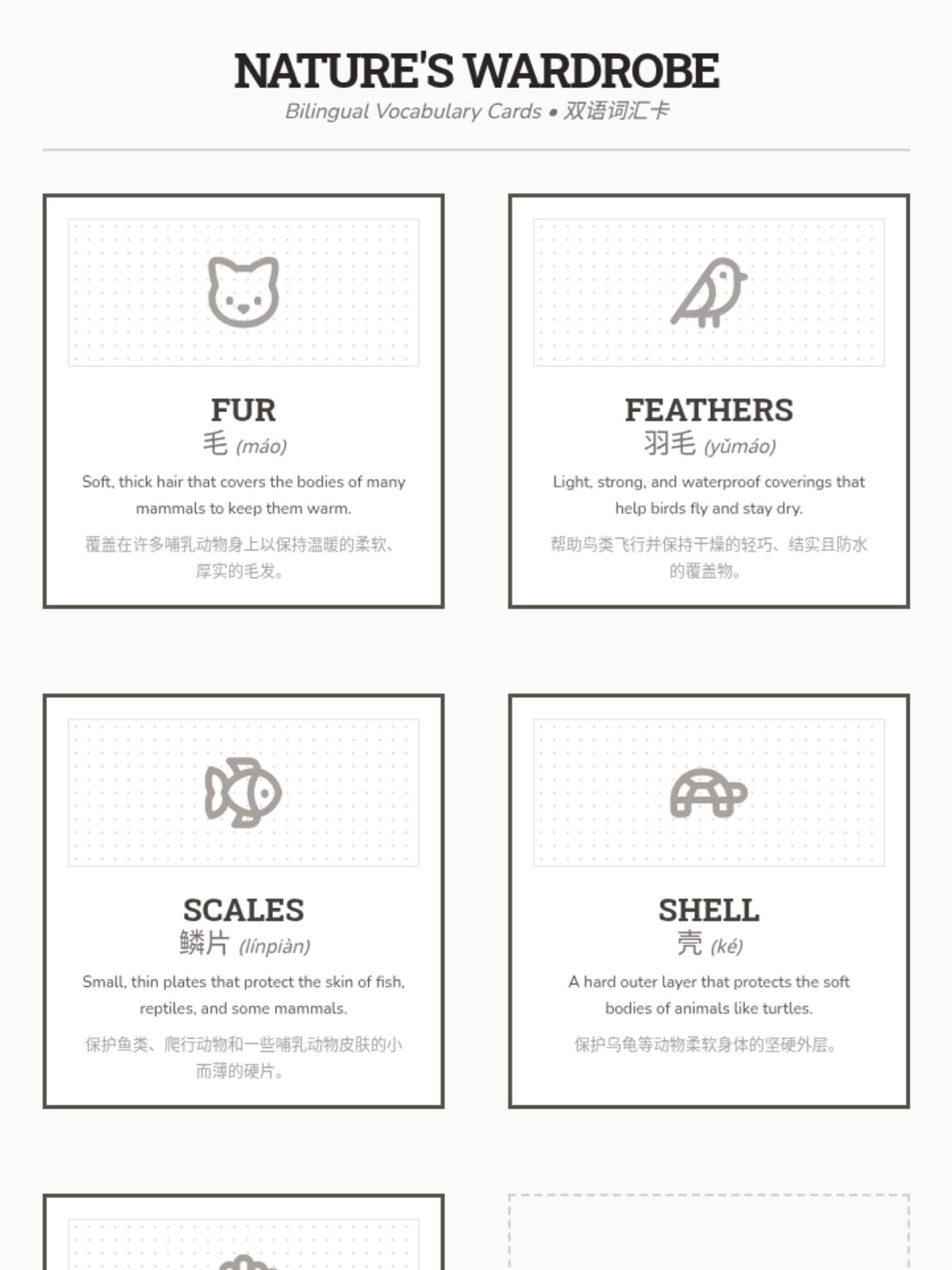
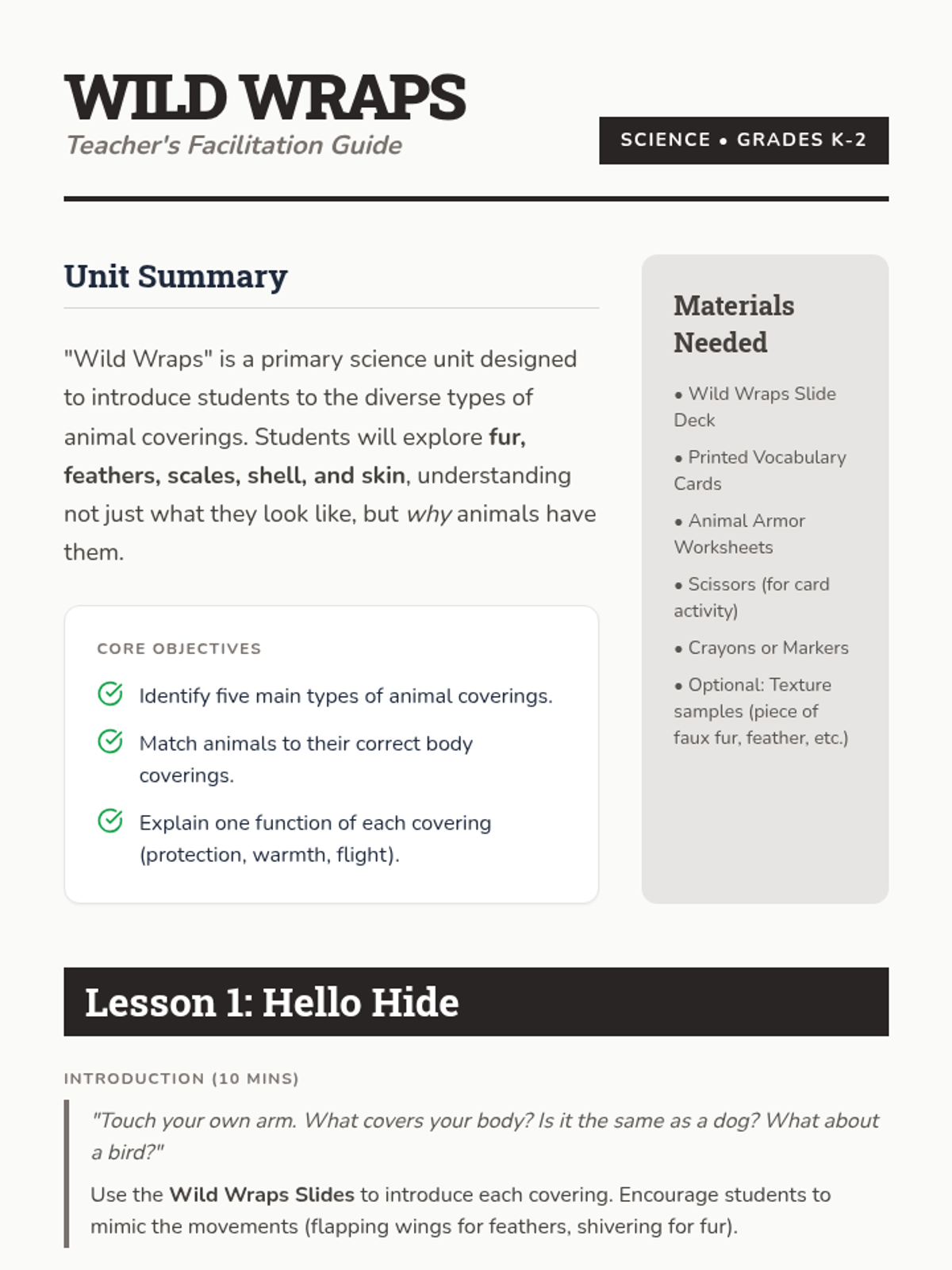
A primary science unit exploring how different animals are covered and why these coverings help them survive in their environments. Students identify, categorize, and write about feathers, fur, scales, shells, and skin.
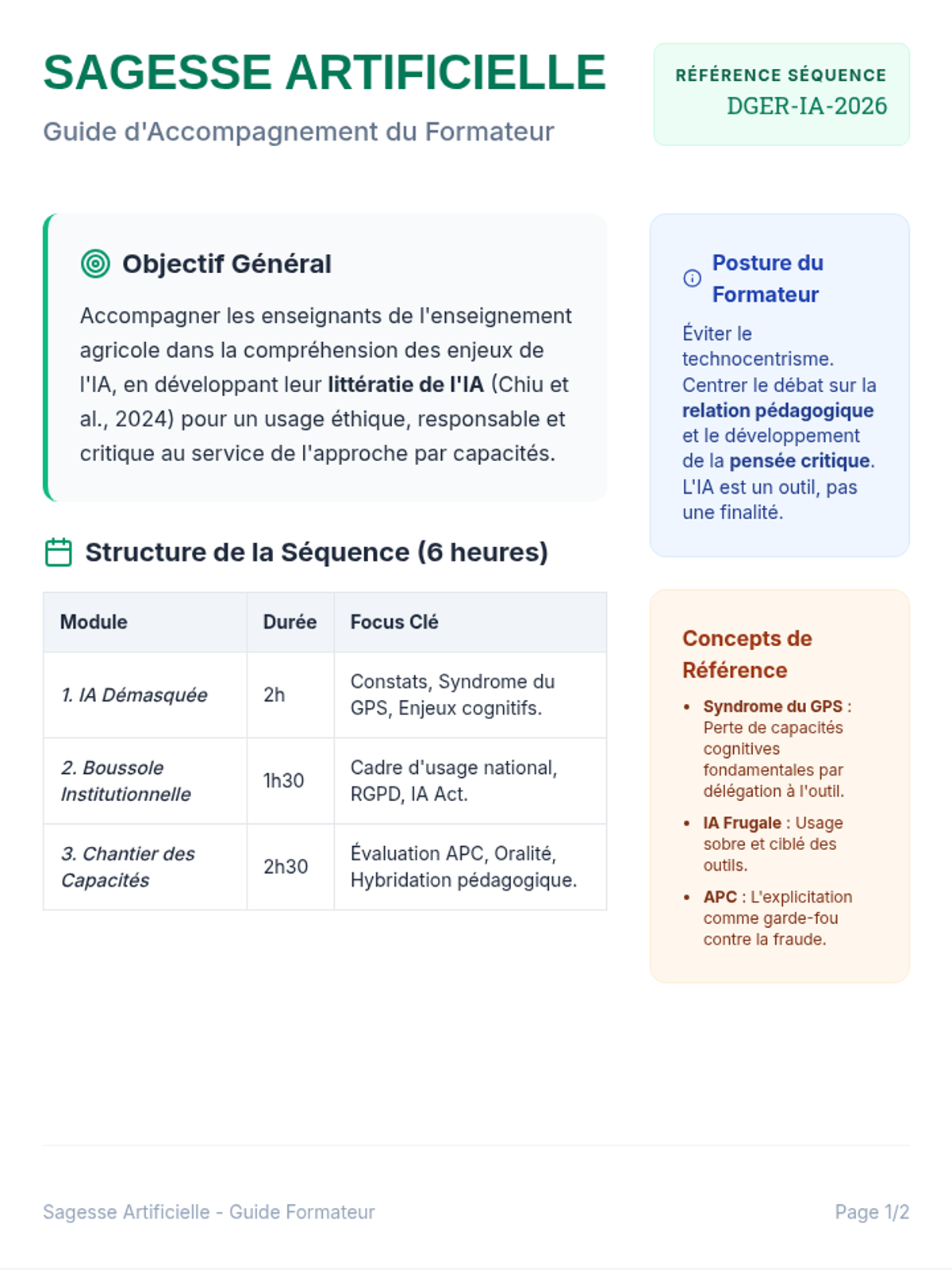
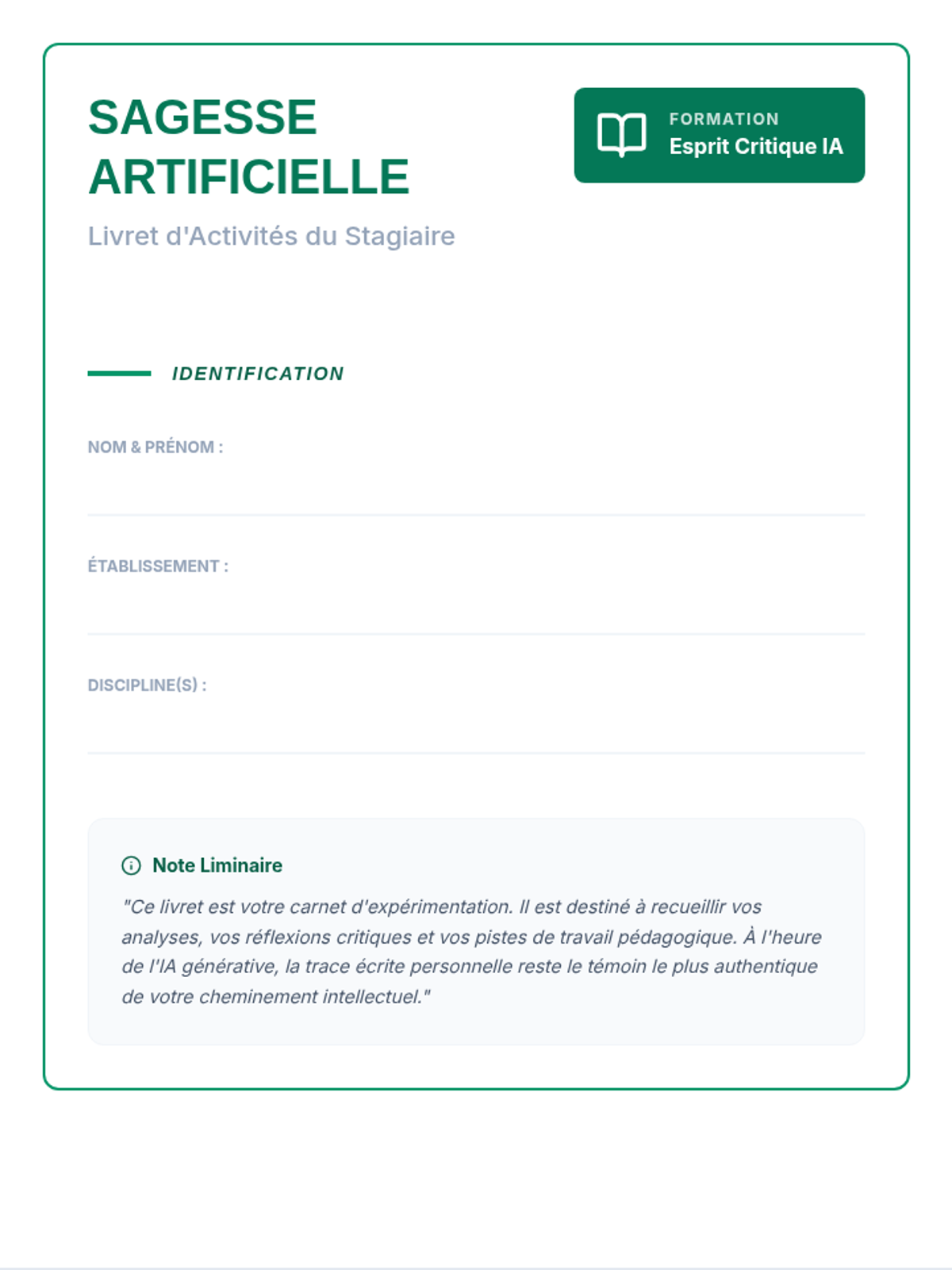
Une séquence de formation pour les enseignants de l'enseignement agricole visant à développer un esprit critique face à l'IA, s'appuyant sur les rapports de l'inspection (2025) et les notes de service (2026). Elle explore les enjeux cognitifs, le cadre juridique et les mutations de l'évaluation par capacités.
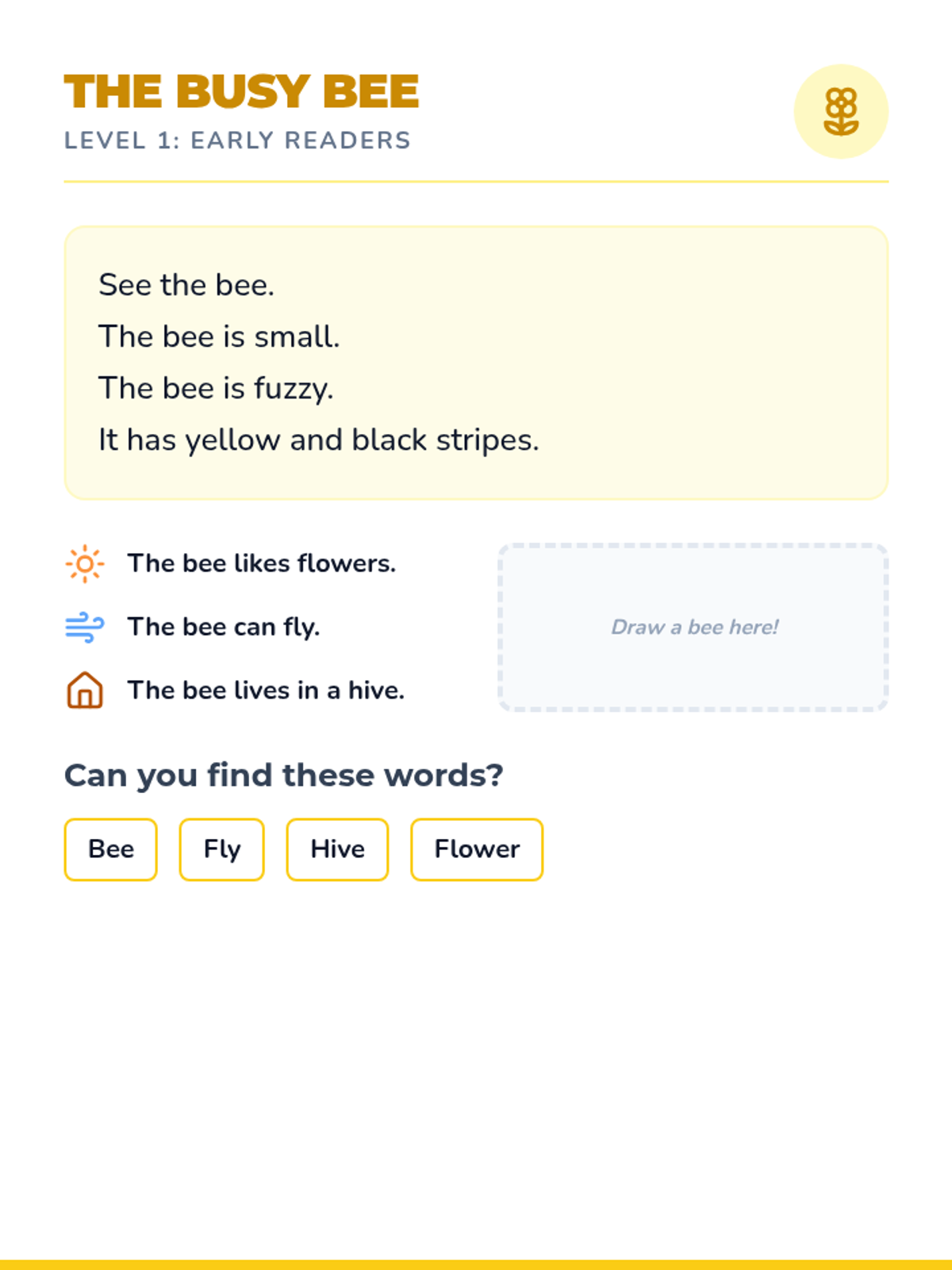
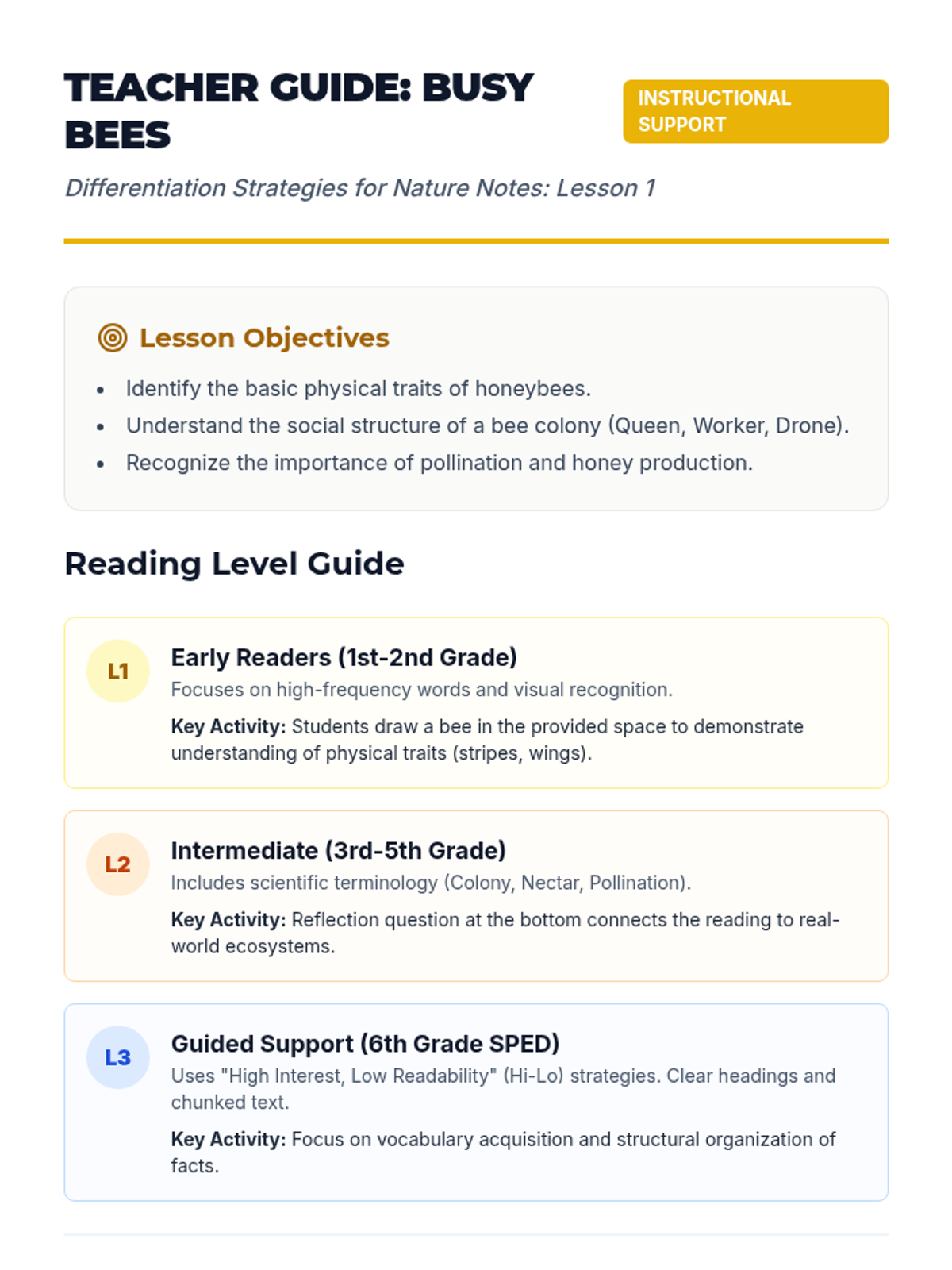
A collection of lessons focused on nature and science, designed with differentiated reading materials for diverse learners including early readers and special education students.
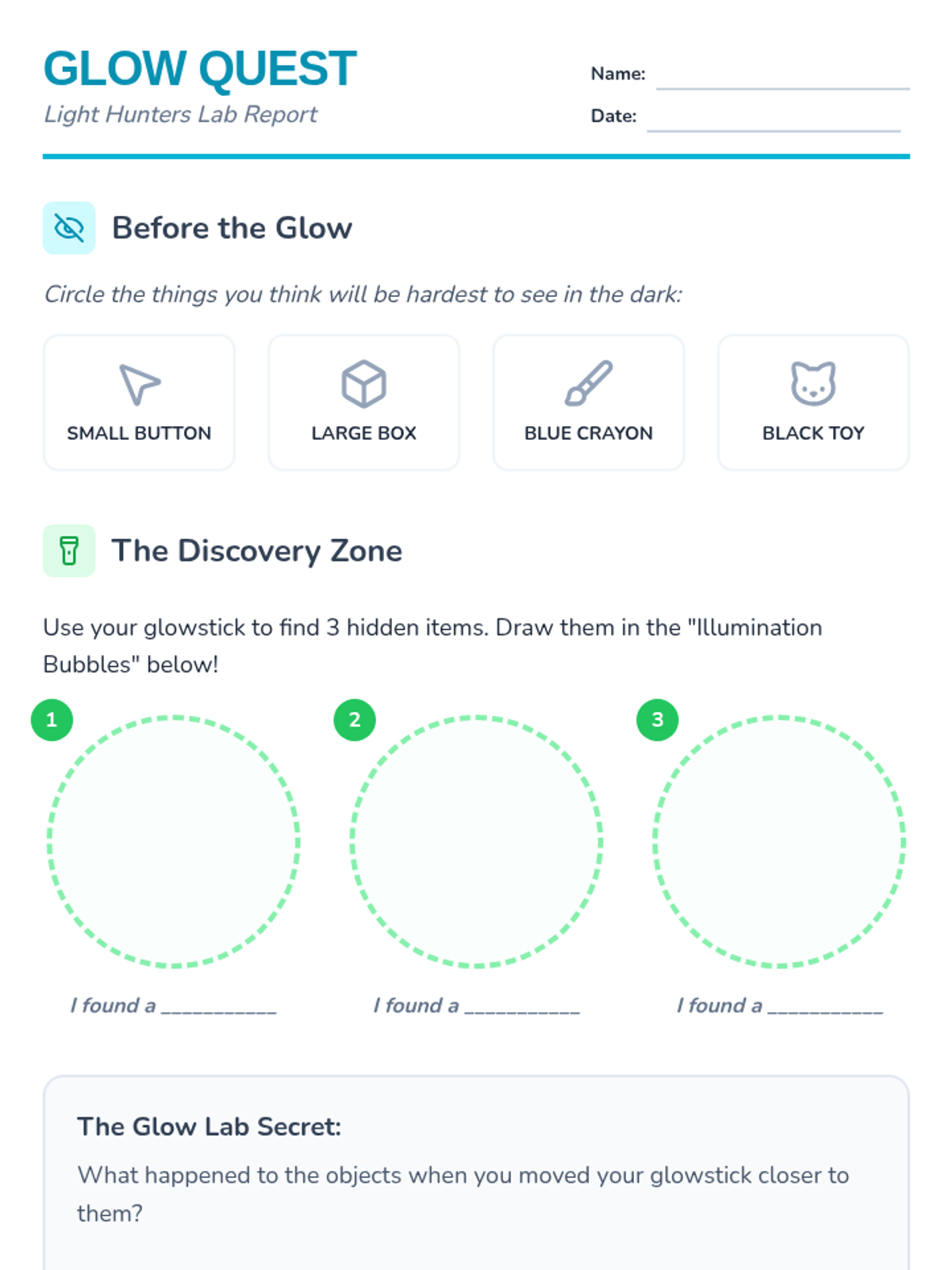
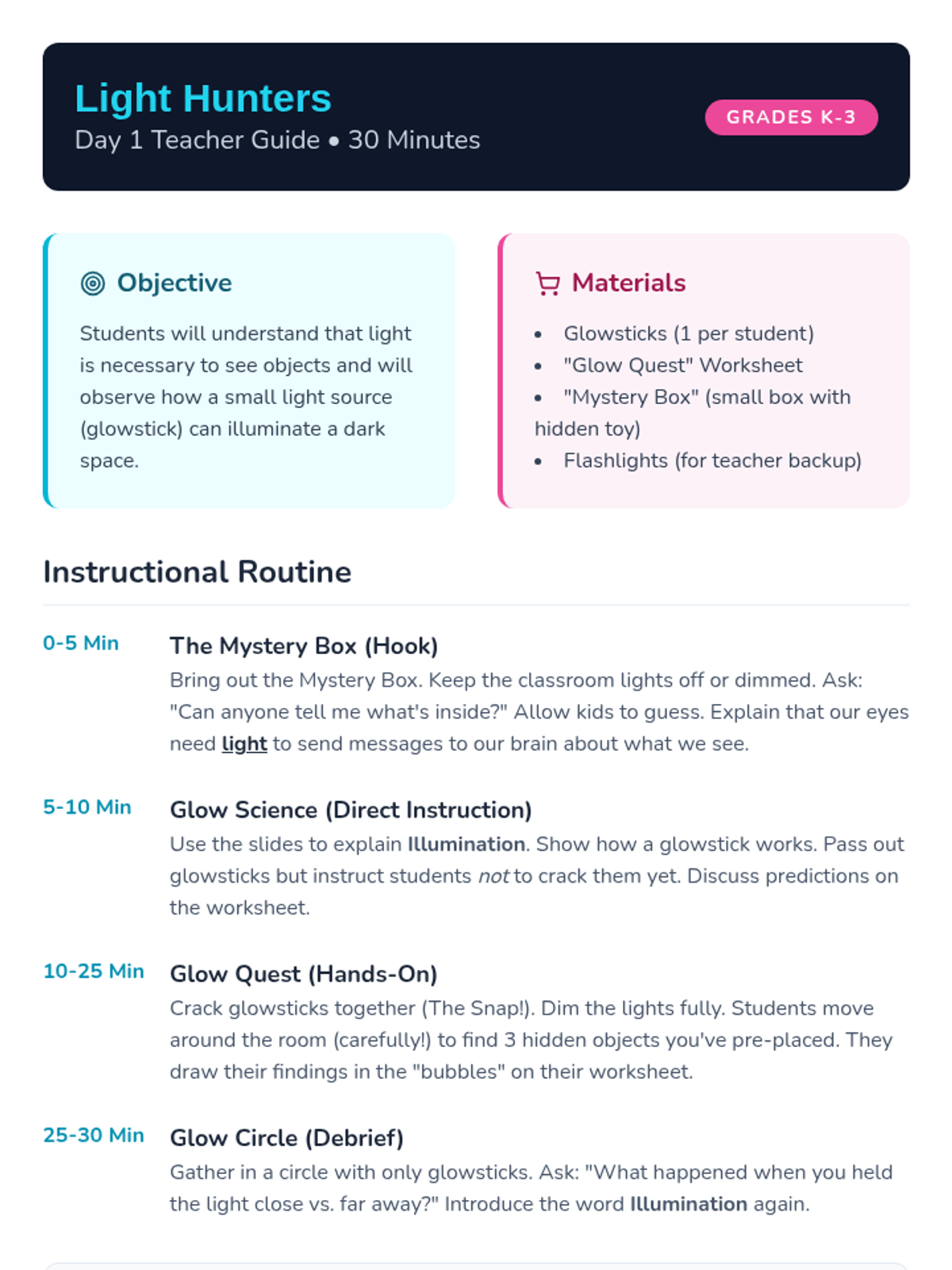
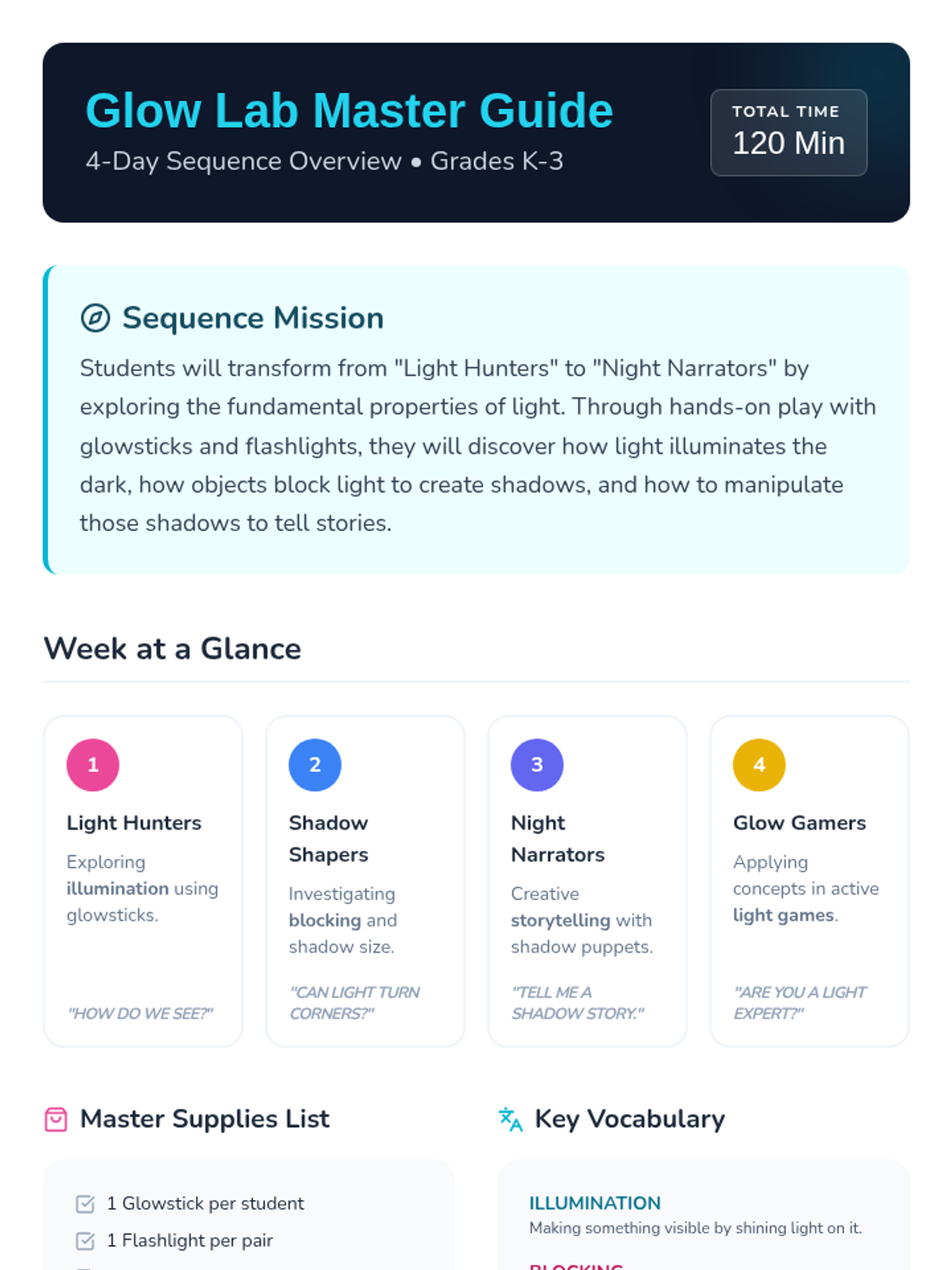
A four-day introductory science sequence for grades K-3 exploring the properties of light, illumination, and shadows through hands-on play with glowsticks and flashlights. Students will transition from understanding light sources to creating complex shadow narratives and participating in light-based games.
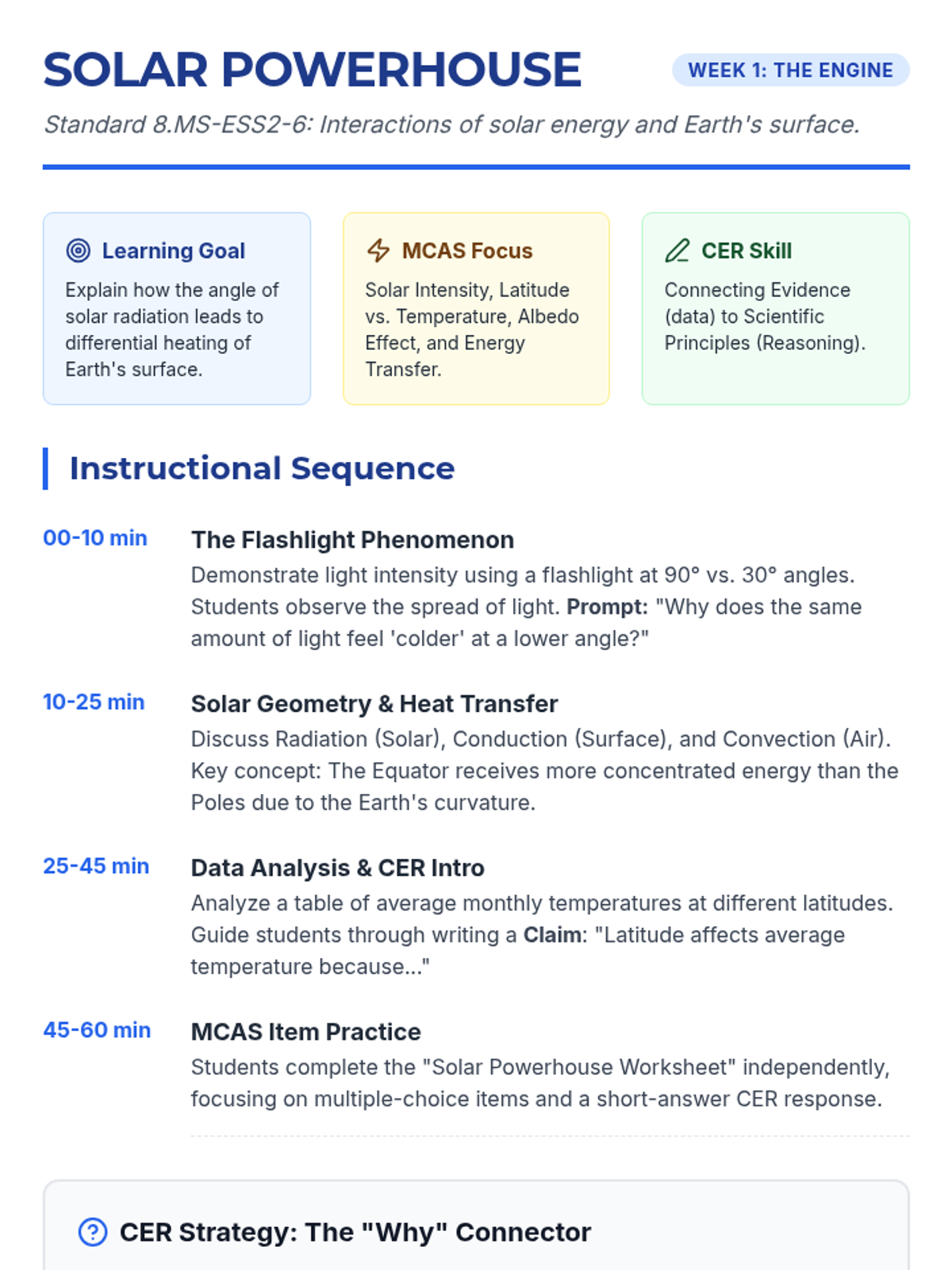
A rigorous 4-week MCAS prep sequence focusing on standard 8.MS-ESS2-6, exploring how solar energy, the atmosphere, and the oceans interact to create global circulation patterns and regional climates. Students will master the Claim-Evidence-Reasoning (CER) framework to tackle complex open-response questions.
A high-interest lesson exploring the neurological effects of short-form 'brain rot' content, designed for Grade 8 ELL students in Brazil. The sequence covers vocabulary acquisition, scientific concepts like dopamine and attention spans, and culminates in a structured whole-class debate.
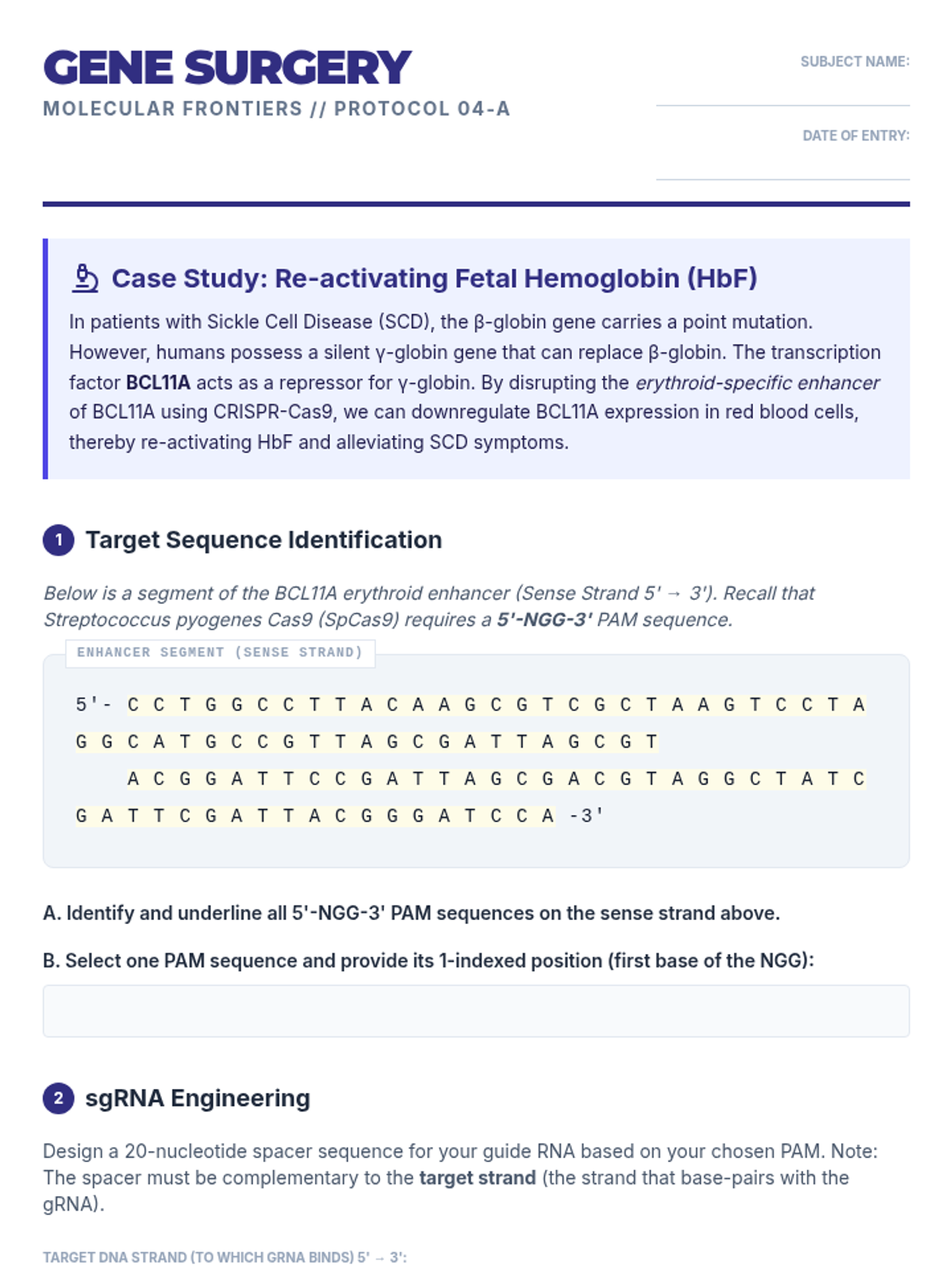
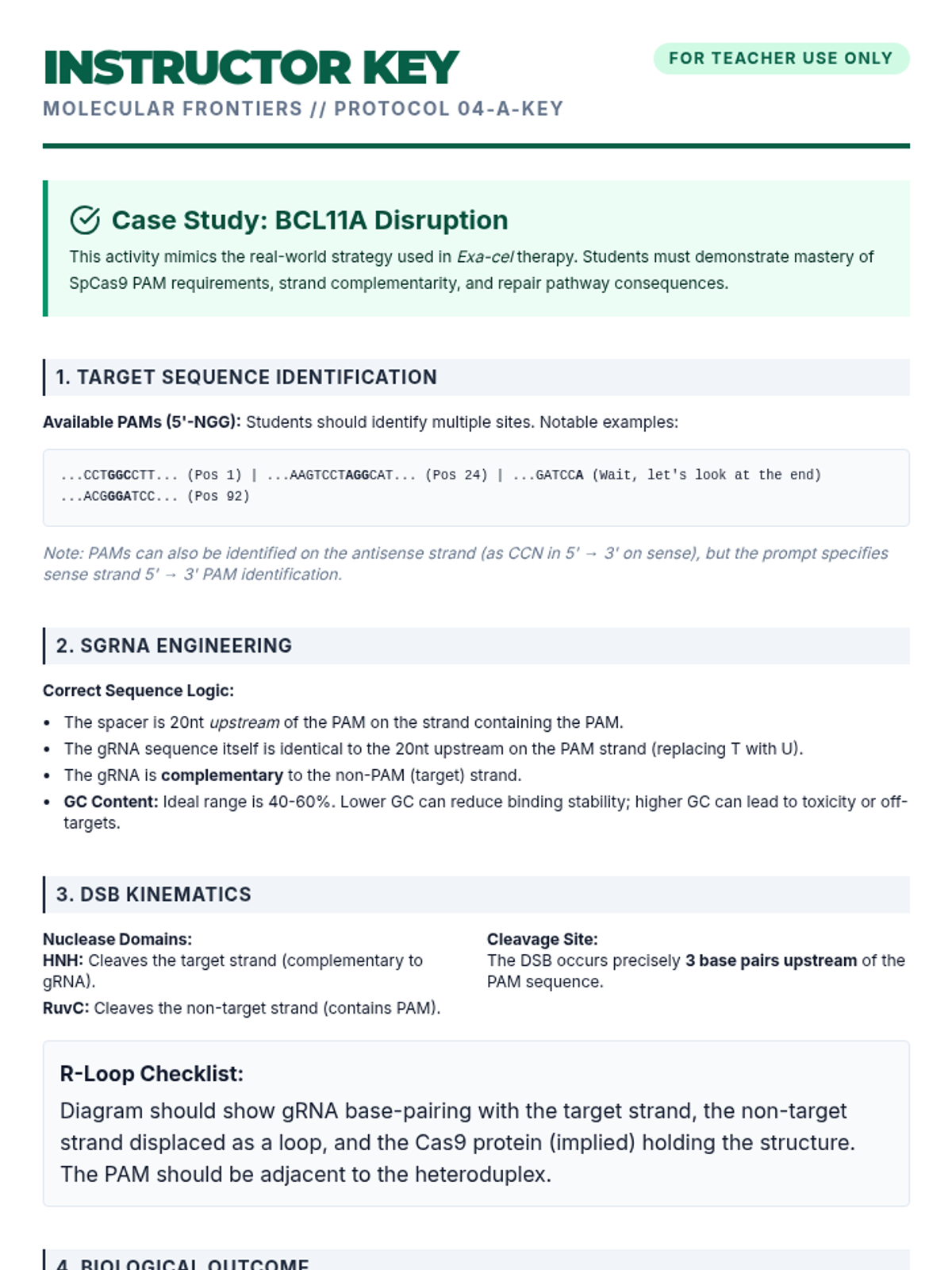
Advanced topics in modern genetics, exploring cutting-edge molecular tools and their applications in research and medicine.
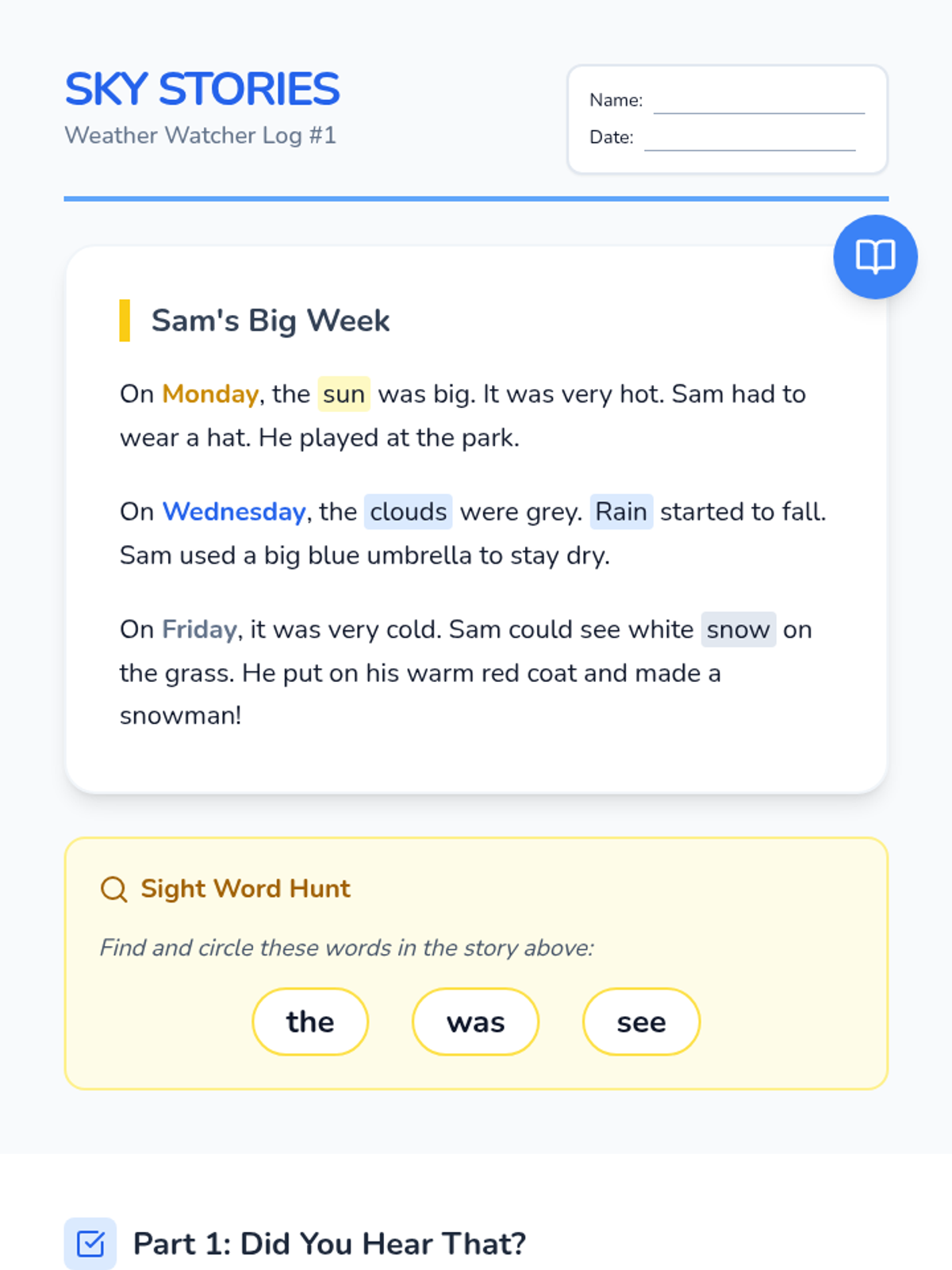
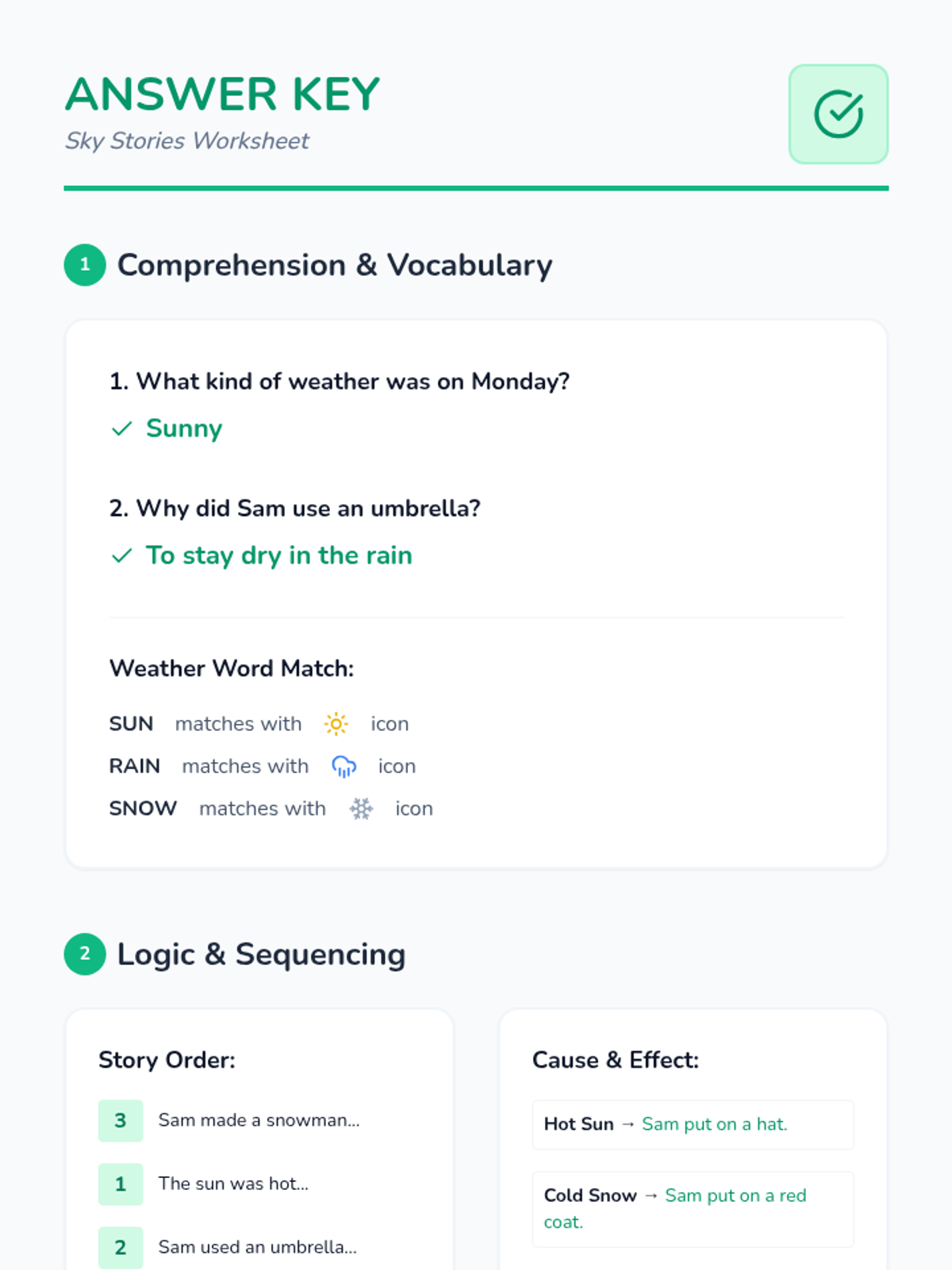
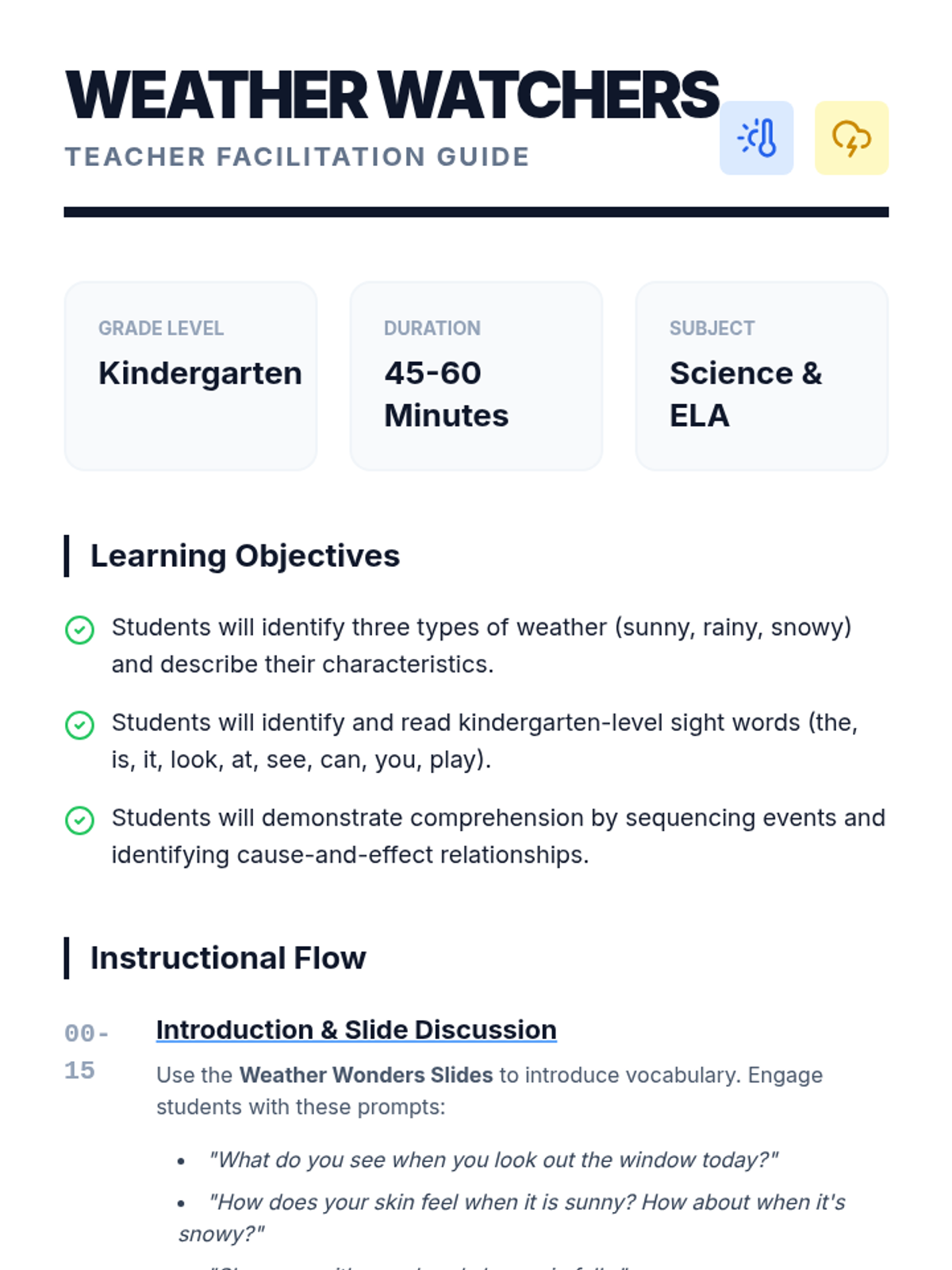
A kindergarten science and literacy unit exploring weather patterns and seasonal changes through stories and hands-on activities.
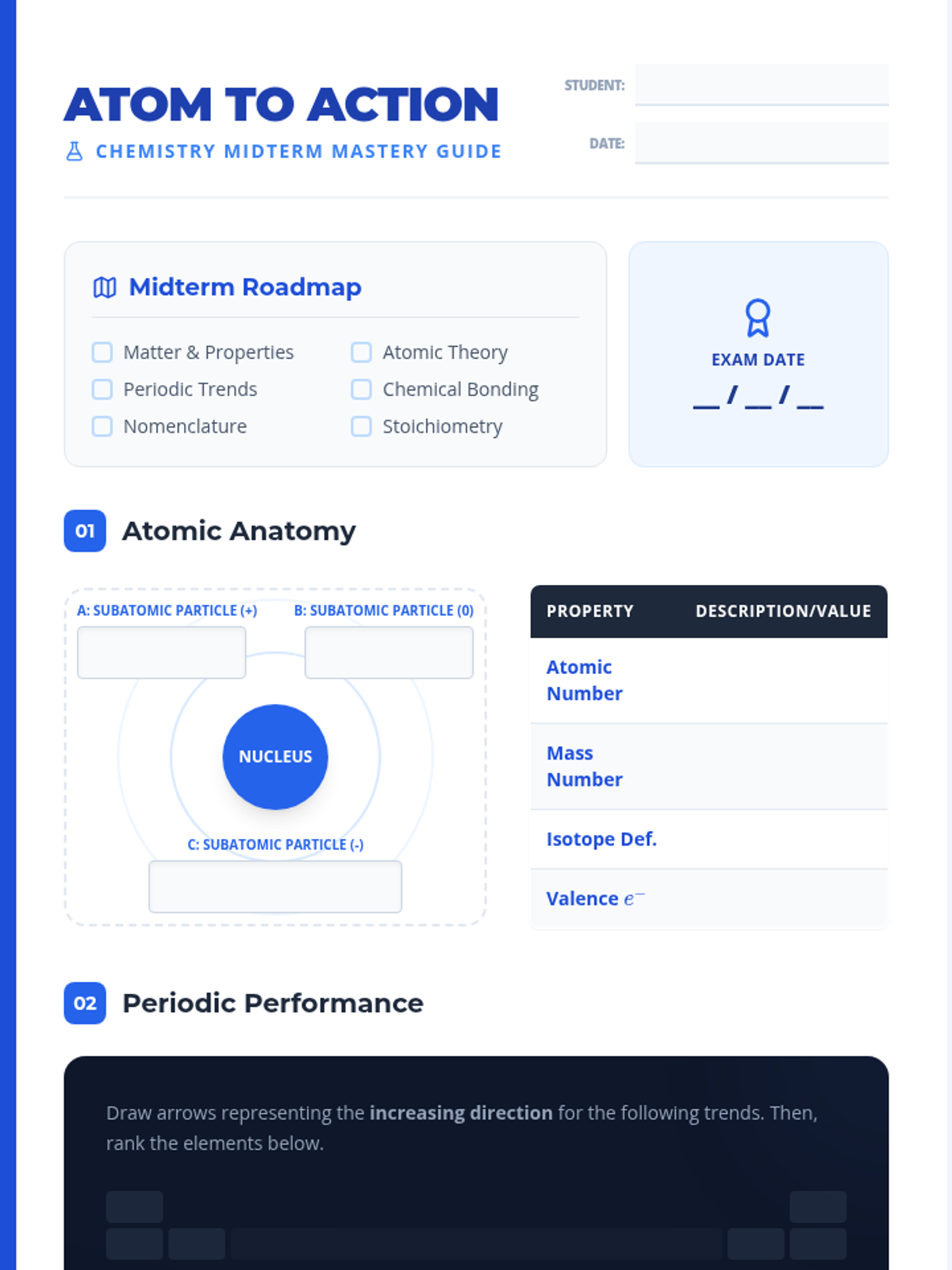
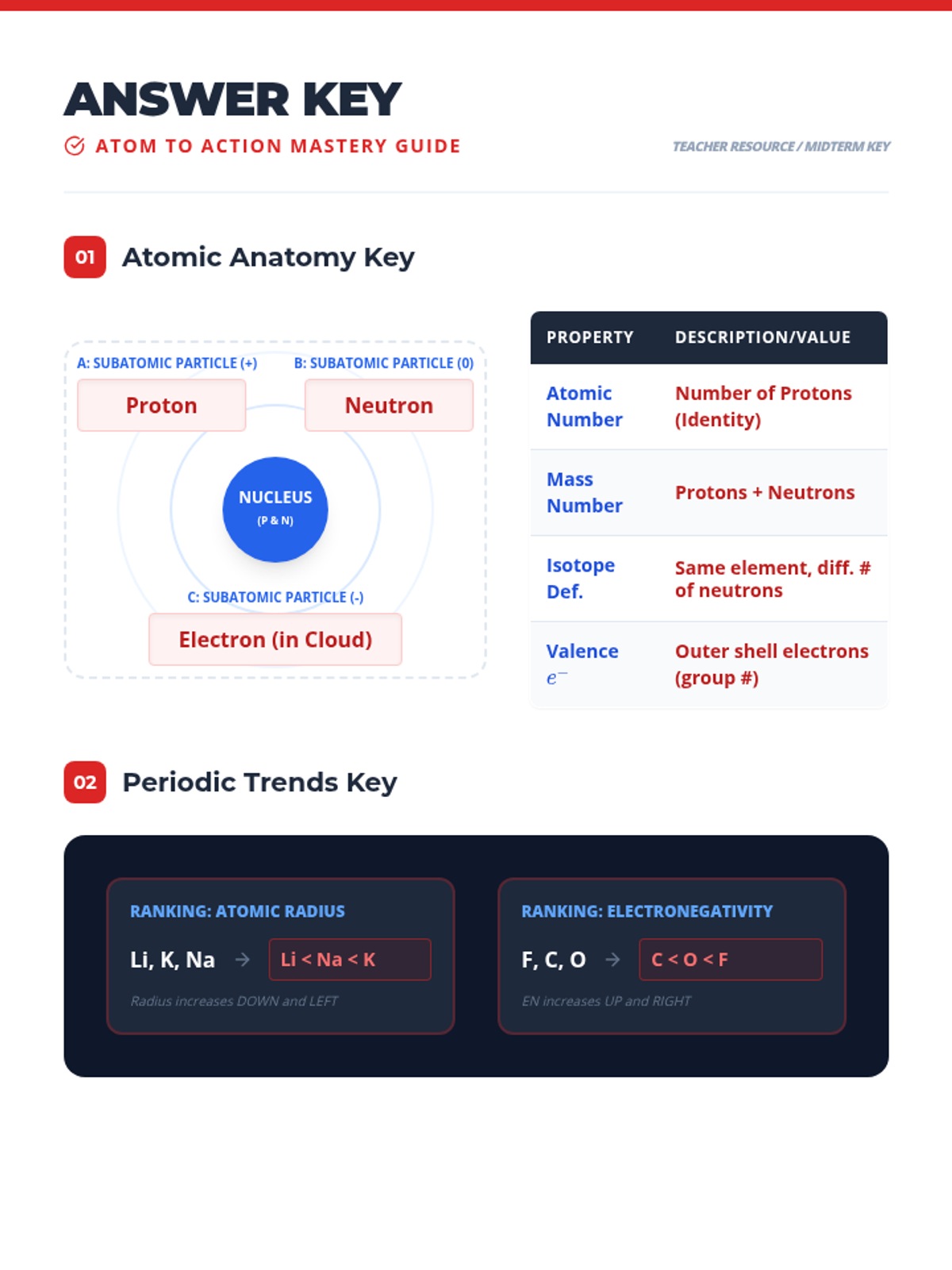
A comprehensive review of foundational chemistry concepts including atomic structure, periodic trends, chemical bonding, and stoichiometry to prepare students for midterm assessments.
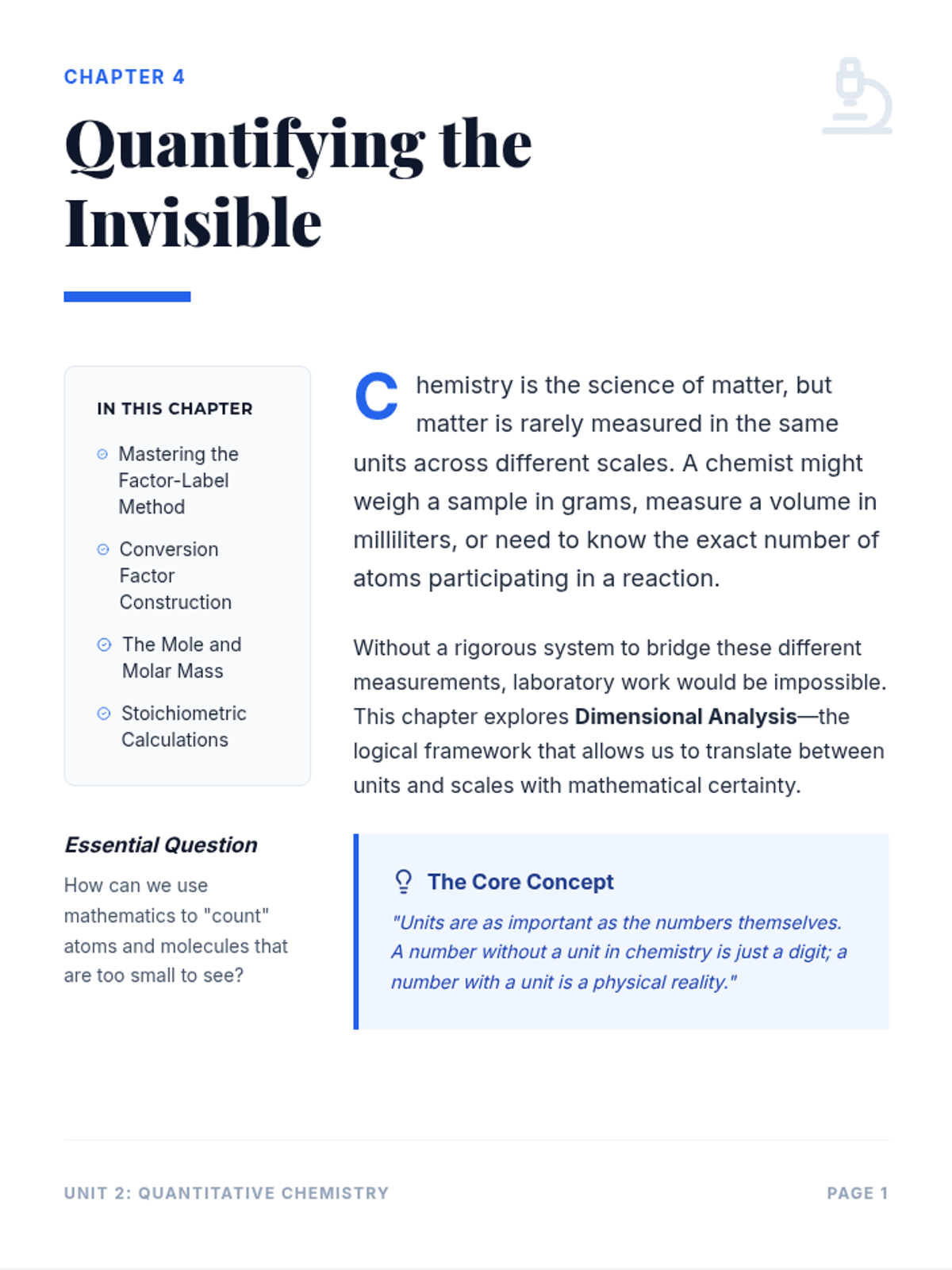
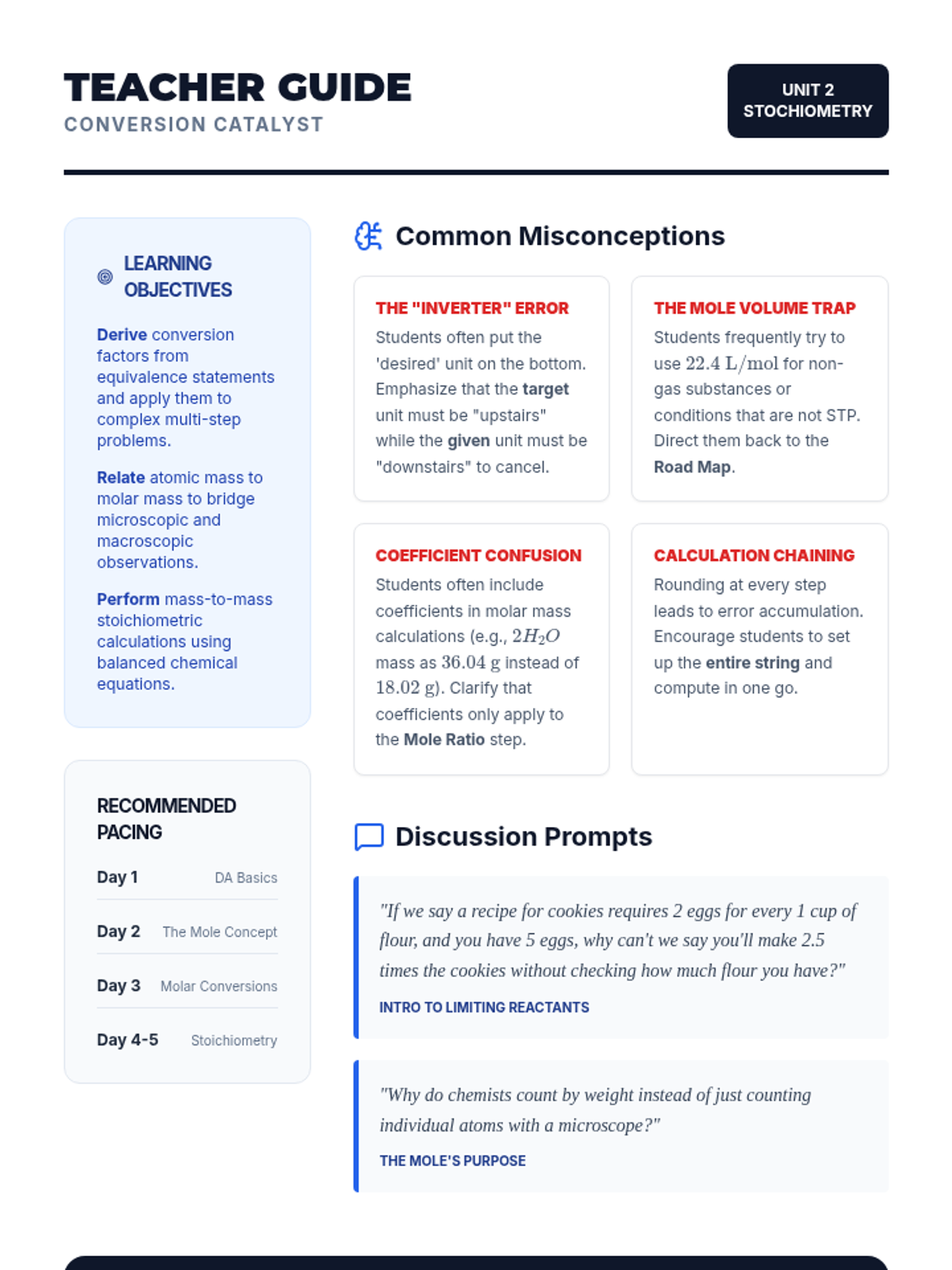
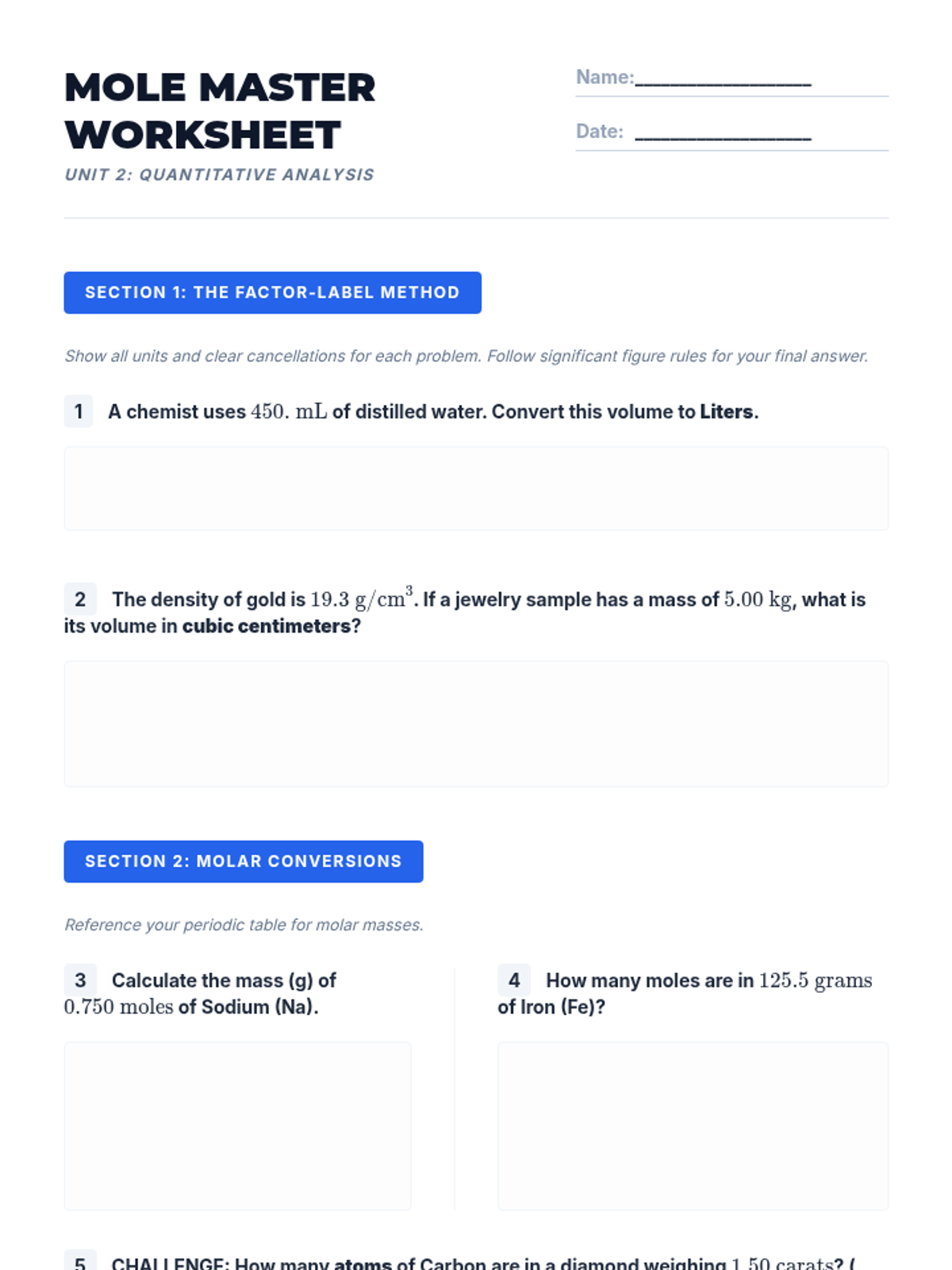
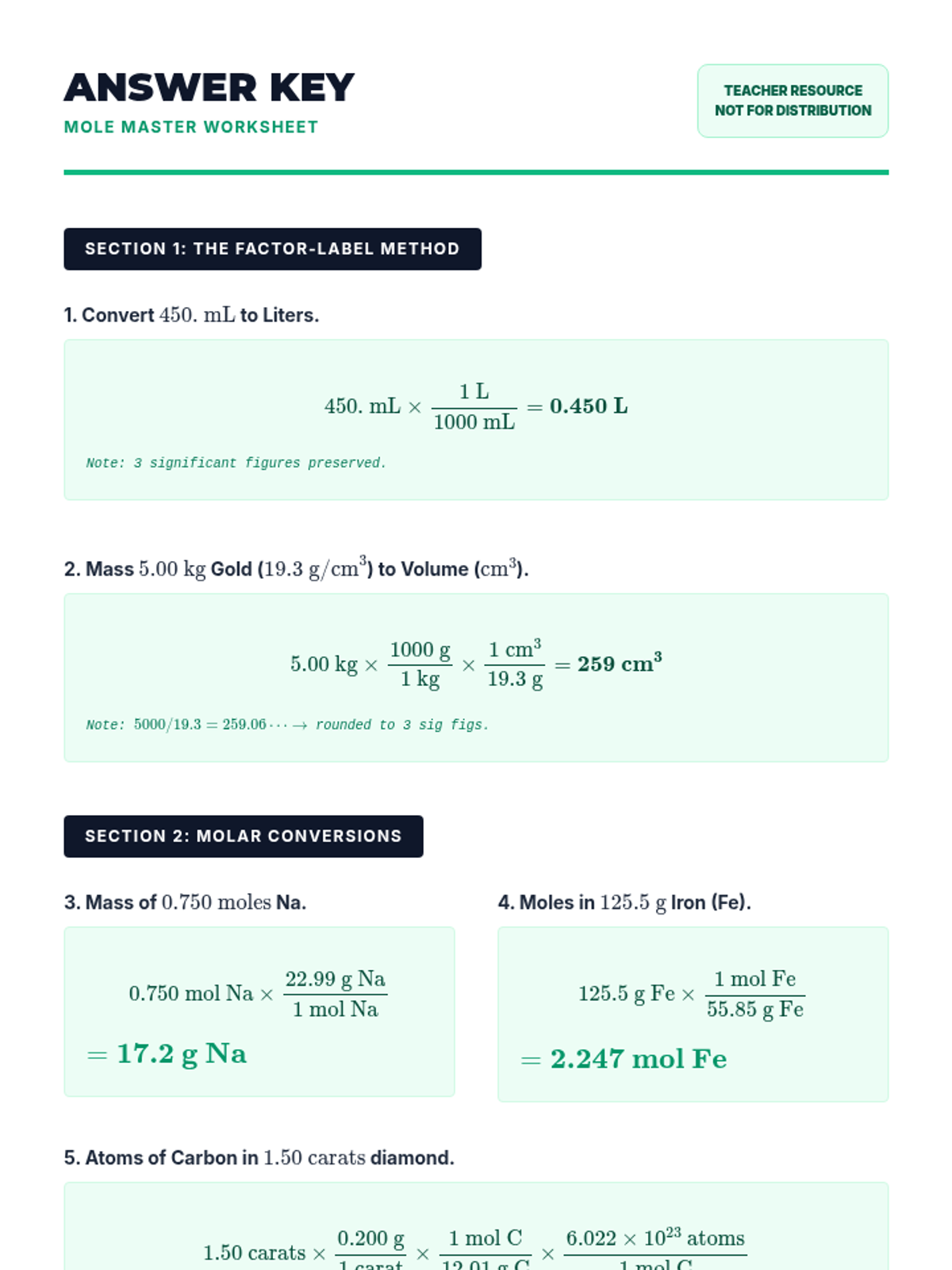
A comprehensive unit on chemical quantitative analysis, focusing on the mathematical foundations of chemistry through dimensional analysis, the mole concept, and stoichiometry.
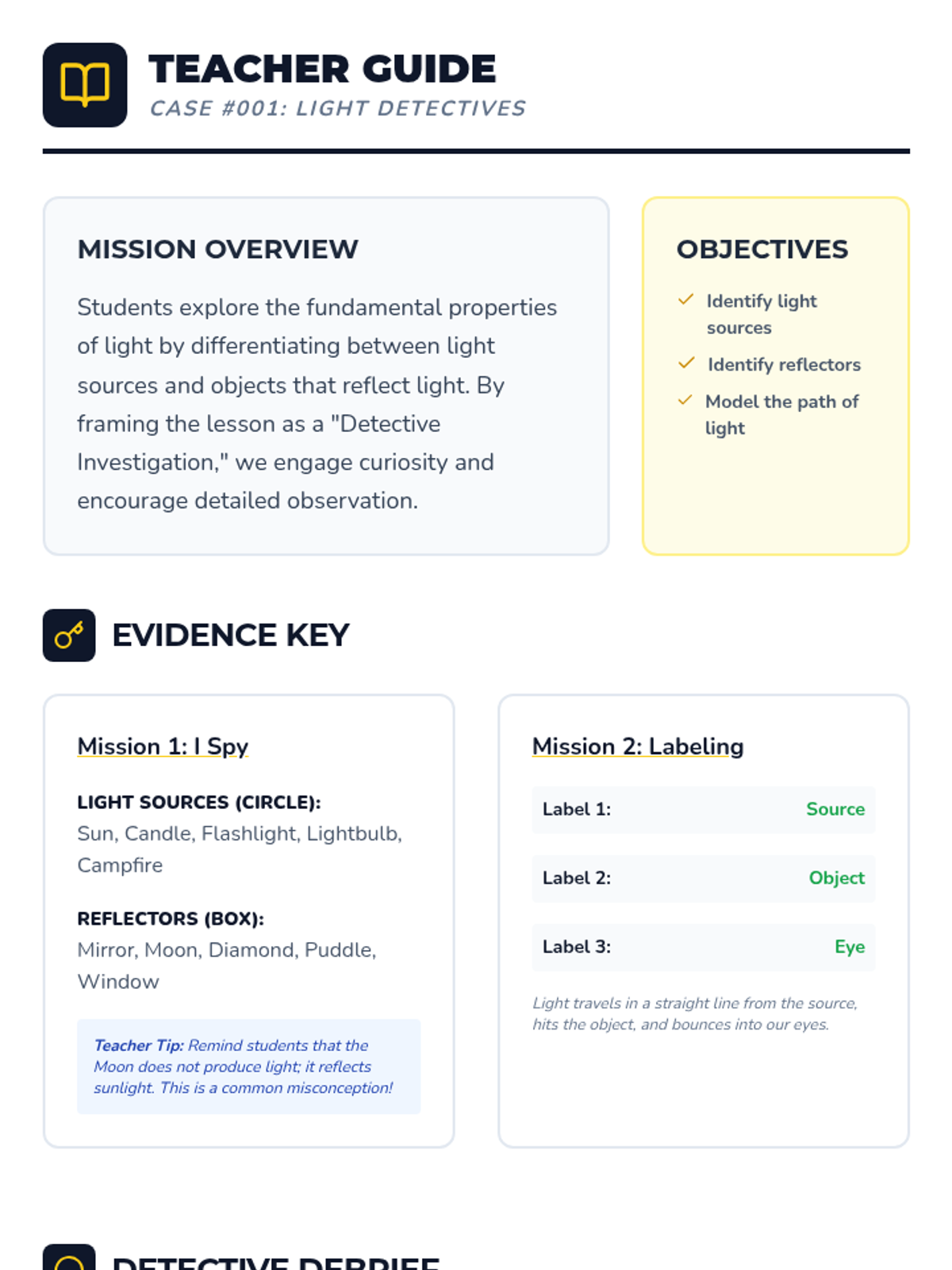
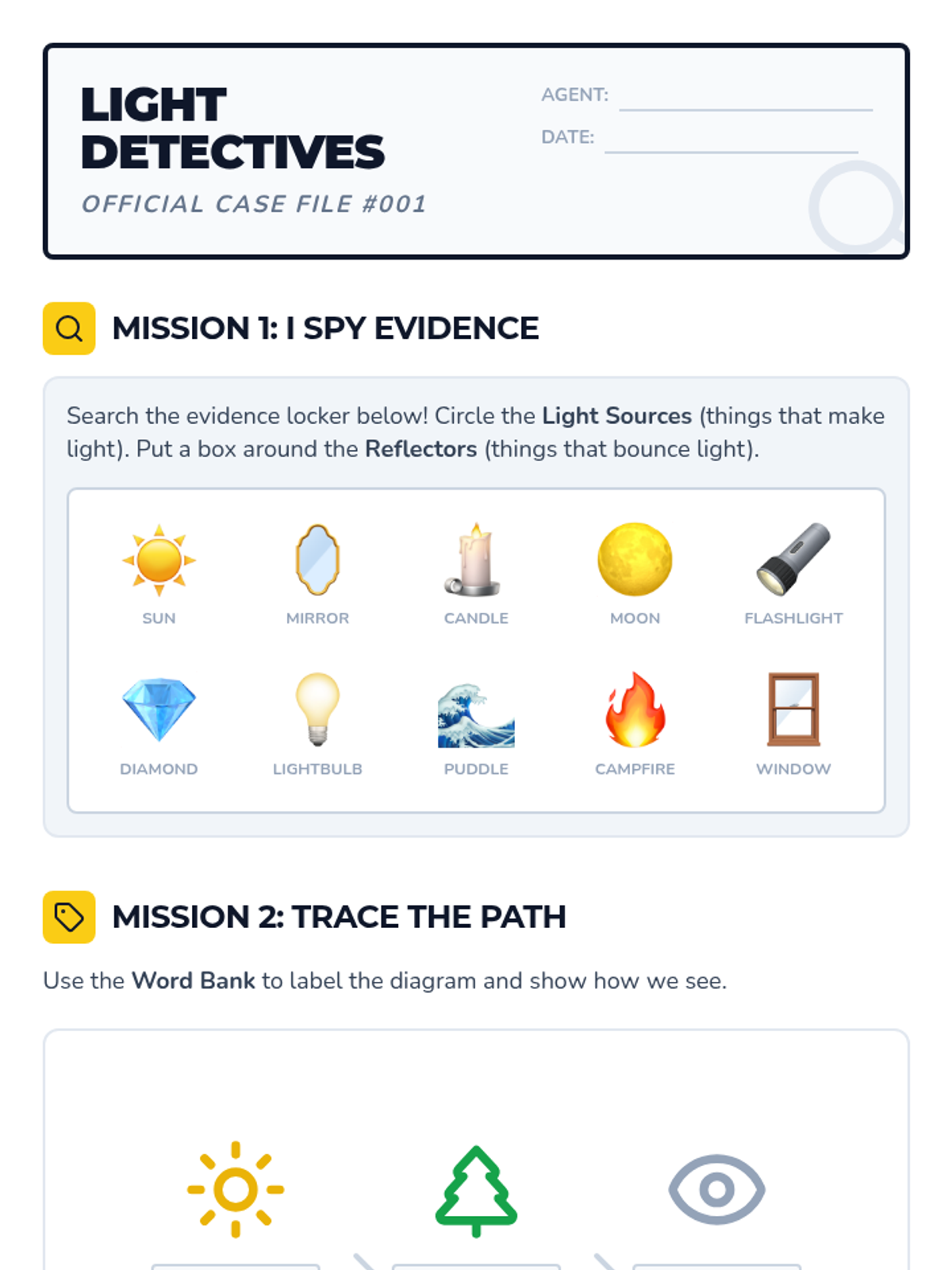
A primary science and ELA sequence where students become 'Light Detectives' to investigate how light works, identifying sources, reflections, and shadows in their environment.