A Kindergarten sequence exploring 3D solids (spheres, cubes, cylinders, cones) through hands-on tactile exploration, movement experiments, and vocabulary building. Students learn to distinguish between flat 2D shapes and solid 3D shapes.
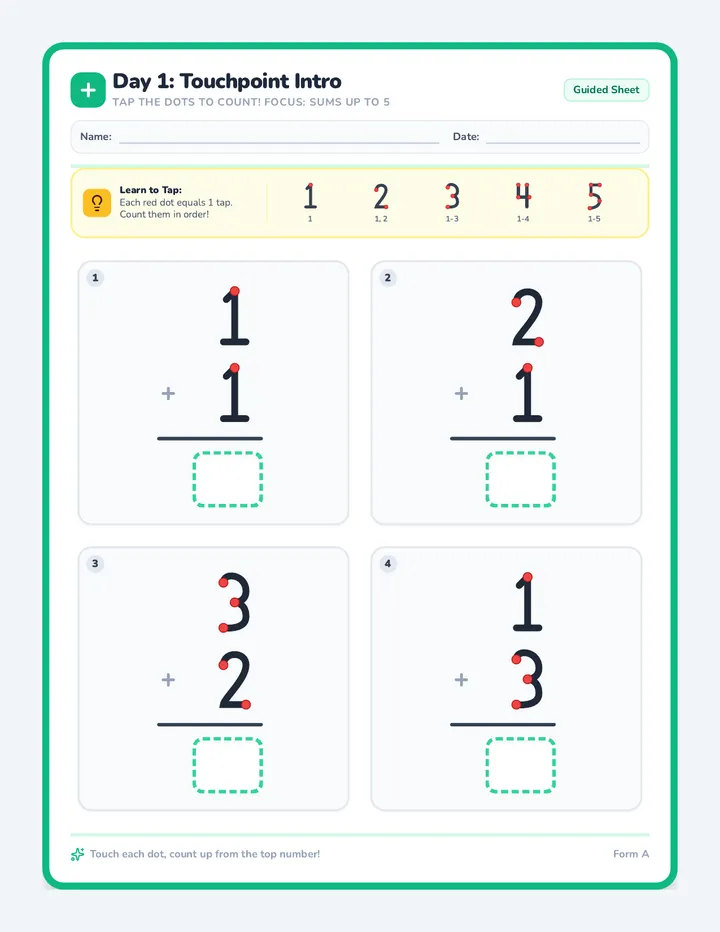
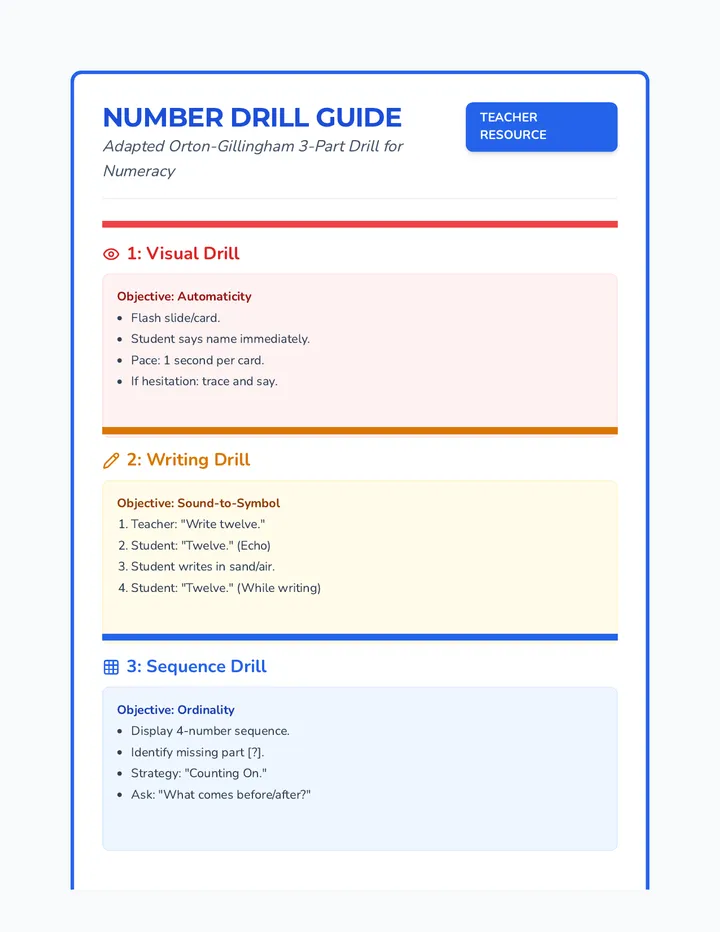
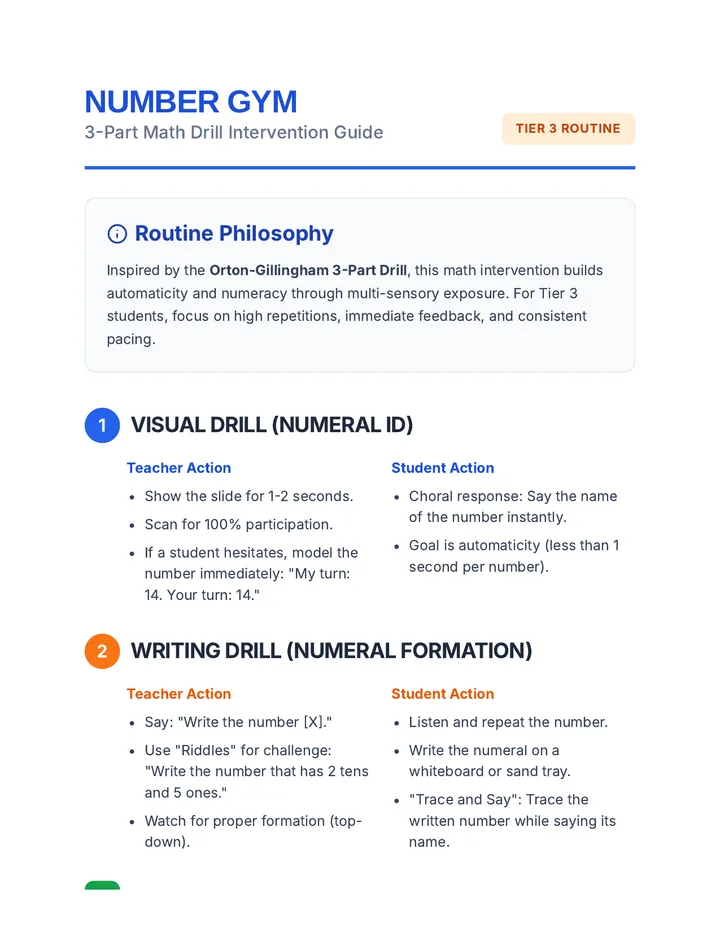
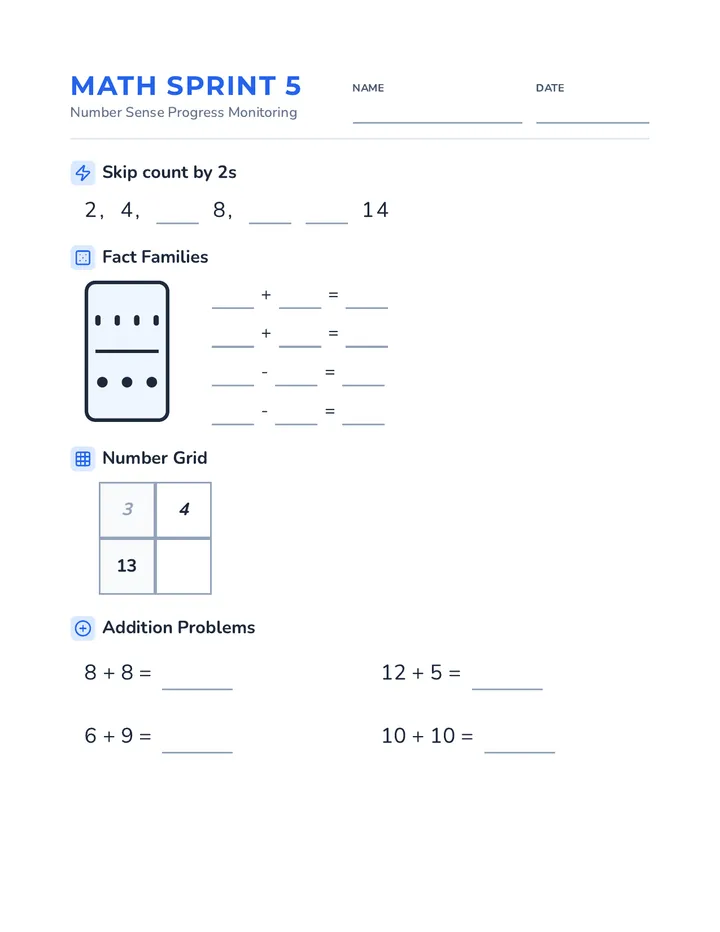
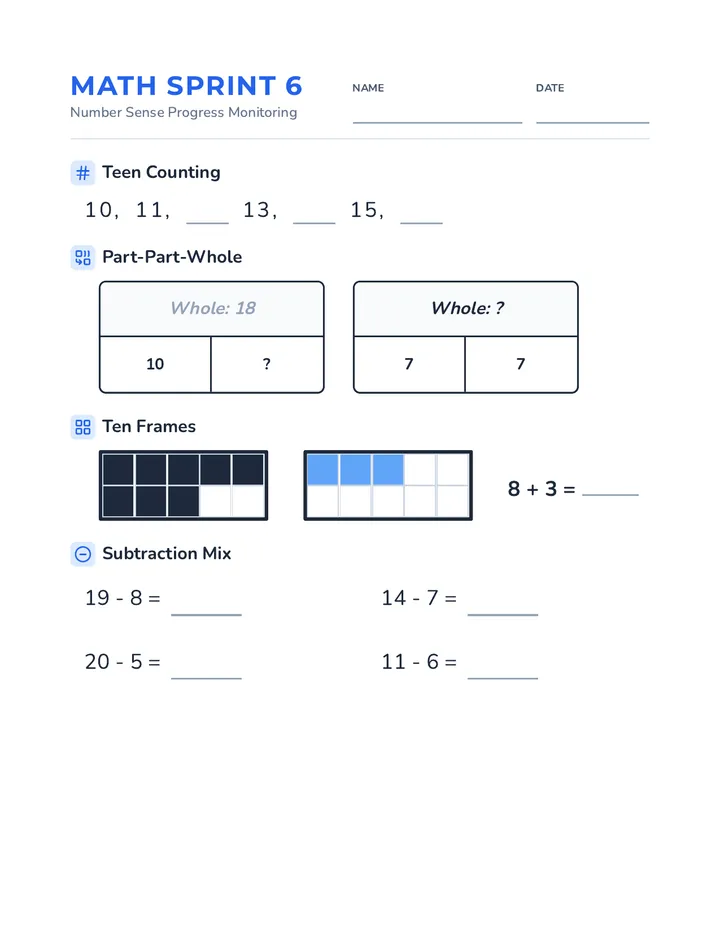
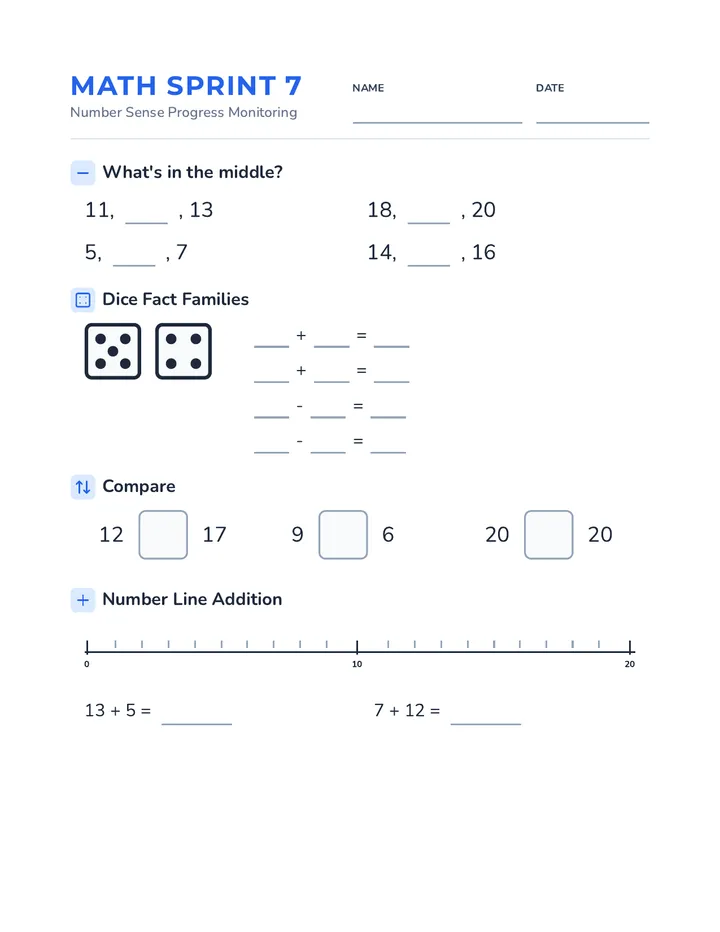
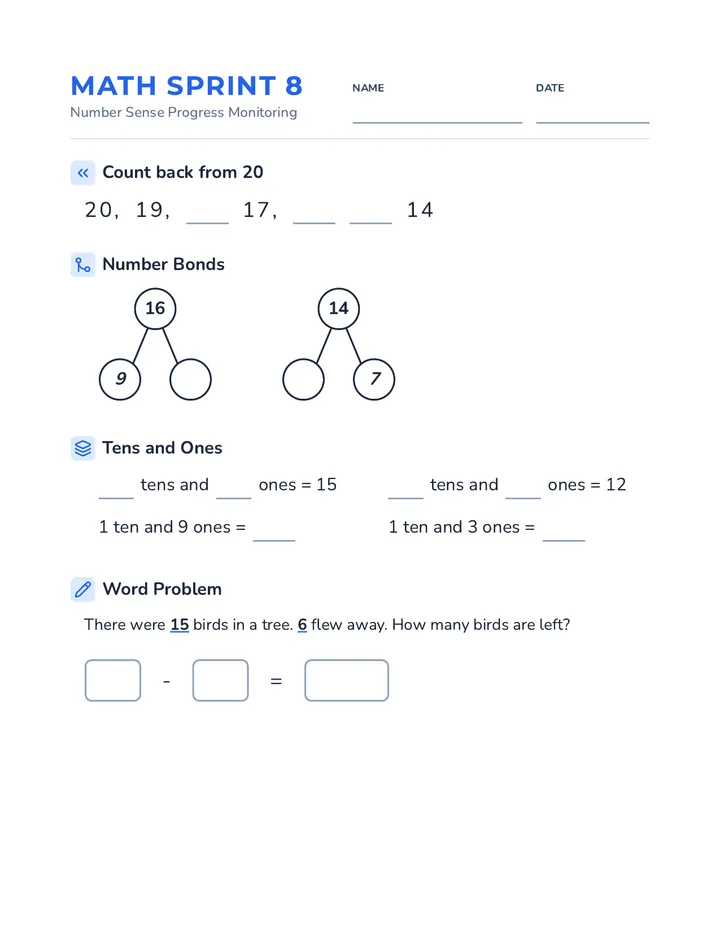
A high-intensity, evidence-based intervention designed for students needing foundational number sense support. Focuses on subitizing, 1:1 correspondence, place value, and decomposition using a CRA (Concrete-Representational-Abstract) approach.
A tiered math adventure sequence where students tackle word problems of increasing complexity, ranging from basic addition and subtraction within 10 to multi-step challenges involving four-digit numbers and basic multiplication and division.
A 5-day introductory unit for Kindergarten SDC students focusing on the 'Number Neighborhood' theme. Students learn to recognize 10 as a unit, build teen numbers, and perform basic addition and subtraction by composing and decomposing tens and ones.
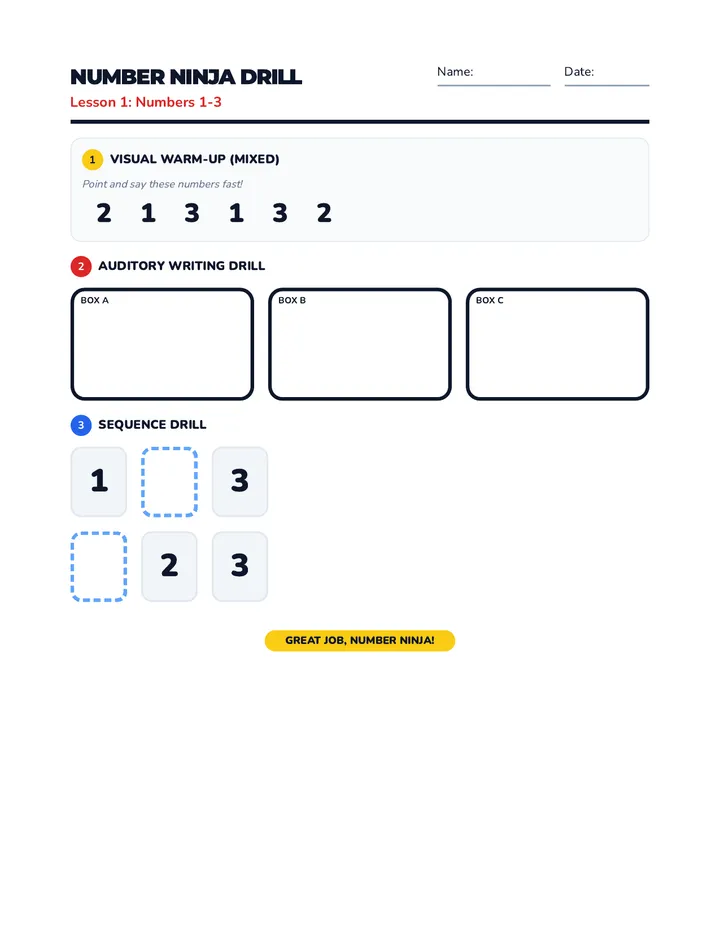
A Dr. Seuss-themed unit focusing on 'Wacky Wednesday' with a focus on counting, size sorting, prepositions, and creative expression for Pre-K and Kindergarten students.
A prehistoric racing-themed series that combines foundational math facts with CVCE word fluency through competitive board games and flashcard challenges.
A comprehensive one-week kindergarten unit focused on NC.K.CC.1, guiding students from counting by ones to 100 and mastering counting by tens through an explorer-themed adventure.
A 5-day introductory unit on comparing quantities and numerals 0-10 using alligator symbols and equal signs. Students explore 'greater than', 'less than', and 'equal to' through hands-on swamp-themed stations and visual practice.
A series of high-energy, hands-on activities and visual aids designed to help kindergarteners master pairs that add up to 10 using various manipulatives.
A Tier 2 intervention sequence for kindergarteners focusing on one-to-one correspondence and counting to tell 'how many' (0-10). The sequence progresses from concrete tactile counting to linear pictorial, scattered pictorial, and finally matching counts to abstract numerals.
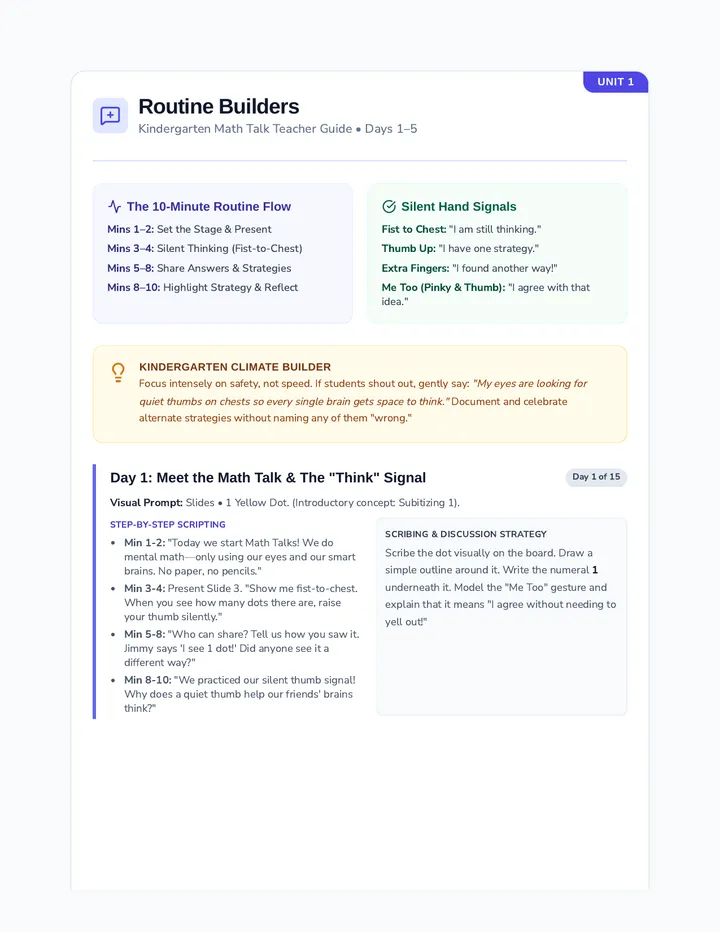
A comprehensive week-long kindergarten math unit where students join the 'Bear Brigade' to master counting, cardinality, and number comparison (1-10) through woodland-themed adventures.
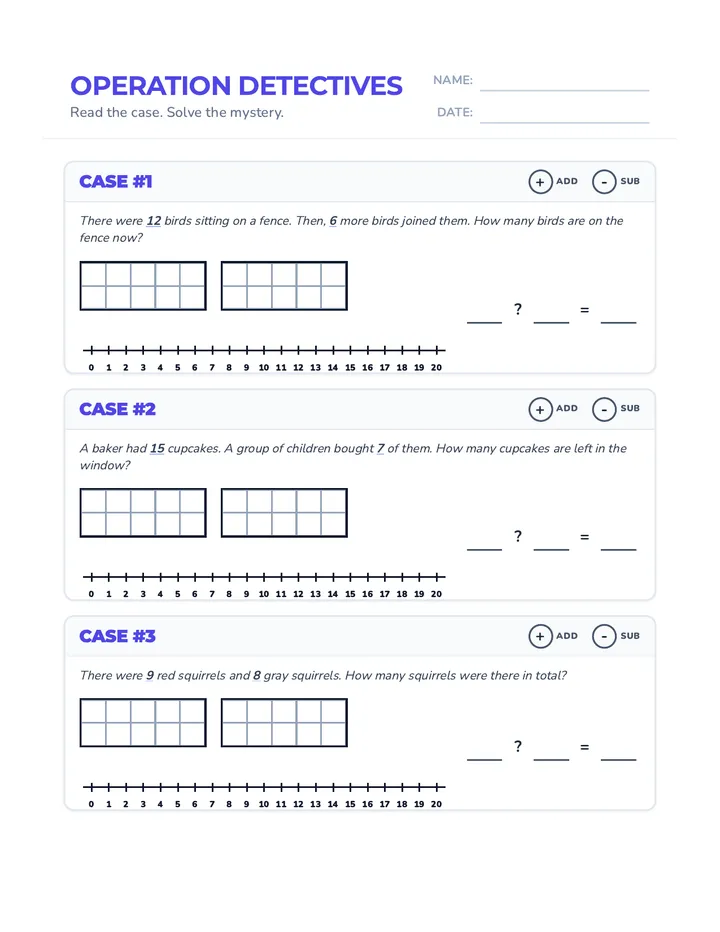
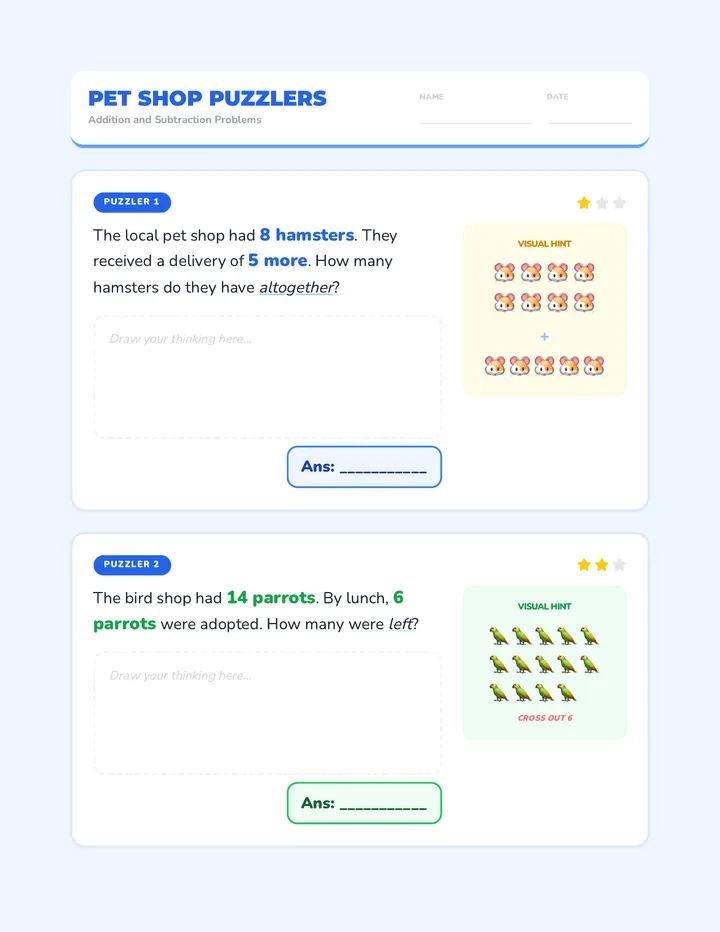
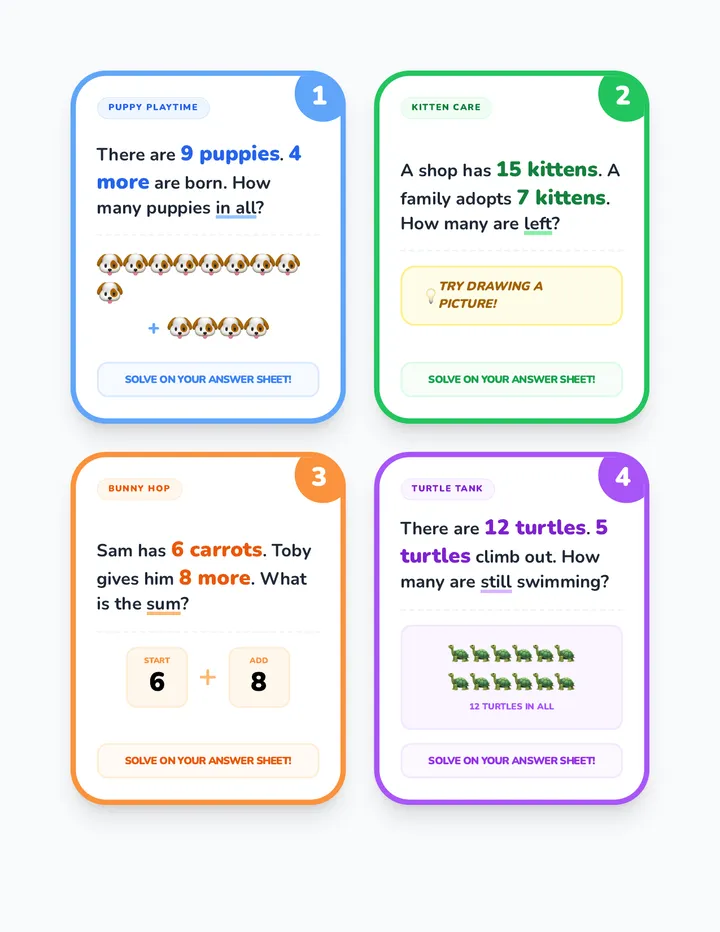
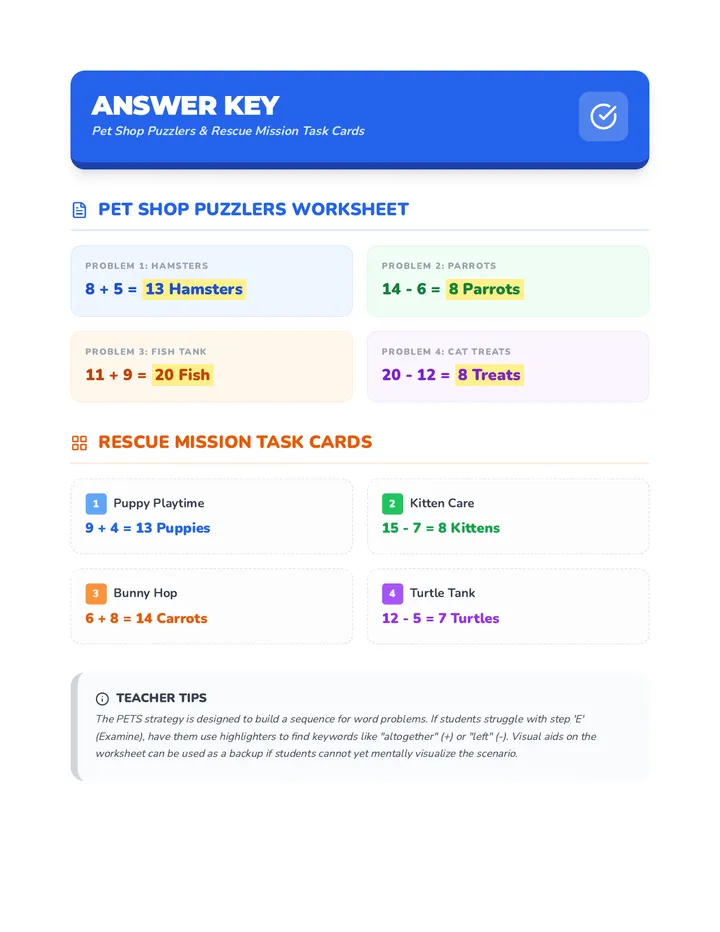
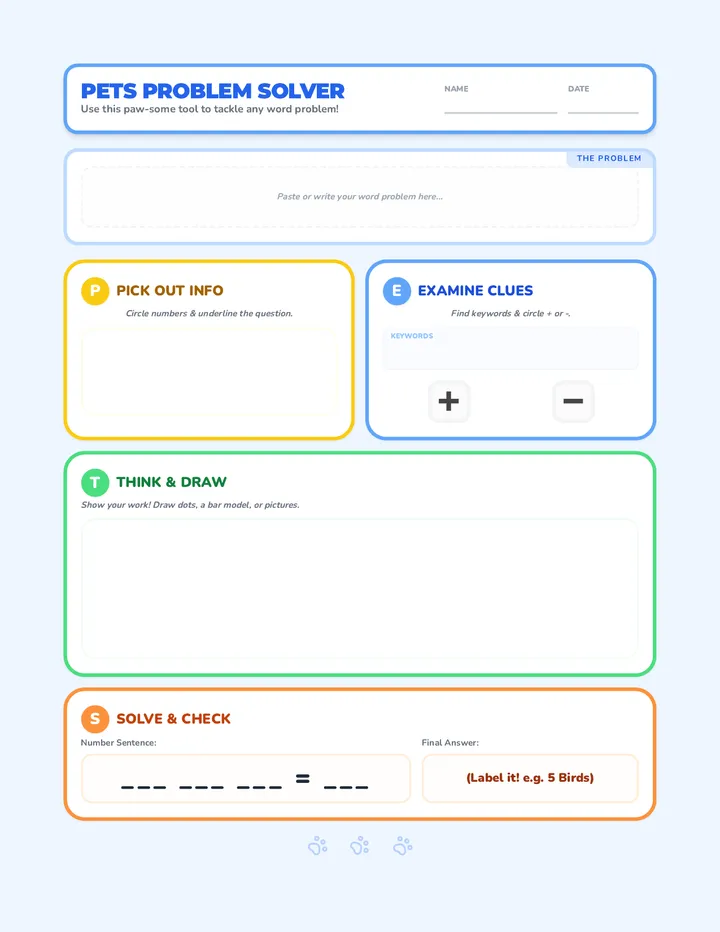
A comprehensive suite of strategies and visual supports designed to help K-5 students decode and solve addition, subtraction, multiplication, and division word problems using a detective-themed approach.
A foundational unit on place value that spirals from teen numbers up to the hundreds place. Using a 'Digit Builders' architectural theme, students learn to construct, deconstruct, and compare 2-digit and 3-digit numbers, building a solid foundation for future math.
A targeted Tier 2 intervention sequence focused on helping Kindergarten students master the composition of geometric shapes using tangrams and guided discovery.
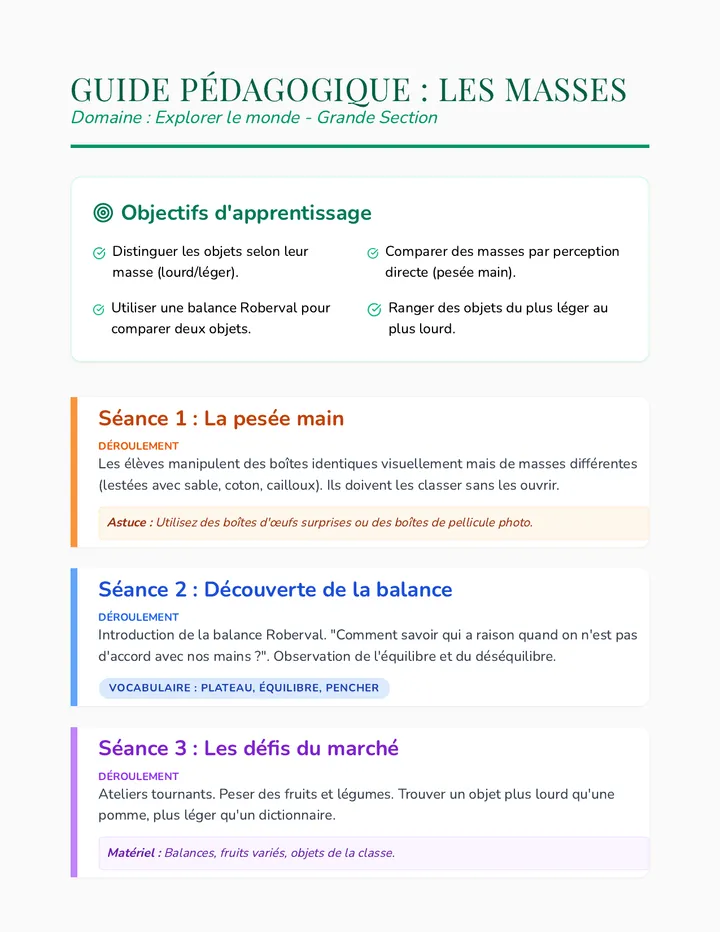
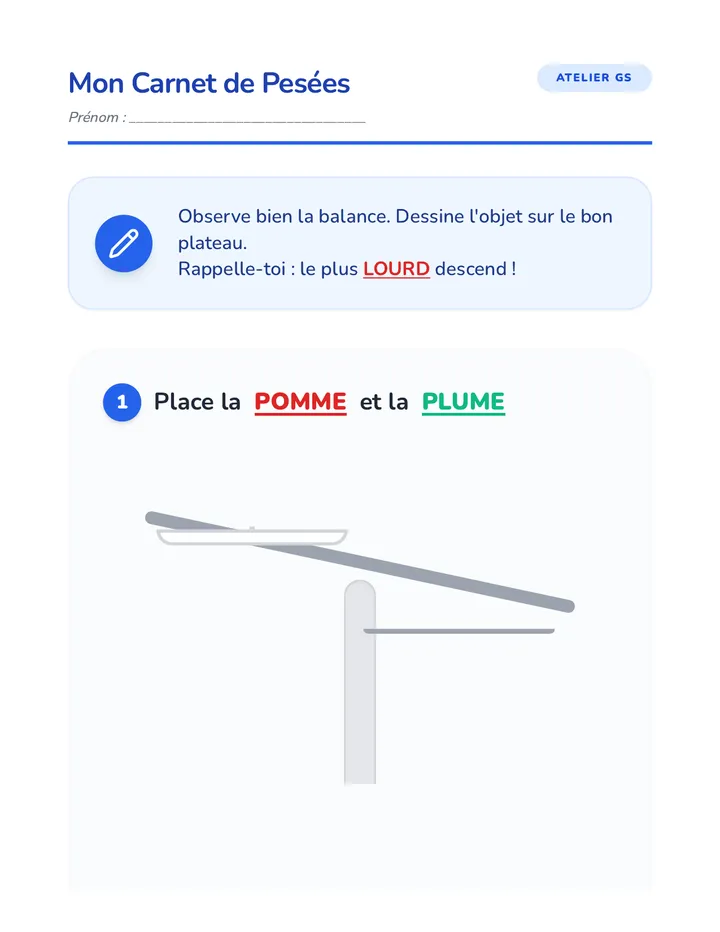
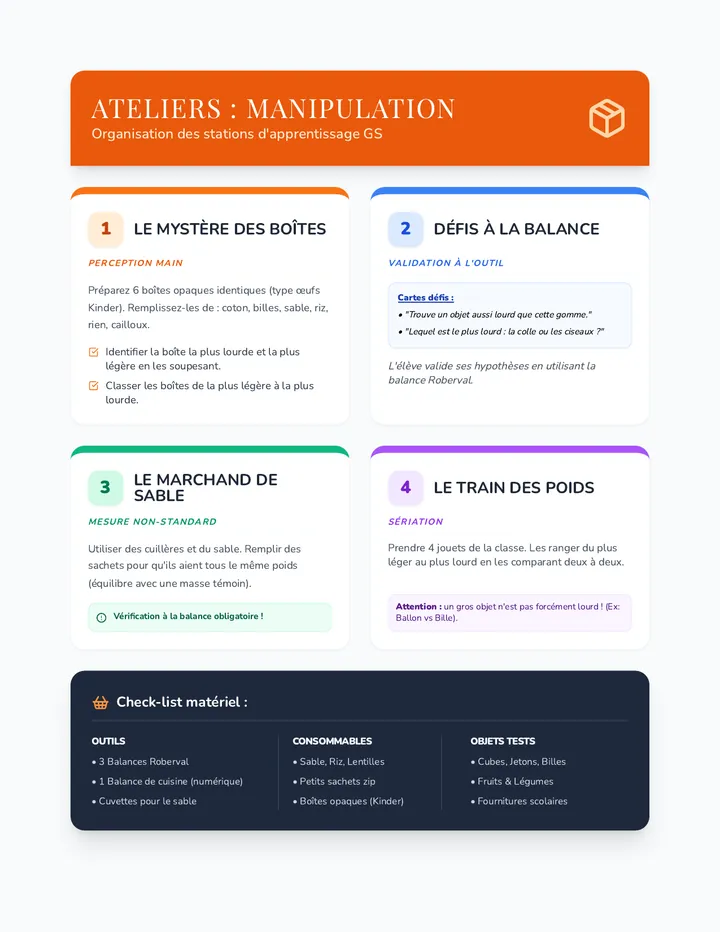
A targeted intervention sequence focused on foundational measurement skills for Kindergarteners, specifically comparing weight using direct comparison and balance scales.
A targeted Tier 2 intervention sequence for Kindergarten students focusing on decomposing numbers up to 10 using hands-on manipulatives and the Shake and Spill method. Students explore multiple ways to break apart a whole into two parts.
A 2-lesson Tier 2 intervention sequence focused on mastering one-to-one correspondence and cardinality for kindergarteners using a 'Treasure Hunter' theme. Students practice touching each object while counting and identifying the total number in a set up to 10.
A 12-lesson Tier 2 intervention sequence for Kindergarten focus on K.NBT.A.1. Using the 'Number Hive' theme, students explore teen numbers as 'ten and some more' through concrete manipulatives, visual models, and explicit IM-aligned instructional routines.
A 12-lesson Tier 2 intervention sequence for Kindergarten students focusing on addition and subtraction (K.OA.A). Using the 'Block Builders' theme, it incorporates All Learners Network HLCs and IM curriculum strategies like 5-frames, part-part-whole models, and concrete-to-representational progressions.
A 12-lesson Tier 2 intervention sequence for Kindergarten focusing on counting, cardinality, and comparison. Based on ALN High Leverage Concepts and IM methods, it uses the 'Counting Kingdom' theme to engage young learners with manipulatives and visual models.
A comprehensive math unit designed for Kindergarten and 6th-grade special education students, focusing on subitizing, counting, pattern recognition, and foundational algebraic thinking through multi-sensory engagement.
A comprehensive 12-lesson Tier 2 intervention sequence for Kindergarten Counting and Cardinality. These lessons utilize All Learners Network (ALN) High Leverage Concepts and IM curriculum strategies to support students in mastering number names, counting sequences, cardinality, and comparison through multi-sensory and UDL approaches.
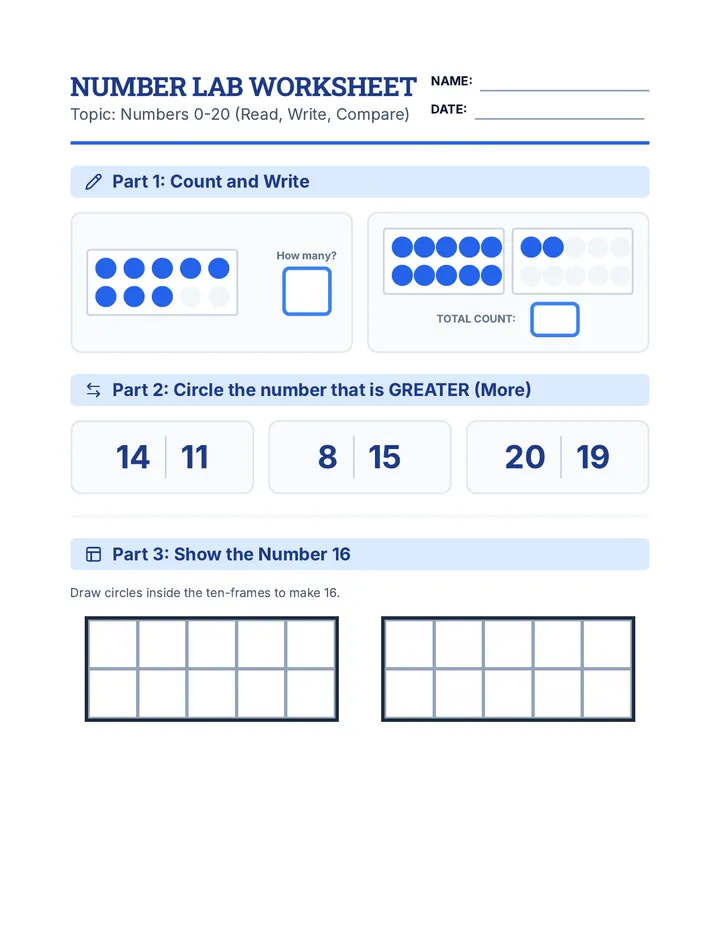
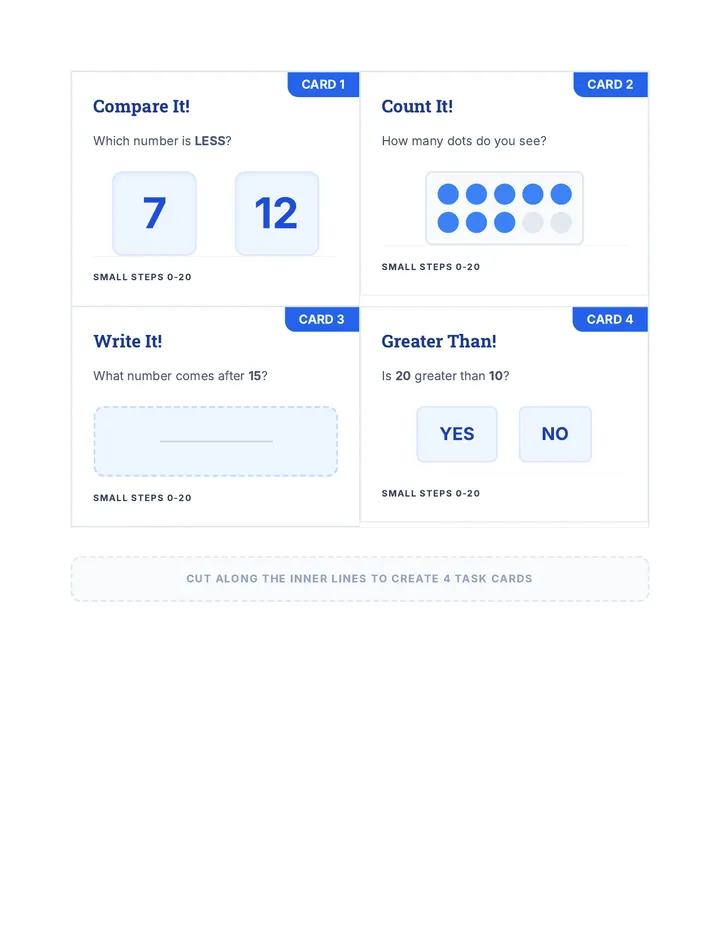
A comprehensive week-long unit for Early Childhood students focusing on number recognition and counting from 1 to 20 using movement-based beanbag activities. Each day introduces a new set of numbers through active play, visual aids, and simple recording tasks.
A comprehensive sequence for kindergarteners to master counting and writing numbers 1-20 through a fun jungle-themed exploration.
A Kindergarten math sequence focused on understanding place value through the composition of teen numbers as 'ten and some more'. Students use physical manipulatives and music to reinforce the pattern of adding ones to a base of ten.
A hands-on introduction to probability and chance for early elementary students using the concepts of will, won't, and might.
A sequence focused on using music, rhythm, and rhyme to master foundational mathematical concepts like addition and skip counting.
A Kindergarten math sequence for ELL students focused on comparing quantities using the concepts of more, less, and same. Students move from concrete visual comparisons to interactive sorting and hands-on station work.
A Kindergarten math sequence focusing on teen numbers (11-19) using hands-on manipulatives. Students progress from physical bundling to ten-frames and base-ten blocks, establishing a solid foundation for place value.
This Kindergarten math sequence uses the Concrete-Representational-Abstract (CRA) framework to teach composing and decomposing numbers. Students progress from tactile manipulation of physical objects to visual representations and early symbolic equations, specifically supporting diverse learners through sensory-rich mathematical exploration.
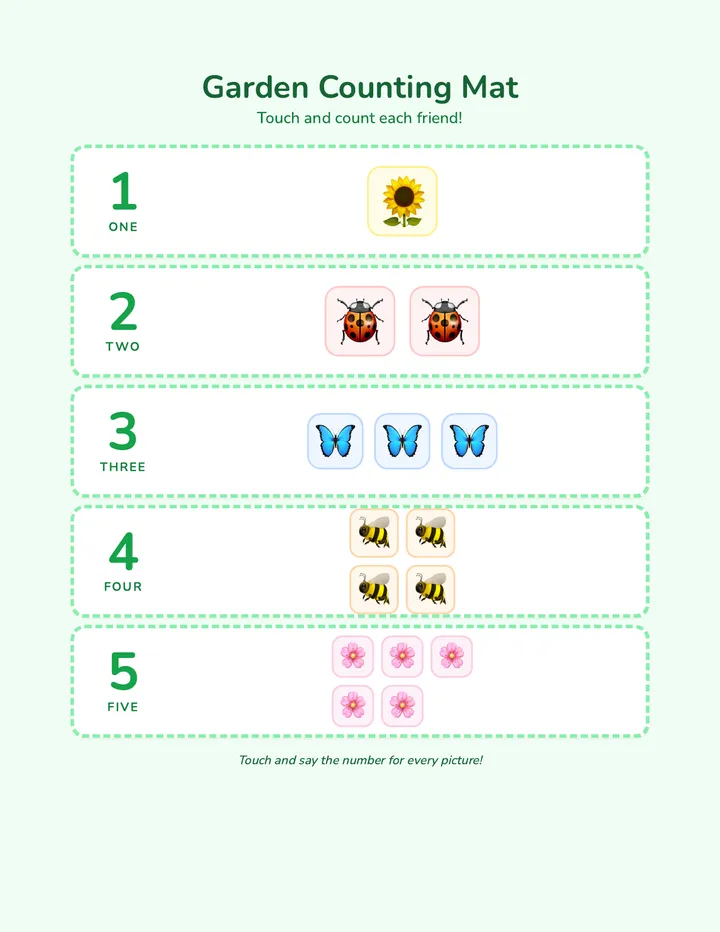
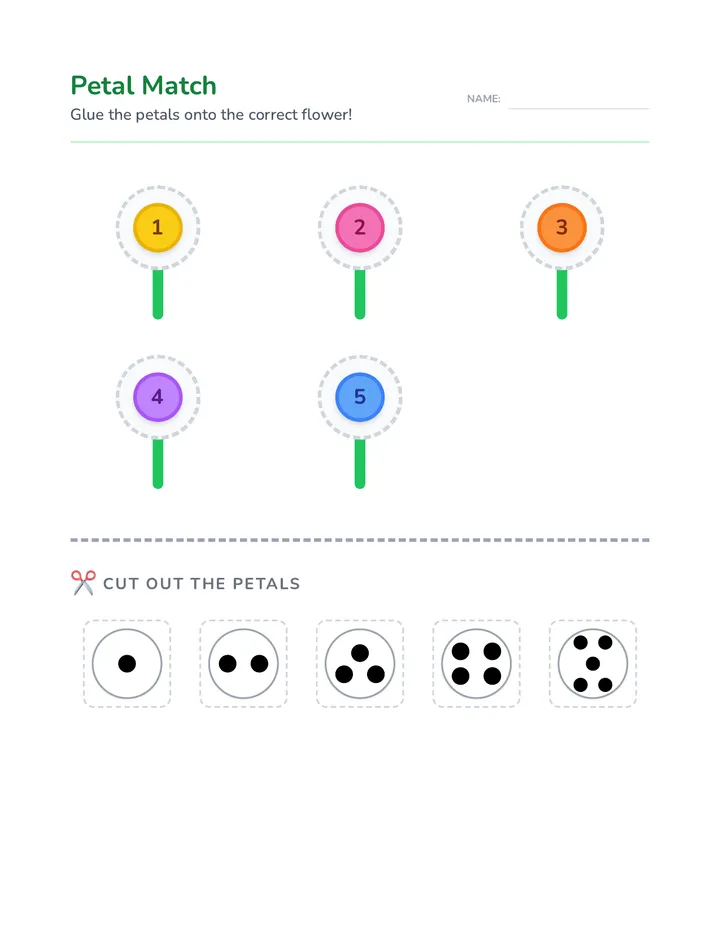
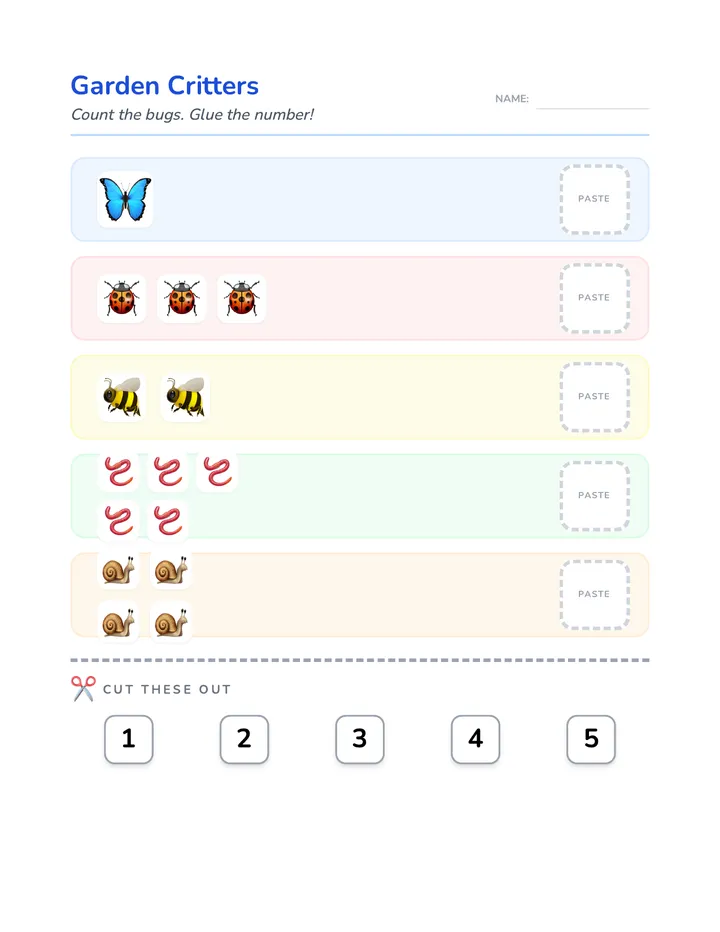
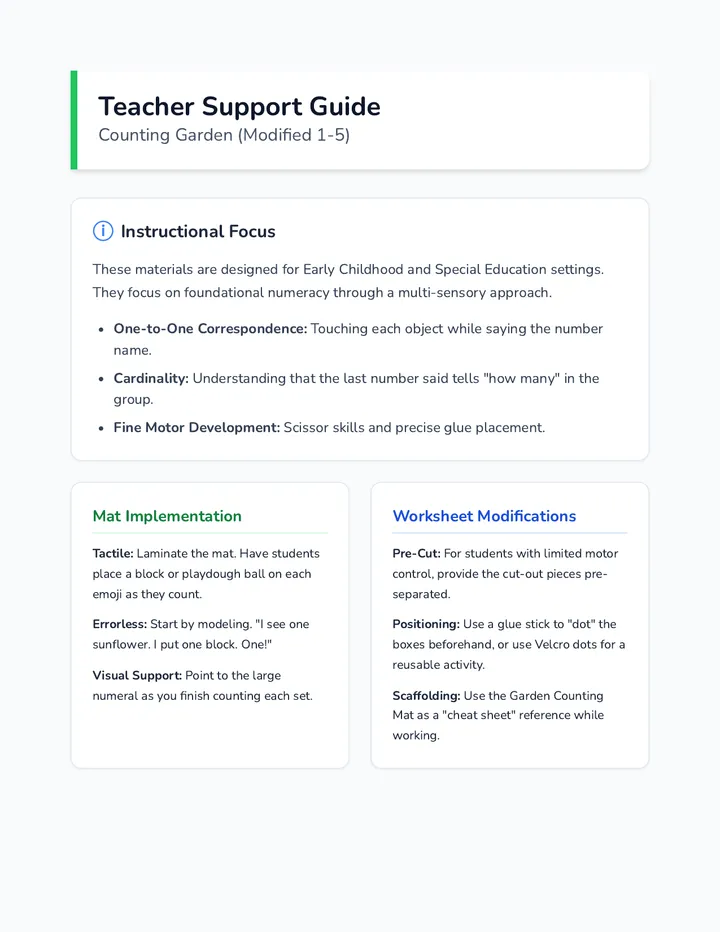
A foundational math sequence for Kindergarten students requiring academic support. This unit uses tactile manipulatives (counters, cubes) to build one-to-one correspondence, cardinality, and number conservation through high-engagement 'Counting Critter' activities.
A comprehensive math sequence for Kindergarten Special Education students, using space-themed visual scaffolds (Five-Frames and Ten-Frames) to build foundational number sense, subitizing skills, and early addition strategies.
A 5-lesson unit for Kindergarten students focusing on visual math representation using Number Paths. This sequence moves from physical movement to conceptual addition and subtraction, ending with missing addend problem-solving.
This sequence introduces Kindergarten students to the conceptual framework of part-part-whole relationships using visual number bonds. Through tactile sorting, graphic organizers, and story mapping, students develop the foundational skills necessary for addition and subtraction.
This sequence bridges the gap between concrete manipulatives and two-dimensional drawings for Kindergarten students needing academic support. It guides students from tracing physical objects to using simple 'math drawings' (circles) for addition and subtraction.
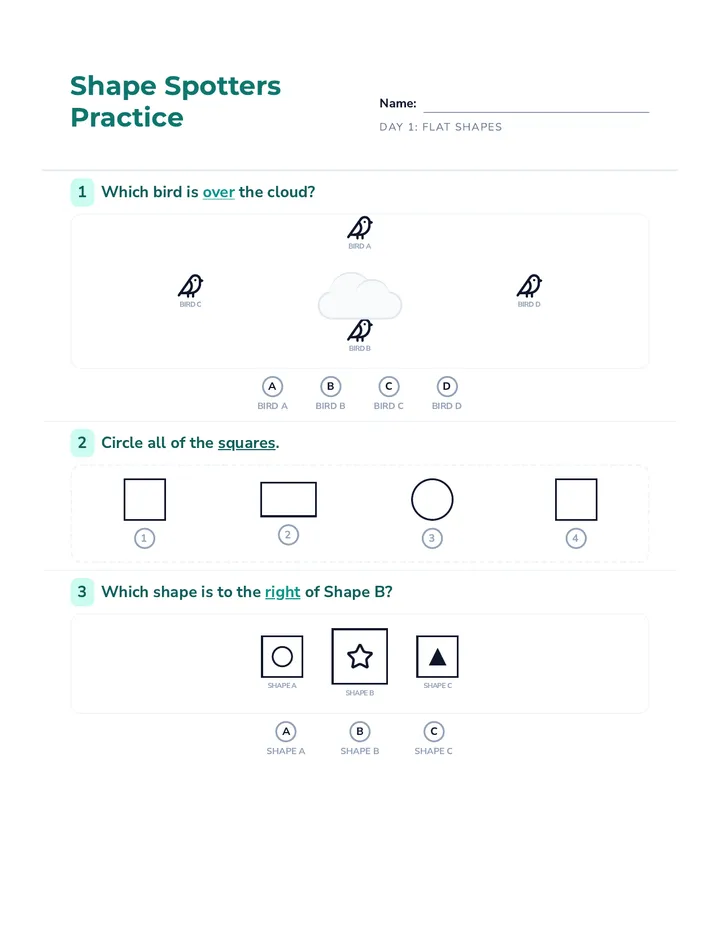
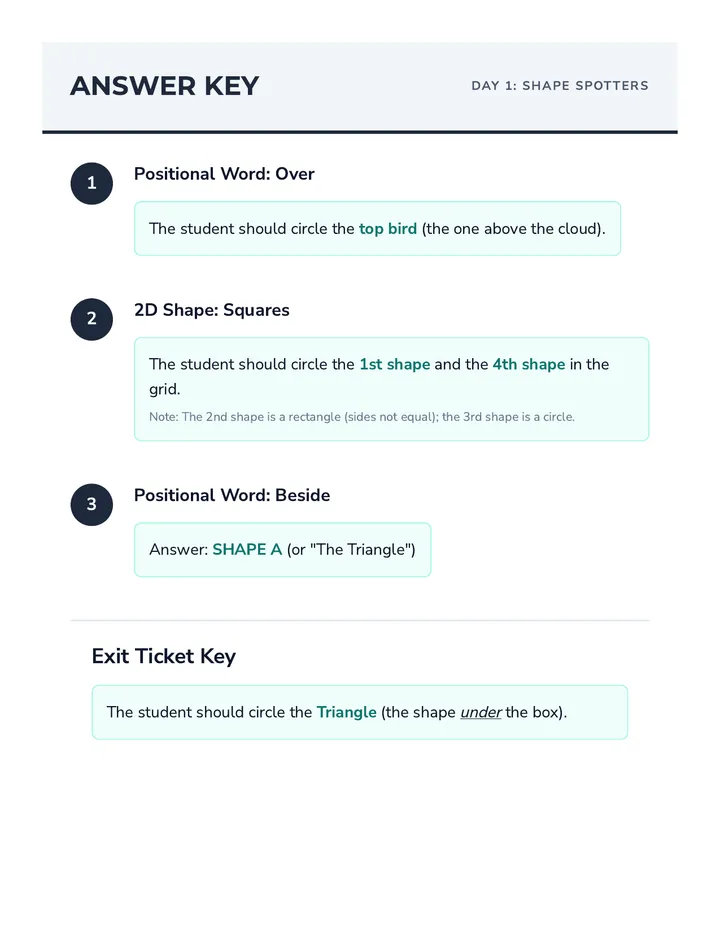
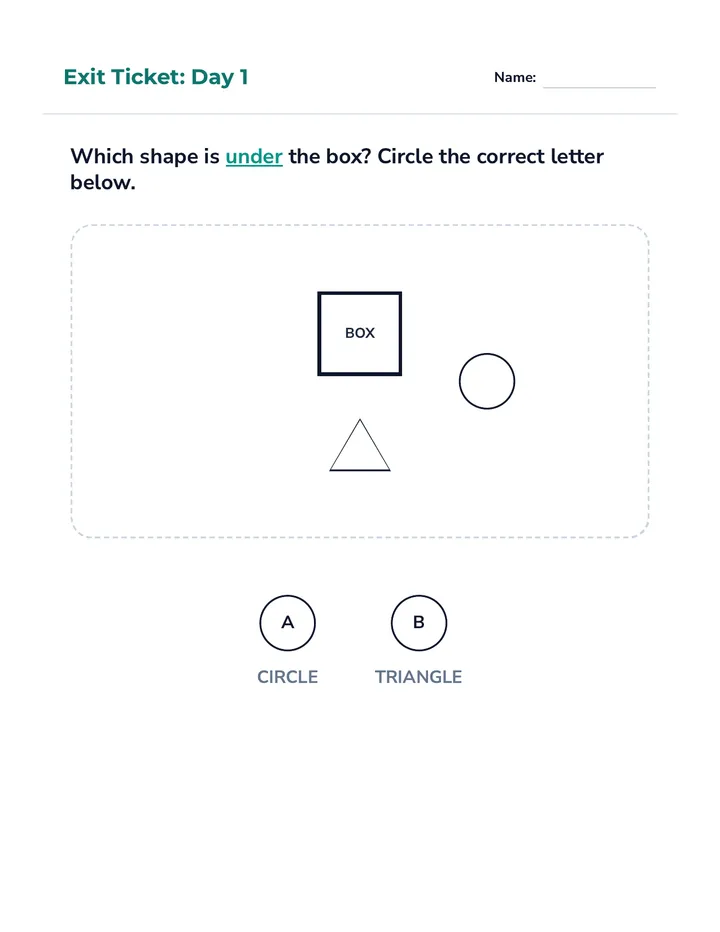
A Pre-K sequence focused on developing spatial awareness and positional vocabulary through physical movement, object manipulation, and classroom mapping. students explore terms like in, out, over, under, next to, and between.
This sequence introduces Pre-K students to 2D shapes (circles, squares, rectangles, triangles) through sensory play, physical movement, and environmental exploration. Students will learn to distinguish shapes by their attributes like sides and corners.