A comprehensive unit for 11th-grade Mandarin learners focusing on the technical orthography of Pinyin. Students master tone mark placement, zero-initial transformations (y/w), the j/q/x/ü umlaut rule, and syllable segmentation using apostrophes.
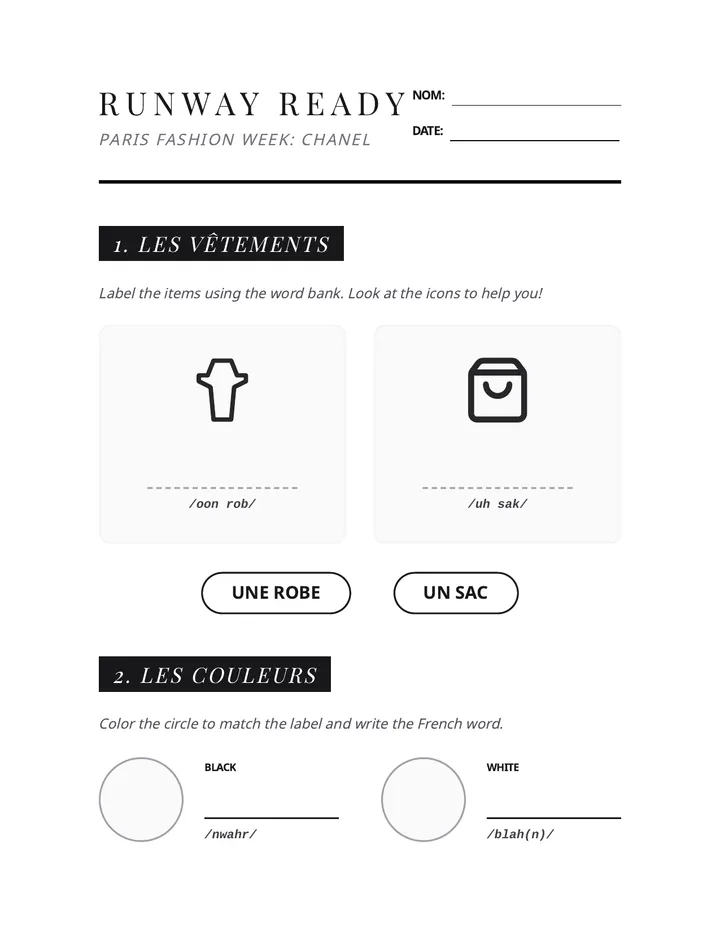
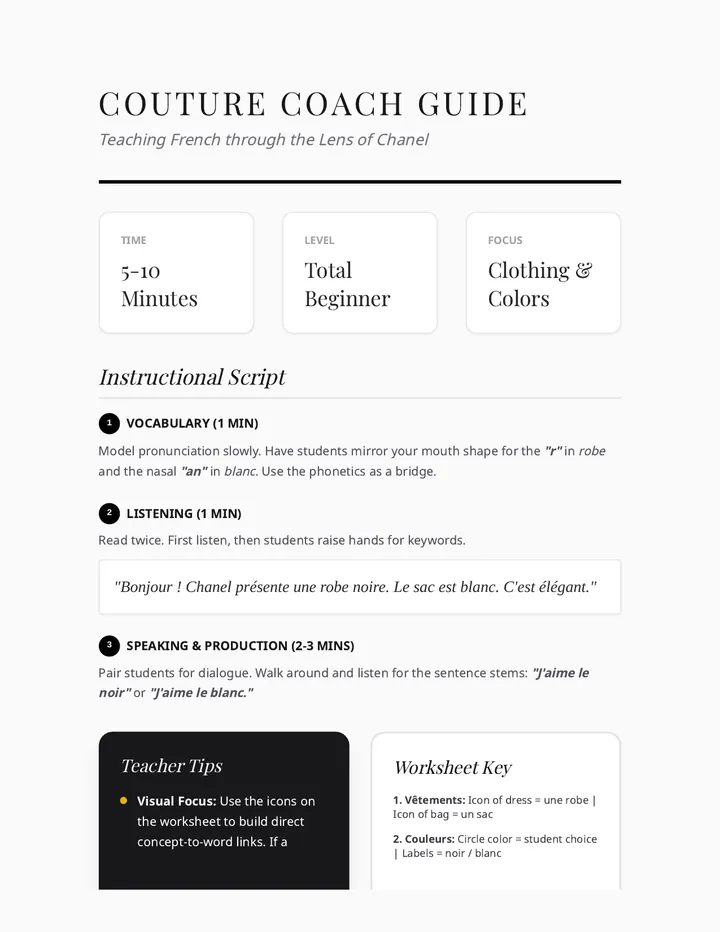
A beginner-level French sequence focusing on basic vocabulary related to fashion and colors through the lens of Paris Fashion Week and Chanel. Students learn to describe clothing and express preferences in a high-interest cultural context.
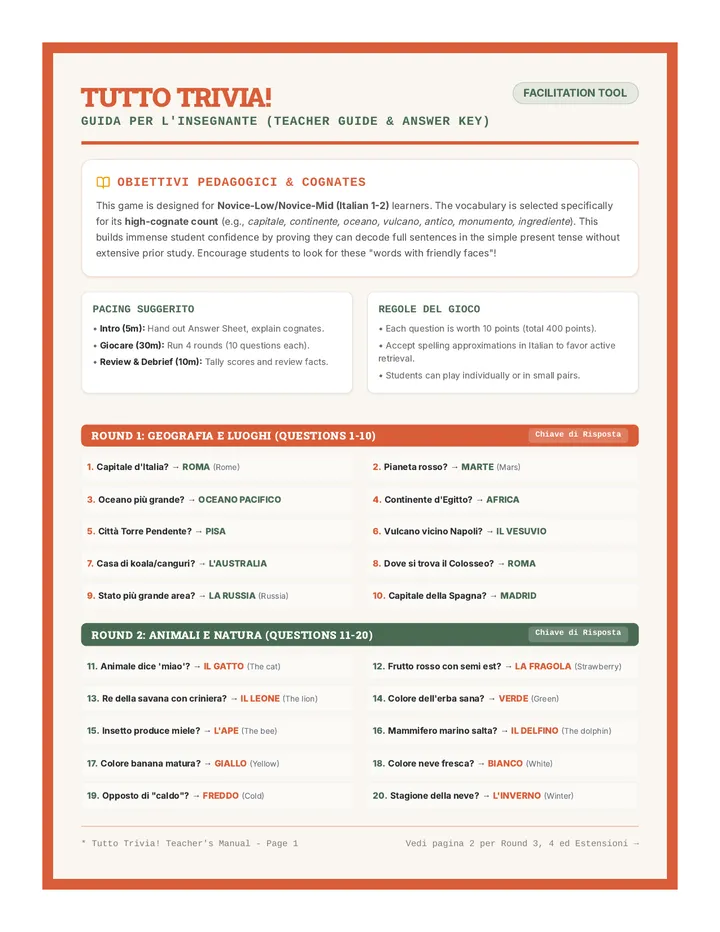
A high-engagement trivia module designed for novice Italian students (Italian 1-2) to practice vocabulary, comprehension, and general knowledge using highly cognate-rich questions and simple present tense. The unit features interactive slides, a student recording sheet, and a teacher facilitation guide.
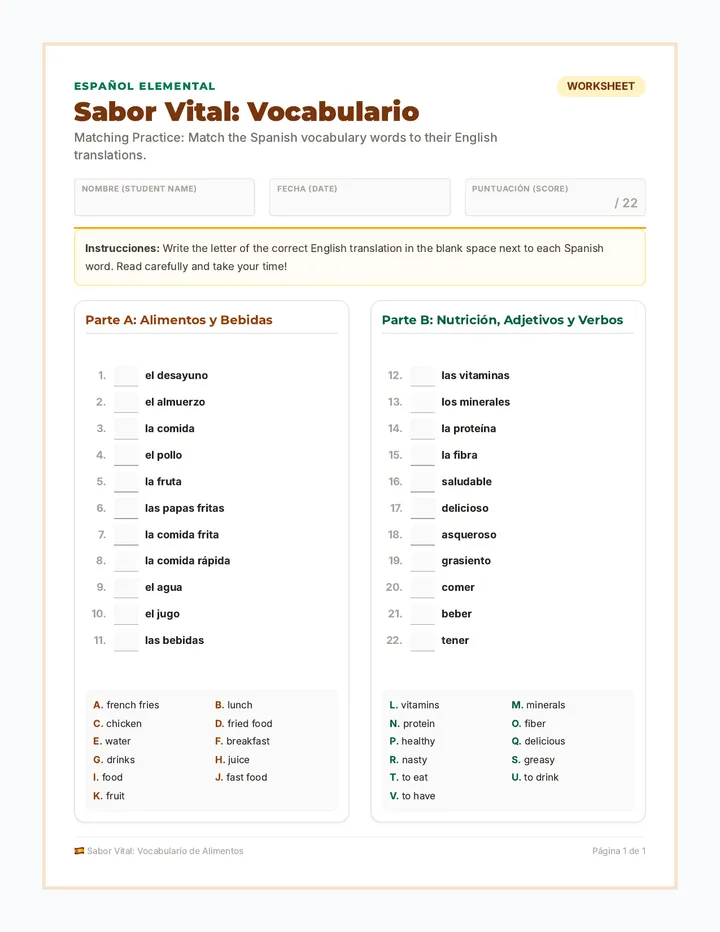
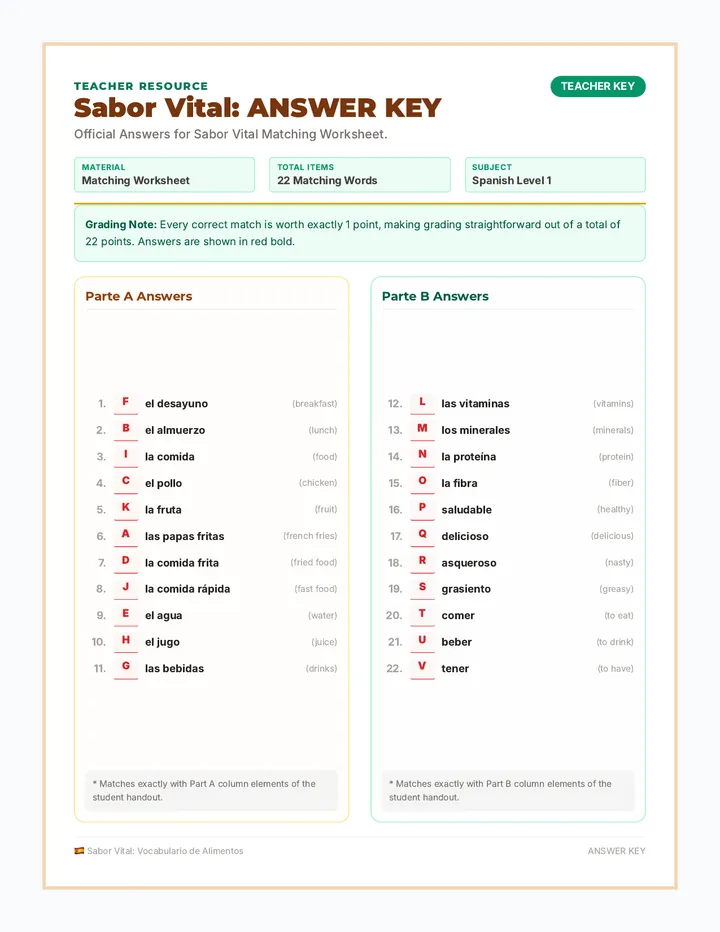
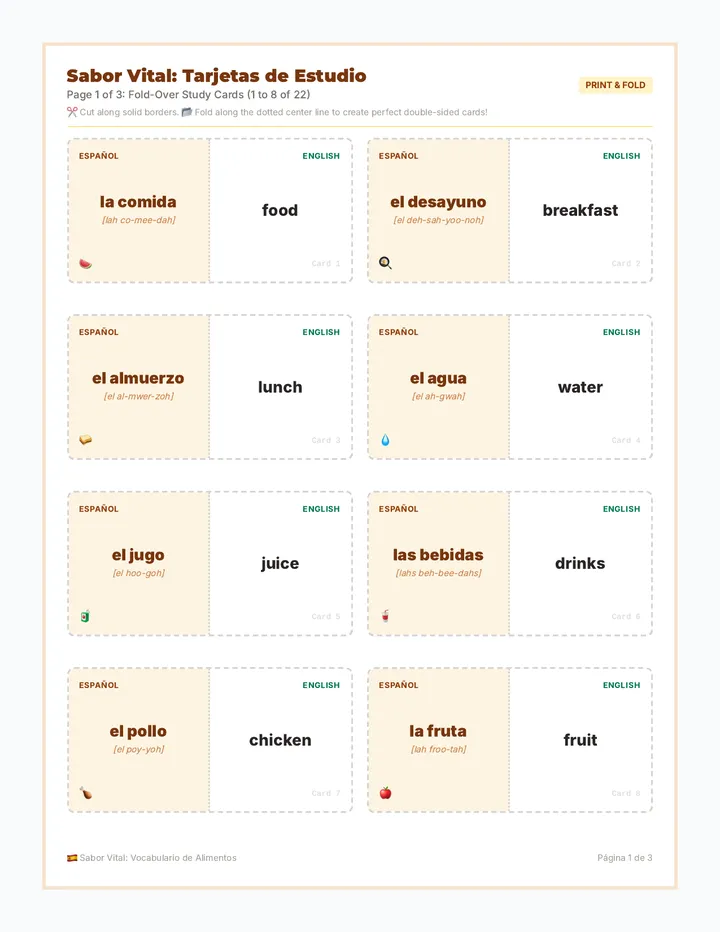
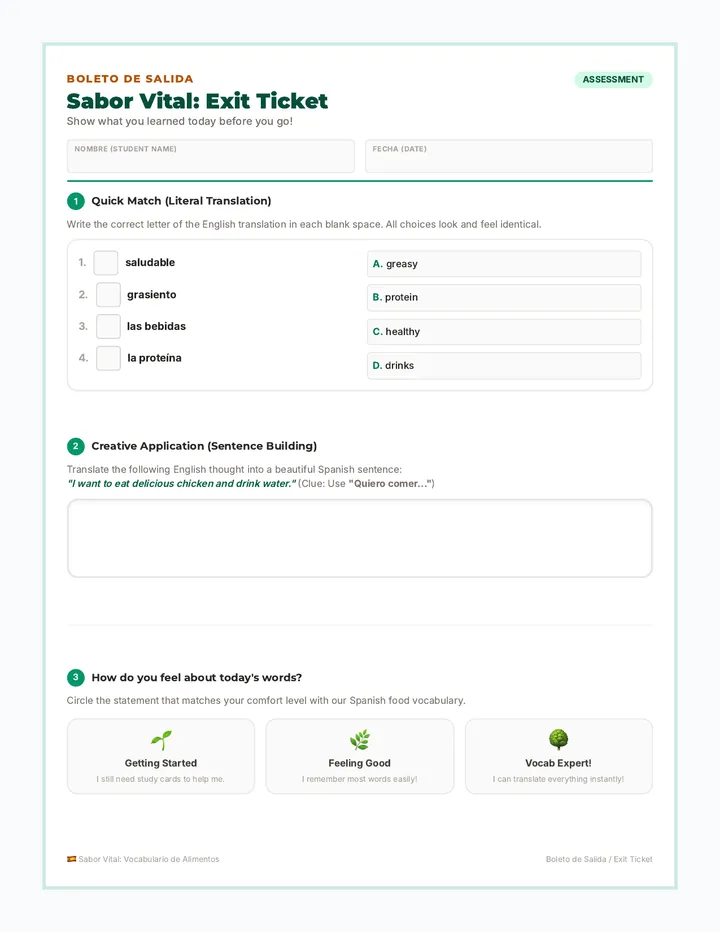
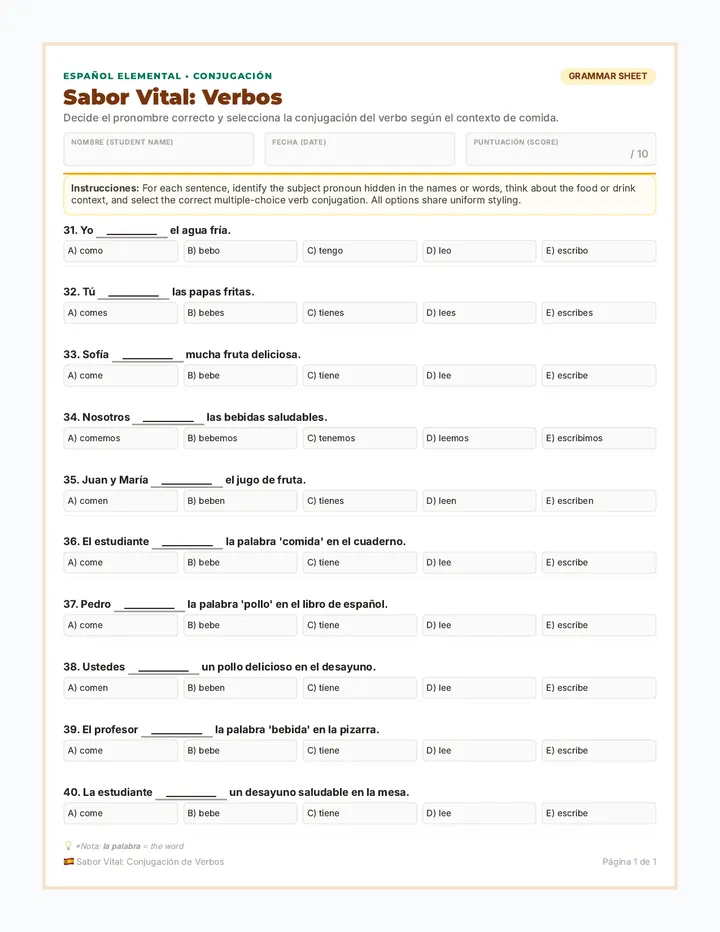
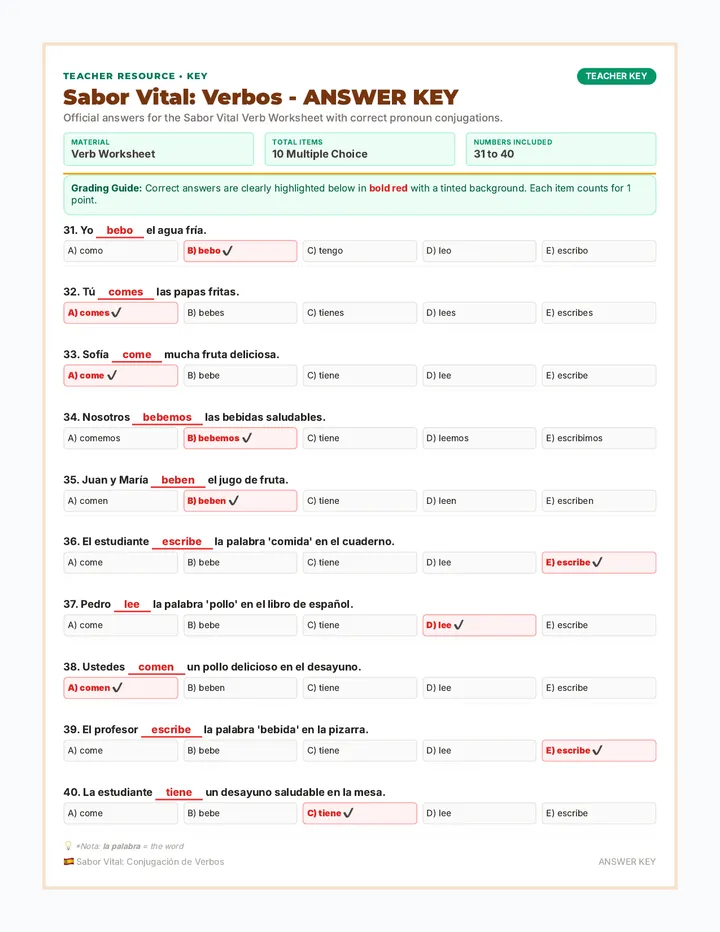
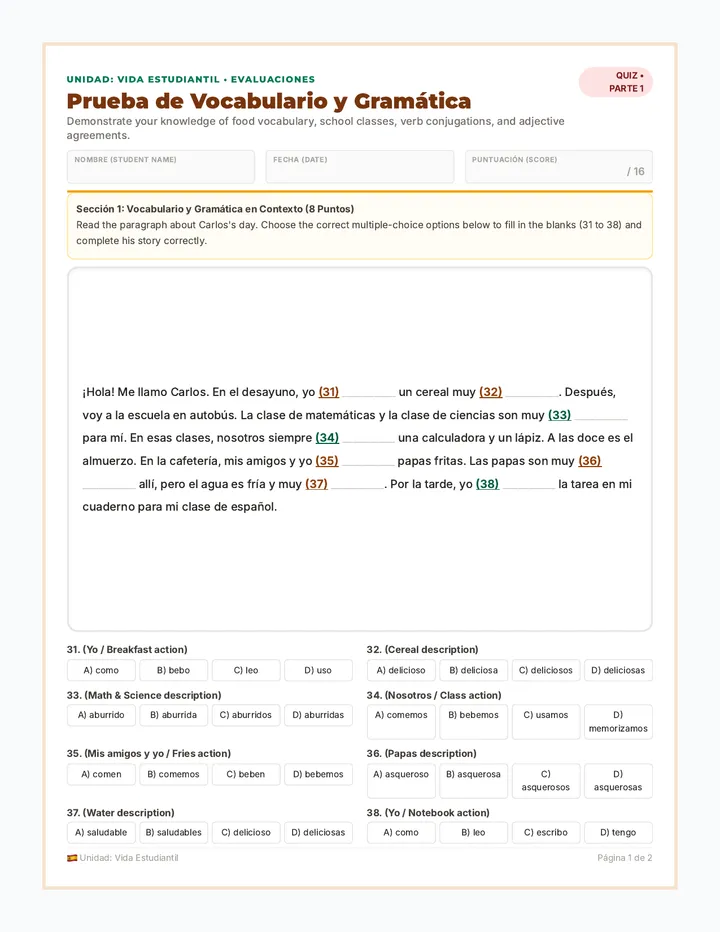
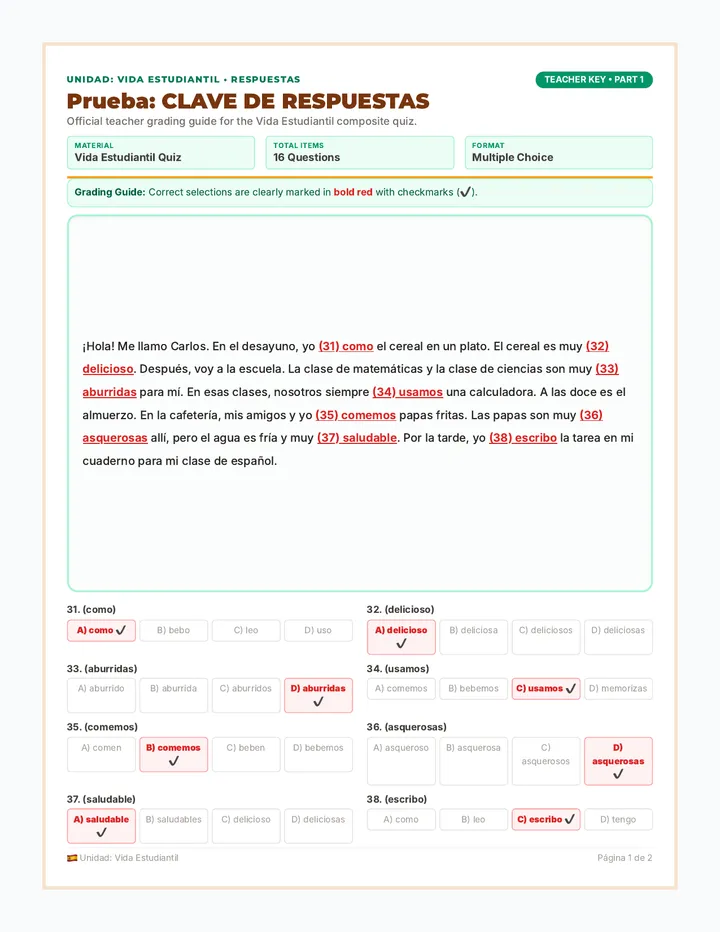
A beginner-level Spanish unit covering daily student life. It connects practical vocabulary for food and dining with descriptions of school schedules, classroom objects, and academic courses.
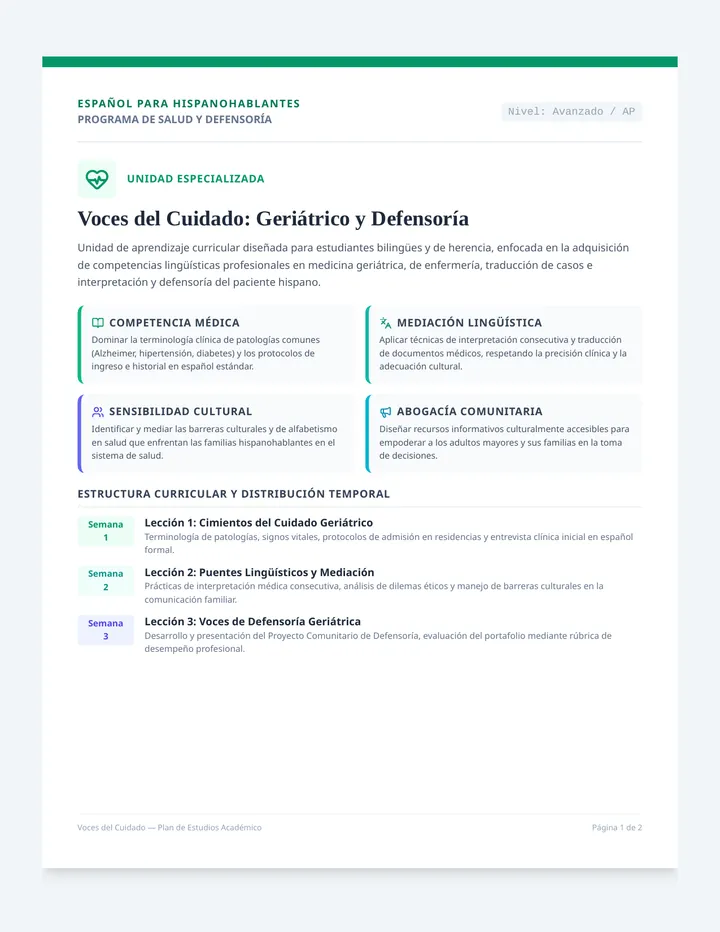
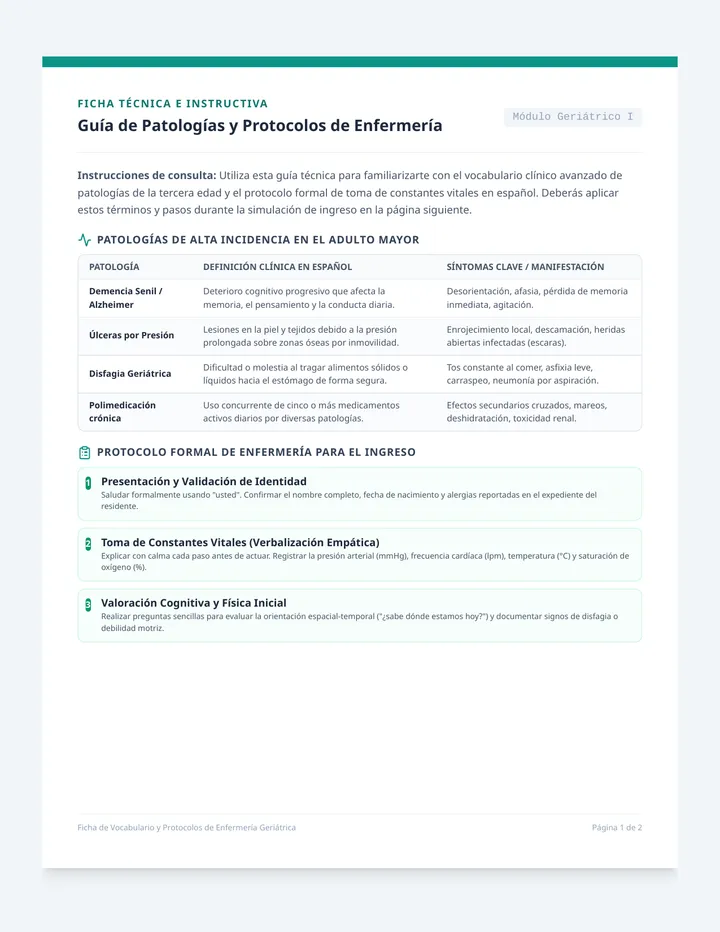
Unidad de aprendizaje especializada de español médico y defensoría para estudiantes hispanohablantes nativos y de herencia. Se centra en el cuidado geriátrico, protocolos de enfermería, traducción médica, y mediación cultural en hogares de ancianos, culminando en un proyecto de abogacía comunitaria.
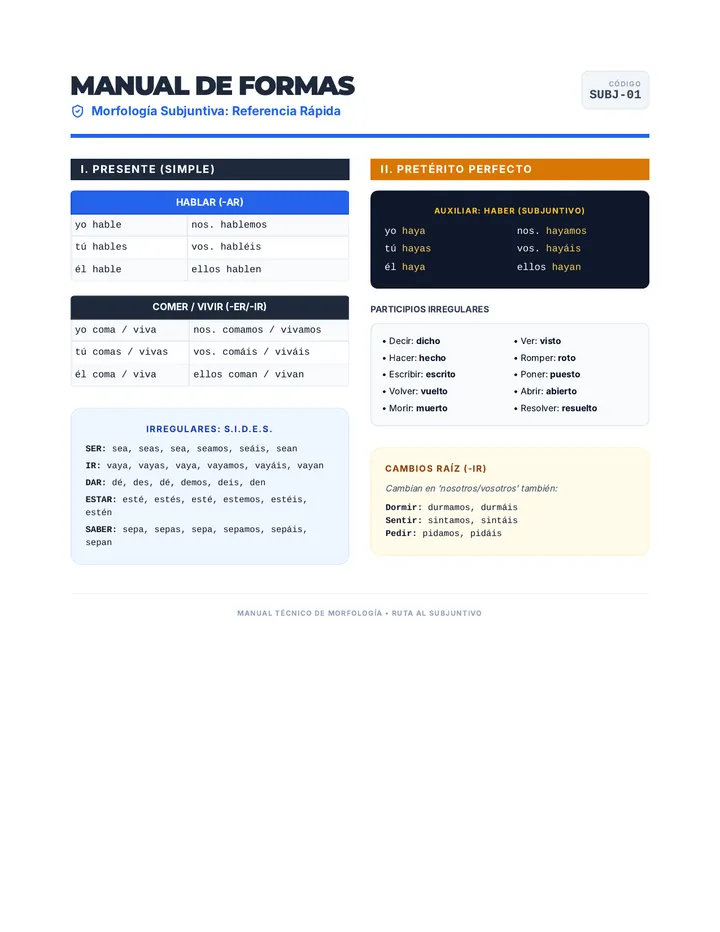
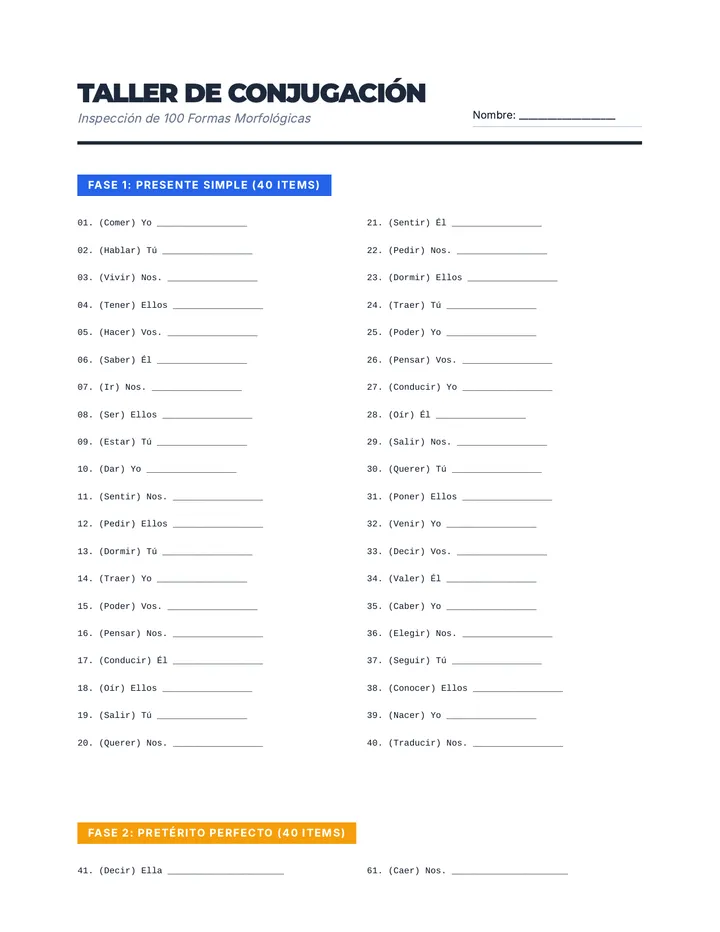
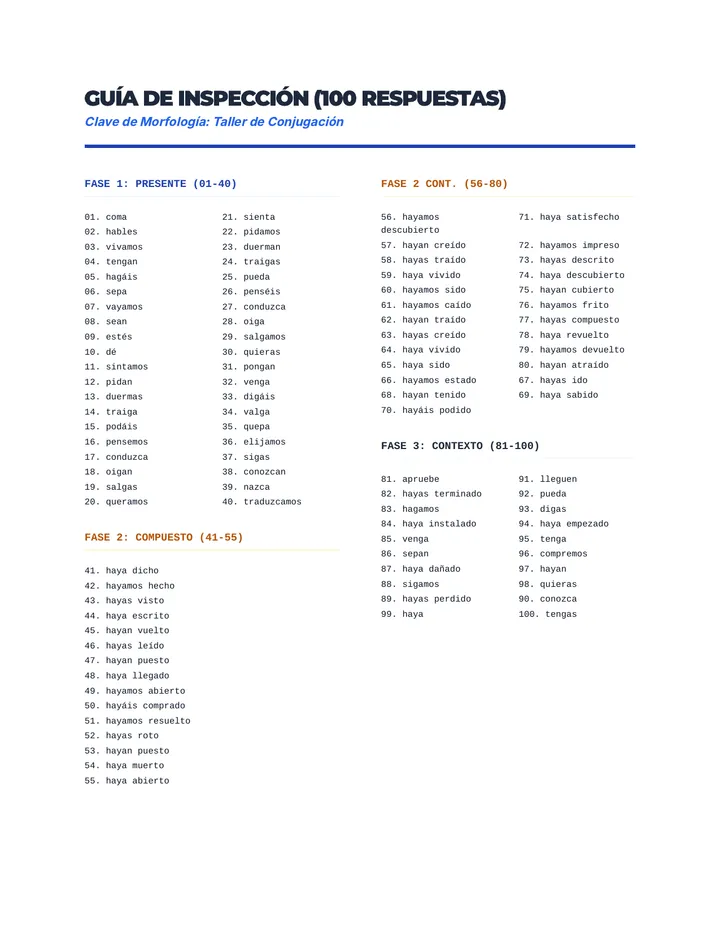
Una serie de lecciones diseñadas para llevar a estudiantes adultos desde los cimientos de la morfología del subjuntivo hasta el dominio fluido de sus usos complejos en contextos reales.
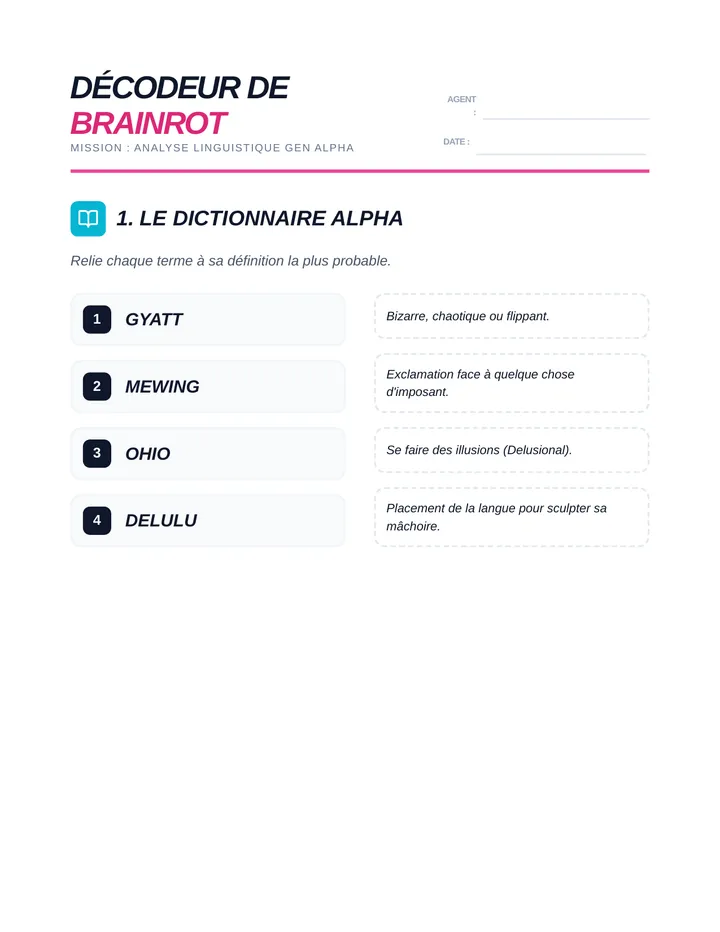
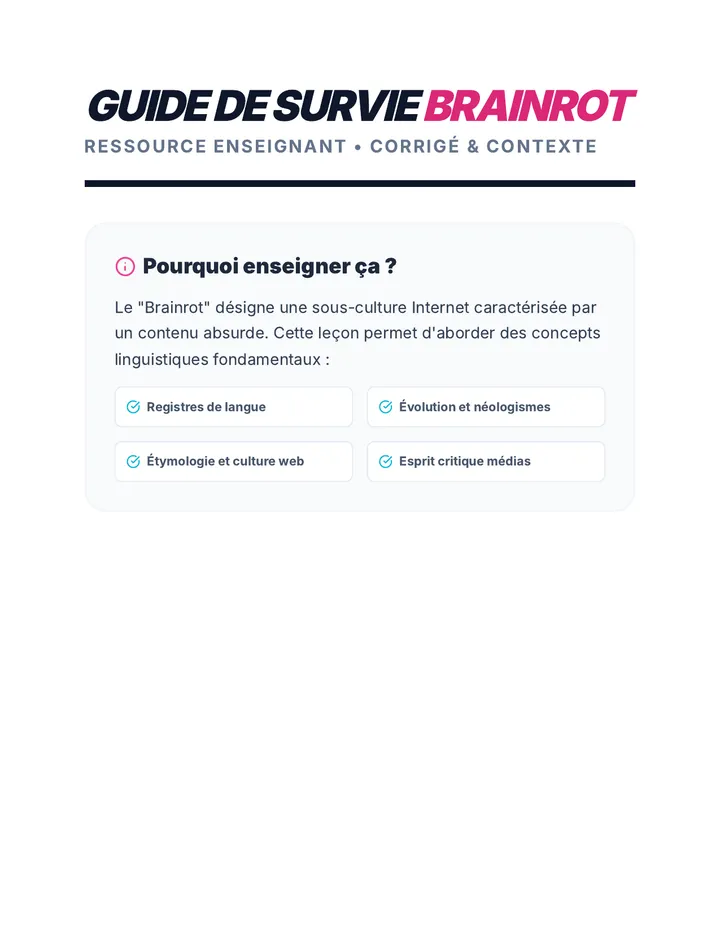
Une exploration ludique et critique du langage de la Génération Alpha, analysant l'évolution du slang Internet et son impact sur la communication moderne.
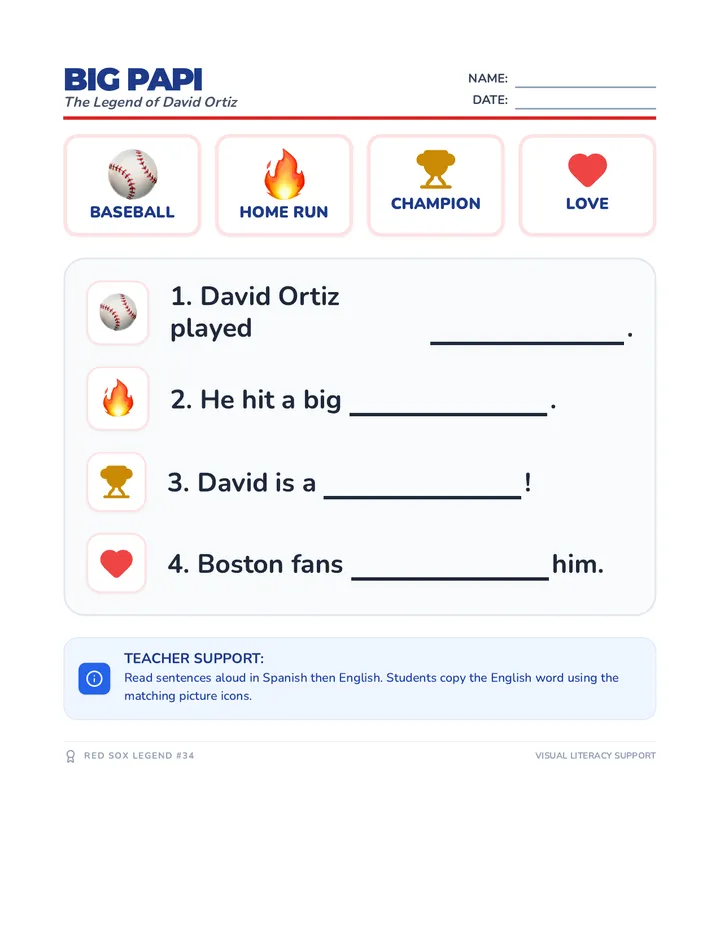
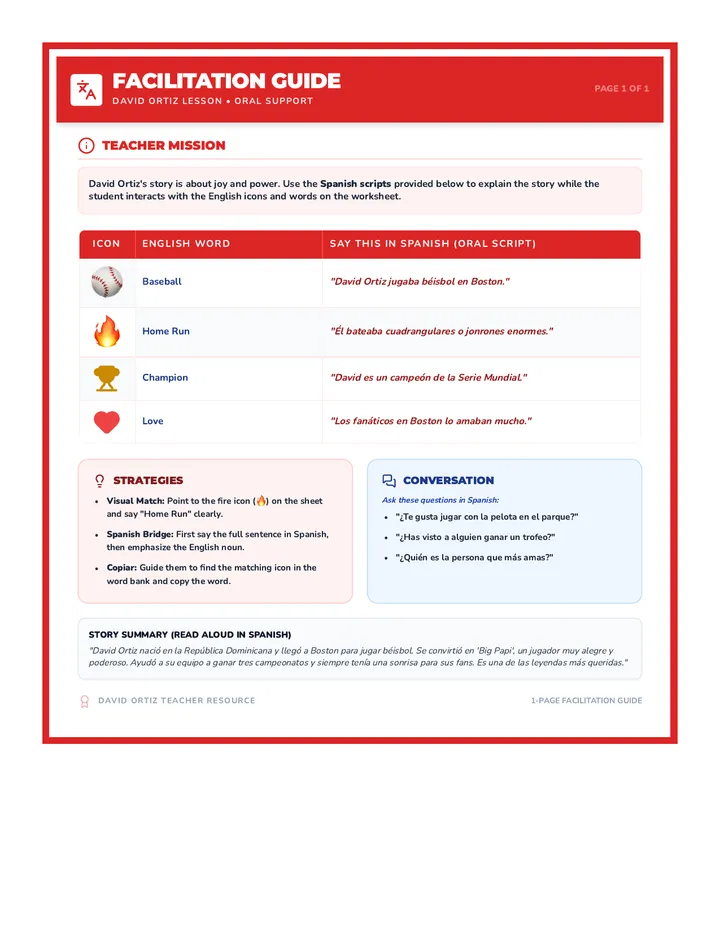
A series of lessons focused on baseball legends, designed for students with limited literacy and English language learners.
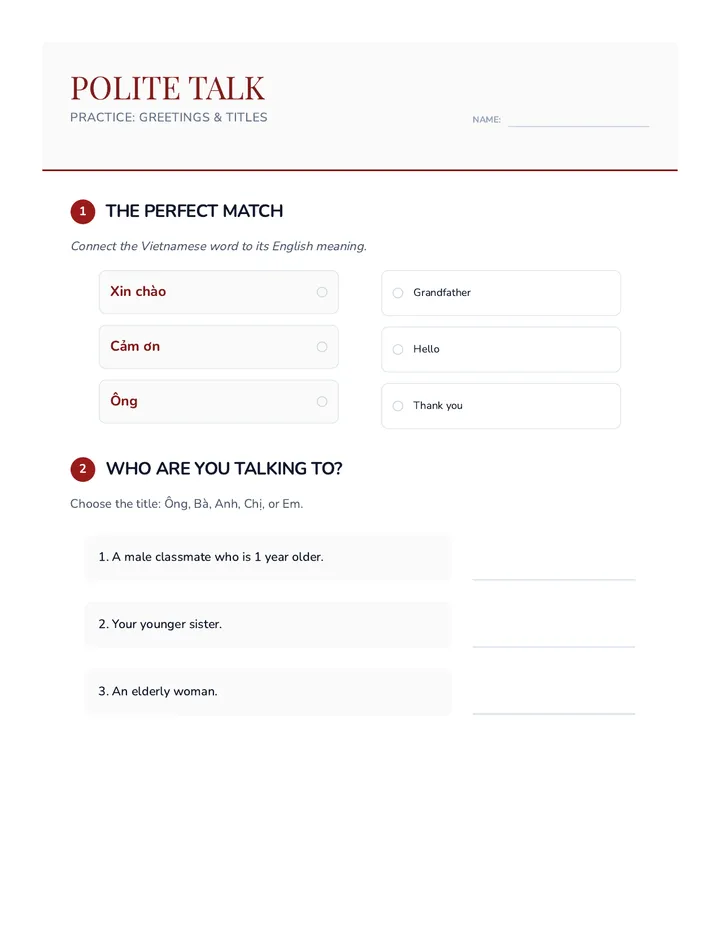
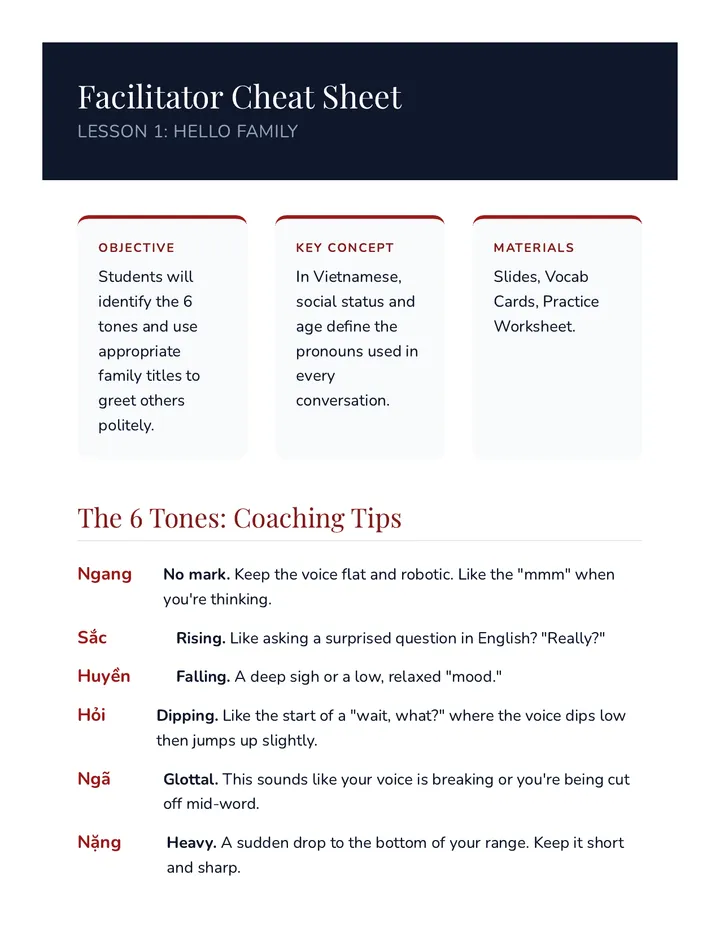
A beginner's introduction to Vietnamese language and culture, focusing on essential communication and social structures.
A foundational sequence designed to introduce total beginners to the Vietnamese language, focusing on essential communication and cultural nuances.
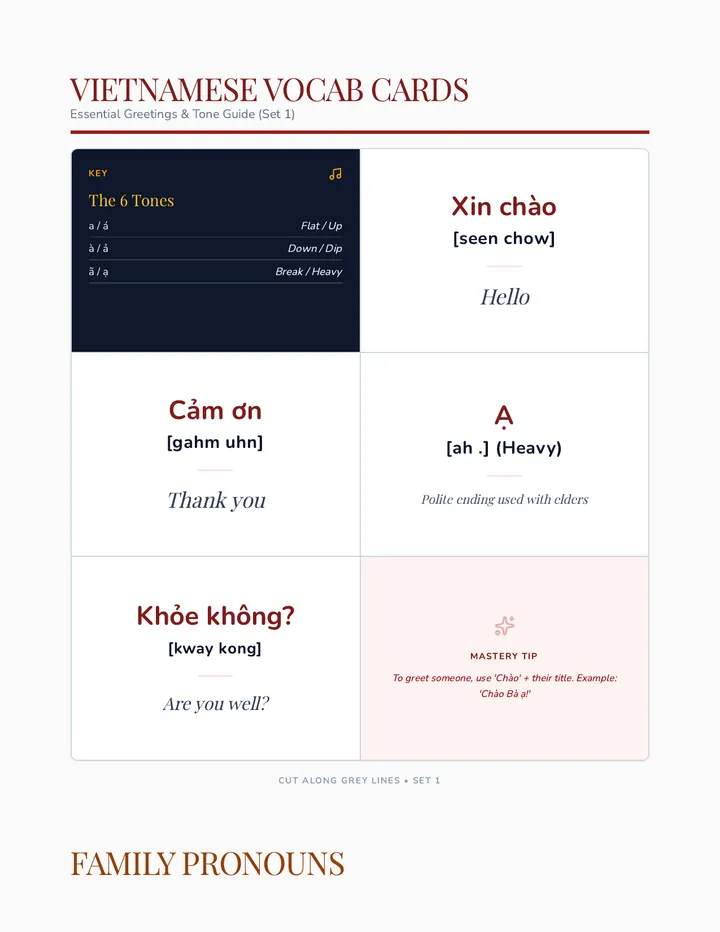
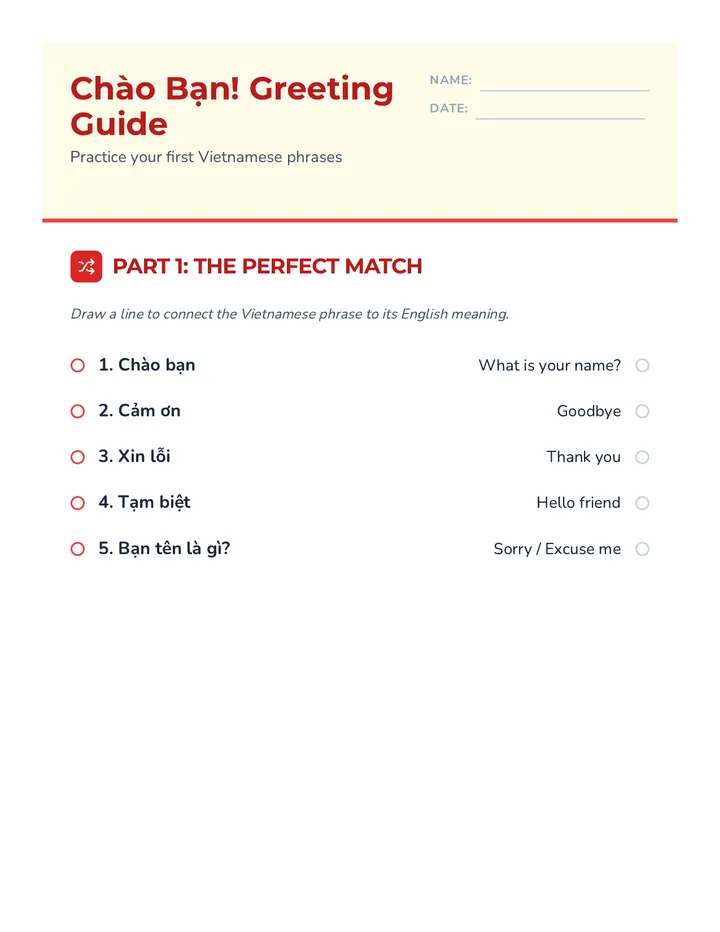
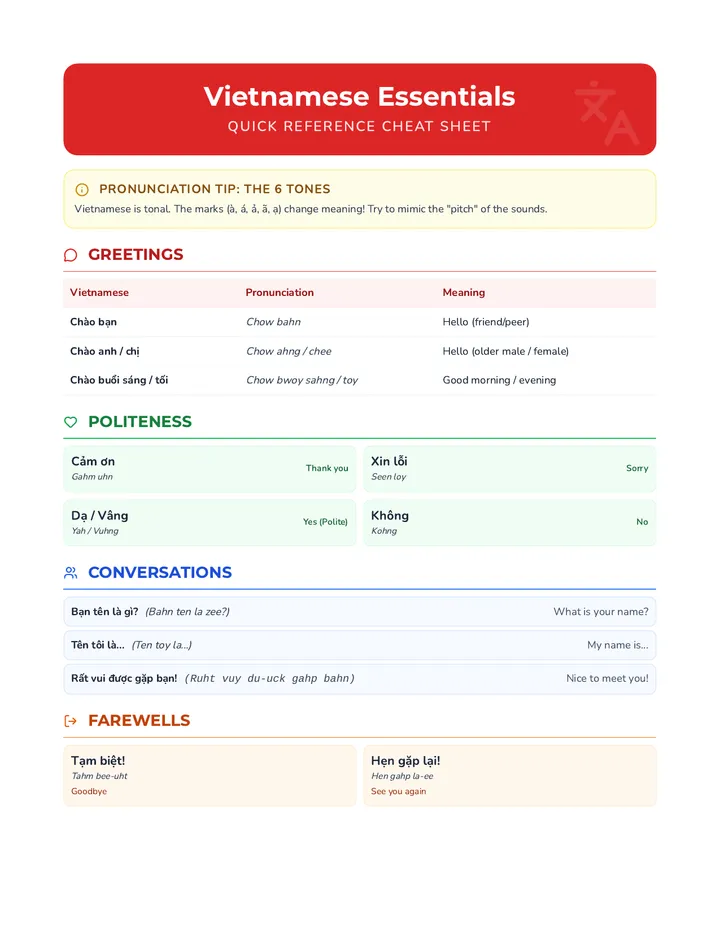
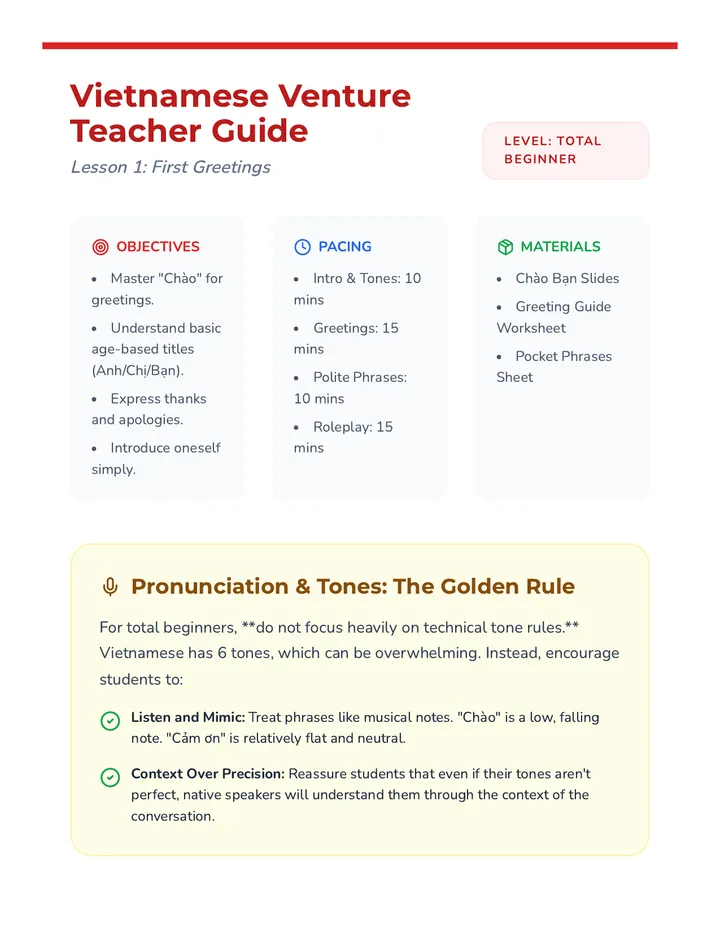
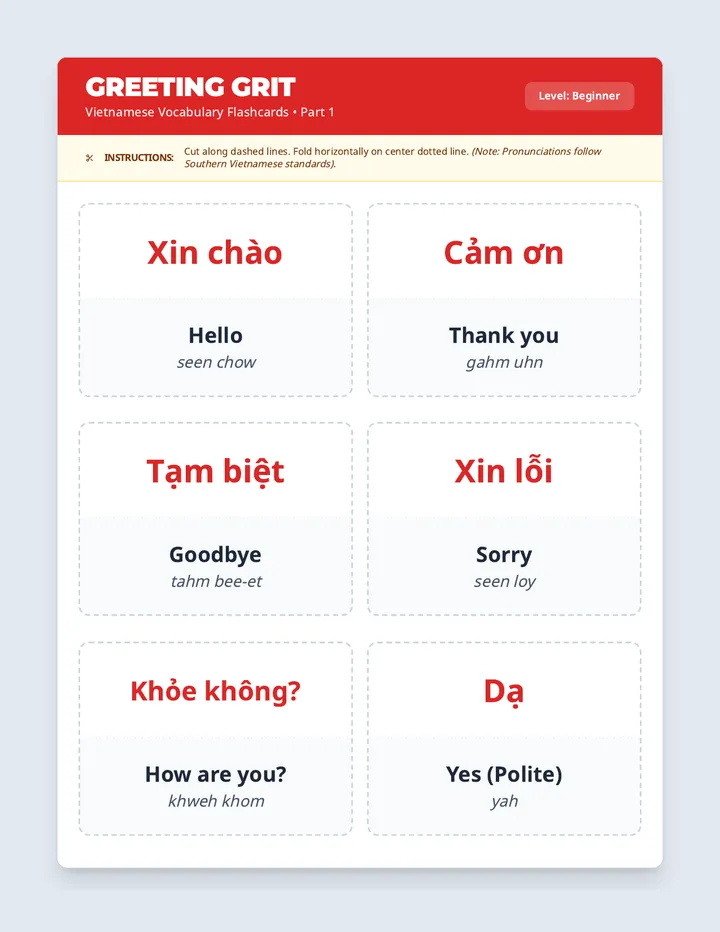
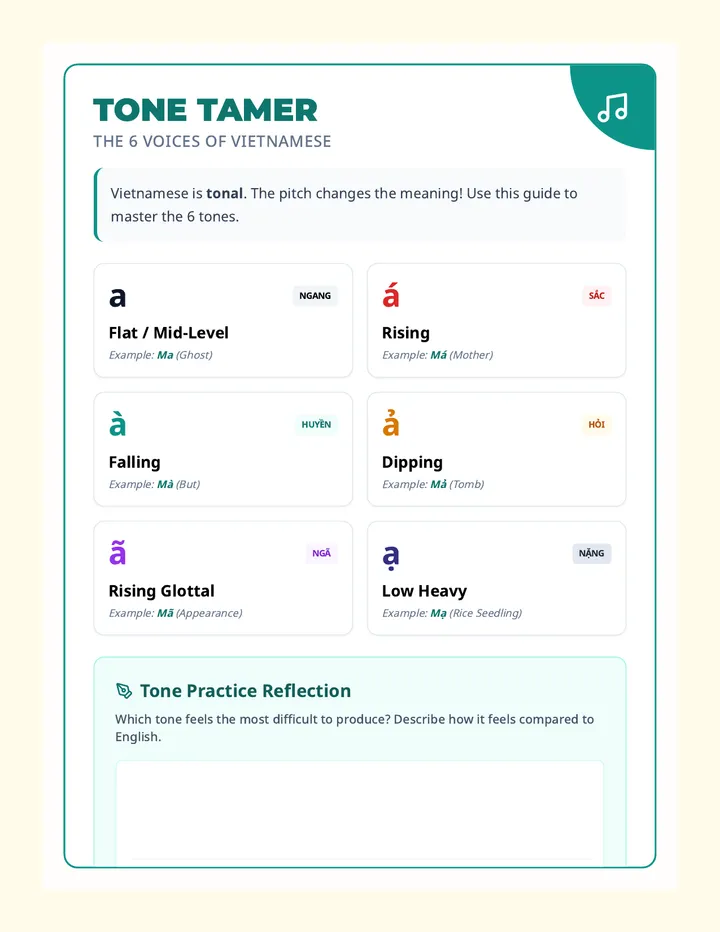
A beginner's introduction to the Vietnamese language, focusing on essential greetings, cultural etiquette, and the unique tonal system. Students will build a foundation for basic conversation.
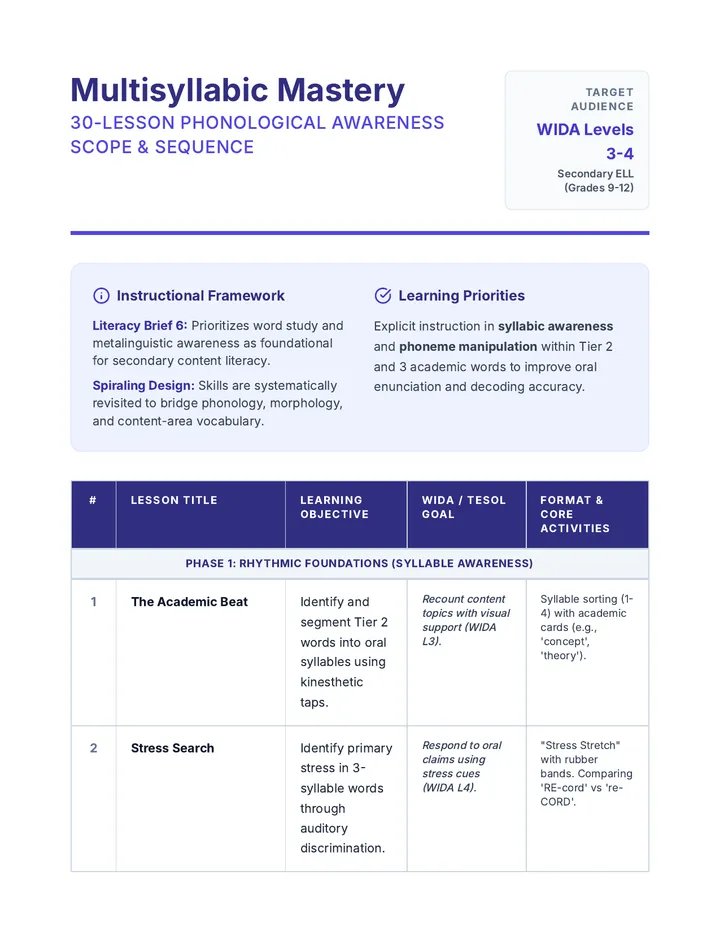
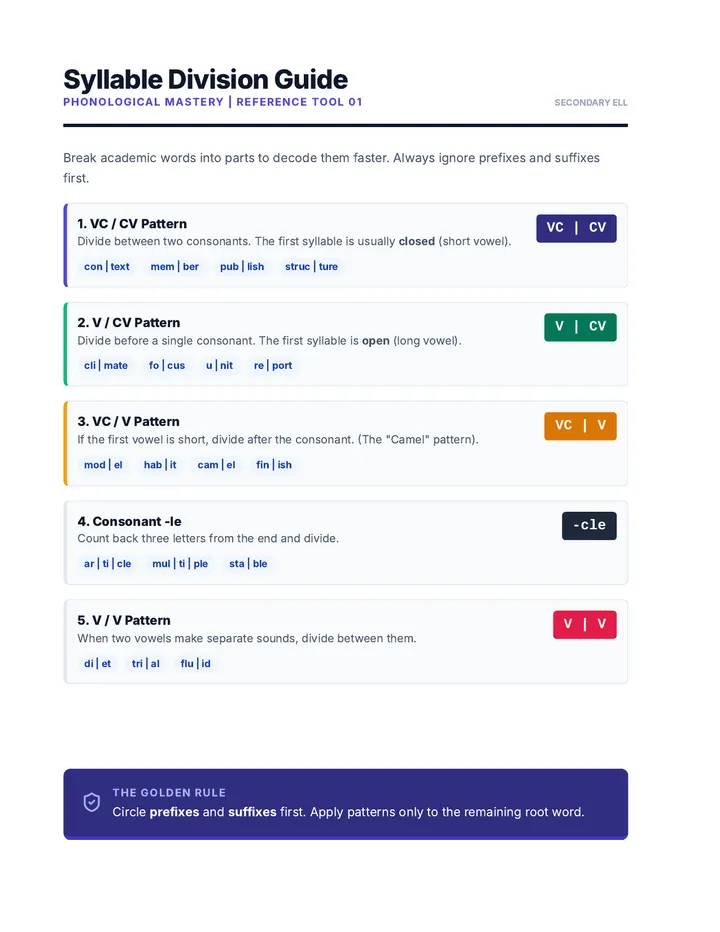
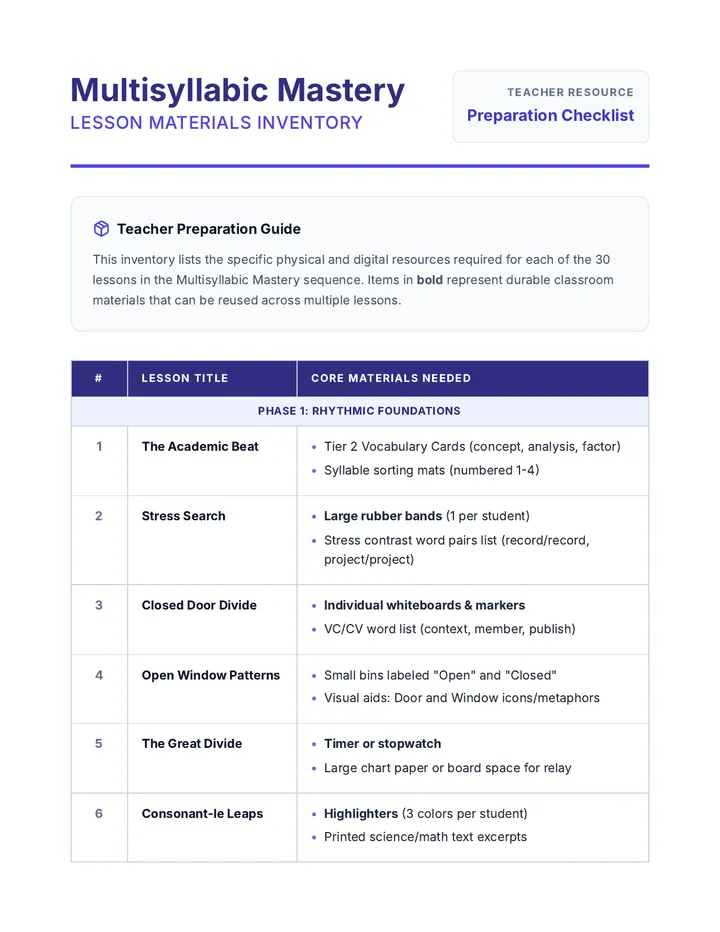
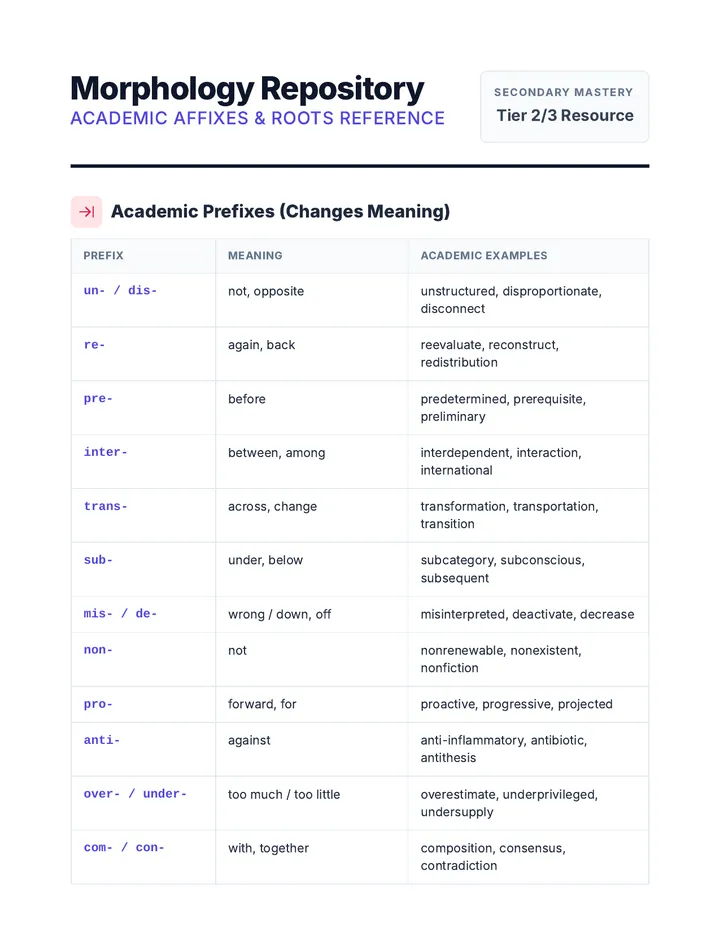
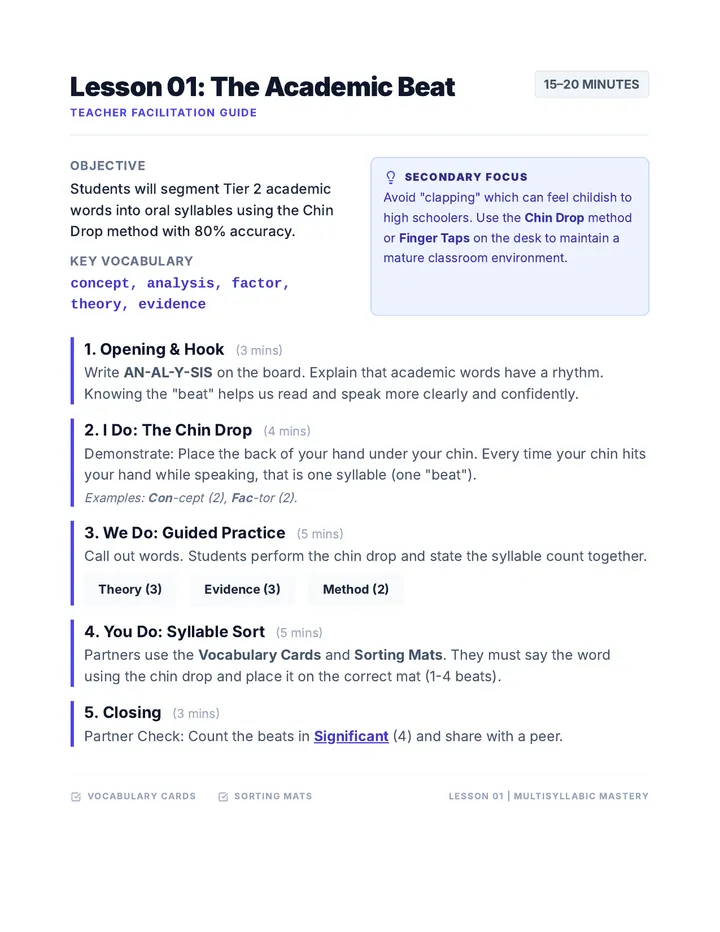
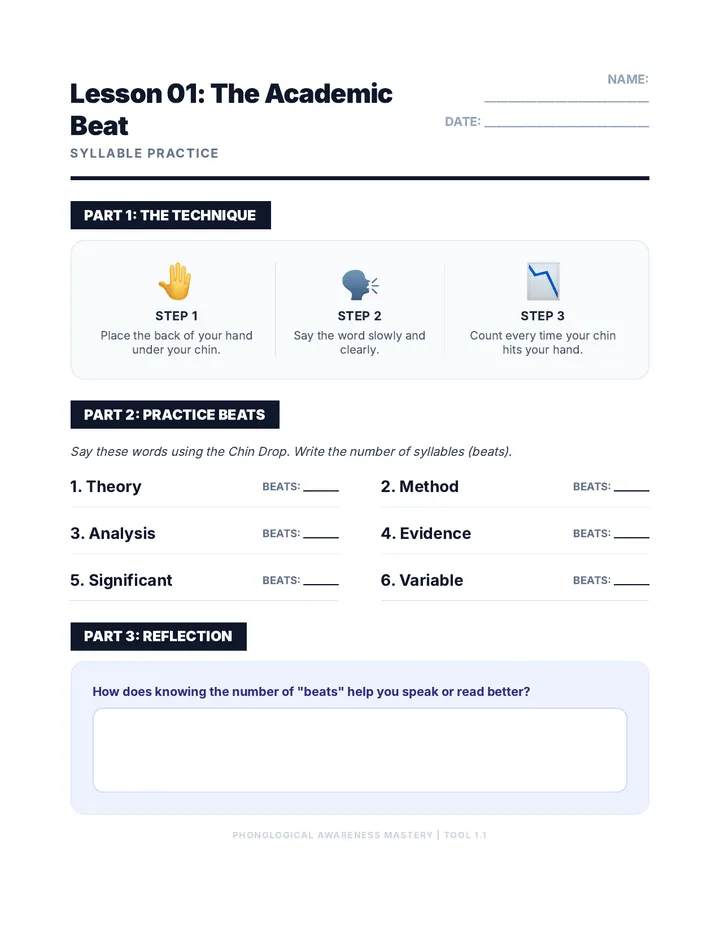
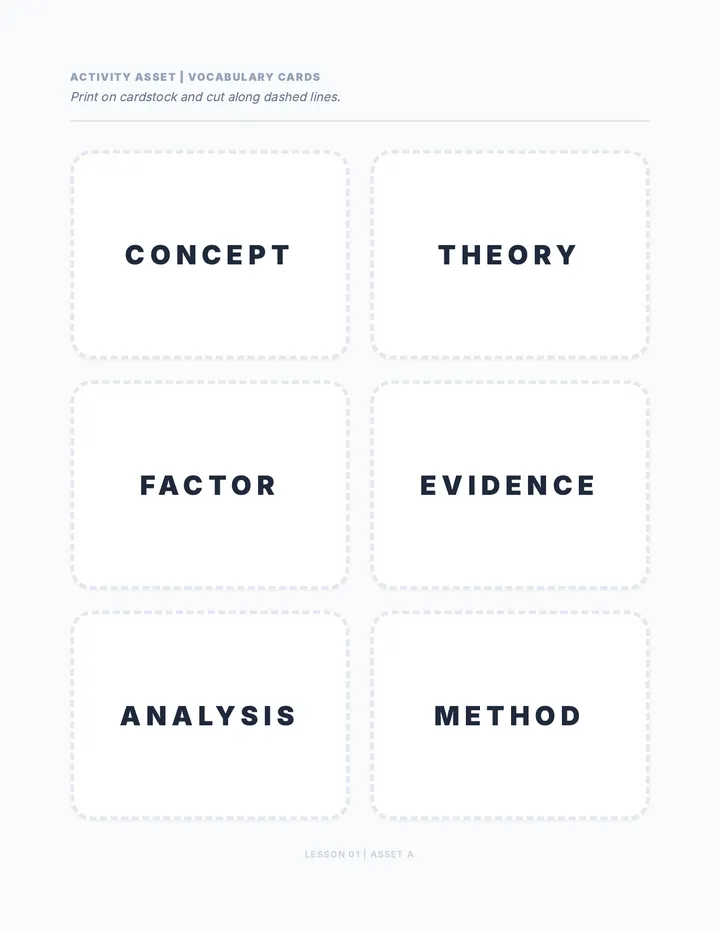
A comprehensive program for teaching phonological awareness to secondary ELLs, focusing on multisyllabic academic vocabulary and phoneme manipulation.
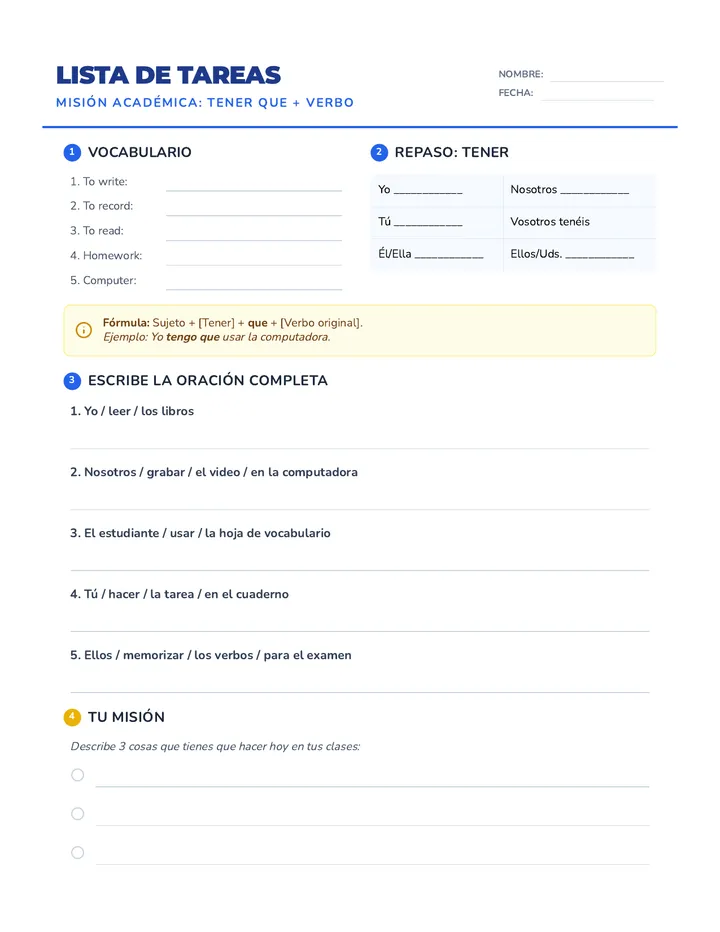
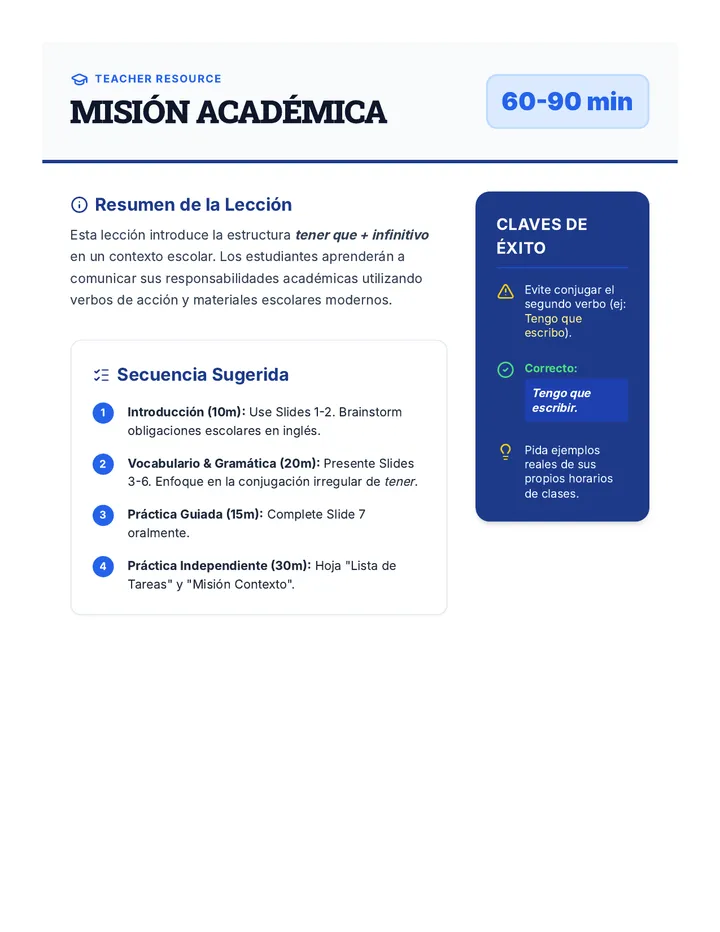
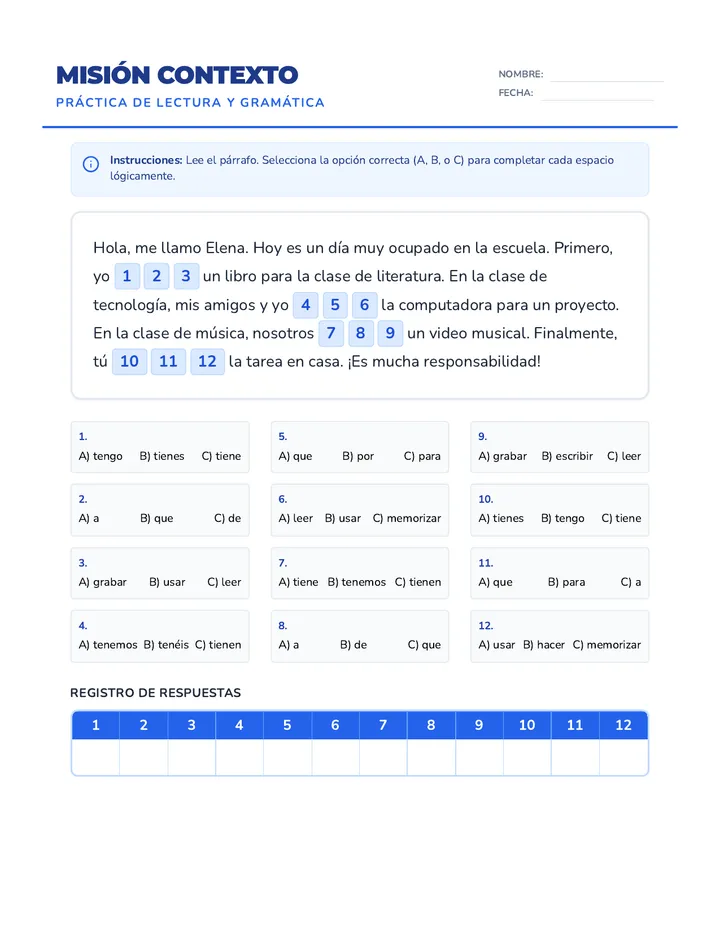
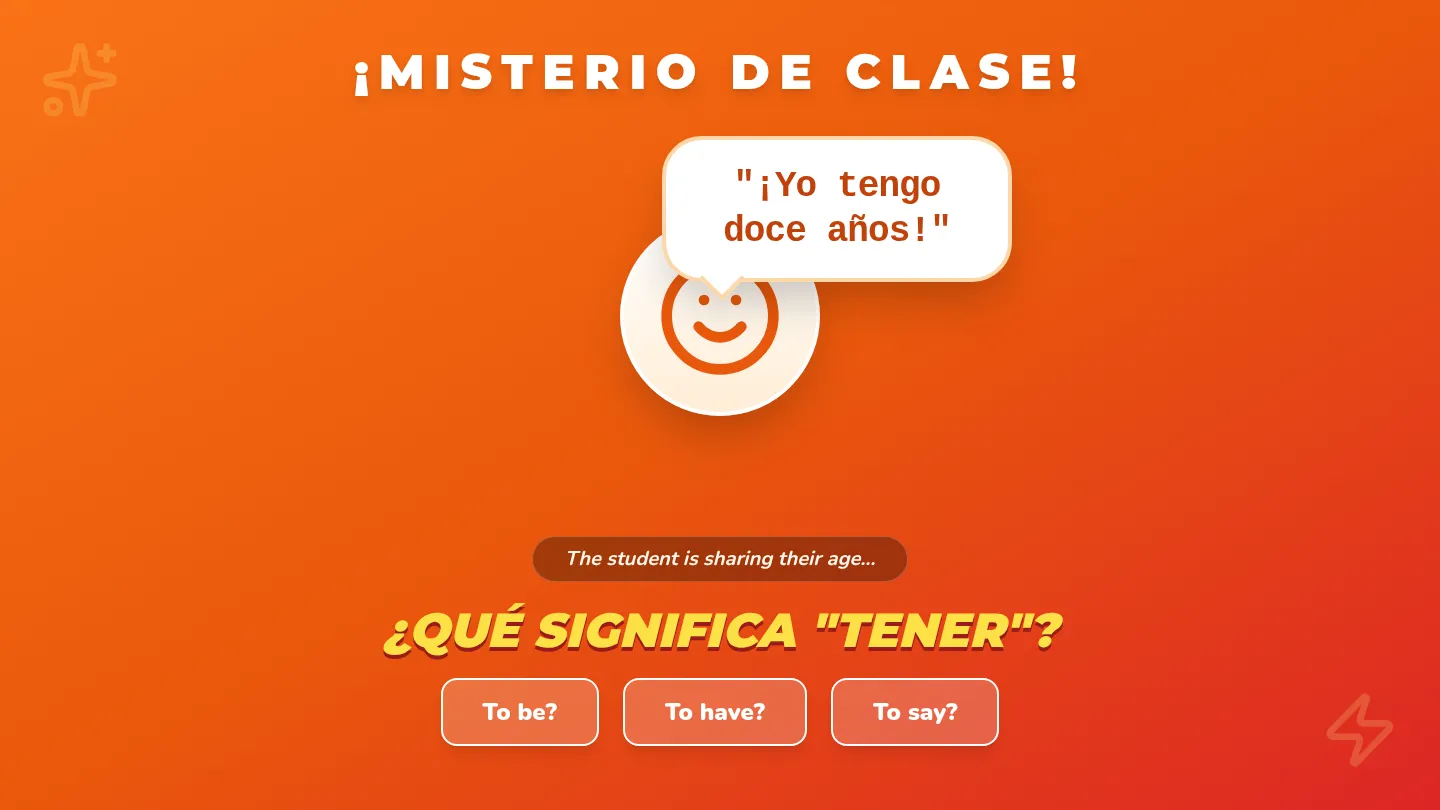
A comprehensive unit focused on daily school routines, obligations using 'tener que', and academic vocabulary in Spanish. Students learn to express what they must do in various class settings.
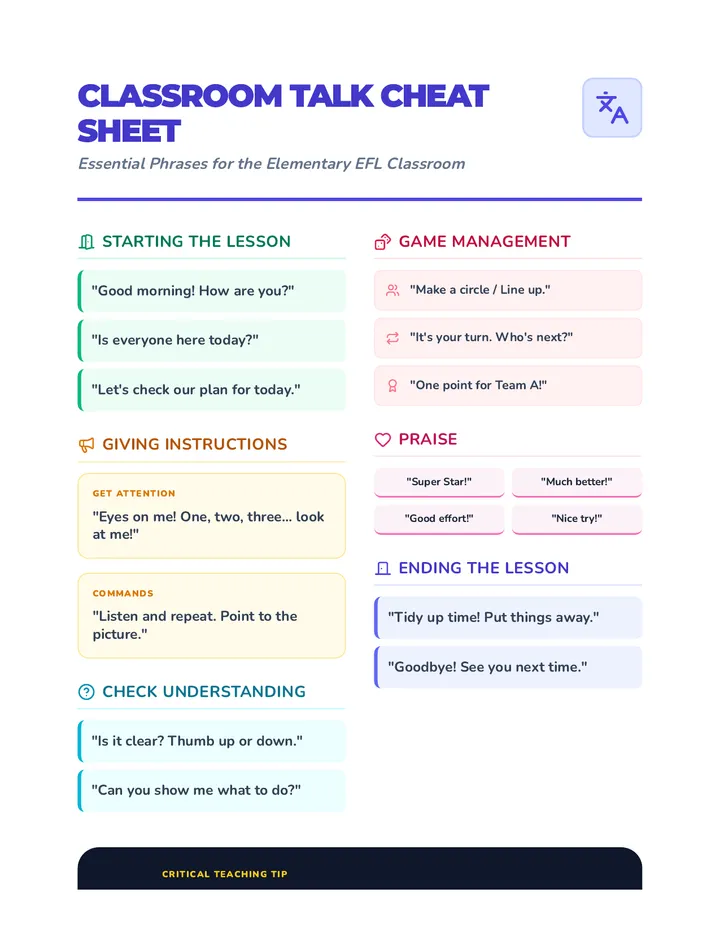
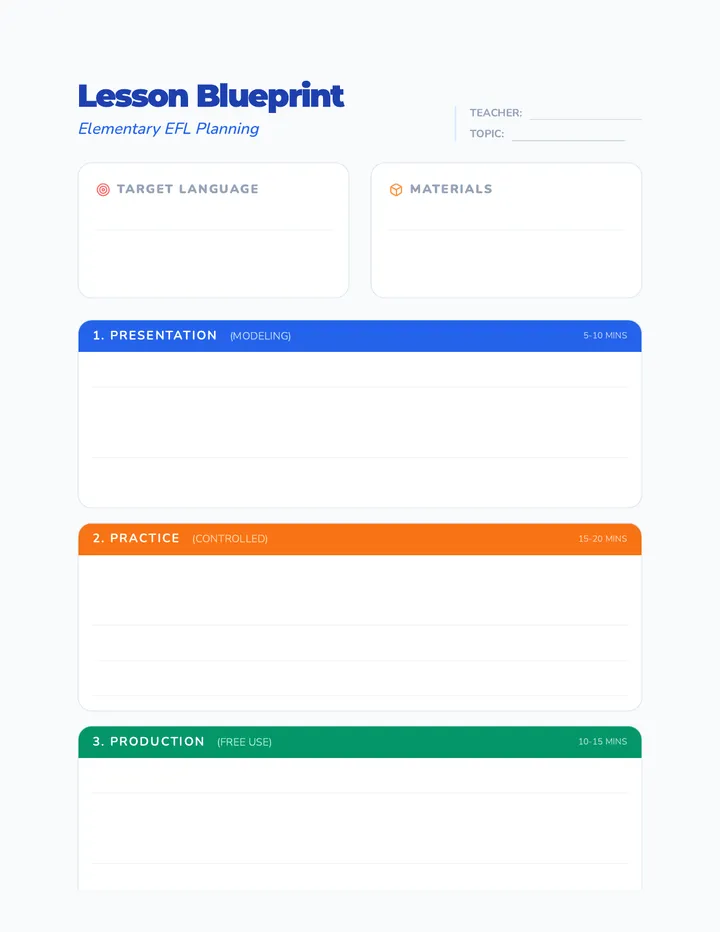
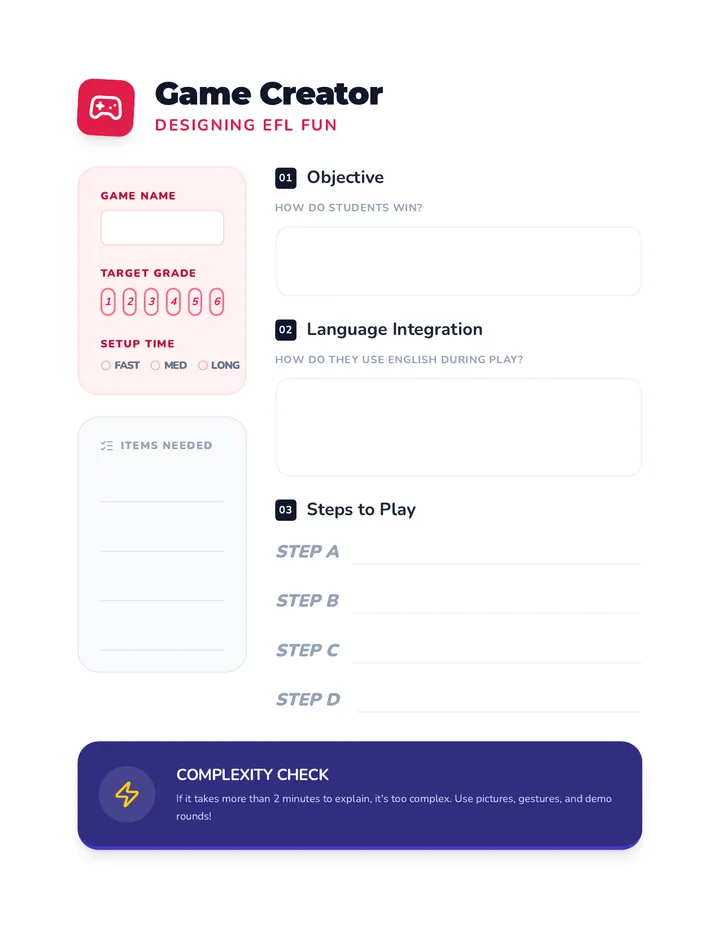
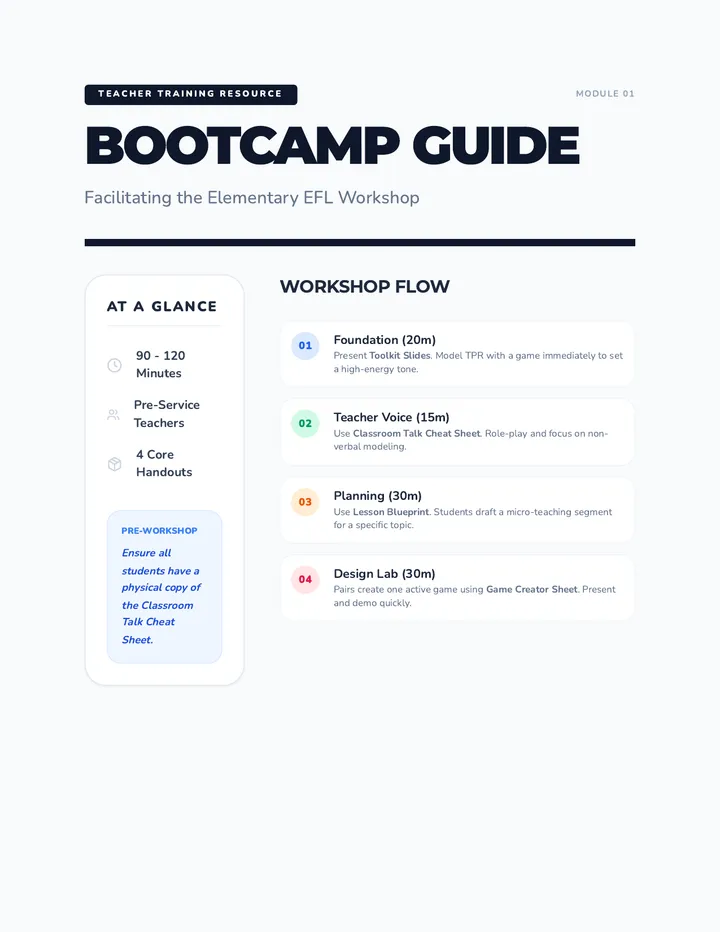
A training sequence designed to equip pre-service elementary school teachers with the foundational skills and practical tools needed to teach English as a Foreign Language (EFL).
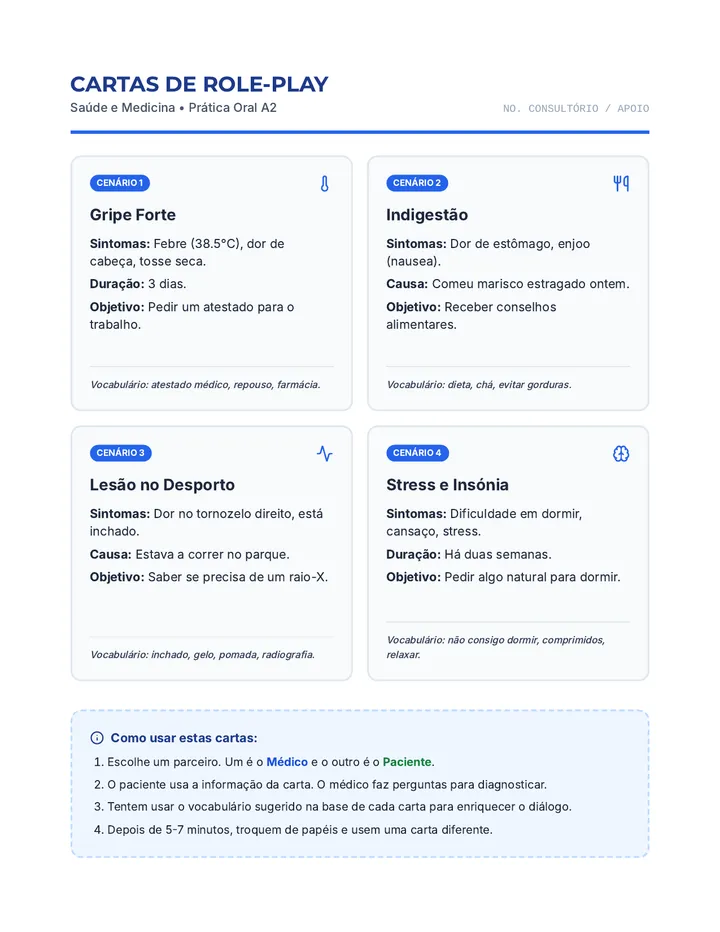
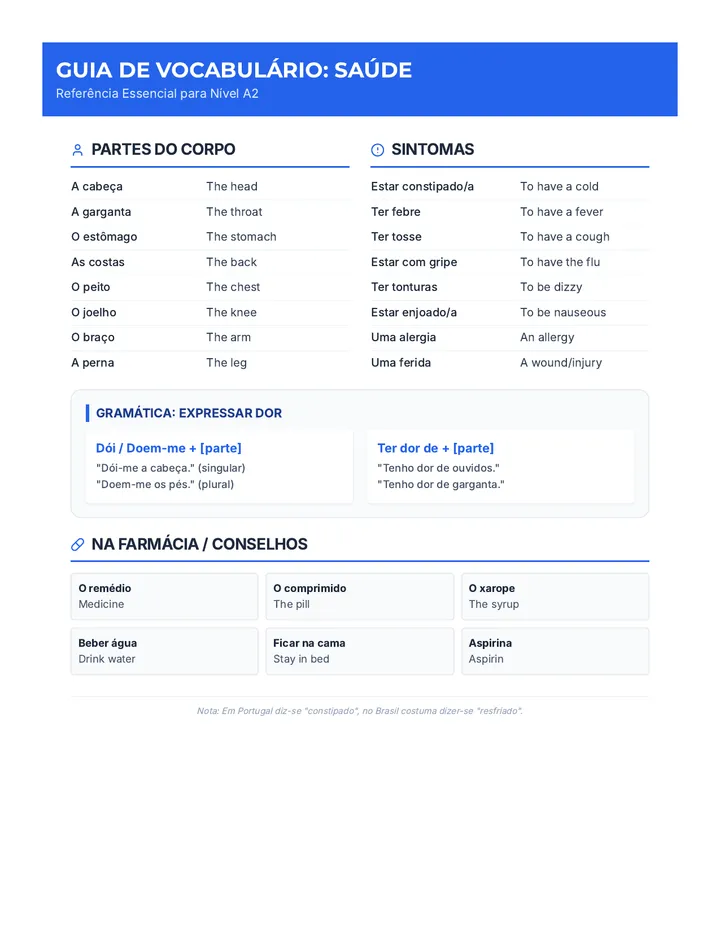
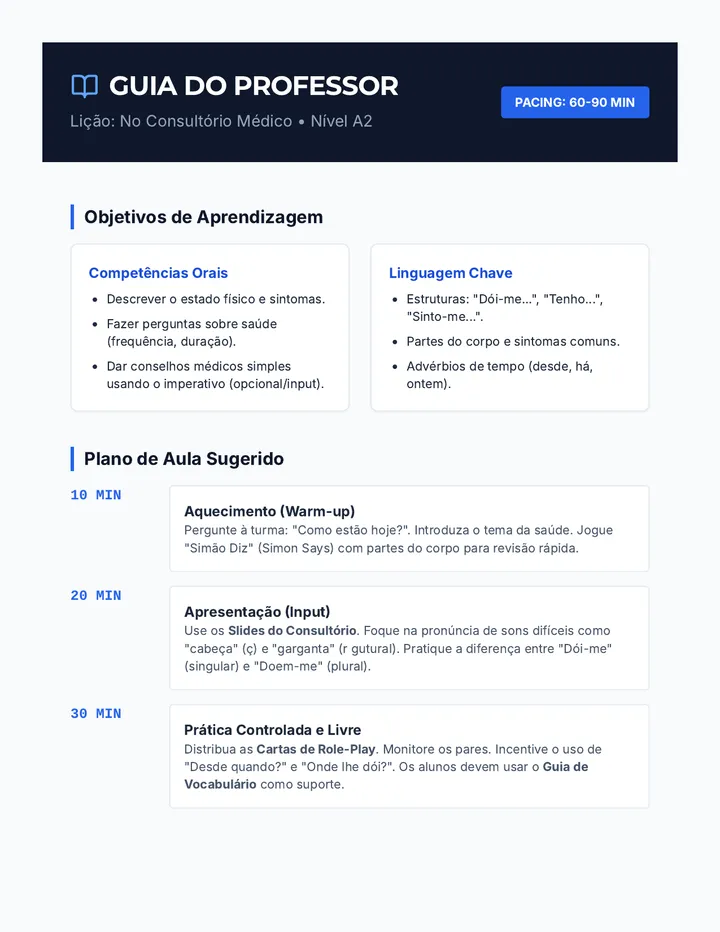
A language learning sequence focused on practical conversation in Portuguese for A2 level students, specifically targeting healthcare interactions.
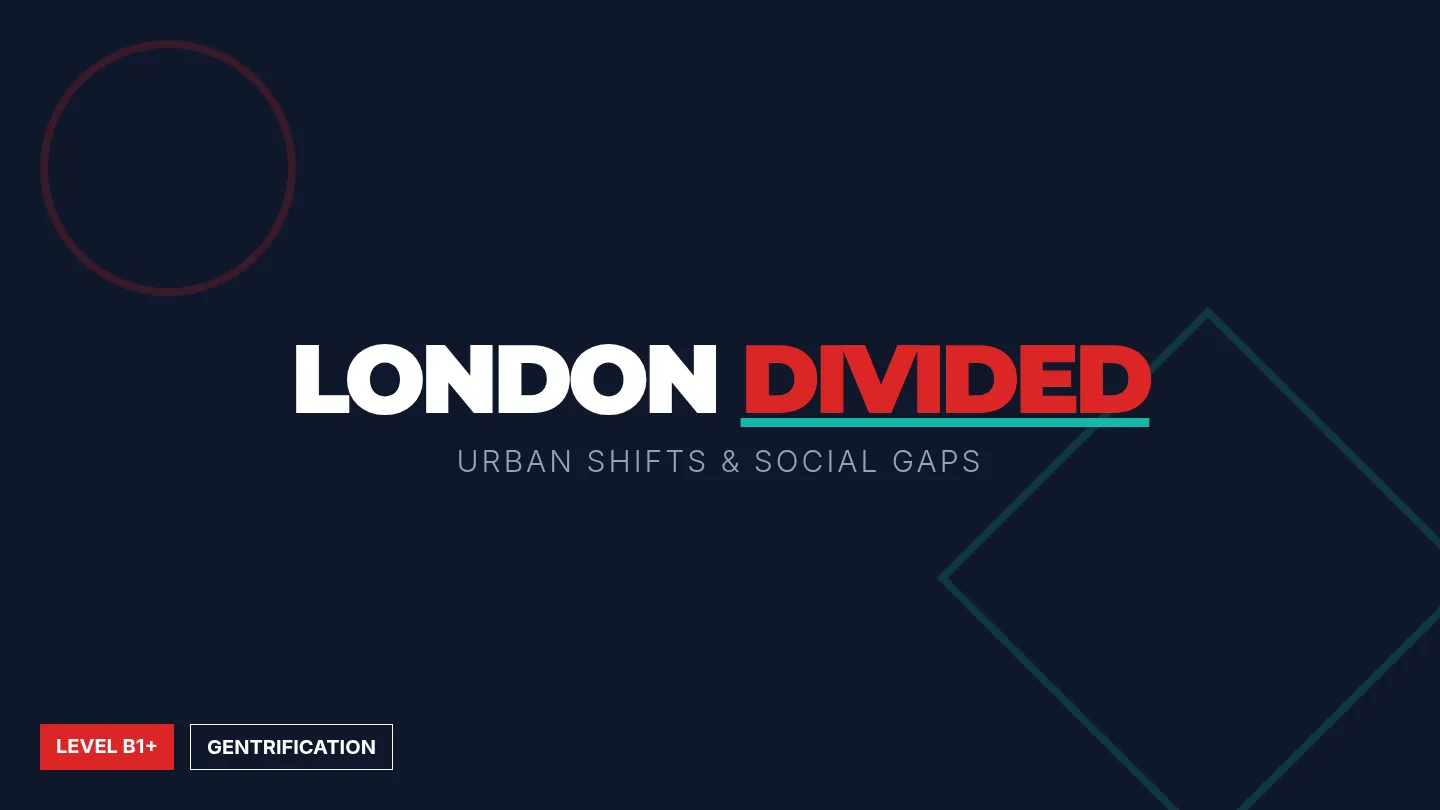
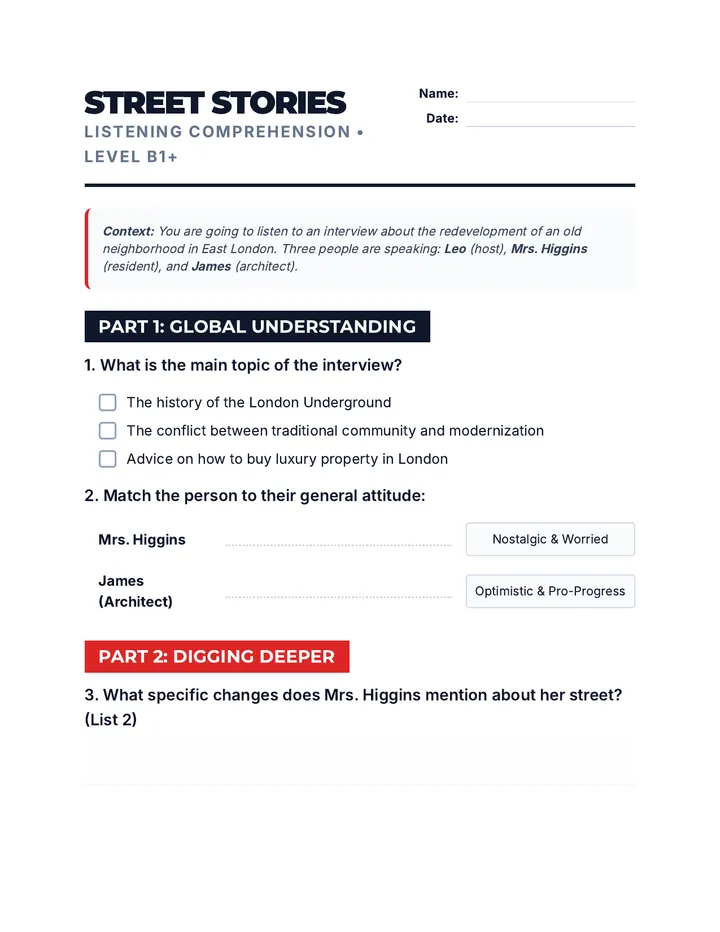
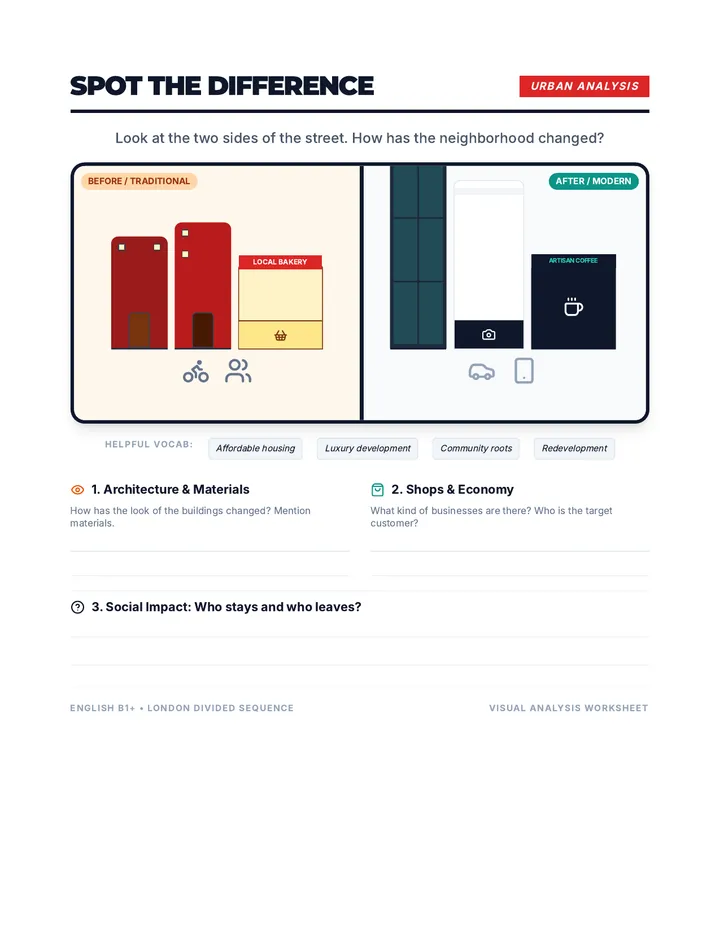
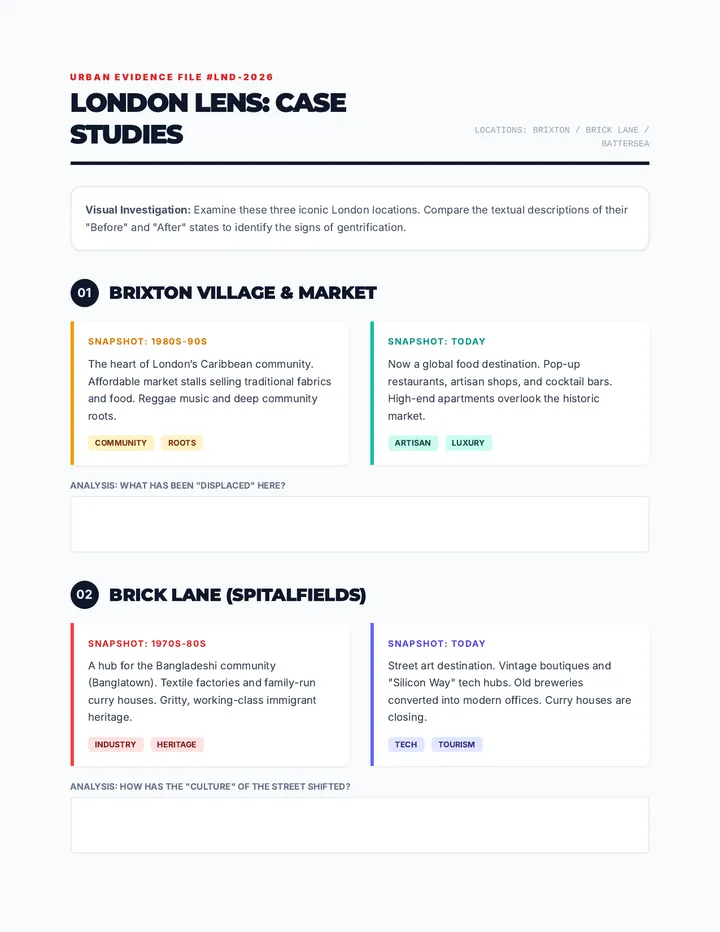
A sequence for high school students (B1+ level) exploring the social and cultural impacts of gentrification in London, focusing on the tension between urban development and local community identity.
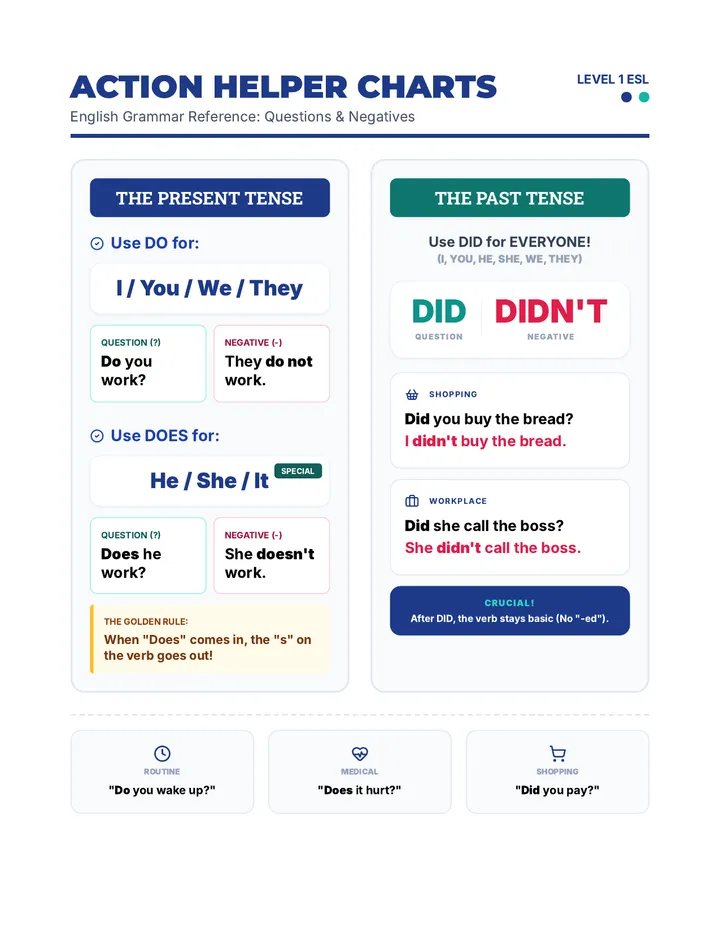
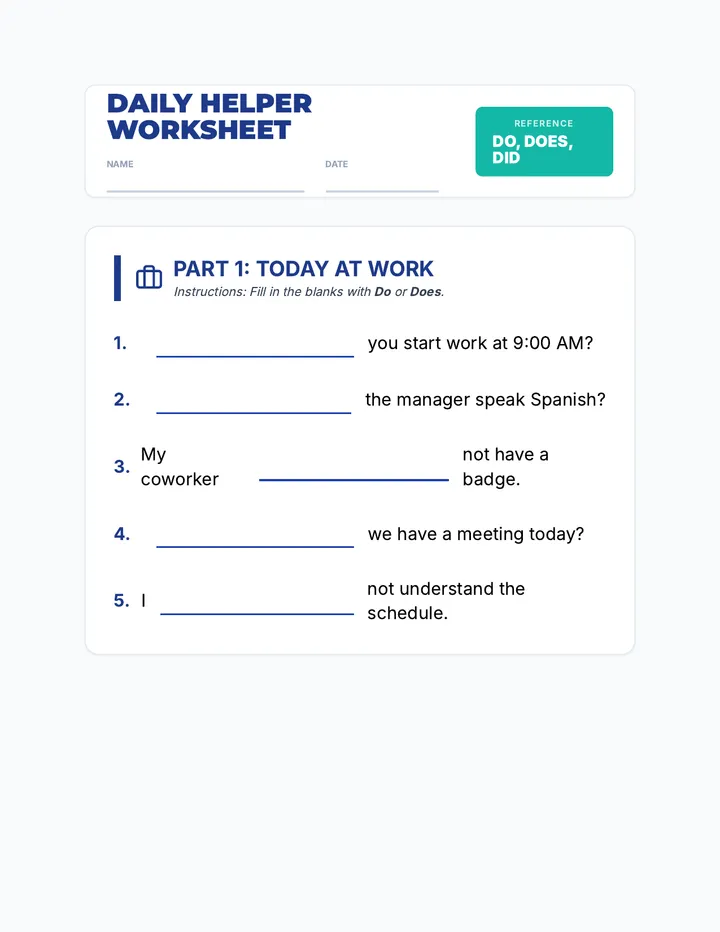
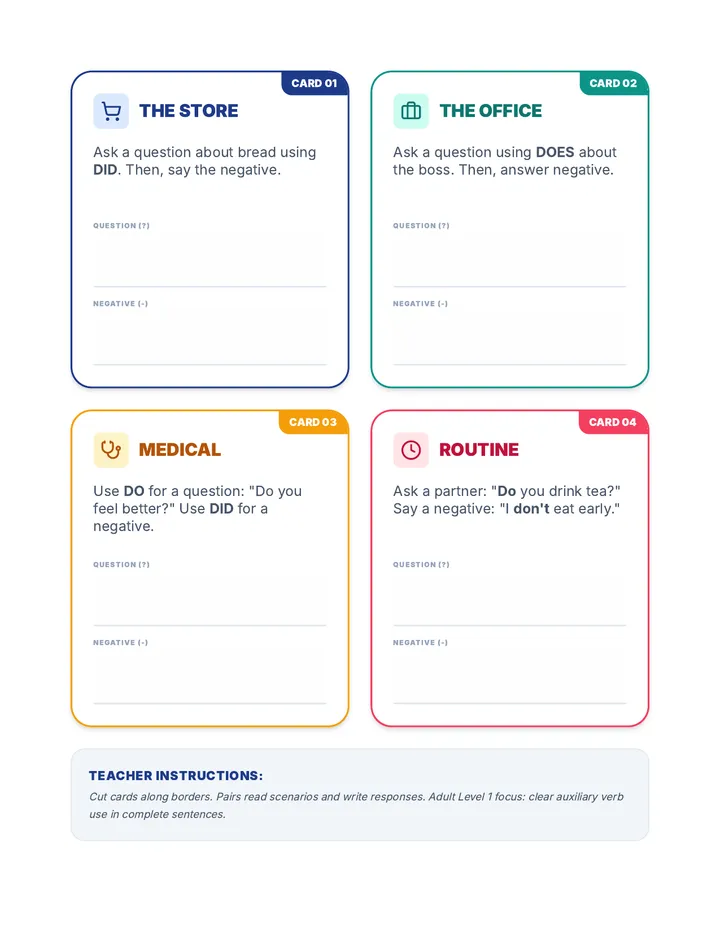
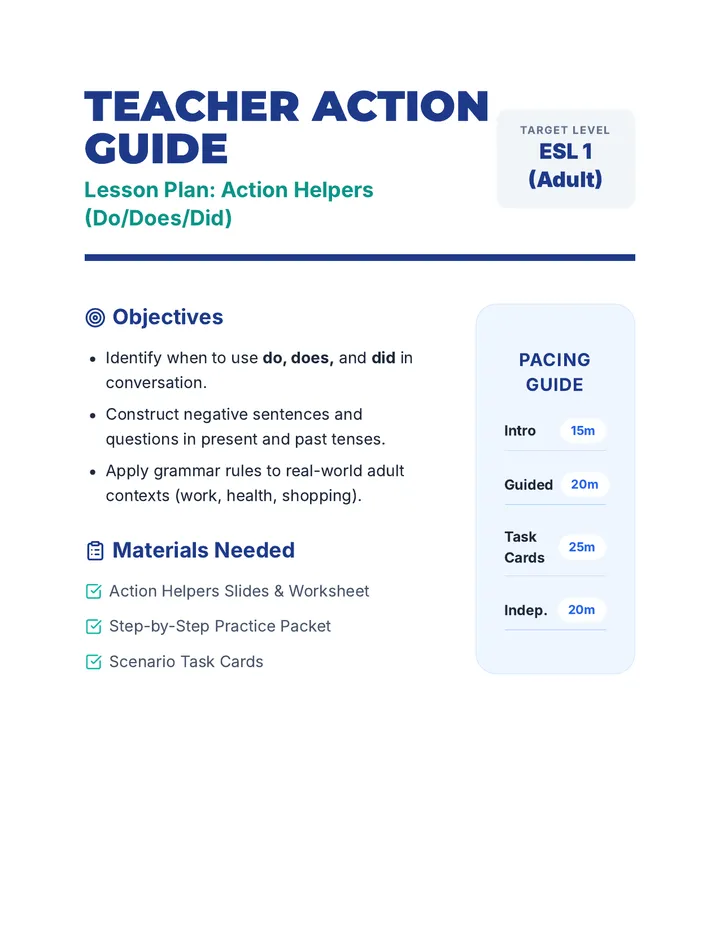
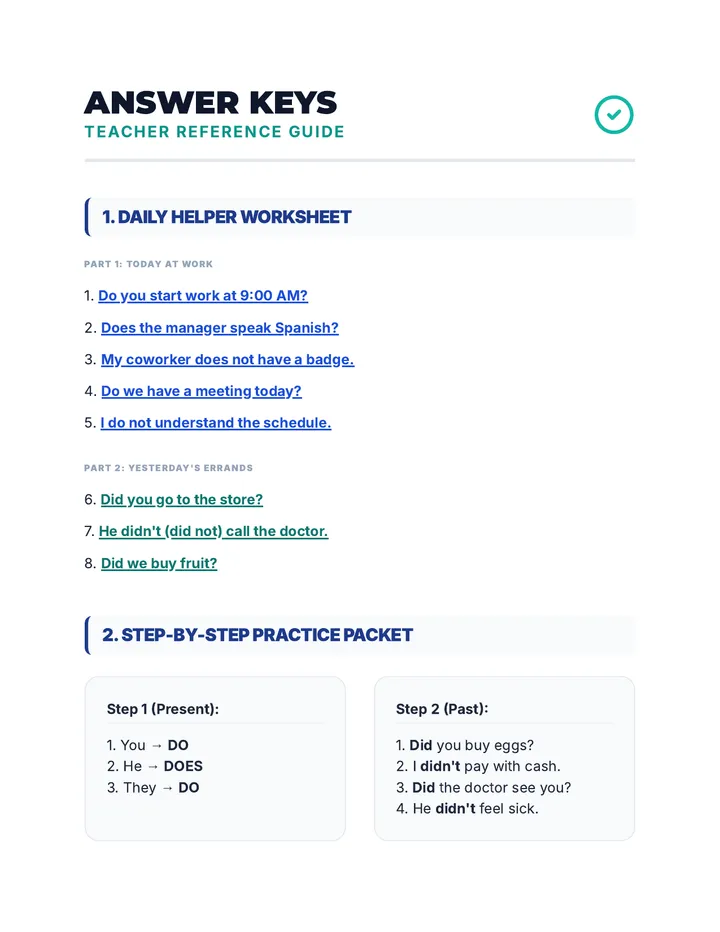
A beginner English sequence for adults focusing on essential auxiliary verbs in daily contexts like work, health, and shopping.
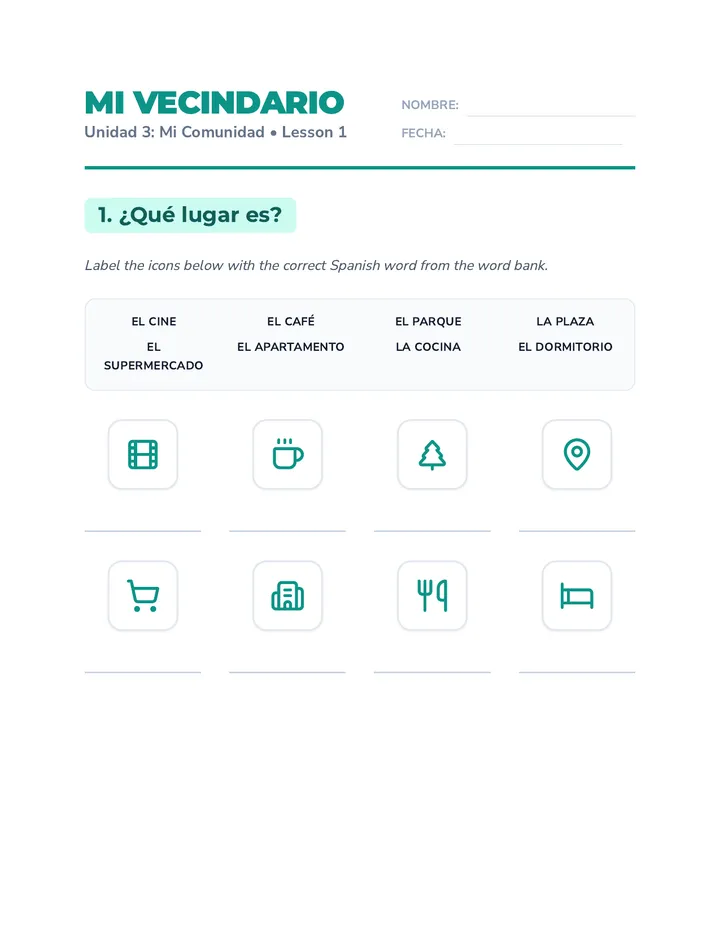
A three-day Spanish 1 unit focused on community vocabulary, regular present tense verbs, 'estar' for location, and social invitations at a Novice-Low level. Students will learn to describe their neighborhood and navigate social interactions like accepting or rejecting plans.
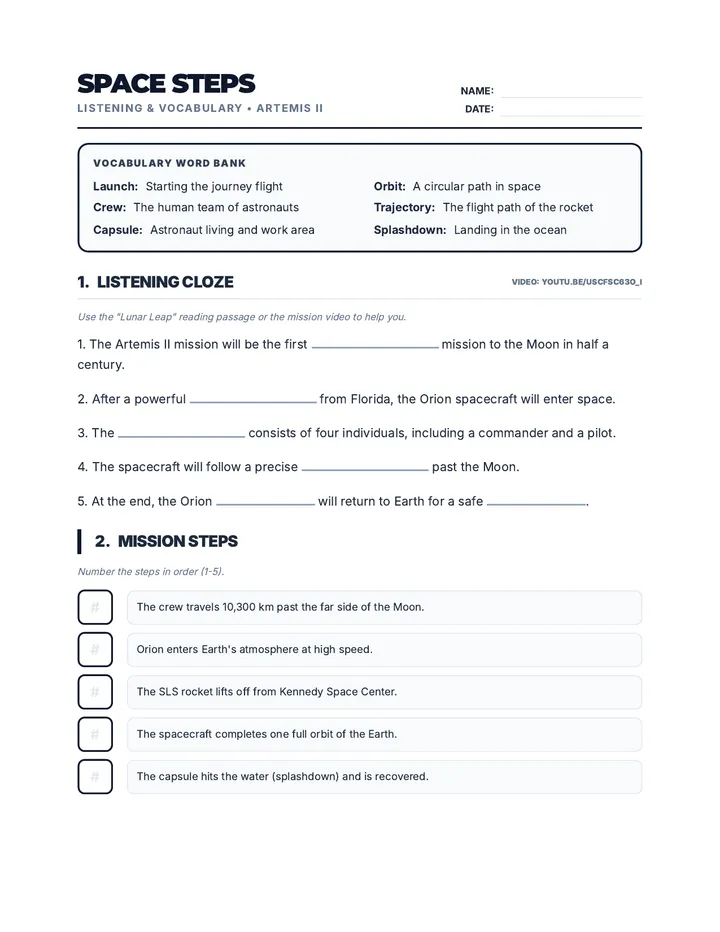
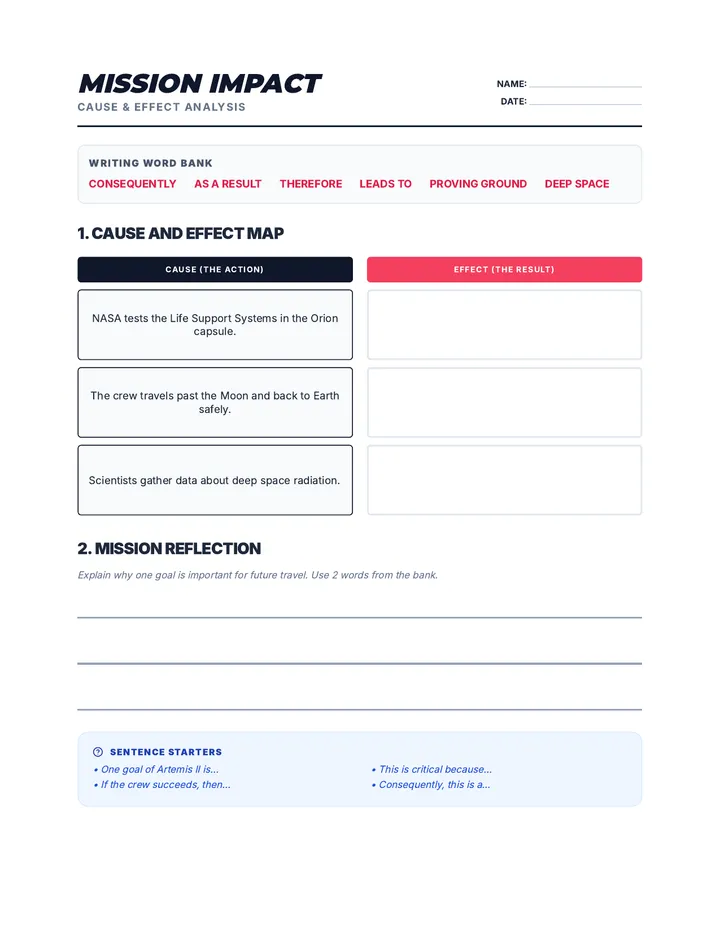
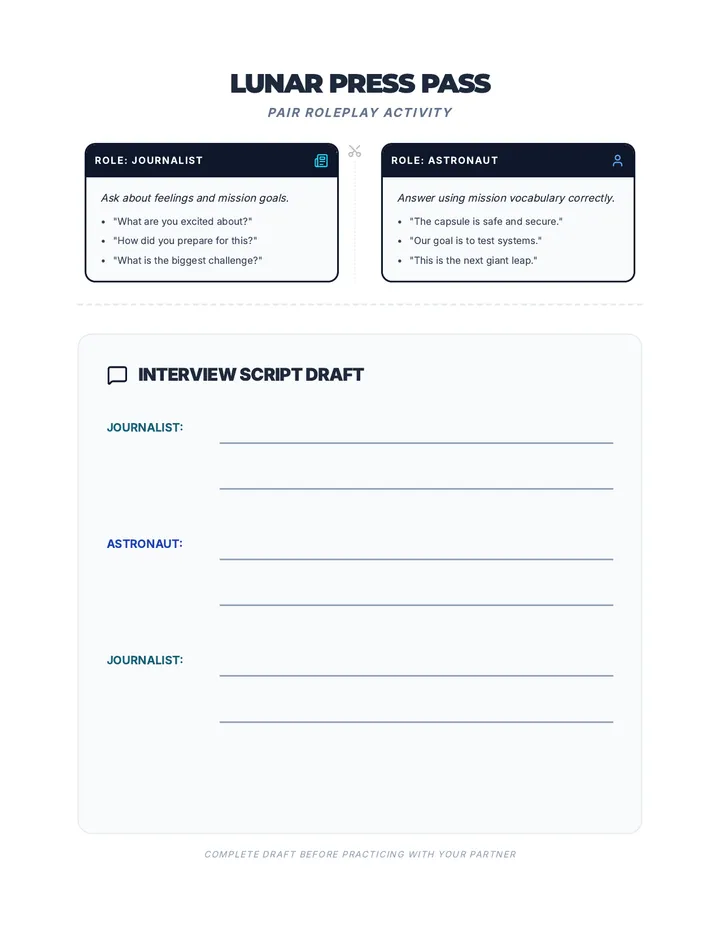
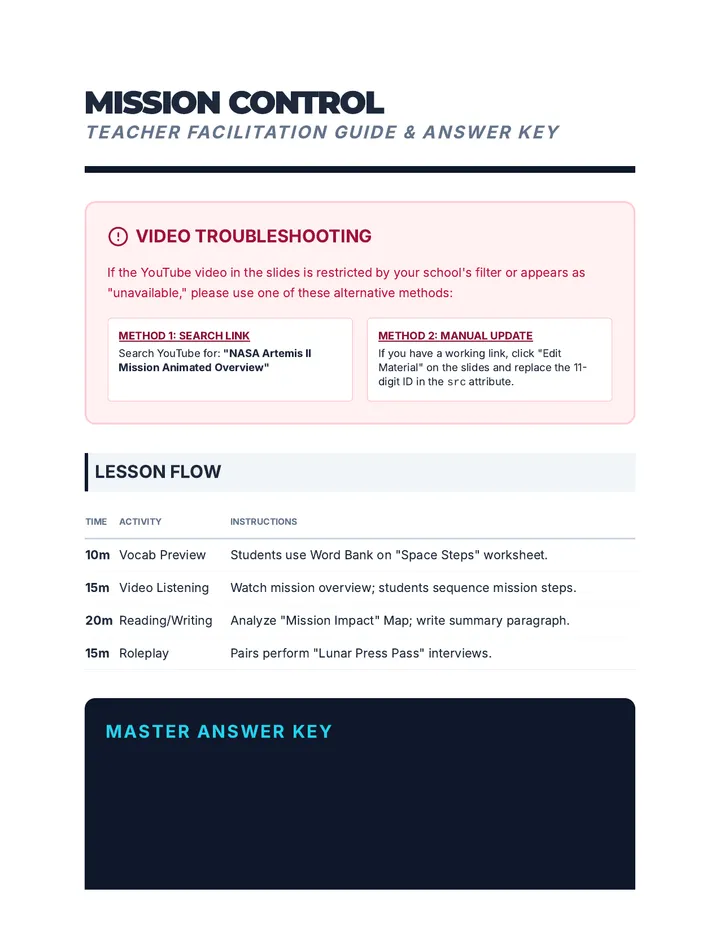
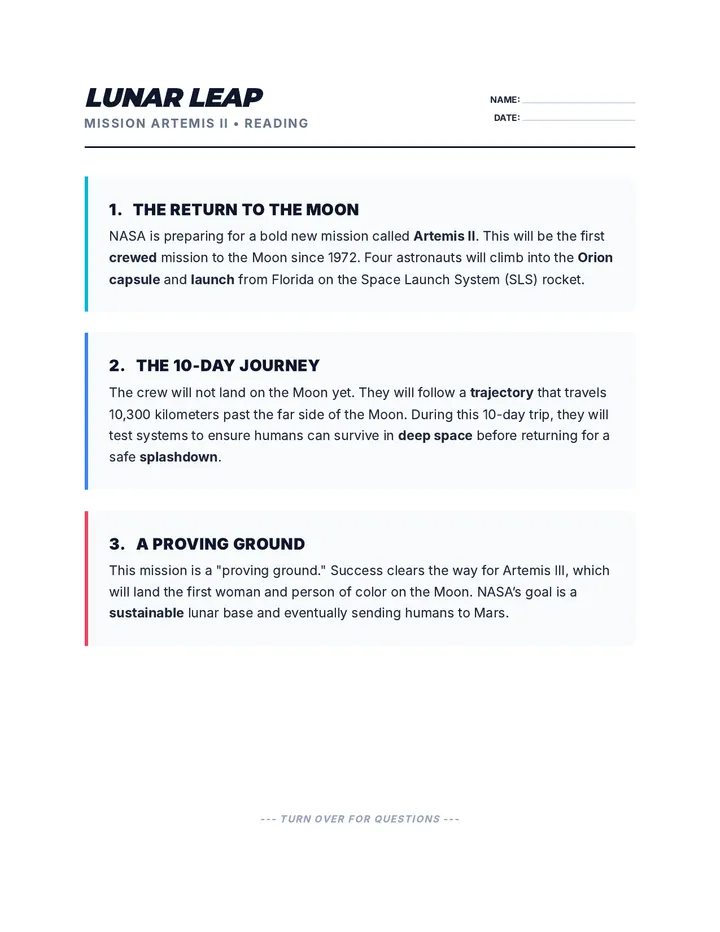
A comprehensive ESL resource pack for 9-12th graders focused on the Artemis II mission. This sequence covers reading, writing, listening, and speaking skills through space exploration content.
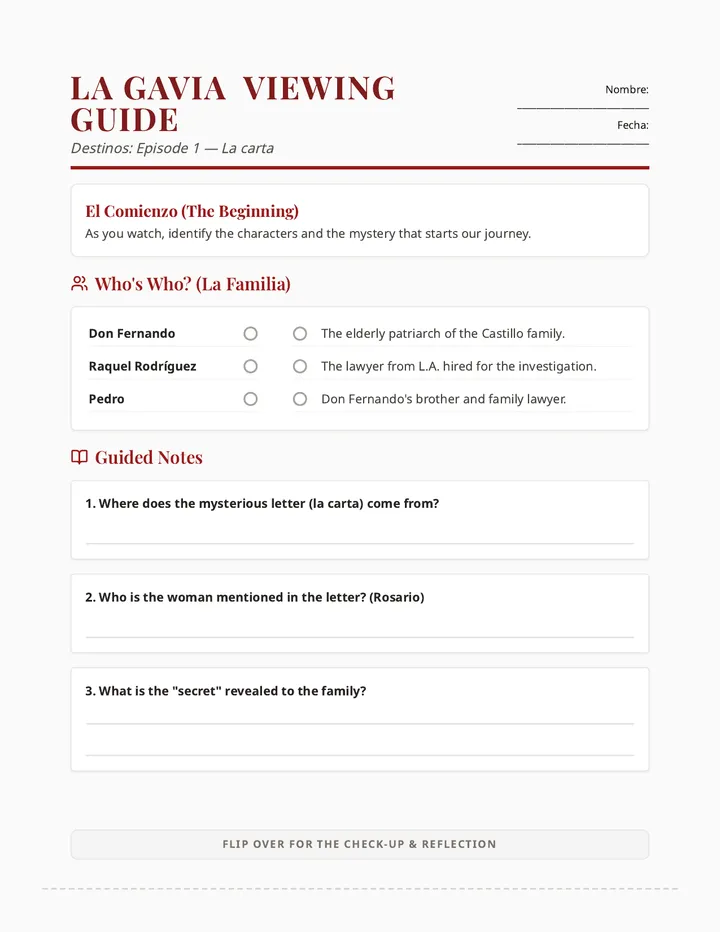
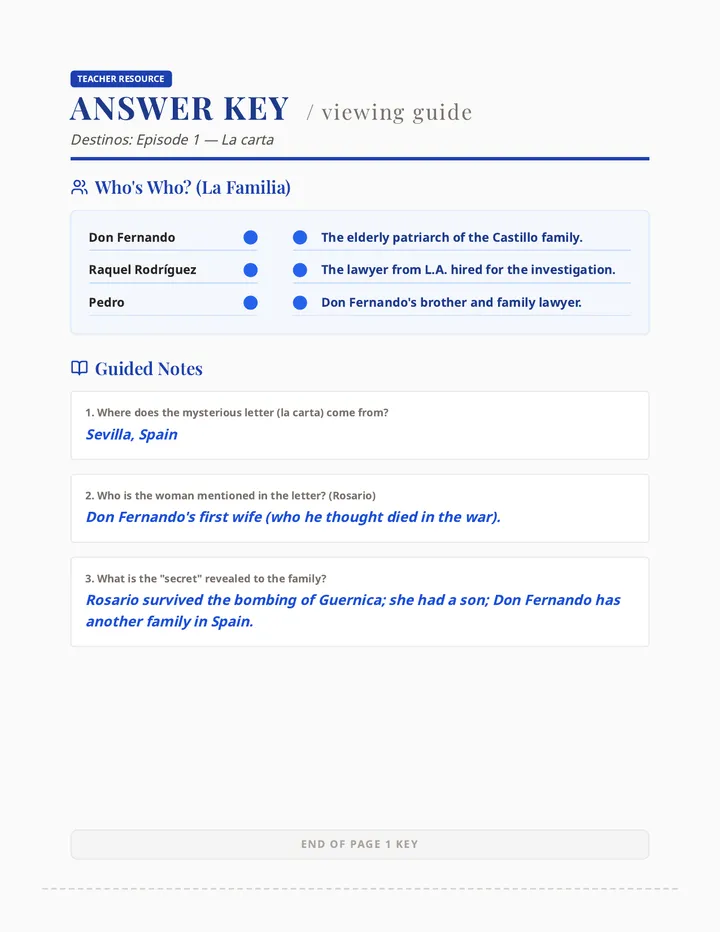
A series of lessons following Raquel Rodríguez as she solves the mystery of the Castillo family, starting with the discovery of a secret letter and her journey to Spain.
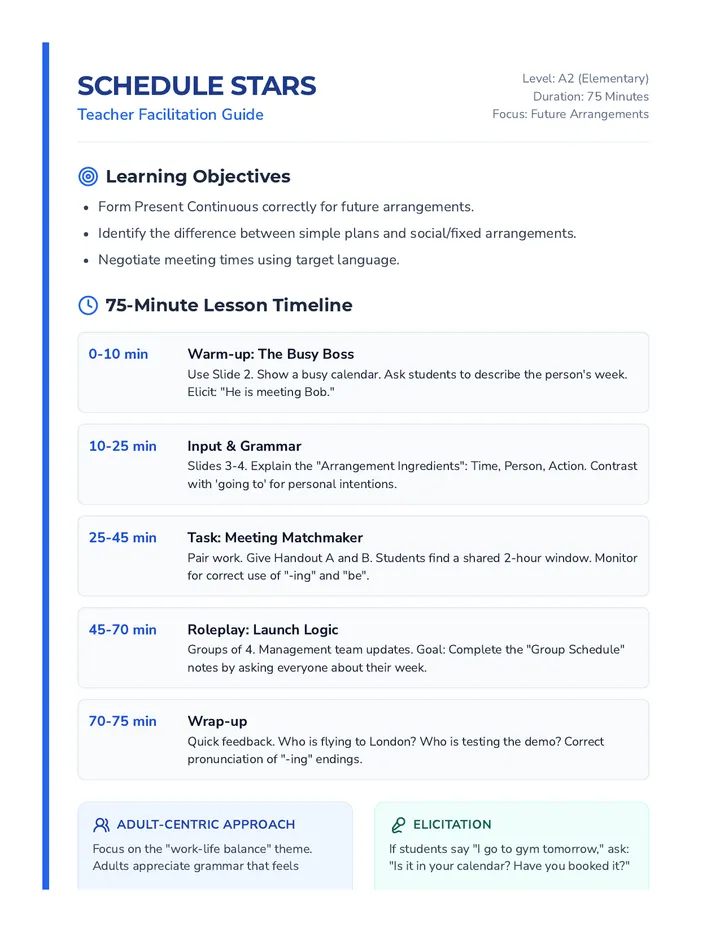
A collection of materials focused on mastering future forms in English, with a specific emphasis on functional speaking skills for adult learners.
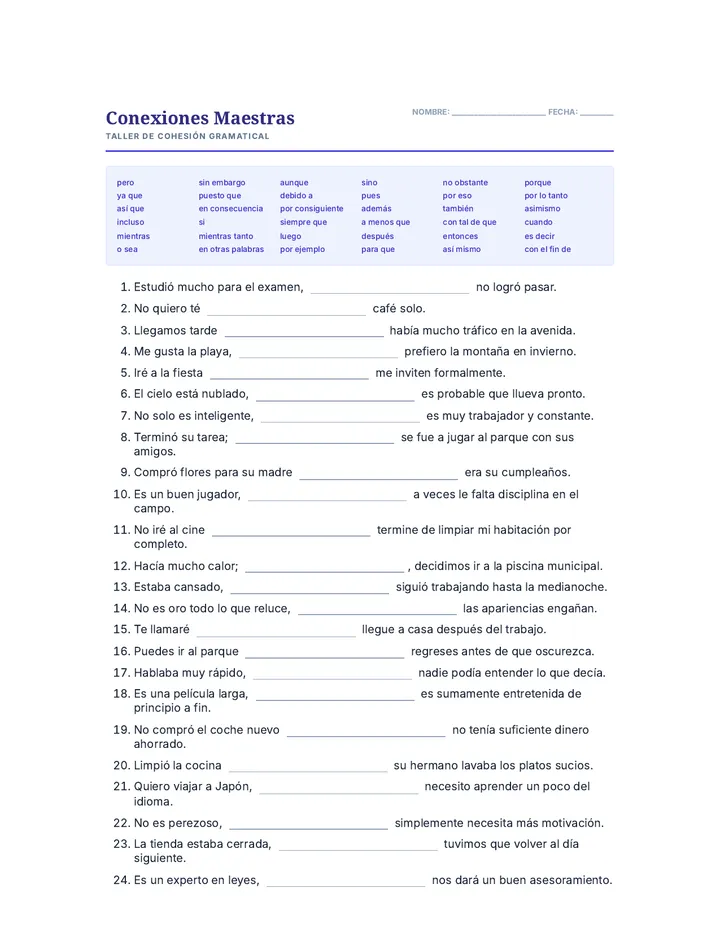
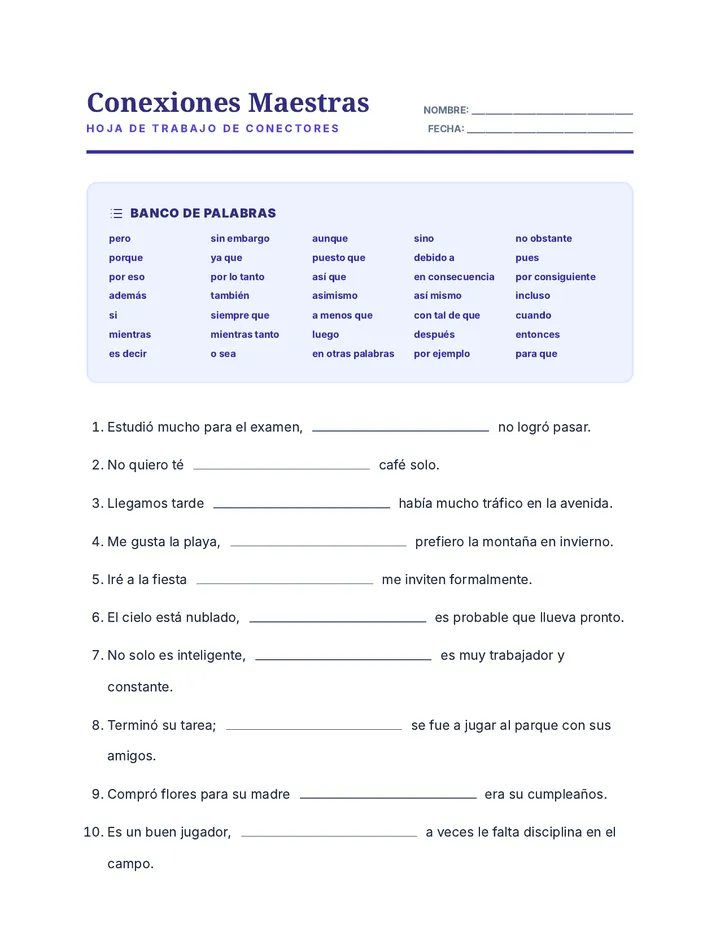
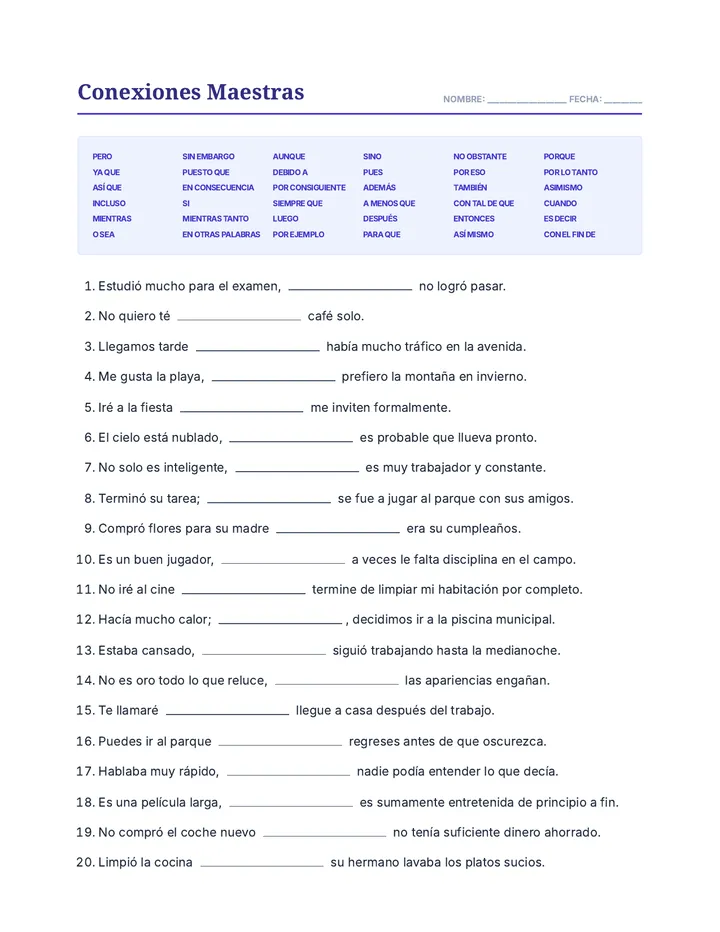
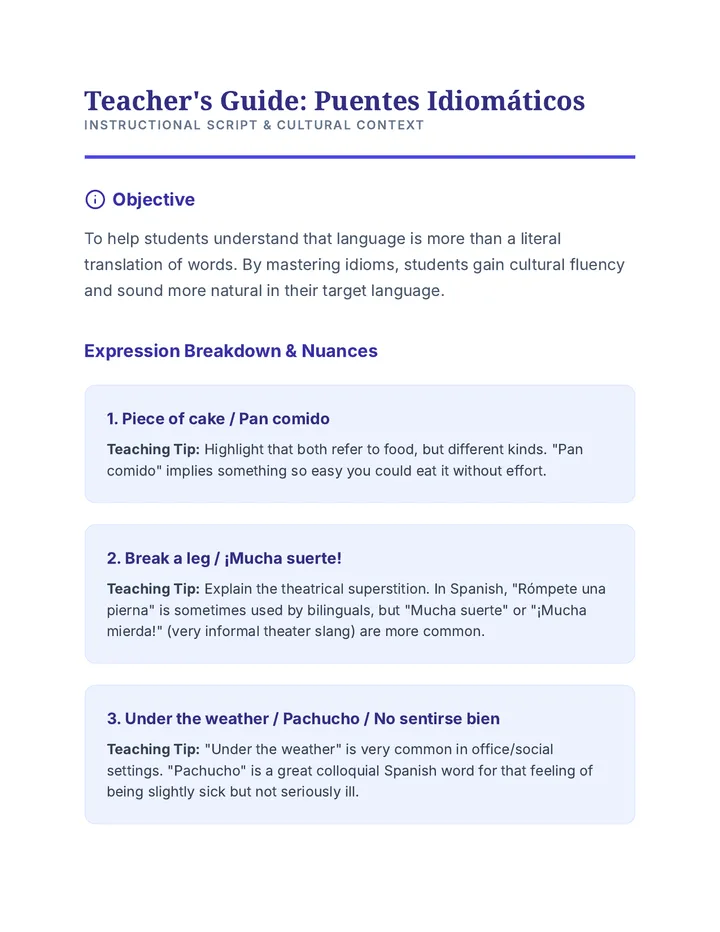
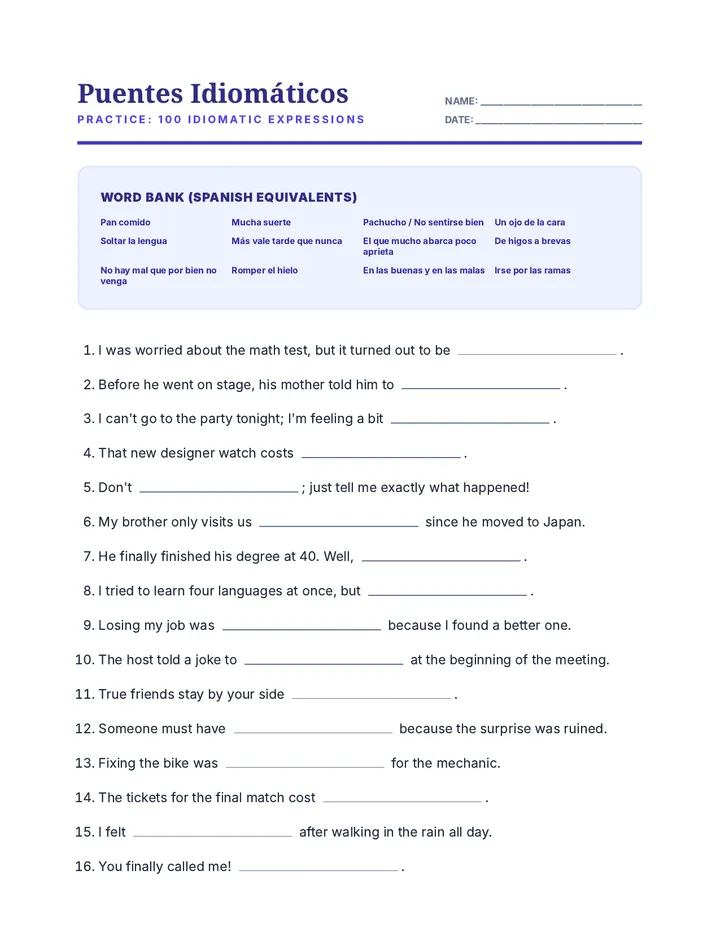
Una serie de lecciones enfocadas en el dominio de las estructuras gramaticales y expresiones idiomáticas en español e inglés para estudiantes bilingües.
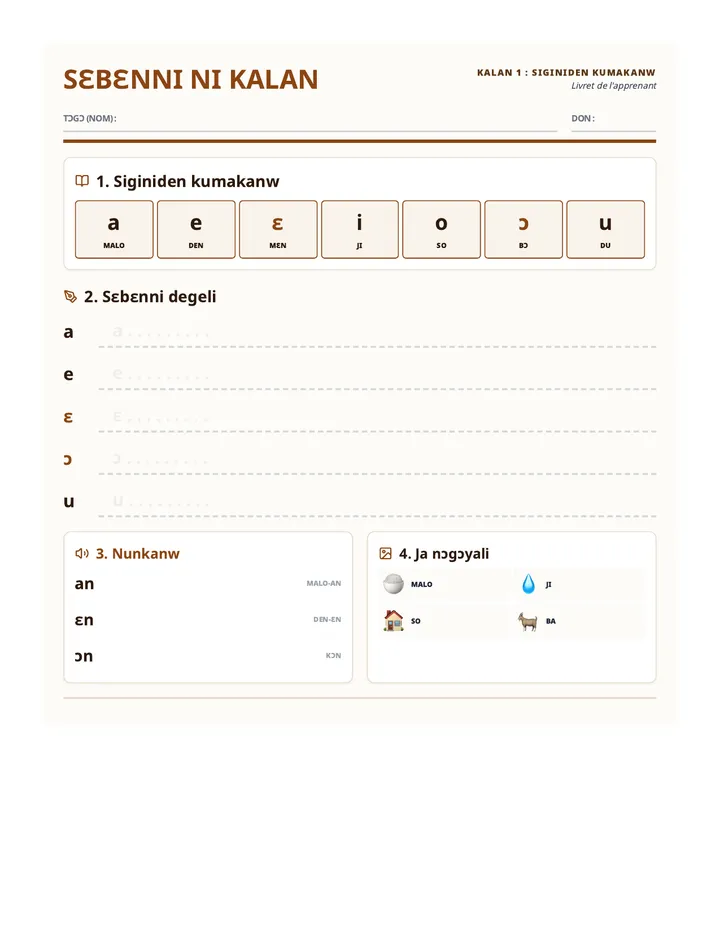
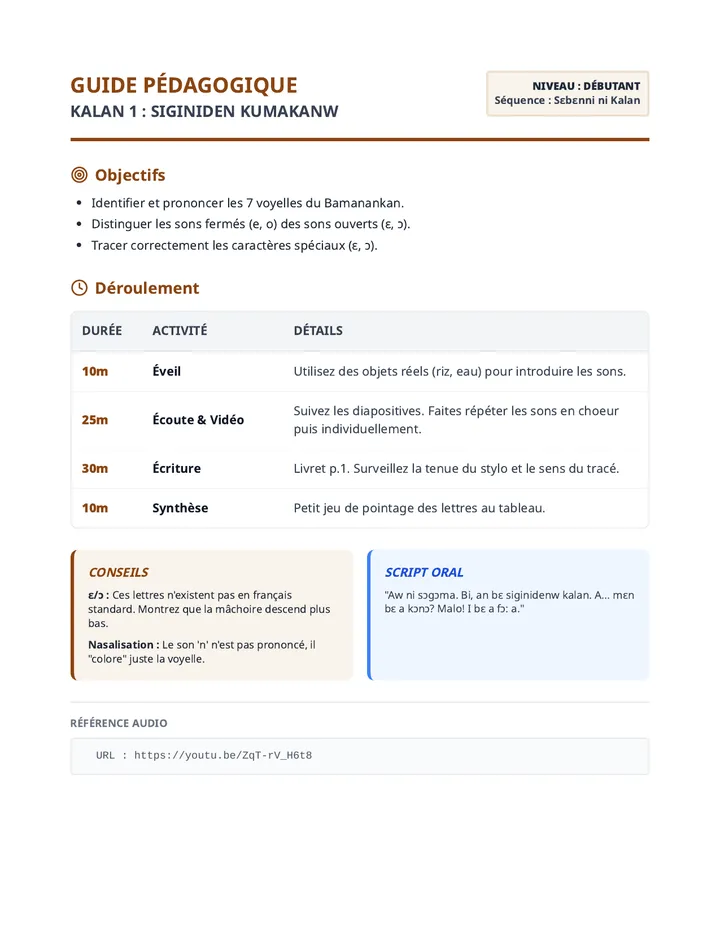
Une séquence d'alphabétisation complète en Bamanankan pour débutants, intégrant l'apprentissage des voyelles, des consonnes et des salutations de base à travers un livret imprimable et des supports visuels.
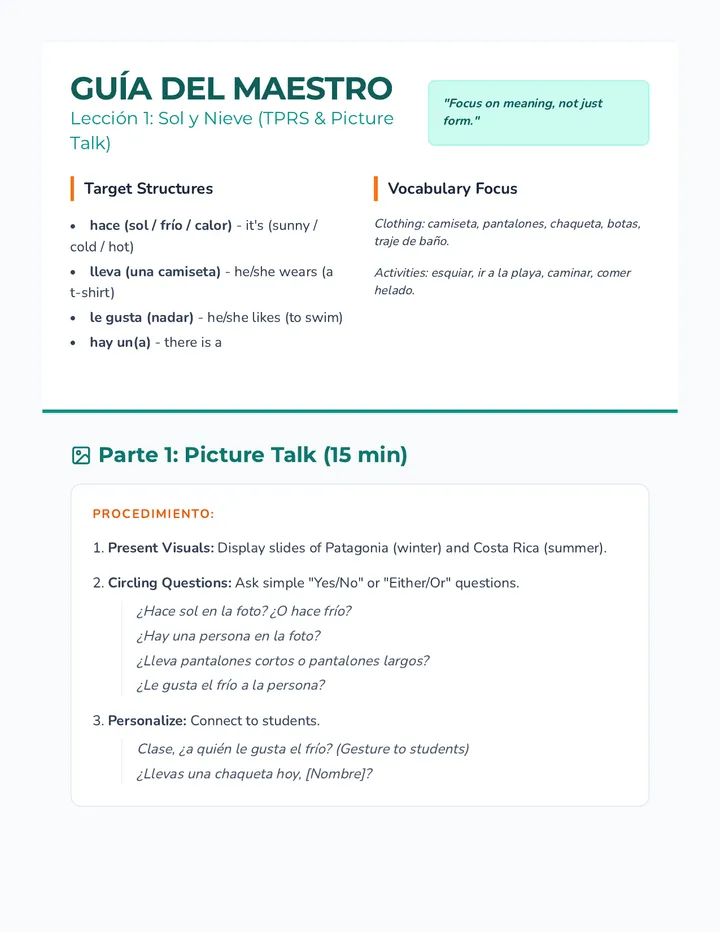
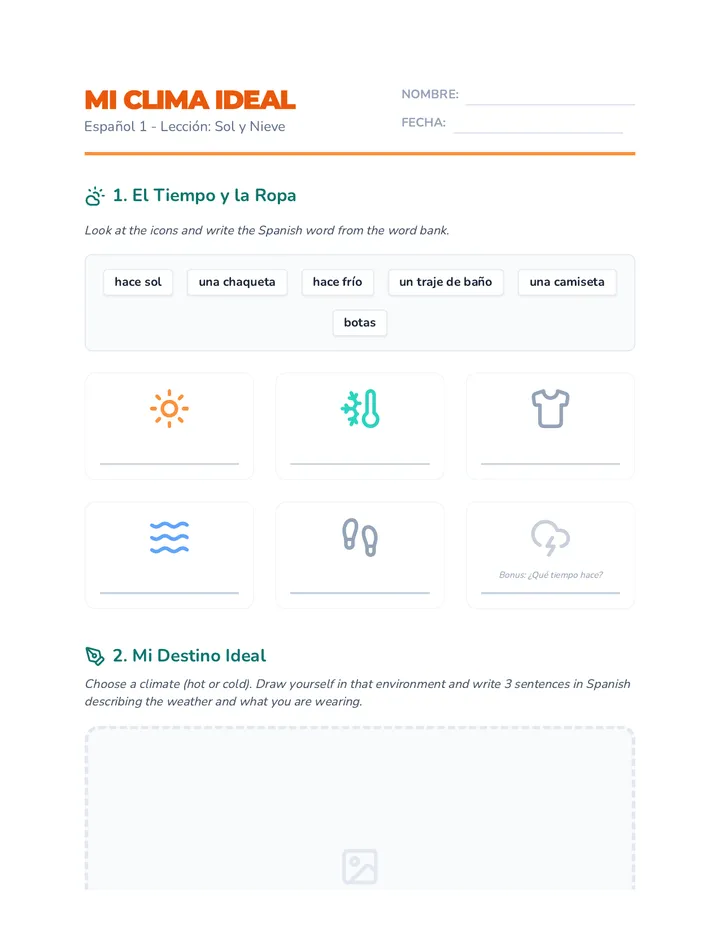
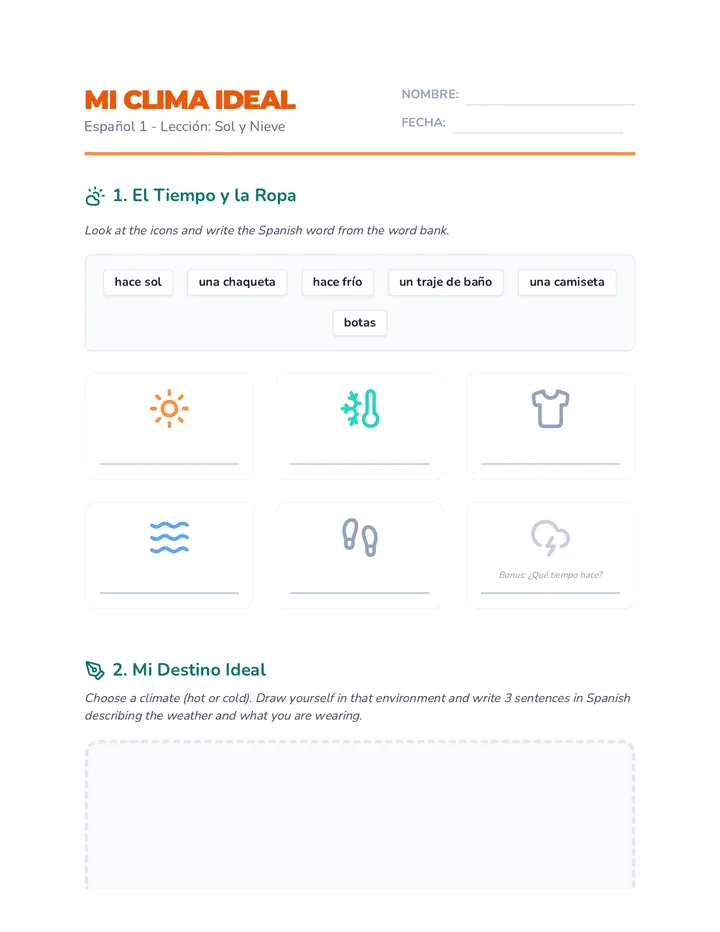
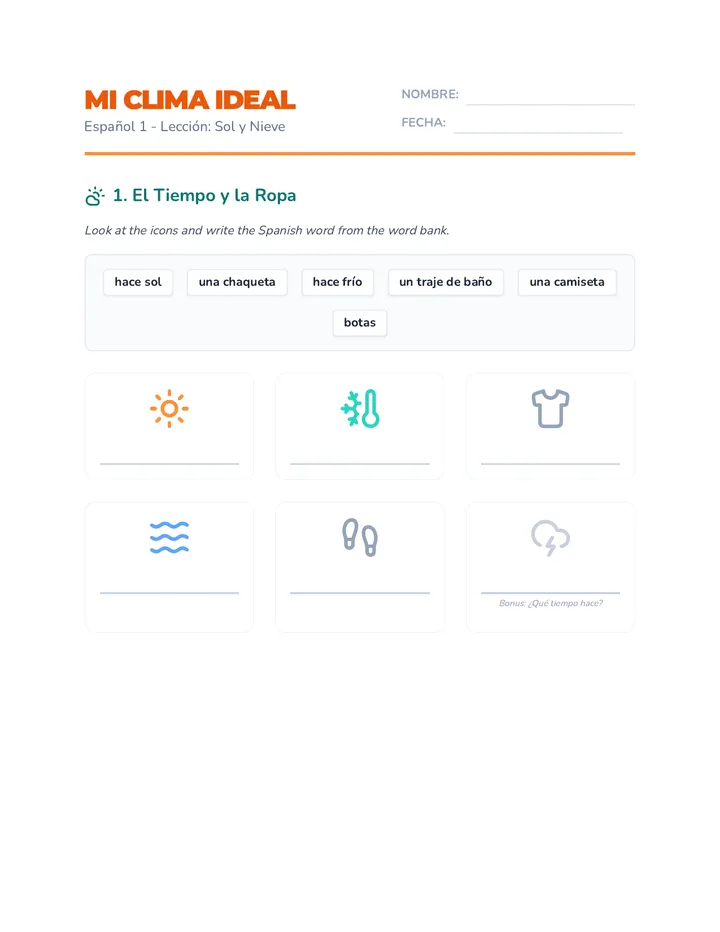
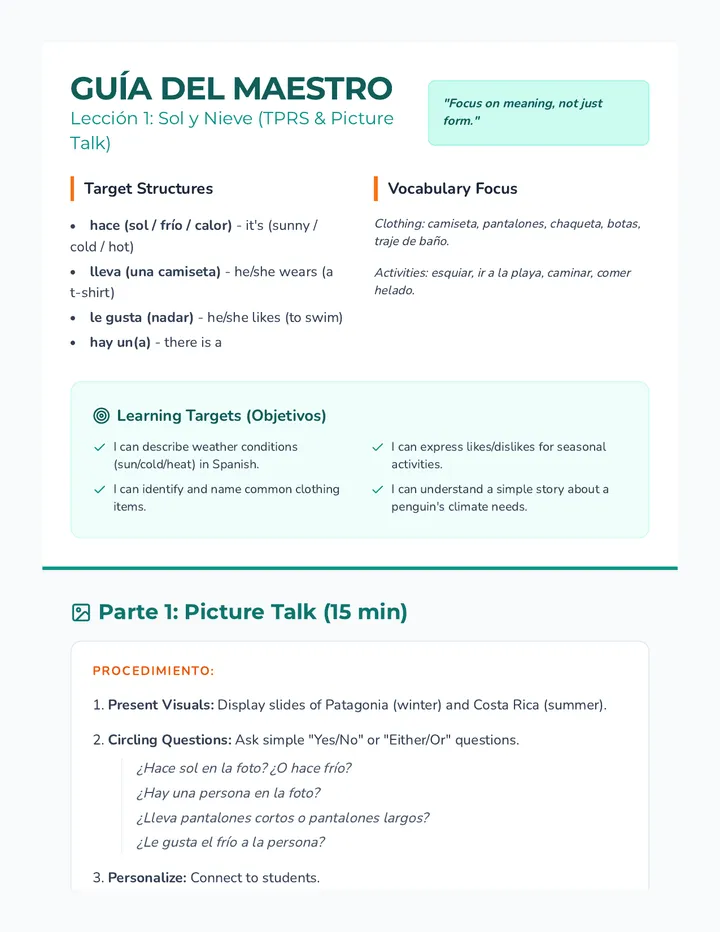
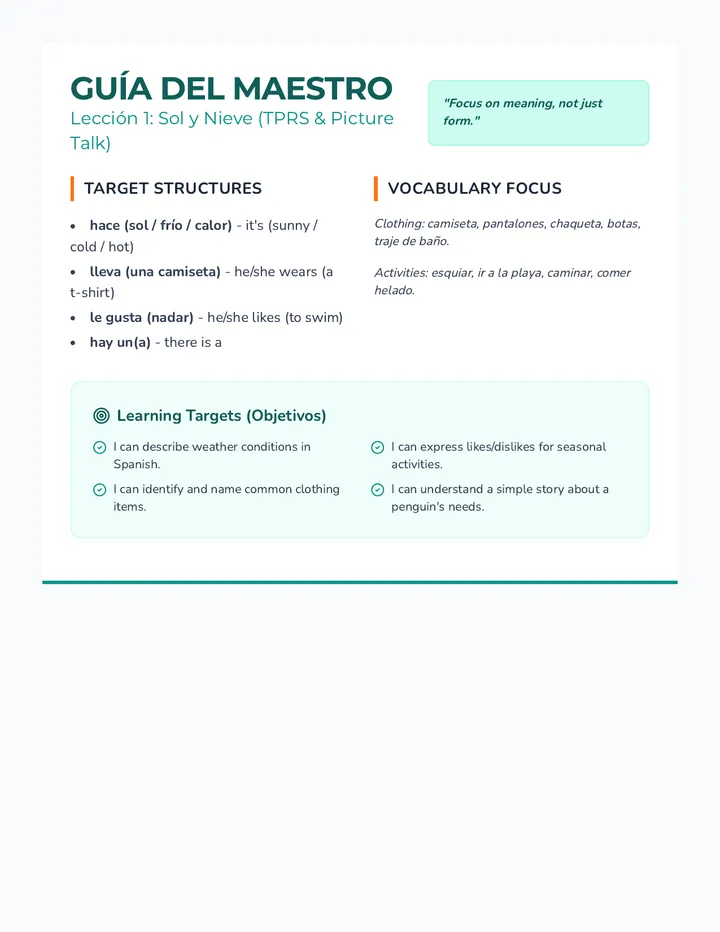
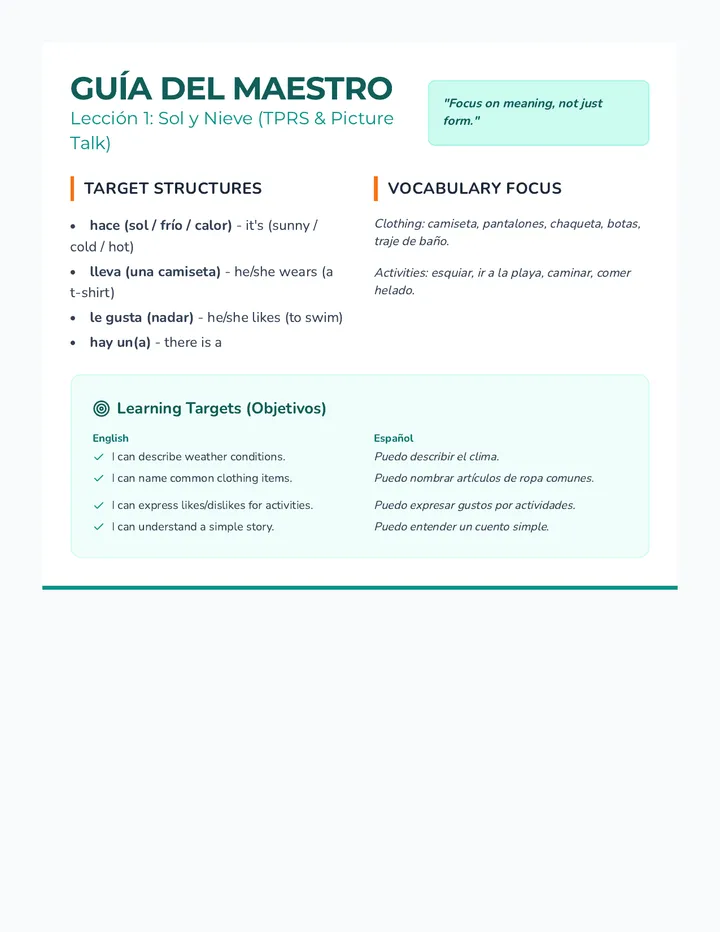
A two-part introductory Spanish sequence focusing on clothing, weather, and activities through Comprehensible Input (CI) strategies like TPRS and Picture Talk. Students explore cultural contexts and seasonal variations in the Spanish-speaking world while building basic communicative proficiency.
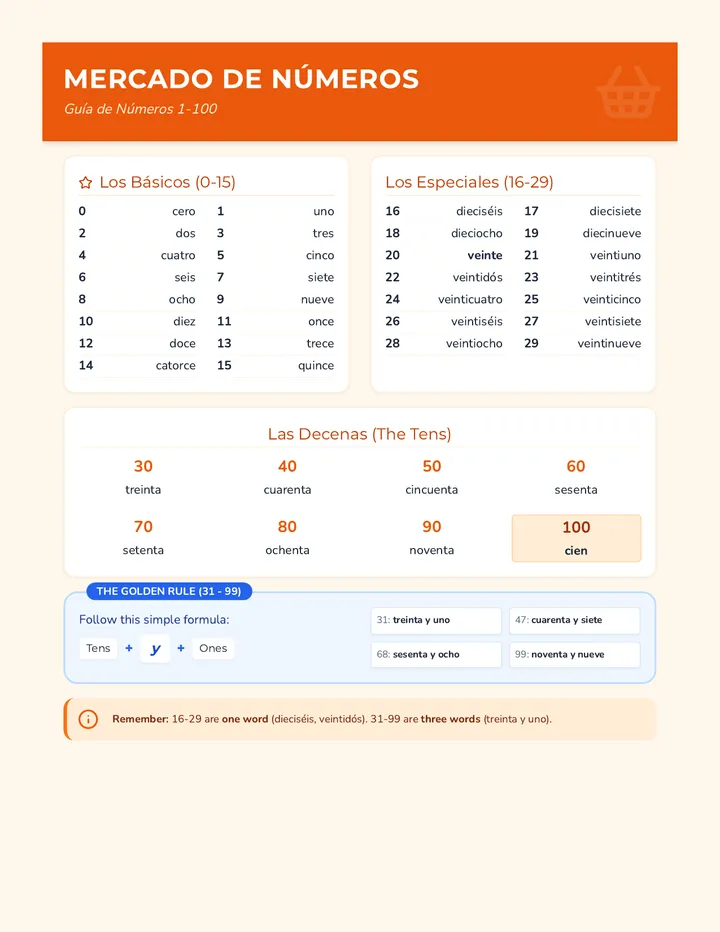
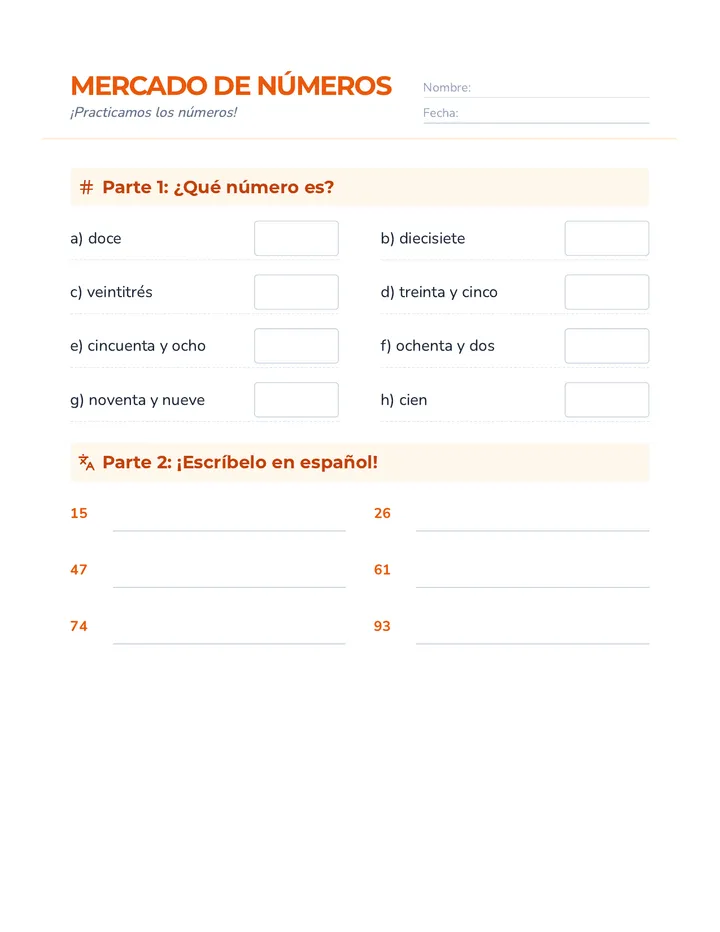
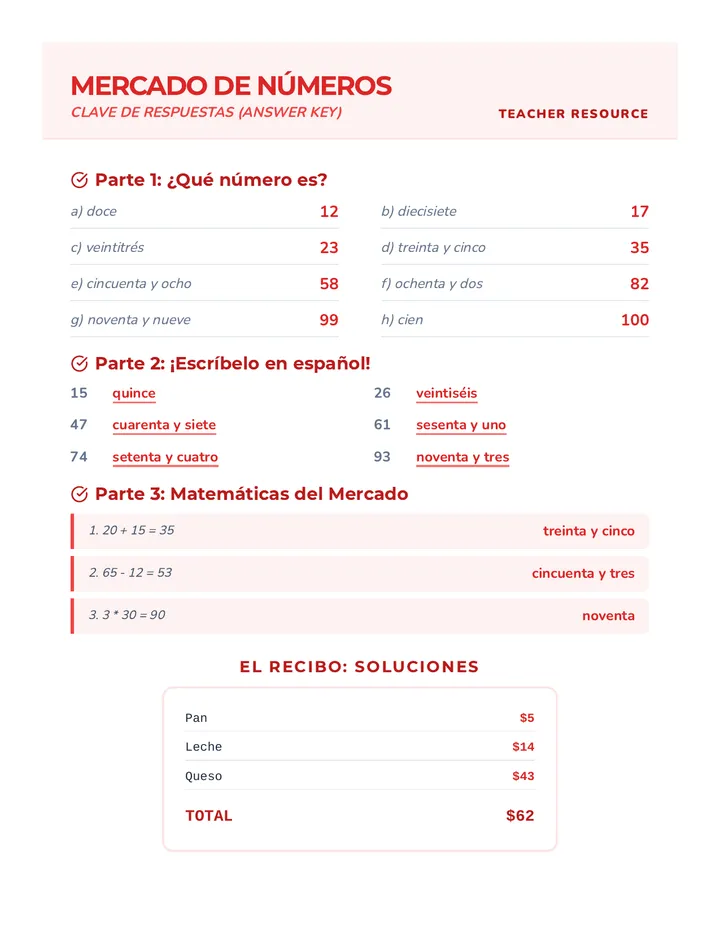
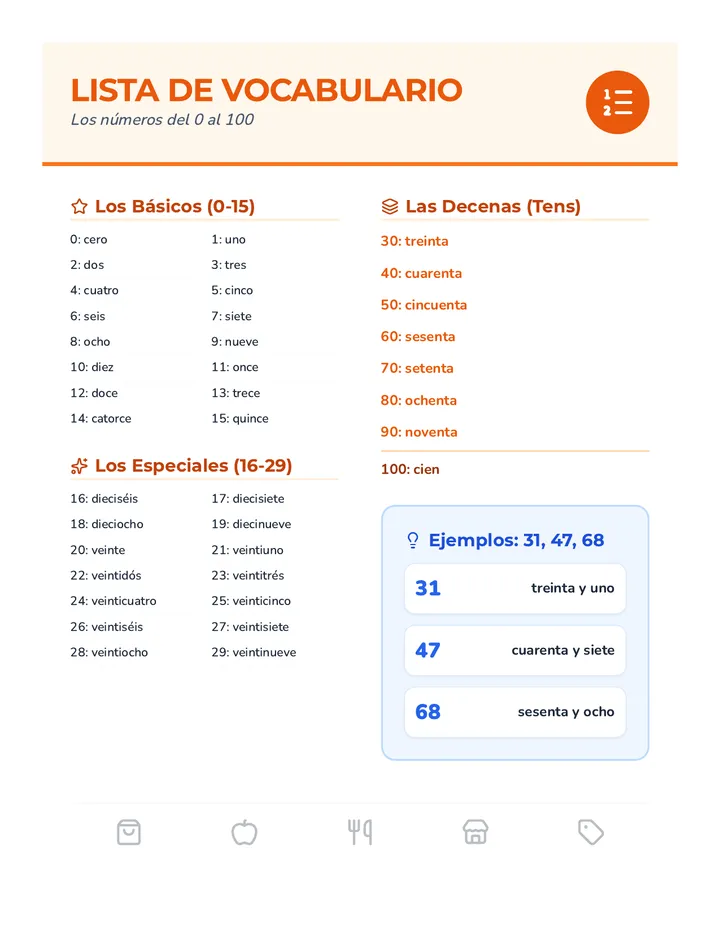
A foundational Spanish sequence focusing on numbers and colors through practical application and classroom-based activities.
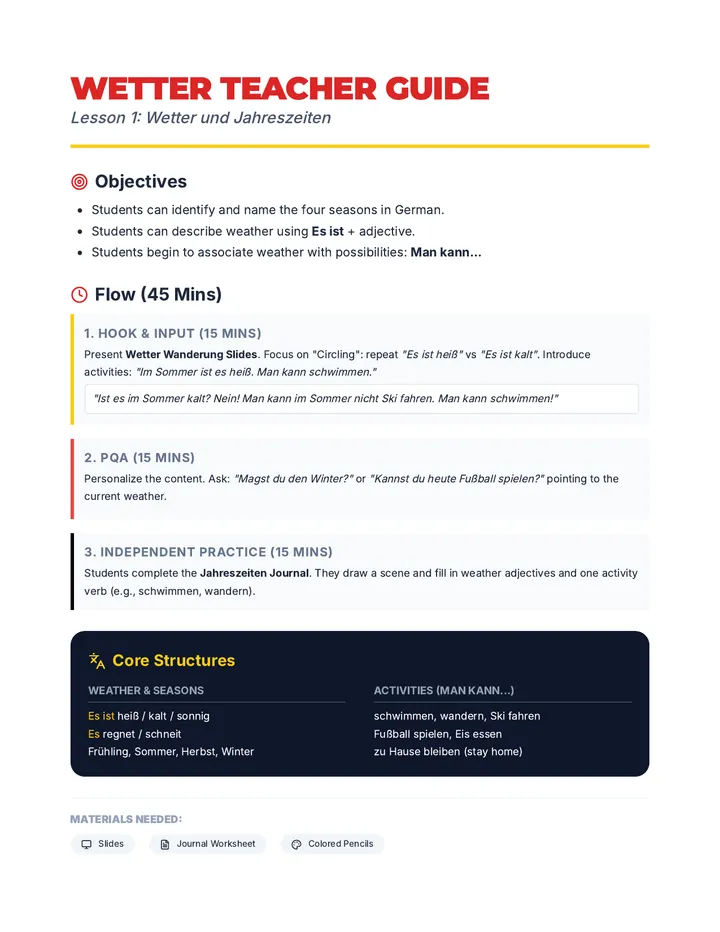
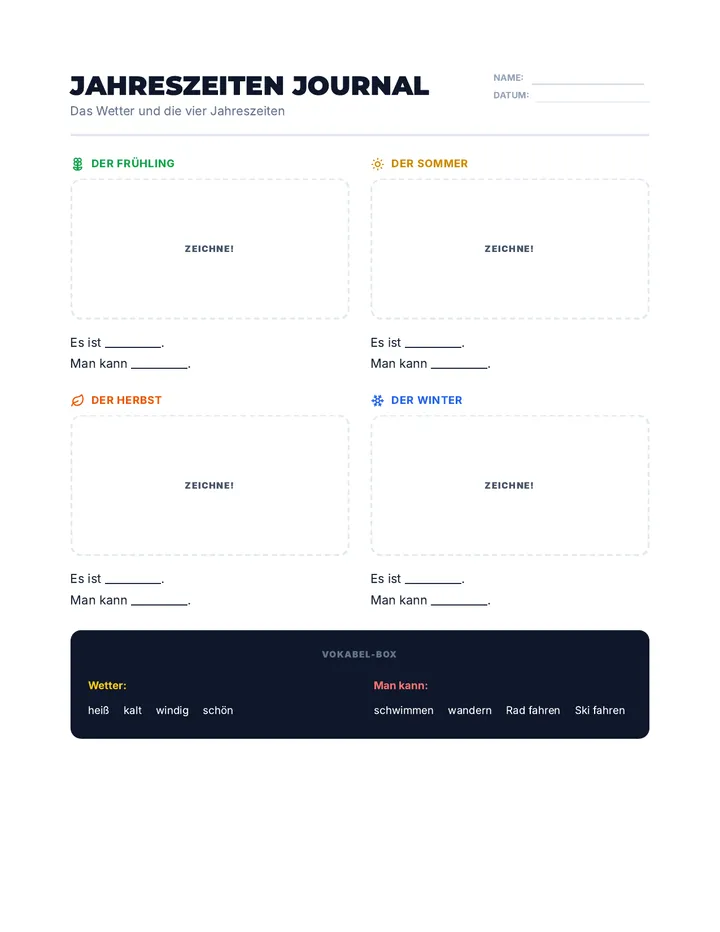
A two-lesson German introductory unit focusing on weather, seasons, and outdoor activities in Germany using Comprehensible Input (CI) methods. Students will learn to describe weather using 'Es ist' and activities using 'Man kann' through visual-heavy instruction and repetition.
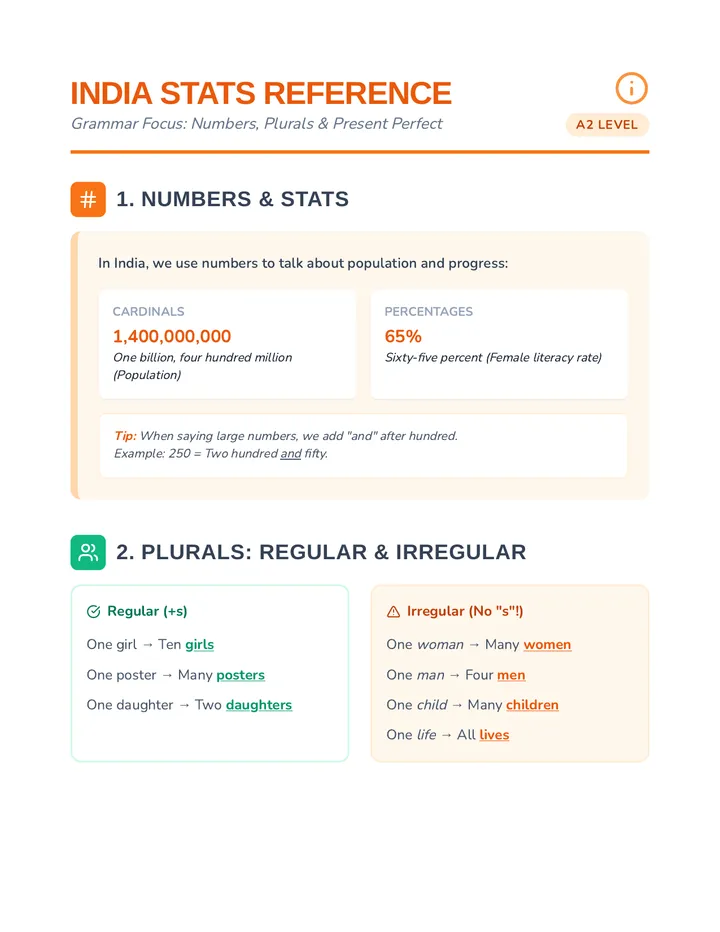
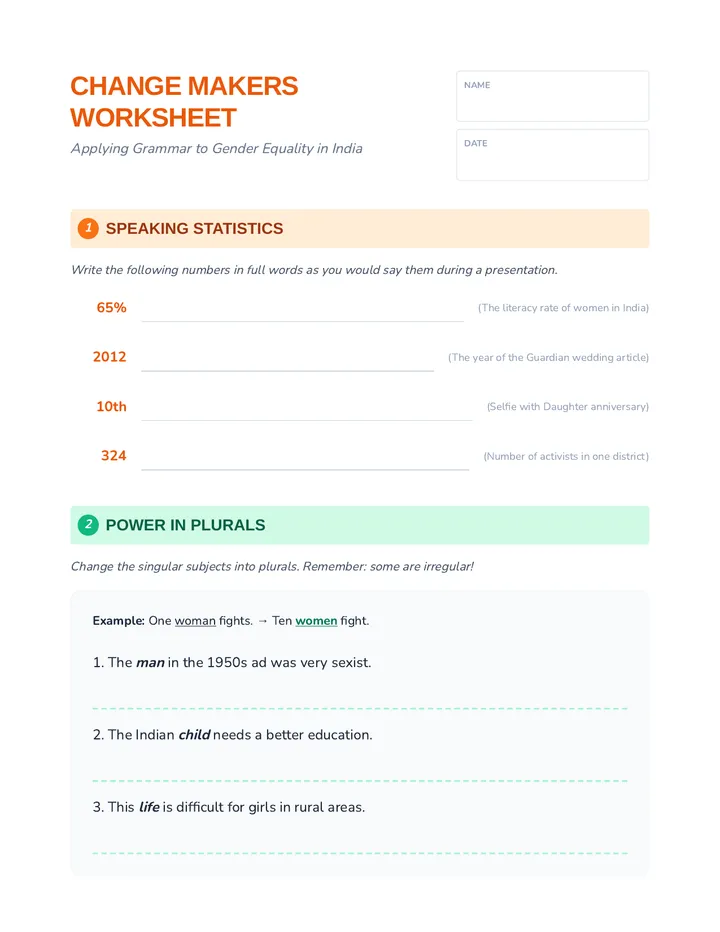
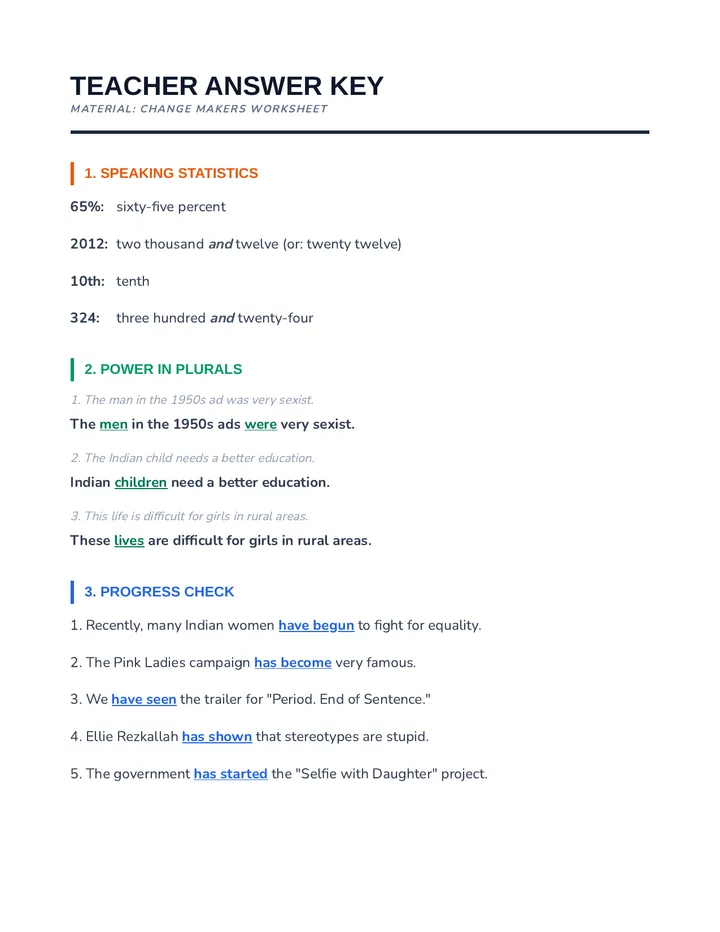
A sequence focused on gender (in)equality in India, exploring cultural stereotypes, social movements, and progress through grammar and statistical analysis.
An introductory Japanese language and culture unit for 8th grade that follows the 'TABI' (Journey) framework. Students explore geography, etiquette, writing systems, daily life, and traditional arts through immersive daily 45-minute lessons.
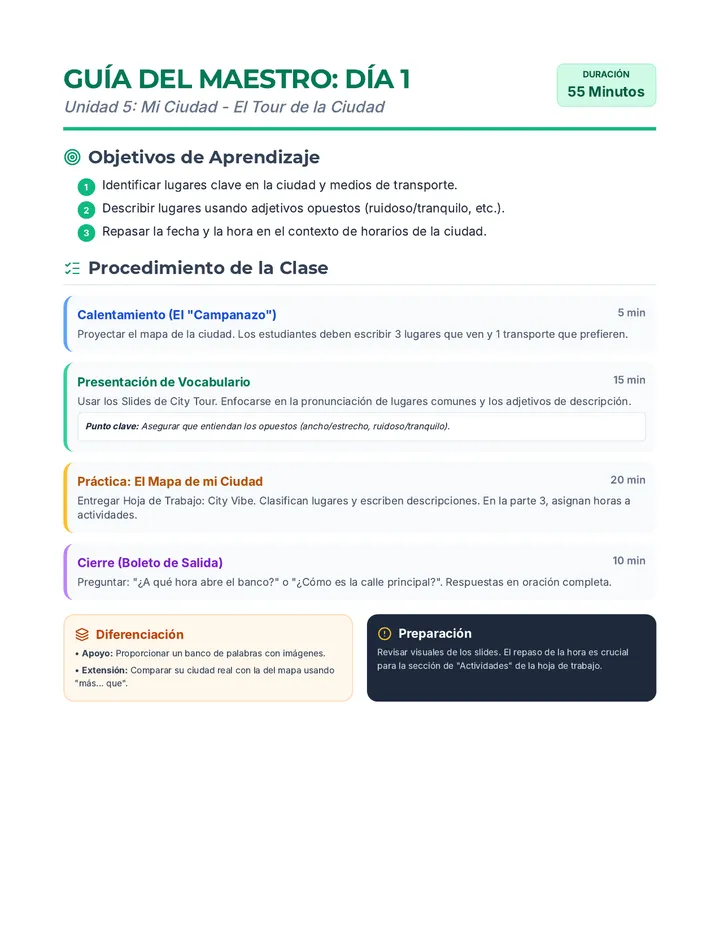
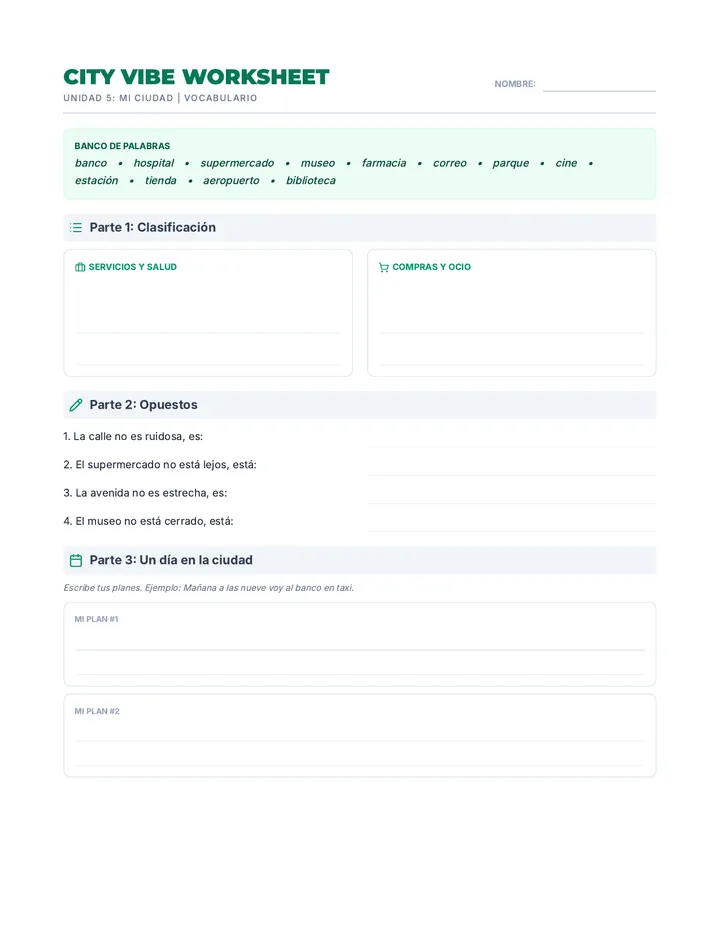
A comprehensive 3-day review sequence for Spanish 1 students focusing on city vocabulary, directions, and describing urban environments to prepare for Unit 5 summative assessments.
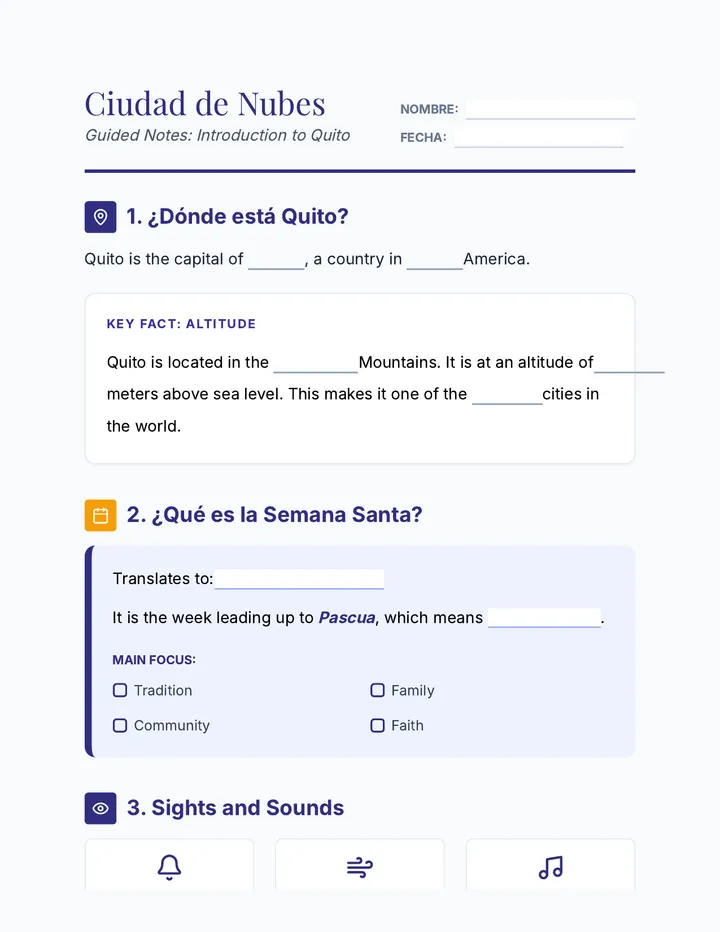
A 3-day cultural immersion unit for Spanish 1 students exploring the unique Semana Santa traditions in Quito, Ecuador, focusing on the Jesús del Gran Poder procession and community culinary traditions.
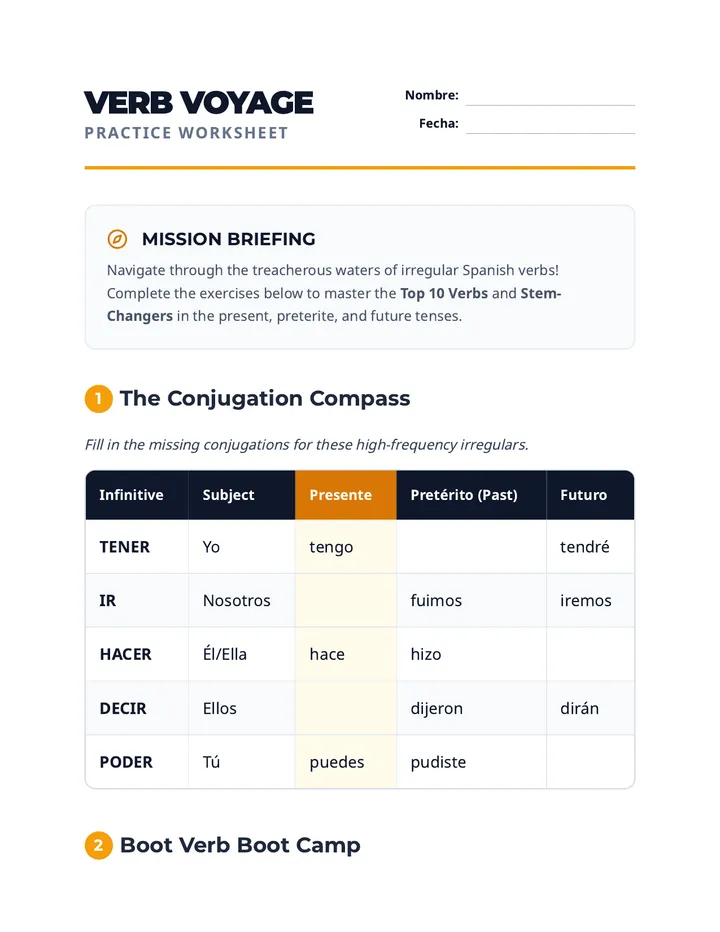
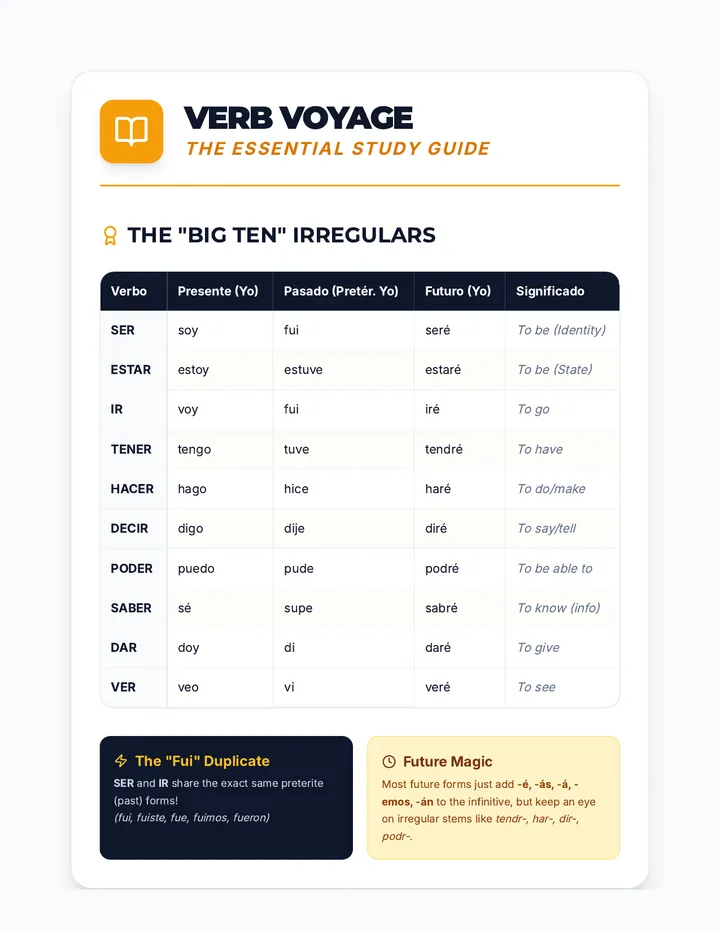
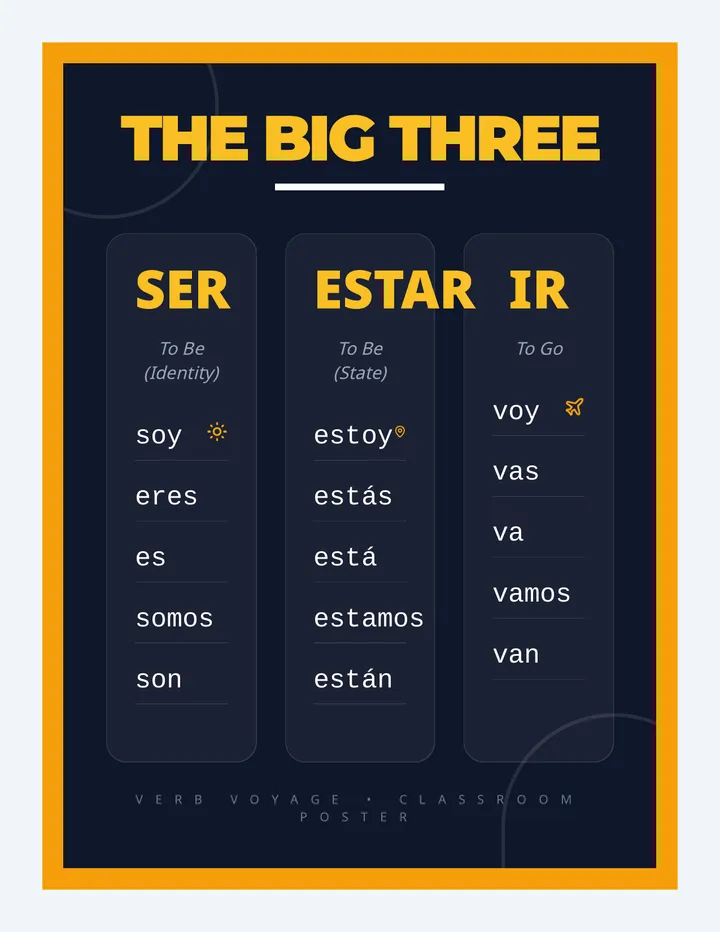
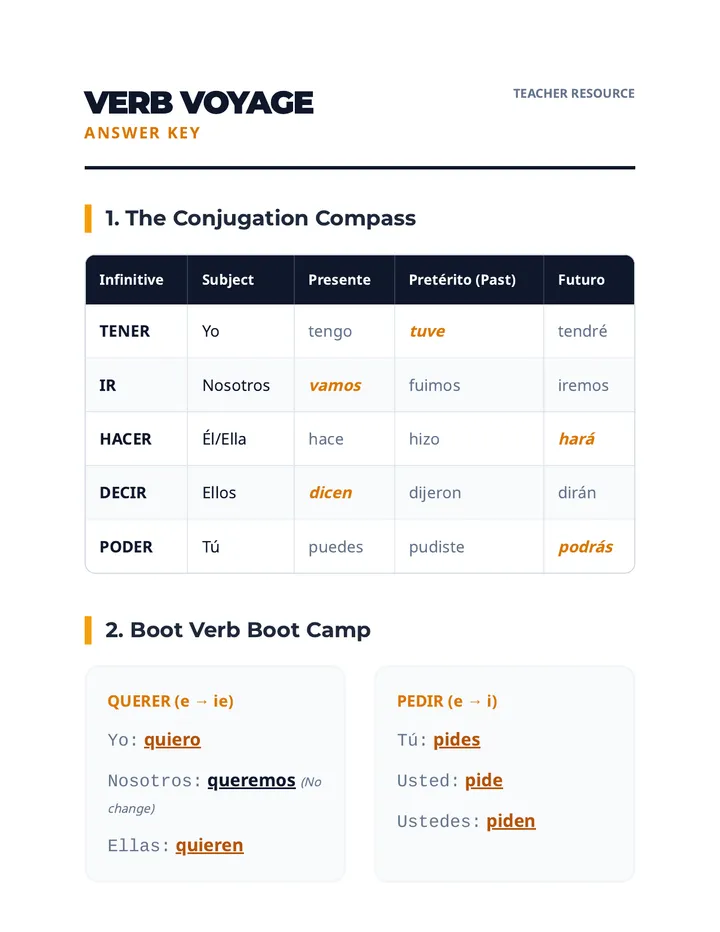
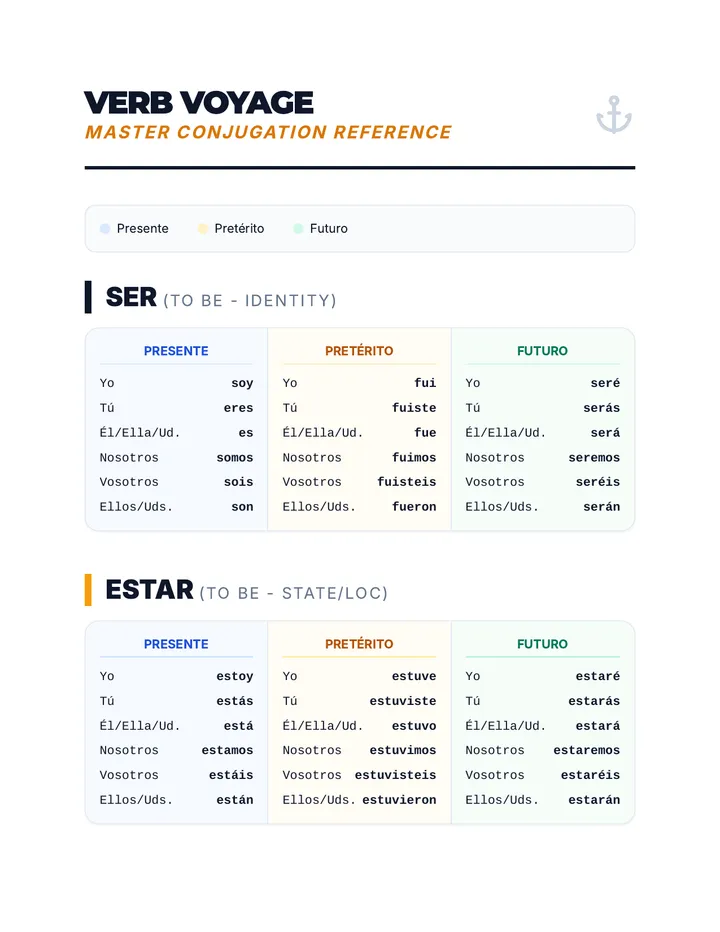
A series of lessons focused on mastering high-frequency irregular Spanish verbs to build foundational communication skills.
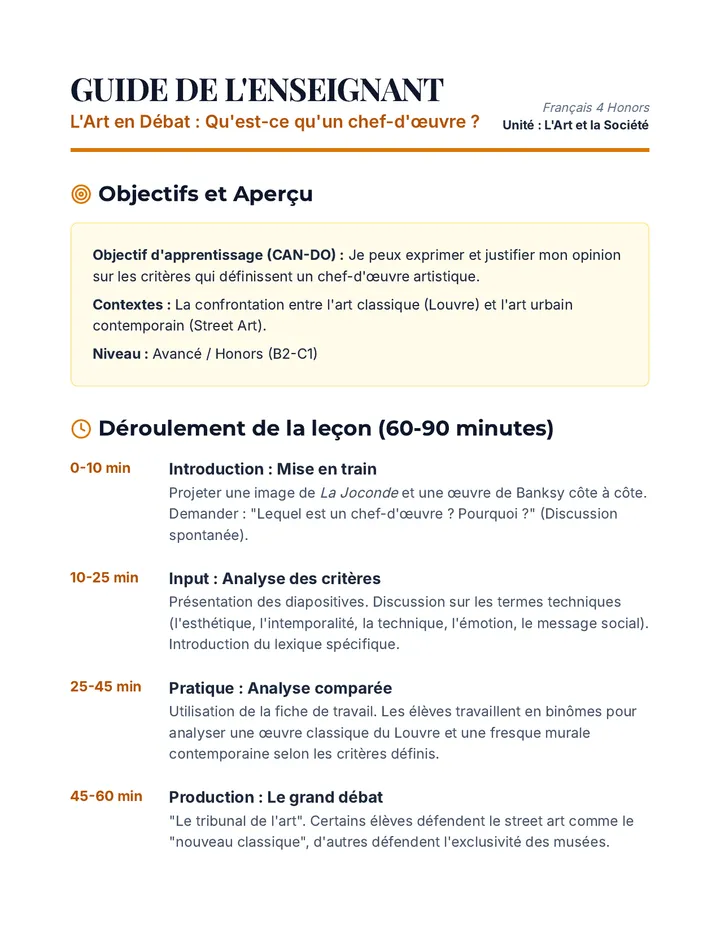
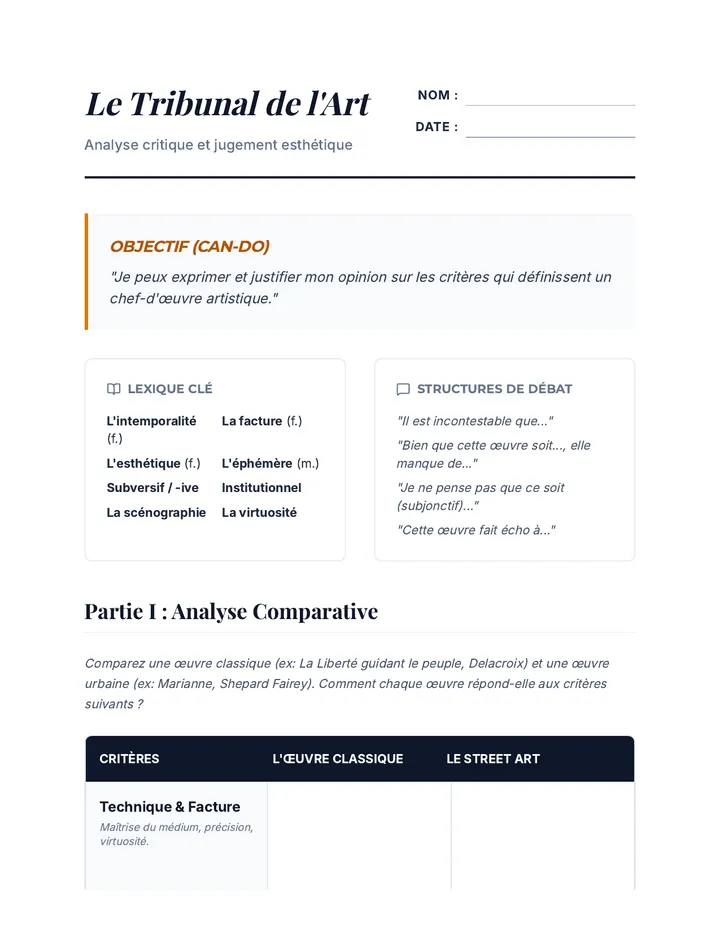
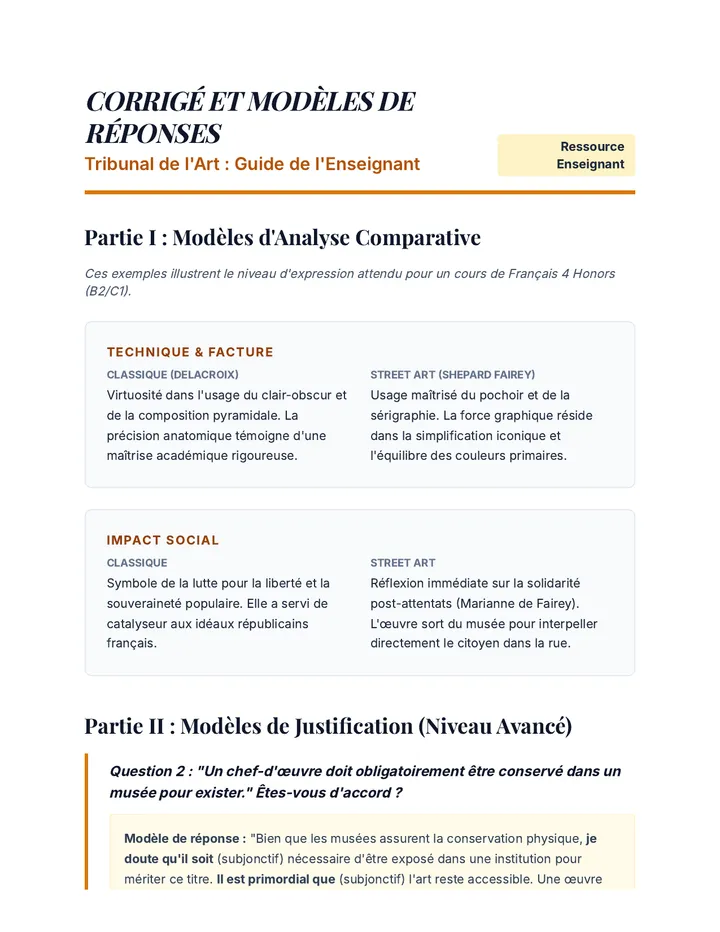
A unit exploring the intersection of art, culture, and society in the French-speaking world, focusing on aesthetic judgment and historical context.
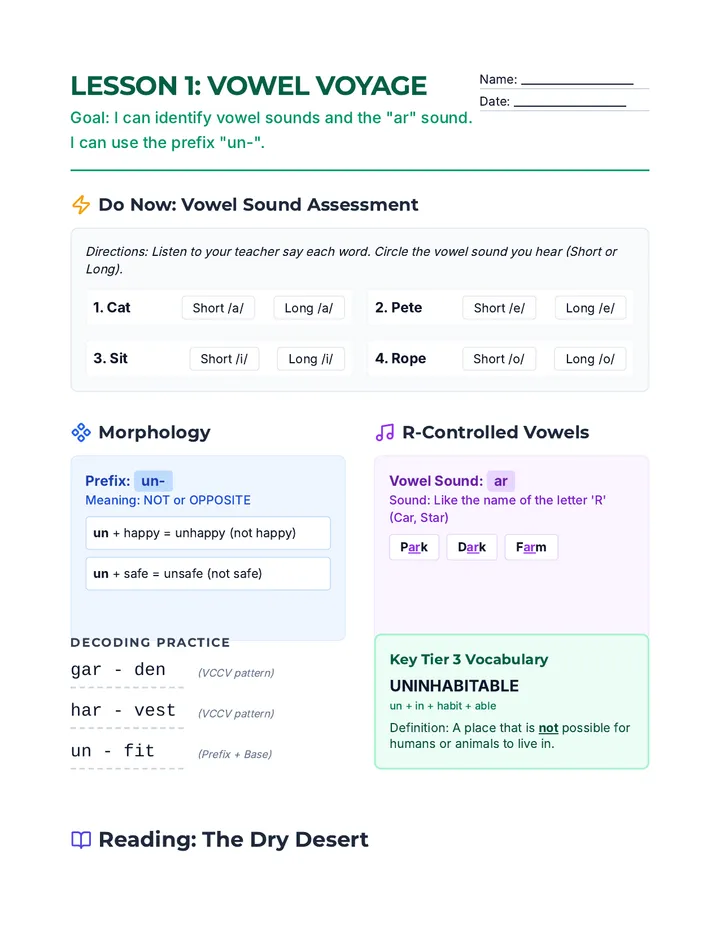
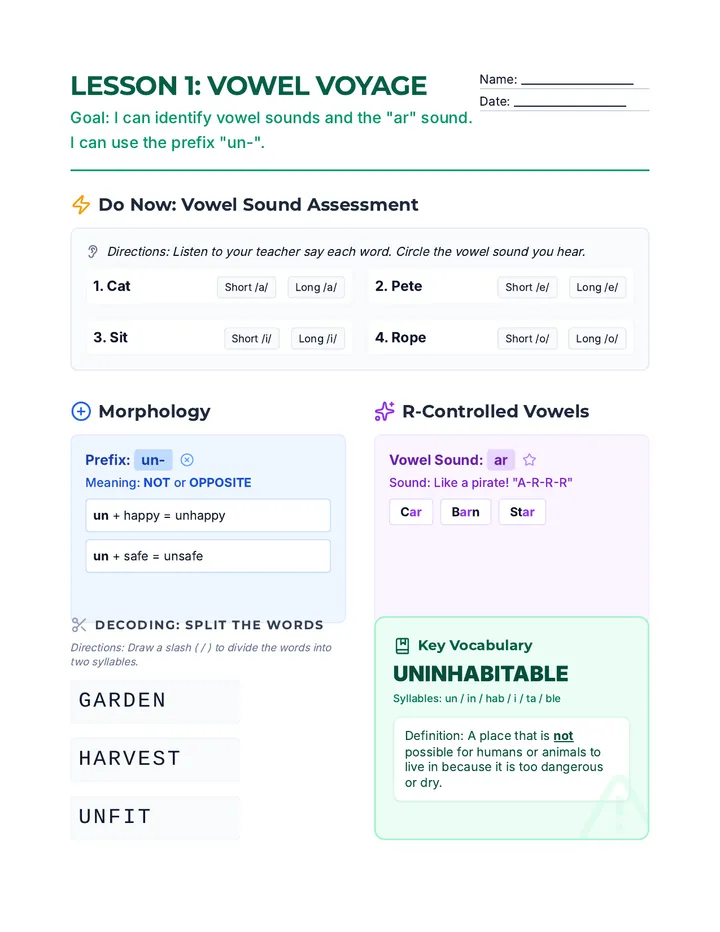
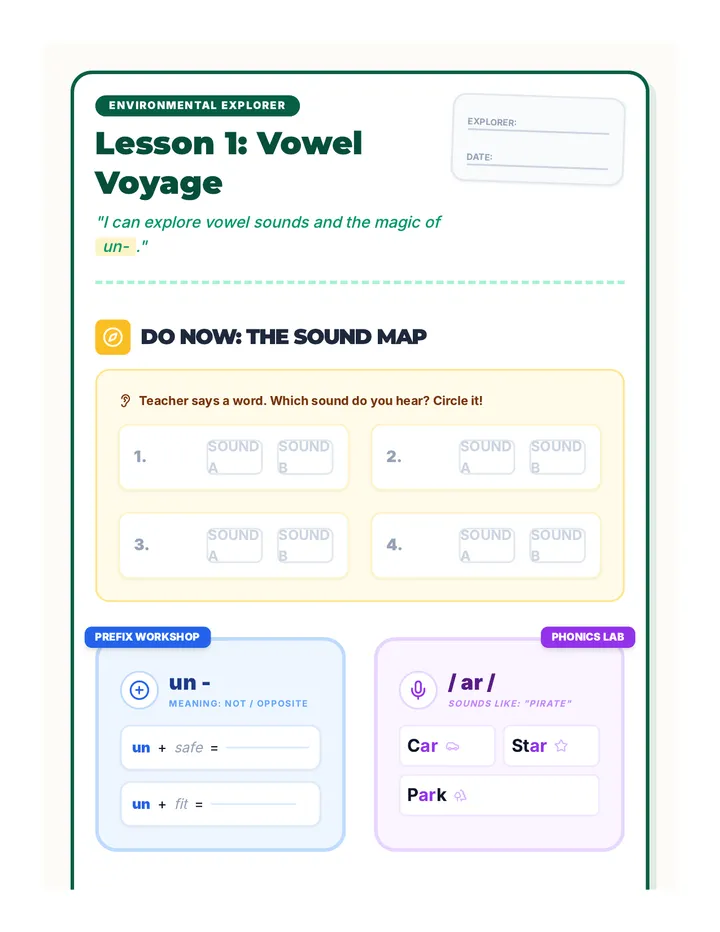
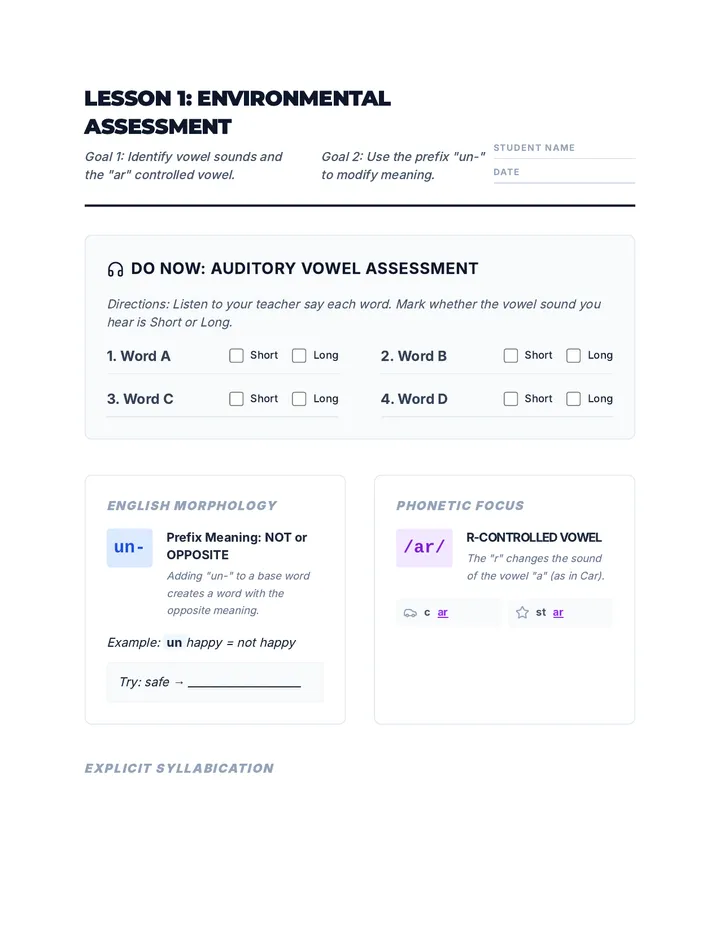
A comprehensive 20-lesson ESOL sequence designed for 9th grade ELL students. The curriculum focuses on systematic language acquisition through environmental themes, covering morphology, phonics, Tier 3 vocabulary, and structured writing across genres. Includes a cumulative review and final assessment.
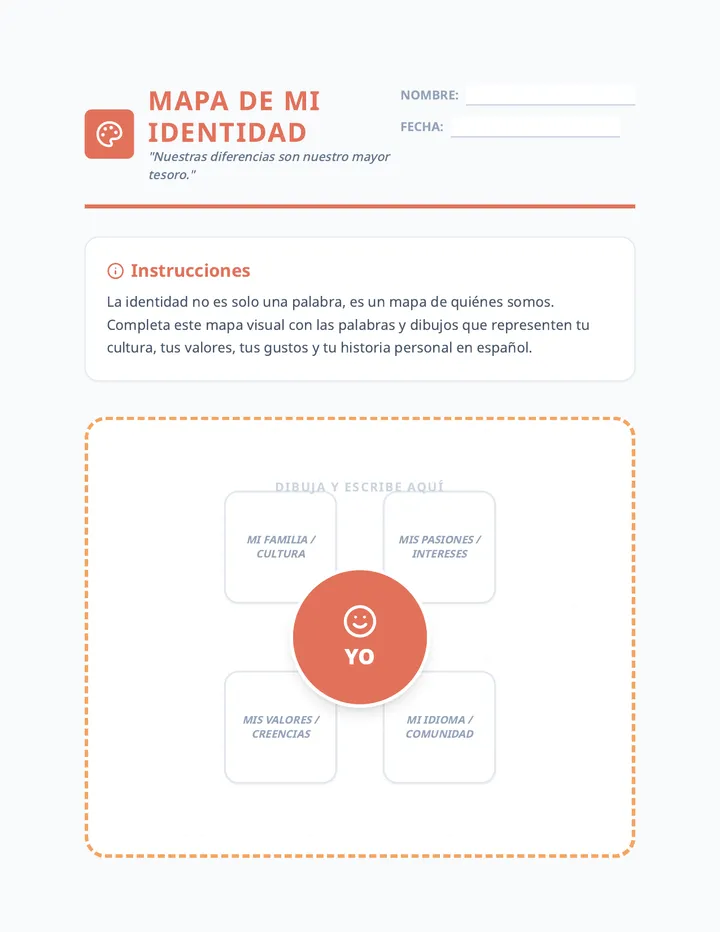
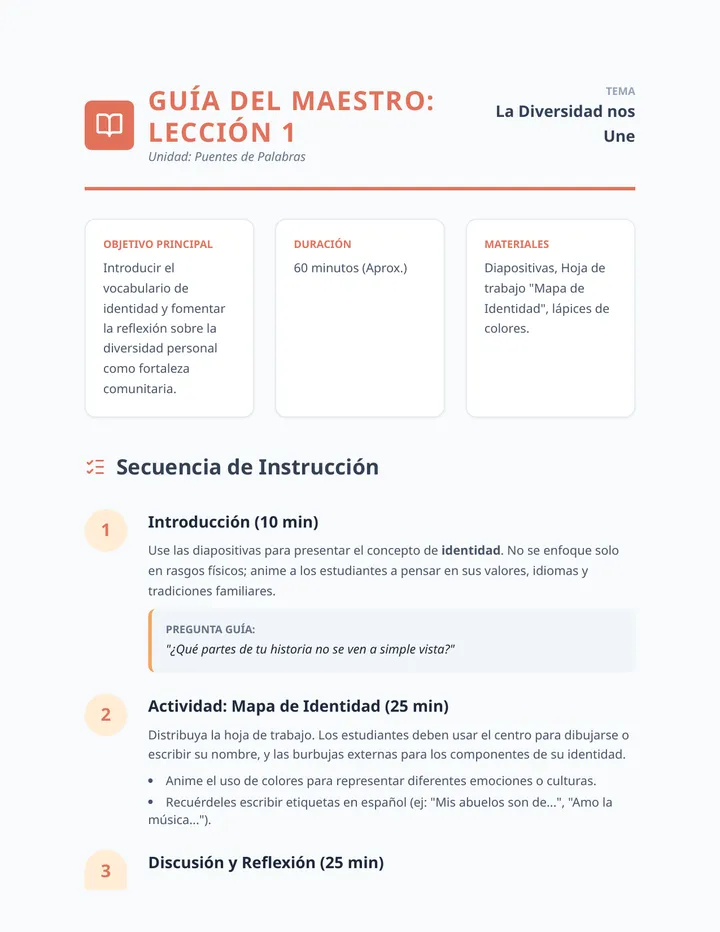
A two-lesson sequence for Spanish class exploring themes of diversity, social tolerance, and empathy through language and cultural connection. Students develop vocabulary to describe identity and practice perspective-taking to build inclusive communities.
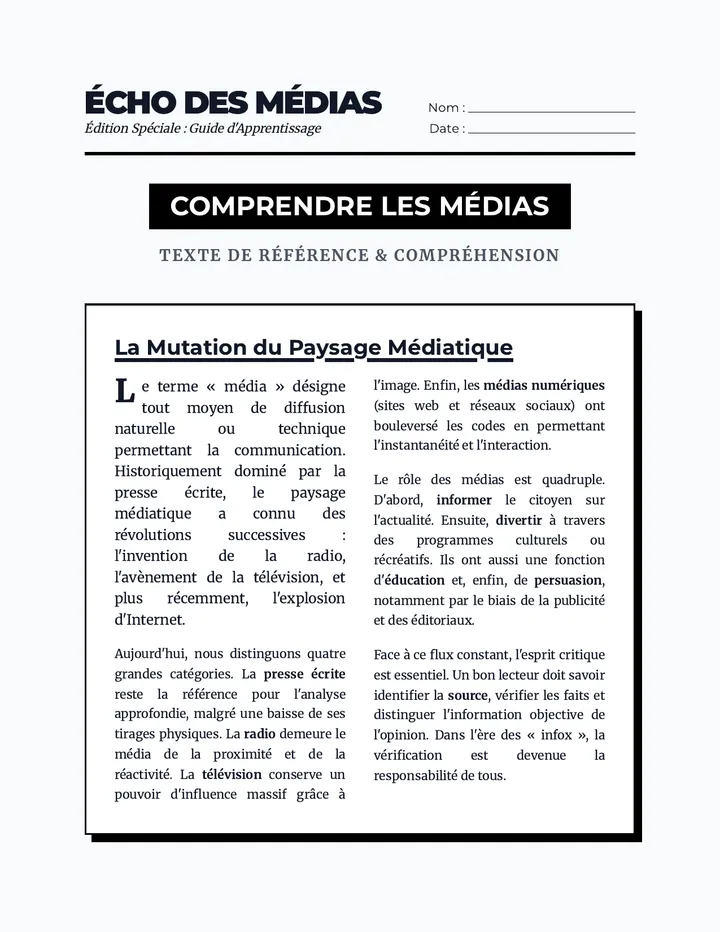
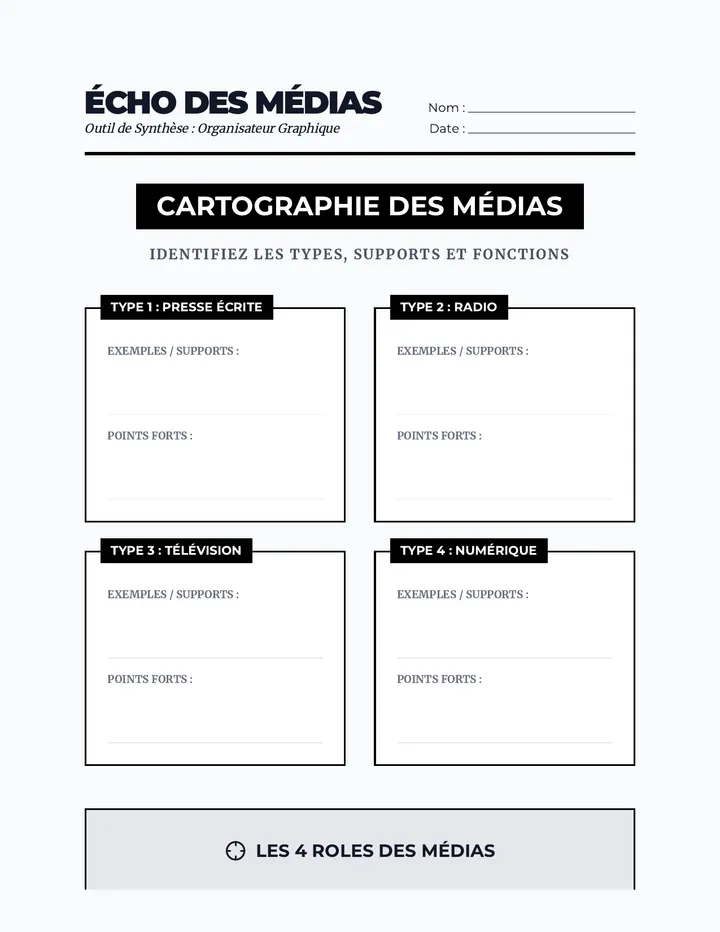
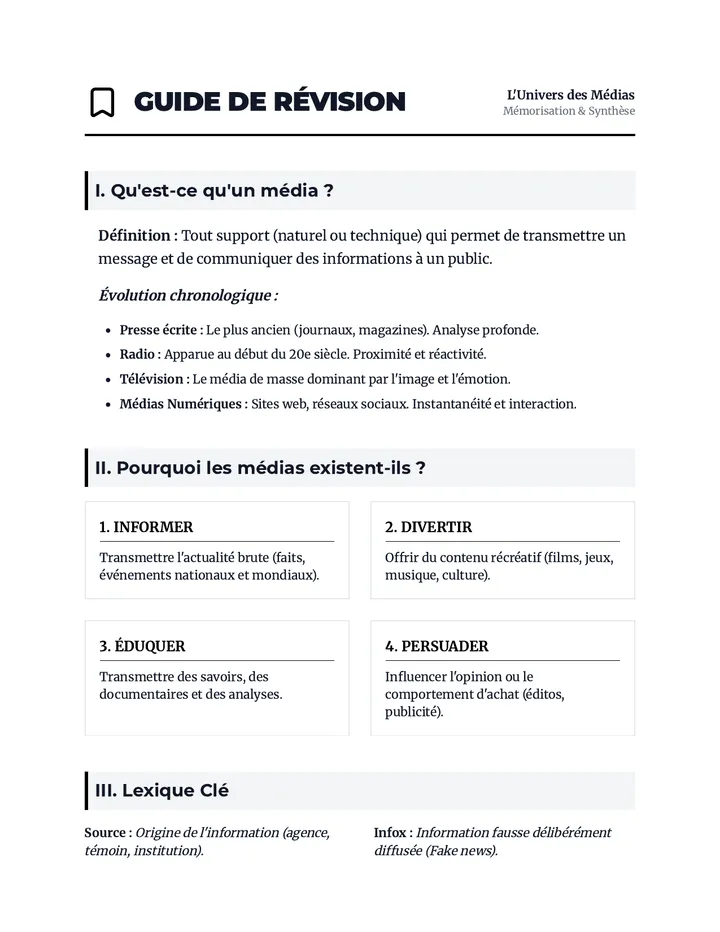
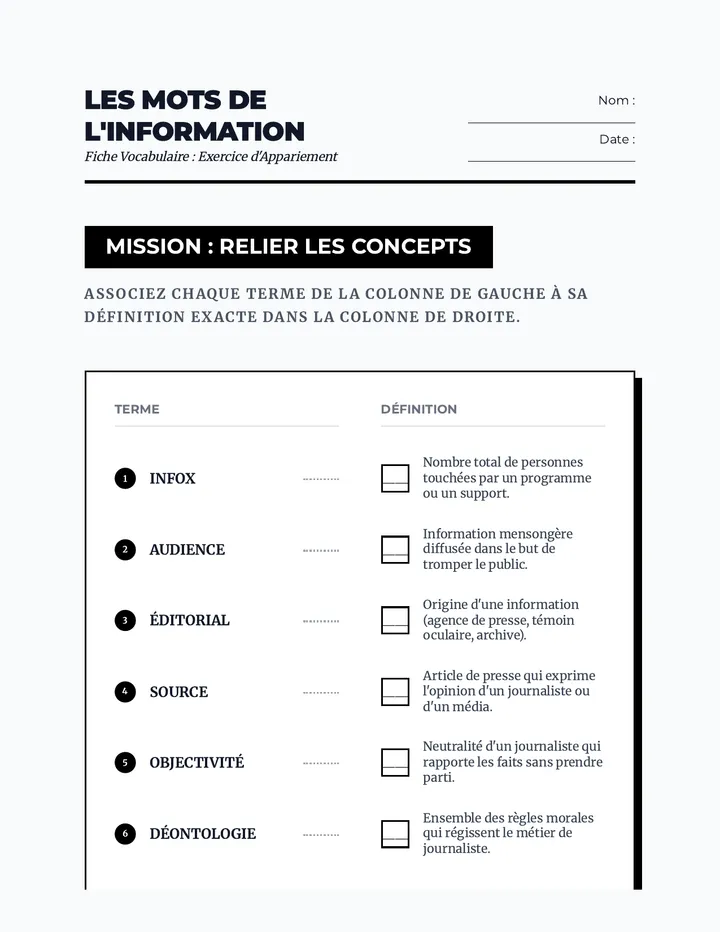
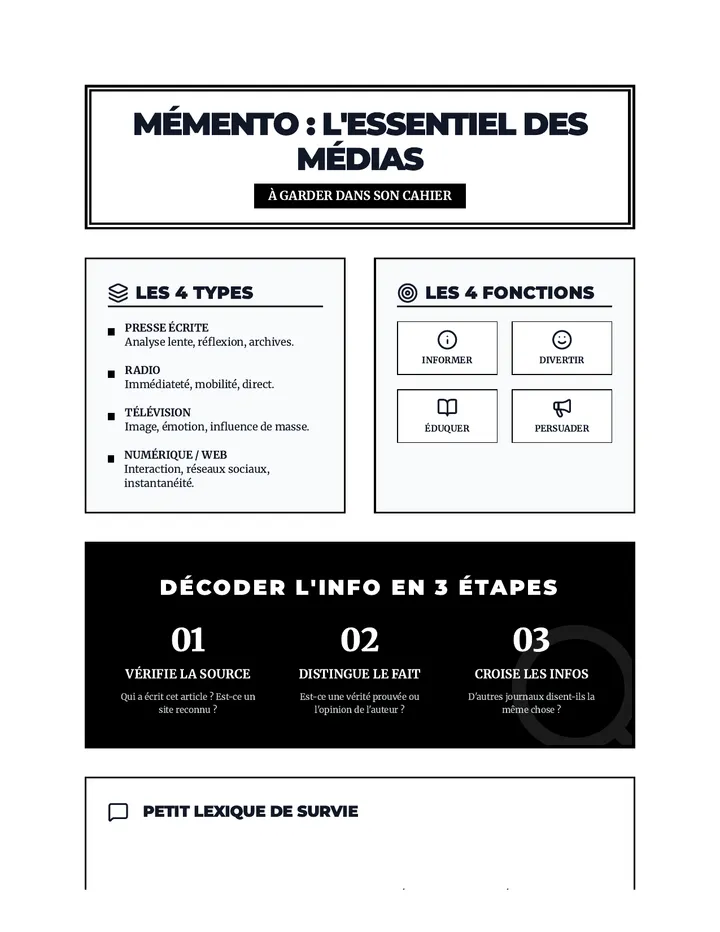
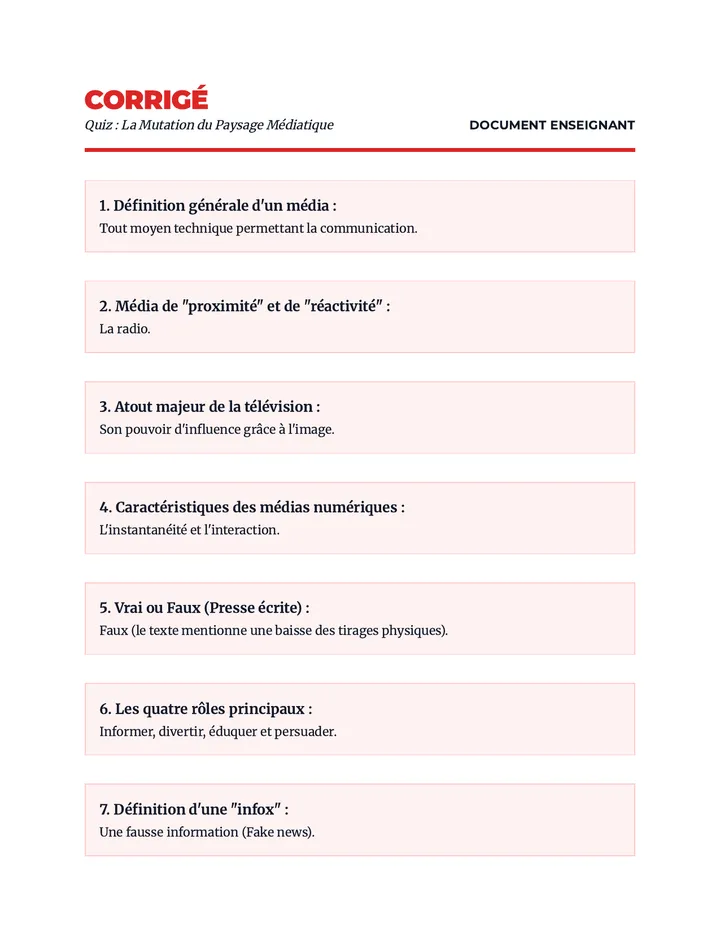
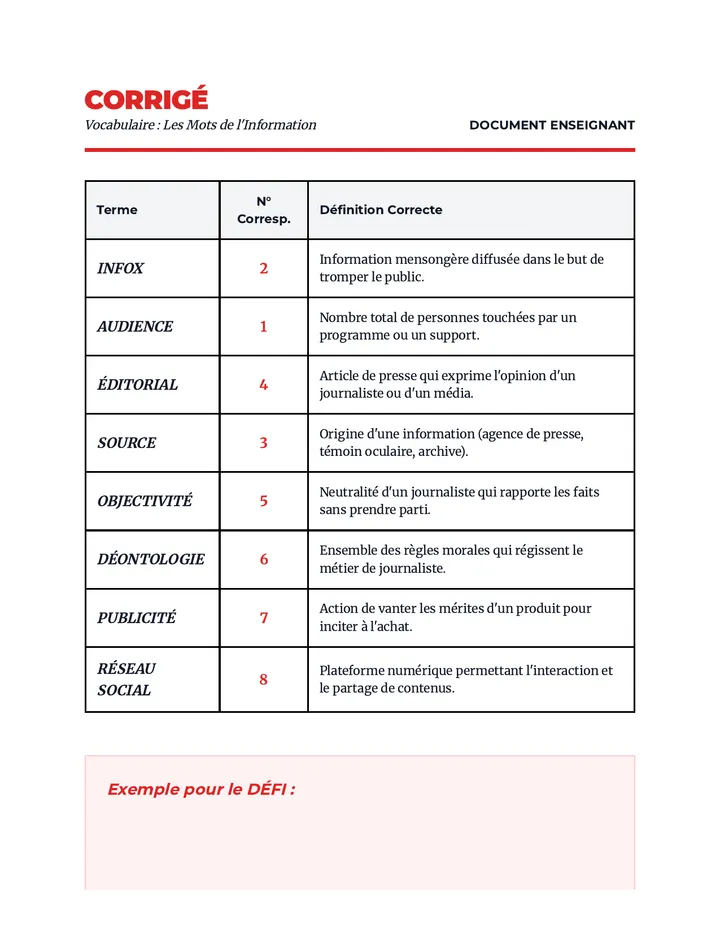
Une séquence pédagogique complète sur les différents types de médias, leurs fonctions et le vocabulaire journalistique. Elle comprend des supports visuels, des outils d'organisation et des évaluations.
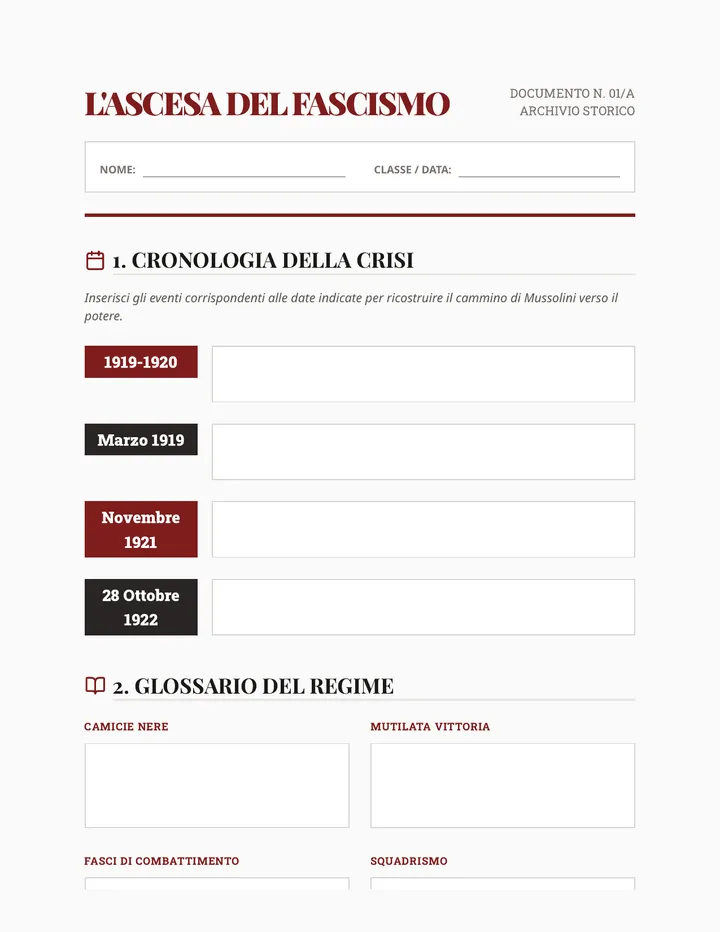
Une séquence pédagogique de 5 séances explorant l'ascension, le régime et la chute du fascisme en Italie, adaptée pour une classe de 1ère LV2. La séquence analyse les mécanismes de pouvoir, la propagande, les lois raciales et la résistance.
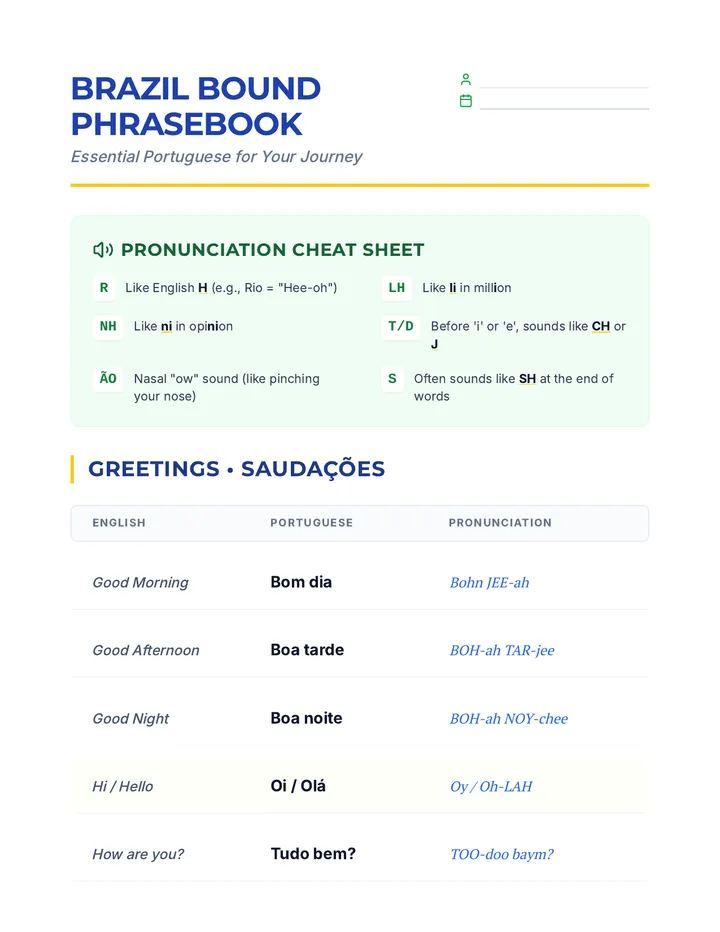
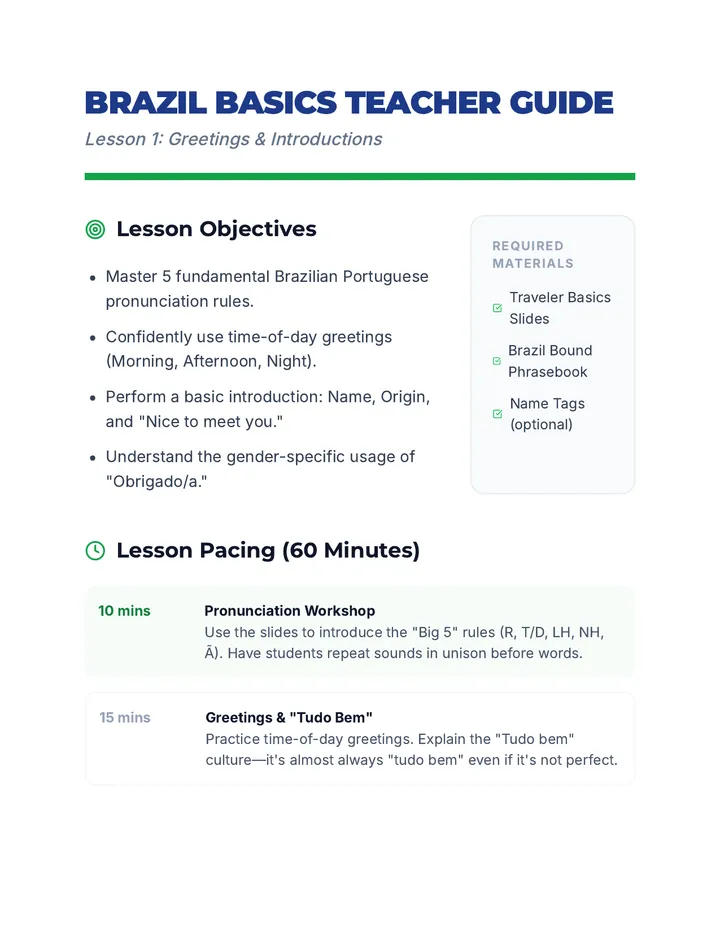
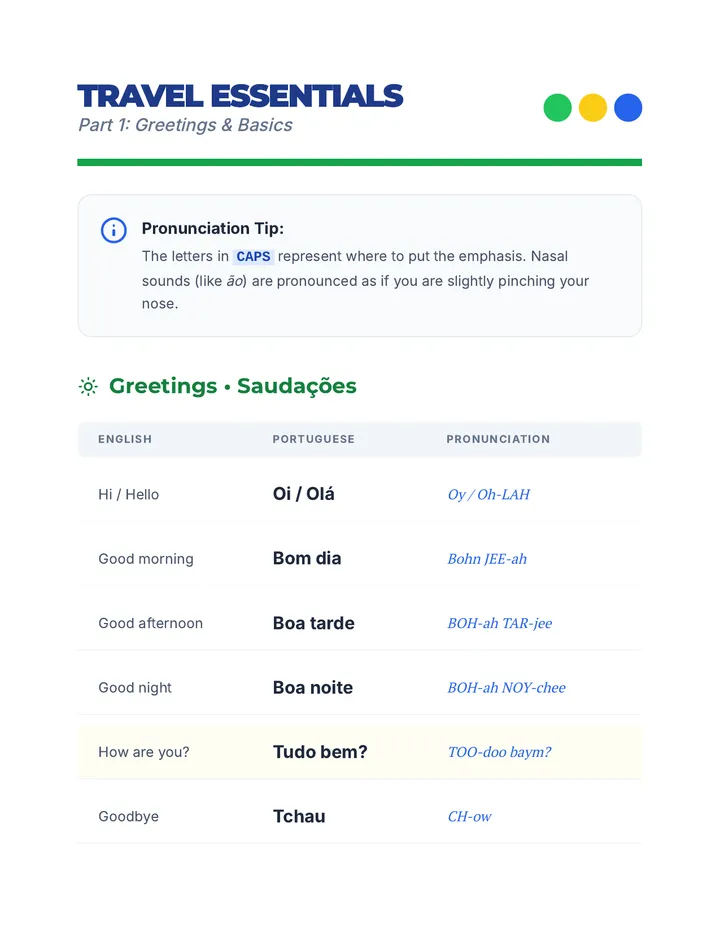
A series of lessons designed to equip adult travelers with functional Brazilian Portuguese for real-world travel scenarios, from basic greetings to navigating transportation and dining.
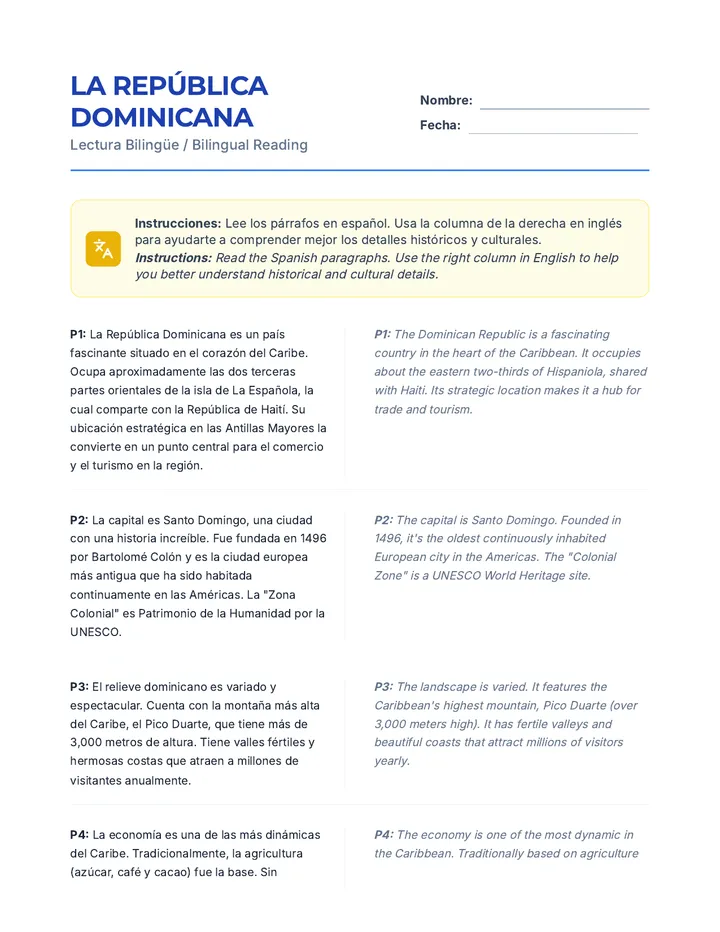
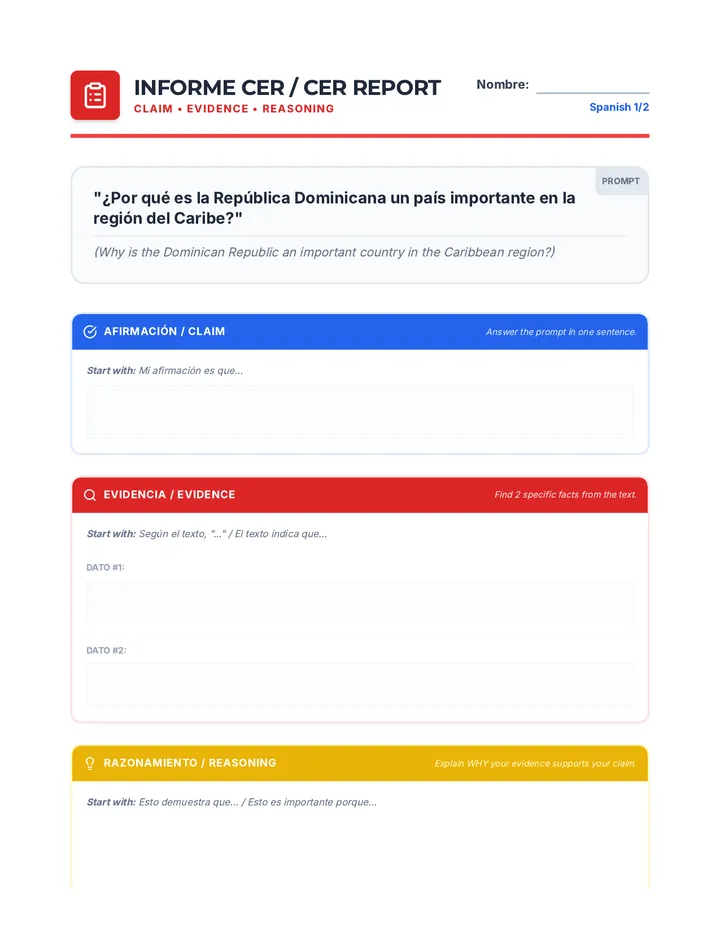
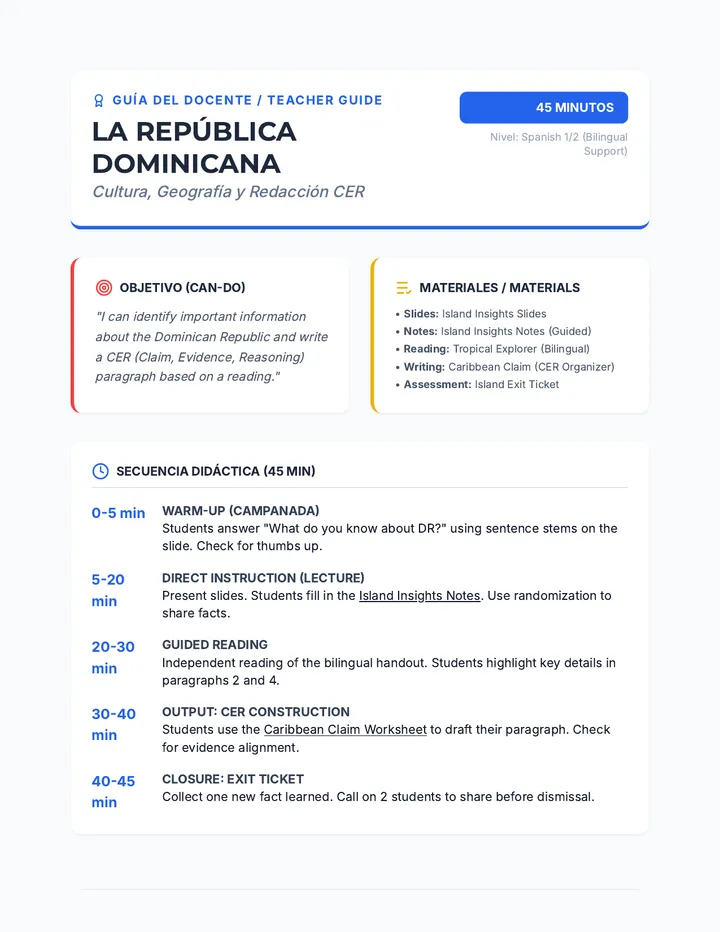
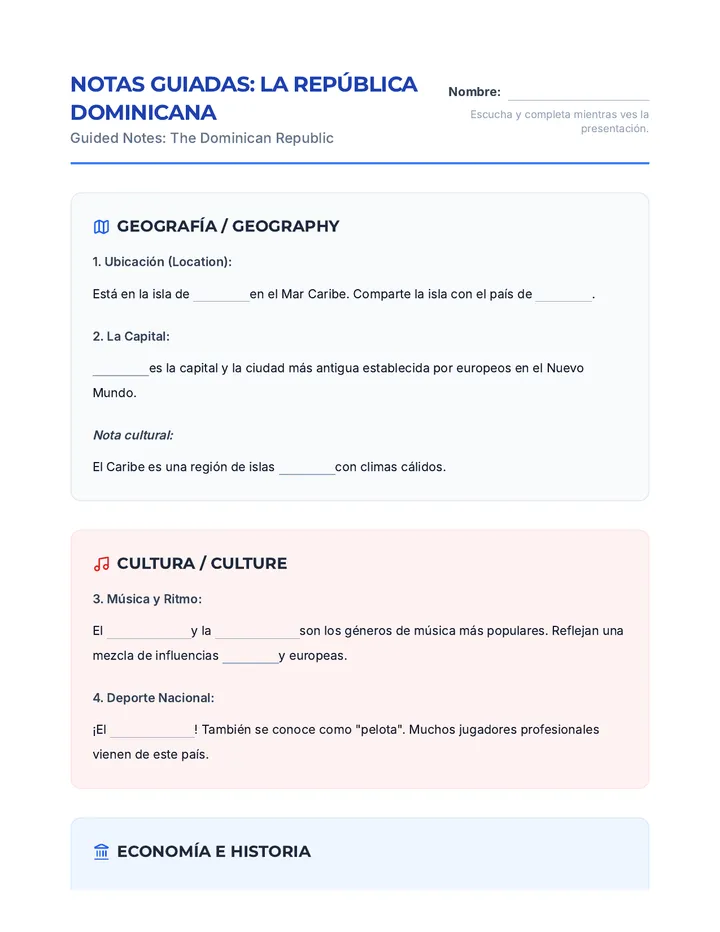
A cultural exploration of the Dominican Republic, focusing on geography, history, and traditions while developing CER writing skills in Spanish.
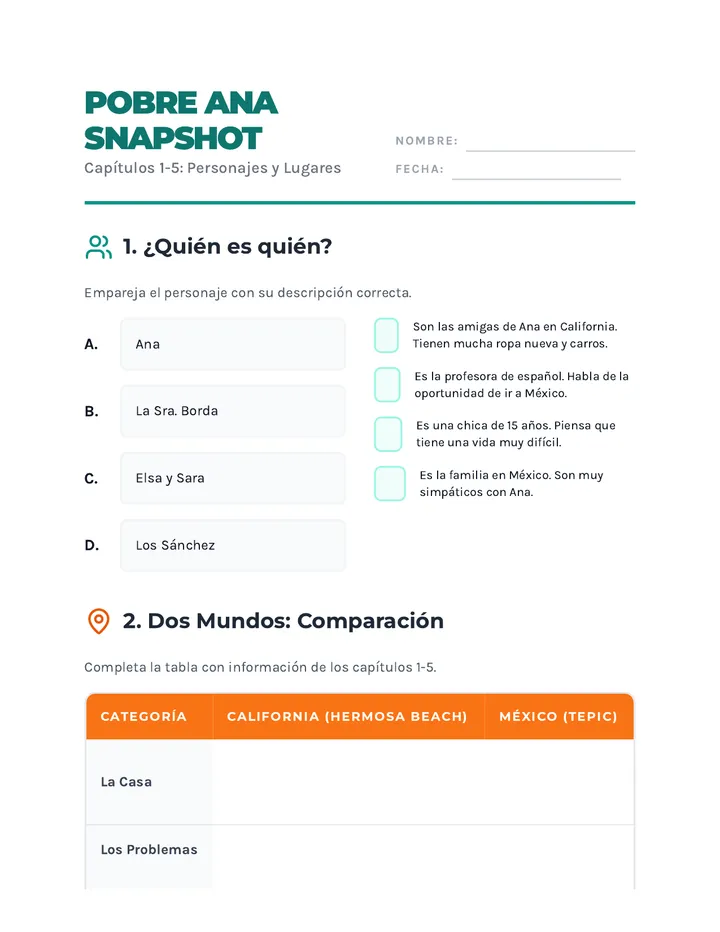
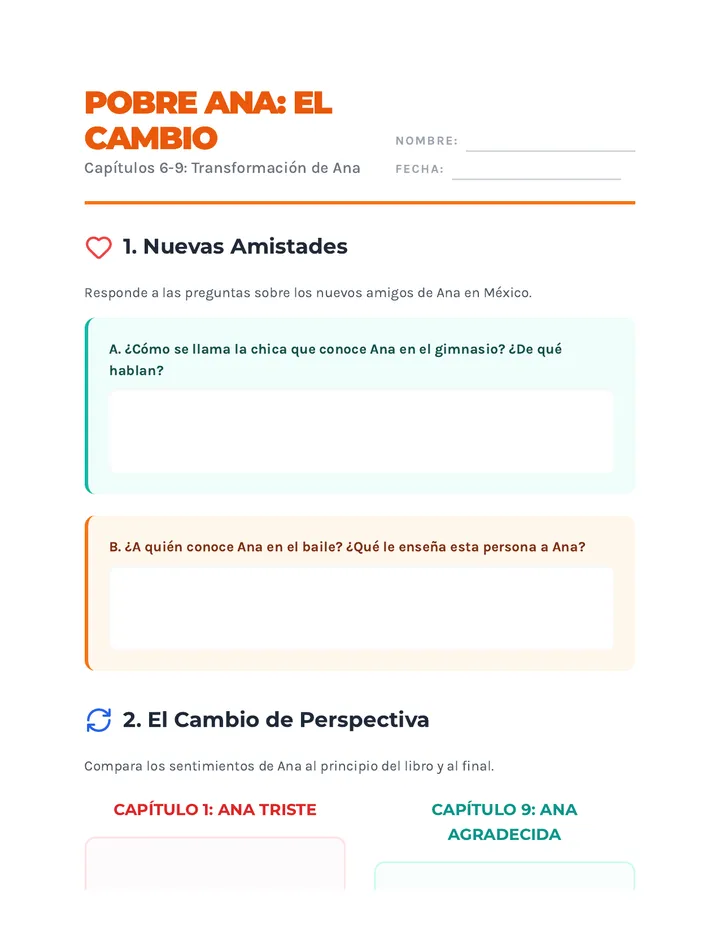
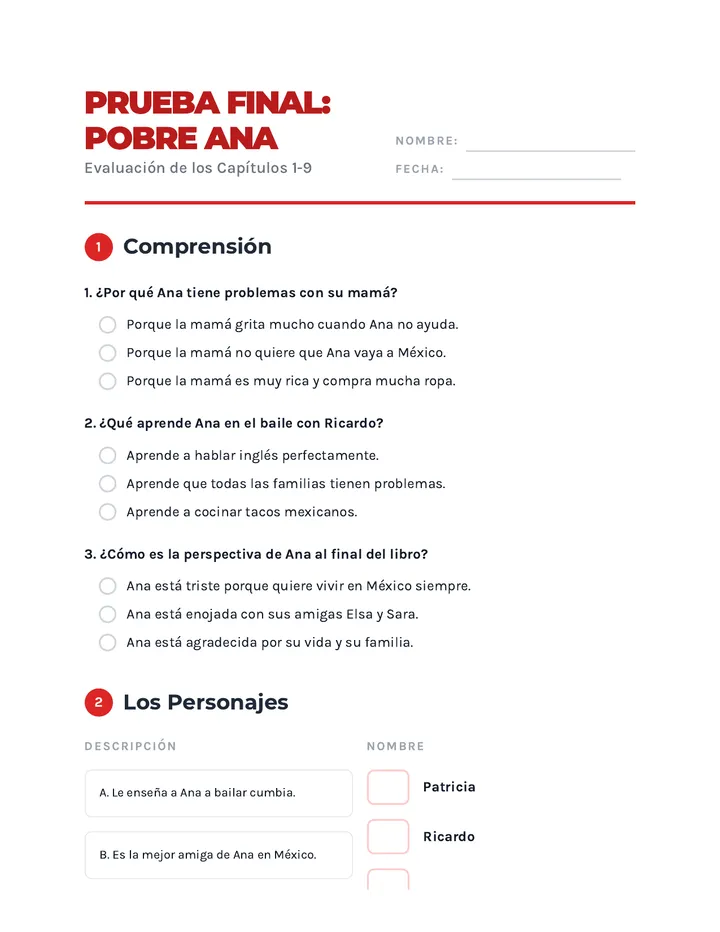
A comprehensive unit for the novel Pobre Ana, exploring character development, cultural comparisons, and narrative comprehension for Spanish 1 students.
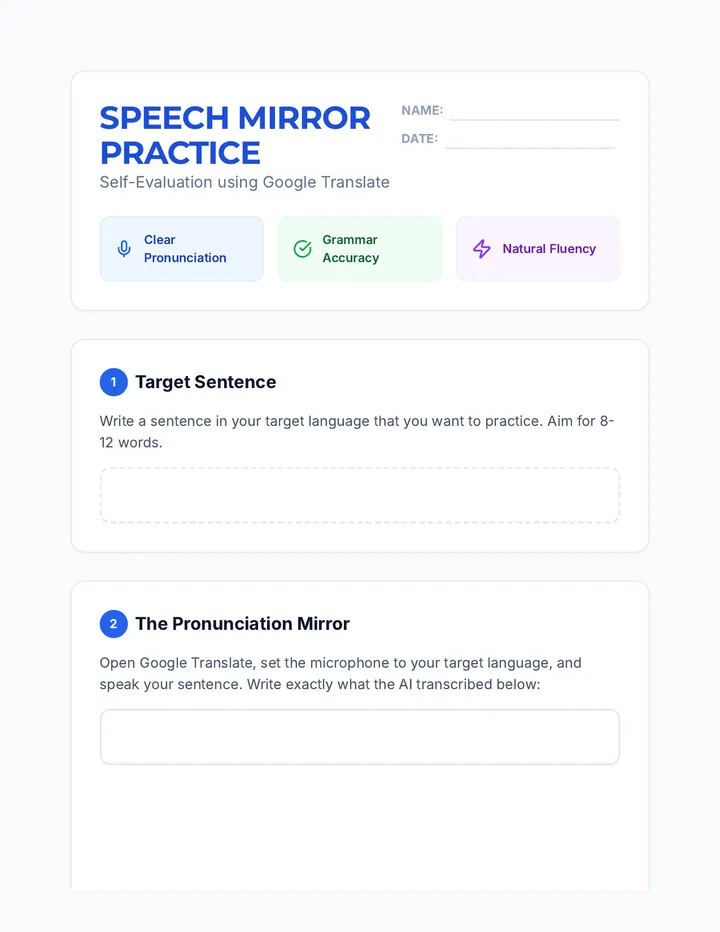
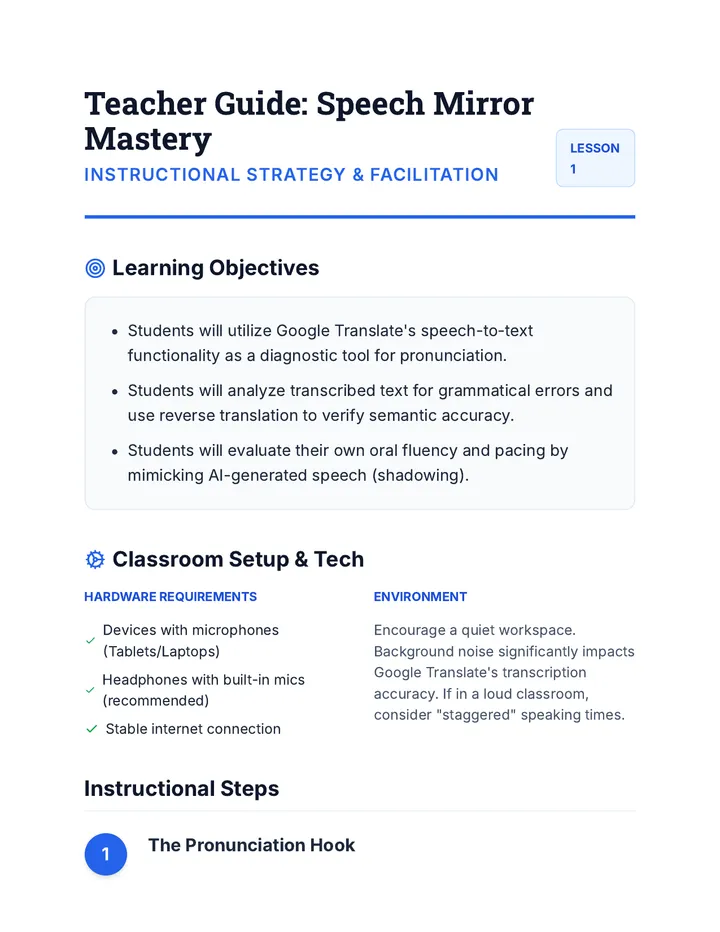
A sequence focused on leveraging digital translation tools for language self-assessment and speech improvement. Students learn to use Google Translate not just for translation, but as a 'mirror' for their own pronunciation, grammar, and fluency.
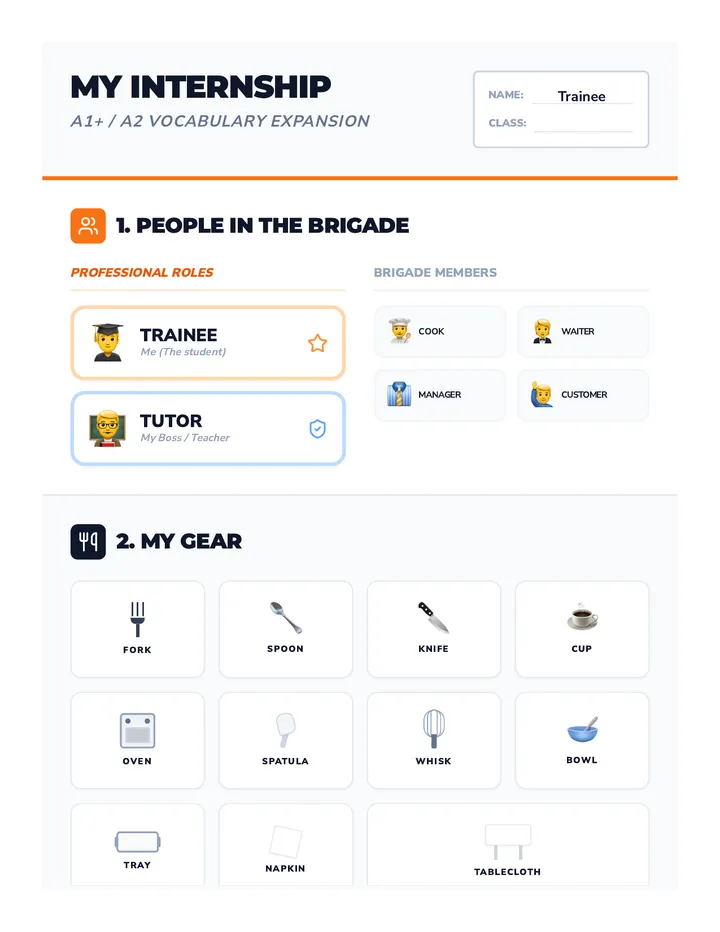
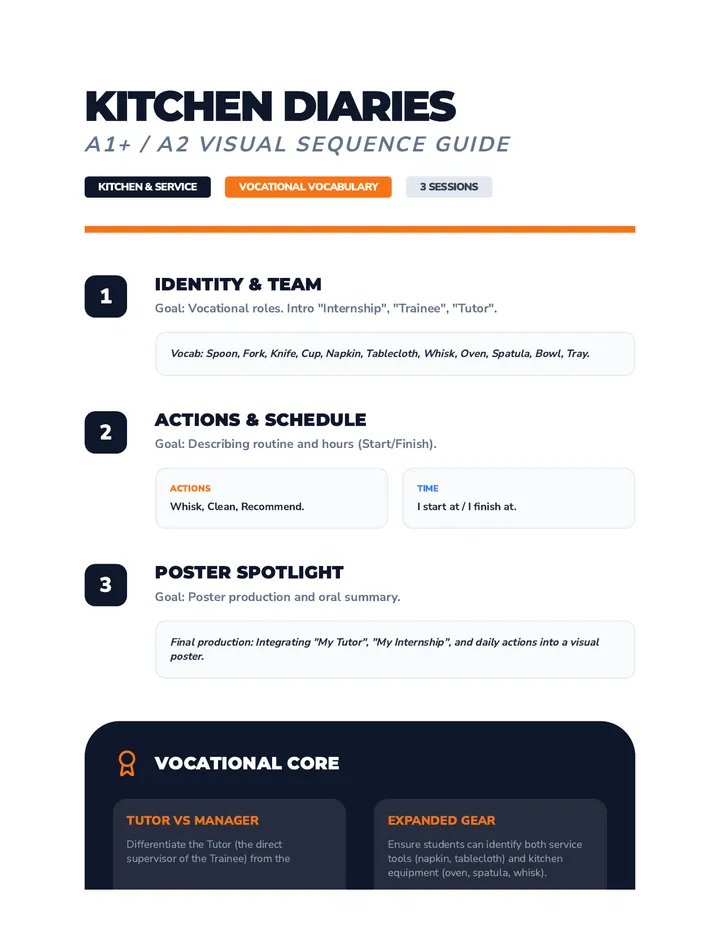
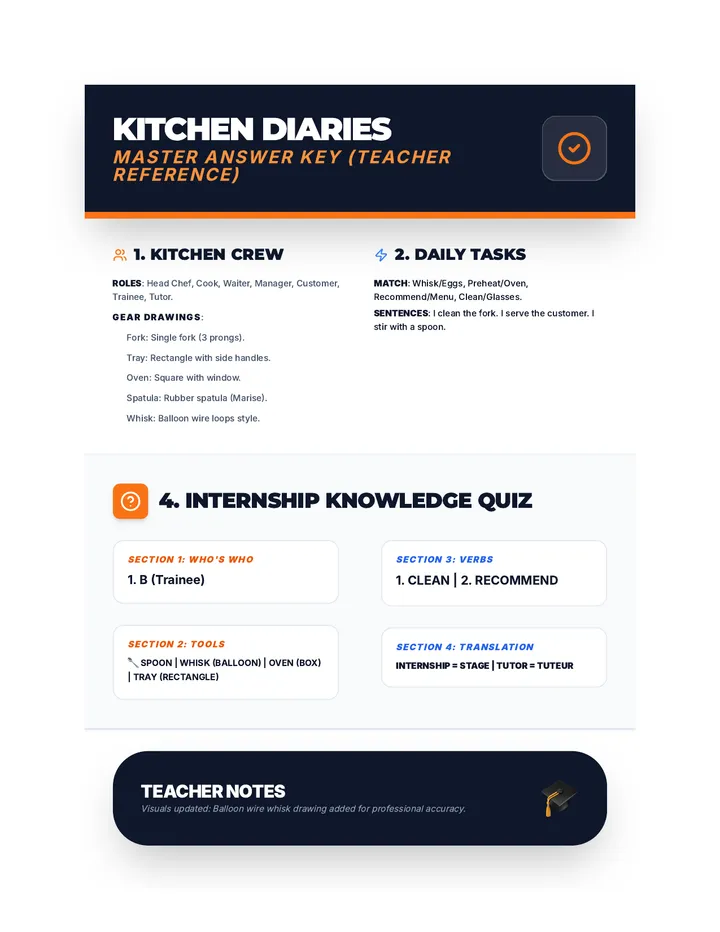
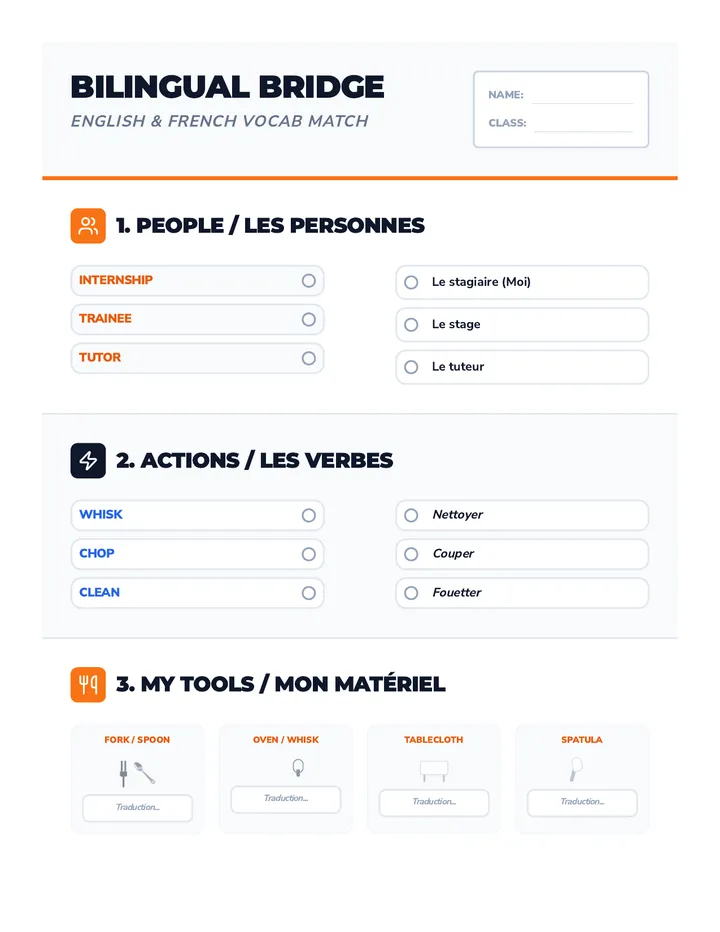
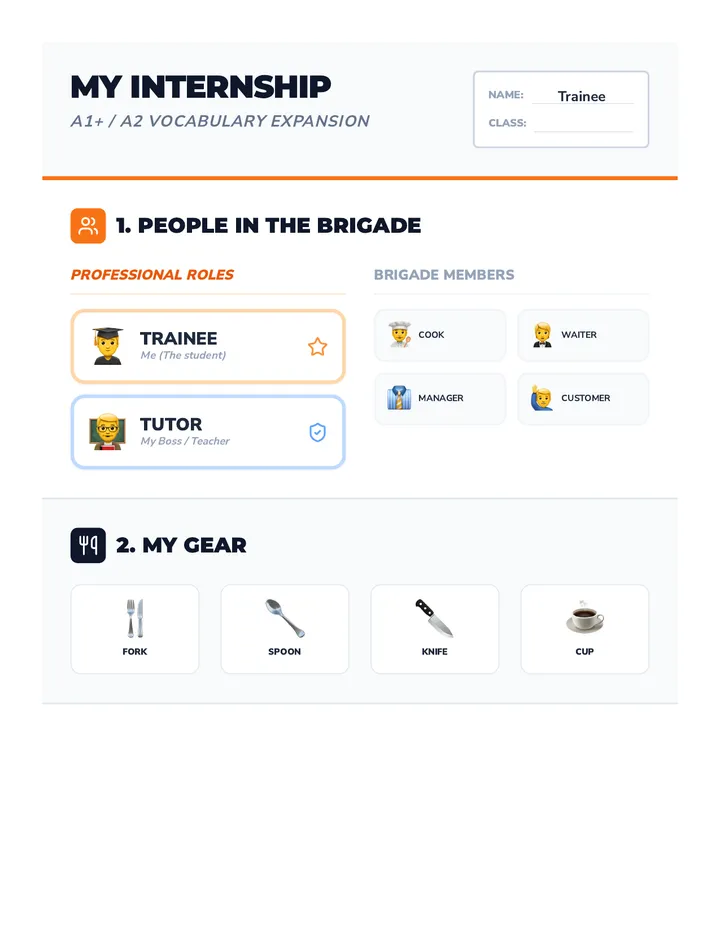
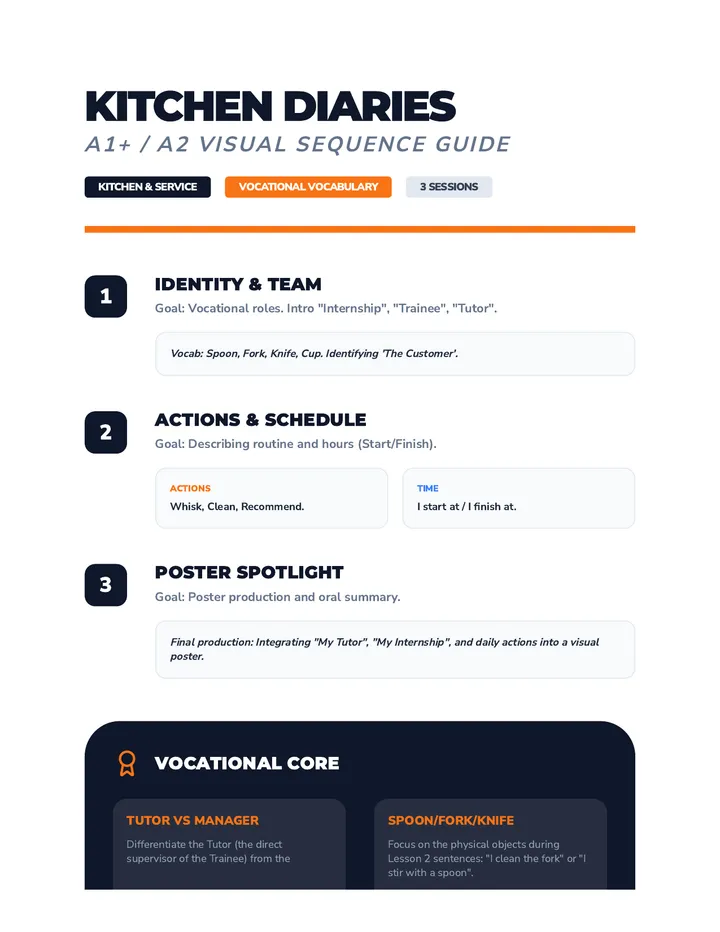
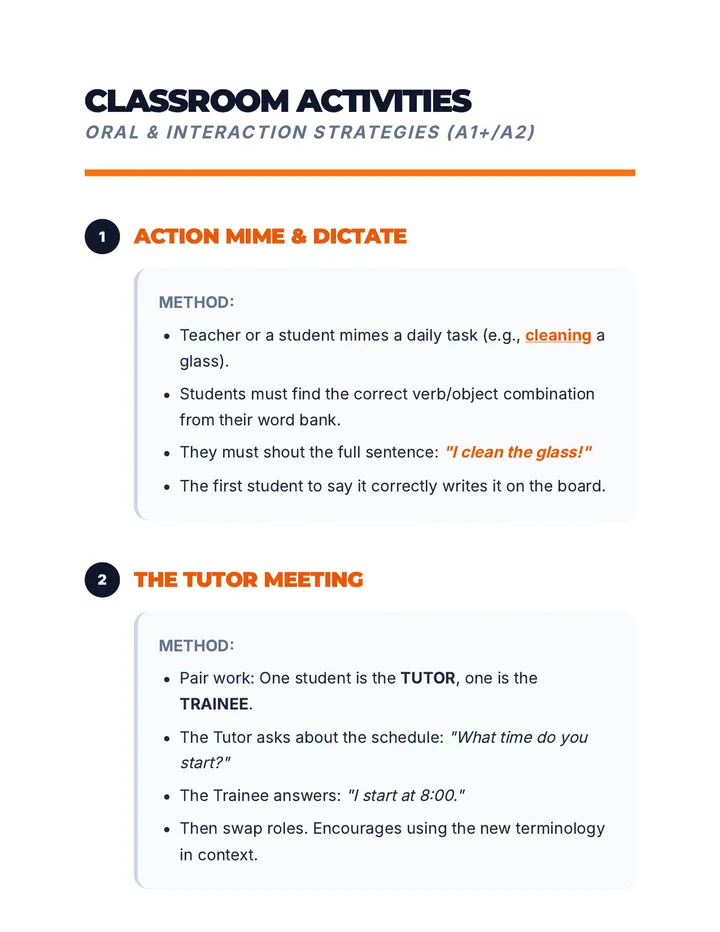
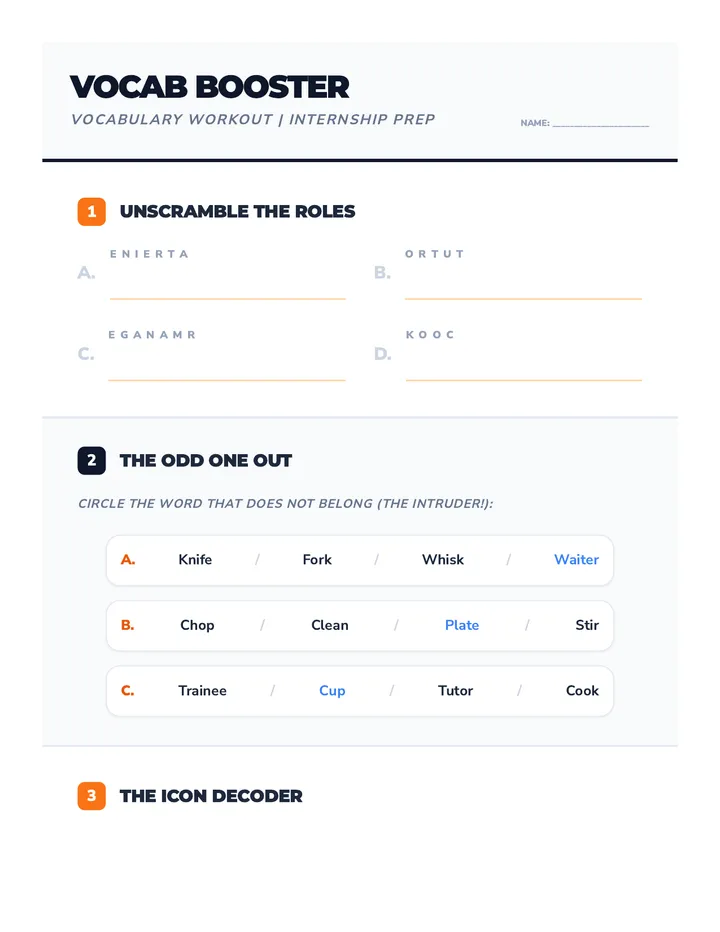
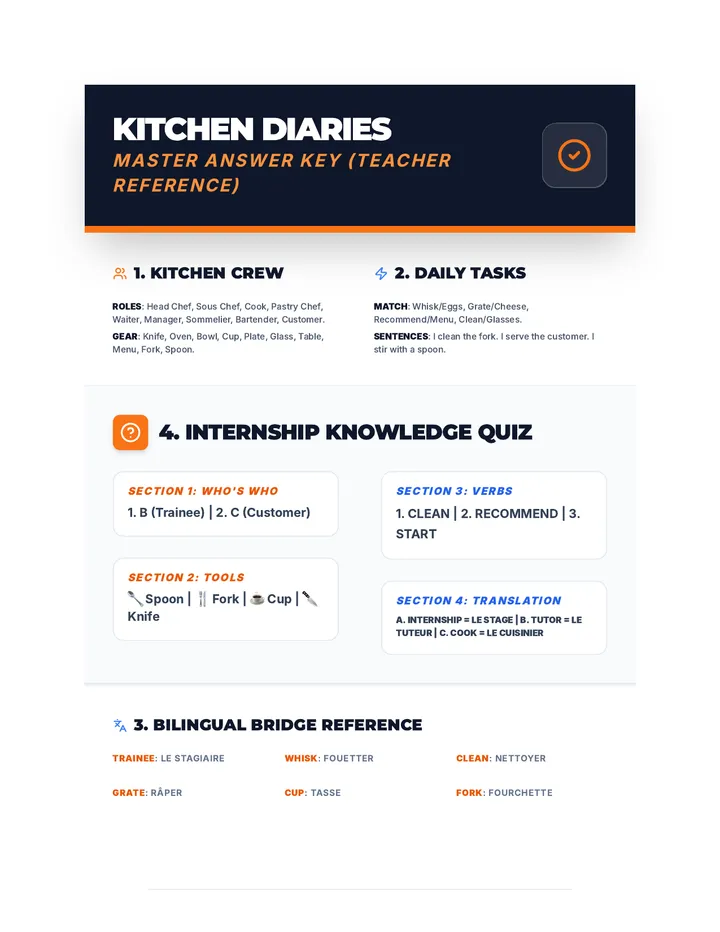
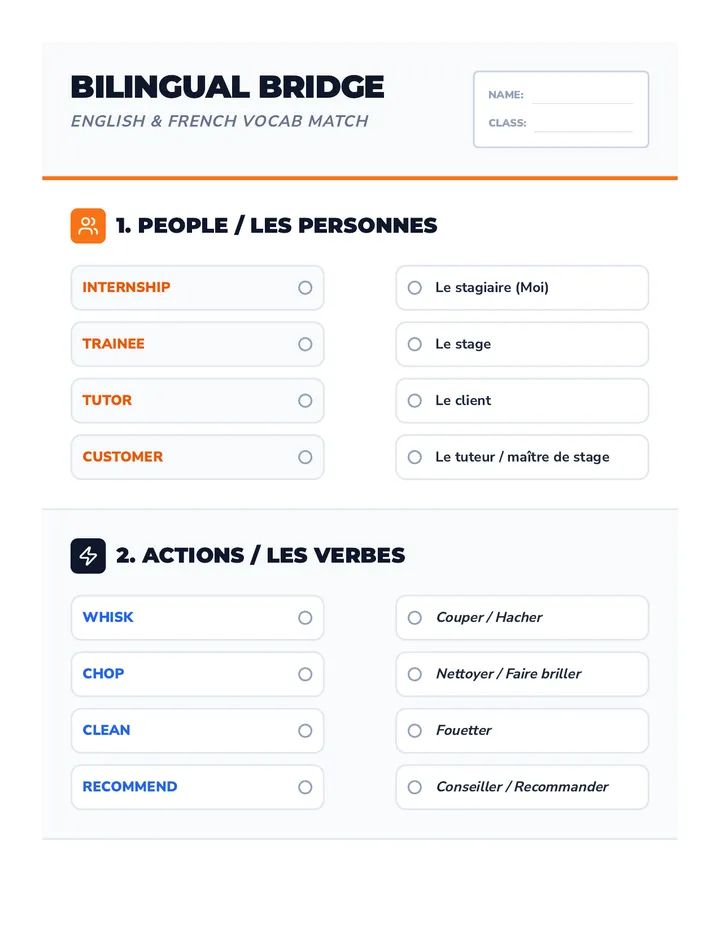
A 3-session English sequence for CAP Cuisine/Restaurant students returning from their internship, focusing on describing roles and daily tasks in a professional kitchen or dining room.
A specialized English sequence for CAP AAGA students focusing on vocabulary for elderly care professions and daily responsibilities. The sequence uses visual aids and simple structures tailored for lower-level learners.
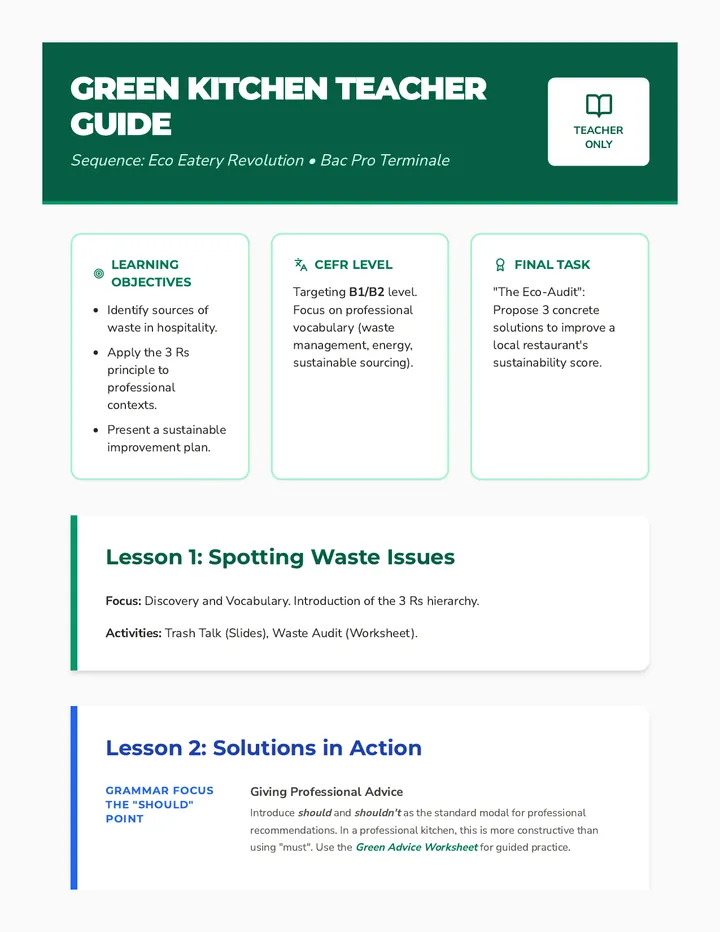
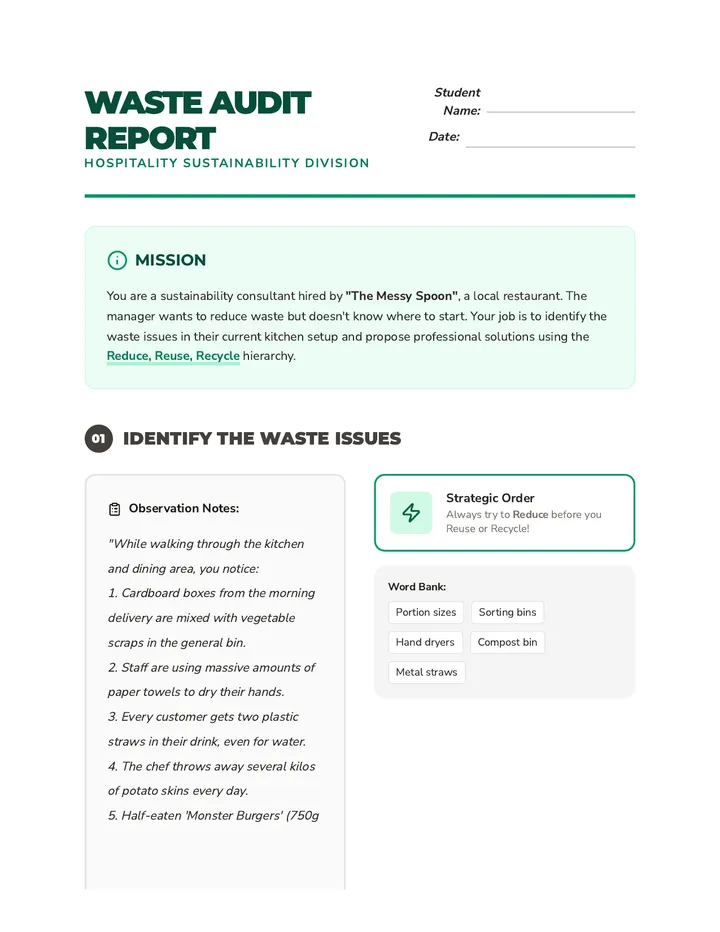
A comprehensive sequence for Bac Pro Terminale students focused on implementing sustainable practices (Reduce, Reuse, Recycle) in the restaurant industry, culminating in a professional proposal for a local business.