A comprehensive sequence for 6th-grade students to master Pinyin orthography, digital typing input methods, and real-world transcription. Students progress from learning spelling rules to creating a digital identity using Mandarin input tools.
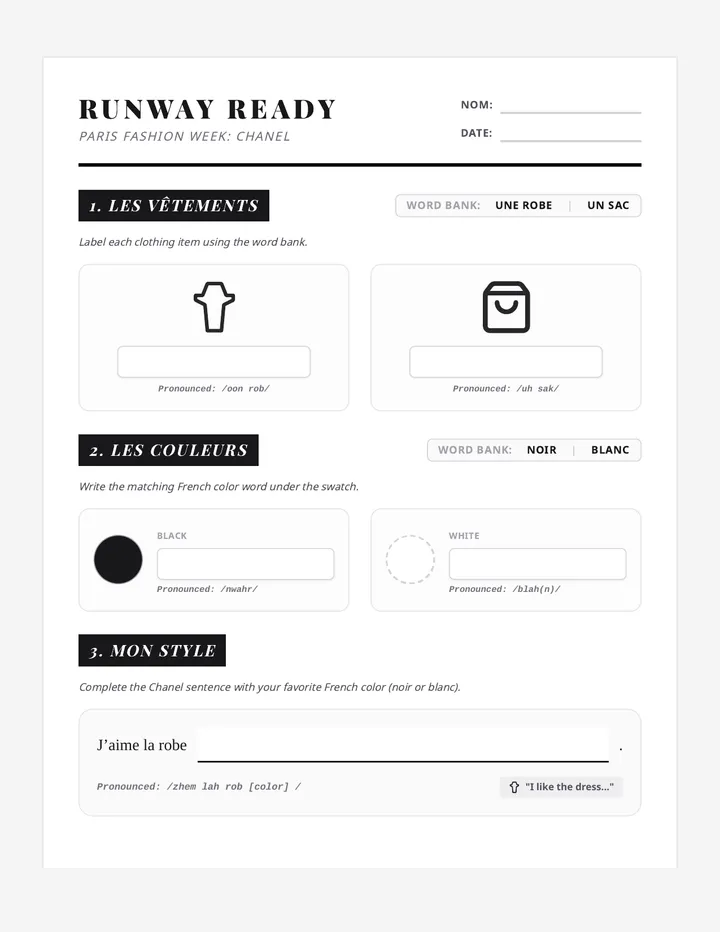
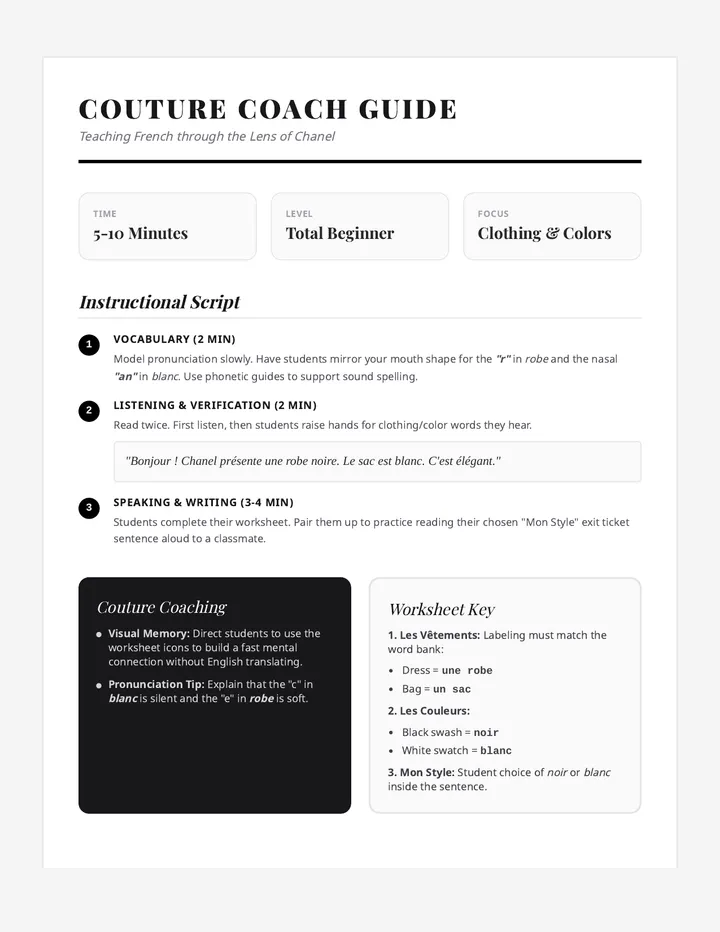
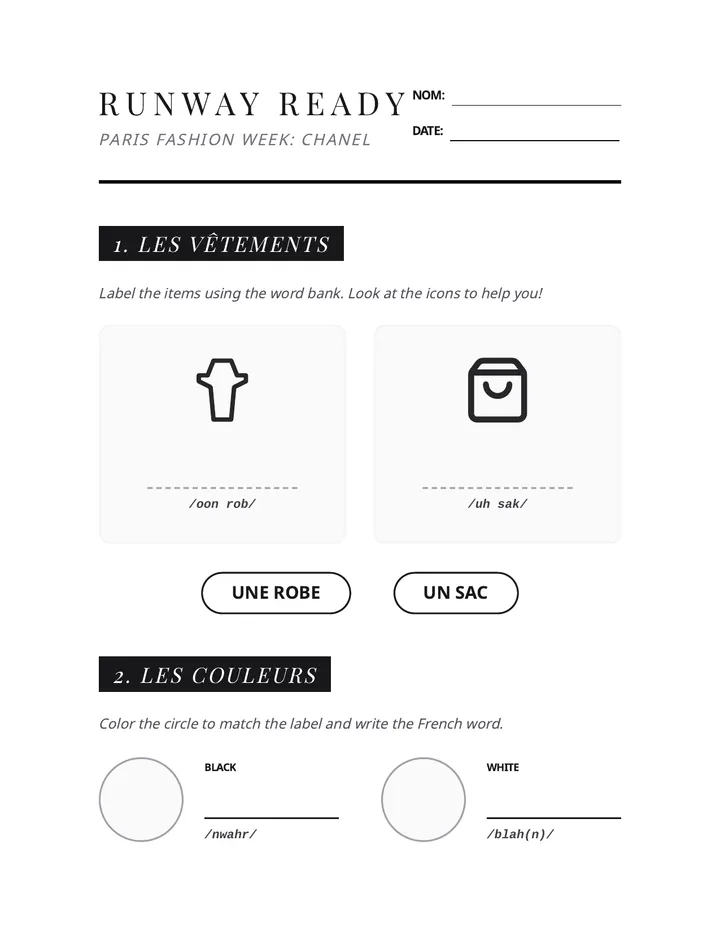
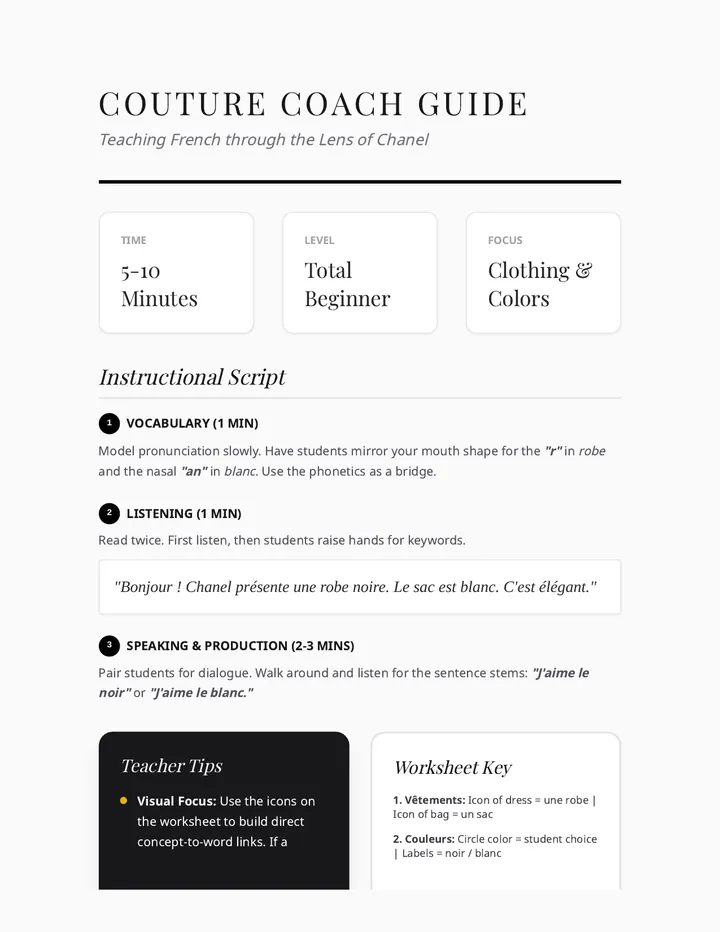
A beginner-level French sequence focusing on basic vocabulary related to fashion and colors through the lens of Paris Fashion Week and Chanel. Students learn to describe clothing and express preferences in a high-interest cultural context.
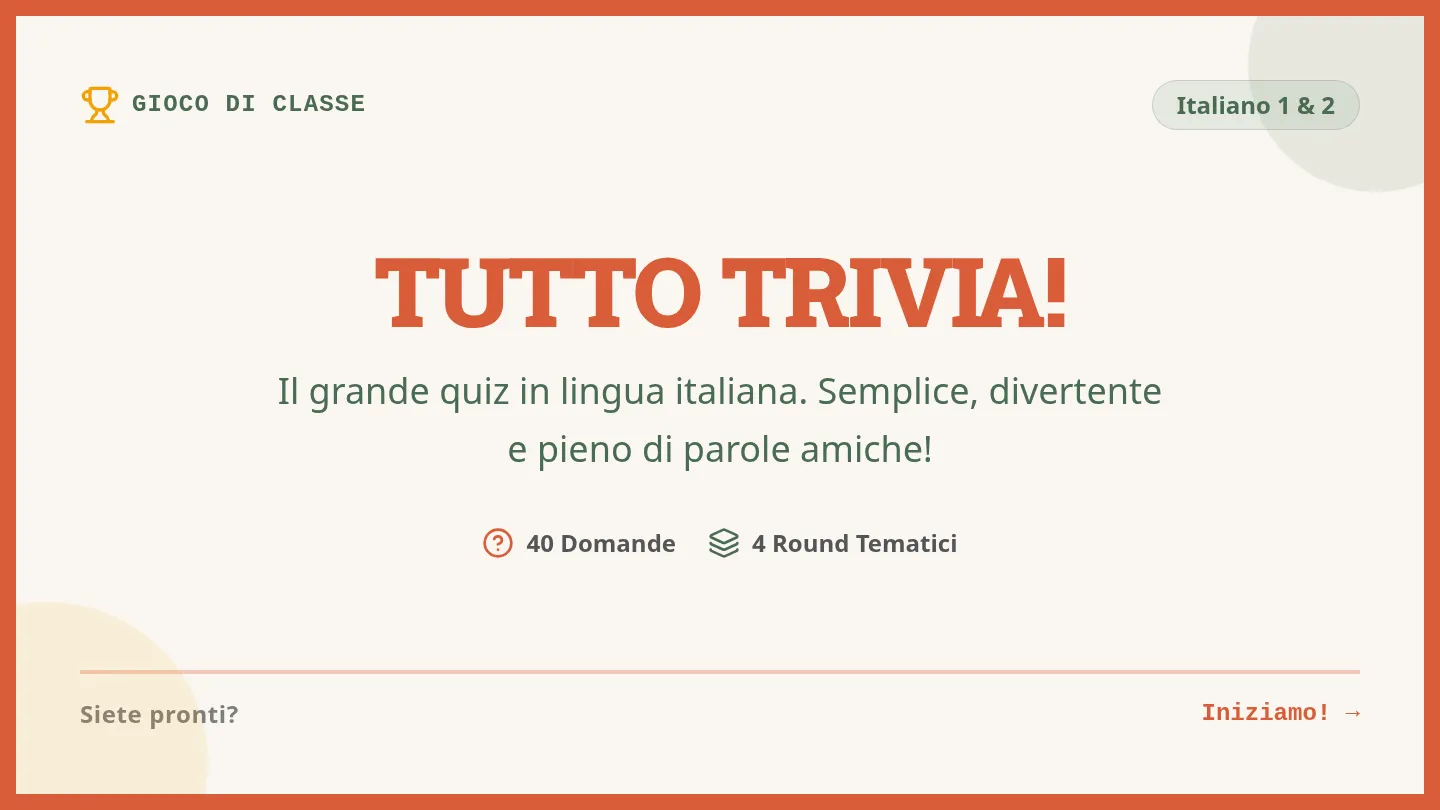
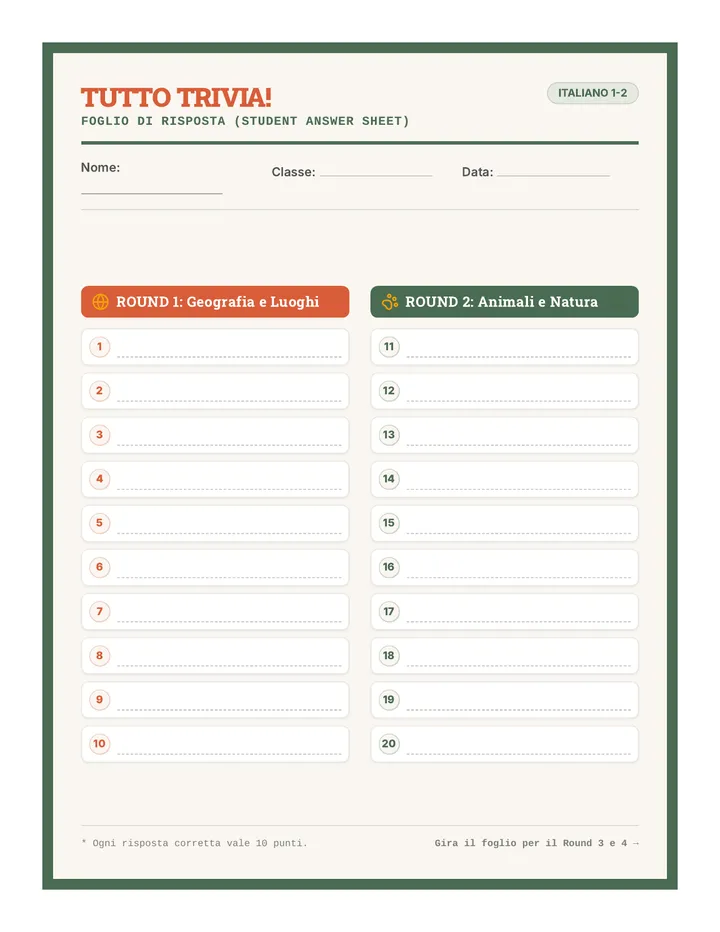
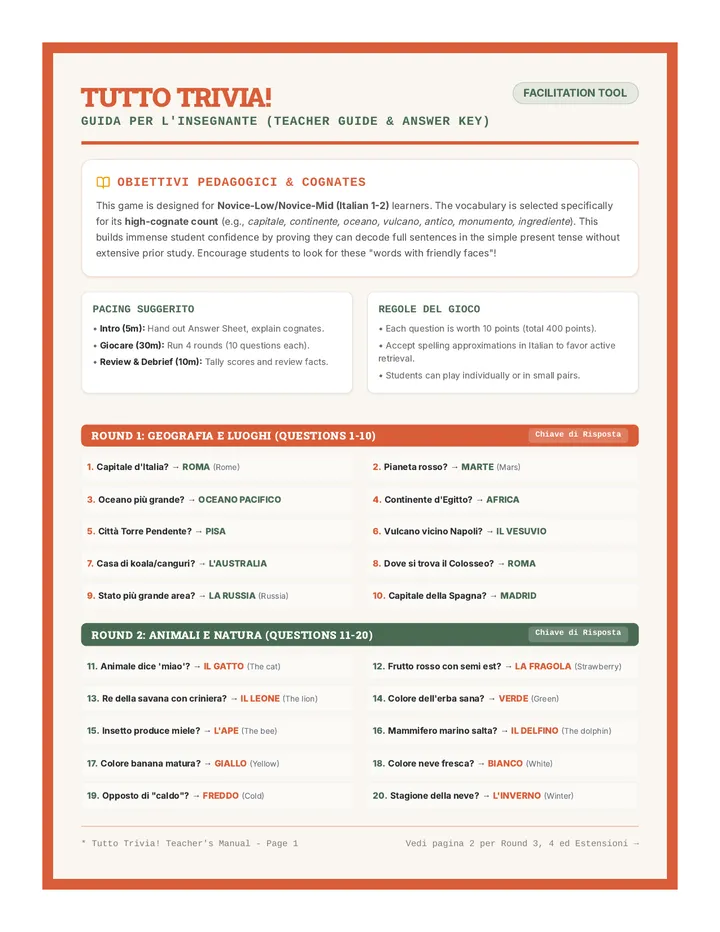
A high-engagement trivia module designed for novice Italian students (Italian 1-2) to practice vocabulary, comprehension, and general knowledge using highly cognate-rich questions and simple present tense. The unit features interactive slides, a student recording sheet, and a teacher facilitation guide.
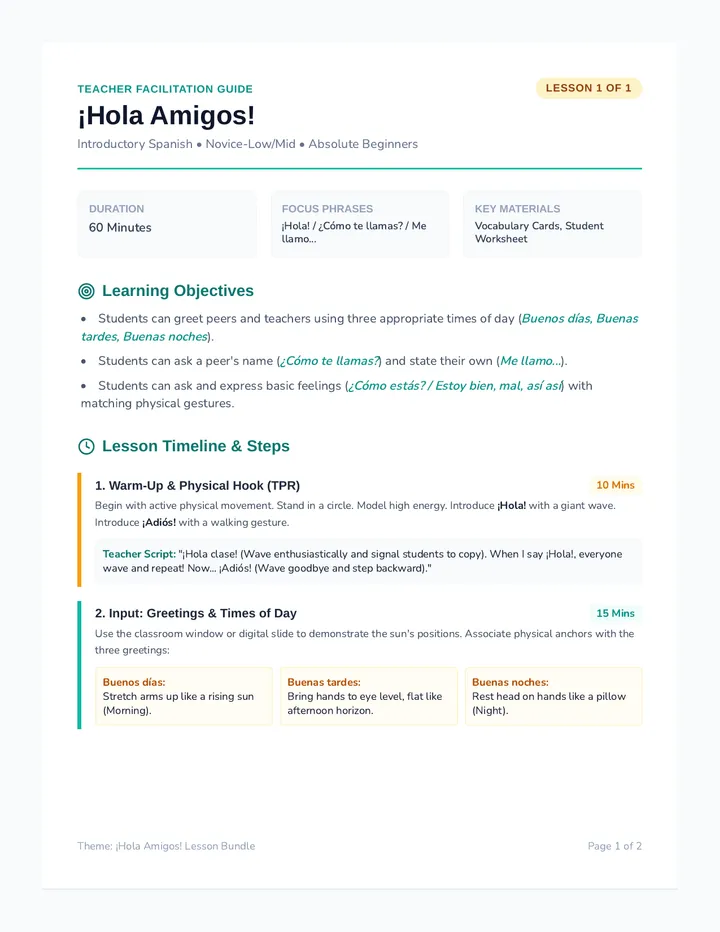
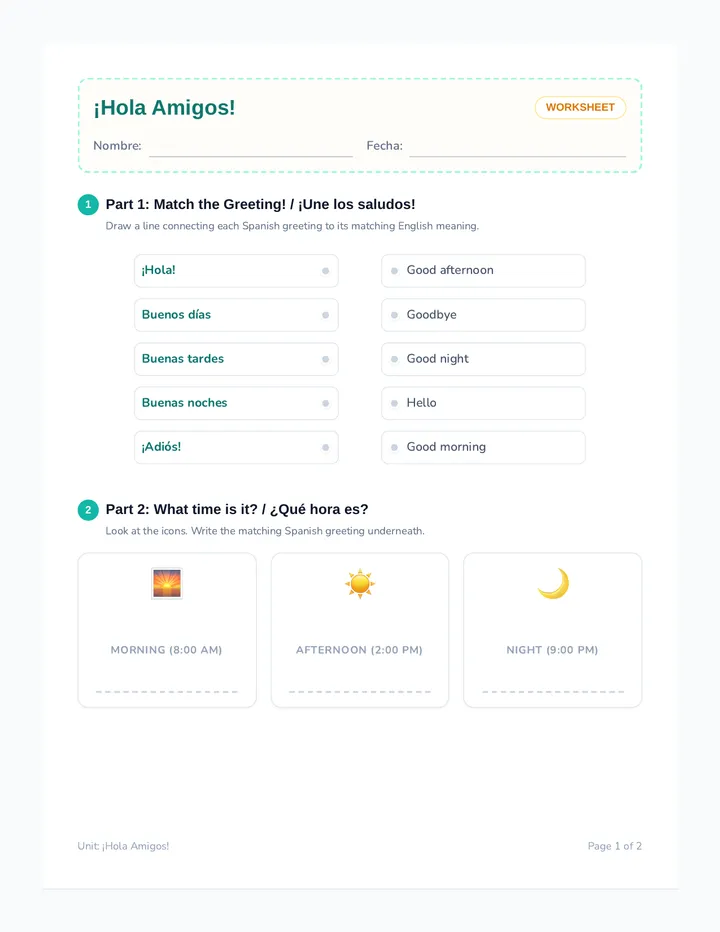
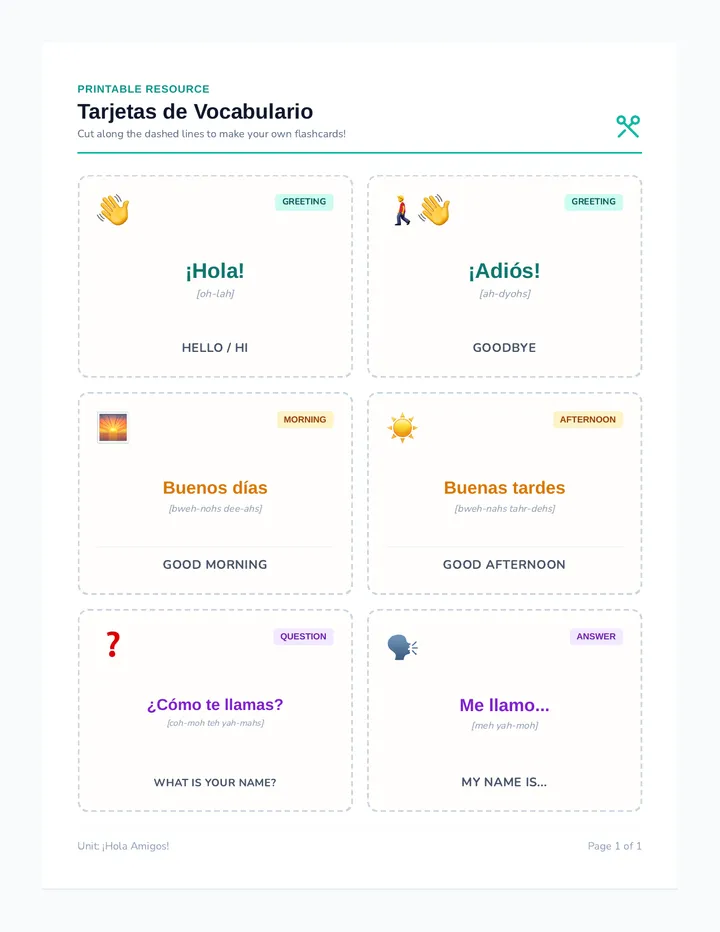
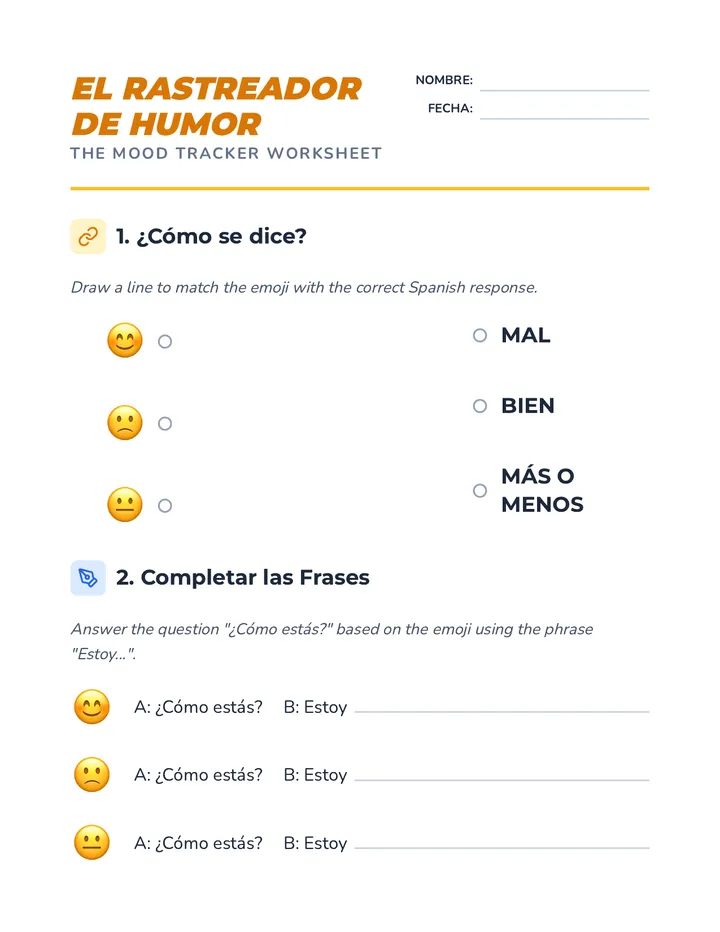
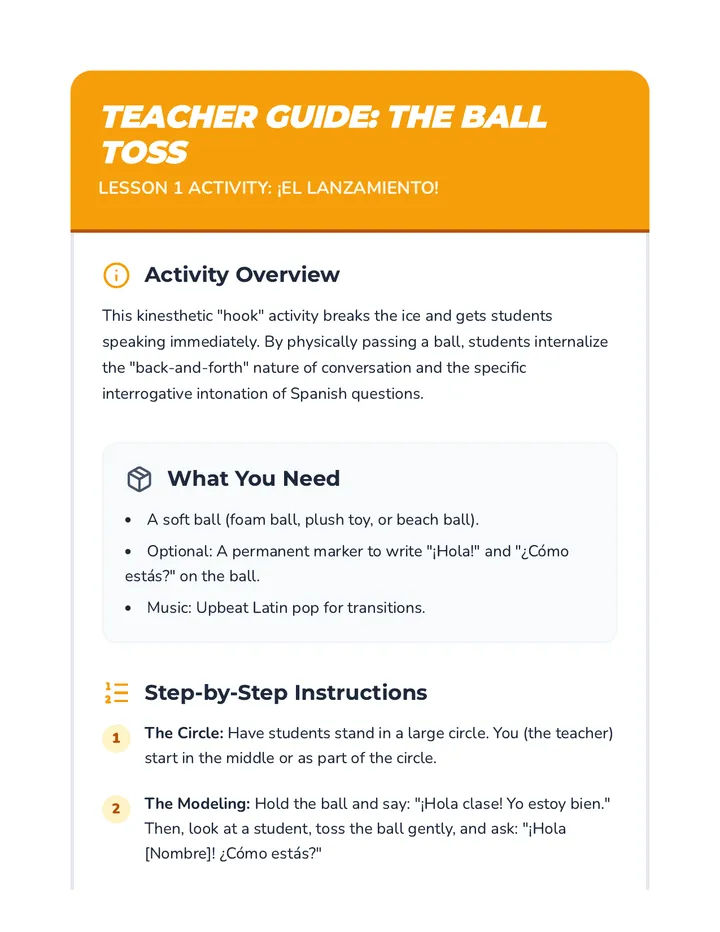
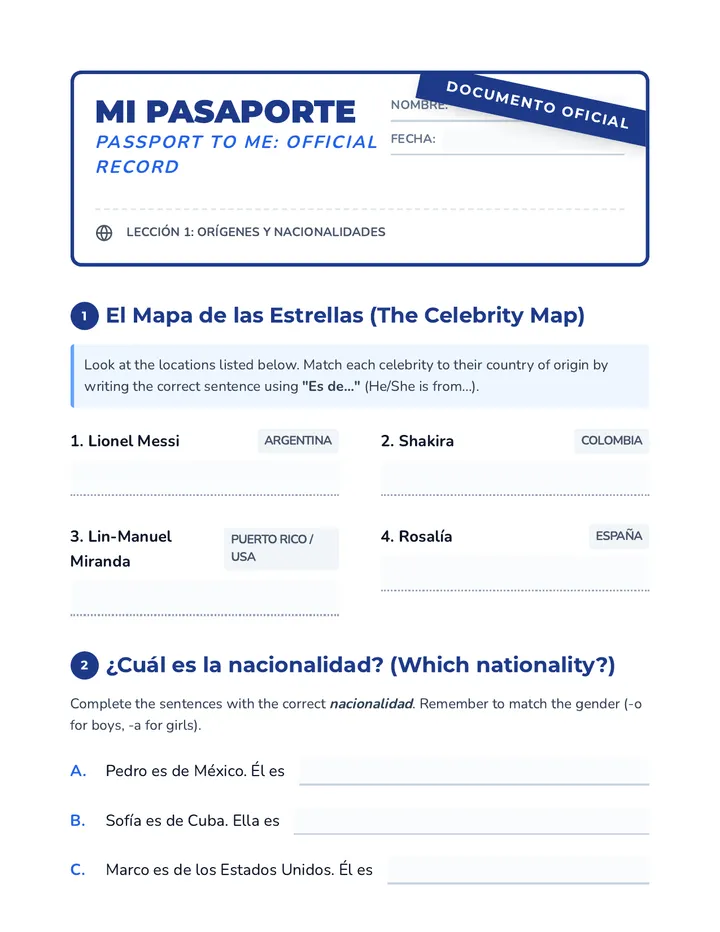
An introductory Spanish curriculum sequence for absolute novice-low beginners, teaching foundational communicative skills like greetings, introductions, numbers, and basic classroom requests.
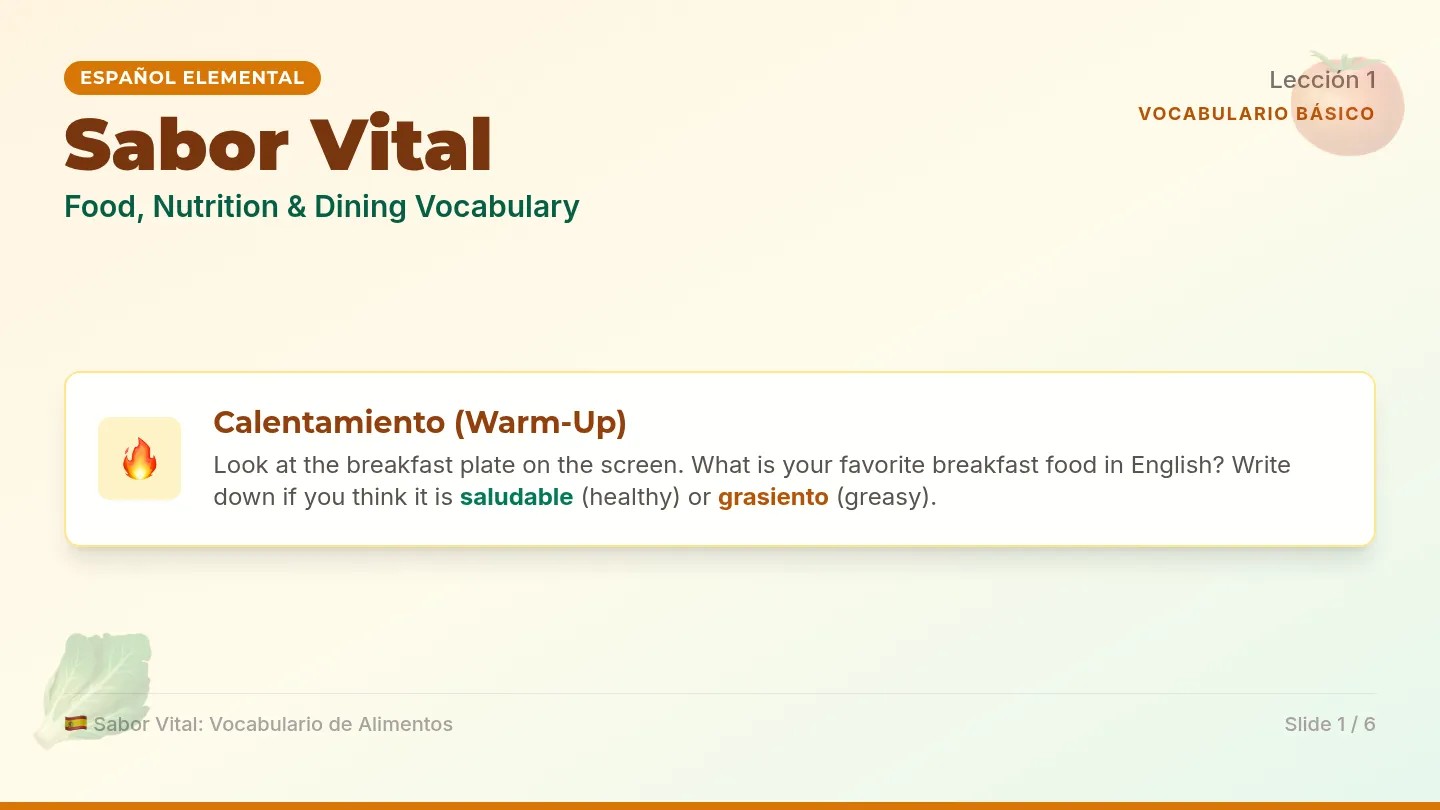
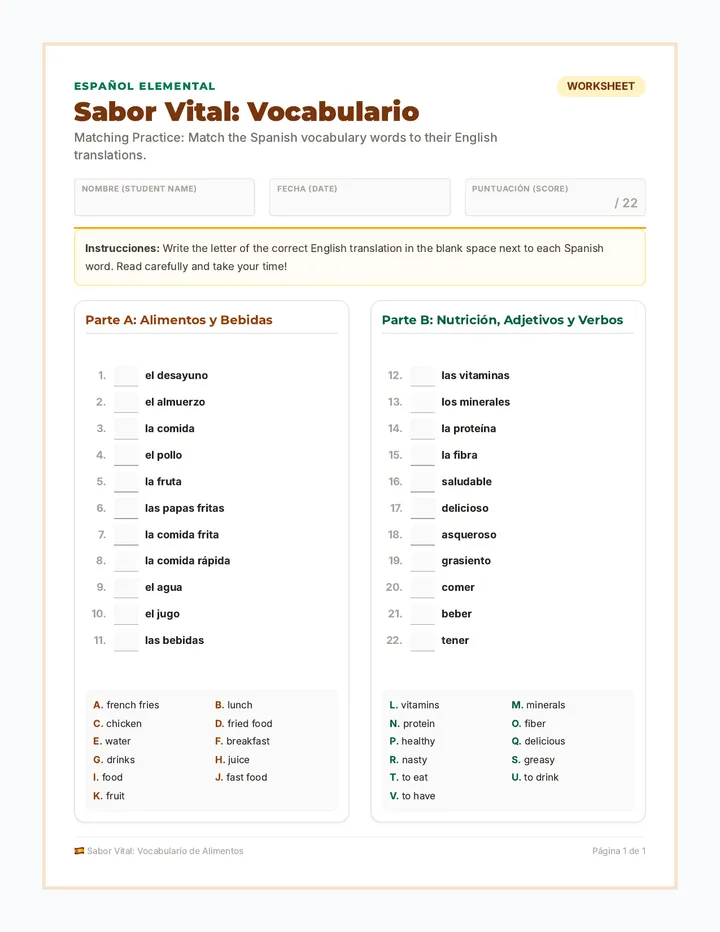
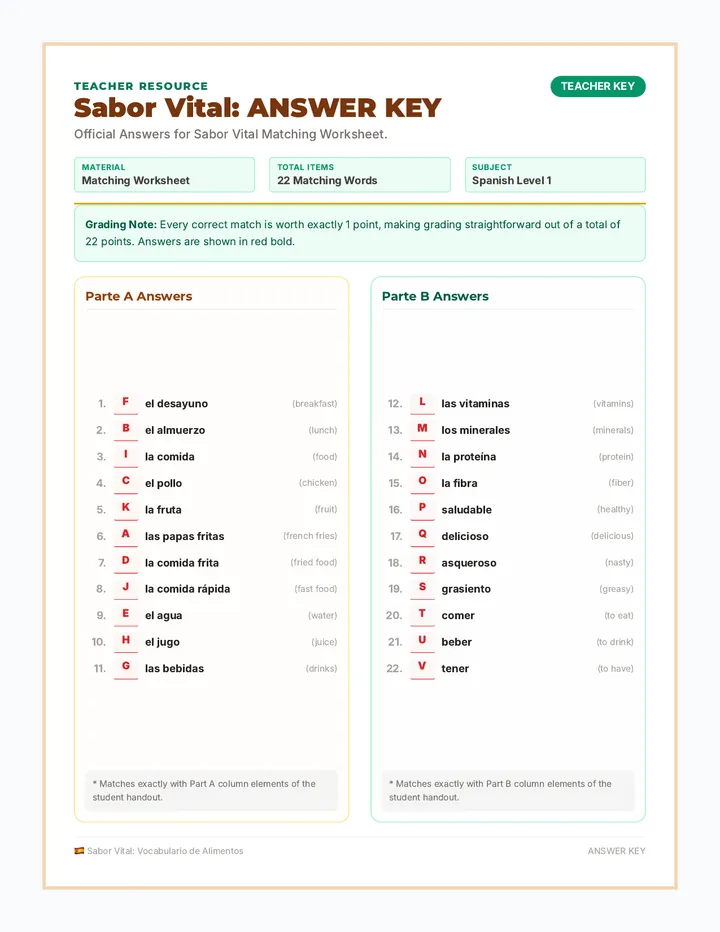
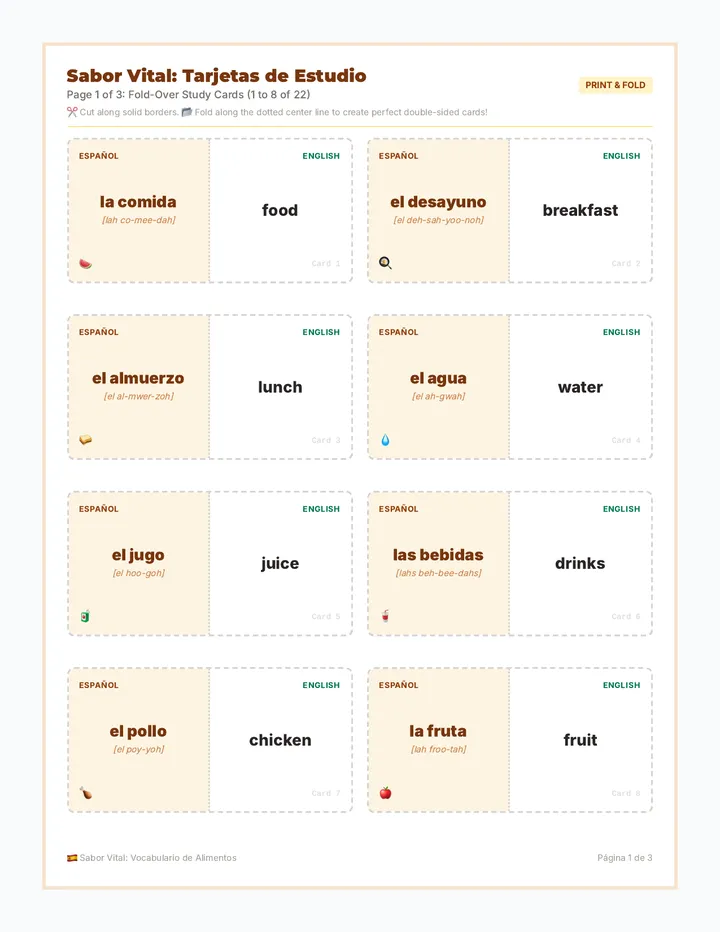
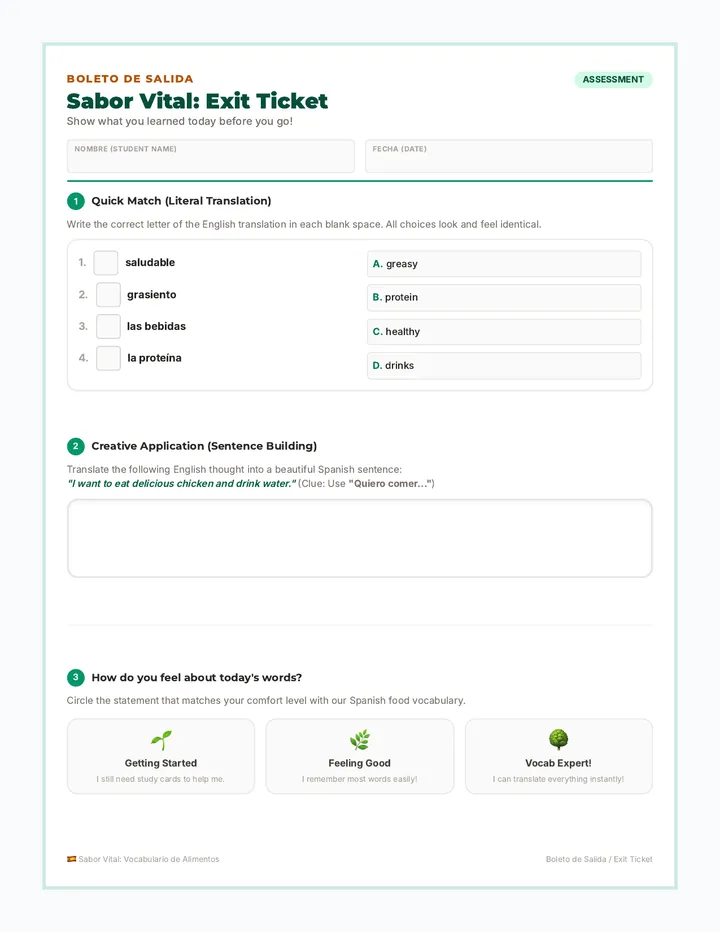
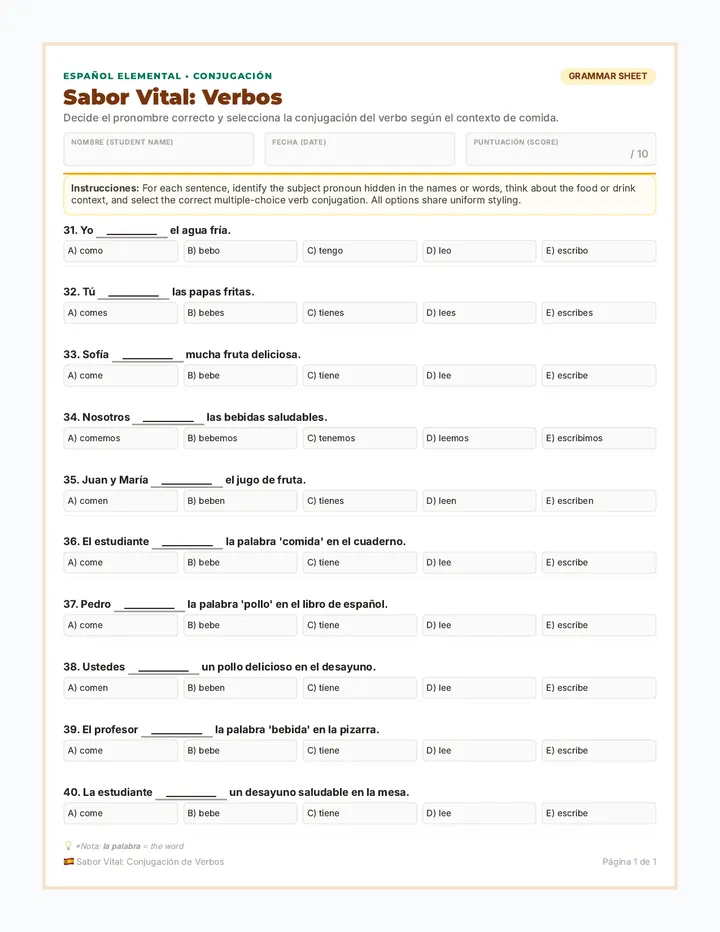
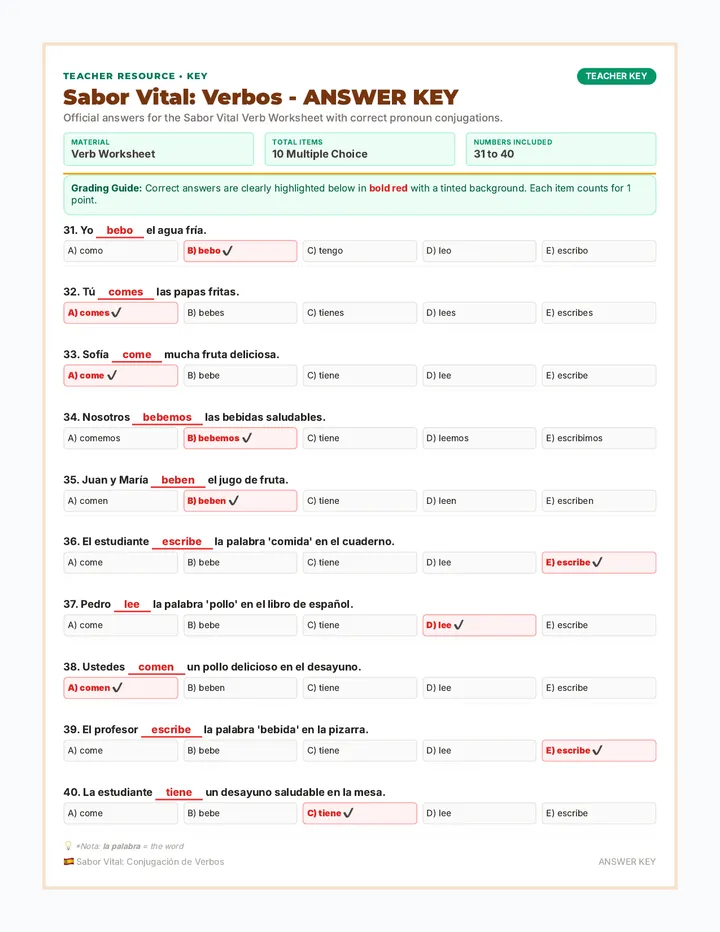
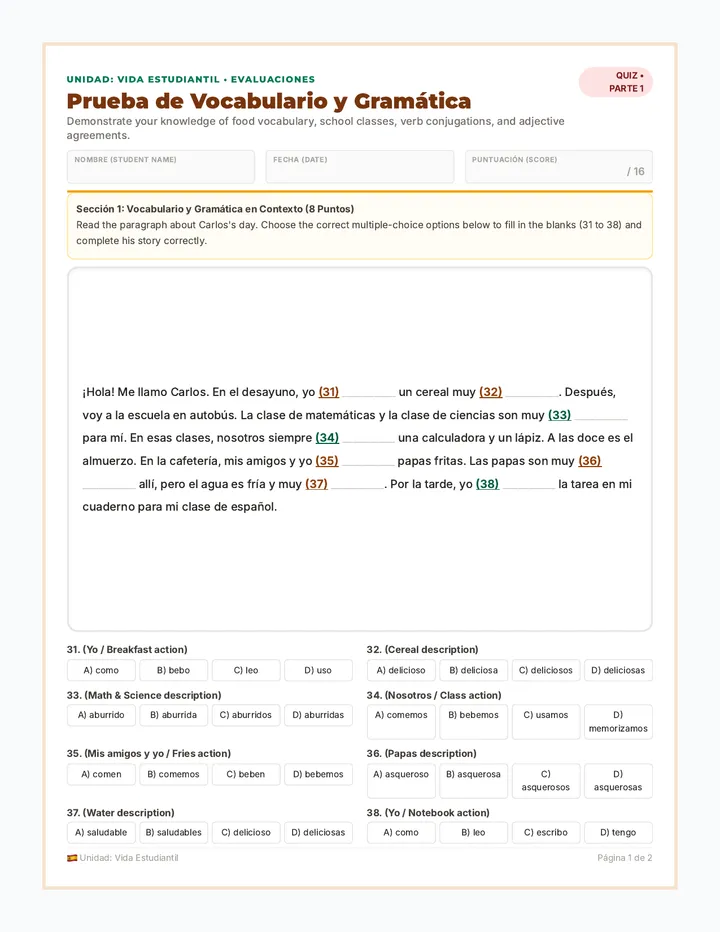
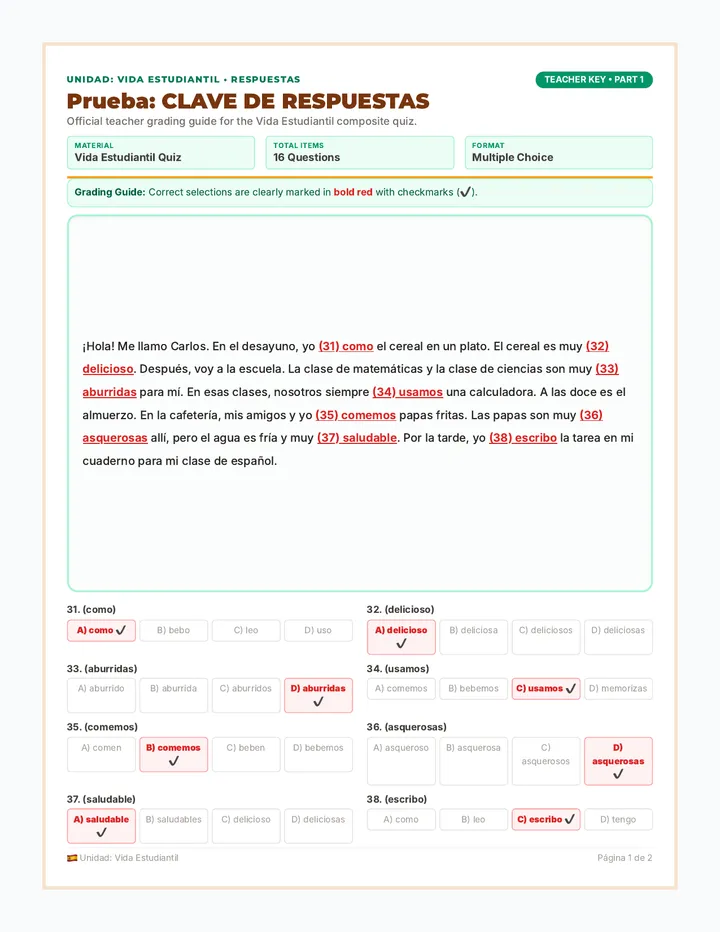
A beginner-level Spanish unit covering daily student life. It connects practical vocabulary for food and dining with descriptions of school schedules, classroom objects, and academic courses.
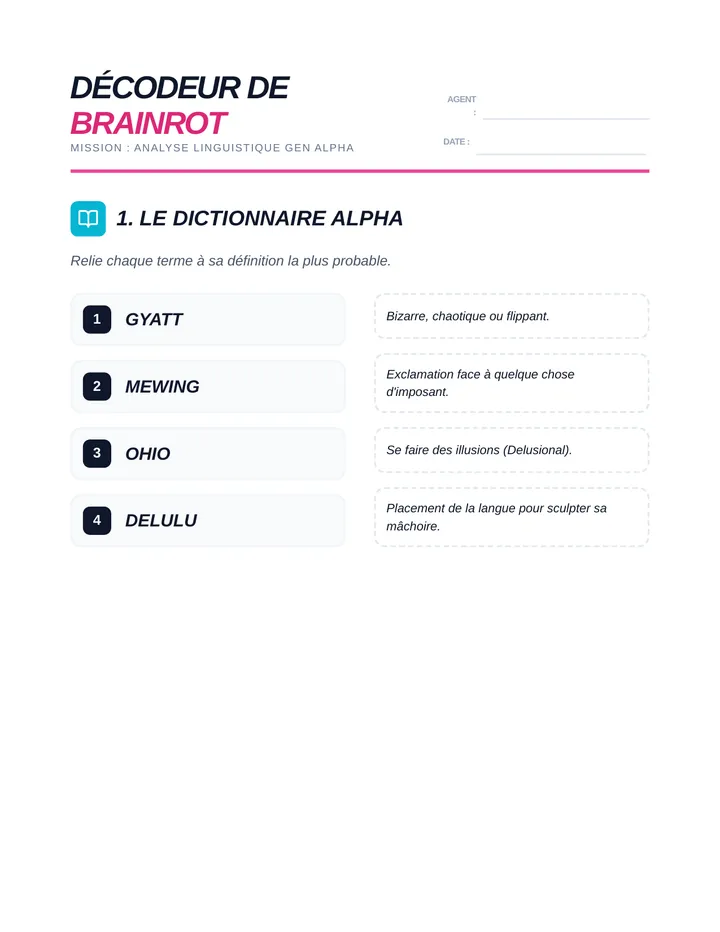
Une exploration ludique et critique du langage de la Génération Alpha, analysant l'évolution du slang Internet et son impact sur la communication moderne.
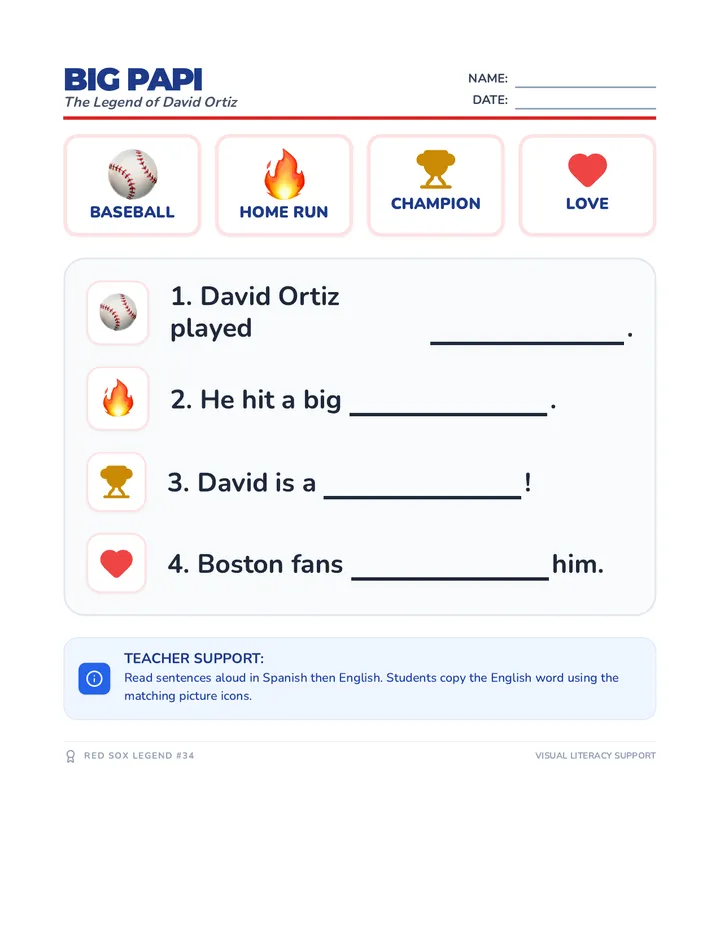
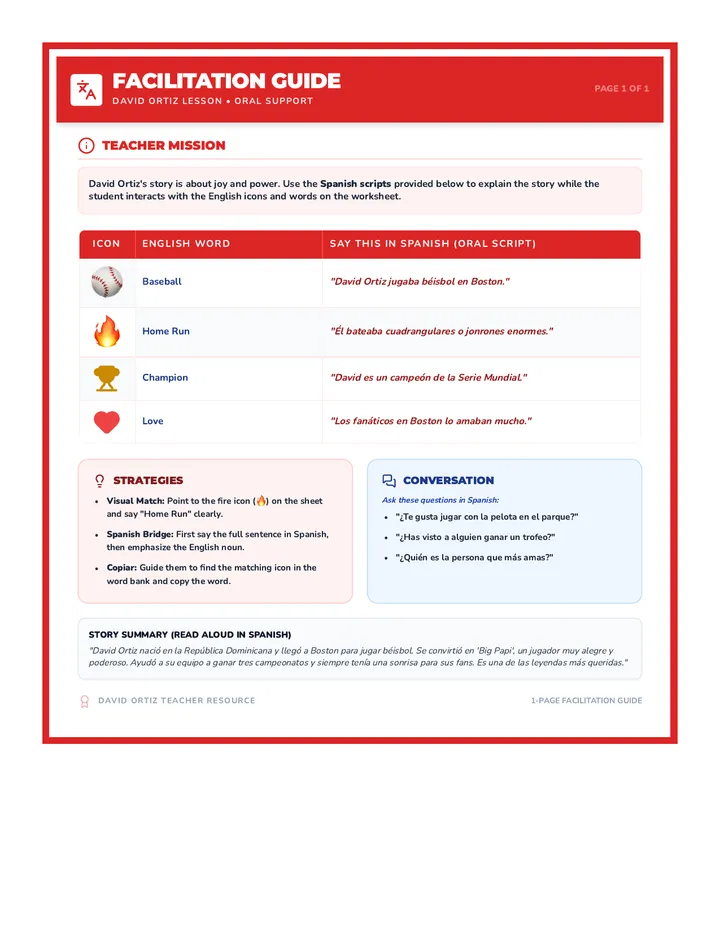
A series of lessons focused on baseball legends, designed for students with limited literacy and English language learners.
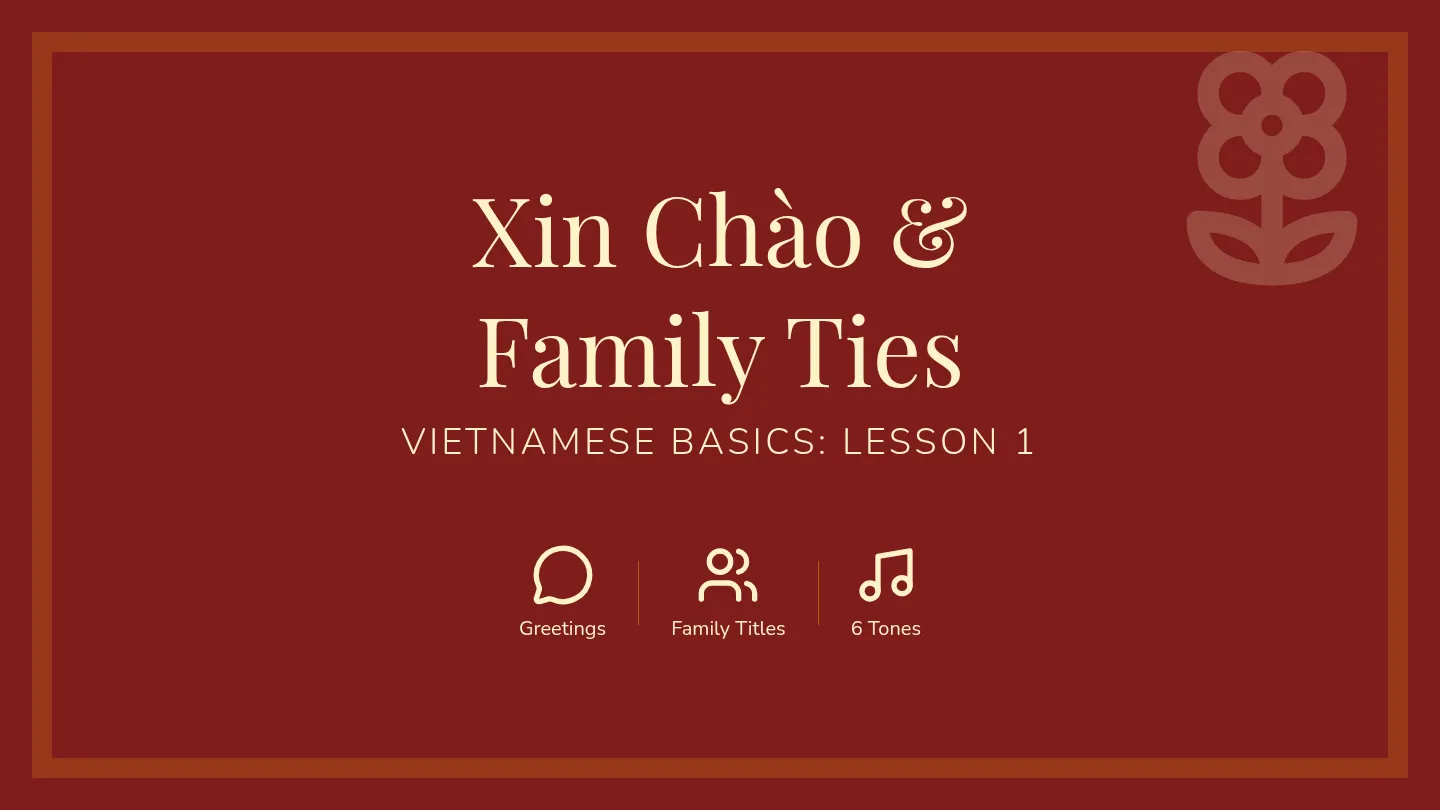
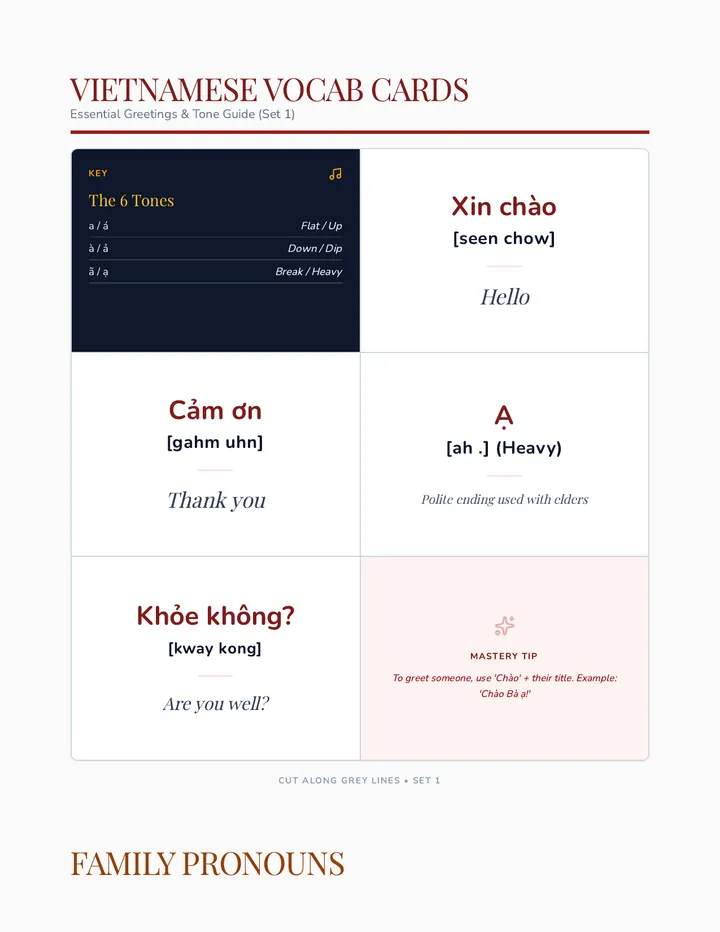
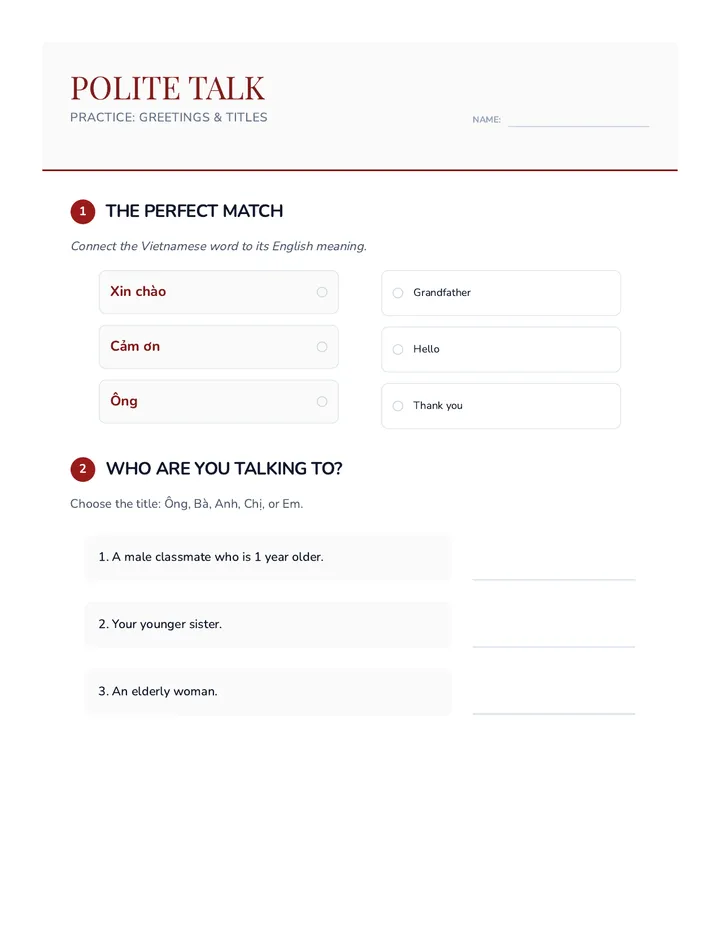
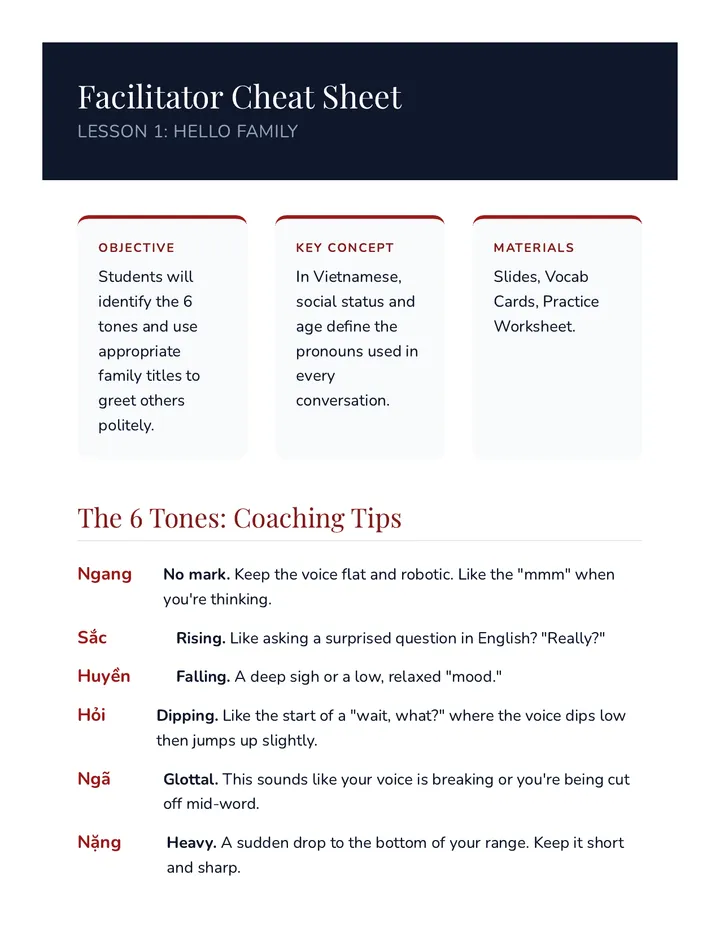
A beginner's introduction to Vietnamese language and culture, focusing on essential communication and social structures.
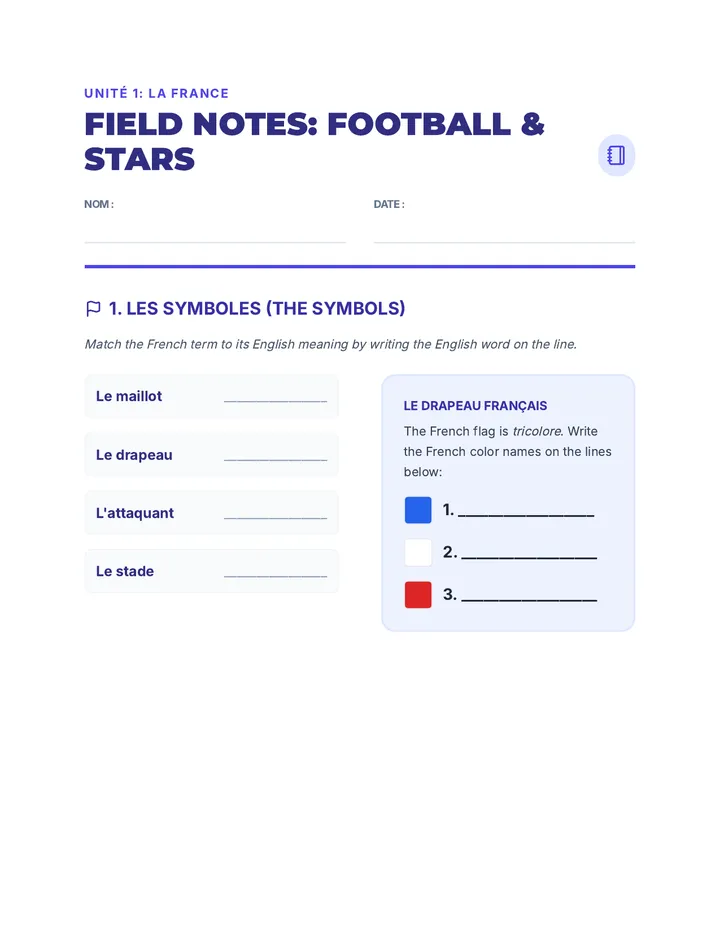
A high-engagement French 1 cultural curriculum that explores six Francophone nations through the lenses of football, fashion, music, food, and art. Each unit integrates beginner grammar and vocabulary with immersive cultural discovery.
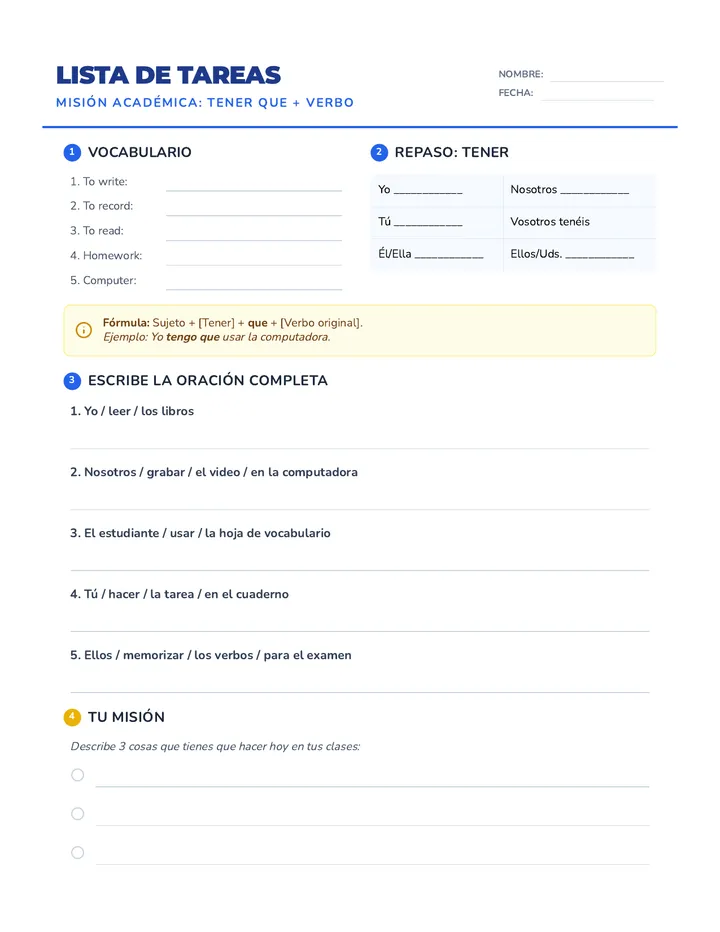
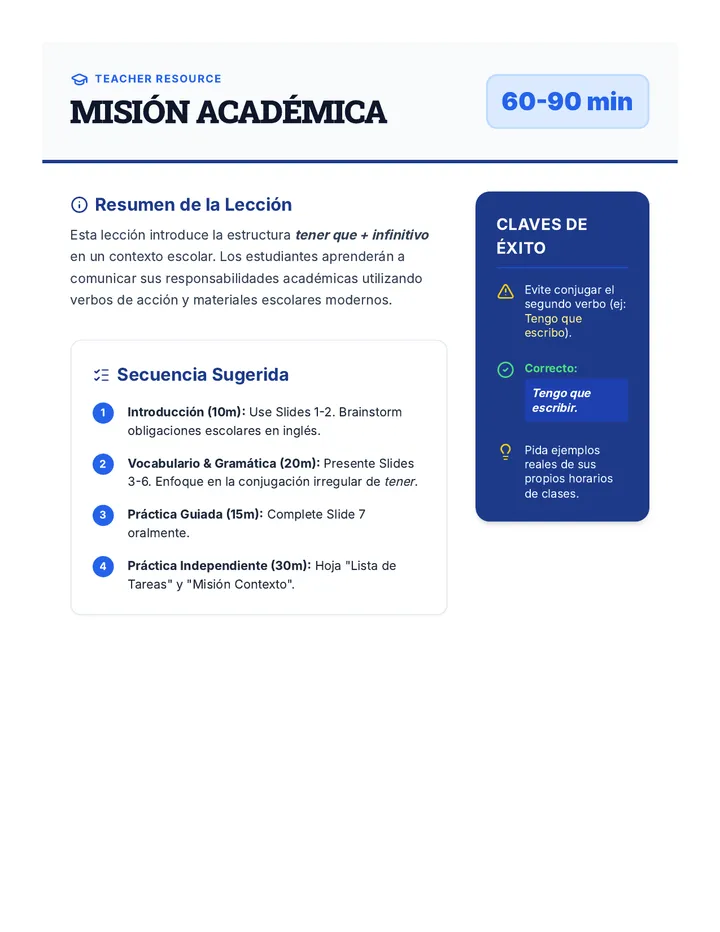
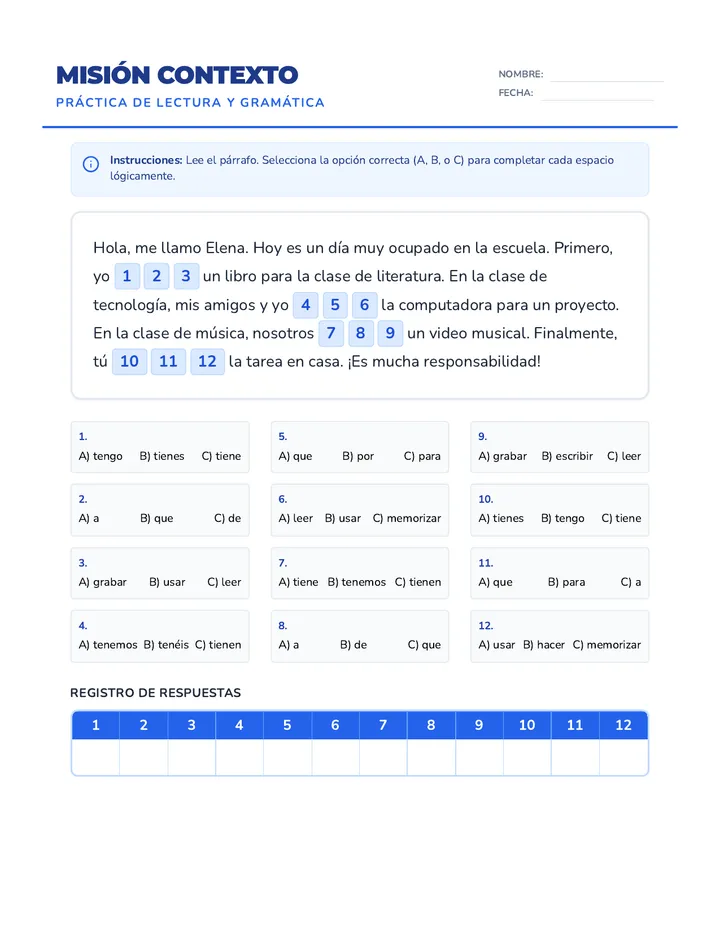
A comprehensive unit focused on daily school routines, obligations using 'tener que', and academic vocabulary in Spanish. Students learn to express what they must do in various class settings.
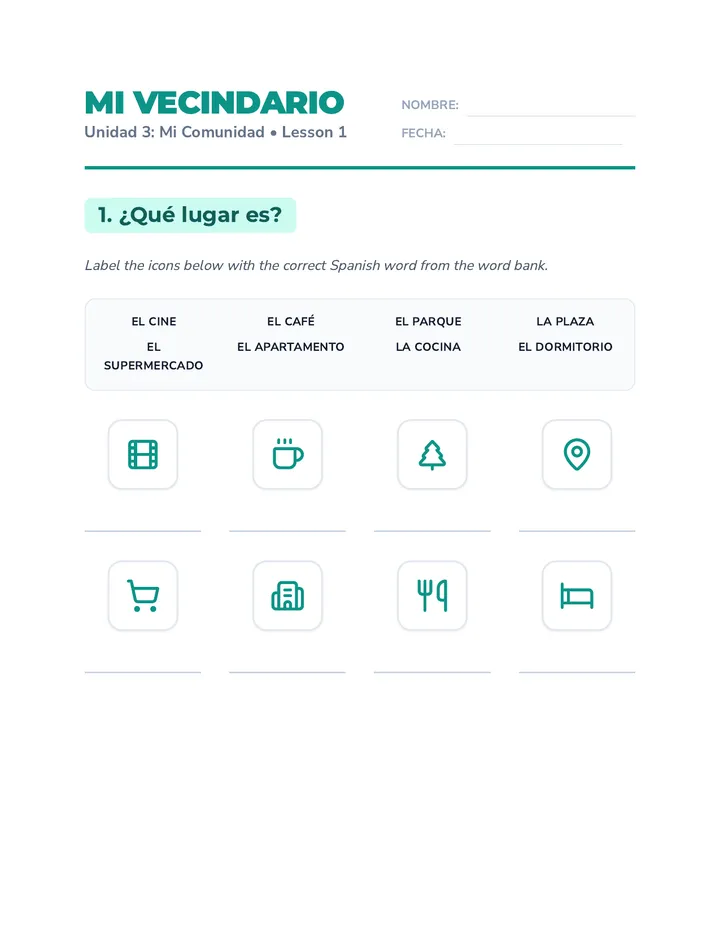
A three-day Spanish 1 unit focused on community vocabulary, regular present tense verbs, 'estar' for location, and social invitations at a Novice-Low level. Students will learn to describe their neighborhood and navigate social interactions like accepting or rejecting plans.
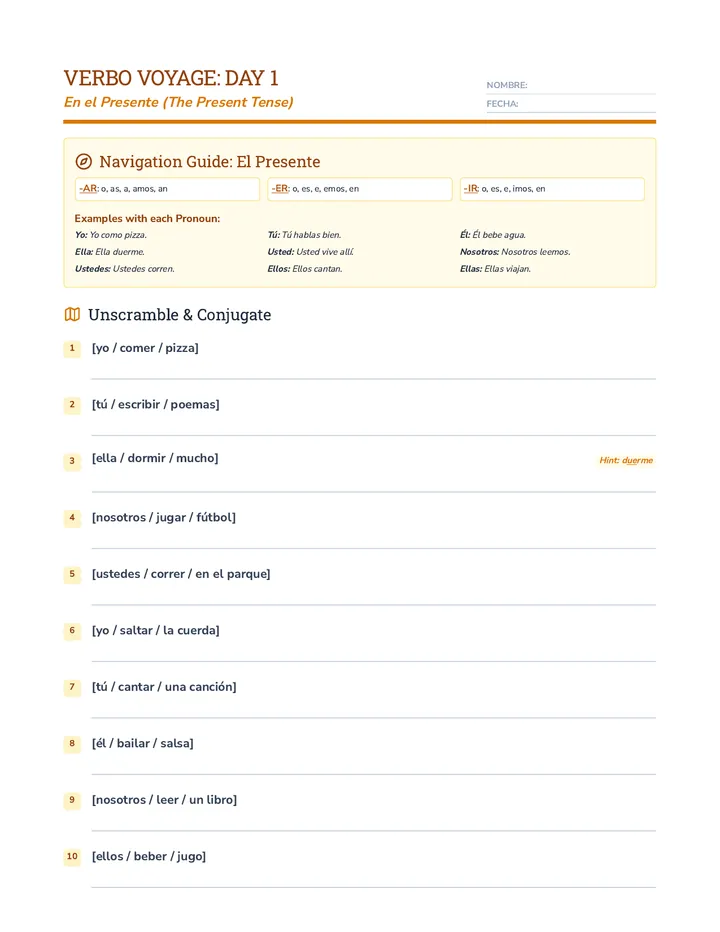
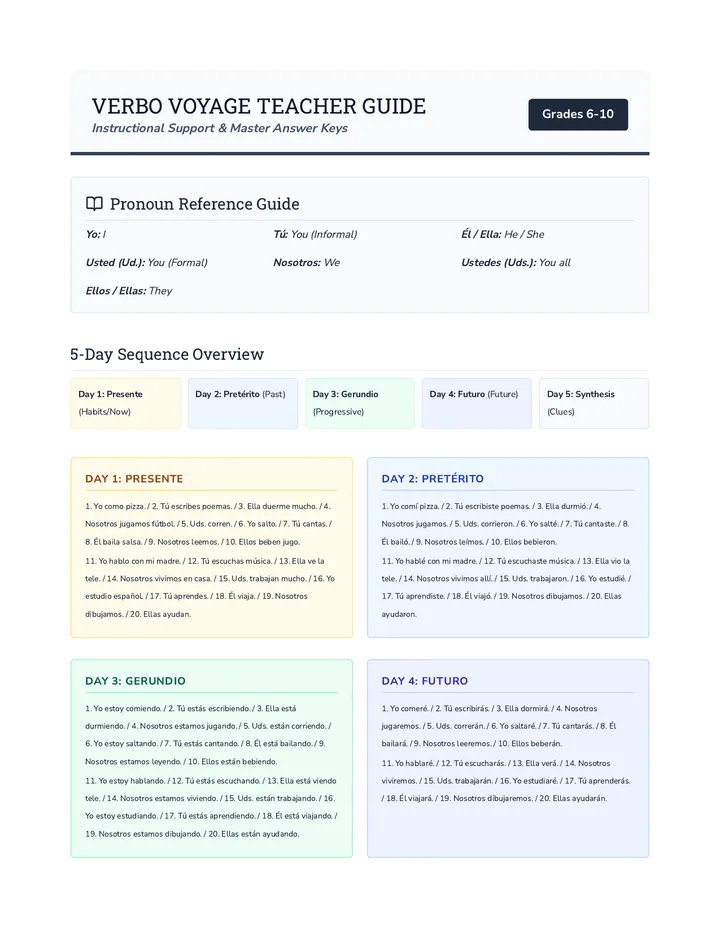
A 5-day introductory Spanish sequence focusing on verb conjugation in major tenses (Present, Preterite, Gerund, and Future) using common everyday verbs. Students practice sentence construction and time-marker classification through daily worksheets and visual slides.
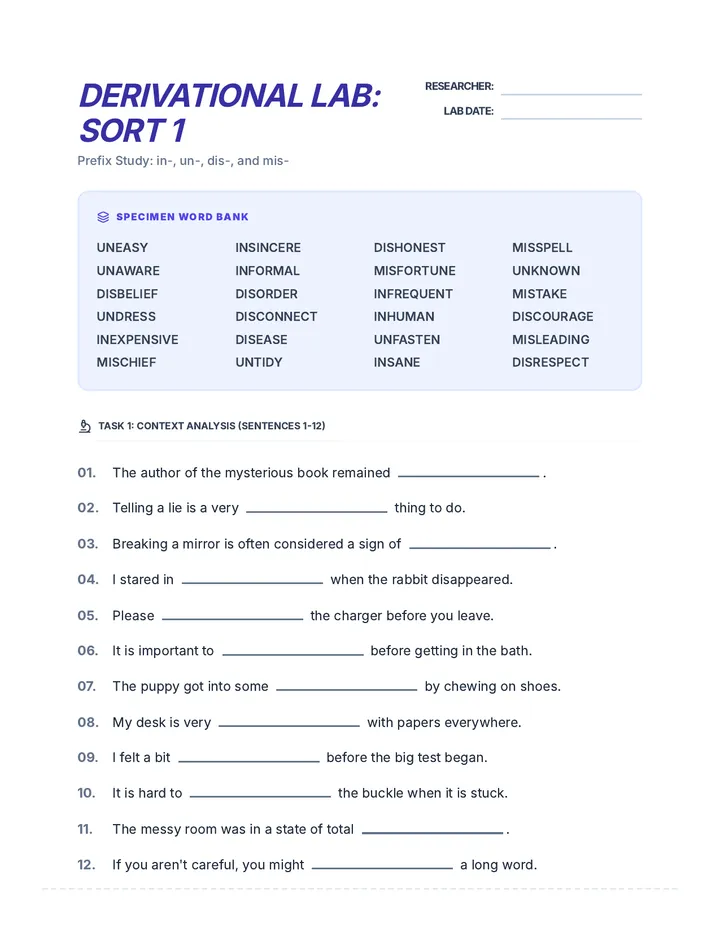
A comprehensive study of derivational morphology focusing on 17 specific prefix and suffix sorts through contextual analysis and logic puzzles.
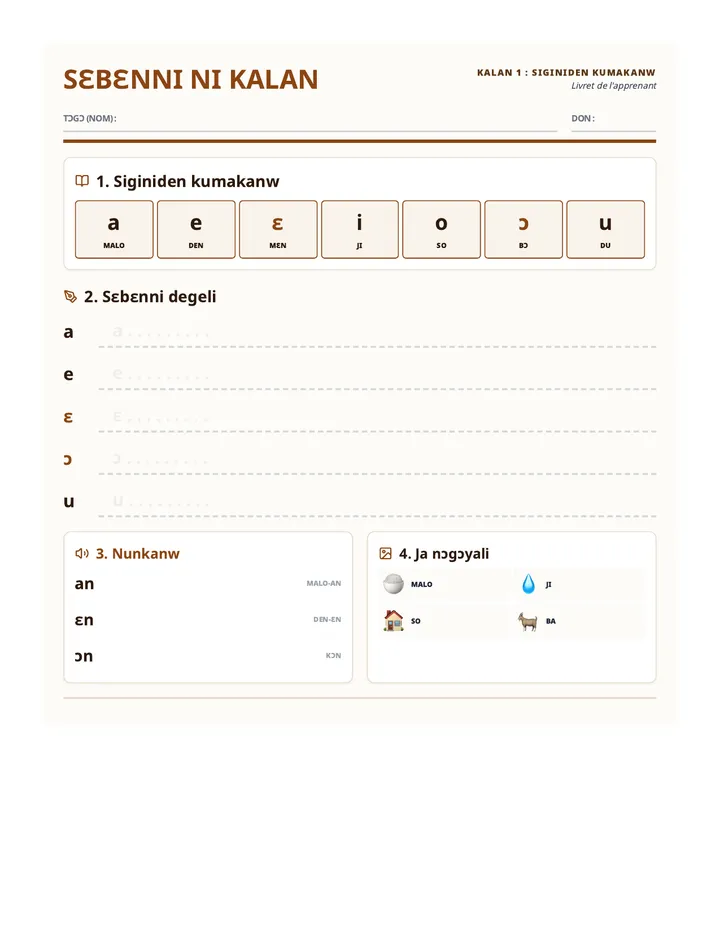
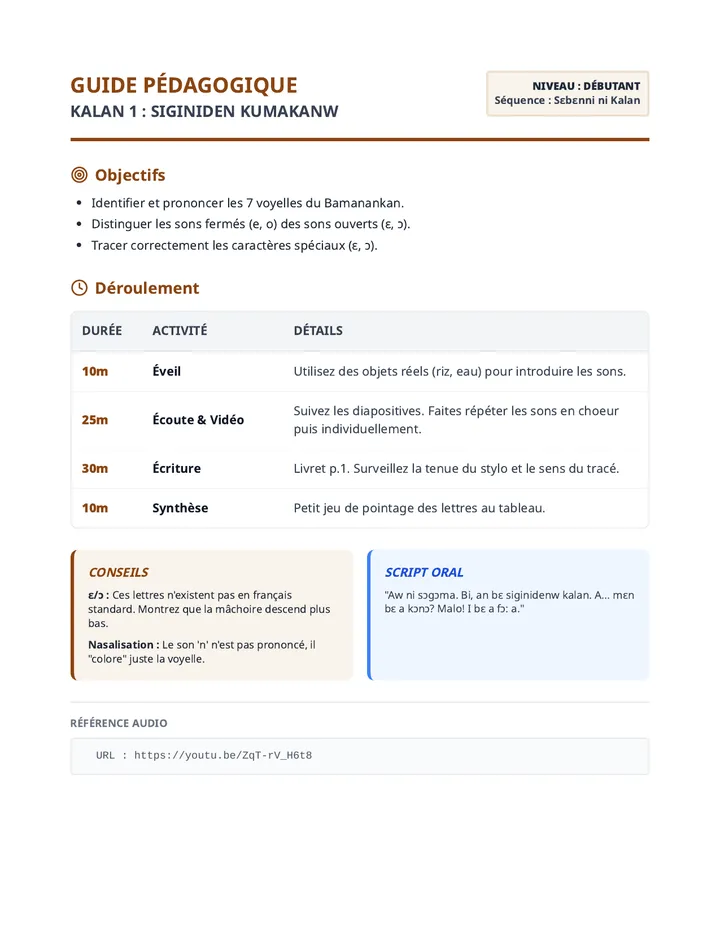
Une séquence d'alphabétisation complète en Bamanankan pour débutants, intégrant l'apprentissage des voyelles, des consonnes et des salutations de base à travers un livret imprimable et des supports visuels.
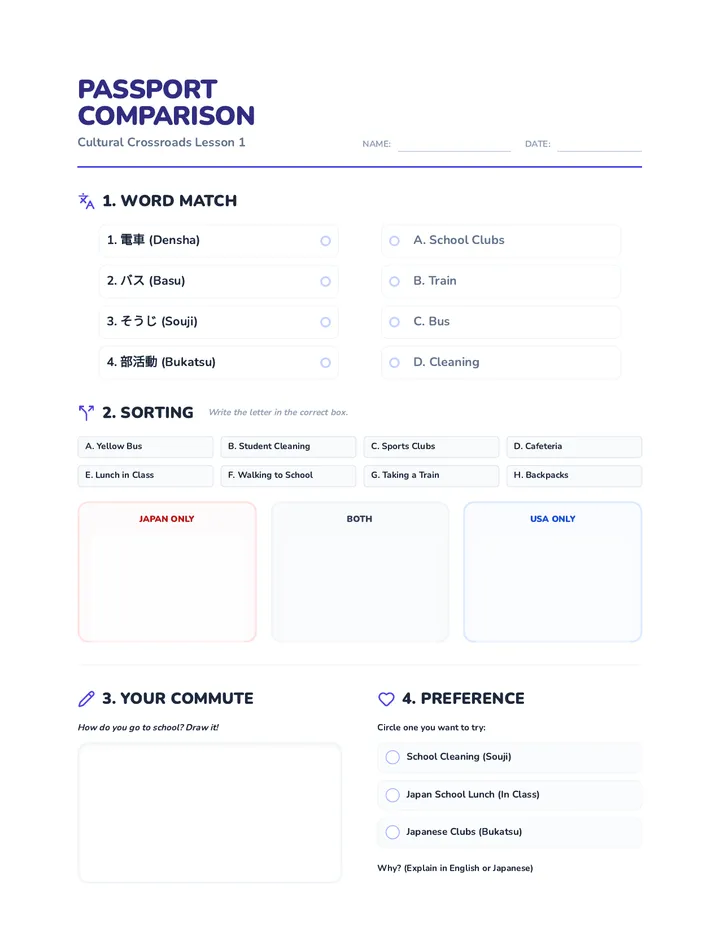
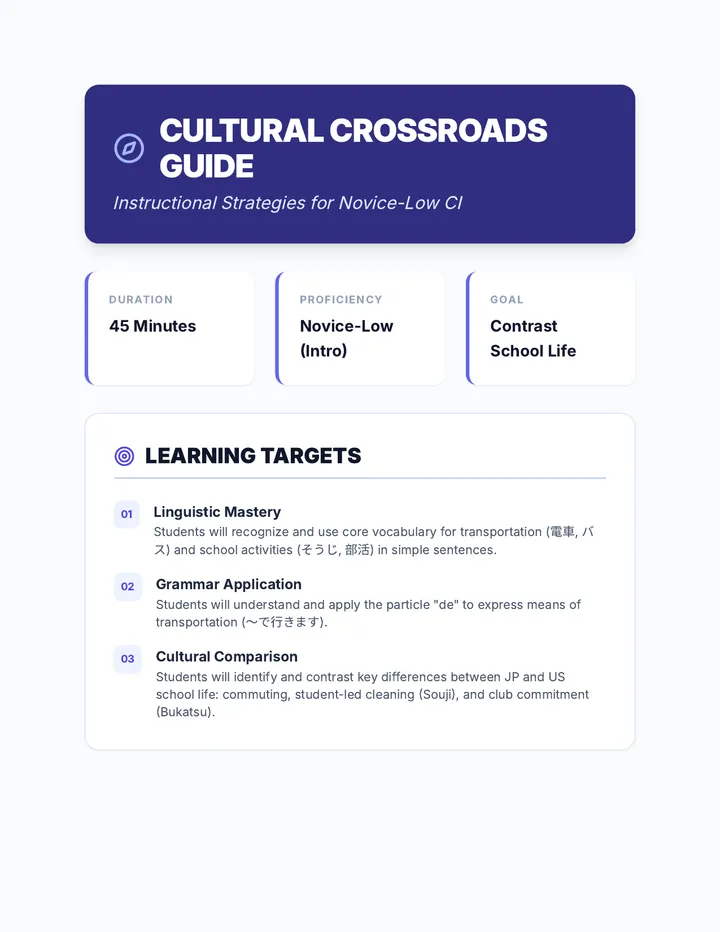
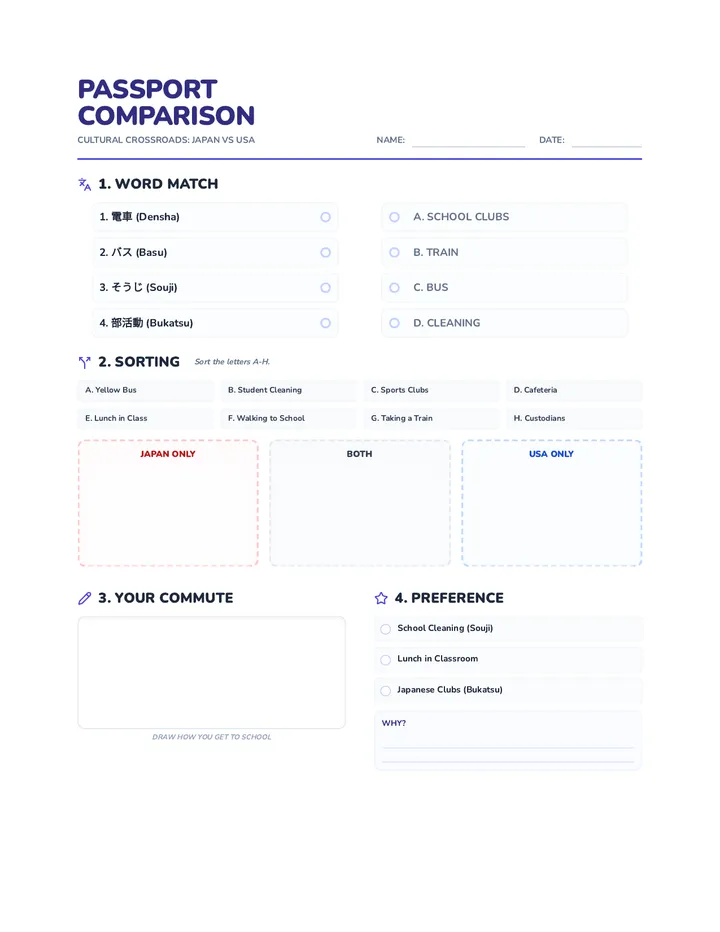
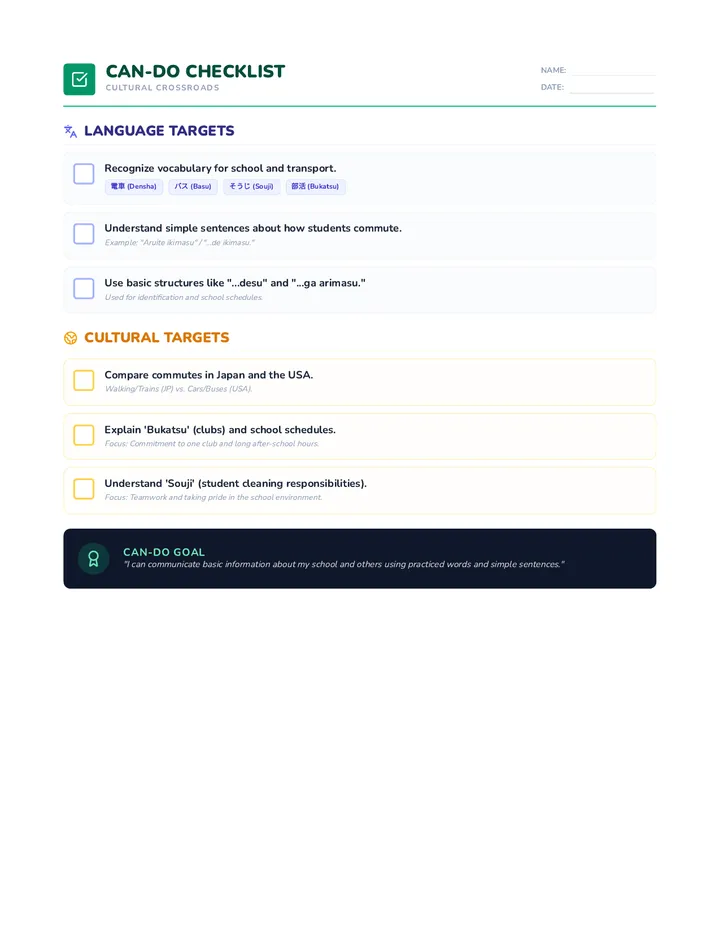
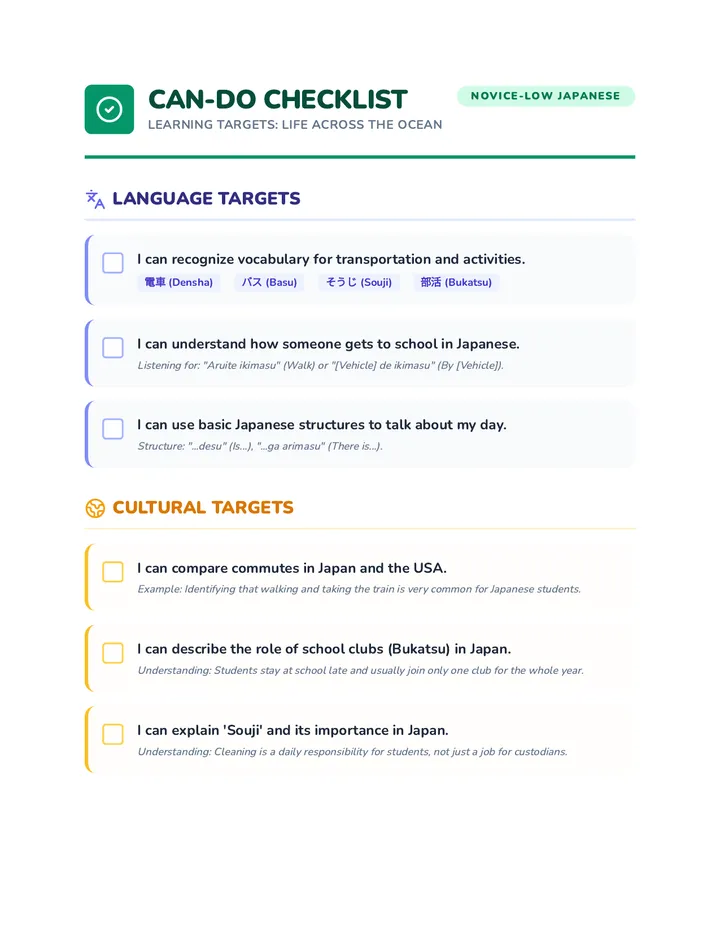
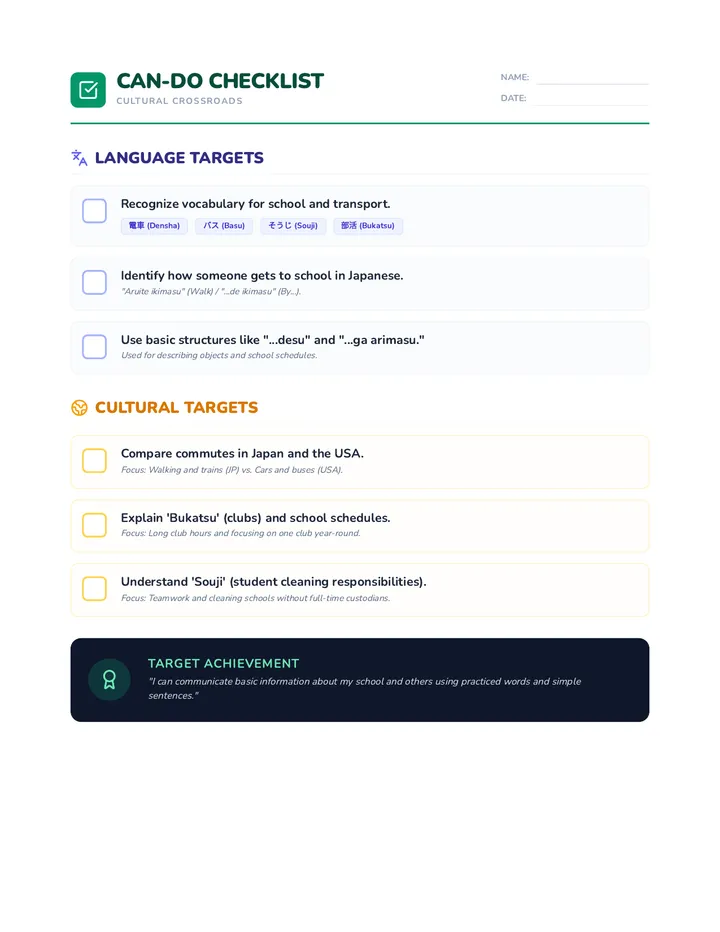
A Novice-Low Japanese lesson sequence focusing on cultural comparisons between Japan and the United States, specifically regarding school life and transportation. The materials use Comprehensible Input (CI) strategies to make the content accessible to beginners.
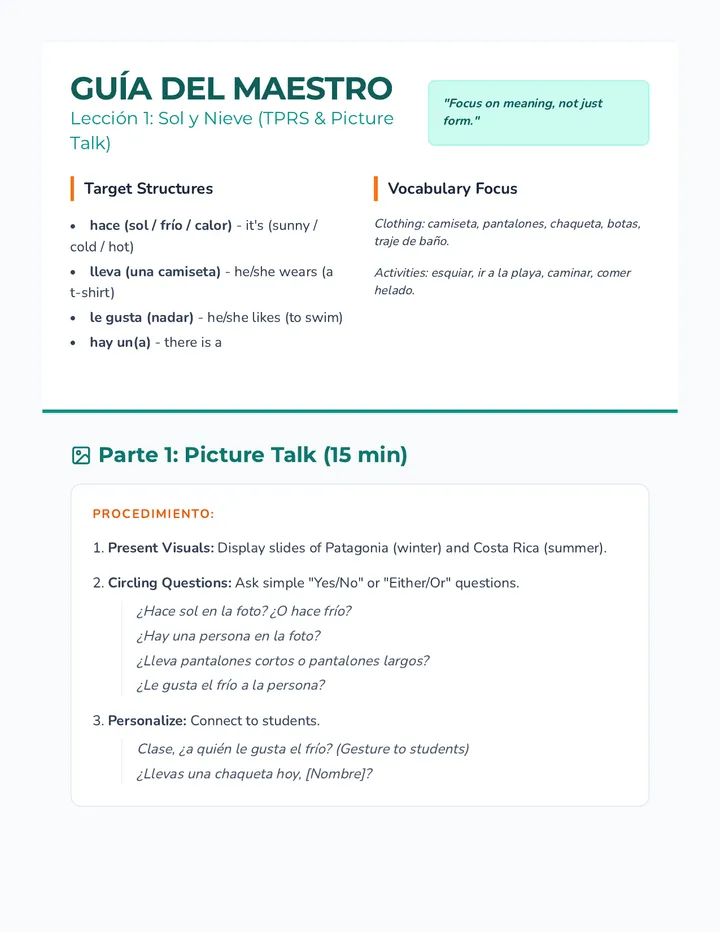
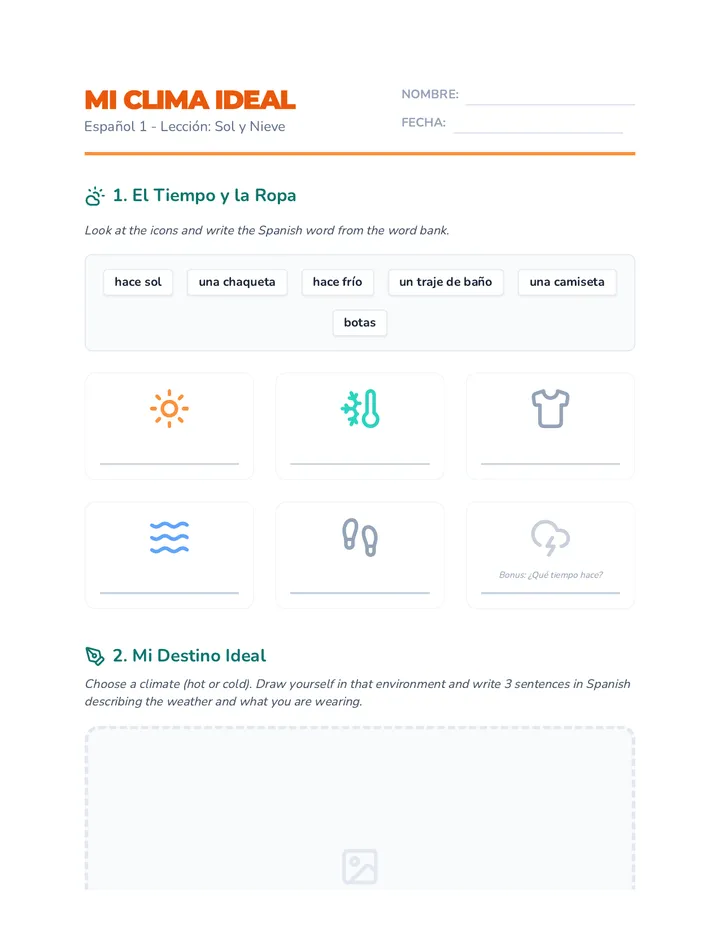
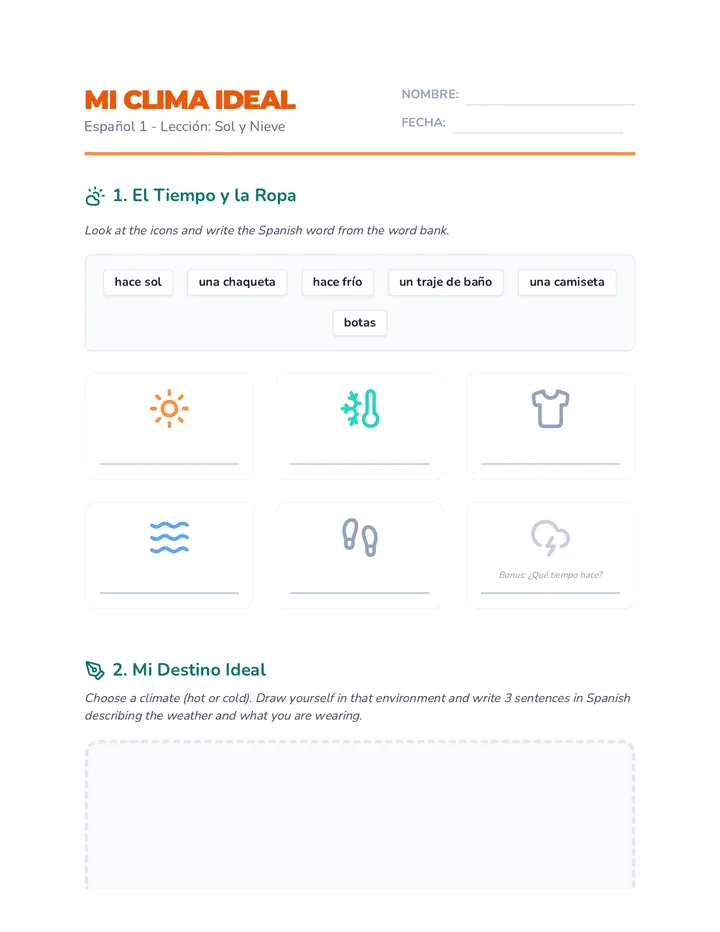
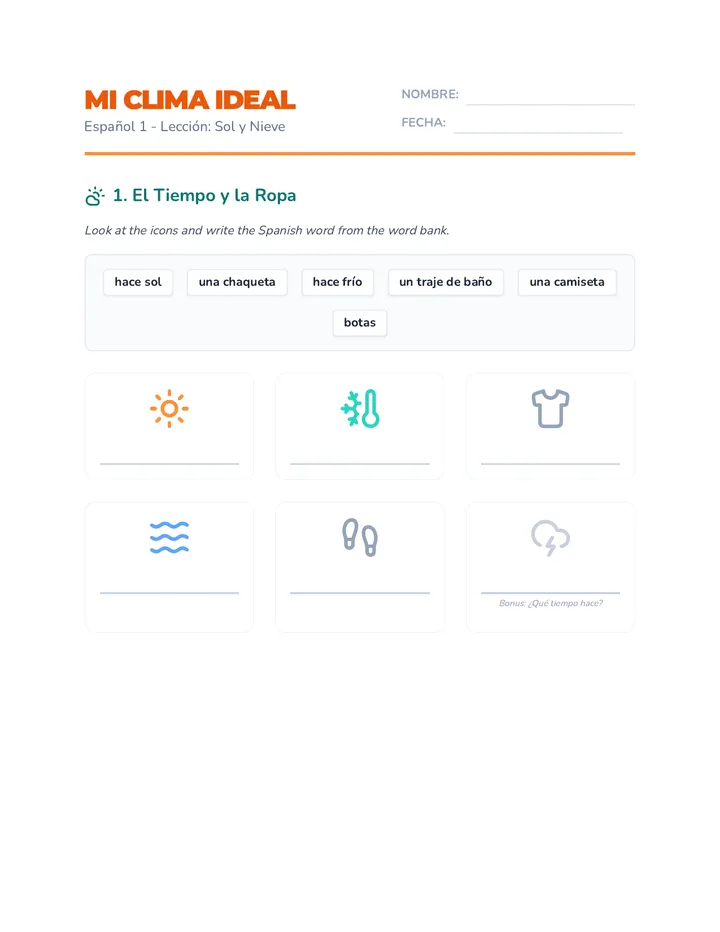
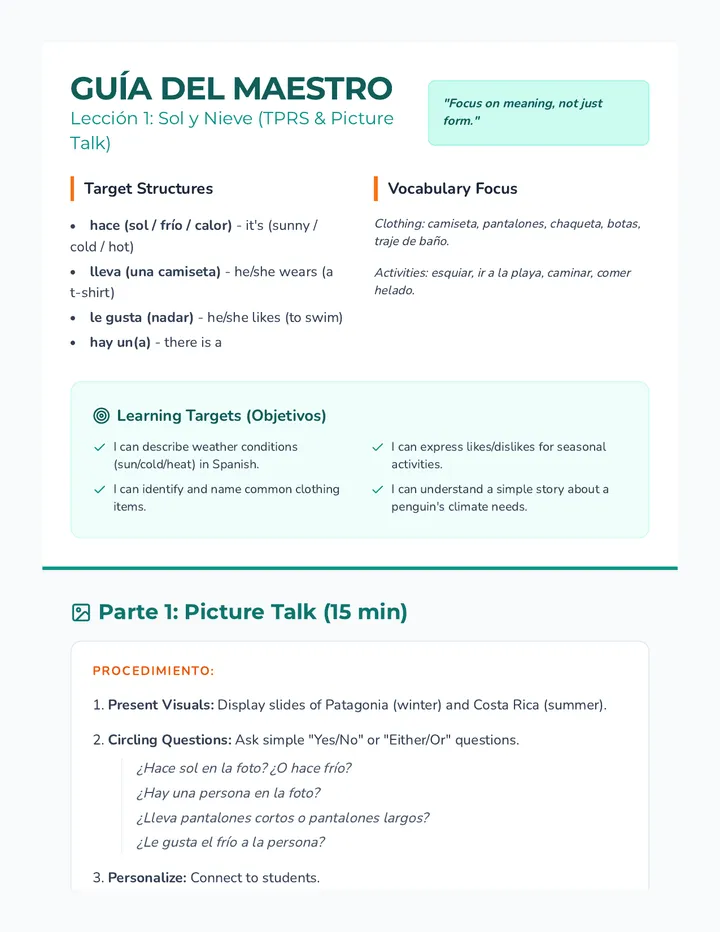
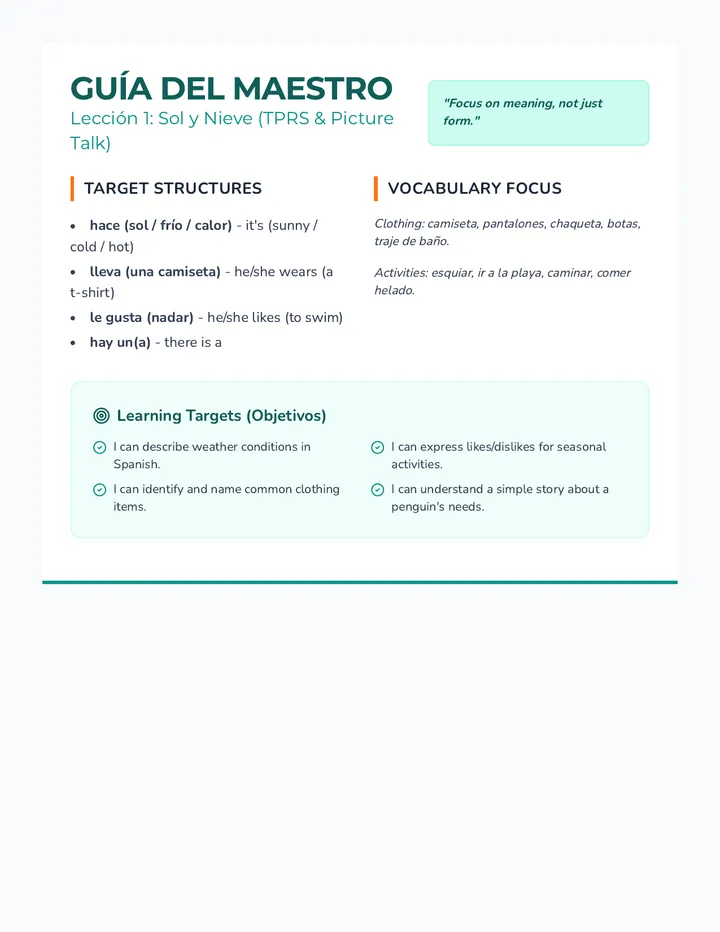
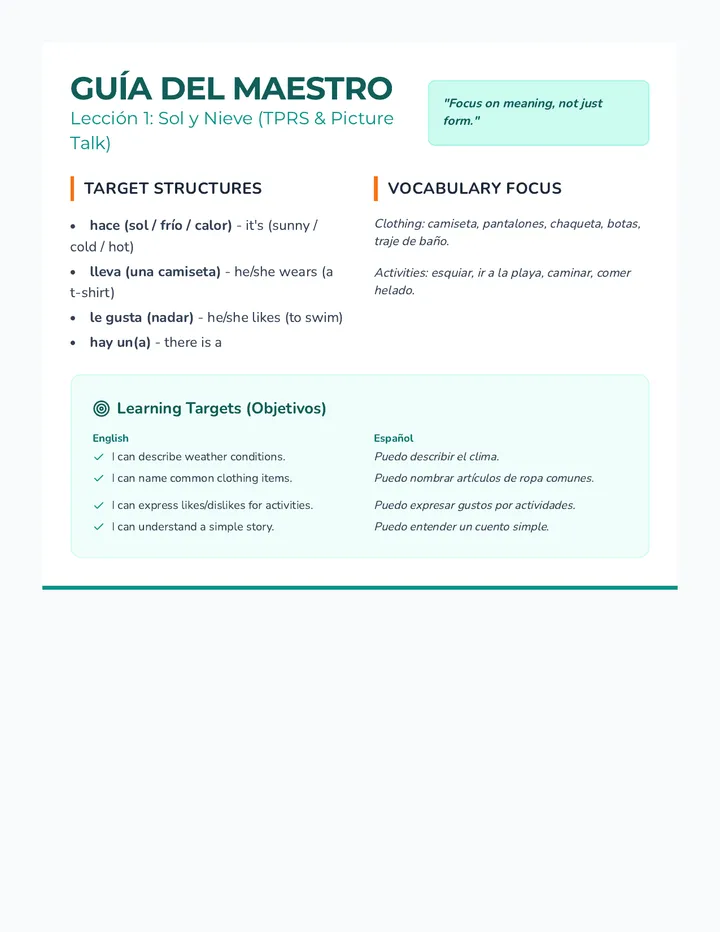
A two-part introductory Spanish sequence focusing on clothing, weather, and activities through Comprehensible Input (CI) strategies like TPRS and Picture Talk. Students explore cultural contexts and seasonal variations in the Spanish-speaking world while building basic communicative proficiency.
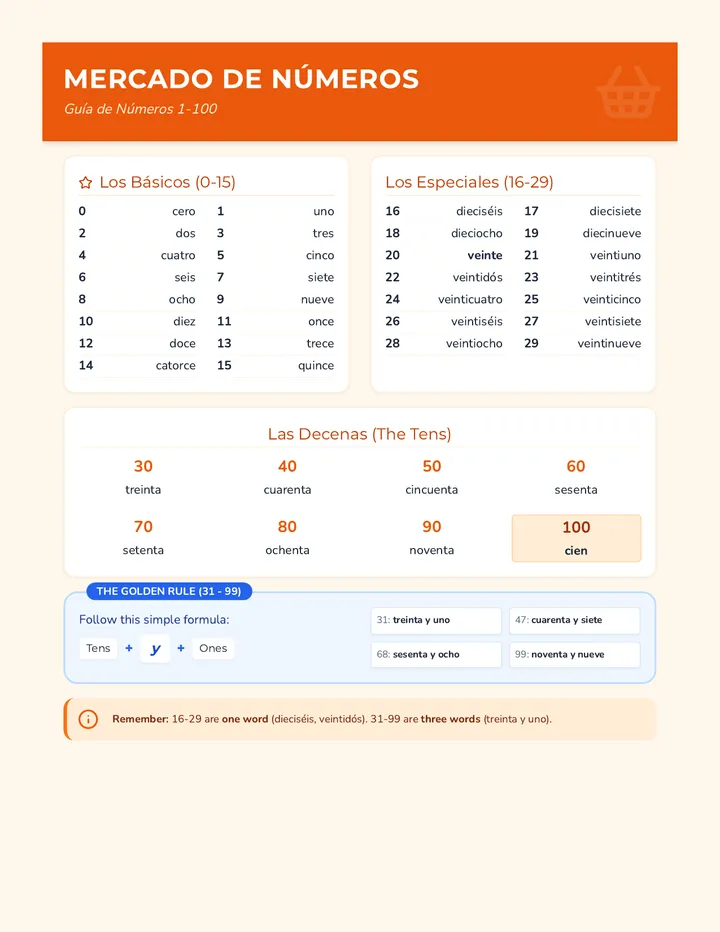
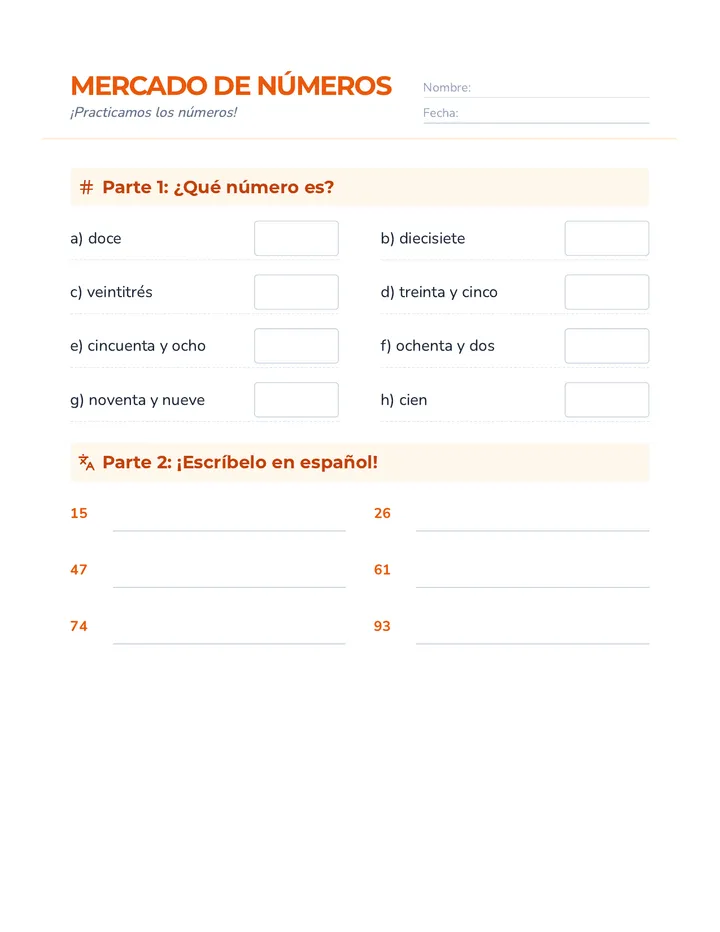
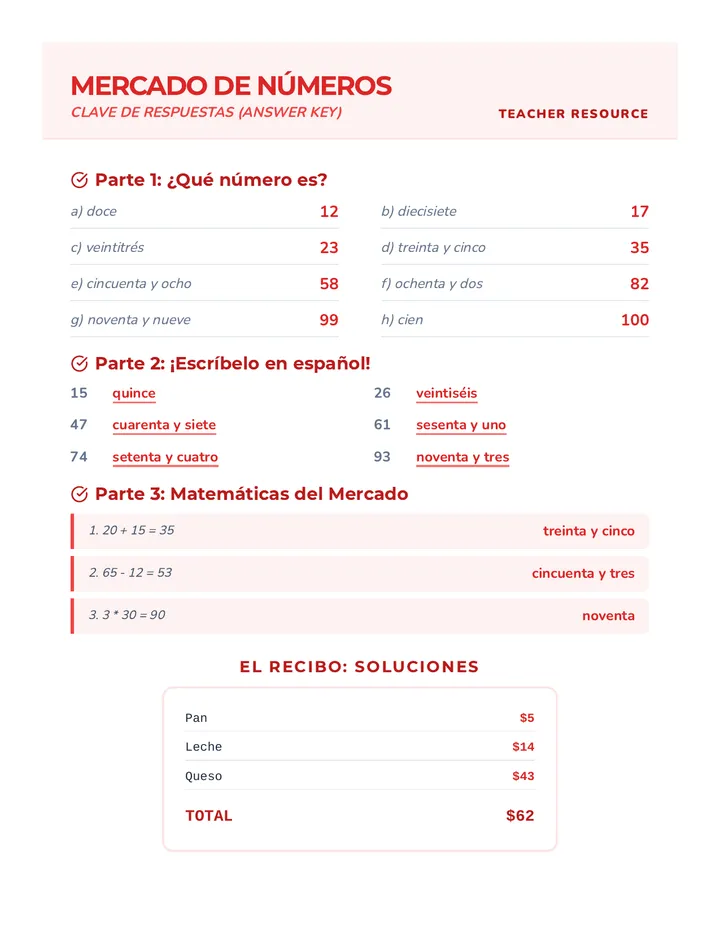
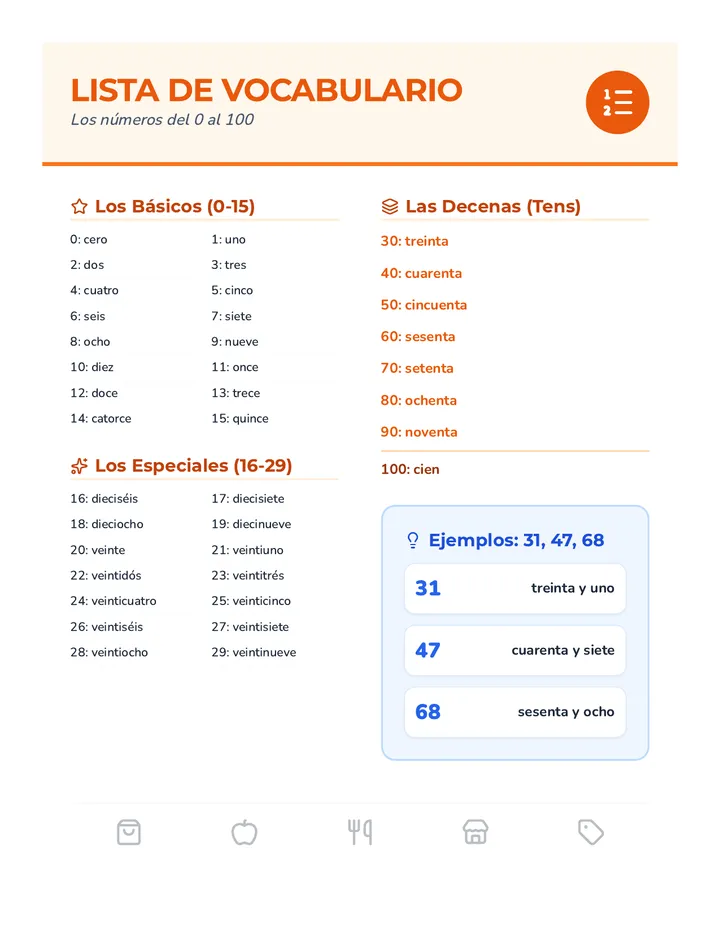
A foundational Spanish sequence focusing on numbers and colors through practical application and classroom-based activities.
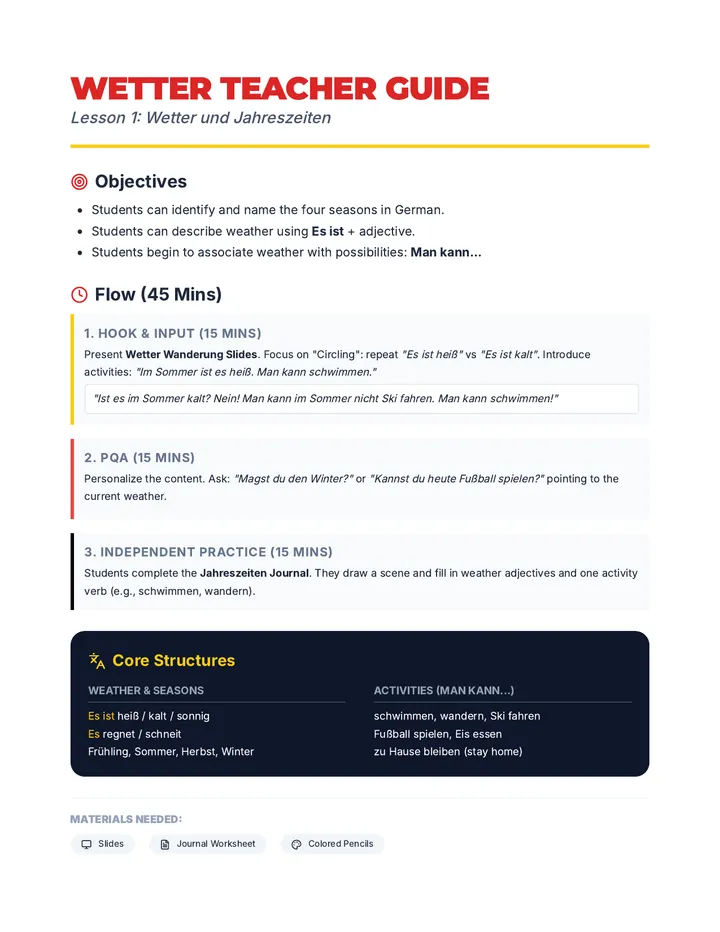
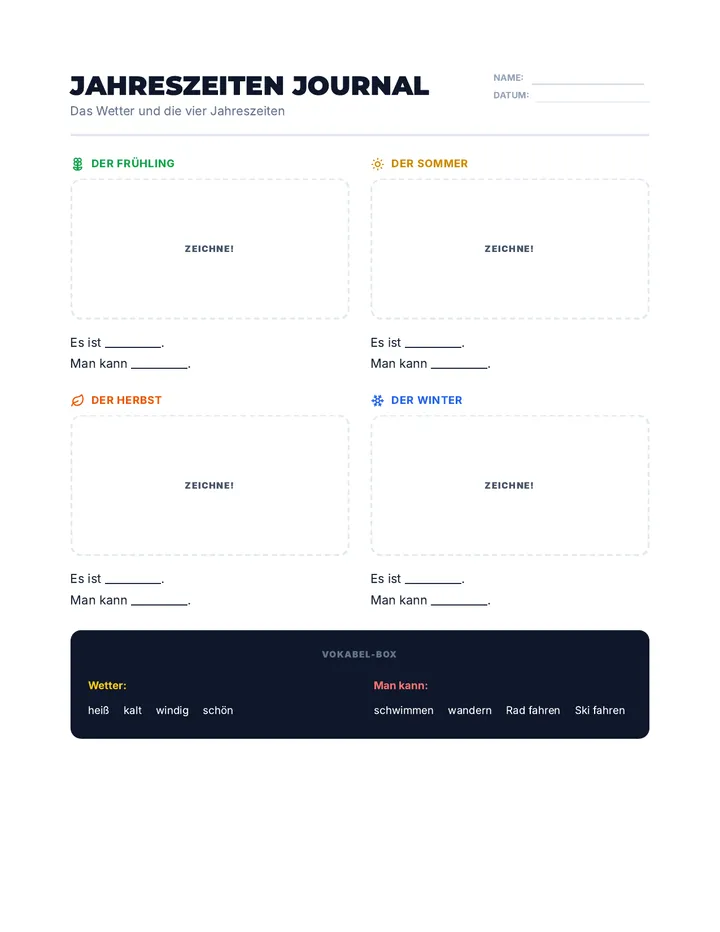
A two-lesson German introductory unit focusing on weather, seasons, and outdoor activities in Germany using Comprehensible Input (CI) methods. Students will learn to describe weather using 'Es ist' and activities using 'Man kann' through visual-heavy instruction and repetition.
An introductory Japanese language and culture unit for 8th grade that follows the 'TABI' (Journey) framework. Students explore geography, etiquette, writing systems, daily life, and traditional arts through immersive daily 45-minute lessons.
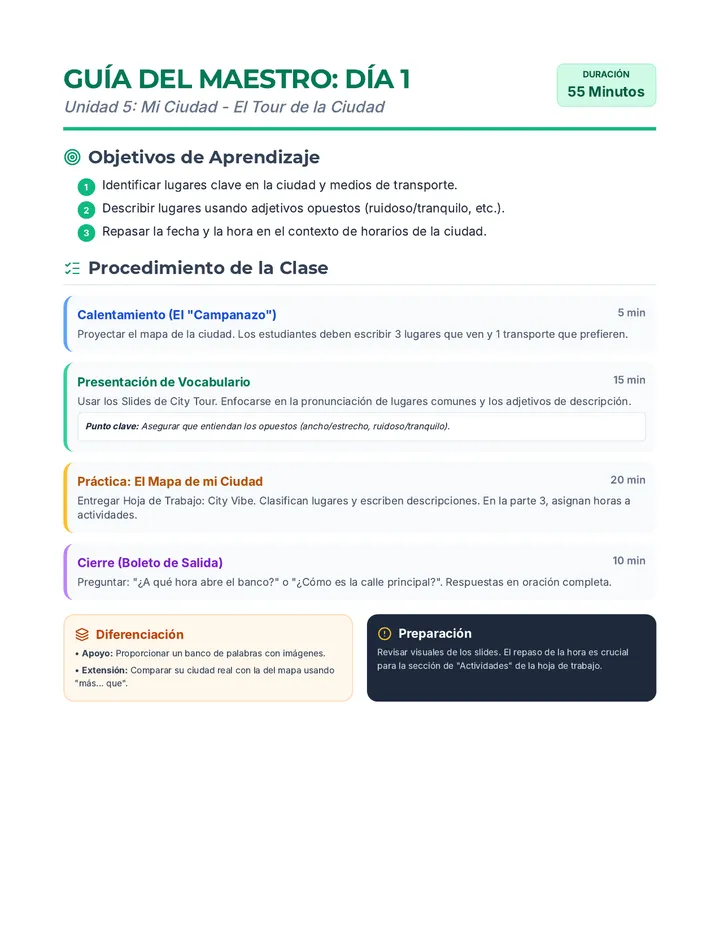
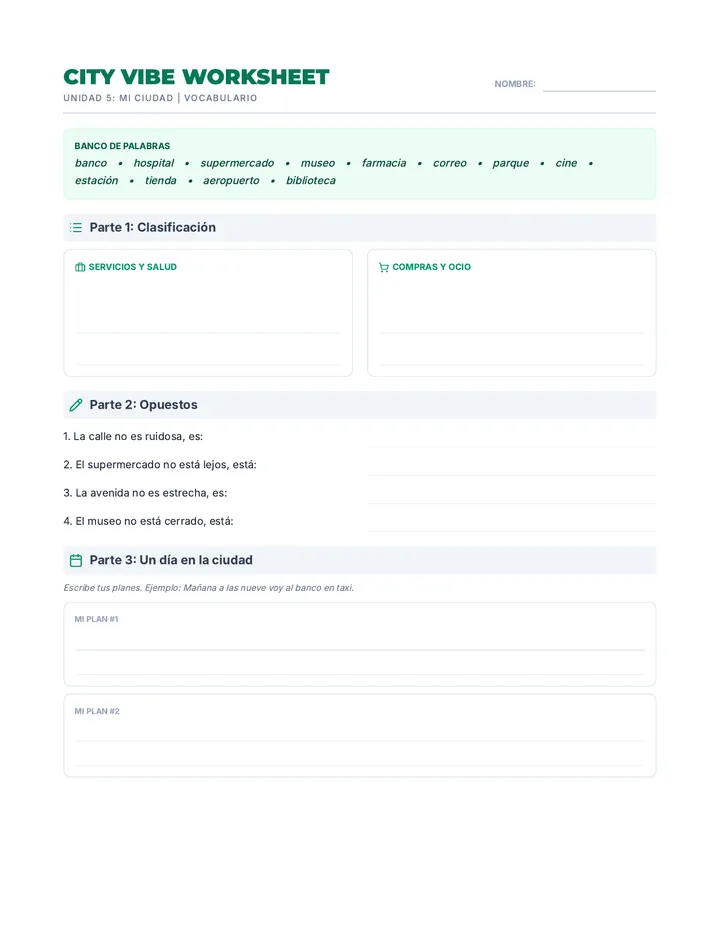
A comprehensive 3-day review sequence for Spanish 1 students focusing on city vocabulary, directions, and describing urban environments to prepare for Unit 5 summative assessments.
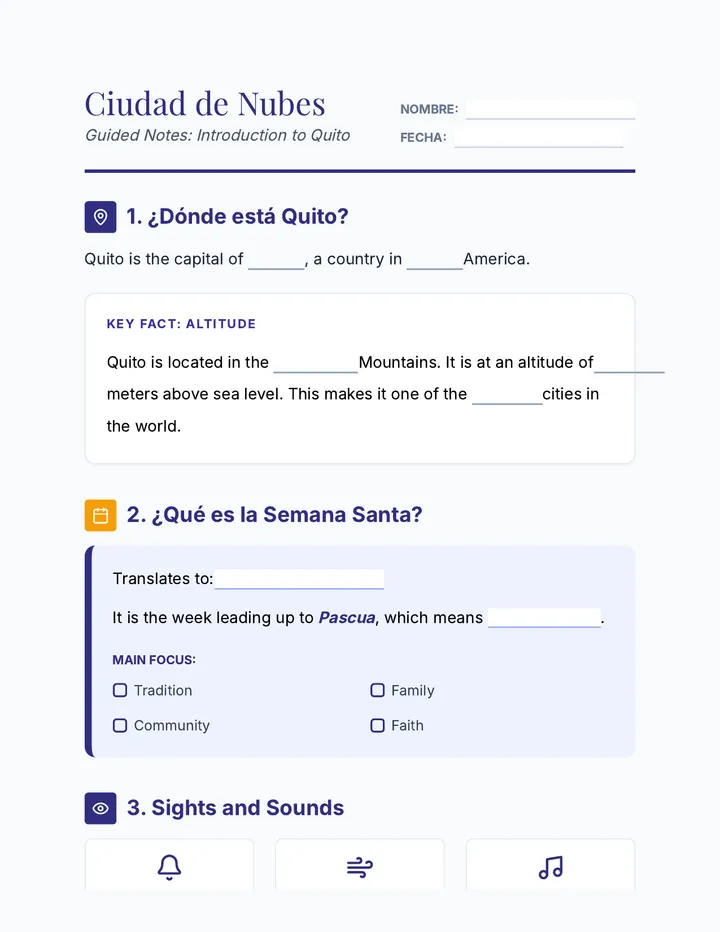
A 3-day cultural immersion unit for Spanish 1 students exploring the unique Semana Santa traditions in Quito, Ecuador, focusing on the Jesús del Gran Poder procession and community culinary traditions.
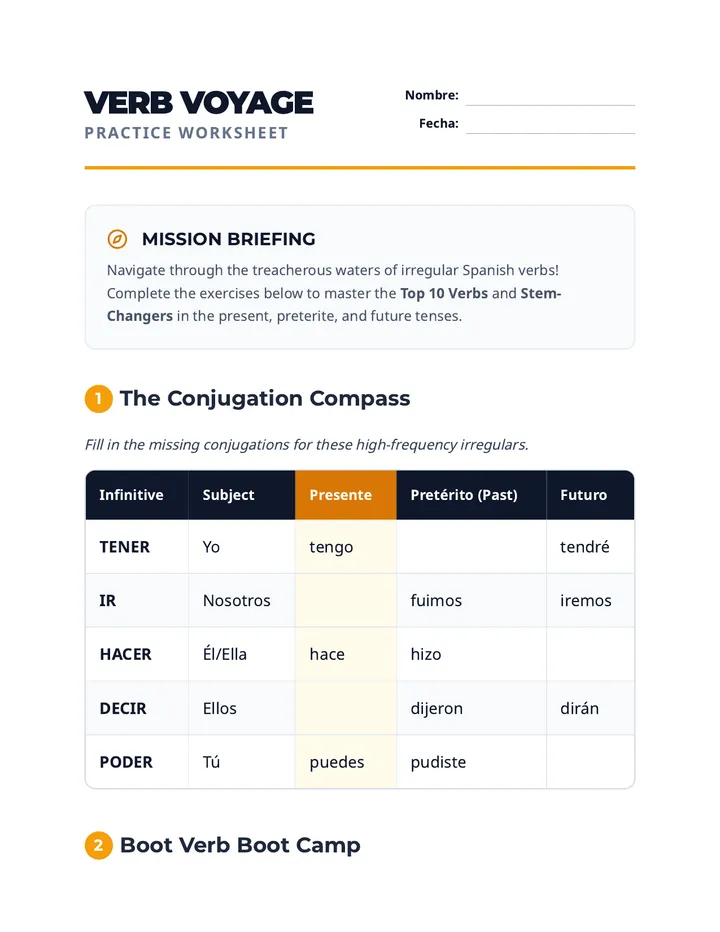
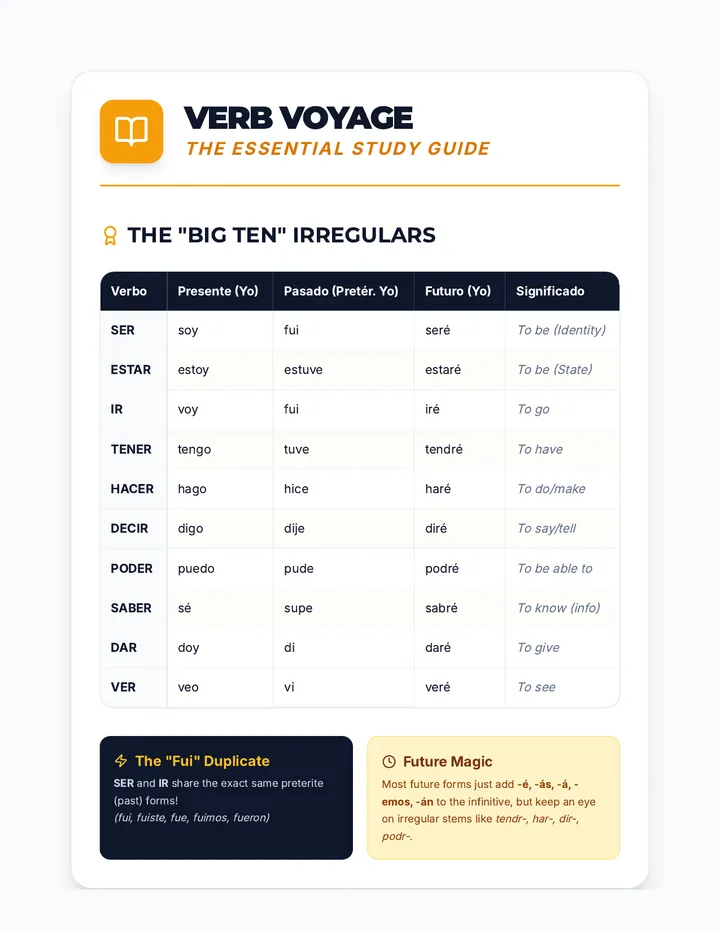
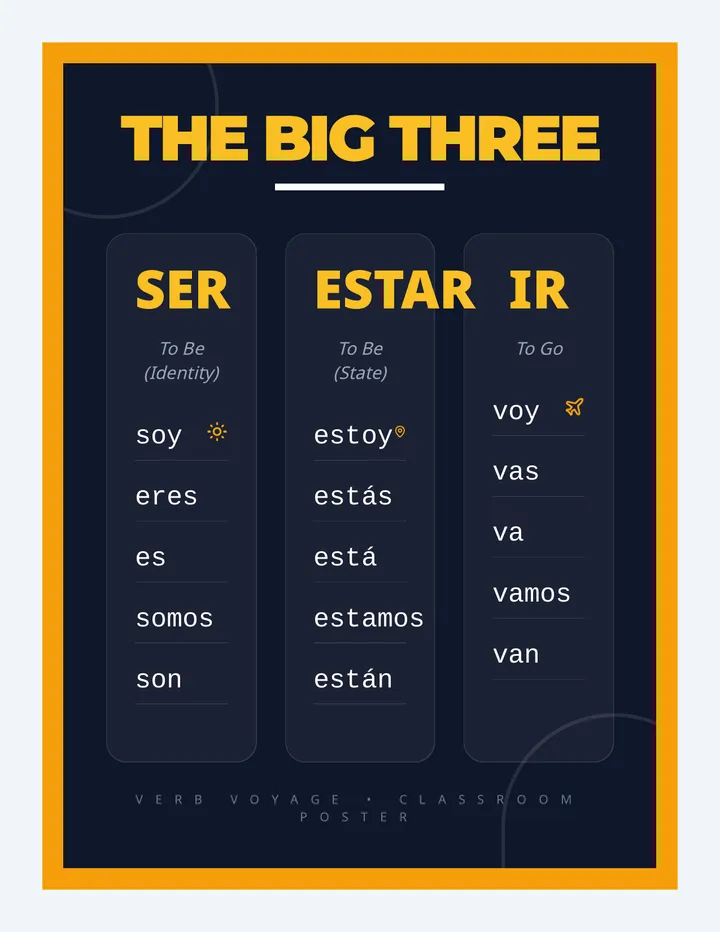
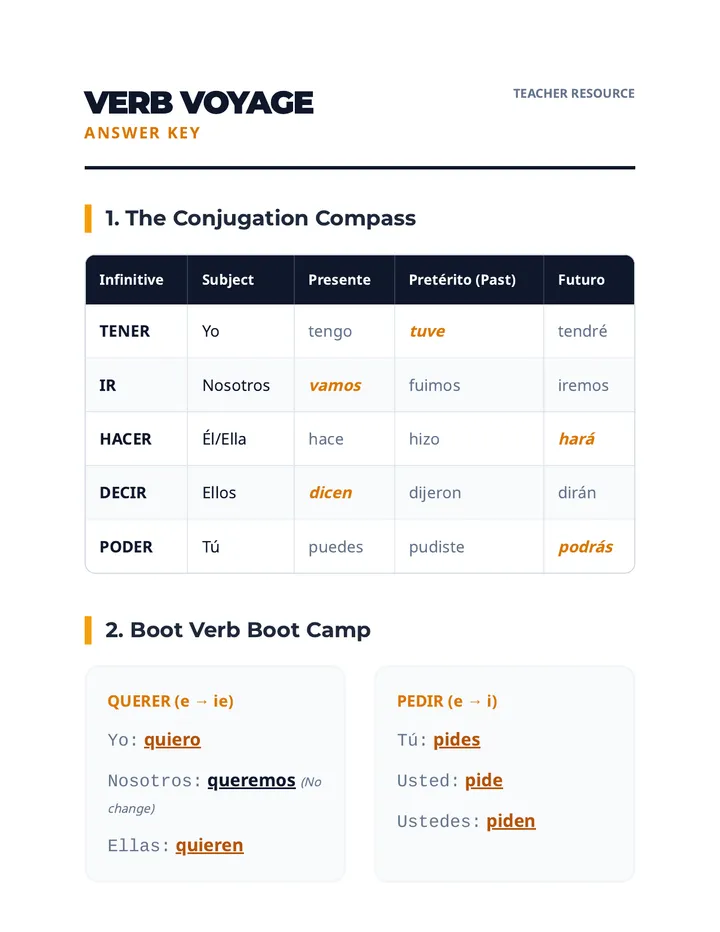
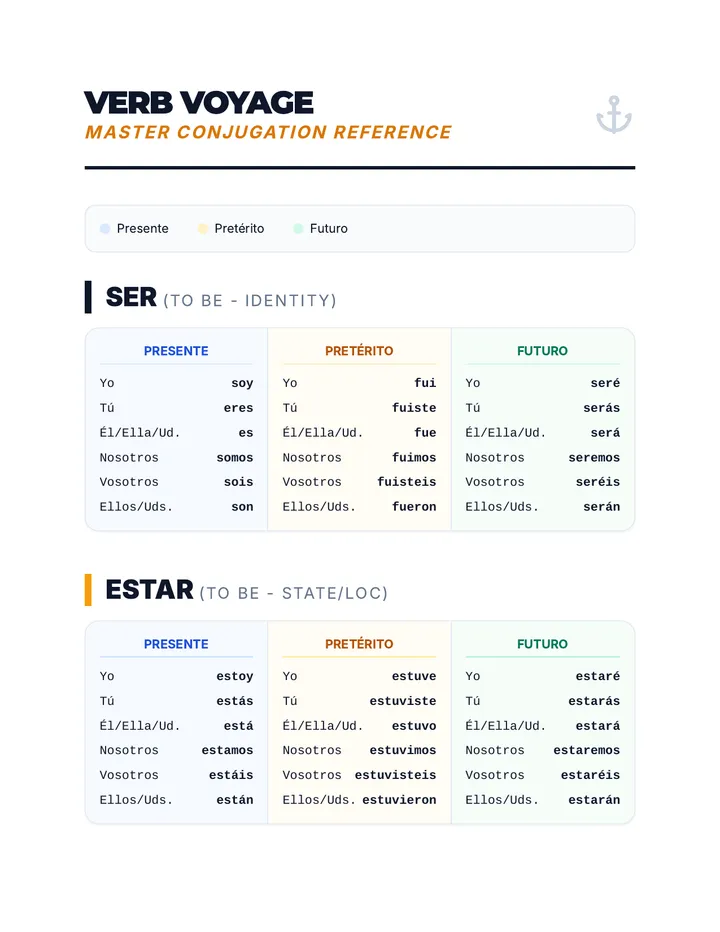
A series of lessons focused on mastering high-frequency irregular Spanish verbs to build foundational communication skills.
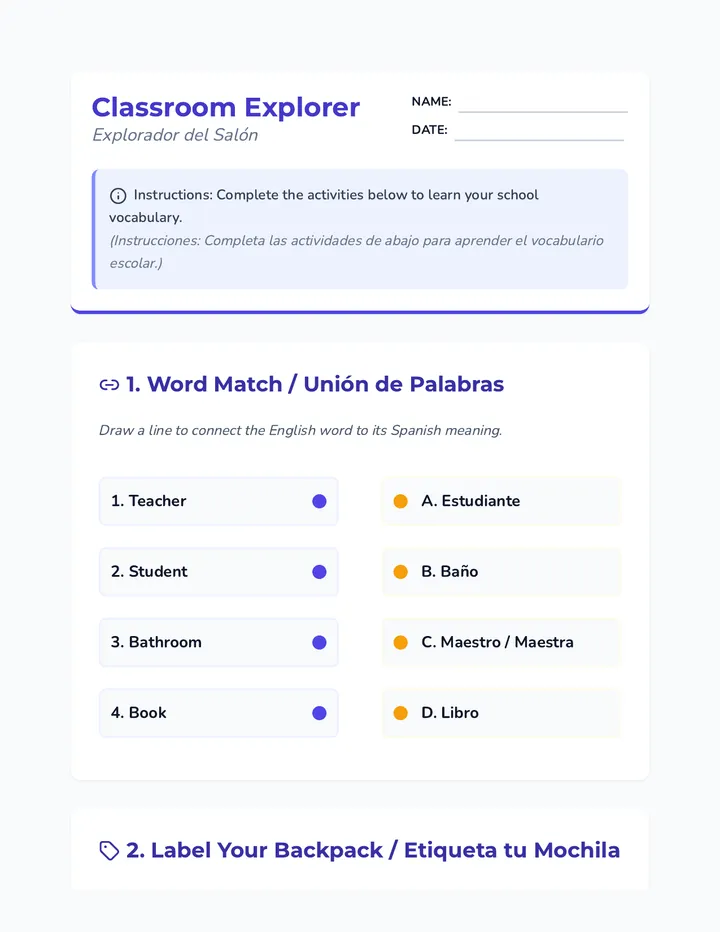
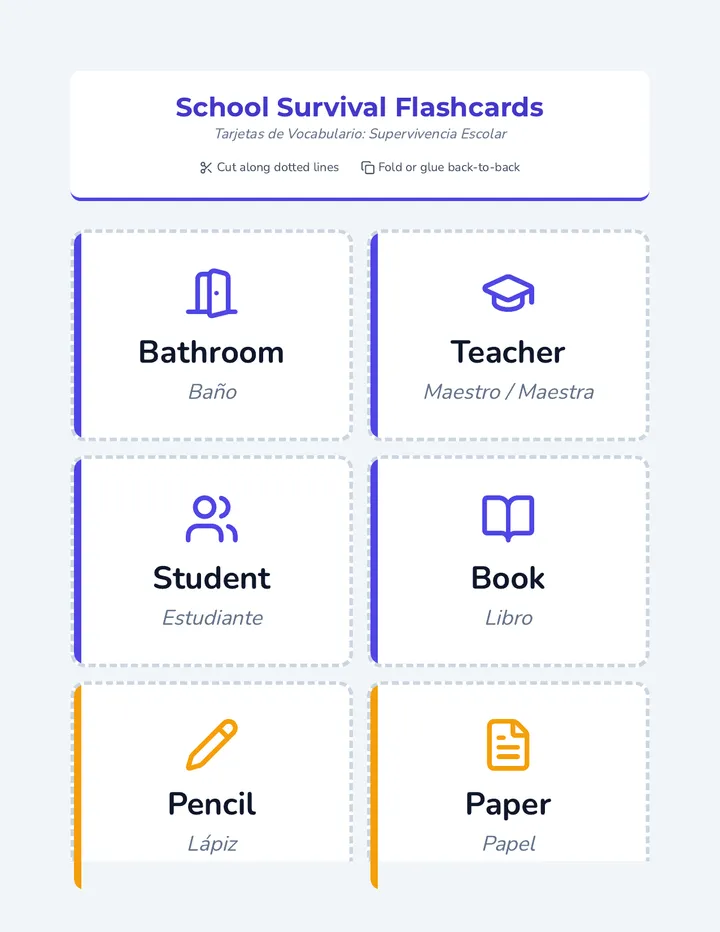
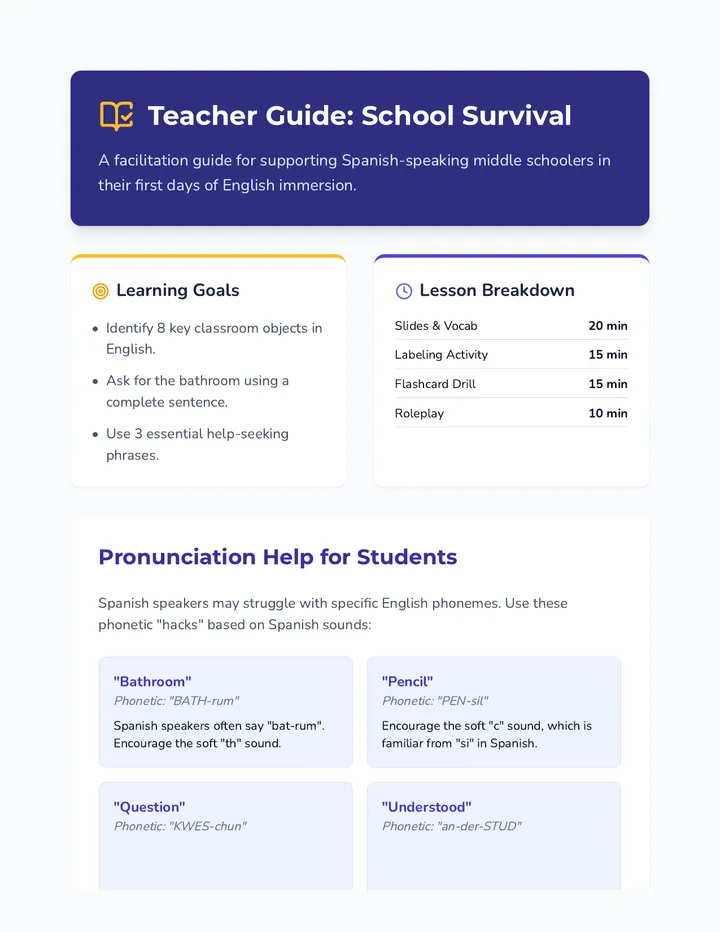
A foundational English as a Second Language (ESL) sequence for Spanish-speaking middle schoolers, focusing on essential survival phrases, school navigation, and personal relationships.
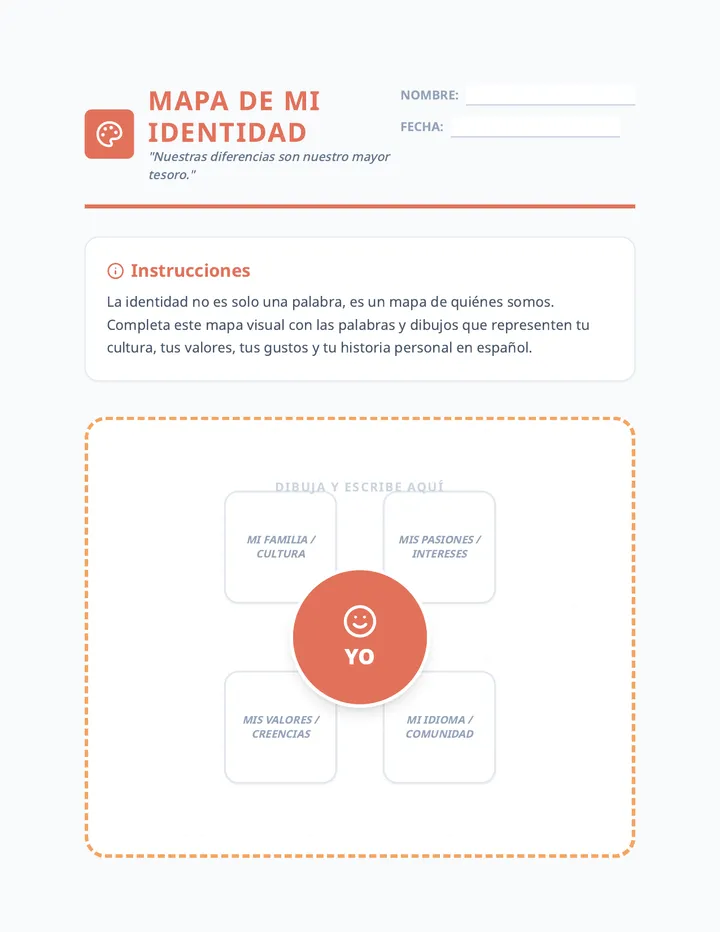
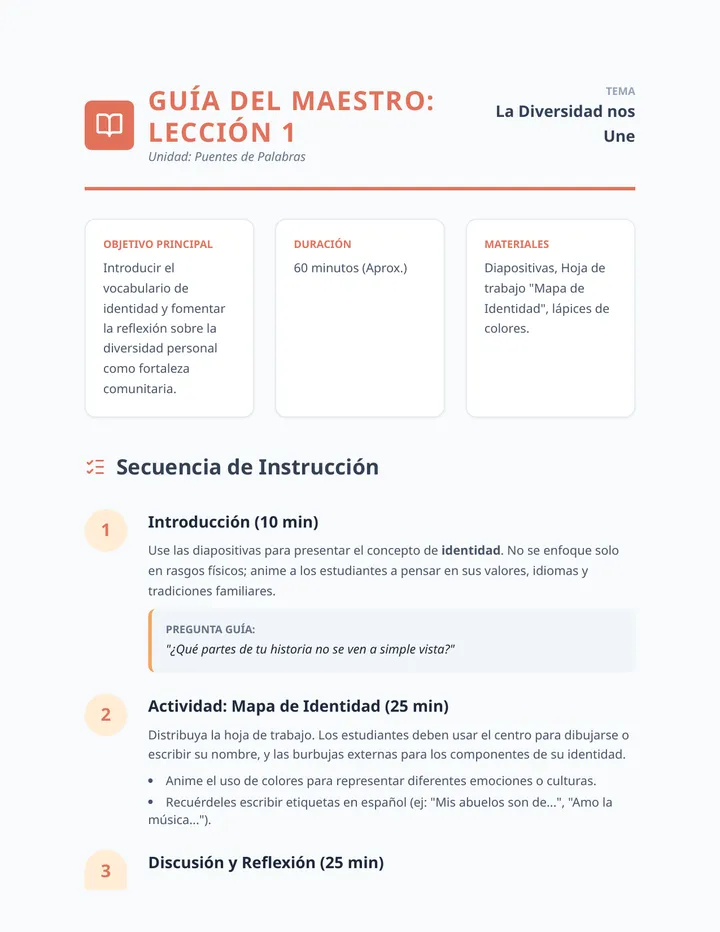
A two-lesson sequence for Spanish class exploring themes of diversity, social tolerance, and empathy through language and cultural connection. Students develop vocabulary to describe identity and practice perspective-taking to build inclusive communities.
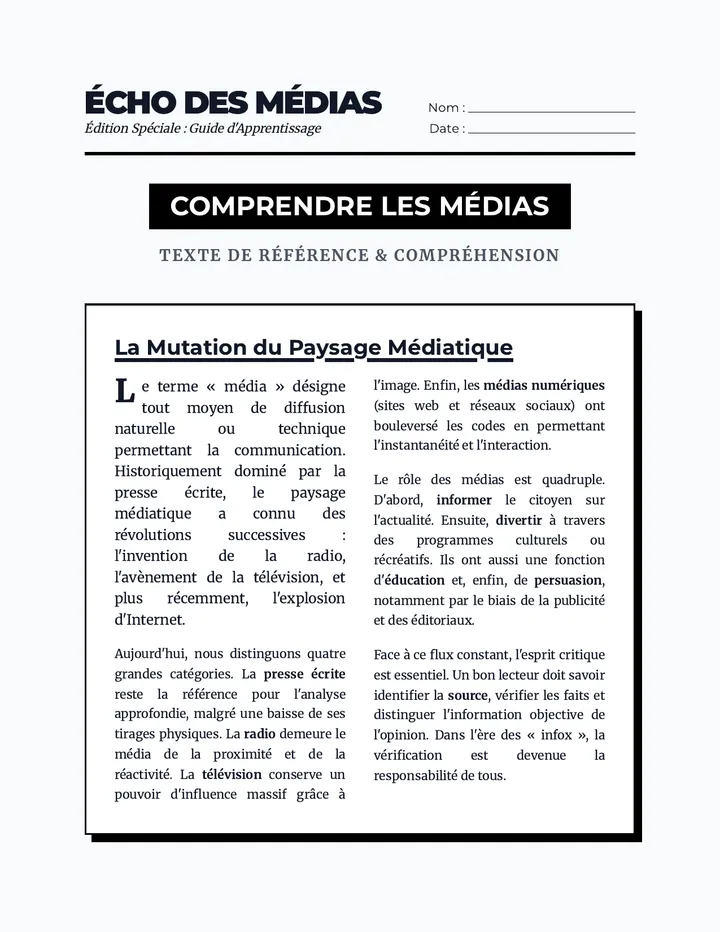
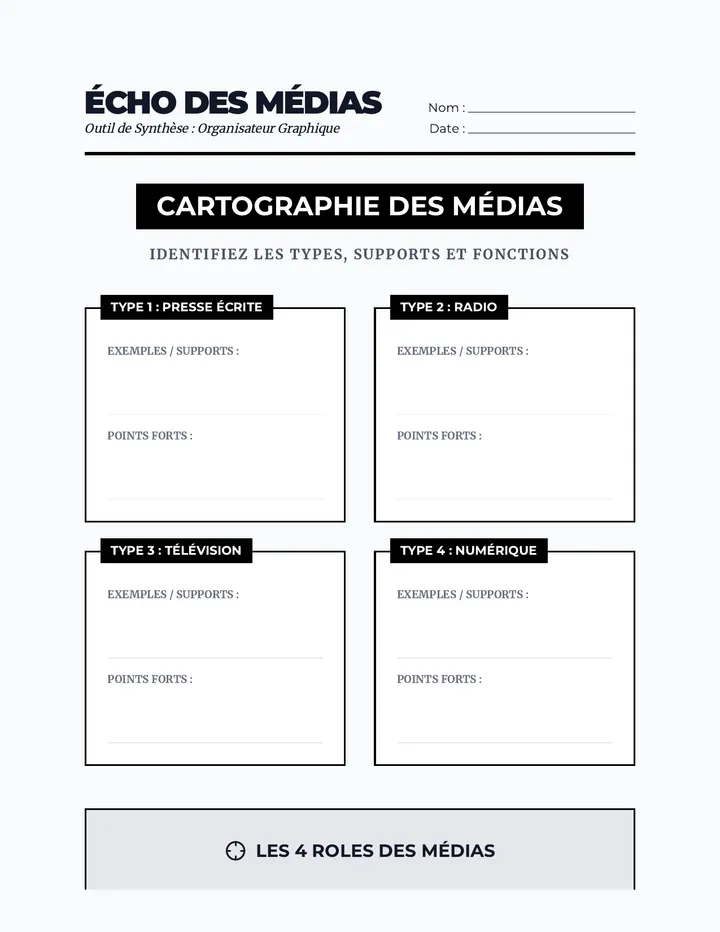
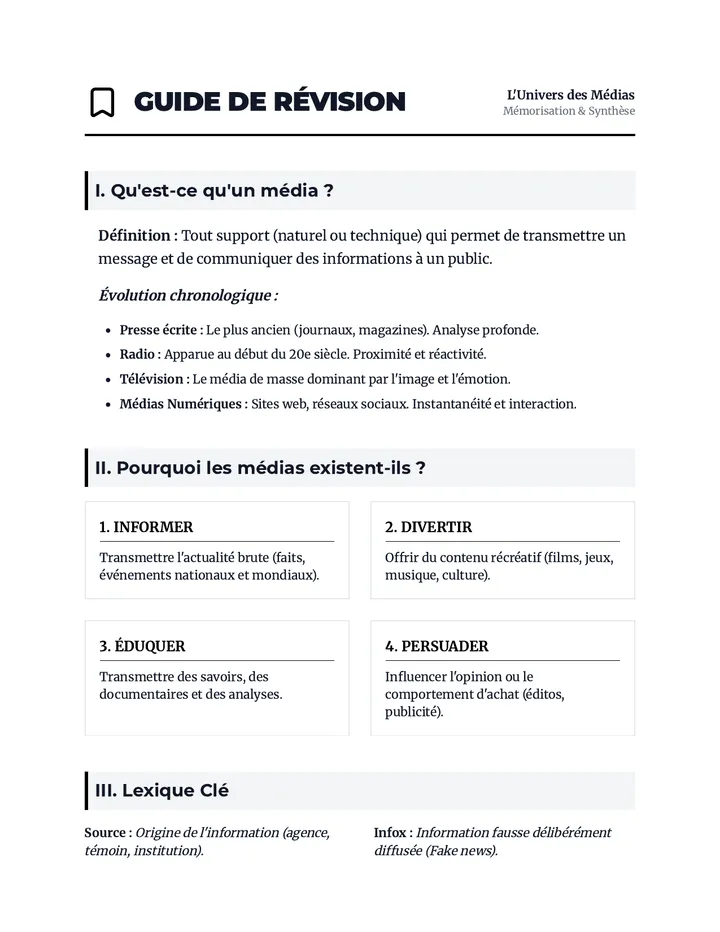
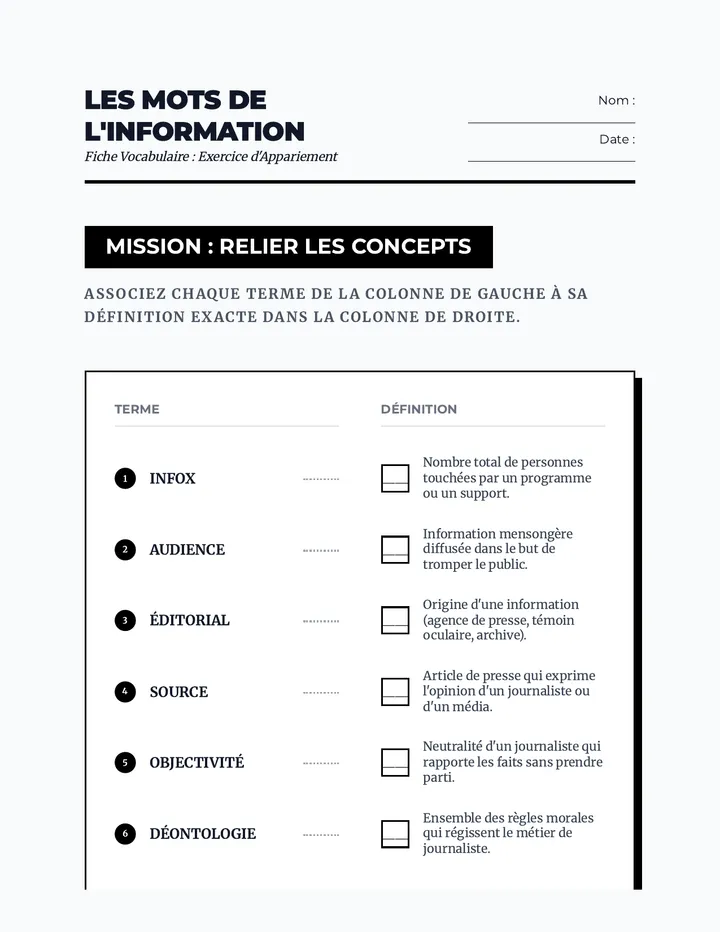
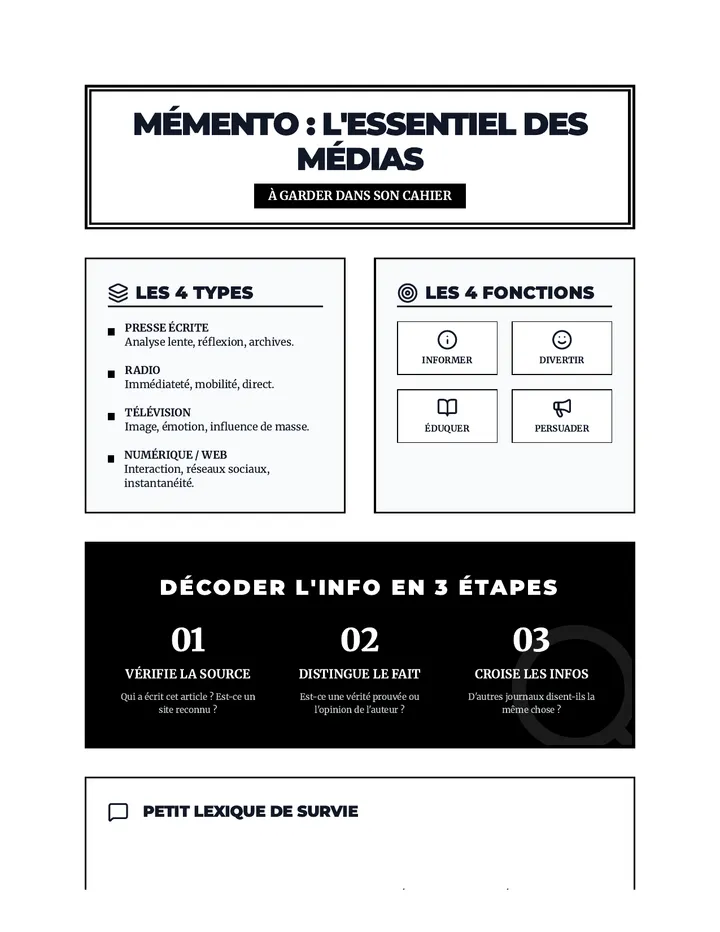
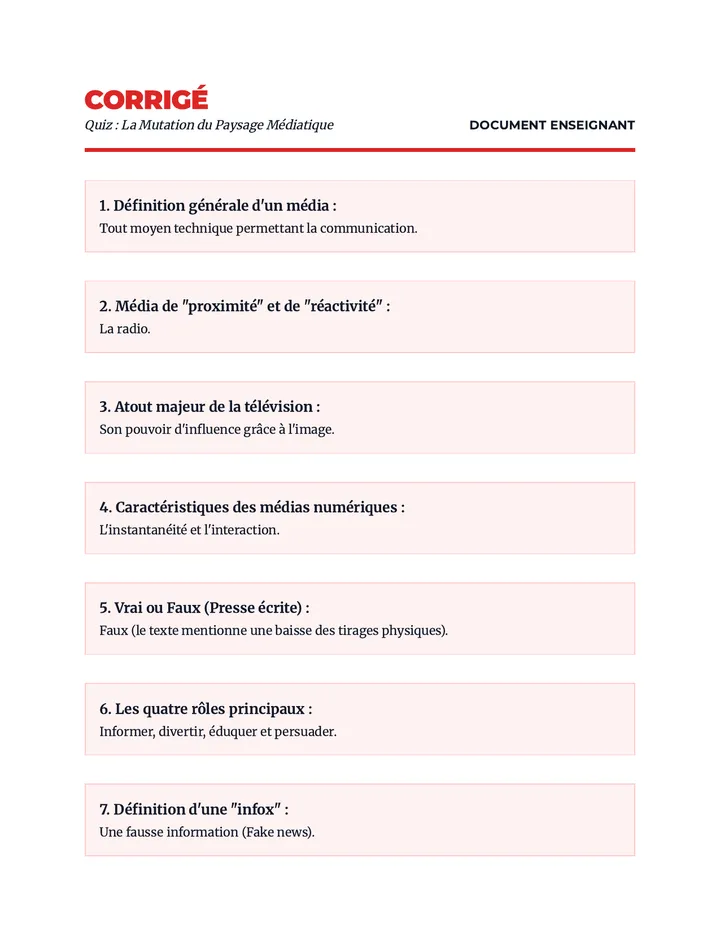
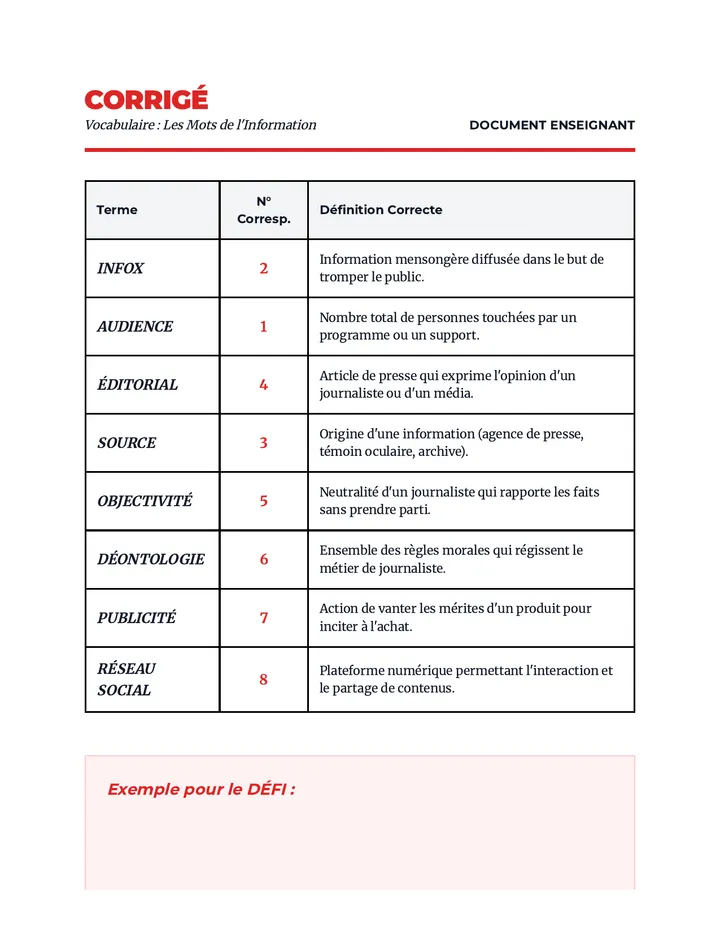
Une séquence pédagogique complète sur les différents types de médias, leurs fonctions et le vocabulaire journalistique. Elle comprend des supports visuels, des outils d'organisation et des évaluations.
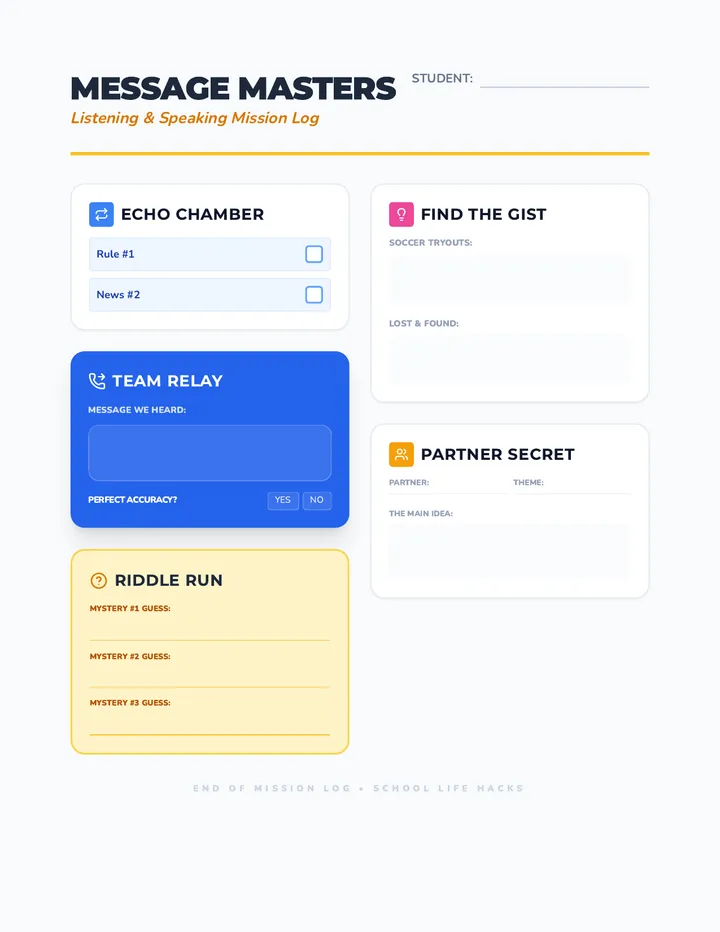
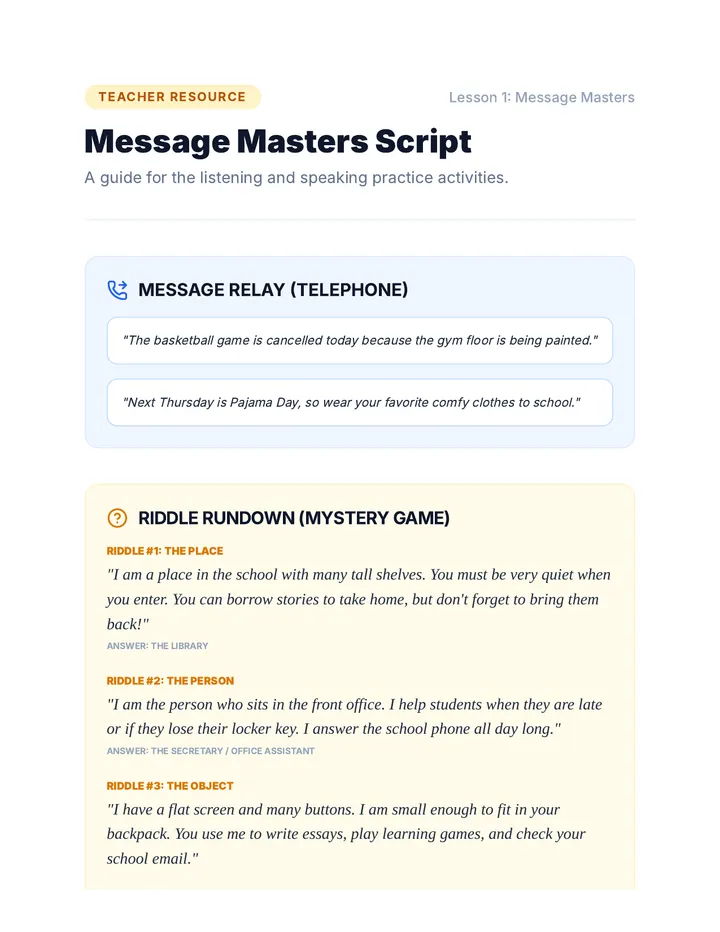
A 6-lesson mini-unit for 6th-grade ELD students focused on listening and speaking skills for ELPA preparation. Students practice listening for main ideas, repeating phrases, describing processes, supporting opinions, and using precise spatial language for drawing.
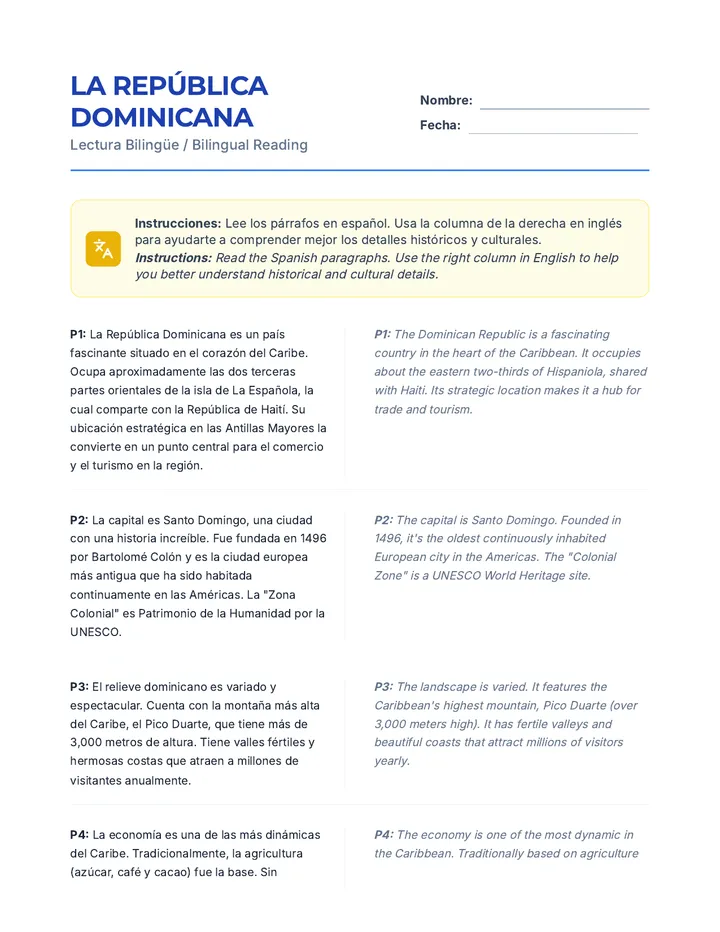
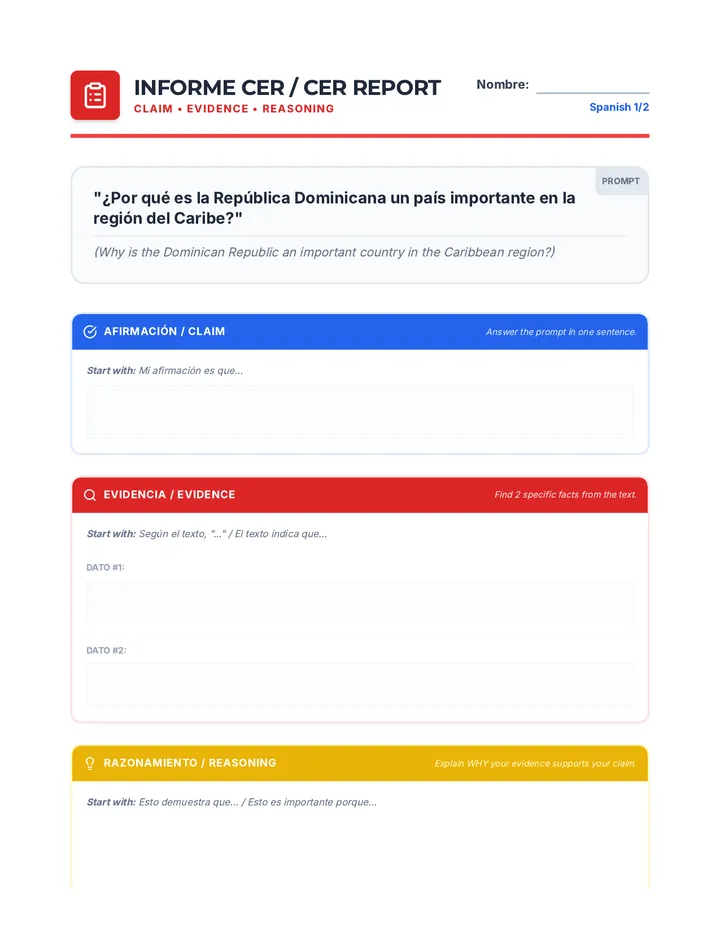
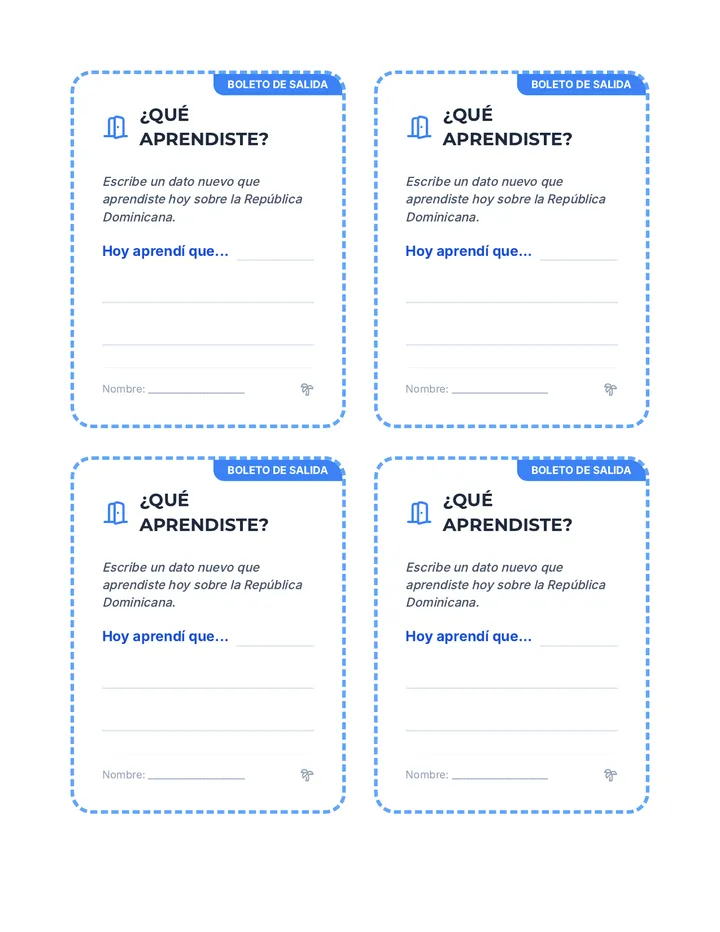
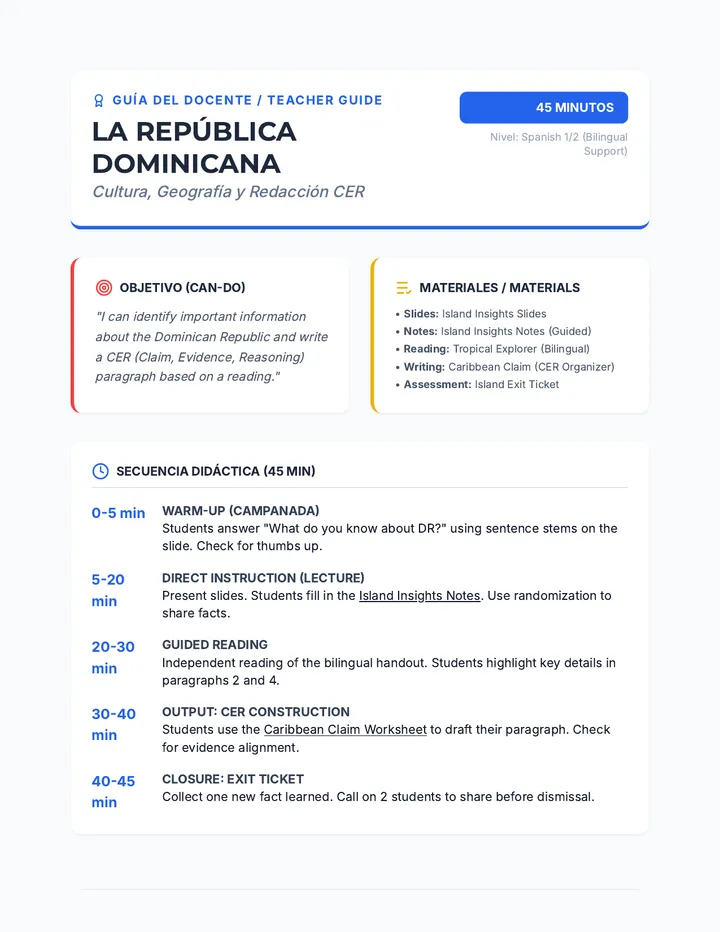
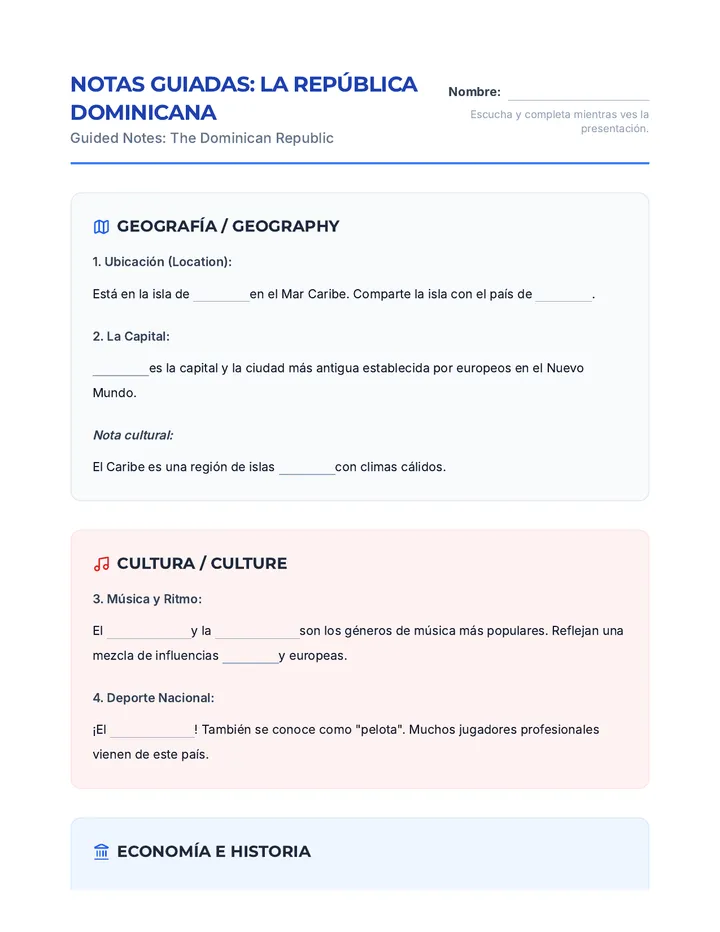
A cultural exploration of the Dominican Republic, focusing on geography, history, and traditions while developing CER writing skills in Spanish.
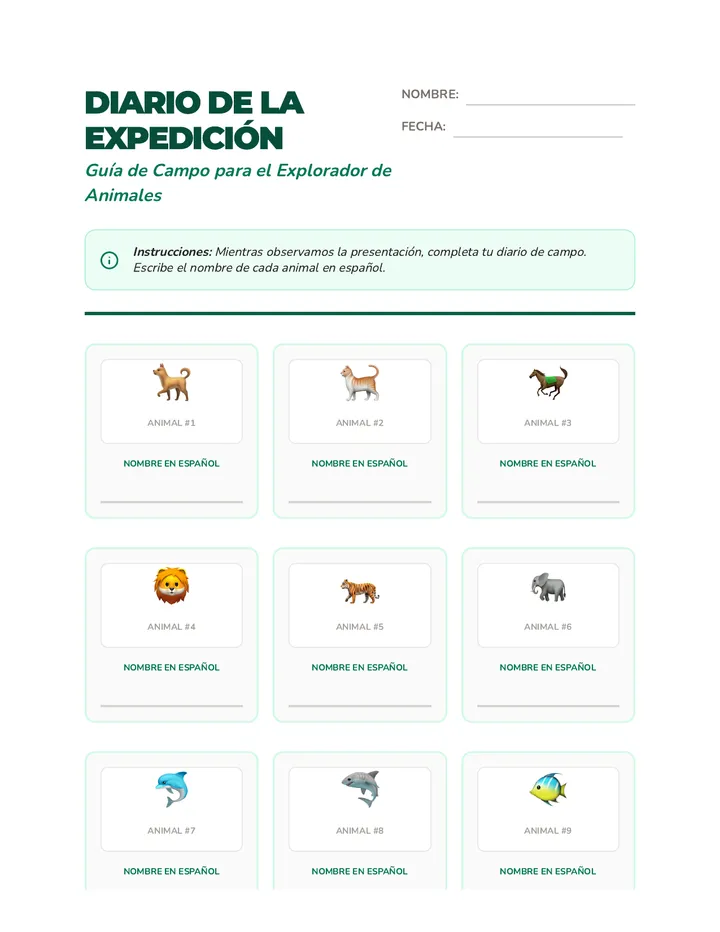
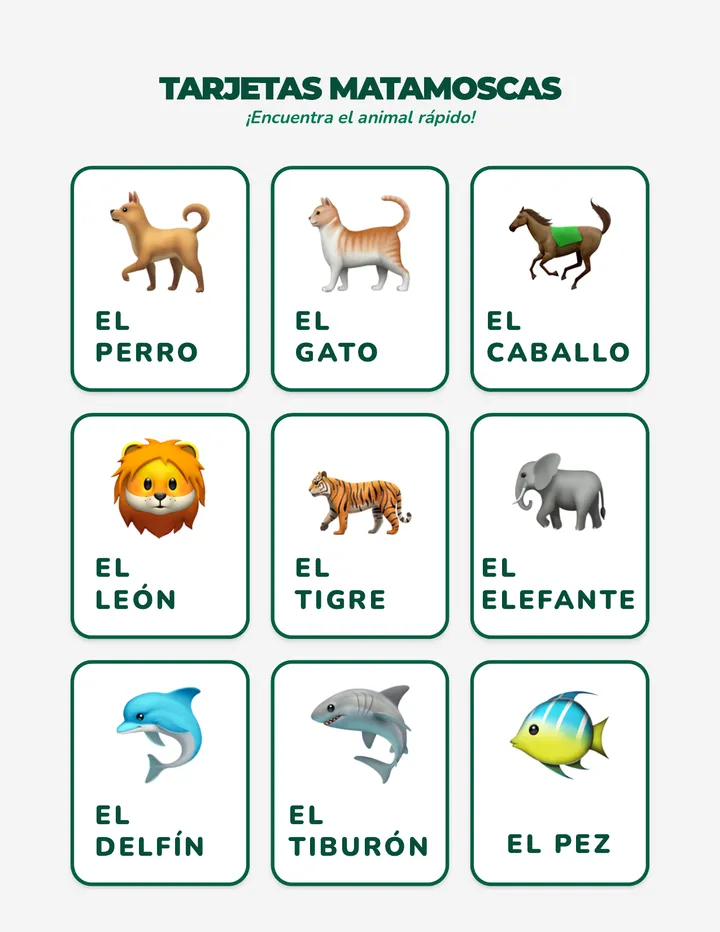
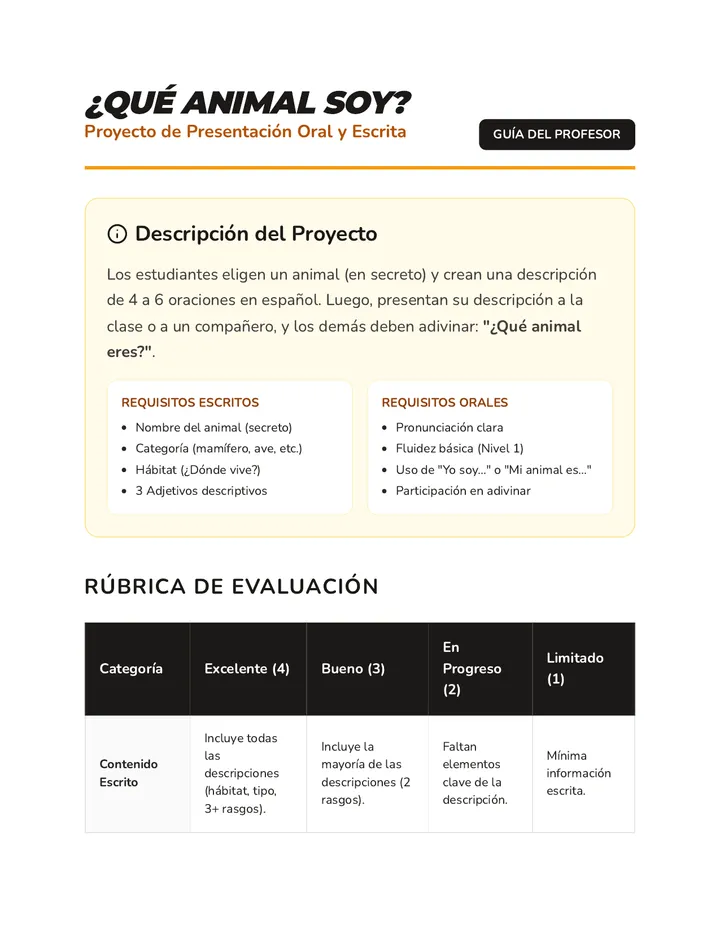
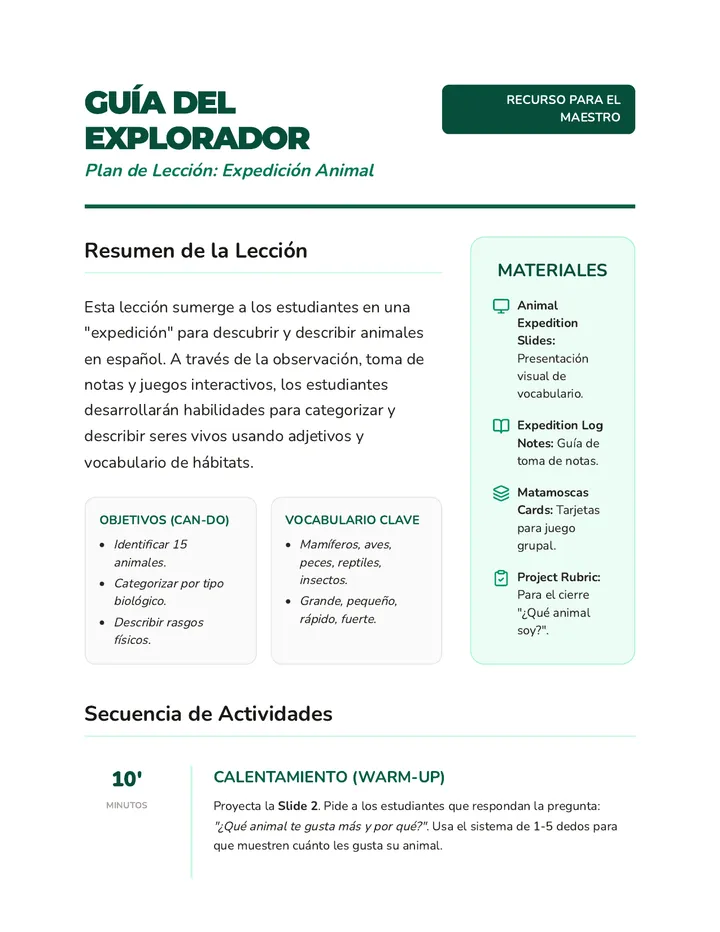
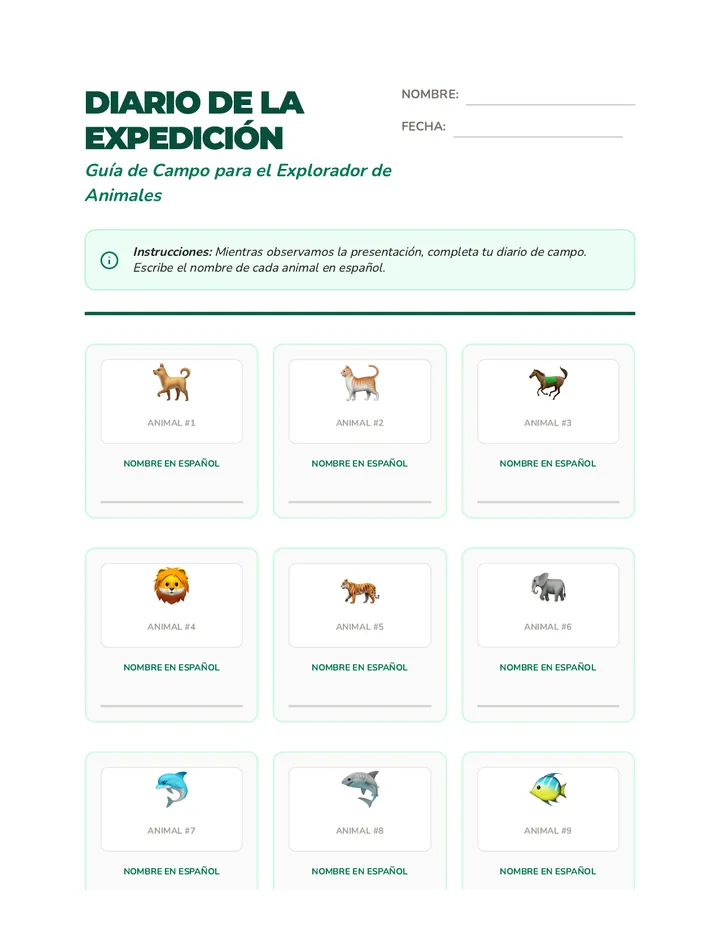
A unit covering animal vocabulary, descriptions, and likes/dislikes in Spanish, designed for Level 1 learners to build foundational communication skills about the natural world.
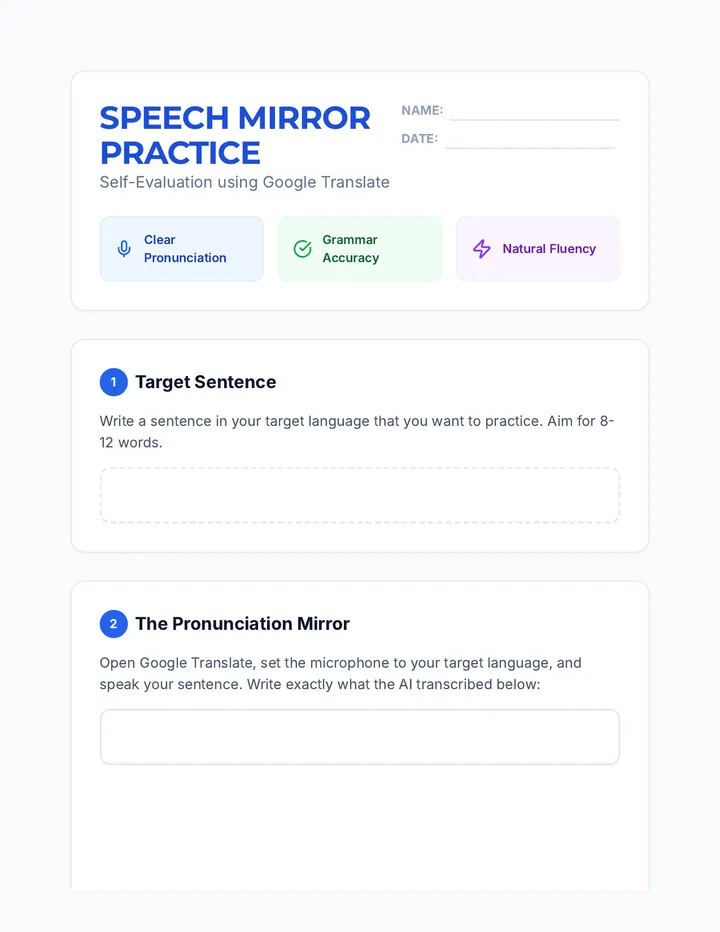
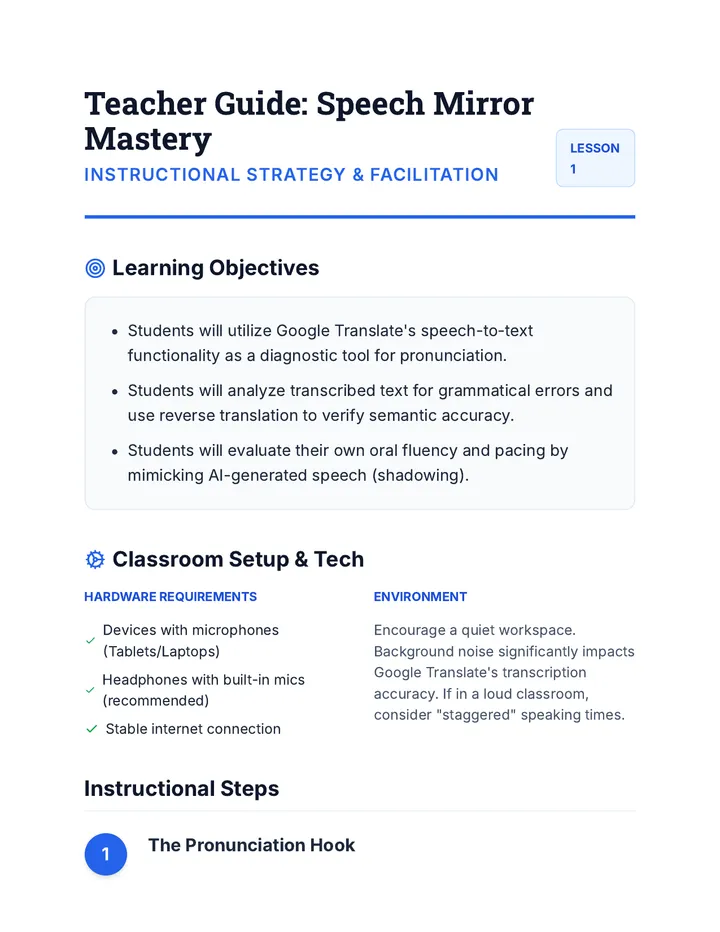
A sequence focused on leveraging digital translation tools for language self-assessment and speech improvement. Students learn to use Google Translate not just for translation, but as a 'mirror' for their own pronunciation, grammar, and fluency.
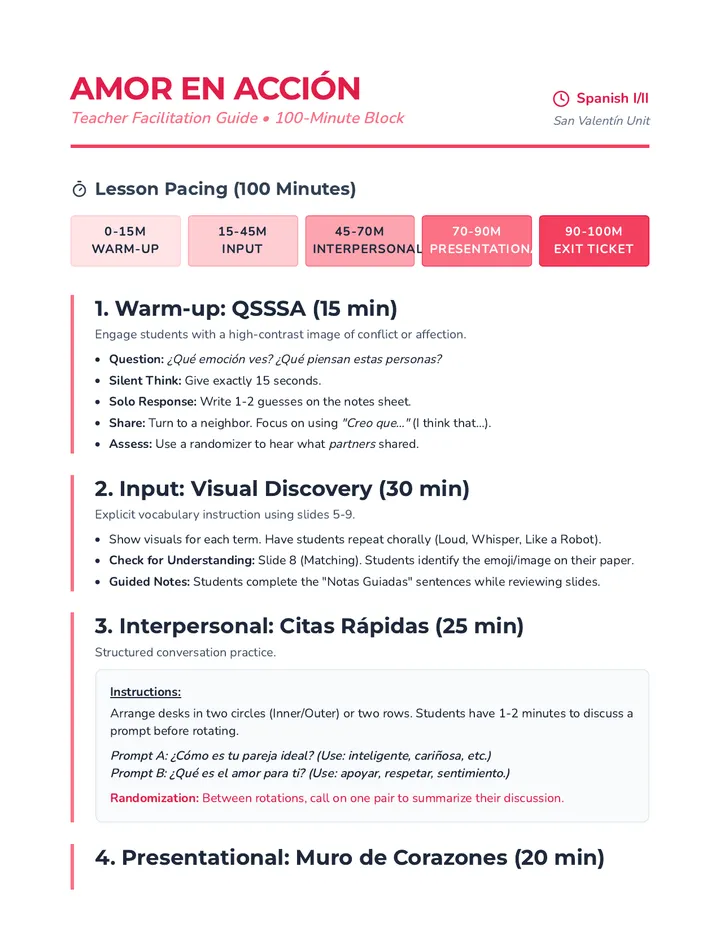
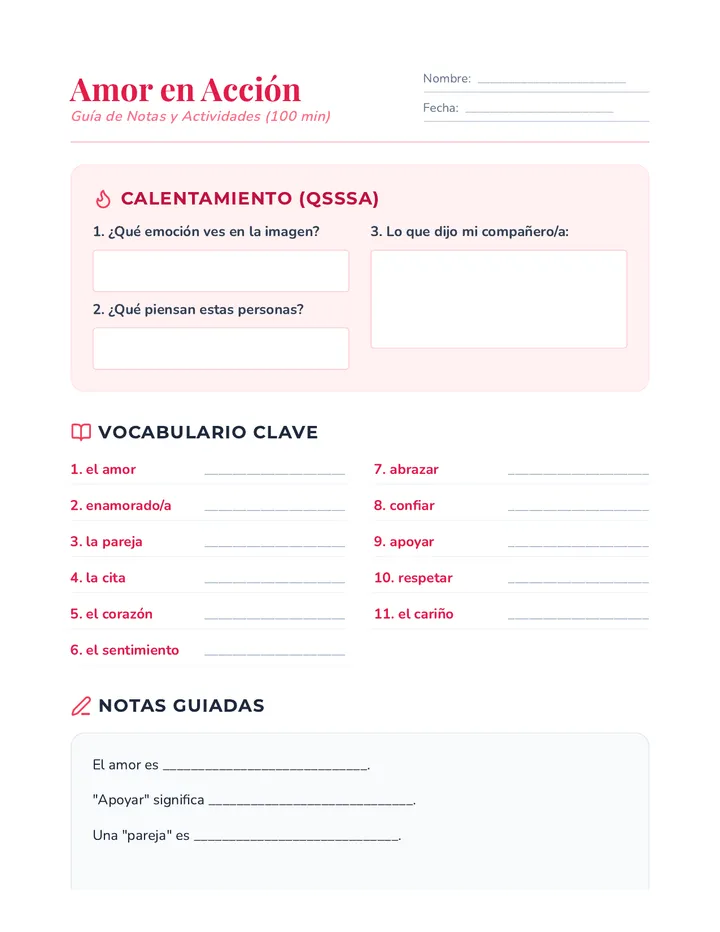
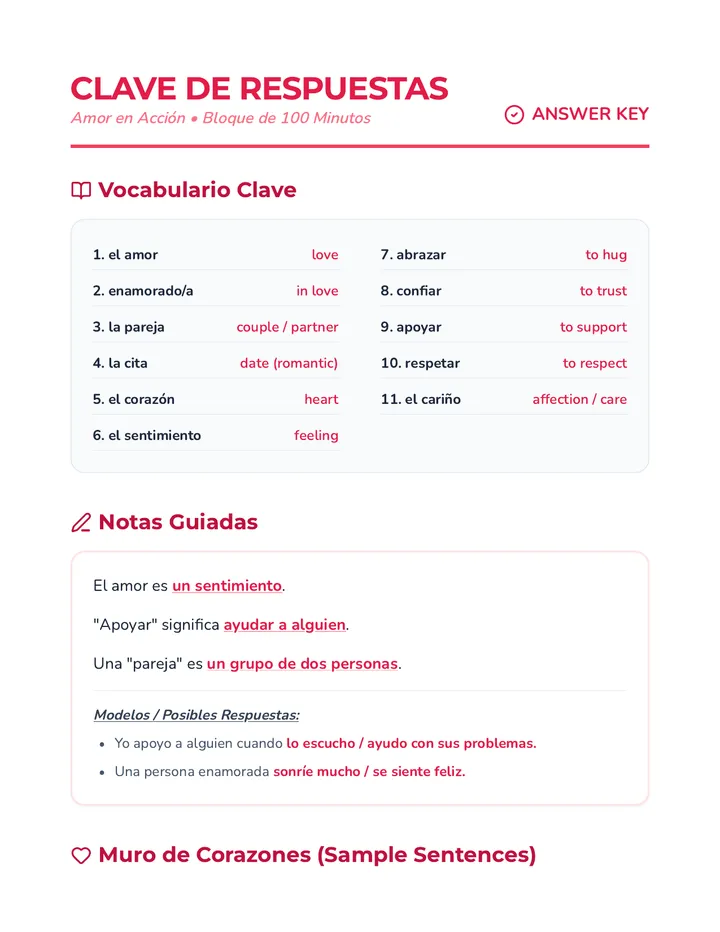
A Spanish I/II unit focused on Valentine's Day, covering vocabulary related to love, relationships, and emotions through interactive activities and communicative practice.
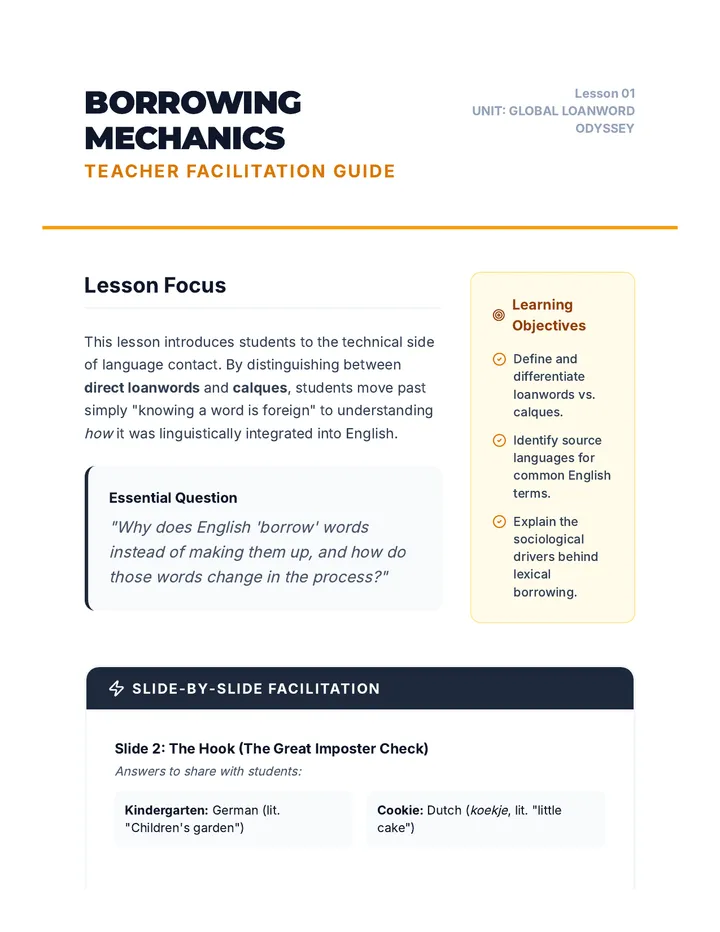
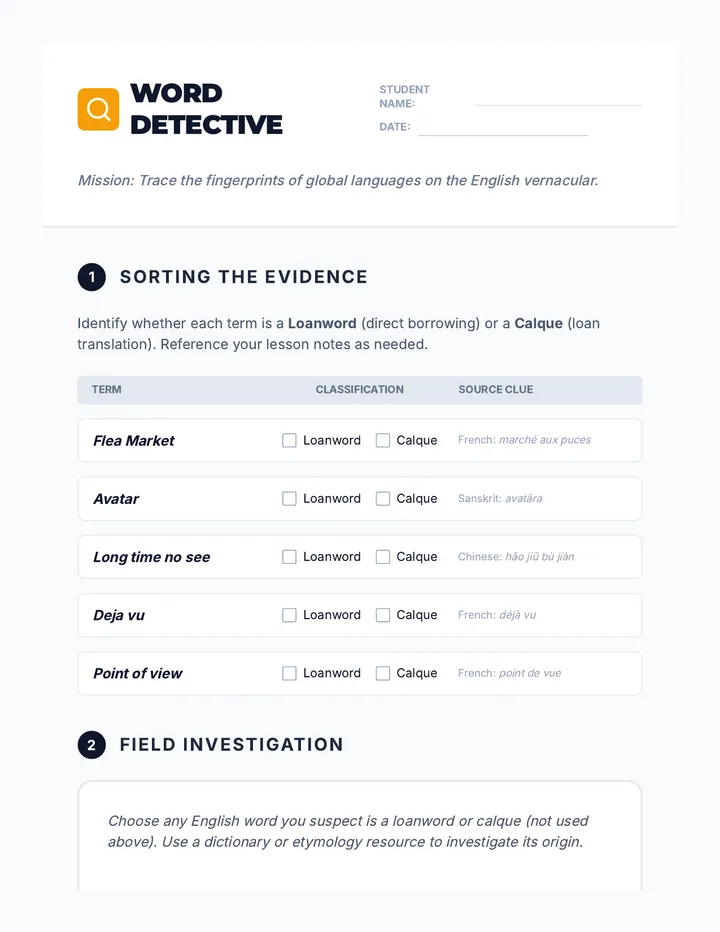
A linguistic and sociological exploration of how English absorbs and adapts words from diverse global sources, focusing on etymology, cultural exchange, and the evolution of language.
Students act as linguistic anthropologists creating a specialized 'Field Guide to Foreign Expressions' for a chosen professional or cultural domain. They investigate the etymology, usage, and visual representation of foreign terminology to explain their chosen field's linguistic history to a lay audience.
A comprehensive one-week introduction to Spanish for middle schoolers, focusing on greetings, introductions, and sharing personal interests through interactive role-play and collaborative activities.
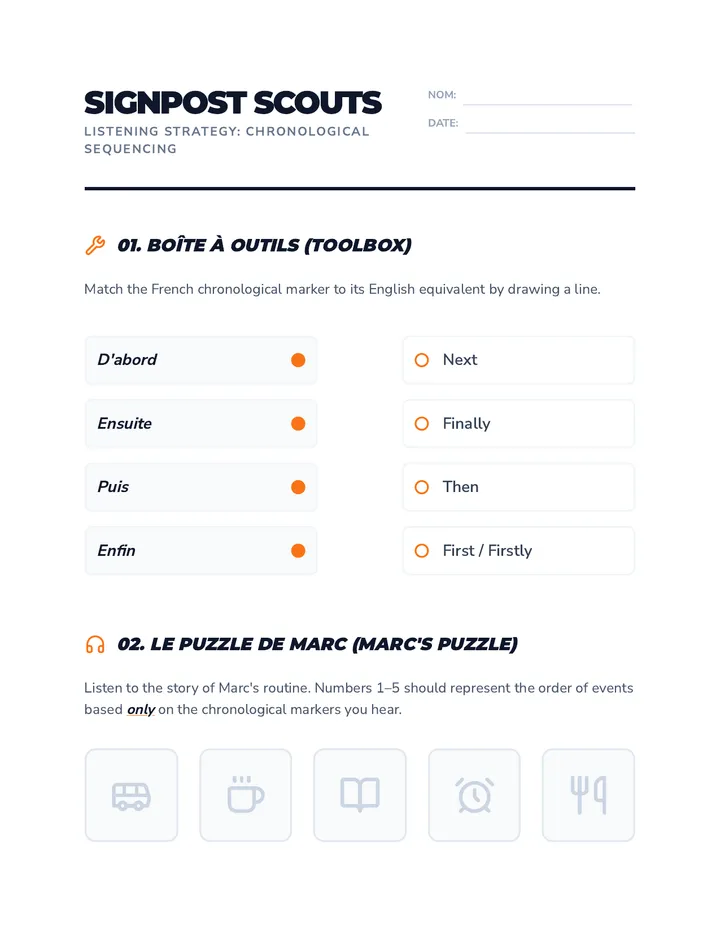
A project-based sequence for beginner French students focused on decoding media through narrative structures, logical connectors, and 'gist' listening strategies. Students move from identifying chronological signposts to analyzing news segments, street interviews, and cultural advertisements, culminating in a media analysis project.
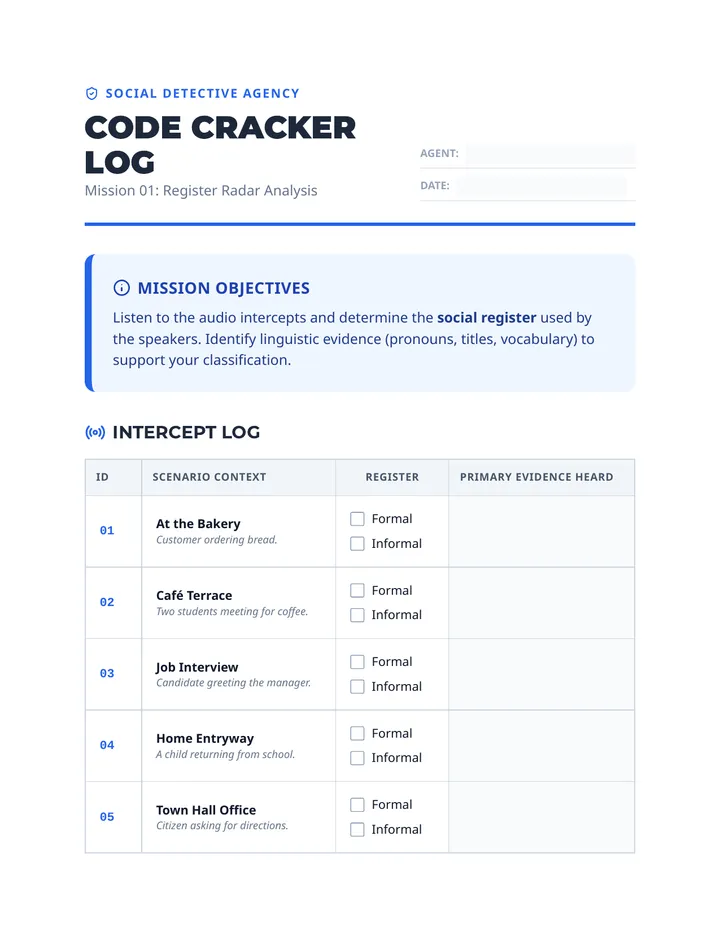
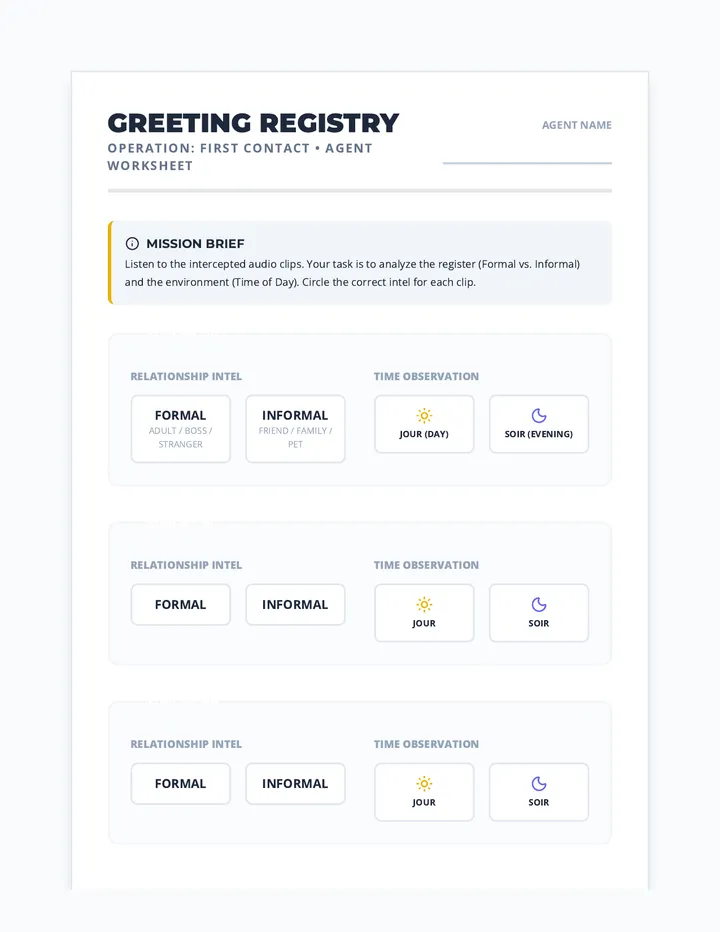
A beginner French listening sequence where students act as social observers, analyzing registers, personal details, family structures, and preferences through auditory scripts.
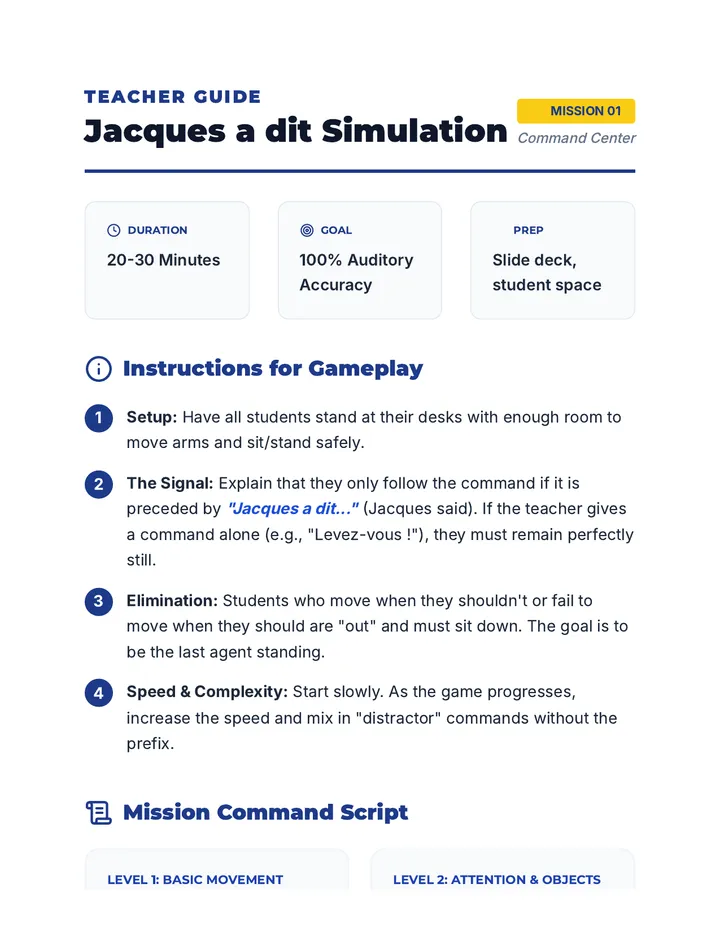
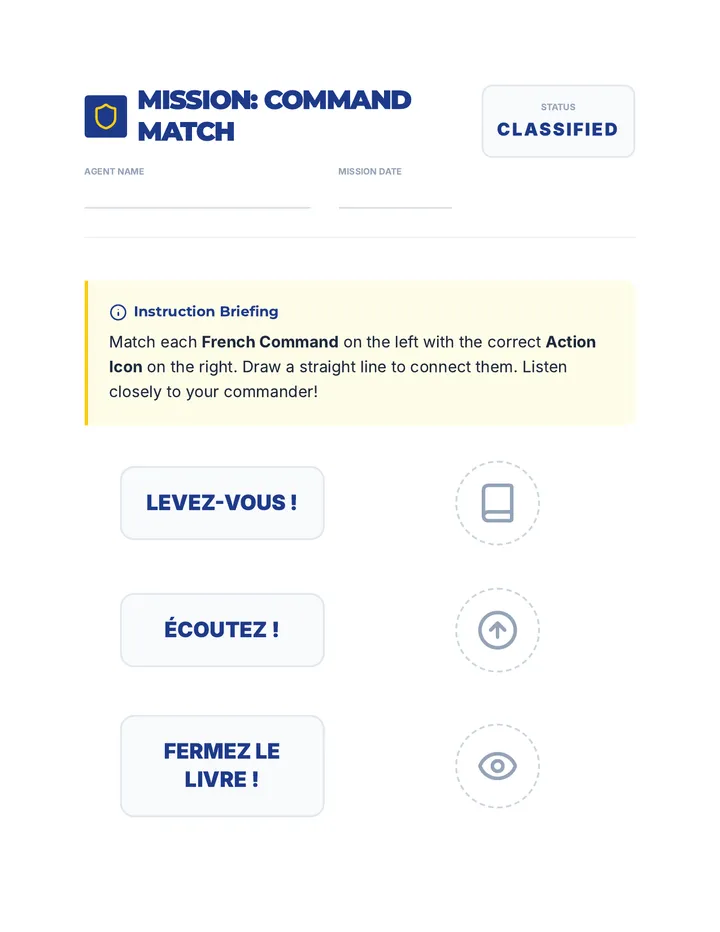
A 5-lesson sequence for 6th Grade French beginners focusing on listening comprehension through TPR, commands, spatial descriptions, and directional movement. Students act as 'Language Agents' on various missions to decode and execute instructions in French.
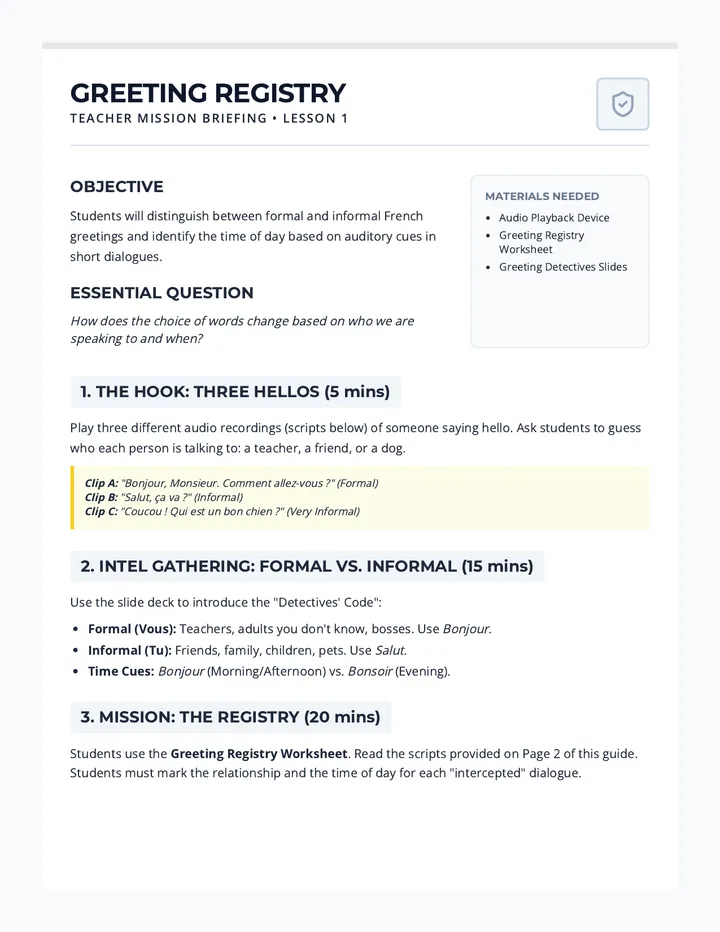
A 5-lesson unit for 6th-grade French students focusing on auditory comprehension of greetings, alphabet, numbers, and personal identity using a 'Language Detectives' theme. Students progress from isolating sounds to synthesizing full personal profiles from audio input.
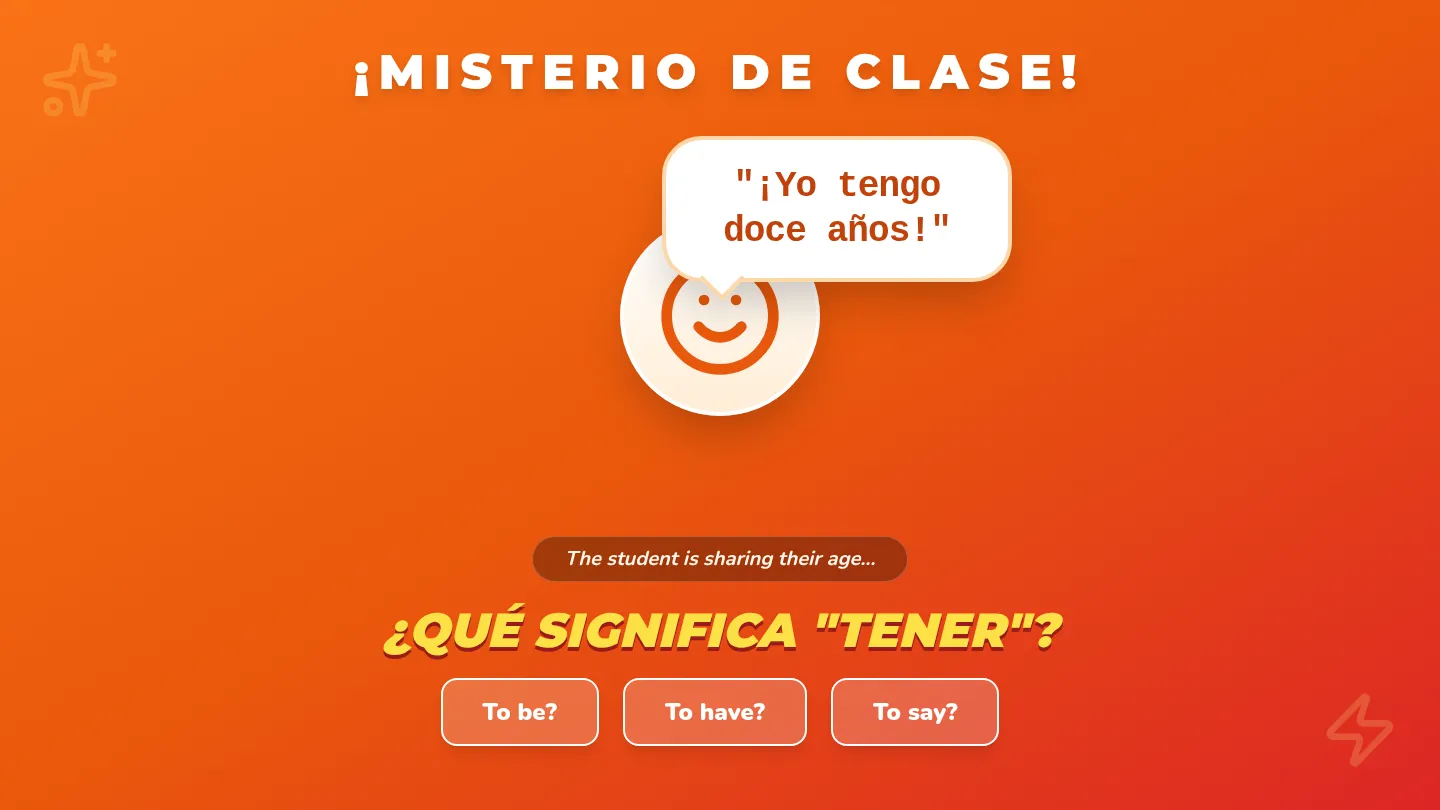
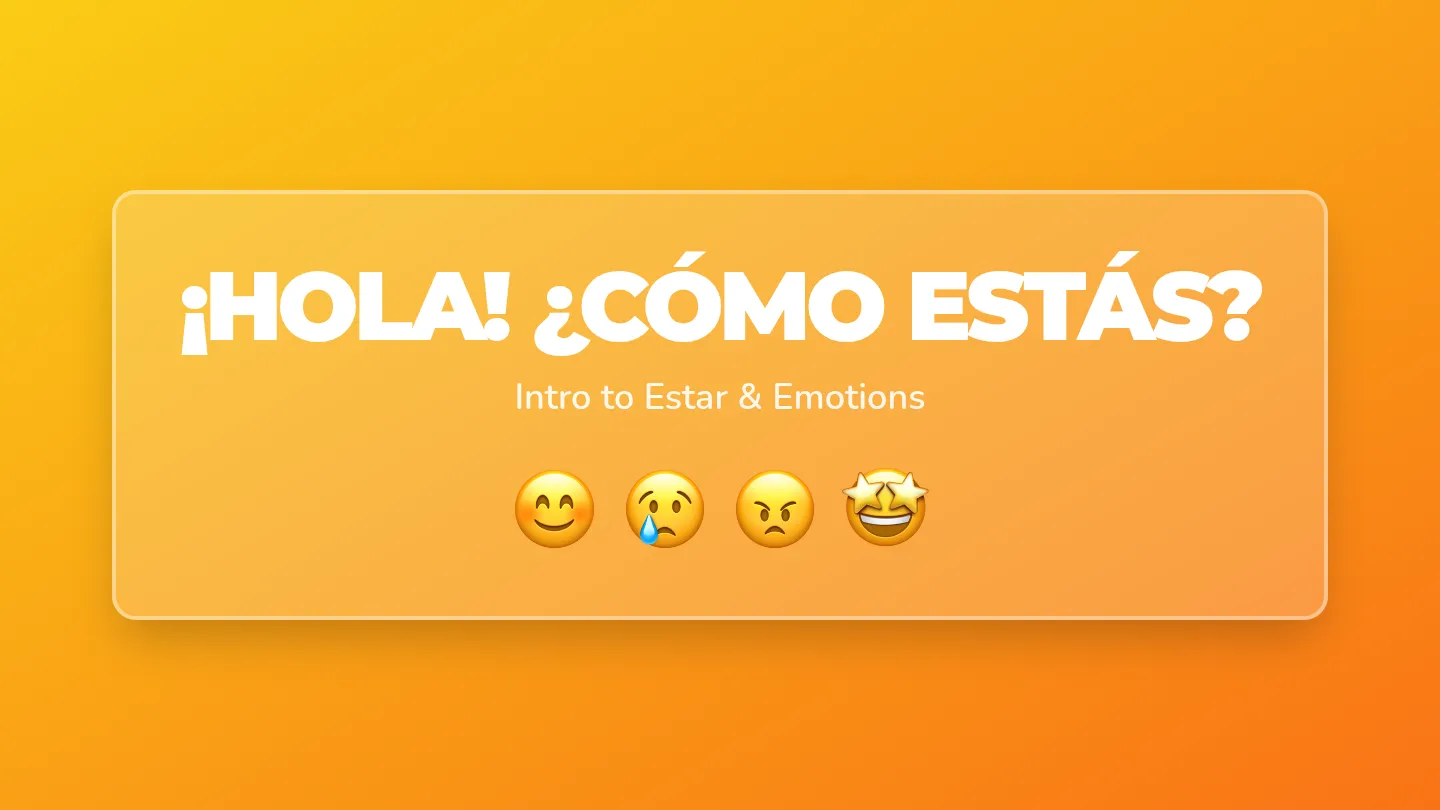
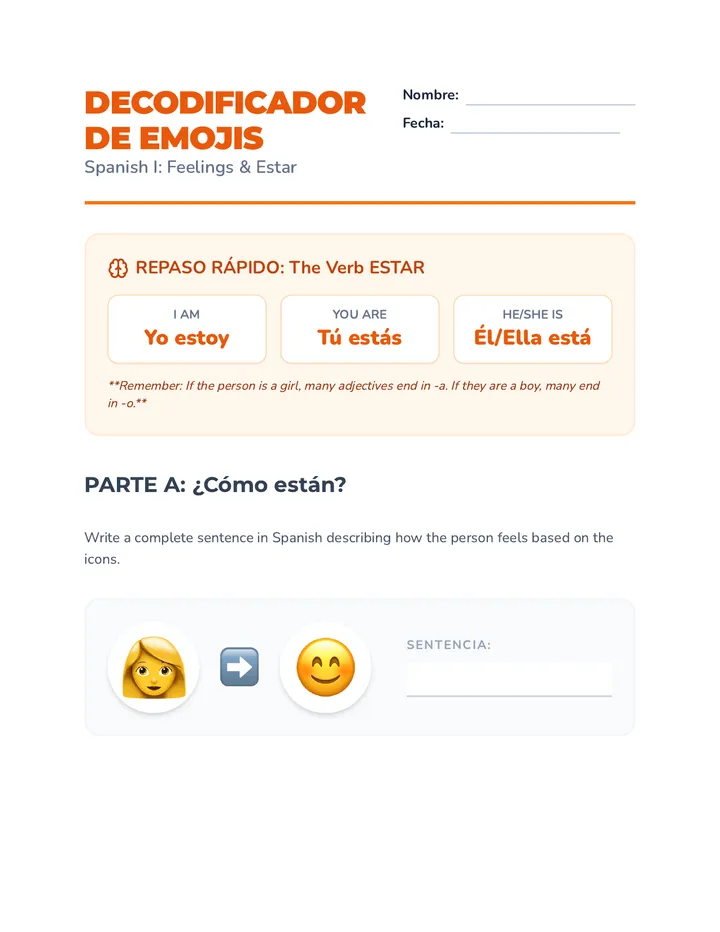
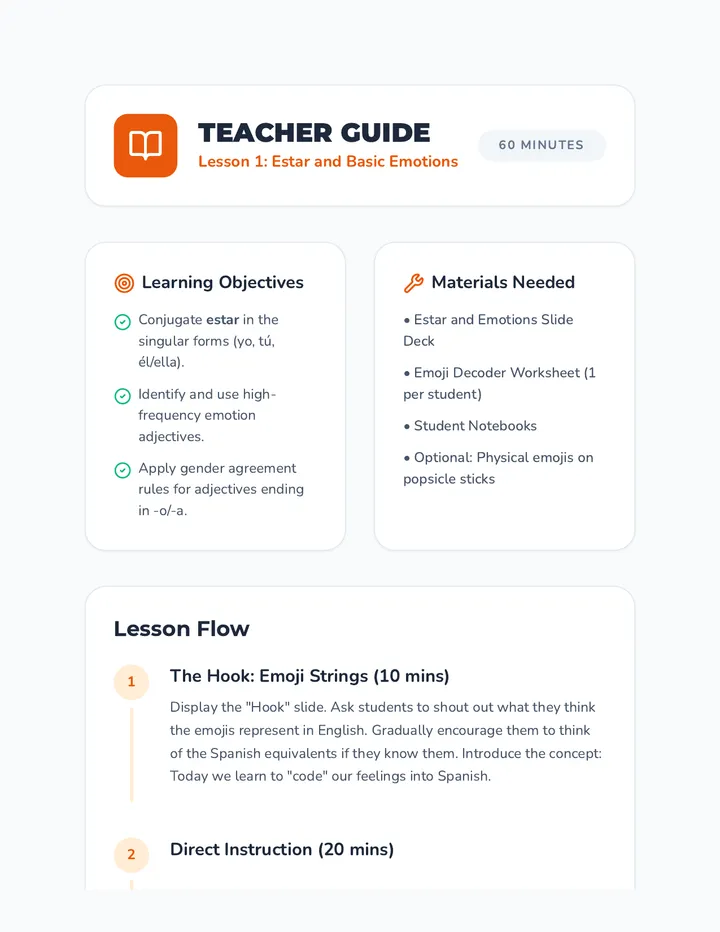
A comprehensive unit for beginner Spanish students to master the verb 'estar' and 'tener' idioms for expressing emotions, physical states, and needs. Through interactive games, role-plays, and data collection, students learn to articulate their internal feelings and conduct wellness checks on others.
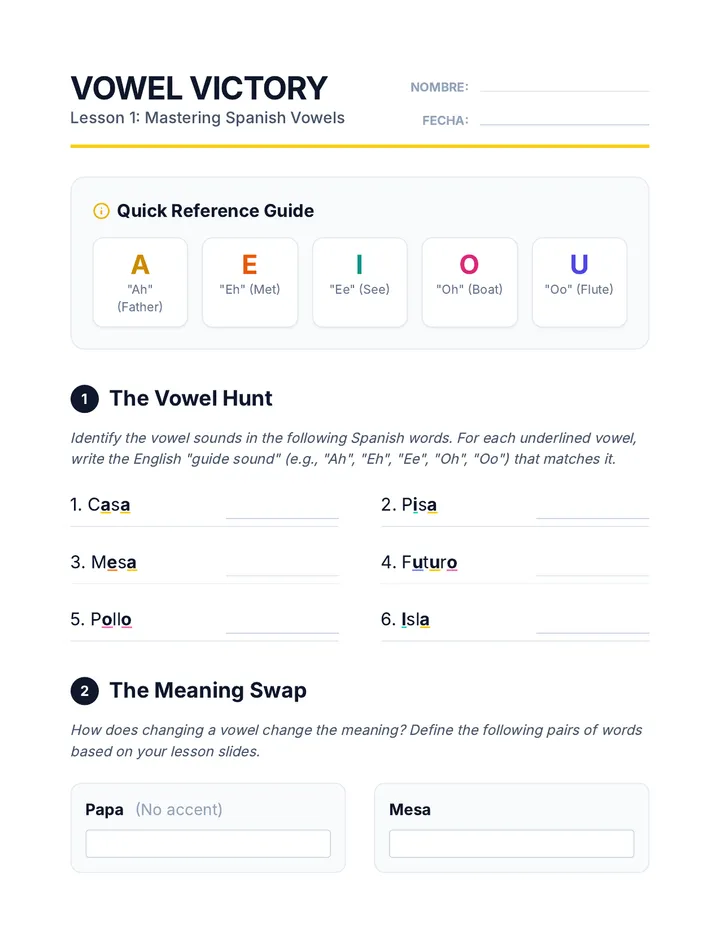
This sequence establishes foundational auditory and oral skills for Spanish fluency, focusing on vowel sounds, difficult consonants like 'rr' and 'ñ', and rules of stress and accentuation. Students transition from sound production to reading syllables and full words with accuracy.
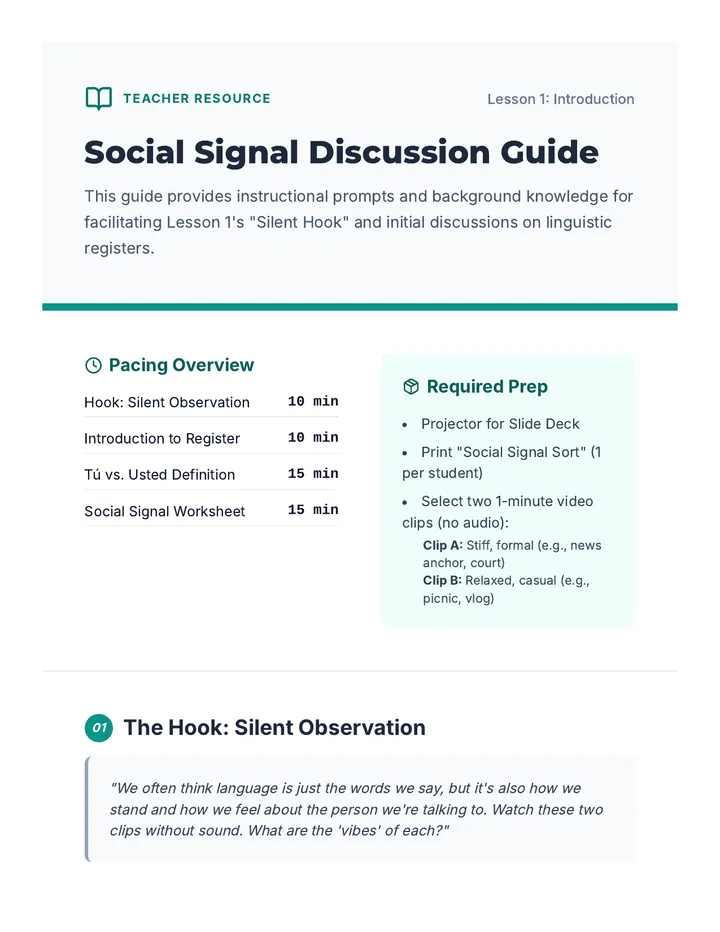
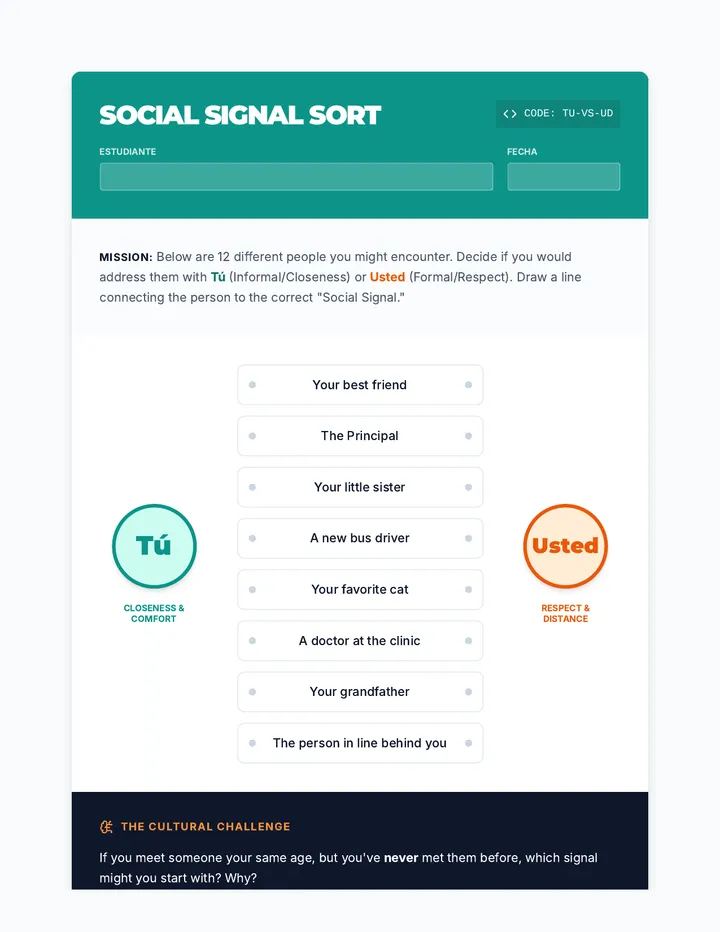
A case-study-driven unit for 6th-grade Spanish students to master the nuances of 'Tú' and 'Usted', focusing on cultural context, social hierarchy, and respectful communication.
A 5-lesson sequence for 6th grade Spanish students focused on identifying, expressing, and responding to emotions and physical states using the verb 'Estar'. Students build from basic 'How are you?' responses to nuanced emotional vocabulary and empathetic reactions.
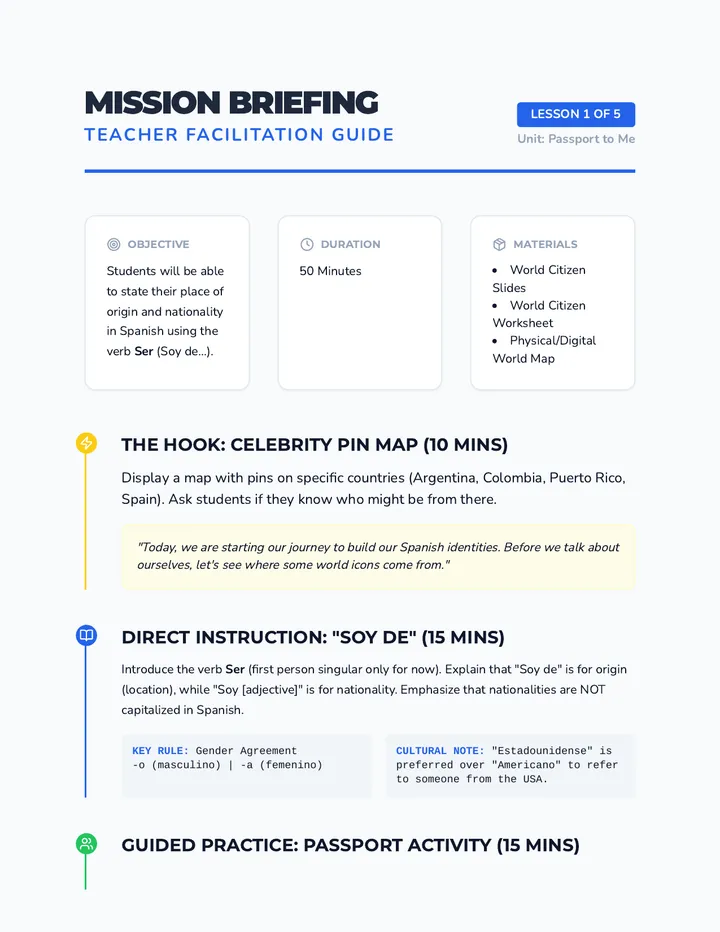
A project-based unit where 6th-grade students learn to articulate their identity, origin, age, and personality in Spanish using 'Ser', 'Tener', and 'Estar'. The sequence culminates in a multimedia 'All About Me' presentation.
A comprehensive sequence for 6th-grade students focusing on Spanish phonetics, vowel precision, consonant variations, and syllabic stress to build a strong foundation for native-like pronunciation.
A foundational Spanish sequence for 6th graders focusing on social interactions, greetings, and polite conversation. Students progress from basic time-of-day greetings to performing complete, culturally appropriate introduction skits.