A graduate-level sequence exploring gravitational dynamics, the Collisionless Boltzmann Equation, and the role of dark matter in galactic evolution, culminating in N-body merger simulations.
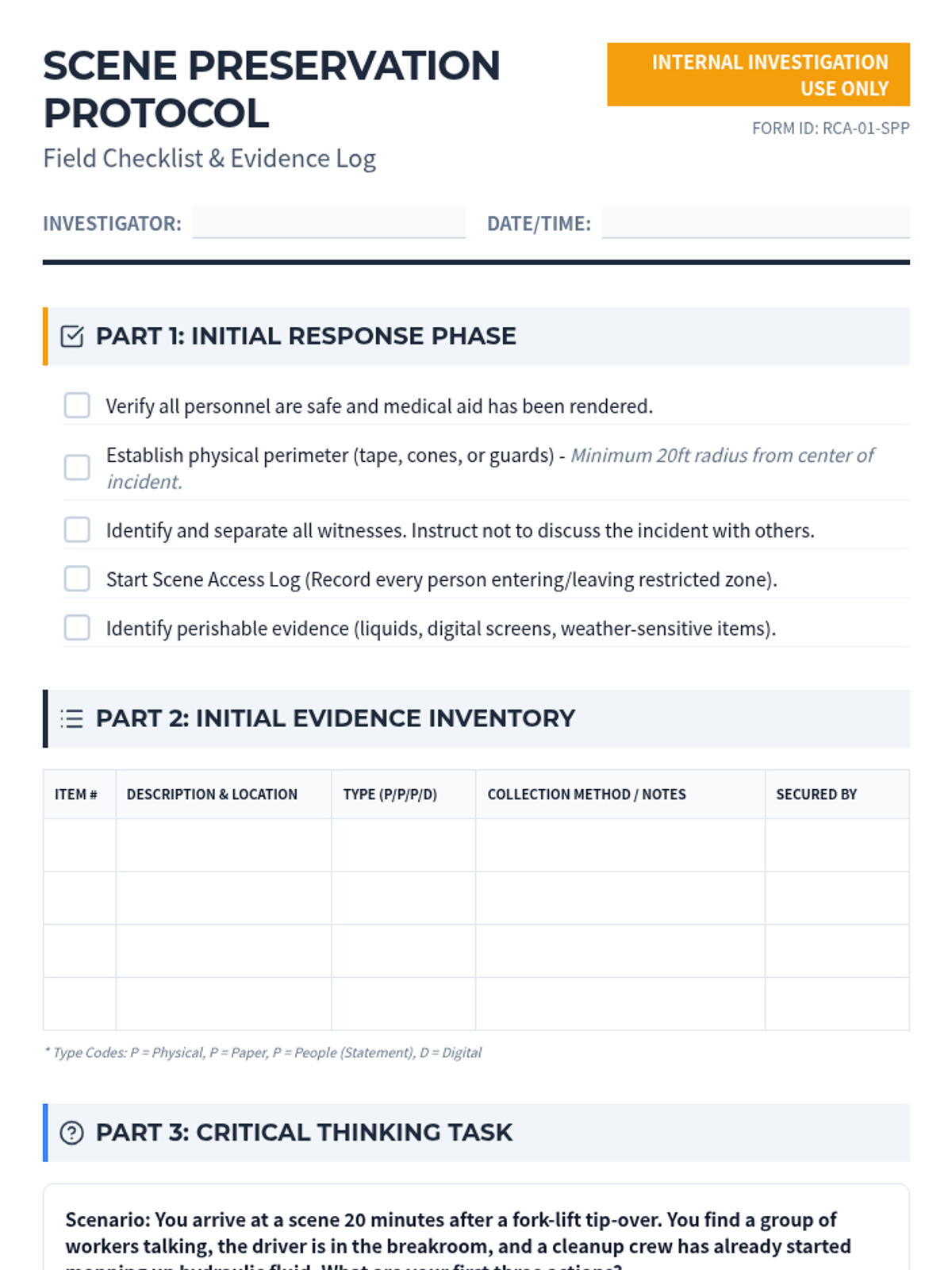
A technical sequence for graduate students focusing on forensic workplace incident investigations. Students move from immediate scene management to advanced root cause analysis and professional technical reporting.
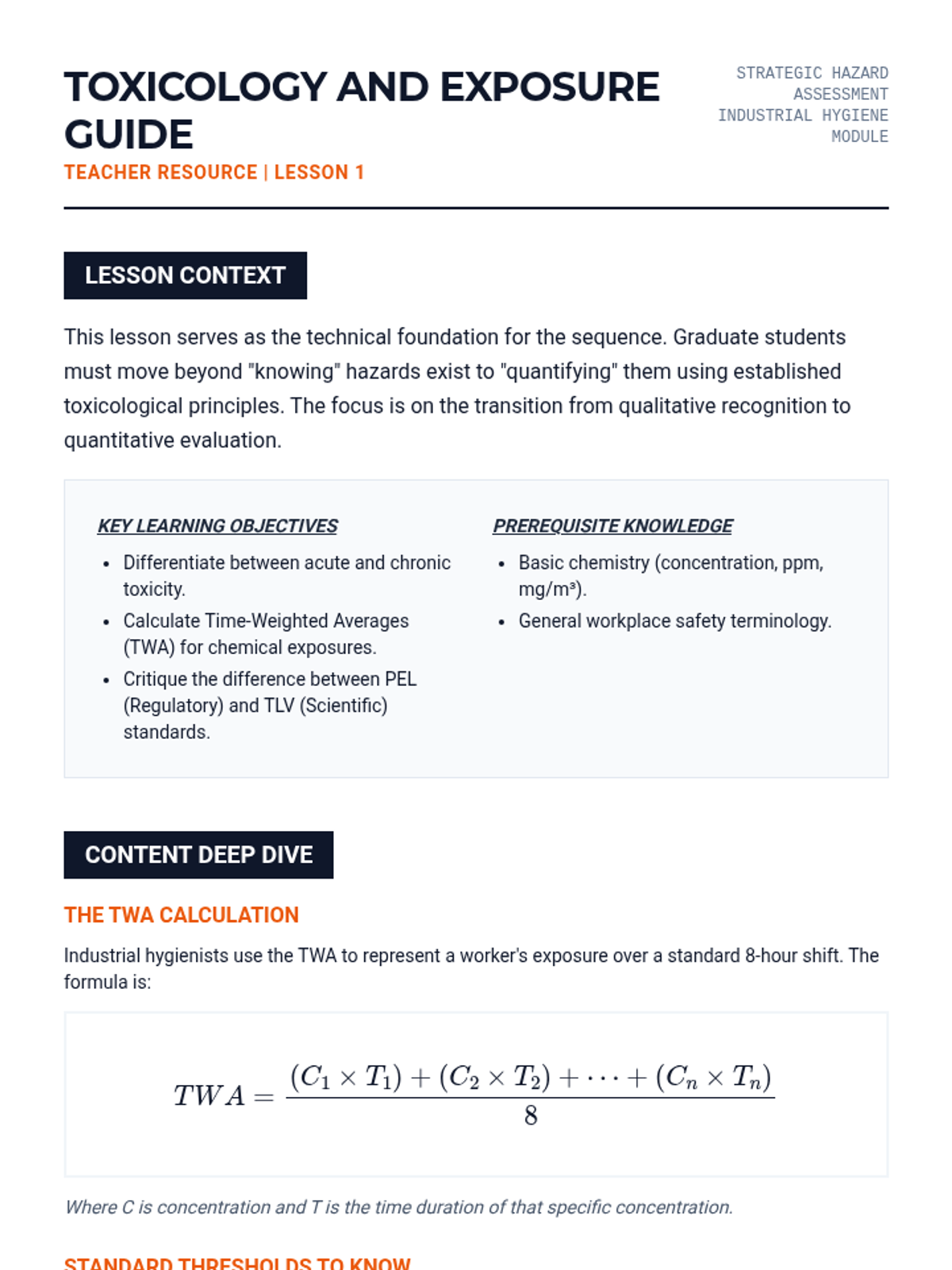
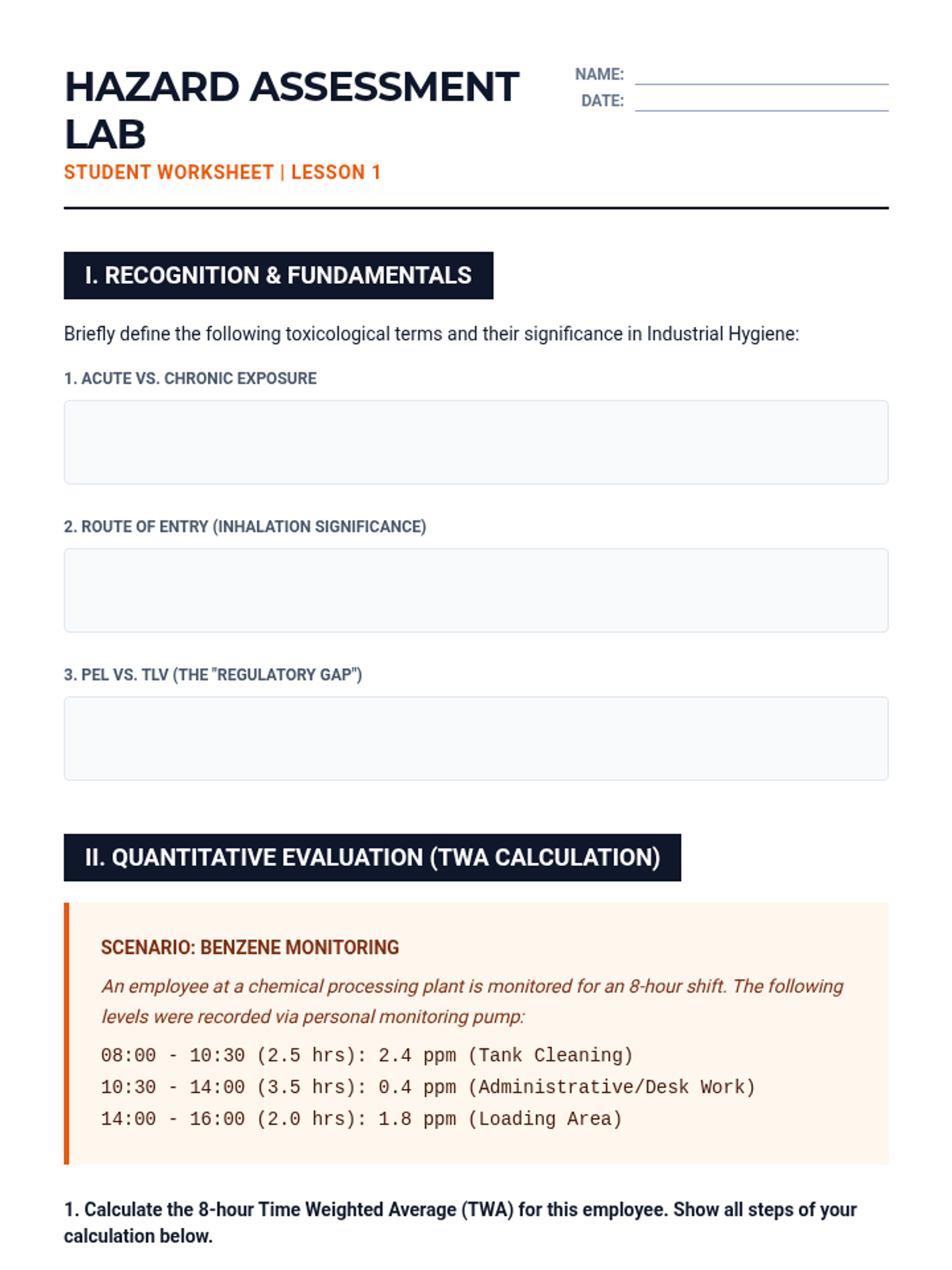
A graduate-level sequence focused on systematic hazard identification and risk control. Students master Industrial Hygiene, Job Hazard Analysis (JHA), Hierarchy of Controls, and Hazard Communication (GHS) to develop predictive safety strategies in high-risk environments.
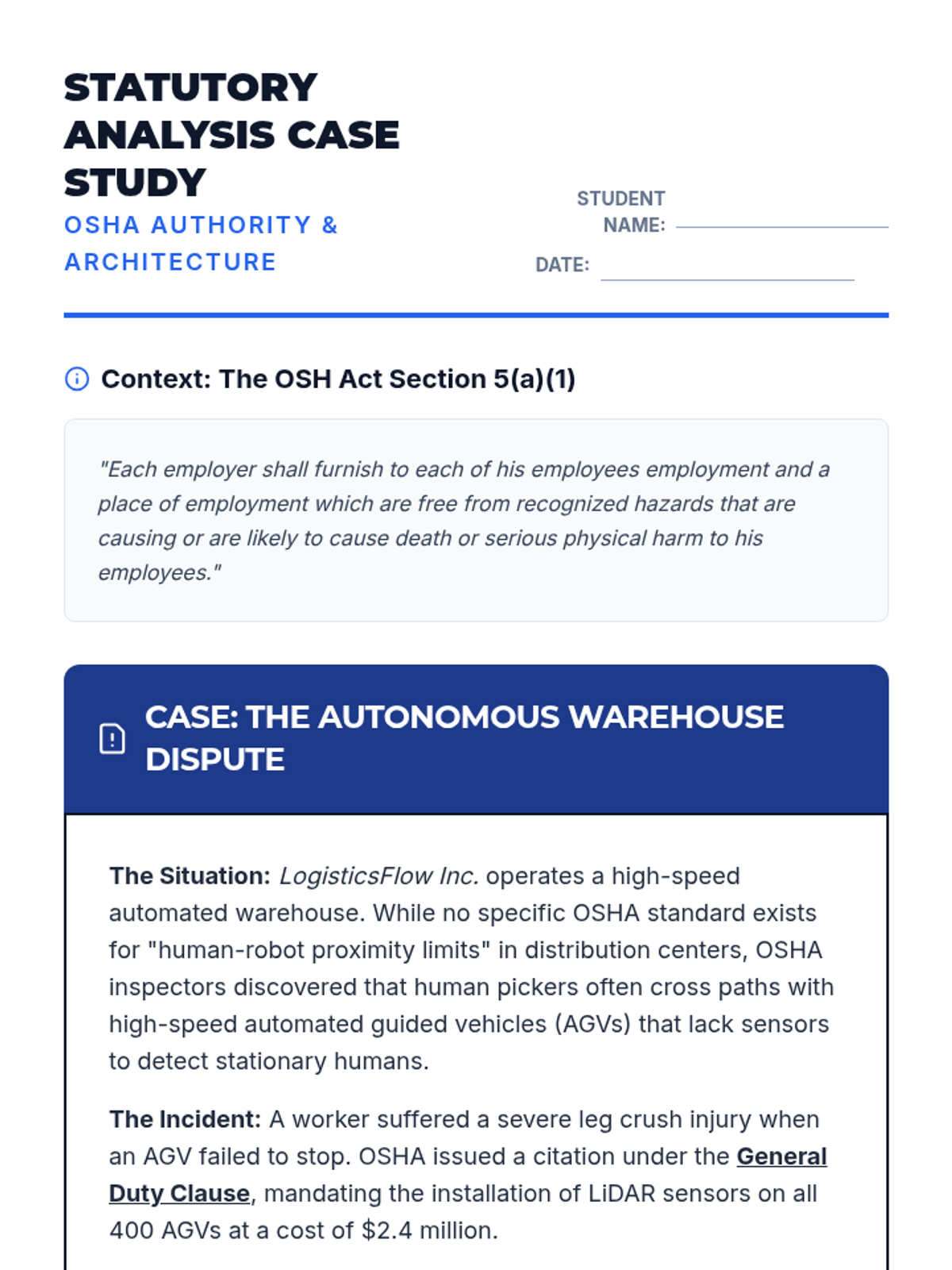
An advanced graduate-level sequence exploring the legal and regulatory framework of OSHA. Students analyze statutory authority, navigate complex CFR standards, evaluate liability through case law, and perform mock compliance audits to prepare for strategic safety leadership.
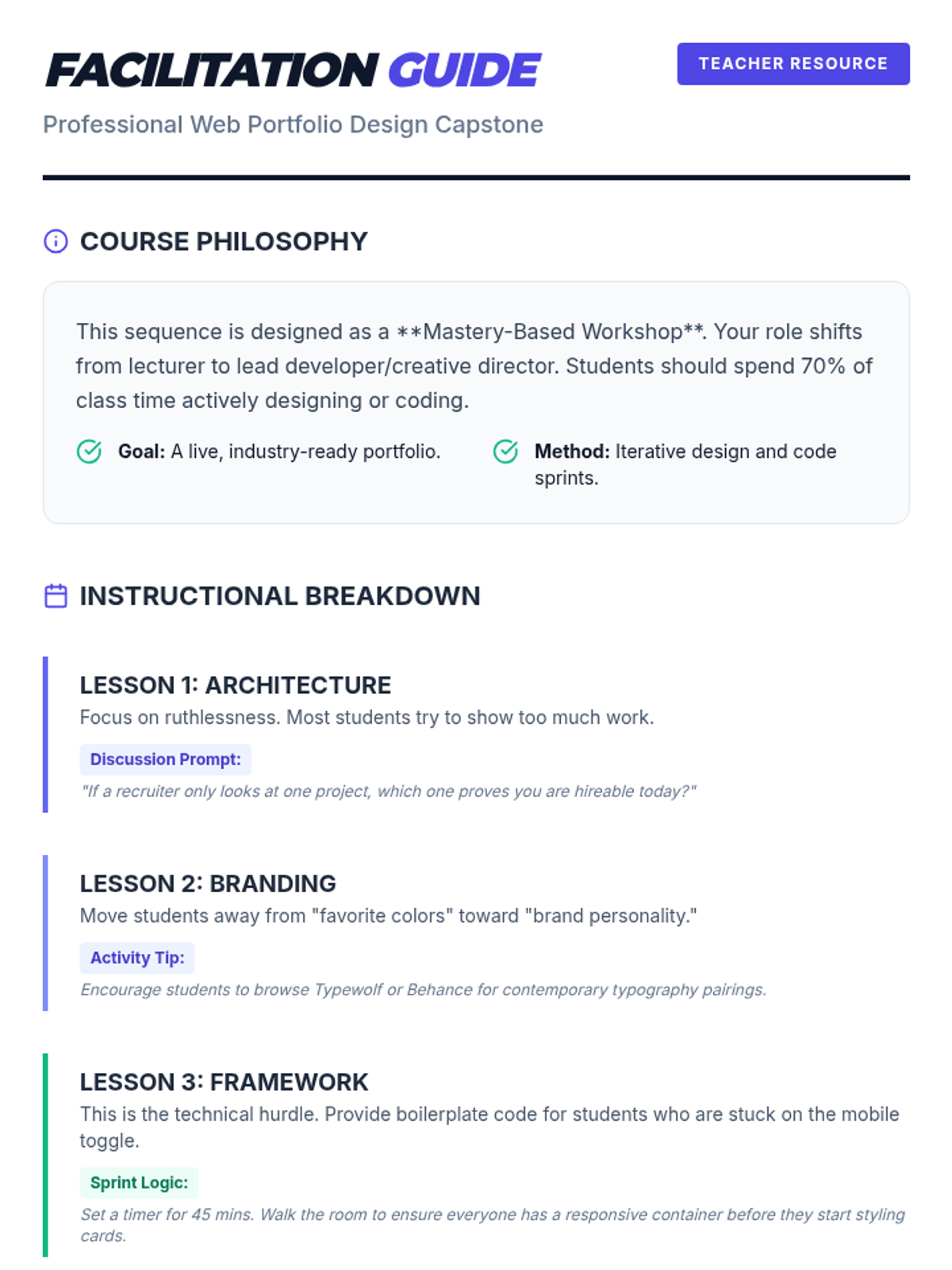
A capstone sequence for undergraduate students to design, code, and deploy a professional personal portfolio website, focusing on branding, IA, and technical execution.
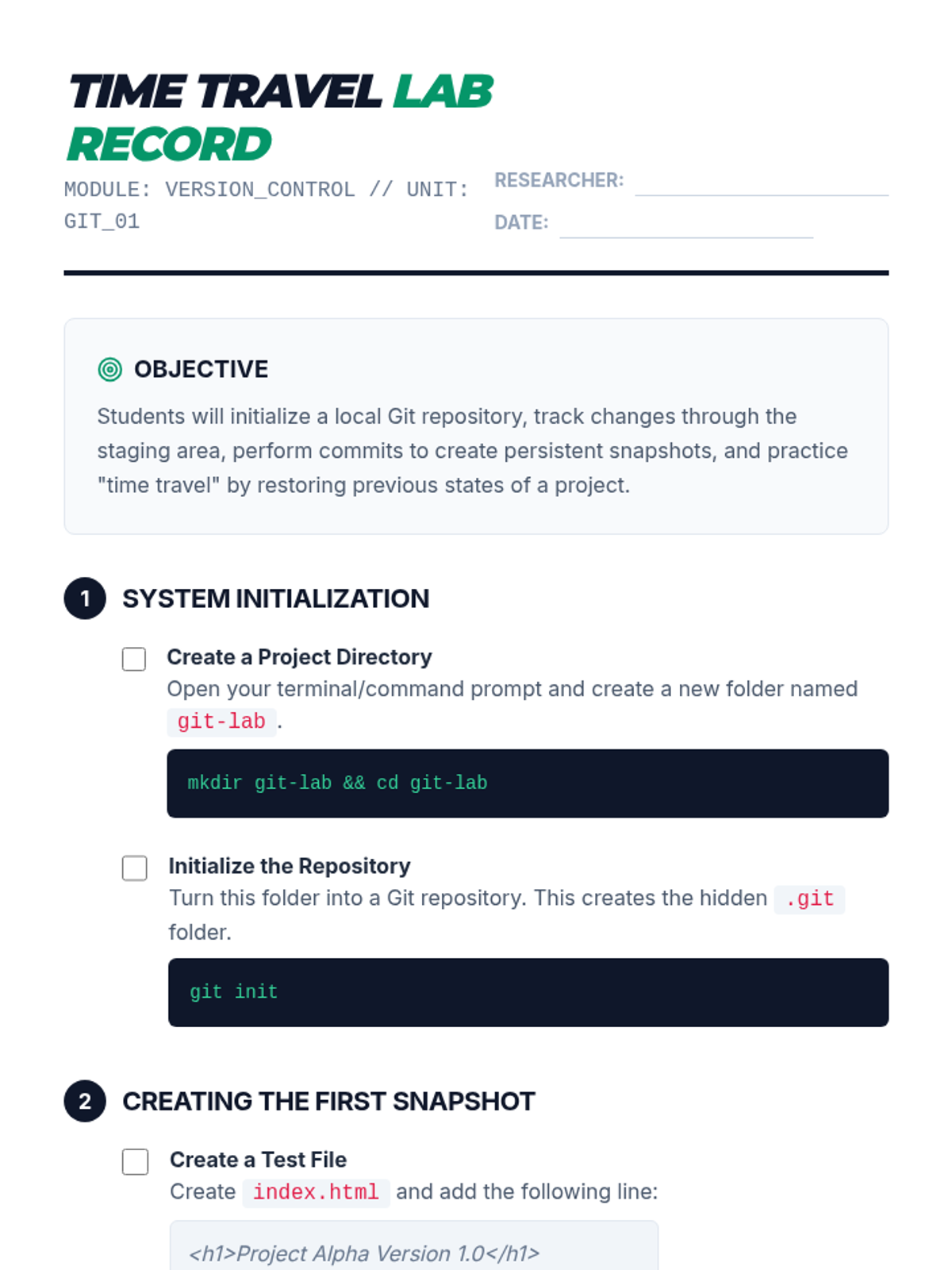
A comprehensive graduate-level sequence covering professional web publishing workflows, version control, hosting, CMS evaluation, and performance optimization. Students transition from local development to professional DevOps practices for content creators.
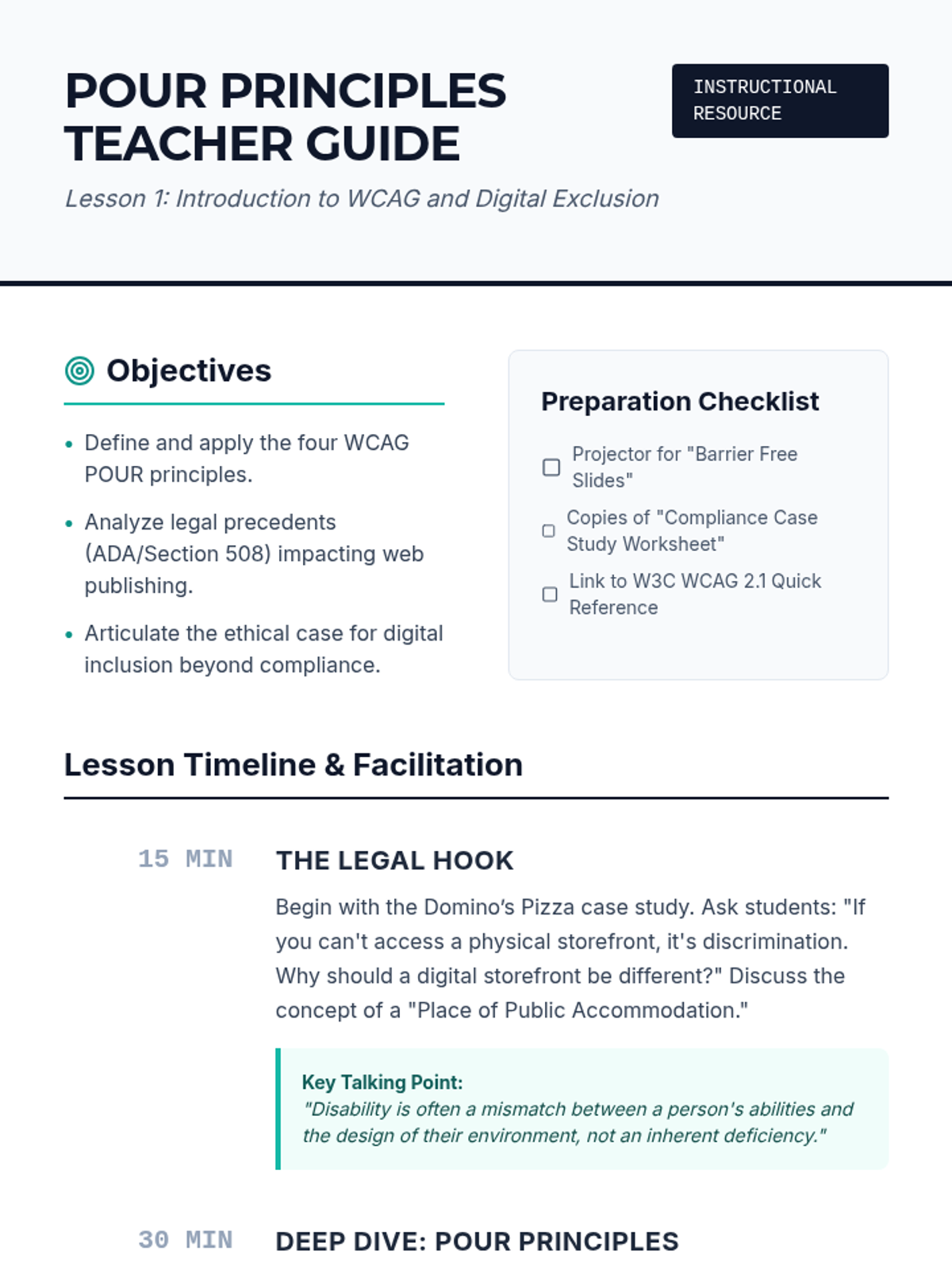
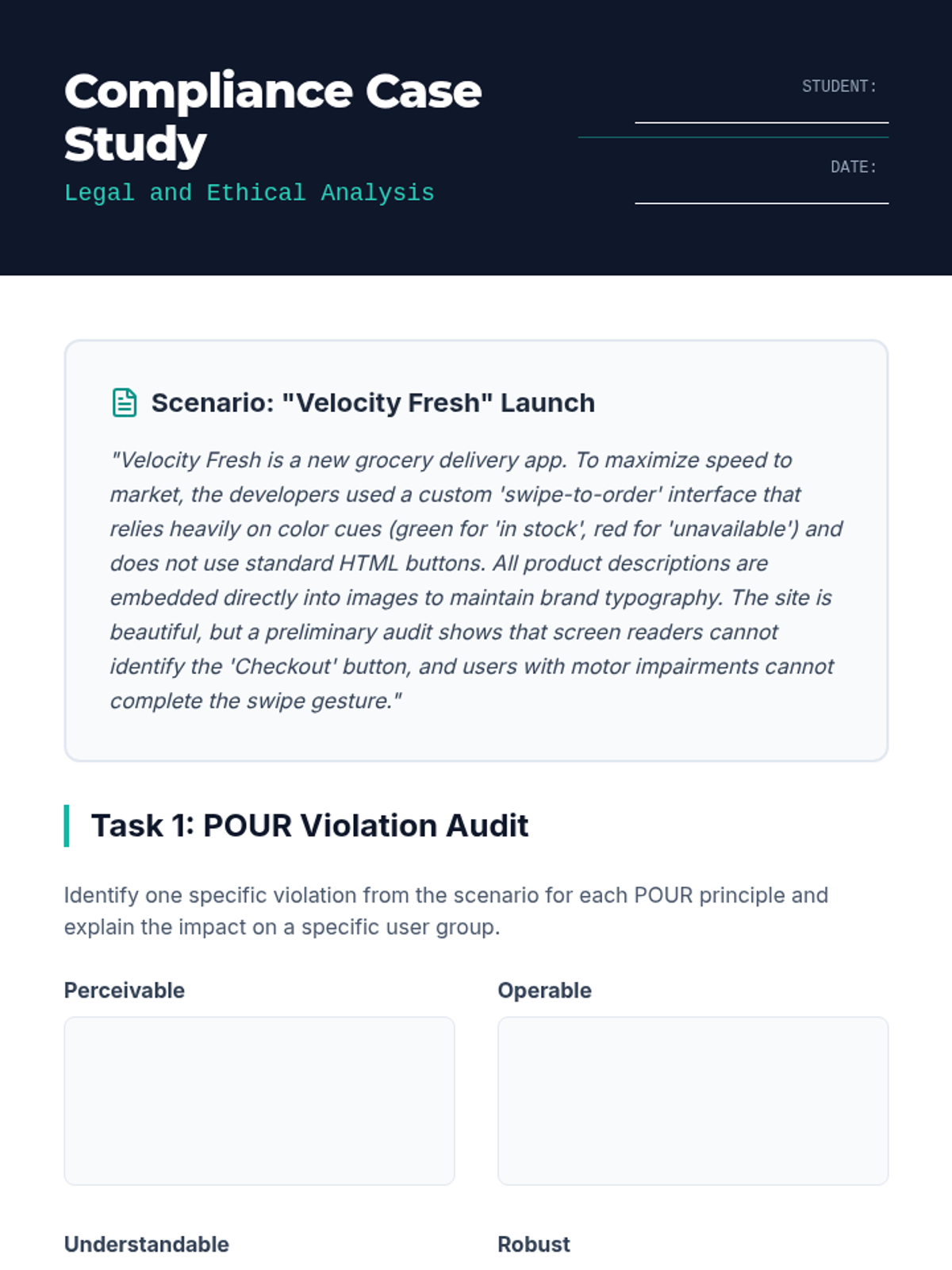
A comprehensive graduate-level sequence on web accessibility, covering WCAG standards, legal compliance, technical implementation of ARIA, and professional auditing techniques.
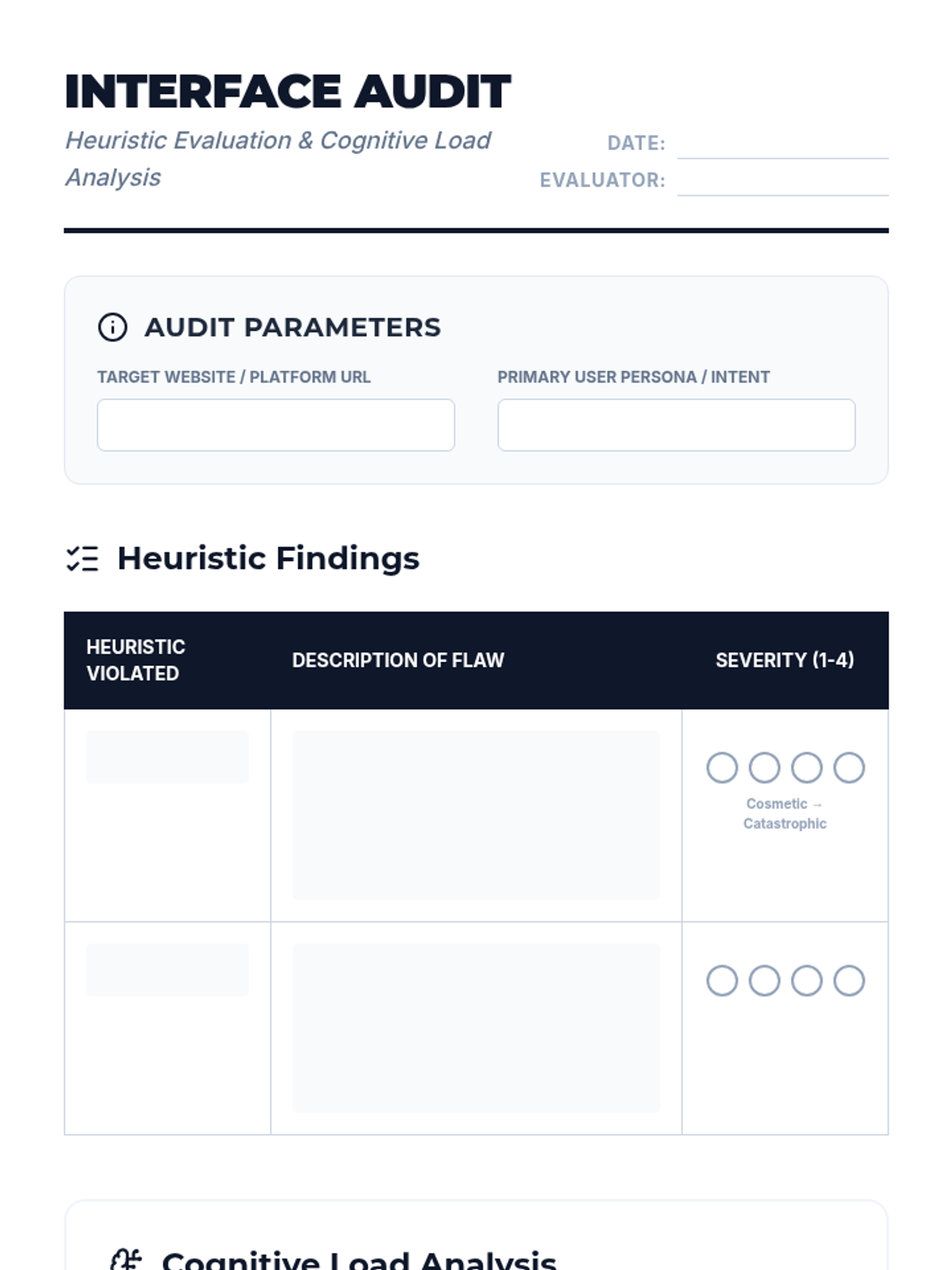
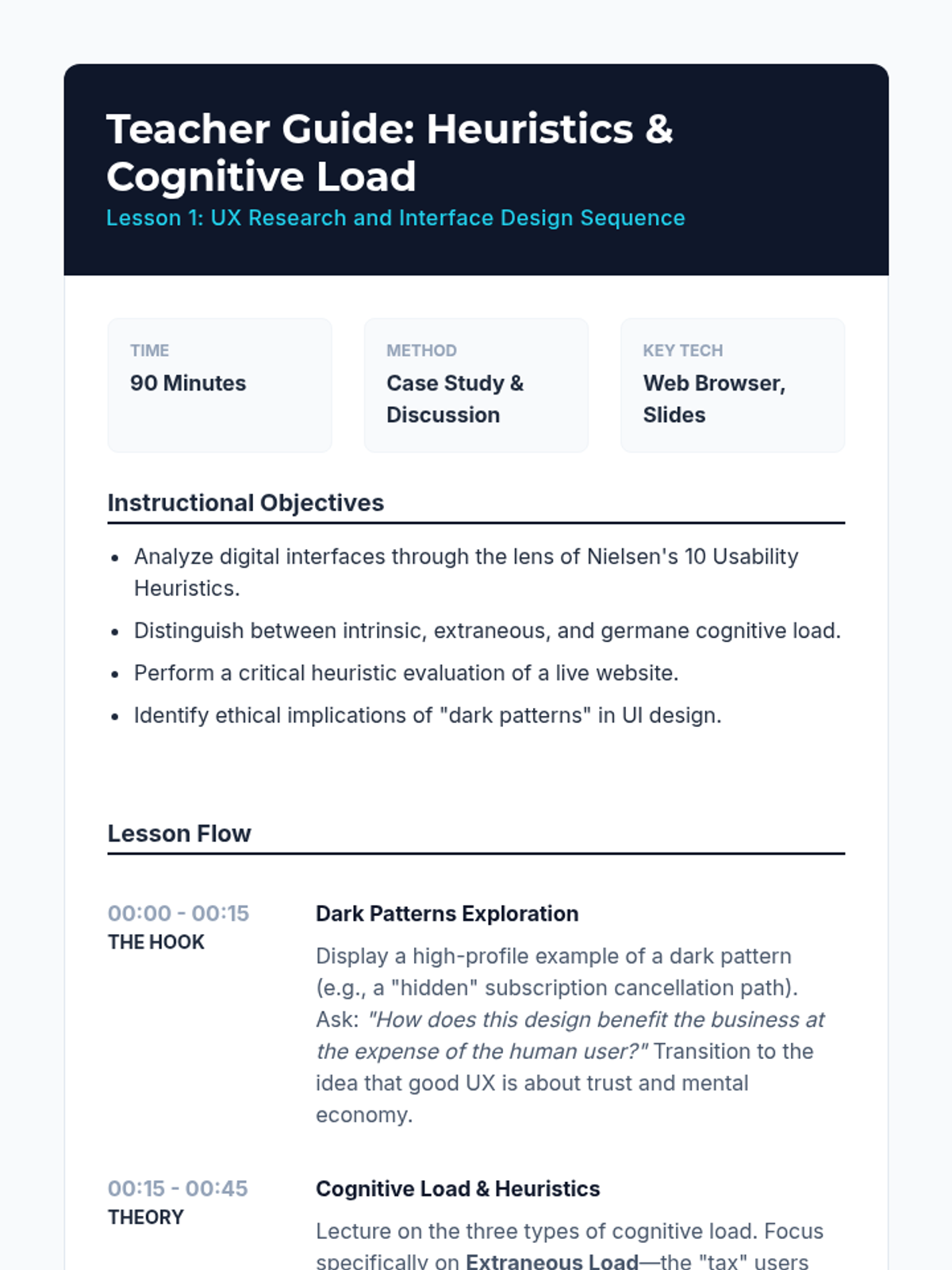
A comprehensive sequence for graduate students exploring the intersection of cognitive psychology and web design. Students move from theoretical usability heuristics to practical wireframing and usability testing, focusing on creating evidence-based digital experiences.
A comprehensive graduate-level sequence on professional CSS architecture, covering the cascade, Flexbox, CSS Grid, mobile-first responsiveness, and scalable design systems using BEM and variables.
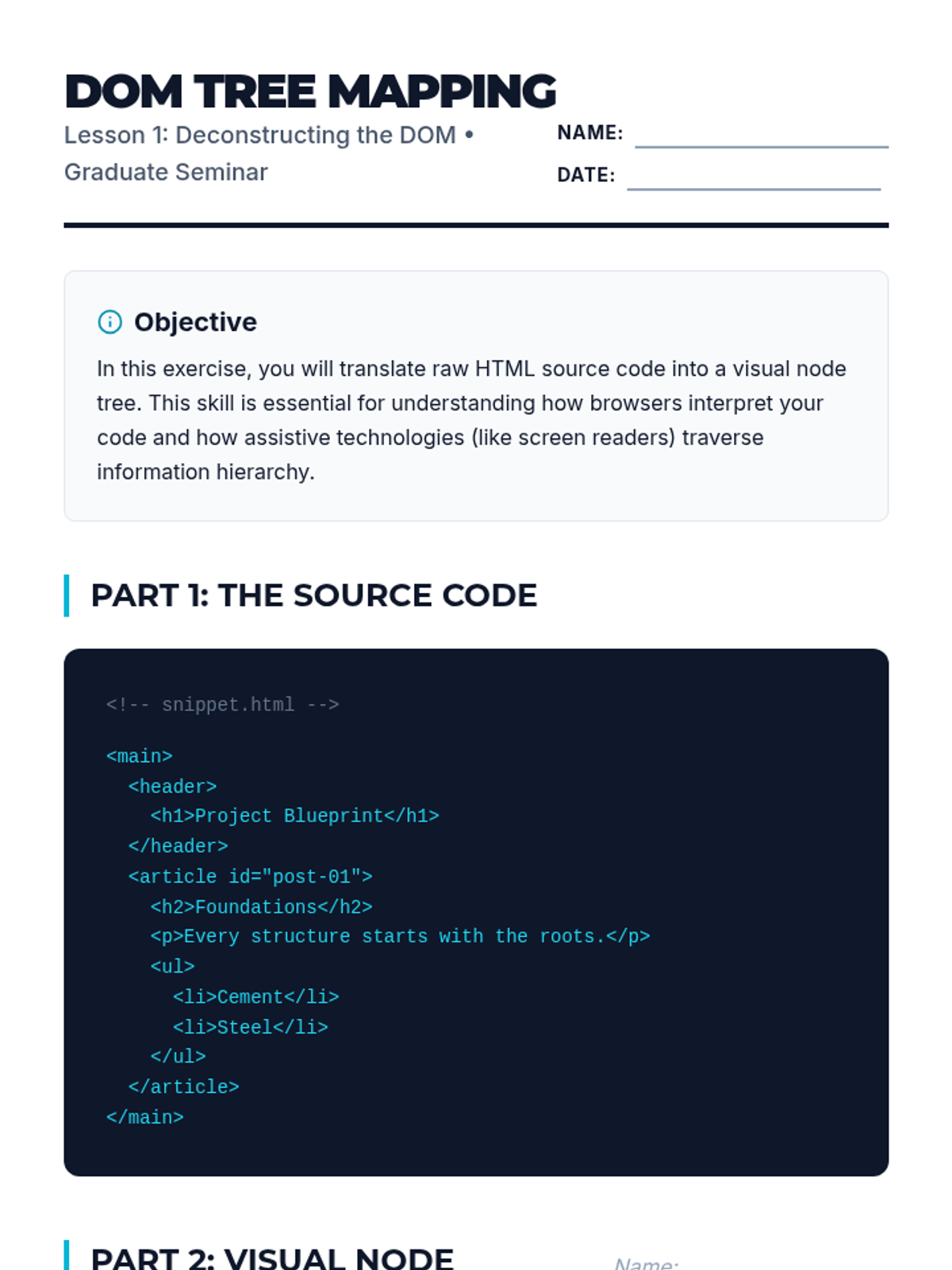
A graduate-level exploration of web architecture, semantic markup, and information hierarchy. Students learn to create accessible, SEO-optimized digital structures using HTML5, focusing on the DOM, semantic tags, and advanced data representation.
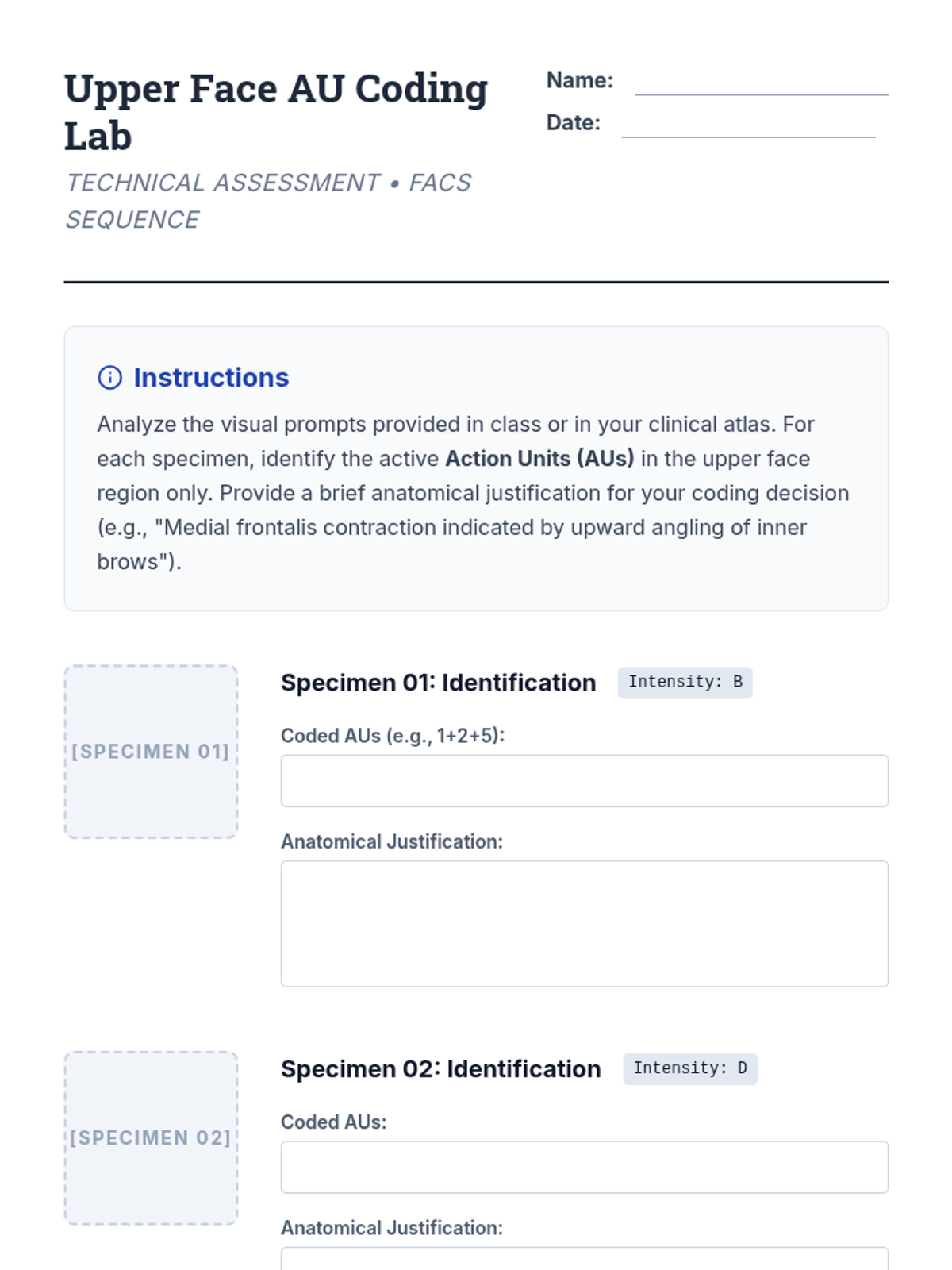
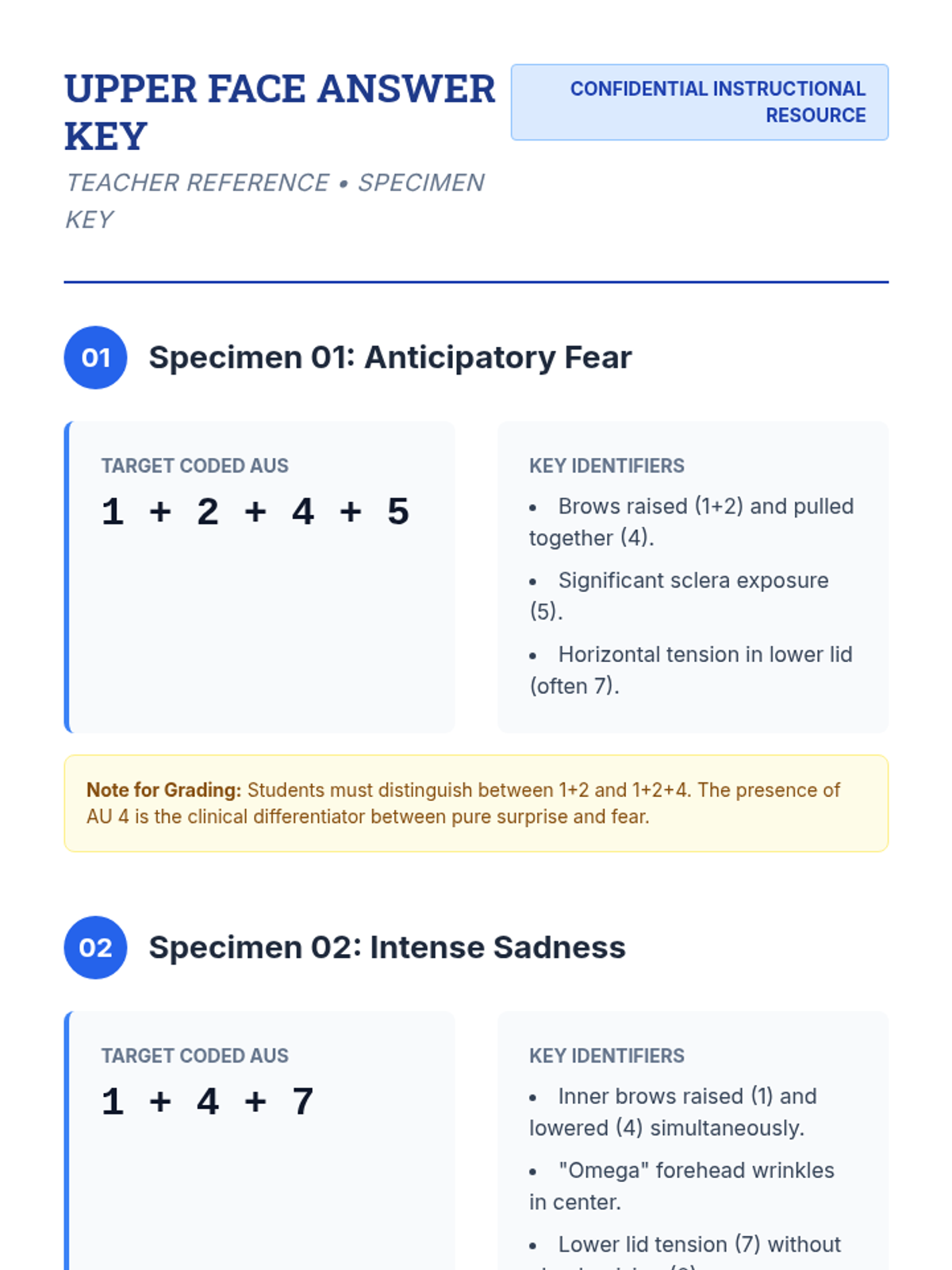
A technical sequence for graduate students focused on the Facial Action Coding System (FACS). Students move from anatomical identification of upper and lower face Action Units (AUs) to high-speed synthesis and differentiating between genuine and posed affect for clinical and forensic application.
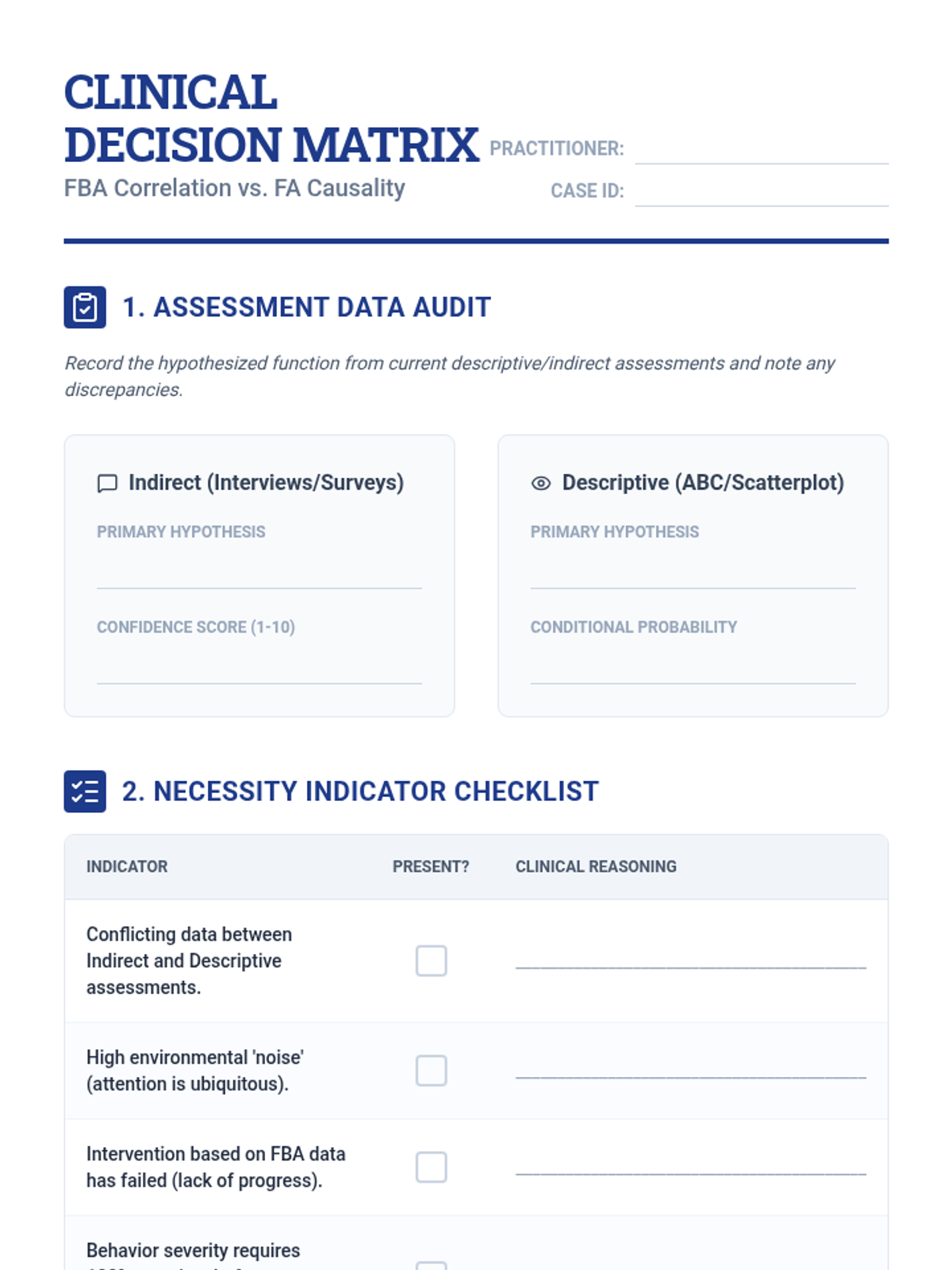
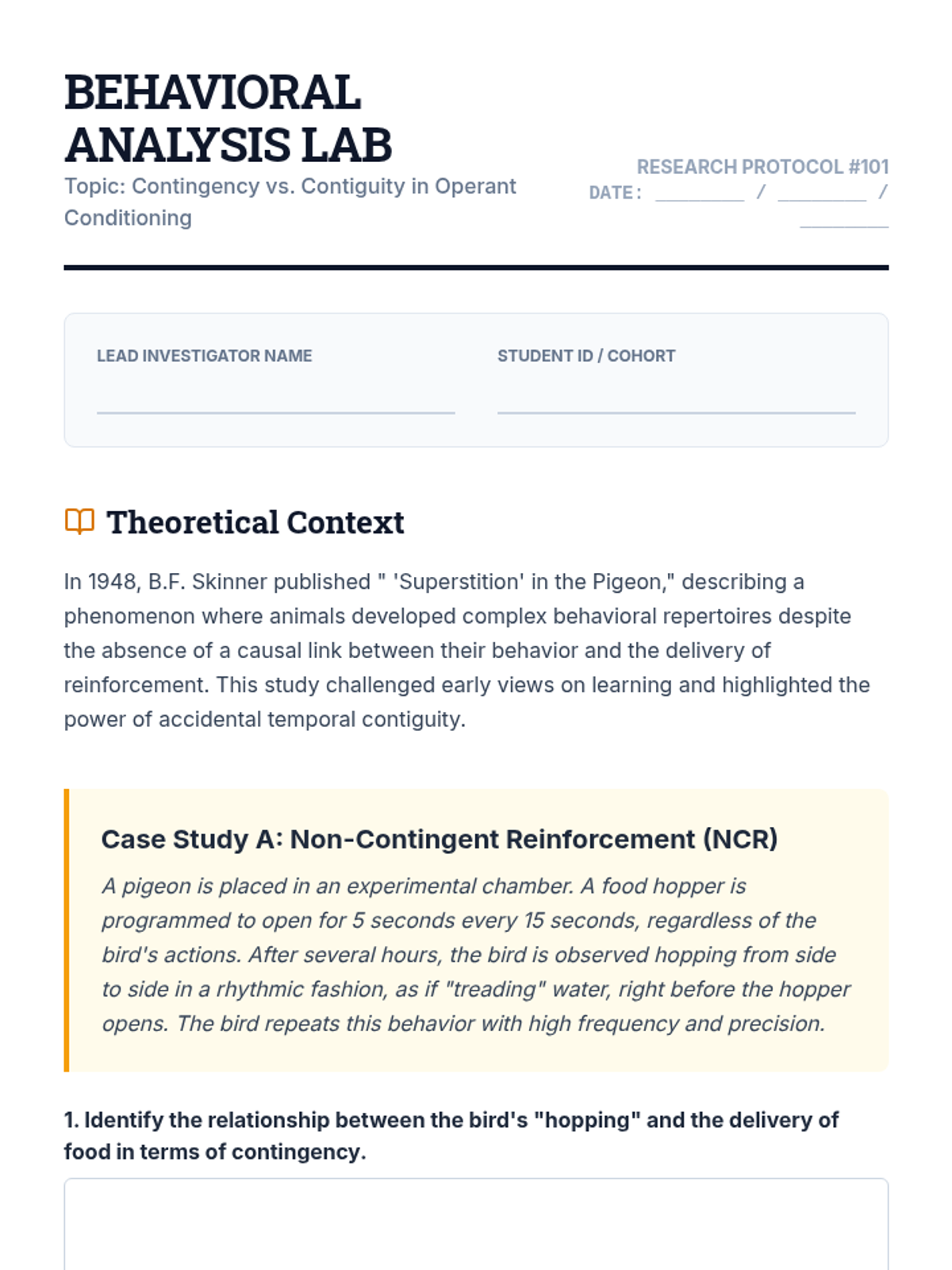
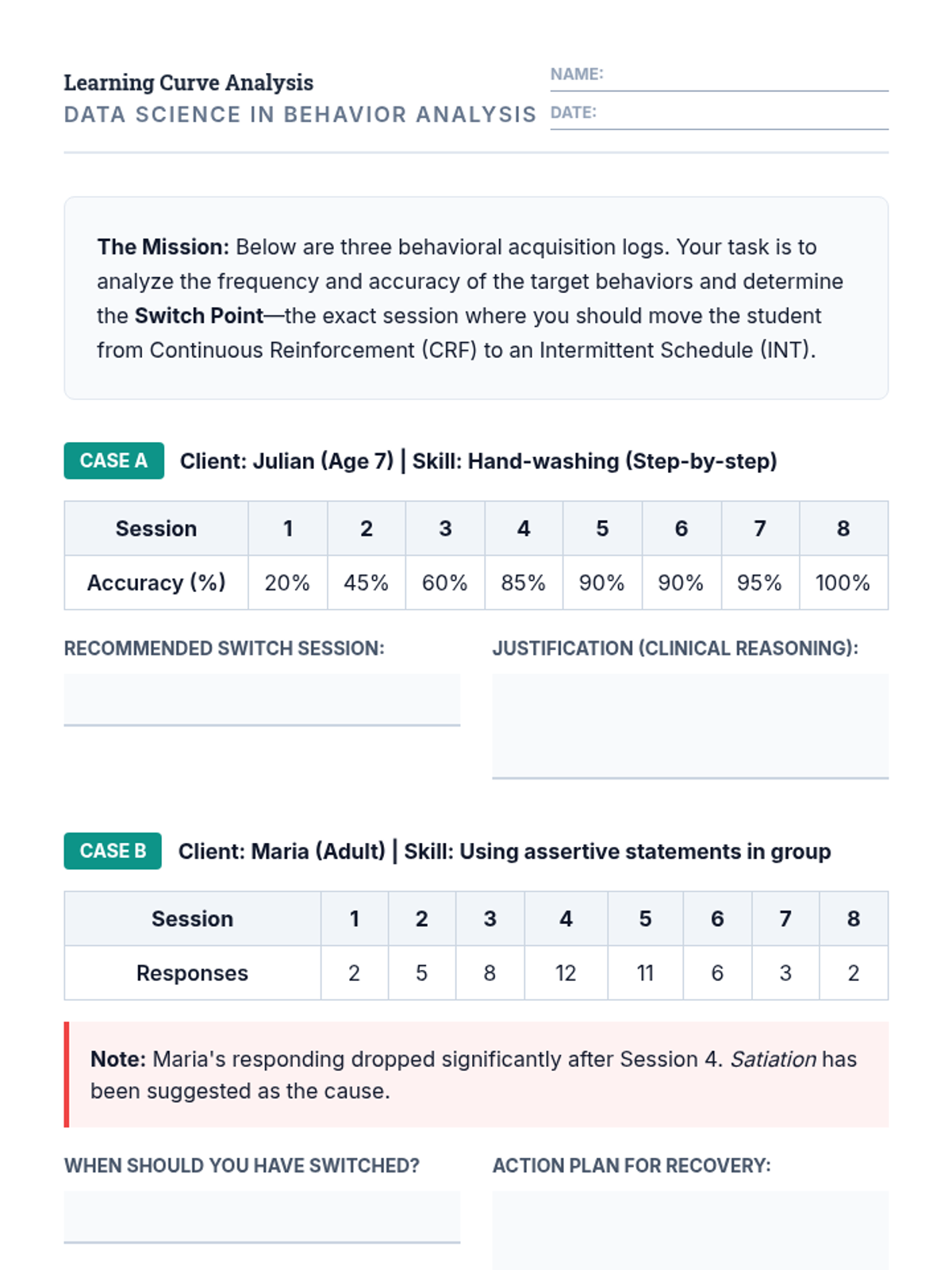
A comprehensive graduate-level sequence on Experimental Functional Analysis (FA). Students will progress from understanding the limitations of descriptive assessments to designing, implementing, and interpreting rigorous experimental conditions to identify behavioral functions.
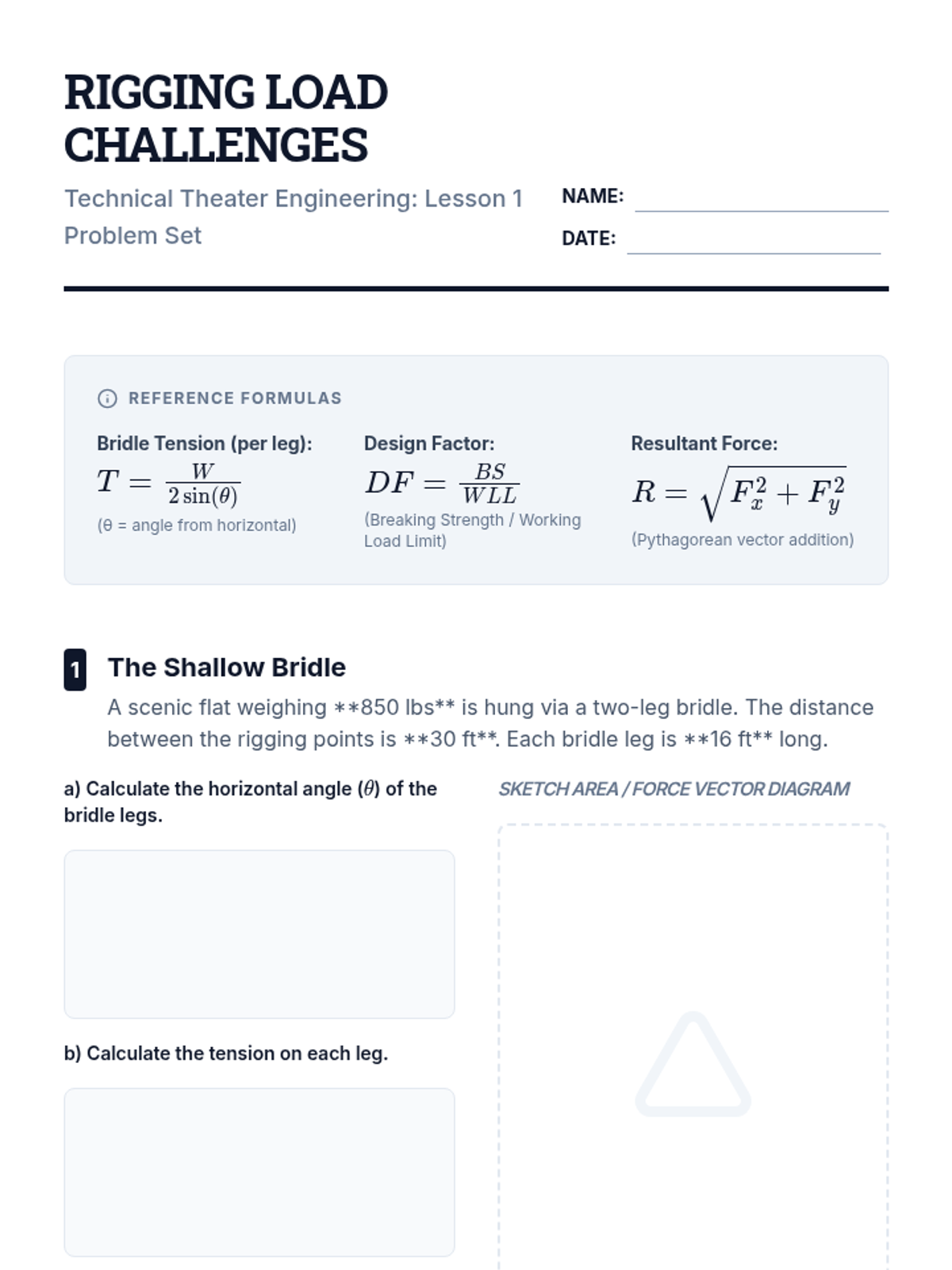
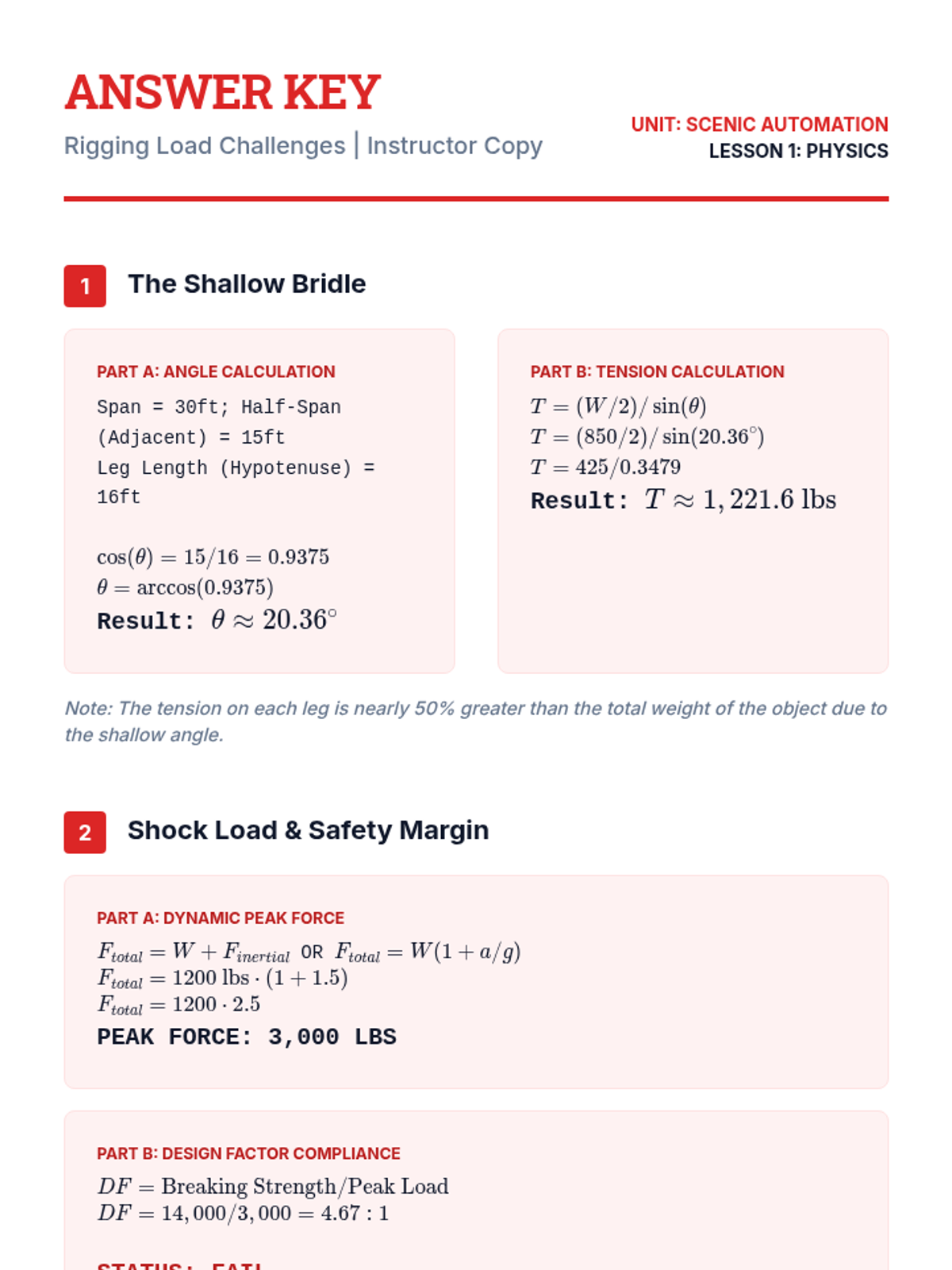
A technical sequence for graduate students exploring the engineering principles behind theatrical automation, from rigging physics to PLC control systems.
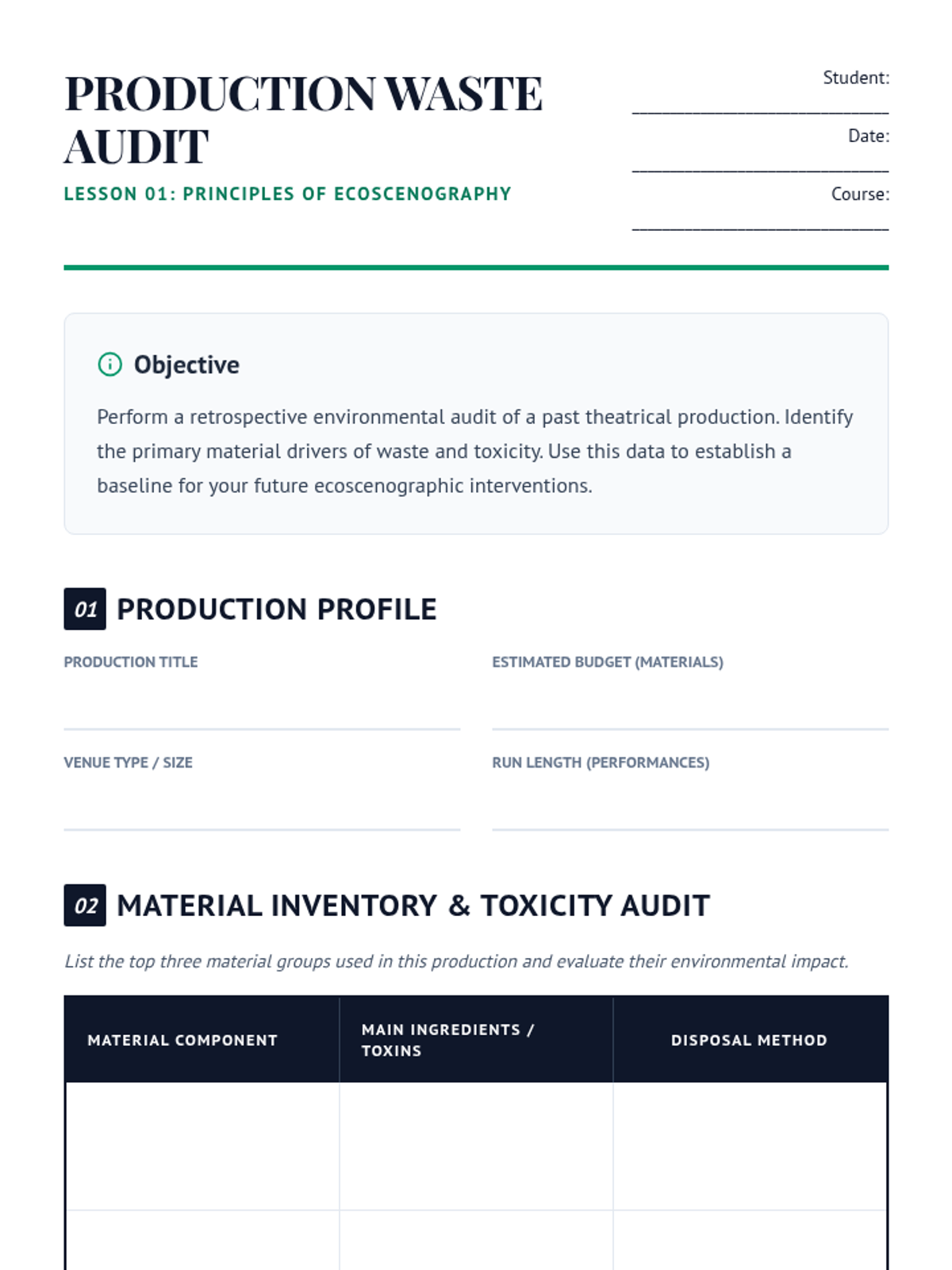
A graduate-level exploration of sustainable set design, focusing on ecoscenography, material science, modular engineering, and digital fabrication to move the theater industry toward a circular economy.
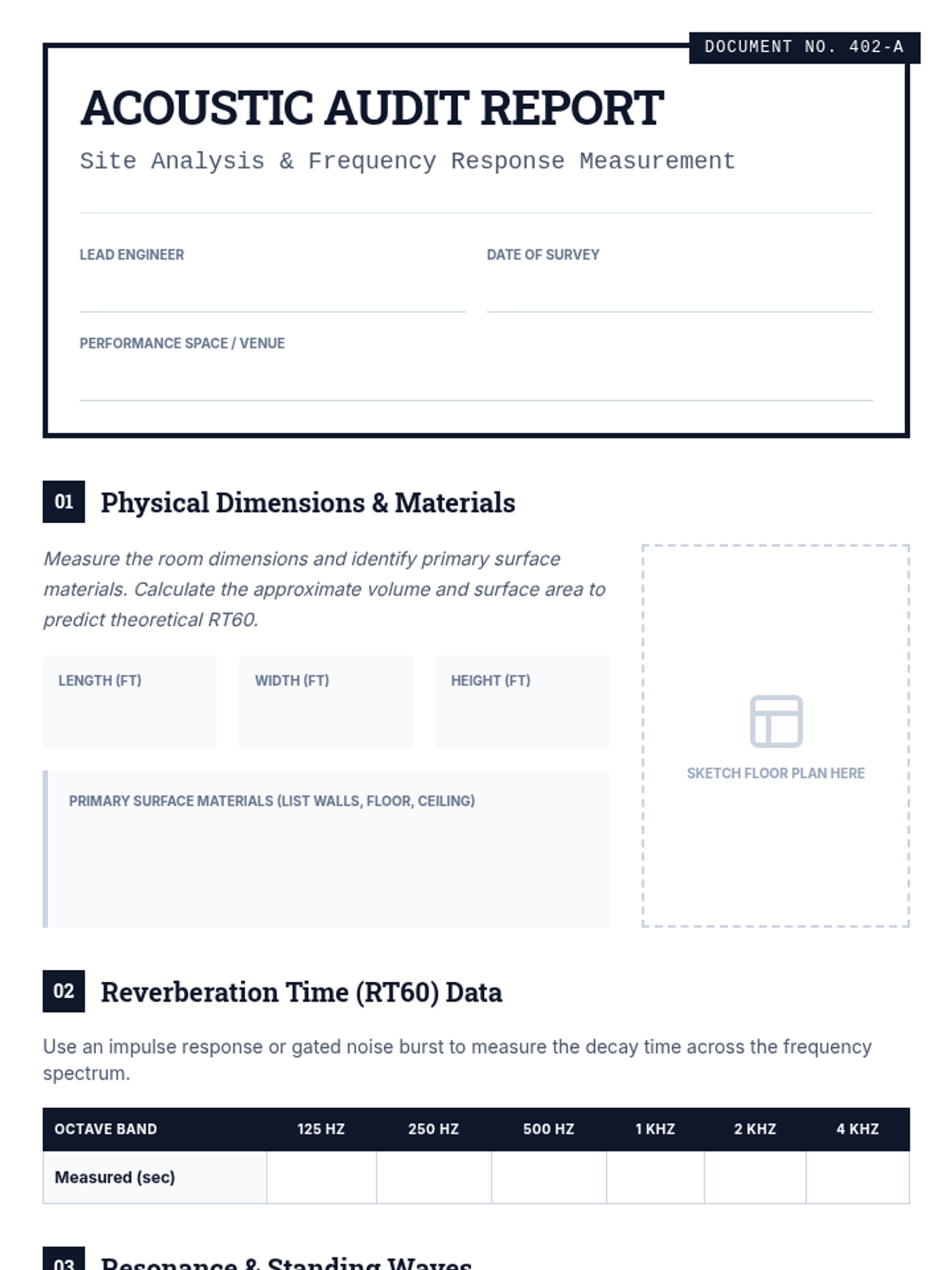
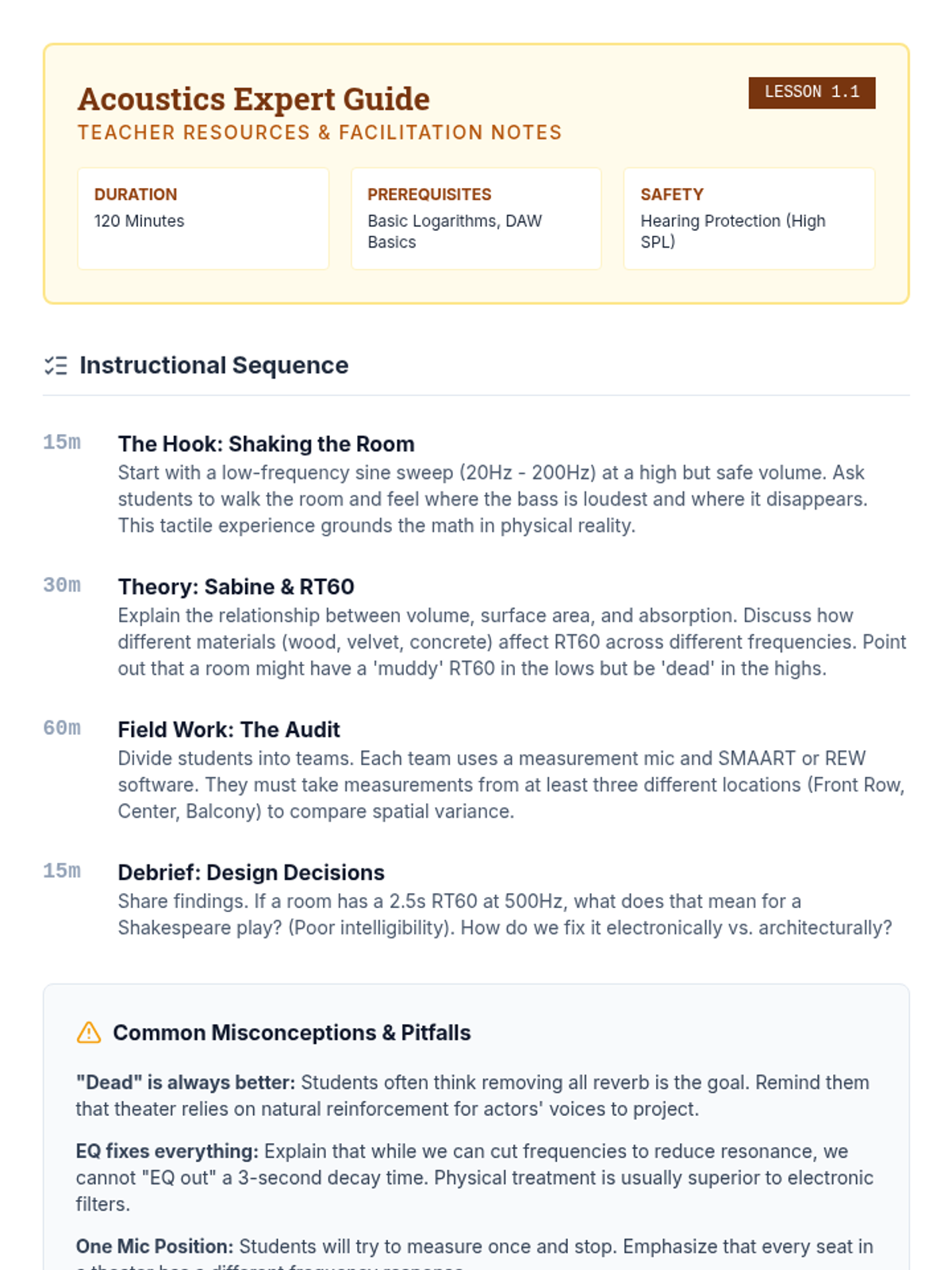
A comprehensive graduate-level exploration of spatial audio engineering, psychoacoustics, and immersive sound design for theater. This sequence bridges the gap between theoretical acoustics and practical, large-scale system engineering.
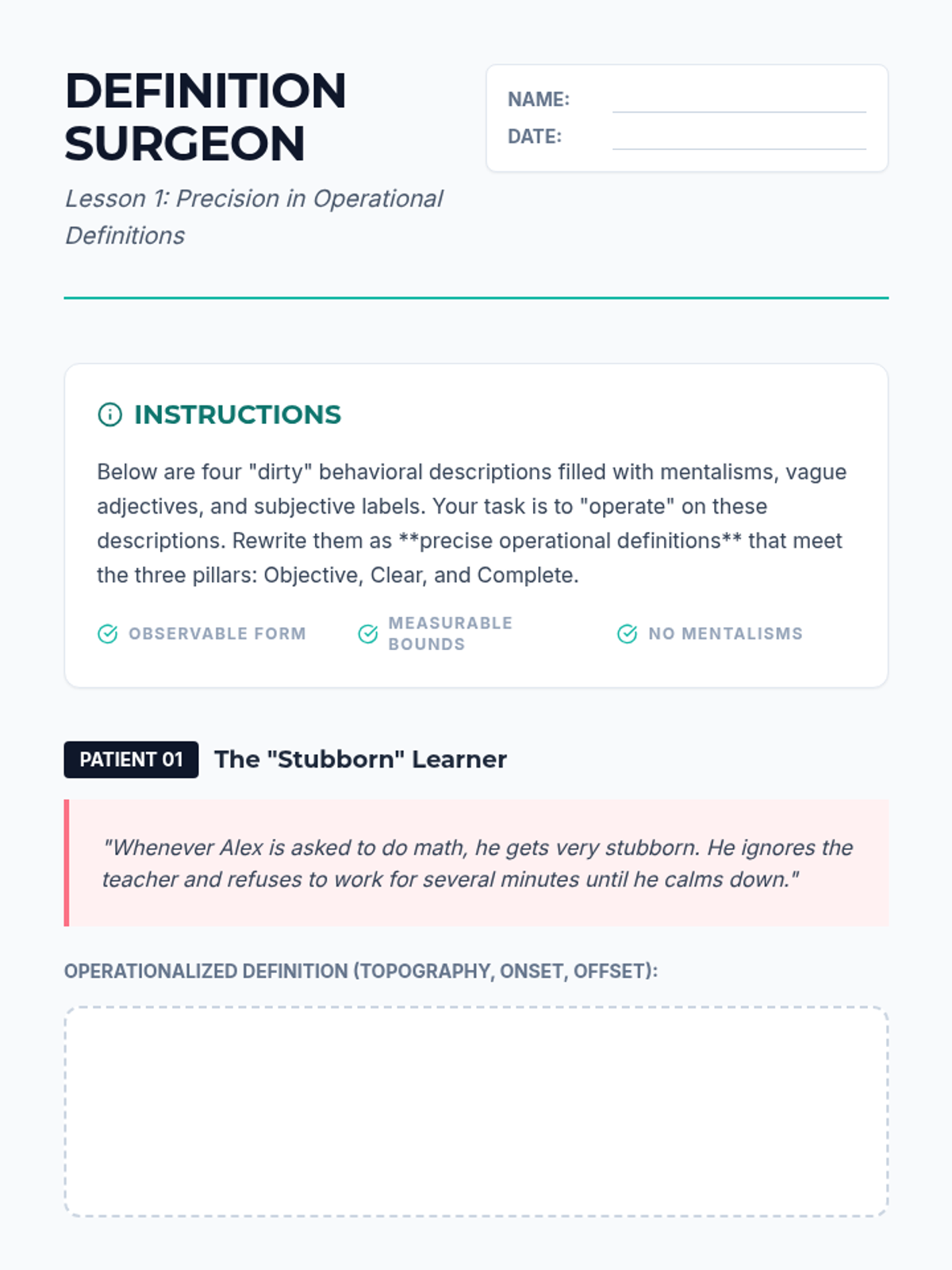
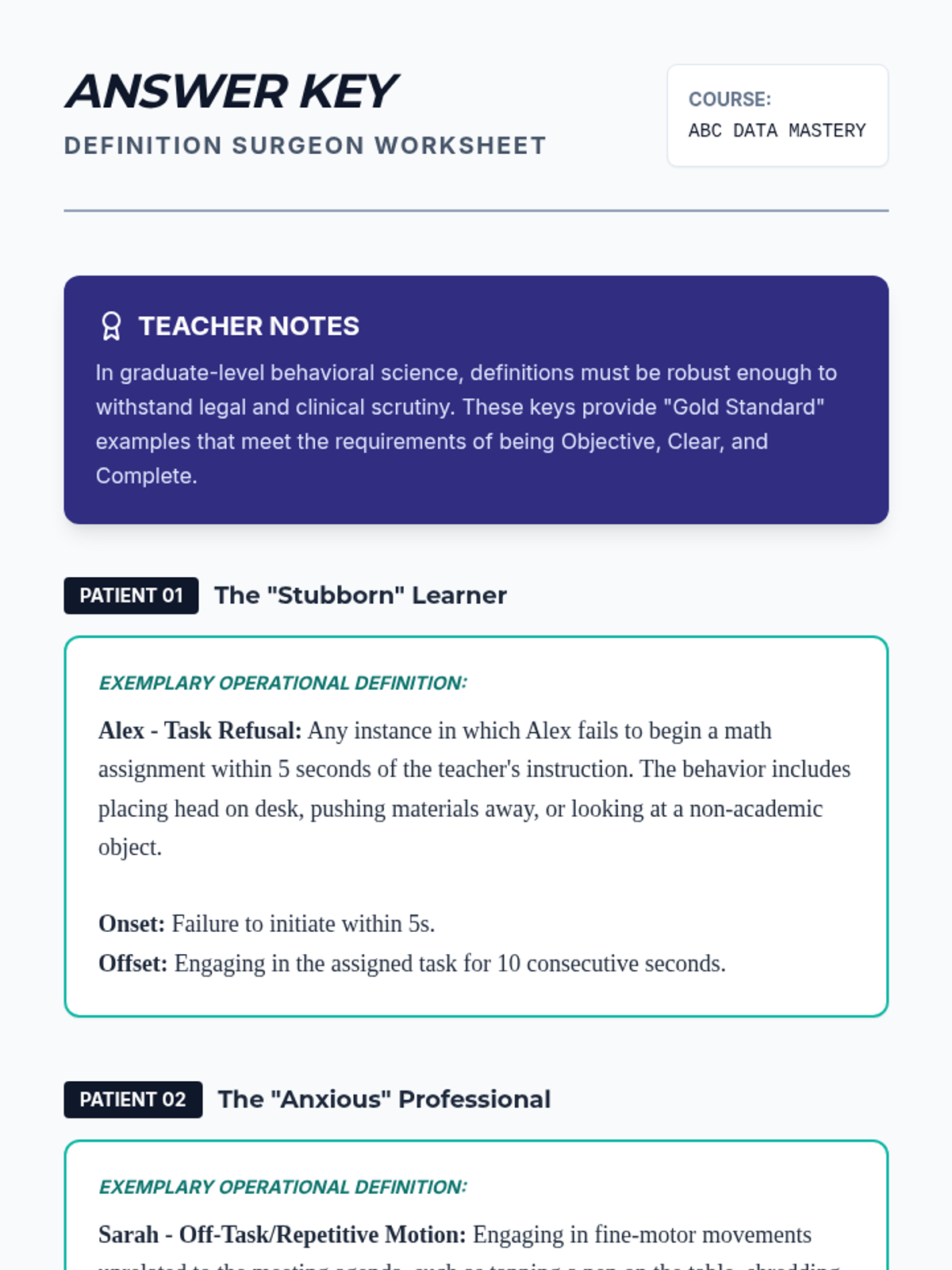
A graduate-level sequence focused on the technical precision of ABC data collection, covering operational definitions, recording methodologies, scatterplots, IOA calculations, and ethical digital practices.
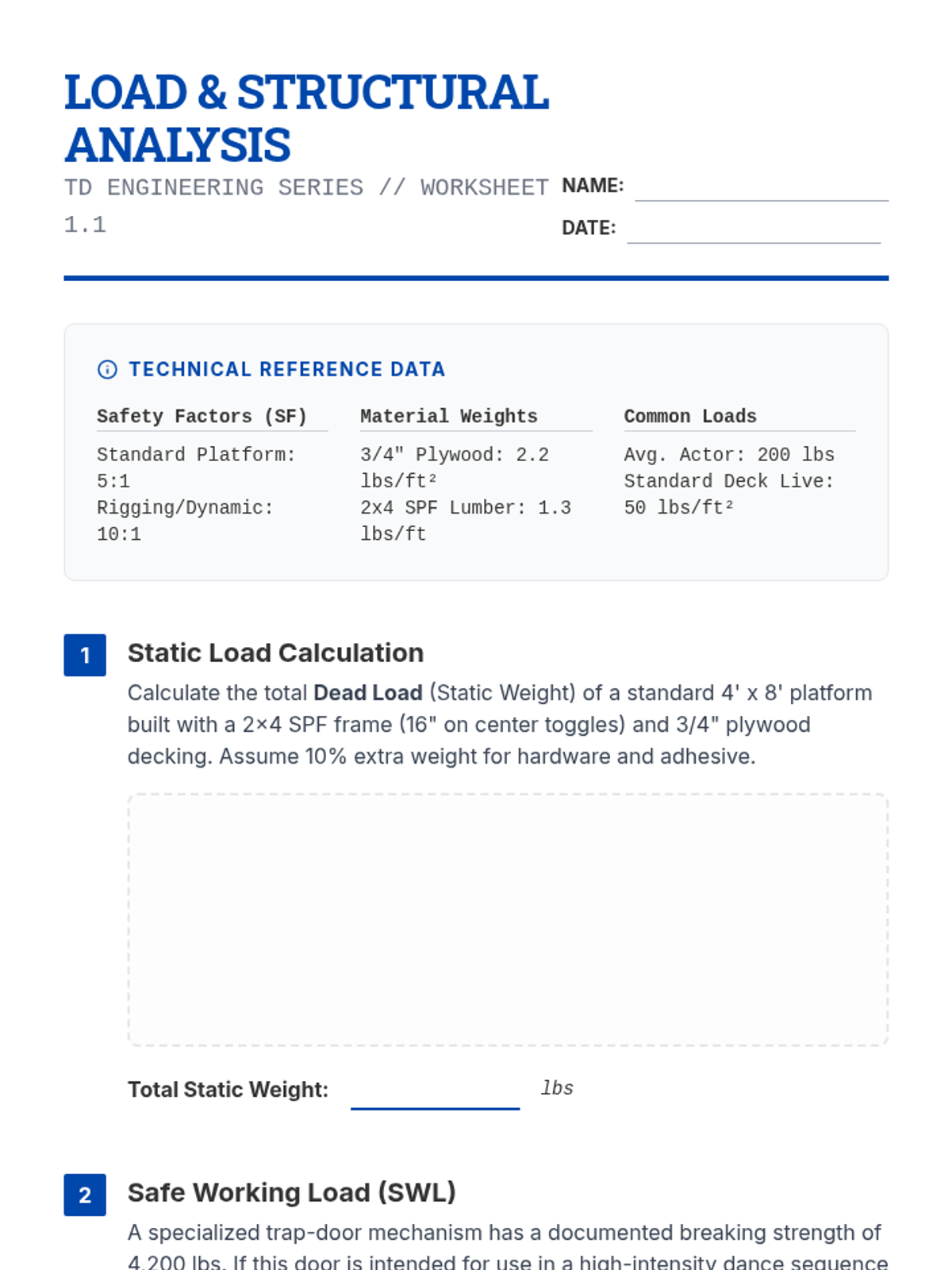
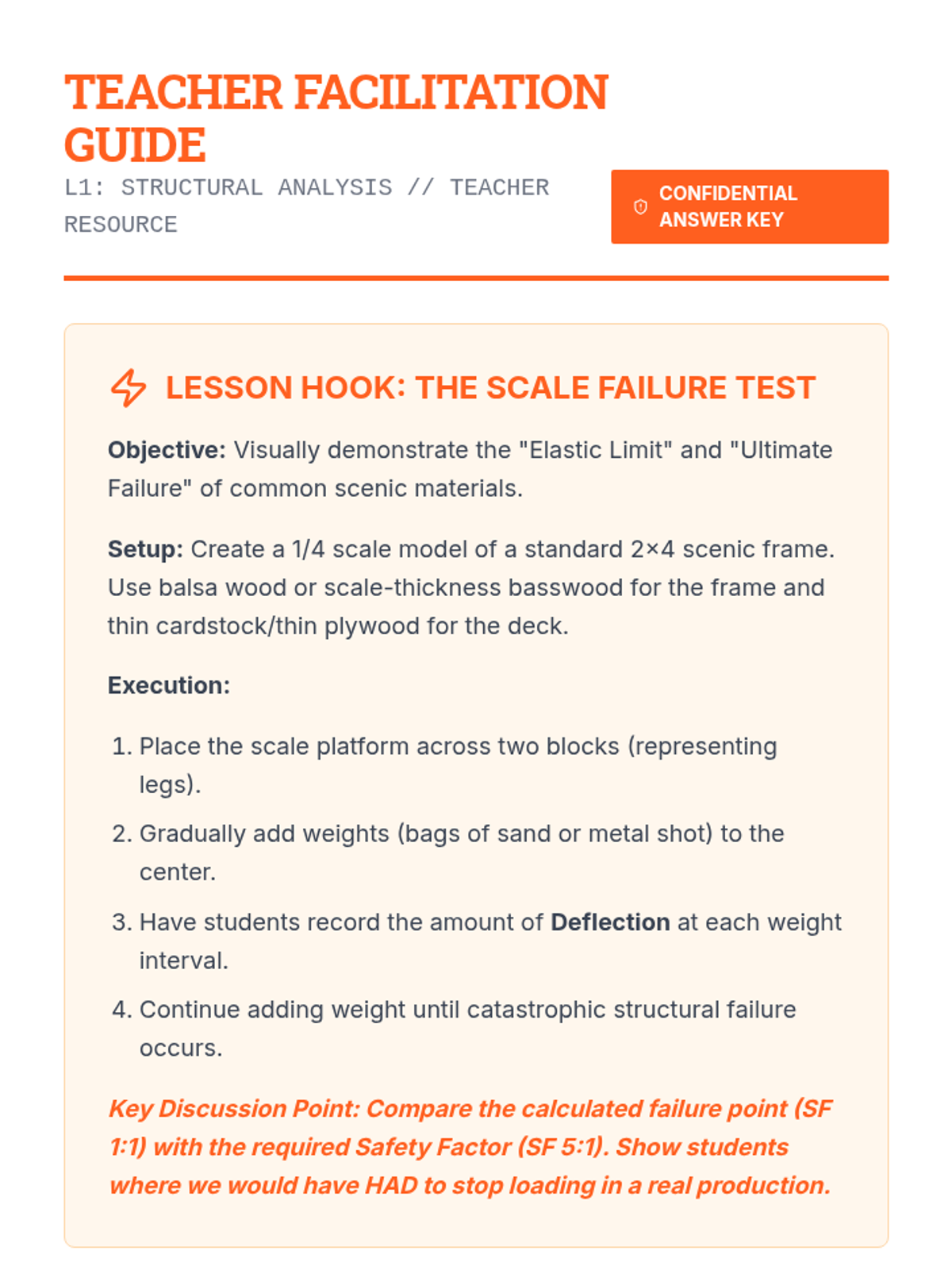
A graduate-level sequence exploring the intersection of structural engineering, physics, and project management in theatrical technical direction. Students master load calculations, CAD for fabrication, automation mechanics, budgeting, and rigging safety.
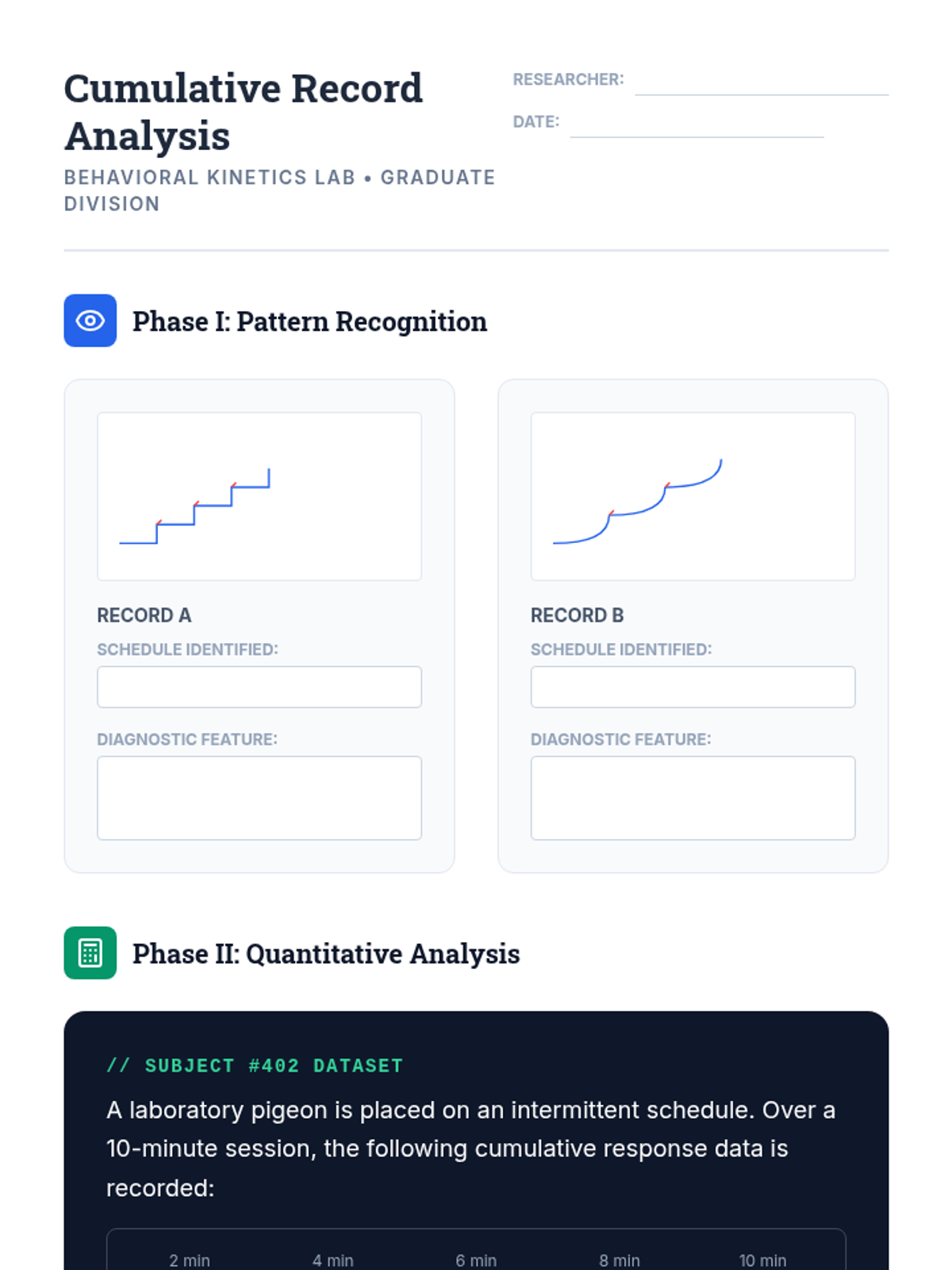
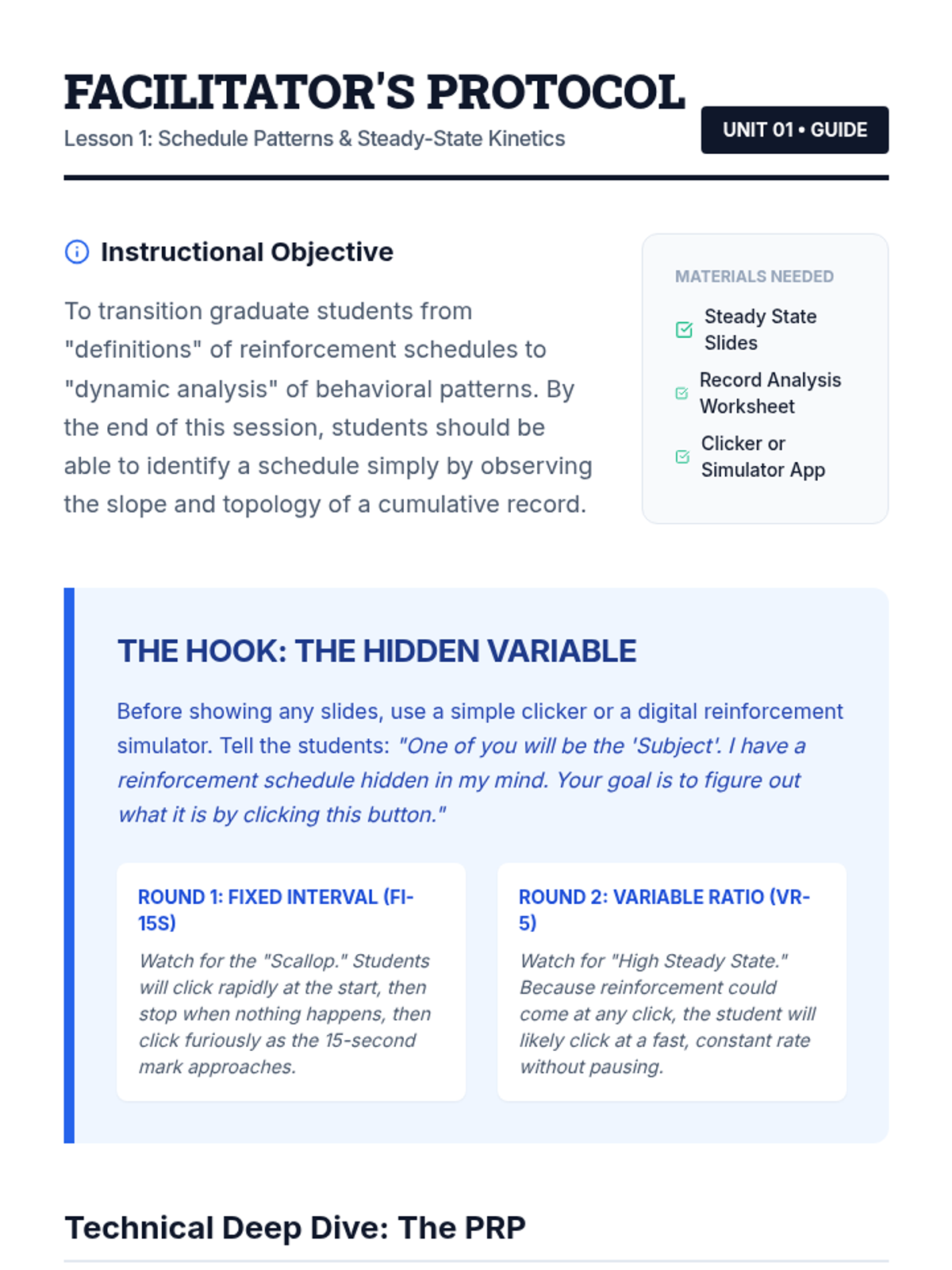
An advanced exploration of behavioral kinetics for graduate students, focusing on the mathematical foundations of reinforcement schedules, the Matching Law, and clinical applications for behavioral maintenance and reduction.
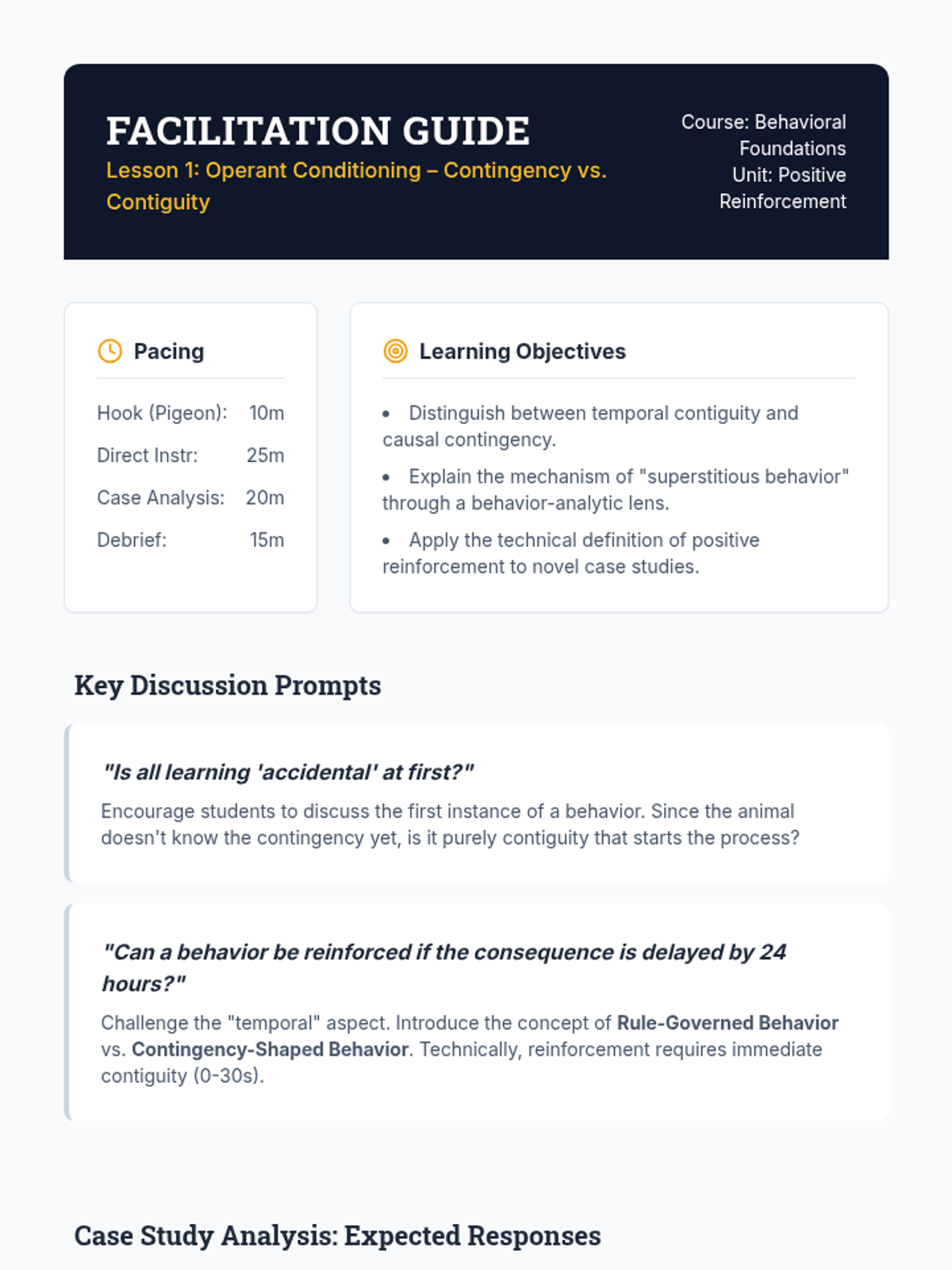
This graduate-level sequence explores the theoretical and neurobiological foundations of positive reinforcement, moving from historical operant principles to modern neuroscience and clinical assessment techniques.
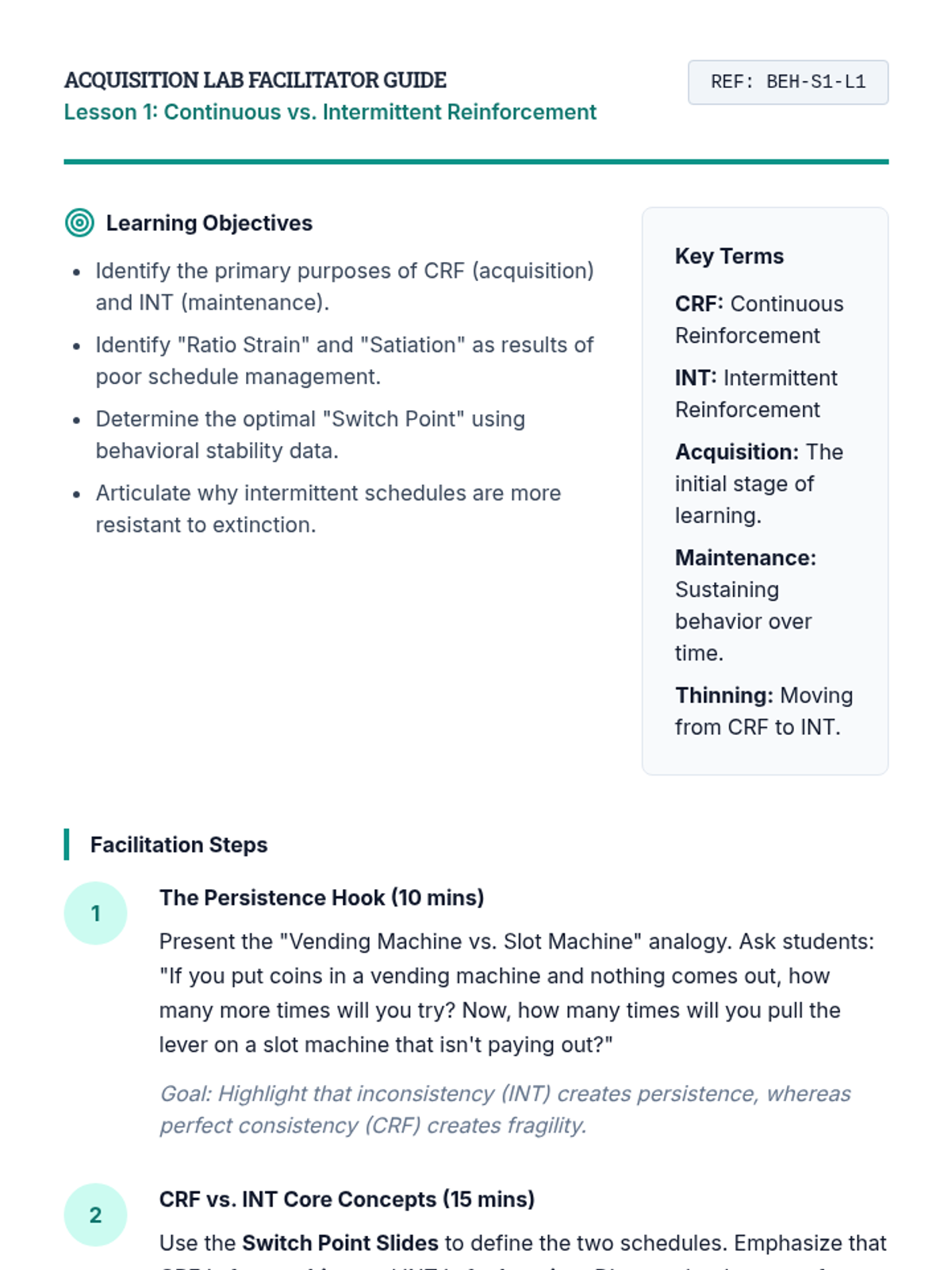
A comprehensive undergraduate sequence exploring the mathematical and temporal mechanics of reinforcement schedules, culminating in the practical design of token economies and analysis of behavioral persistence.
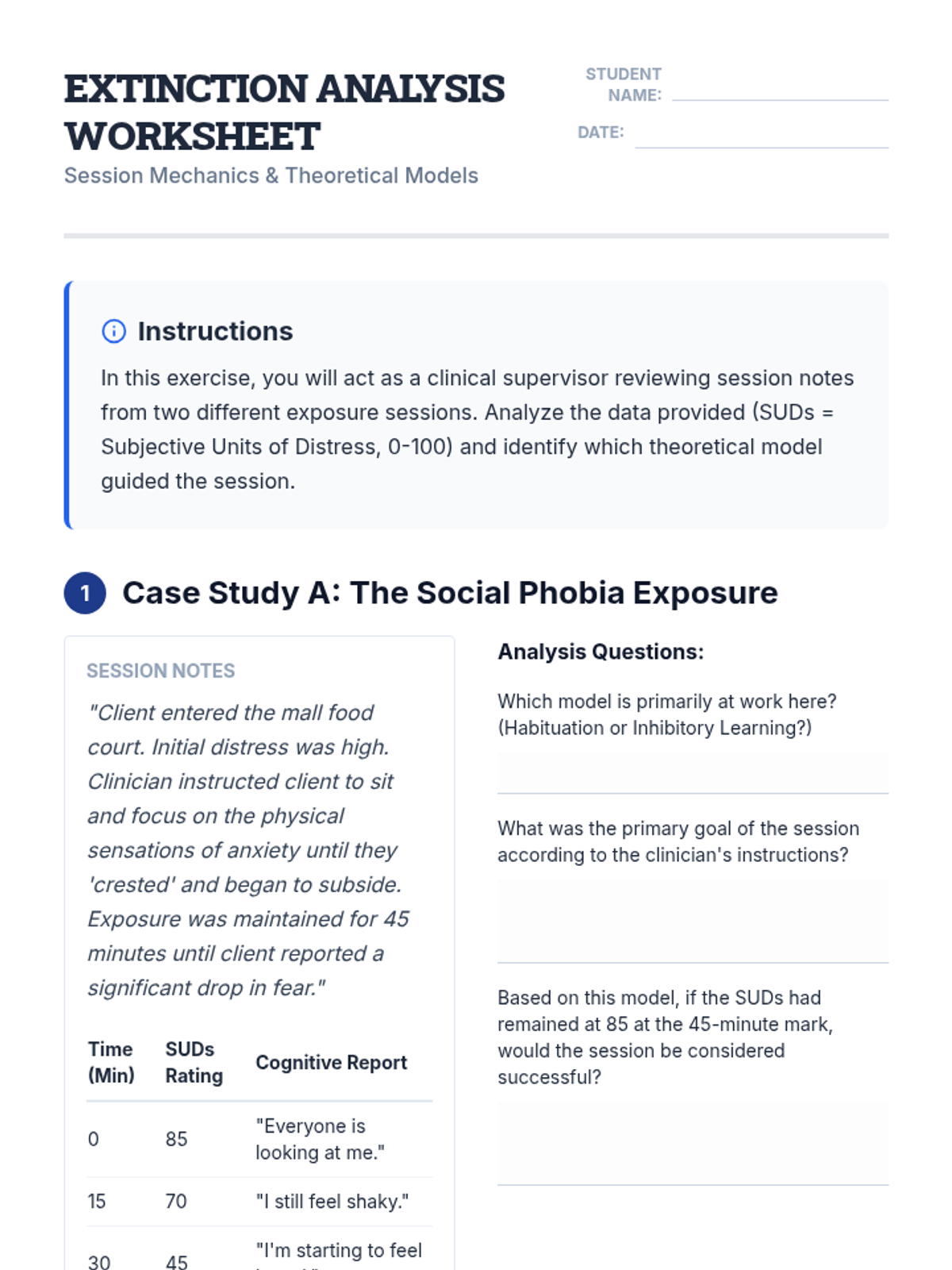
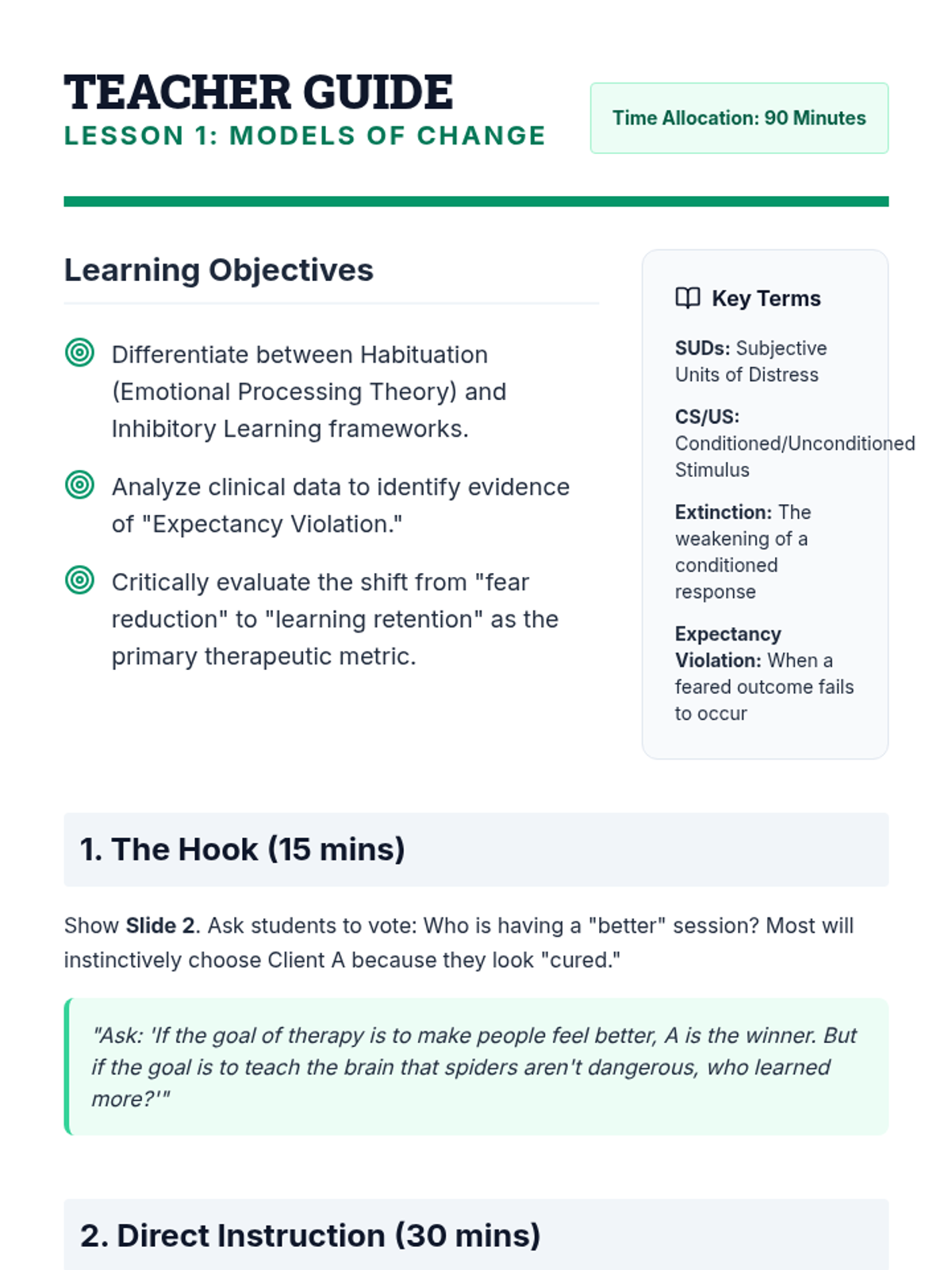
This undergraduate sequence explores the cognitive mechanisms of exposure therapy, shifting from the traditional habituation model to the modern inhibitory learning framework. Students analyze ethical dilemmas, research-based optimization strategies, and treatment failures to develop a sophisticated understanding of how fear extinction works.
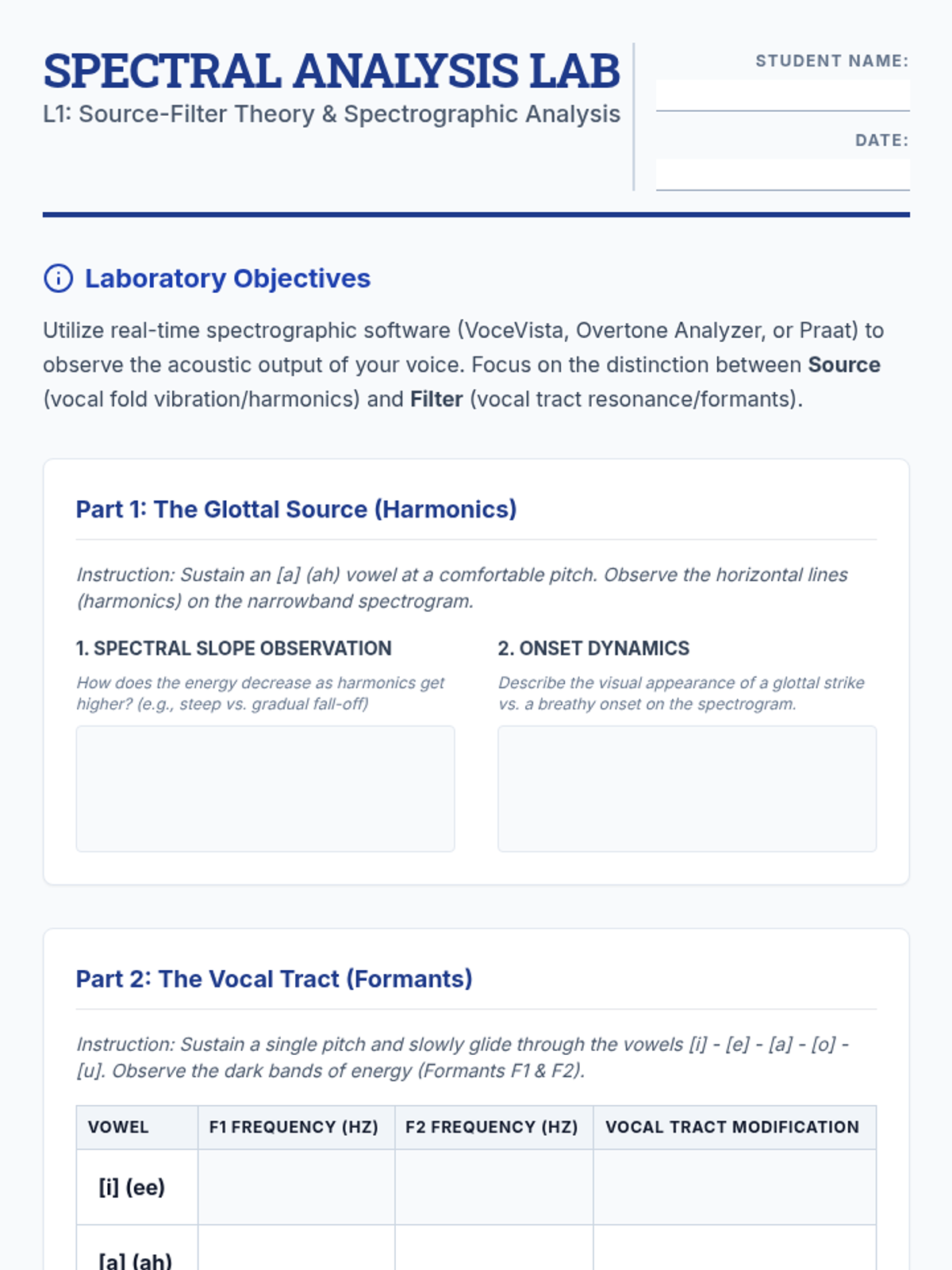
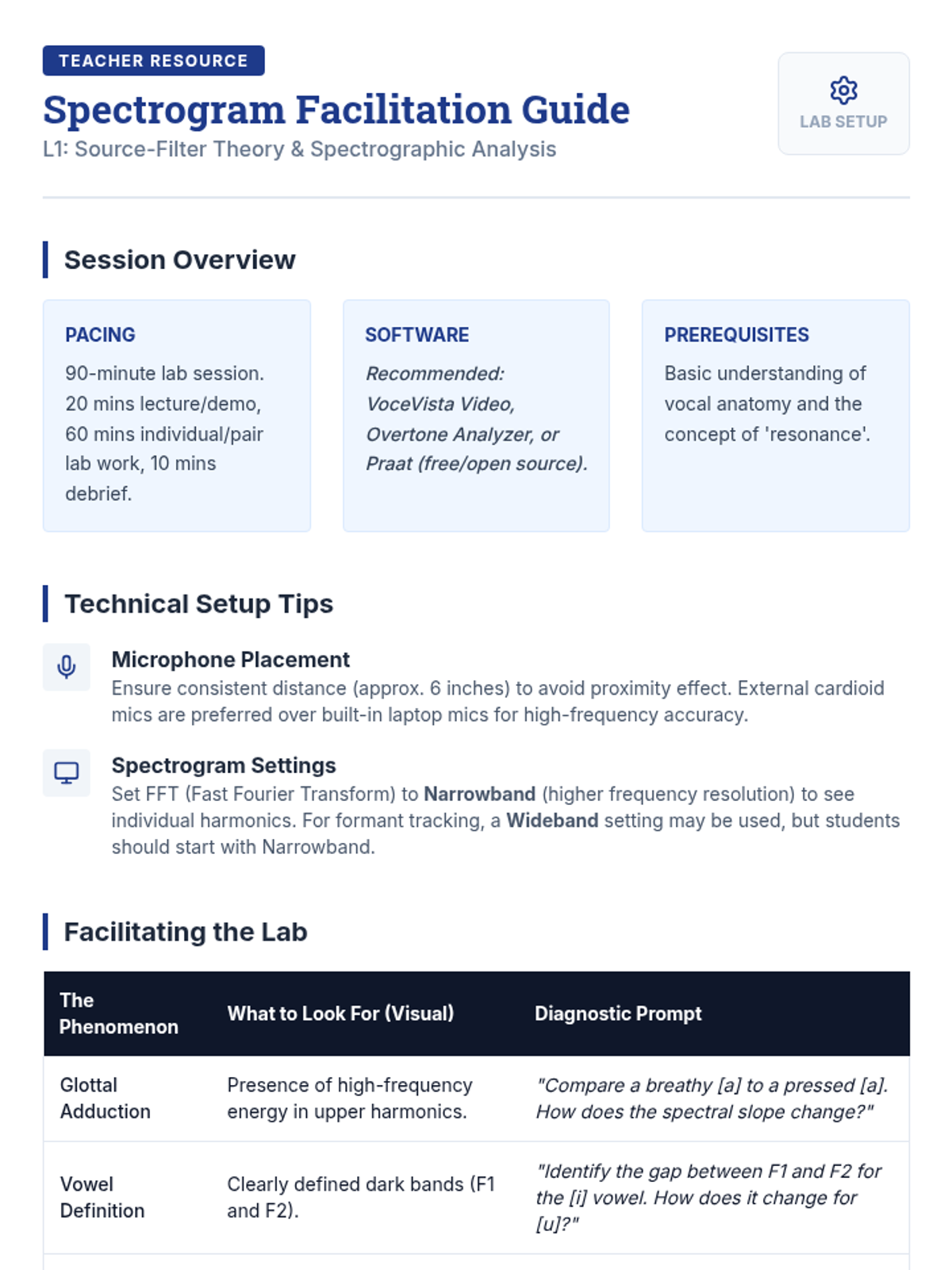
This graduate-level sequence bridges the gap between vocal science and pedagogical practice, exploring acoustics, registration, and diagnostics. Students move from theoretical physics of sound to practical clinical observation of the singing voice.
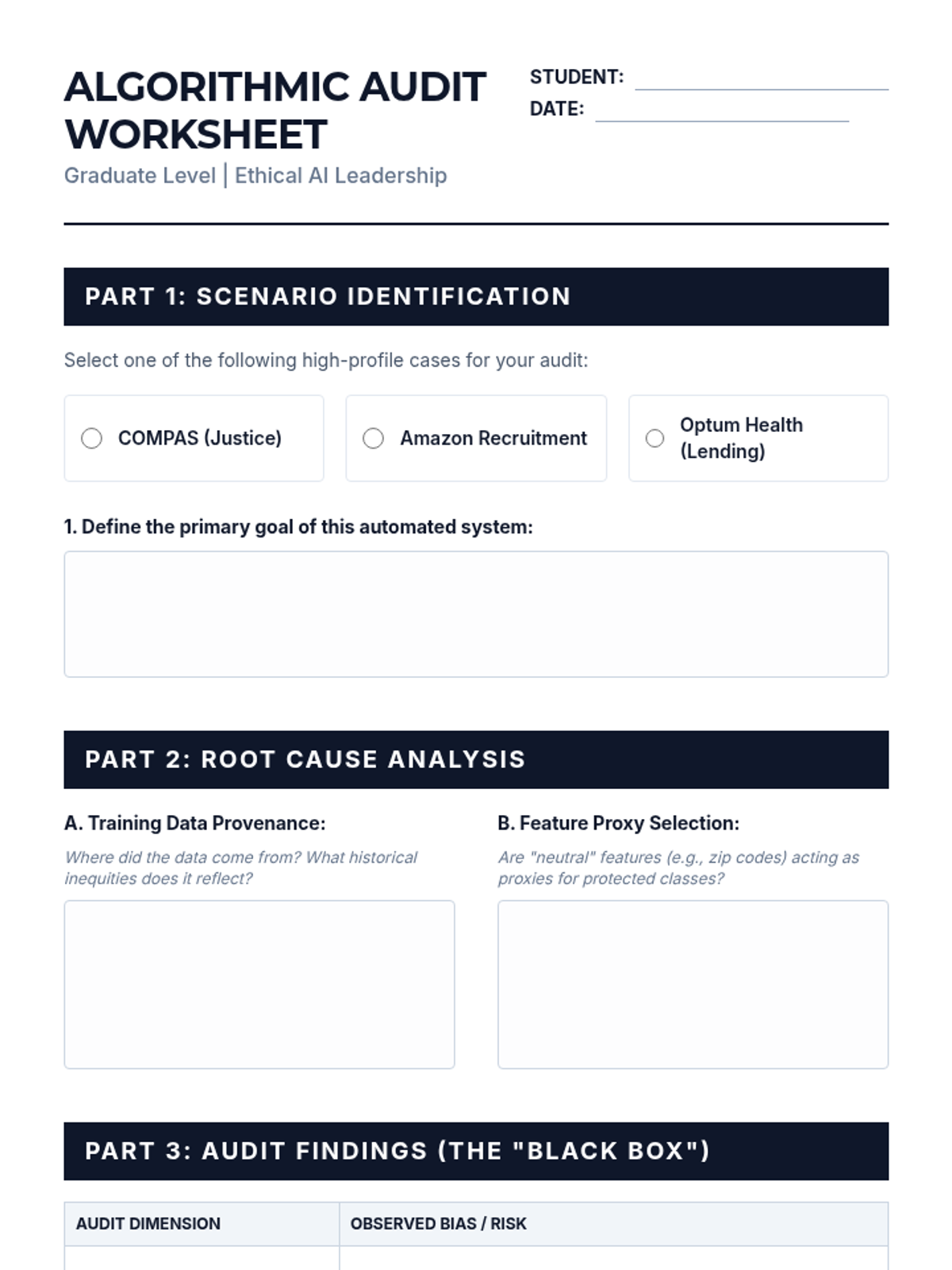
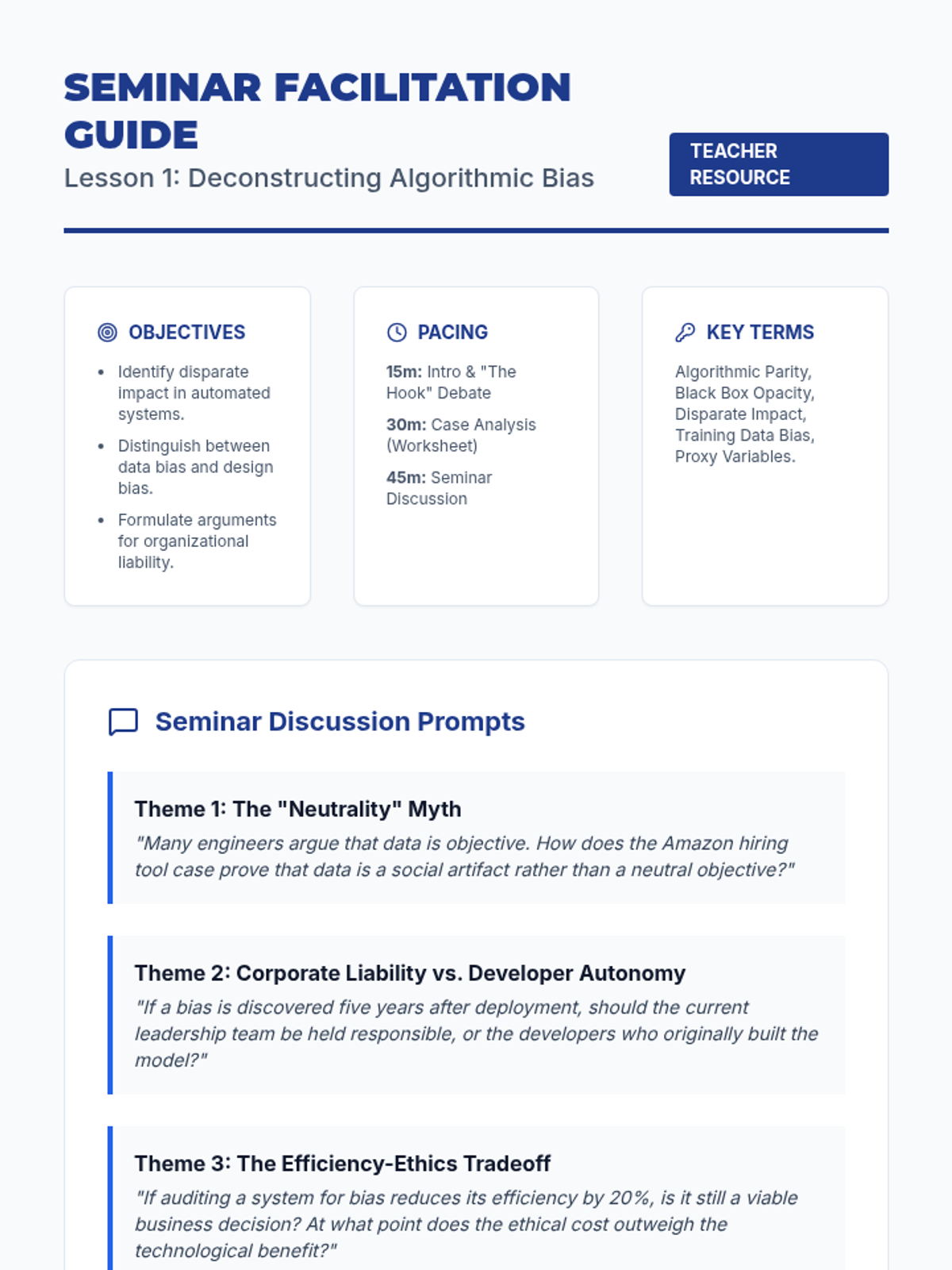
An advanced exploration of AI ethics and governance for graduate students, focusing on algorithmic bias, data privacy, human-in-the-loop systems, workforce displacement, and the formulation of organizational policy frameworks.
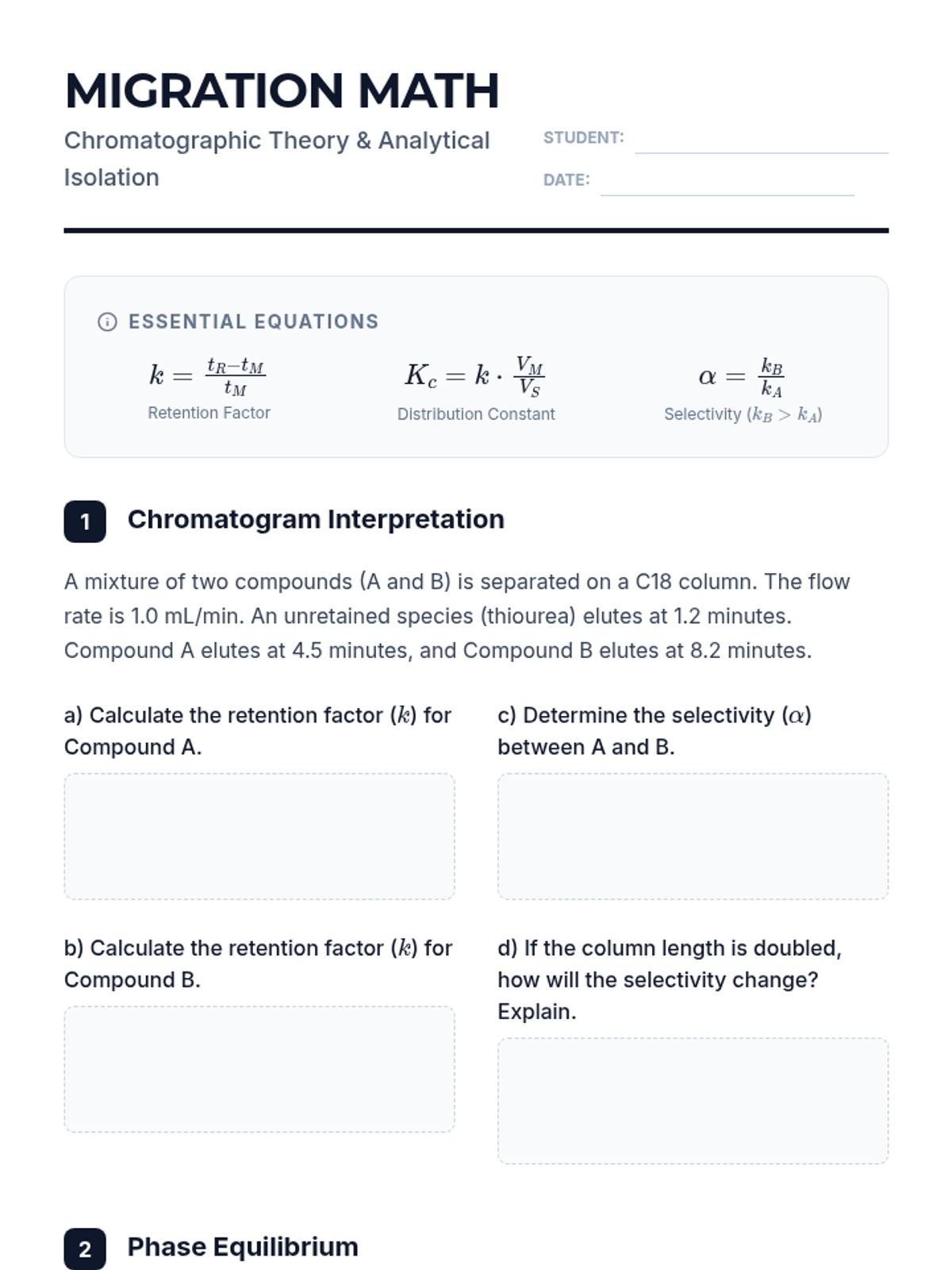
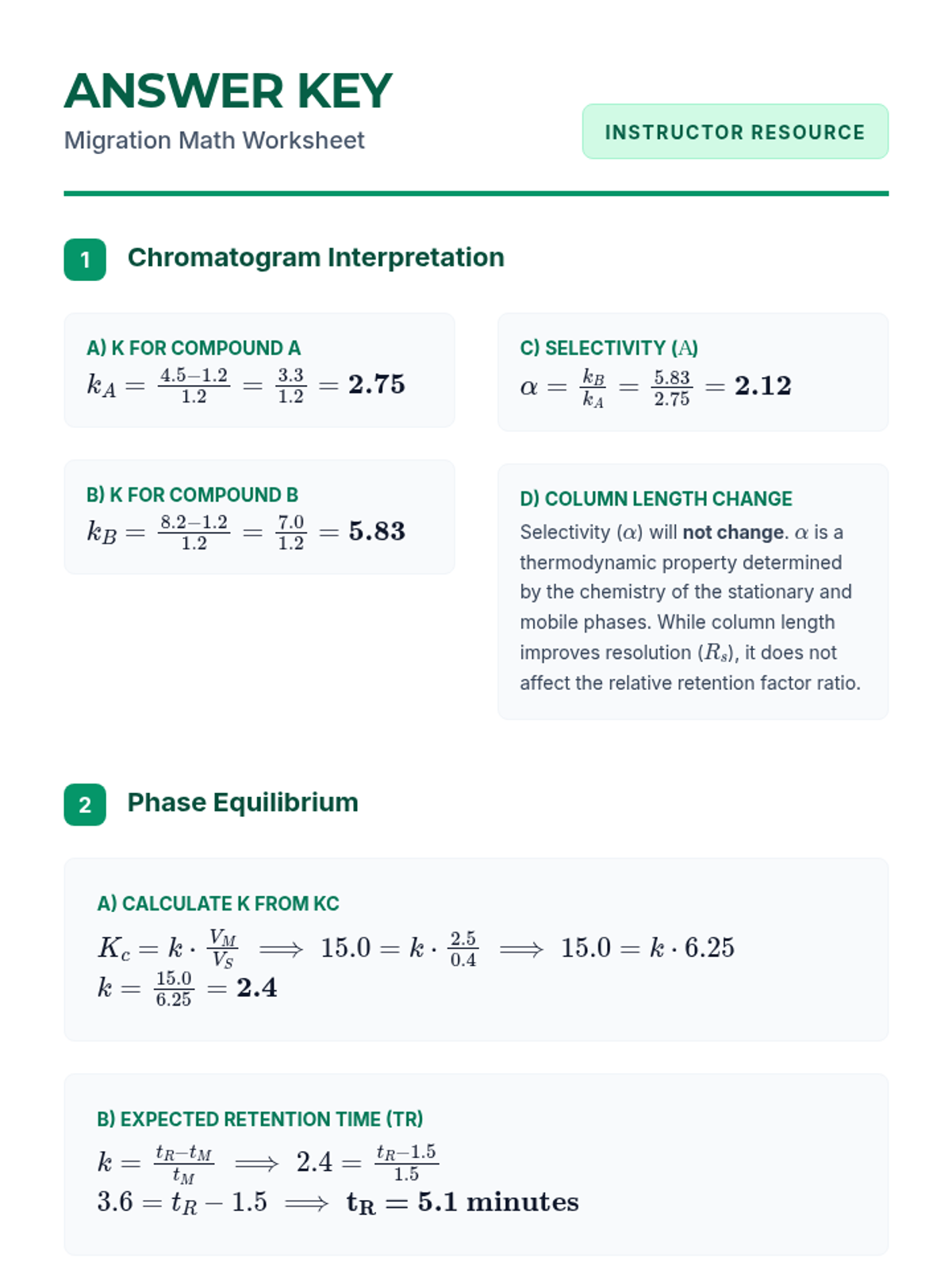
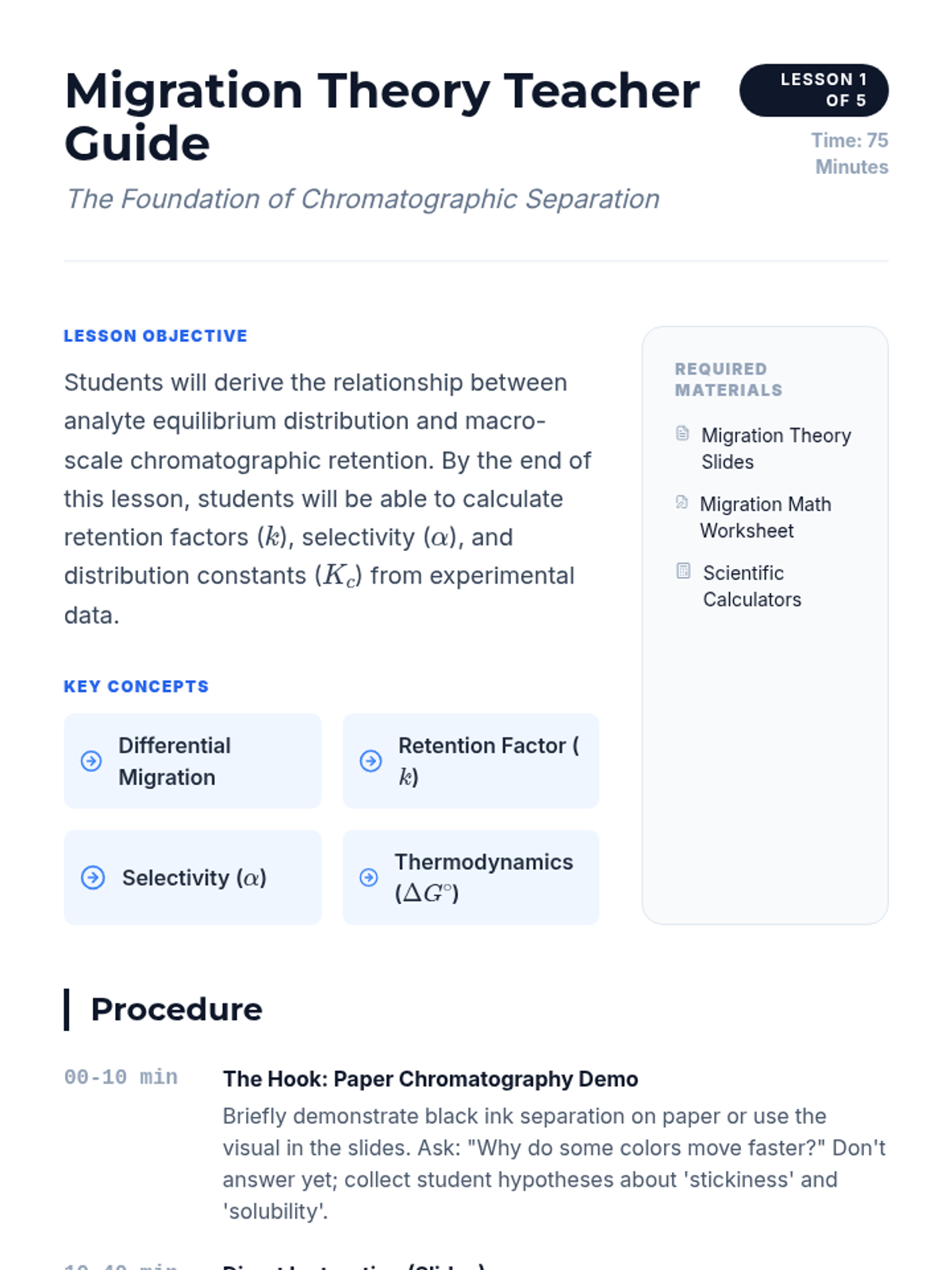
A comprehensive undergraduate sequence on the physicochemical principles of chromatography, covering thermodynamic migration theory, kinetic efficiency (Van Deemter), phase optimization, instrumentation (GC/HPLC), and quantitative analytical methods.
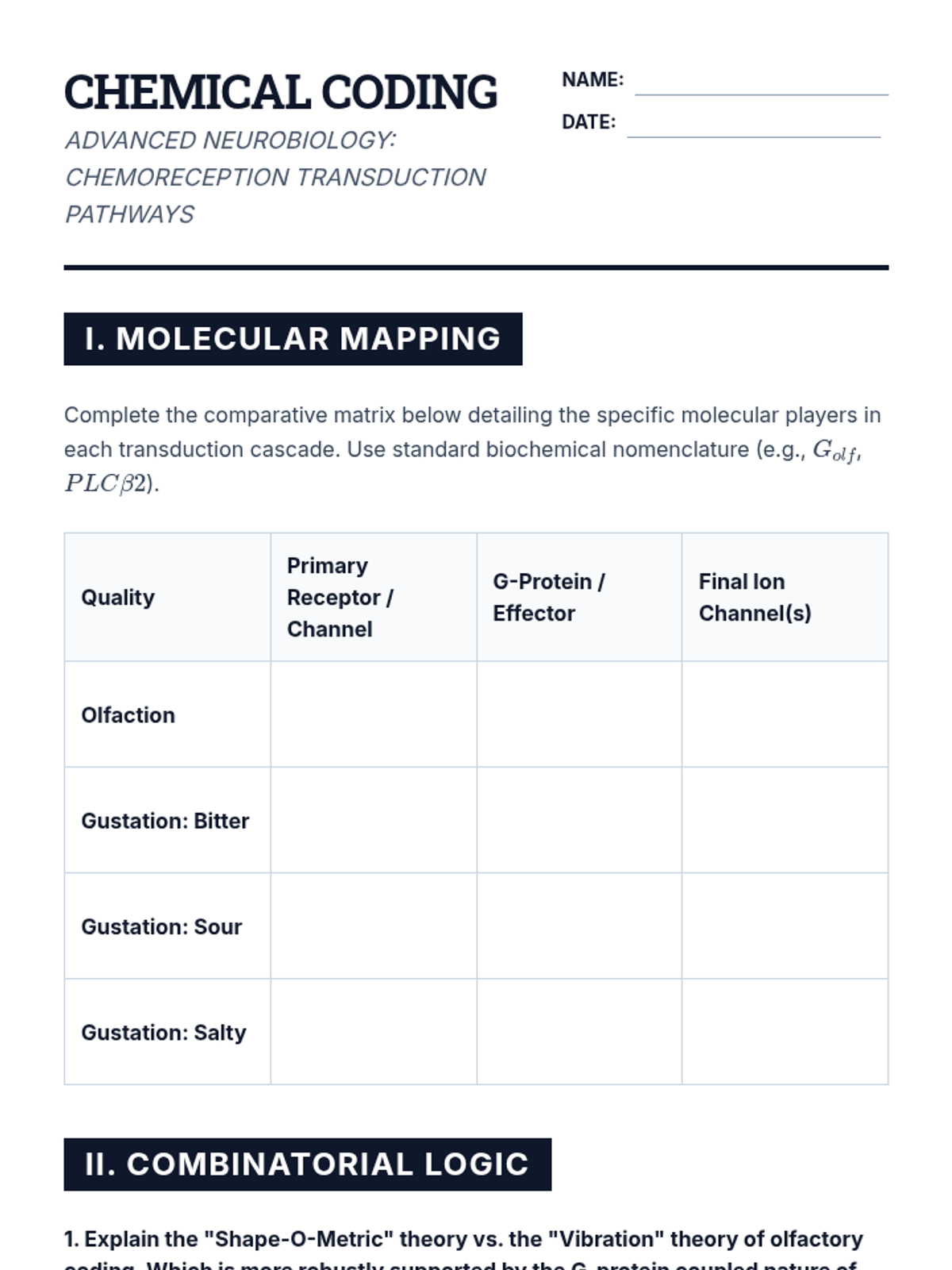
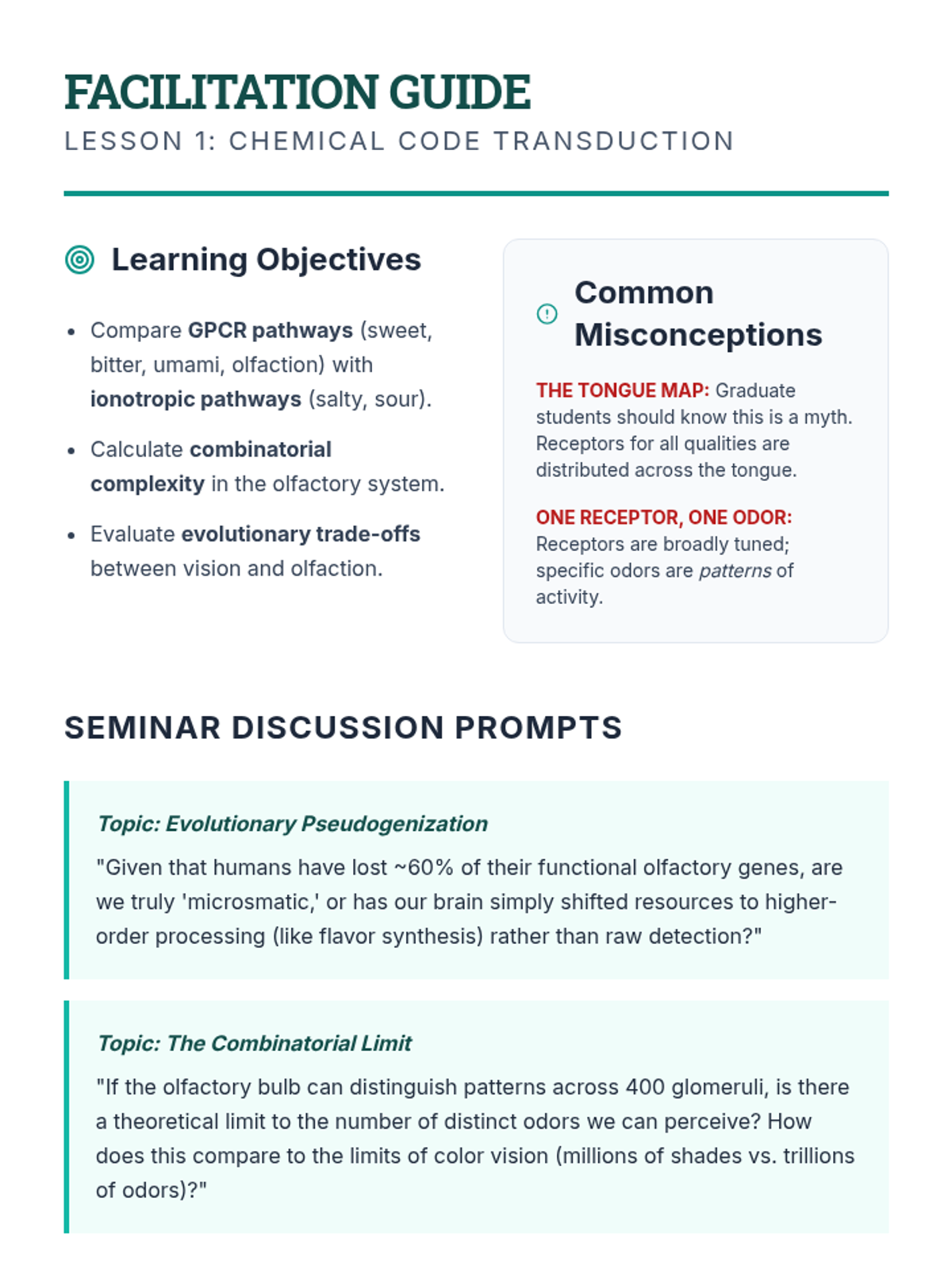
An advanced graduate-level exploration of the chemical and somatosensory systems, focusing on molecular transduction, neural pathways of pain, and the complex brain mechanisms that integrate multiple sensory streams into a unified perception of flavor and space.
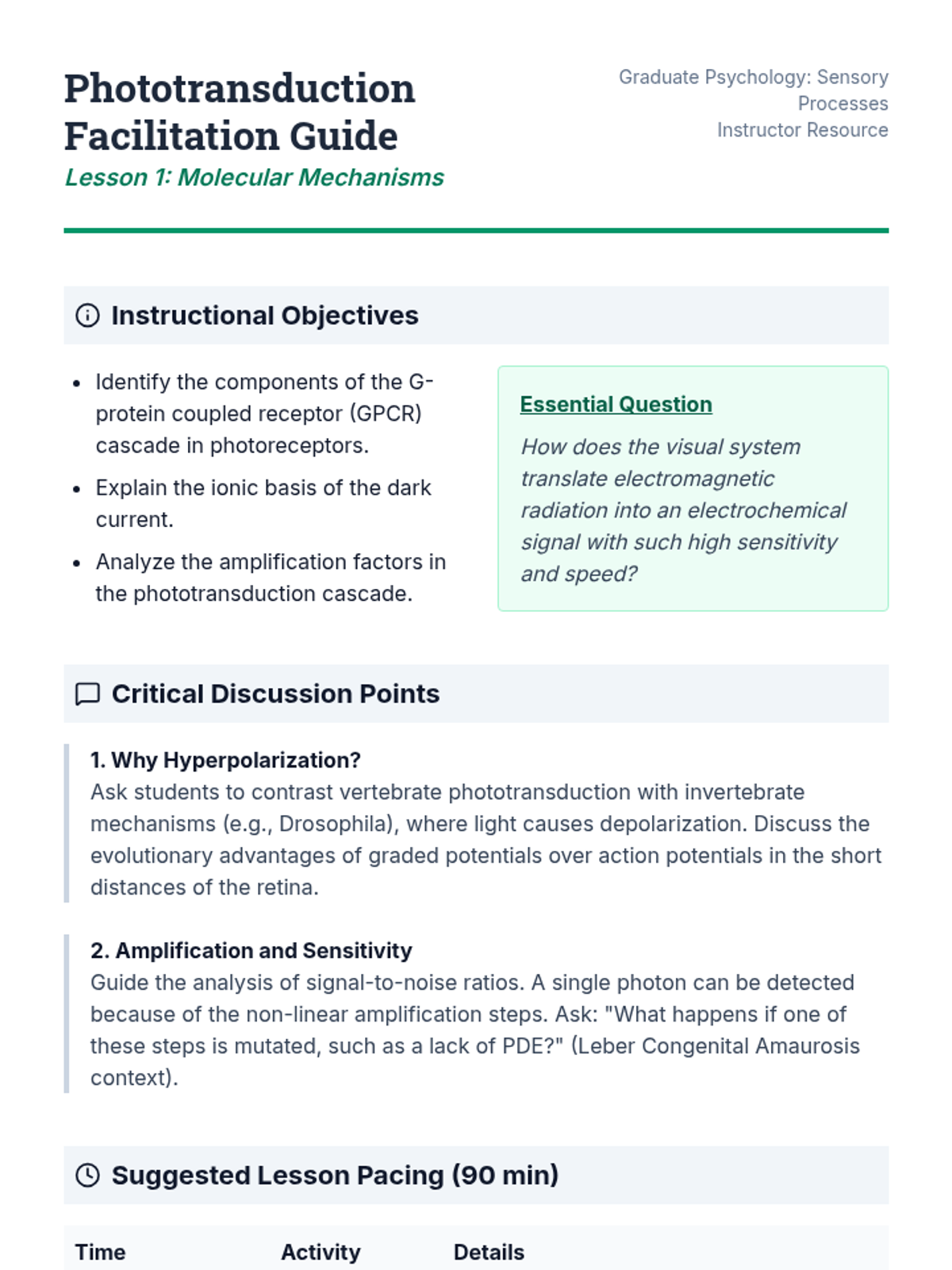
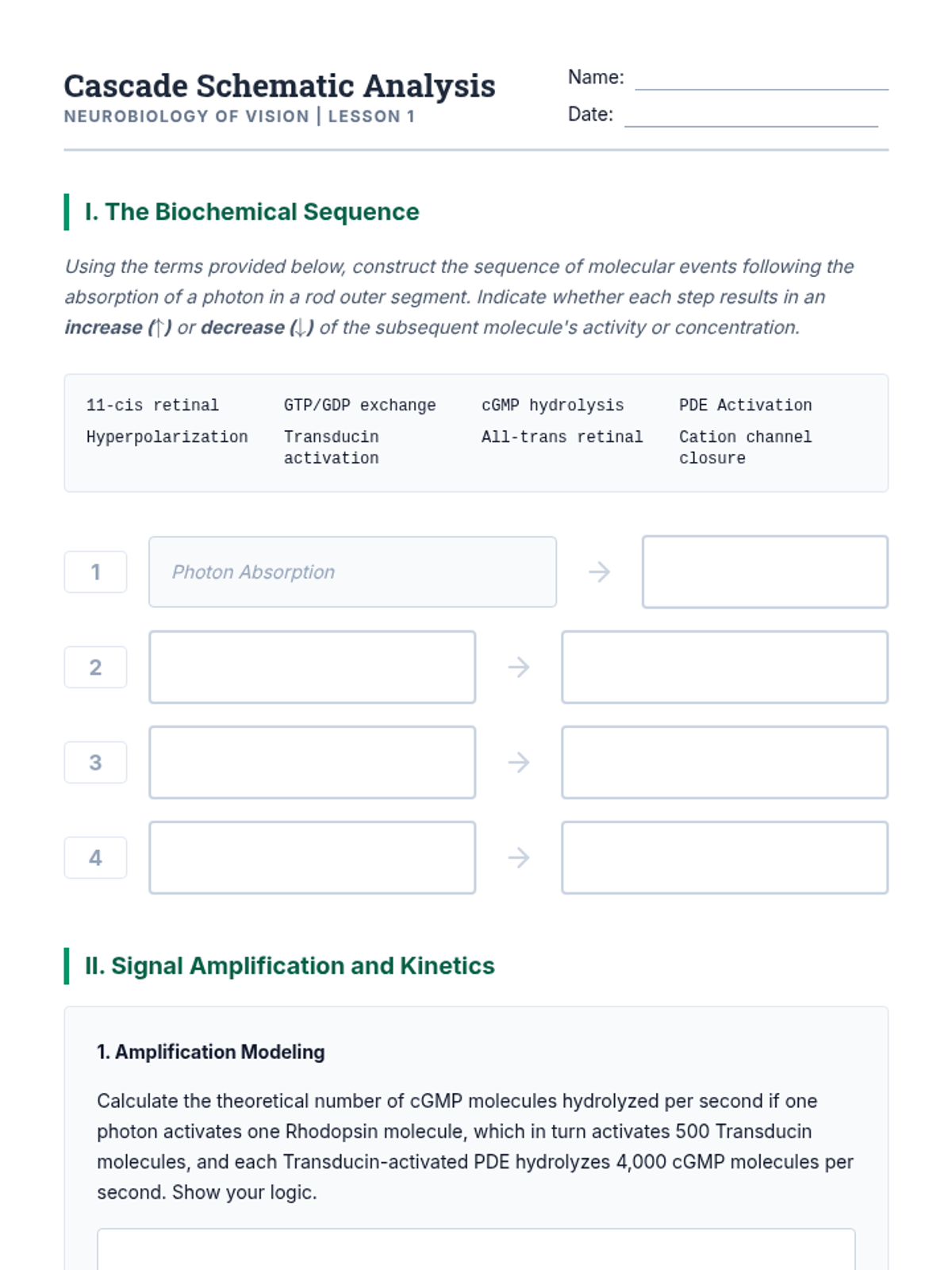
An advanced graduate-level exploration of the neurobiological mechanisms of vision, from the molecular events of phototransduction to the complex integration of the extrastriate cortex. Students will analyze retinal circuitry, thalamic relays, and the functional specialization of the dorsal and ventral streams.
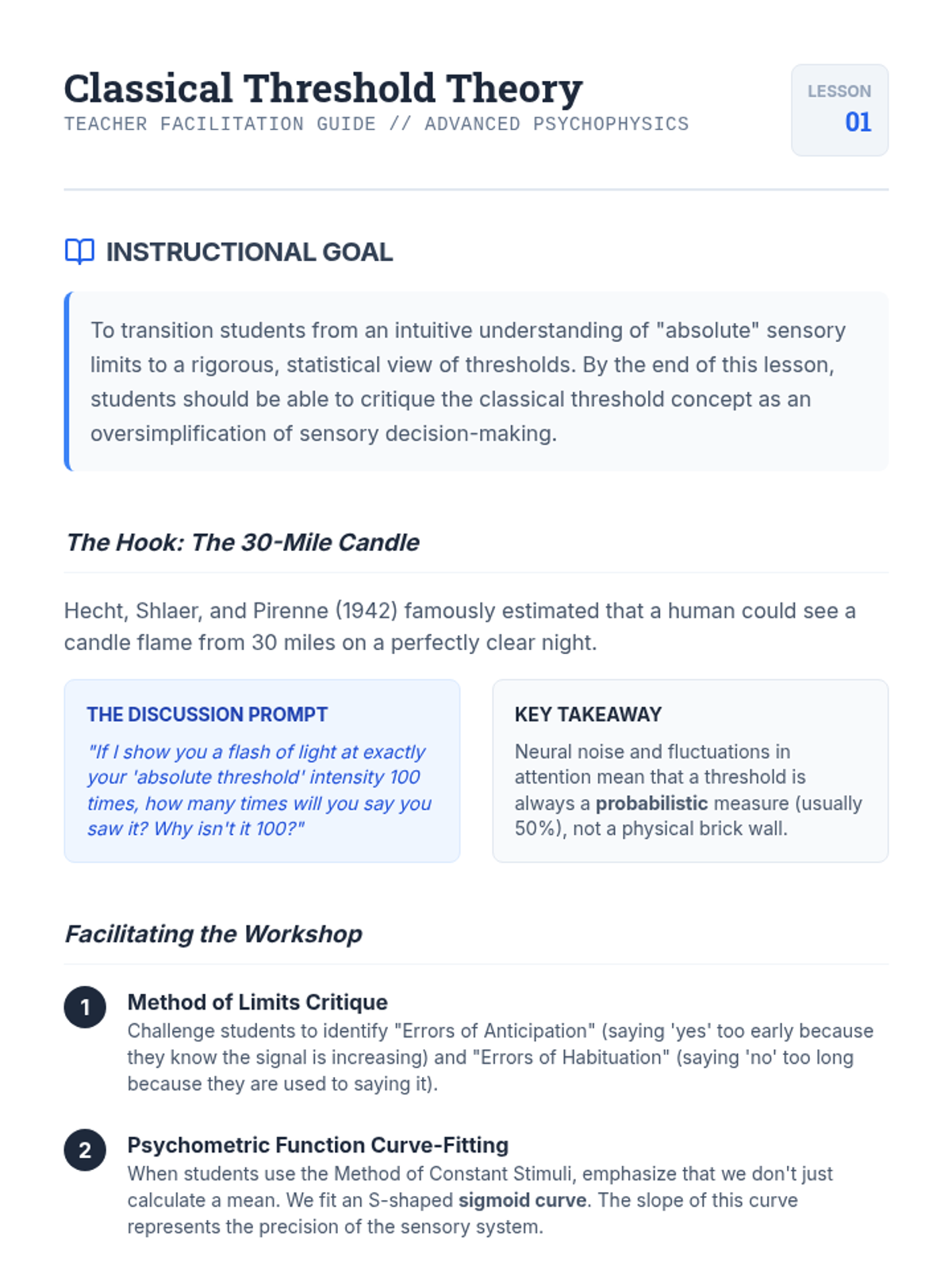
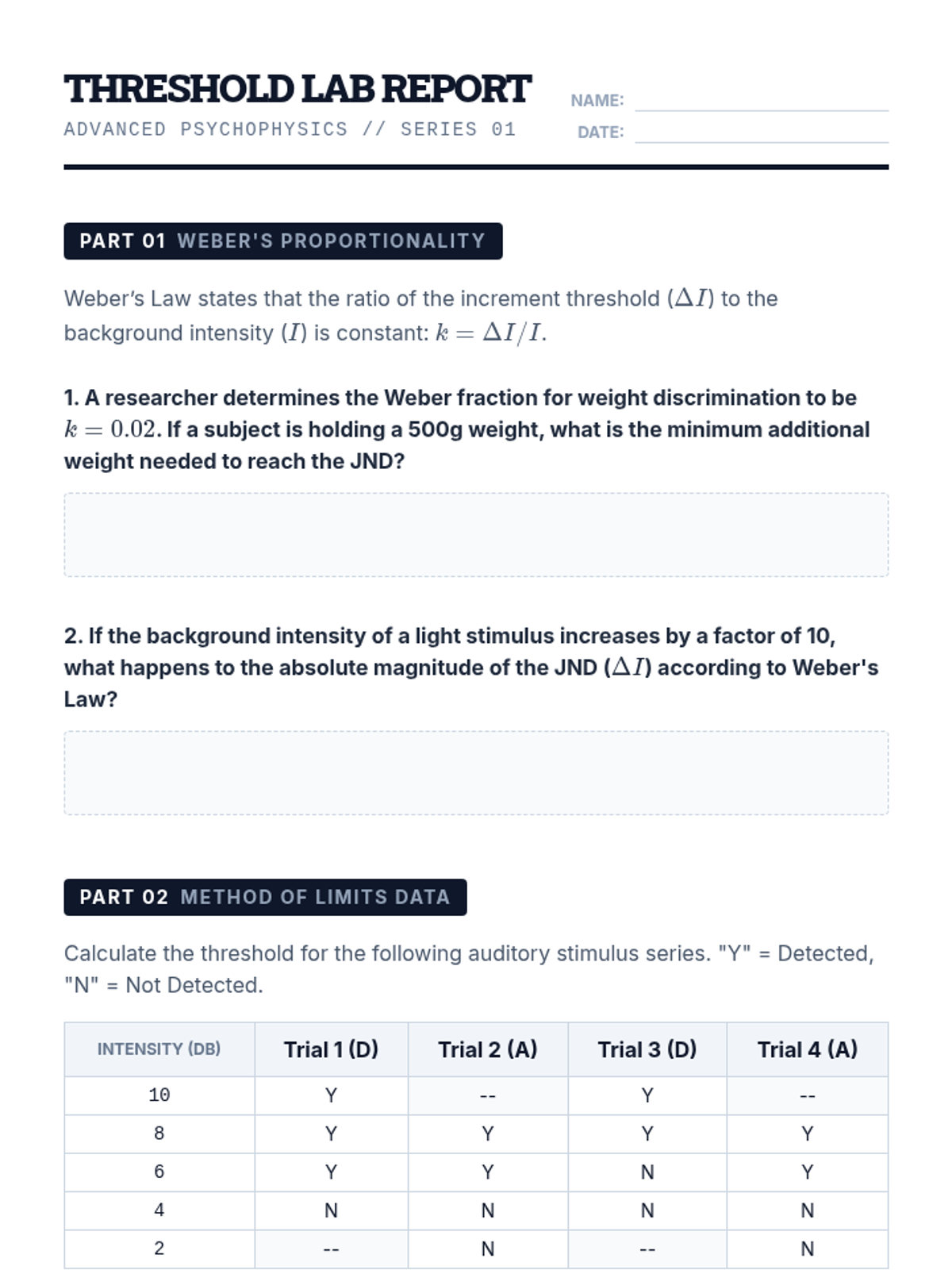
A graduate-level exploration of psychophysical methodology, focusing on the mathematical frameworks of Signal Detection Theory and Bayesian inference in sensory systems. Students will master the calculation of sensitivity and bias, ROC analysis, and threshold measurement techniques.
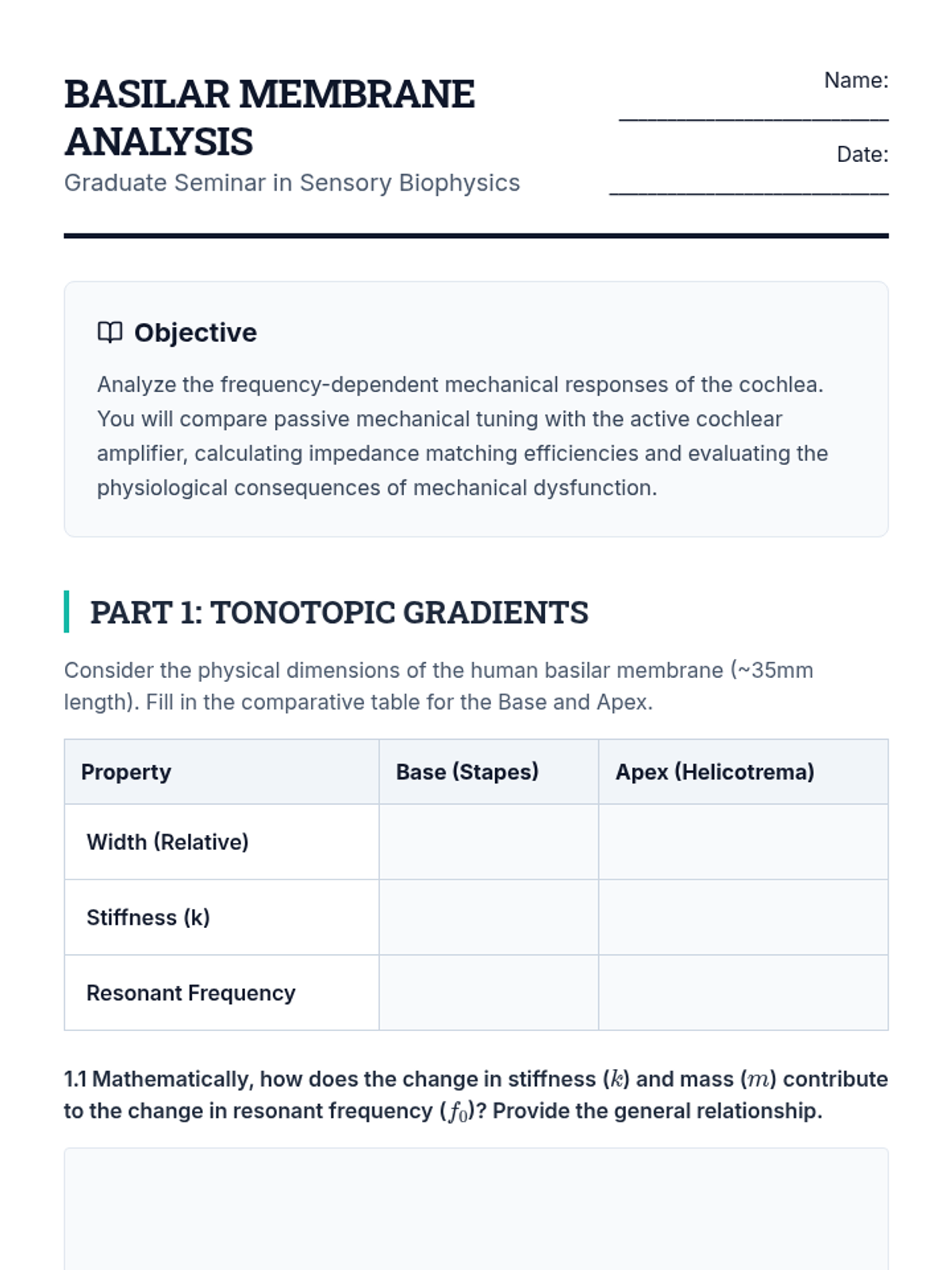
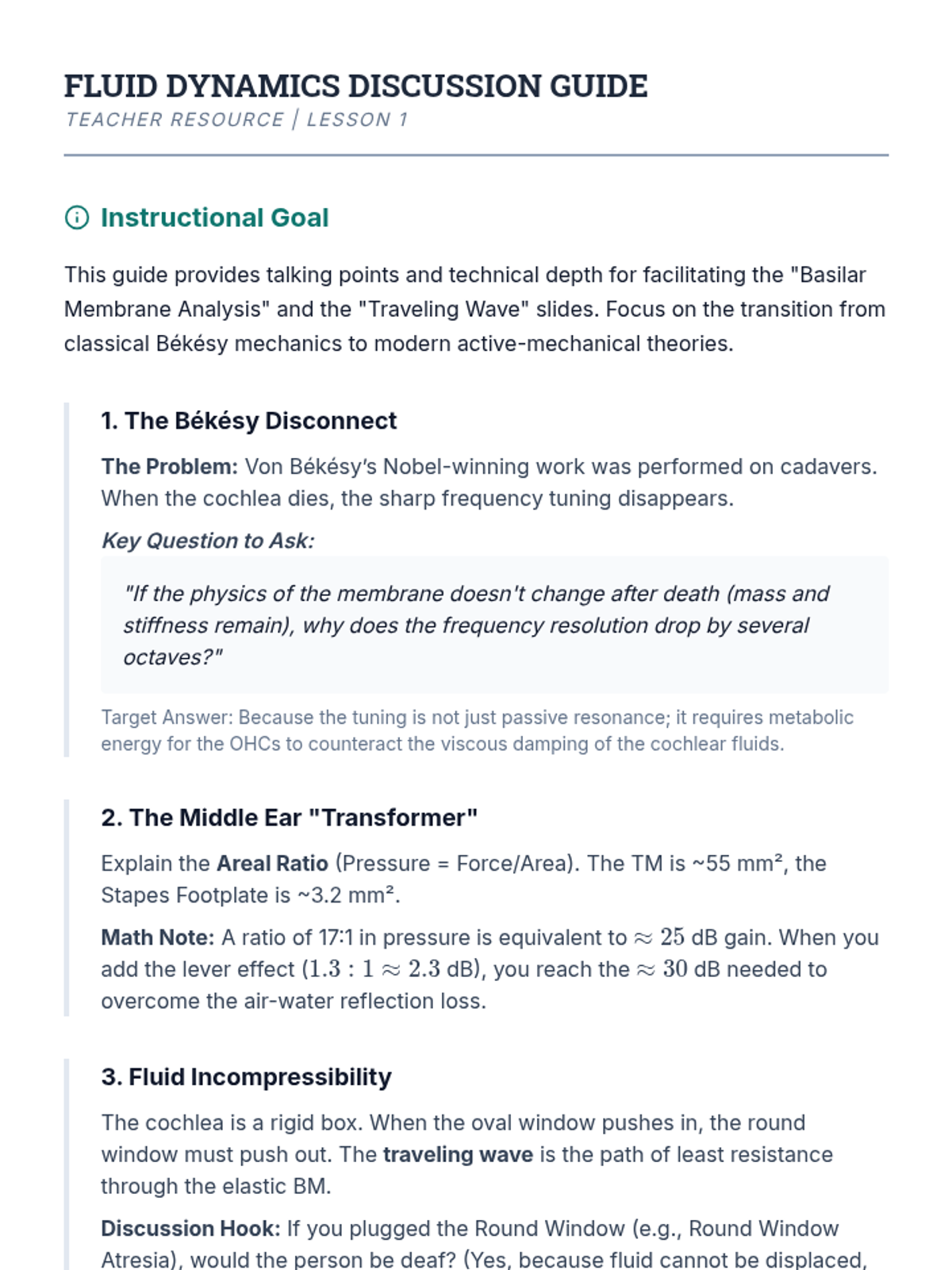
A graduate-level exploration of the biophysics and neural coding of the auditory system. This sequence covers everything from fluid dynamics in the cochlea to central processing and prosthetic engineering.
This sequence introduces students to topology—the study of geometric properties preserved under continuous deformation—and its applications in modern physics. Students explore global geometric invariants like the Euler characteristic and genus, contrasting them with local geometry, and progress to physical manifestations like the Berry phase and topological insulators.