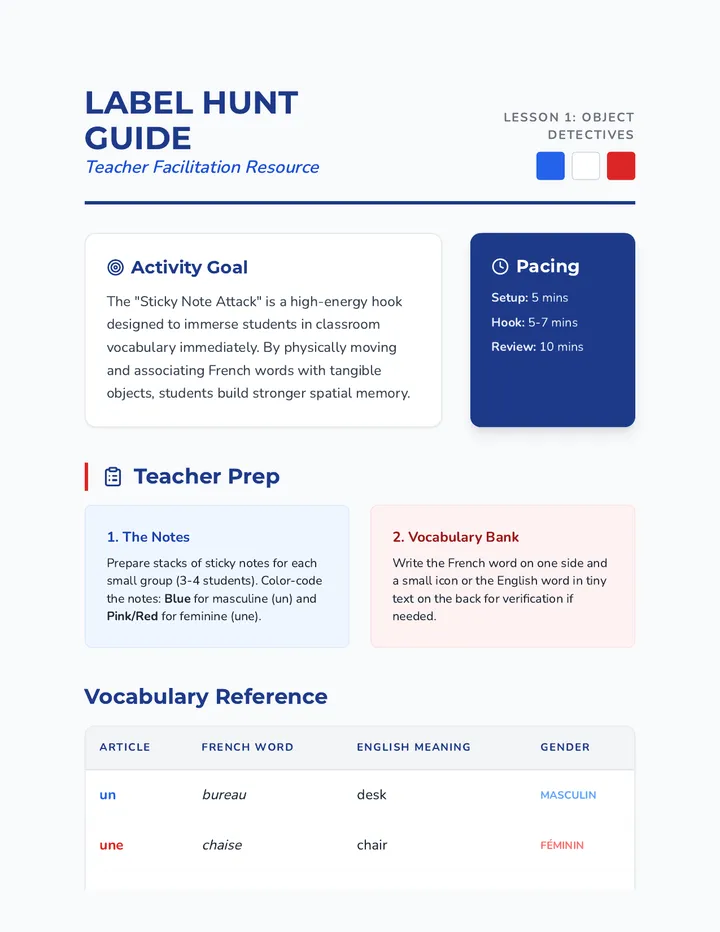
A 5-lesson sequence for 4th-grade French students focused on expressing emotions and physical needs. Students learn to use 'aller' and 'avoir' expressions through interactive simulations and role-playing.
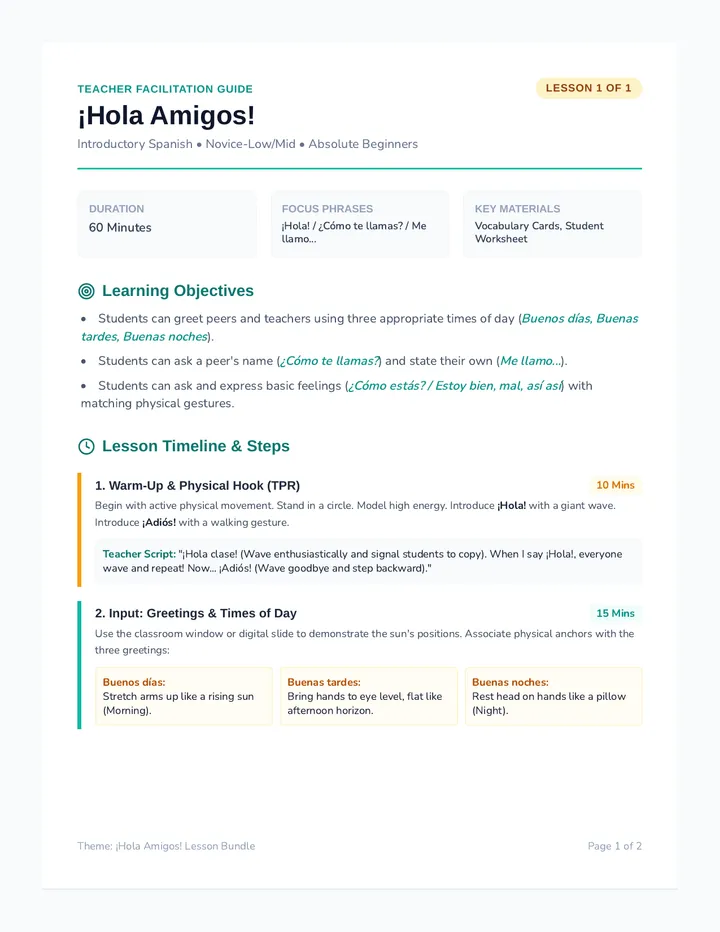
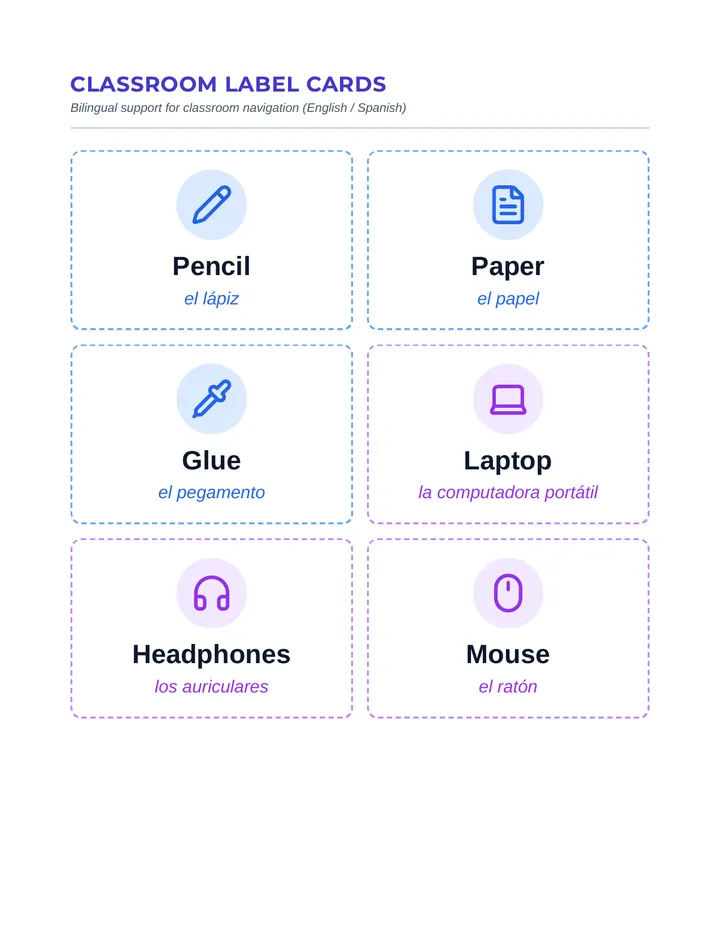
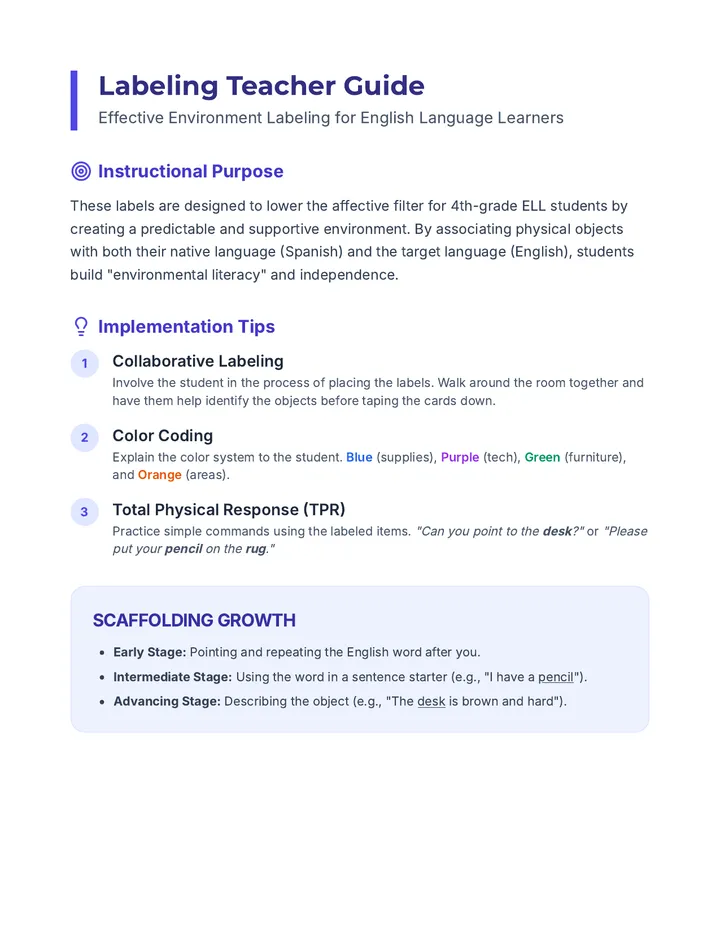
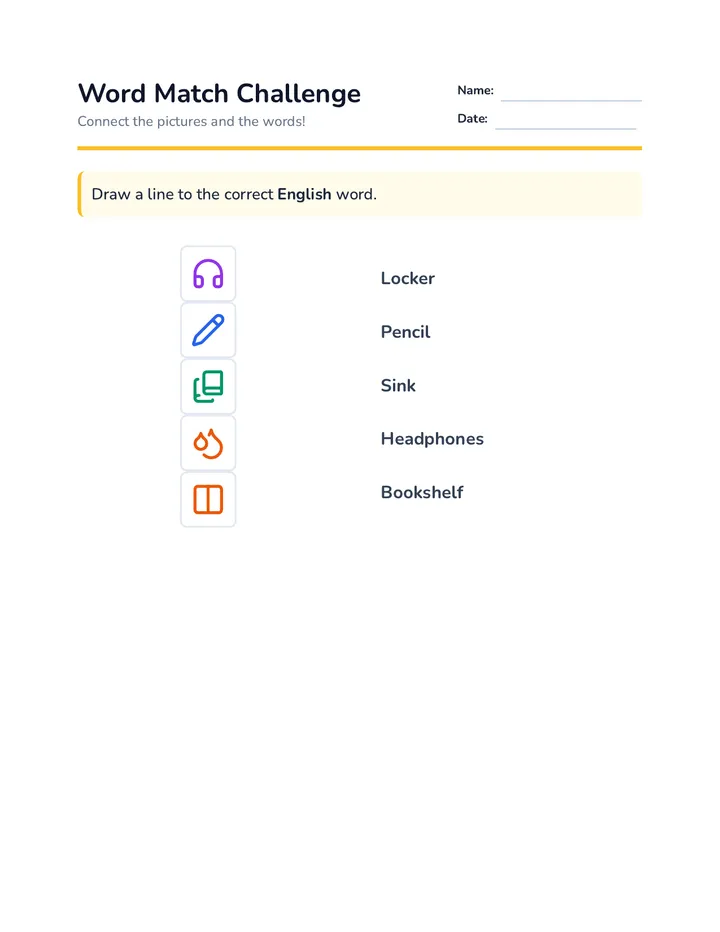
A series of resources designed to help English Language Learners navigate and identify common classroom objects and areas through visual labeling and bilingual support.
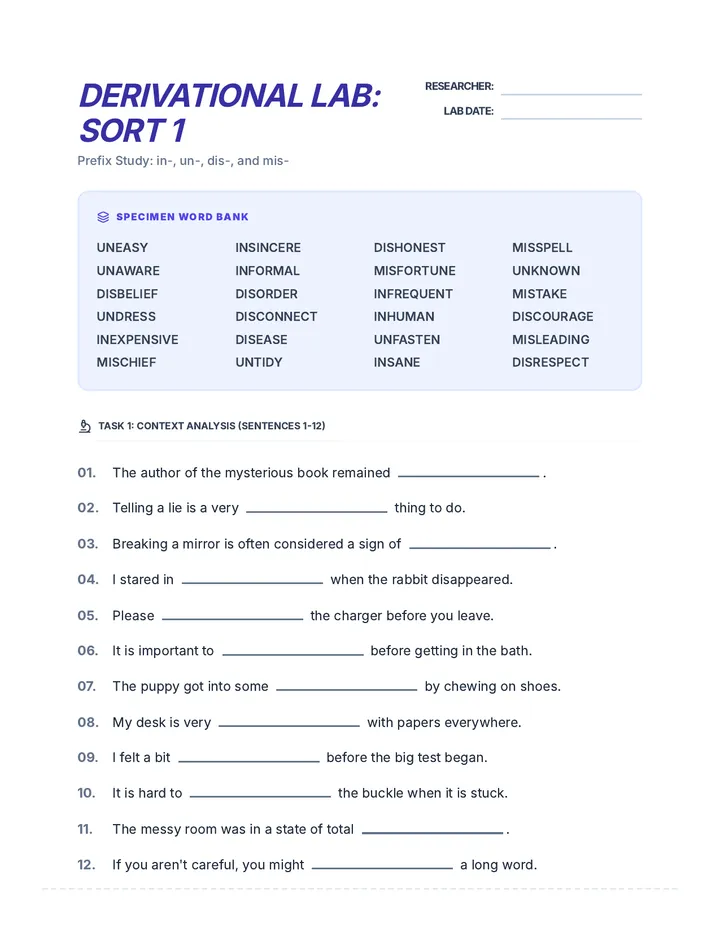
A series of prefix-focused labs designed to help students master common prefixes and suffixes through contextual application and logic puzzles.
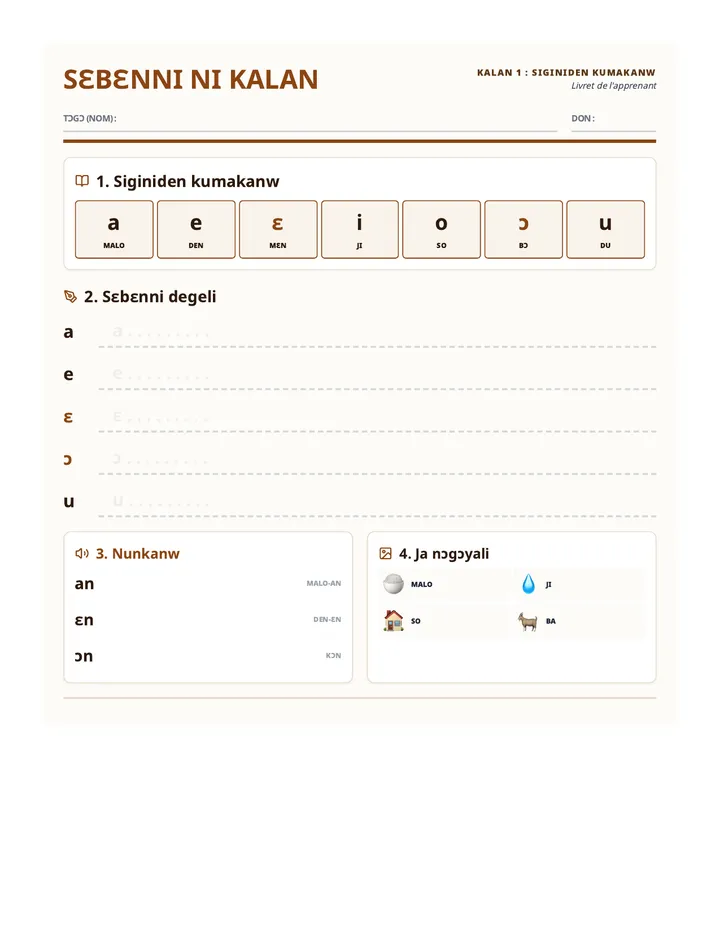
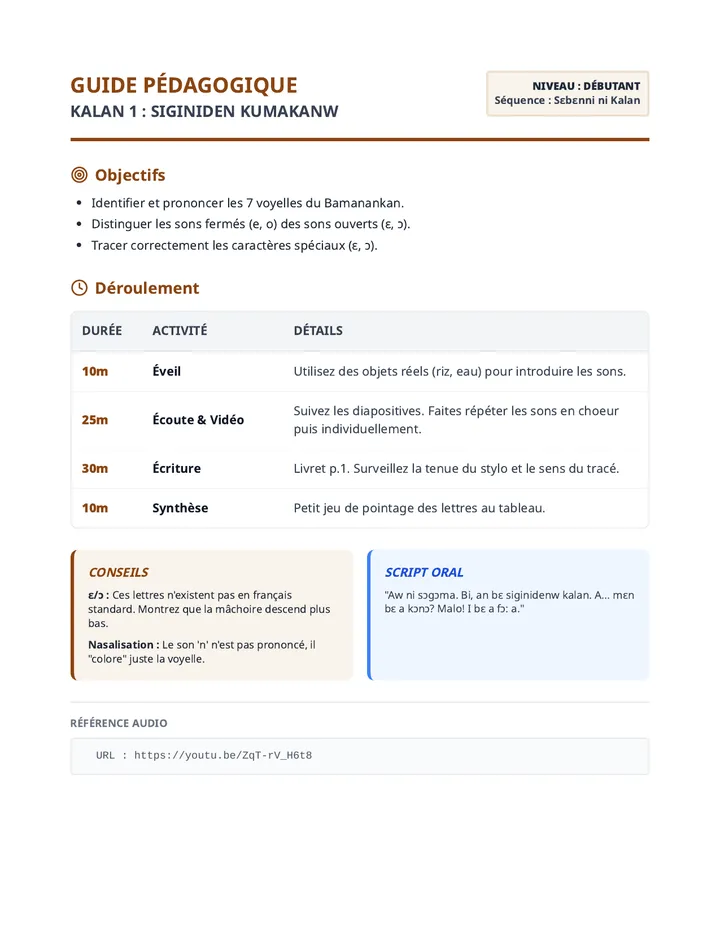
Une séquence d'alphabétisation complète en Bamanankan pour débutants, intégrant l'apprentissage des voyelles, des consonnes et des salutations de base à travers un livret imprimable et des supports visuels.
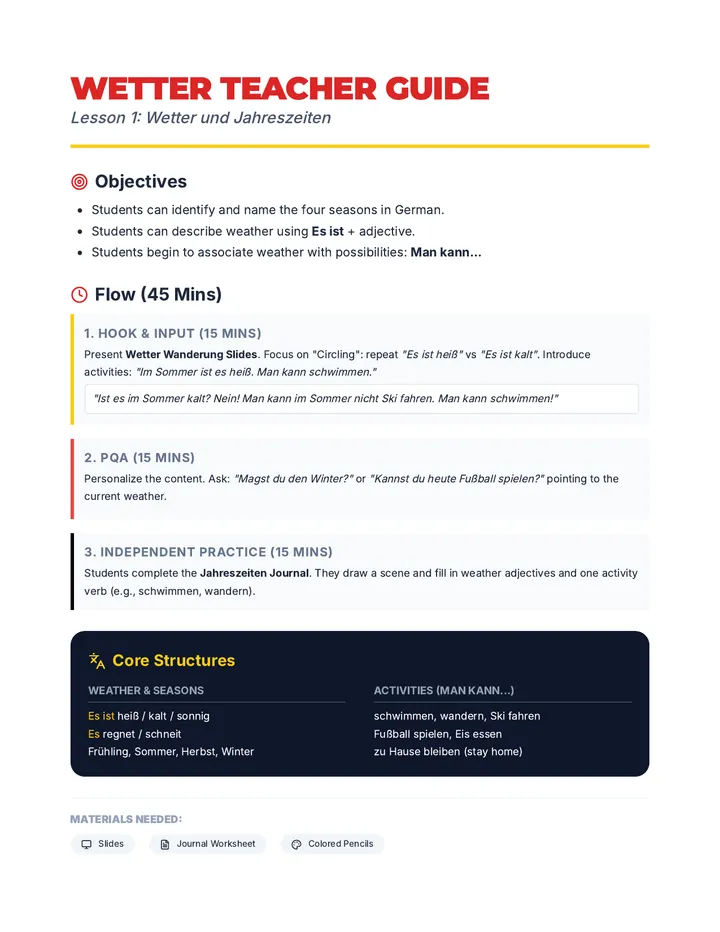
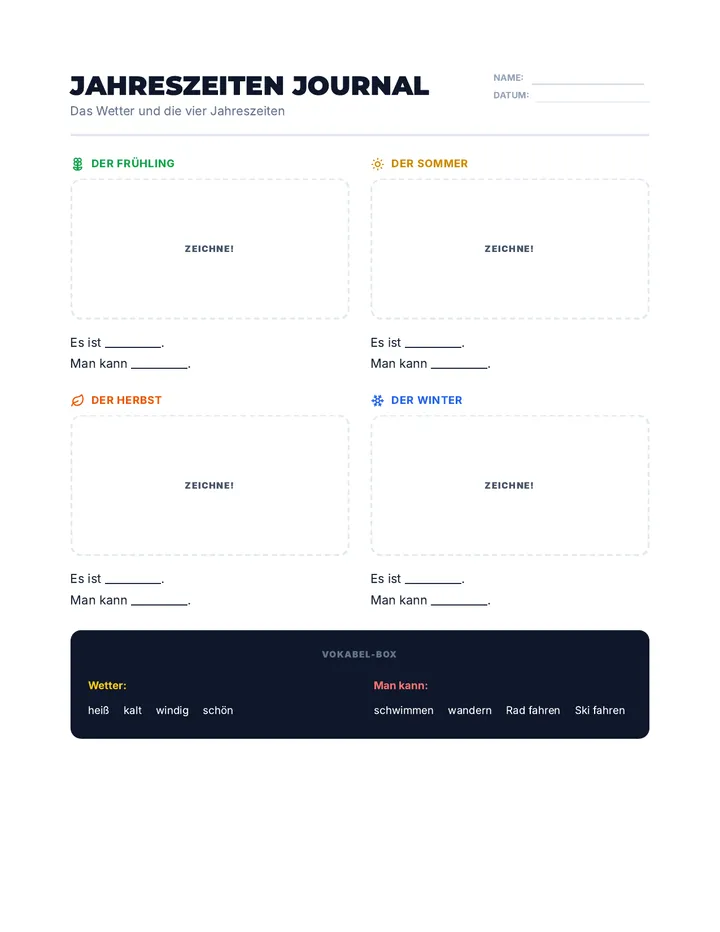
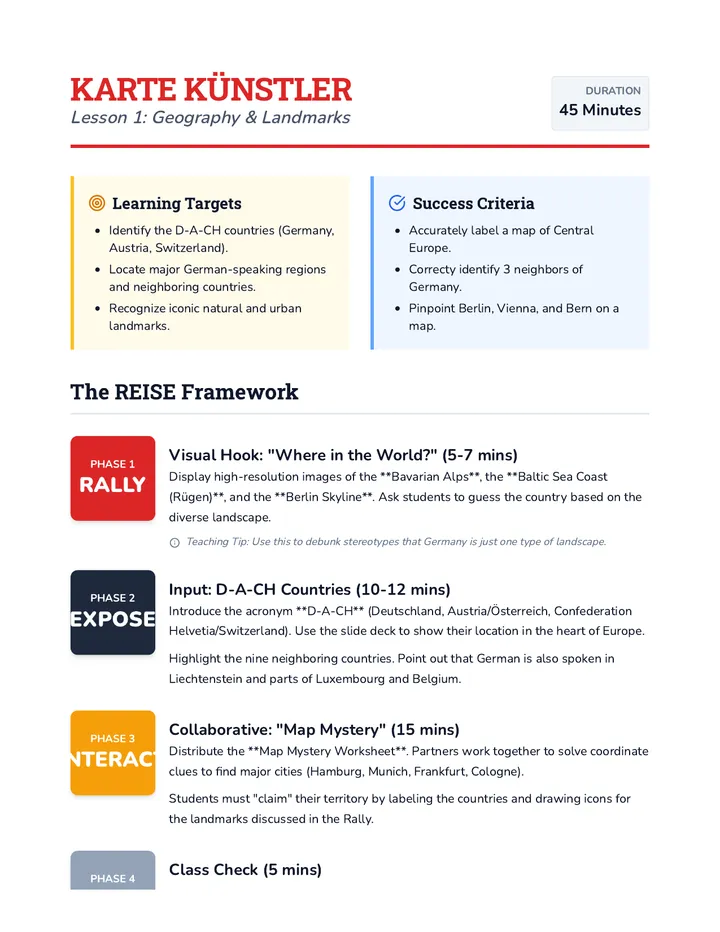
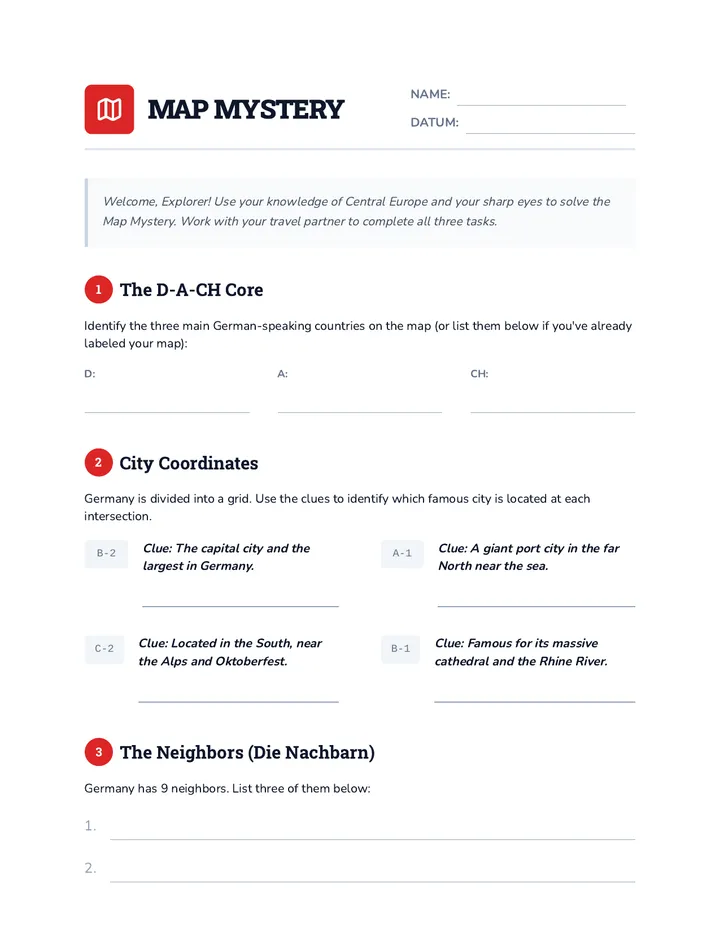
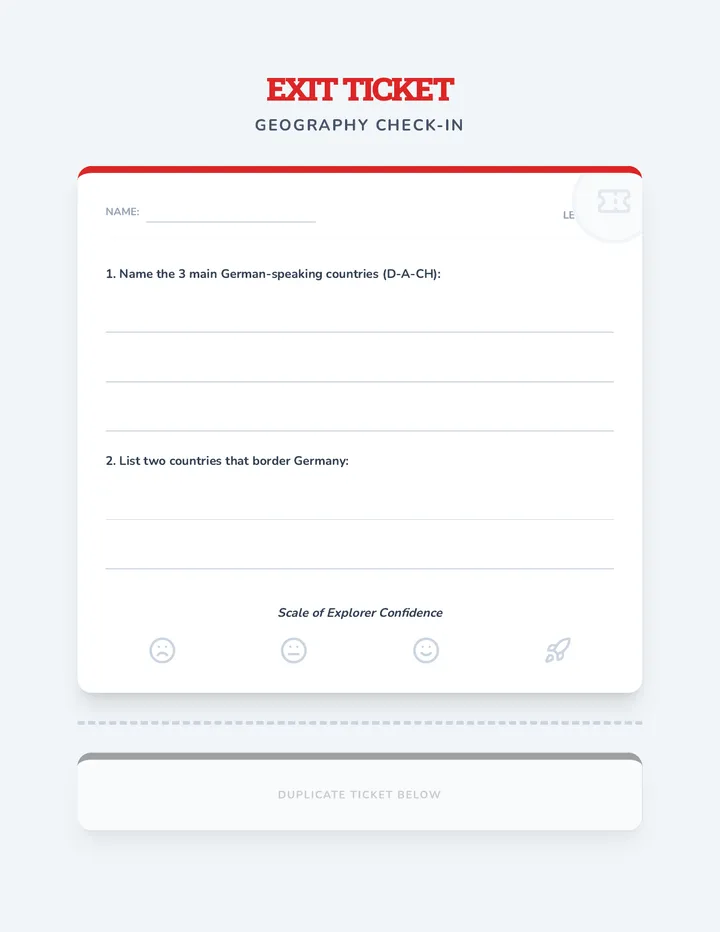
A two-lesson German introductory unit focusing on weather, seasons, and outdoor activities in Germany using Comprehensible Input (CI) methods. Students will learn to describe weather using 'Es ist' and activities using 'Man kann' through visual-heavy instruction and repetition.
An introductory Japanese language and culture unit for 8th grade that follows the 'TABI' (Journey) framework. Students explore geography, etiquette, writing systems, daily life, and traditional arts through immersive daily 45-minute lessons.
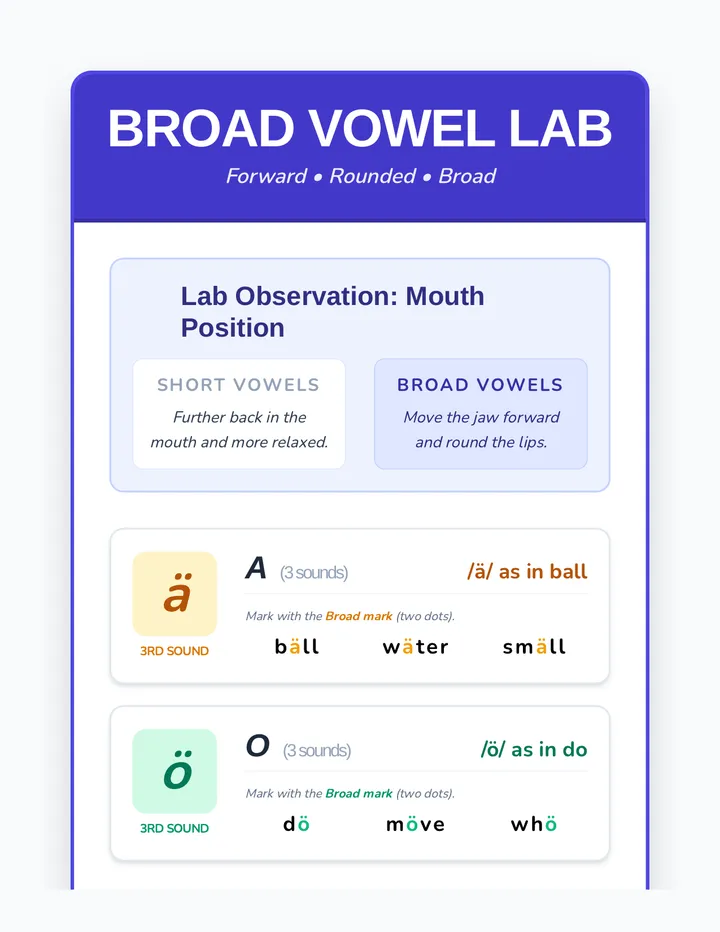
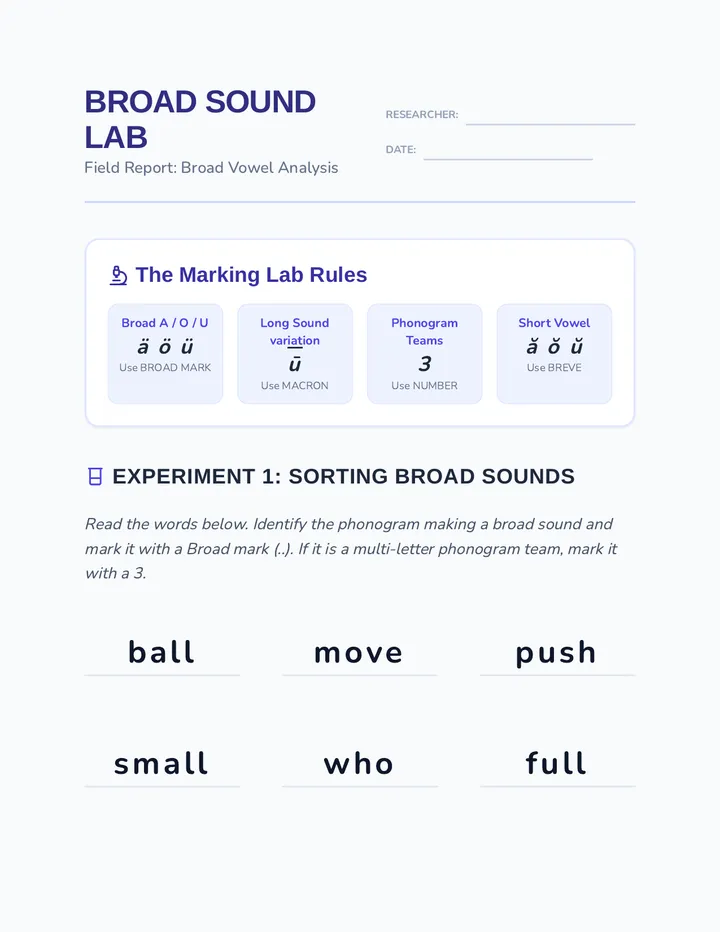
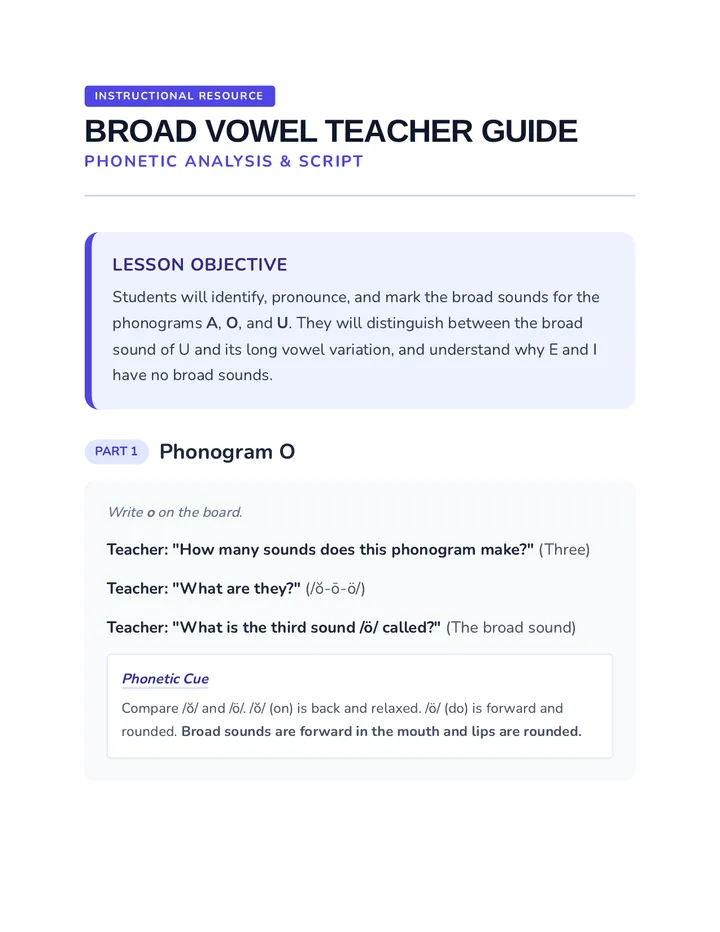
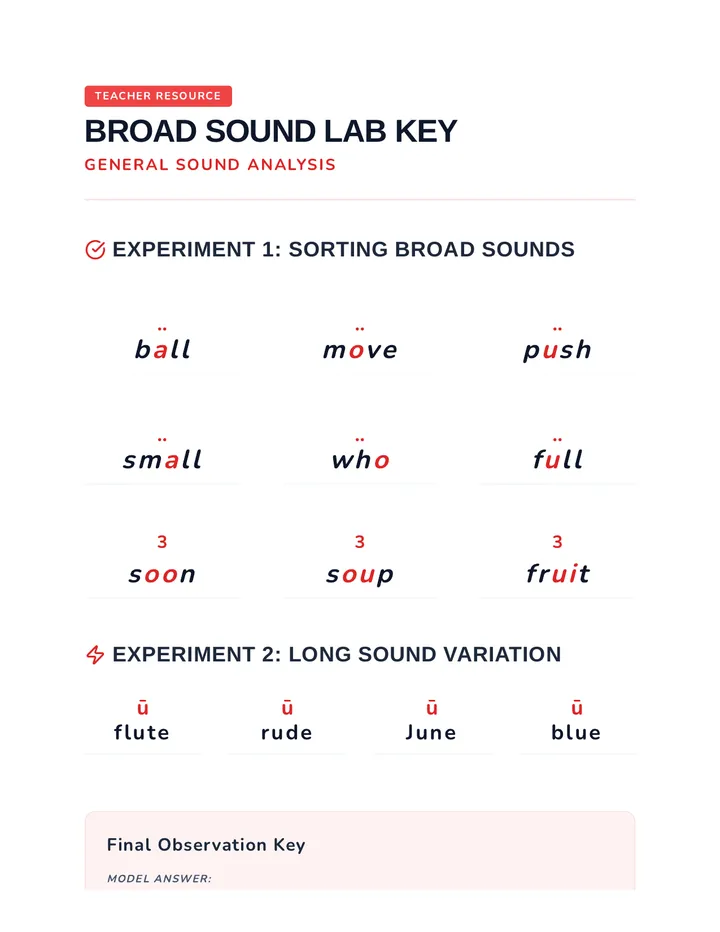
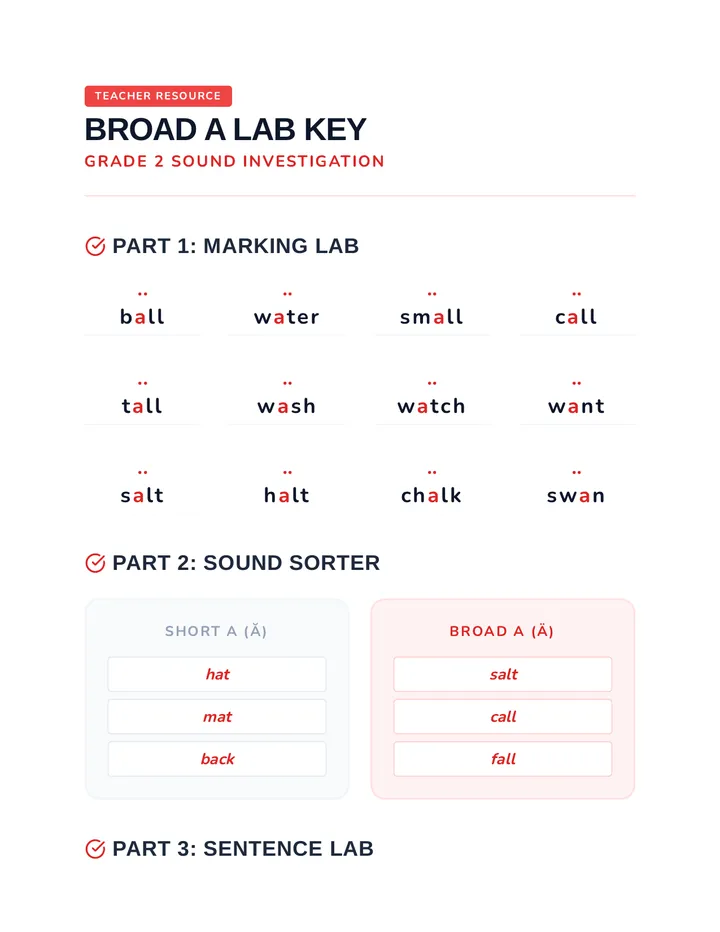
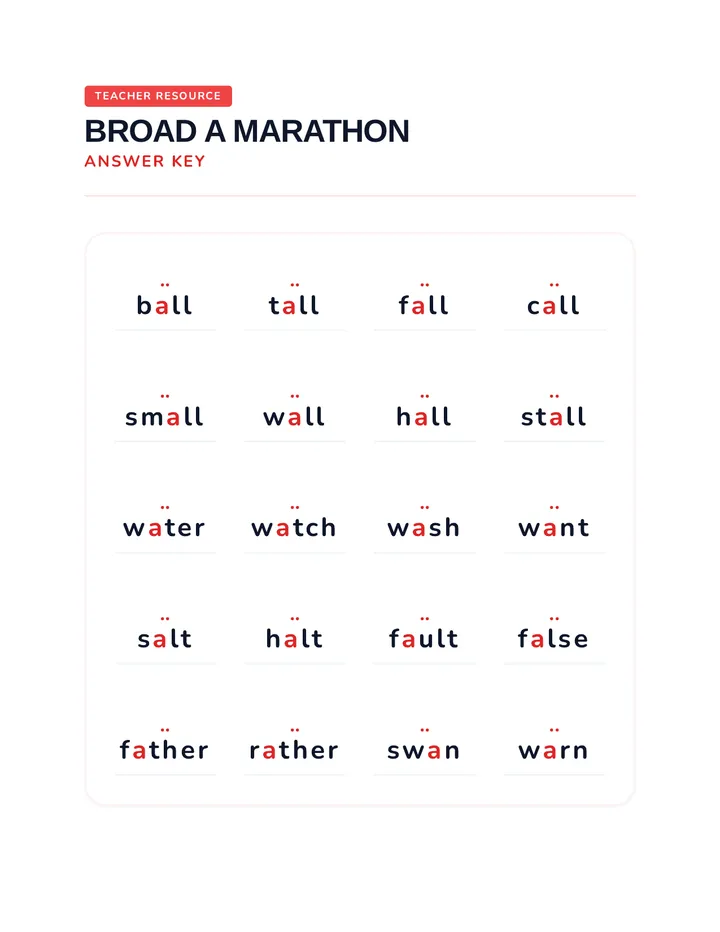
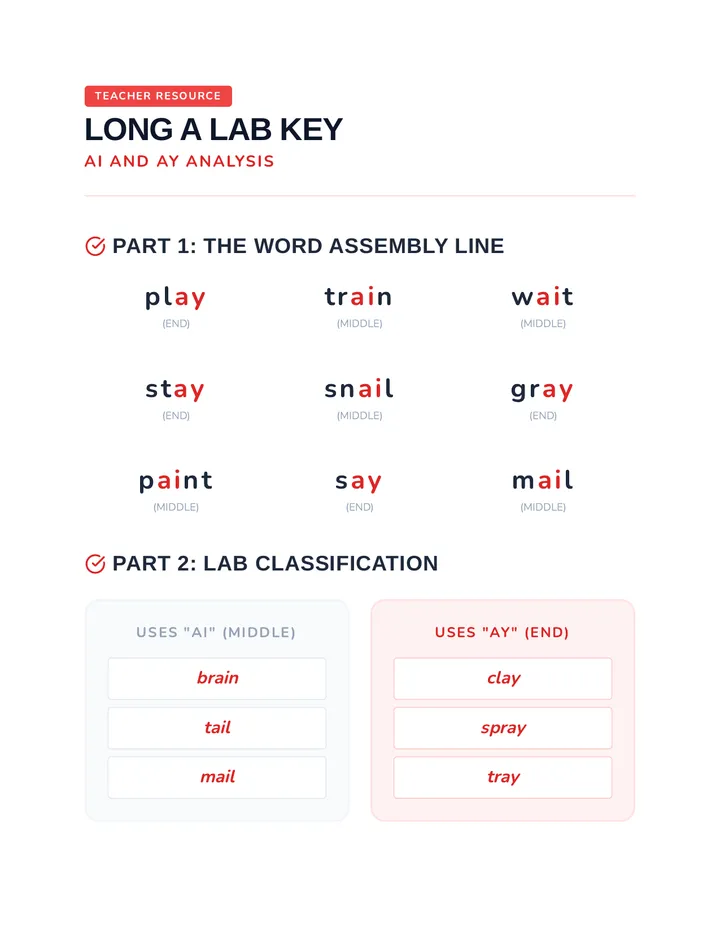
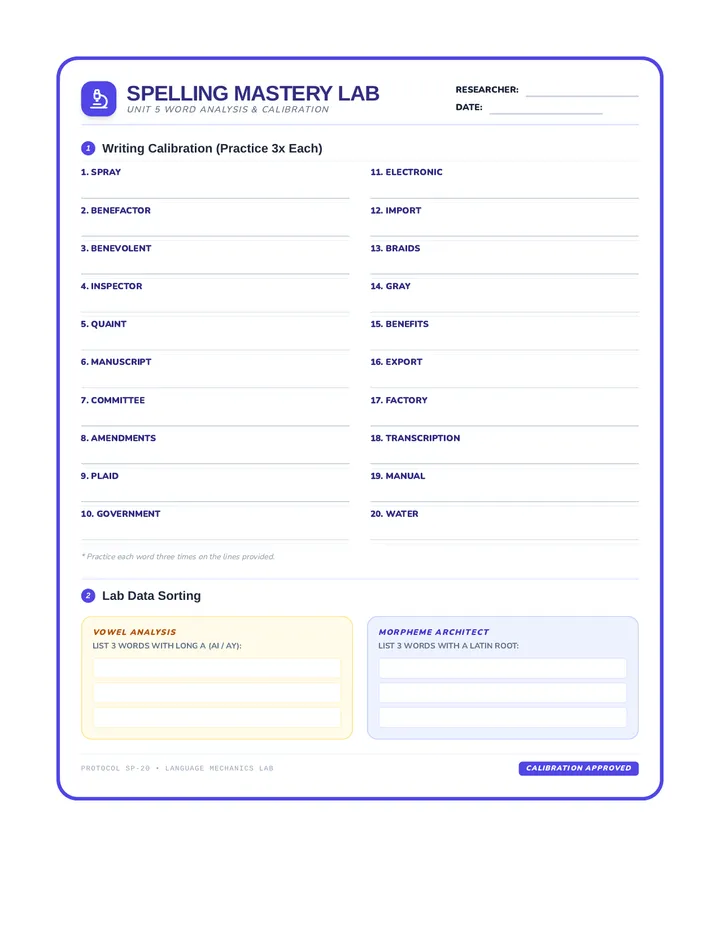
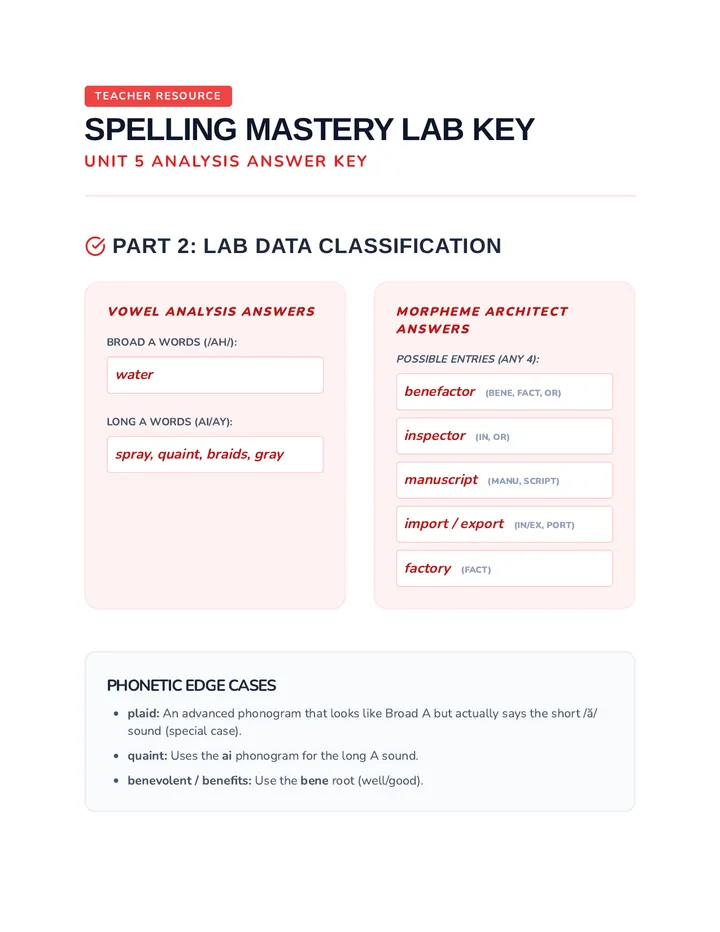
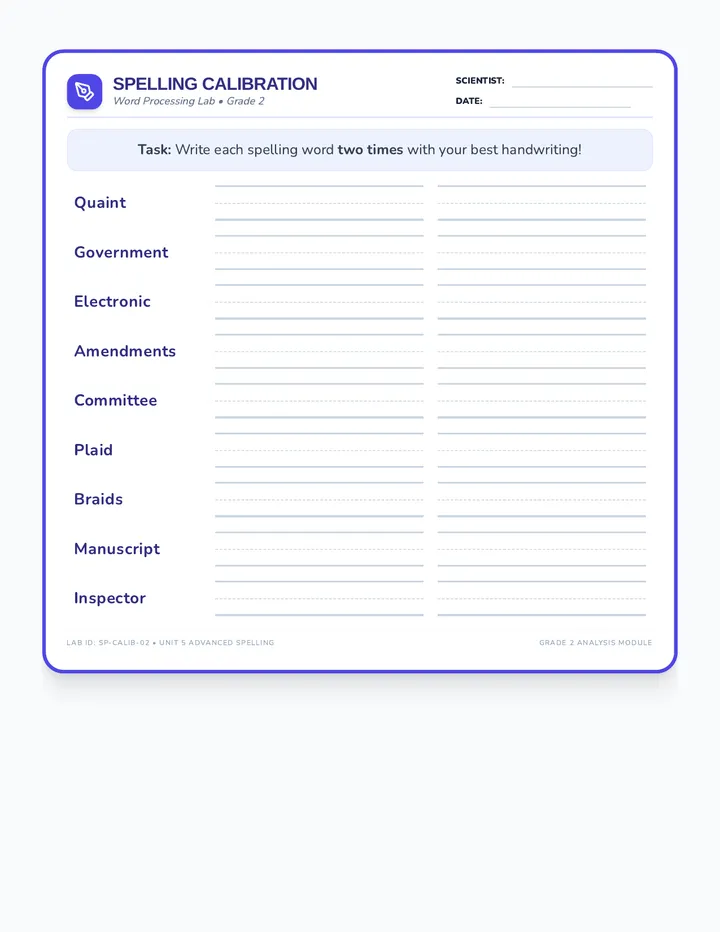
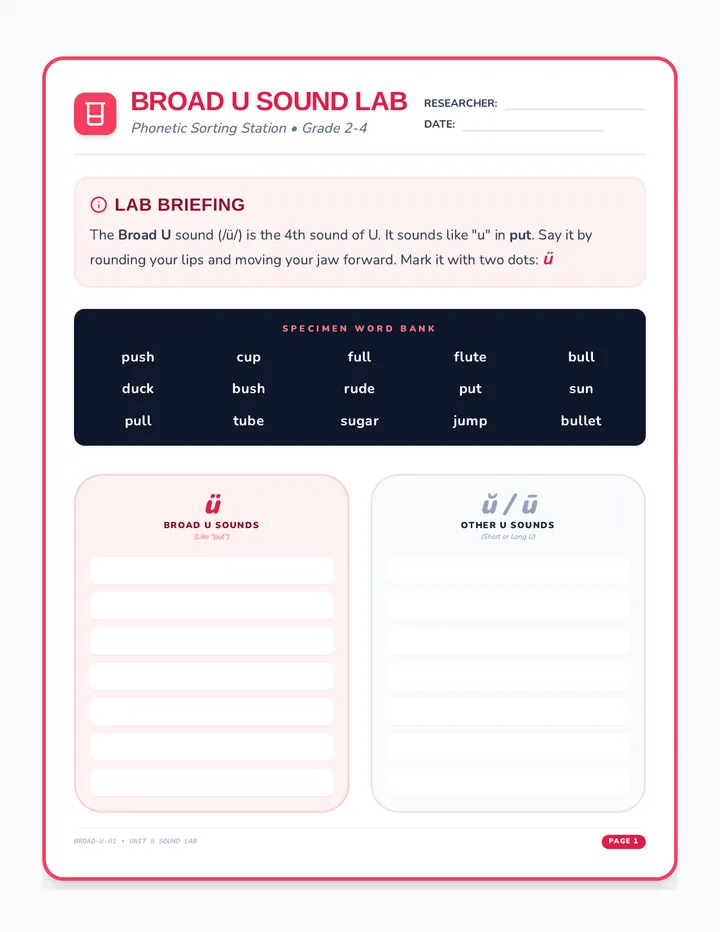
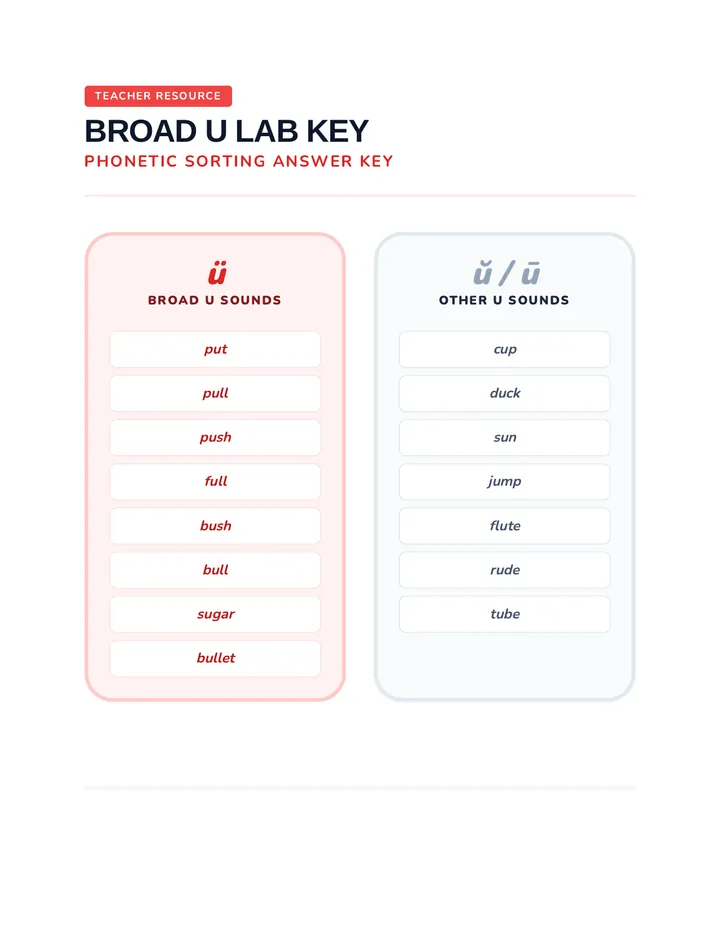
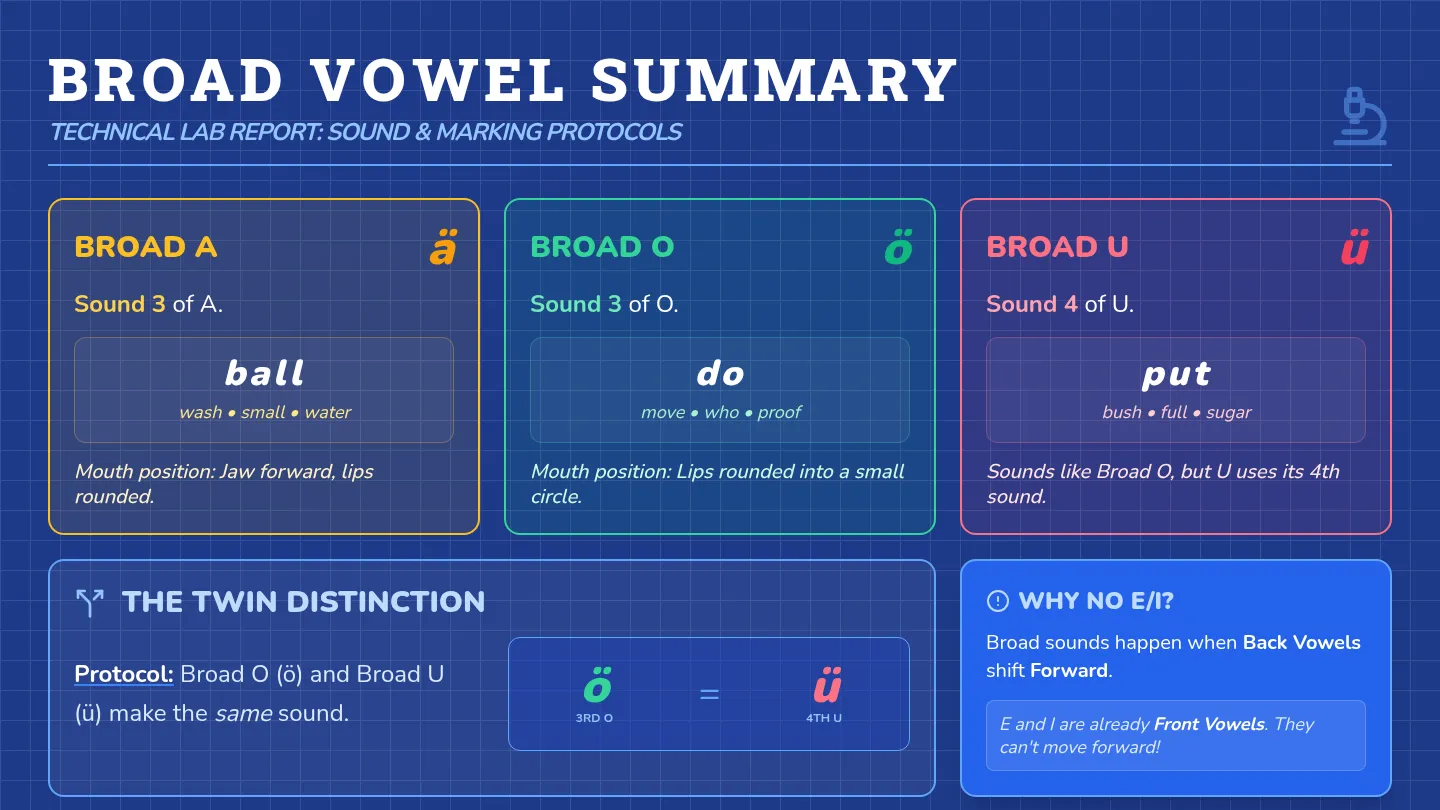
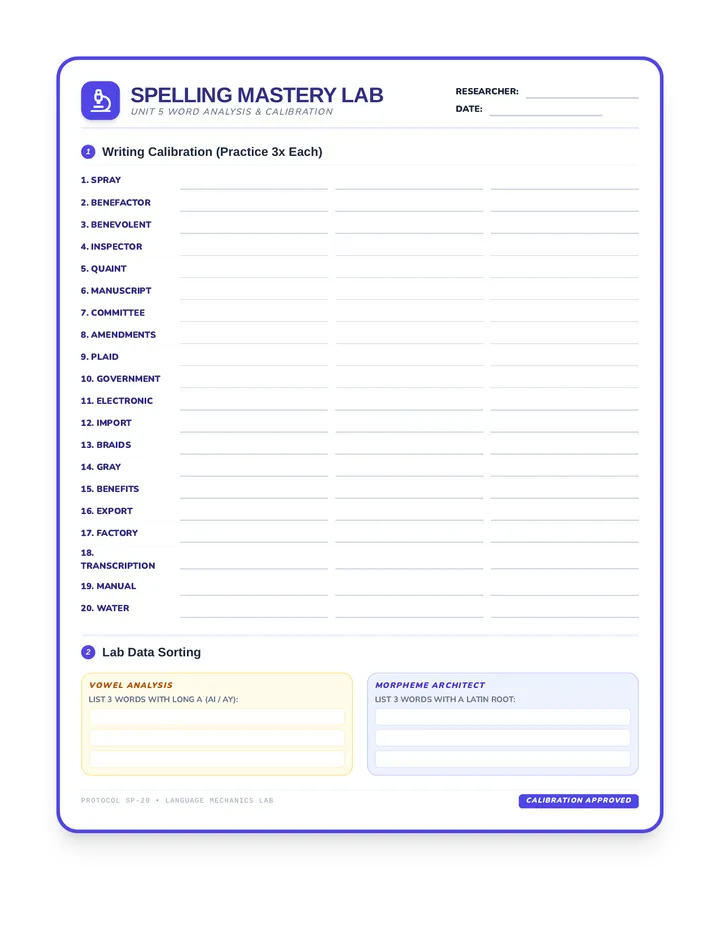
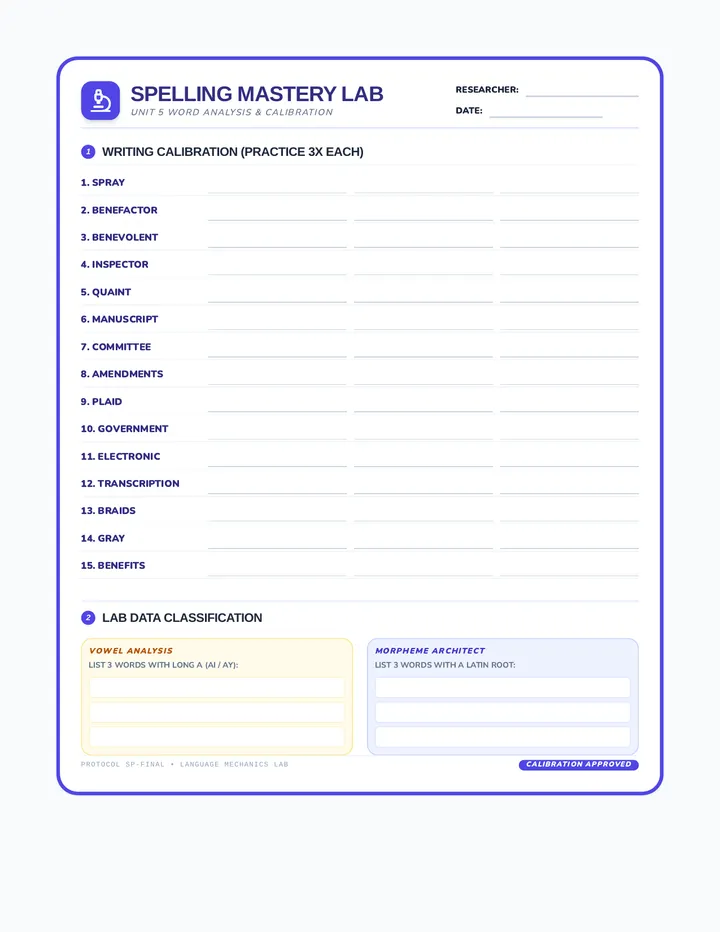
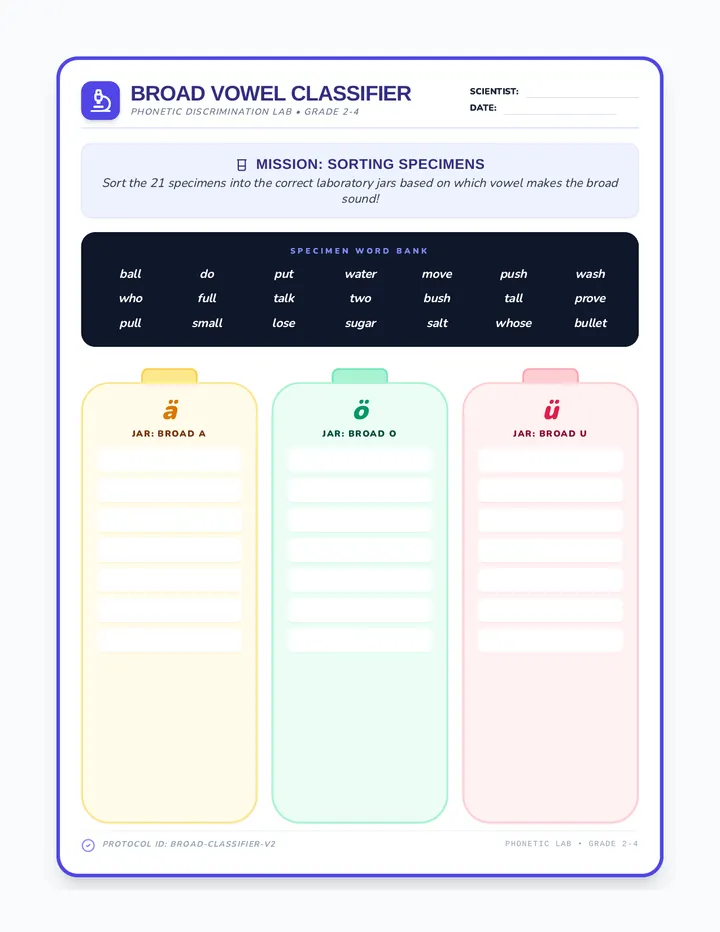
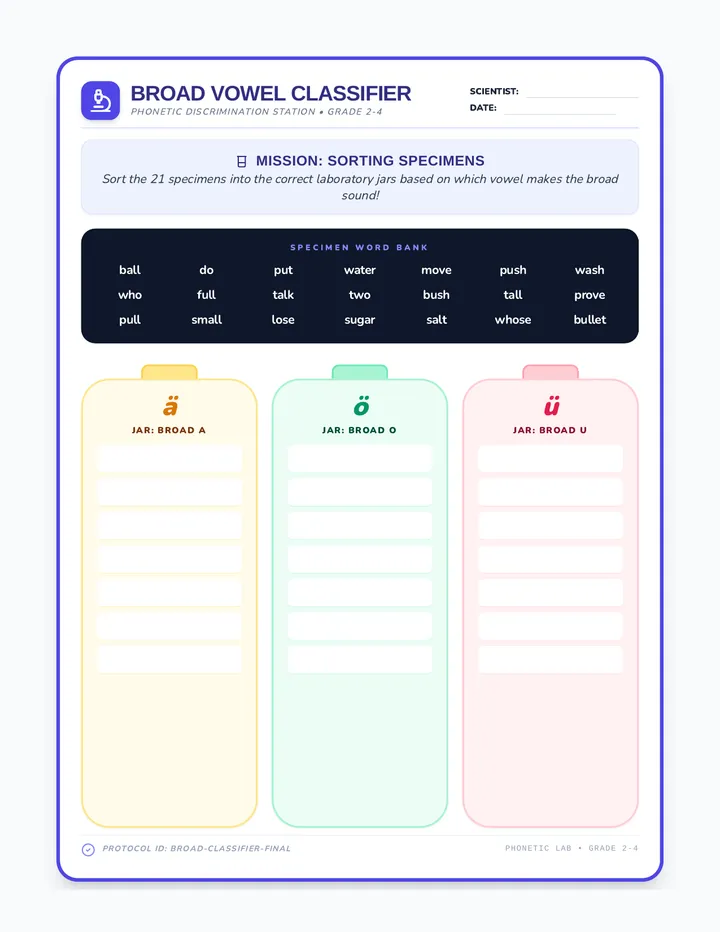
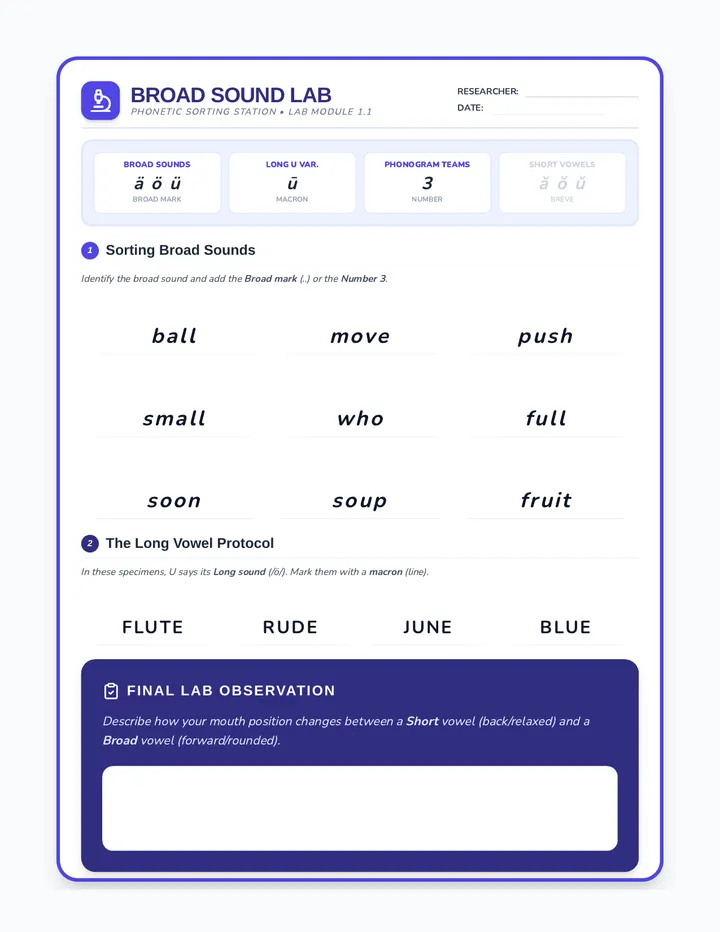
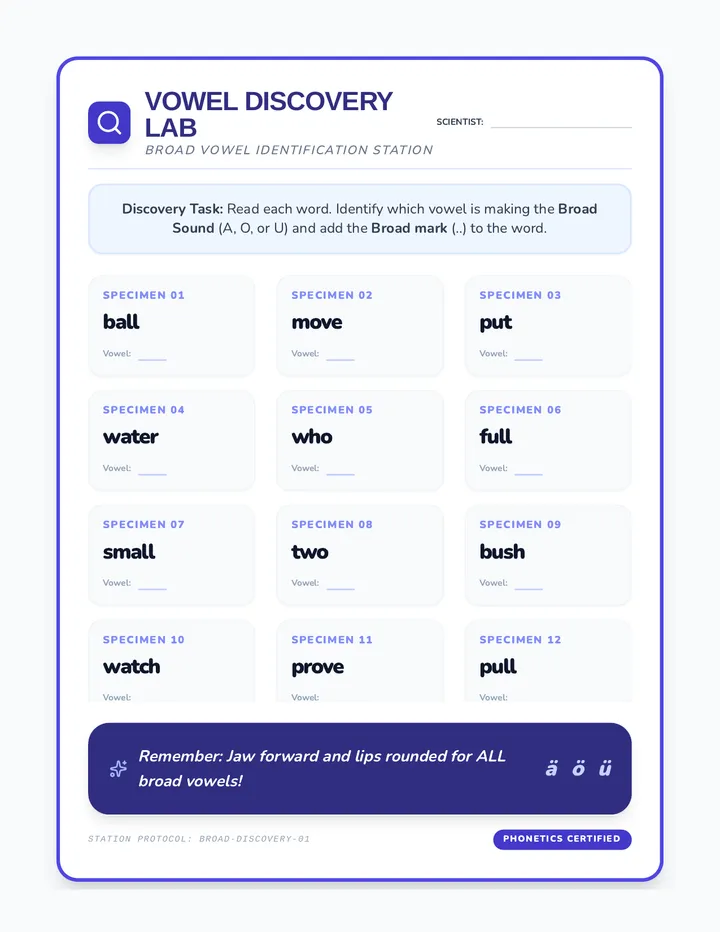
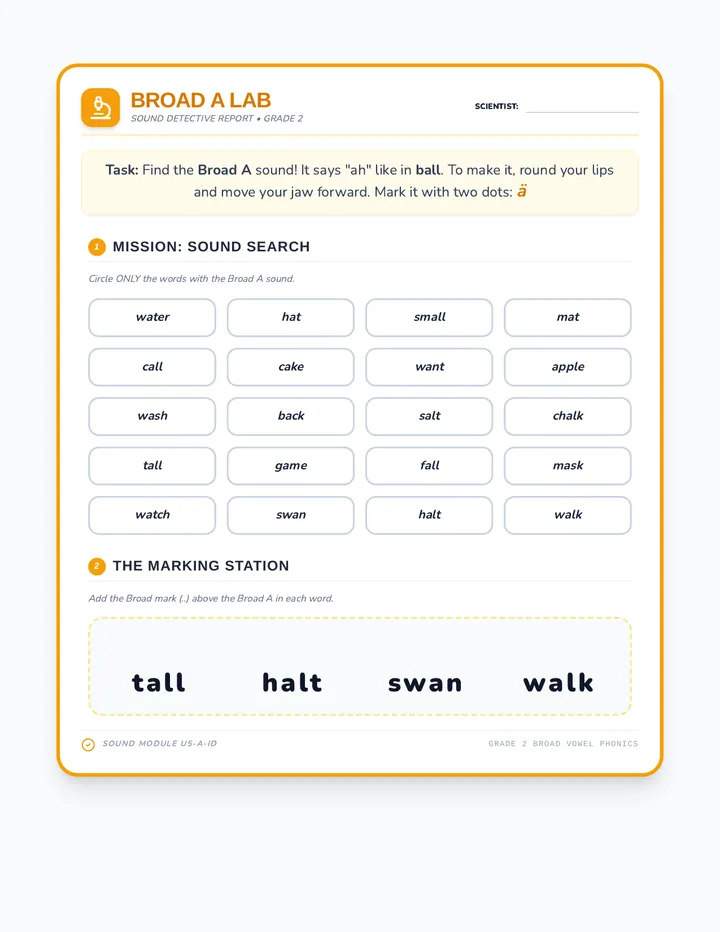
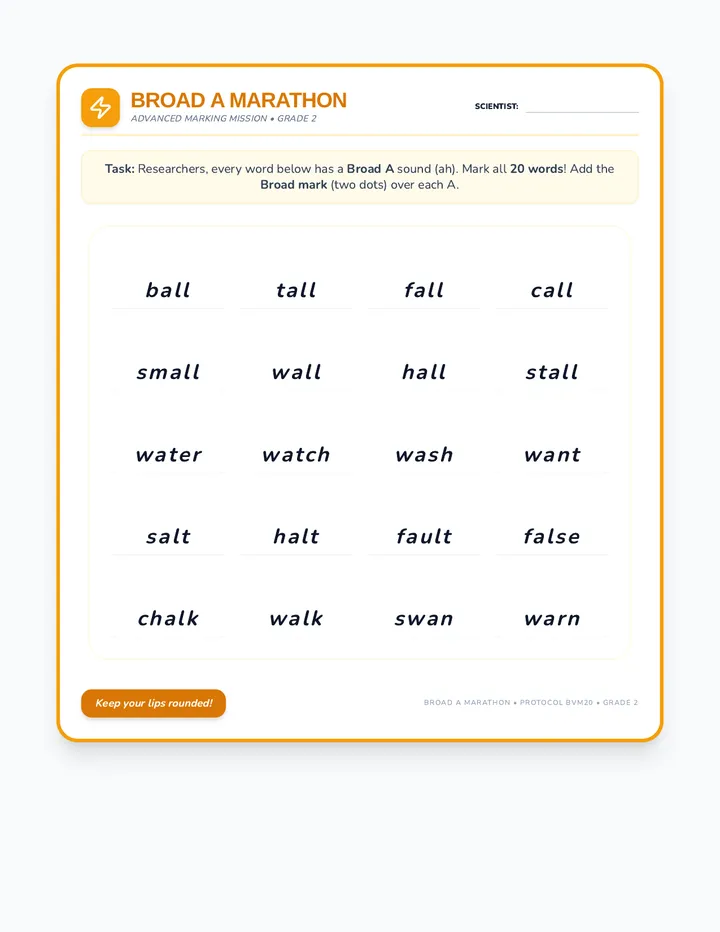
A comprehensive sequence on language mechanics, from phonetic marking of complex vowel sounds to the morphological analysis of Latin roots and affixes. Students develop deep decoding and encoding skills by investigating the building blocks of words.
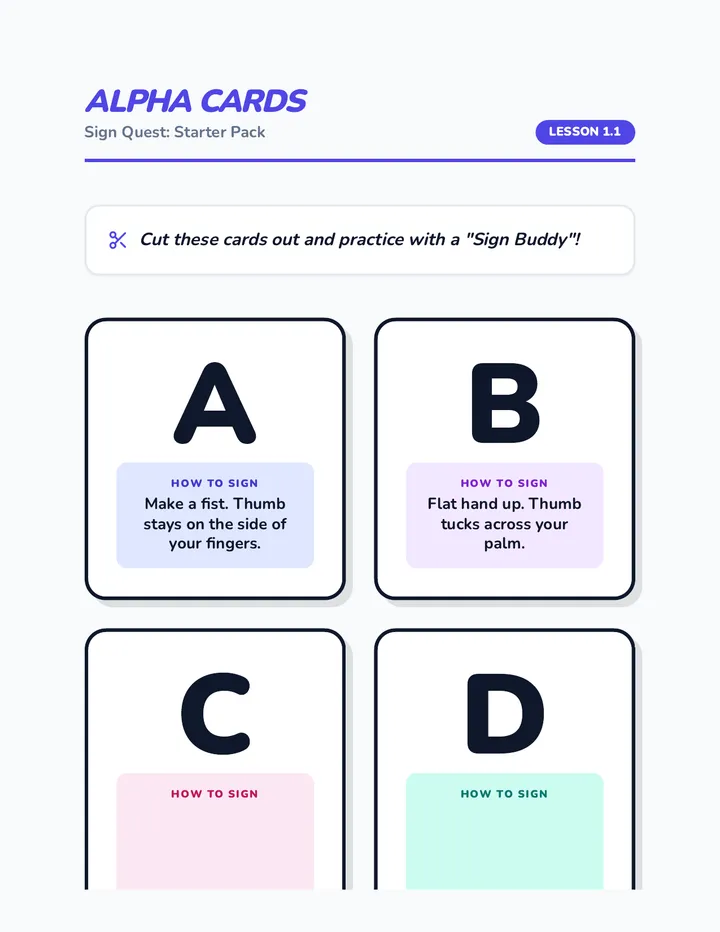
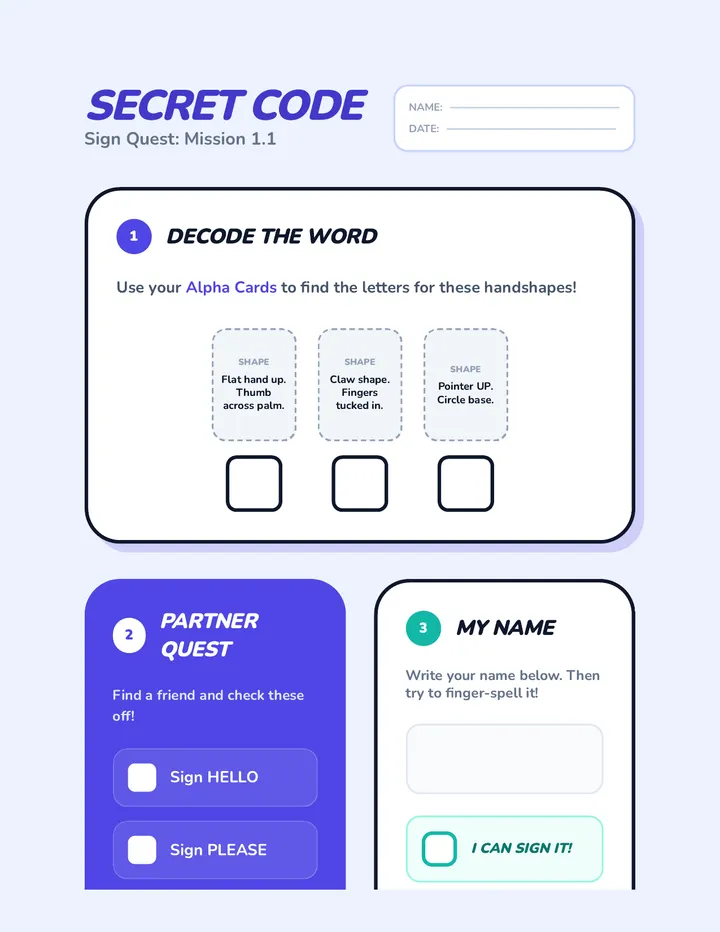
A high-energy, bite-sized introduction to American Sign Language designed for beginners with short attention spans. This unit uses gamified activities and visual aids to teach the alphabet, common people, classroom items, and expressions.
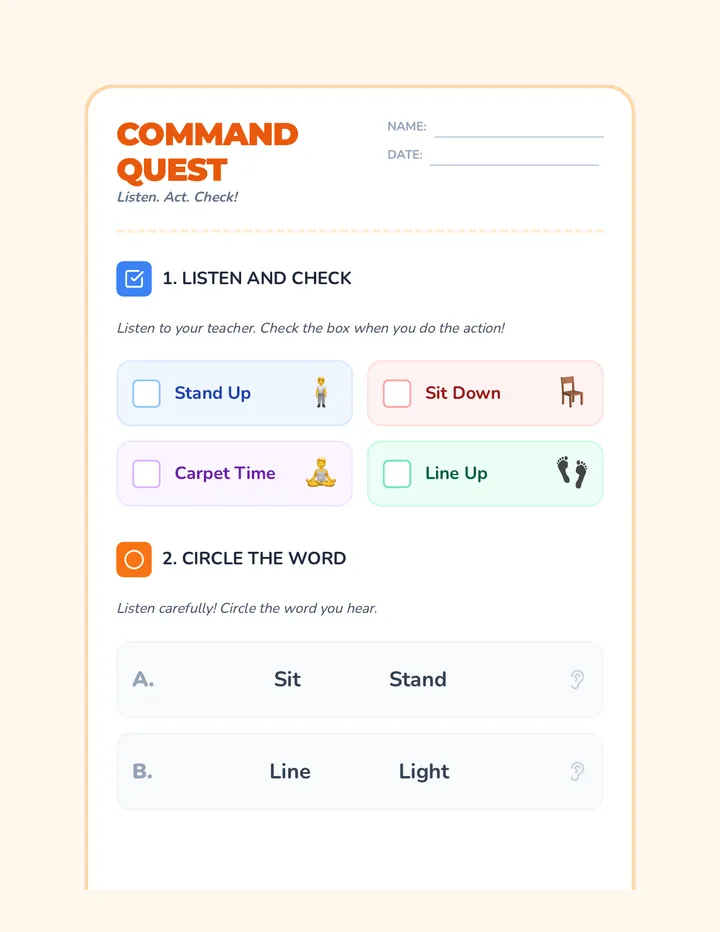
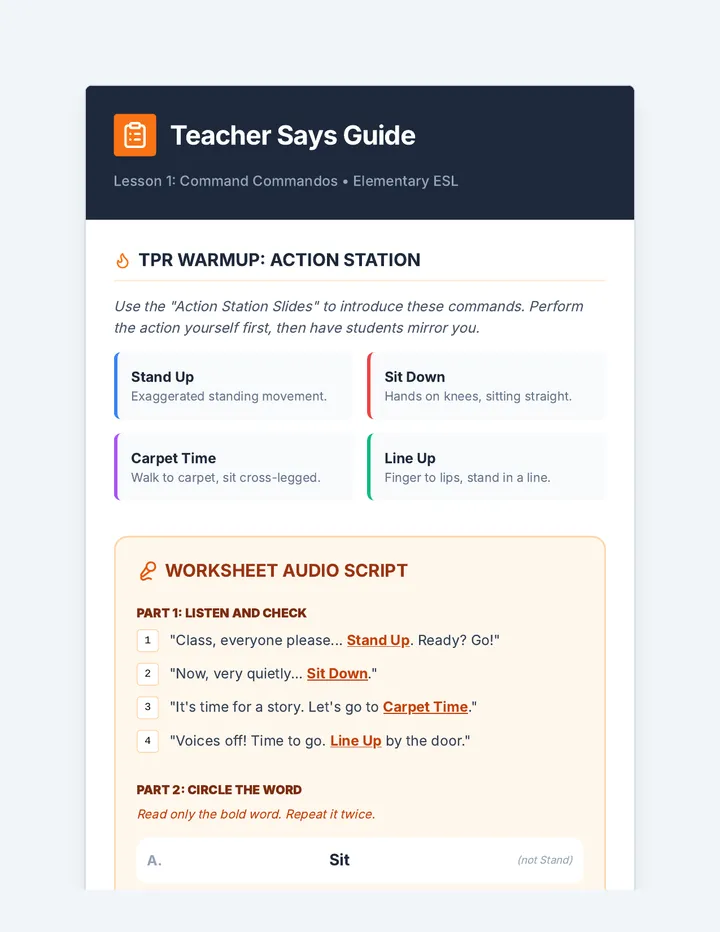
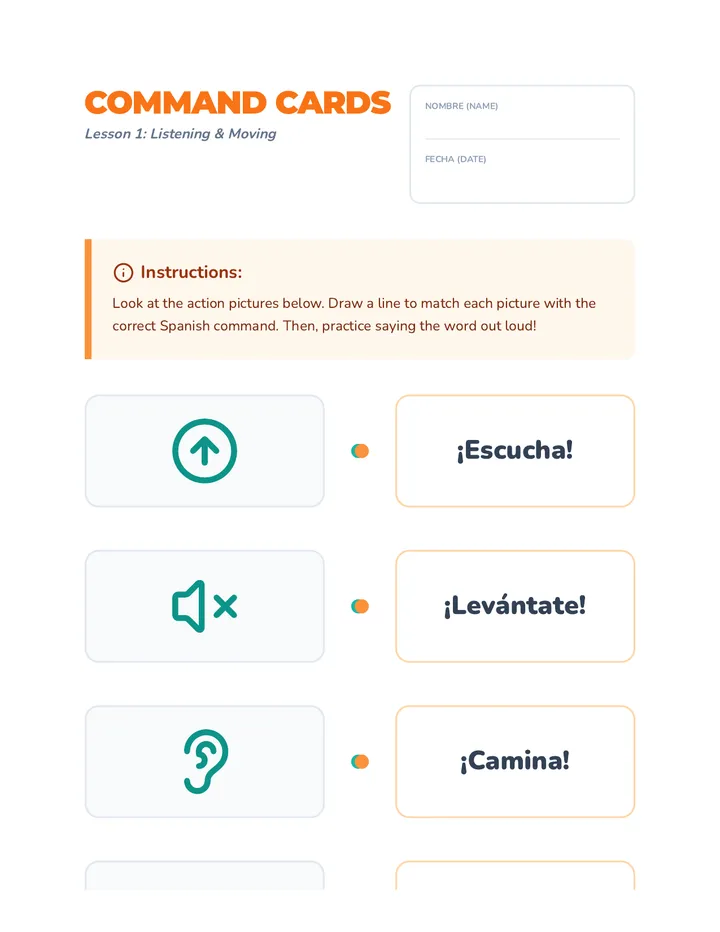
An immersive listening sequence designed for elementary-age beginner ESL students. This unit helps young learners navigate the routines, spaces, and social expectations of a primary school classroom, moving from basic imperative commands to understanding daily schedules and peer introductions.
A series of detective-themed spelling units for 4th grade, focusing on complex digraphs, blends, and vowel patterns through investigative activities.
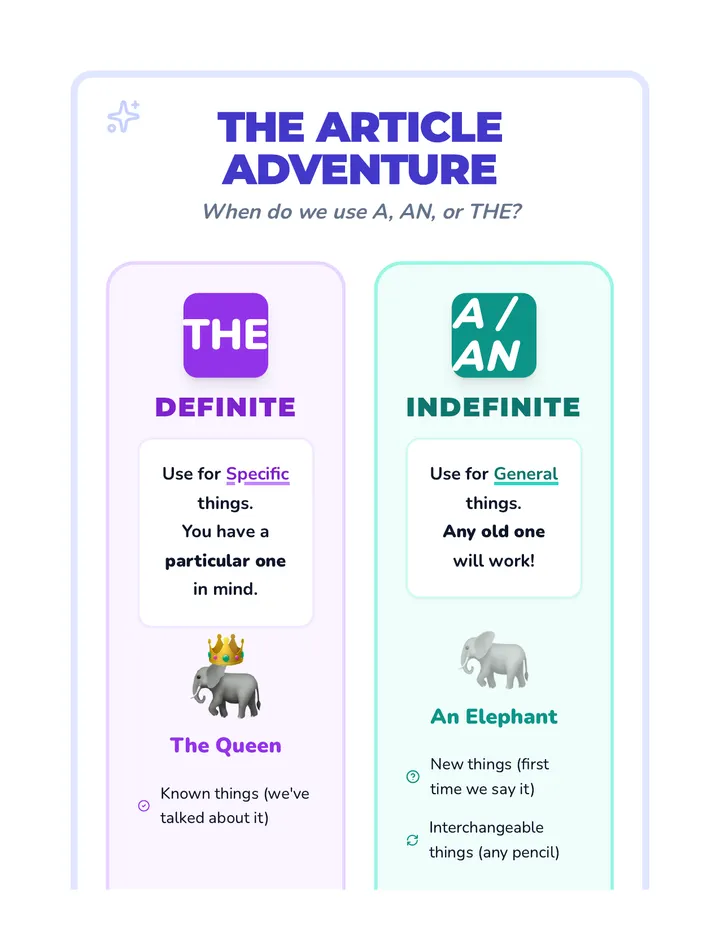
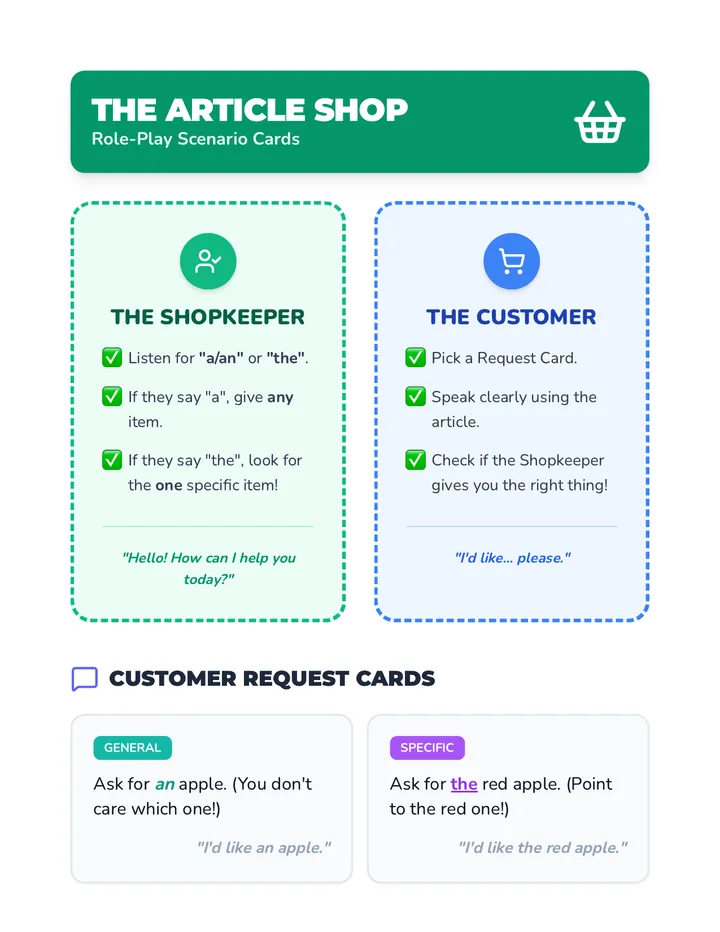
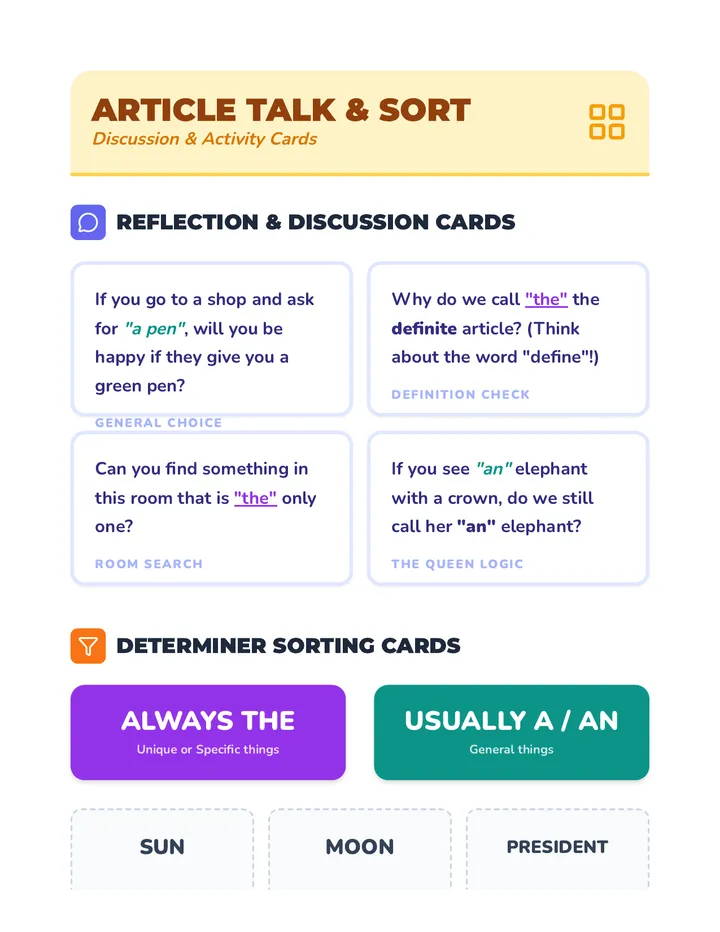
A foundational grammar sequence for English Language Learners focusing on the use of definite and indefinite articles through visual storytelling and interactive games.
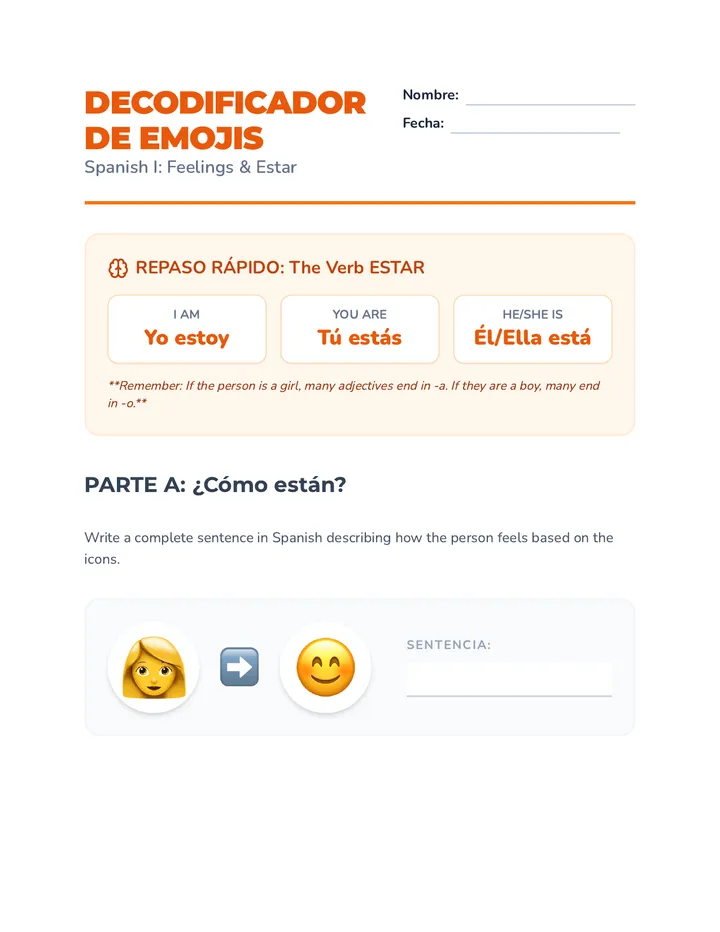
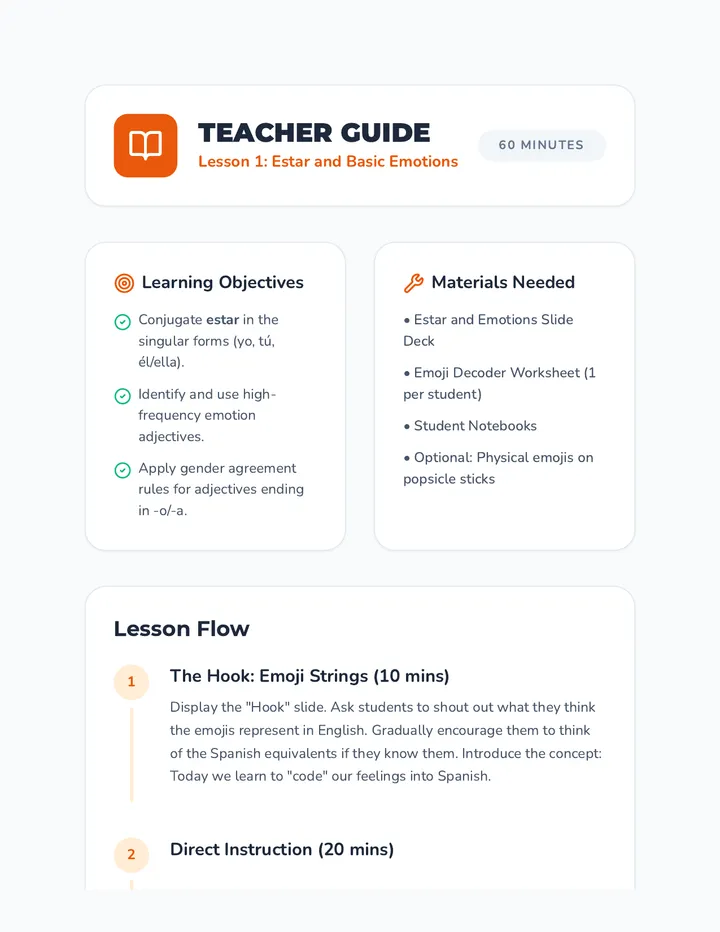
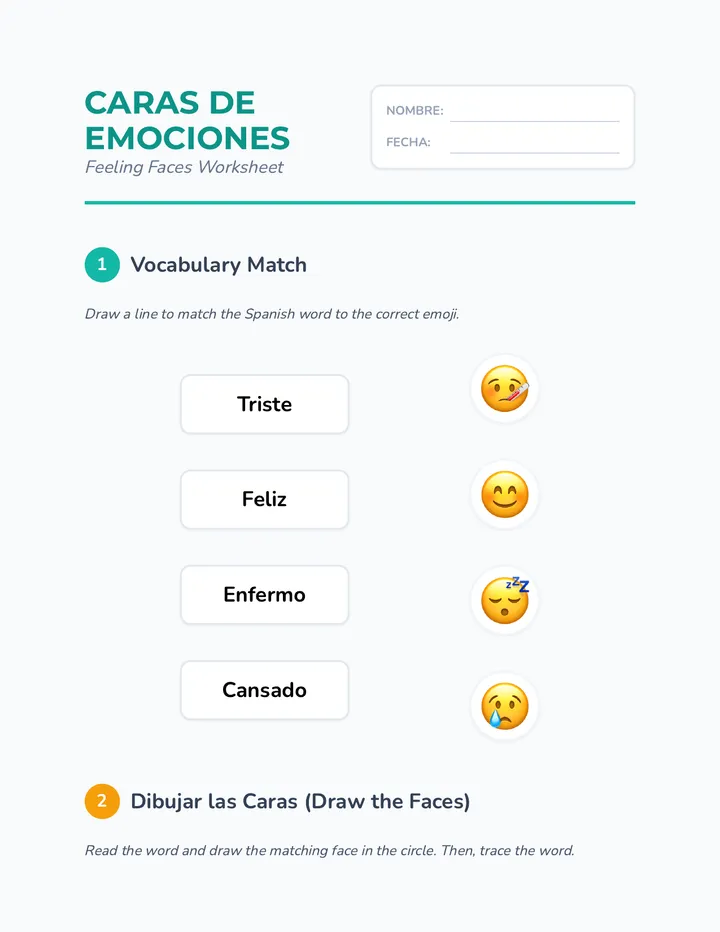
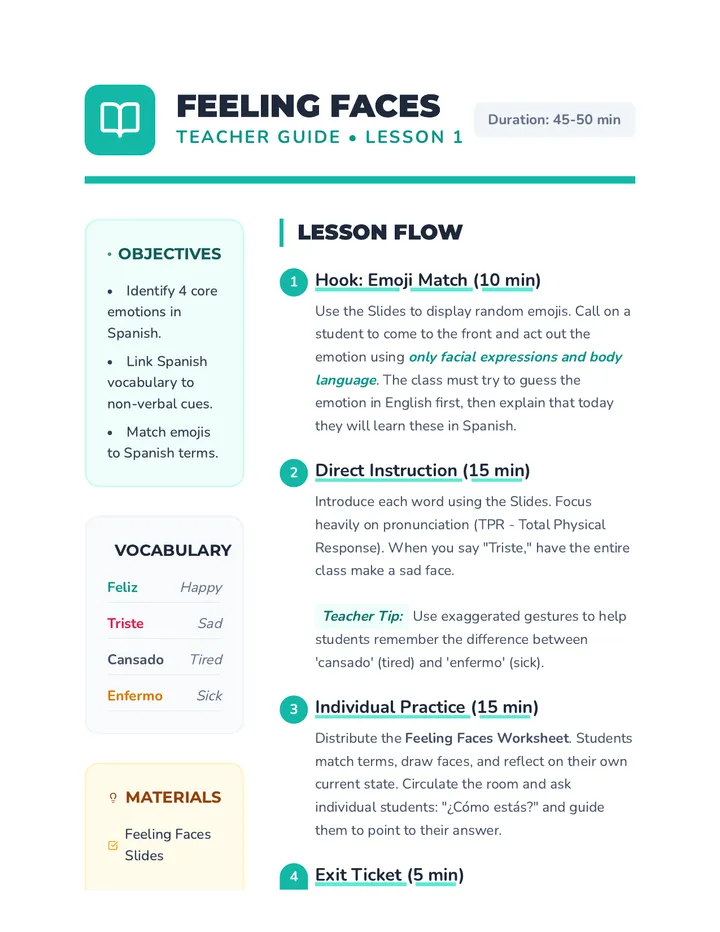
A comprehensive unit for beginner Spanish students to master the verb 'estar' and 'tener' idioms for expressing emotions, physical states, and needs. Through interactive games, role-plays, and data collection, students learn to articulate their internal feelings and conduct wellness checks on others.
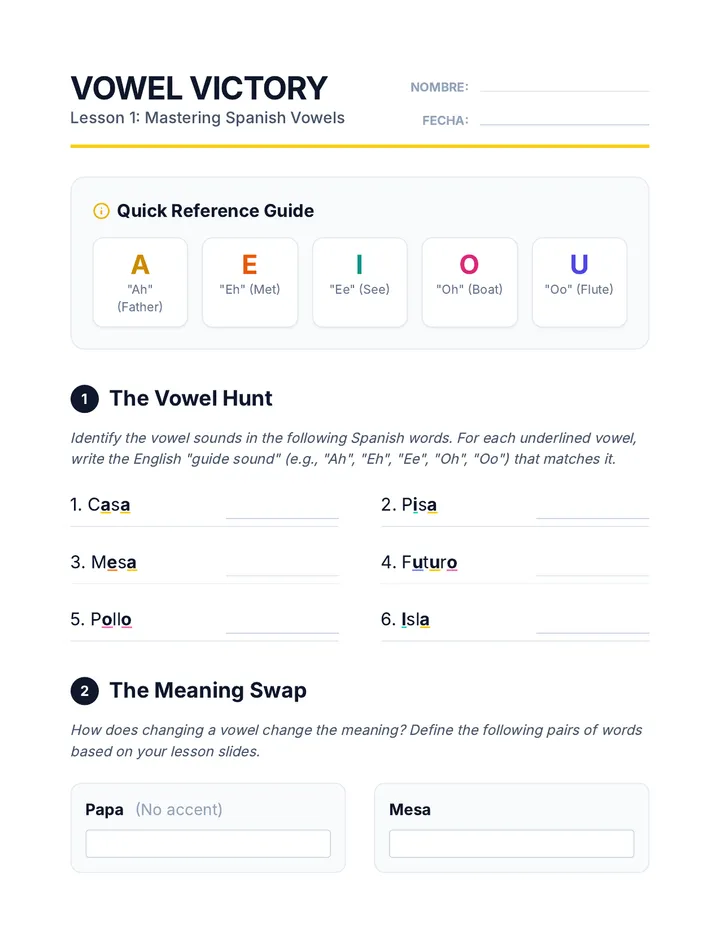
This sequence establishes foundational auditory and oral skills for Spanish fluency, focusing on vowel sounds, difficult consonants like 'rr' and 'ñ', and rules of stress and accentuation. Students transition from sound production to reading syllables and full words with accuracy.
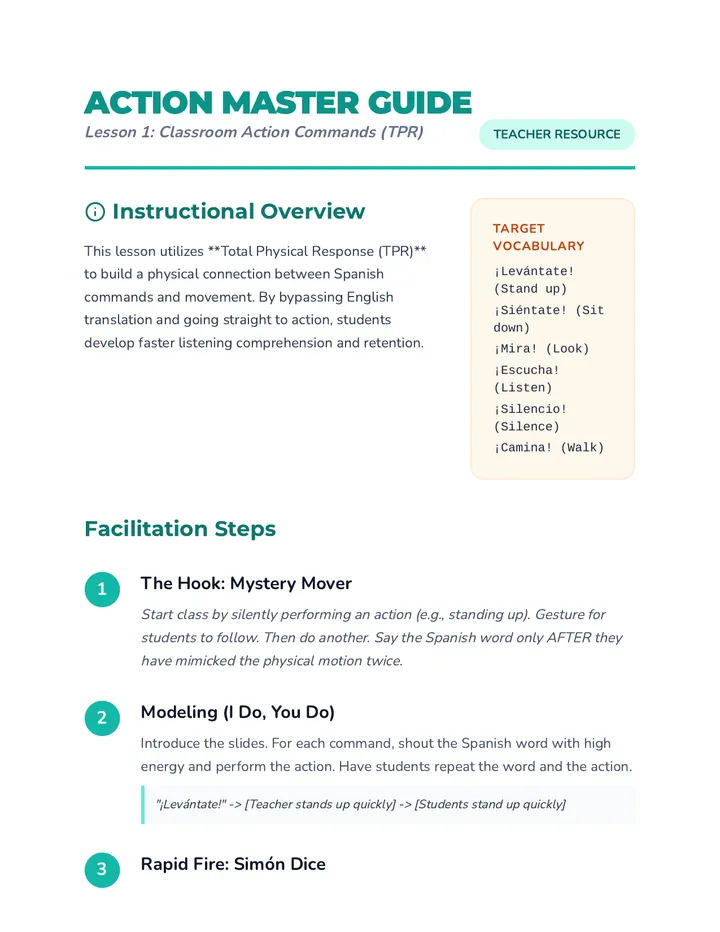
A 5-lesson sequence for 4th Grade students to master basic Spanish classroom vocabulary and commands through TPR, games, and environment labeling.
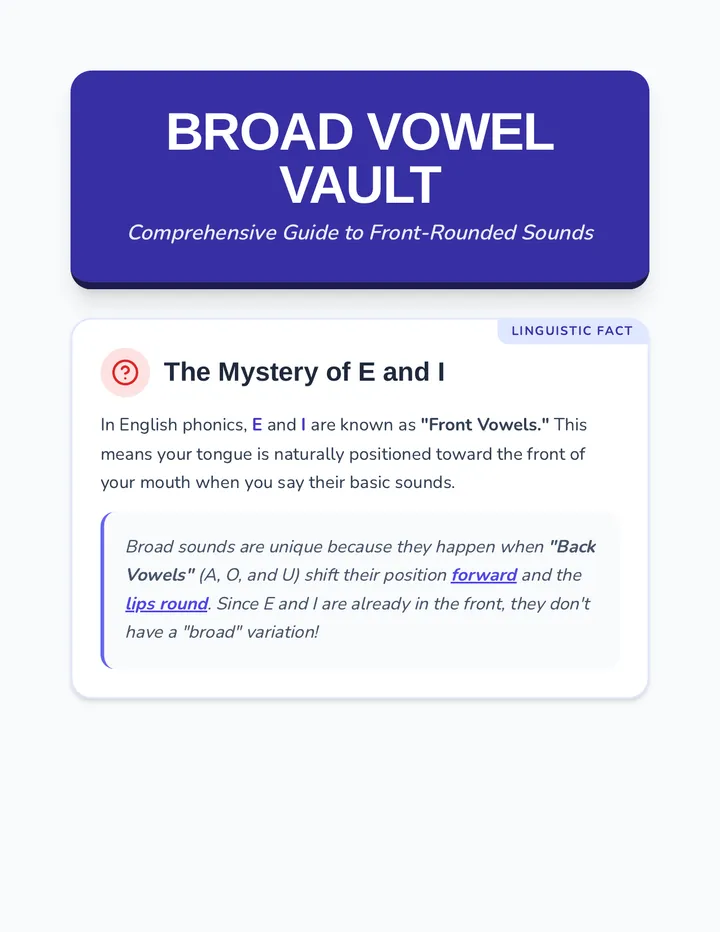
A 5-lesson intro to Spanish speaking for 4th graders, focusing on 'Me gusta', hobbies, colors, and peer interviews, culminating in an 'All About Me' poster project.
This 4th-grade Spanish sequence introduces students to emotional expression and well-being. Students move from basic vocabulary acquisition to complex social interactions and role-playing, focusing on the essential question: 'How can we check in on others and express how we are feeling in a new language?'

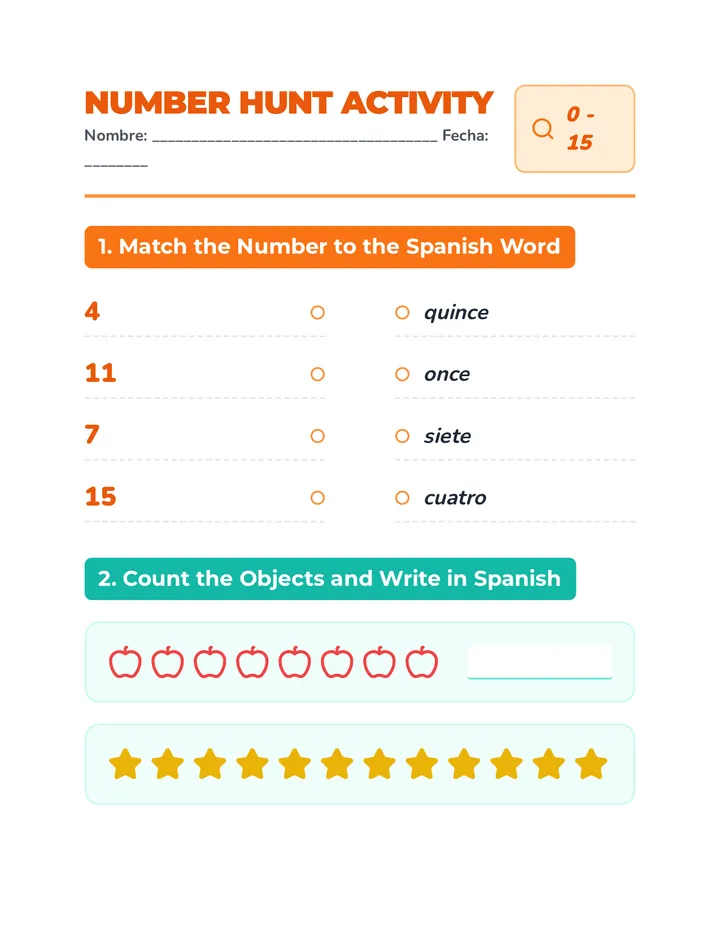
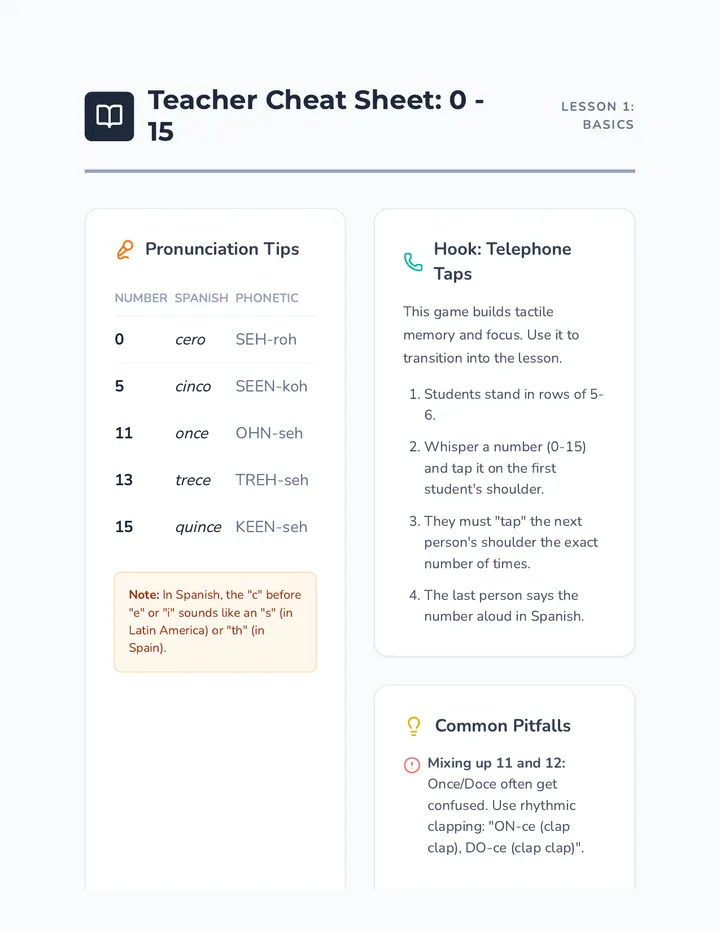
A lively exploration of Spanish numbers 0-31, focusing on expressing age and birthdays. Students move from rote memorization to real-world data collection and peer interviews to build a class birthday calendar.

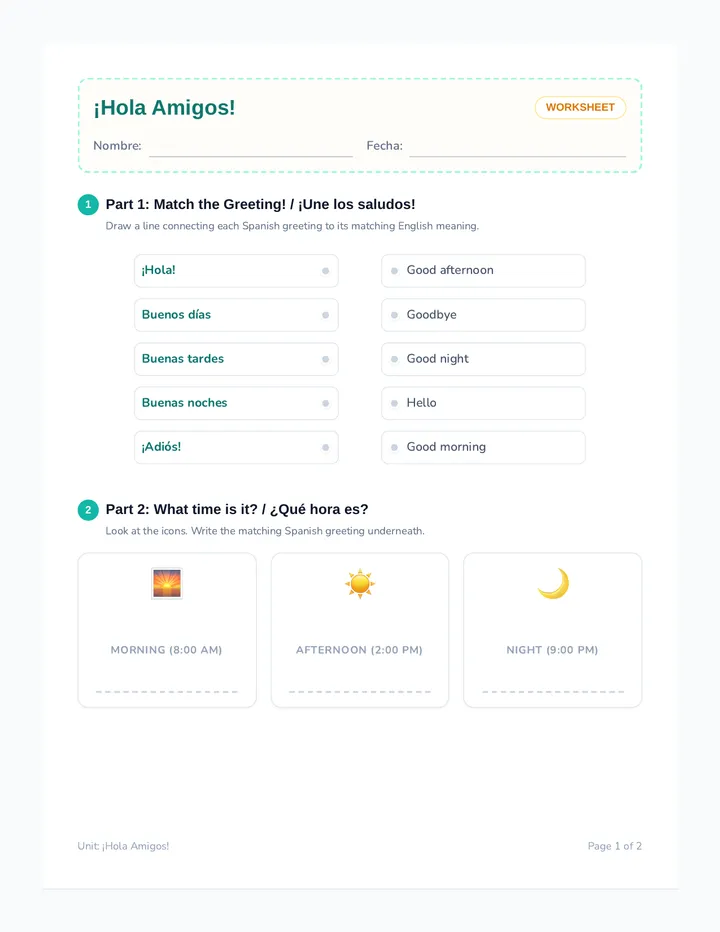
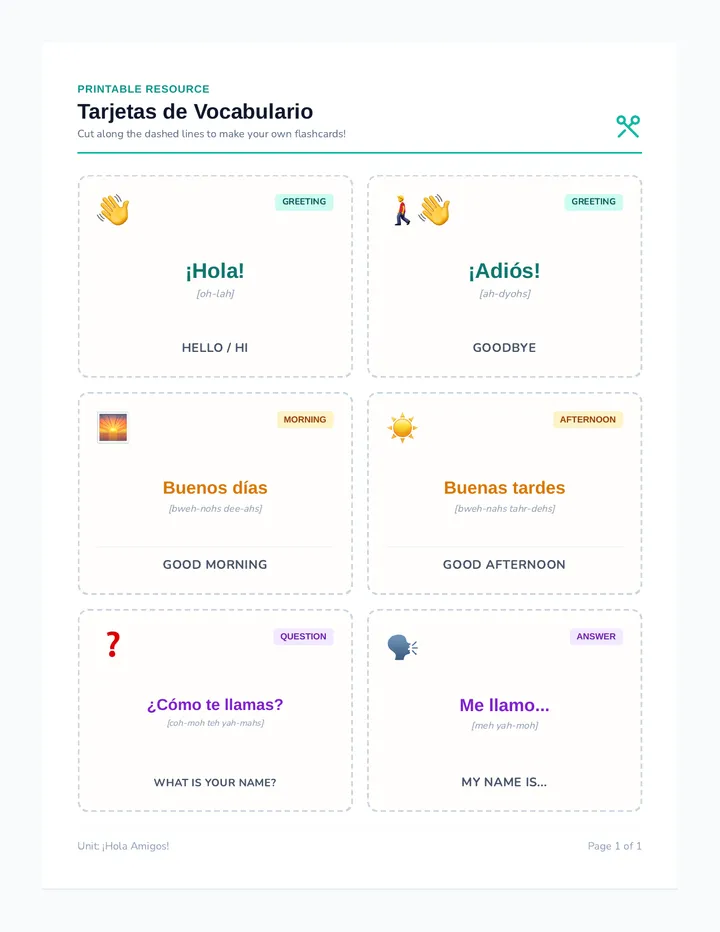
This sequence introduces 4th-grade students to foundational Spanish greetings, introductions, and polite expressions. Through interactive games, role-plays, and pronunciation practice, students build the confidence to conduct basic introductory dialogues in Spanish.
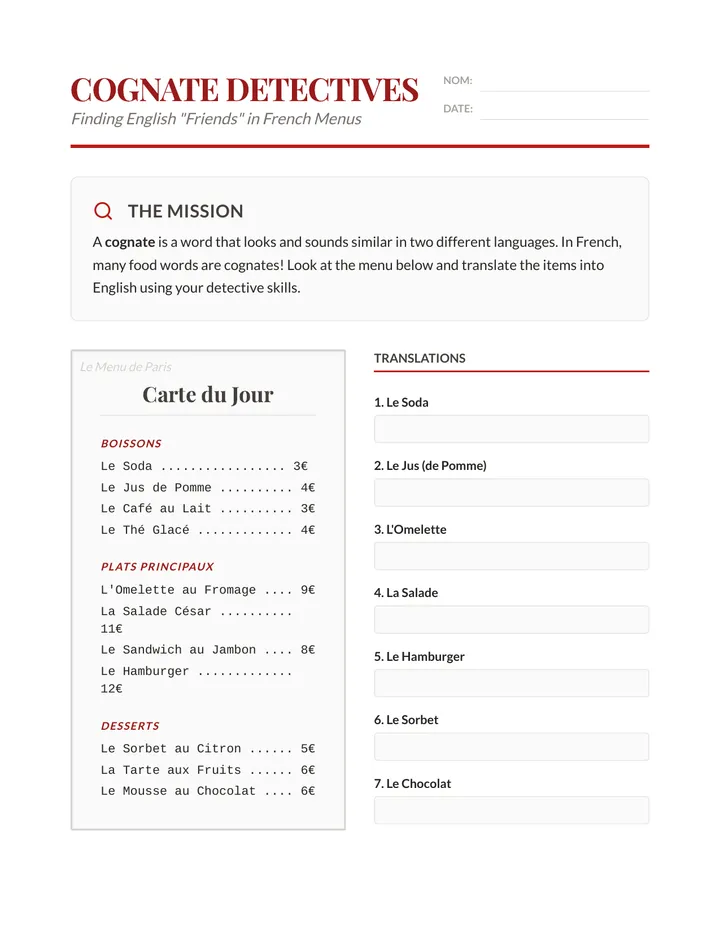
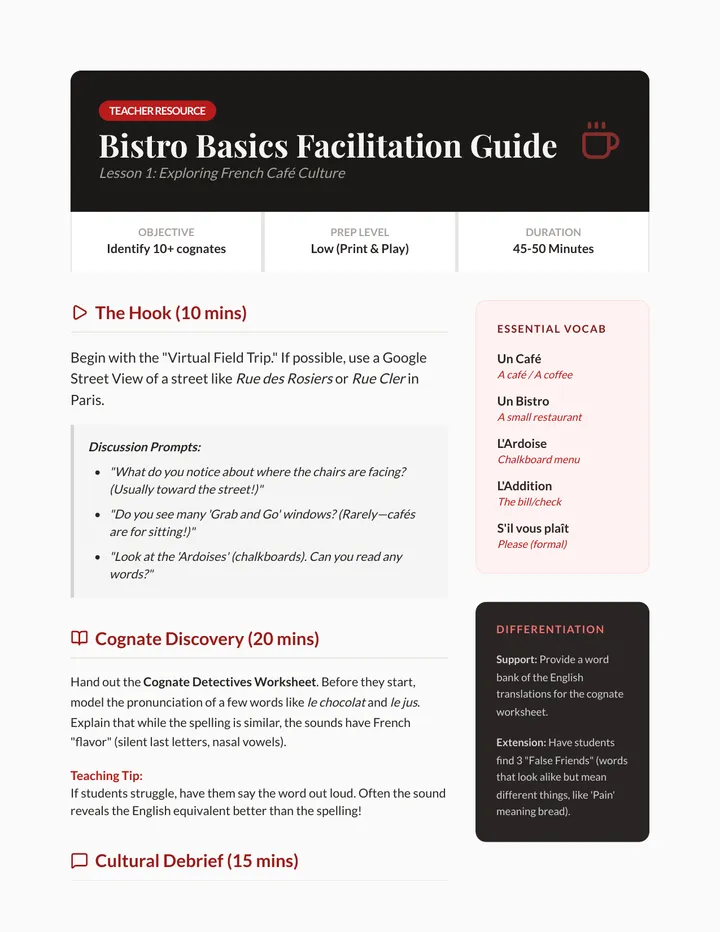
A 4th-grade French sequence focused on café culture, polite communication, and currency. Students learn to navigate a restaurant setting through immersive simulations and role-play.
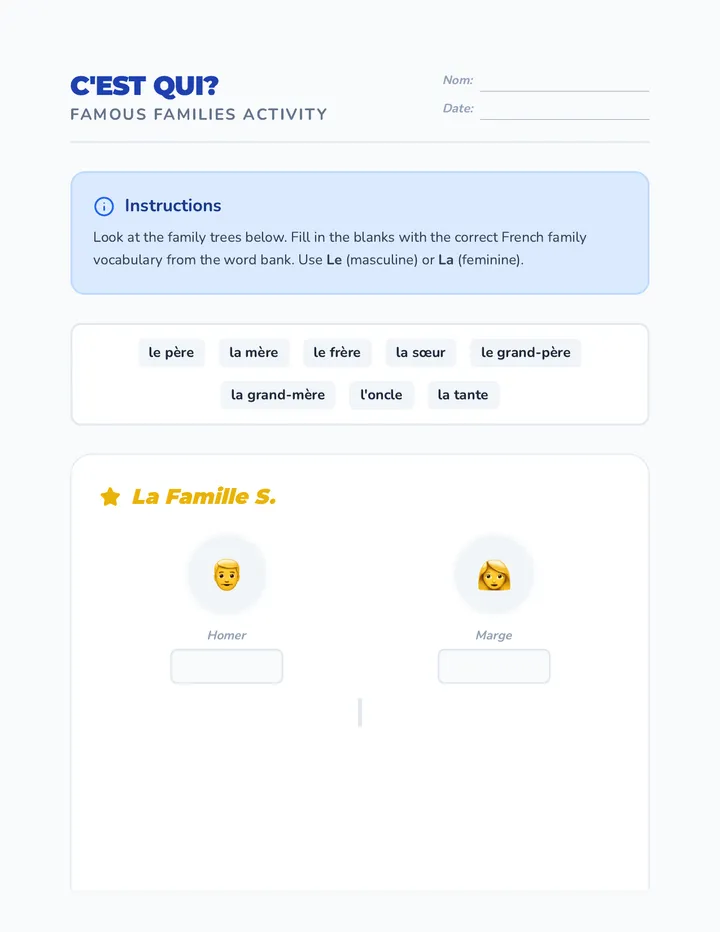
This sequence introduces 4th-grade students to French family vocabulary and possessive adjectives. Students will learn to describe their family members and pets, ending with the creation of a personalized family tree project.
A 4th-grade French sequence focused on classroom communication through Total Physical Response (TPR) and immersive games. Students move from labeling their environment to requesting permission and solving a culminating scavenger hunt using functional vocabulary and imperatives.