Students learn to describe their family and pets in French, mastering vocabulary for relatives and pets, sentence structures with 'J'ai', and numbers, culminating in a creative family poster presentation.
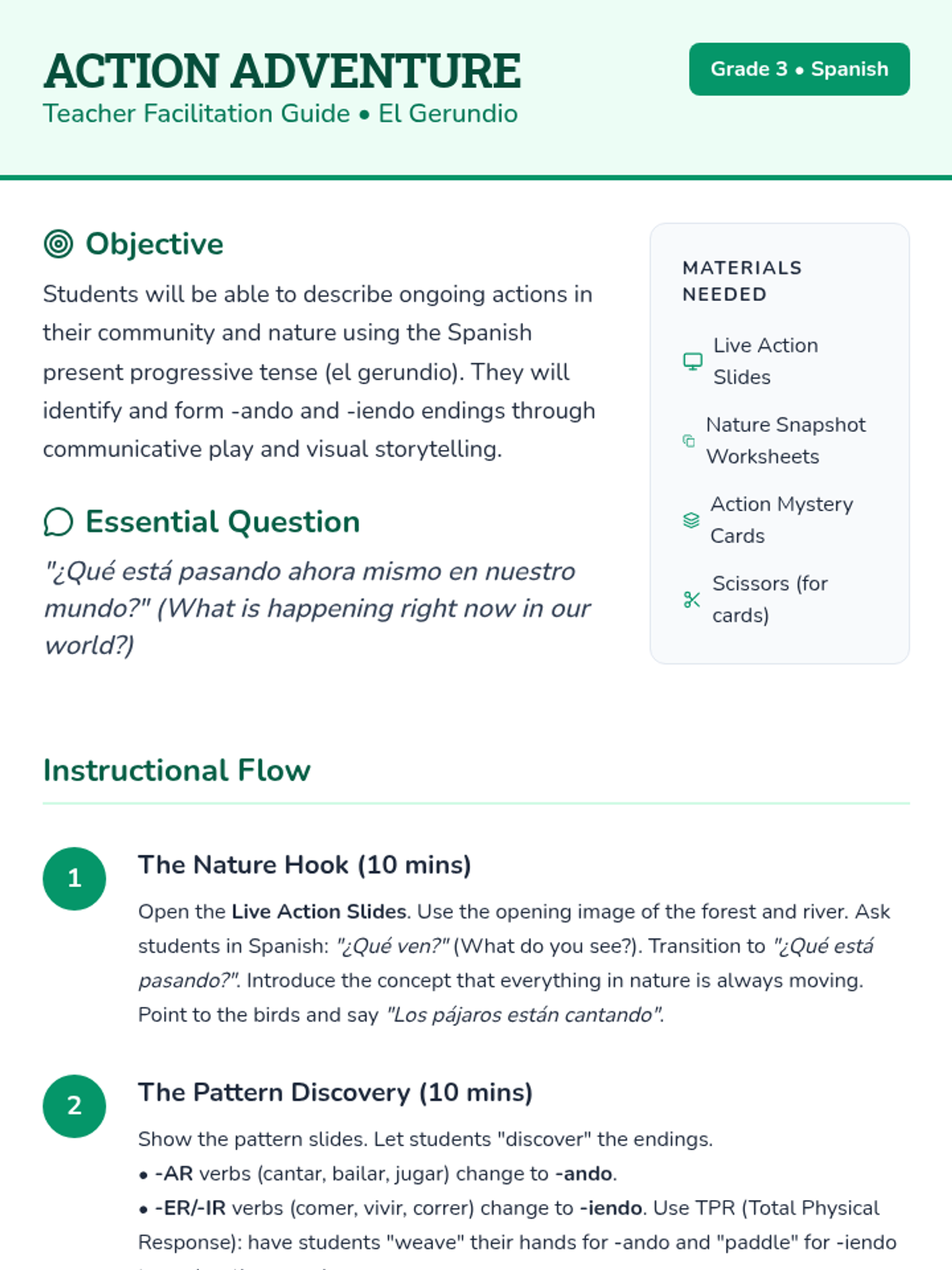
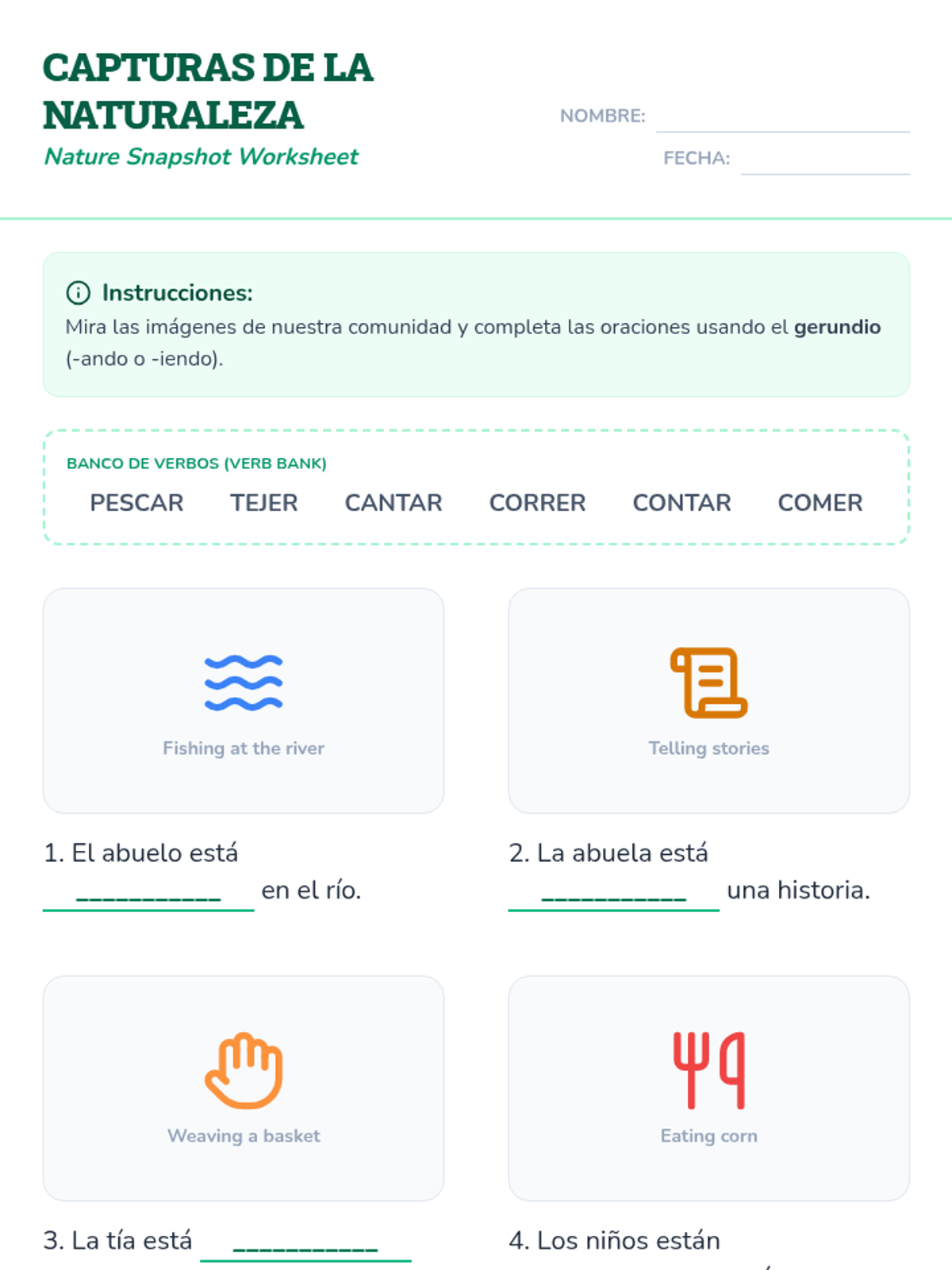
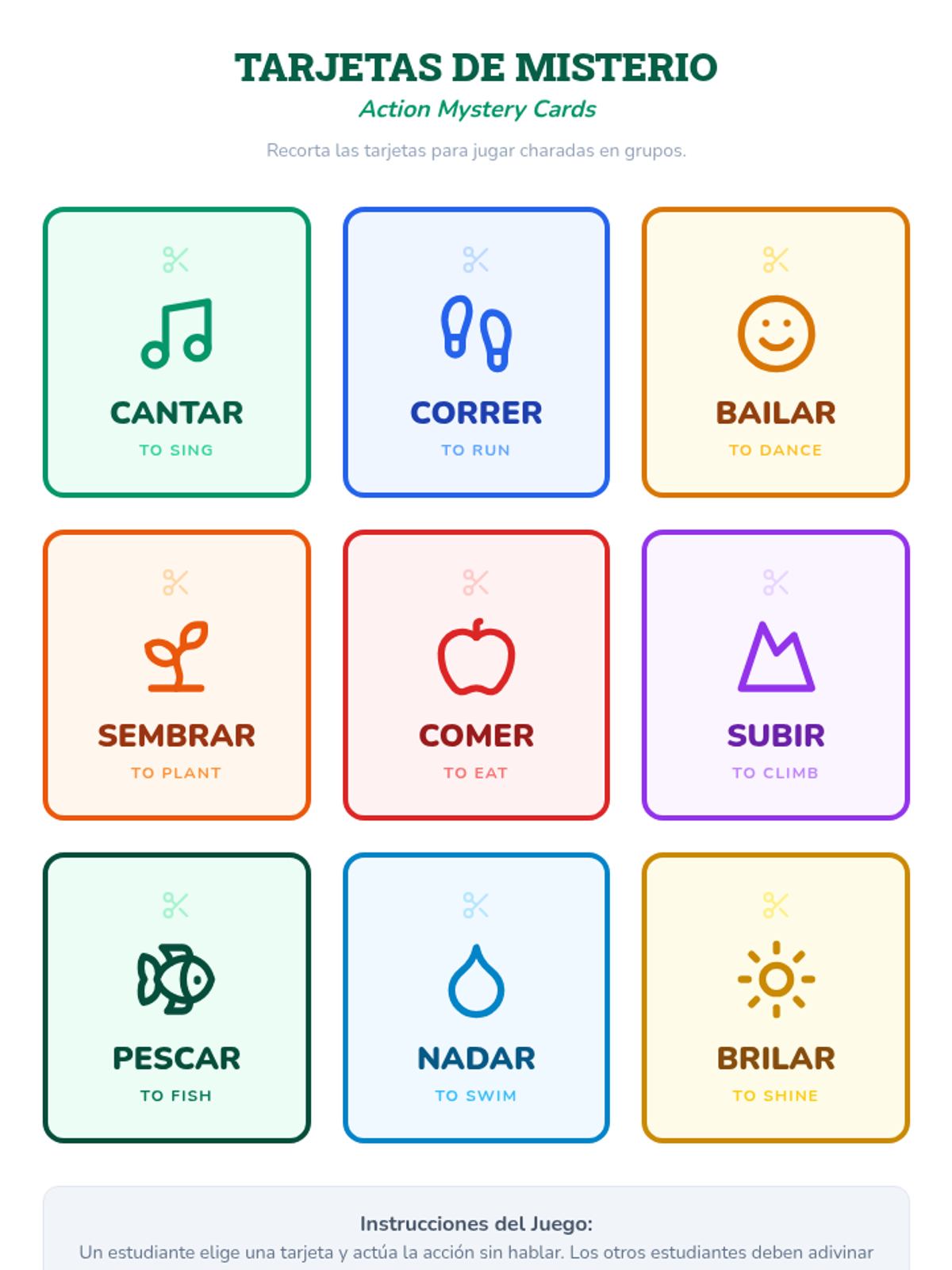
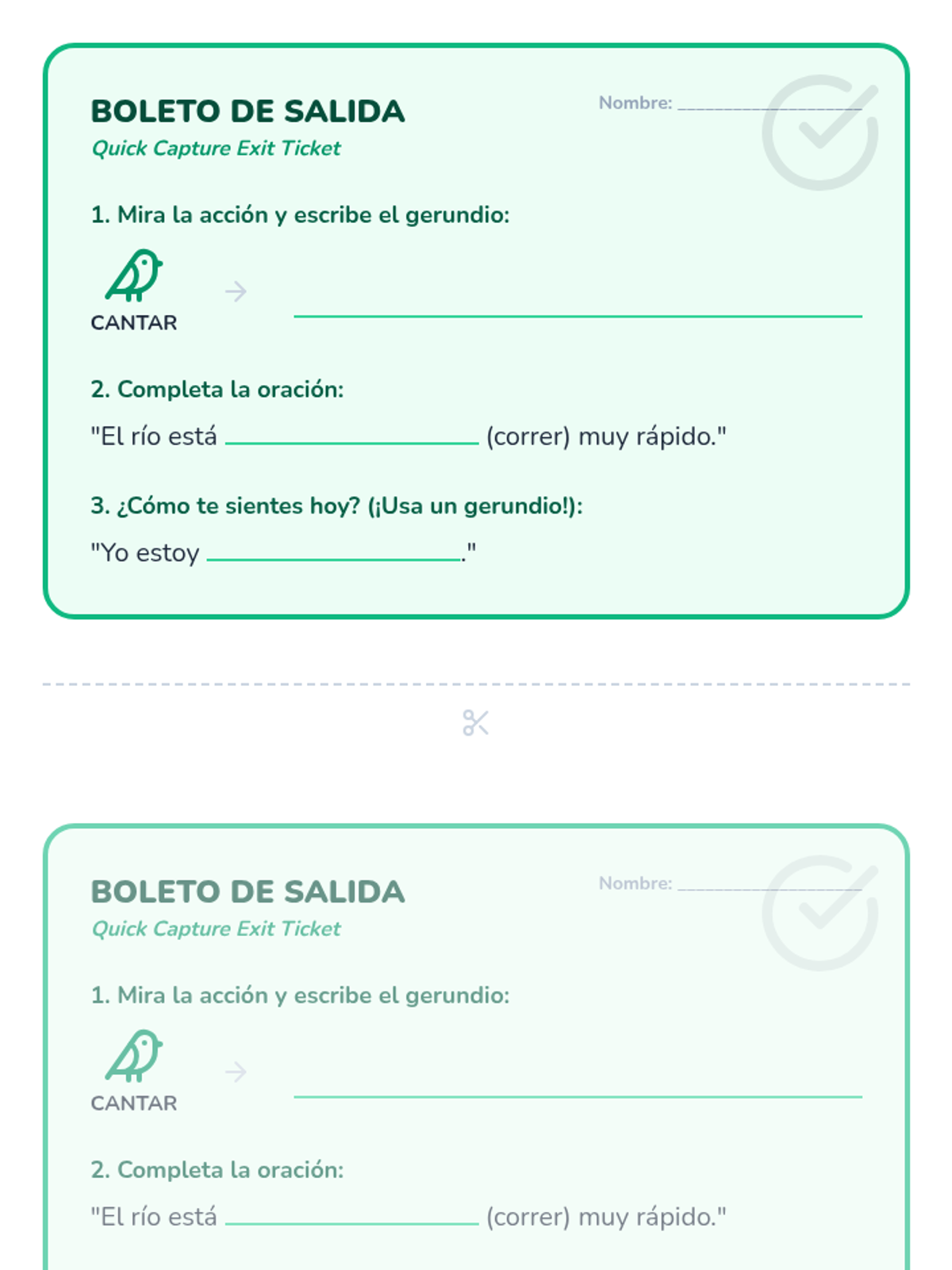
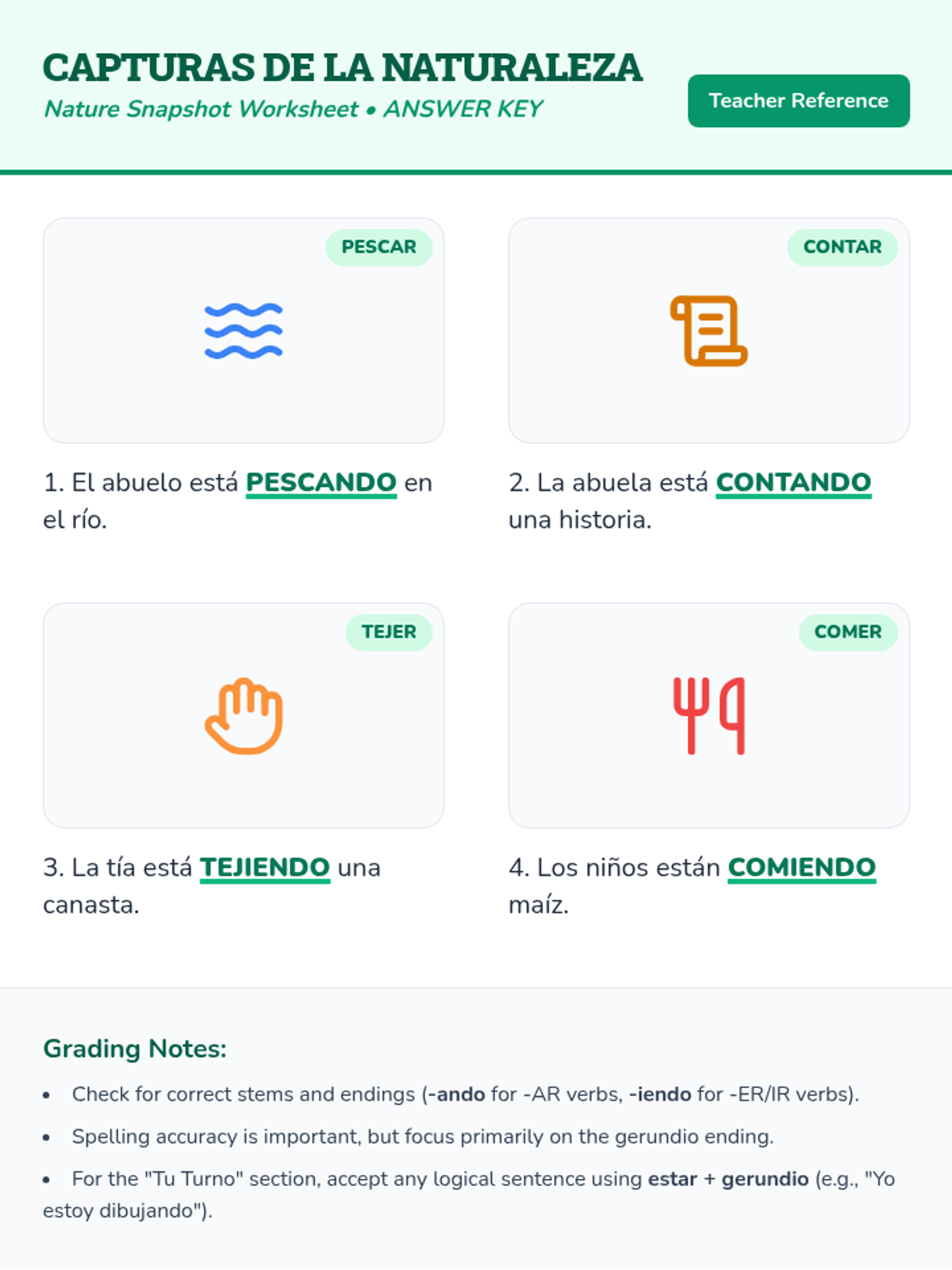
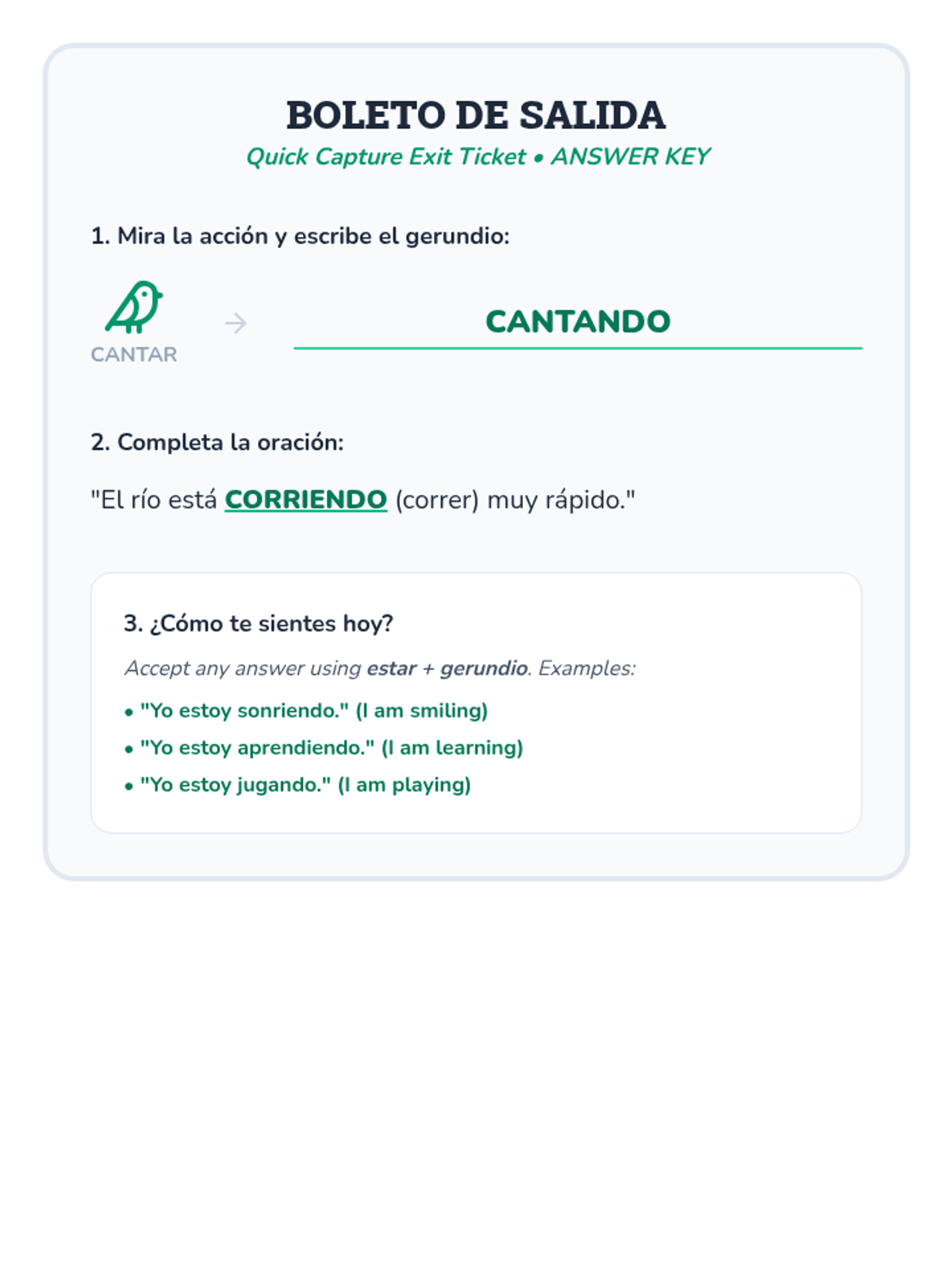
A four-part Spanish sequence for 3rd graders exploring 'el gerundio' through the lens of community, nature, and indigenous traditions. Students learn to describe the world around them in real-time.
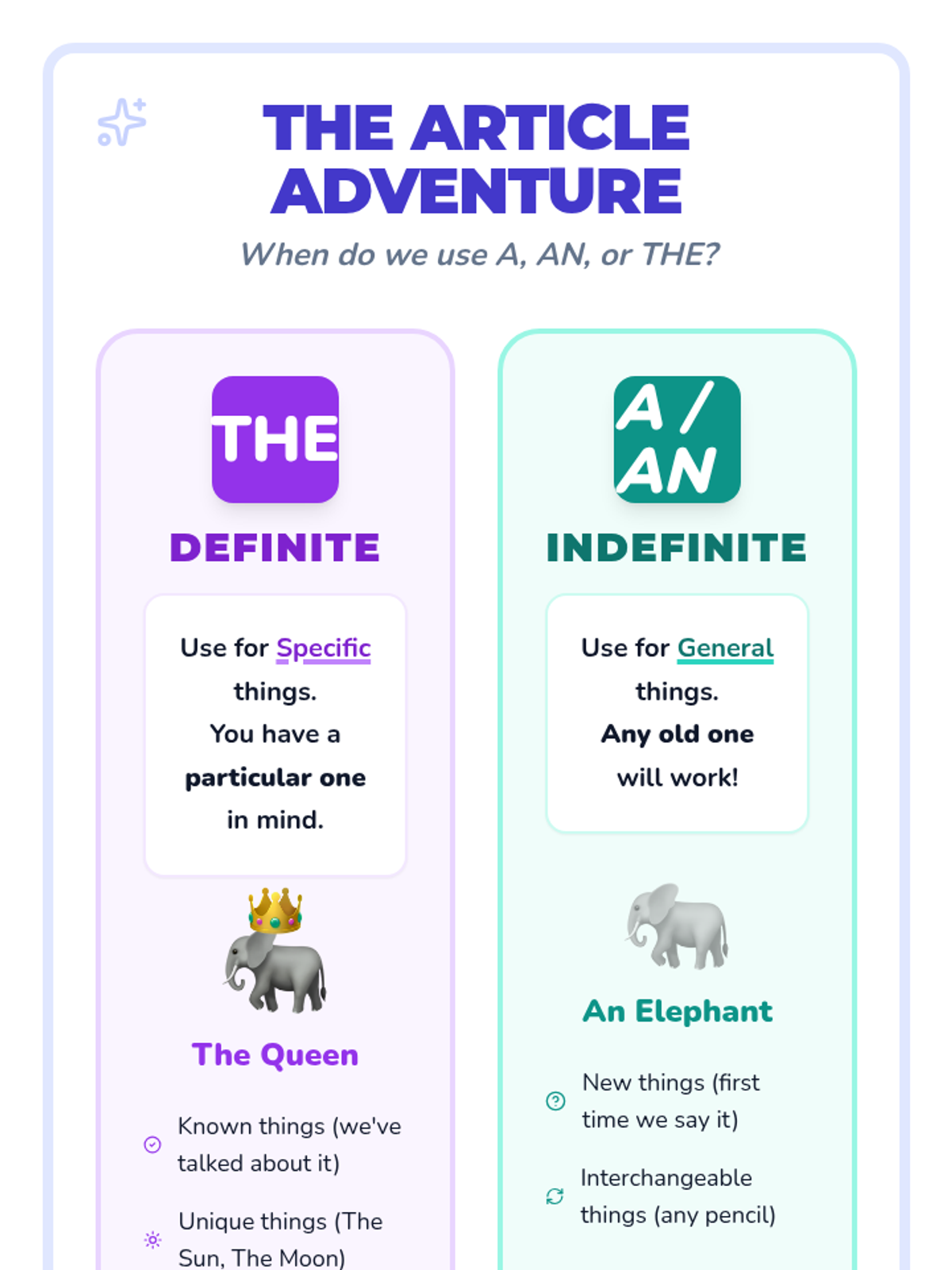
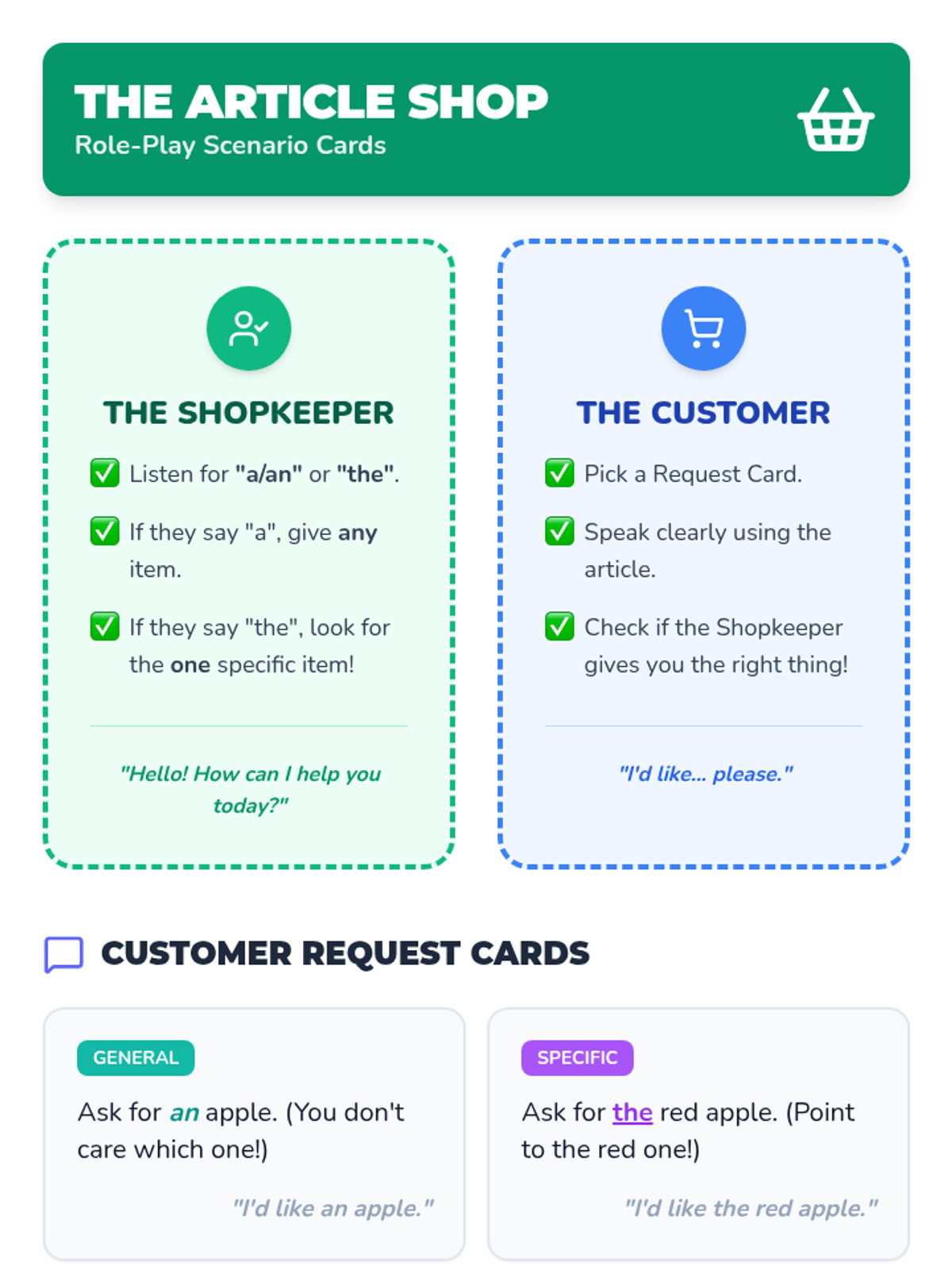
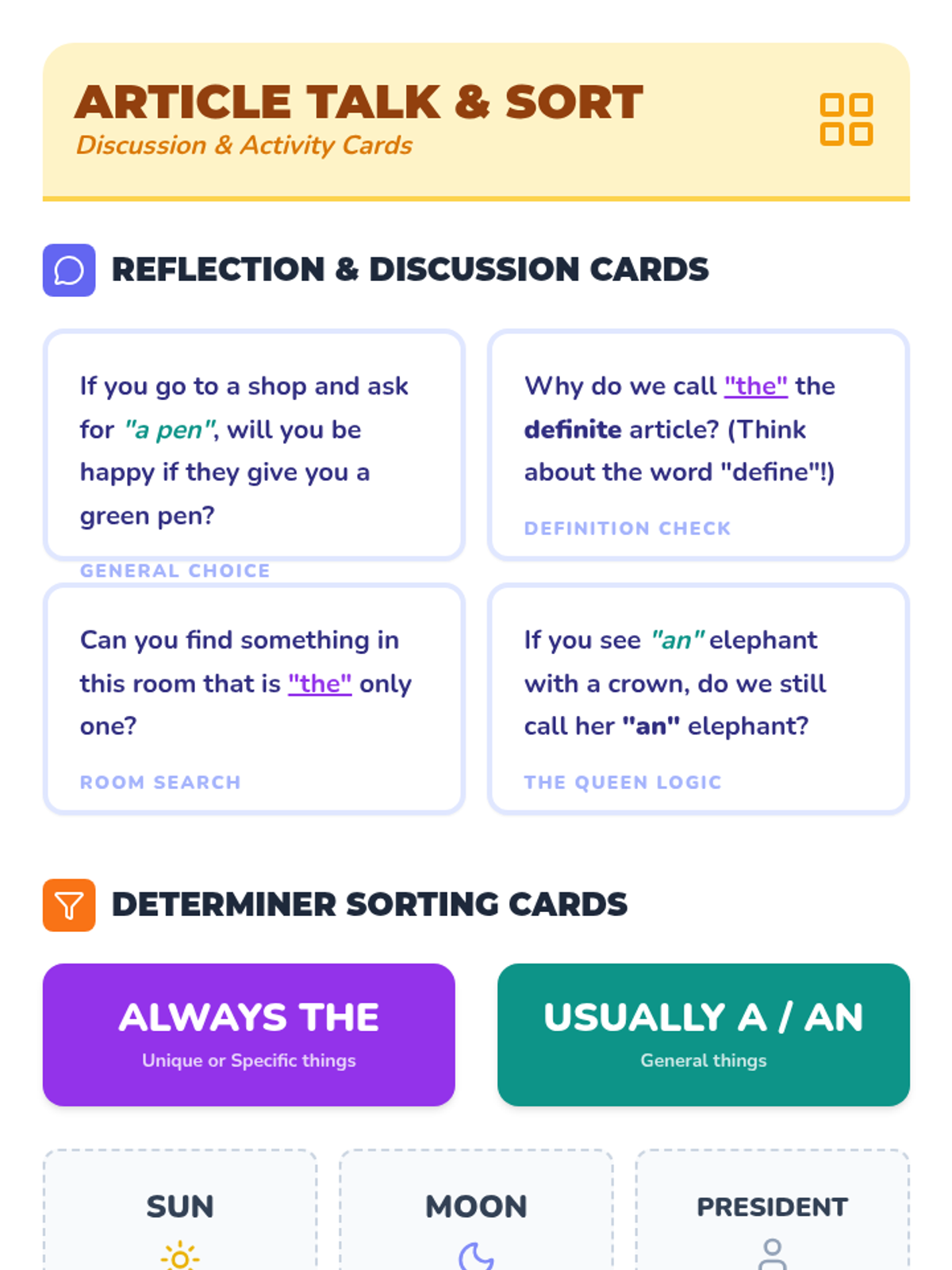
A foundational grammar sequence for English Language Learners focusing on the use of definite and indefinite articles through visual storytelling and interactive games.
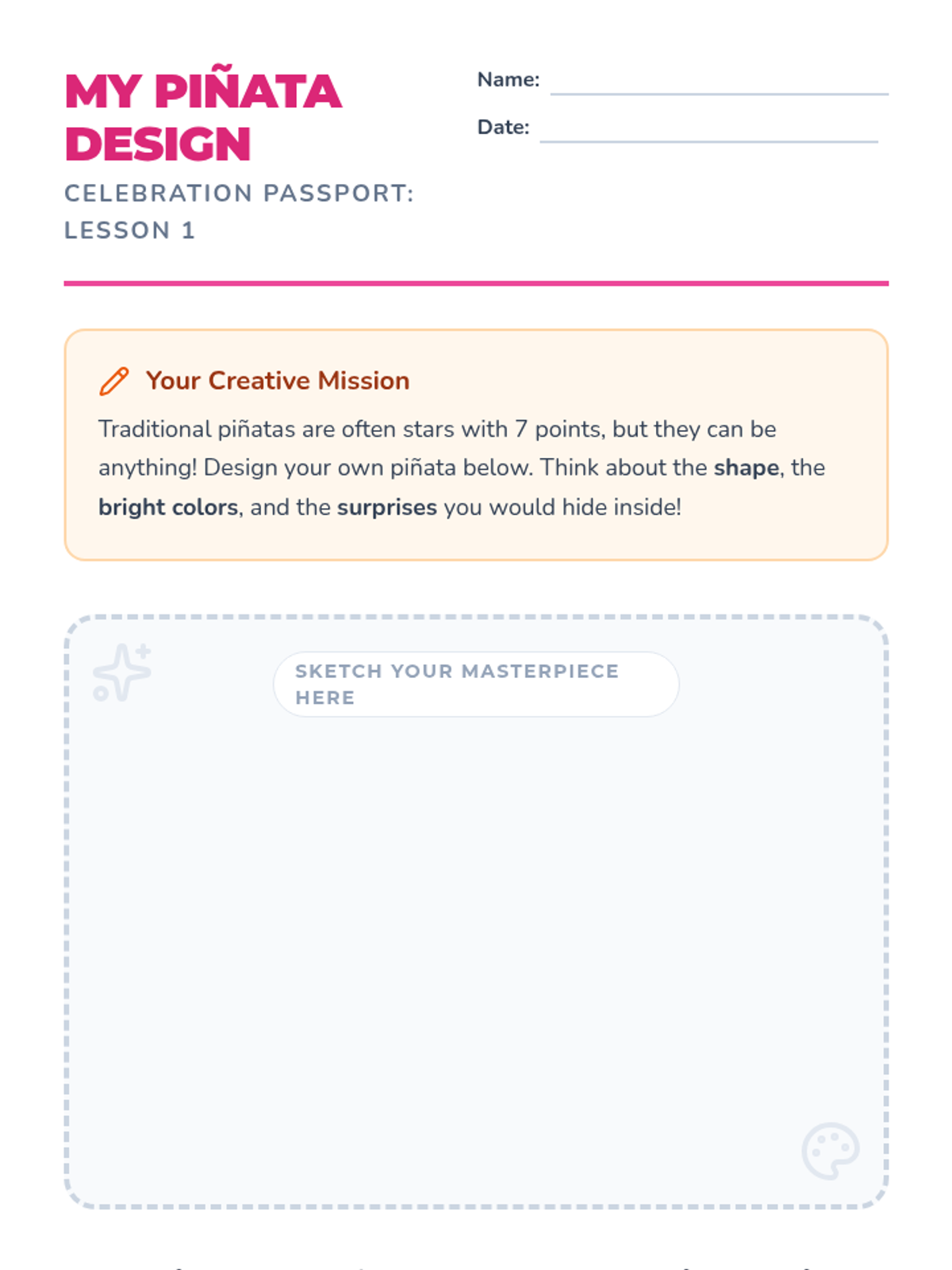
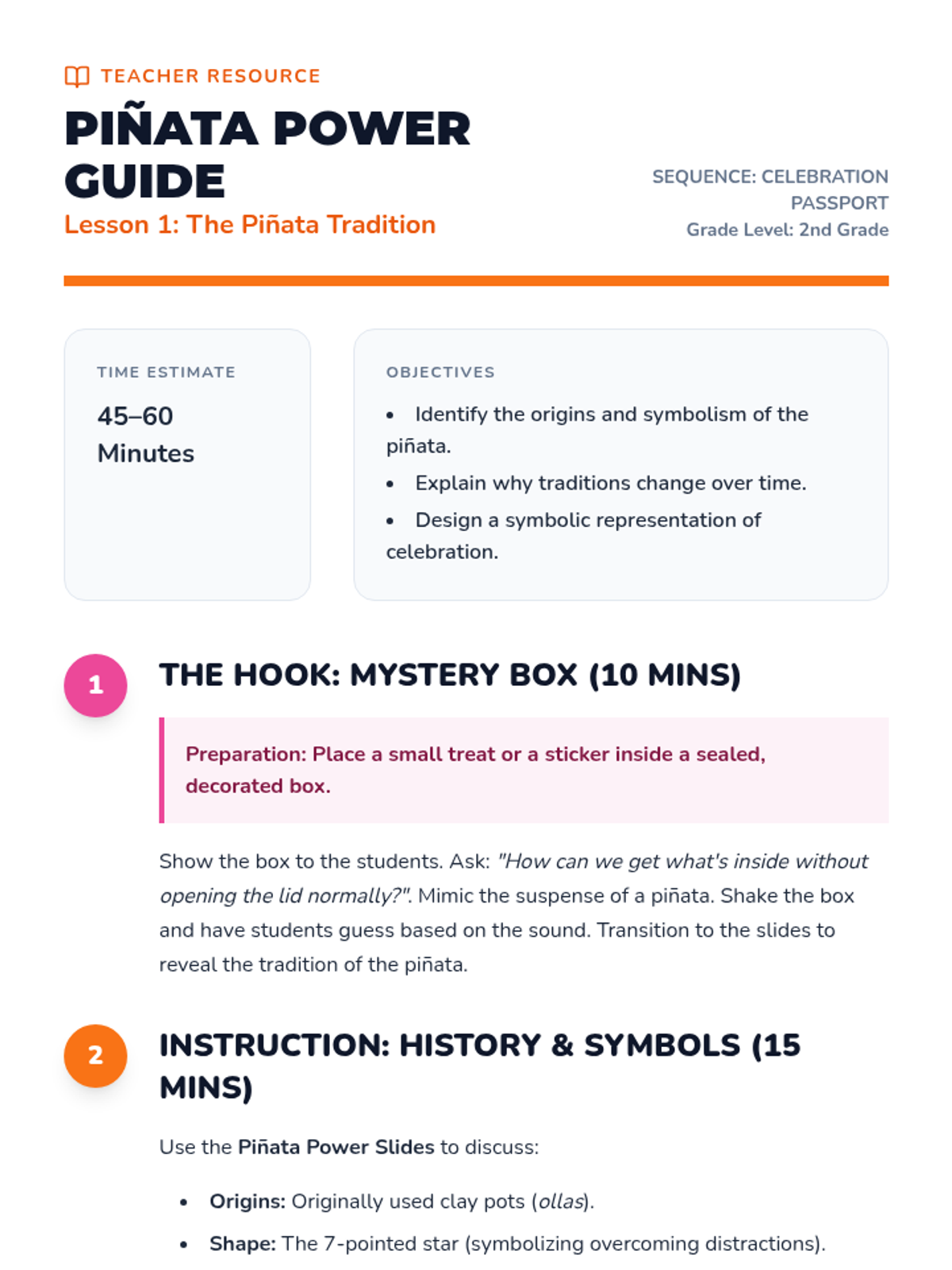
Students explore the vibrant world of celebrations in Spanish-speaking cultures, from piñatas to the Day of the Dead. Through comparative analysis, they discover how traditions foster community and honor history across Spain and Latin America.
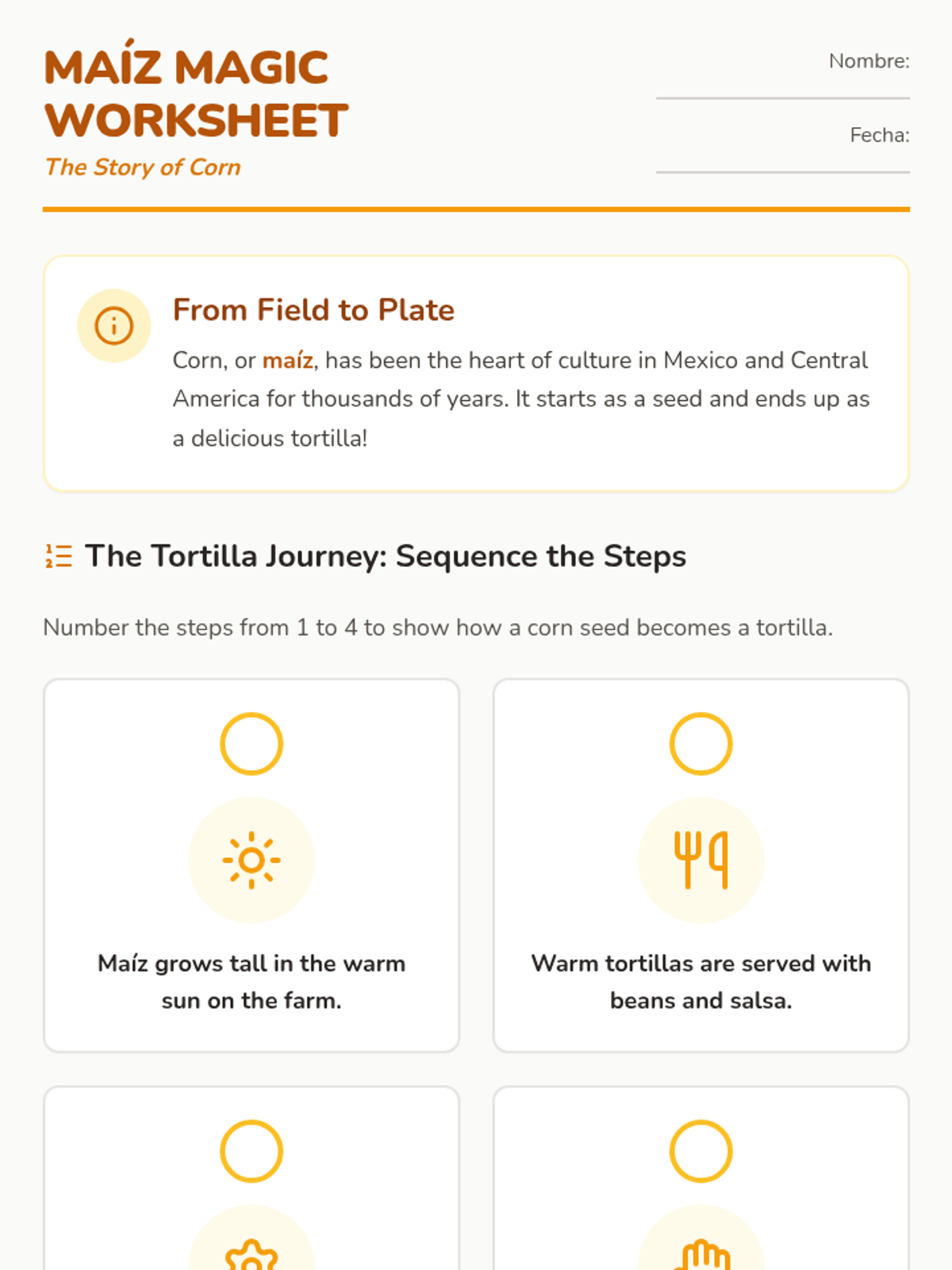
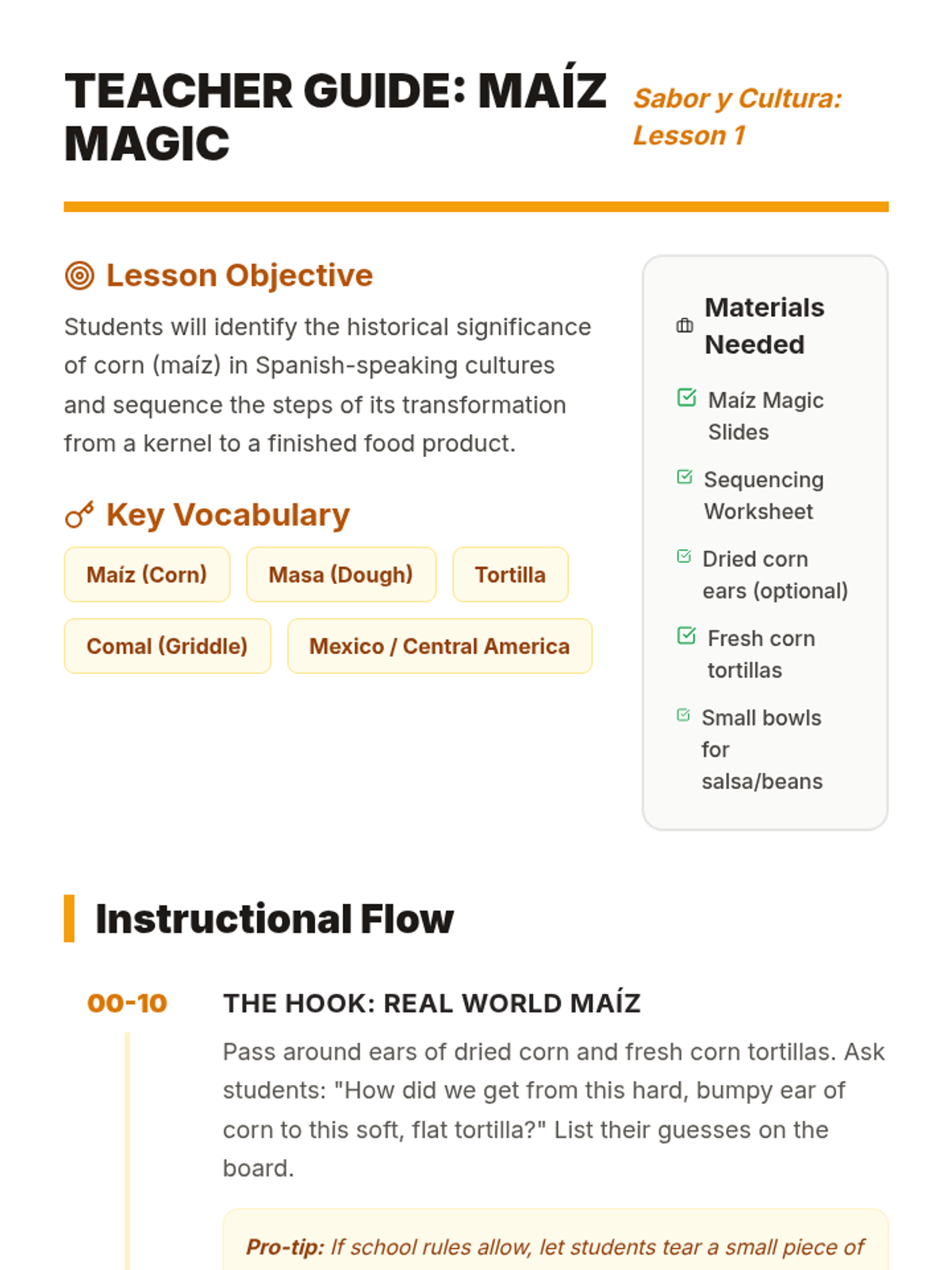
A 5-lesson sequence exploring the culinary heritage of the Spanish-speaking world, focusing on key ingredients like corn and cacao, mealtime customs, and tropical fruits. Students conclude by creating a class cookbook.
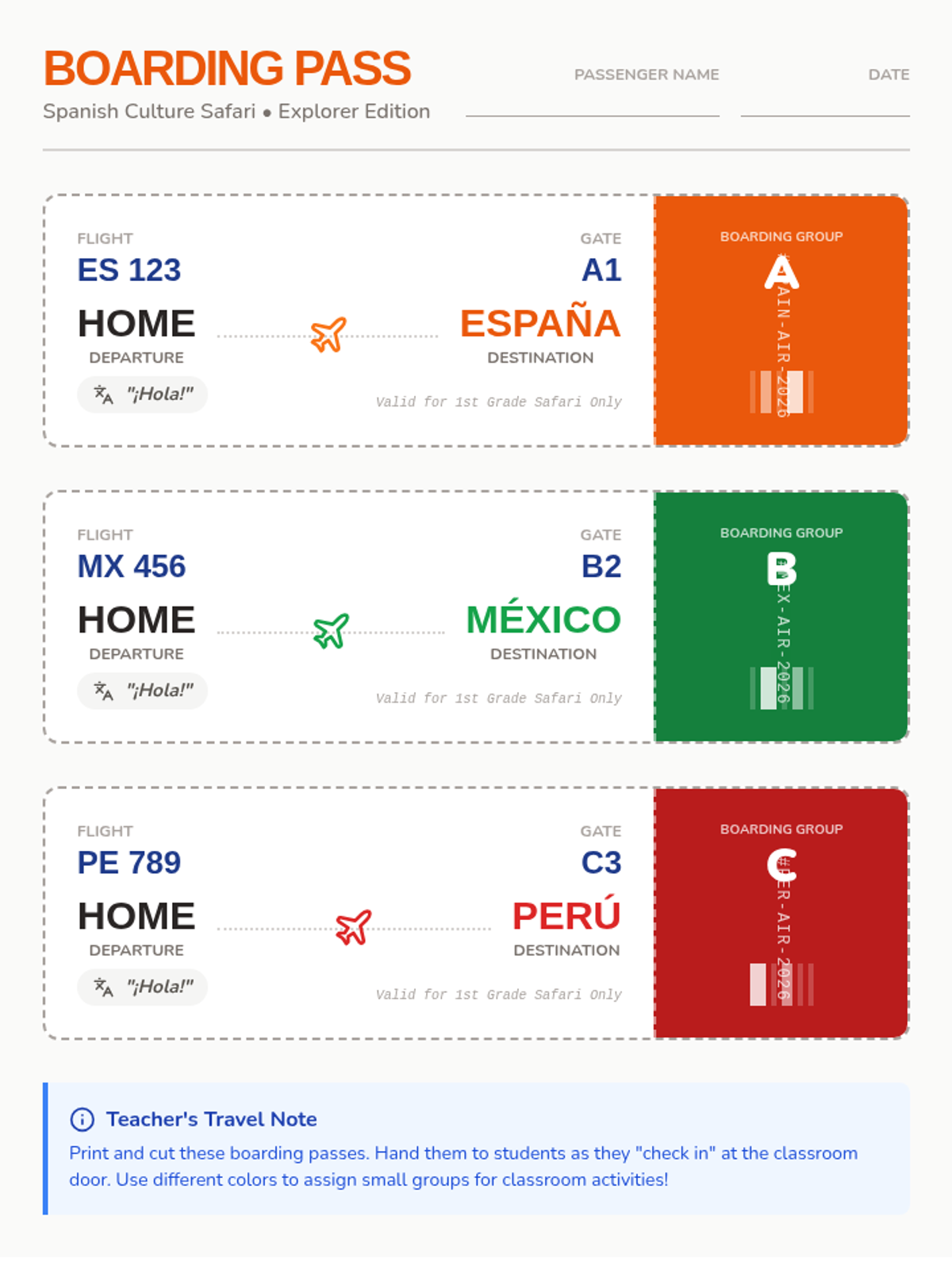
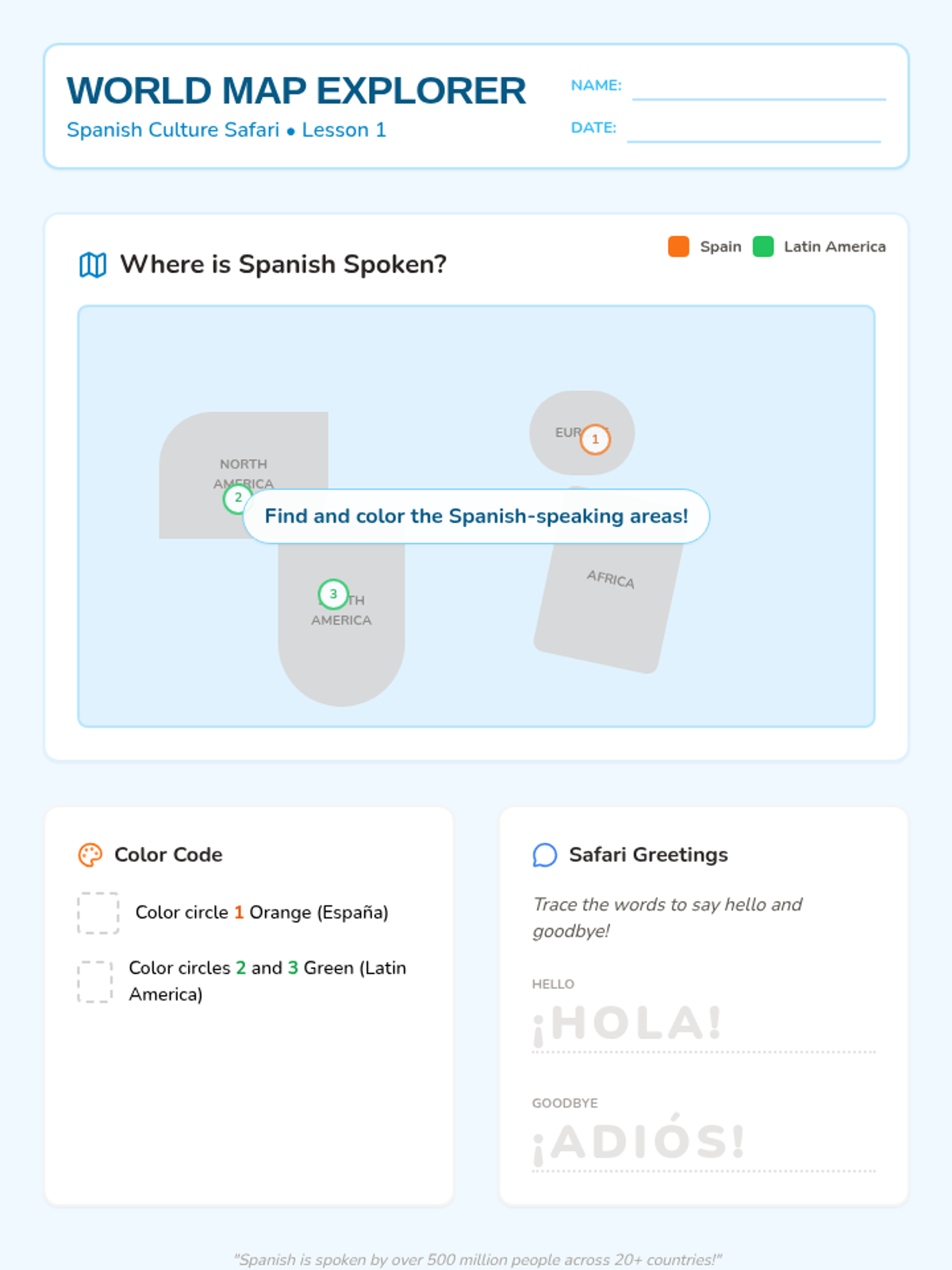
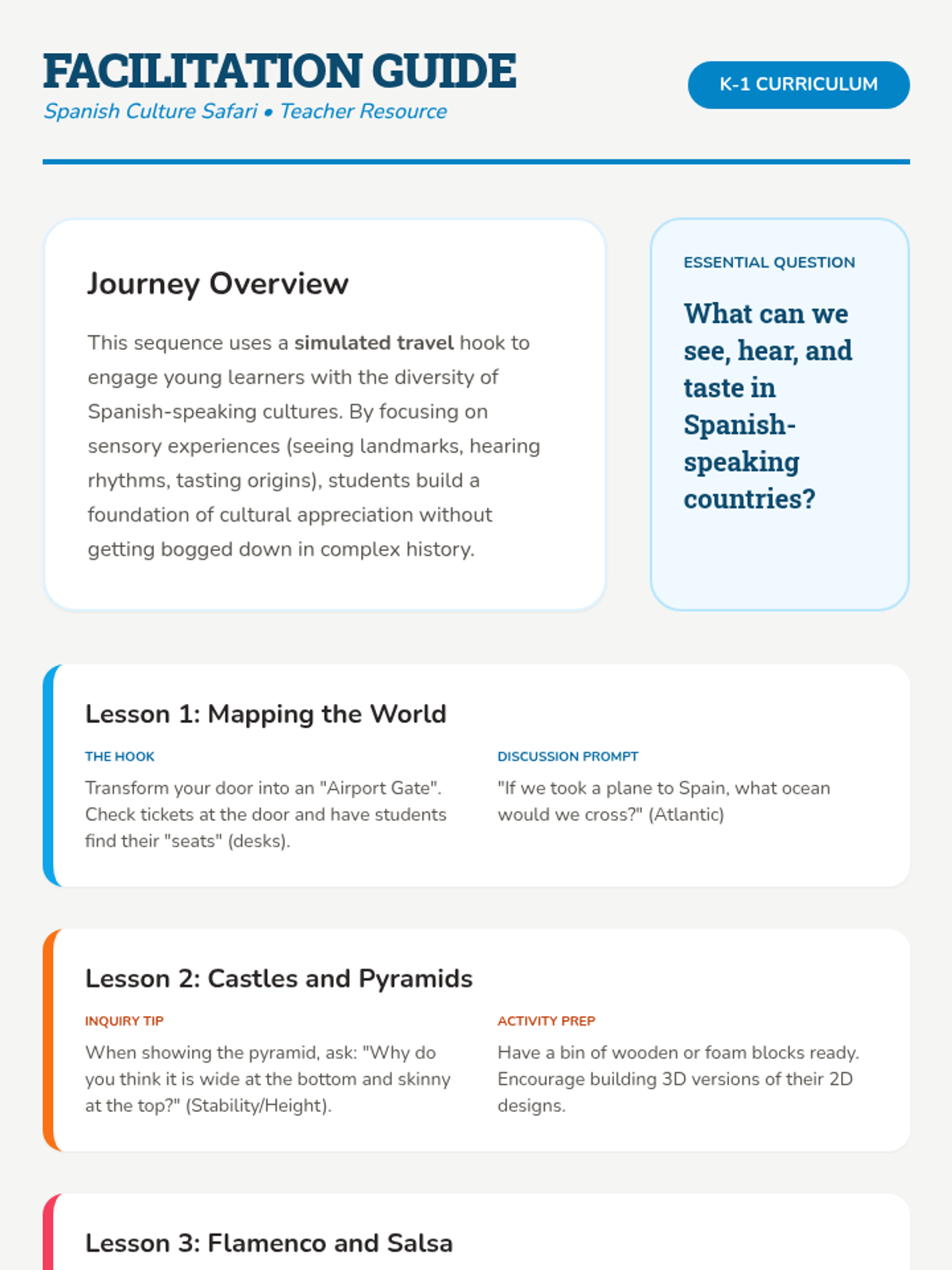
A sensory exploration of Spanish culture across geography, architecture, music, food, and art. Students embark on a simulated travel journey to discover the diversity of Spanish-speaking countries through hands-on activities.
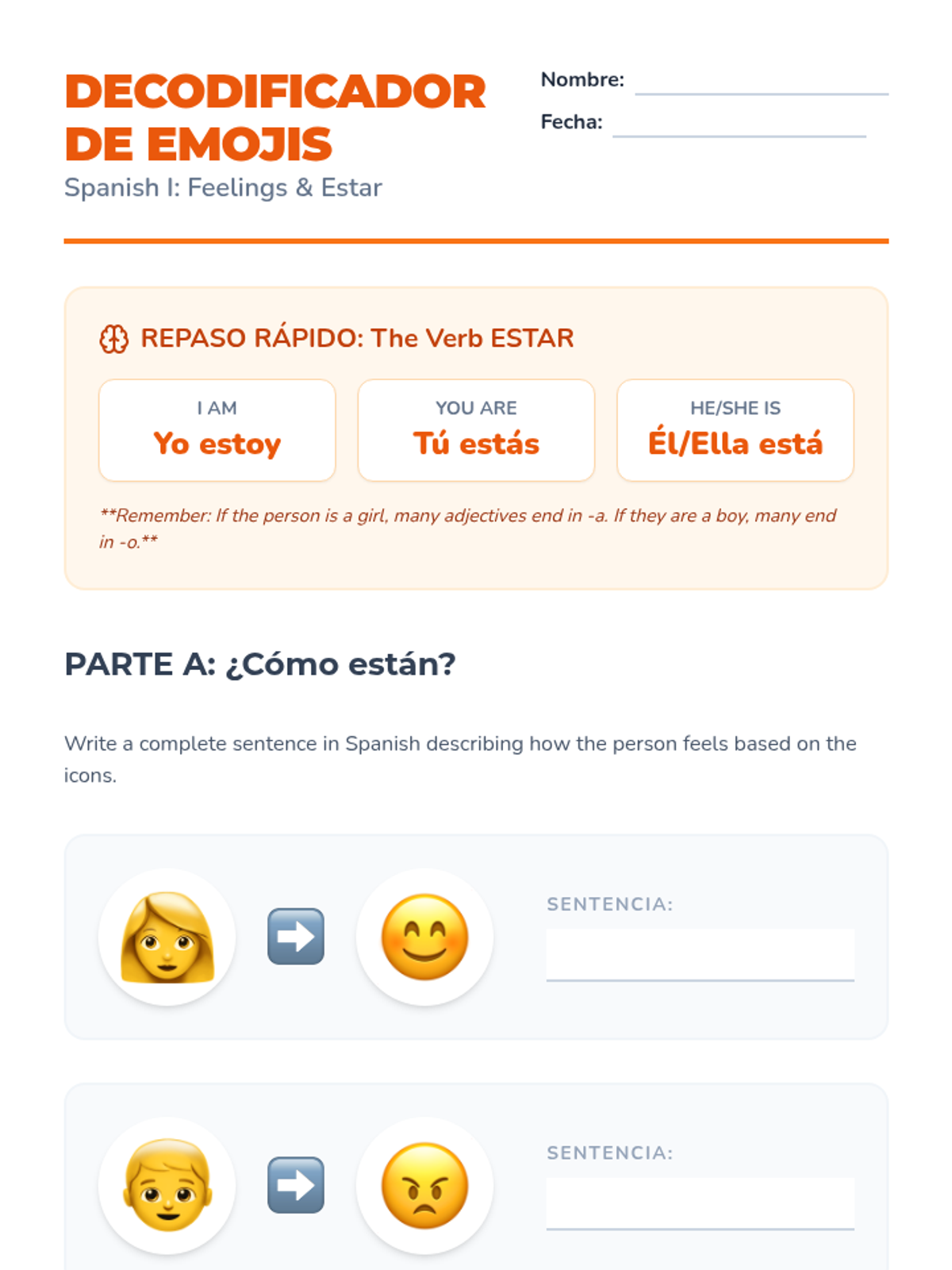
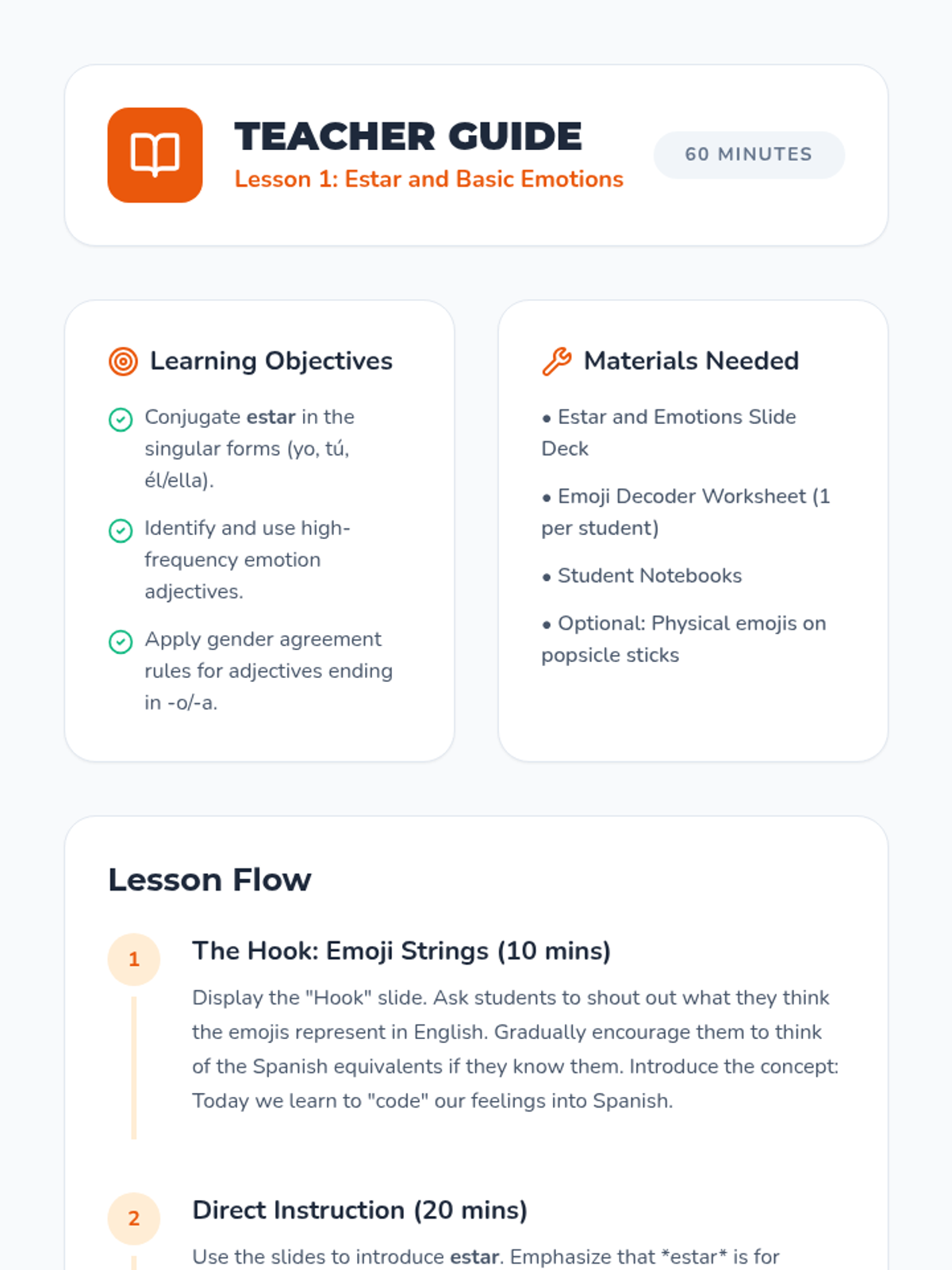
A comprehensive unit for beginner Spanish students to master the verb 'estar' and 'tener' idioms for expressing emotions, physical states, and needs. Through interactive games, role-plays, and data collection, students learn to articulate their internal feelings and conduct wellness checks on others.
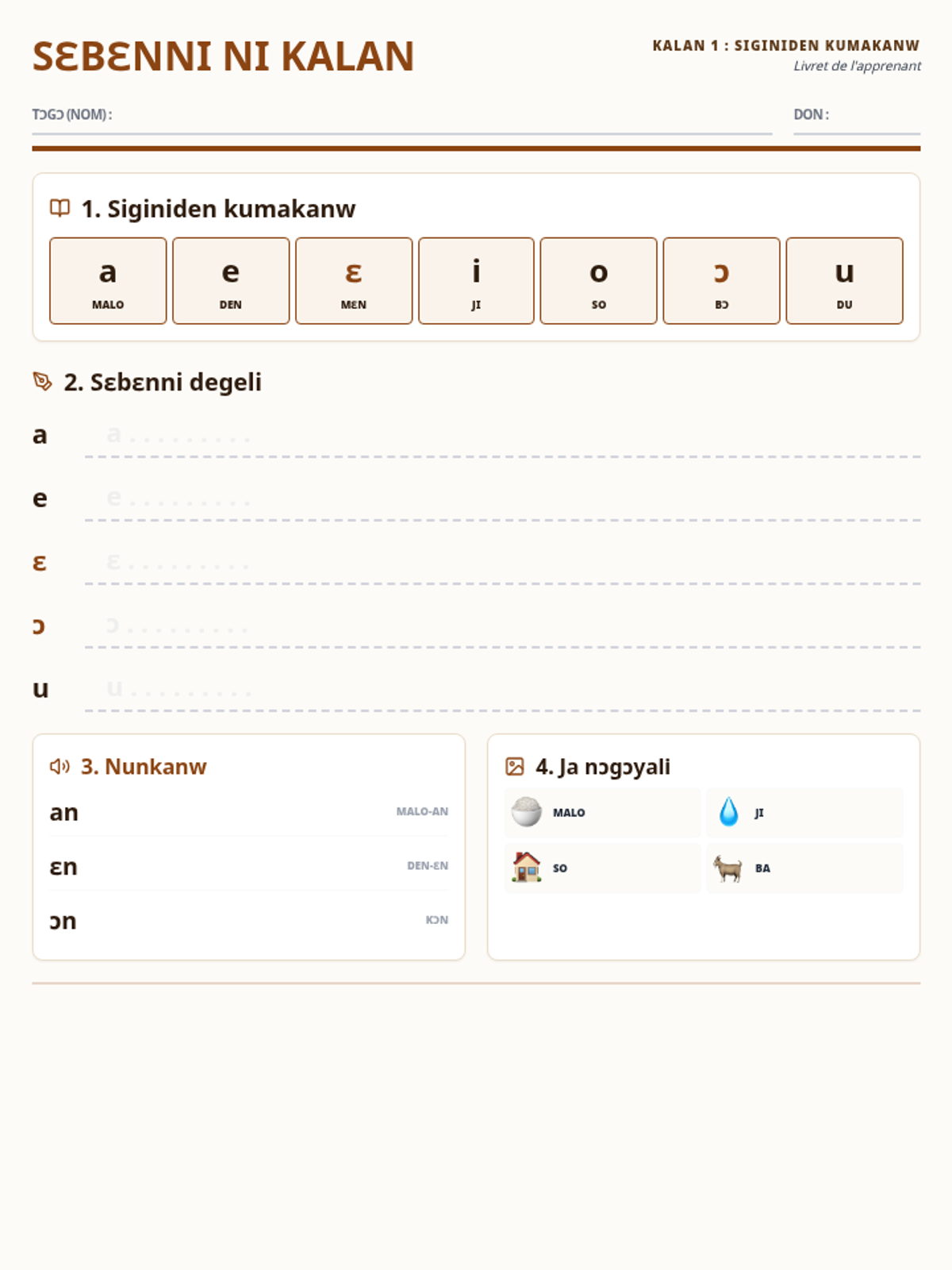
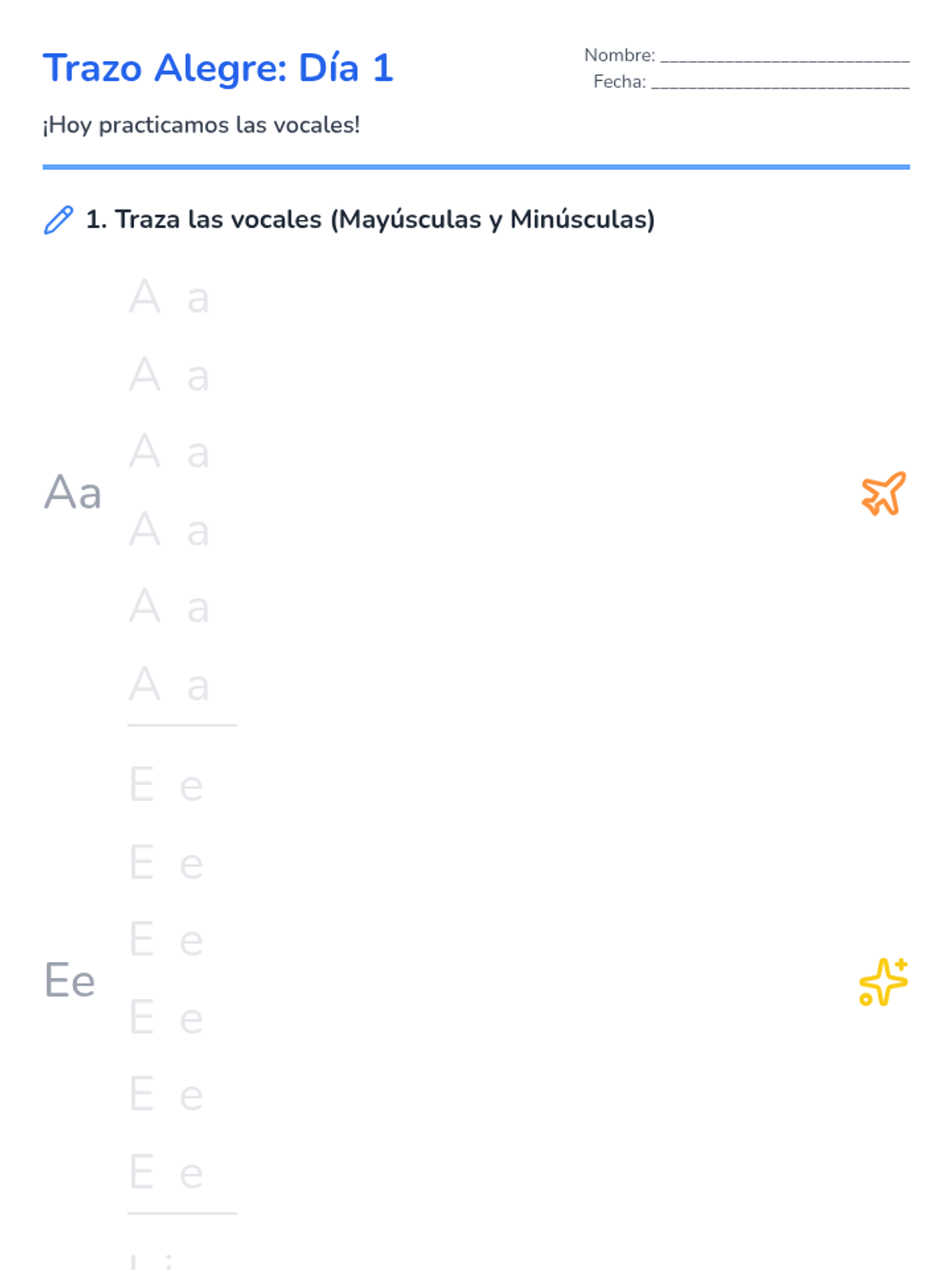
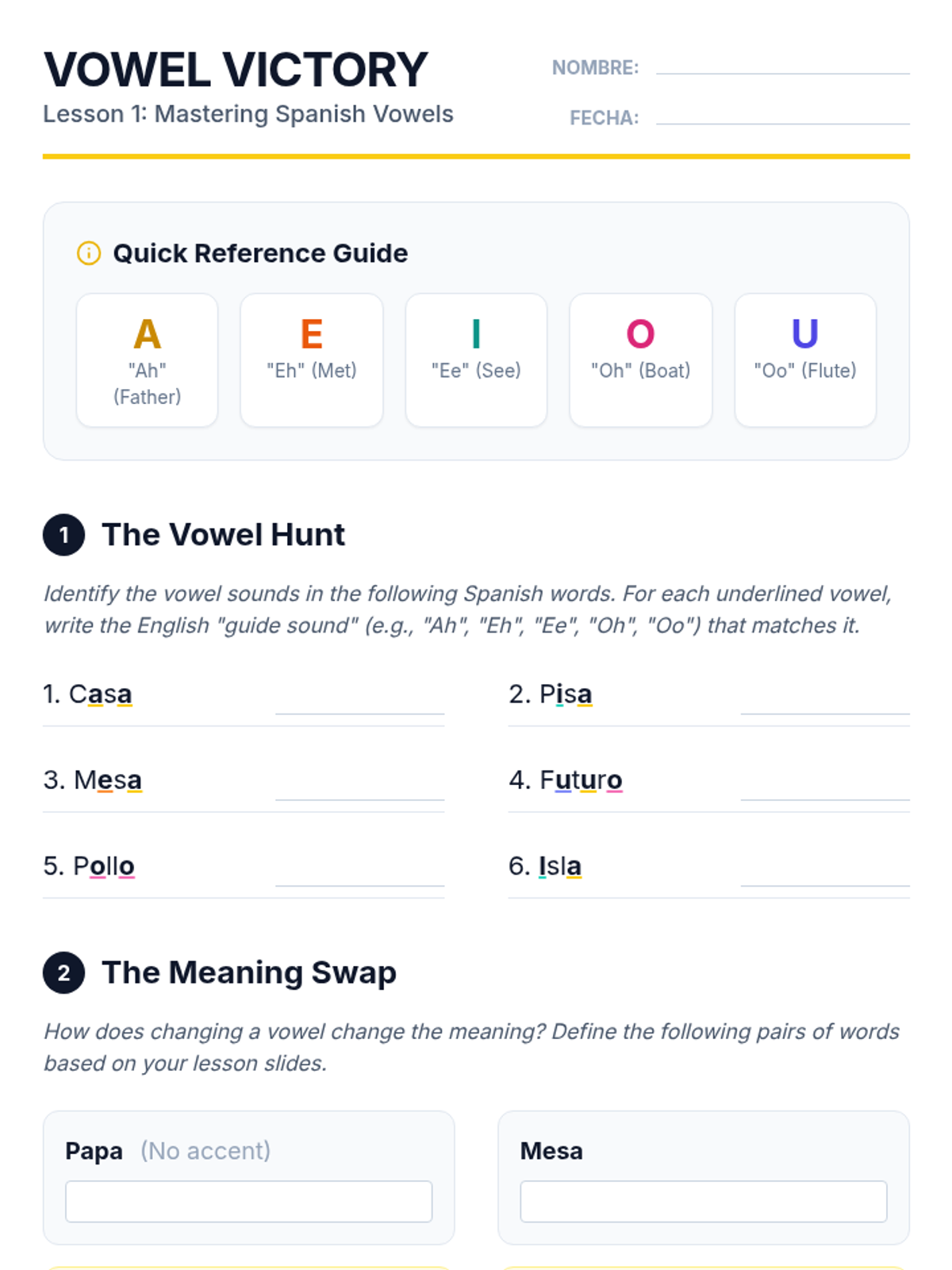
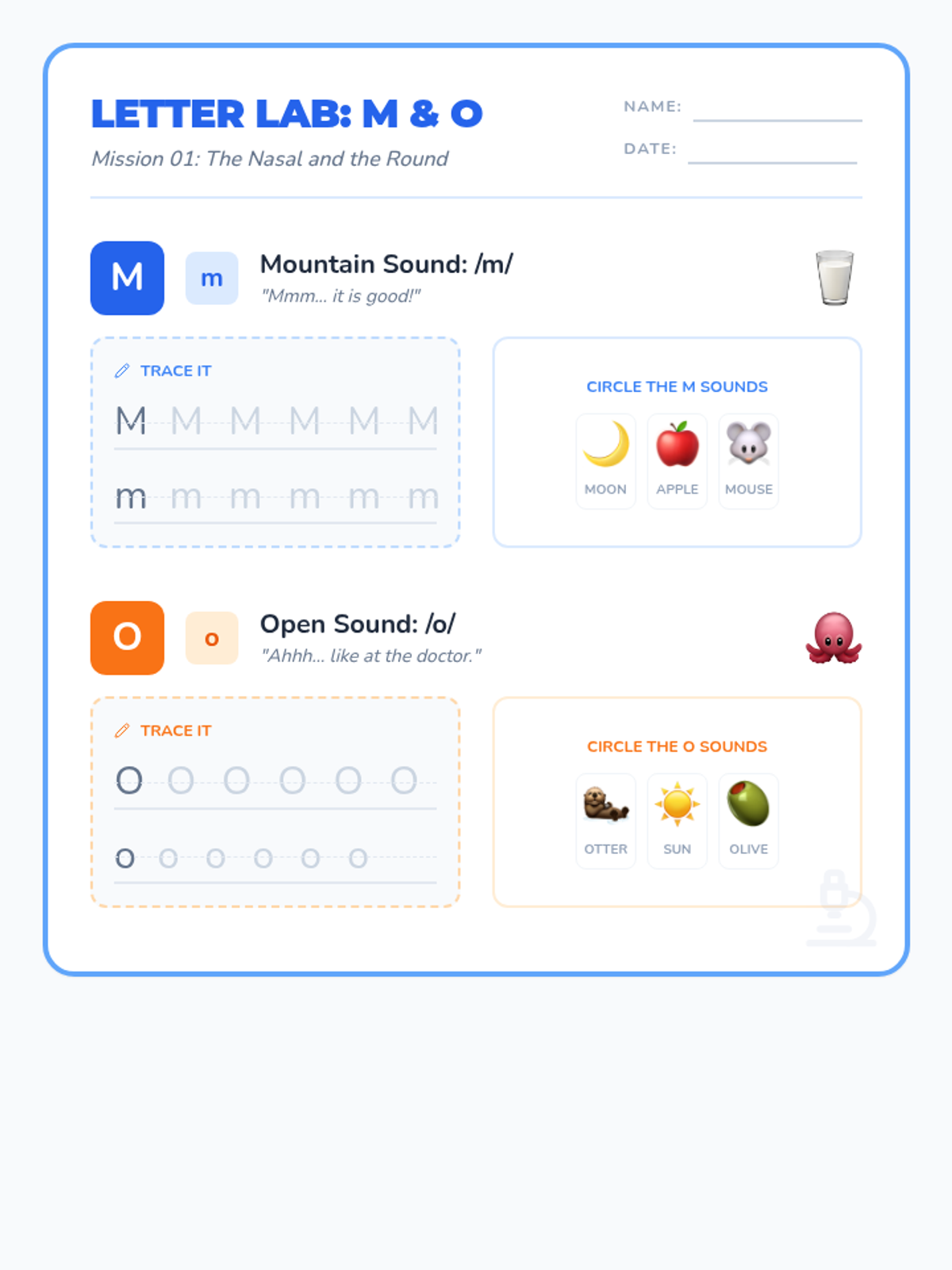
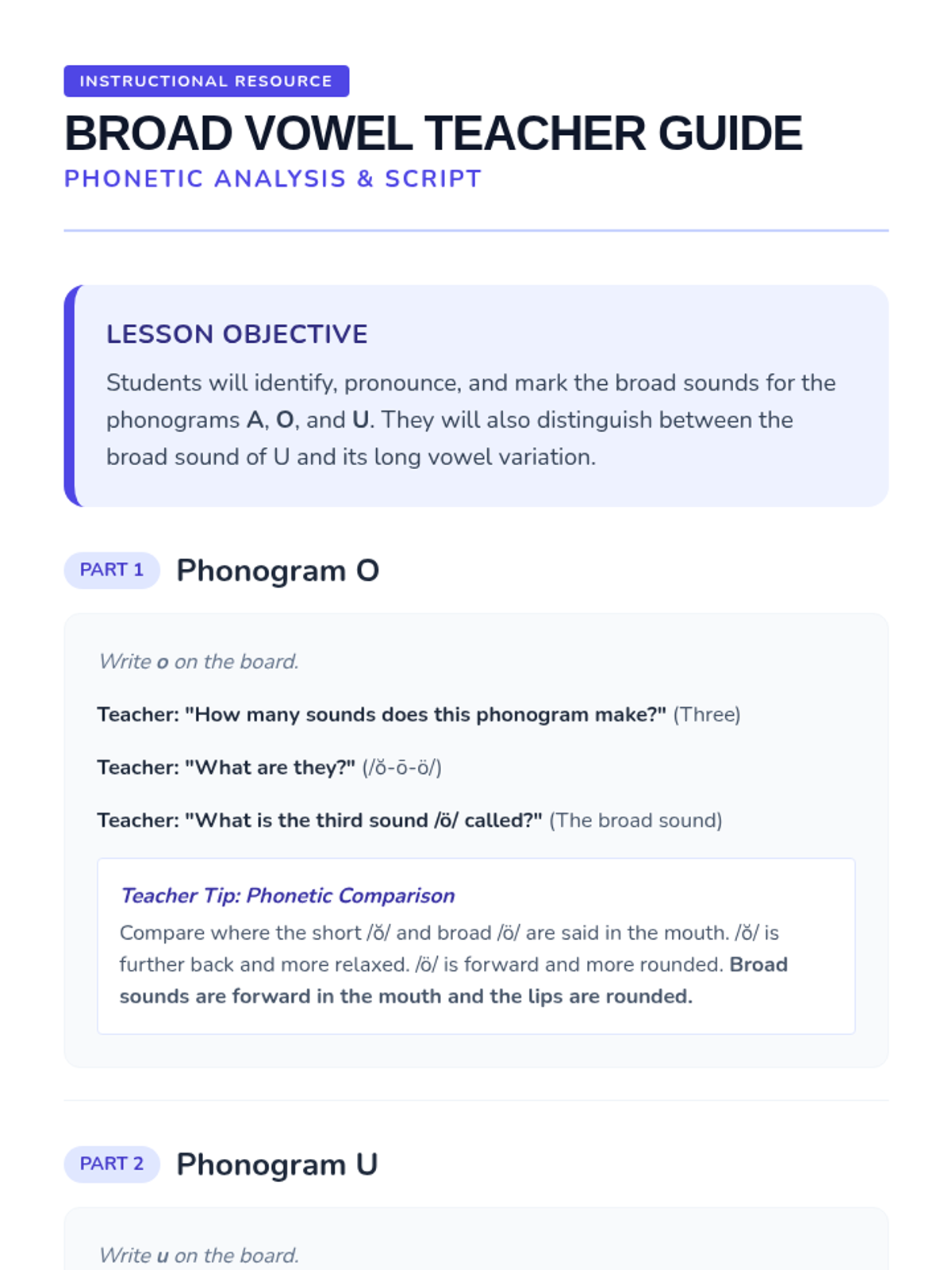
This sequence establishes foundational auditory and oral skills for Spanish fluency, focusing on vowel sounds, difficult consonants like 'rr' and 'ñ', and rules of stress and accentuation. Students transition from sound production to reading syllables and full words with accuracy.
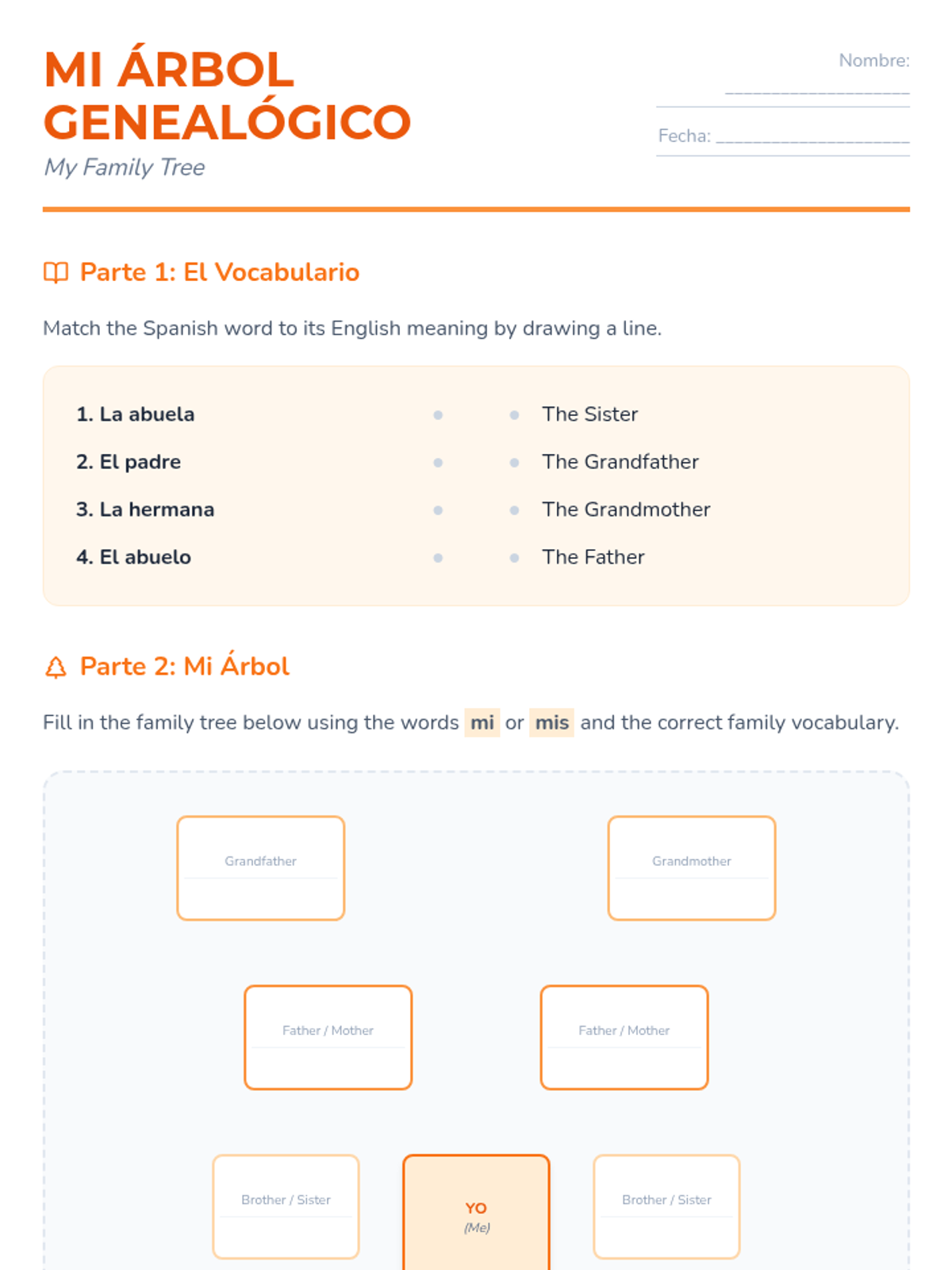
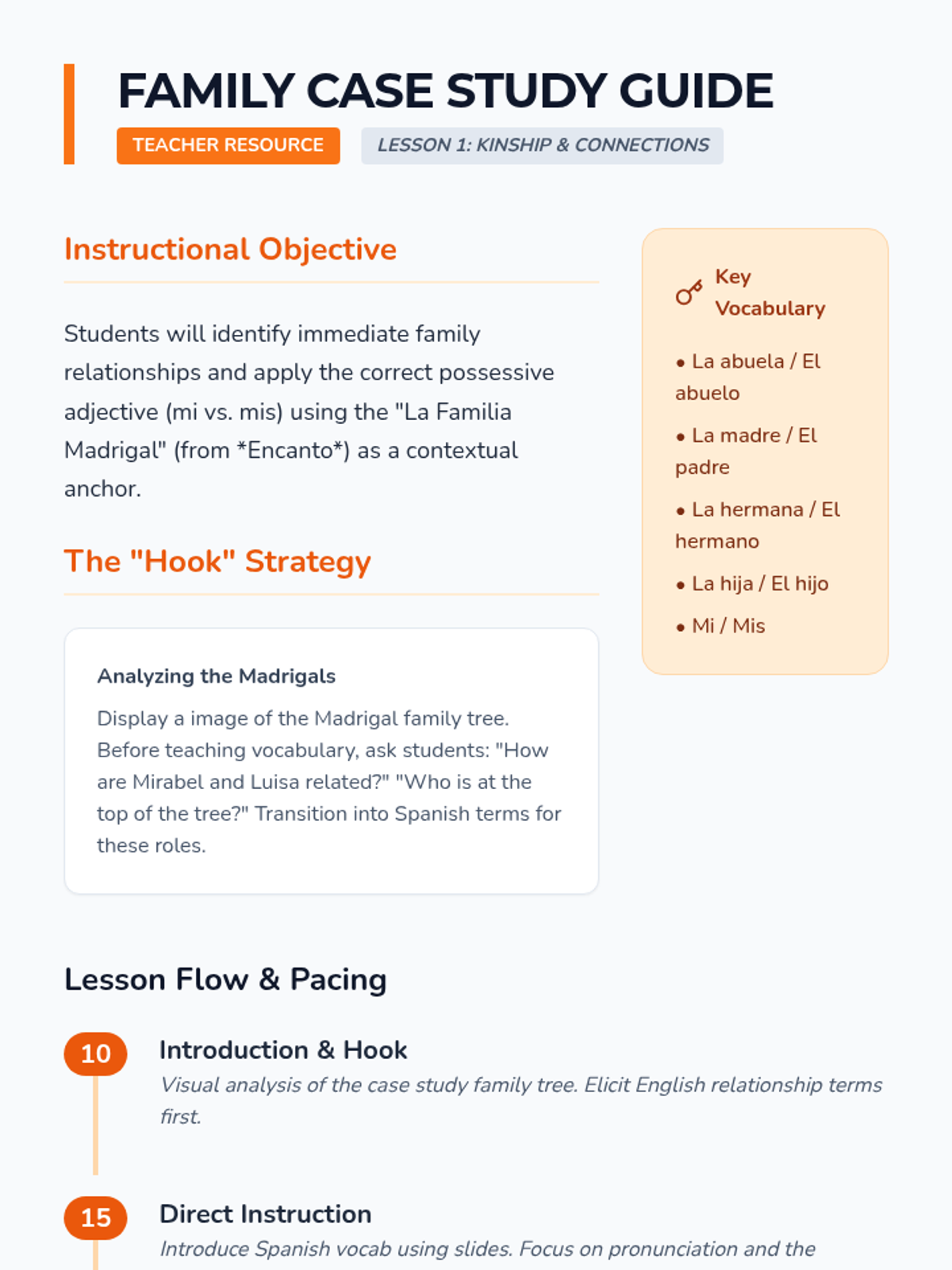
This unit introduces 5th-grade students to Spanish family vocabulary and descriptive adjectives. Students learn to use the verb 'ser' and possessive adjectives to describe kinship and physical traits through case studies and creative projects.
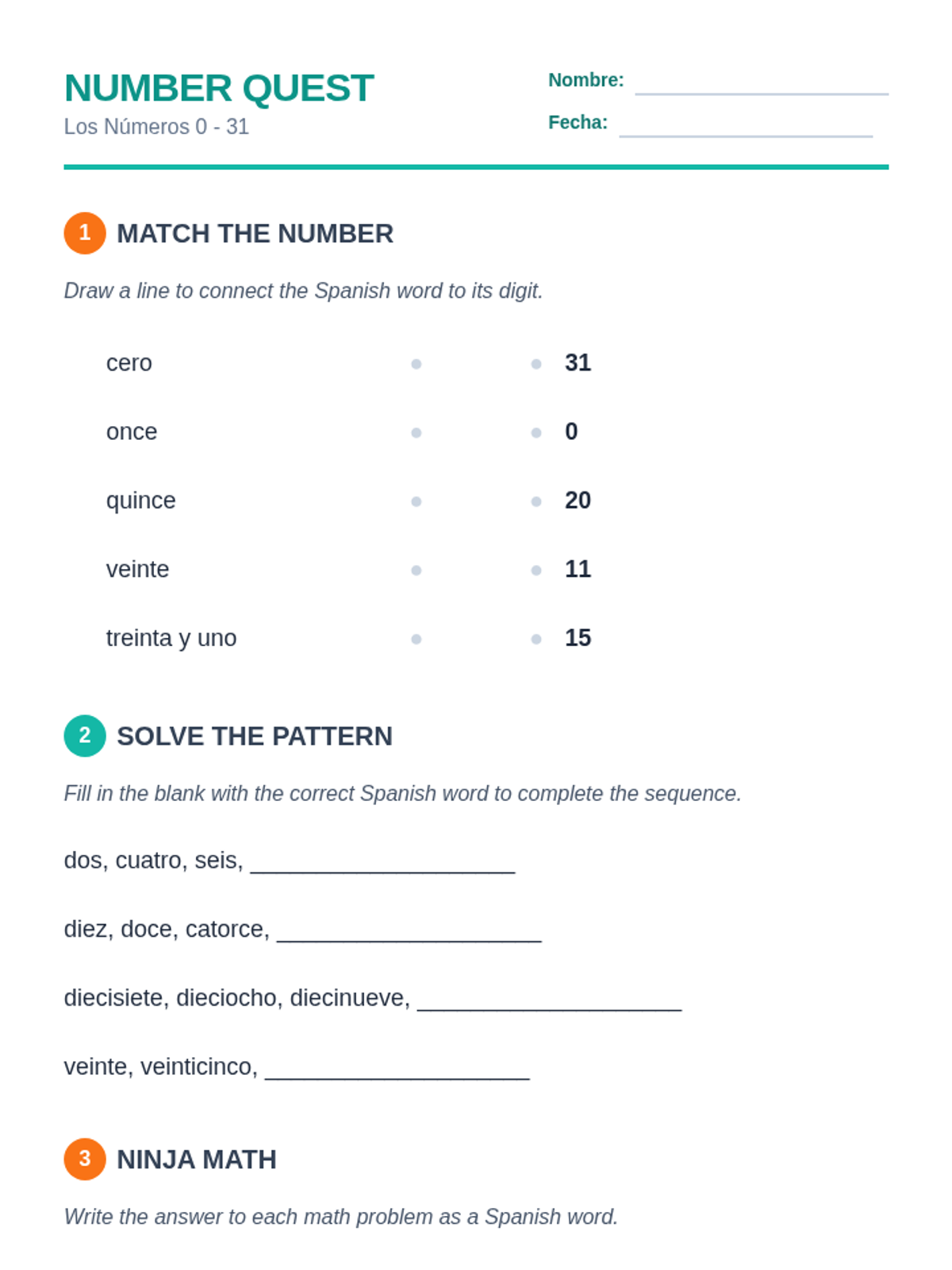
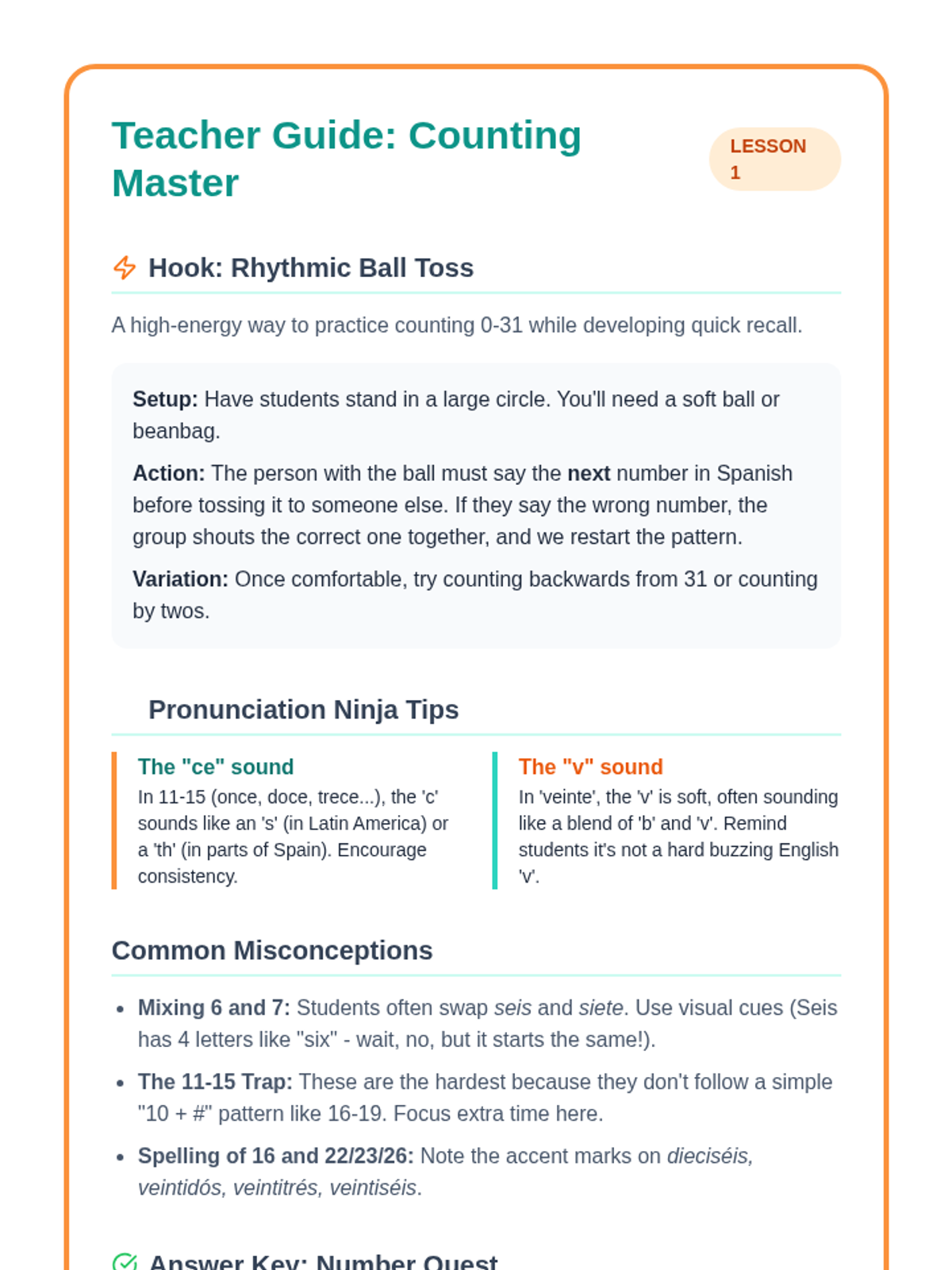
A 5th-grade Spanish sequence focused on numbers 0-31, days of the week, months, seasons, and date formatting. Students build functional fluency to organize their daily lives and understand cultural differences in timekeeping.
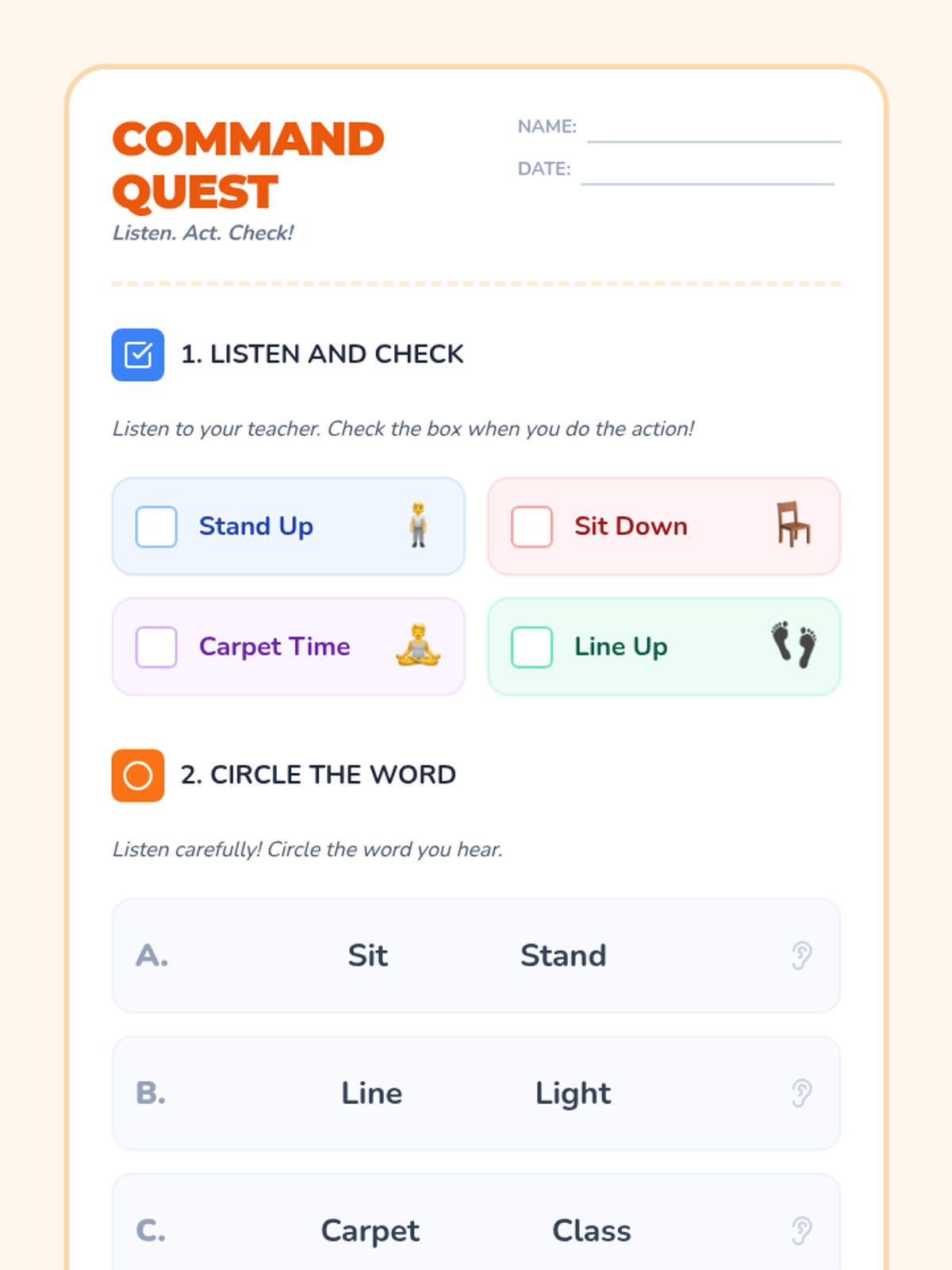
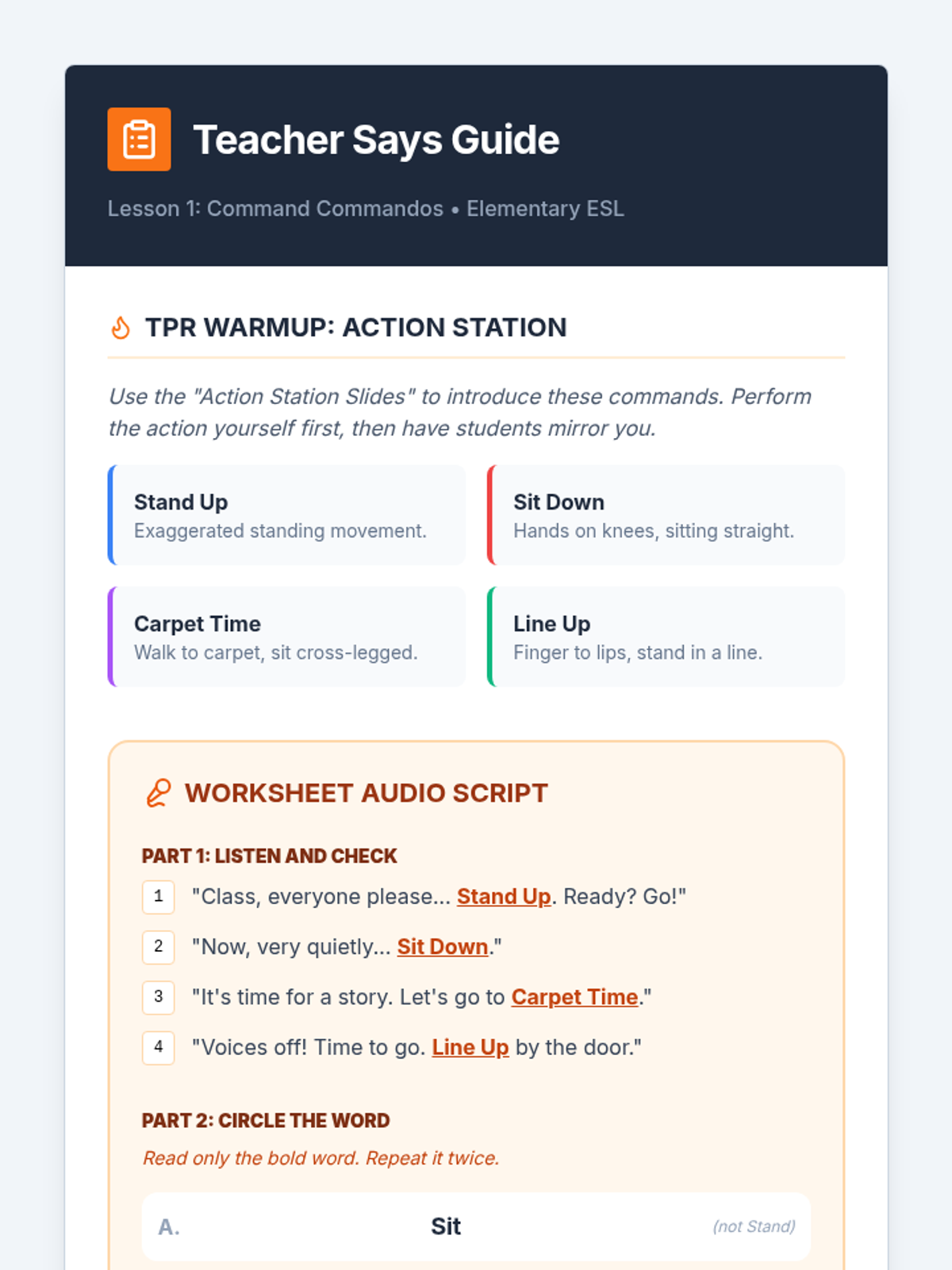
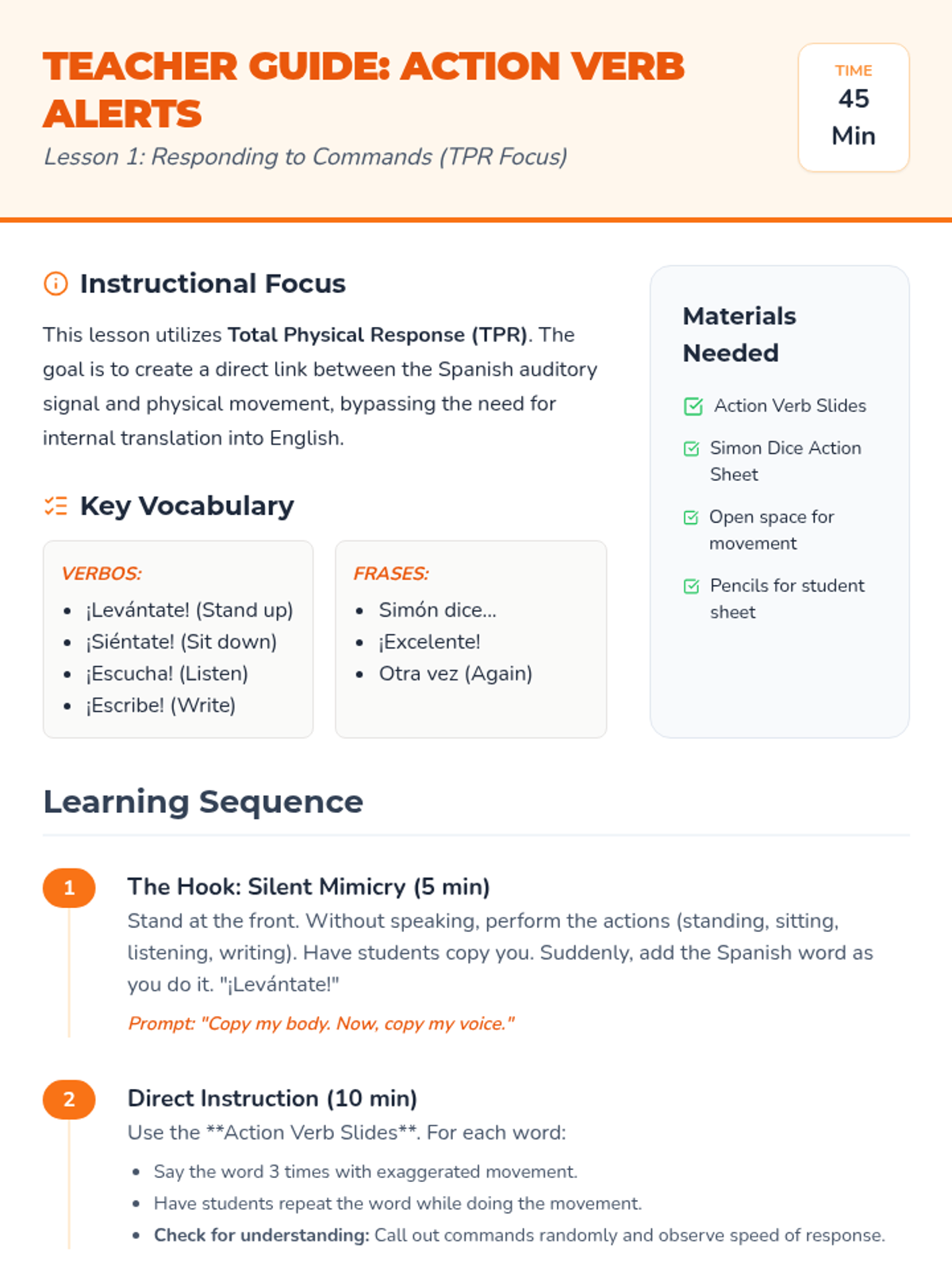
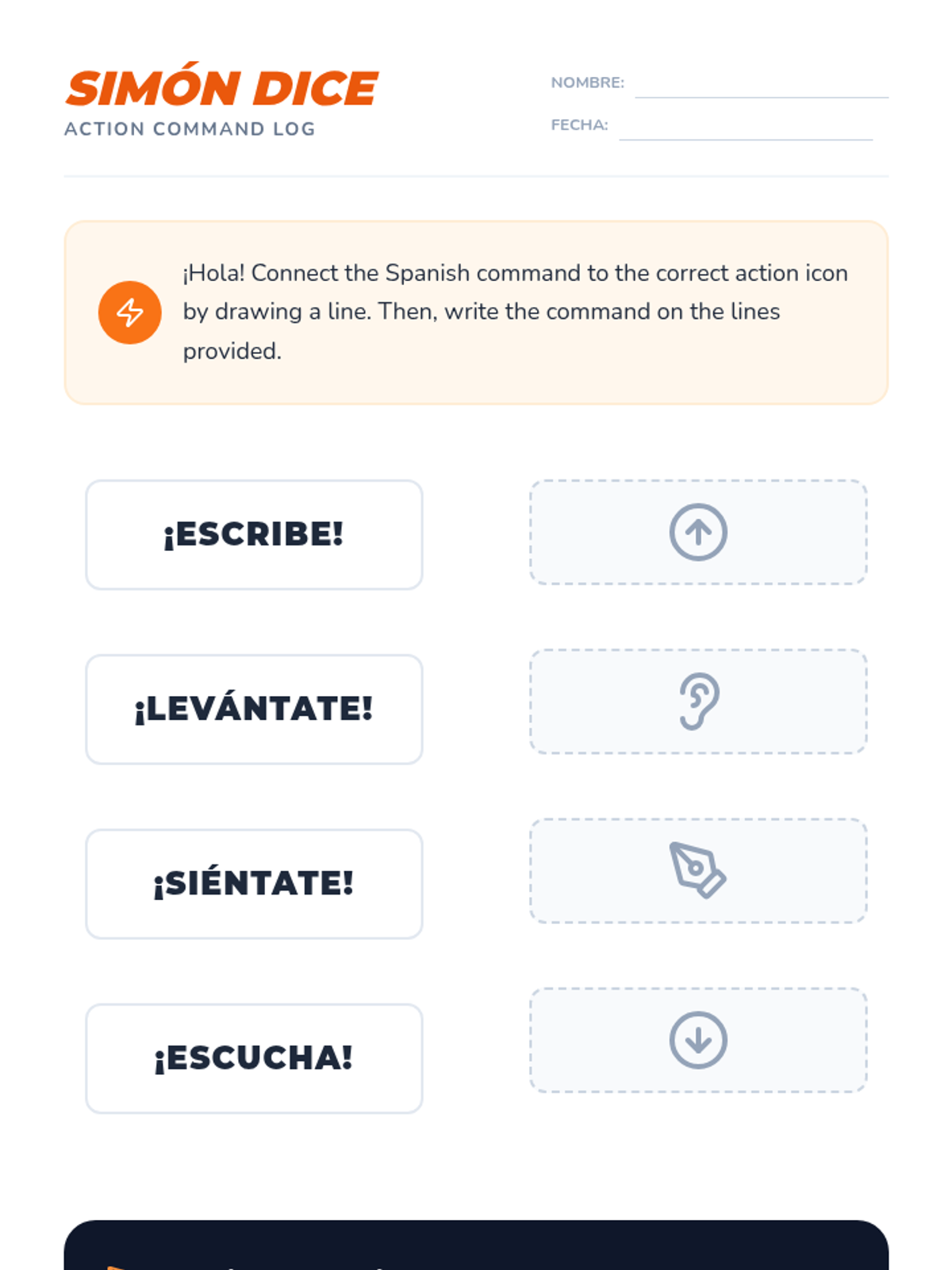
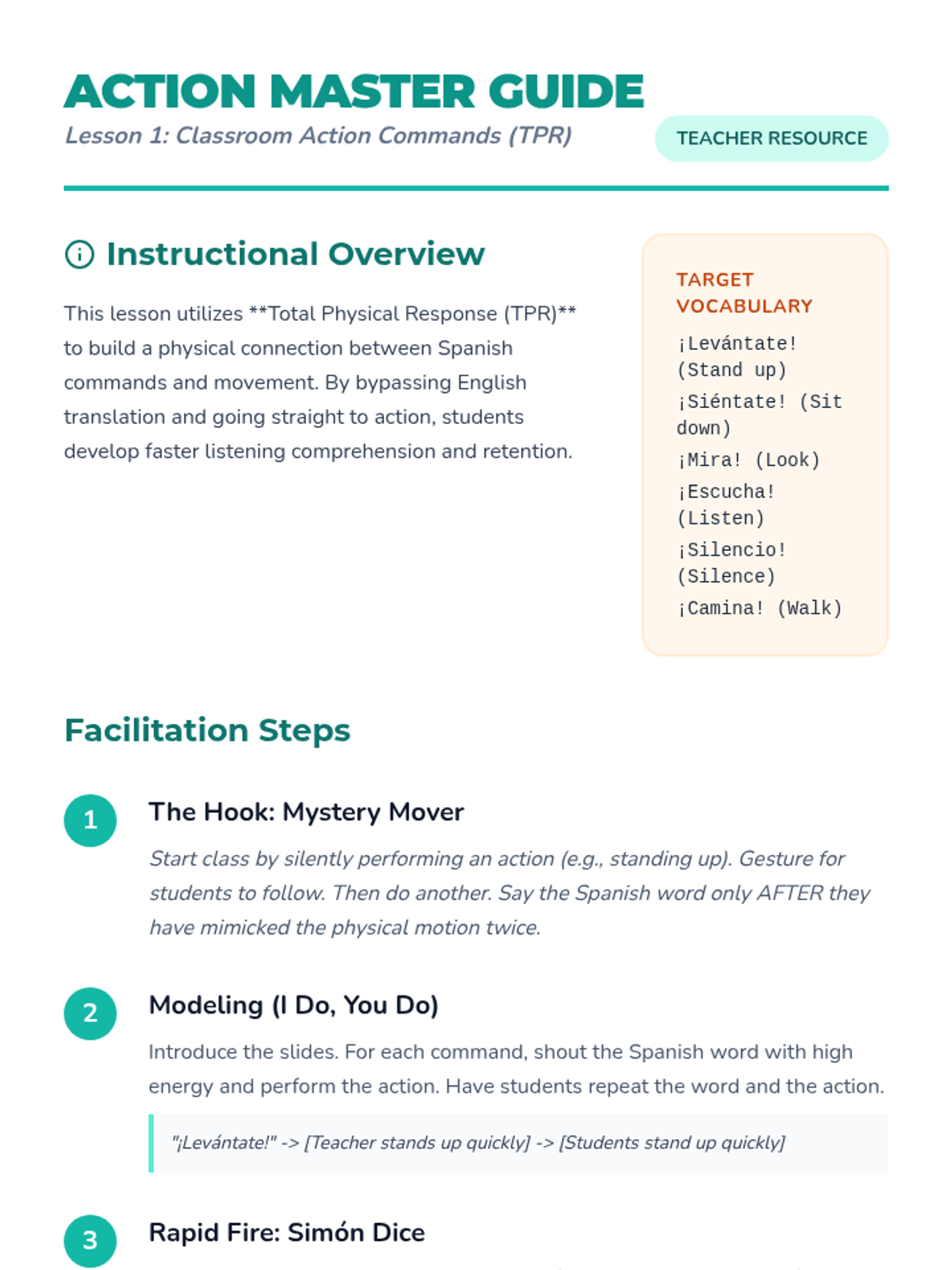
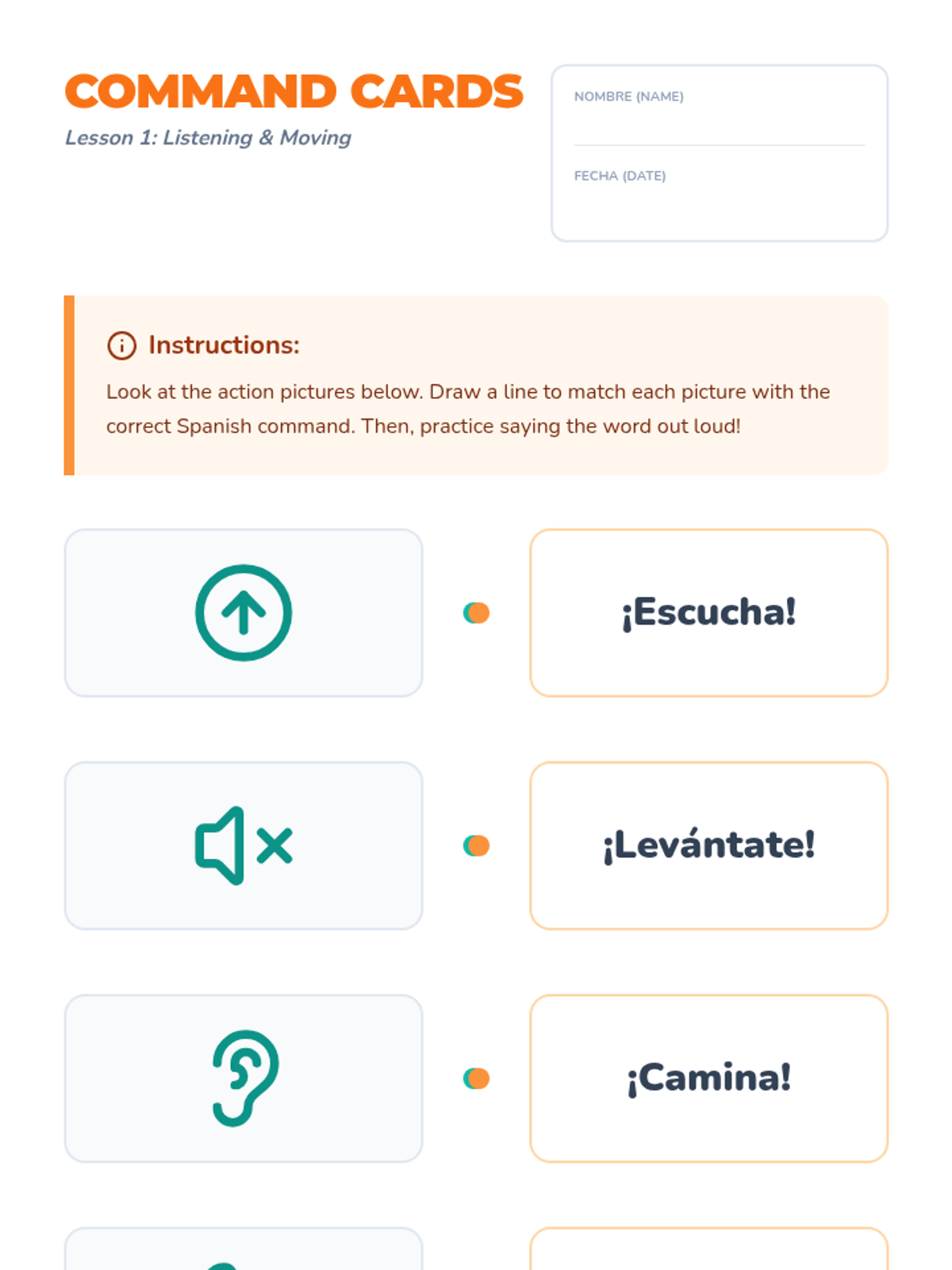
A 5th-grade Spanish immersion unit focusing on Total Physical Response (TPR) to master classroom commands, object identification, and spatial prepositions. Students move from listening to lead roles through interactive simulations and games.
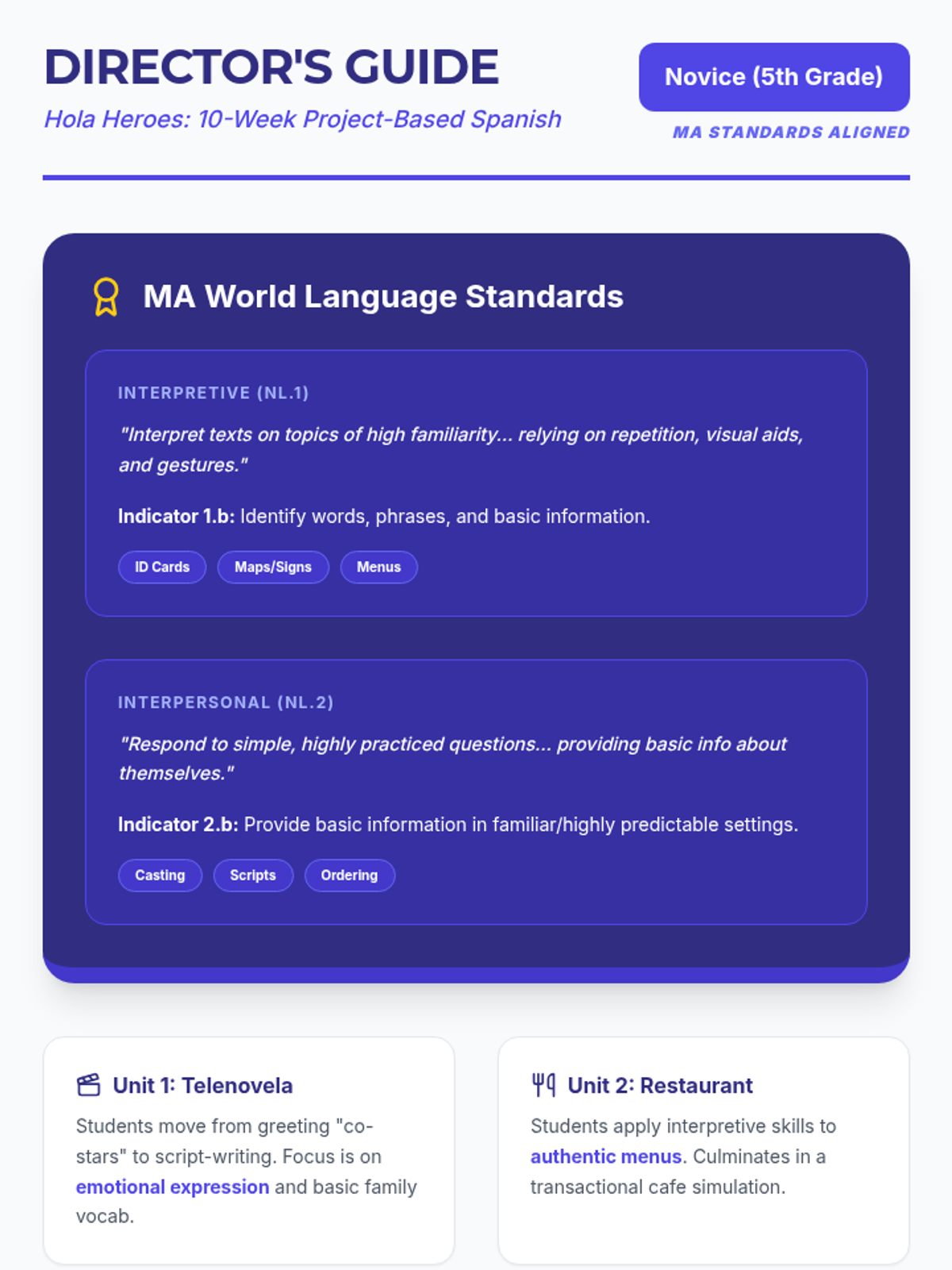
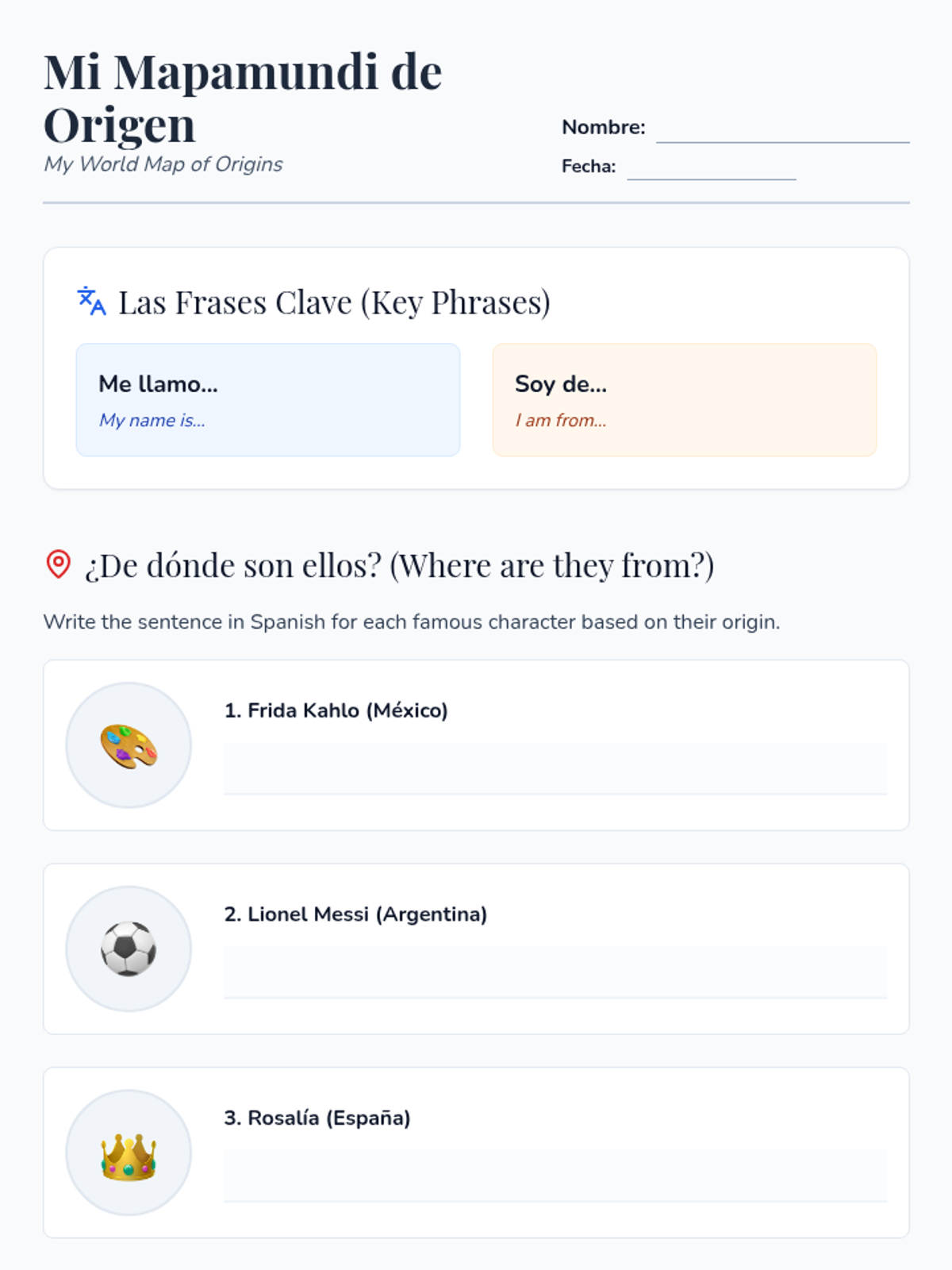
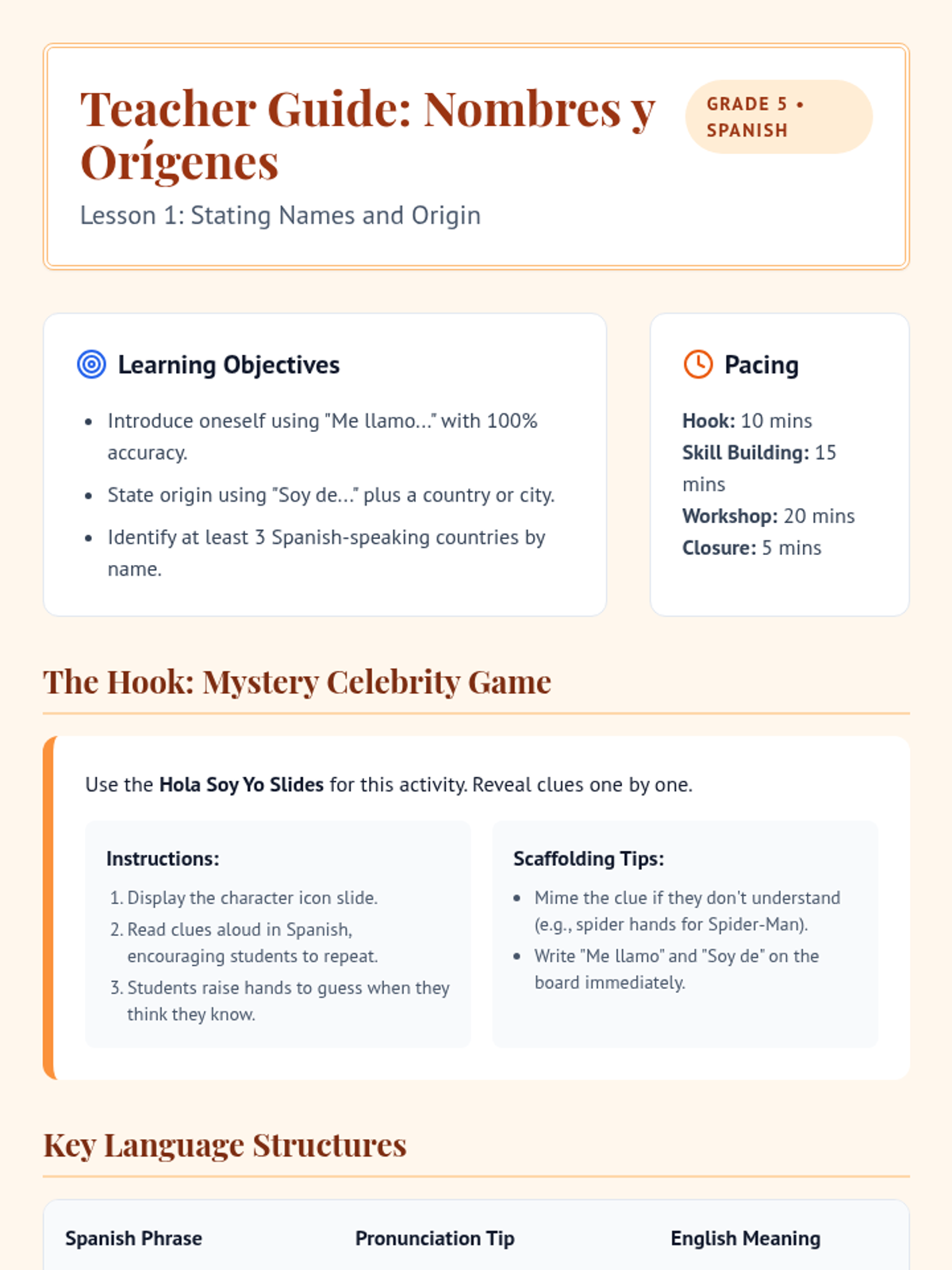
A 5th-grade introductory Spanish sequence focused on self-identity, name, origin, preferences, and personality traits through workshops and speaking-heavy activities.
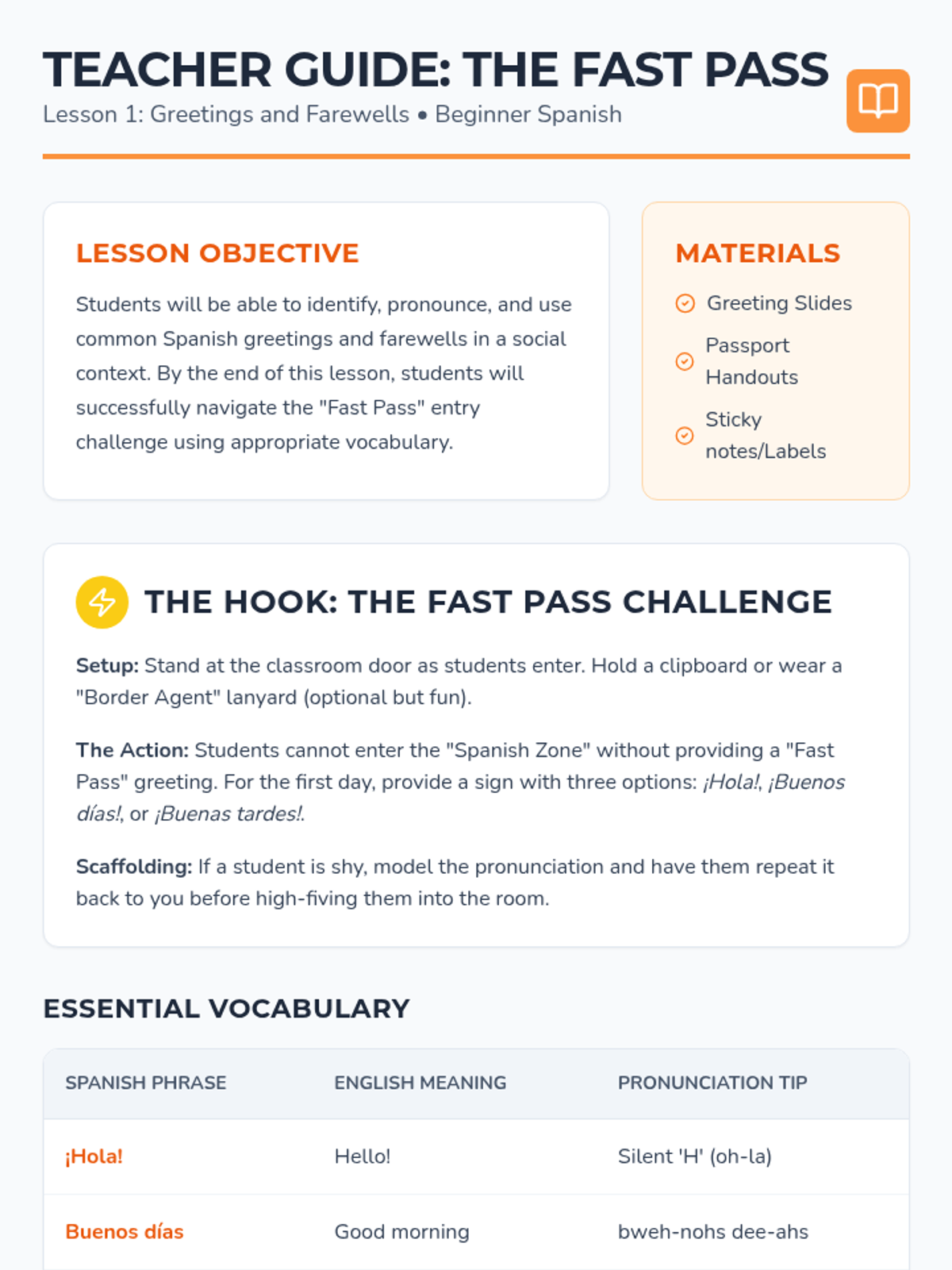
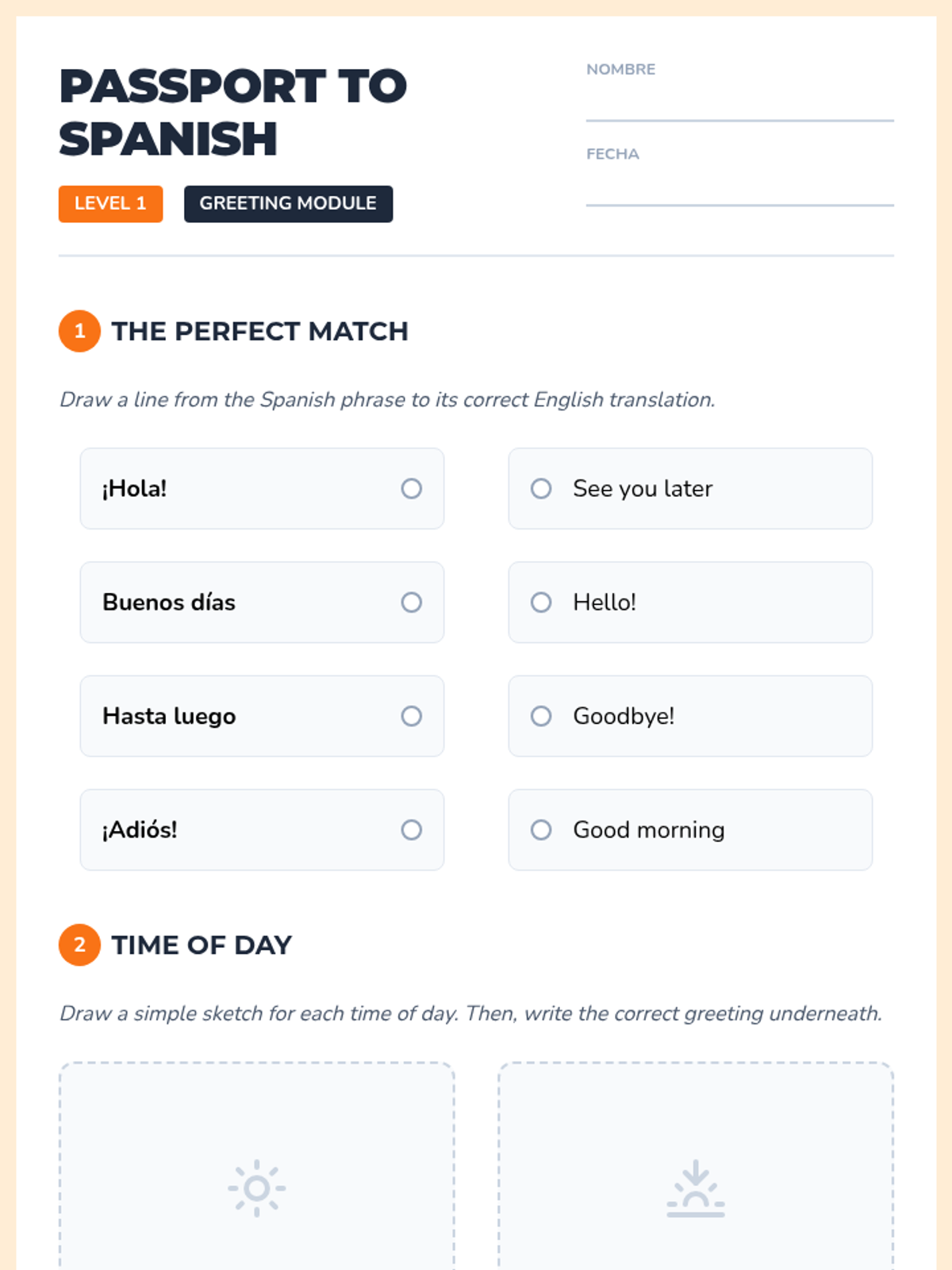
A 5-lesson sequence for 5th graders to master foundational Spanish greetings, emotional expression, and the cultural nuances of formal versus informal address through interactive role-play and performance.
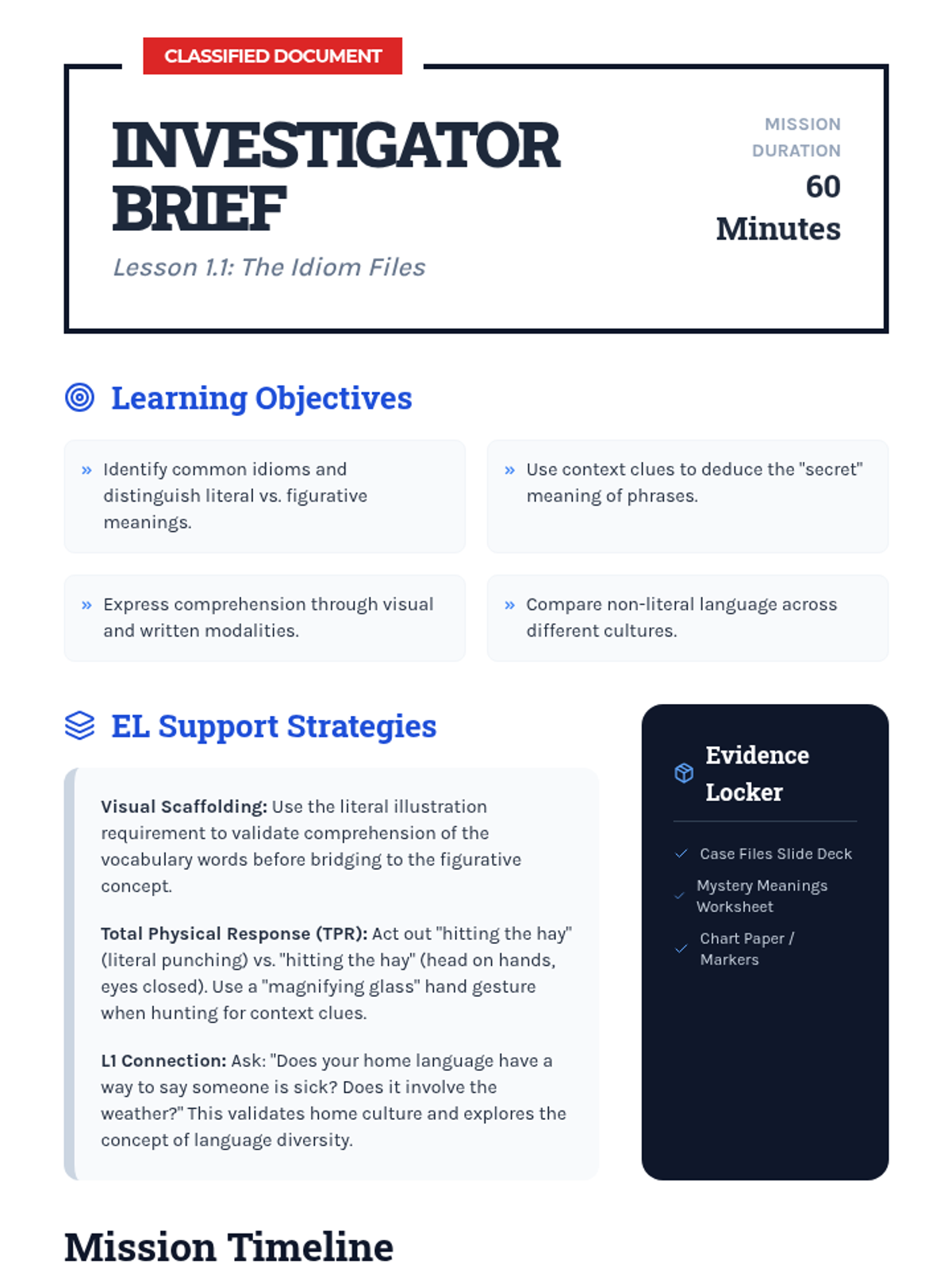
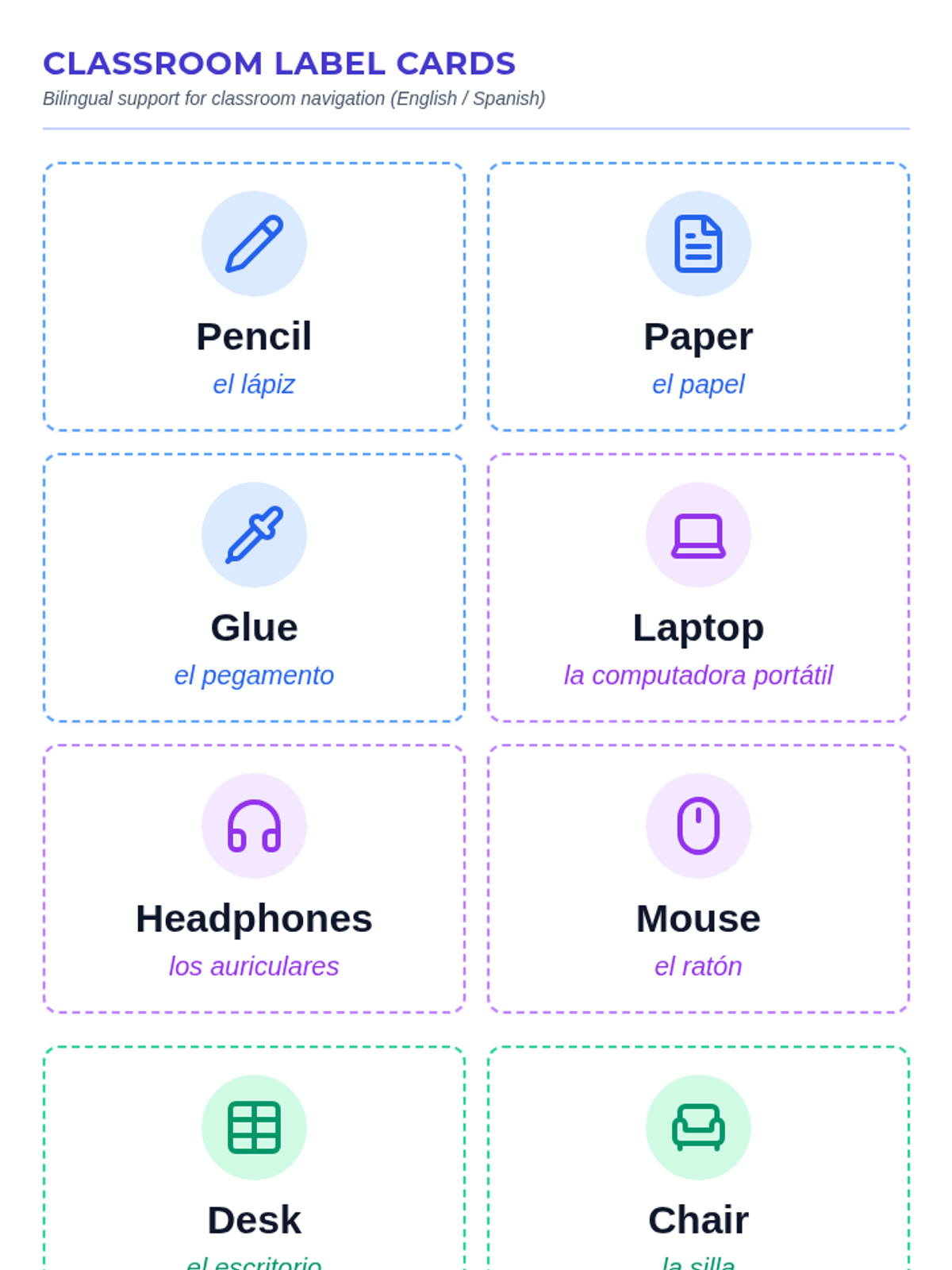
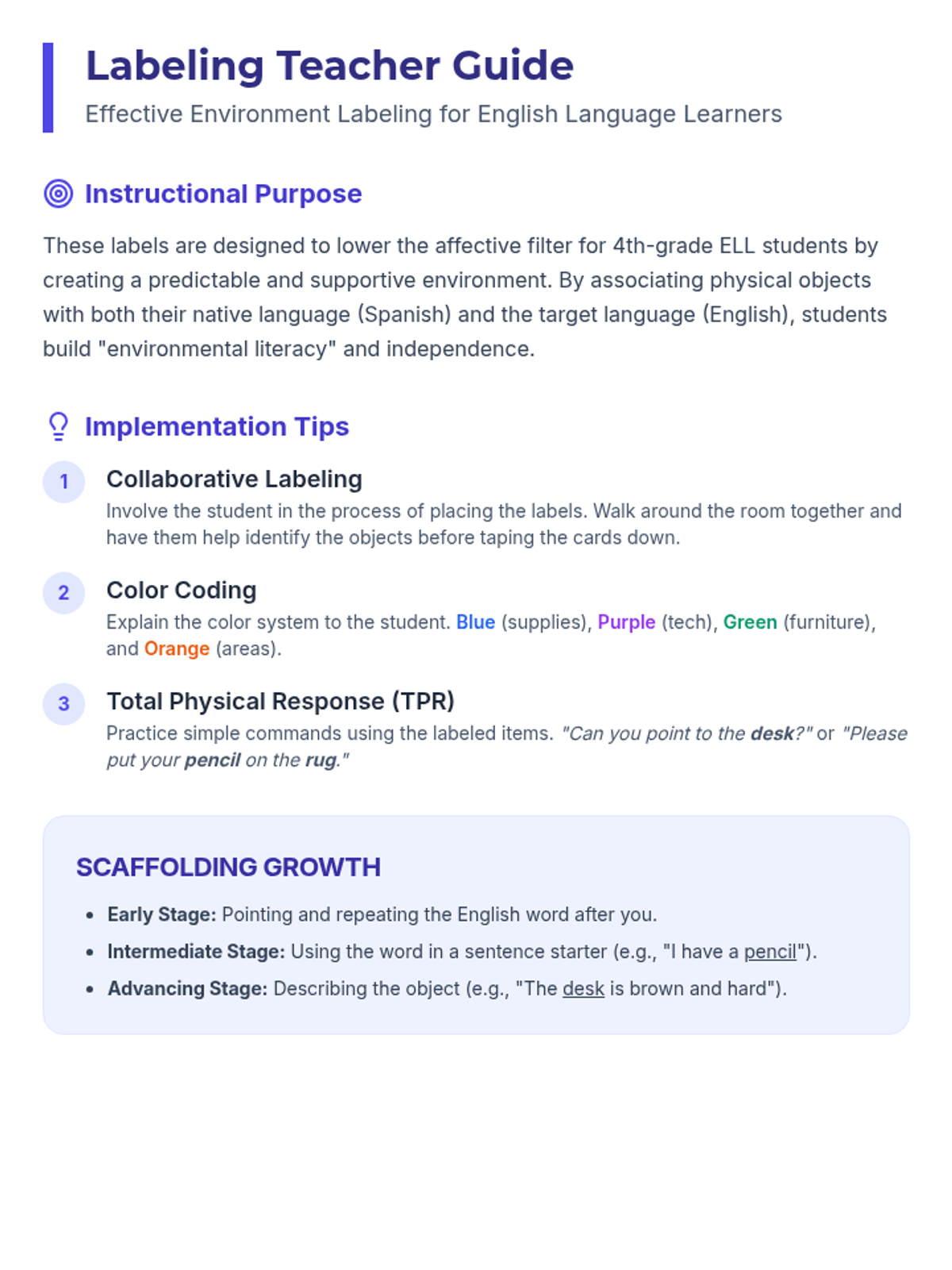
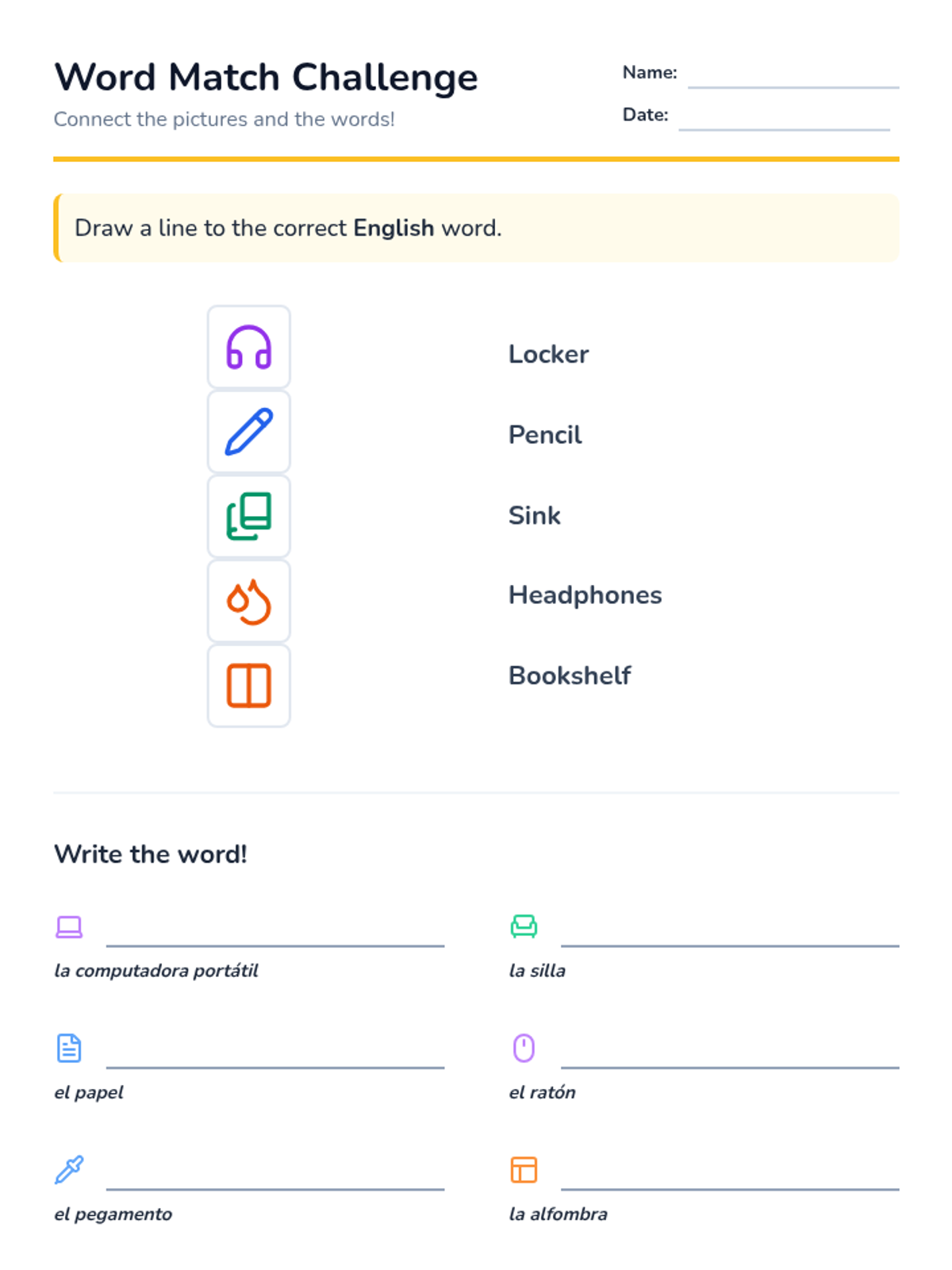
A 5-lesson sequence for 4th Grade students to master basic Spanish classroom vocabulary and commands through TPR, games, and environment labeling.
A 5-lesson intro to Spanish speaking for 4th graders, focusing on 'Me gusta', hobbies, colors, and peer interviews, culminating in an 'All About Me' poster project.
This 4th-grade Spanish sequence introduces students to emotional expression and well-being. Students move from basic vocabulary acquisition to complex social interactions and role-playing, focusing on the essential question: 'How can we check in on others and express how we are feeling in a new language?'
A lively exploration of Spanish numbers 0-31, focusing on expressing age and birthdays. Students move from rote memorization to real-world data collection and peer interviews to build a class birthday calendar.
This sequence introduces 4th-grade students to foundational Spanish greetings, introductions, and polite expressions. Through interactive games, role-plays, and pronunciation practice, students build the confidence to conduct basic introductory dialogues in Spanish.
A project-based unit for 2nd graders to learn Spanish family vocabulary and express personal preferences. Students build communication skills by describing their world and families through drawings, games, and a final oral presentation.
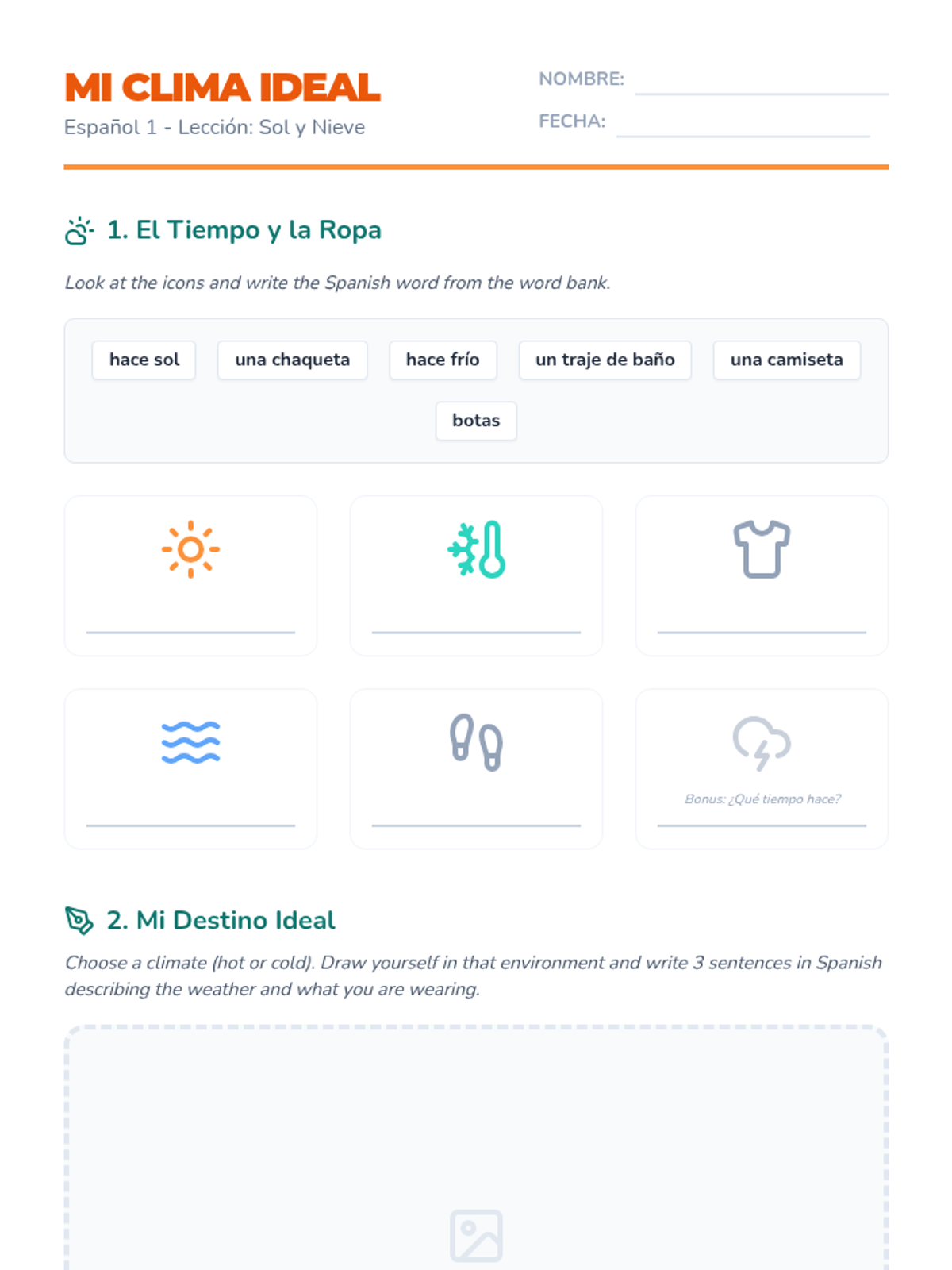
A 5-lesson introductory Spanish sequence for 2nd graders focusing on colors, numbers, classroom objects, and size adjectives. Students progress from simple identification to synthesizing descriptive phrases for a 'Mystery Box' challenge.
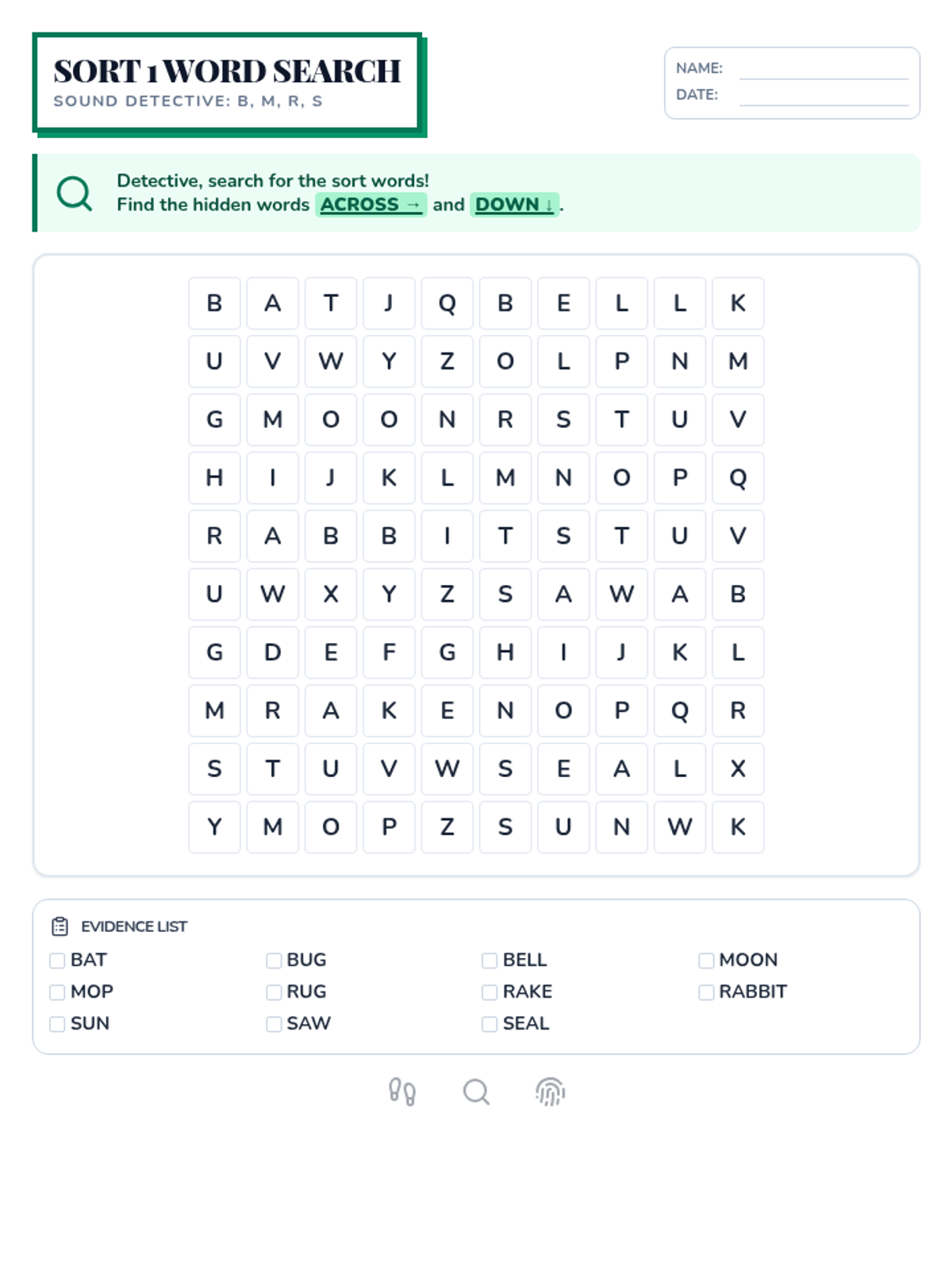
A game-based Spanish sequence for 2nd graders focused on expressing emotions (happy, sad, angry) and physical needs (hunger, thirst, bathroom) using TPR and interactive play.
A foundational Spanish sequence for 2nd graders focusing on greetings, introductions, and polite social interactions through immersive play and role-playing.
A 4th-grade French sequence focused on café culture, polite communication, and currency. Students learn to navigate a restaurant setting through immersive simulations and role-play.
This sequence introduces 4th-grade students to French family vocabulary and possessive adjectives. Students will learn to describe their family members and pets, ending with the creation of a personalized family tree project.
A 4th-grade French sequence focused on classroom communication through Total Physical Response (TPR) and immersive games. Students move from labeling their environment to requesting permission and solving a culminating scavenger hunt using functional vocabulary and imperatives.
Students move beyond simple introductions to expressing personal identity, preferences, and traits using the verbs 'être' and 'aimer'. The project-based learning arc culminates in the creation of a 'Star Student' poster where students present who they are in French.
A 4th-grade French sequence focused on mastering greetings, introductions, and basic social etiquette. Students learn to navigate formal and informal social registers, express emotions, and use politeness markers through interactive simulations and games.