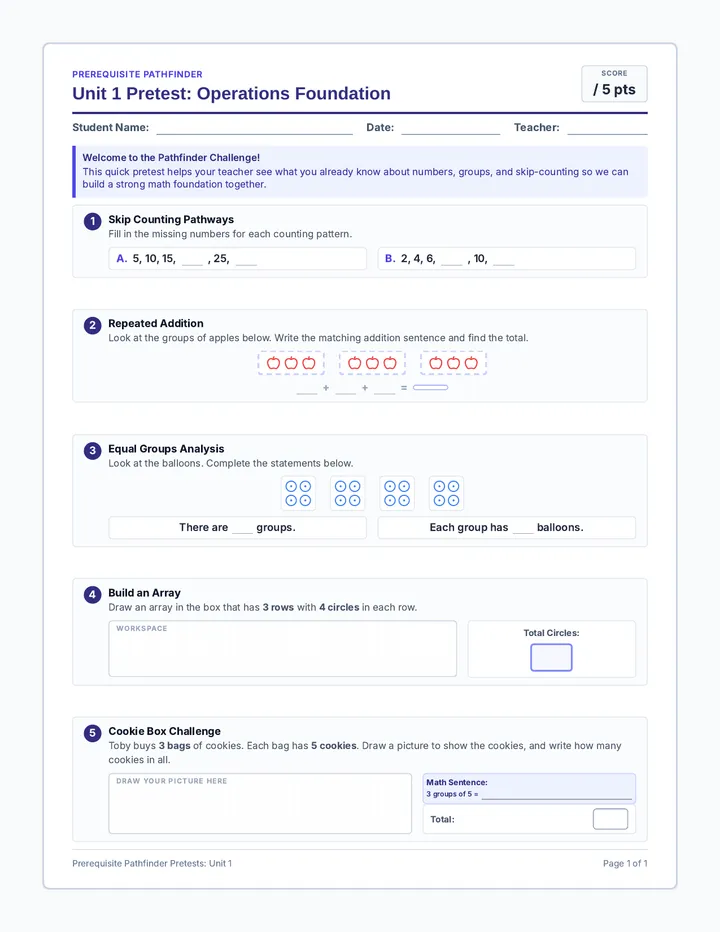
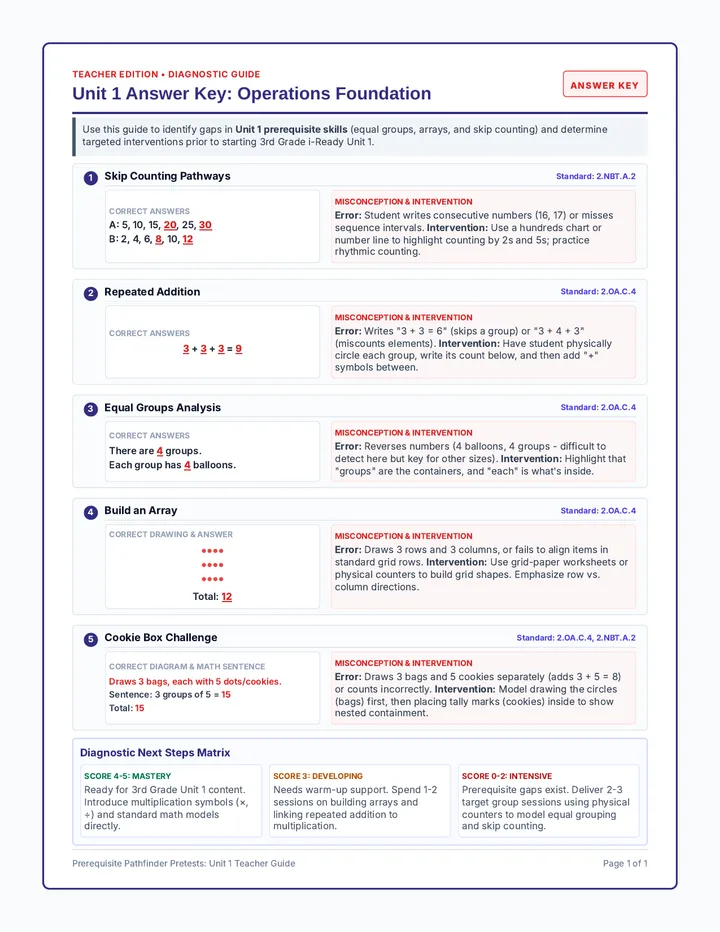
Students apply multiplication and division concepts to design a school event layout. They transition from concrete arrays and groups to abstract inverse operations and properties, culminating in a comprehensive design project.
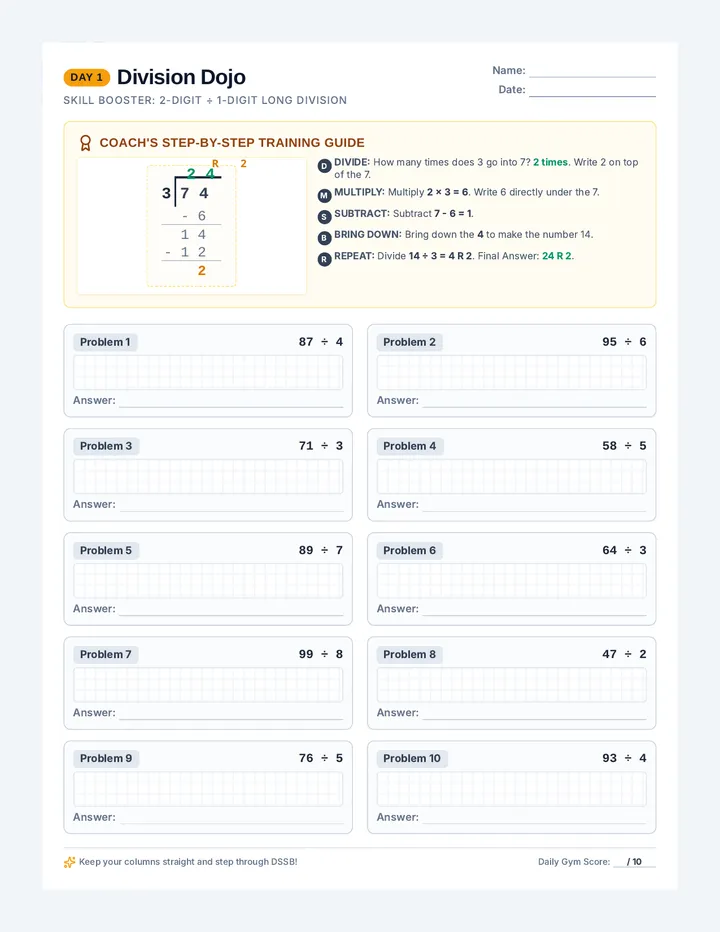
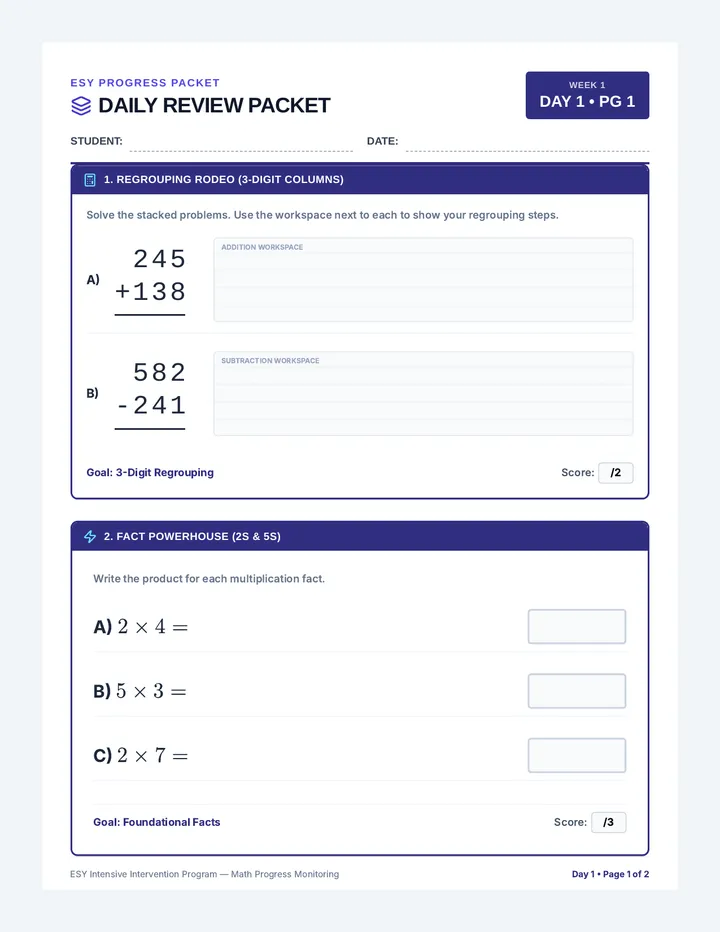
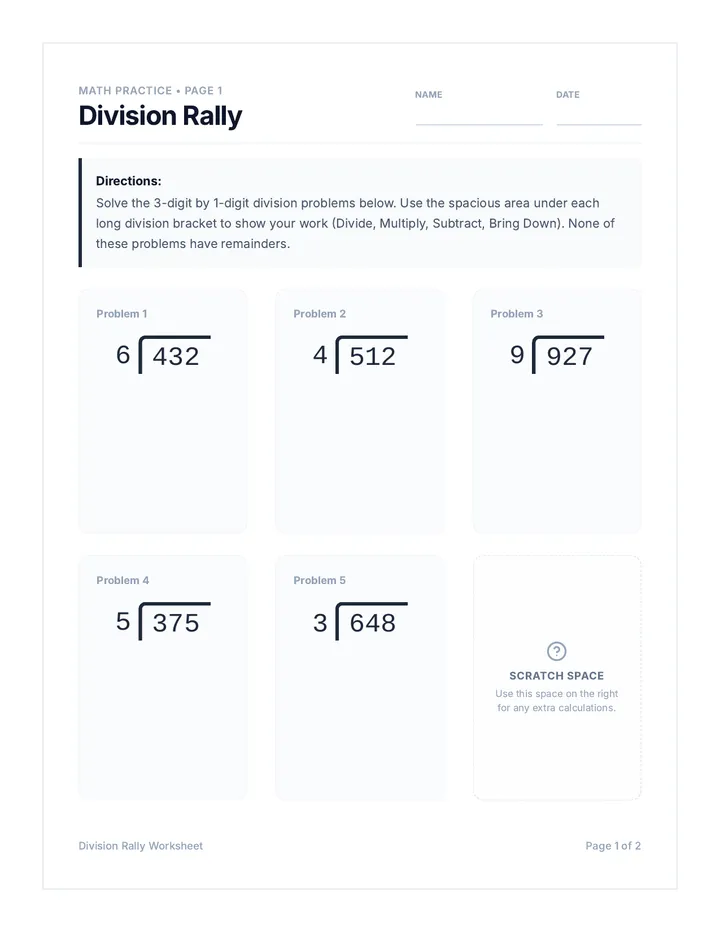
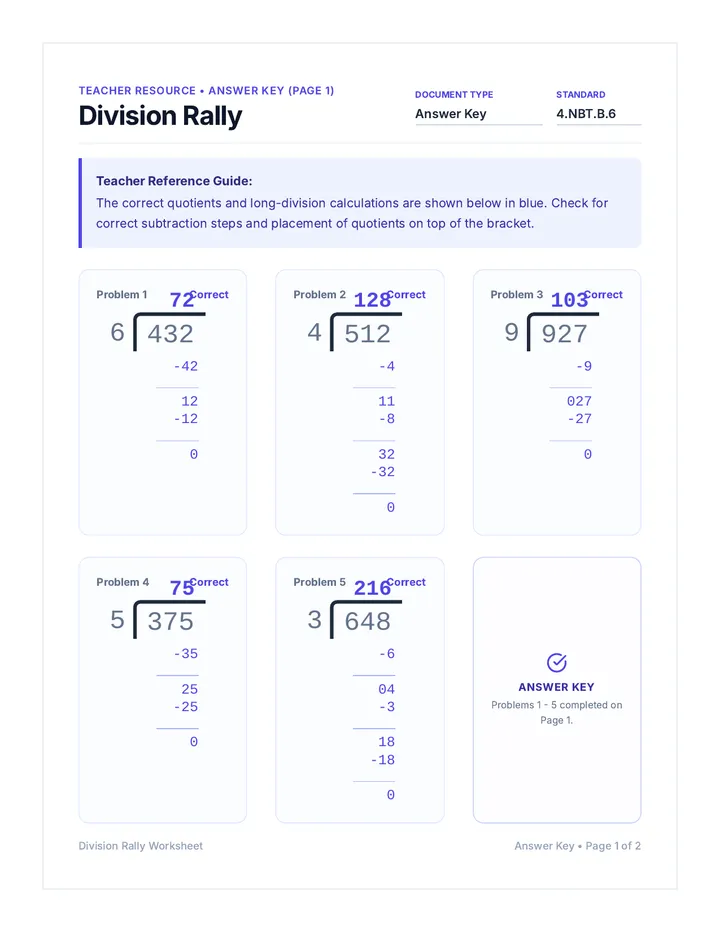
A 12-lesson Tier 2 intervention sequence for 6th-grade students struggling with multi-digit division. This sequence uses the Illustrative Mathematics approach (area models and partial quotients) and aligns with the All Learners Network's High Leverage Concepts to build deep conceptual understanding of the relationship between multiplication and division.
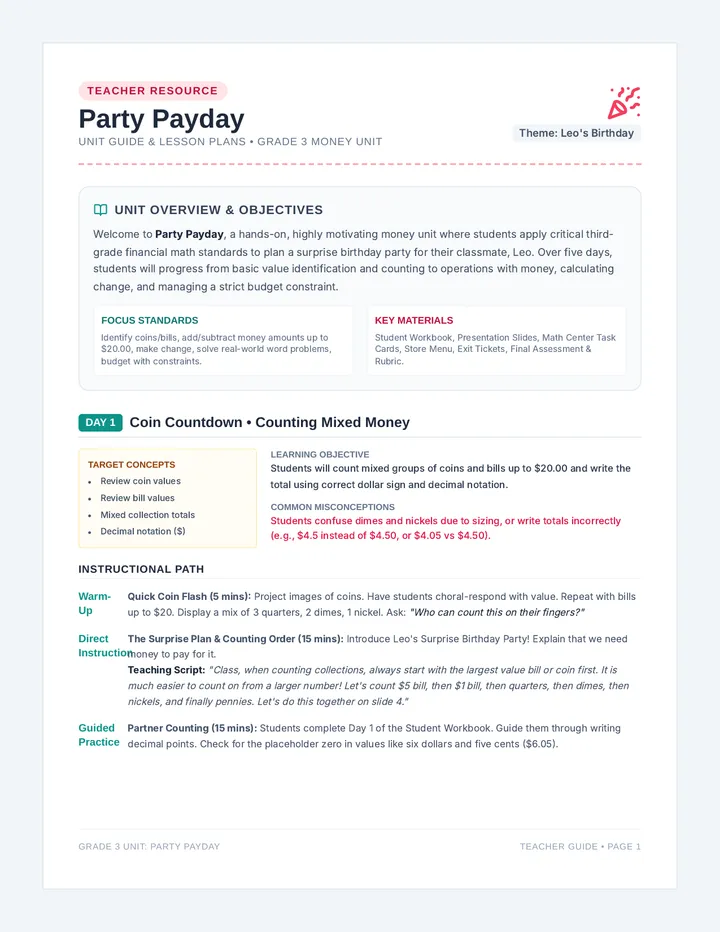
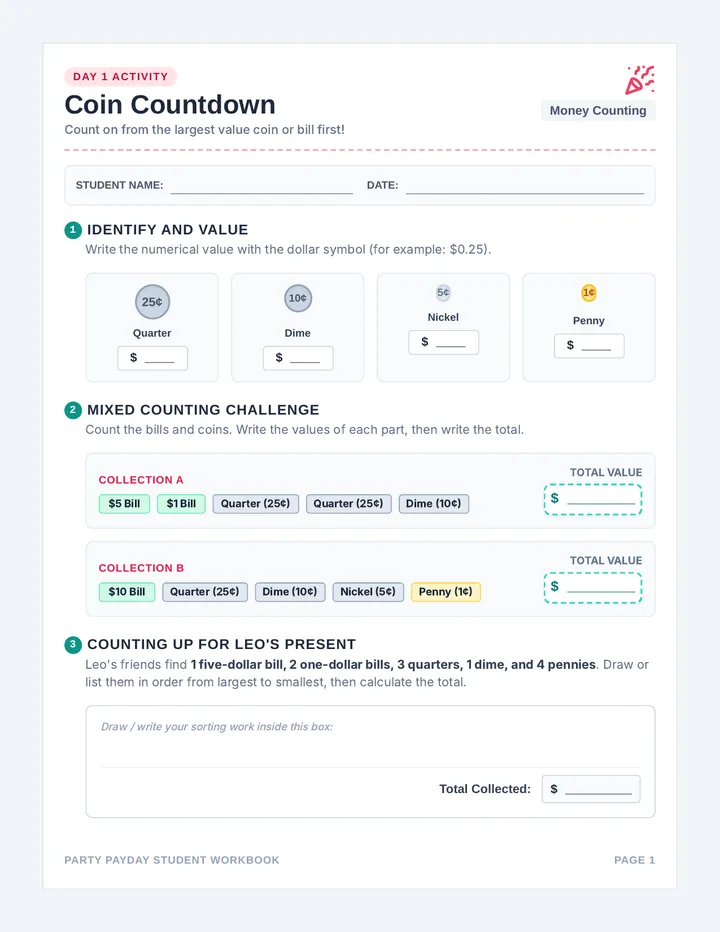
A comprehensive week-long math unit focused on identifying coin values and performing addition and subtraction of money up to $20 using a calculator in real-world contexts.
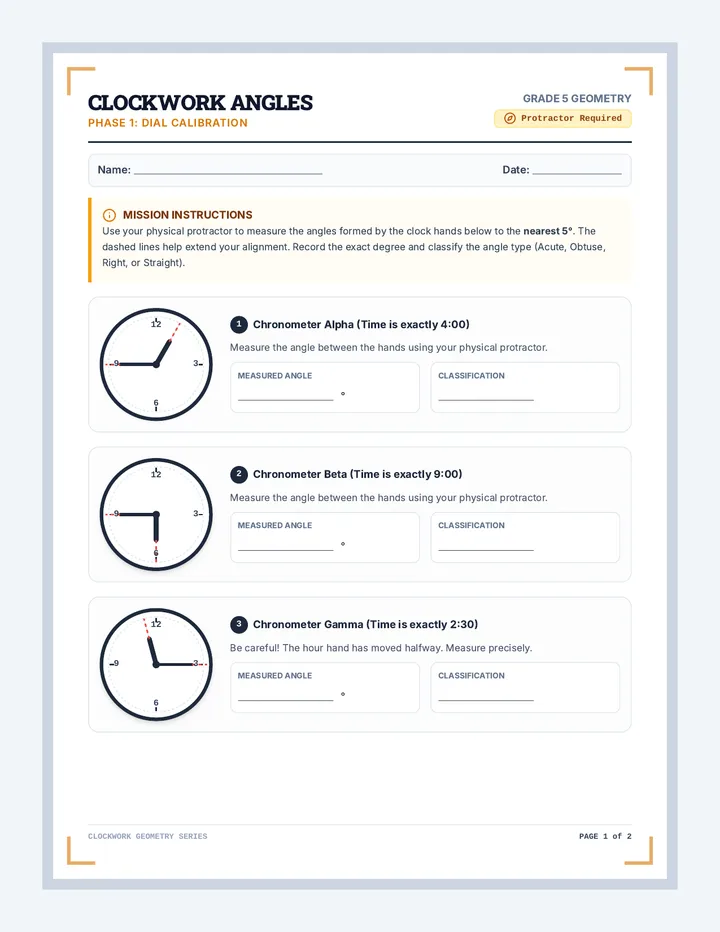
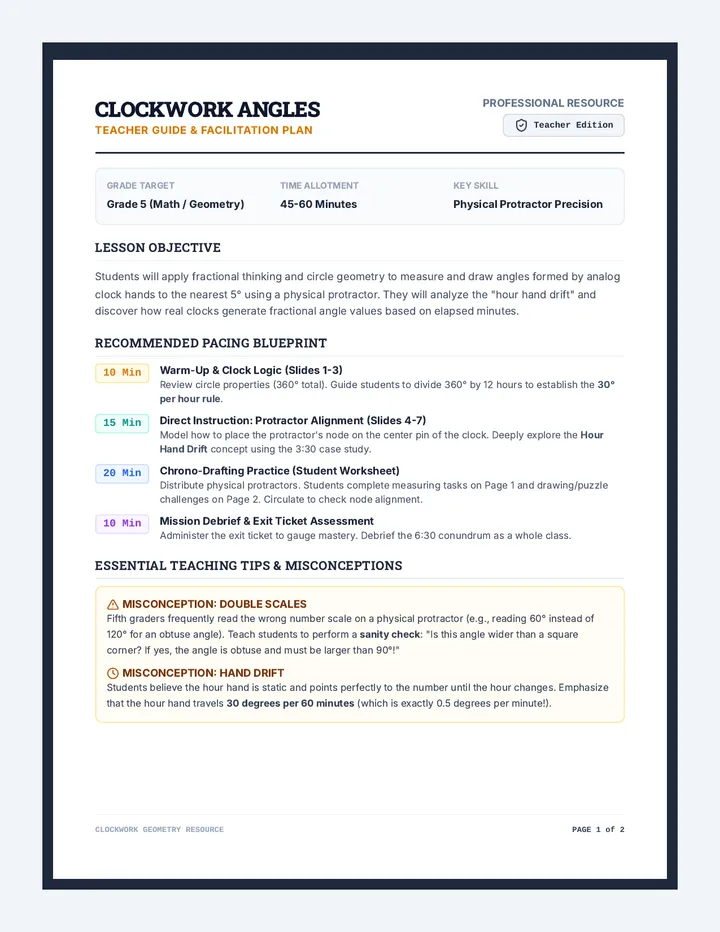
A comprehensive unit on calculating elapsed time, progressing from simple one-hour intervals to quarter-hour and five-minute increments using scenarios and analog clocks.
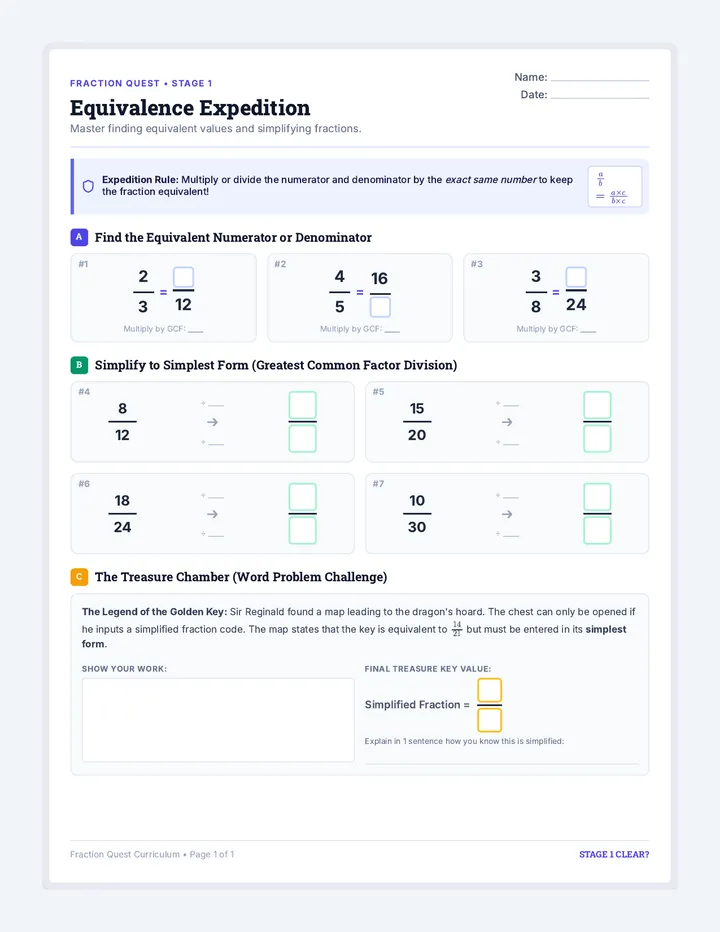
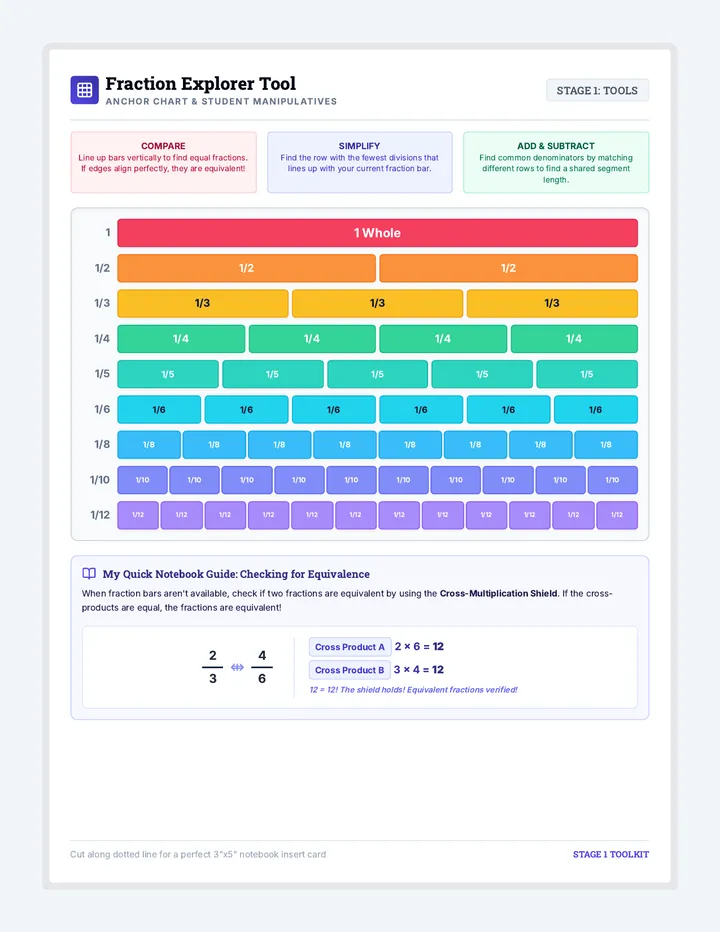
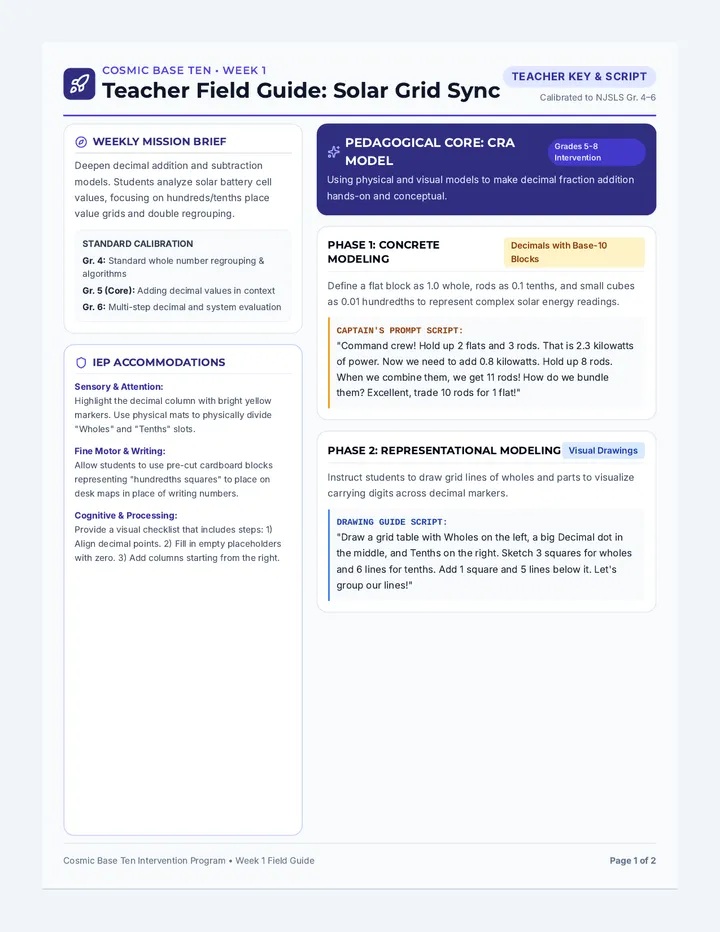
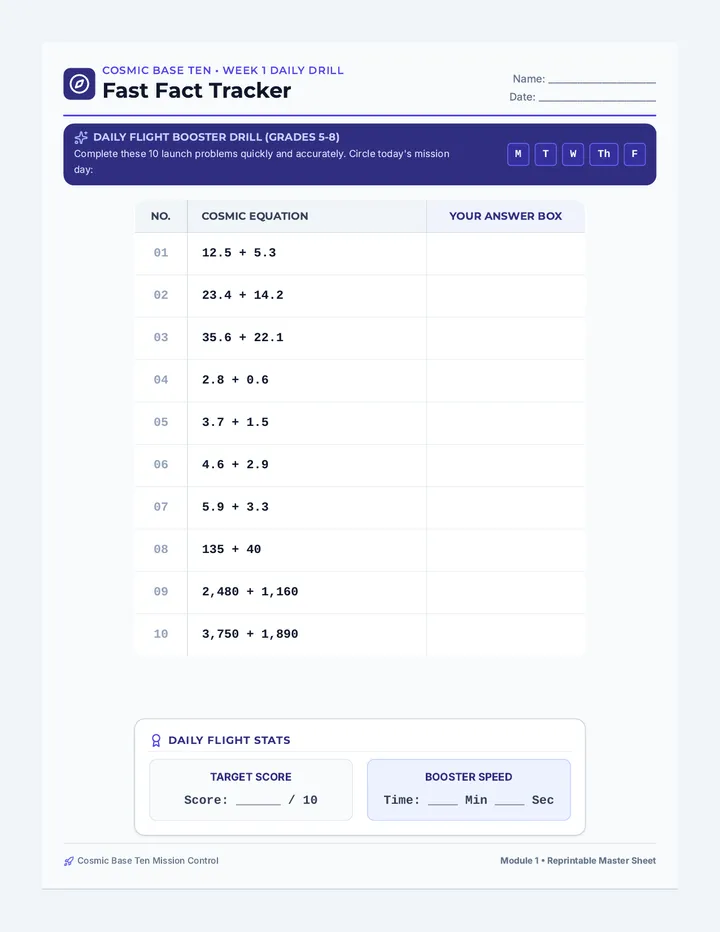
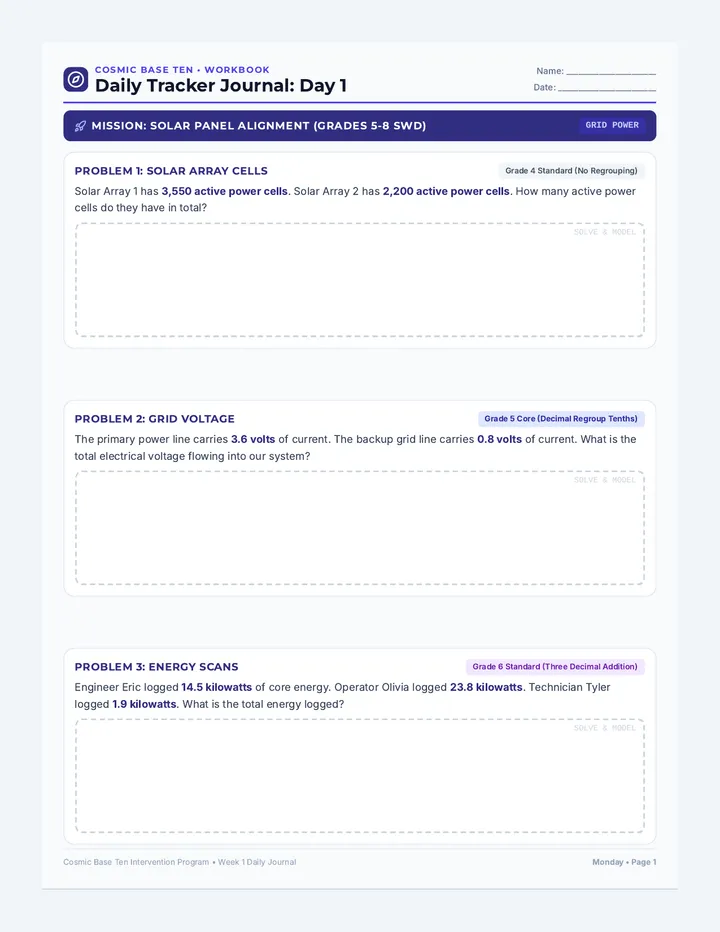
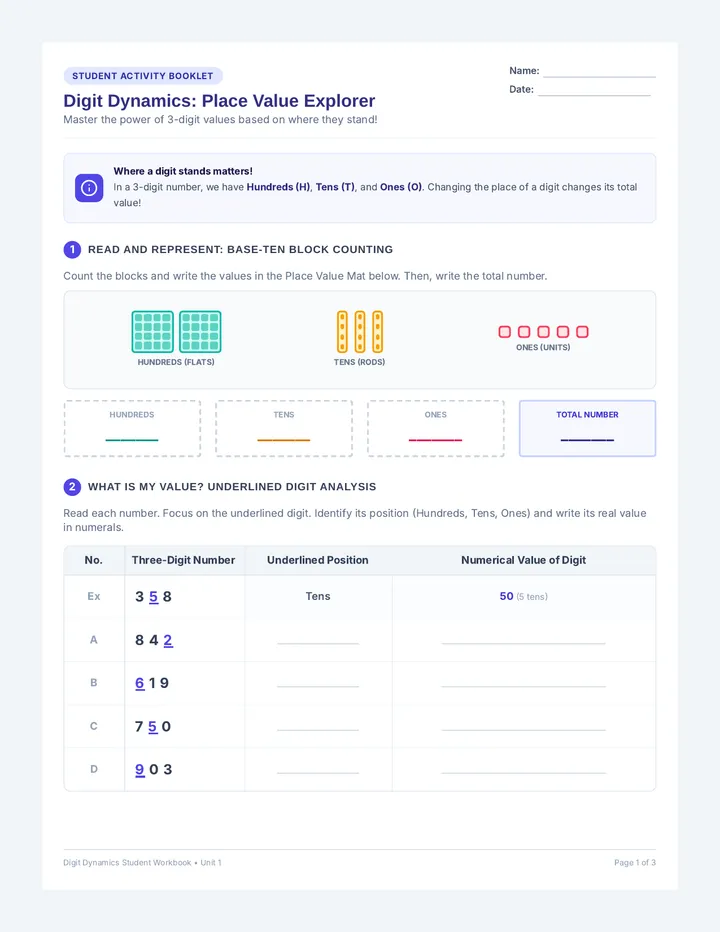
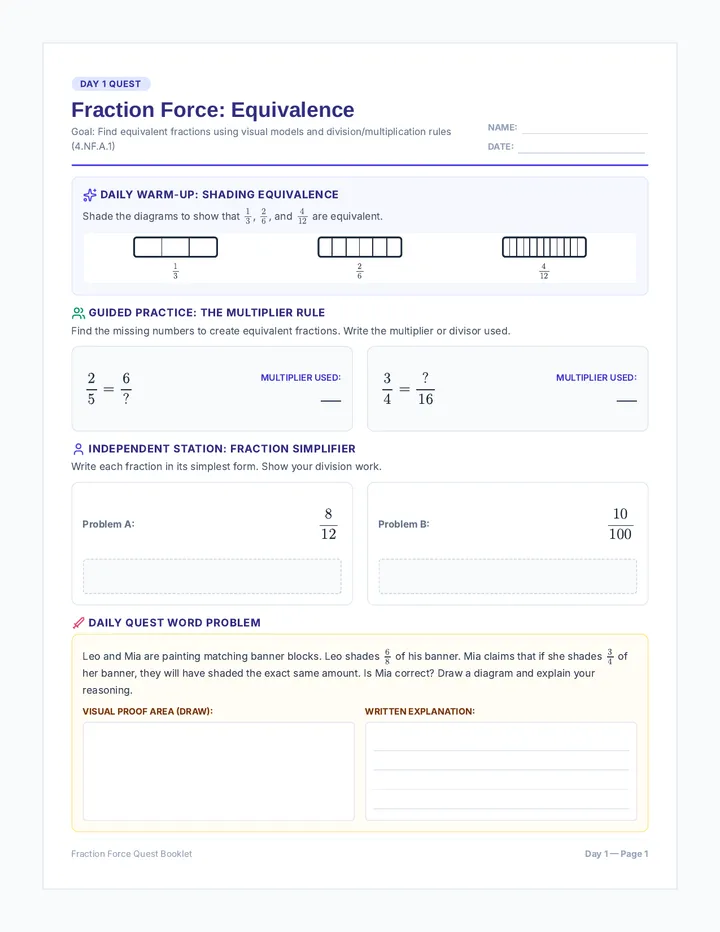
A 12-lesson intervention sequence focused on building flexible thinking with place value and fractions for 6th-grade students performing at 4th-6th grade levels. The sequence uses a 'Number Navigators' theme to explore decimal relationships, fractional equivalence, and the bridge between the two.
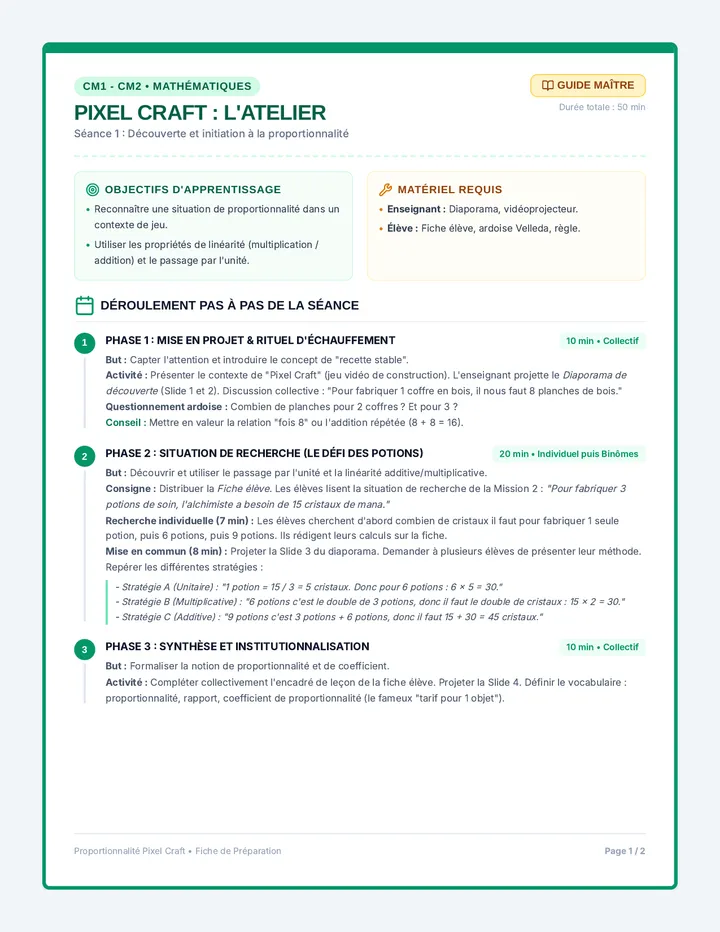
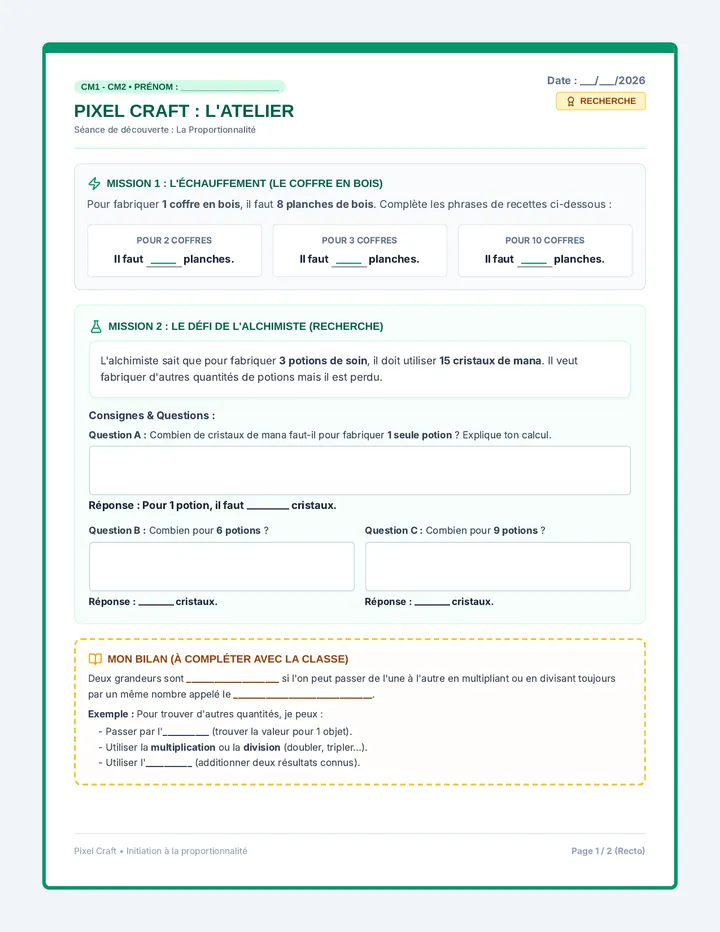
Une séquence complète de 6 heures sur la proportionnalité pour les élèves de 5ème, couvrant la reconnaissance des situations, les tableaux, le coefficient, les échelles et les pourcentages.
A comprehensive geometry unit focused on rigid transformations: translations, reflections, and rotations. Students explore how shapes move across the coordinate plane while maintaining their size and shape.
A 3-day math sequence for 3rd graders focused on multiplication comparisons and identifying patterns in tables using a fun Toy Factory theme.
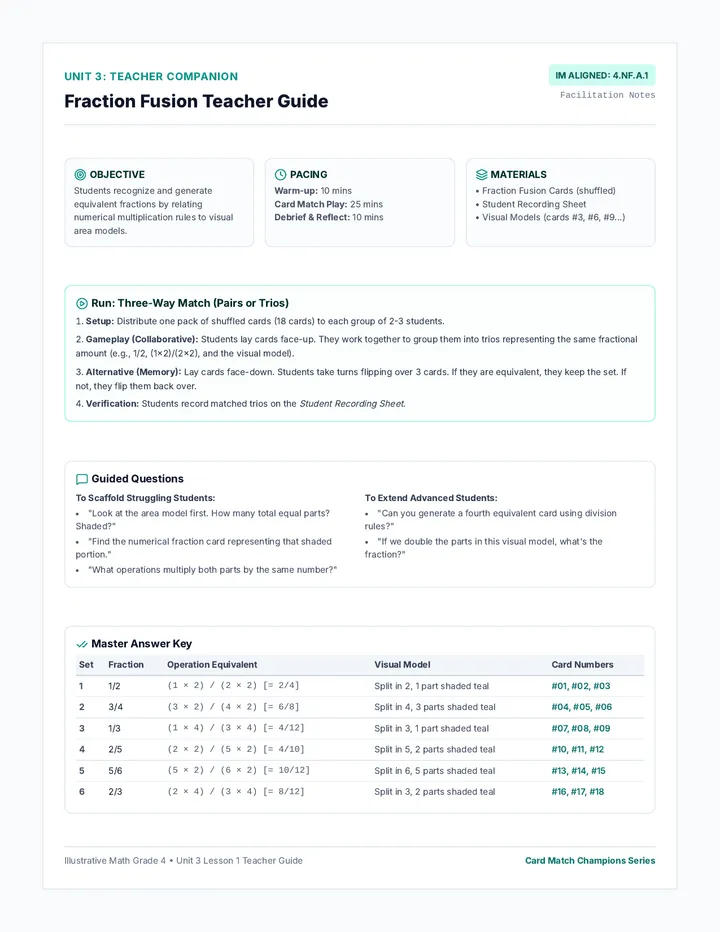
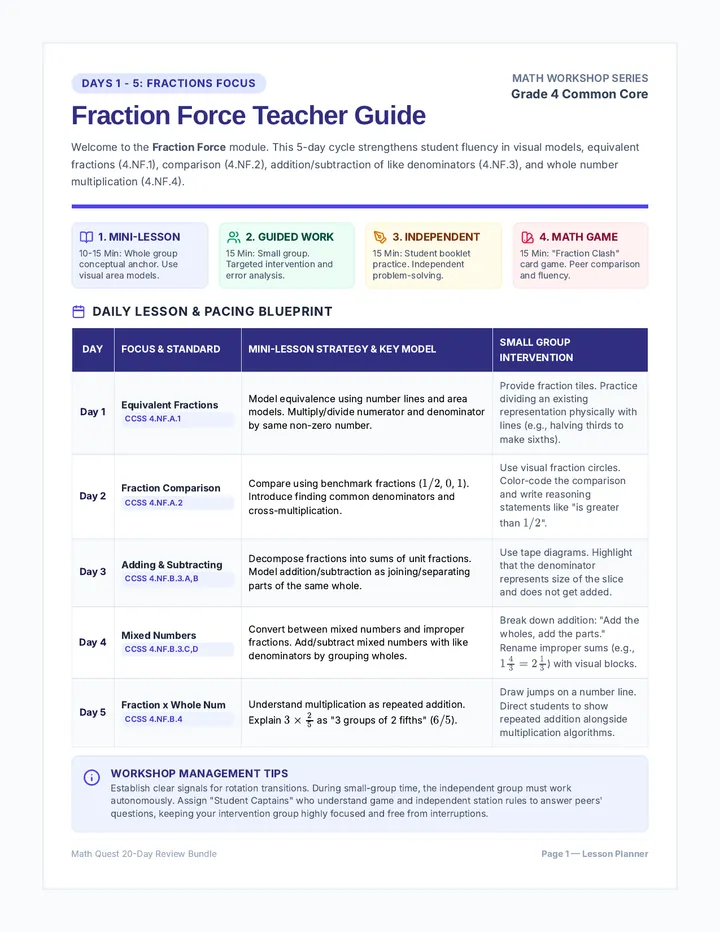
A set of resources for 4th-grade students to practice solving single-operation word problems involving adding, subtracting, and multiplying fractions by whole numbers, all within a charming bakery theme.
A 3-day intensive mission focusing on multi-digit multiplication, division strategies, and solving multi-step word problems with remainders. Students act as 'agents' to decode and solve mathematical challenges.
A sequence of lessons helping 4th-grade students with autism master division word problems through structured visual supports and familiar daily scenarios at school and in the community.
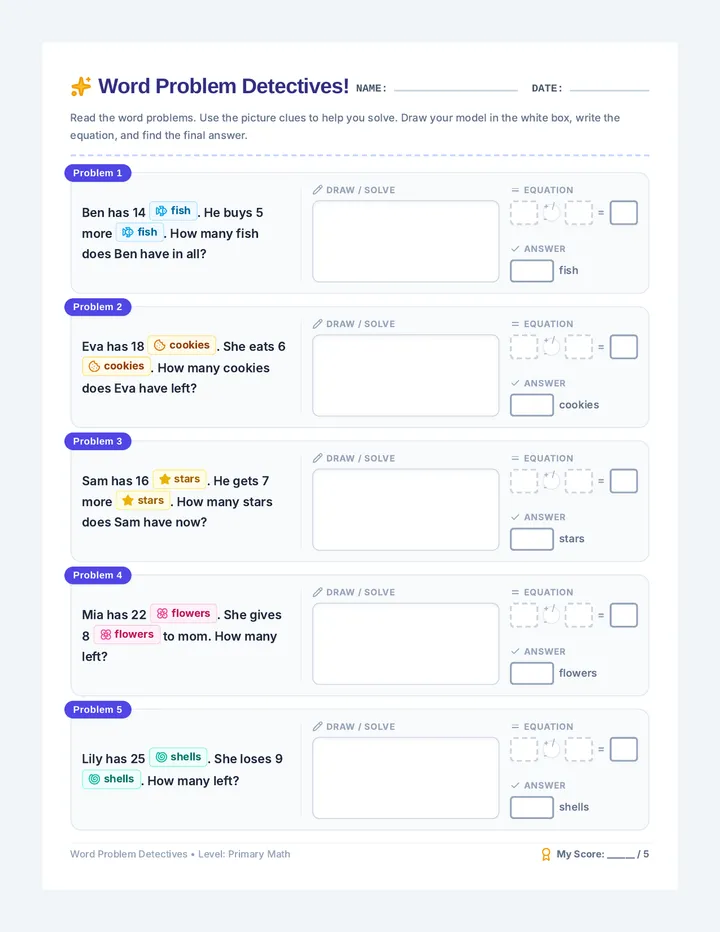
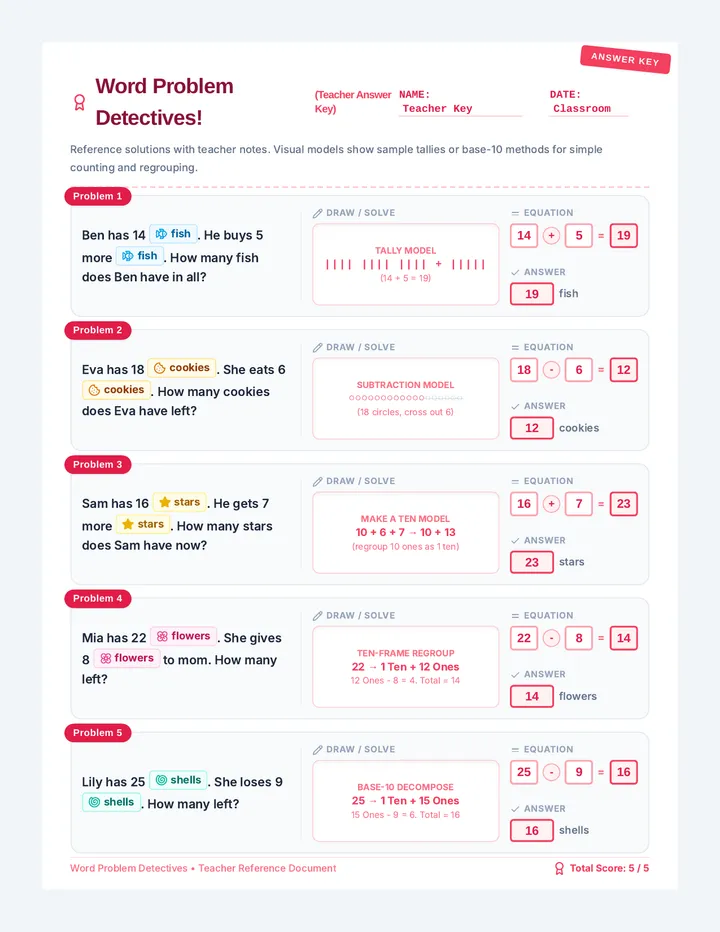
A comprehensive unit where students become 'Problem Detectives,' learning to decode word problems using linguistic cues and cloze-style paragraph writing to explain their mathematical reasoning.
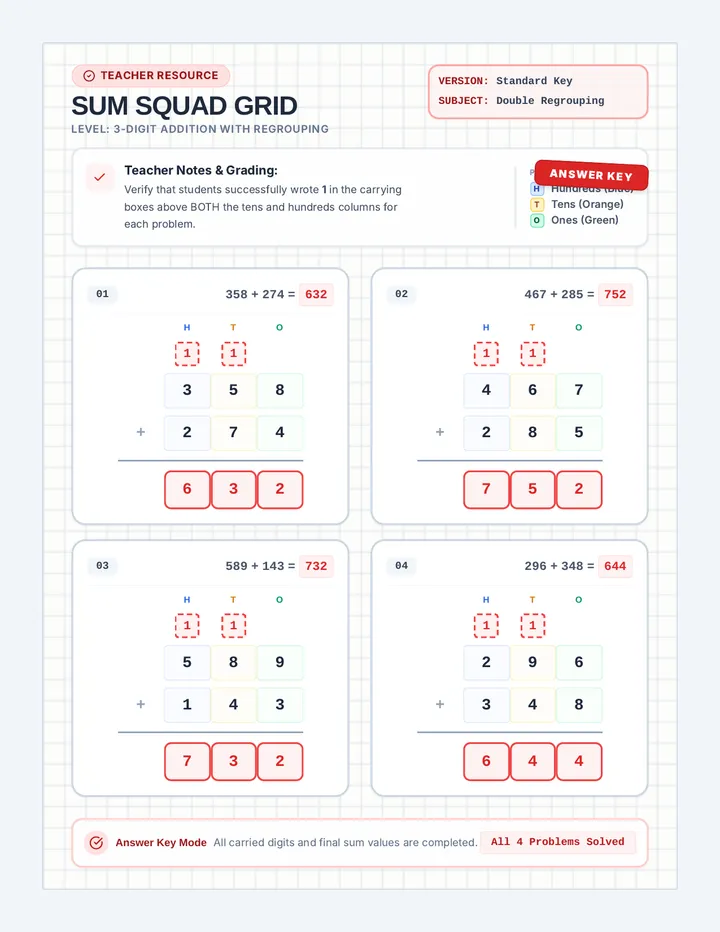
A 6-week comprehensive practice program focusing on 6+ digit addition and subtraction. Includes weekly homework assignments with increasing complexity and a final summative assessment, all featuring an architectural blueprint theme to emphasize precision and structure.
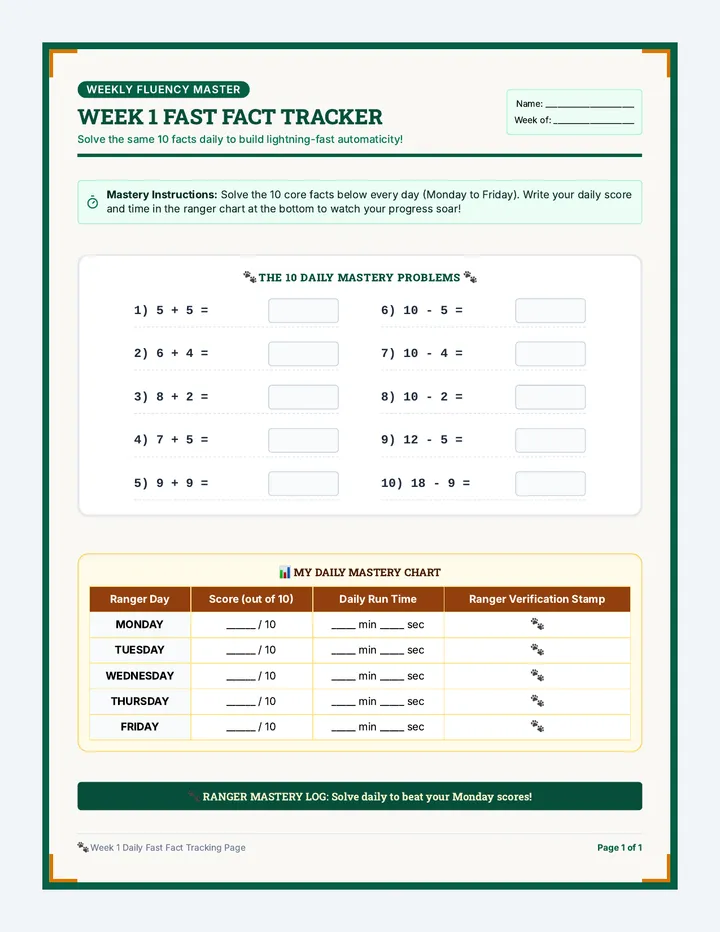
A week-long daily multiplication fluency program designed to build rapid recall of facts from 0-12 through repeated, varied practice.
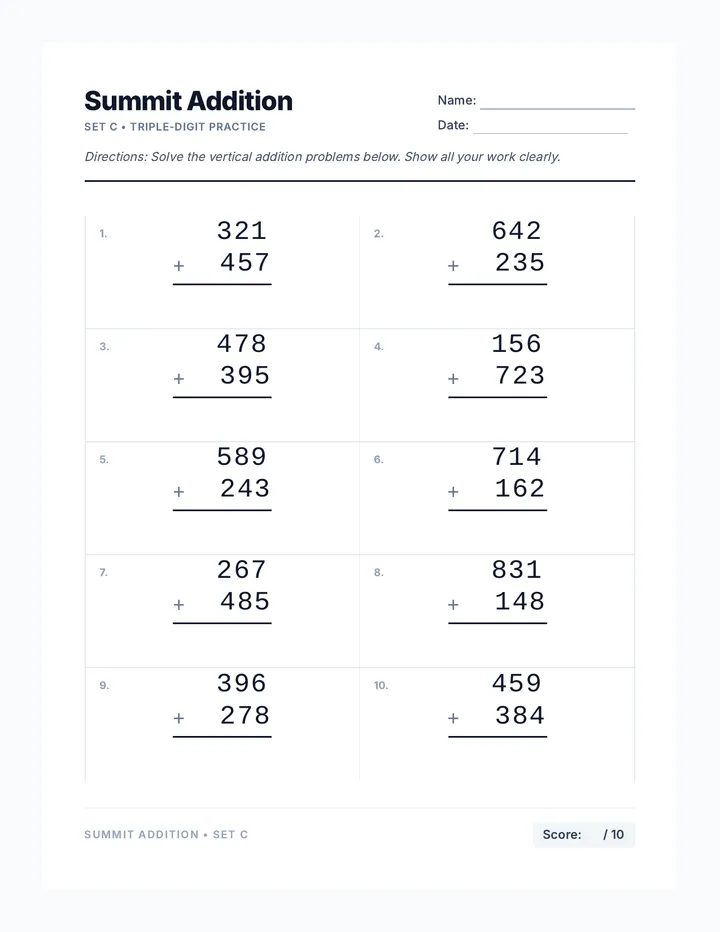
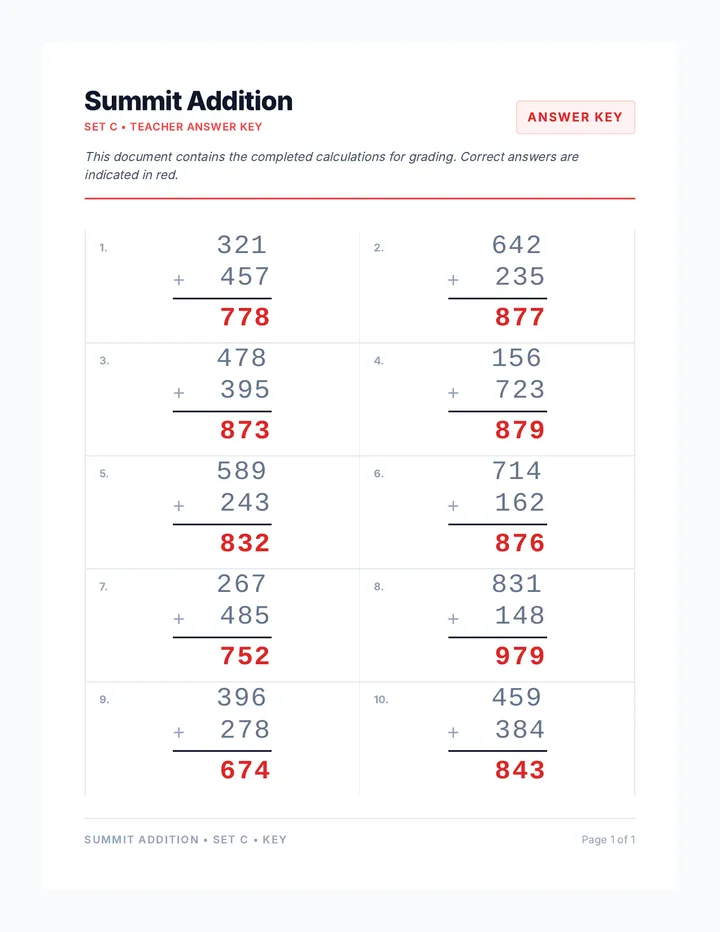
A 10-day math practice sequence focused on 6-digit addition and subtraction. Each week features a blueprint-themed worksheet with 10 problems to reinforce place value and regrouping skills.
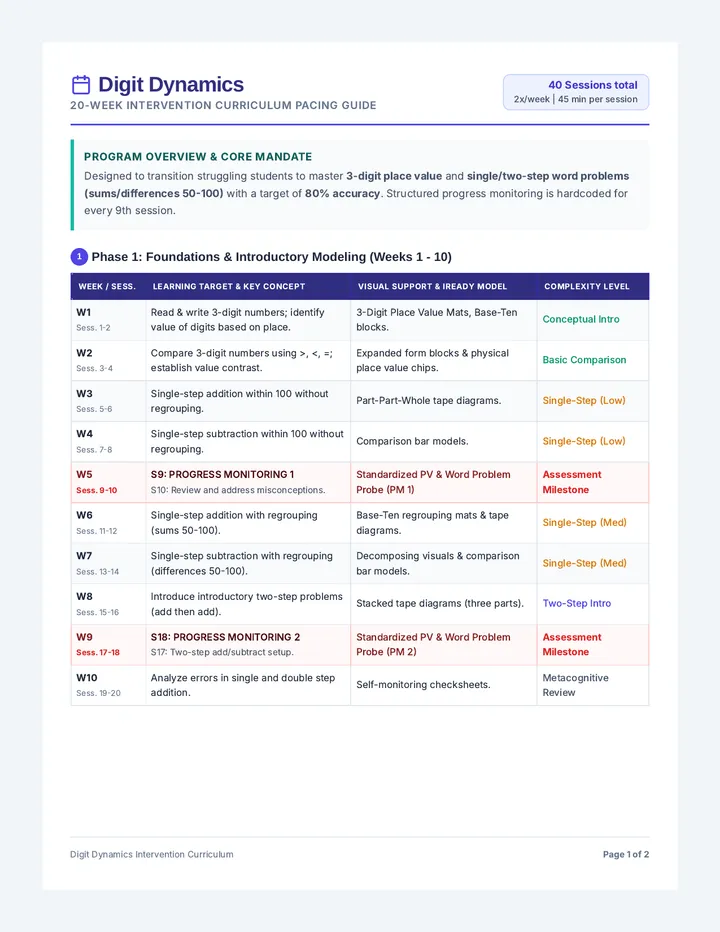
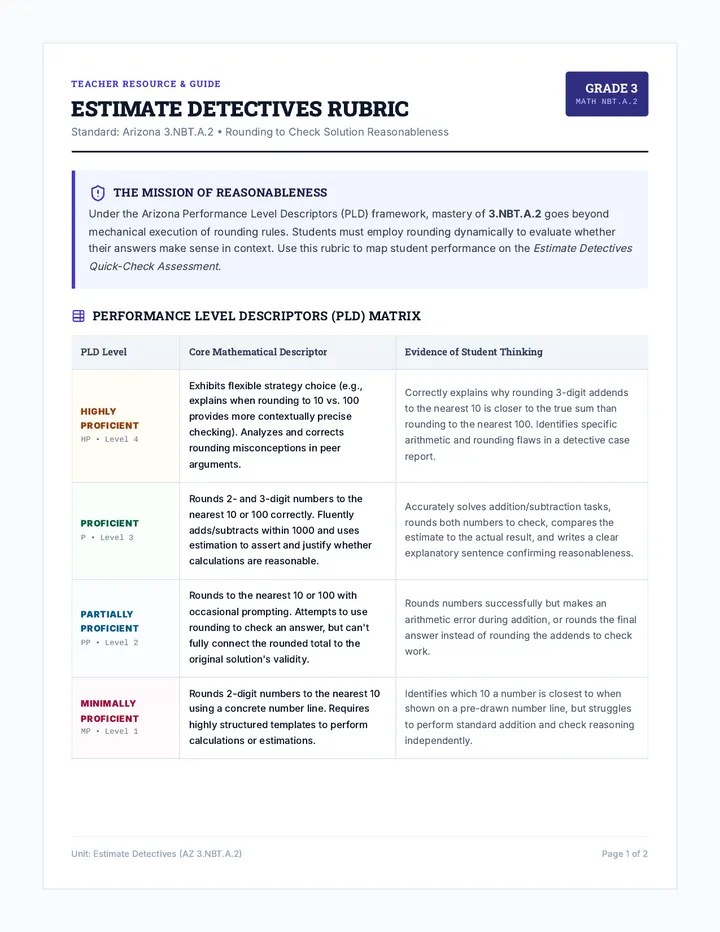
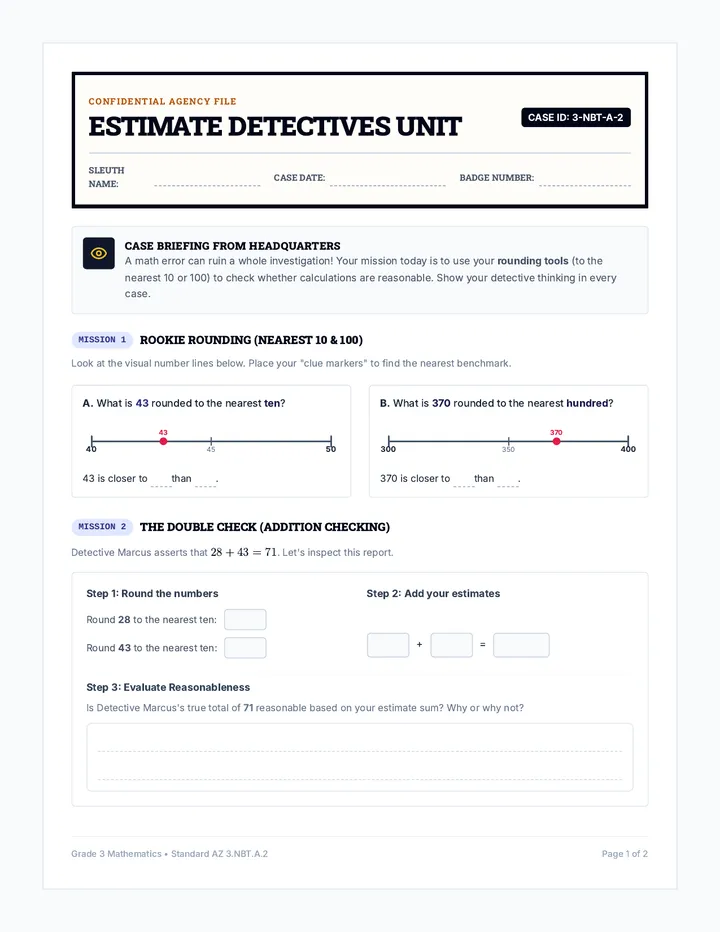
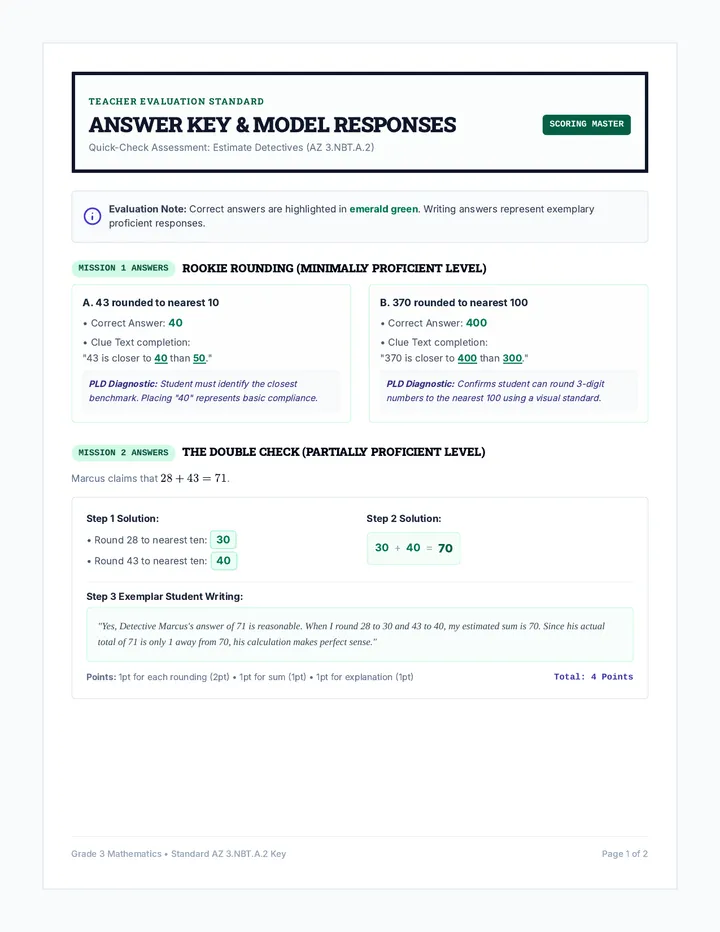
A playful, detective-themed math sequence for 3rd grade students to master number comparison. Students become 'Digit Detectives' as they investigate place value mysteries, solve 'blunders' made by a messy professor, and create their own case files using concrete models like base-ten blocks and number lines.
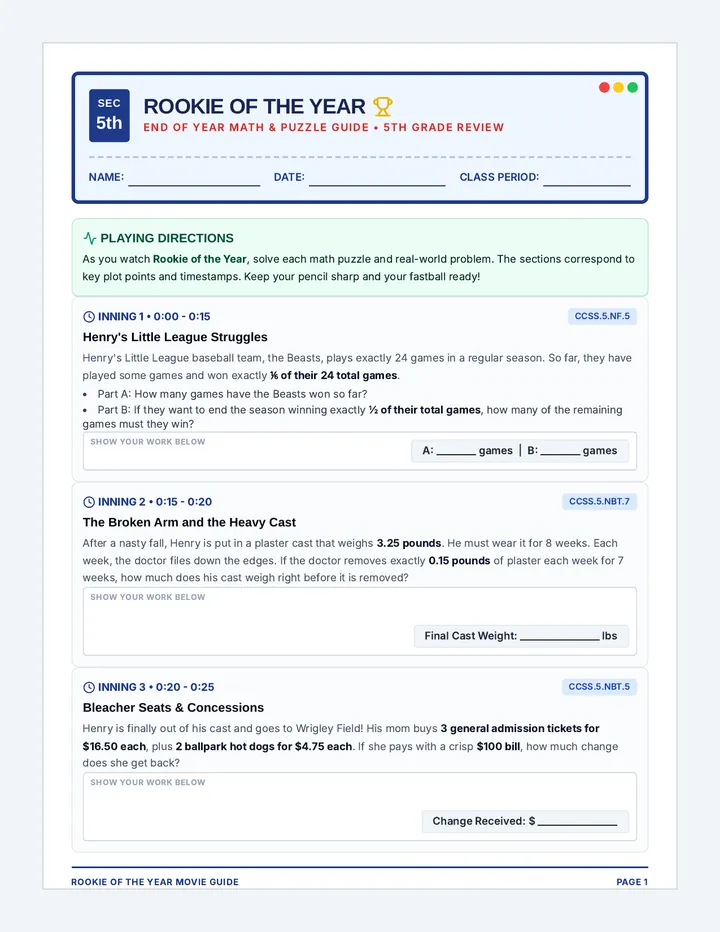
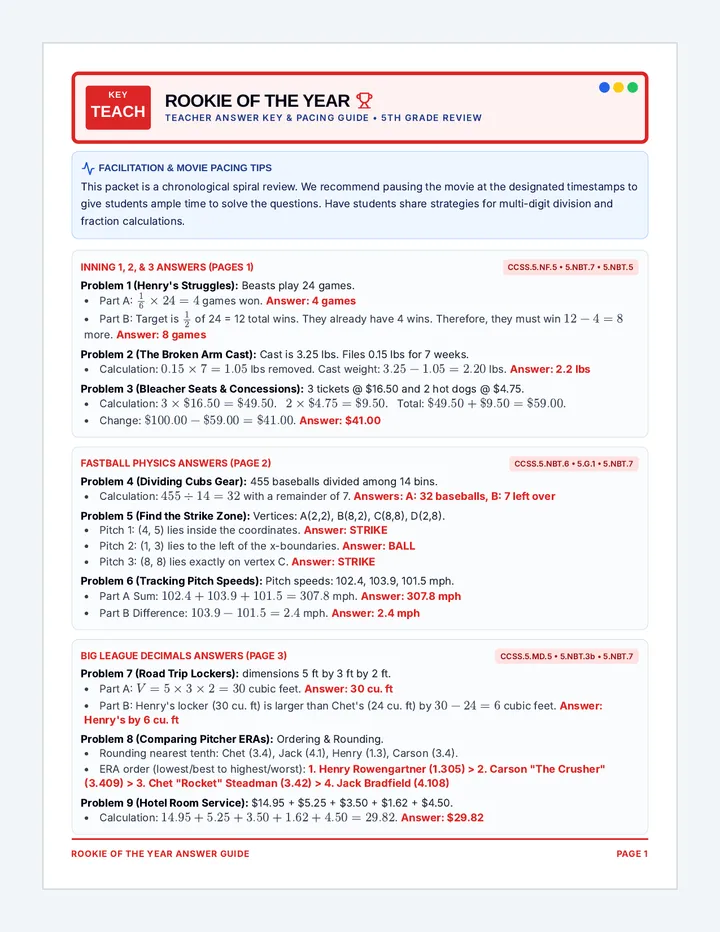
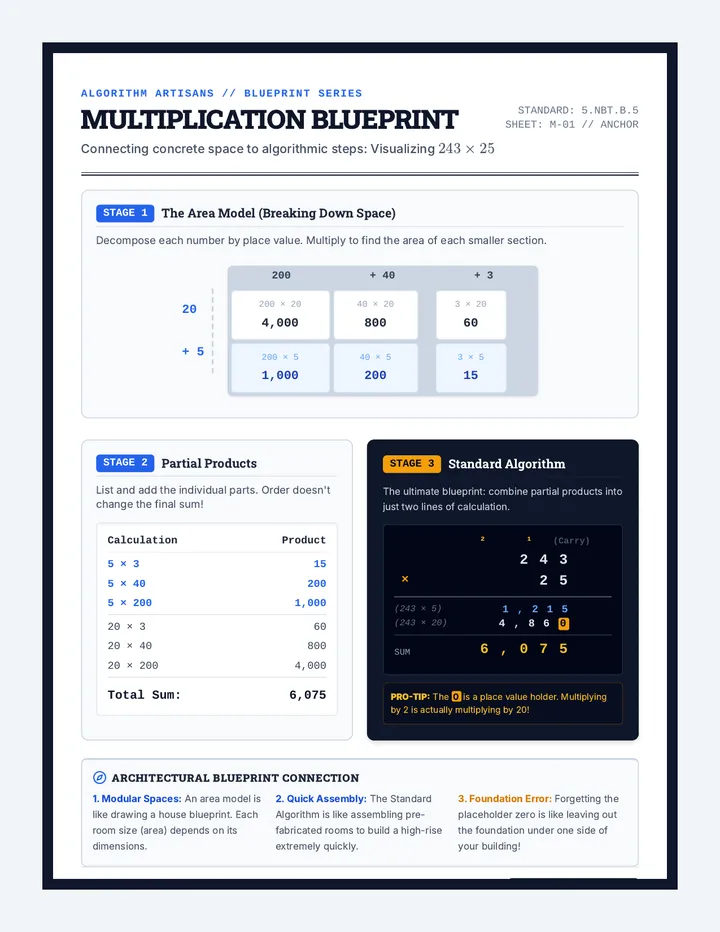
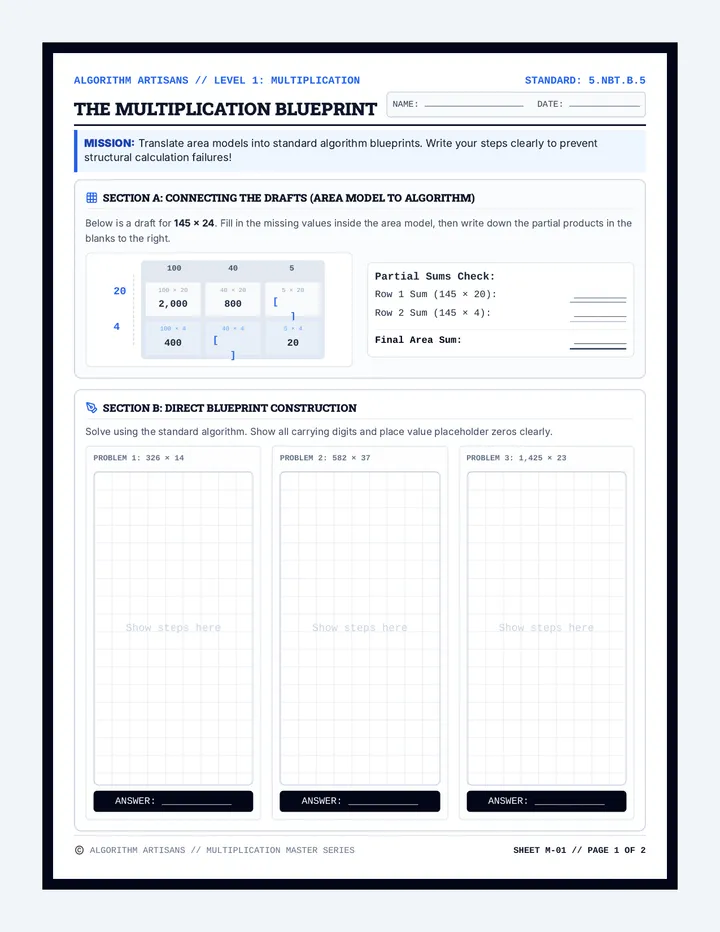
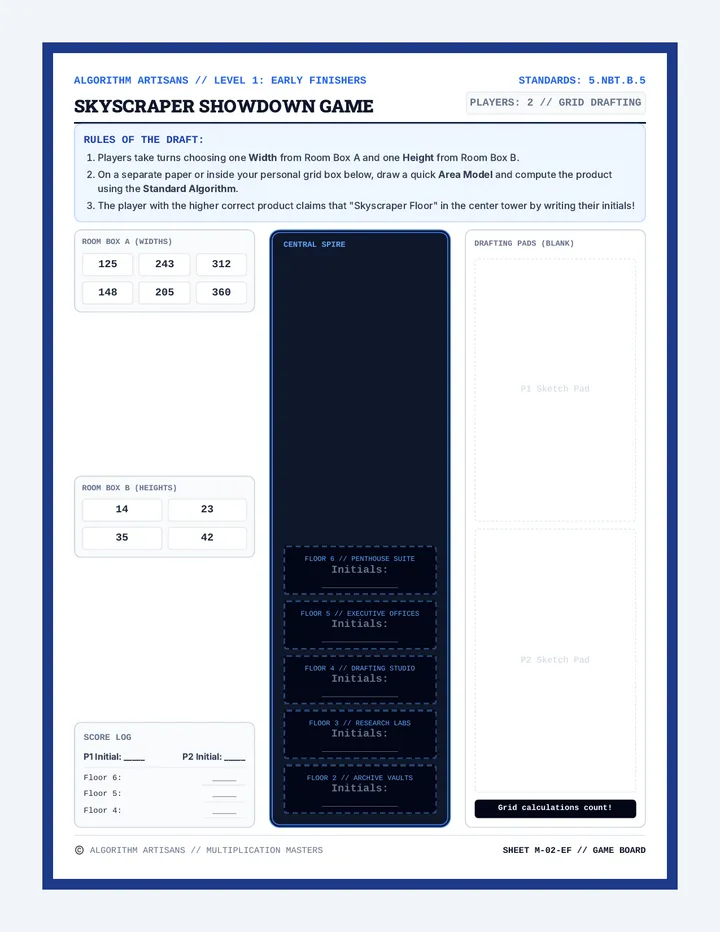
A 10-week spiral multiplication curriculum for 5th grade, focusing on building conceptual understanding through models and moving toward procedural fluency with whole numbers and decimals. Each week introduces new concepts while revisiting previous ones to ensure long-term retention.
A series of lessons focused on spatial reasoning, map skills, and coordinate logic for elementary students.
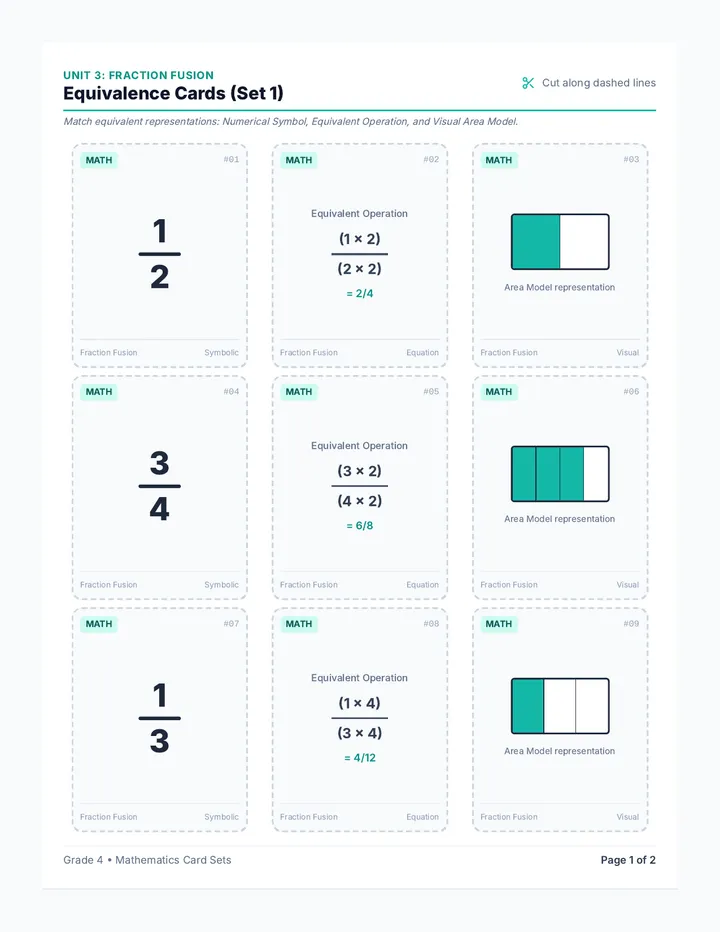
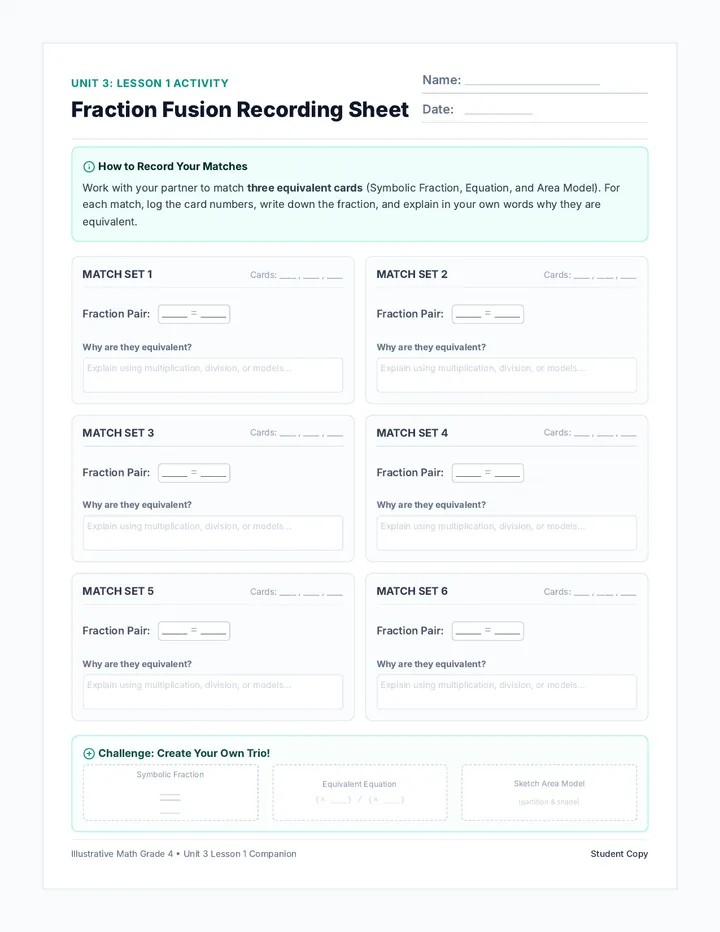
A series of lessons designed for remedial 5th/6th grade students to master fraction operations through visual modeling, manipulatives, and conceptual understanding.
A sequence focused on converting decimals to fractions and simplifying them, using a 'Decimal Lab' theme where students act as scientists fusing numbers.
A math sequence focused on understanding and calculating the perimeter of irregular quadrilaterals through real-world scenarios like fencing a farm.
A math sequence for 5th graders focused on identifying and classifying 3D figures in the real world by analyzing their properties such as faces, edges, and vertices.
A lesson sequence focused on understanding and converting volume units (liters and milliliters) to compare capacities through interactive games and visual models.
A math unit focused on mastering decimal operations through problem-solving, visual modeling, and critical thinking.