A geography sequence focused on the physical characteristics and climate patterns of Southwestern Europe, highlighting the diverse environmental conditions found across the region.
A comprehensive 6-lesson Black History Month curriculum for 5th-8th graders, exploring historical excellence, emotional expression, and community through the lens of five core values: Virtus, Kenkyo, Sankofa, Ubuntu, and Ganas. Inspired by a century of resilience and brilliance.
Une formation pour les professeurs-documentalistes centrée sur la médiation culturelle et l'accompagnement des pratiques de lecture des adolescents. L'objectif est de concilier la réalité de l'édition actuelle avec les missions pédagogiques du CDI.
A 6-day RLA unit for 8th grade focusing on 'The Bass, the River, and Sheila Mant'. Students explore character complexity (8.9F) and non-linear plot elements (8.9A) through the lens of sacrifice and love.
A 4th-grade unit focused on kindness, fairness, and understanding how our words can make everyone feel like they belong, regardless of their background or skin color.
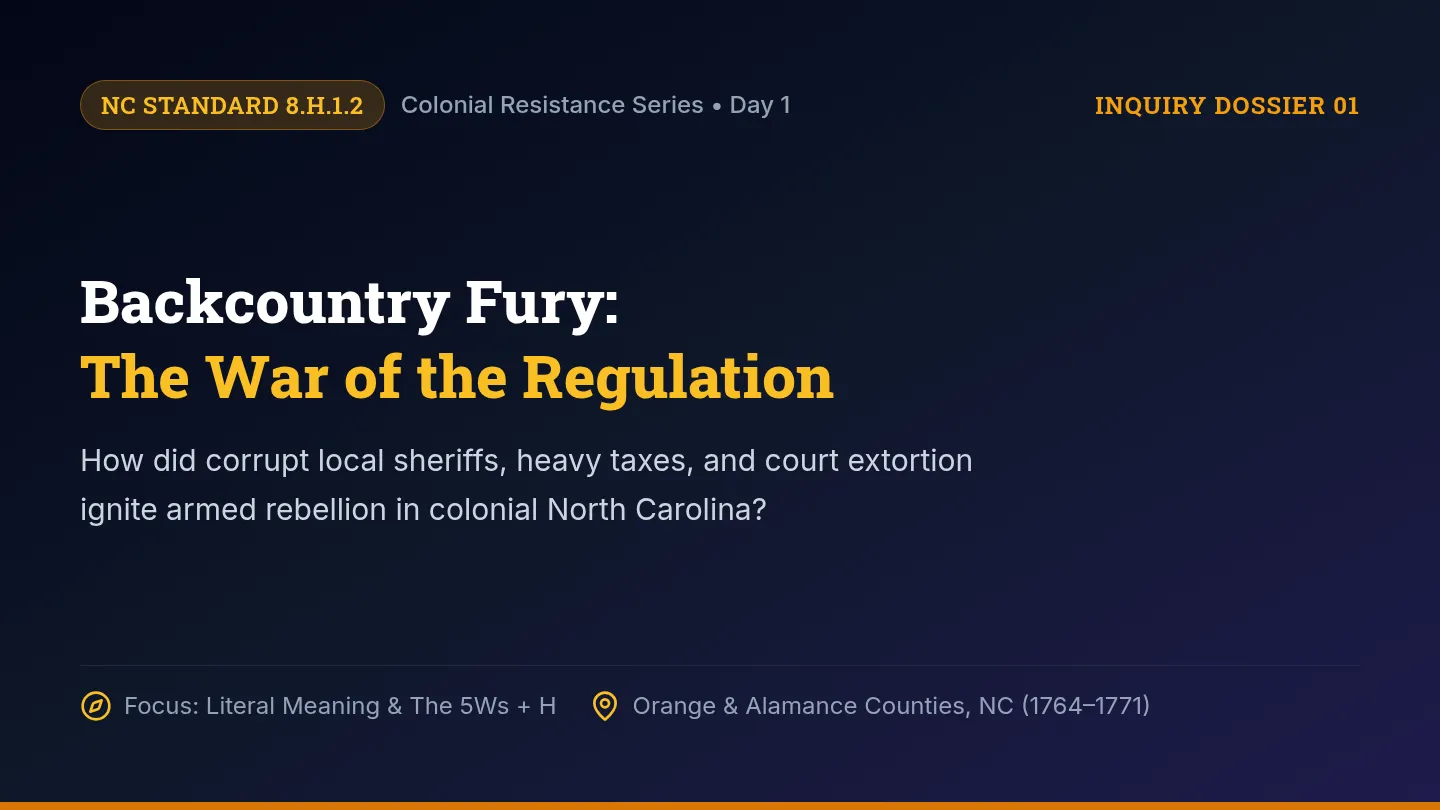
A series of three investigative modules where middle school students analyze hypothetical disruptions to science, history, and society to develop critical cause-and-effect reasoning skills.
A comprehensive unit on the American Abolitionist movement, examining the rhetorical strategies, diverse perspectives, and historical impact of leading abolitionist voices through primary source analysis.
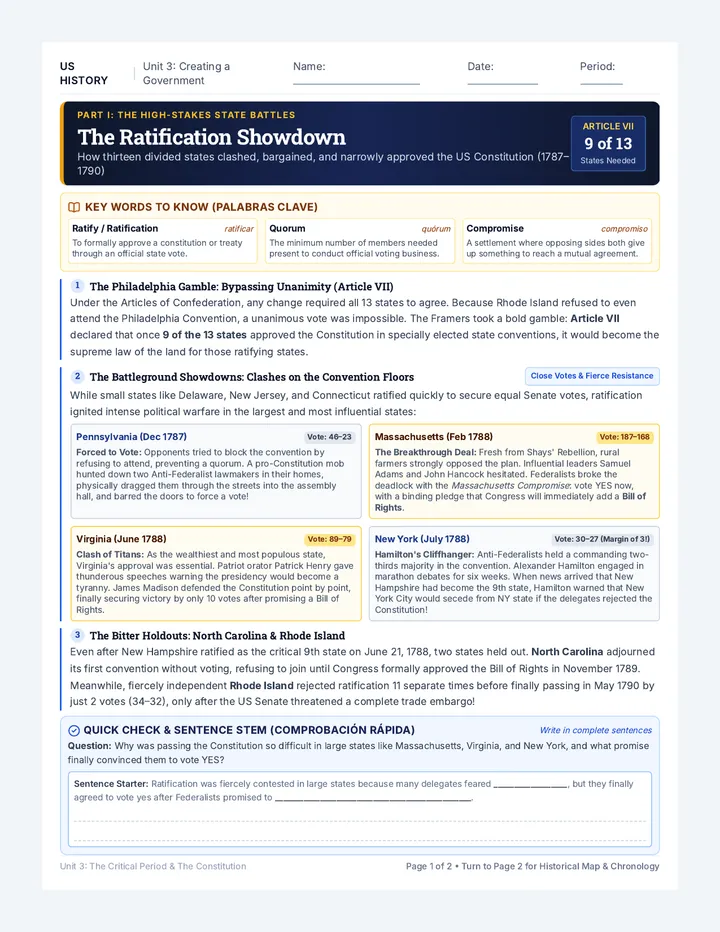
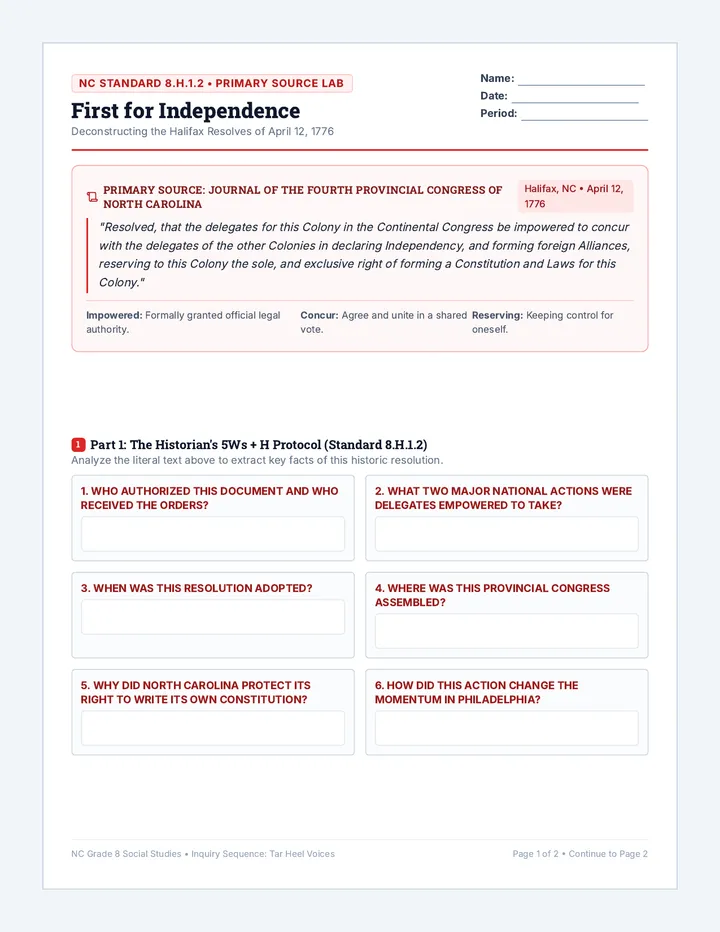
A lesson sequence exploring the early American debate over federal vs. state power, focusing on the Alien and Sedition Acts and the Kentucky Resolutions.
A comprehensive unit introducing the foundational concepts of geography, focusing on the Five Themes of Geography as a framework for understanding human and physical world interactions.
A unit exploring the human geography of the United States, focusing on population distribution, migration waves, and urban challenges.
A unit exploring the modern challenges and historical legacy of Eastern Europe, focusing on the intersection of geography, economy, and culture.
A series of lessons exploring the rise and impact of major global empires, focusing on their geographical expansion, governance strategies, and cultural legacies during the first global age.
A lesson sequence exploring the intersection of geography and history through the lens of place naming, focusing on the cultural significance of Uluru and local place name origins.
A short unit focusing on the rise of labor unions, the Industrial Revolution's impact on workers, and the subsequent social reform movements including education and abolitionism.
A series of lessons exploring how major historical events and social shifts have shaped the cultural and religious identity of the United States.
A lesson sequence exploring the economic consequences of imperial centralization and warfare through the lens of the Mughal Empire's most famous rulers, Akbar and Aurangzeb. Students evaluate how budget trade-offs and religious policies impact long-term national stability.
A comprehensive lesson analyzing how the Great Schism between the Western and Eastern Christian churches directly contributed to the eventual collapse of the Byzantine Empire. Students use video evidence to trace a chain of cause-and-effect events spanning centuries of history.
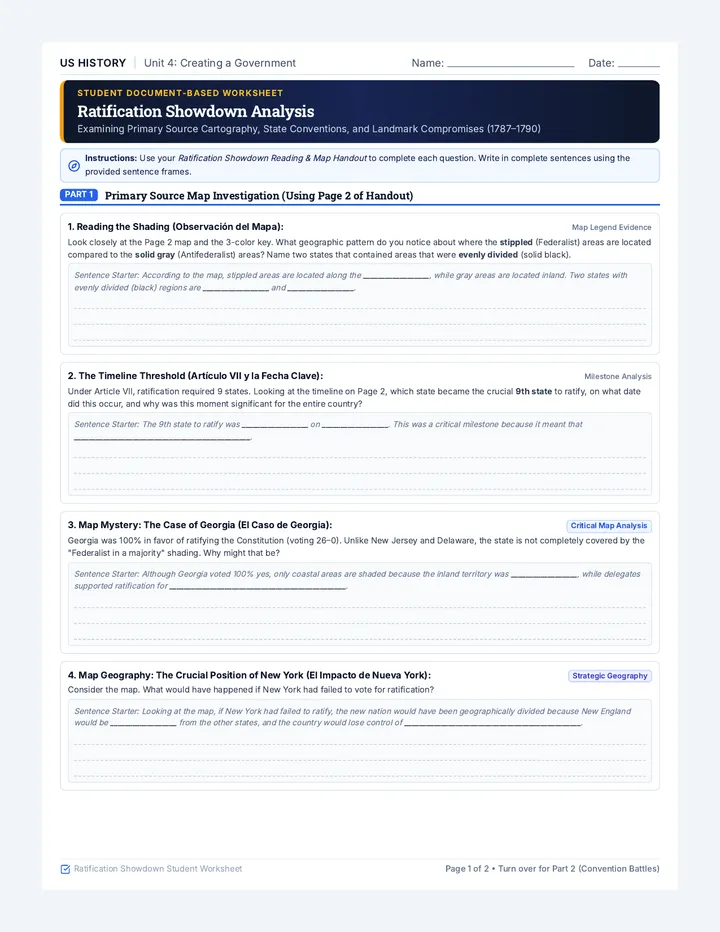
A comprehensive lesson sequence exploring the major mountain ranges of Europe, their geological formation, and their significant role as natural political and cultural borders.
A sequence exploring the transition from agrarian societies to industrial hubs, focusing on the social, economic, and physical changes in 18th-century England.
A sequence exploring the Gilded Age, focusing on industrial growth, the rise of labor unions, and the struggle for workers' rights in the late 19th century.
This sequence explores the evolution of the US tax system and the ethical debates surrounding different tax structures. Students will investigate the concept of 'fairness' in financial policy and design their own tax system for a fictional nation.
A middle school civics and financial literacy sequence exploring how tax revenue is collected and utilized by federal, state, and local governments to fund public goods and services. Students progress from defining public goods to designing their own community budget.
An introductory sequence for 8th graders exploring the purpose, structure, and ethical dimensions of the U.S. tax system. Students will learn how tax revenue funds public goods across federal, state, and local levels while debating the fairness of different tax structures.
Students participate in an immersive simulation where they navigate the world of arts policy and resource allocation. They take on roles in a community debate over funding priorities, learning about public budgeting, perspective-taking, and the necessity of civic engagement.
Students step into the roles of civic leaders and grant panelists to explore the economic and cultural value of the arts. They analyze the creative economy, evaluate funding models, and debate the allocation of public funds through a realistic simulation.
This sequence explores the economic and political power of the Ghana and Mali Empires. Students analyze geography, trade systems, leadership, and the intellectual legacy of Timbuktu to understand how resource control builds civilizations.
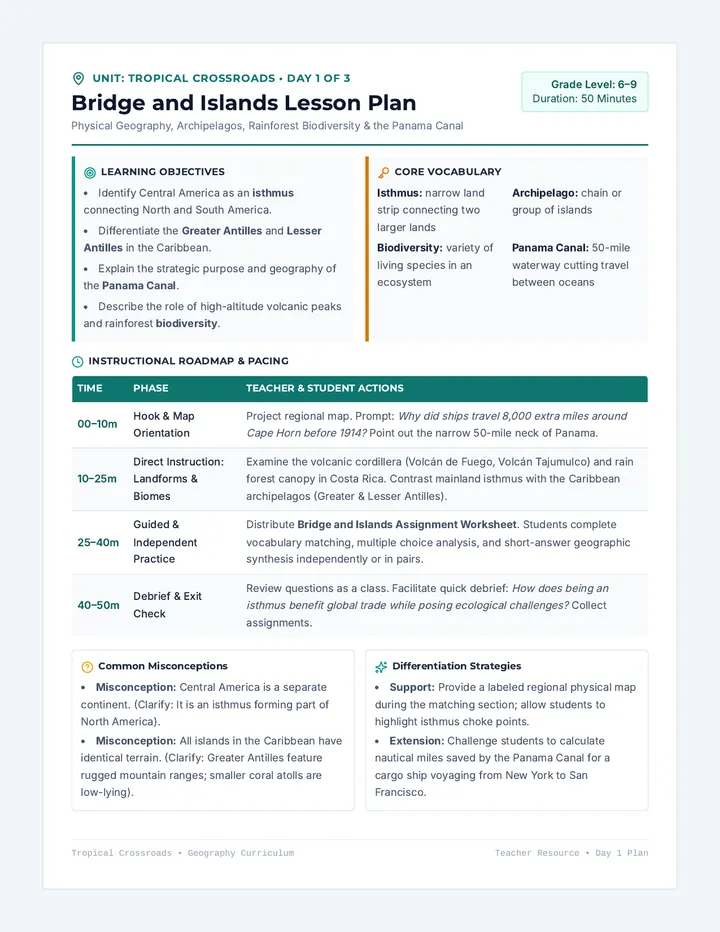
This sequence explores the evolution of US foreign policy in Latin America through the administrations of Roosevelt, Taft, and Wilson. Students engage in a strategic analysis of the 'Big Stick,' 'Dollar Diplomacy,' and 'Moral Diplomacy' approaches, using the Panama Canal as a primary case study and simulating diplomatic decision-making.
This sequence examines US intervention in Latin America through the lens of diplomatic strategy and presidential foreign policy. Students analyze the 'Big Stick,' 'Dollar,' and 'Moral' diplomacies, simulate the Panama Canal acquisition, and evaluate the long-term impacts of US hegemony.
This 8th-grade history sequence explores the Pacific theater of American Imperialism, focusing on the debates over Hawaii, the Philippines, and China. Students analyze the tension between democratic ideals and expansionist actions through primary source analysis and simulations.
This sequence investigates the role of media and public opinion in the outbreak of the Spanish-American War. Students act as historians and media critics, examining how 'Yellow Journalism' influenced the American entry into the conflict, from the sinking of the USS Maine to modern media parallels.