A first-grade science and safety sequence focused on understanding what earthquakes are, why they happen, and how to stay safe during one. It includes a comprehensive student packet, visual slides, and teacher resources.
A comprehensive STEM sequence for grades 1-5 focusing on structural engineering and physics. Students progress from exploring material properties and shapes to designing complex, efficient structures, building their understanding of forces, stability, and the engineering design process.
A four-day introductory unit on the signs of spring, focusing on weather changes and nature's awakening. Includes a mix of outdoor exploration and indoor hands-on crafts designed for grades K-3.
A comprehensive STEM unit introducing block coding and robotics using Marty the Robot and Sphero Minis. Students explore sequencing, loops, and color-based commands across two weeks of rotating hands-on lab sessions.
A basic introduction to space concepts and the work of NASA, designed for early elementary students to build reading skills and scientific curiosity.
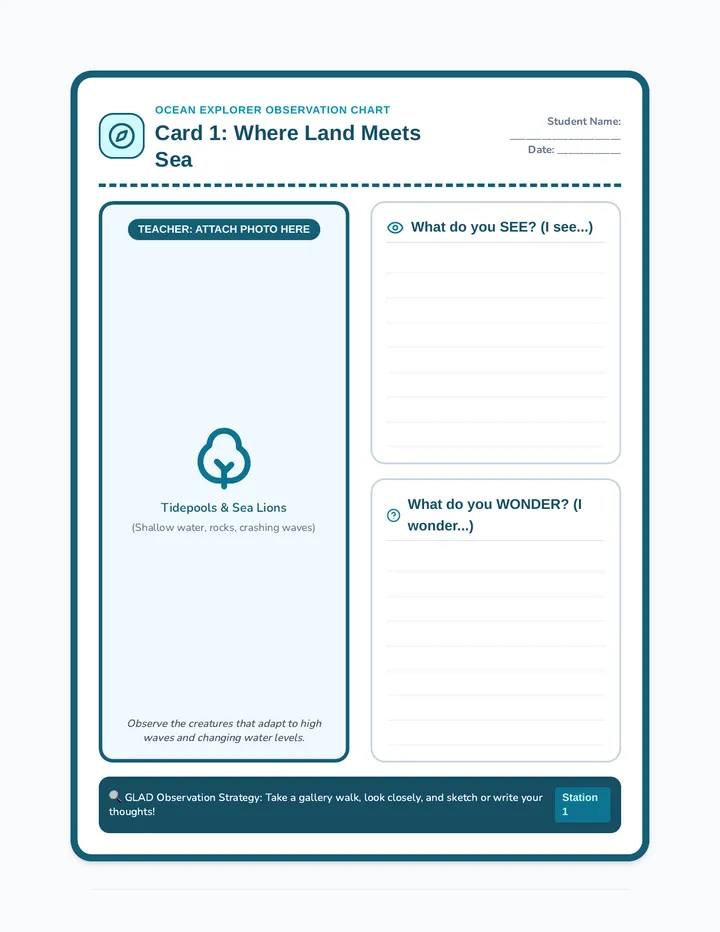
A comprehensive unit designed to turn students into nature detectives, focusing on observation, documentation, and appreciation of the local environment for K-6 students.
A series of lessons exploring the power of nature's most impressive events, from volcanoes to tsunamis, tailored for early elementary learners.
A comprehensive STEM series focusing on Organisms and Environments, specifically designed to address high-probability STAAR concepts through hands-on engineering challenges. Students explore life cycles, structures, and ecosystem dynamics by solving real-world biological problems.
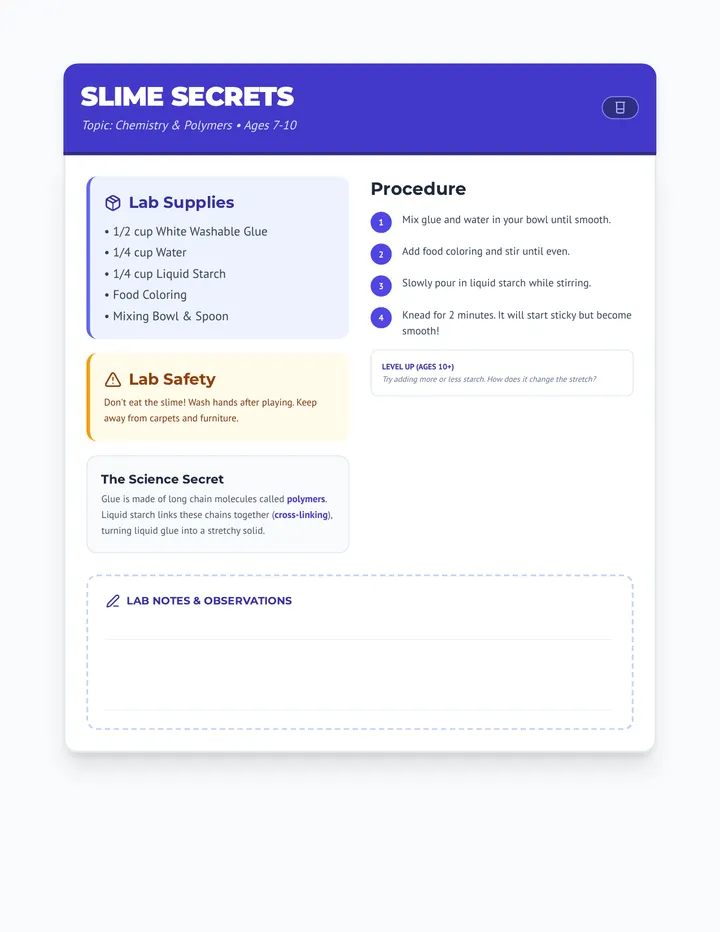
A four-day immersive sensory science sequence for K-3 students, exploring different materials, textures, and chemical mixtures through hands-on creation and observation.
A comprehensive one-week unit for 1st grade students focused on identifying water and air as natural resources and learning how to protect them through evidence-based arguments. Students transform into 'Resource Rangers' to investigate, observe, and defend our planet's vital resources.
A comprehensive science curriculum for 8th grade students working at a 1st grade academic level, covering all North Carolina Essential Standards with simplified language, high-interest visuals, and structured support.
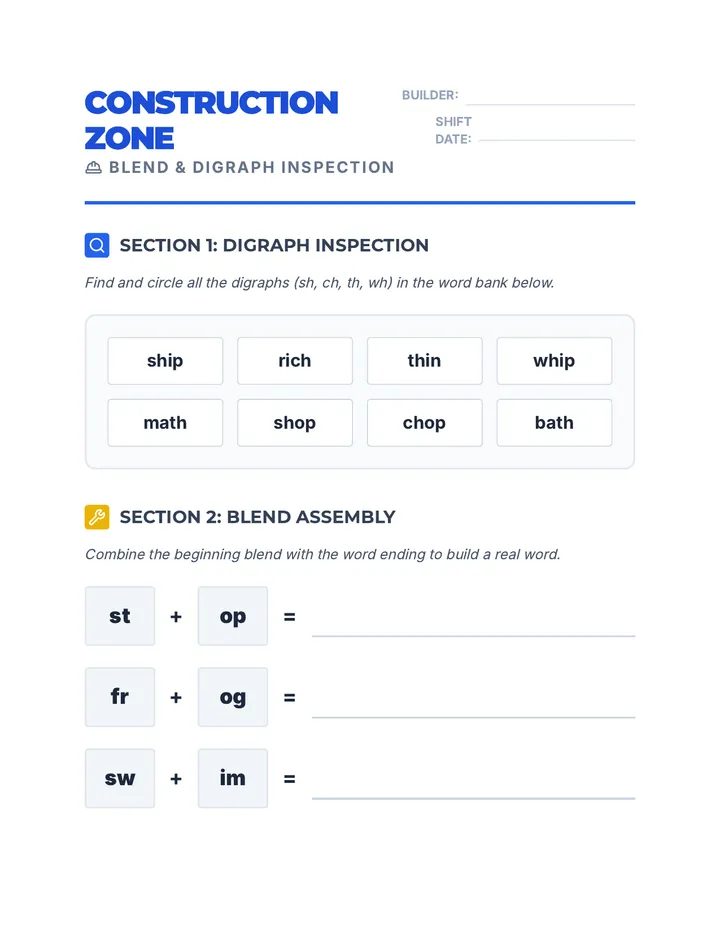
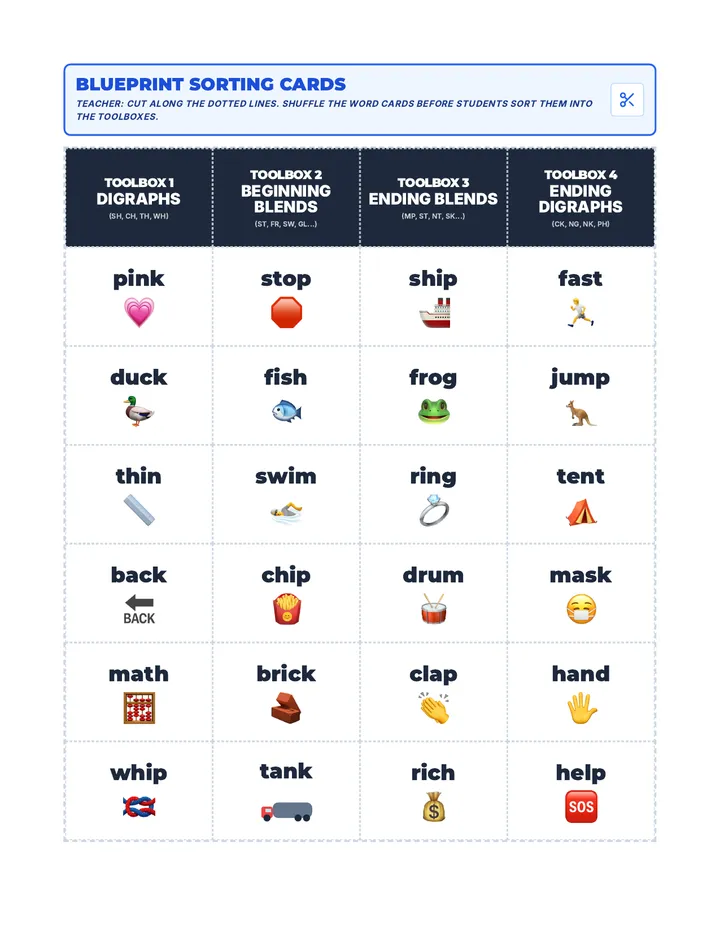
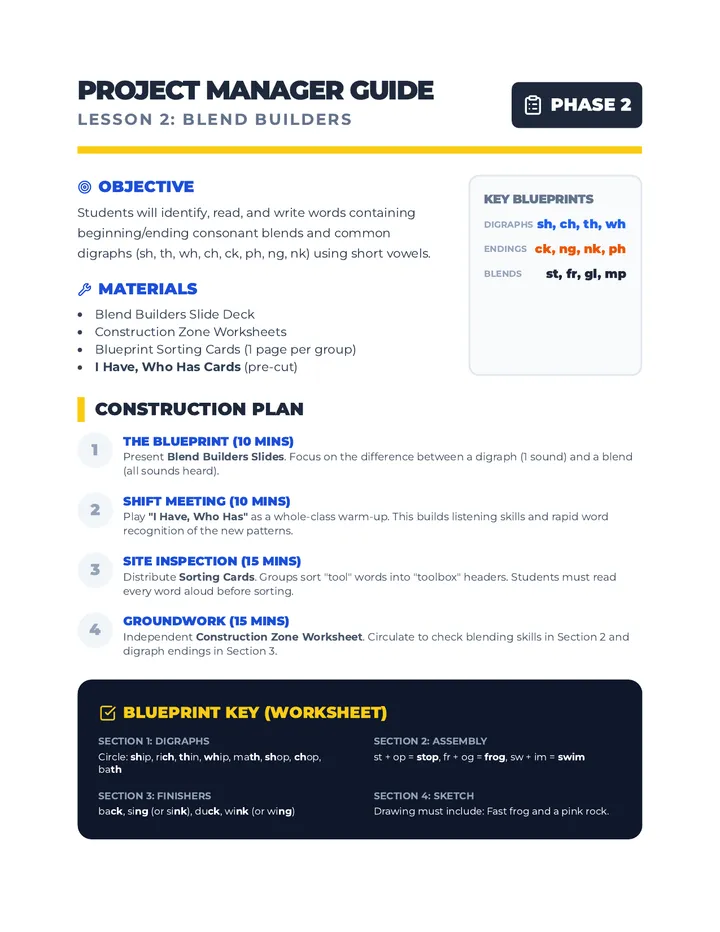
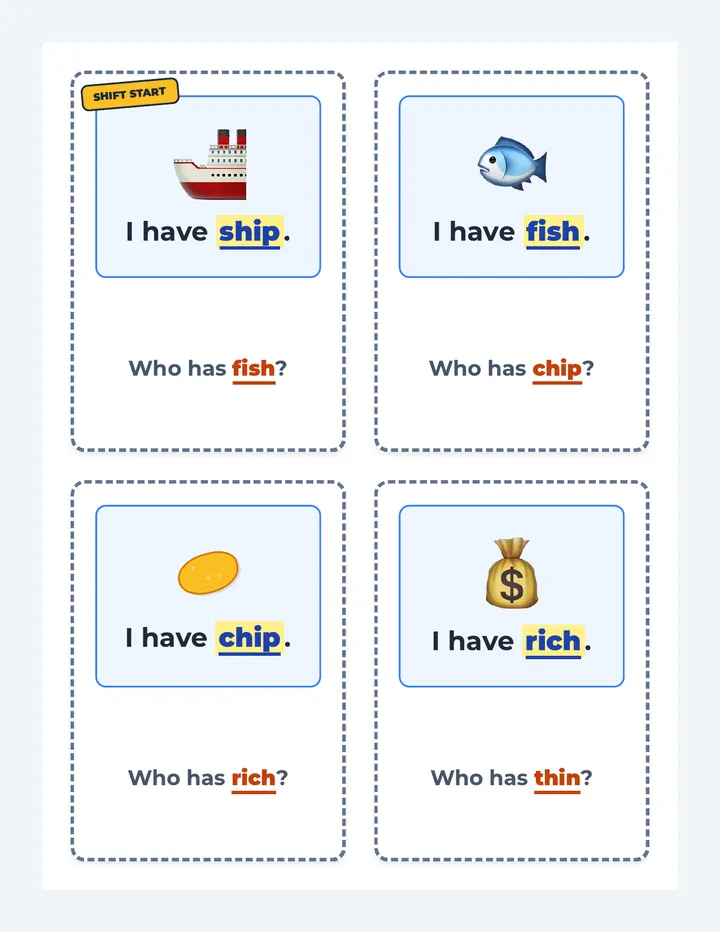
A comprehensive collection of instructional resources designed to build essential elementary skills in math and literacy, featuring a cohesive technical 'blueprint' aesthetic. The sequence covers fact fluency, word problem solving, decoding strategies, reading fluency, and core comprehension skills.
Cette séquence explore les enjeux de la gestion des ressources humaines en 1ère STMG, en articulant la valorisation de l'activité humaine avec les contraintes de performance et de coût du travail. Elle s'appuie sur des cas d'entreprises réelles pour illustrer les notions de qualification, de compétence, de conditions de travail et d'arbitrage financier.
An immersive, project-based unit where students become 'Wild Explorers,' researching animals and creating interactive adventure books to demonstrate their learning.
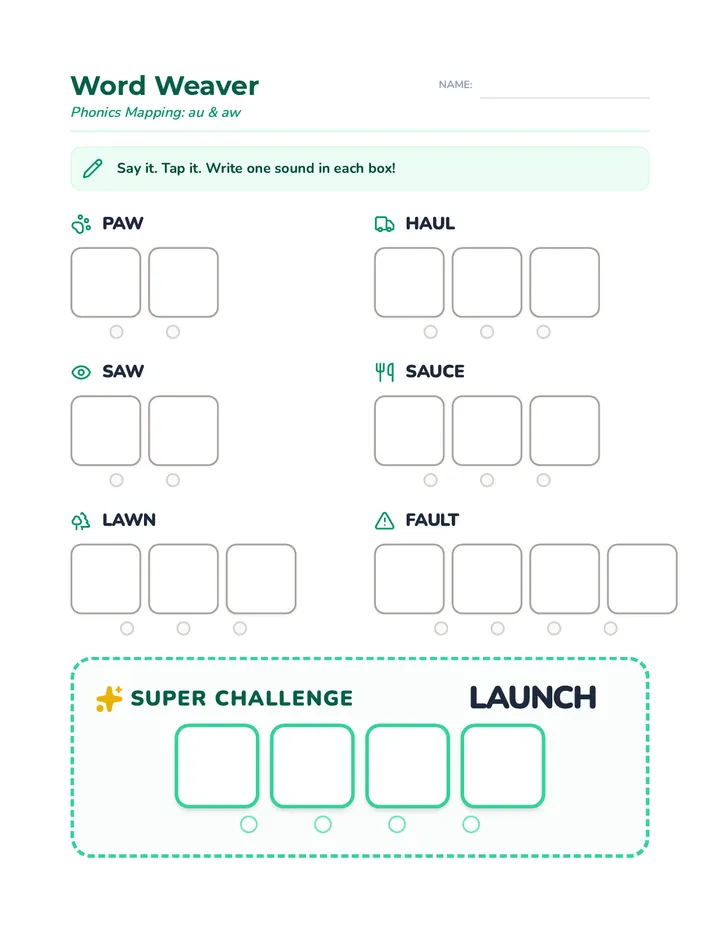
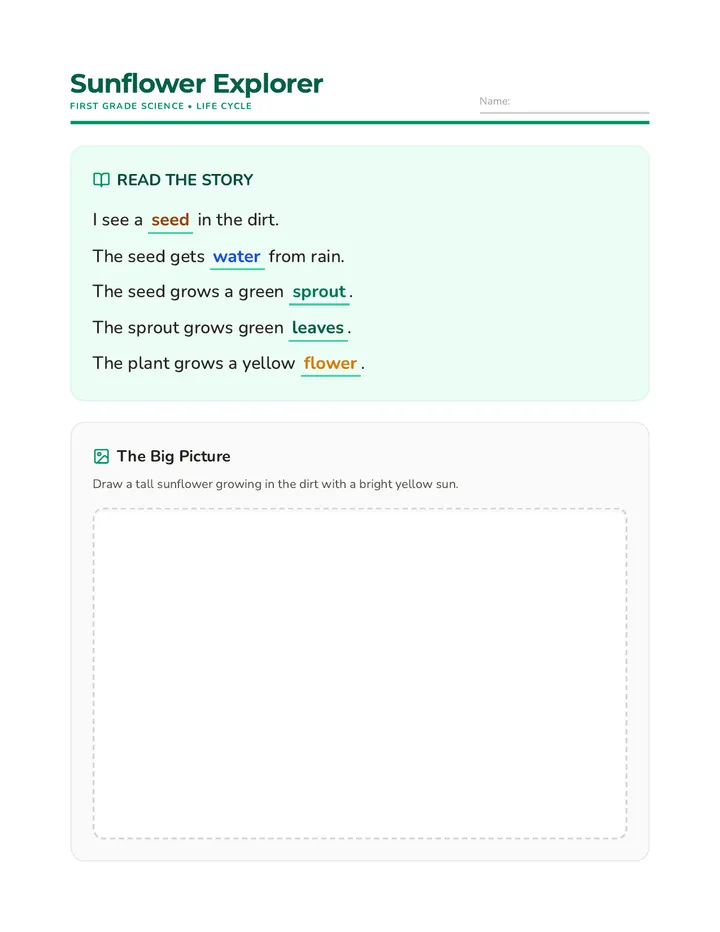
A collection of science and phonics resources designed for hands-on classroom activities.
A primary science unit exploring animal body coverings, focusing on the differences between shedding and growing scales in reptiles and fish.
A foundational science unit for early elementary students exploring the concepts of energy, force, and gravity through hands-on investigation and real-world observation.
A lesson sequence for K-2 students focusing on scientific inquiry, making predictions, and using tools to measure and compare mass. Students learn to distinguish between mass (how heavy) and volume (how big) through hands-on experiments.
A Kindergarten and 1st Grade science unit exploring our neighbor planet, Mars. Students compare Earth and Mars using visual aids, a hands-on sorting activity, and creative drawing to understand planetary similarities and differences.
A 1st-grade science sequence focused on identifying physical properties of materials and understanding the relationship between a material's structure and its function. Students explore real-world examples and use creative problem-solving to explain why specific materials are chosen for objects.
A primary science sequence focused on the fundamental requirements for living things to survive and thrive in their environments.
A short sequence exploring the natural world, starting with the water cycle for young learners.
A fun, science-based lesson for K-3 students and their parents to explore pet hygiene, the mystery of 'wet dog smell,' and responsible animal care through a SciShow Kids video and a creative brochure activity.
A lesson sequence exploring how weather patterns, specifically monsoons, impact animal behavior and ecosystems. Students learn about the contrast between wet and dry seasons and express their understanding through creative writing and role-play.
A hands-on introductory sequence for early elementary students to explore the mechanics of levers and fulcrums using everyday classroom objects.
A Kindergarten through 2nd-grade art-integrated science unit exploring the properties of magnets through creative character design and hands-on testing.
A beginner-level science sequence exploring celestial events and the relationship between the Sun, Moon, and Earth through visual analogies and hands-on art.
A series of lessons exploring the world of farming, from the science of growing crops to the importance of sustainable agriculture and animal care.
A beginner science sequence where students explore the world of chemistry through everyday household items, focusing on observations, reactions, and the scientific method.
A series of introductory life science and observation lessons designed for early elementary students to explore the natural world through hands-on discovery and video-assisted learning.
A series of integrated PE and Science lessons exploring the physics of human movement, biomechanics, and exercise physiology for early elementary students.
A lesson sequence exploring how animals navigate the world using landmarks, stars, and internal compasses, designed for Kindergarten and 1st Grade students.
A lesson sequence focusing on how animals move, using physical structure as a guide to classification for 1st and 2nd grade students.
A foundational keyboarding sequence for 1st grade students, focusing on keyboard geography, special function keys, and basic hand positioning through a quest-themed adventure.
This sequence introduces 1st-grade students to the concepts of creating, saving, naming, and retrieving digital files. Through hands-on activities and analogies, students learn that digital work must be intentionally 'kept' to be accessed later.
This sequence introduces 1st-grade students to physical computing hardware, teaching them to identify parts, understand input and output, master mouse/touch controls, and manage device power safely.
A comprehensive 1st-grade sequence focused on developing mouse and trackpad proficiency through the theme of 'Pixel Pilots.' Students learn cursor control, clicking mechanics, drag-and-drop operations, and window management.
Students become 'Ink Investigators' to explore the science of mixtures through chromatography. They discover that black ink is often a combination of many colors and learn about solubility by testing different markers.