A 5-lesson sequence for 2nd graders exploring how family, culture, and traditions shape individual identity. Students investigate their own backgrounds through inquiry and interviews, culminating in a 'Culture Box' project.
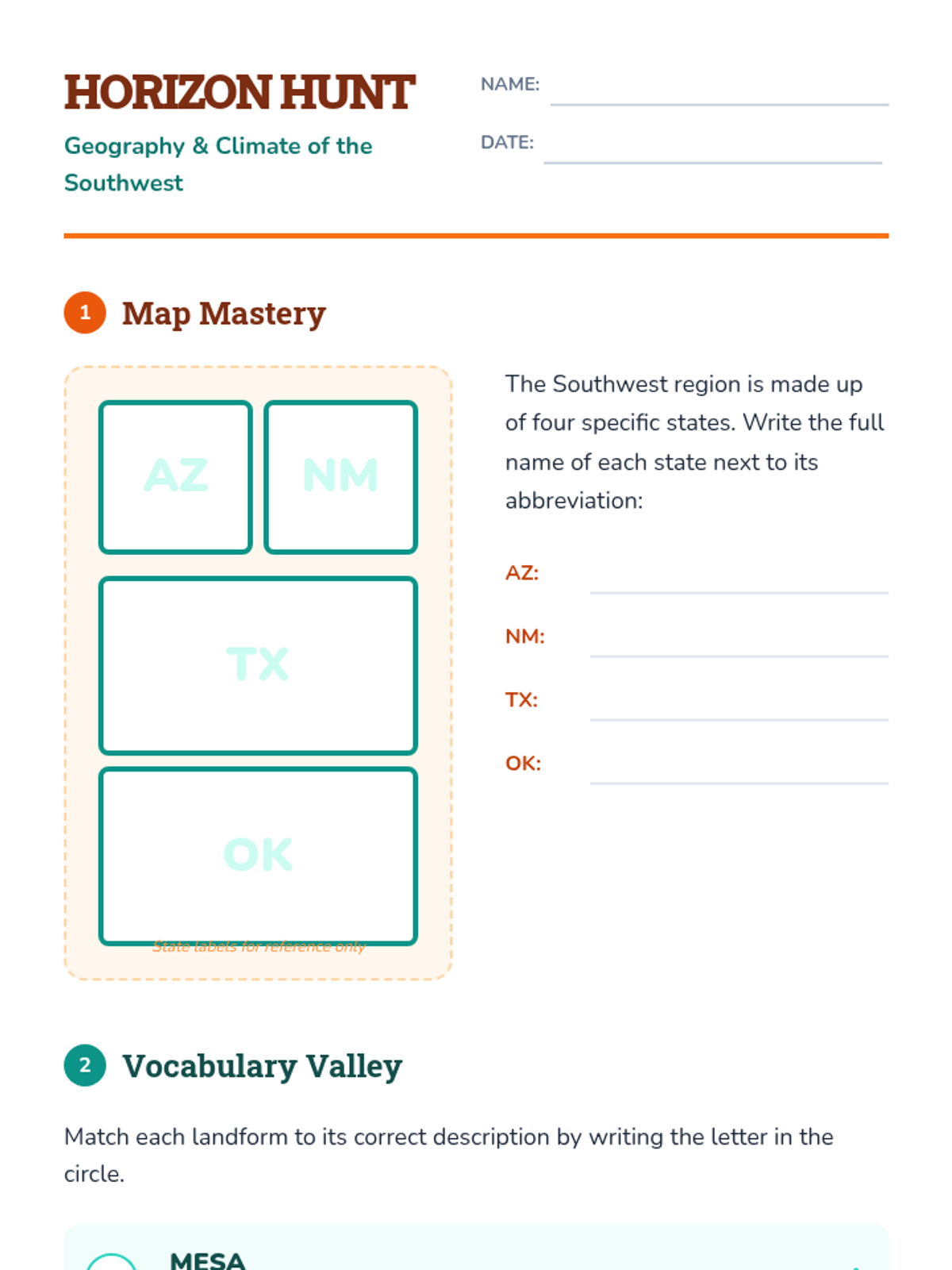
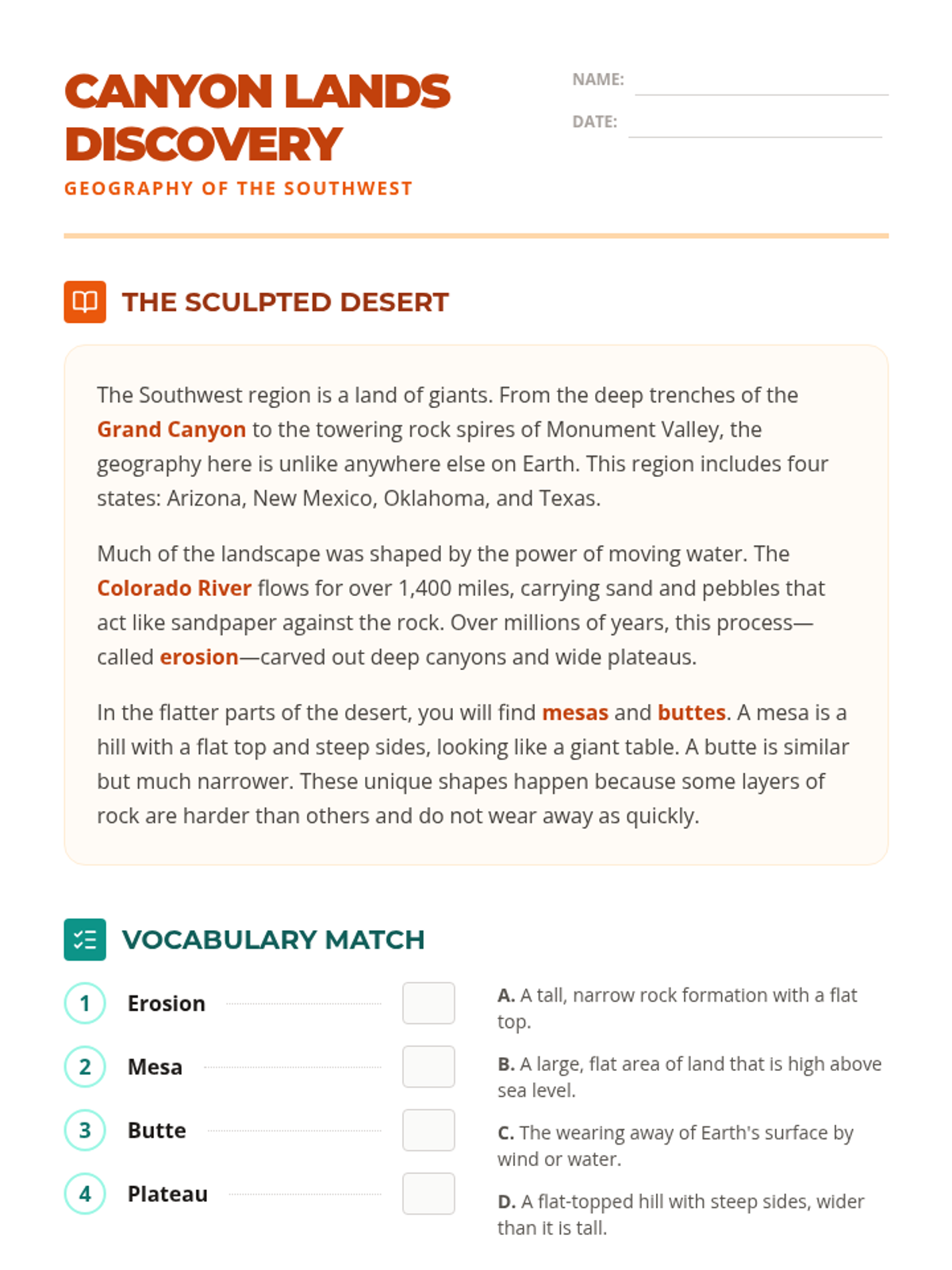
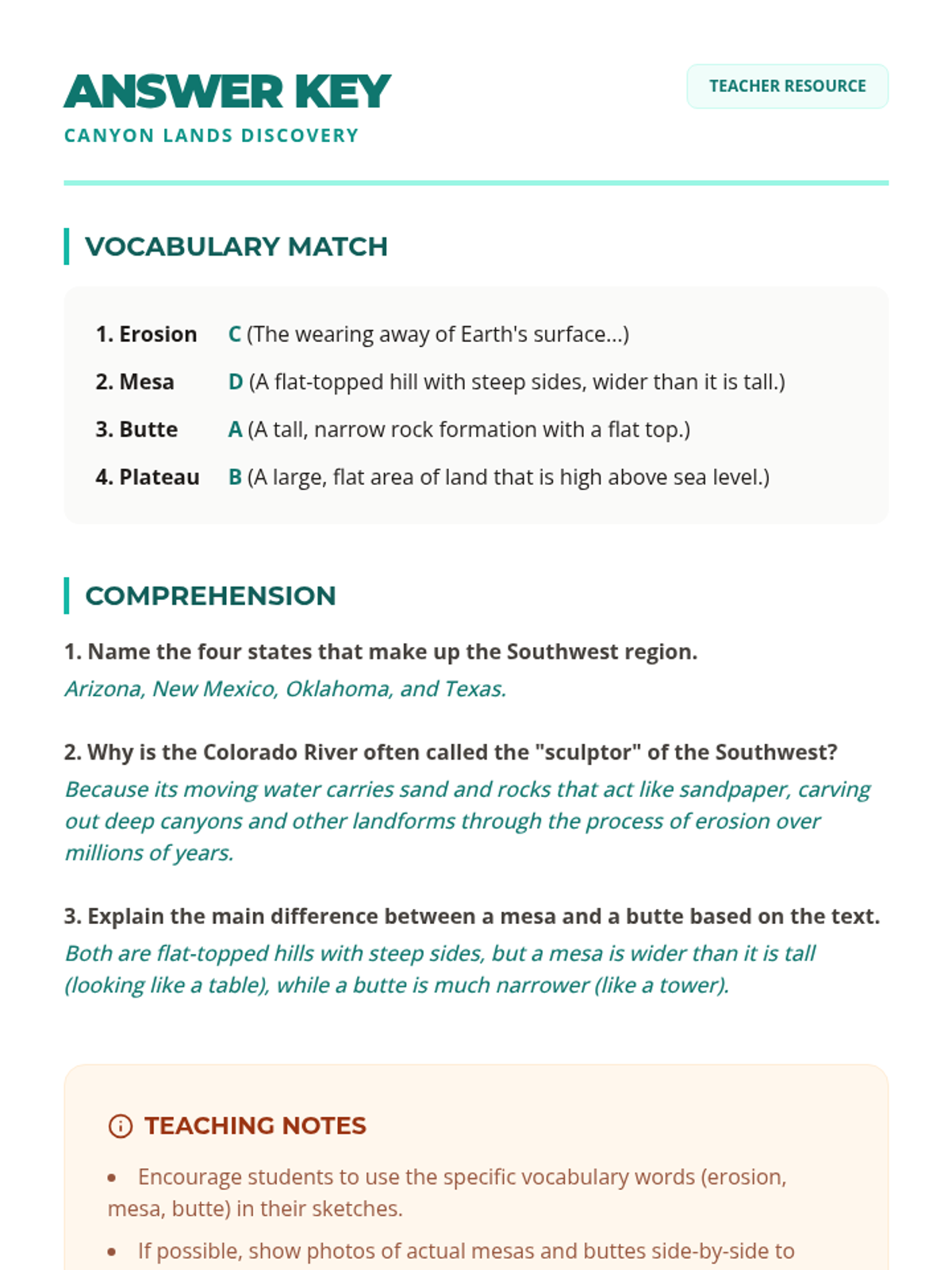
A comprehensive 5-lesson unit exploring the unique geography, climate, natural resources, diverse cultures, and political boundaries of the Southwest region of the United States.
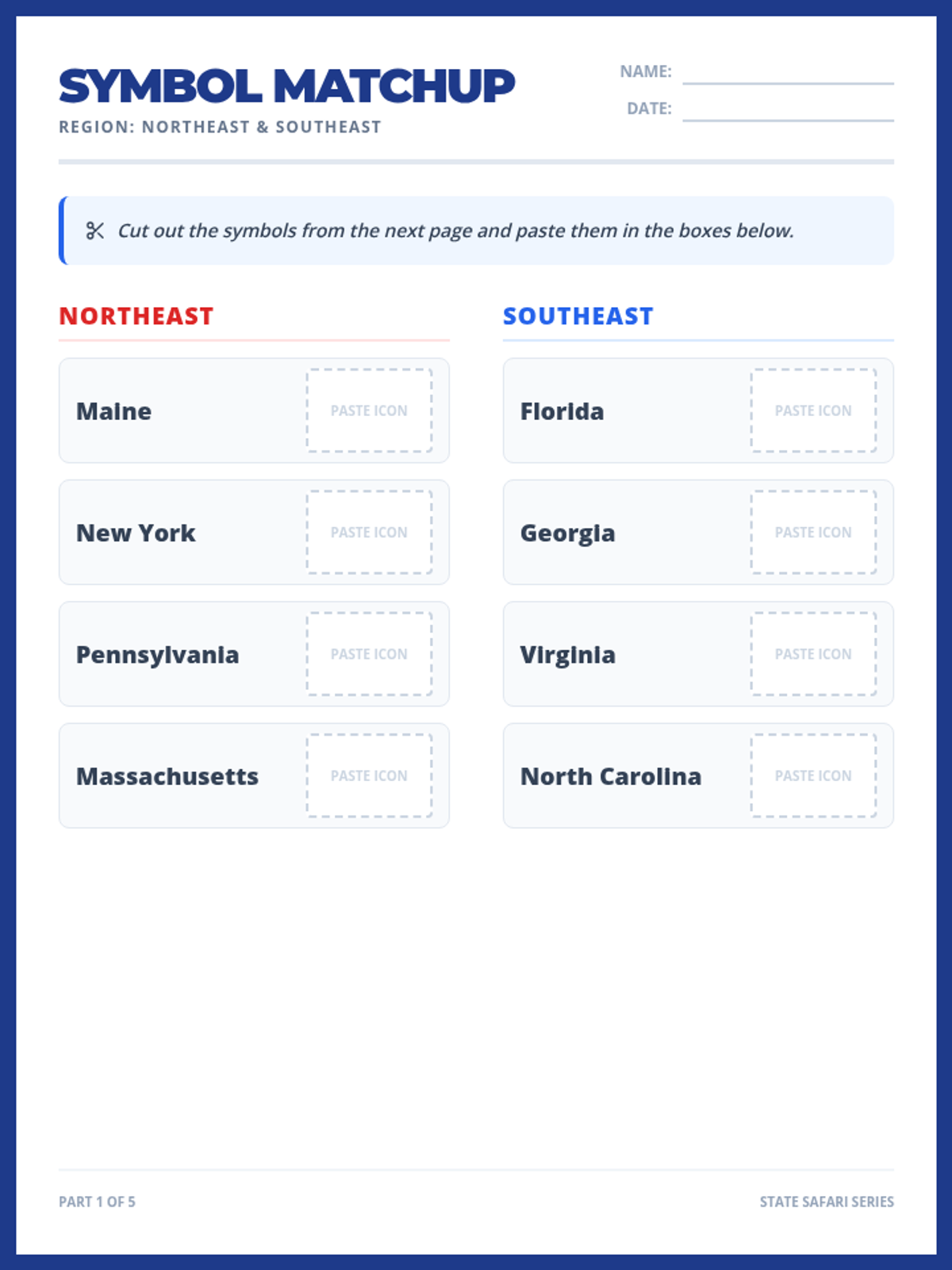
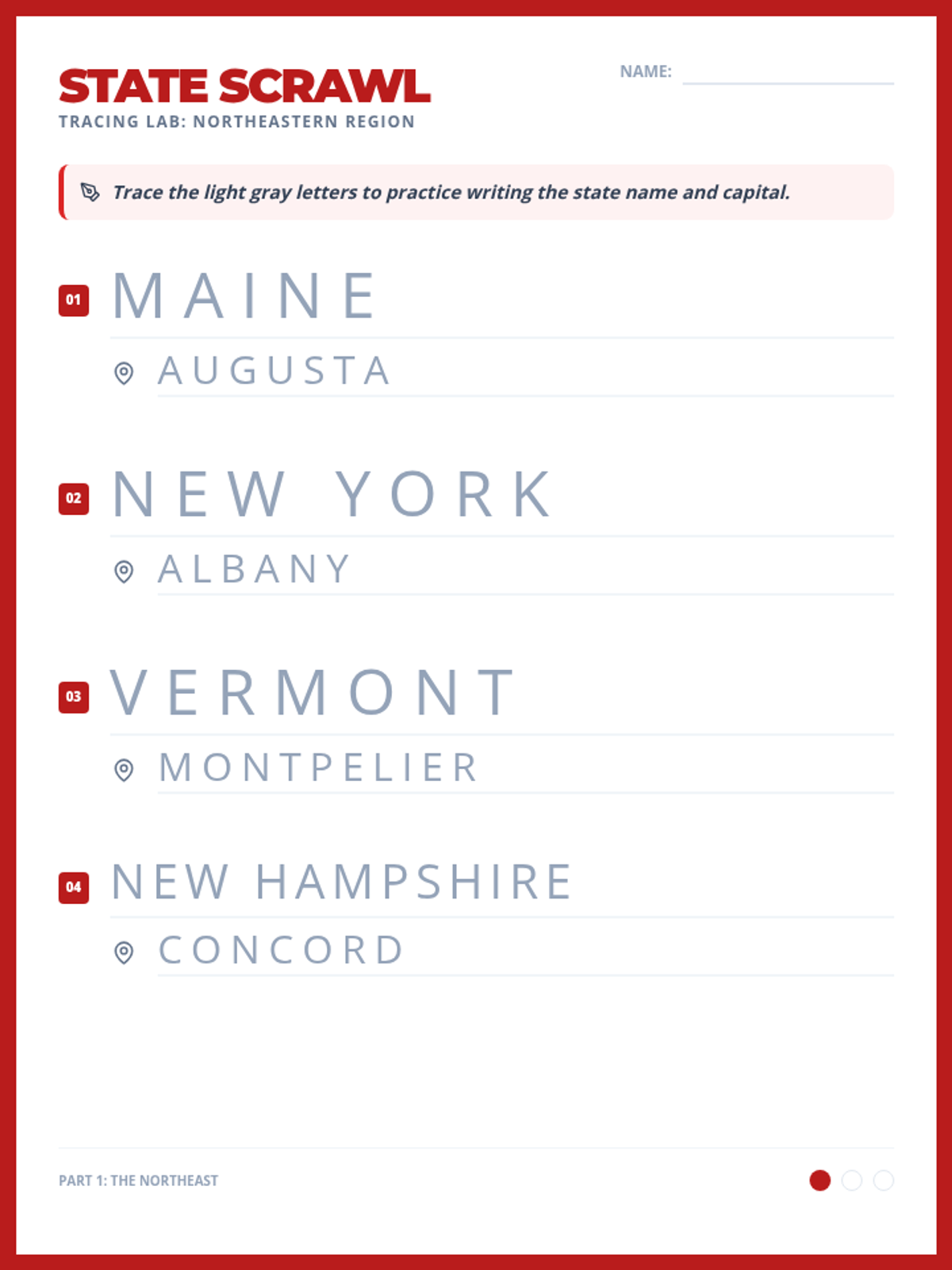
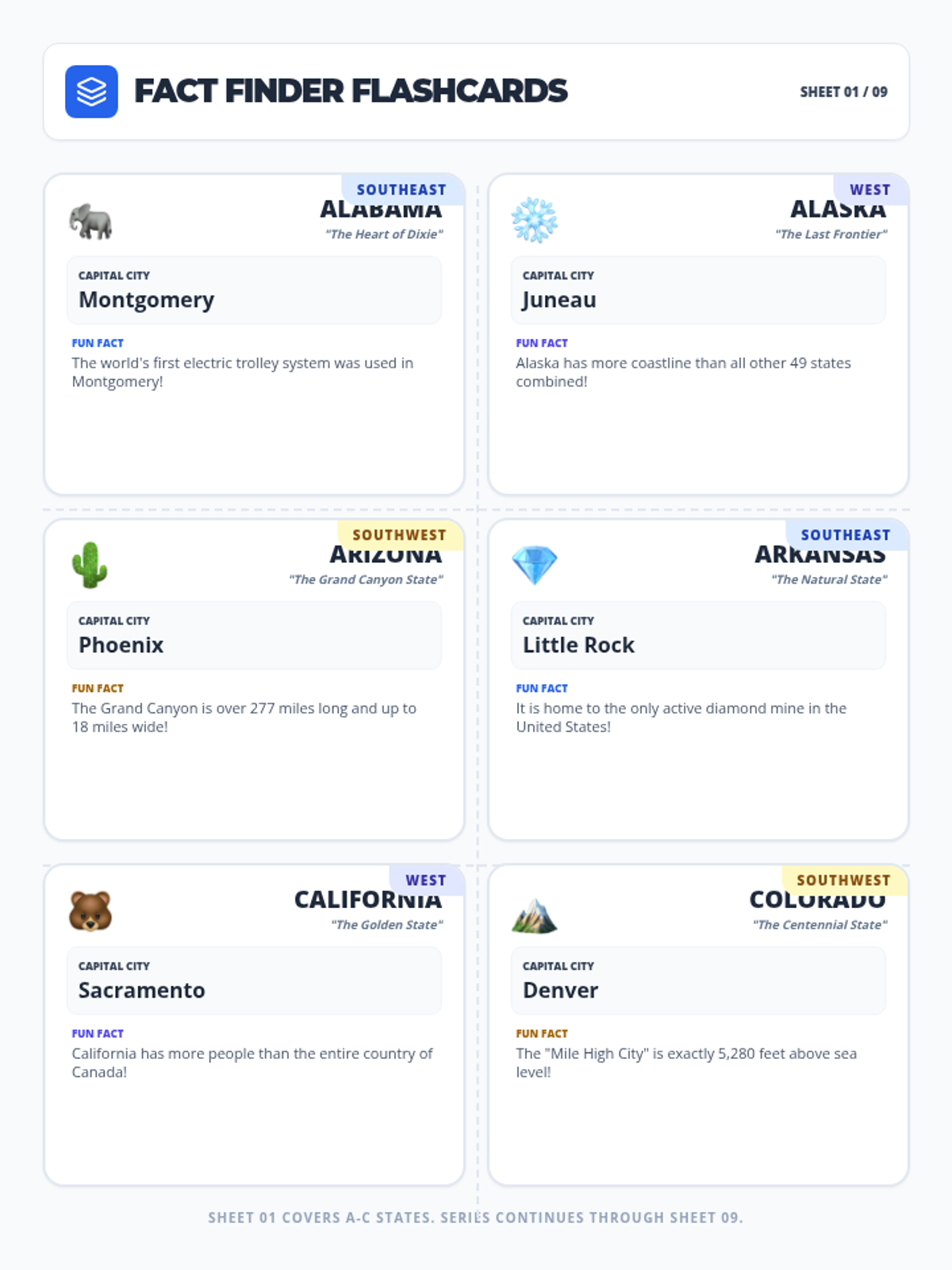
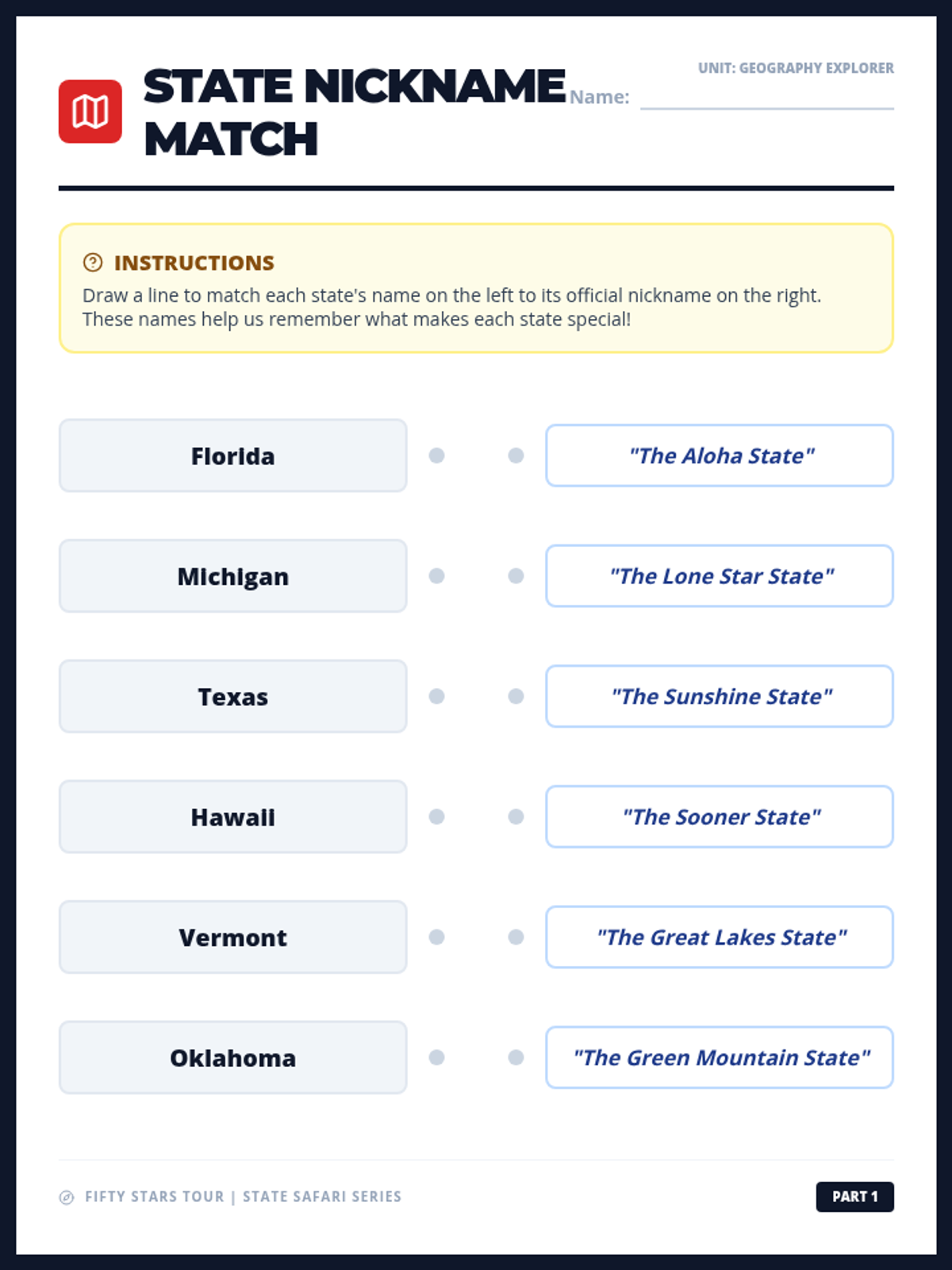
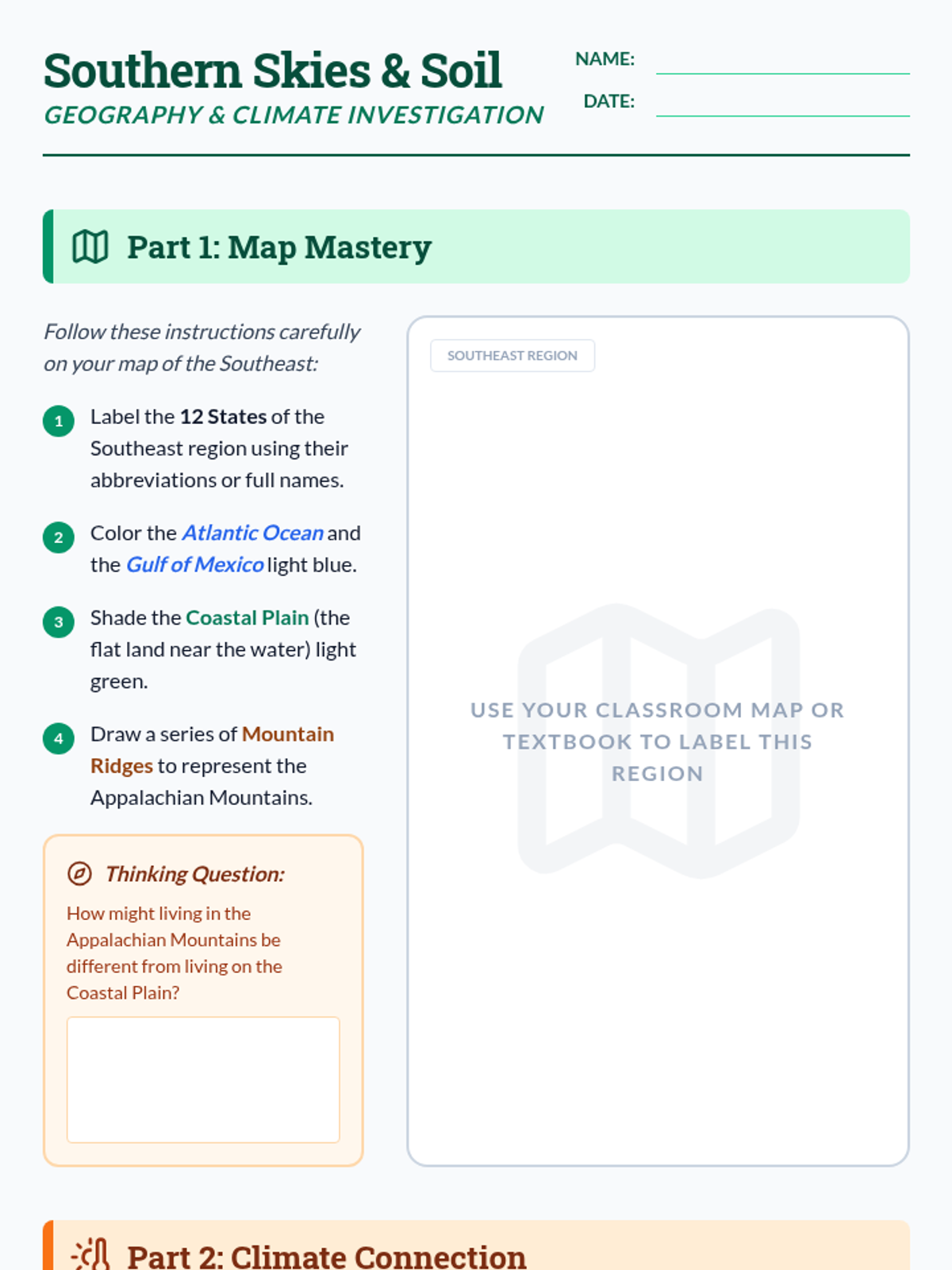
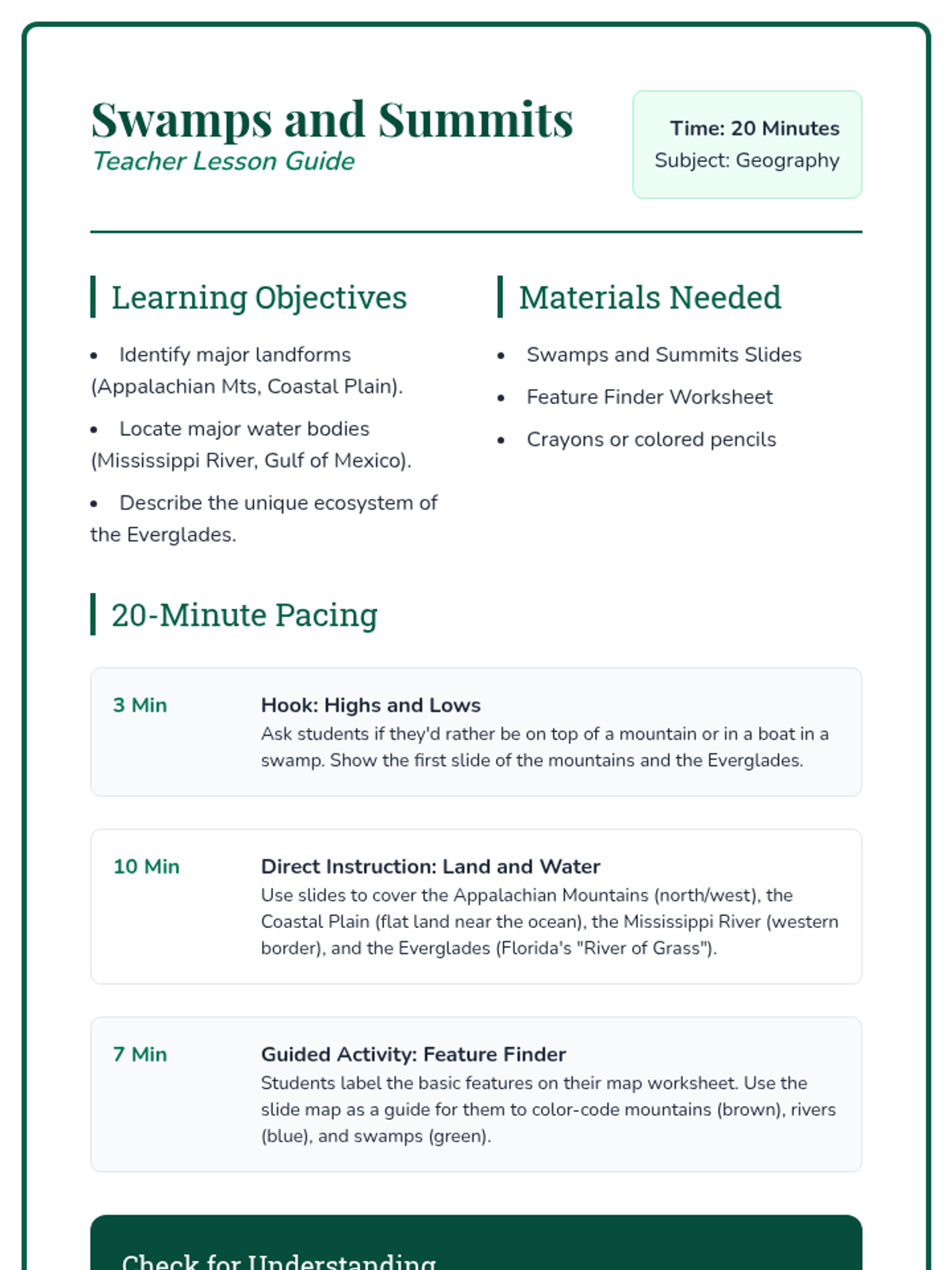
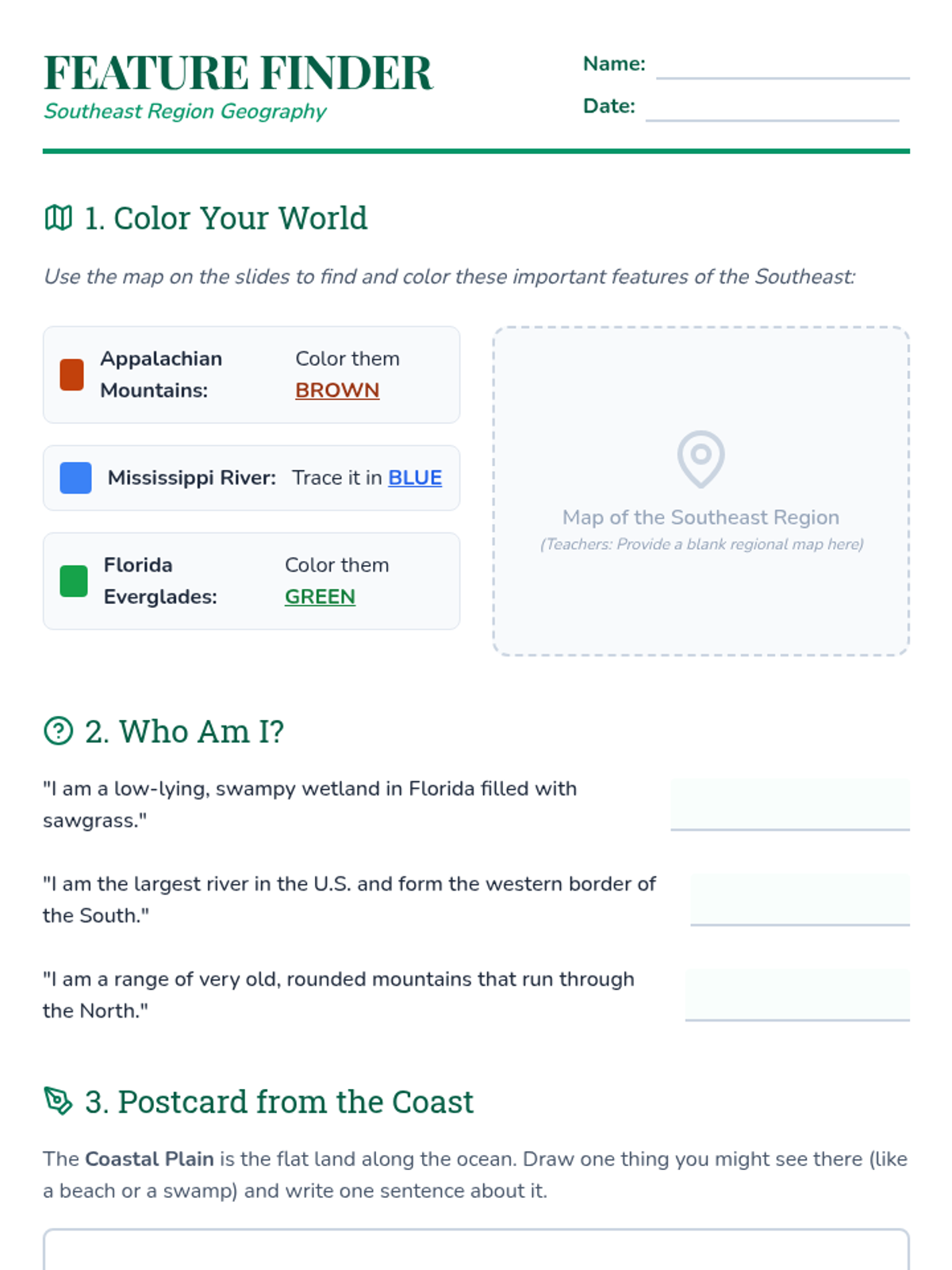
A 5-lesson unit exploring the geography, climate, resources, and culture of the Southeast United States, concluding with a states and capitals challenge.
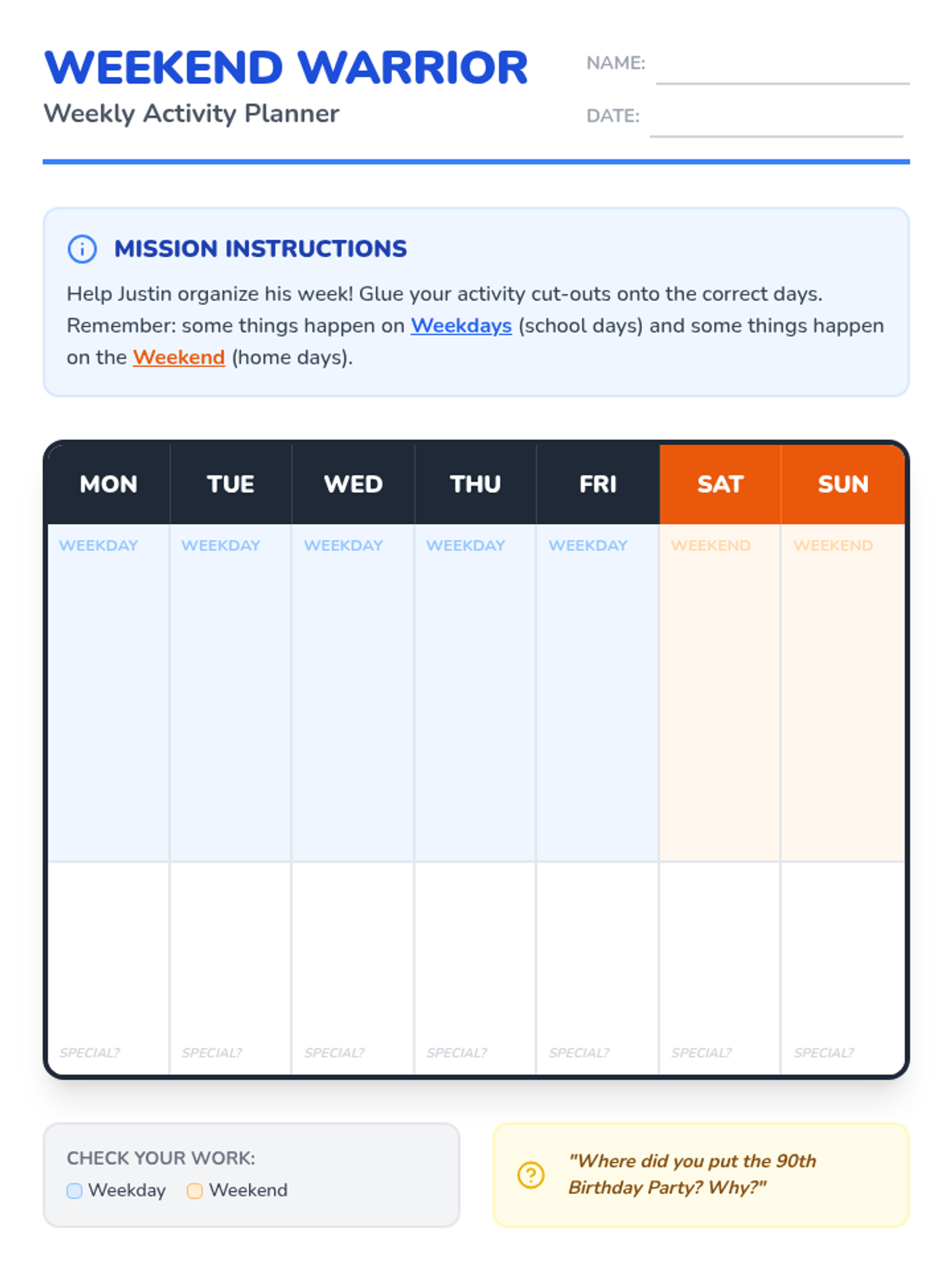
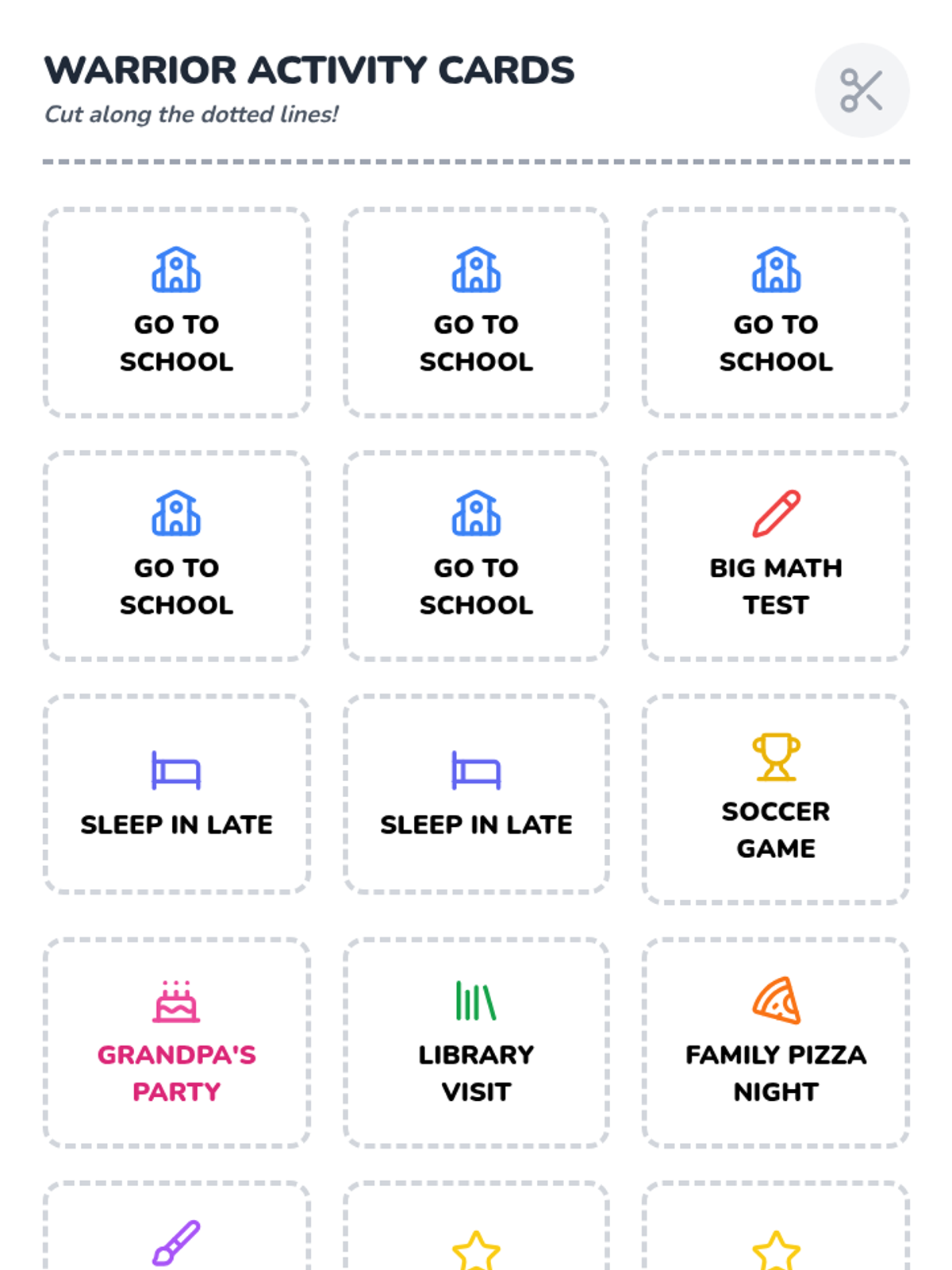
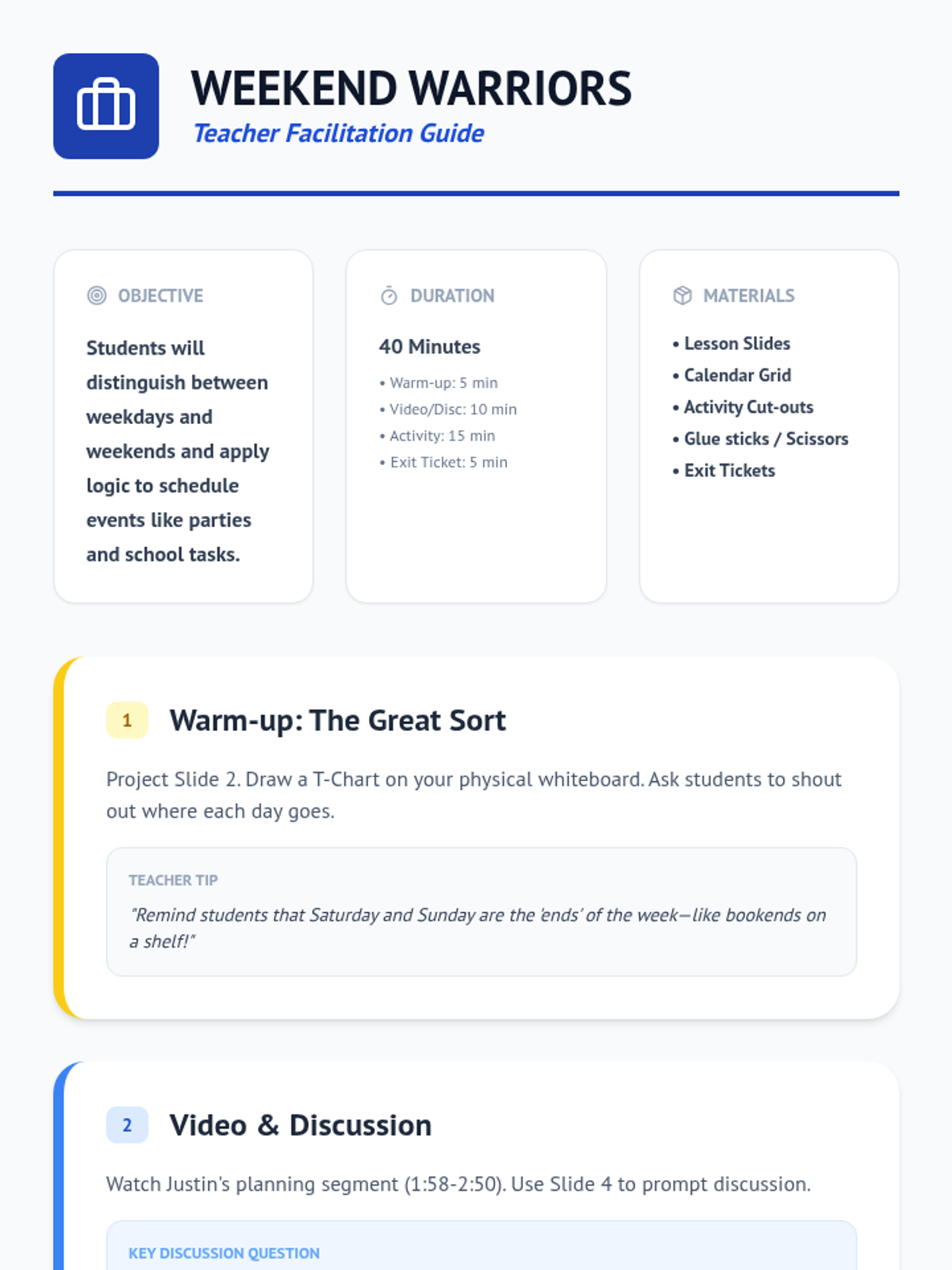
A lesson sequence for 2nd graders to learn the difference between weekdays and weekends, focusing on how calendars help us make decisions about scheduling activities.
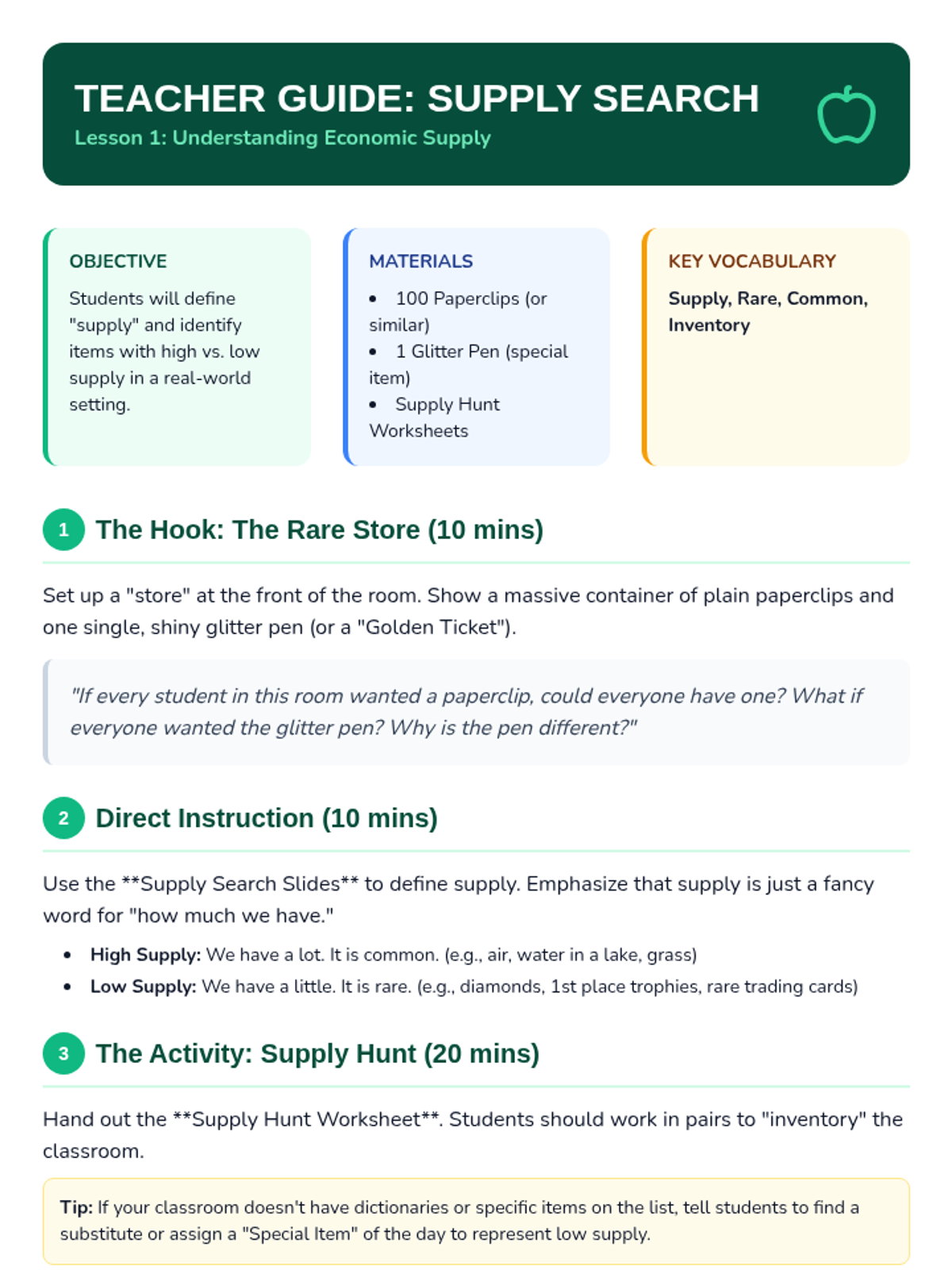
This sequence introduces 2nd-grade students to basic economic principles like supply, demand, and value. Through classroom inventories, auctions, and a marketplace simulation, students explore how the availability of items and people's desire for them influence price and trade.
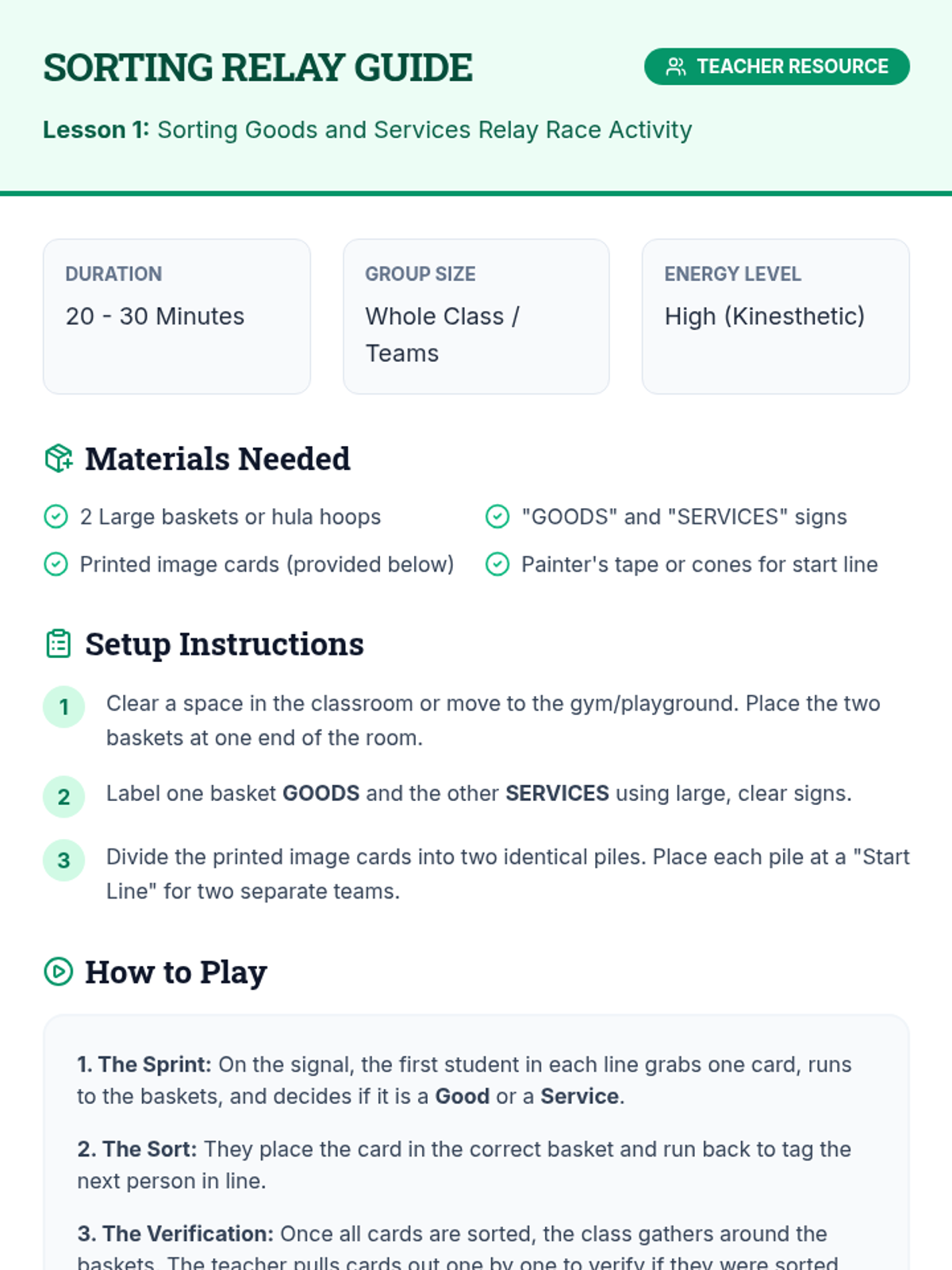
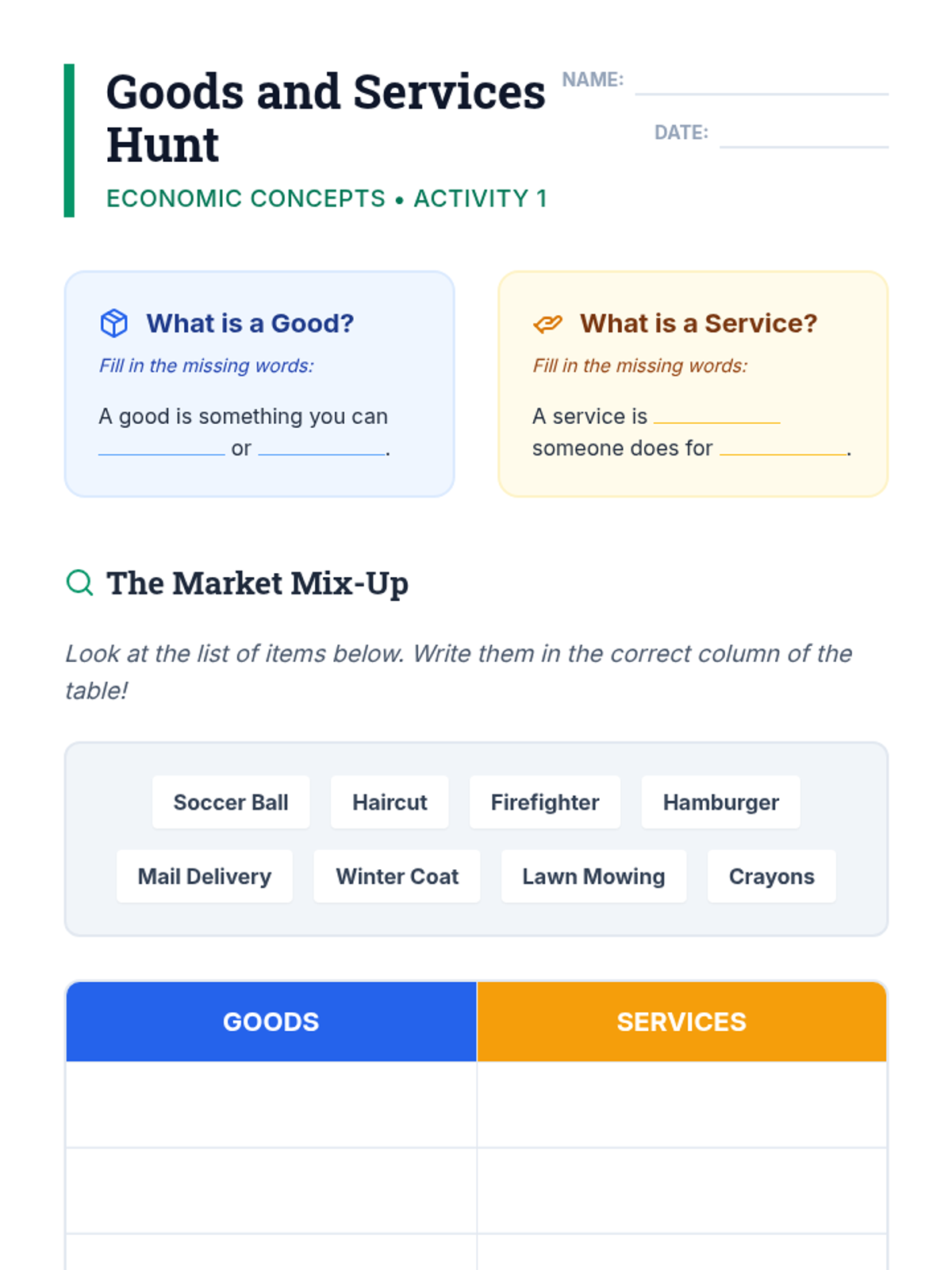
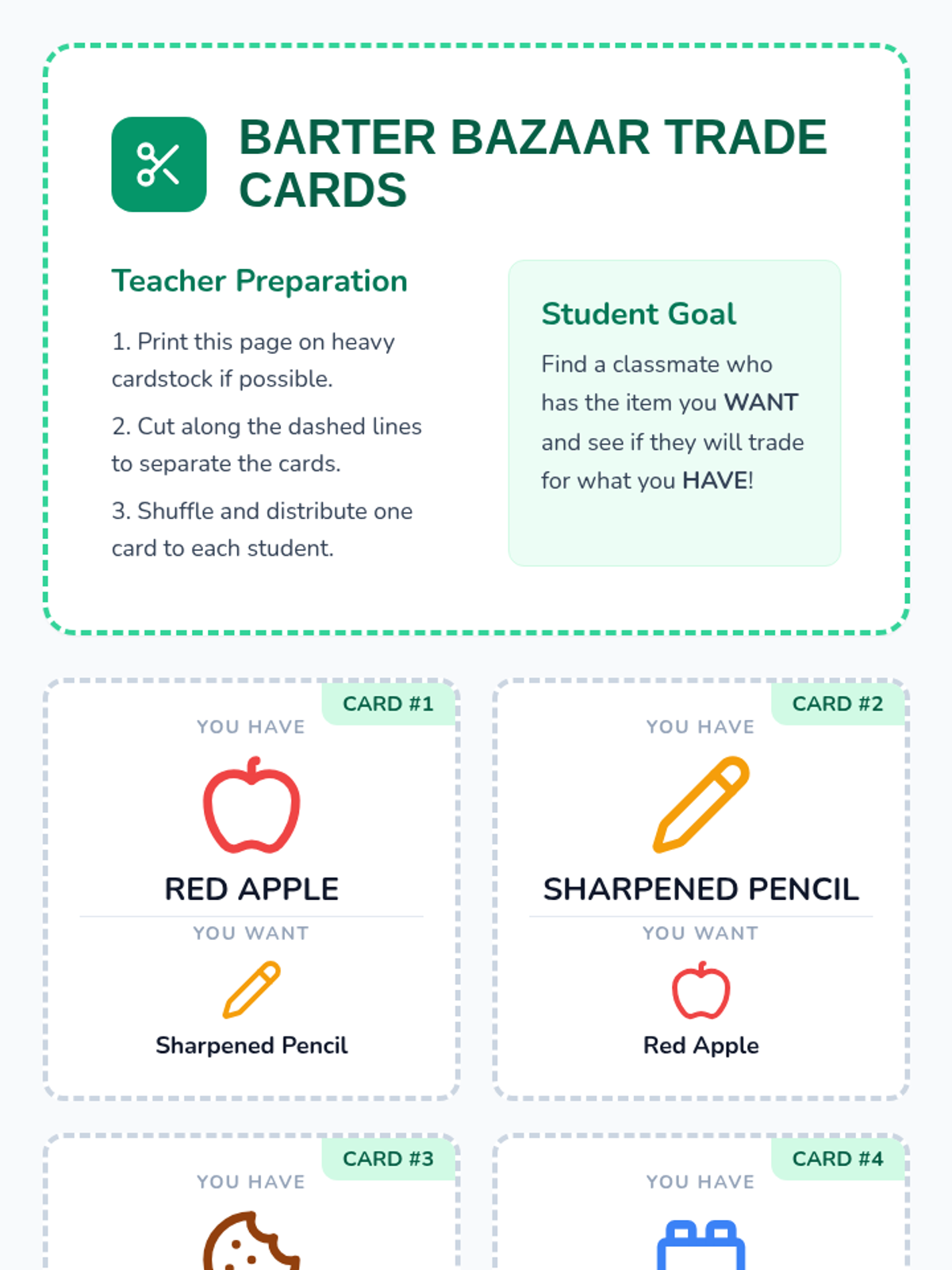
This sequence introduces 2nd-grade students to fundamental economic concepts including the difference between goods and services, the roles of producers and consumers, the history of trade/barter, and the function of money in a community.
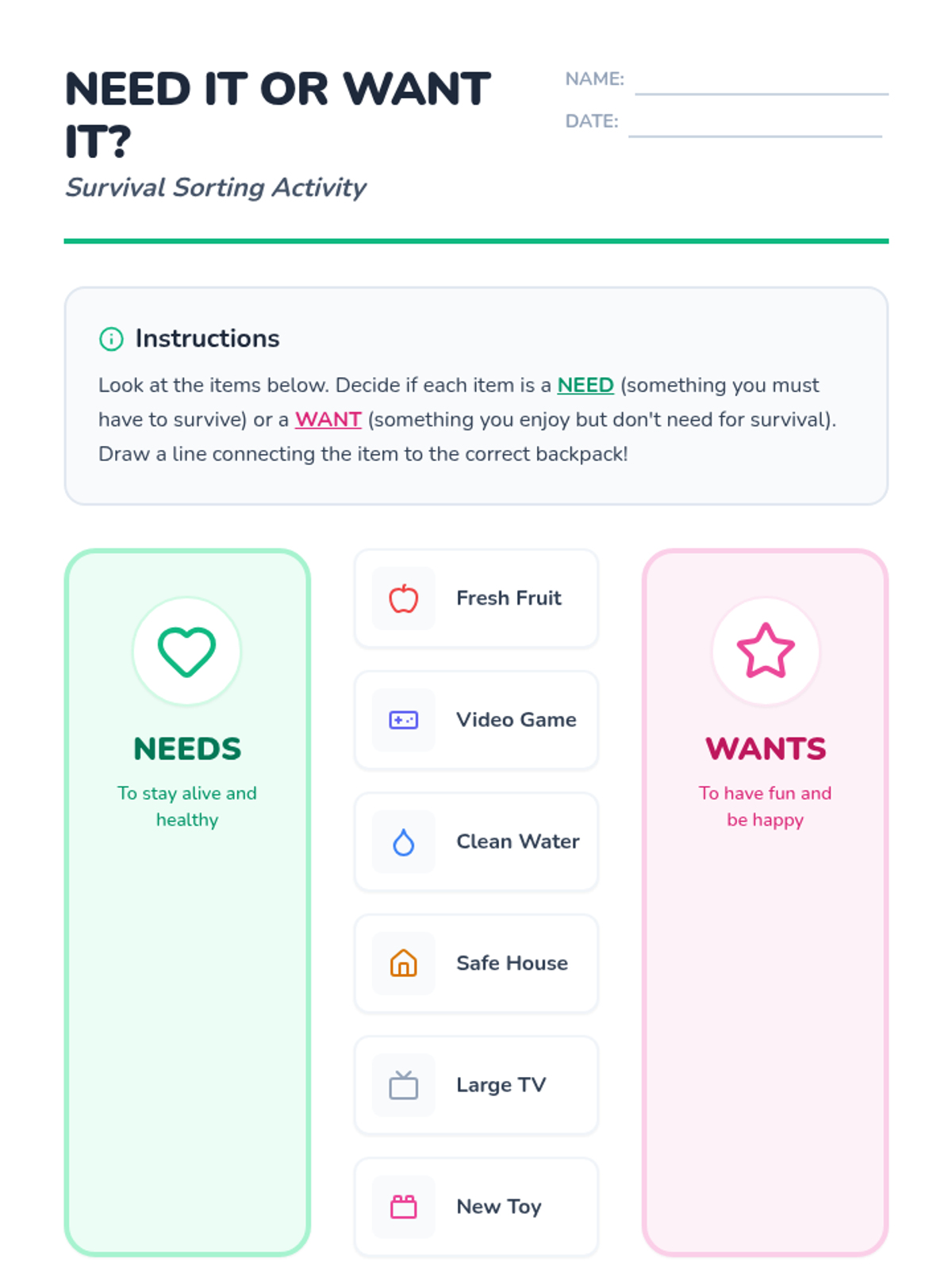
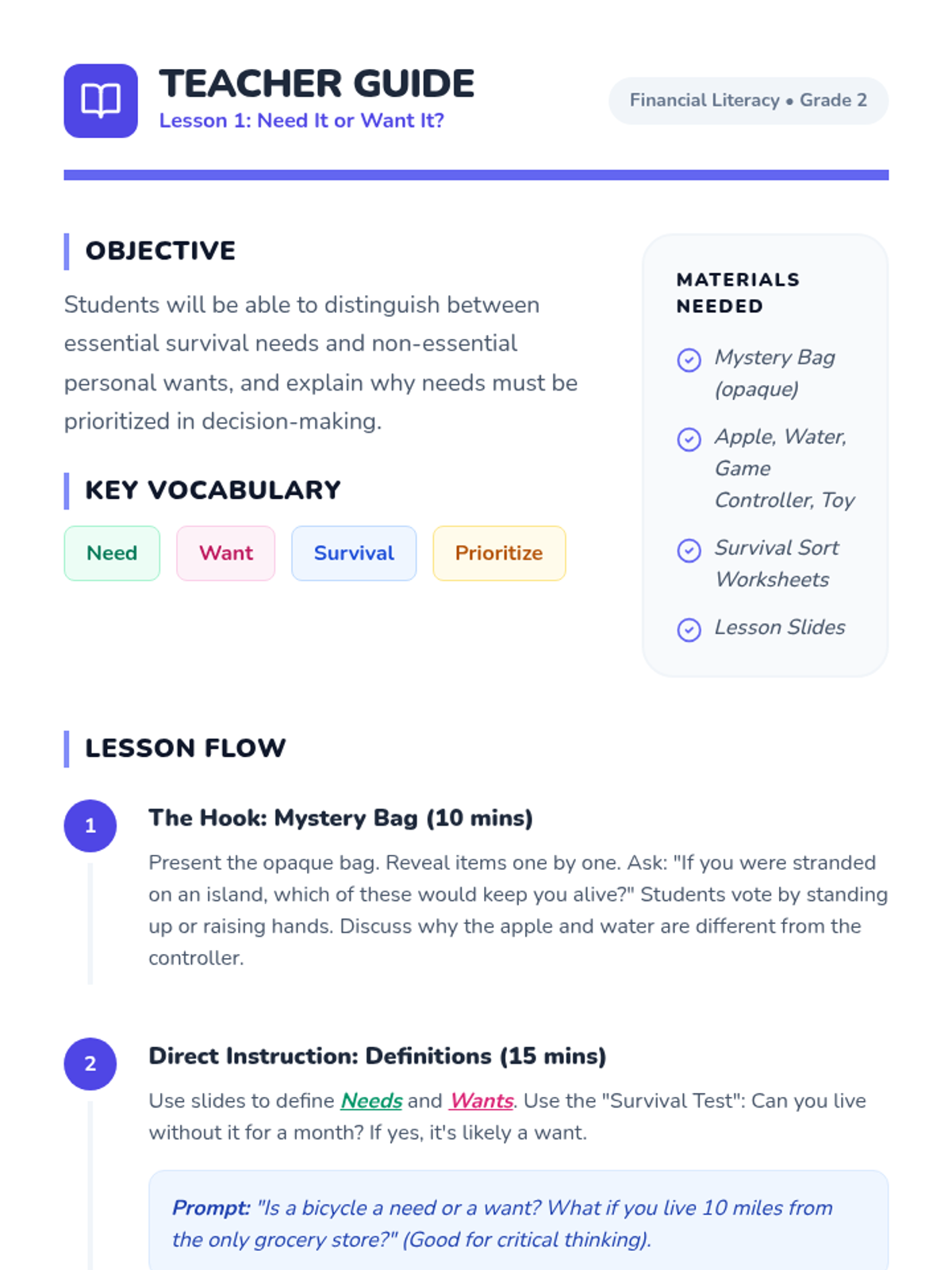
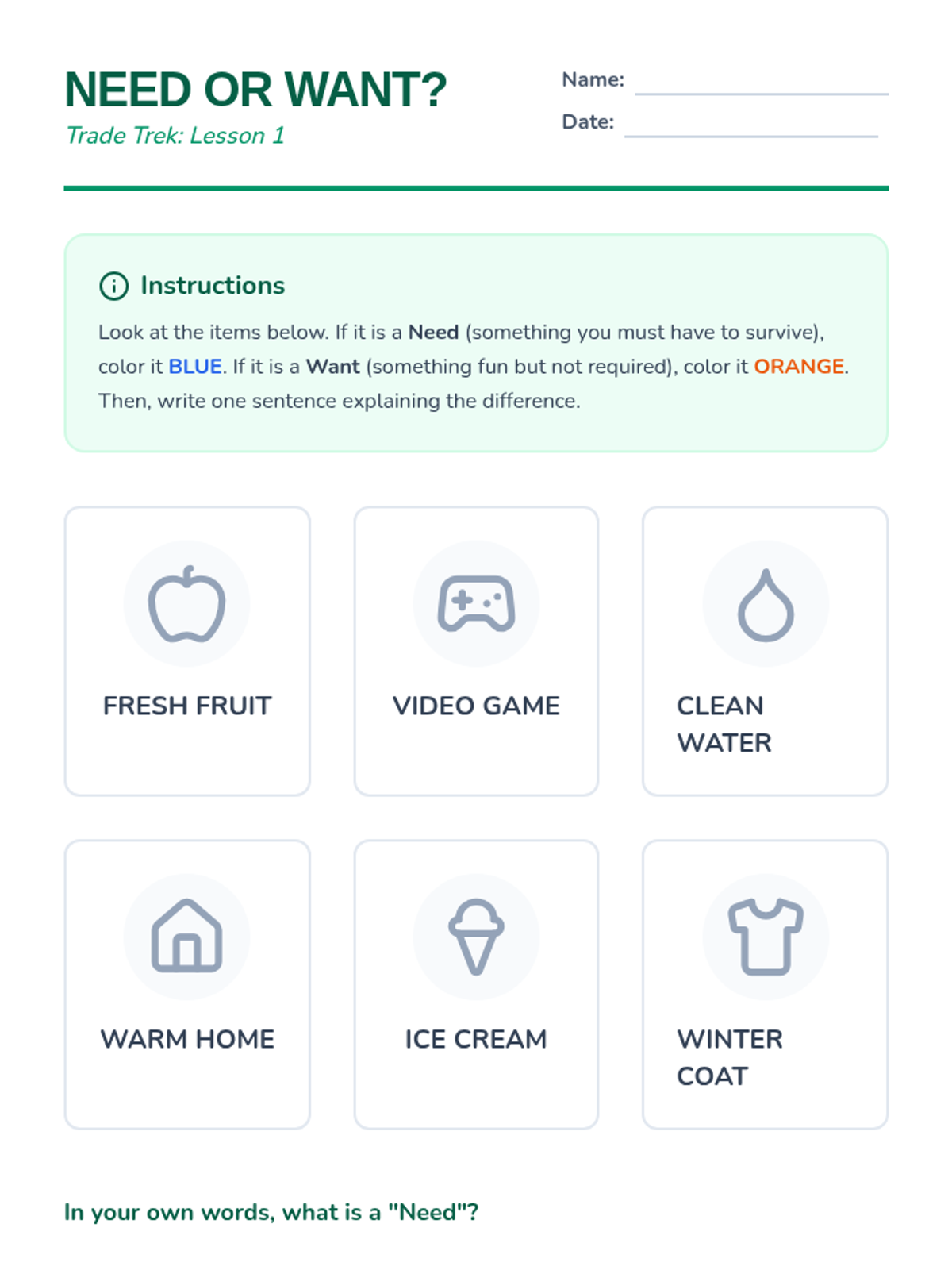
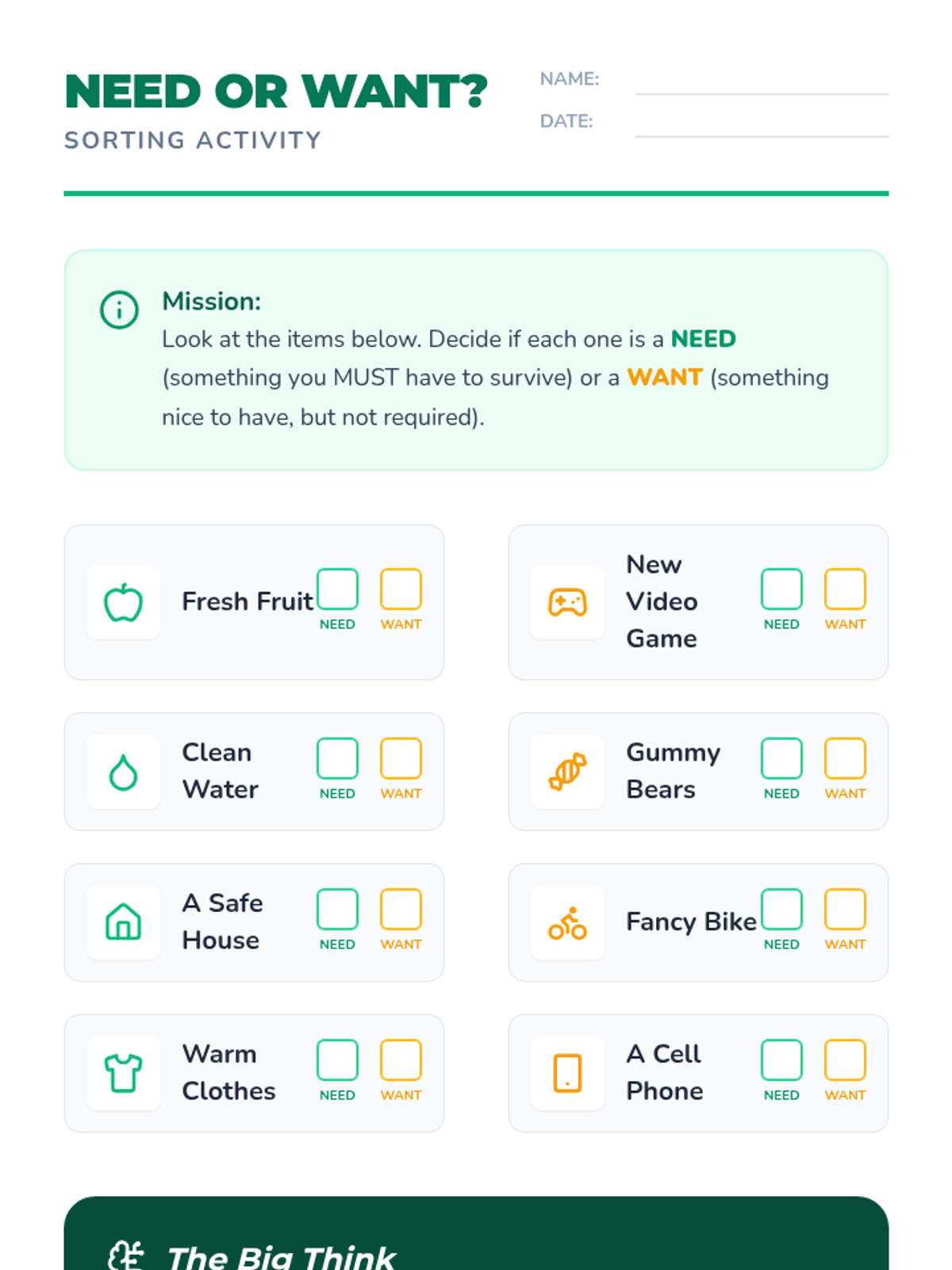
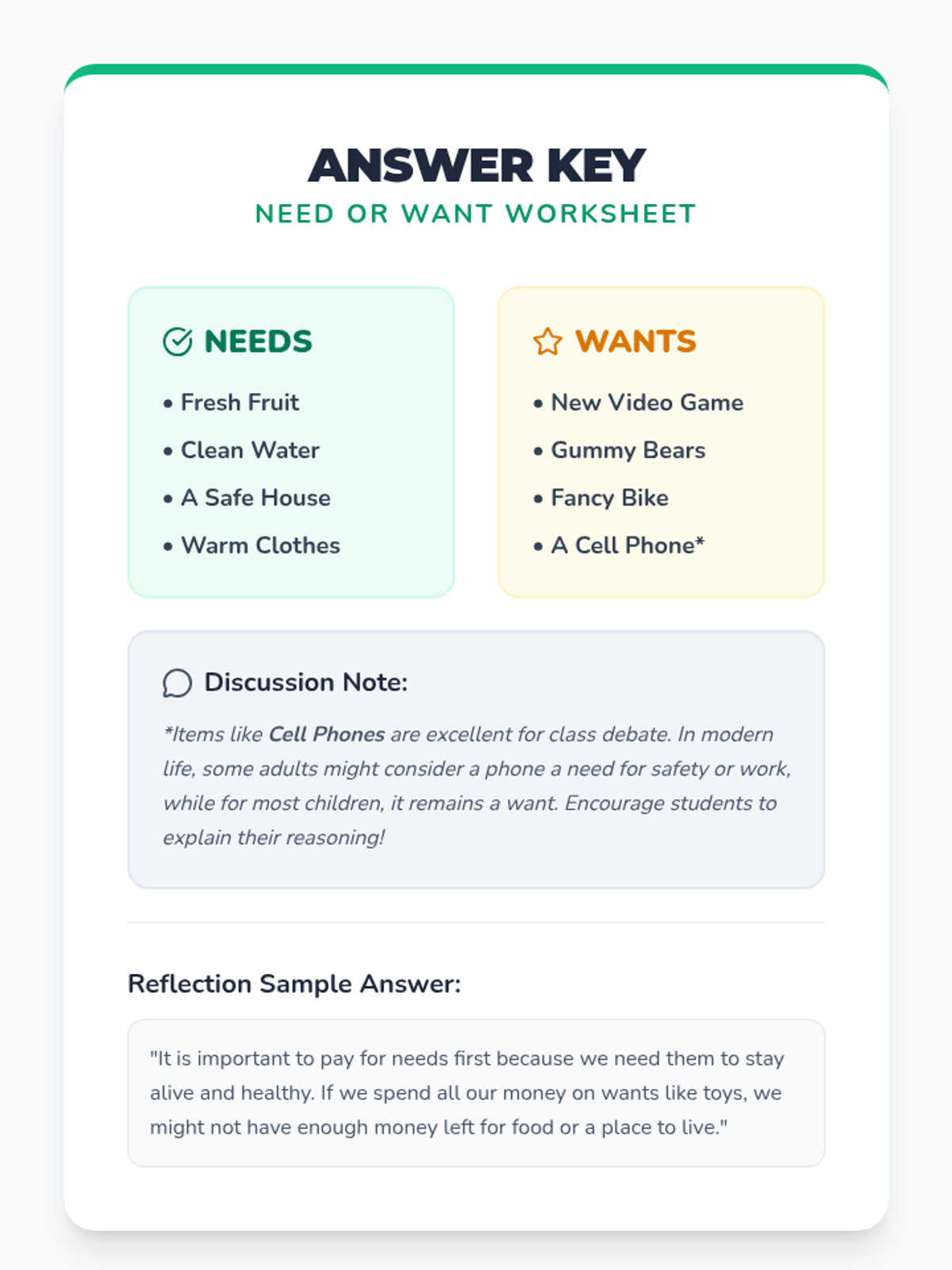
An introductory sequence for 2nd-grade students on economic concepts, focusing on the difference between needs and wants, the reality of scarcity, and the concept of opportunity cost through hands-on simulations and creative projects.
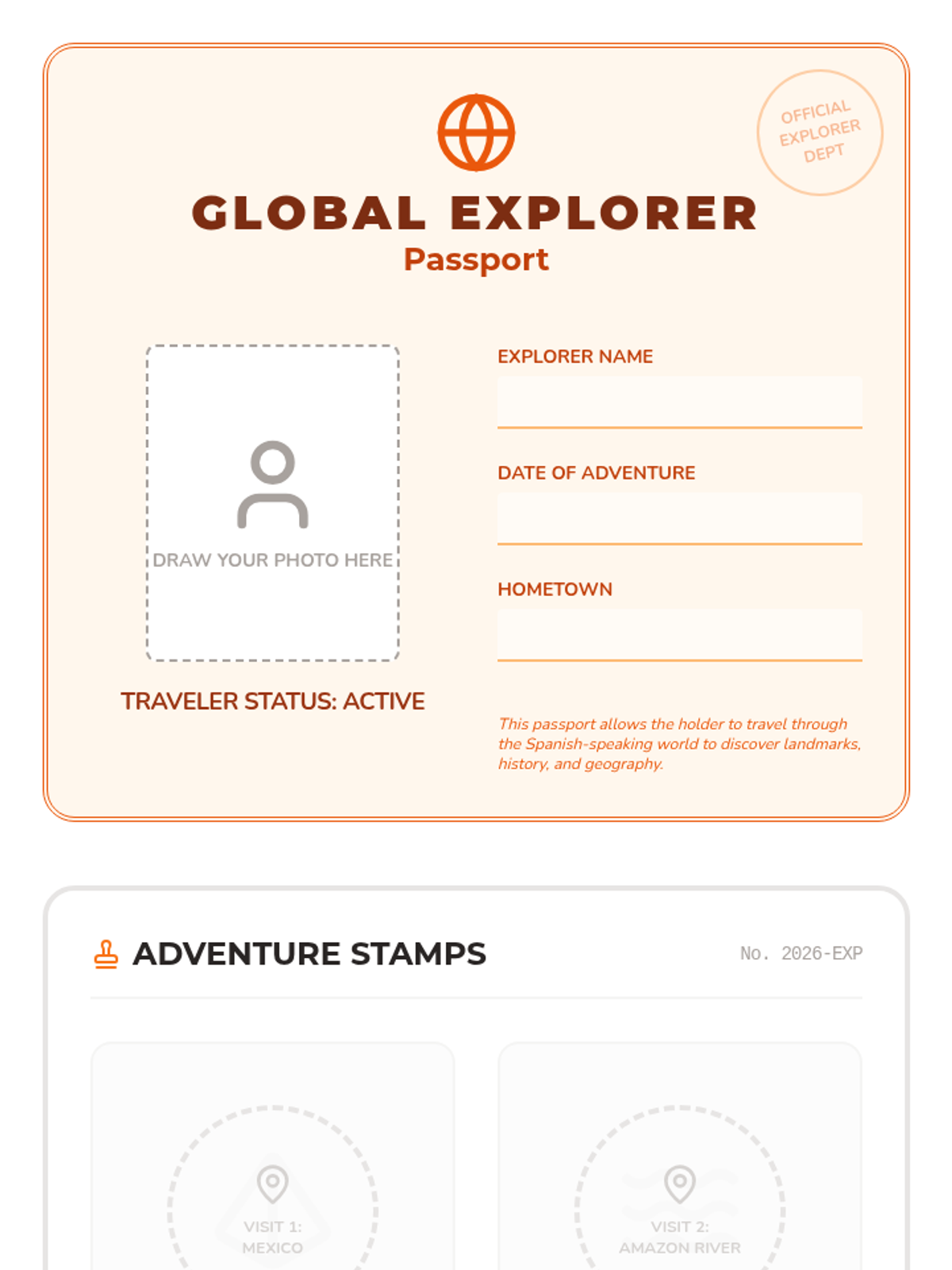
A 2nd-grade social studies sequence where students become world travelers, exploring the geography, landmarks, and cultures of the Spanish-speaking world across Latin America and Spain.
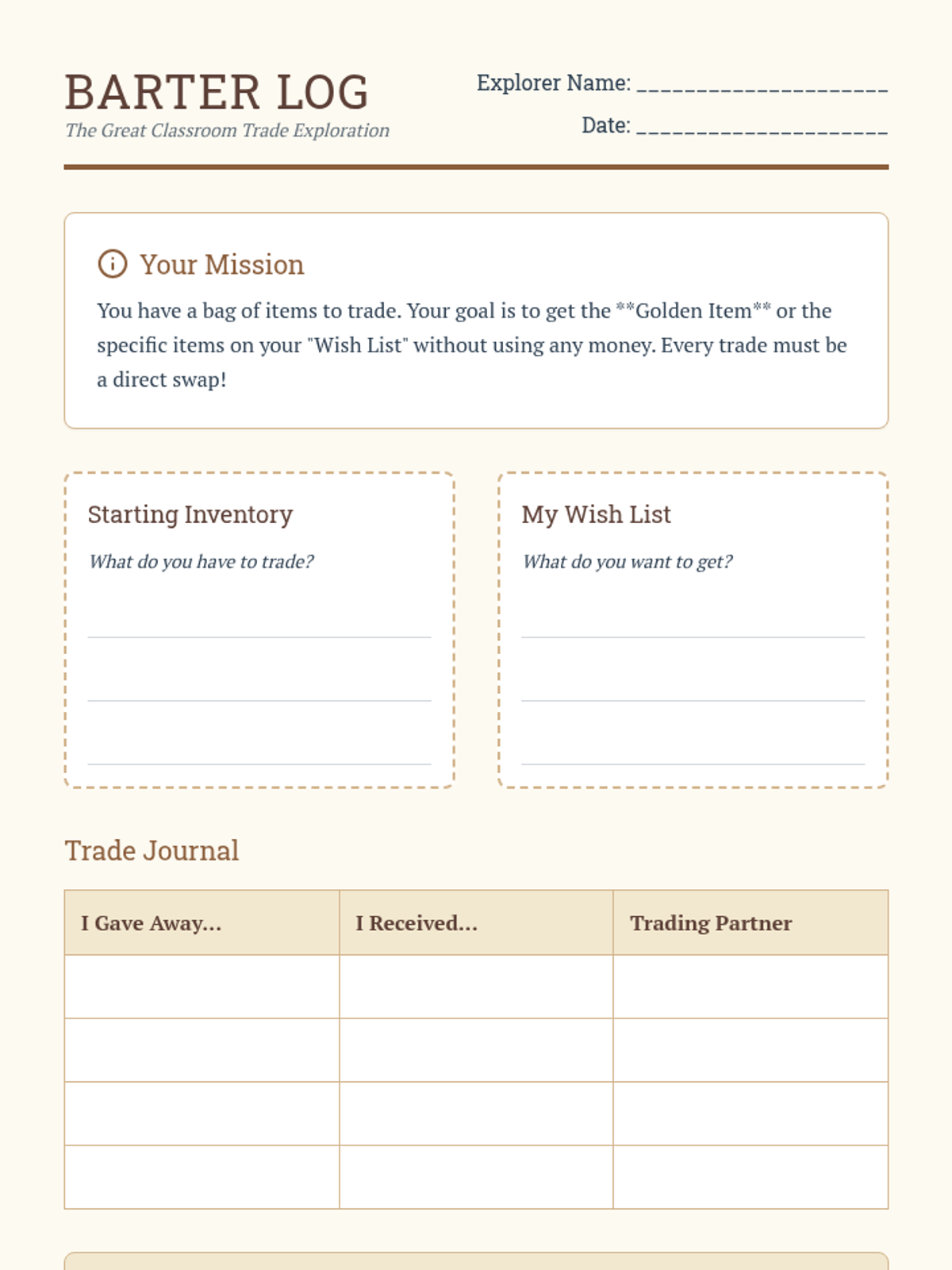
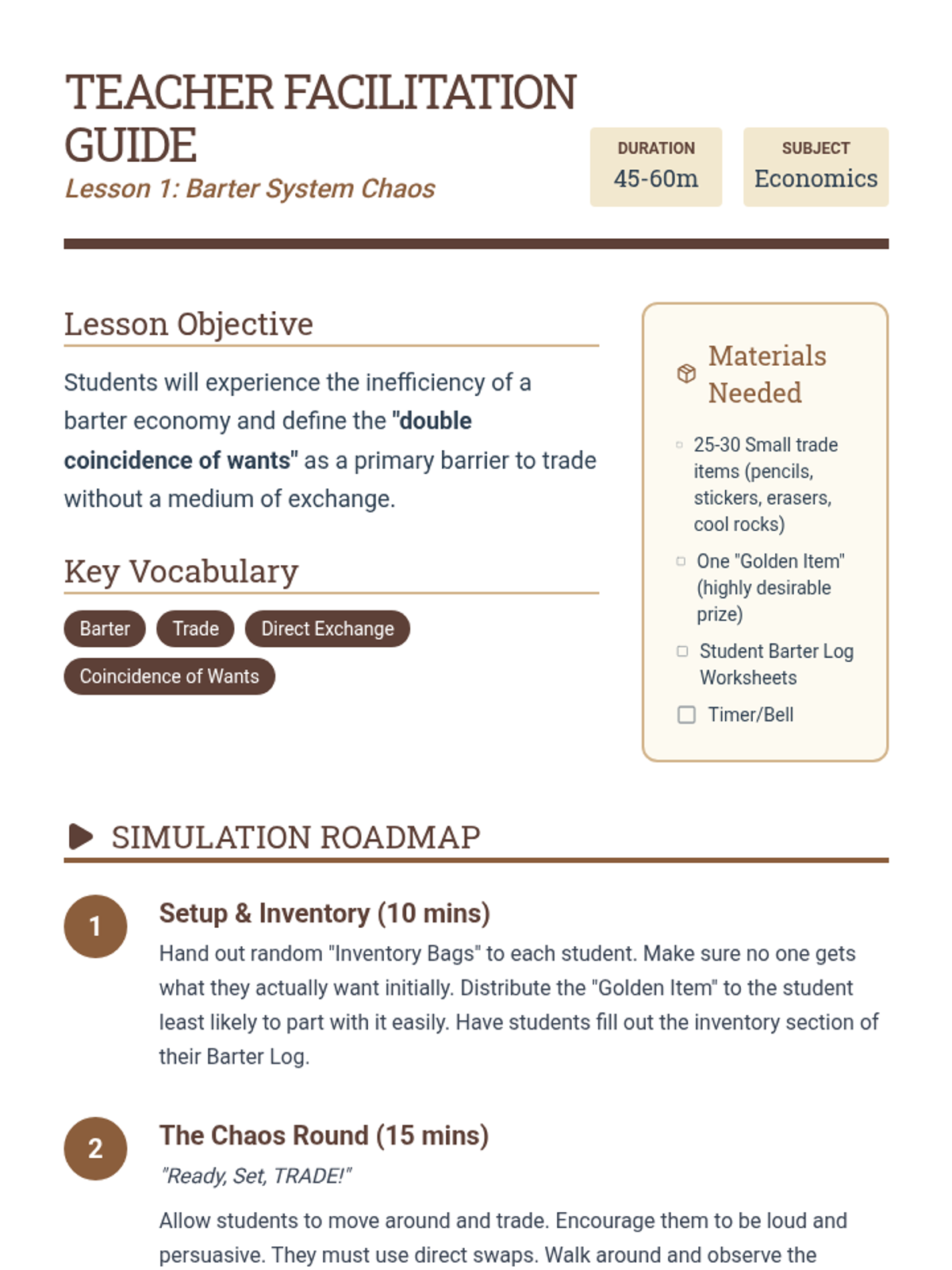
This immersive sequence guides second-grade students through the evolution of trade, from bartering to modern currency. Students participate in simulations to discover the inefficiencies of direct trade and the necessity of money as a medium of exchange, unit of account, and store of value.
Students explore the evolution of money from the barter system to digital currency, identifying the three primary functions of money: medium of exchange, unit of account, and store of value. through hands-on simulations and creative workshops.
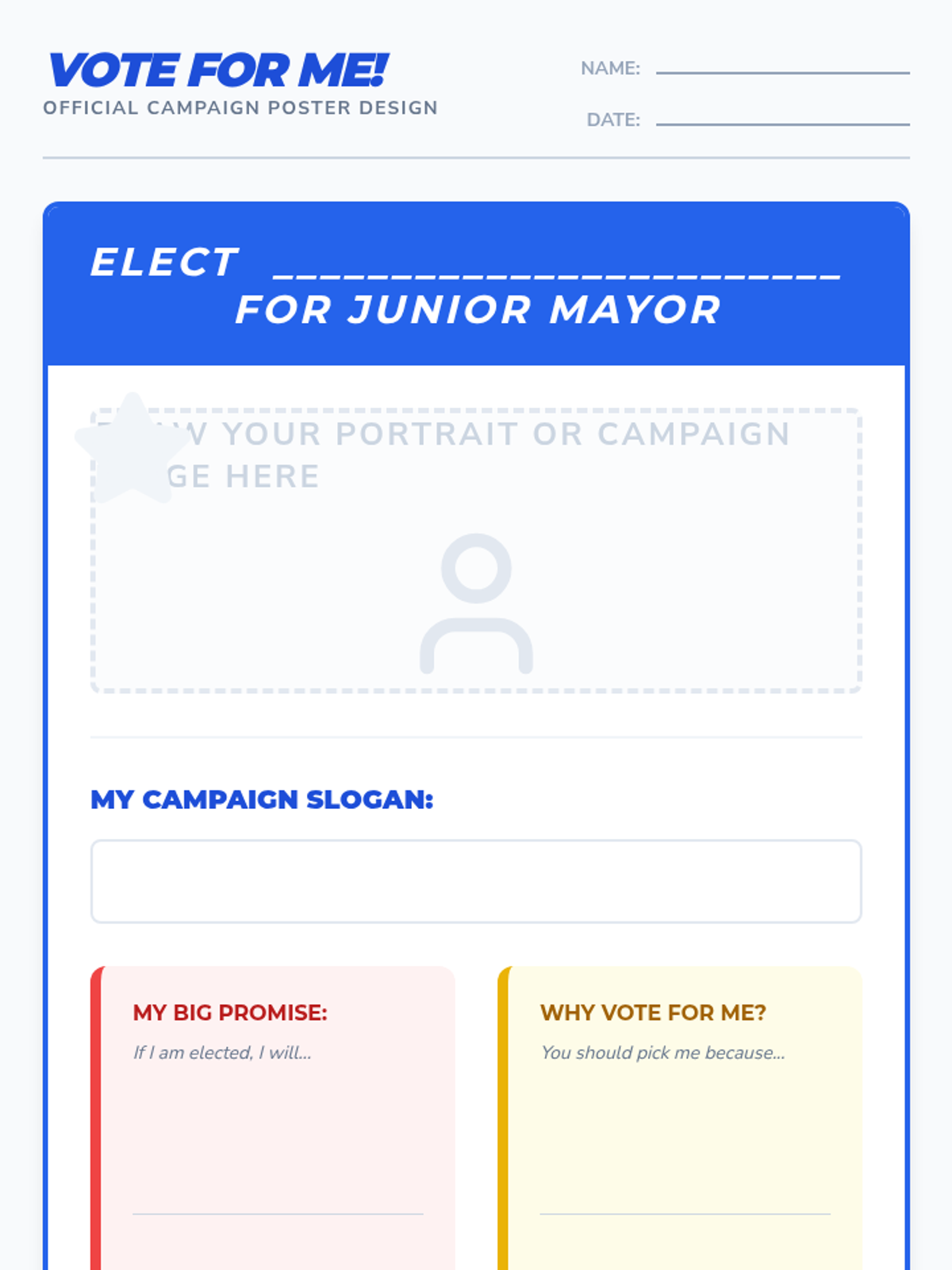
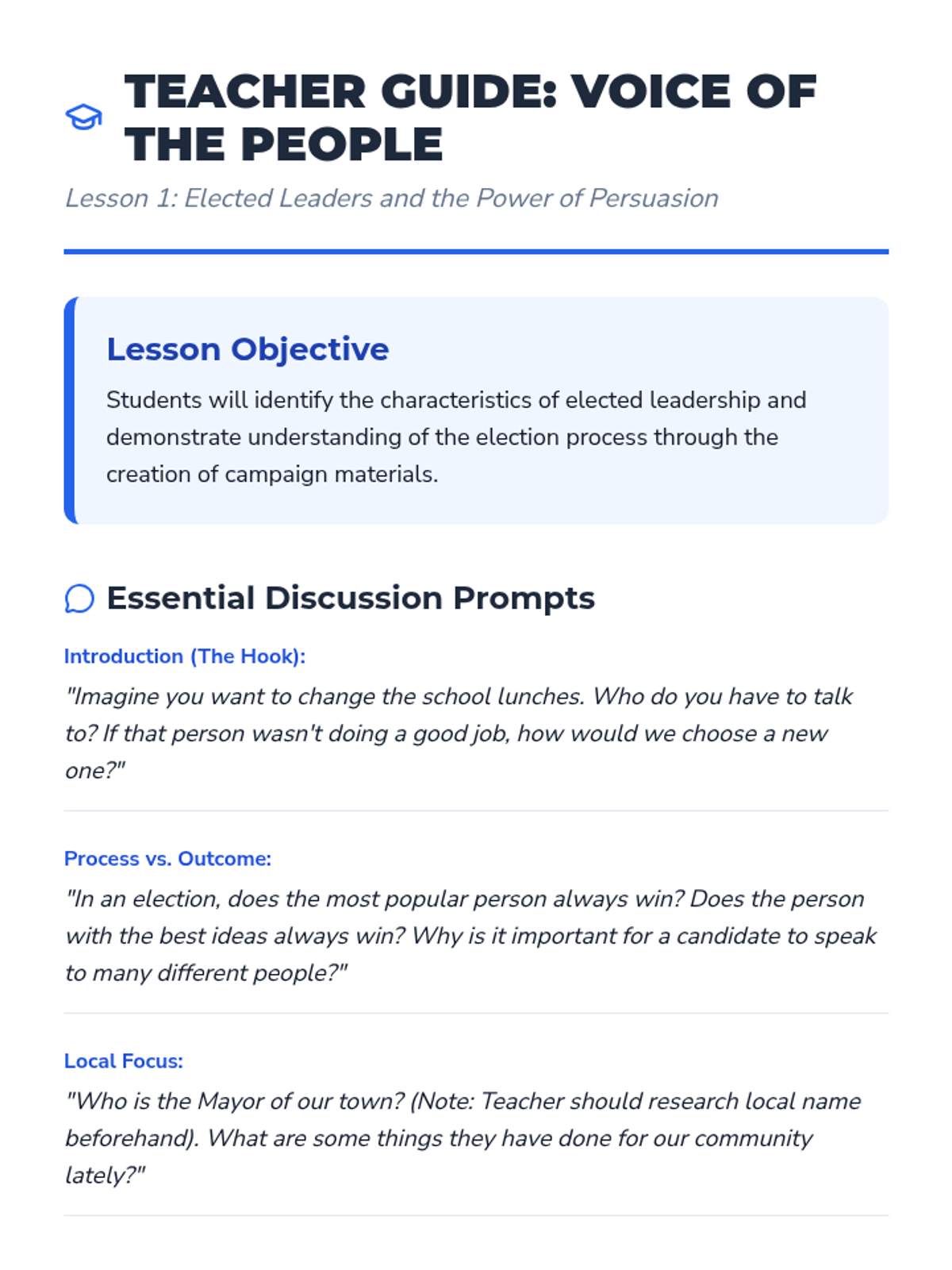
This inquiry-based sequence explores how different societies choose their leaders through elections, inheritance, and appointments. Students compare local and global systems to understand the sources of political power.
Students navigate a simulated classroom economy to learn budgeting, opportunity cost, and the difference between needs and wants through games and real-world scenarios.
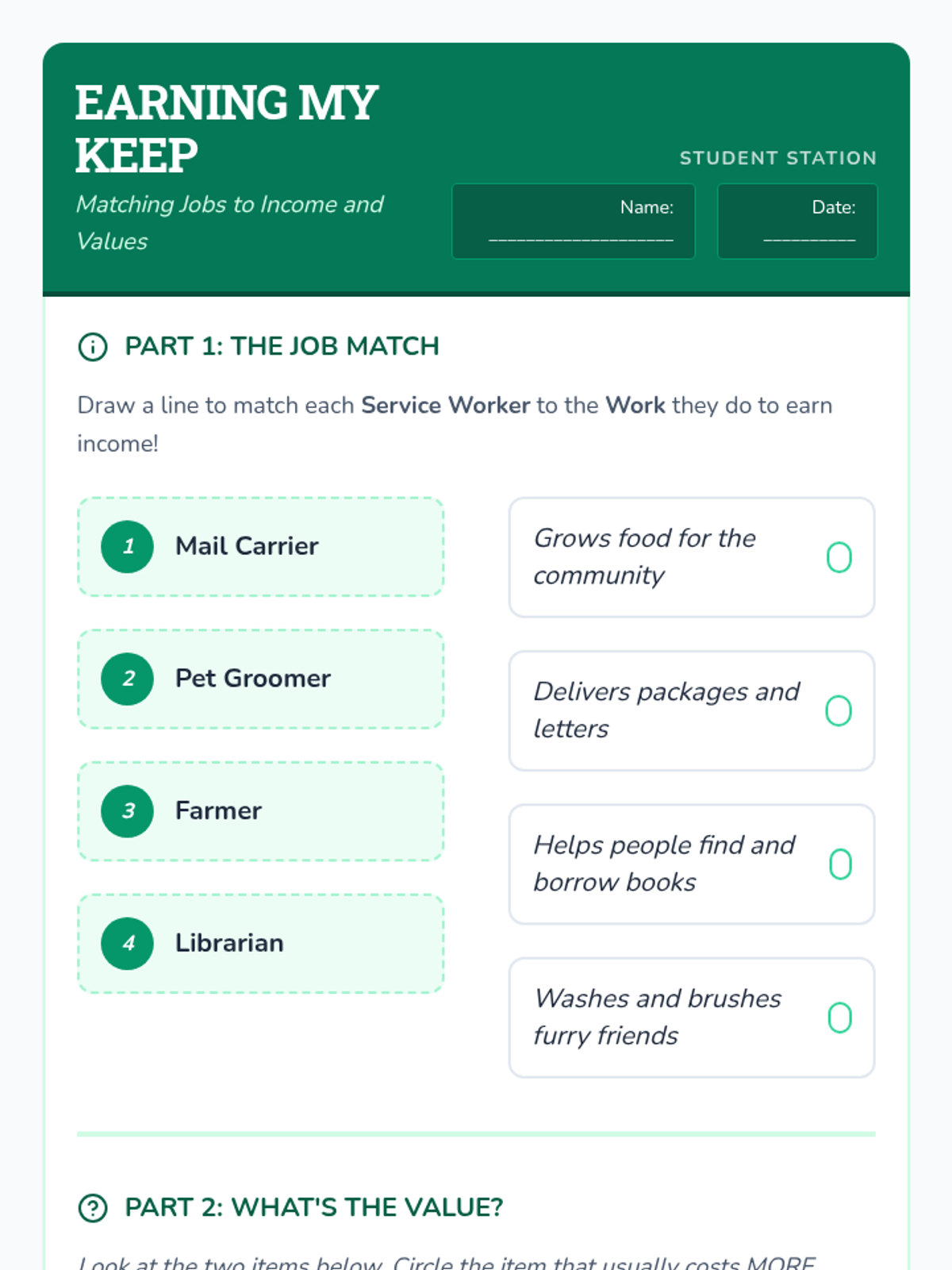
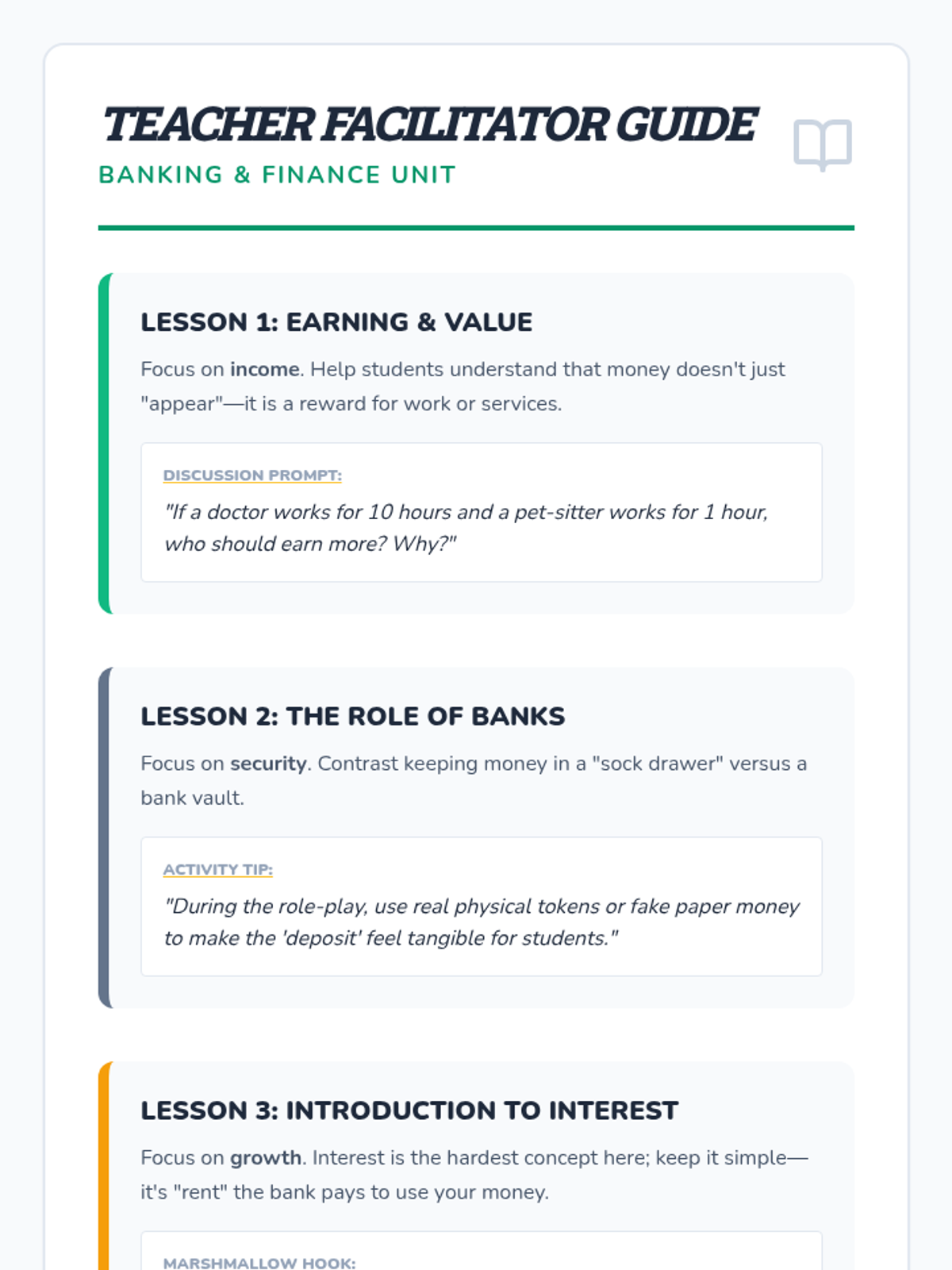
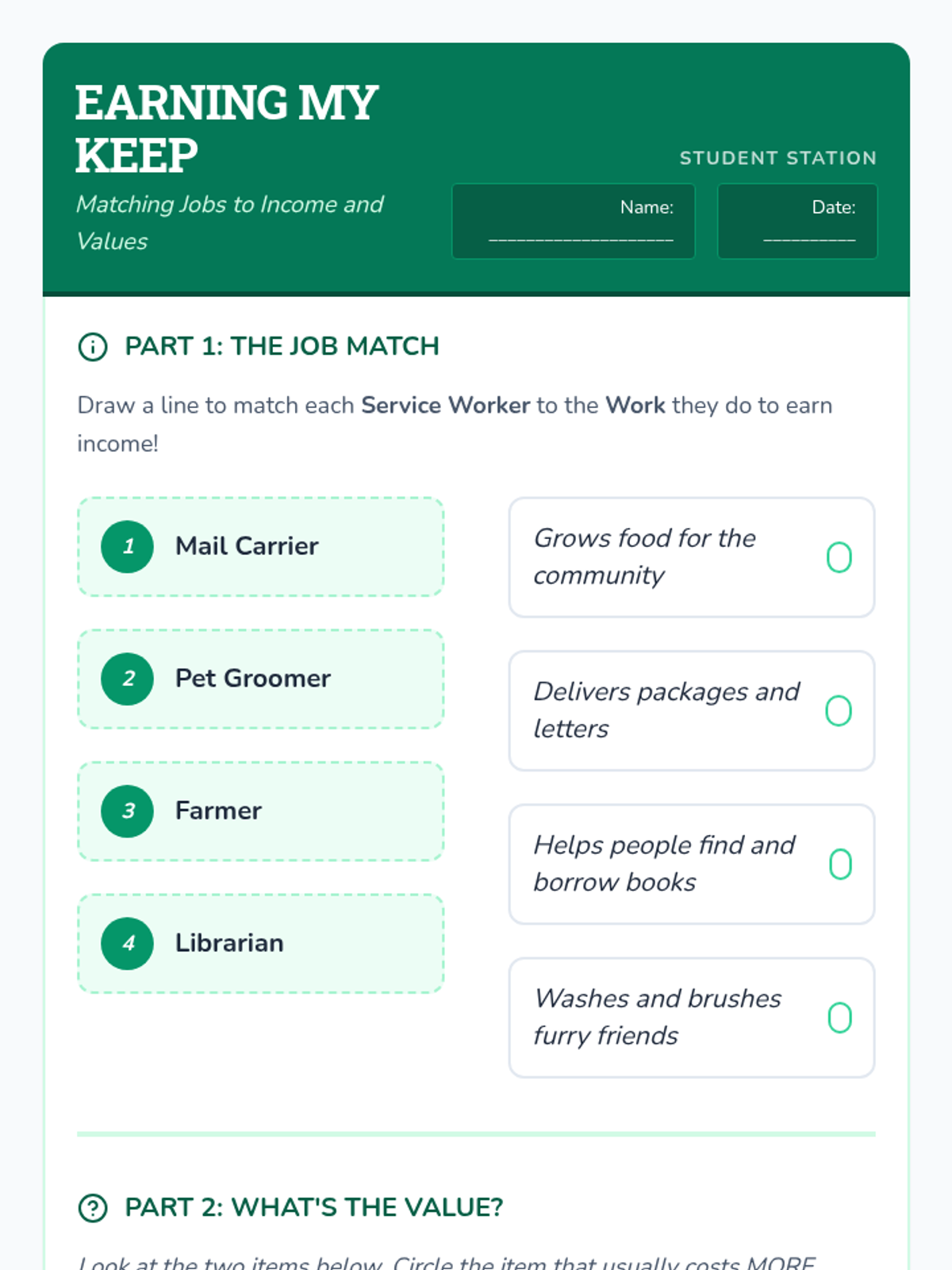
A 5-lesson sequence for 2nd-grade students exploring the basics of earning, banking, interest, and setting personal savings goals. Students transition from physical currency to understanding financial institutions and long-term planning.
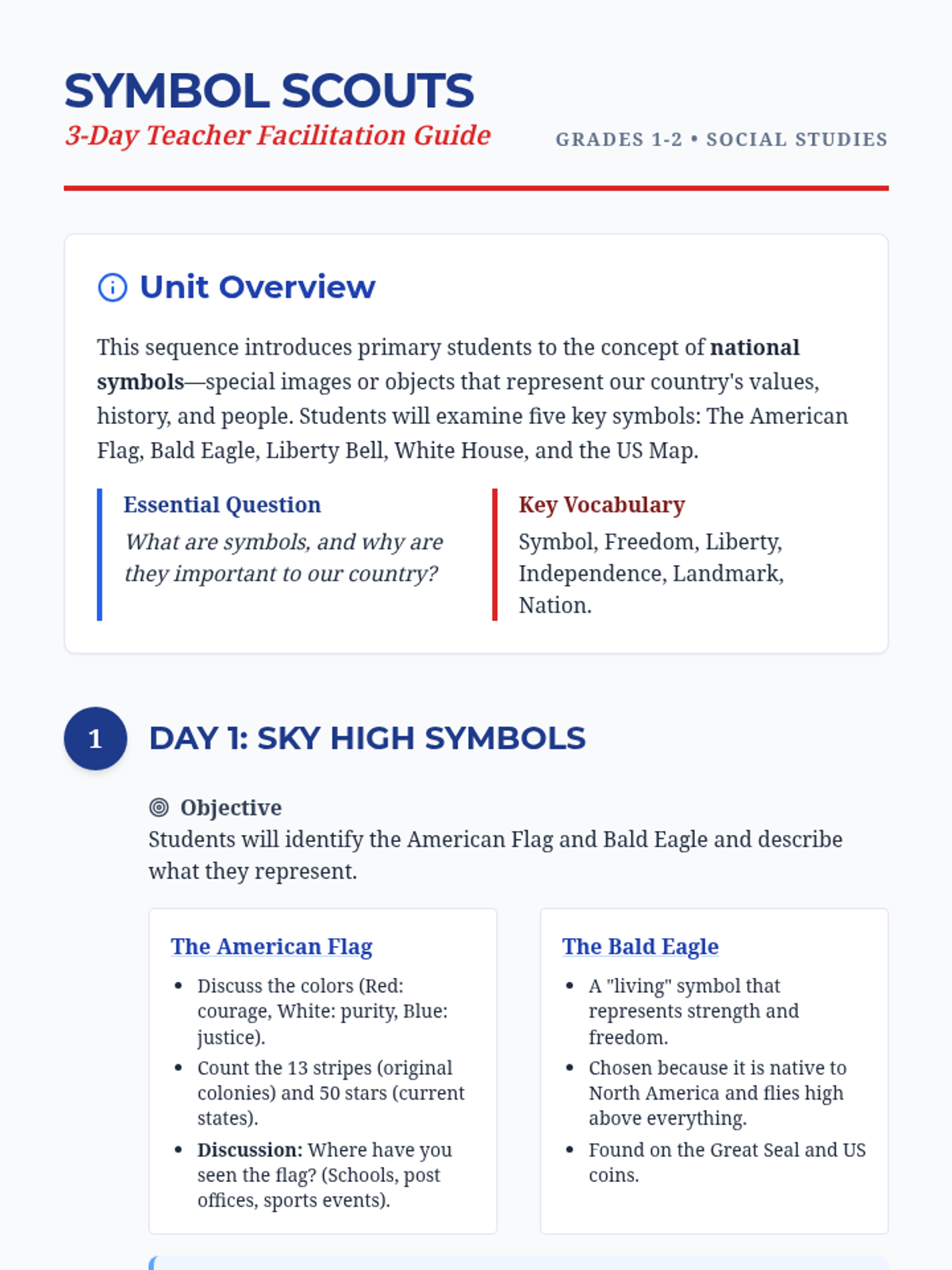
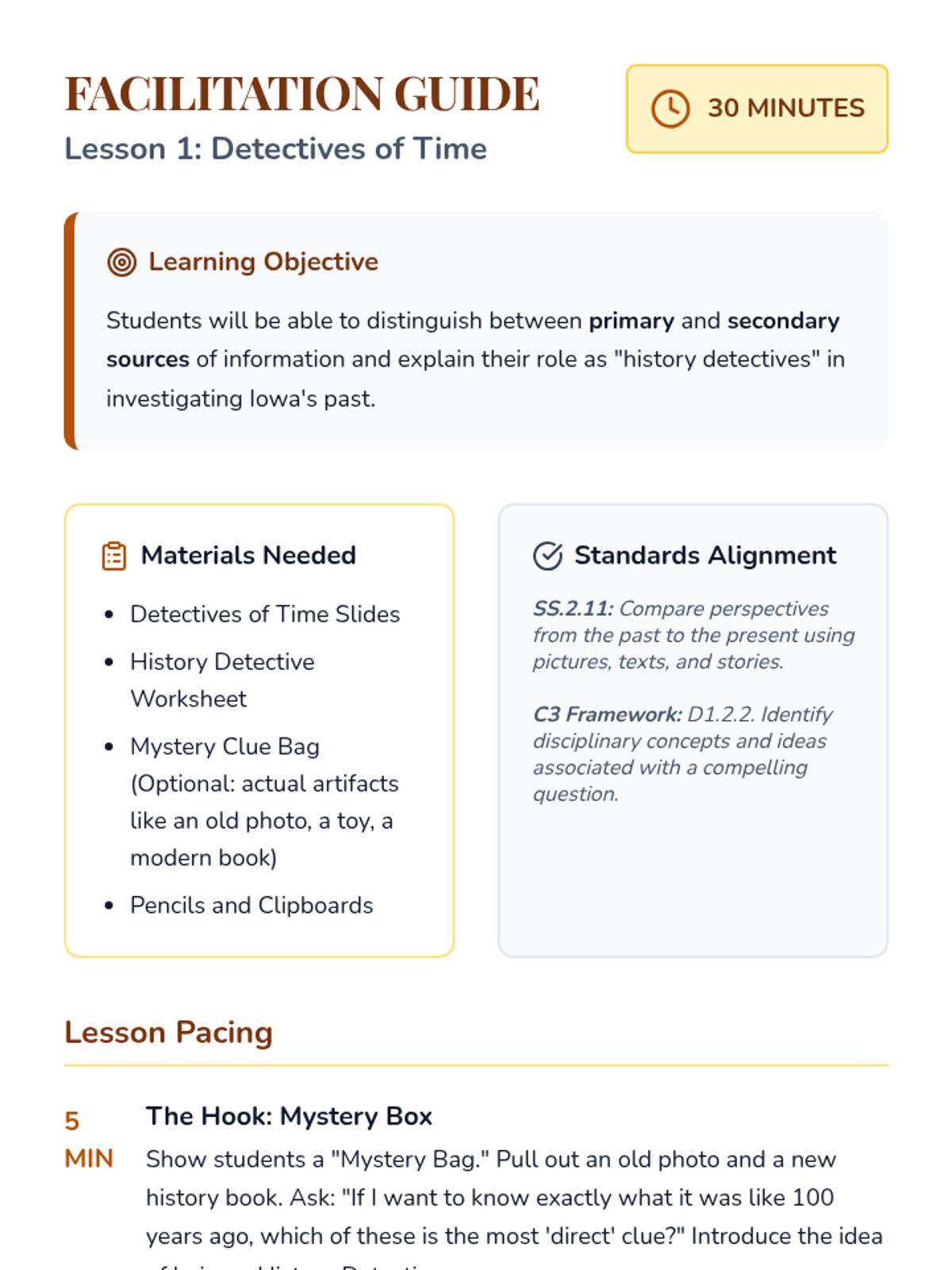
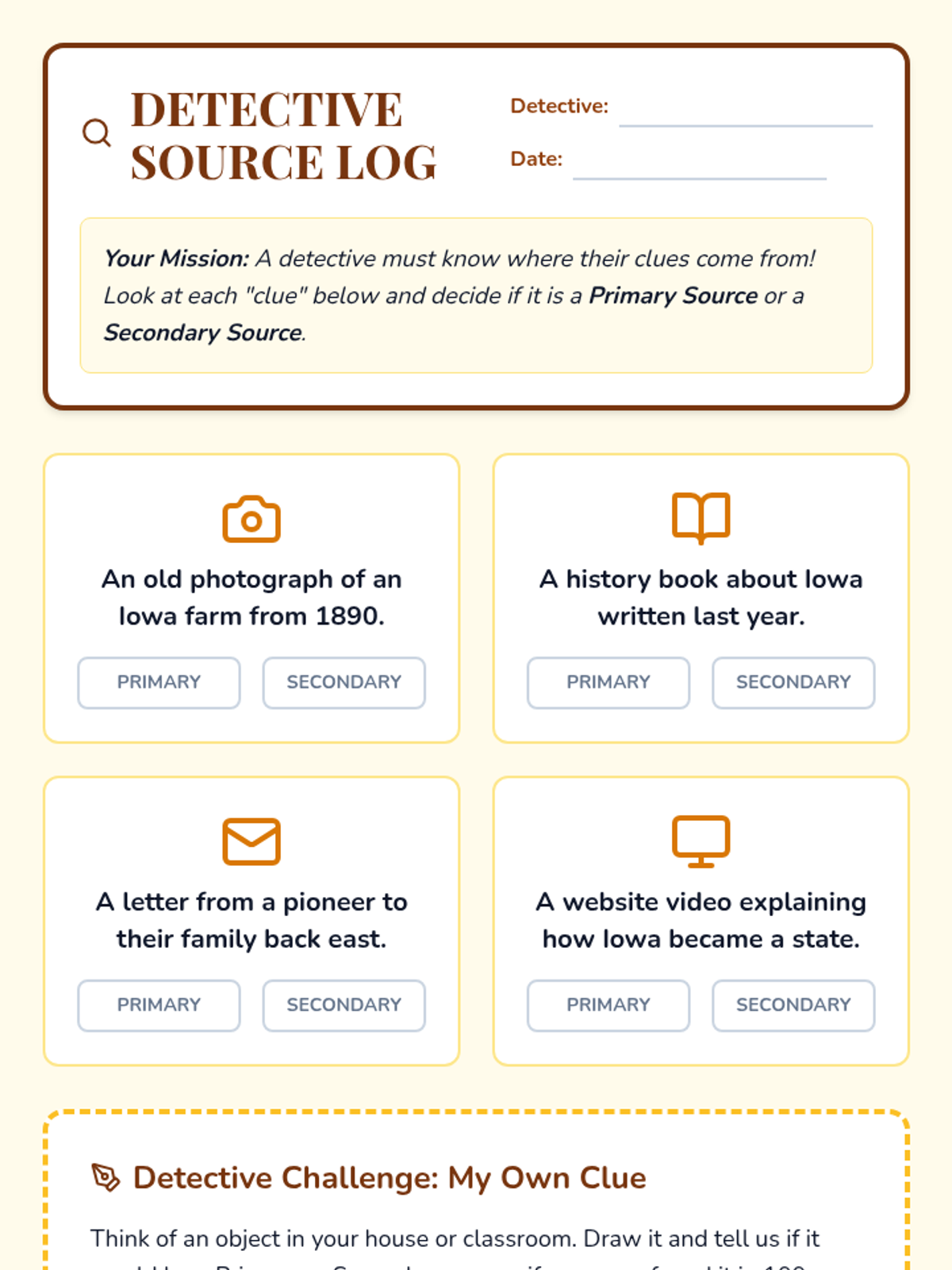
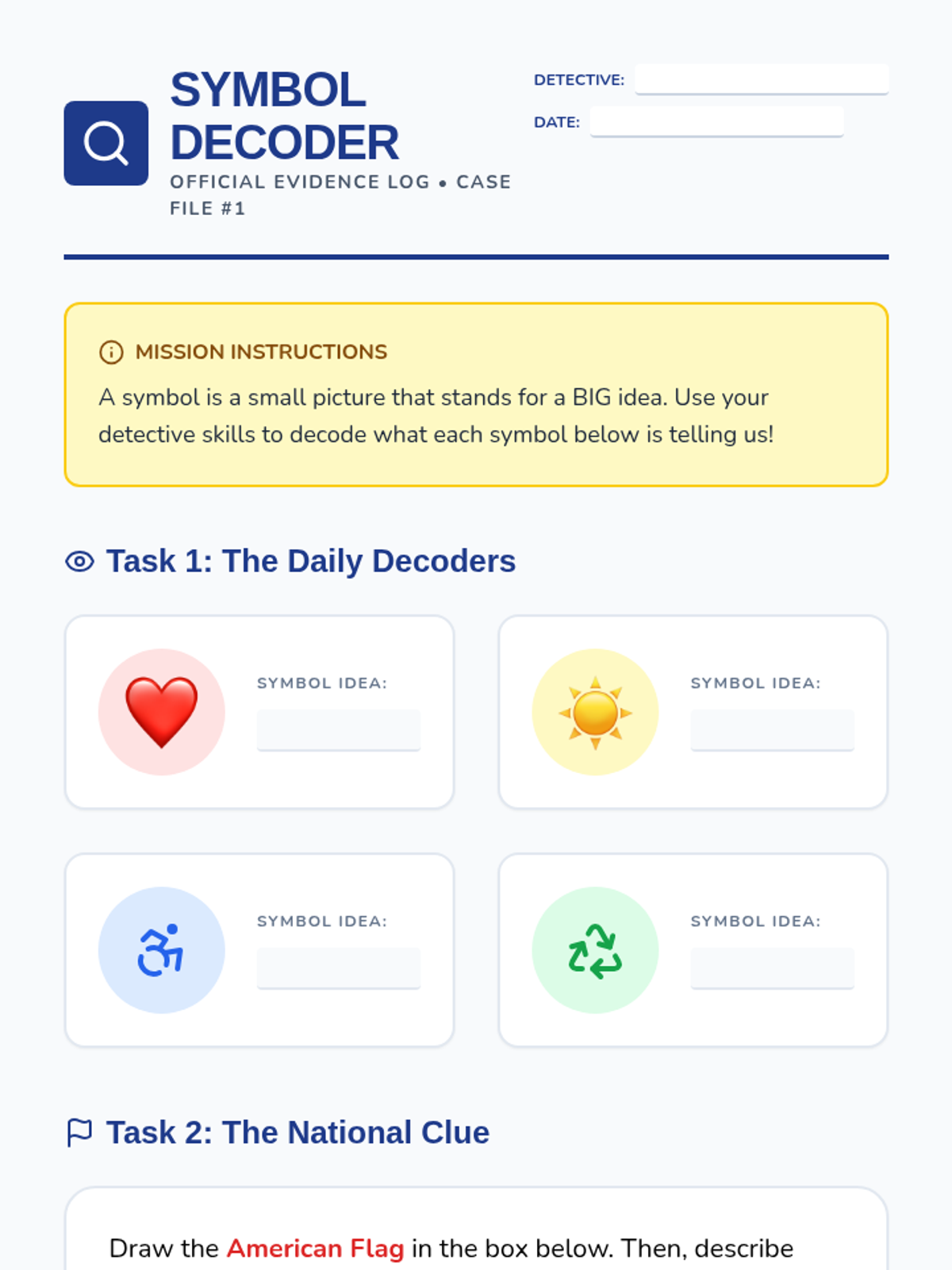
An inquiry-based journey for 2nd graders to investigate the meanings behind America's famous symbols and landmarks through a detective-themed lens.
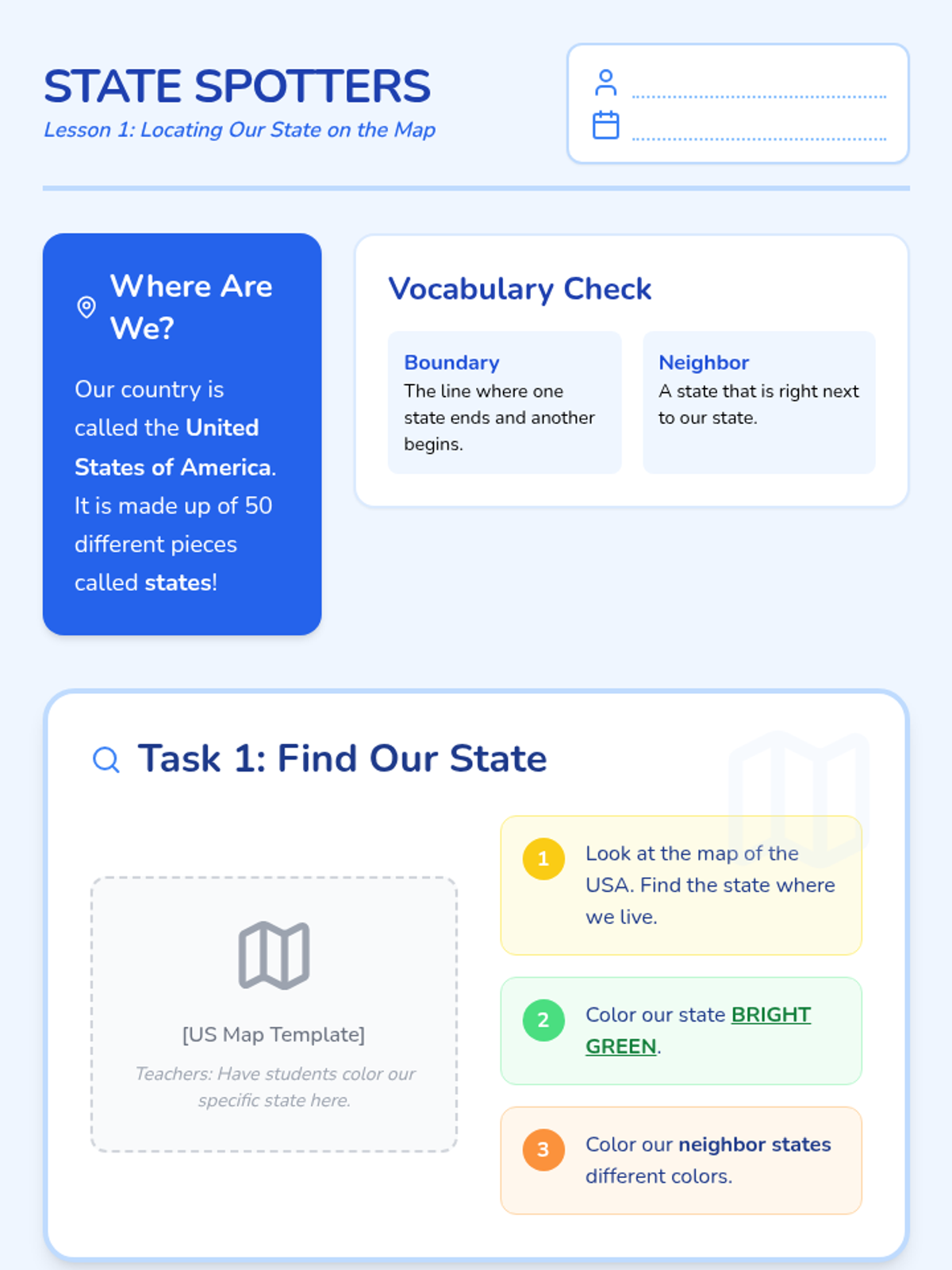
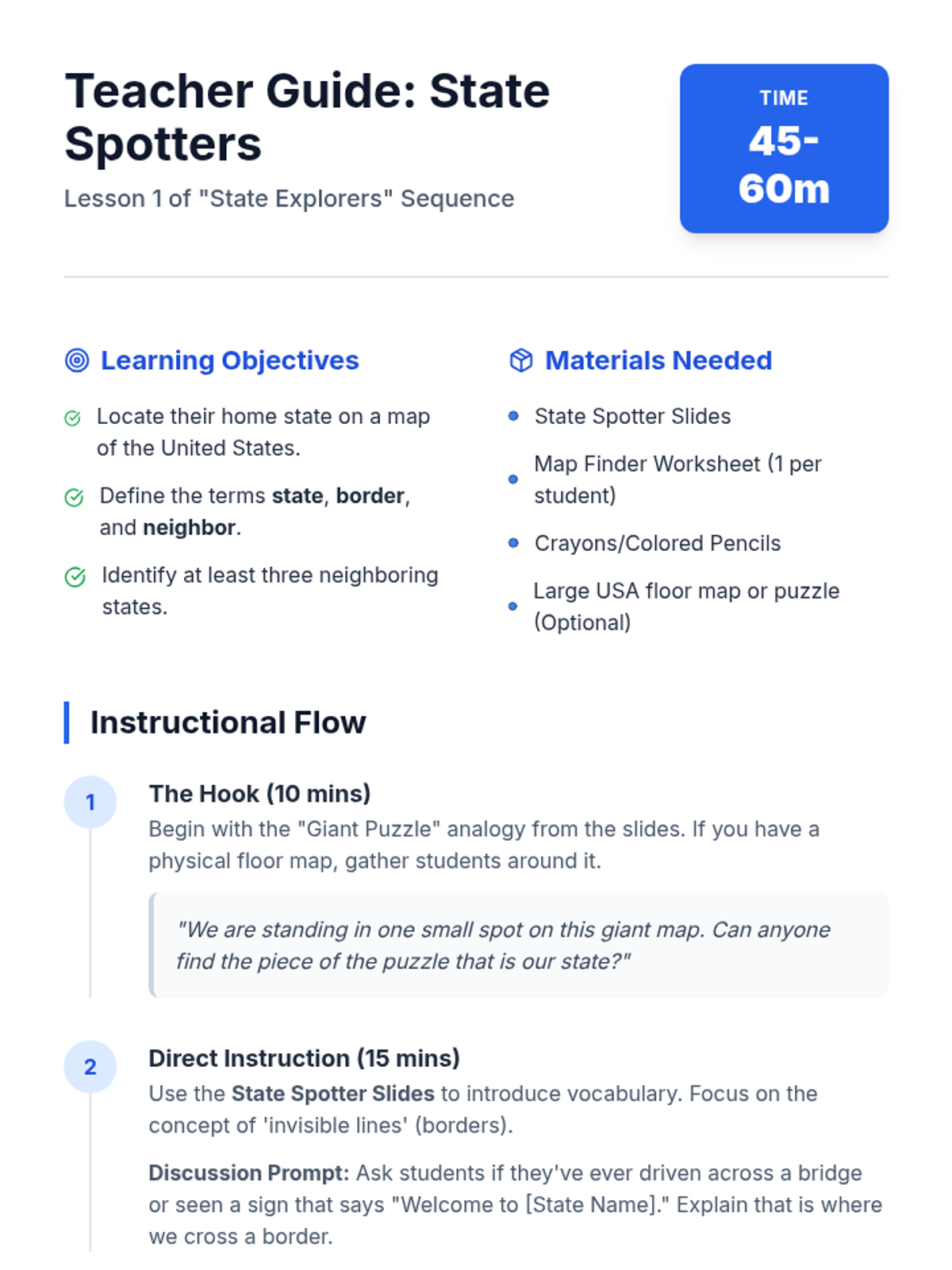
Students explore the concept of a 'state' as a distinct geographic and political entity. They learn to locate their state on a map, understand the hierarchy of city/state/country, identify official symbols, and recognize important regional landmarks.
A project-based exploration of how Native American history and culture were preserved through oral tradition, Winter Counts, wampum belts, and totem poles. Students create their own symbolic artifacts to understand history as a living, spoken, and artistic record.
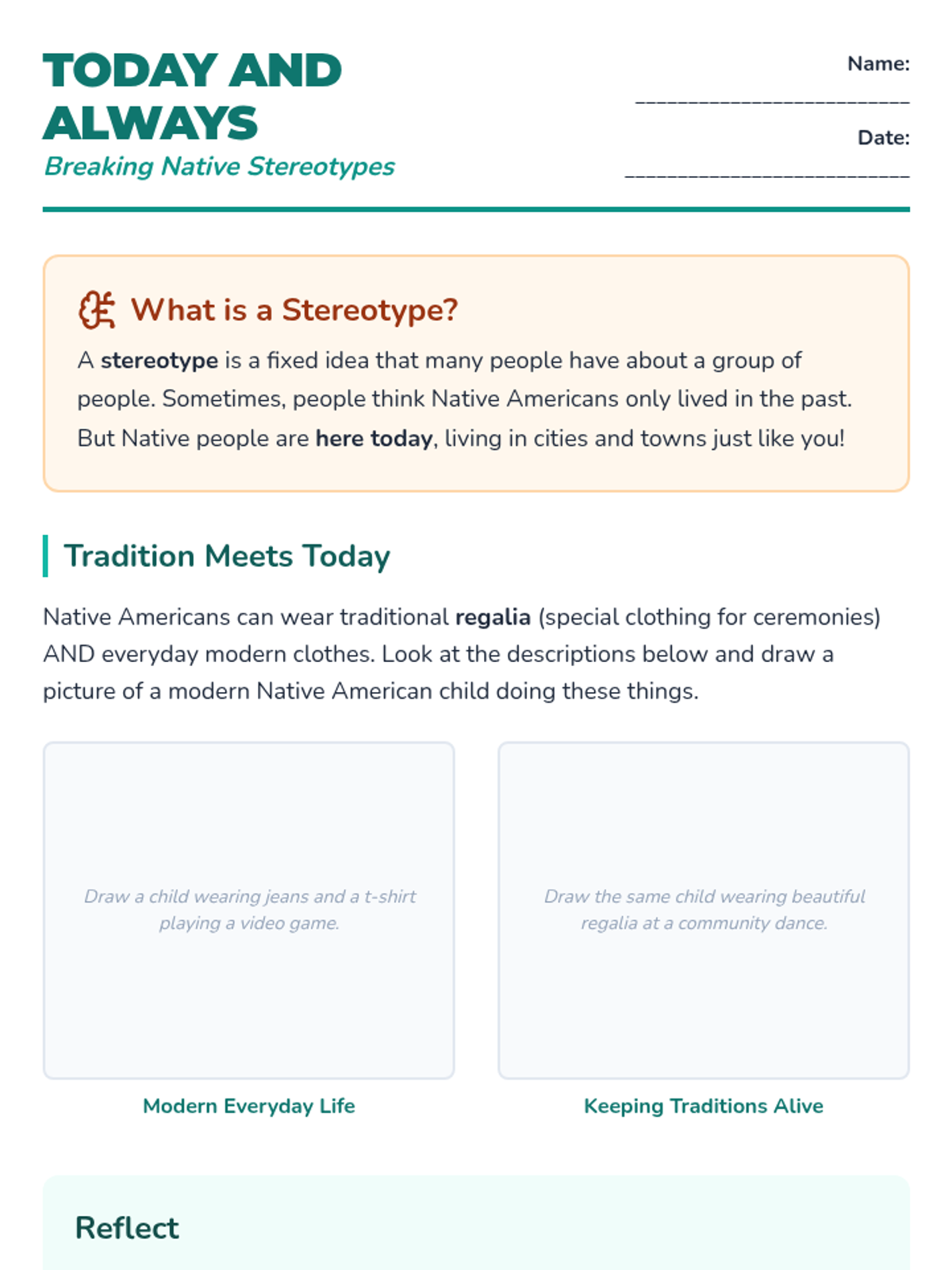
This 5-lesson sequence for 2nd grade focuses on contemporary Native American life, breaking 'past-tense' stereotypes by highlighting modern traditions, government, and heroes. Students move from identifying stereotypes to researching modern figures and understanding tribal sovereignty.
This sequence introduces 2nd-grade students to historical change and cultural exchange through the meeting of Native Peoples and Europeans. It focuses on how new animals, materials, and foods transformed daily life and the landscape, using a 'Before and After' comparative approach.
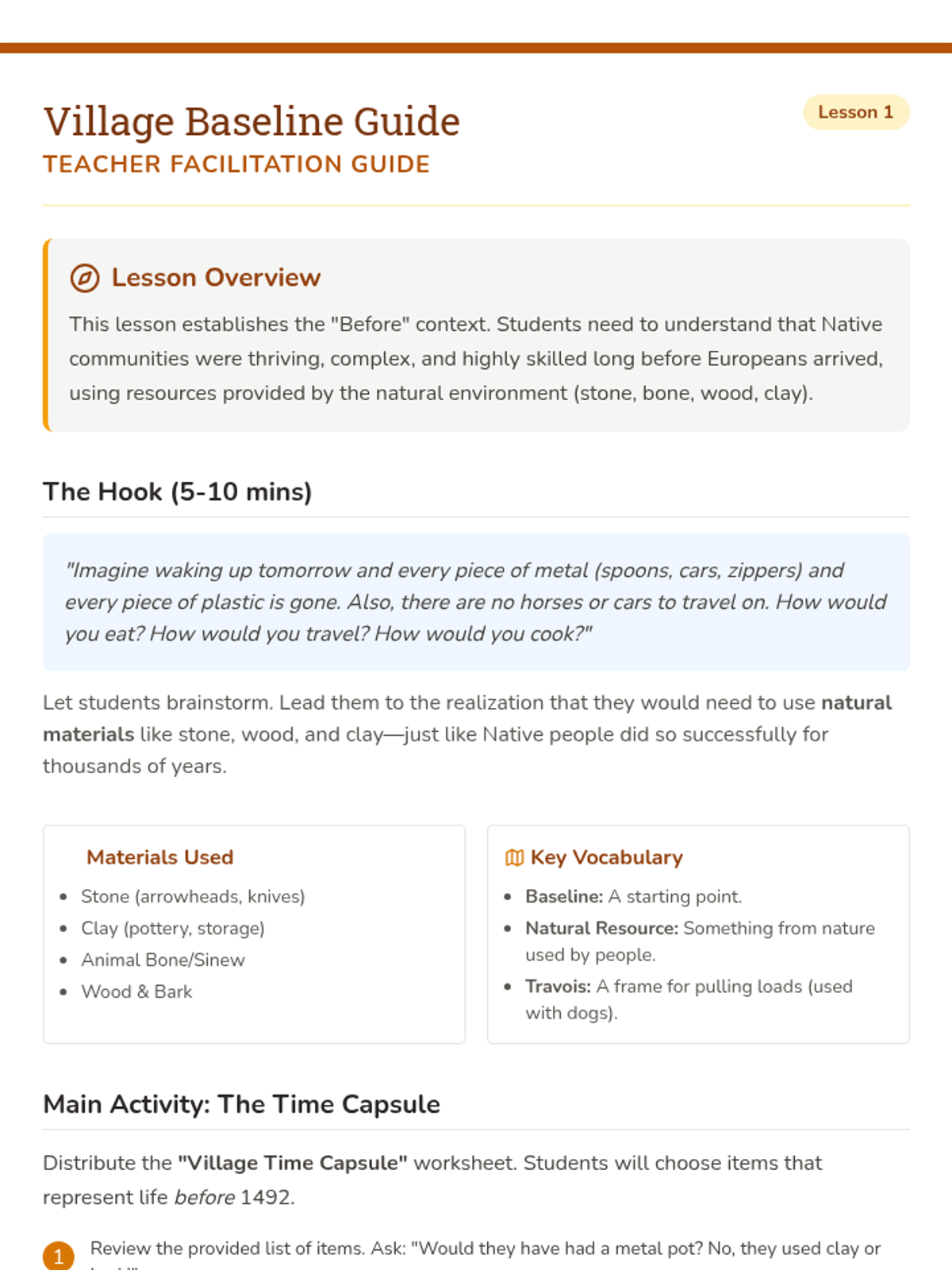
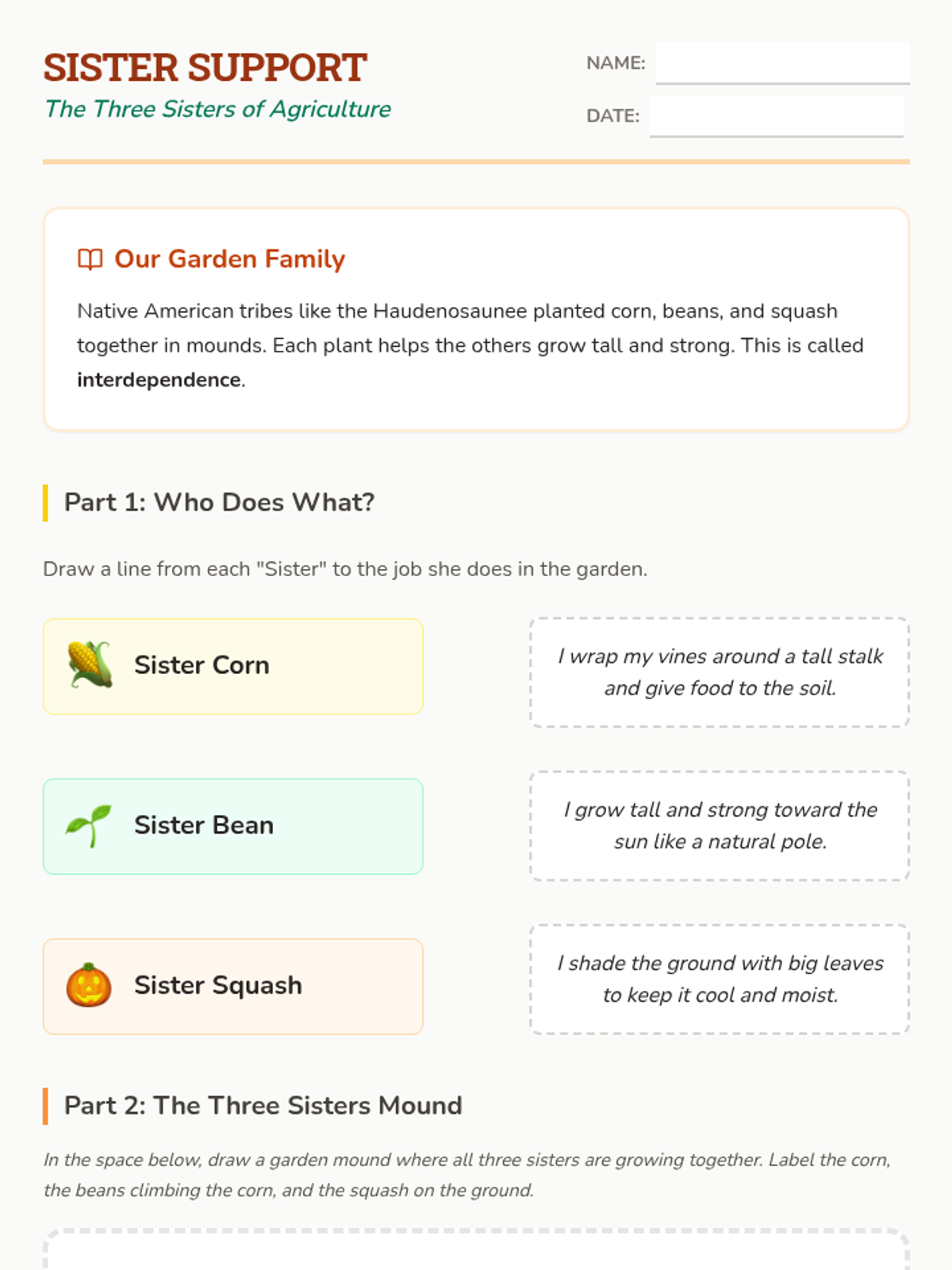
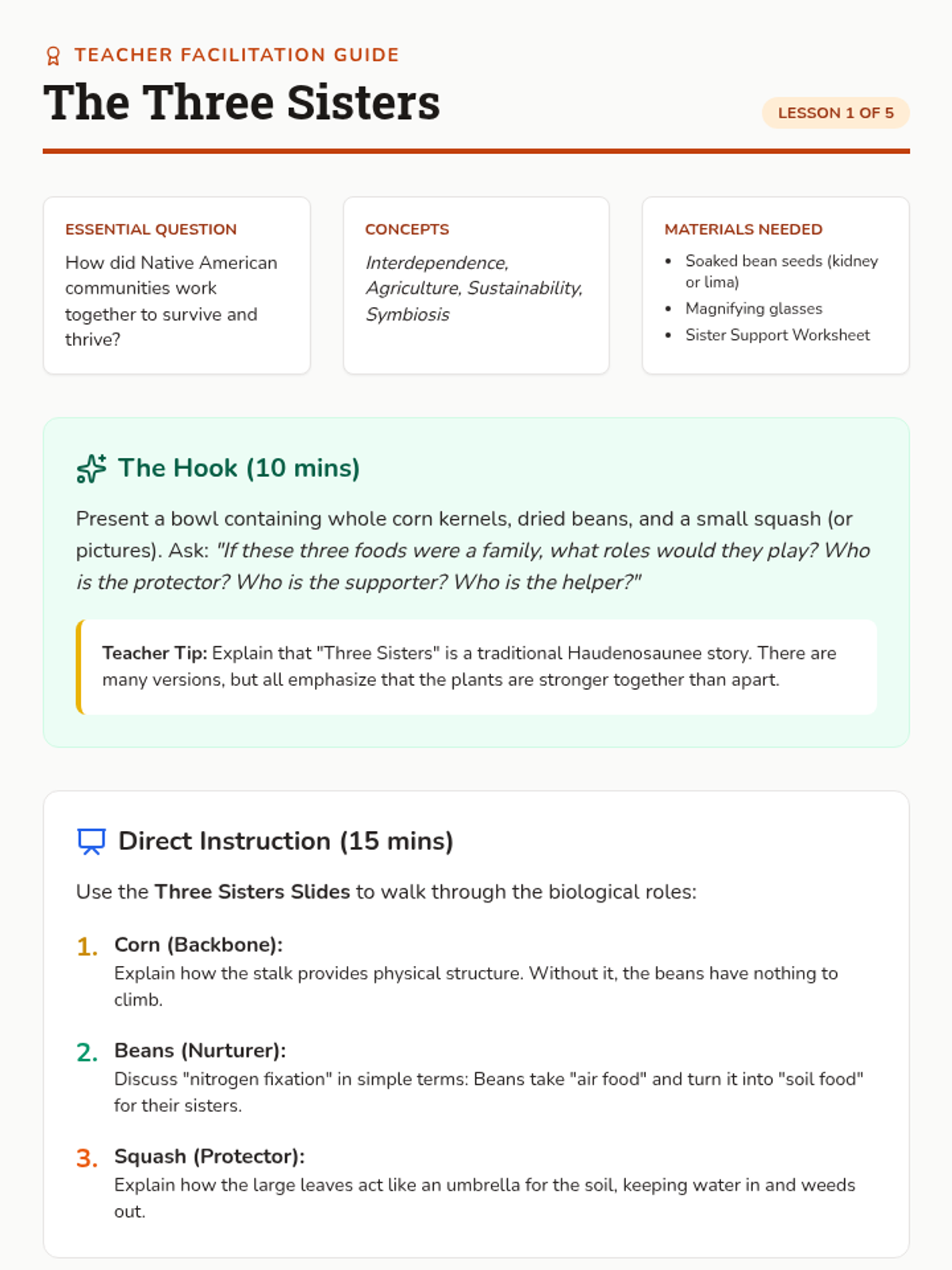
A 2nd-grade social studies sequence exploring the daily life, economy, and community structures of Native American nations prior to European contact. Students learn about sustainable agriculture, resource management, community roles, trade networks, and cultural identity through clothing and art.
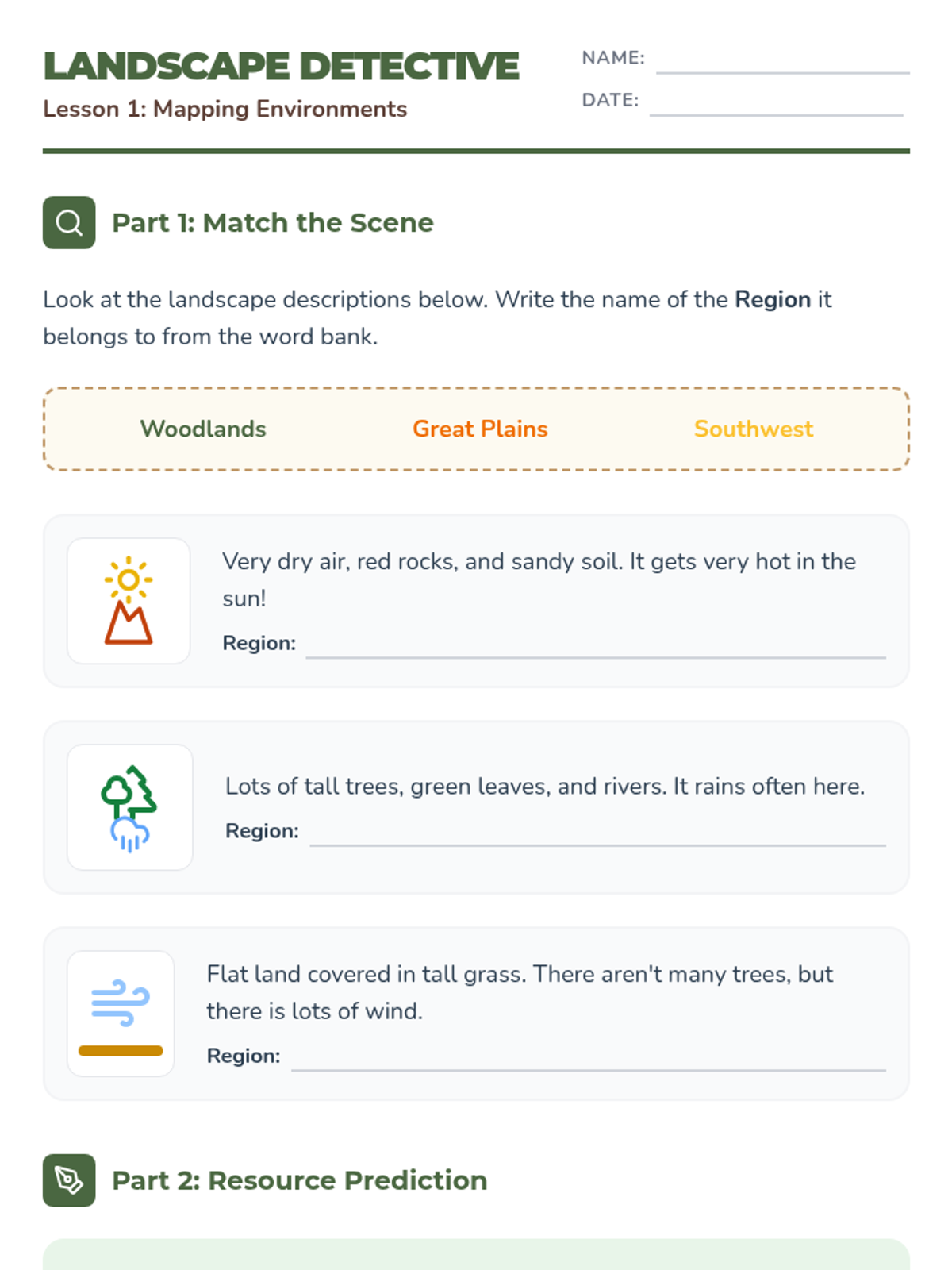
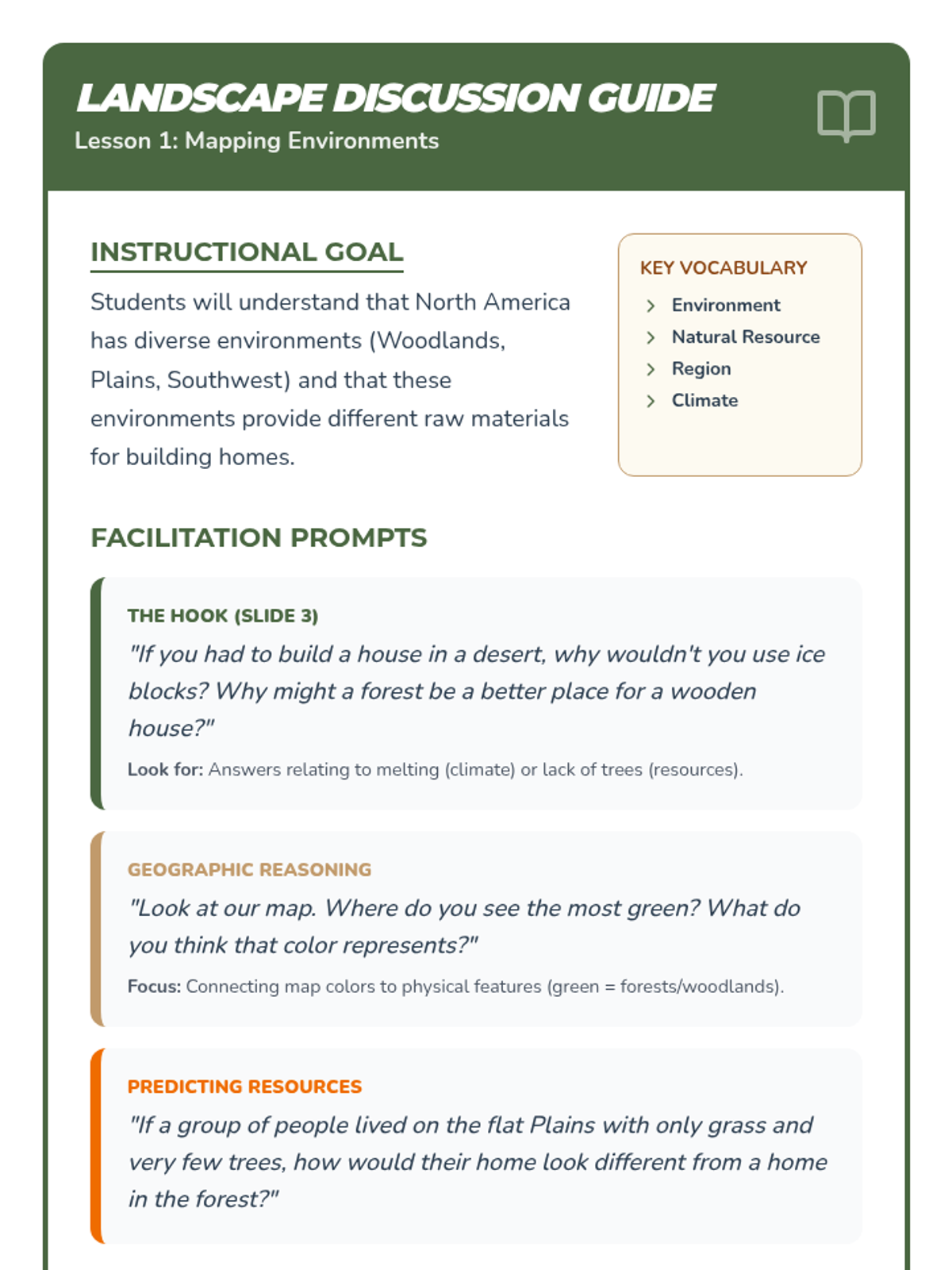
A 2nd-grade history sequence exploring how Native American nations adapted to their environments by building shelters from local natural resources across North America.
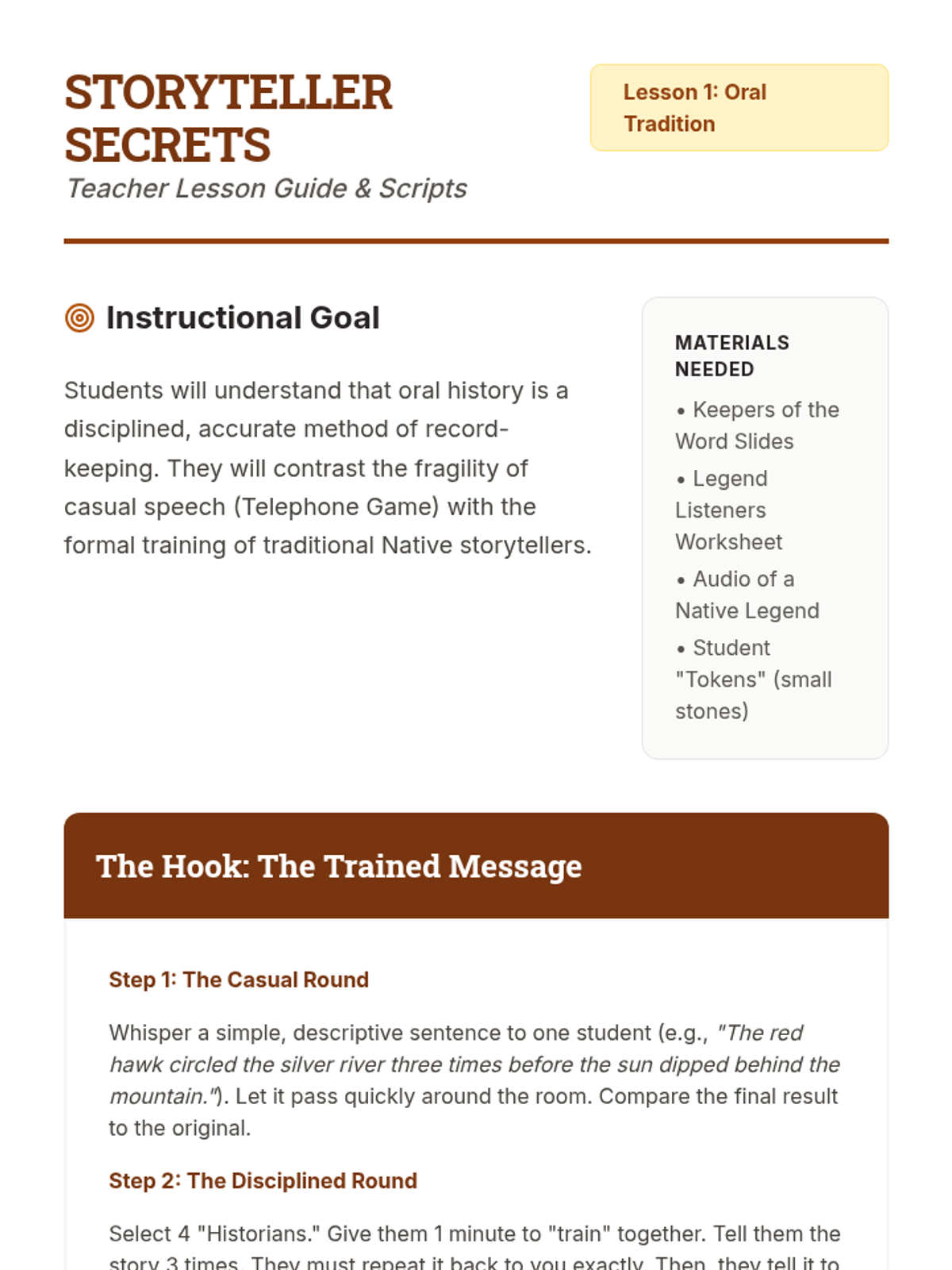
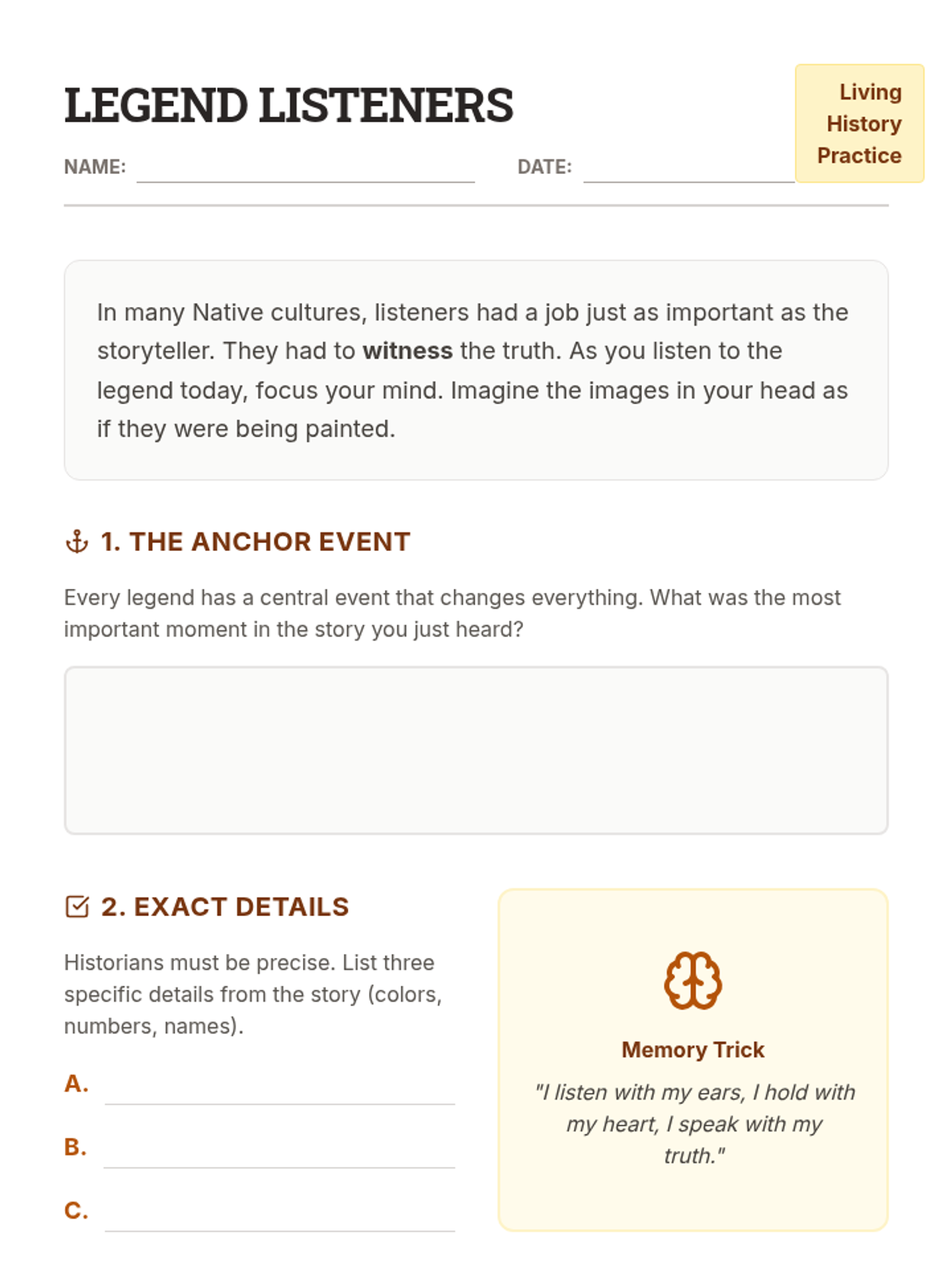
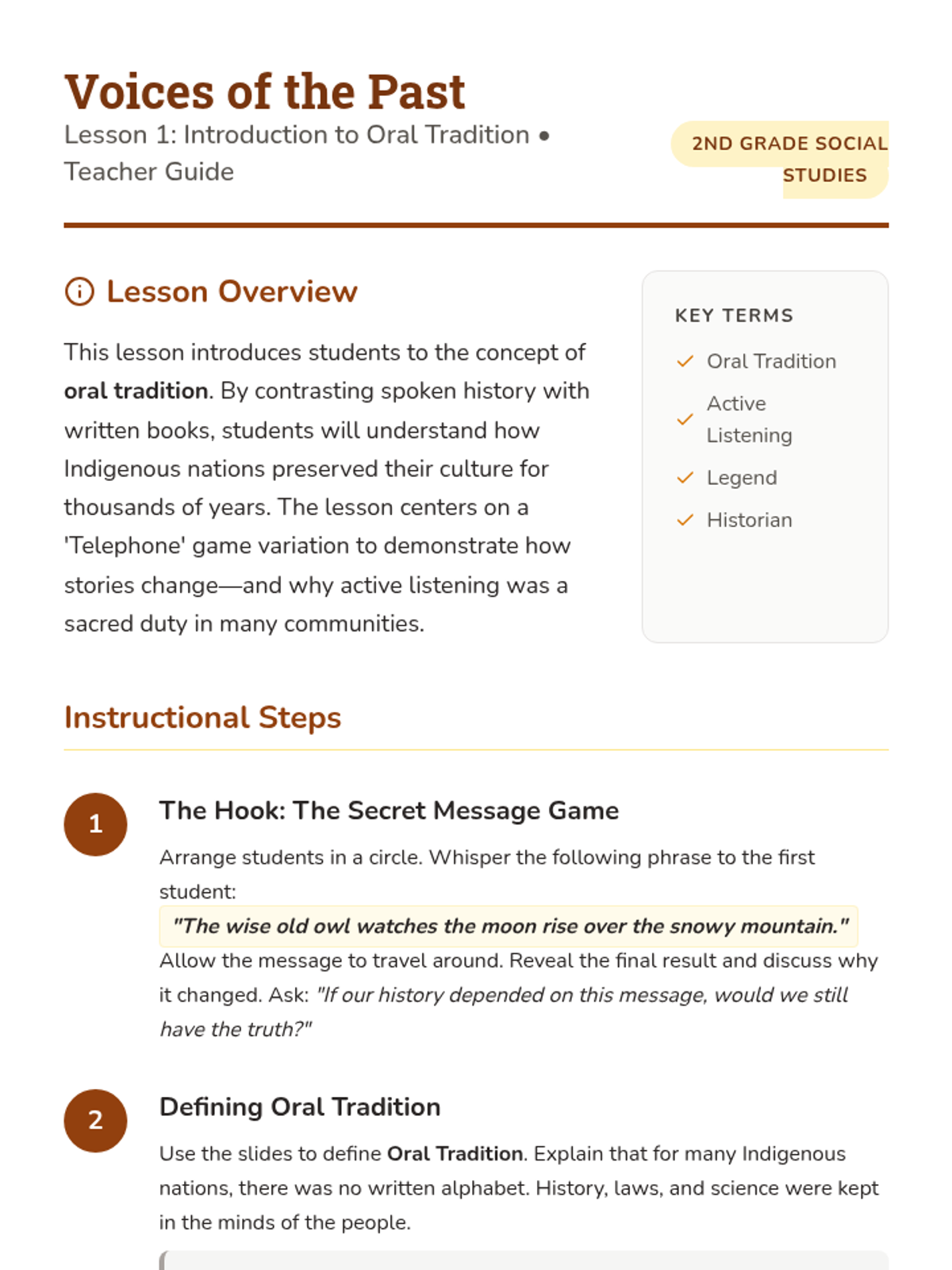
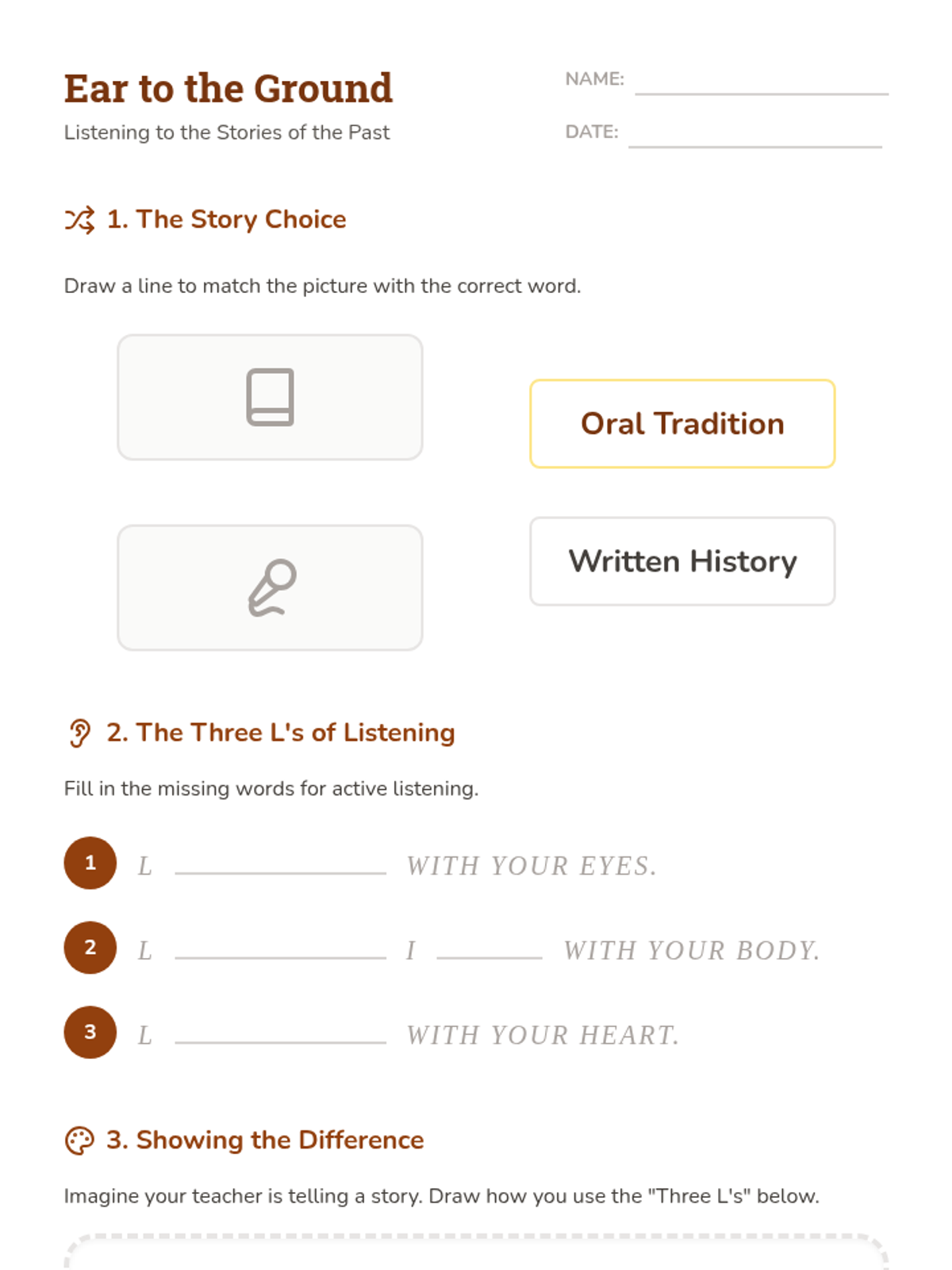
A 2nd-grade social studies unit exploring how Indigenous nations used oral traditions to preserve history, teach values, and explain nature. Students move from active listening to analyzing legends and interpreting visual symbols, culminating in a class oral history project.
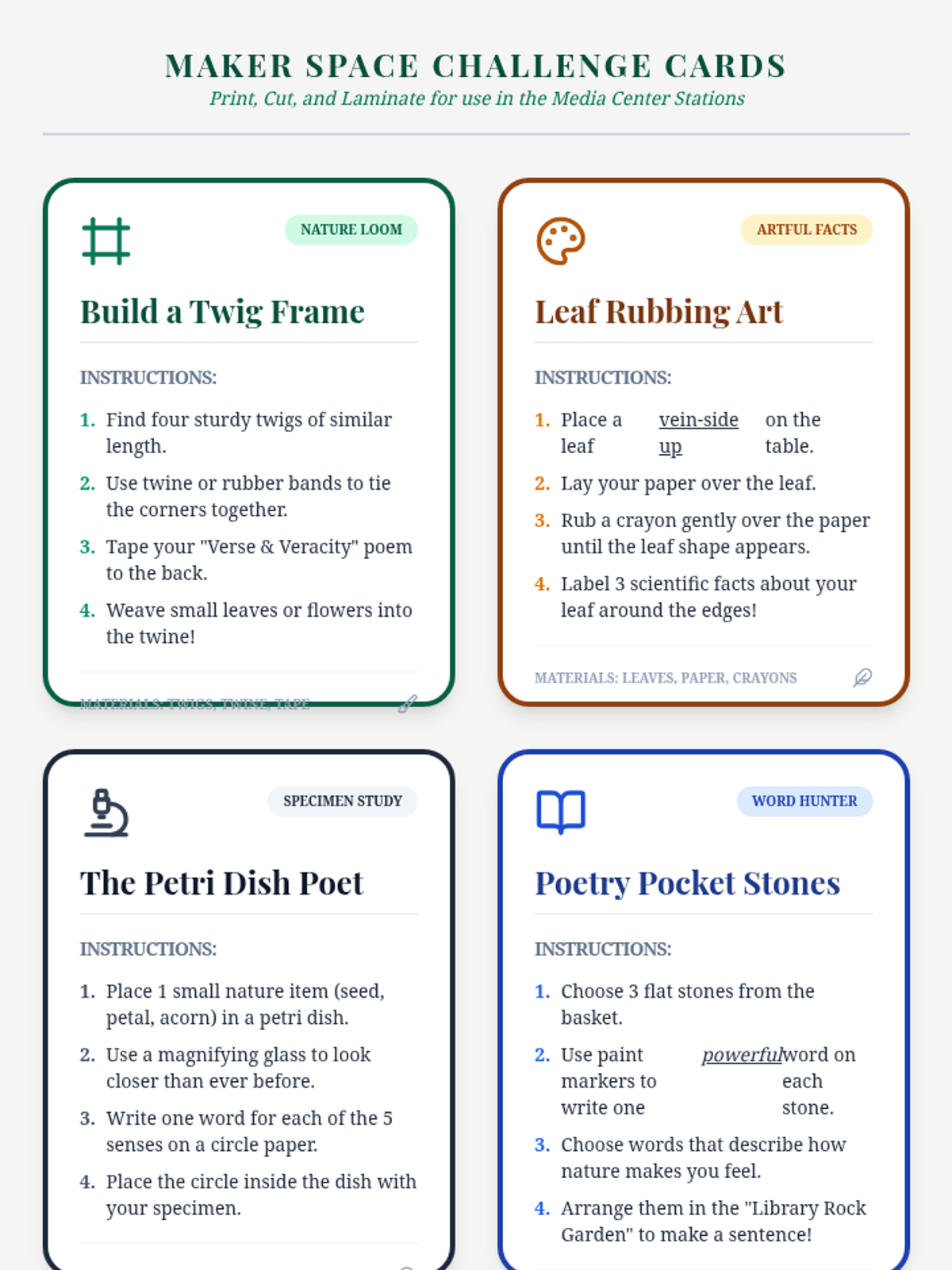
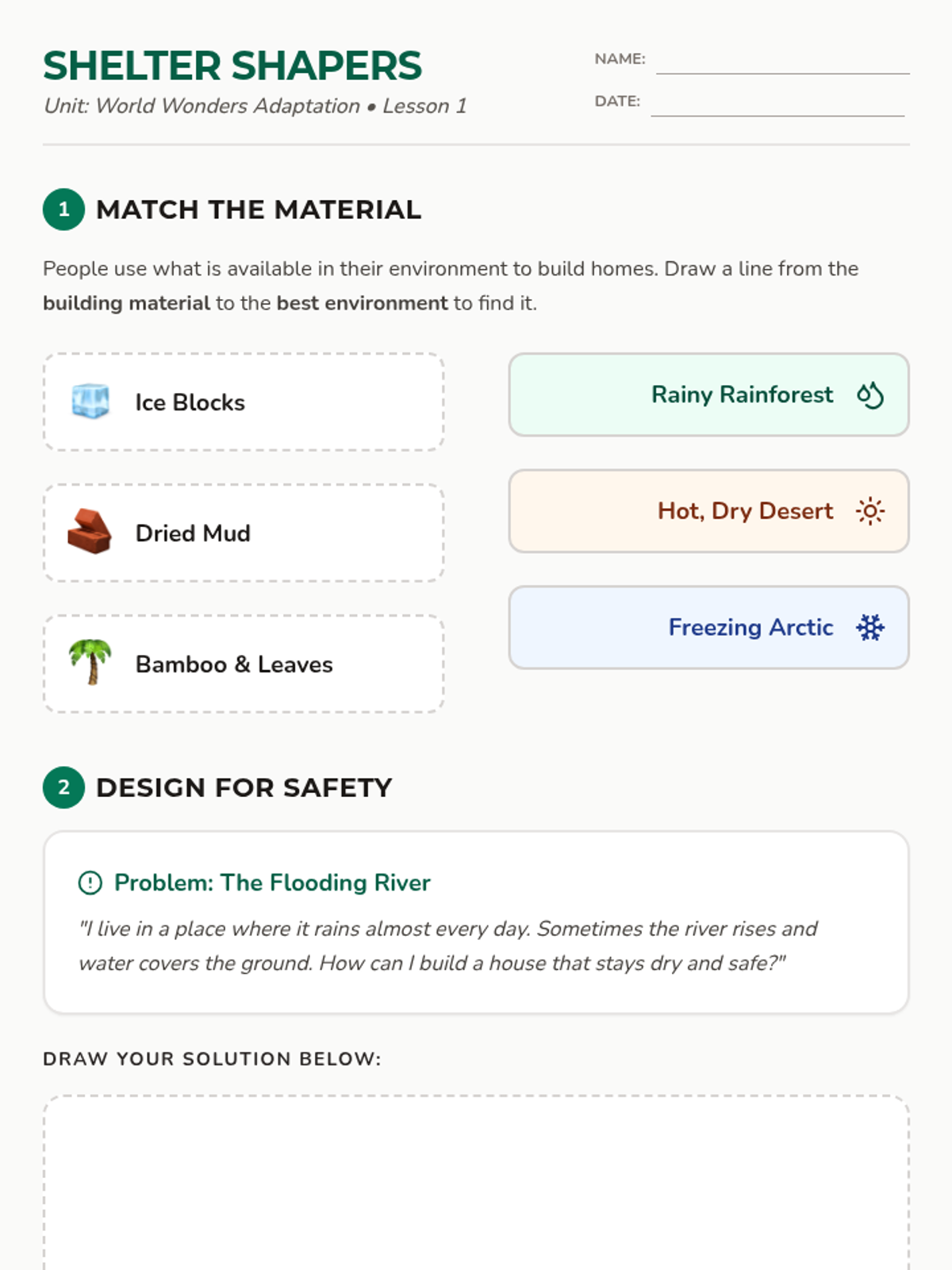
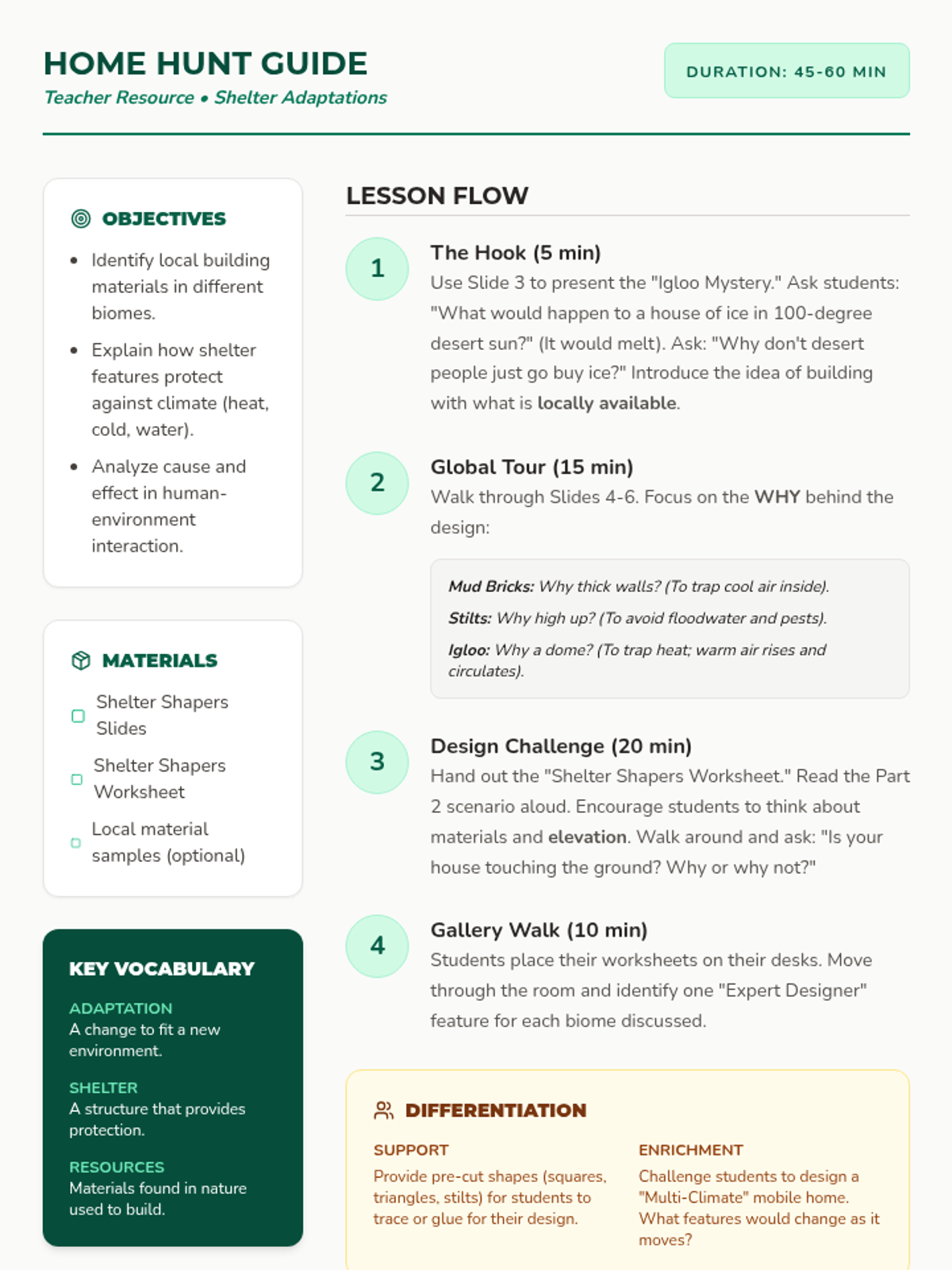
A 2nd-grade geography sequence where students explore how human shelter, clothing, food, and traditions adapt to different climates and environments around the world. The journey ends with a hands-on project designing a climate-appropriate home.
Students examine the complex interaction between humans and their environments, specifically looking at how people modify the land to meet their needs. The sequence distinguishes between rural, urban, and suburban settlement patterns and explores infrastructure like roads, bridges, and farms.
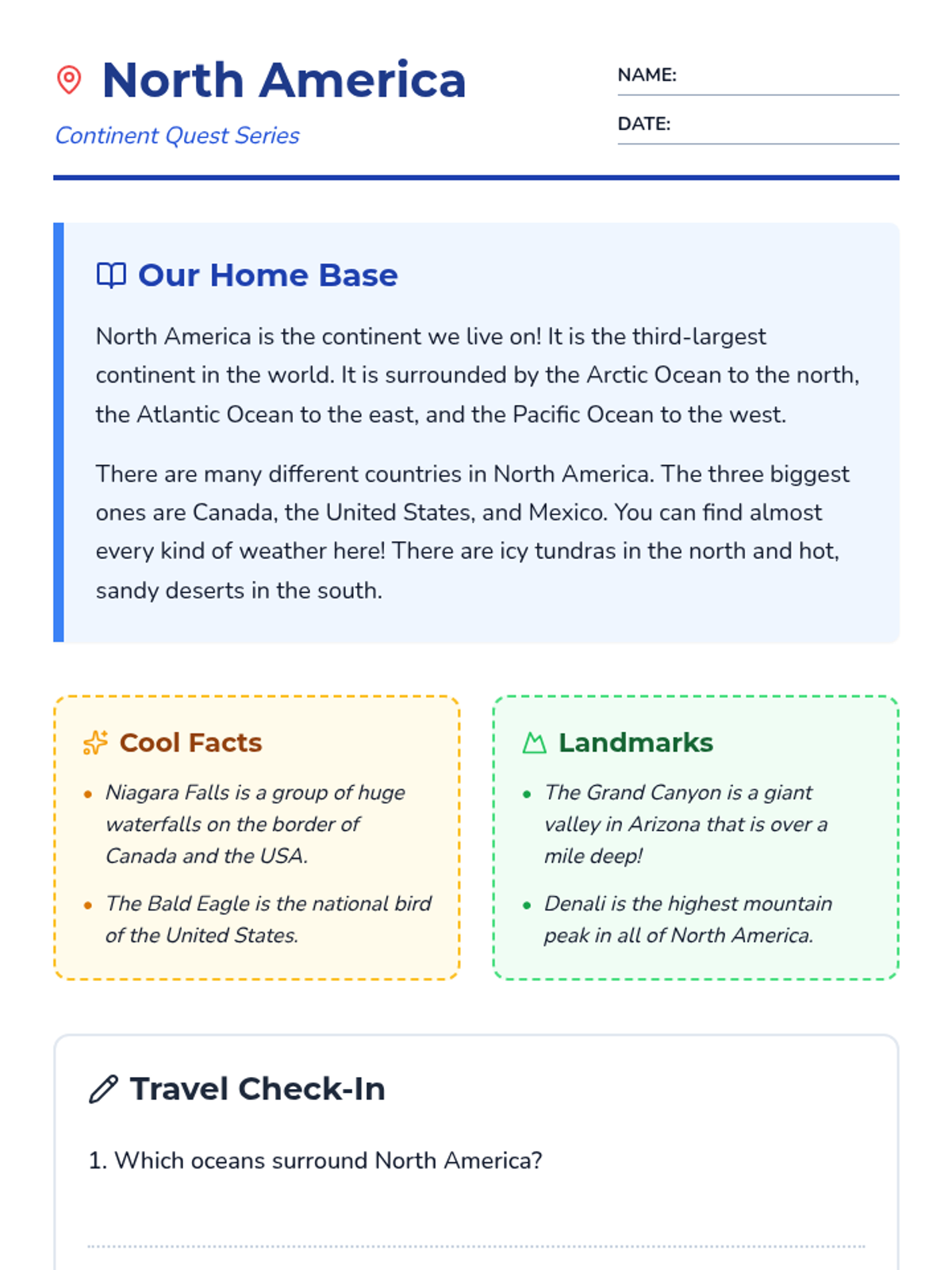
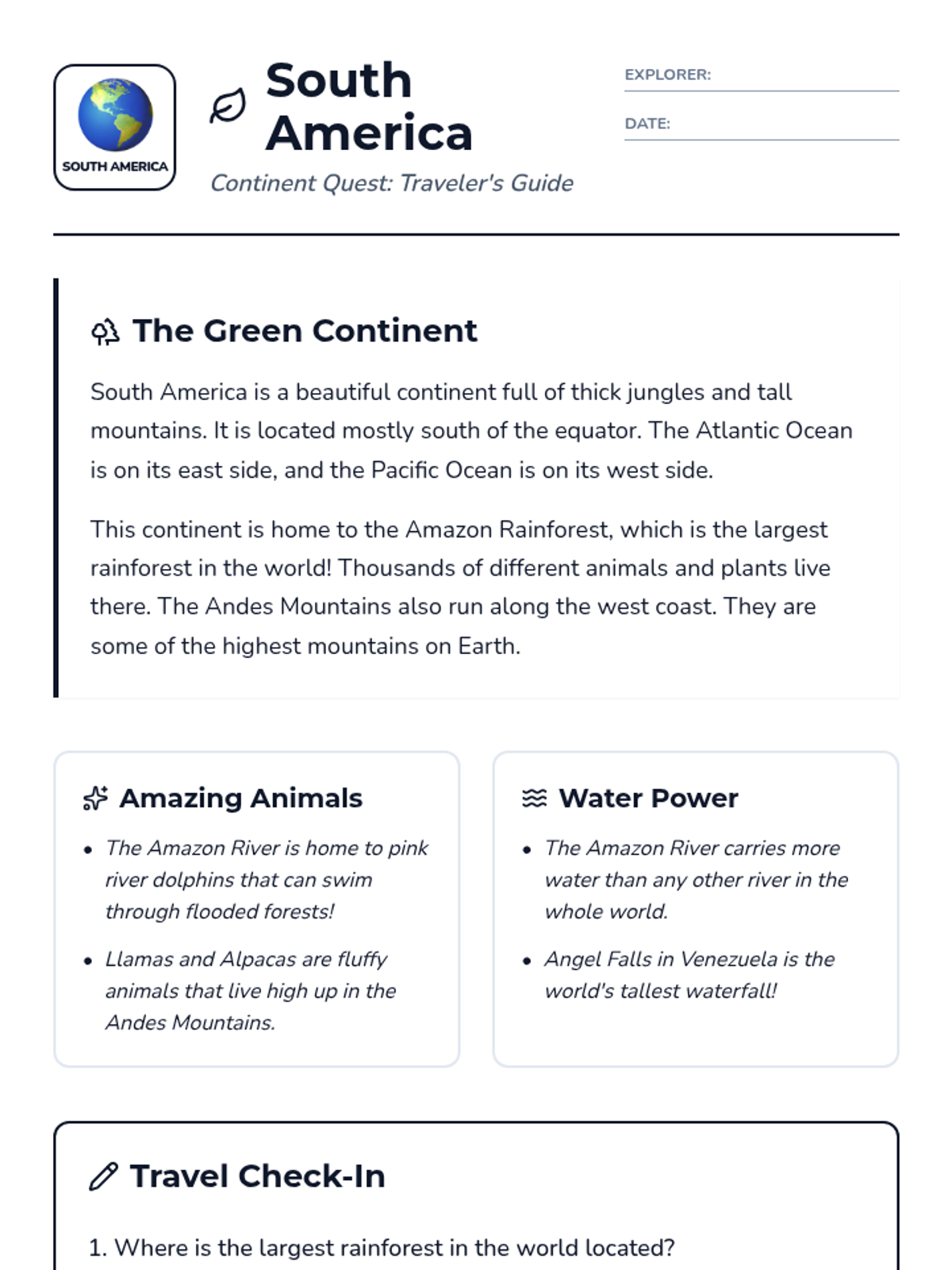
A 2nd-grade geography unit where students explore the seven continents and five oceans, then dive into the physical characteristics of mountains, deserts, and rainforests around the globe. Students act as 'Global Explorers' to map, observe, and compare different world environments.
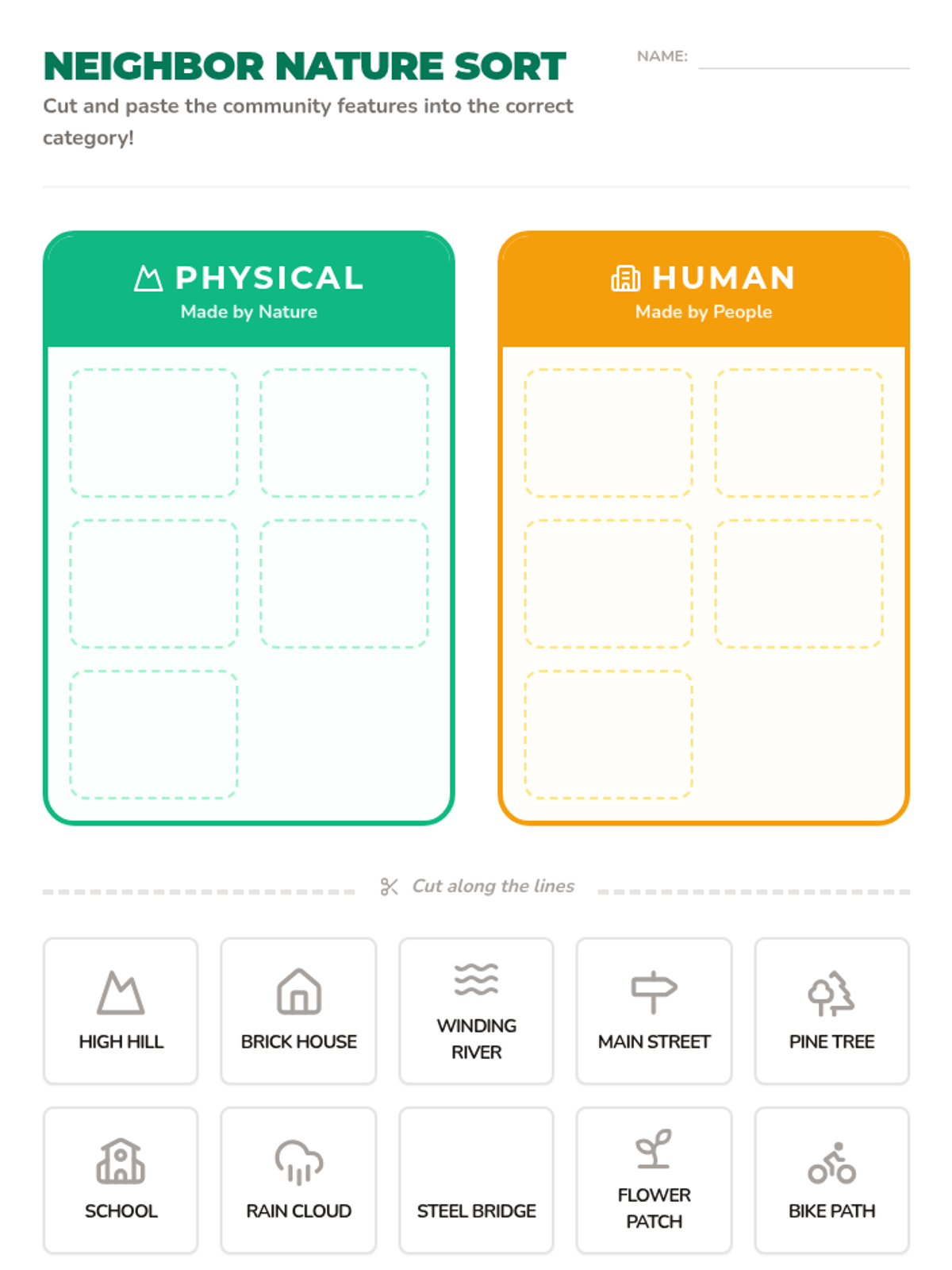
Students use digital tools and satellite imagery to distinguish between physical and human geographic features, exploring concepts of scale and evidence-based interpretation.
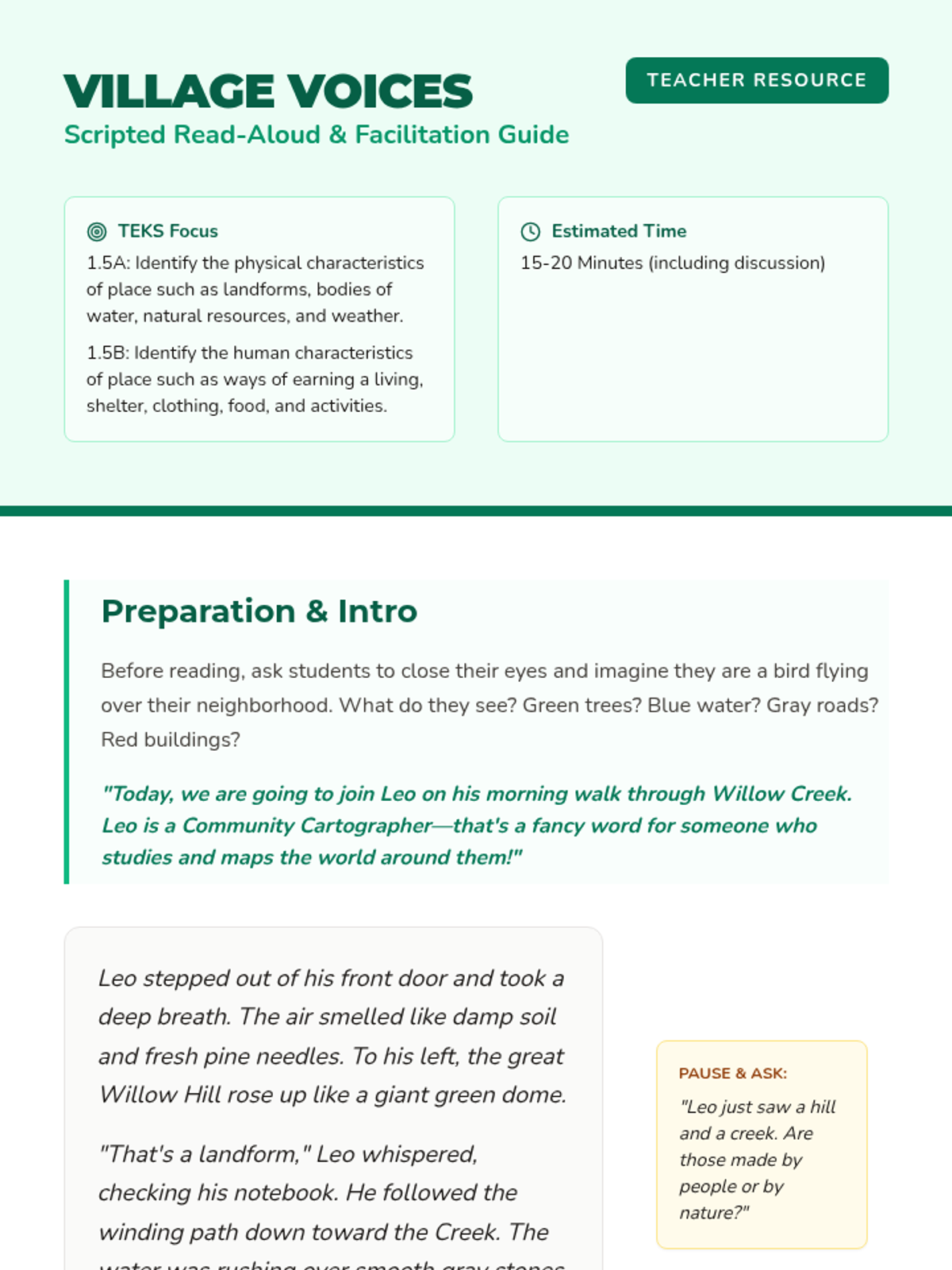
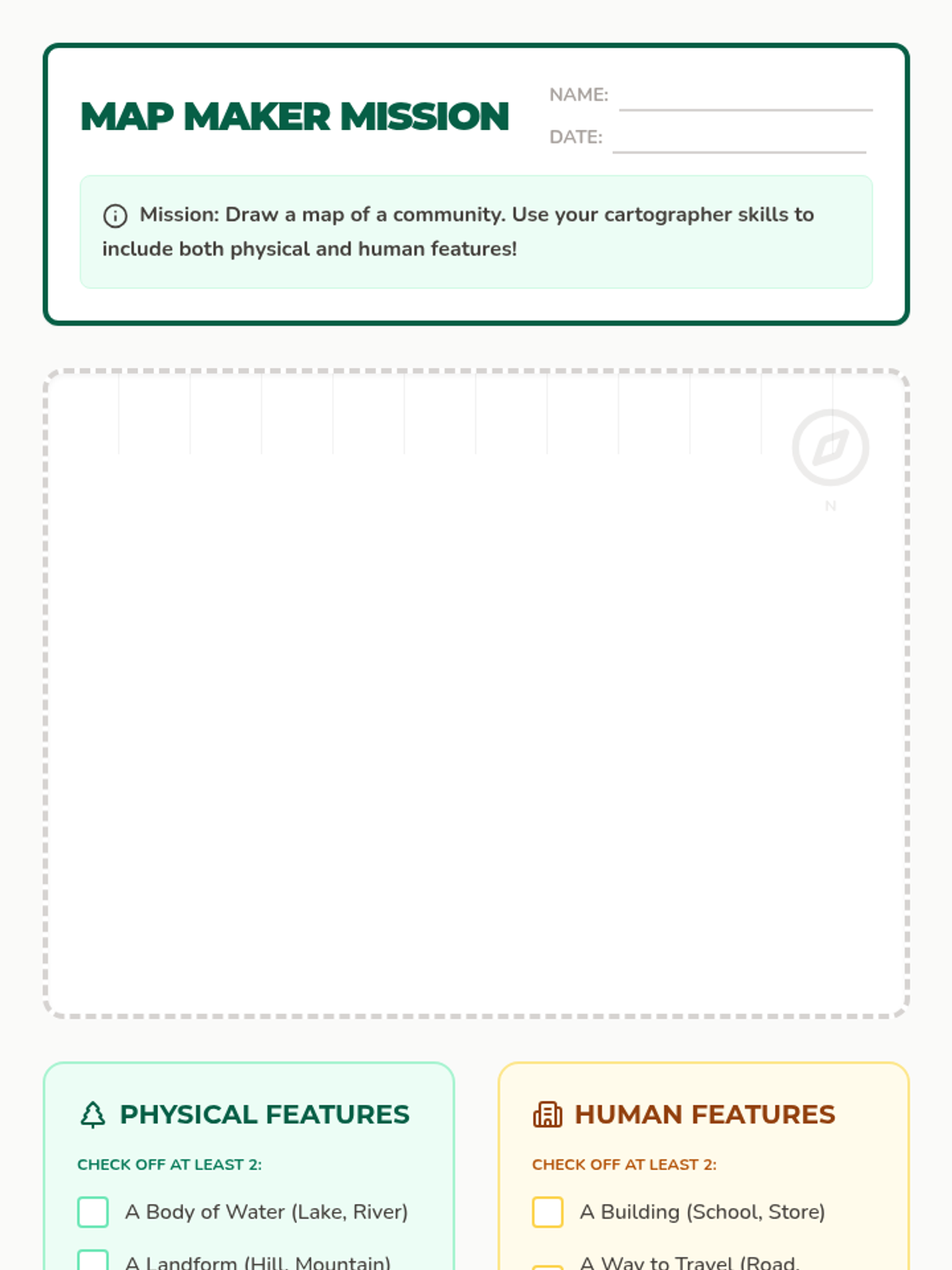
A project-based unit where 2nd-grade students become cartographers, learning to map their classroom by exploring boundaries, scale, symbols, and spatial organization.
A foundational geography sequence for 2nd graders focusing on bird's-eye perspective, map symbols, legends, and cardinal directions through interactive workshops and activities.
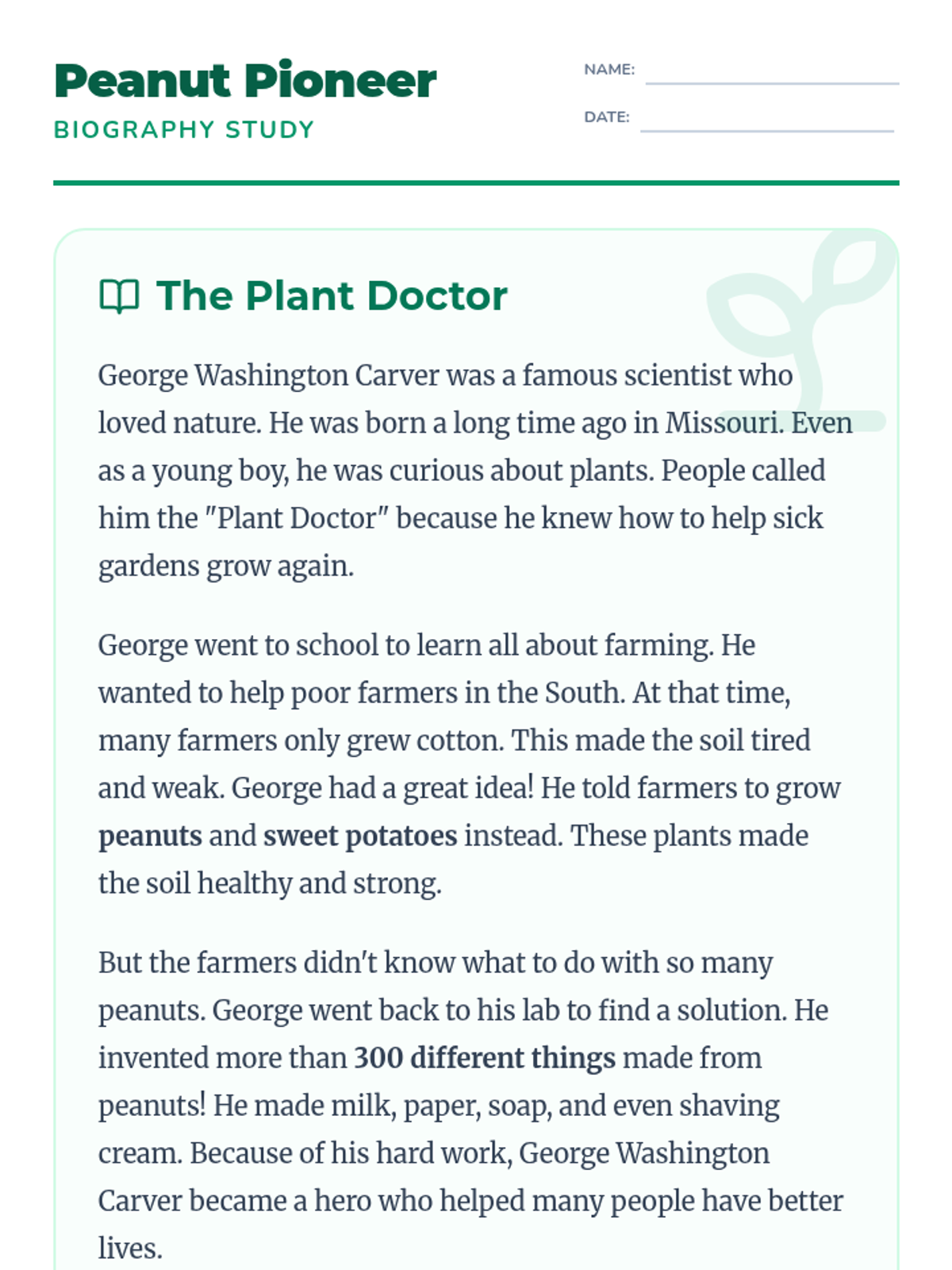
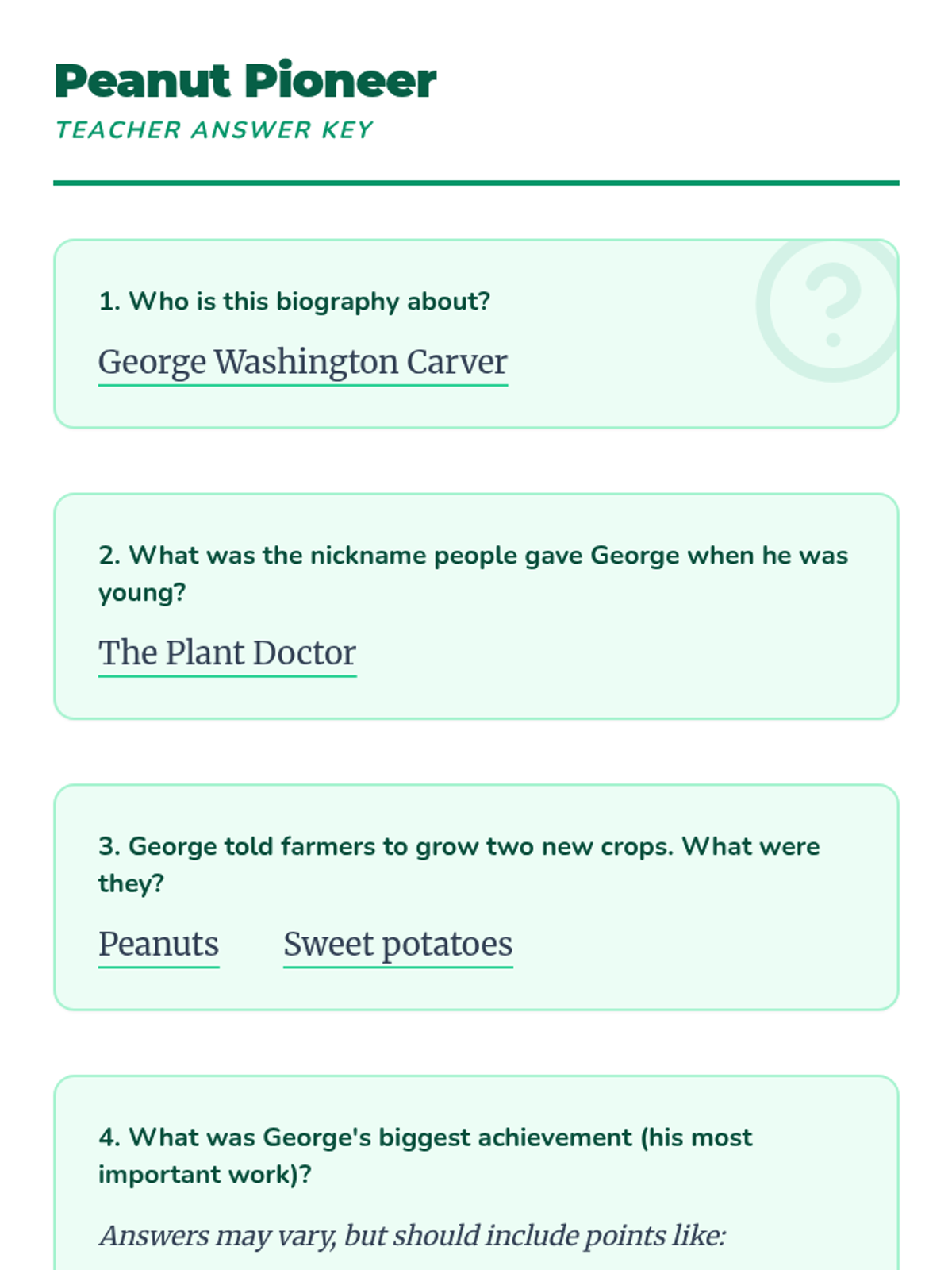
This 2nd Grade Social Studies sequence teaches students to understand history through the lens of chronology and causation. By exploring the biographies of historical figures, students learn to sequence life events, identify the 'spark' or motivation for major achievements, and analyze how personal challenges lead to significant societal outcomes.
A 2nd-grade project-based sequence exploring how inventions like the lightbulb, telephone, and car have reshaped daily life over time through the lens of chronology and causation.
A game-based sequence for 2nd graders to distinguish between correlation and causation in history and daily life using a detective-themed approach. Students move from physical chain reactions to analyzing historical events and predicting hypothetical outcomes.
Students explore how and why communities change over time by analyzing historical photographs, investigating 'triggers' of change like technology and population growth, and mapping causal chains in community development.
This sequence introduces second graders to the fundamental concepts of chronology by utilizing their own life histories as primary sources. Students progress from distinguishing past, present, and future to constructing personal timelines and identifying cause-and-effect relationships in their development.
Students explore historical biographies to develop chronological thinking skills. They learn to identify key life events, categorize them by life stage, and sequence them to understand how people become leaders and changemakers.
A 2nd-grade sequence introducing the ethics of digital citizenship. Students explore why we give credit to creators, how to find authorship information on websites, and how to format simple citations using the 'Citation Sandwich' method.
A comprehensive 5-lesson sequence for 2nd graders to develop critical thinking skills for the internet. Students use a 'Digital Detective' theme to investigate authorship, fact vs. opinion, advertisements, and information currency to determine if a website is safe and credible for school research.
This 2nd Grade economics sequence introduces students to the fundamentals of personal finance through the lens of decision-making. Students explore the concepts of needs versus wants, scarcity, and opportunity cost, while learning a practical budgeting method (Save, Spend, Share) and applying their skills to a collaborative party-planning project.
This sequence introduces 2nd graders to the fundamentals of economics through the lens of production and earning. Students learn to distinguish between goods and services, understand the link between labor and income, and participate in a project-based learning experience where they create products and simulate a classroom market.
A project-based sequence where students simulate a market economy by creating products, investing capital, and navigating supply and demand during a classroom market day.
This sequence explores modern Chinese culture through the lens of daily life, comparing school routines, transportation, play, and urban landscapes to help 2nd-grade students understand their peers in China.
A 5-lesson sequence for 2nd Grade students exploring the stories, symbols, and traditions of major Chinese festivals, including Lunar New Year, the Lantern Festival, the Dragon Boat Festival, and the Mid-Autumn Festival.
This 2nd-grade history sequence explores family heritages and cultural customs. Students learn to distinguish traditions from routines, investigate global ancestor-honoring holidays like Dia de los Muertos, practice oral history skills by interviewing elders, and discover how food connects history to geography, culminating in a collaborative class tradition book.
This sequence explores how different cultures measure time and mark new beginnings. Students investigate the relationship between the earth, the moon, and the calendar, discovering why New Year celebrations happen at different times of the year (Solar vs. Lunar).
A 5-lesson sequence for 2nd graders exploring the purpose of national holidays, honoring historical figures like Martin Luther King Jr., and understanding concepts of commemoration and civic duty through patriotic symbols and global comparisons.
A 5-lesson sequence for 2nd Grade students exploring the agricultural origins and cultural expressions of harvest festivals around the world, including American Thanksgiving, Sukkot, Chuseok, and Pongal. Students investigate history, compare traditions, and identify the shared human experience of gratitude and community.
A 2-grade project-based sequence exploring Diwali, Hanukkah, St. Lucia's Day, and Kwanzaa through the lens of light, symbolism, and community hope during the winter solstice.
This sequence explores the historical and civic foundations of national holidays, helping students understand how nations remember their past. Students will investigate independence movements, leadership legacies, the nature of remembrance, chronological context, and national symbolism through comparative analysis and historical thinking.
Students investigate the significance of major American landmarks, exploring their history, engineering, and symbolism. Through research and creative projects, they learn what makes a site important enough to be preserved as a national treasure.
Explore the hidden meanings and values within American symbols, songs, and mottos. This sequence helps 2nd graders move from memorization to understanding the promises of citizenship.
A 2nd-grade social studies unit where students take a virtual road trip across the United States to explore key man-made landmarks and monuments. Students develop map skills, learn the history of iconic sites like the White House and the Liberty Bell, and discover how we honor leaders through architecture and symbols.
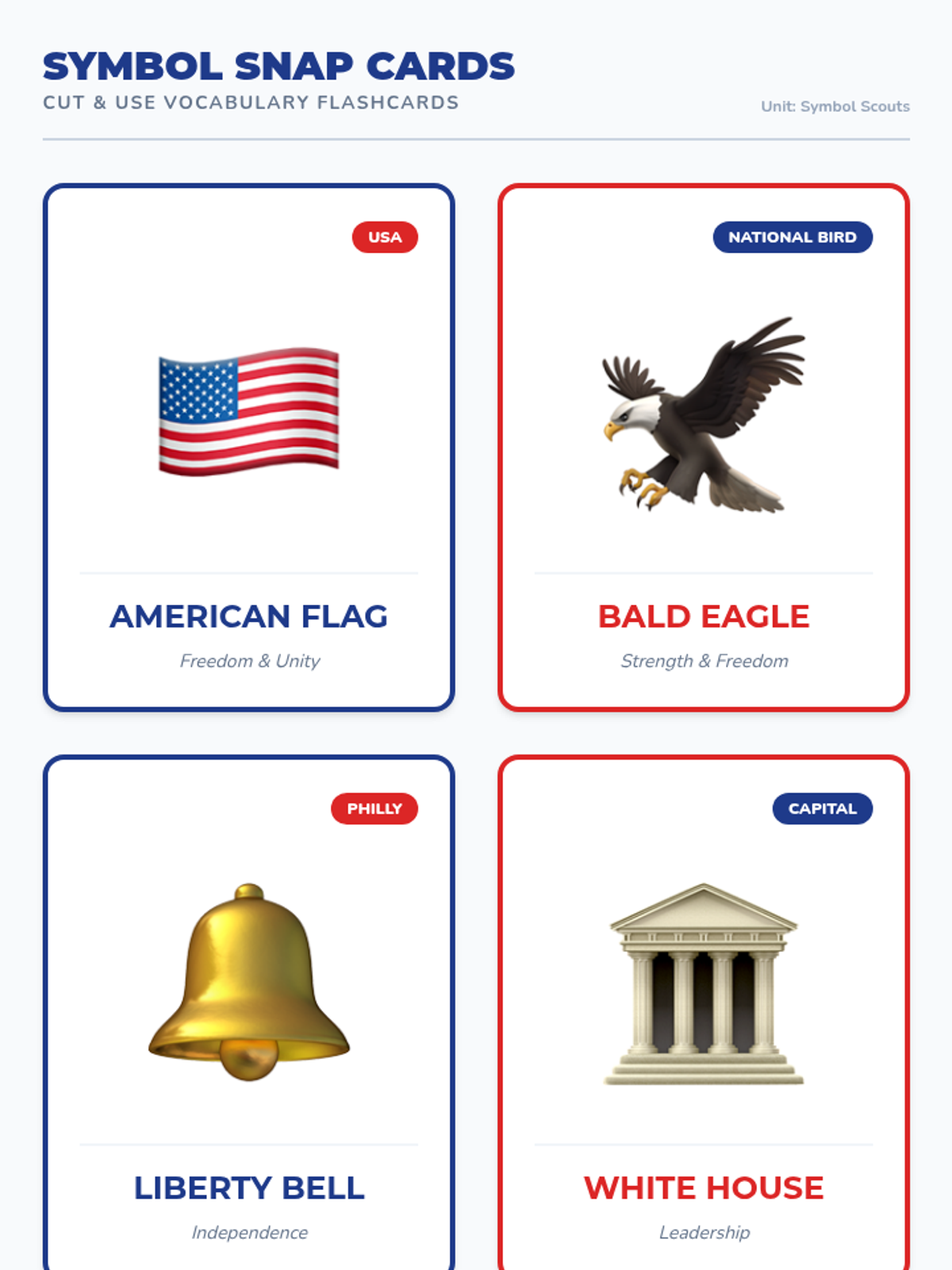
An inquiry-driven geography and civics sequence where 2nd-grade students explore the meaning of symbols, starting with familiar daily signs and progressing to iconic American landmarks like the flag, the bald eagle, and the Statue of Liberty.
Students explore the origins of democracy in Ancient Greece, moving from monarchy to citizen-led governance through simulations of the Assembly and voting with stones. The sequence emphasizes fairness, civic duty, and the limitations of early democracy, connecting ancient ideas to modern life.