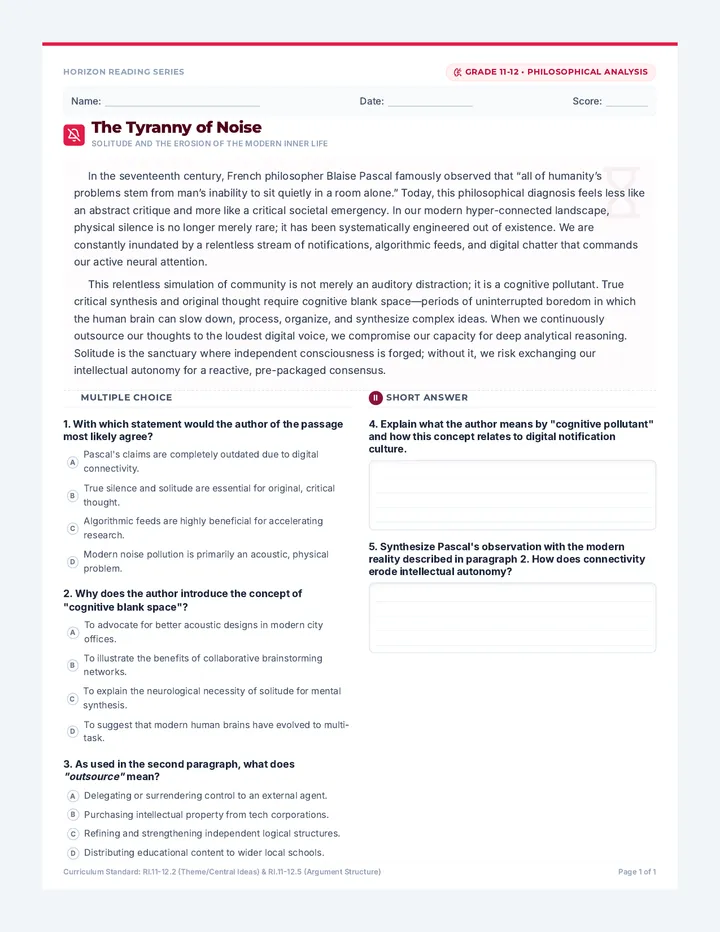
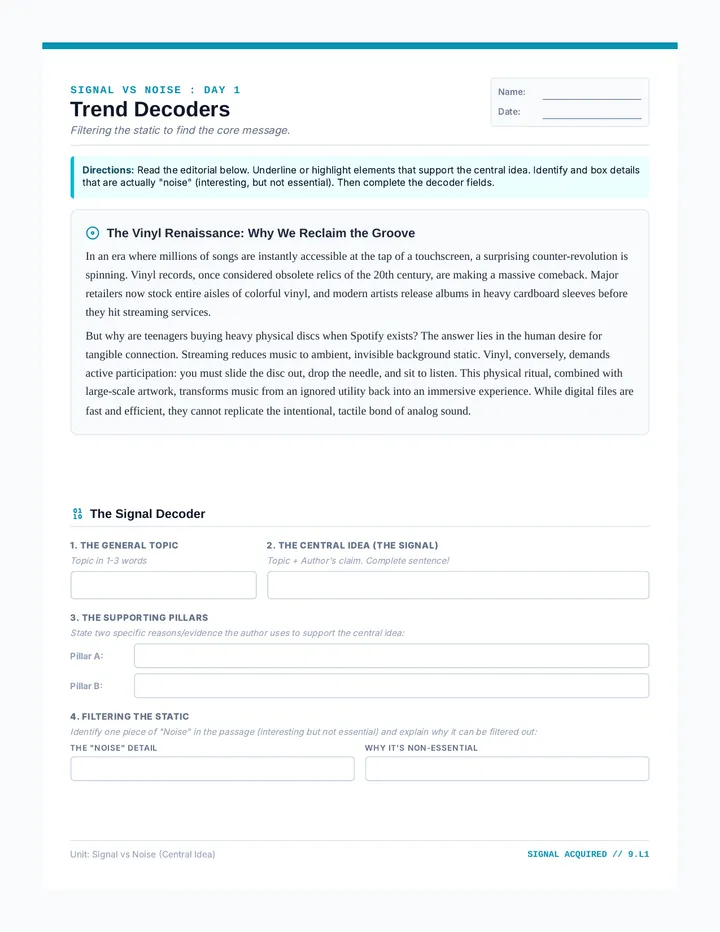
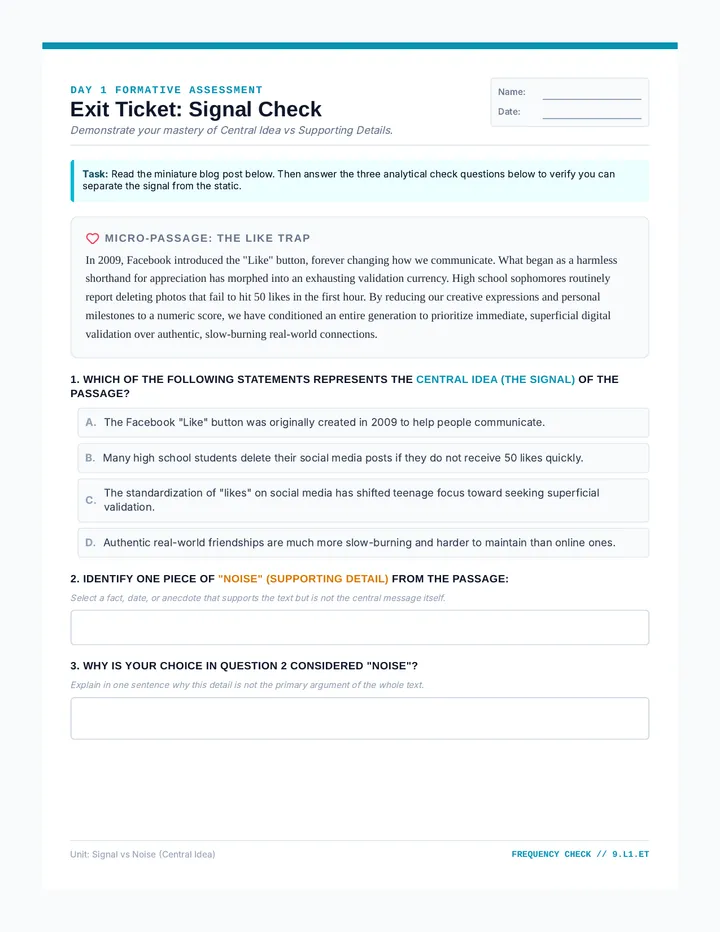
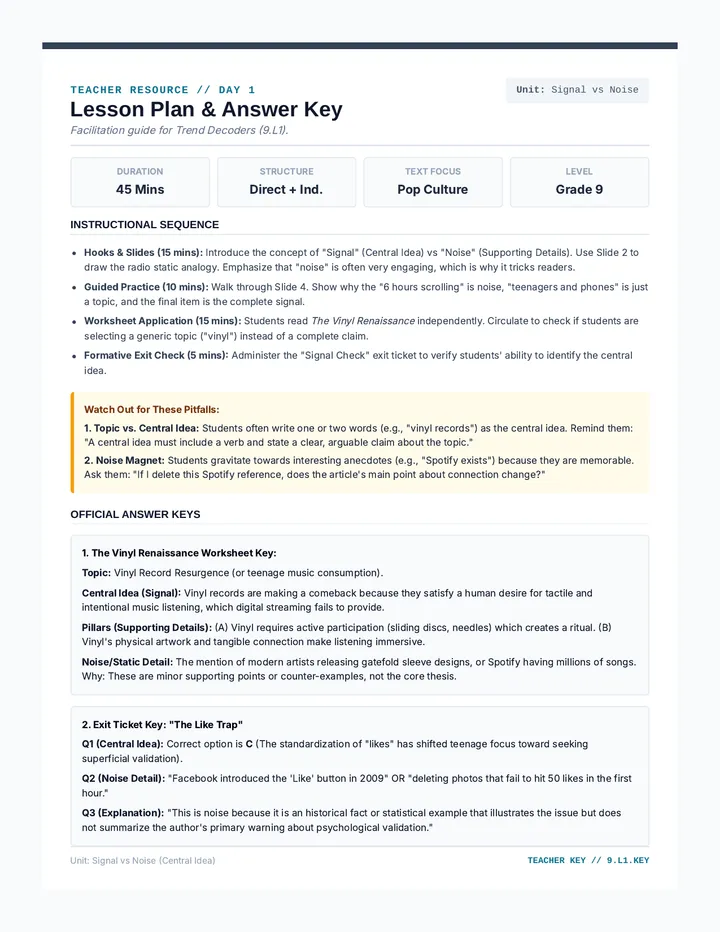
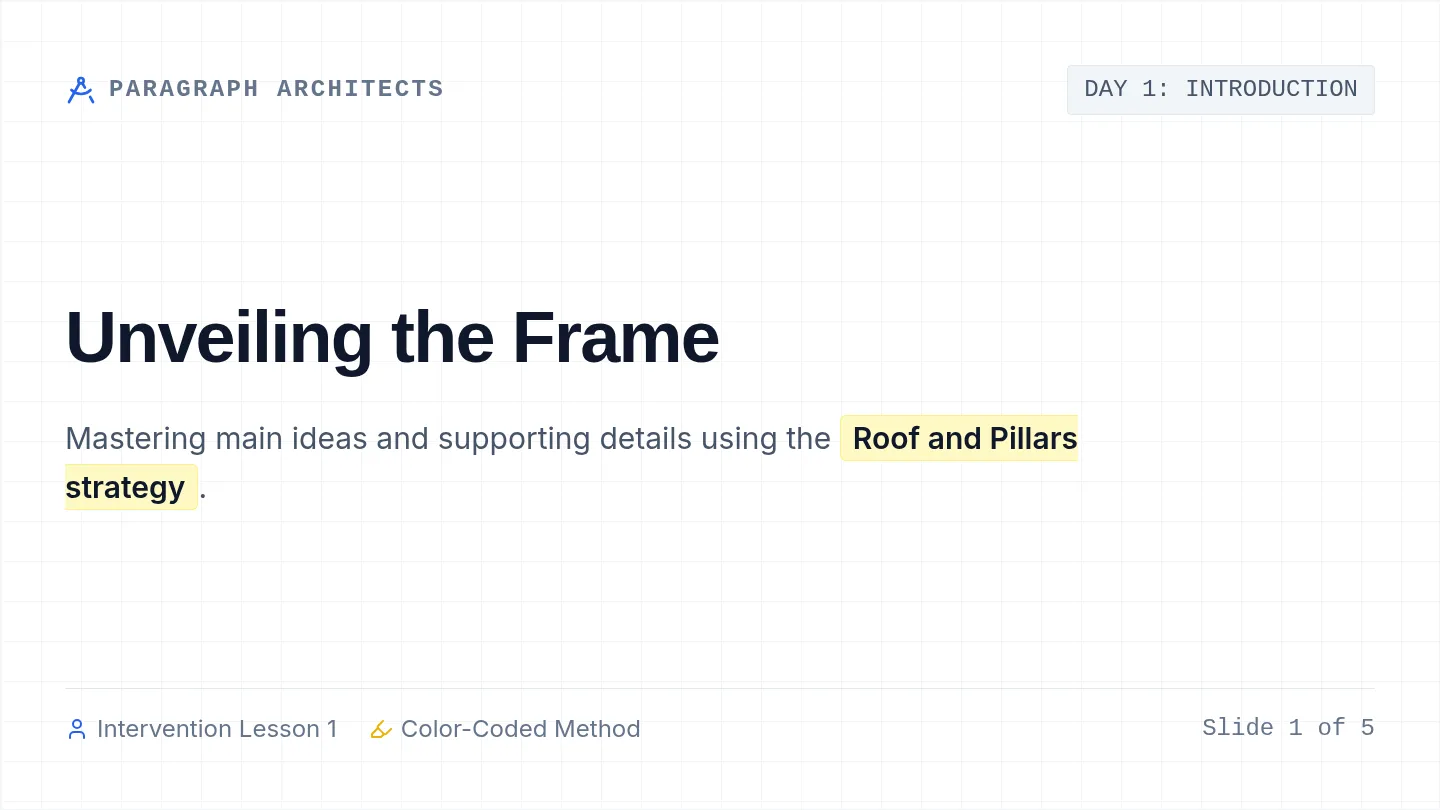
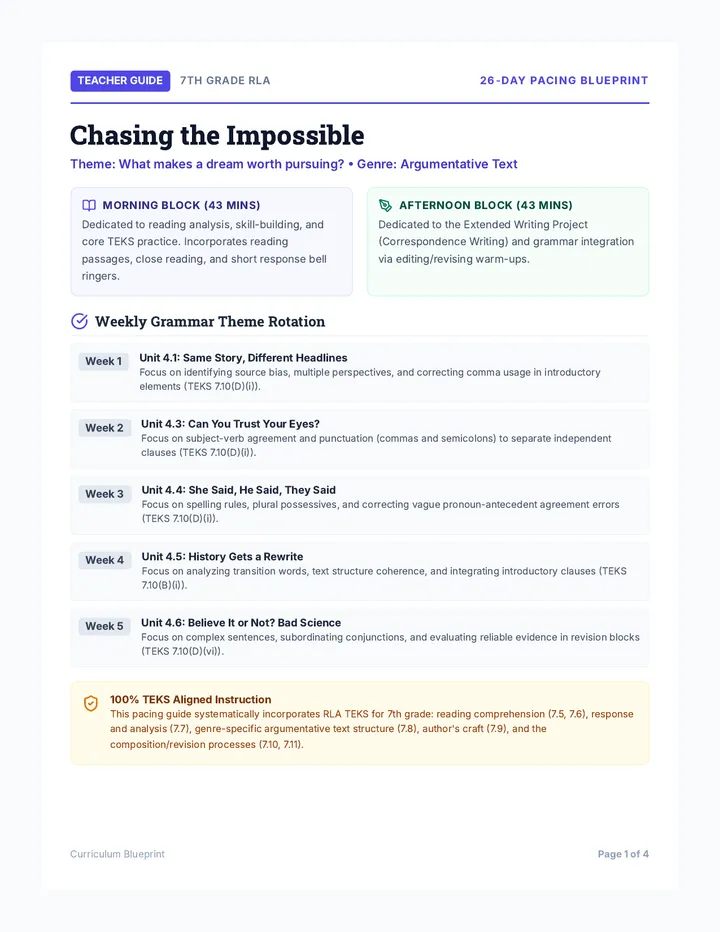
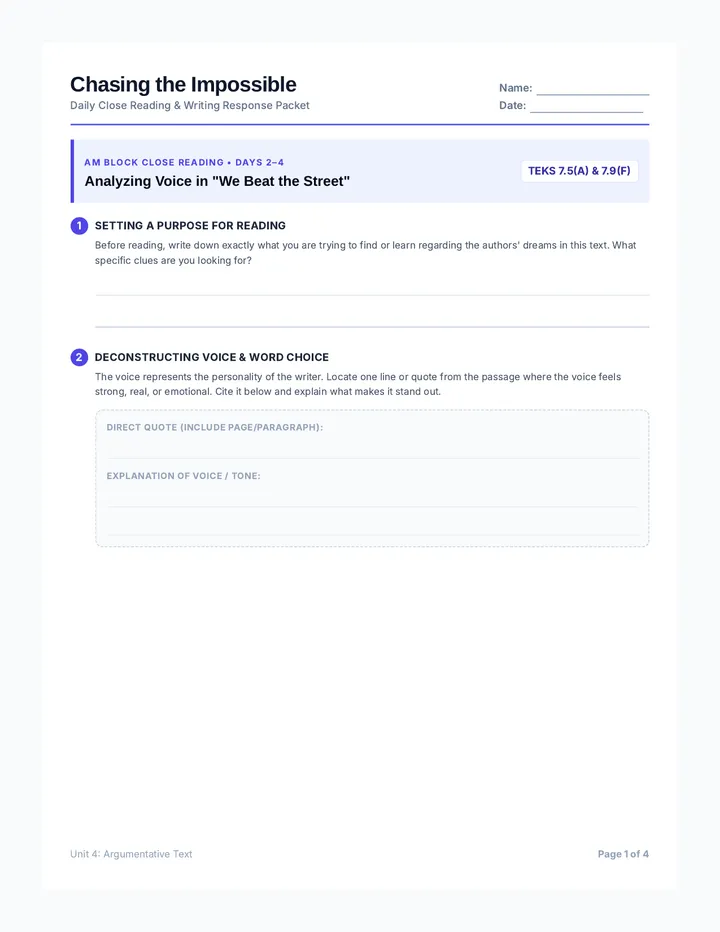
A deep dive into the art of communication, focusing on how we send, receive, and analyze spoken messages through various lenses of rhetoric and listening.
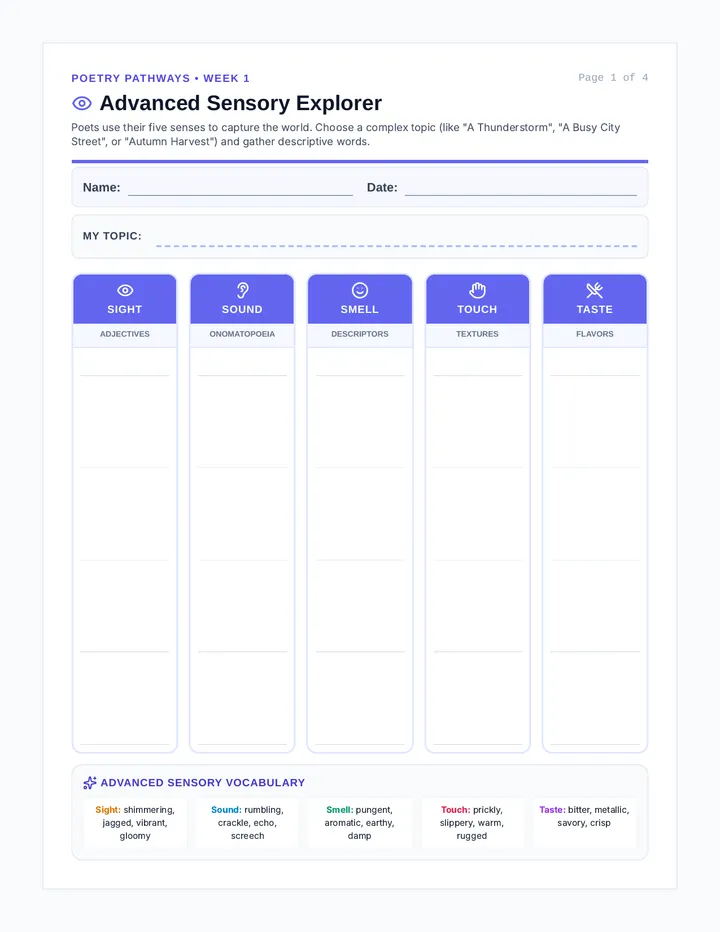
A deep dive into George Orwell's classic novella, focusing on the rhetorical power of language, the mechanics of rebellion, and the evolution of power on Manor Farm. This sequence prepares students to analyze allegory and political satire through the lens of 8th-grade literature standards.
A comprehensive makeup unit for Arthur Miller's 'The Crucible', designed for high school students to complete independently. It covers historical context, character analysis, and thematic depth across all four acts.
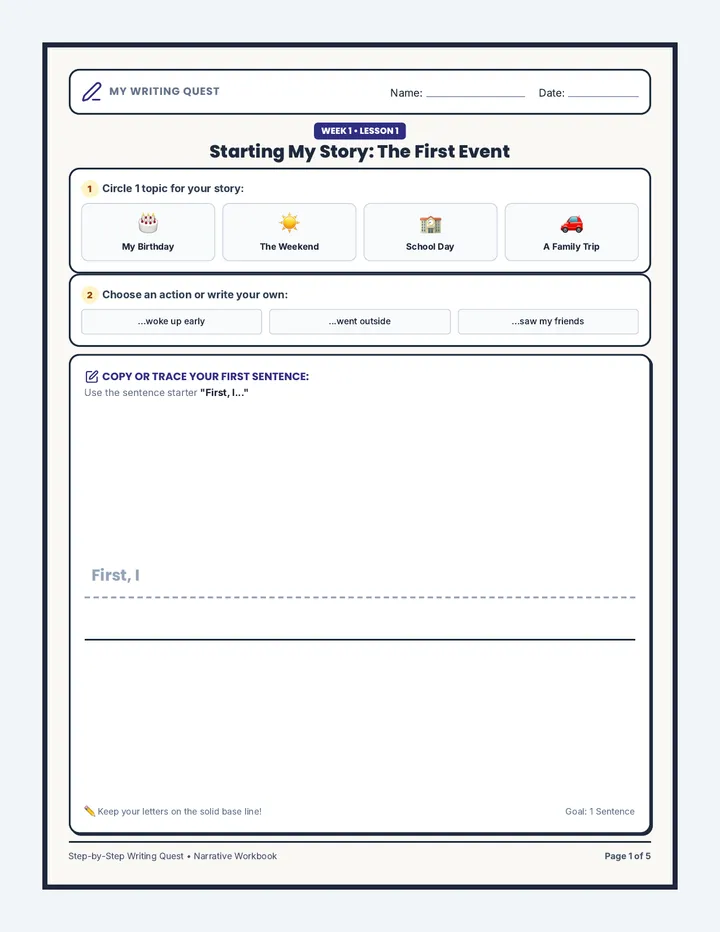
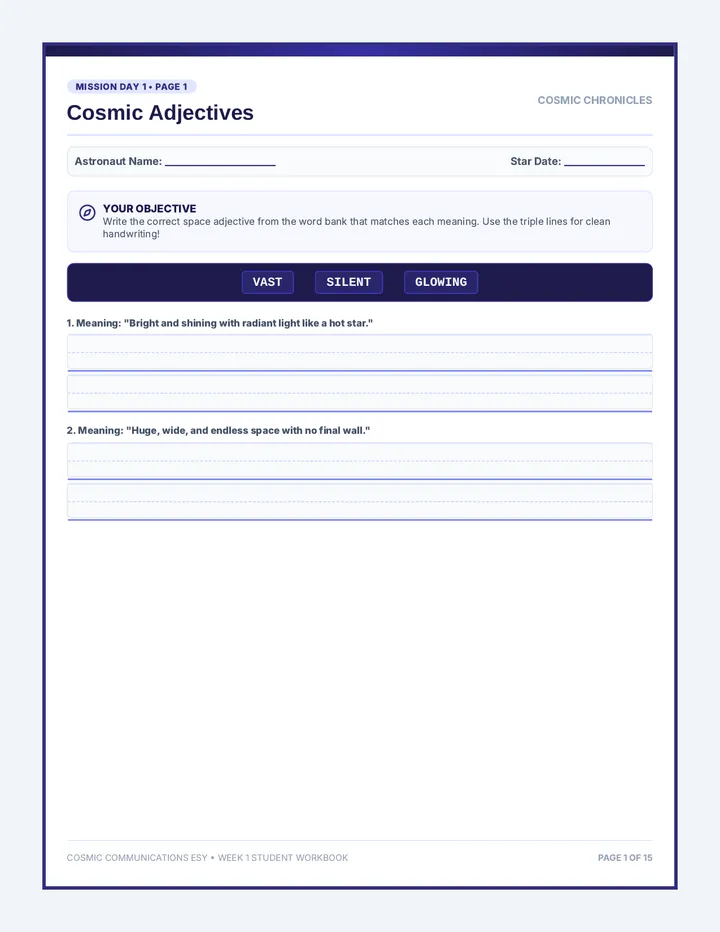
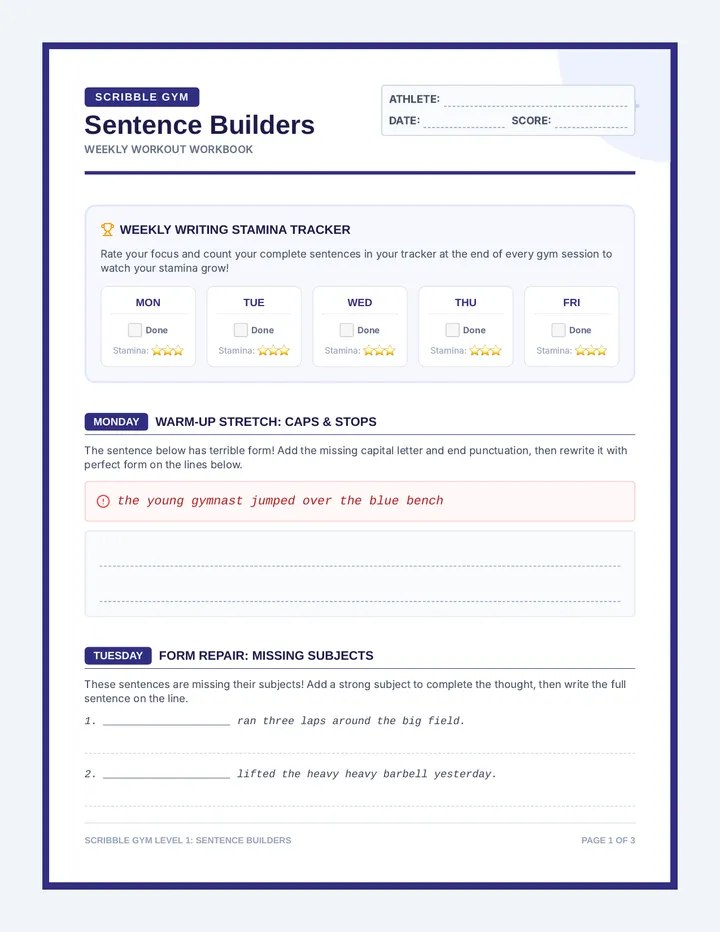
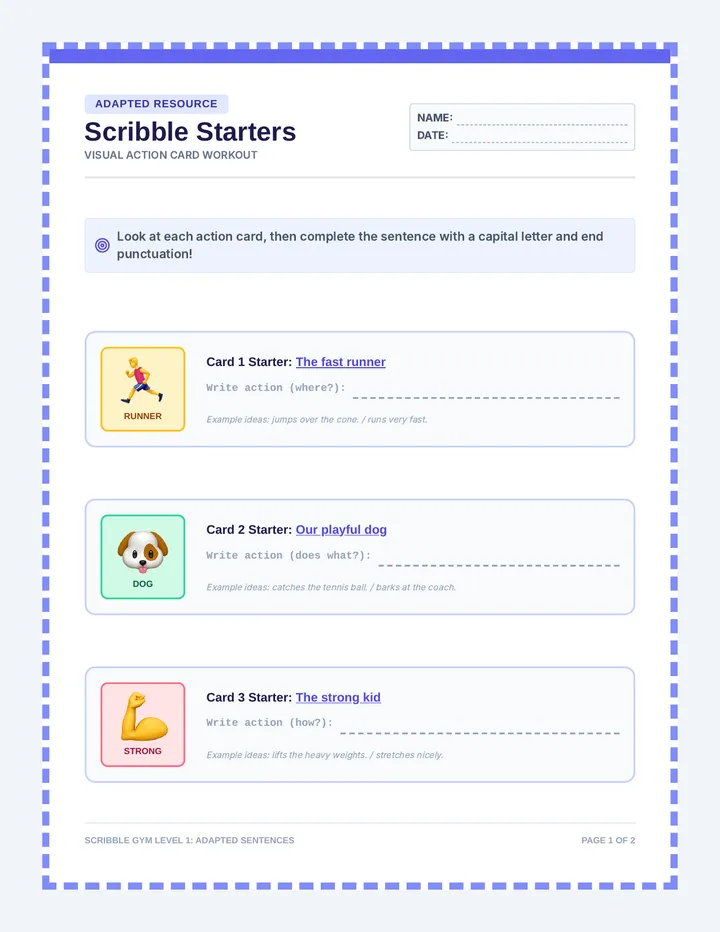
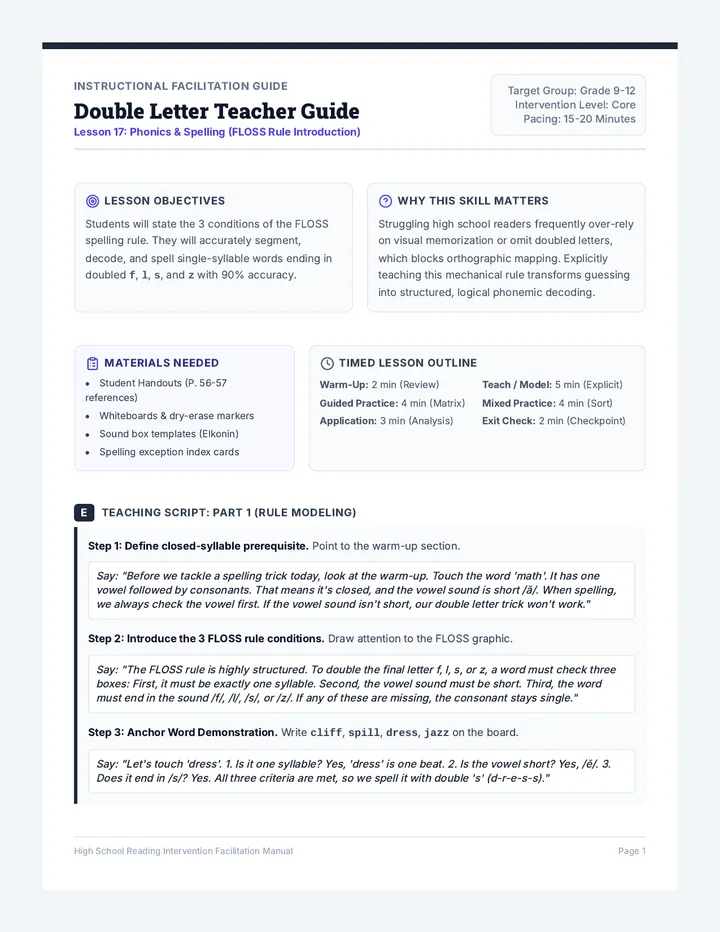
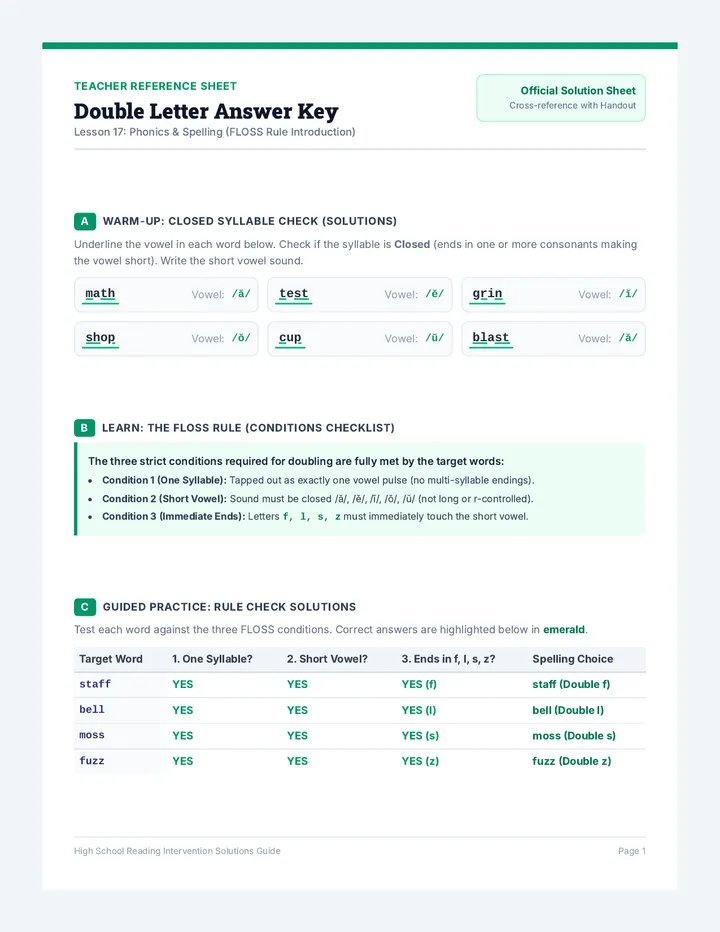
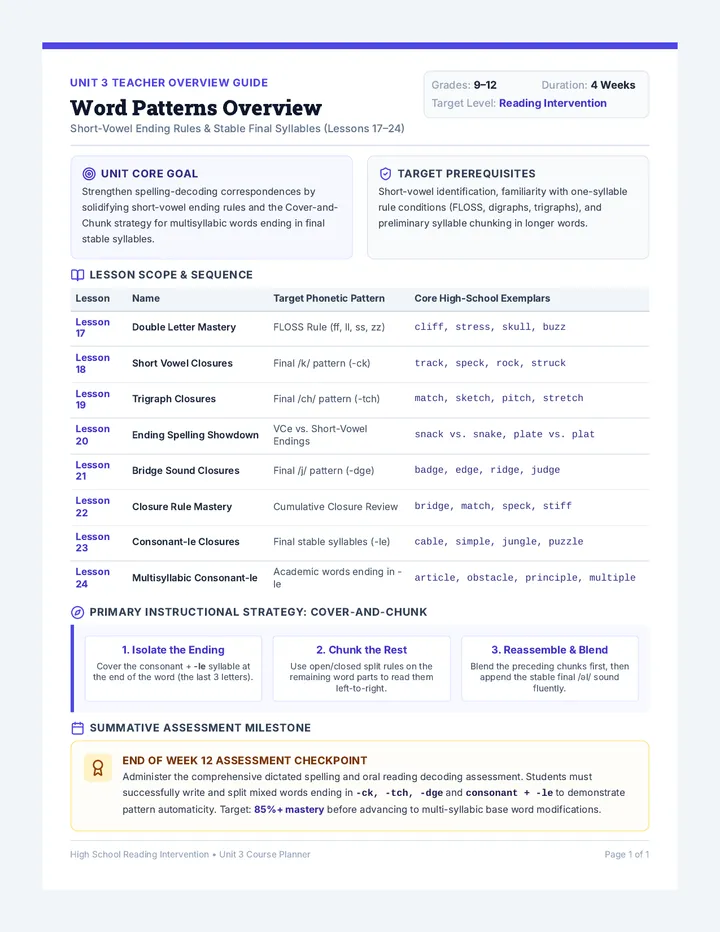
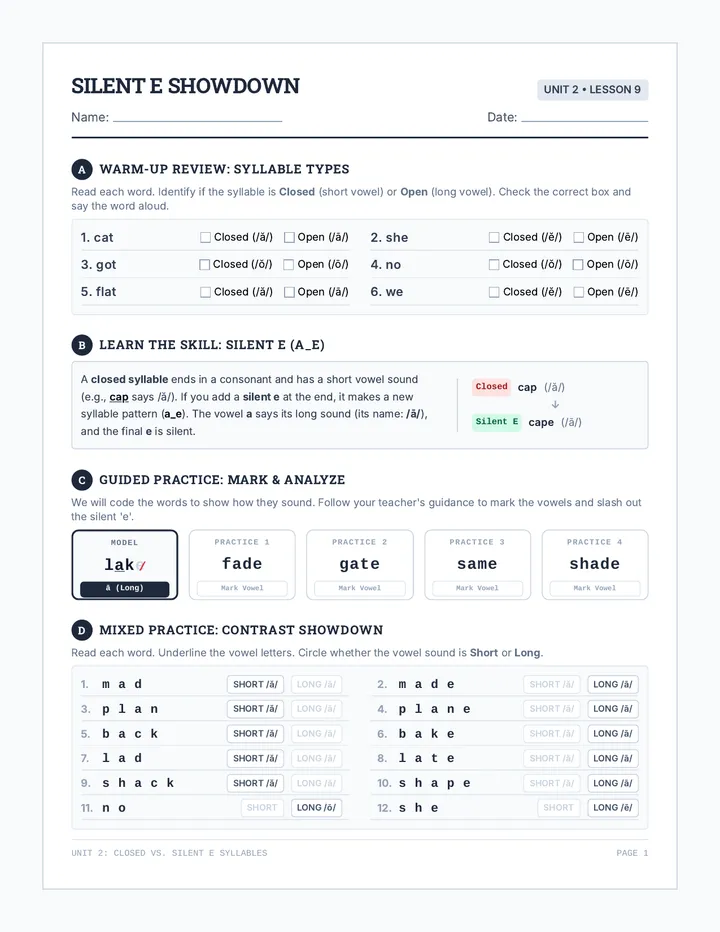
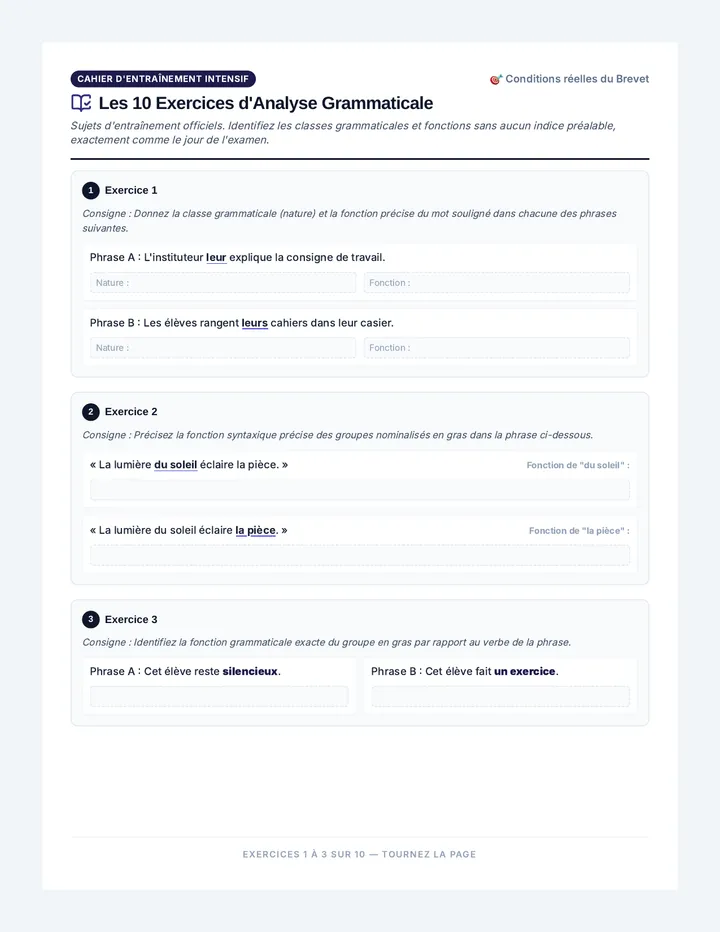
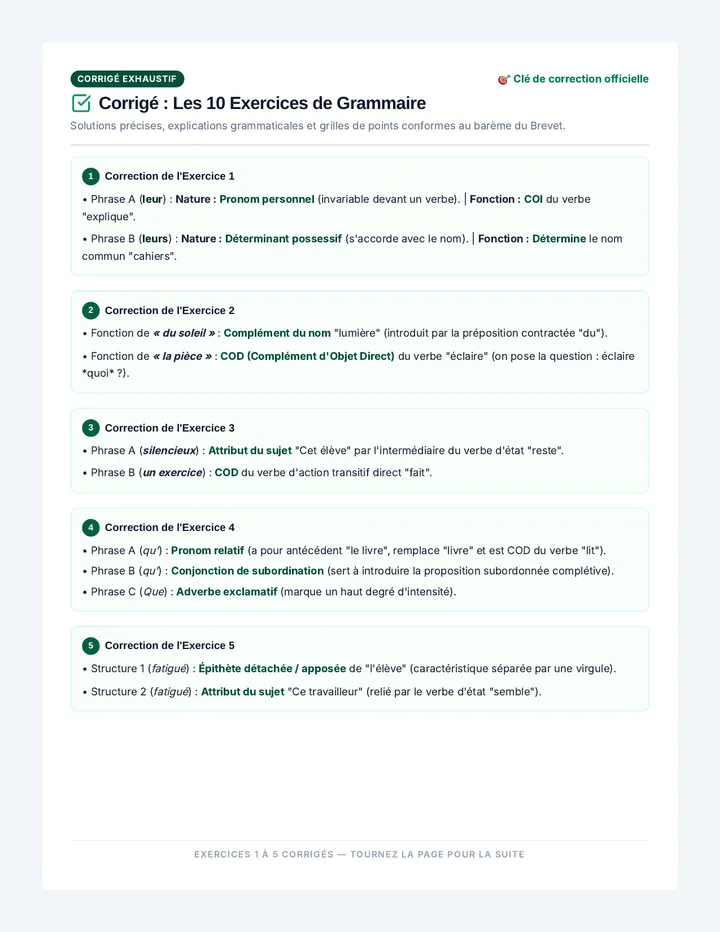
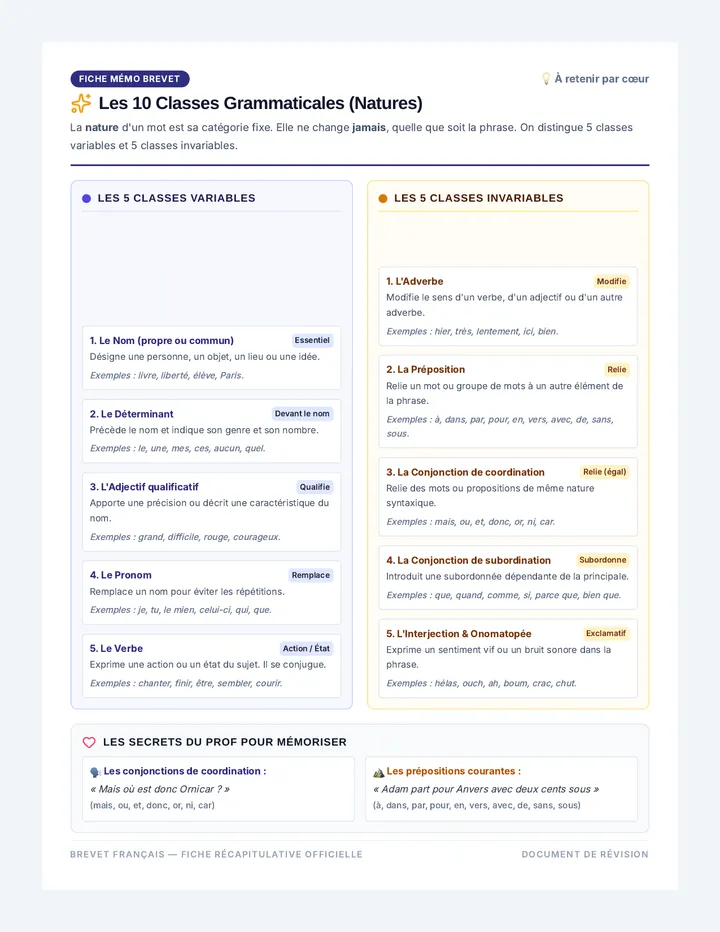
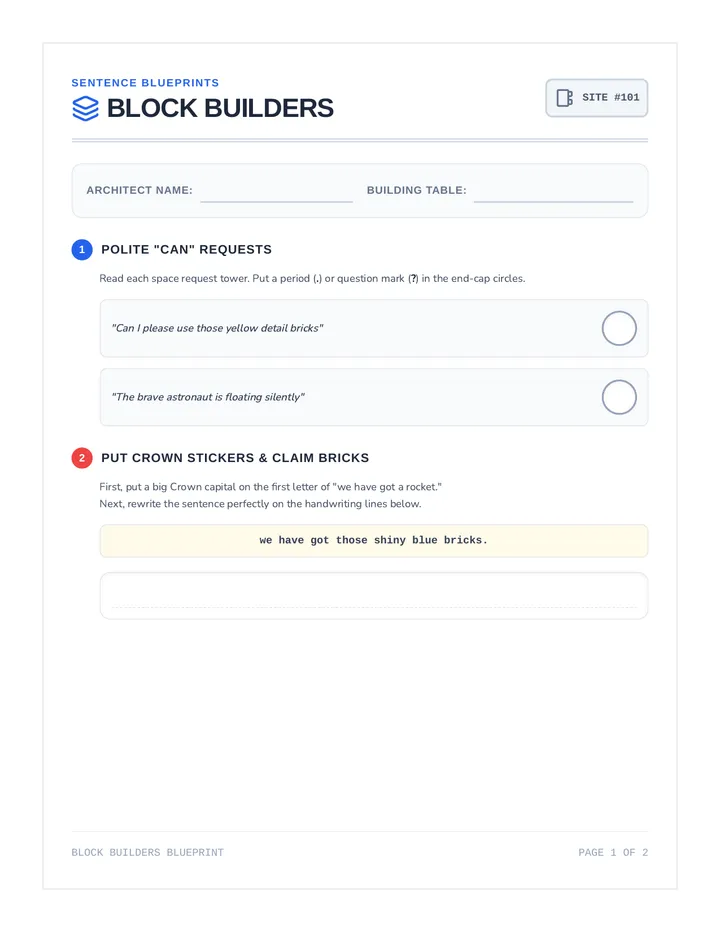
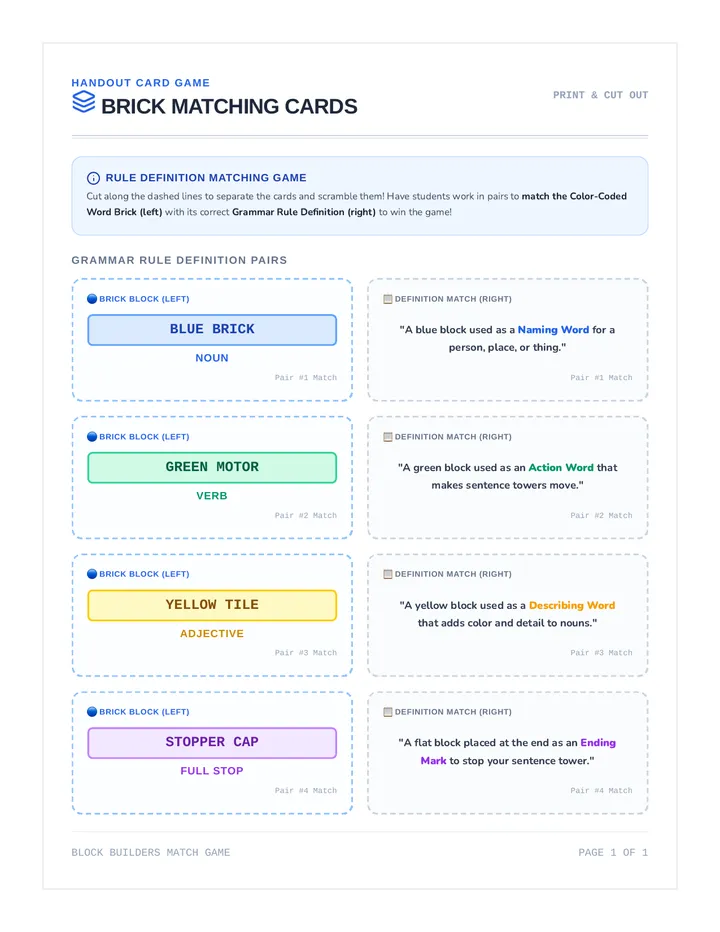
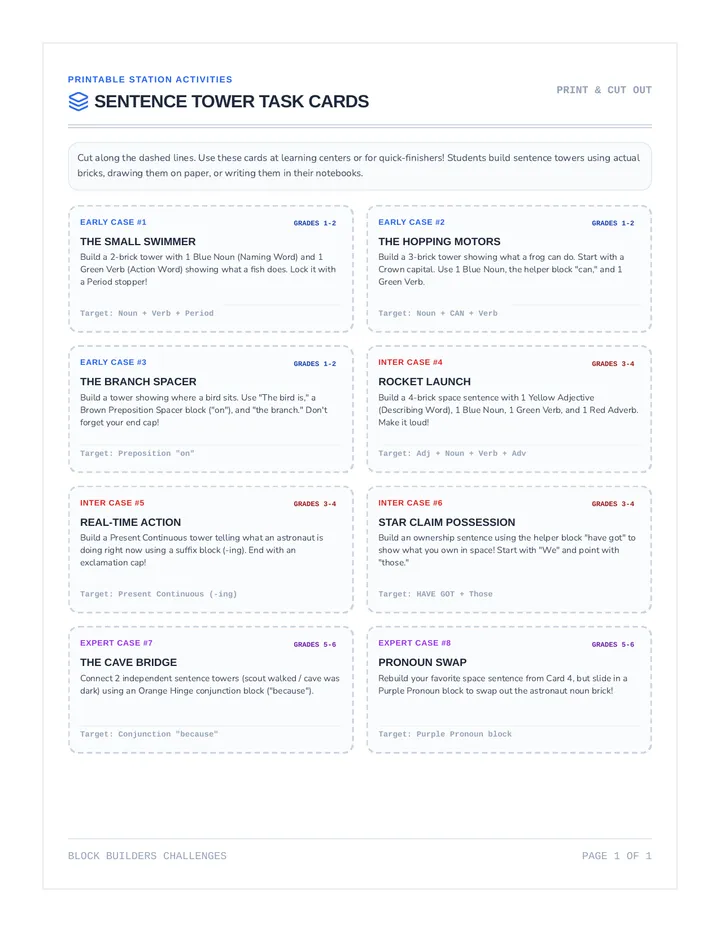
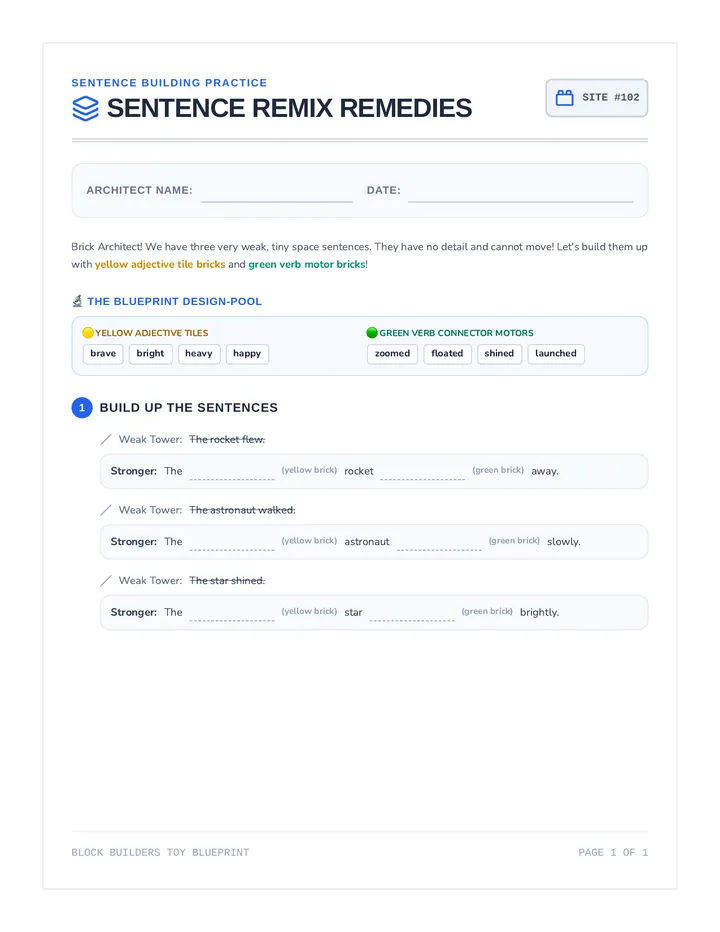
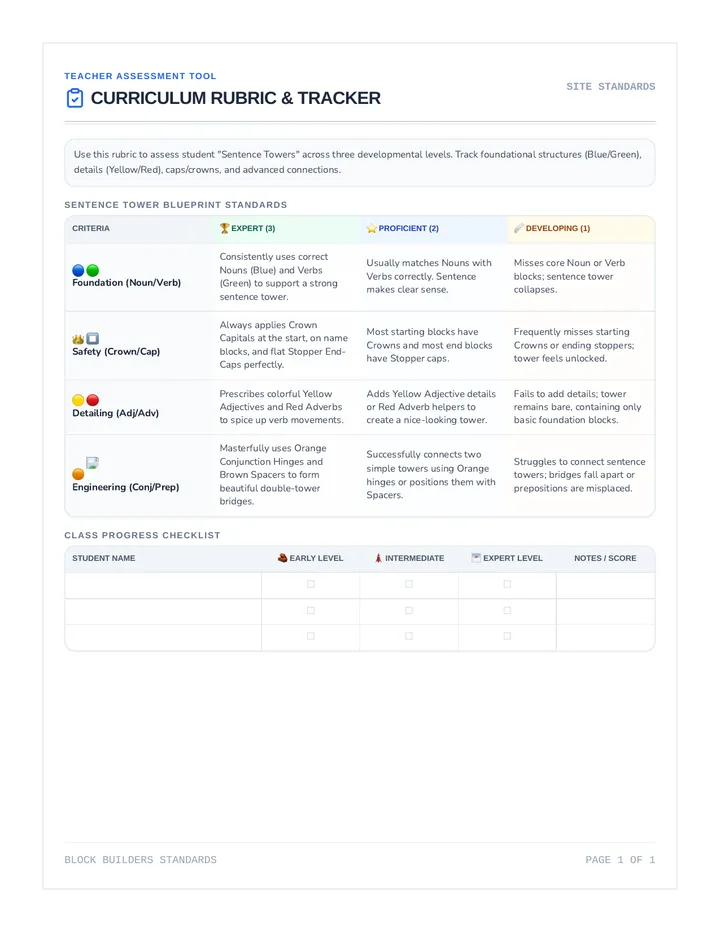
A unit on essential writing and grammar skills, focusing on sentence structure and cohesion through verbs and transition words.
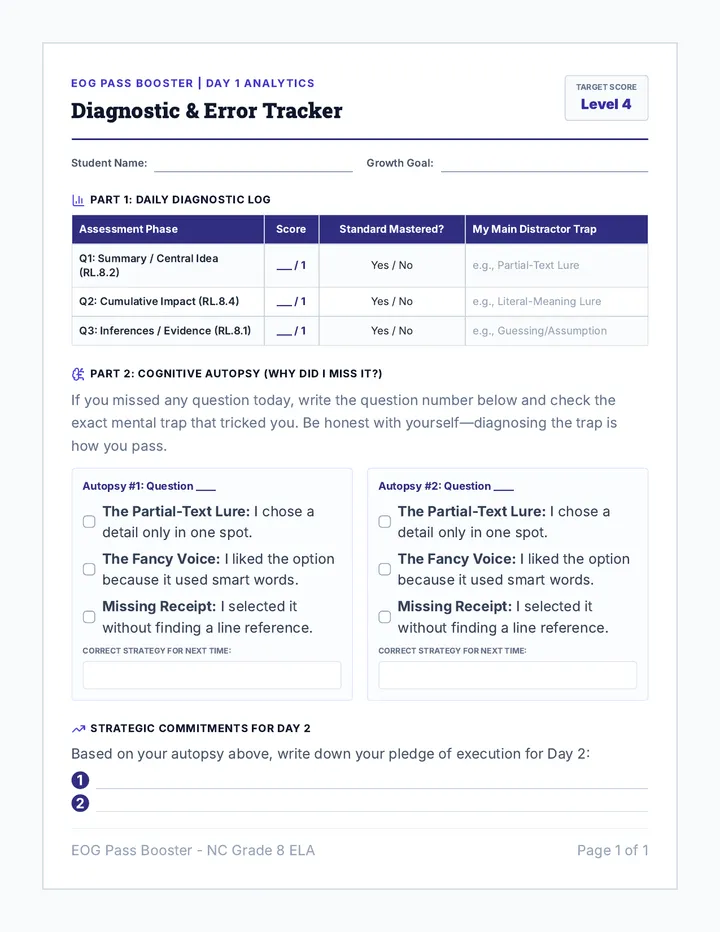
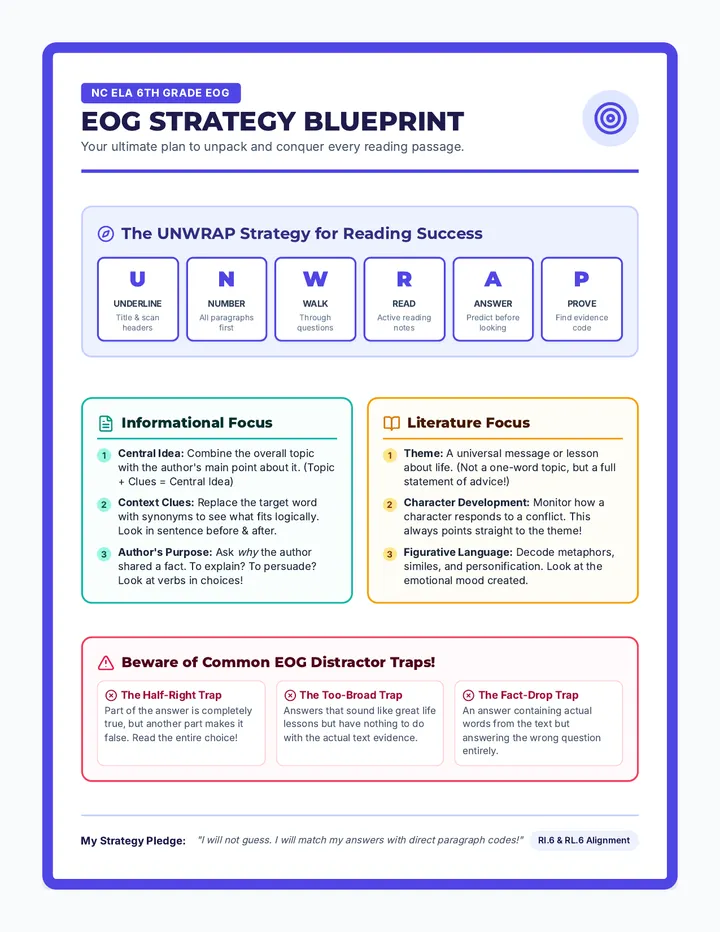
A comprehensive remediation unit exploring the psychological and cultural roots of fear and superstition through multiple genres. Students analyze figurative language, argumentative structures, and use evidence to support inferences.
A 5-day persuasive writing unit themed as 'Opinion Ops,' where students act as secret agents building a case for or against school uniforms or cell phones in school. Includes graphic organizers, daily worksheets, and a comprehensive grading rubric.
An intensive investigative unit on Franz Kafka's *The Metamorphosis* following the North Star/Uncommon Schools instructional model. The unit focuses on the thematic intersection of labor, identity, and dehumanization. Students analyze Gregor's alienation from his family and society through a structured rigorous framework including vocabulary acquisition, character identification, and thematic synthesis.
A deep dive into the final chapters of George Orwell's *Animal Farm*, focusing on the psychological and rhetorical tools of tyranny. Students analyze the transition from revolution to totalitarianism through the lens of rhetorical appeals, propaganda, and allegorical parallels to the Russian Revolution.
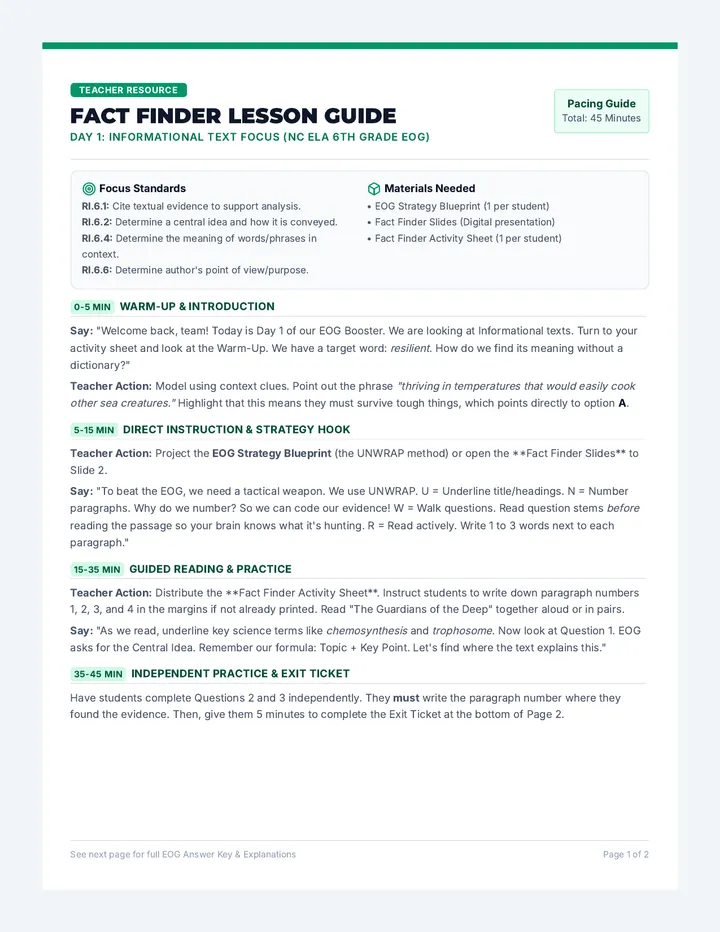
A two-week unit exploring the Hero's Journey monomyth, using Simone Biles as a modern anchor and culminating in a creative mapping project and traditional exam.
A collection of diverse instructional units designed to build both literary analysis skills and practical life knowledge, preparing students for complex texts and real-world challenges.
An ELA unit exploring the complexities of the human mind, artificial intelligence, and cognitive growth through the lens of figurative language and central theme analysis.
A 5-day mastery unit for RI.8.2 using a Content Creator Studio theme. Students learn to determine central ideas, analyze their development, and write objective summaries through the lens of digital media production.
A 4-week unit exploring the construction of heroism and villainy in sports through media analysis, persuasive writing, and investigative interview techniques. Students will analyze how public perception is shaped and ultimately create their own investigative podcast script.
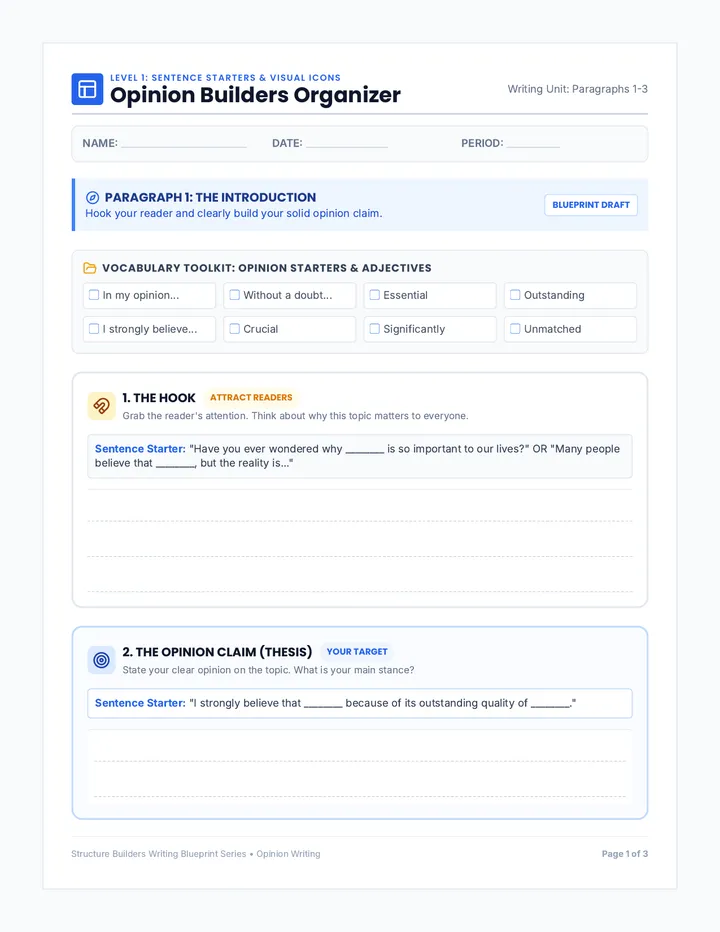
A comprehensive writing program for grades 3-12 focused on sentence and paragraph composition across six different genres, culminating in exam preparation and final assessments. The curriculum balances grammar foundations with creative and formal writing structures.
A collection of thematic reading fluency worksheets designed to improve student reading speed, accuracy, and comprehension through repeated readings and partner retelling.
A sequence focused on elevating student narrative writing through advanced dialogue techniques, character voice development, and professional formatting. Students will transition from summarizing events to showing them through dynamic character interactions.
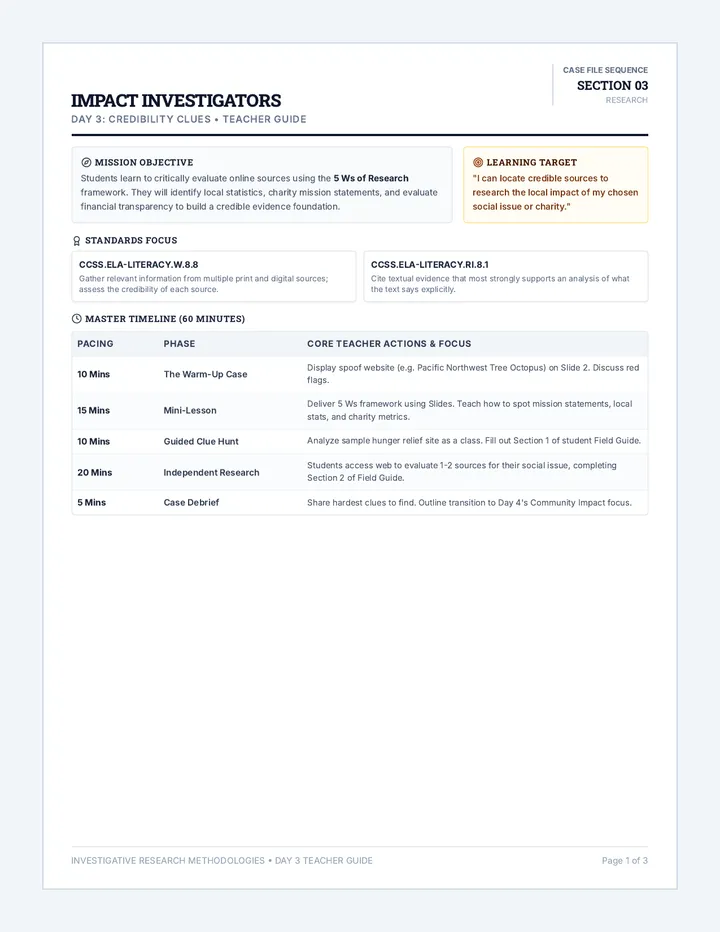
A unit exploring environmental responsibility and school-based sustainability efforts through reading, sequencing, and critical thinking.
A comprehensive unit focusing on essential literature skills: character analysis, making inferences with text evidence, and identifying themes and summaries. Students act as literary detectives to uncover deeper meanings in texts.
A 10-day unit exploring figurative language and parallel plots using fairy tales, specifically designed for high school students with learning disabilities reading at a 3rd-5th grade level. The unit uses a 'Twisted Threads' theme with a vintage storybook aesthetic.
A comprehensive unit focusing on vocabulary acquisition and word relationships (L.4 and L.5). Students act as 'Lexicon Engineers' to decode meanings, analyze affixes, and master figurative language through a high-tech laboratory lens.
A targeted reteach unit focused on RL.8.3, helping students analyze how dialogue and incidents drive plot and reveal character traits in both prose and drama.
A comprehensive exploration of the Theseus and Minotaur myth, covering historical origins, narrative structure, and character archetypes.
A literary analysis unit focusing on how structure and perspective shape the theme of resilience across poetry and short stories.
A week-long exploration of literary elements using fables, myths, and realistic fiction. Students act as 'Story Architects' to deconstruct plot, character, theme, and setting.
A vocabulary-building journey where students master academic language by framing word acquisition as magical alchemy and linguistic experimentation.
A four-day investigative unit focused on citing textual evidence and making inferences across various genres, including short stories, non-fiction, and poetry. Students act as 'Evidence Detectives' to solve literary and factual mysteries while engaging in collaborative discussions.
An 8-day intensive unit titled 'The Architecture of Voice.' Students analyze four diverse mentor texts—Hurston, de Vaca, Tan, and Cofer—to understand how craft elements like figurative language, imagery, syntax, and diction shape an author's tone and perspective. For each text, students produce a structured paragraph, culminating in a comprehensive autobiographical essay that explores the various forces (culture, challenges, people, and places) that have shaped their own voices.
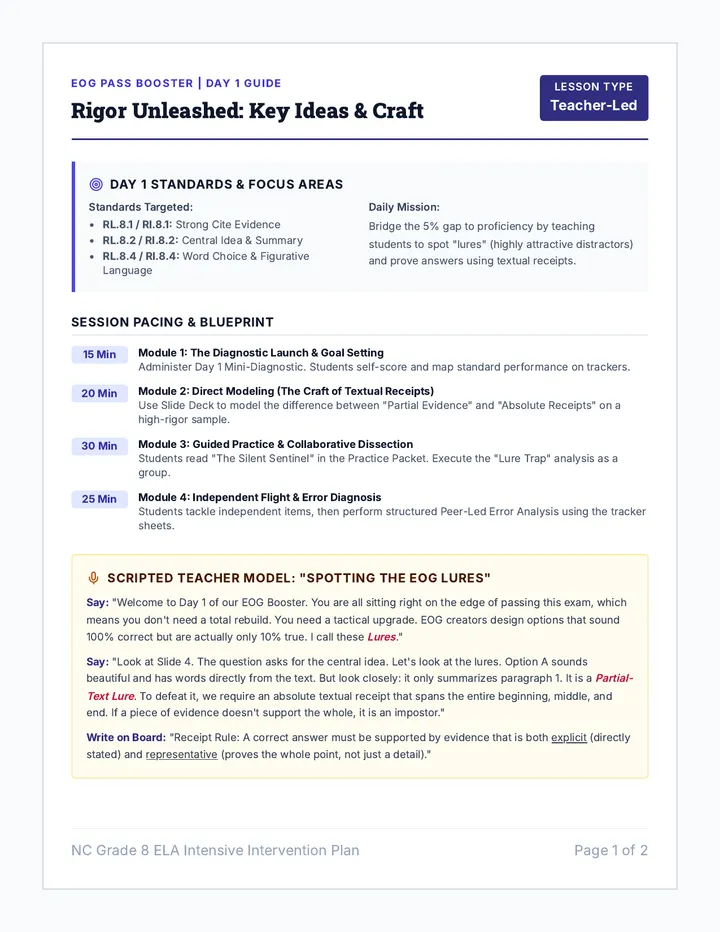
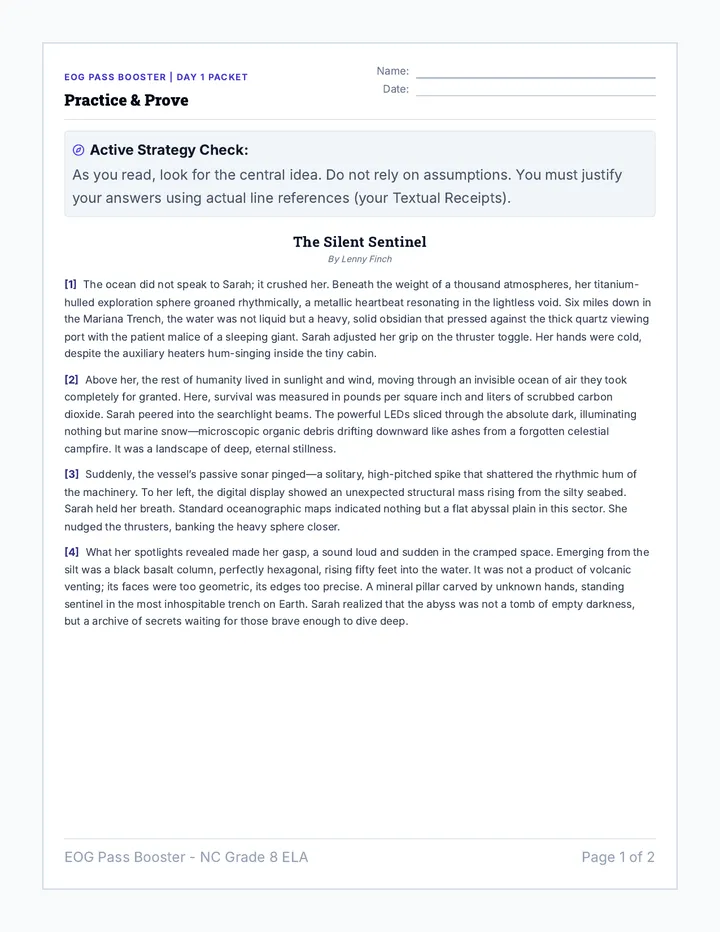
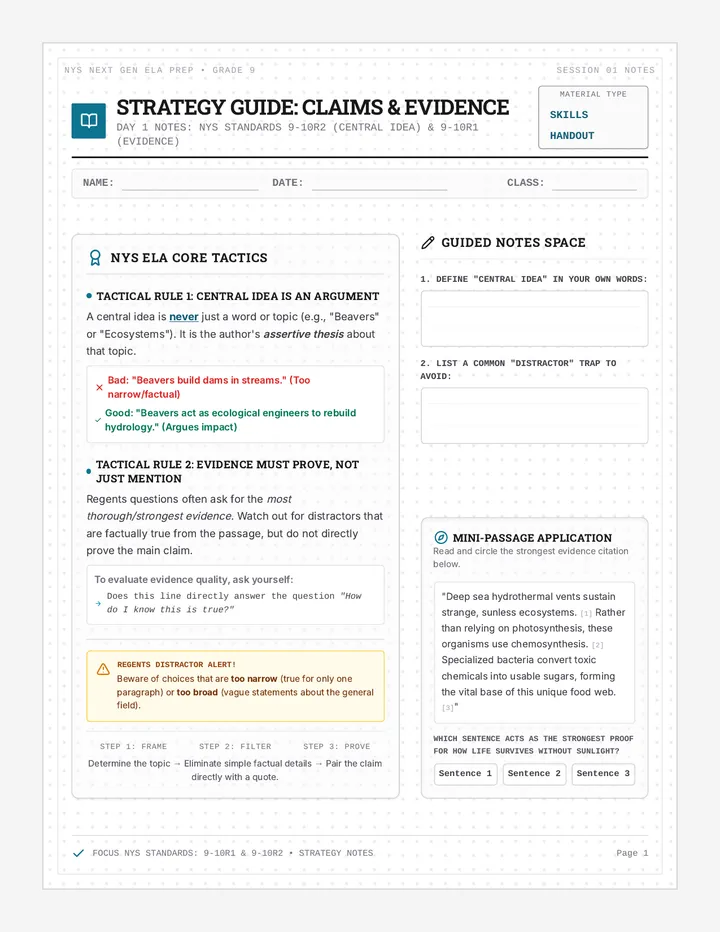
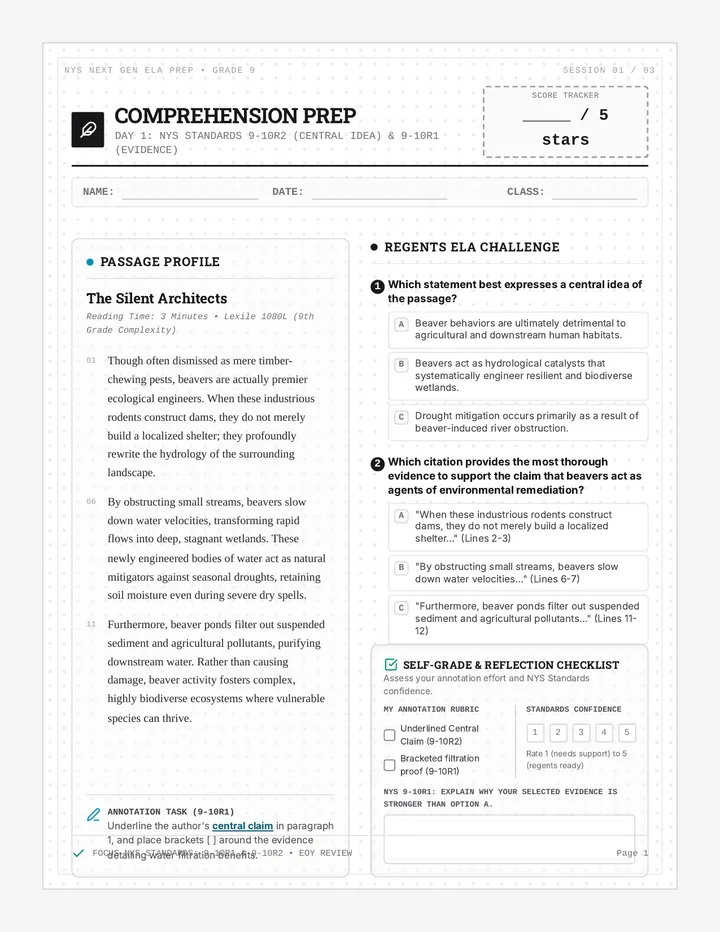
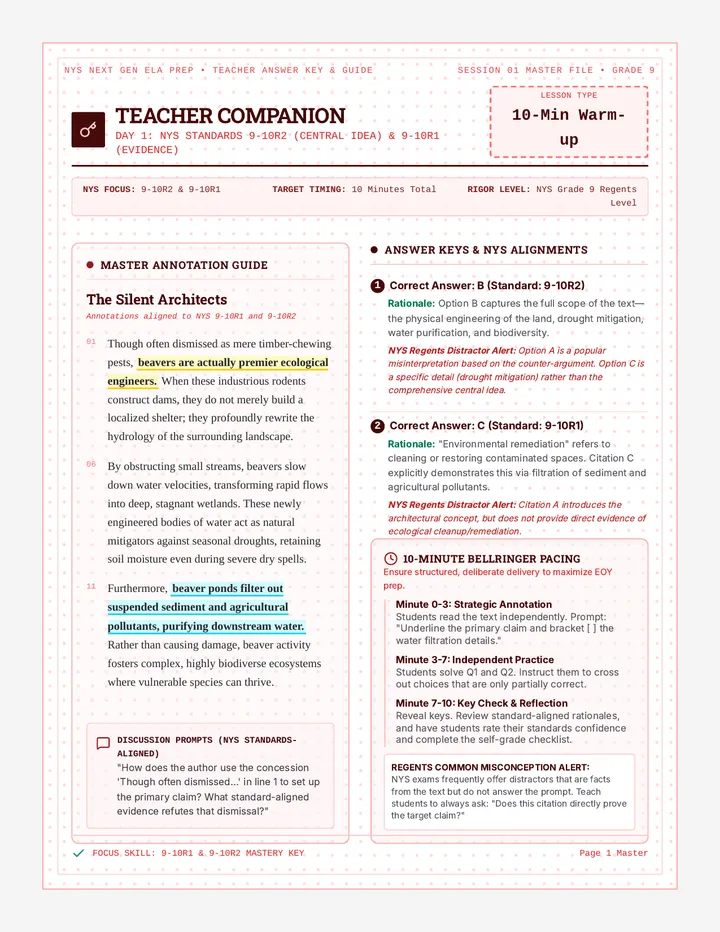
A unit focused on teaching middle school students how to identify and evaluate the strongest textual evidence to support claims. Students transition from simply finding any evidence to selecting the most relevant and specific details from high-interest short stories.