A 5th-grade psychology unit exploring how social groups, family, and digital spaces shape individual identity. Students navigate the tension between belonging and autonomy through mapping, case studies, and reflection.
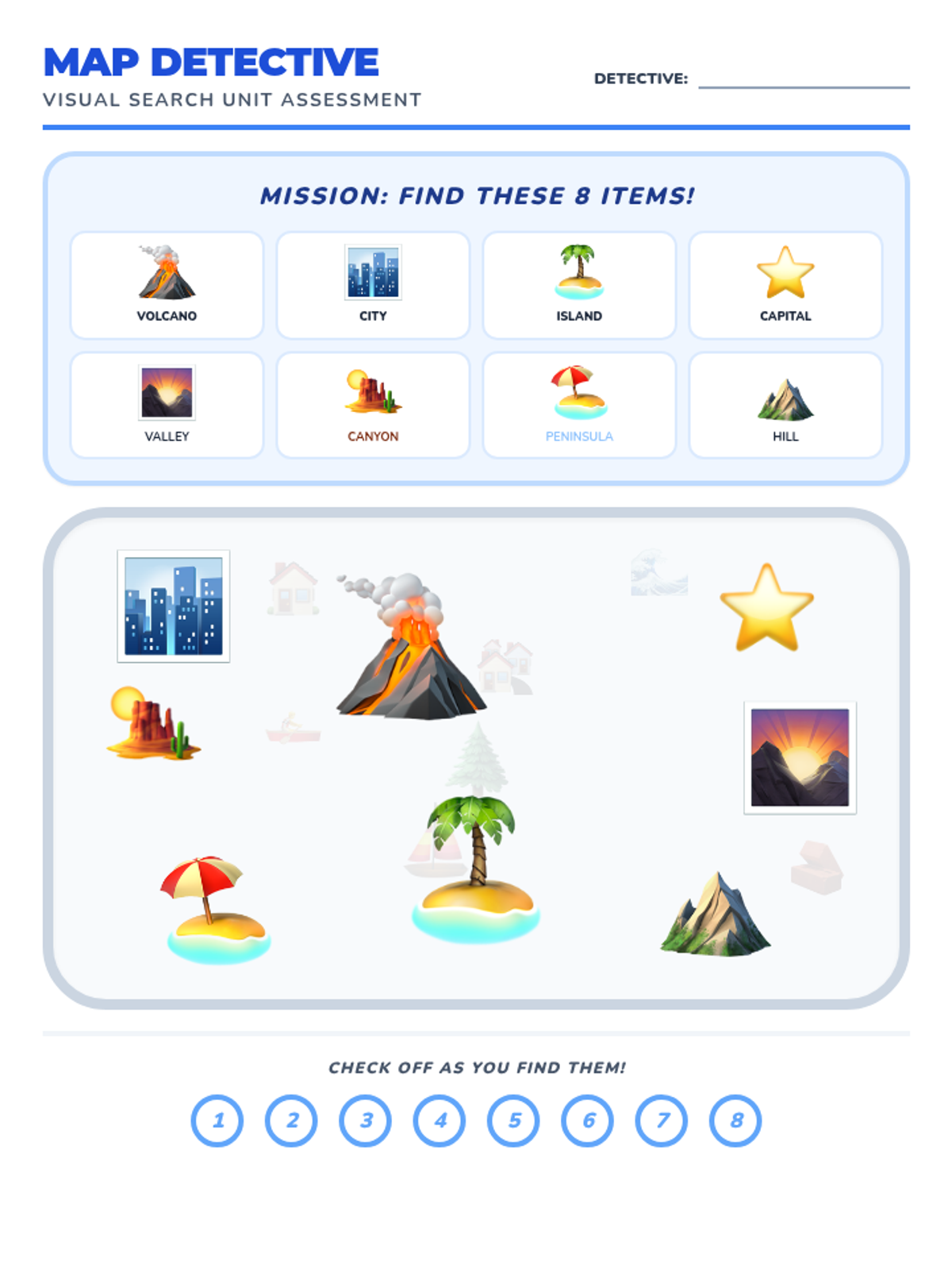
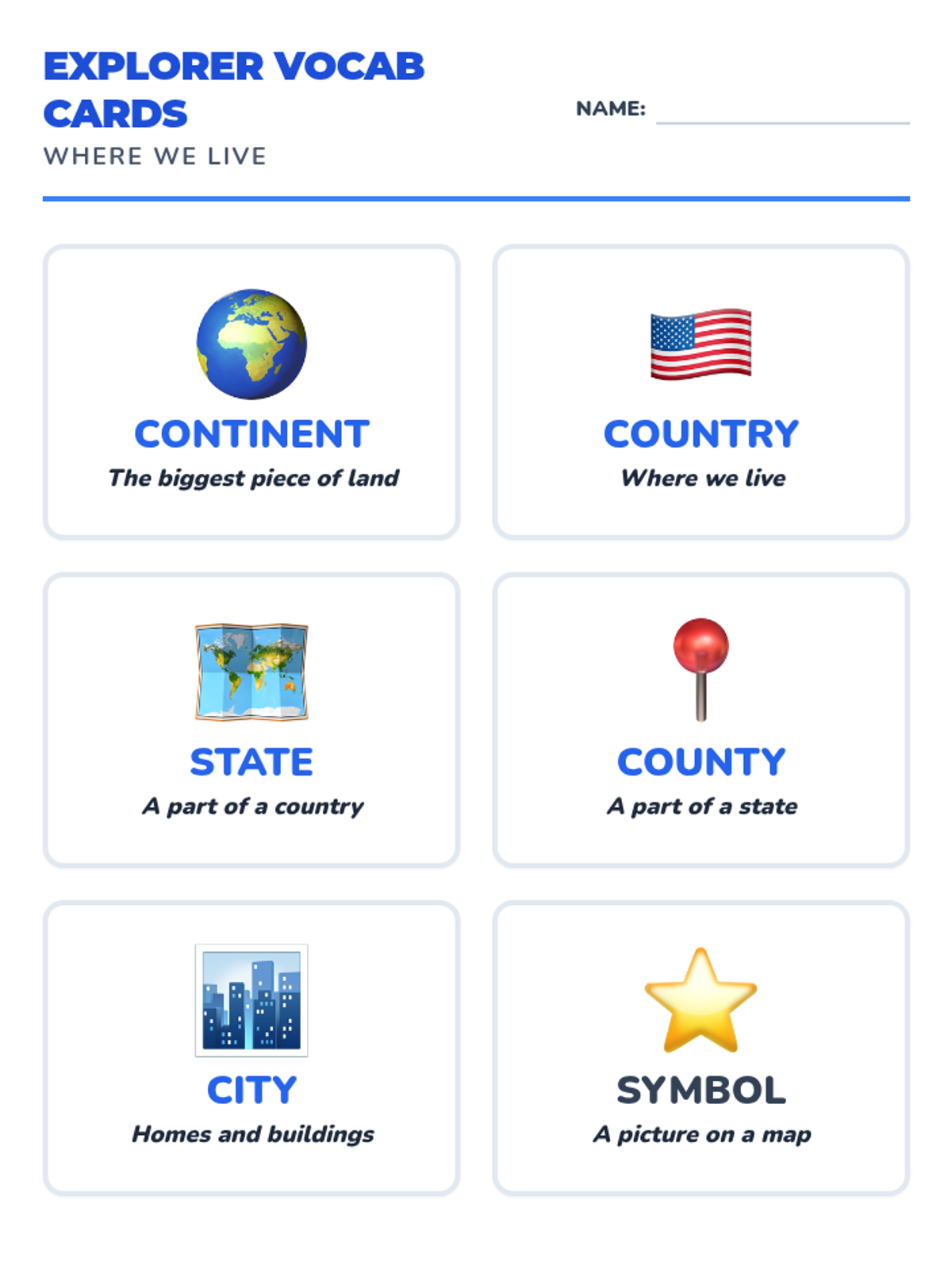
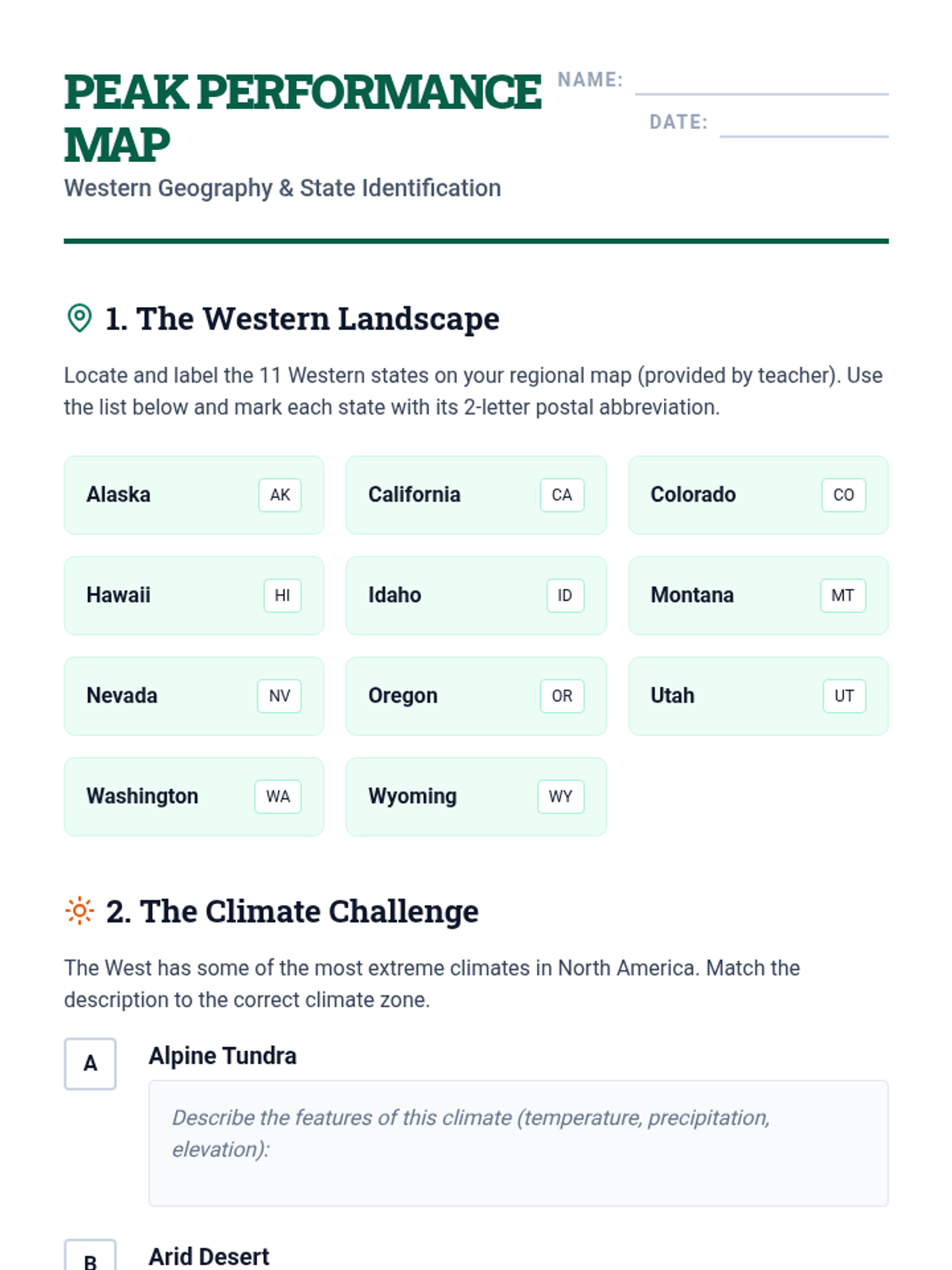
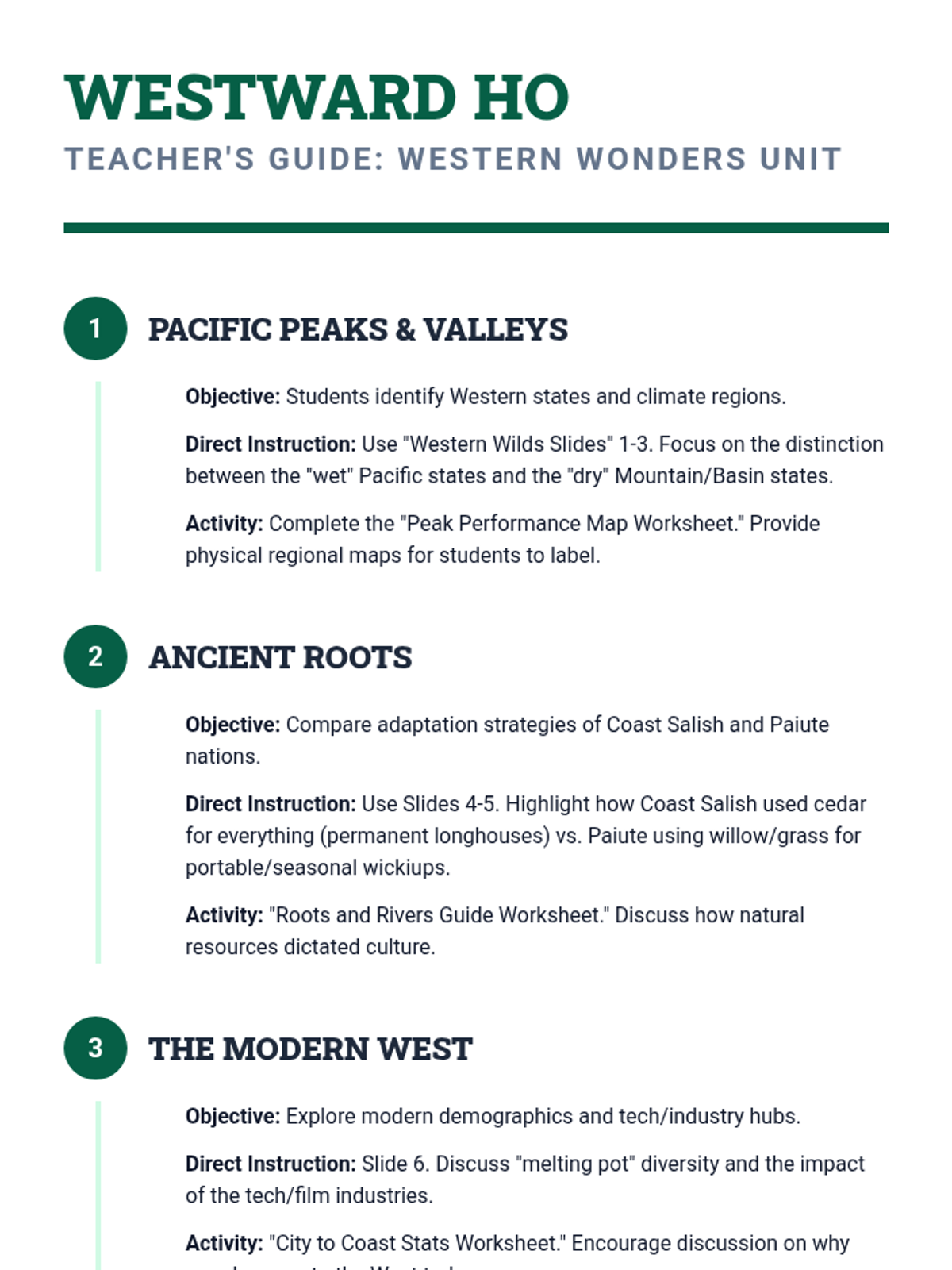
A comprehensive 5-lesson exploration of the West region of the United States, covering geography, climate, resources, culture, and states/capitals through reading passages and interactive activities.
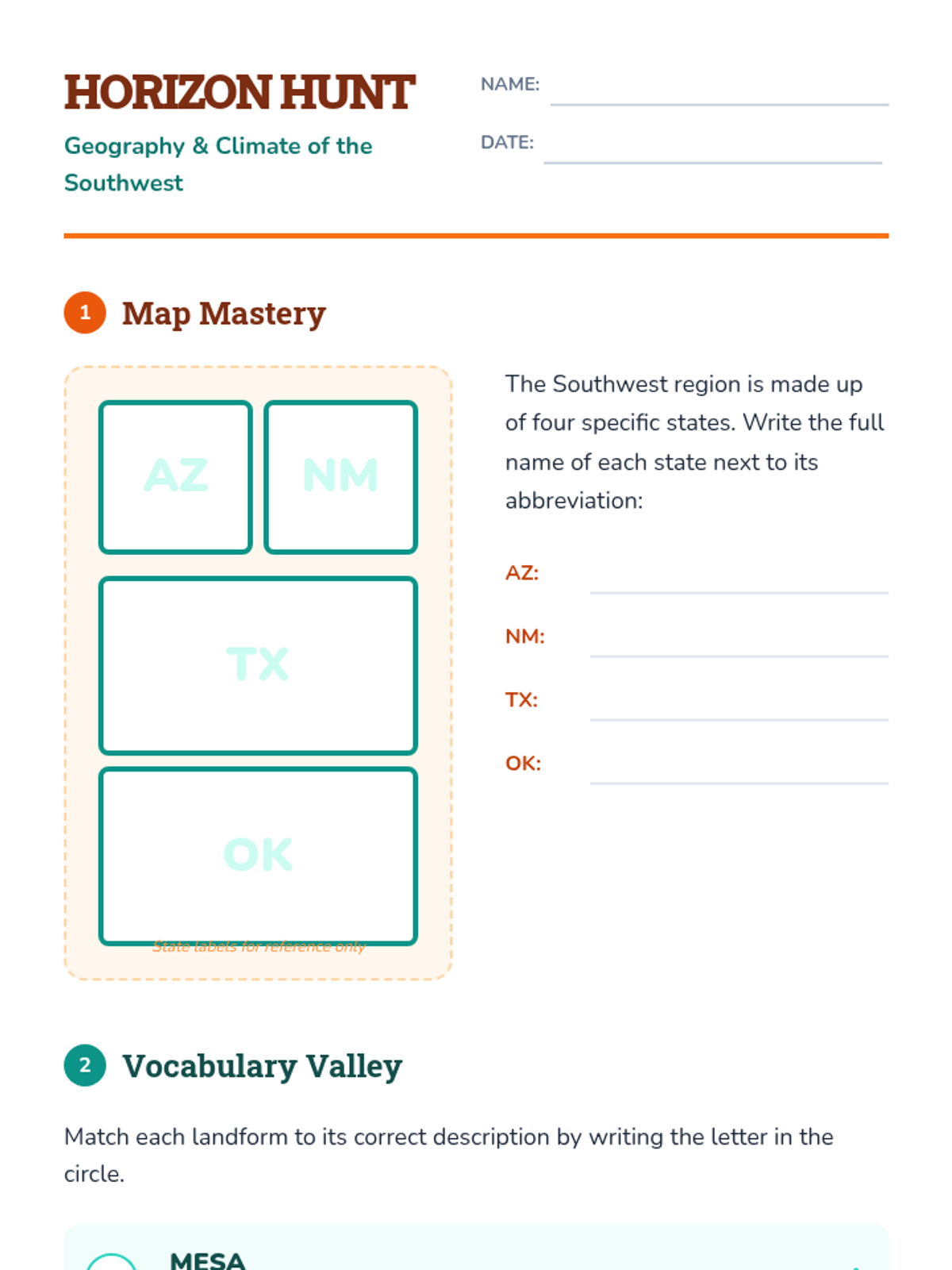
A comprehensive 5-lesson unit exploring the unique geography, climate, natural resources, diverse cultures, and political boundaries of the Southwest region of the United States.
A comprehensive 6-lesson Black History Month curriculum for 5th-8th graders, exploring historical excellence, emotional expression, and community through the lens of five core values: Virtus, Kenkyo, Sankofa, Ubuntu, and Ganas. Inspired by a century of resilience and brilliance.
A 6-lesson sequence divided by grade level (5th, 6th, and 7th), celebrating 100 years of Black history through school values. Each grade explores two distinct lessons focusing on community joy, personal excellence, and mental health advocacy.
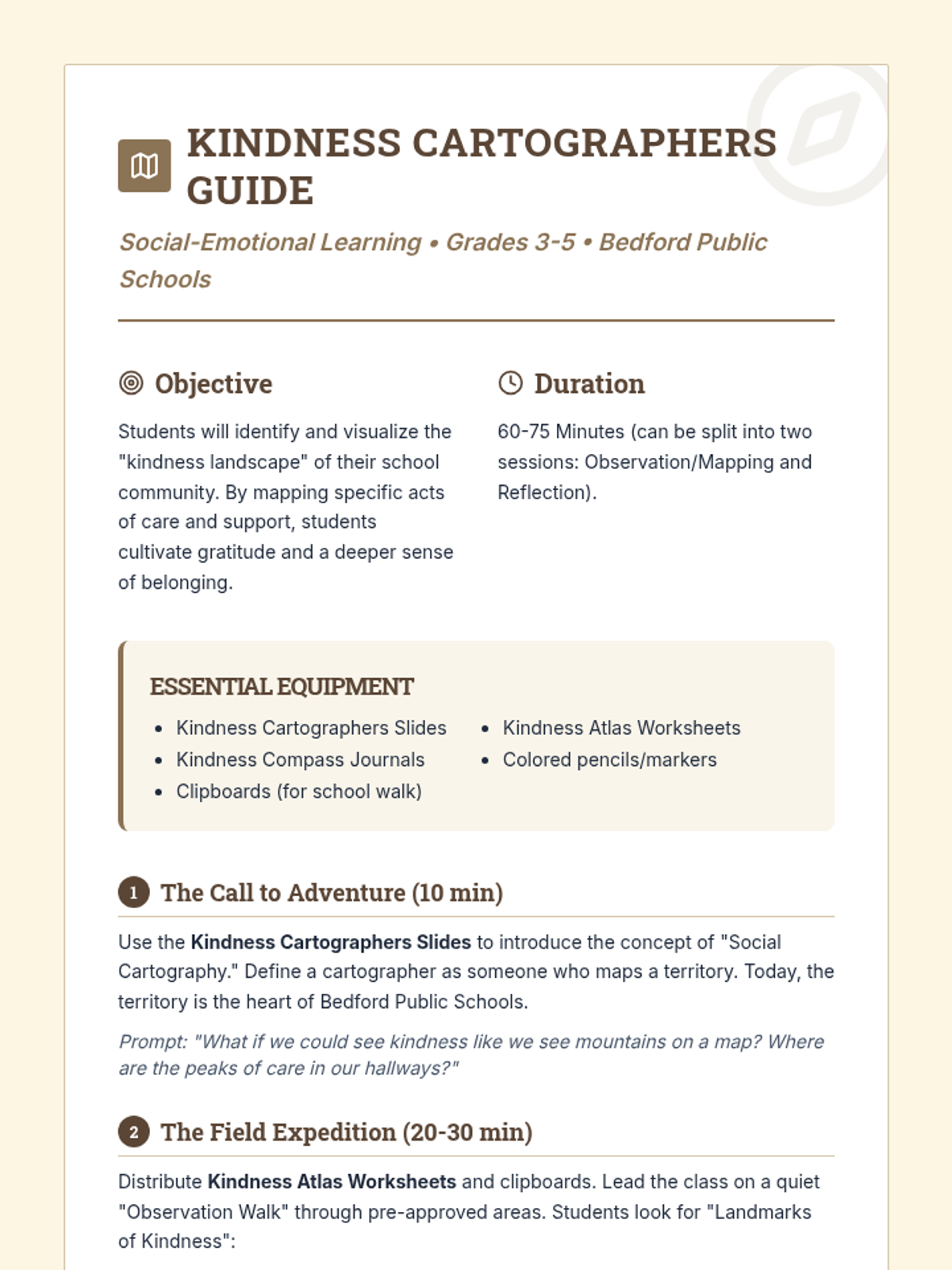
A 4th-grade unit focused on kindness, fairness, and understanding how our words can make everyone feel like they belong, regardless of their background or skin color.
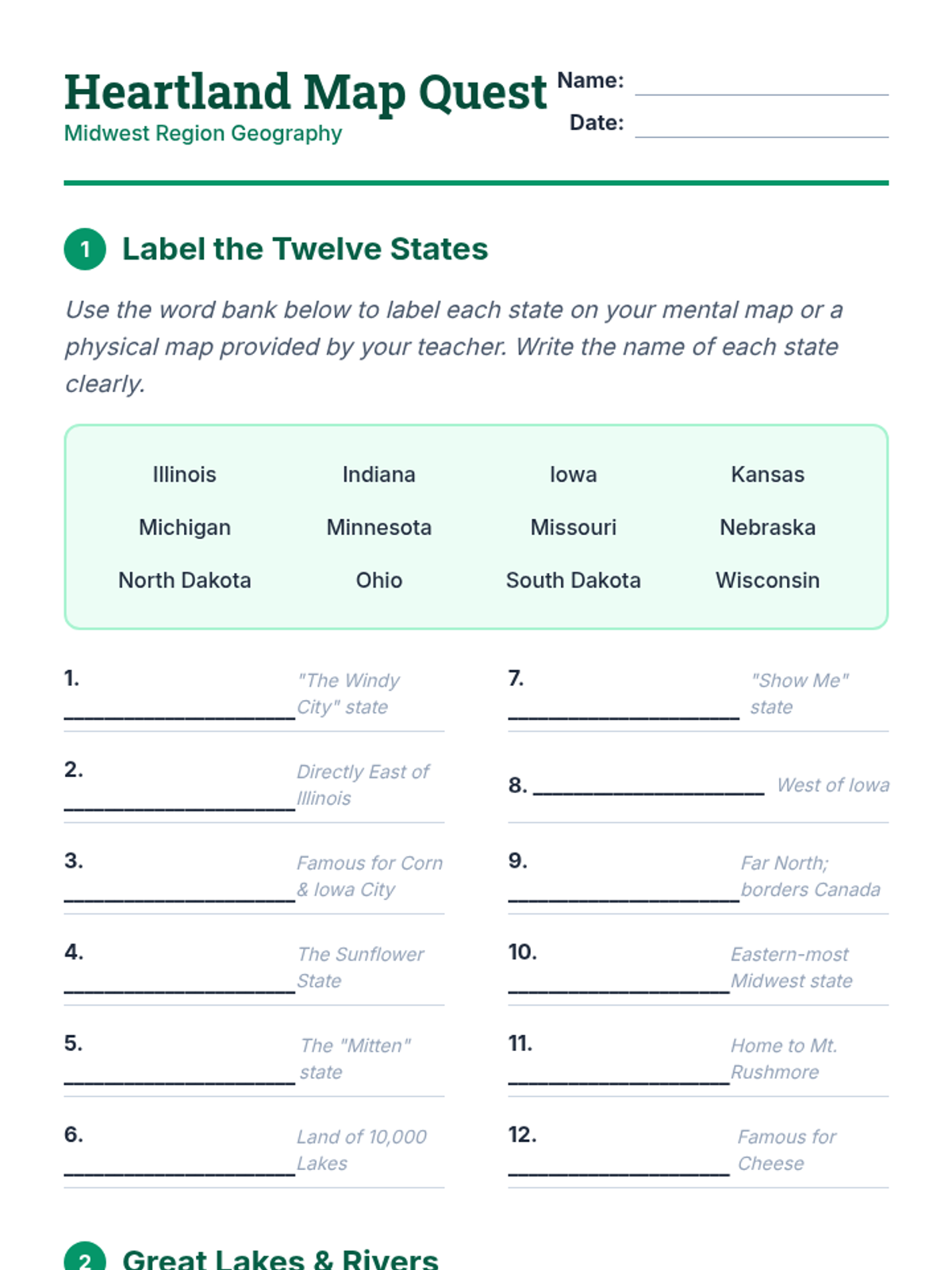
A comprehensive journey through the Midwest region, covering its geography, economy, and culture in bite-sized 20-minute sessions.
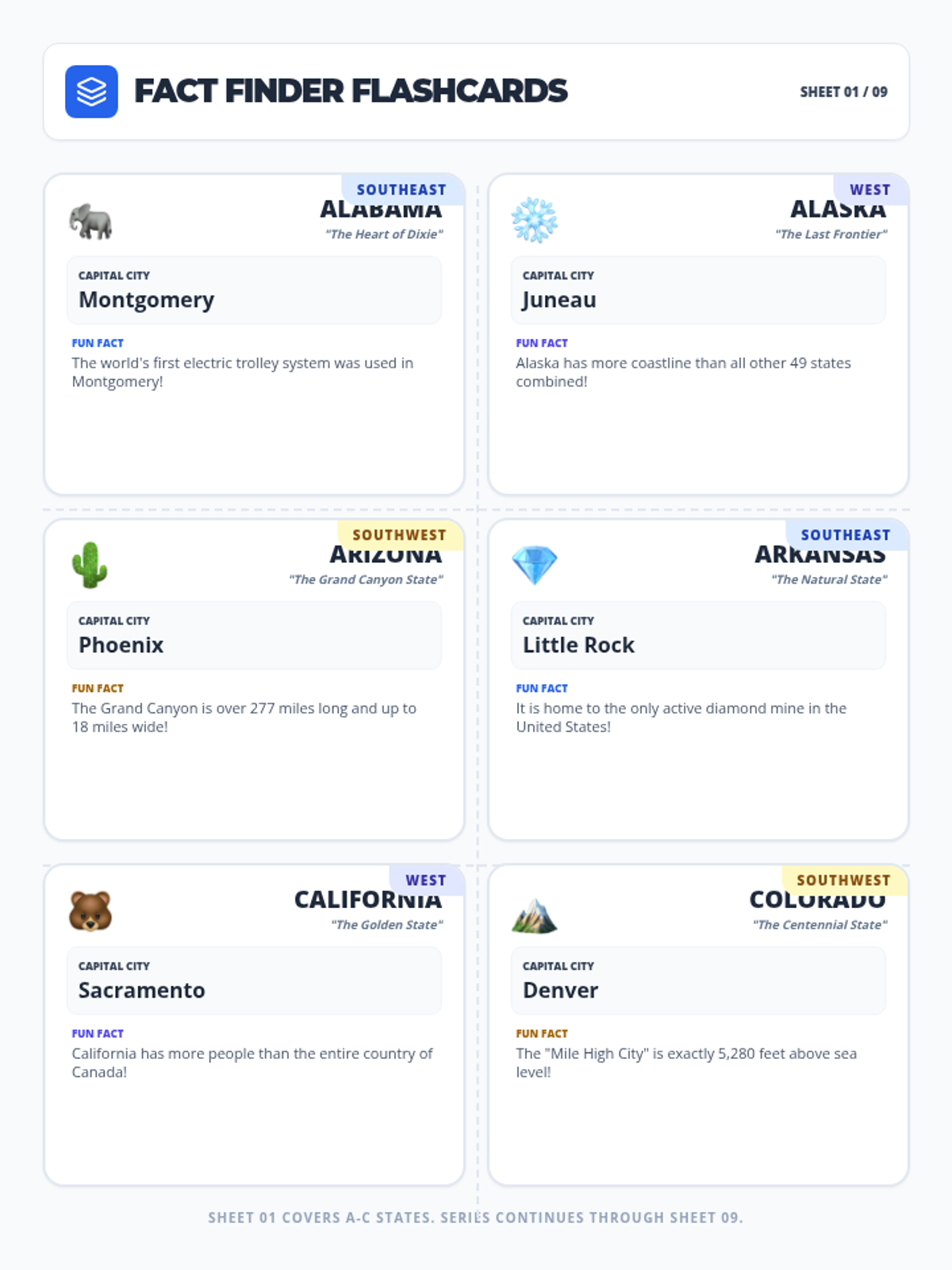
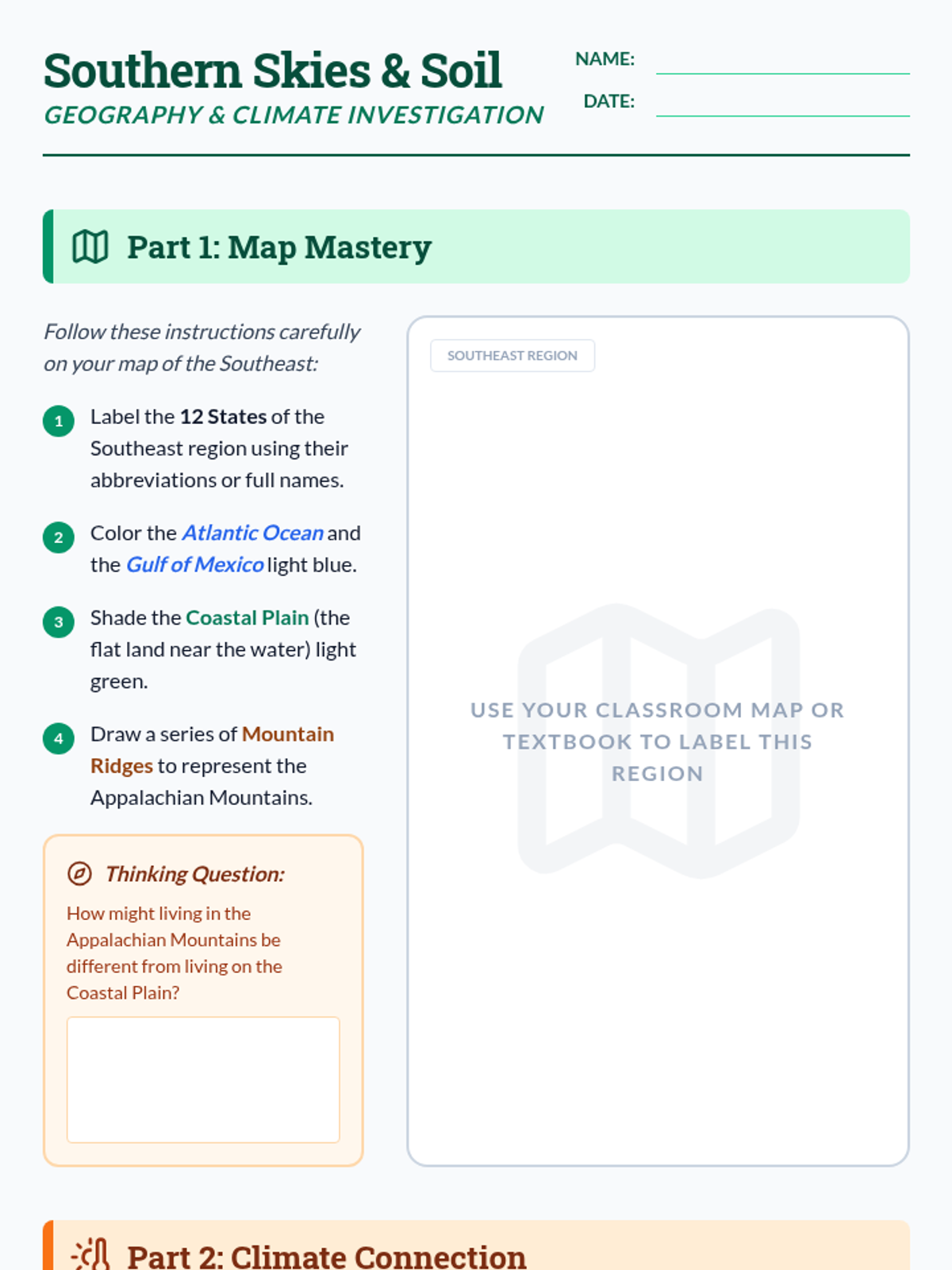
A 5-lesson unit exploring the geography, climate, resources, and culture of the Southeast United States, concluding with a states and capitals challenge.
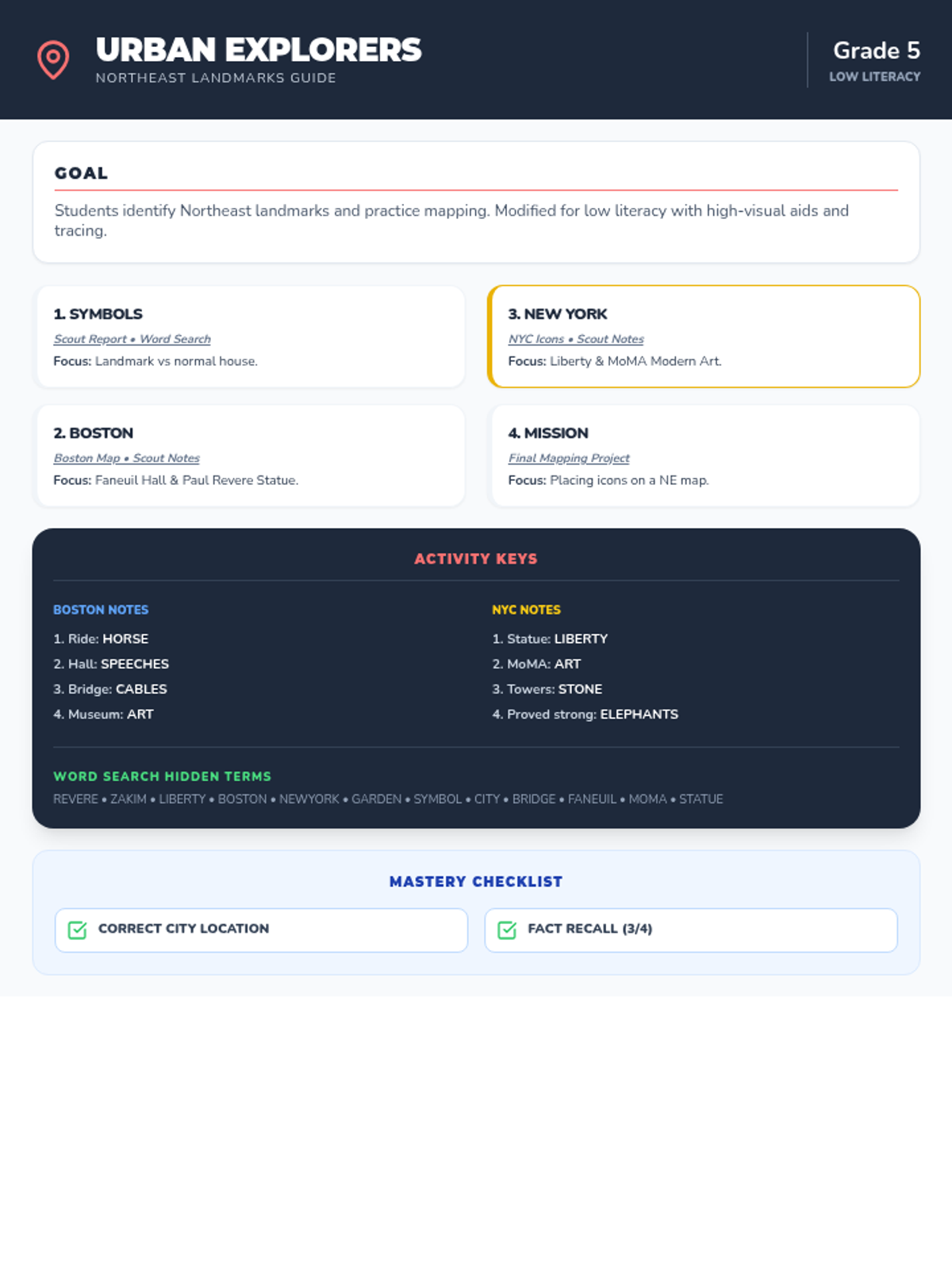
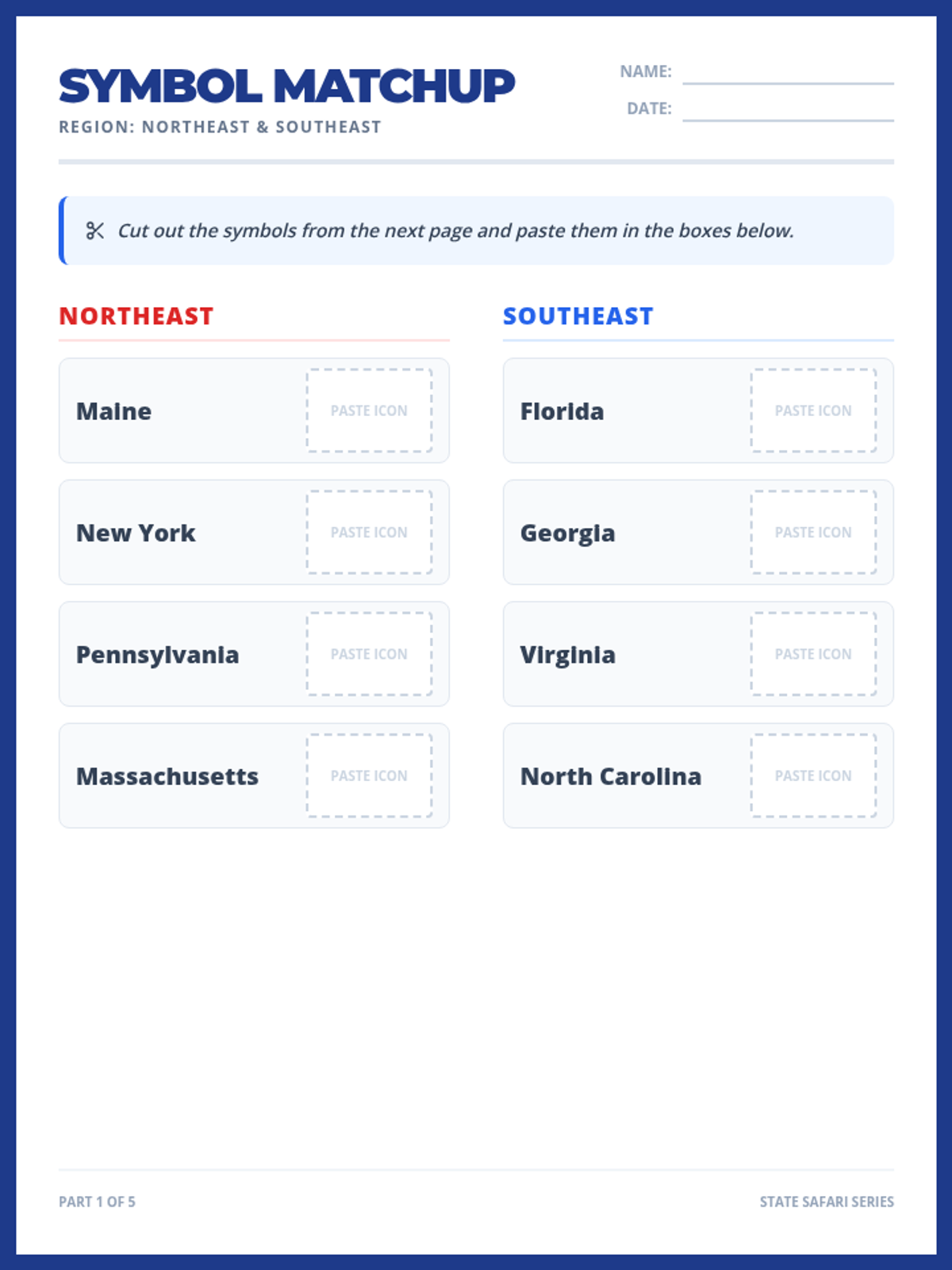
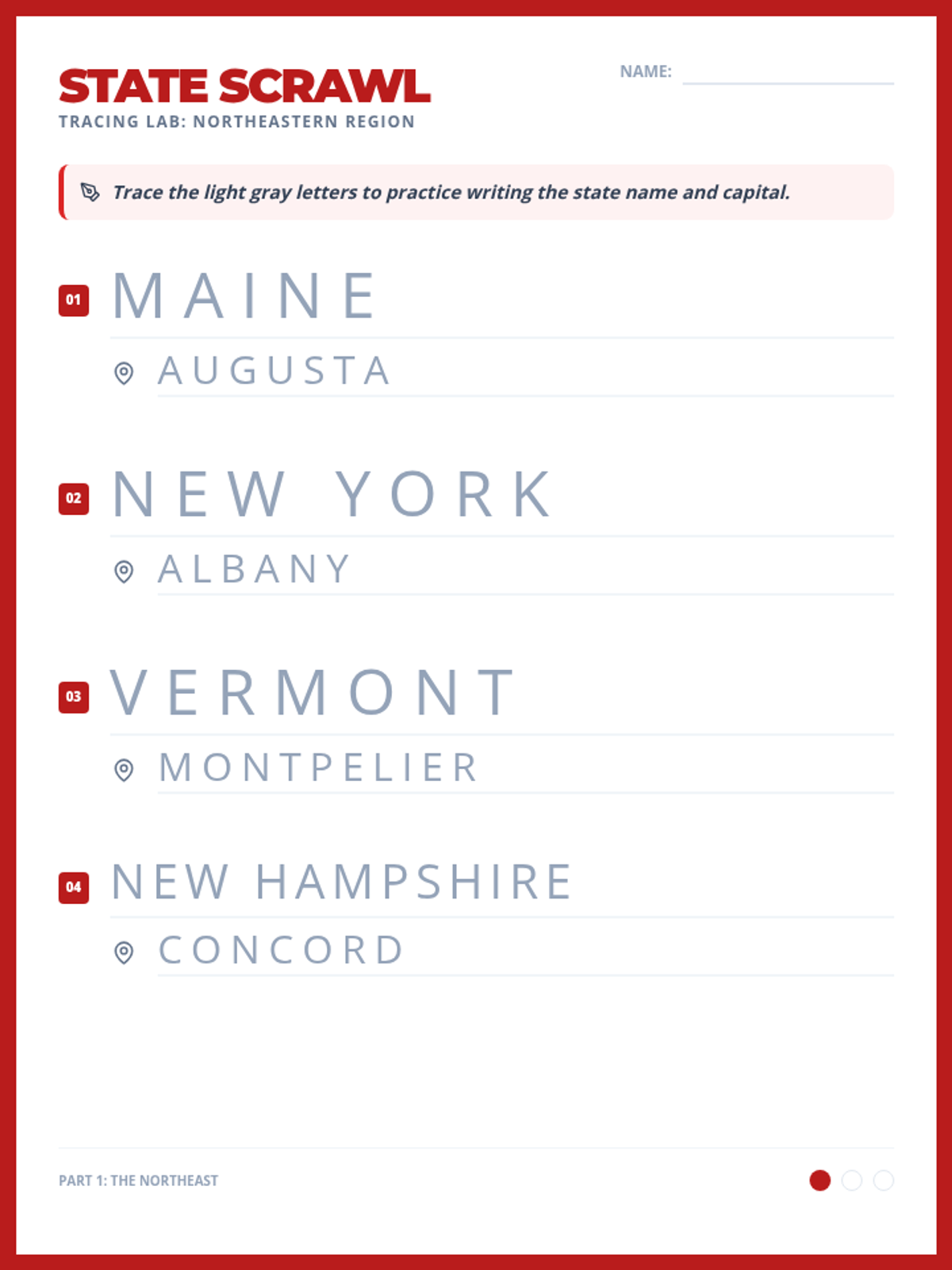
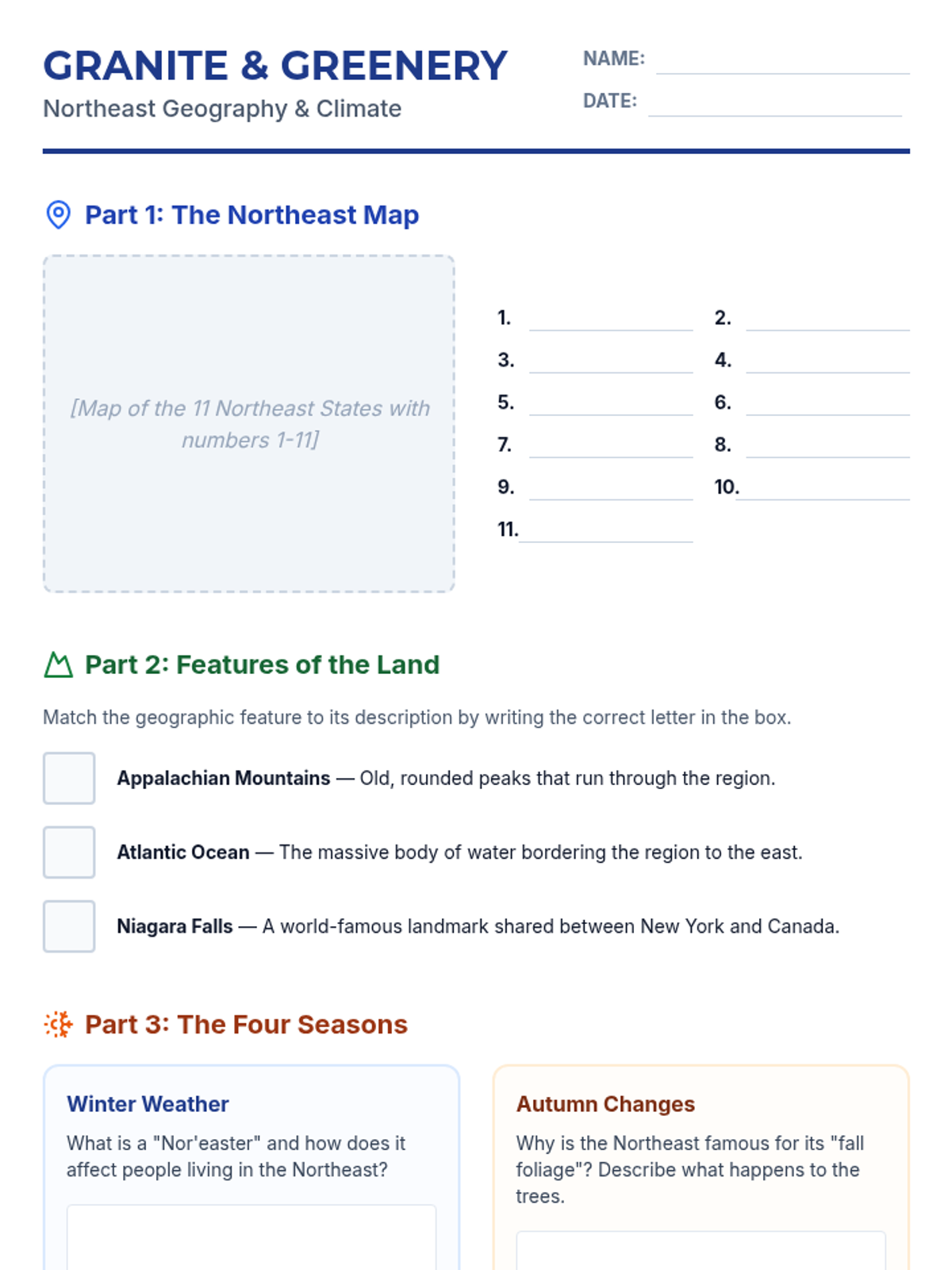
A 5-lesson sequence exploring the geography, climate, resources, culture, and states of the Northeast region of the United States. Students will engage with reading passages, comprehension activities, and a states-and-capitals matching game.
A 5th-grade history sequence exploring the transition from the feudal Middle Ages to the early modern period. Students analyze how the devastation of the Black Death triggered economic shifts, the rise of the merchant class, and the growth of towns, setting the stage for the Renaissance.
This sequence explores the evolution of rights and power in Medieval Europe, tracing the path from the Code of Chivalry and the Crusades to the signing of the Magna Carta and its lasting legacy on modern democracy.
A 5th-grade unit exploring the hierarchical social structure of the Middle Ages, focusing on the mutual obligations of the feudal pyramid after the fall of the Roman Empire. Students engage with simulations, role-play, and architectural analysis to understand life under the feudal contract.
Students investigate the economic foundation of medieval life by exploring the manor system, agricultural innovations, and specialized labor, culminating in the design of their own self-sufficient community.
A journey into the world of medieval knights and castles, exploring the training, ethics, engineering, and symbolism of the Middle Ages. Students learn about the life of a knight, the construction of fortresses, and the code of chivalry through hands-on activities and historical analysis.
Students explore the evolution of money from the barter system to digital currency, identifying the three primary functions of money: medium of exchange, unit of account, and store of value. through hands-on simulations and creative workshops.
This inquiry-based sequence explores how different societies choose their leaders through elections, inheritance, and appointments. Students compare local and global systems to understand the sources of political power.
Students explore the concept of constitutional frameworks by drafting a 'Classroom Constitution.' They learn how written rules prevent confusion, define rights and responsibilities, and limit the power of leaders, culminating in a formal ratification ceremony.
A comprehensive 5th Grade US History unit exploring the strategic and moral impact of the Emancipation Proclamation, the contribution of Black soldiers, and the complex legal and social struggles of the Reconstruction era.
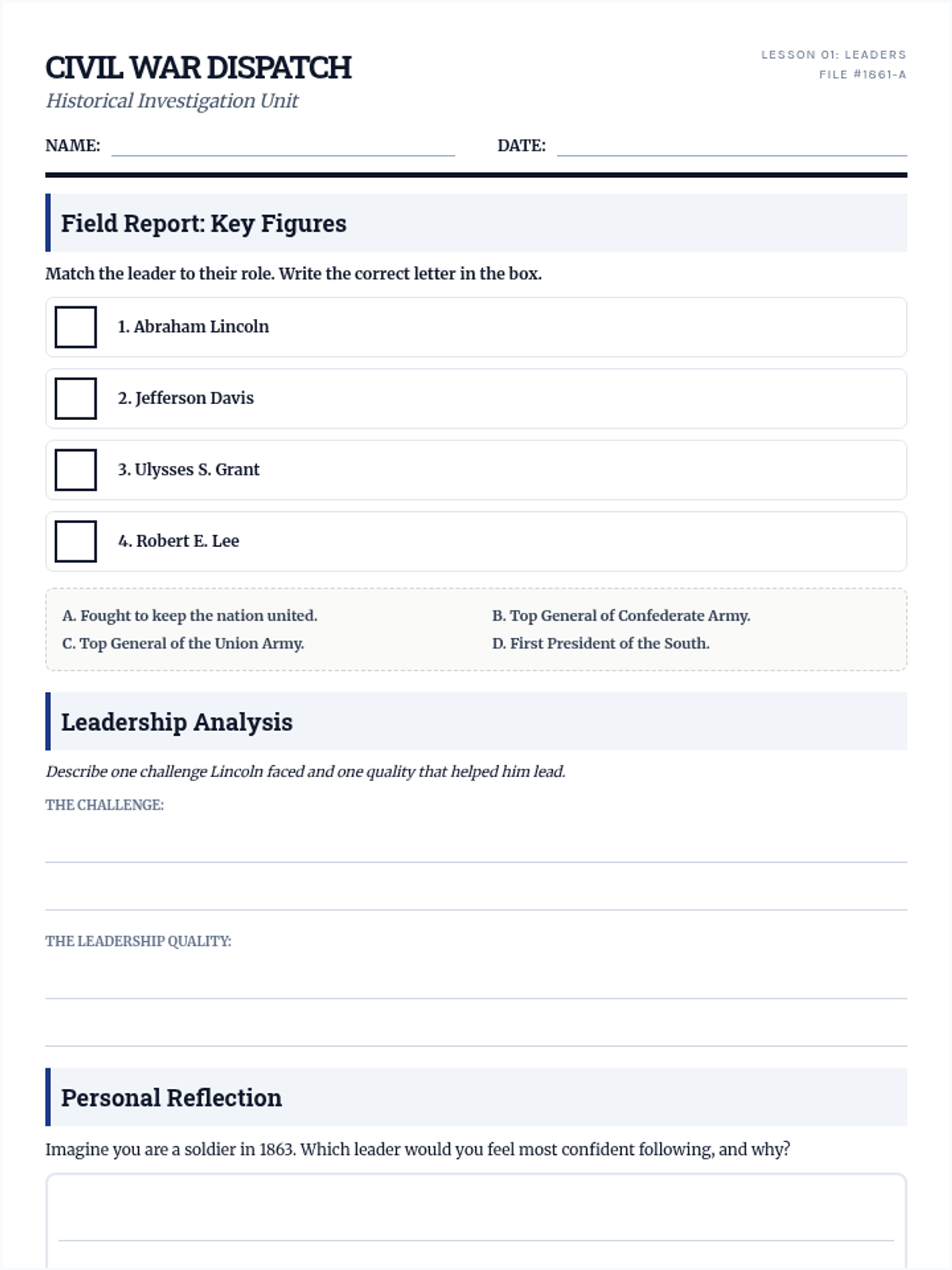
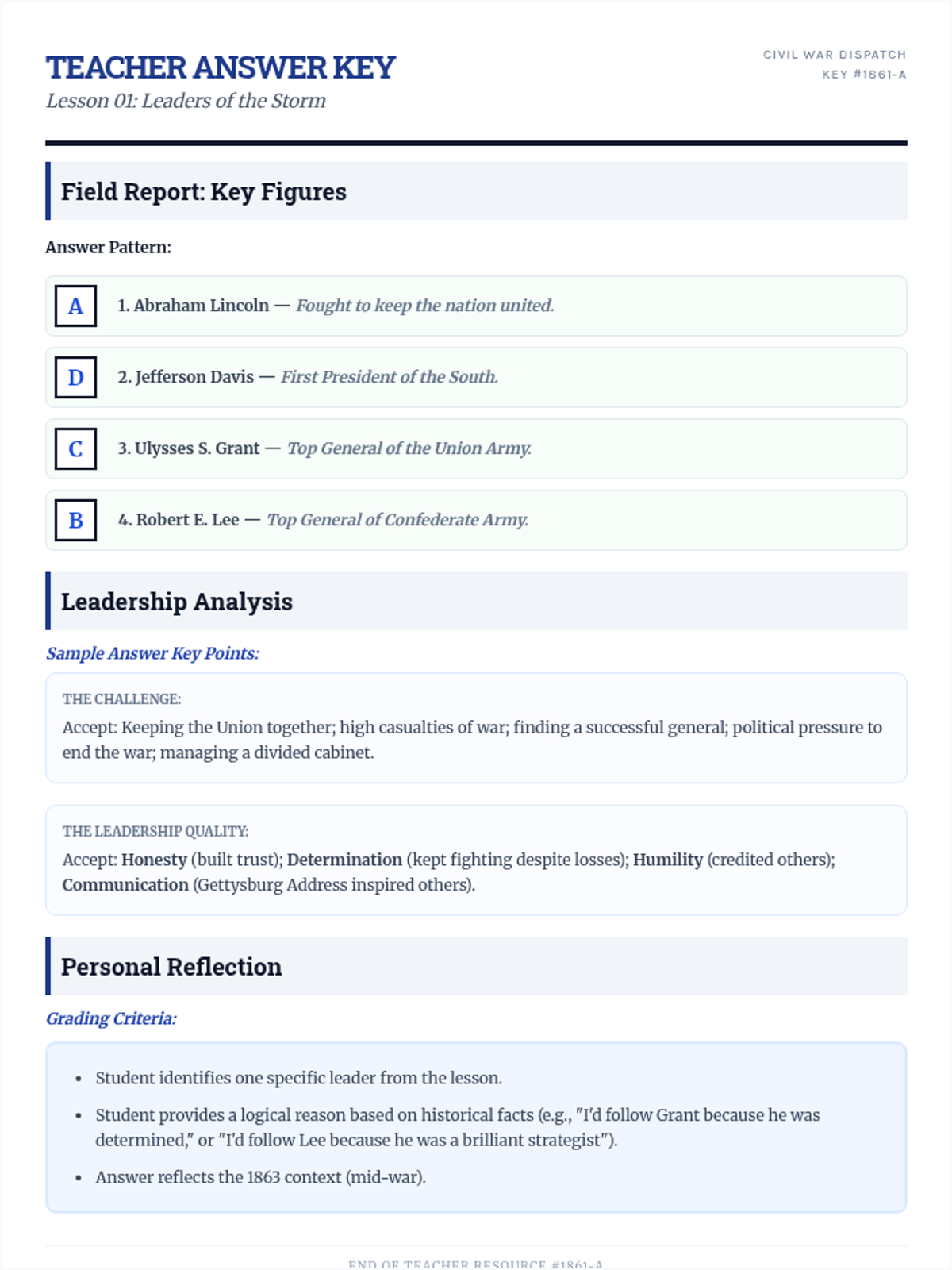
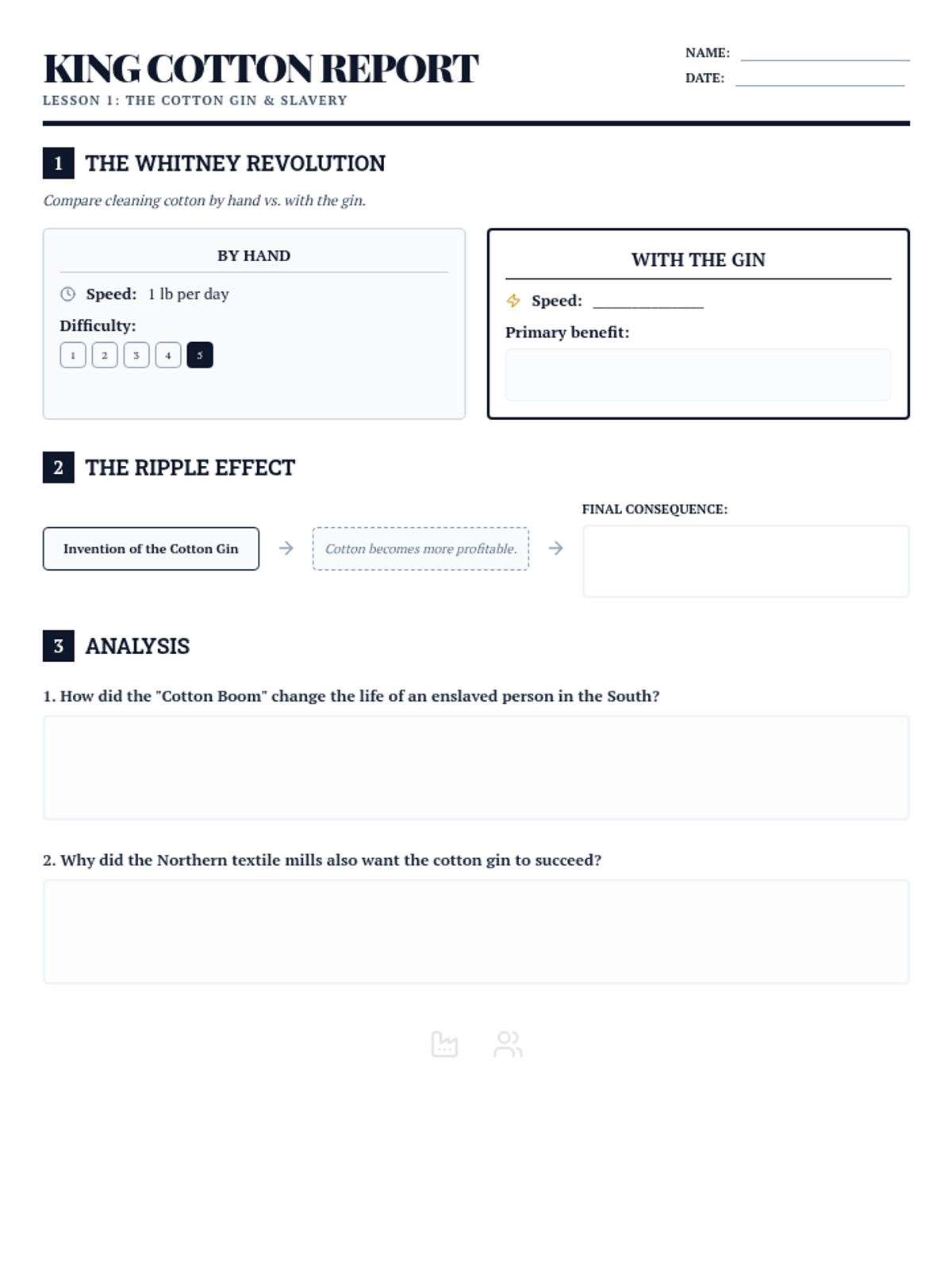
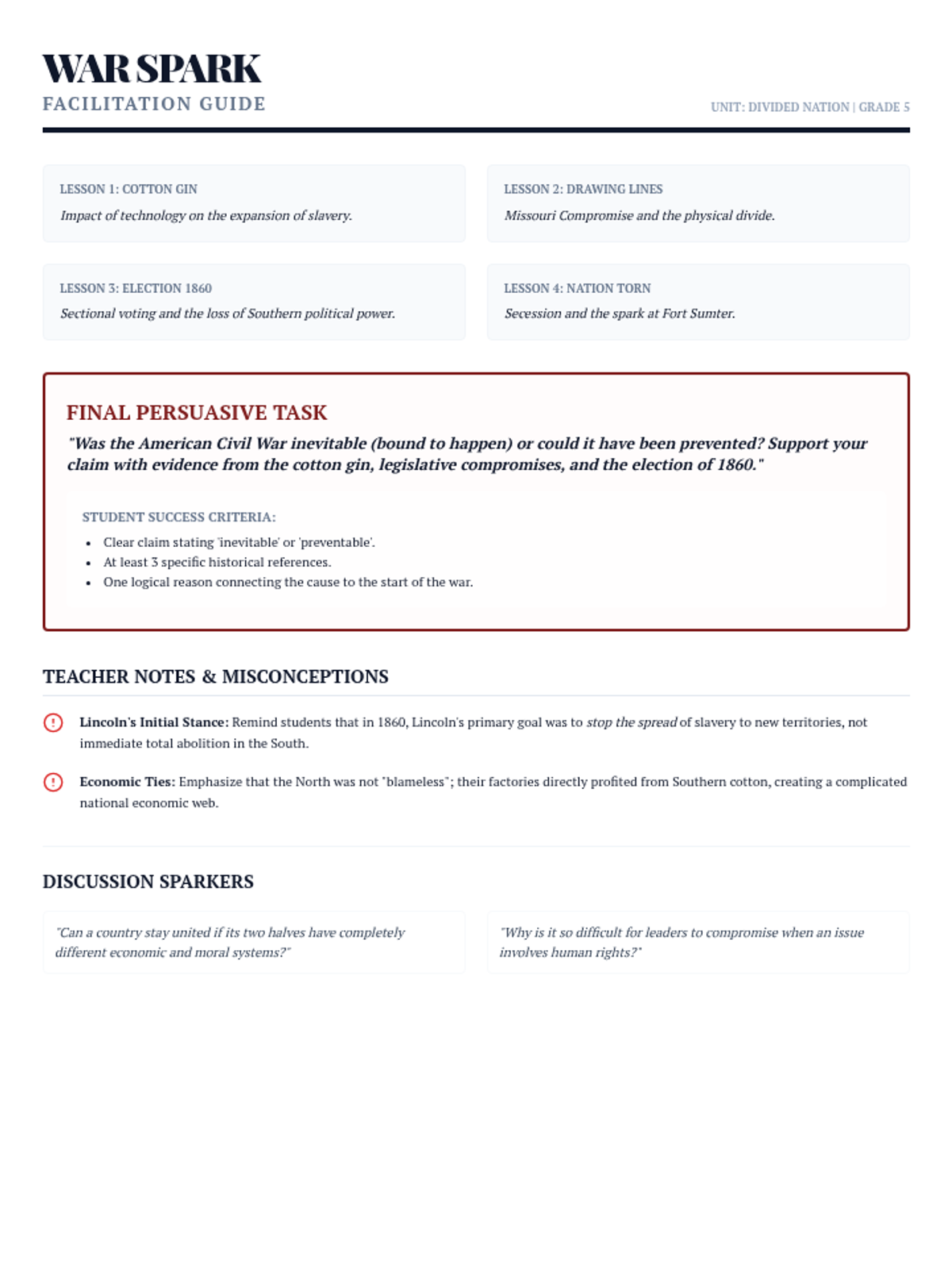
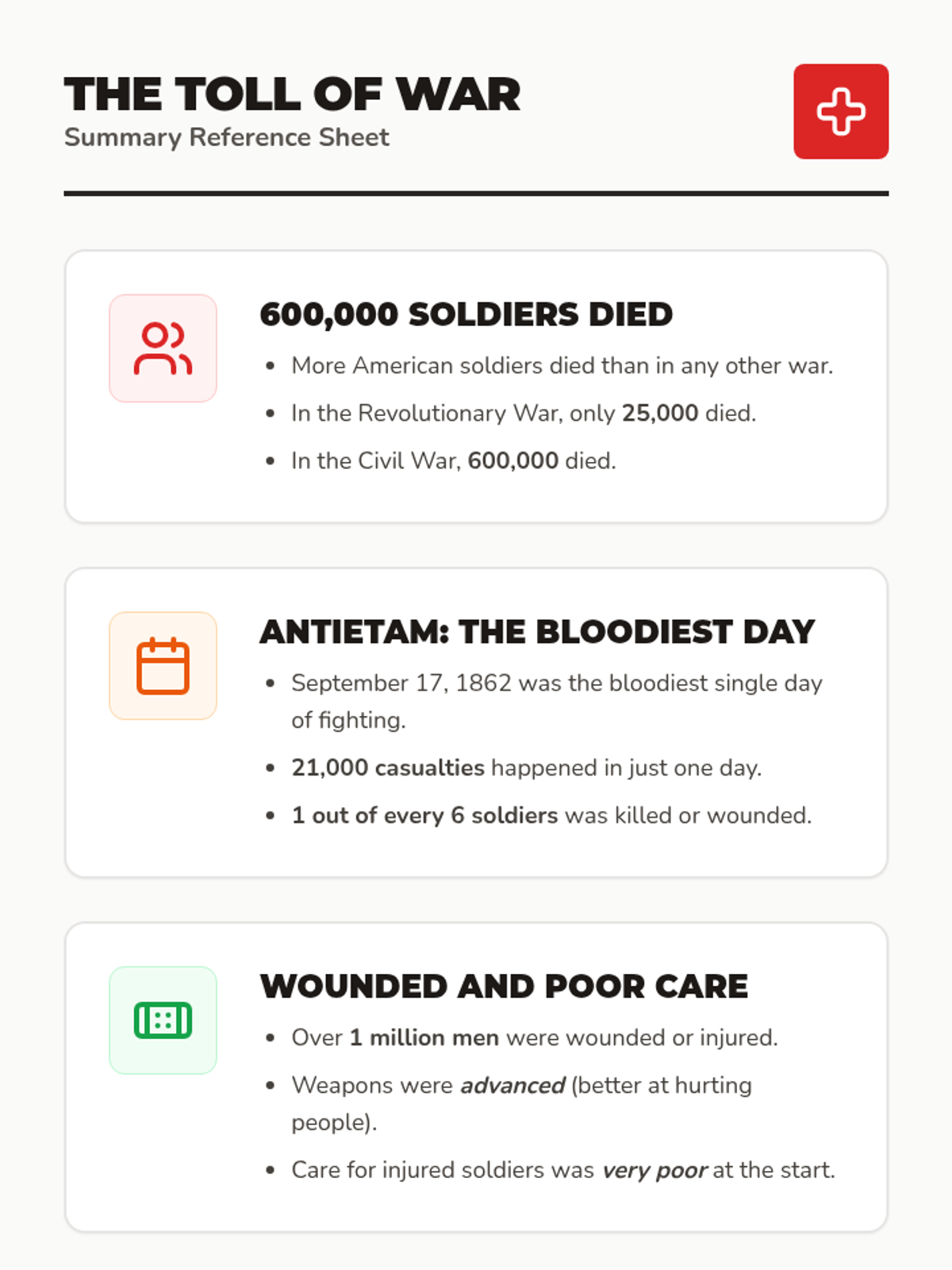
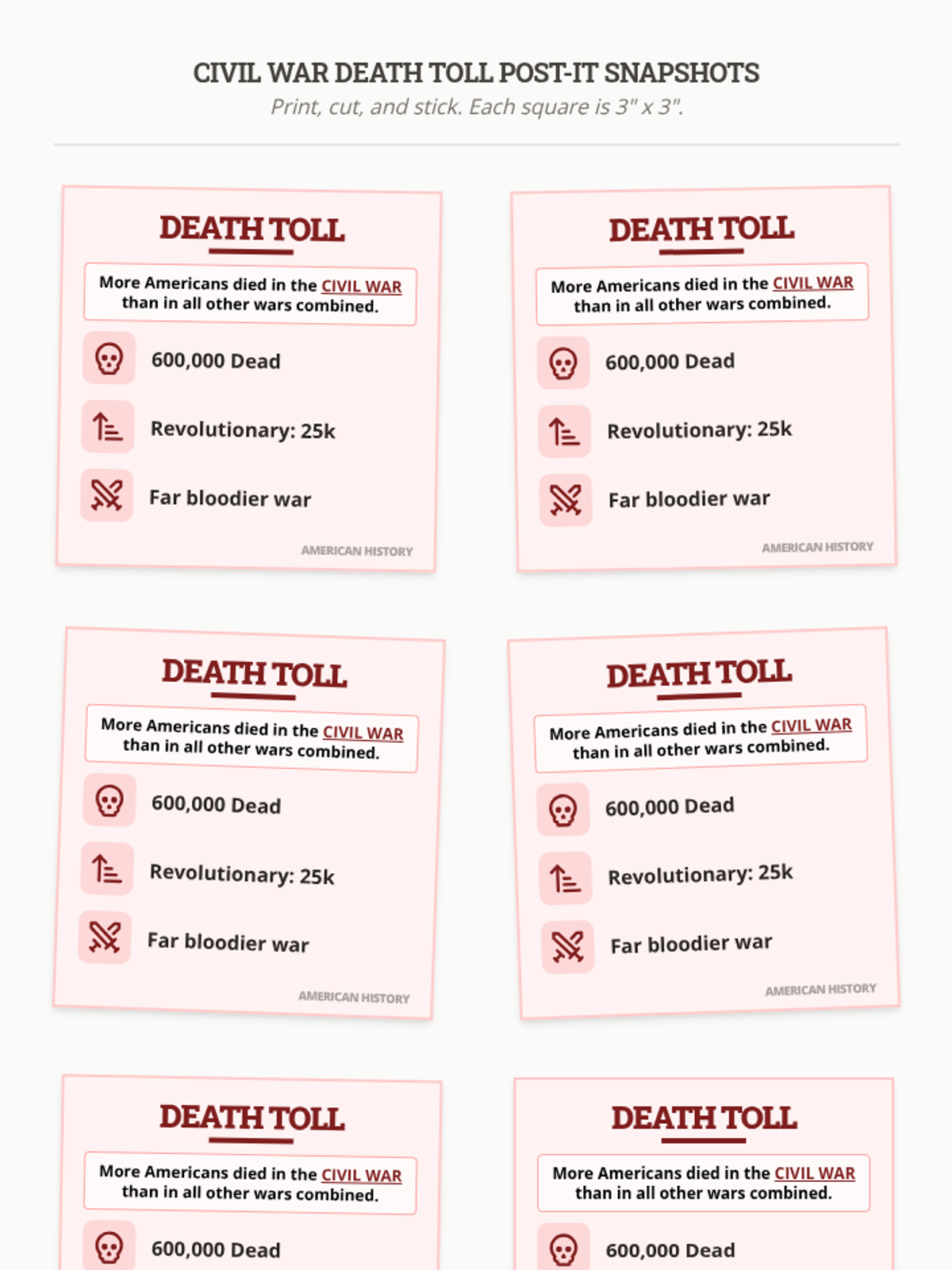
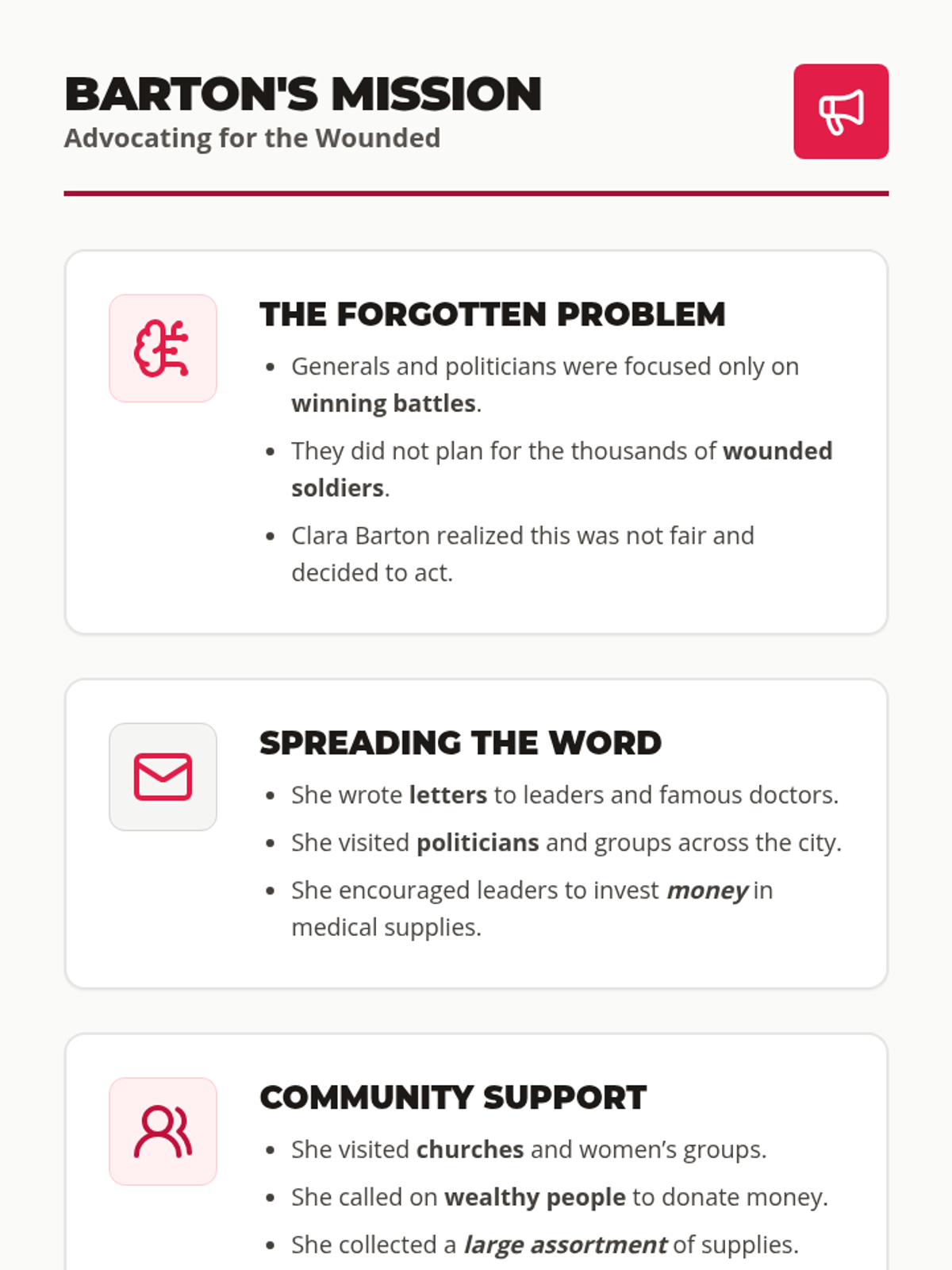
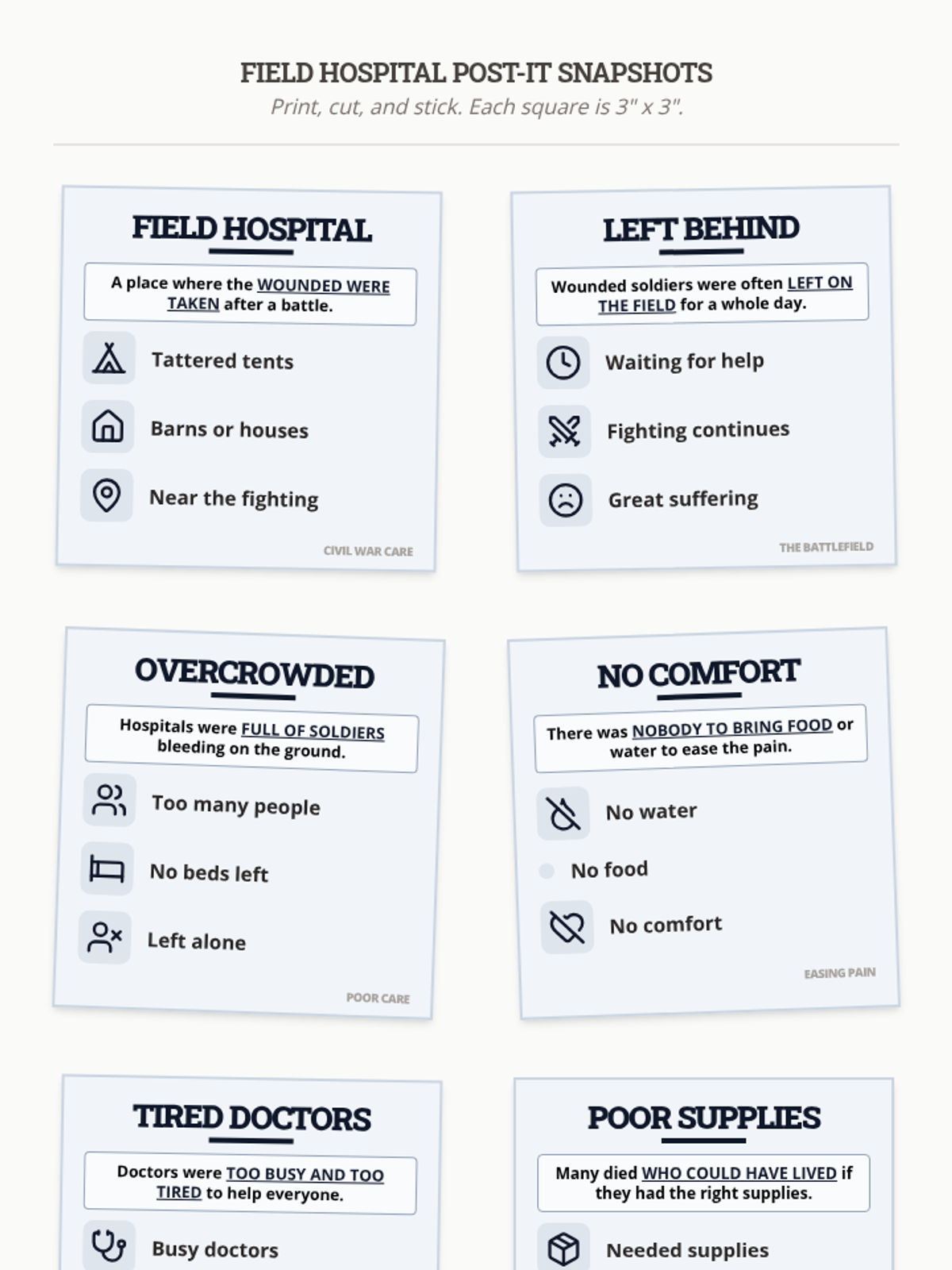
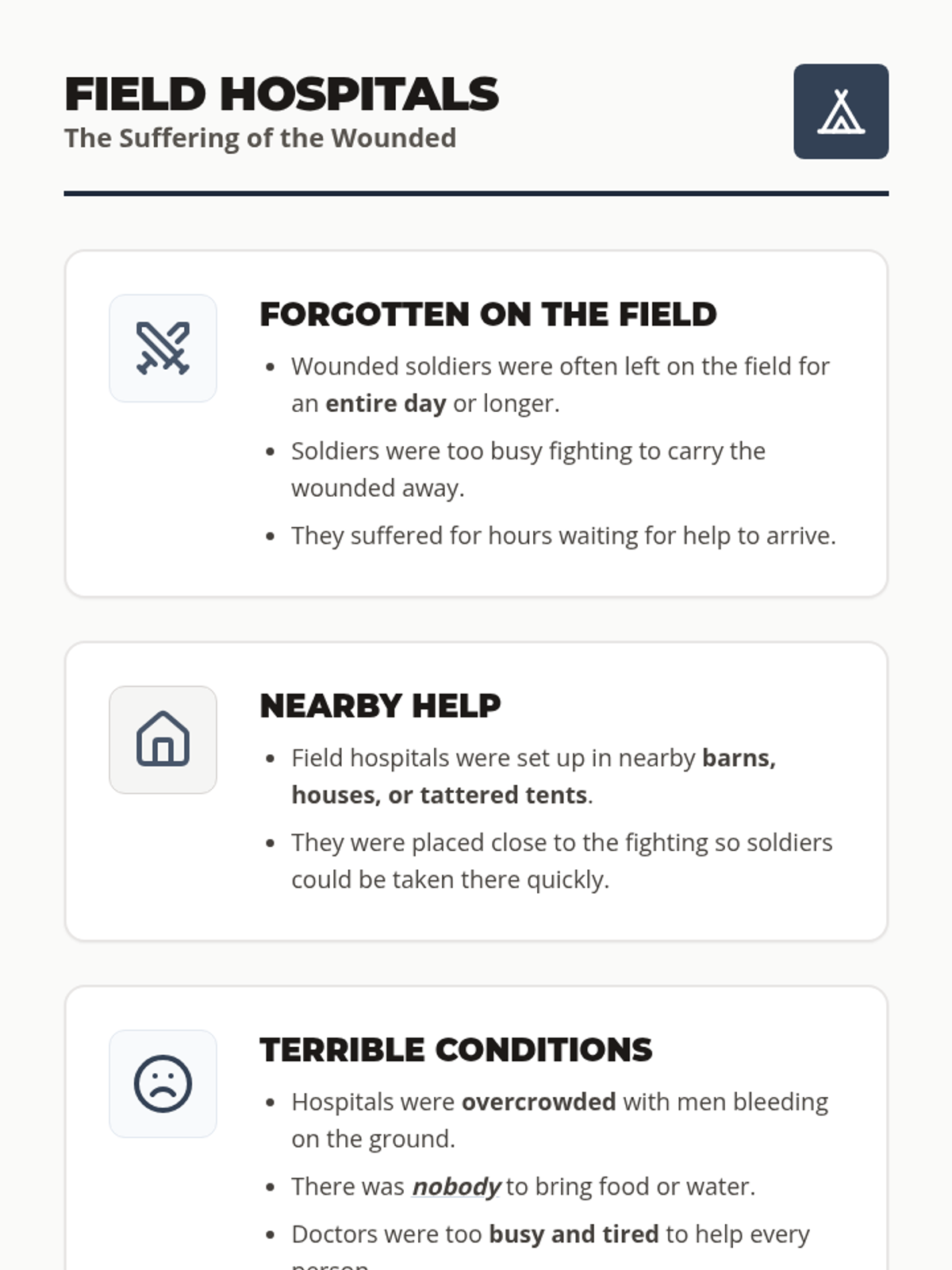
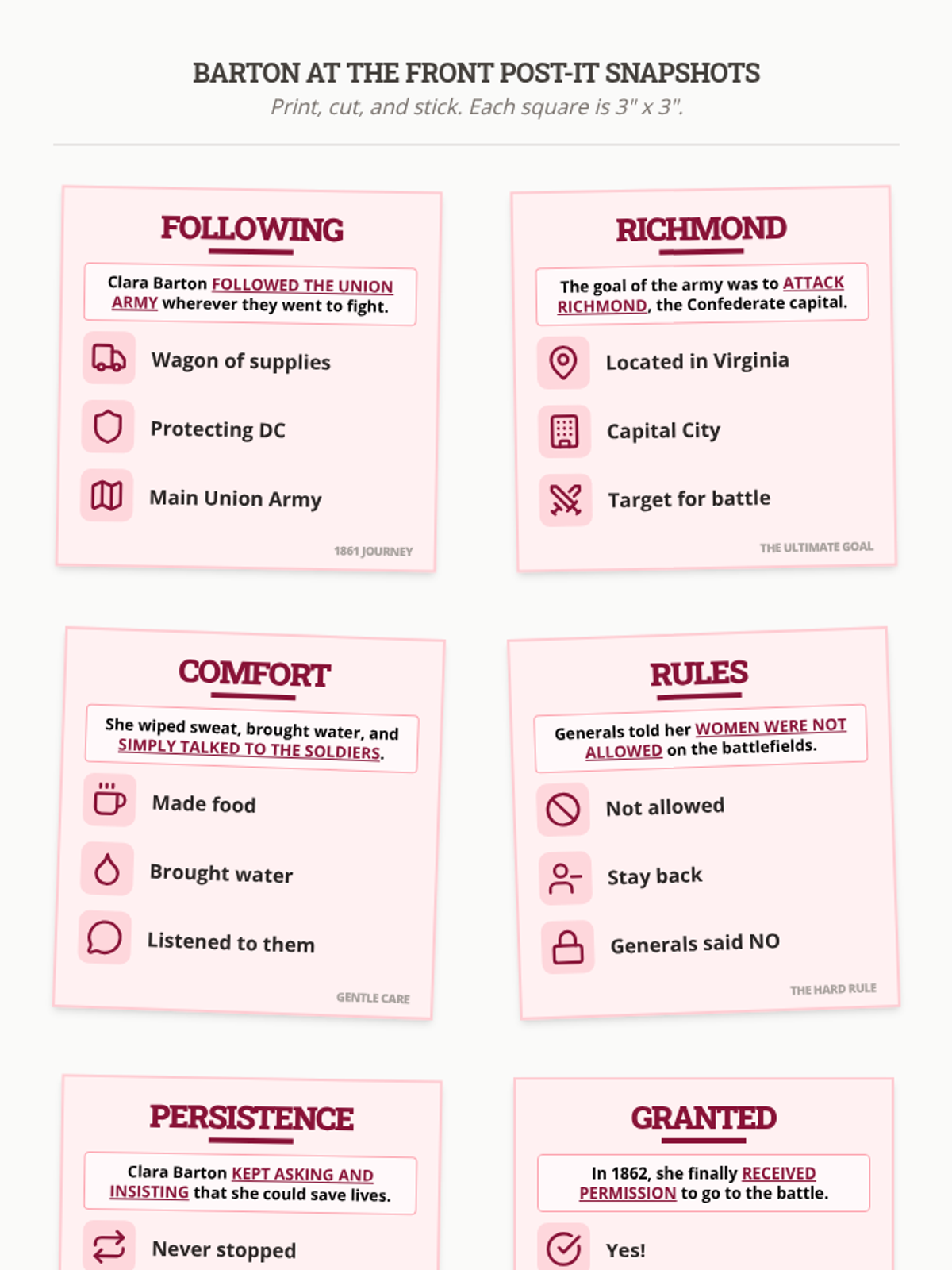
A 5-lesson sequence exploring the causes, conflicts, and human experiences of the American Civil War, focusing on the differences between the North and South, key turning points, and the final surrender.
A sequence focused on the economic boom of the 1920s, covering the assembly line, the impact of the automobile, mass media, and the rise of consumer credit. Students analyze how manufacturing and financial shifts transformed American daily life and set the stage for the Great Depression.
A 5th-grade history sequence exploring the social and legal transformations of the 1920s, specifically focusing on the 18th and 19th Amendments and the shift in social norms.
A 5th-grade history sequence exploring the Harlem Renaissance through the lens of the Great Migration, jazz music, poetry, and visual arts, culminating in a student-curated museum exhibit.
This inquiry-driven sequence treats idioms and adages as historical artifacts that reveal information about culture and history. Students investigate the etymology of famous phrases from nautical, agricultural, and Shakespearean origins to understand how language evolves and reflects the time period in which it was created.
This sequence explores advanced verbal and non-verbal reasoning through the lens of analogies. Students move from basic word associations to analyzing degrees of intensity, causal relationships, and precise word choice.
A 5th-grade history sequence where students research and present biographies of key figures from the Reconstruction era, exploring diverse perspectives and individual legacies through a 'Living Museum' project.
This 5th-grade history sequence explores the dismantling of Reconstruction and the rise of Jim Crow laws, focusing on how legal and social systems were used to restrict the rights of African Americans after the Civil War.
A 5th-grade history unit exploring the political and social efforts to reunify the United States after the Civil War, focusing on the conflict between presidential and congressional plans.
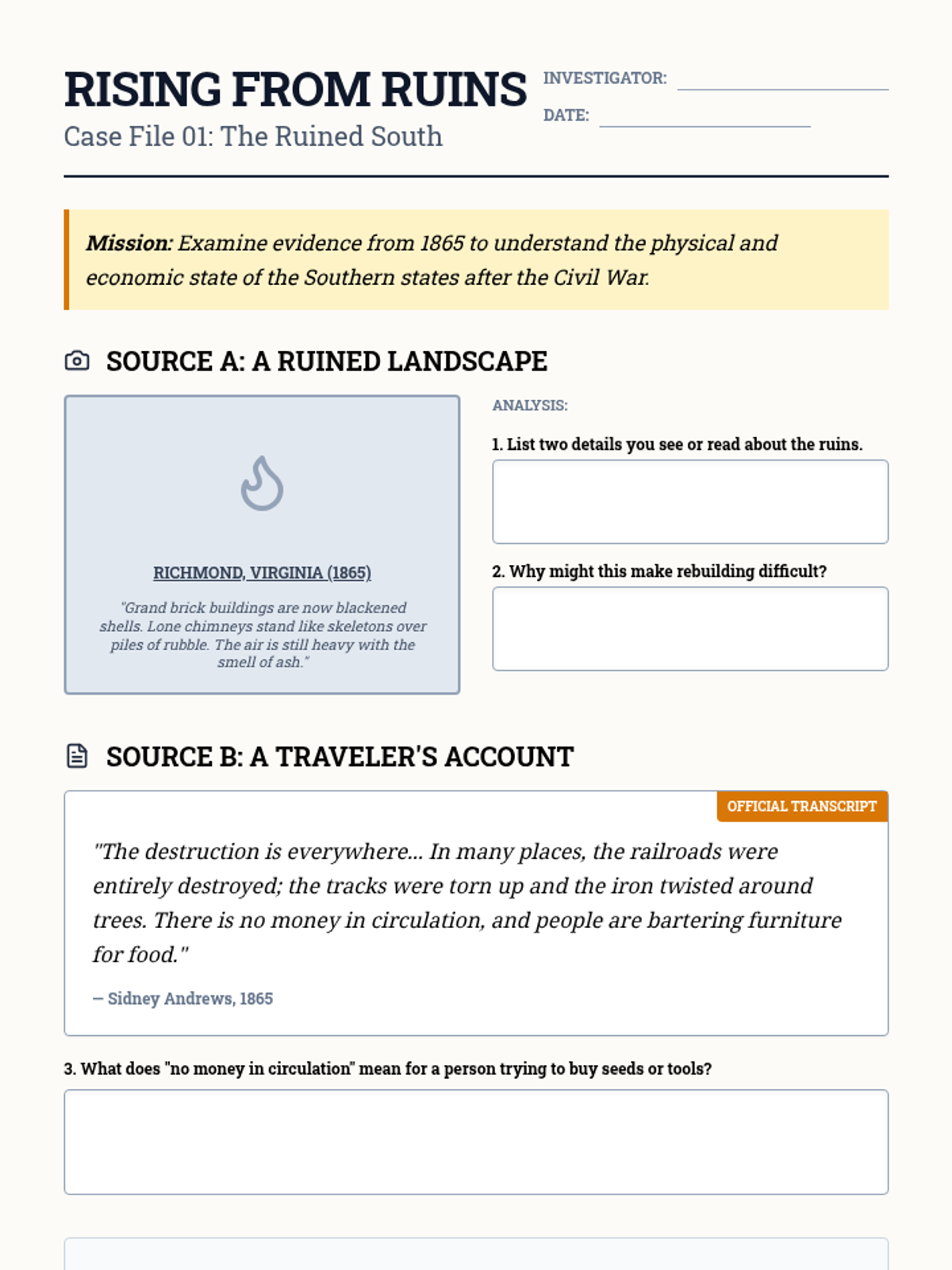
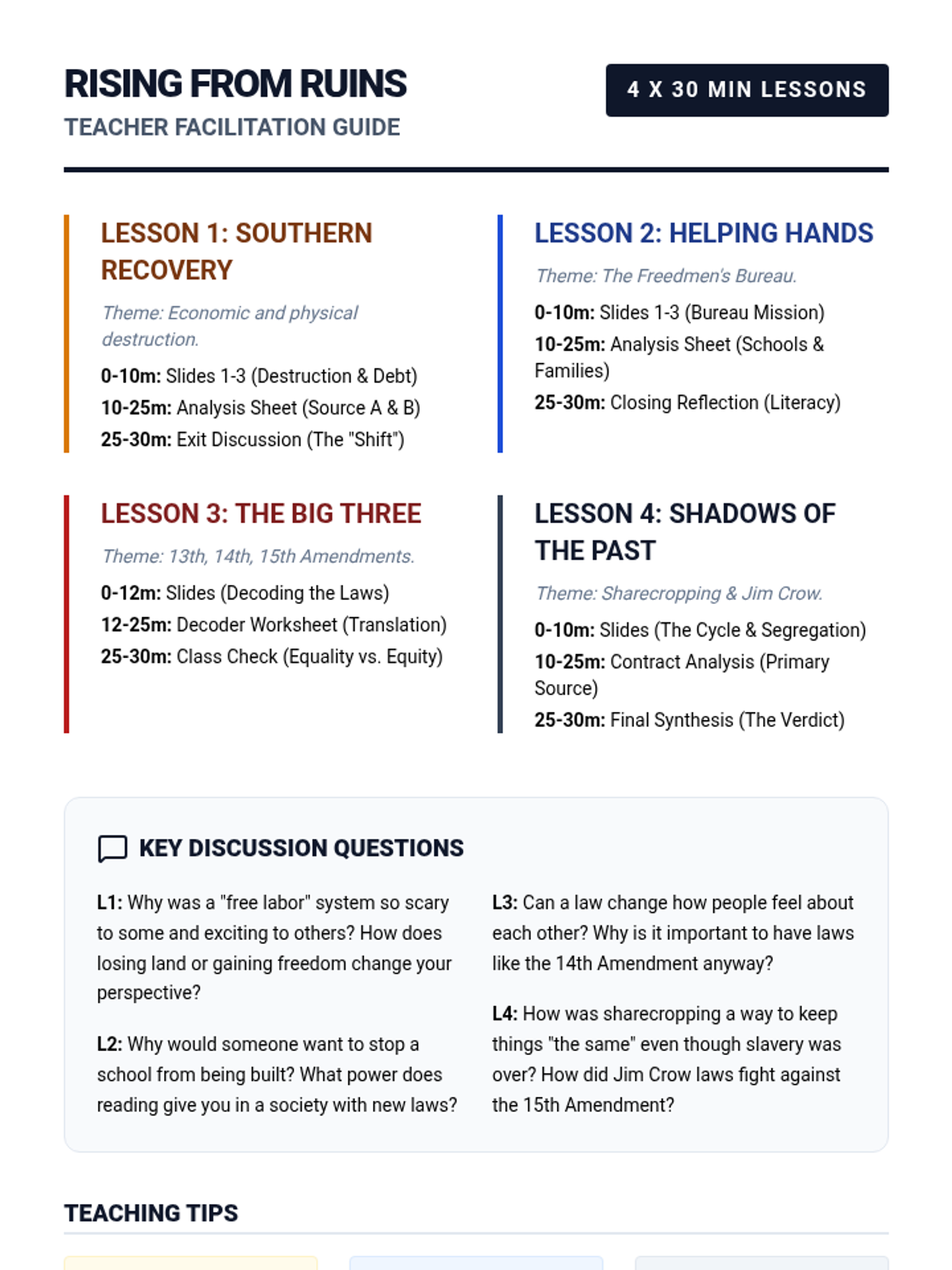
This sequence explores the Reconstruction Era through the lens of the Freedmen's Bureau, focusing on the social and economic challenges faced by newly emancipated people. Students analyze primary sources, engage in simulations about sharecropping and education, and evaluate the effectiveness of federal aid in the post-Civil War South.
A comprehensive 5th-grade social studies unit exploring the 13th, 14th, and 15th Amendments. Students analyze primary sources to understand how the U.S. Constitution was changed to redefine freedom, citizenship, and voting rights after the Civil War.
This sequence examines the end of Reconstruction and the subsequent rise of discriminatory laws known as Jim Crow. Students will learn how state governments circumvented the new Amendments through Black Codes, poll taxes, and literacy tests using simulation and document analysis.
This 5th-grade history sequence explores the stark social contrasts of the Gilded Age. Students investigate the metaphor of gilding, examine life in tenements and factories, and learn how labor unions and reformers fought for social change.
A comprehensive 5th-grade history sequence exploring the rapid industrialization, technological innovations, and urbanization of the American Gilded Age. Students analyze the impact of railroads, steel, and new inventions on daily life and the economy.
This project-based sequence invites 5th-grade students to act as anthropologists of their own lives, investigating how culture, heritage, and history shape their identity. Students explore the 'Iceberg Model of Culture,' conduct family oral histories, and curate personal artifacts for a culminating 'Museum of Me' exhibition.