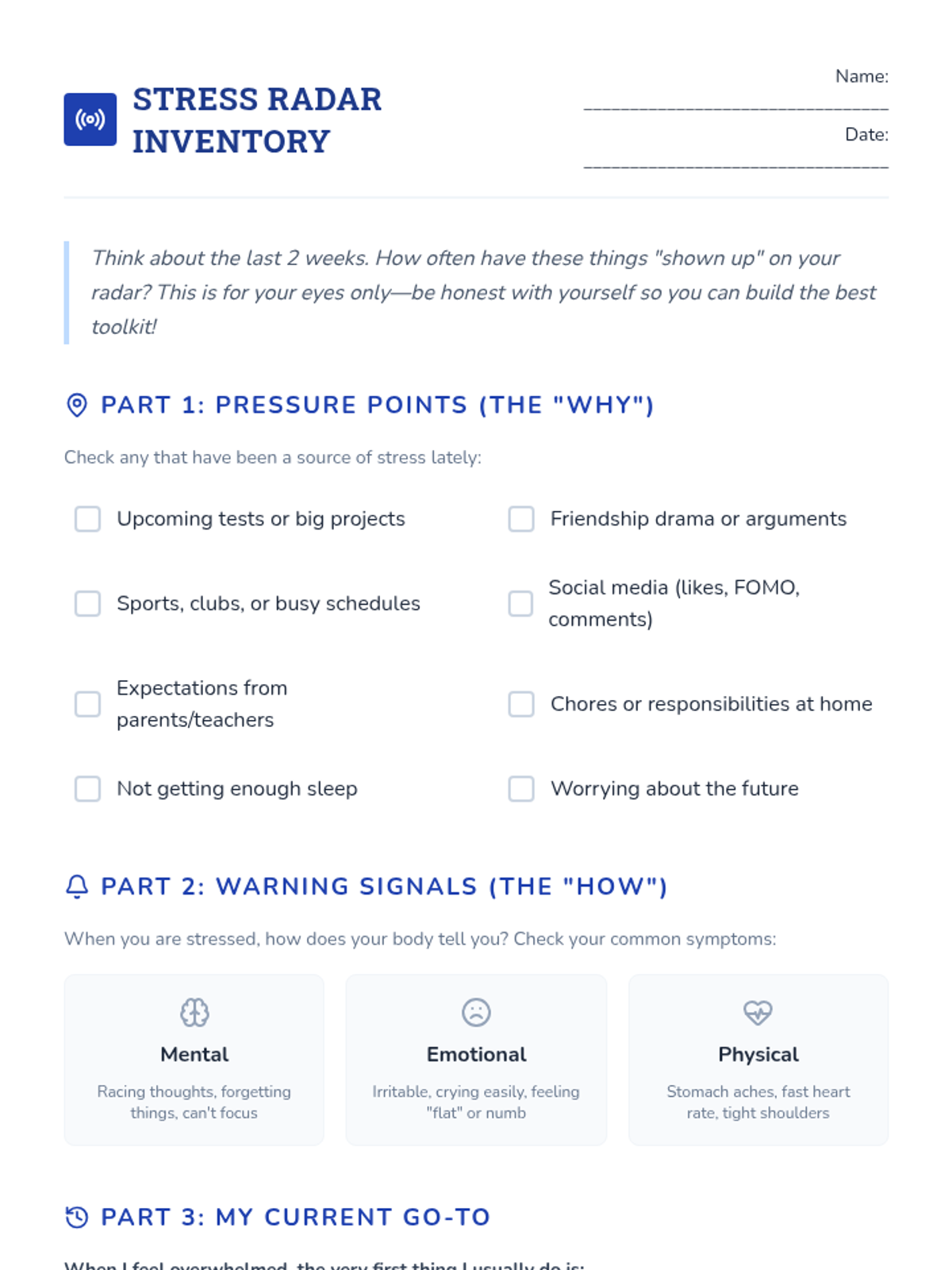
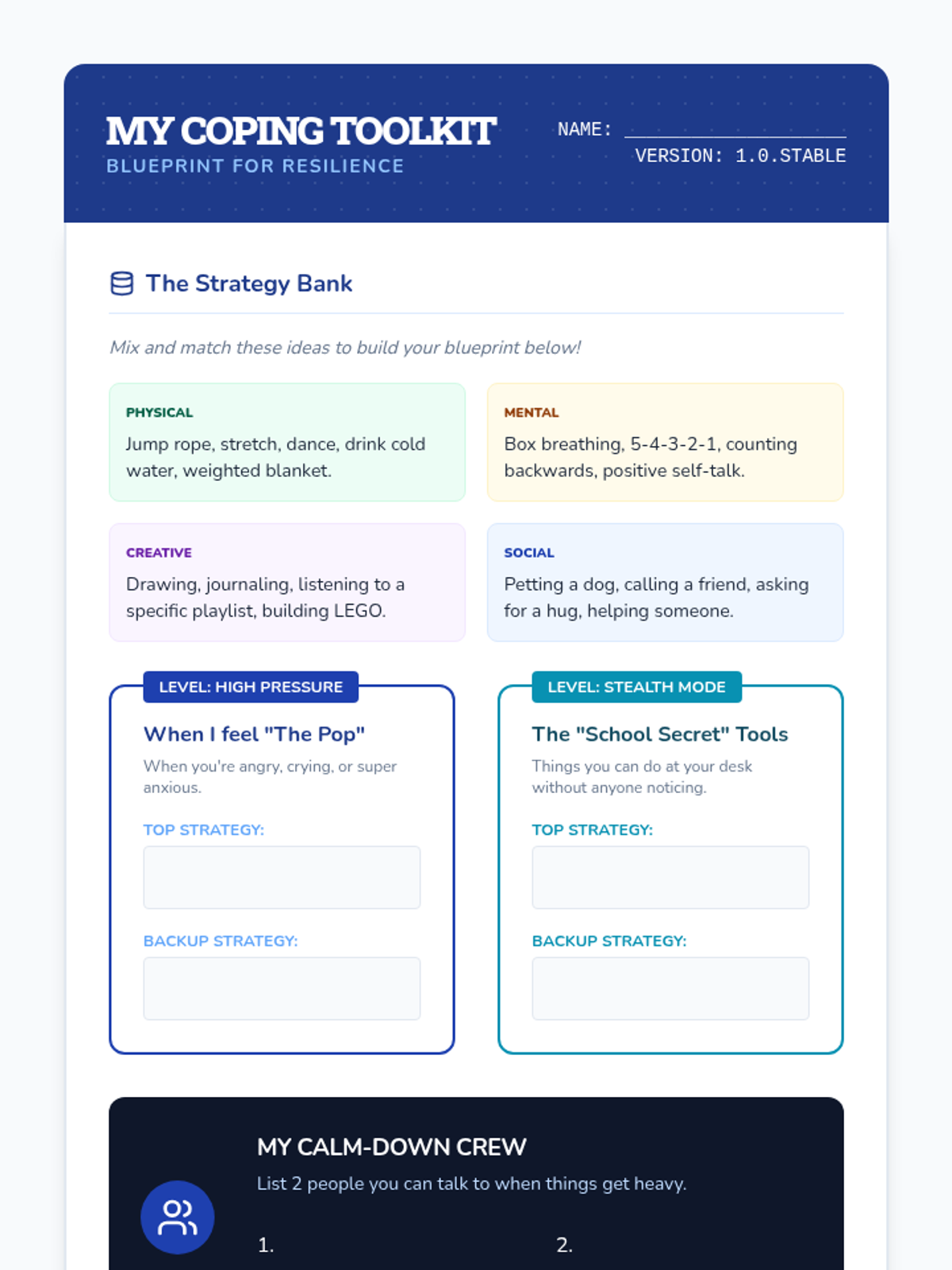
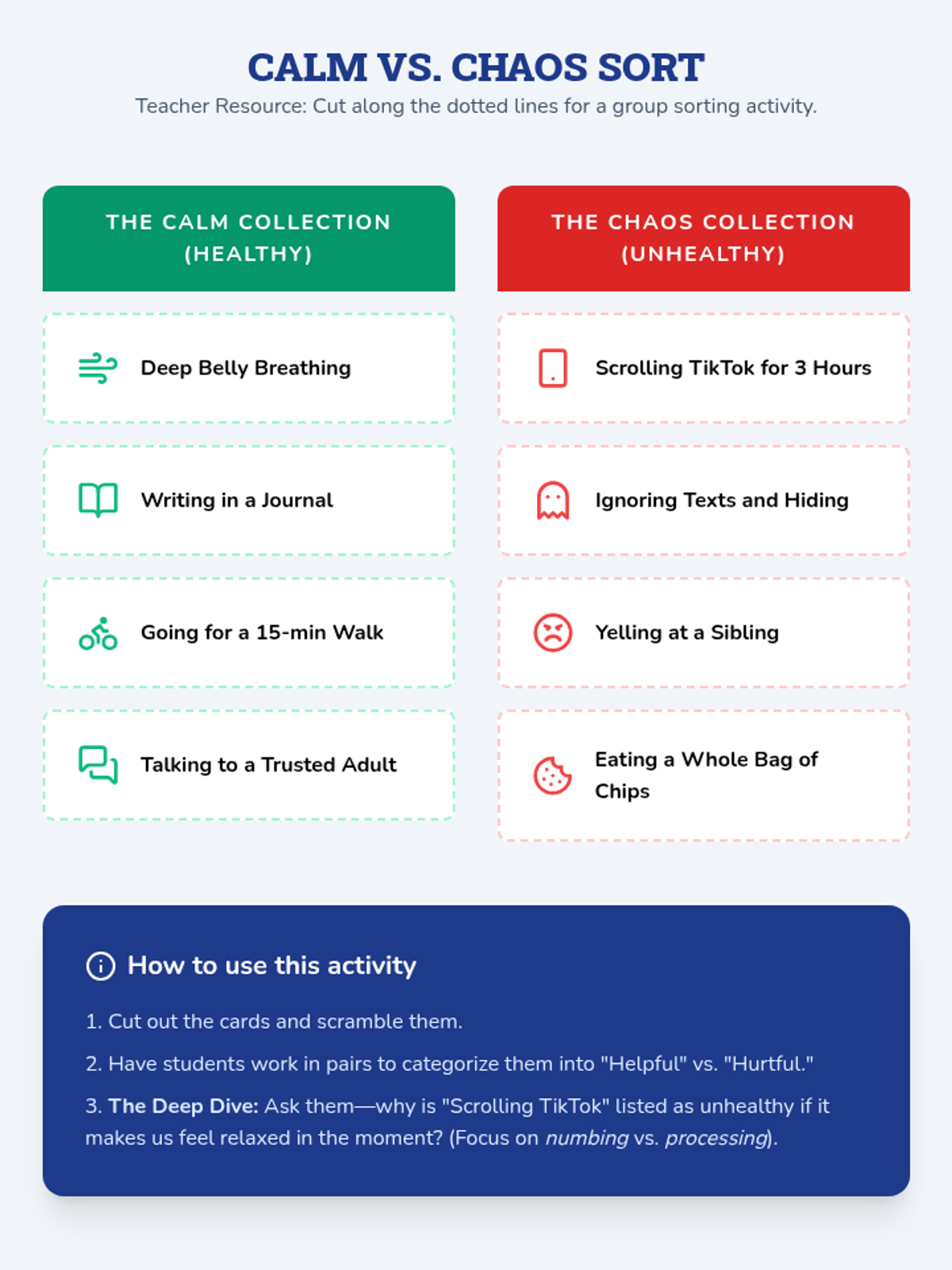
Fundamental concepts of emotional intelligence, stress reduction, and relaxation exercises. Develops skills for healthy relationships, digital balance, and resilience while establishing pathways for help-seeking and support systems.
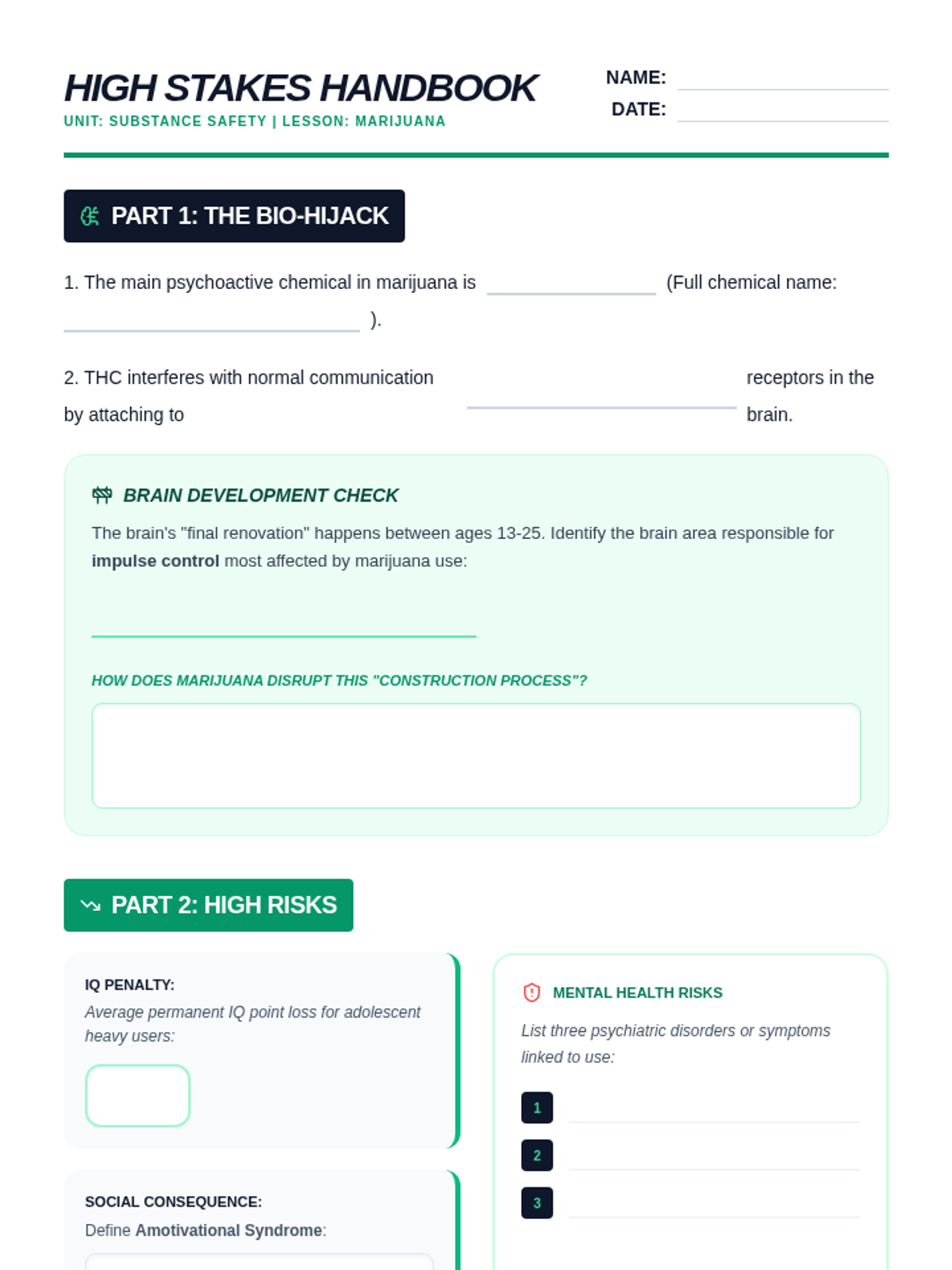
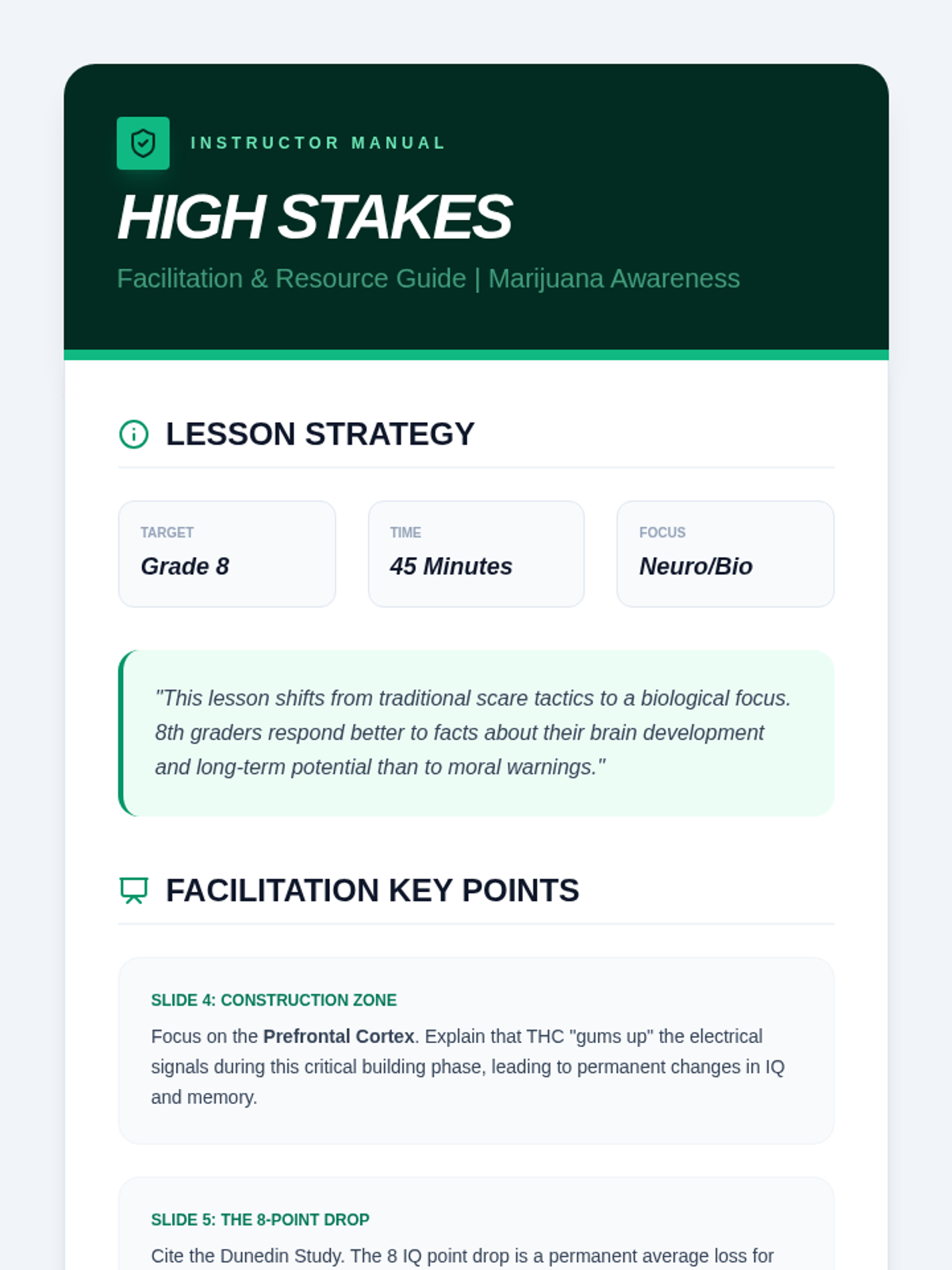
An in-depth exploration of marijuana for 8th graders, focusing on THC's impact on the developing brain, academic performance, and mental health risks.
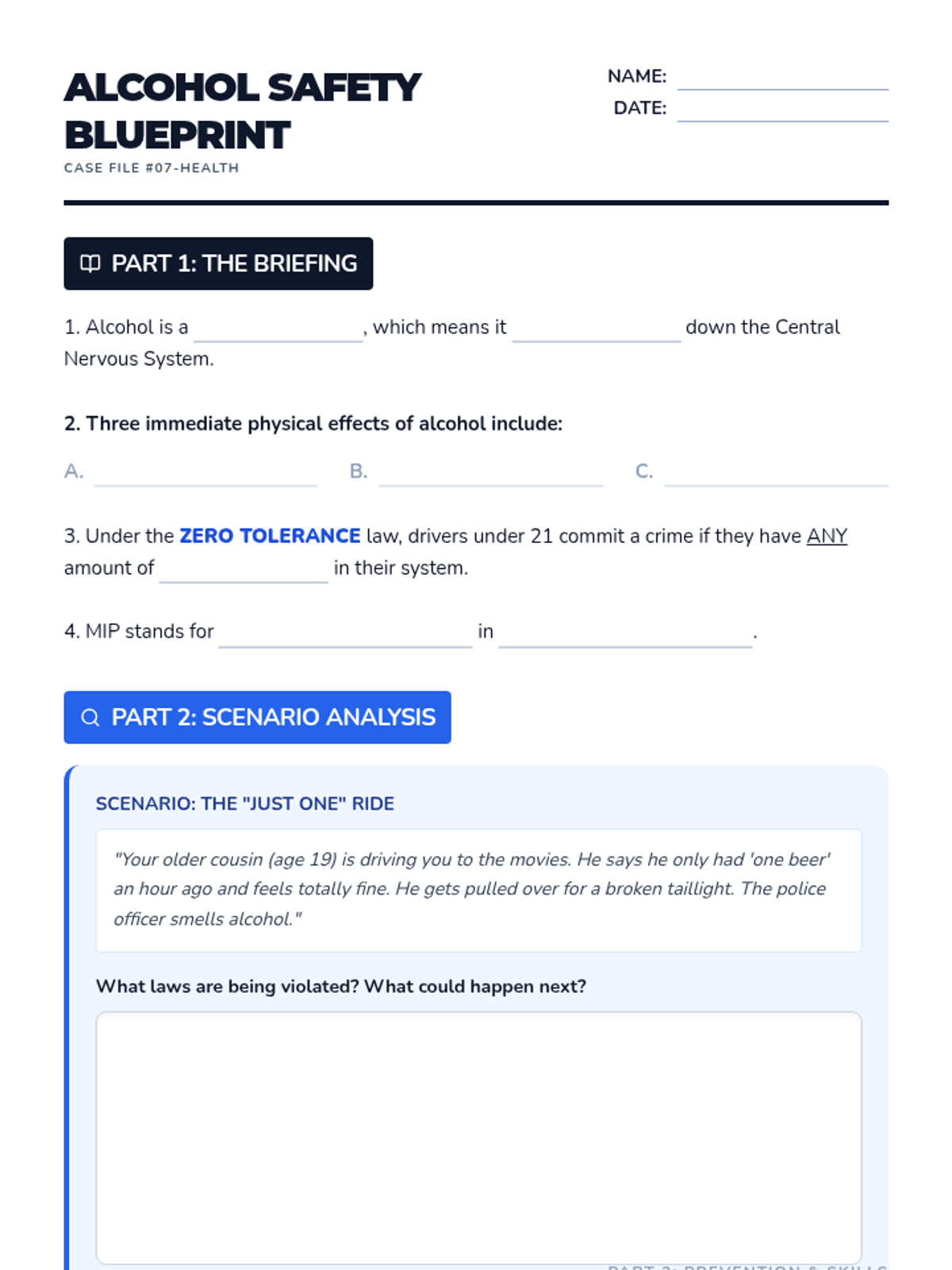
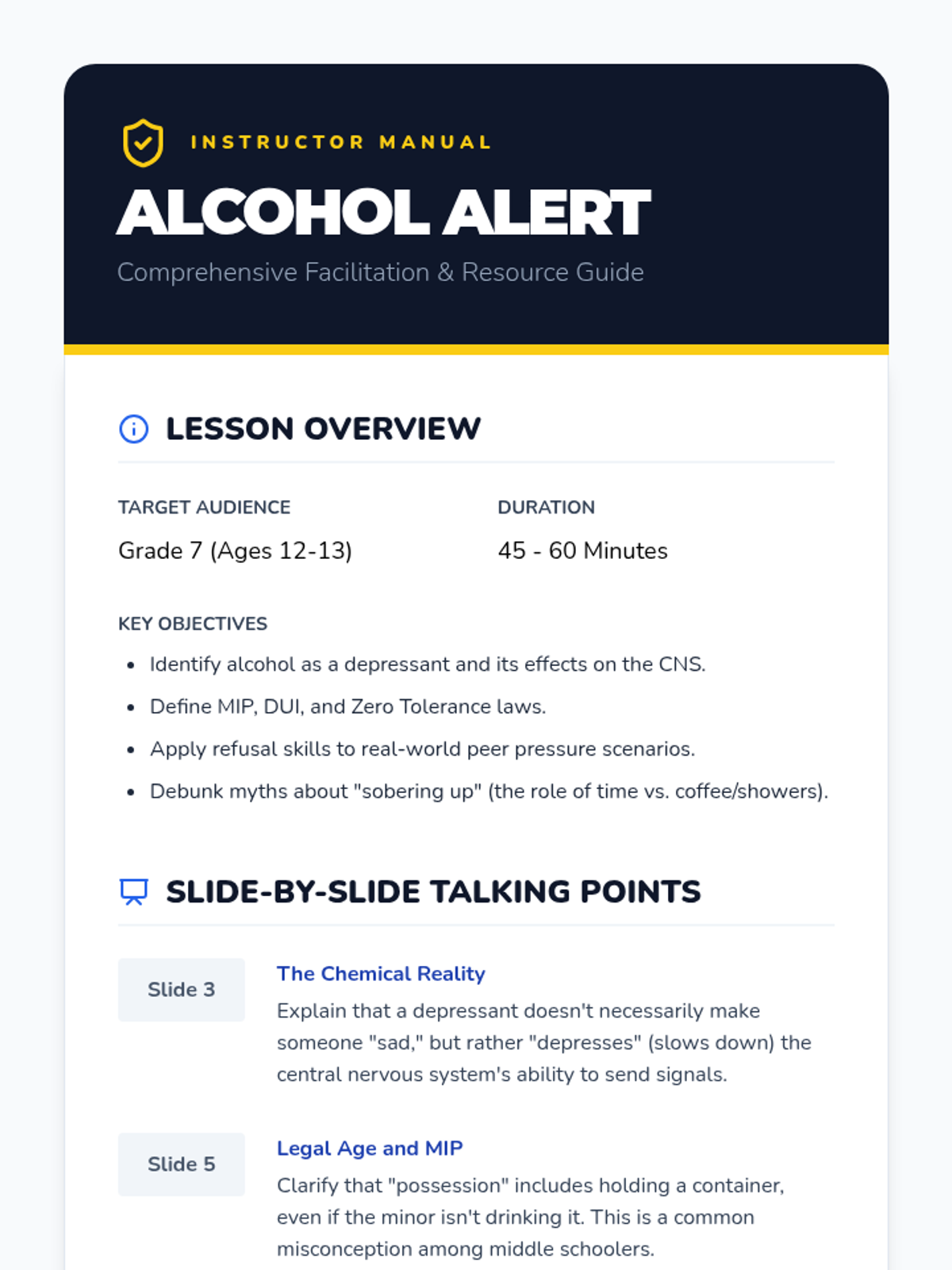
A comprehensive introduction to alcohol safety and laws for 7th graders, focusing on physical effects, legal consequences, and refusal skills.
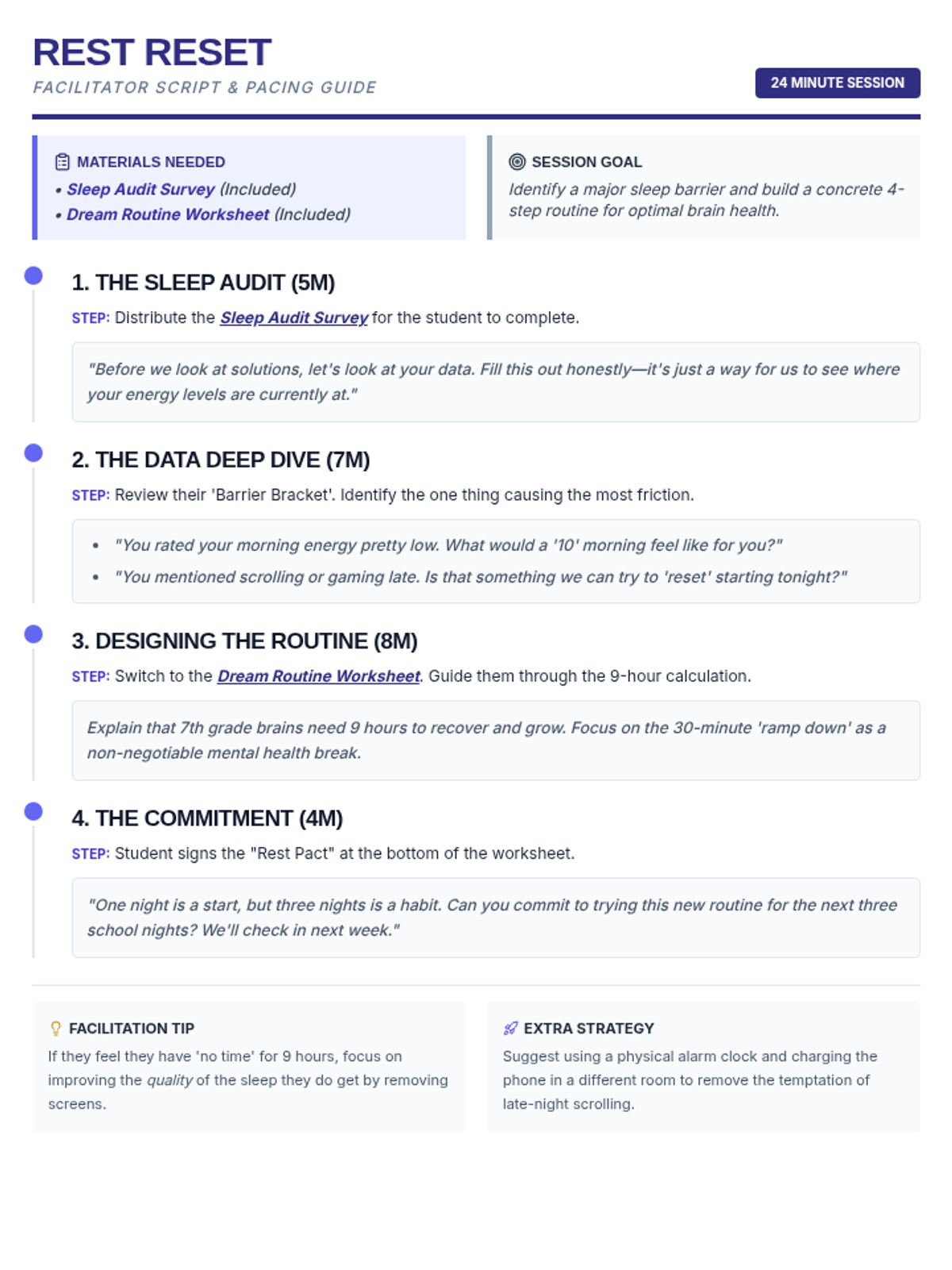
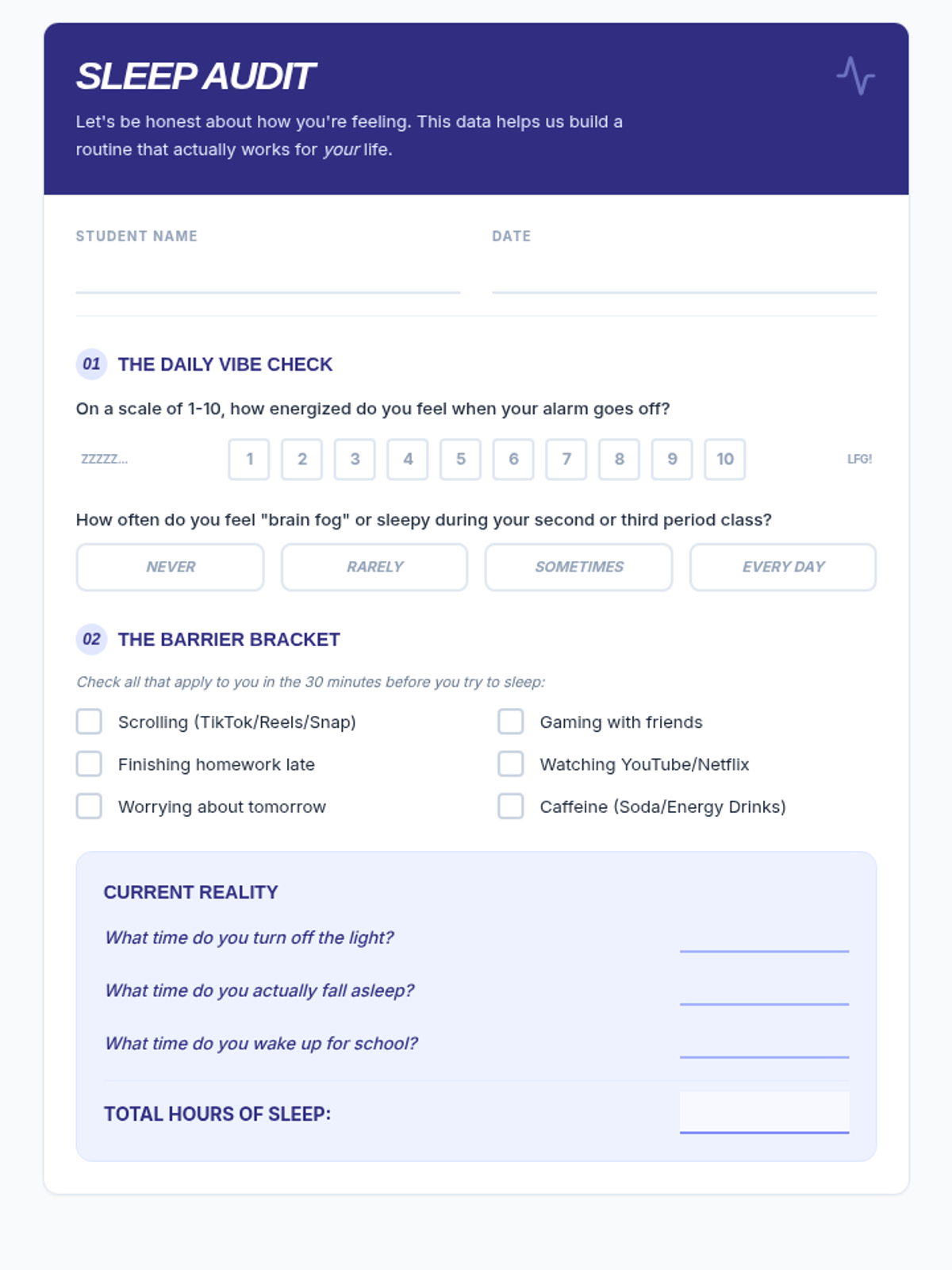
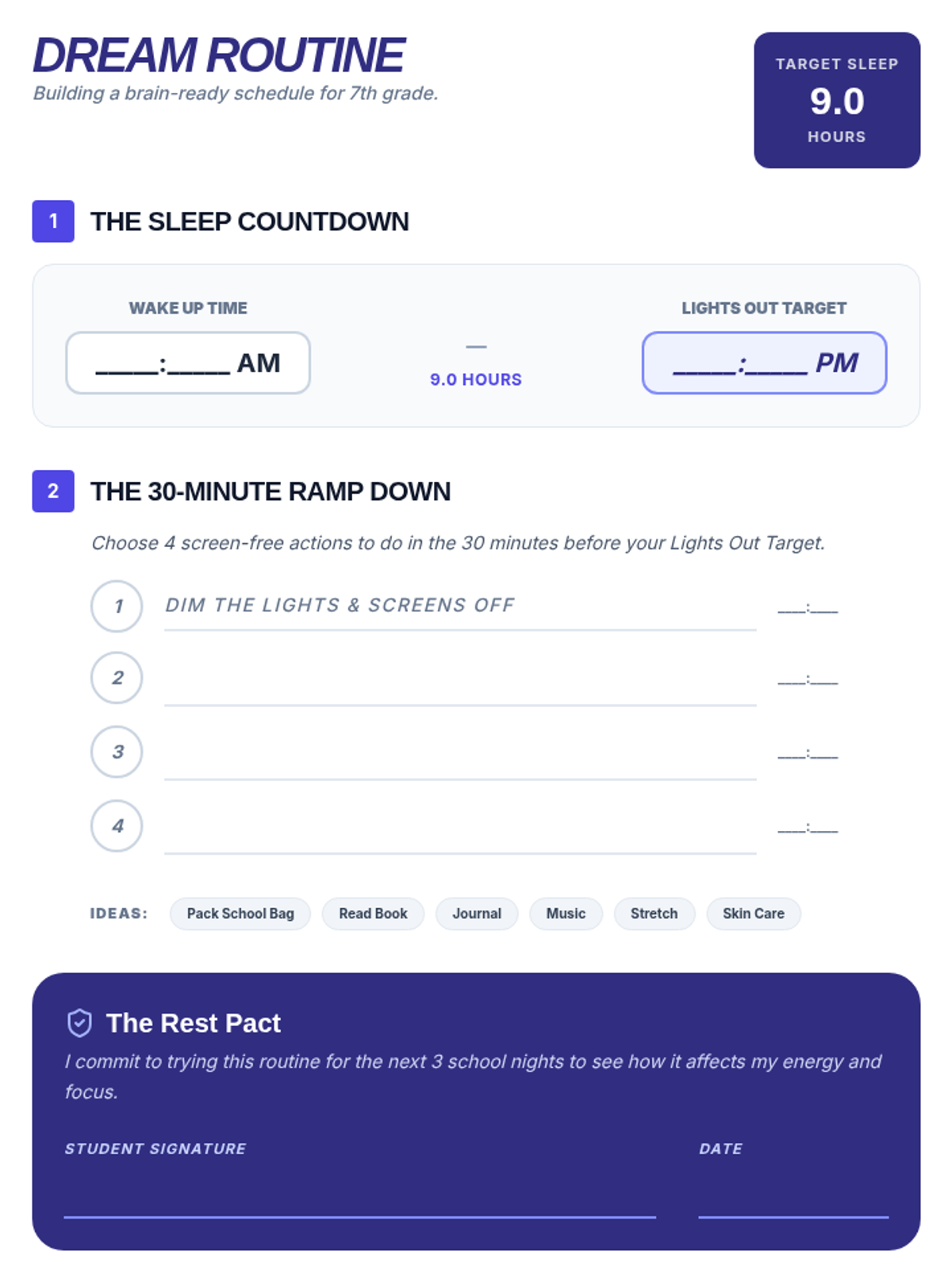
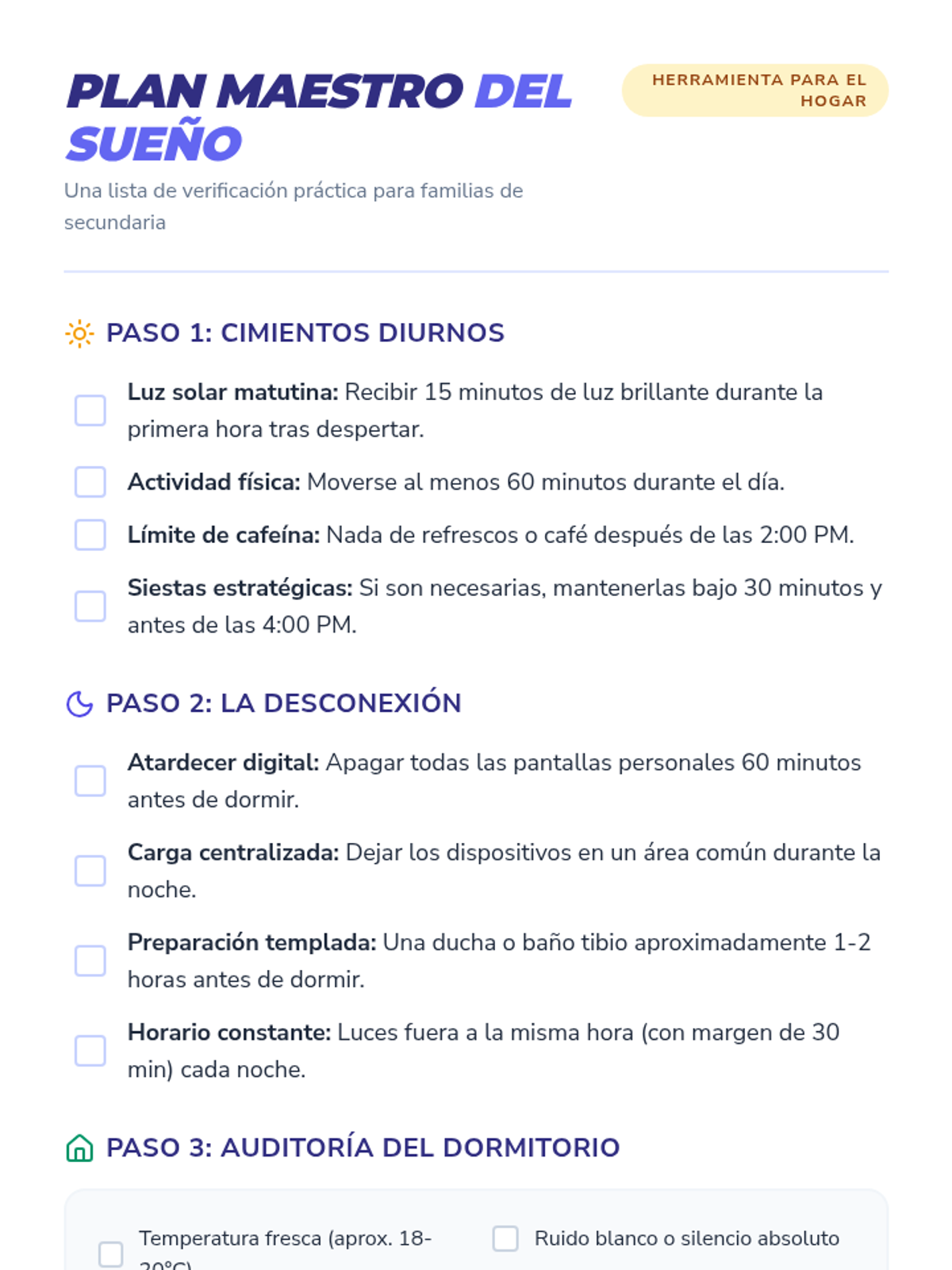
A focused 24-minute session designed to help middle schoolers audit their current sleep habits and design a sustainable bedtime routine for optimal brain health.
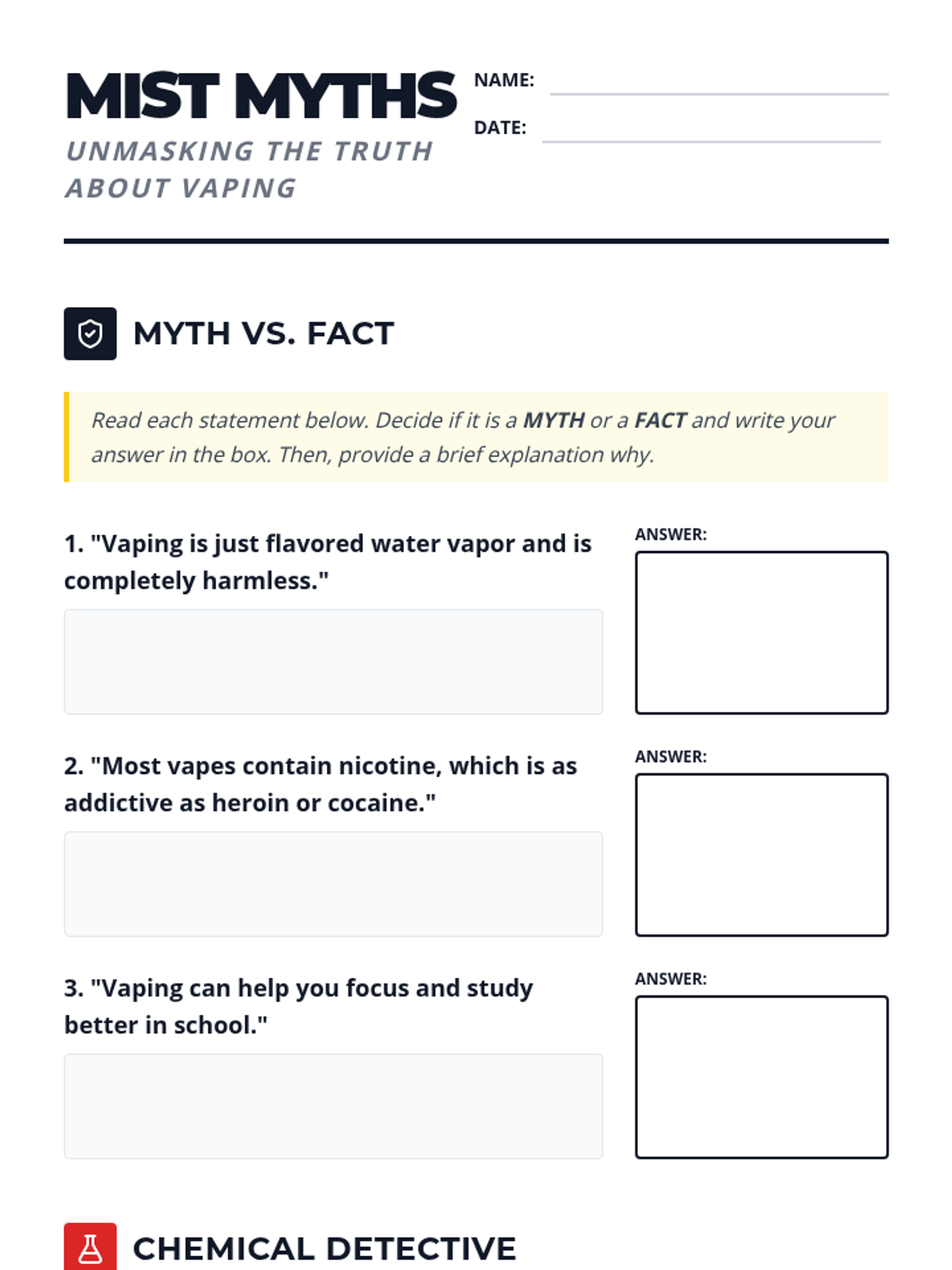
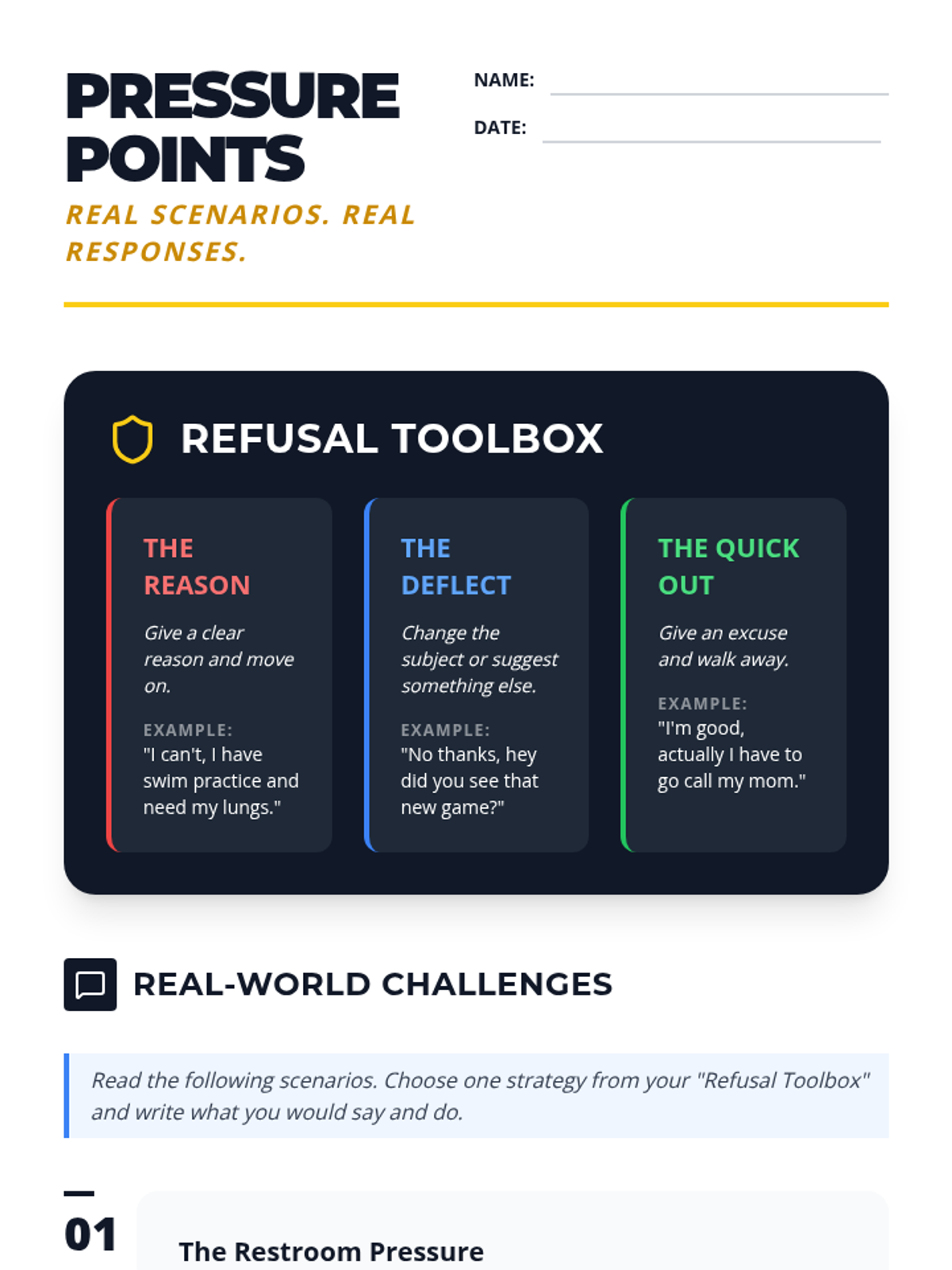
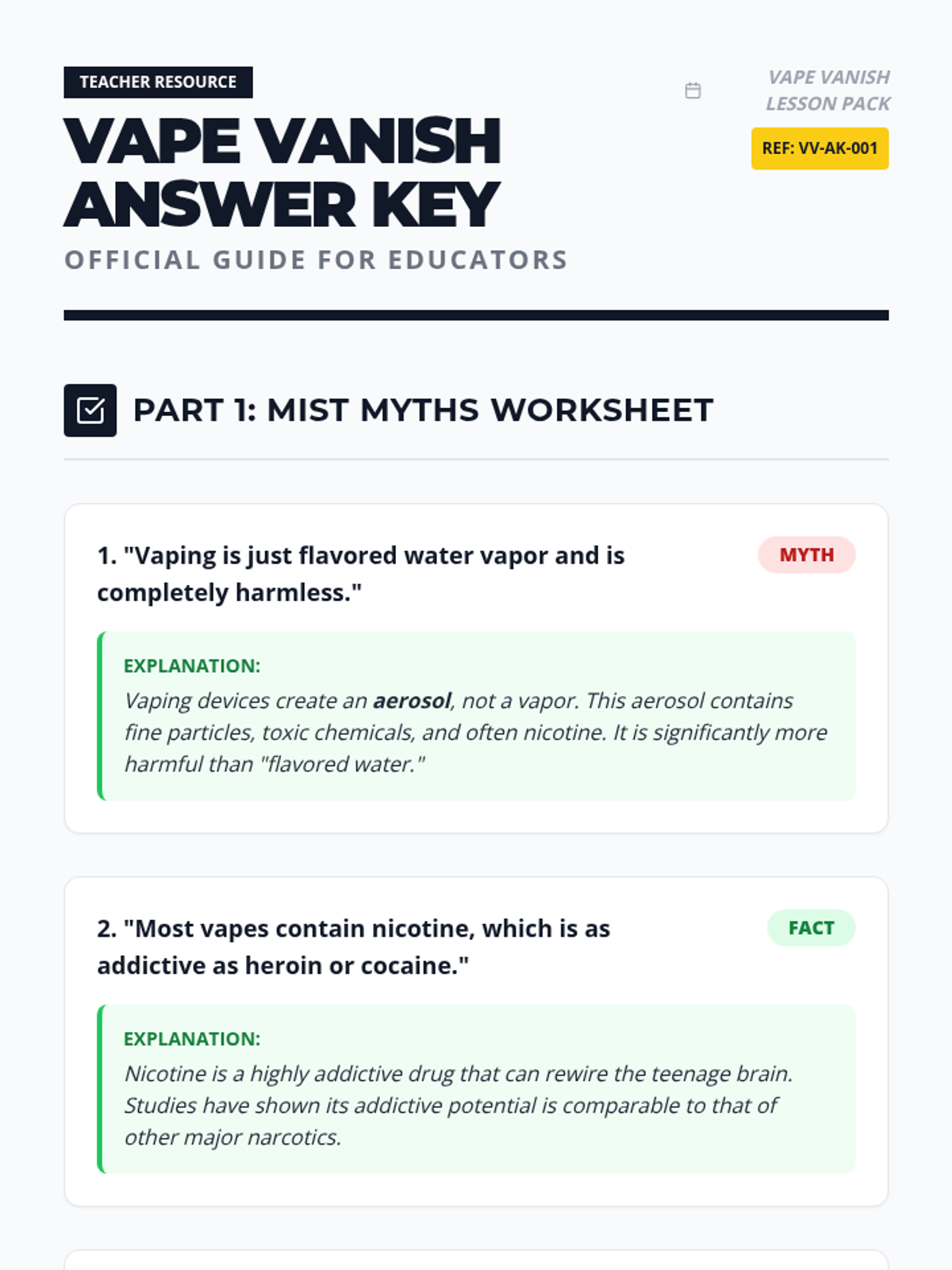
A comprehensive lesson exploring the health risks of vaping, debunking common myths, and practicing refusal skills through real-world scenarios.
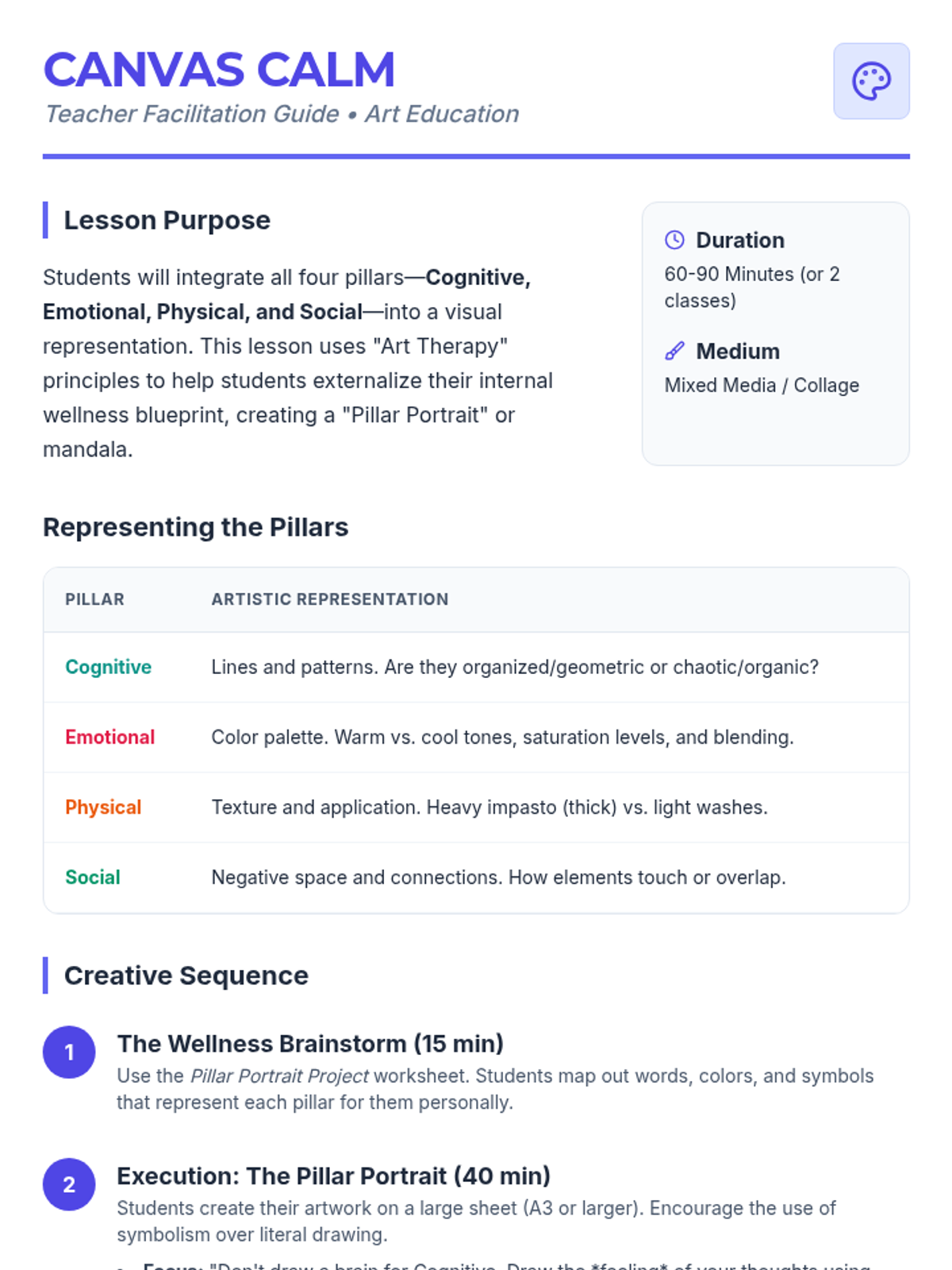
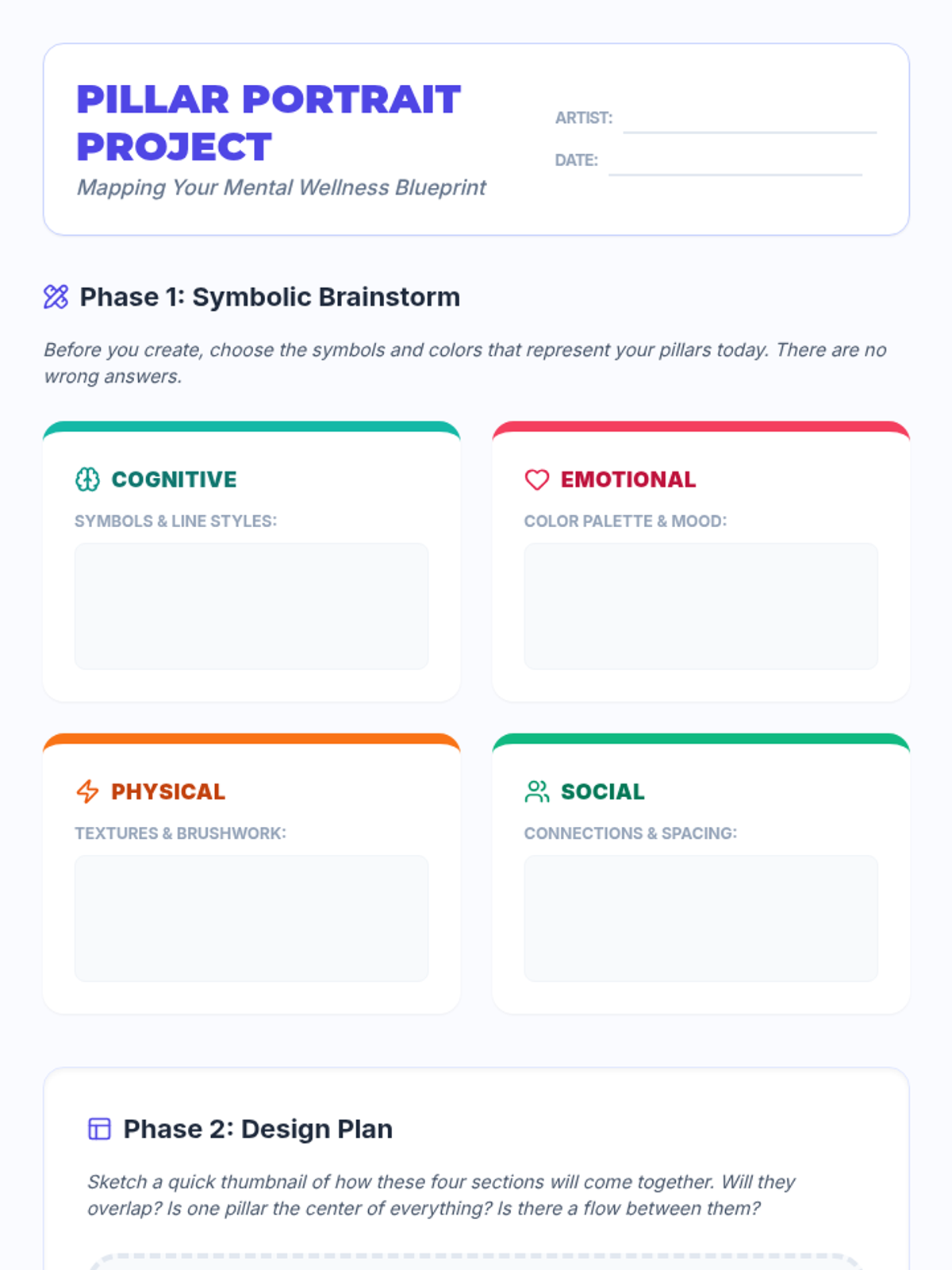
An Art lesson that integrates all four pillars of mental health into a creative project, allowing students to visualize their personal wellness.
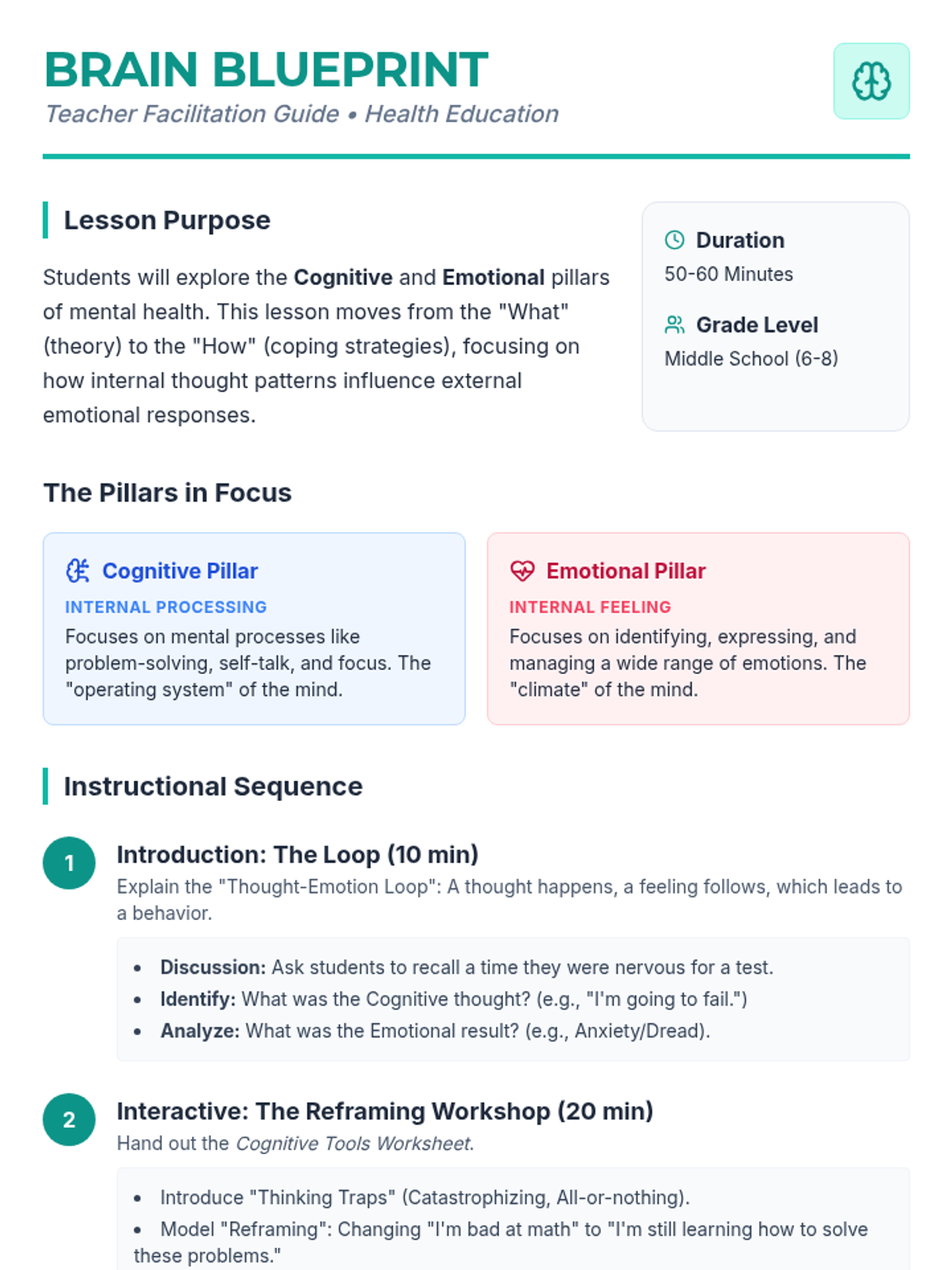
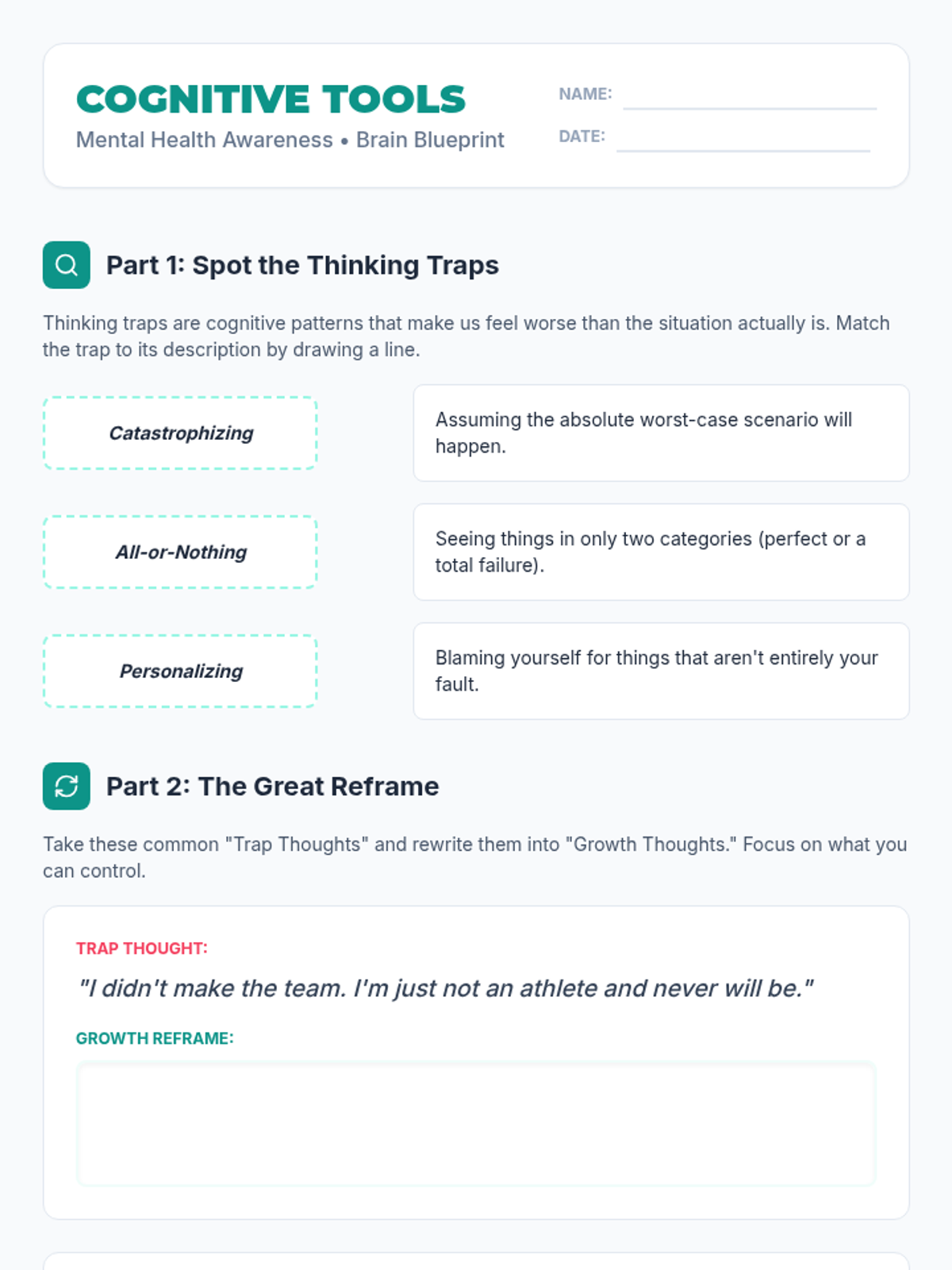
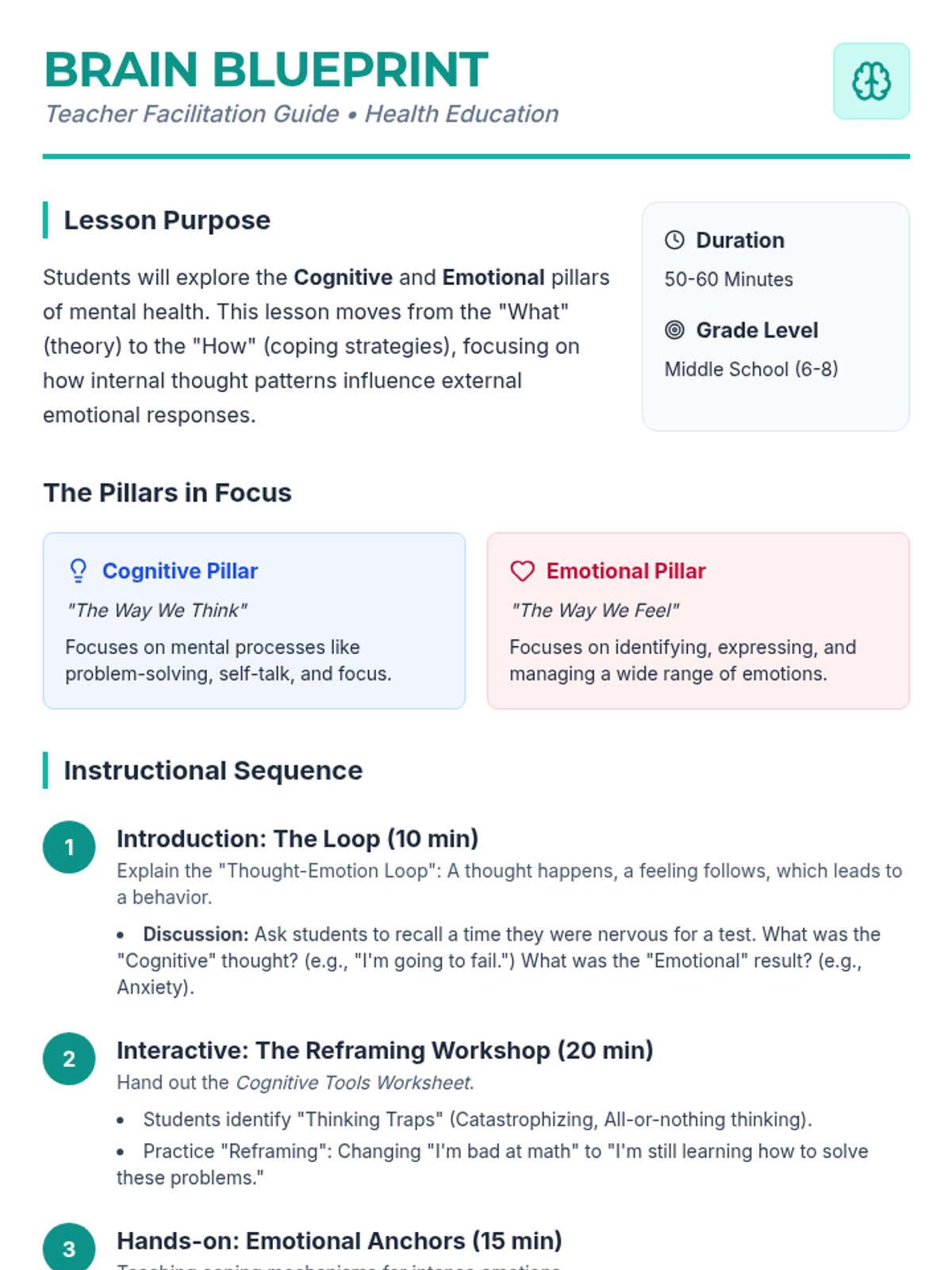
A health-focused exploration of the Cognitive and Emotional pillars, teaching students how to identify thought patterns and manage emotions.
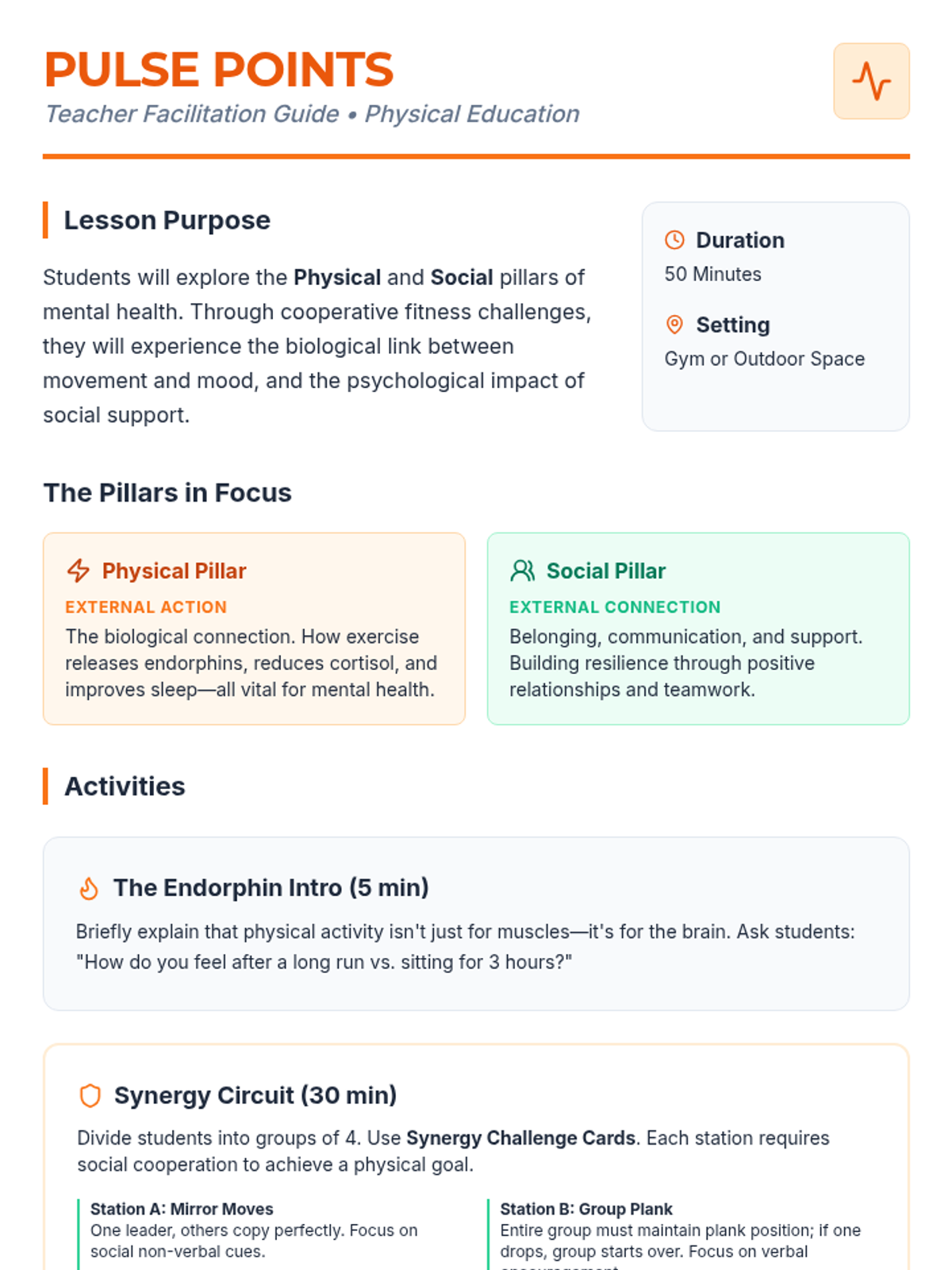
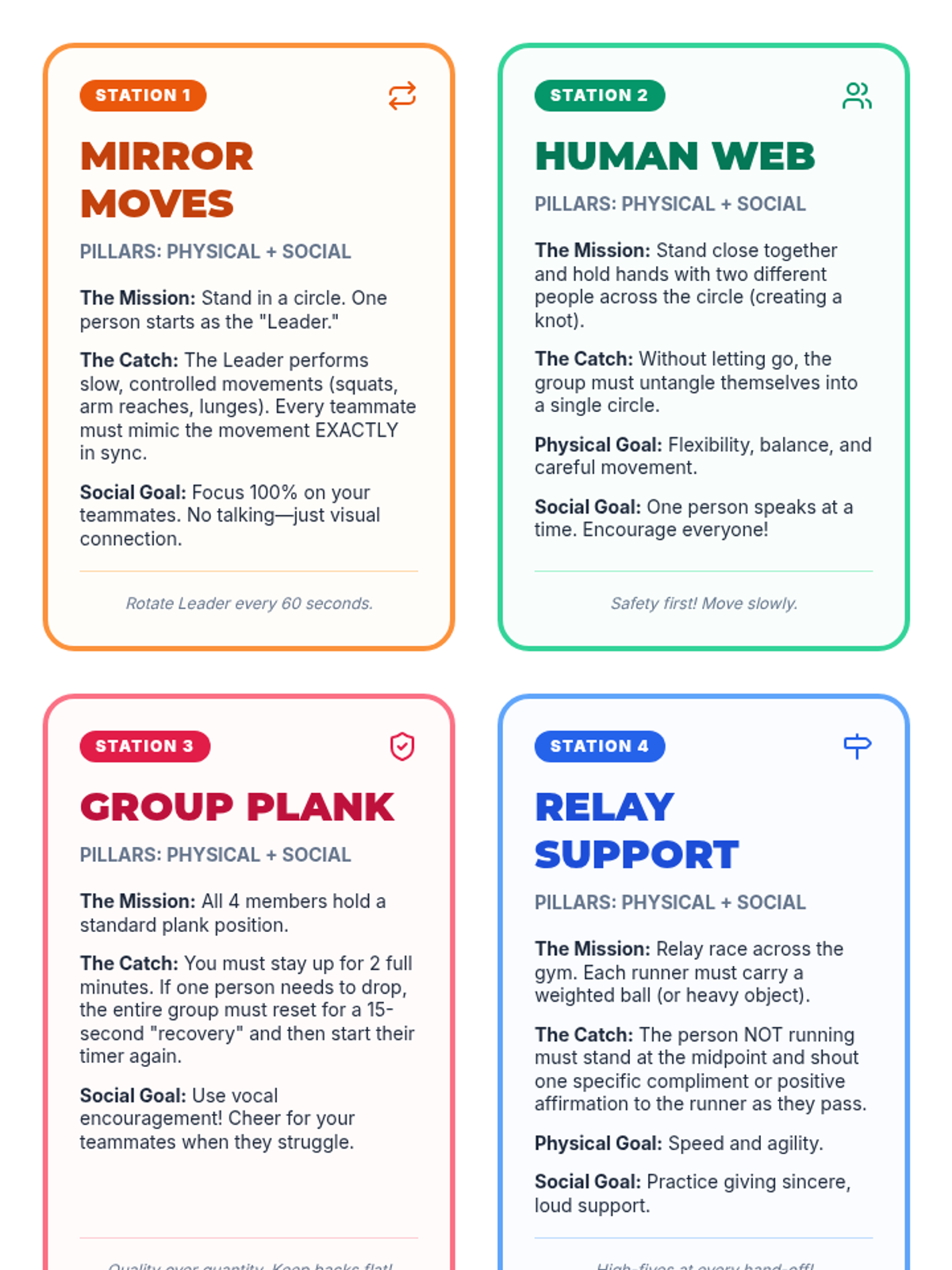
A high-energy PE lesson focusing on the Physical and Social pillars, emphasizing how movement and teamwork support mental well-being.
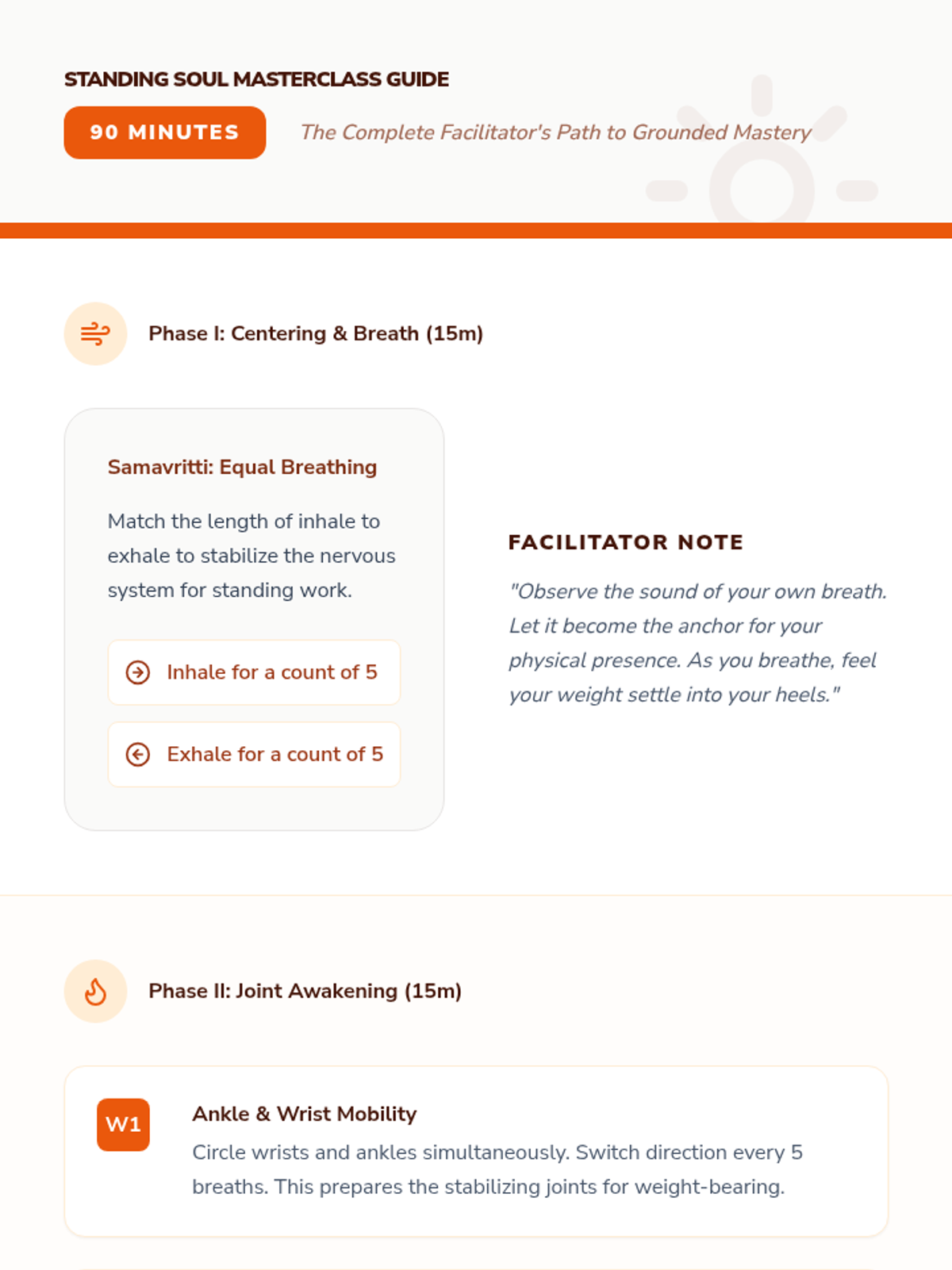
A beginner-friendly 90-minute standing yoga session focused on grounding, balance, and fundamental postures to transition from seated to standing practice.
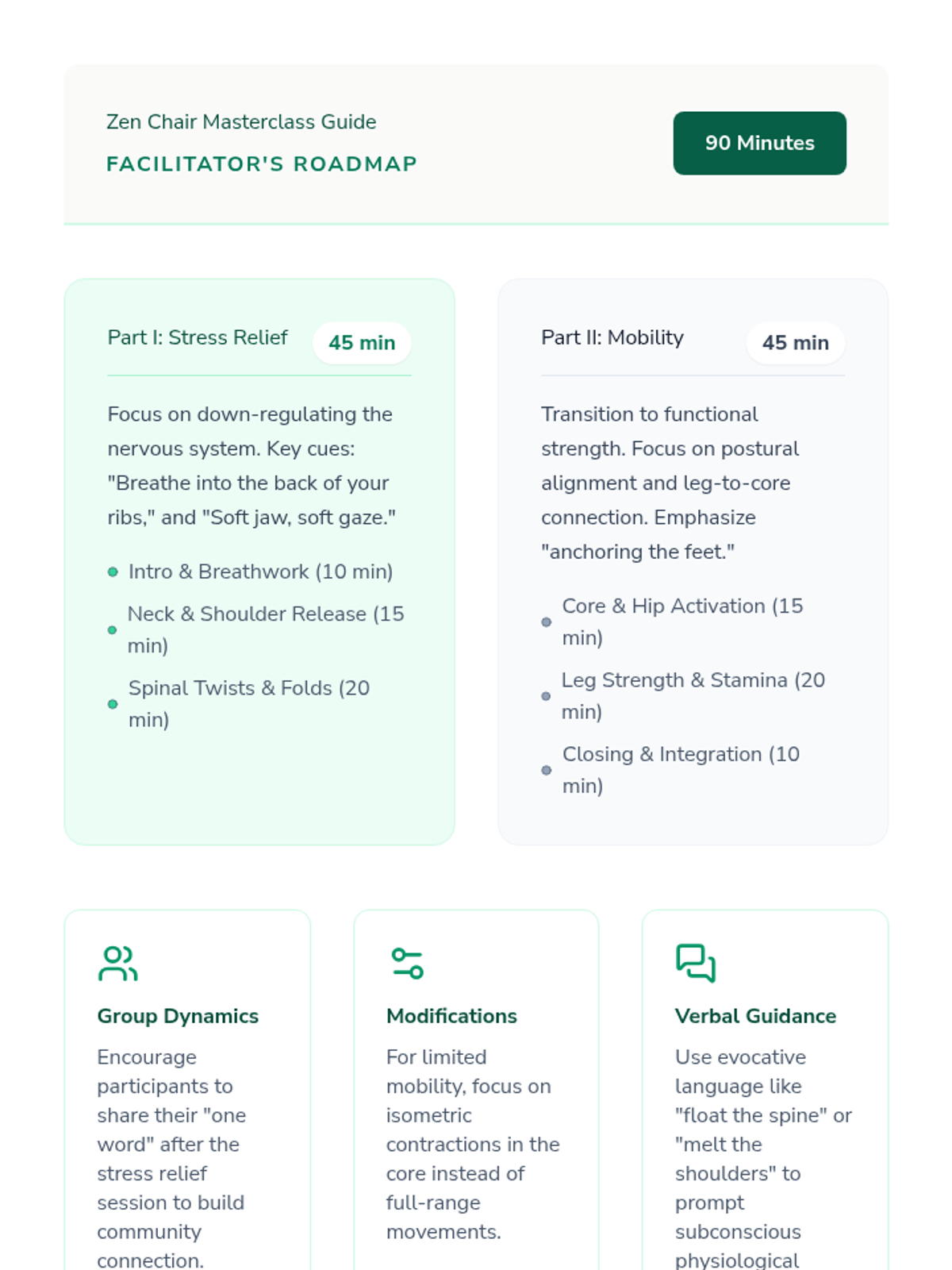
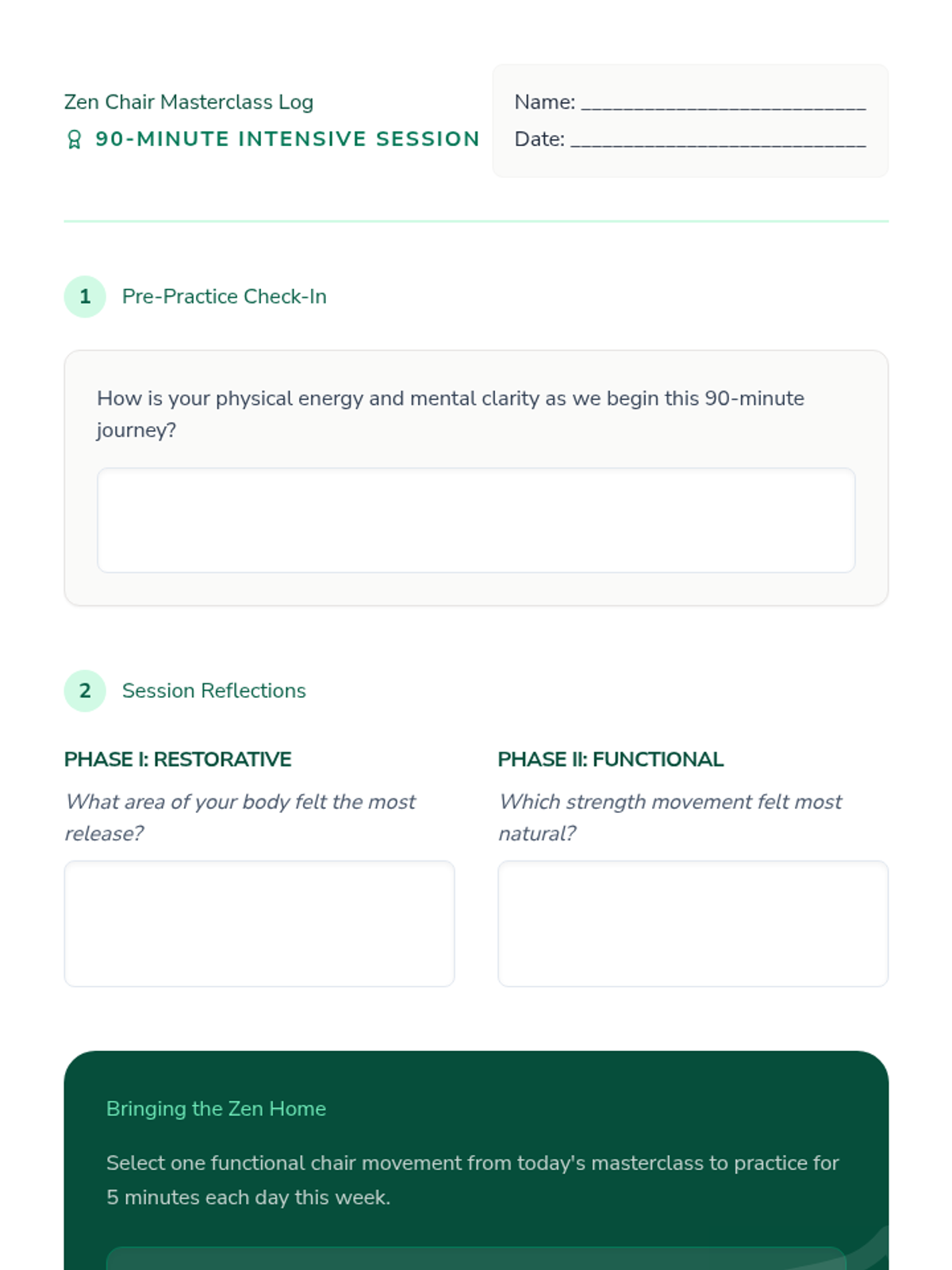
A deep-dive chair yoga experience combining stress relief and functional mobility, featuring two full-length guided practice videos. This 90-minute masterclass is designed to build both mental calm and physical strength.
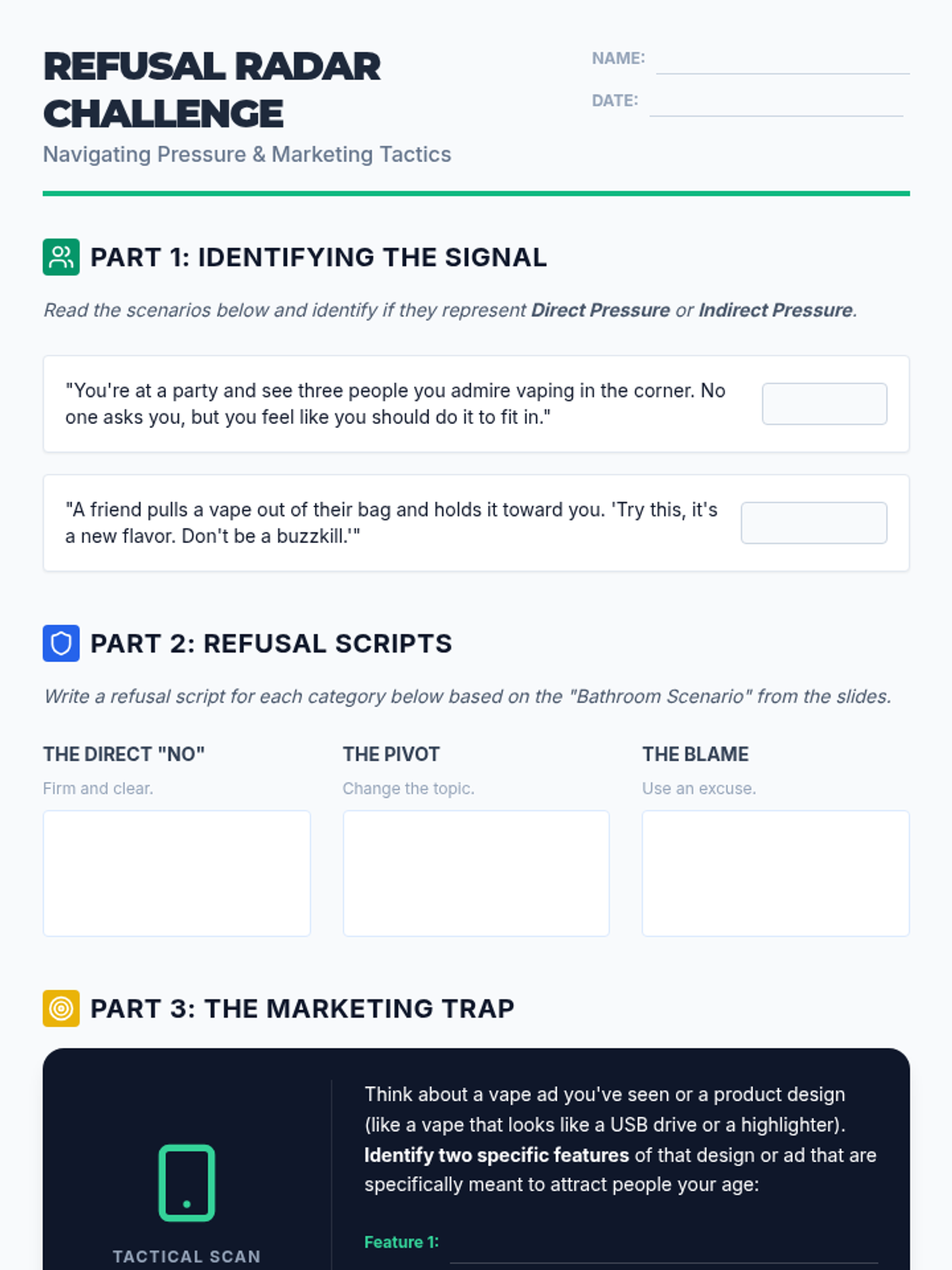
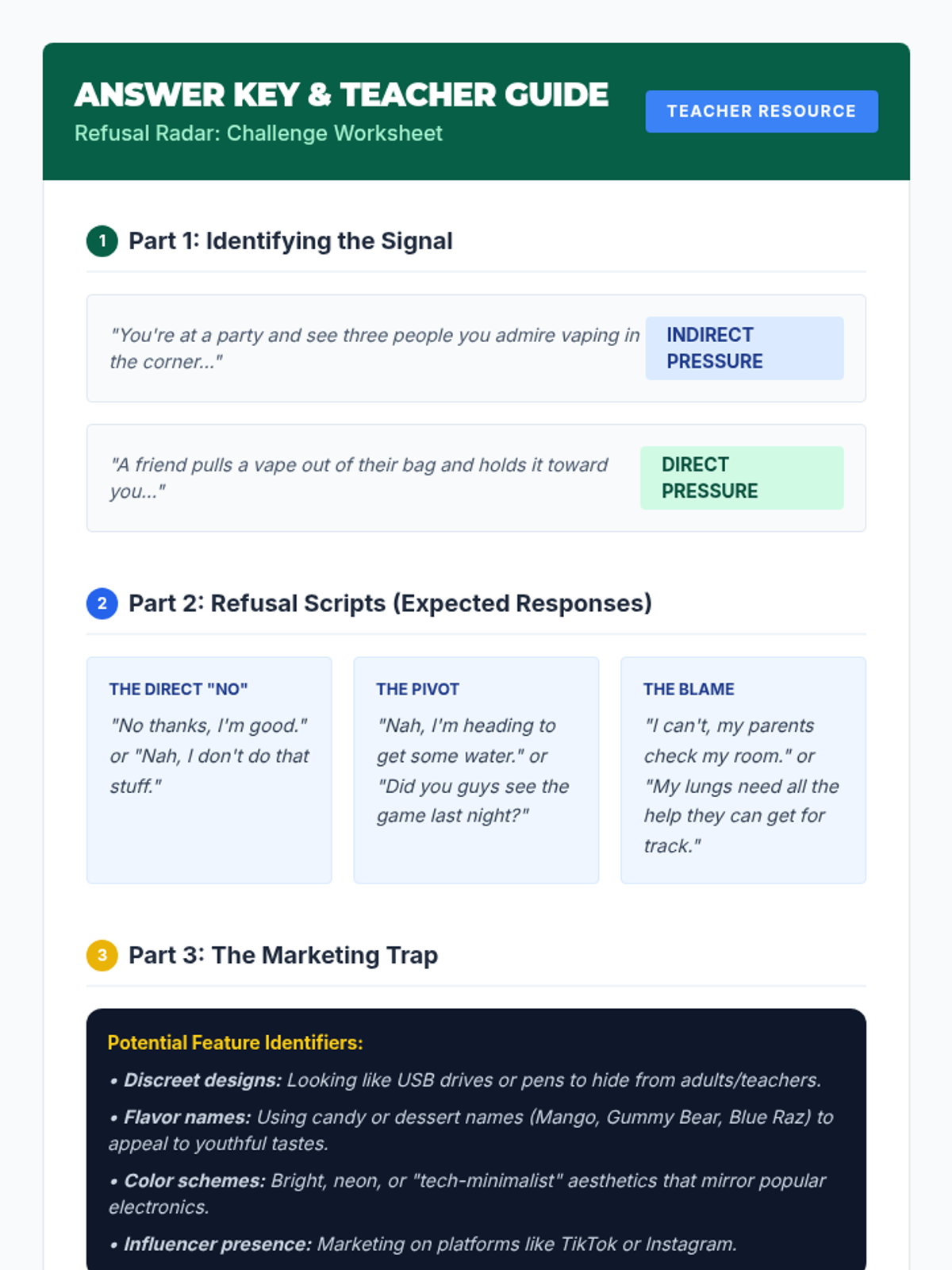
Students identify social pressures and marketing tactics, practicing assertive refusal strategies to navigate real-world situations involving vaping.
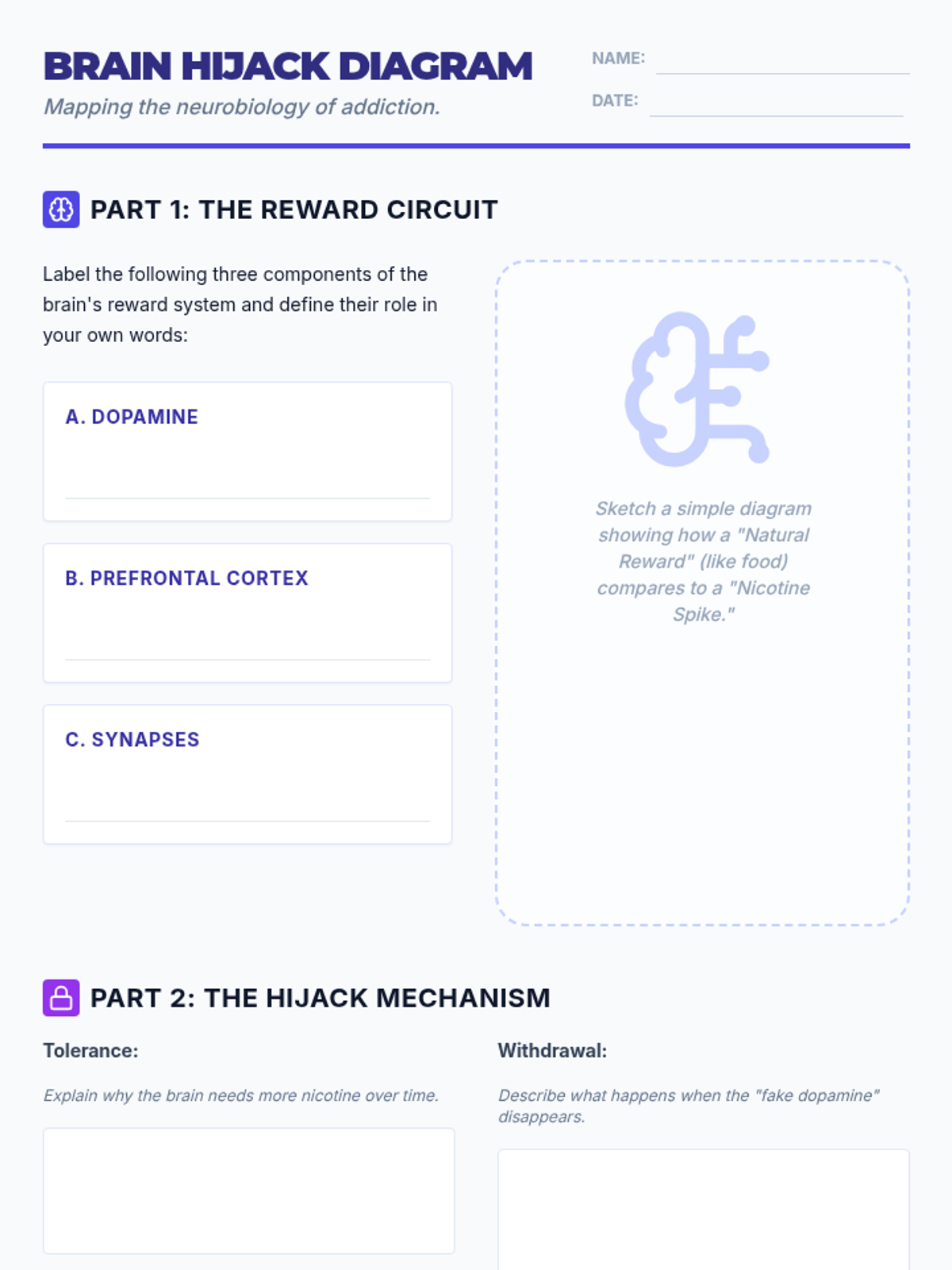
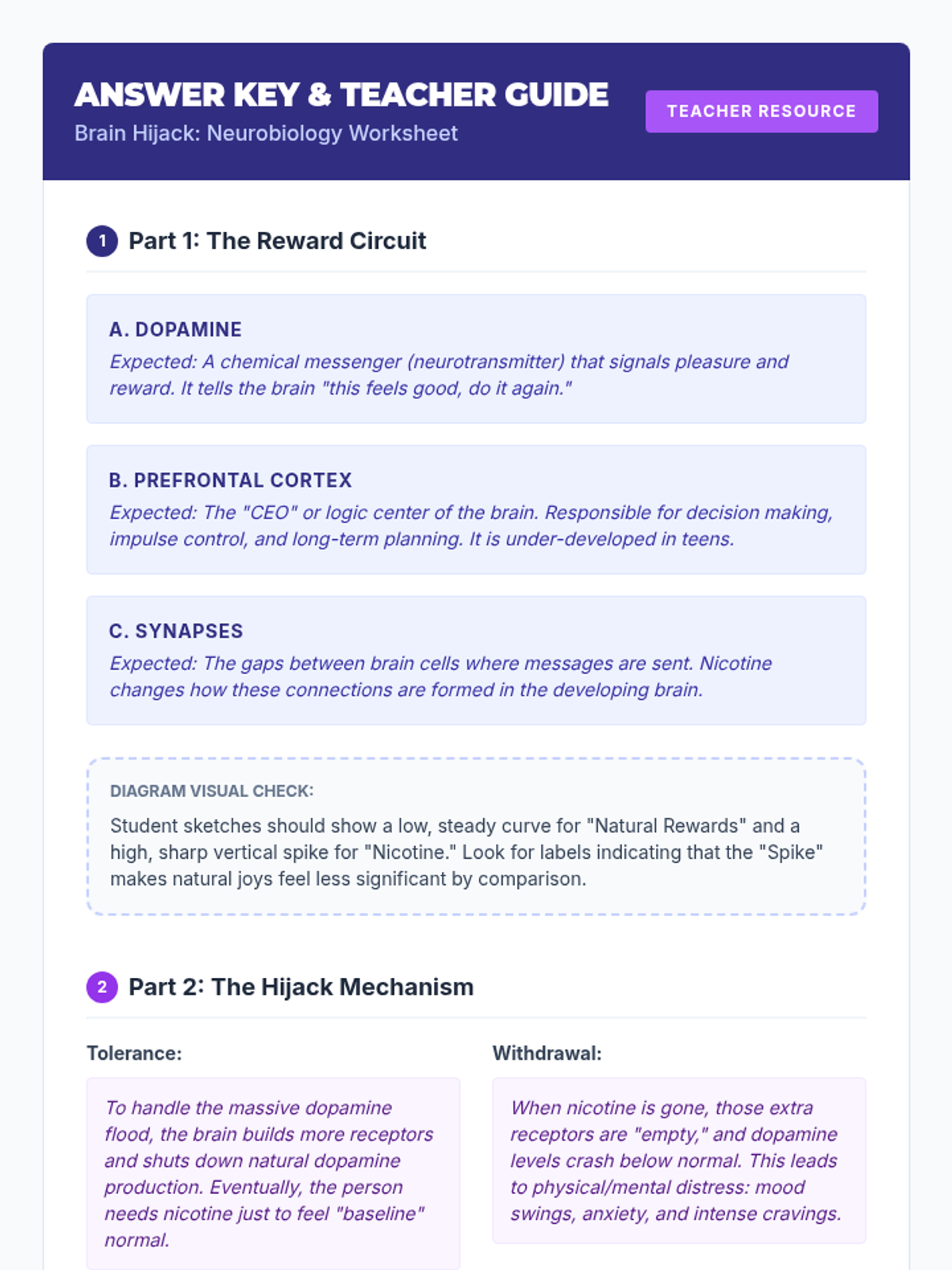
Students explore the neurobiology of nicotine addiction, learning how it 'hijacks' the brain's reward system and affects adolescent development.
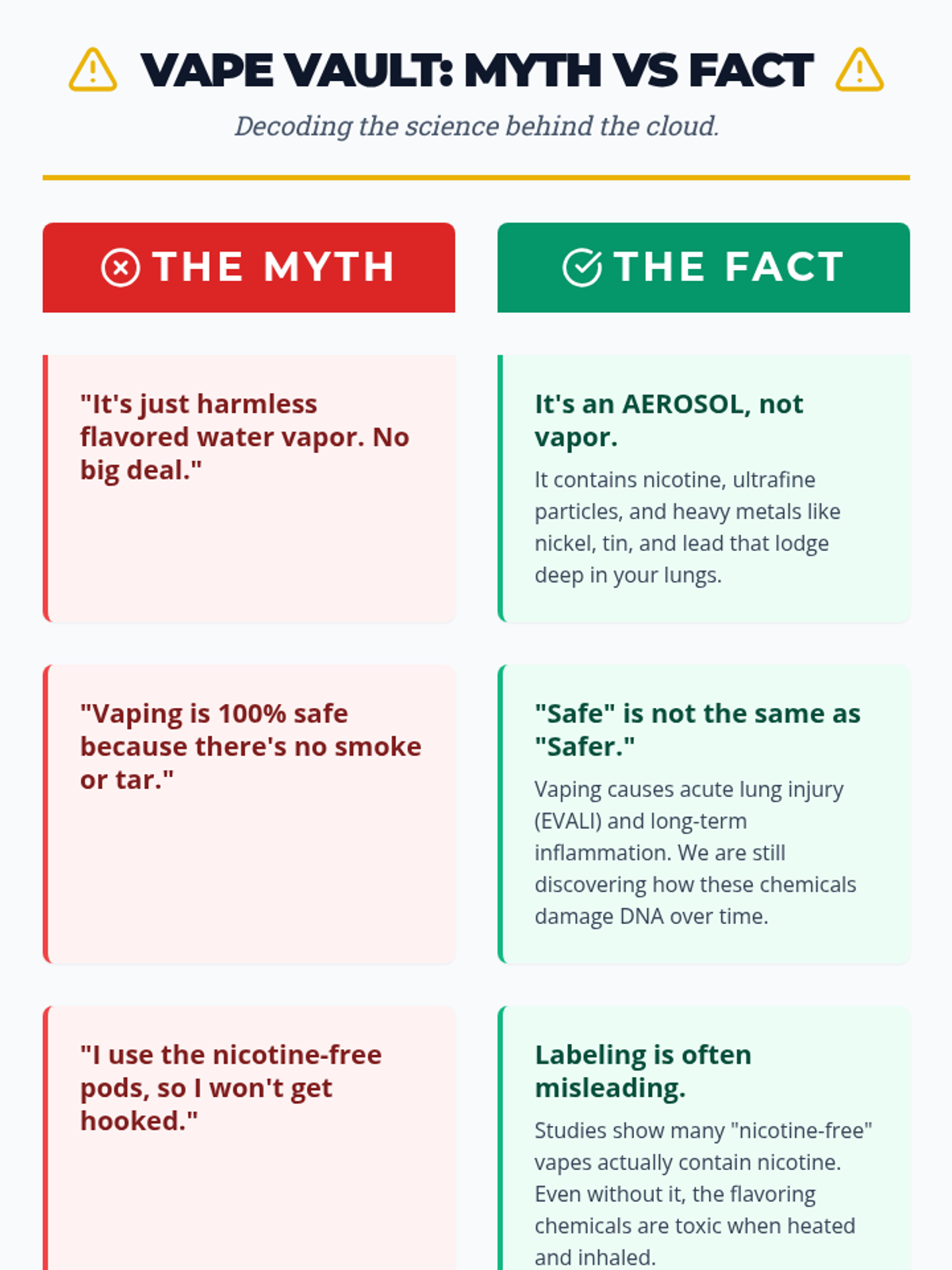
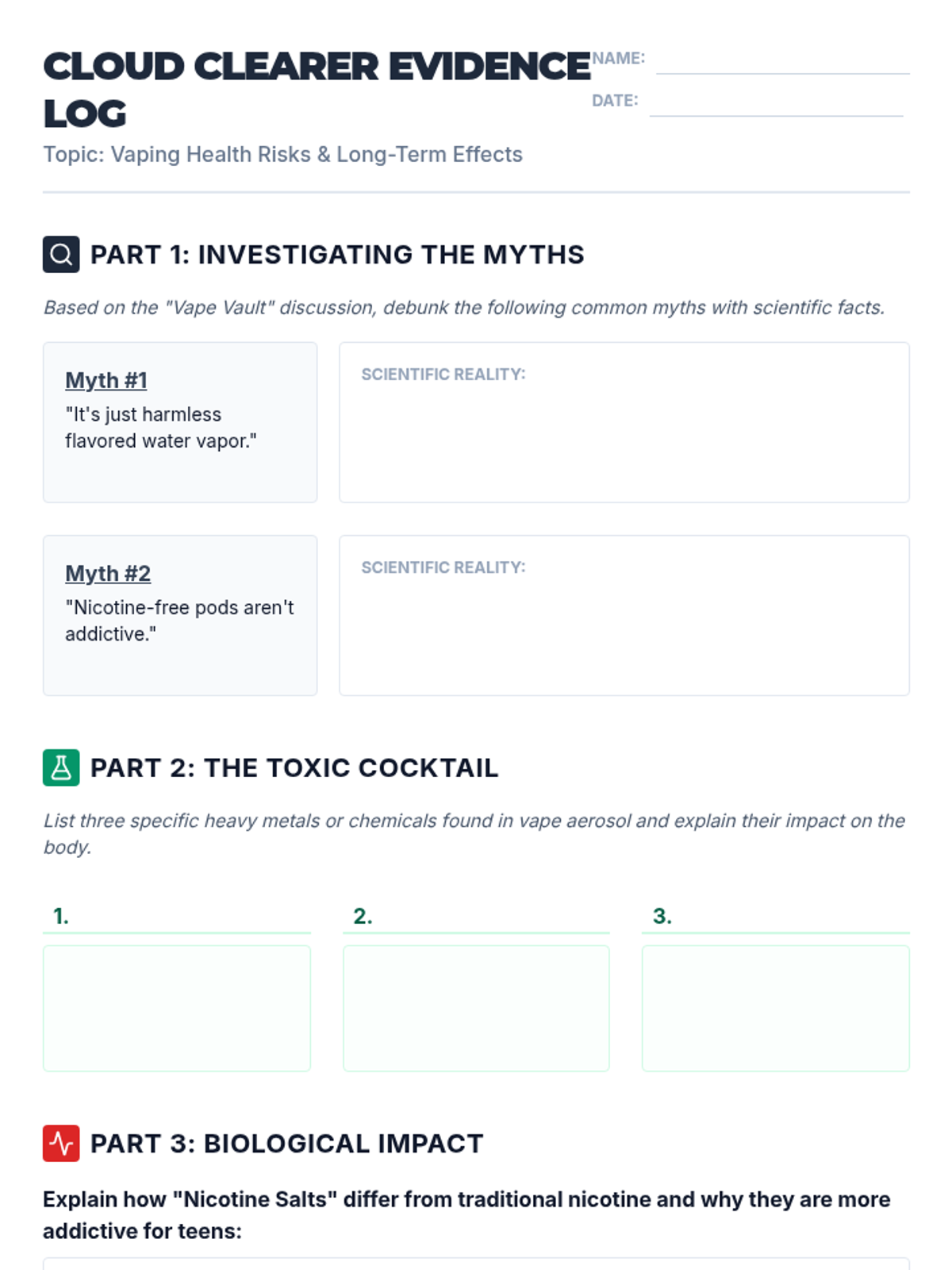
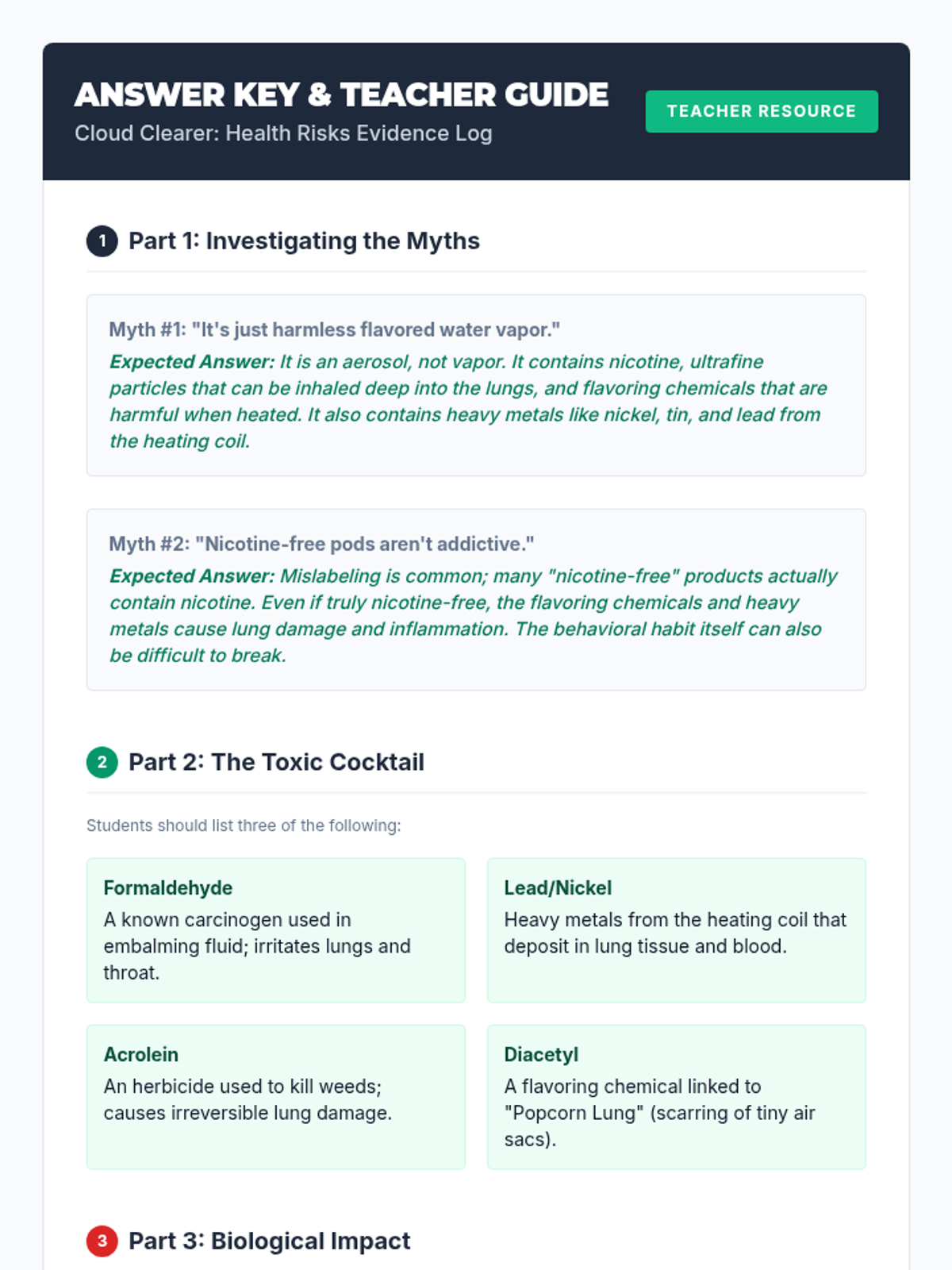
Students investigate the truth behind common vaping myths and explore the long-term health risks associated with e-cigarette use.
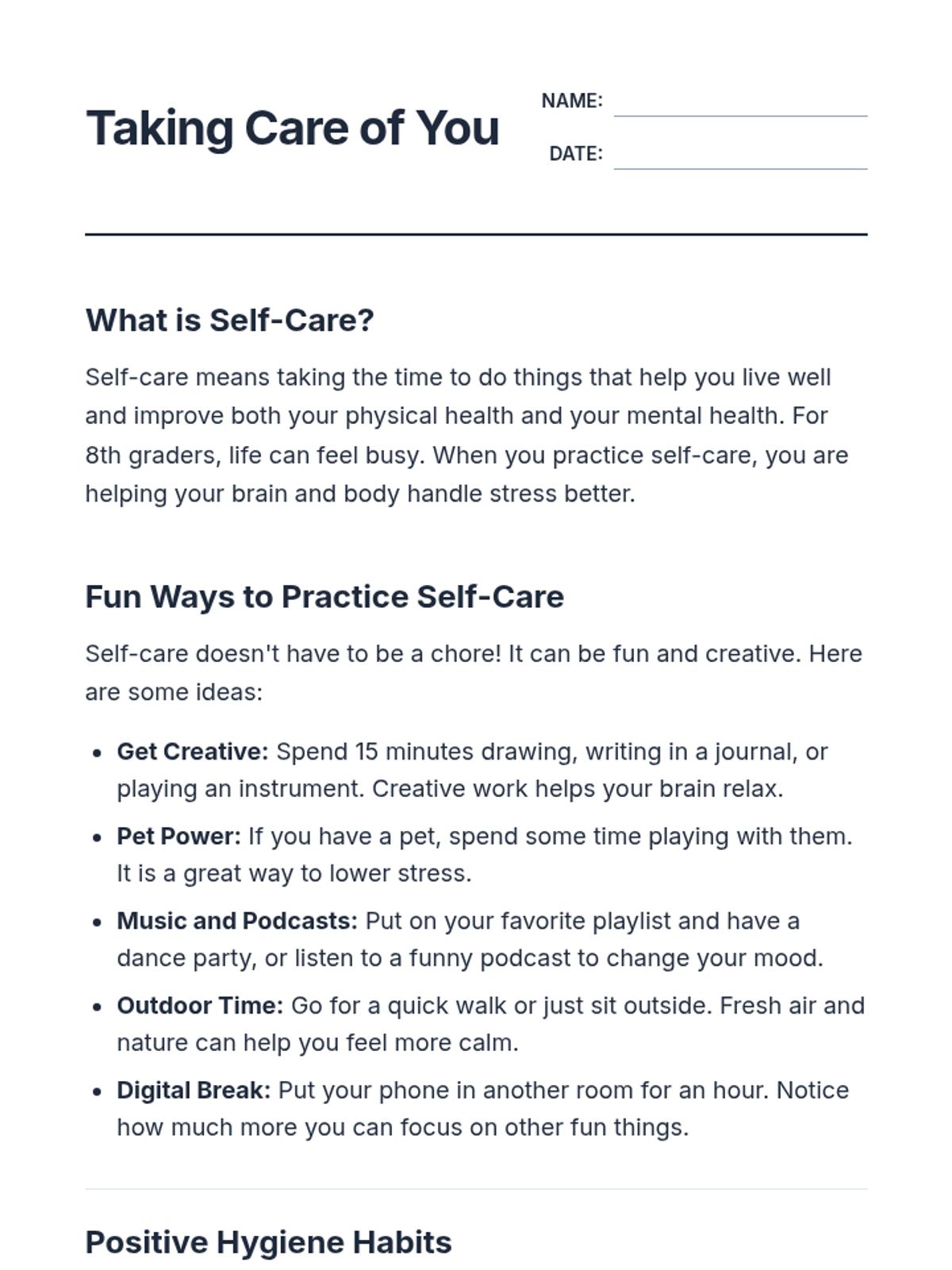
A comprehensive guide for middle schoolers to navigate the physical and emotional changes of puberty through self-care and healthy habits.
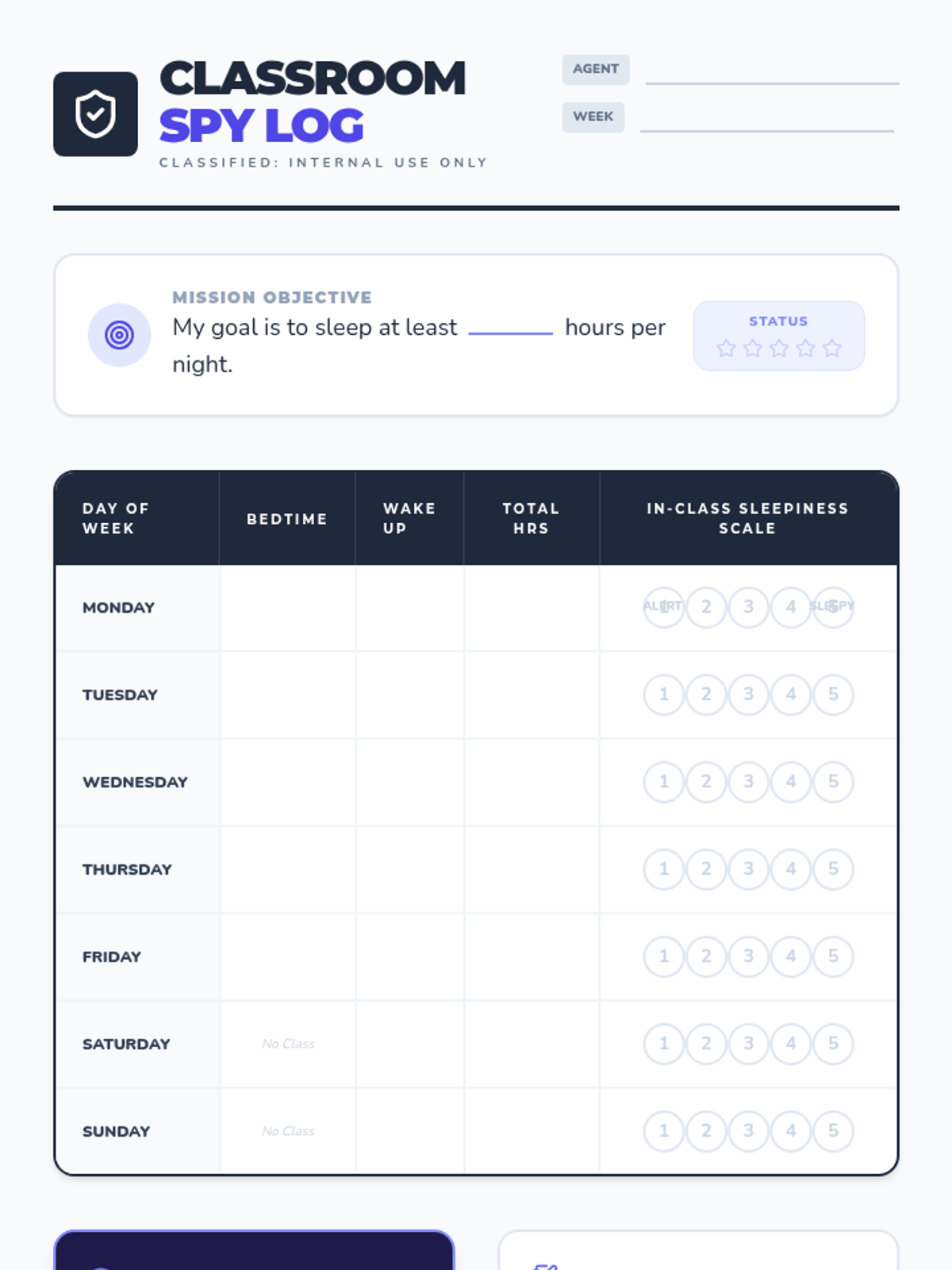
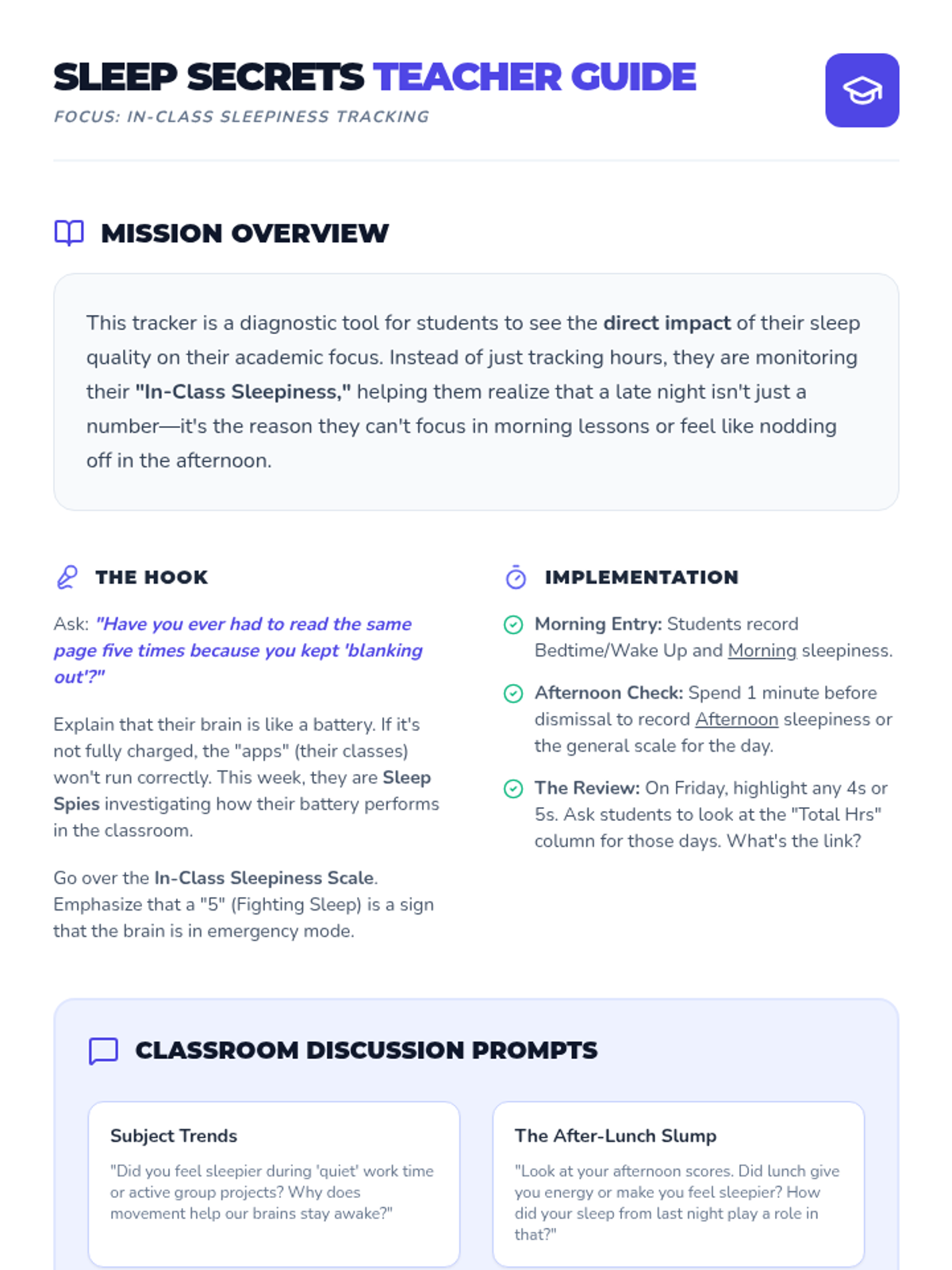
A lesson focused on helping students track and analyze their sleep patterns to understand the impact of rest on their daily energy and mood.
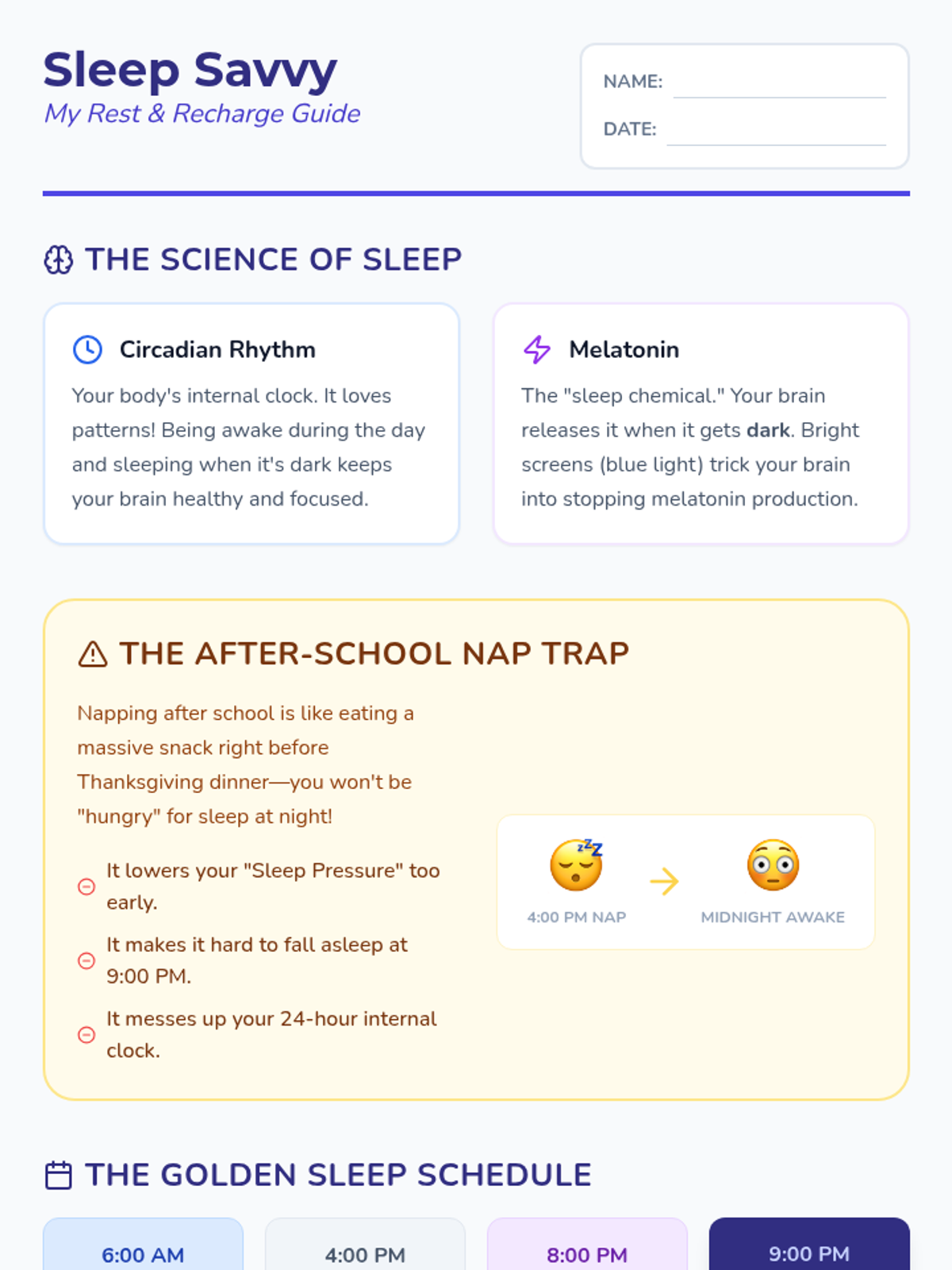
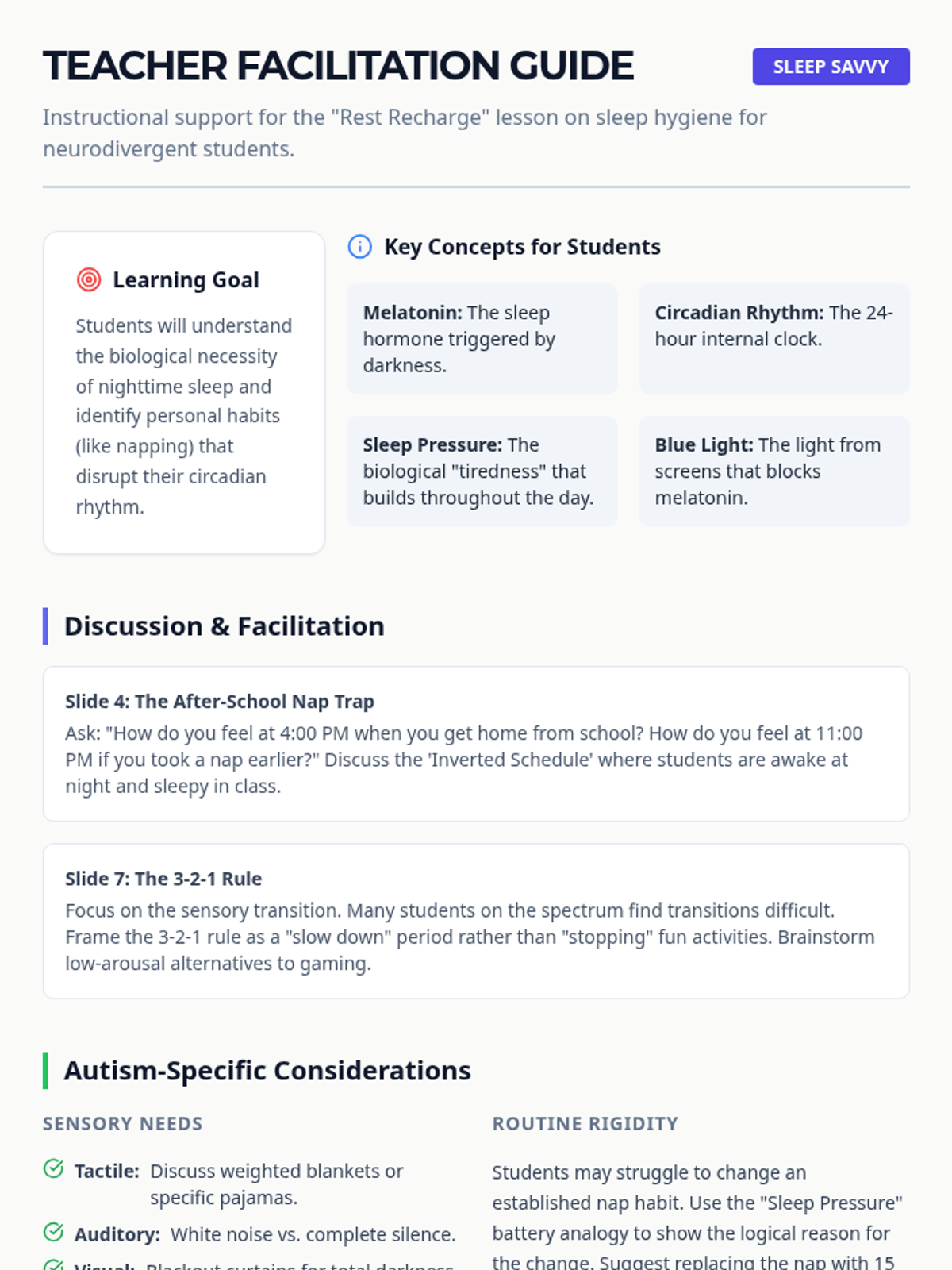
A comprehensive guide for teenagers on the autism spectrum to understand the science of sleep hygiene, the importance of circadian rhythms, and how to maintain a consistent nighttime schedule.
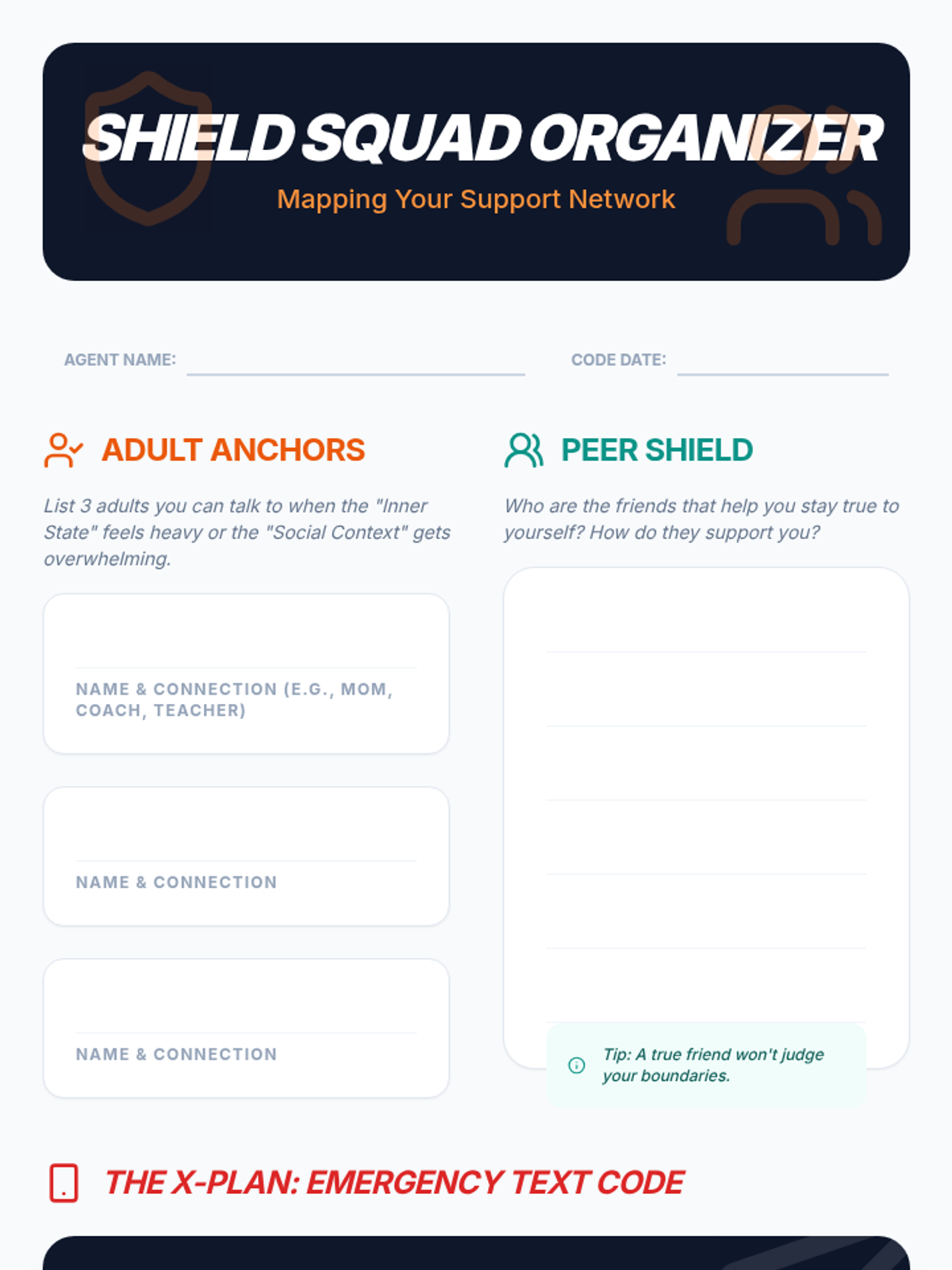
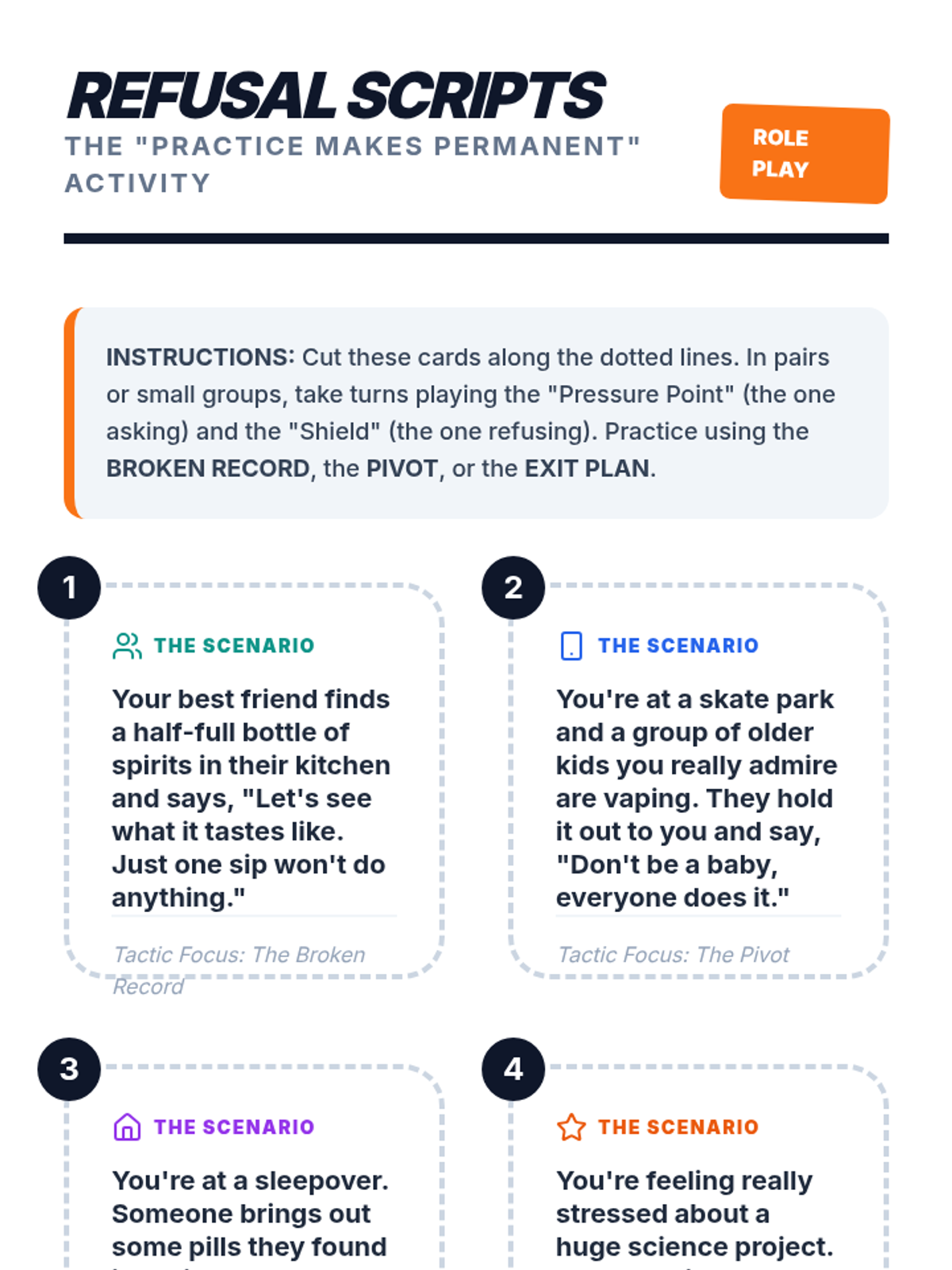
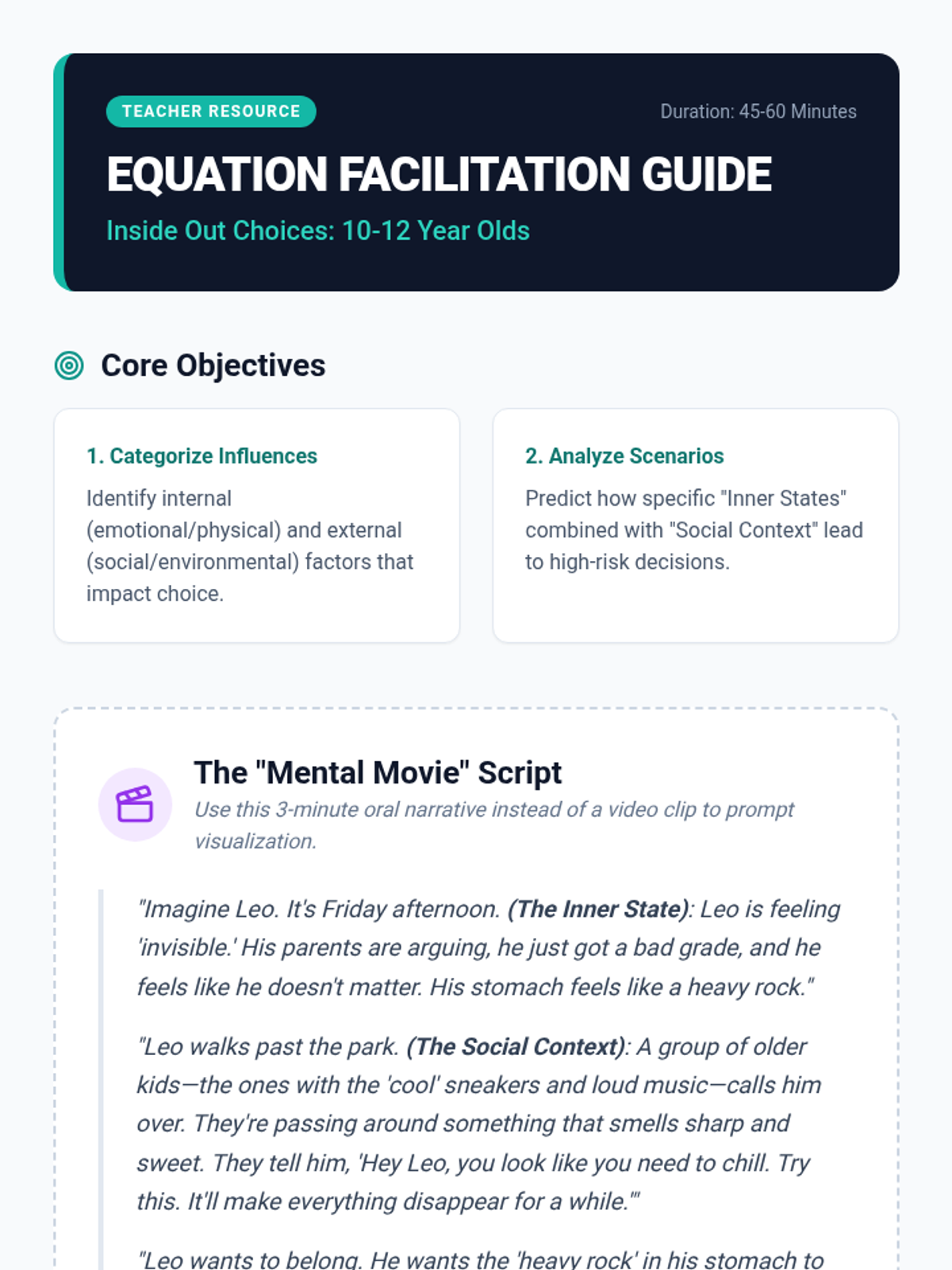
This lesson focuses on building practical refusal skills and strengthening the 'Shield Squad' (support systems). Students learn specific strategies to navigate high-pressure social contexts while acknowledging their inner feelings.
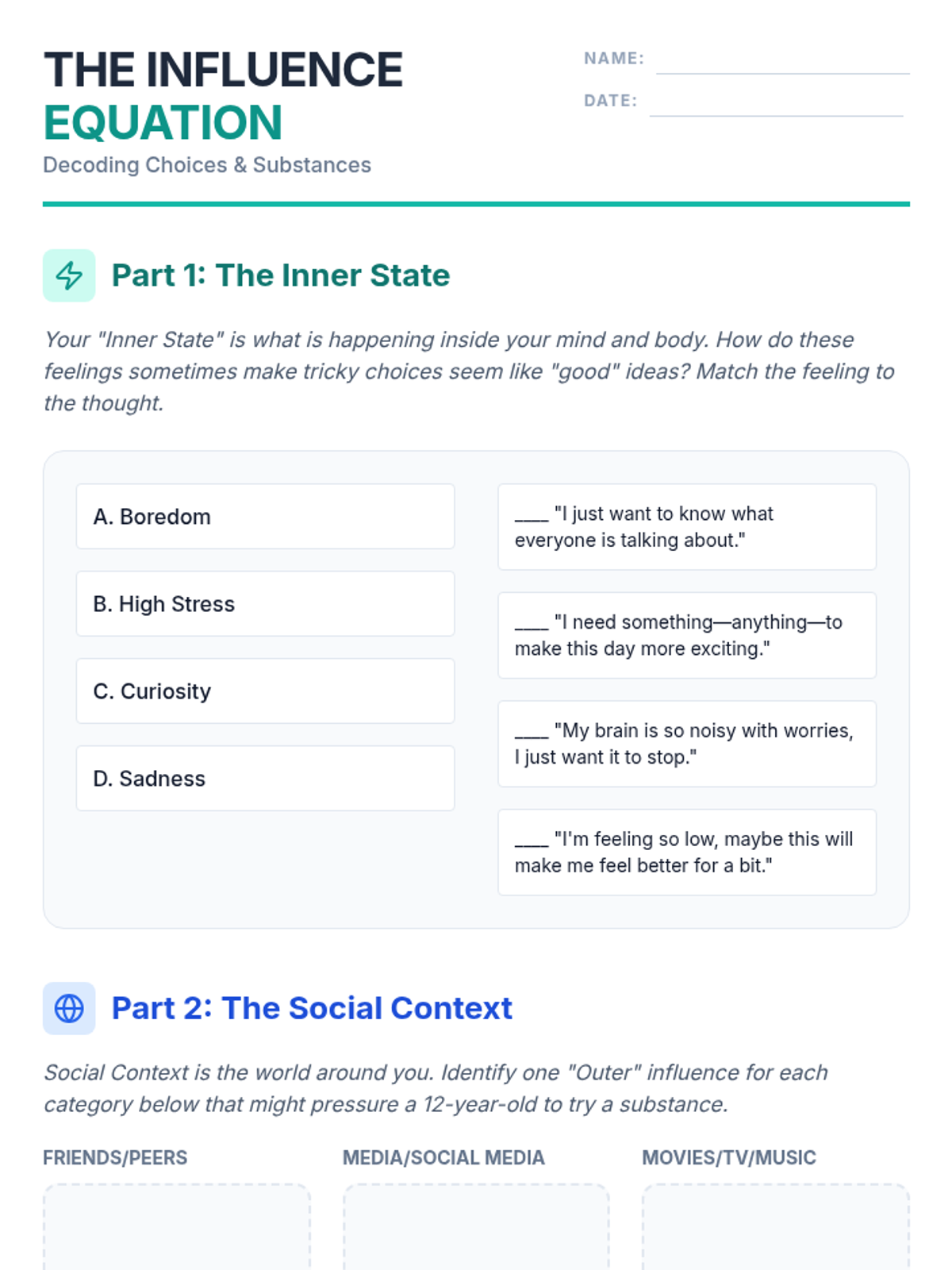
This lesson helps students identify the 'Inner State' (emotions, curiosity, stress) and 'Social Context' (peers, media, environment) that can lead to substance use. Students will develop awareness of these influences to make healthier choices.
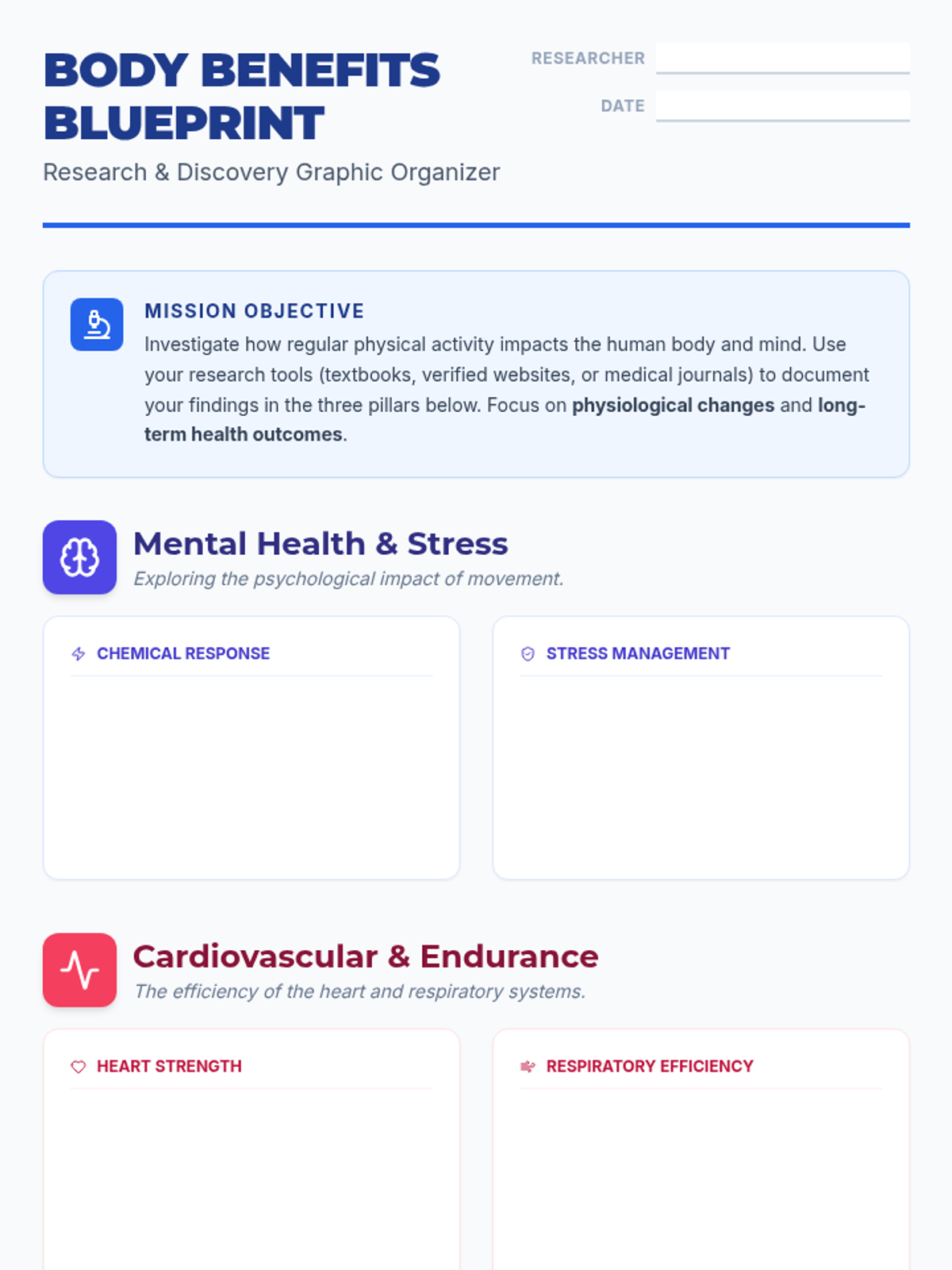
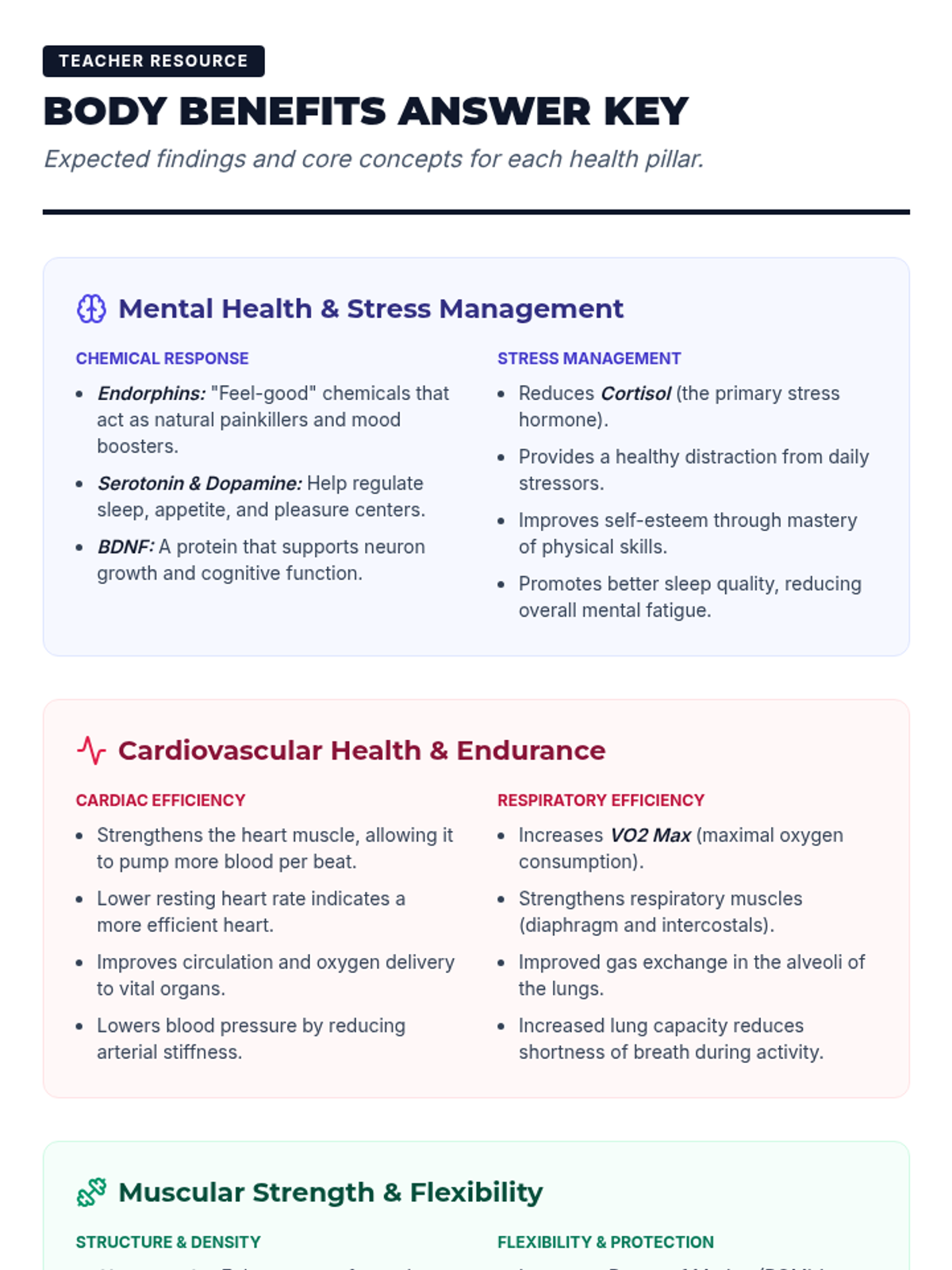
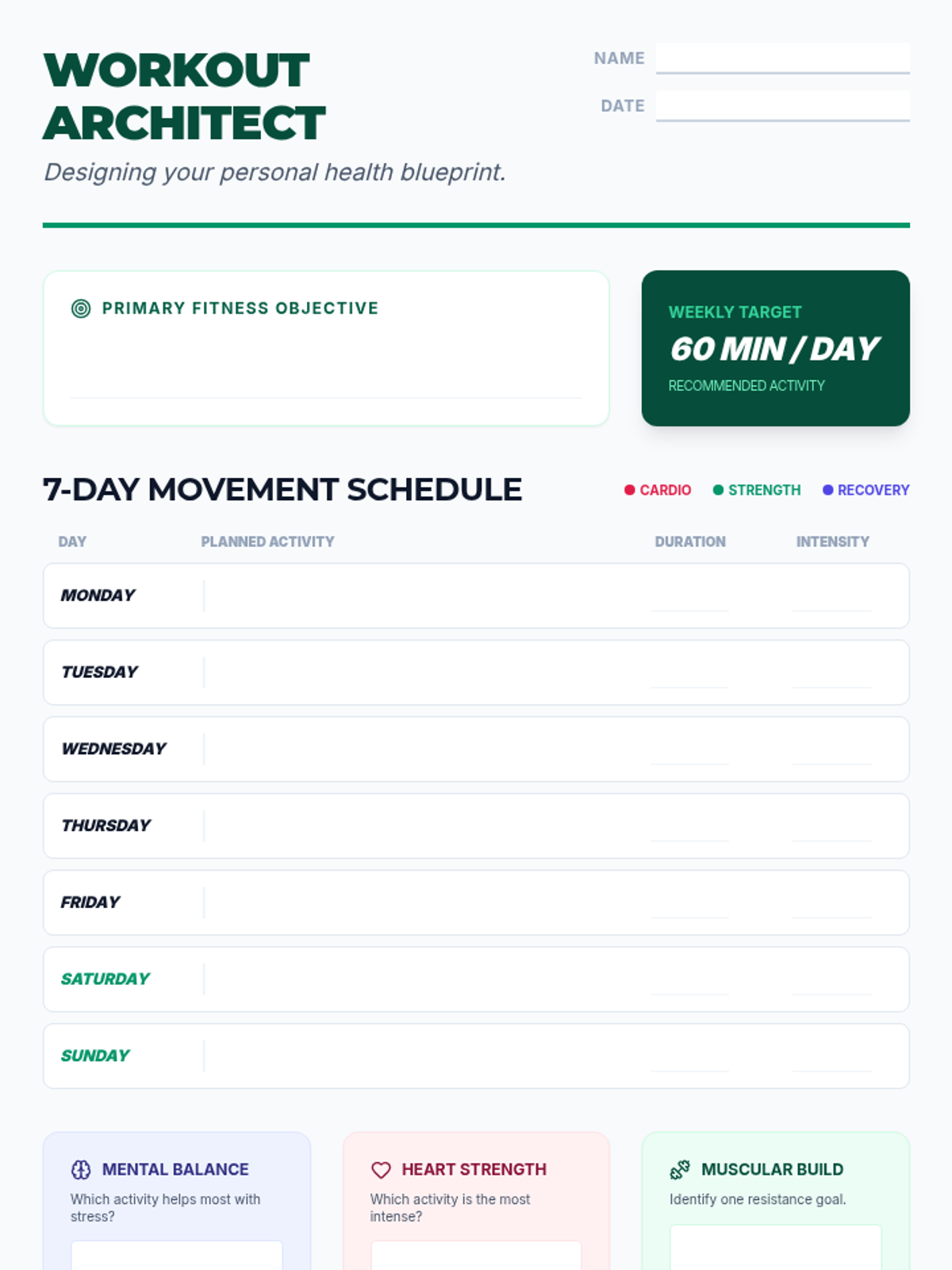
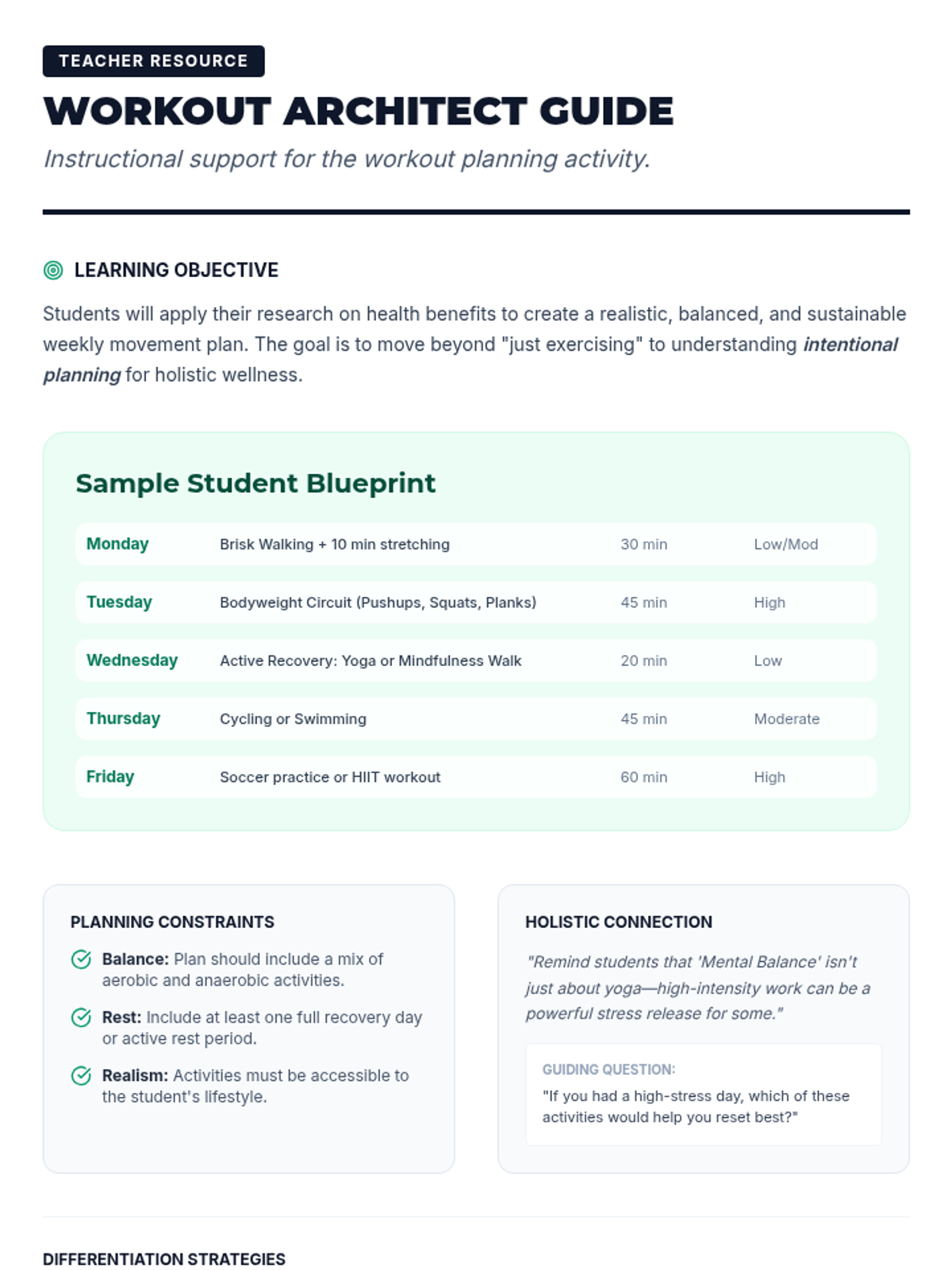
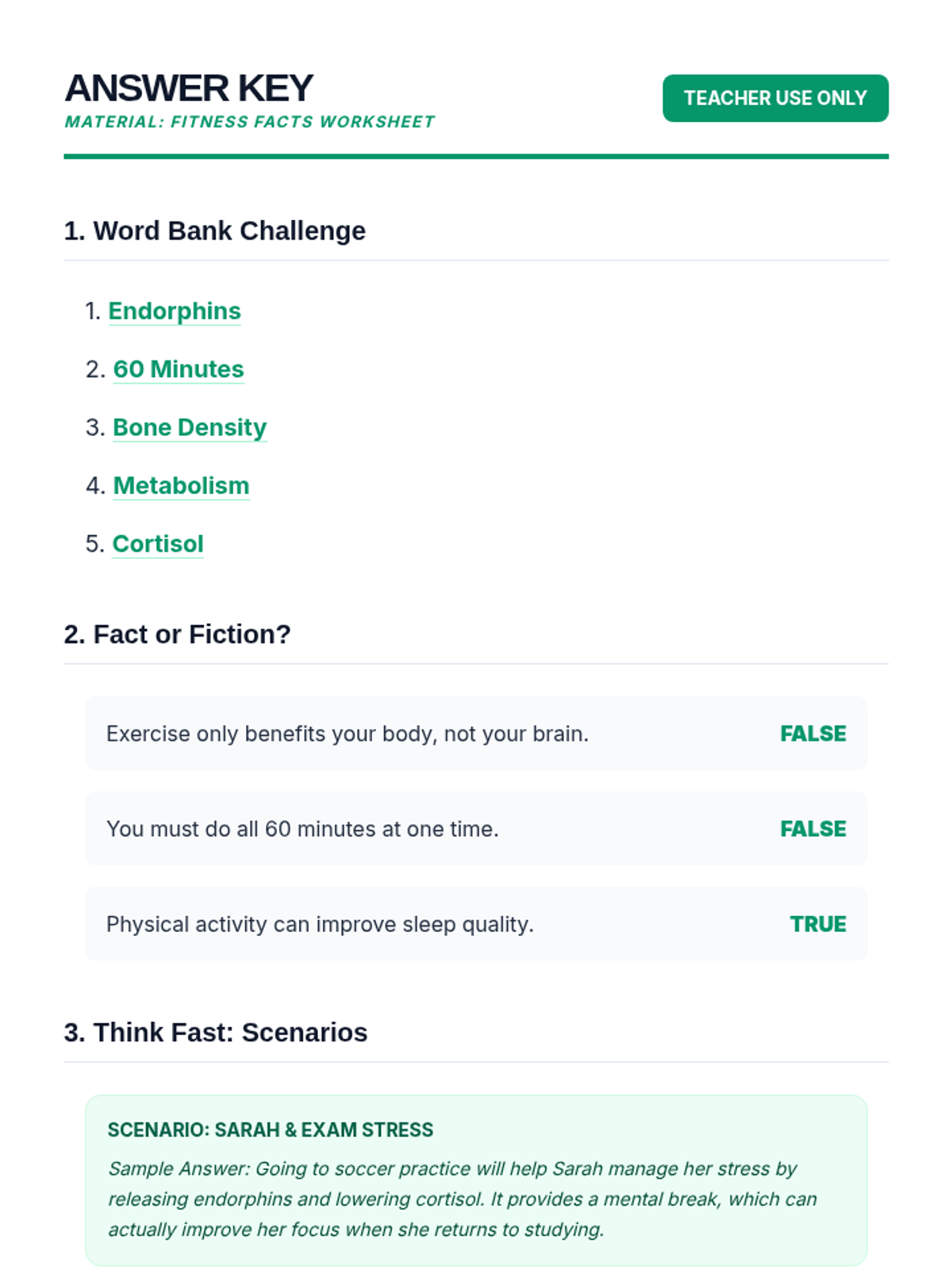
Students research and categorize the various physiological and psychological benefits of regular physical activity, focusing on three key pillars: mental health, cardiovascular health, and muscular fitness.
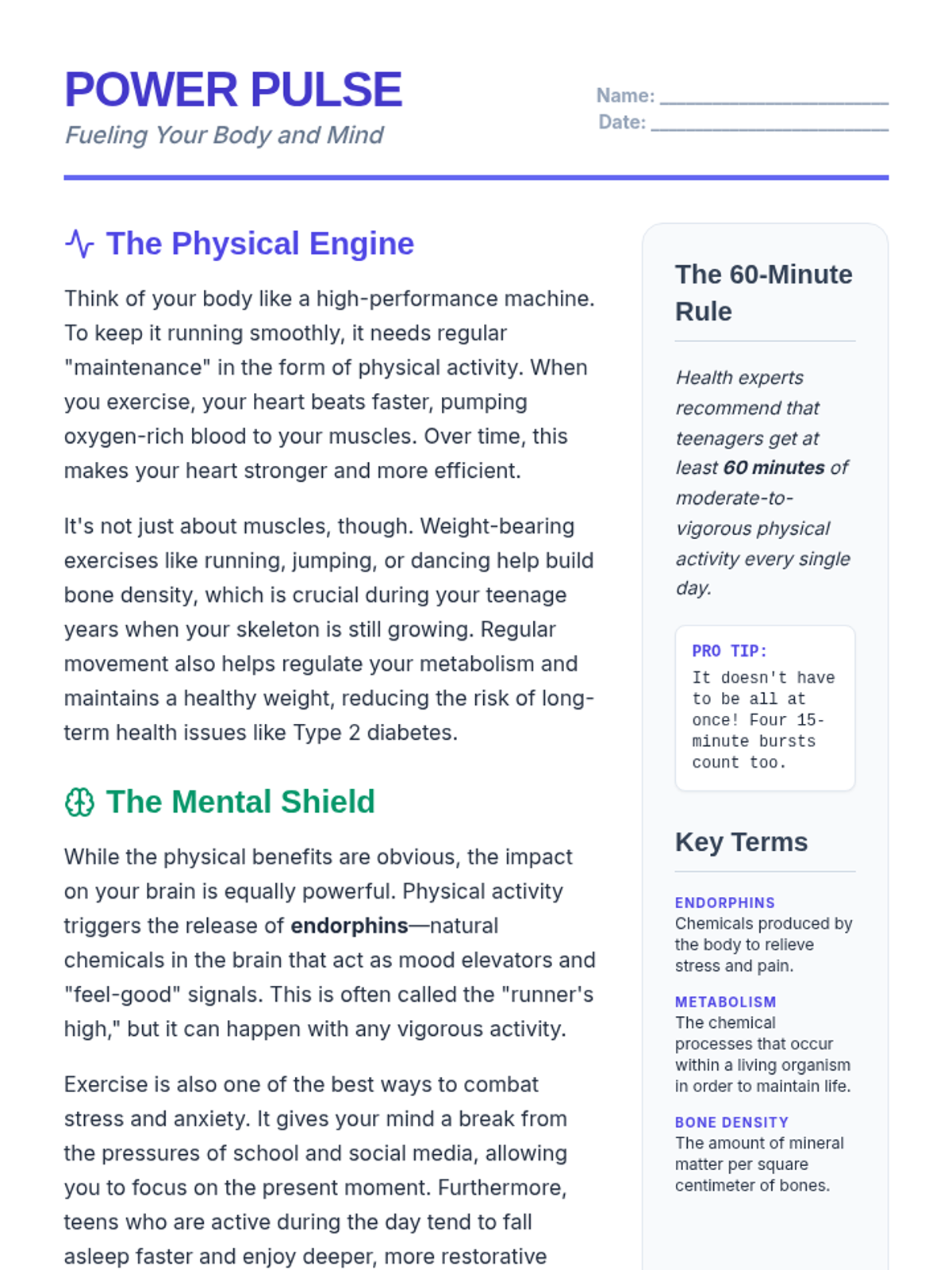
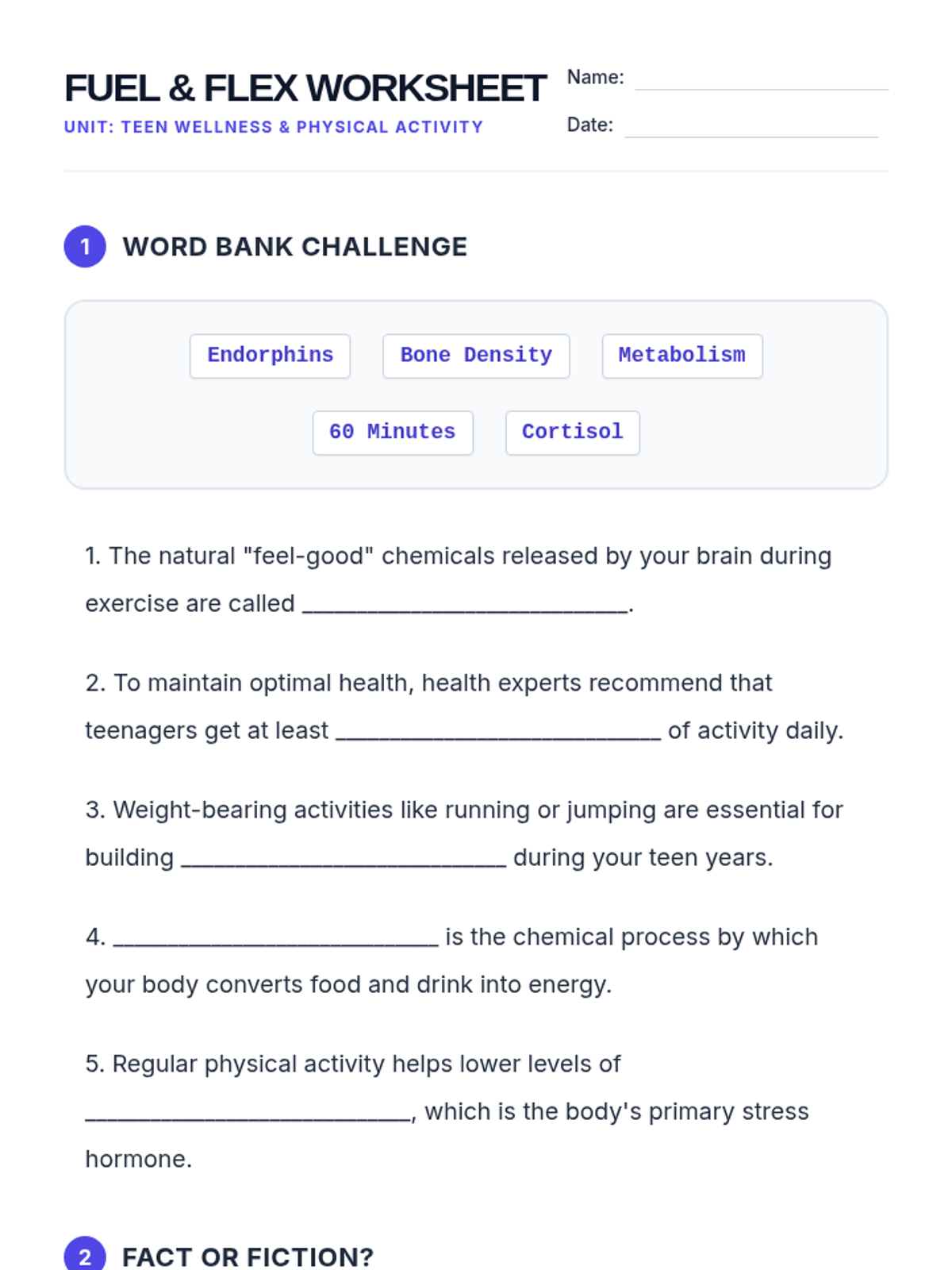
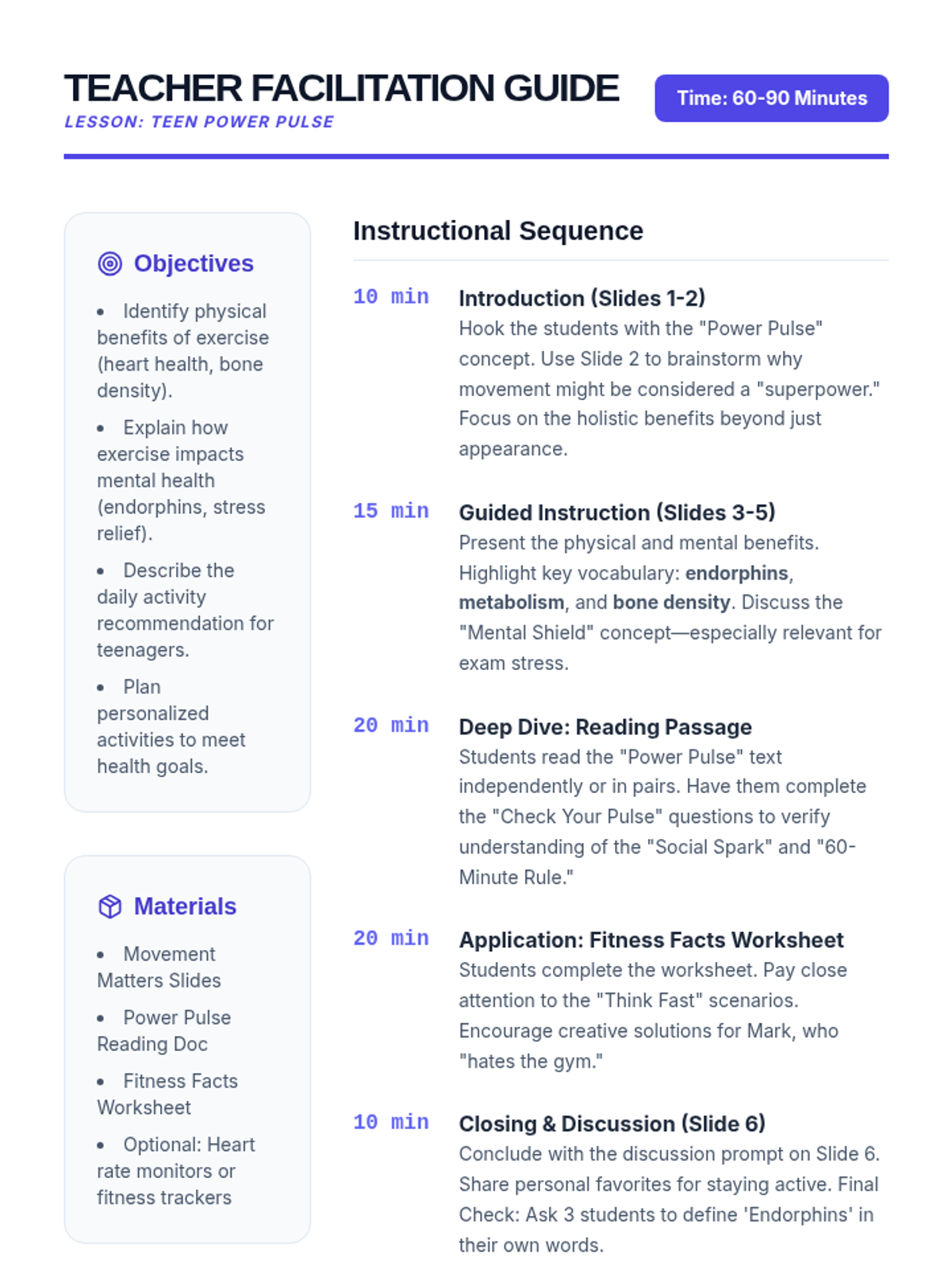
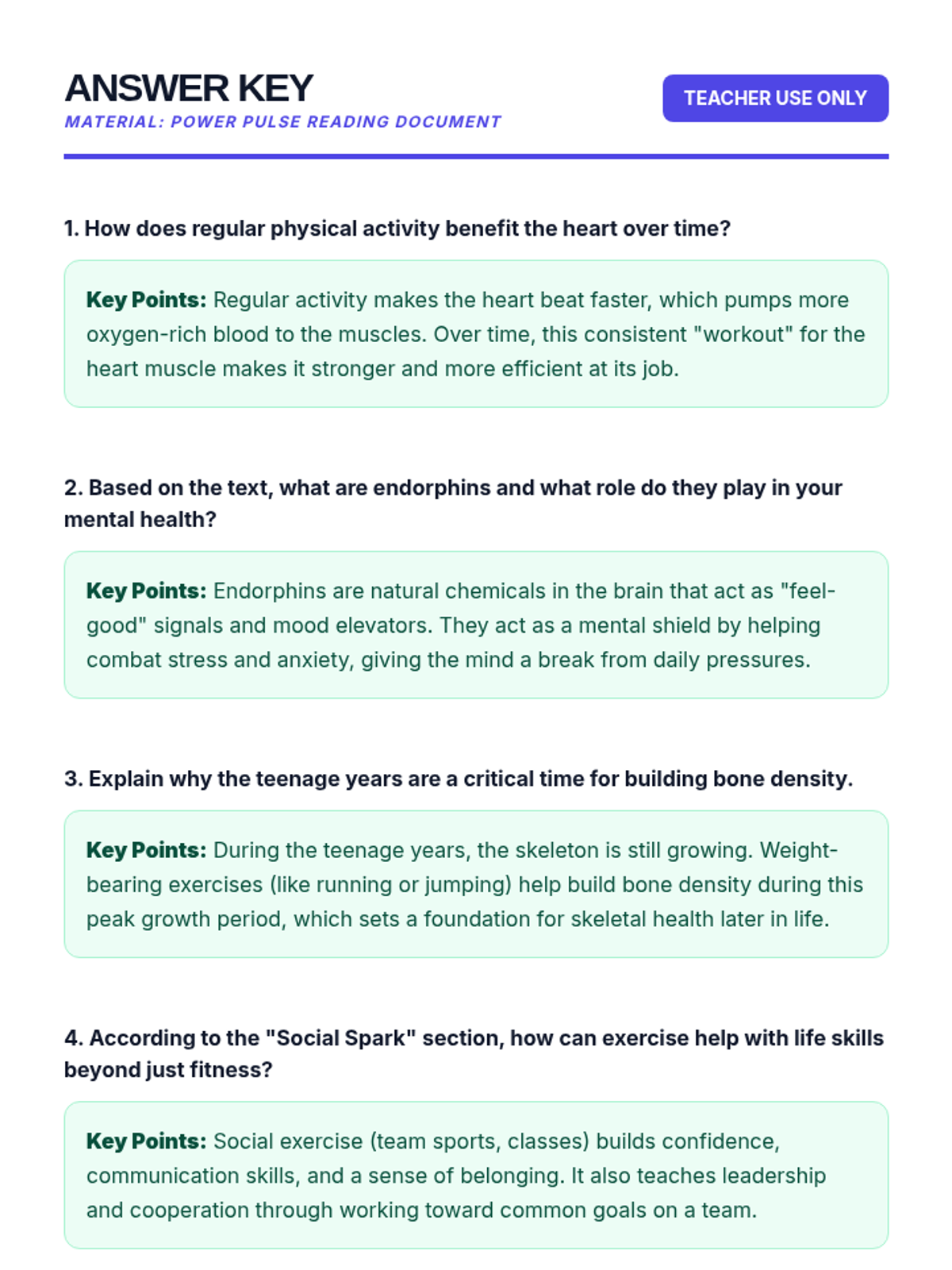
A comprehensive lesson exploring how physical activity boosts both the physical body and mental well-being of teenagers, featuring interactive slides and reading comprehension.
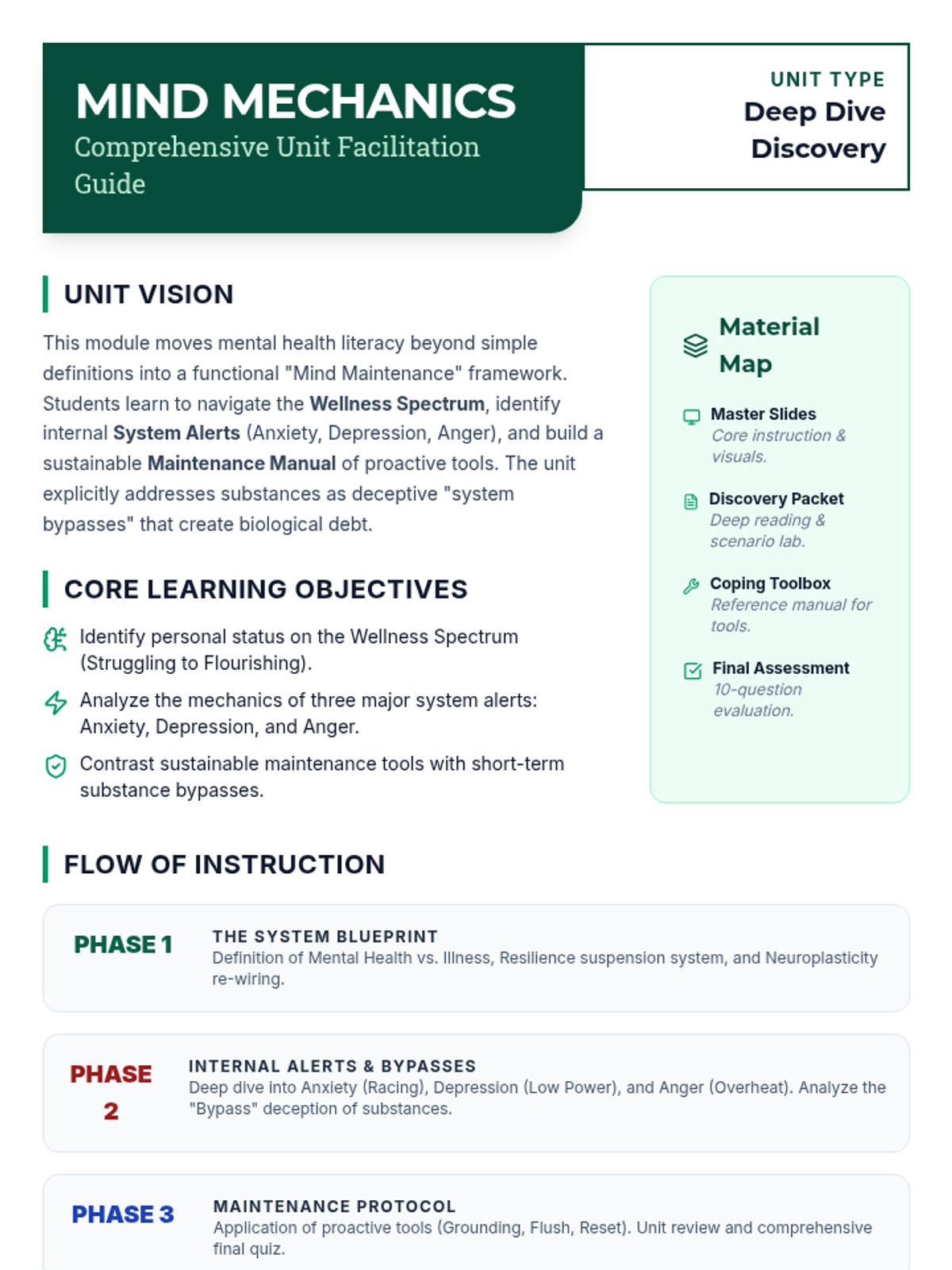
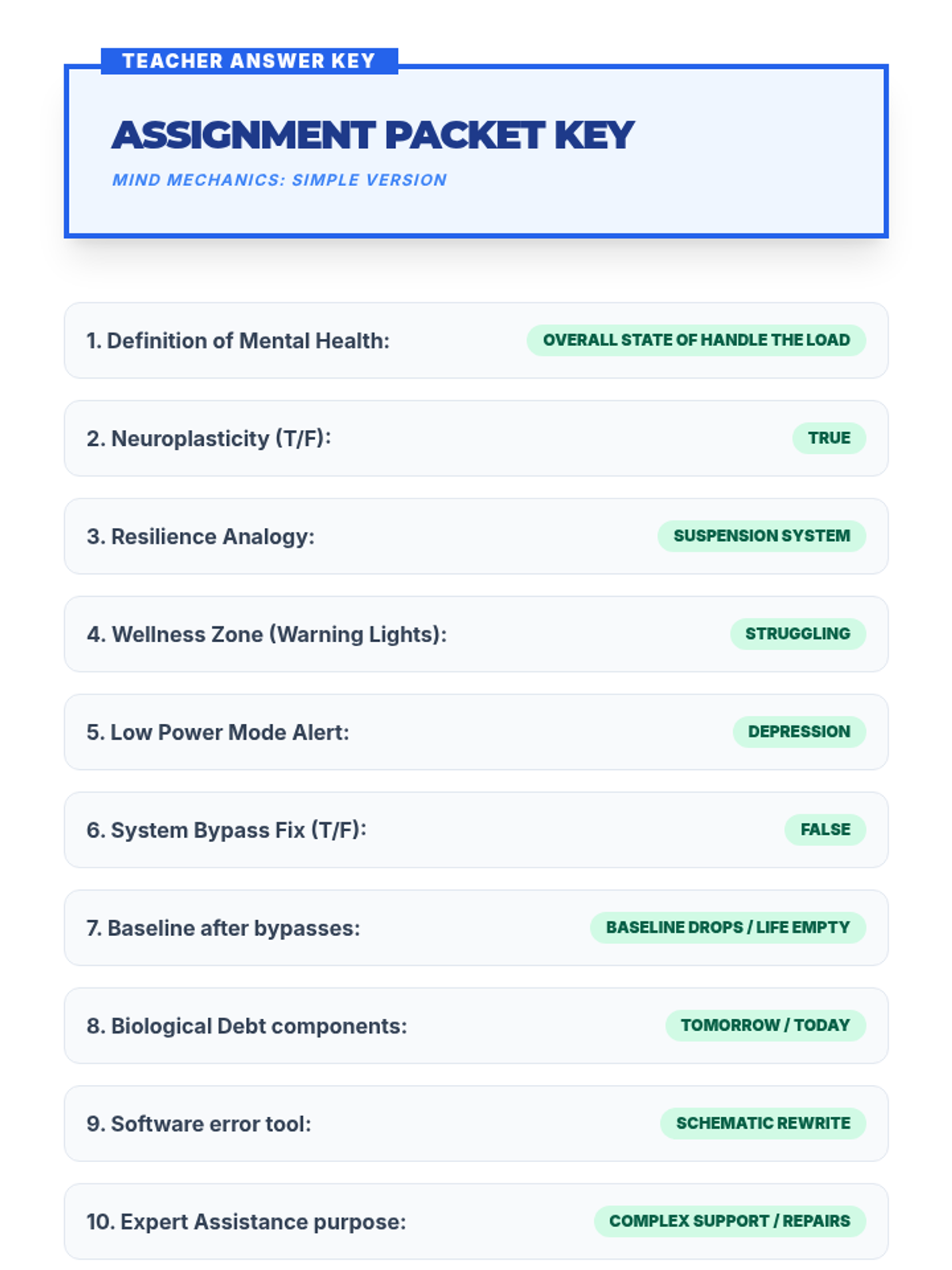
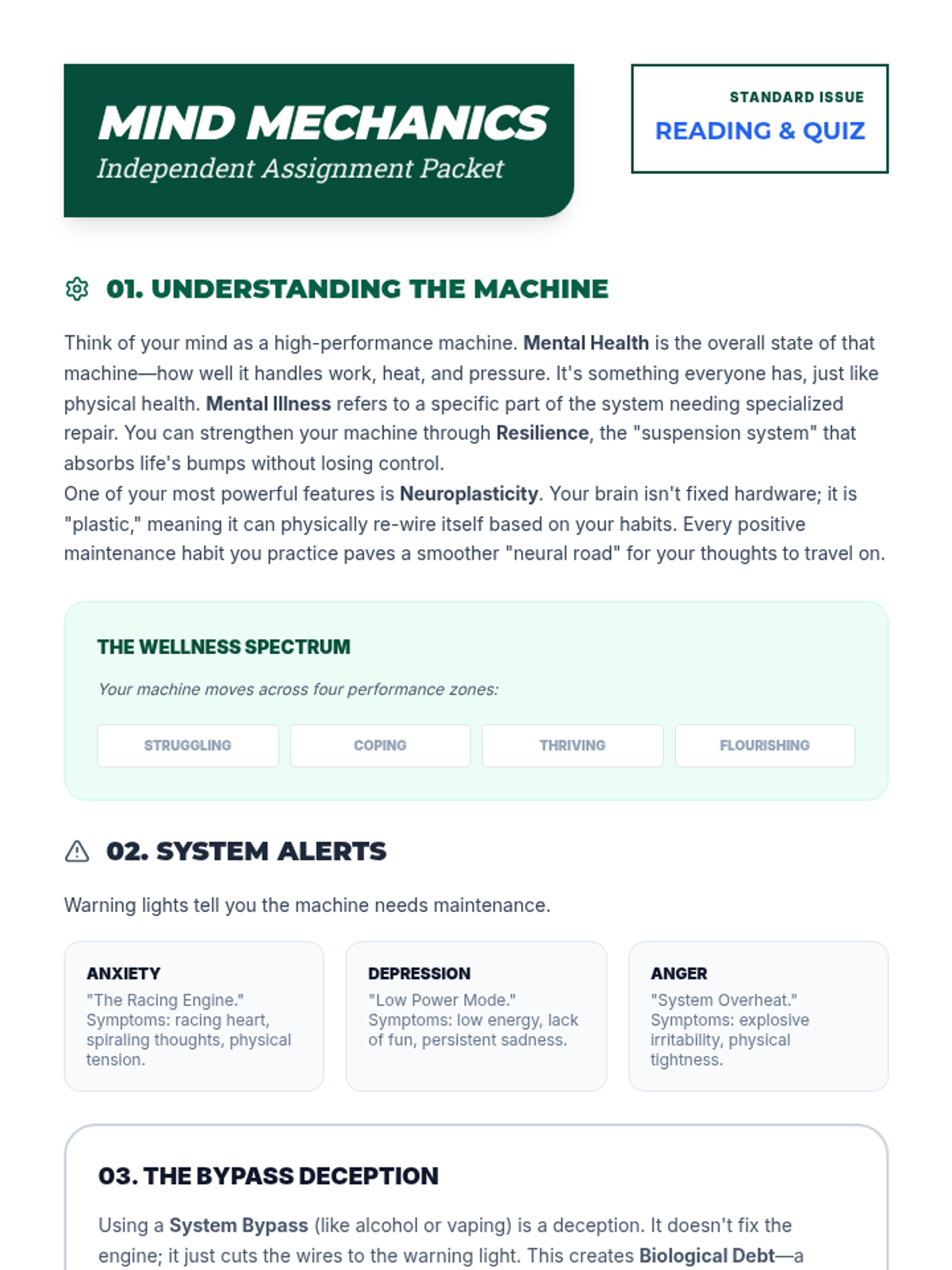
A comprehensive, in-depth unit on mental health literacy, identifying system alerts (Anxiety, Depression, Anger), and building a proactive coping toolkit. Includes detailed reading, scenario analysis, and a 10-question final assessment.
A lesson focused on understanding and implementing stress management techniques to improve sleep quality and hygiene.
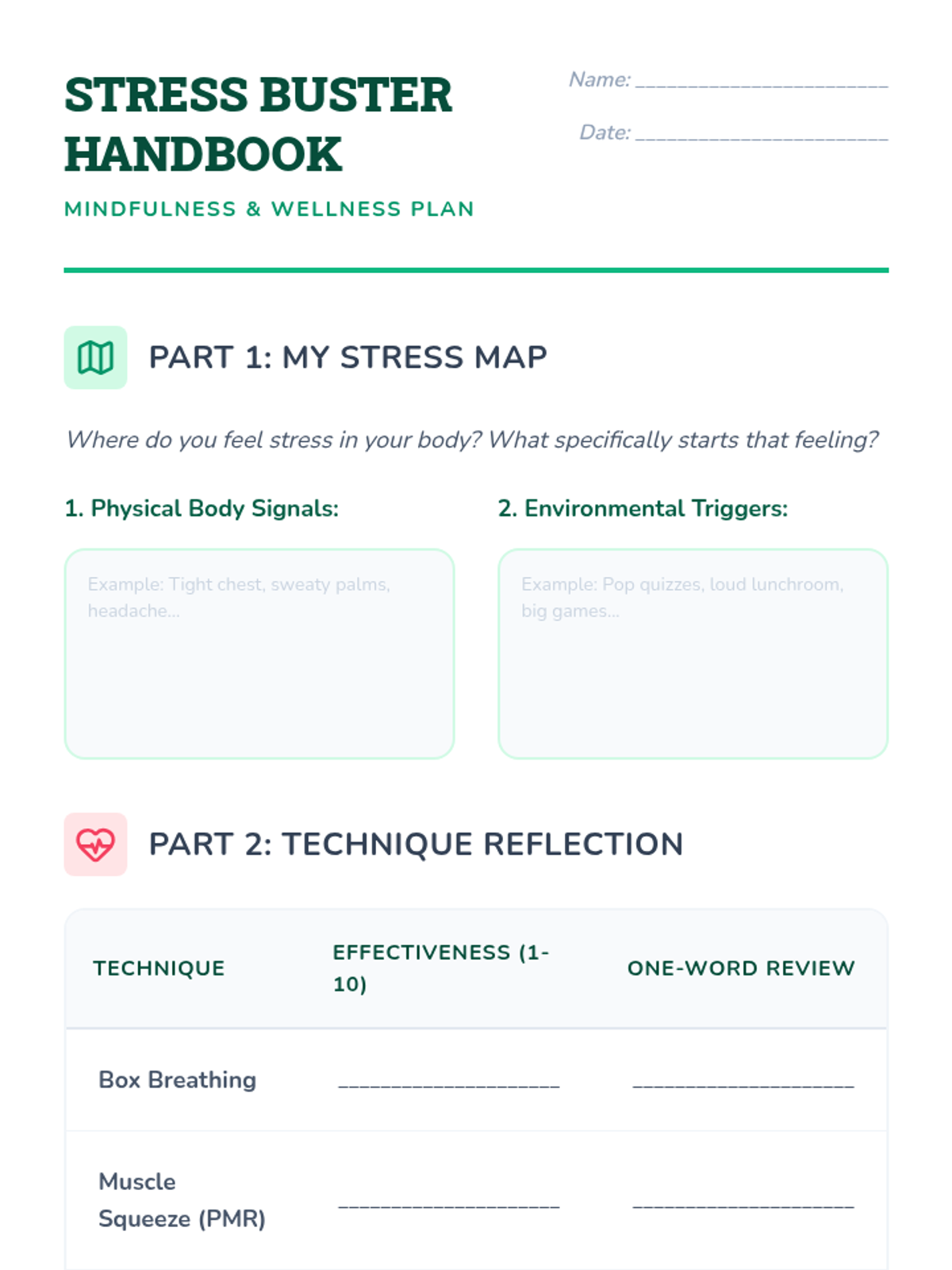
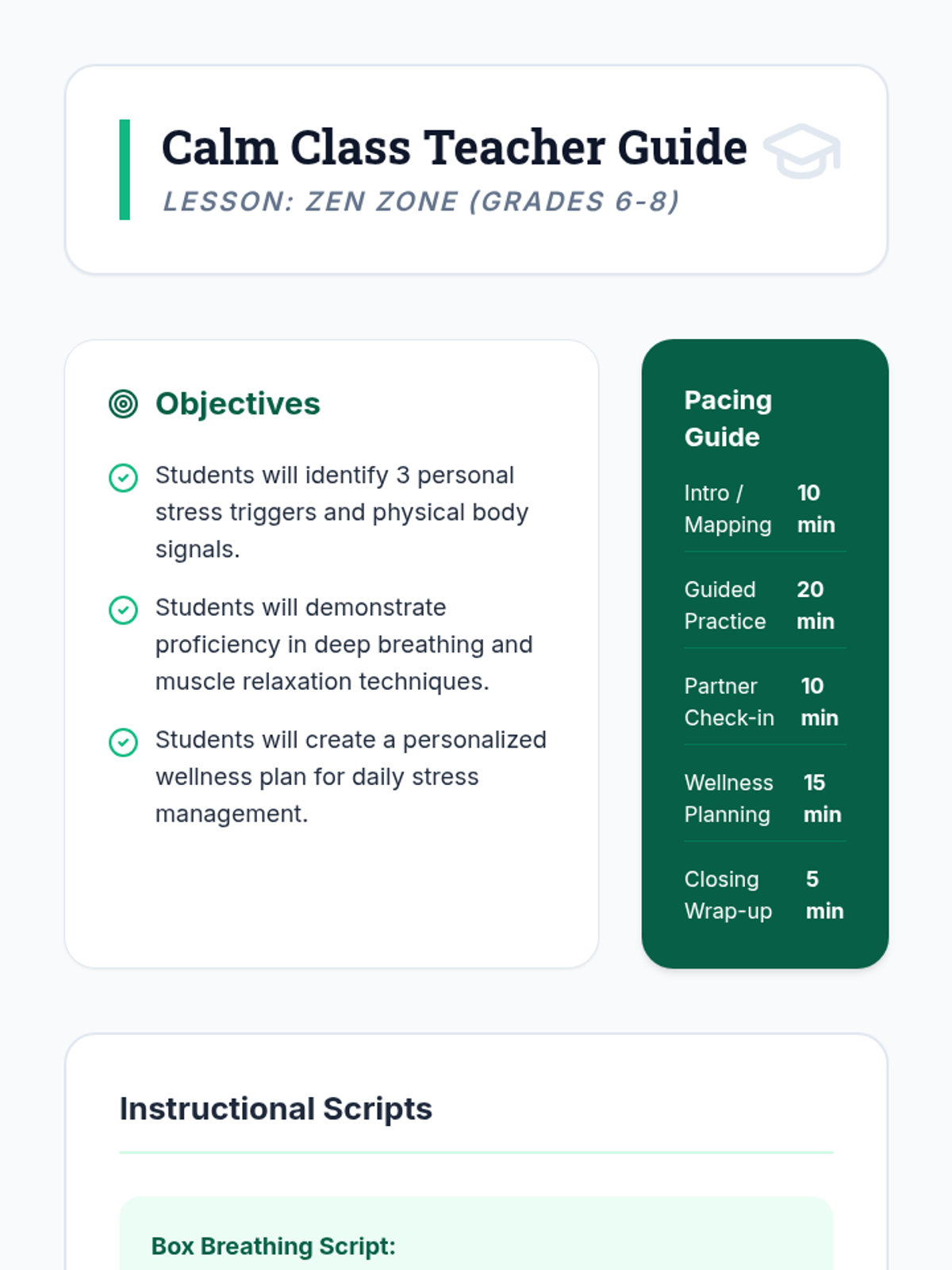
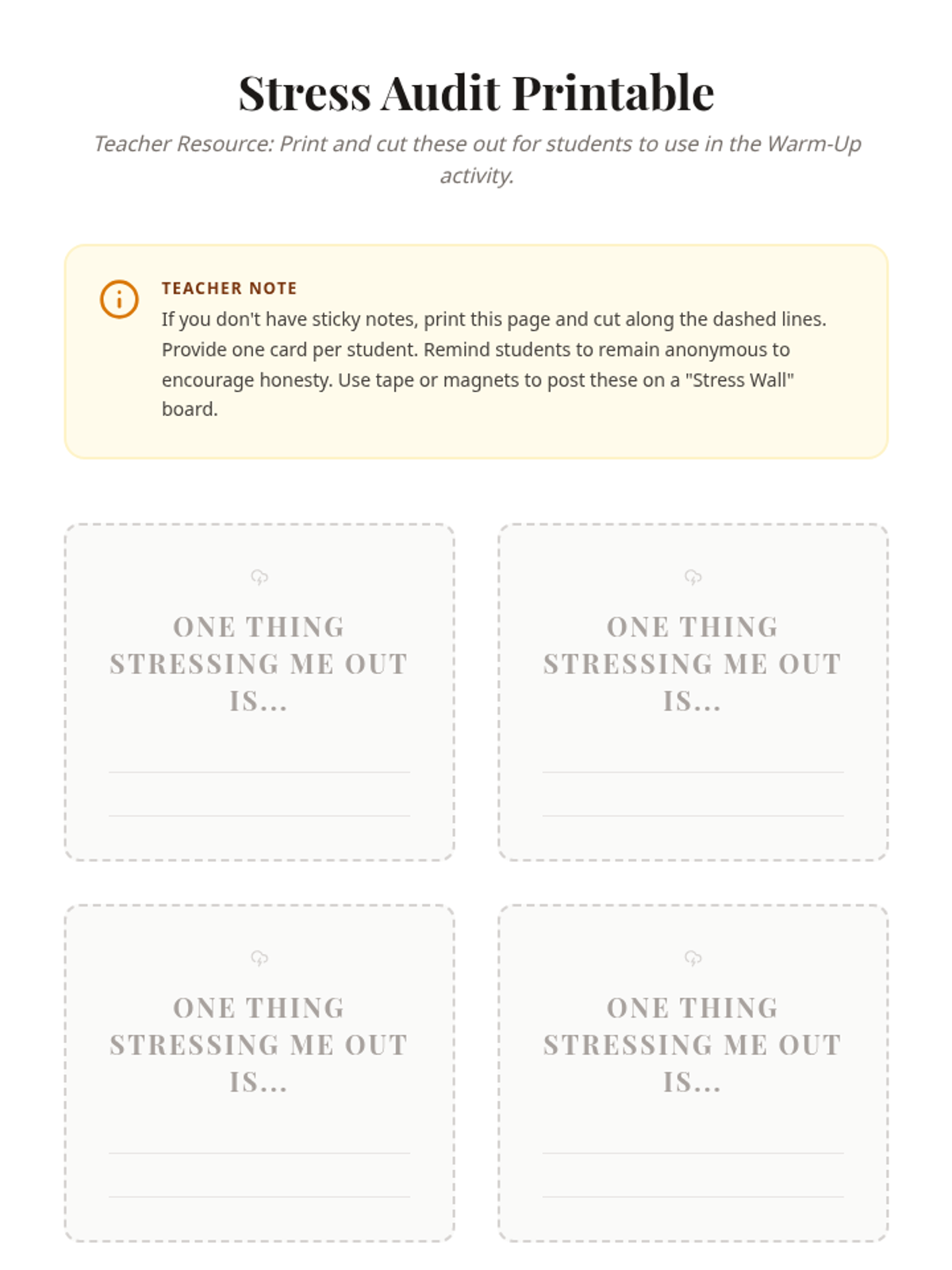
A middle school health lesson focused on identifying stress triggers and practicing evidence-based mindfulness techniques like deep breathing and progressive muscle relaxation. Students create a personalized wellness plan to manage daily stressors.
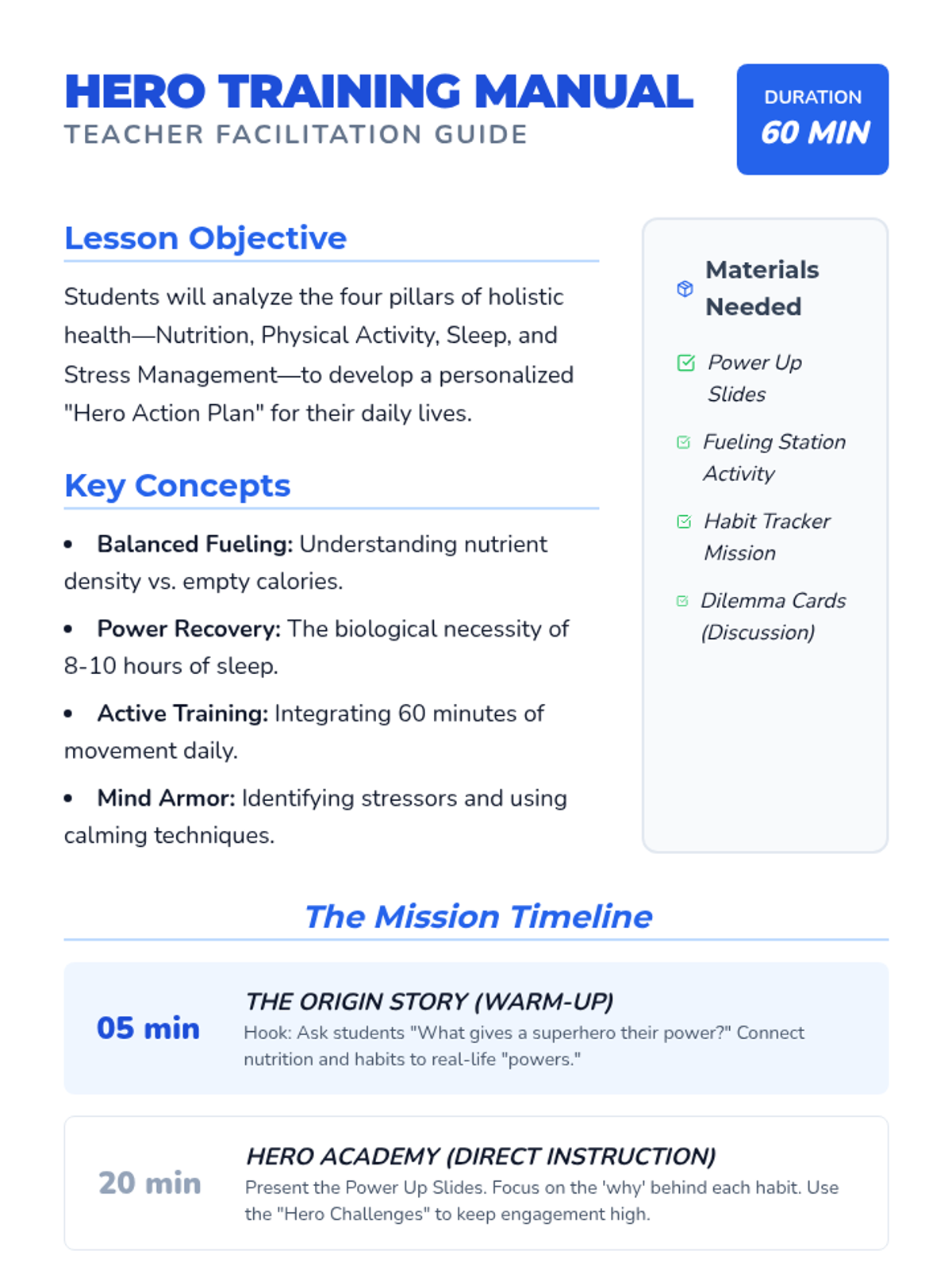
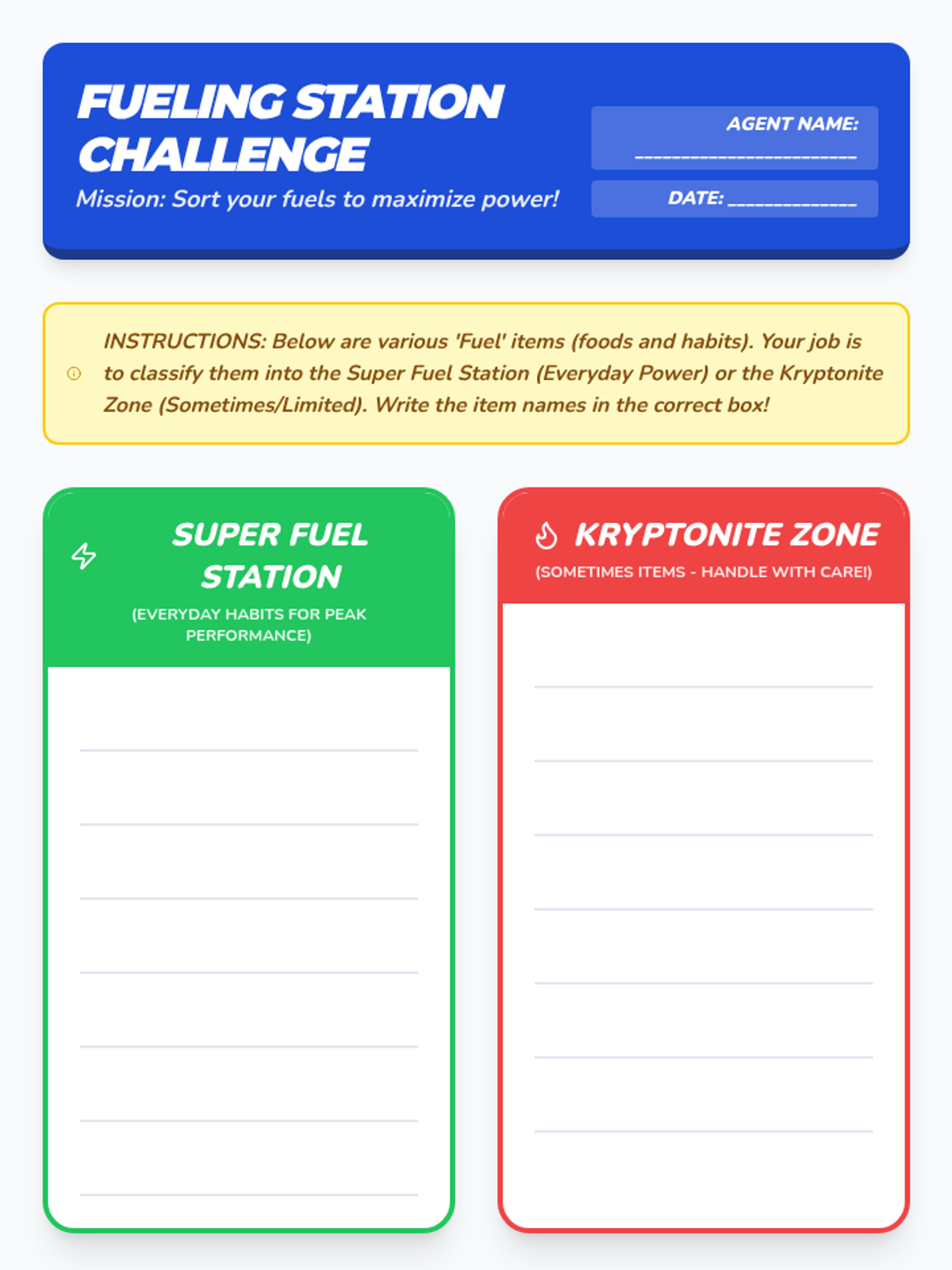
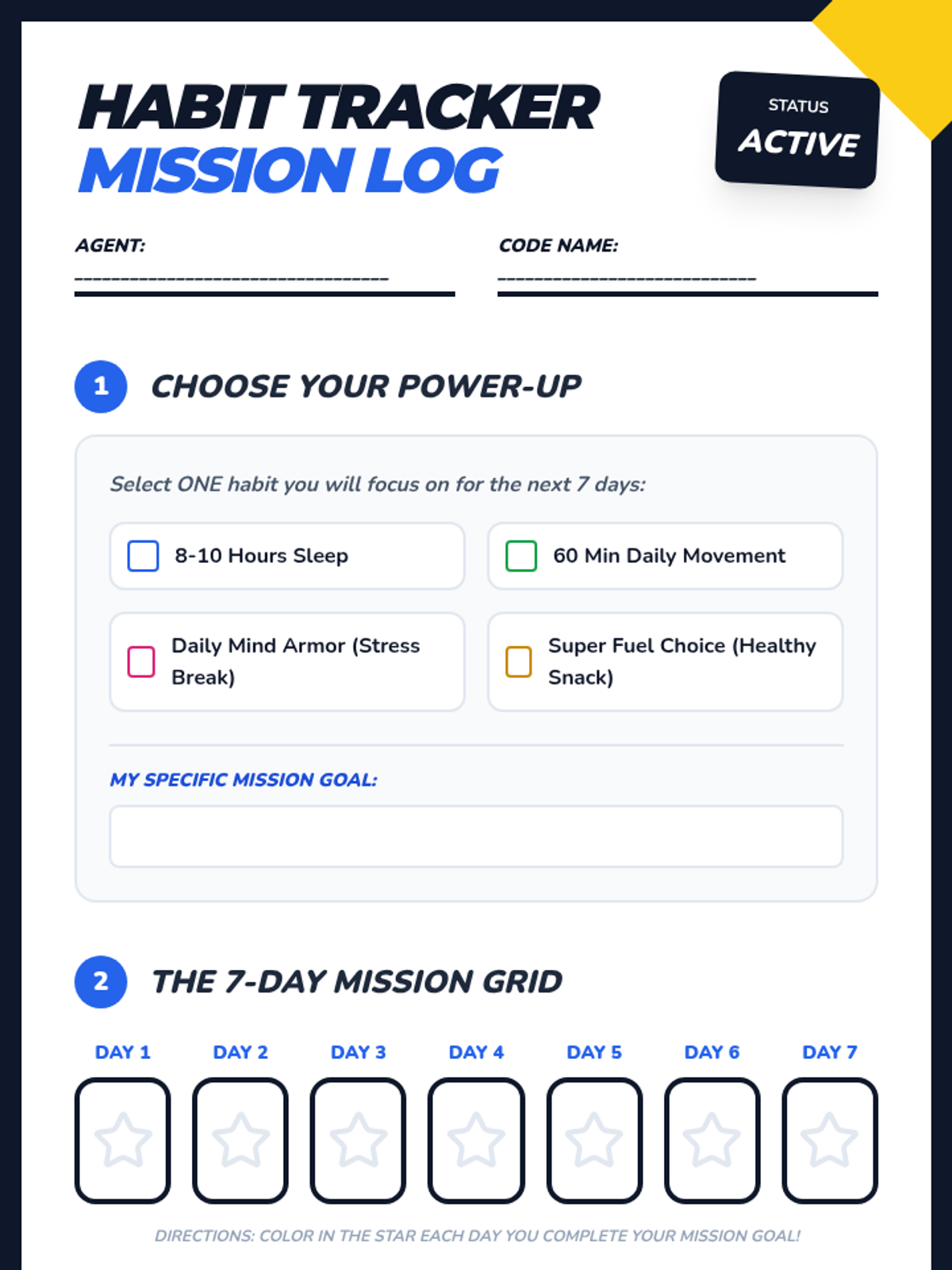
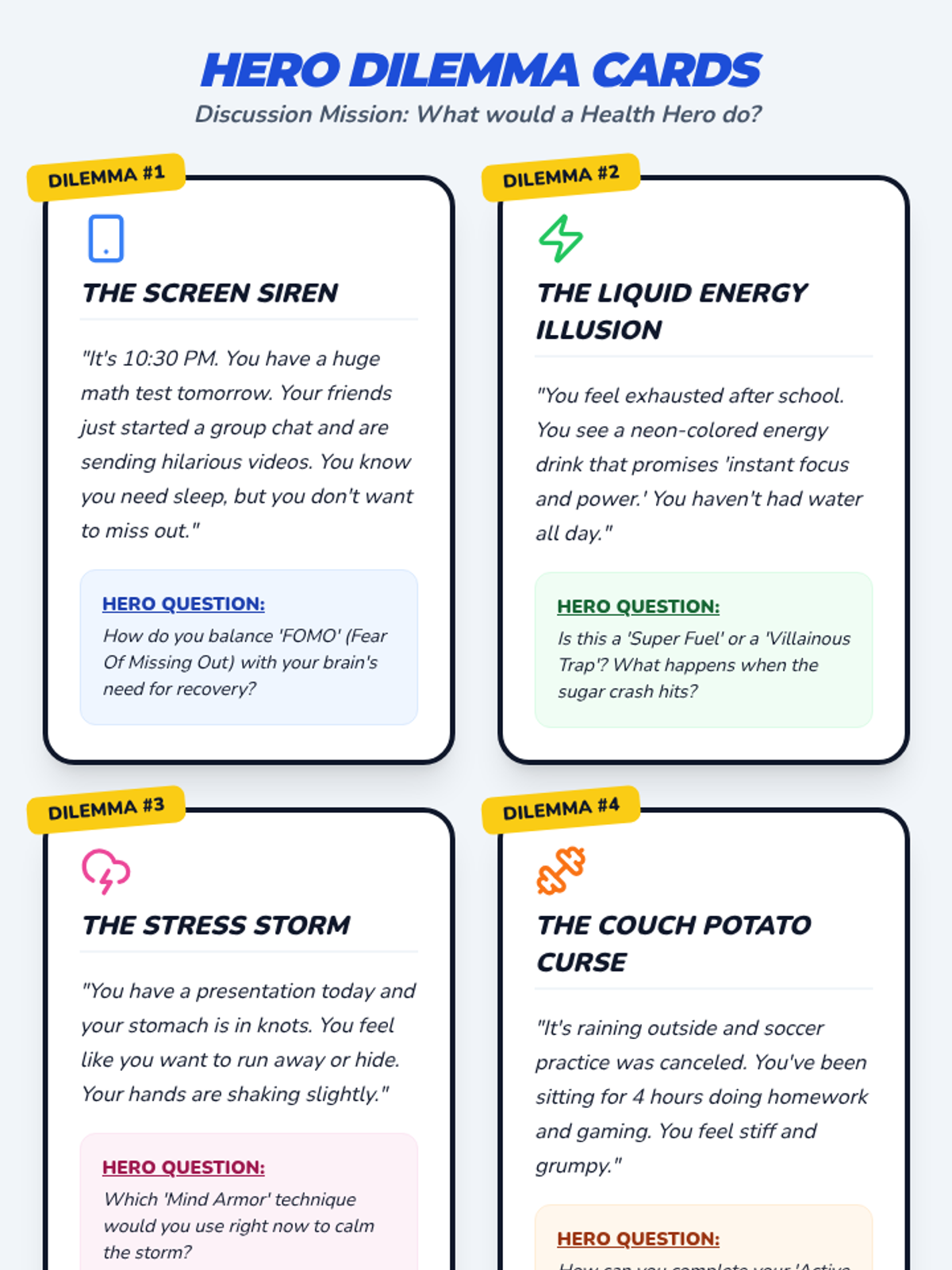
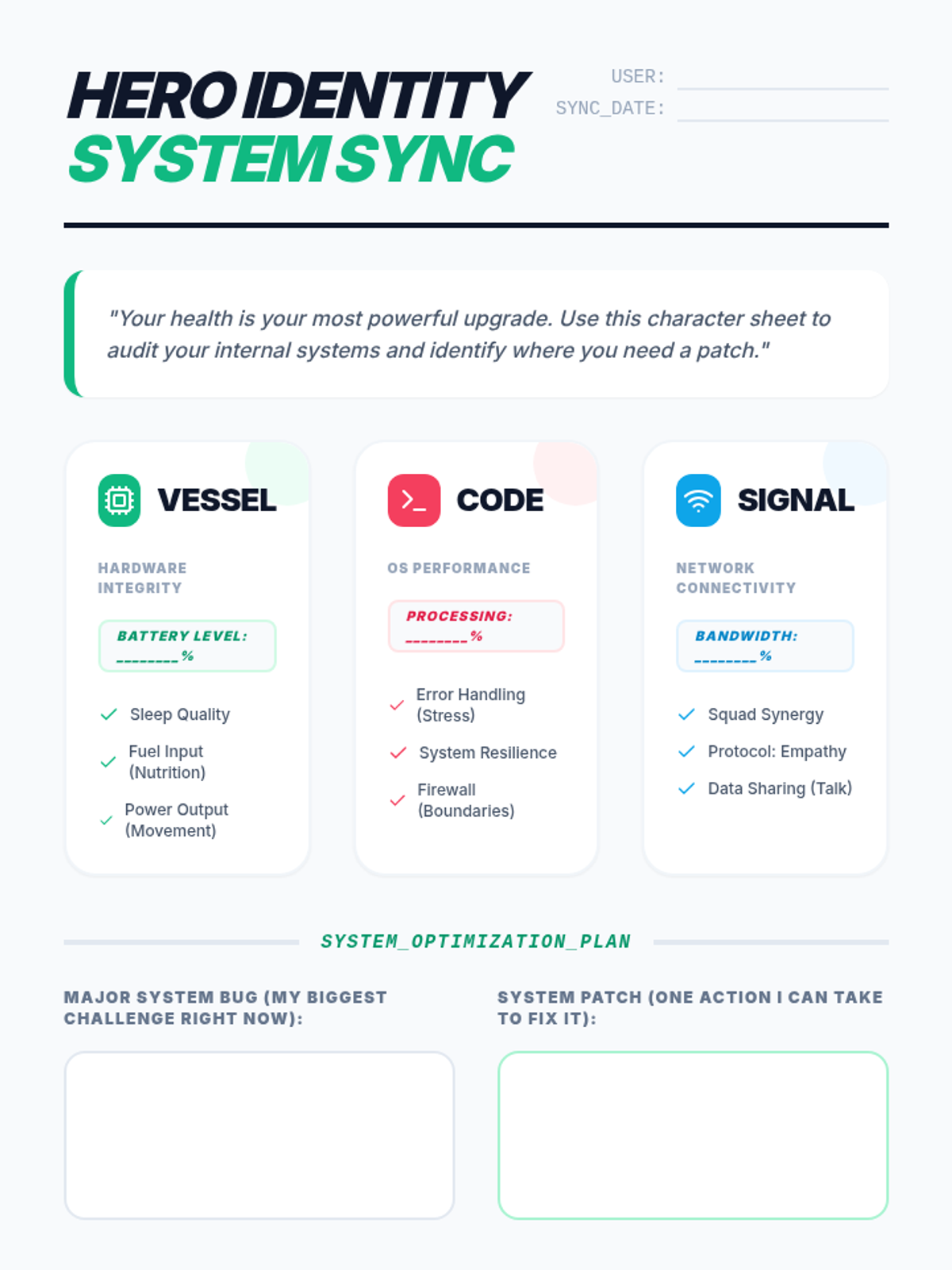
This lesson empowers middle school students to become 'Health Heroes' by mastering nutrition, activity, sleep, and stress management through interactive missions and self-reflection.
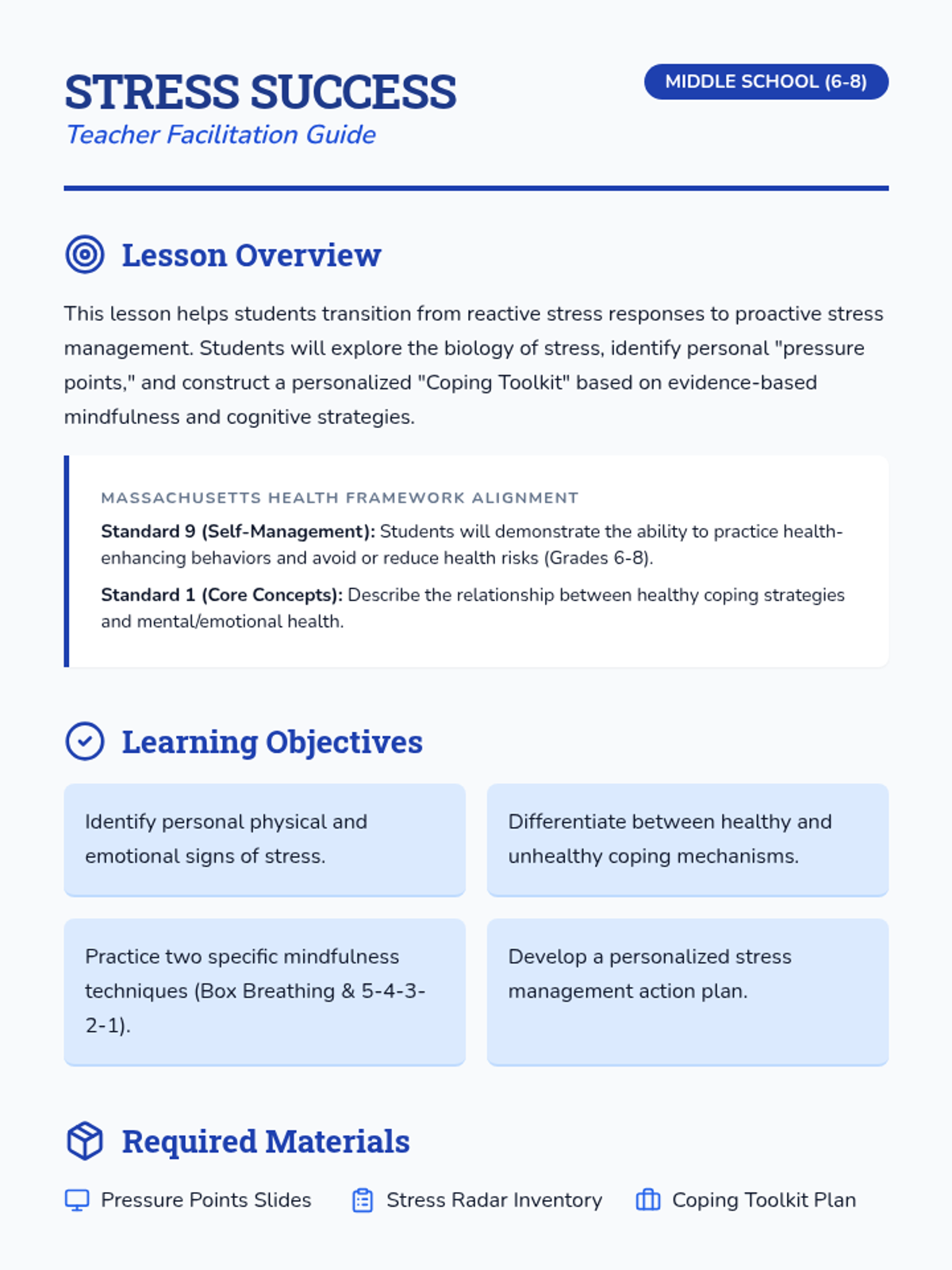
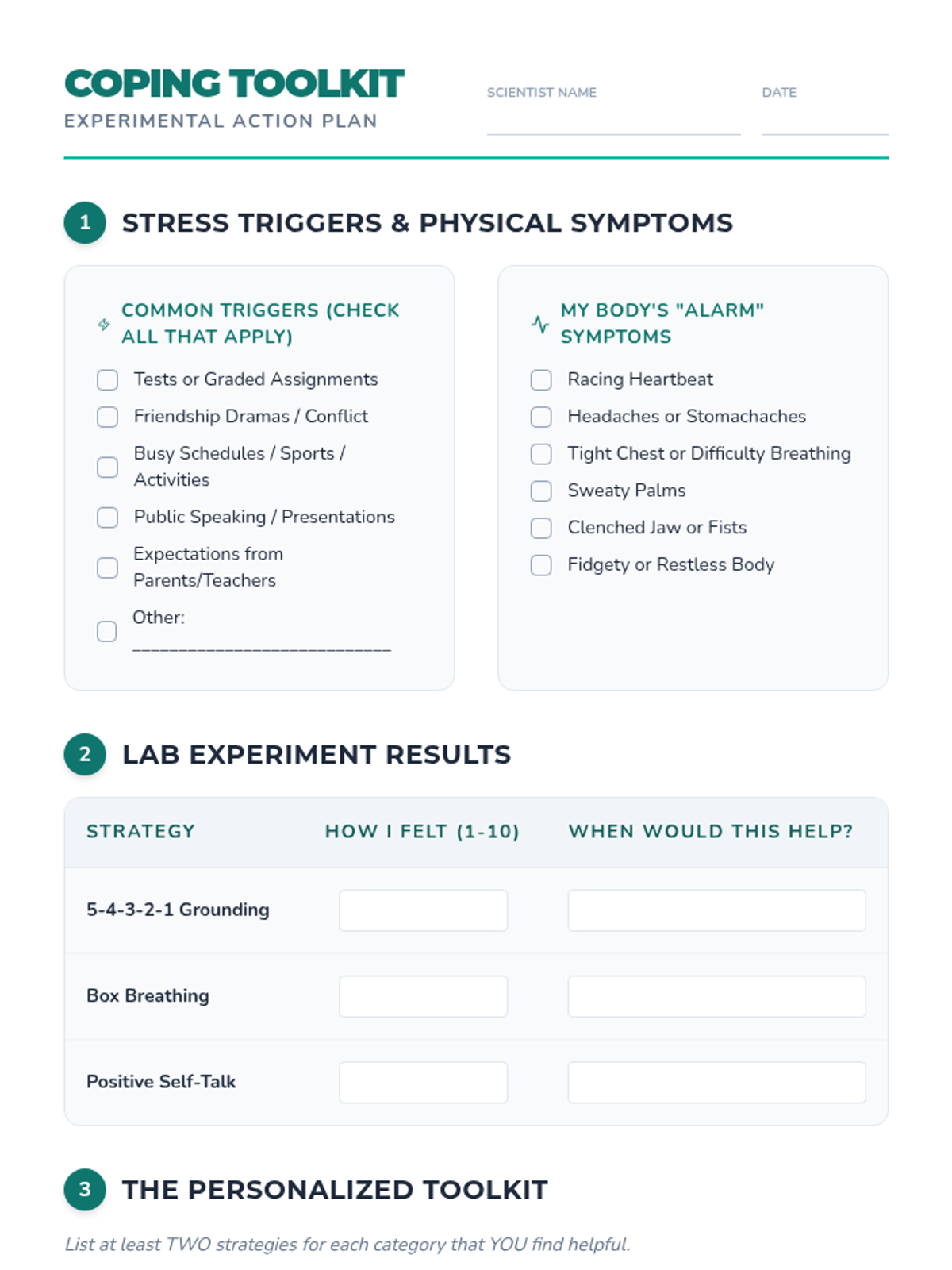
A comprehensive lesson for middle schoolers to identify stressors, understand the physical response to stress, and build a personalized toolkit of healthy coping strategies through interactive sorting and mindfulness practice.
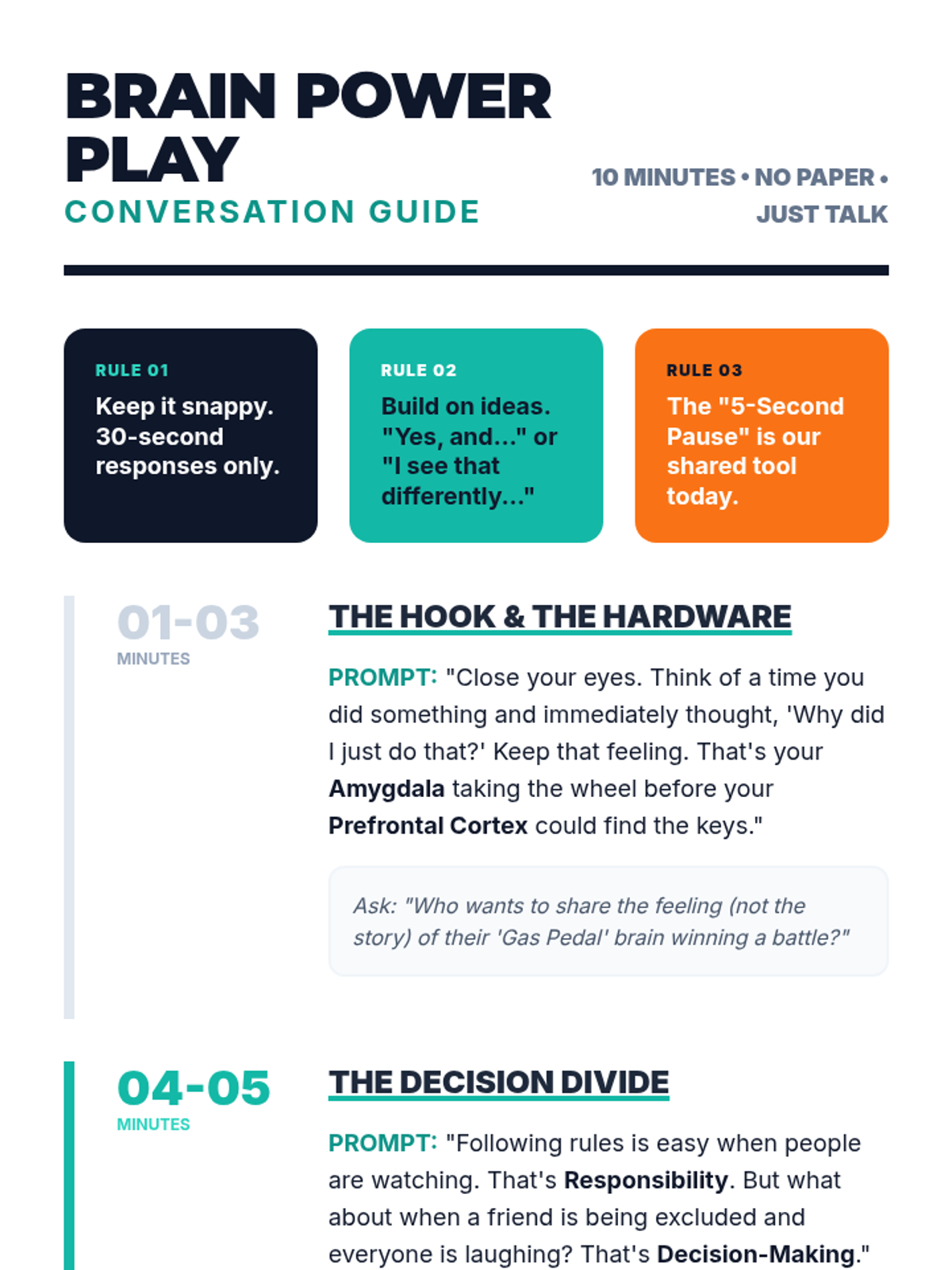
A 10-minute micro-lesson exploring how adolescent brain development affects decision-making, personal responsibility, and peer relationships through relatable school scenarios.
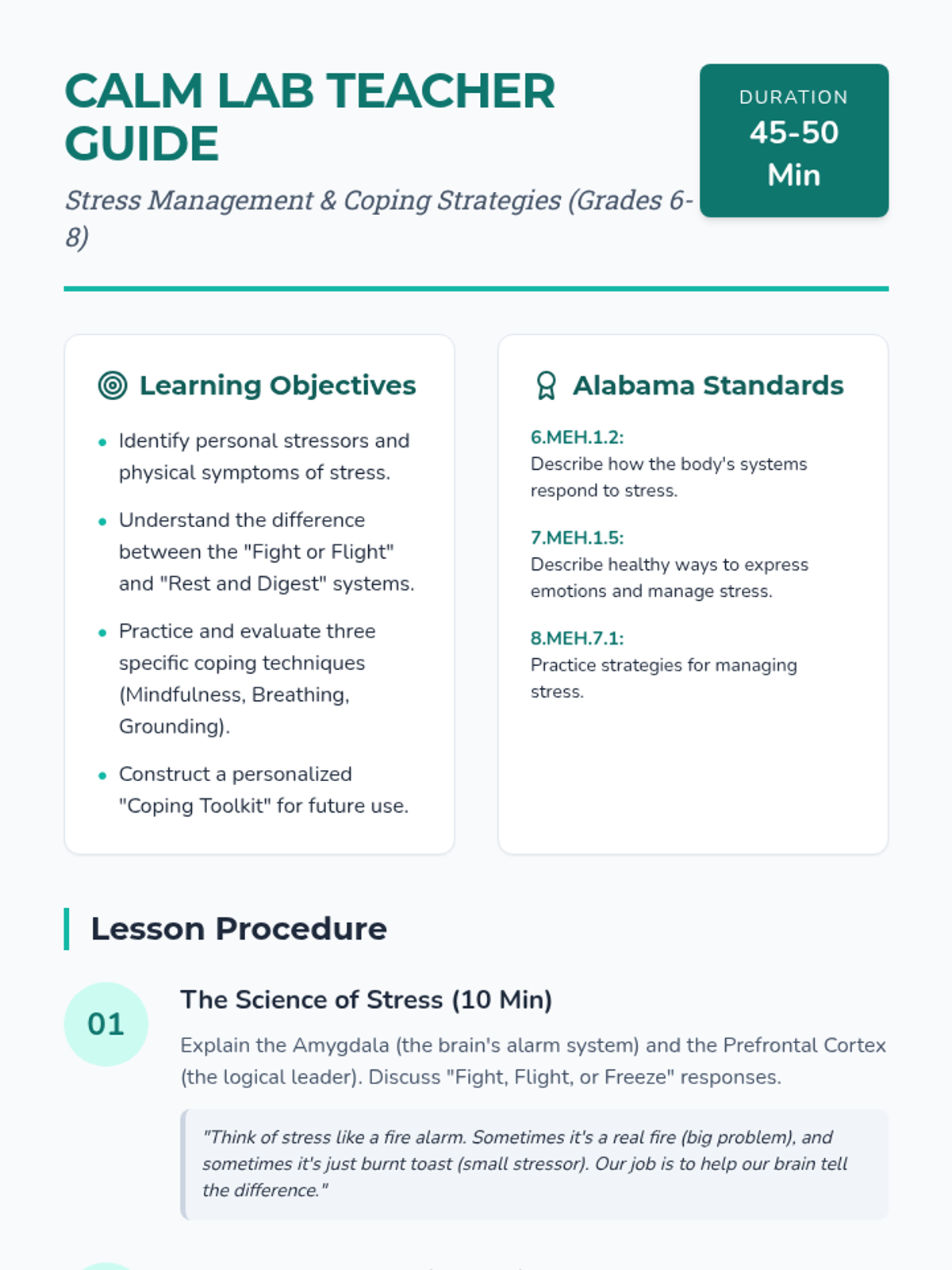
A comprehensive lesson for grades 6-8 on identifying stress triggers and developing a personalized 'coping toolkit' through mindfulness and breathing techniques. Aligned to Alabama health standards for mental and emotional health.
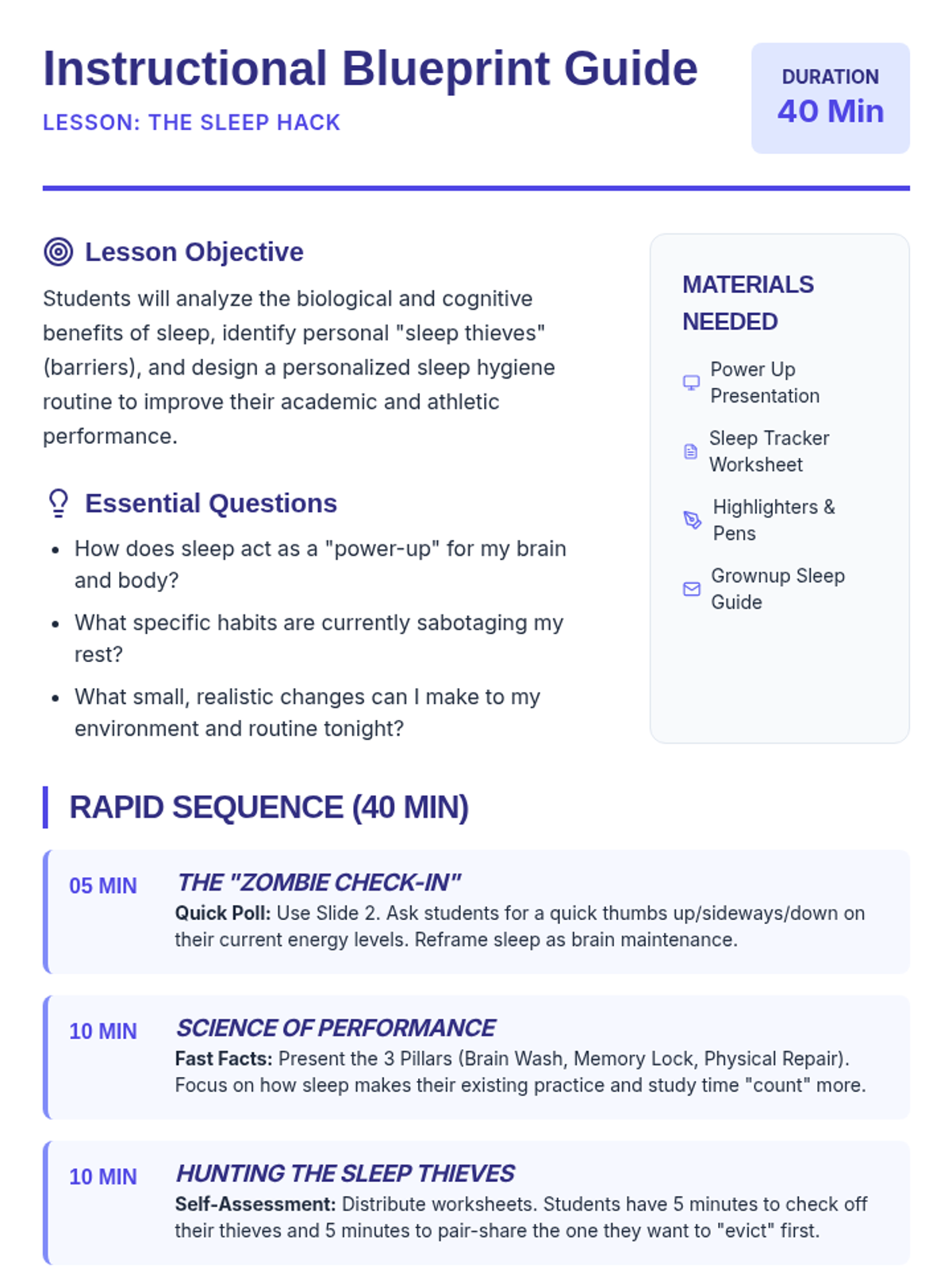
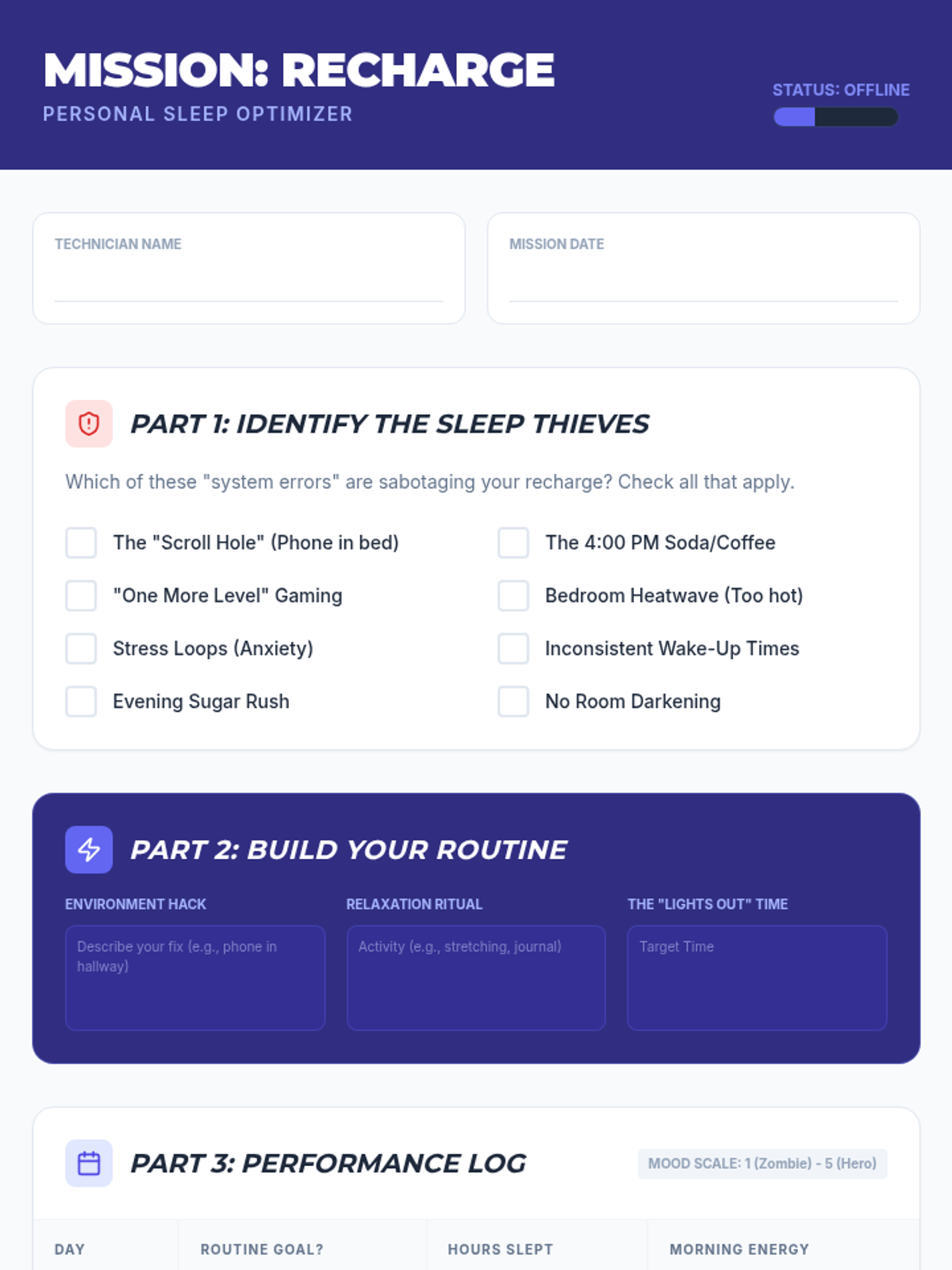
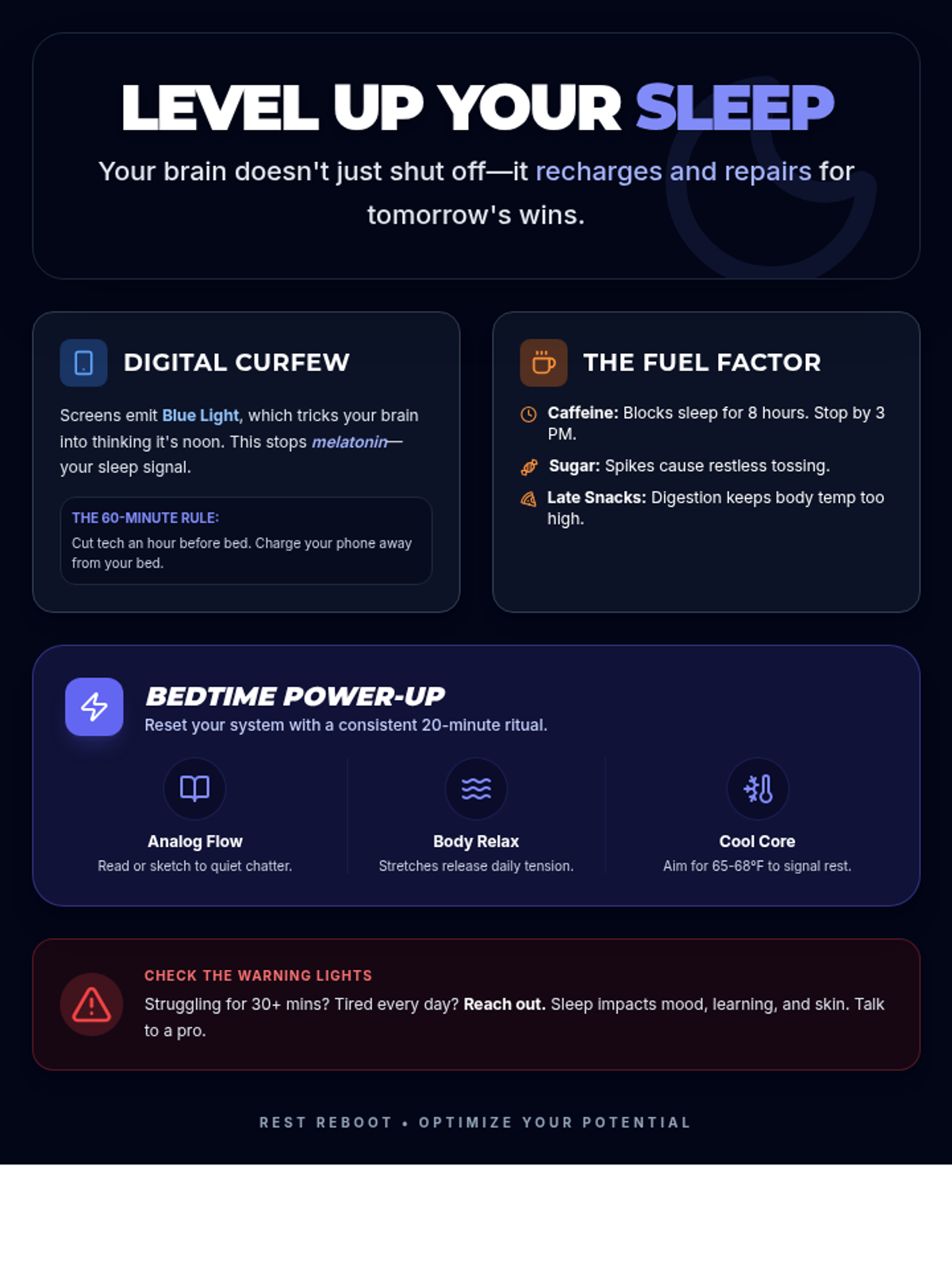
An engaging lesson that breaks down why sleep is a performance-enhancing 'hack' for students and provides practical tools for building a better bedtime routine.
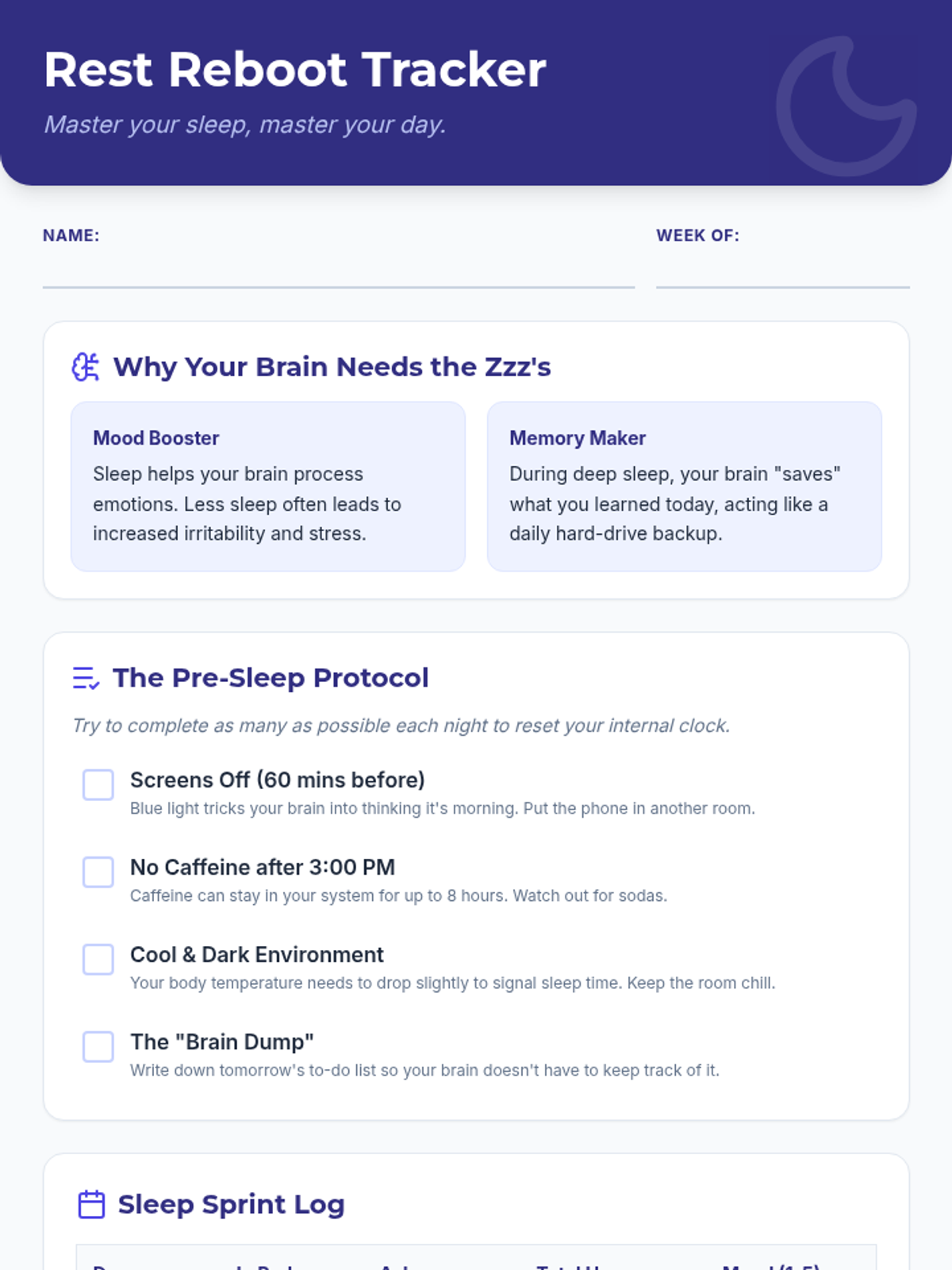
A lesson designed to help teenagers understand the science of sleep hygiene, develop healthy bedtime routines, and track their progress toward better rest for improved mood and learning.
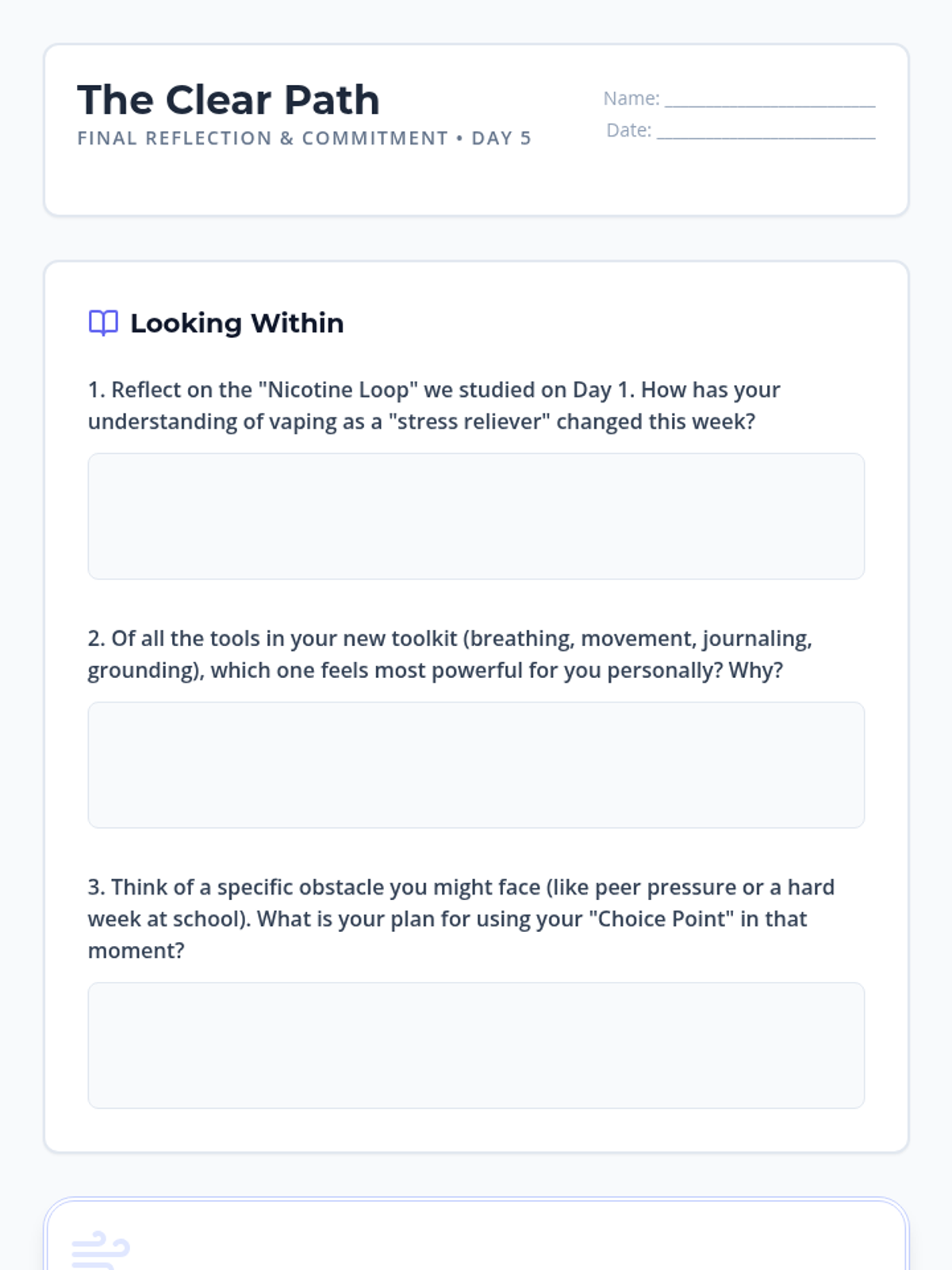
Synthesizing learning through reflection and the creation of a personal commitment plan.
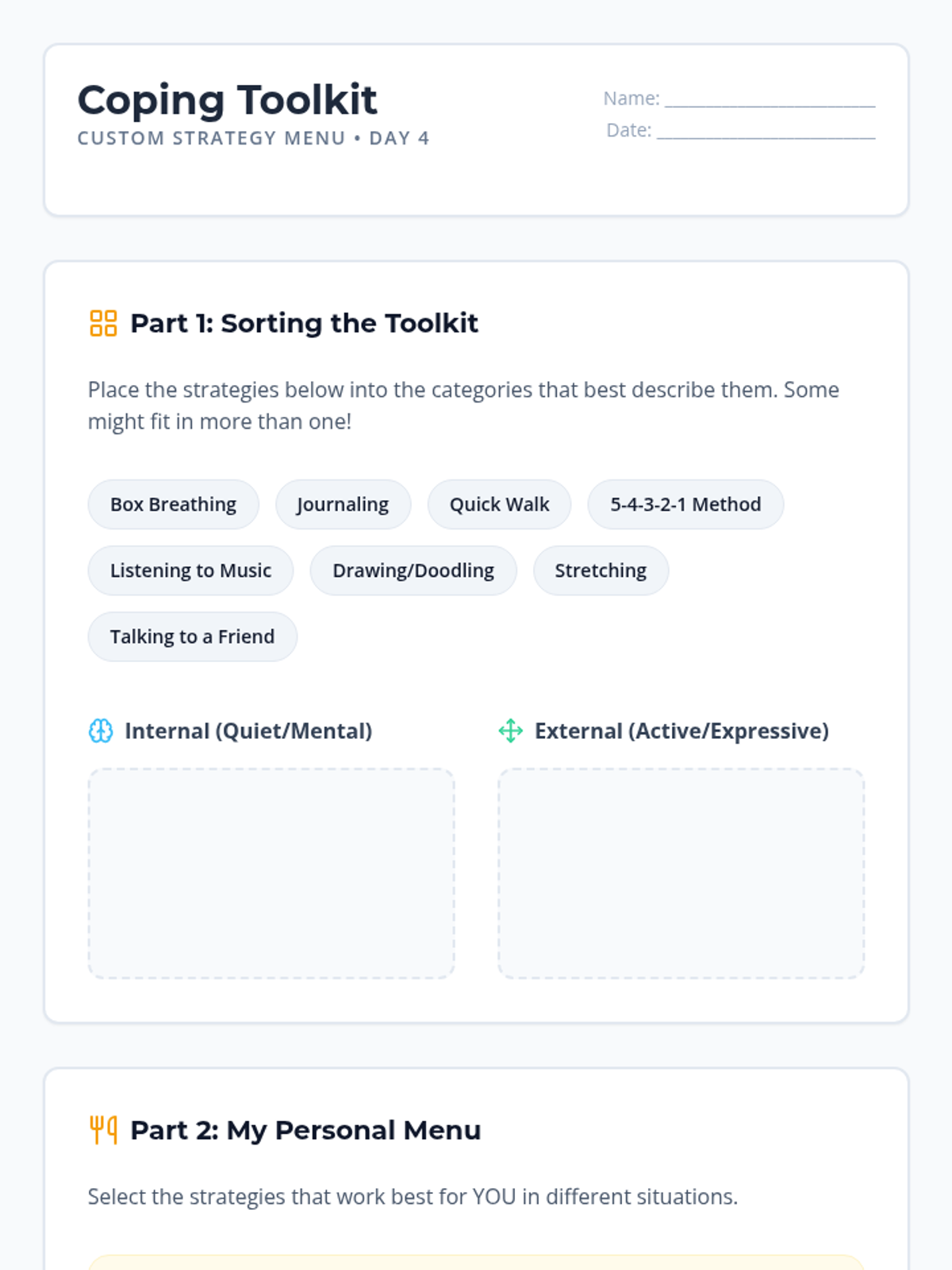
Expanding the toolkit to include journaling, physical movement, and creative outlets.
A deep dive into the science and practice of deep breathing as a primary physiological reset.
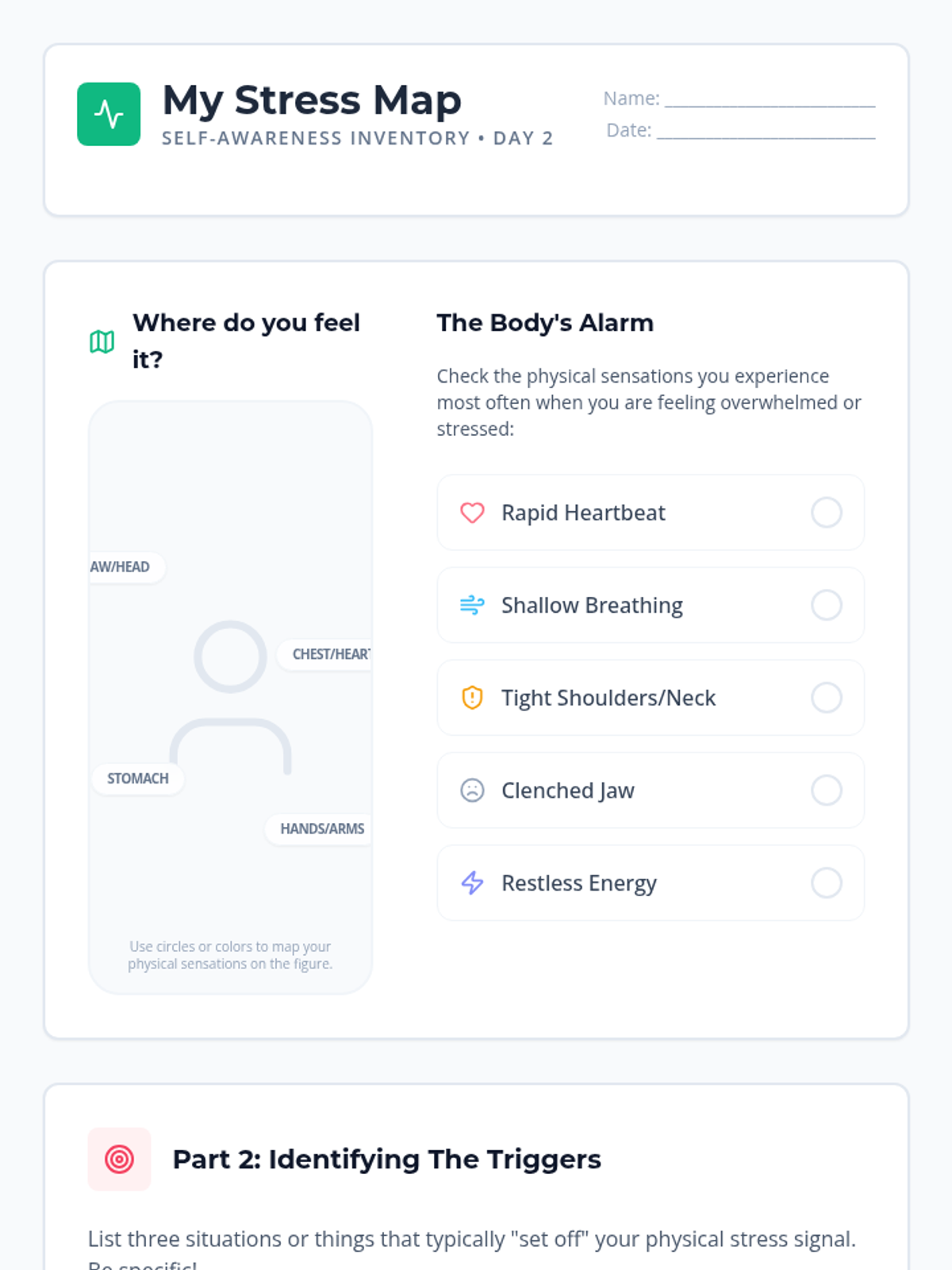
Identifying personal stress triggers and understanding the physical sensations of stress in the body.
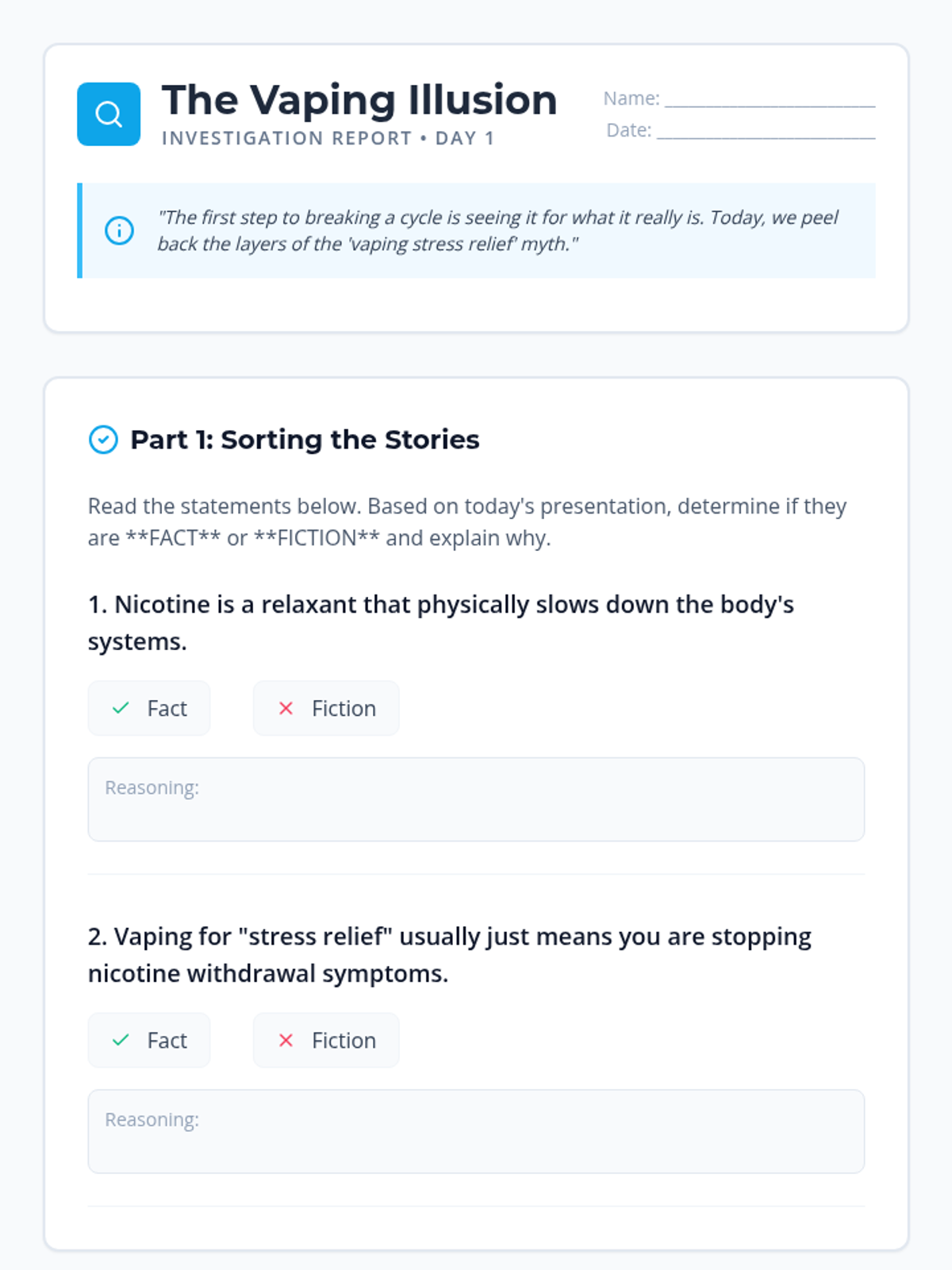
Students explore the chemical reality of nicotine and how it creates a cycle of stress rather than relieving it.
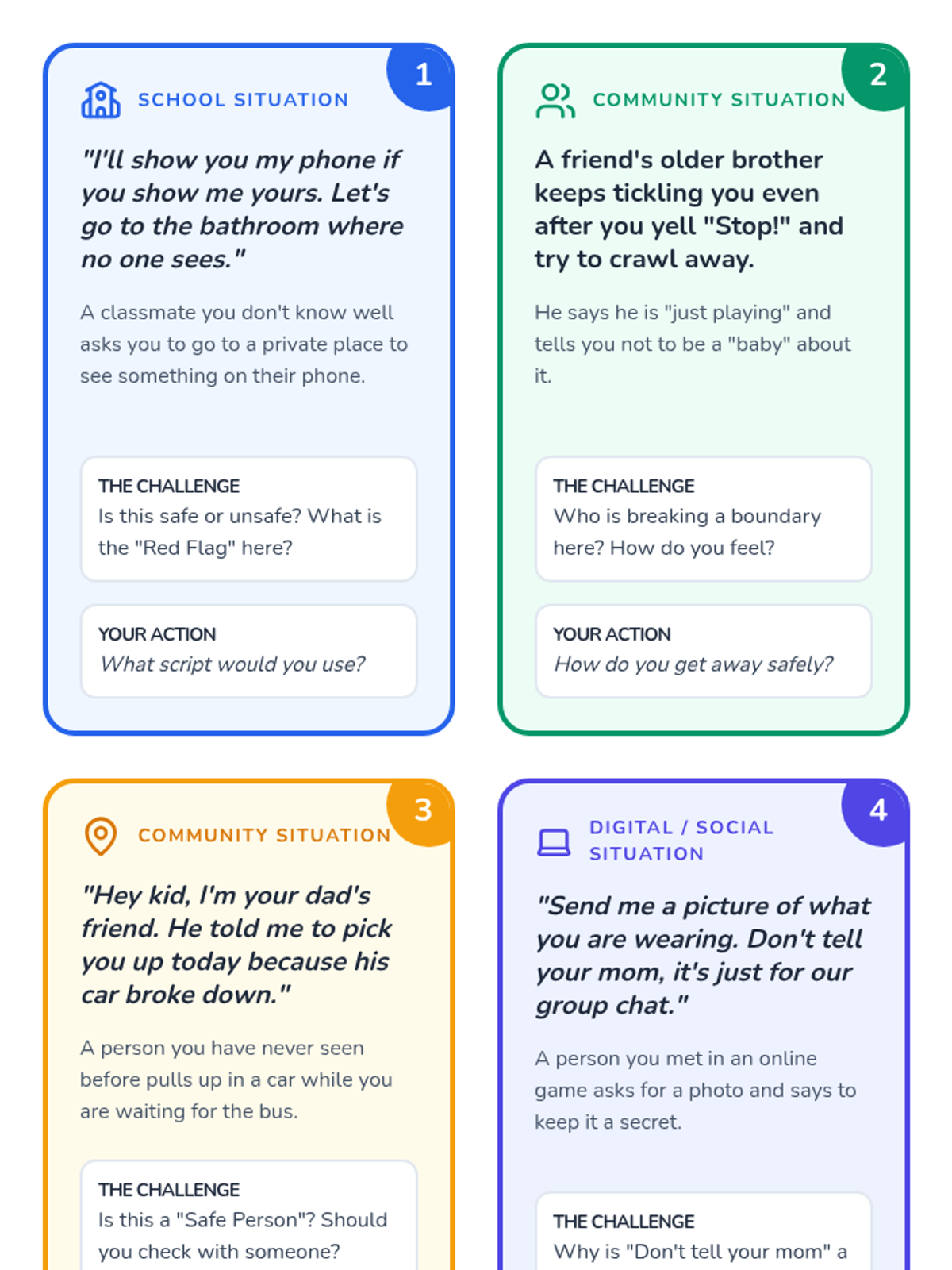
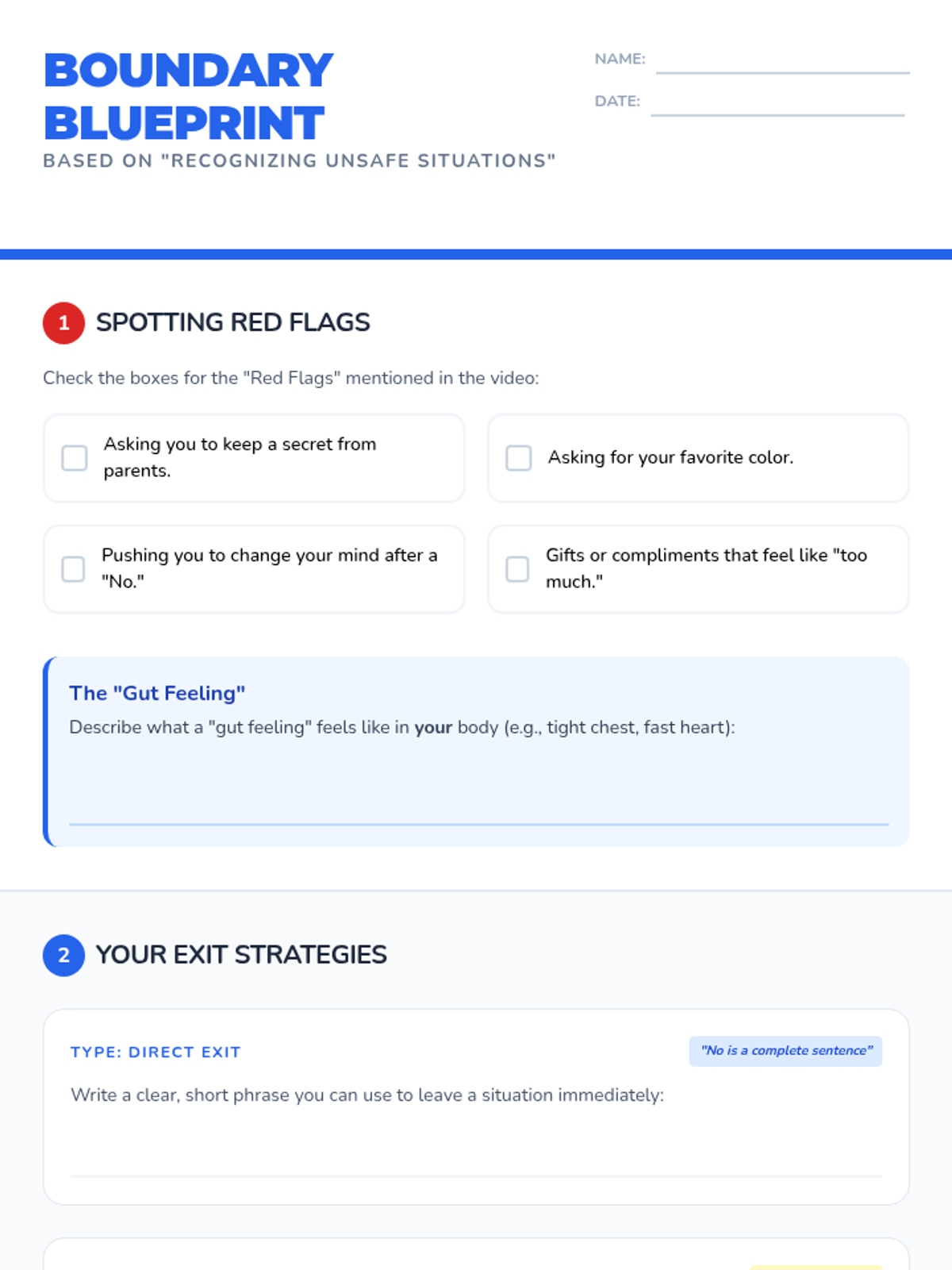
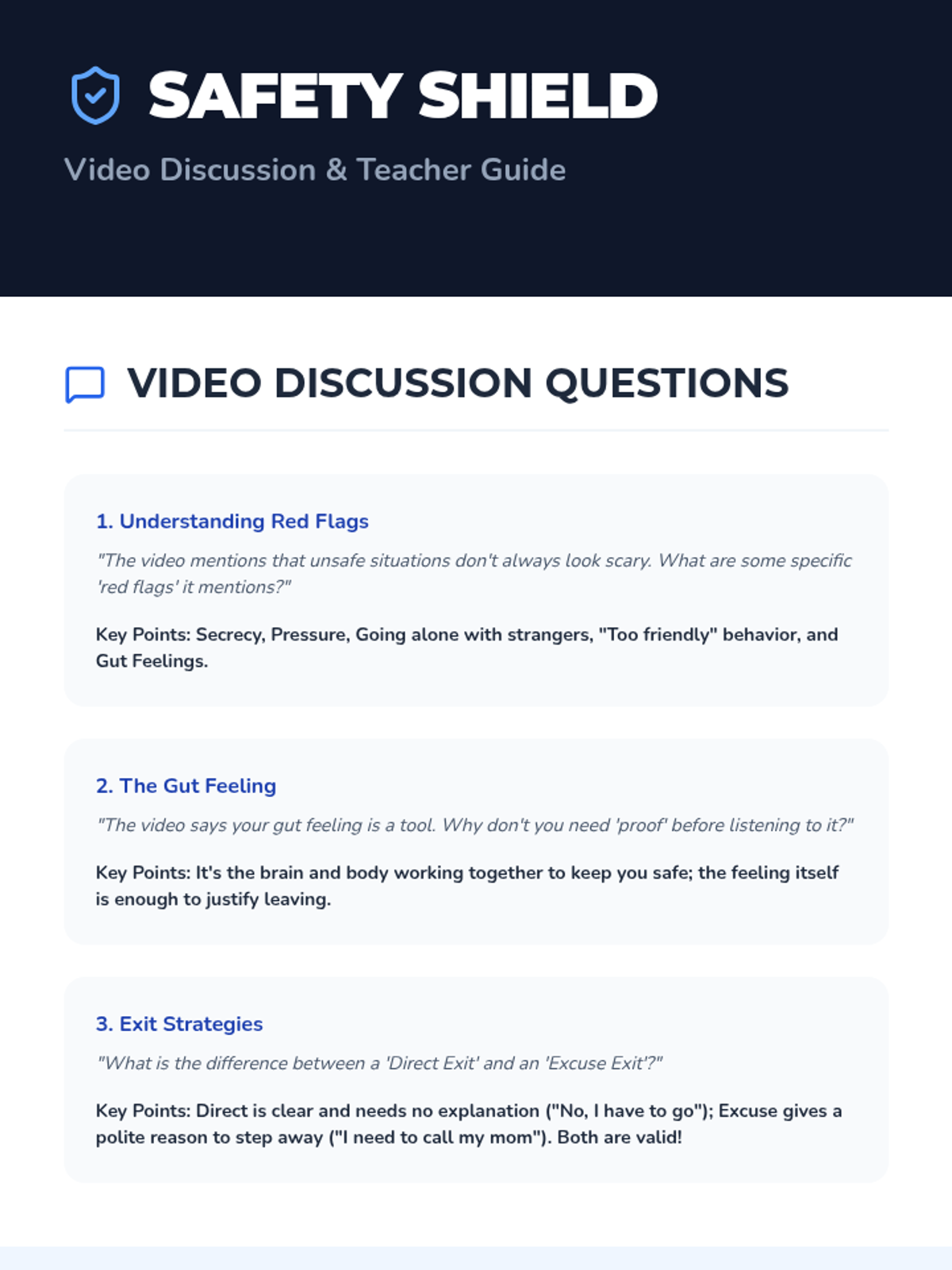
A comprehensive lesson on identifying unsafe social situations, setting physical and emotional boundaries with peers, and practicing assertive communication across school and community settings.
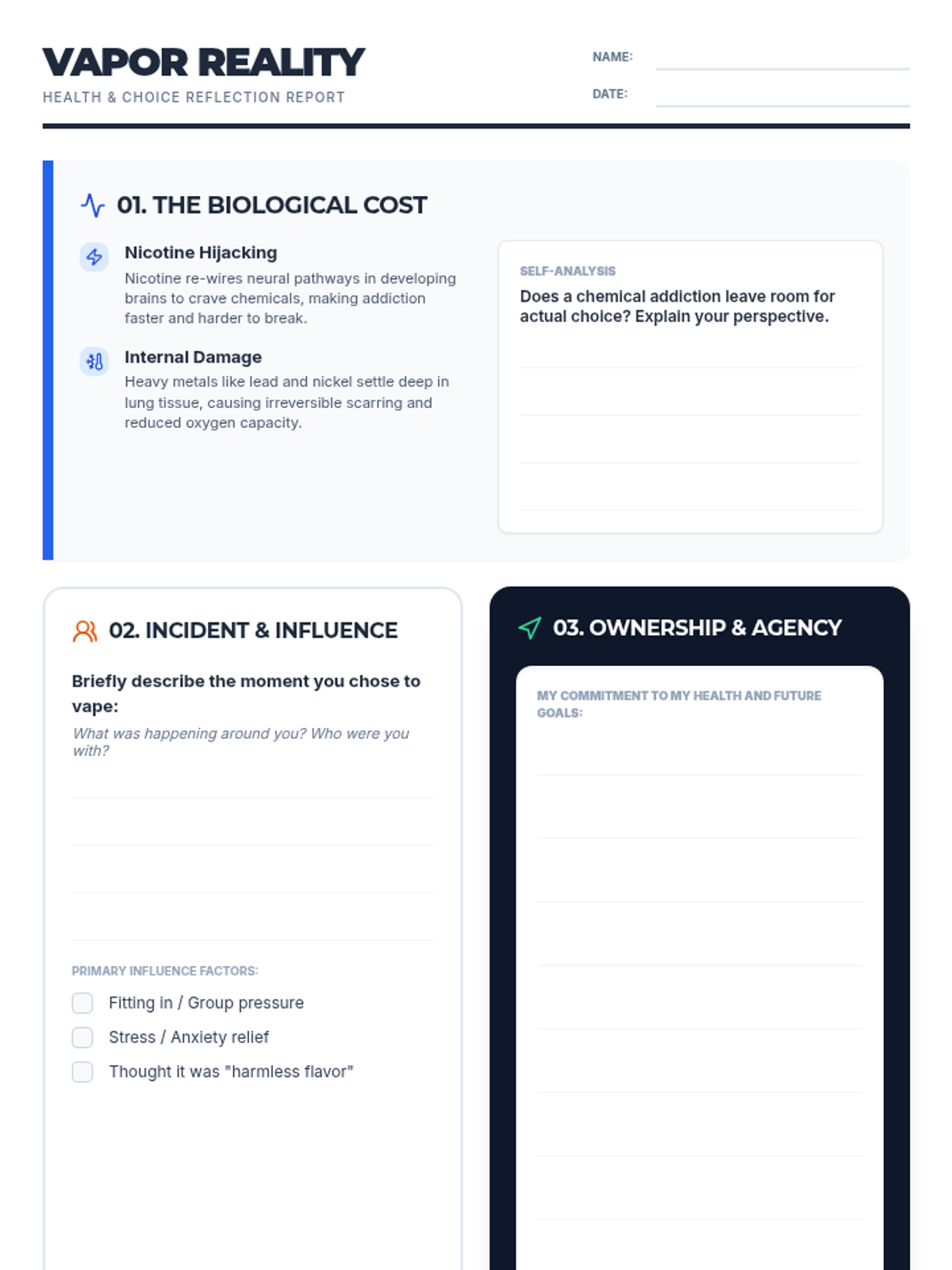
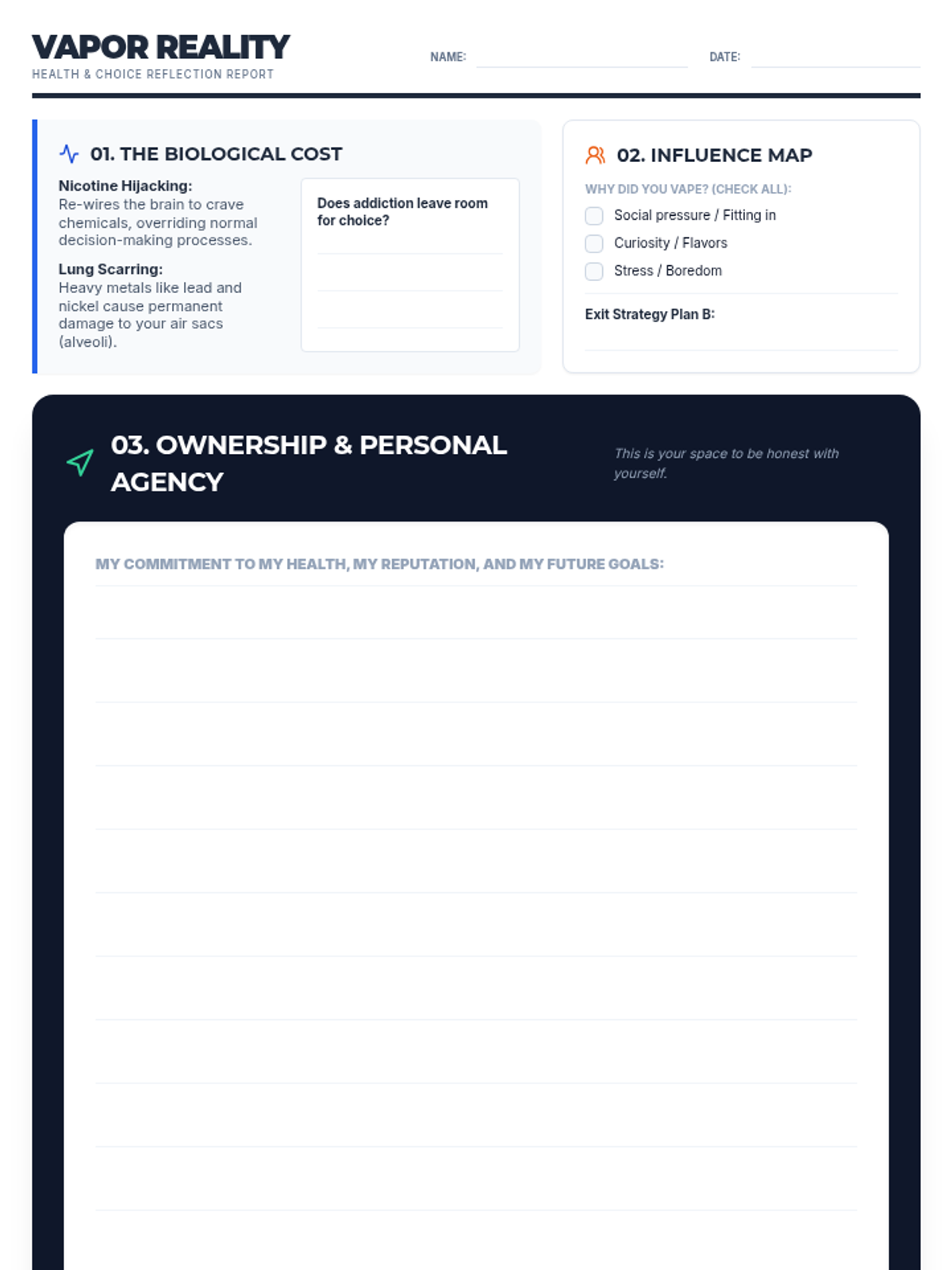
A reflective lesson designed for students to evaluate the health risks of vaping and the social pressures that lead to it, focusing on long-term consequences and personal agency.
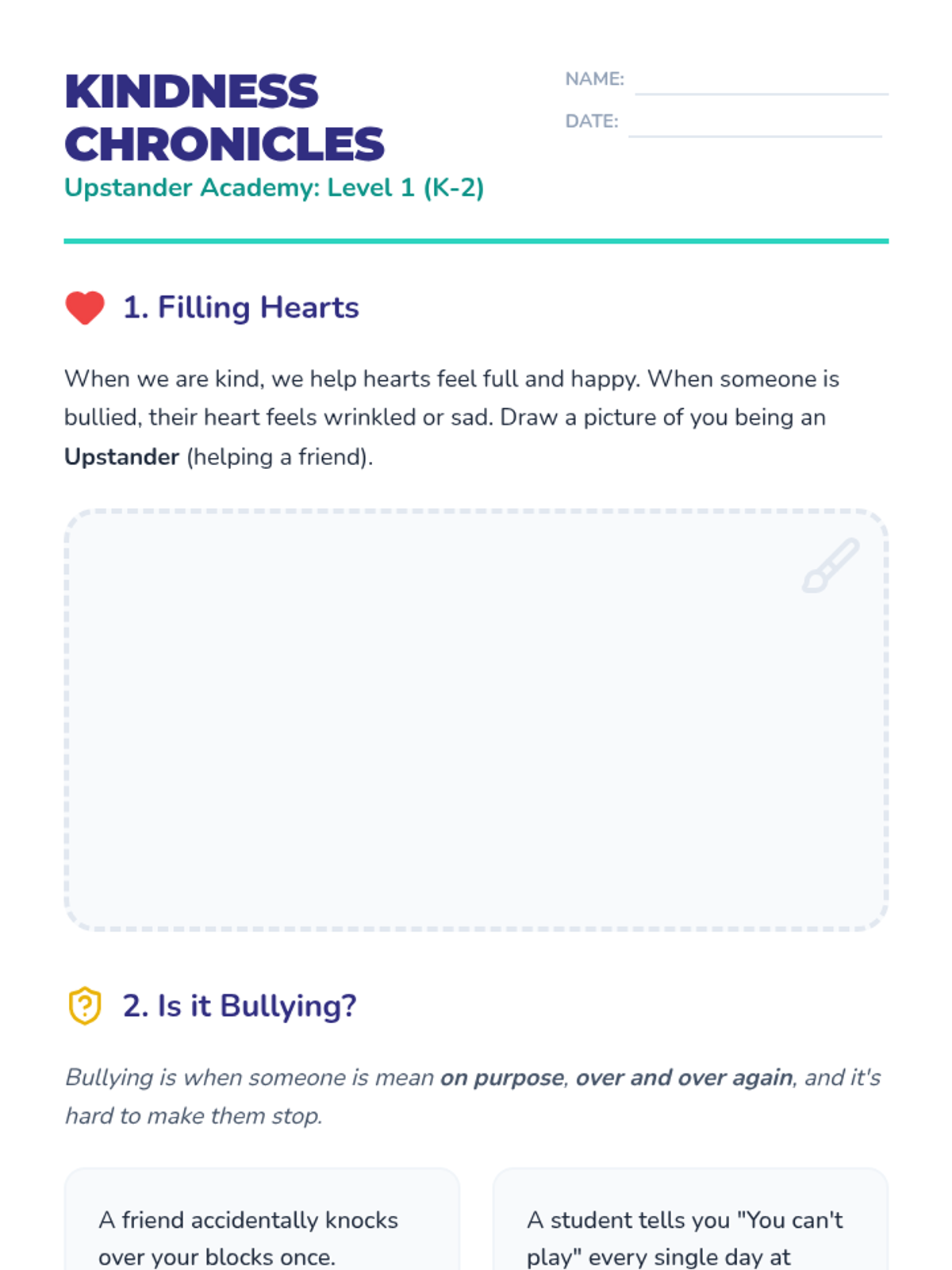
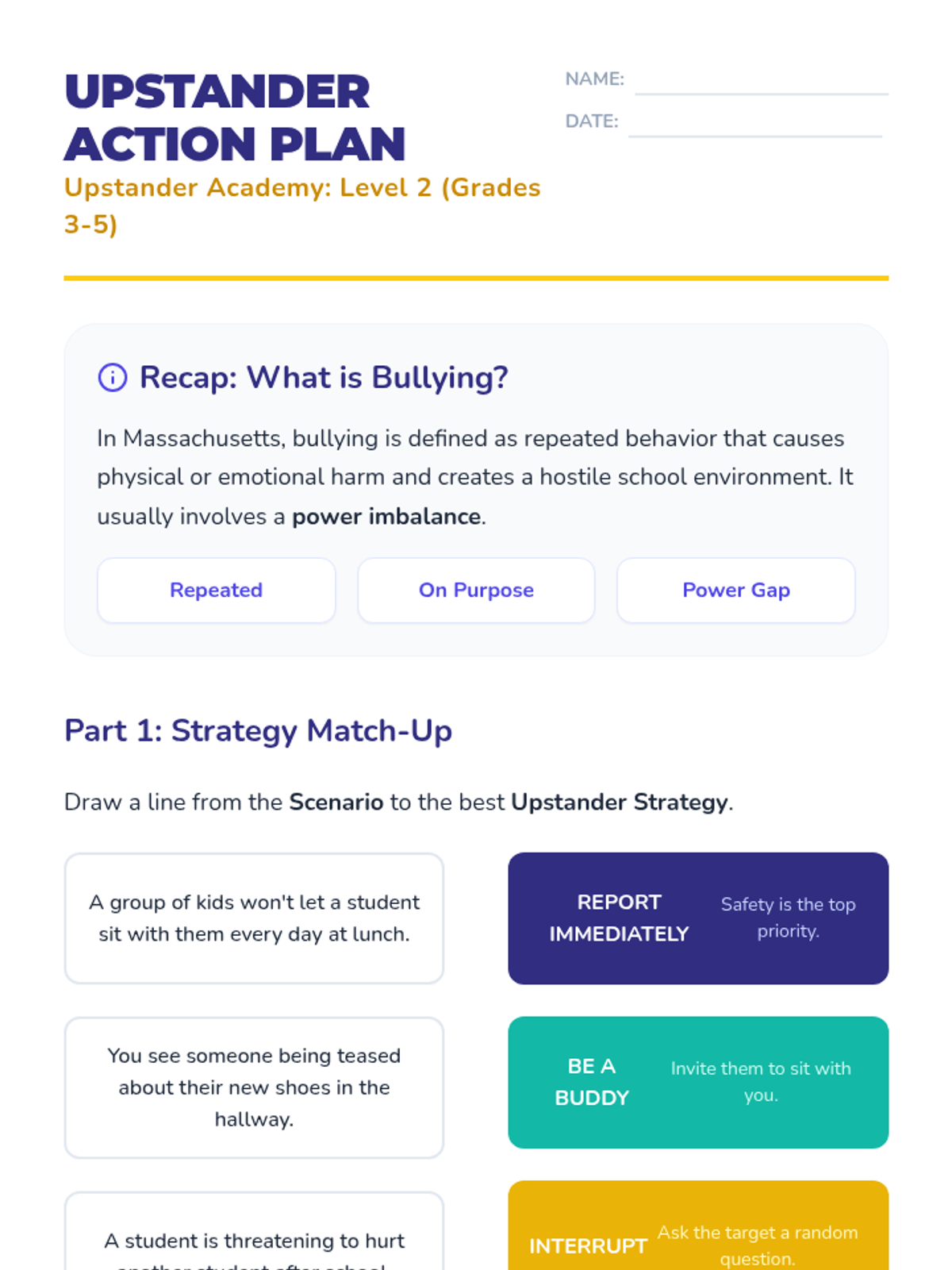
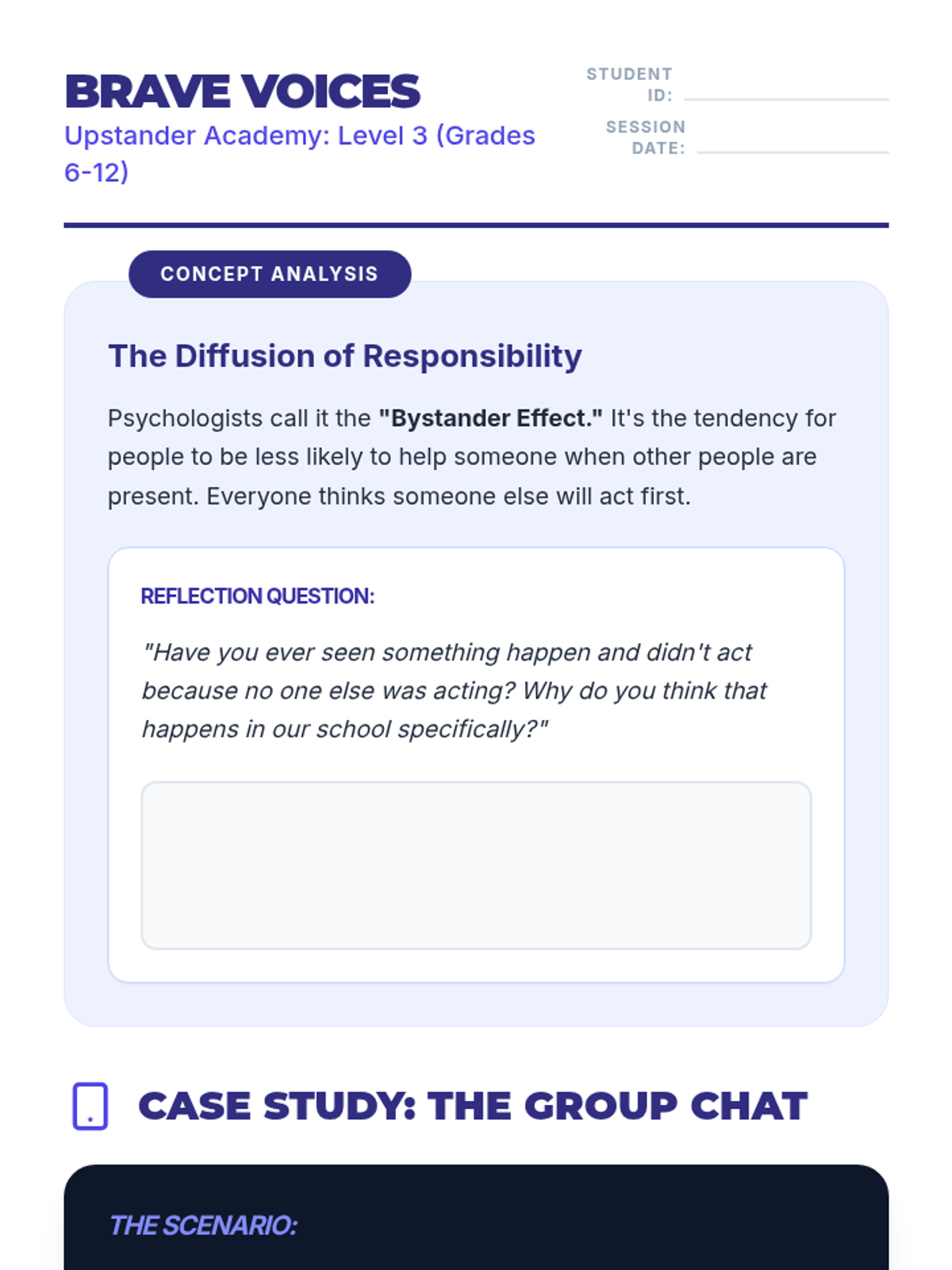
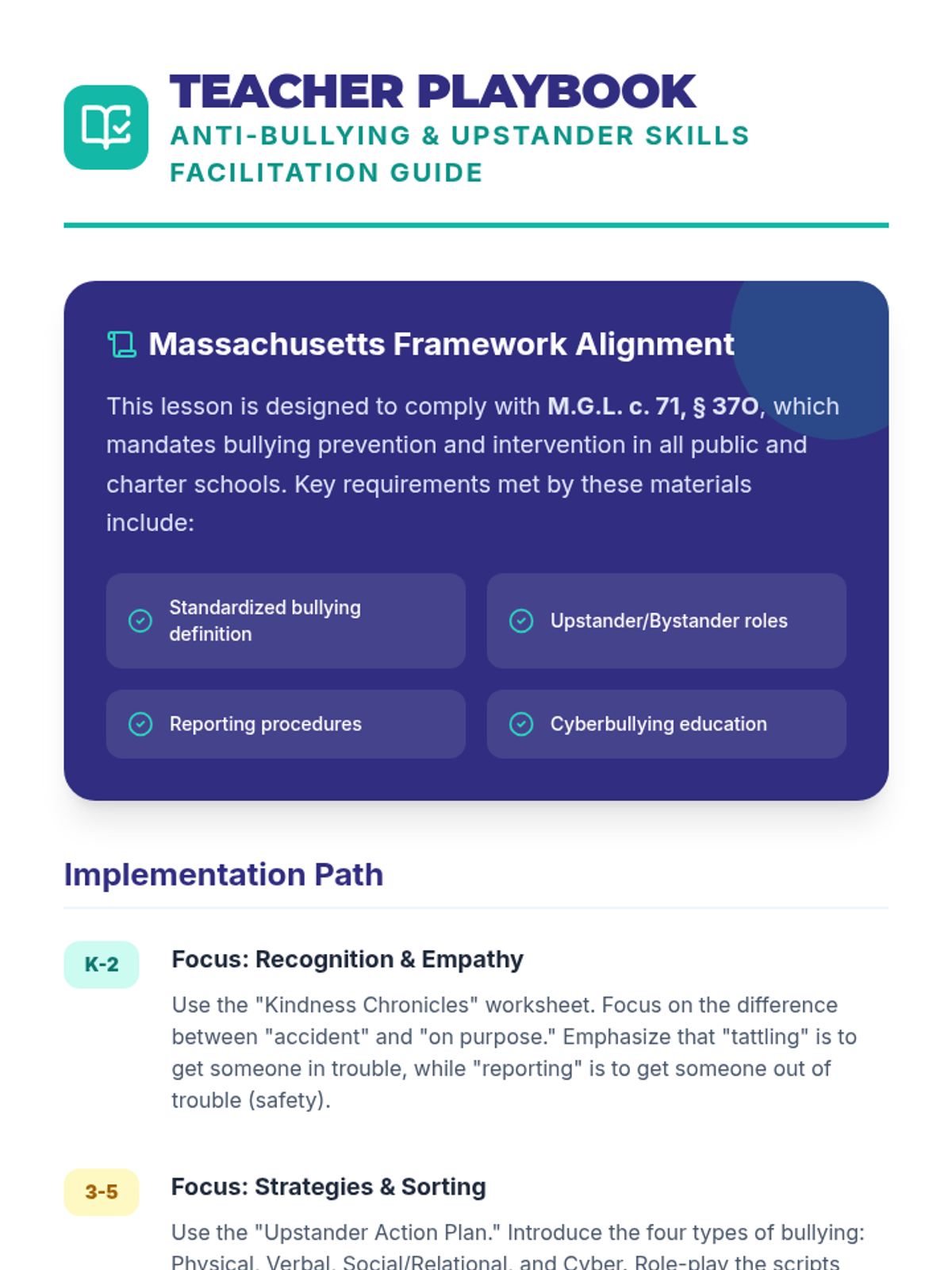
A comprehensive anti-bullying and upstander skills lesson designed for K-12 students. It focuses on identifying bullying, developing empathy, and providing concrete reporting strategies aligned with Massachusetts state frameworks.
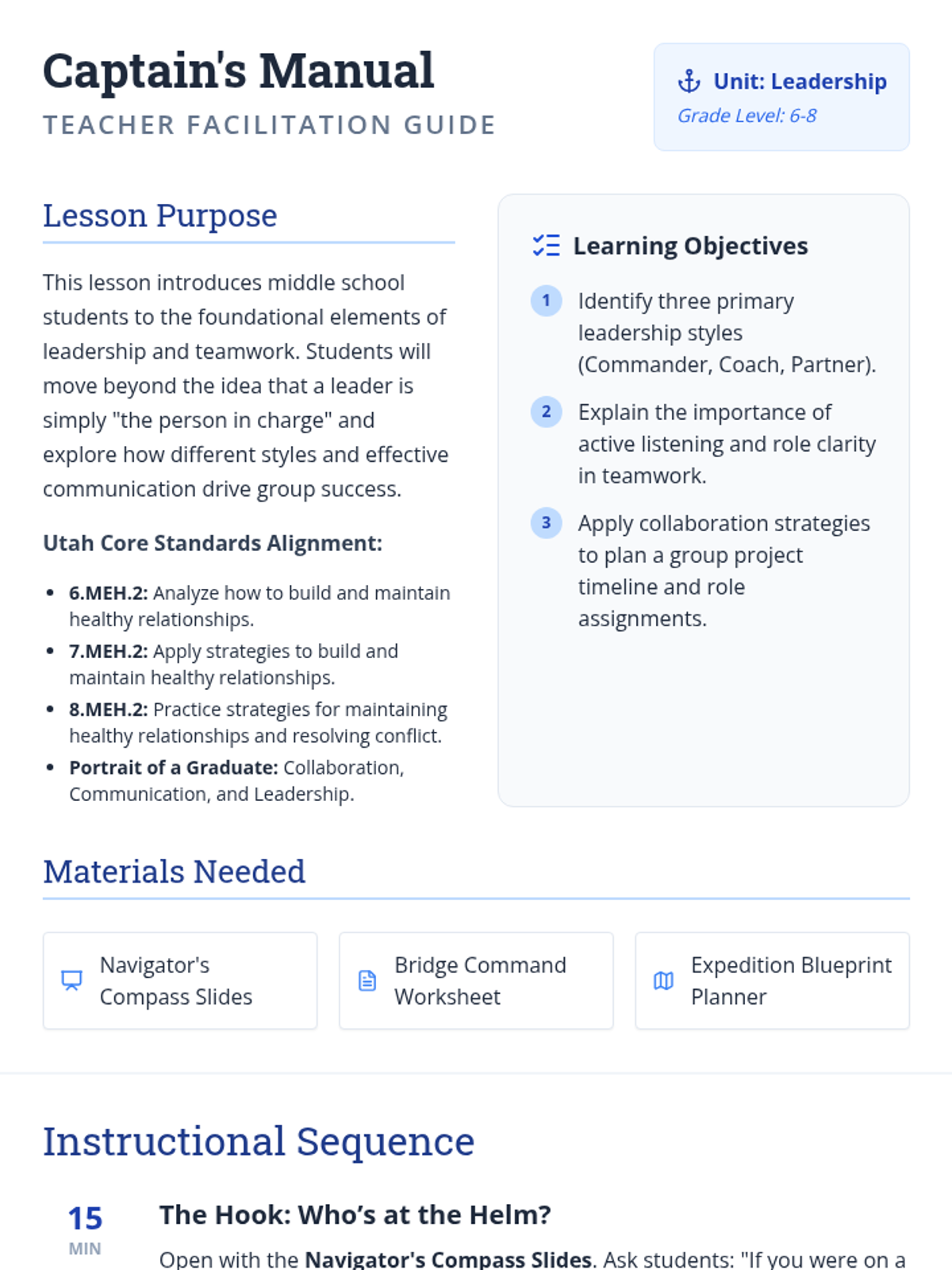
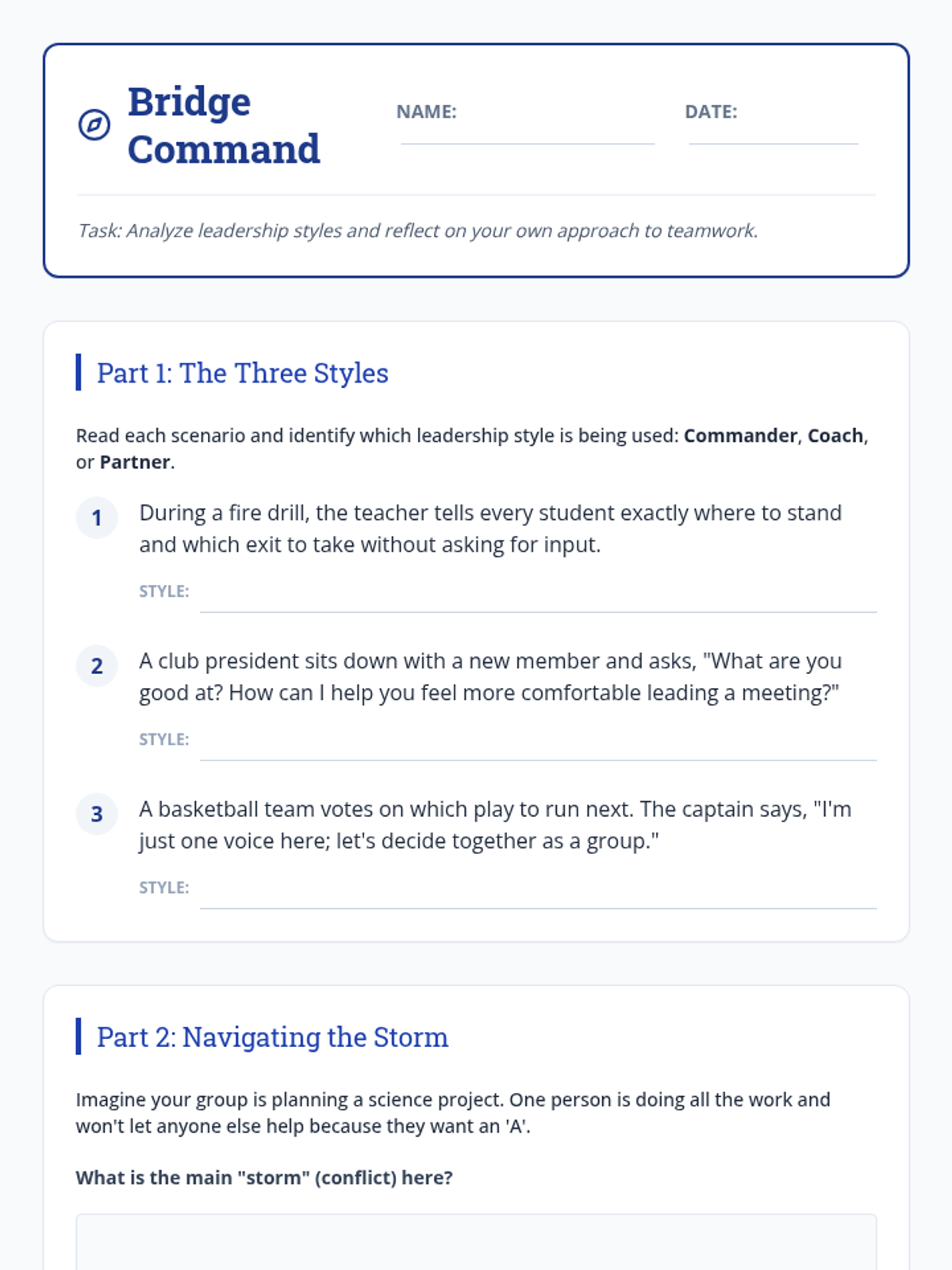
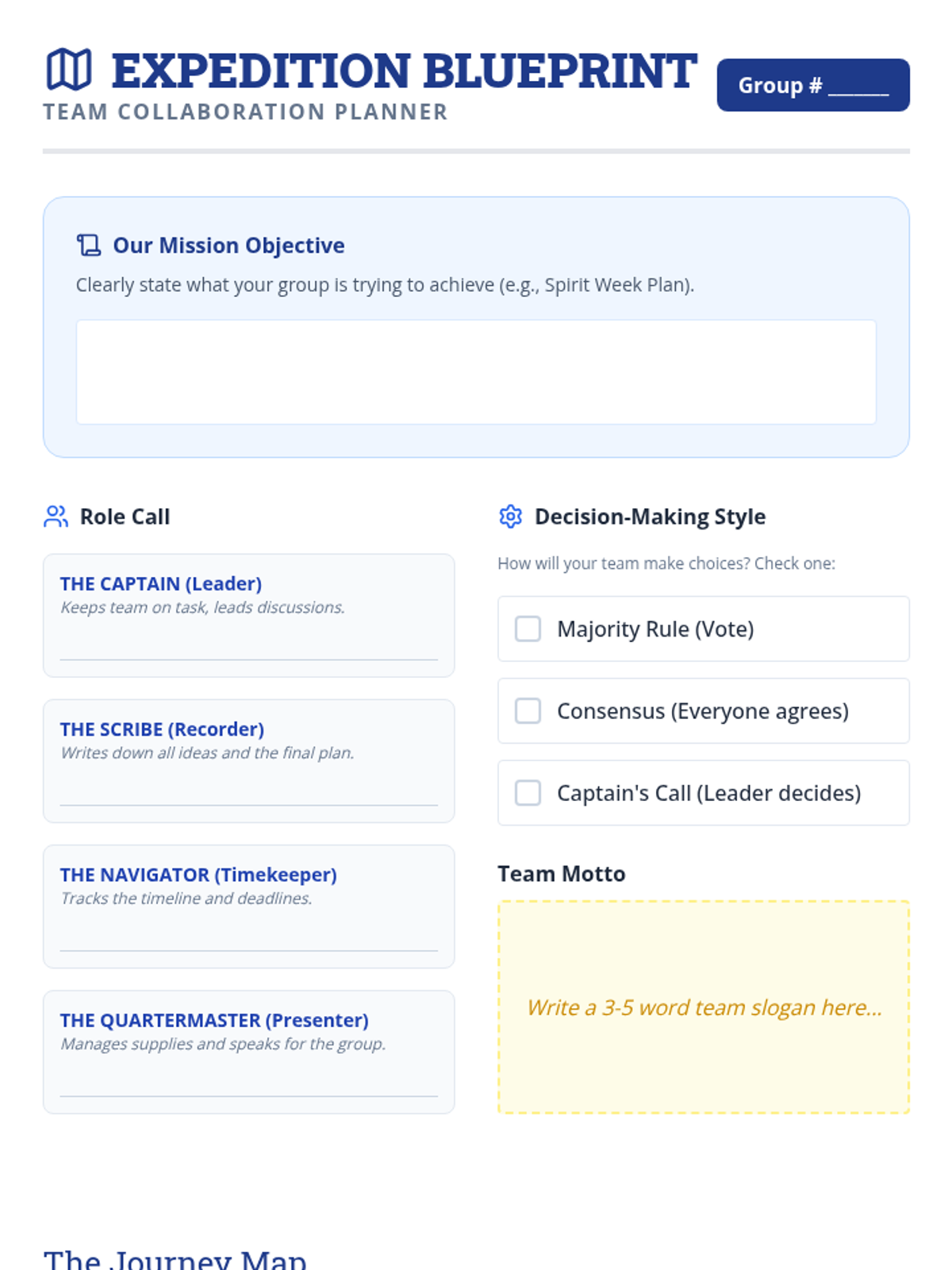
A comprehensive lesson on leadership styles, effective teamwork, and collaborative project planning designed for middle school students, aligned with Utah Health Education standards.
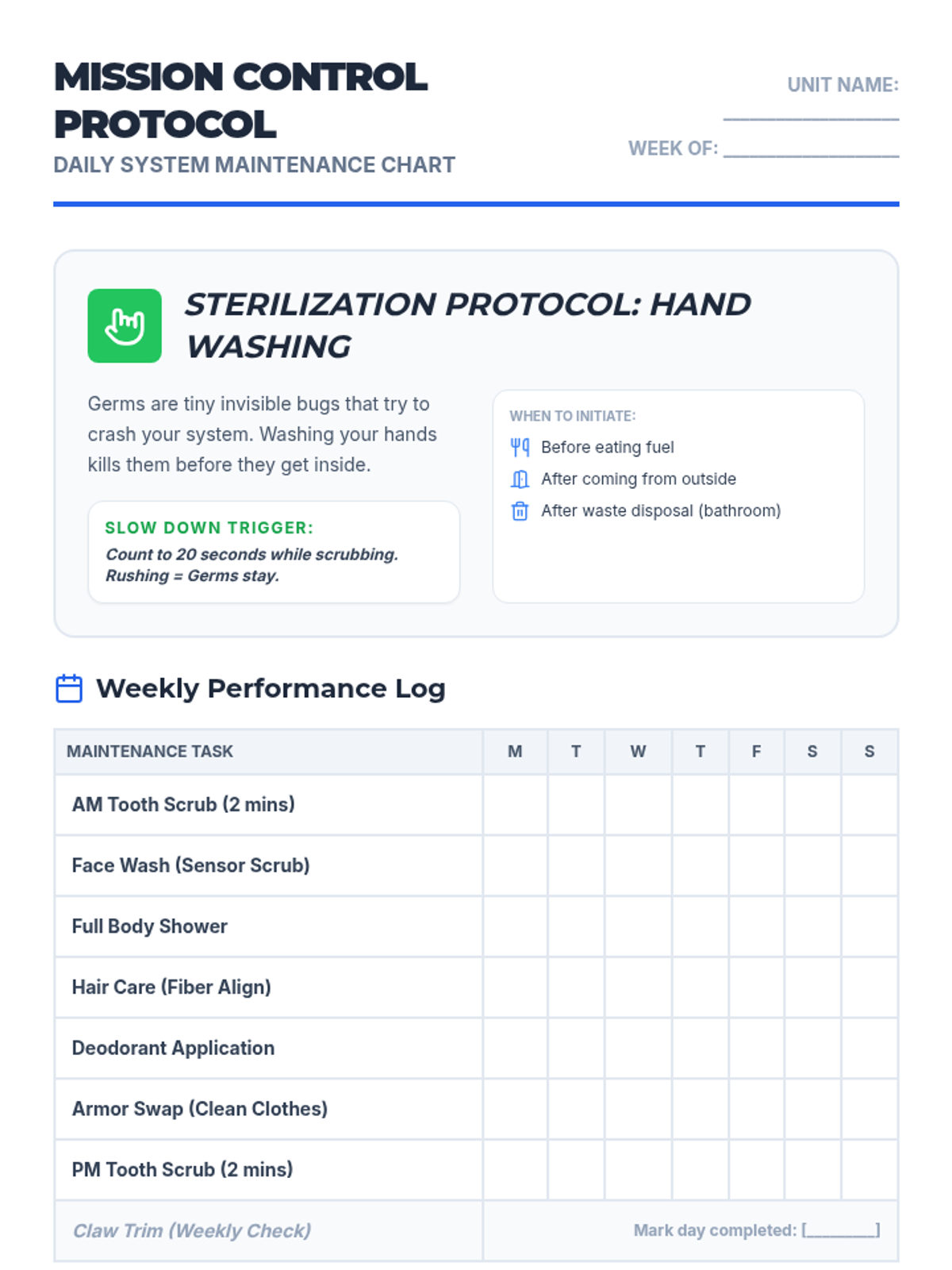
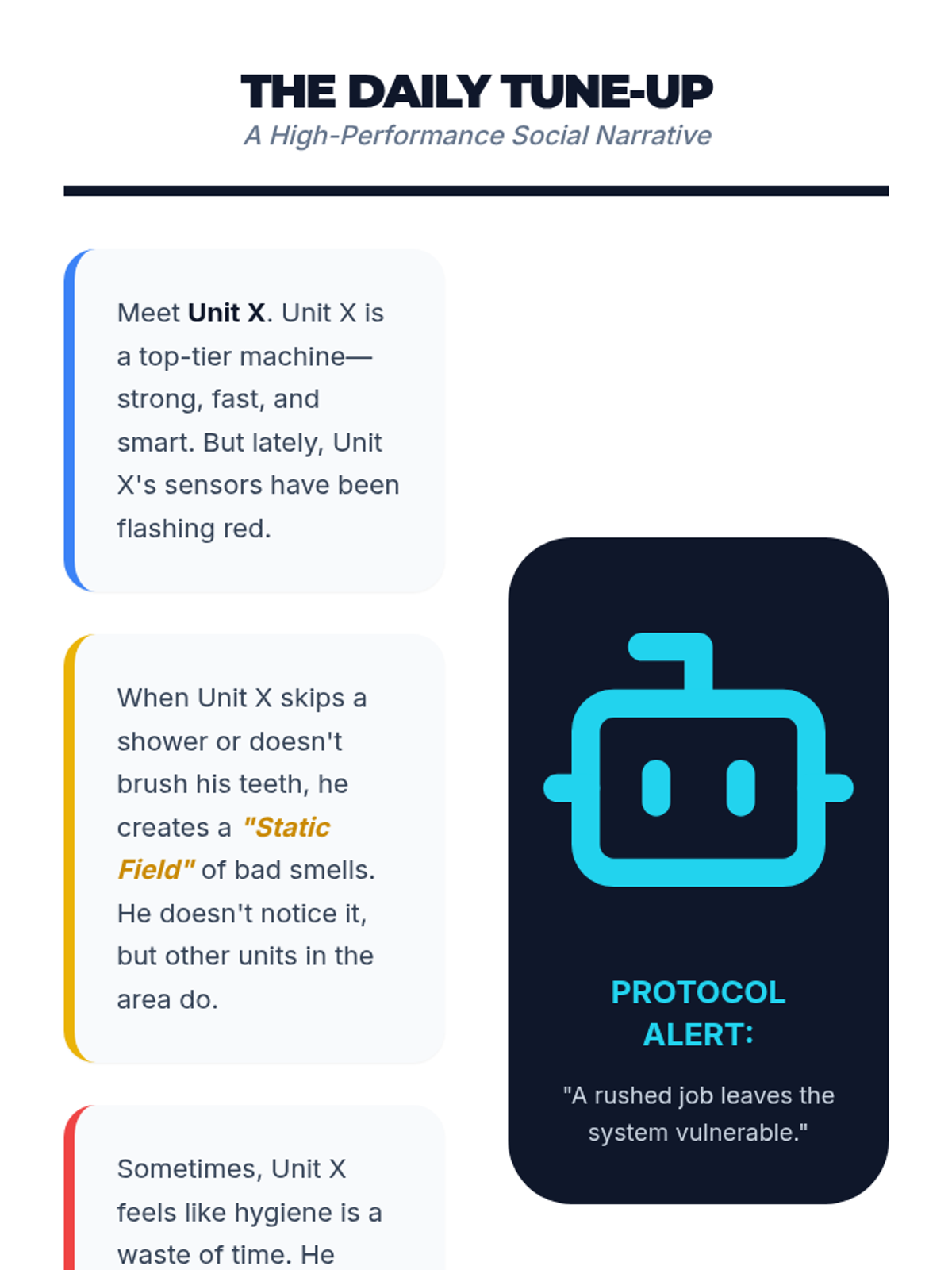
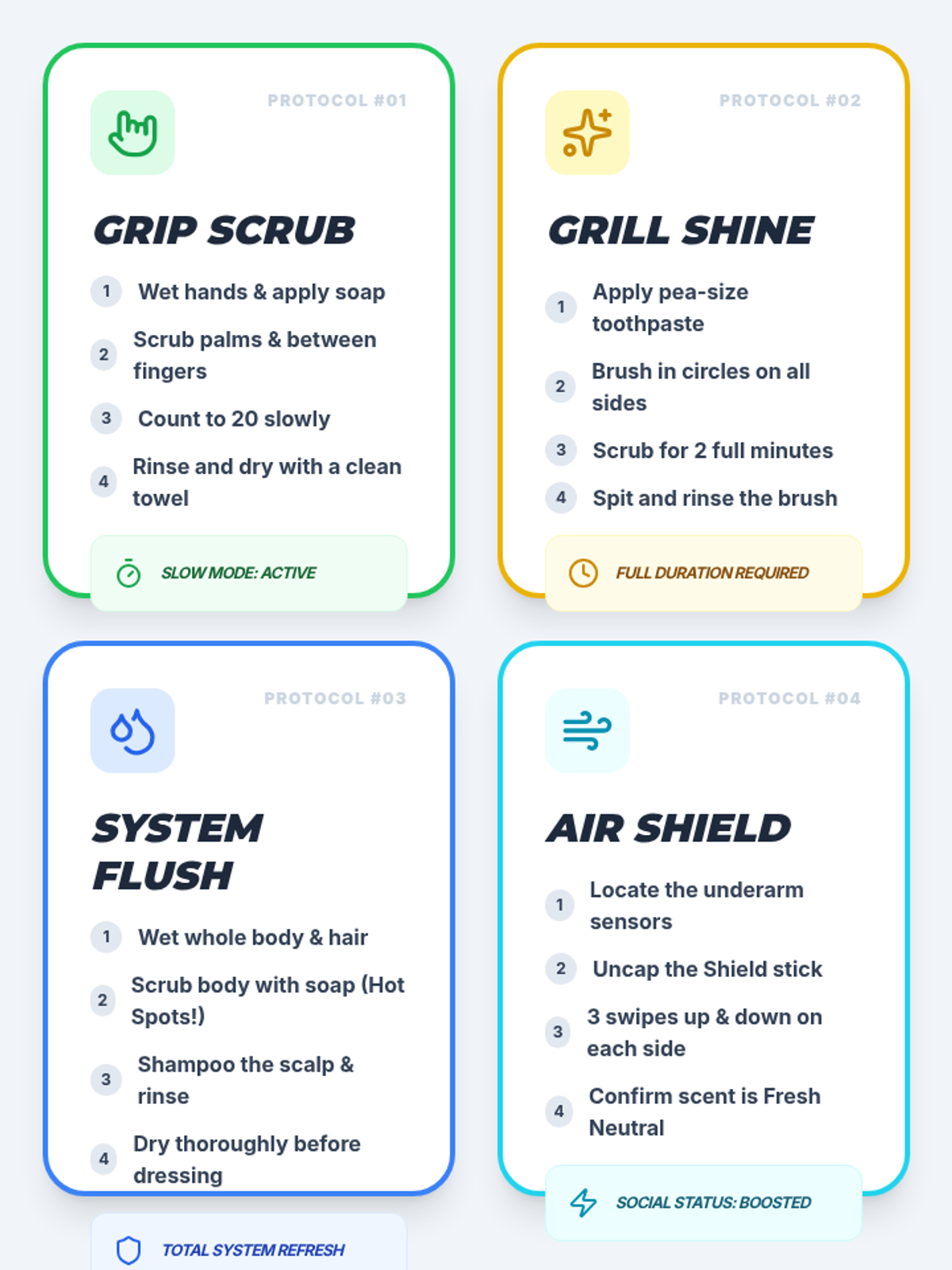
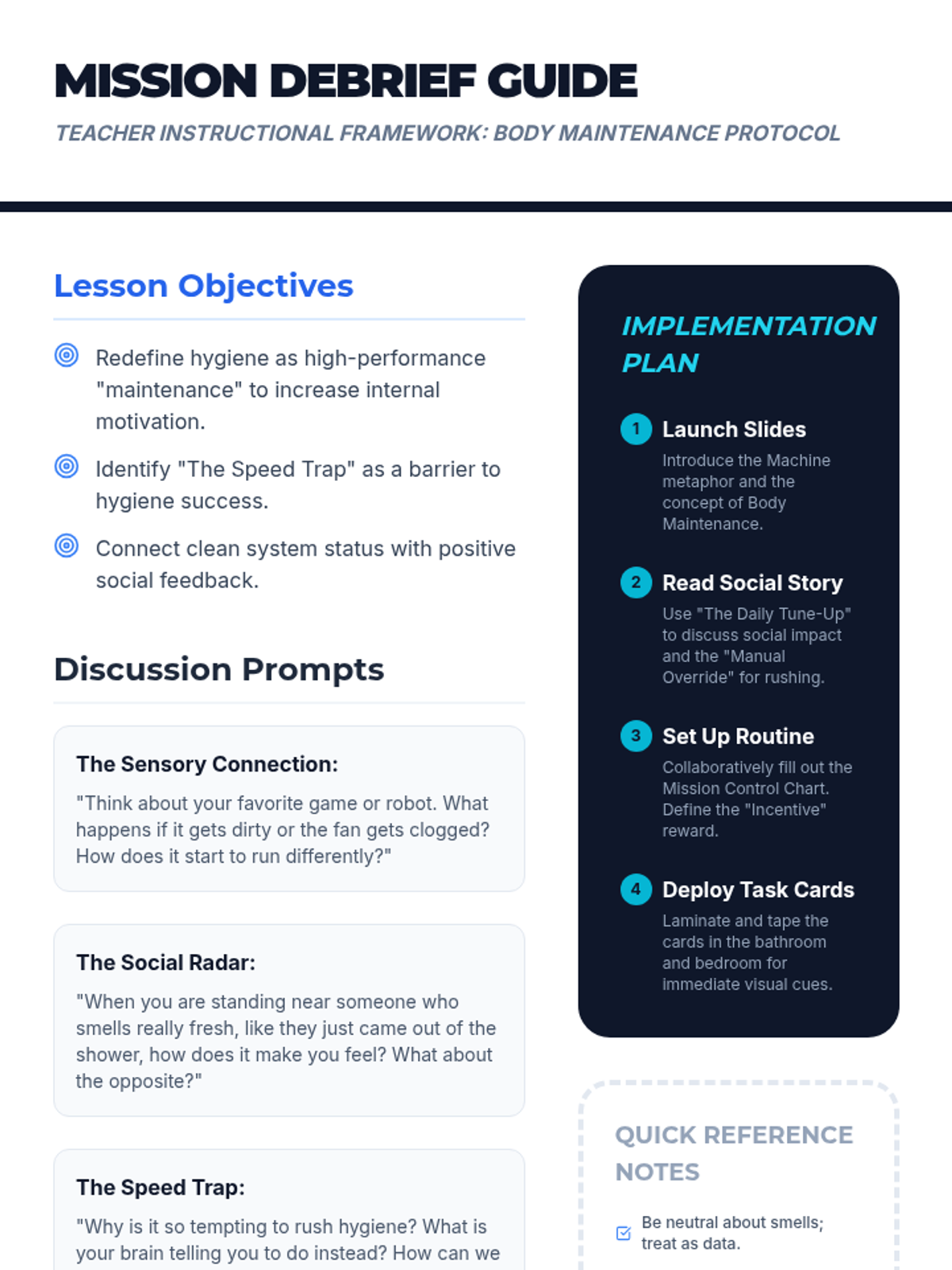
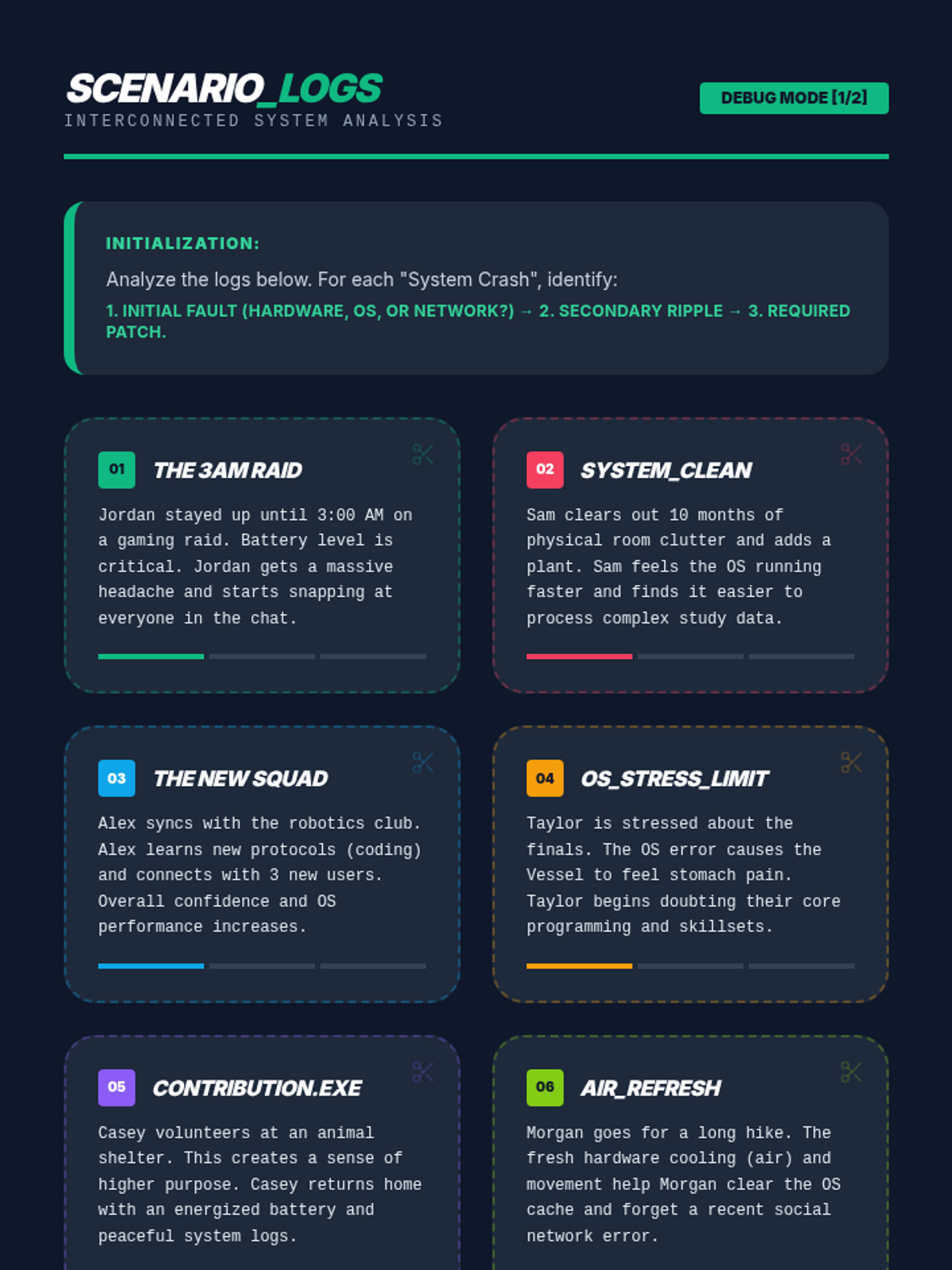
A comprehensive hygiene lesson for older children (ages 9-12) framed through a high-performance machine theme to address reluctance and impulsivity. Includes a visual schedule, social narrative, task cards, and teacher guidance.
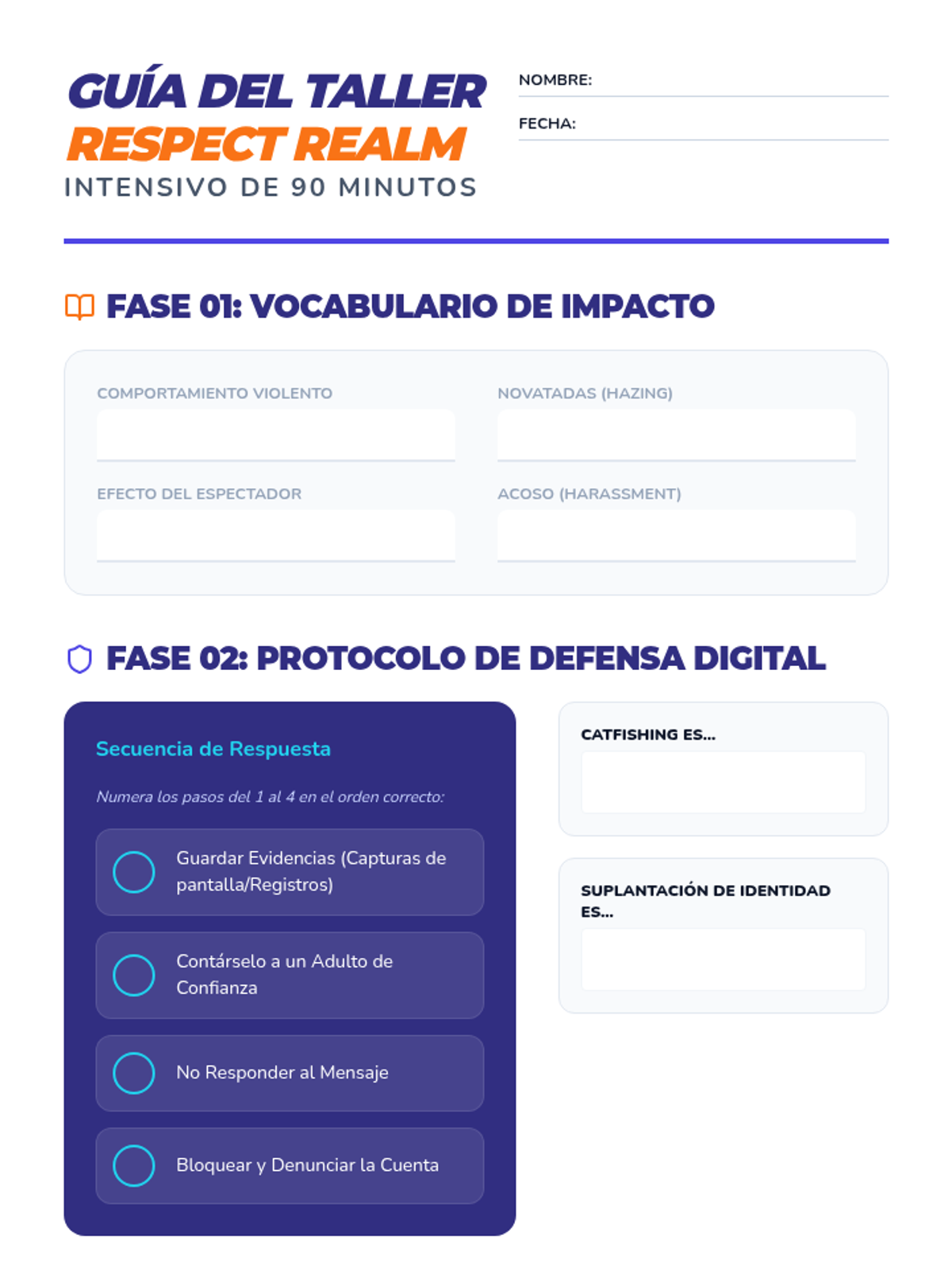
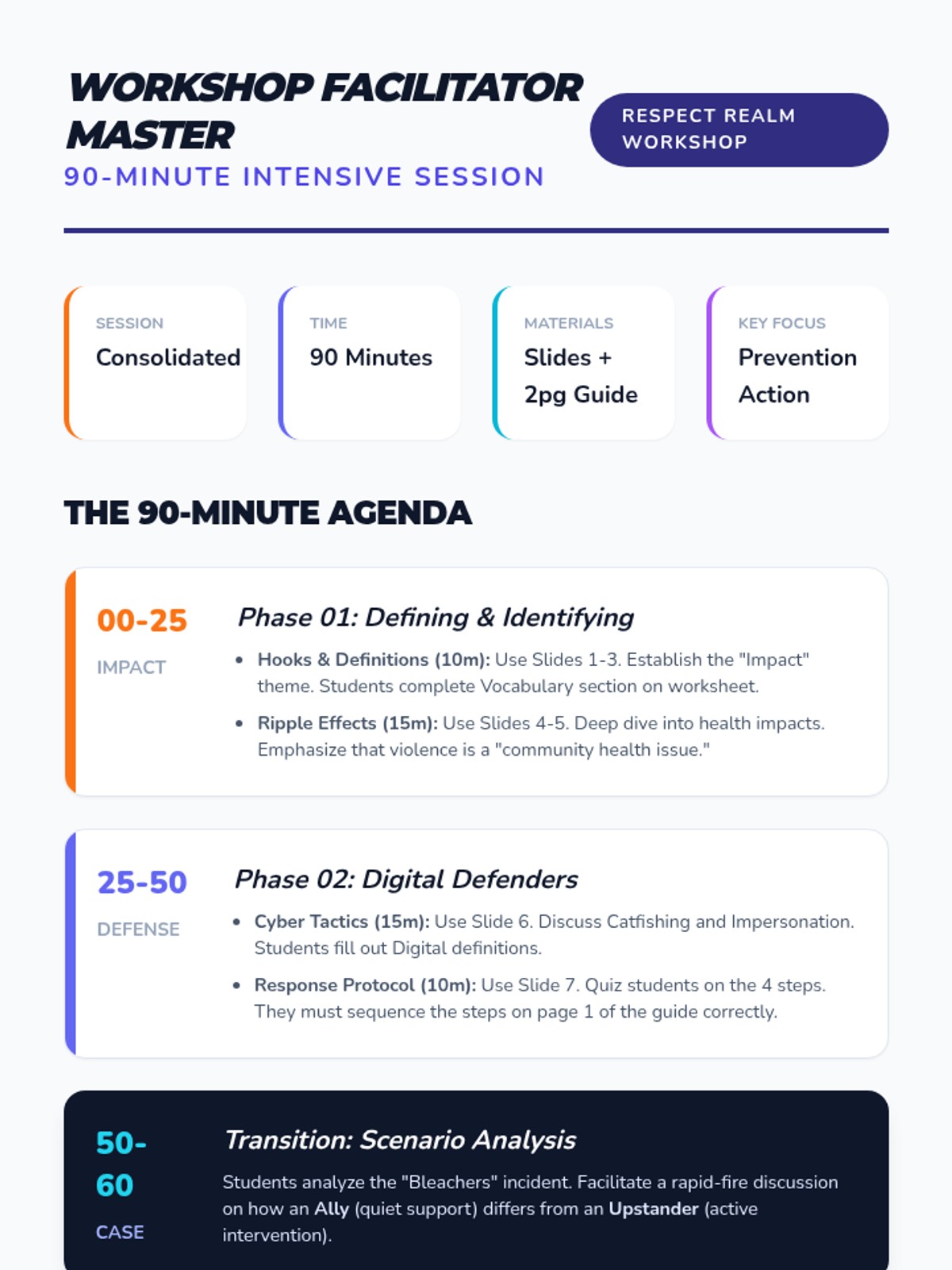
A high-intensity 90-minute workshop combining identity awareness, digital safety, and community intervention strategies. Students move from understanding the impact of violence to actively debating and designing prevention protocols.
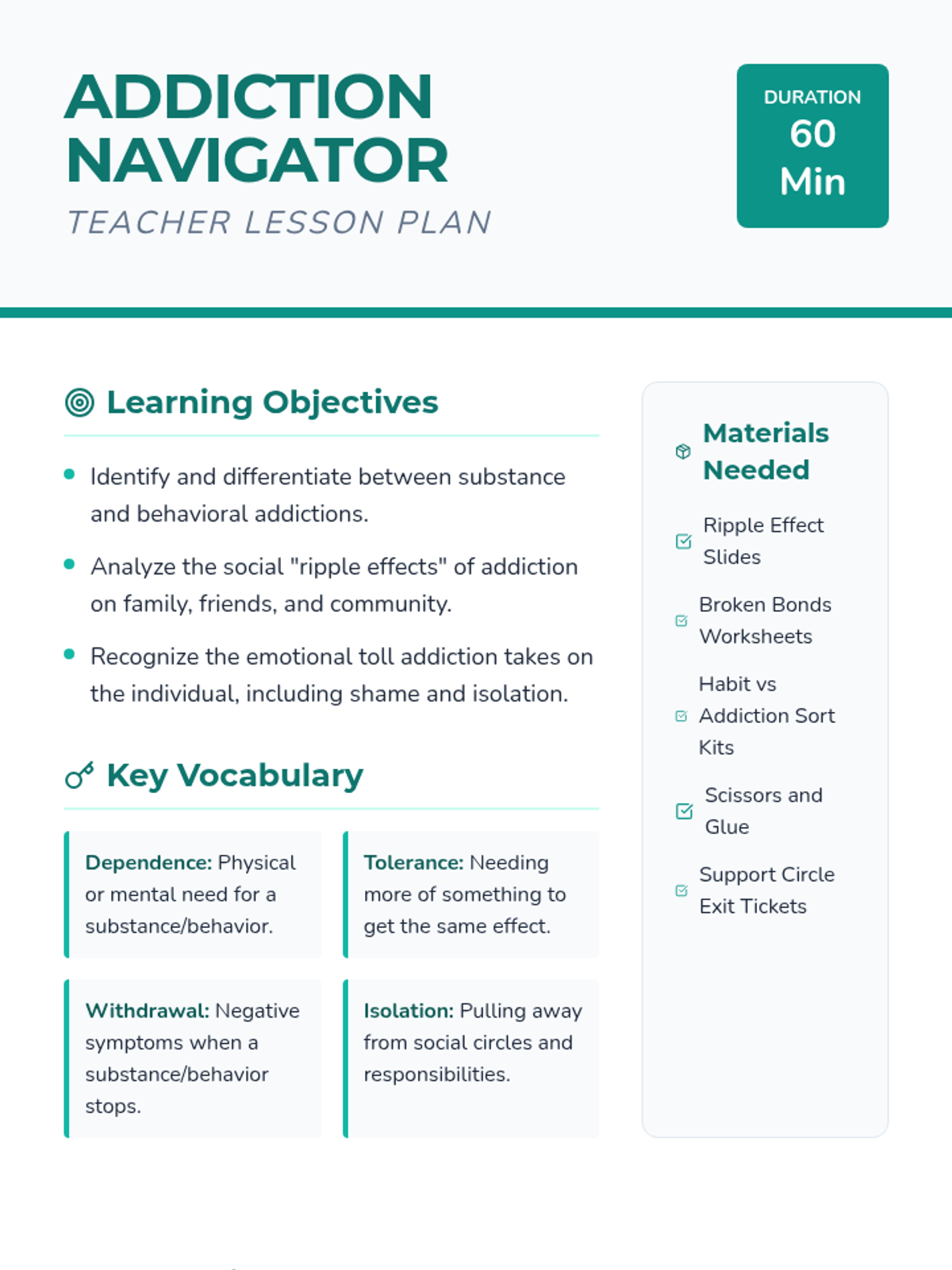
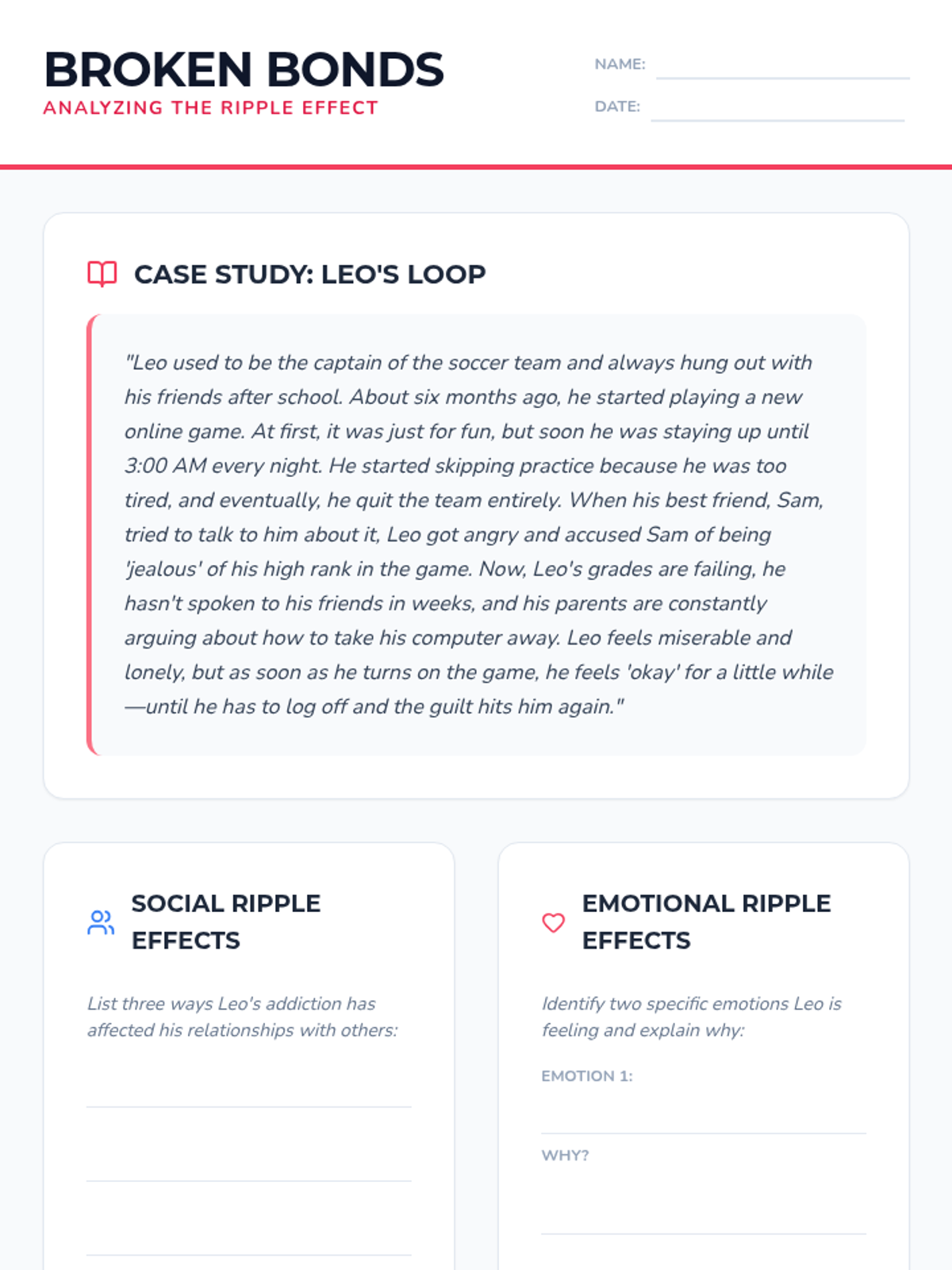
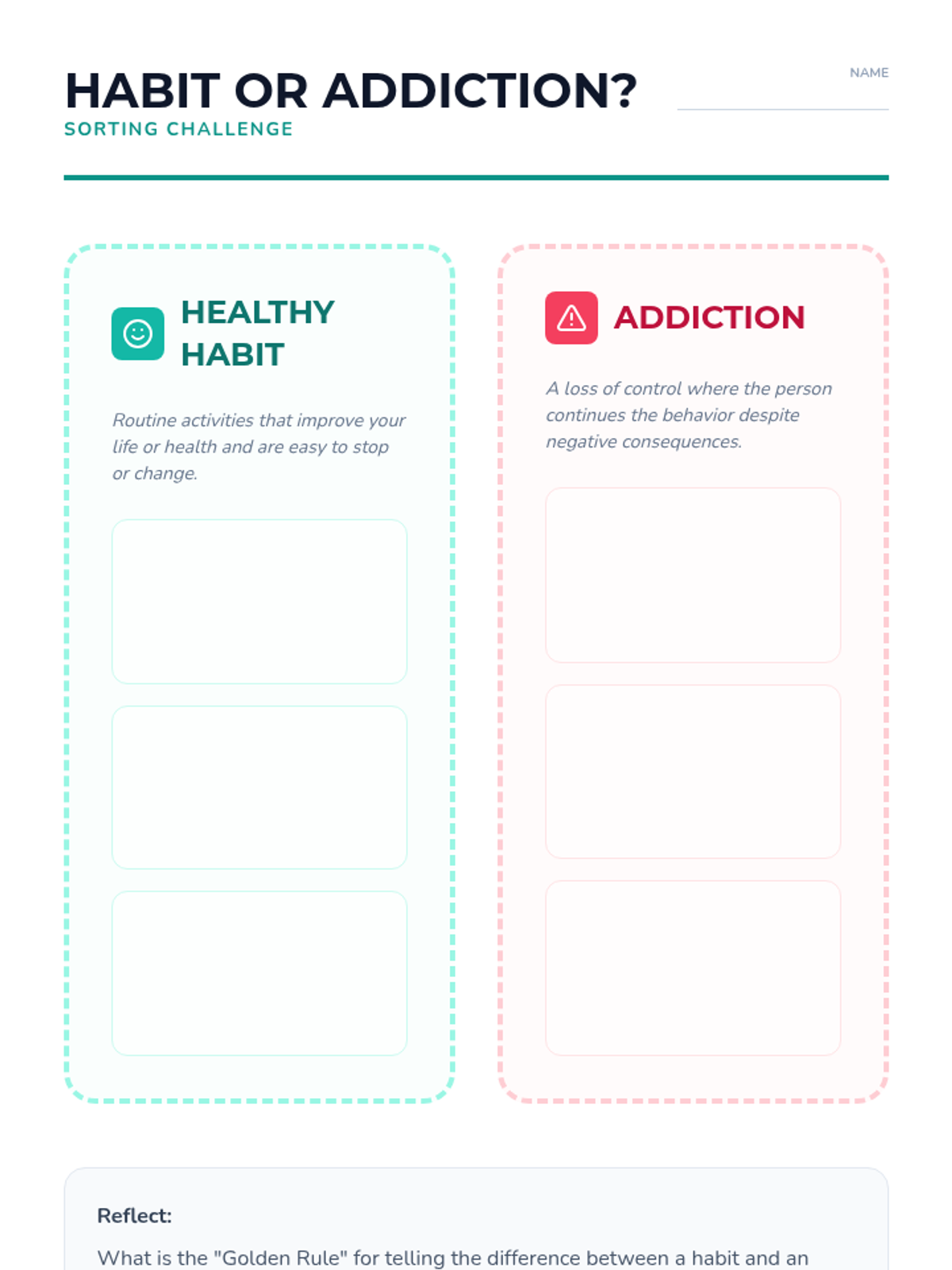
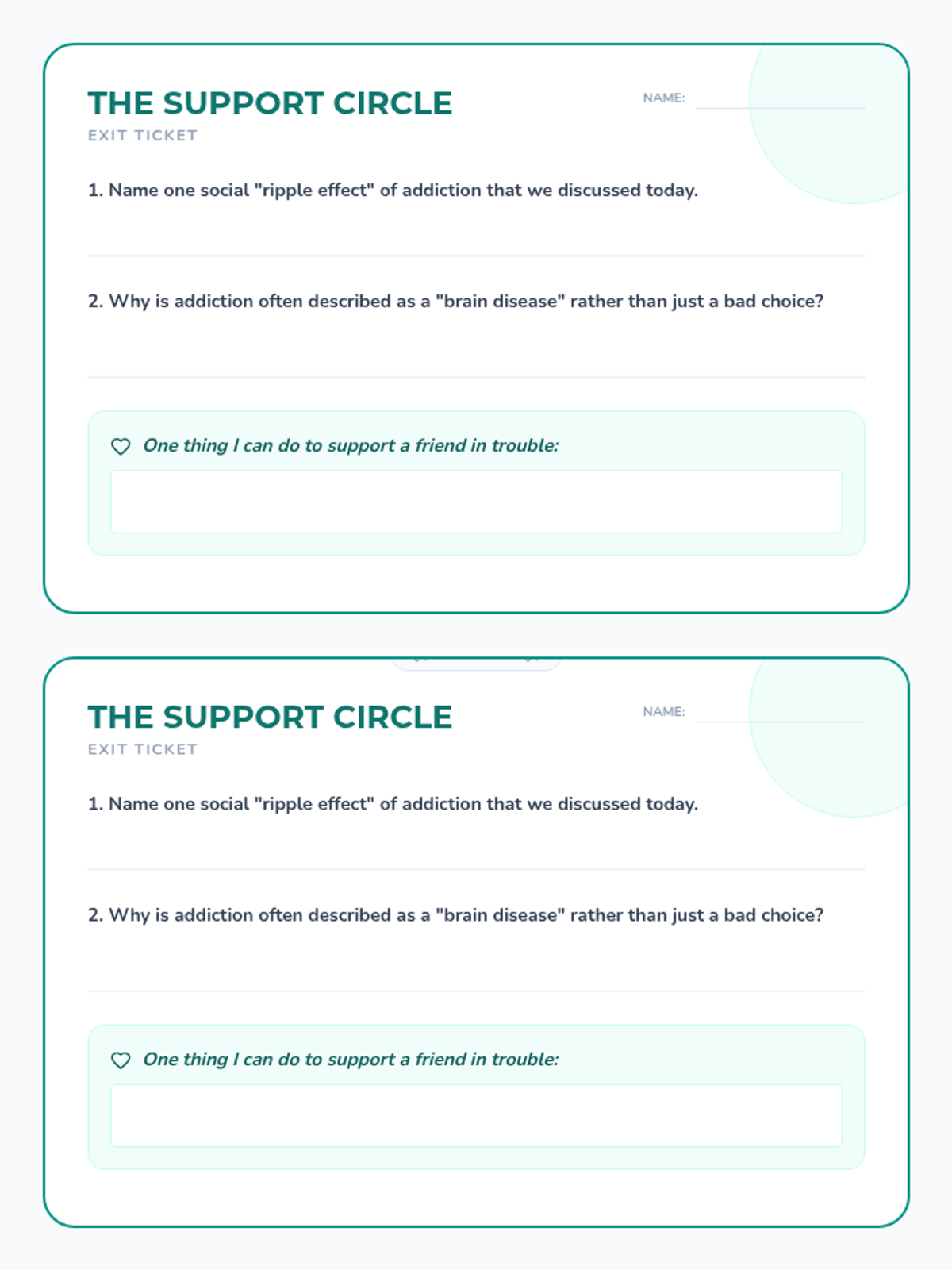
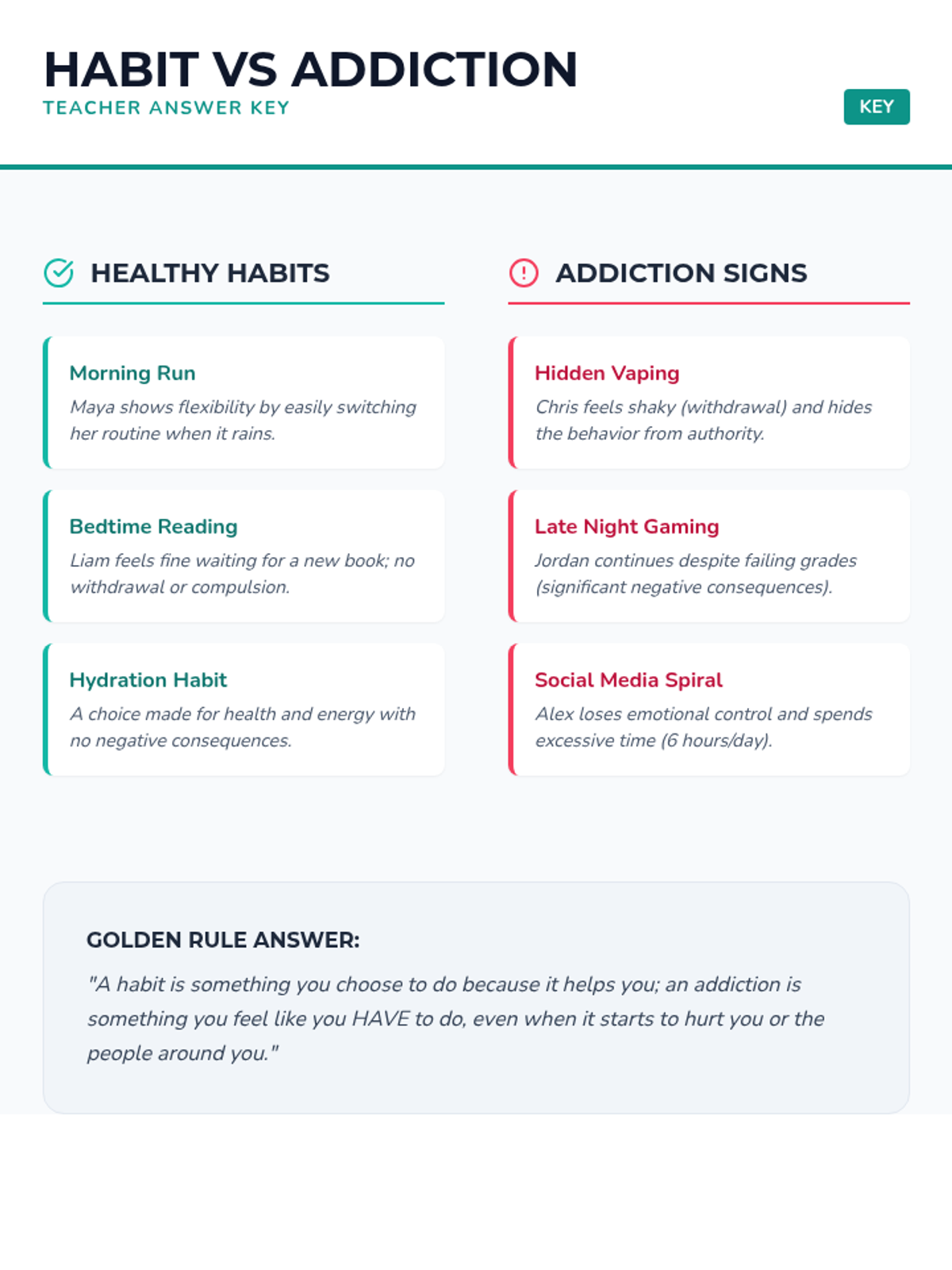
A comprehensive lesson exploring substance and behavioral addictions, focusing on their social and emotional impacts on individuals and their communities.
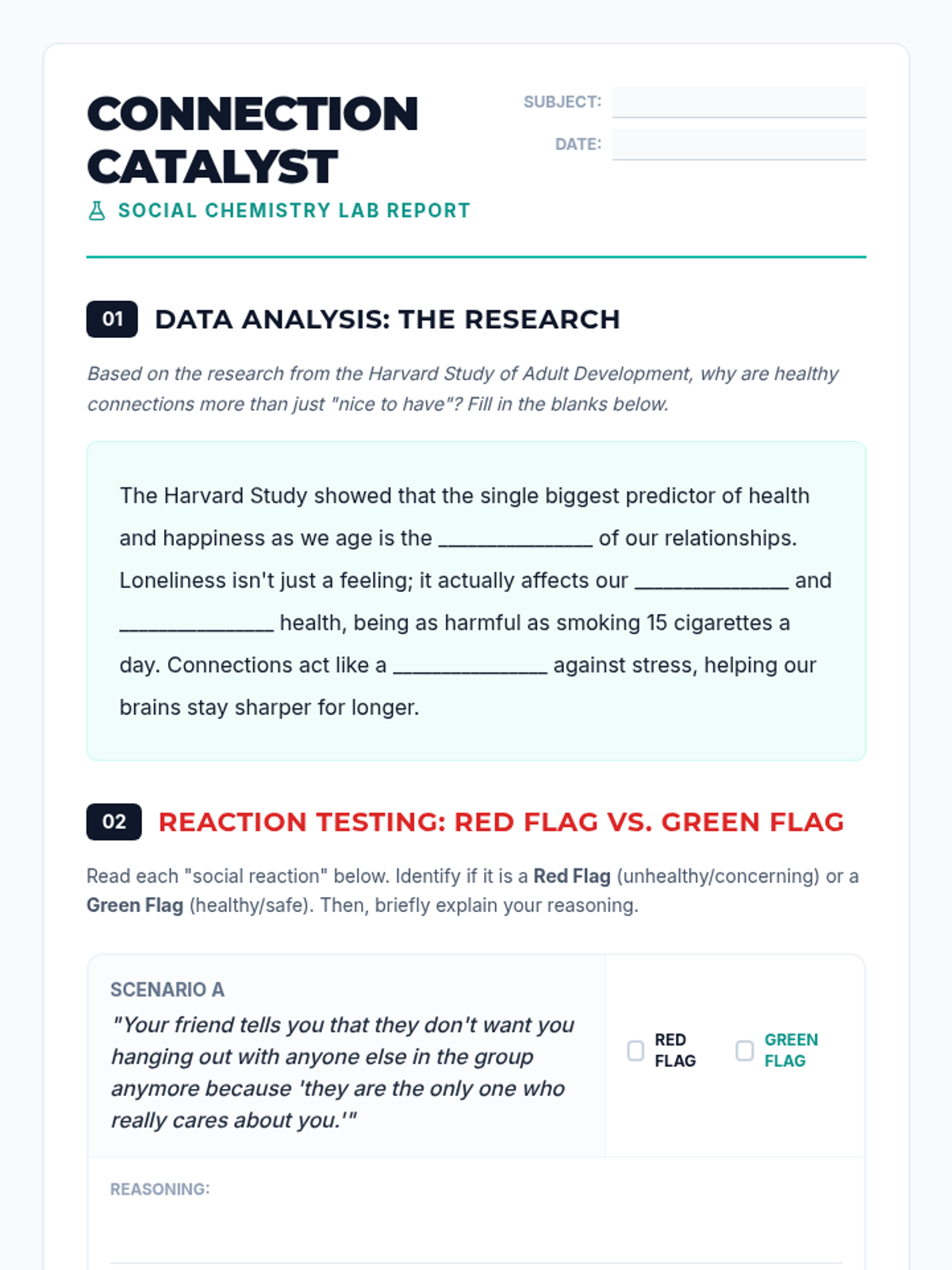
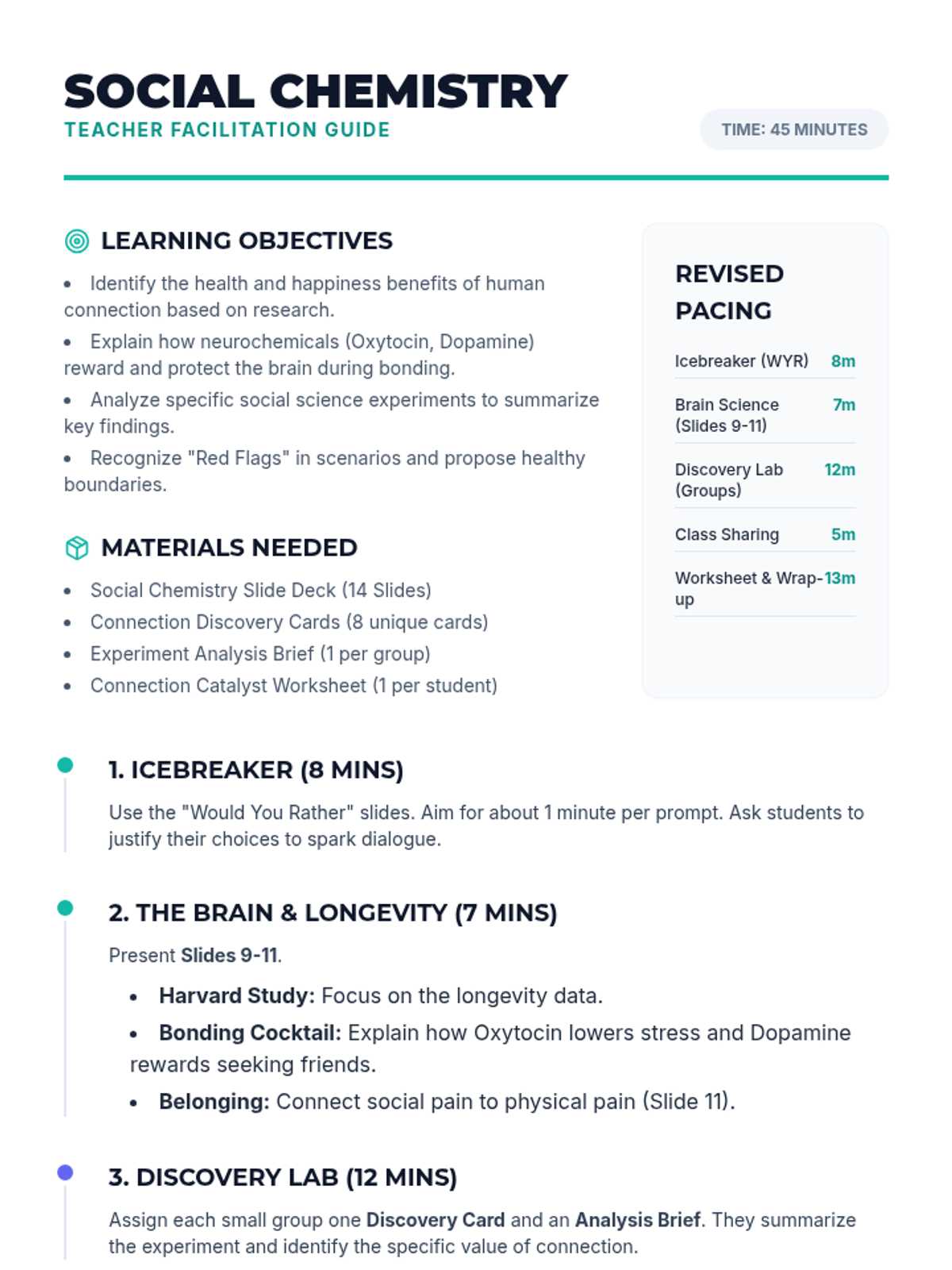
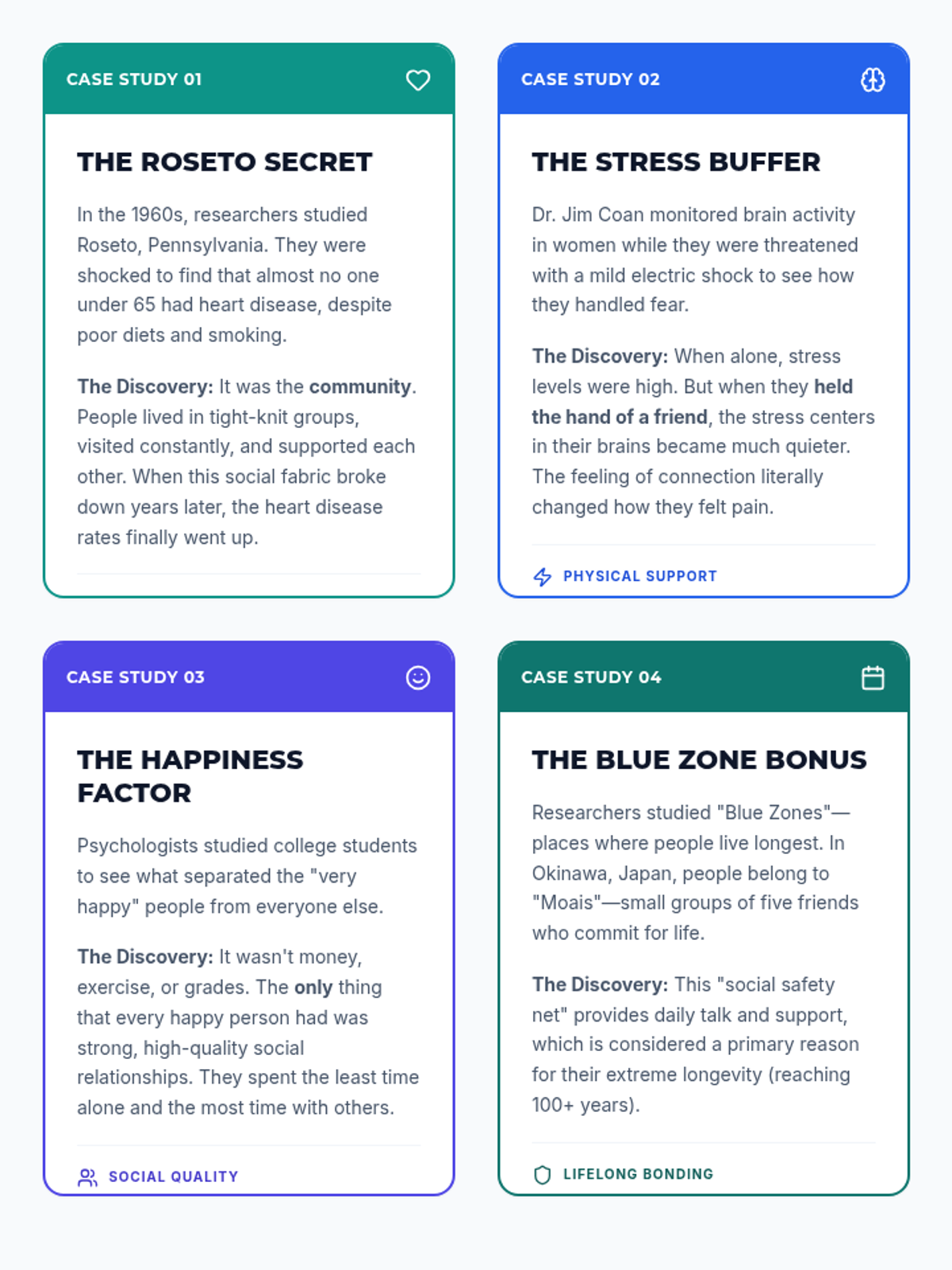
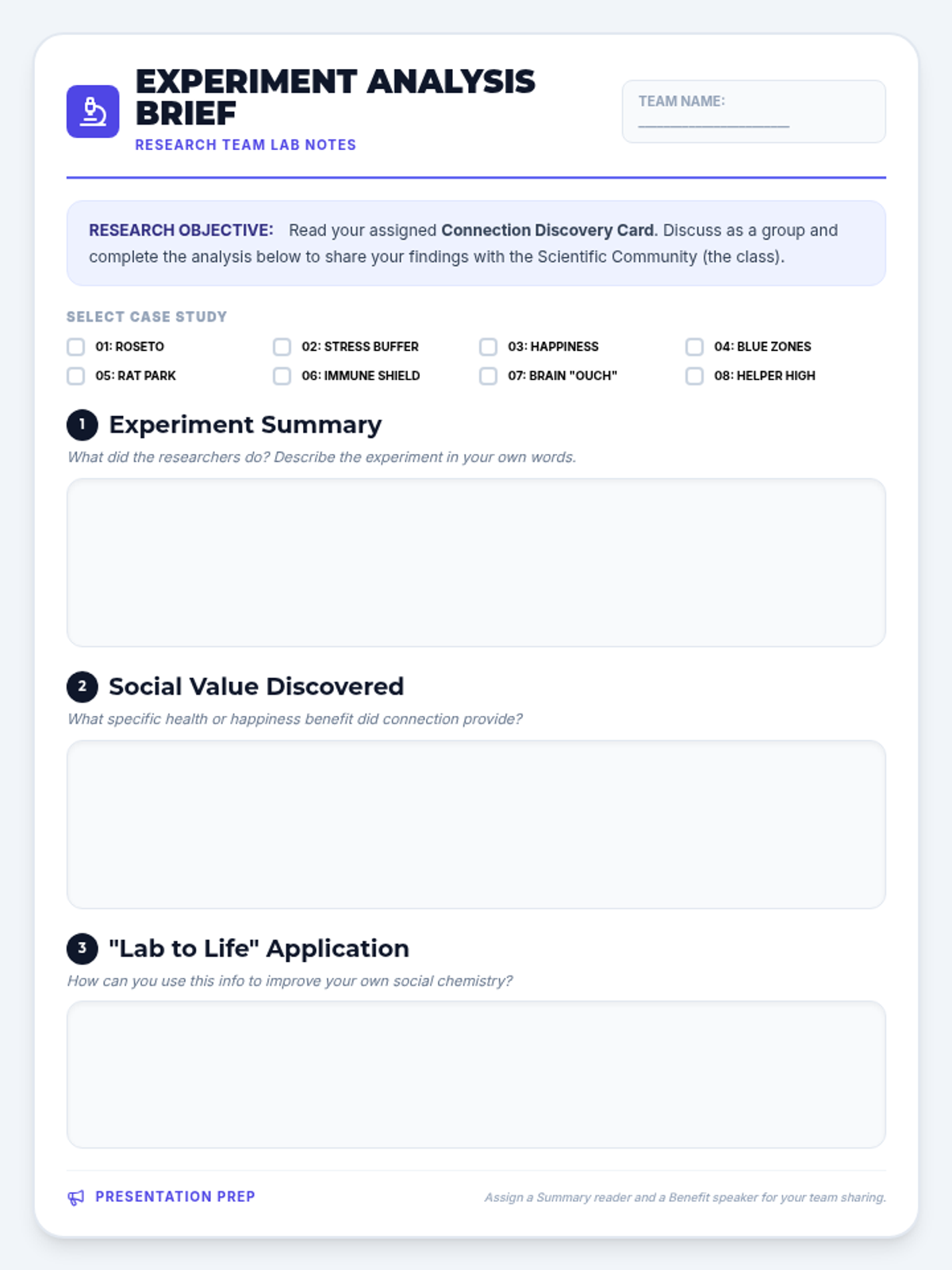
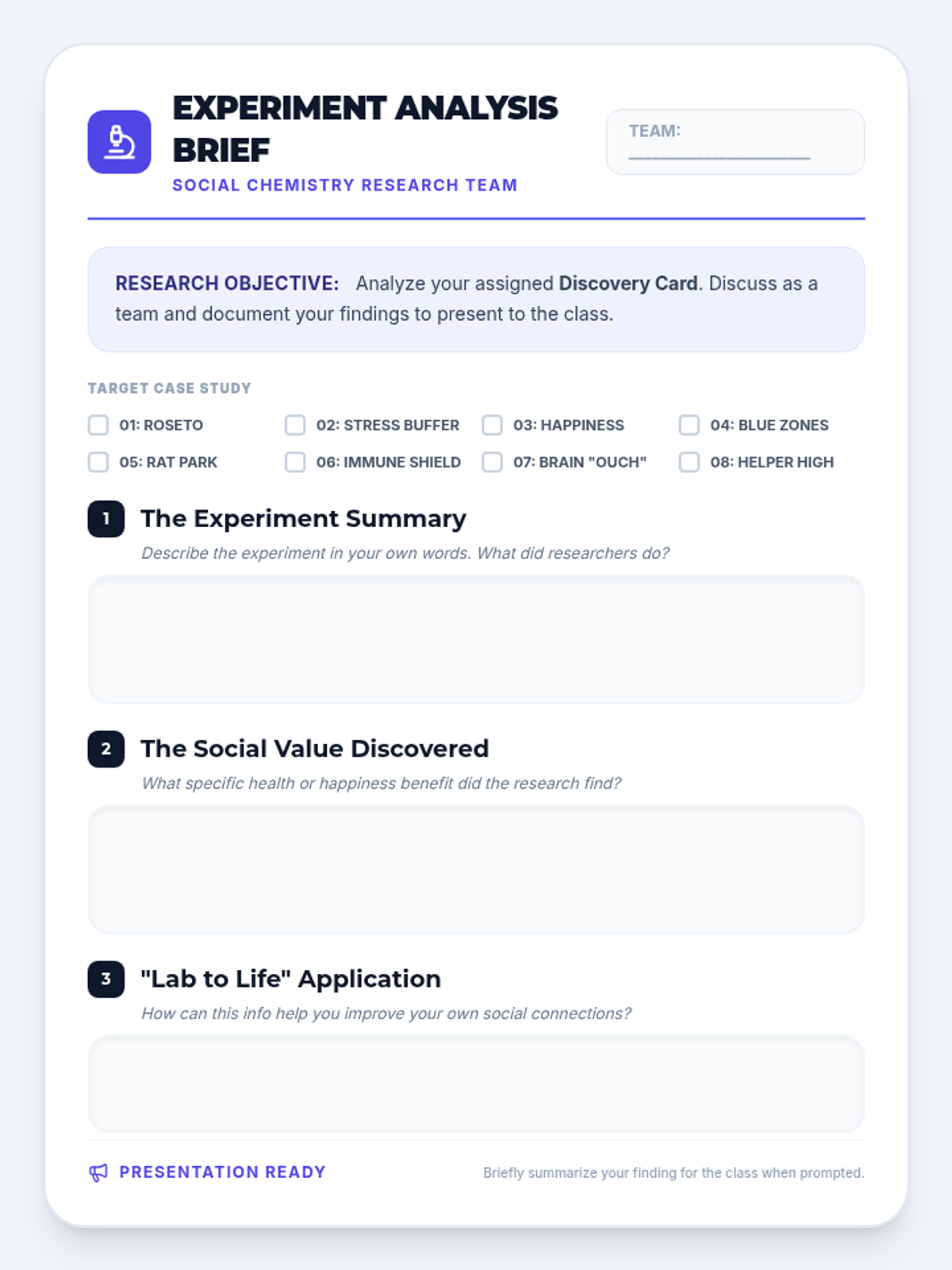
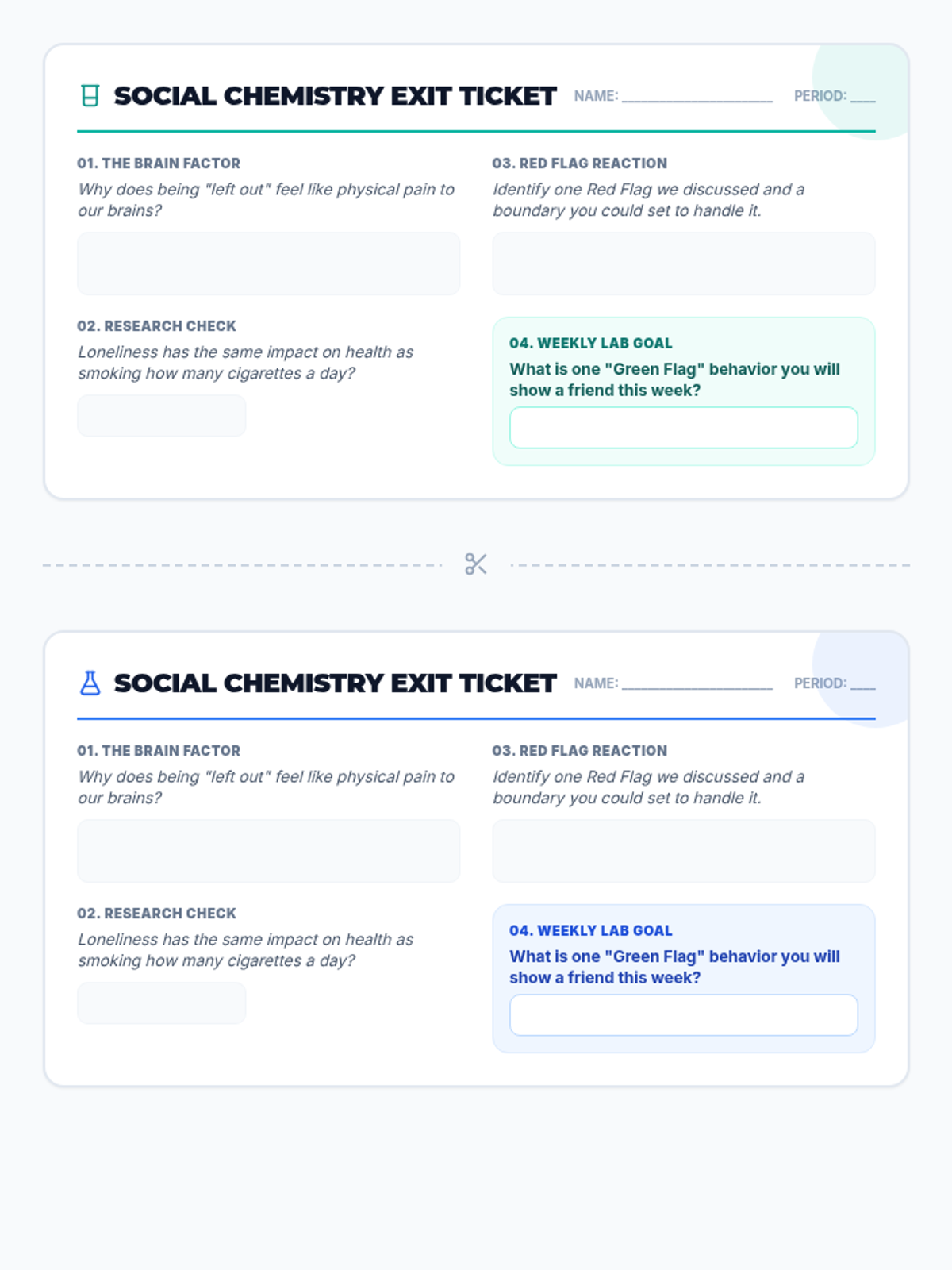
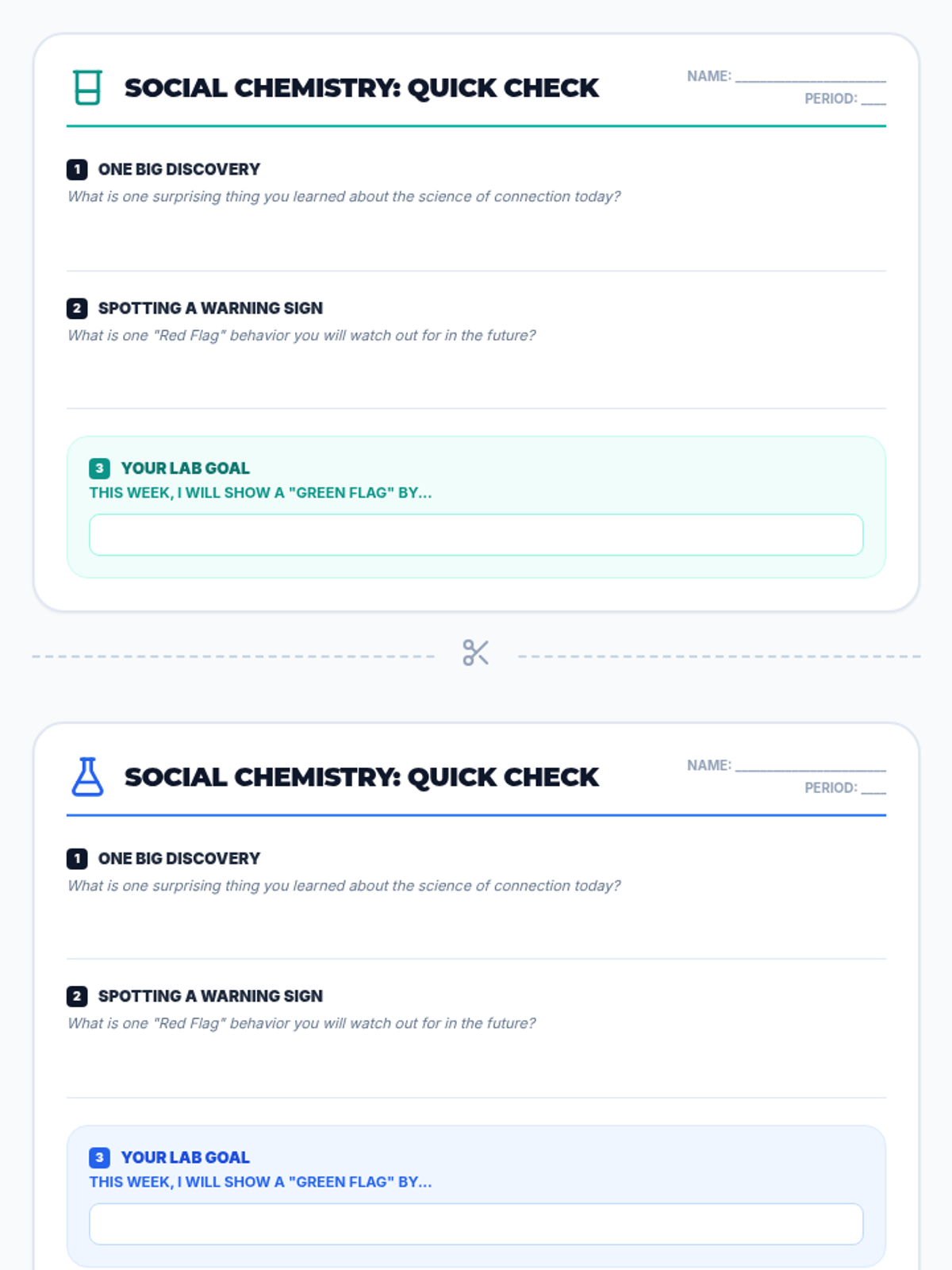
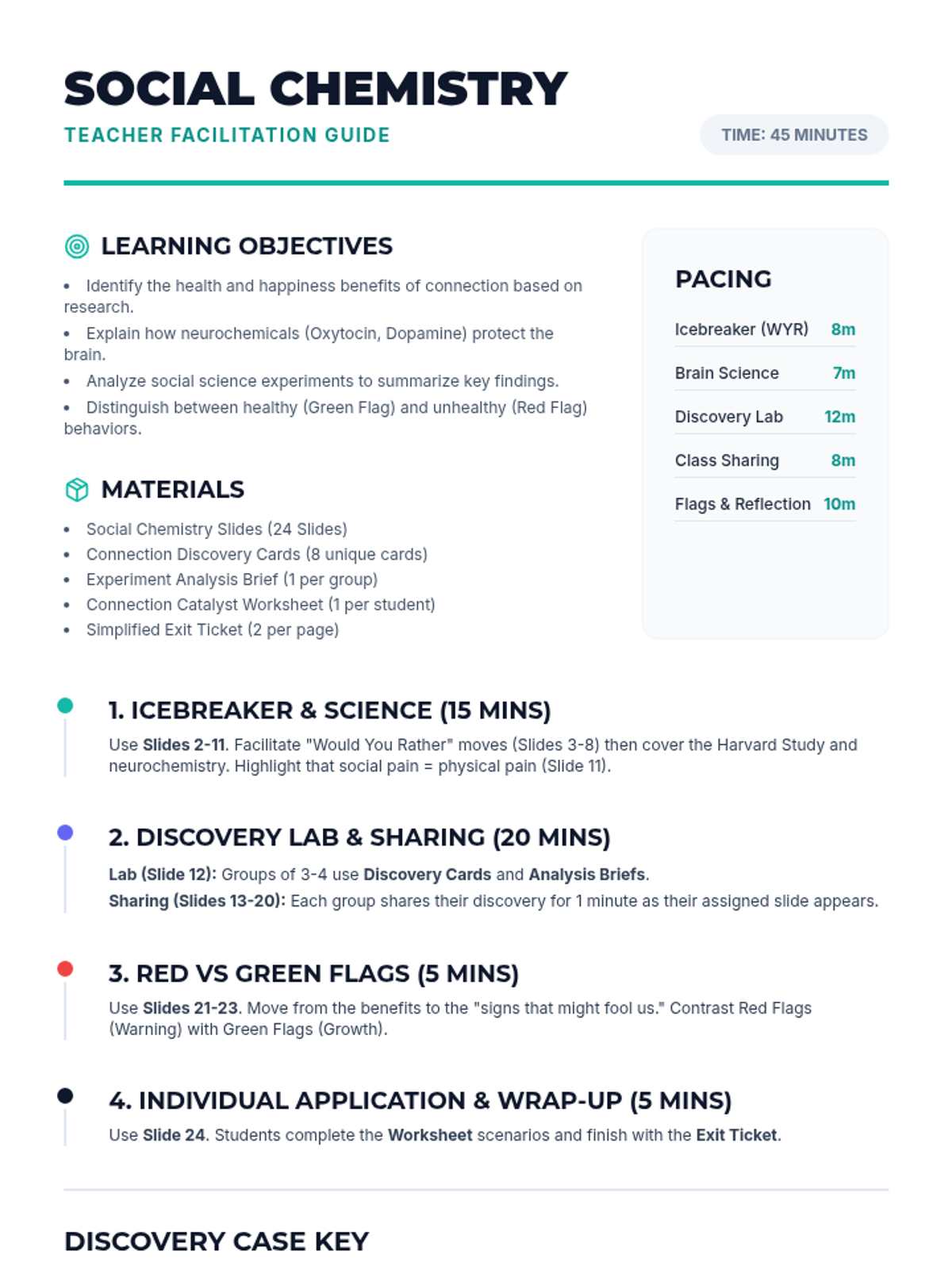
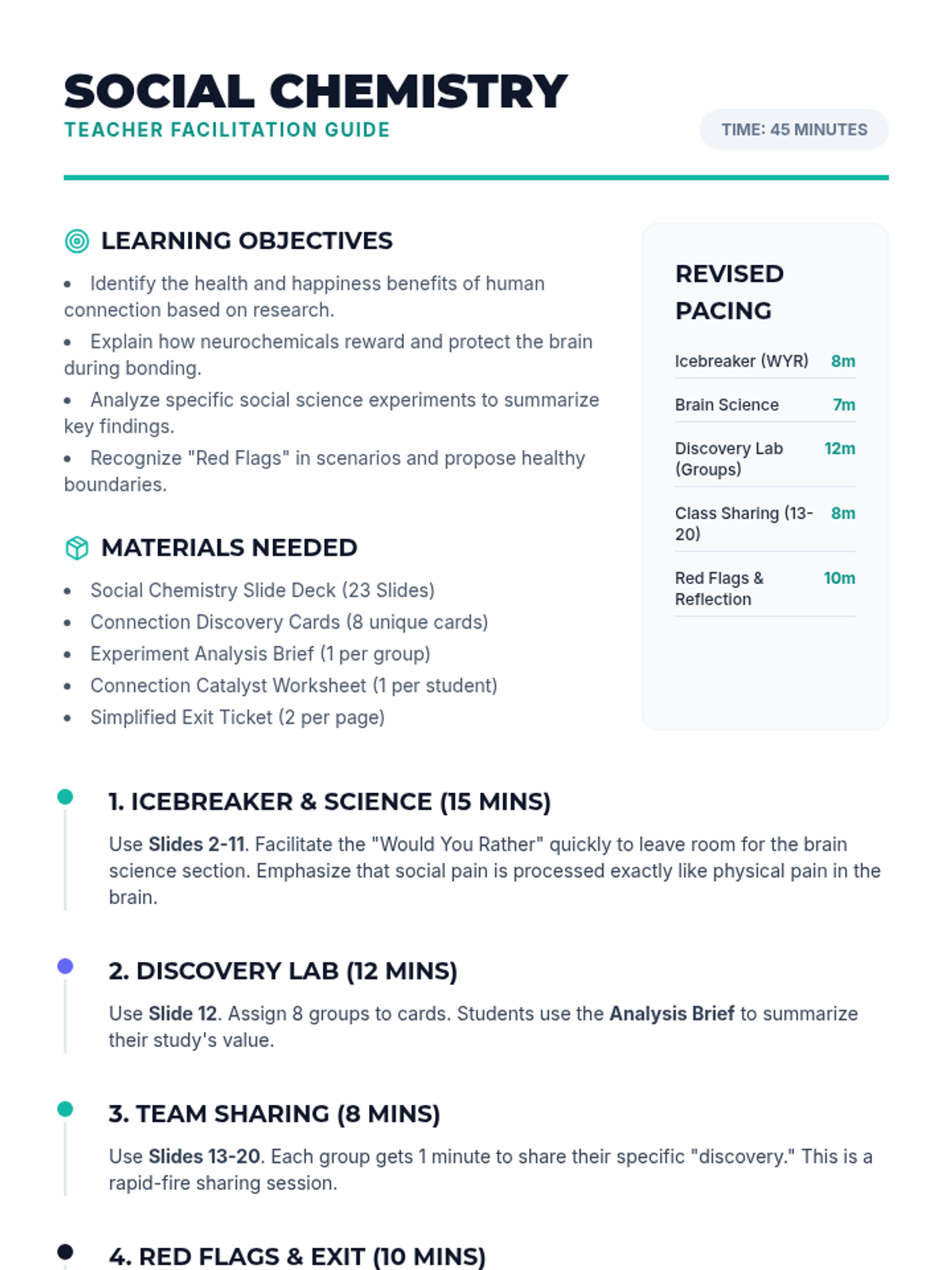
A 45-minute exploration into the science of human connection, teaching middle schoolers the health benefits of social bonds and how to distinguish between healthy and unhealthy relationship behaviors.
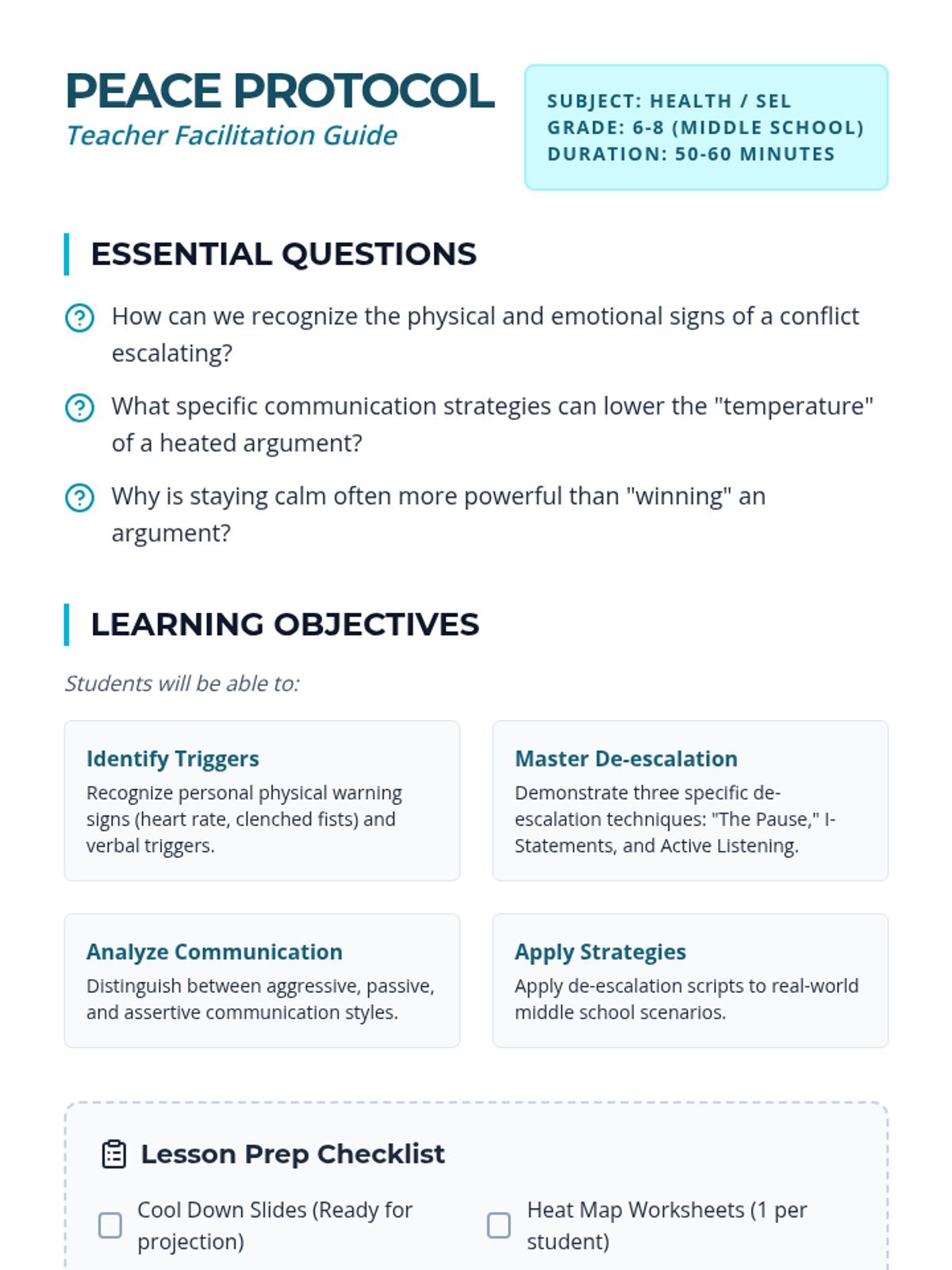
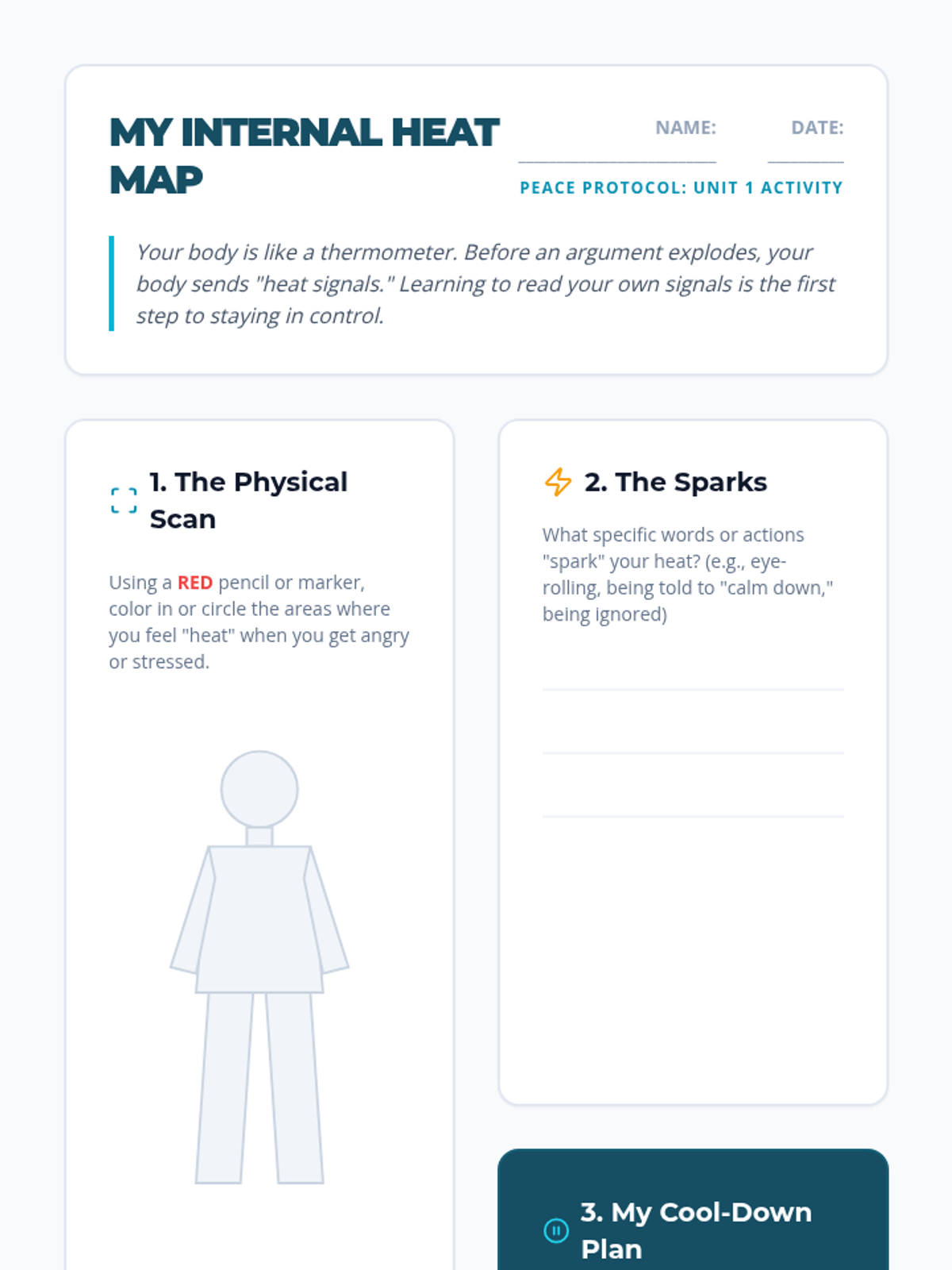
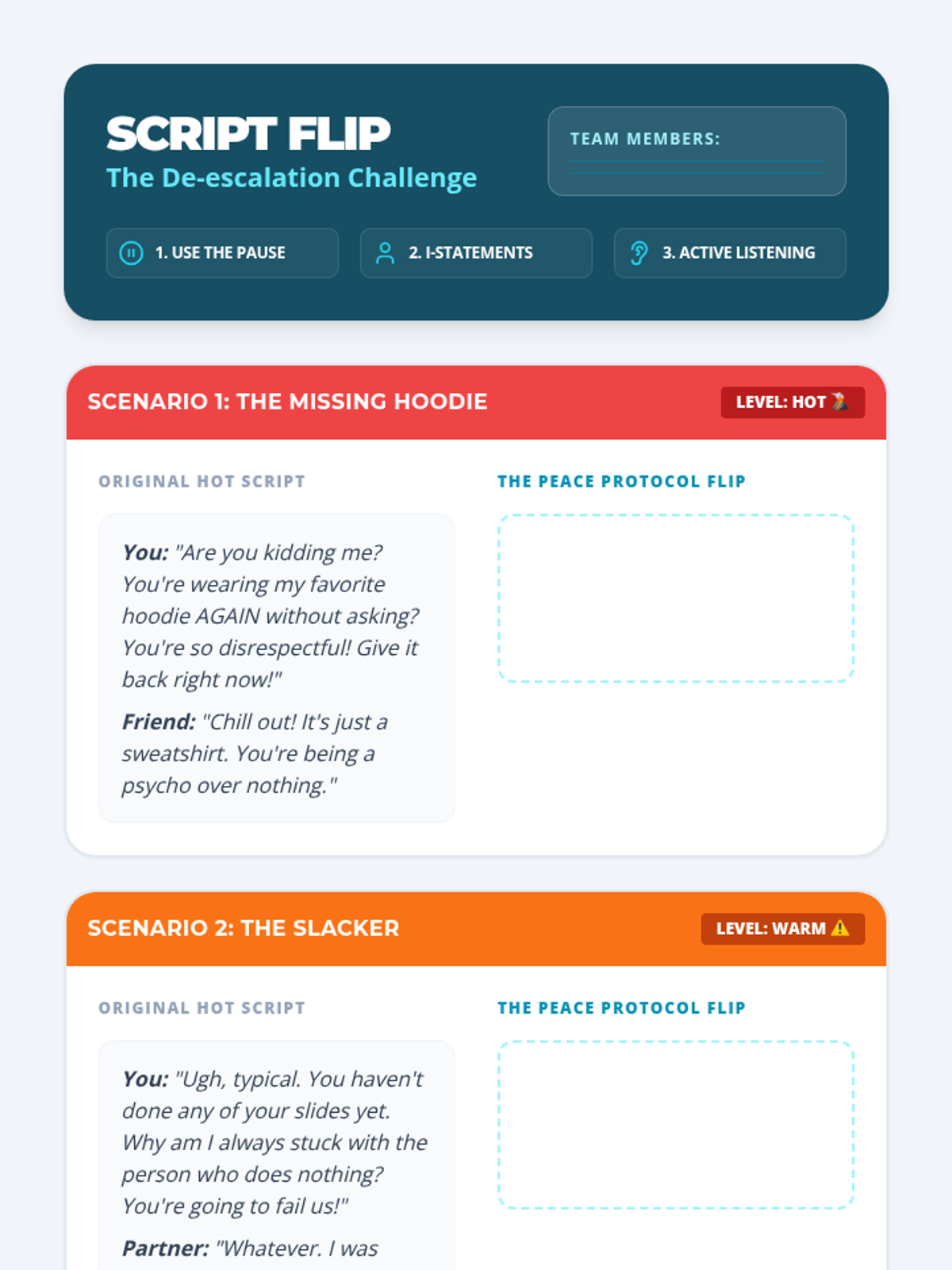
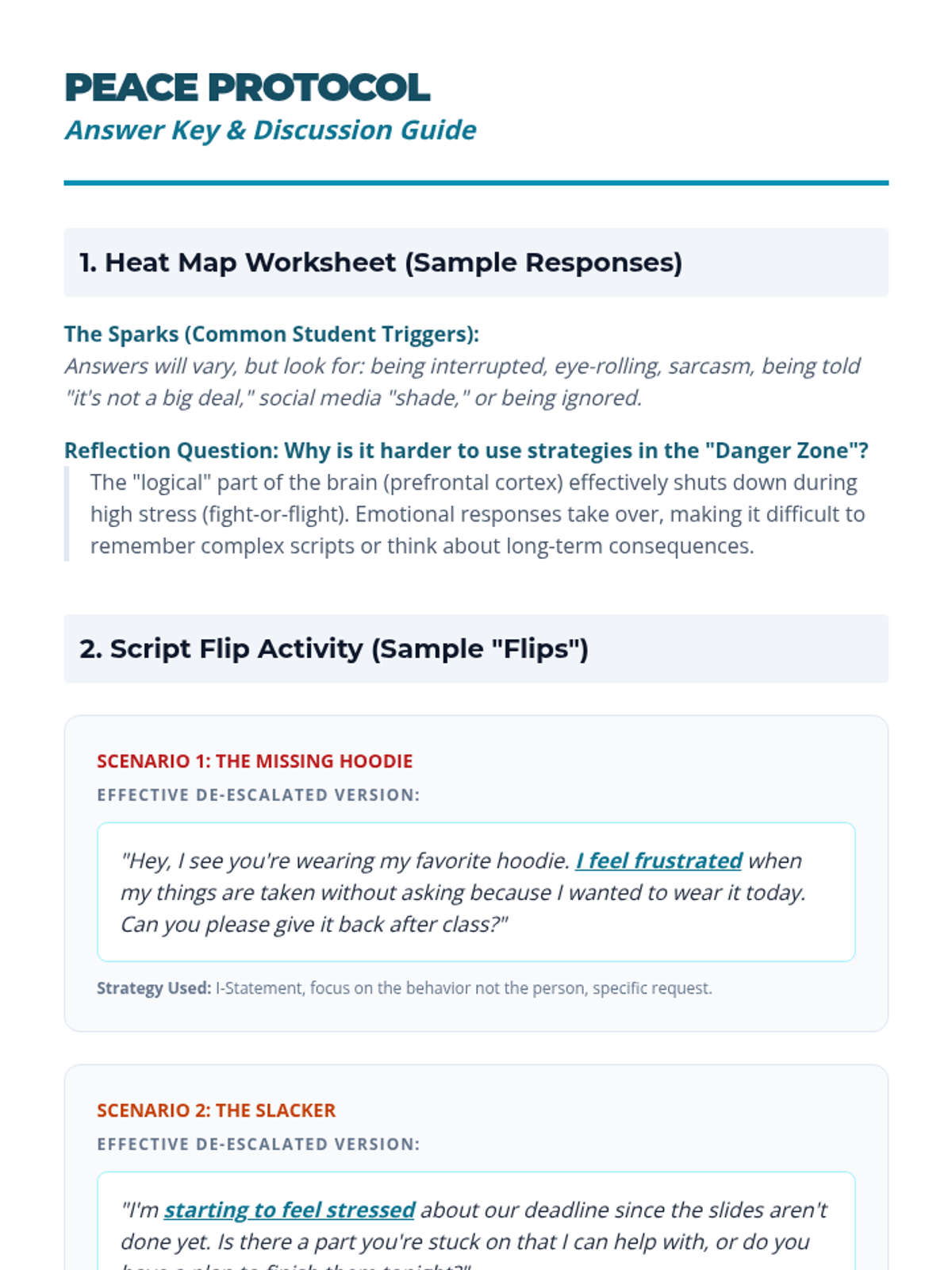
A comprehensive middle school health lesson focused on identifying conflict triggers, understanding communication styles, and mastering specific de-escalation strategies to handle heated arguments effectively.
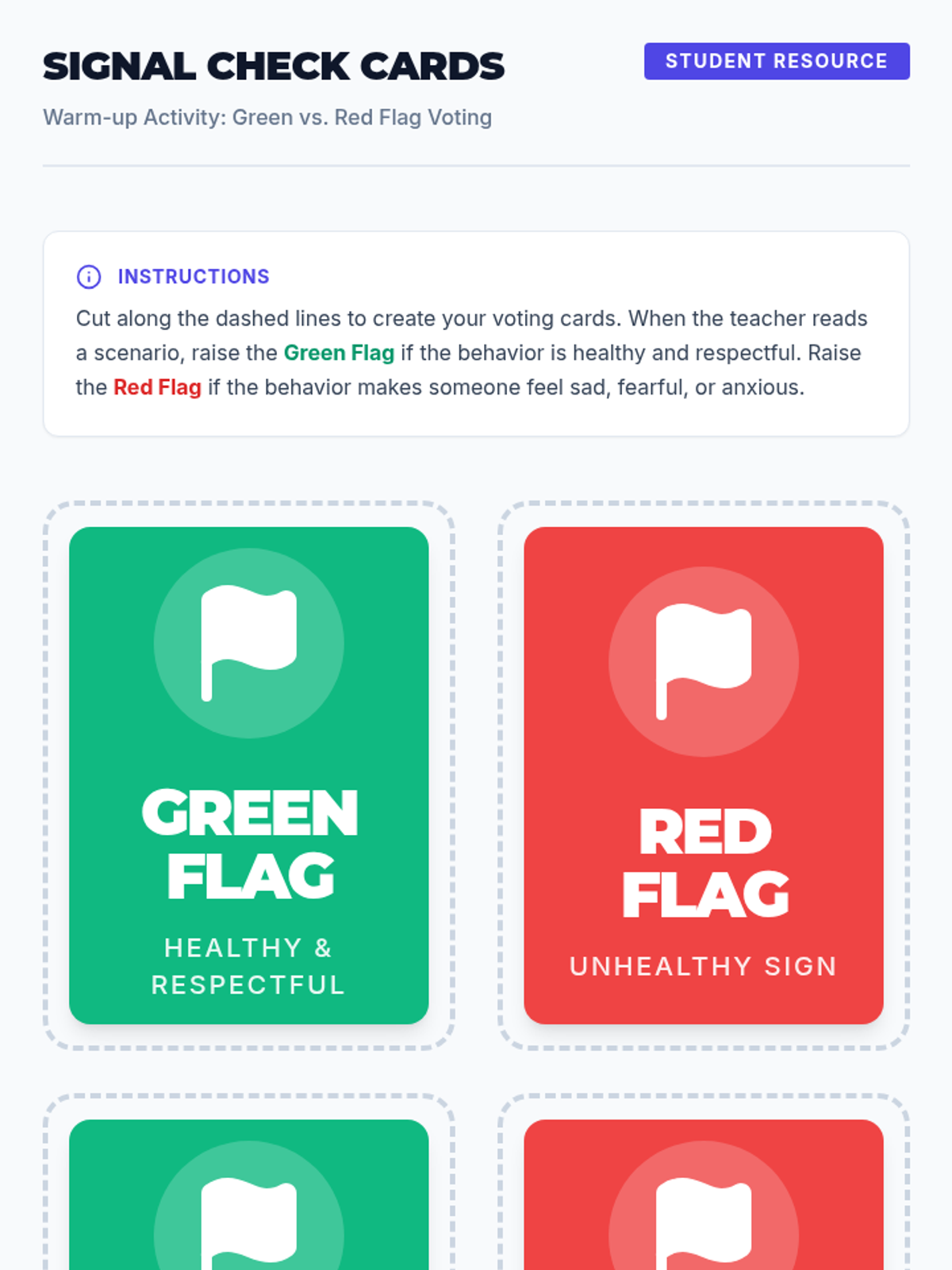
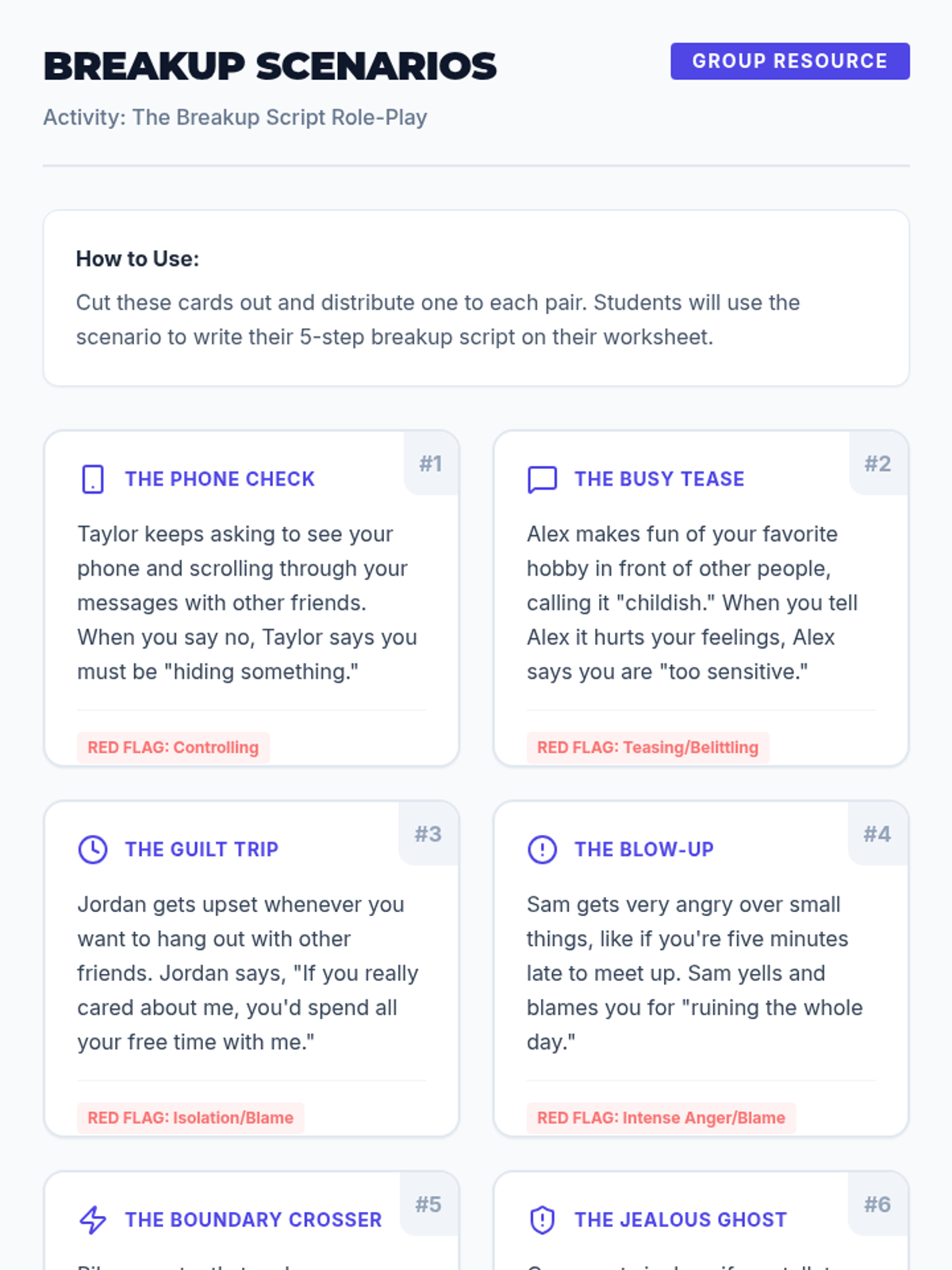
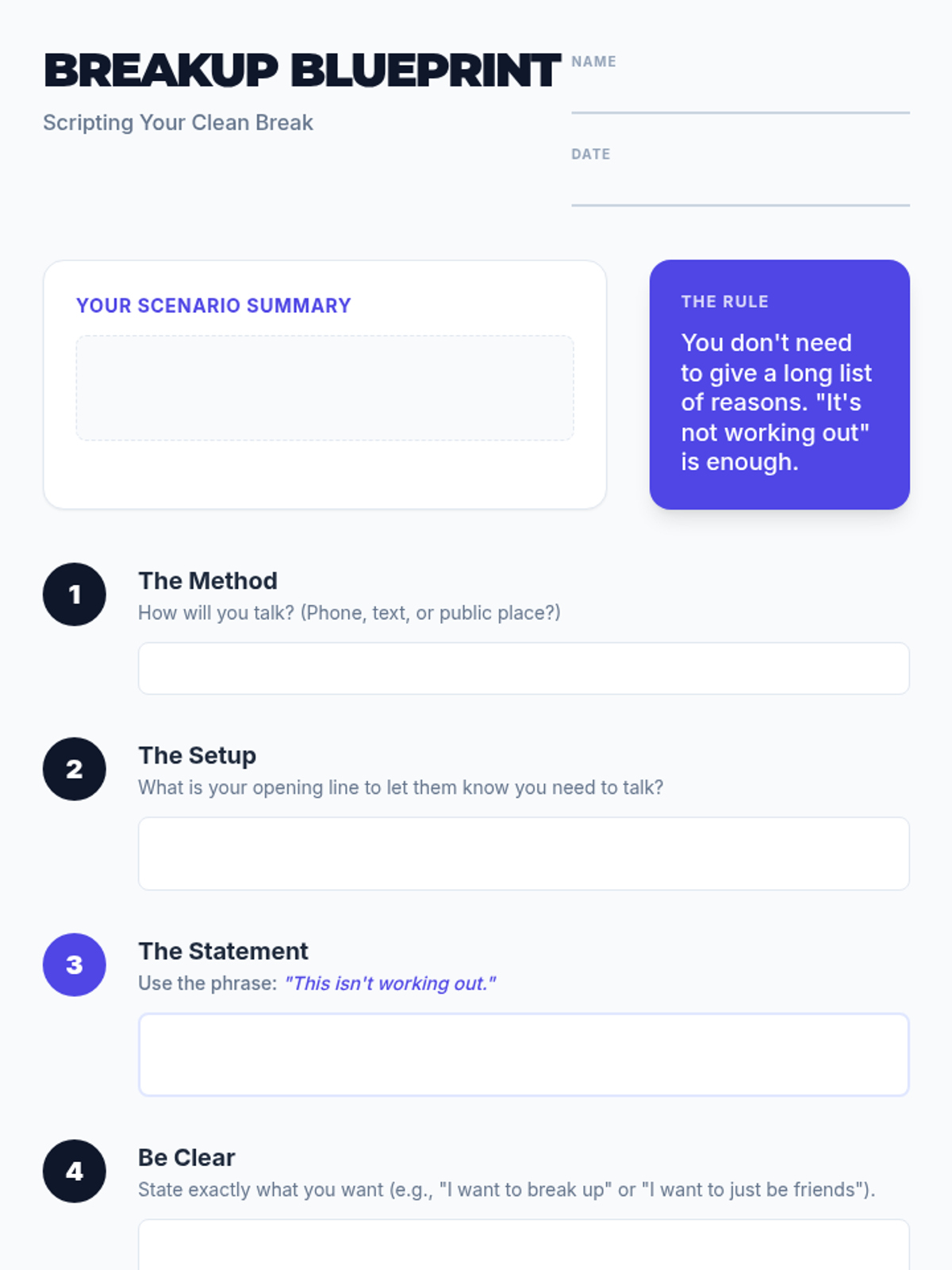
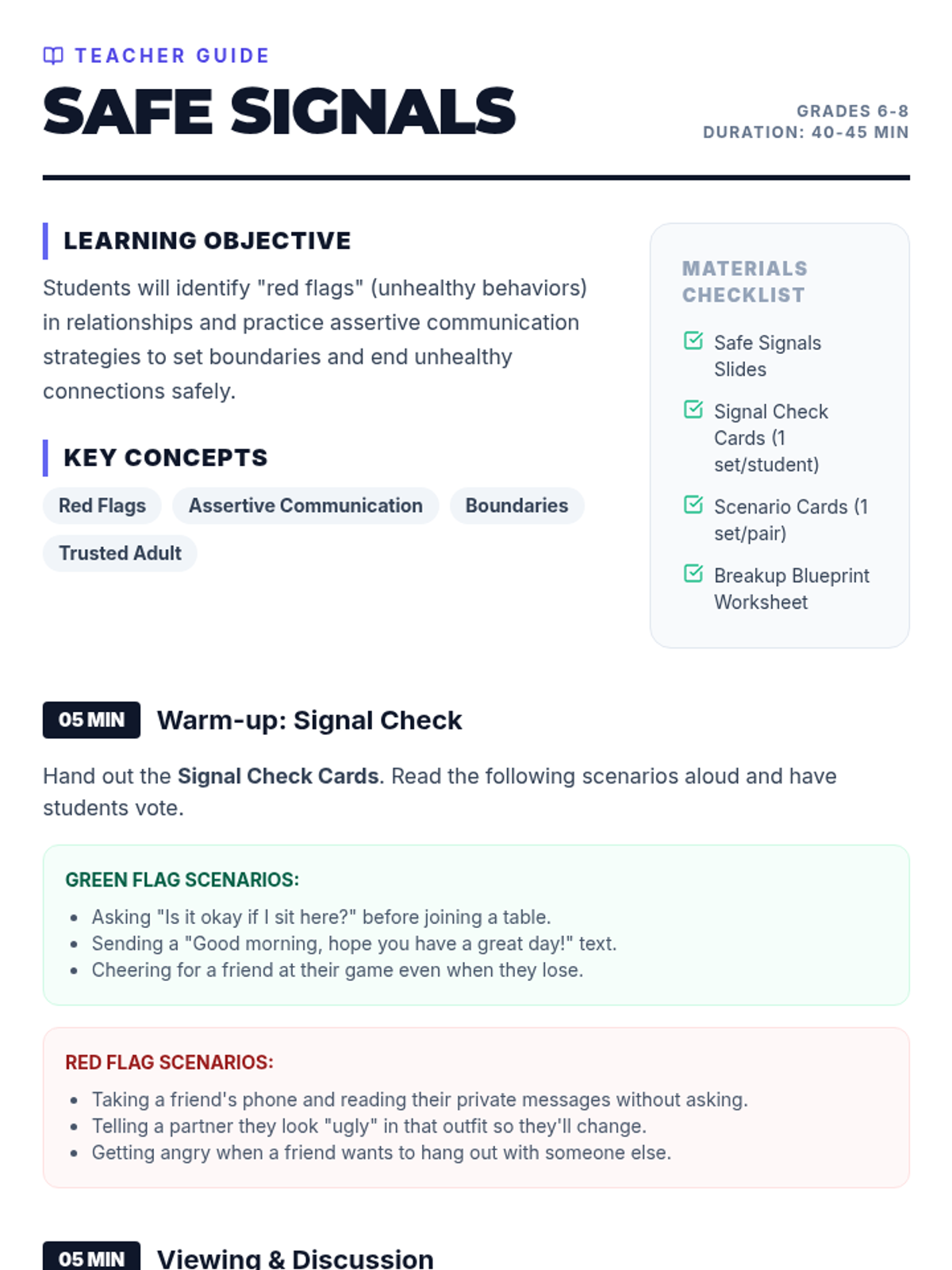
A comprehensive lesson for middle schoolers on identifying unhealthy relationship behaviors and practicing assertive communication using a 5-step breakup plan. Includes a slide presentation, teacher guide, and student worksheets.
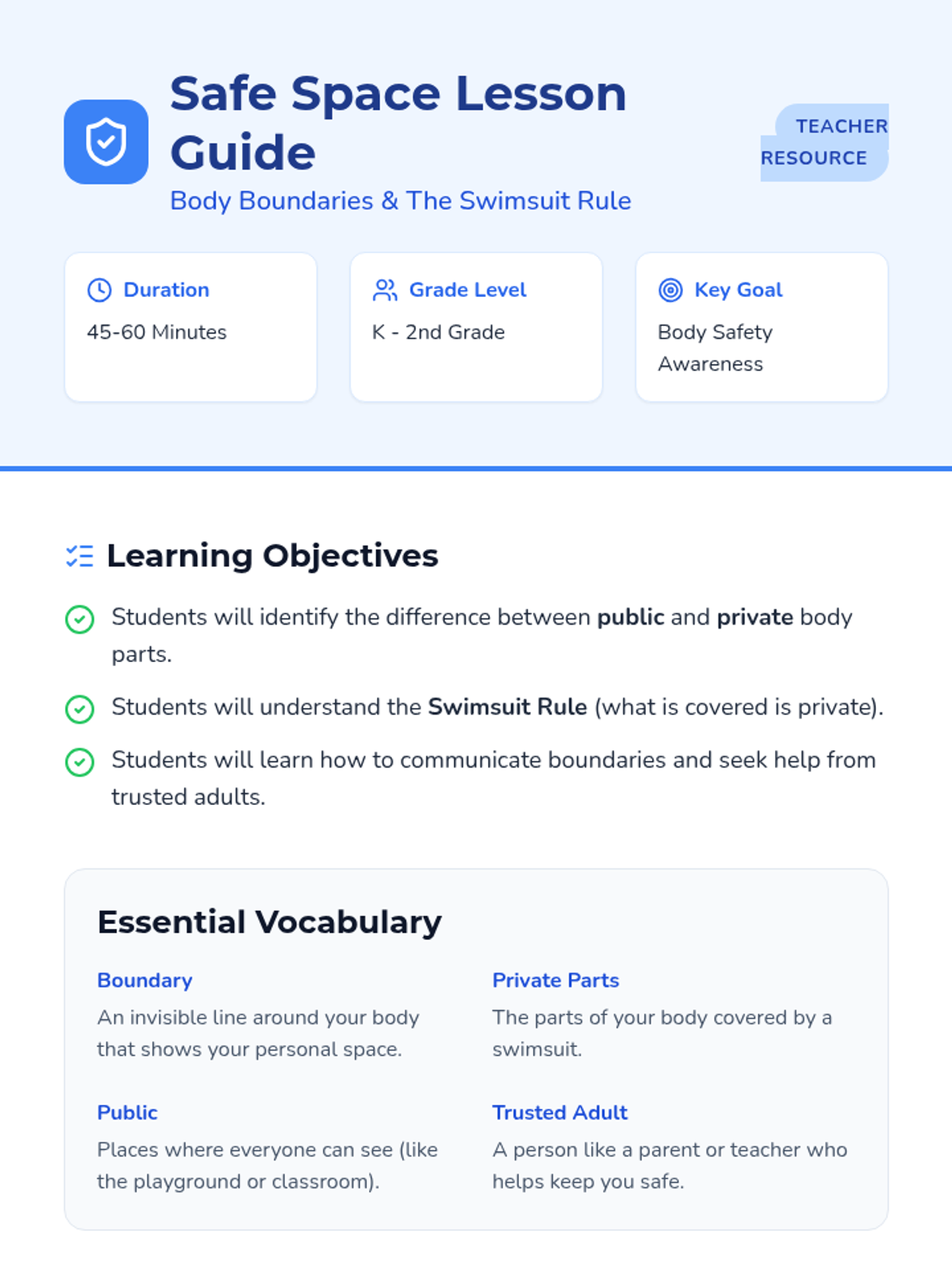
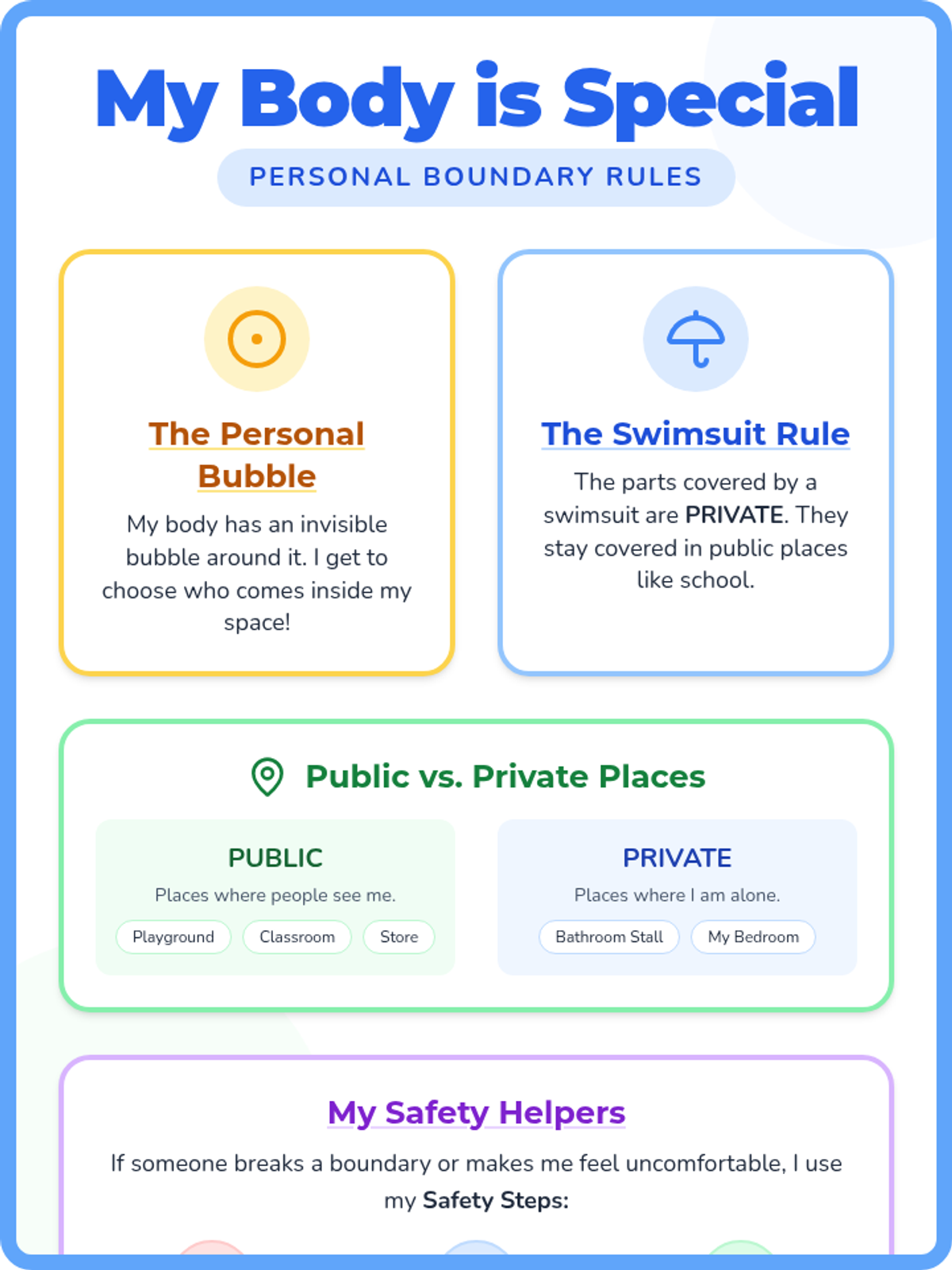
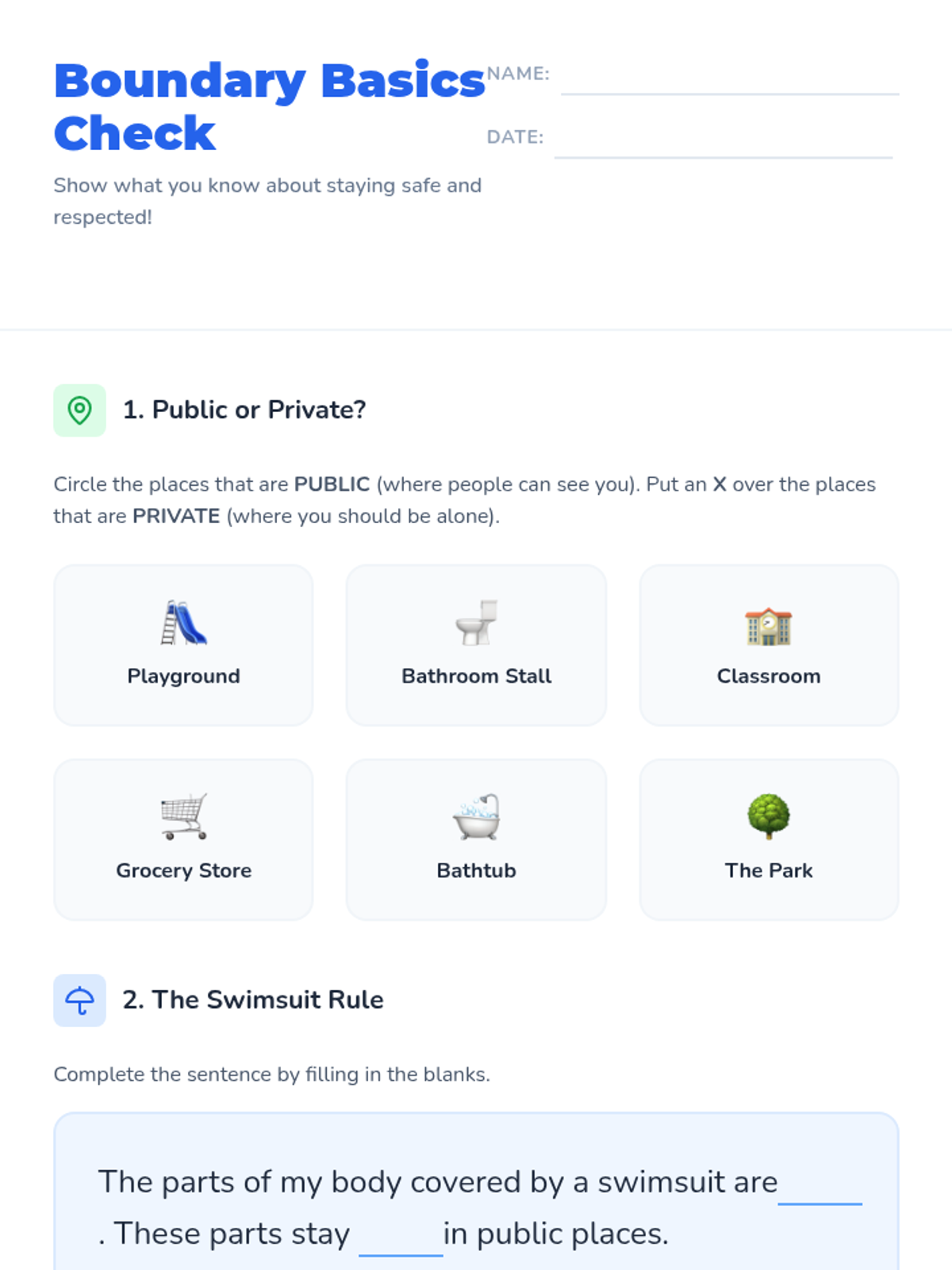
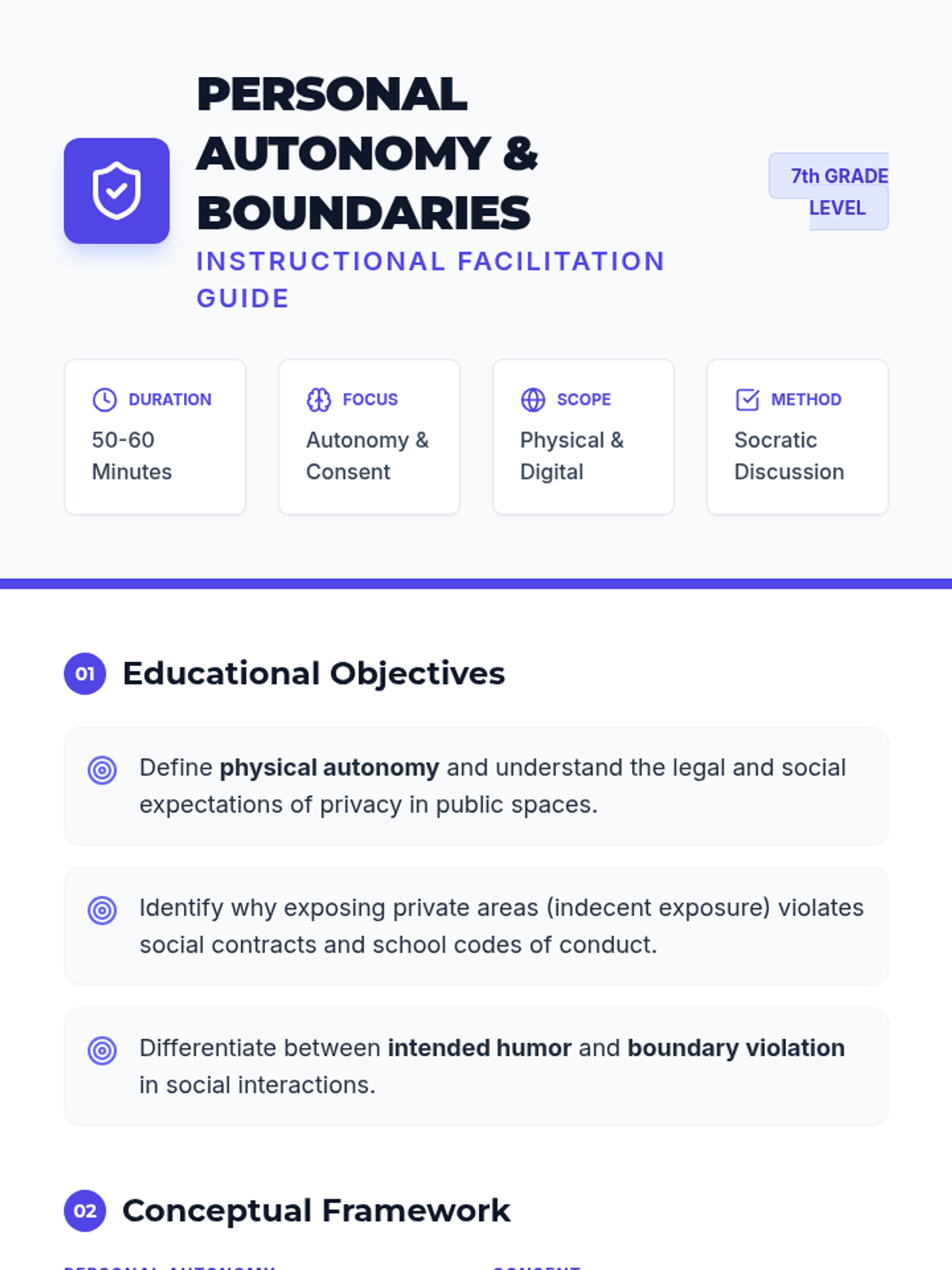
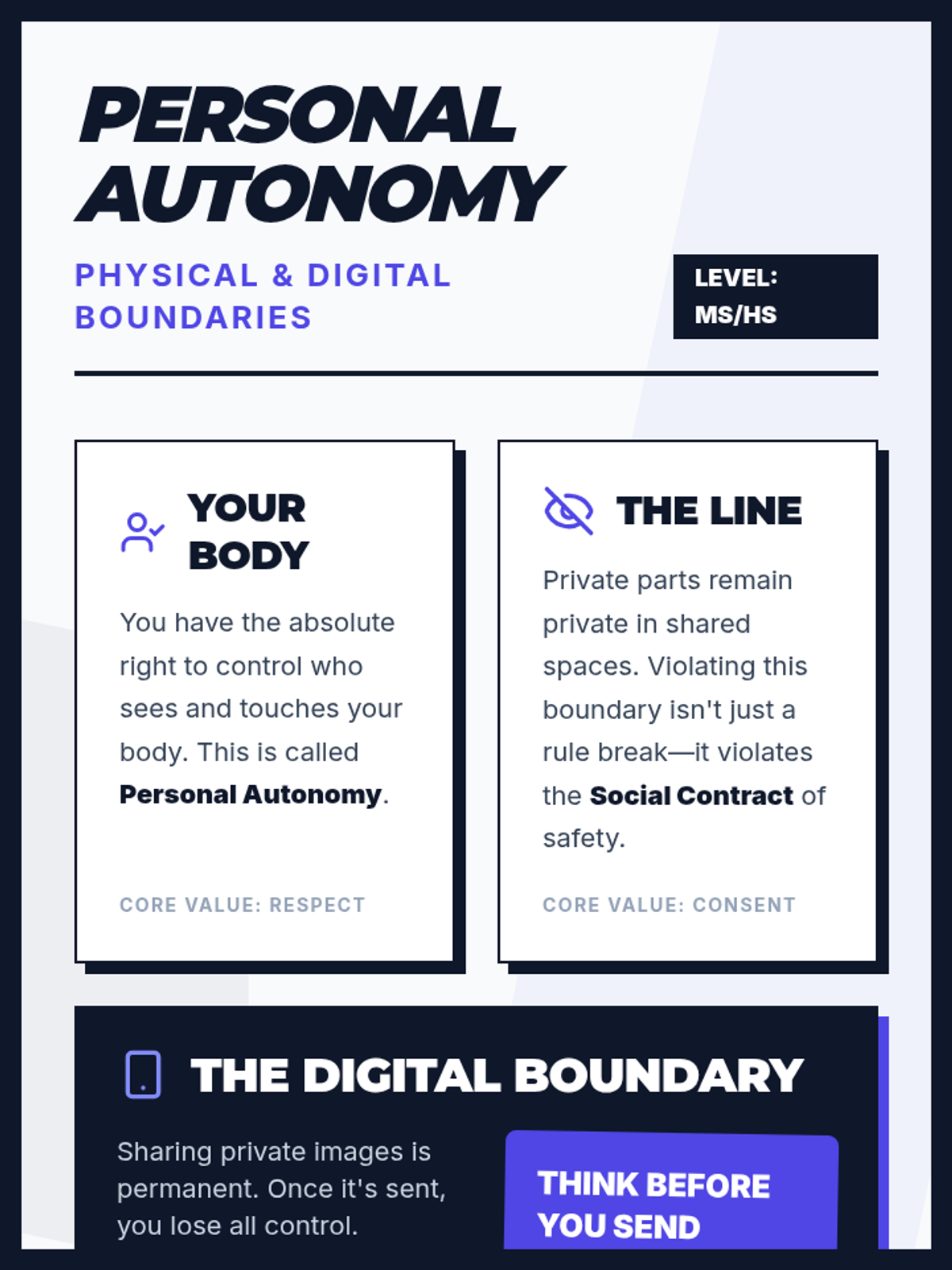
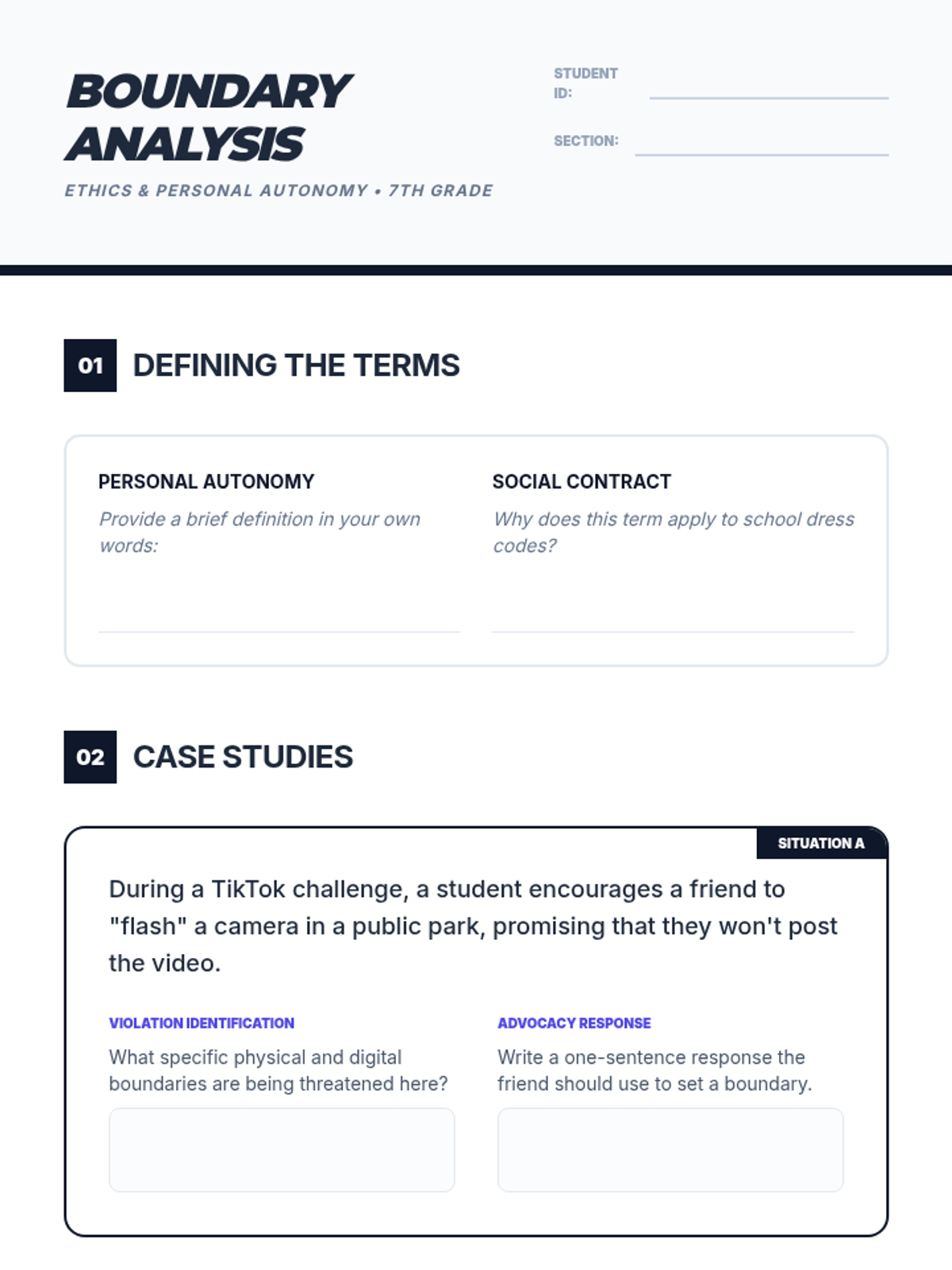
A comprehensive lesson on personal boundaries, body safety, and the importance of keeping private parts covered, using the Swimsuit Rule as a central framework.
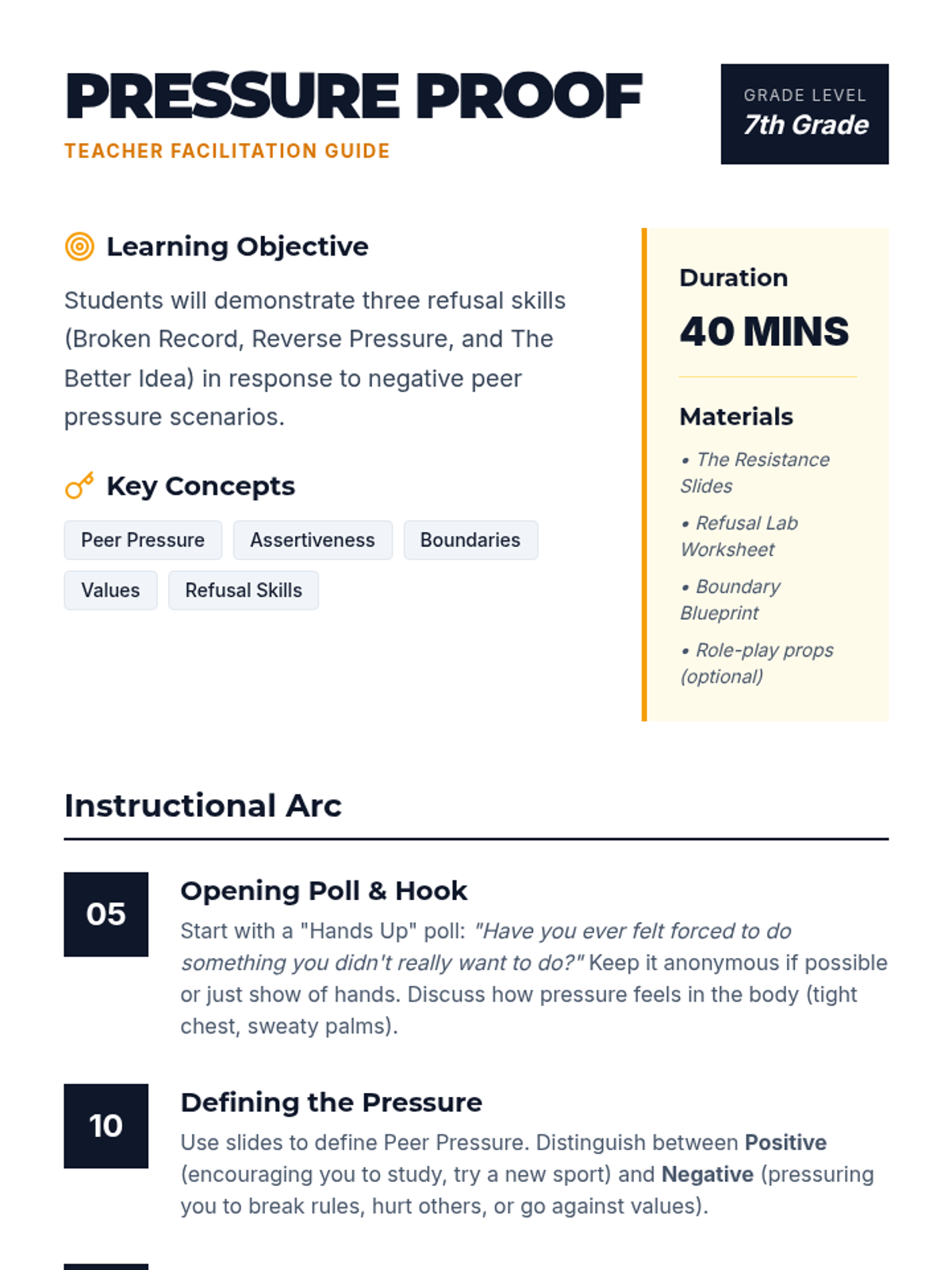
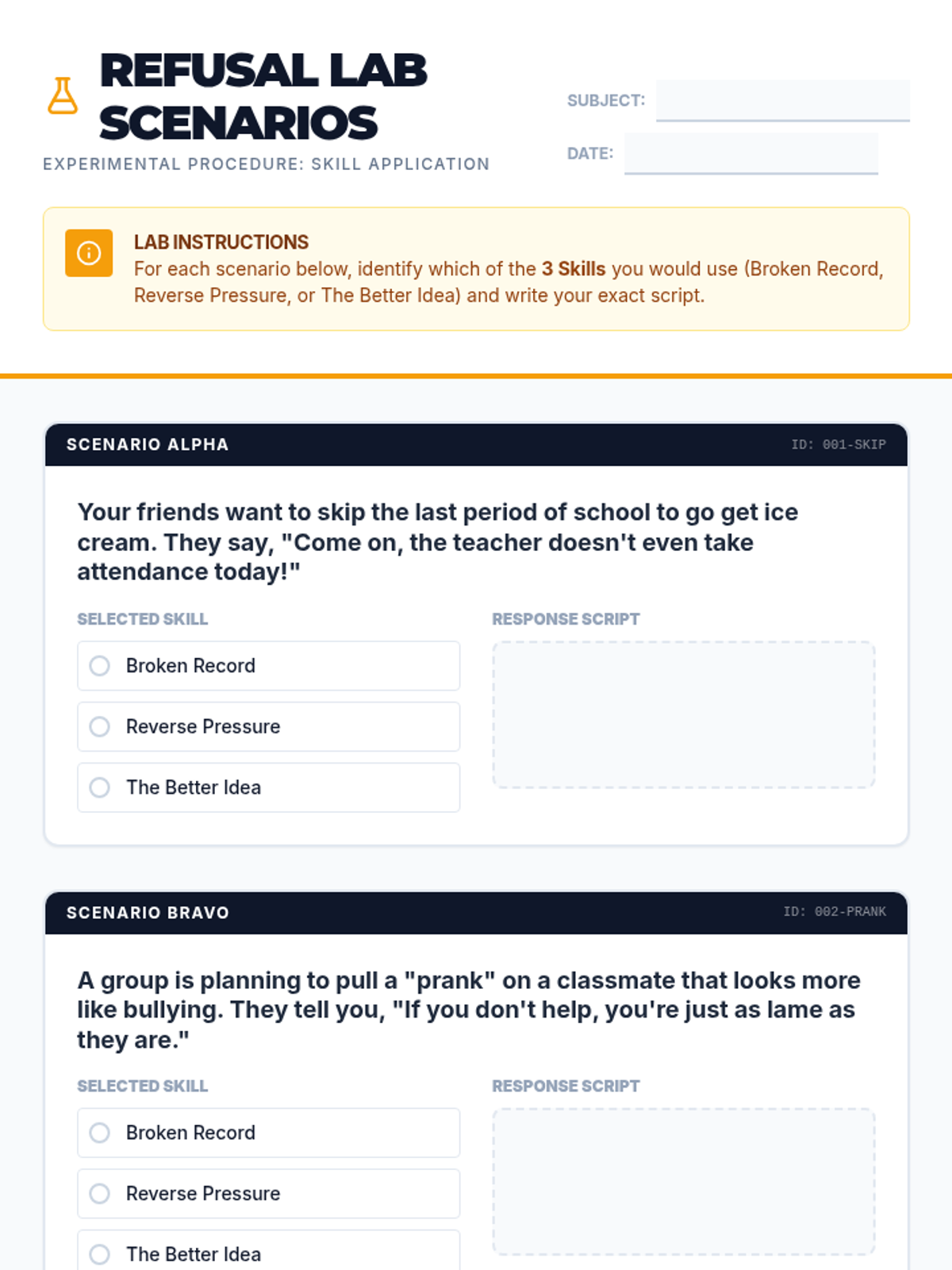
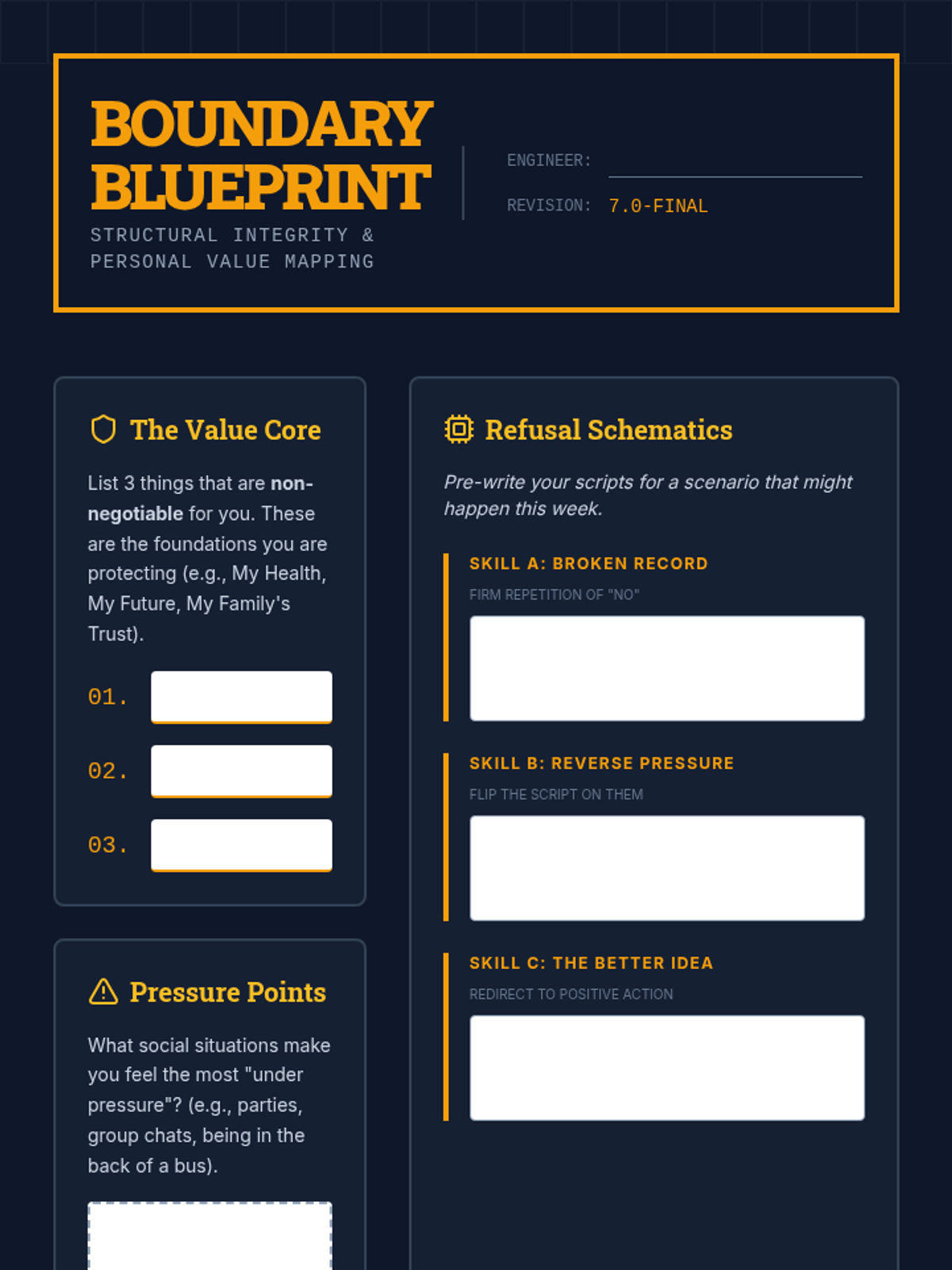
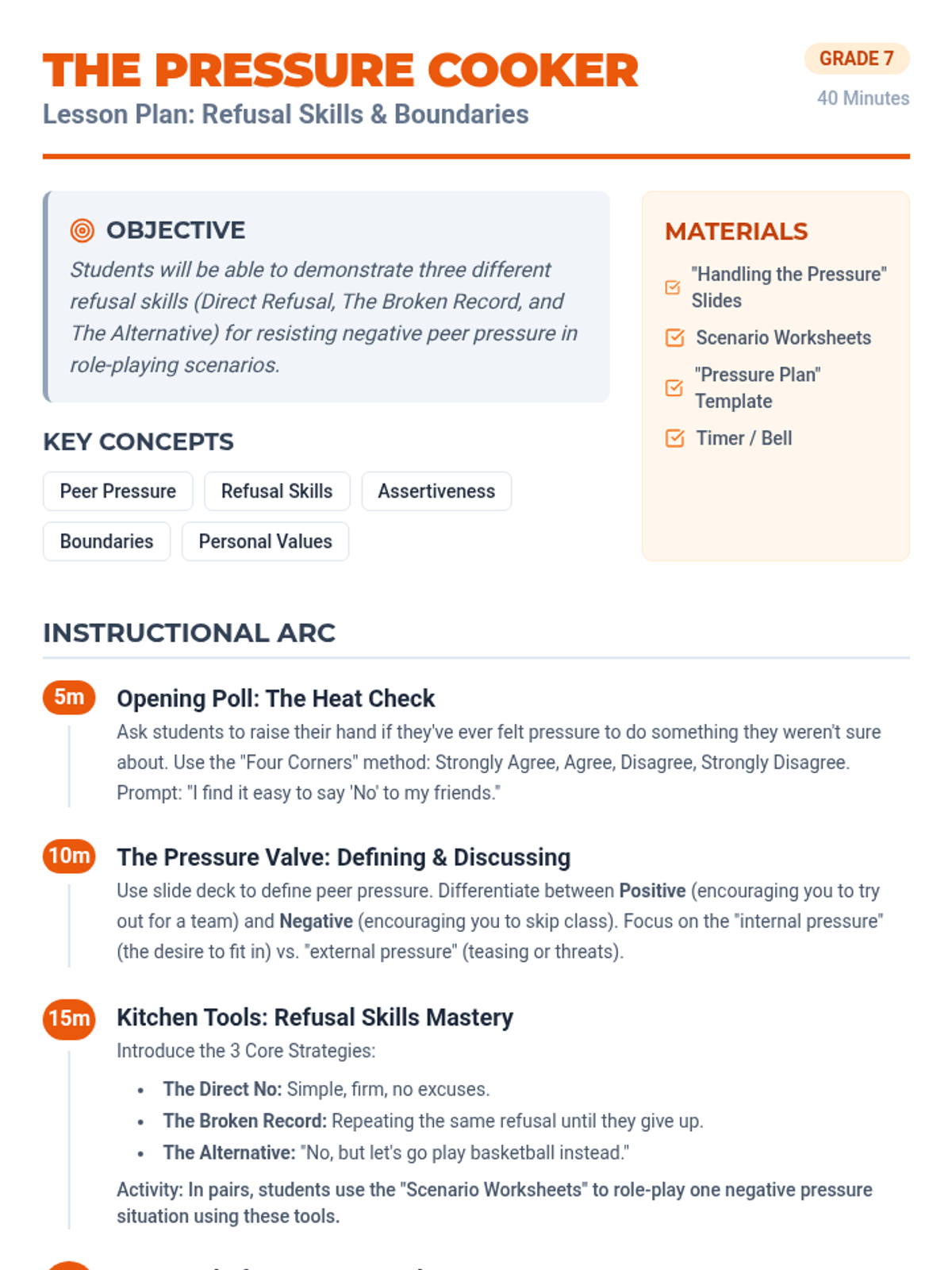
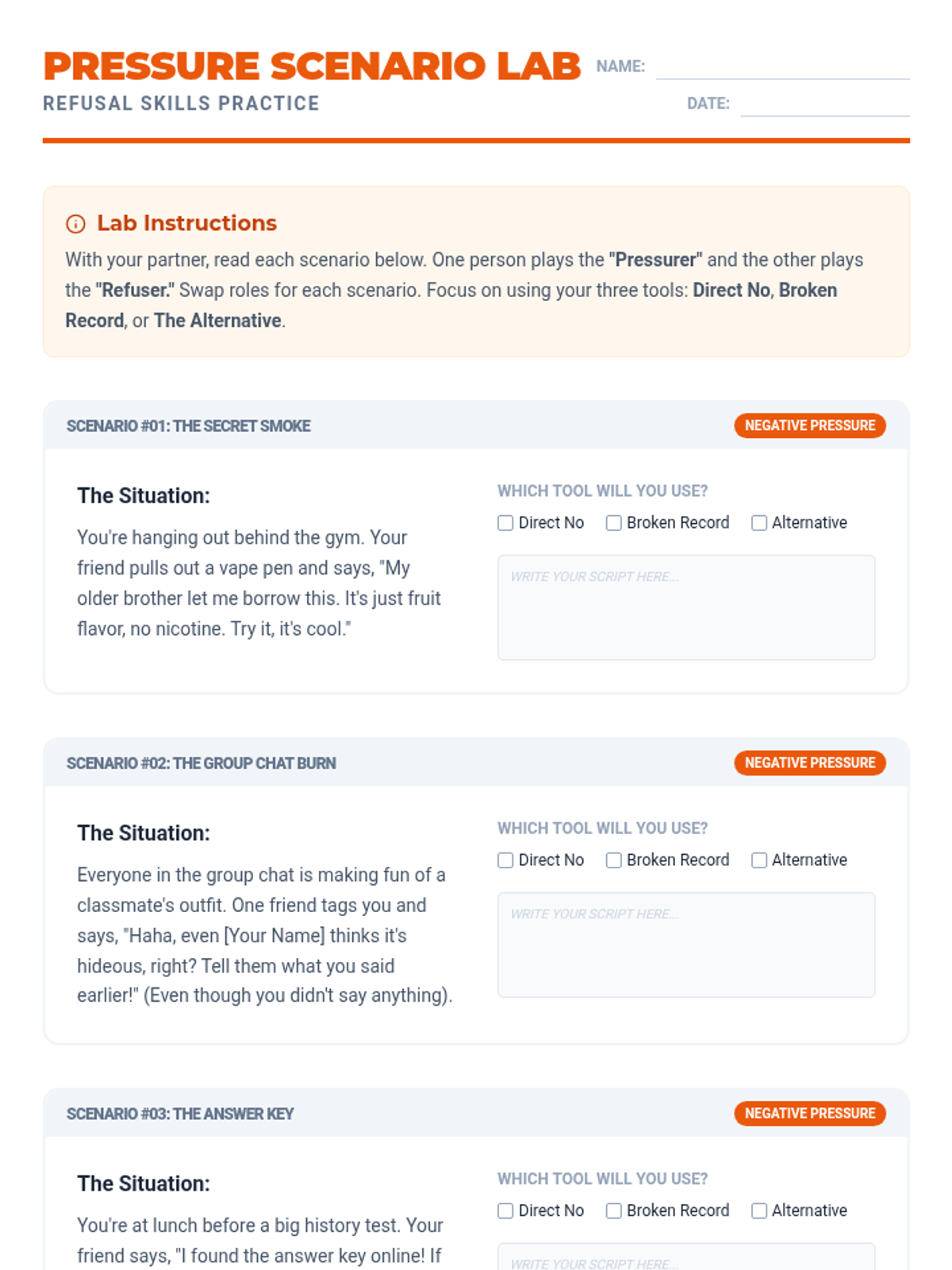
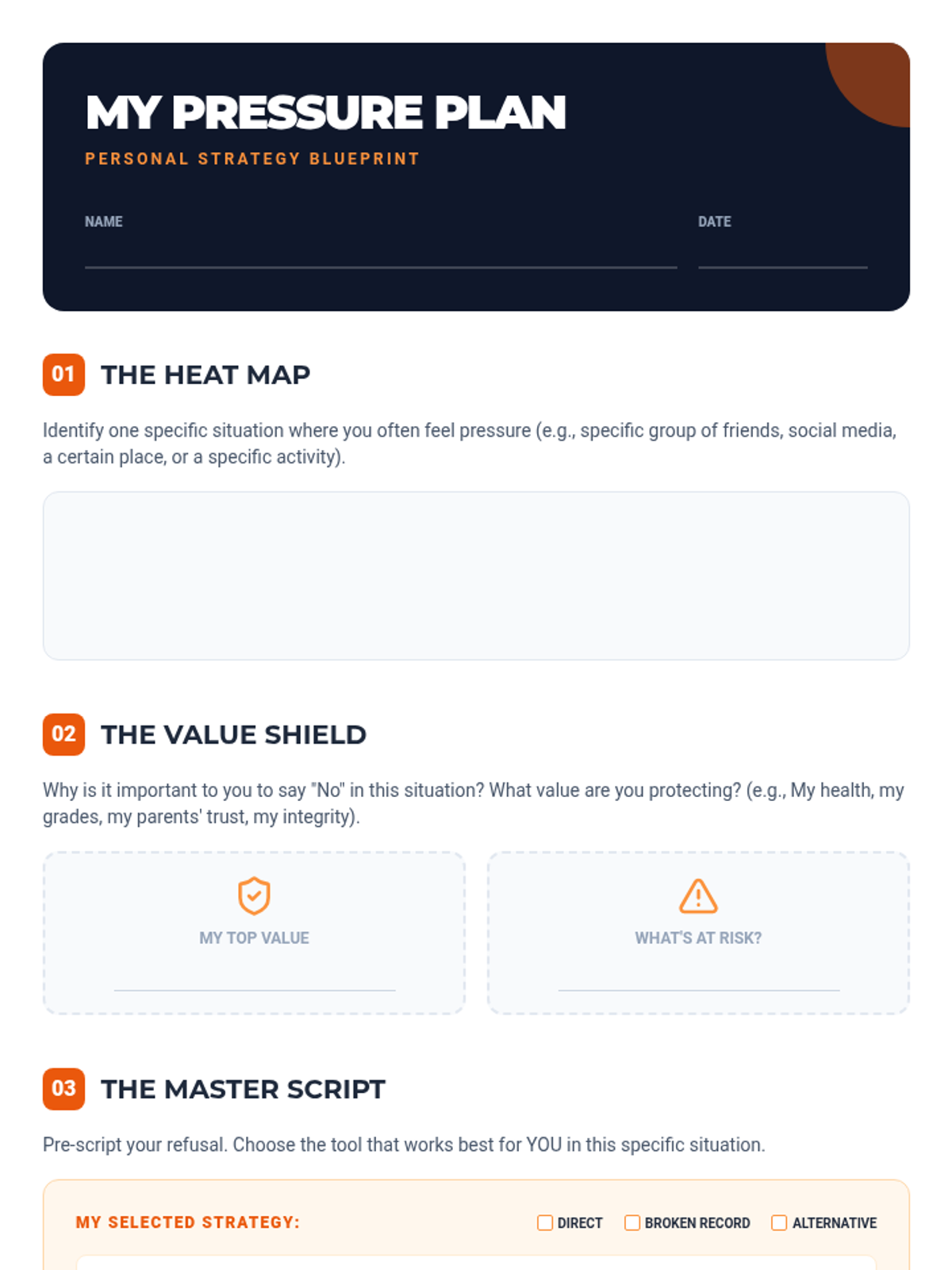
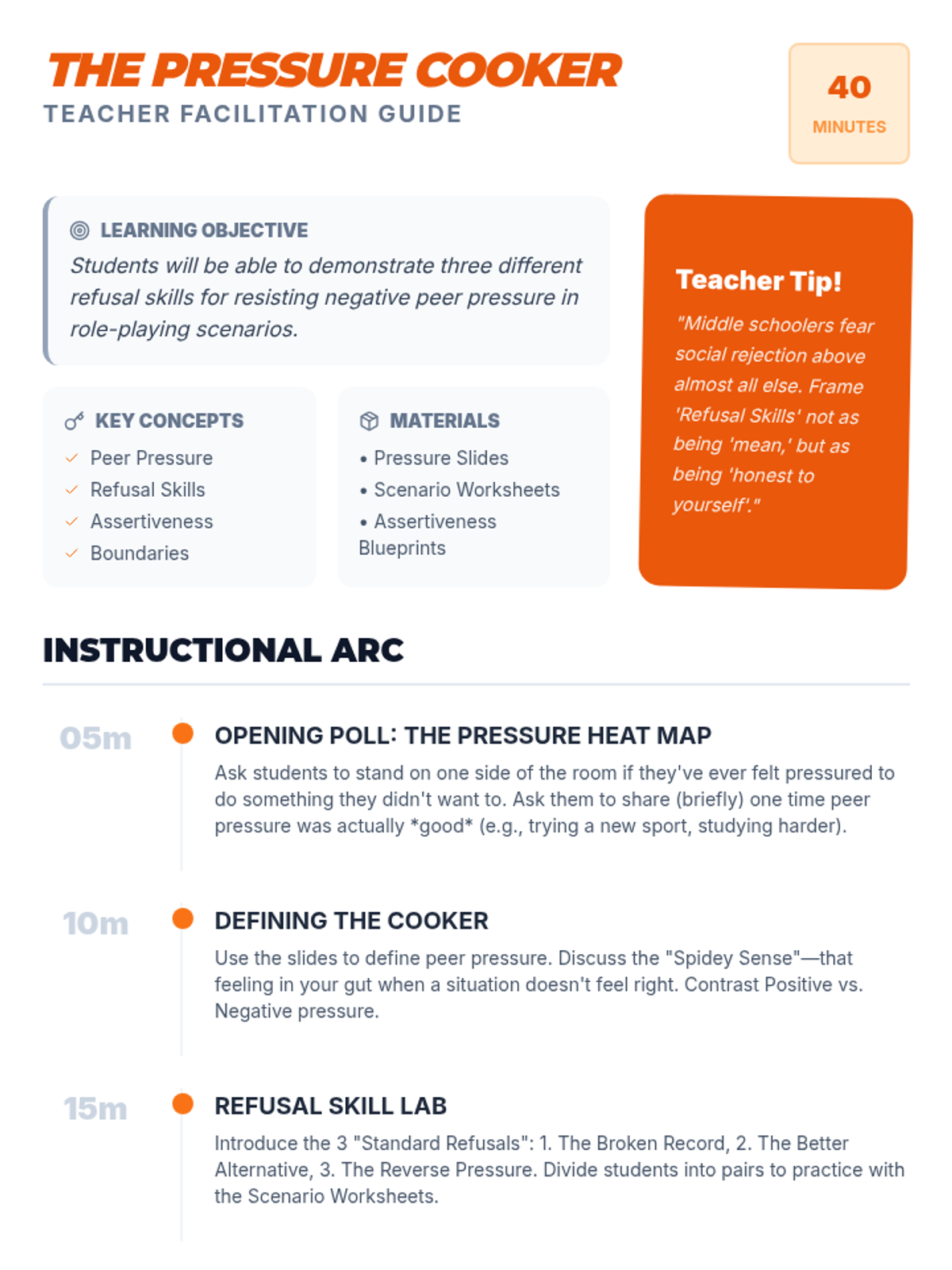
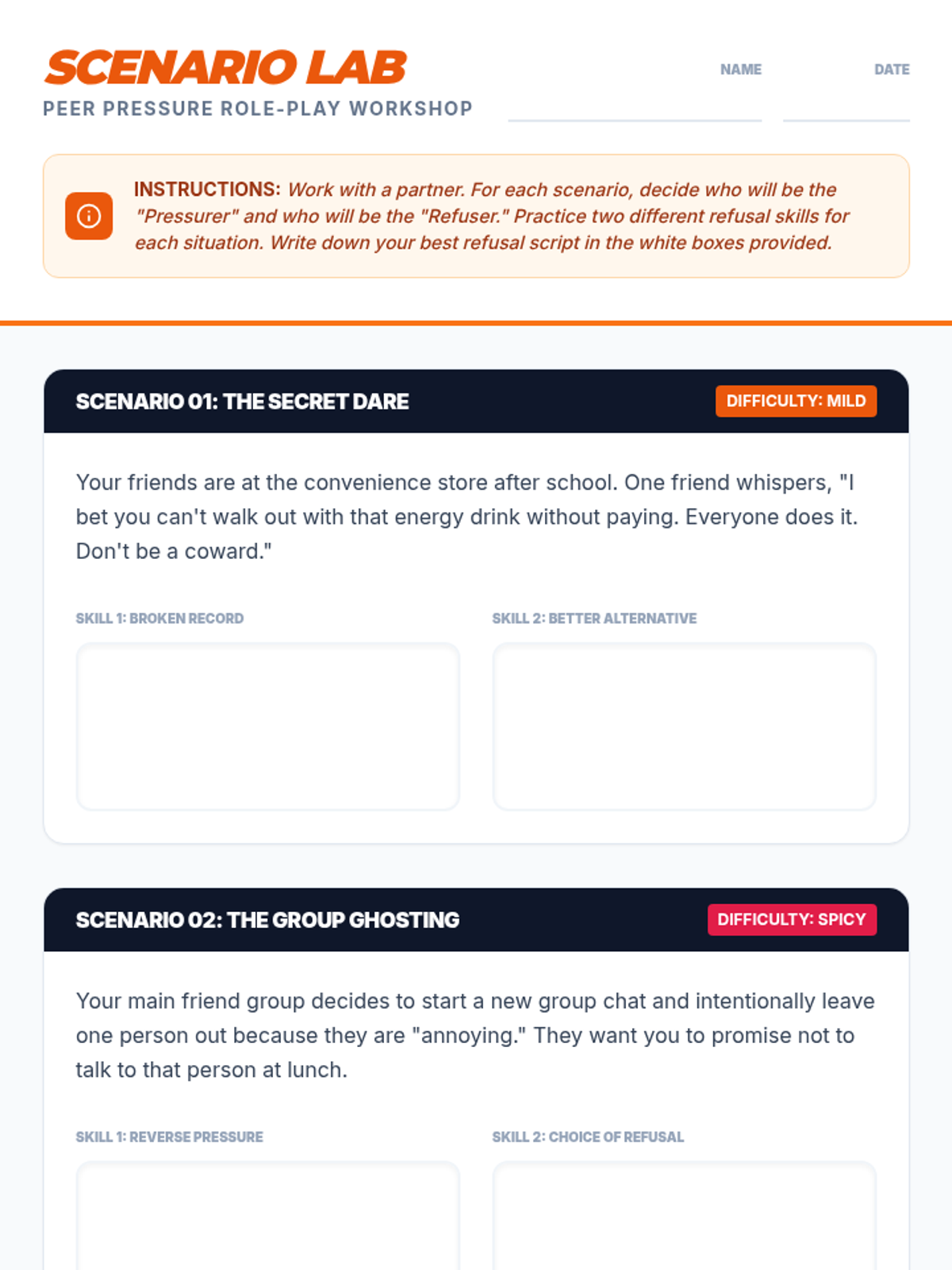
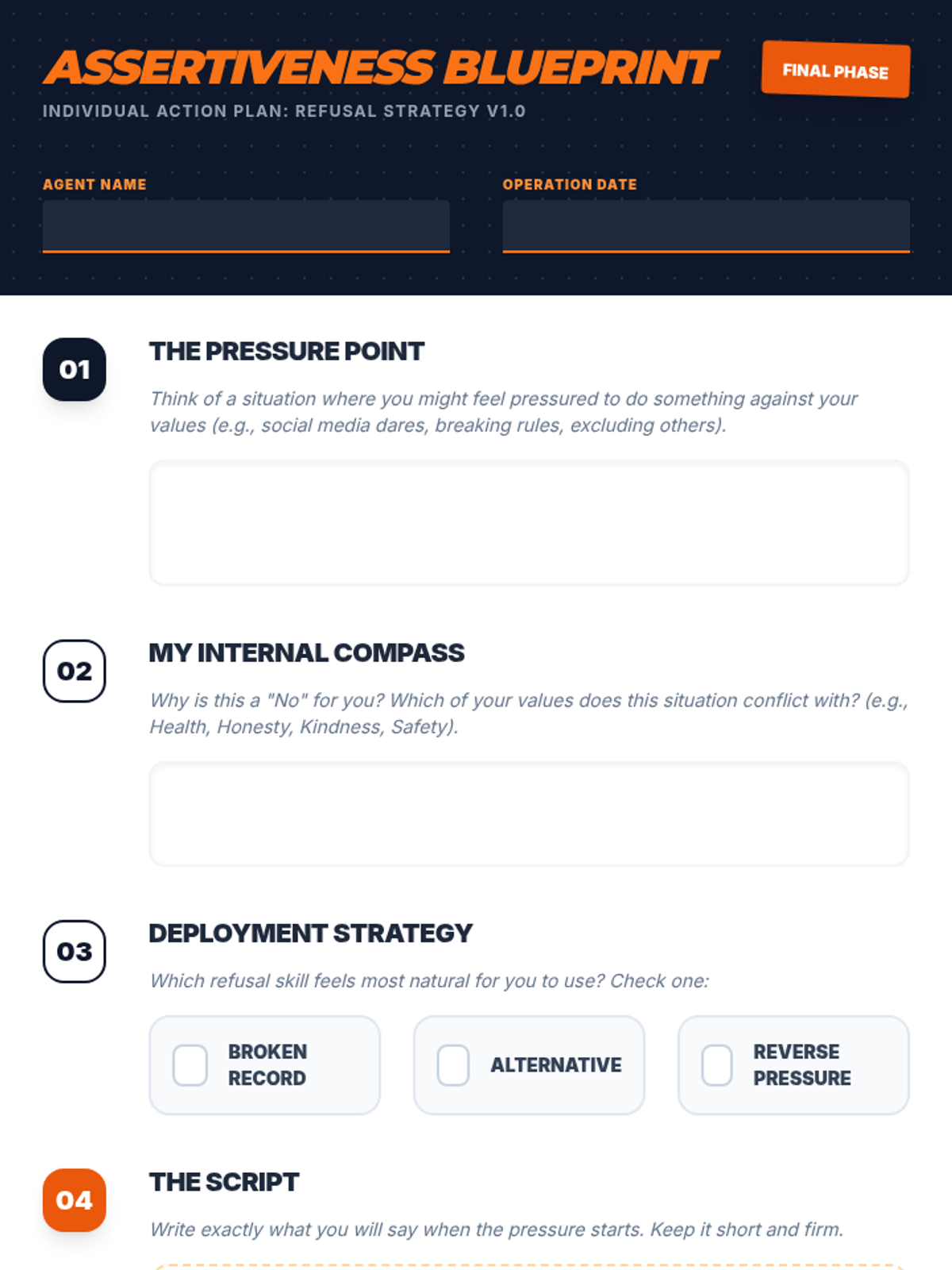
A comprehensive lesson for 7th graders on identifying negative peer pressure and mastering three specific refusal skills through role-play and personal planning.
A 40-minute lesson for 7th graders on identifying types of peer pressure and mastering three effective refusal strategies through role-play and personal planning.
A 40-minute health and social-emotional learning lesson for 7th graders focused on identifying peer pressure and practicing effective refusal skills through role-playing and personal planning.
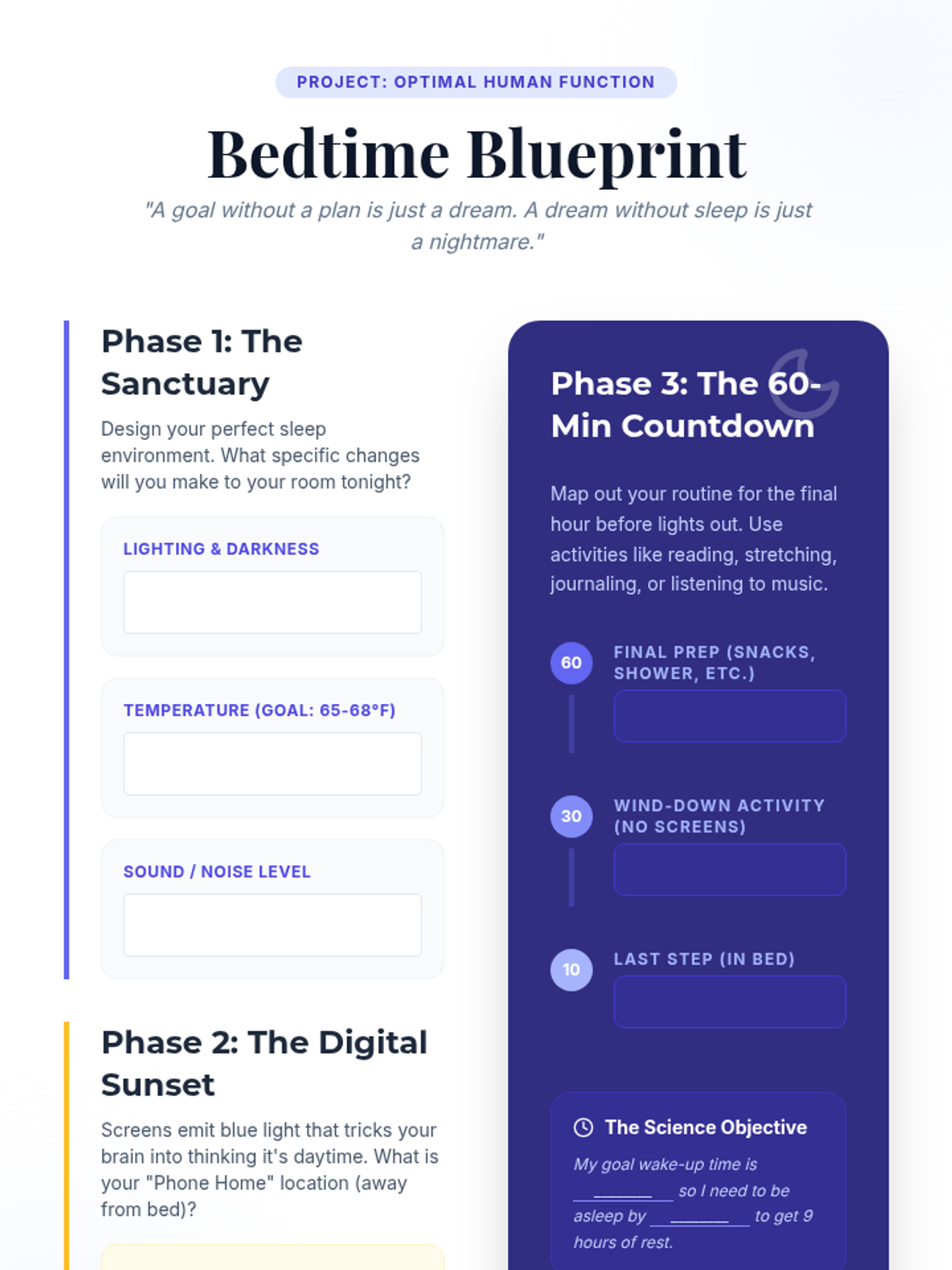
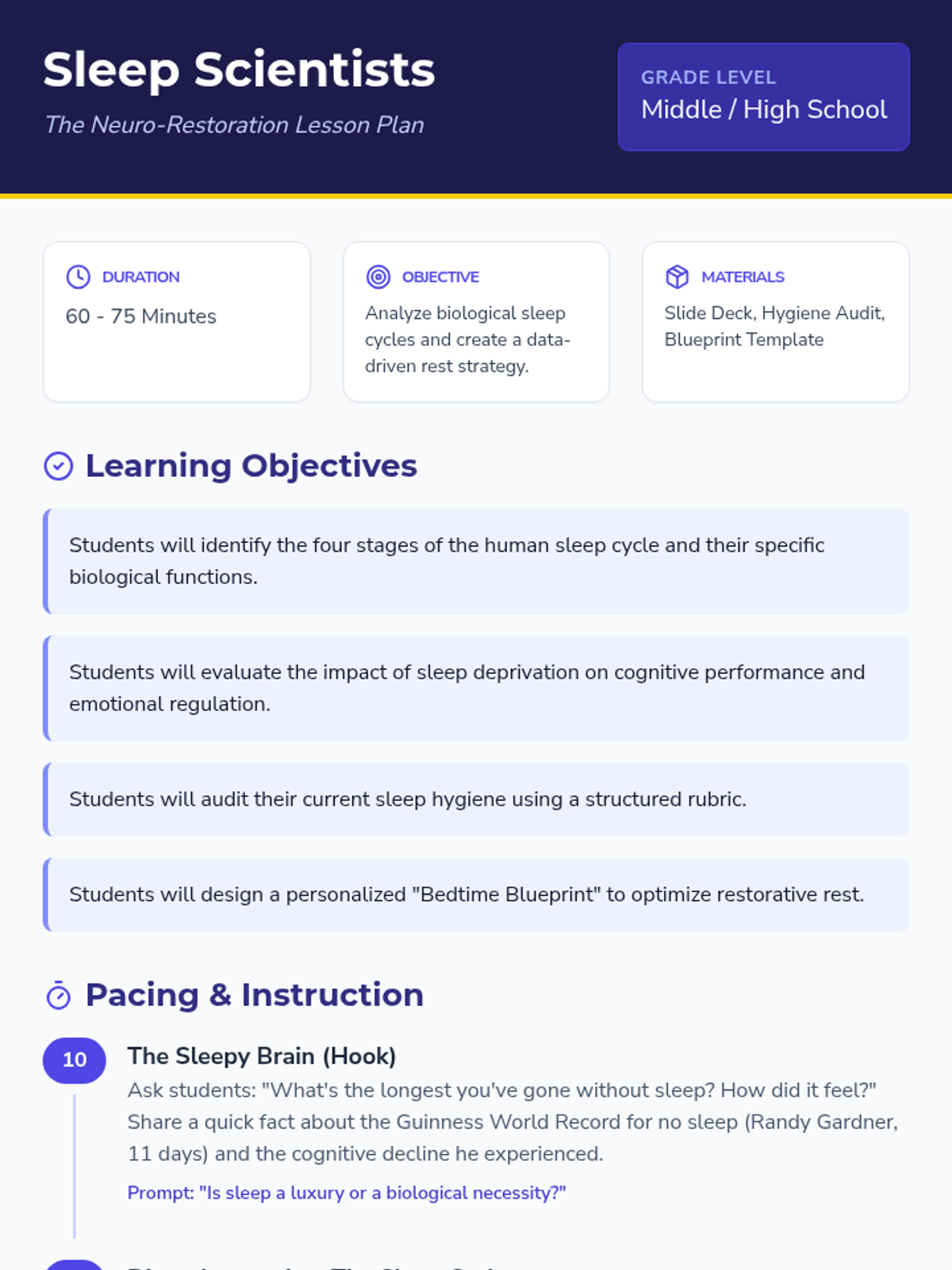
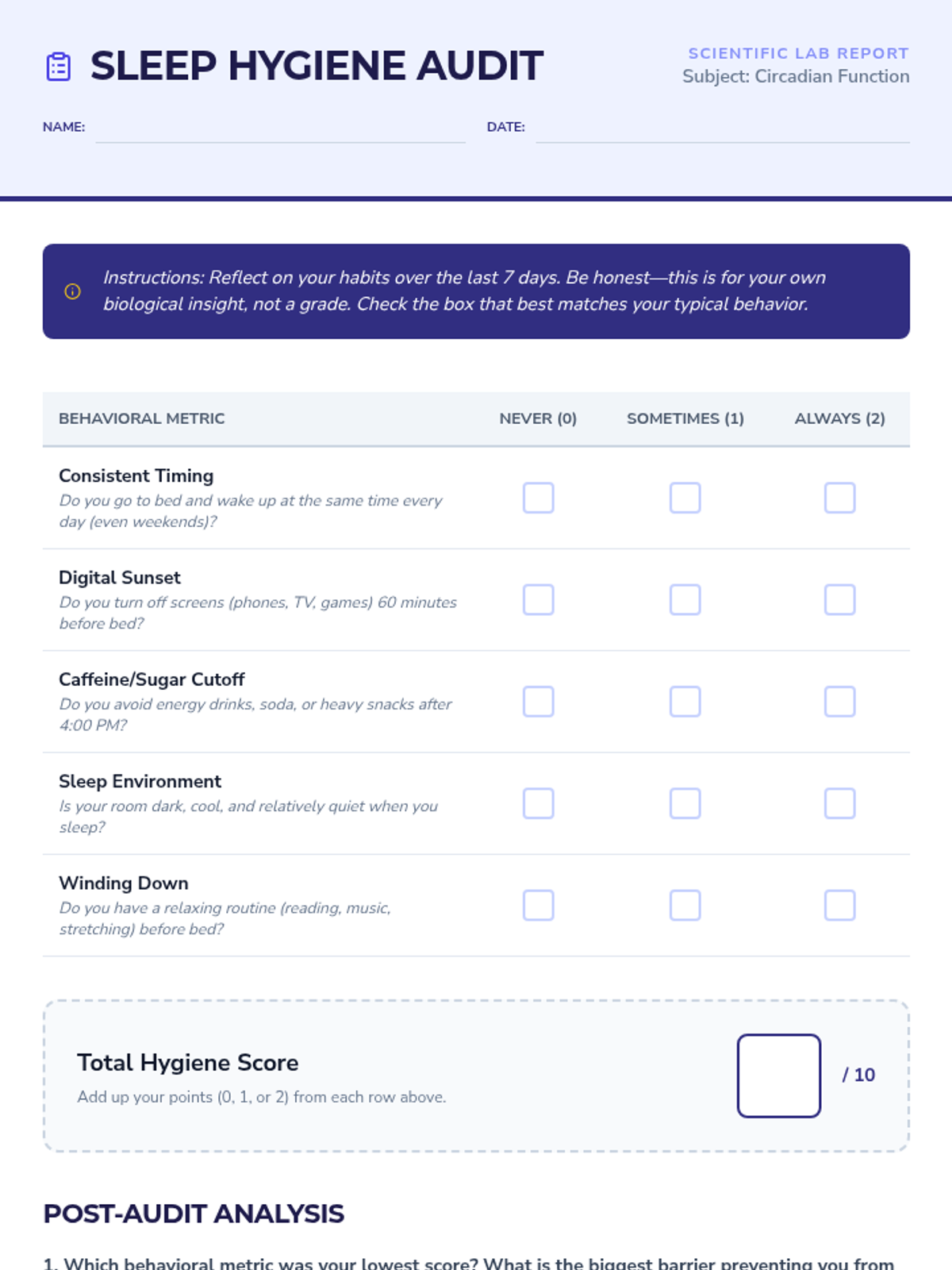
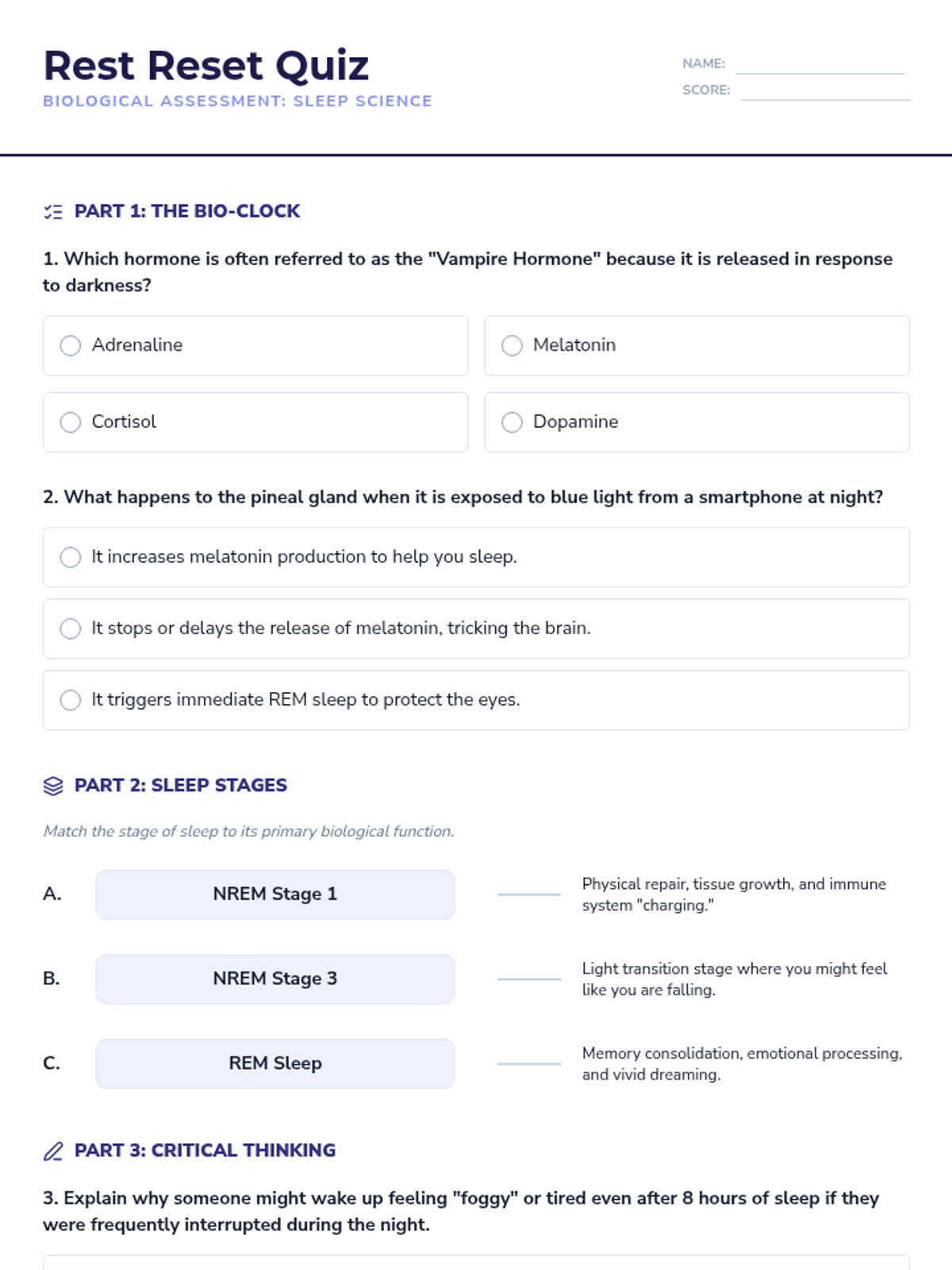
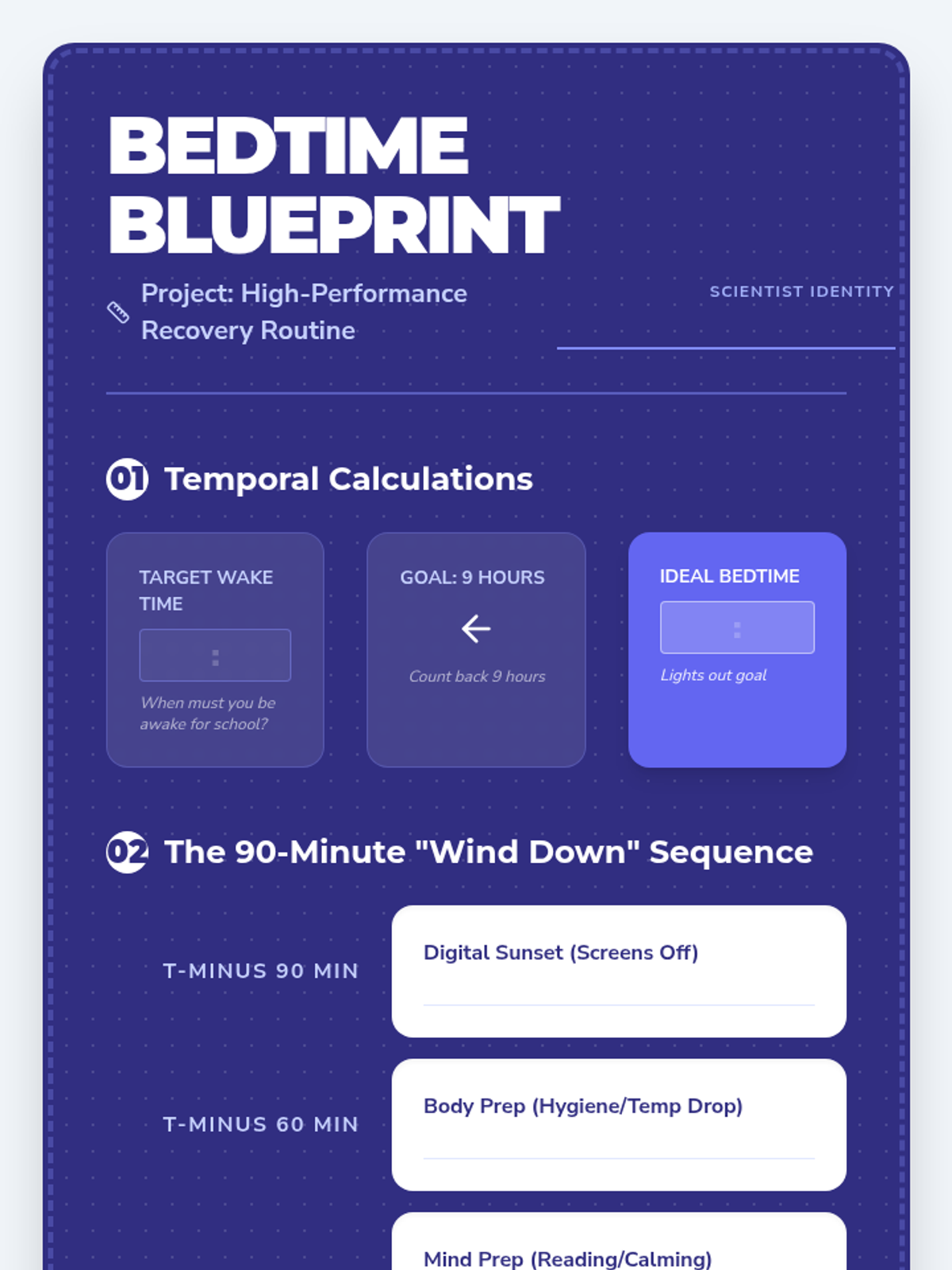
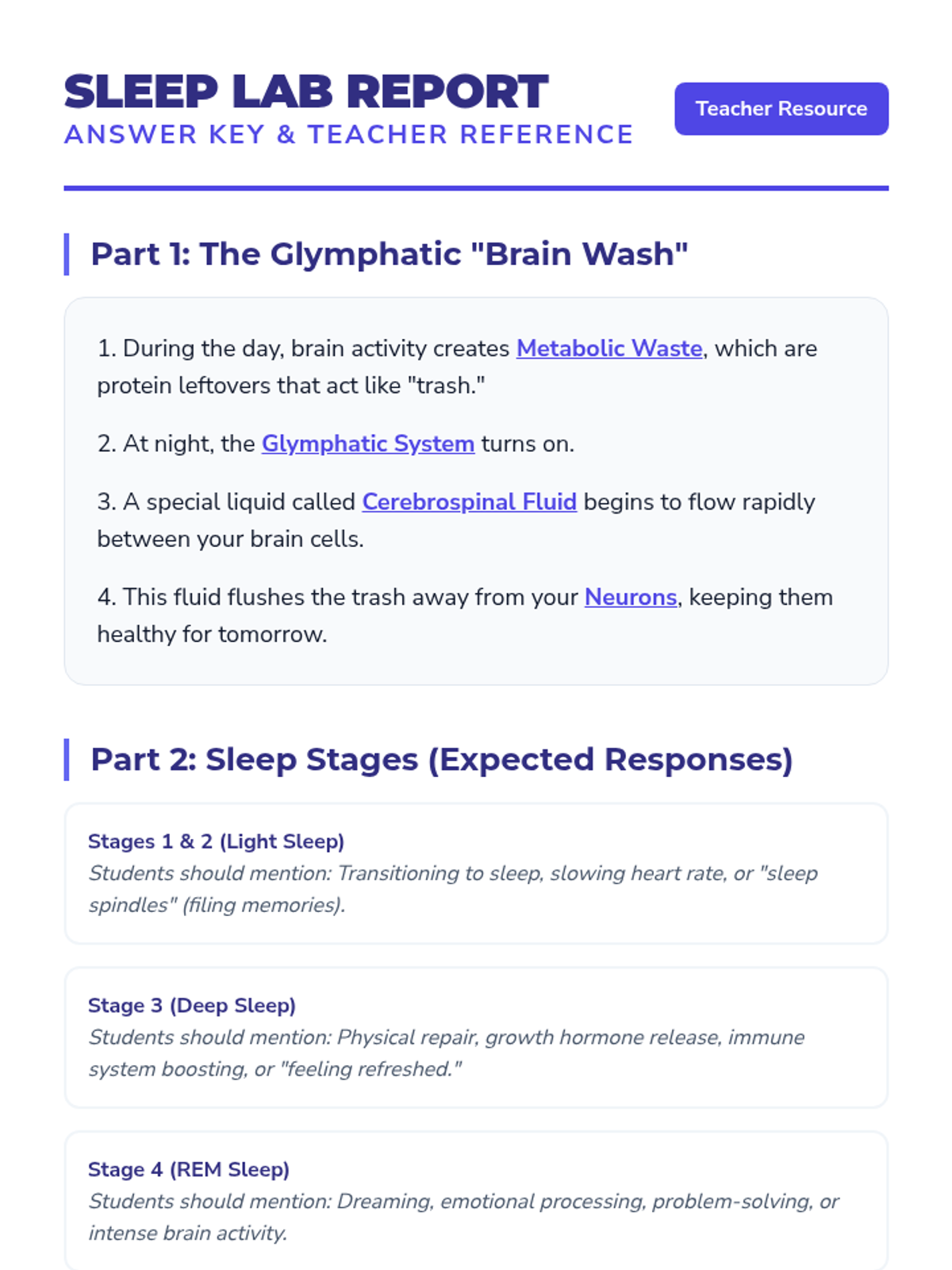
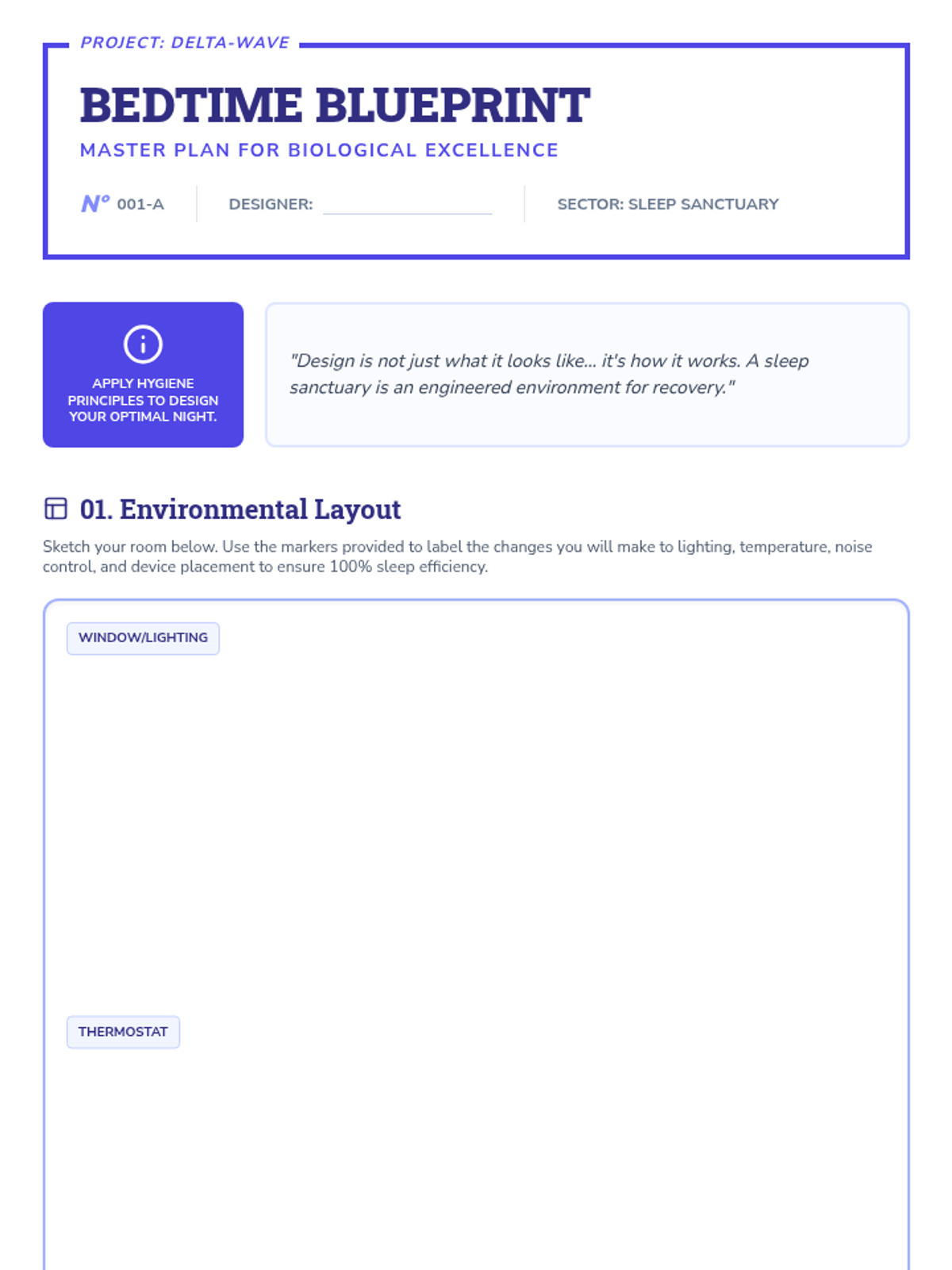
This lesson explores the biological necessity of sleep, the stages of the sleep cycle, and how rest impacts cognitive function and emotional regulation. Students will analyze their own sleep hygiene and develop a 'bedtime blueprint' to improve their quality of rest.
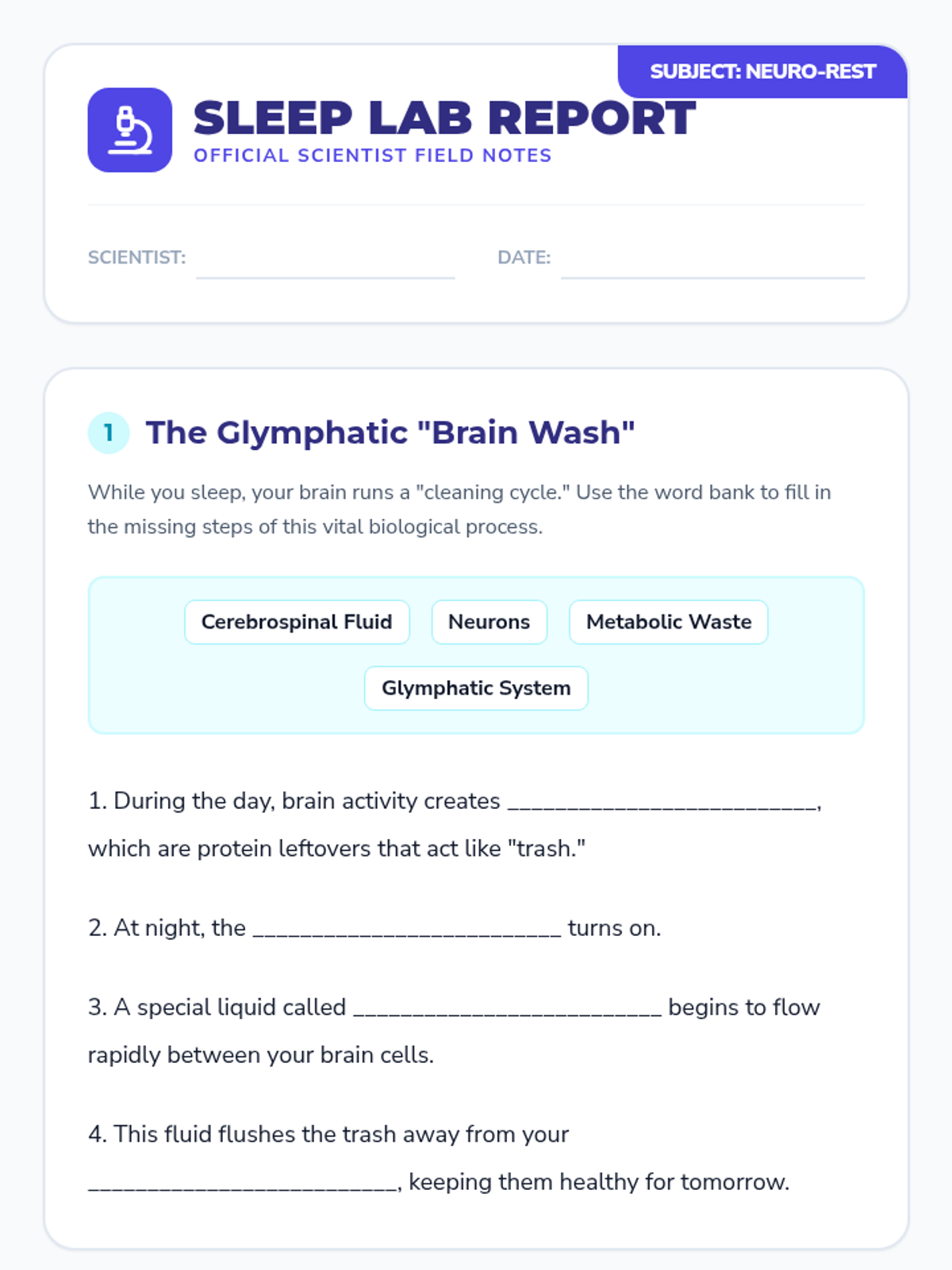
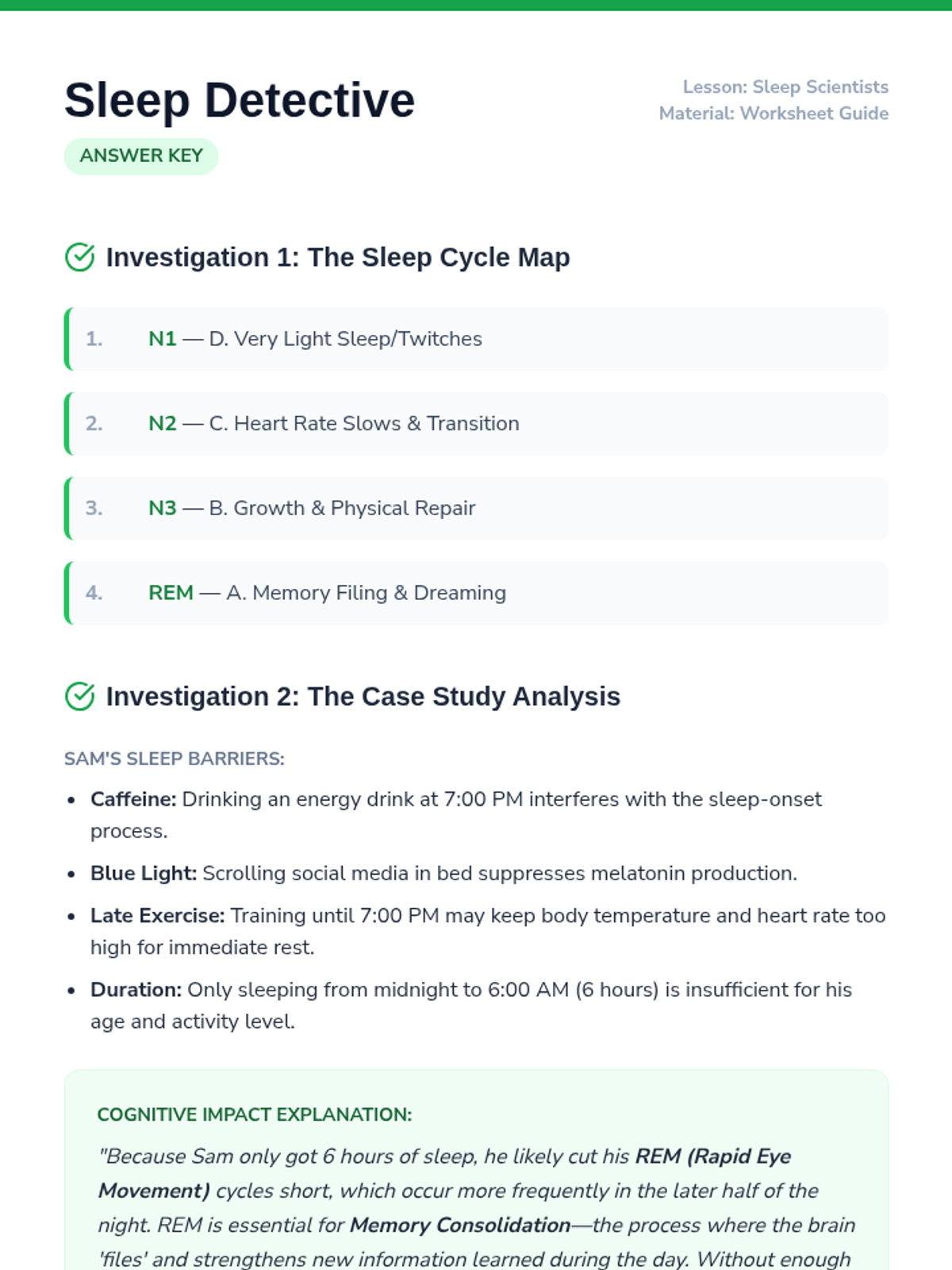
This lesson transforms students into Sleep Scientists to explore the biological necessity of rest. Students will learn about the four stages of sleep, the brain's "cleaning" process during the night, and the direct link between sleep hygiene and emotional/cognitive performance. The lesson culminates in students designing a personalized 'Bedtime Blueprint' to optimize their own recovery.
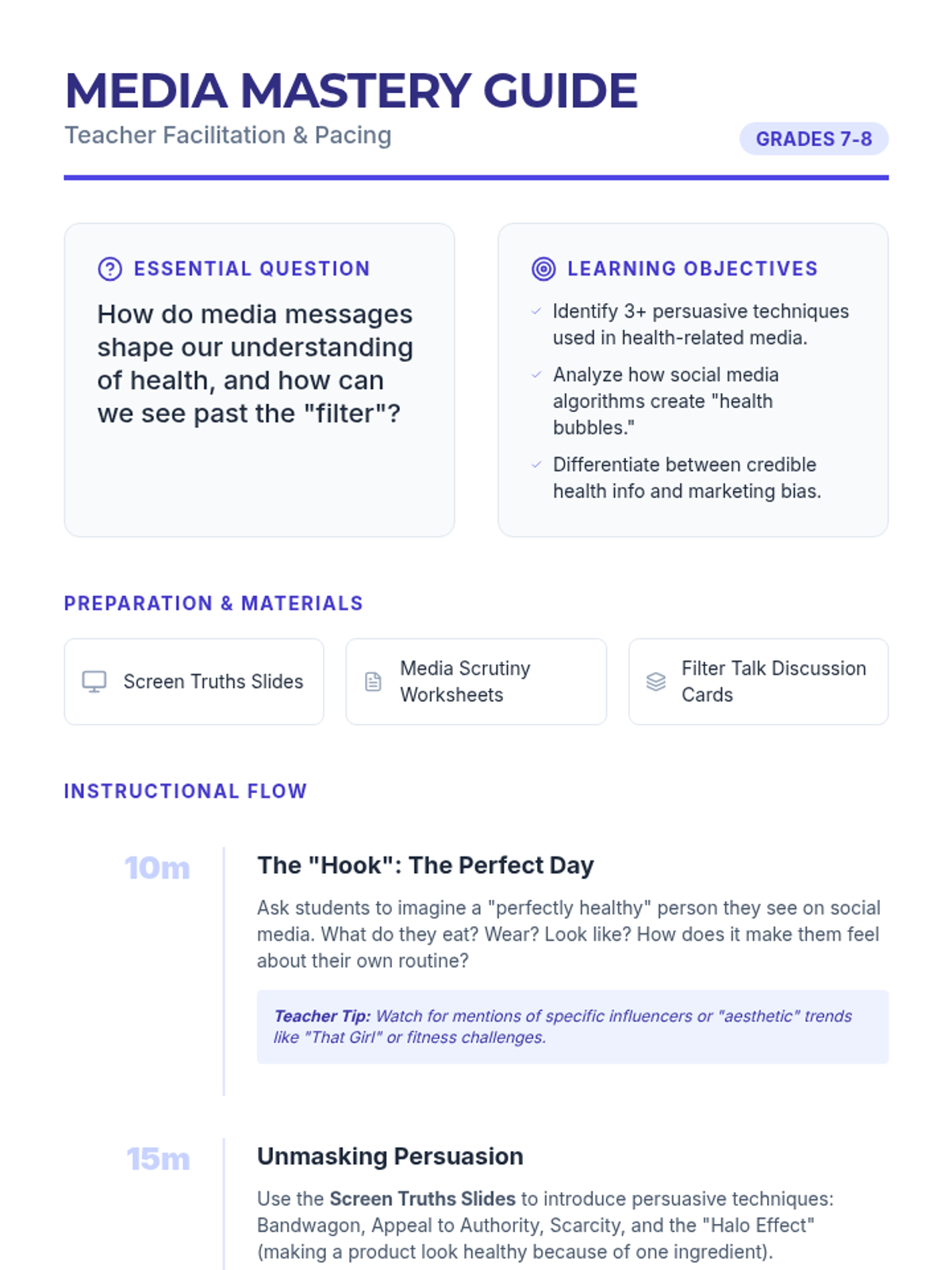
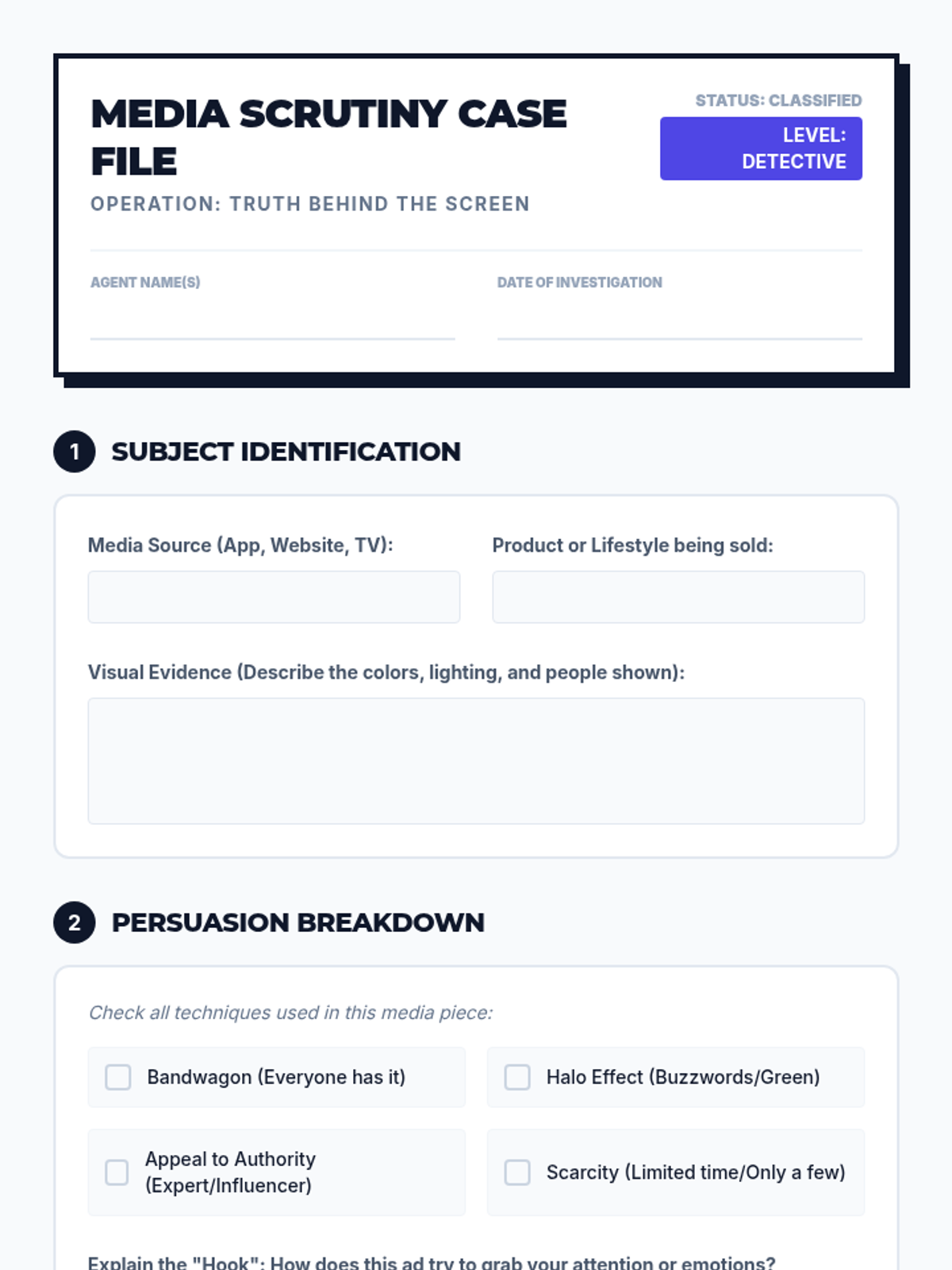
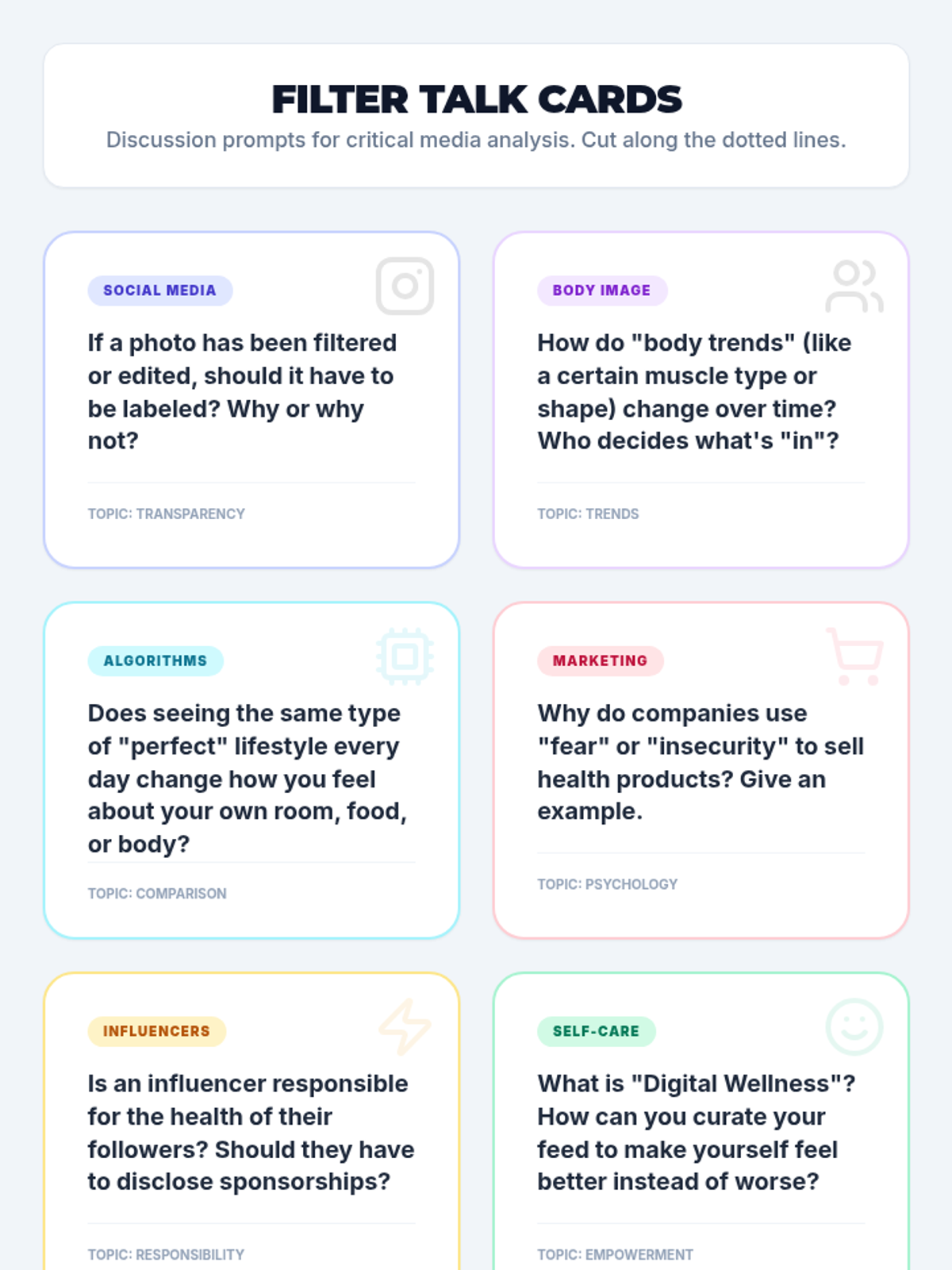
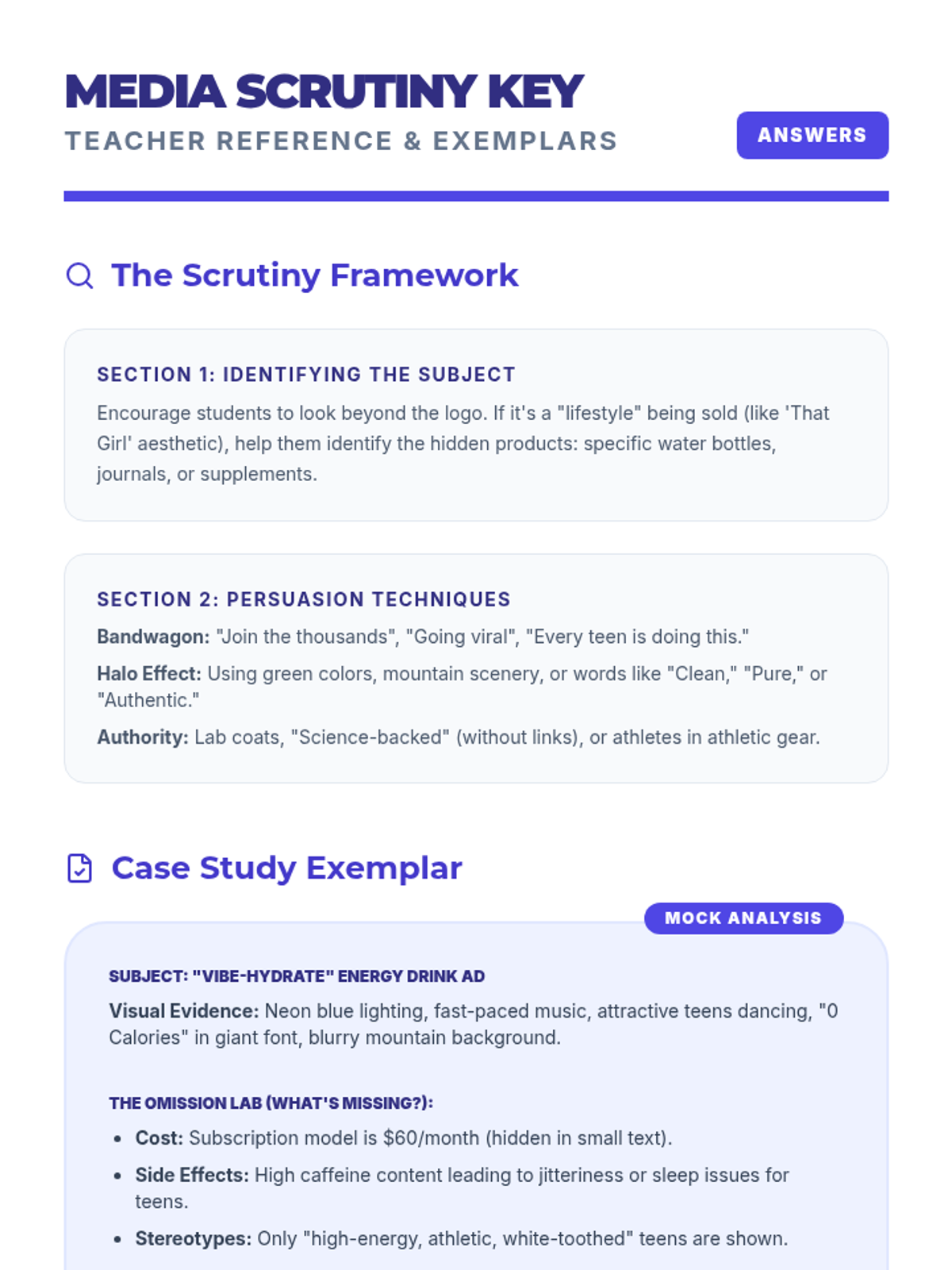
A comprehensive lesson for 7th and 8th graders to critically analyze media's impact on health, body image, and lifestyle choices through investigative activities and discussion.
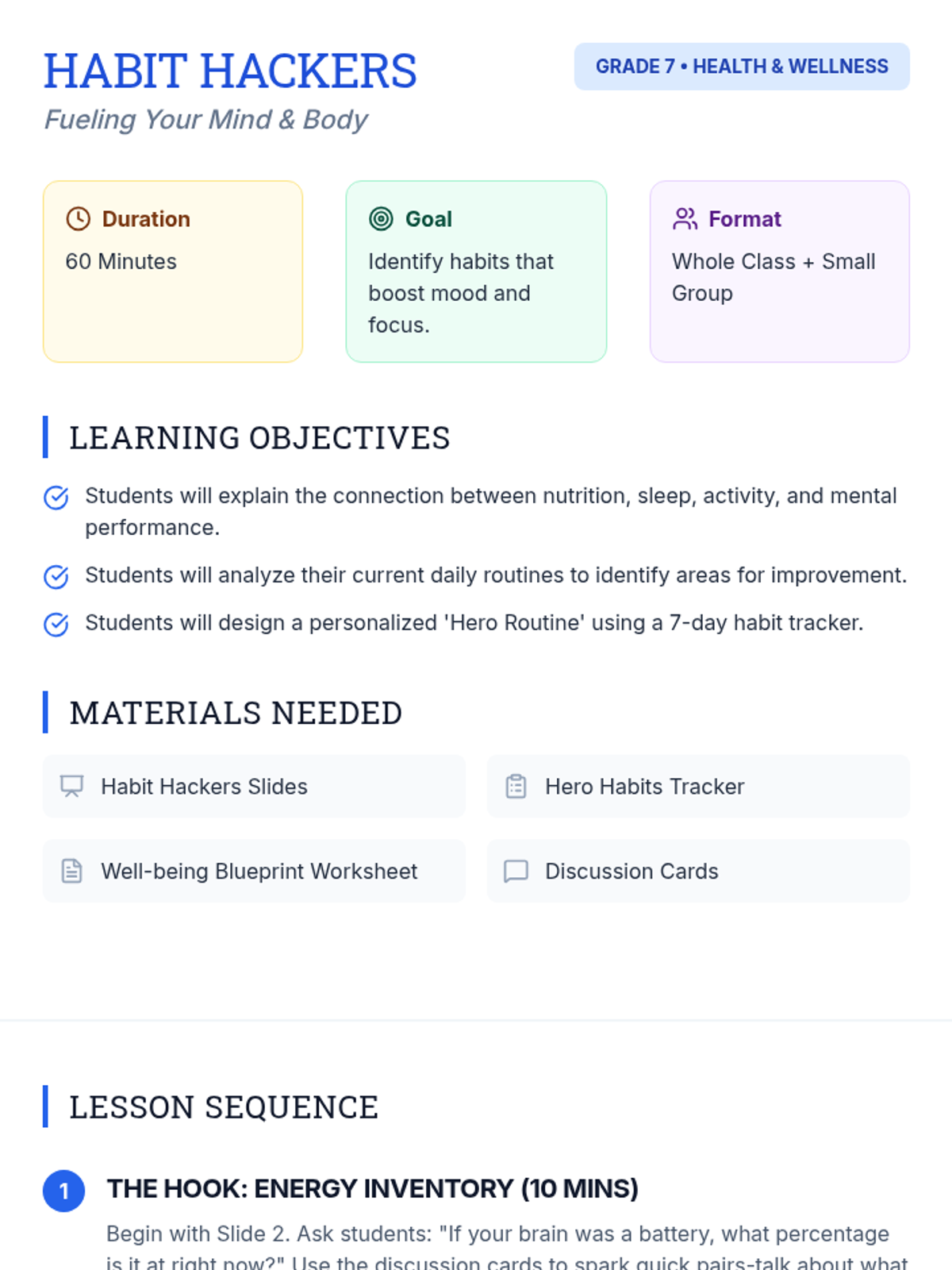
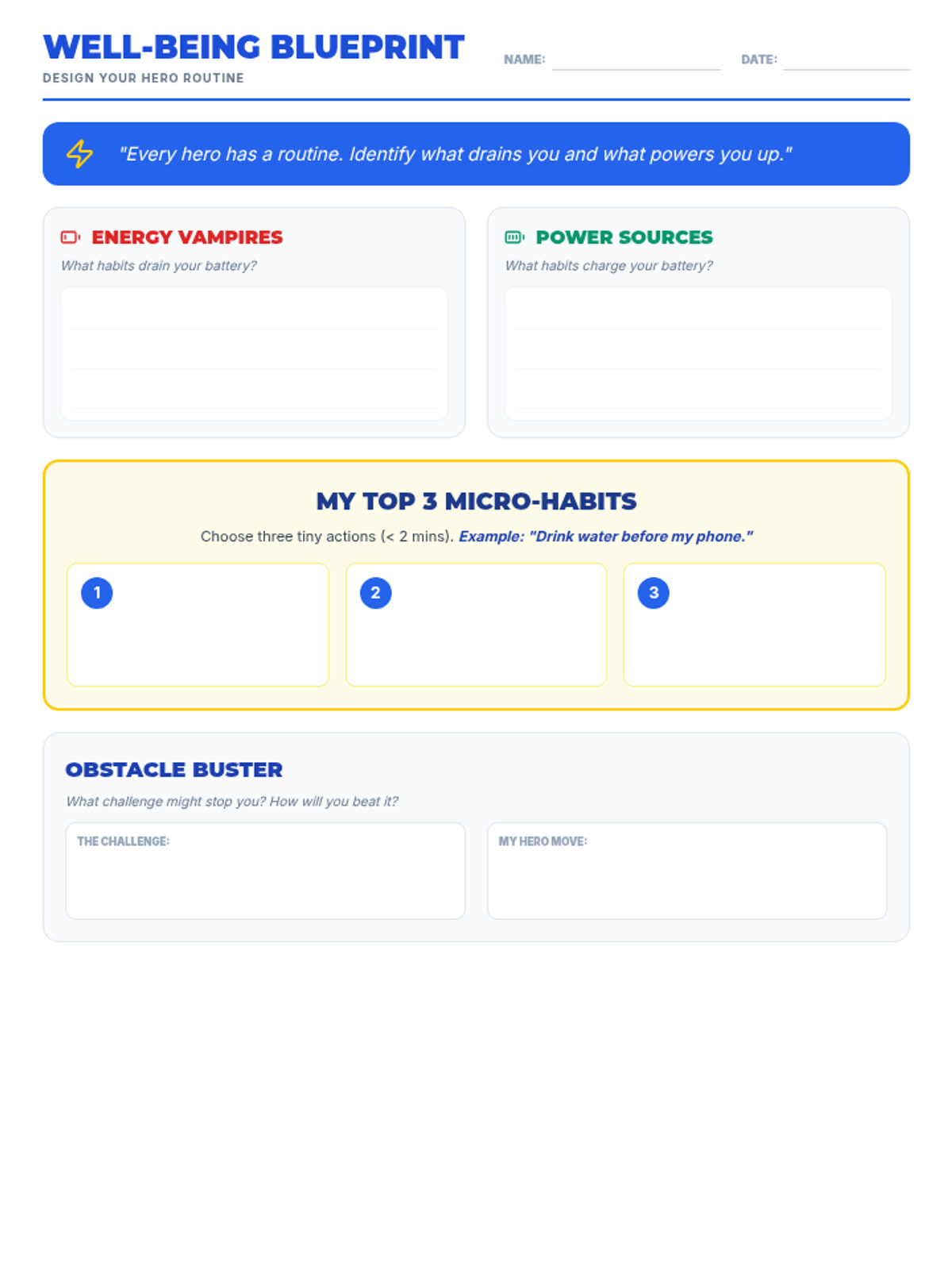
A dynamic lesson where 7th graders explore the link between physical habits and mental performance, designing their own 'hero' routines for success.
A comprehensive introduction to the six dimensions of health, focusing on how they interact to create overall well-being through the 'Wellness Wheel' model.
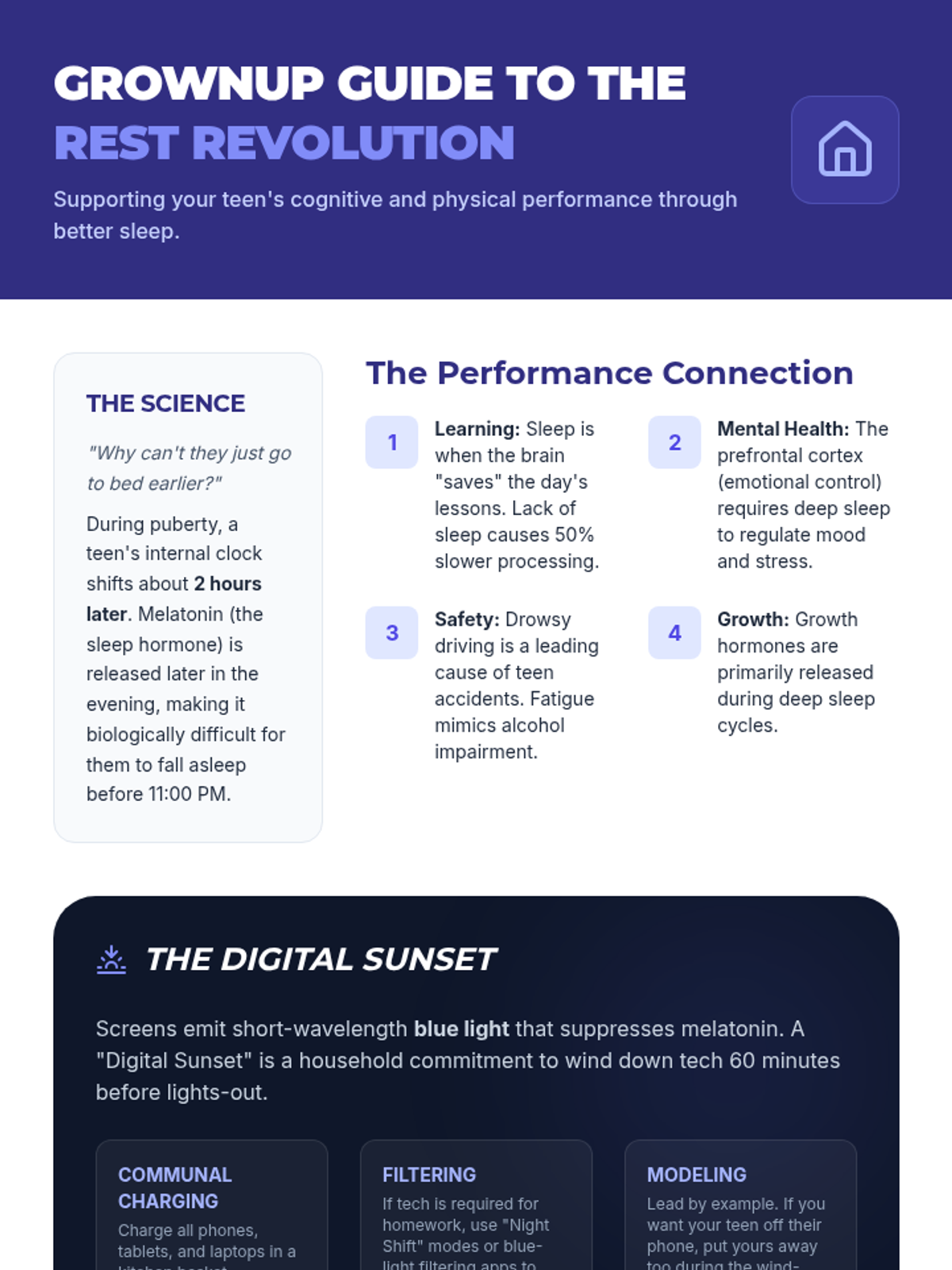
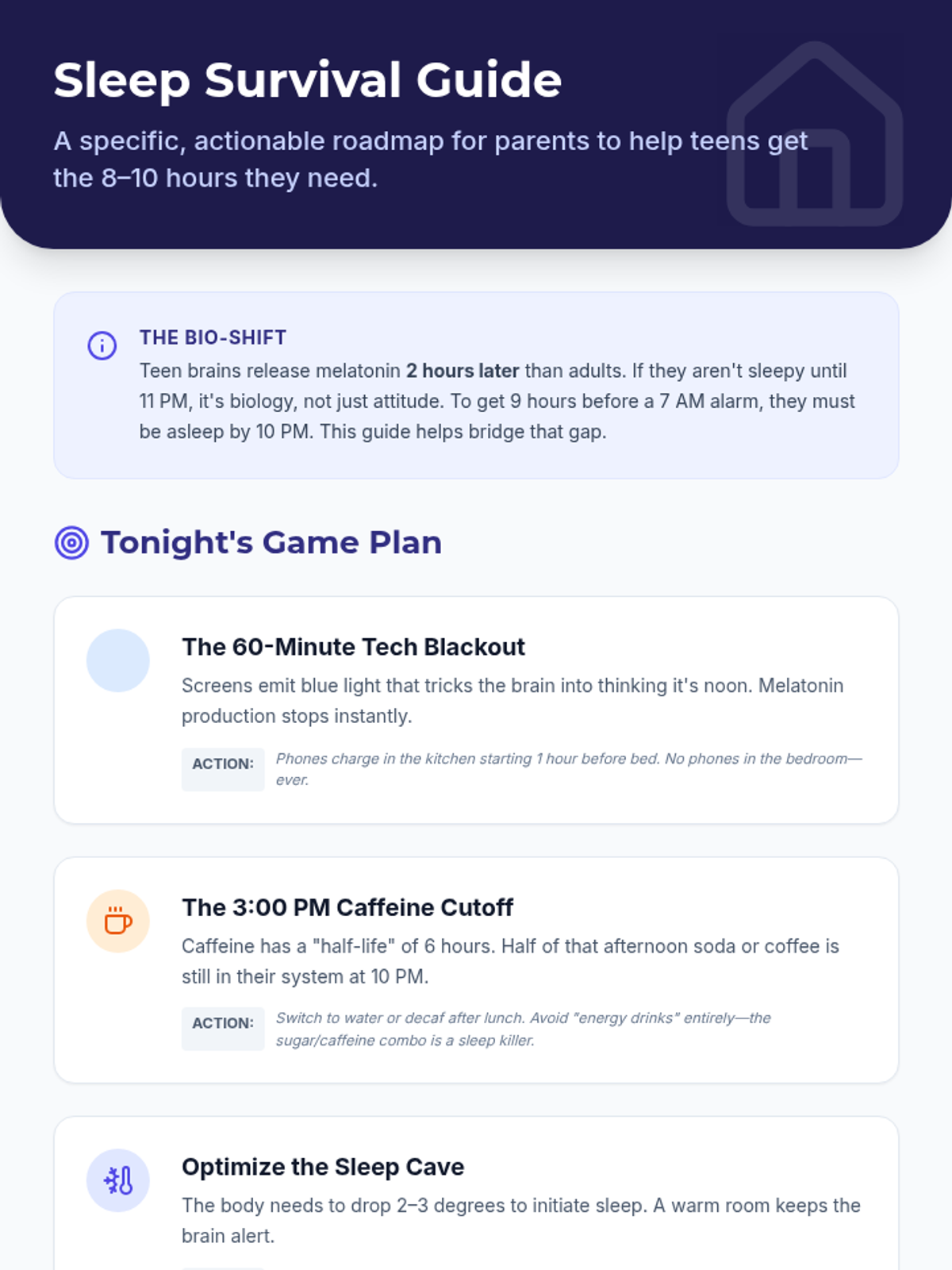
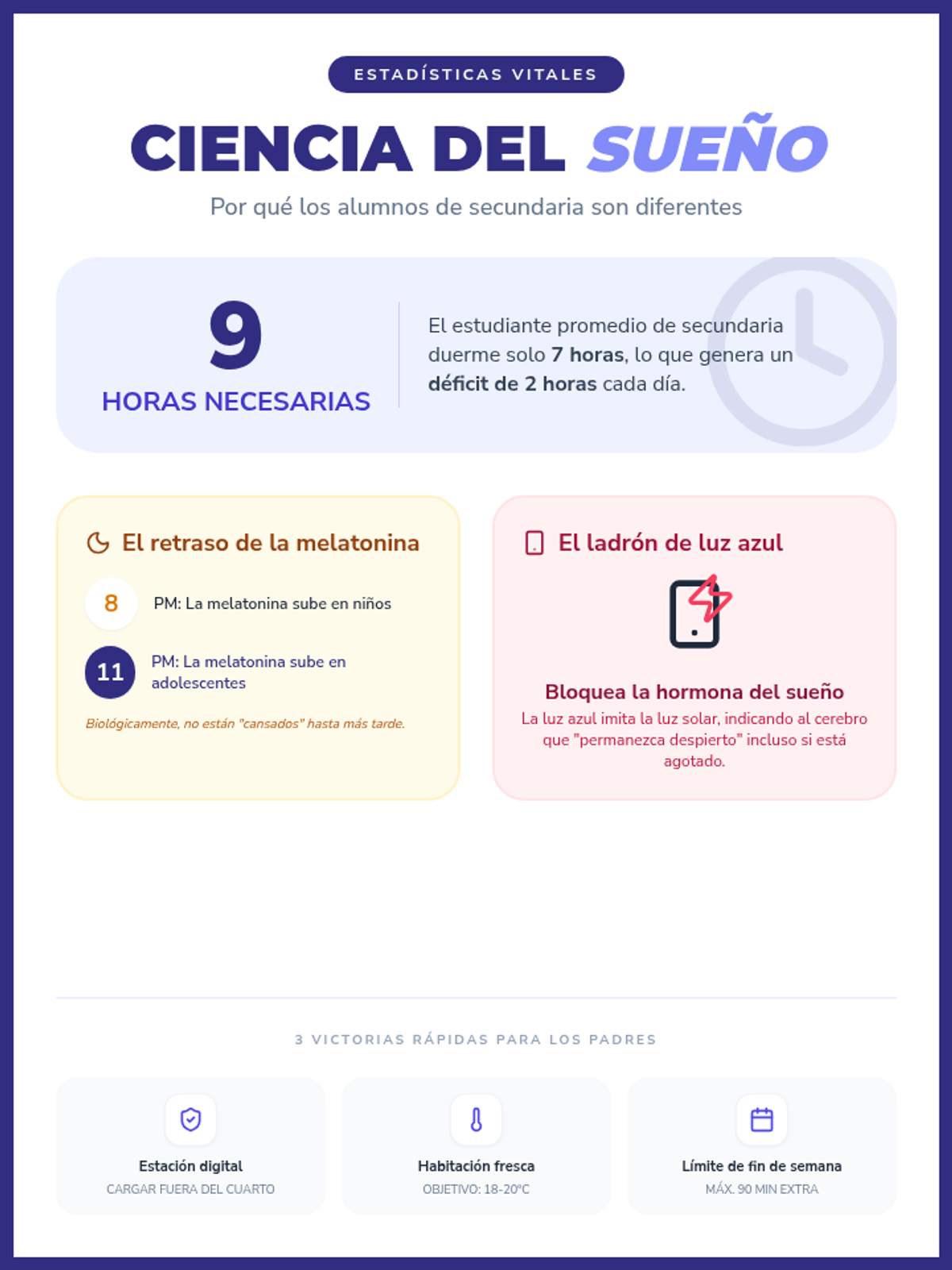
A comprehensive suite of resources for parents of middle schoolers, focusing on the science of adolescent sleep, screen time management, and practical strategies for healthy nighttime routines.
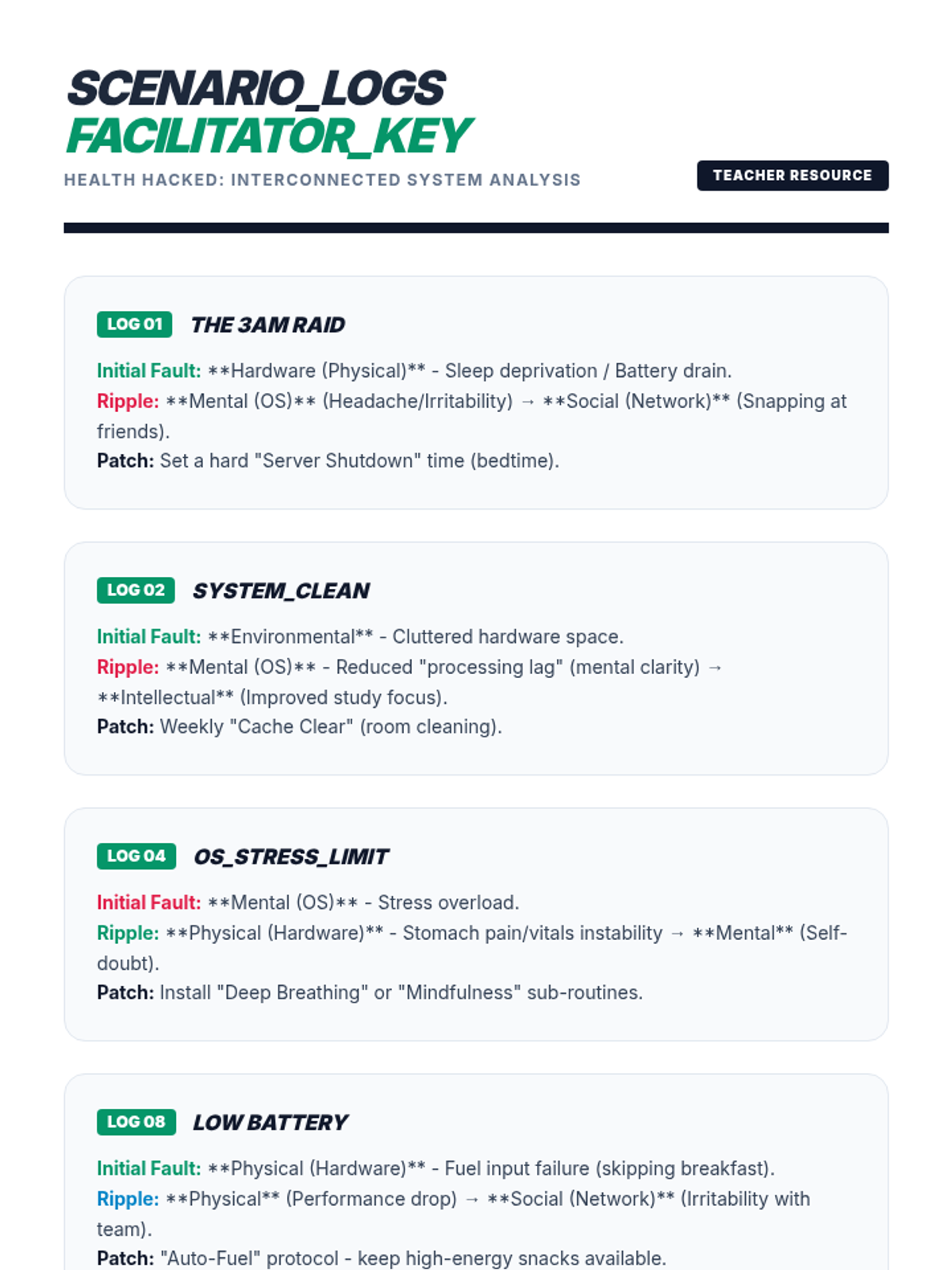
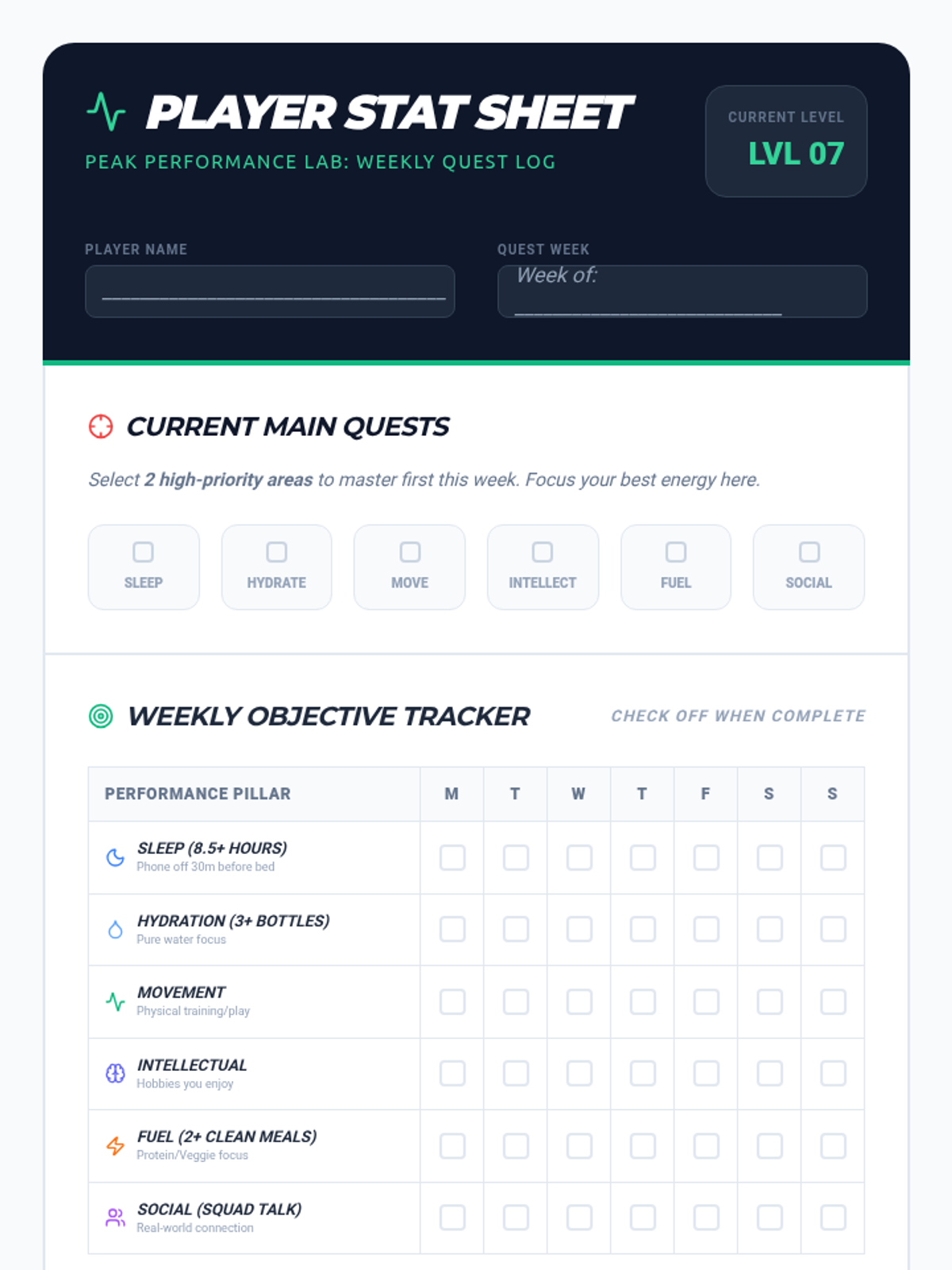
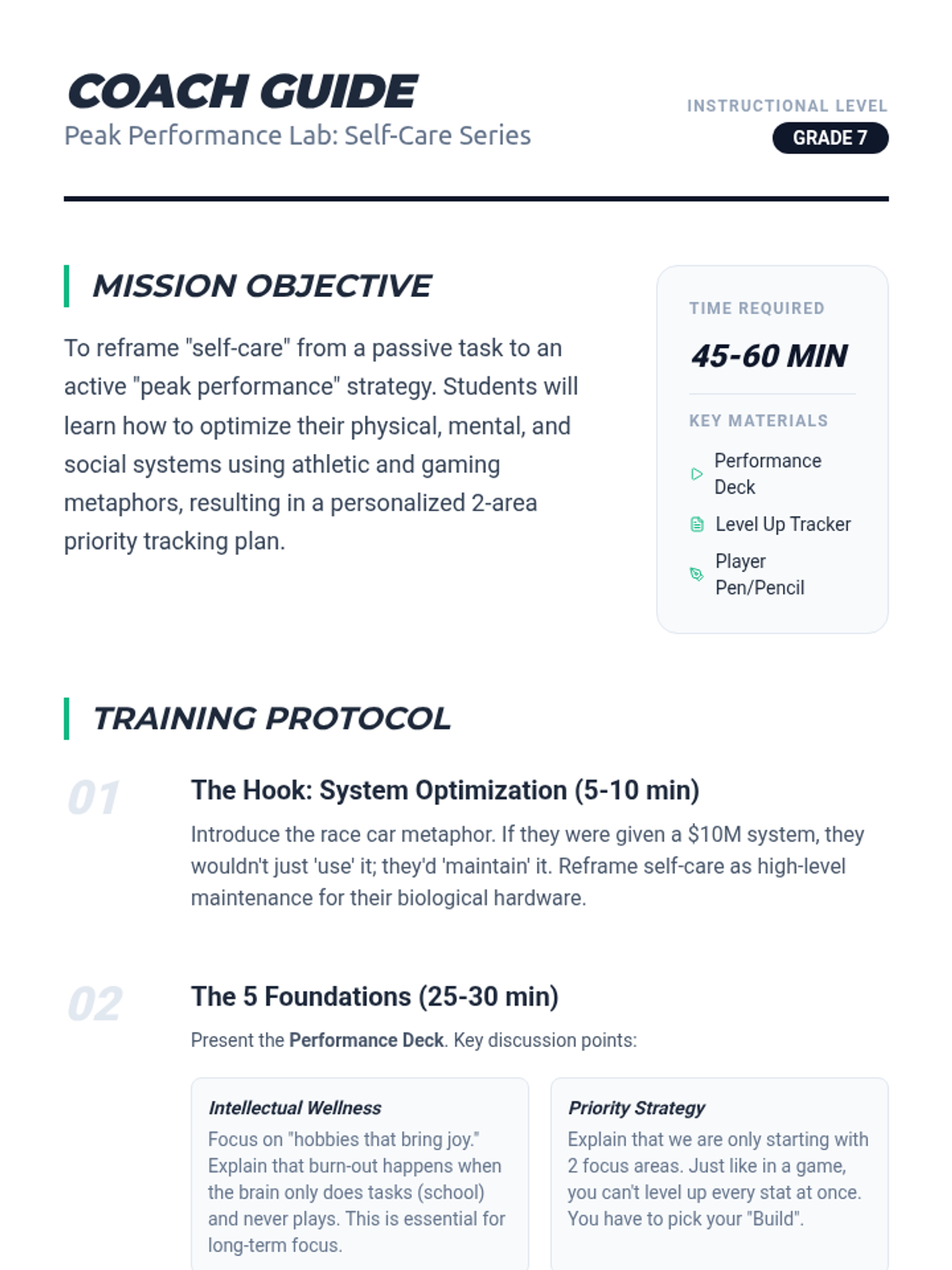
A high-performance themed lesson for 7th grade boys that reframes self-care as 'system optimization' for peak physical, mental, and social performance. Students will learn the science behind sleep, nutrition, exercise, and social connection while building a personalized weekly tracking plan.
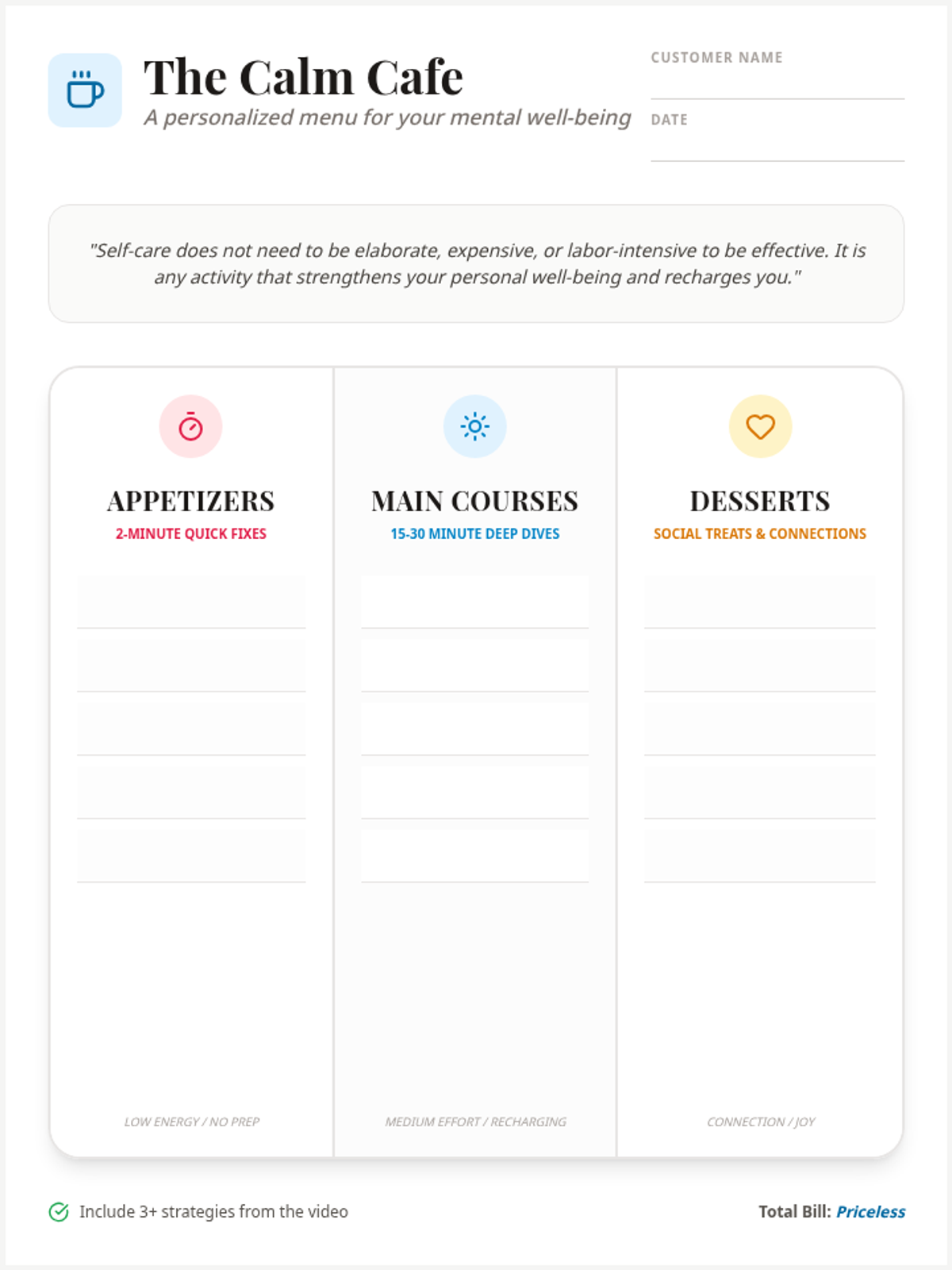
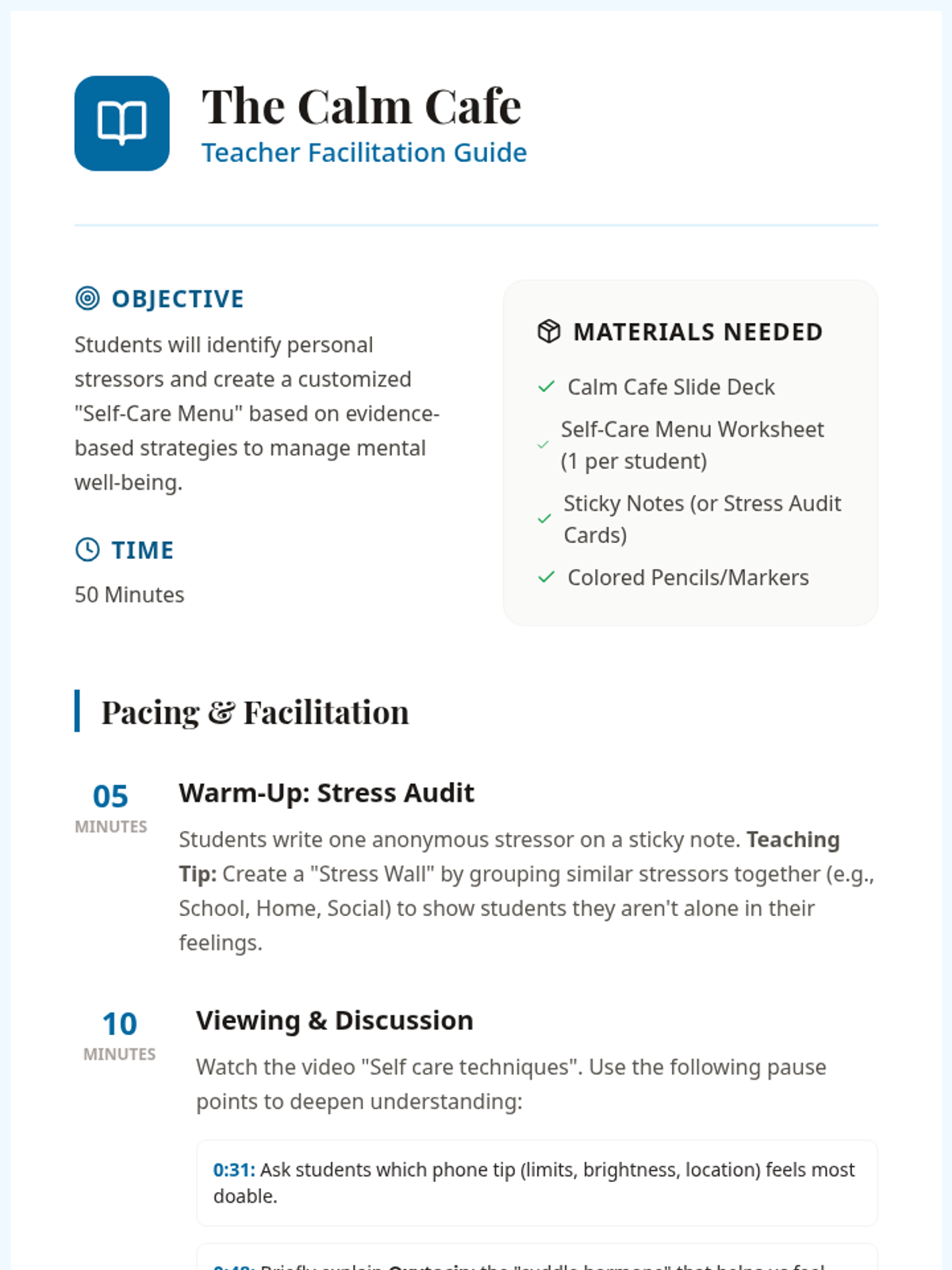
A lesson focused on identifying stressors and building a personalized self-care menu using evidence-based strategies from a health and wellness video. Students learn that self-care is an accessible, vital practice for mental health.
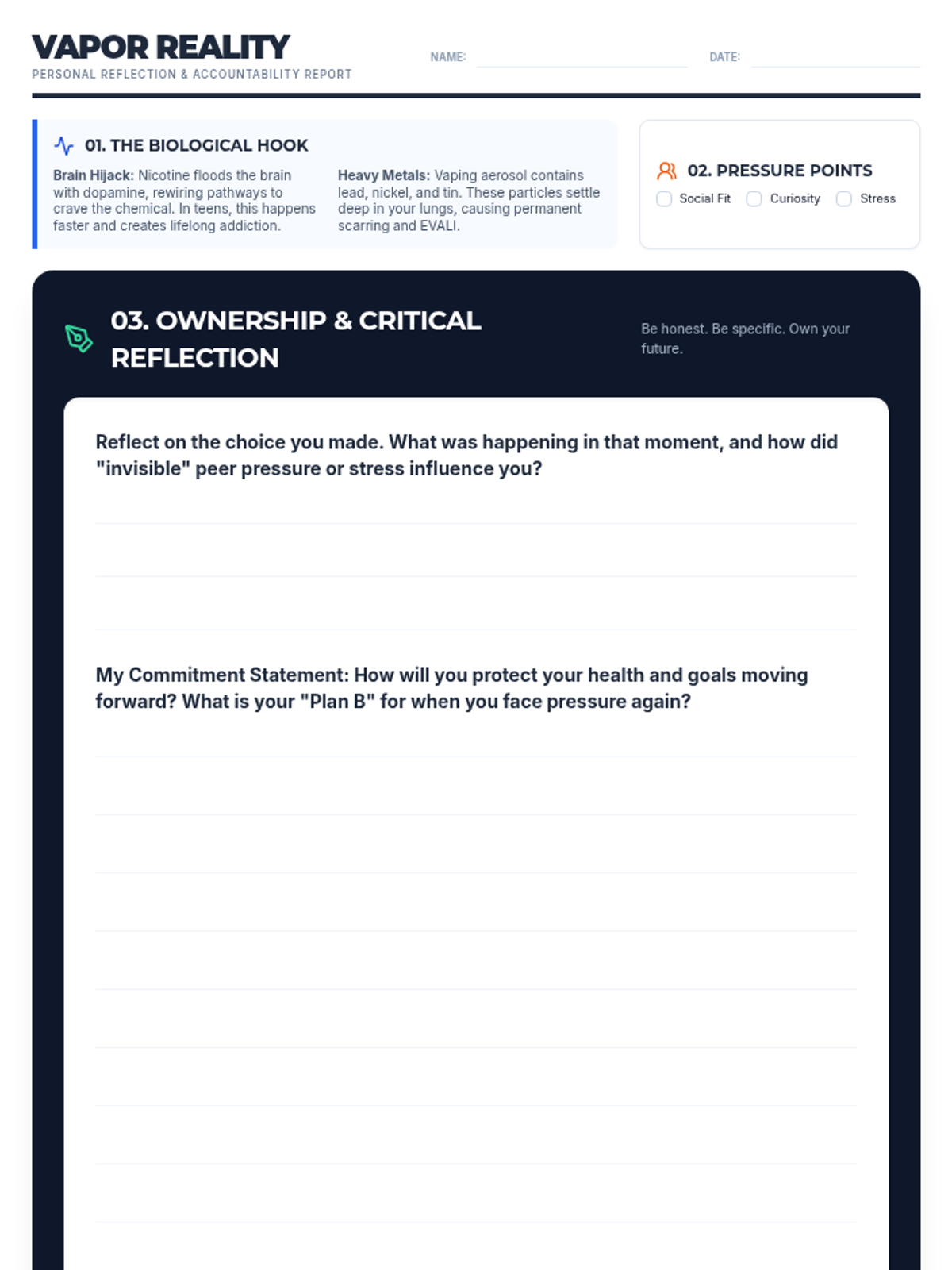
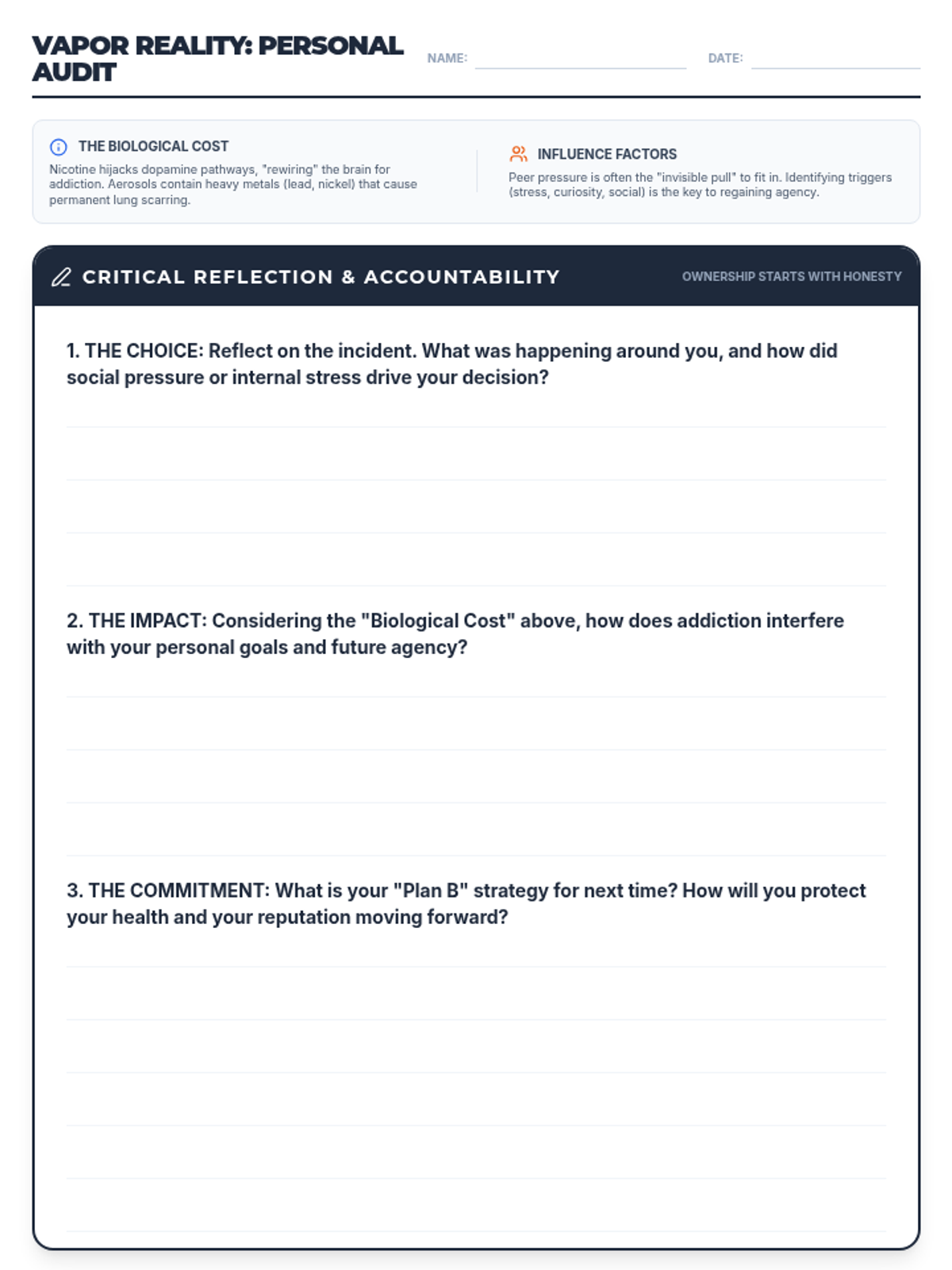
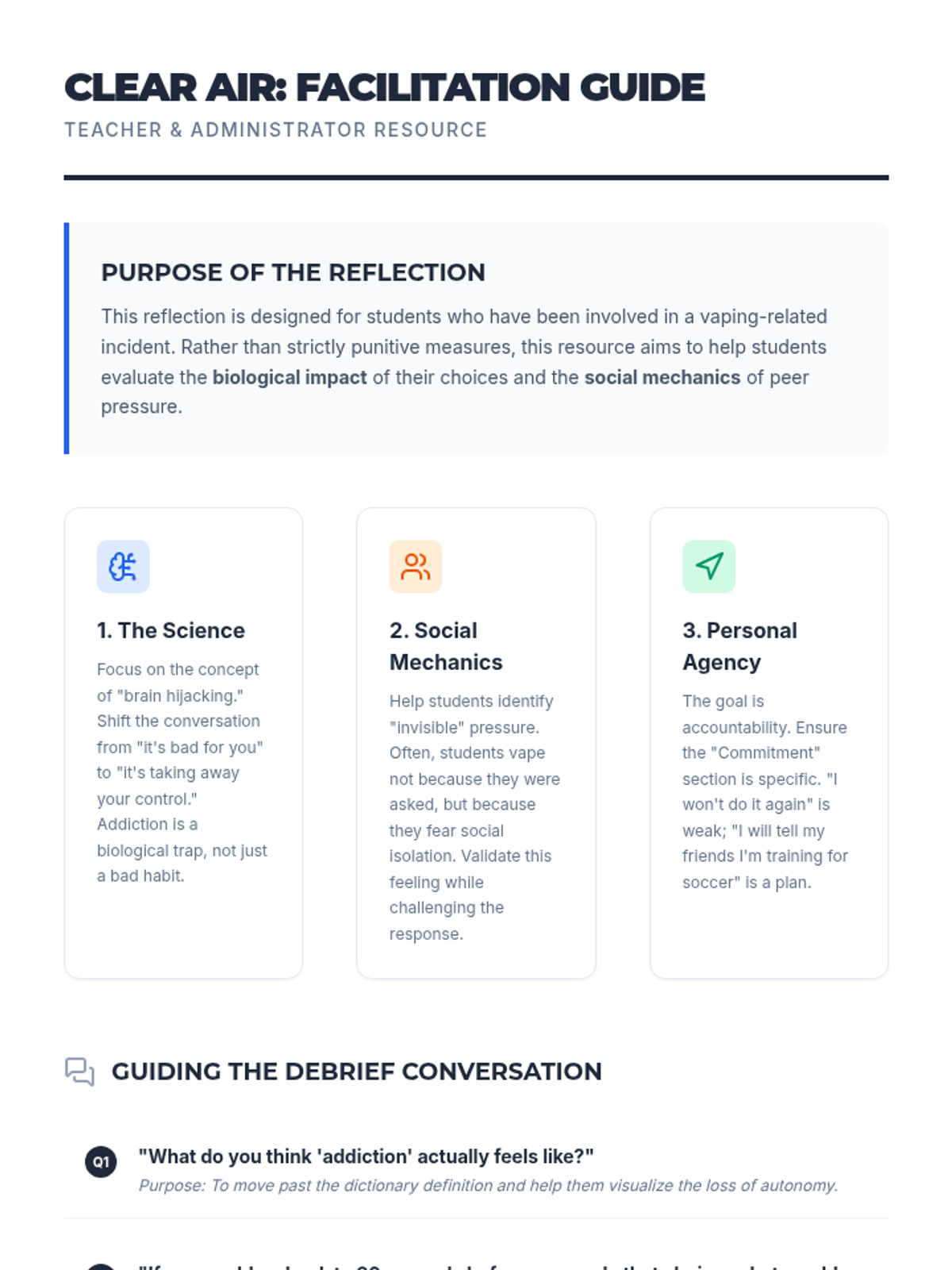
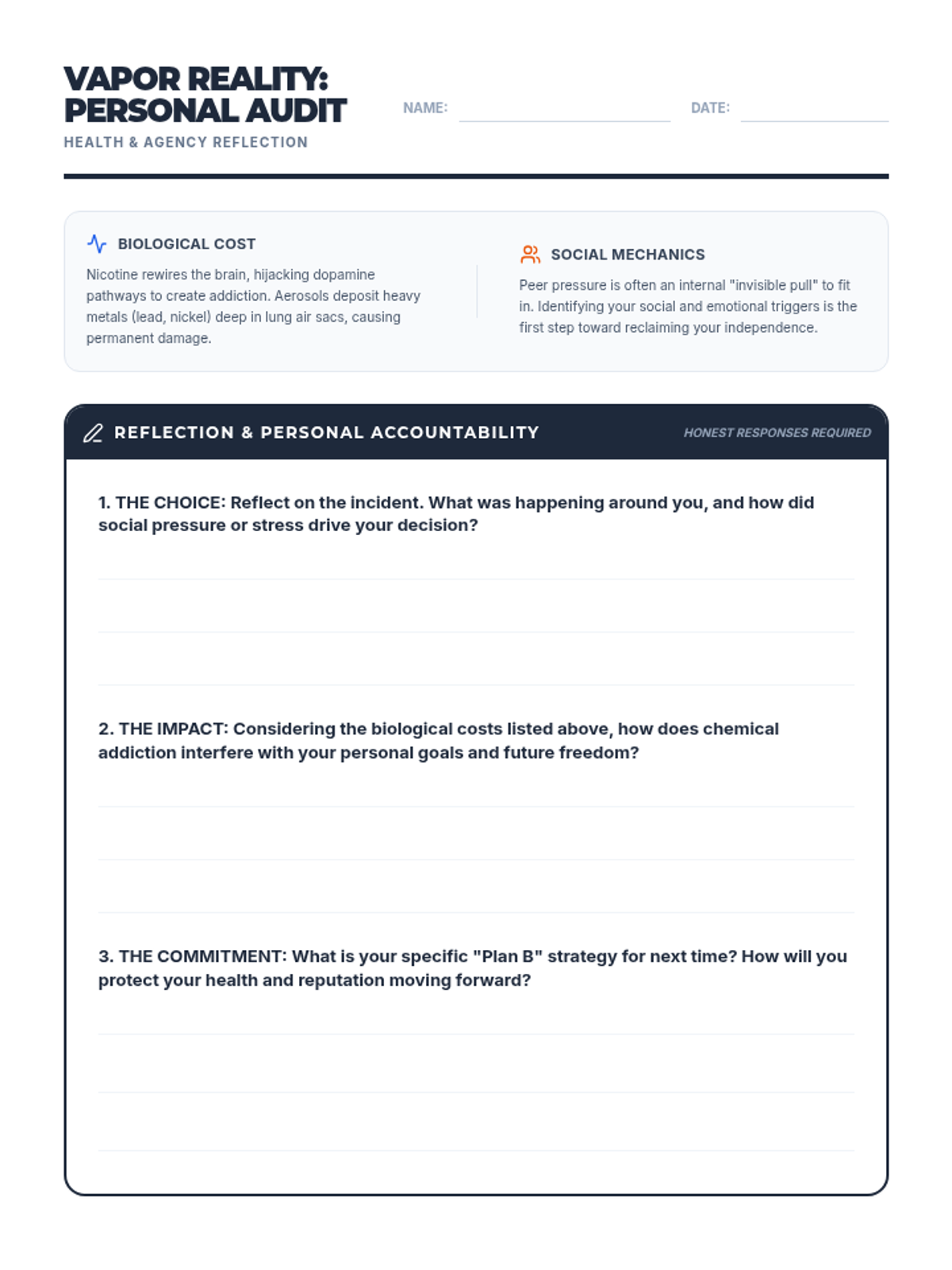
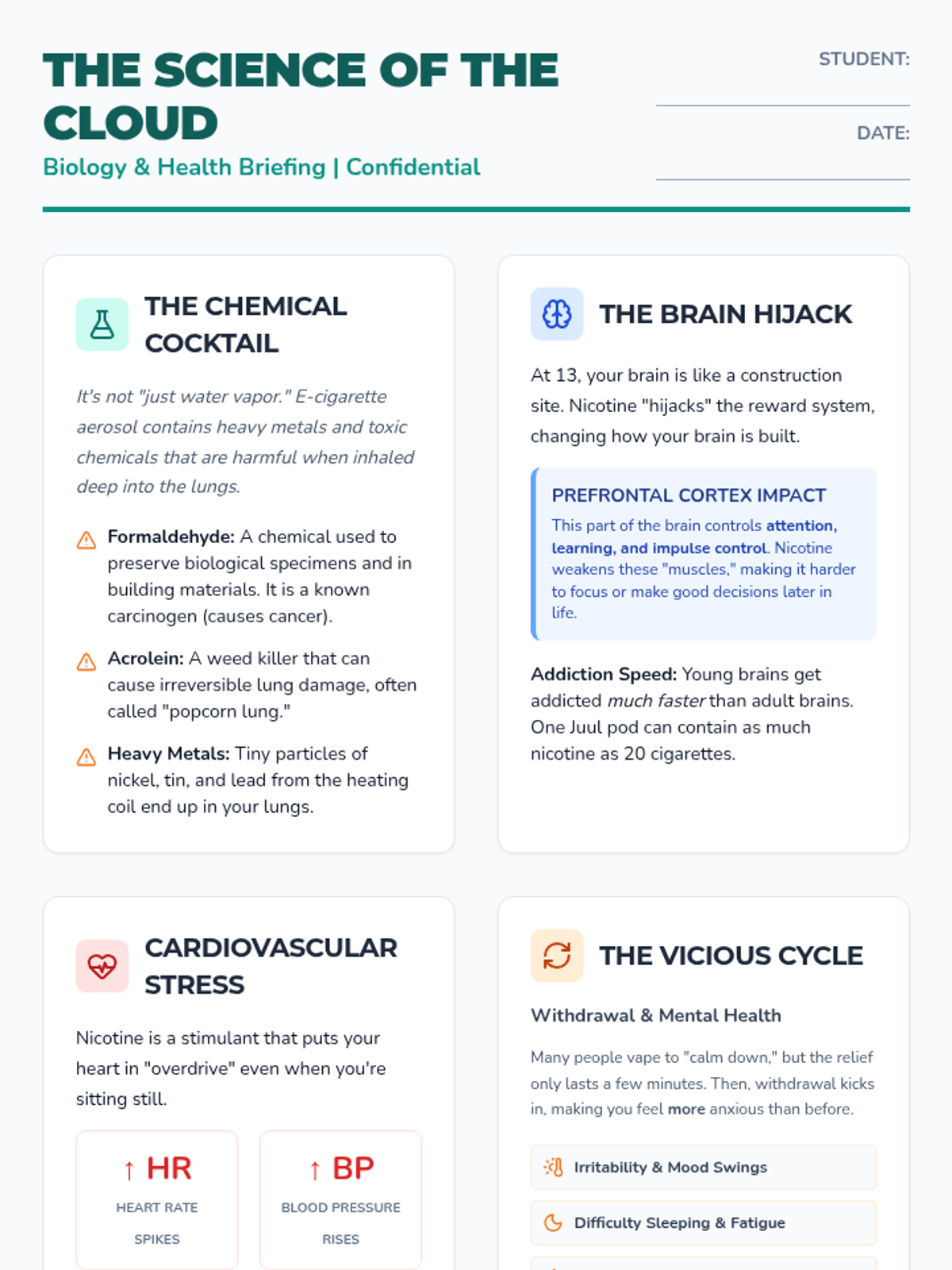
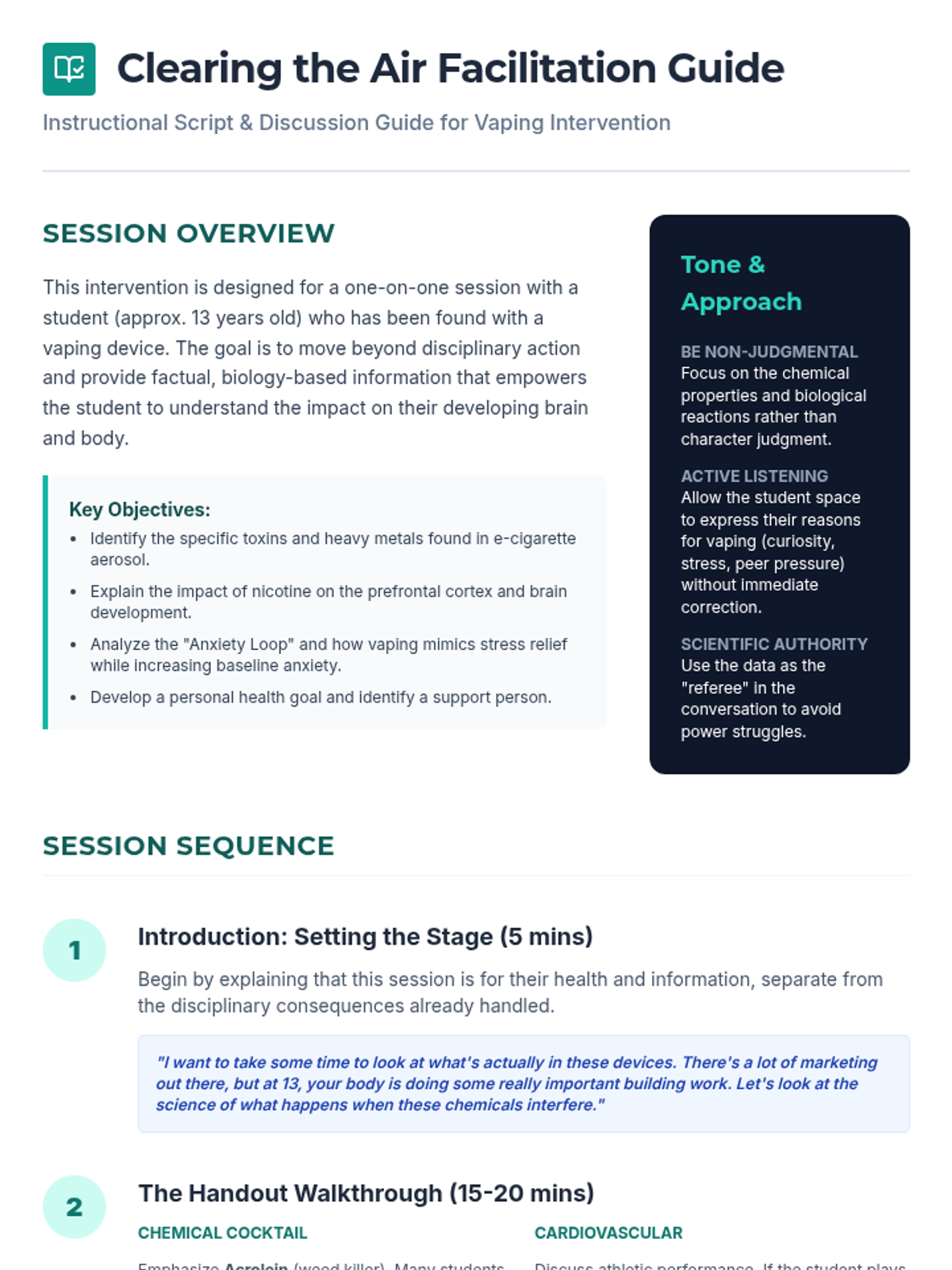
A focused intervention lesson for a student recently suspended for vaping, covering the biological and mental health impacts of nicotine and aerosol exposure.
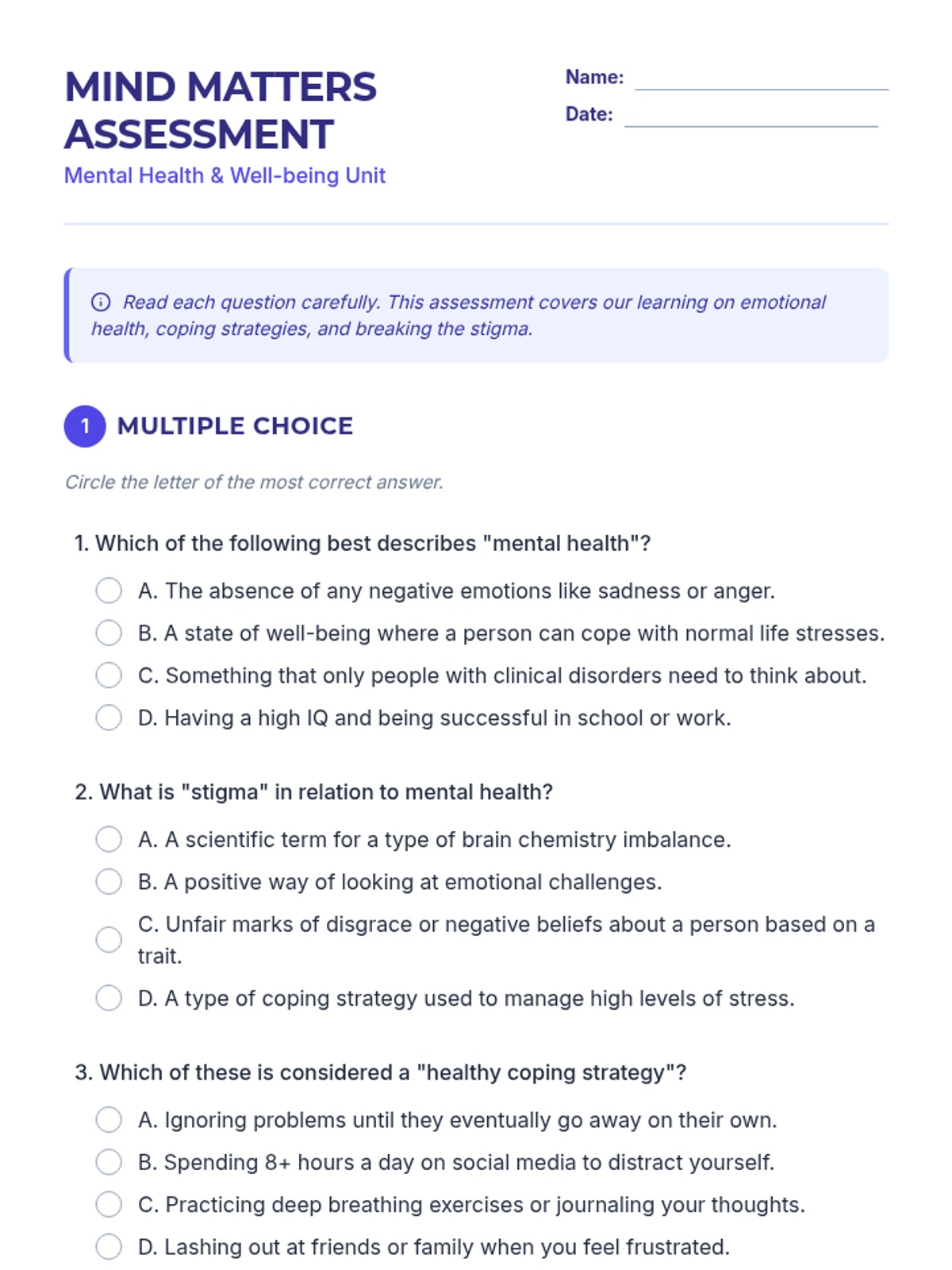
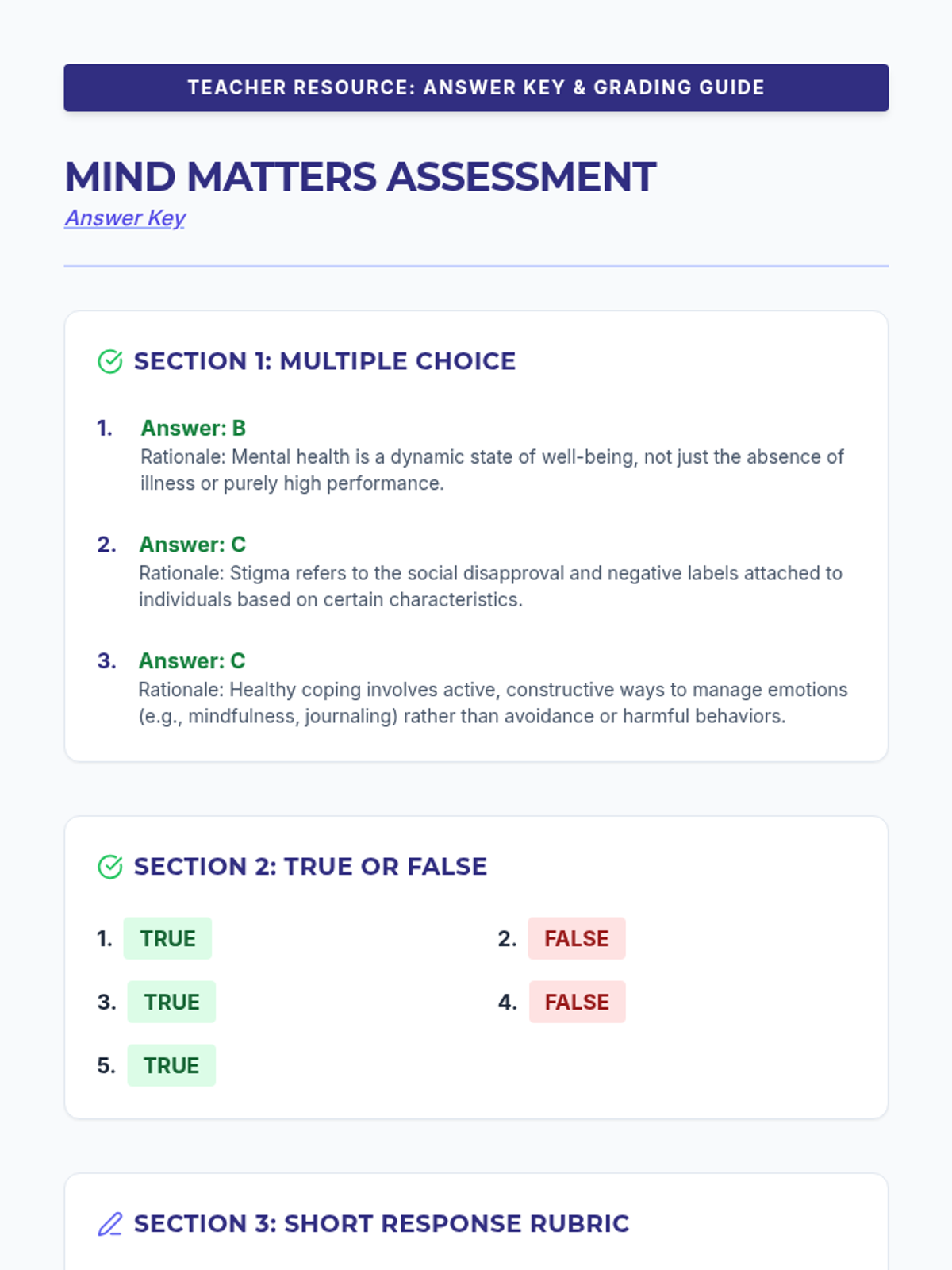
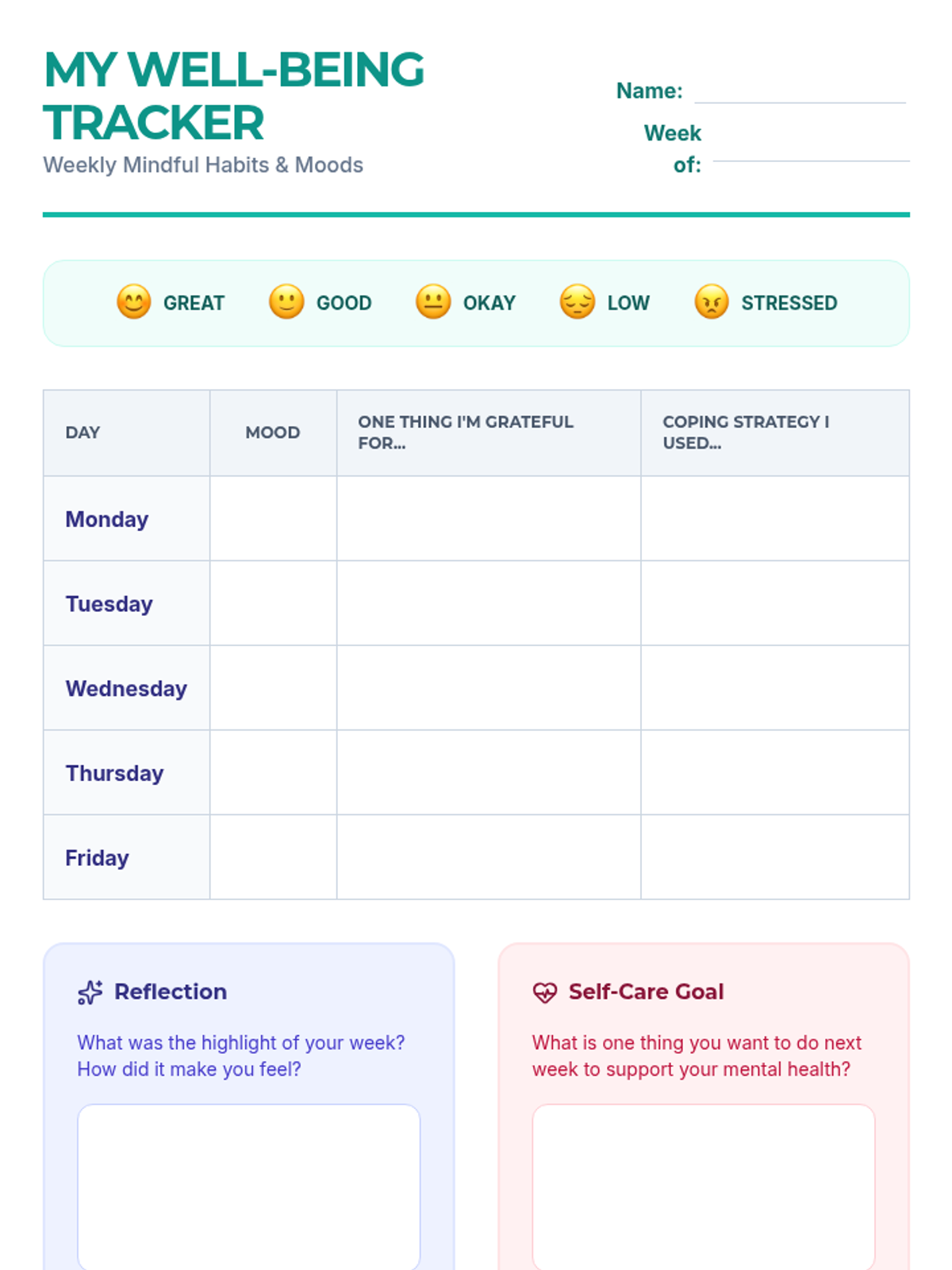
An introductory lesson on mental health and well-being, focusing on understanding emotions, identifying coping strategies, and reducing stigma. Students will learn how to maintain their mental health and when to seek support.
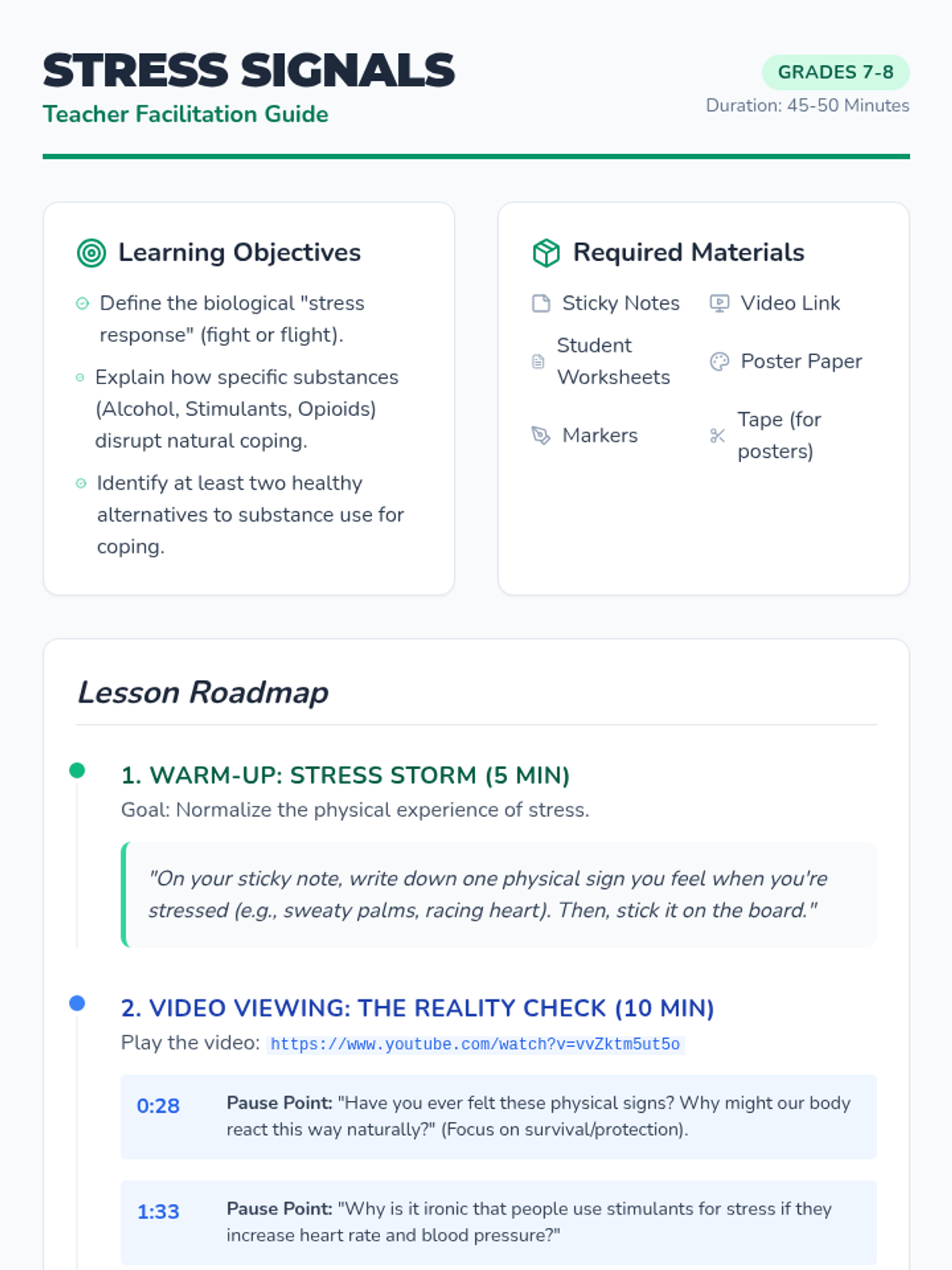
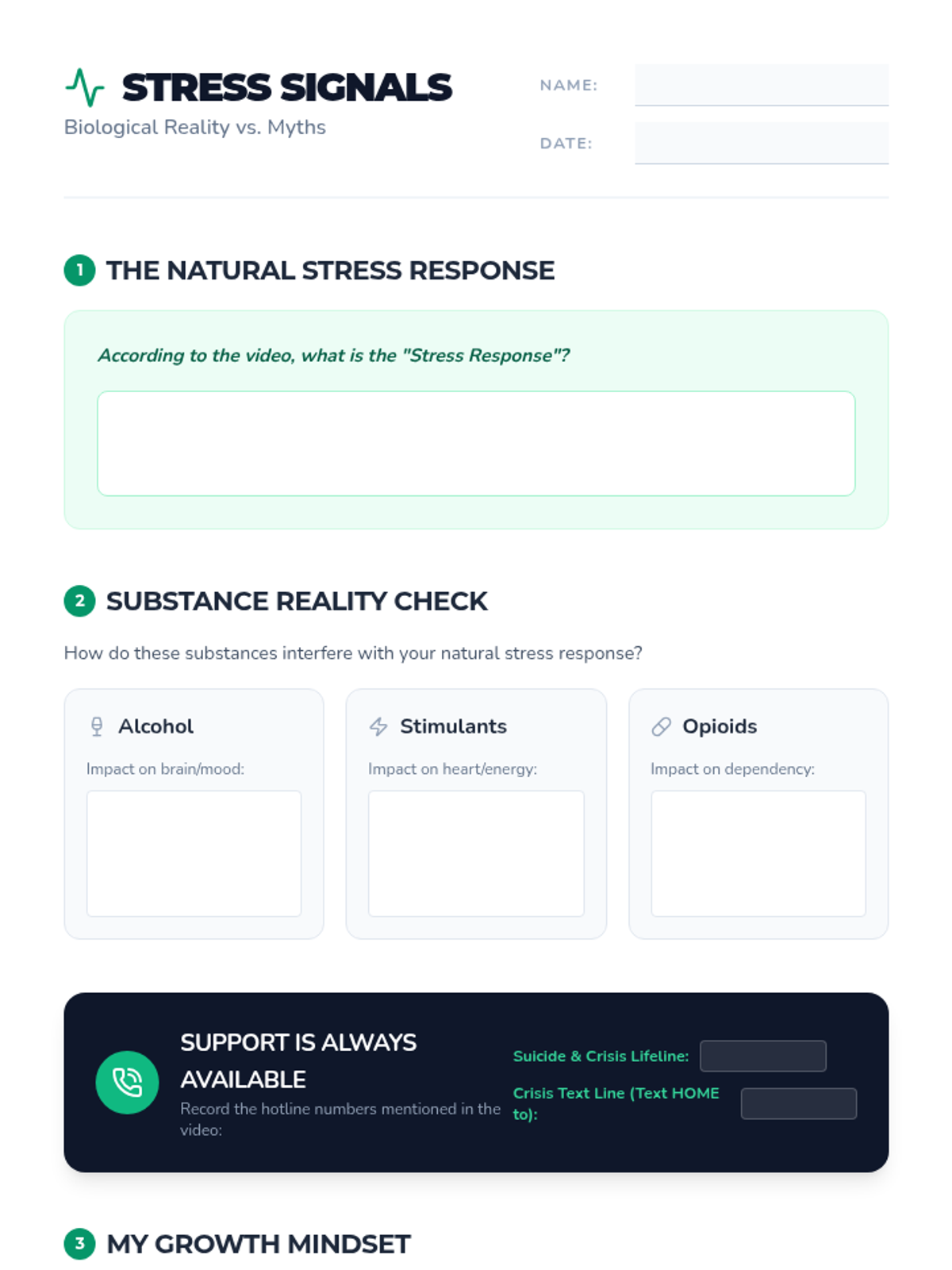
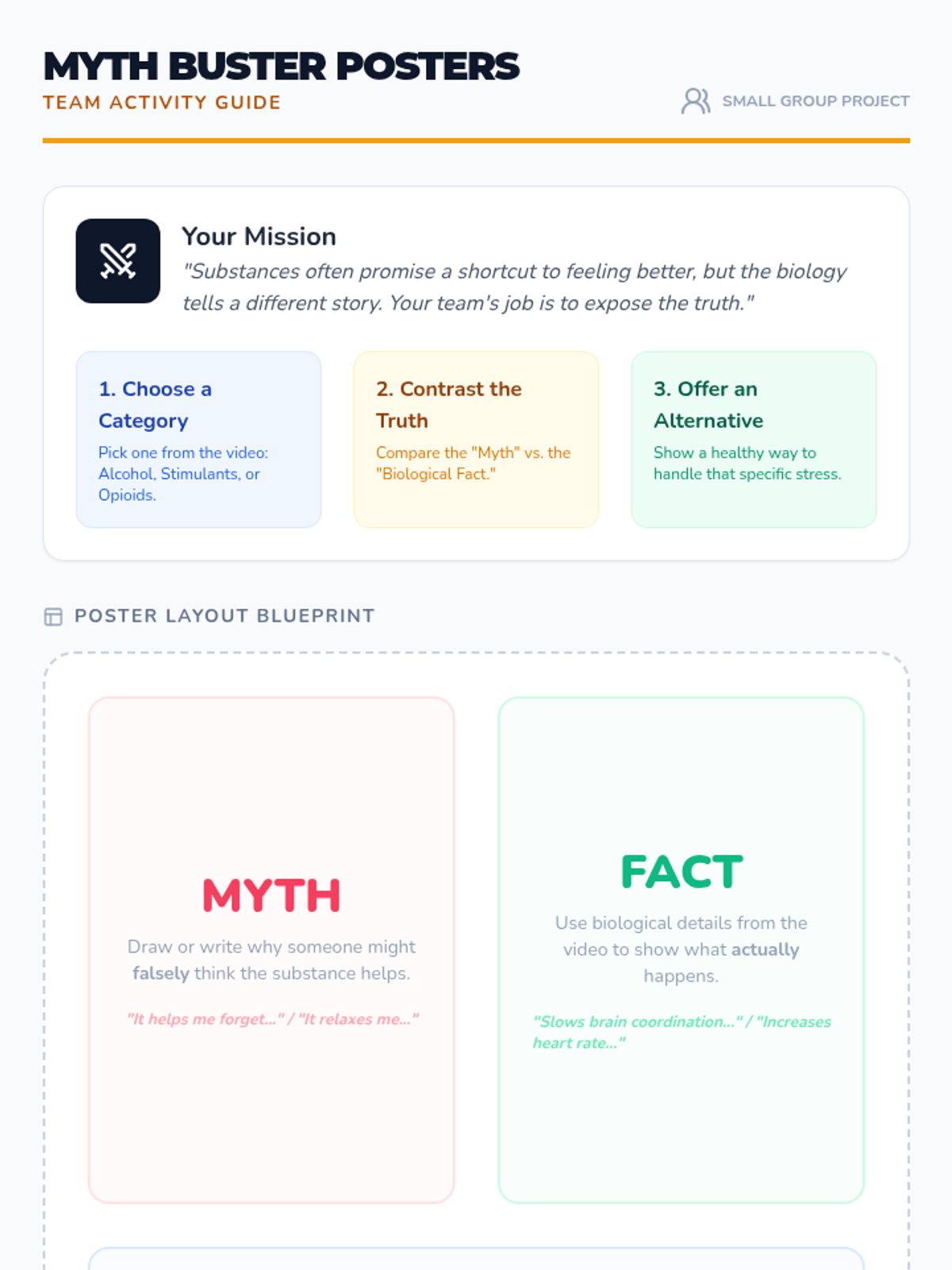
This lesson explores the biological reality of how drugs and alcohol interfere with the body's natural stress response, providing students with scientific evidence to debunk common myths and offering healthy, long-term coping strategies.
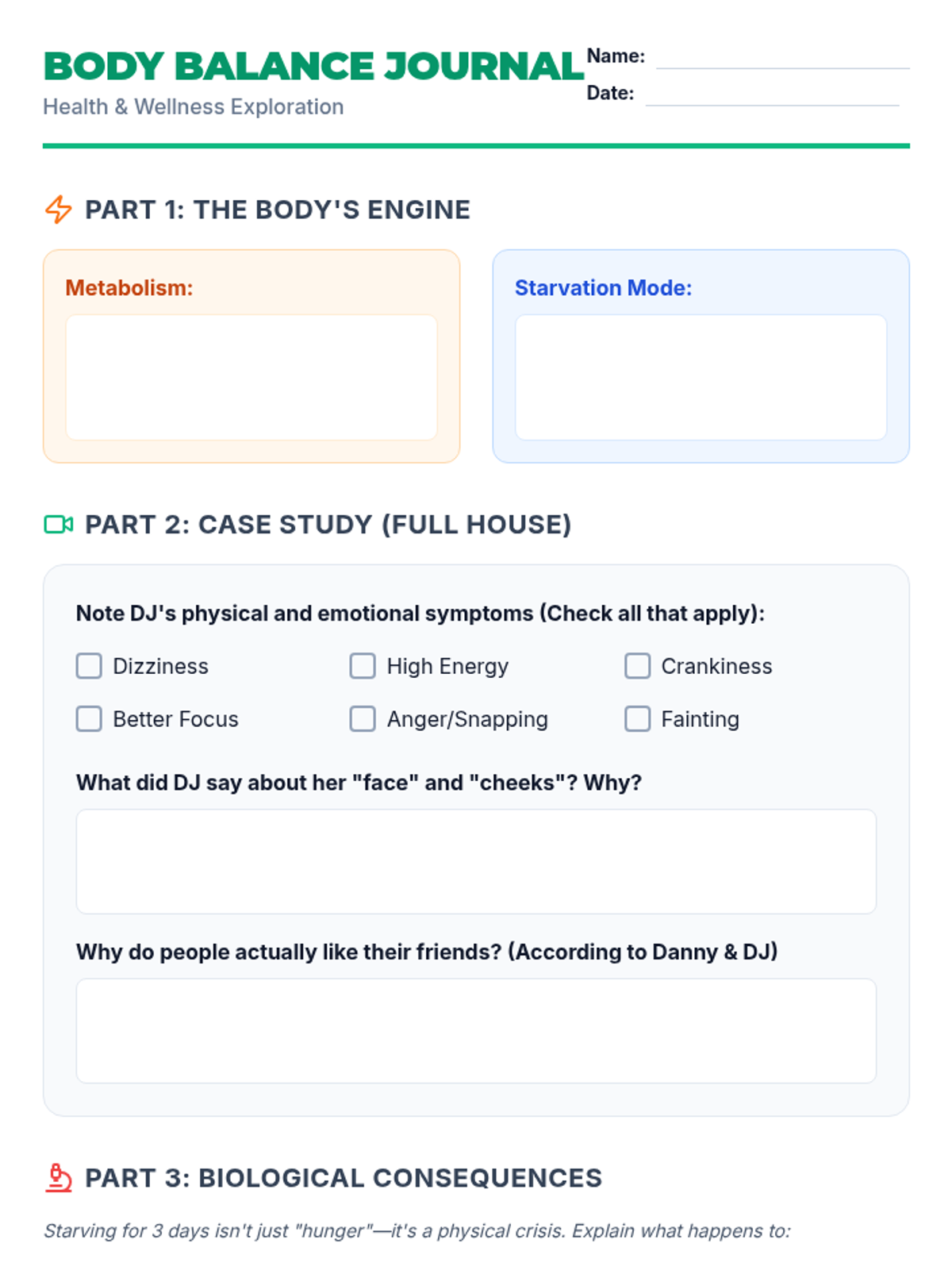
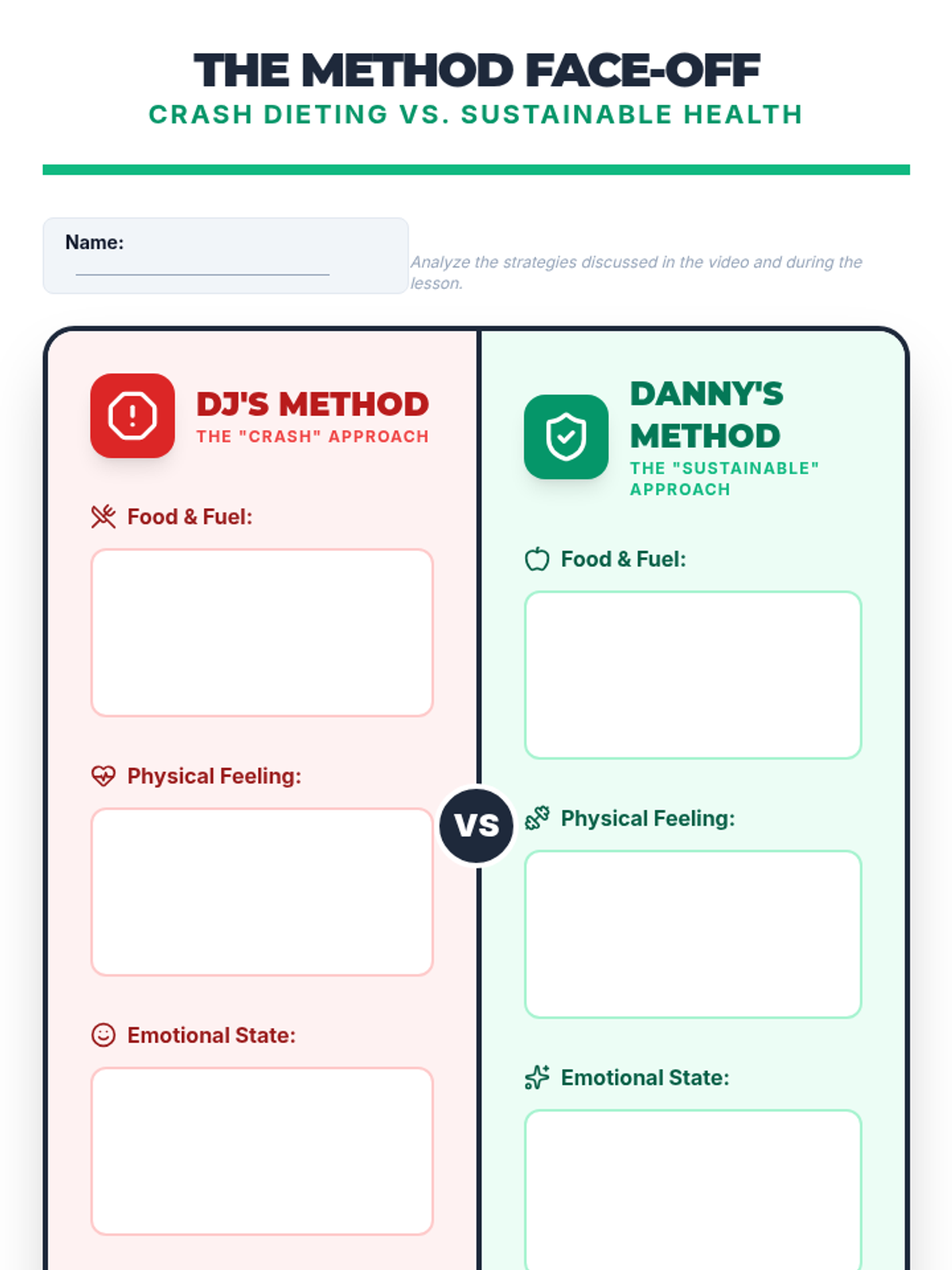
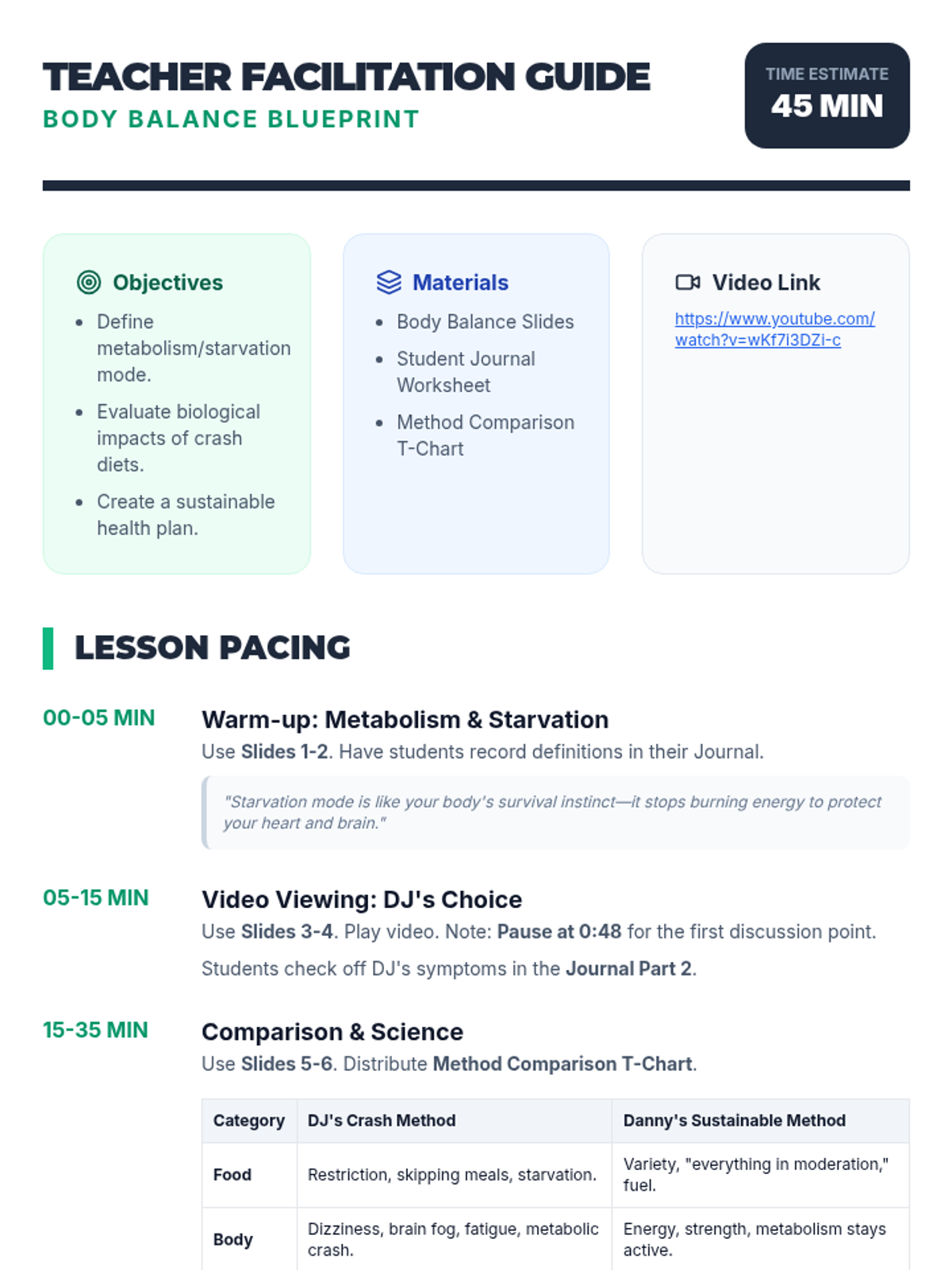
A comprehensive health lesson for middle school students exploring the biological and psychological dangers of crash dieting versus sustainable health, centered around a classic Full House video clip.
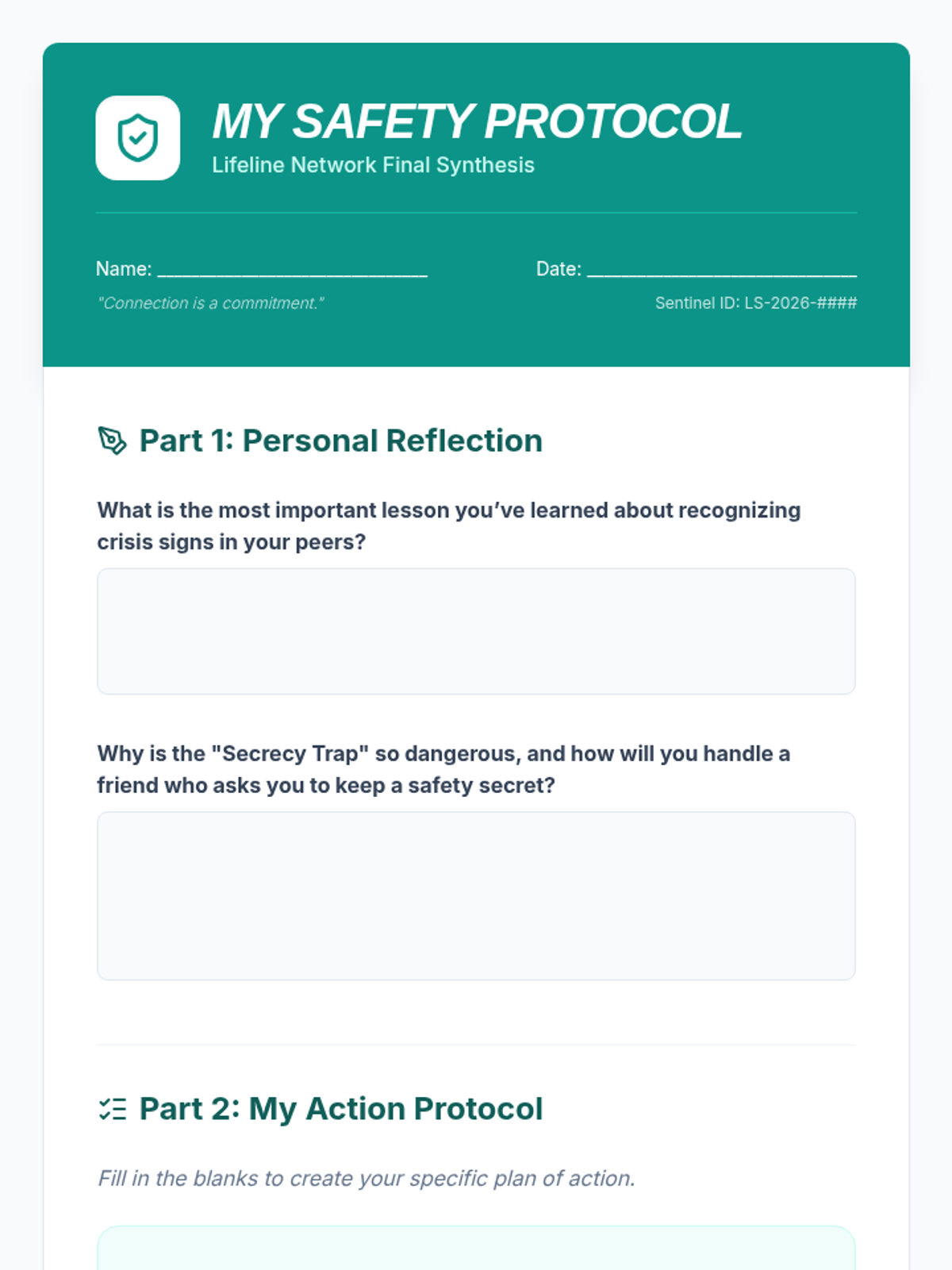
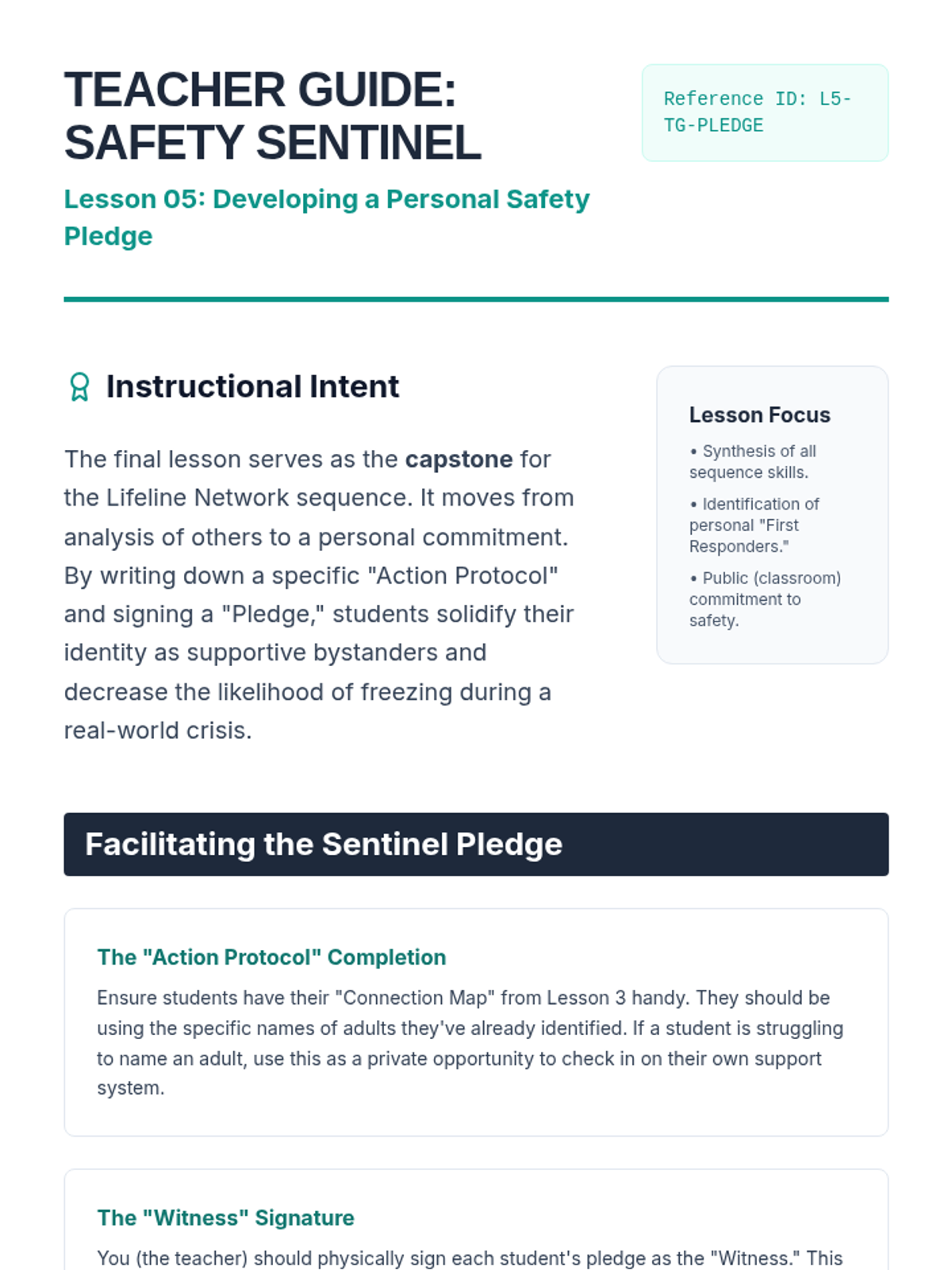
Students synthesize their learning into a personal safety pledge and protocol, establishing an internal commitment to act when they see signs of distress.
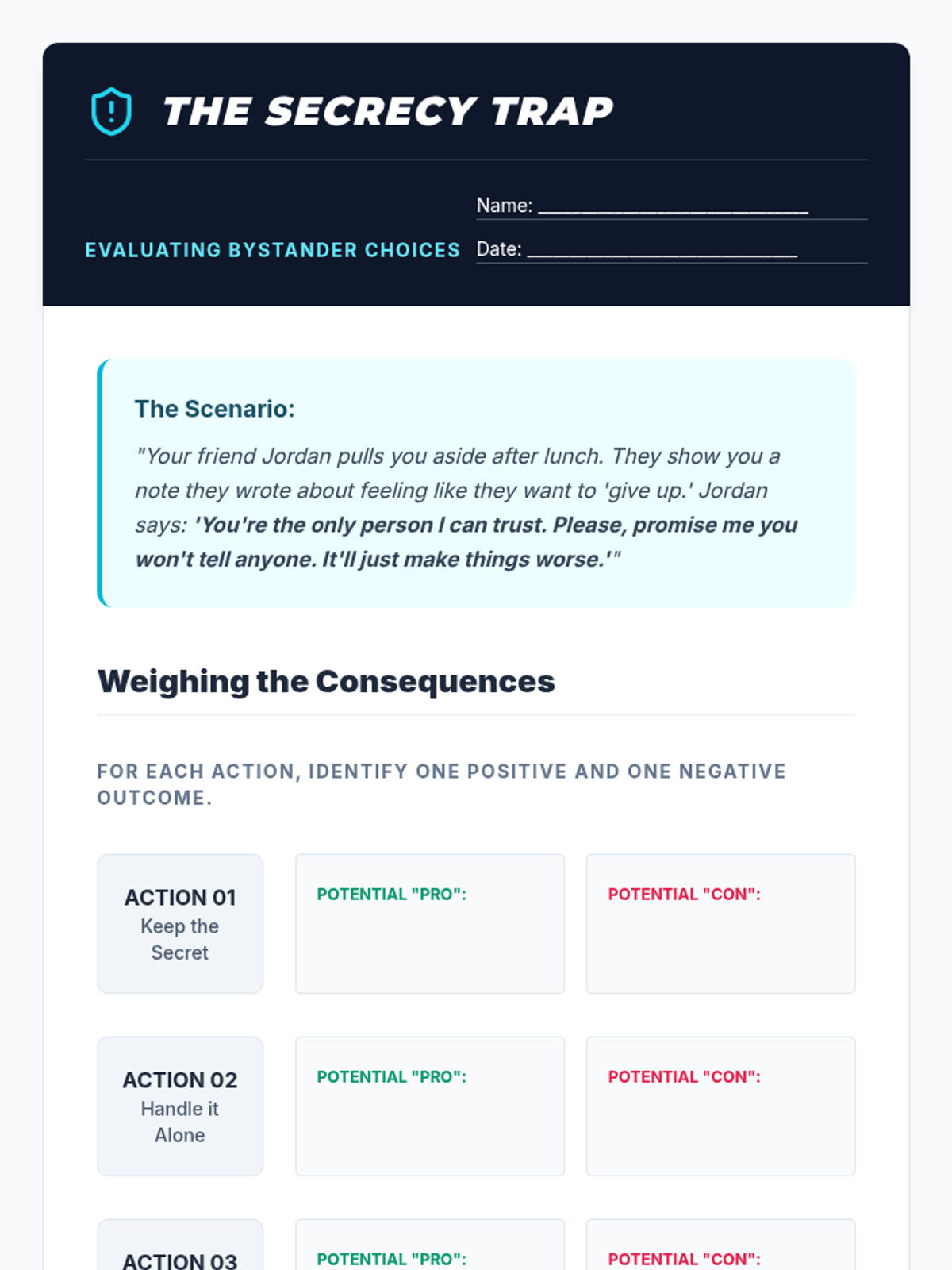
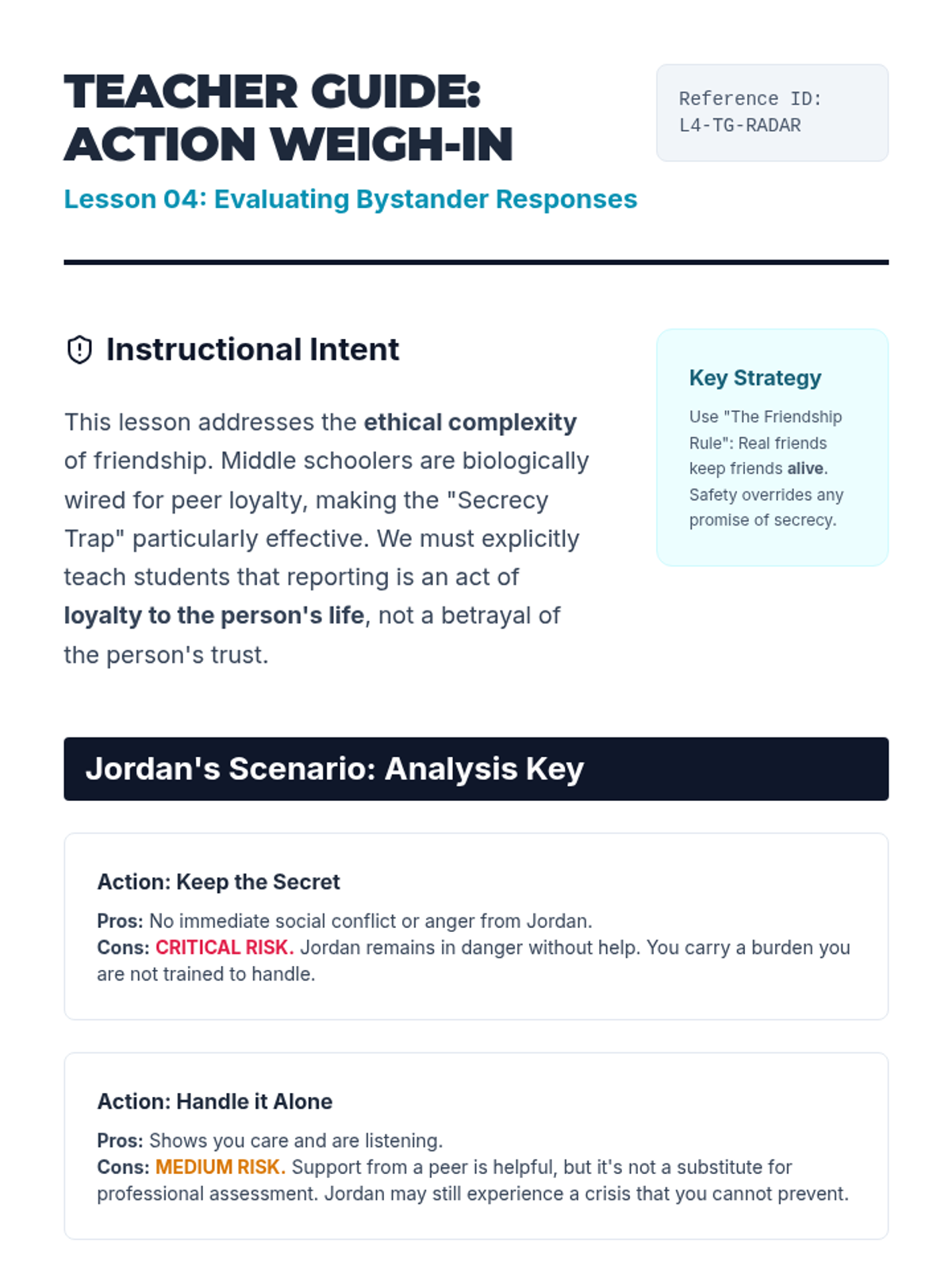
Students evaluate different peer responses to crisis situations, analyzing why 'keeping the secret' is dangerous and why reporting to an adult is necessary.
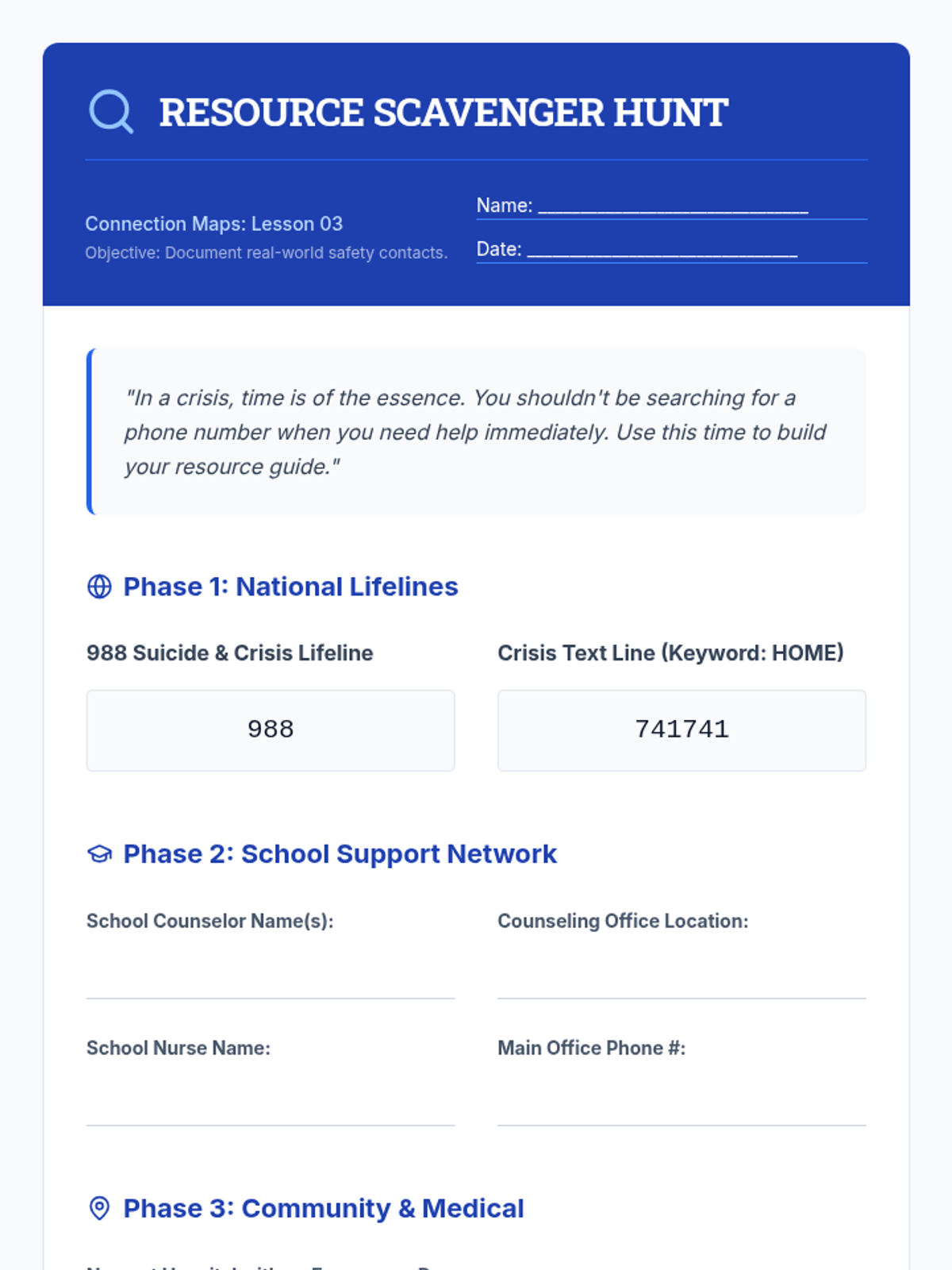
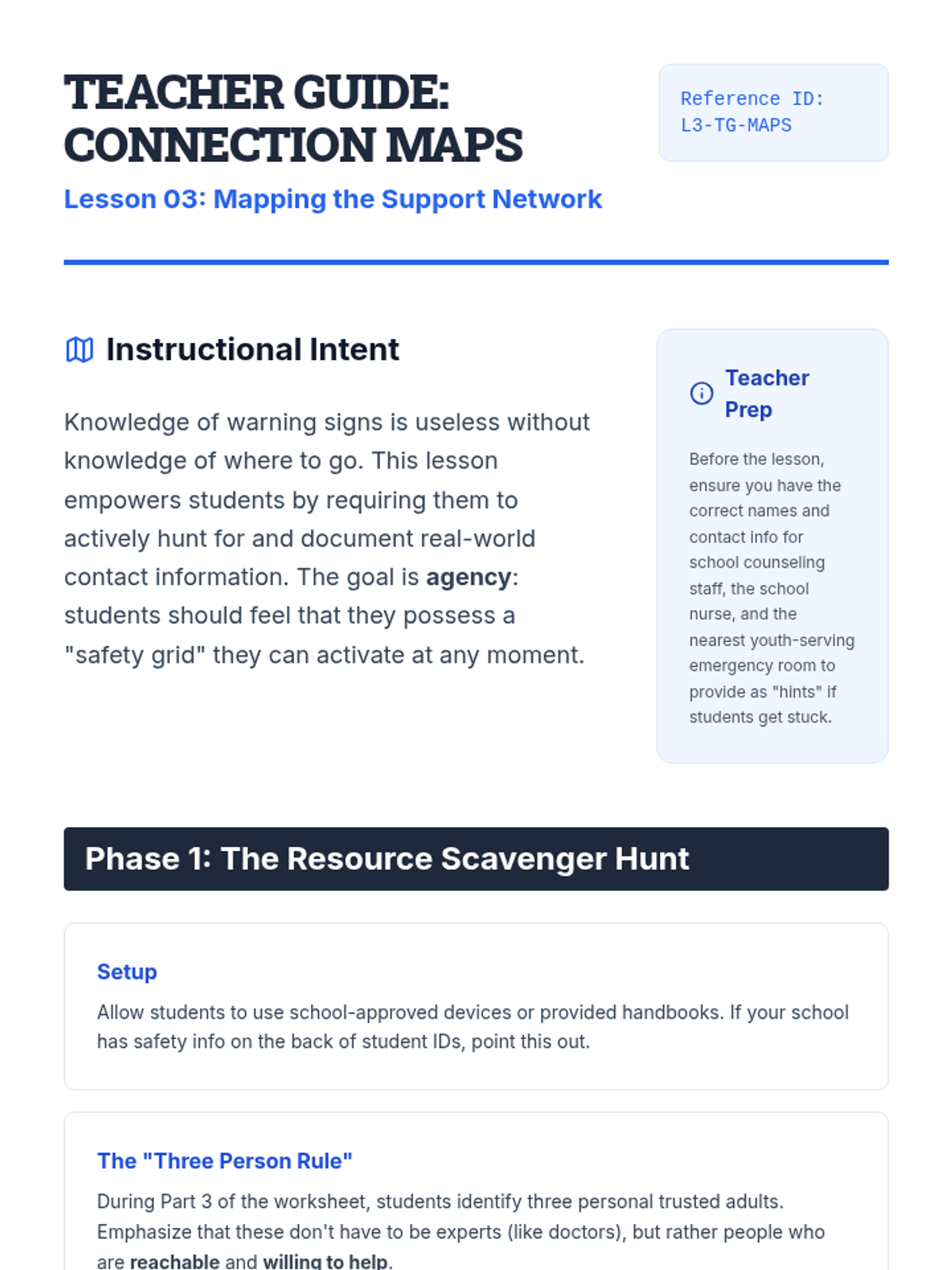
Students identify and map out their support networks, including trusted adults, school resources, and national crisis hotlines like 988.
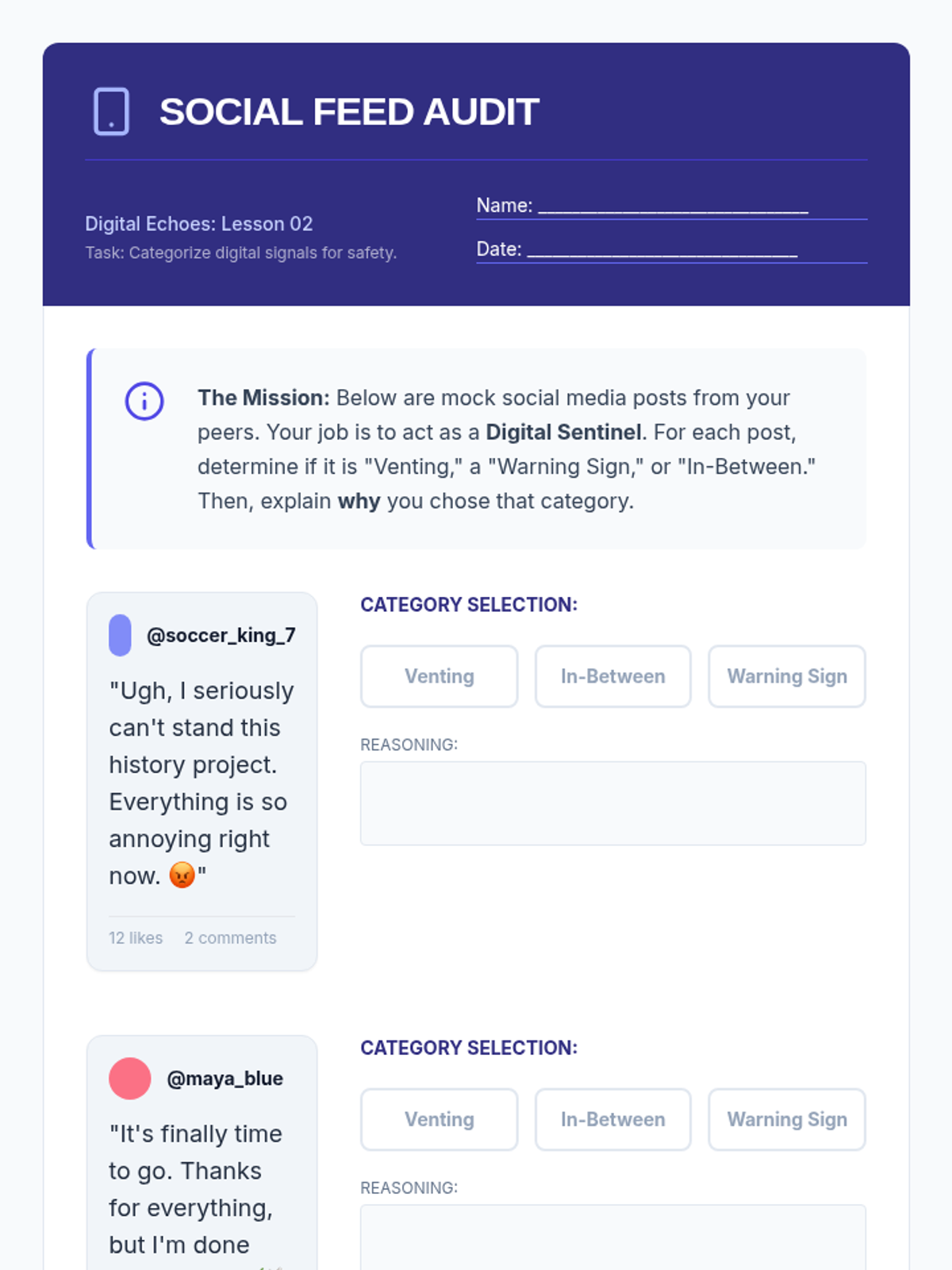
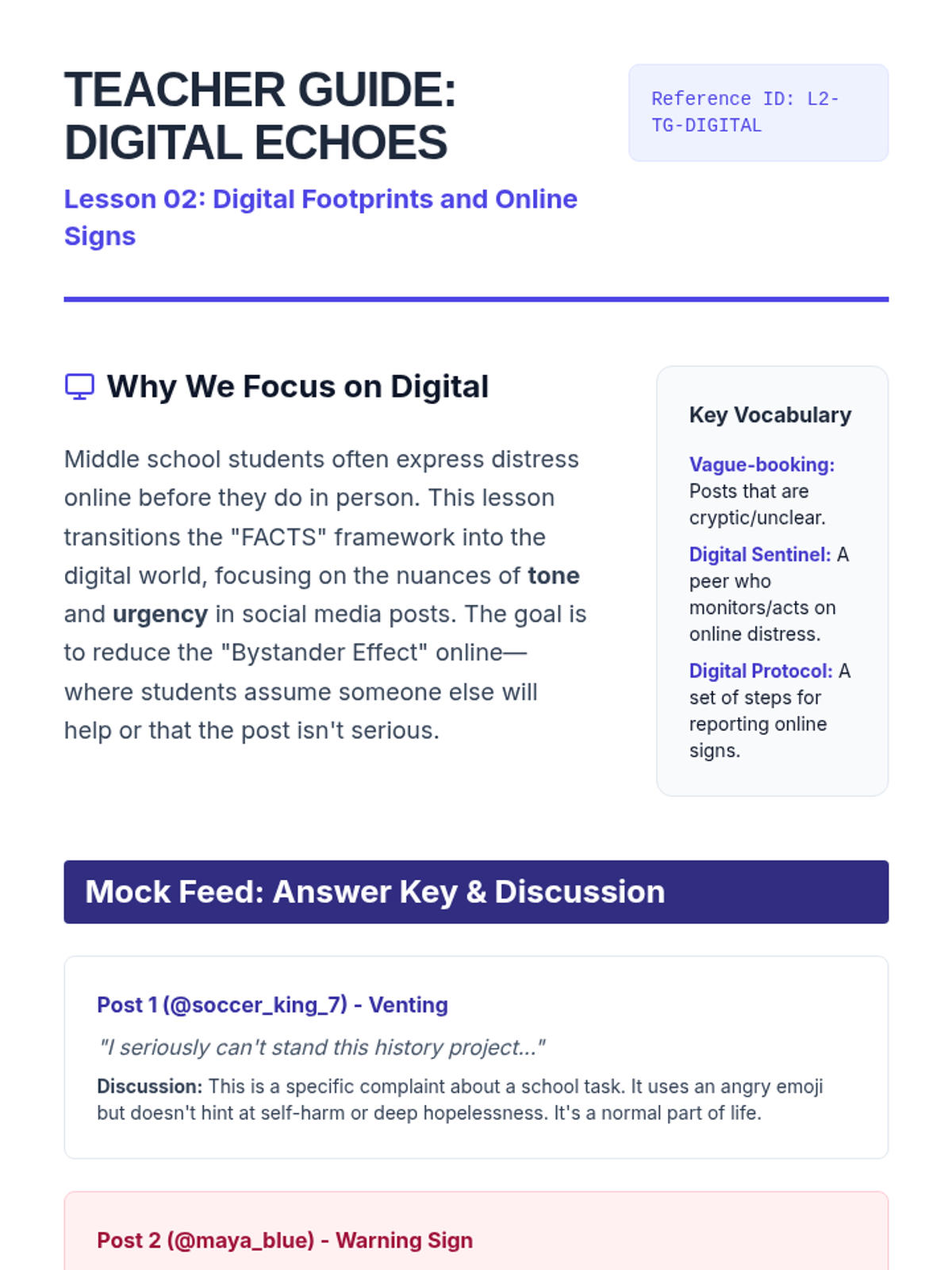
Focuses on identifying crisis signals in digital spaces, teaching students to distinguish between general venting and serious warning signs in social media posts and comments.
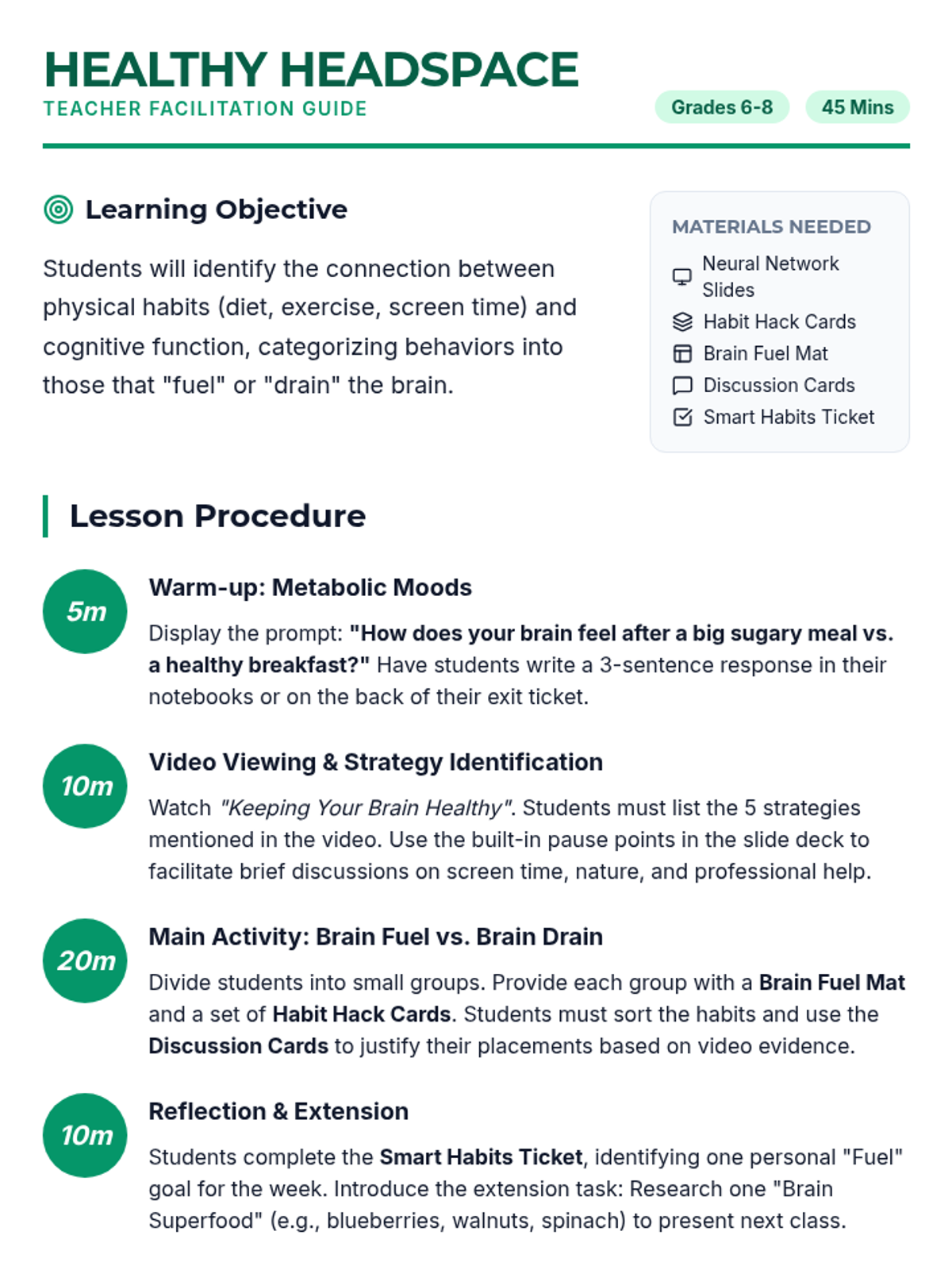
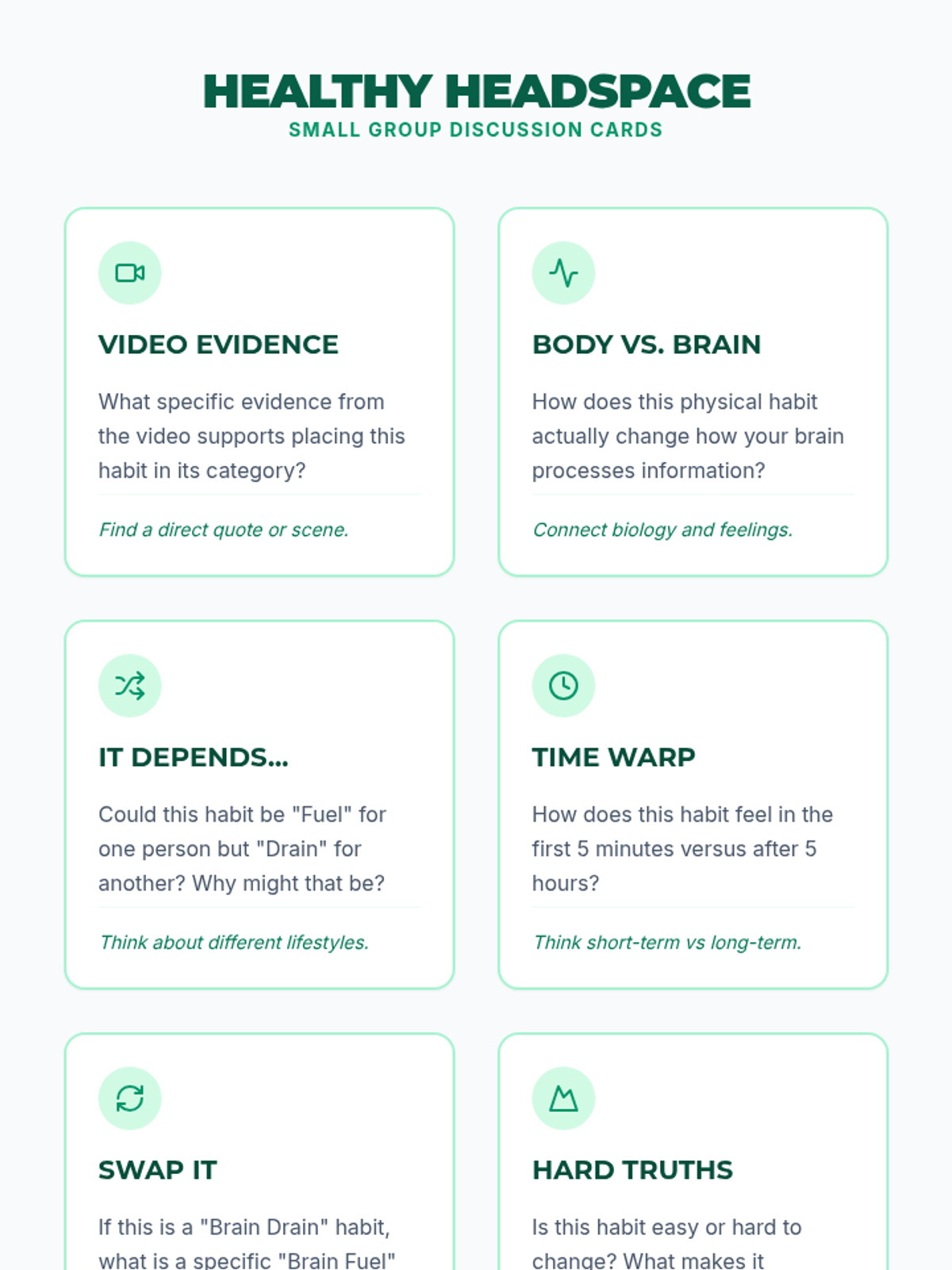
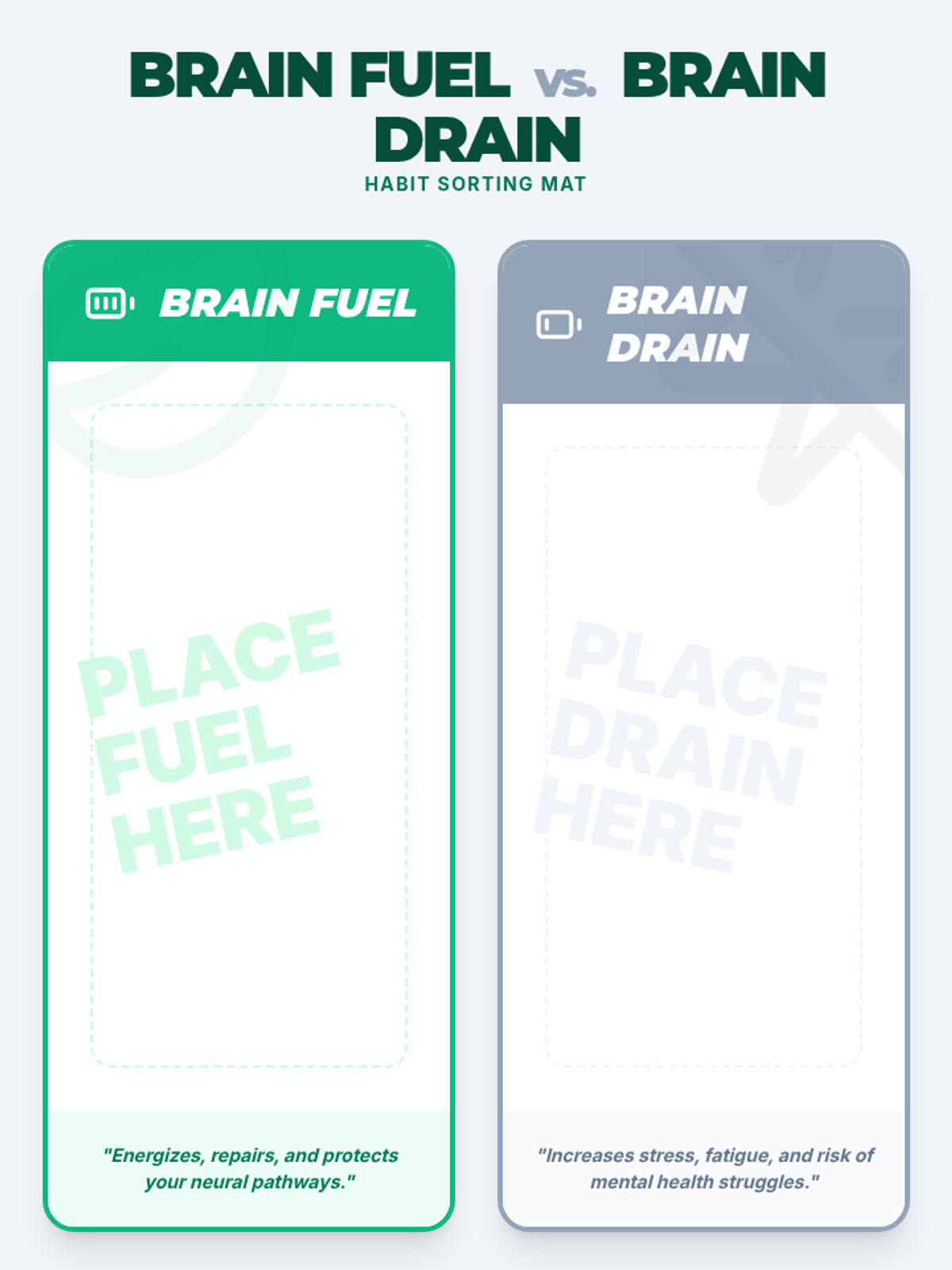
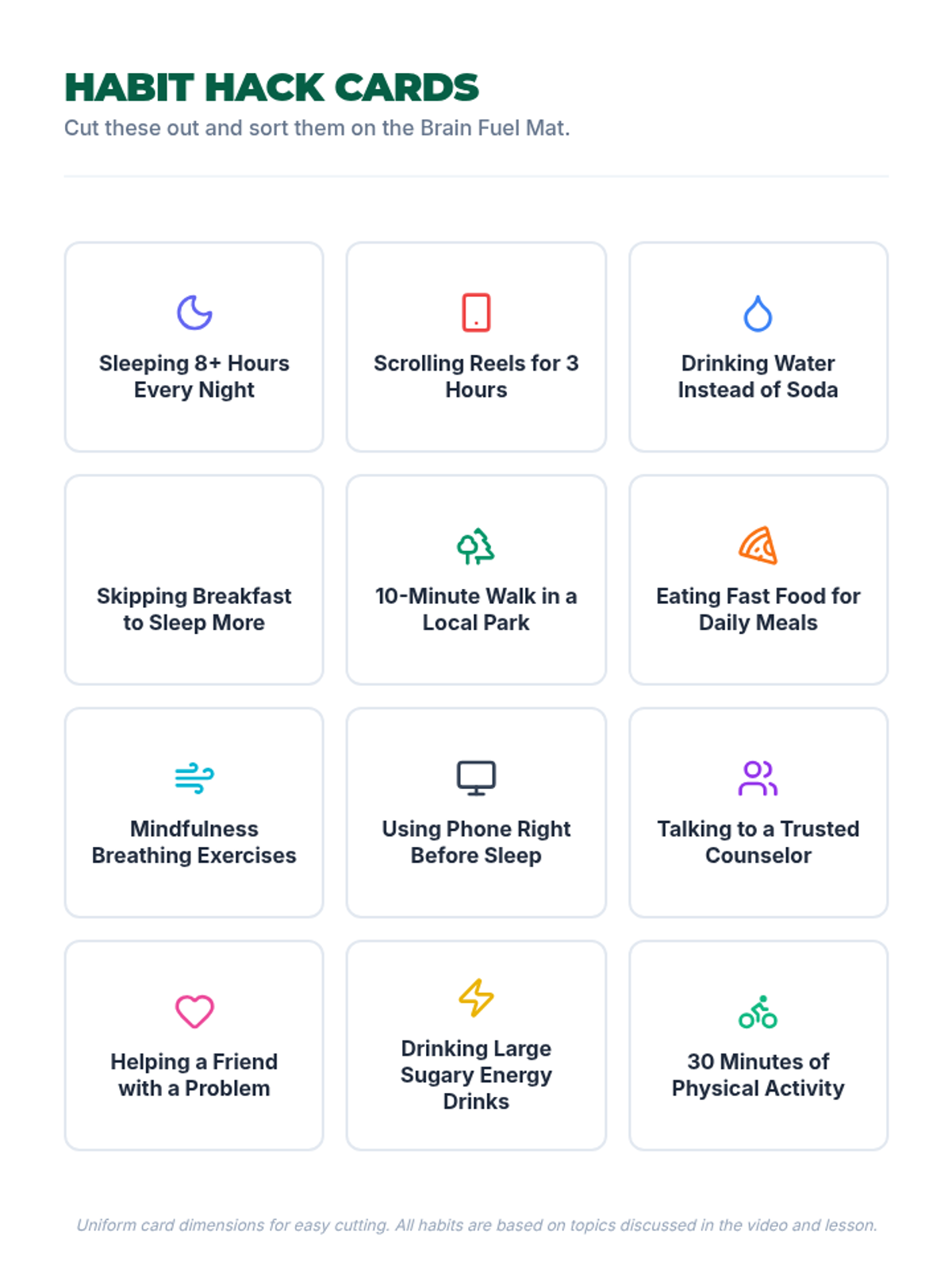
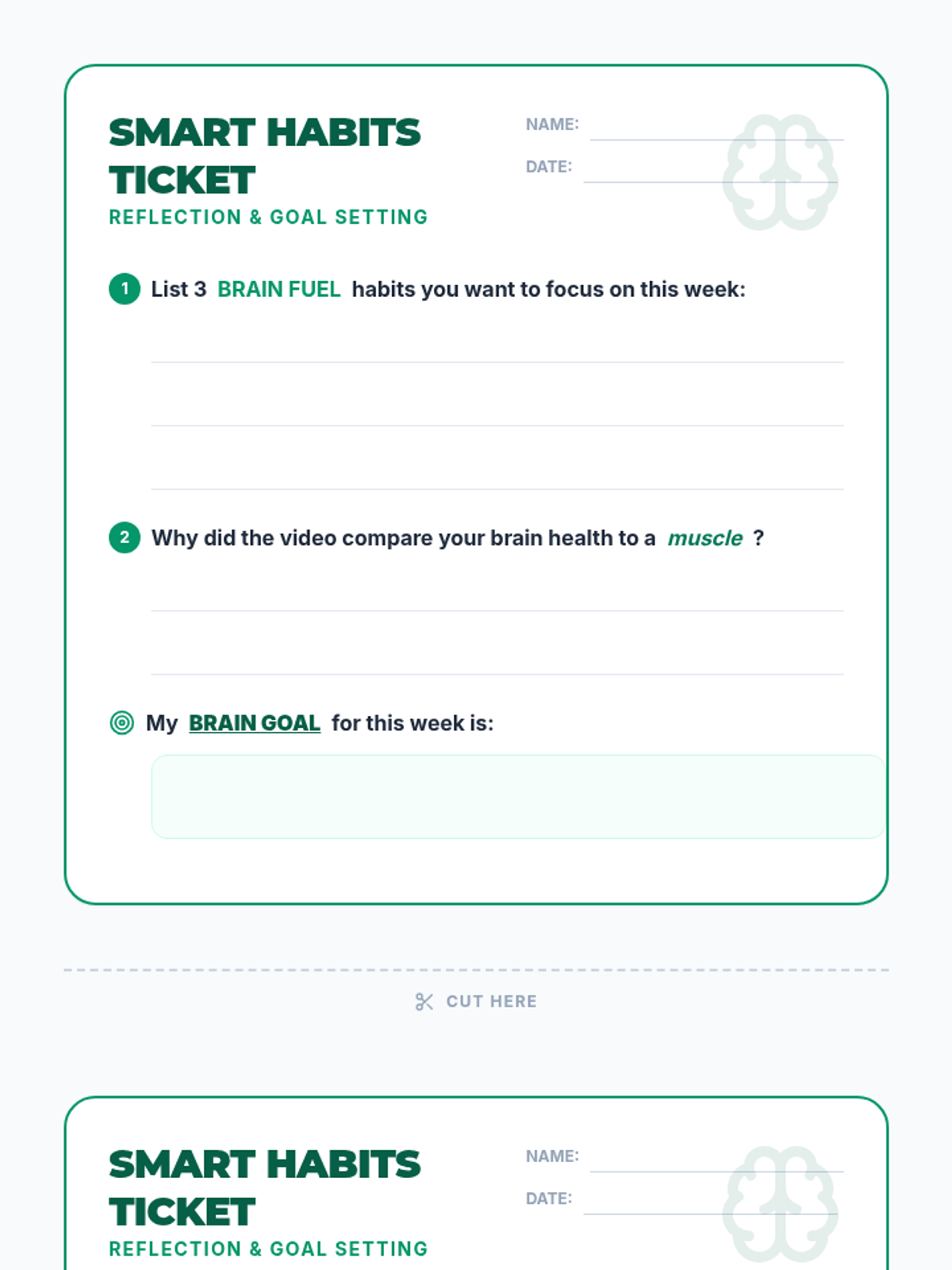
This lesson explores the biological and psychological links between daily habits—such as diet, exercise, and screen time—and brain function. Students will watch a video on brain health, categorize habits into 'Brain Fuel' or 'Brain Drain,' and set a personal goal for the week.
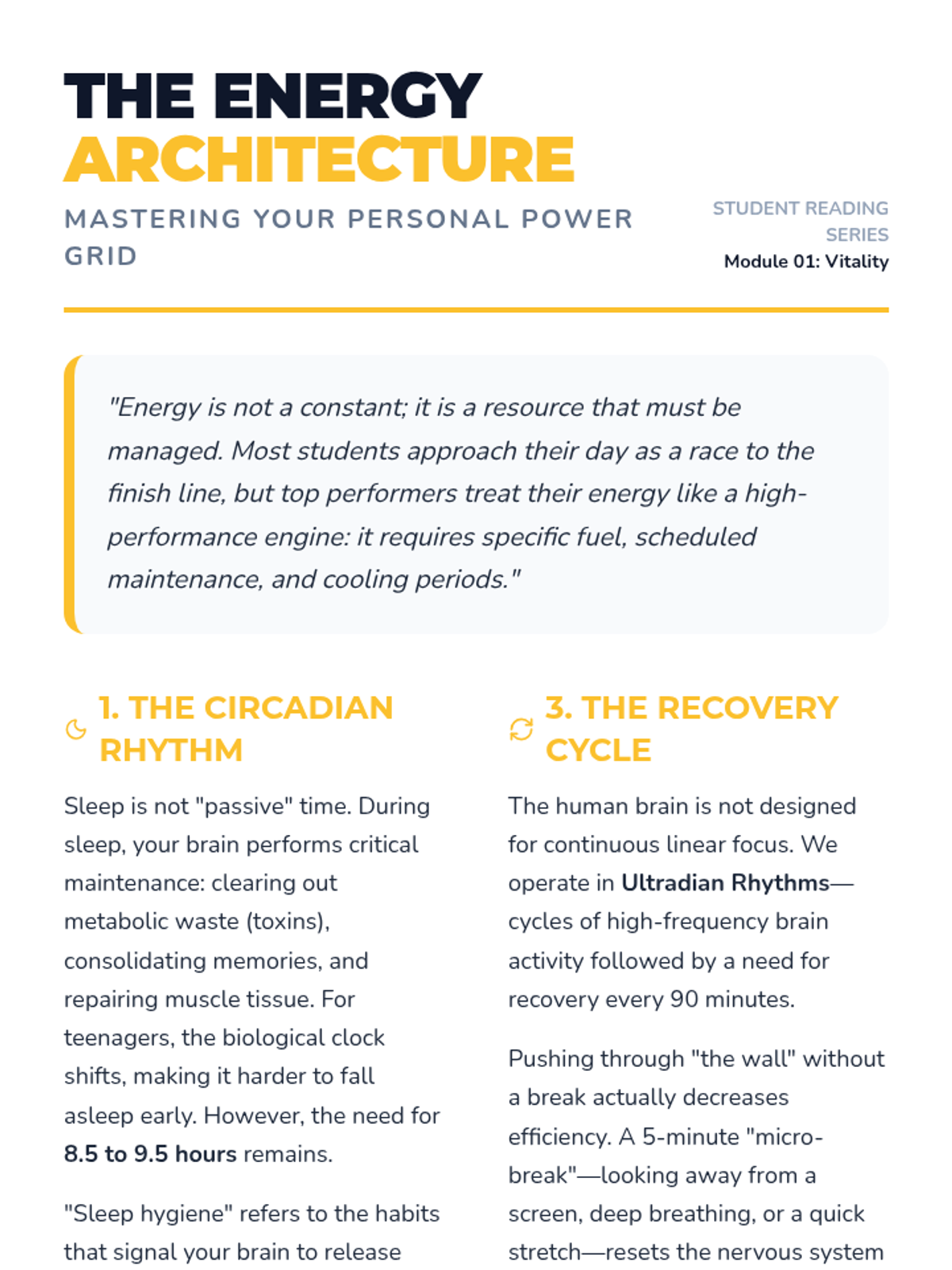
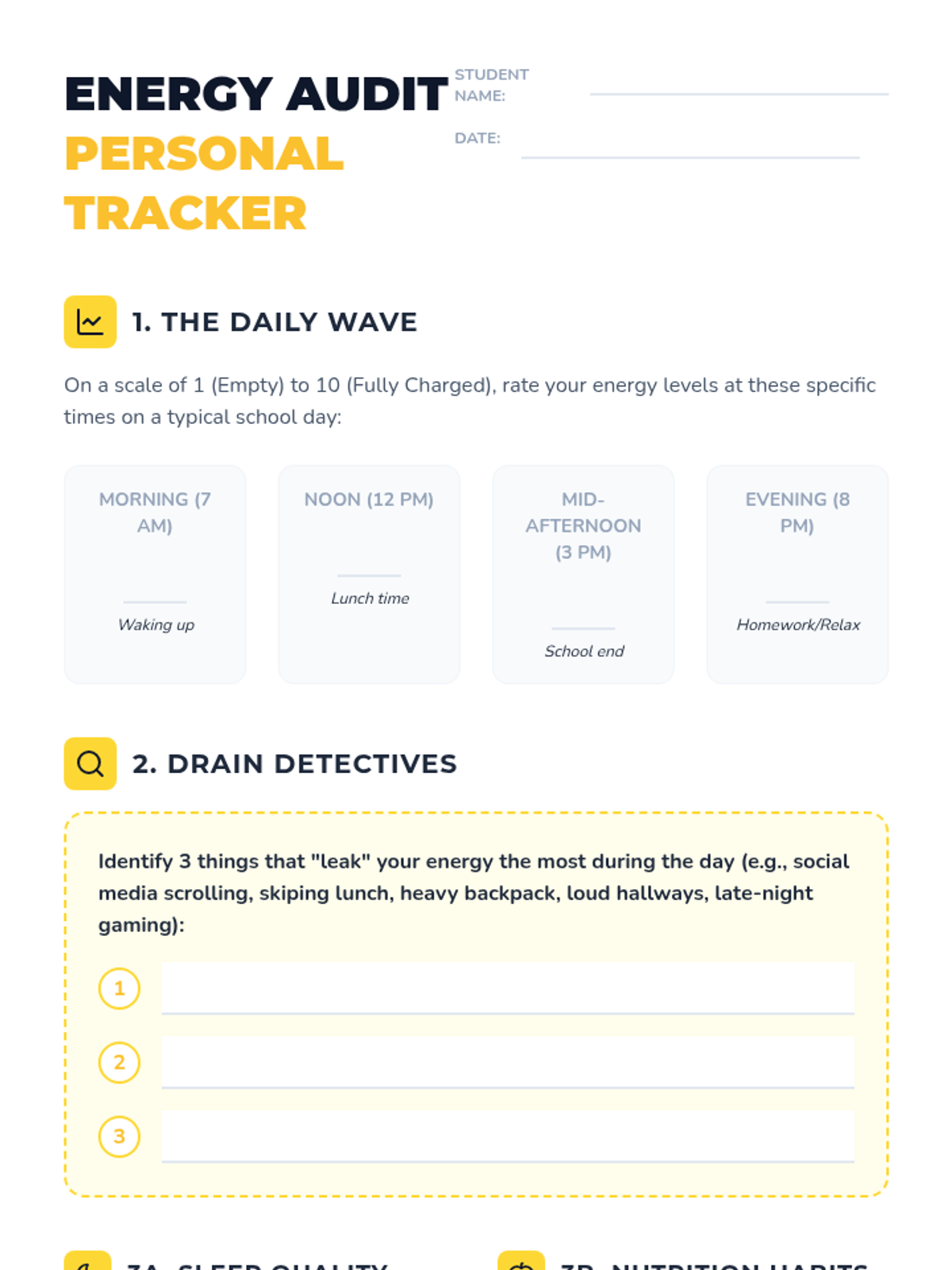
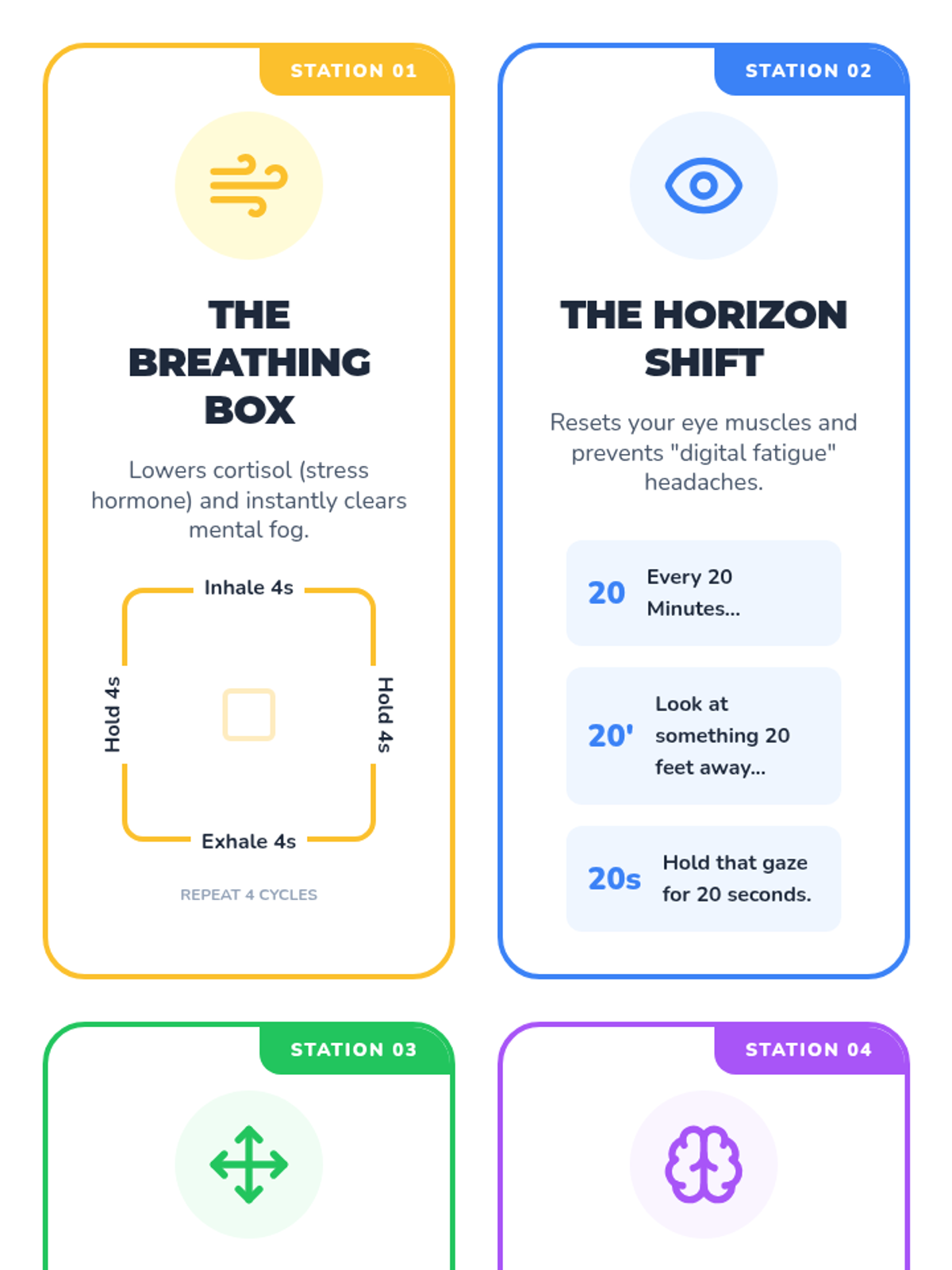
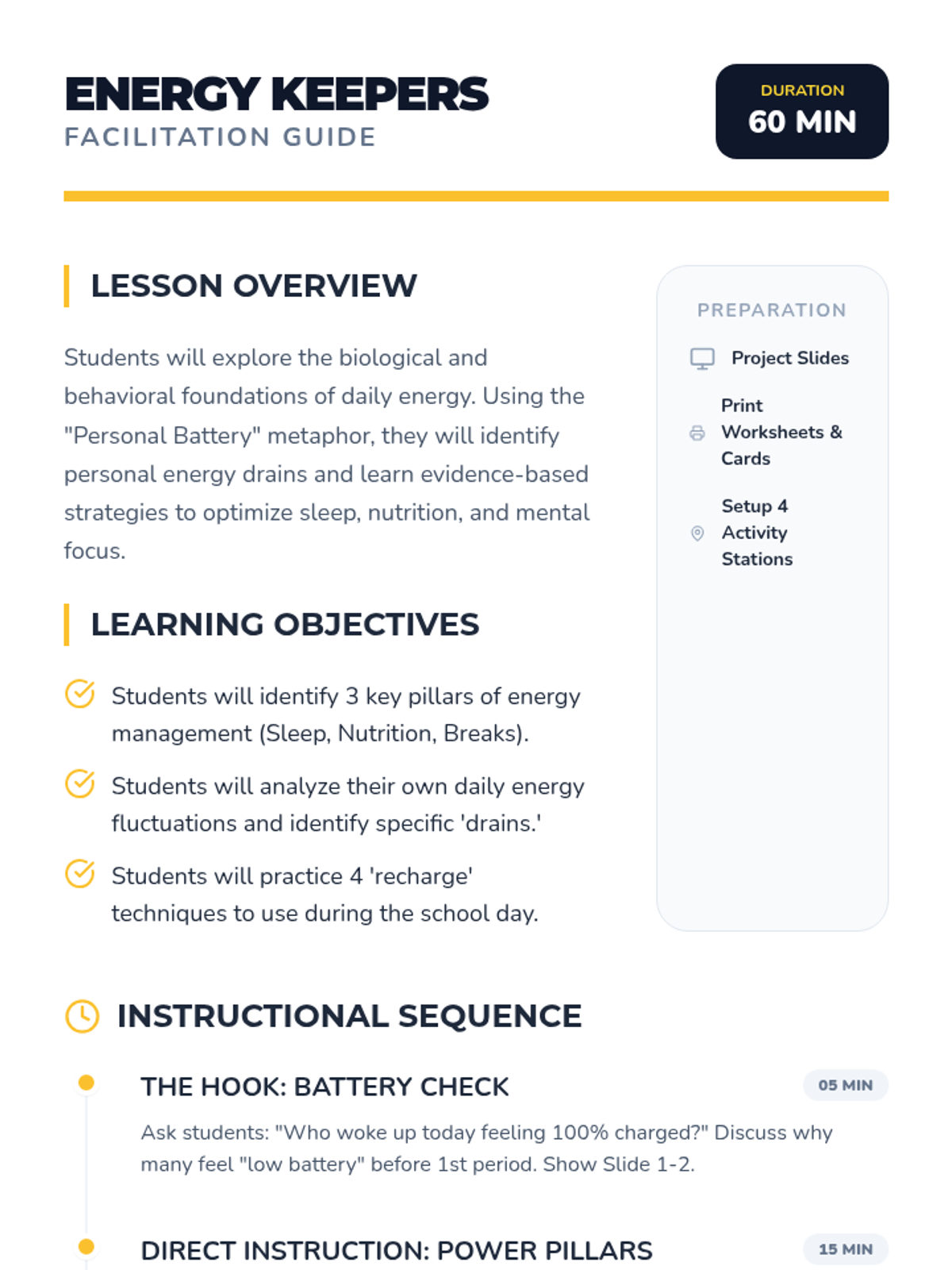
A comprehensive lesson designed for middle and high school students to master their daily energy. Through sleep hygiene, nutrition, and mindful breaks, students learn to monitor their 'personal battery' and optimize their performance and well-being.
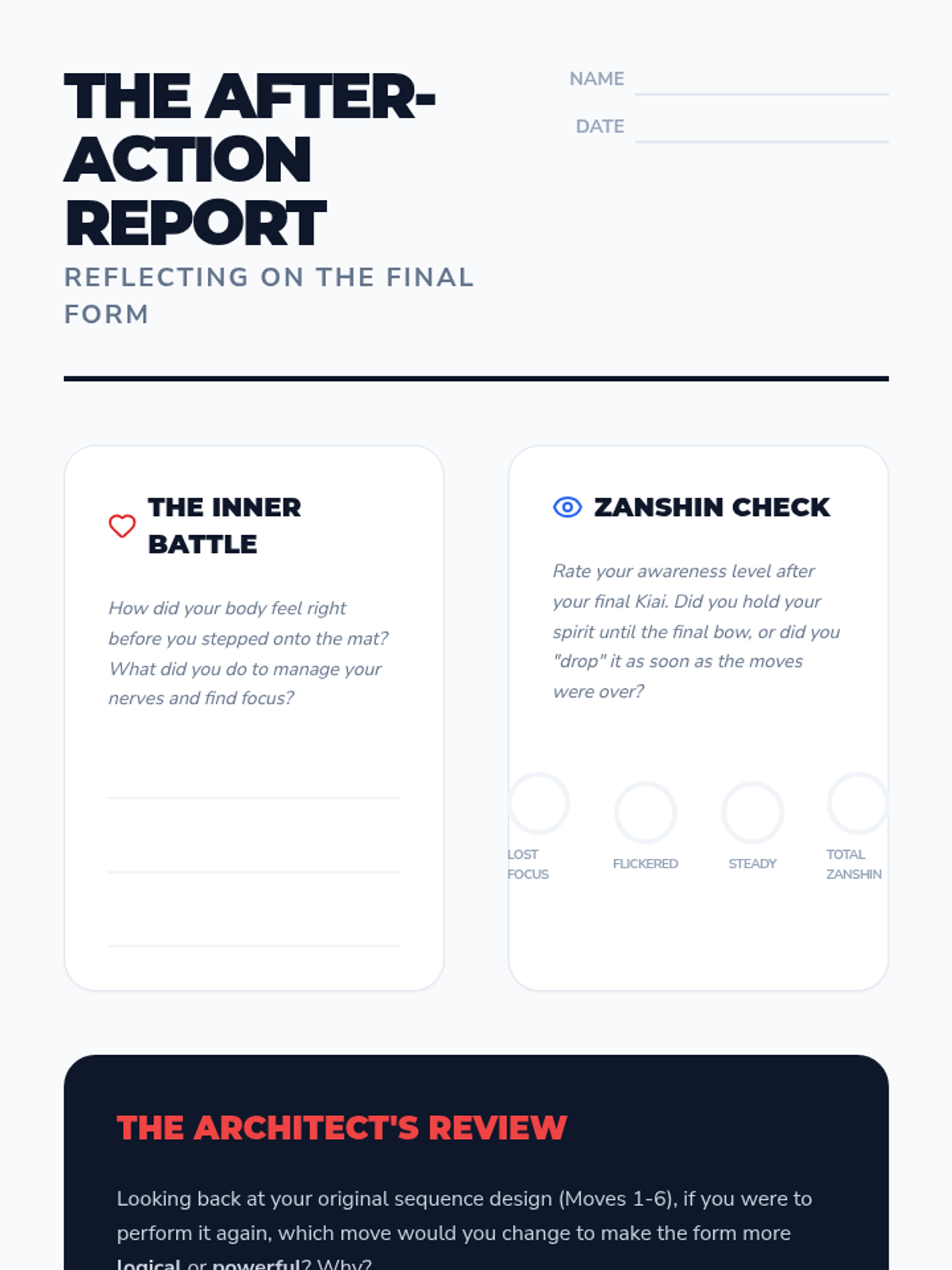
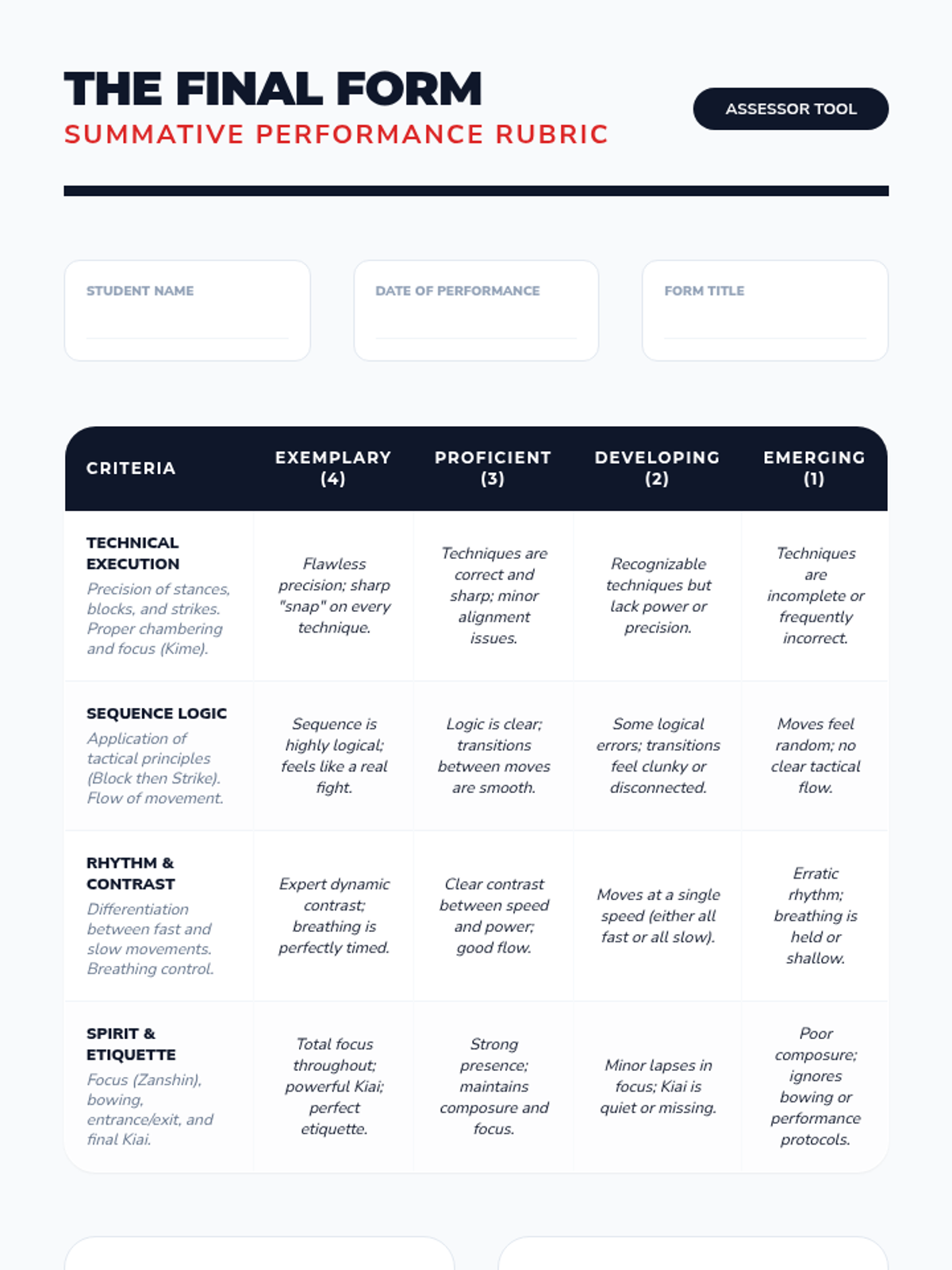
The sequence culminates in a formal performance. Students demonstrate their original forms with an emphasis on zanshin (awareness), respect, and technical proficiency.
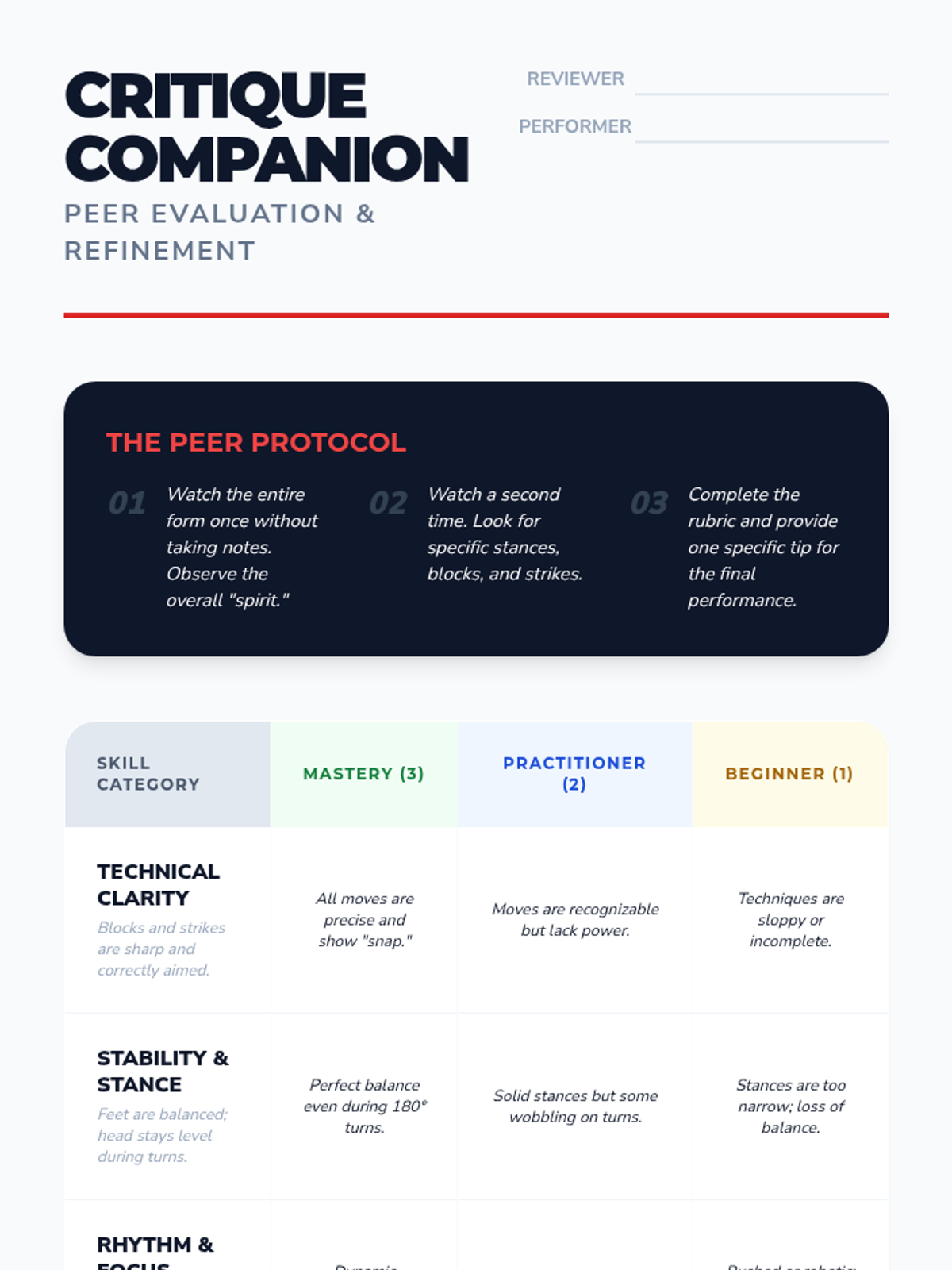
Students refine their original forms through a peer-review process. They use structured feedback to improve technical clarity, stability, and focus before the final performance.
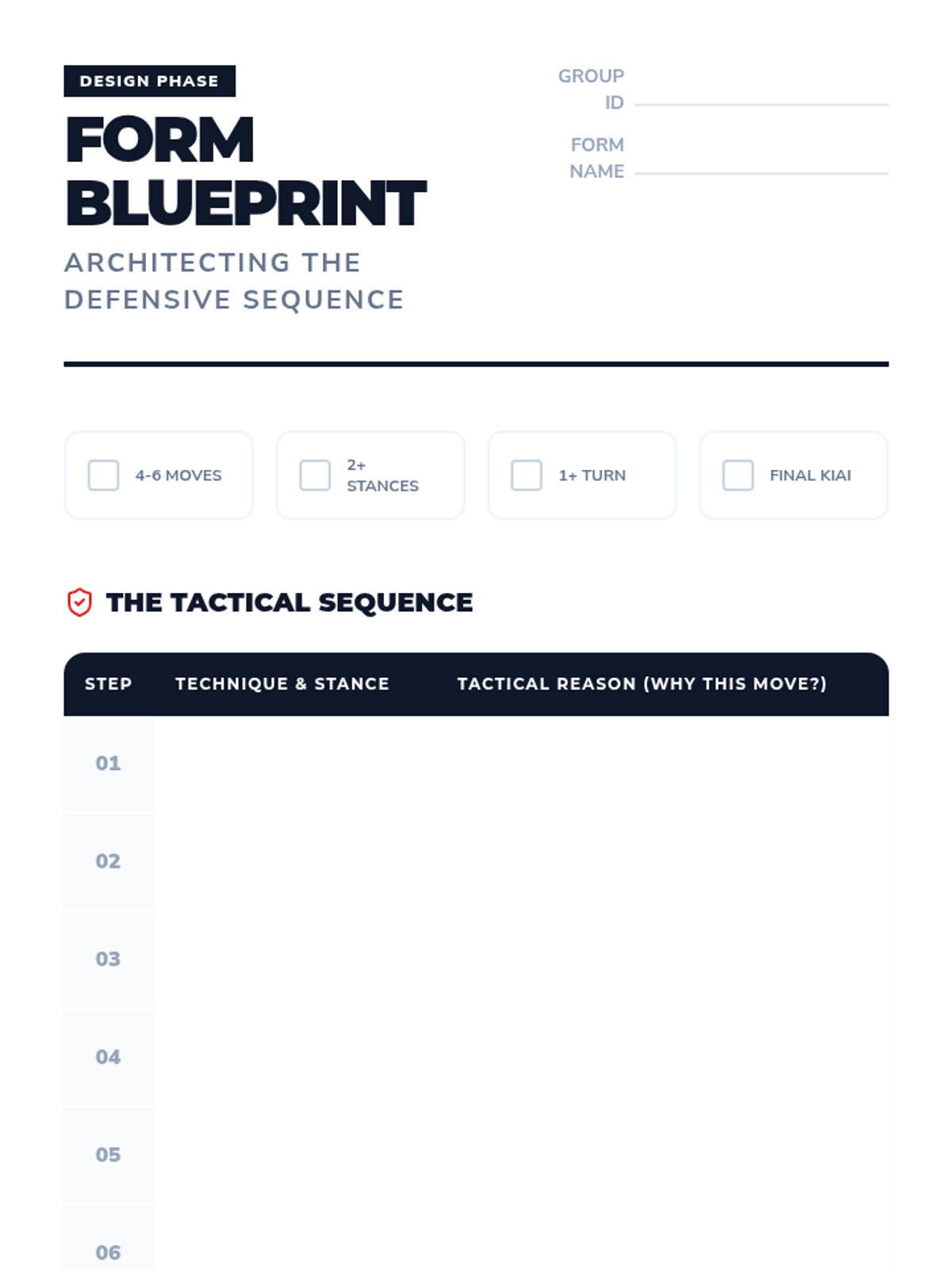
Applying their knowledge of stances, blocks, and strikes, students work in groups to design a logical and effective defensive sequence of 4-6 moves, justifying their tactical choices.
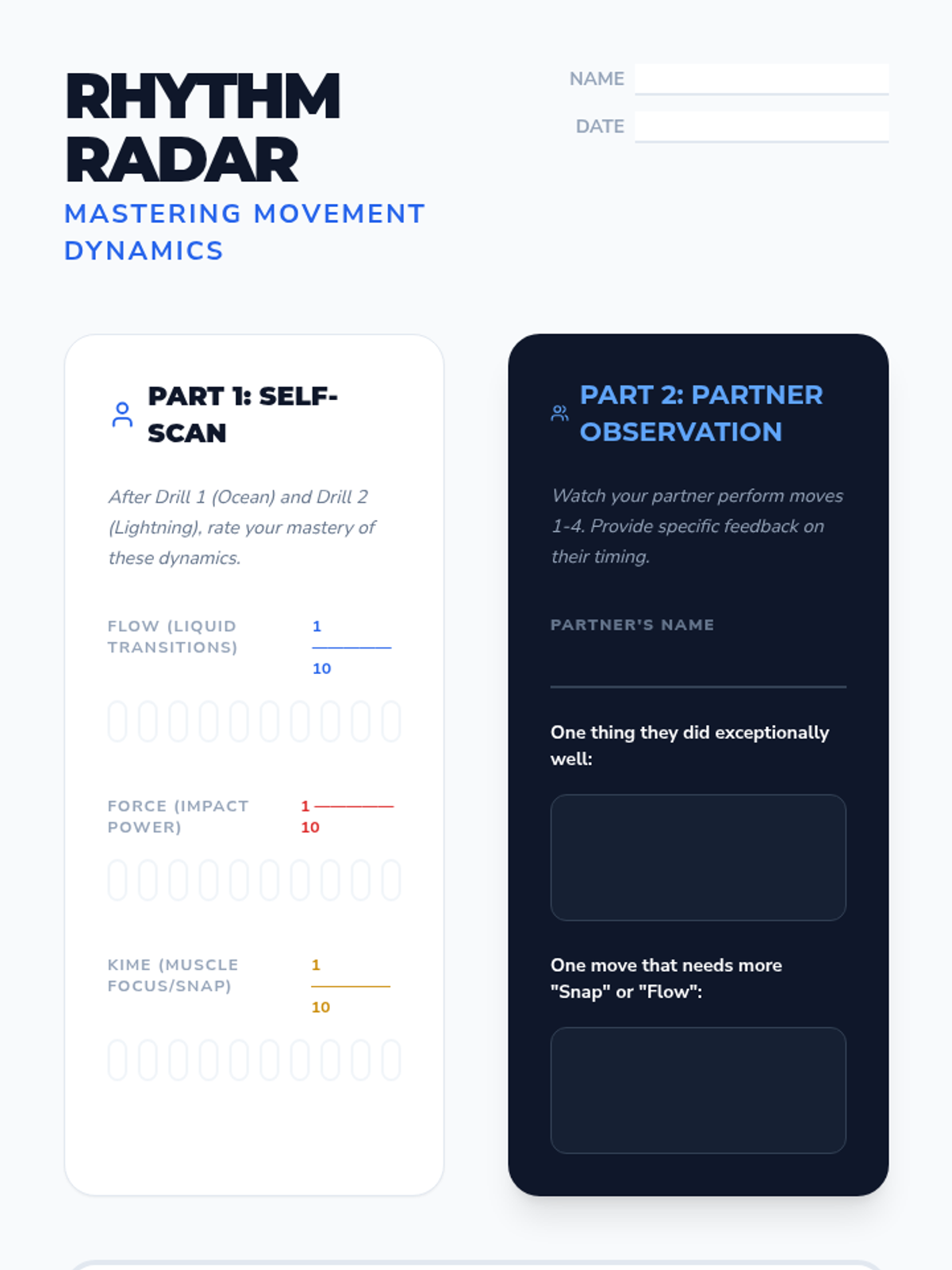
This lesson focuses on the aesthetics and physics of movement. Students learn to contrast fast, powerful strikes with slow, controlled transitions, developing kinesthetic awareness and 'kime' (focus).
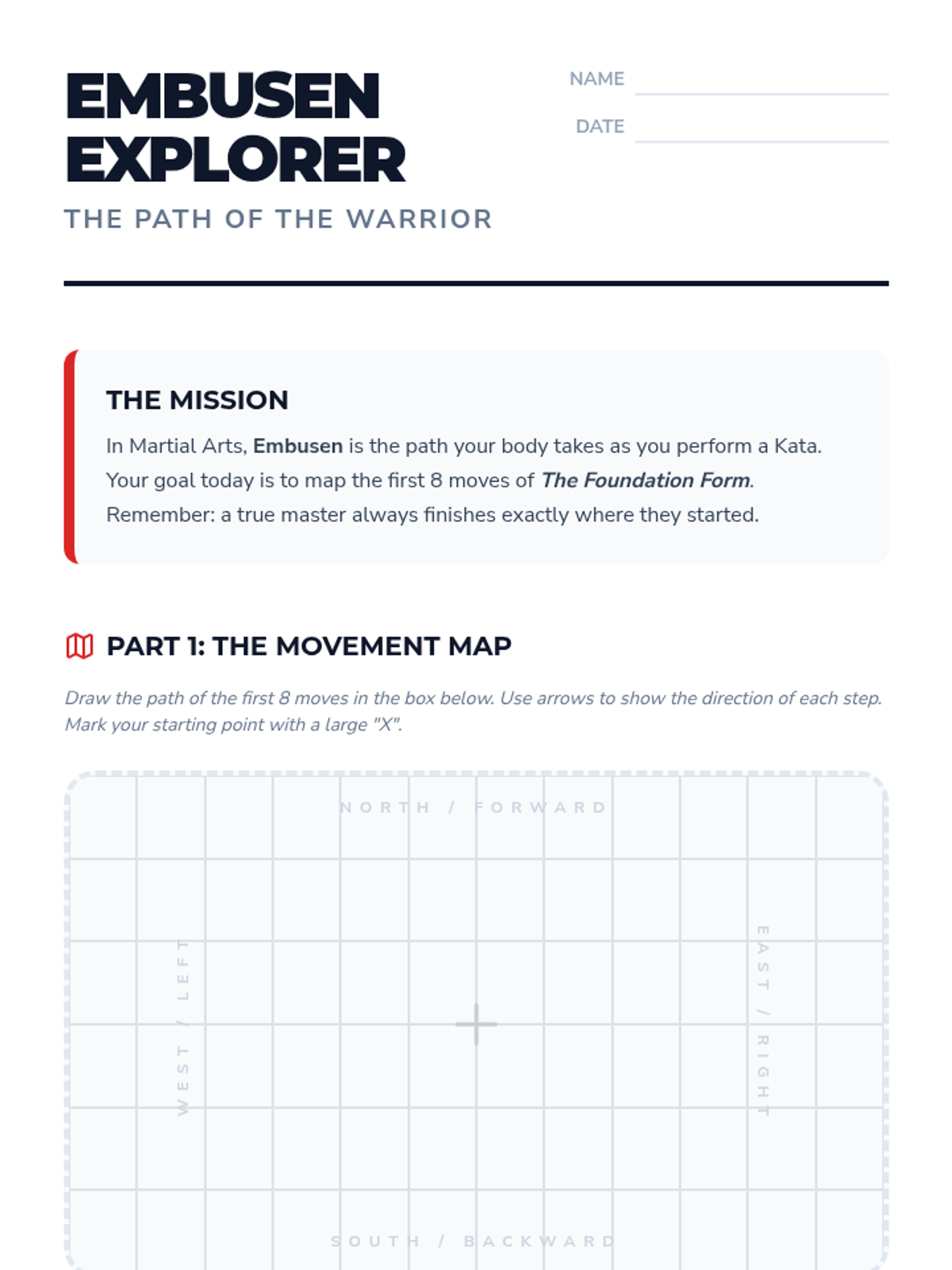
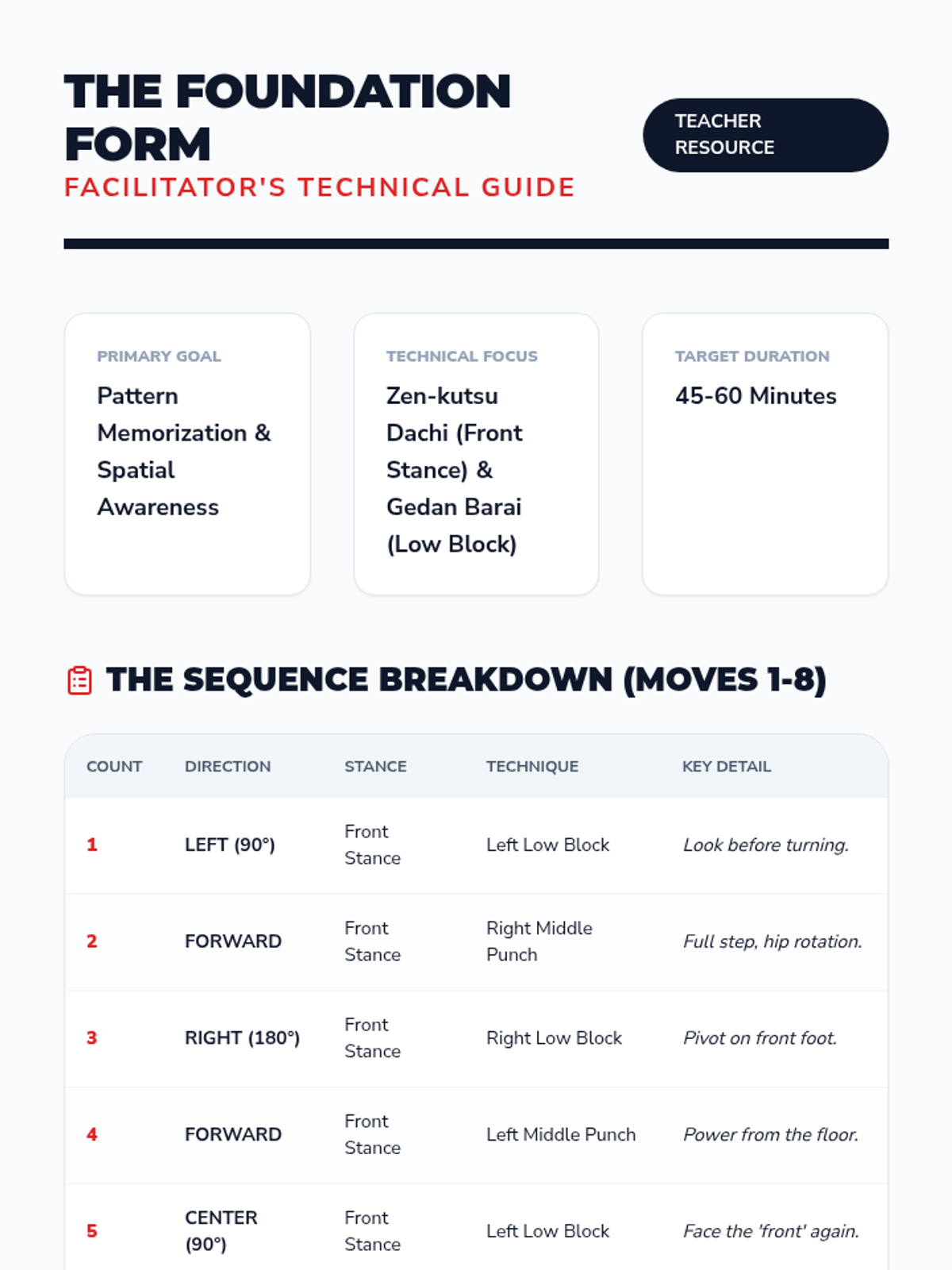
Students explore the fundamentals of martial arts forms, focusing on directional movement (embusen) and the concept of 'fighting' imaginary opponents. They begin learning a basic beginner form to understand pattern memorization.
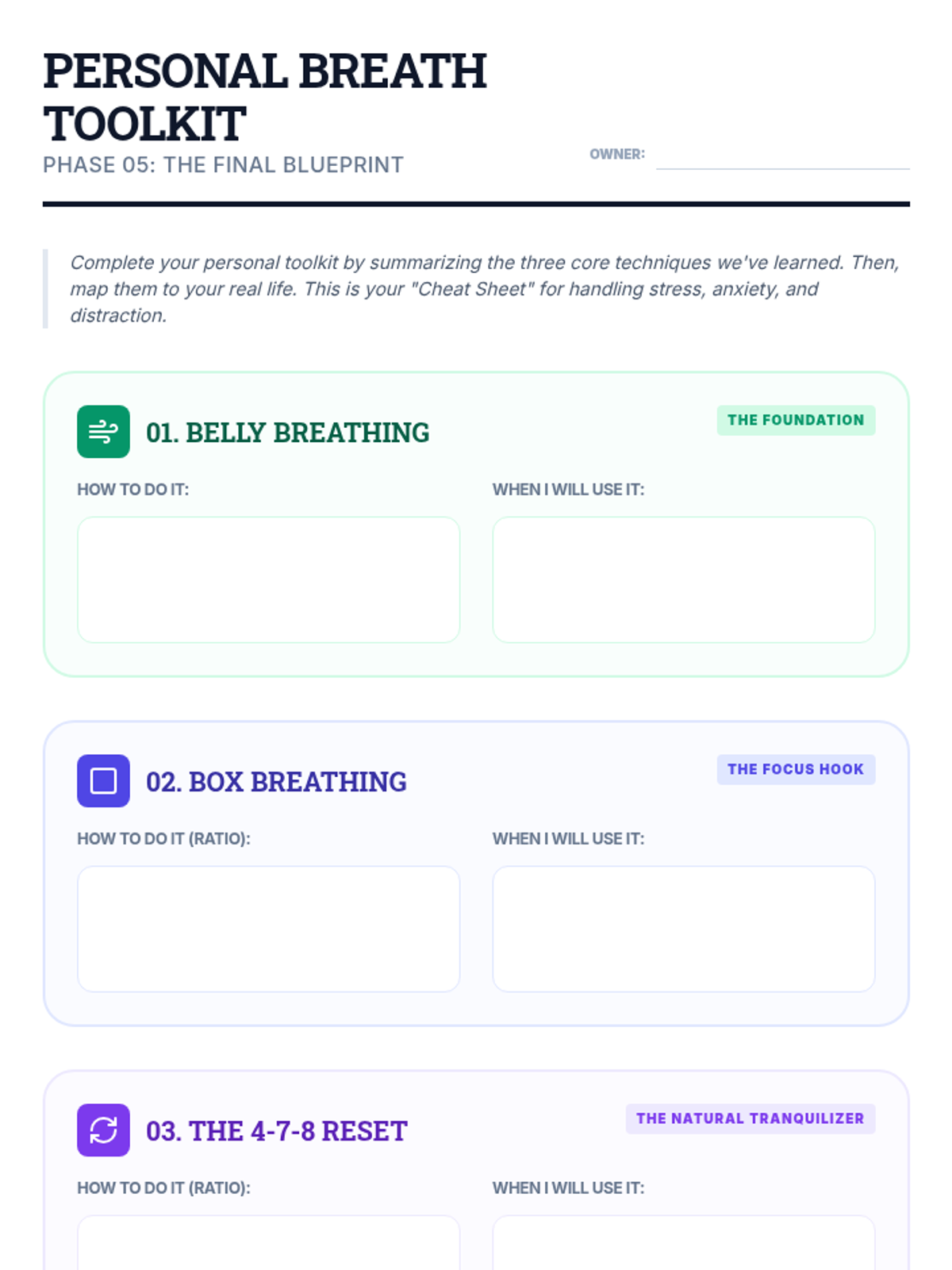
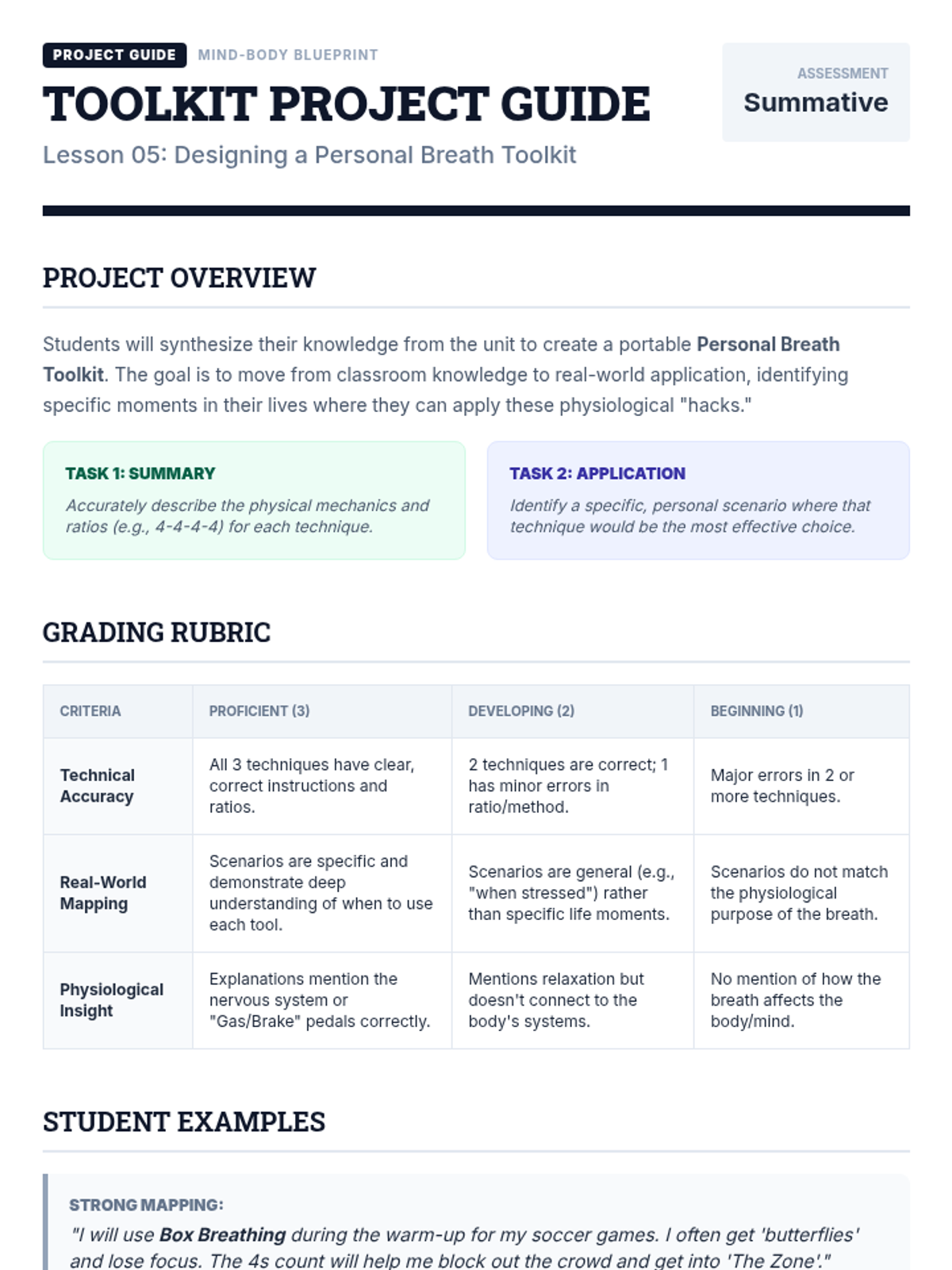
A cumulative project where students map specific breathing strategies to real-world scenarios, creating a personal 'Breath Toolkit' for life outside the classroom.
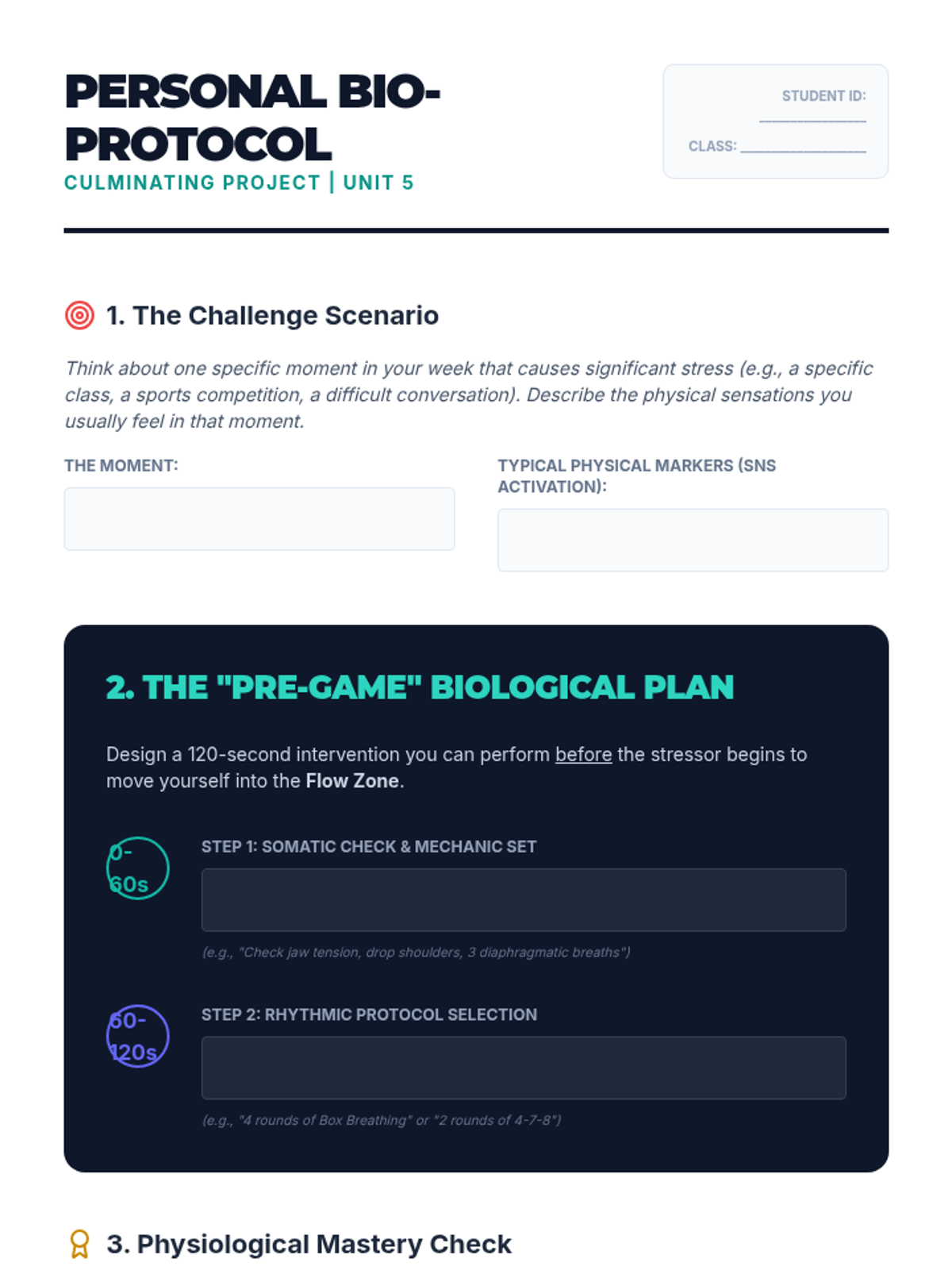
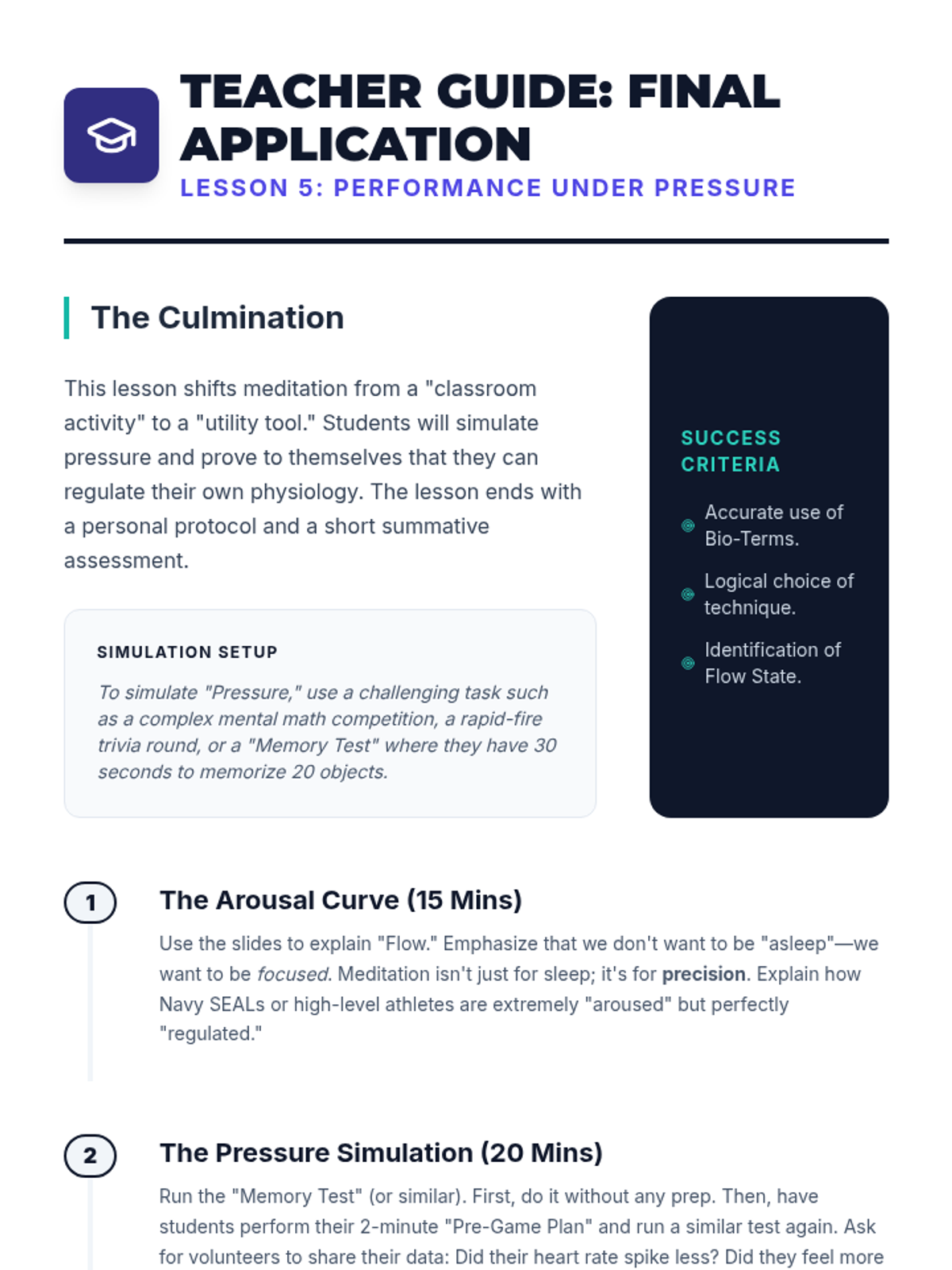
In this culminating lesson, students simulate high-pressure scenarios (mock test-taking or public speaking prep) and apply their breathing toolkit. They reflect on which techniques were most effective for their personal physiology.
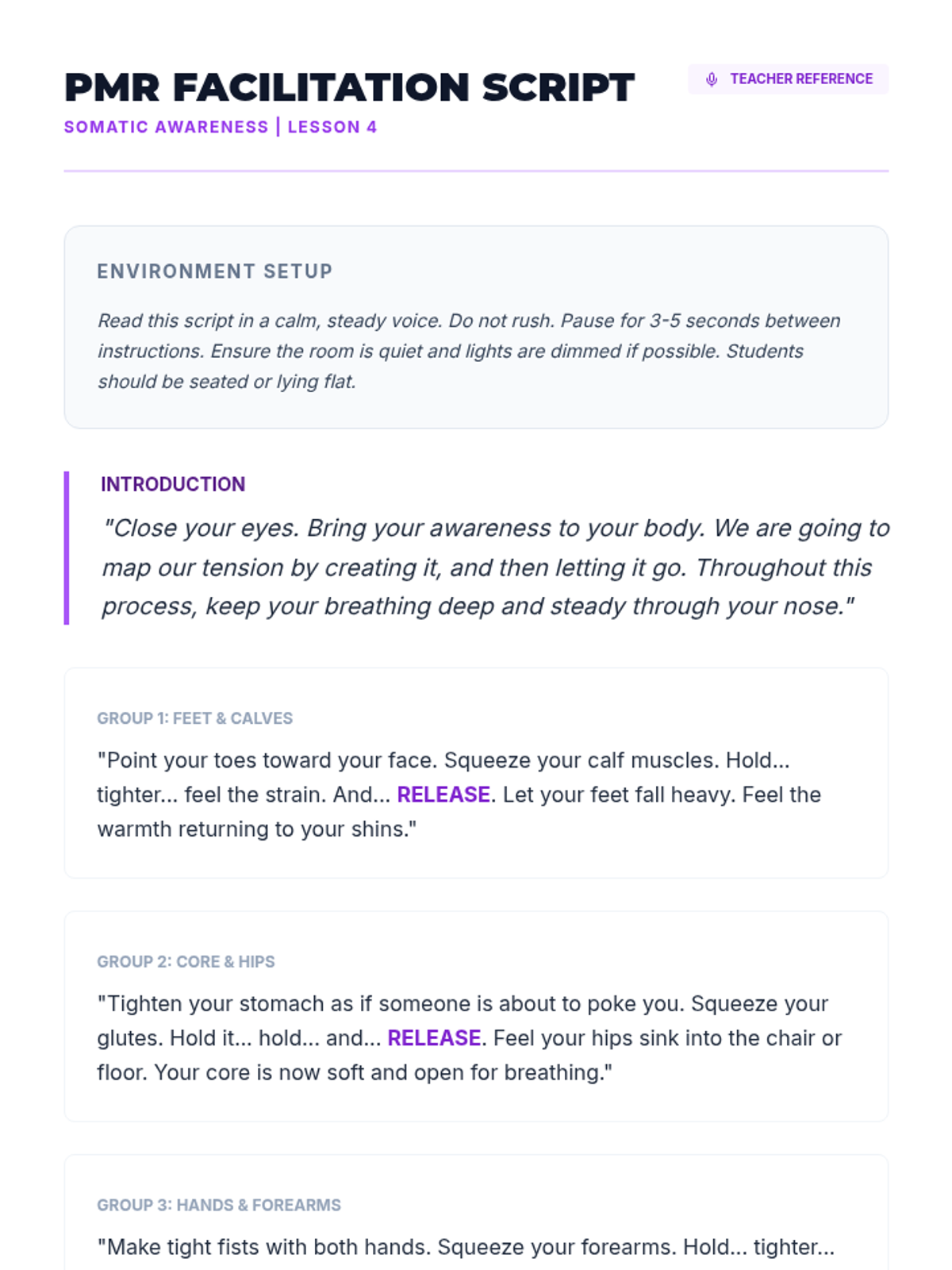
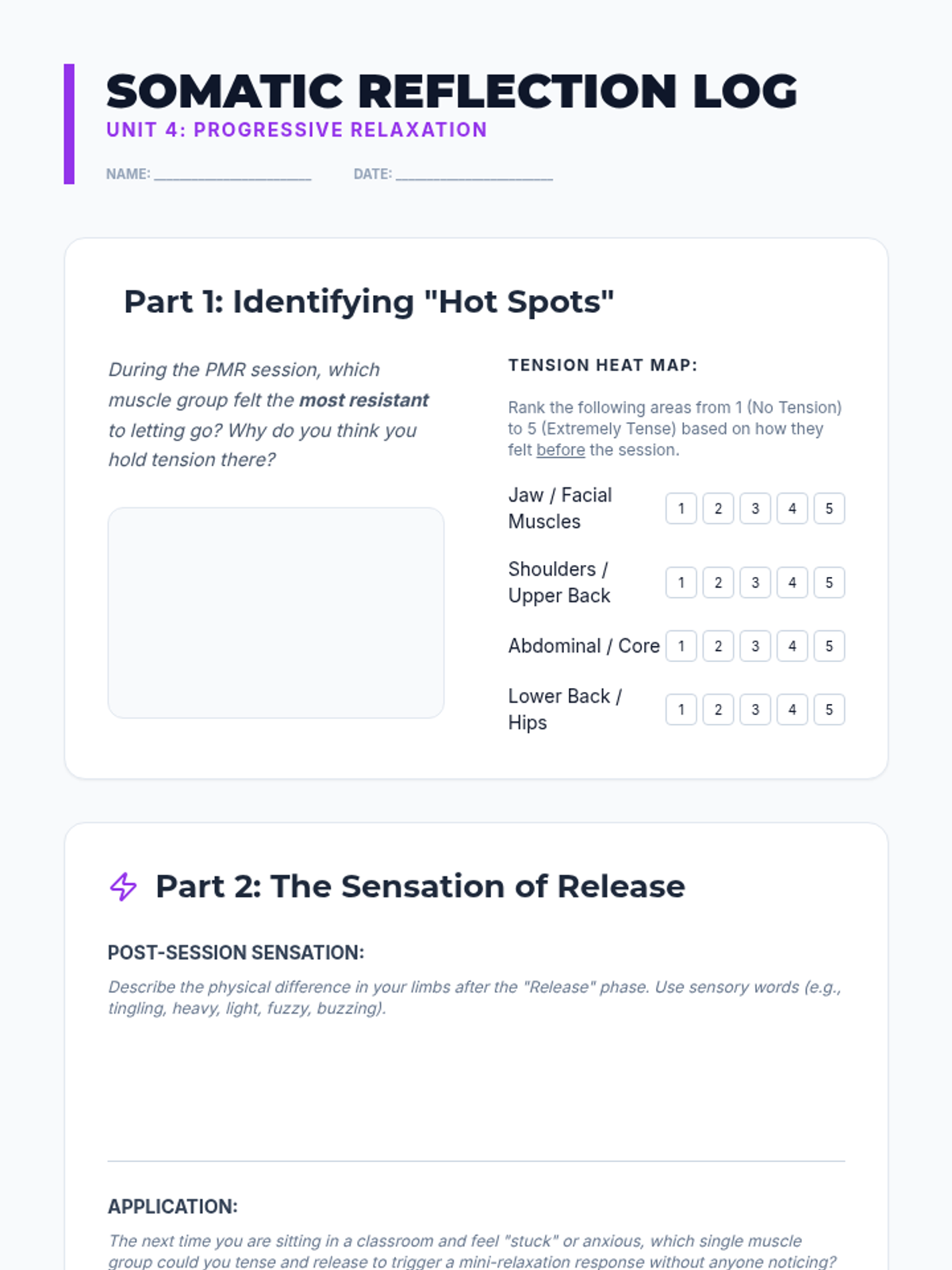
Moving from breath to body, students practice Progressive Muscle Relaxation (PMR) to identify and release physical tension. The lesson guides them through tensing and releasing muscle groups to heighten awareness of where they hold stress physically.
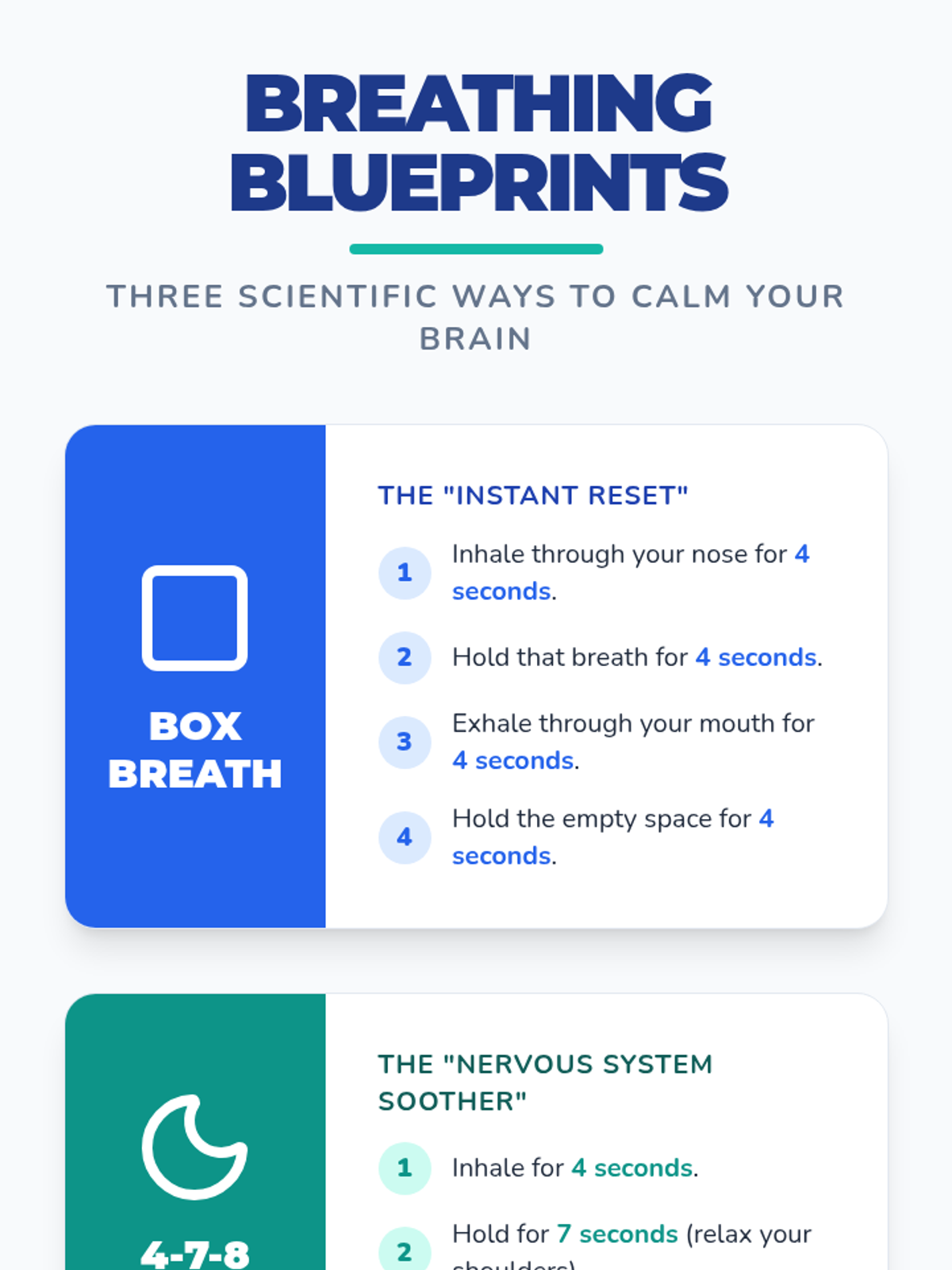
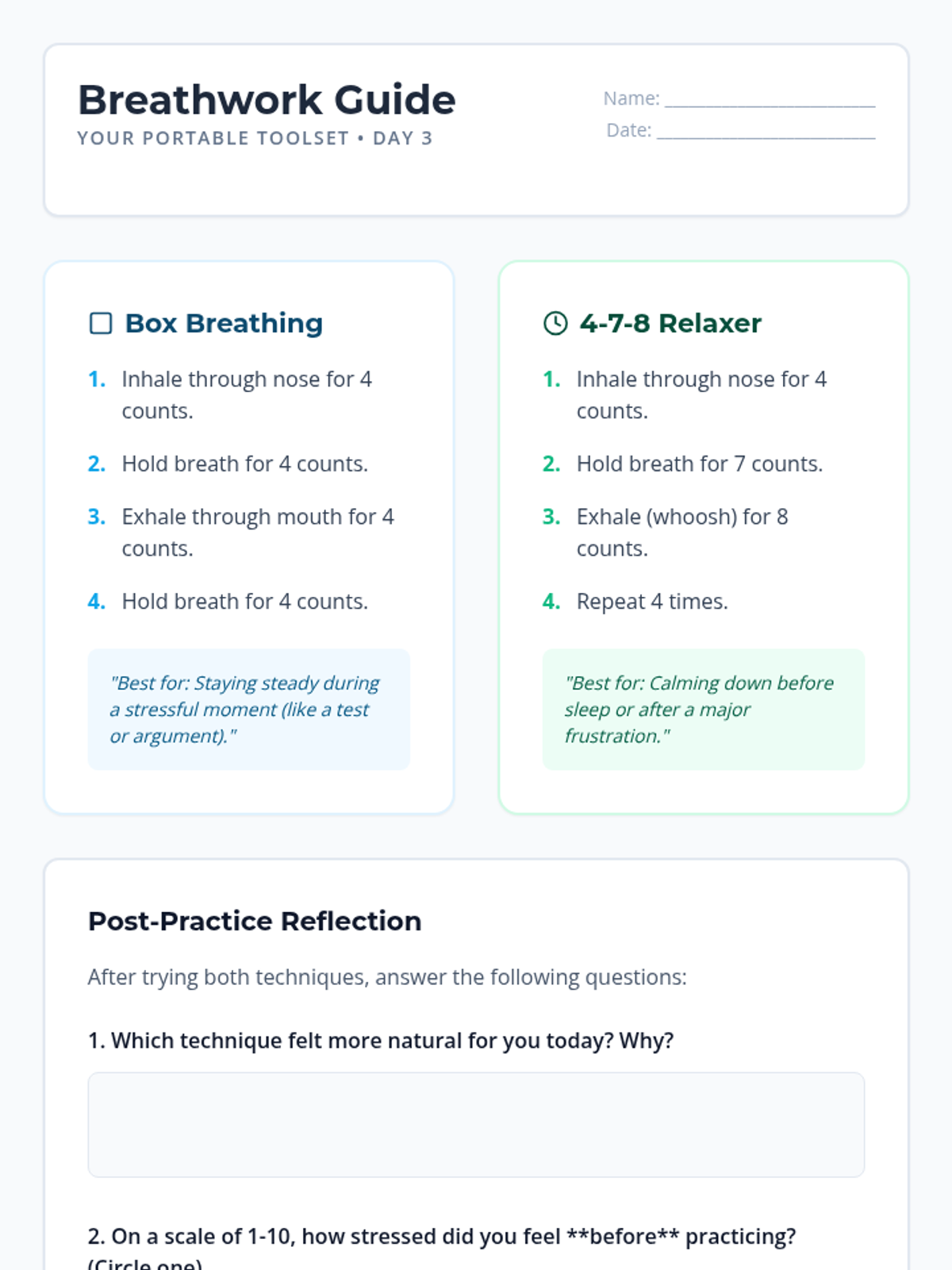
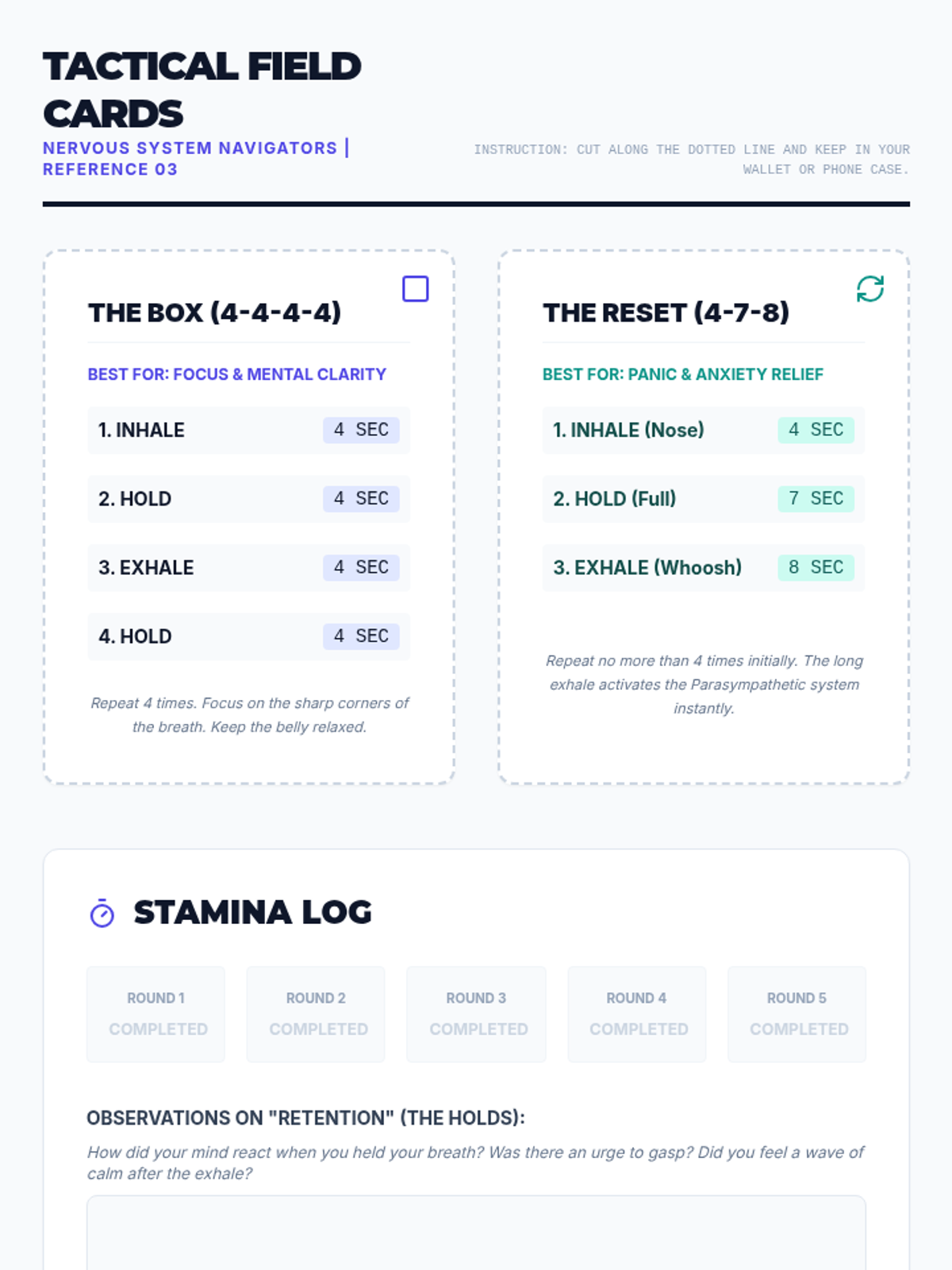
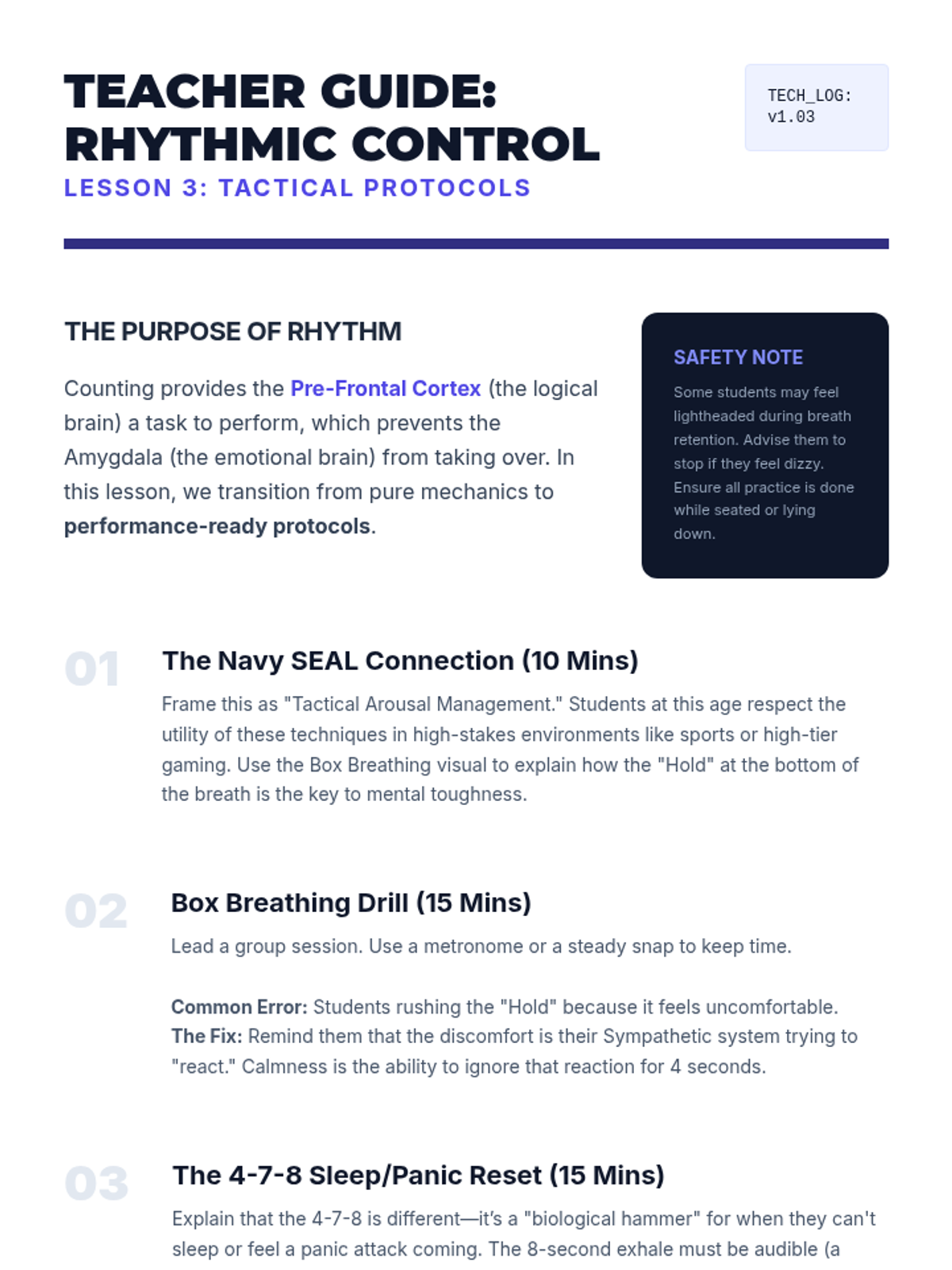
Students learn specific counting protocols, such as Box Breathing and the 4-7-8 technique, used by first responders and athletes to regain focus. They practice these techniques in timed intervals to build stamina and lung capacity.
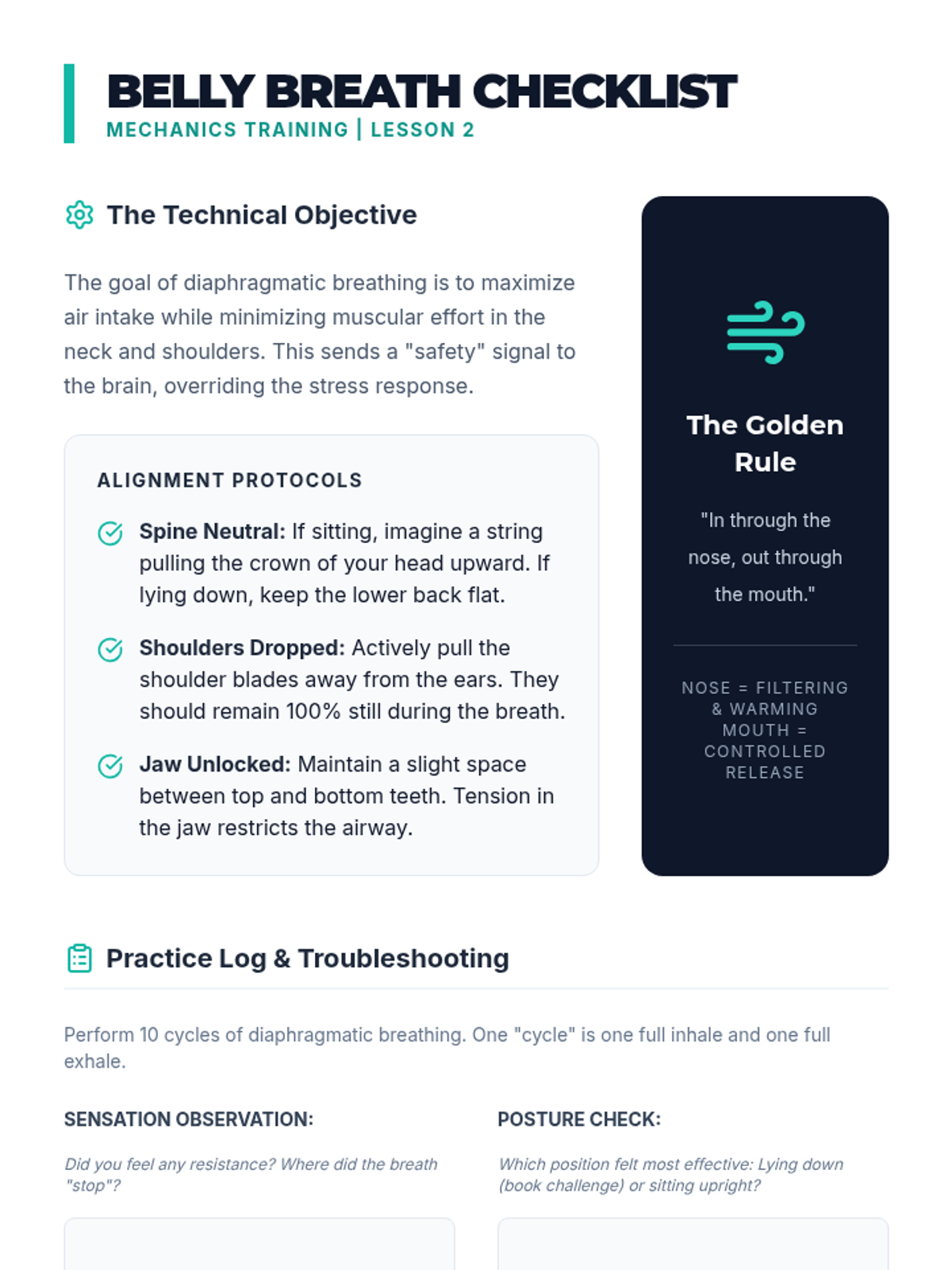
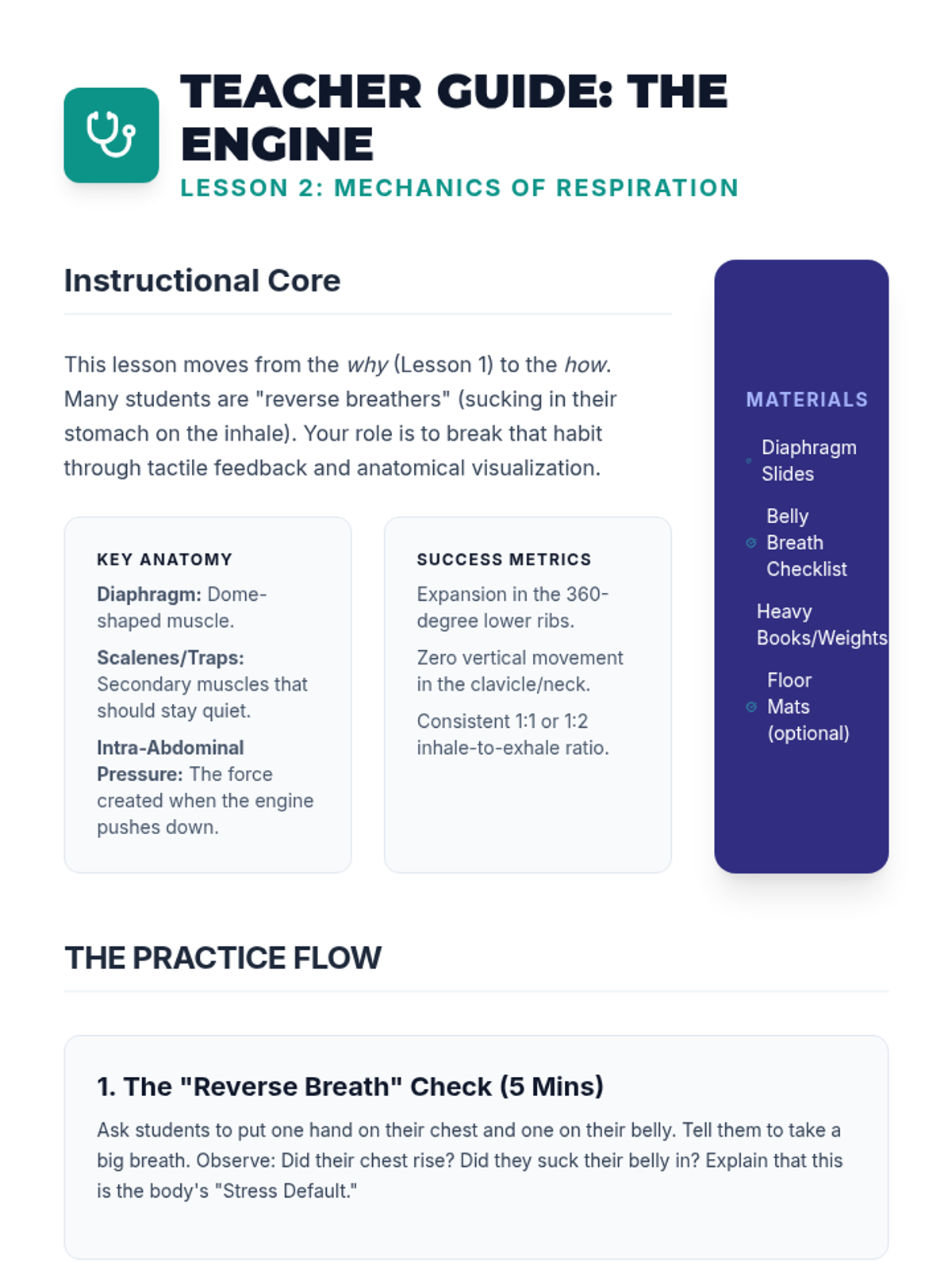
This lesson focuses on the physical mechanics of breathing, moving students away from shallow chest breathing toward deep diaphragmatic expansion. Students practice 'belly breathing' techniques and use tactile feedback to ensure proper muscle engagement.
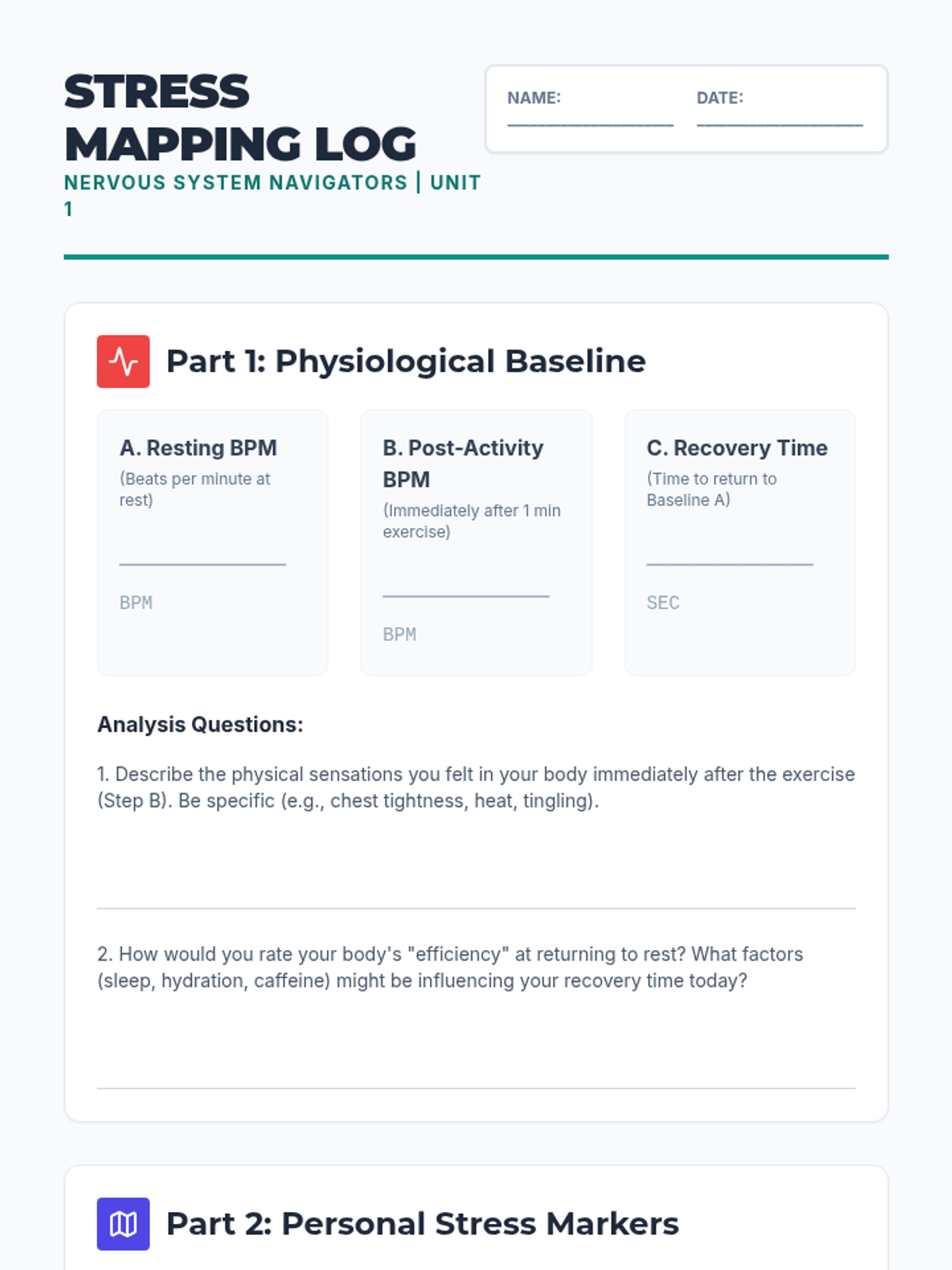
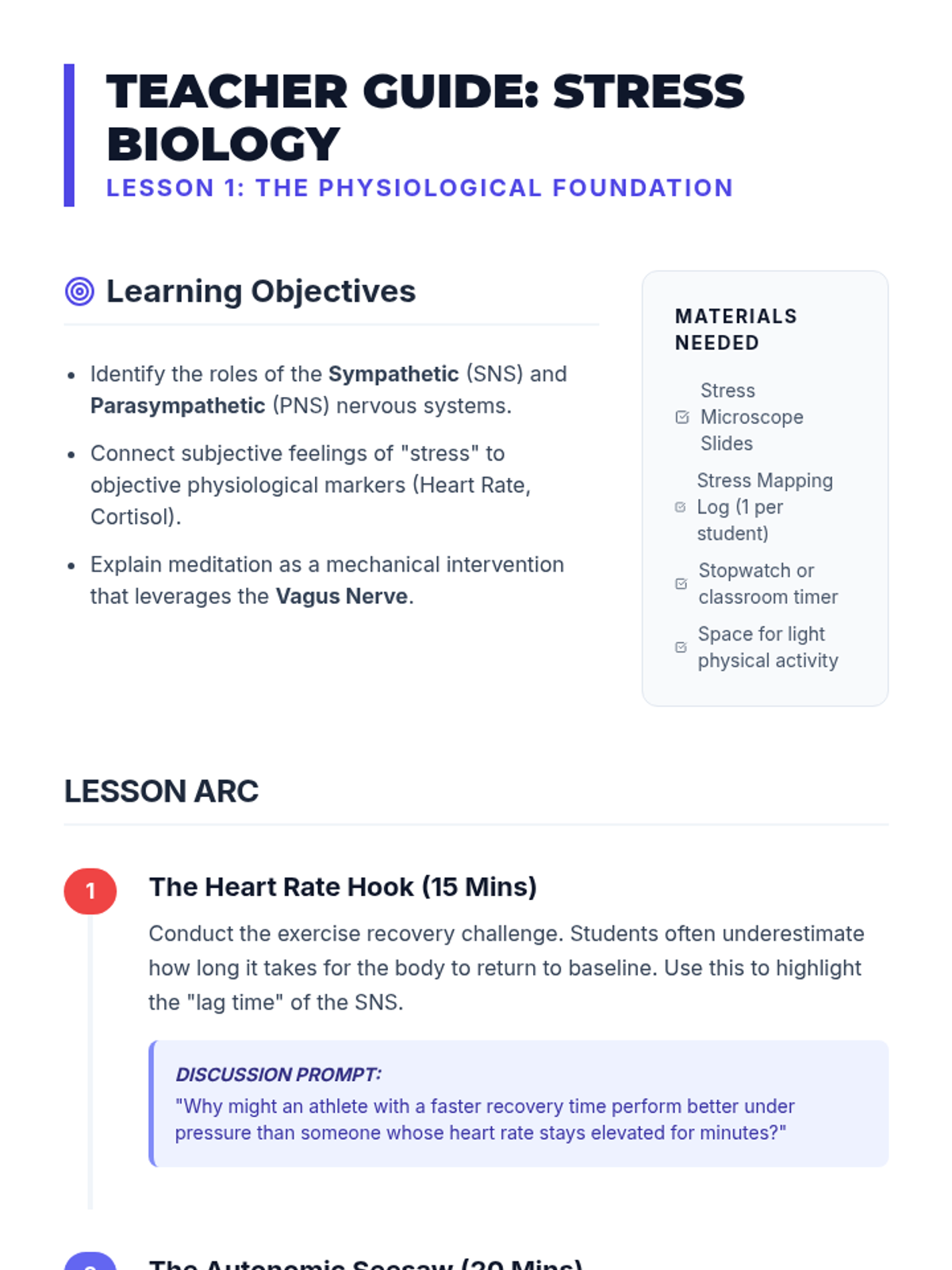
Students investigate the autonomic nervous system, specifically differentiating between sympathetic (fight or flight) and parasympathetic (rest and digest) responses. They map their own physical symptoms of stress and identify how meditation serves as a biological intervention.
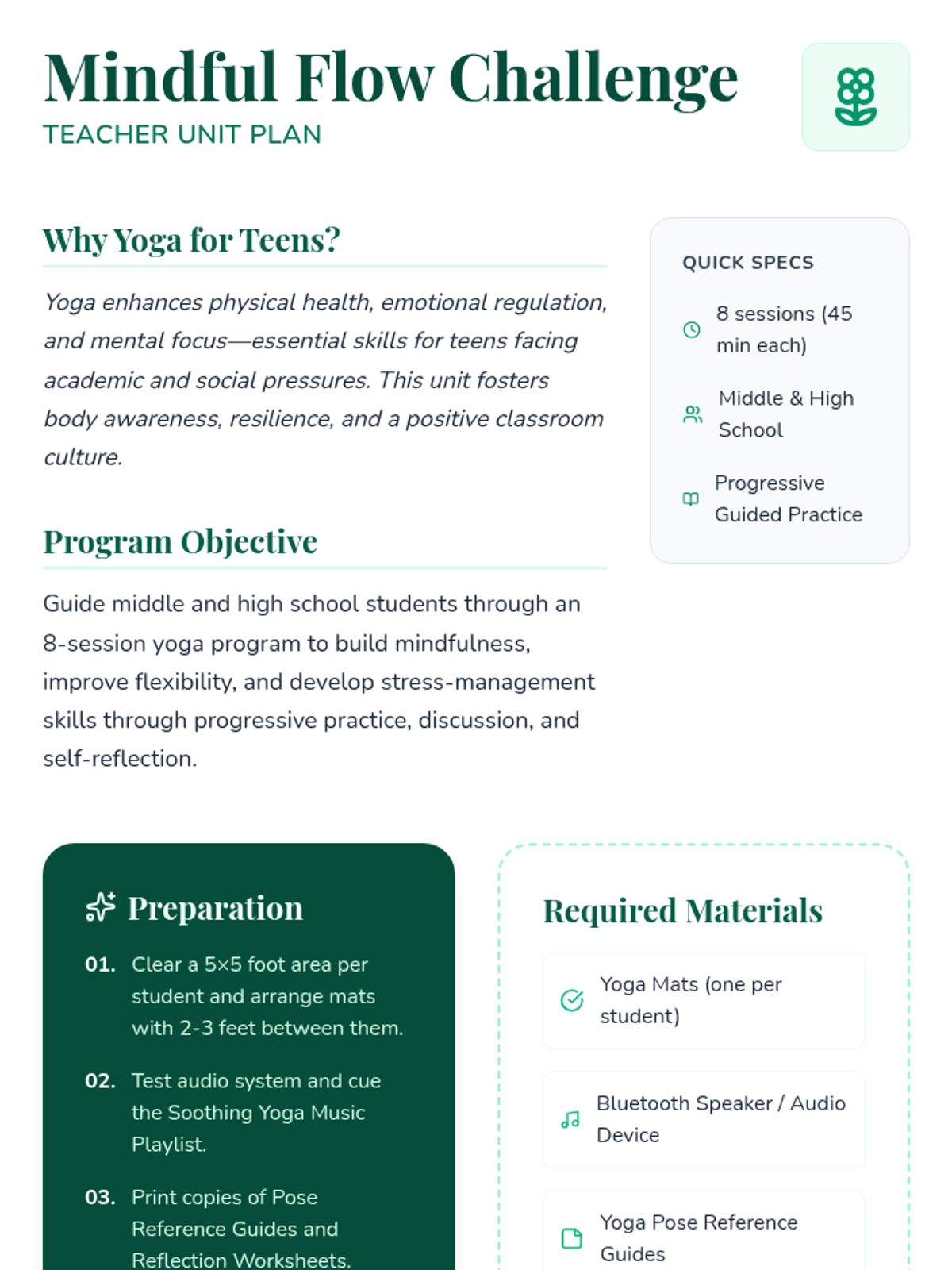
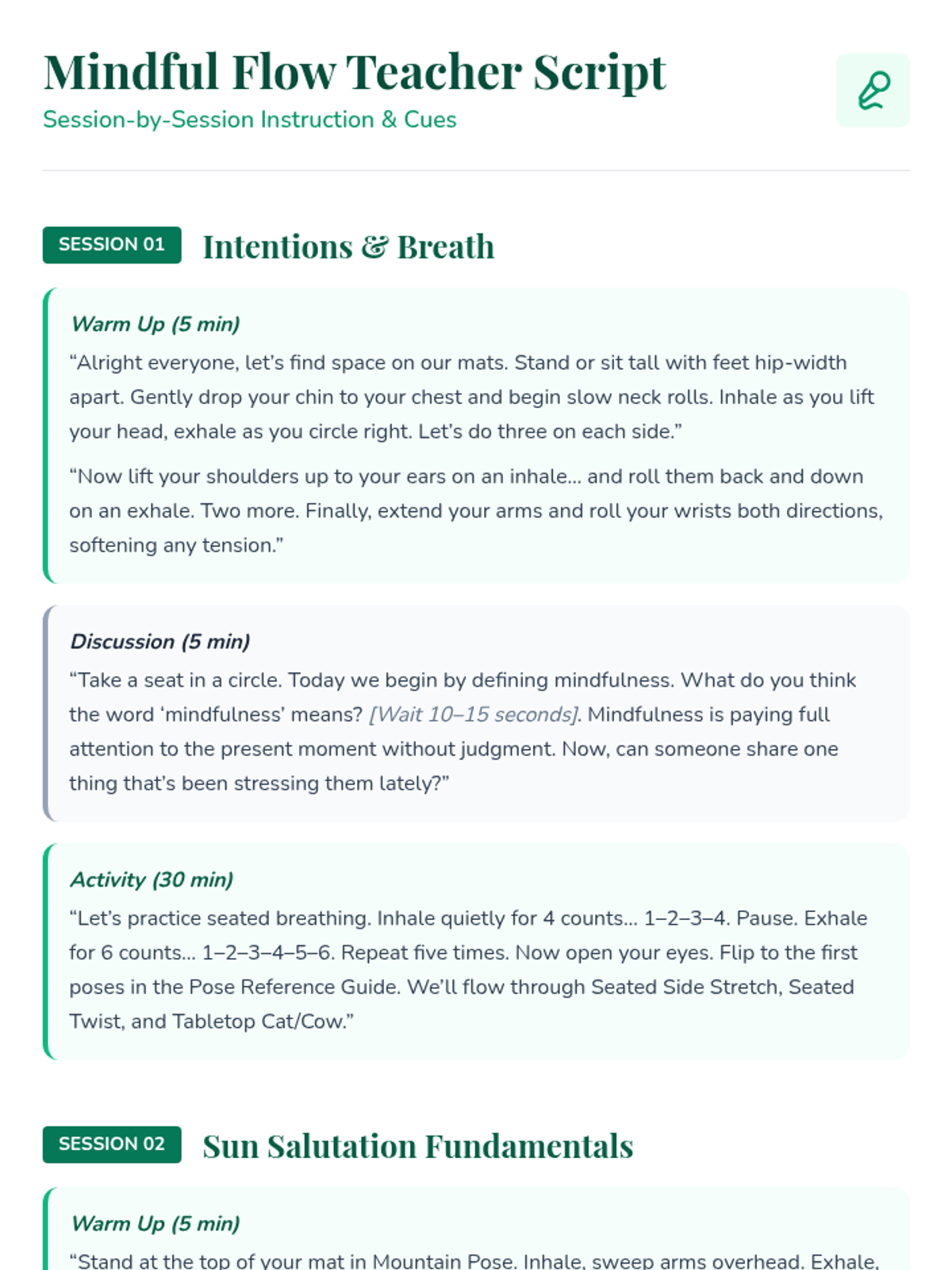
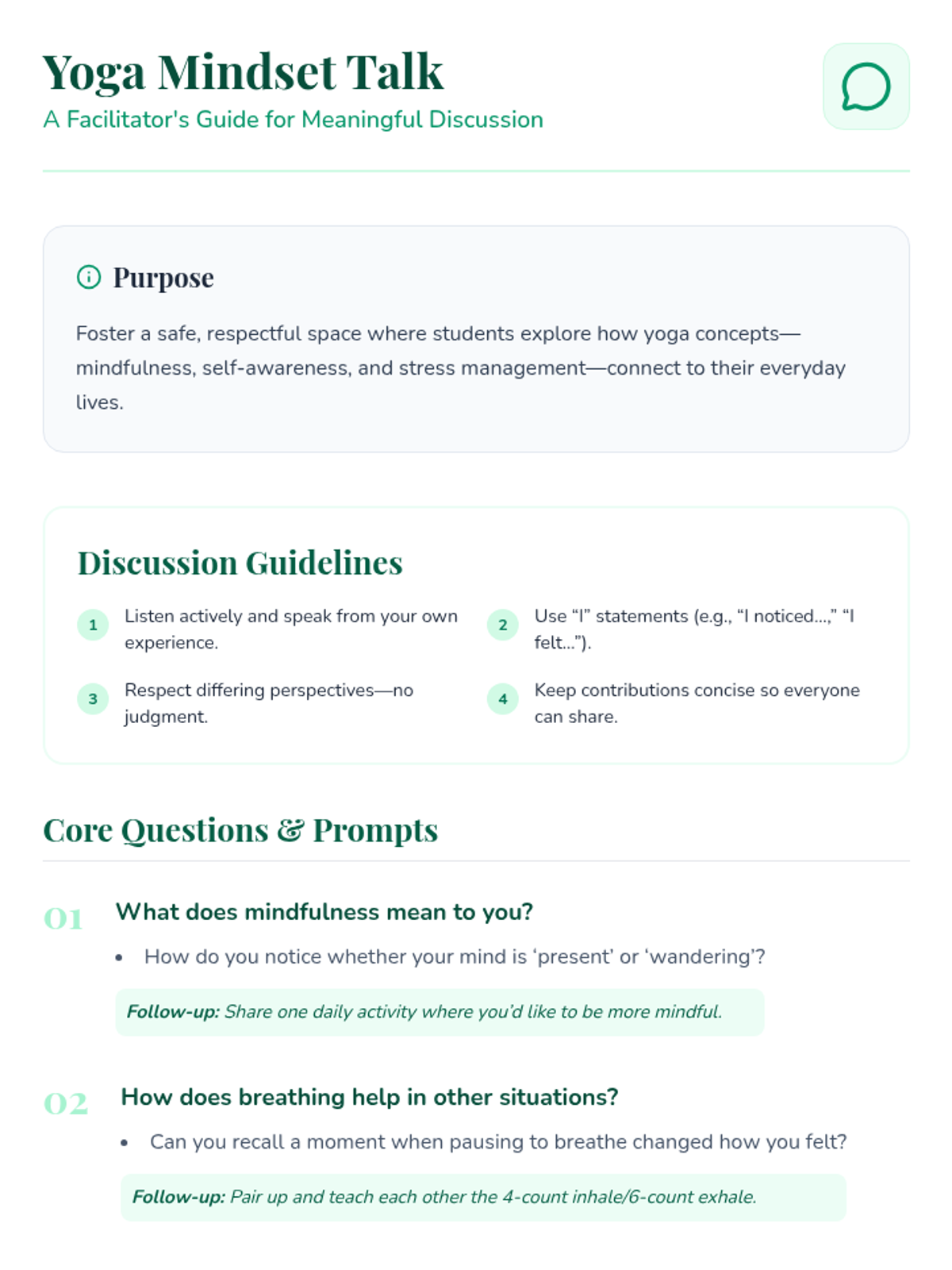
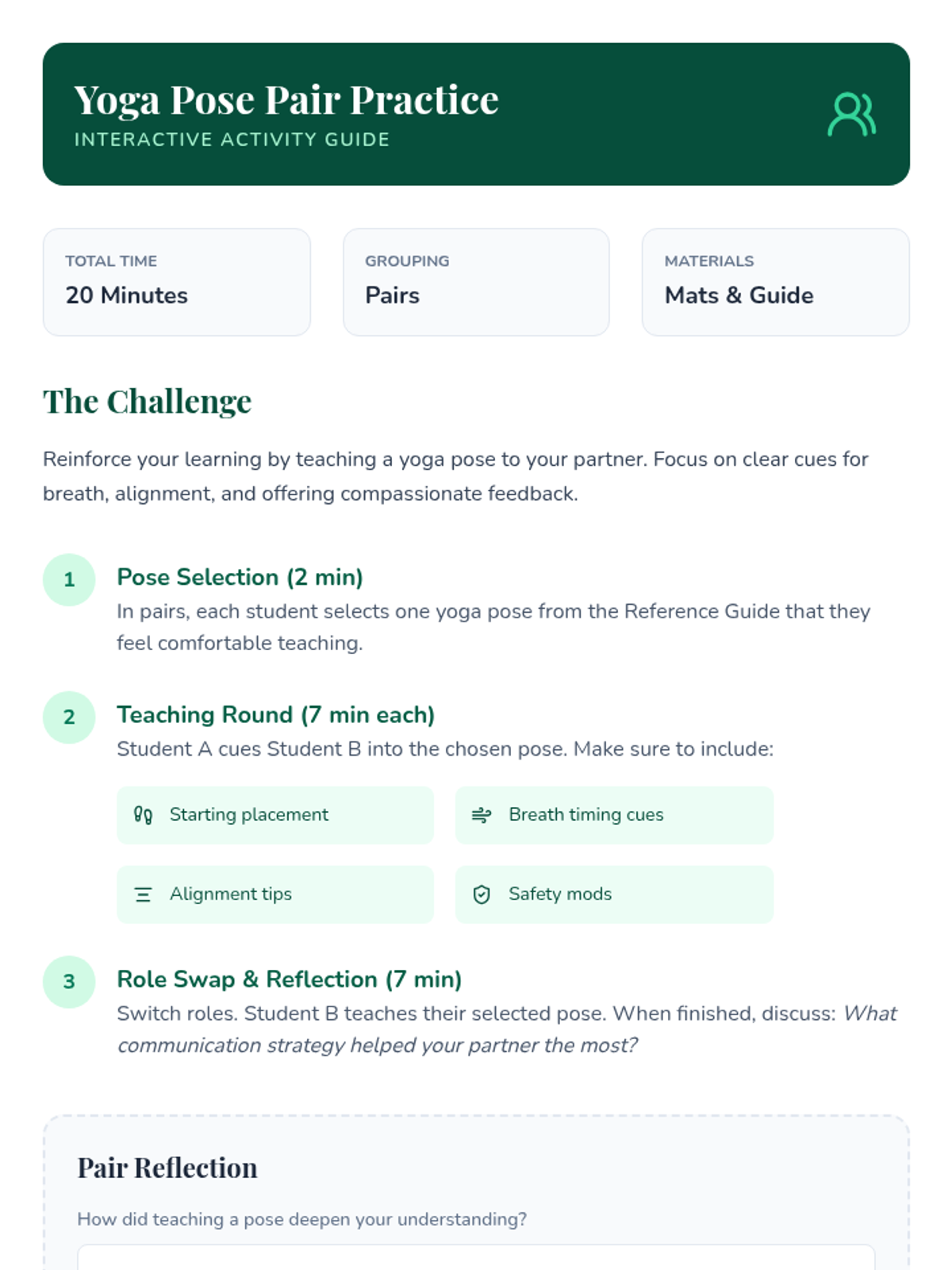
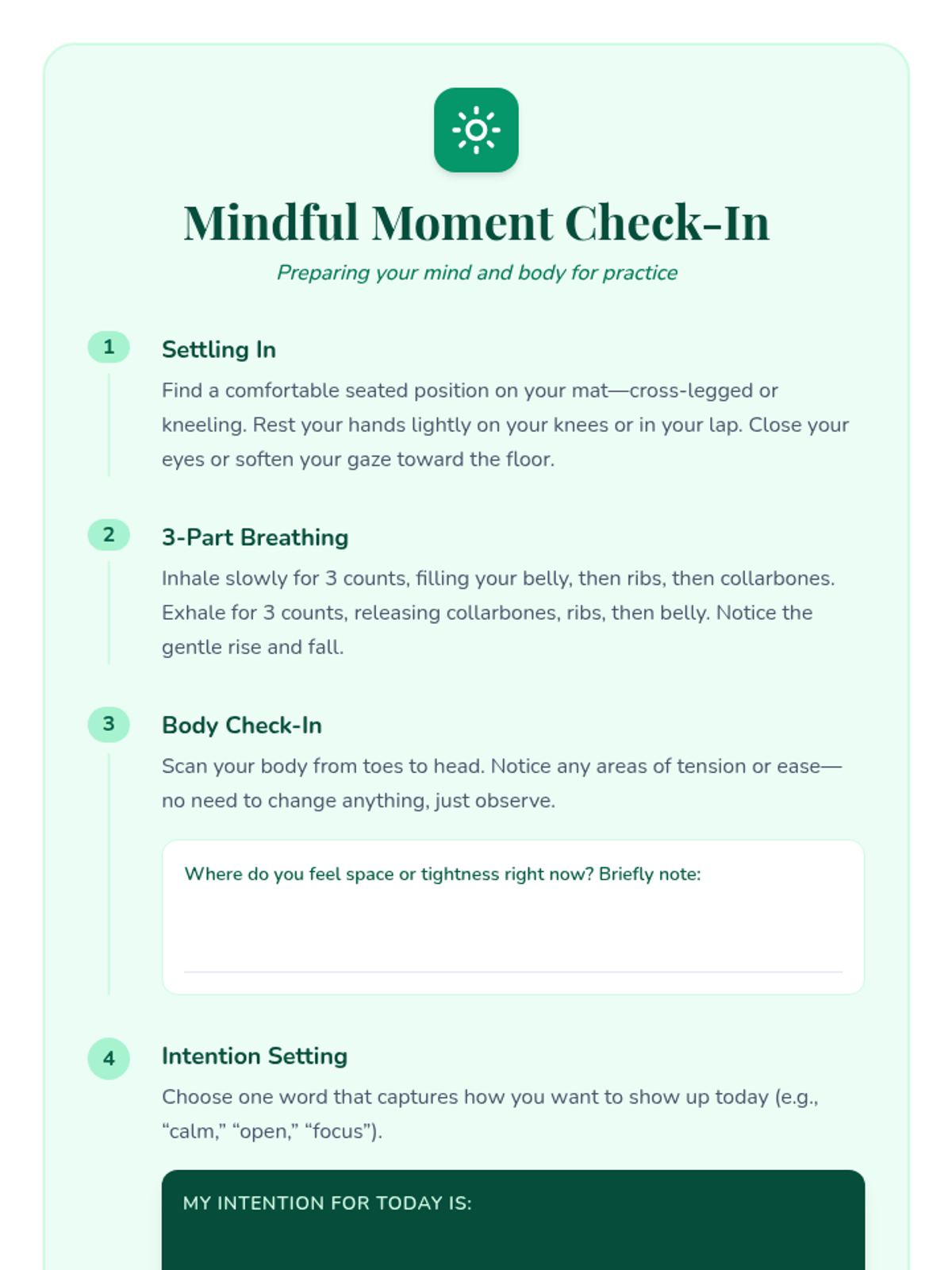
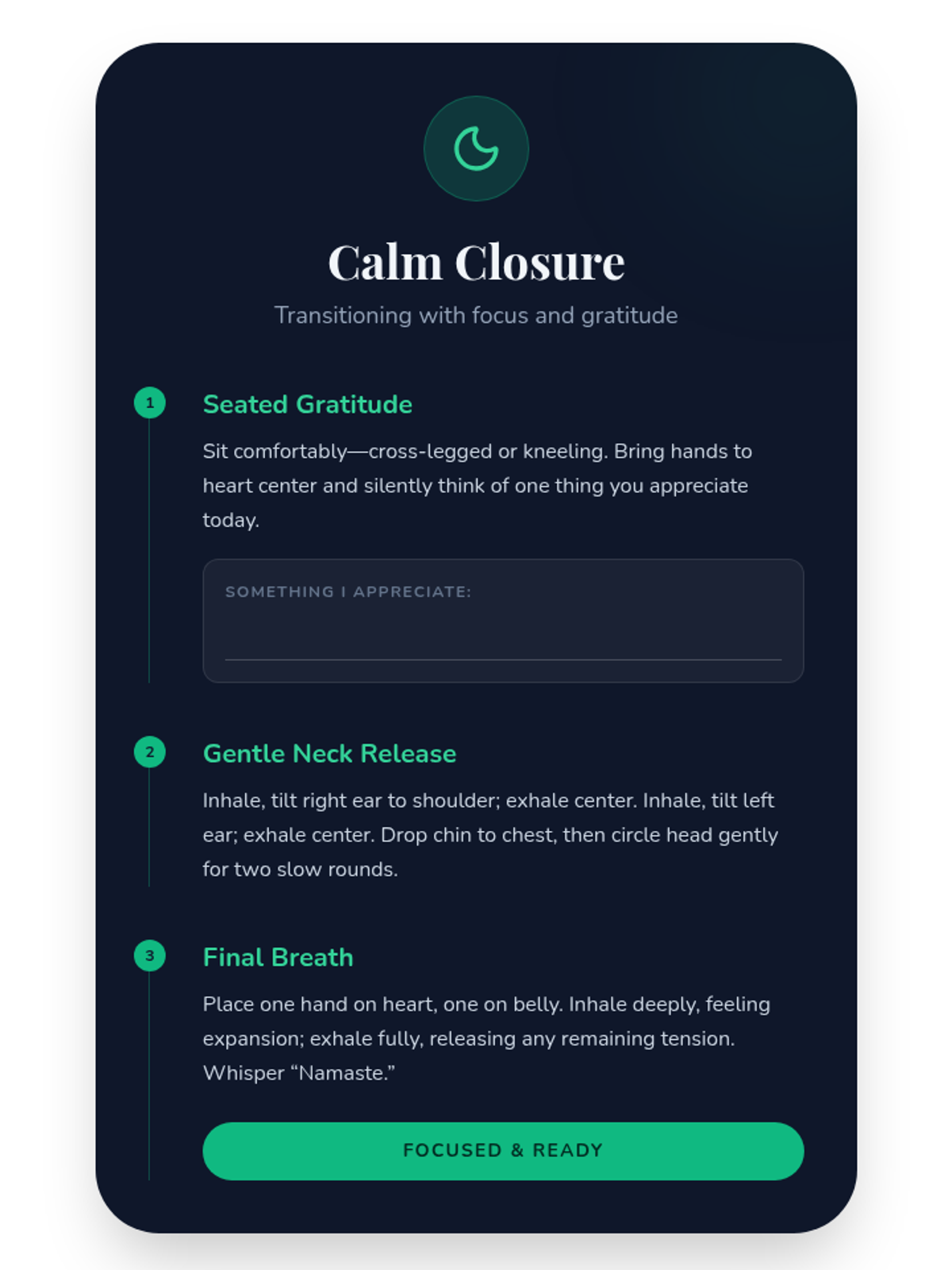
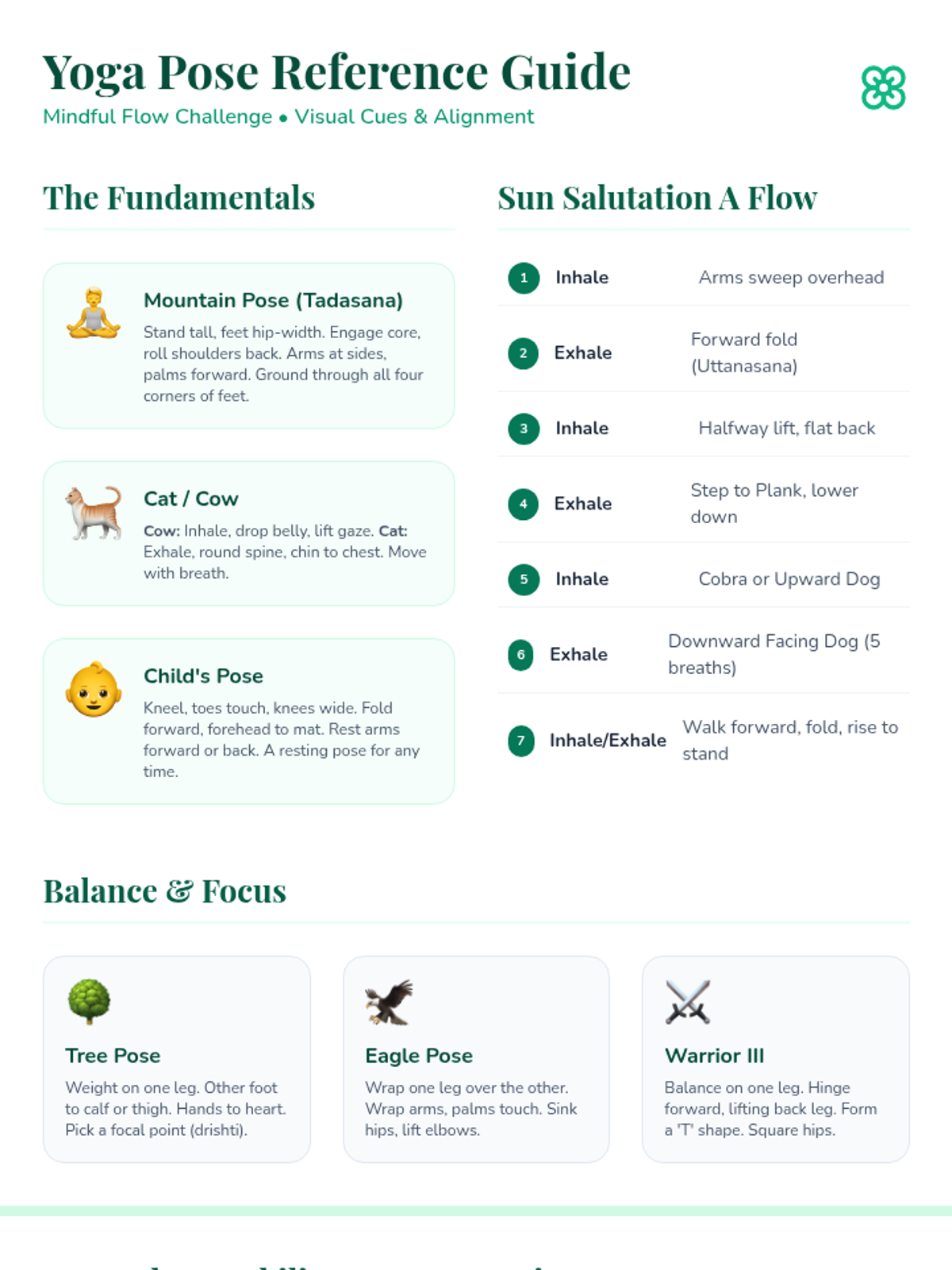
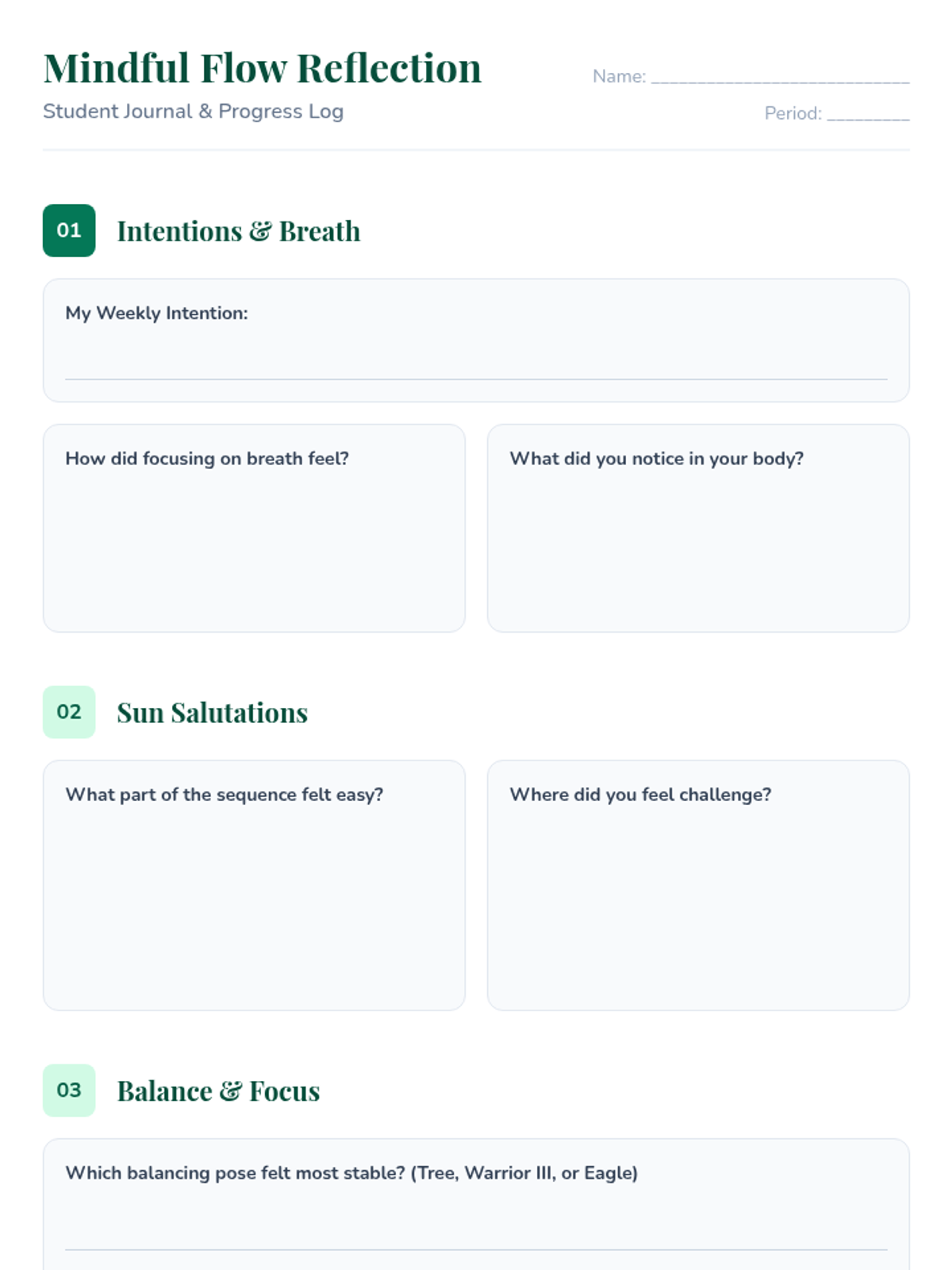
A comprehensive collection of instructional materials, scripts, and student resources for the 8-session Mindful Flow yoga program.
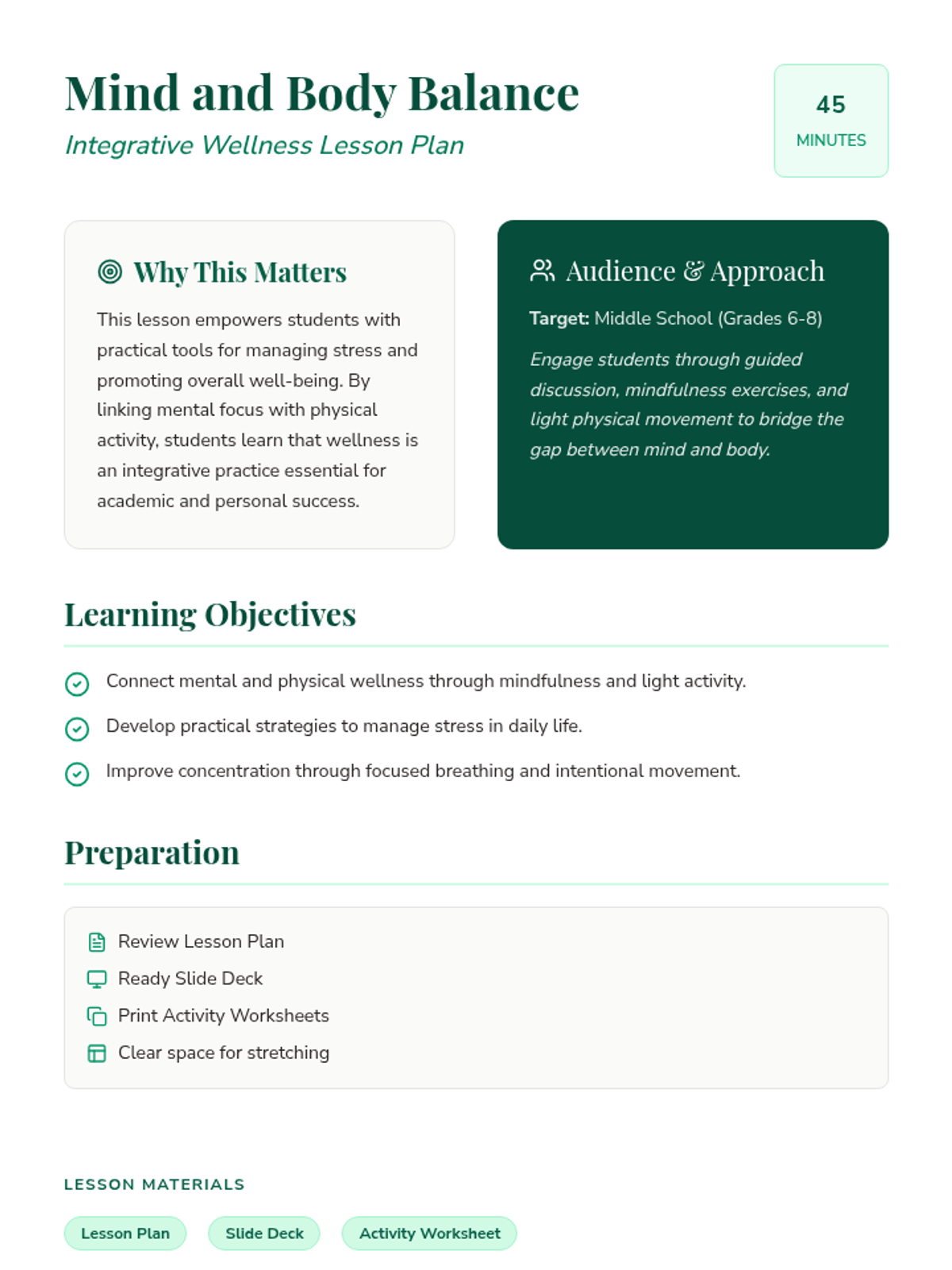
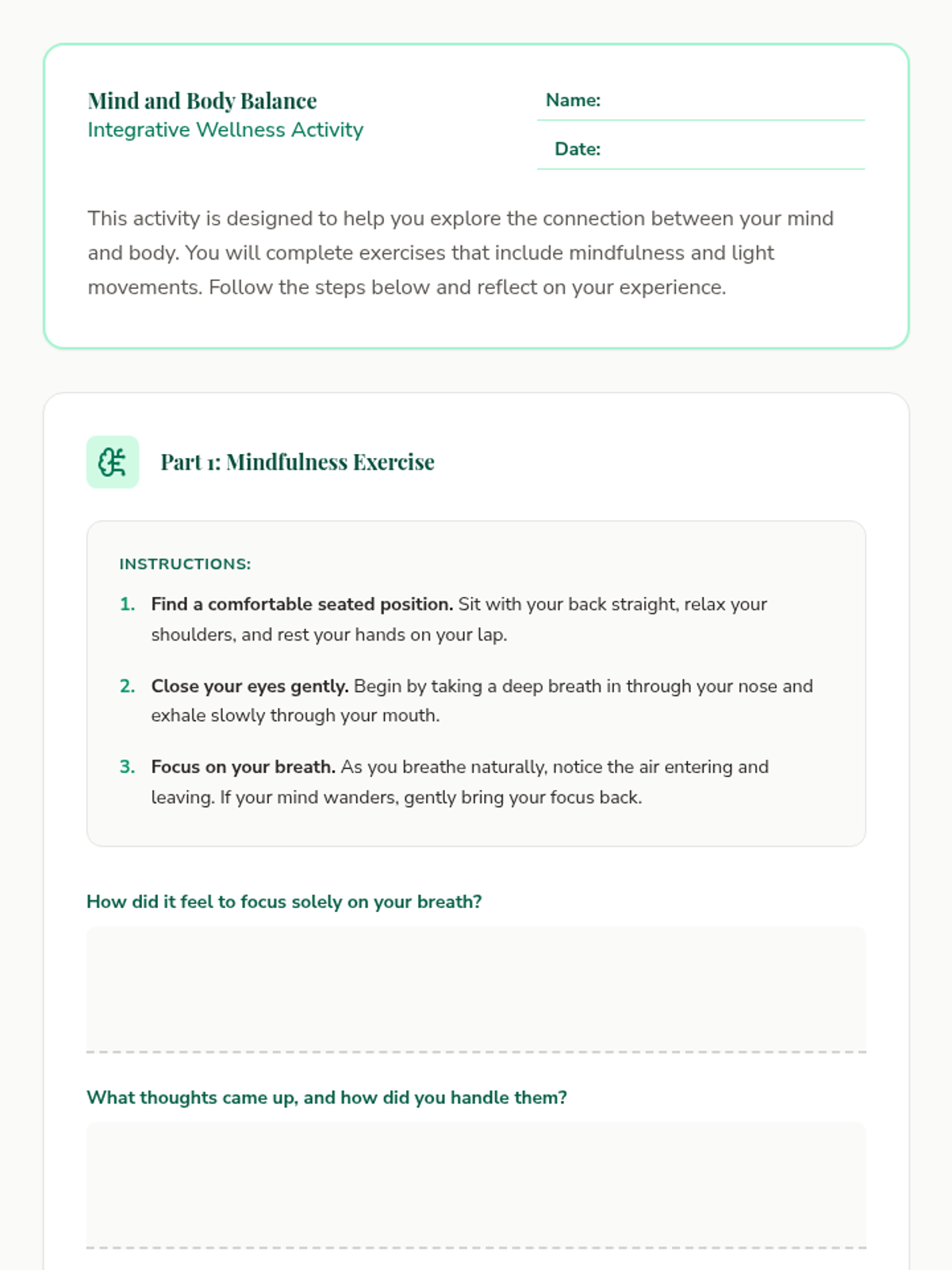
A comprehensive lesson designed to help middle school students understand the connection between mental and physical health through mindfulness and light movement. Students will learn practical stress management tools and strategies to improve daily concentration.
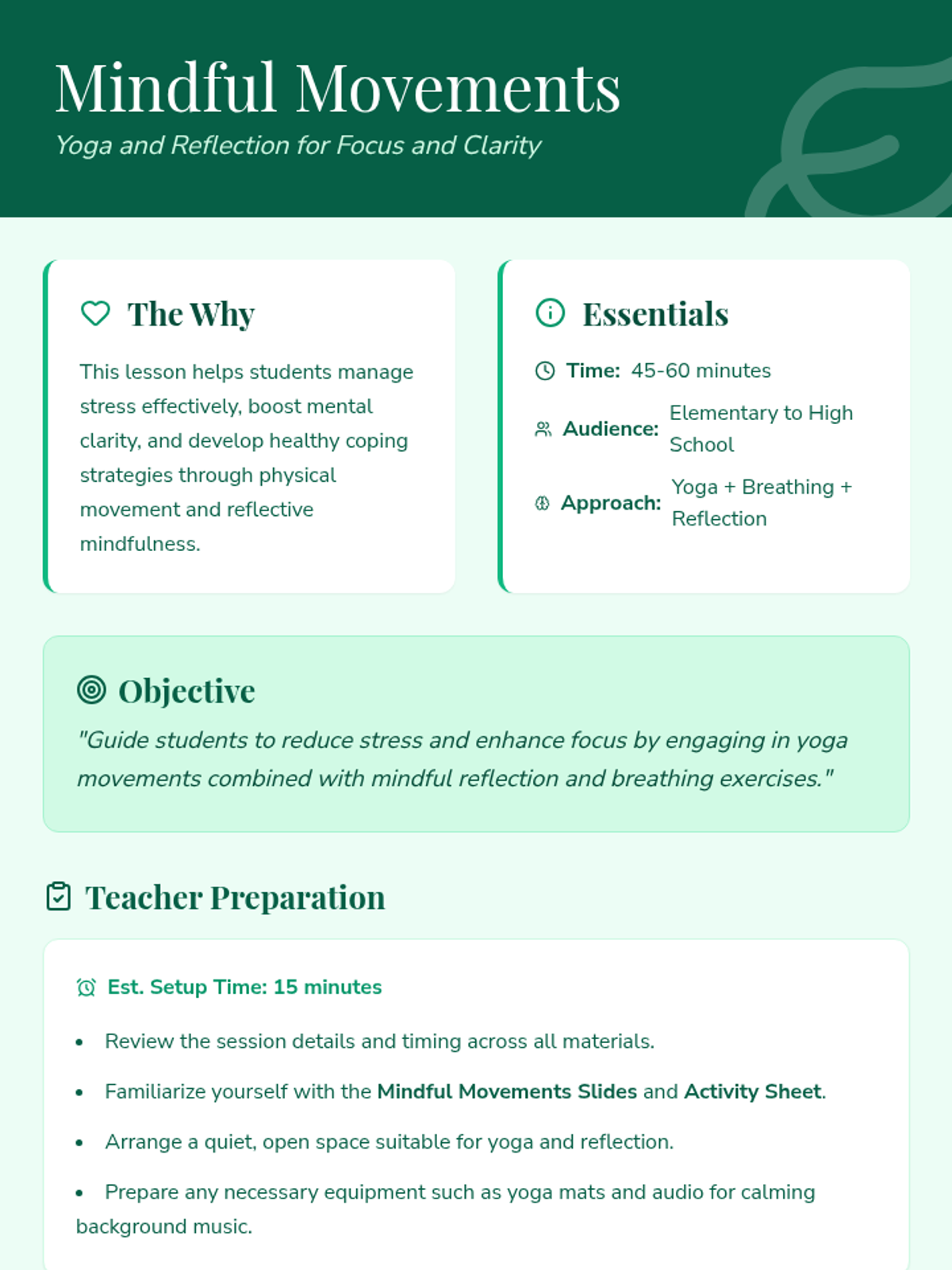
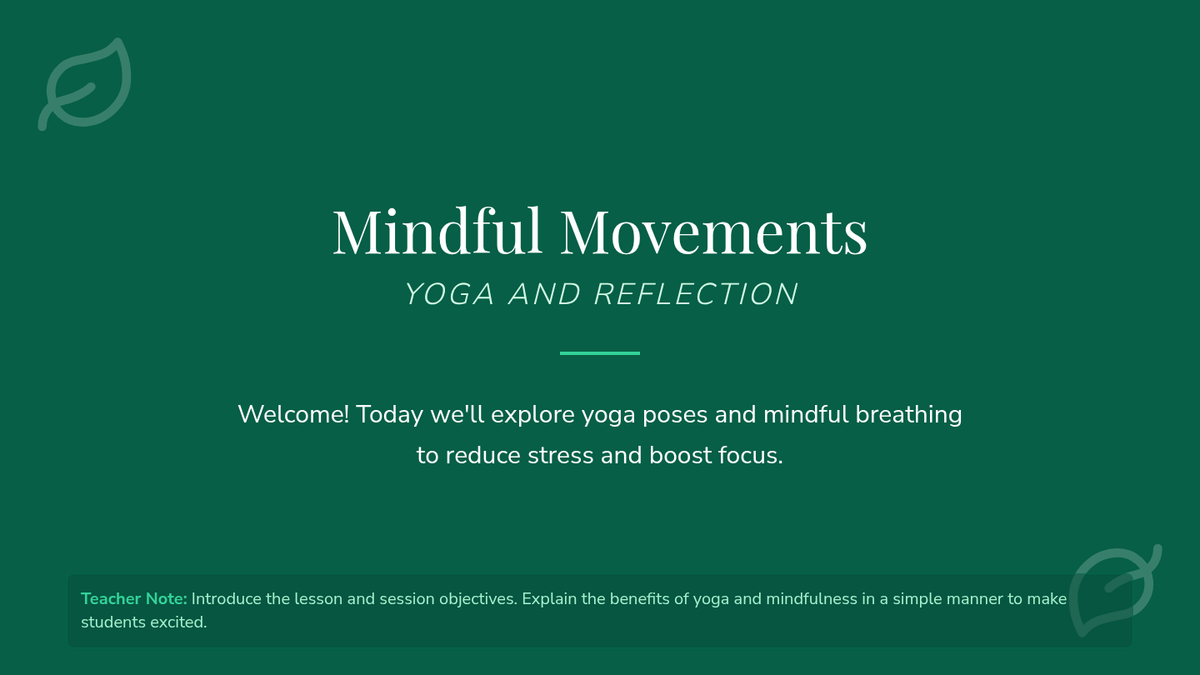
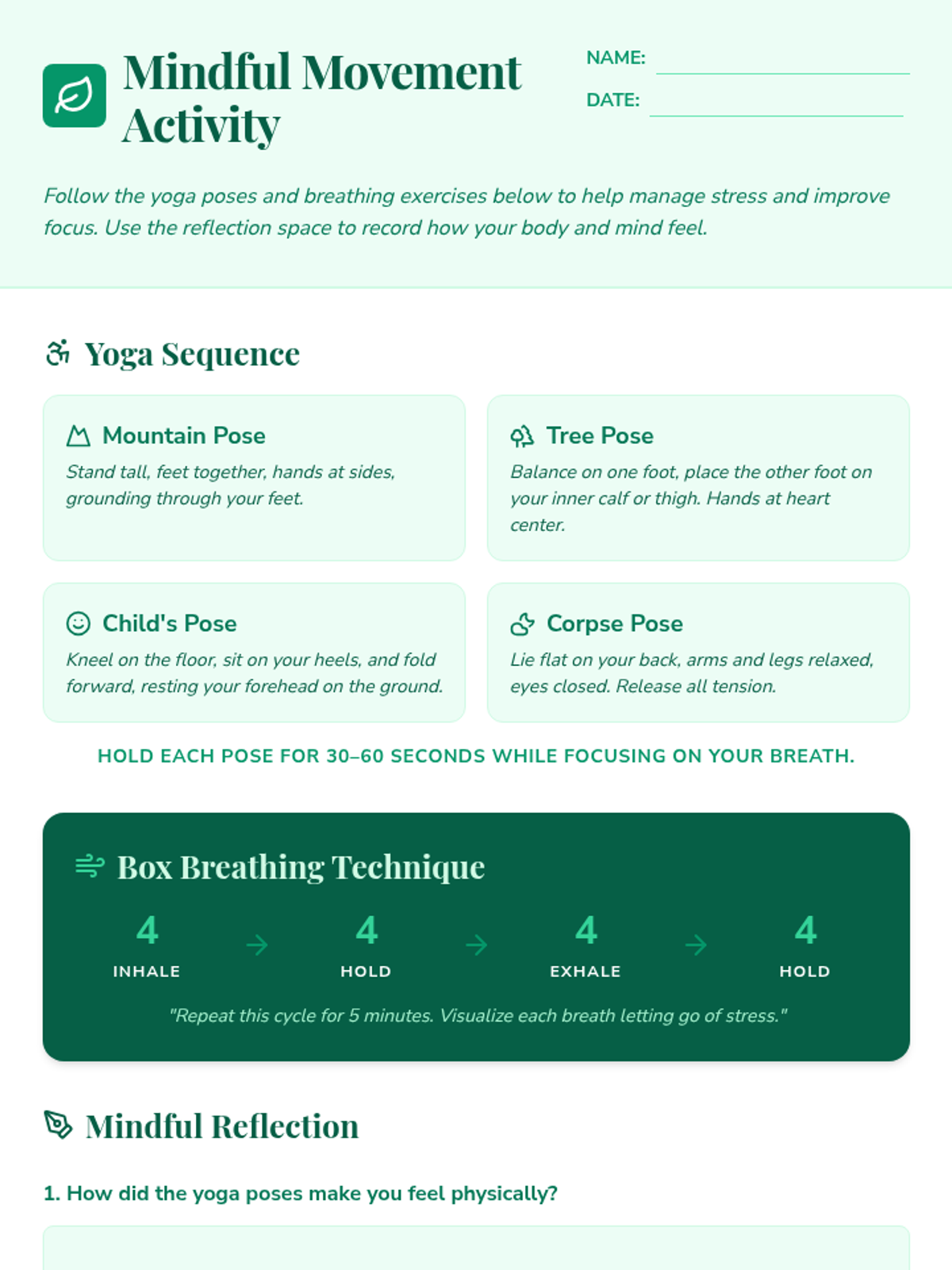
A lesson that combines yoga poses with mindfulness and reflection to help students manage stress, improve focus, and develop mental clarity through physical movement and breathing.
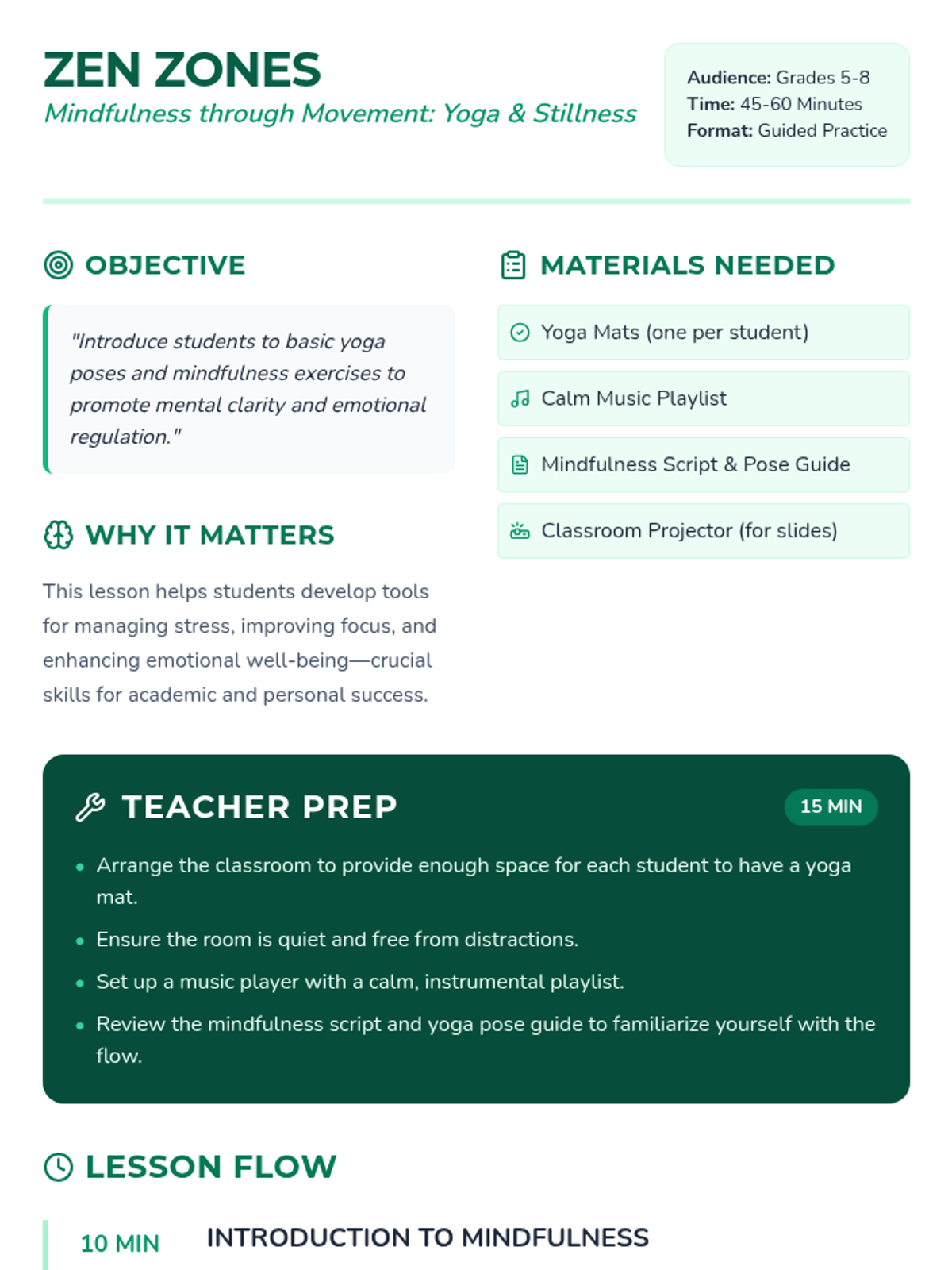
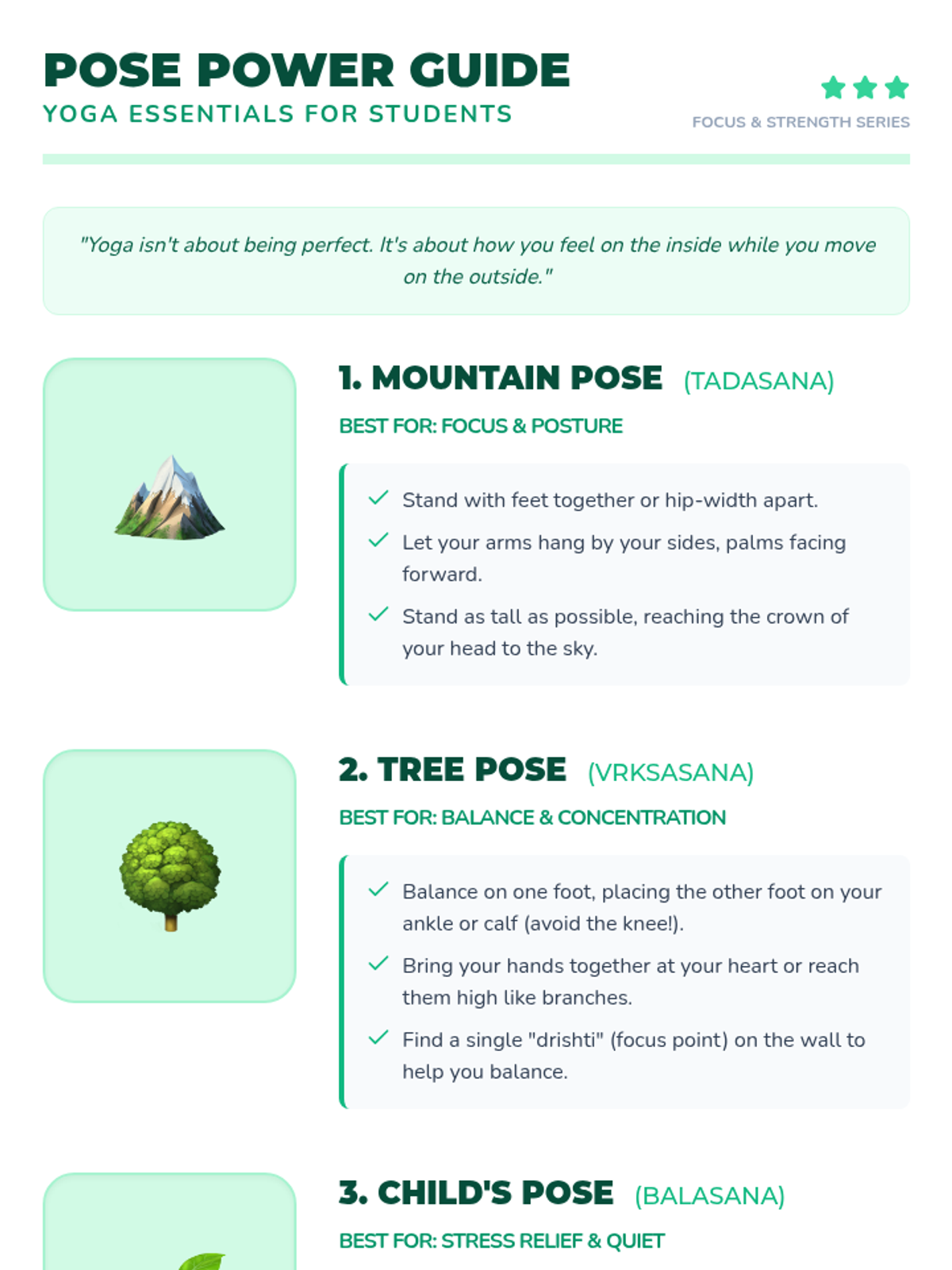
Introduce students to basic yoga poses and mindfulness exercises as a means to promote mental clarity and emotional regulation. Ideal for students in grades 5-8.
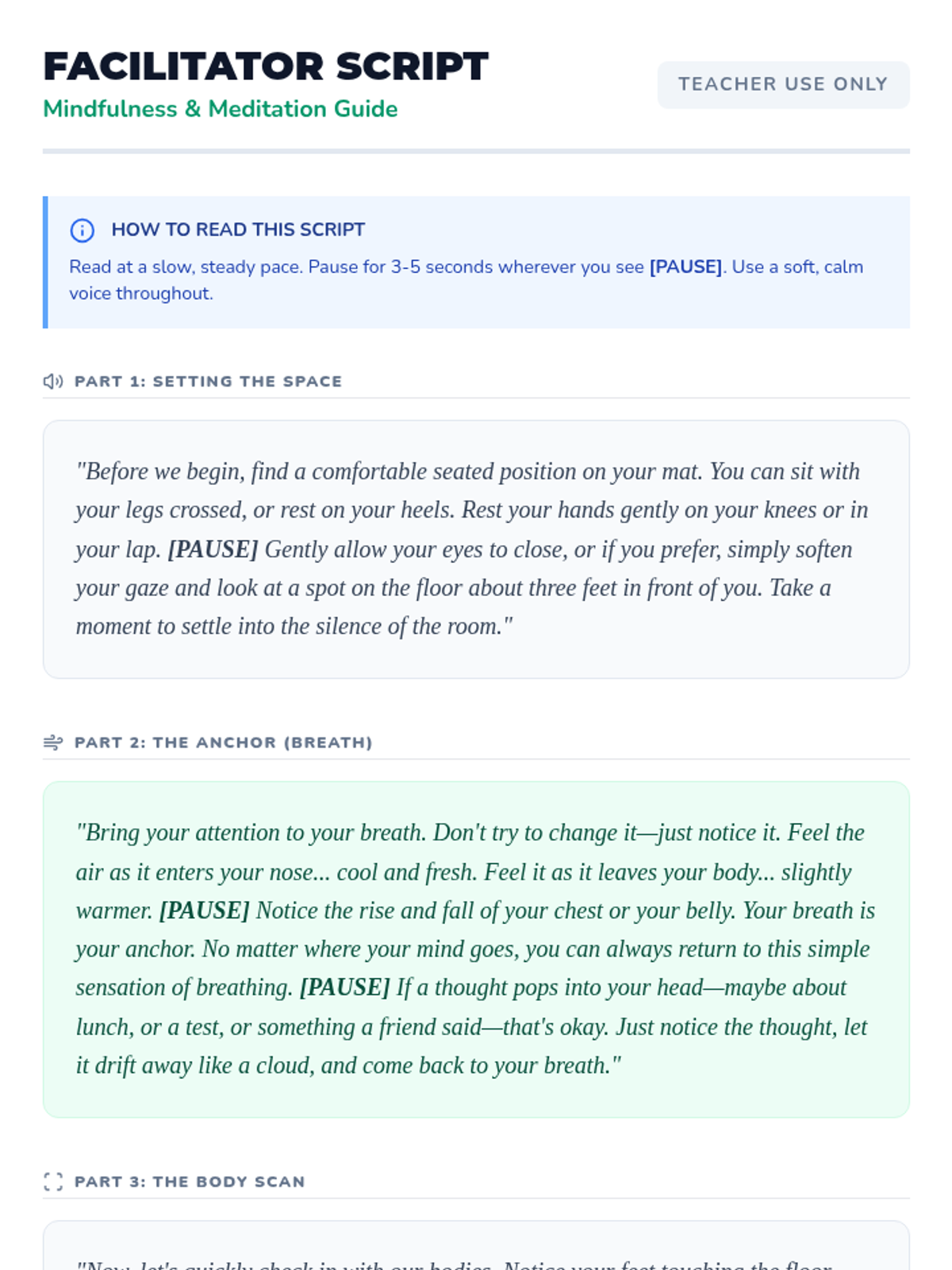
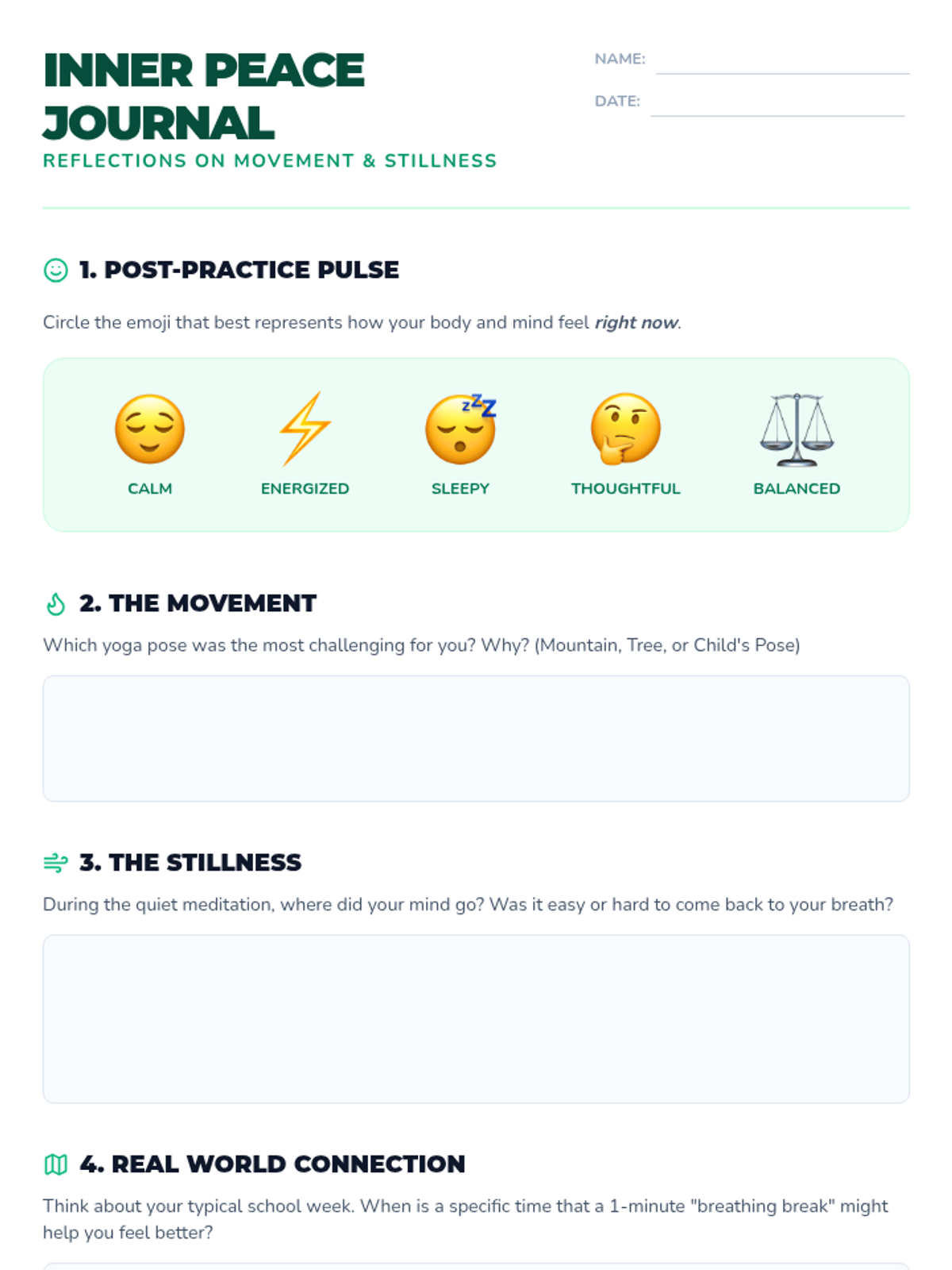
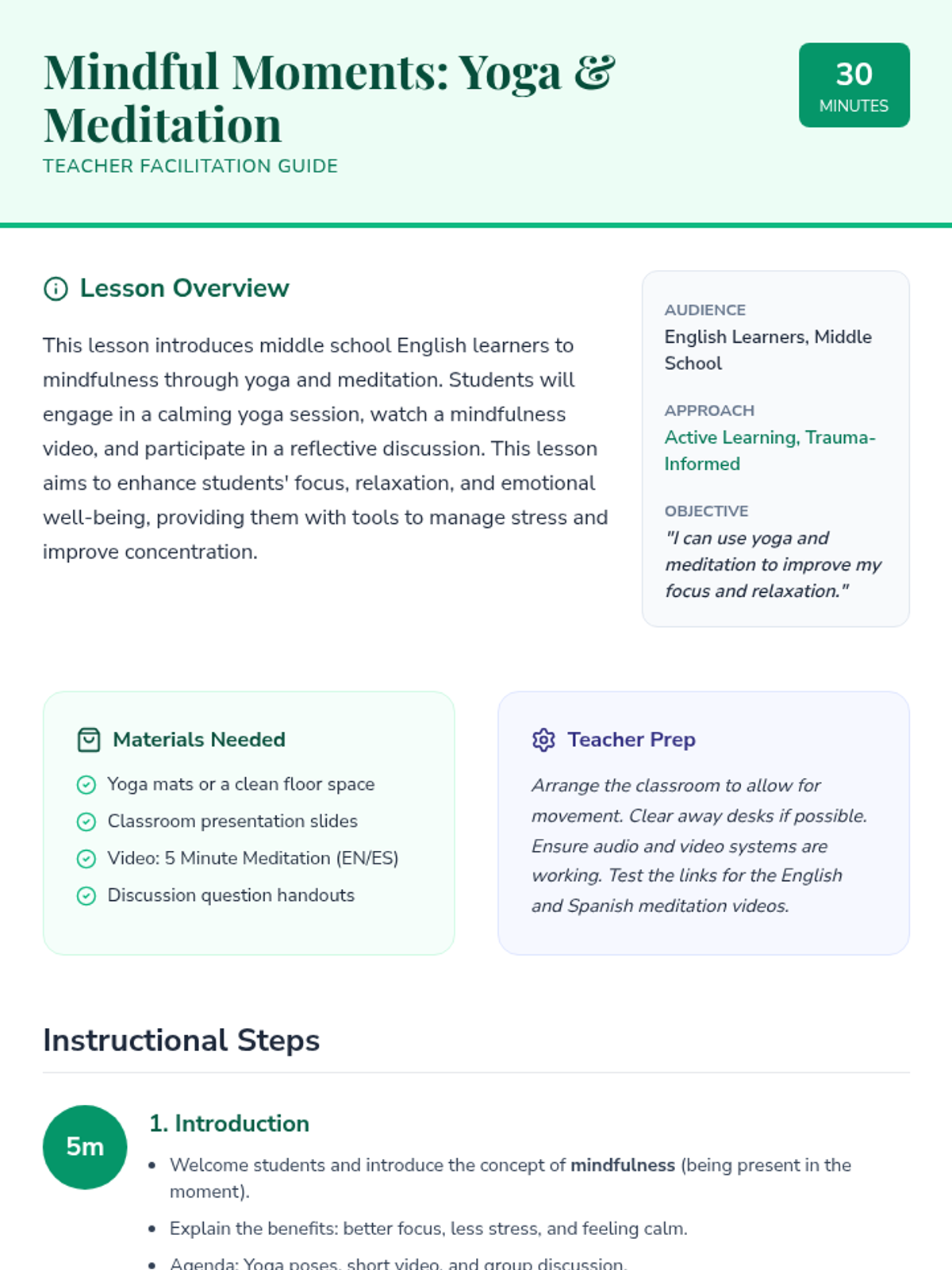
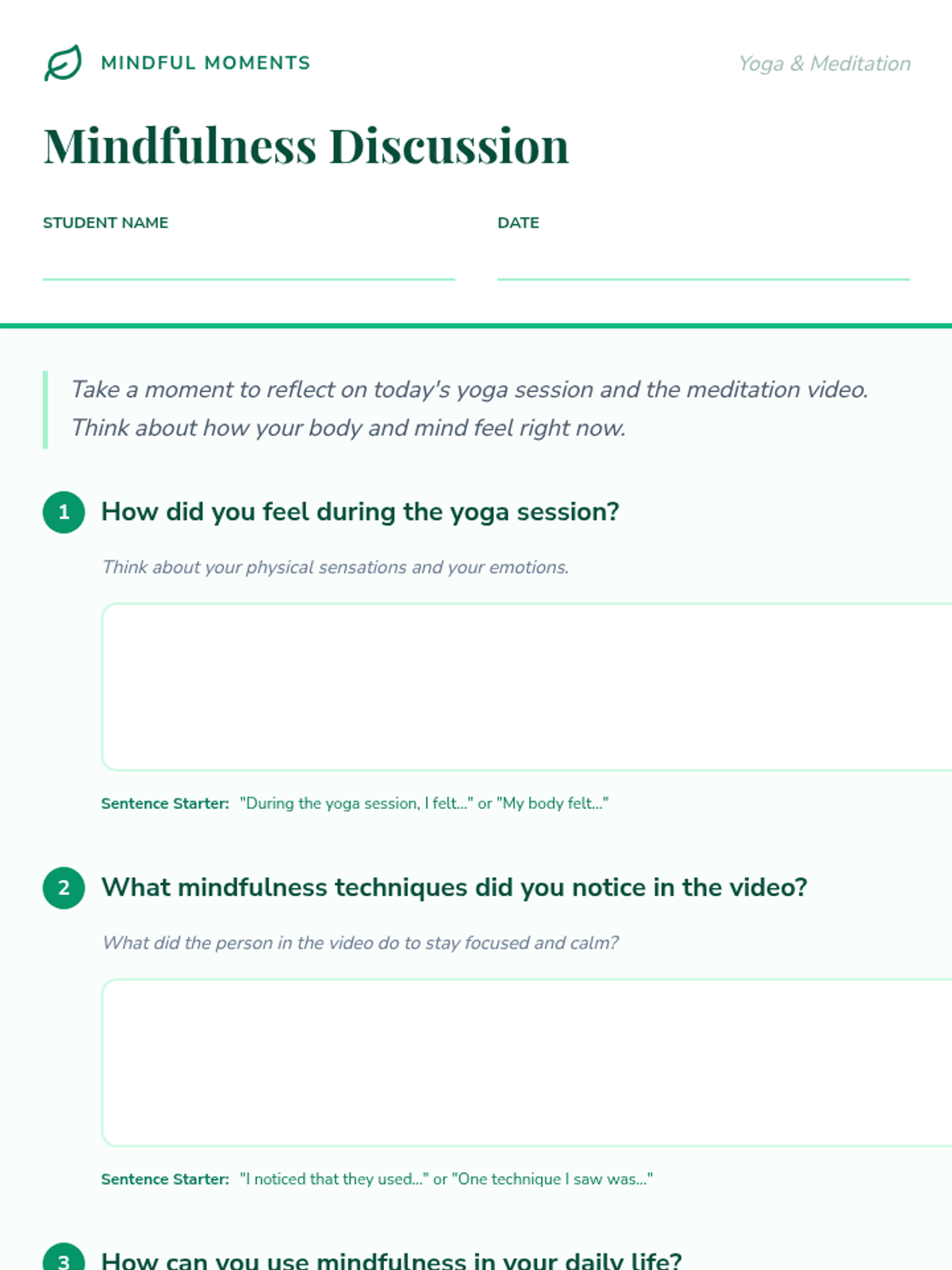
A middle school English Learner lesson introducing mindfulness through yoga and meditation to improve focus and emotional well-being.
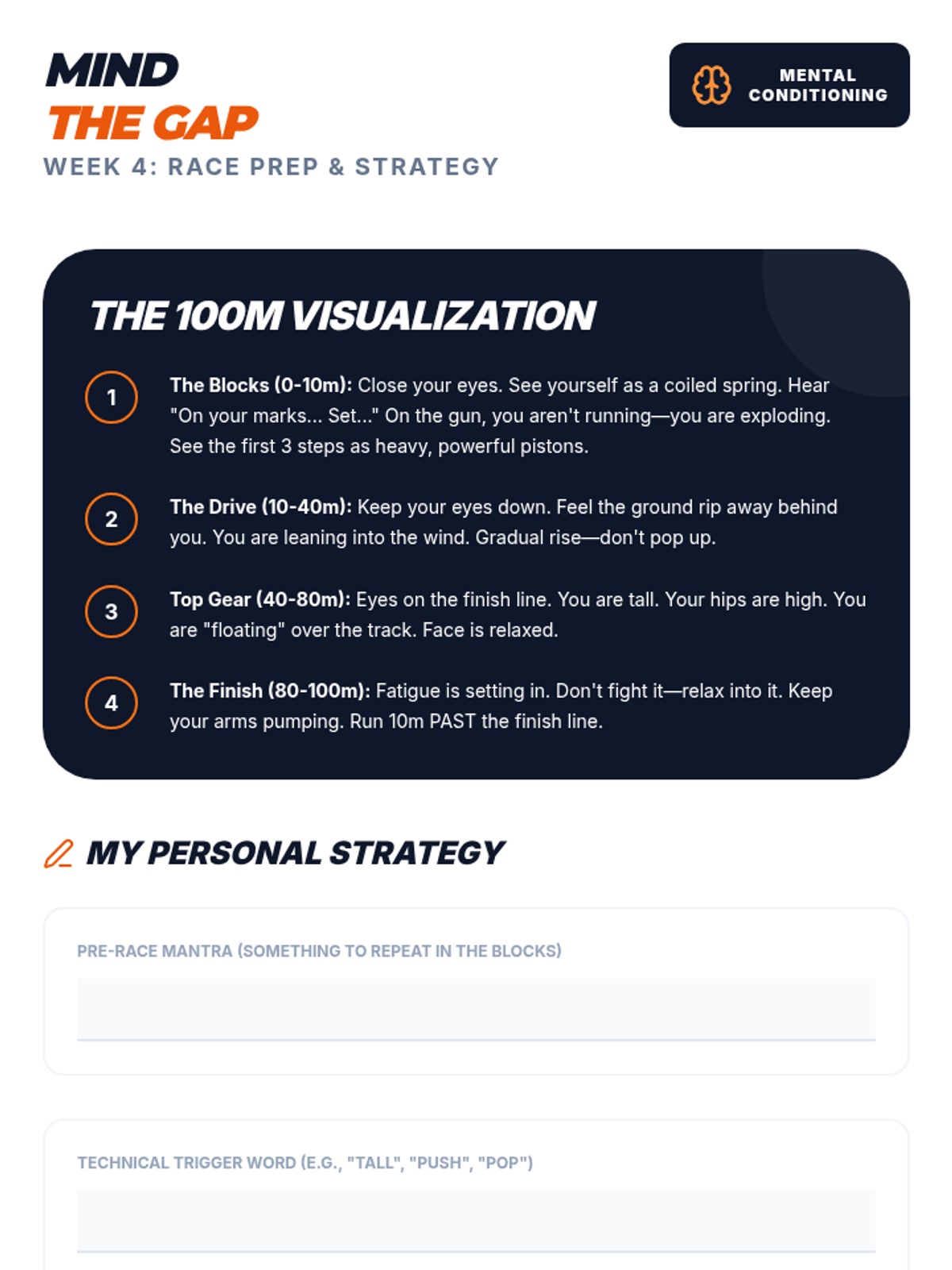
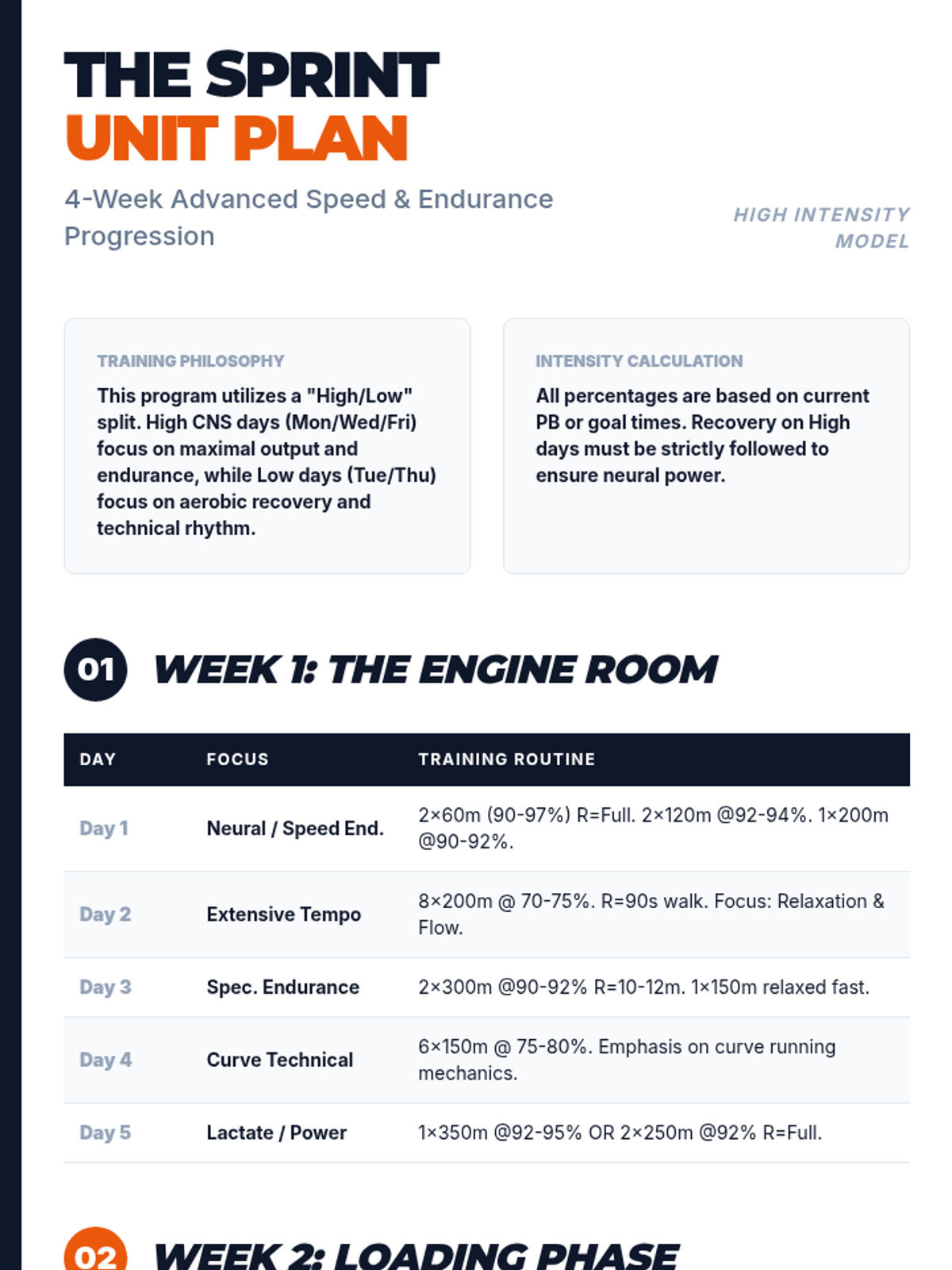
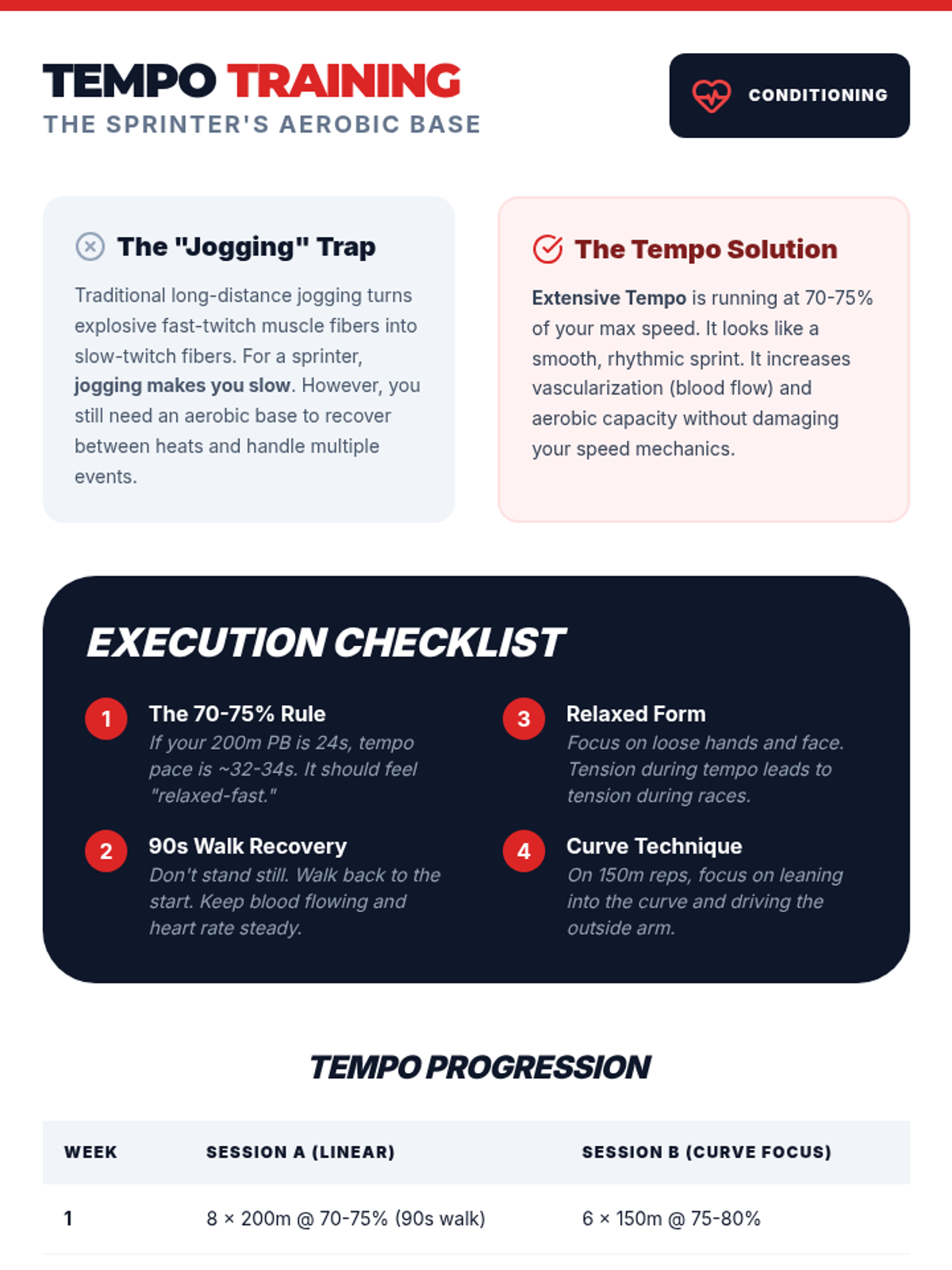
Fine-tuning starts, speed endurance intervals, and preparing for competition-style sprinting.
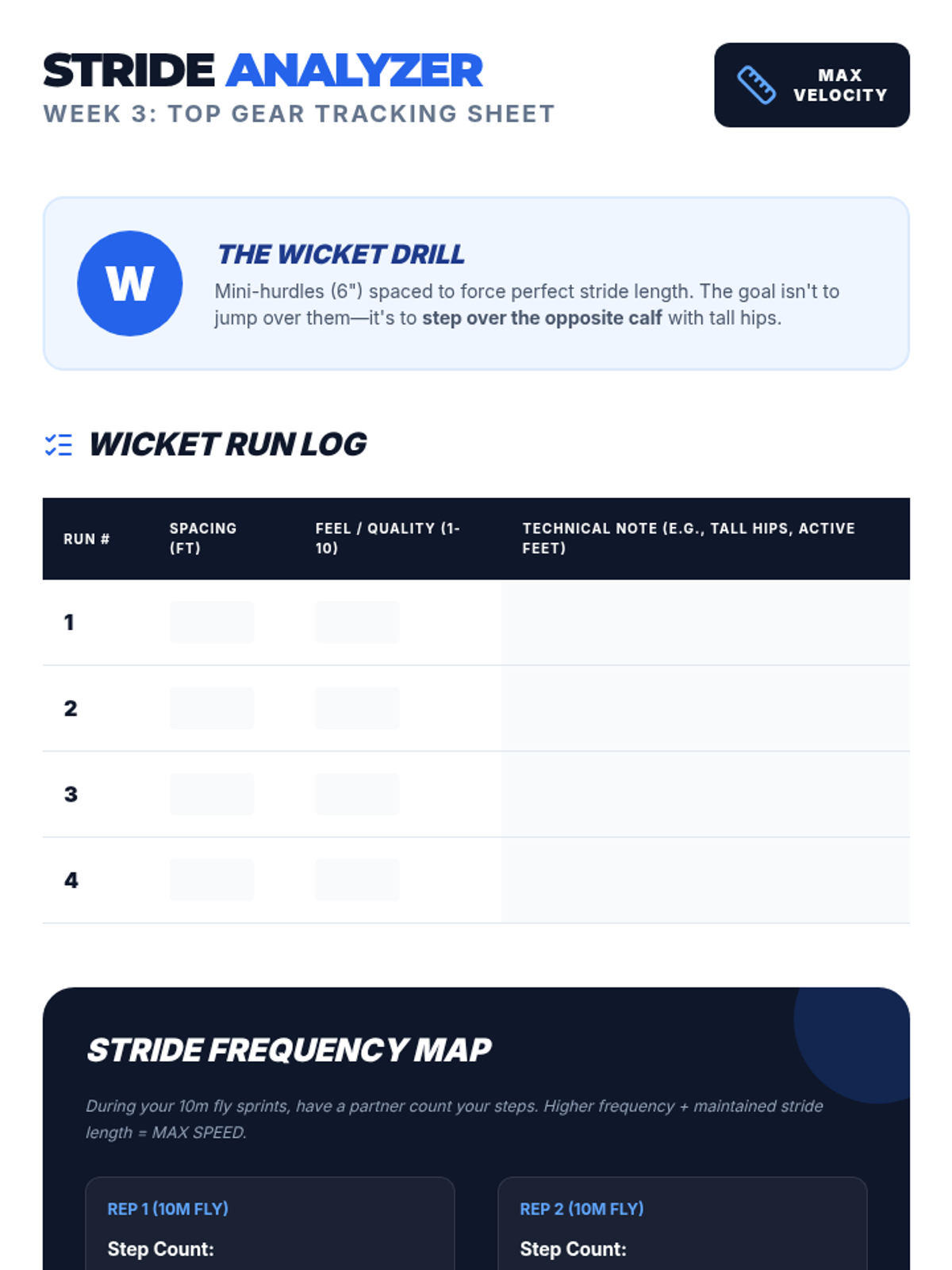
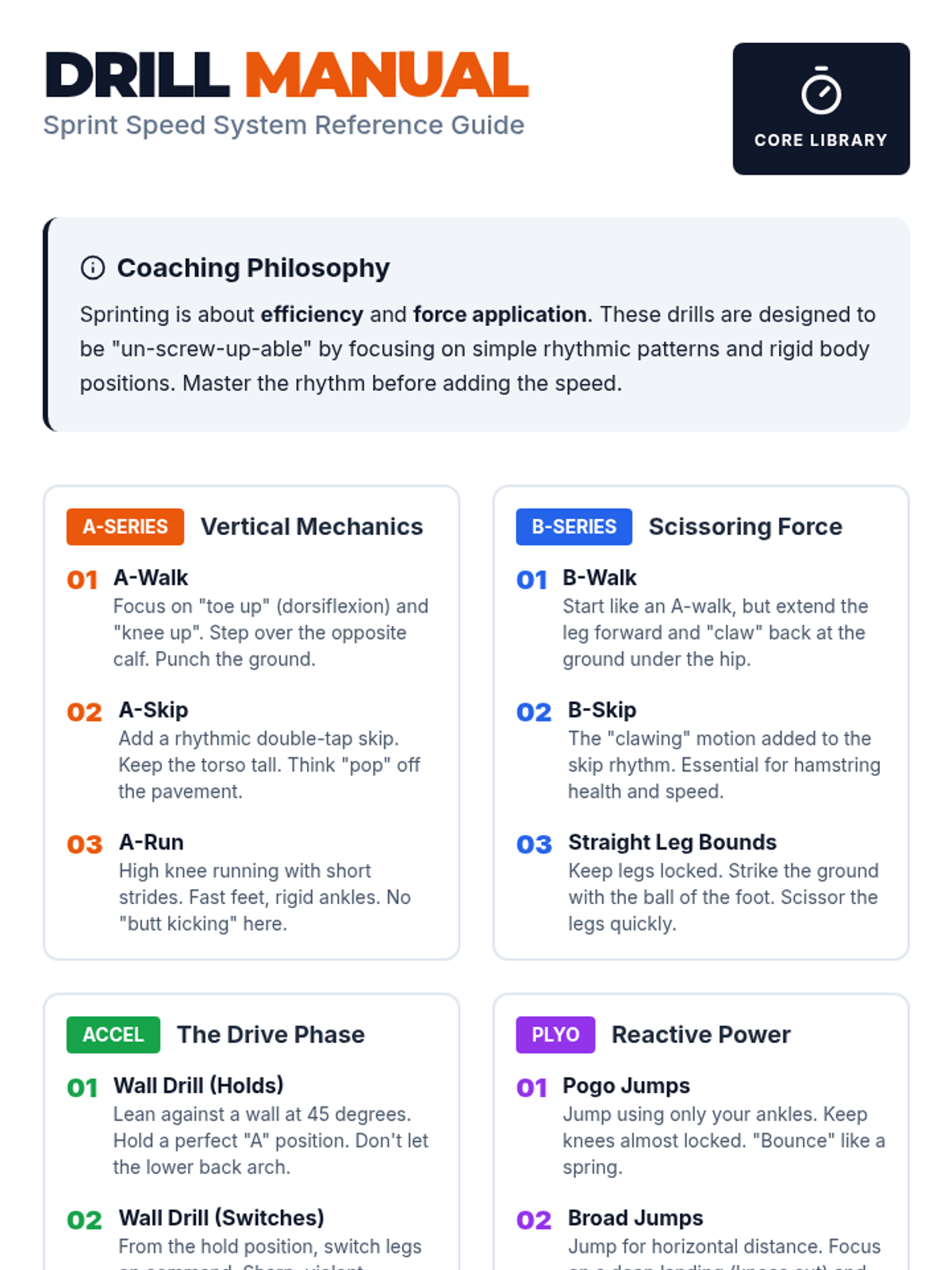
Training upright sprinting mechanics, stride frequency through wicket drills, and maximum velocity maintenance.
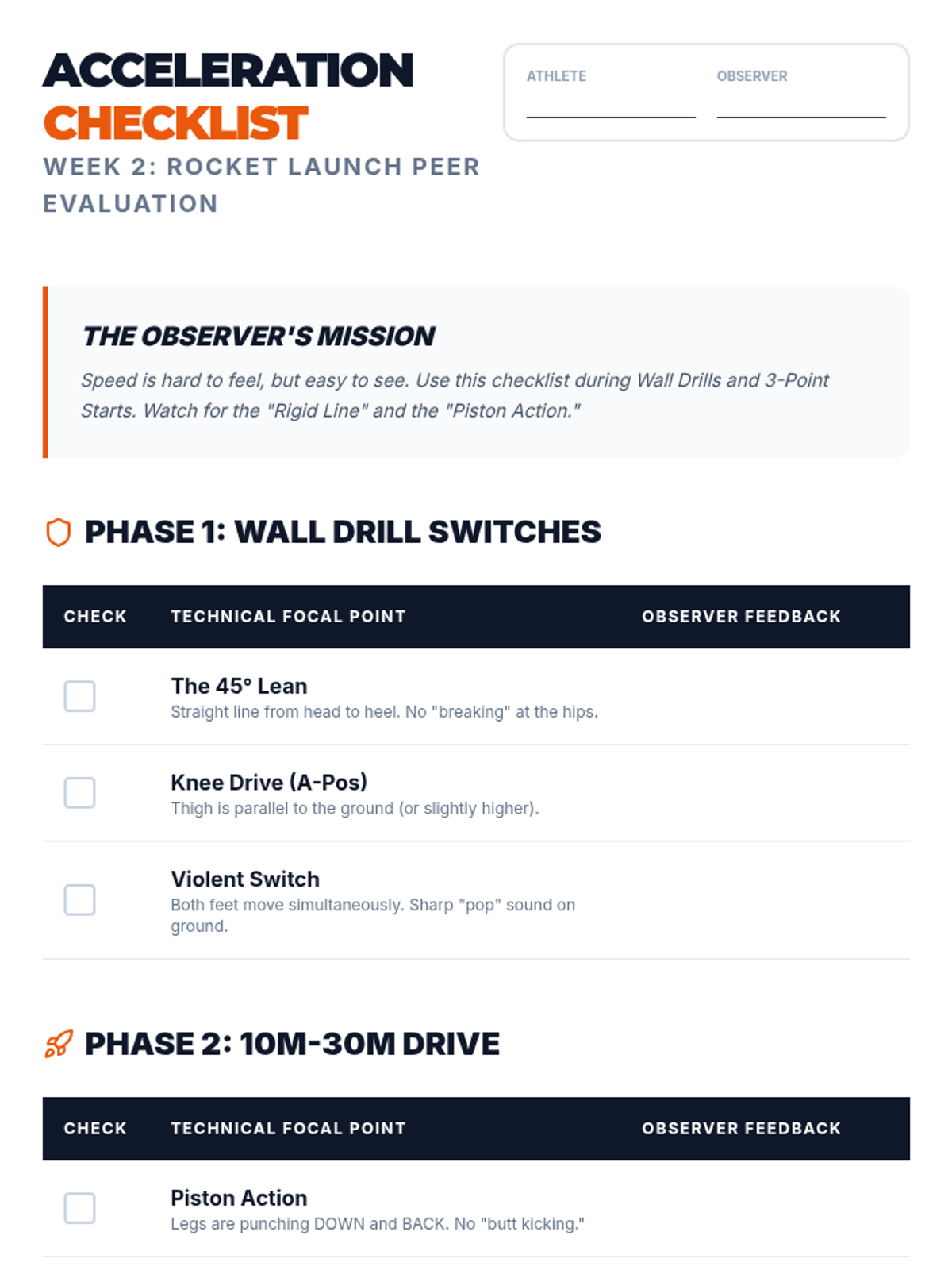
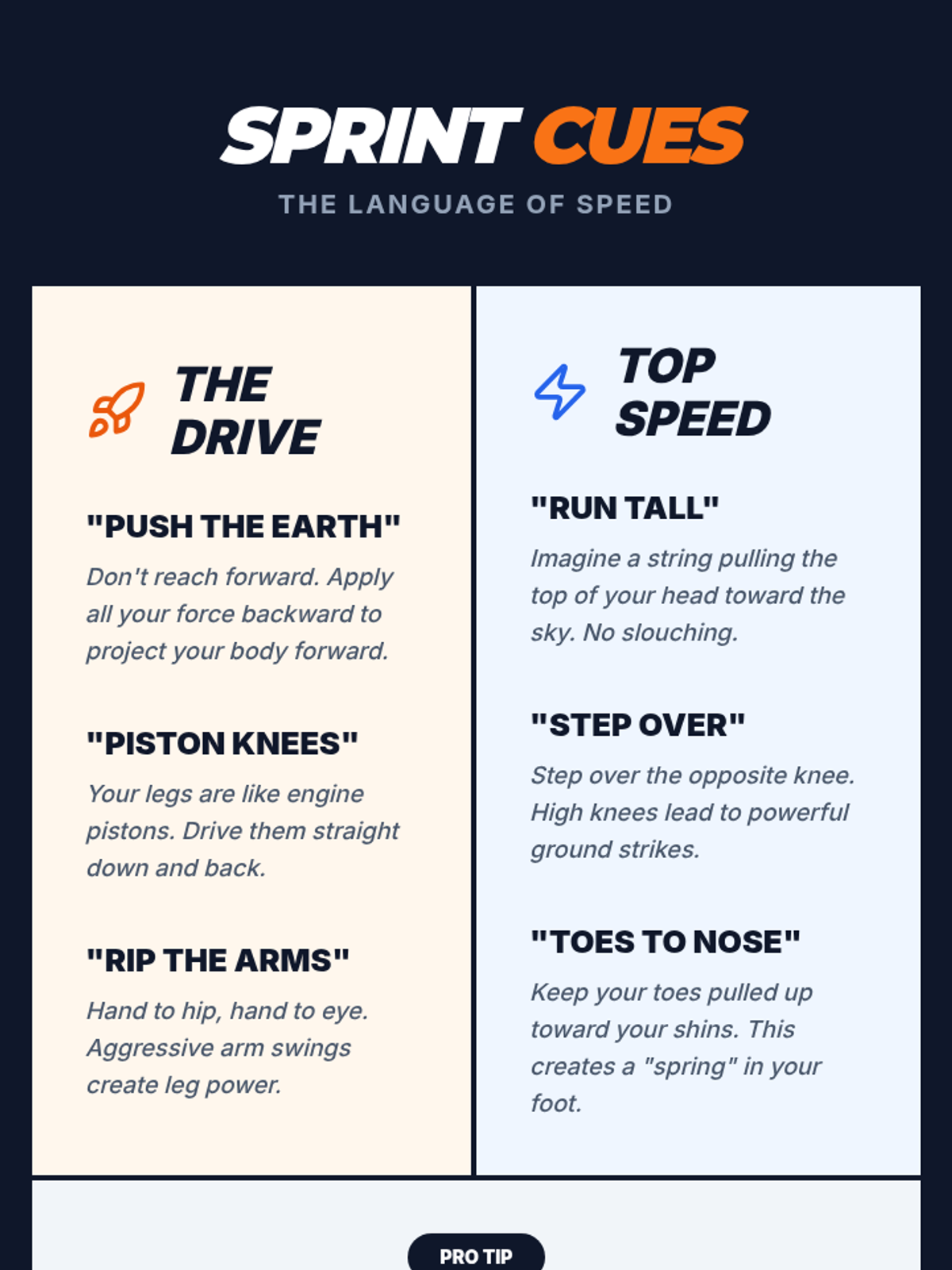
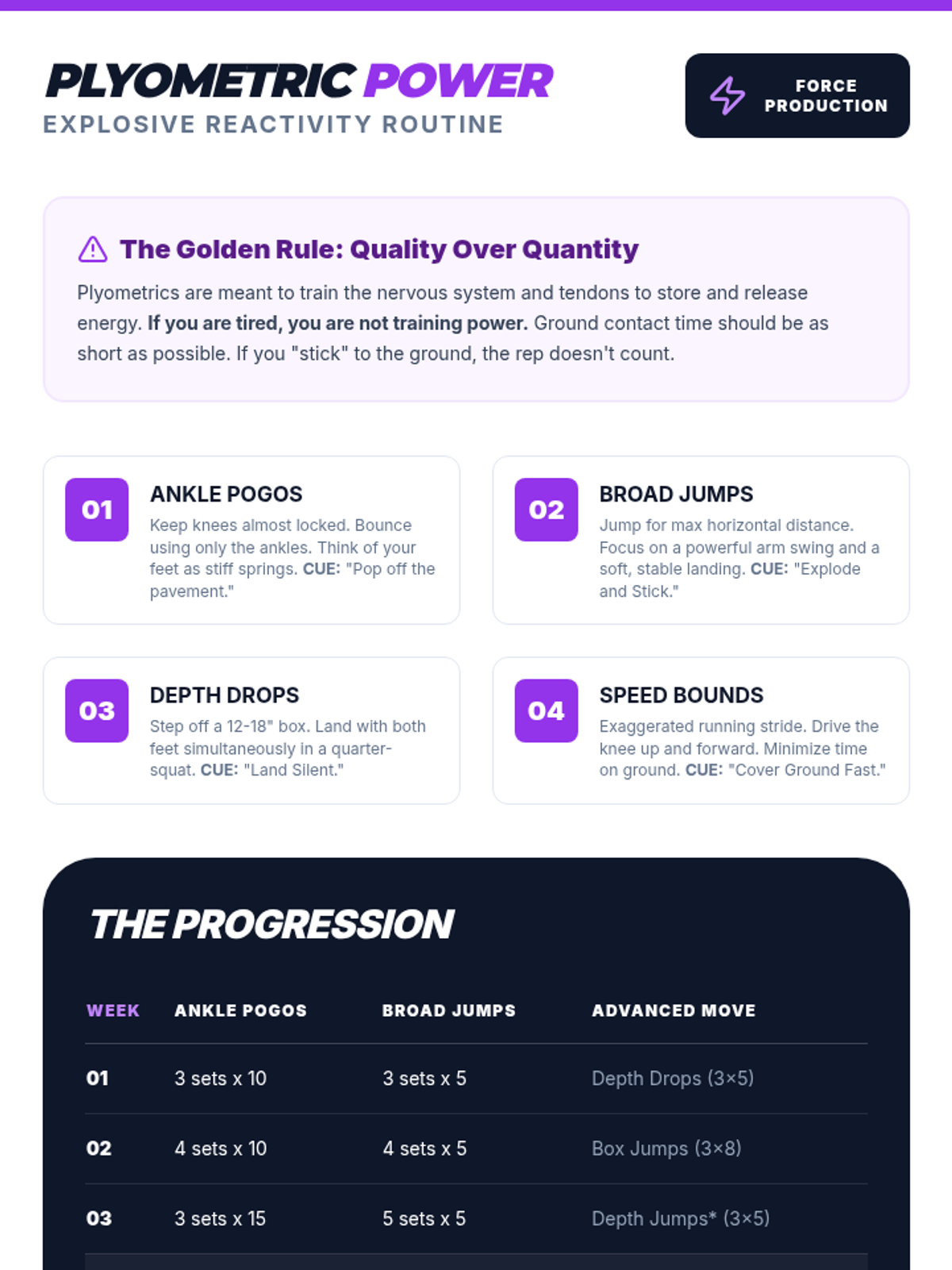
Introducing the drive phase, explosive wall drills, and higher-intensity plyometrics to build raw power.
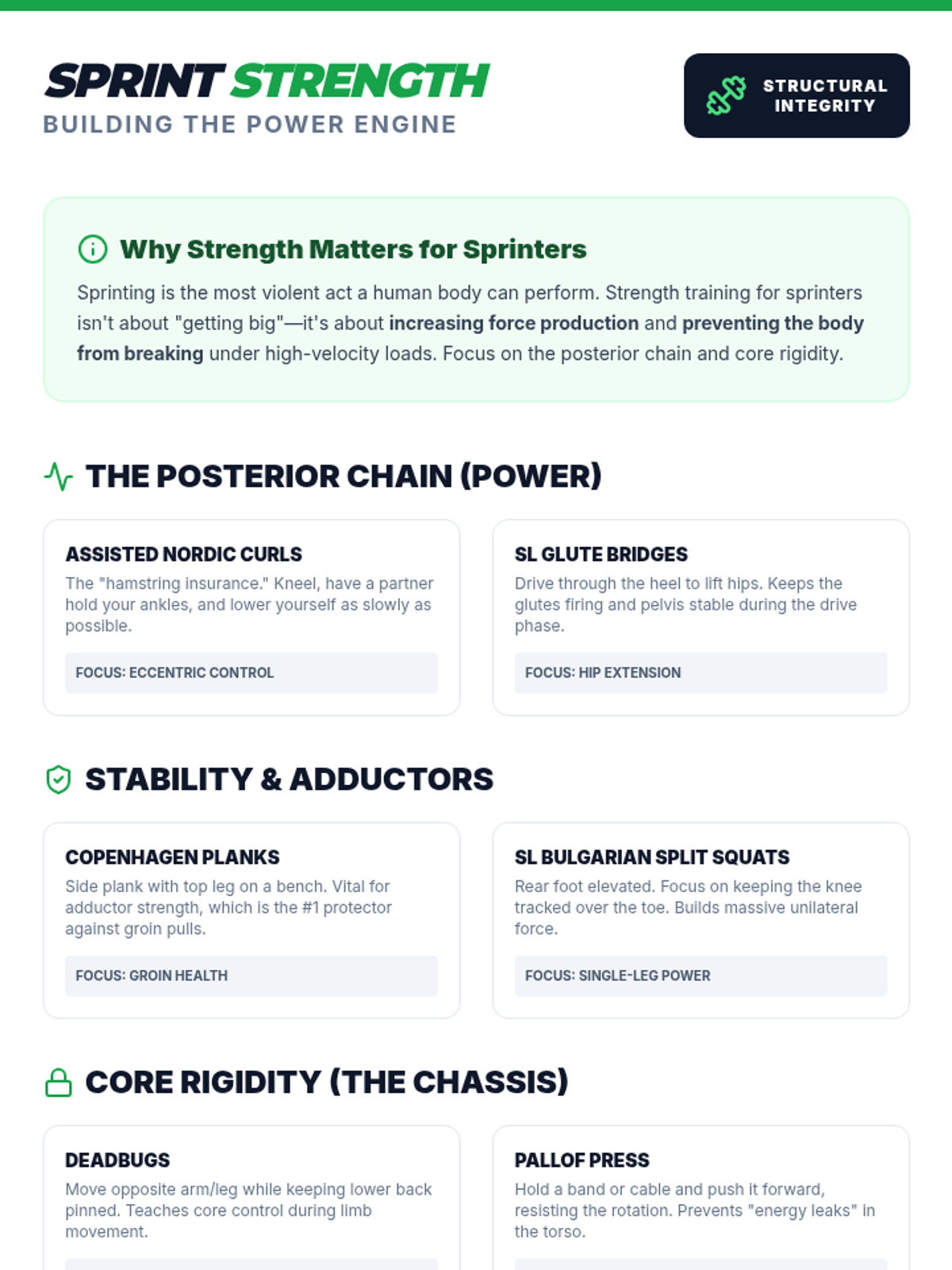
Focus on establishing proper sprint posture, rhythmic drills (A-skips), and basic core strength to prevent injury.
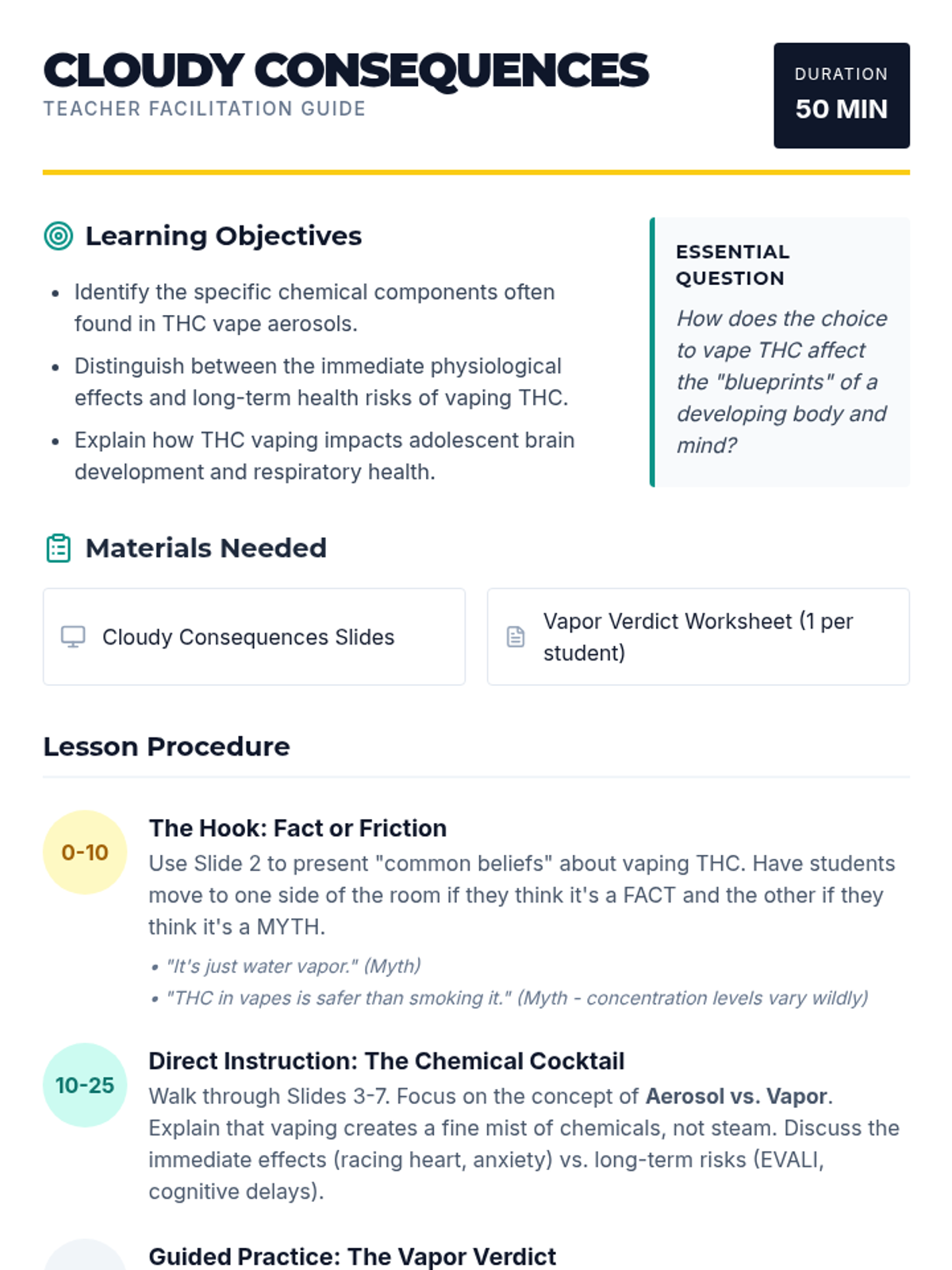
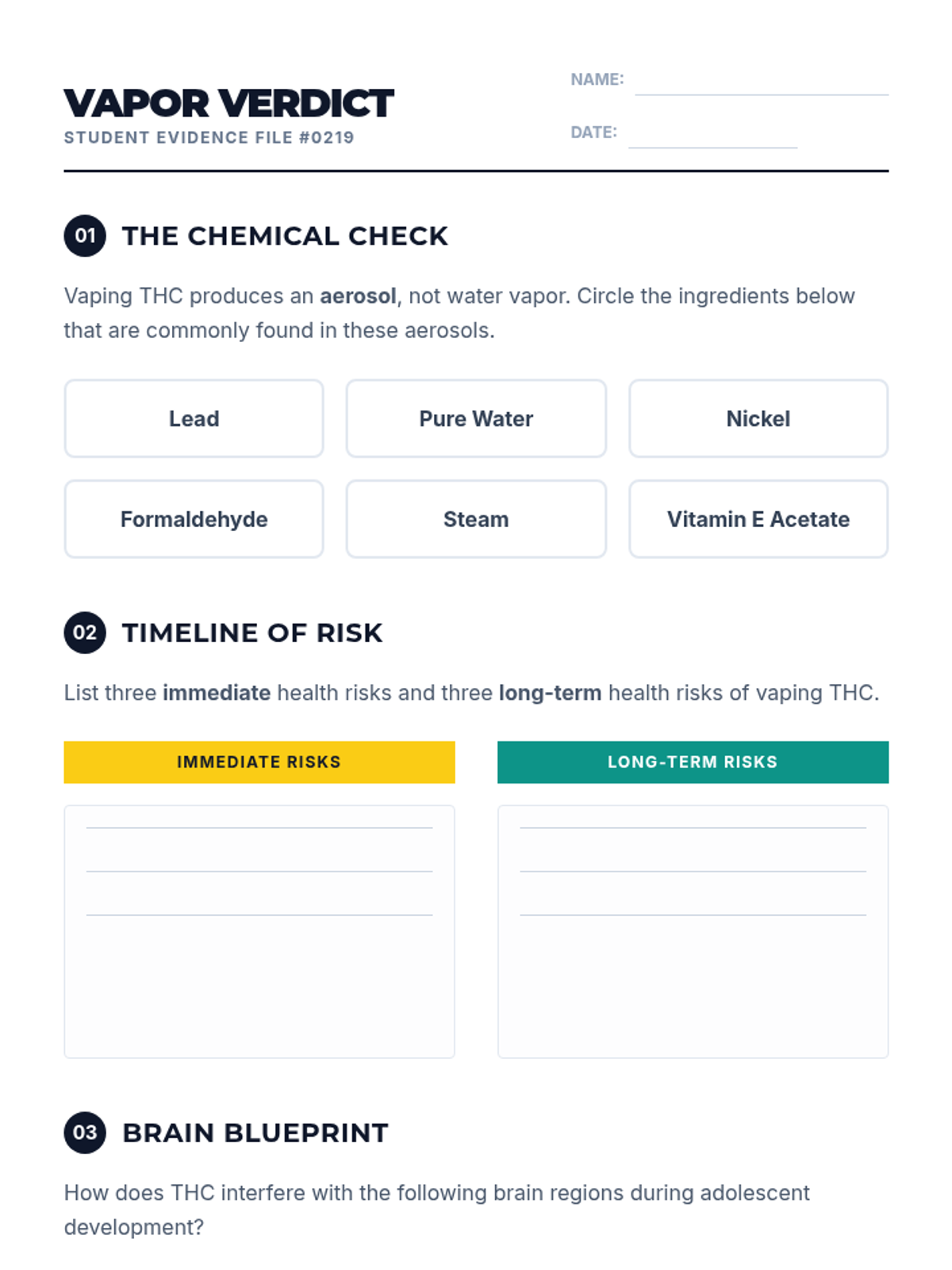
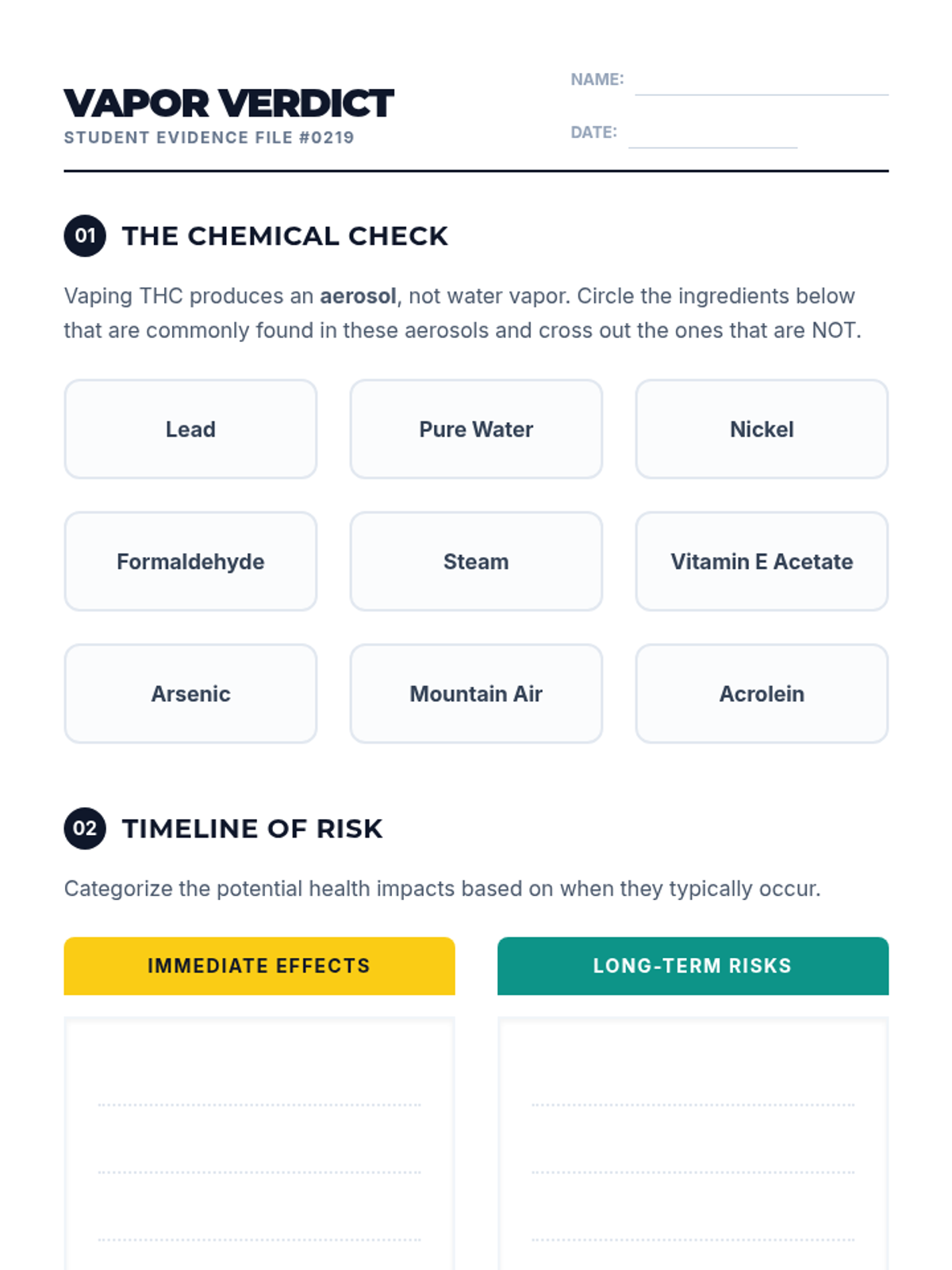
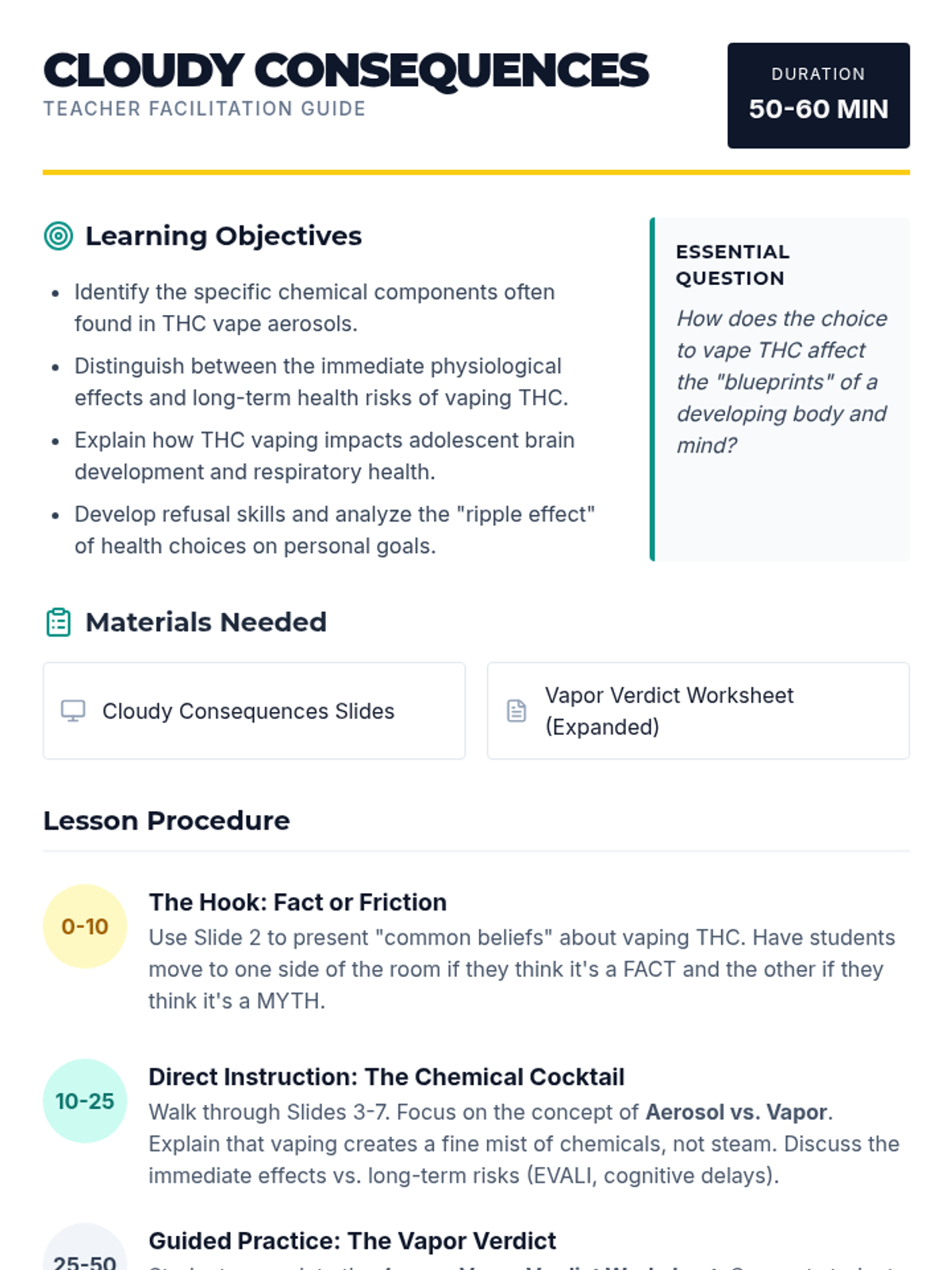
This lesson explores the immediate and long-term health risks associated with vaping THC, focusing on the physiological impact on the respiratory and nervous systems. Students will analyze the chemical components of vape aerosols and evaluate the potential consequences for their health and future.