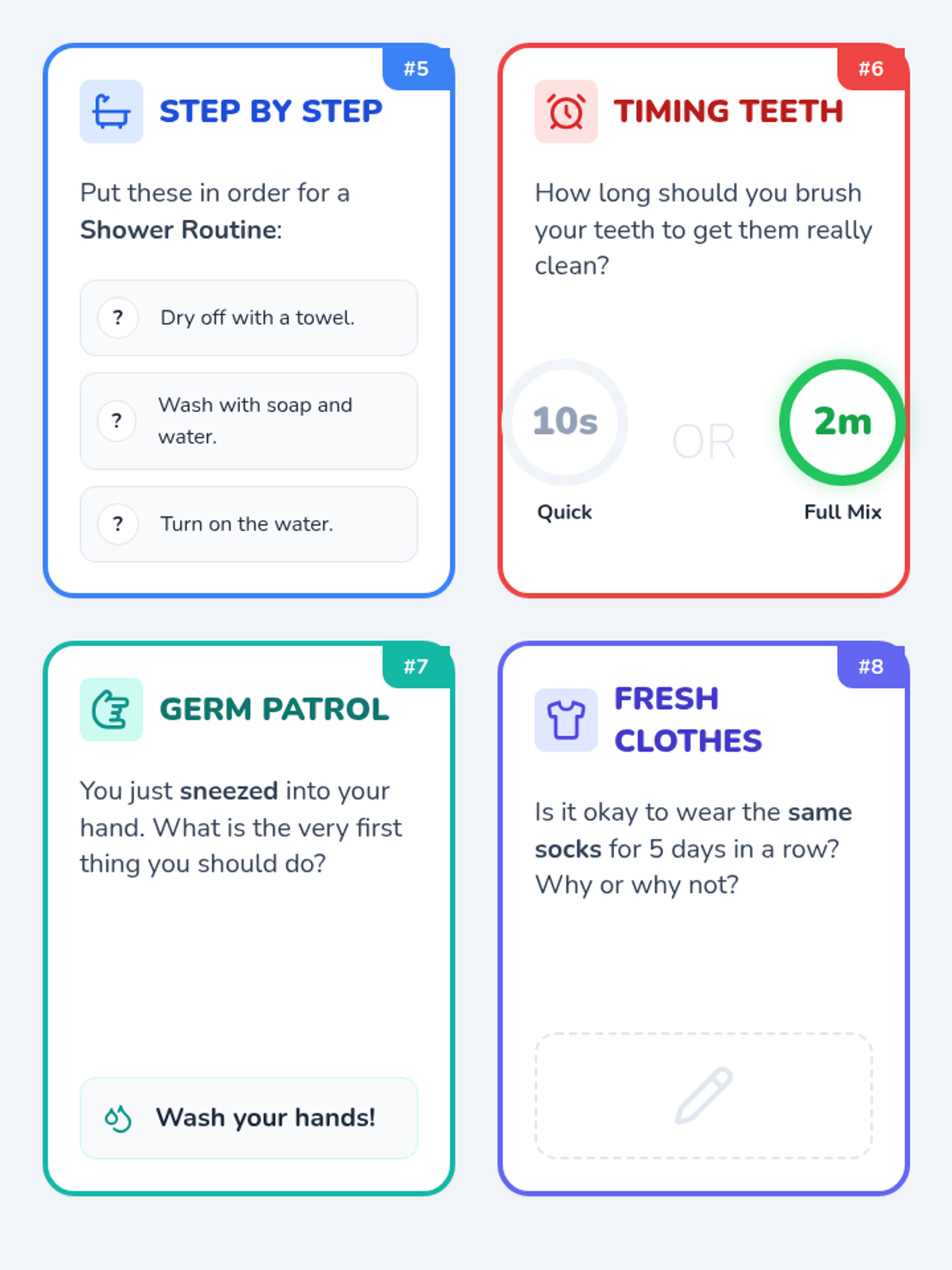
Daily hygiene, hydration, and sleep routines paired with strategies for disease and injury prevention. Builds skills in health decision-making, body awareness, and self-advocacy to support lifelong well-being.
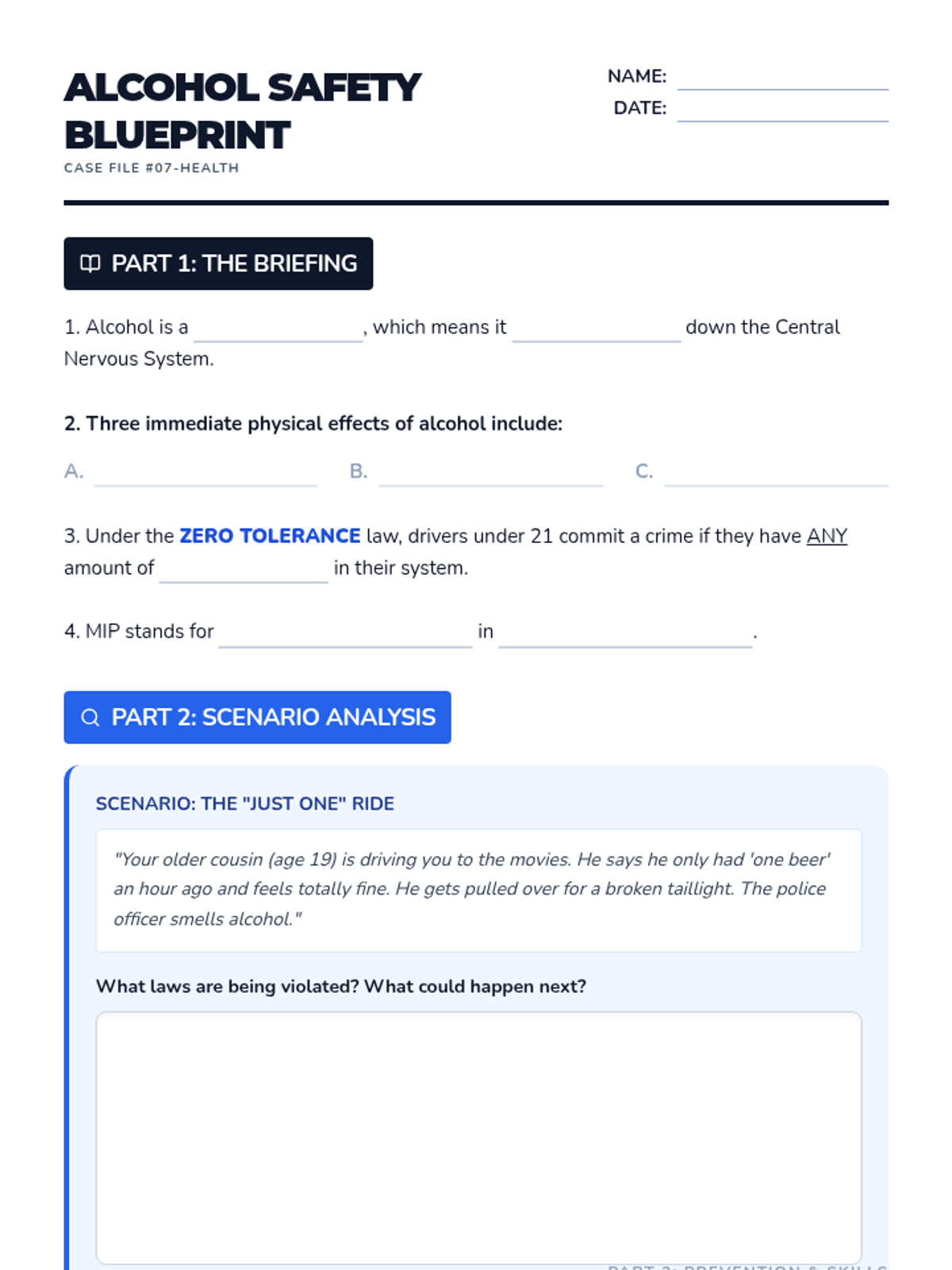
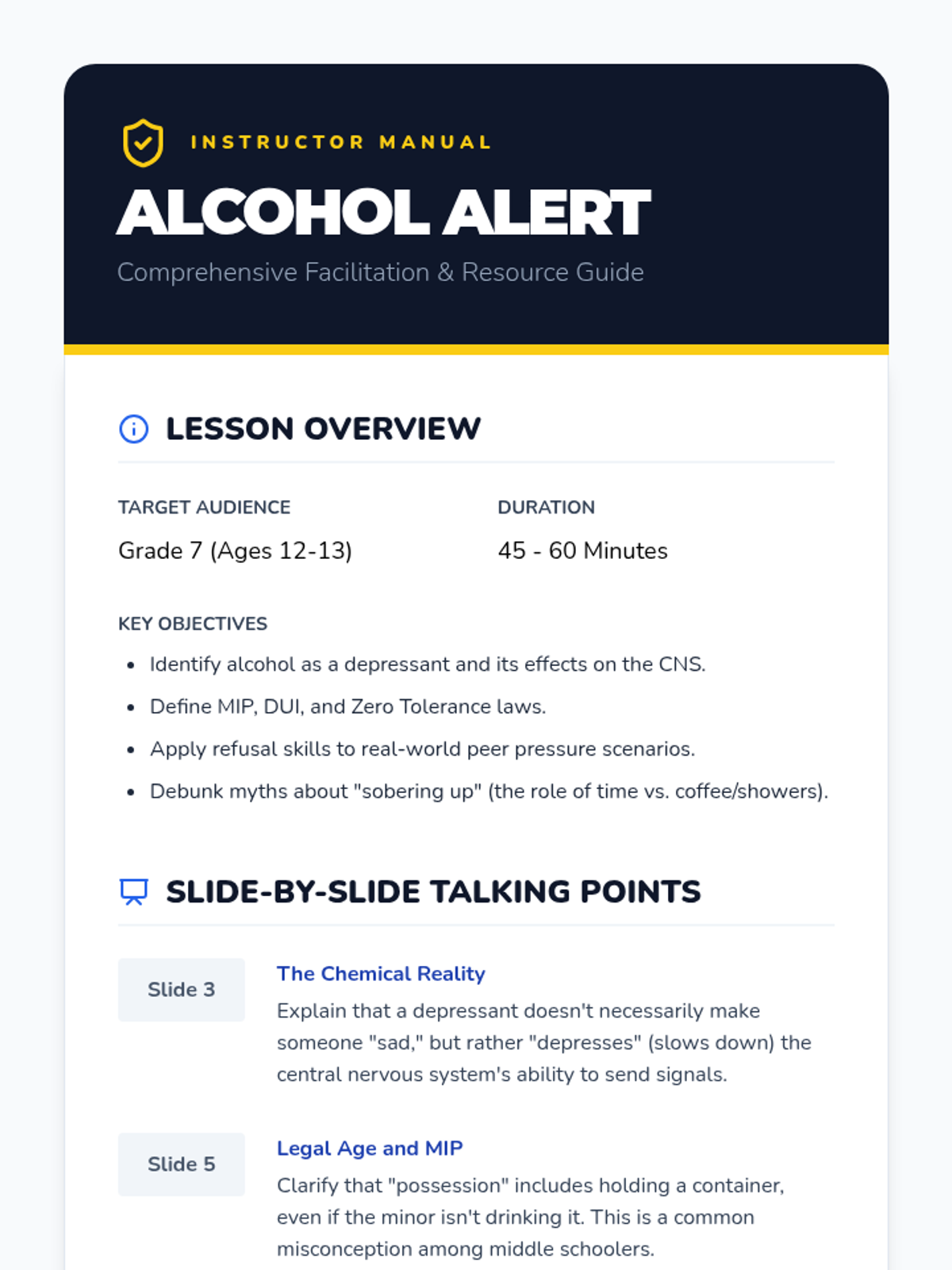
A comprehensive introduction to alcohol safety and laws for 7th graders, focusing on physical effects, legal consequences, and refusal skills.
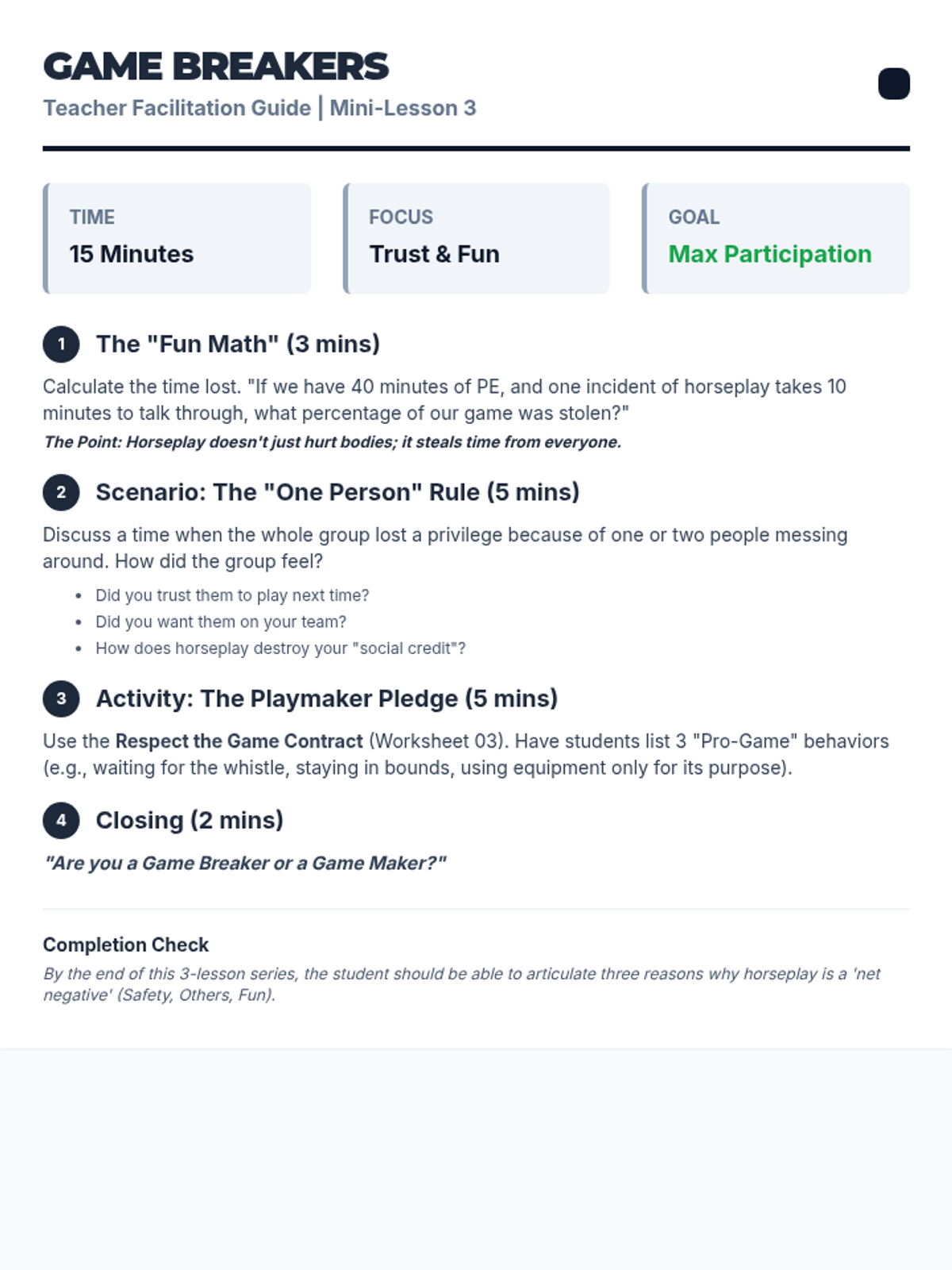
Examines how horseplay disrupts the flow of games and learning, leading to lost privileges and broken trust within a group.
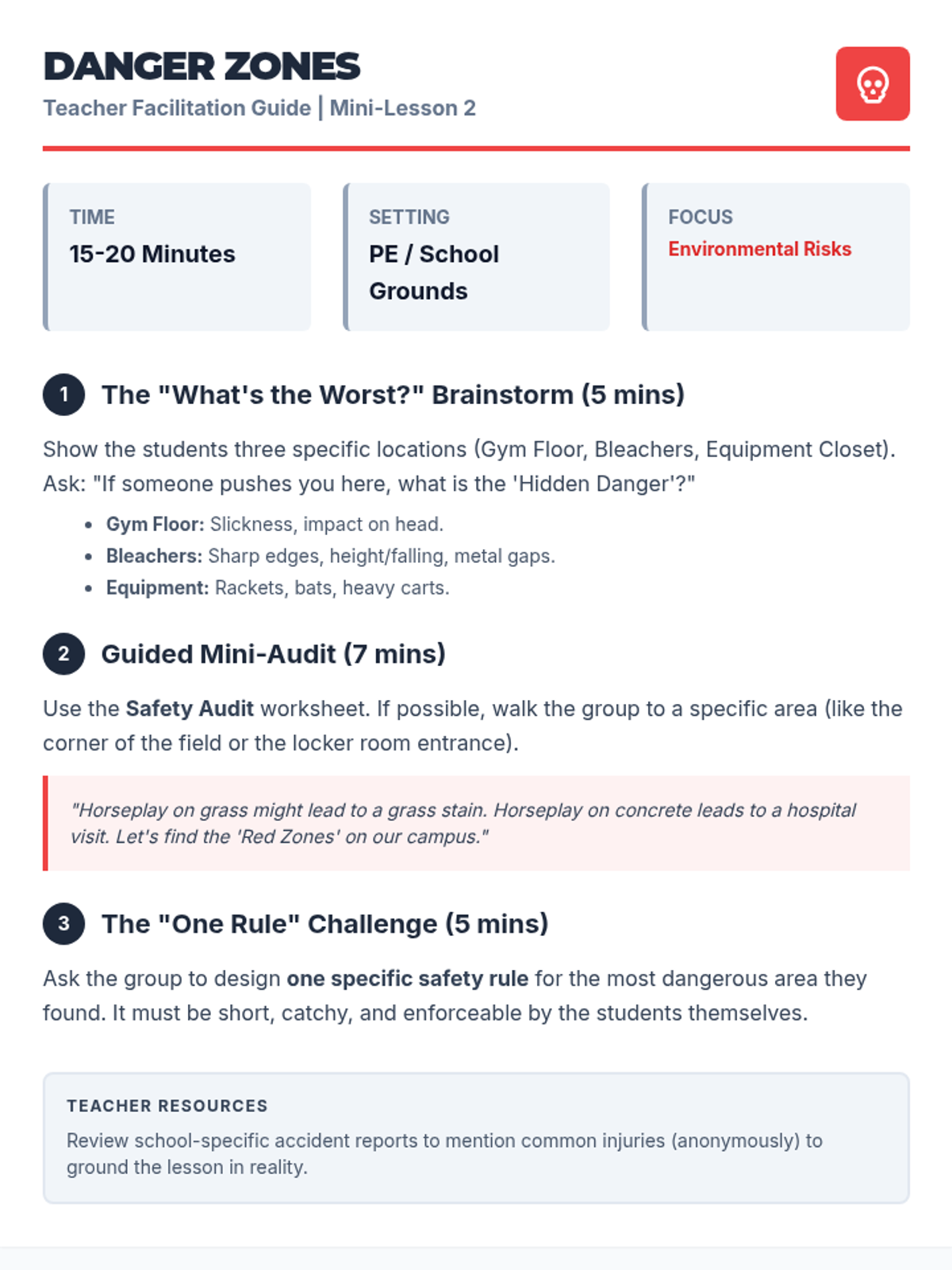
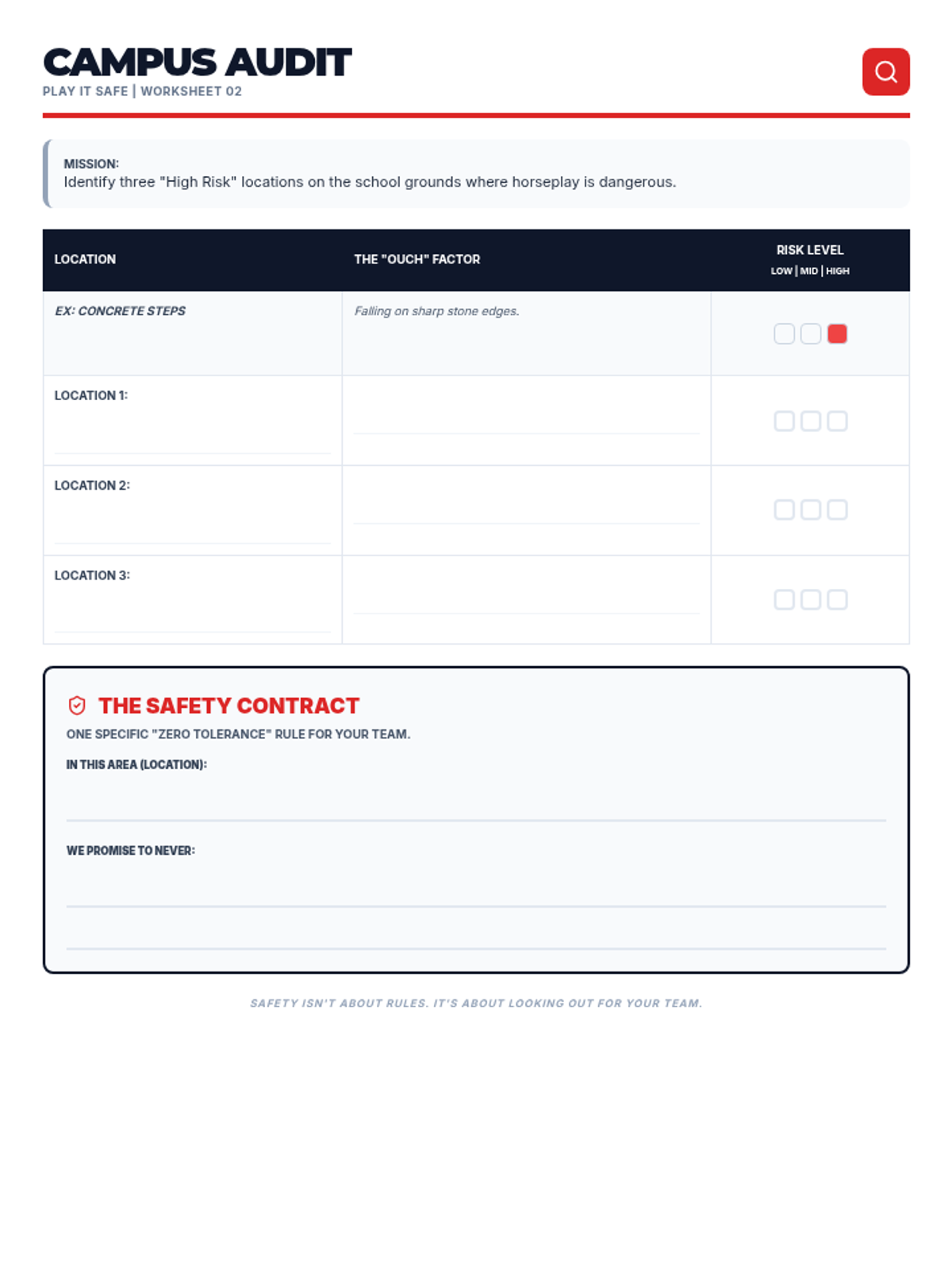
Identifies high-risk areas in PE and school grounds where hard surfaces and equipment turn horseplay into serious danger.
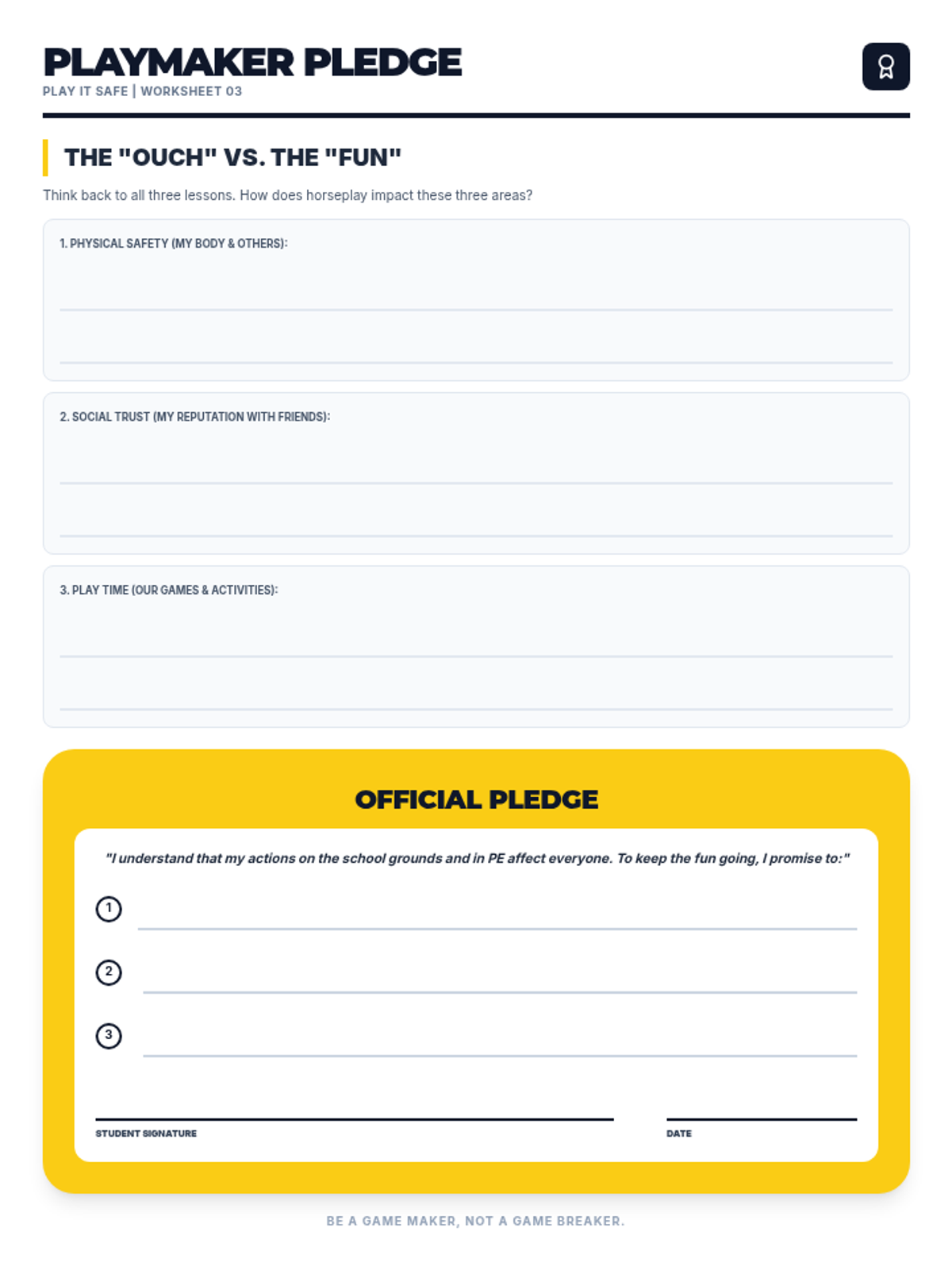
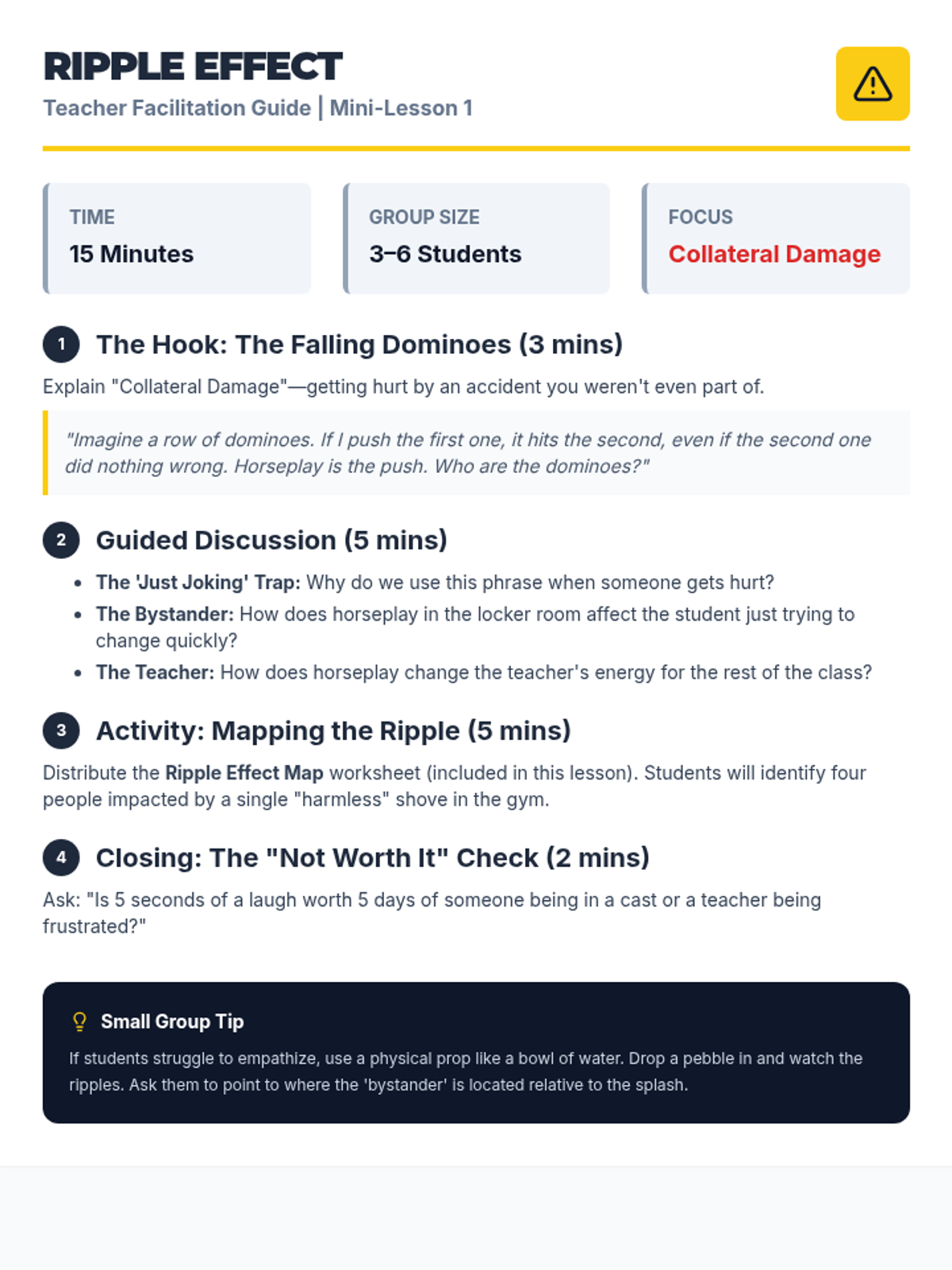
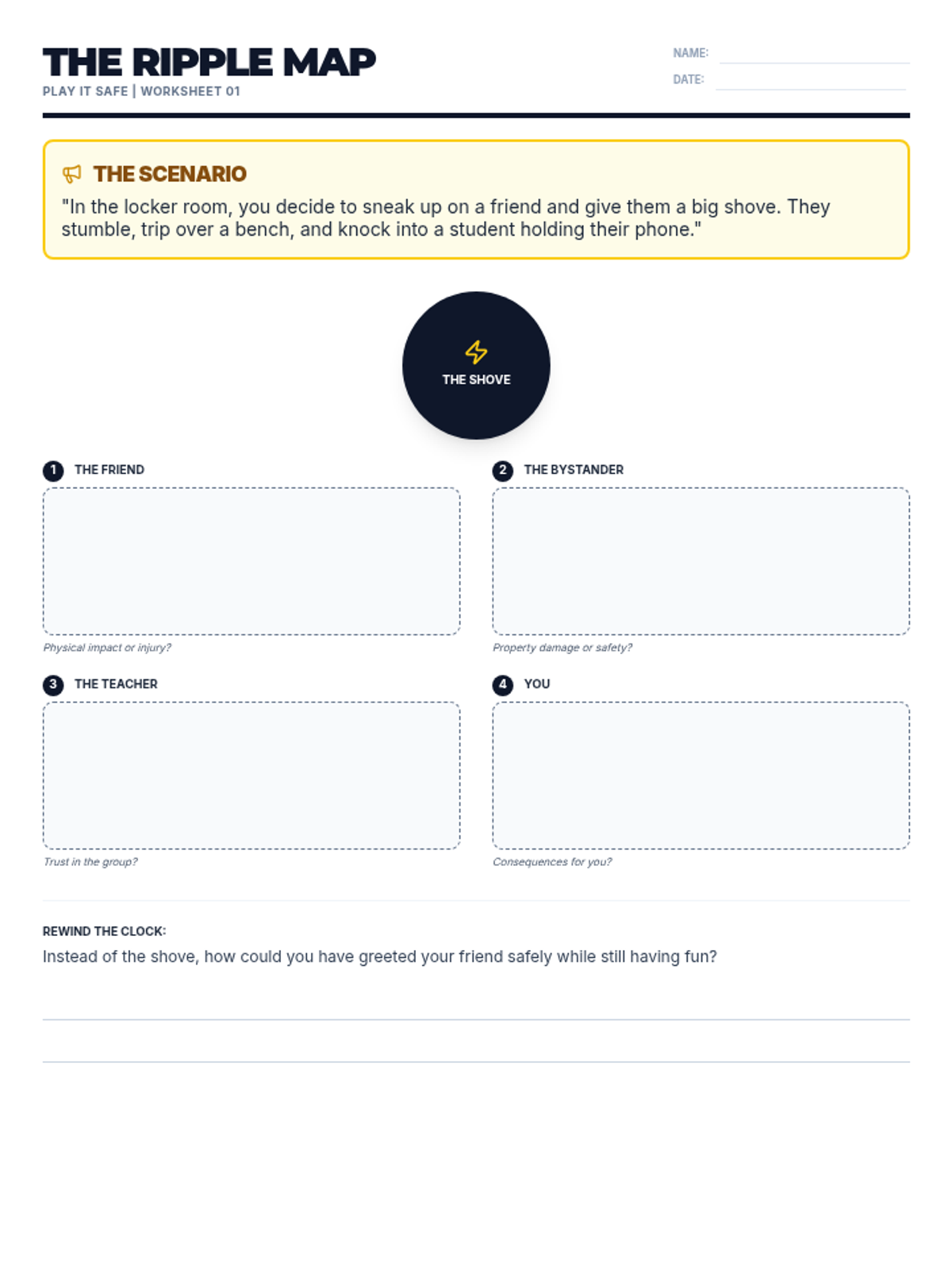
Explores the indirect consequences of horseplay, focusing on how 'harmless' actions can lead to unexpected injuries for bystanders and friends.
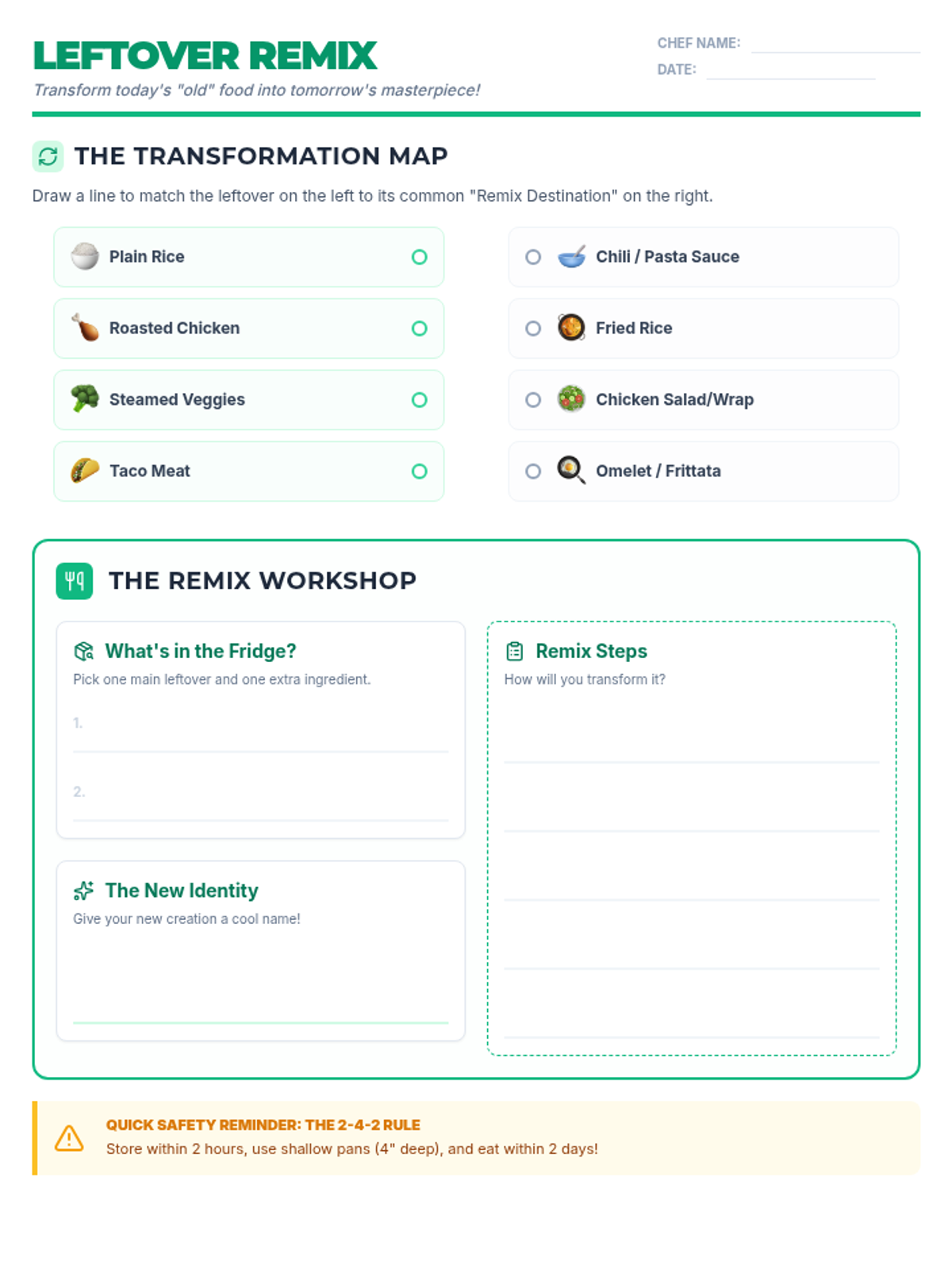
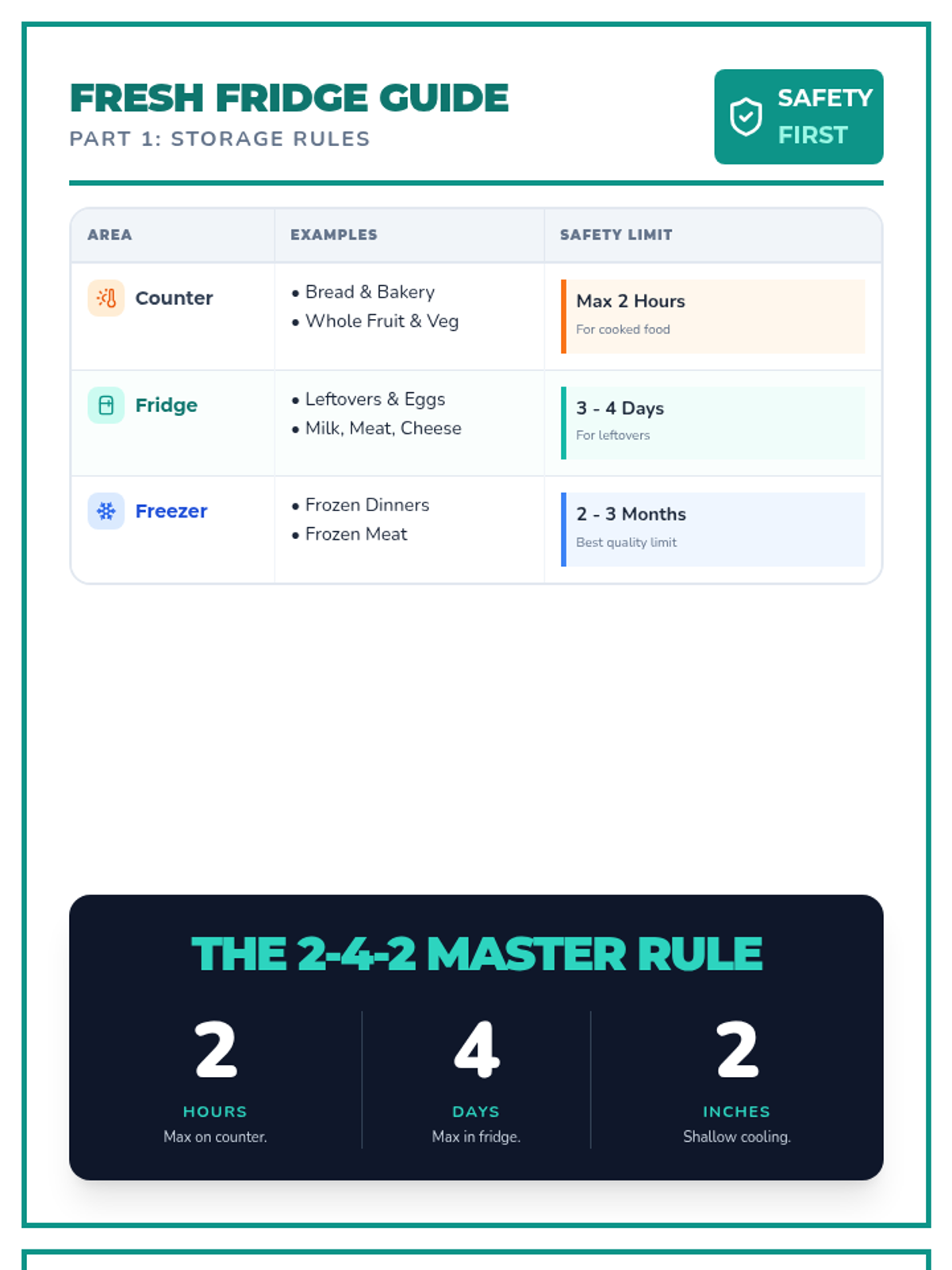
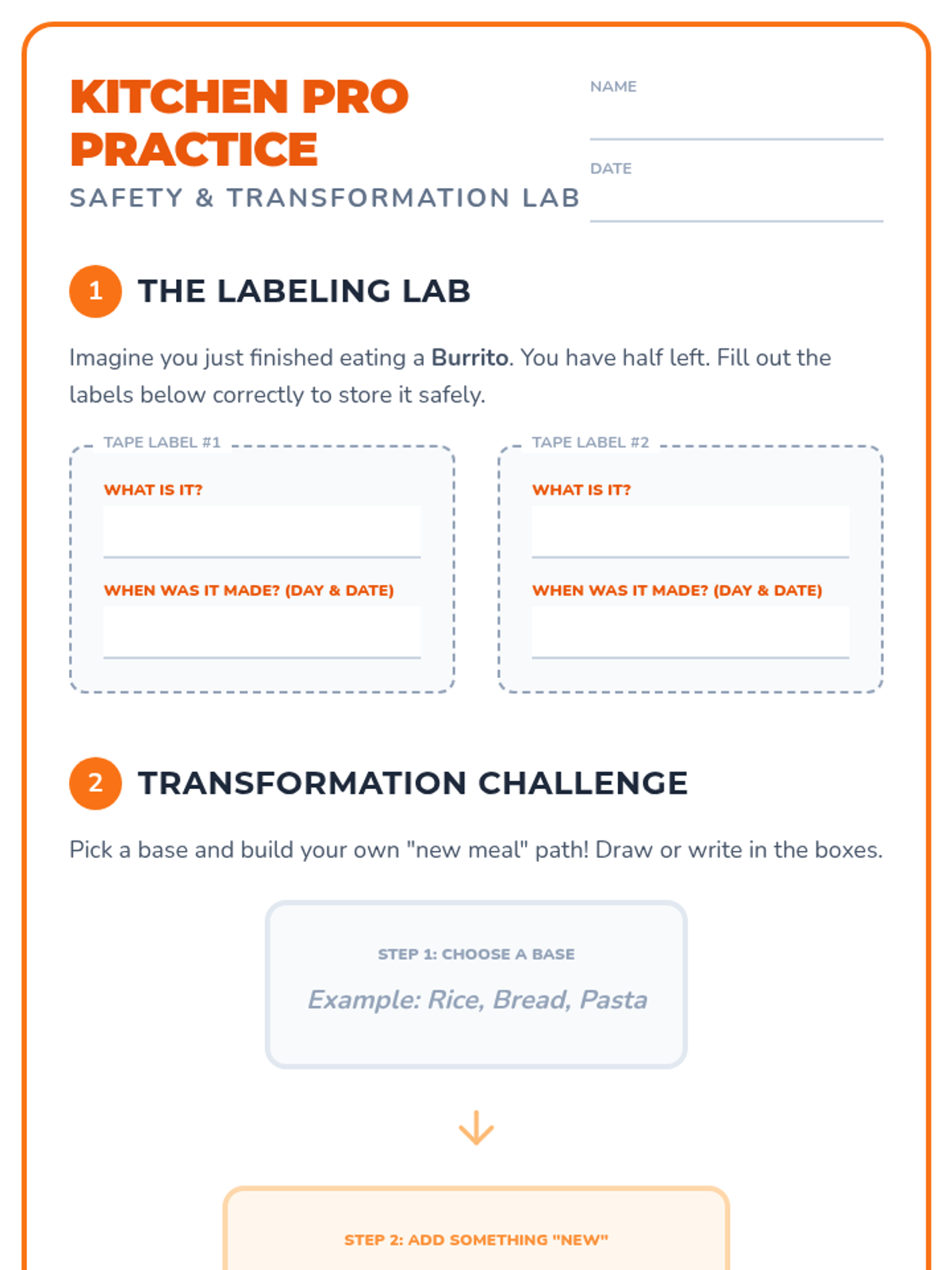
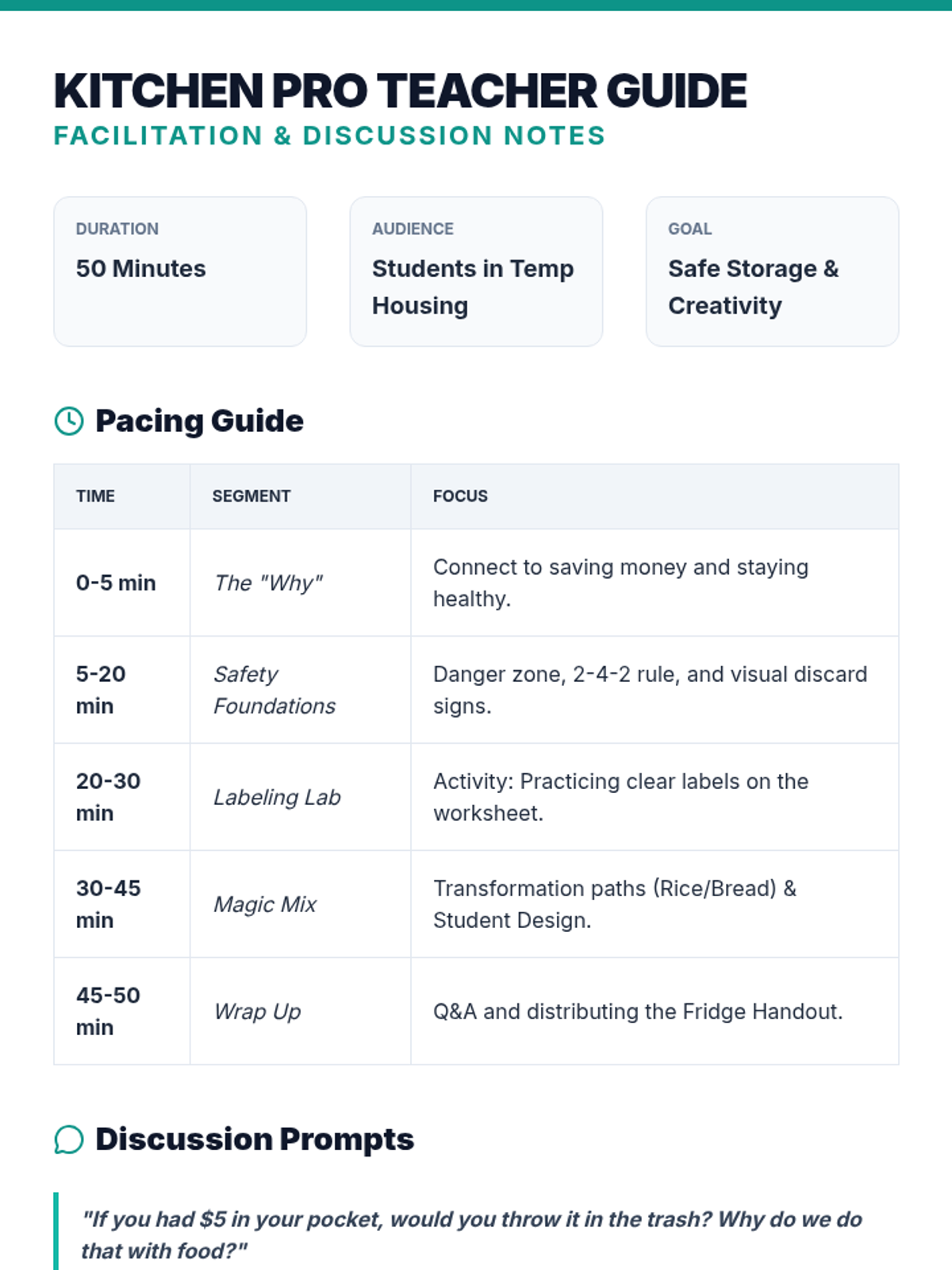
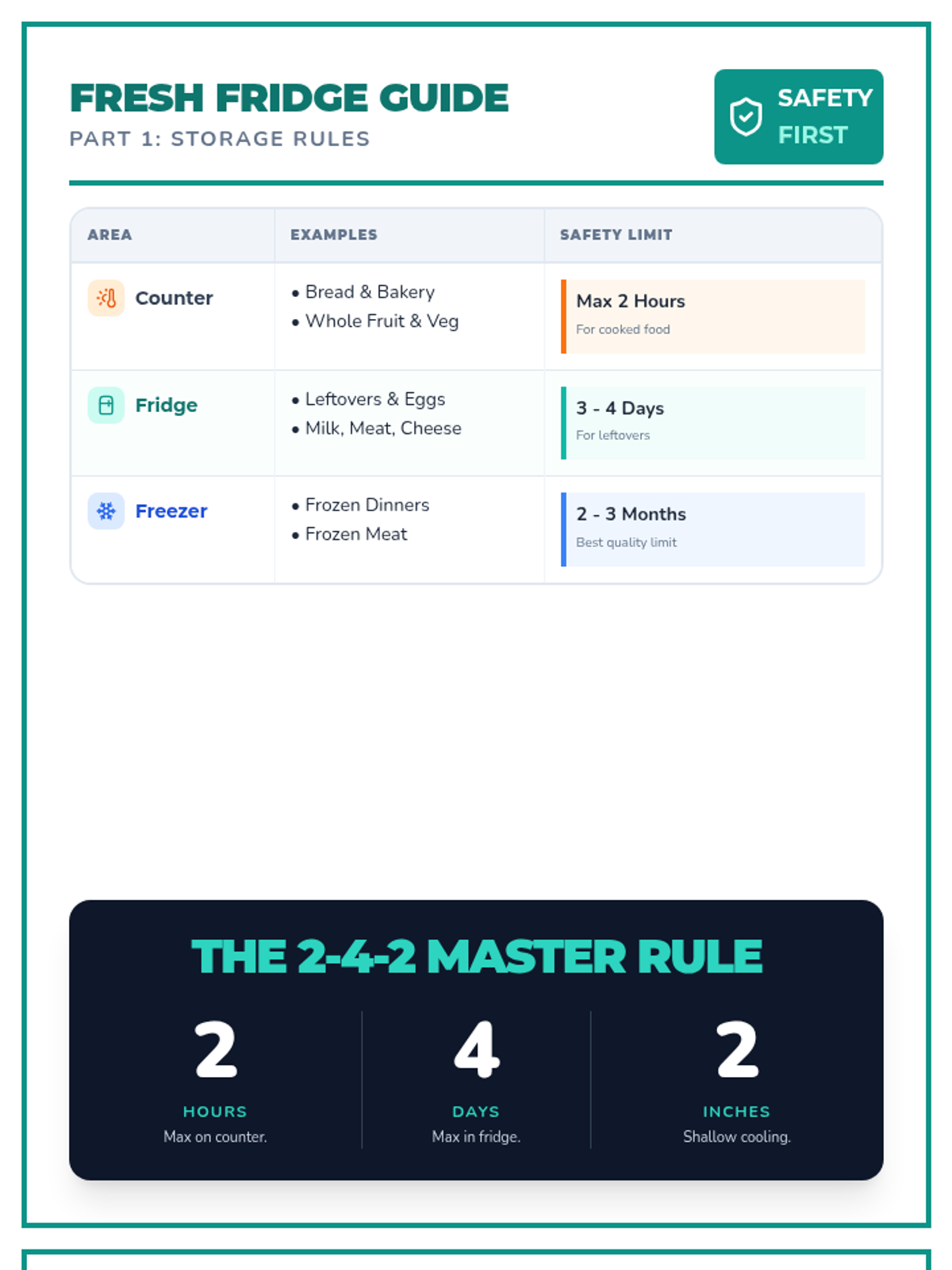
A 50-minute instructional session for students in temporary housing, focusing on safe food storage and creative leftover use through visual guides and sequence flowcharts.
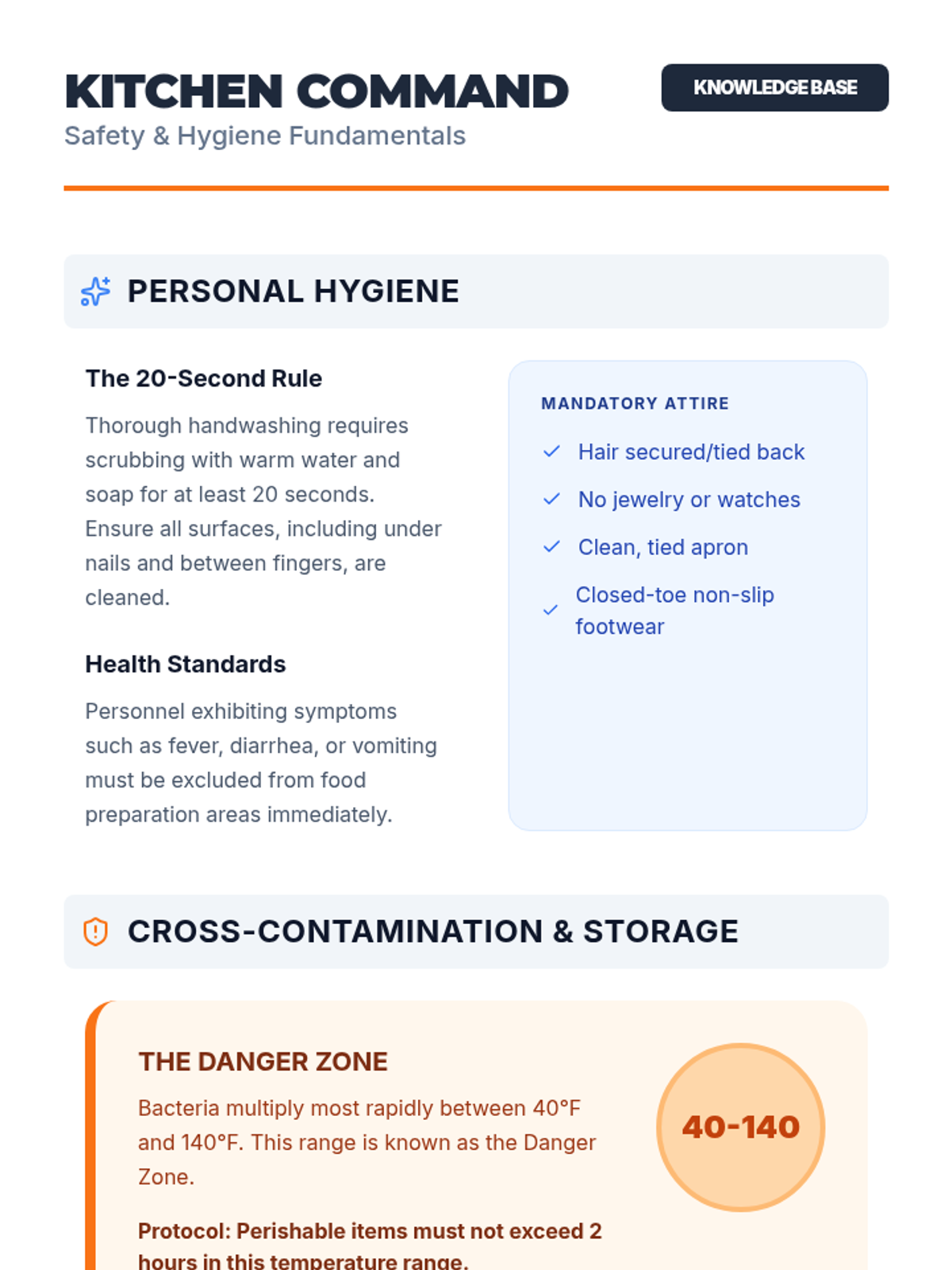
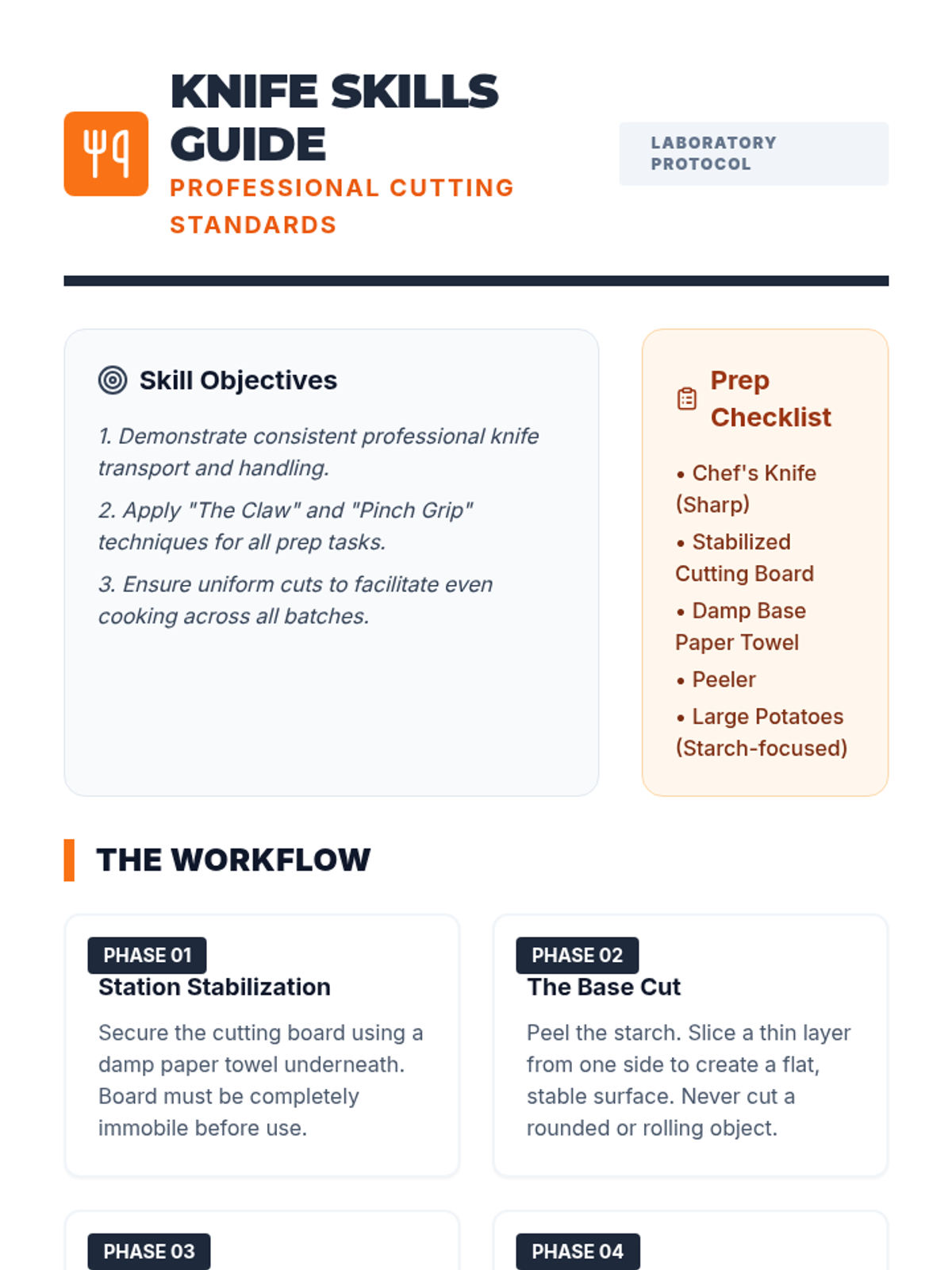
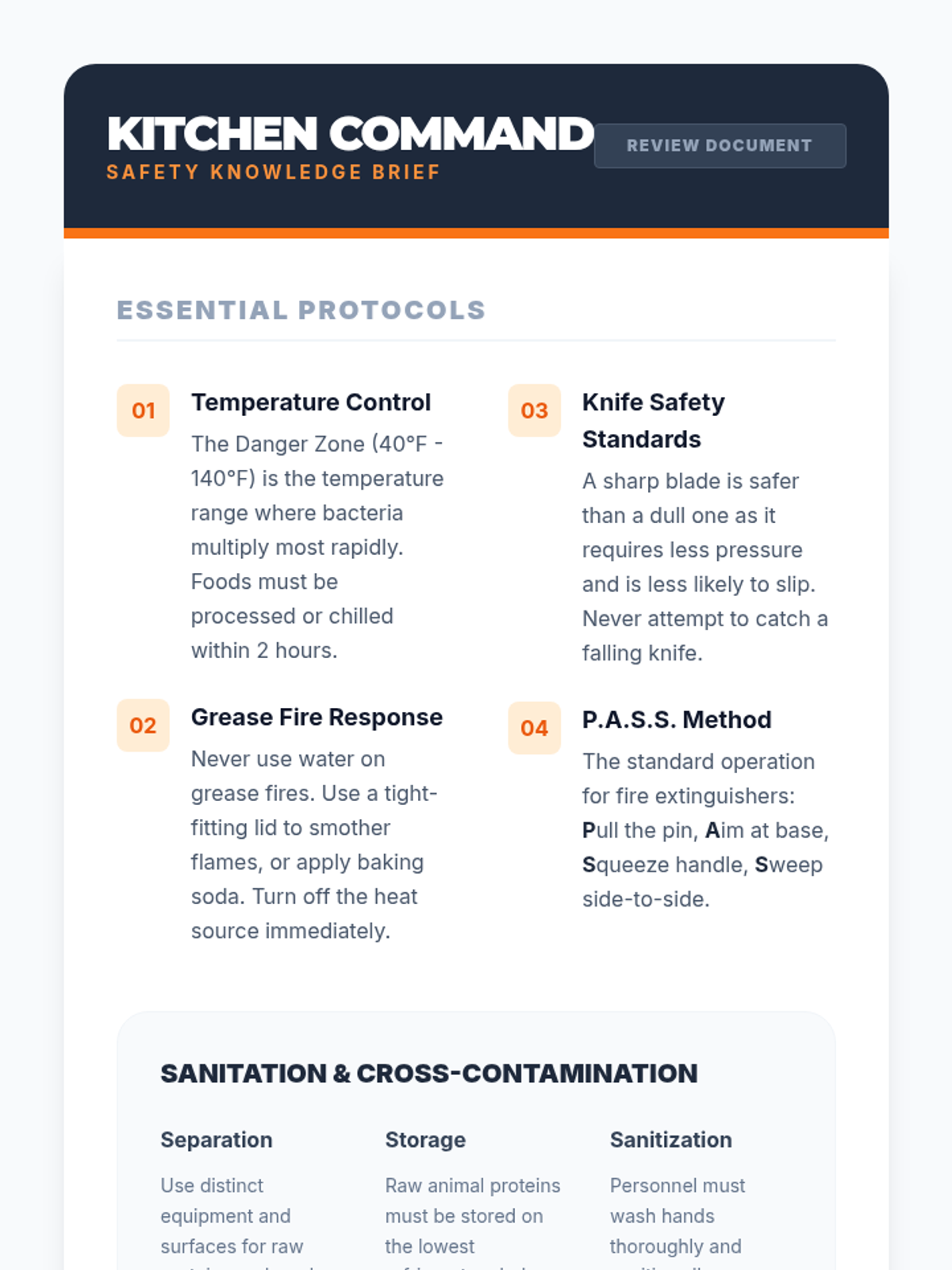
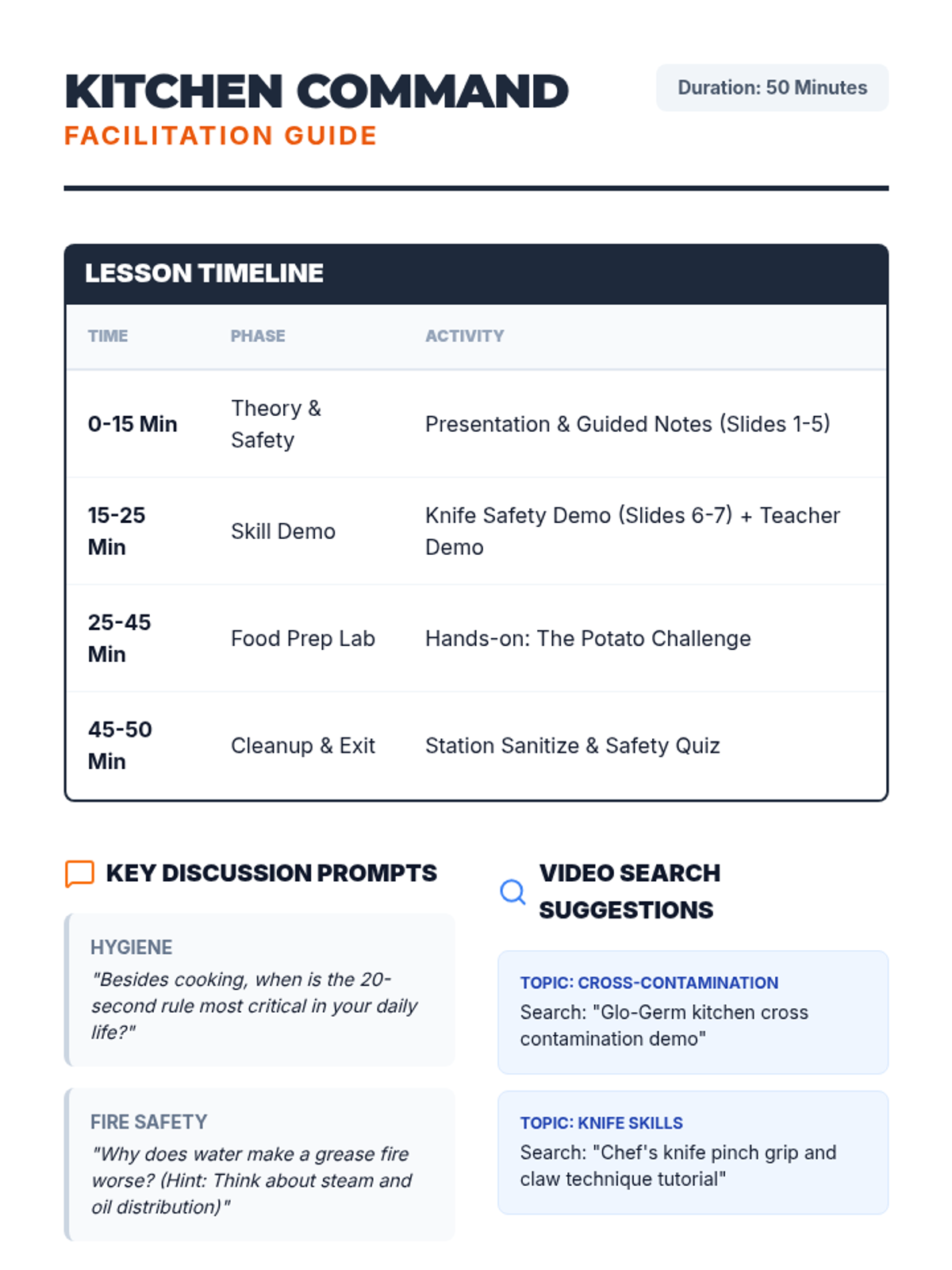
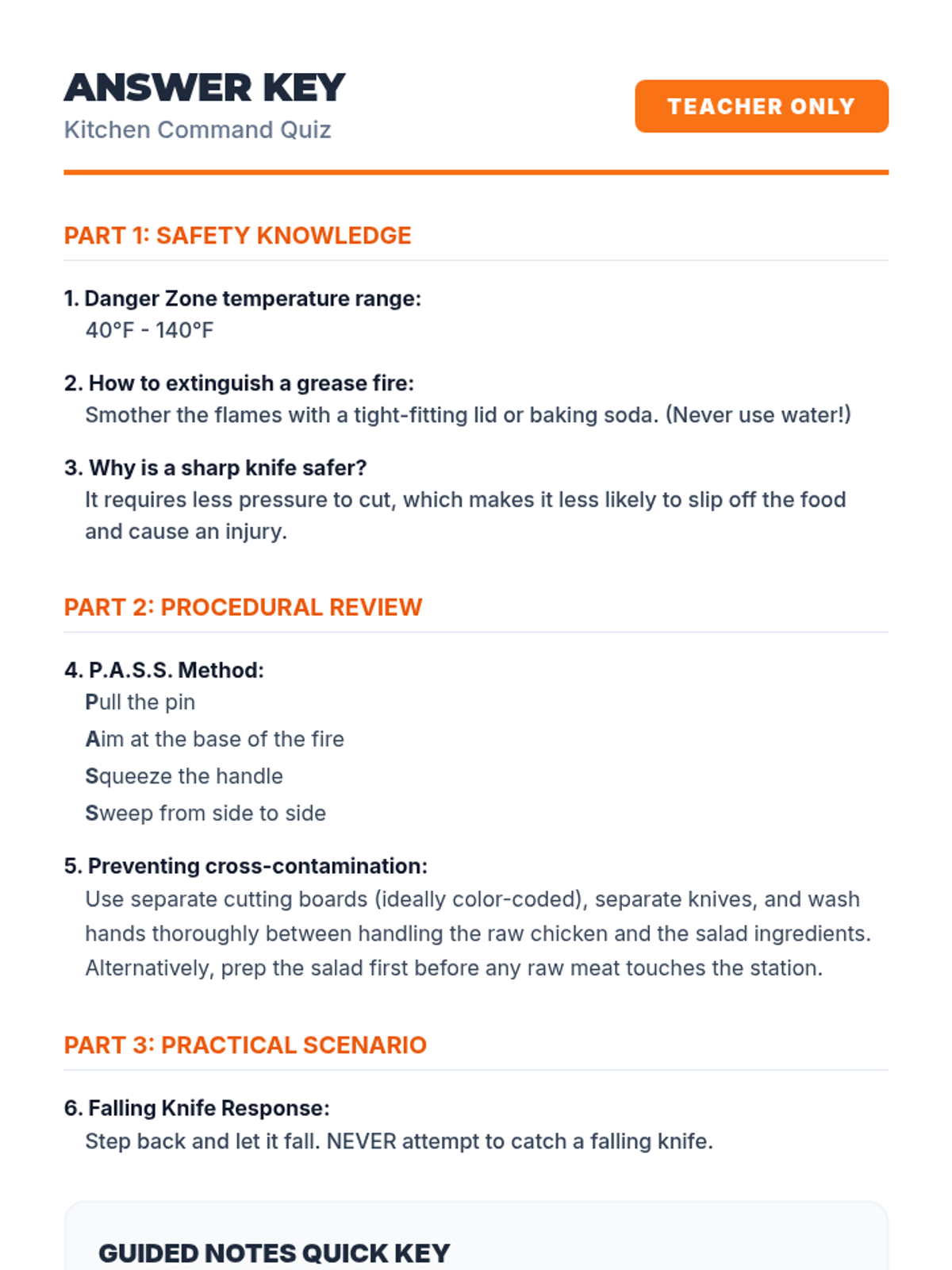
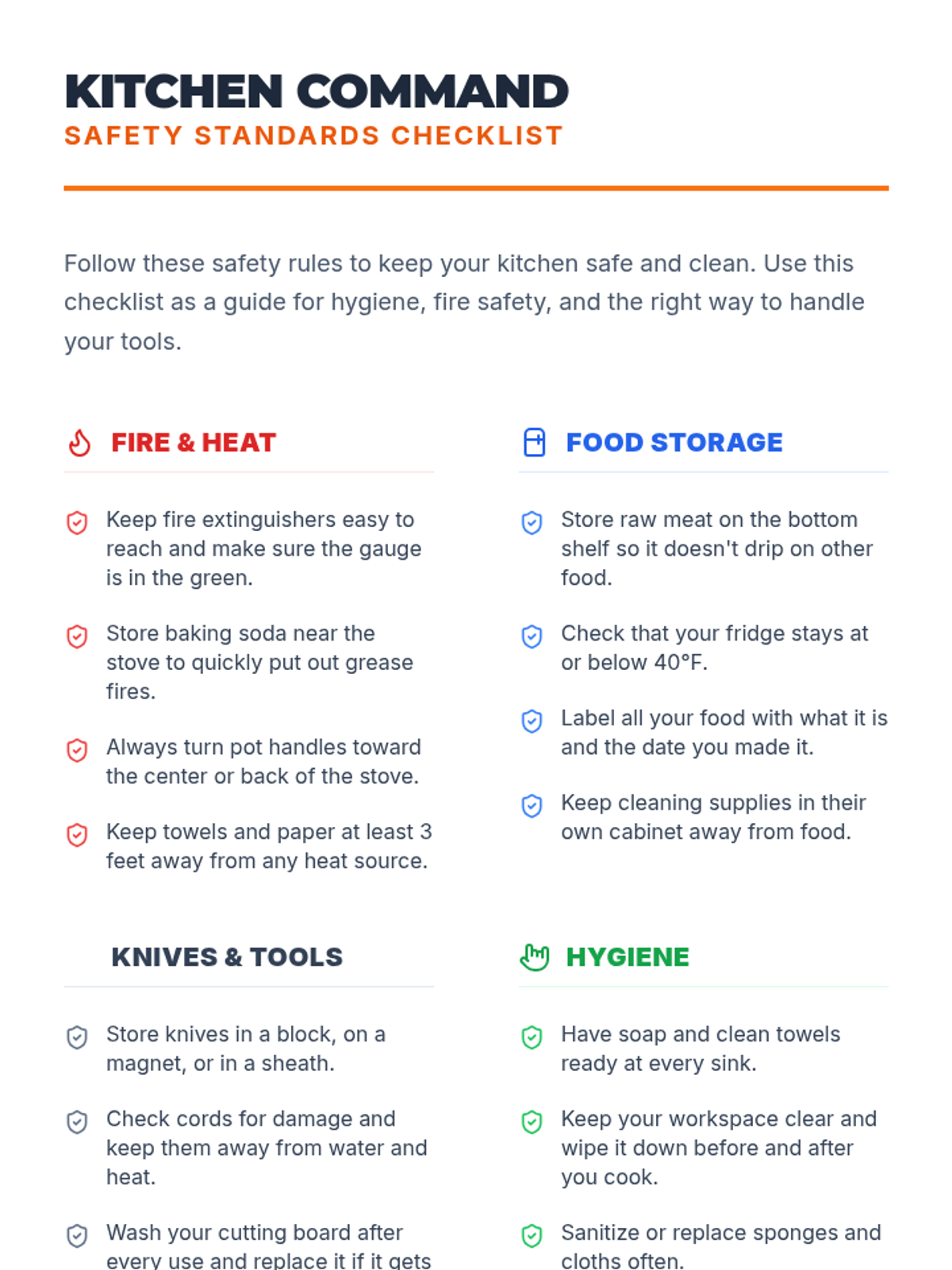
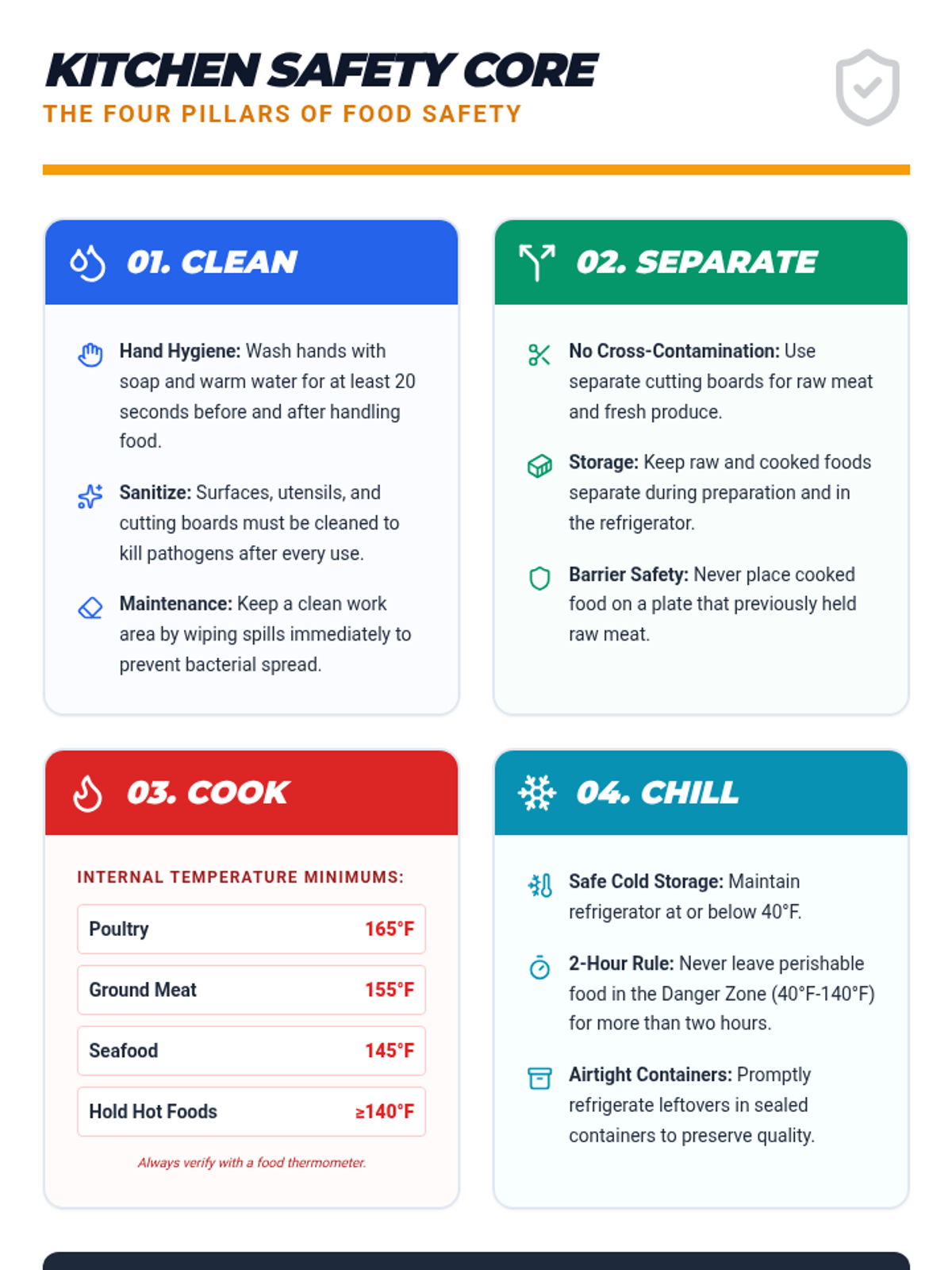
A comprehensive 50-minute introduction to essential kitchen safety and basic cooking skills, featuring a slide presentation, guided notes, and a hands-on knife skills lab.
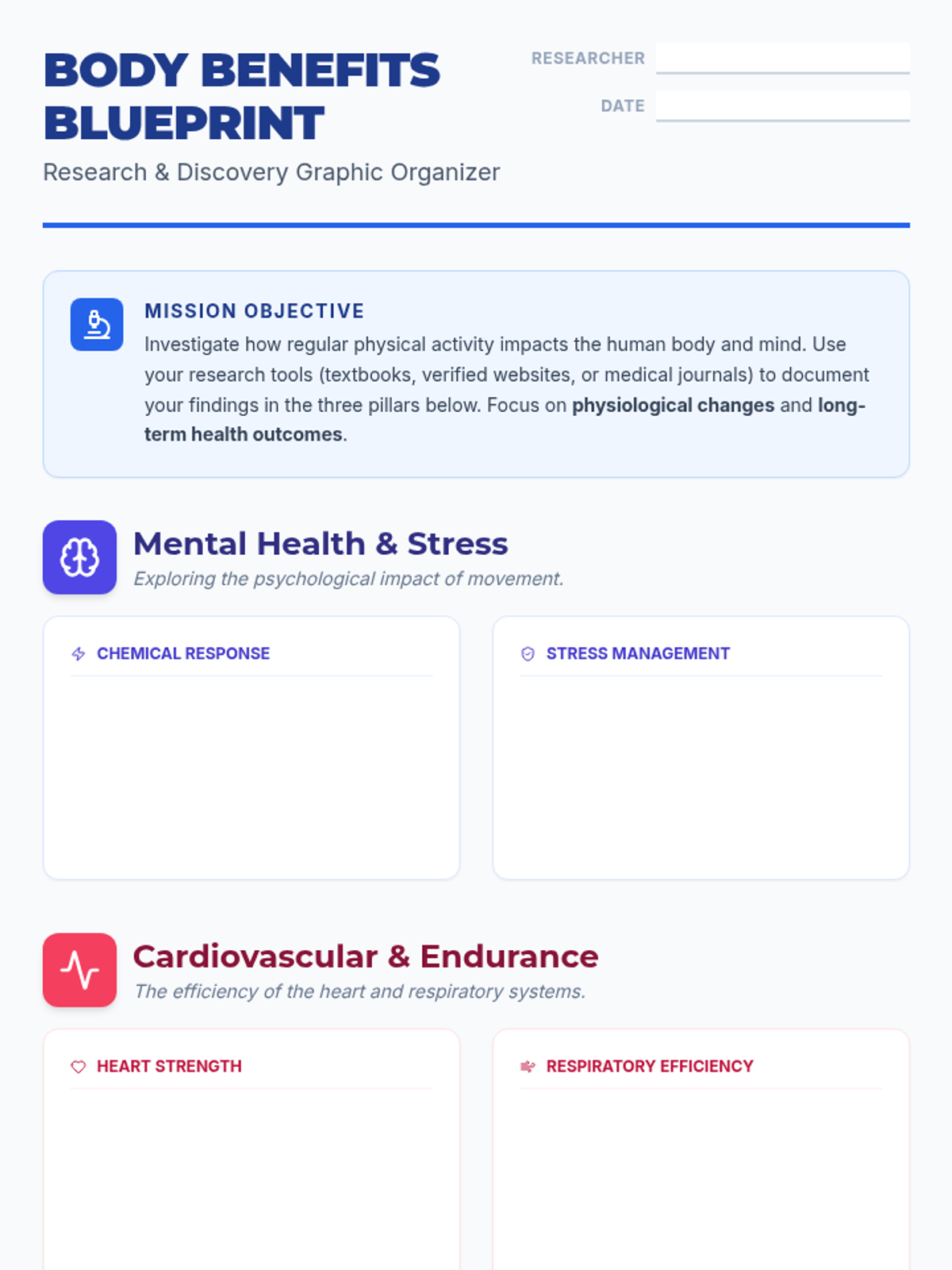
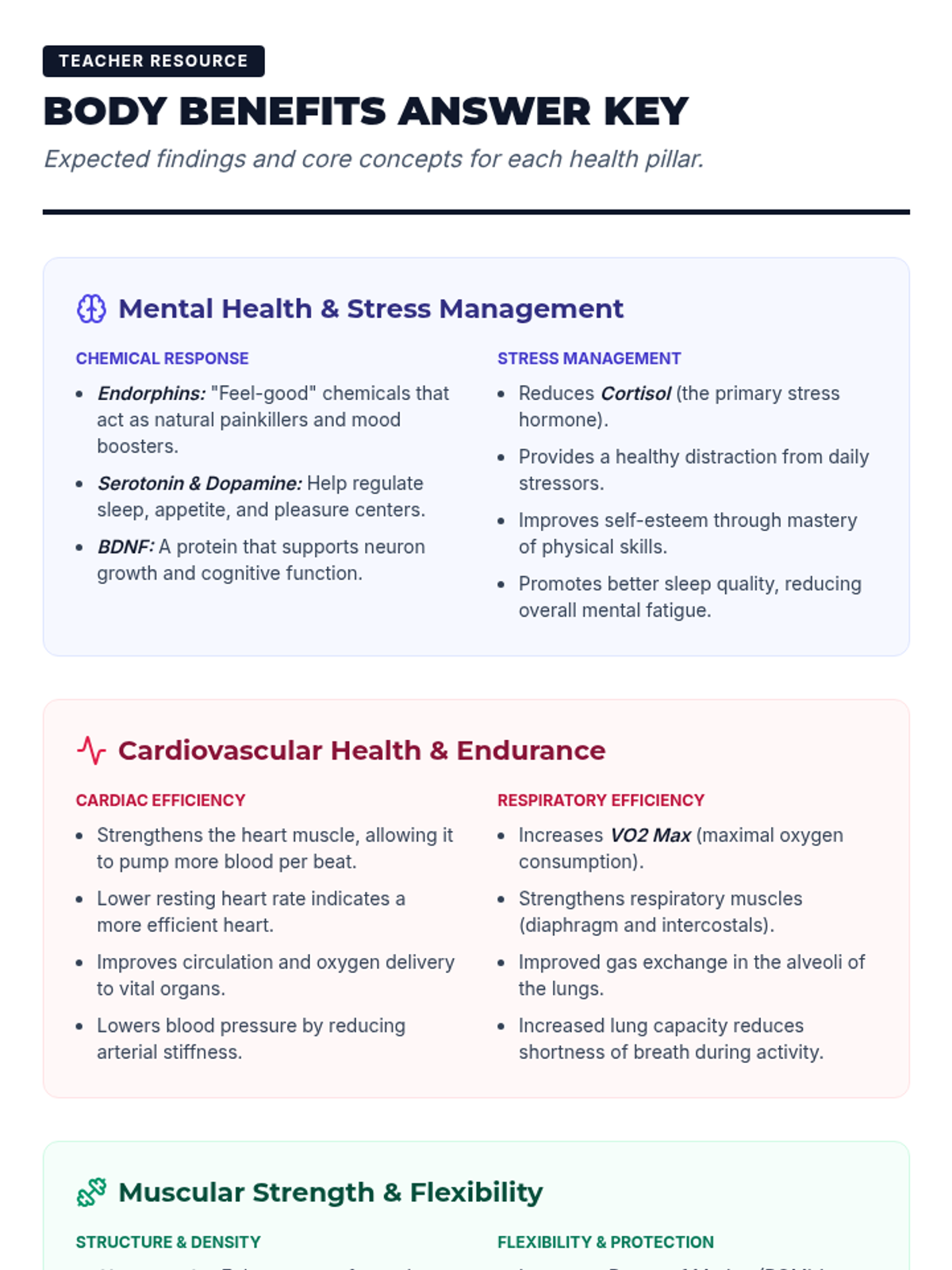
Students research and categorize the various physiological and psychological benefits of regular physical activity, focusing on three key pillars: mental health, cardiovascular health, and muscular fitness.
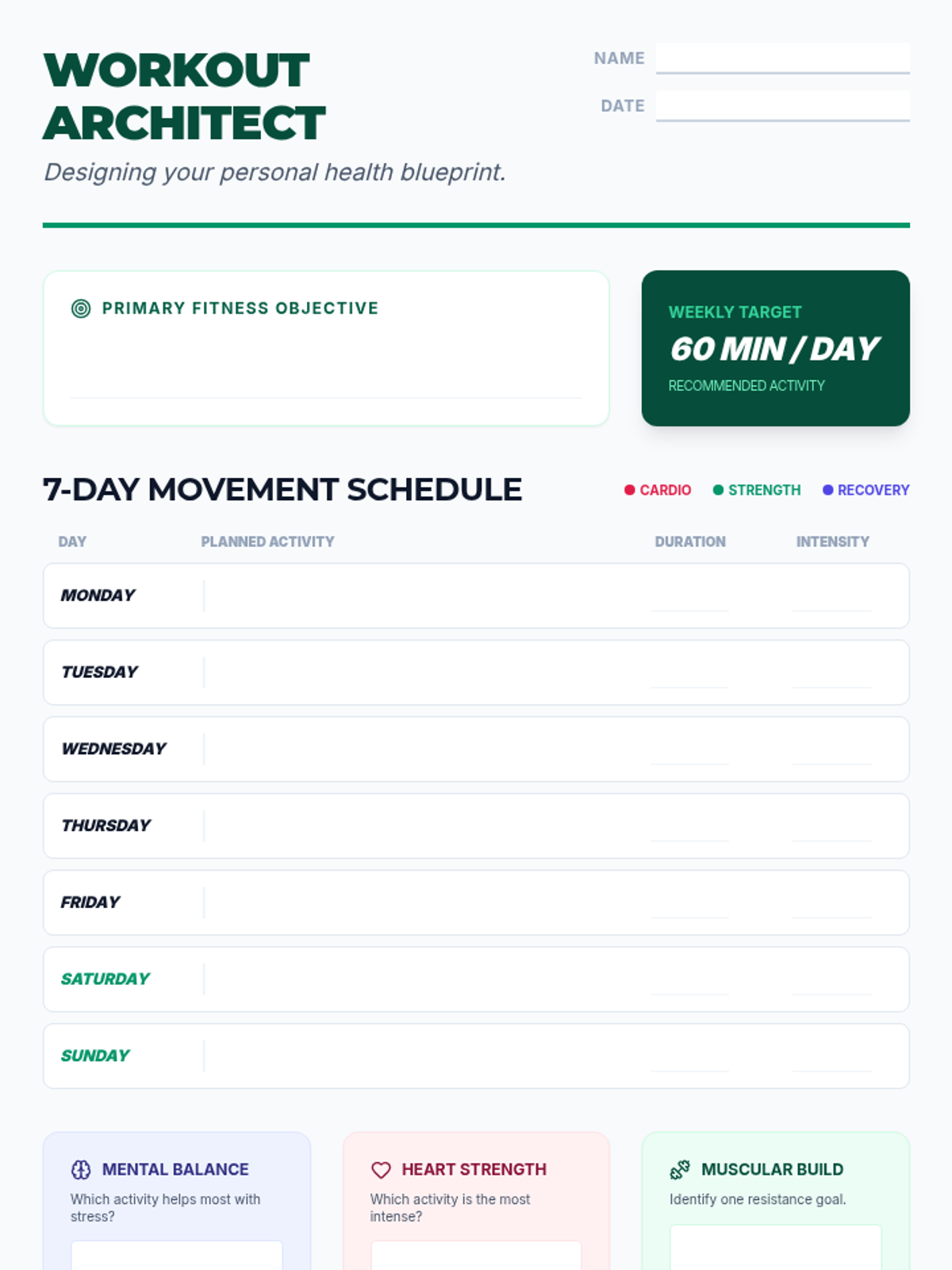
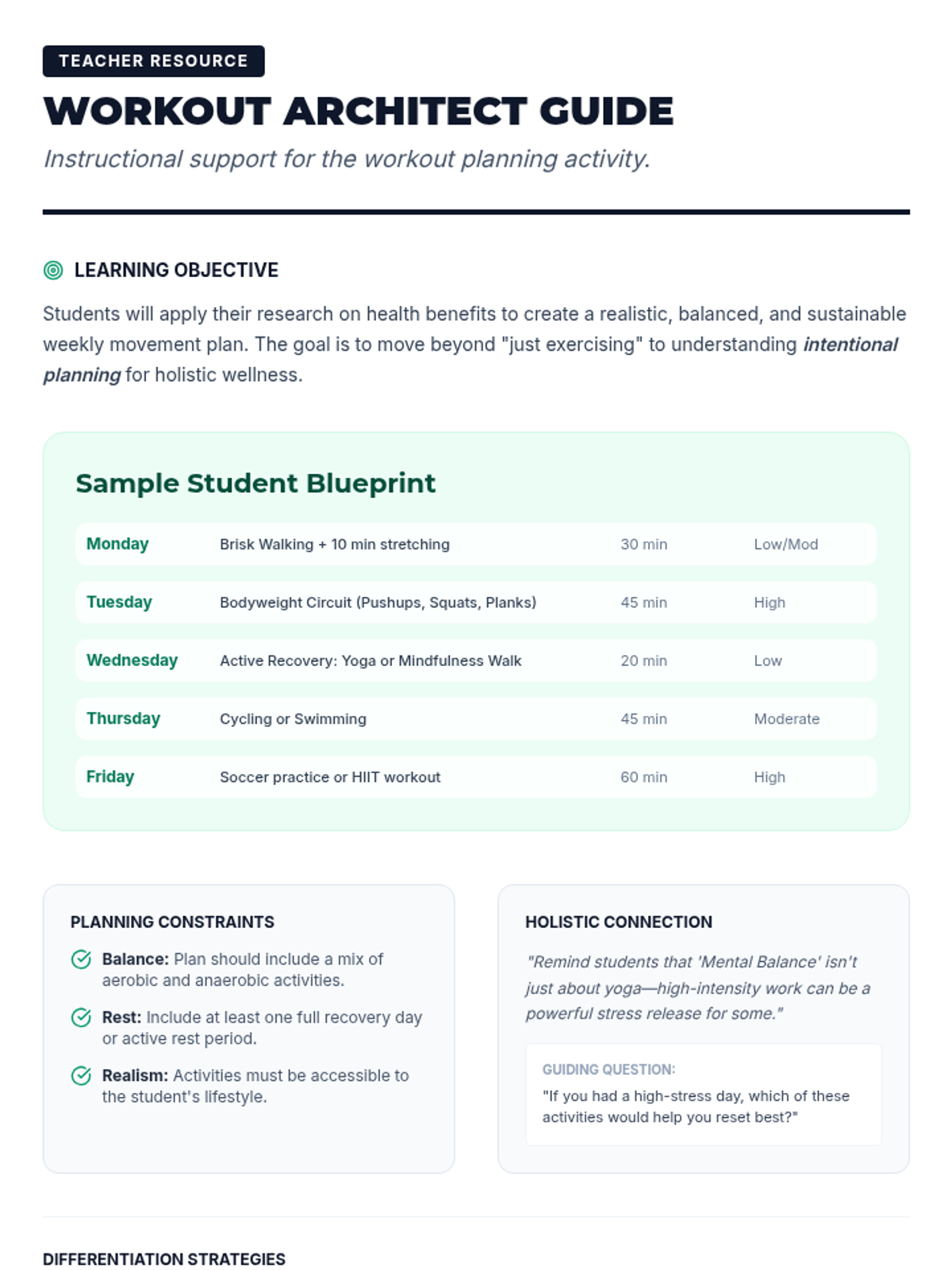
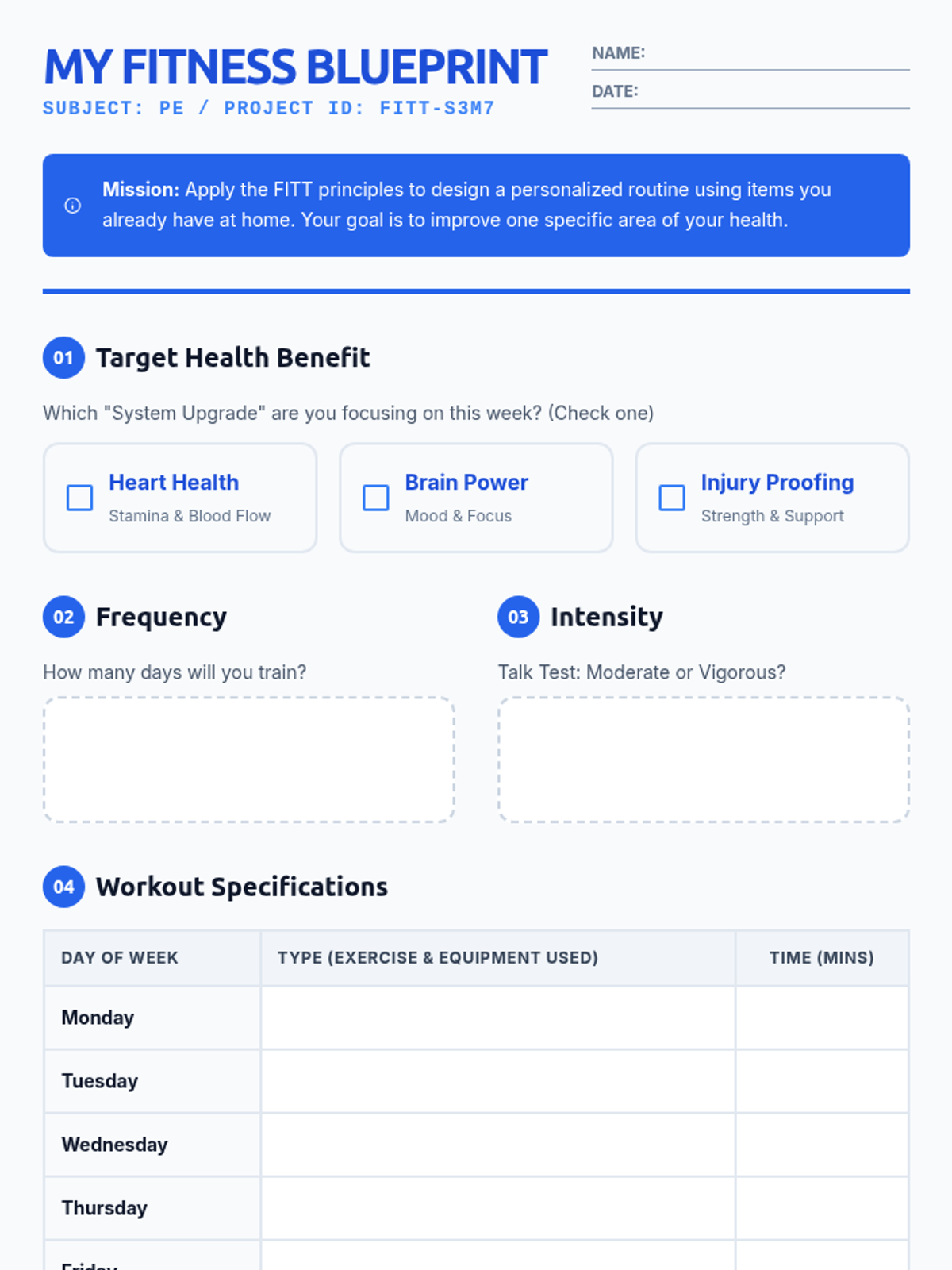
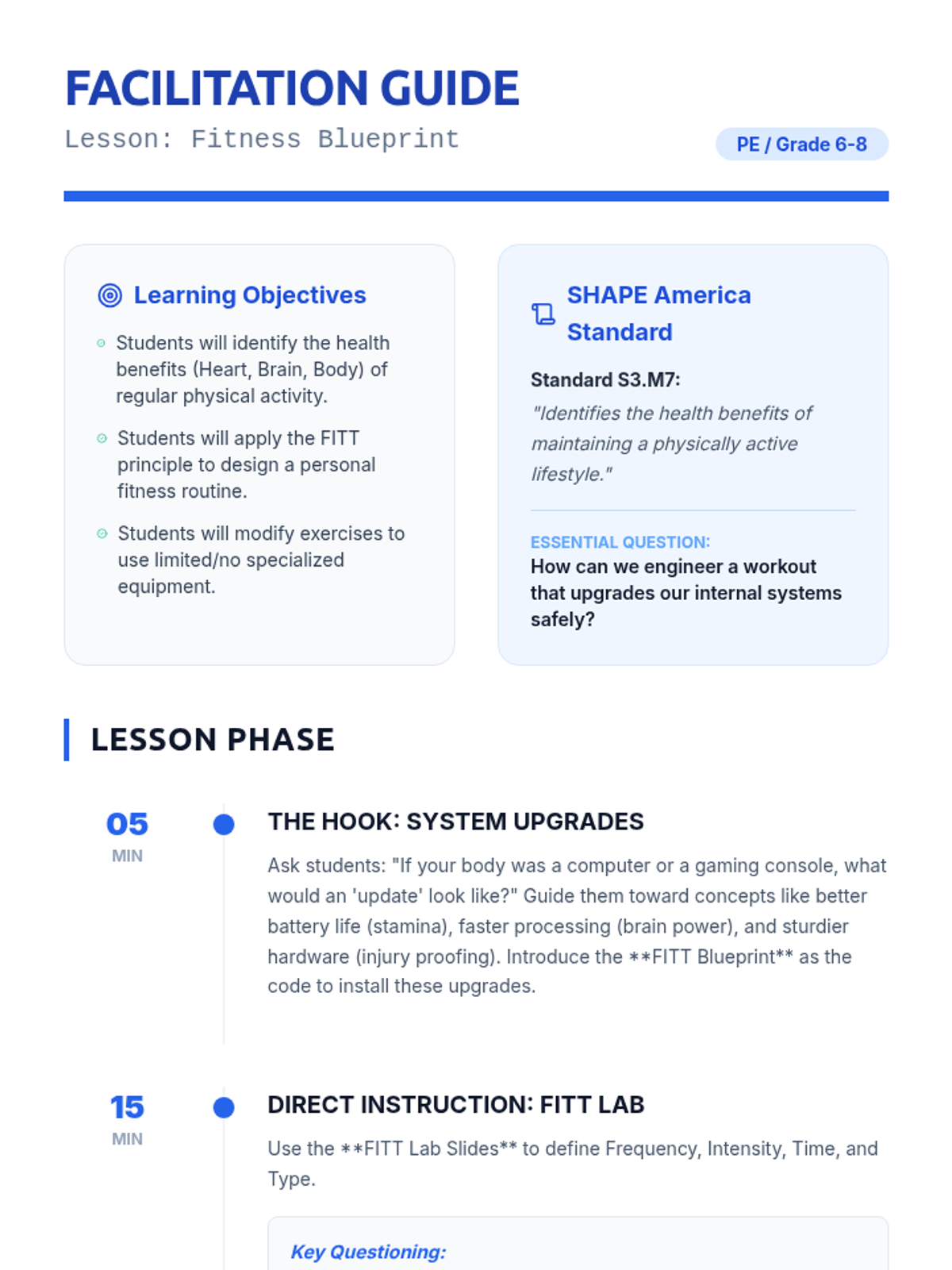
A comprehensive PE lesson focused on the FITT principle (Frequency, Intensity, Time, Type), helping students design personalized fitness routines using minimal equipment while meeting SHAPE America standards.
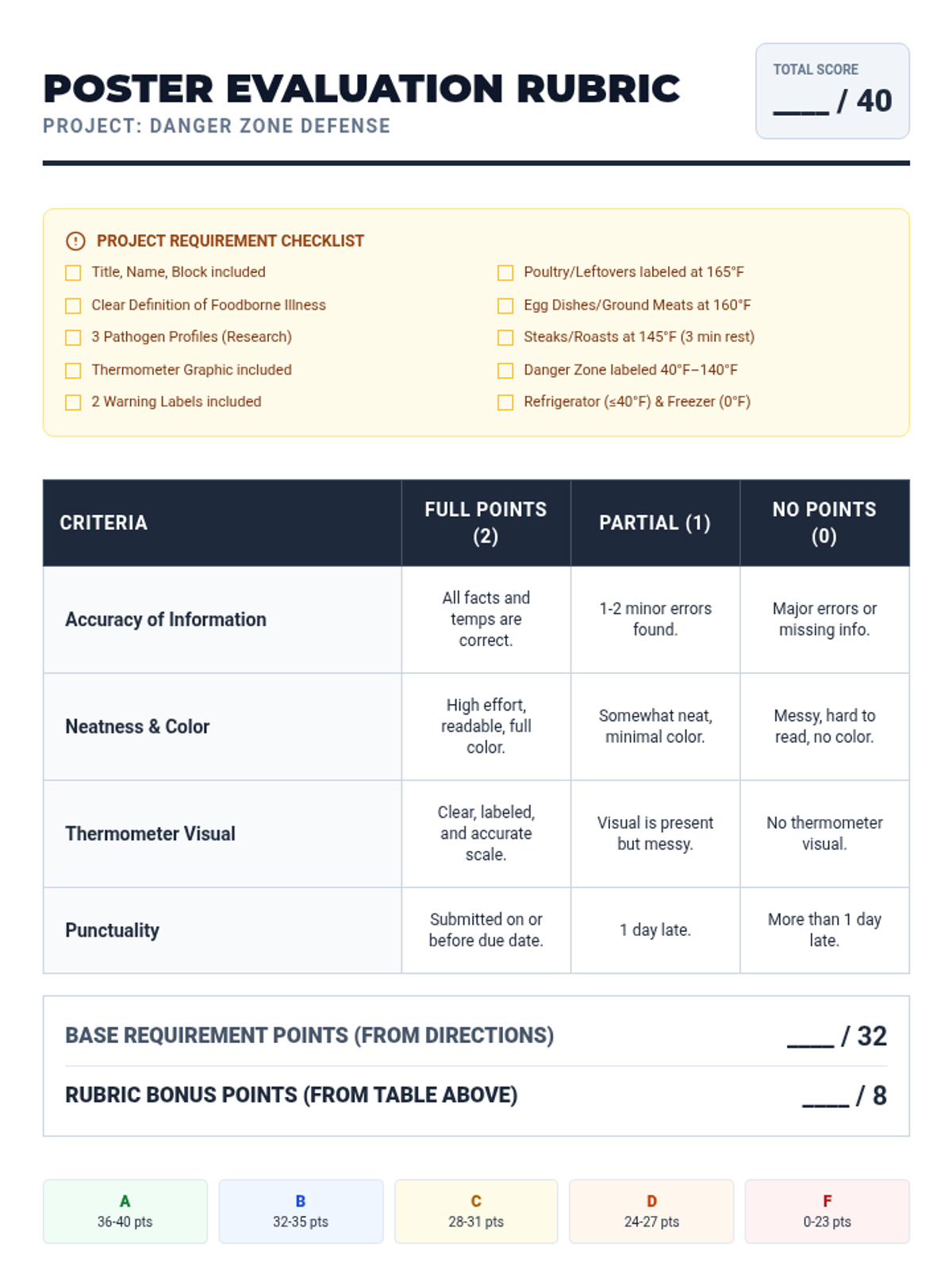
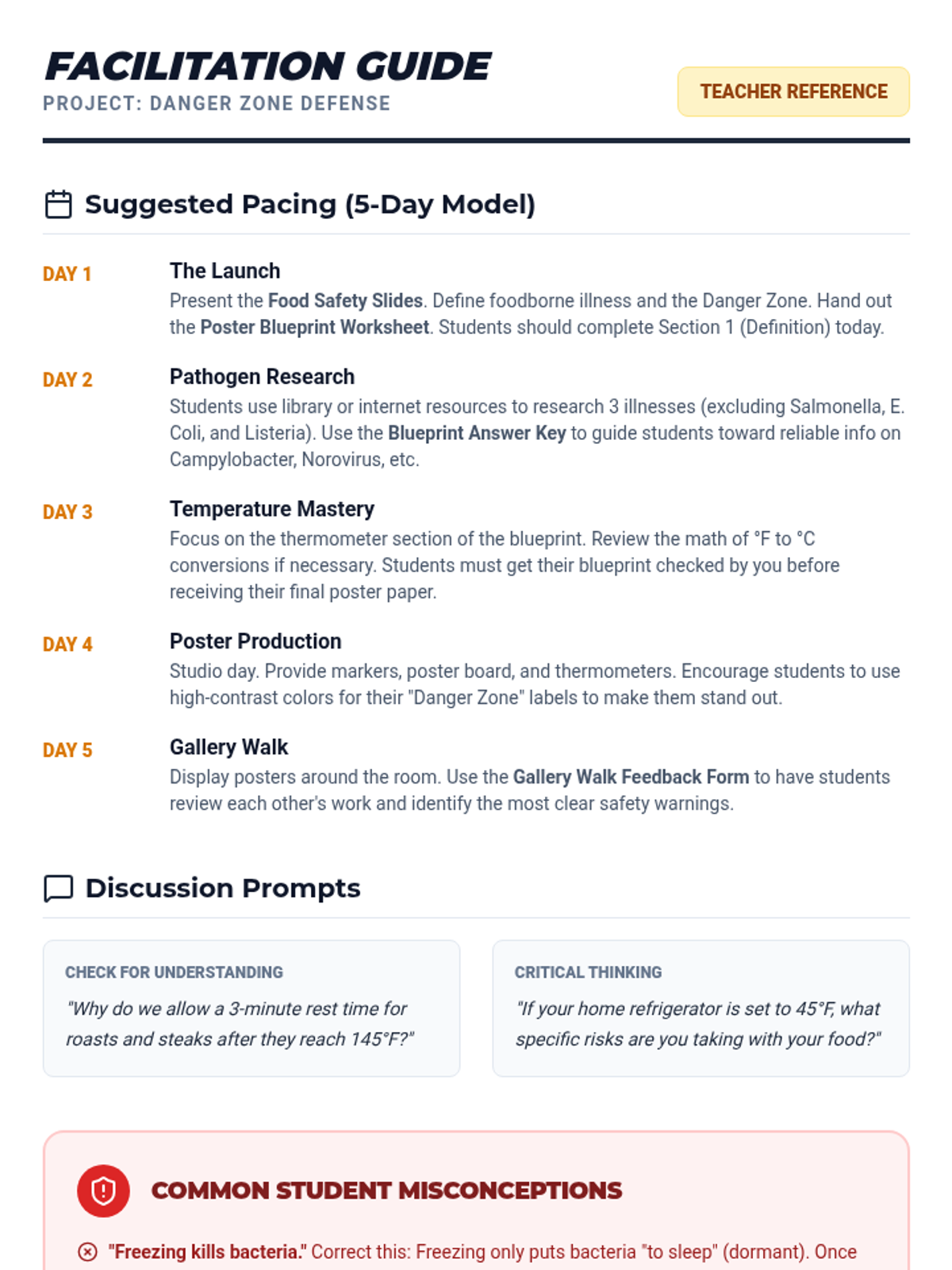
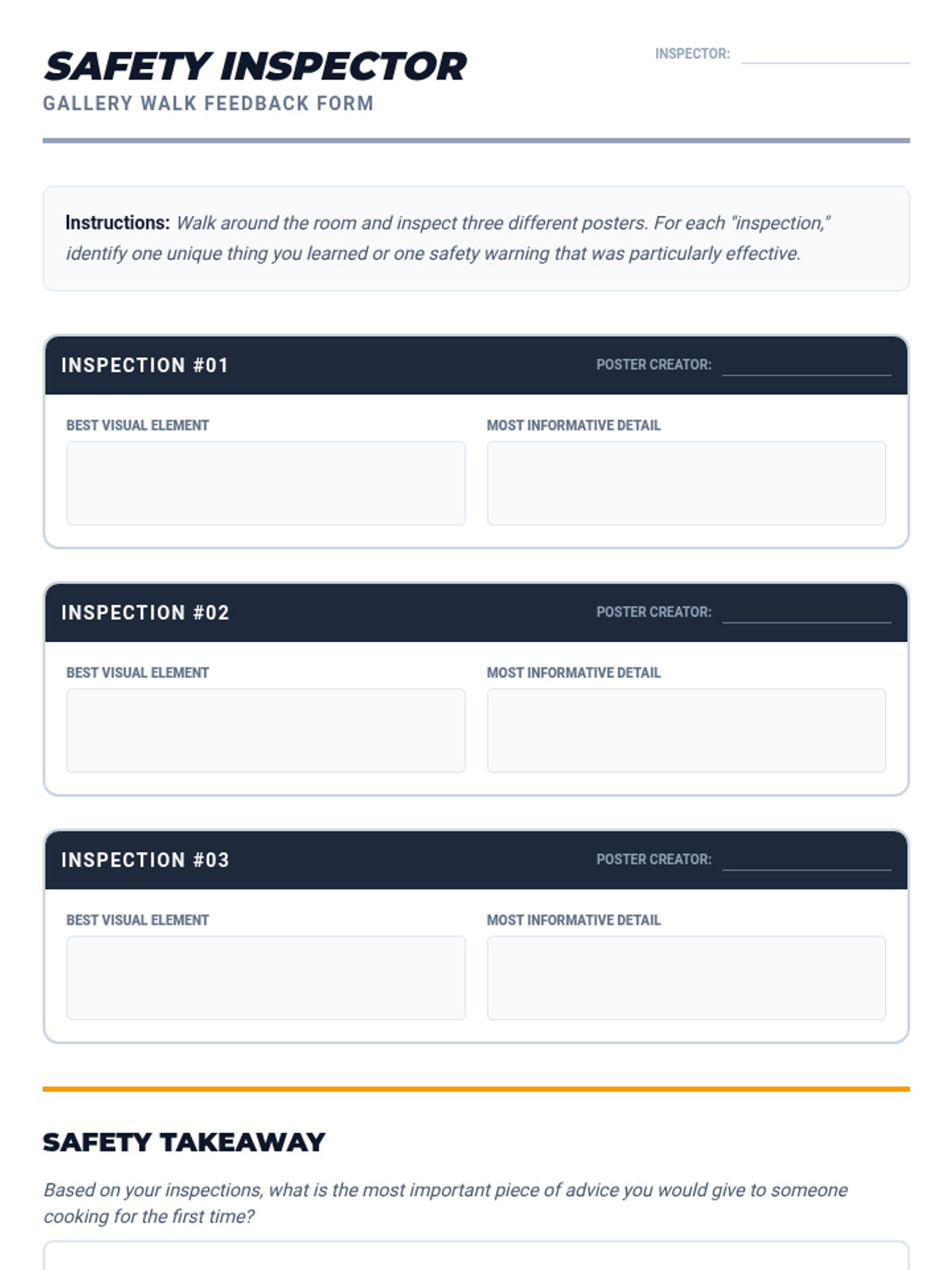
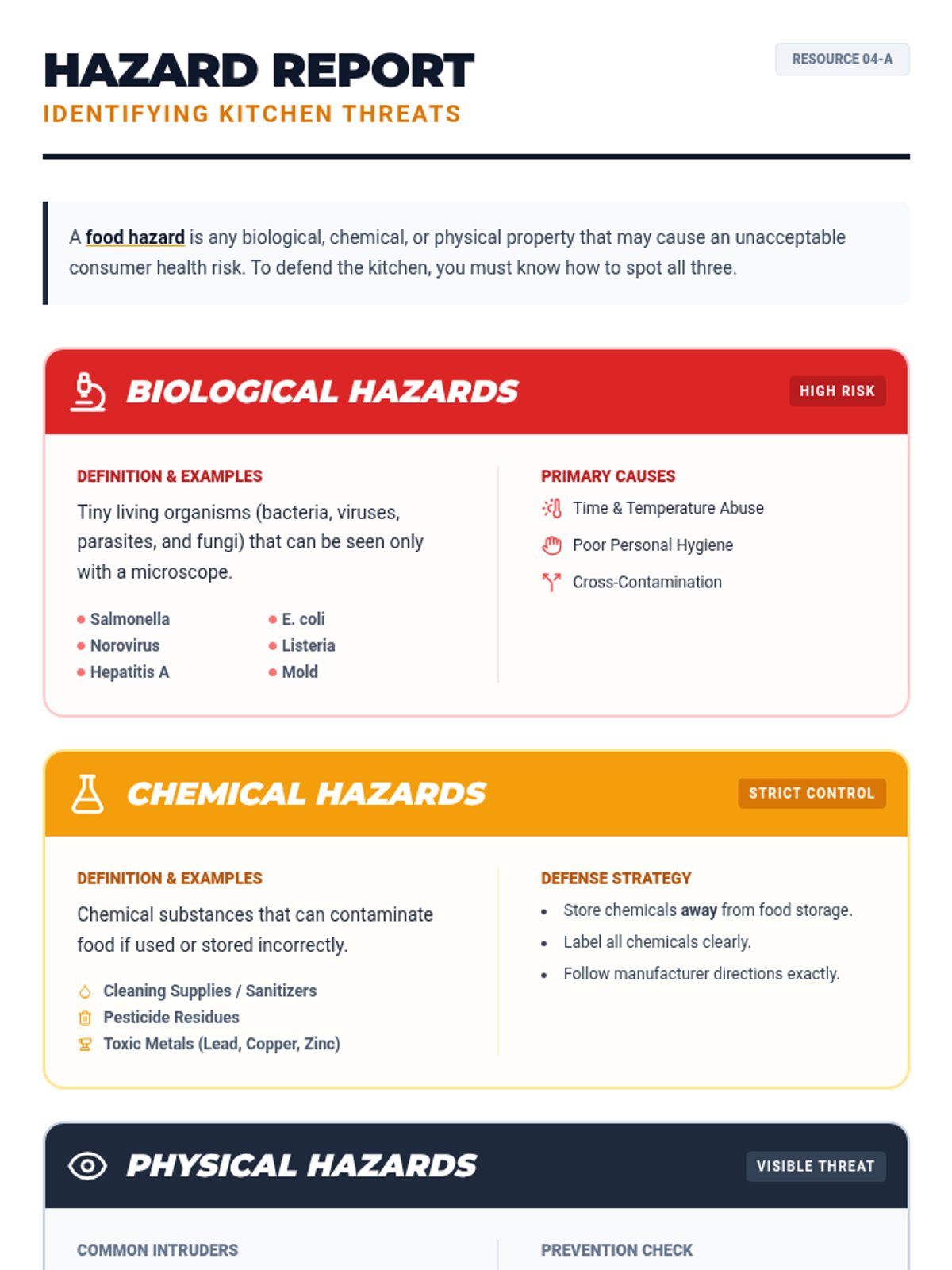
A multi-day project where students research foodborne illnesses and create a visual safety poster centered around proper heating and cooling temperatures. Students will investigate specific pathogens, master temperature guidelines, and understand the science of the 'Danger Zone.'
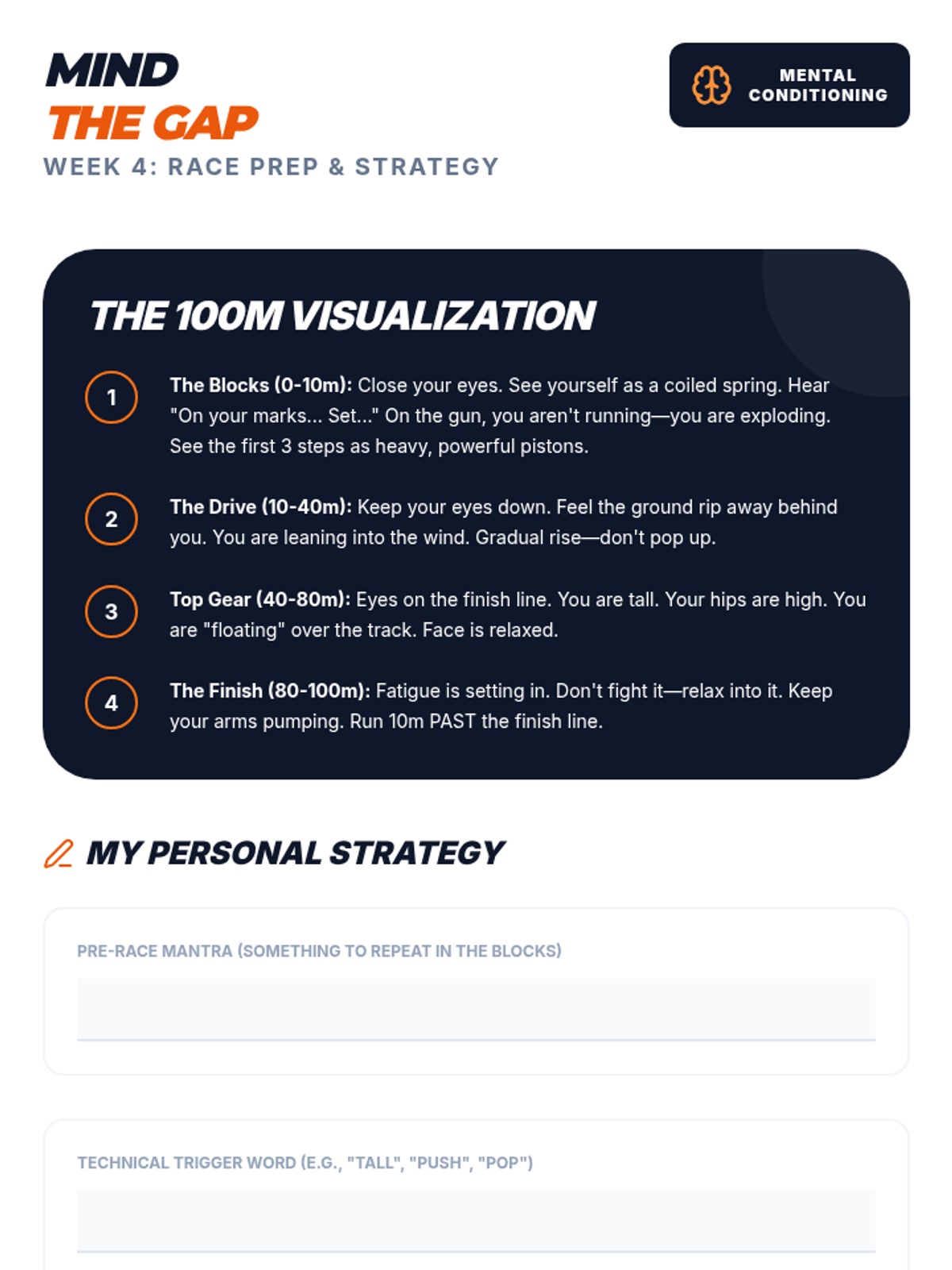
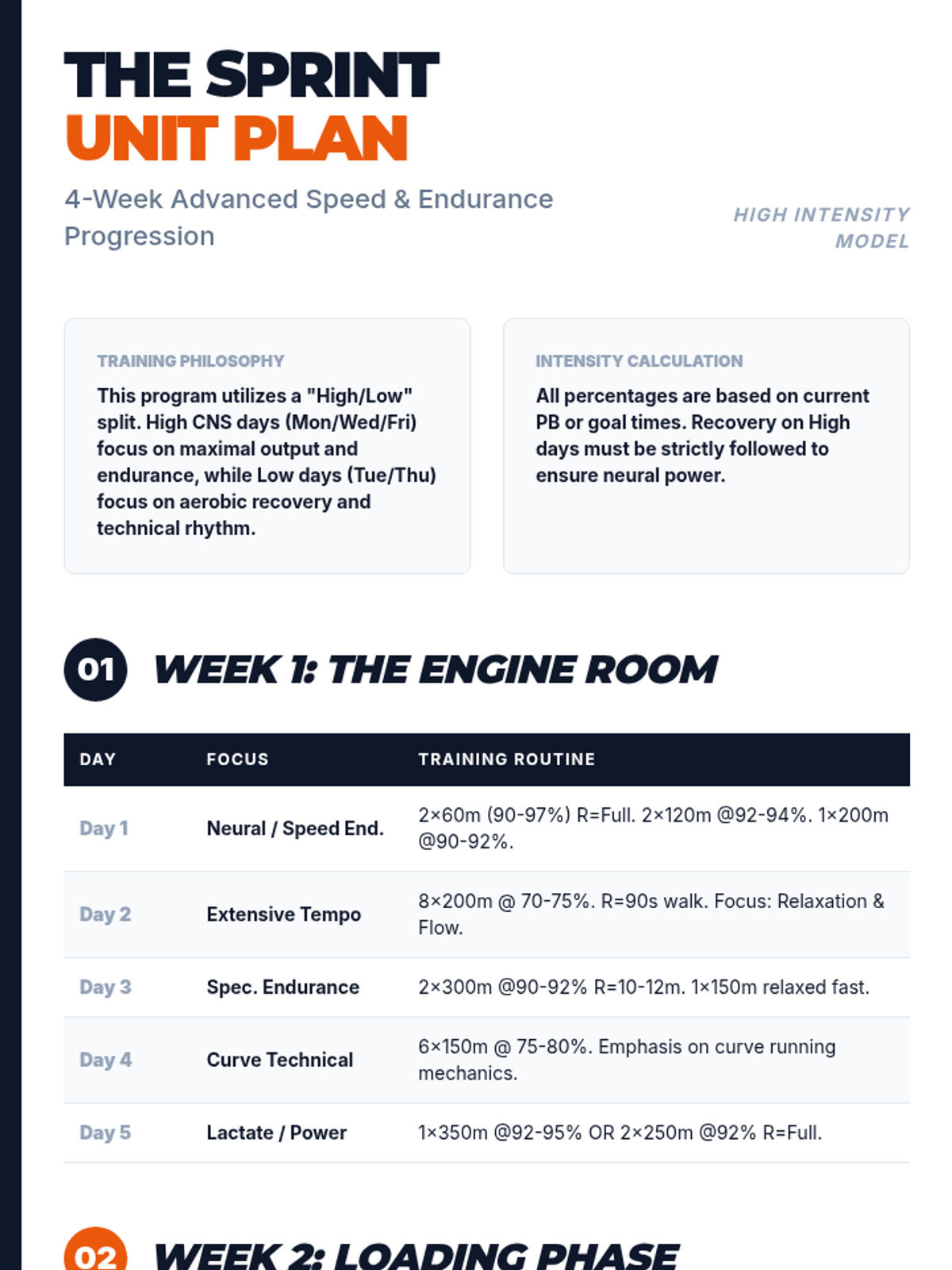
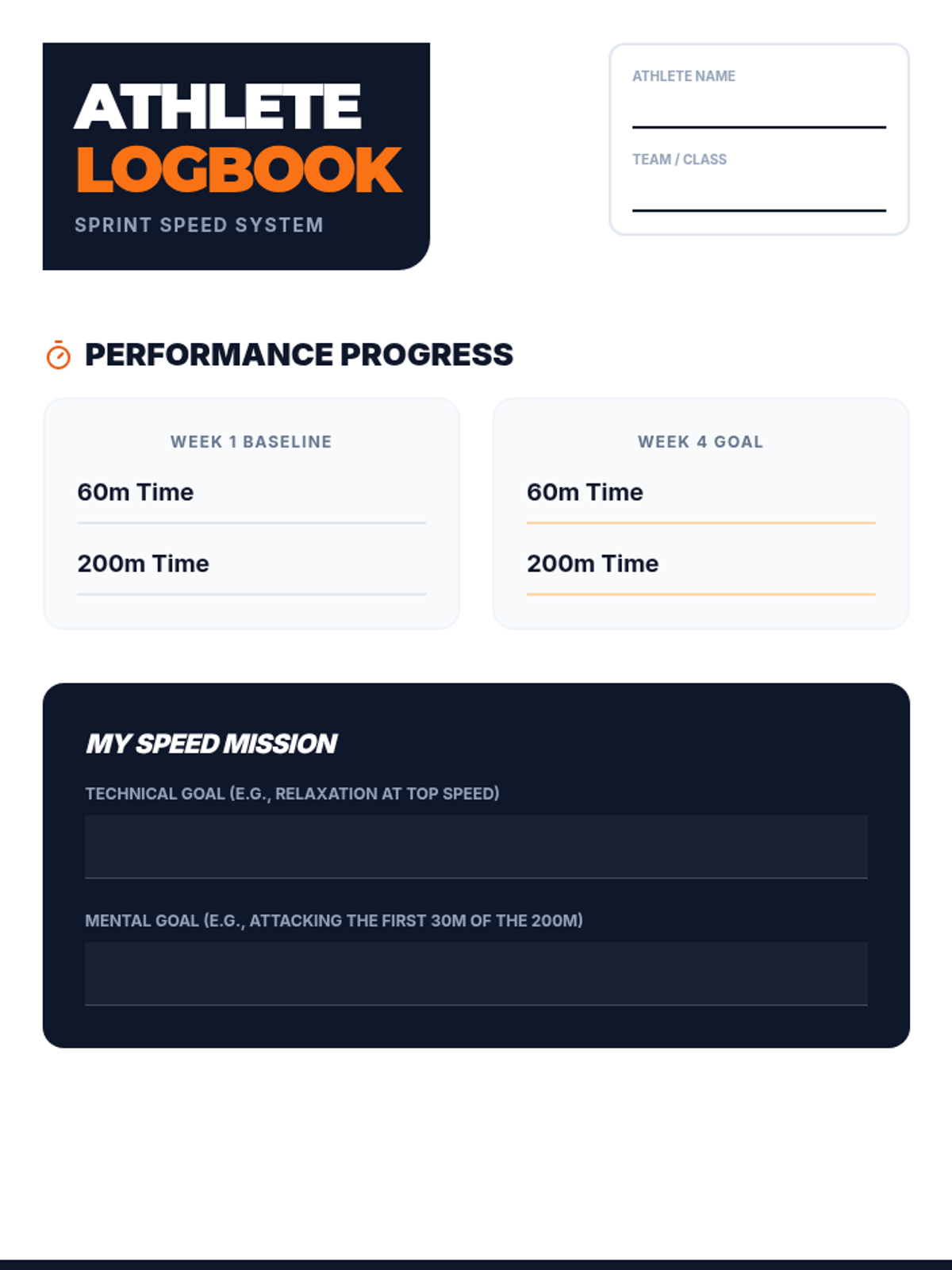
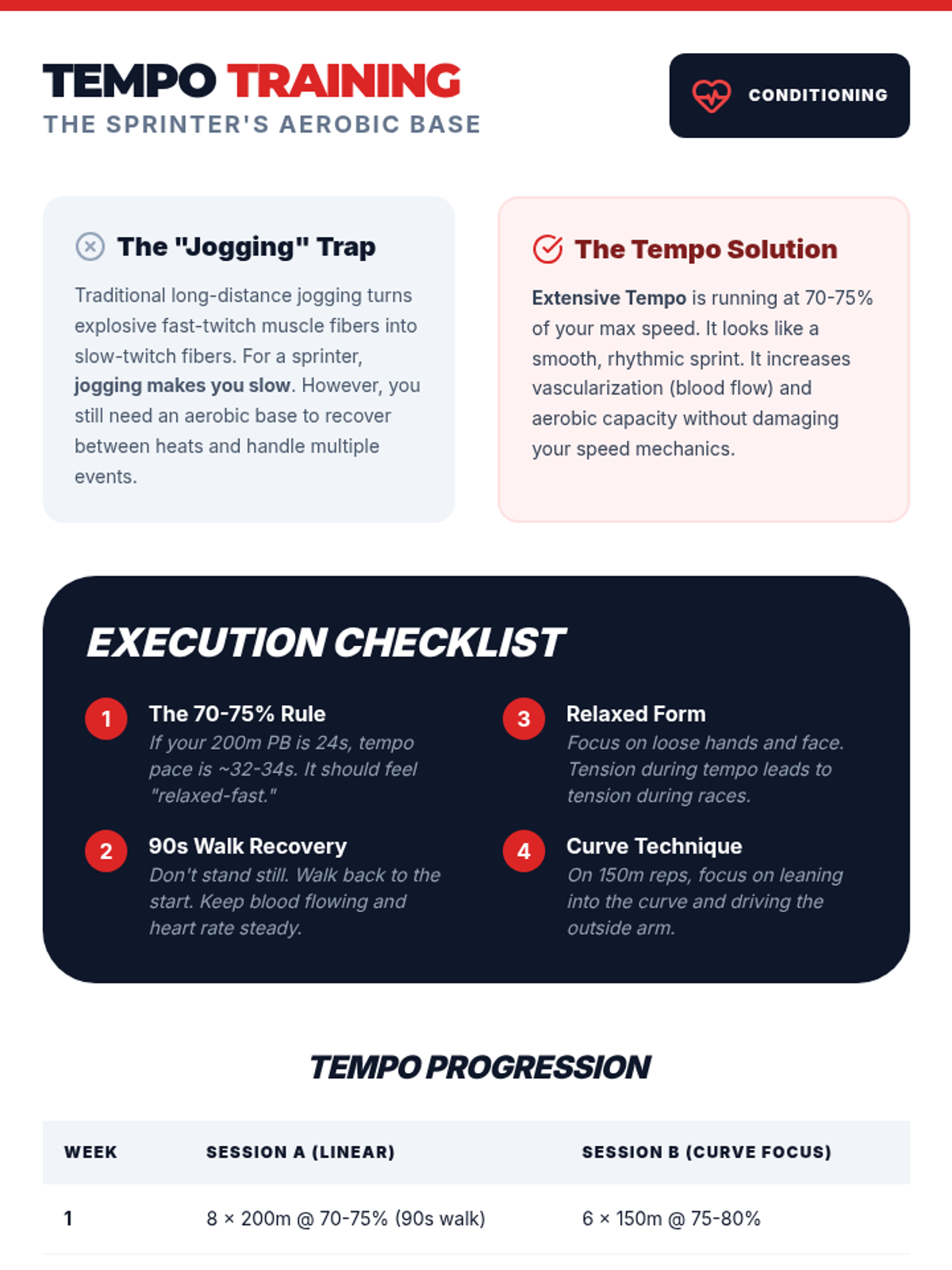
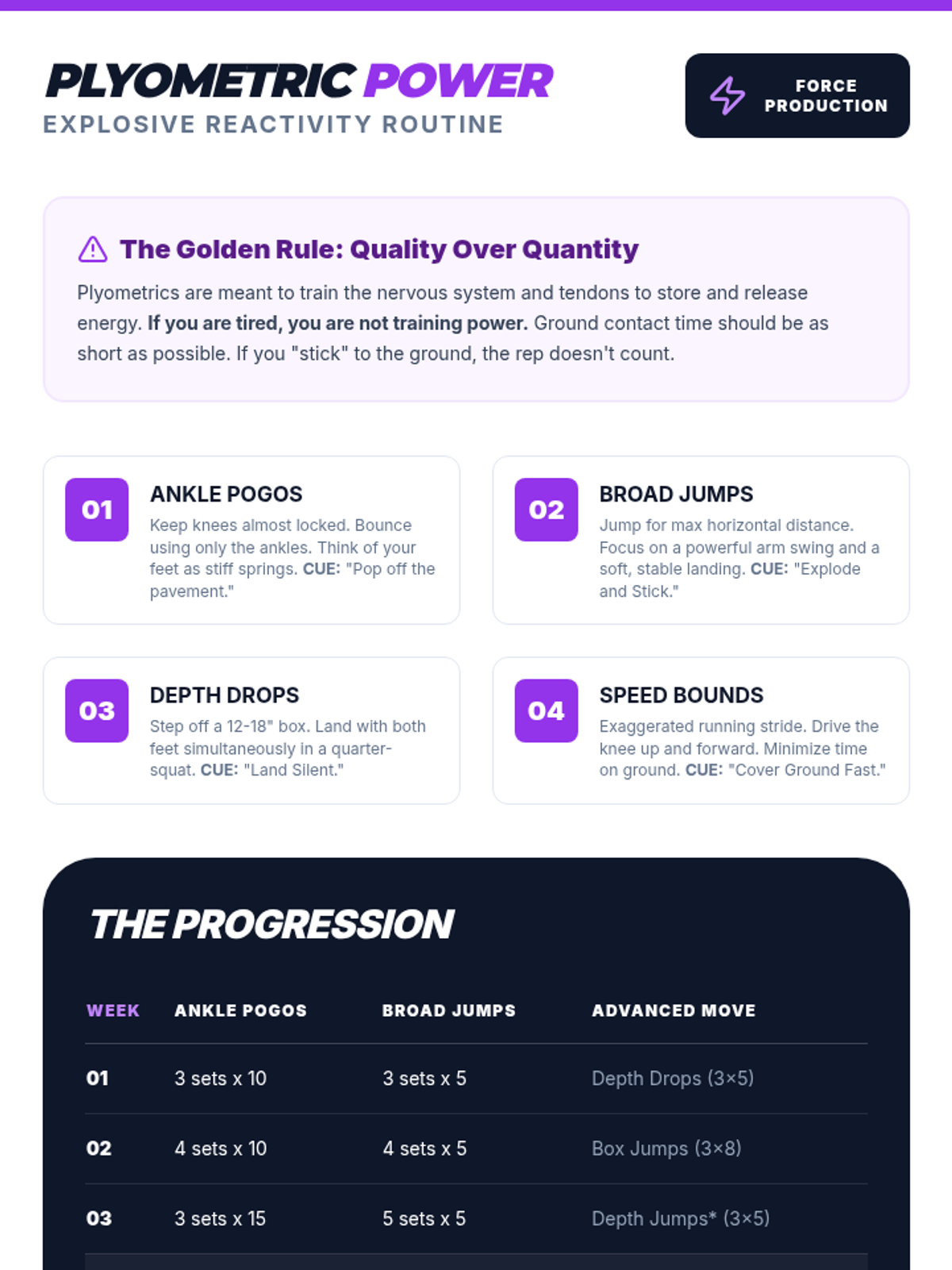
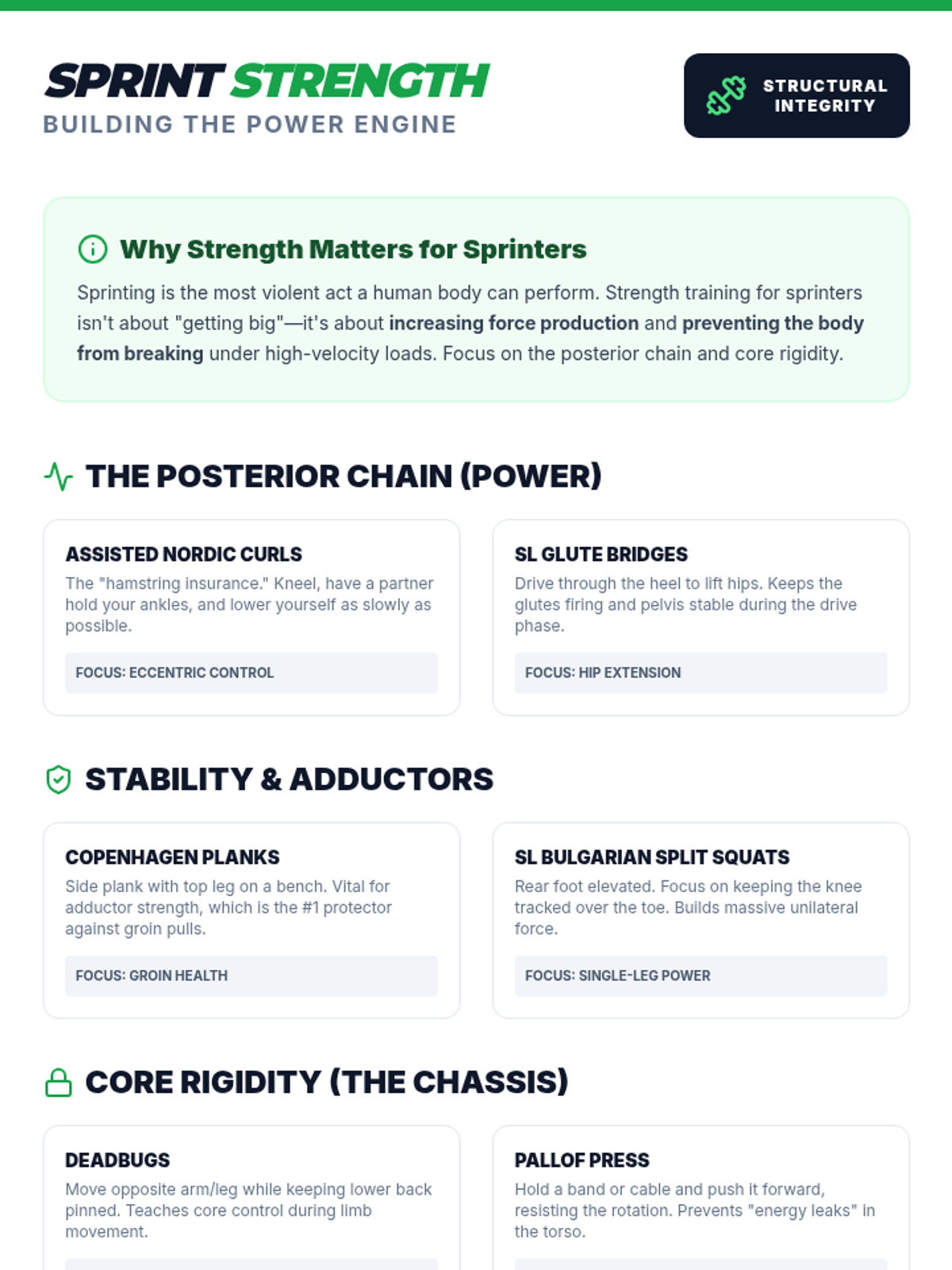
Fine-tuning starts, speed endurance intervals, and preparing for competition-style sprinting.
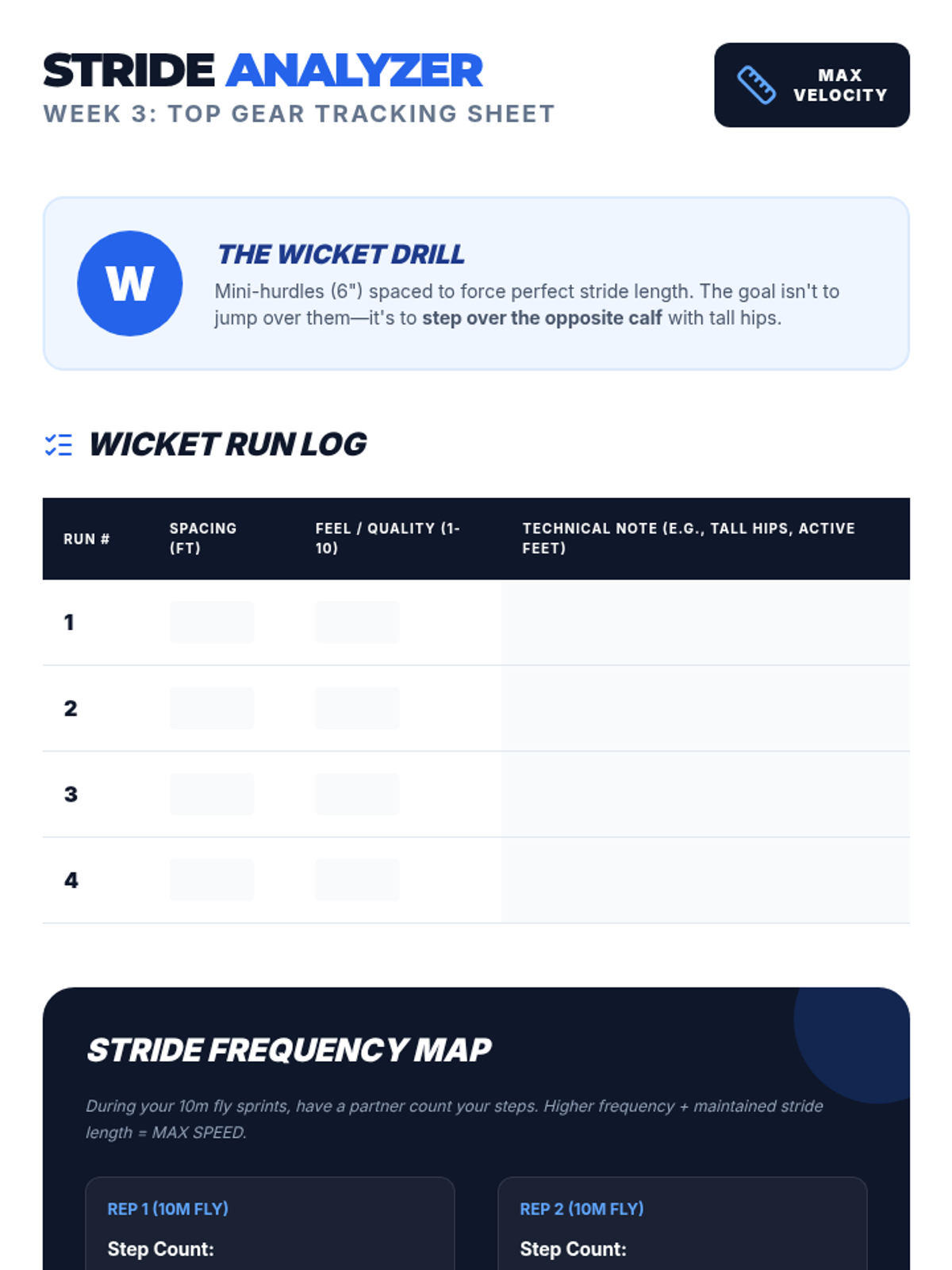
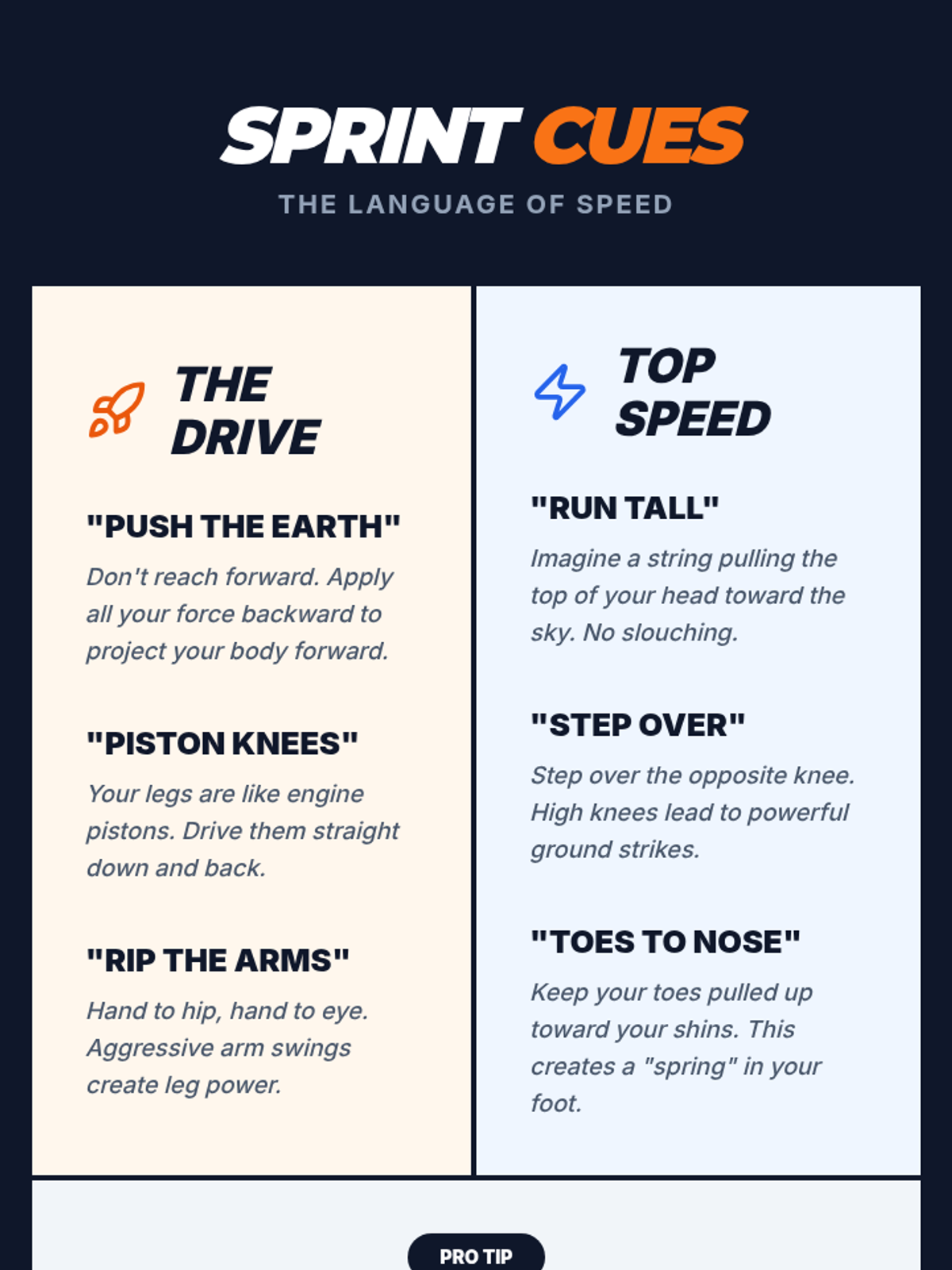
Training upright sprinting mechanics, stride frequency through wicket drills, and maximum velocity maintenance.
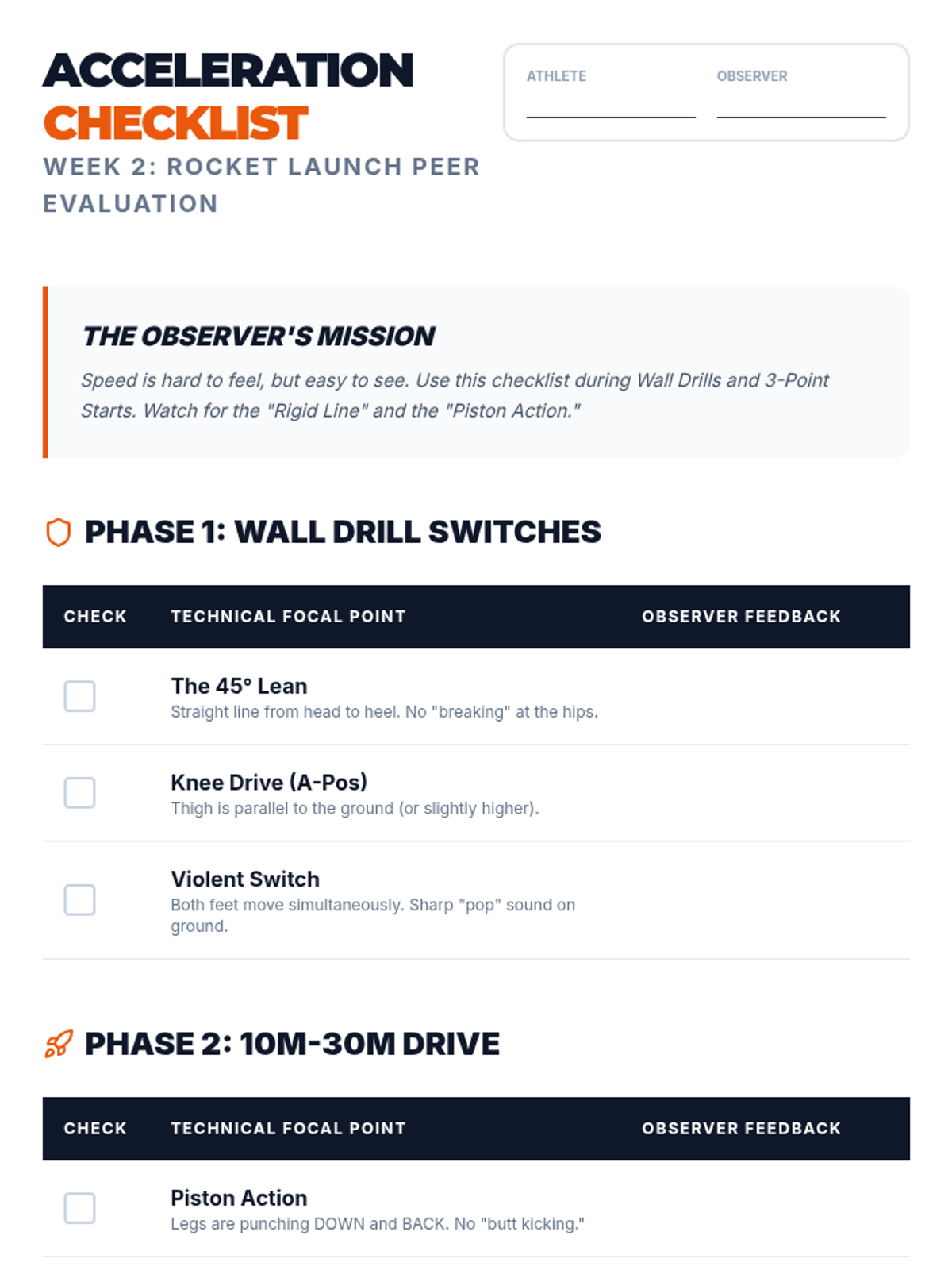
Introducing the drive phase, explosive wall drills, and higher-intensity plyometrics to build raw power.
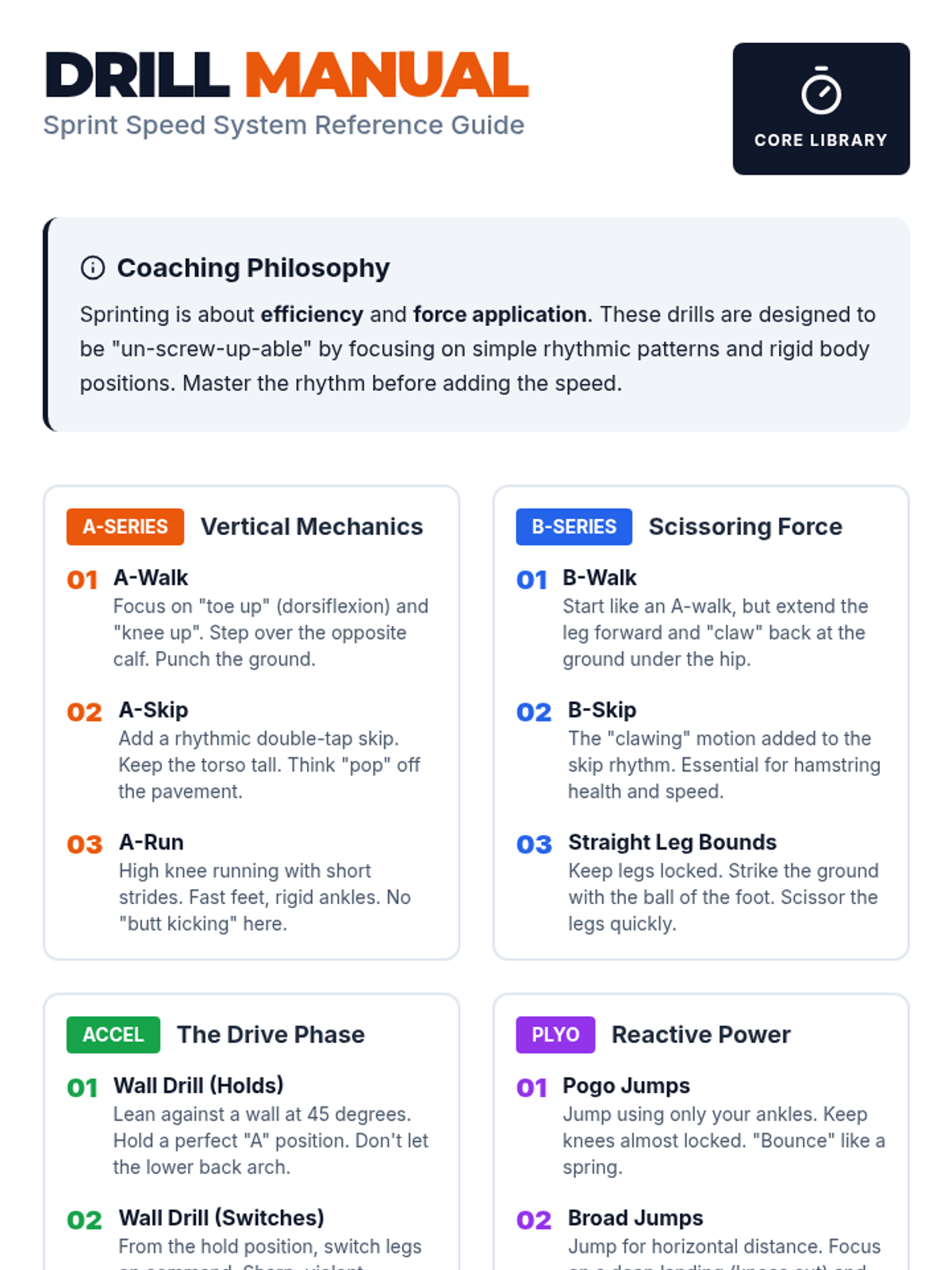
Focus on establishing proper sprint posture, rhythmic drills (A-skips), and basic core strength to prevent injury.
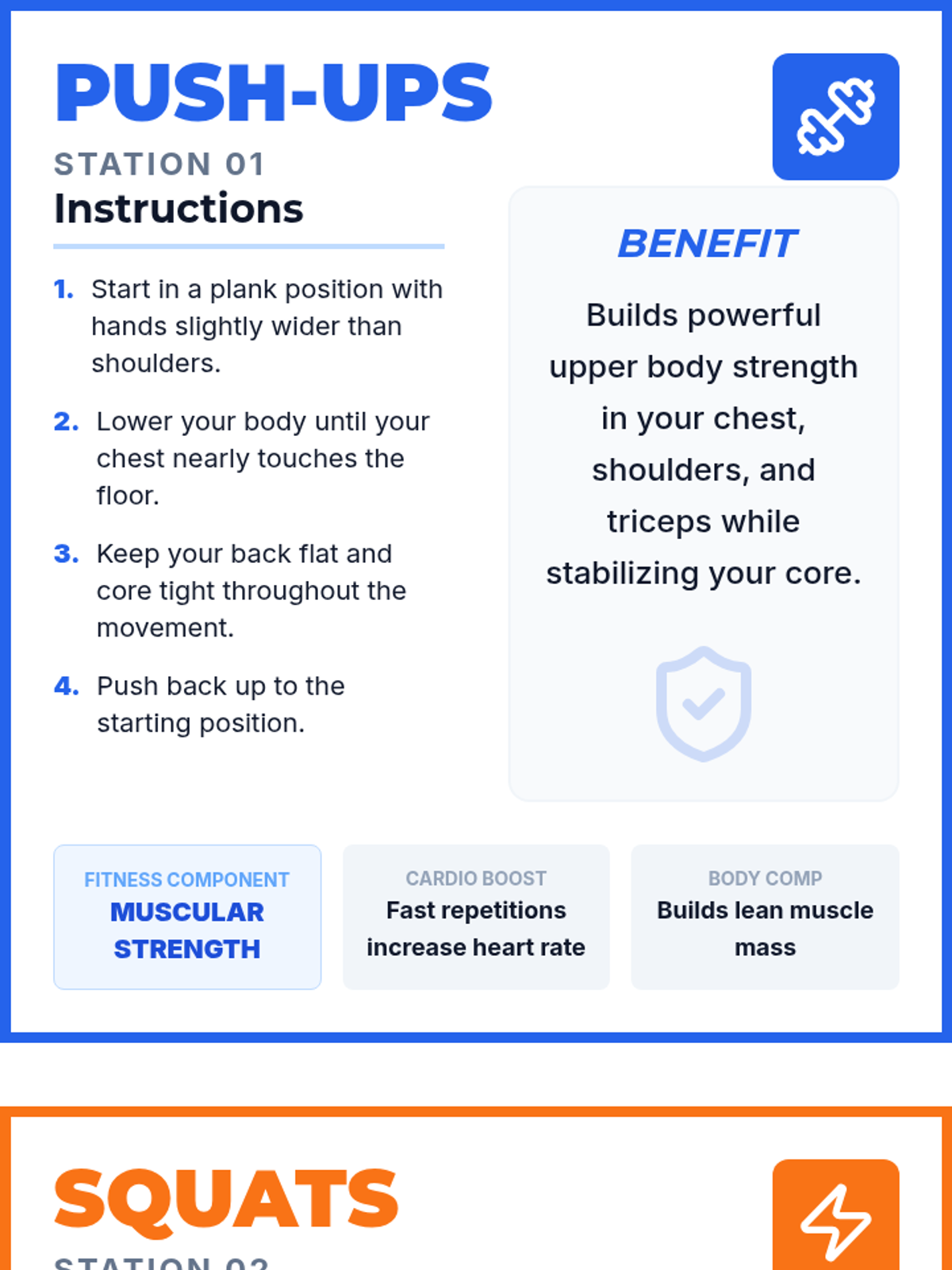
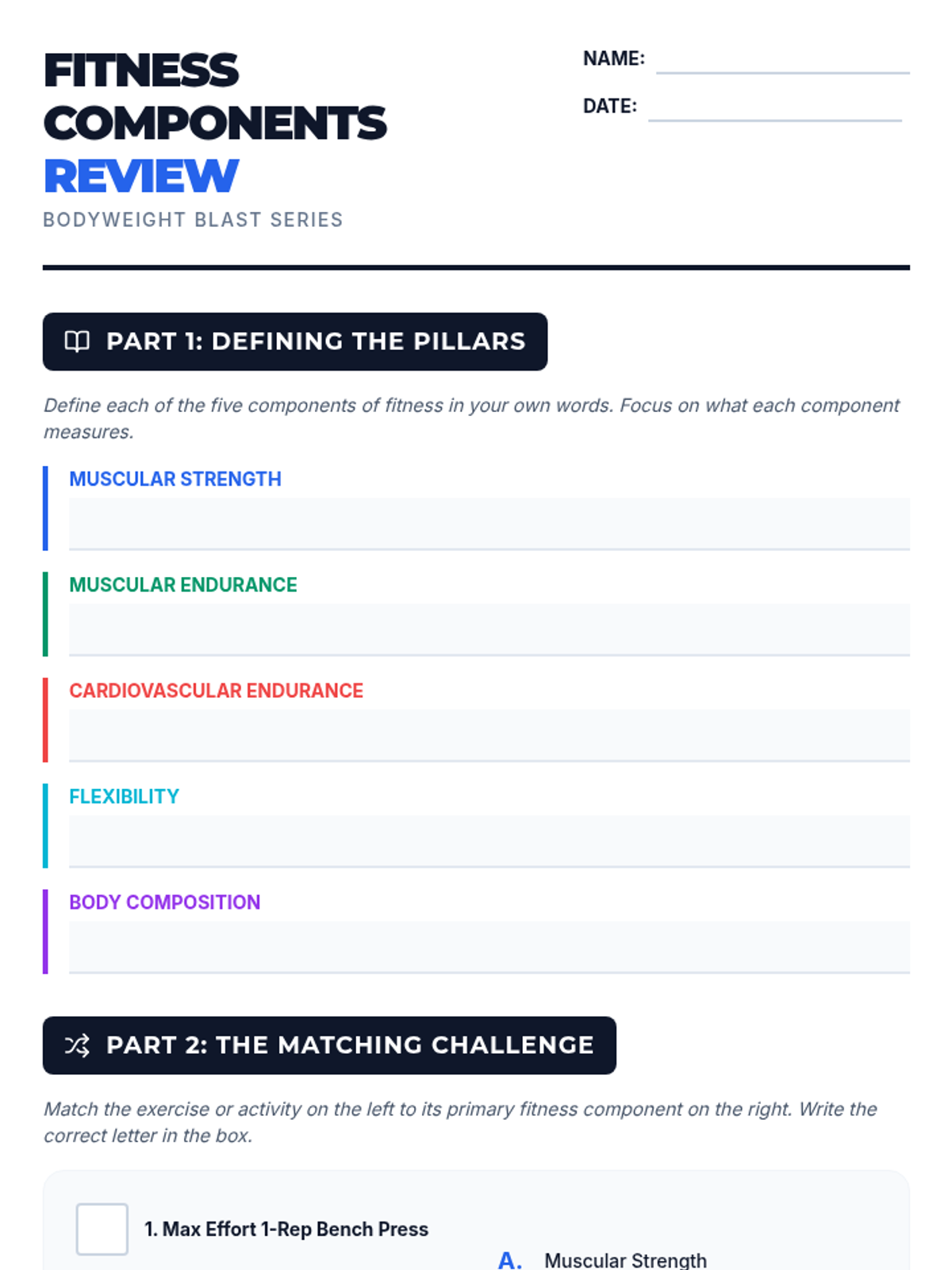
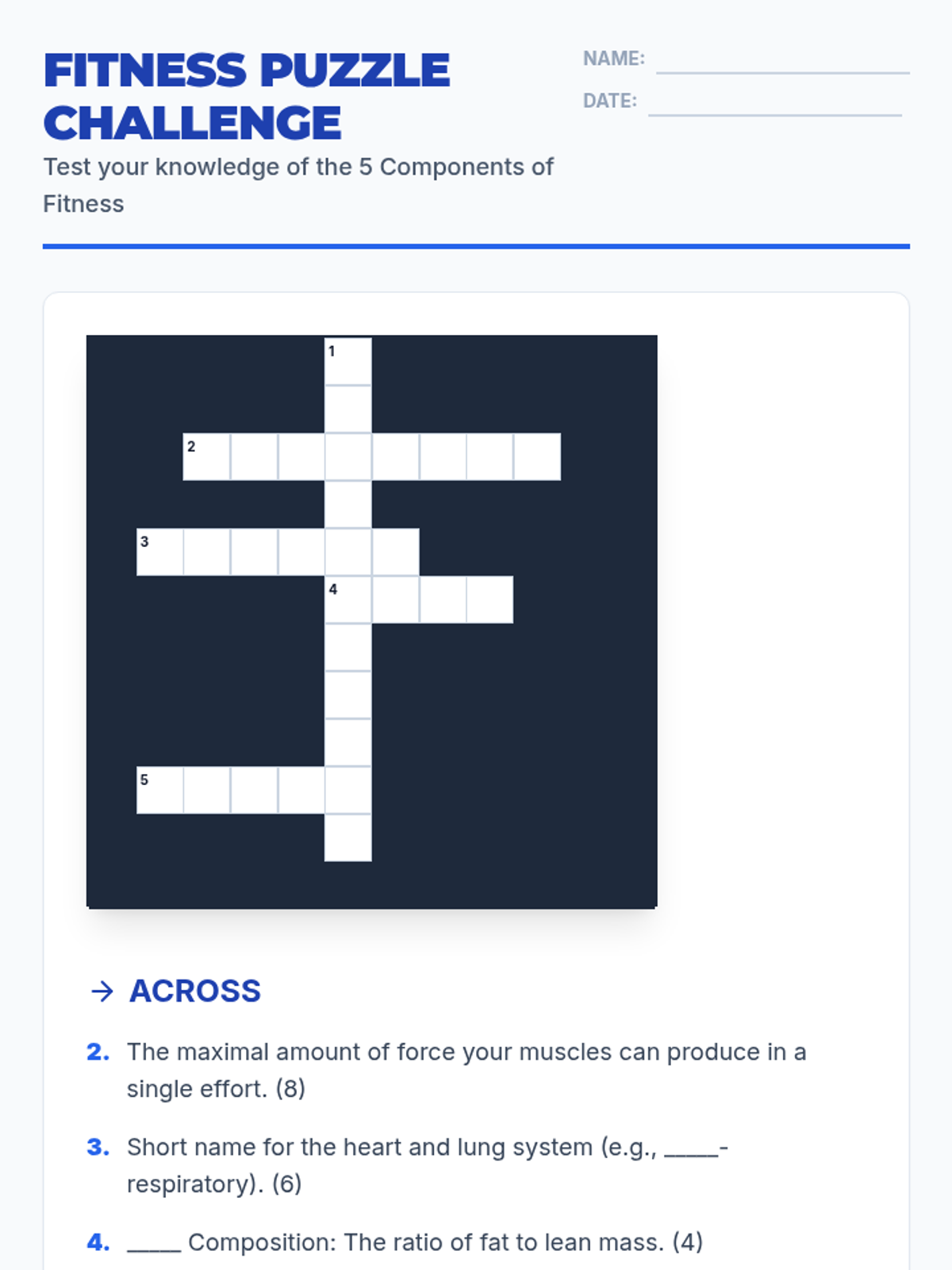
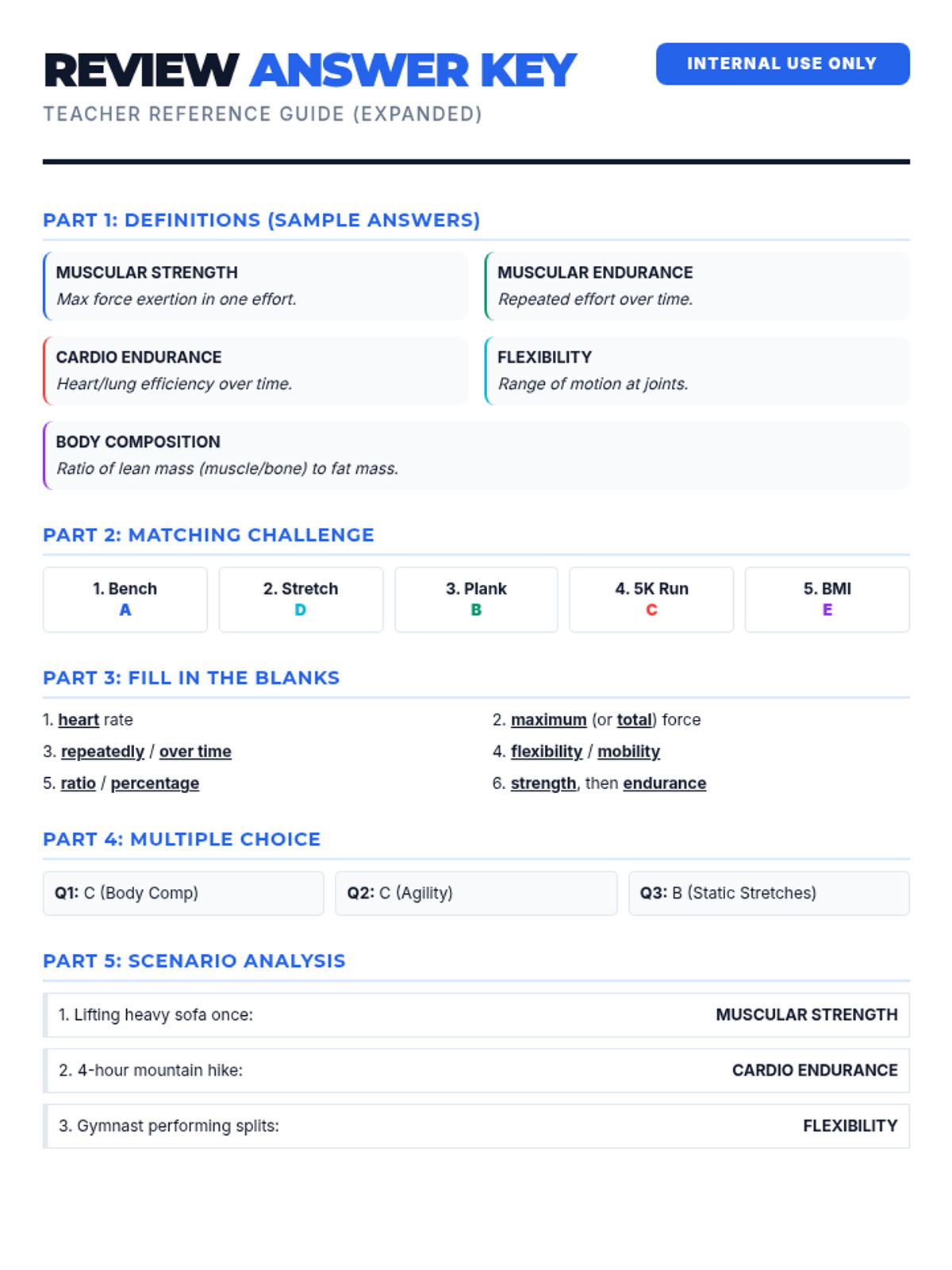
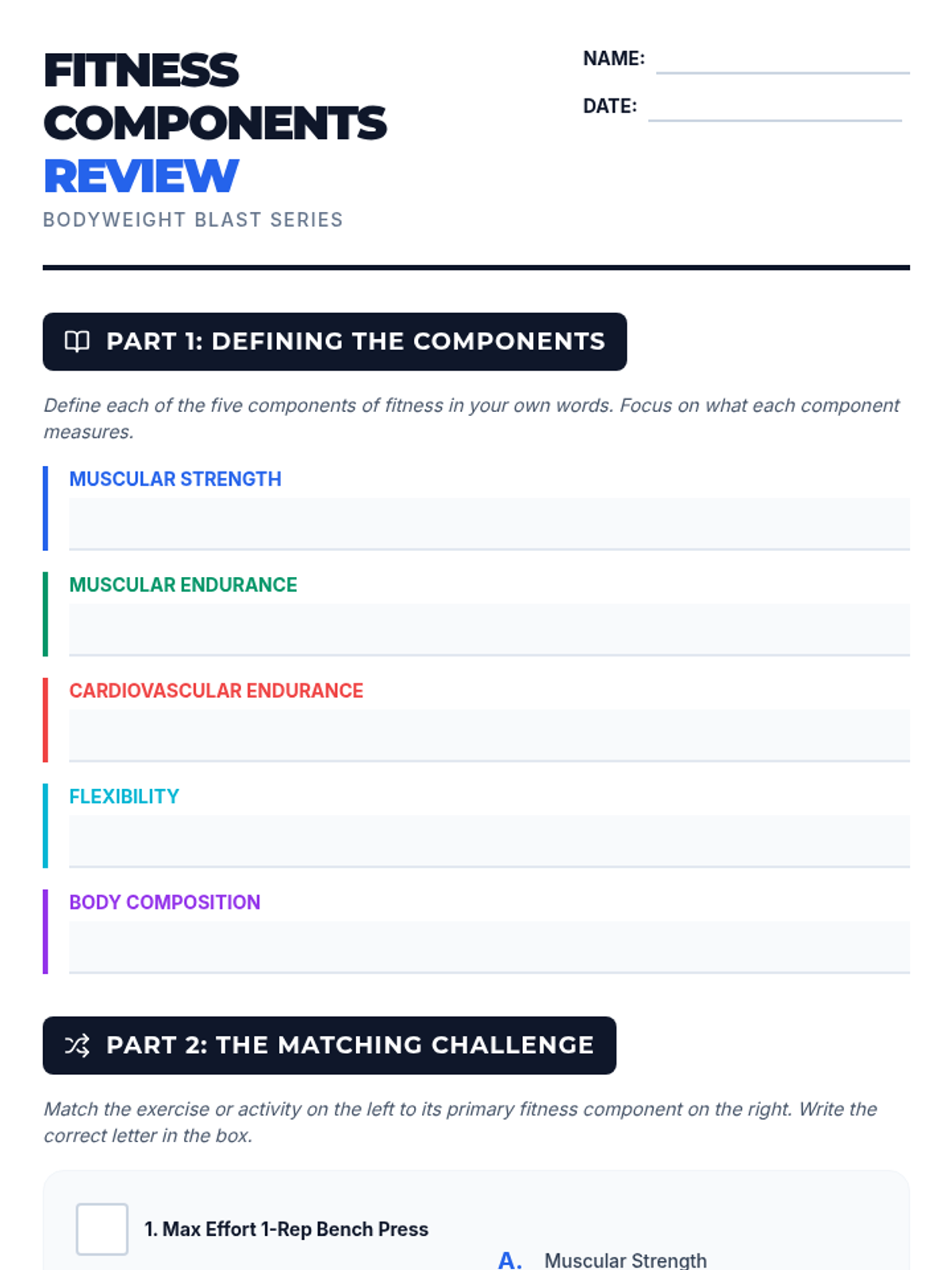
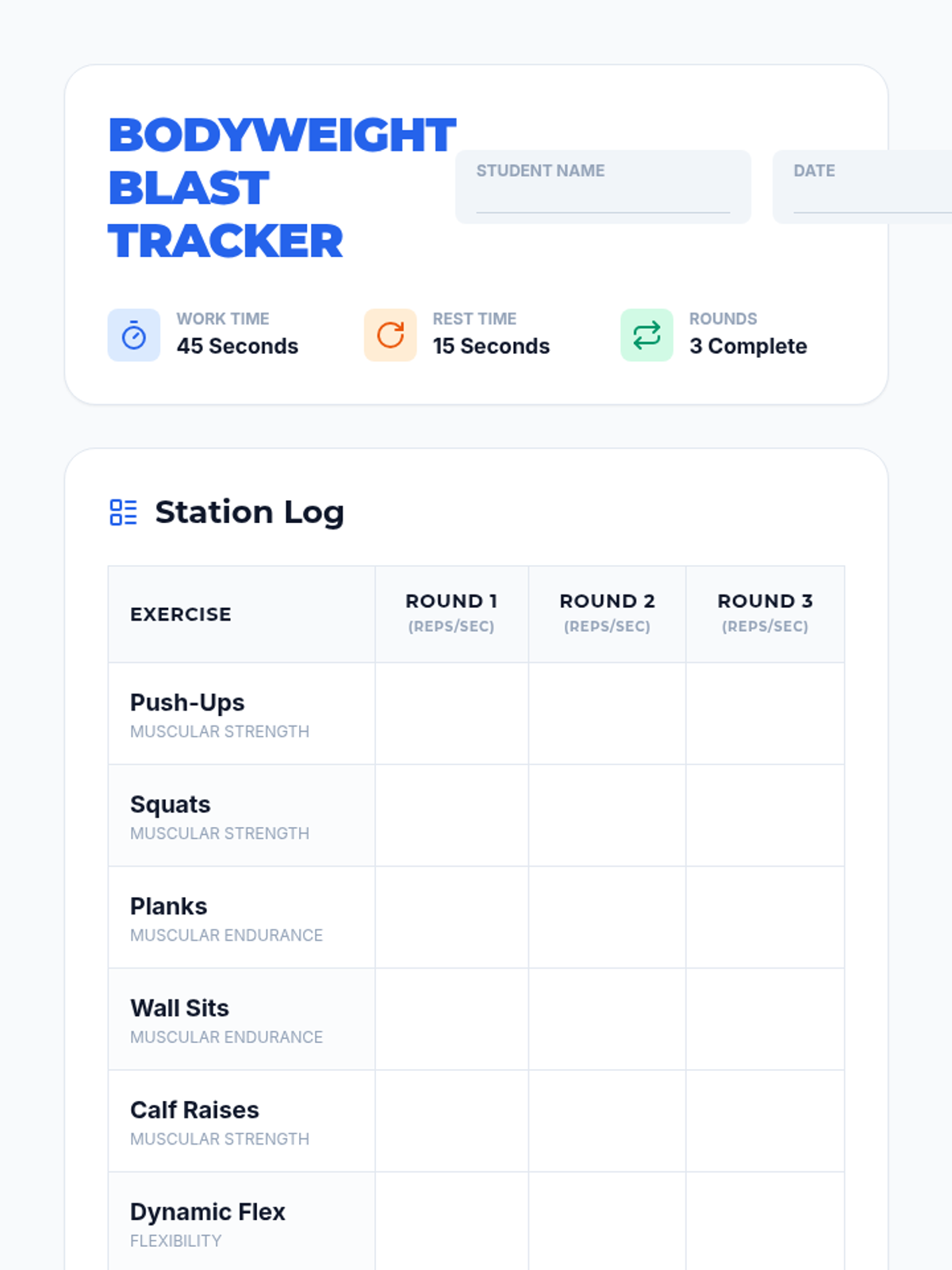
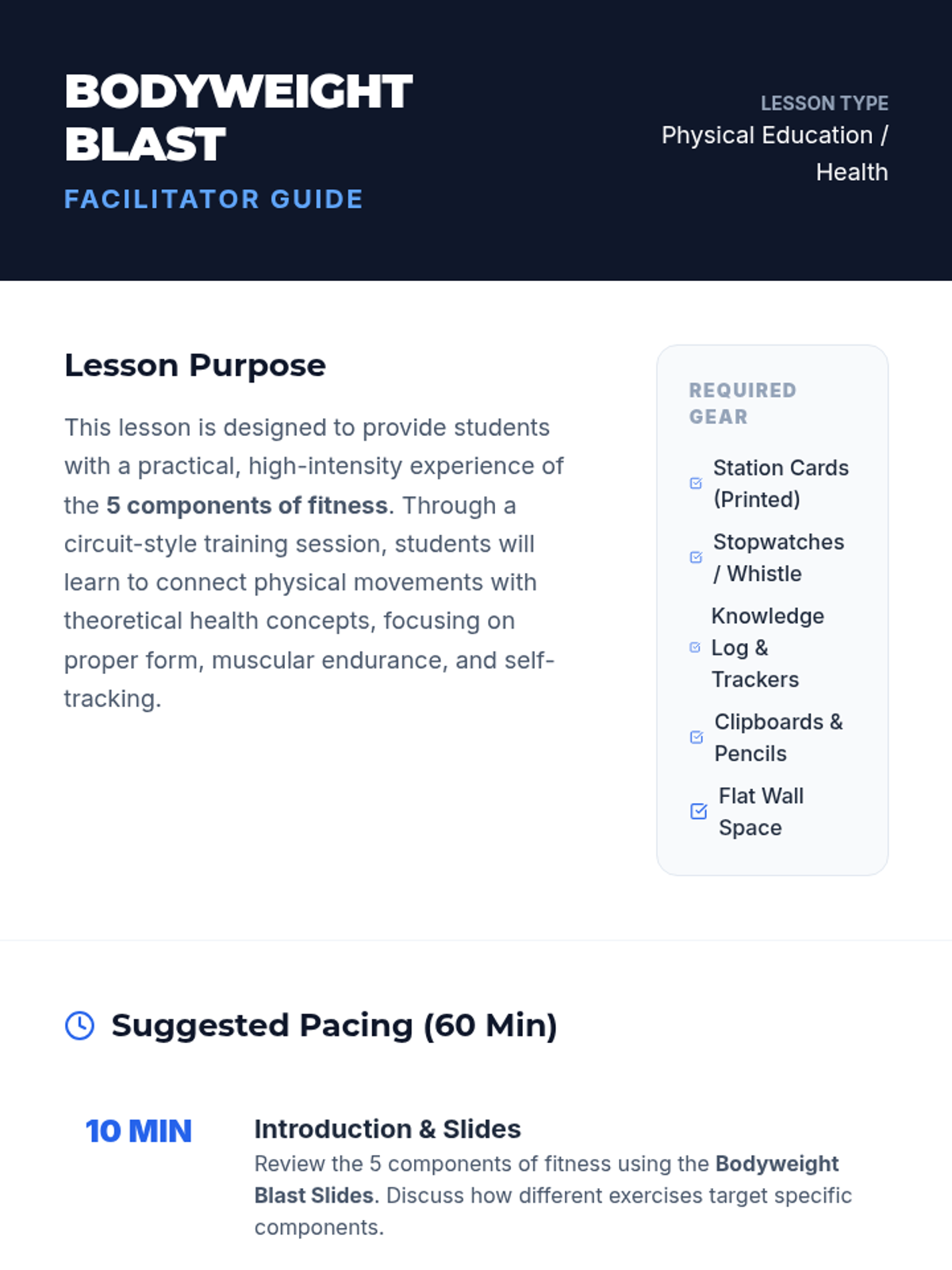
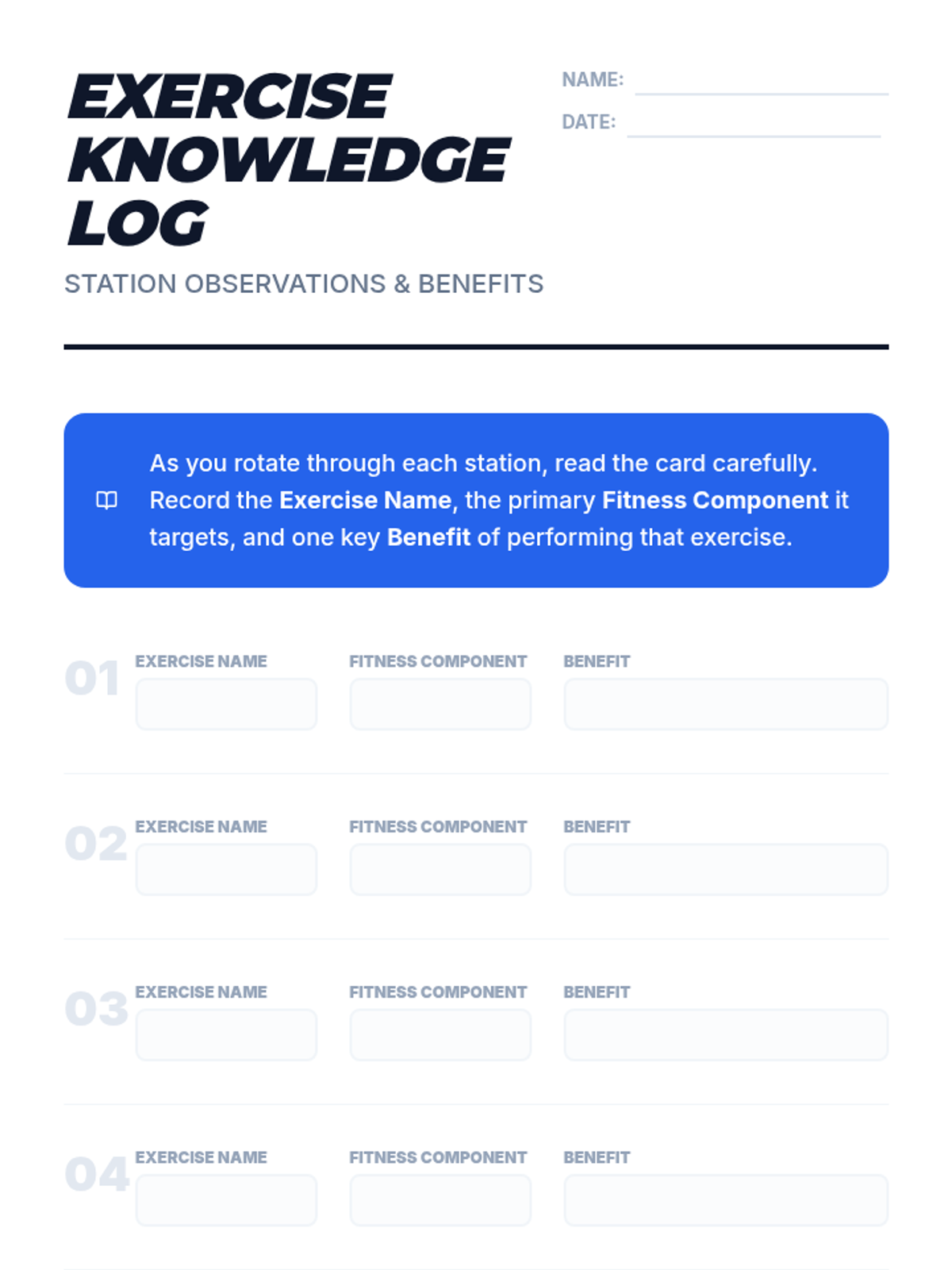
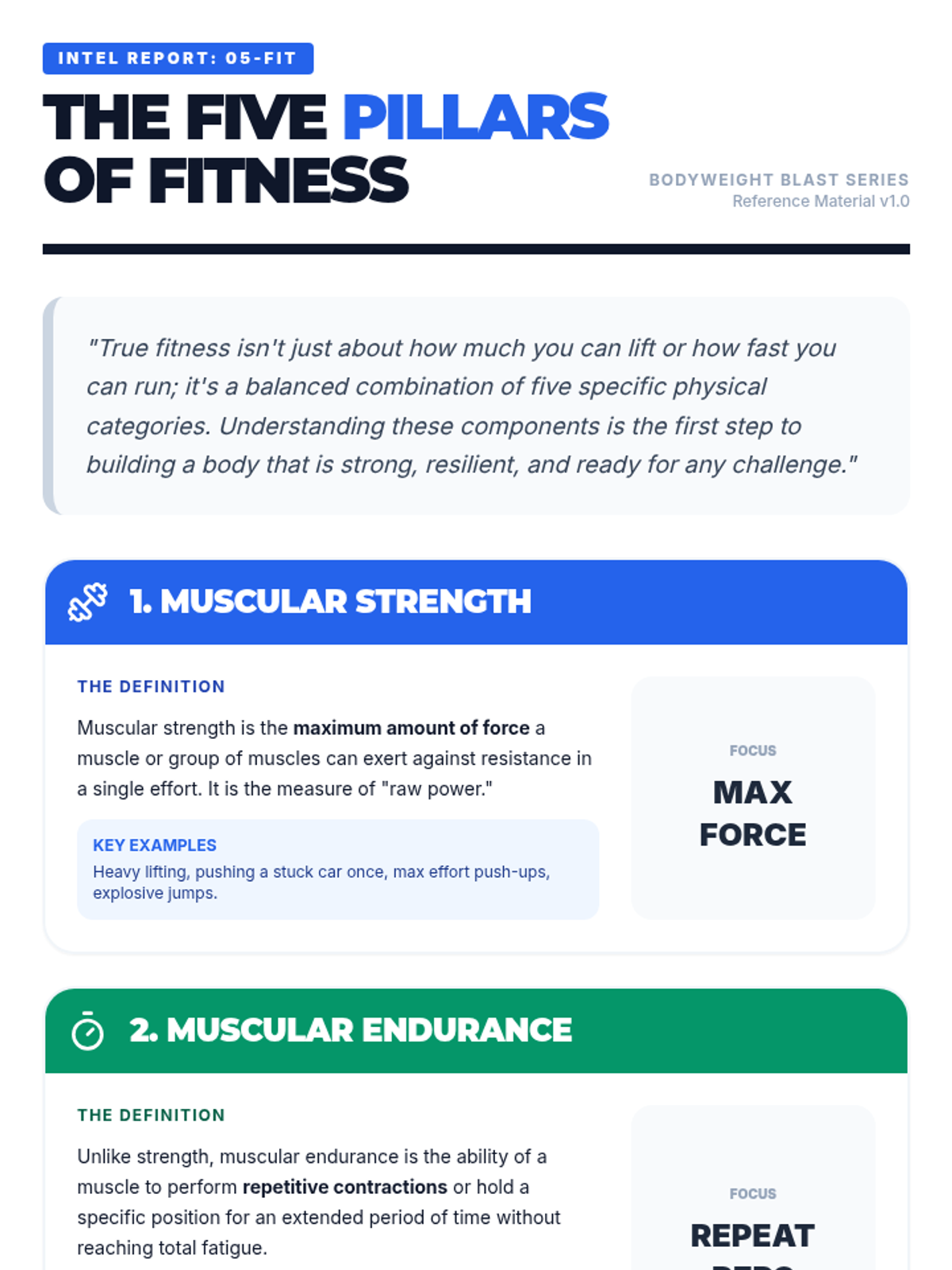
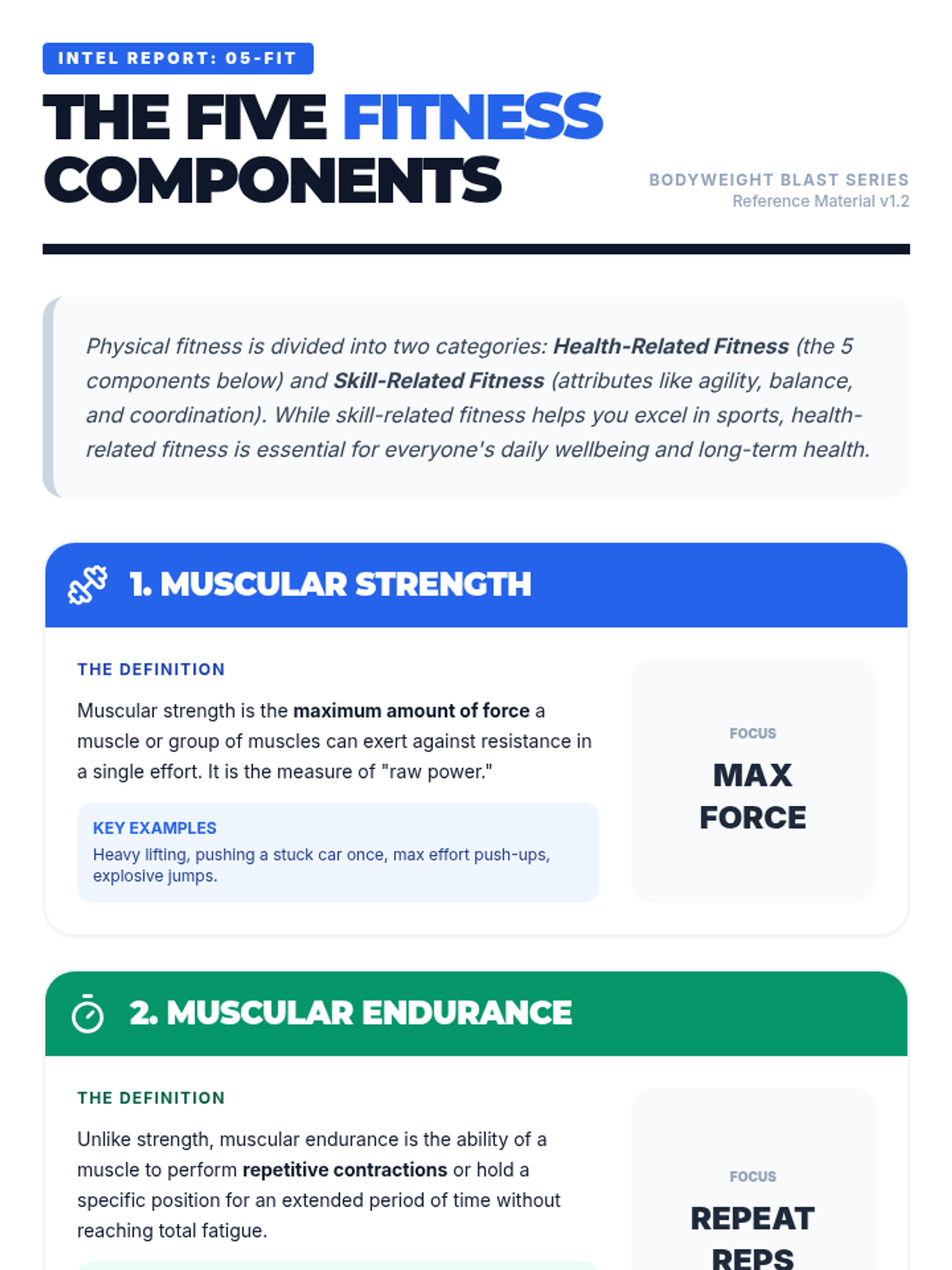
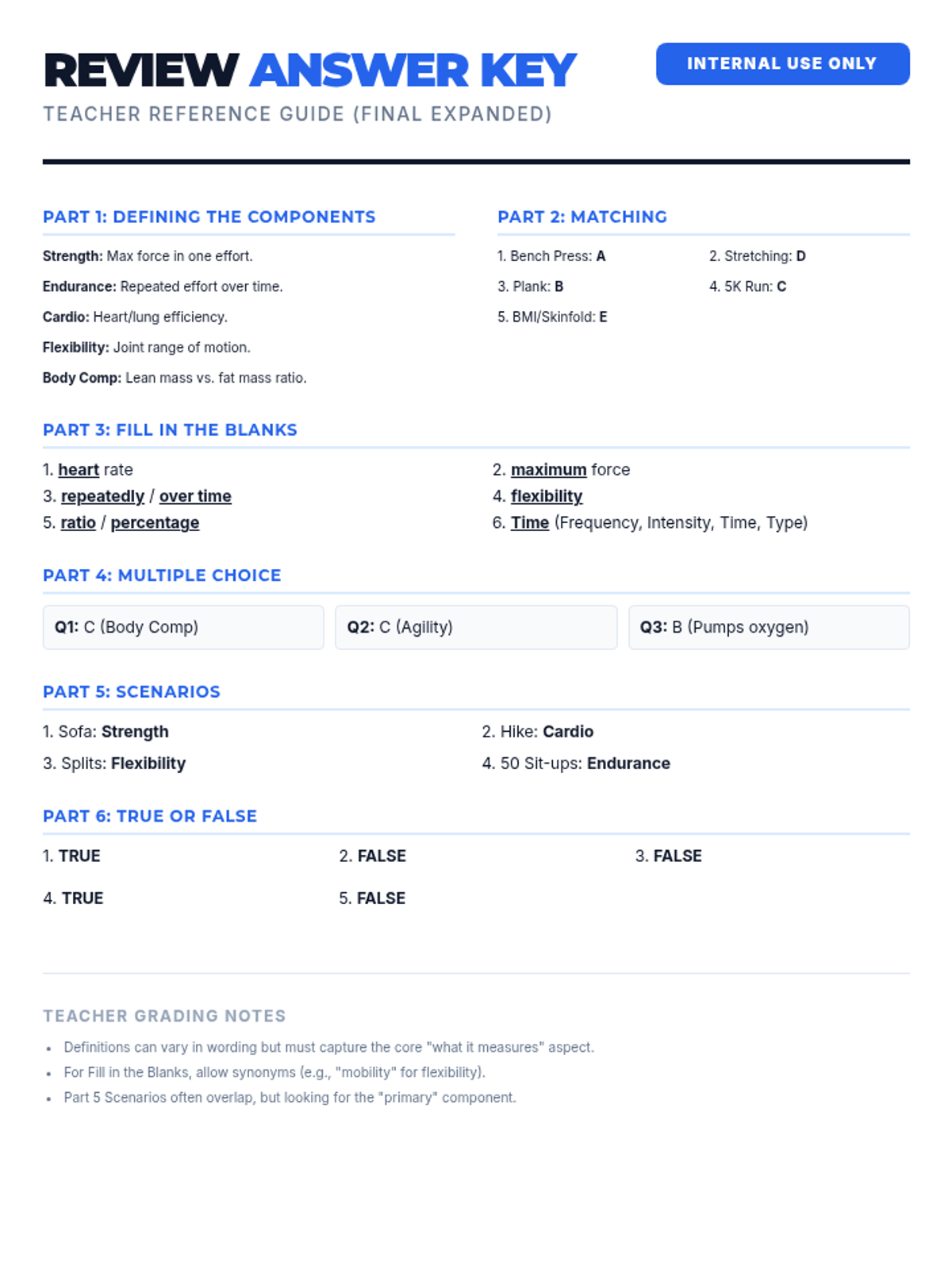
A high-energy lesson focused on bodyweight exercises that target the five components of fitness through a circuit-style training session. Students will learn proper form, the benefits of each exercise, and how they contribute to overall health.
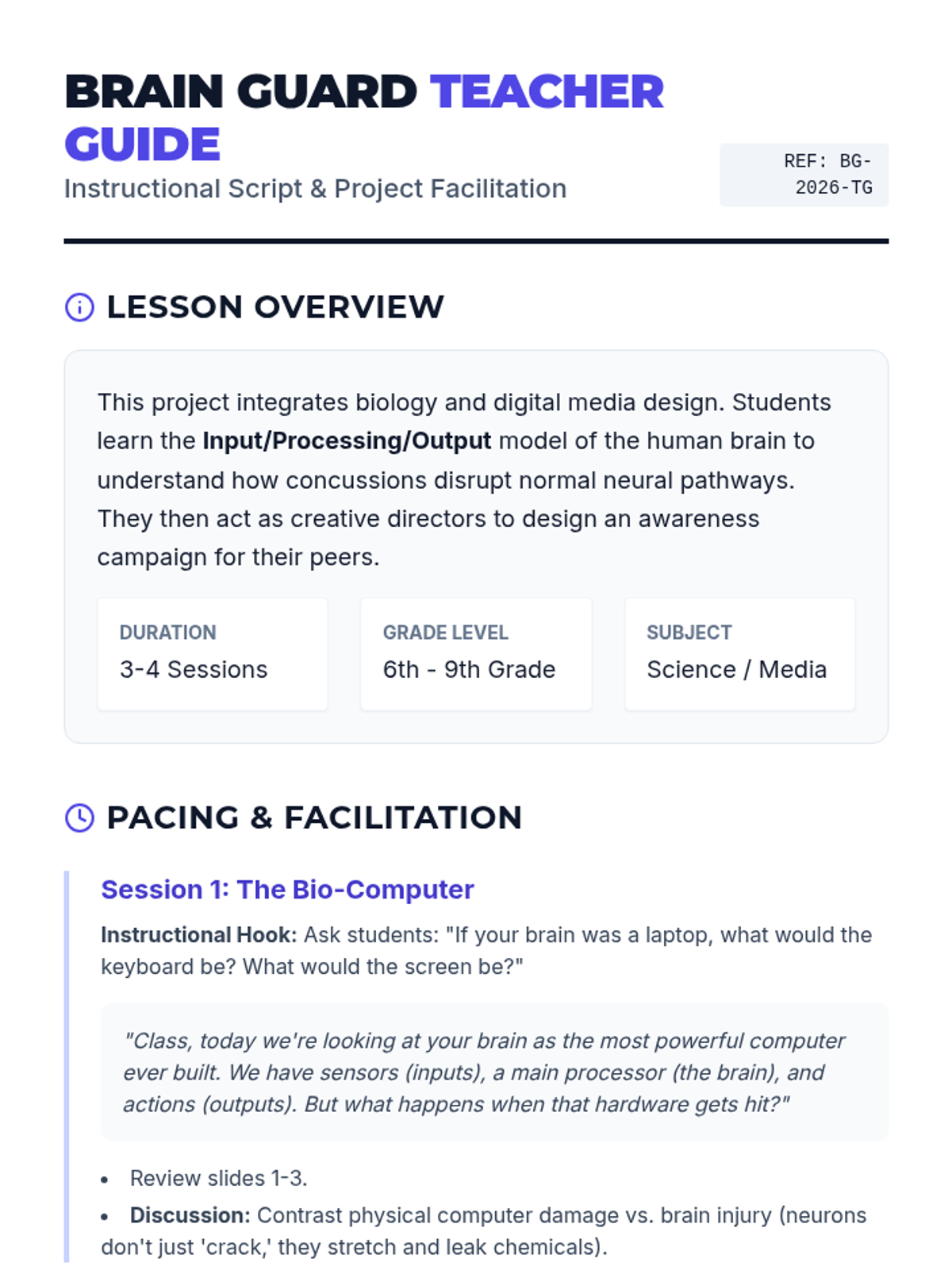
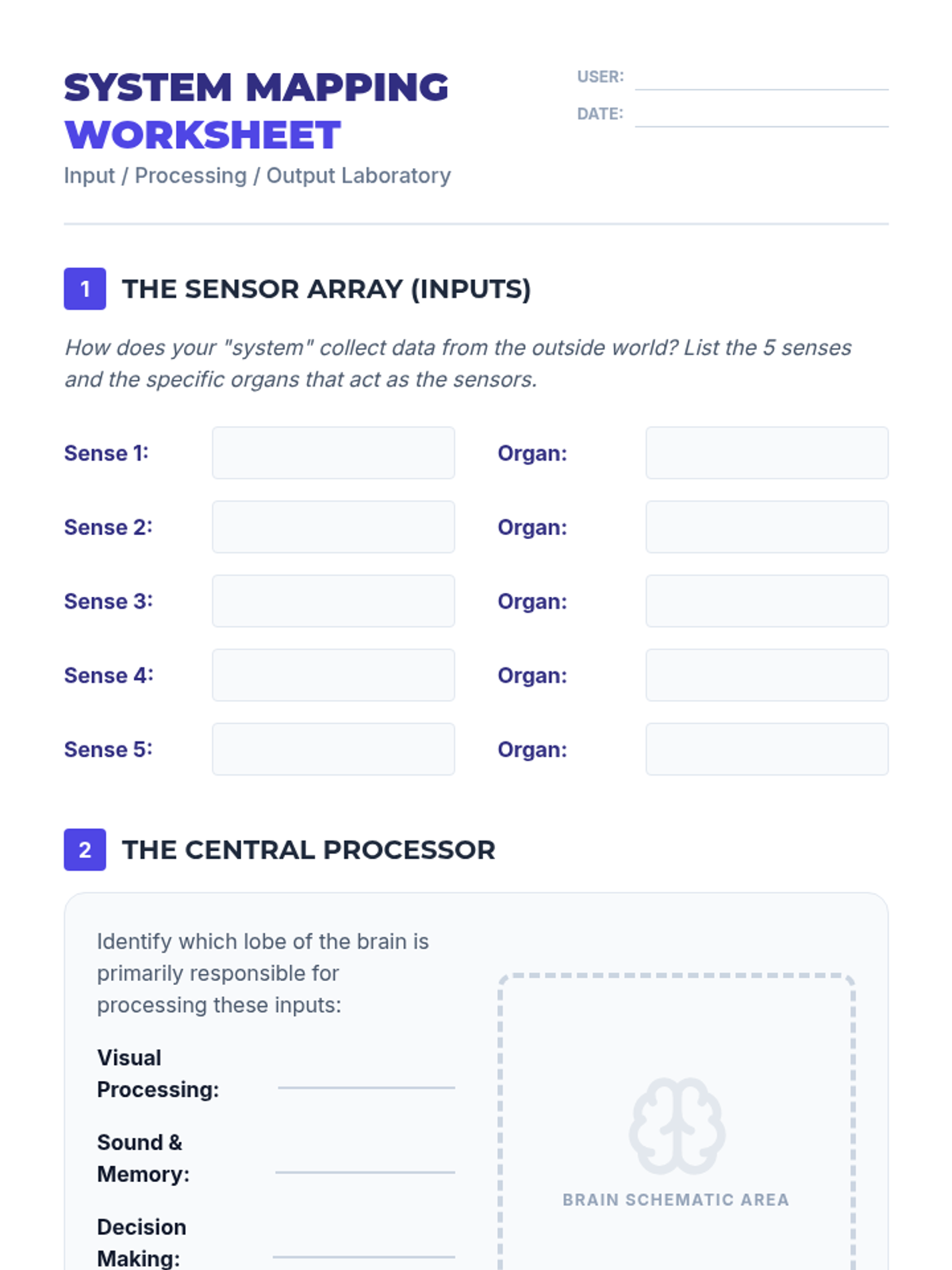
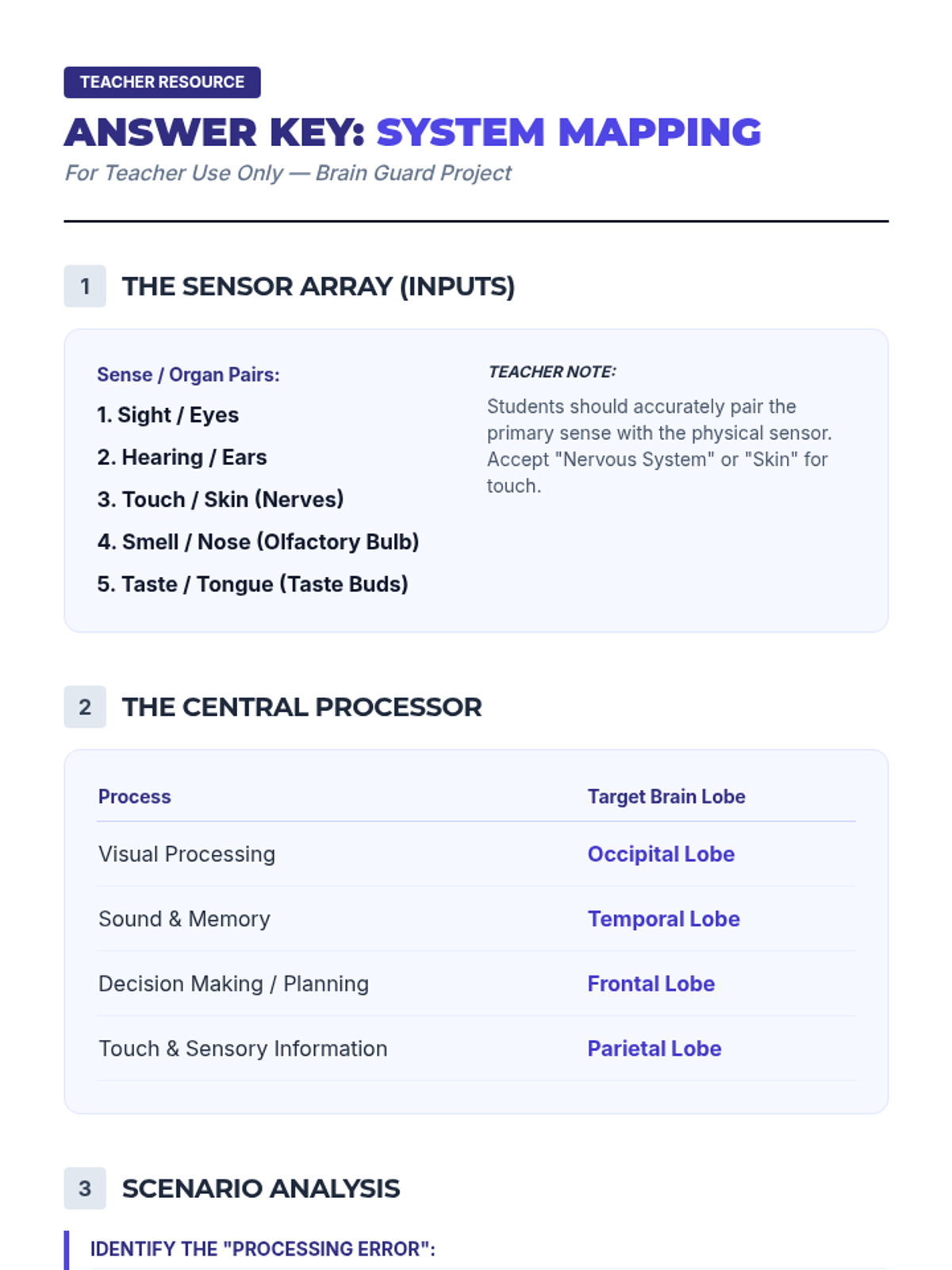
Students explore the brain-as-computer analogy to understand input, processing, and output. They then apply this knowledge to create a concussion awareness campaign using a design process, focusing on the importance of brain safety and injury prevention.
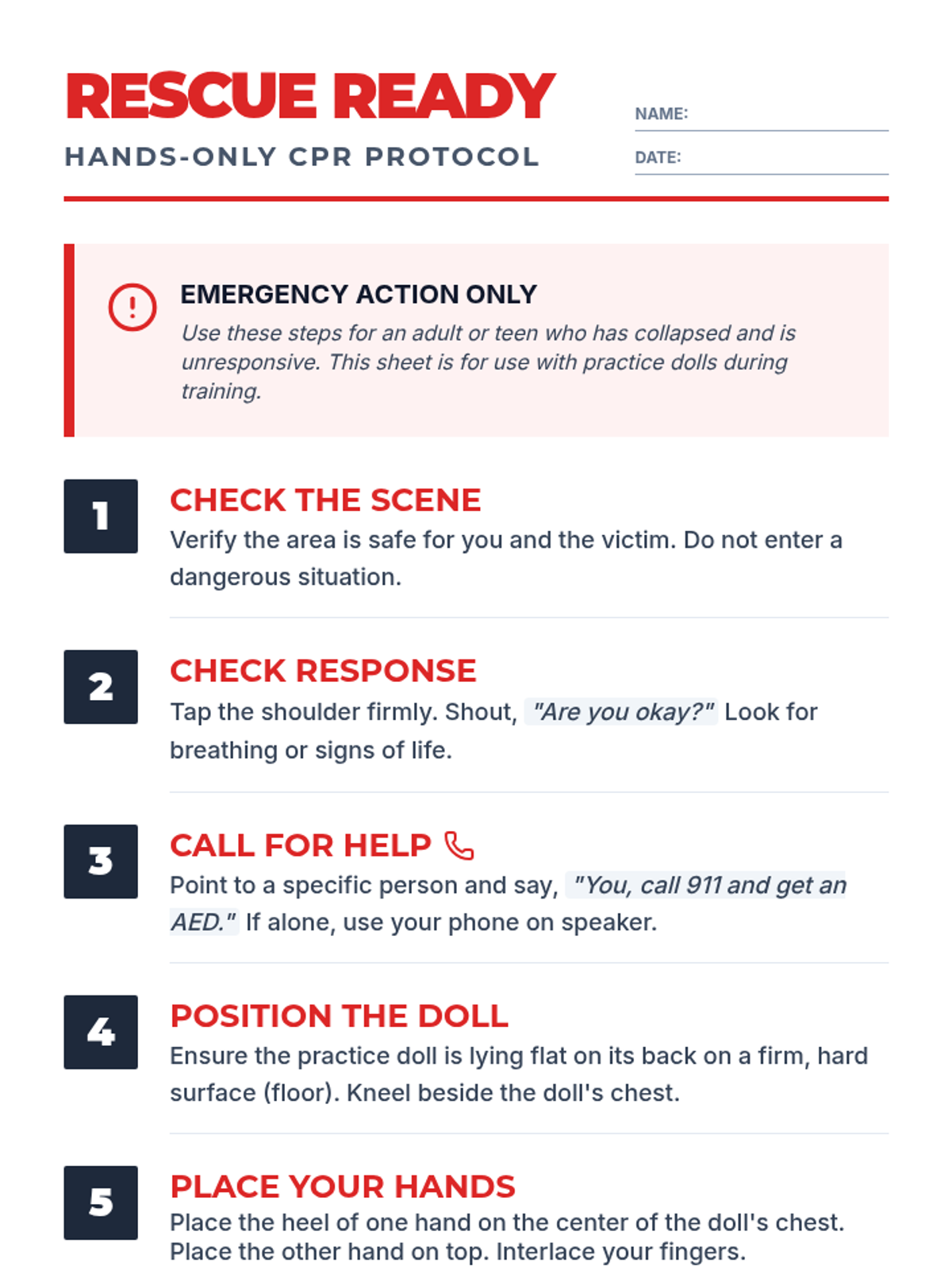
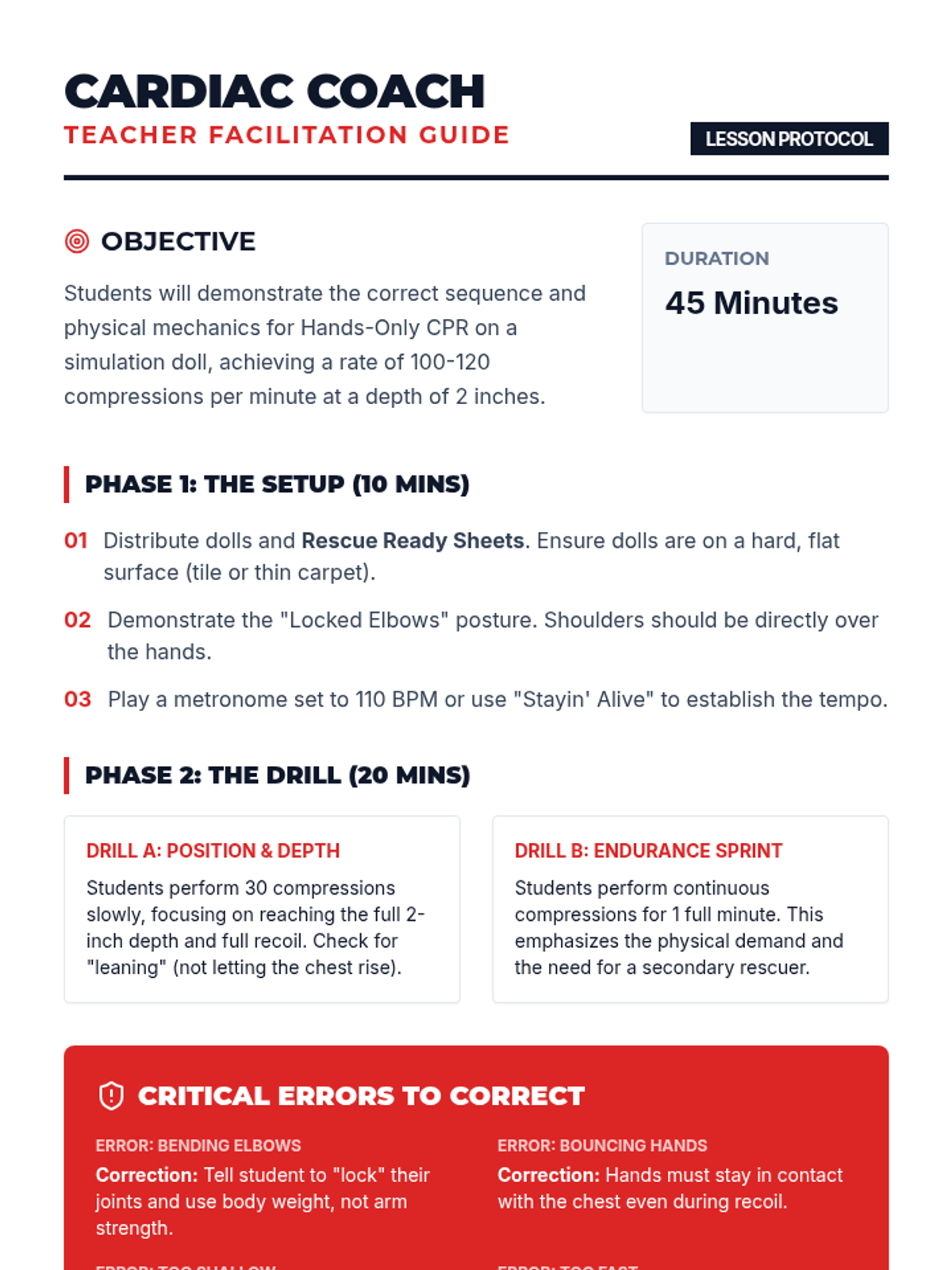
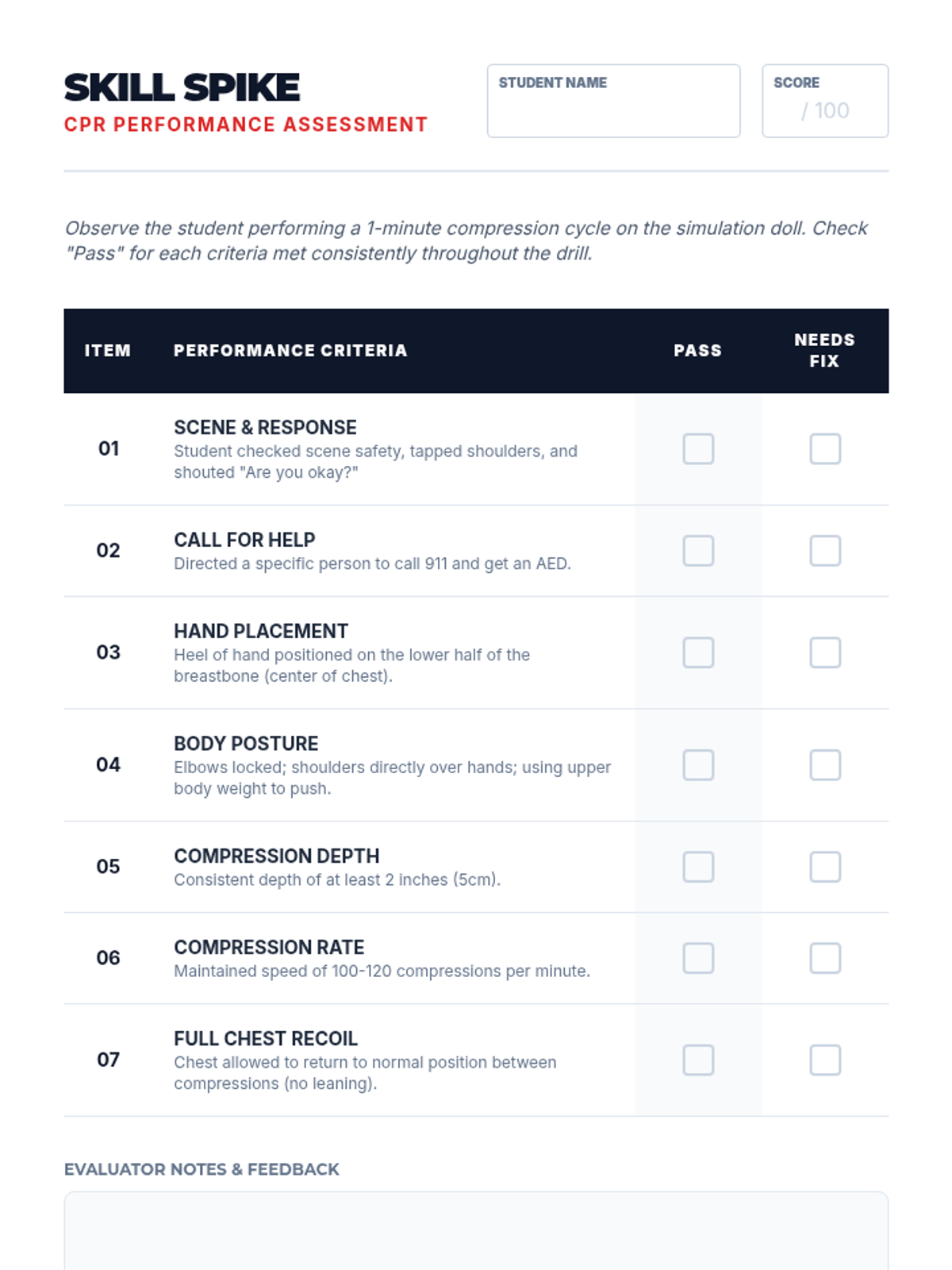
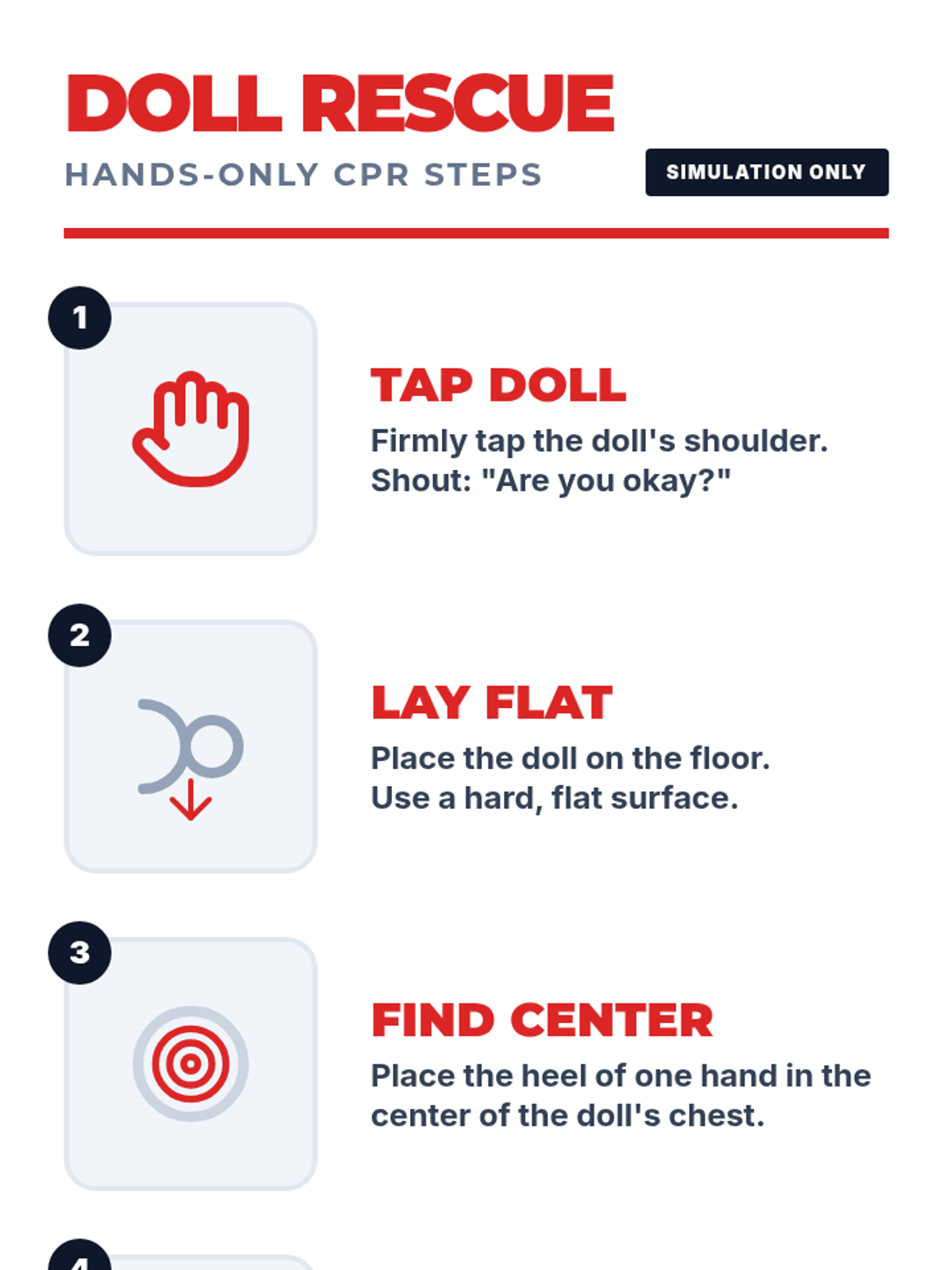
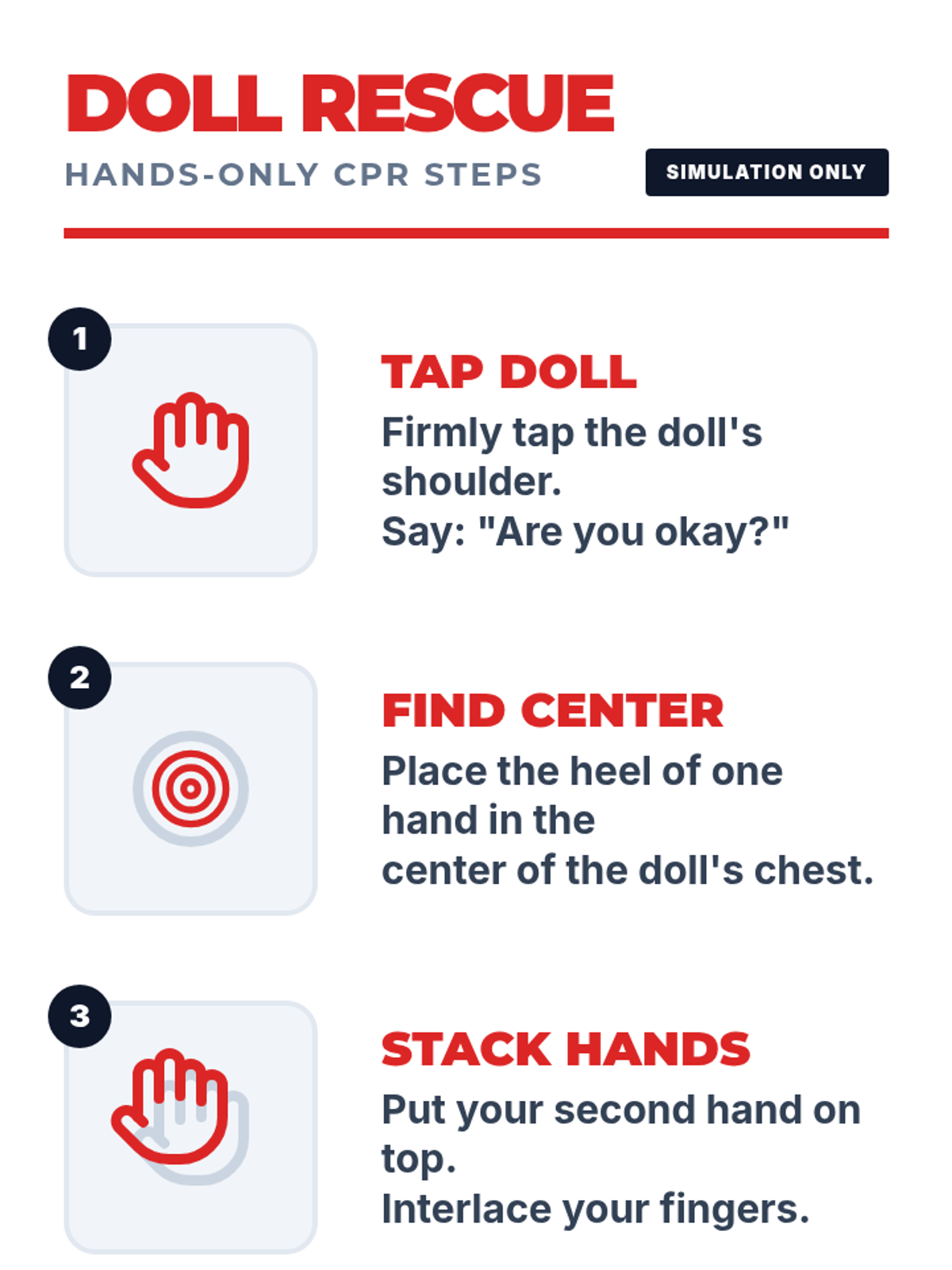
A lesson focused on the immediate actions required for Hands-Only CPR, specifically designed for practice sessions using simulation dolls. Students learn to respond quickly and perform high-quality chest compressions.
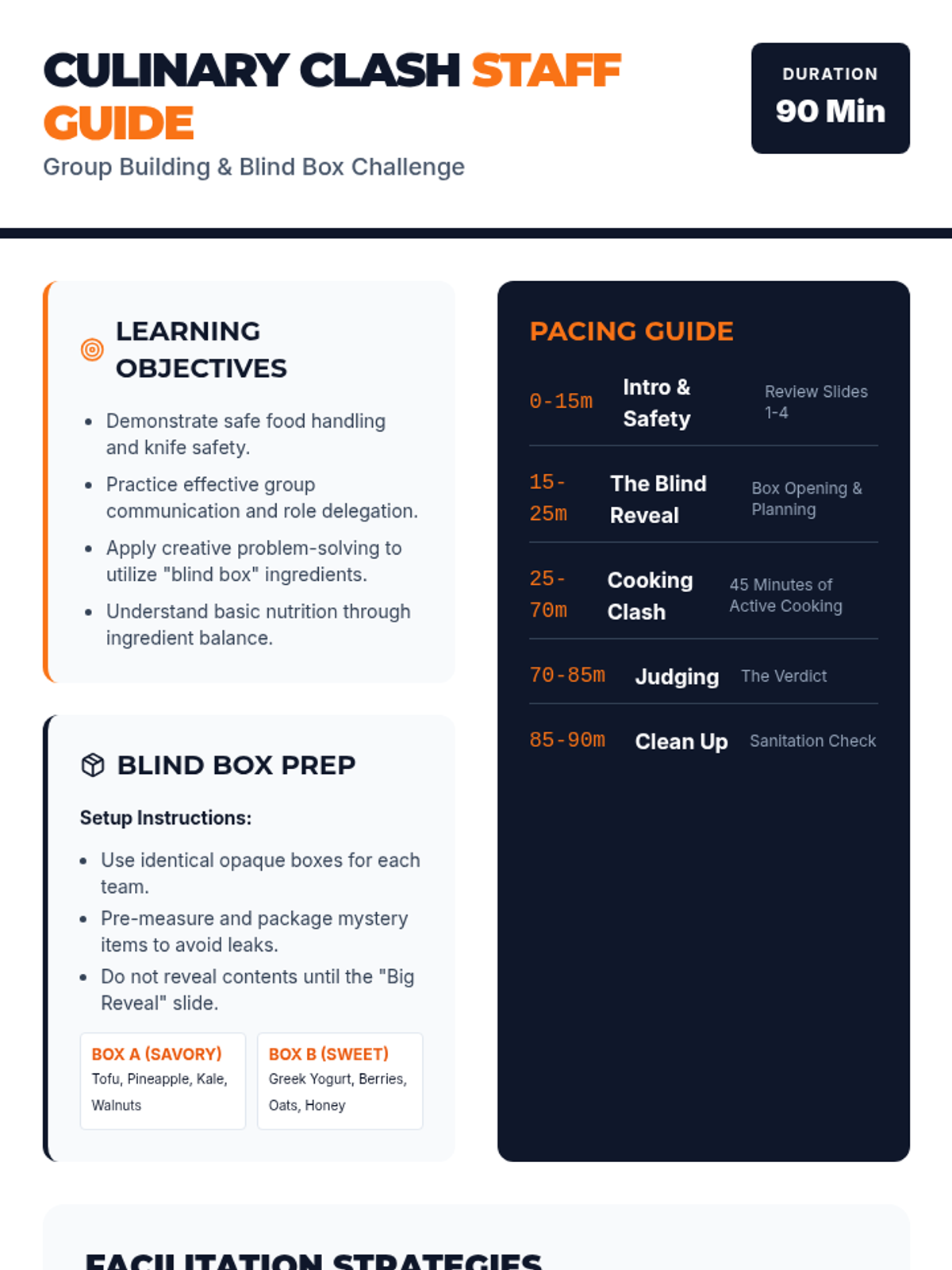
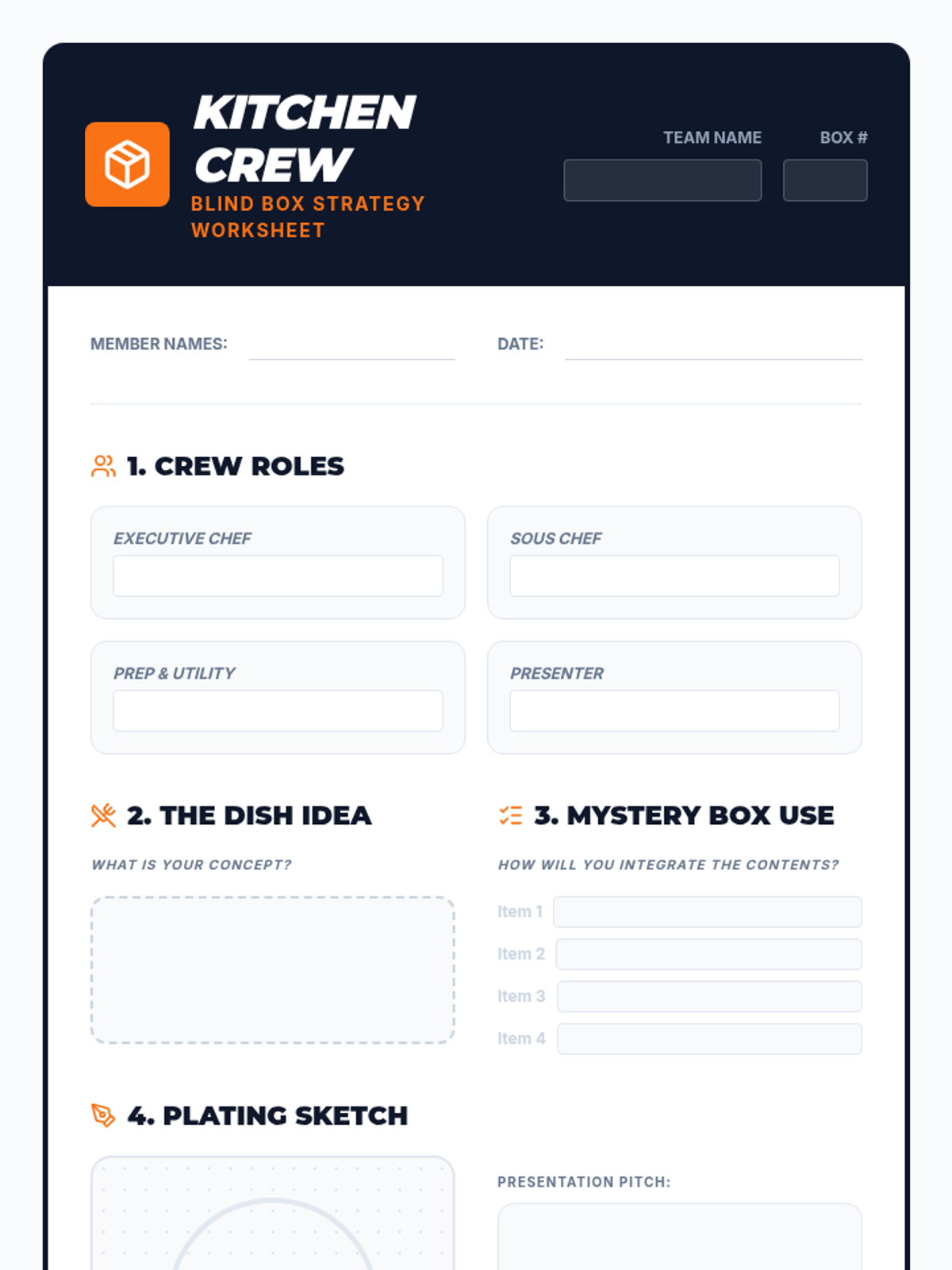
A team-building culinary challenge inspired by the "Chopped" competition style, designed to foster cooperation, creativity, and kitchen safety skills.
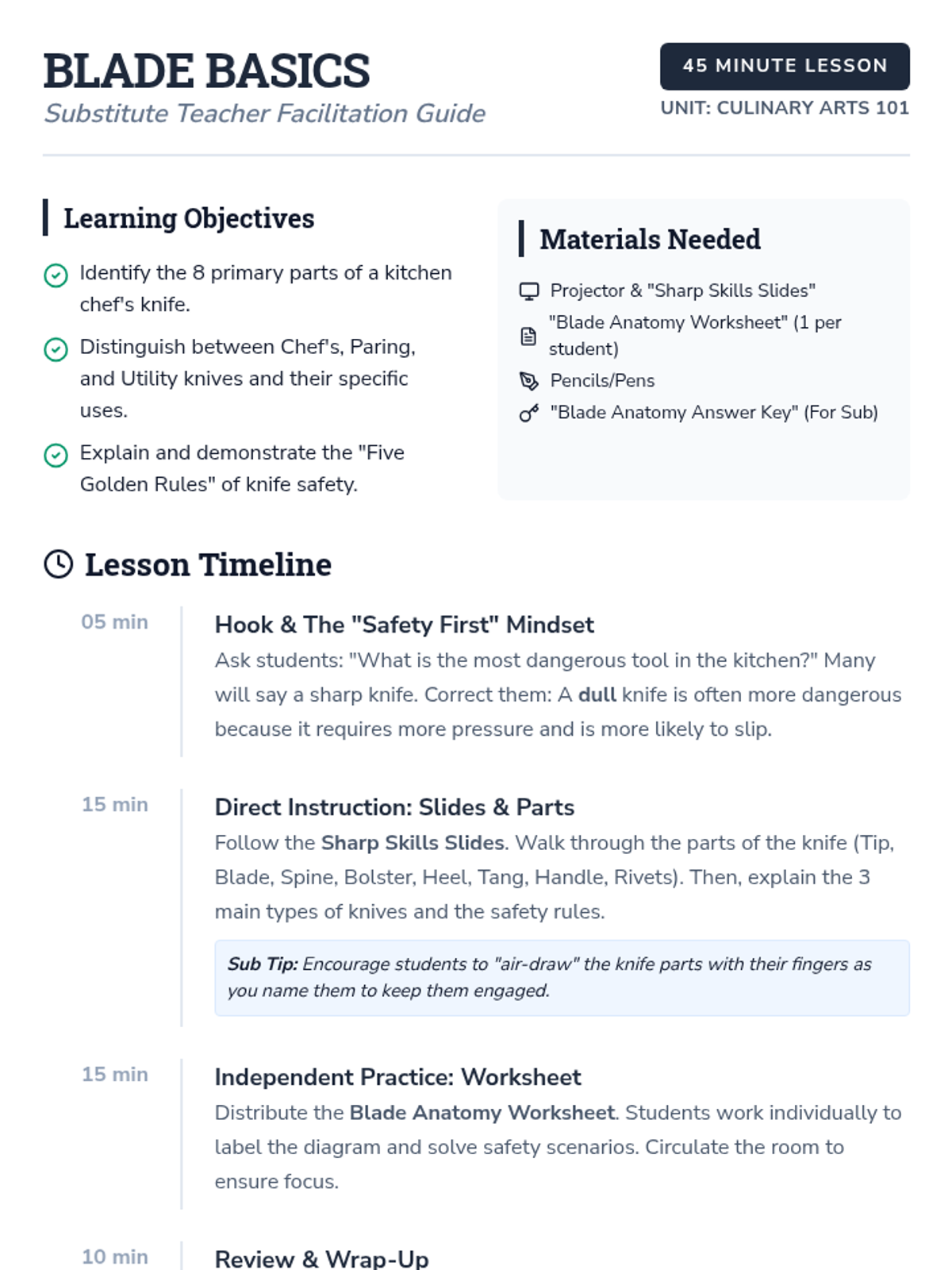
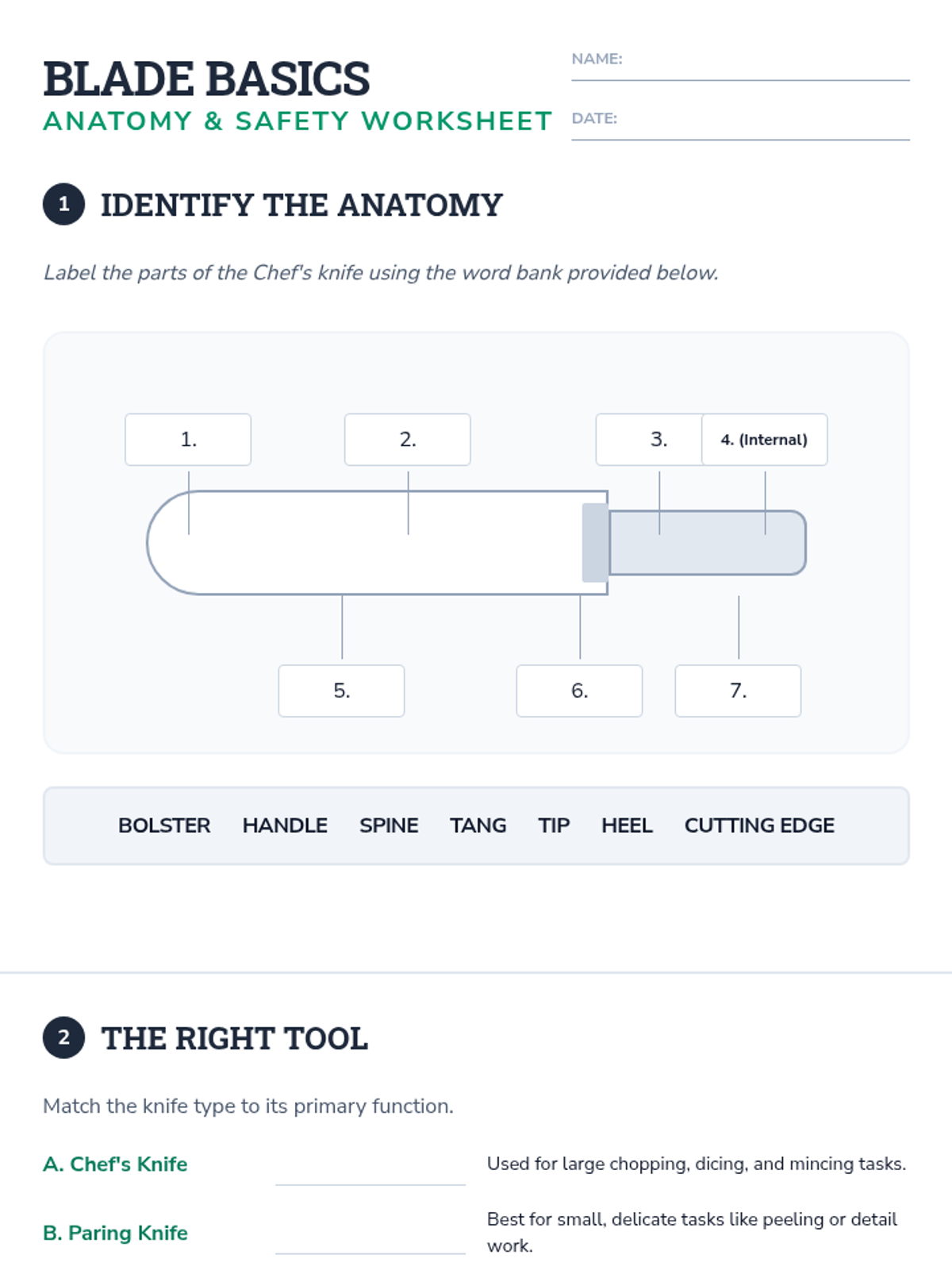
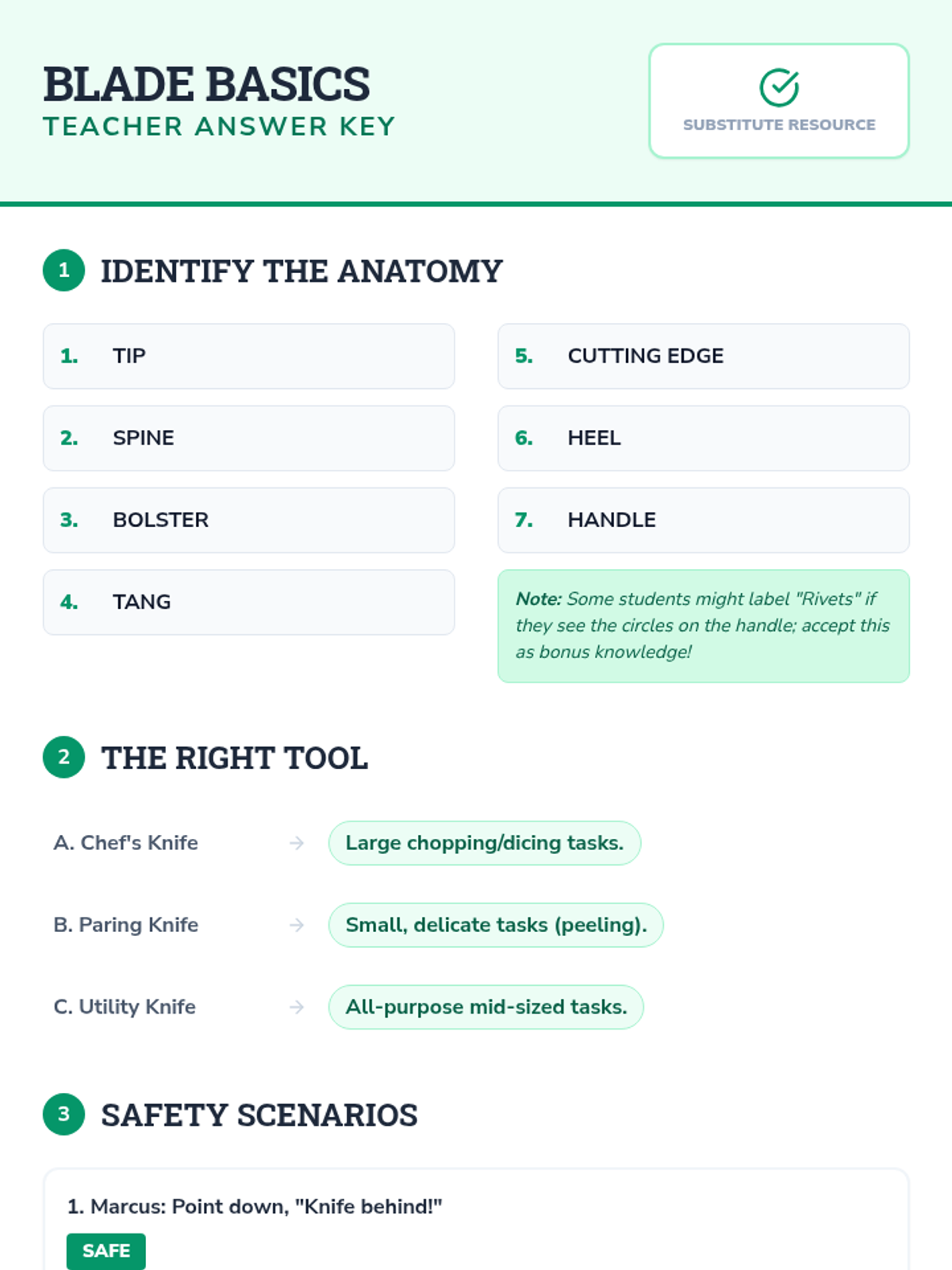
A comprehensive 45-minute introduction to kitchen knife safety, anatomy, and functions designed specifically for middle school students and substitute teachers.
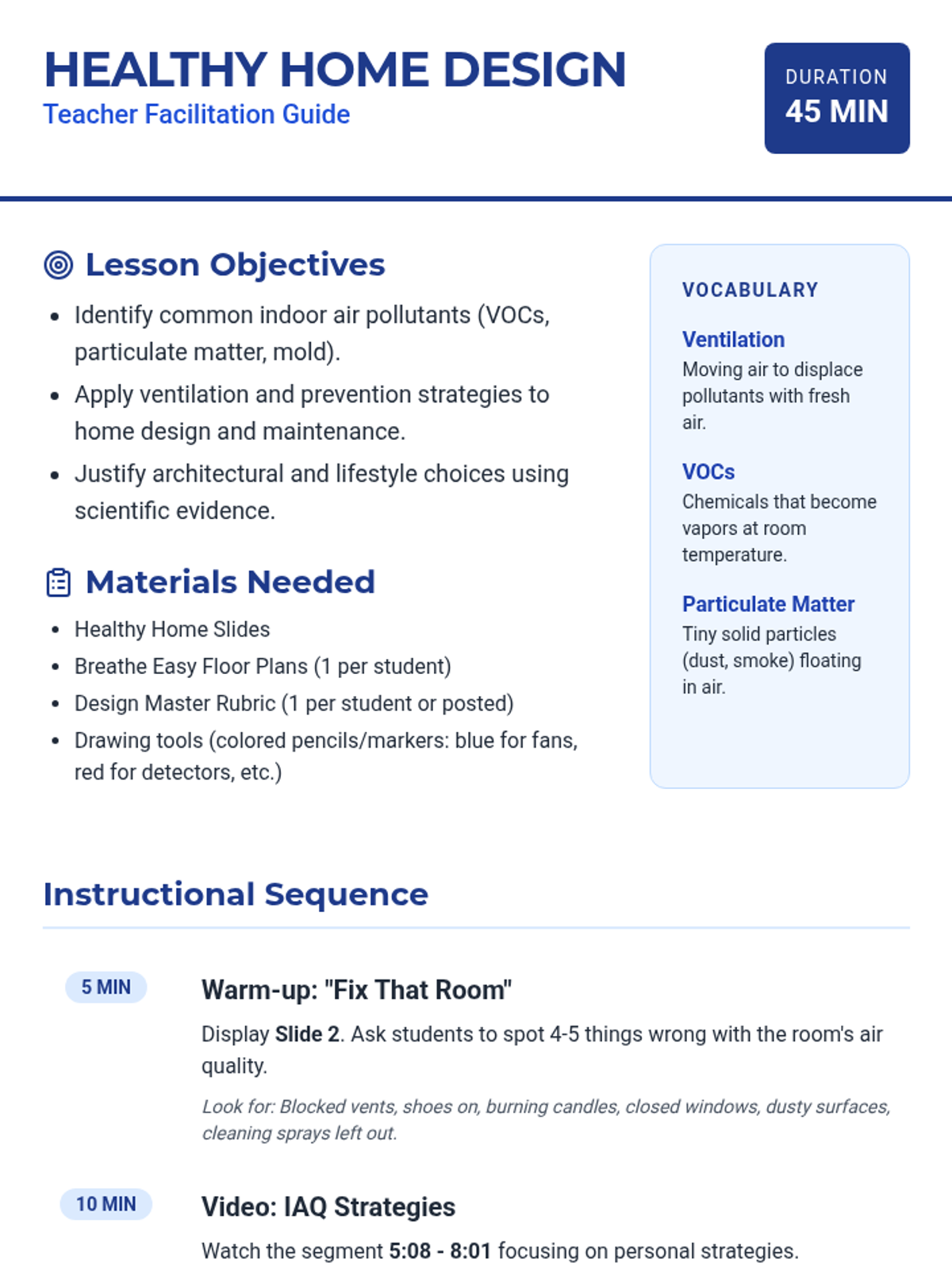
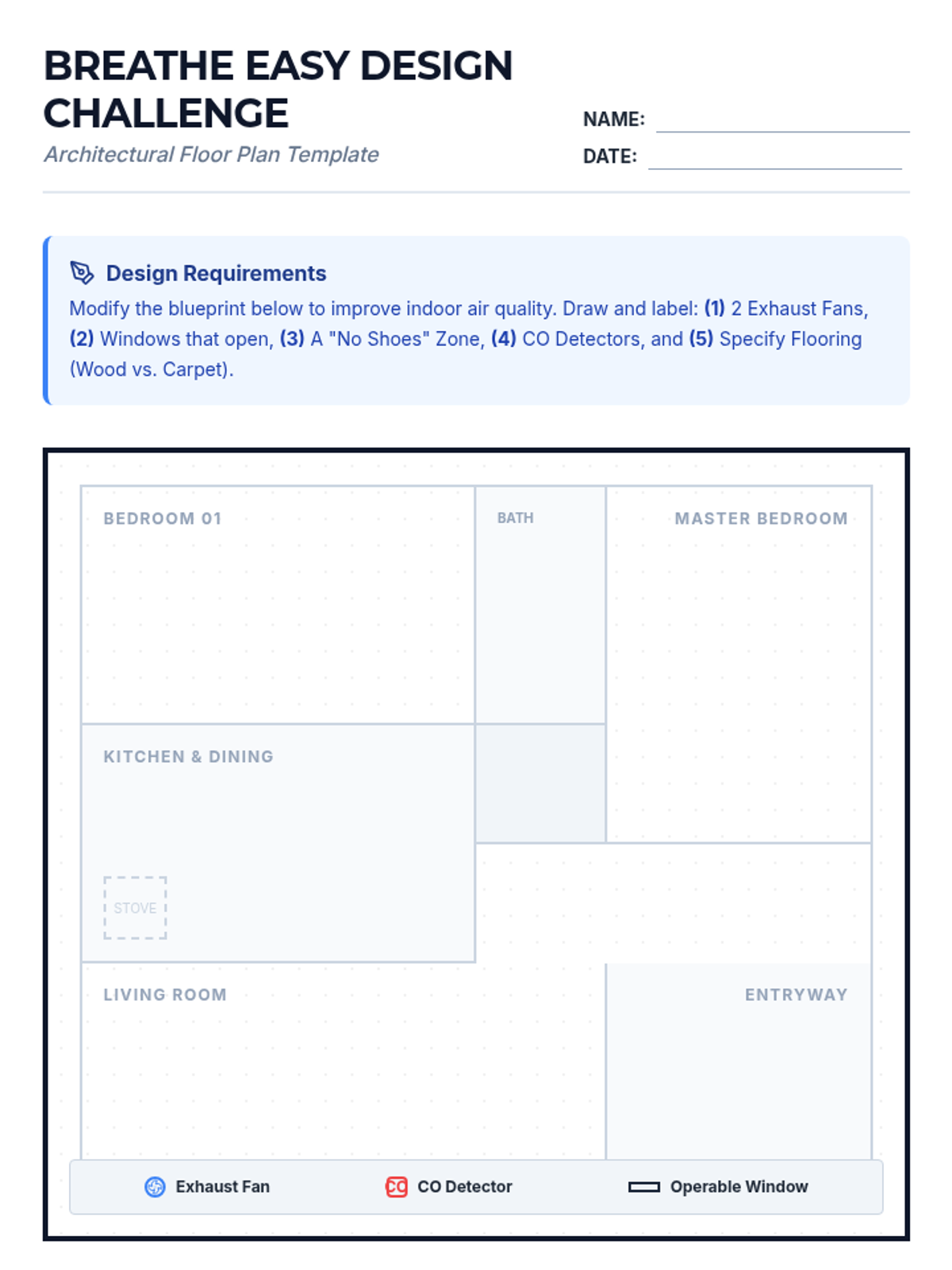
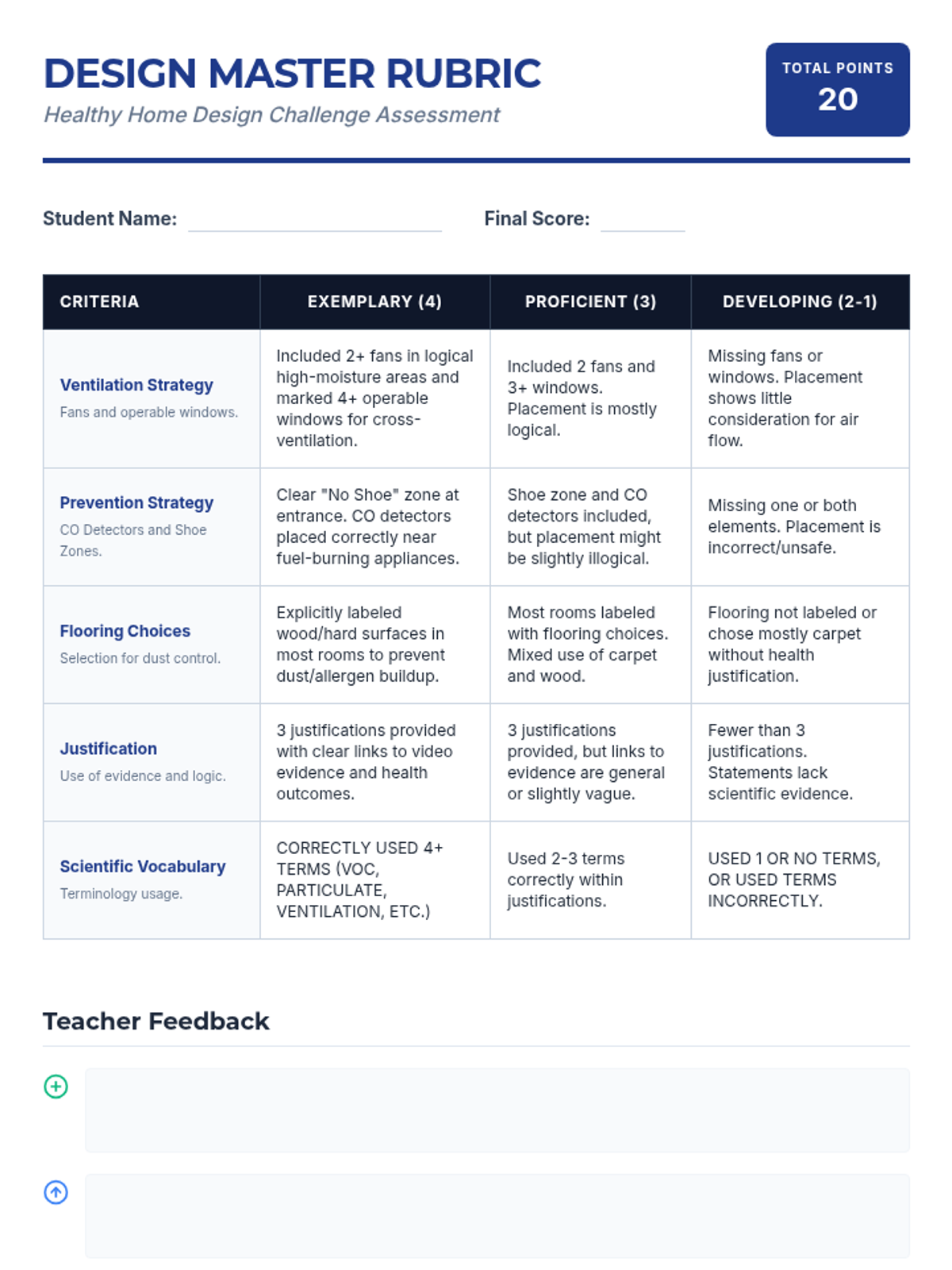
Students learn to identify indoor air pollutants and apply ventilation and prevention strategies to home design. The lesson culminates in a design challenge where students modify house floor plans to optimize air quality.
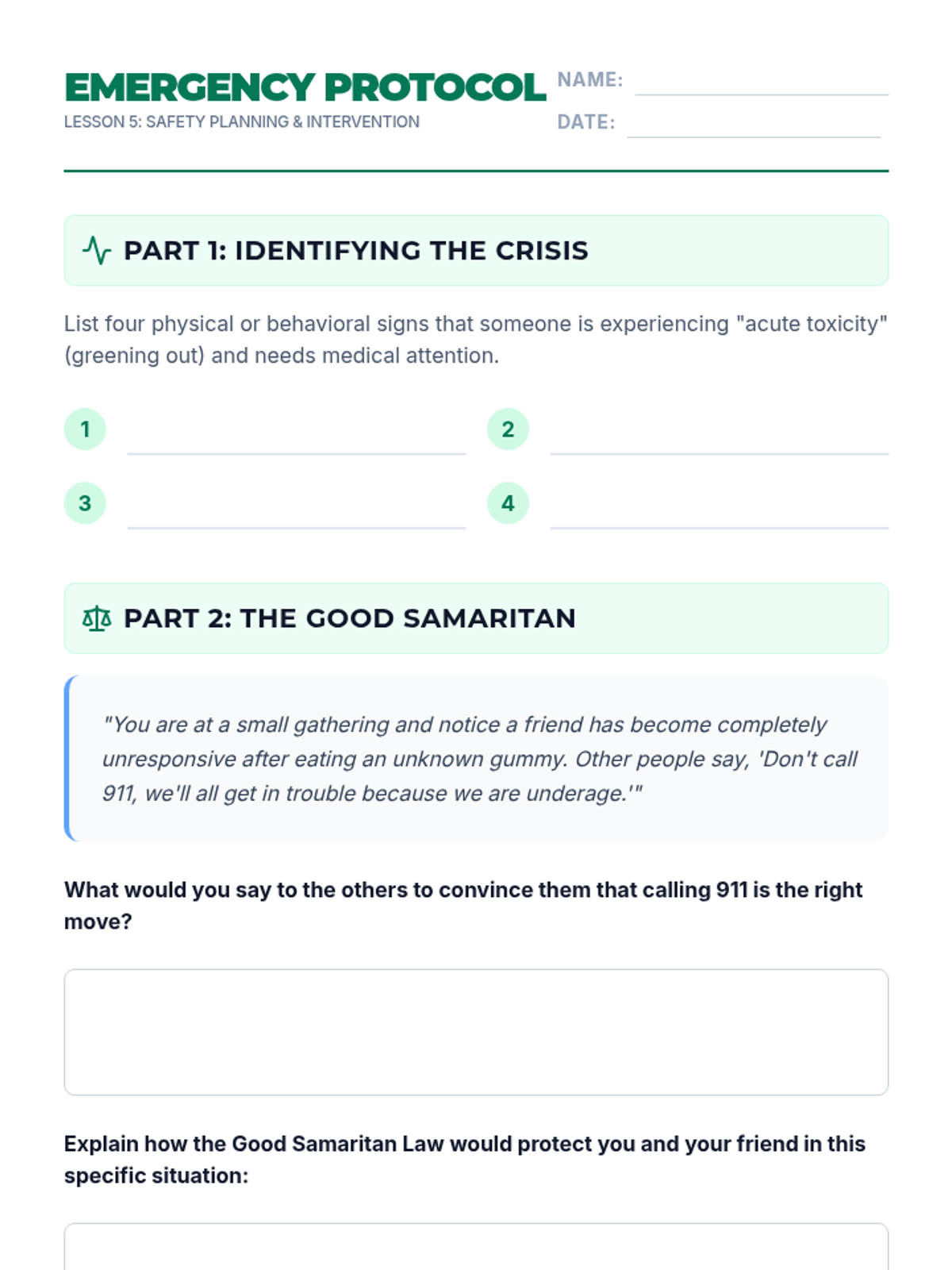
Students develop concrete safety plans for emergency situations, learning to recognize cannabis toxicity and understand Good Samaritan protection.
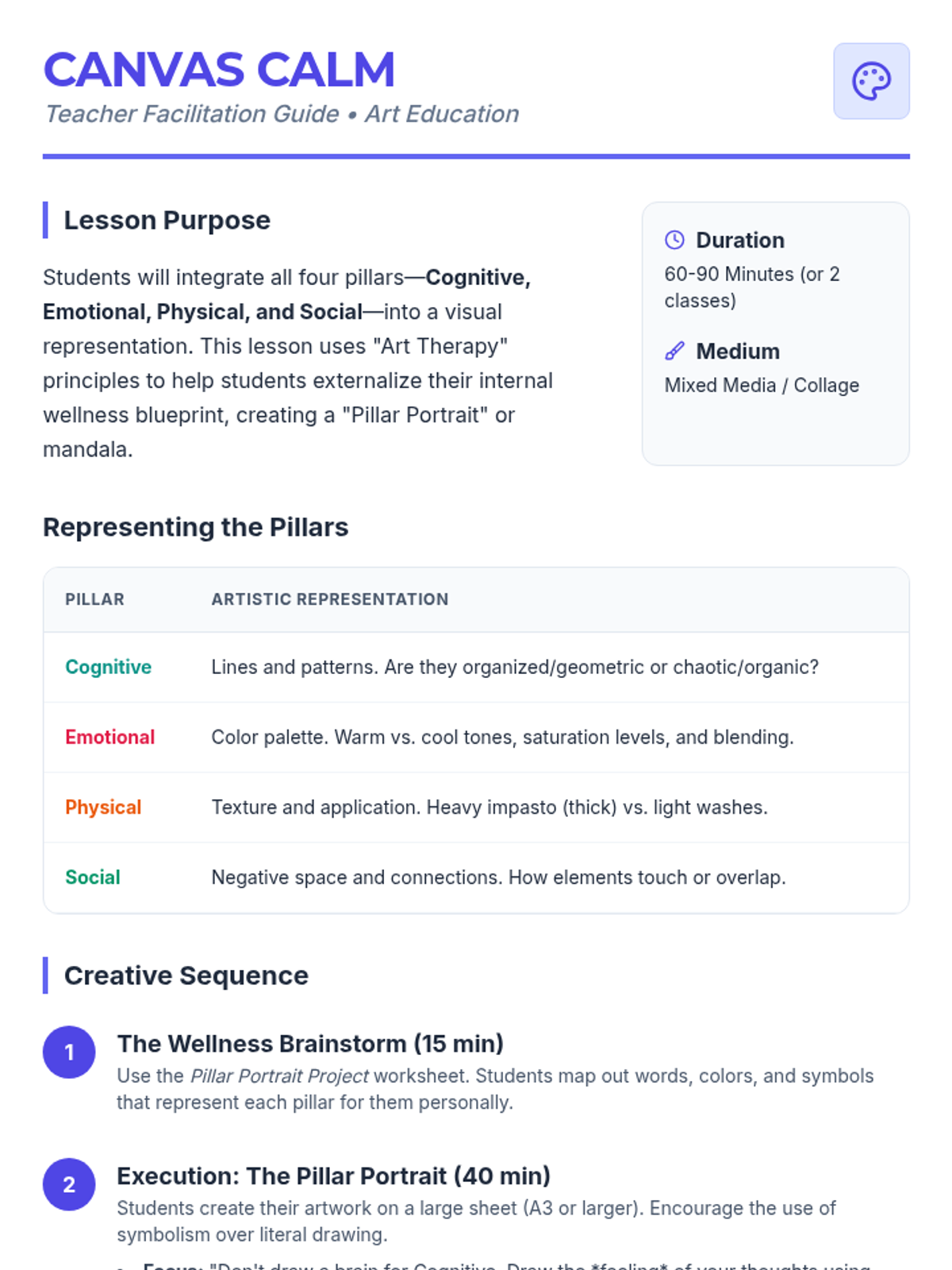
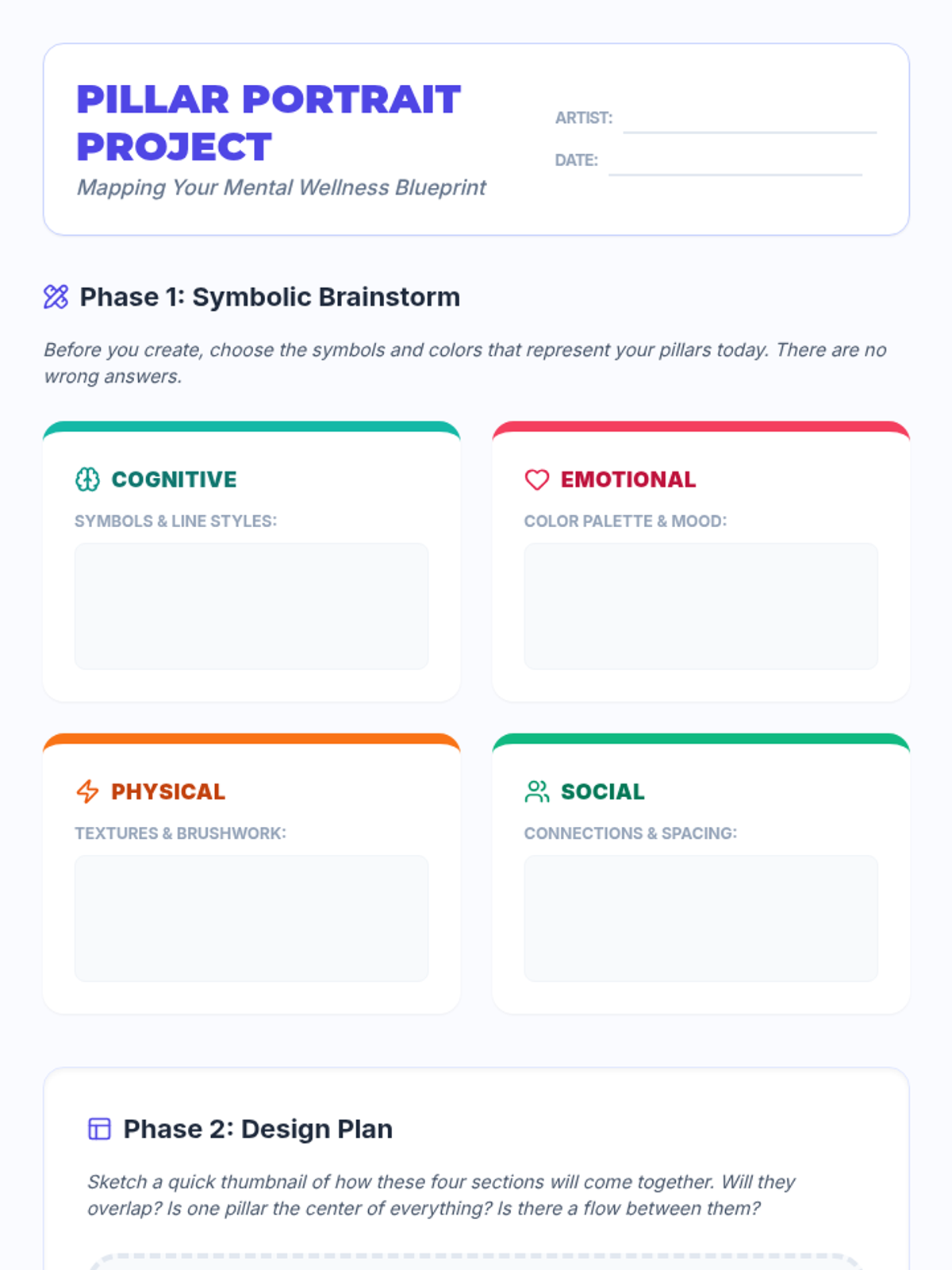
An Art lesson that integrates all four pillars of mental health into a creative project, allowing students to visualize their personal wellness.
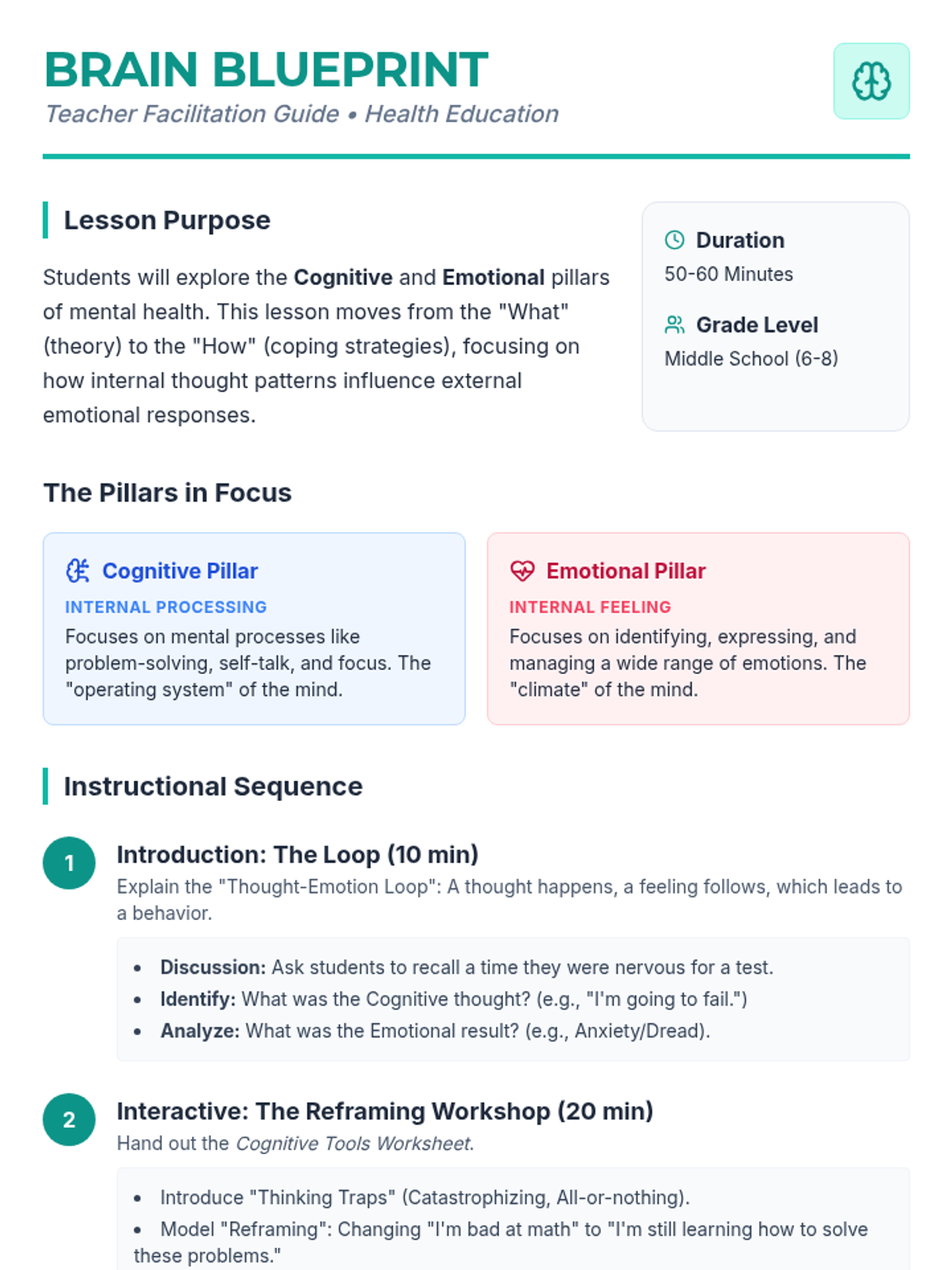
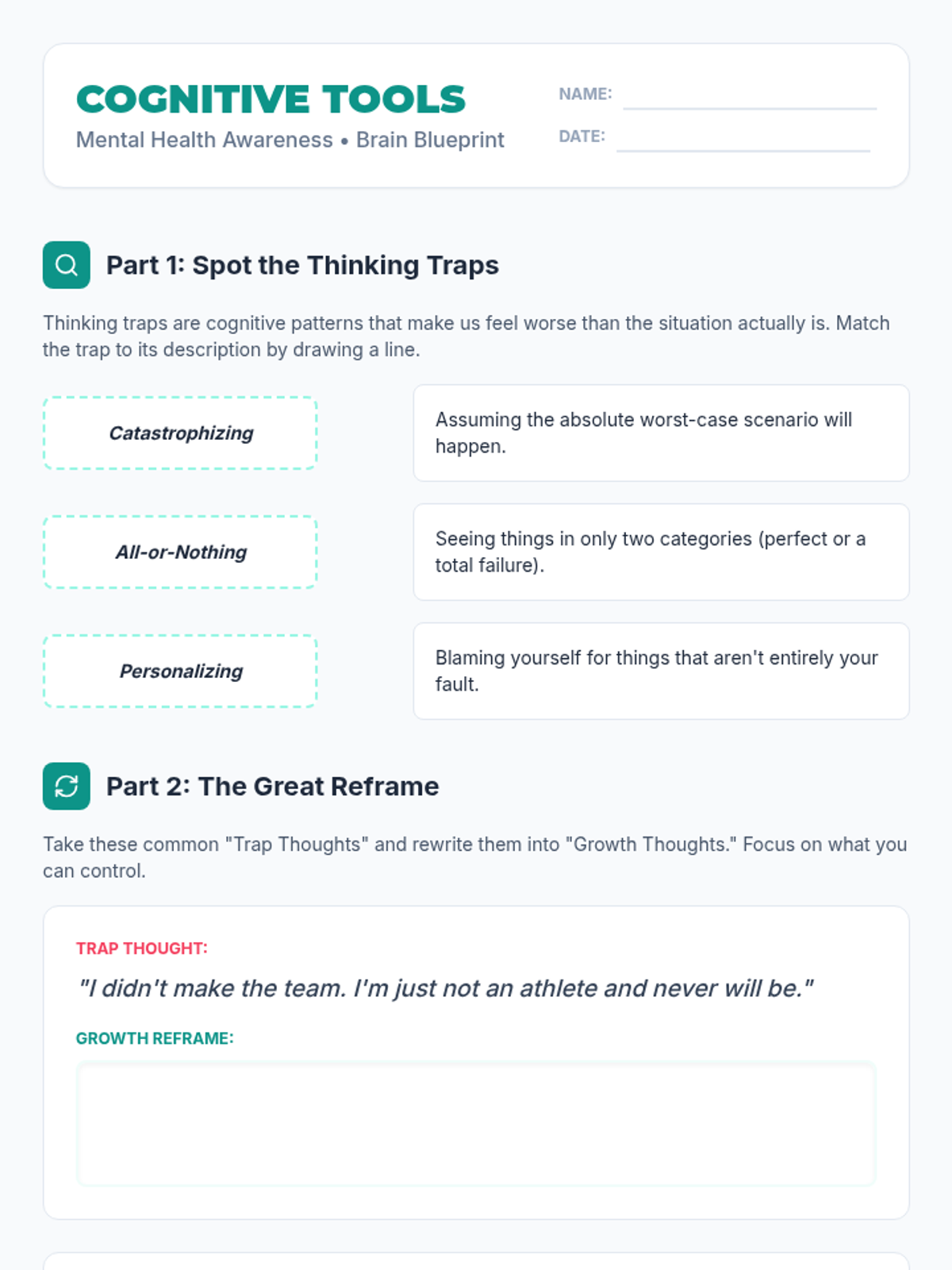
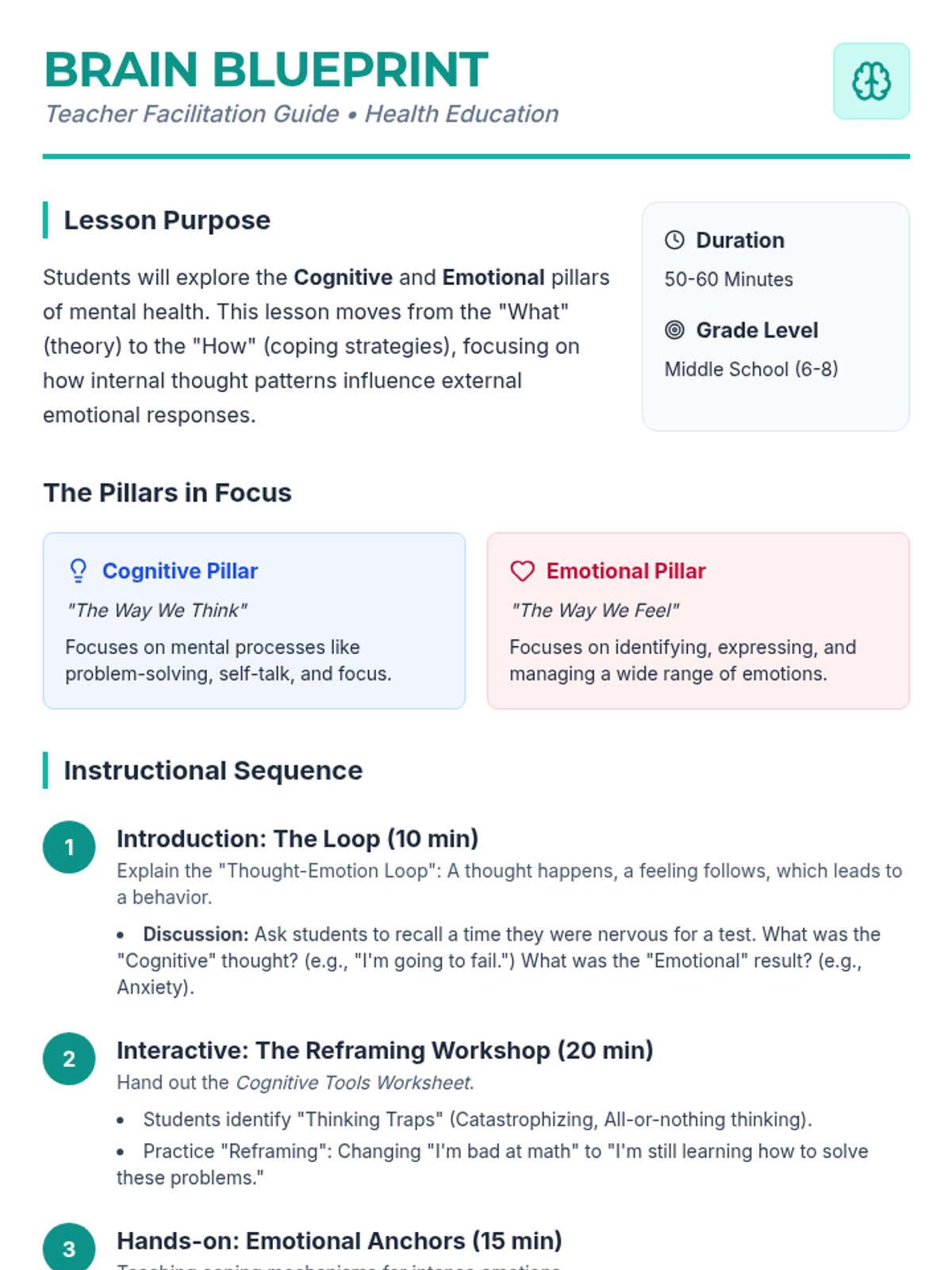
A health-focused exploration of the Cognitive and Emotional pillars, teaching students how to identify thought patterns and manage emotions.
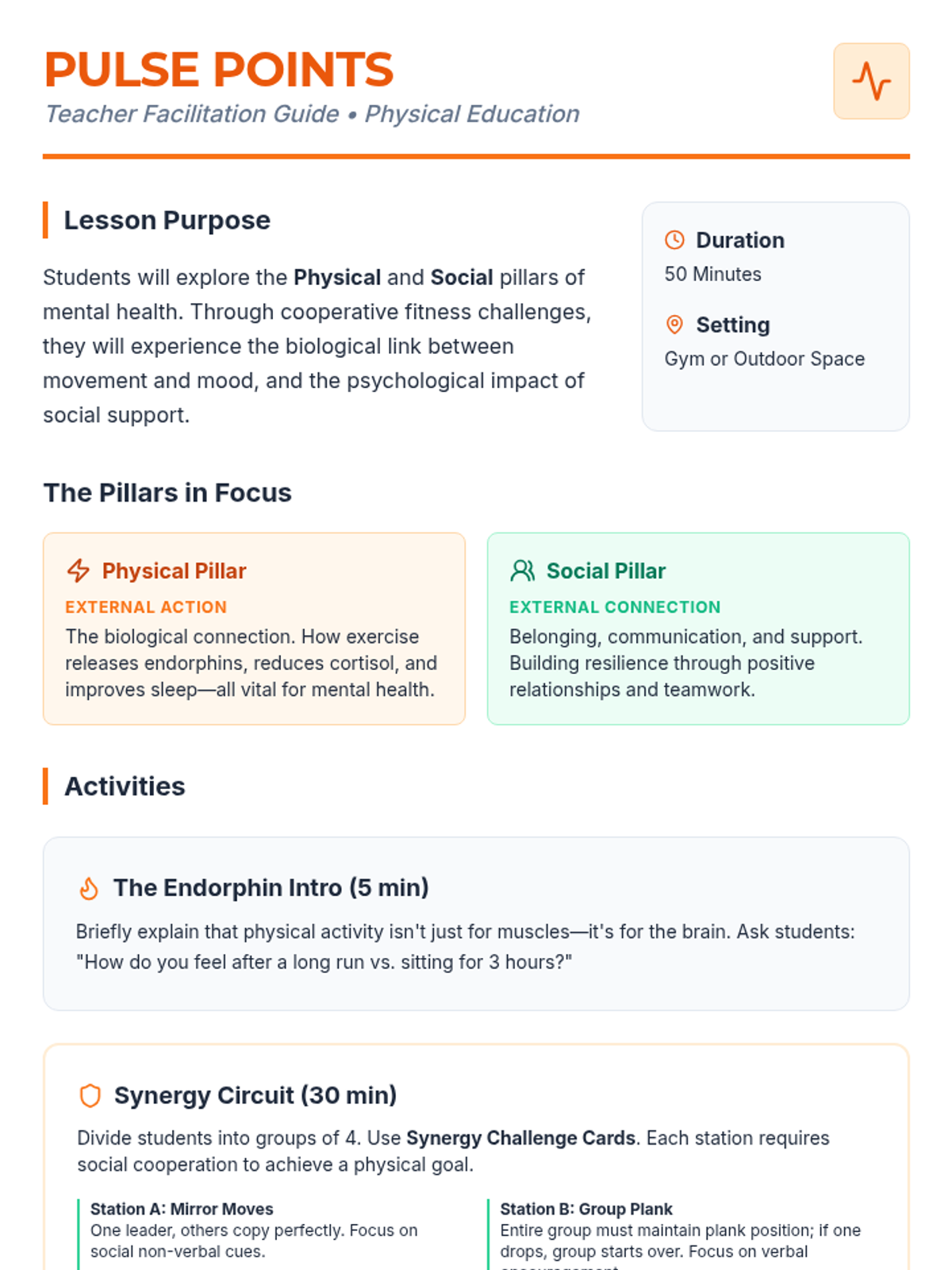
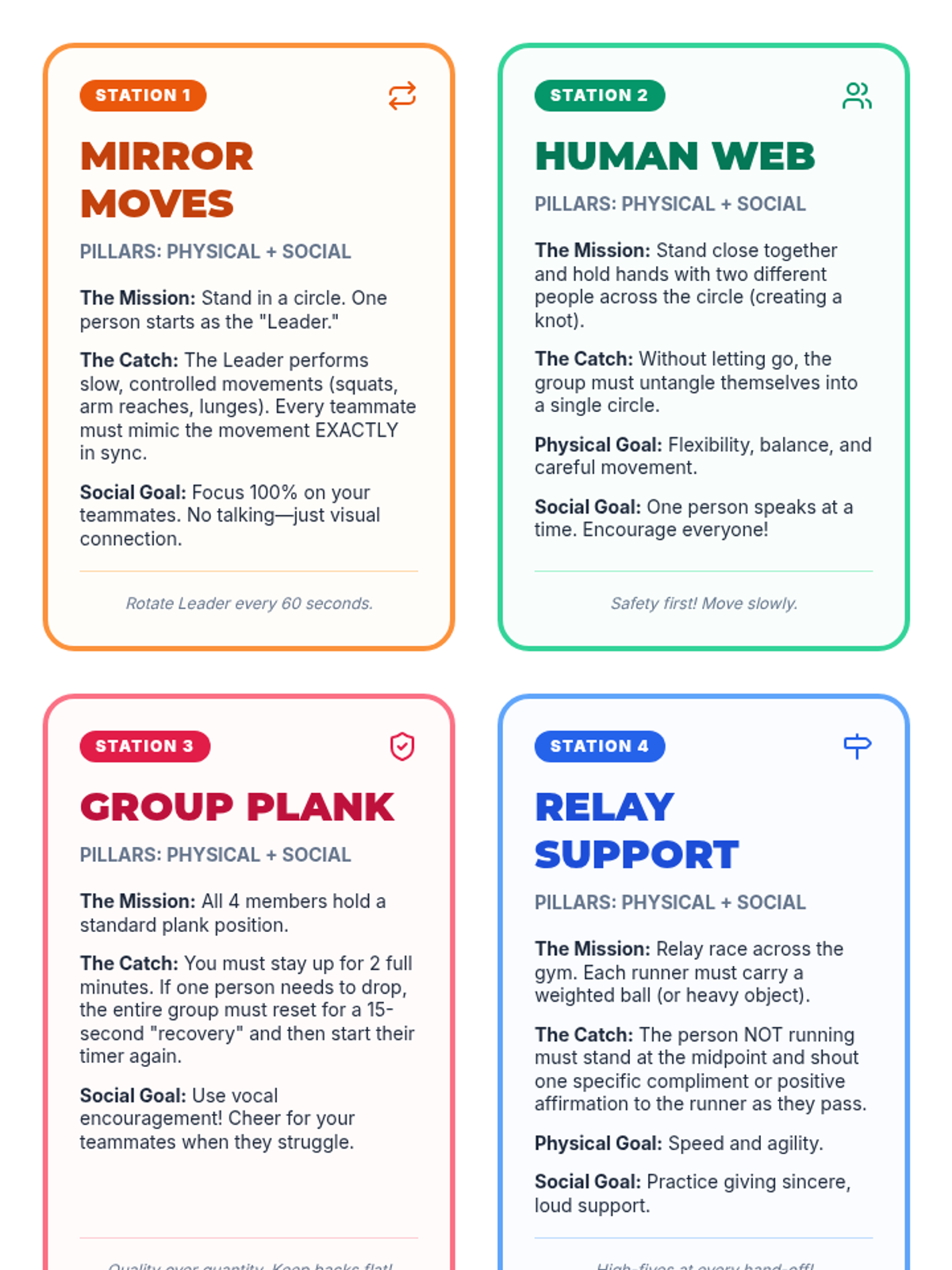
A high-energy PE lesson focusing on the Physical and Social pillars, emphasizing how movement and teamwork support mental well-being.
A comprehensive guide for middle schoolers to navigate the physical and emotional changes of puberty through self-care and healthy habits.
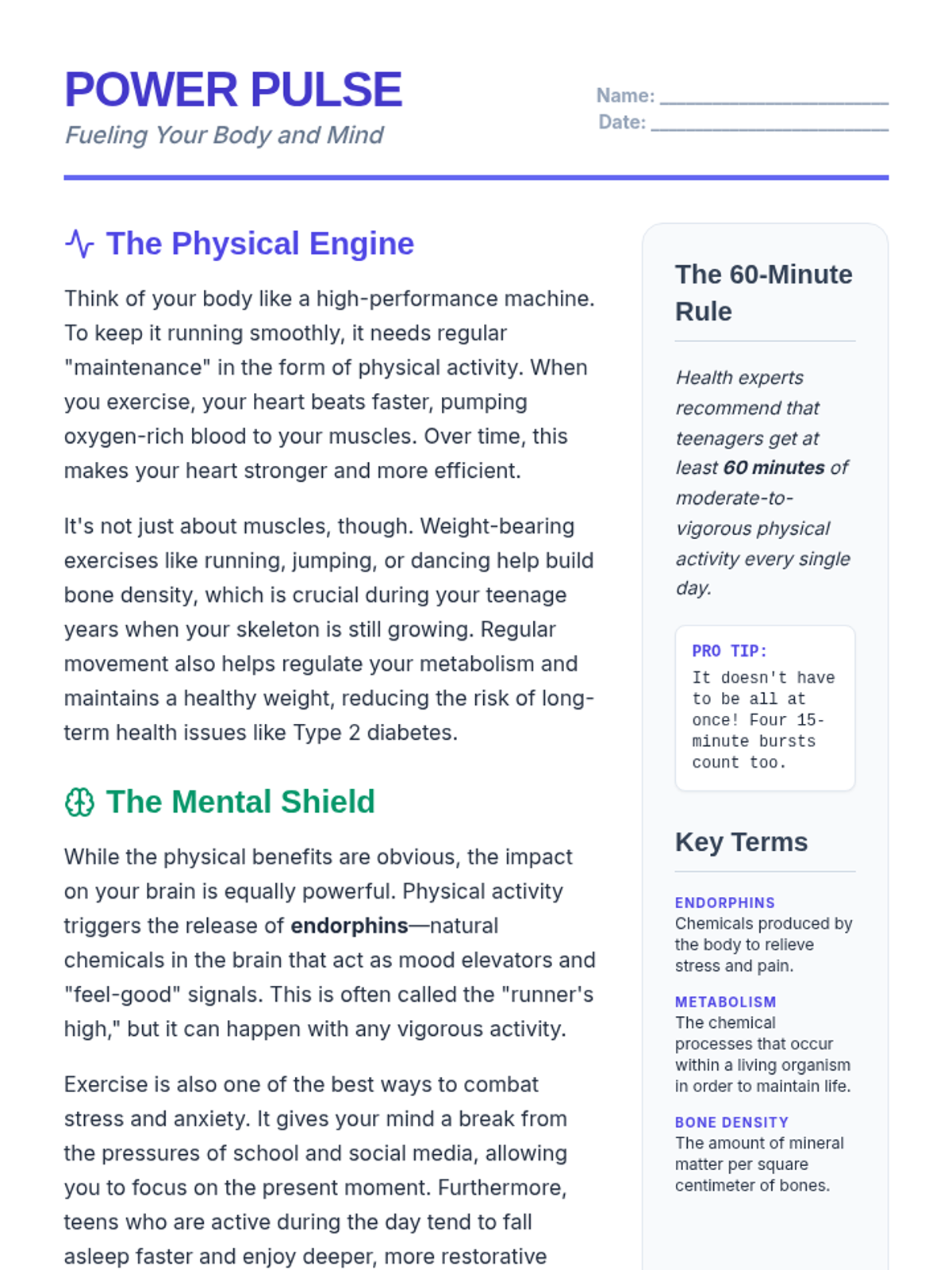
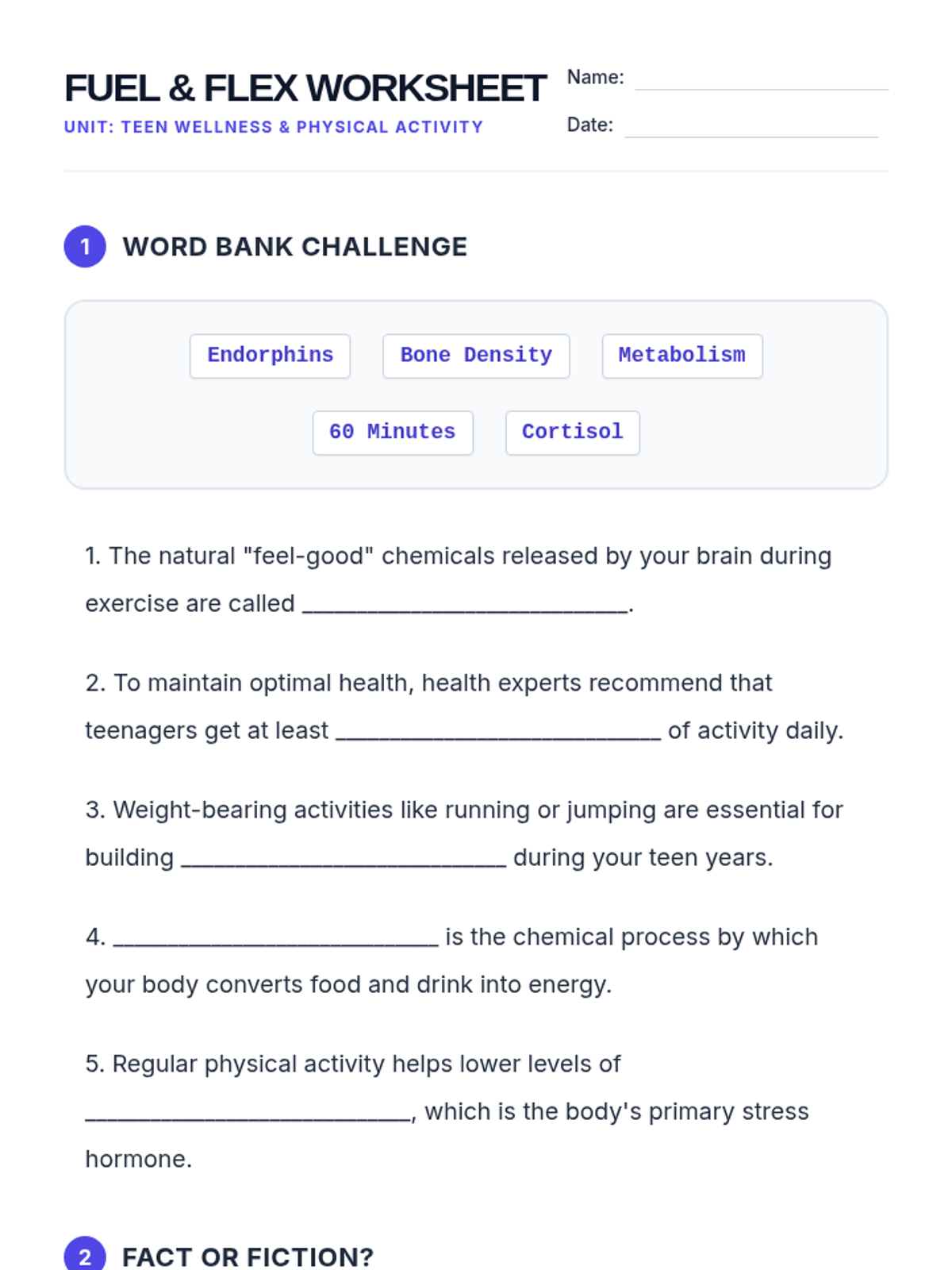
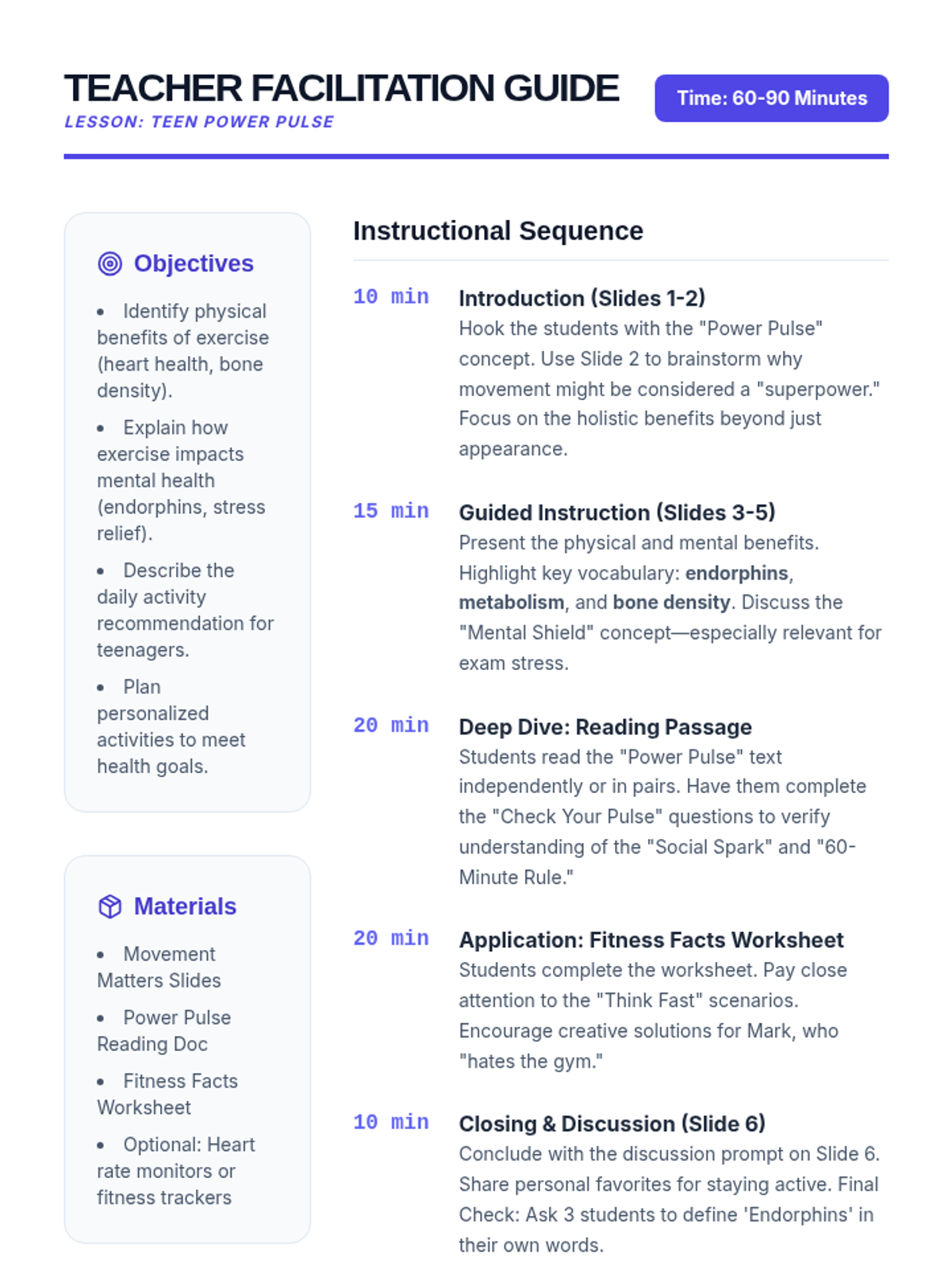
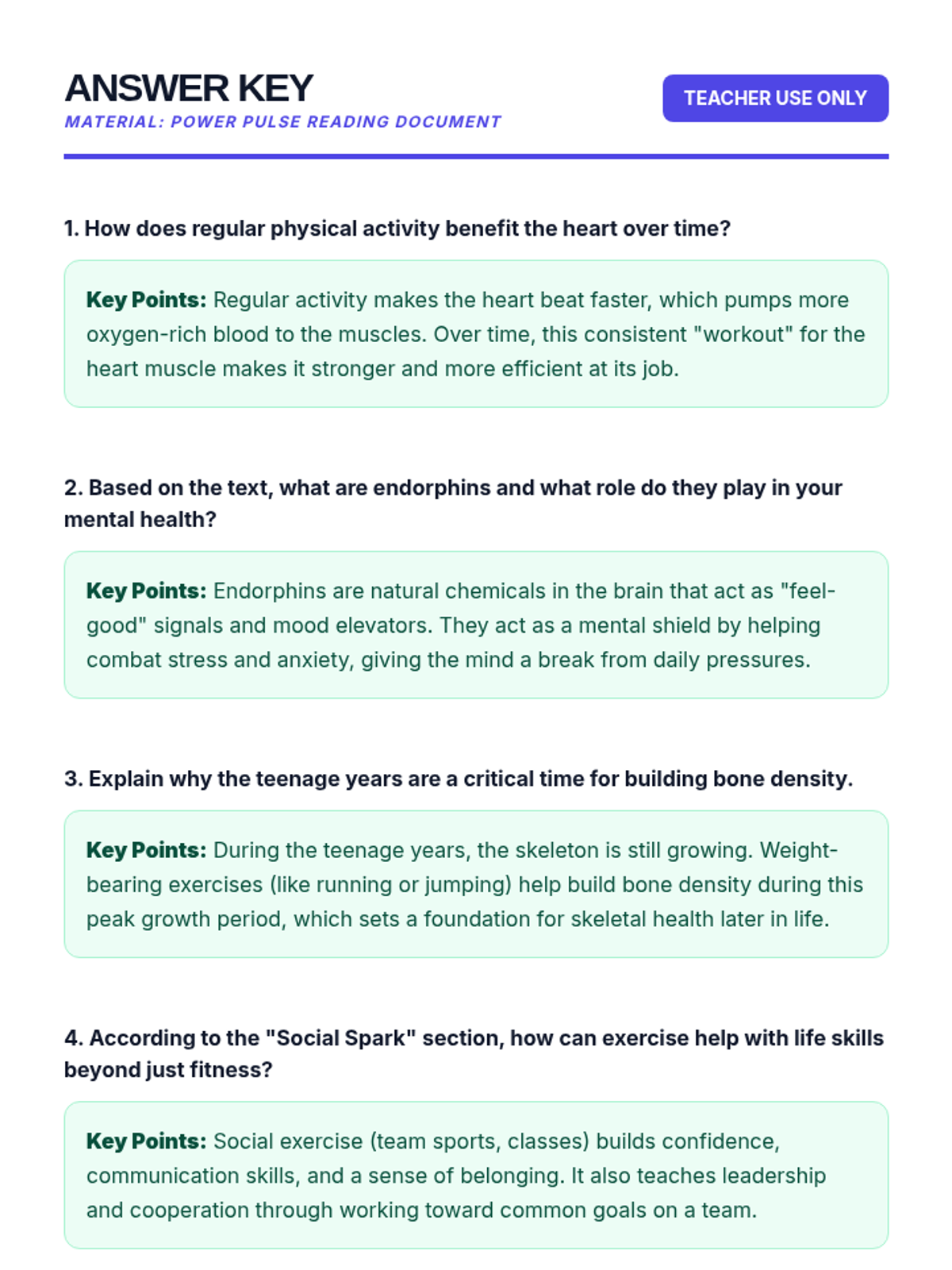
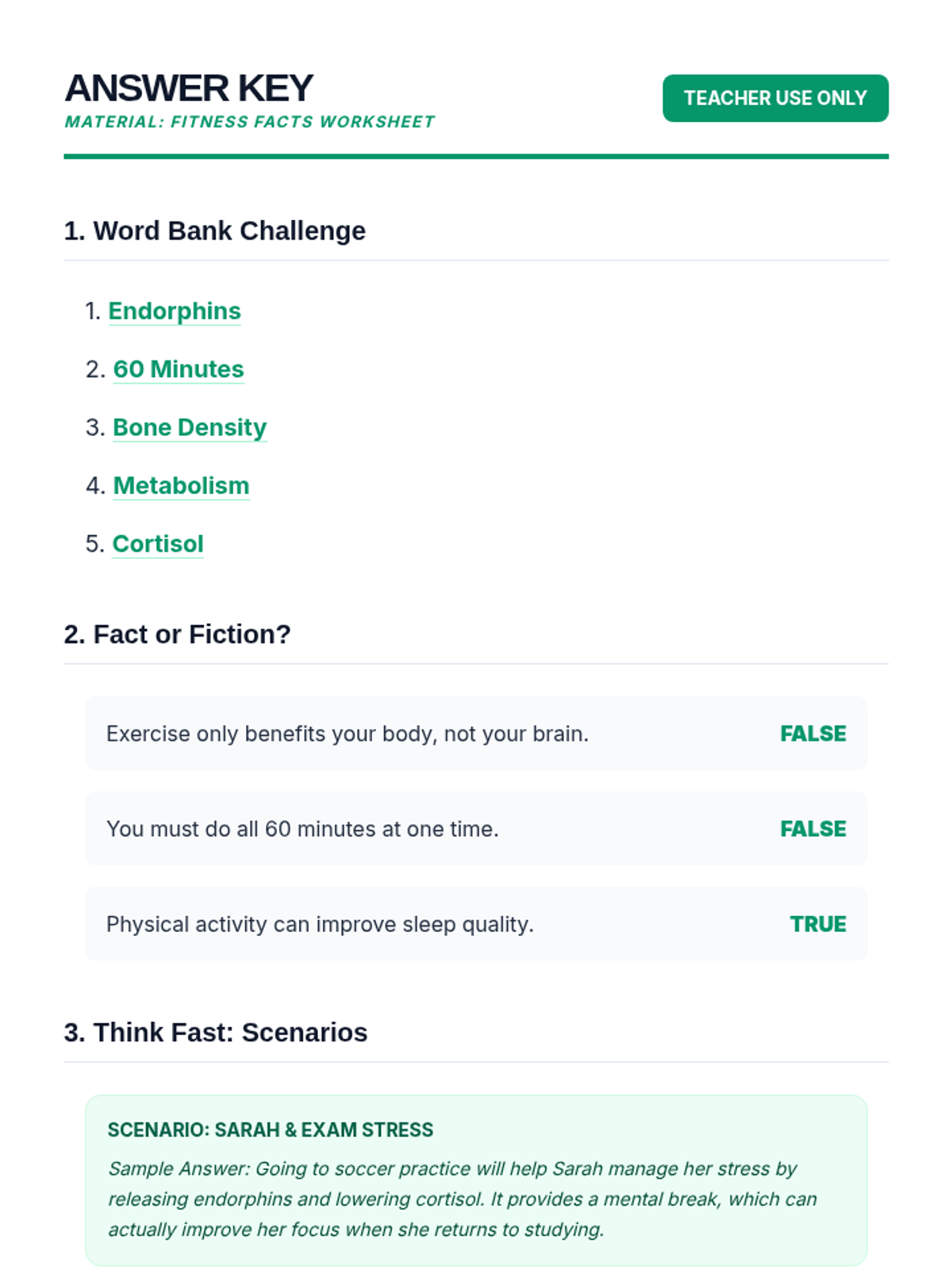
A comprehensive lesson exploring how physical activity boosts both the physical body and mental well-being of teenagers, featuring interactive slides and reading comprehension.
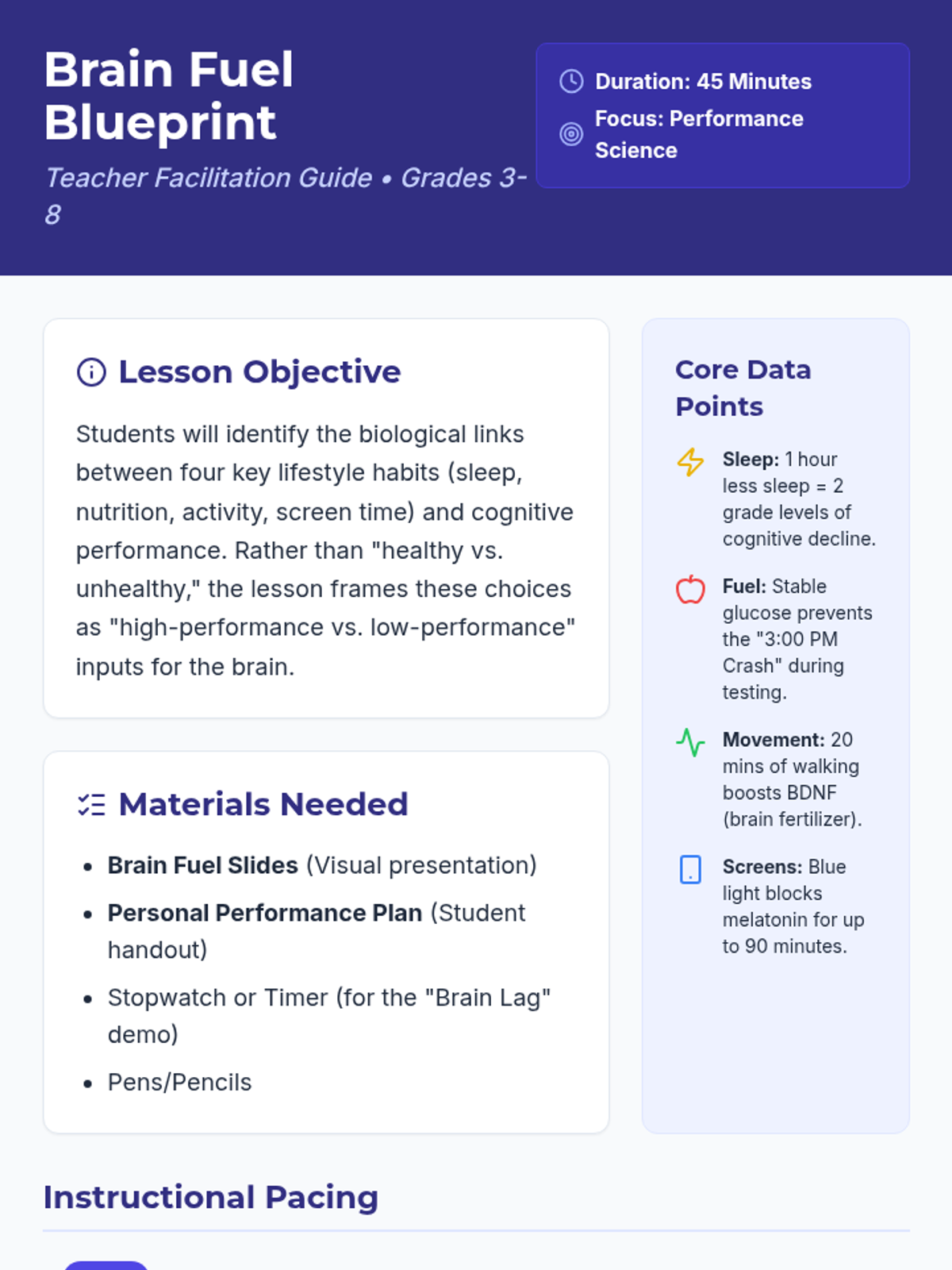
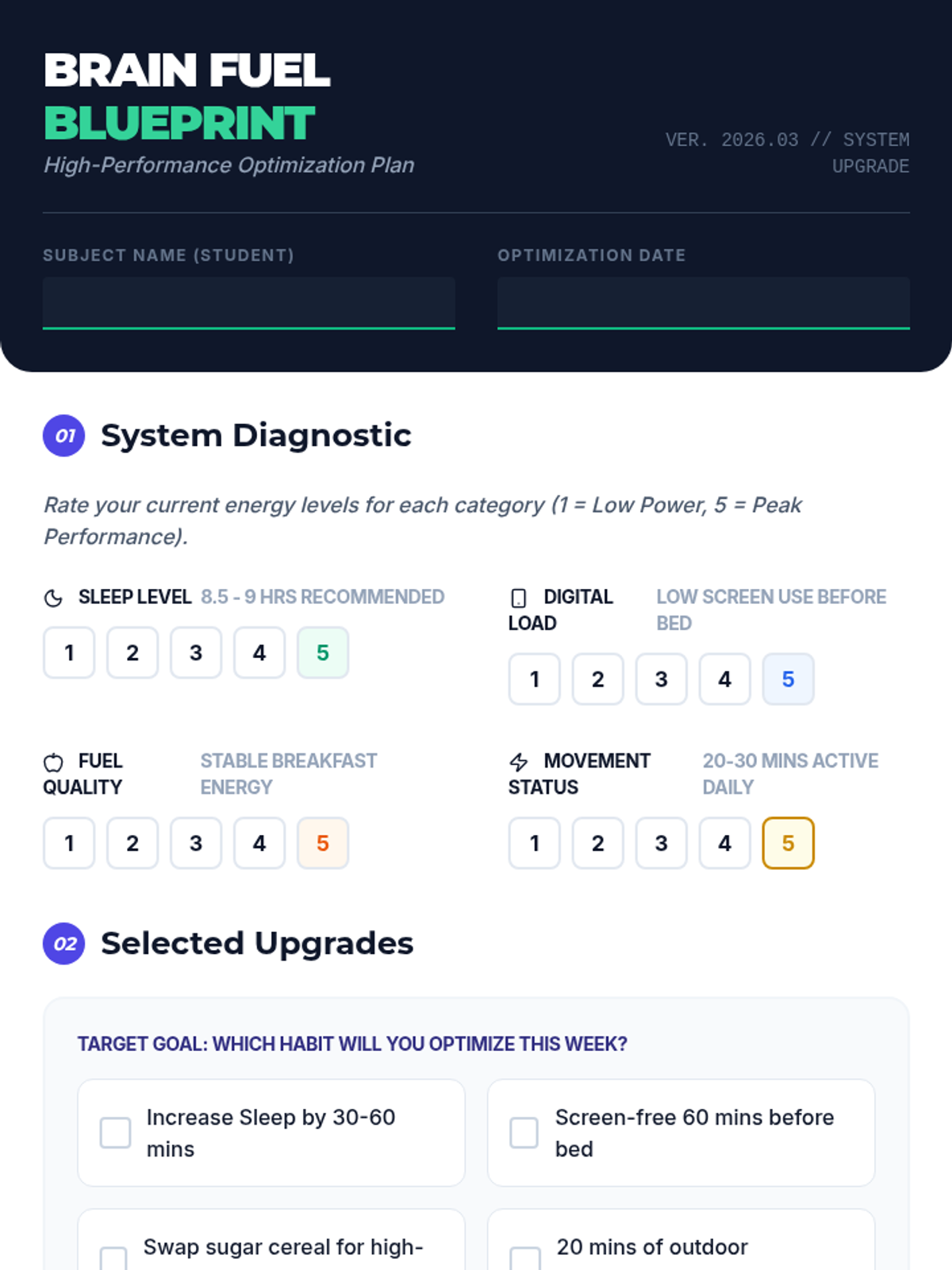
A practical, data-driven lesson for grades 3-8 exploring how sleep, nutrition, physical activity, and screen time directly impact brain function and academic success. Students analyze real-world performance metrics and create their own 'Brain Fuel Blueprint' for personal wellness.
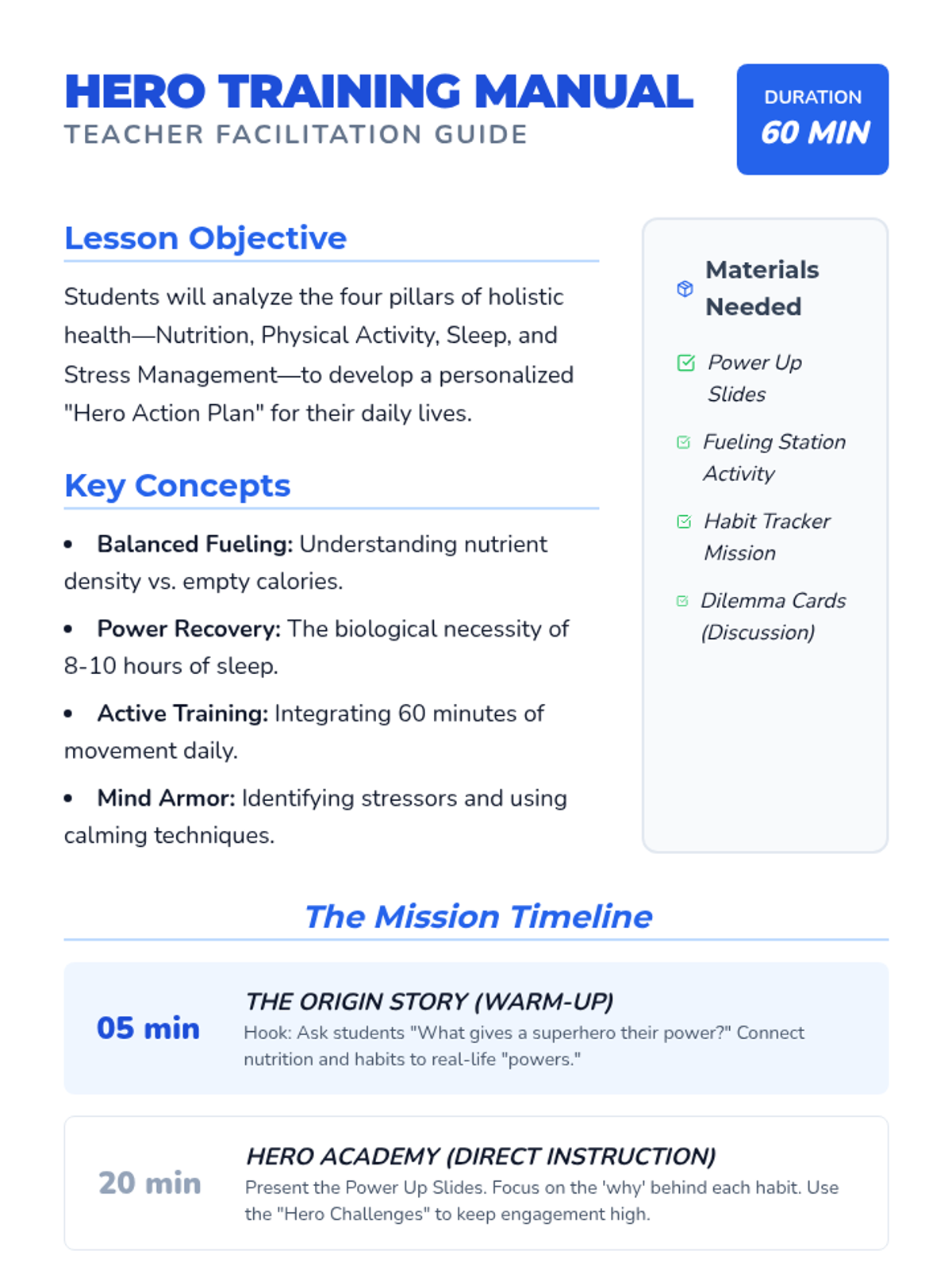
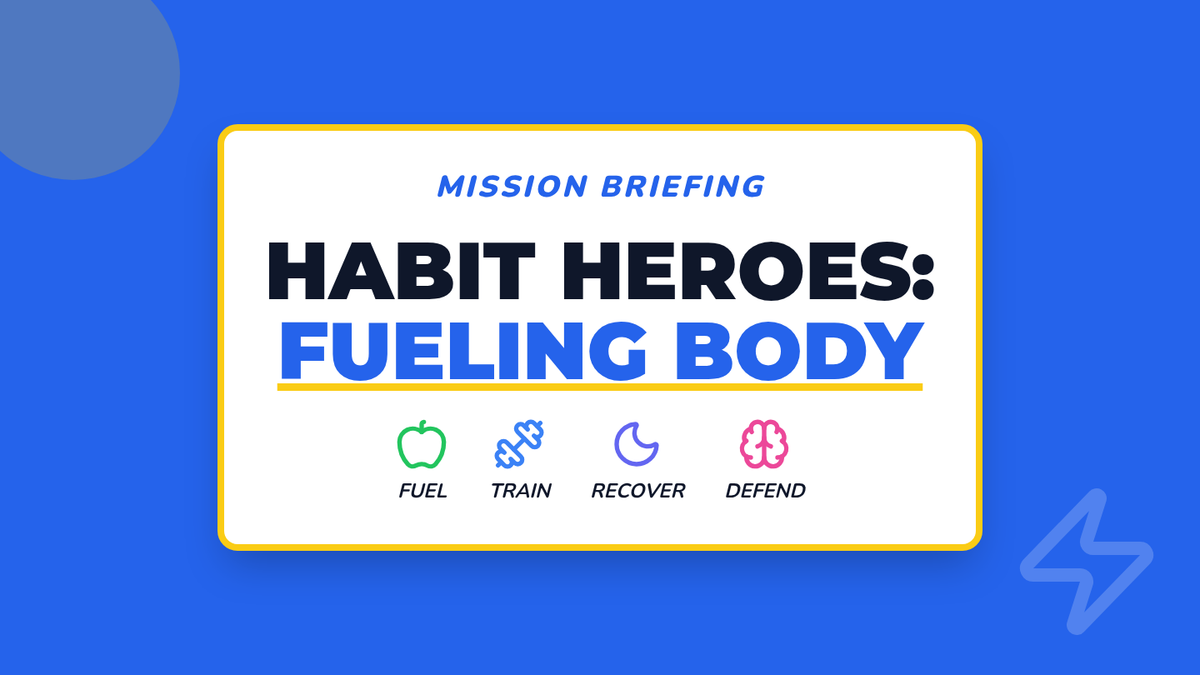
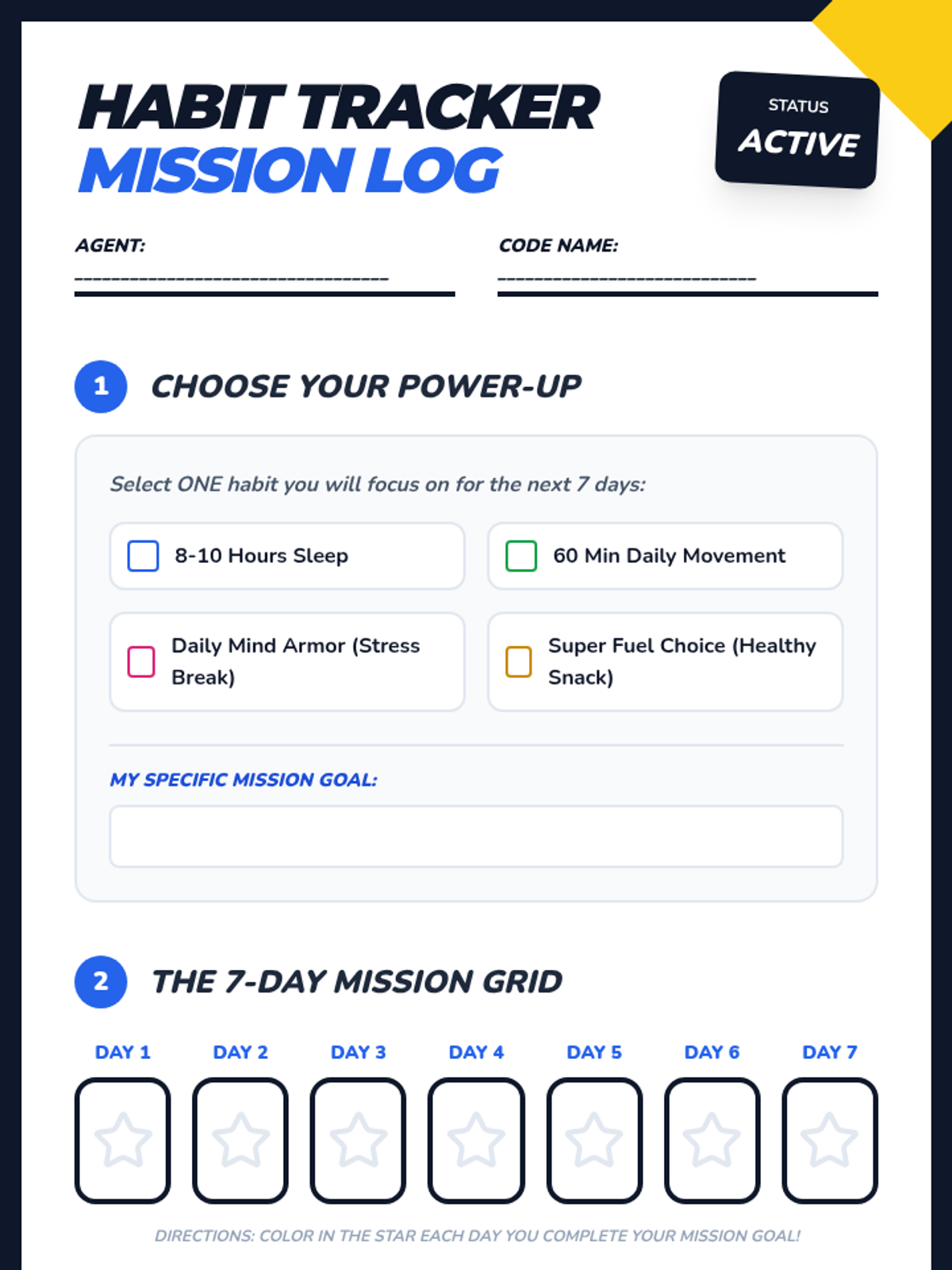
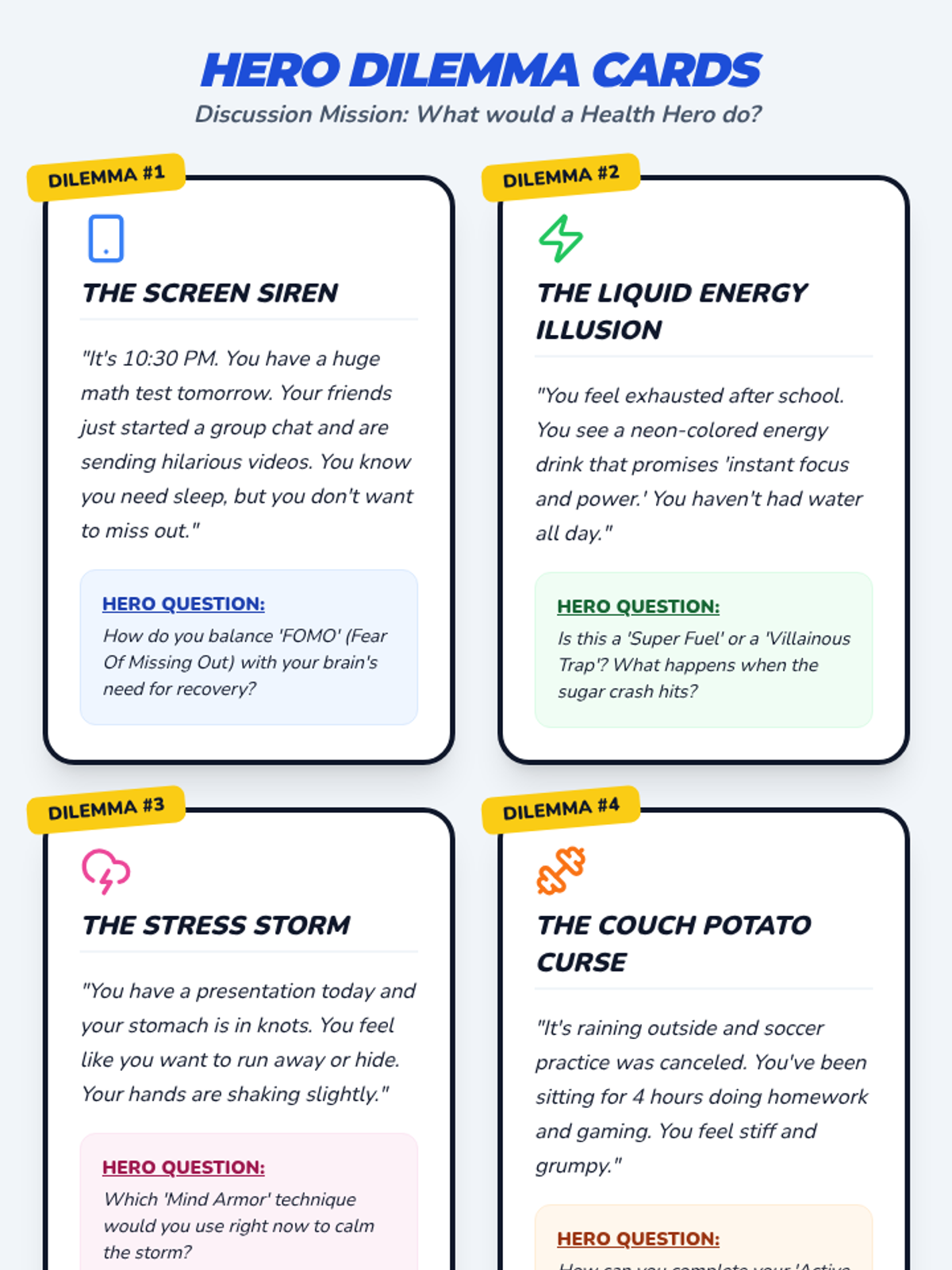
This lesson empowers middle school students to become 'Health Heroes' by mastering nutrition, activity, sleep, and stress management through interactive missions and self-reflection.
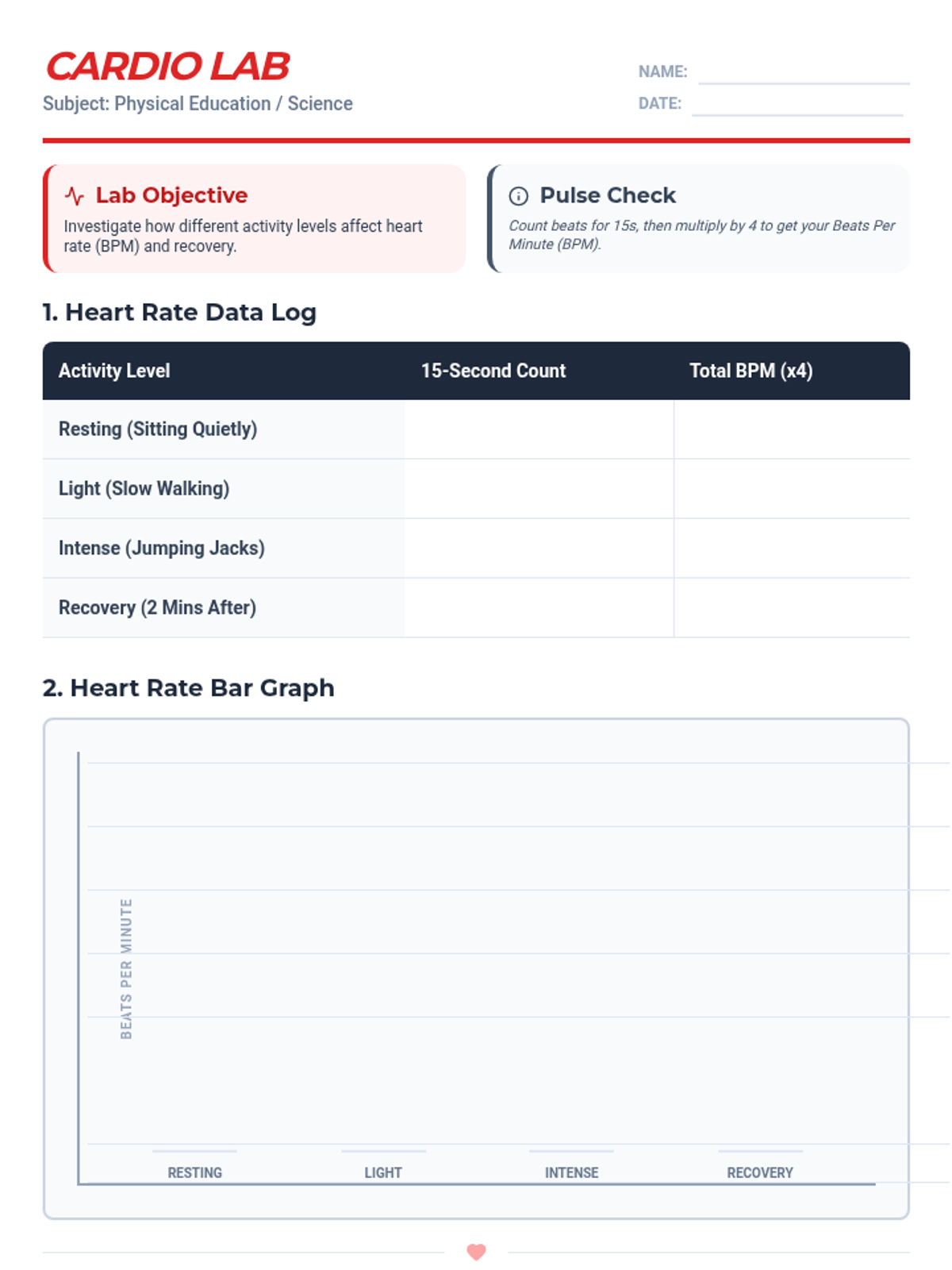
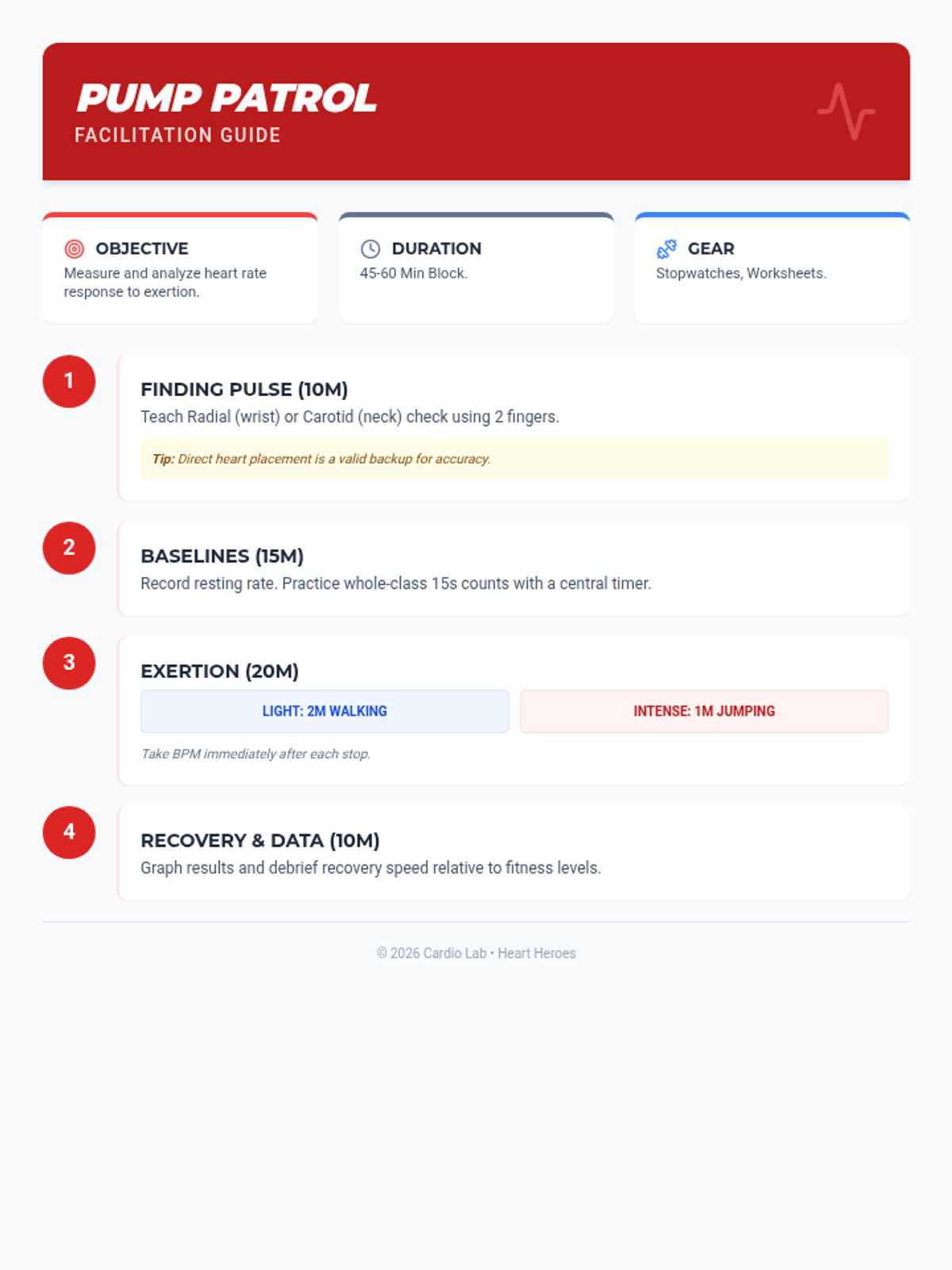
Students learn how to find their pulse and track their heart rate before, during, and after a physical activity challenge.
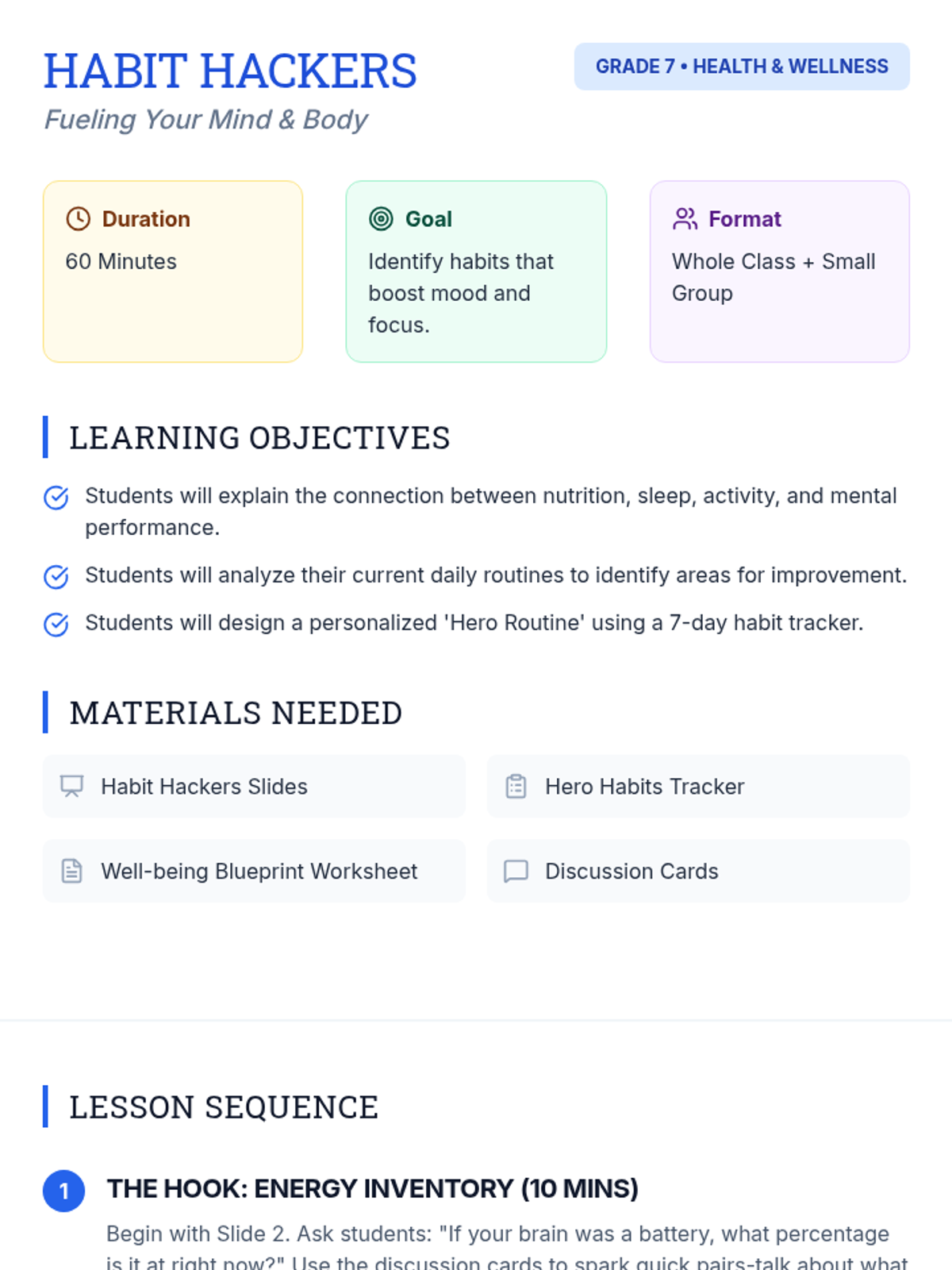
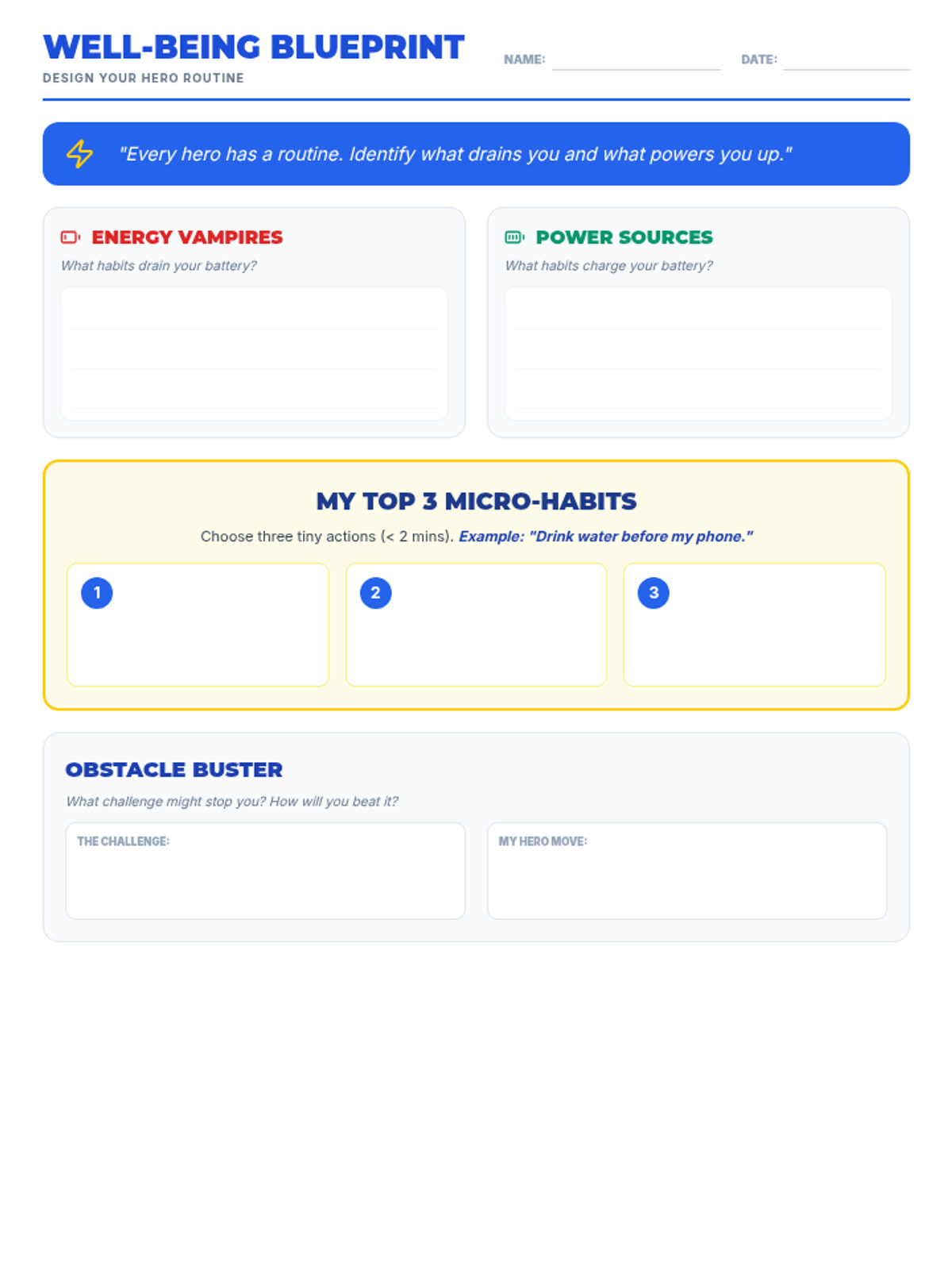
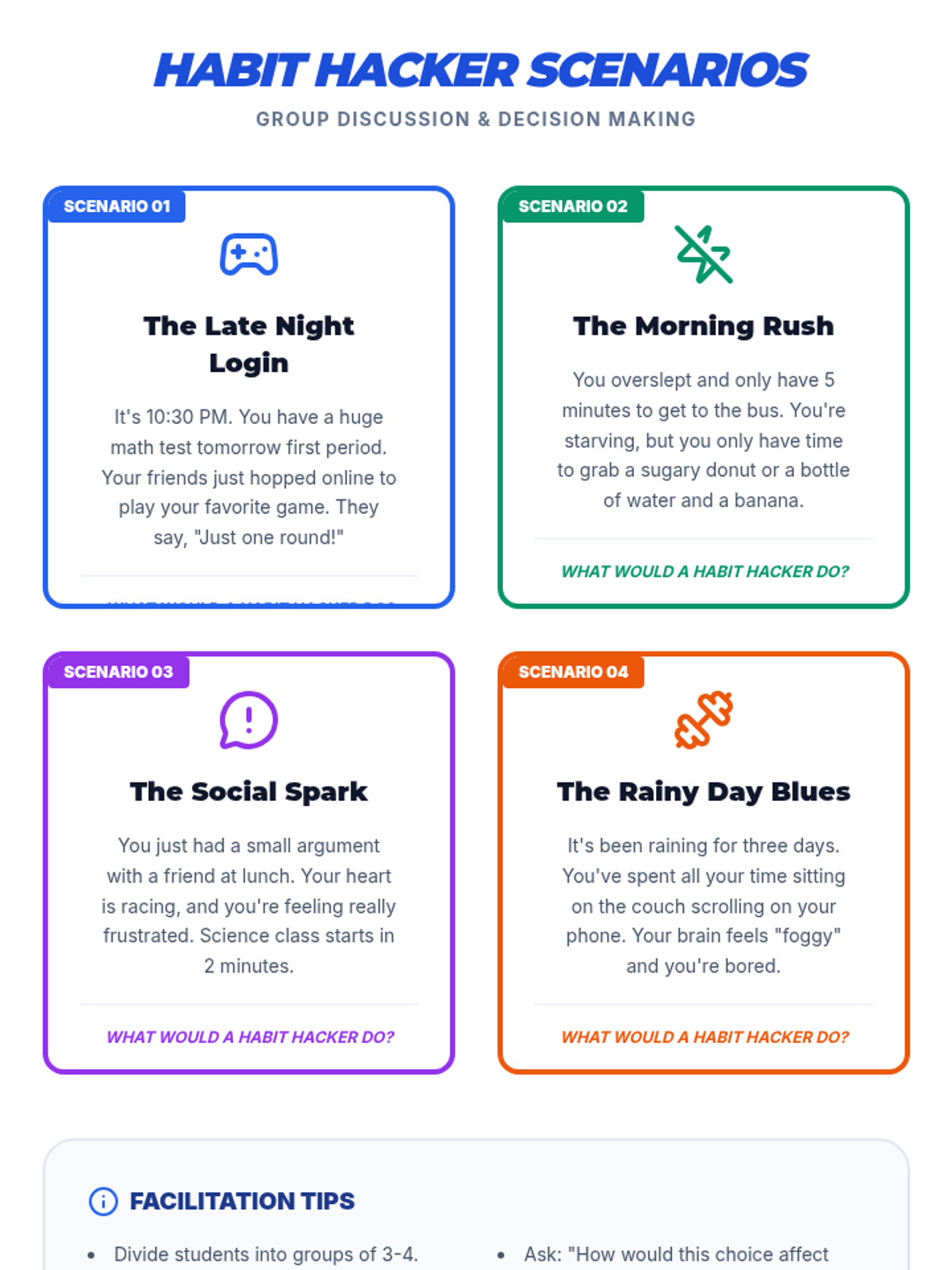
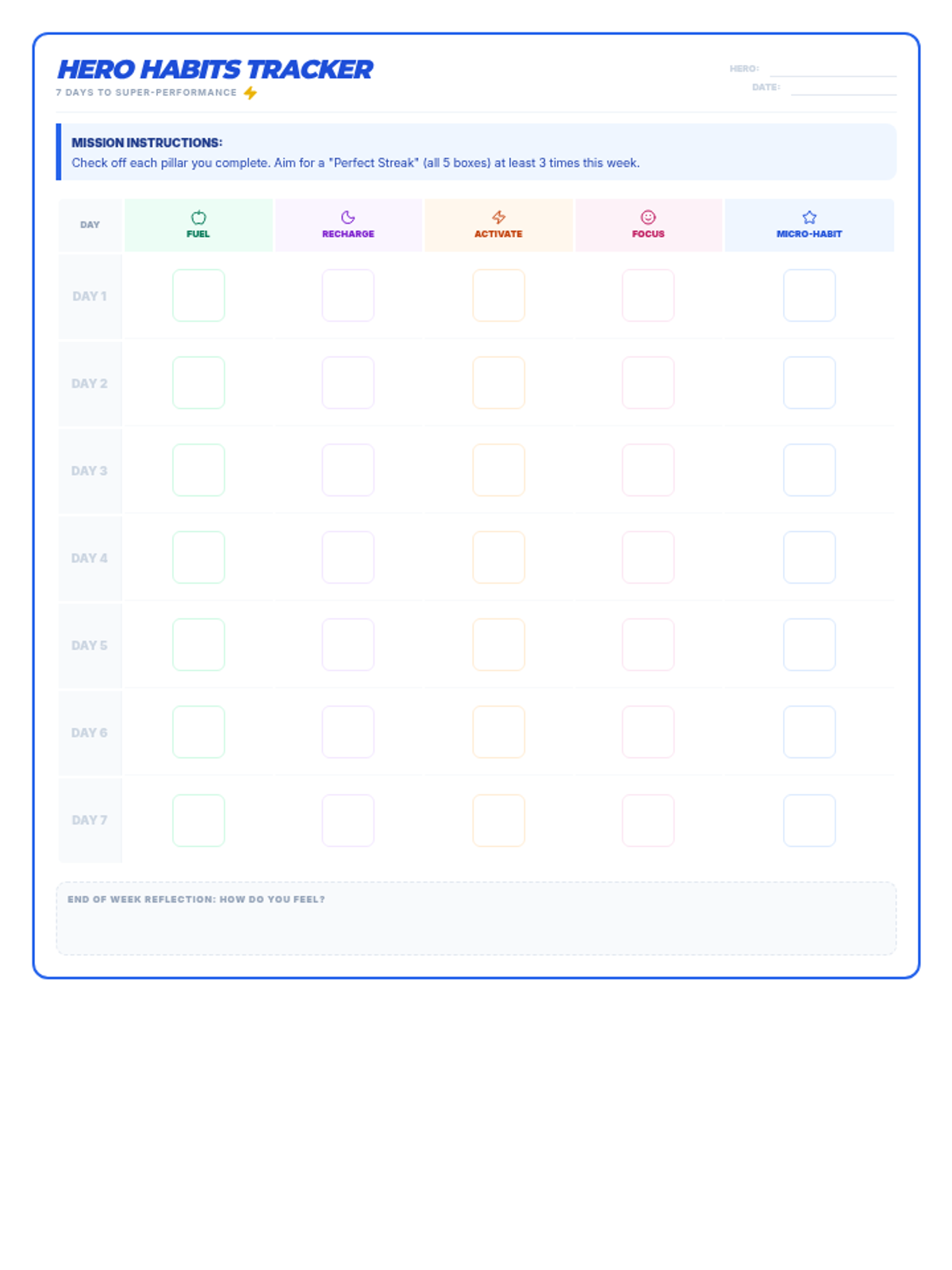
A dynamic lesson where 7th graders explore the link between physical habits and mental performance, designing their own 'hero' routines for success.
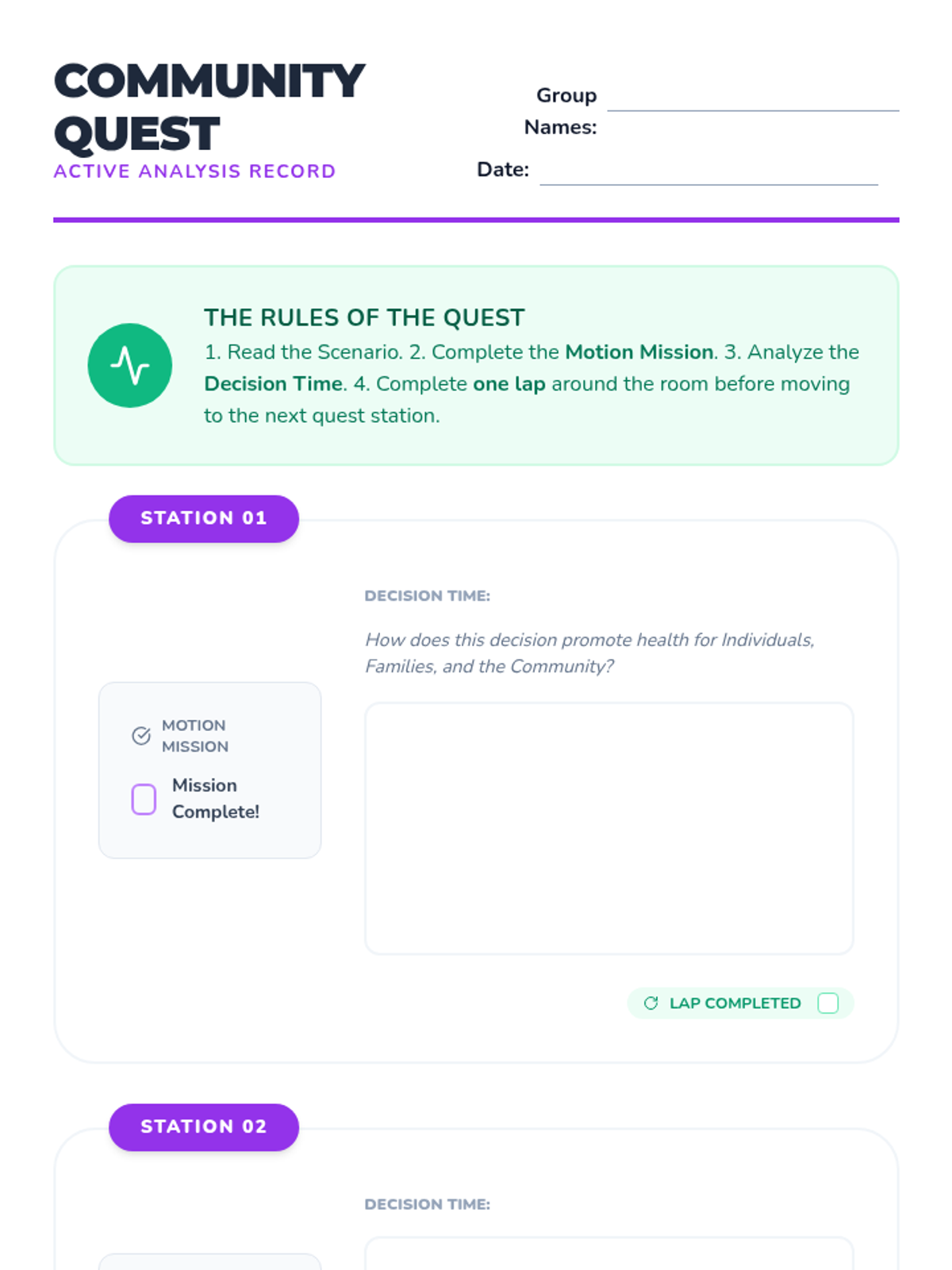
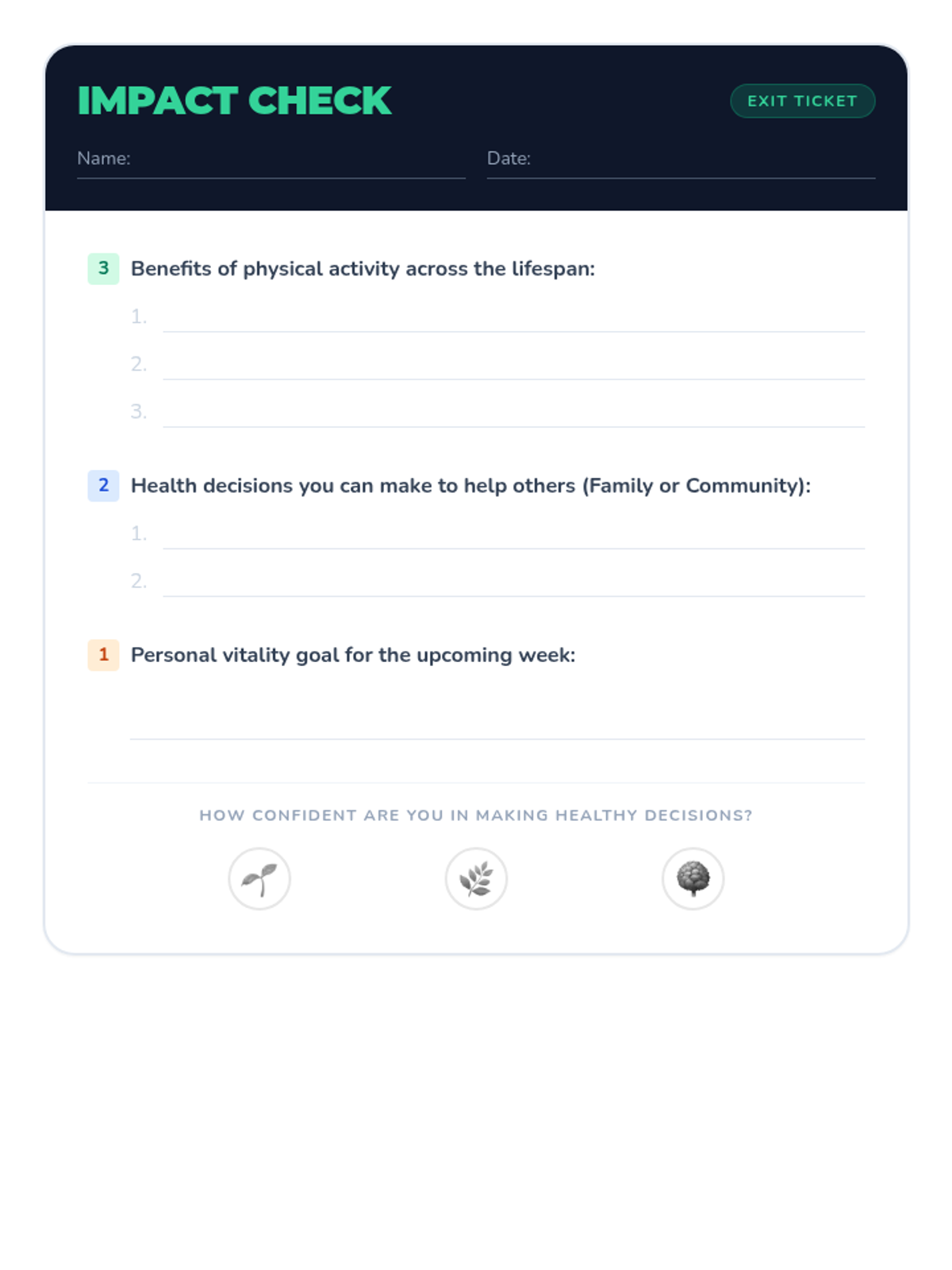
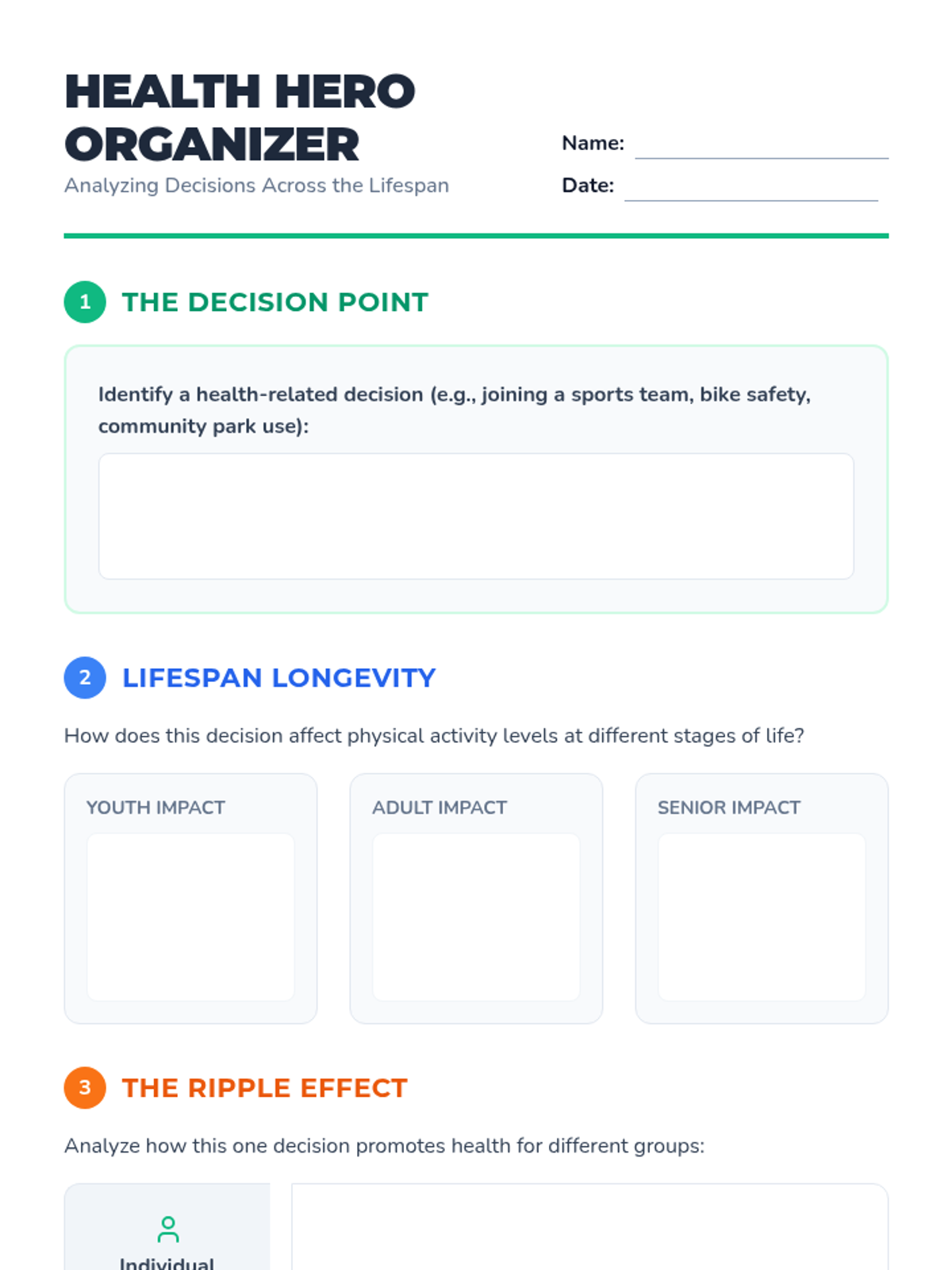
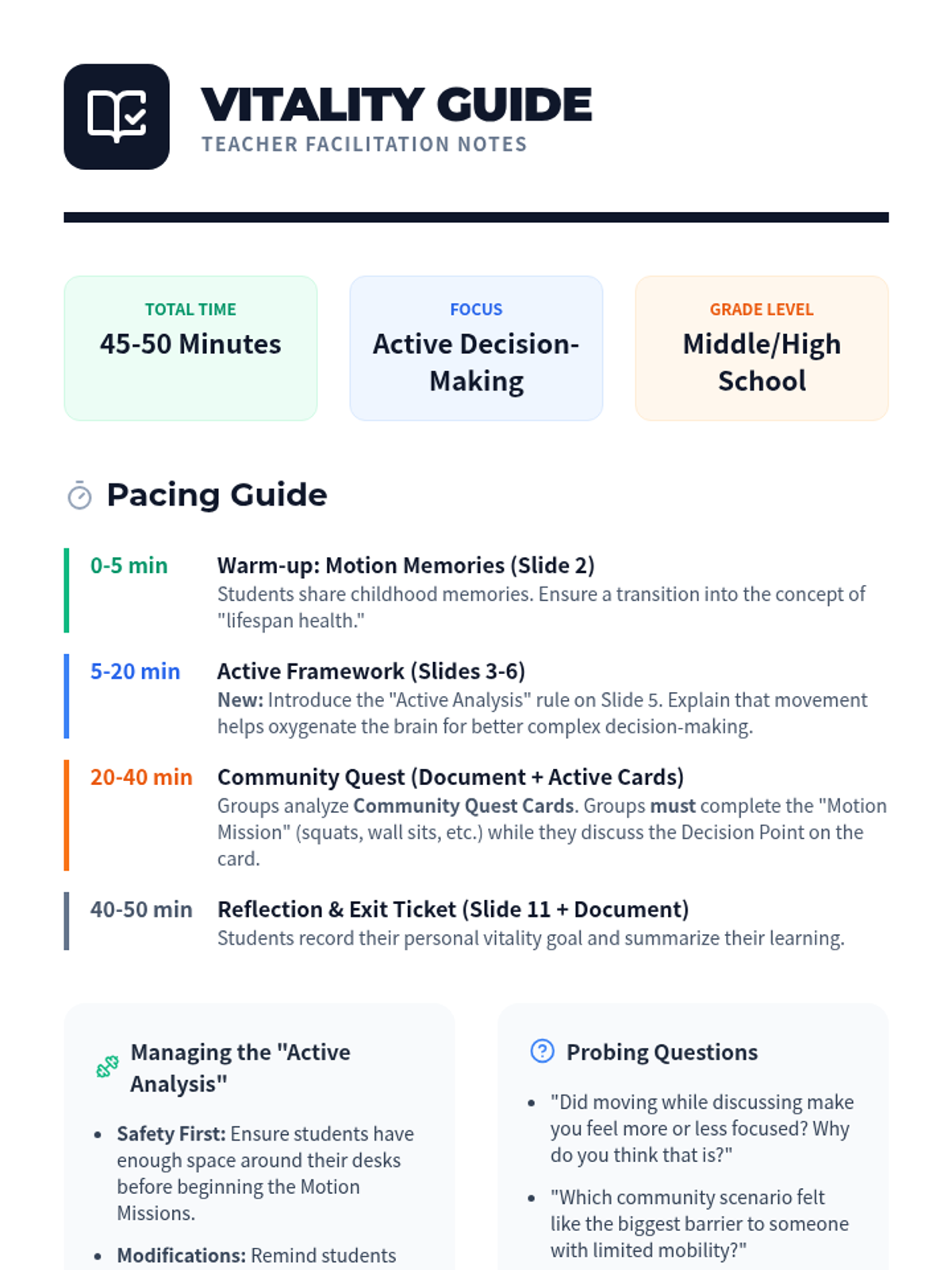
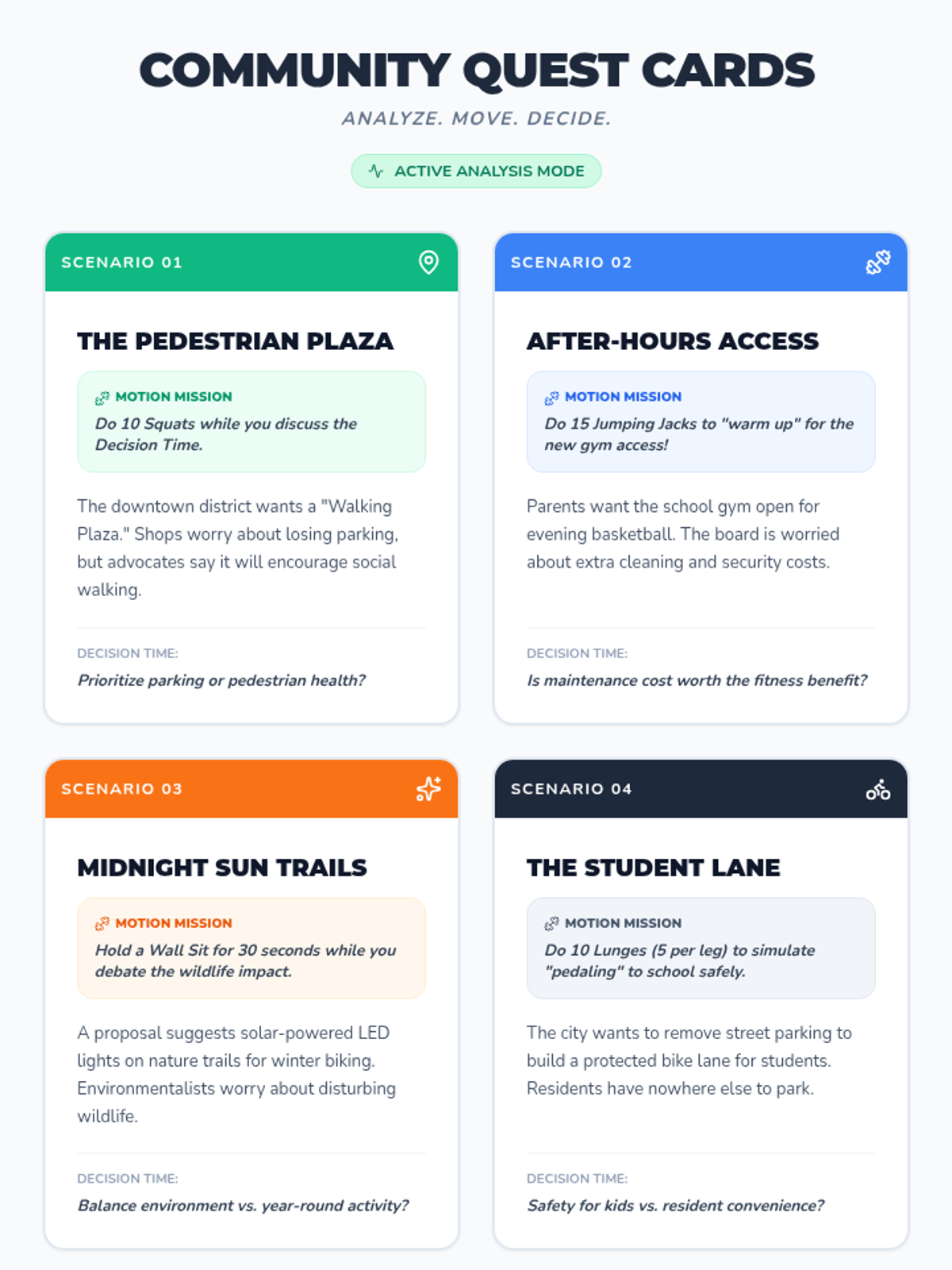
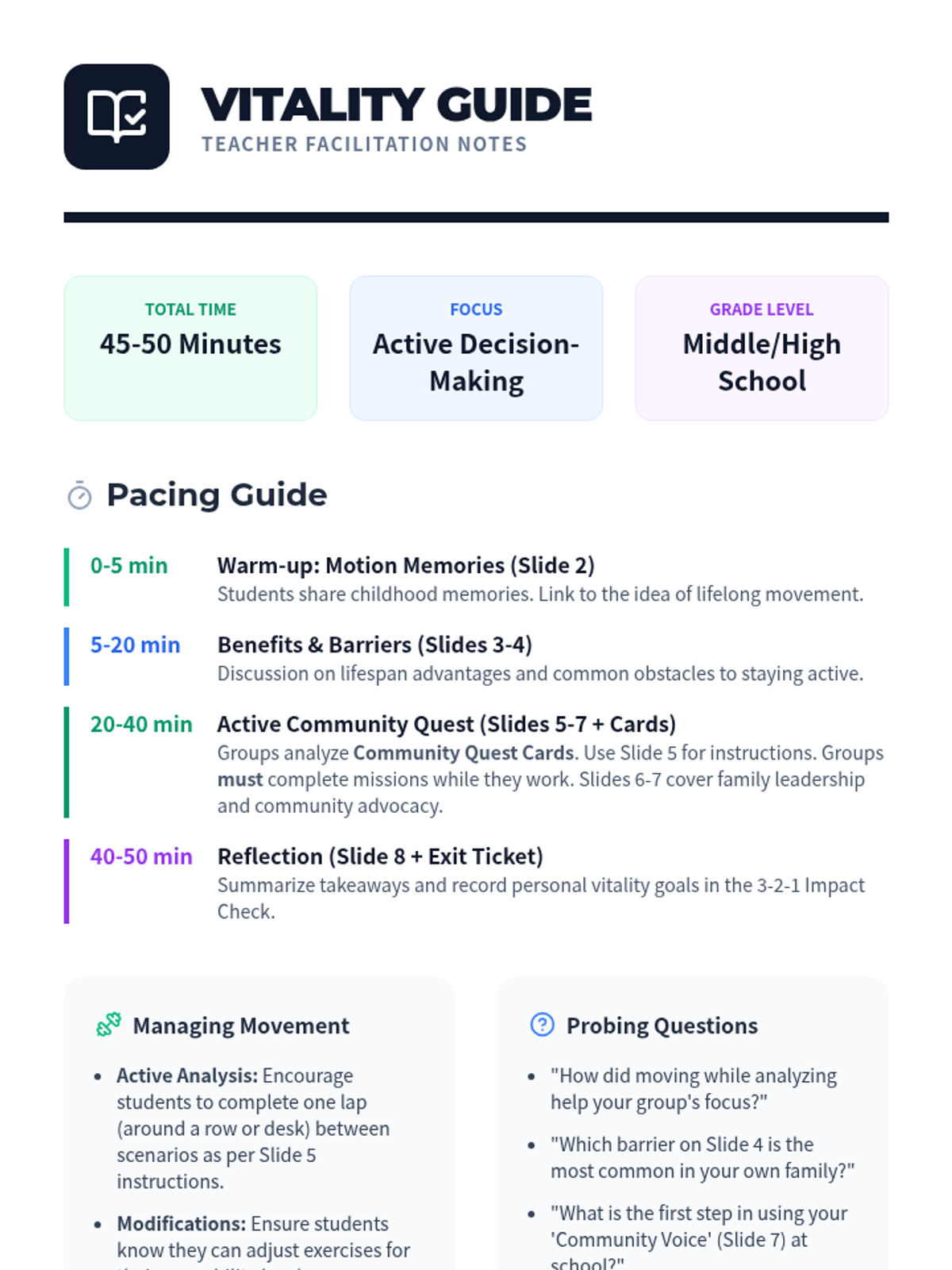
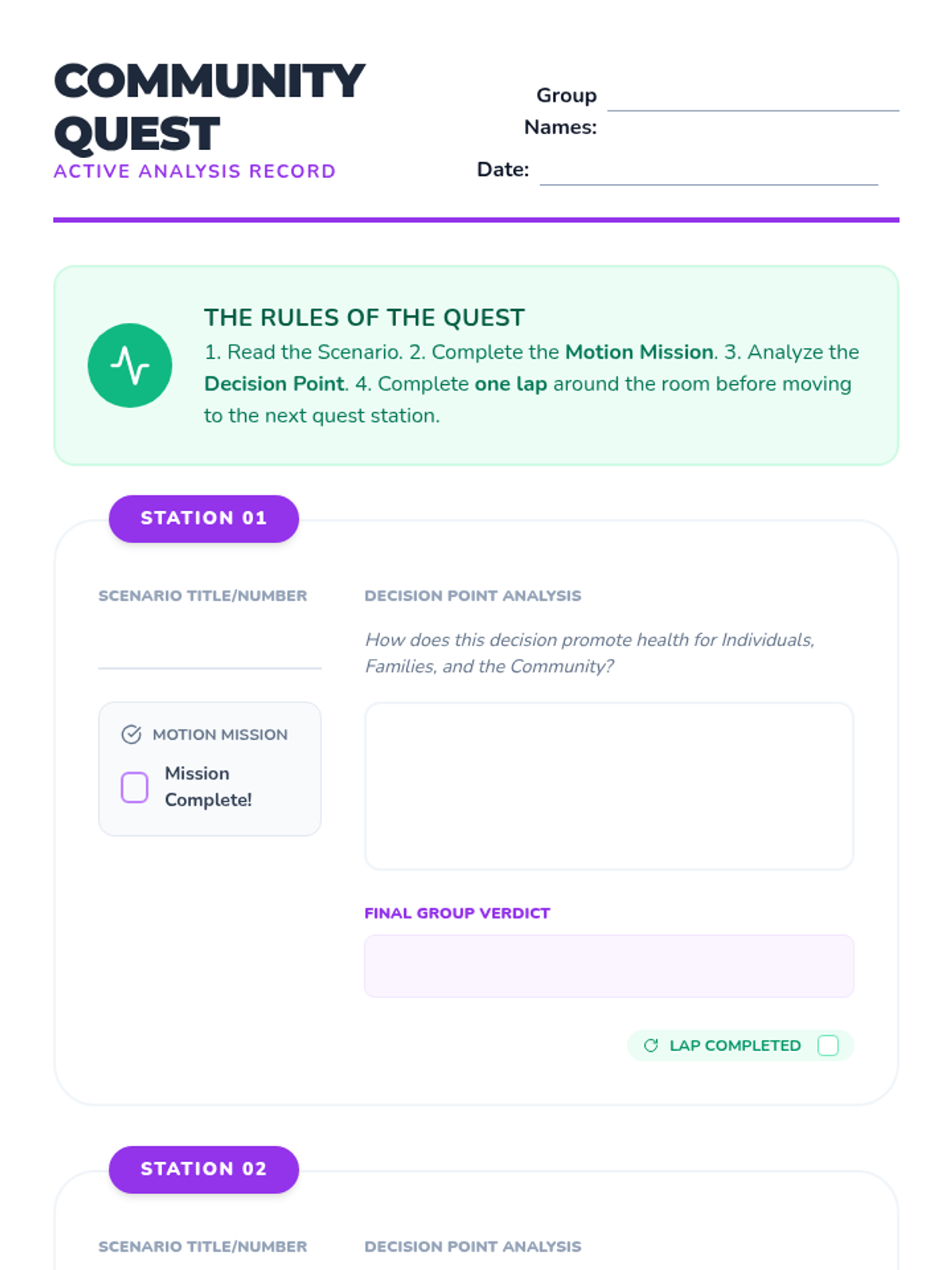
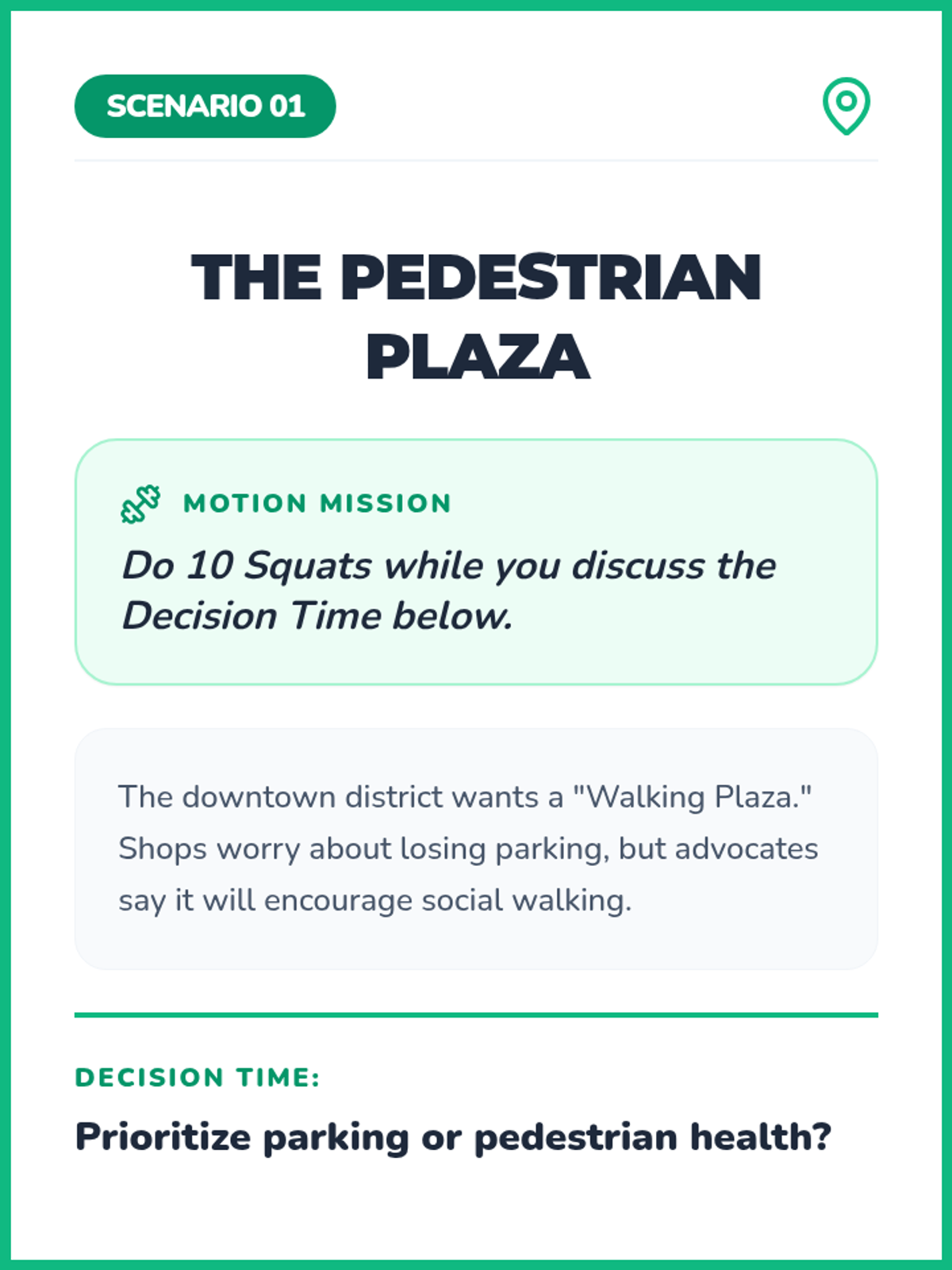
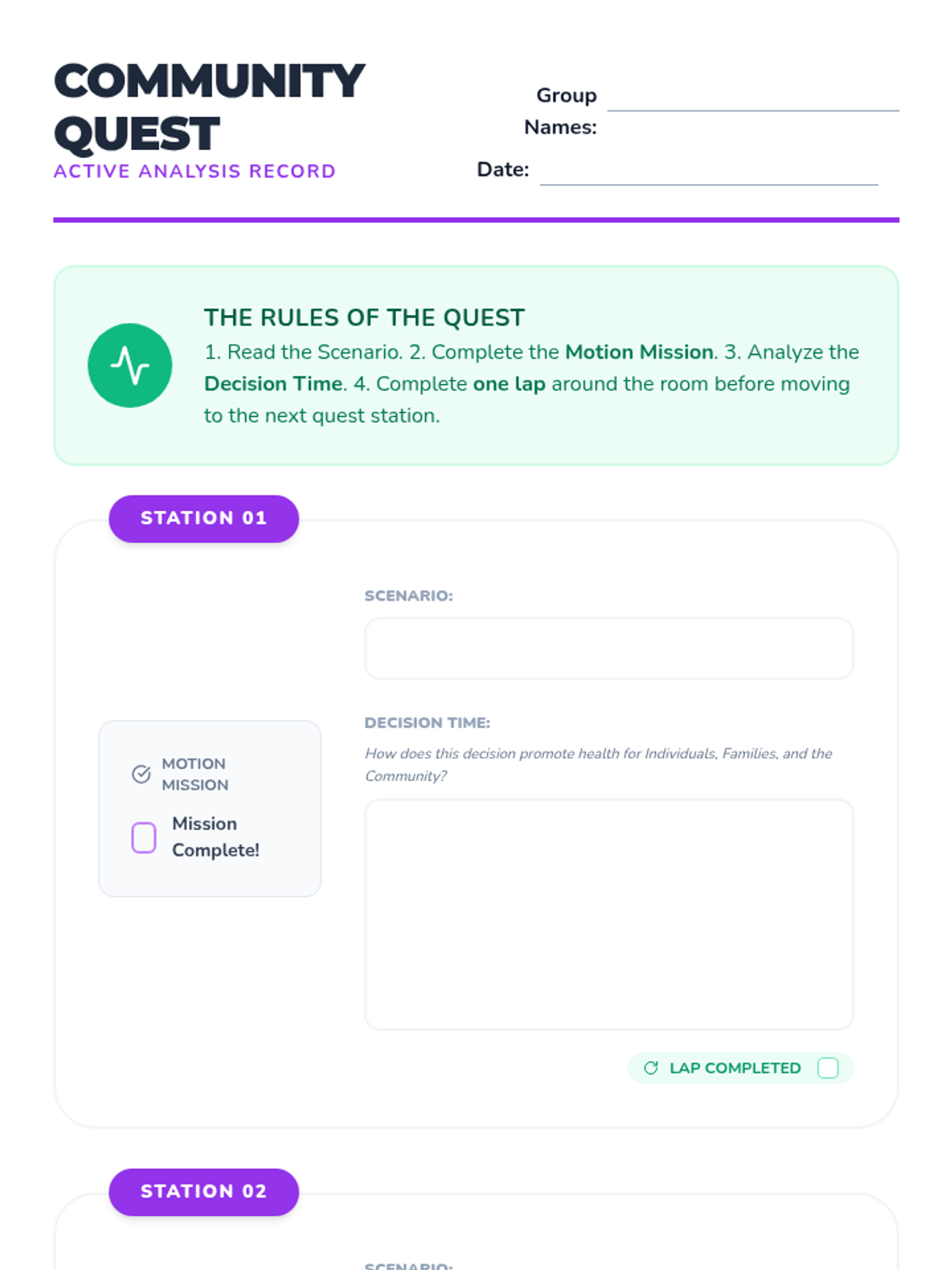
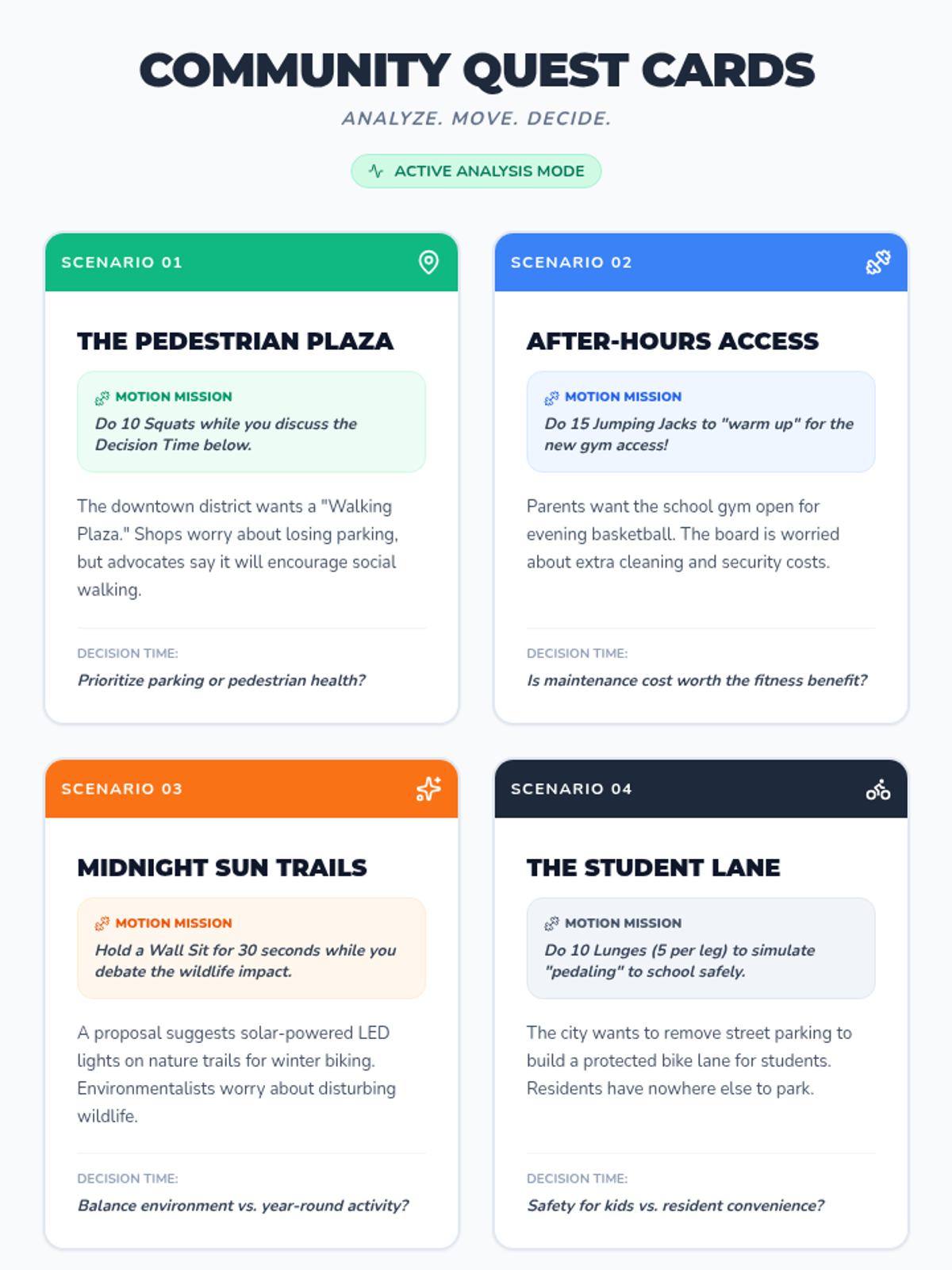
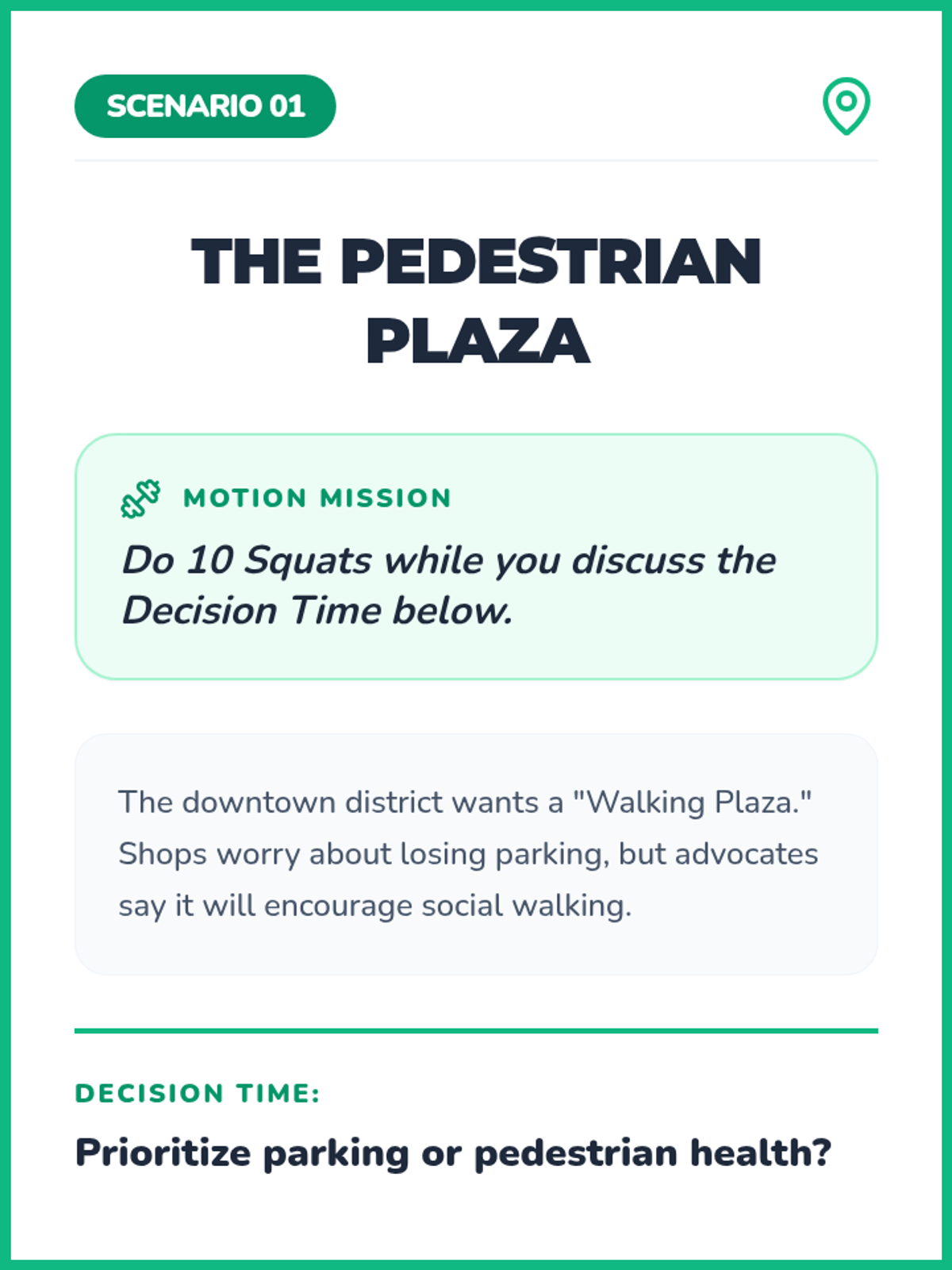
A lesson focused on the lifelong benefits of physical activity and the decision-making skills required to promote health for individuals, families, and communities.
A comprehensive introduction to the six dimensions of health, focusing on how they interact to create overall well-being through the 'Wellness Wheel' model.
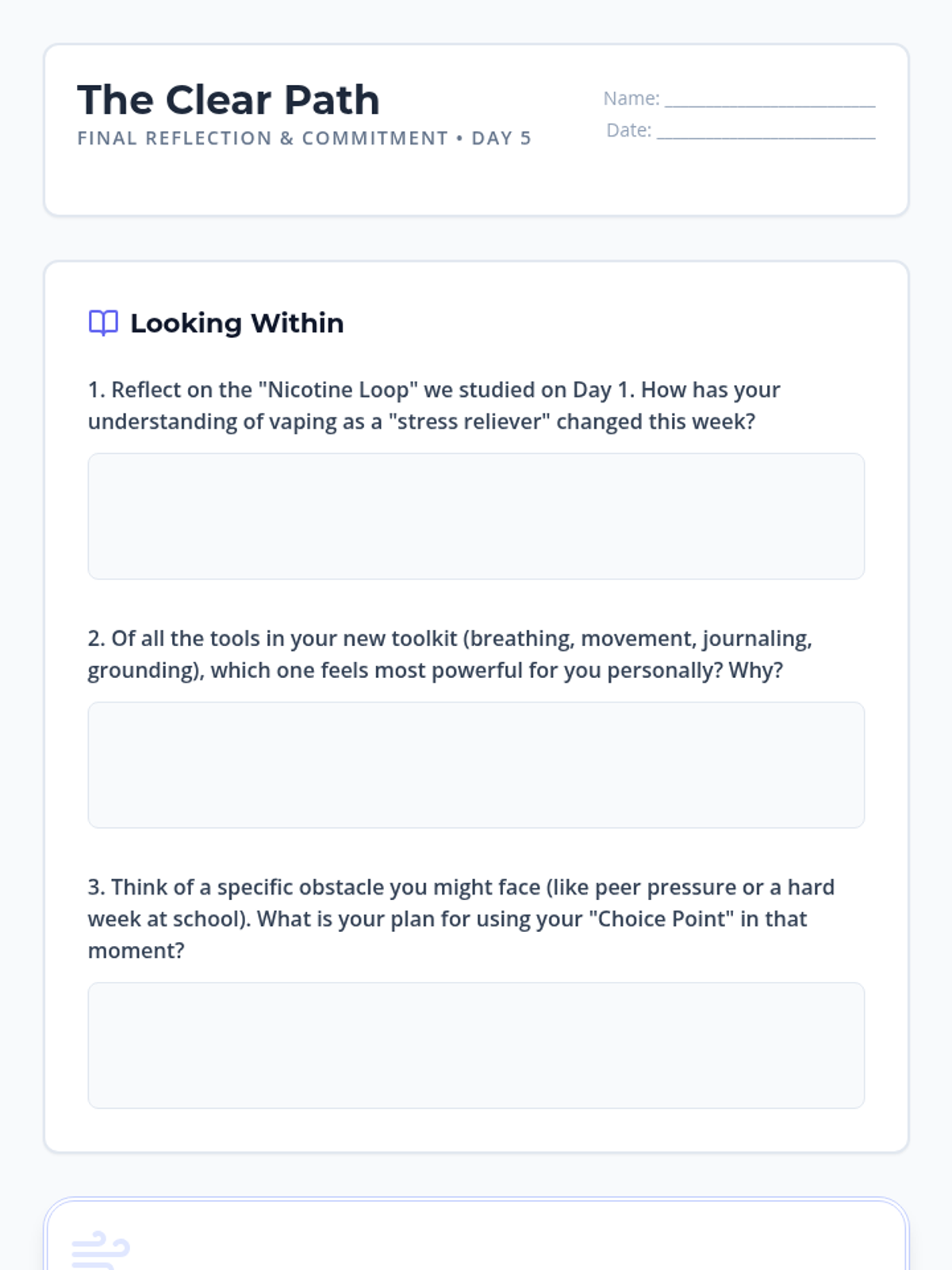
Synthesizing learning through reflection and the creation of a personal commitment plan.
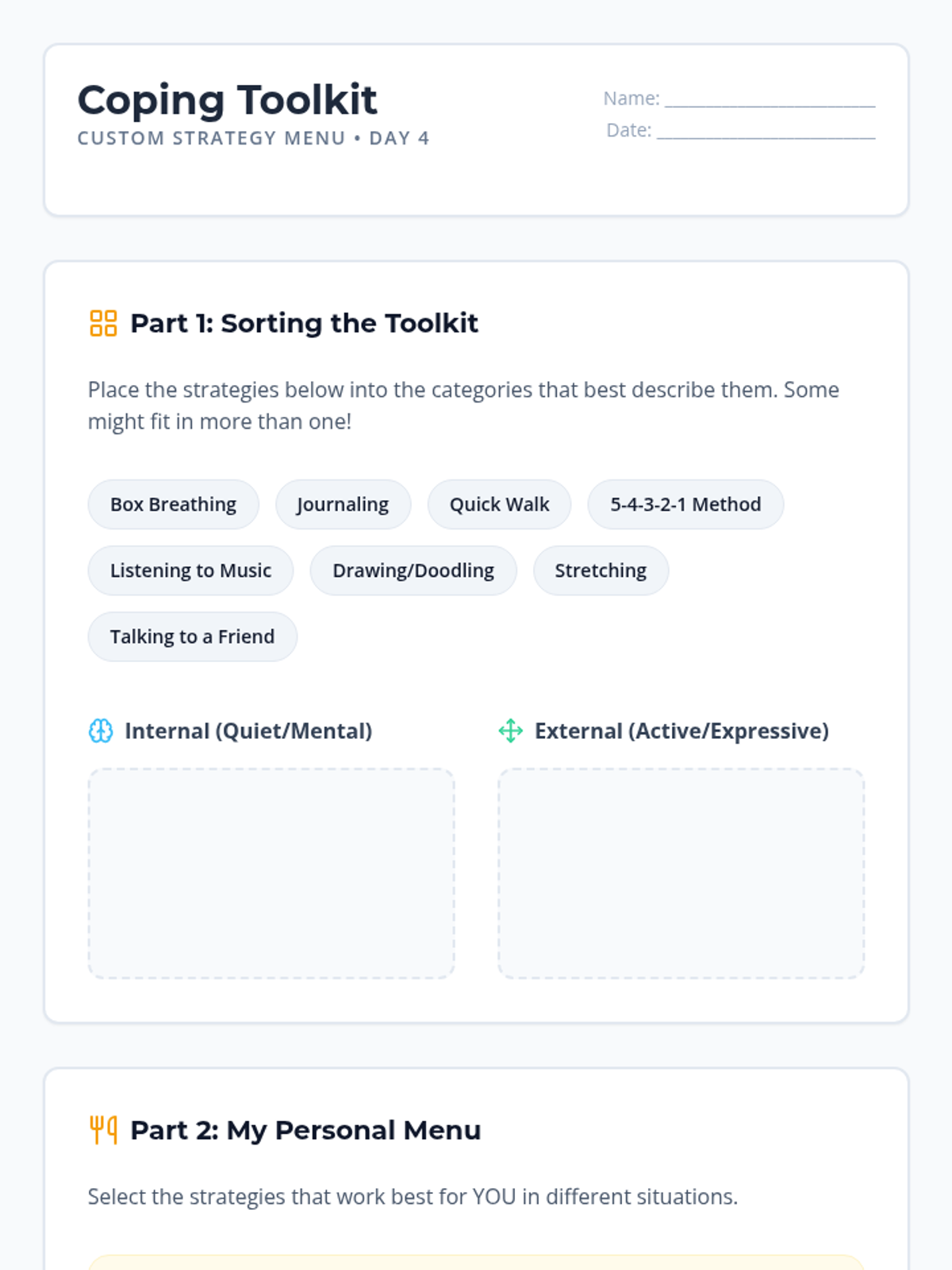
Expanding the toolkit to include journaling, physical movement, and creative outlets.
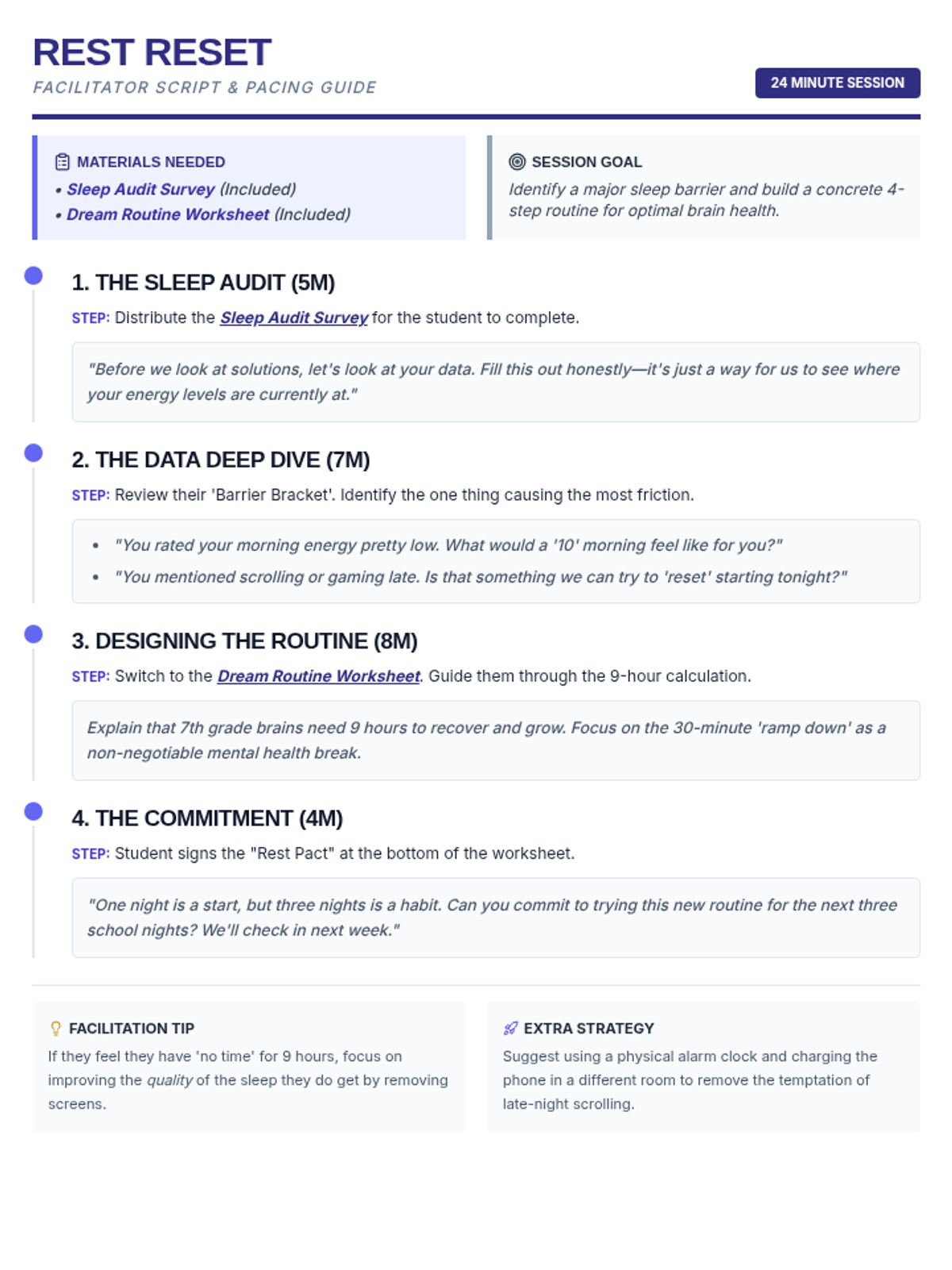
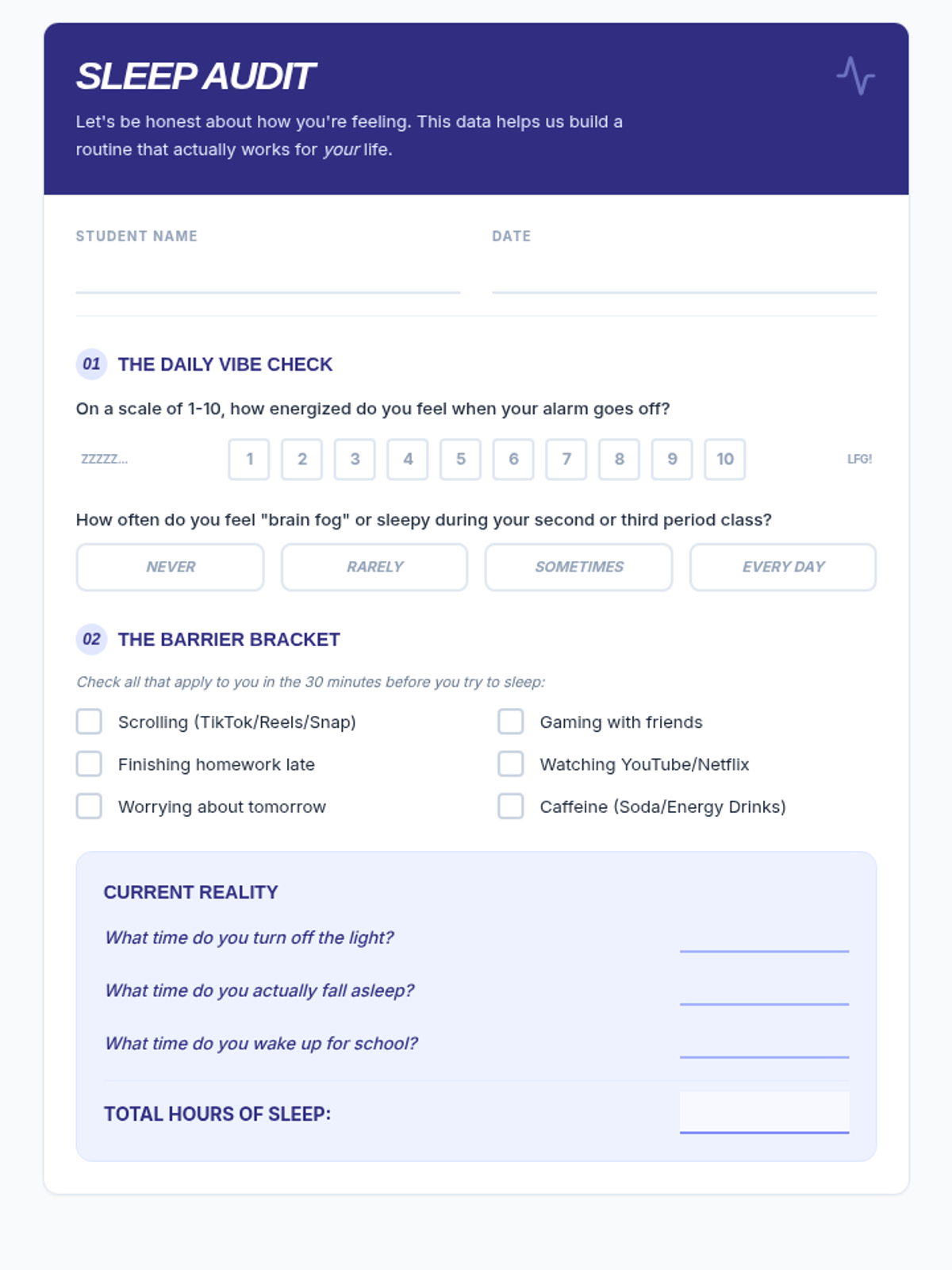
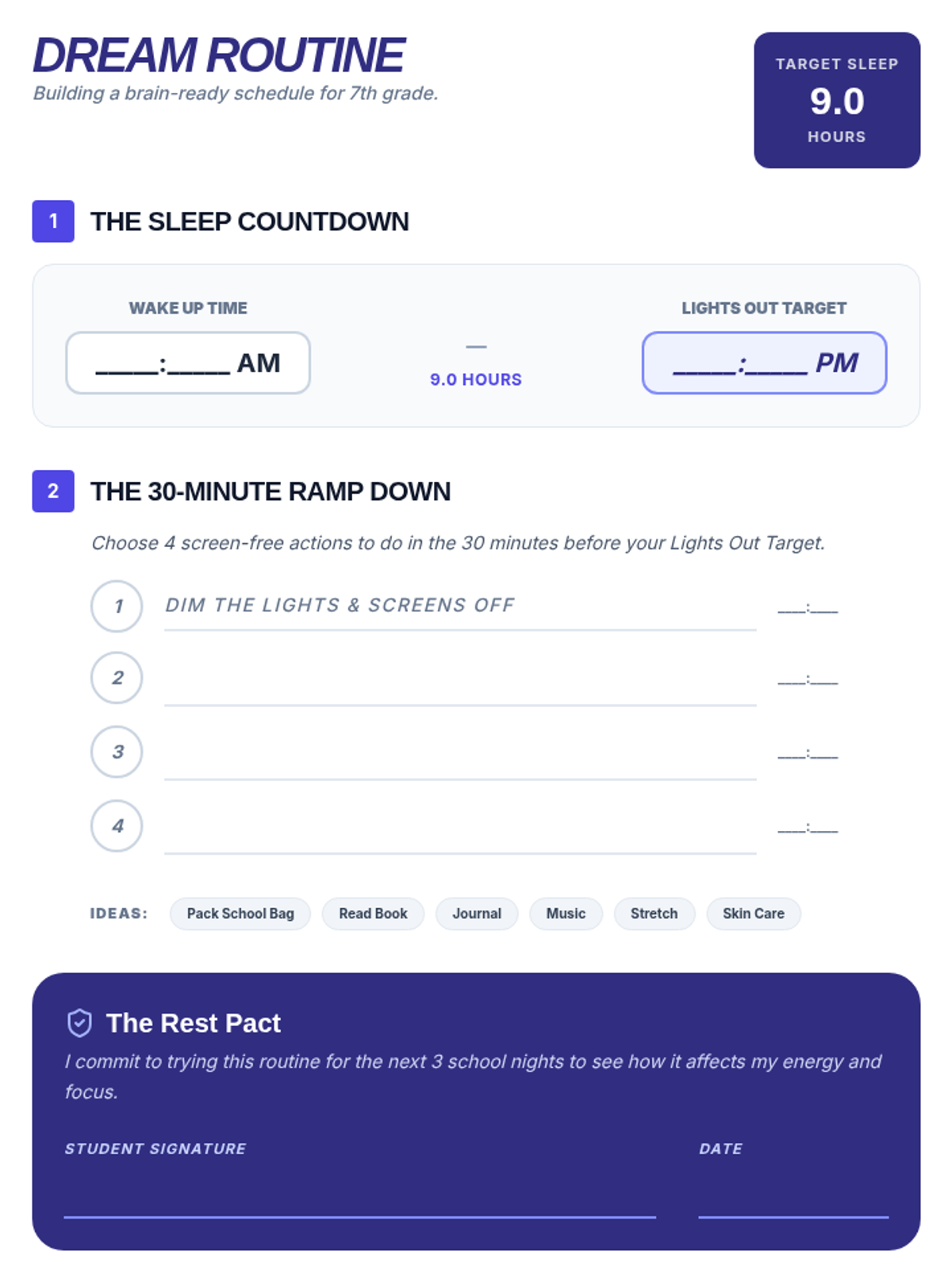
A focused 24-minute session designed to help middle schoolers audit their current sleep habits and design a sustainable bedtime routine for optimal brain health.
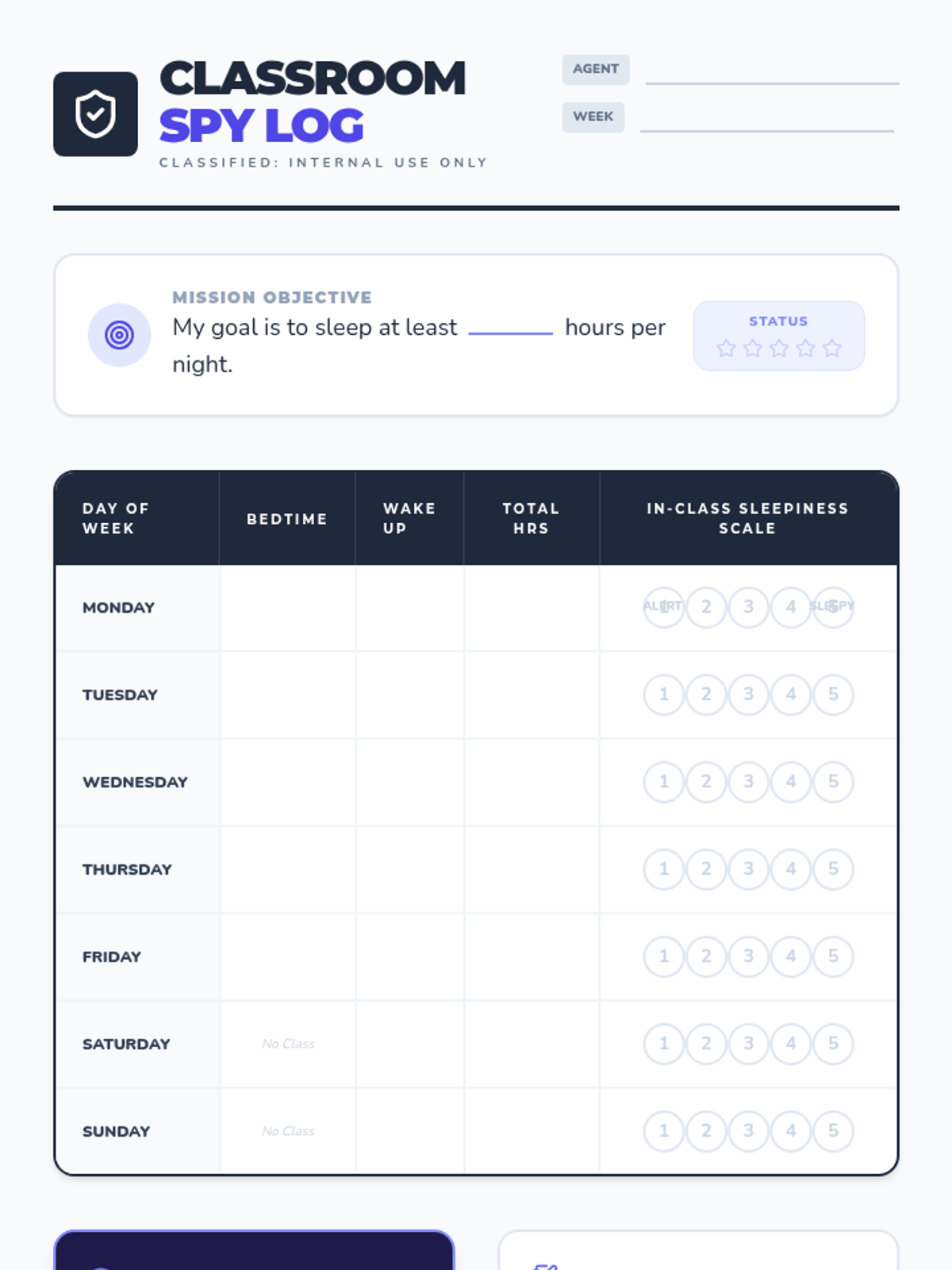
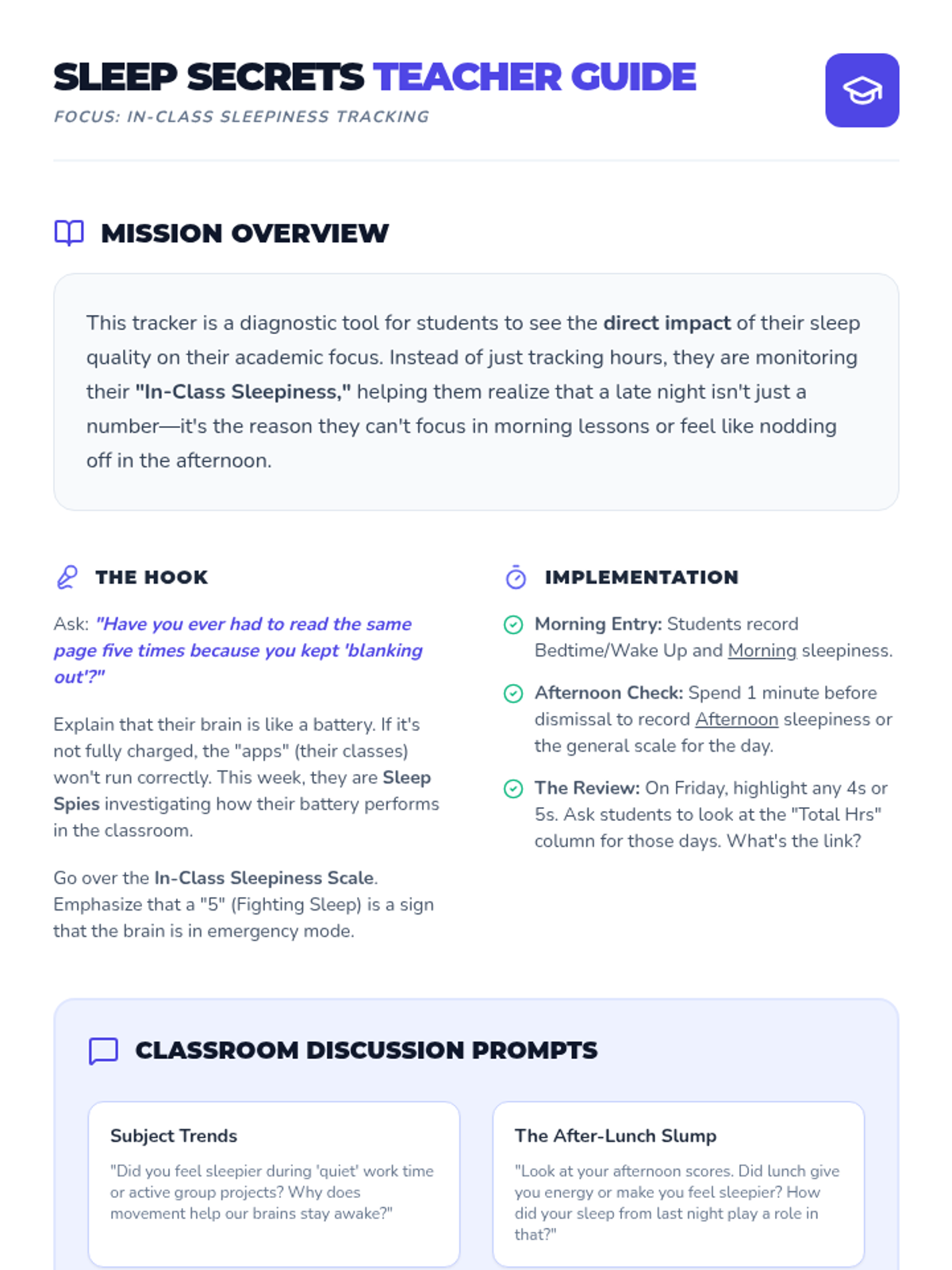
A lesson focused on helping students track and analyze their sleep patterns to understand the impact of rest on their daily energy and mood.
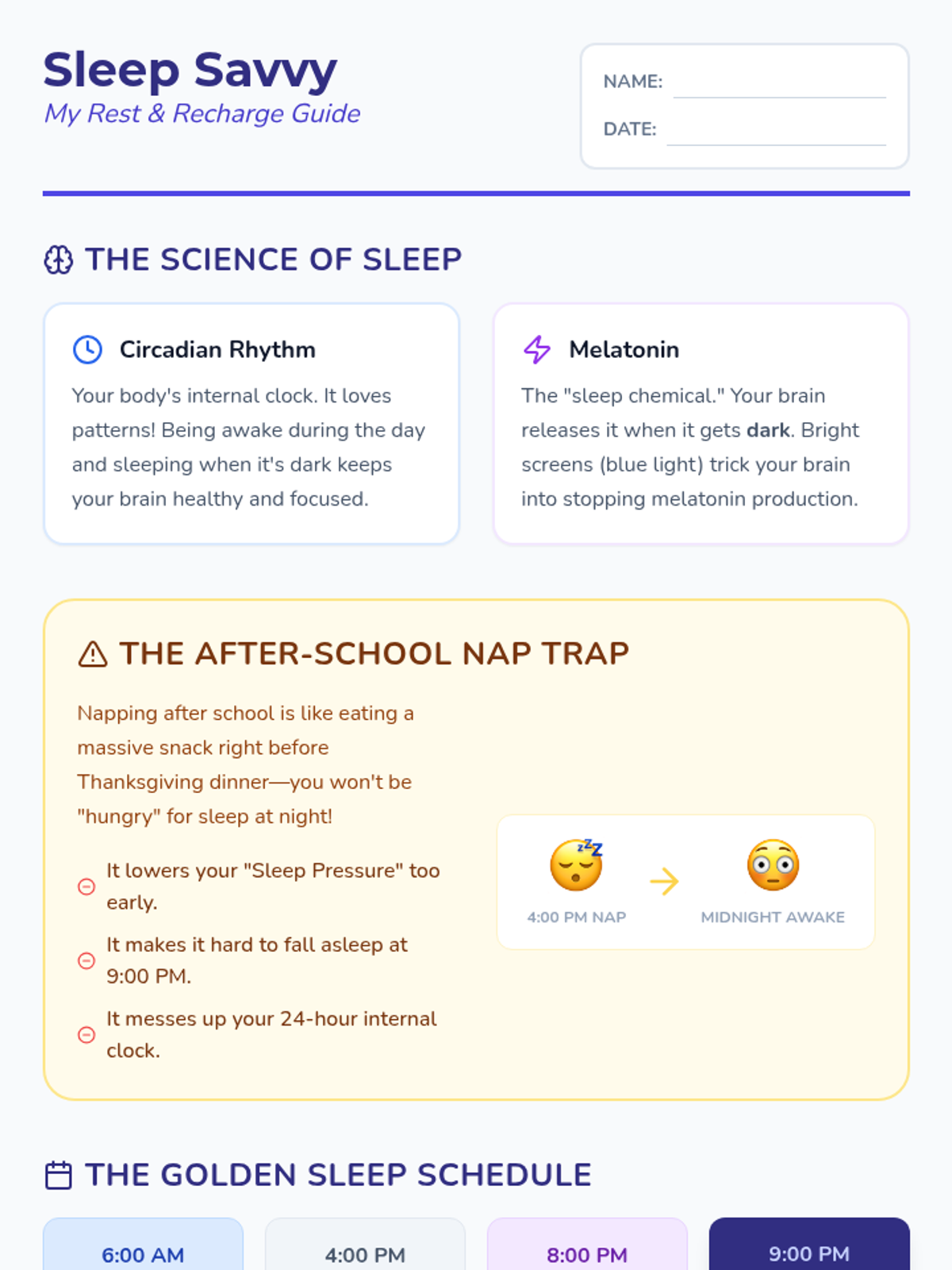
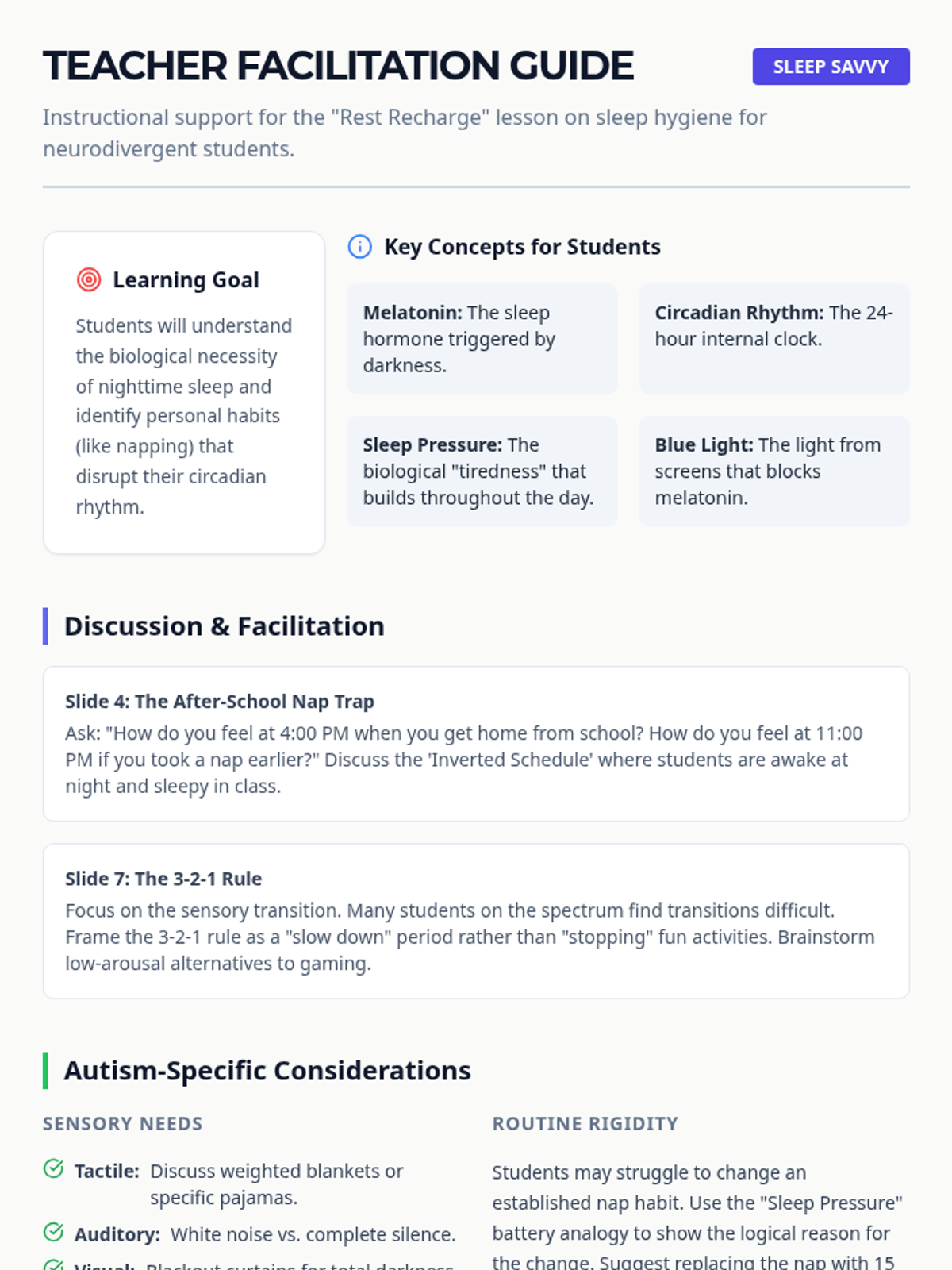
A comprehensive guide for teenagers on the autism spectrum to understand the science of sleep hygiene, the importance of circadian rhythms, and how to maintain a consistent nighttime schedule.
A lesson focused on understanding and implementing stress management techniques to improve sleep quality and hygiene.
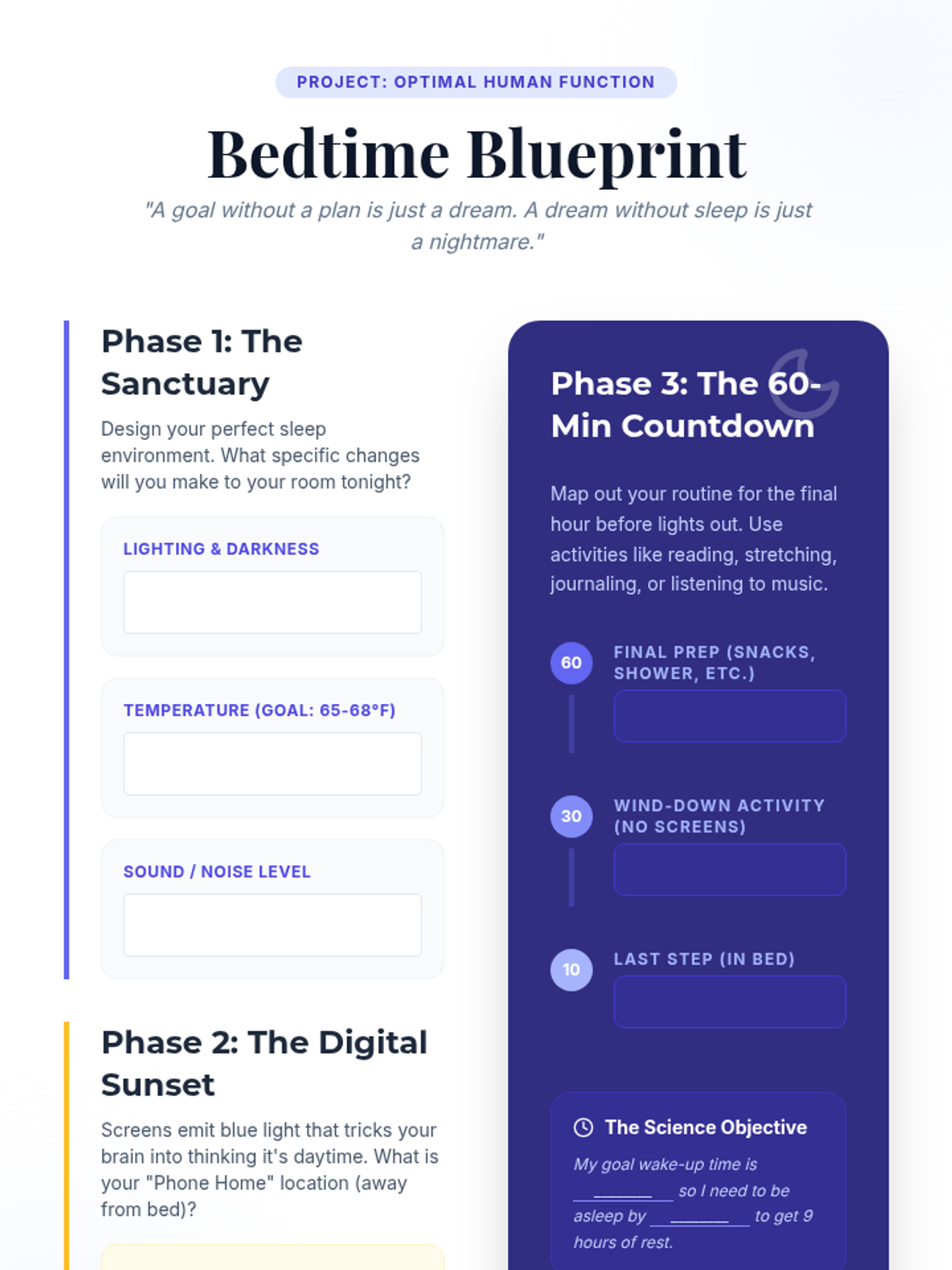
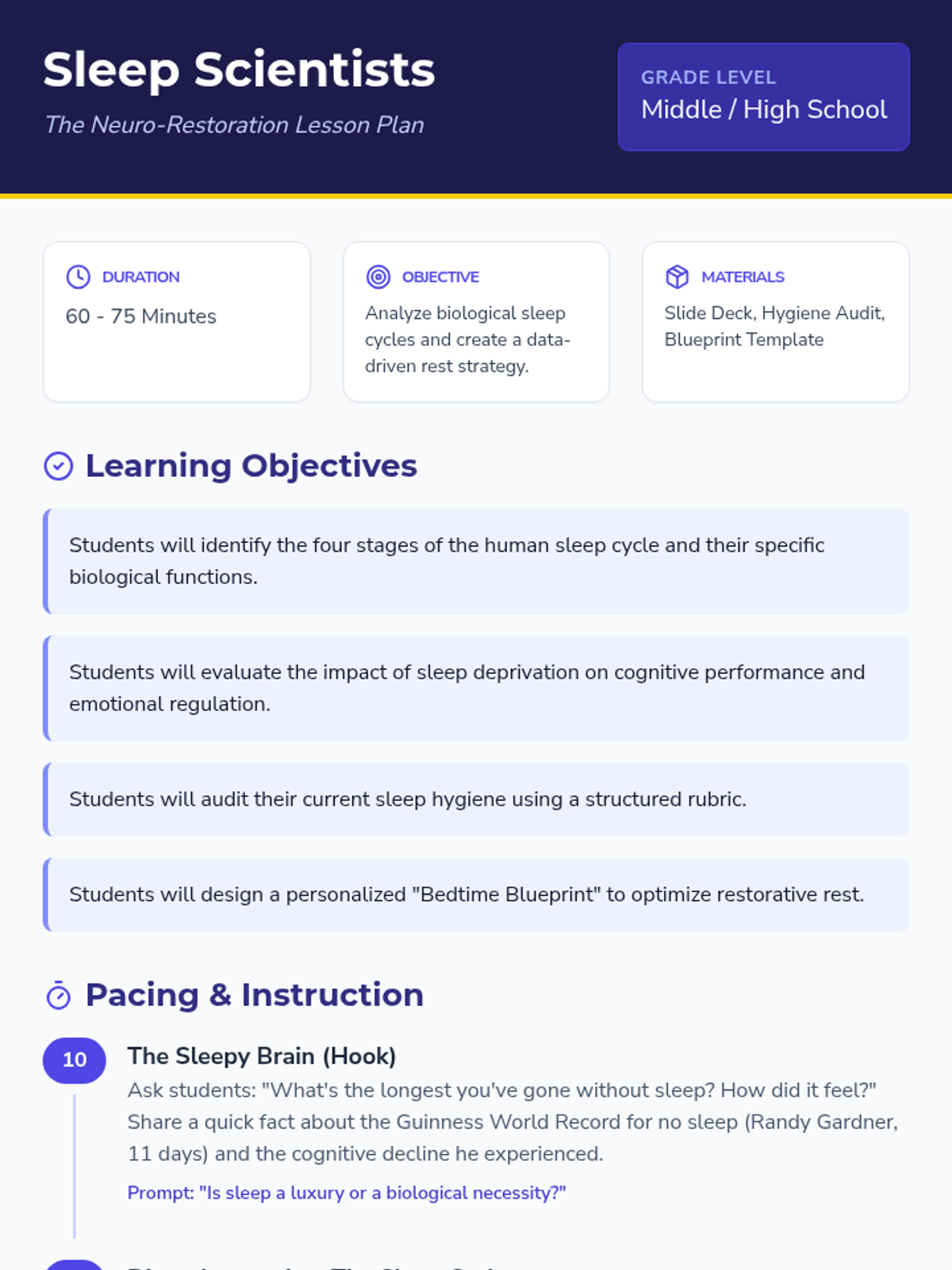
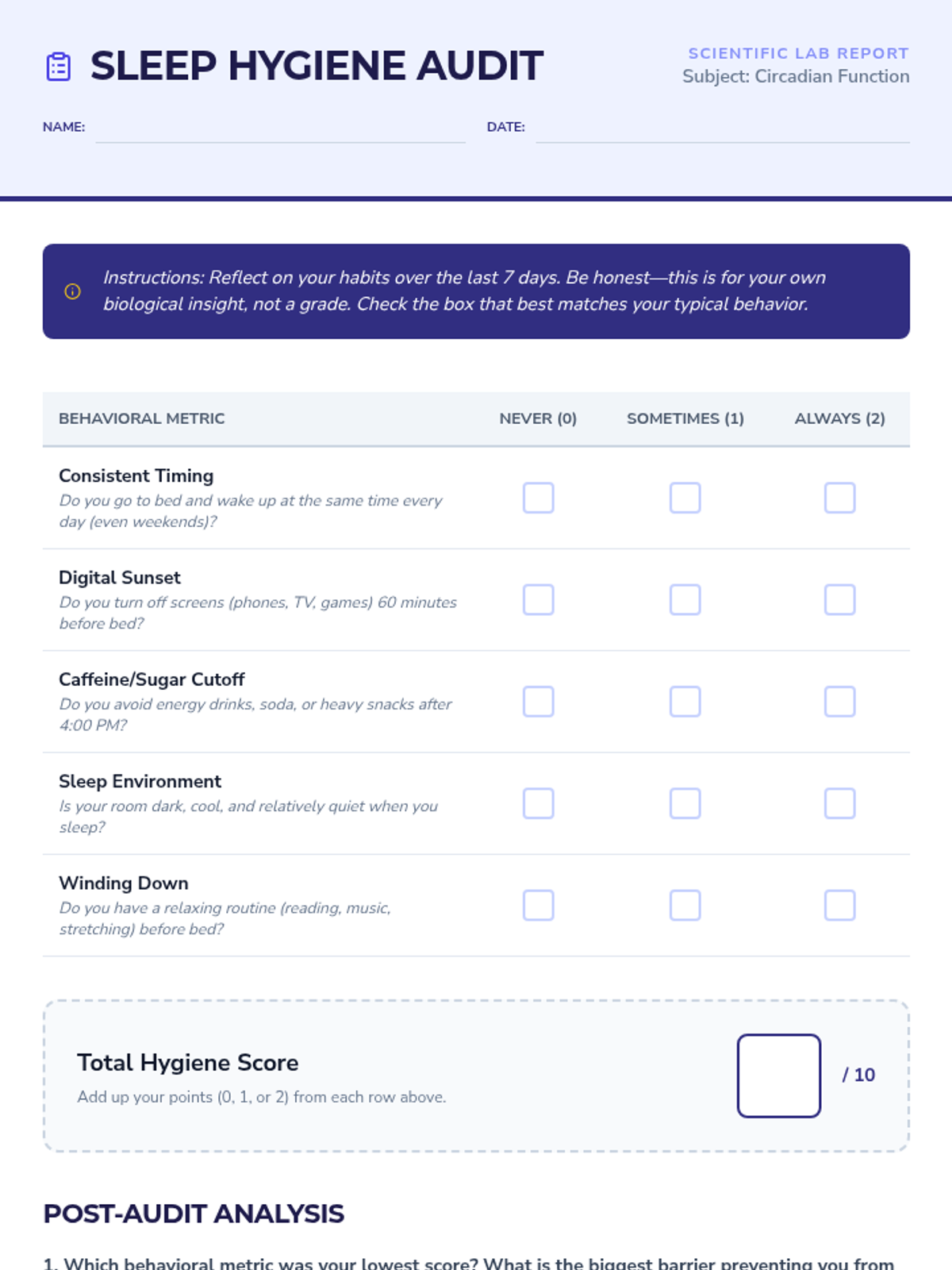
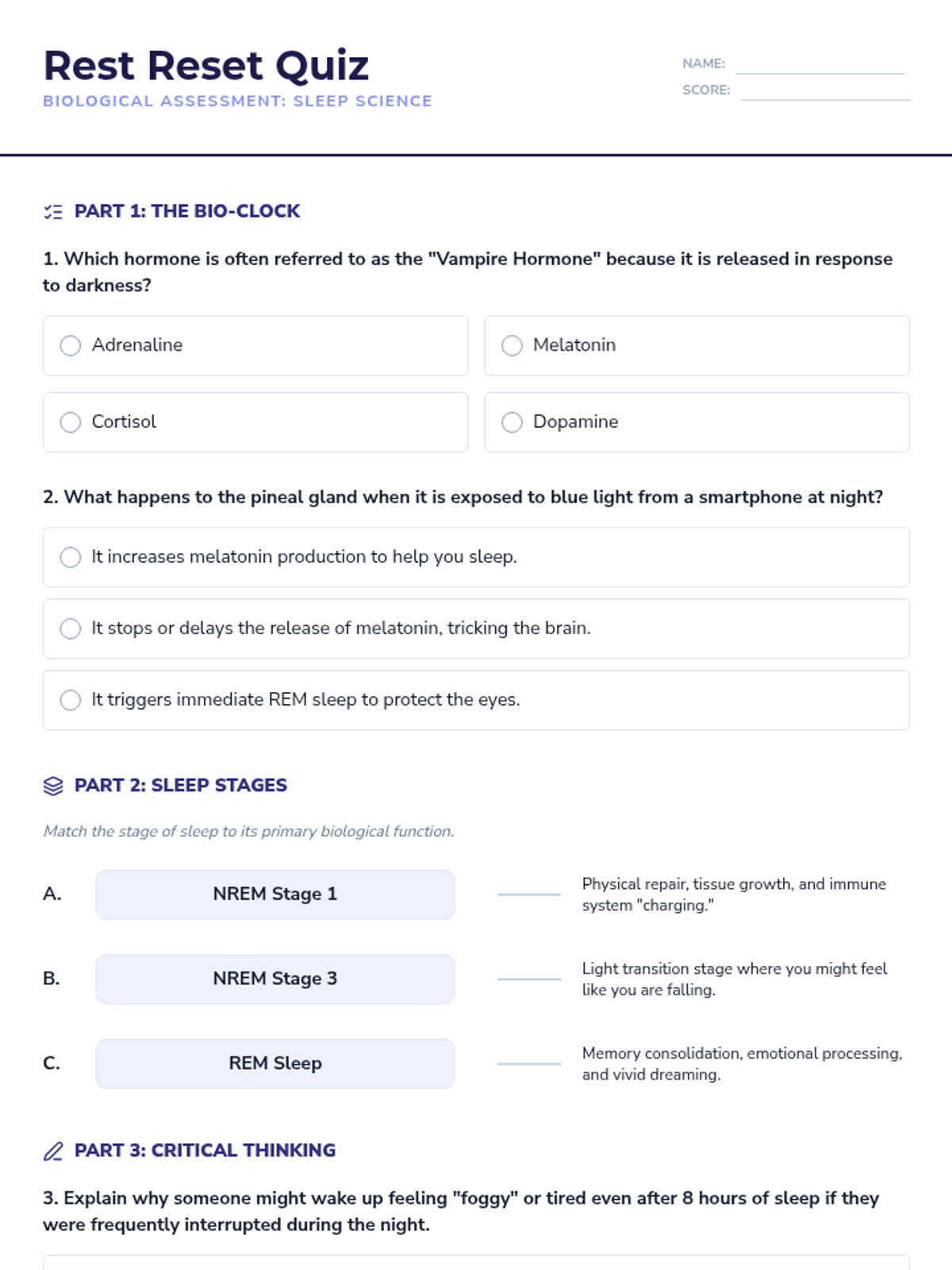
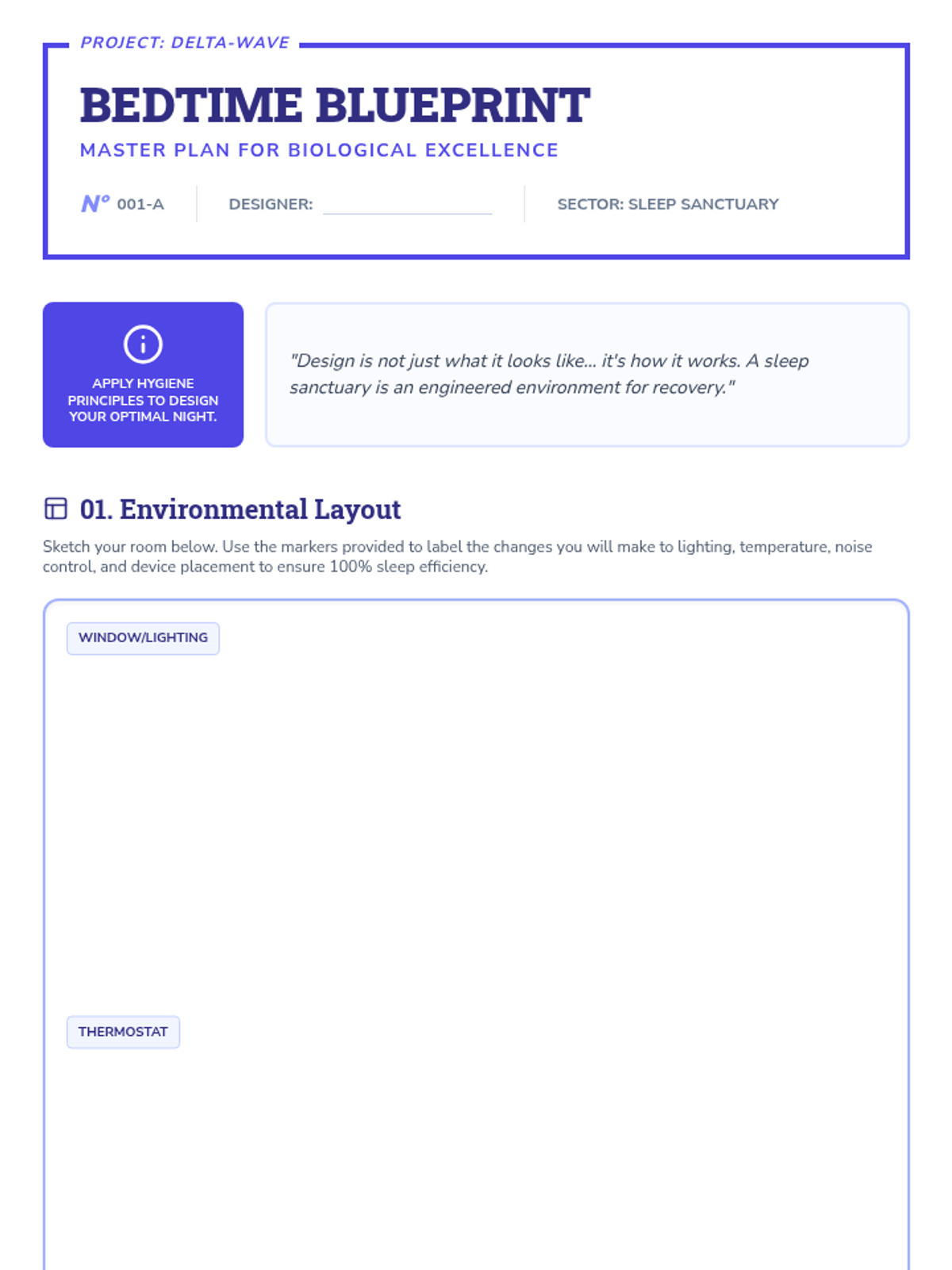
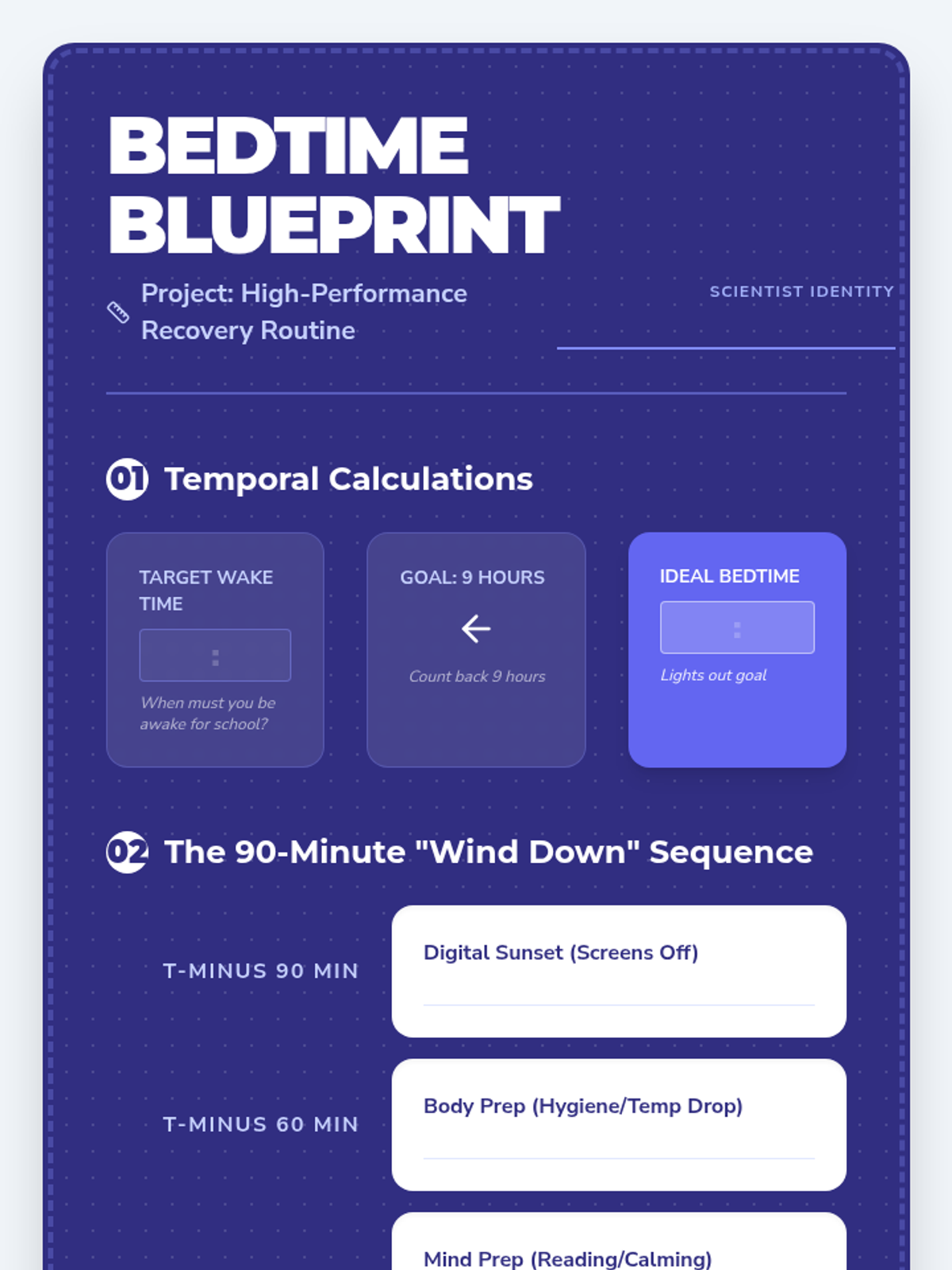
This lesson explores the biological necessity of sleep, the stages of the sleep cycle, and how rest impacts cognitive function and emotional regulation. Students will analyze their own sleep hygiene and develop a 'bedtime blueprint' to improve their quality of rest.
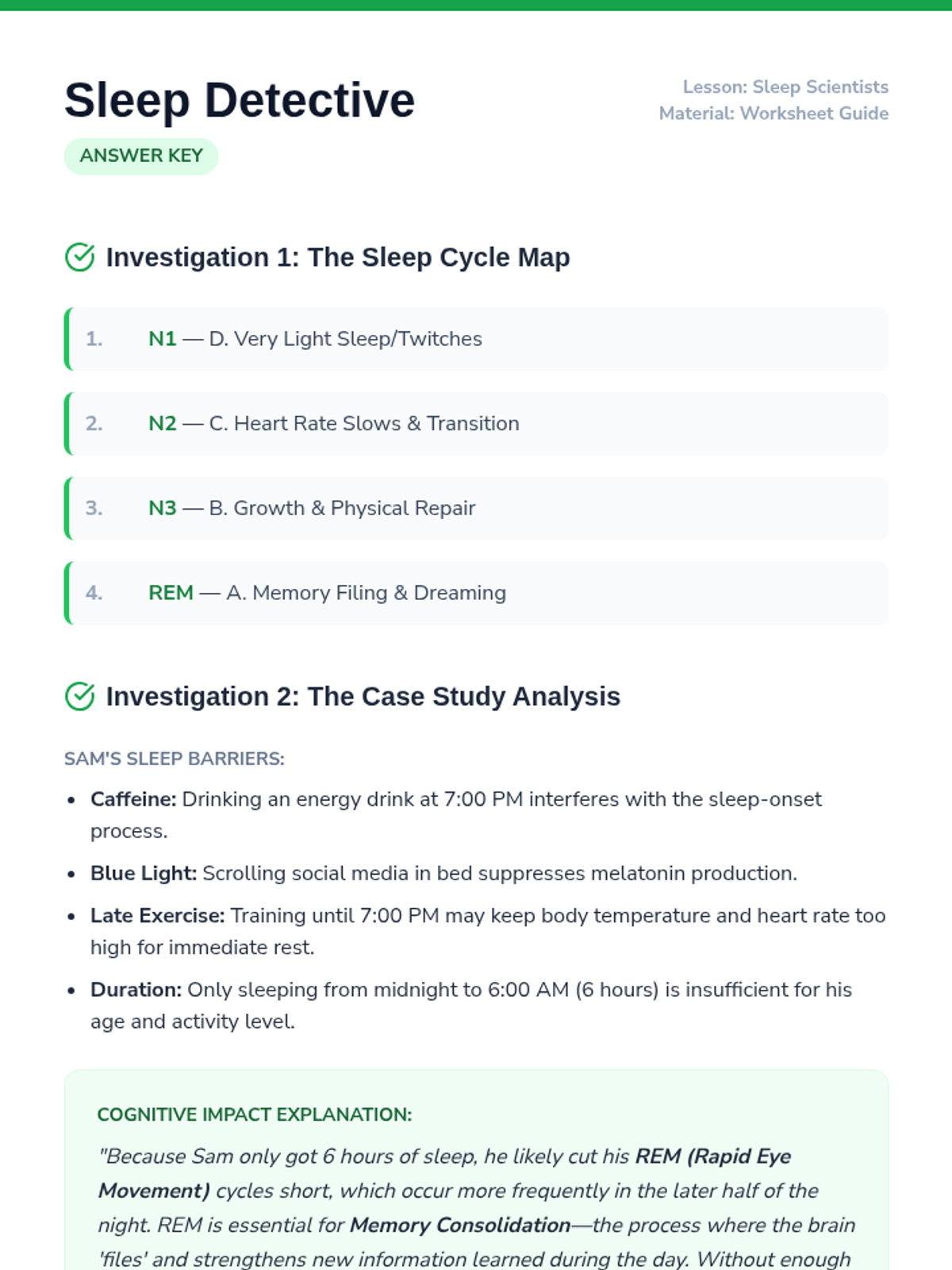
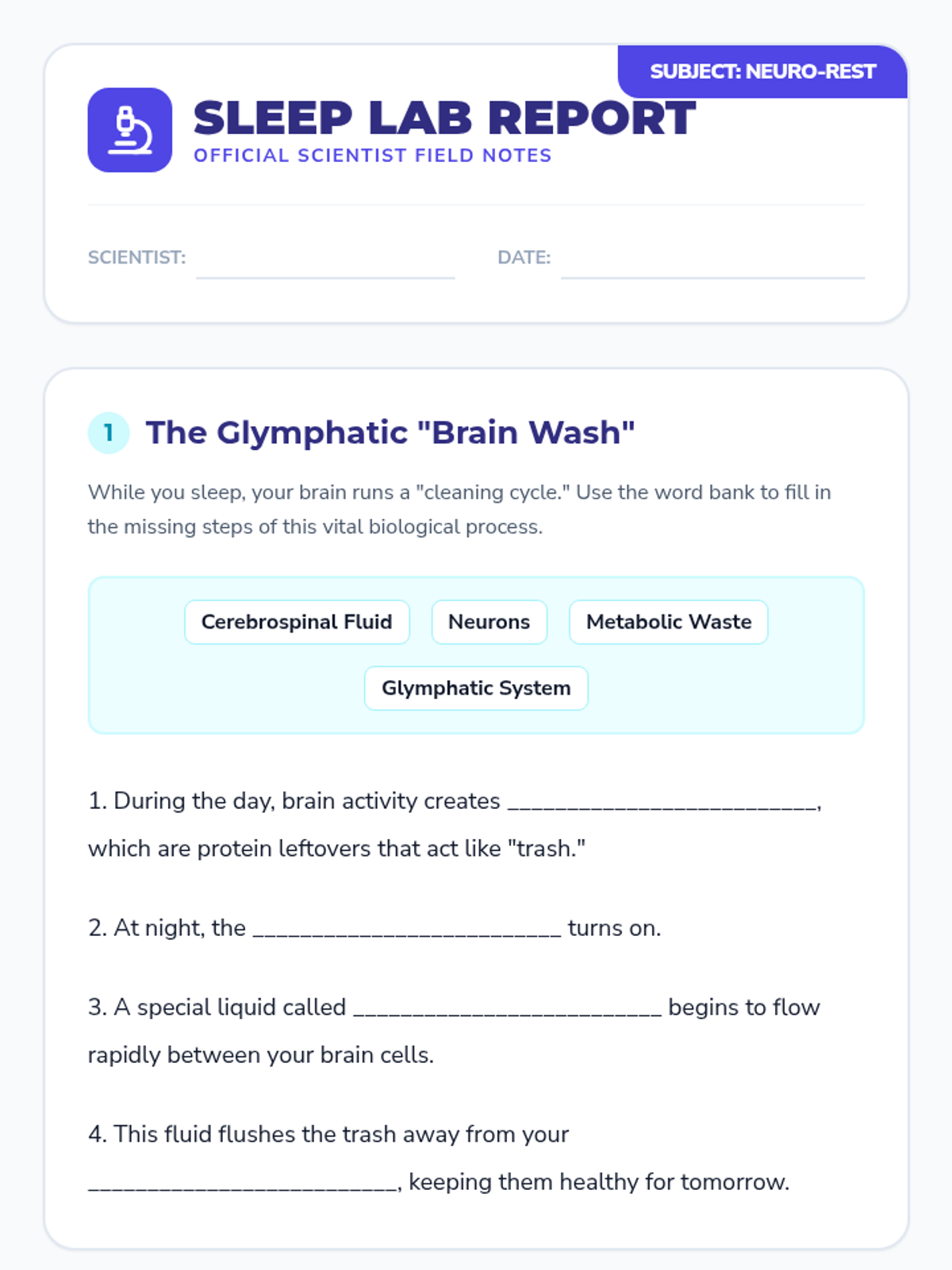
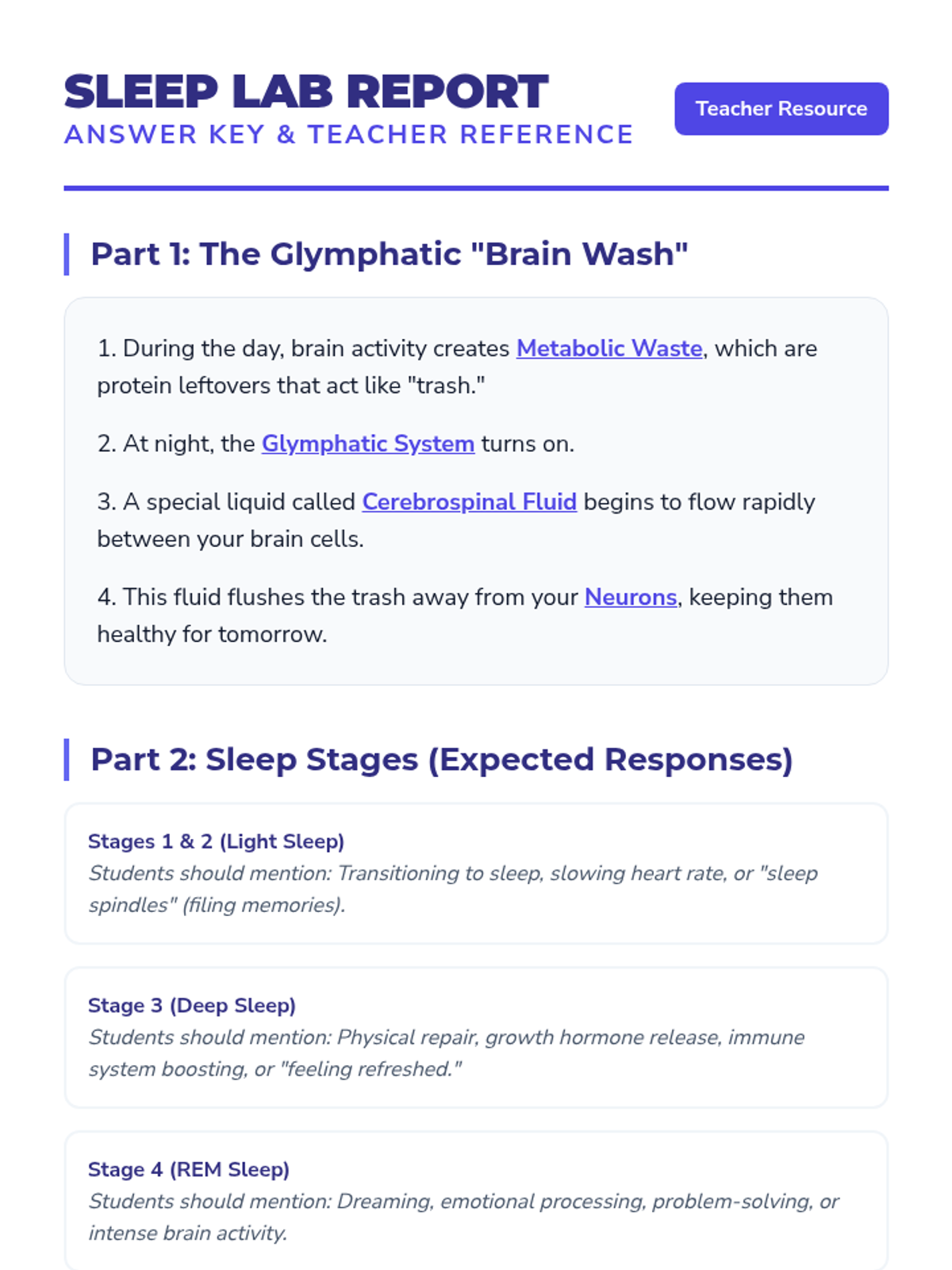
This lesson transforms students into Sleep Scientists to explore the biological necessity of rest. Students will learn about the four stages of sleep, the brain's "cleaning" process during the night, and the direct link between sleep hygiene and emotional/cognitive performance. The lesson culminates in students designing a personalized 'Bedtime Blueprint' to optimize their own recovery.
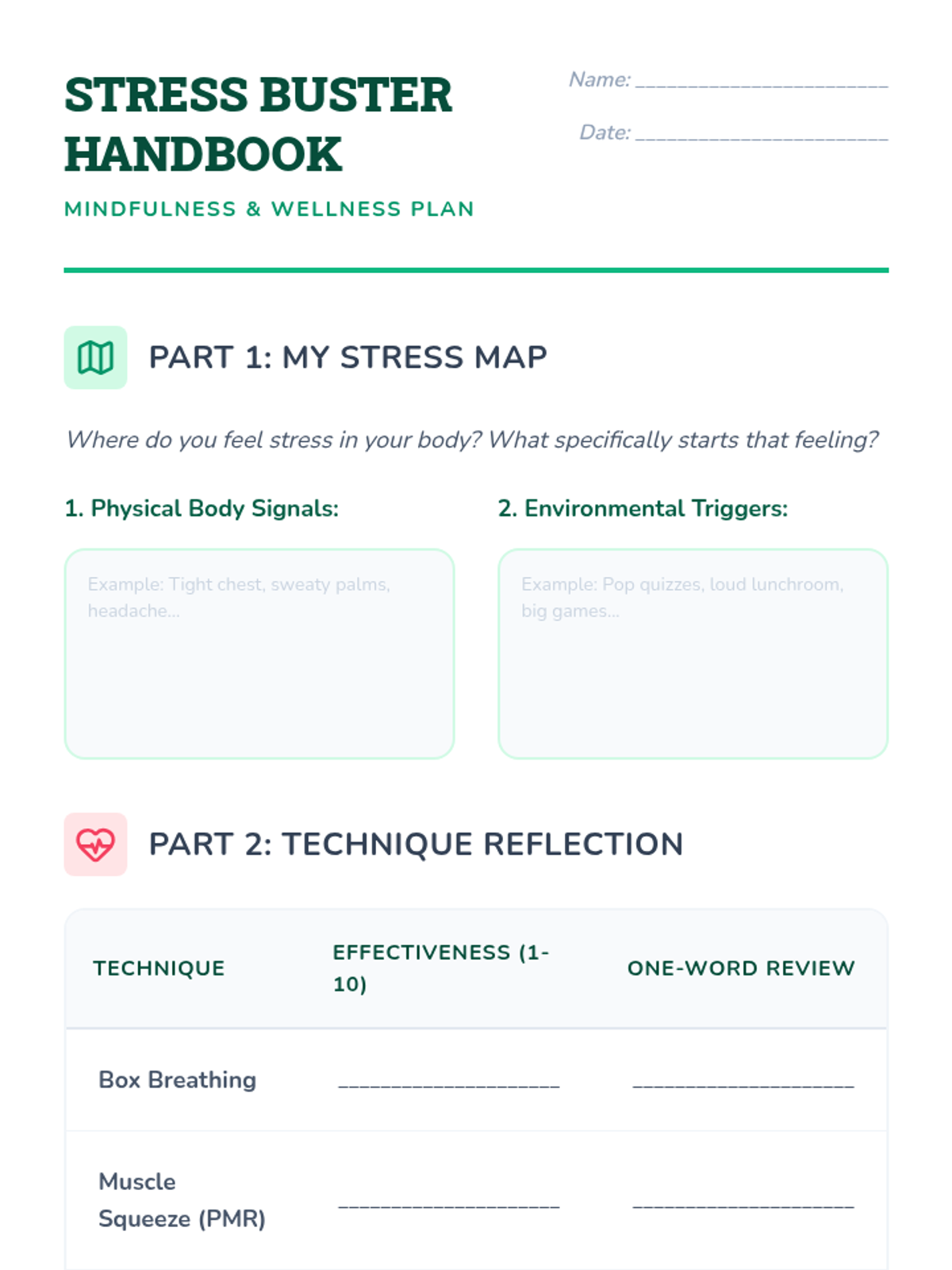
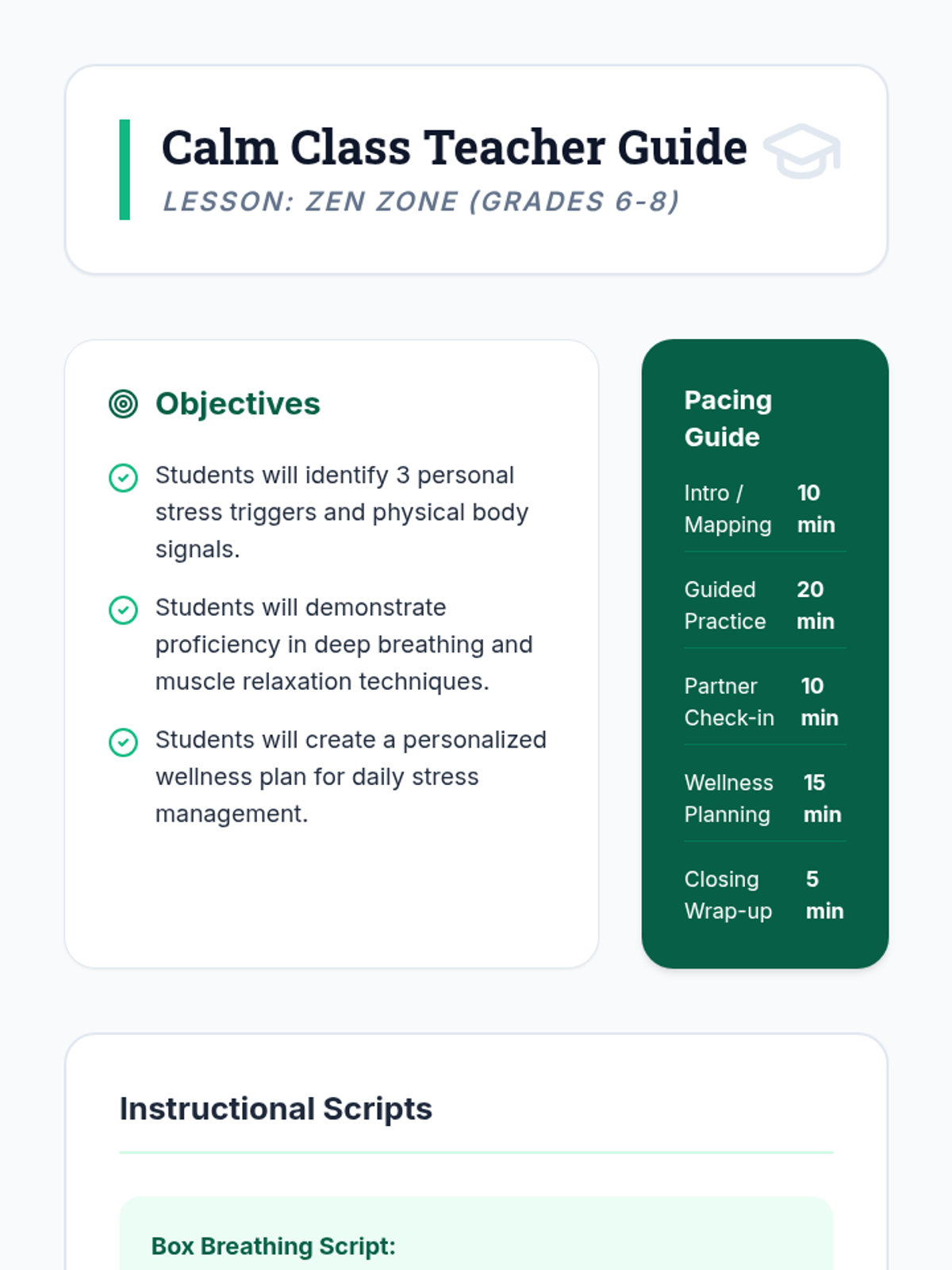
A middle school health lesson focused on identifying stress triggers and practicing evidence-based mindfulness techniques like deep breathing and progressive muscle relaxation. Students create a personalized wellness plan to manage daily stressors.
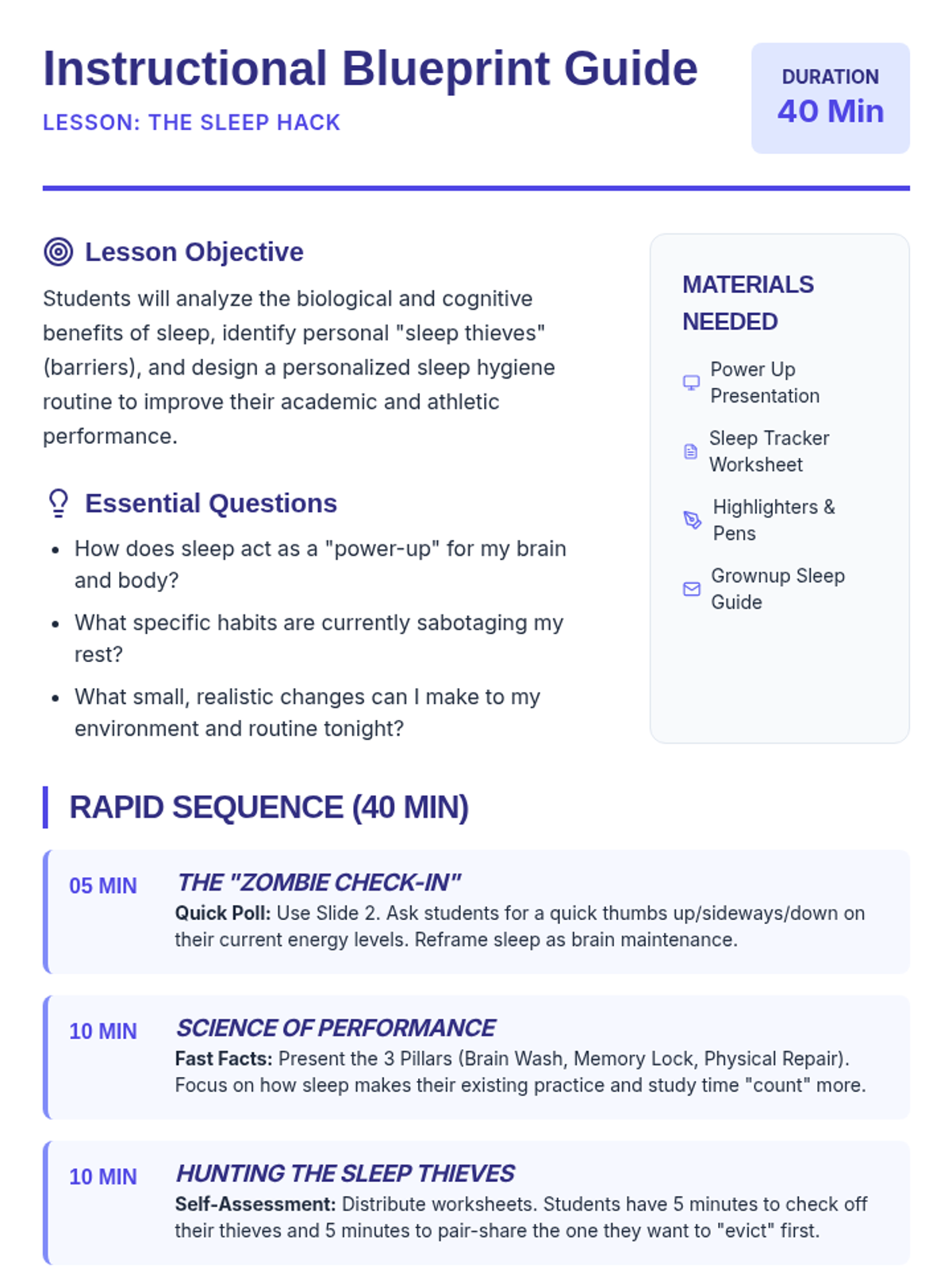
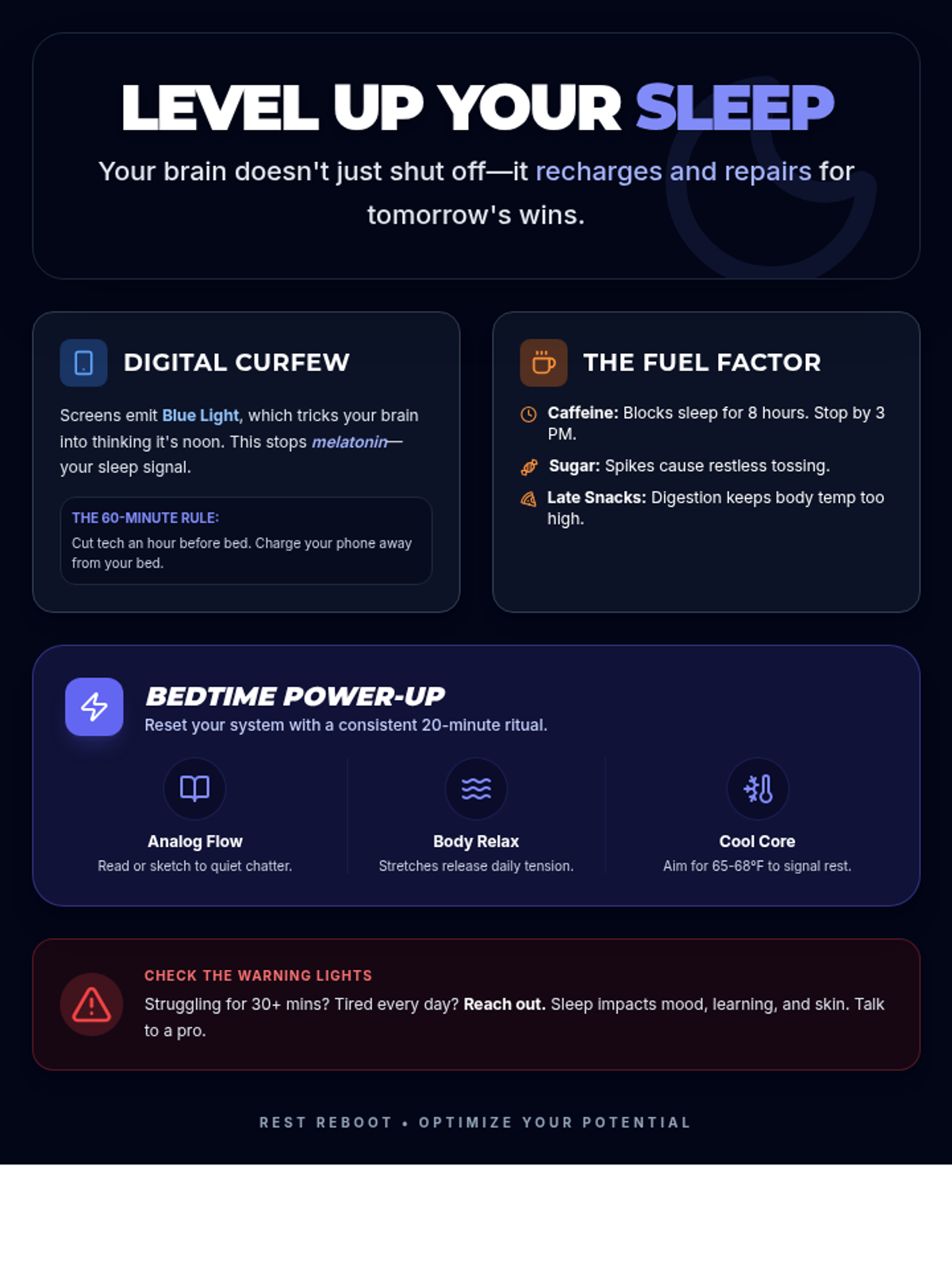
An engaging lesson that breaks down why sleep is a performance-enhancing 'hack' for students and provides practical tools for building a better bedtime routine.
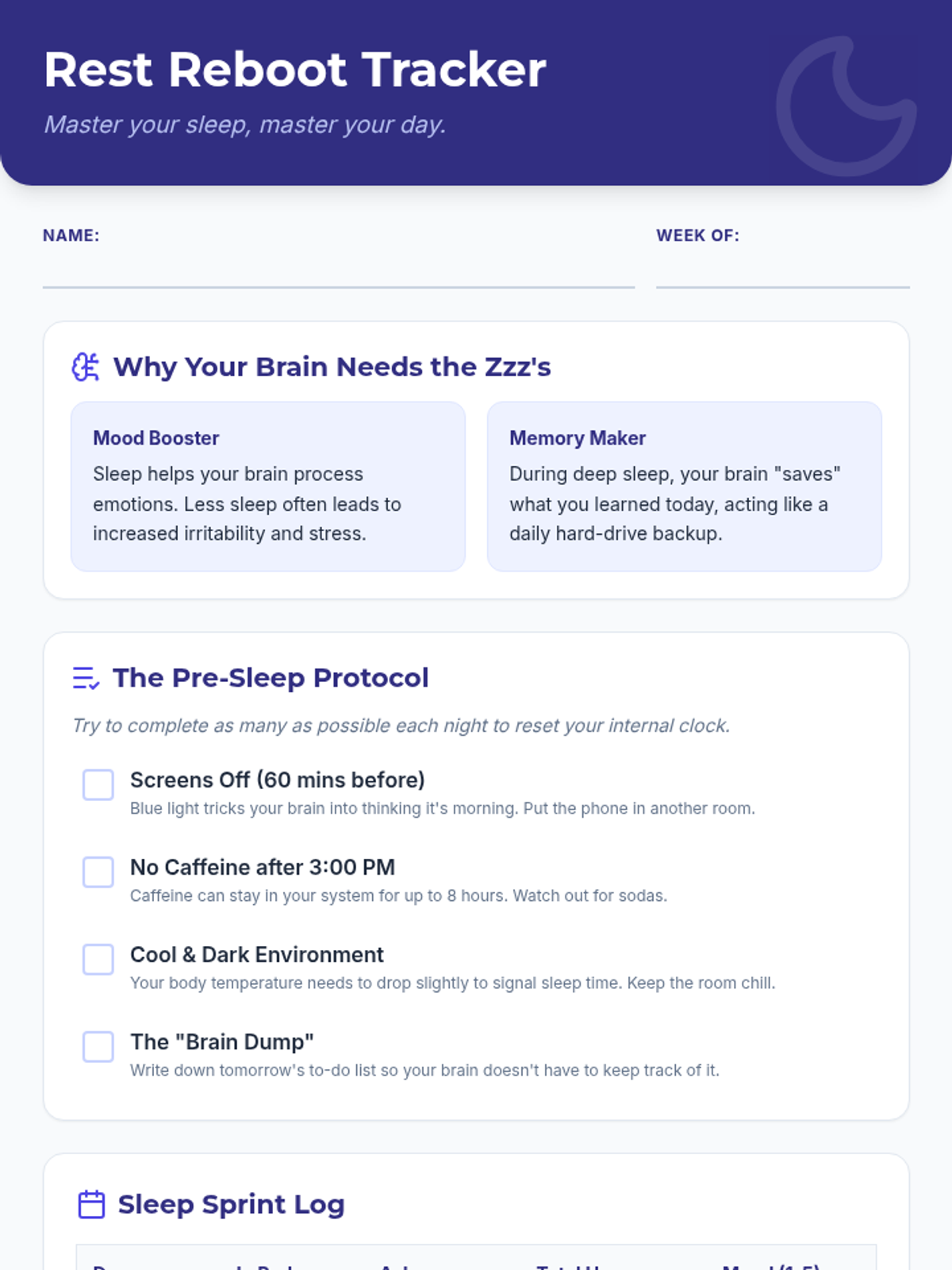
A lesson designed to help teenagers understand the science of sleep hygiene, develop healthy bedtime routines, and track their progress toward better rest for improved mood and learning.
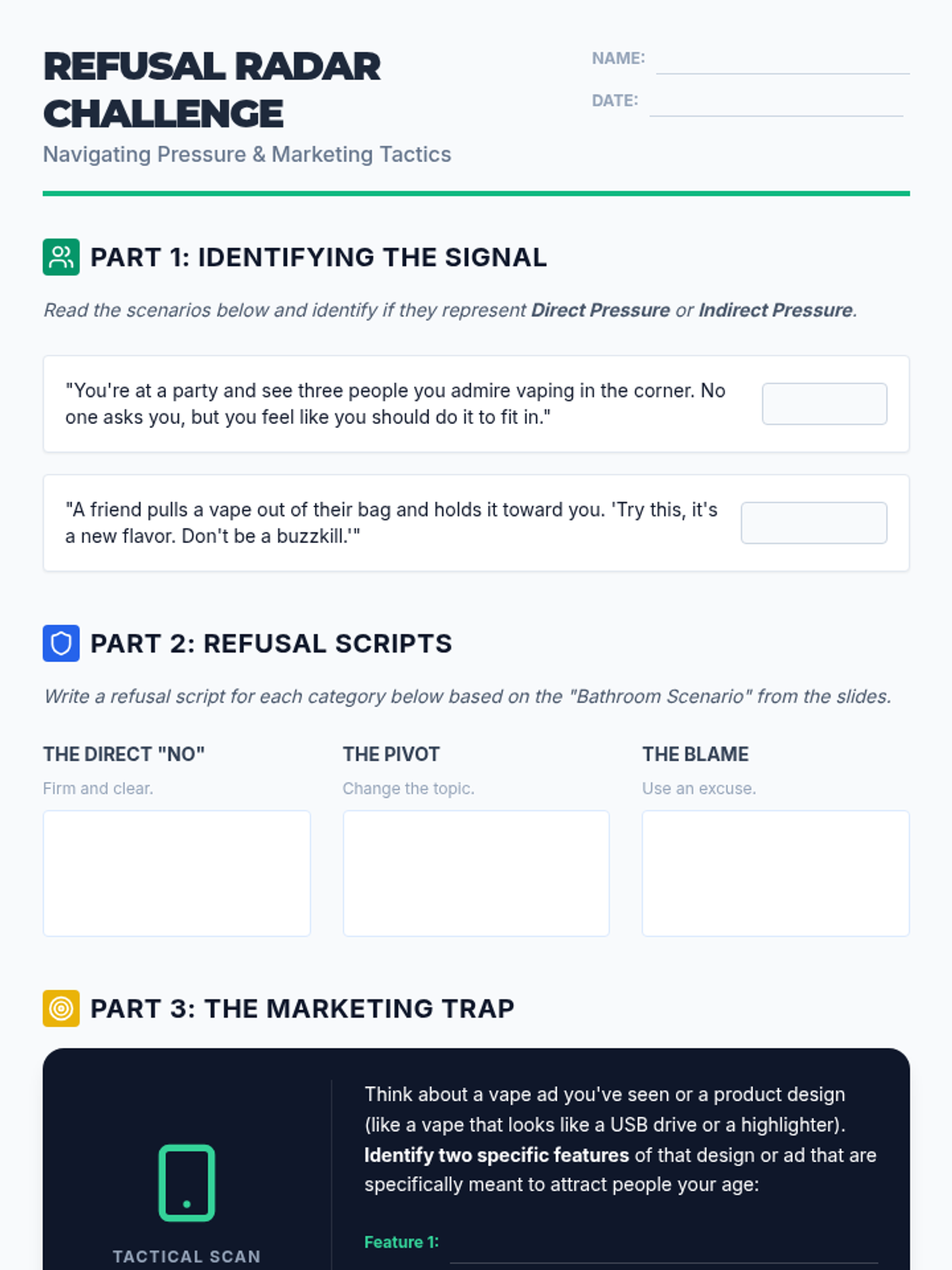
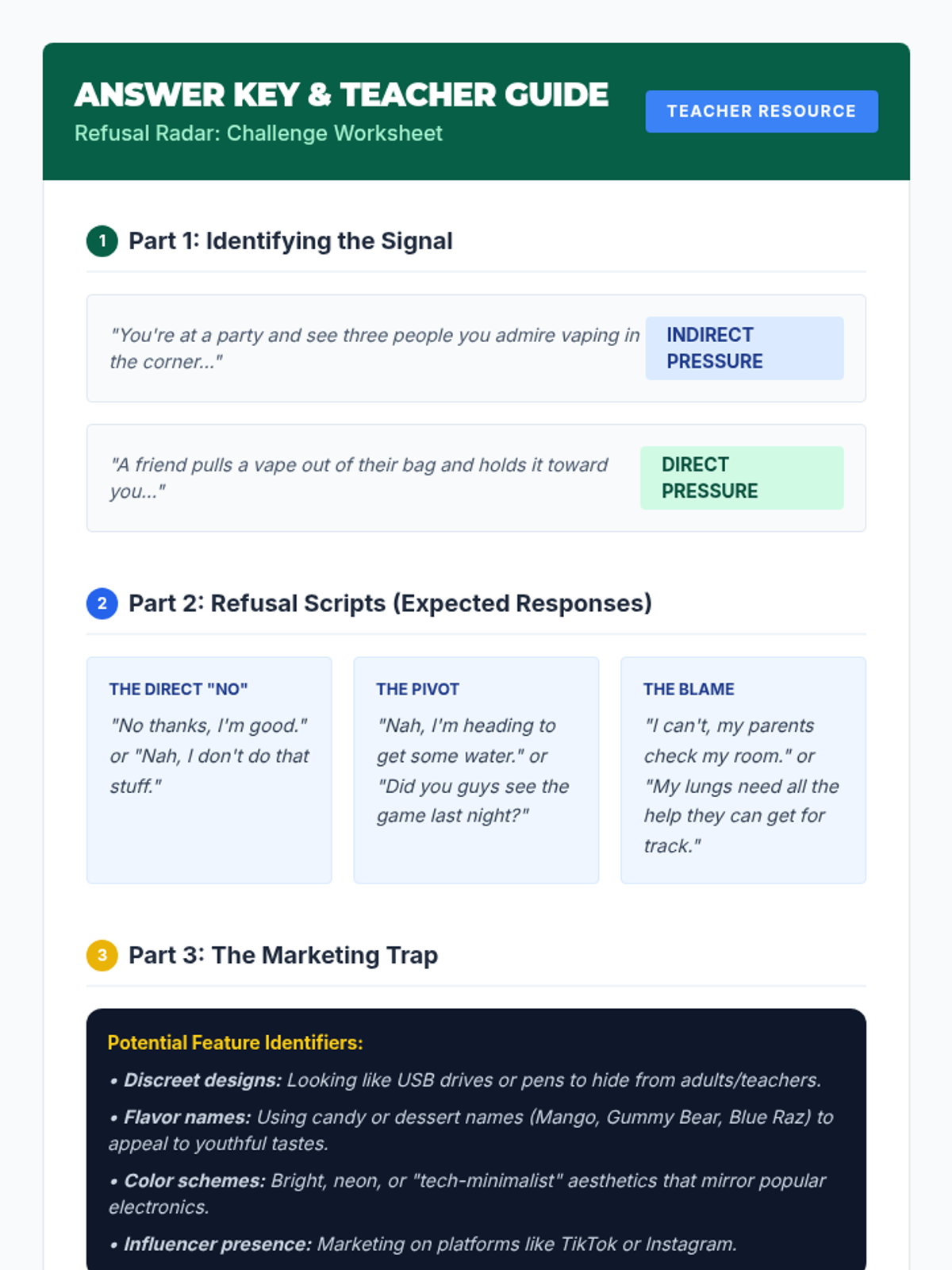
Students identify social pressures and marketing tactics, practicing assertive refusal strategies to navigate real-world situations involving vaping.
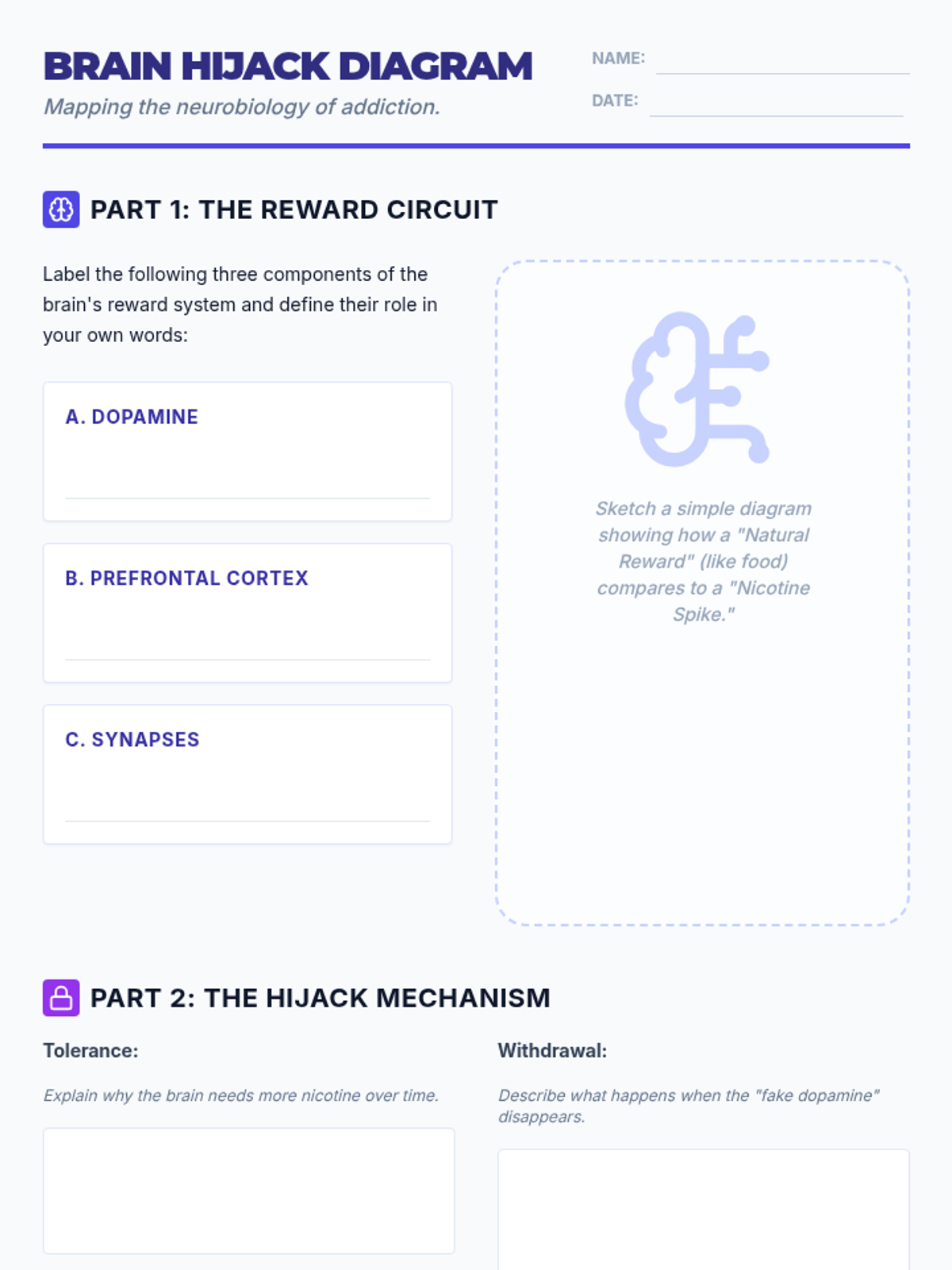
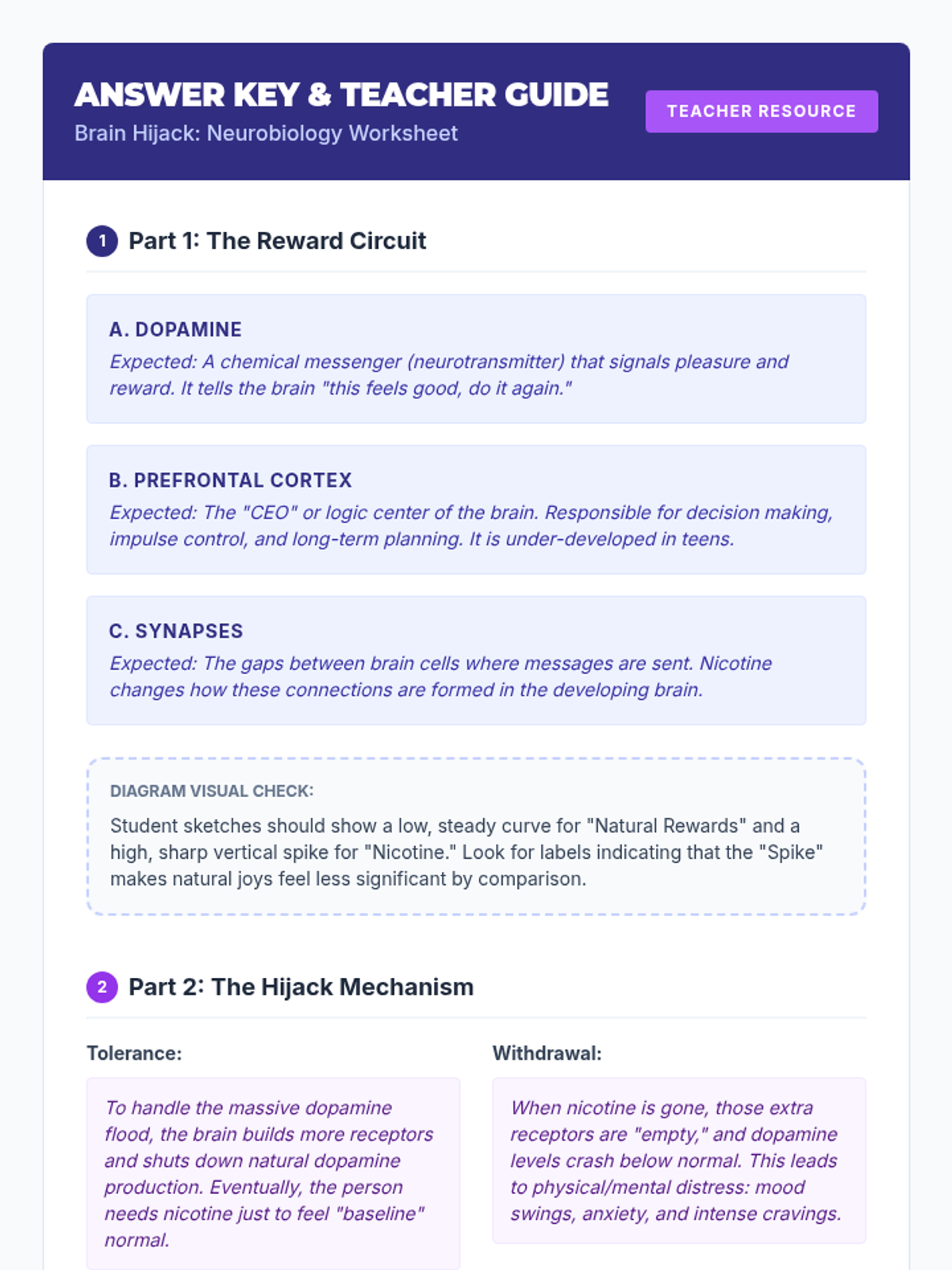
Students explore the neurobiology of nicotine addiction, learning how it 'hijacks' the brain's reward system and affects adolescent development.
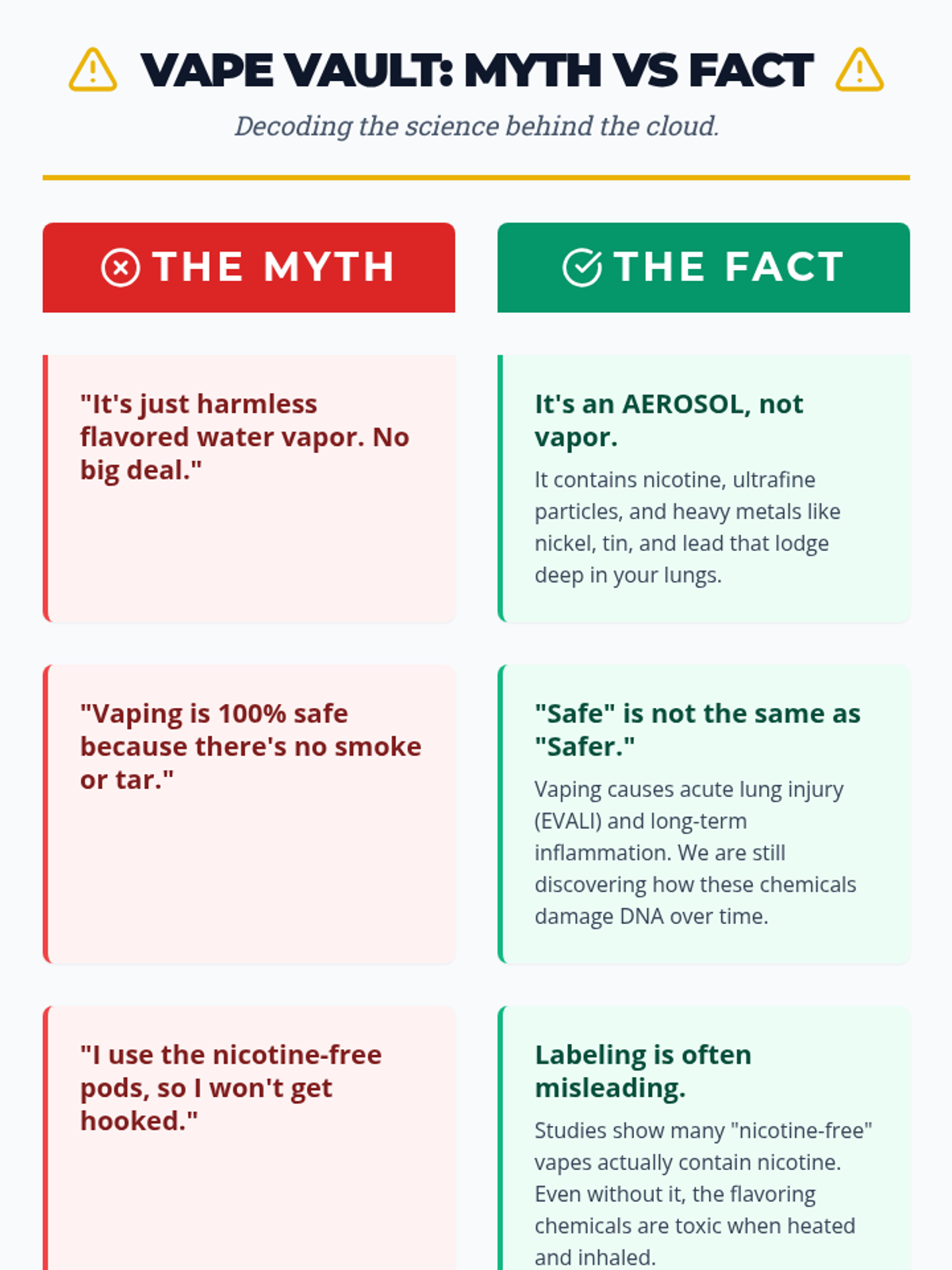
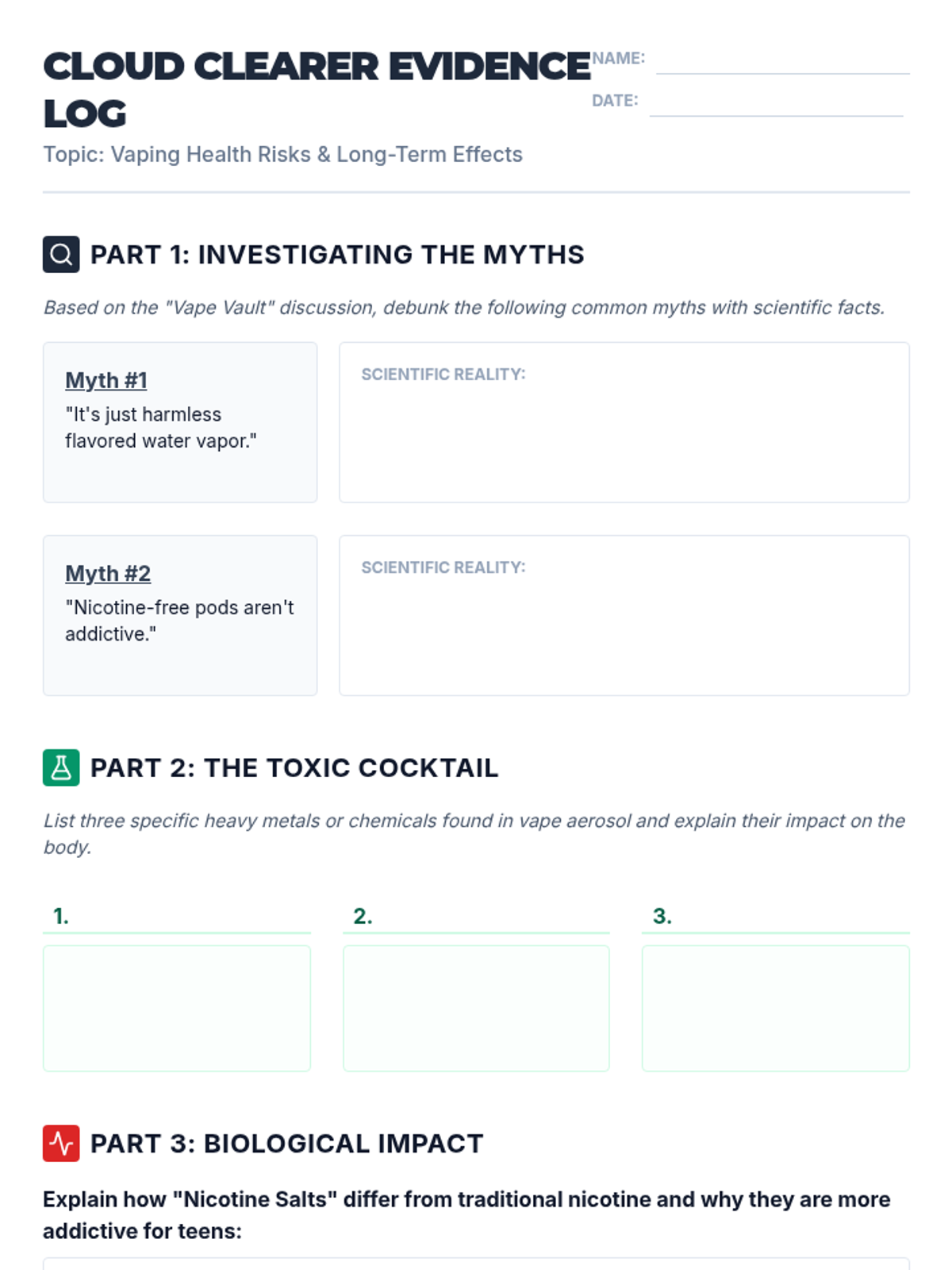
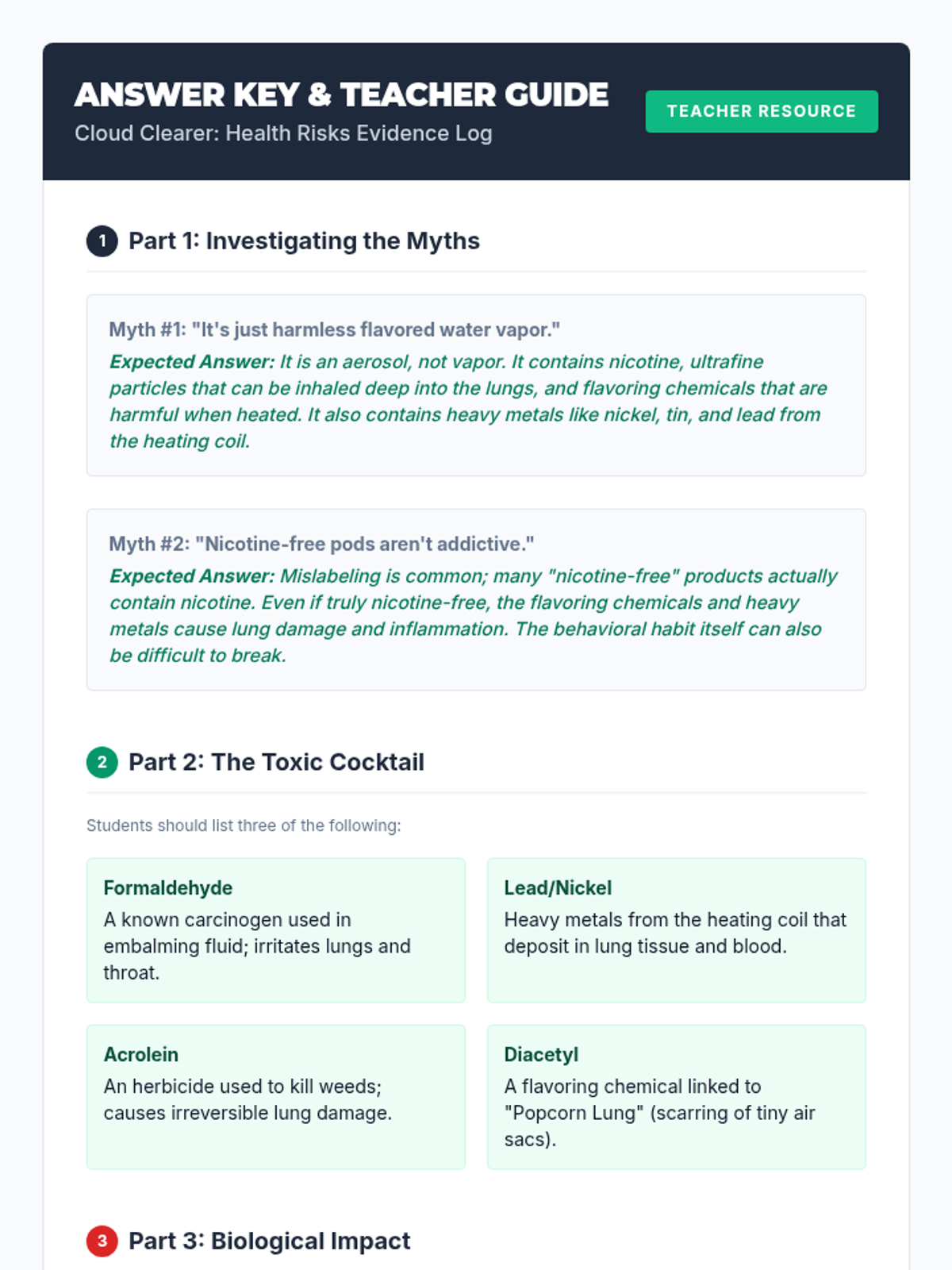
Students investigate the truth behind common vaping myths and explore the long-term health risks associated with e-cigarette use.
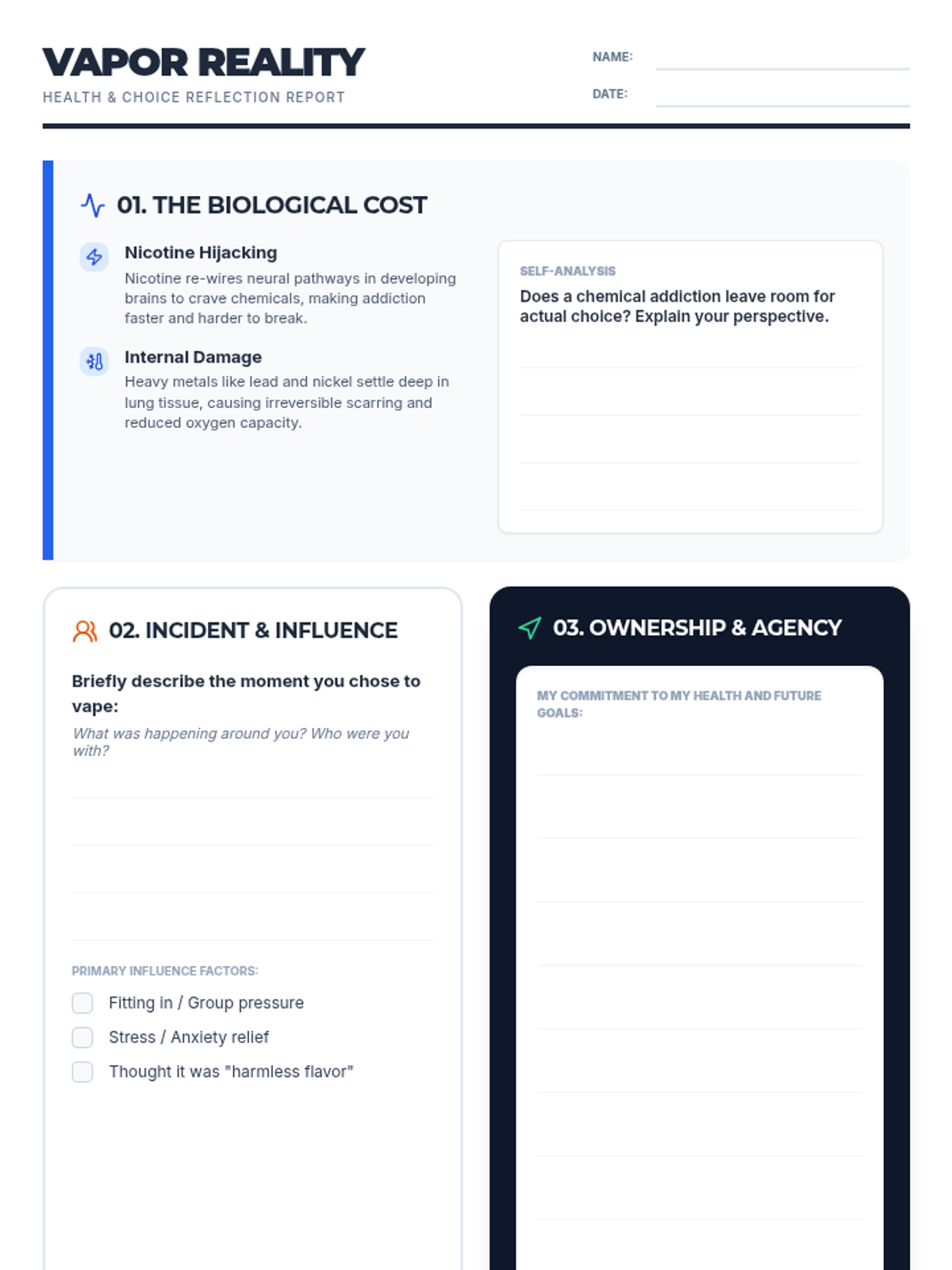
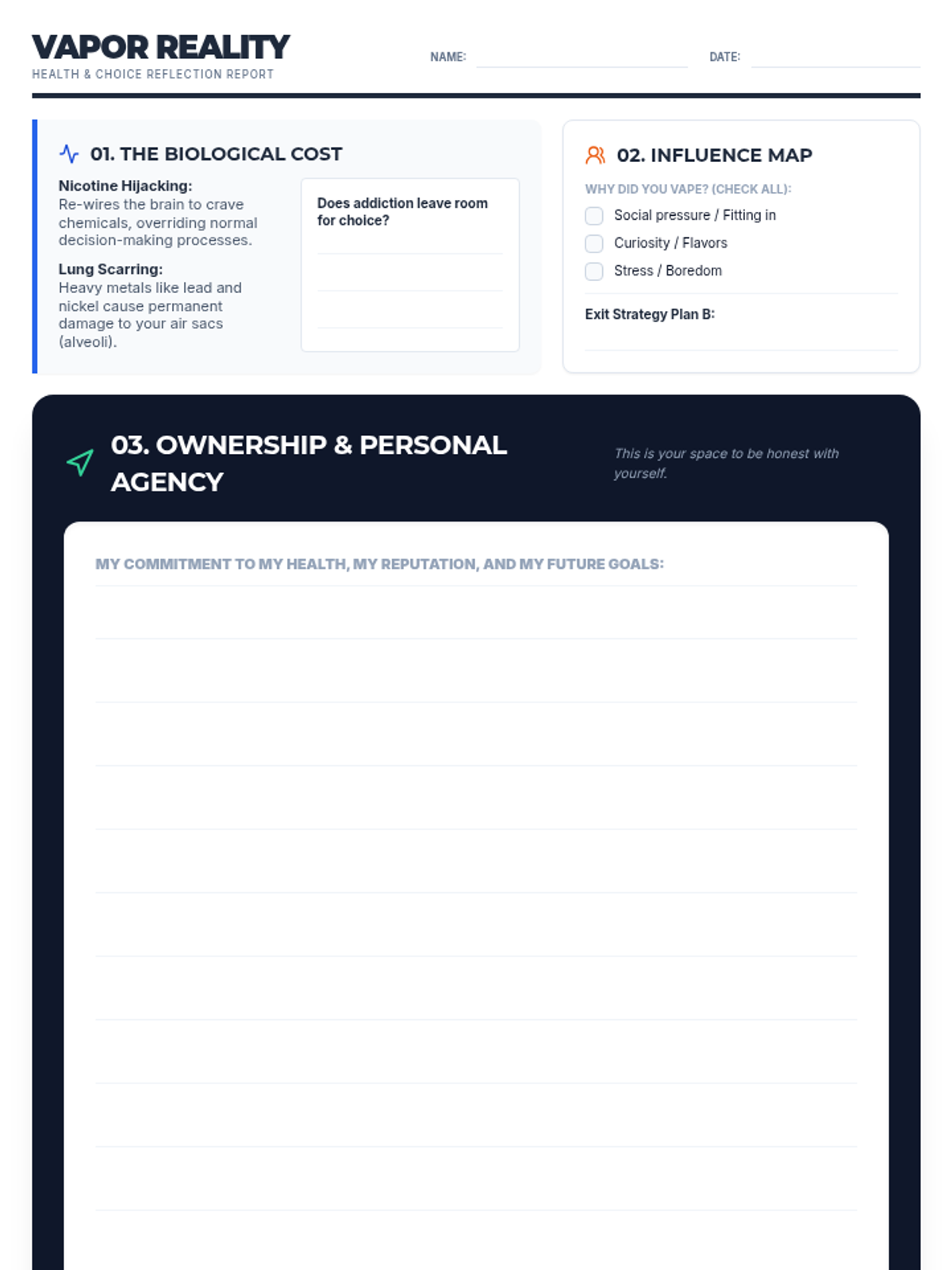
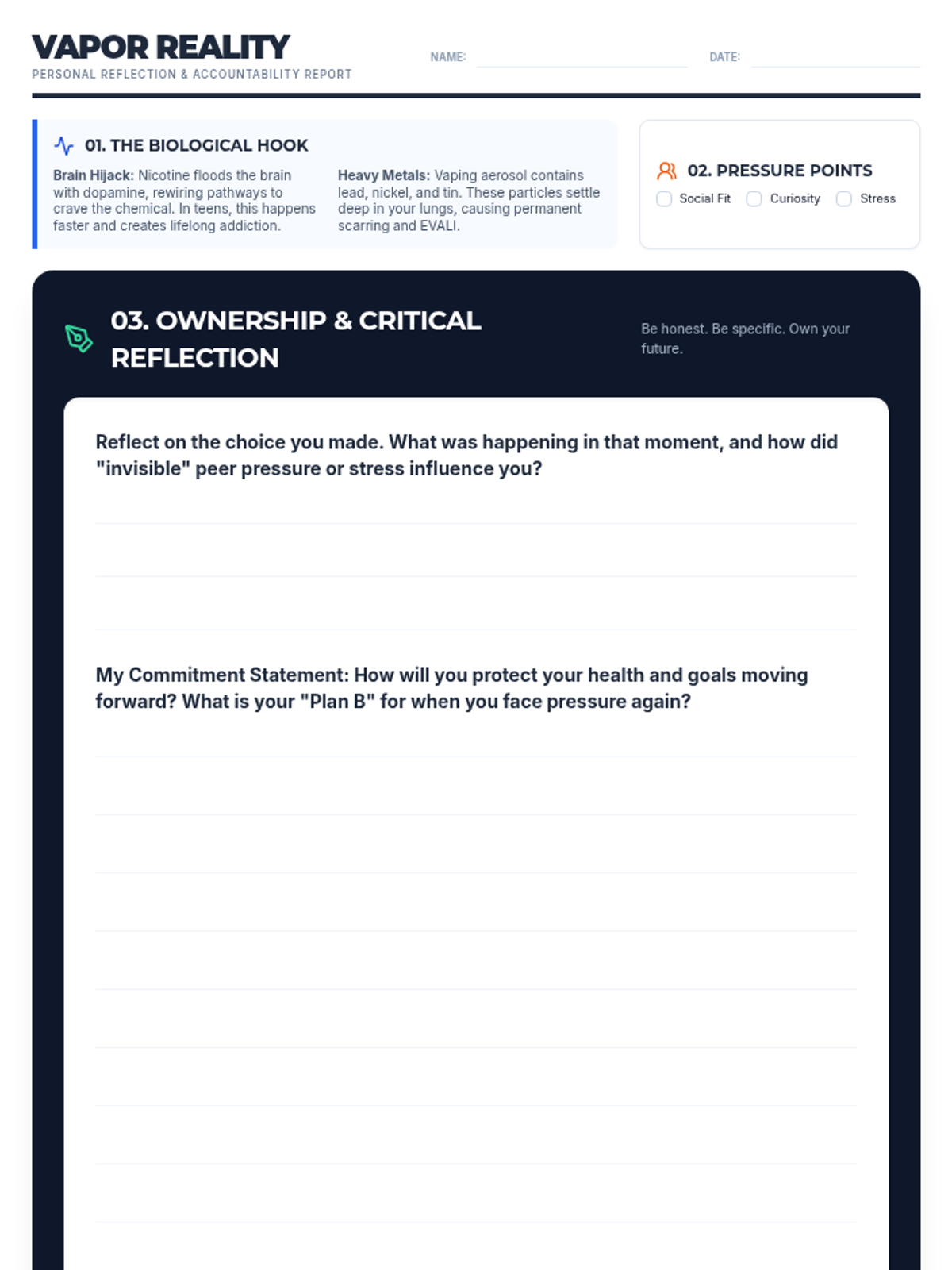
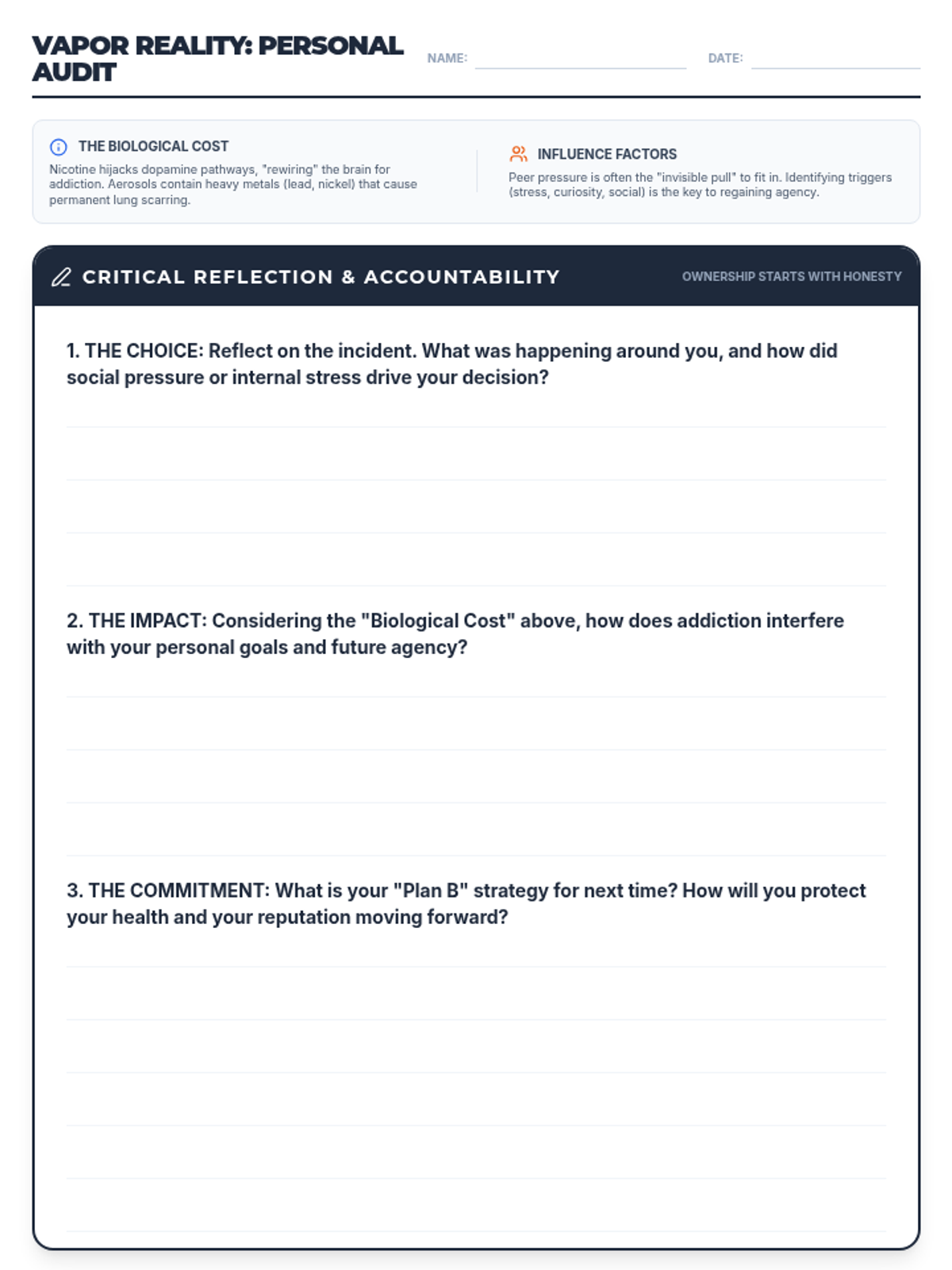
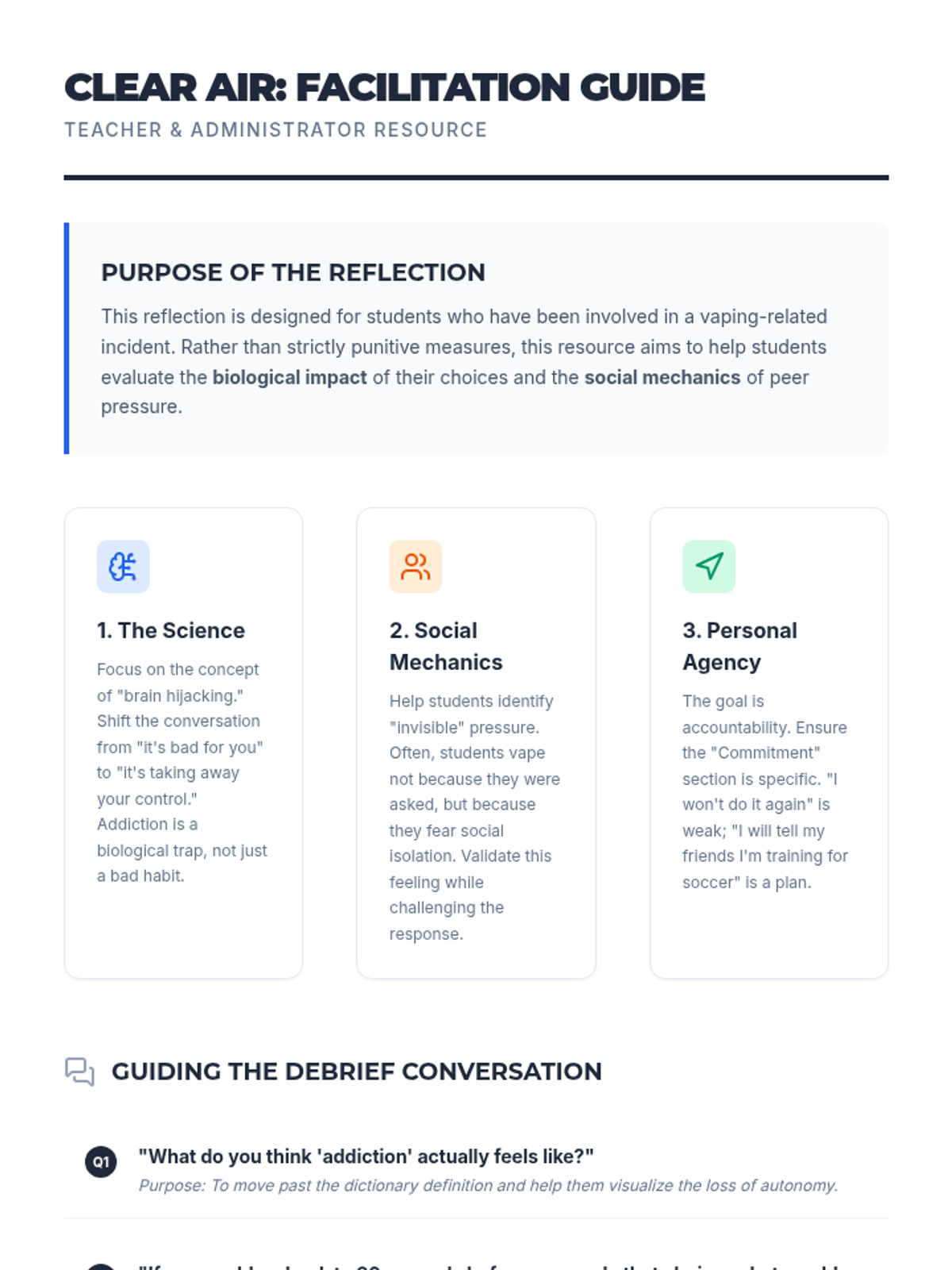
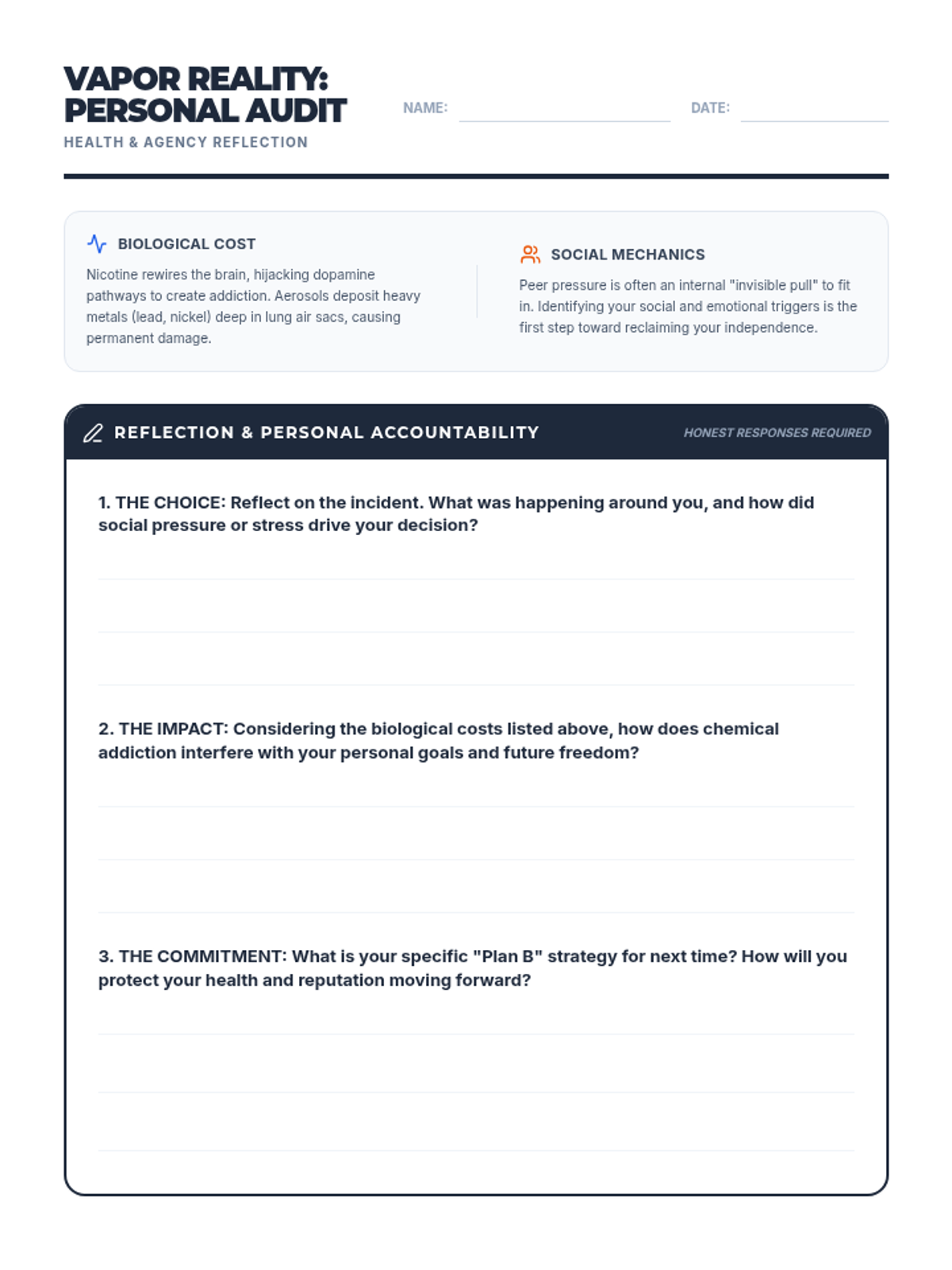
A reflective lesson designed for students to evaluate the health risks of vaping and the social pressures that lead to it, focusing on long-term consequences and personal agency.
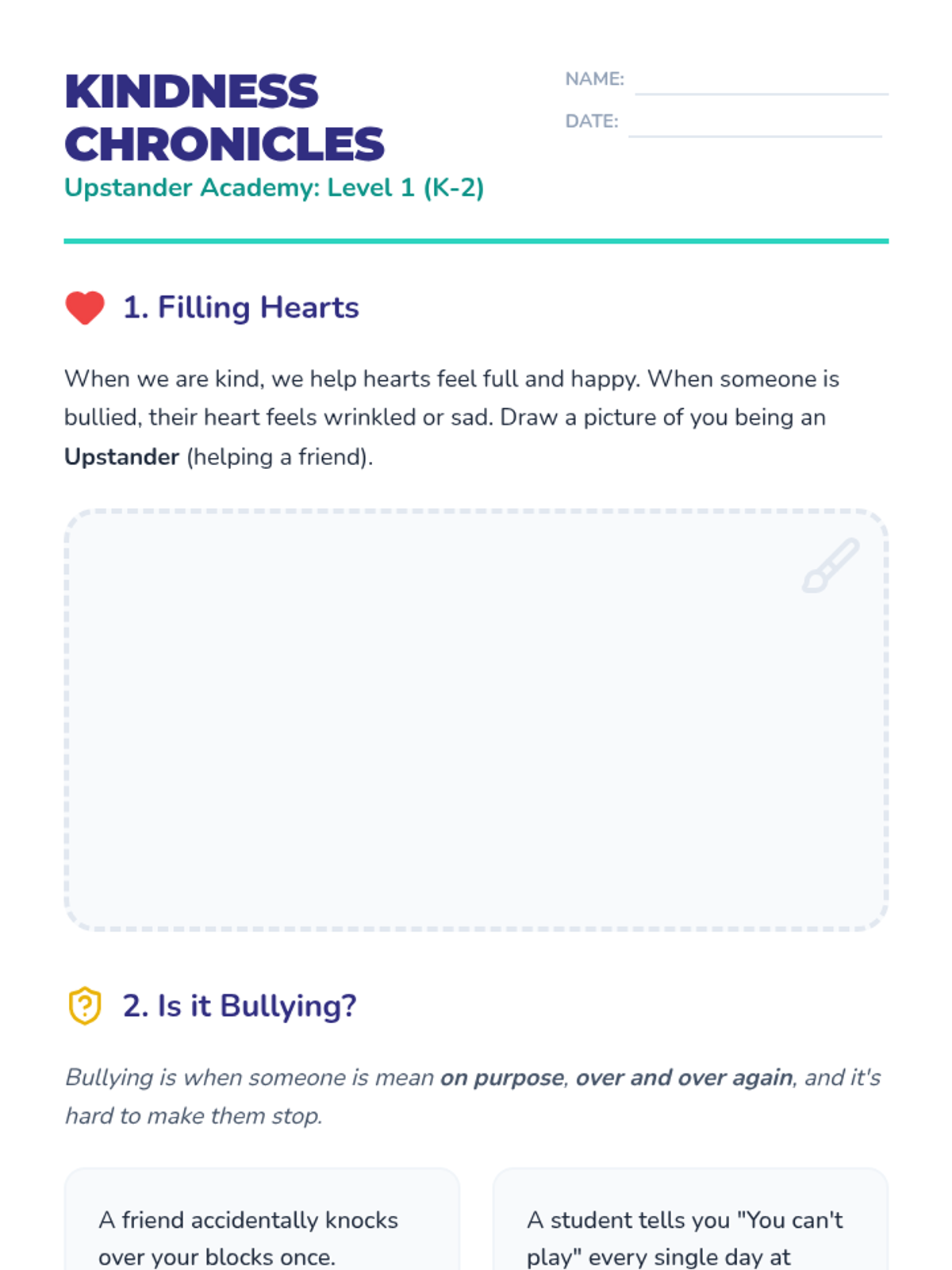
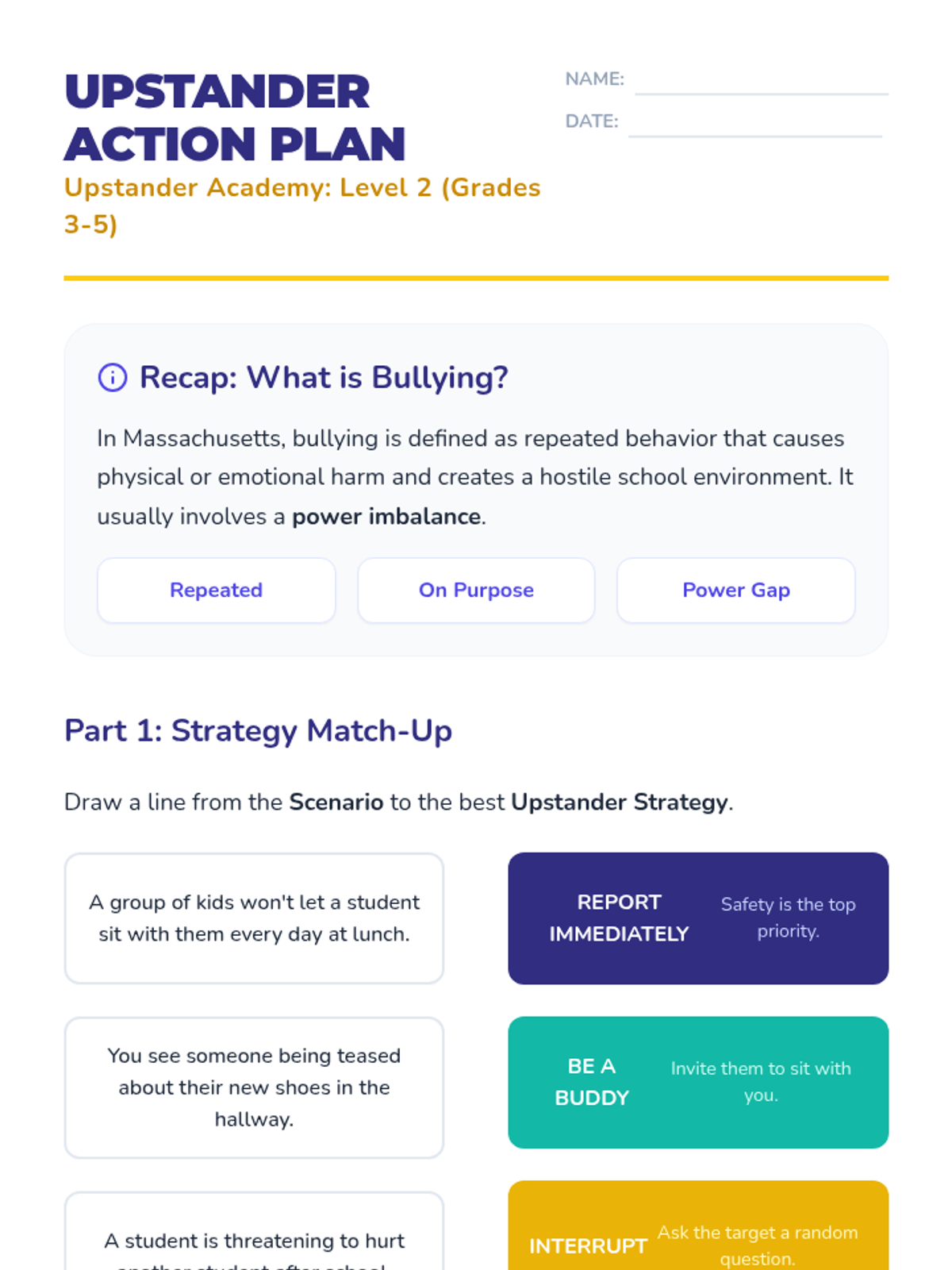
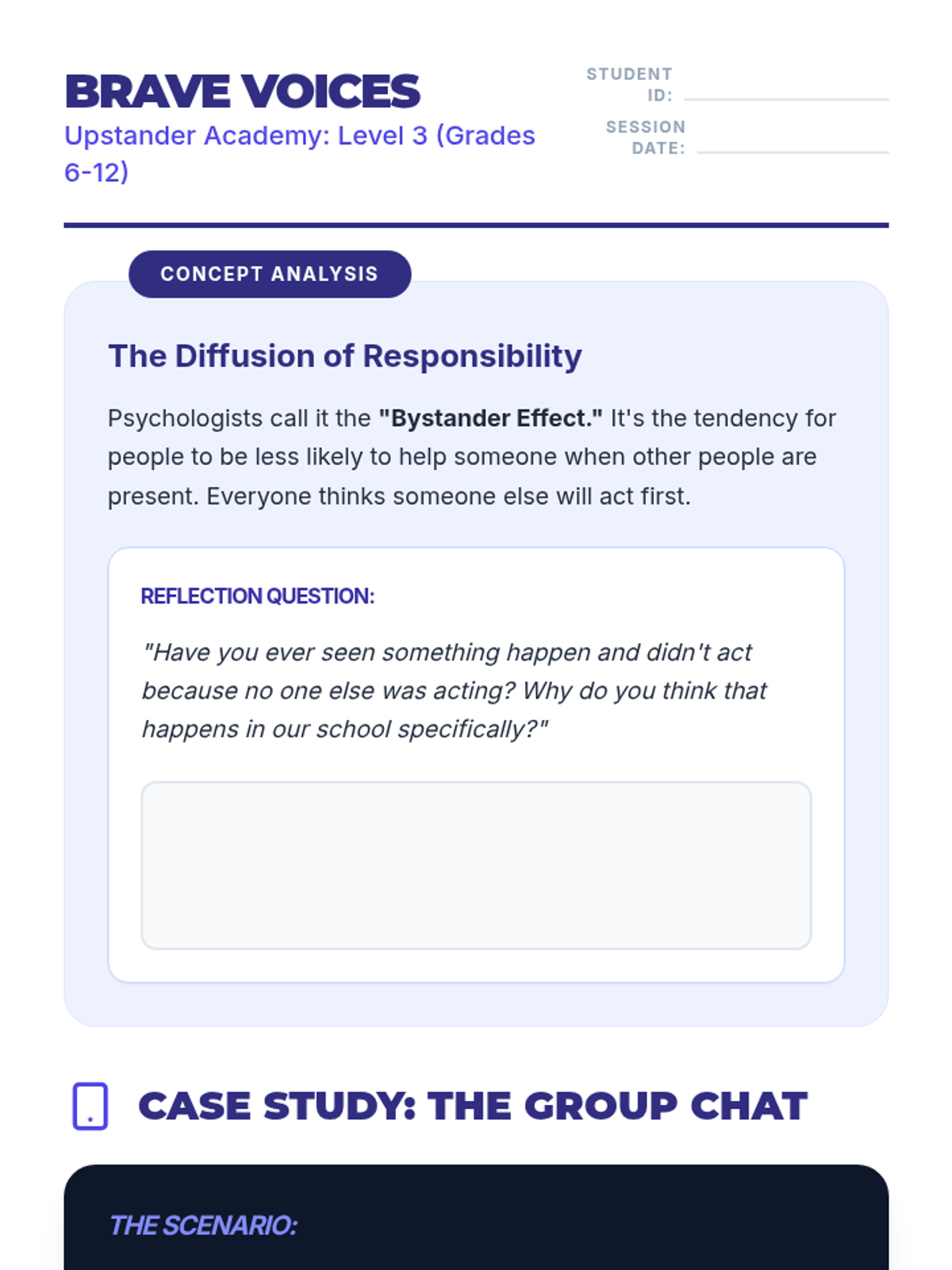
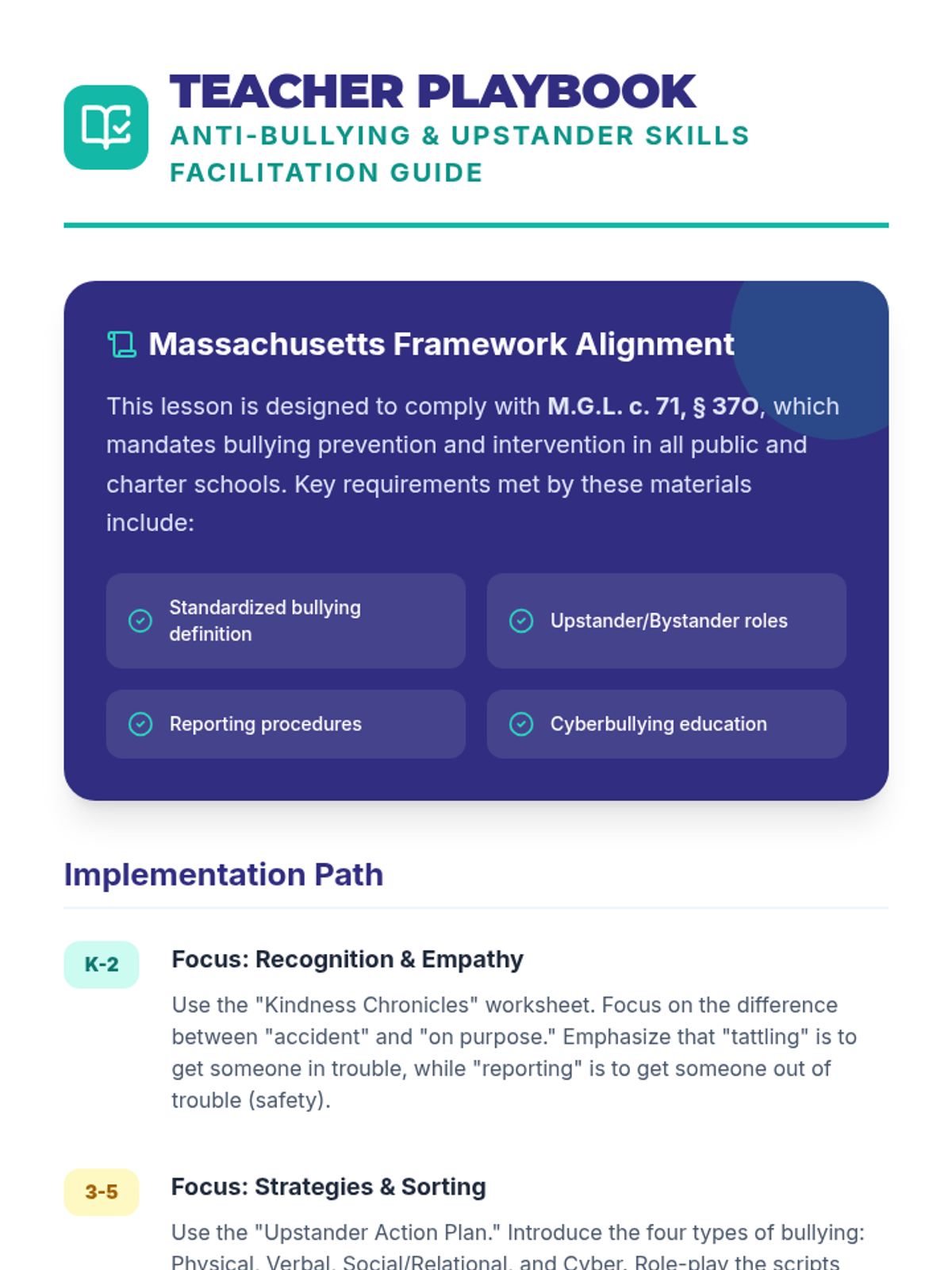
A comprehensive anti-bullying and upstander skills lesson designed for K-12 students. It focuses on identifying bullying, developing empathy, and providing concrete reporting strategies aligned with Massachusetts state frameworks.
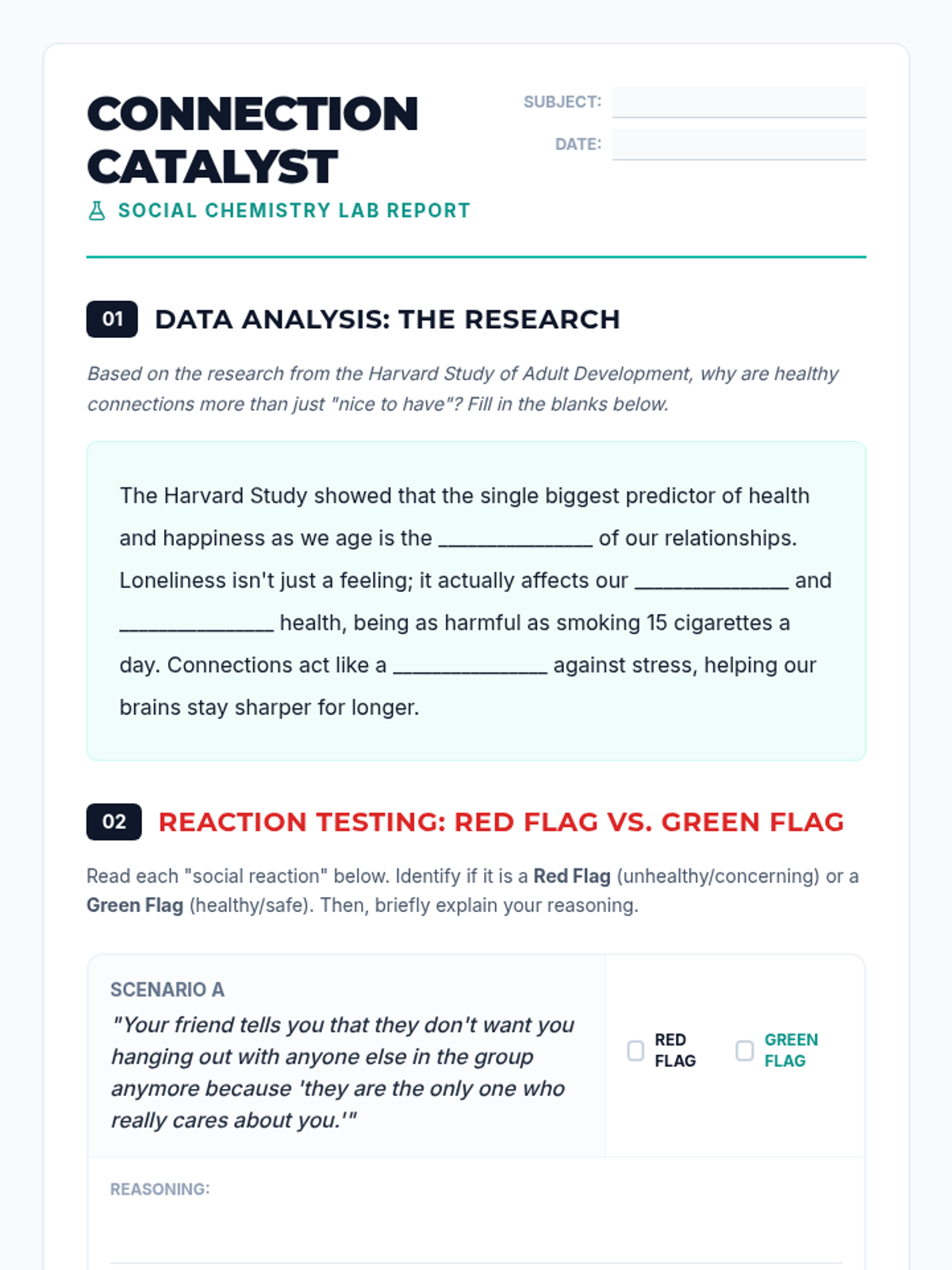
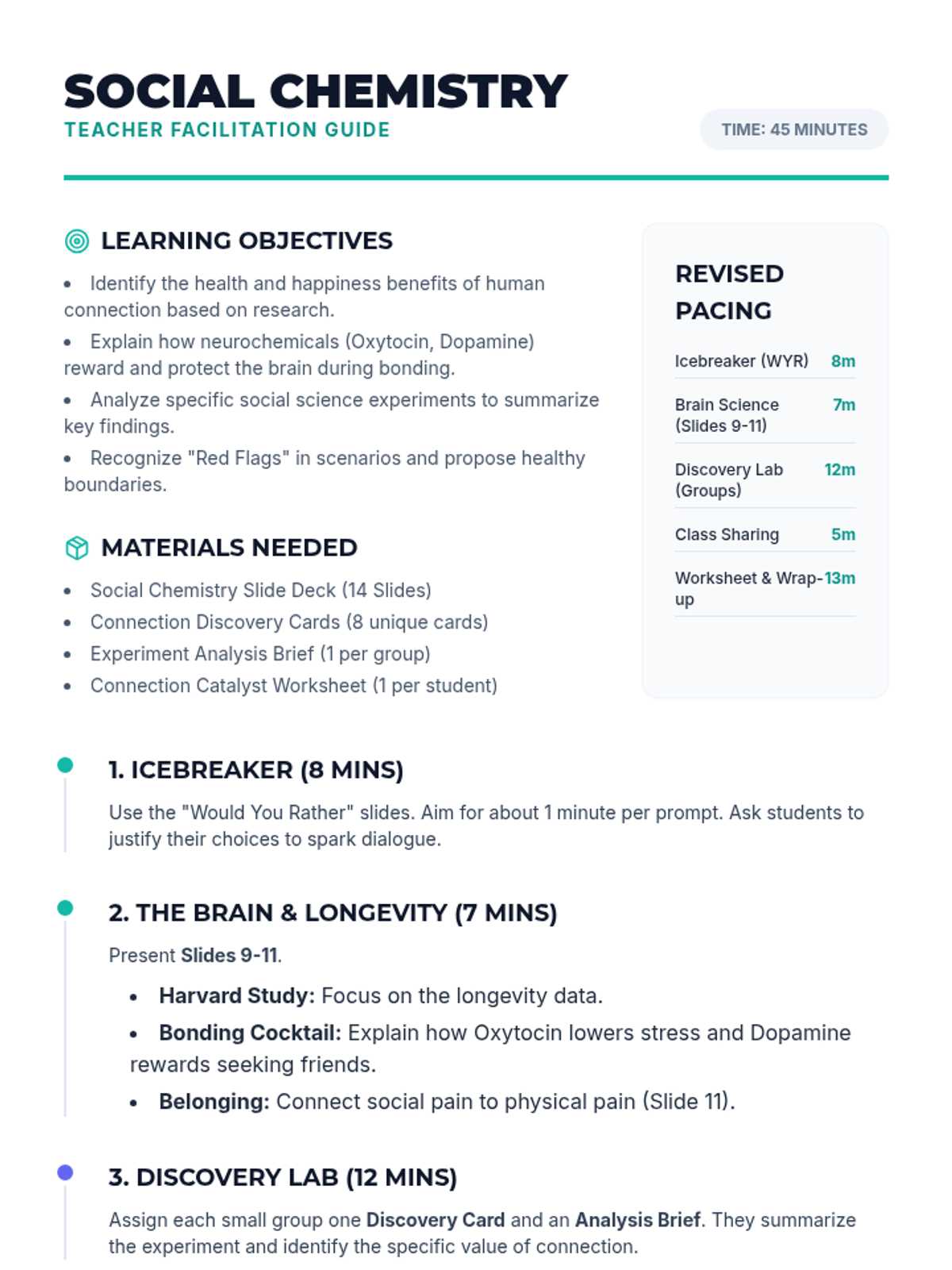
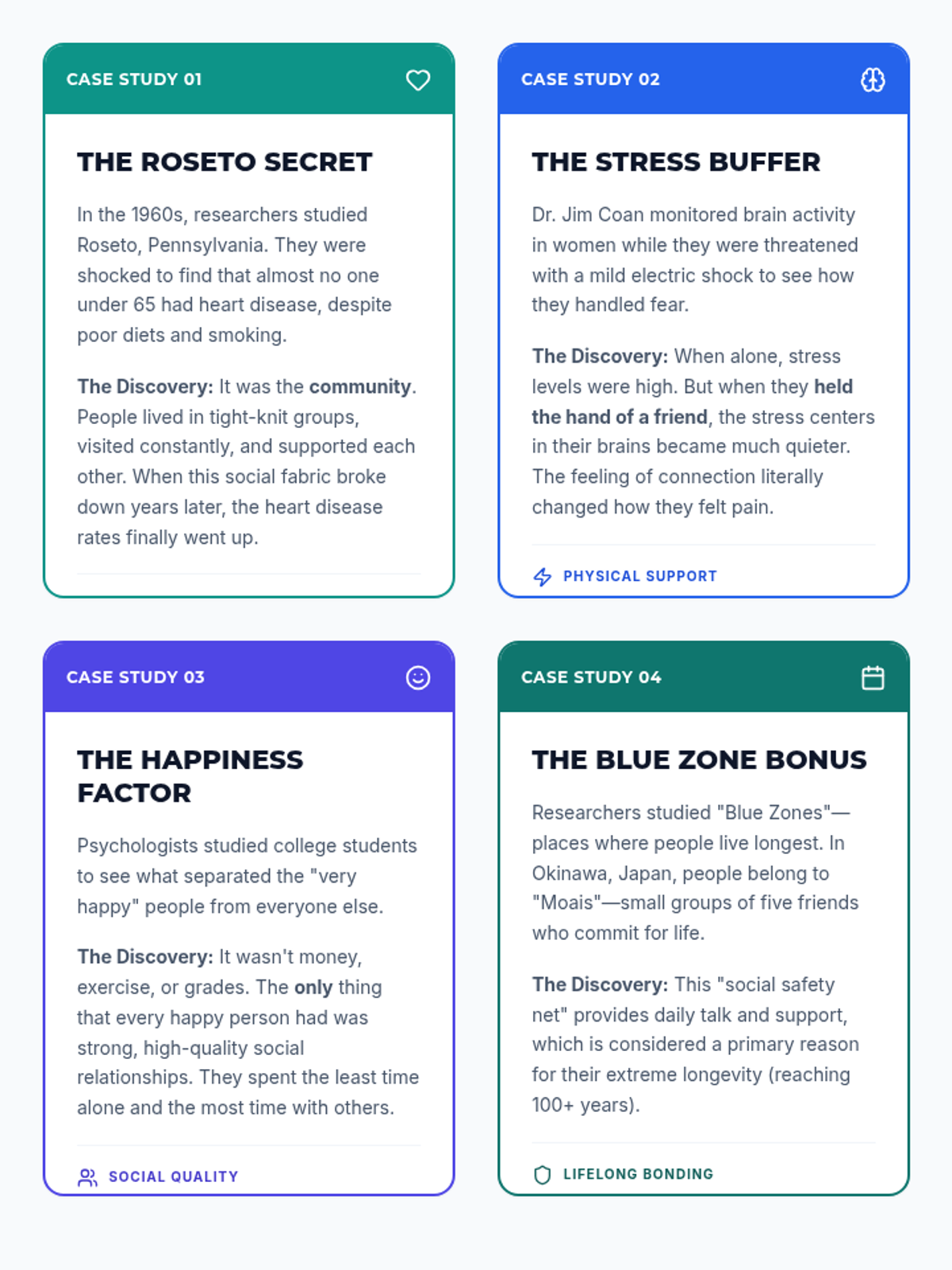
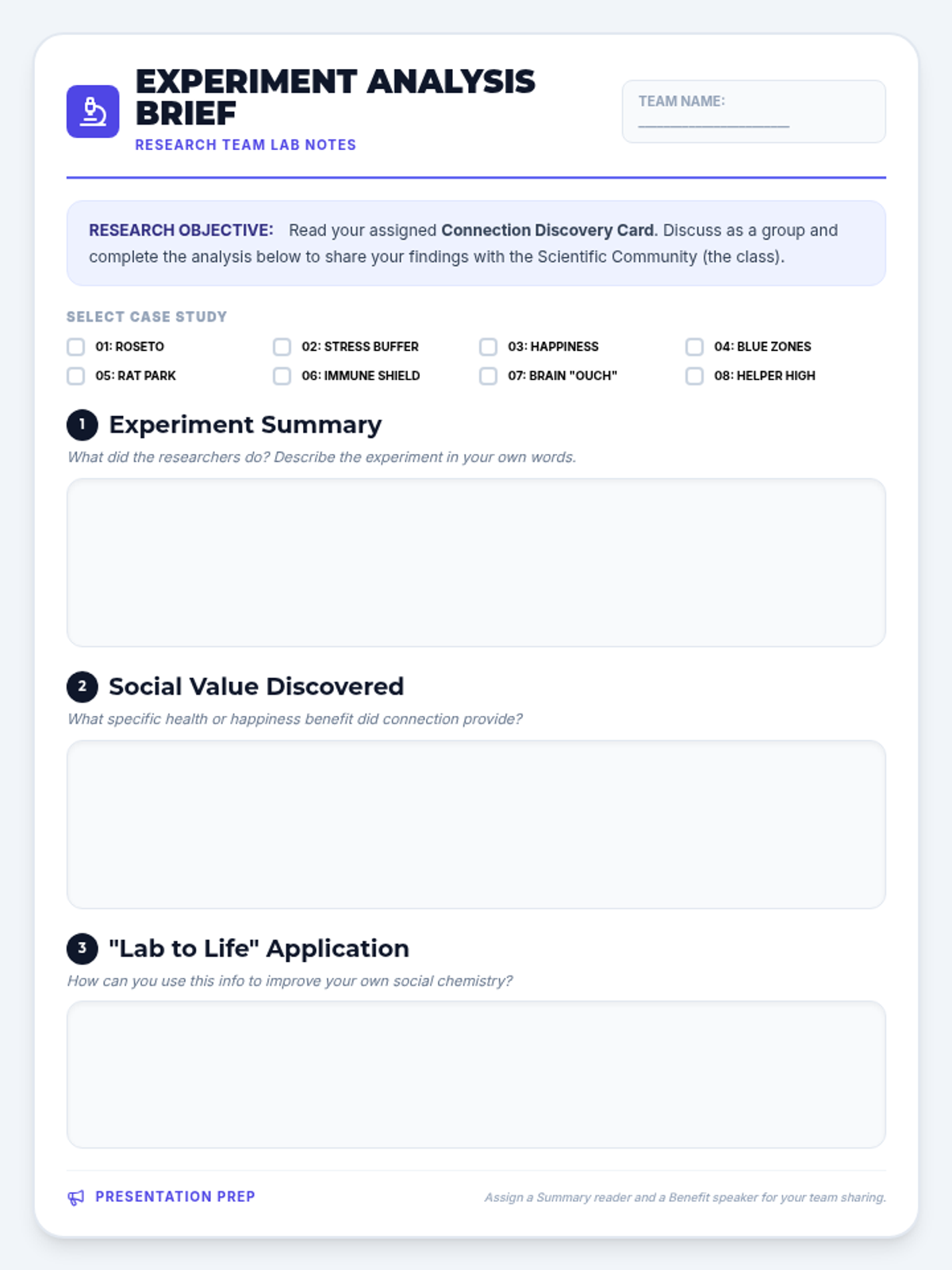
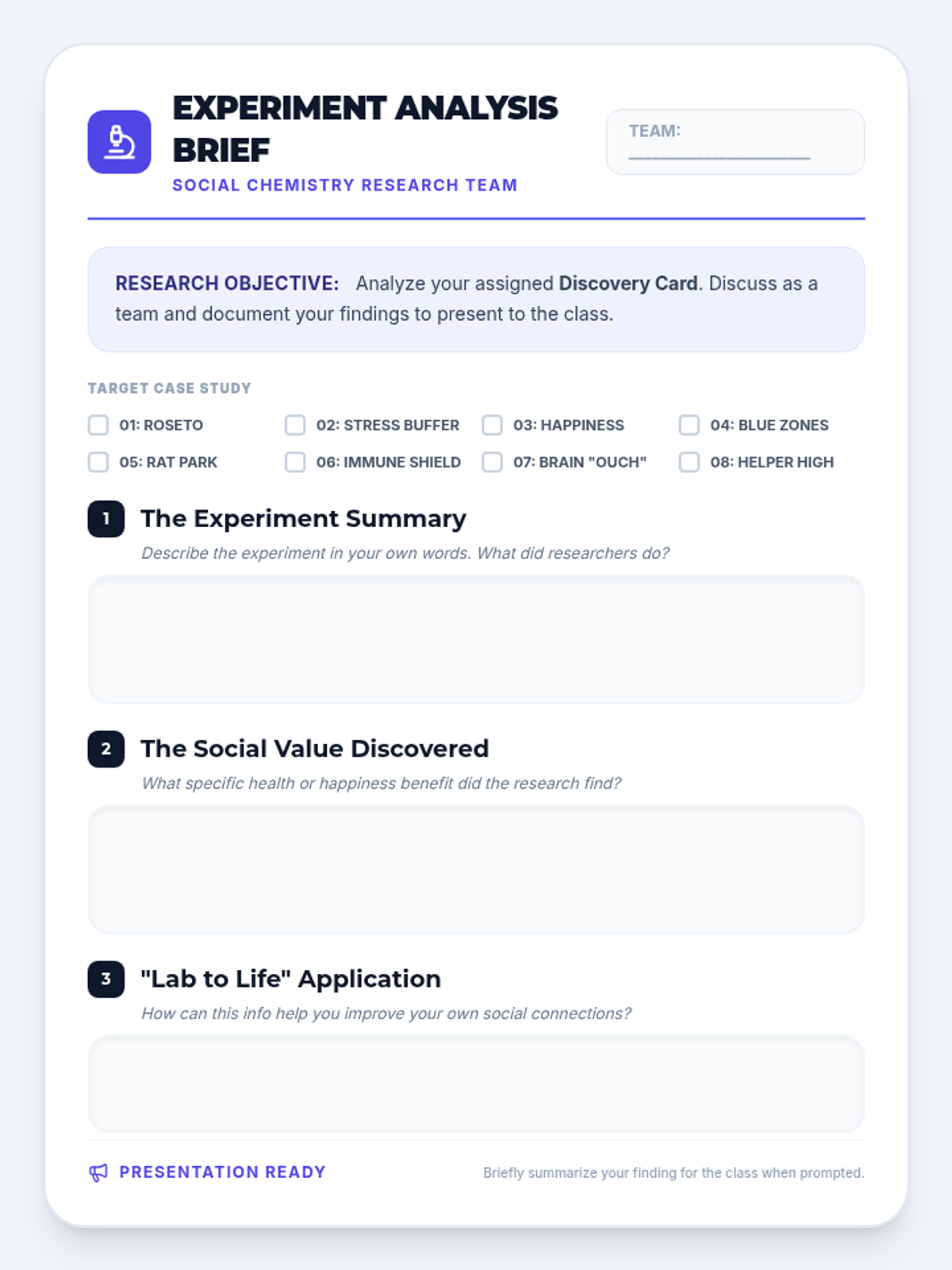
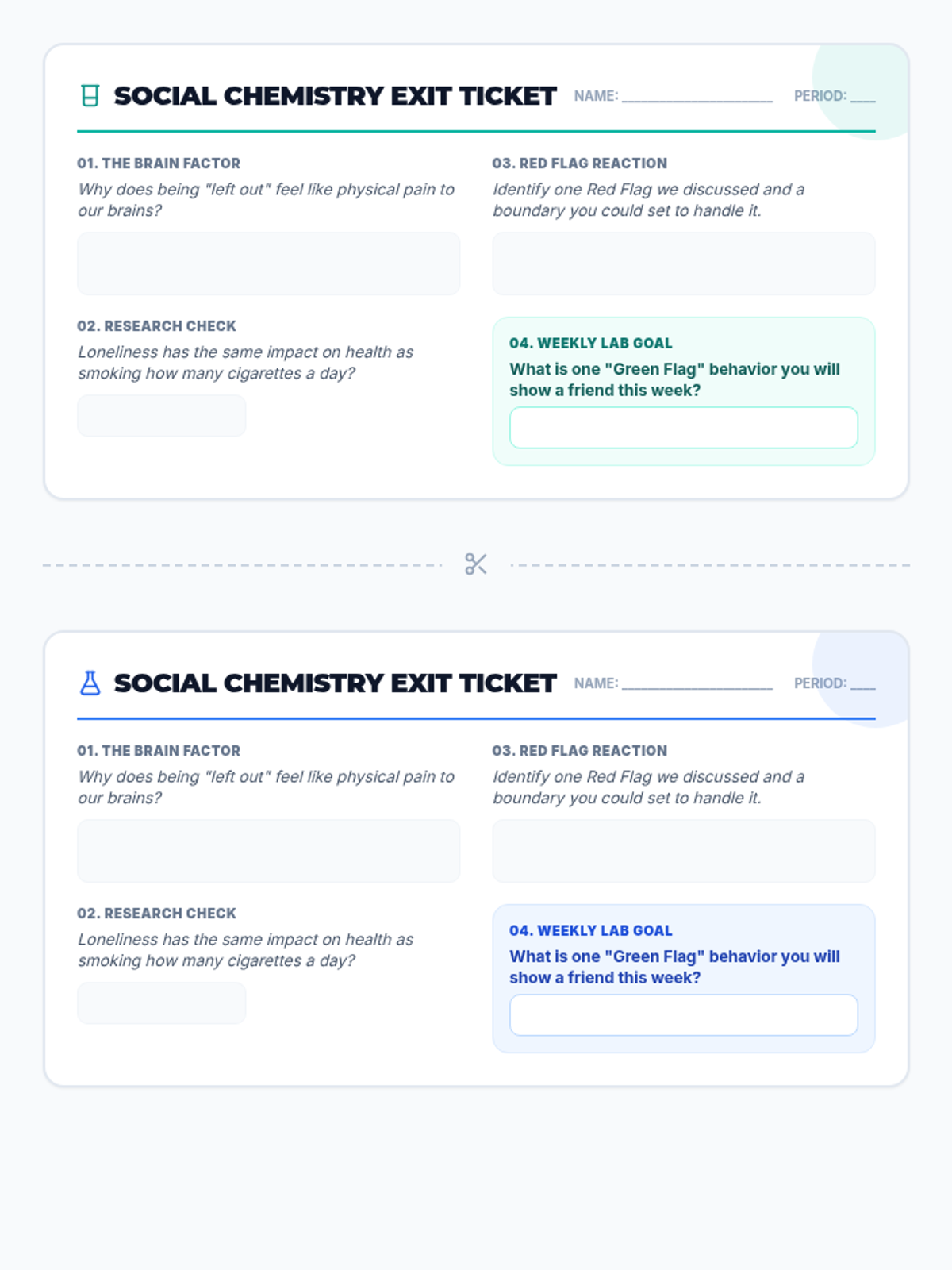
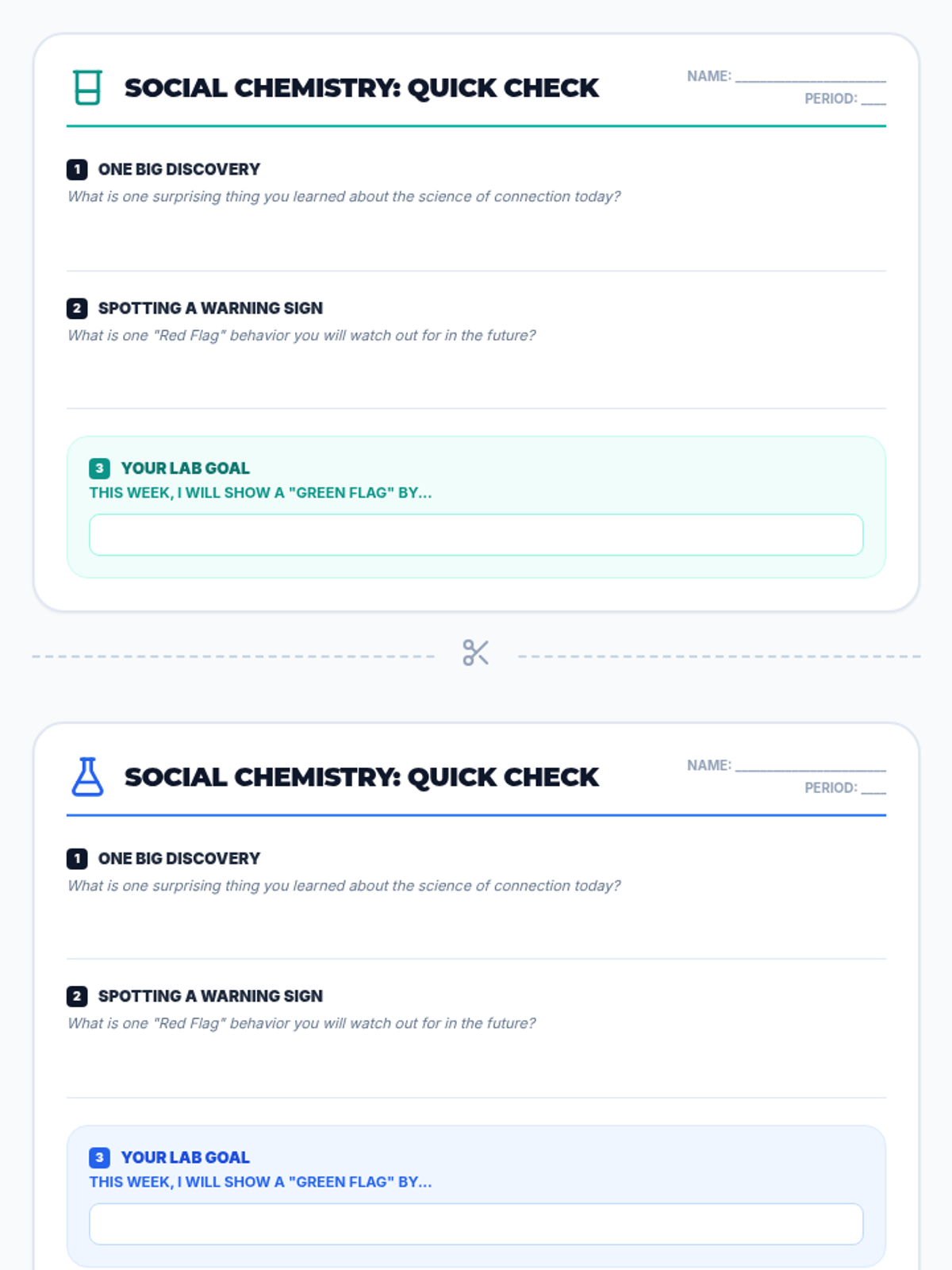
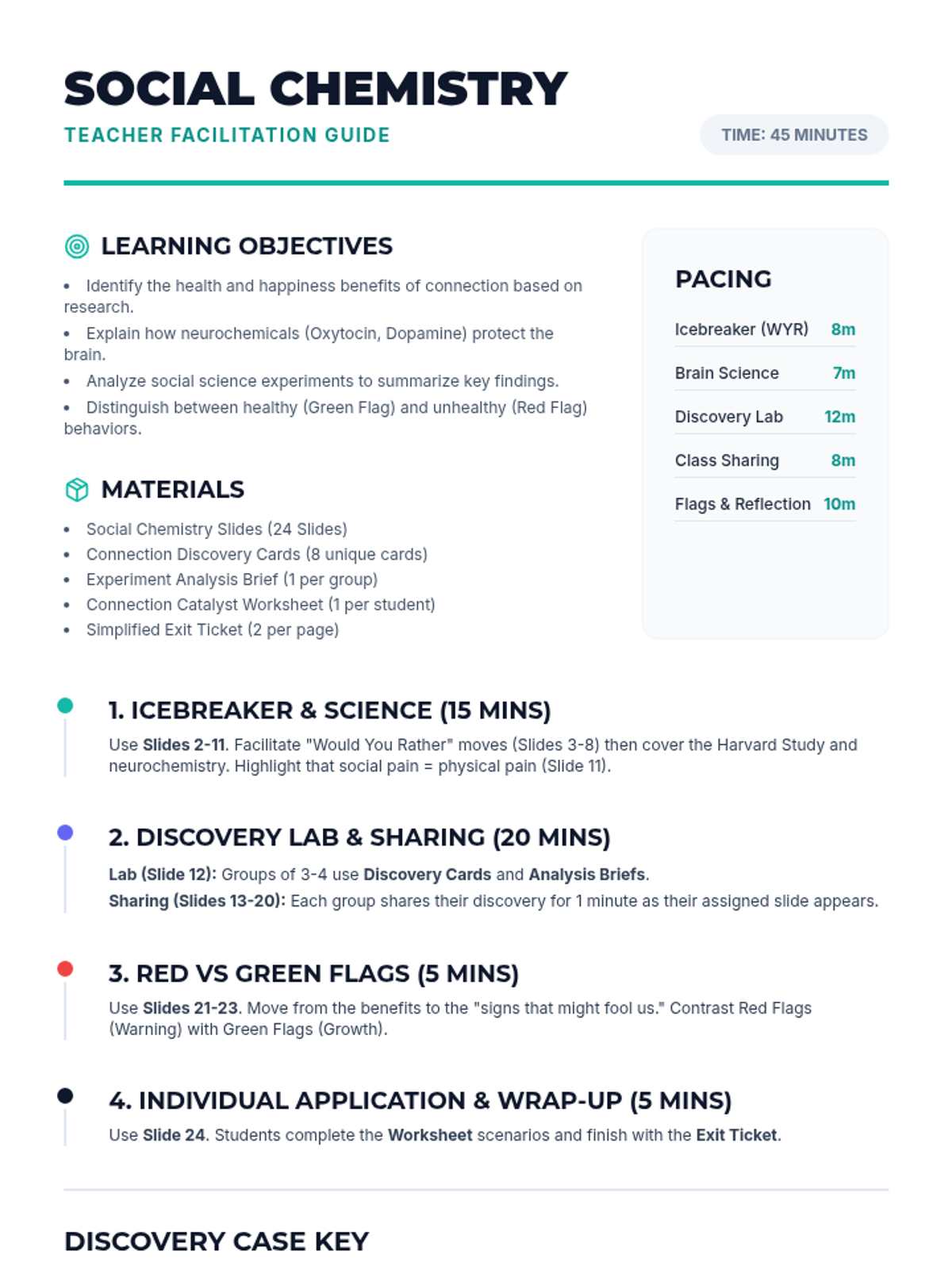
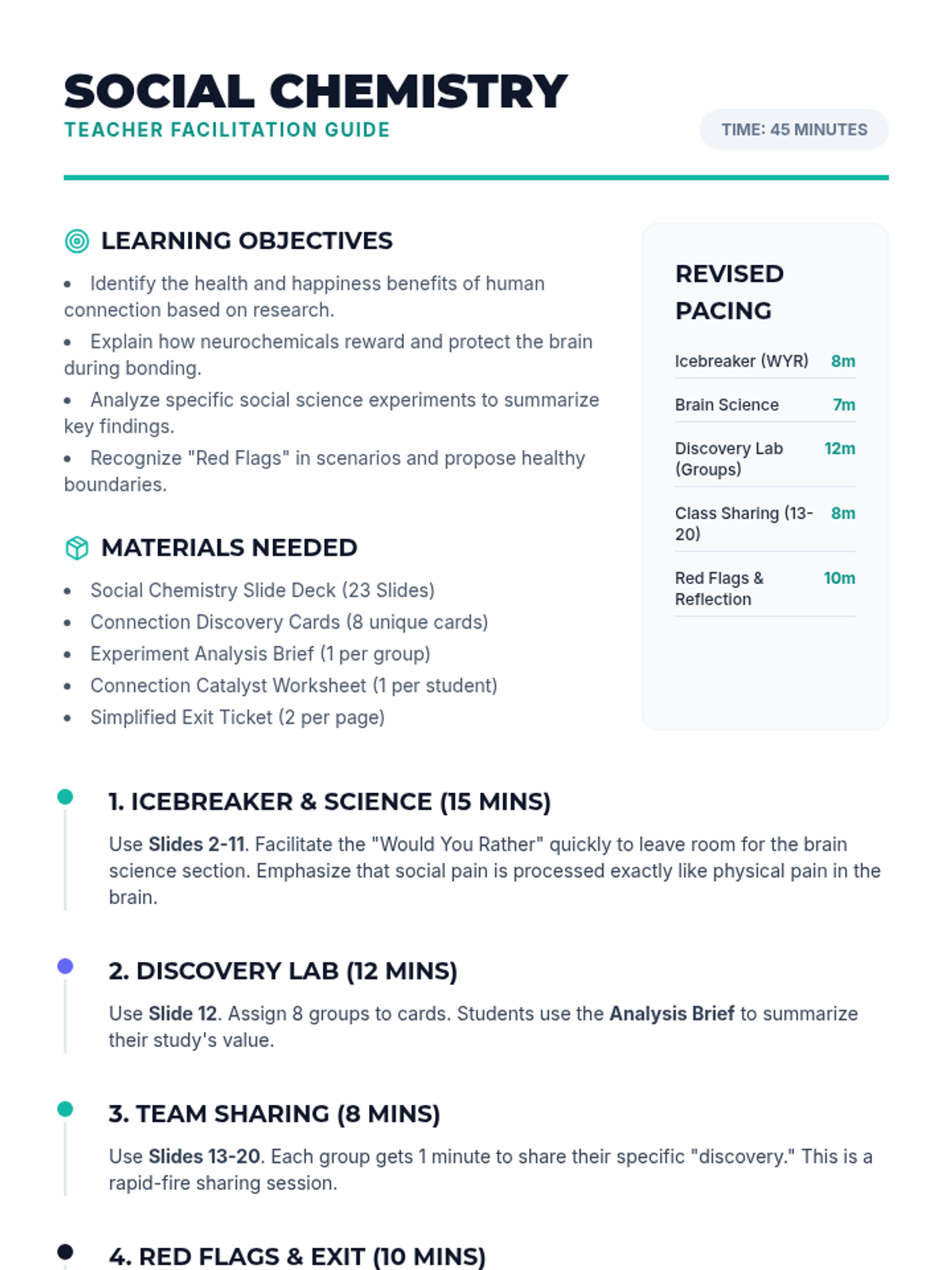
A 45-minute exploration into the science of human connection, teaching middle schoolers the health benefits of social bonds and how to distinguish between healthy and unhealthy relationship behaviors.
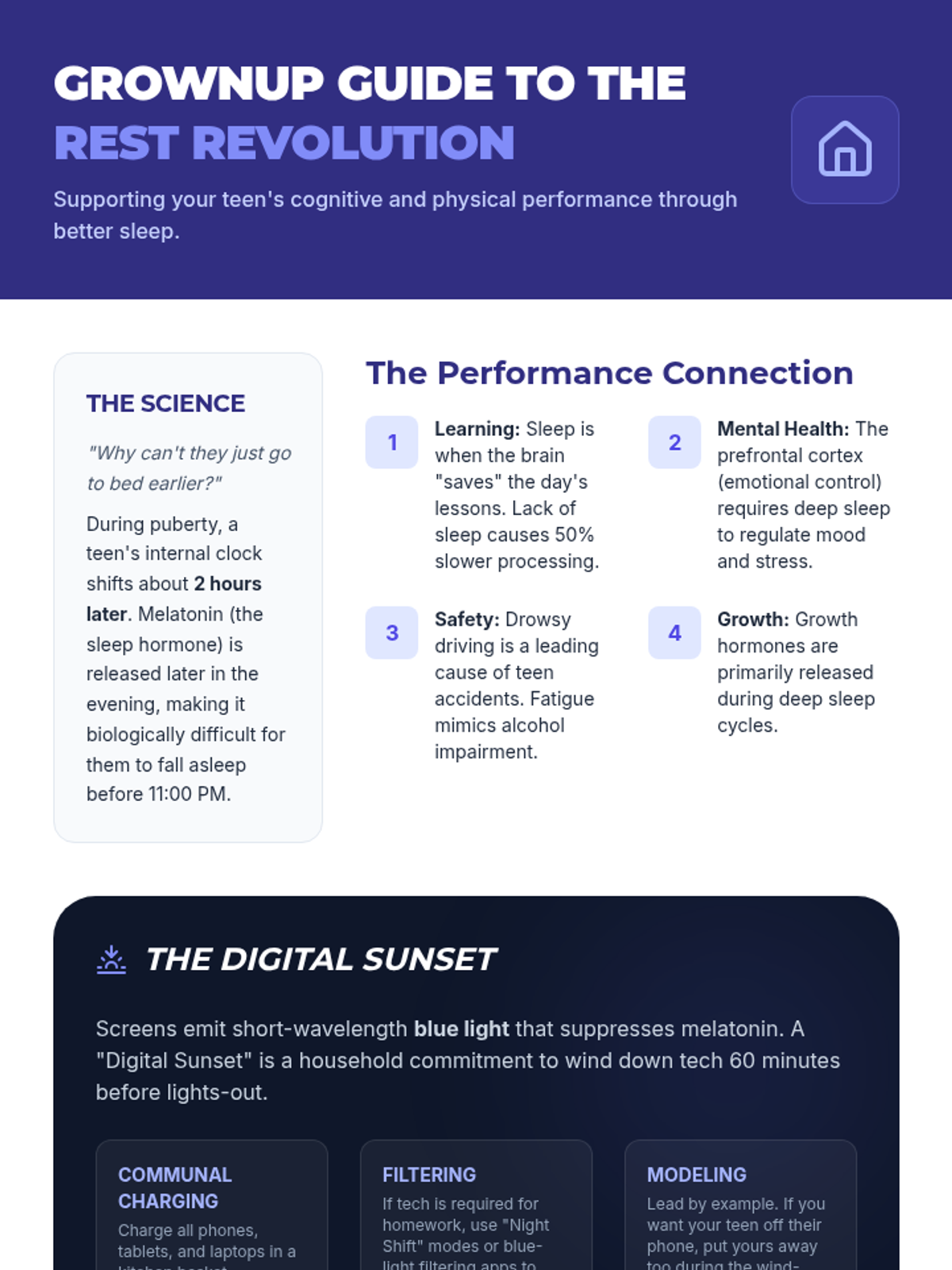
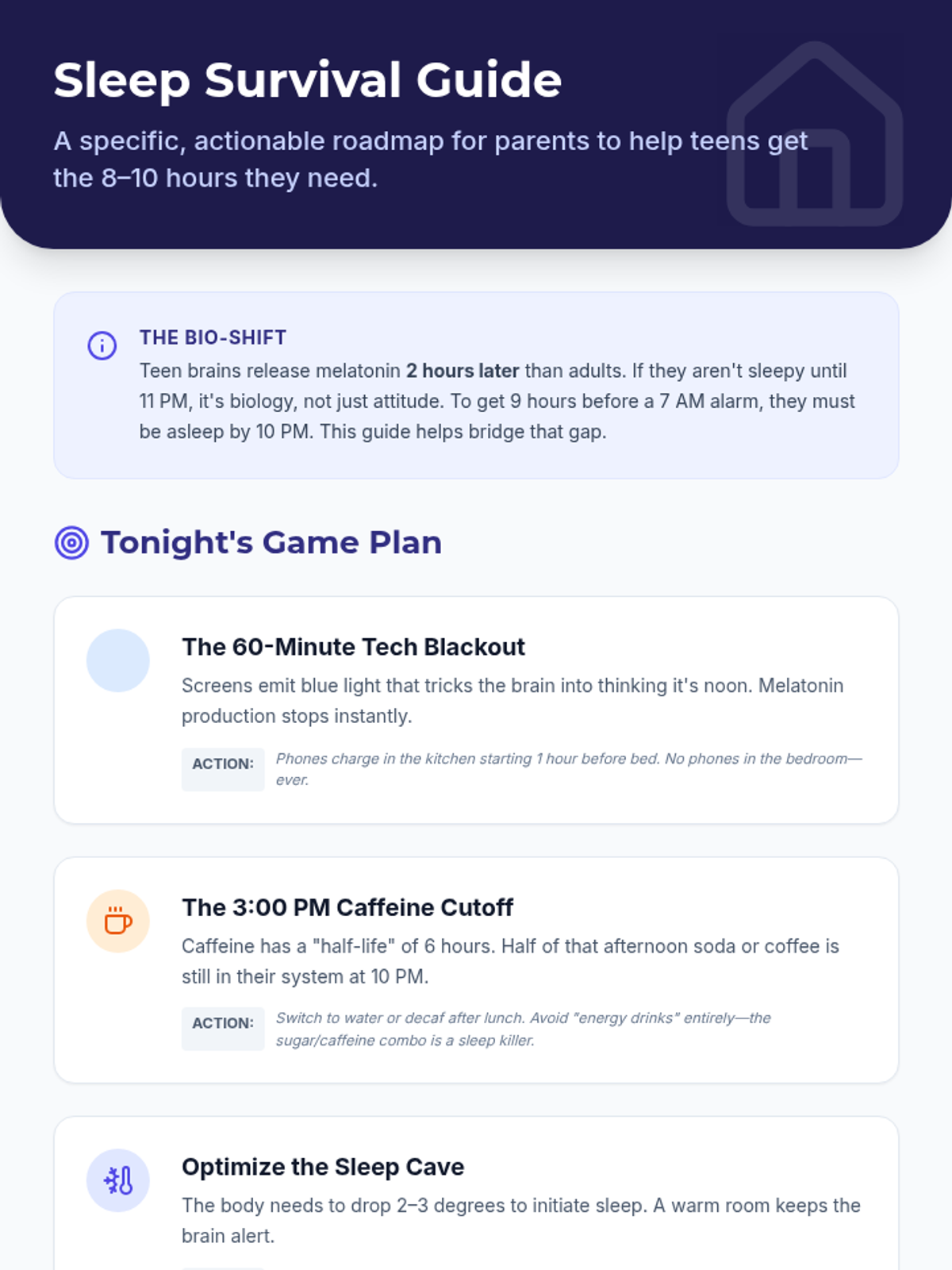
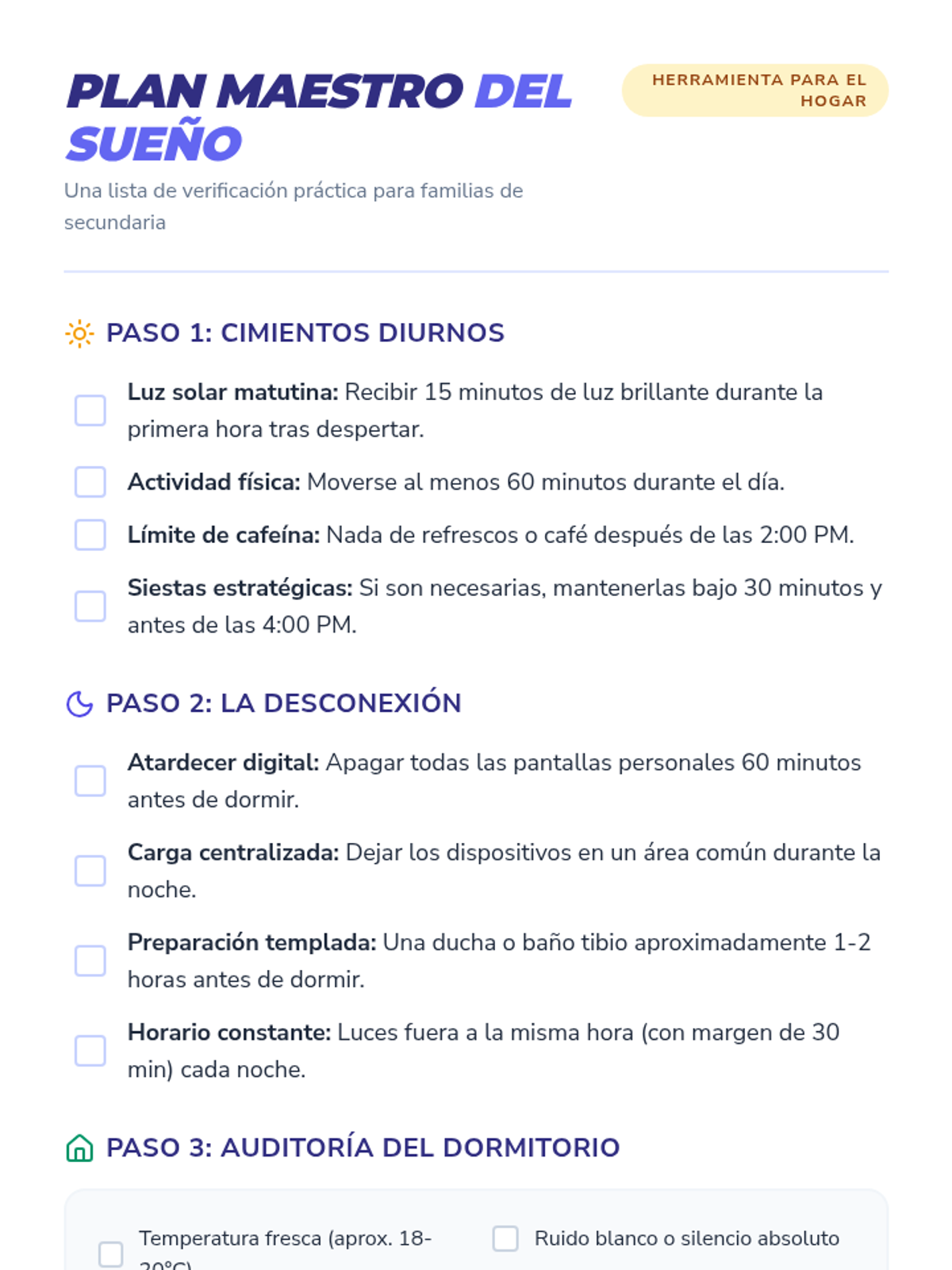
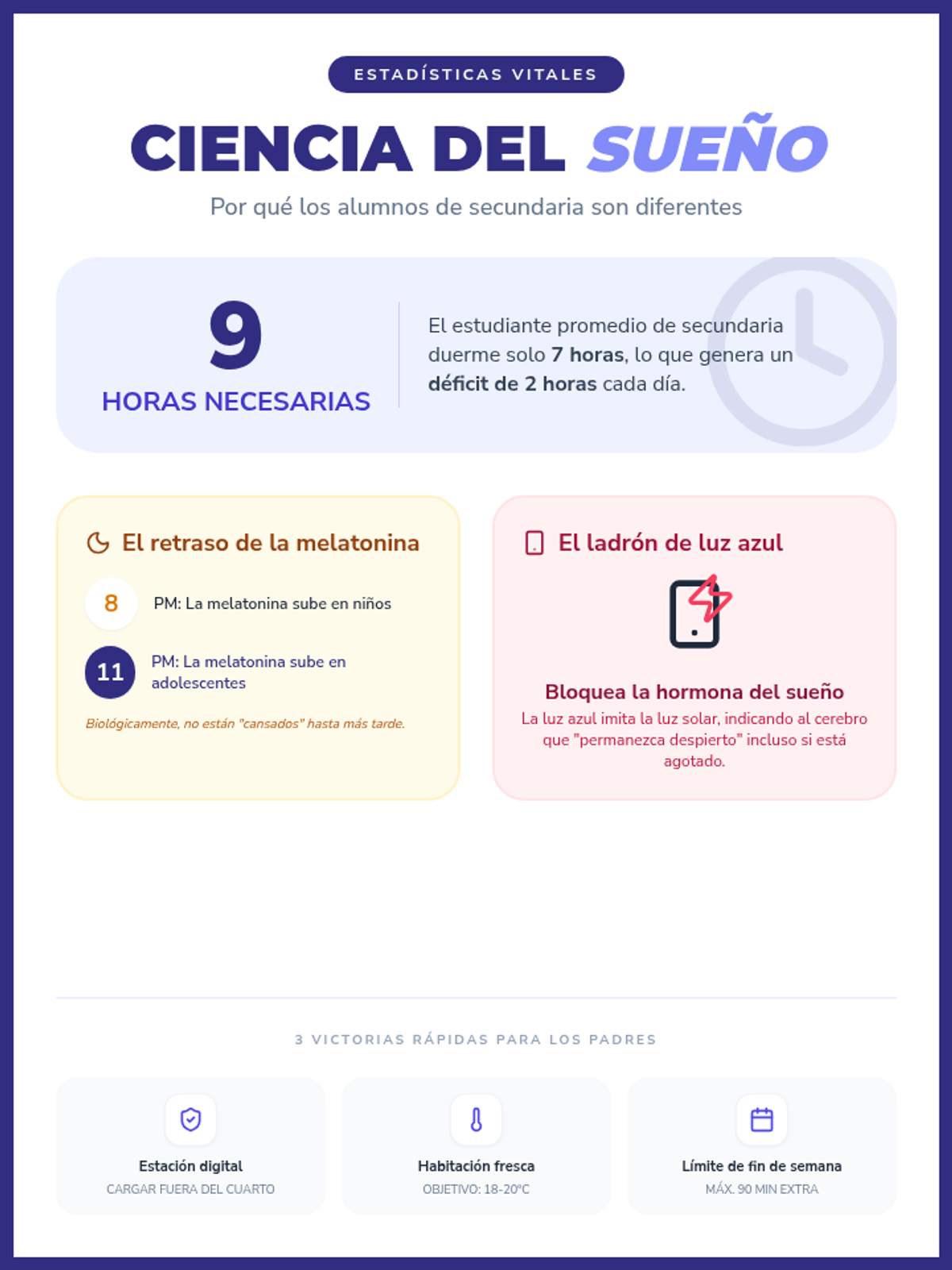
A comprehensive suite of resources for parents of middle schoolers, focusing on the science of adolescent sleep, screen time management, and practical strategies for healthy nighttime routines.
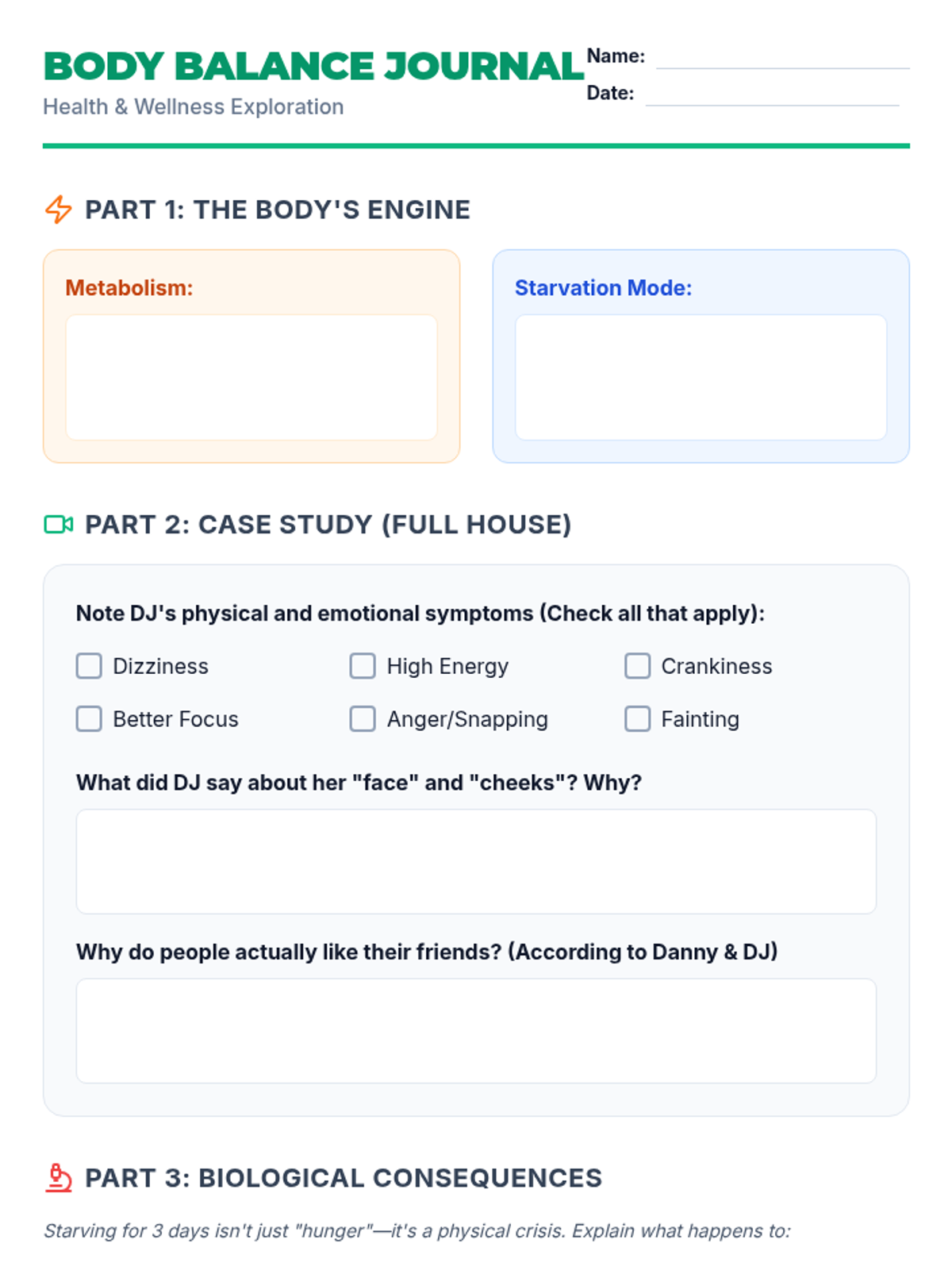
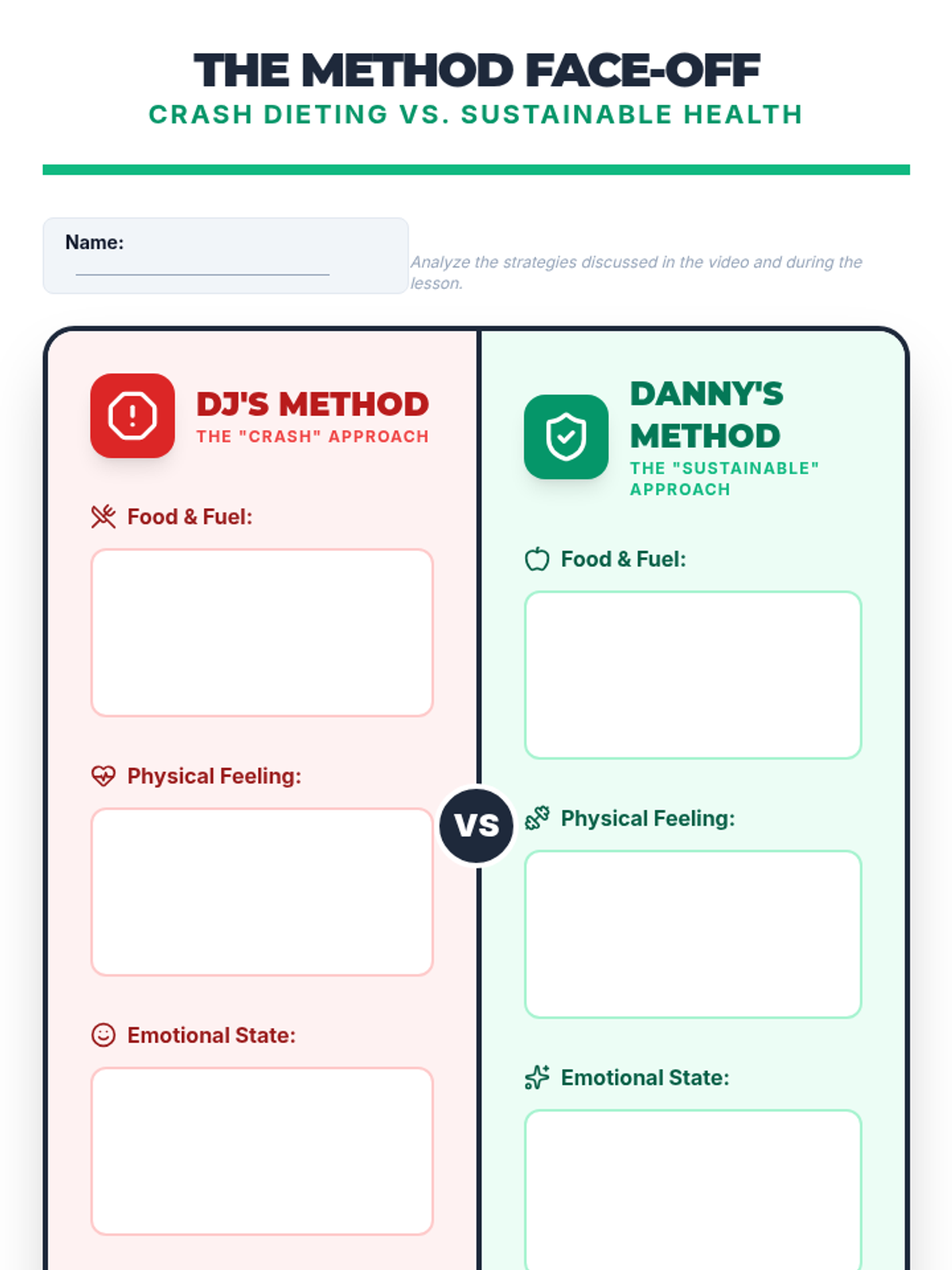
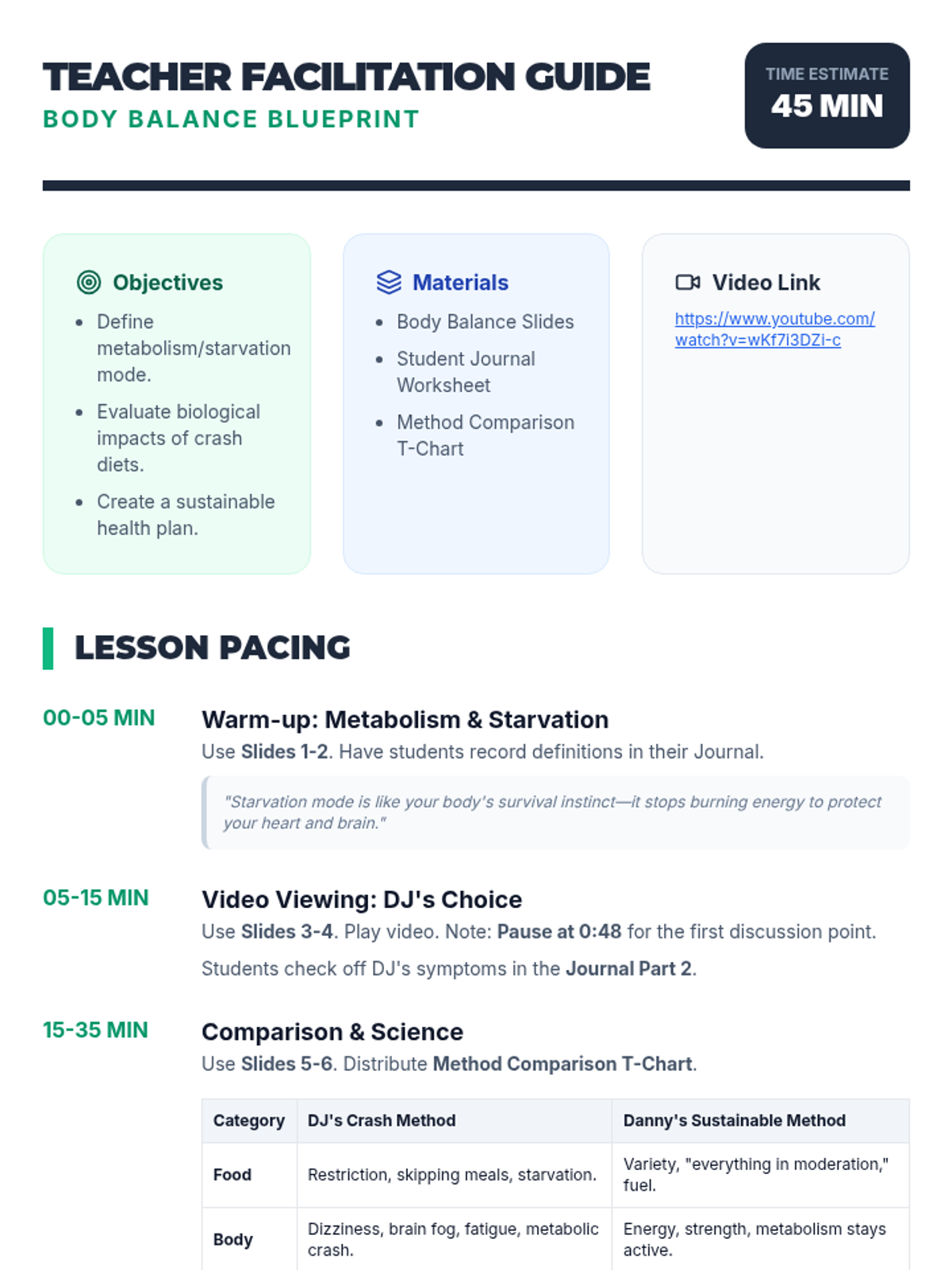
A comprehensive health lesson for middle school students exploring the biological and psychological dangers of crash dieting versus sustainable health, centered around a classic Full House video clip.
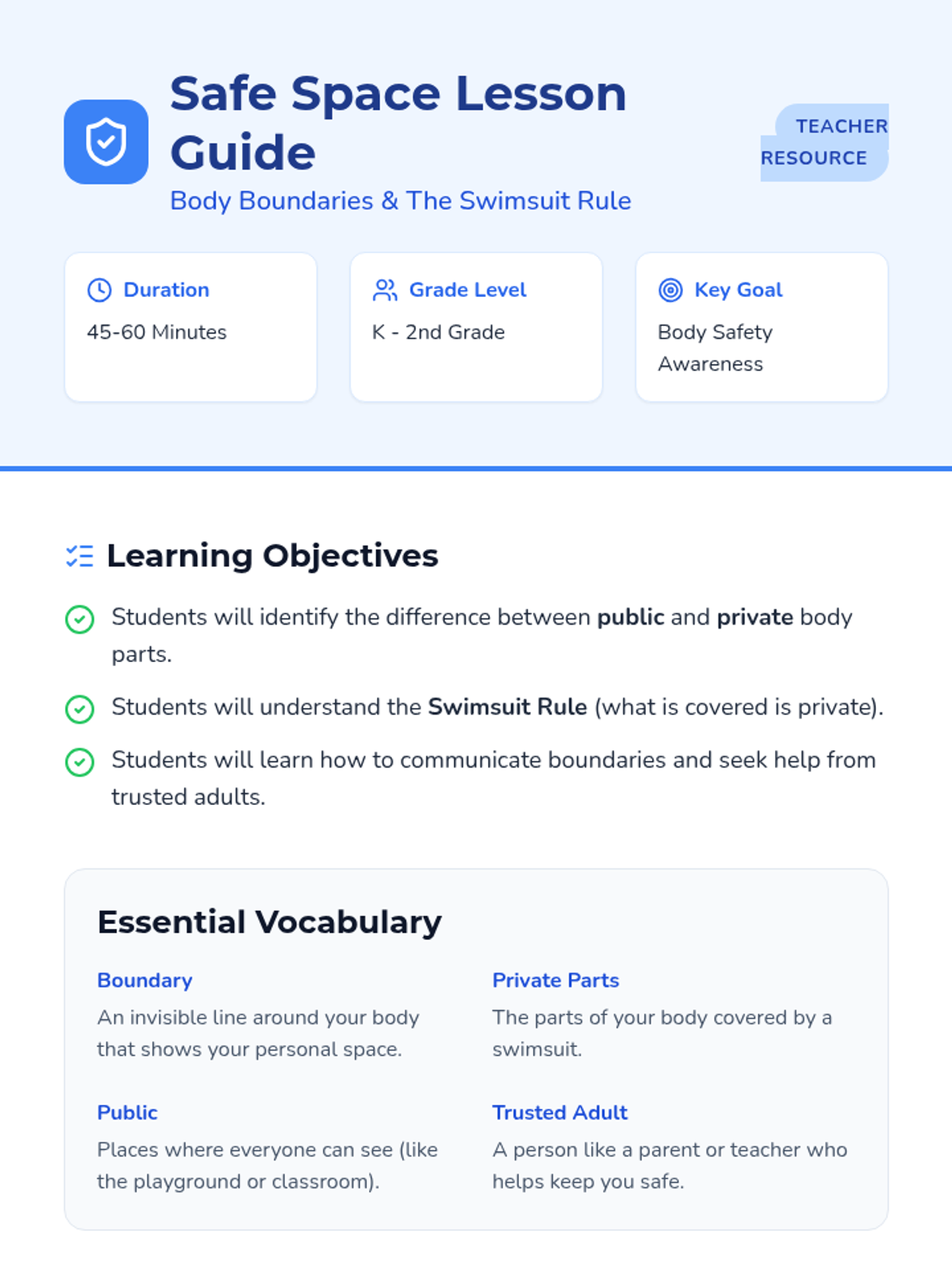
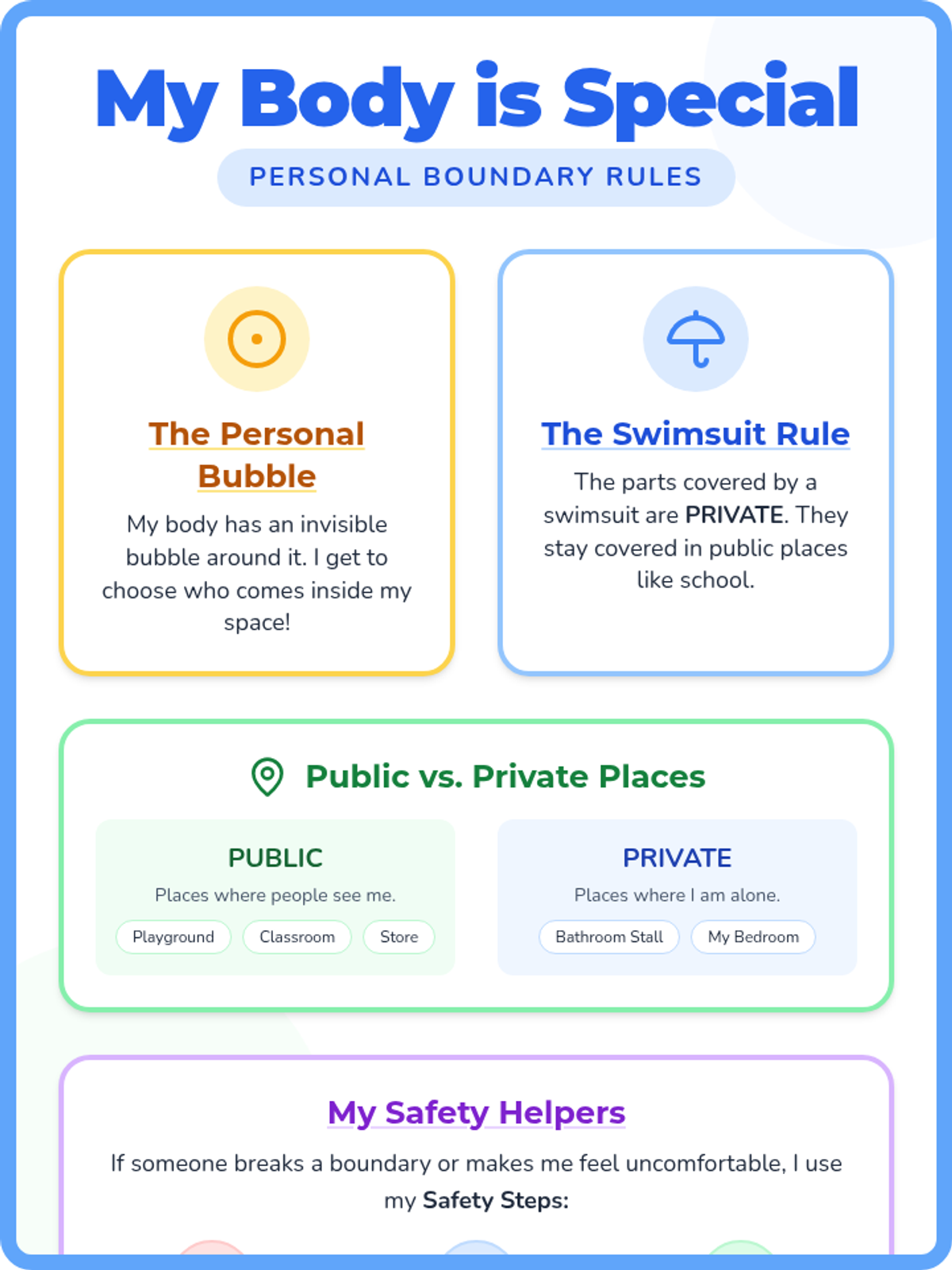
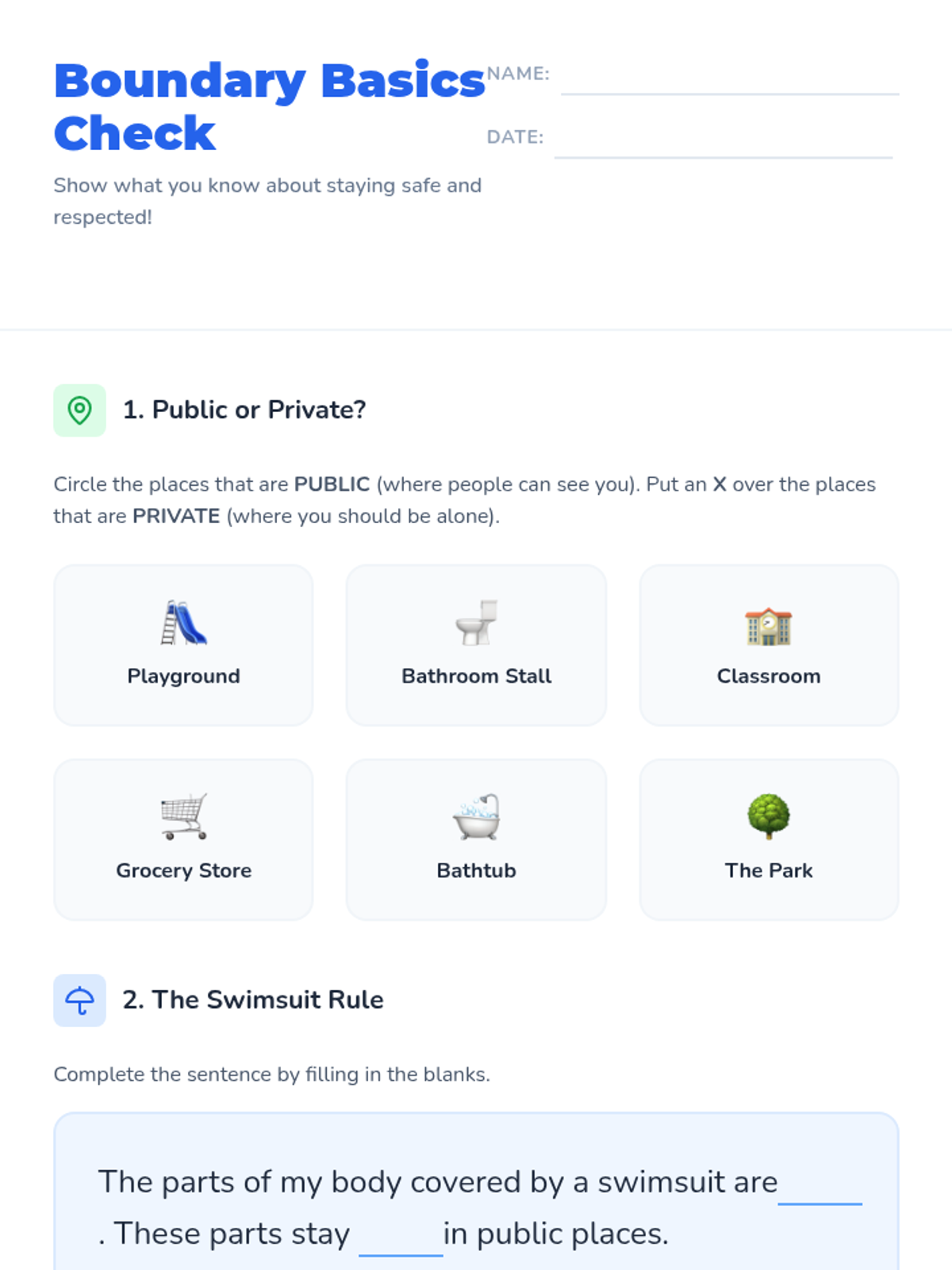
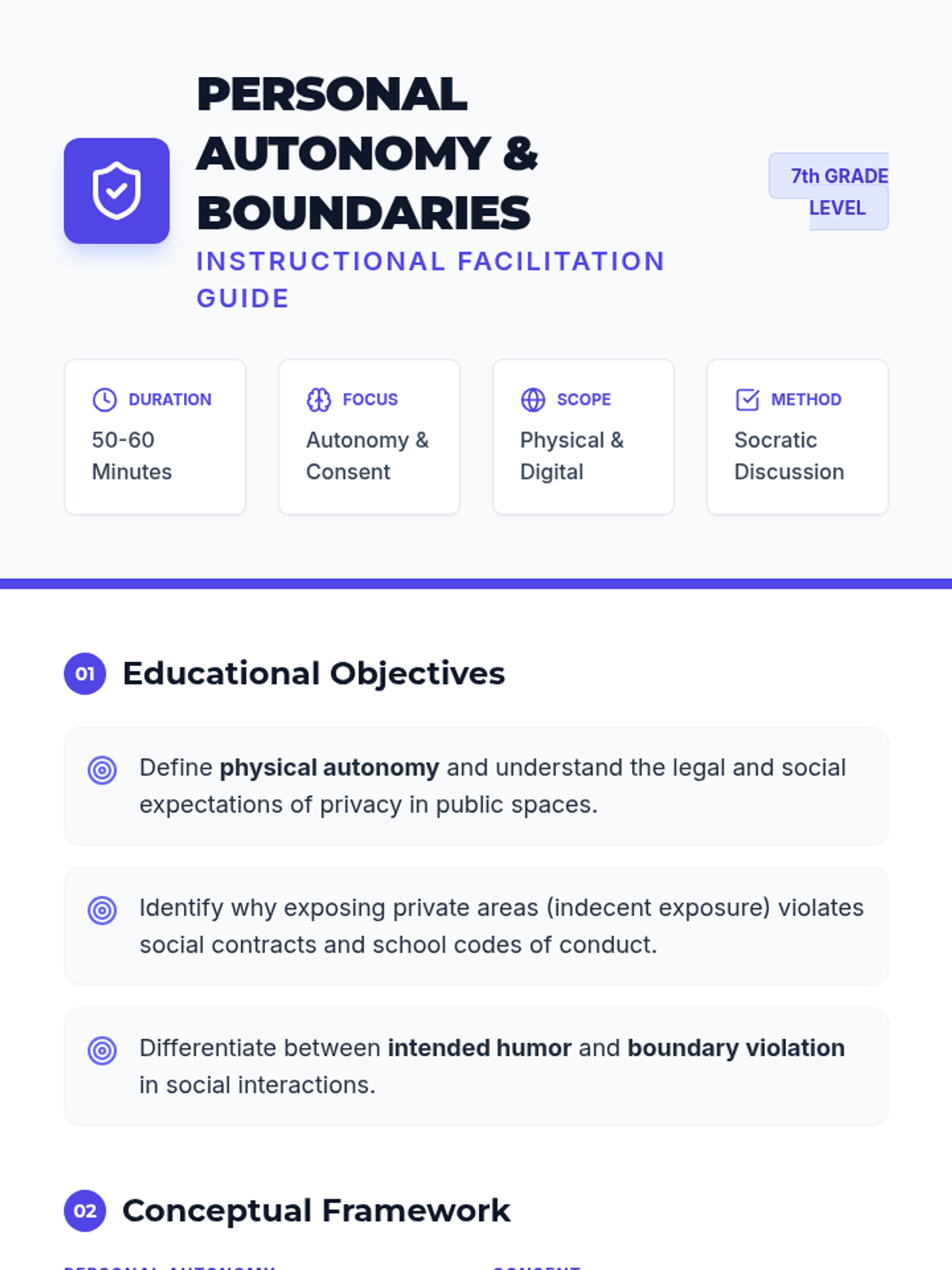
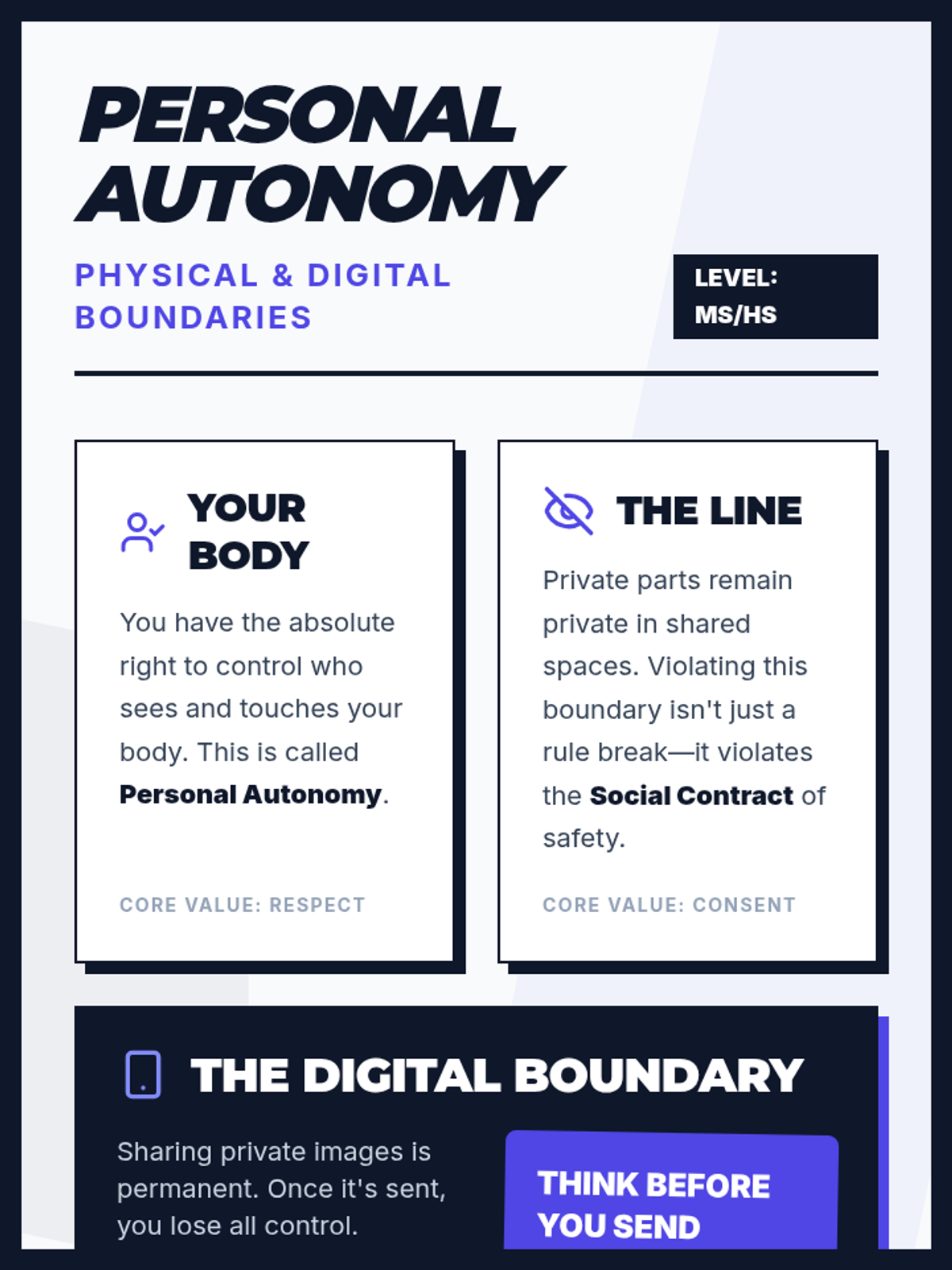
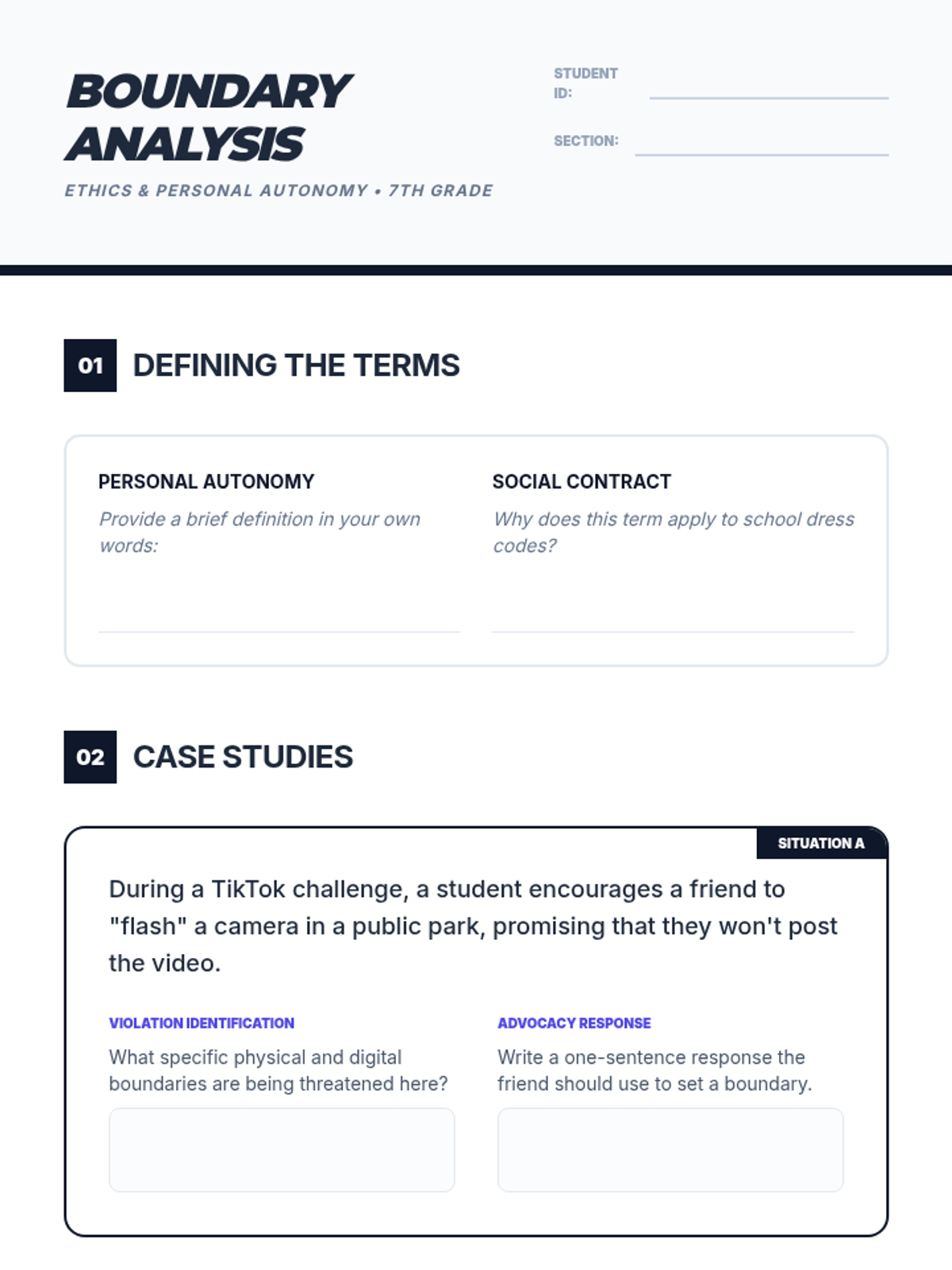
A comprehensive lesson on personal boundaries, body safety, and the importance of keeping private parts covered, using the Swimsuit Rule as a central framework.
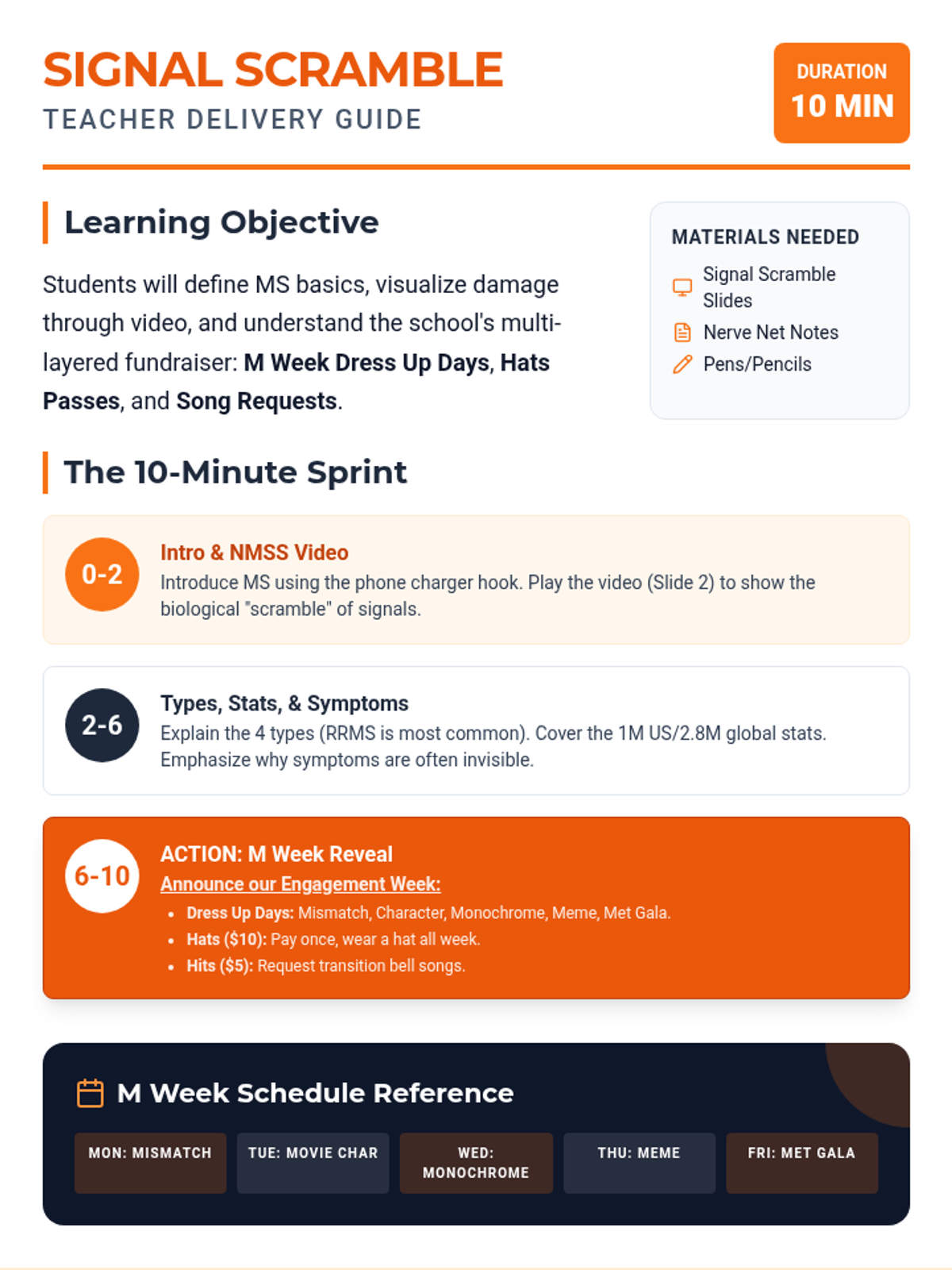
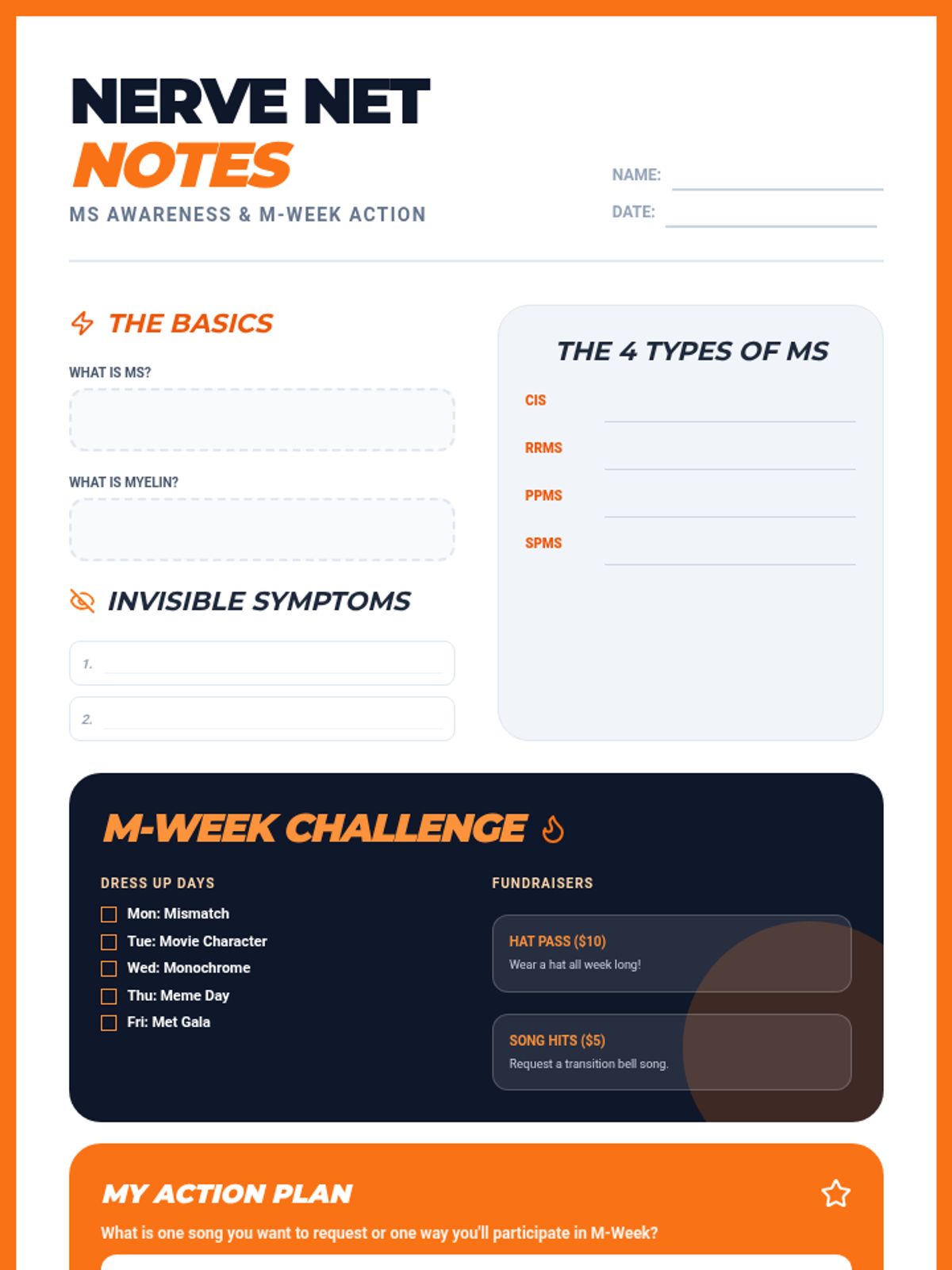
A quick, high-impact lesson designed to teach middle schoolers about Multiple Sclerosis through the lens of a 'signal scramble' in the nervous system. Students learn about myelin, global statistics, and the invisible nature of the disease.
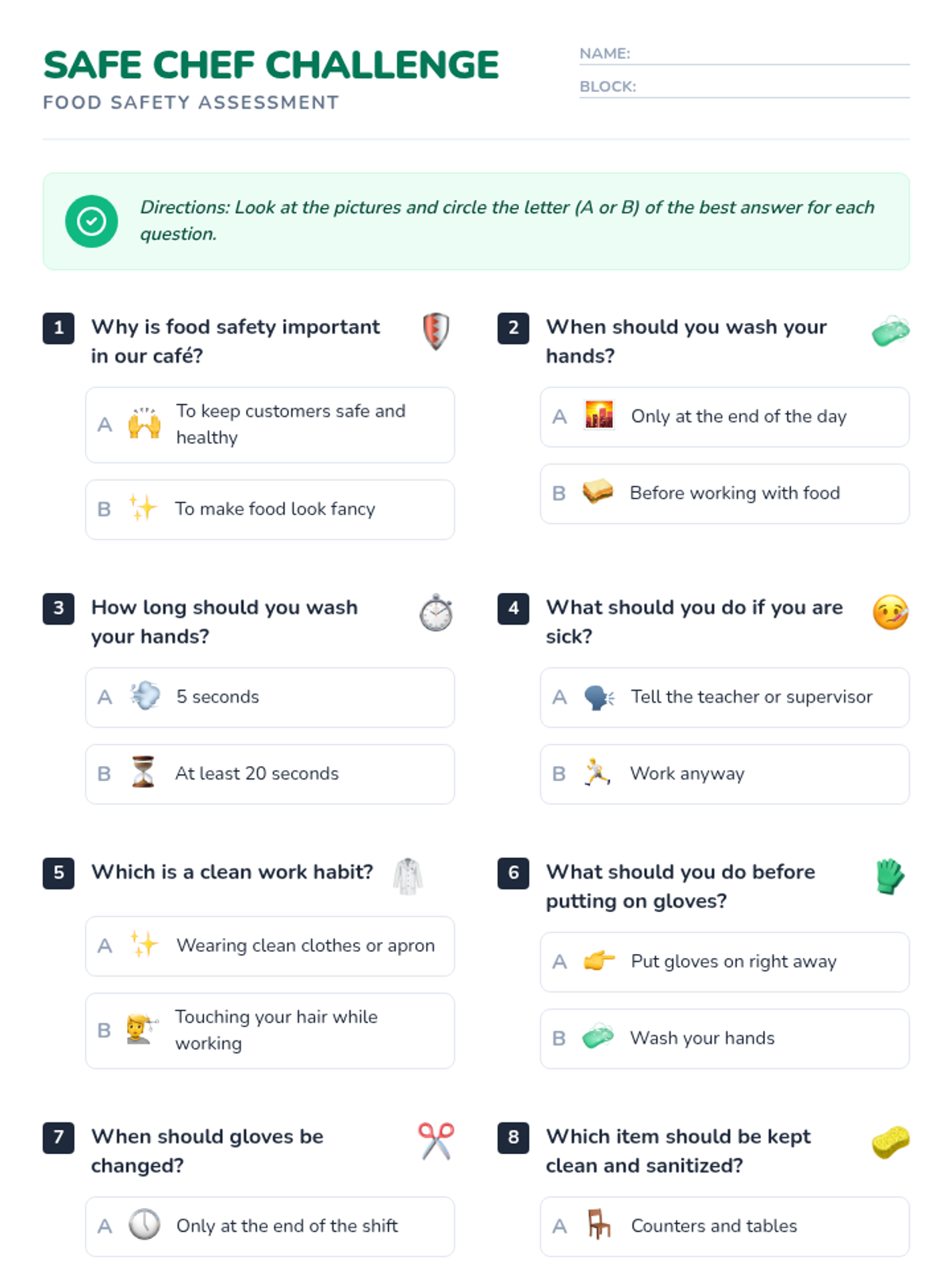
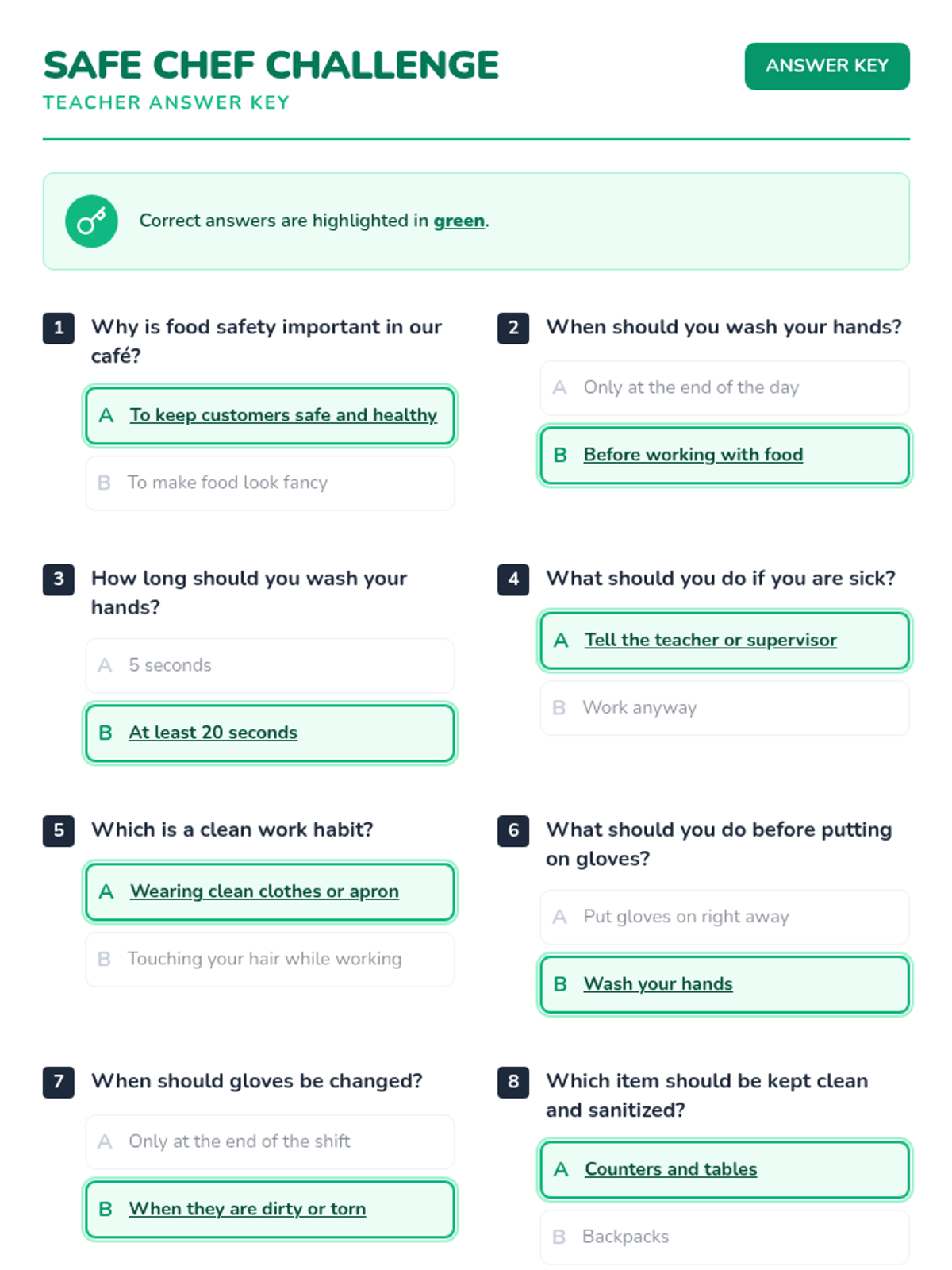
A visual assessment focused on food safety practices in a café or kitchen environment, featuring illustrated questions and answer choices to support student comprehension.
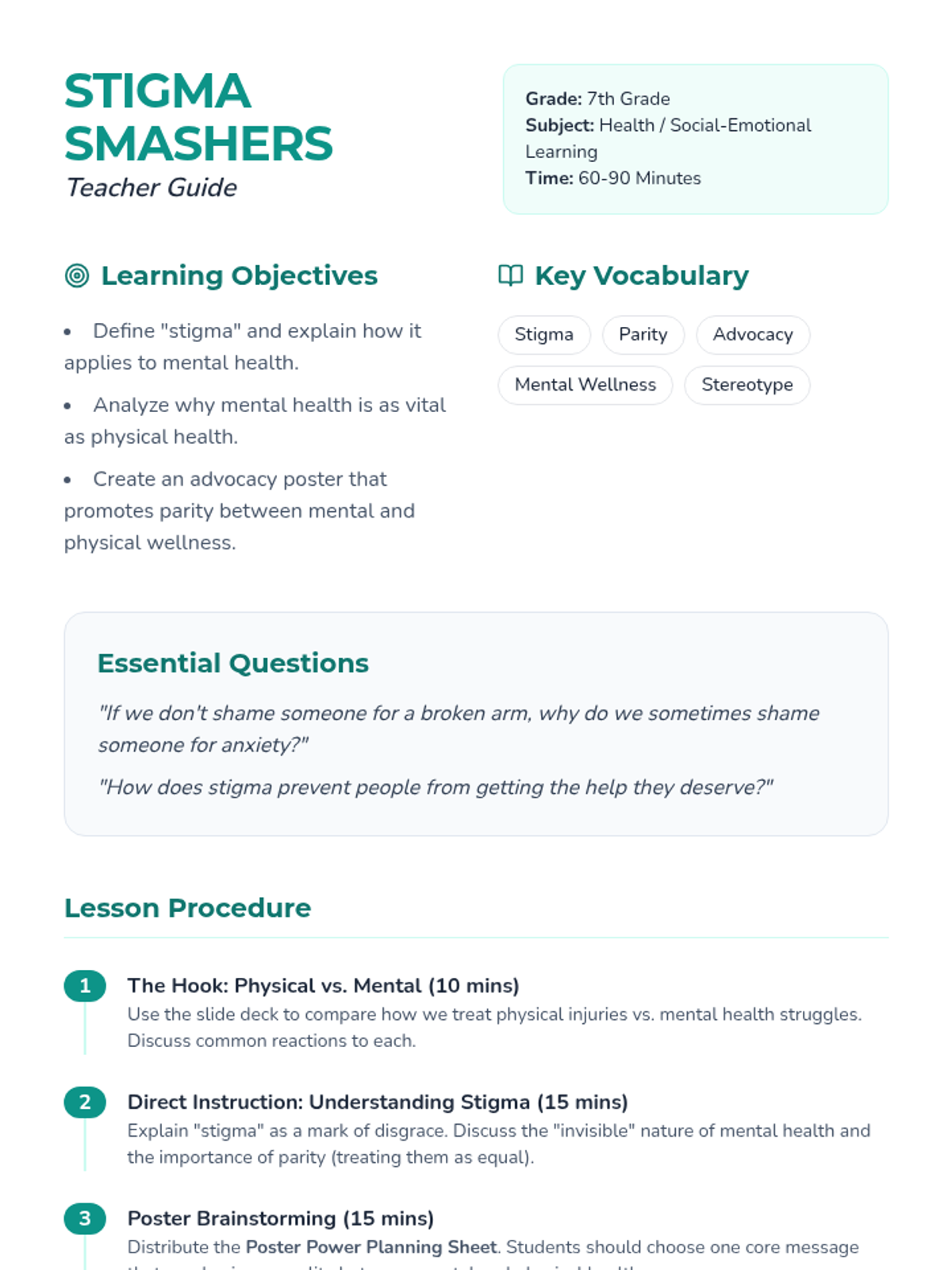
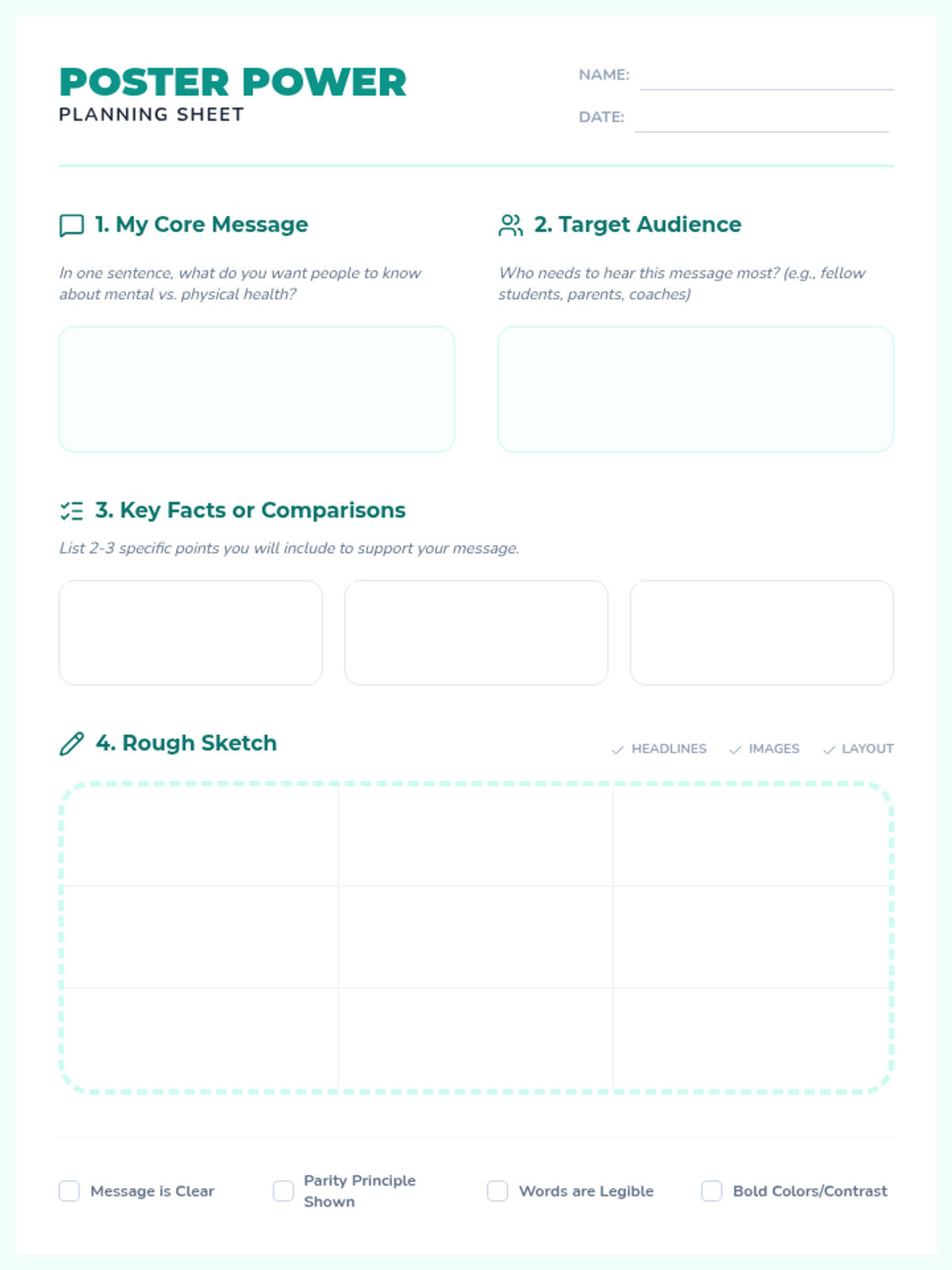
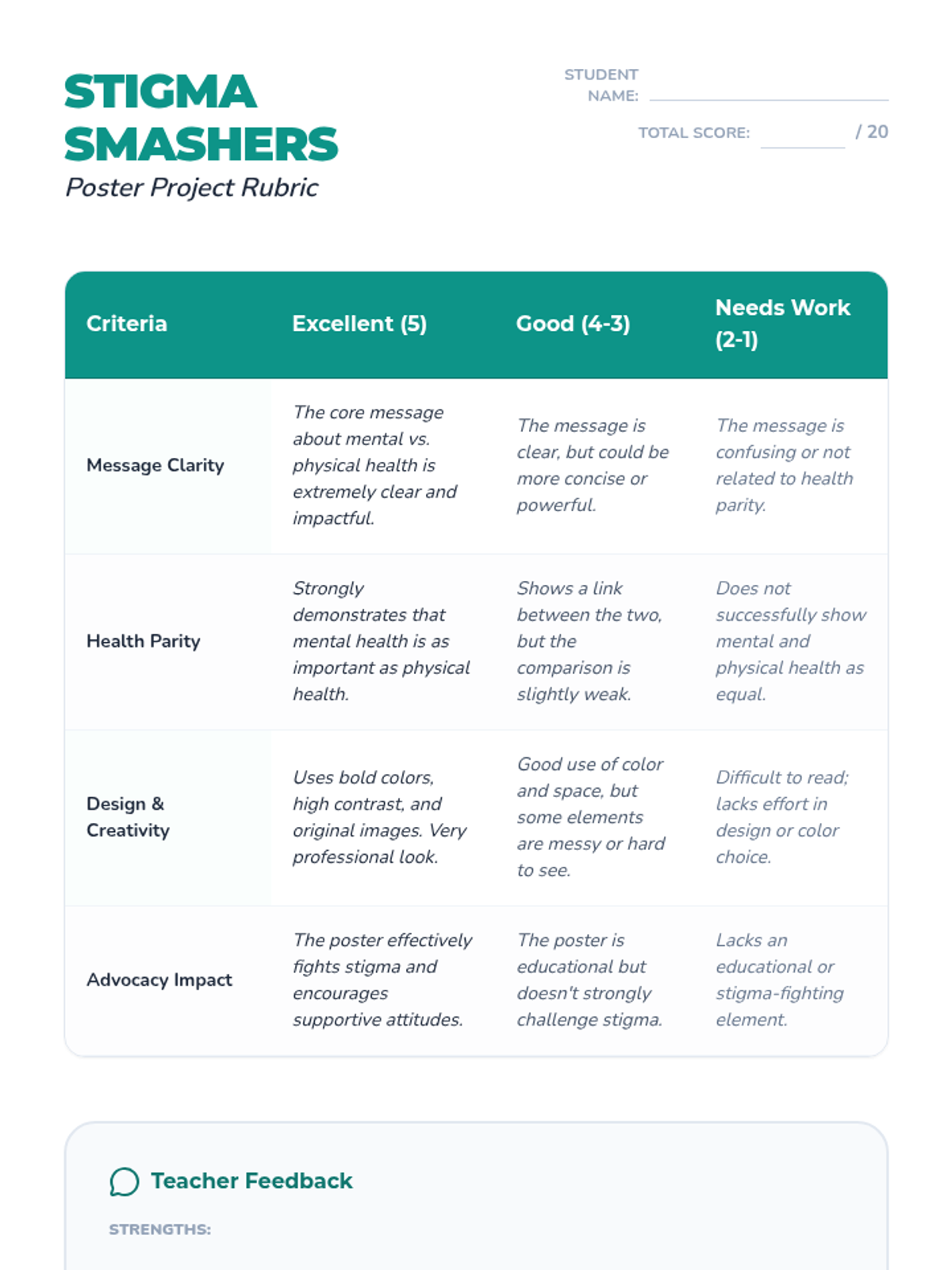
Students explore the parity between mental and physical health, learn about mental health stigma, and design advocacy posters to spread awareness and encourage equality in health care and perception.
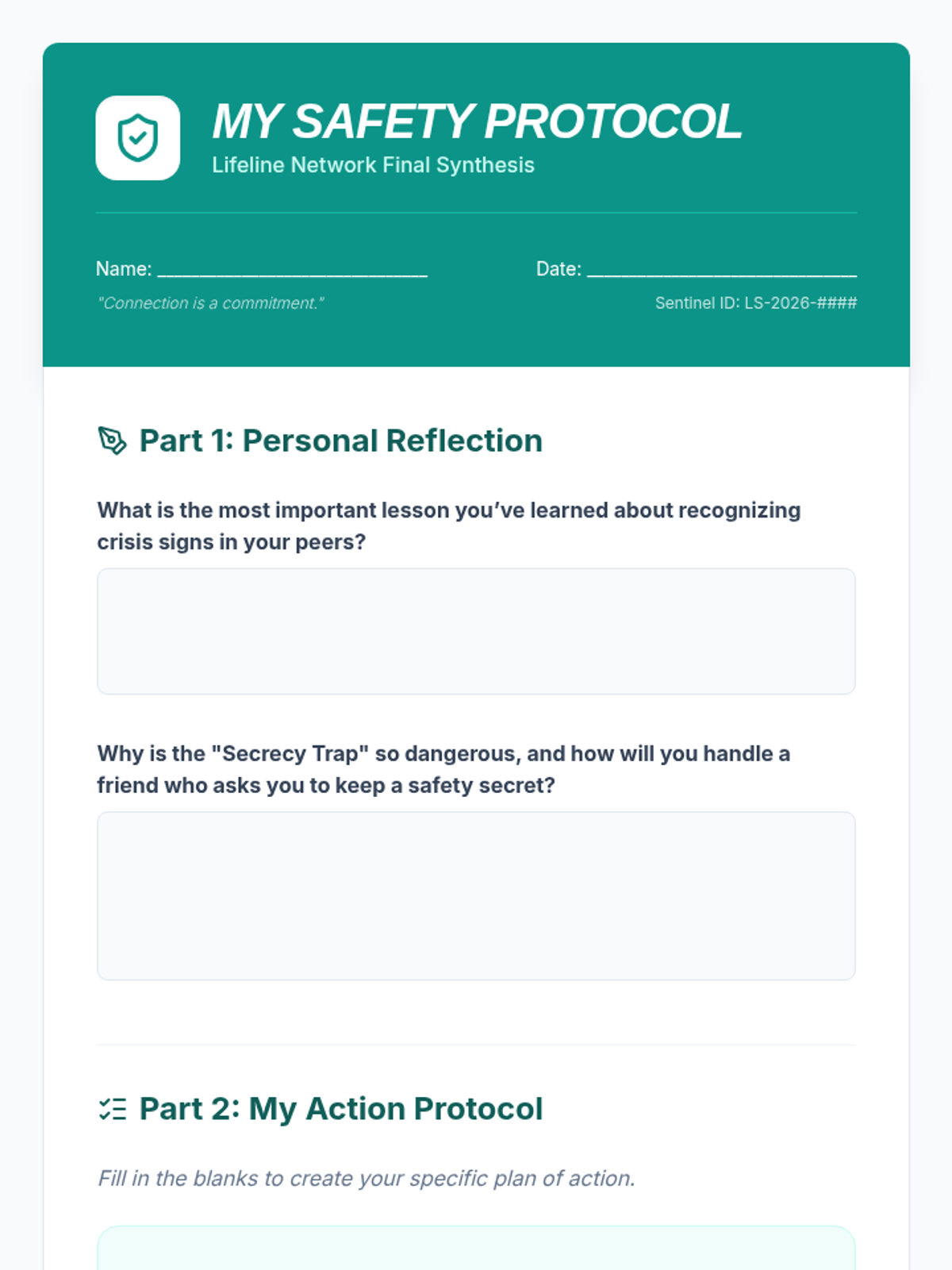
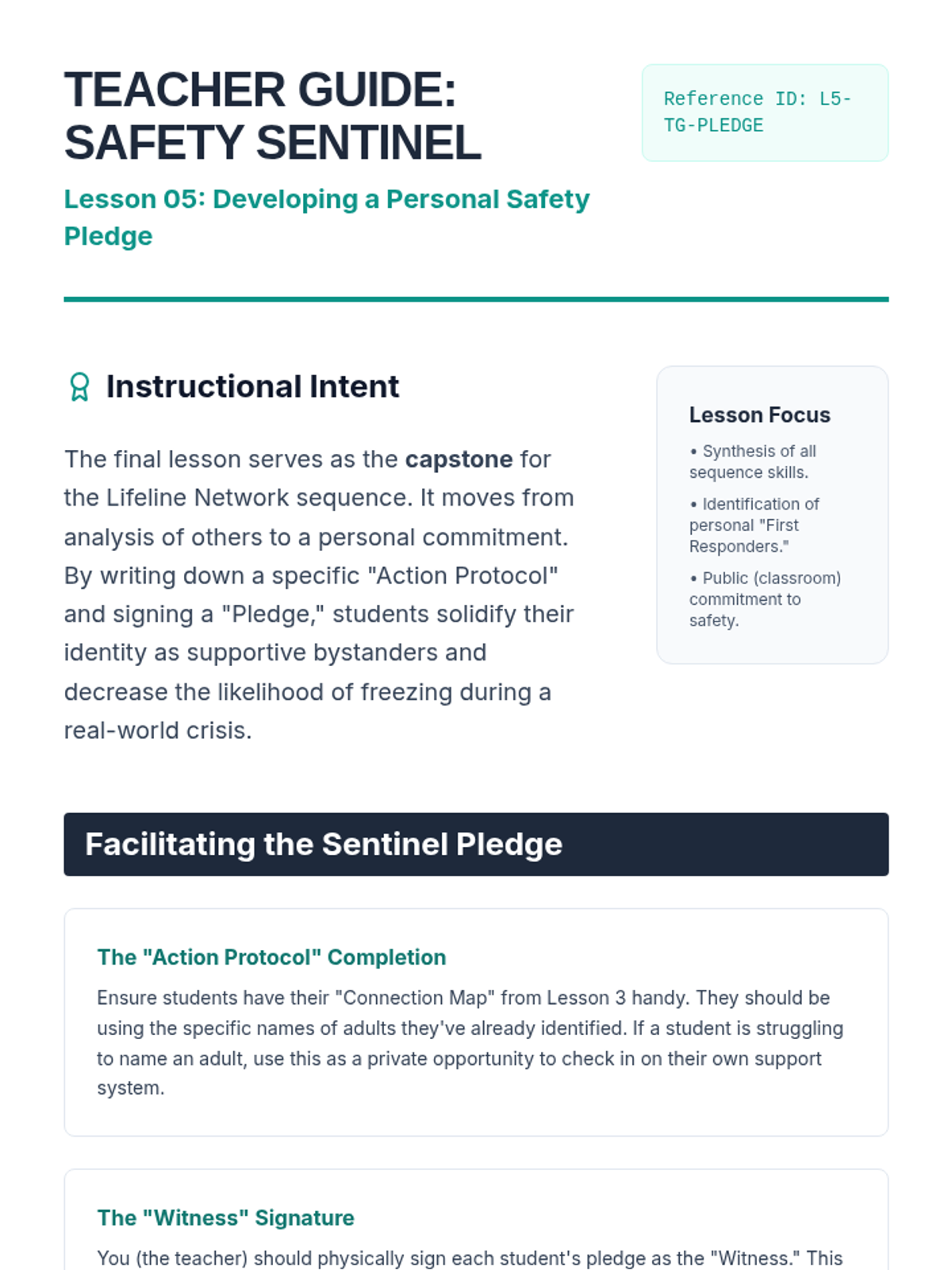
Students synthesize their learning into a personal safety pledge and protocol, establishing an internal commitment to act when they see signs of distress.
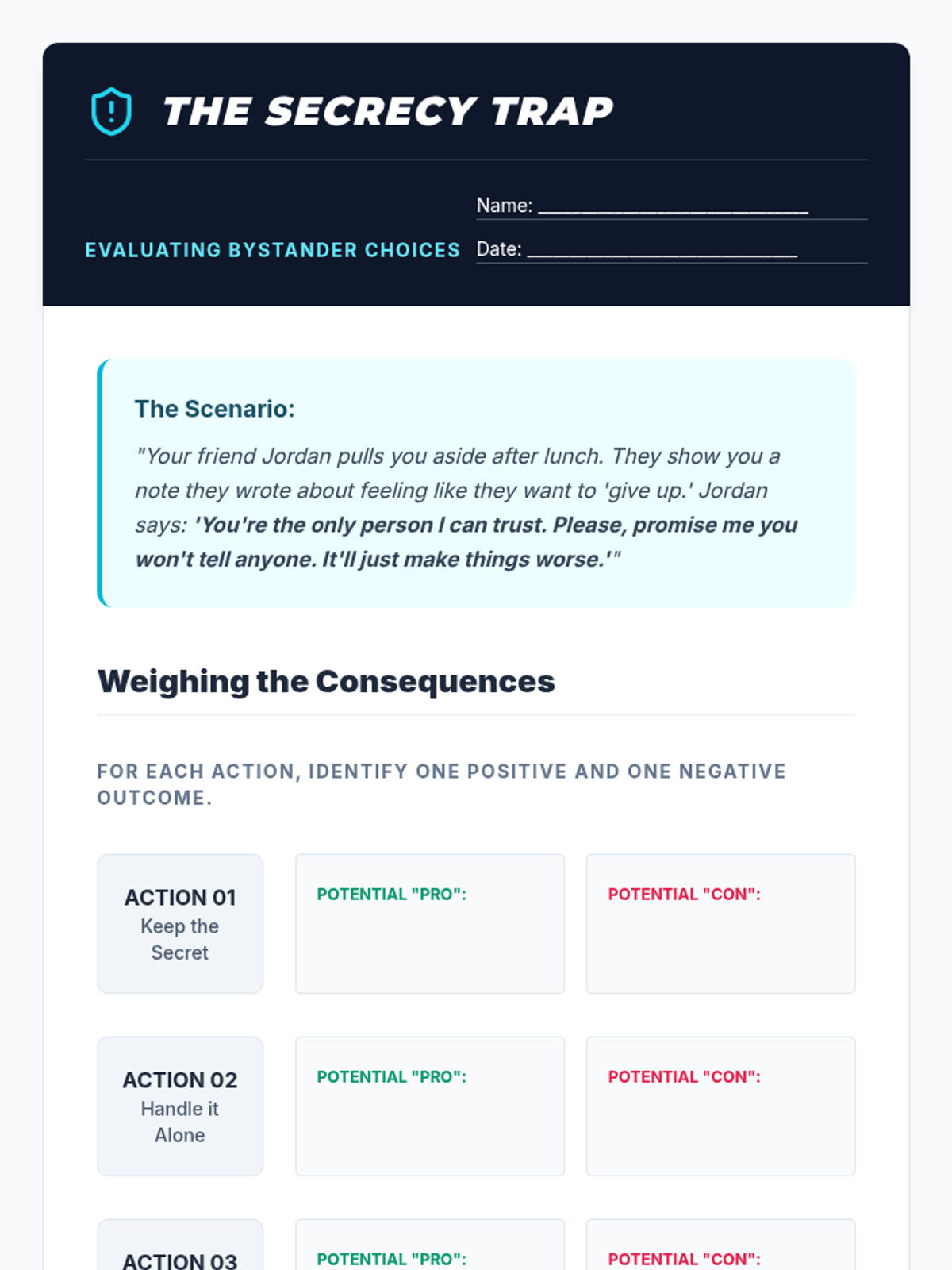
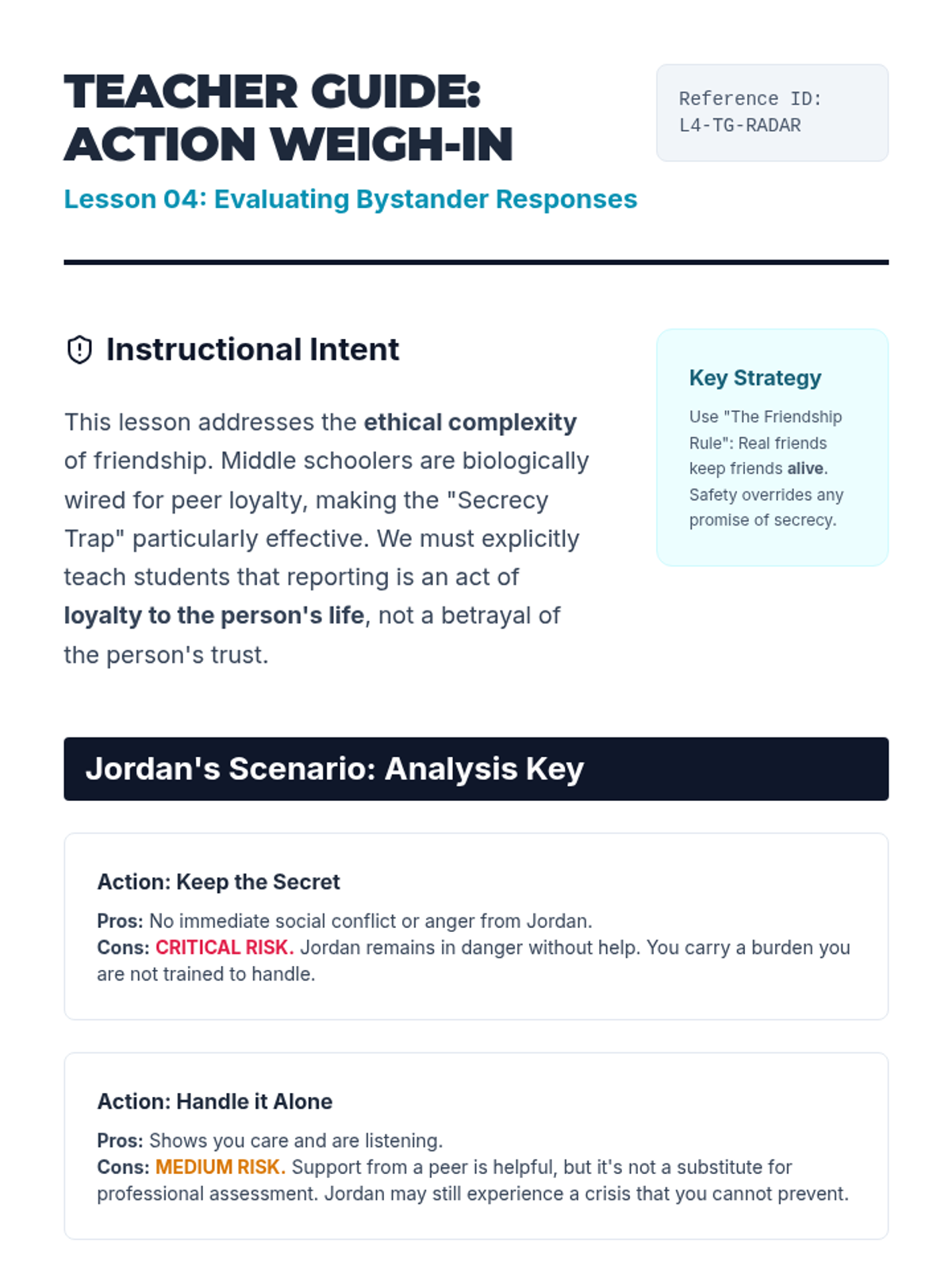
Students evaluate different peer responses to crisis situations, analyzing why 'keeping the secret' is dangerous and why reporting to an adult is necessary.
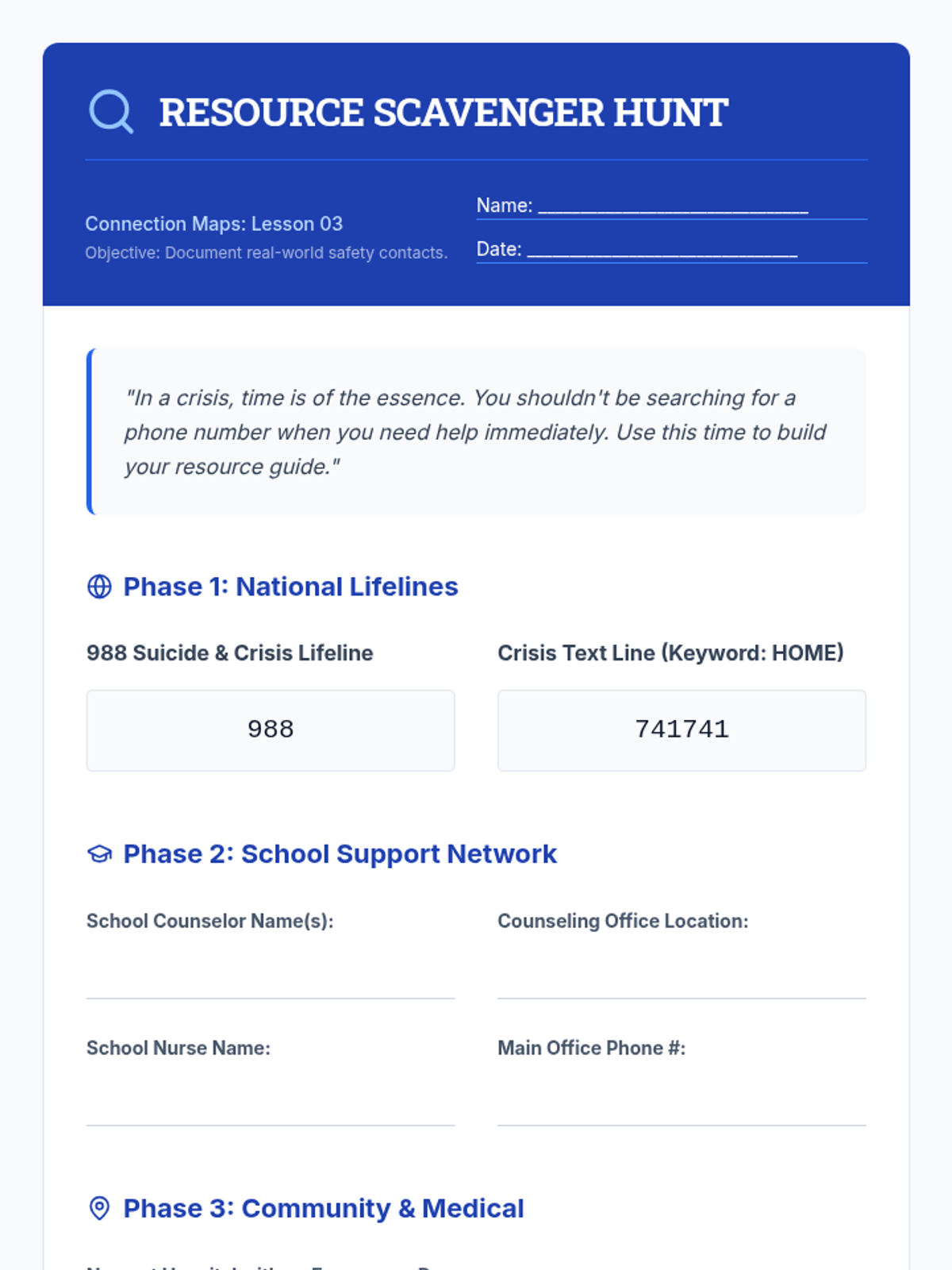
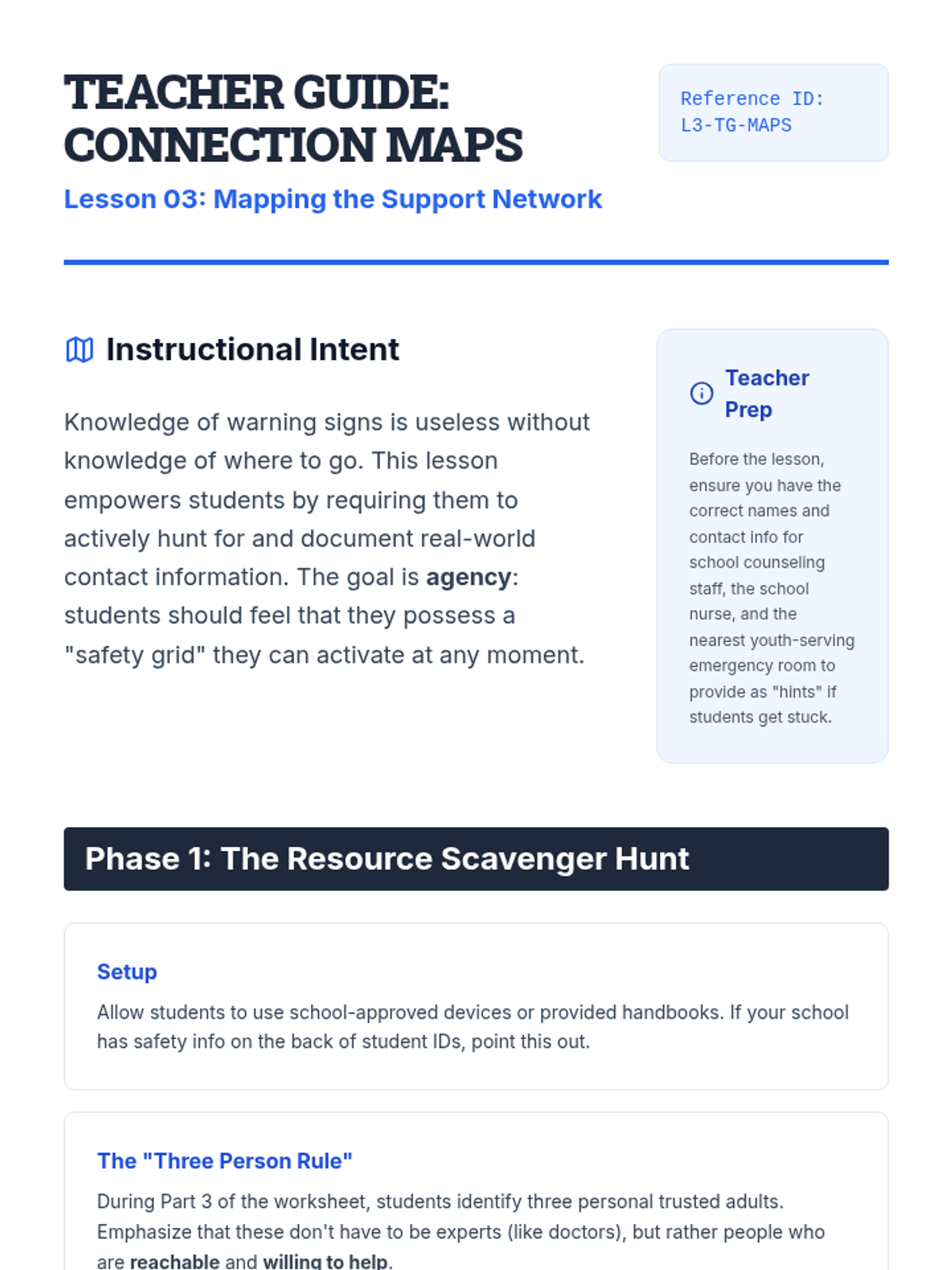
Students identify and map out their support networks, including trusted adults, school resources, and national crisis hotlines like 988.
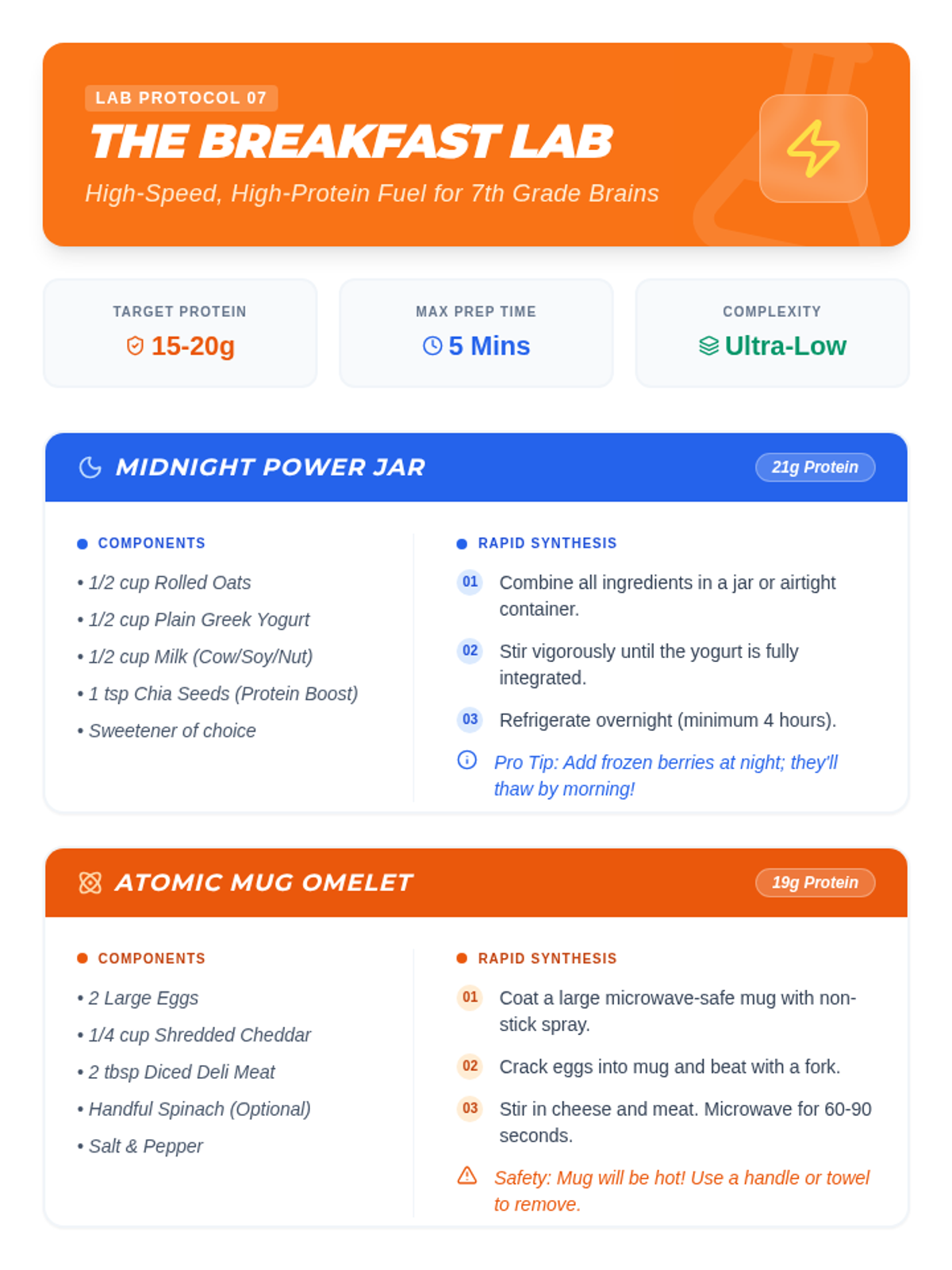
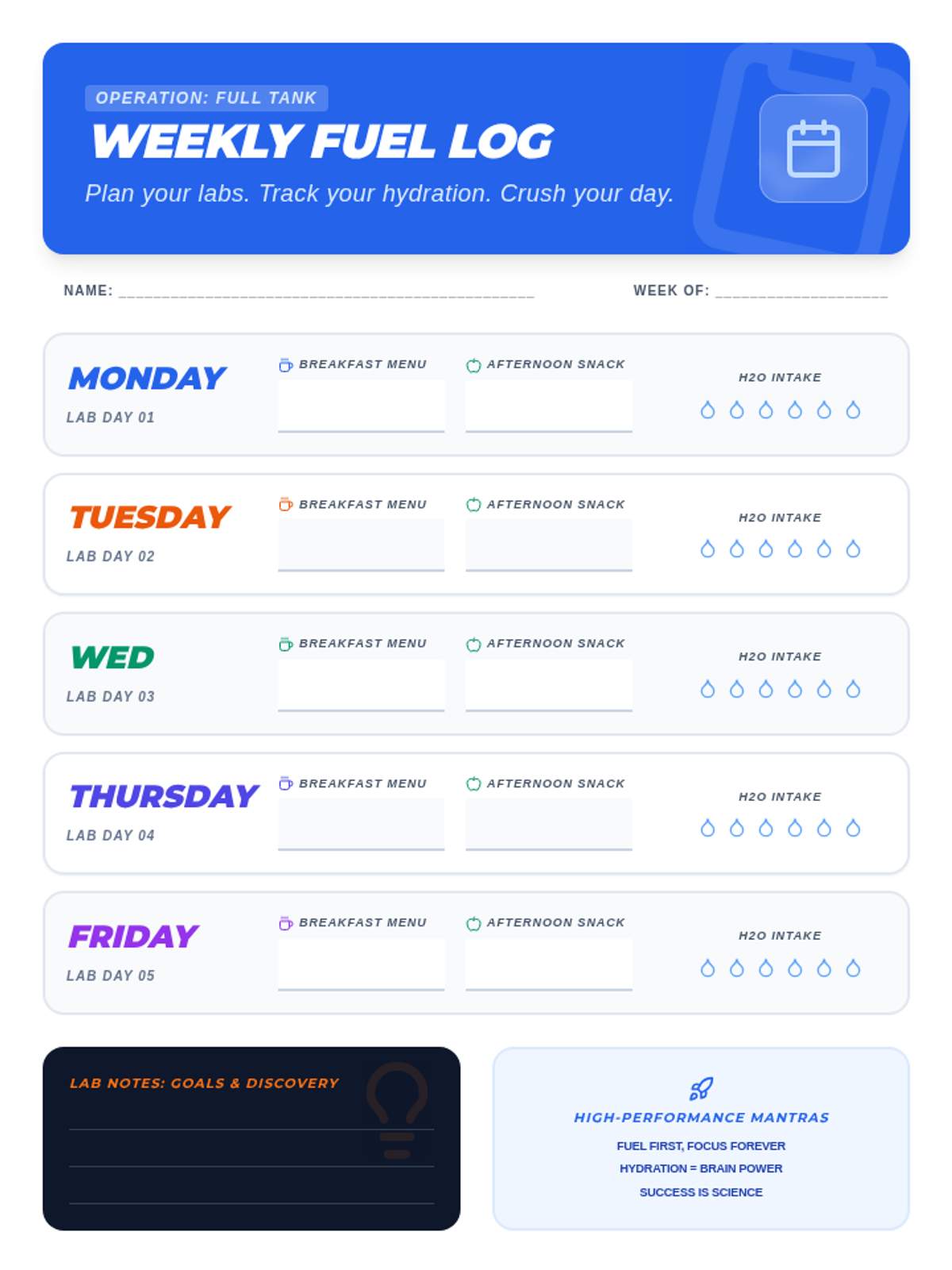
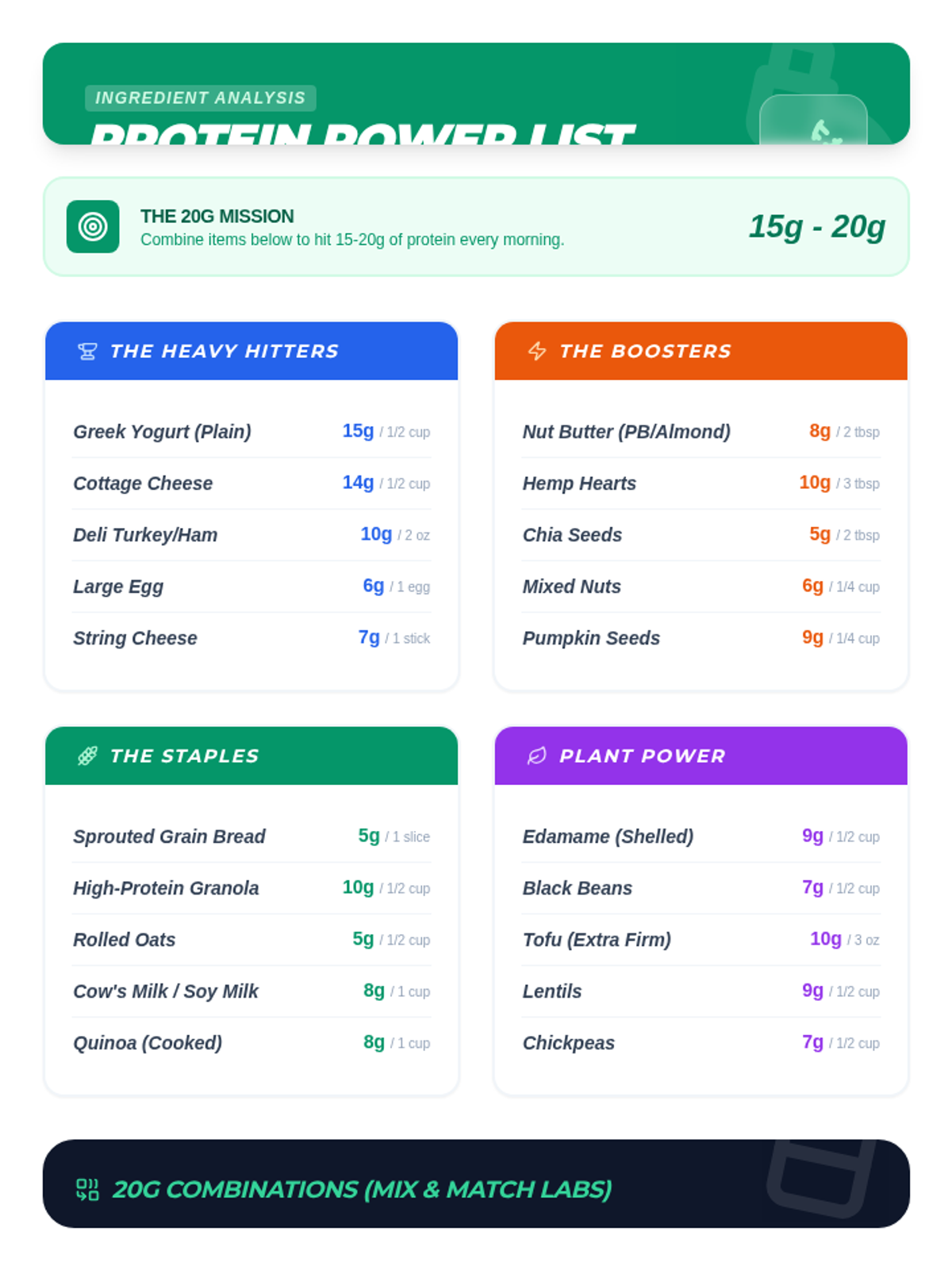
A high-energy breakfast planning resource for 7th graders, featuring fast, protein-packed recipes and a weekly hydration and meal tracking system.
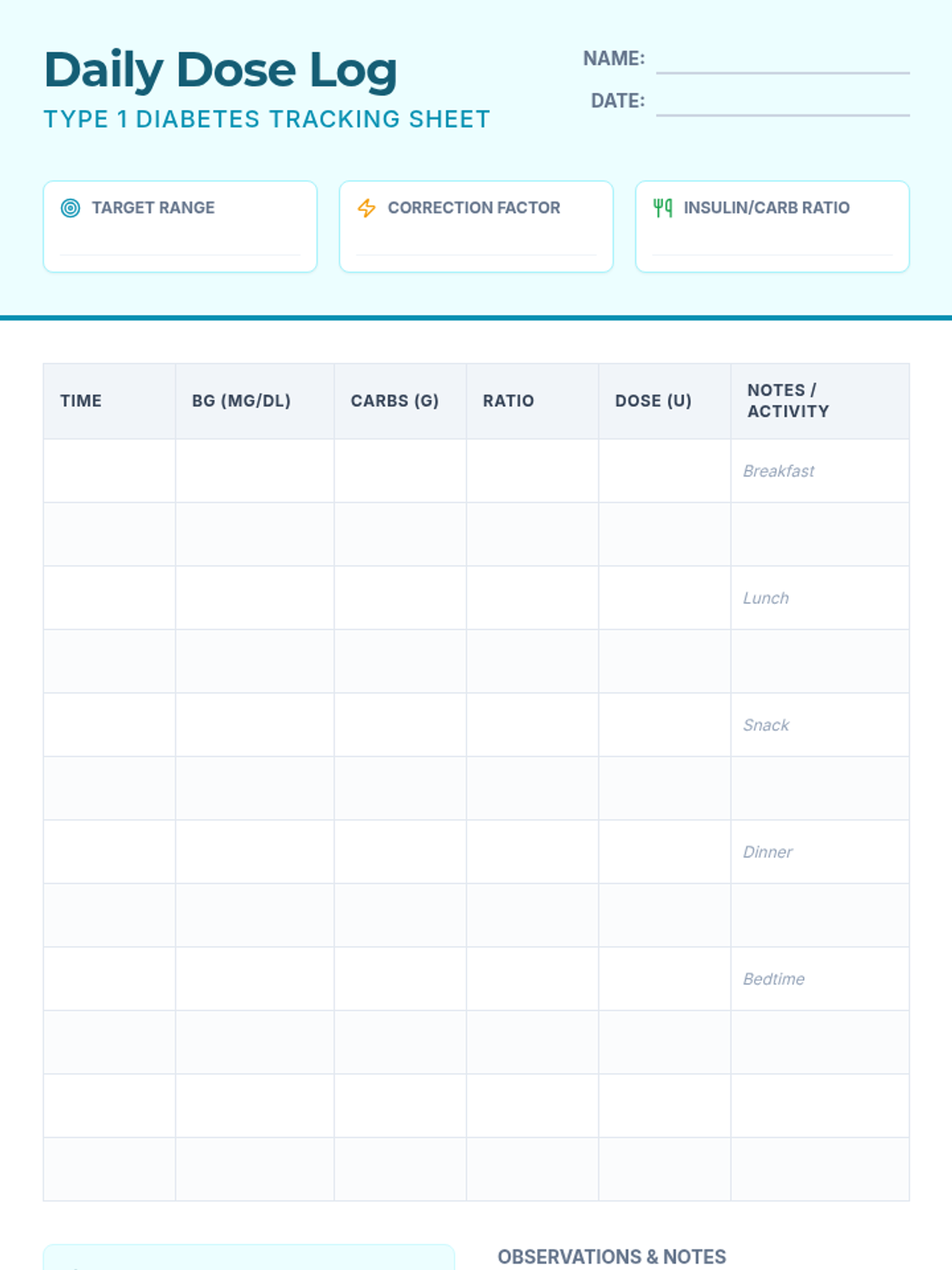
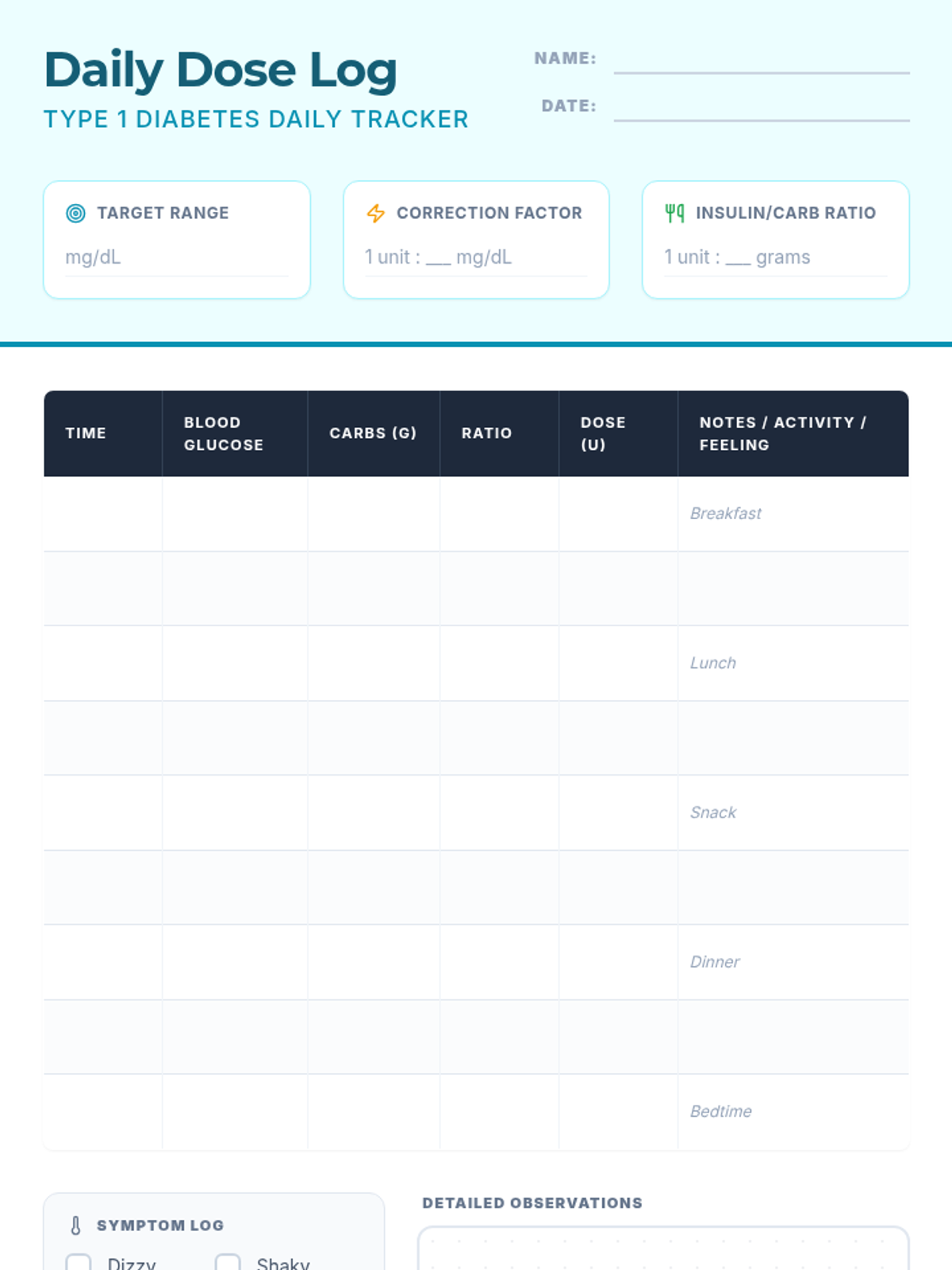
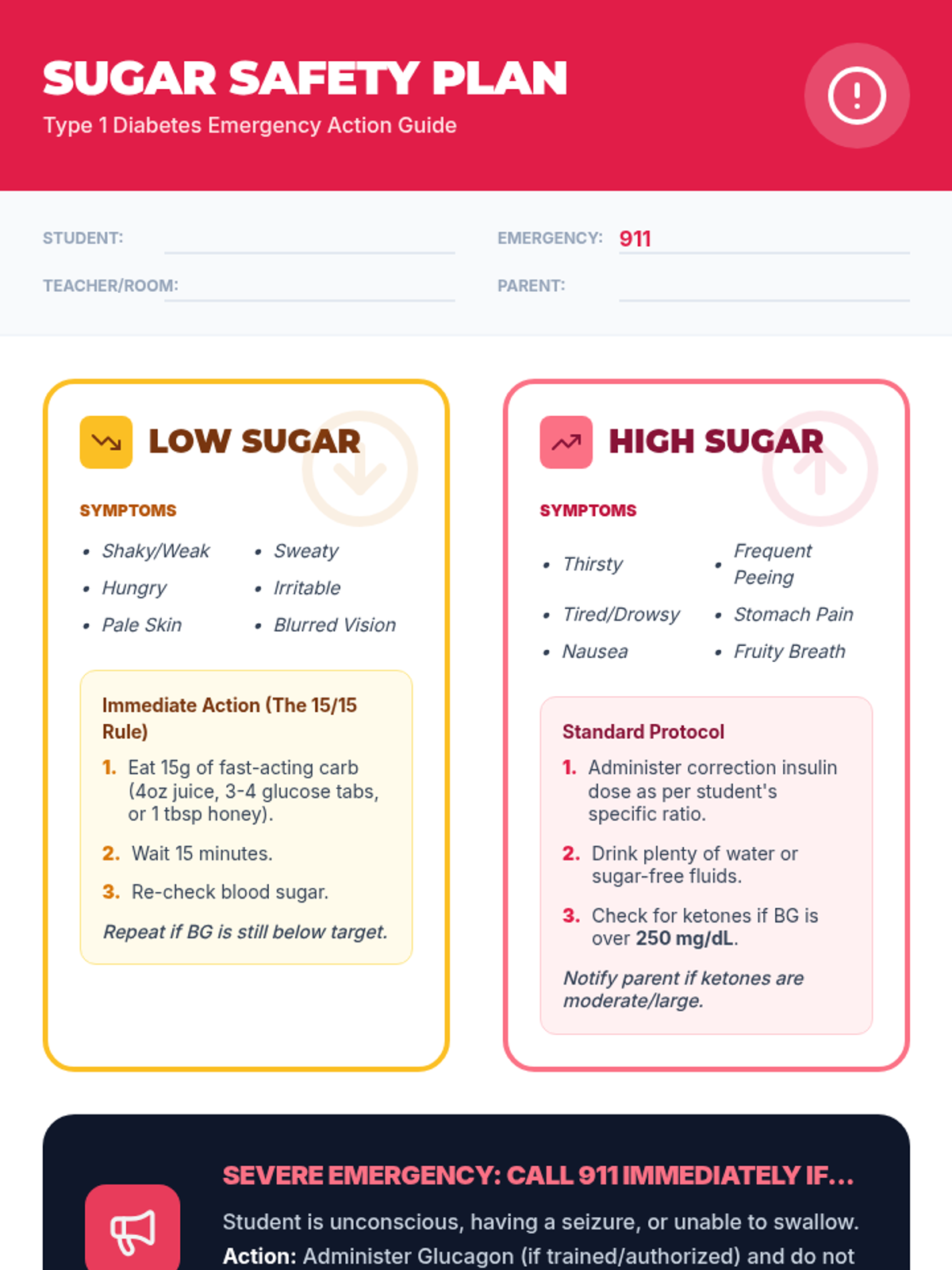
A comprehensive toolkit for tracking and managing Type 1 Diabetes daily routines, designed for students, parents, and school health staff.
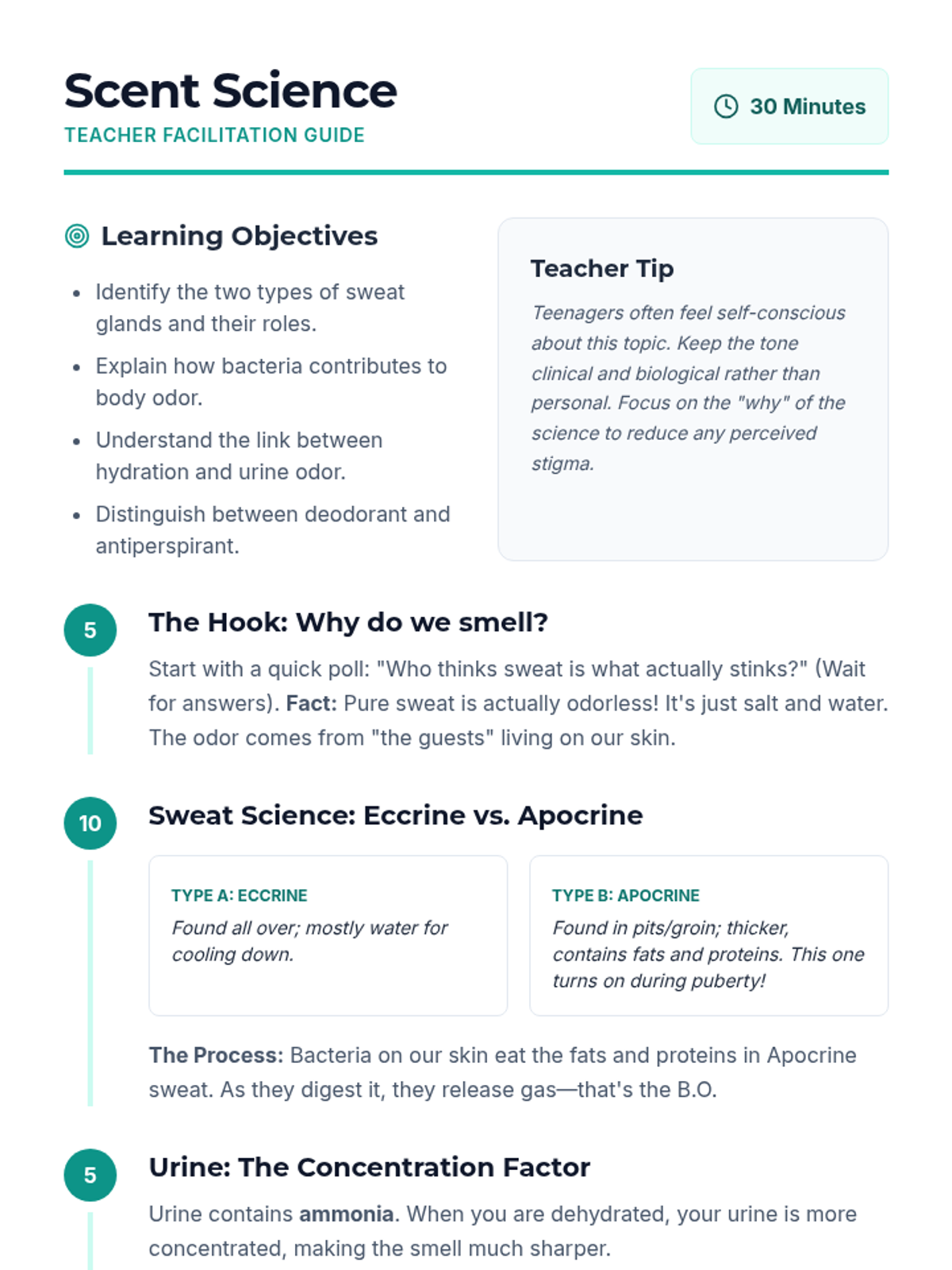
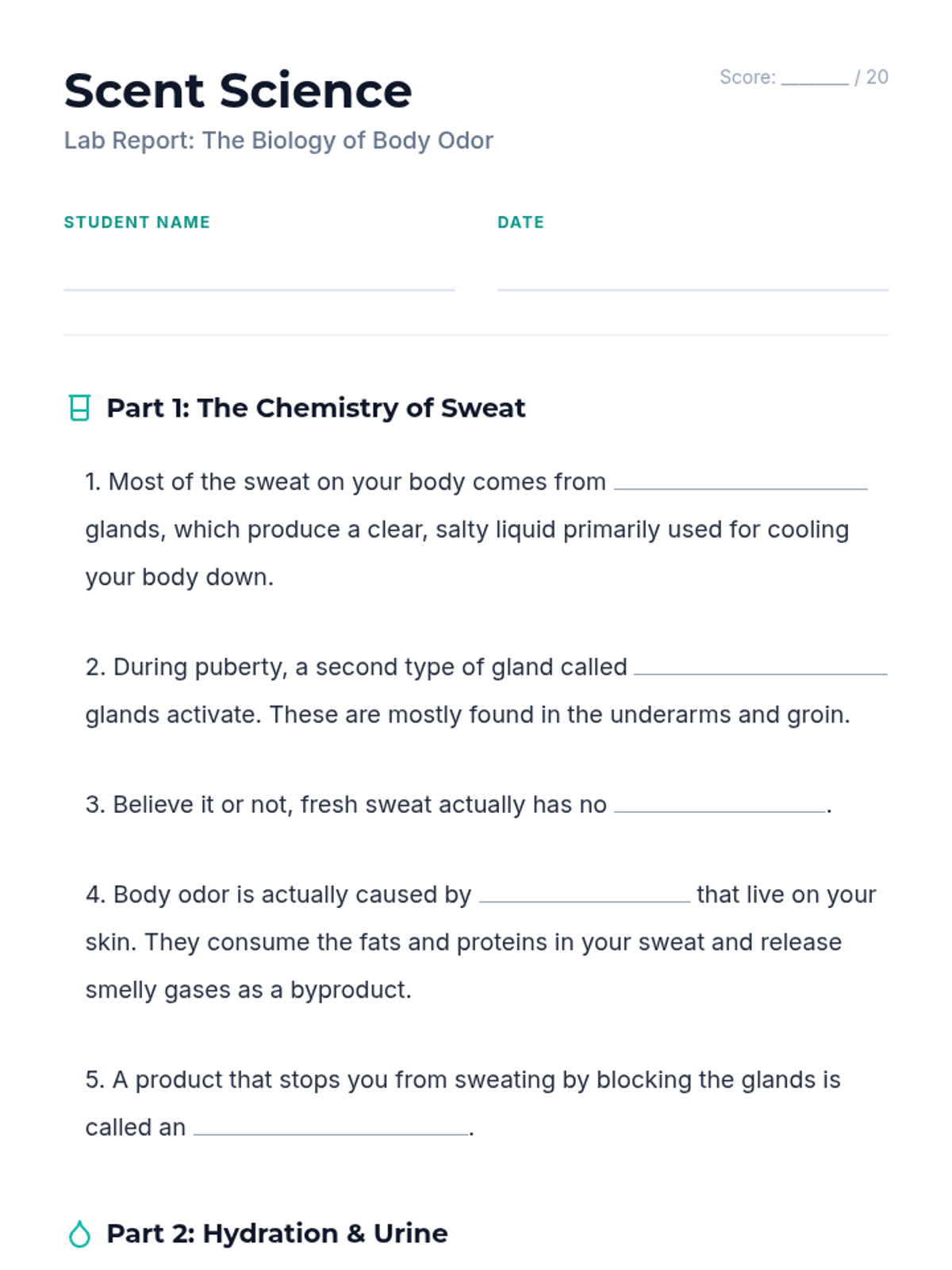
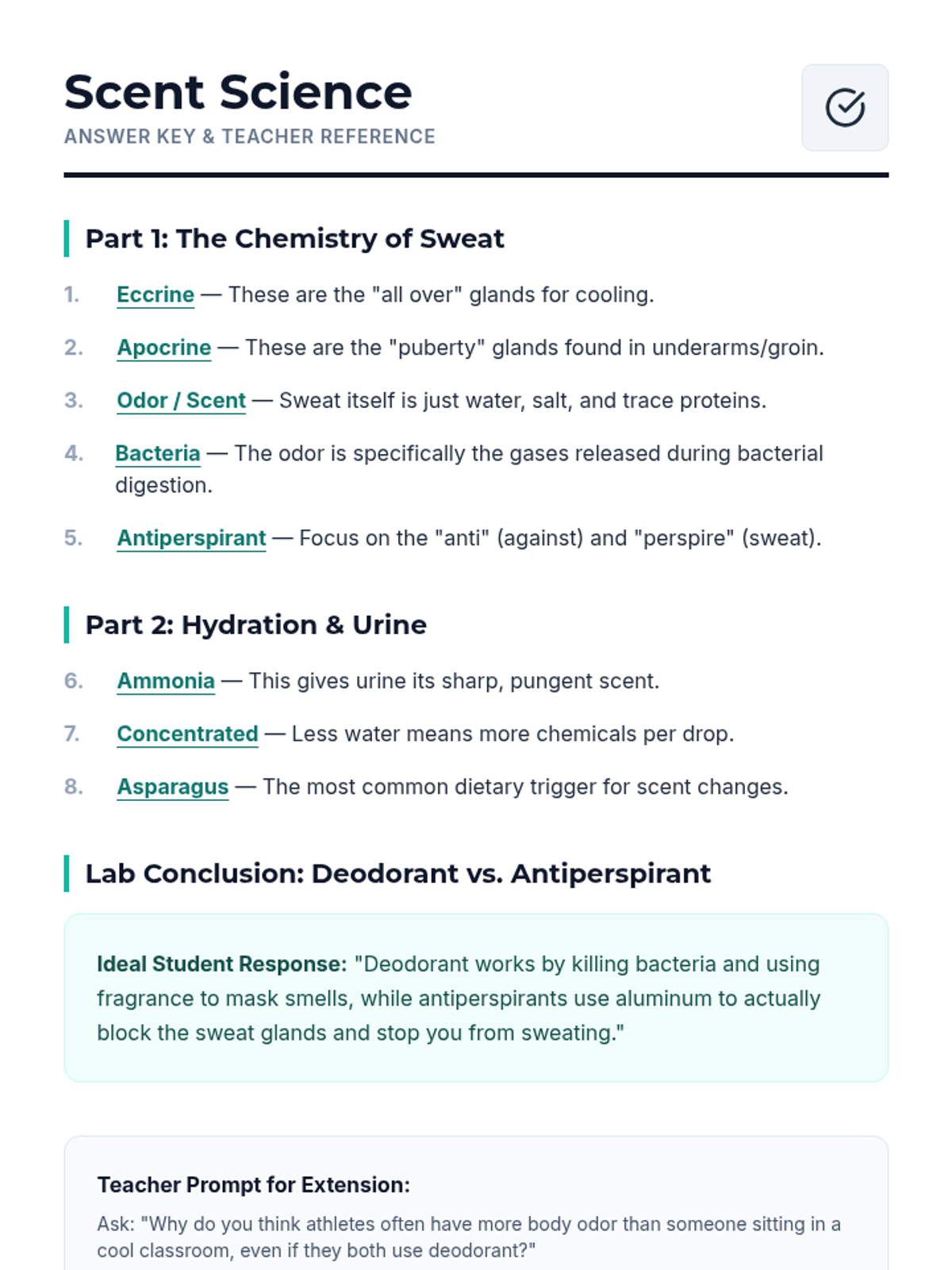
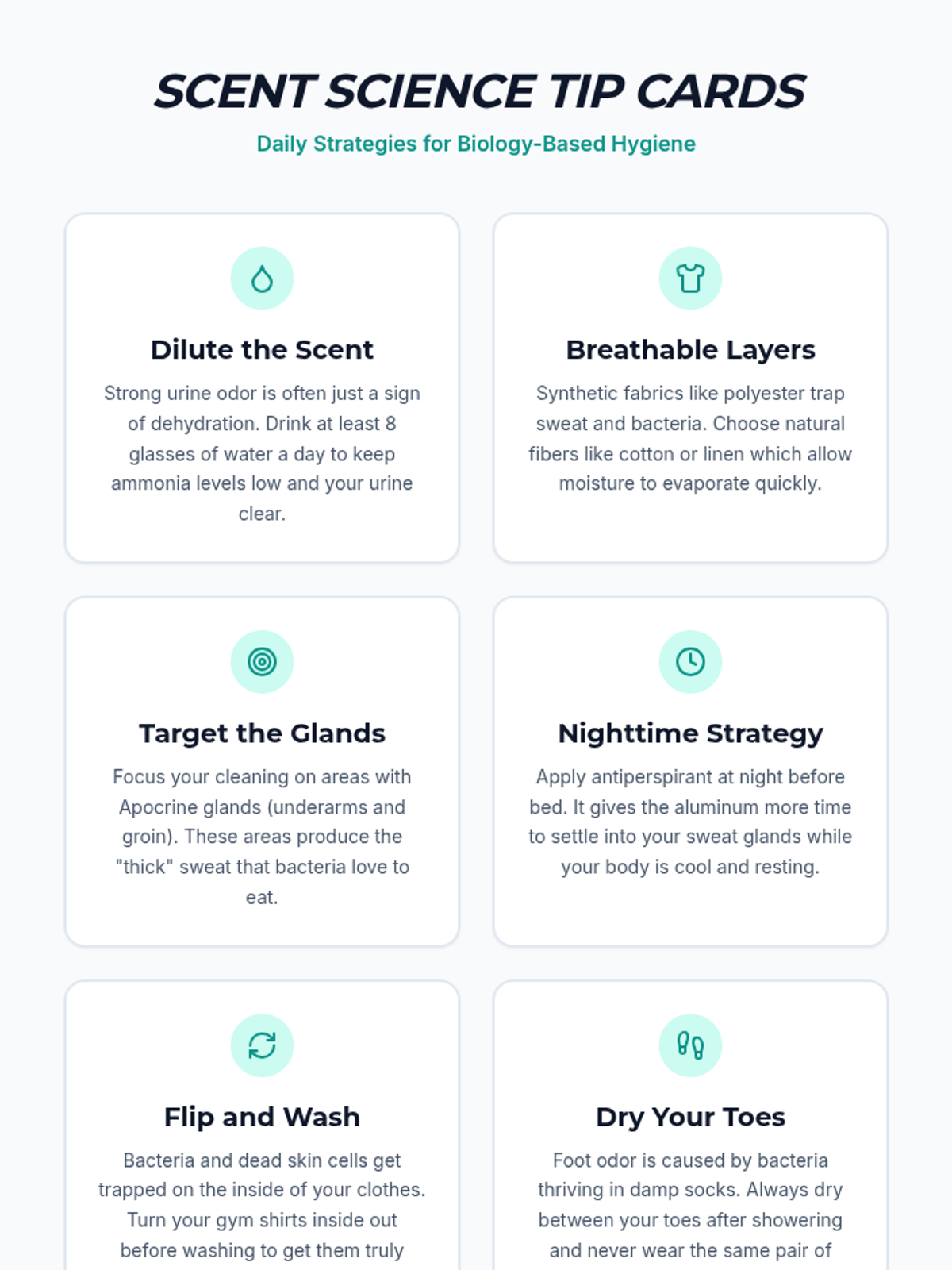
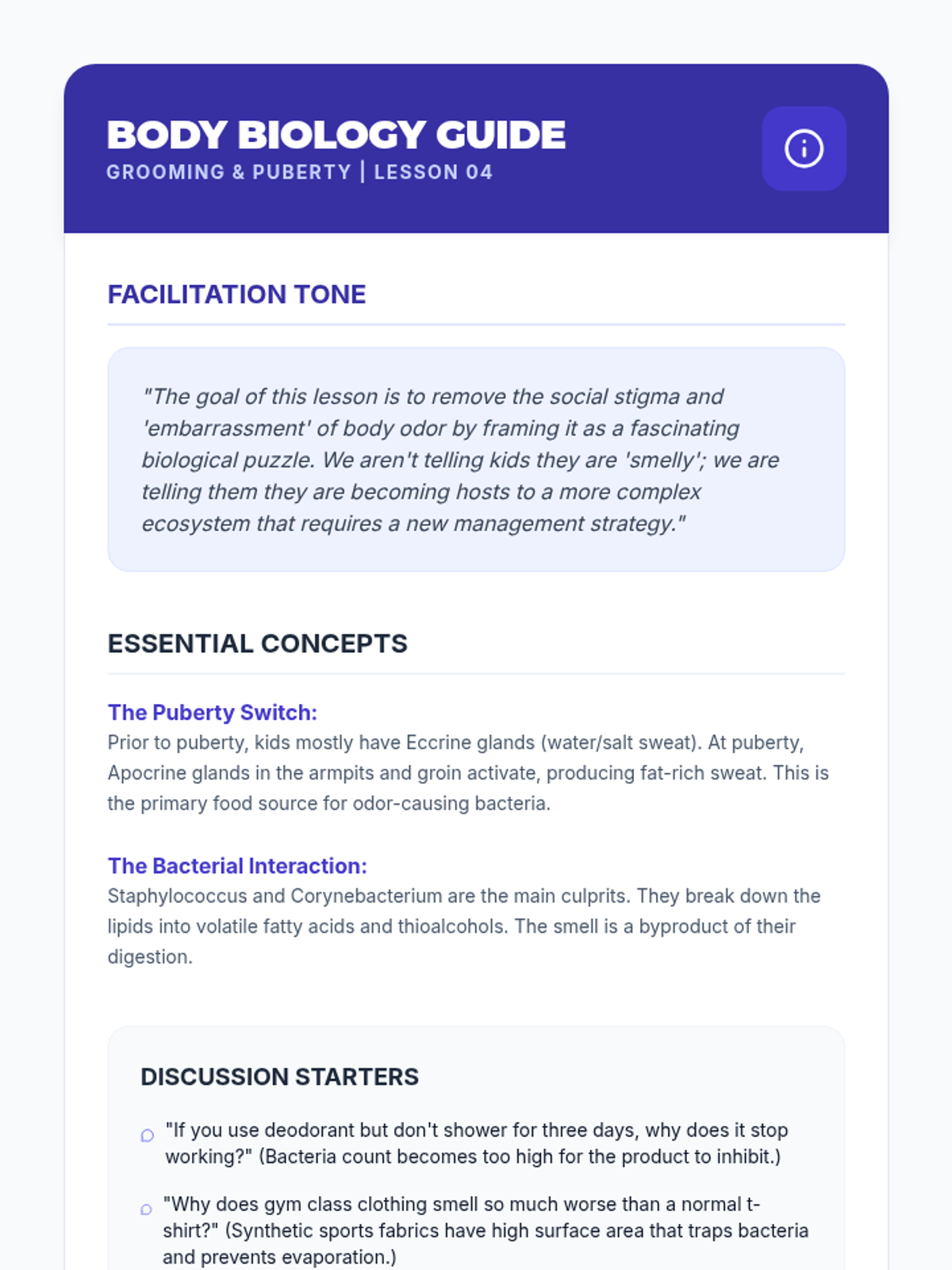
A quick, evidence-based lesson designed to help teenagers understand the biological causes of body odor related to sweat and urine, along with practical management strategies.
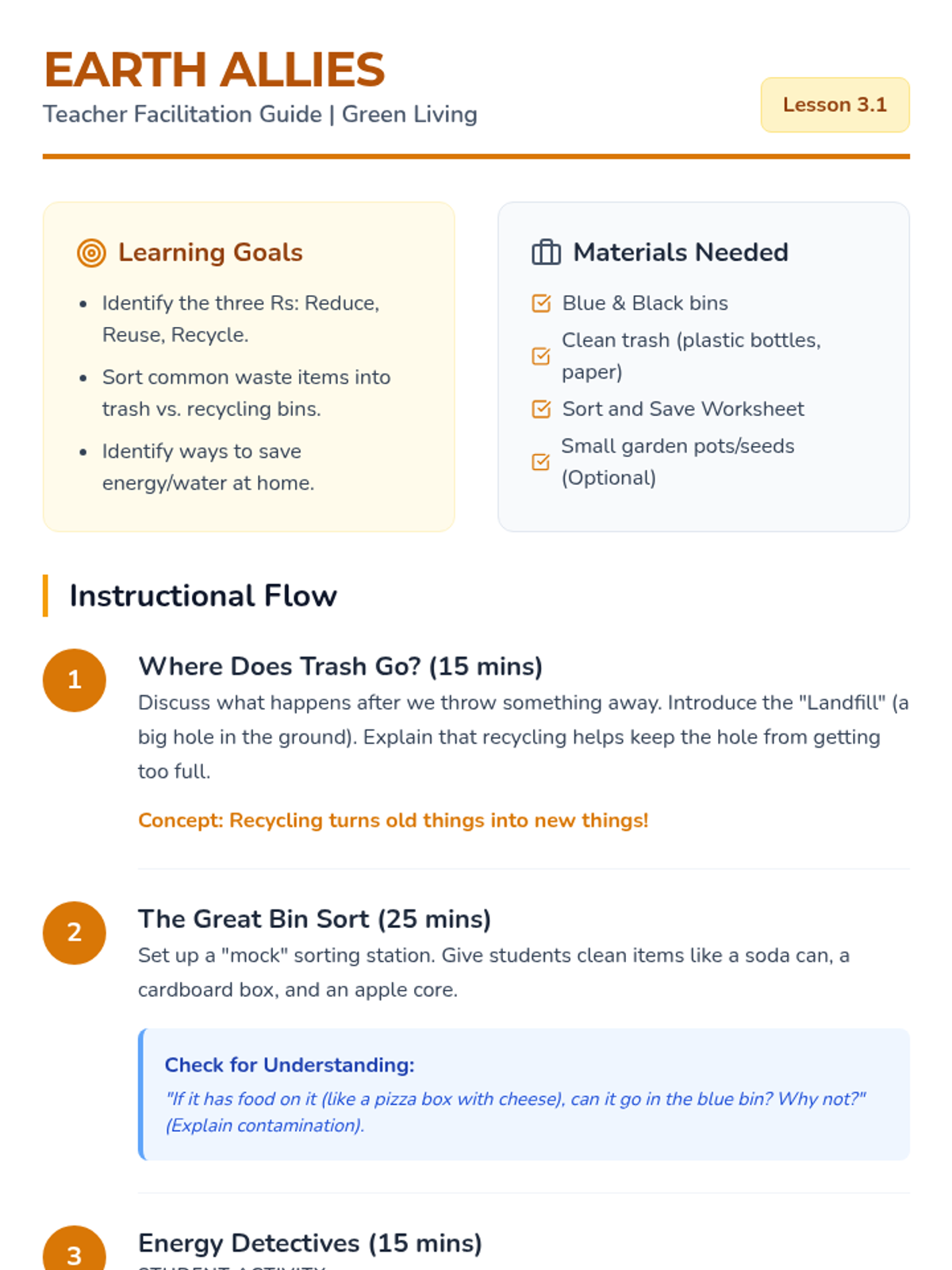
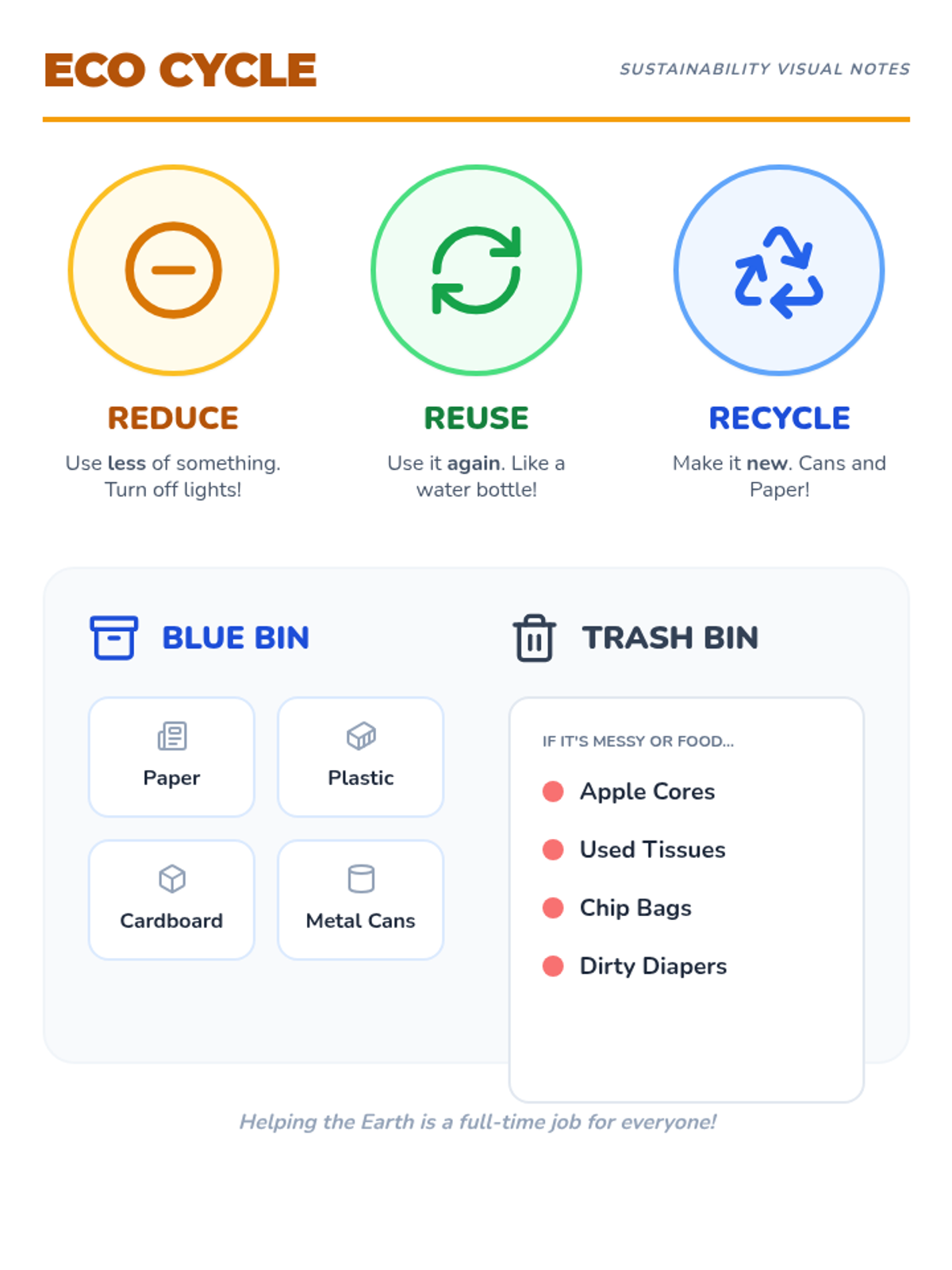
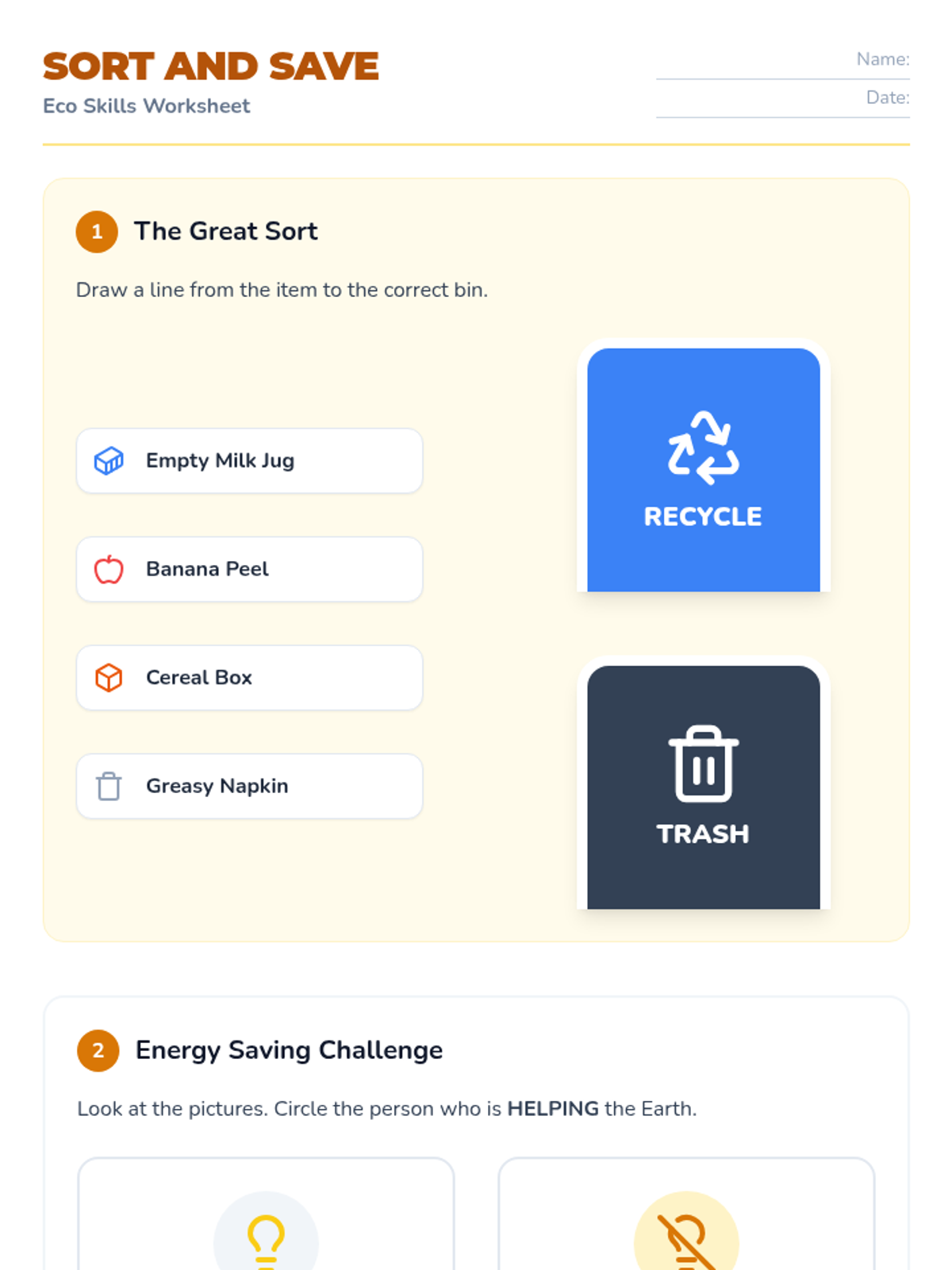
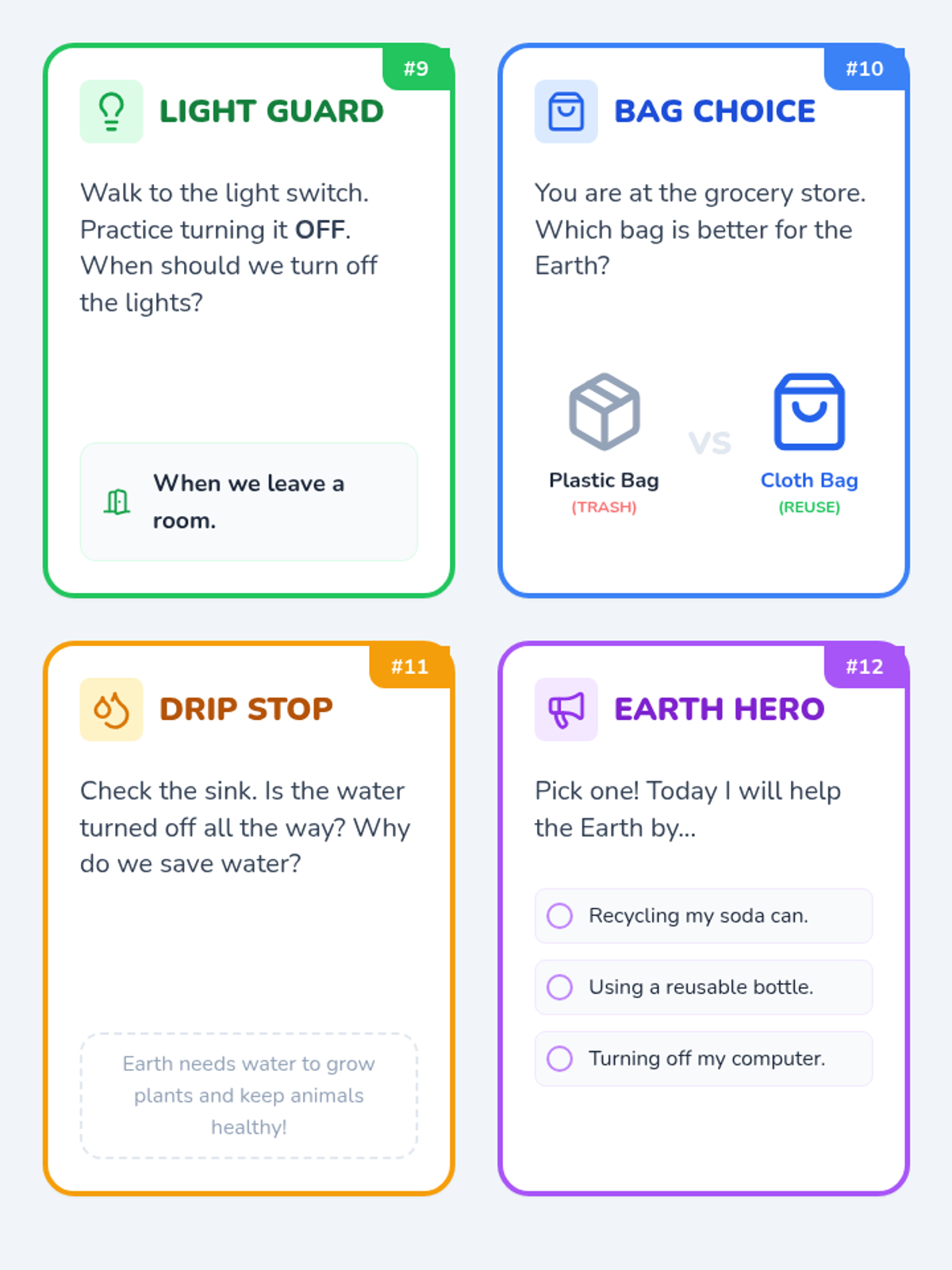
Introduces sustainability through waste reduction, recycling, and understanding how personal choices impact the local environment.
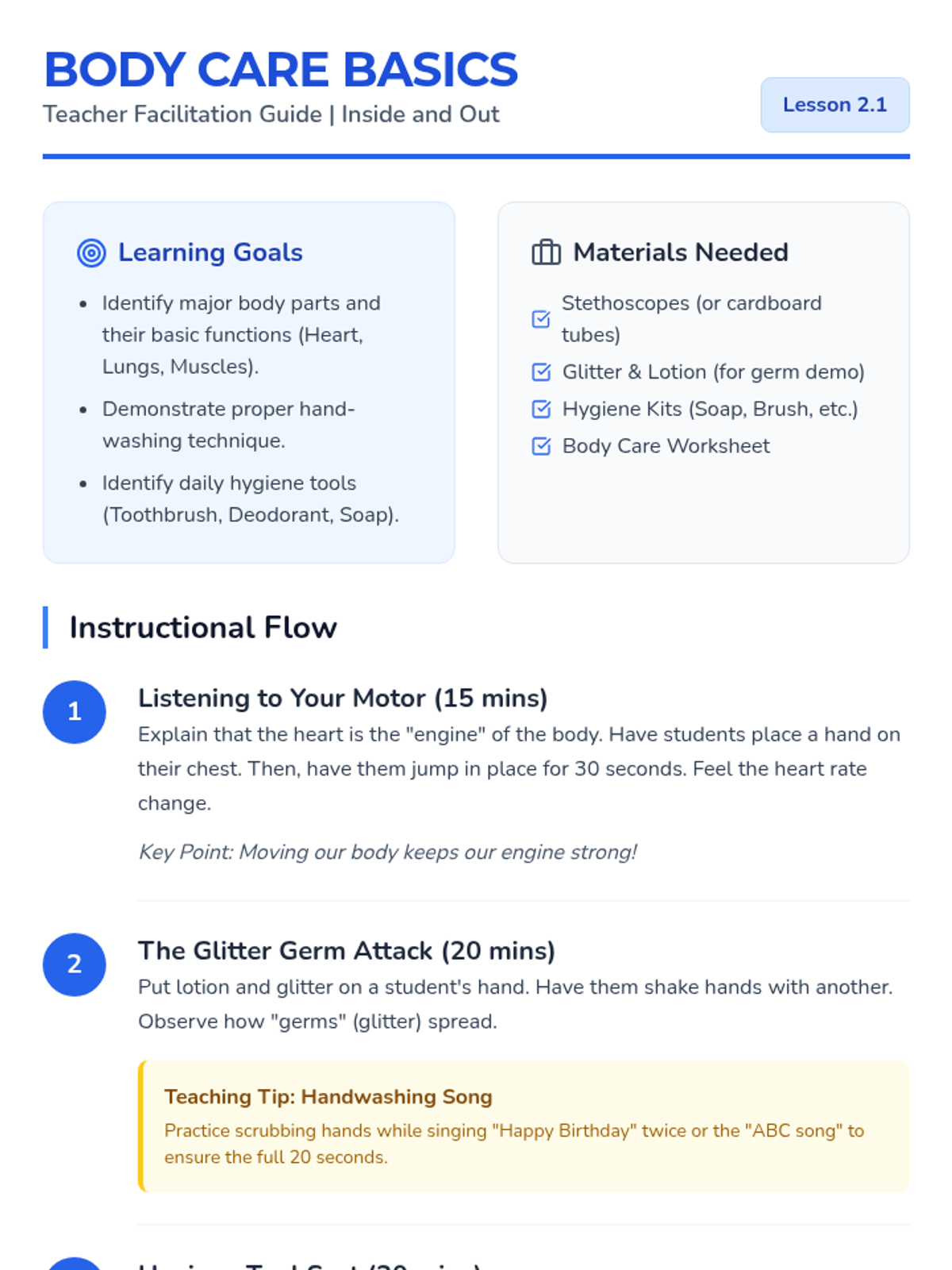
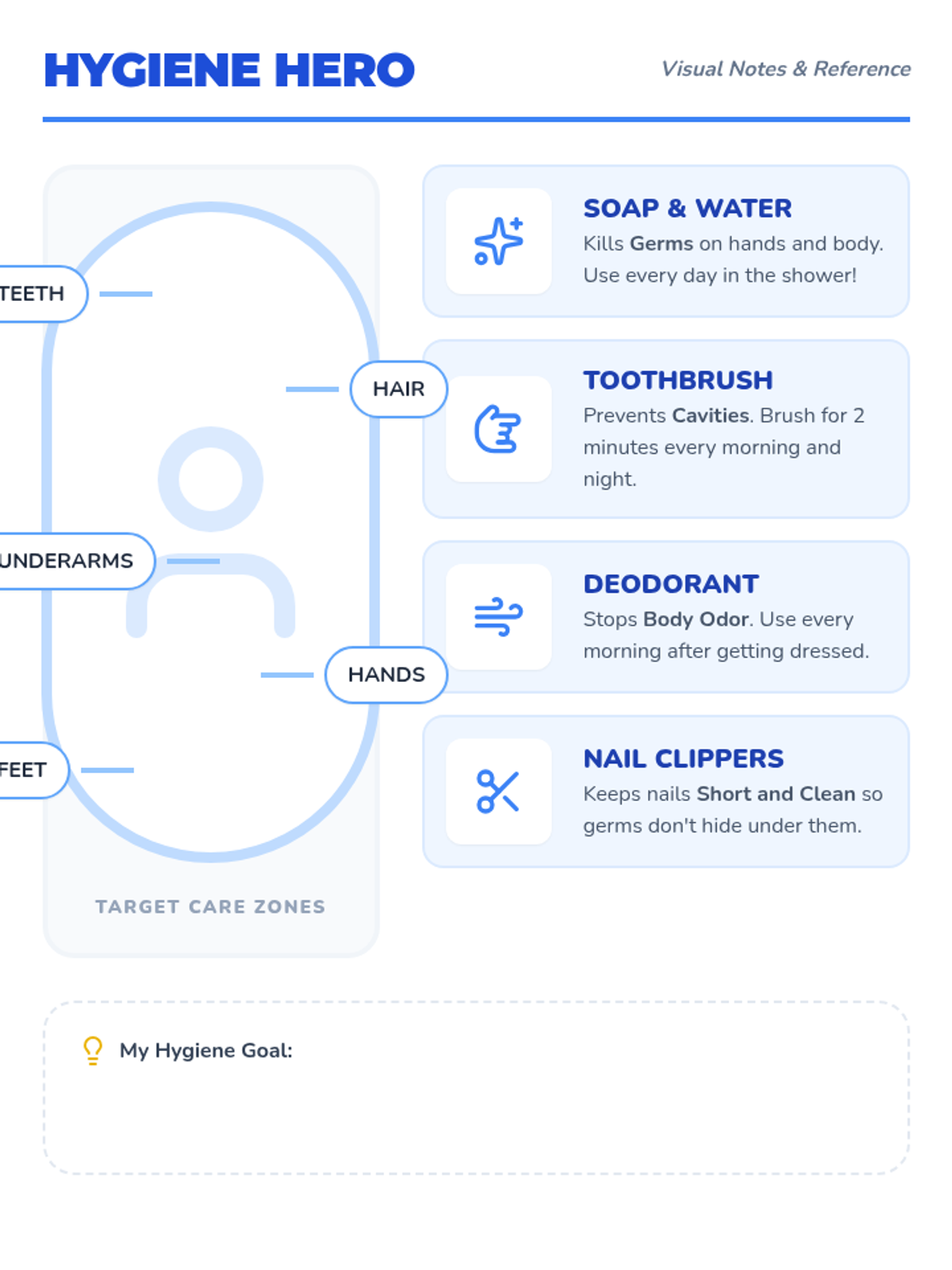
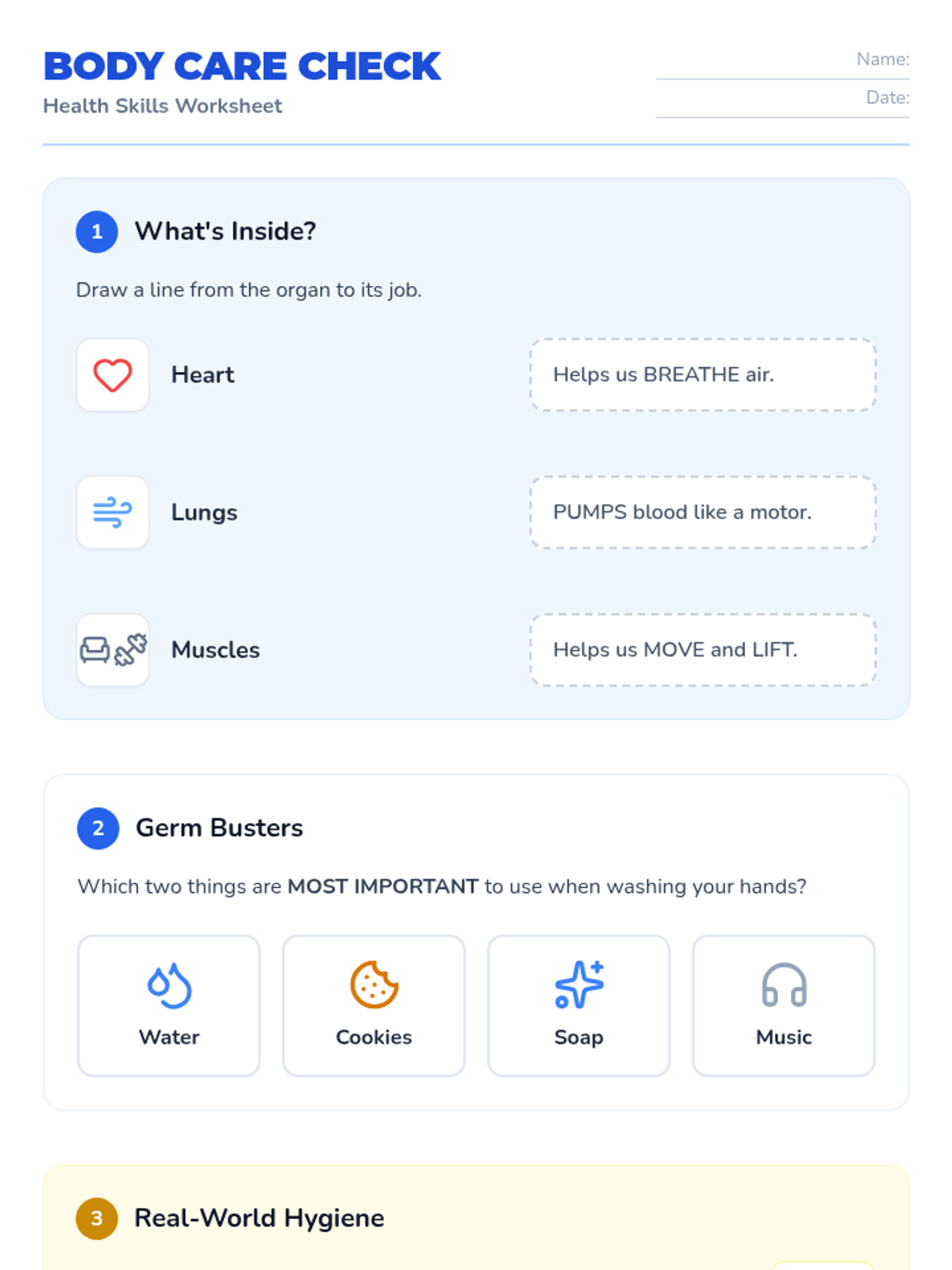
Covers basic human anatomy related to movement and health, alongside essential personal hygiene routines for daily living.
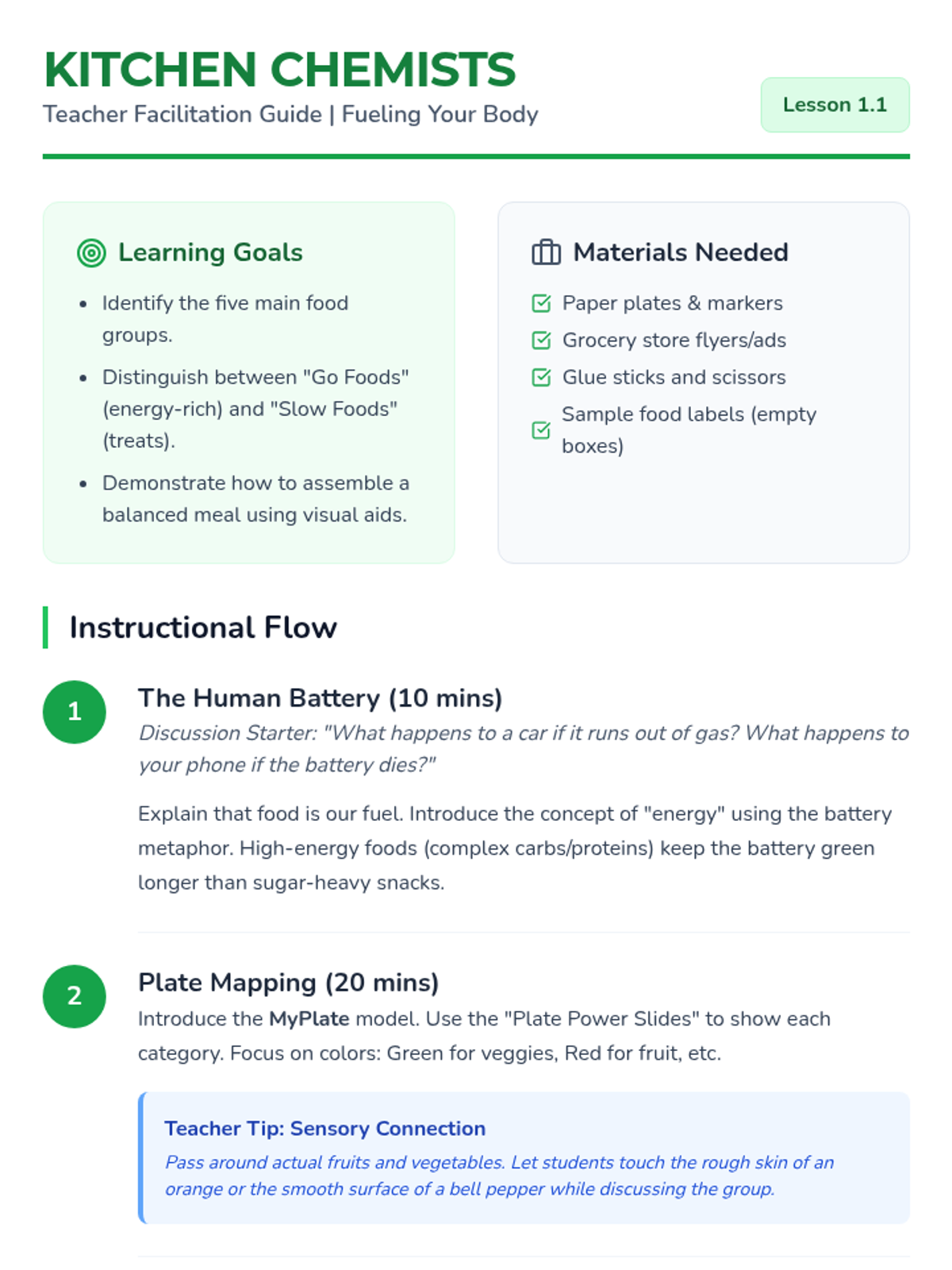
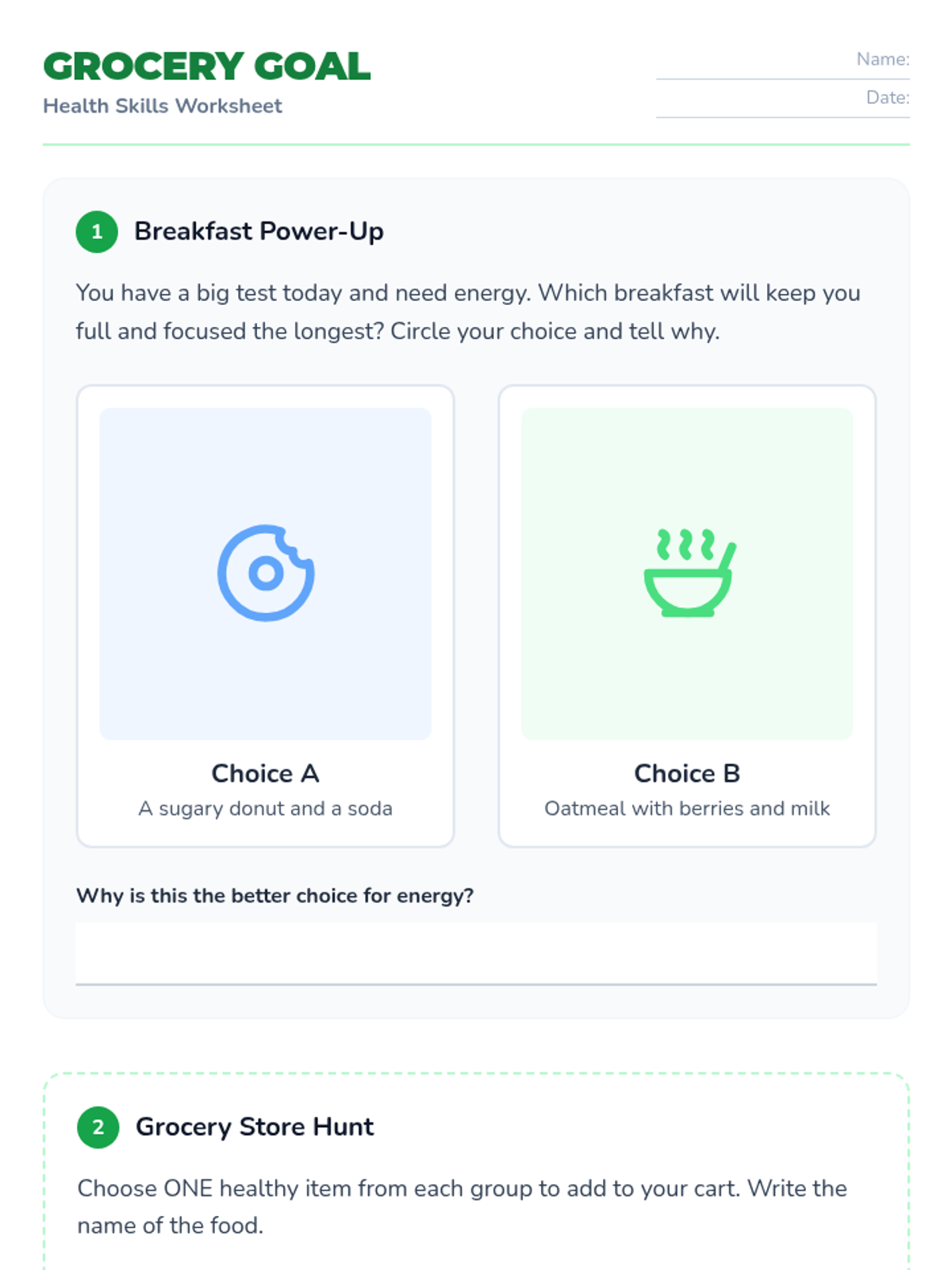
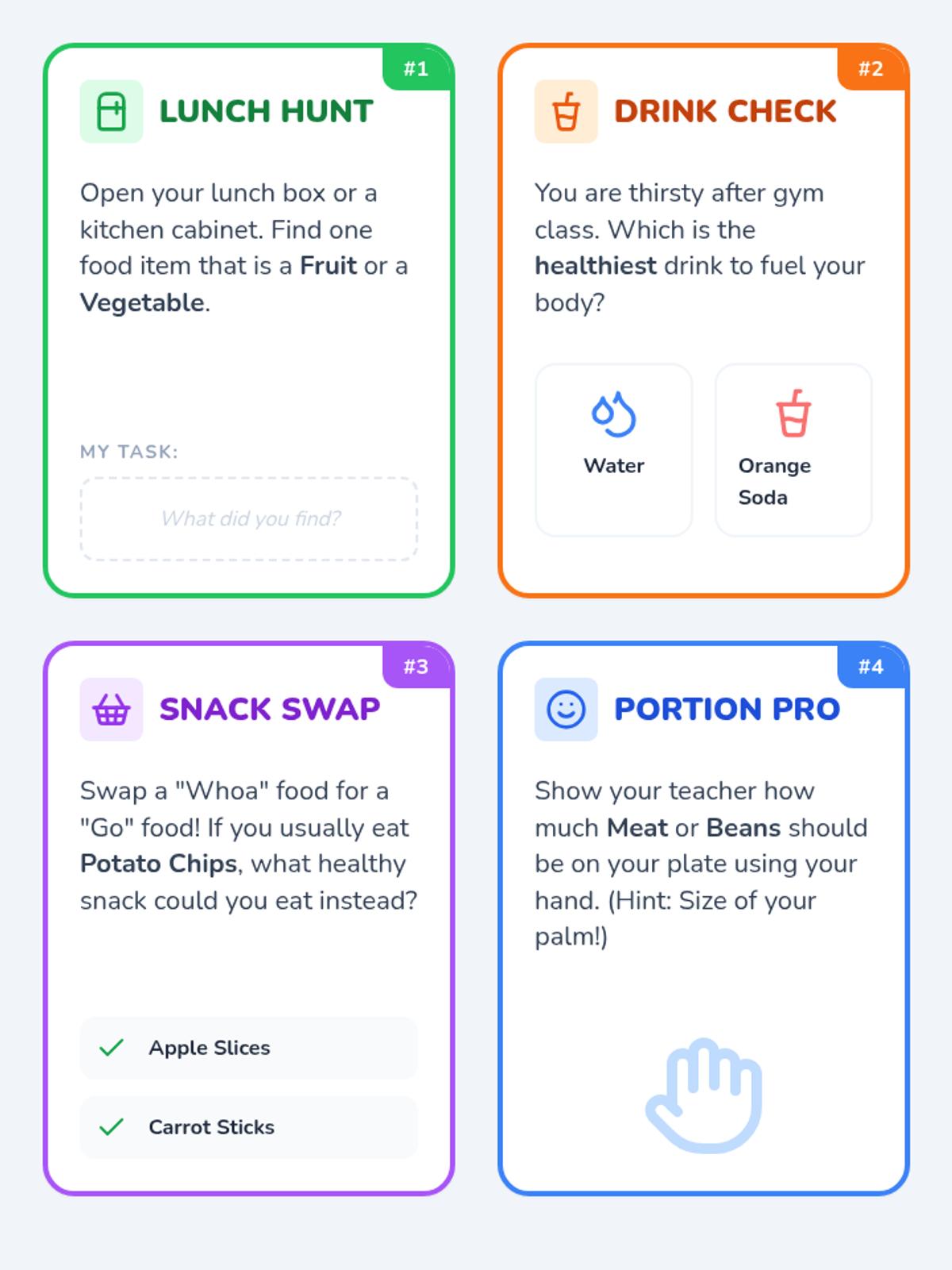
Focuses on identifying healthy food groups, reading simple food labels, and making informed nutritional choices for daily energy.
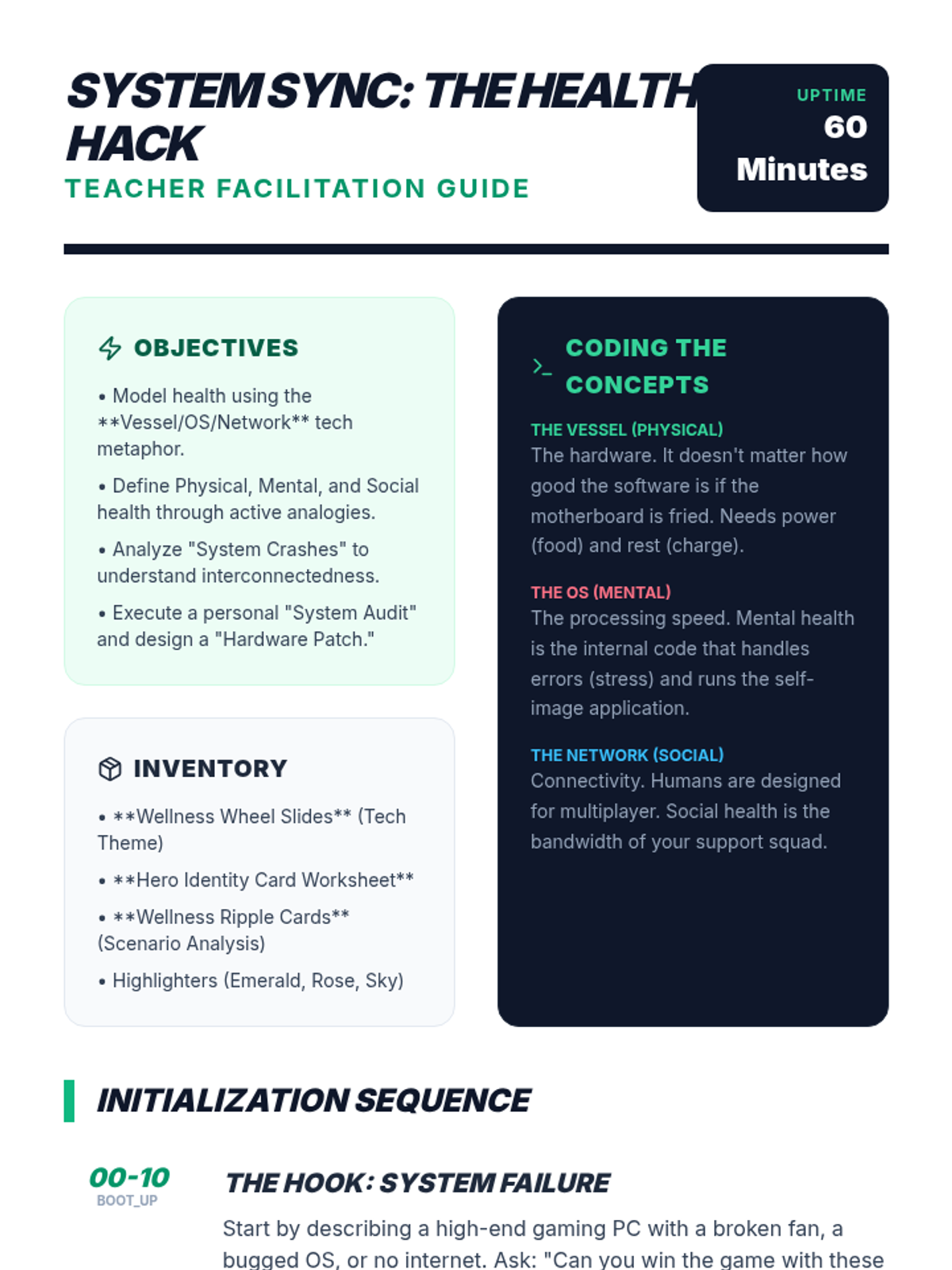
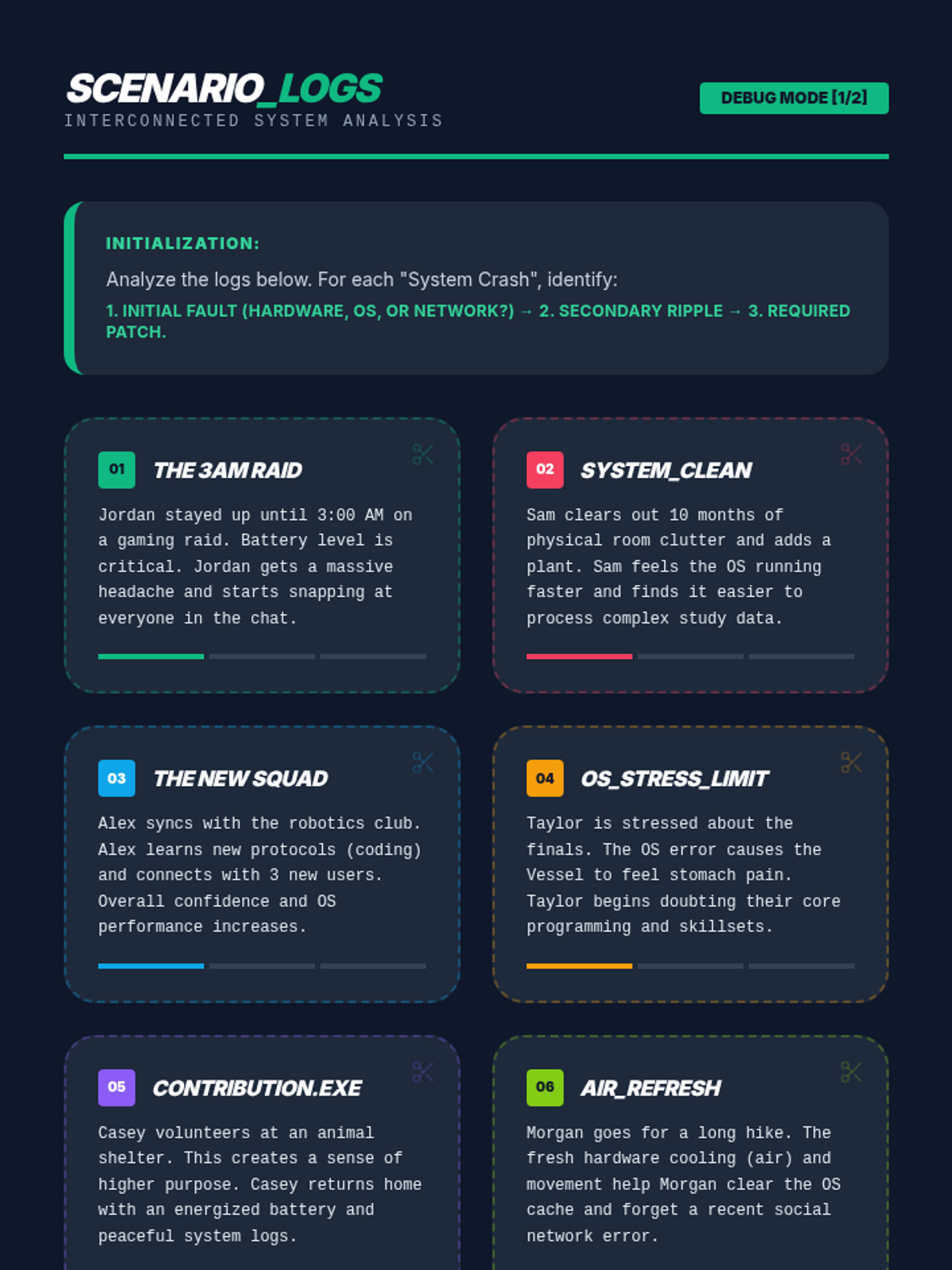
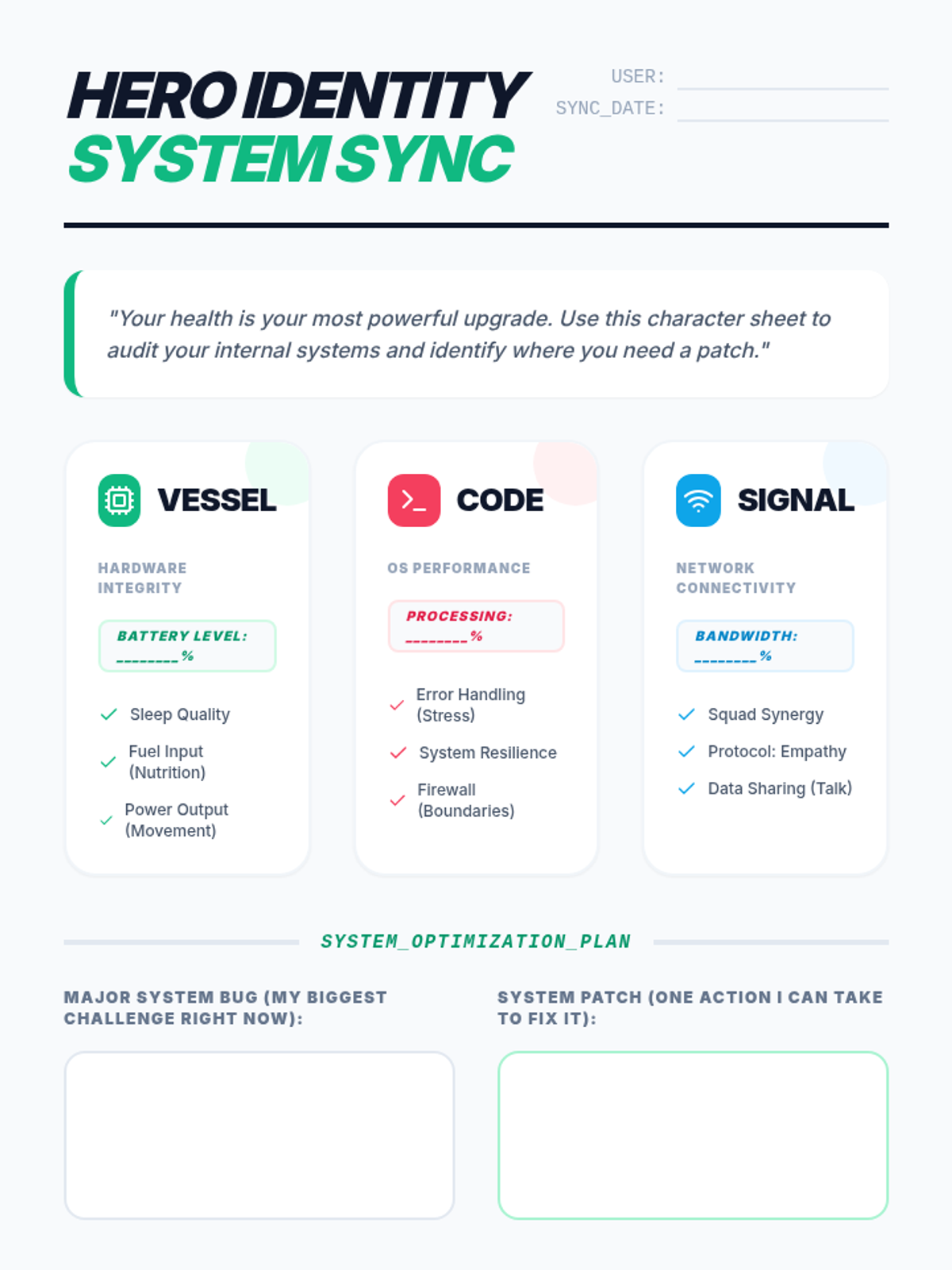
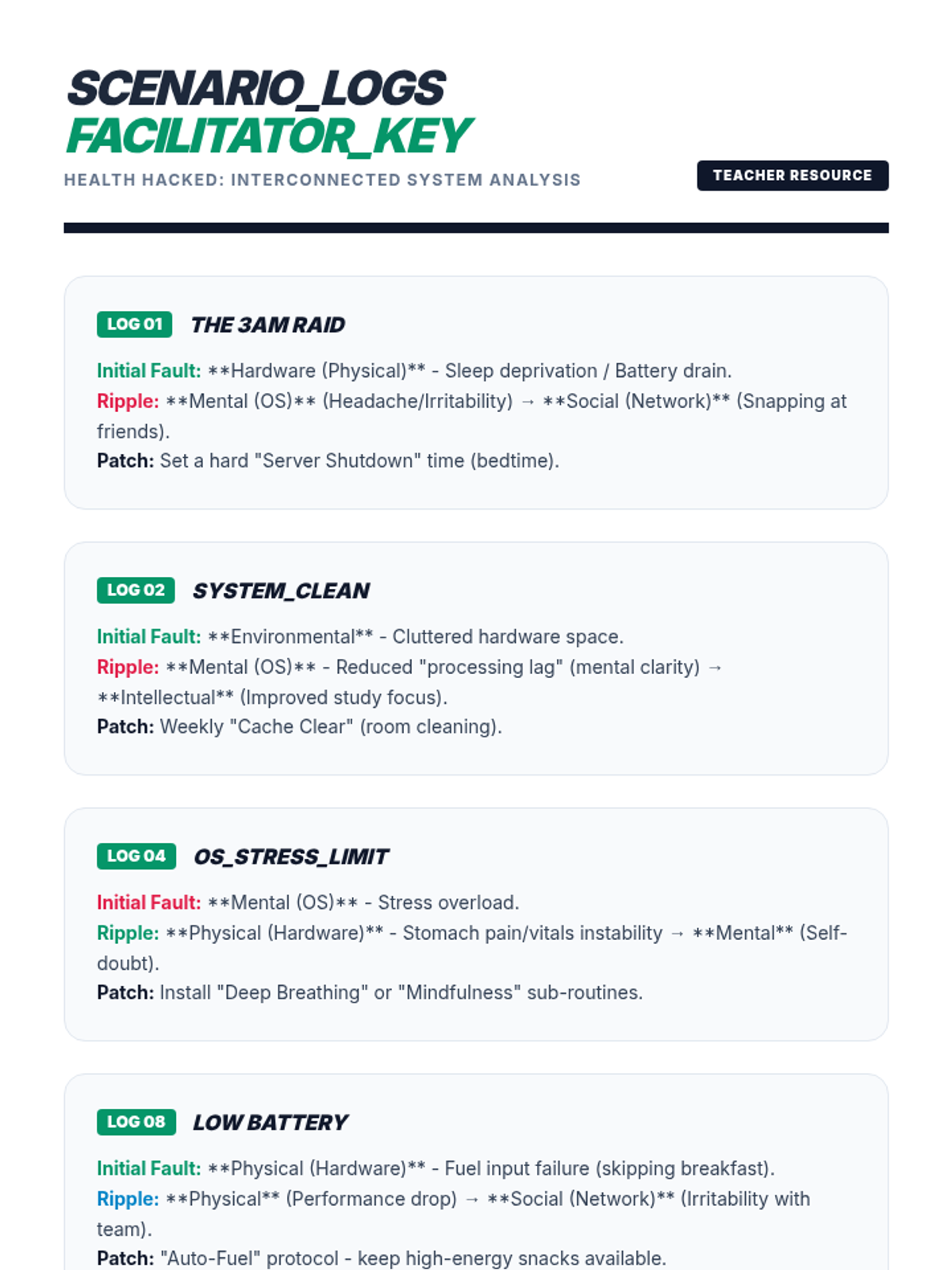
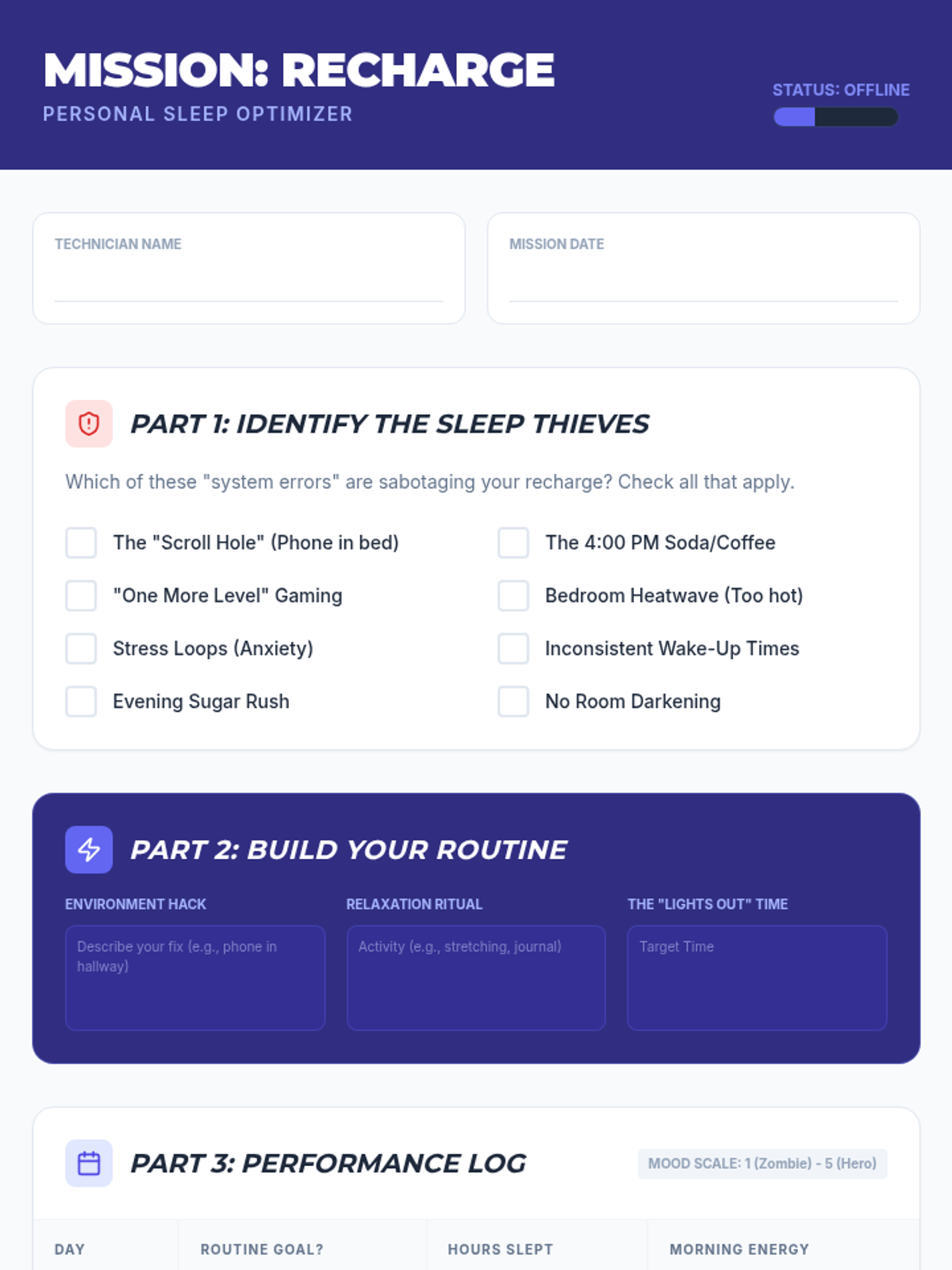
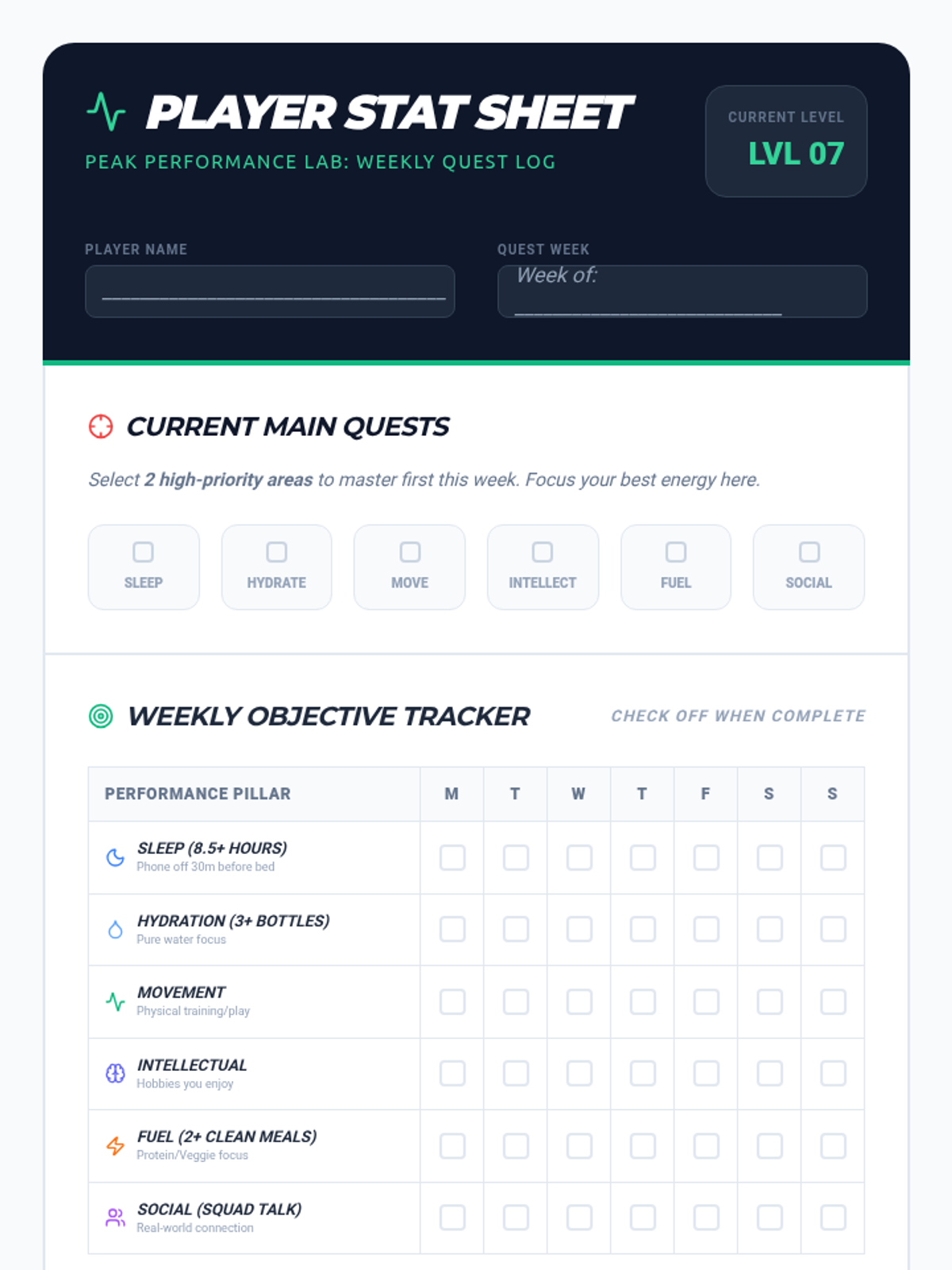
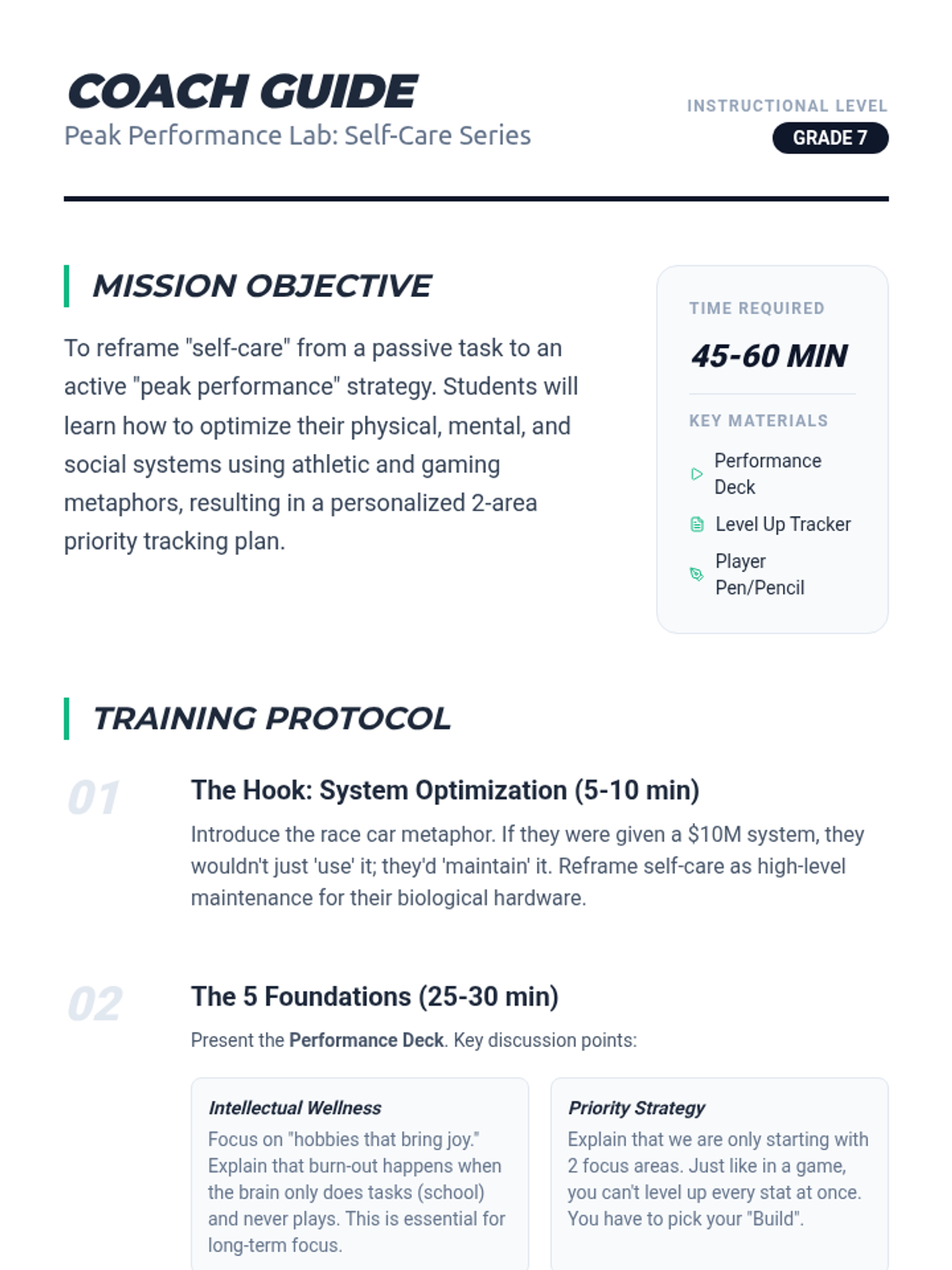
A high-performance themed lesson for 7th grade boys that reframes self-care as 'system optimization' for peak physical, mental, and social performance. Students will learn the science behind sleep, nutrition, exercise, and social connection while building a personalized weekly tracking plan.
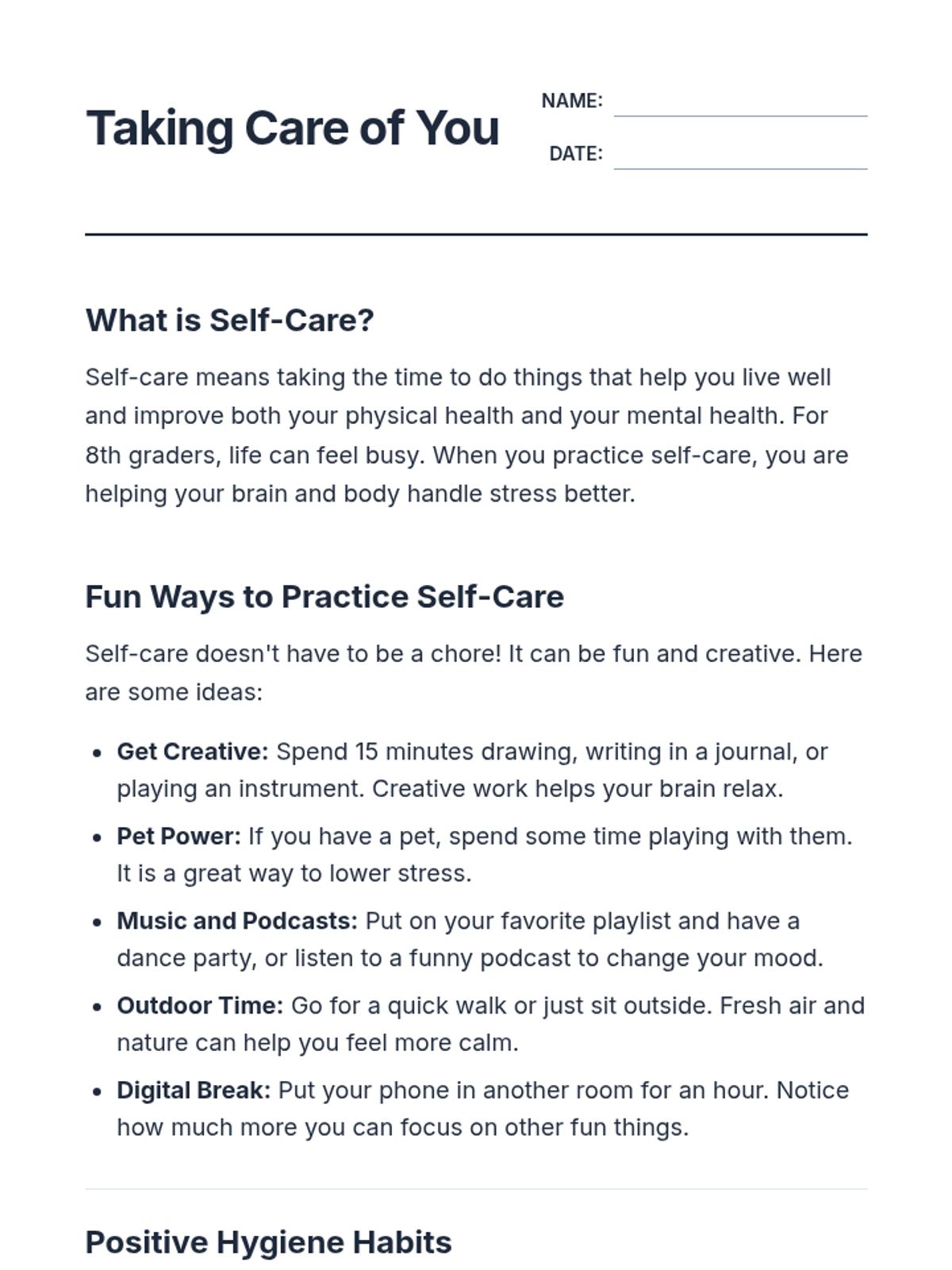
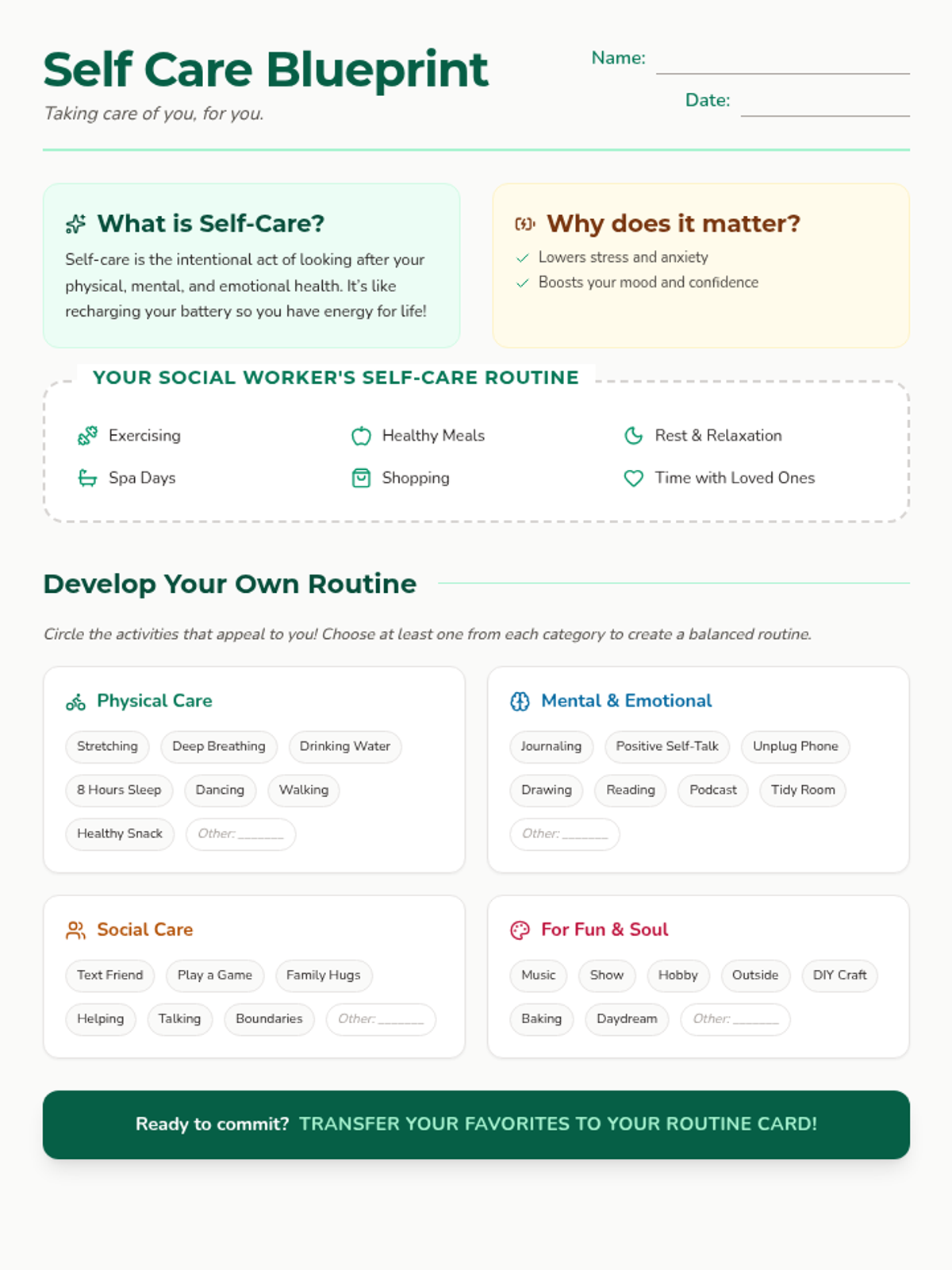
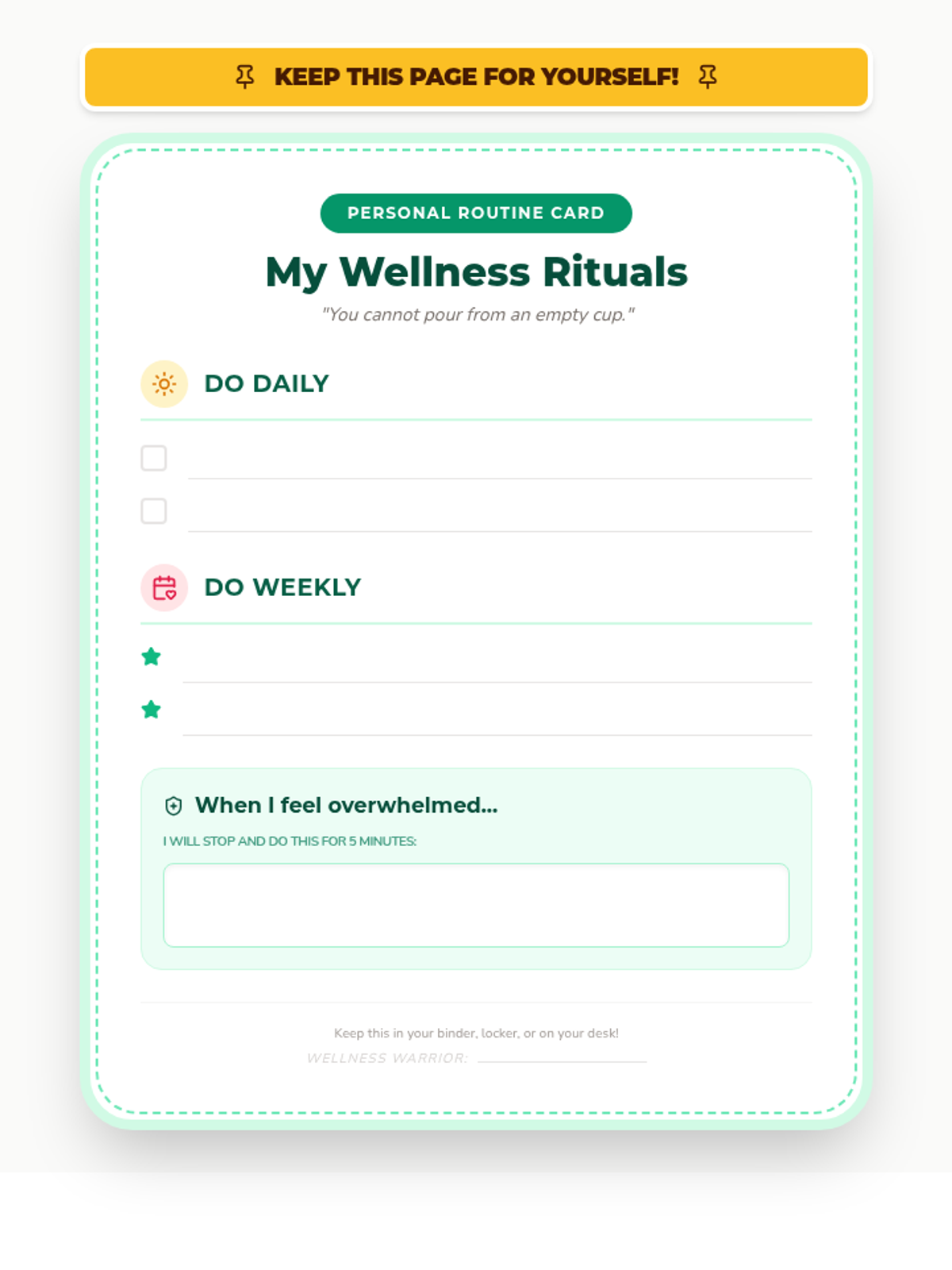
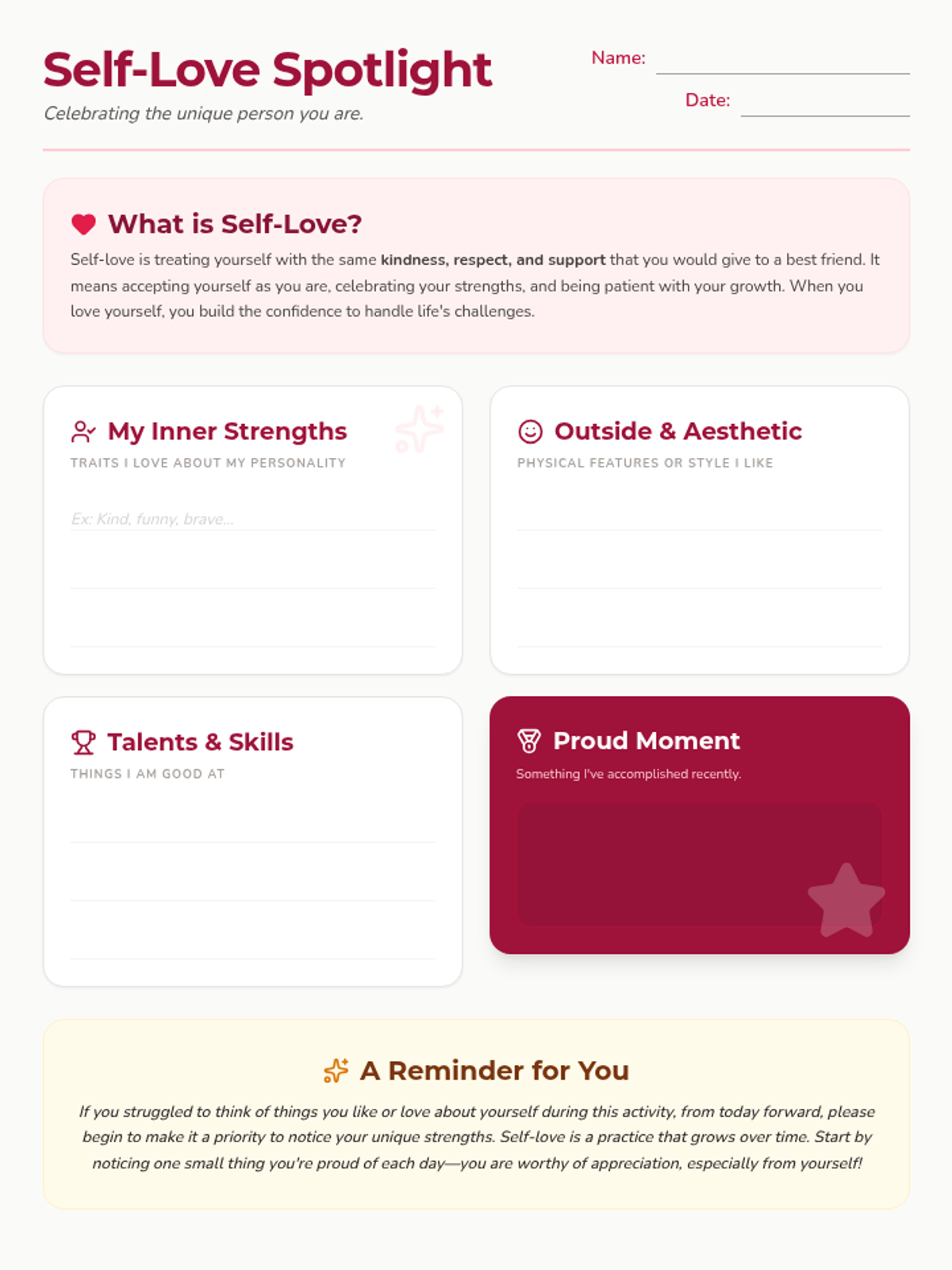
A quick and engaging lesson designed to help middle school students understand the importance of self-care and develop their own personalized routines for mental and physical well-being.
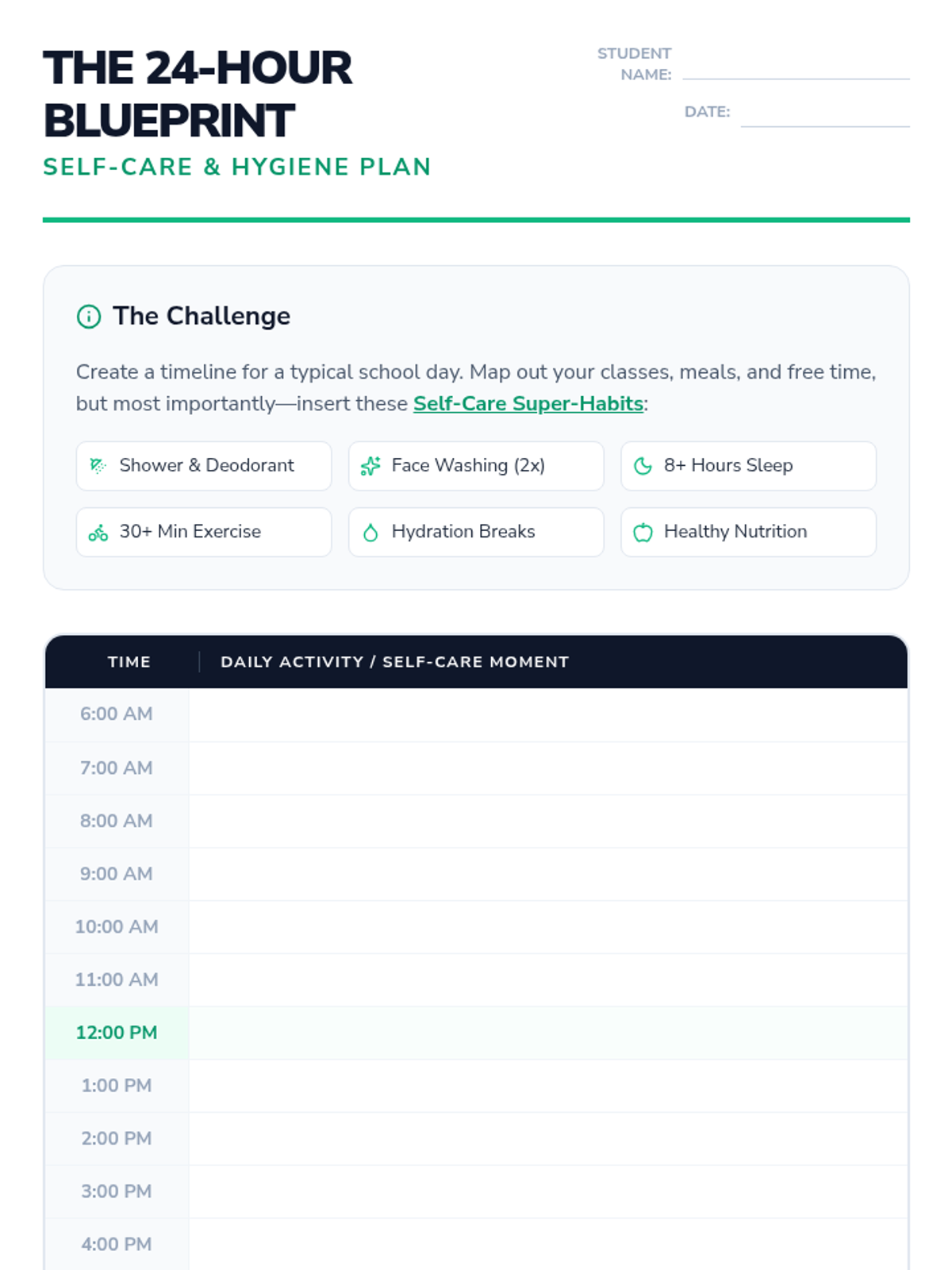
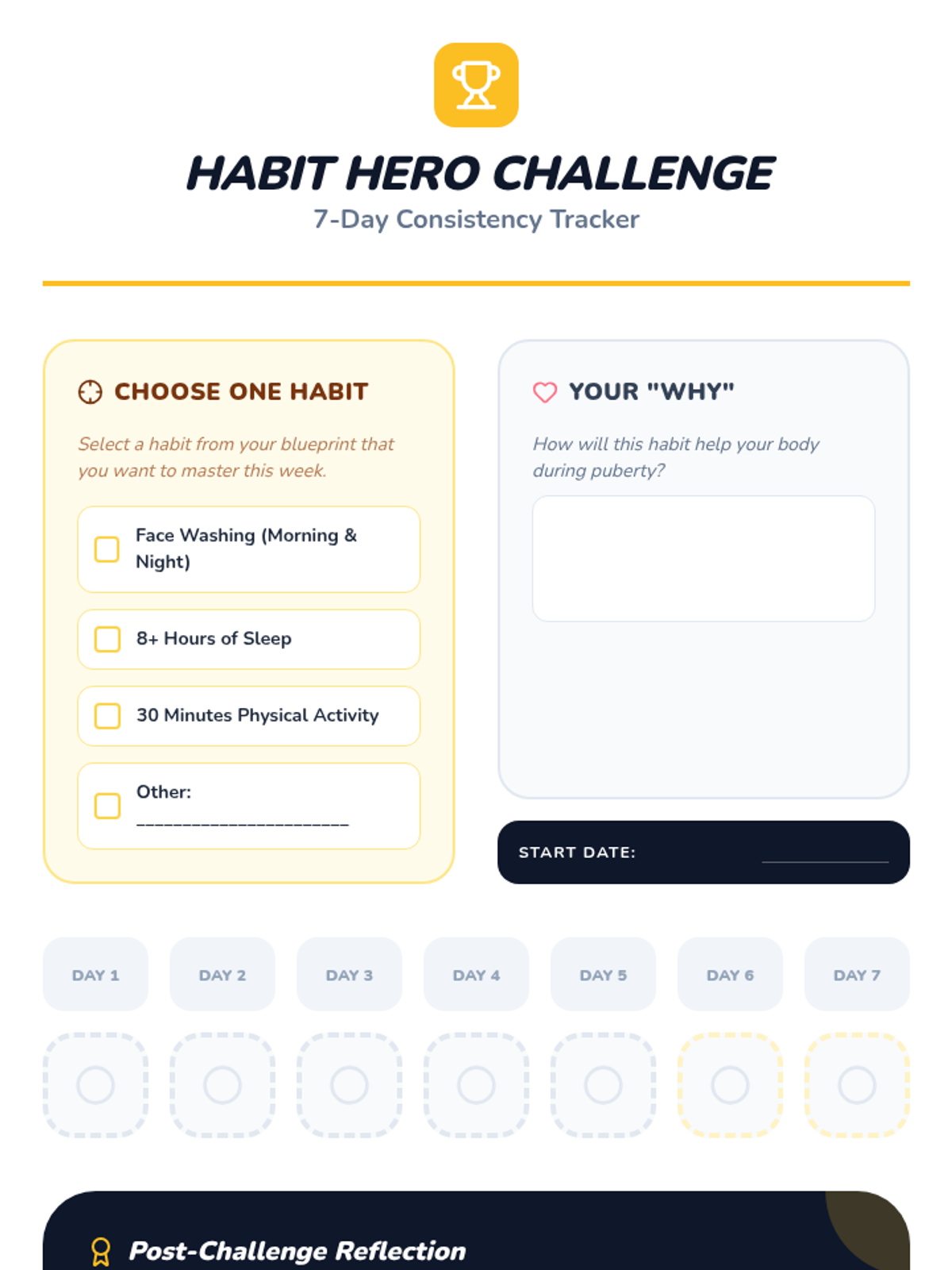
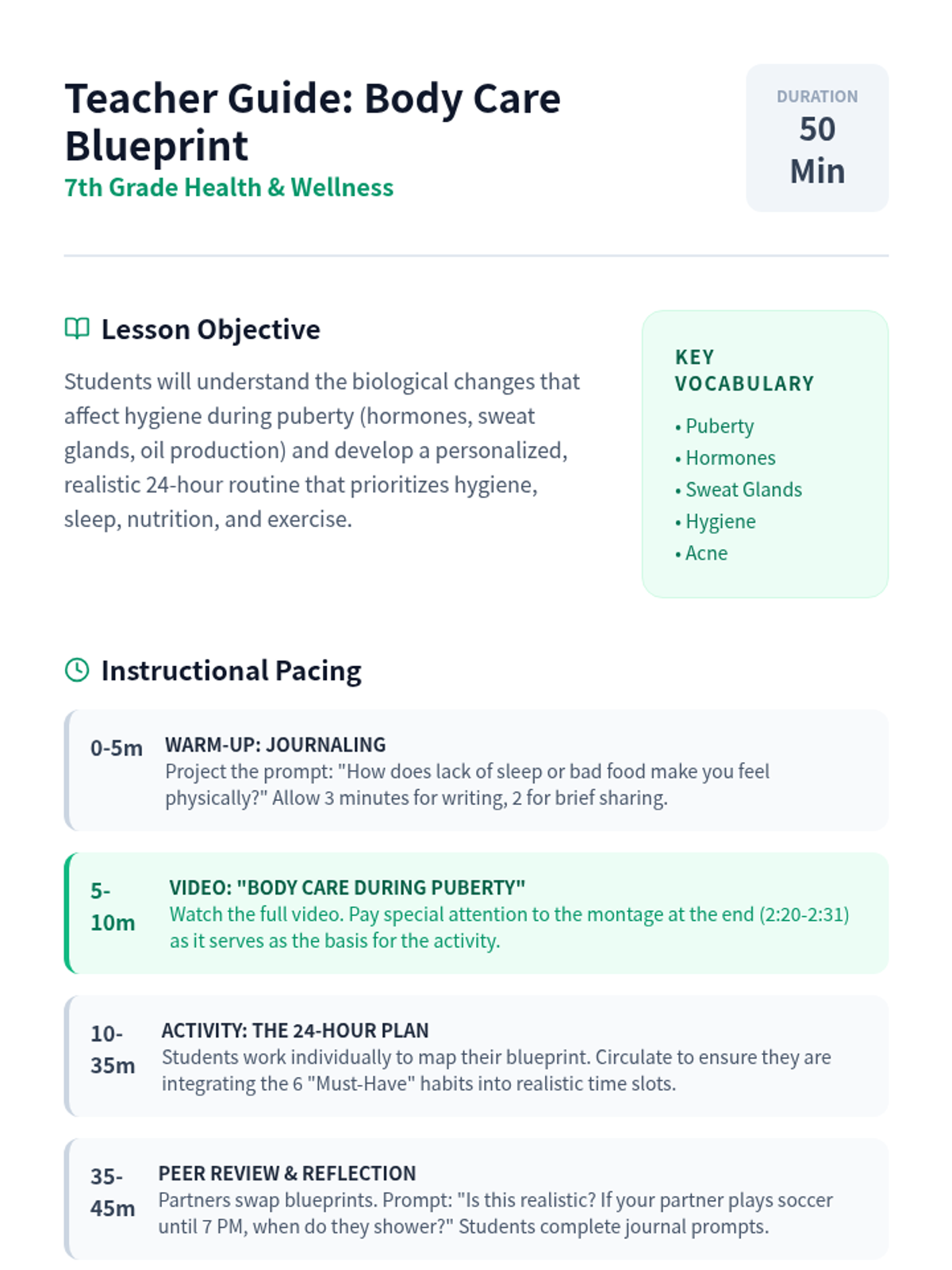
This lesson focuses on personal hygiene, sleep, and nutrition during puberty. Students watch an informative video and then design a realistic 24-hour self-care routine, incorporating essential habits like skin care, exercise, and adequate rest.
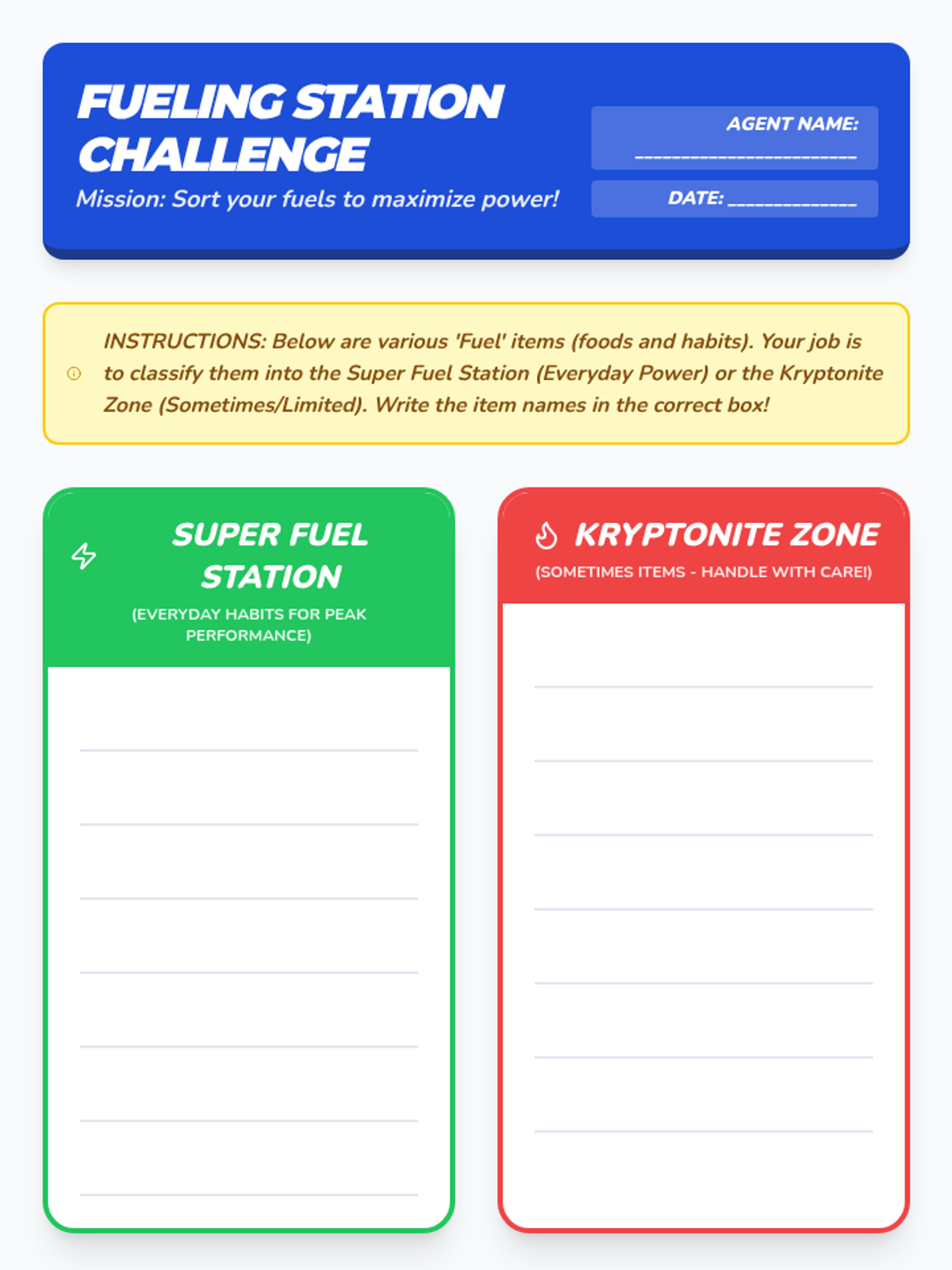
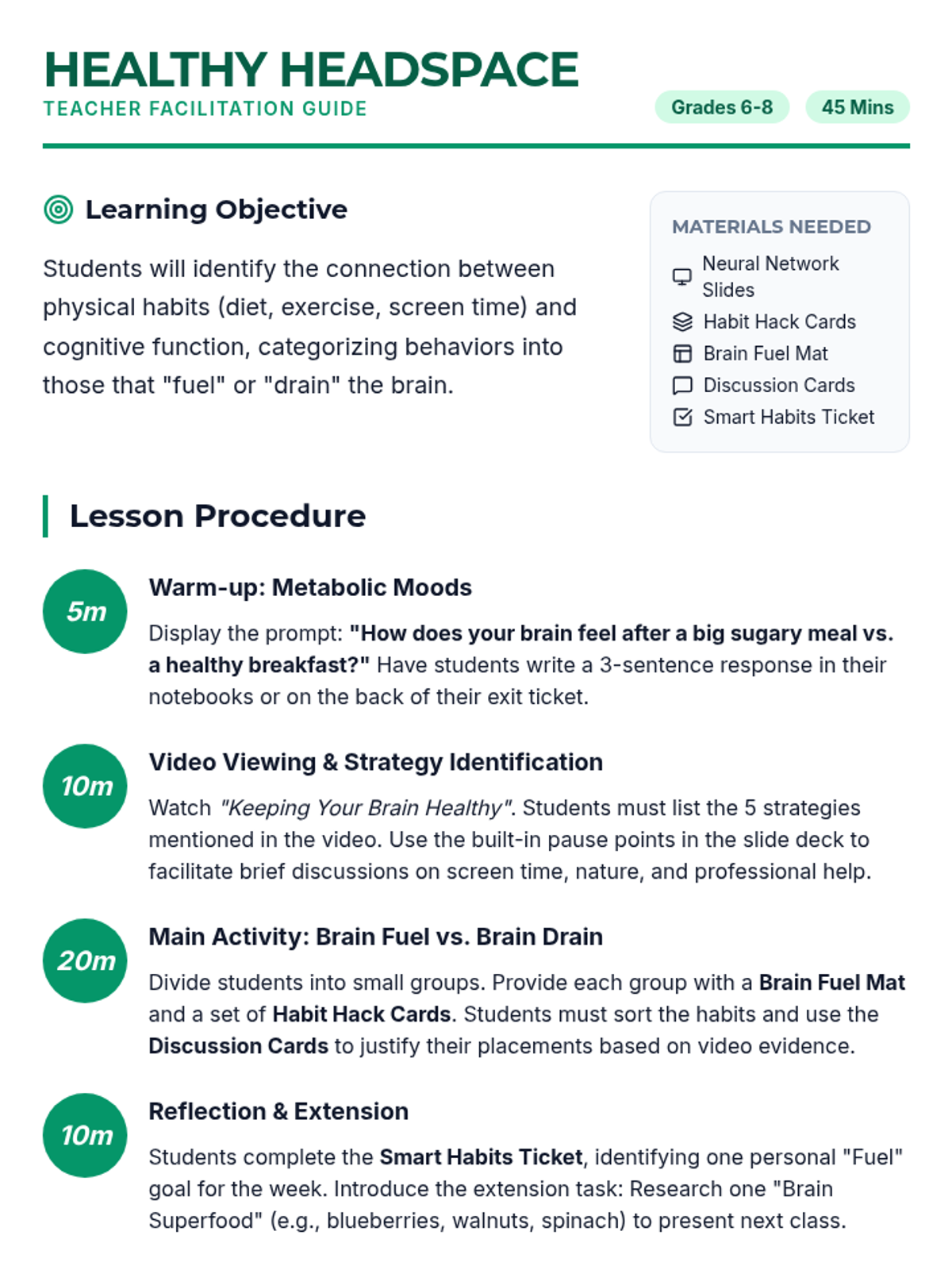
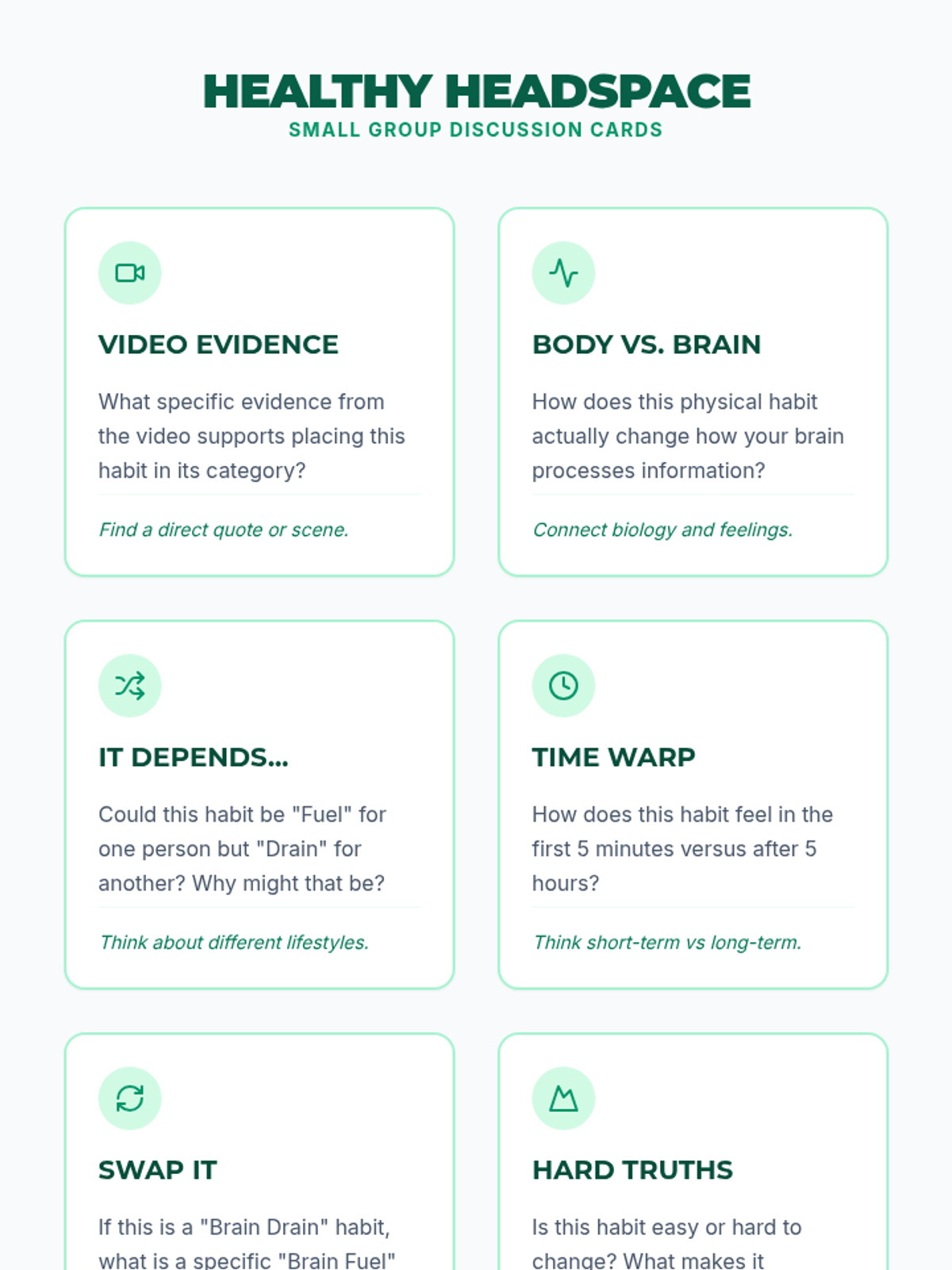
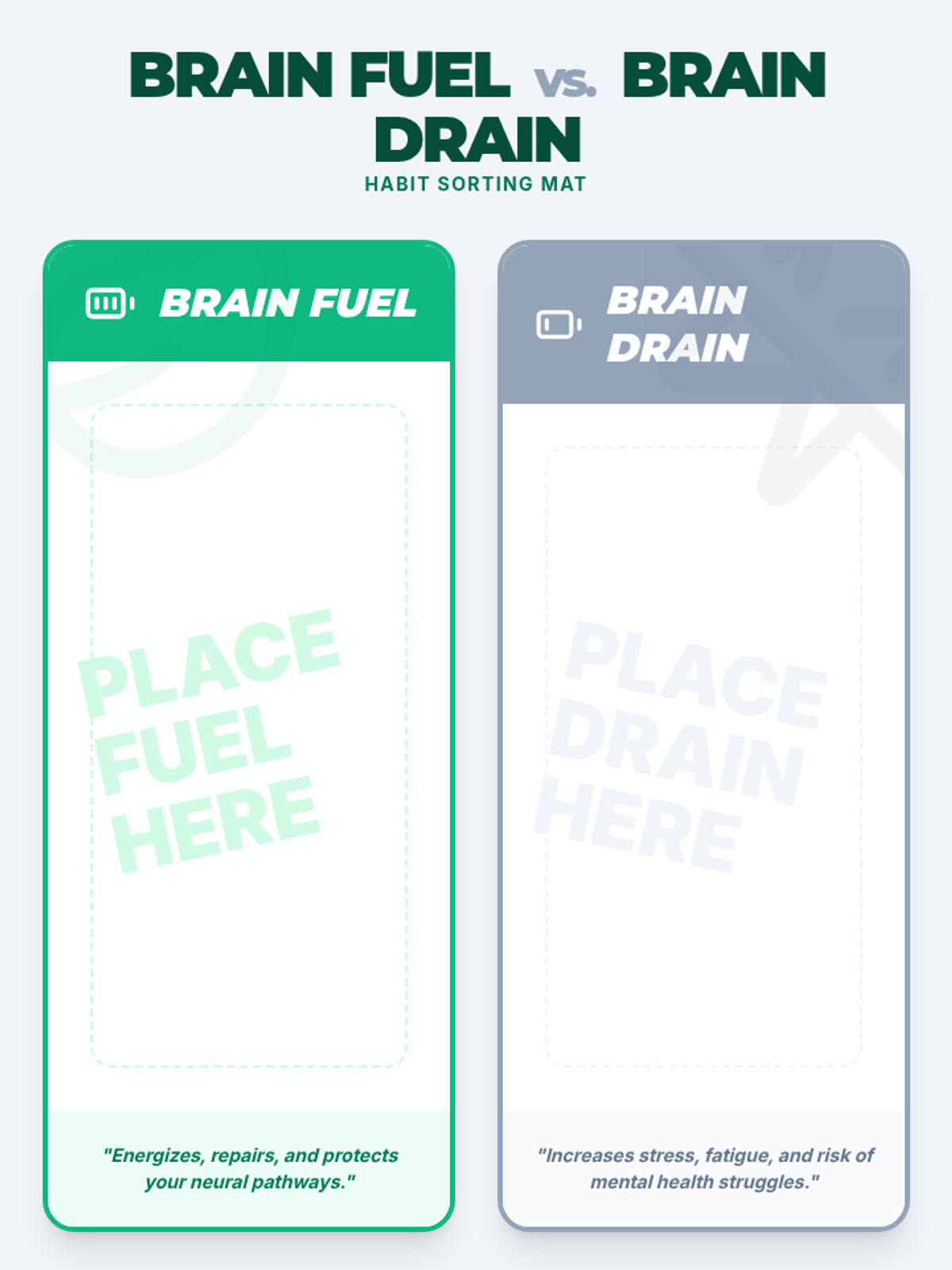
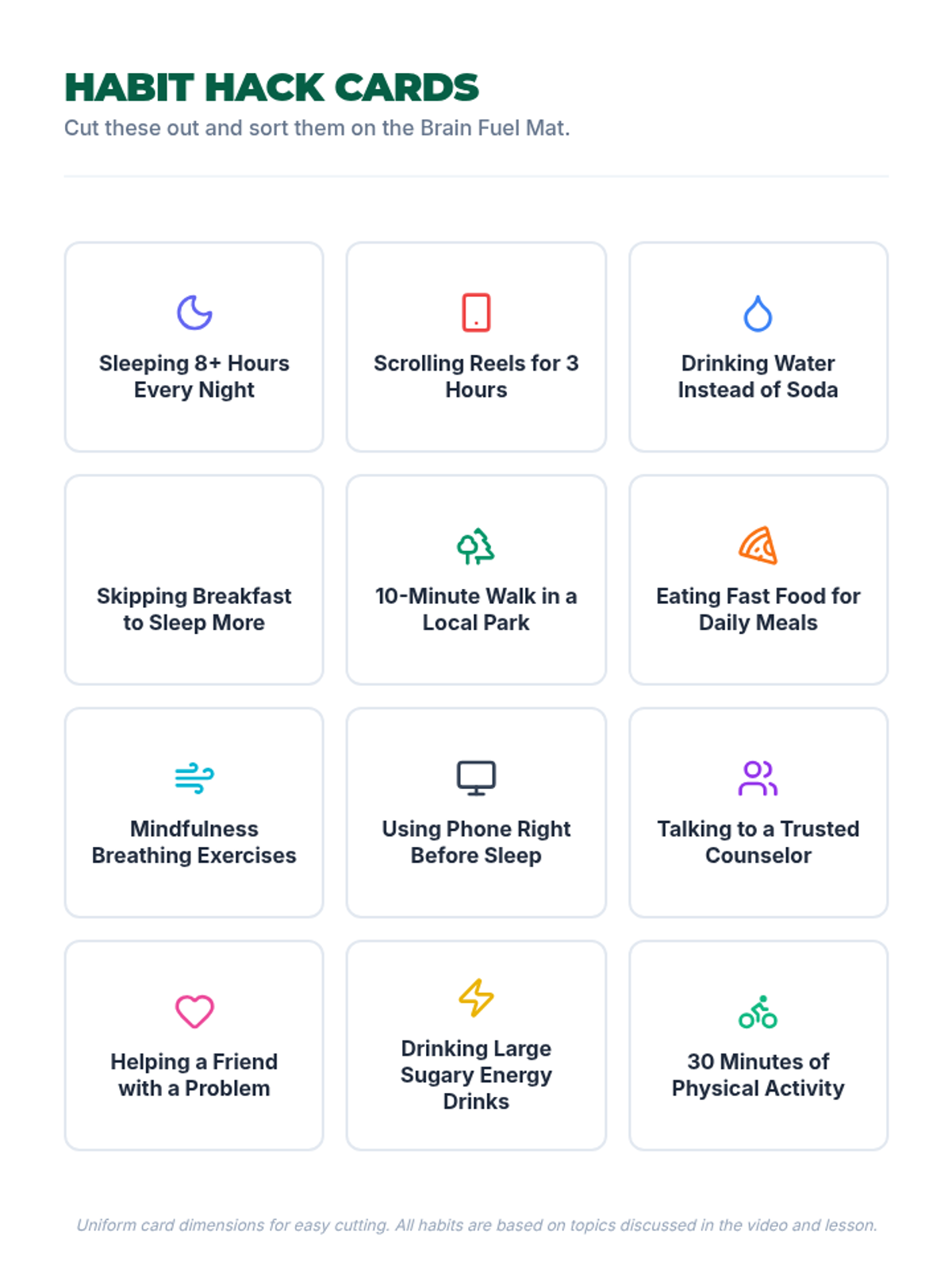
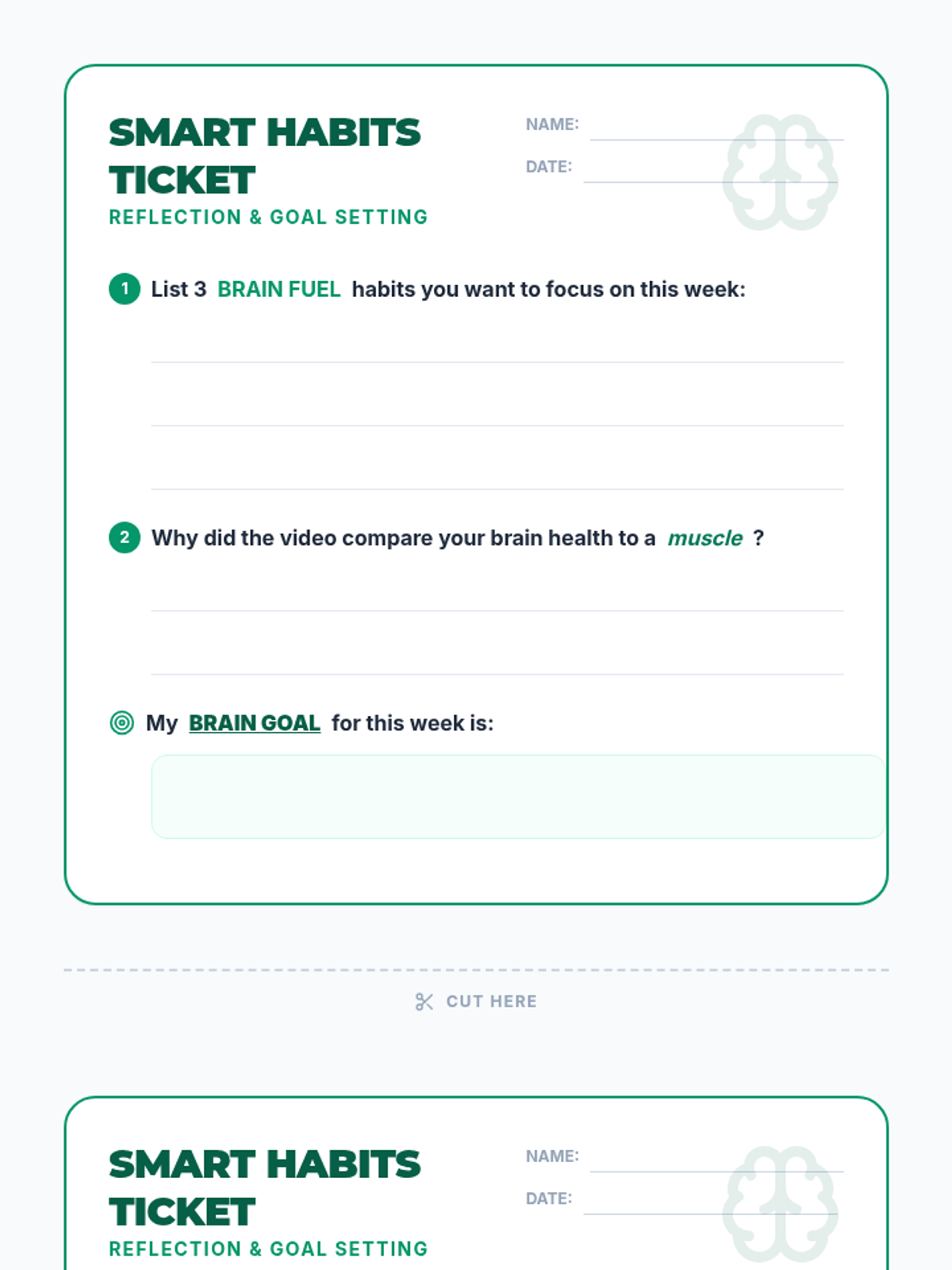
This lesson explores the biological and psychological links between daily habits—such as diet, exercise, and screen time—and brain function. Students will watch a video on brain health, categorize habits into 'Brain Fuel' or 'Brain Drain,' and set a personal goal for the week.
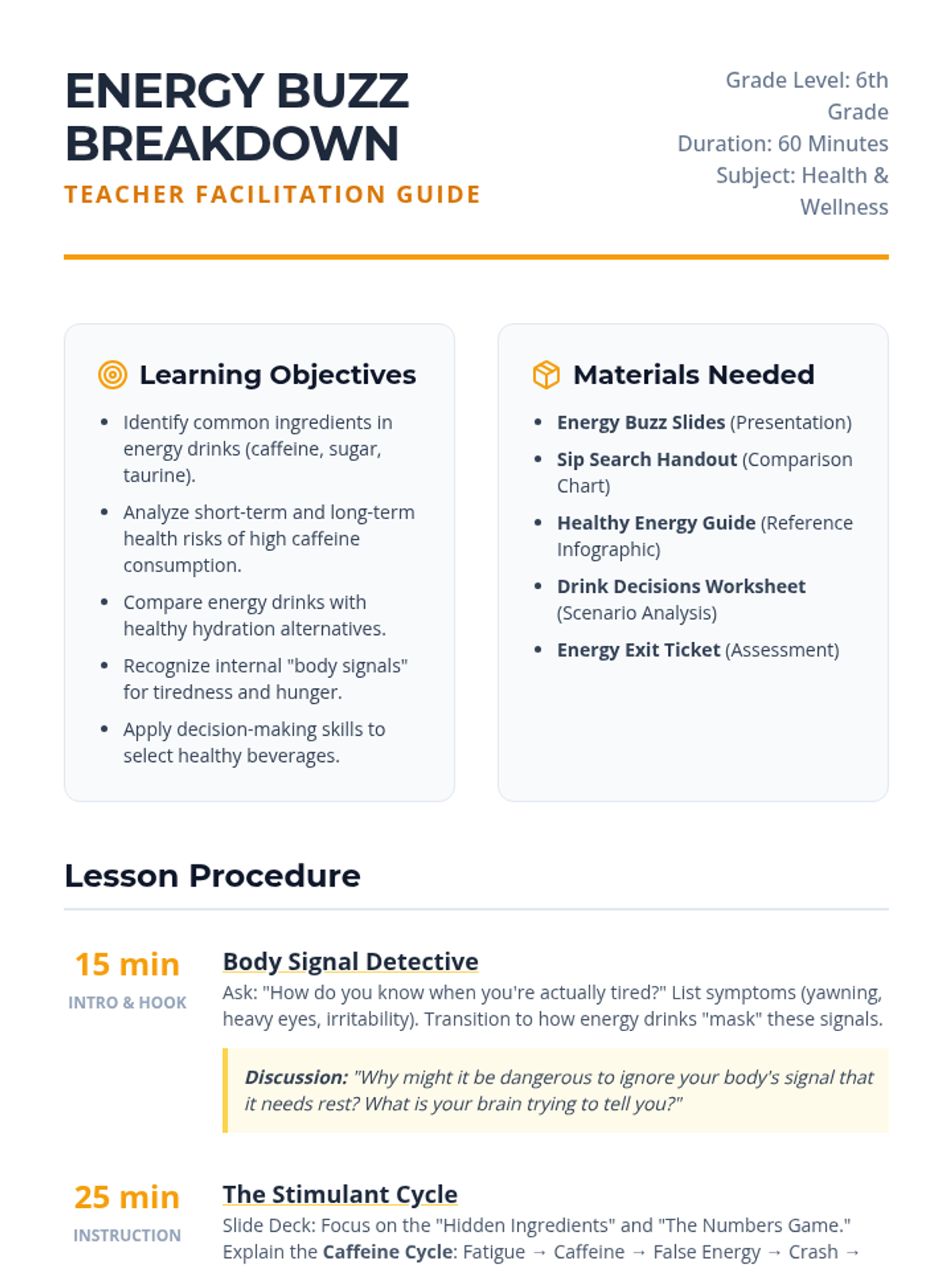
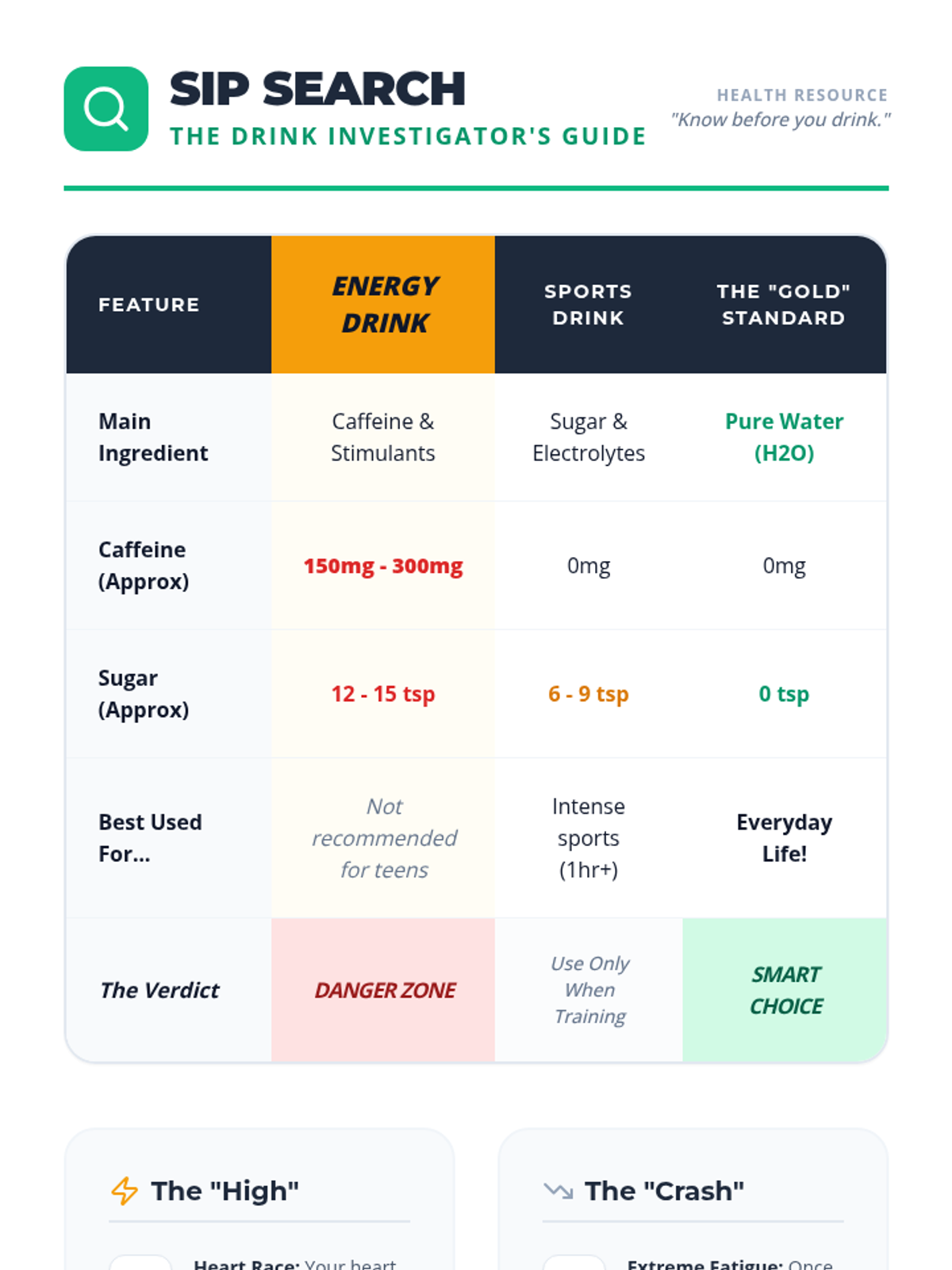
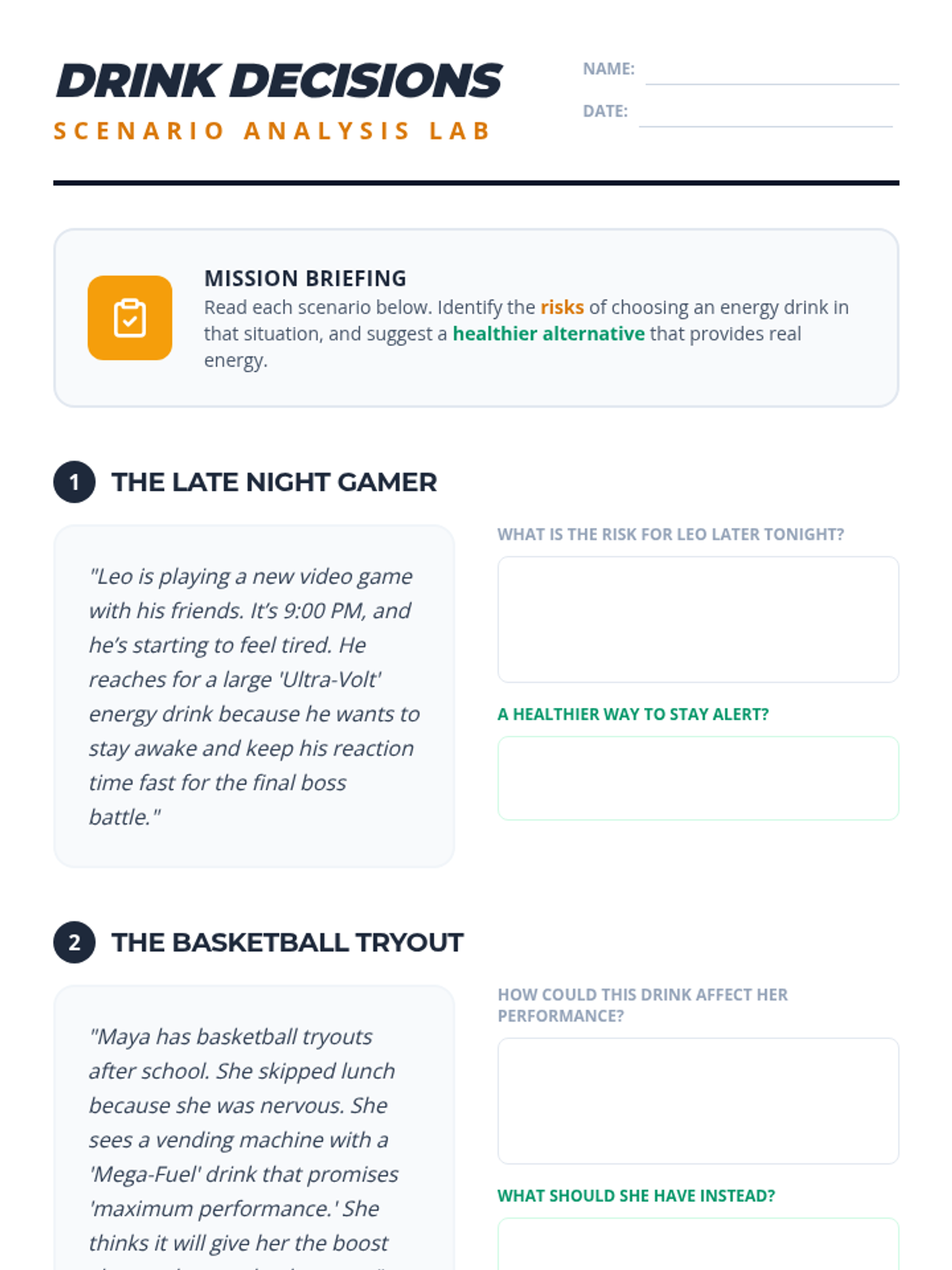
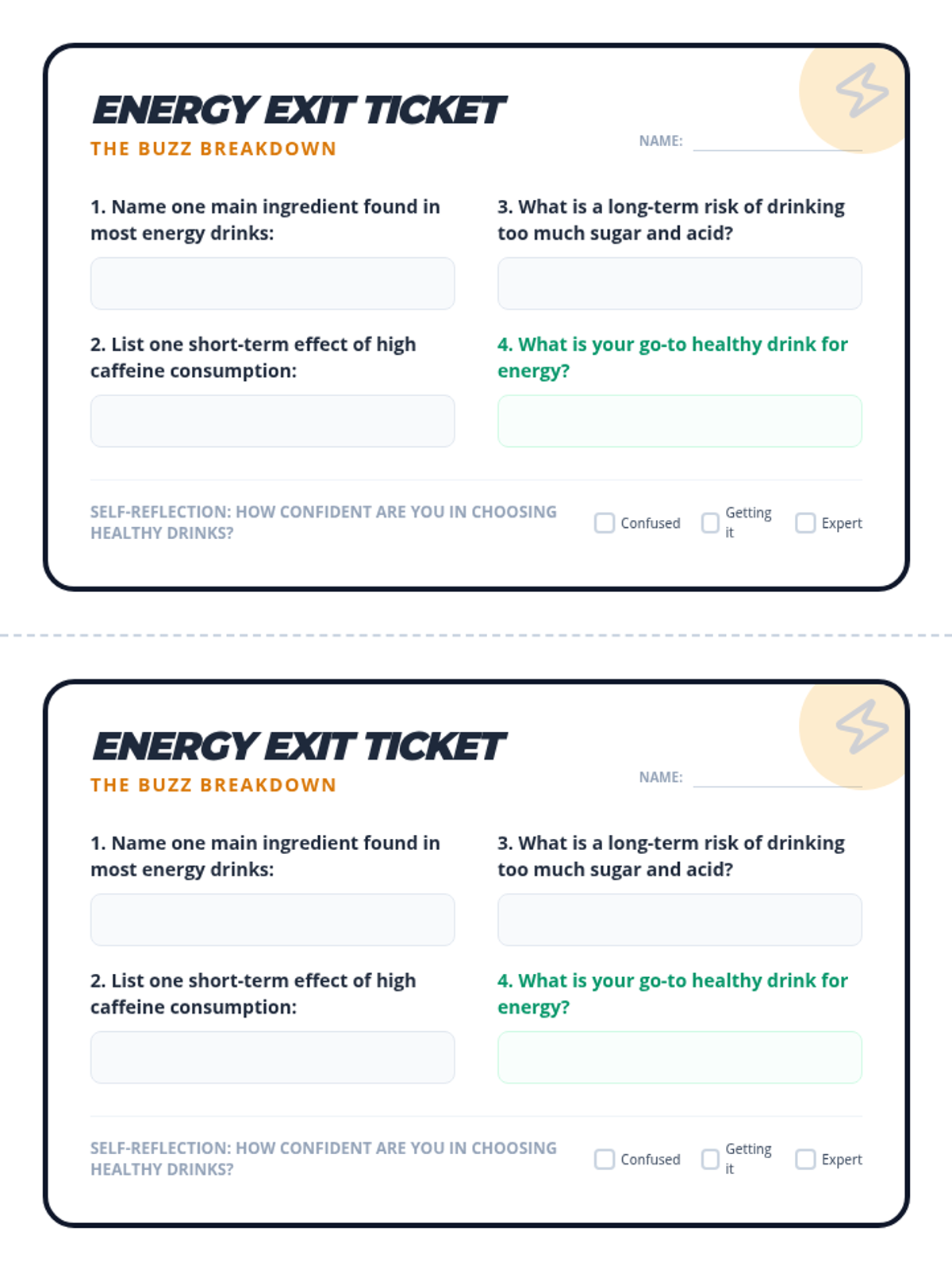
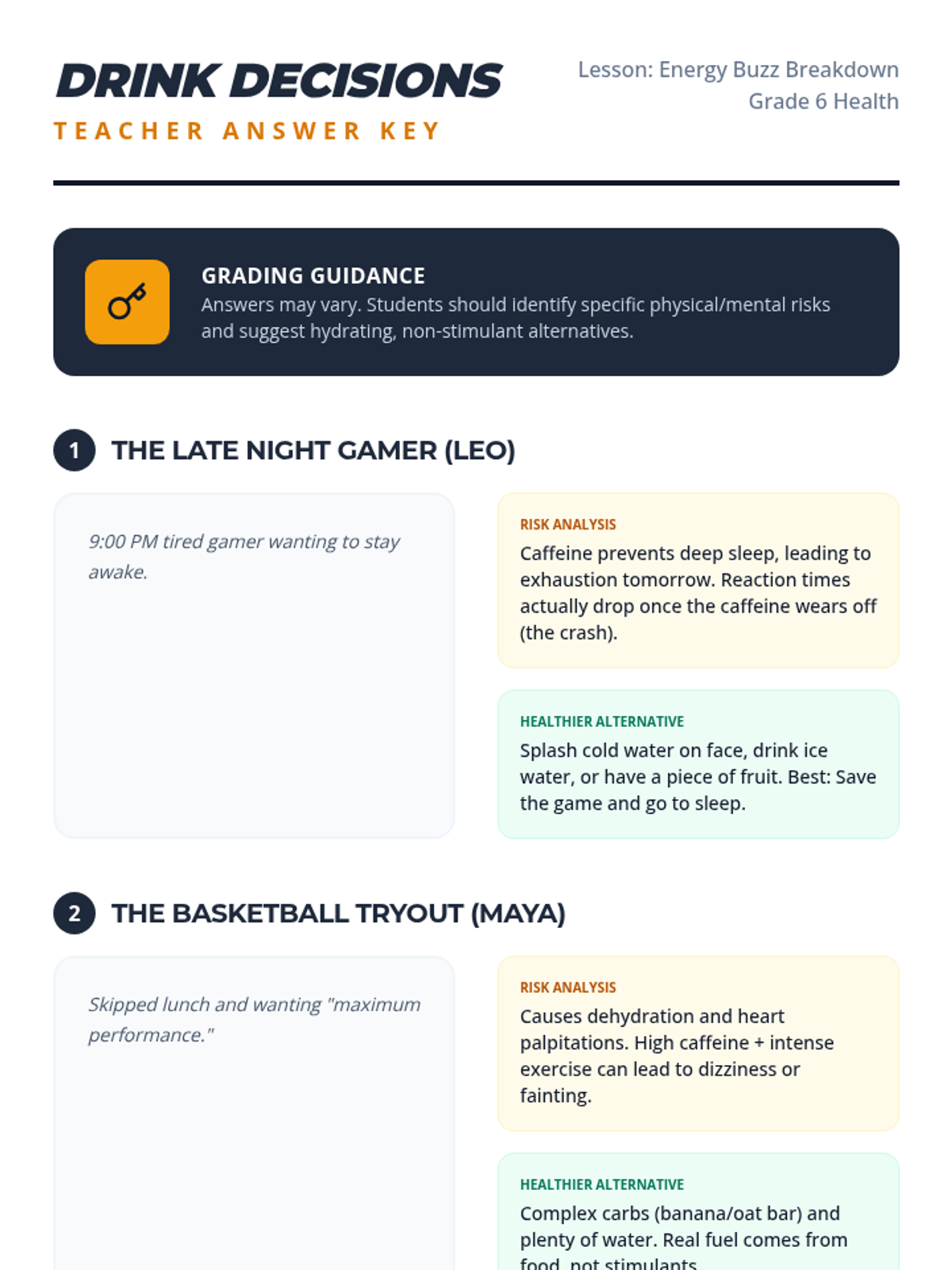
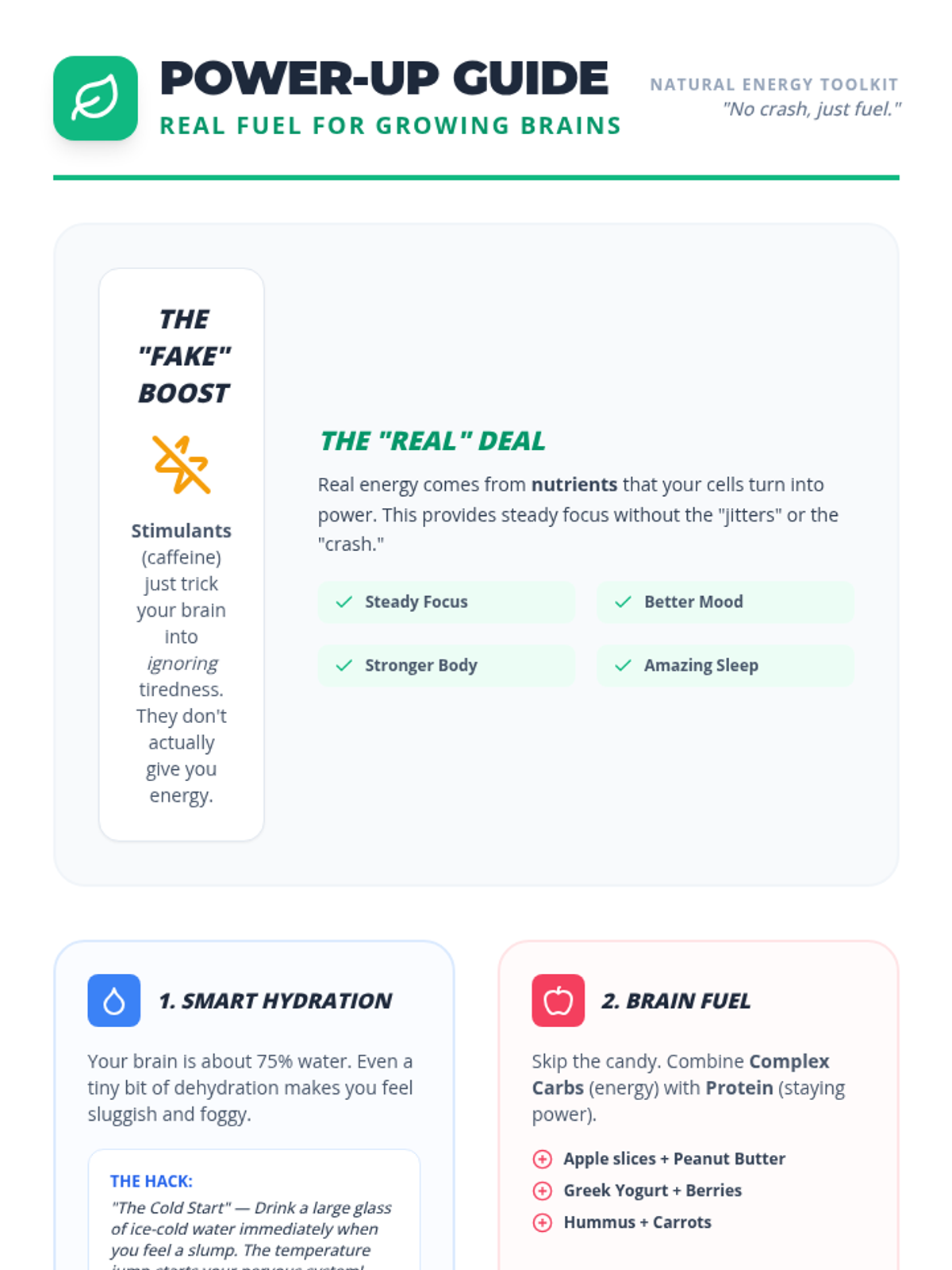
A comprehensive lesson exploring the science of energy drinks, their health impacts, and how to make better beverage choices through scenario analysis and data comparison.
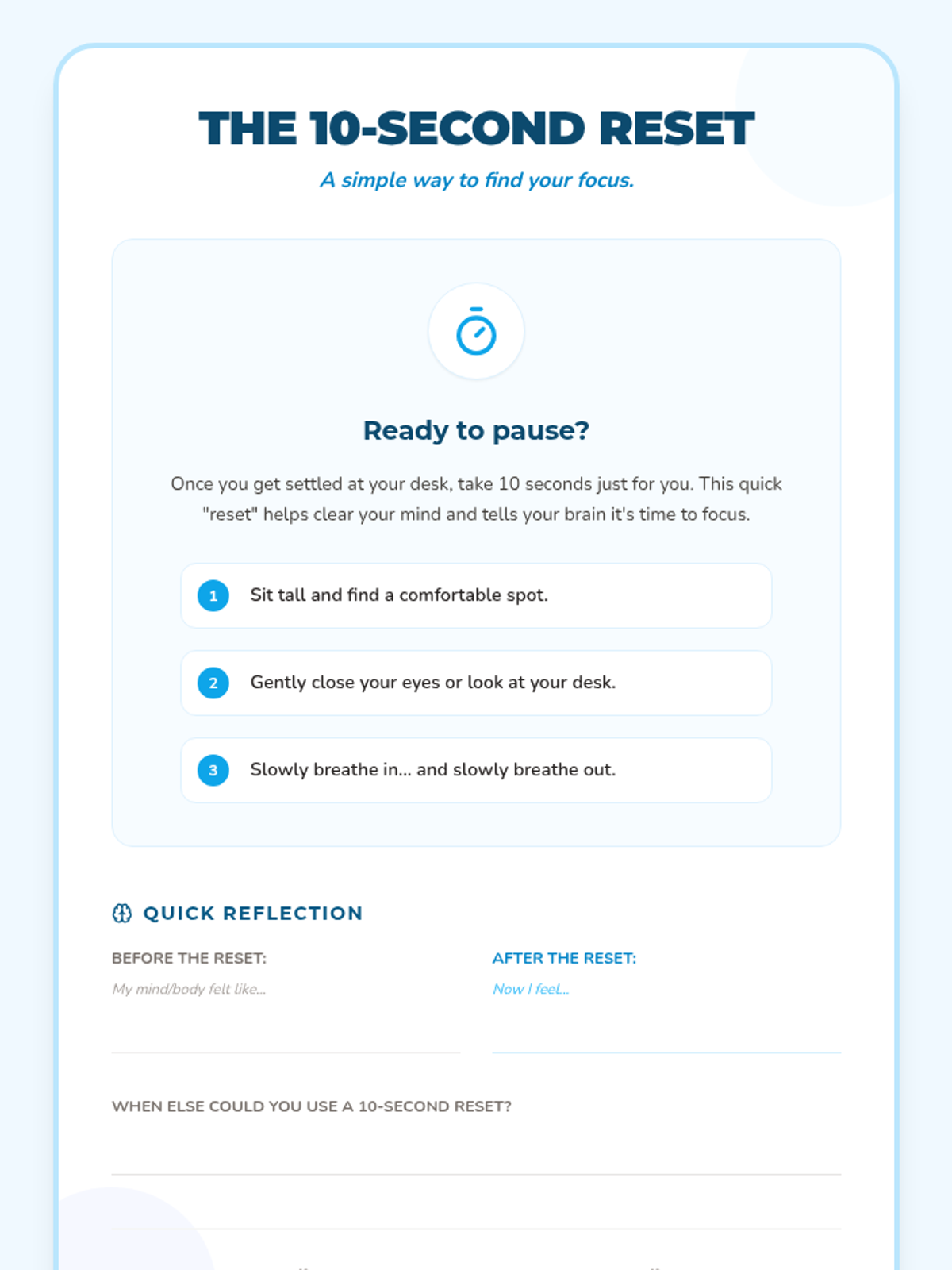
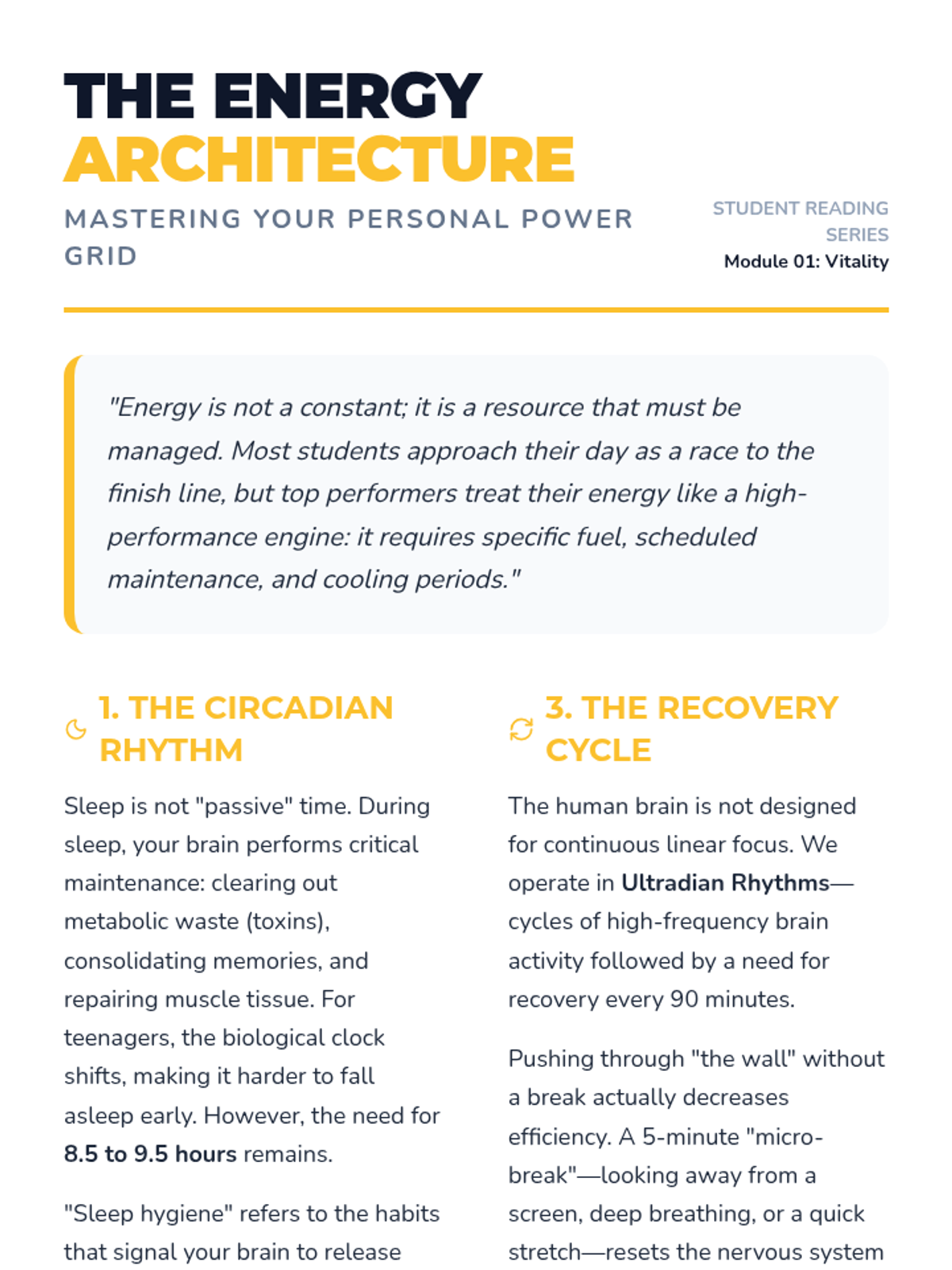
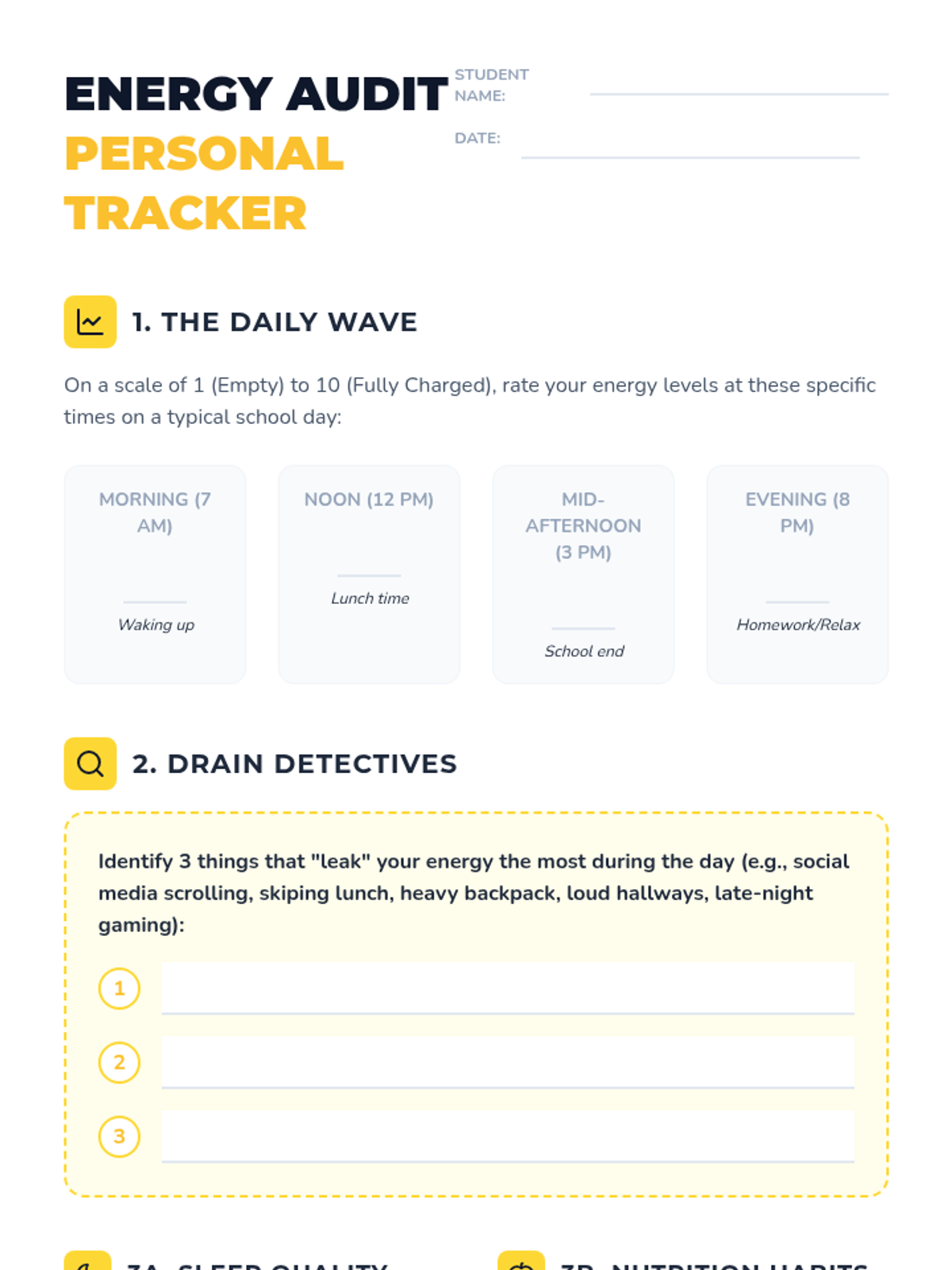
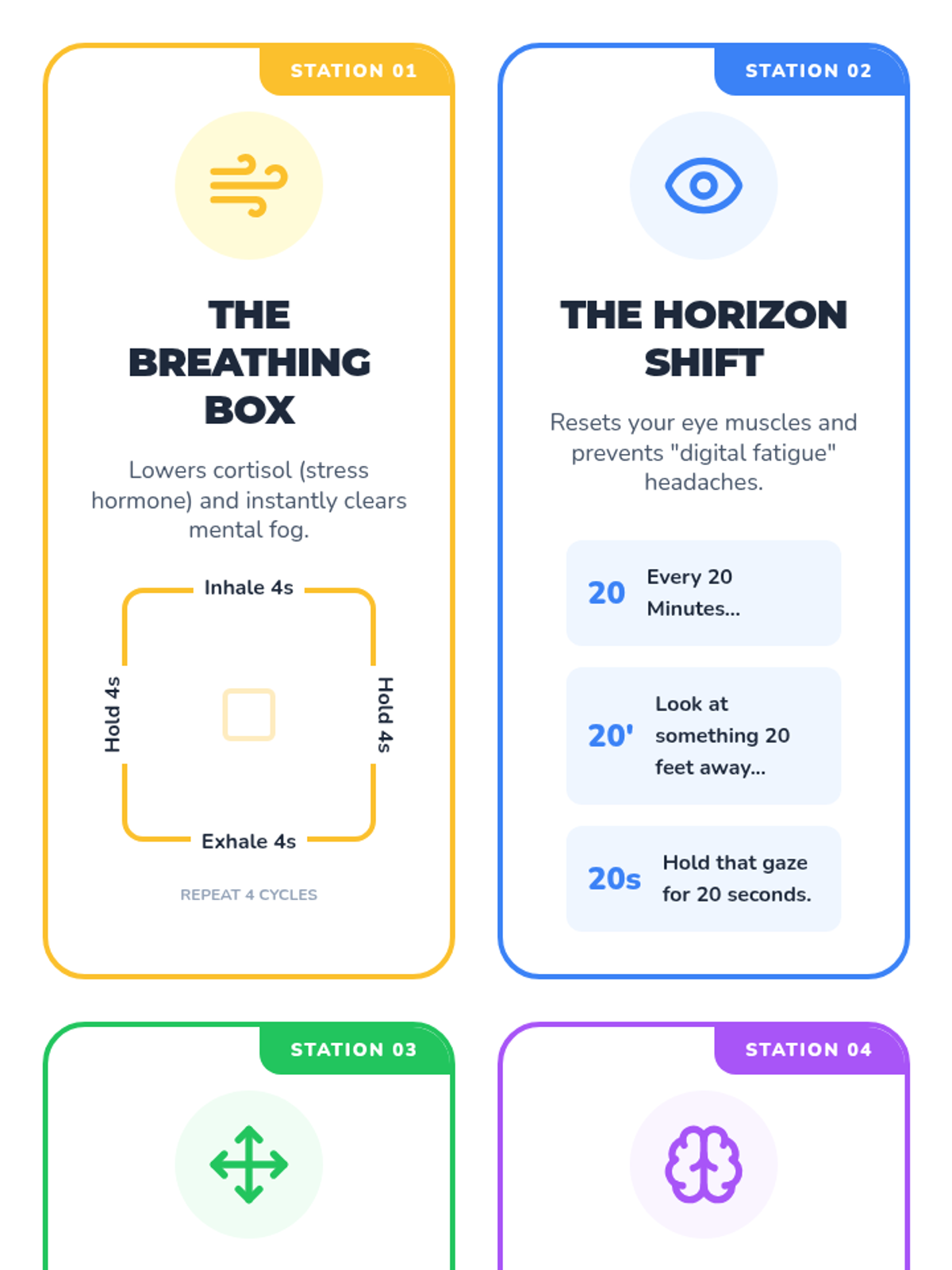
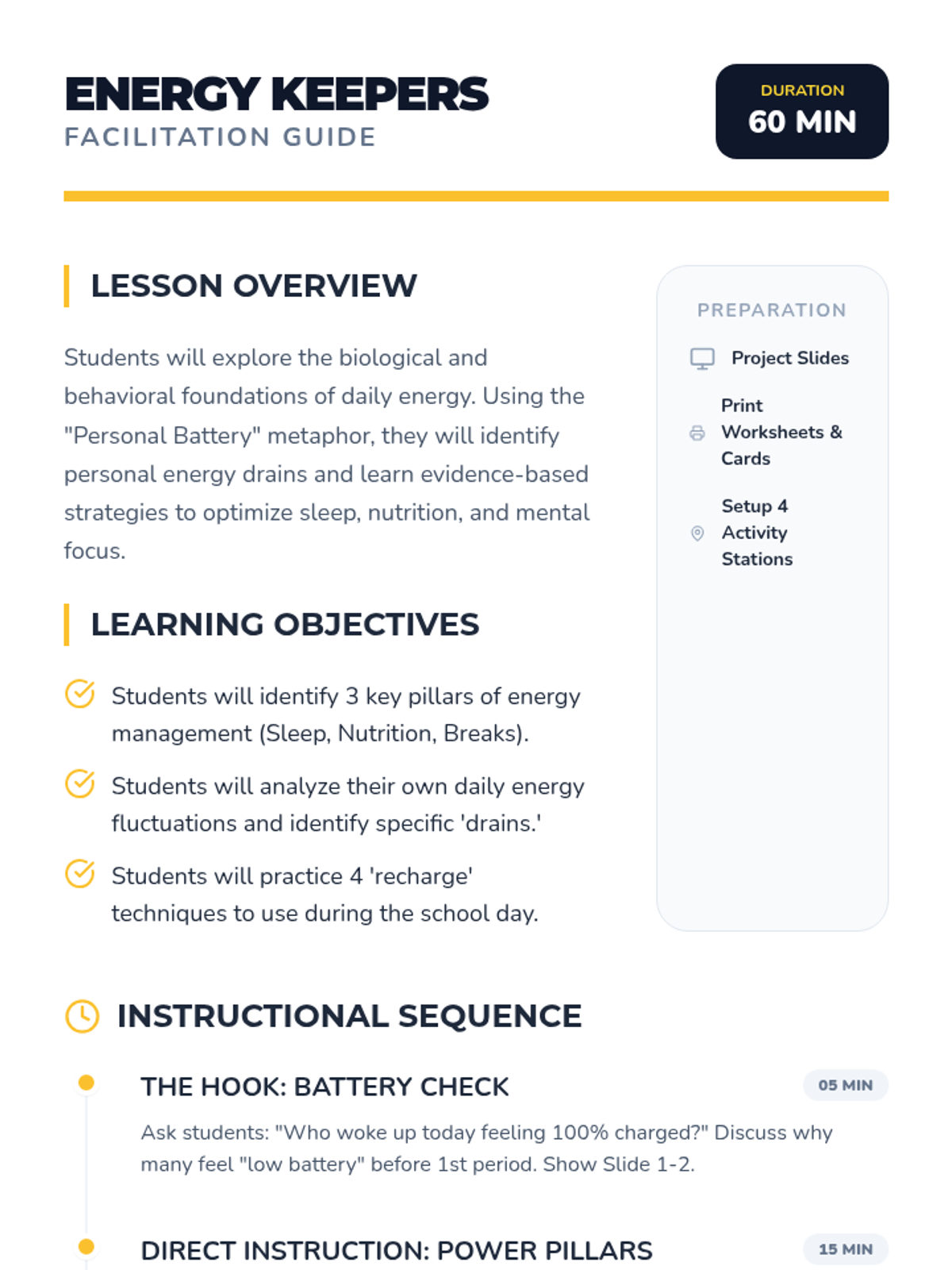
A comprehensive lesson designed for middle and high school students to master their daily energy. Through sleep hygiene, nutrition, and mindful breaks, students learn to monitor their 'personal battery' and optimize their performance and well-being.
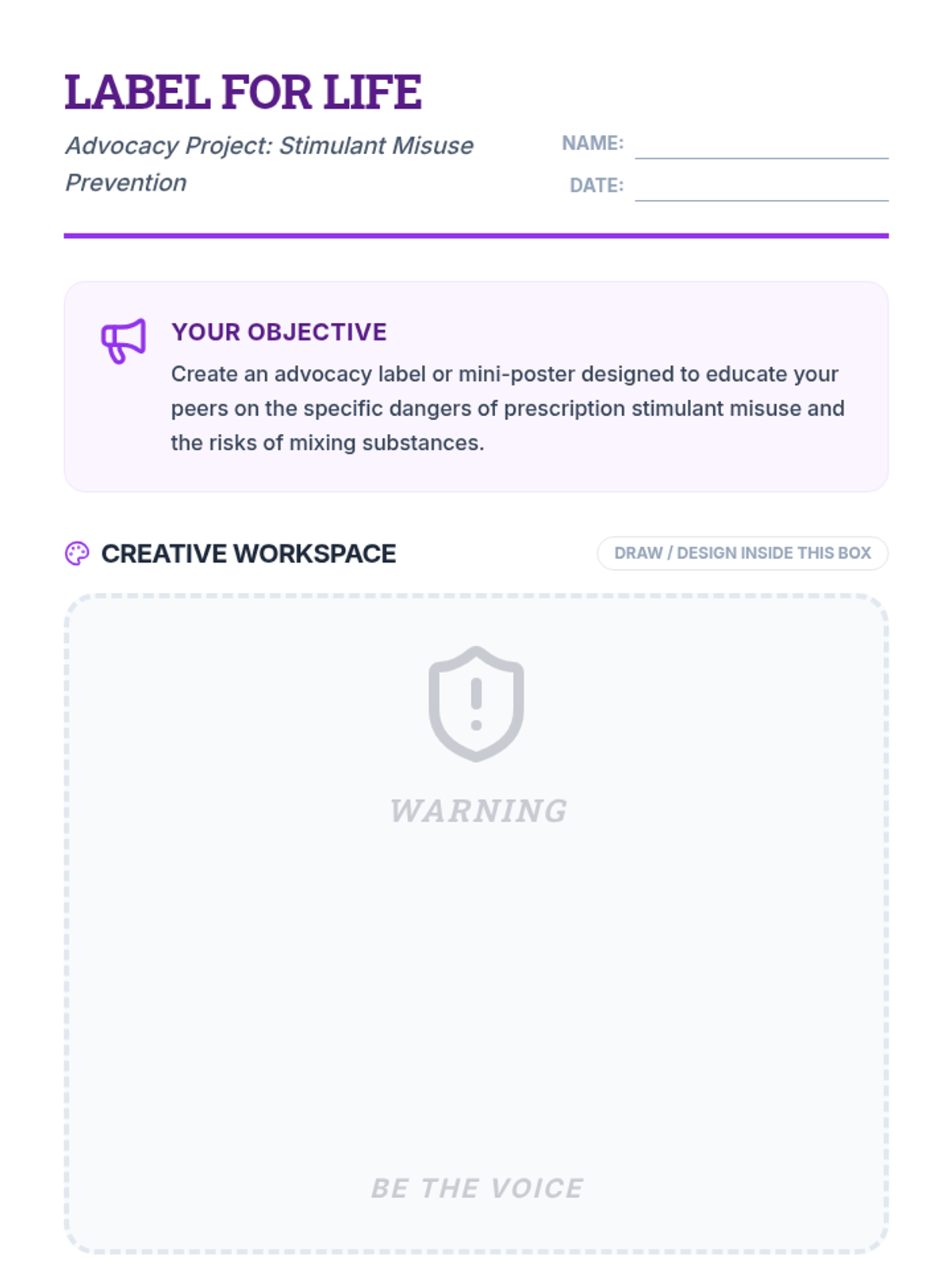
Students design informational materials to educate peers on the dangers of stimulant misuse and the risks of mixing substances.
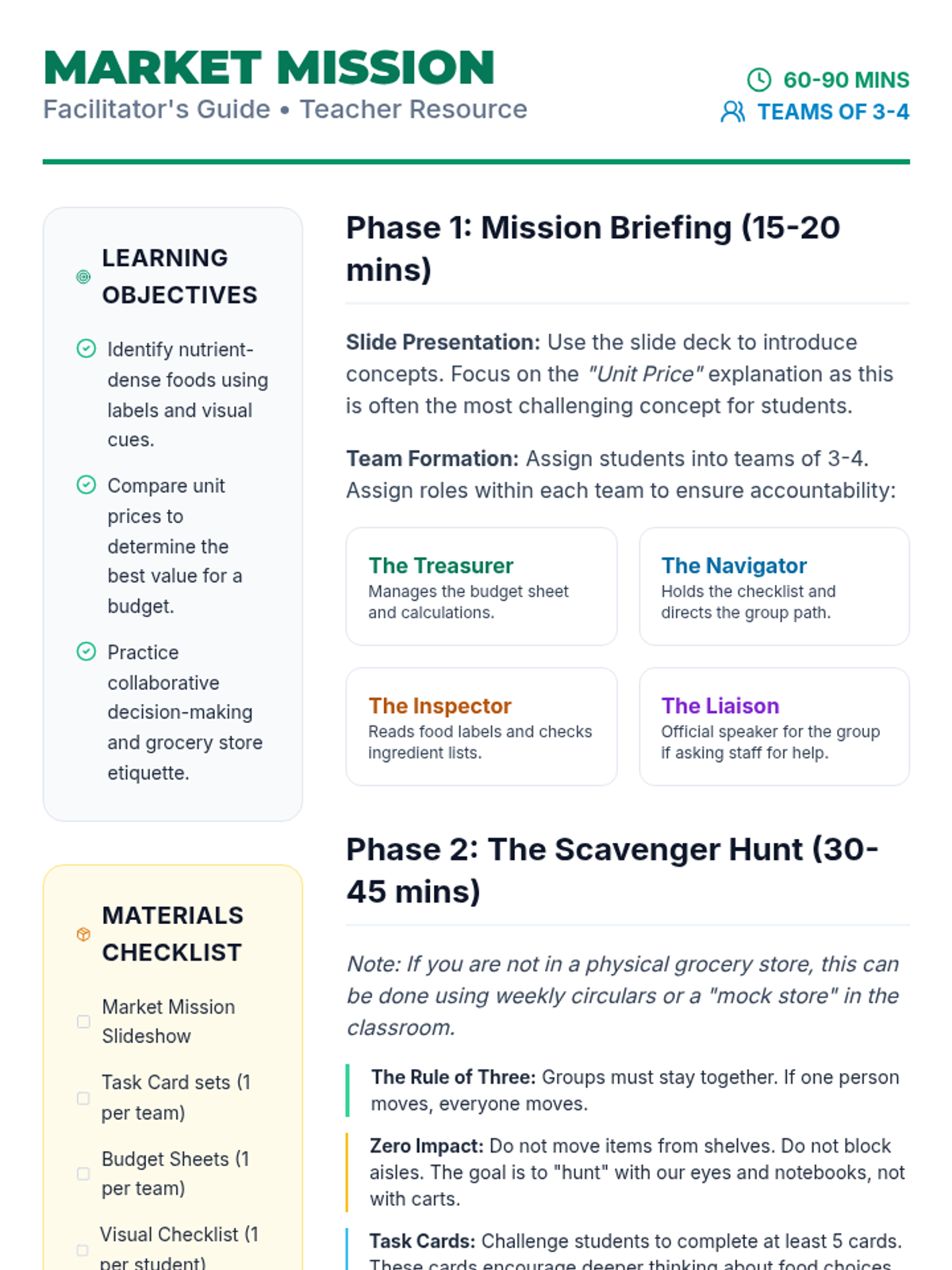
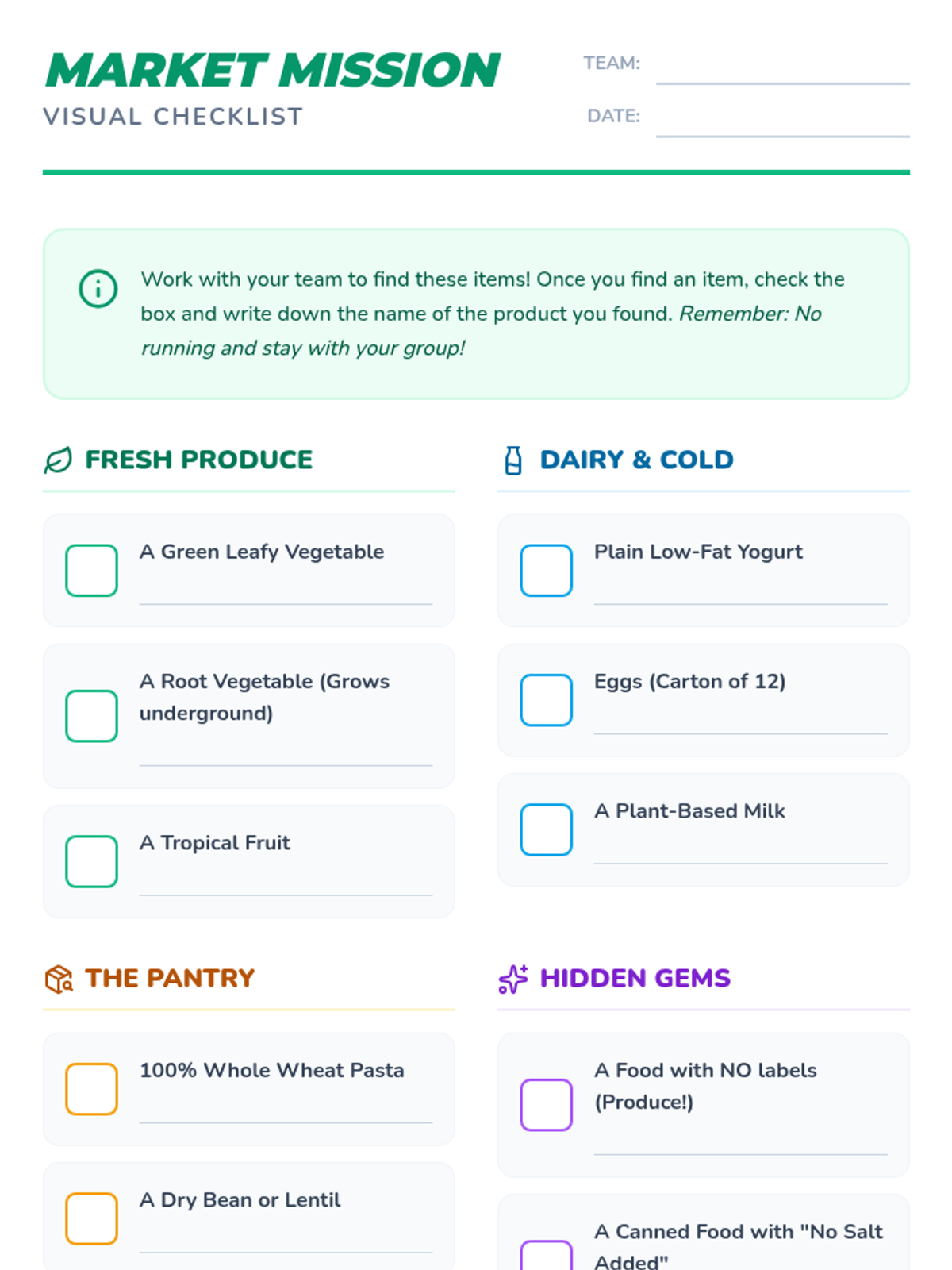
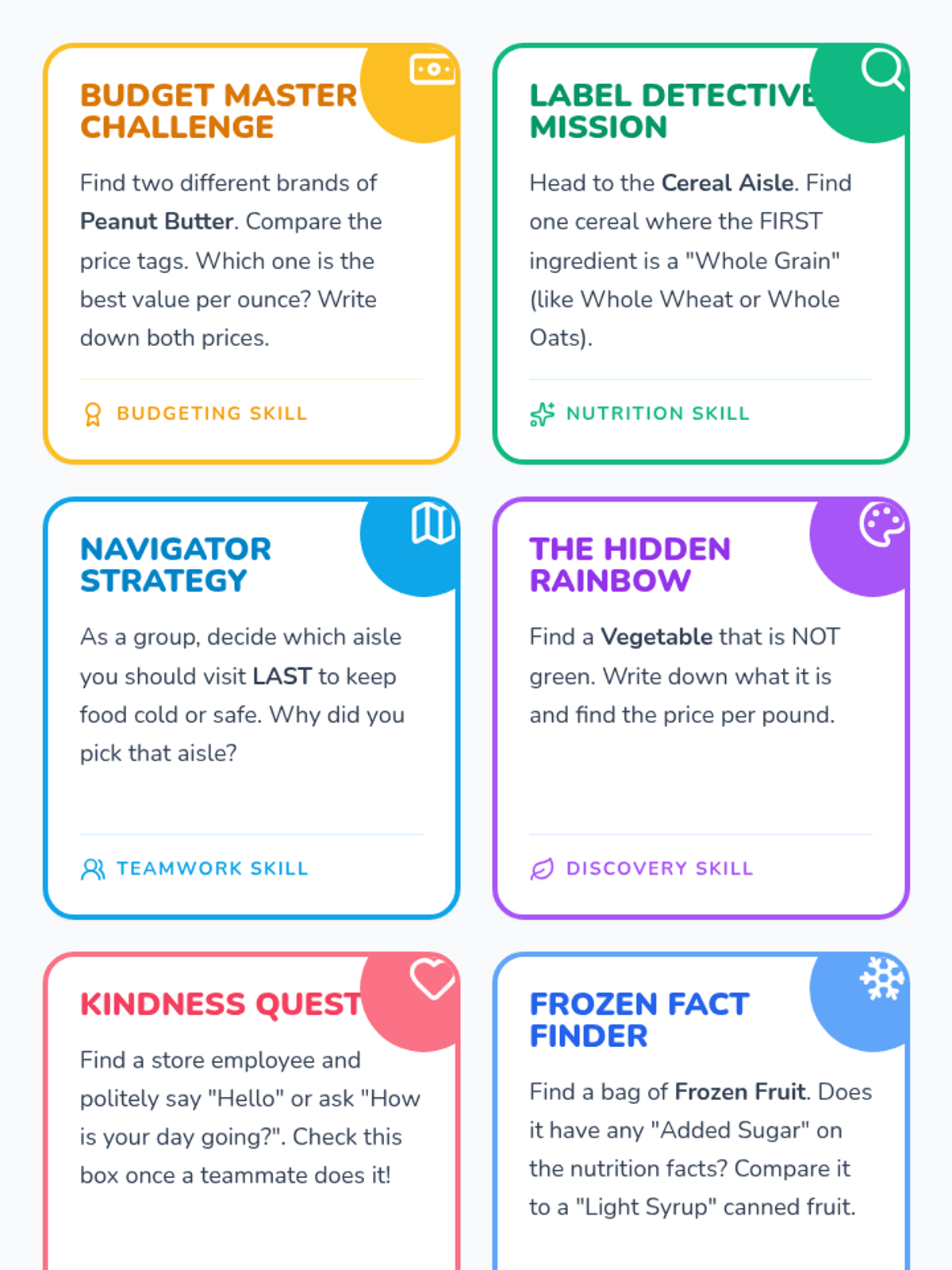
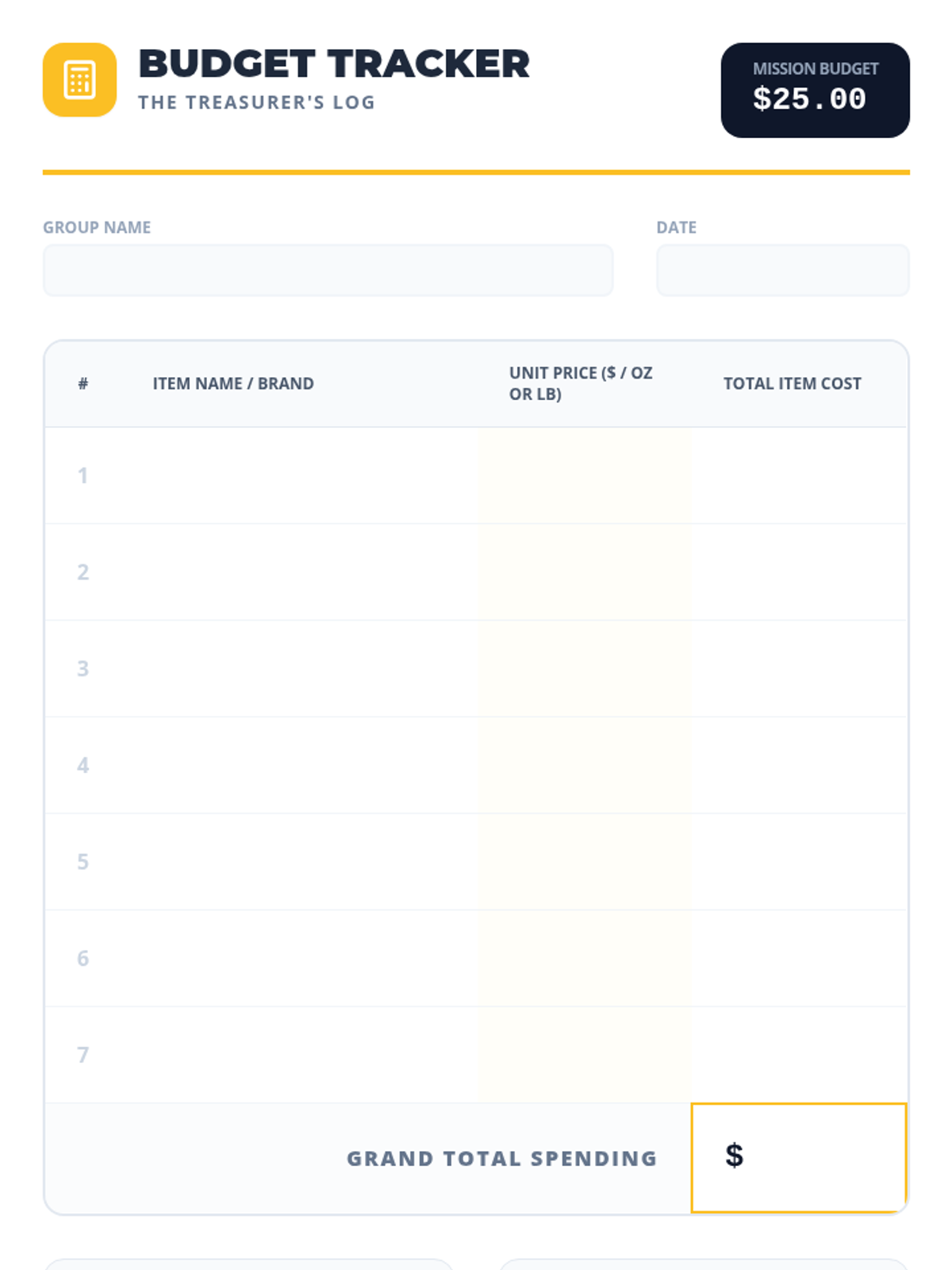
A group-building scavenger hunt where students work in teams to identify healthy foods, manage a budget, and practice social skills in a real-world grocery setting.
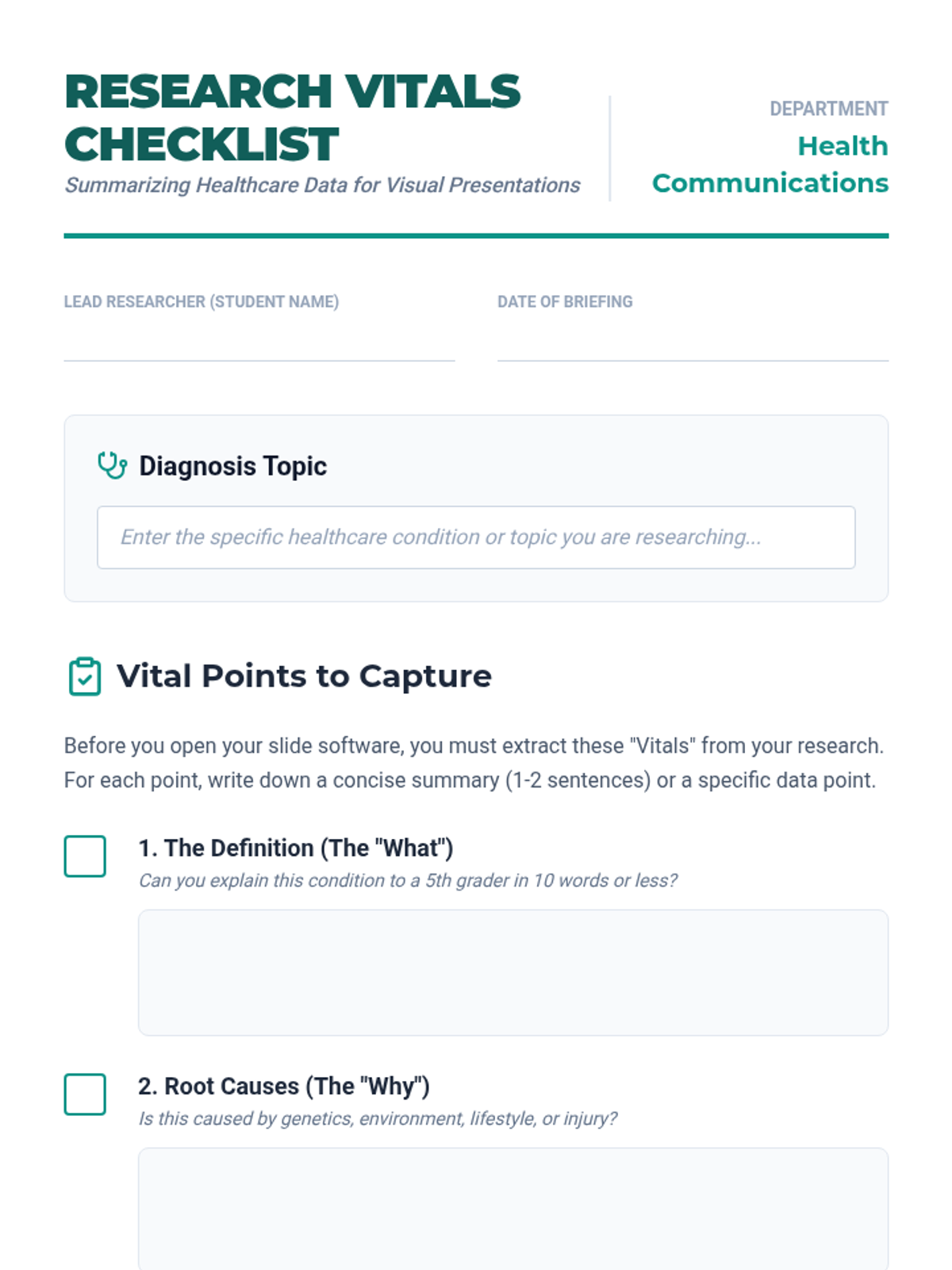
Students learn to distill complex healthcare research into essential summary points for visual presentations using a medical reporting framework. Includes a basketball injury case study and a universal research checklist.
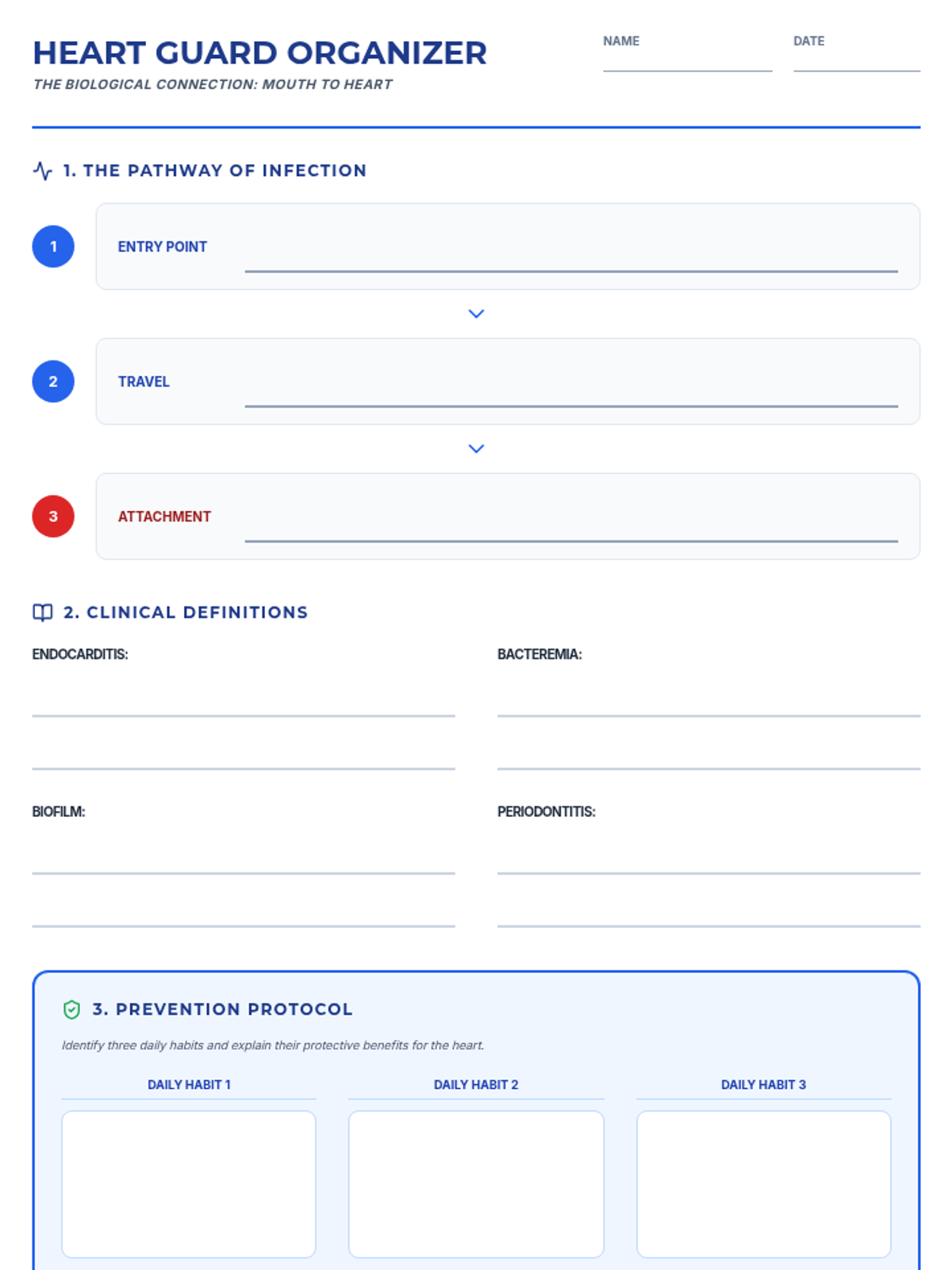
A health-focused lesson exploring the critical biological link between oral hygiene and infective endocarditis, emphasizing how daily habits protect heart health.
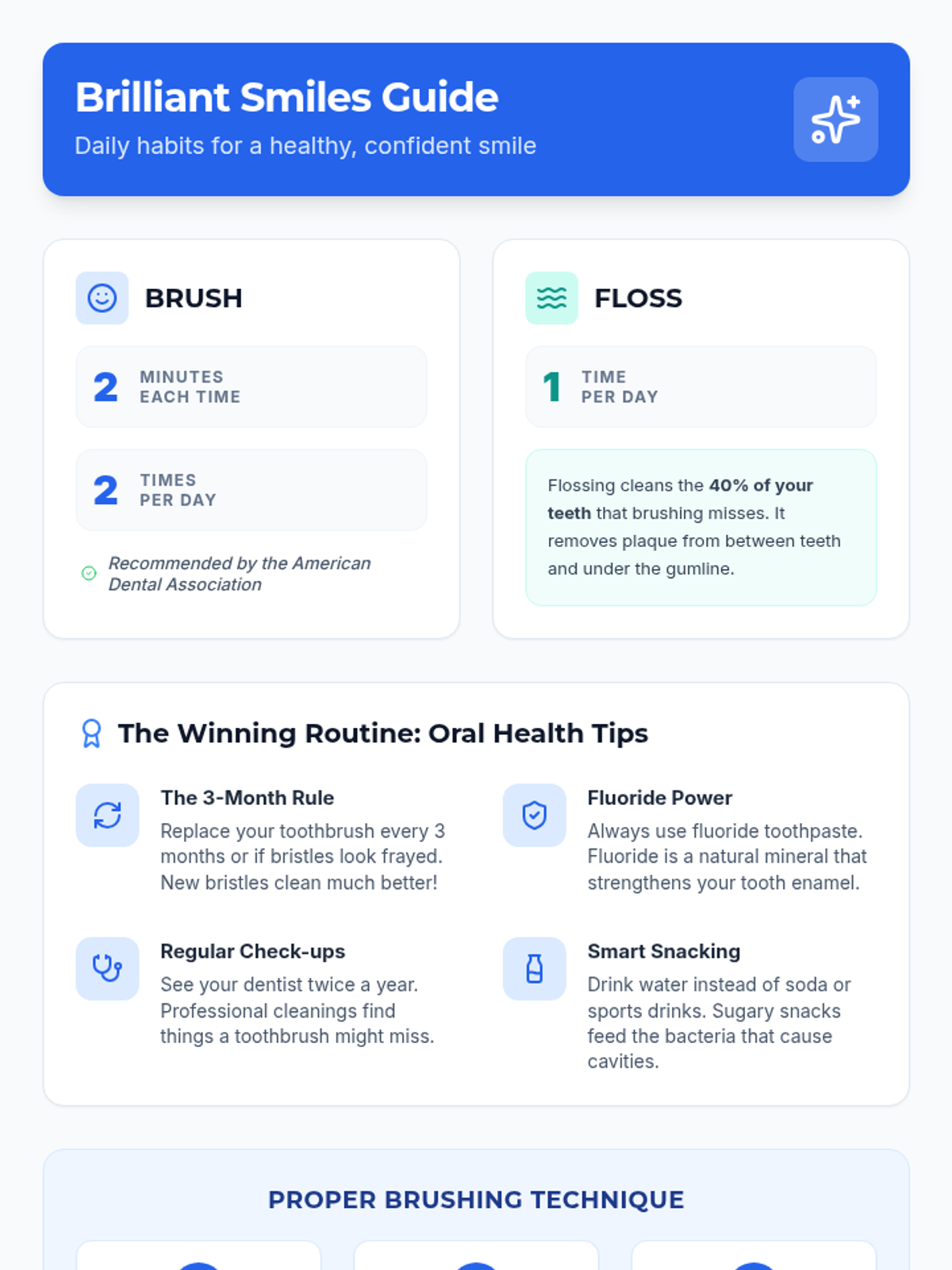
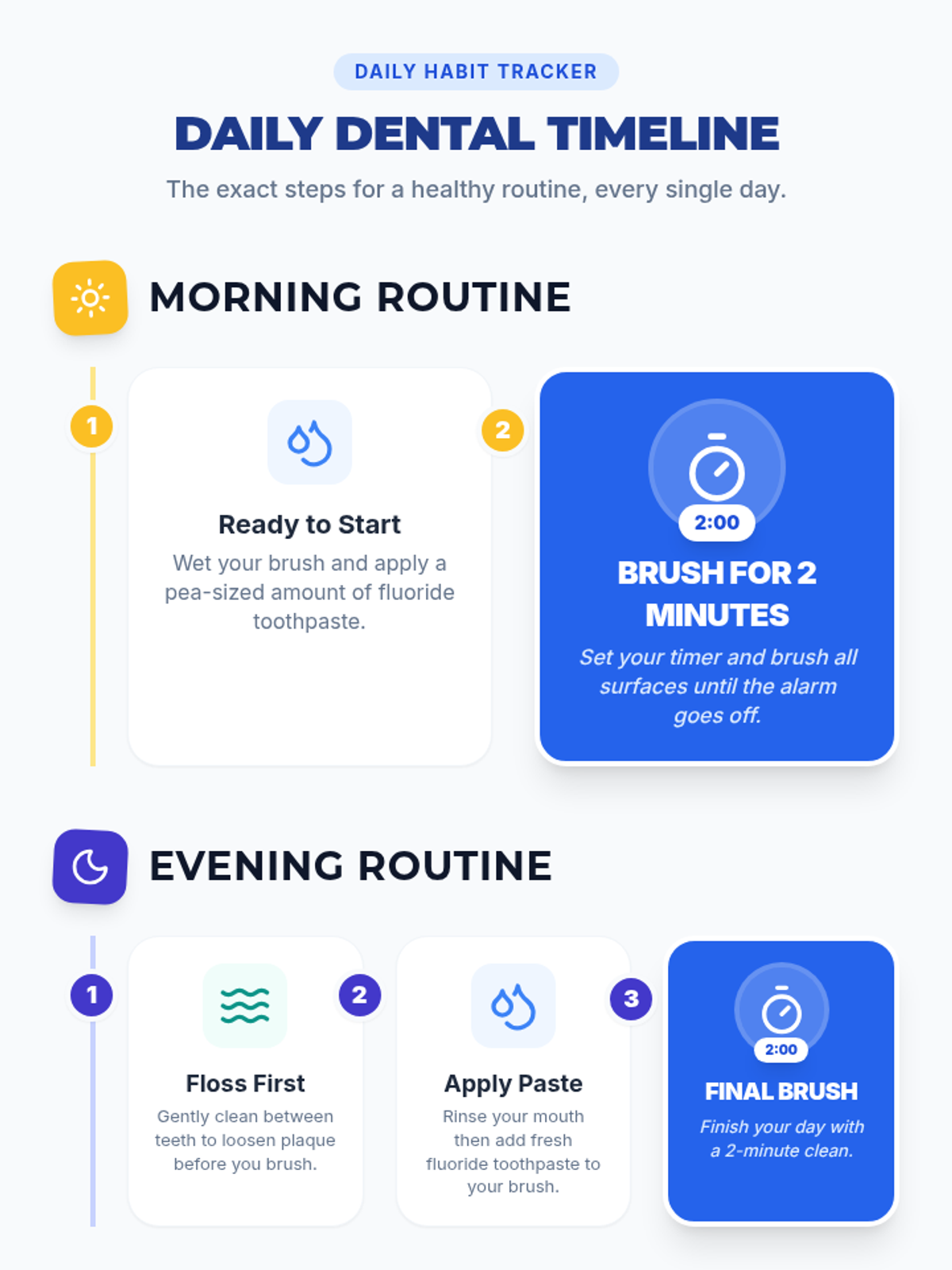
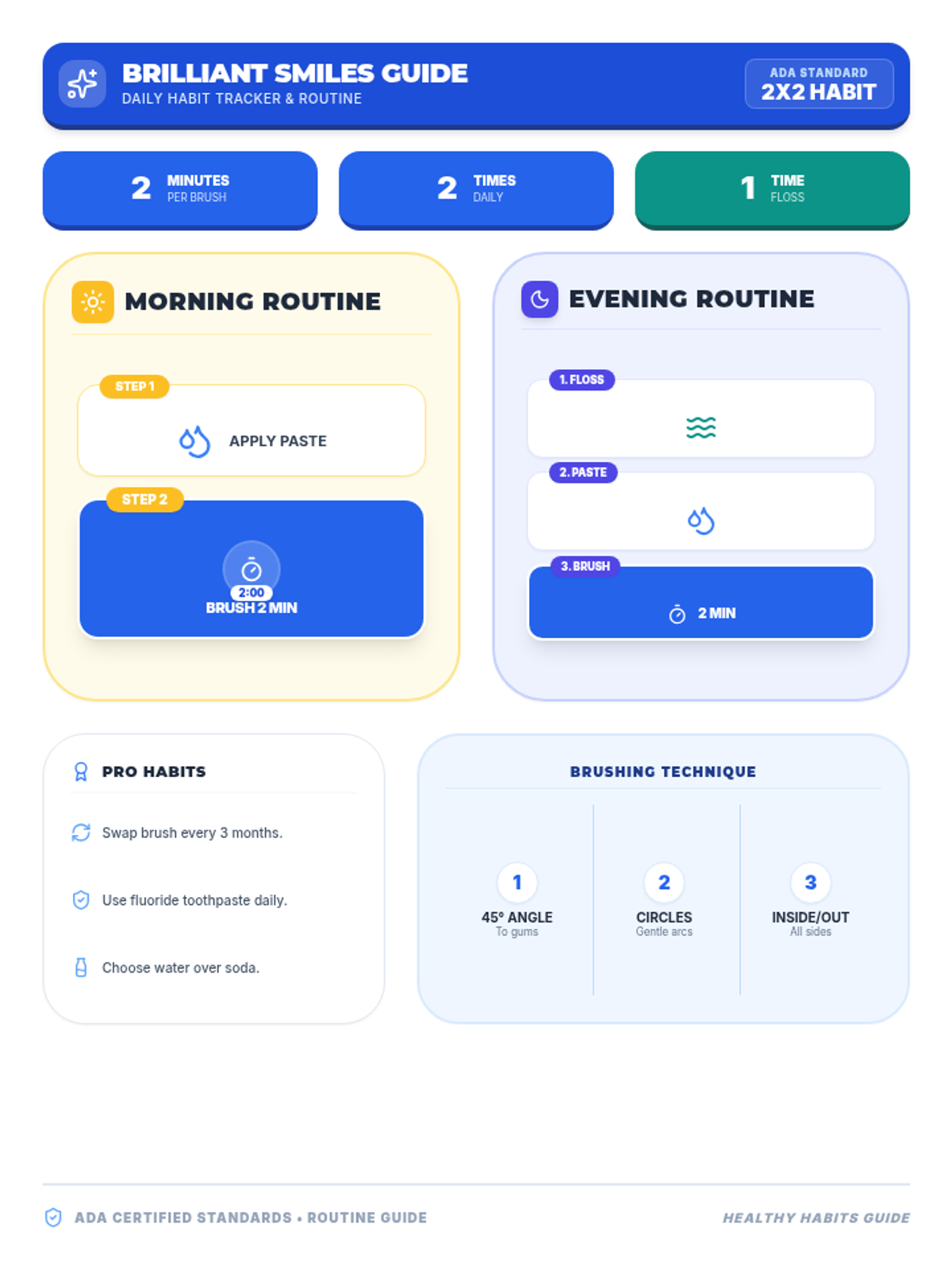
A comprehensive guide to oral hygiene routines for teens, featuring clear visual instructions on brushing, flossing, and maintaining a healthy smile based on ADA guidelines.
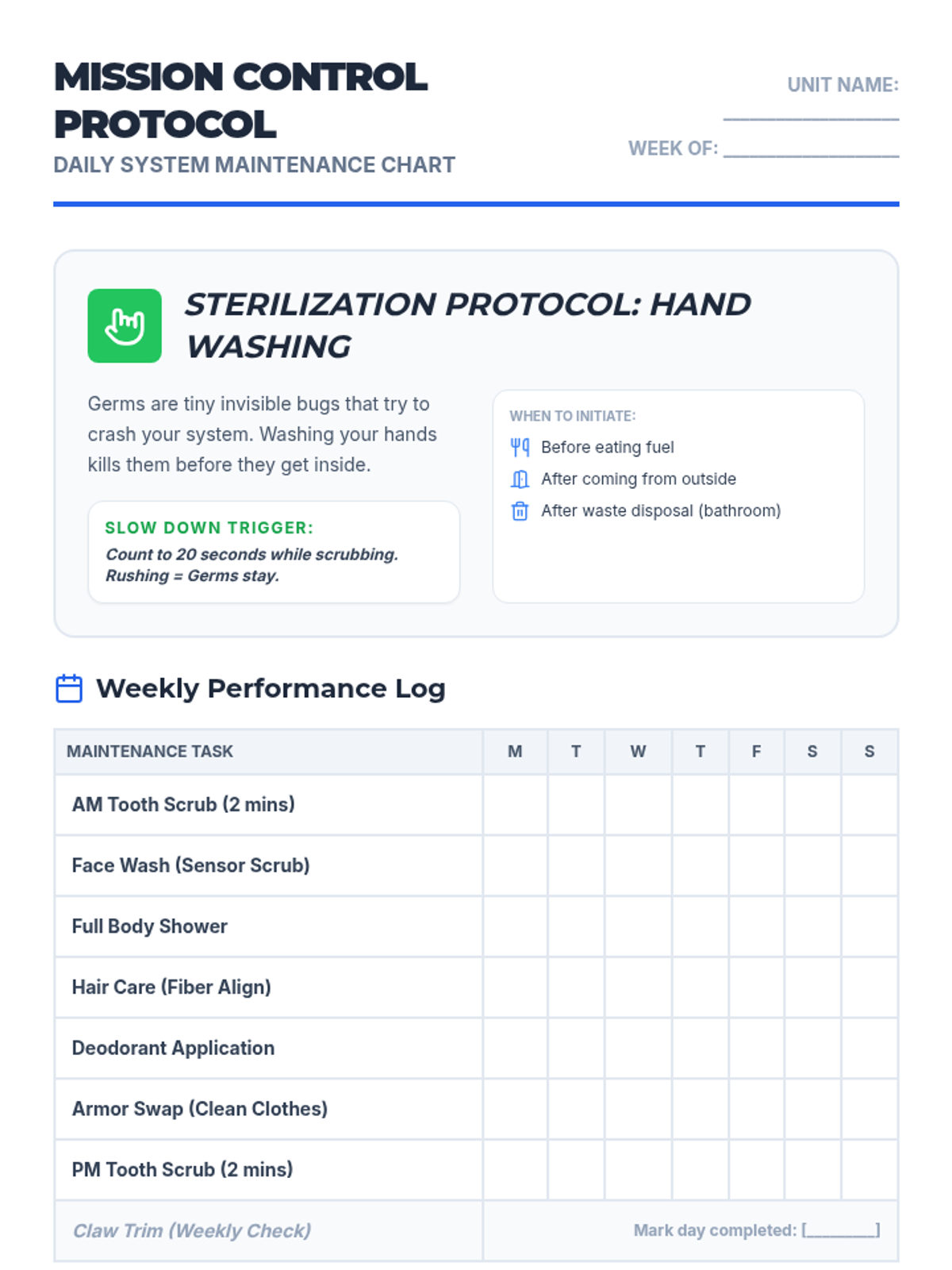
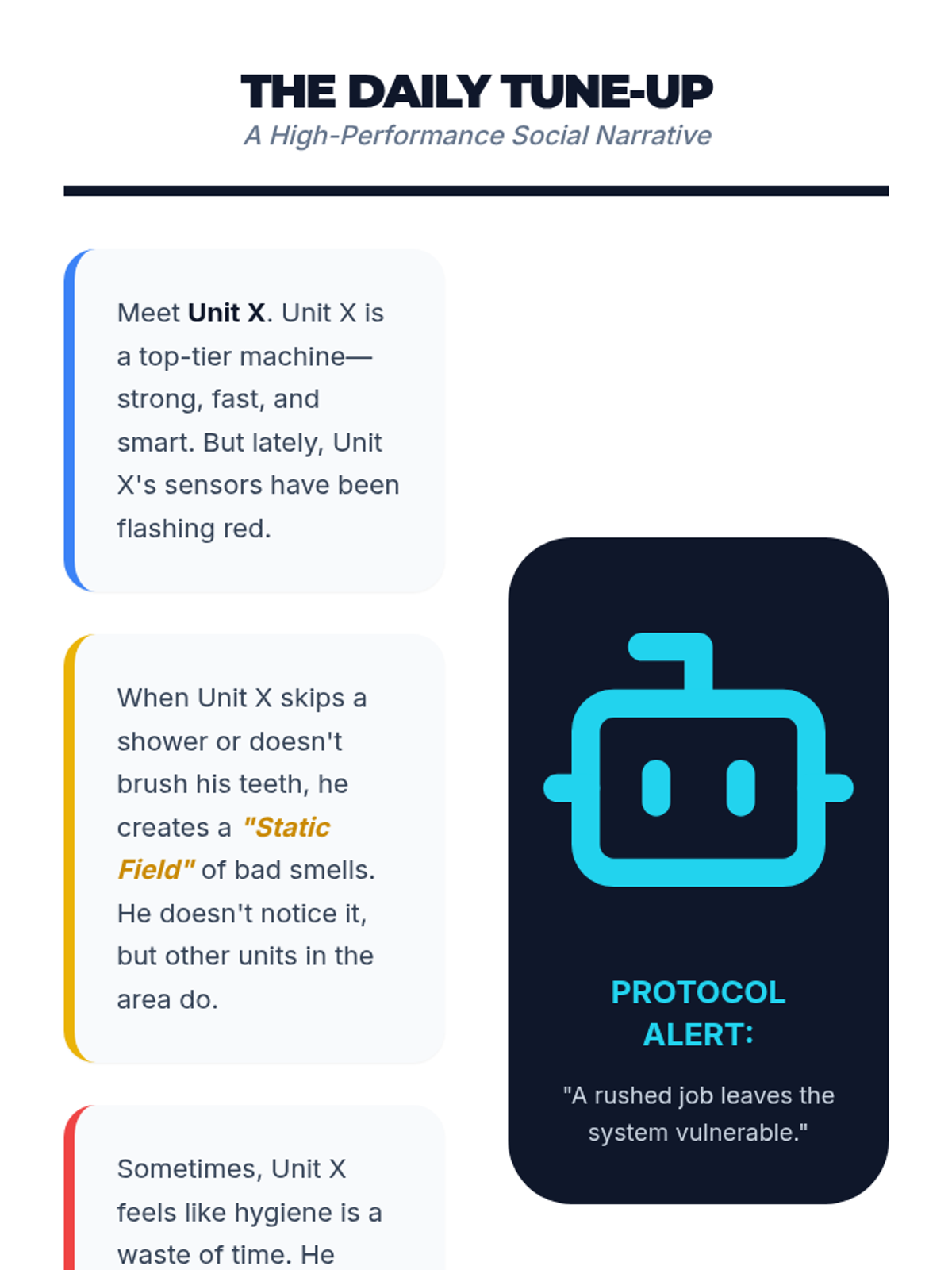
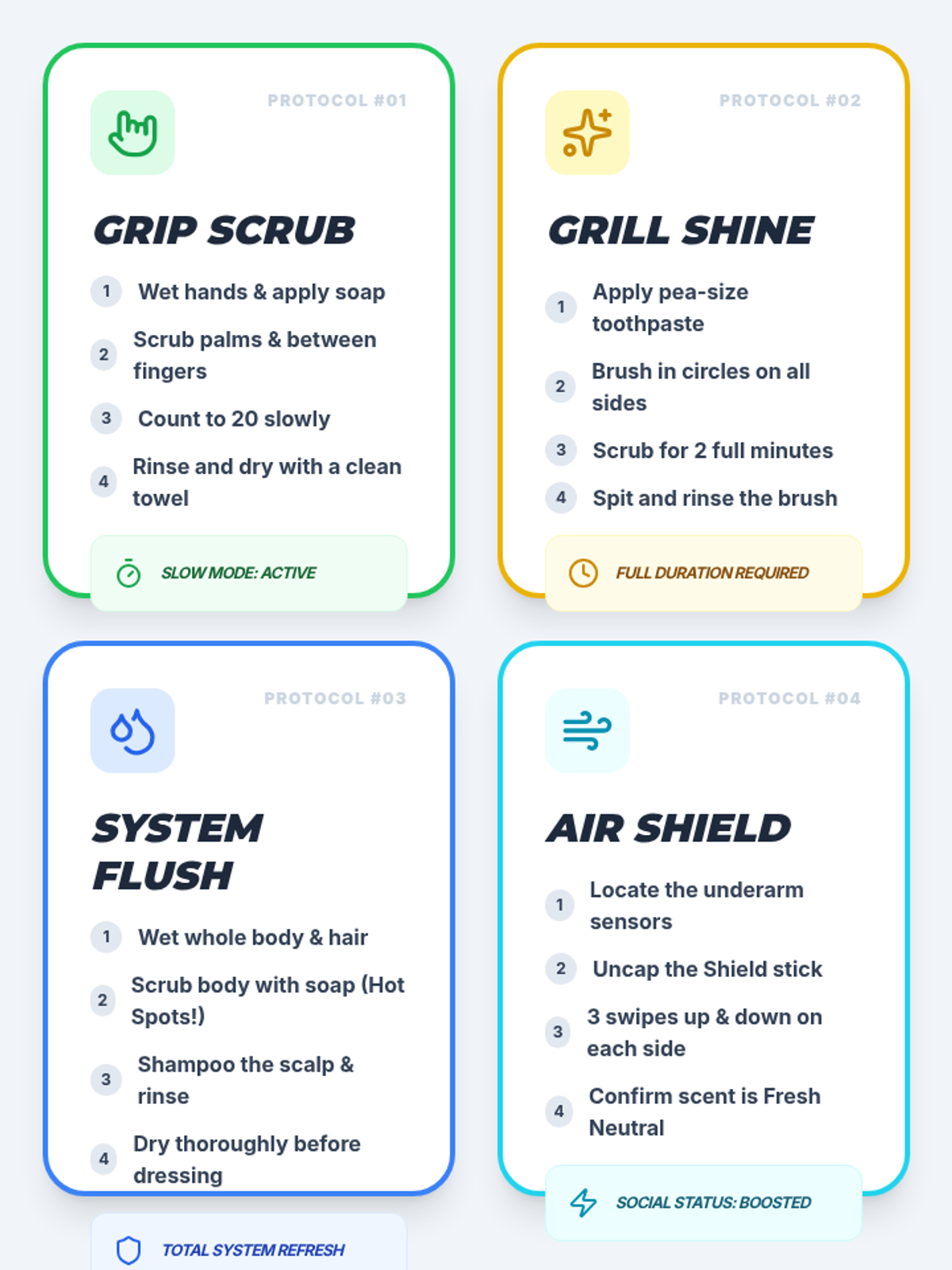
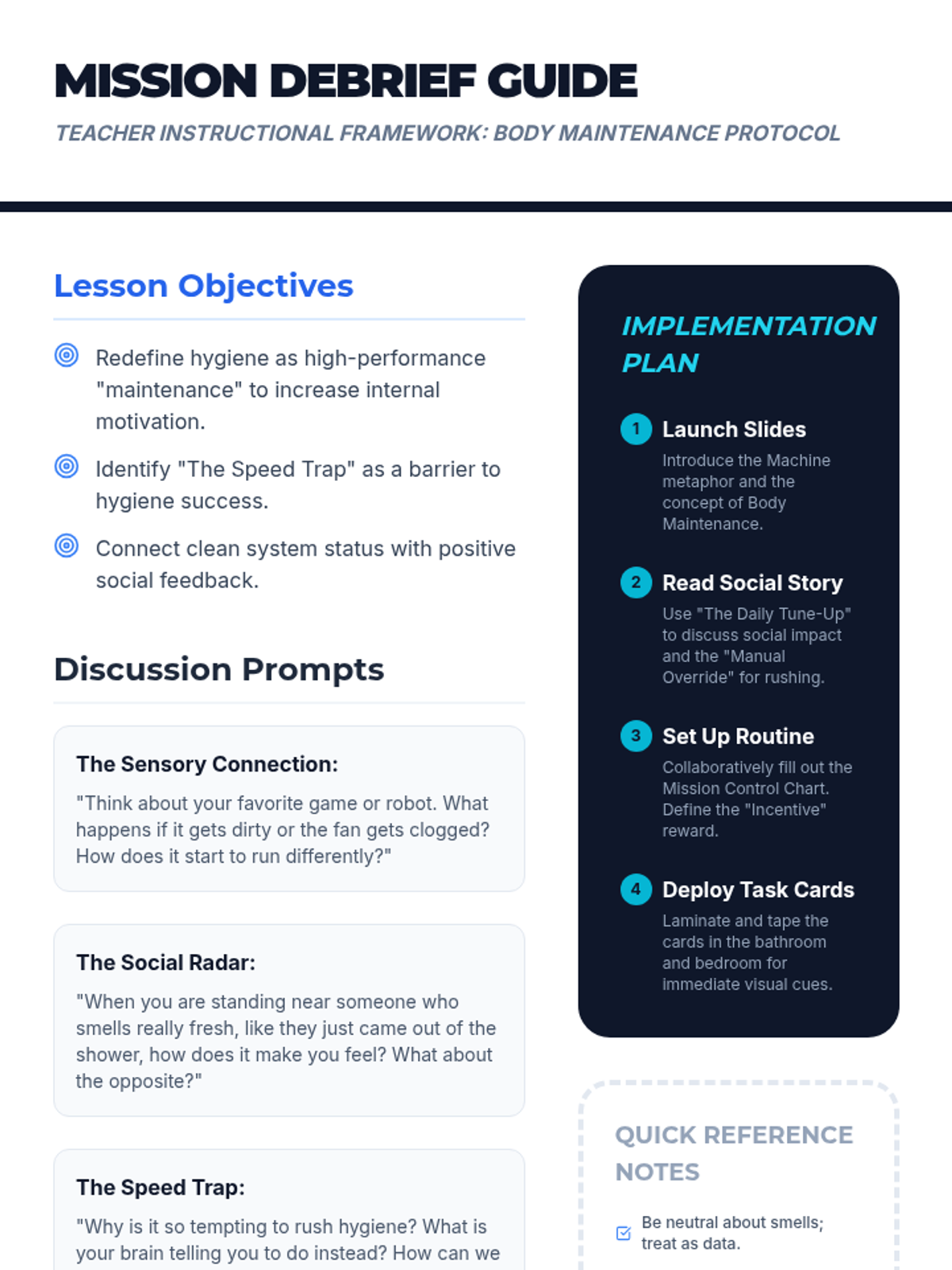
A comprehensive hygiene lesson for older children (ages 9-12) framed through a high-performance machine theme to address reluctance and impulsivity. Includes a visual schedule, social narrative, task cards, and teacher guidance.
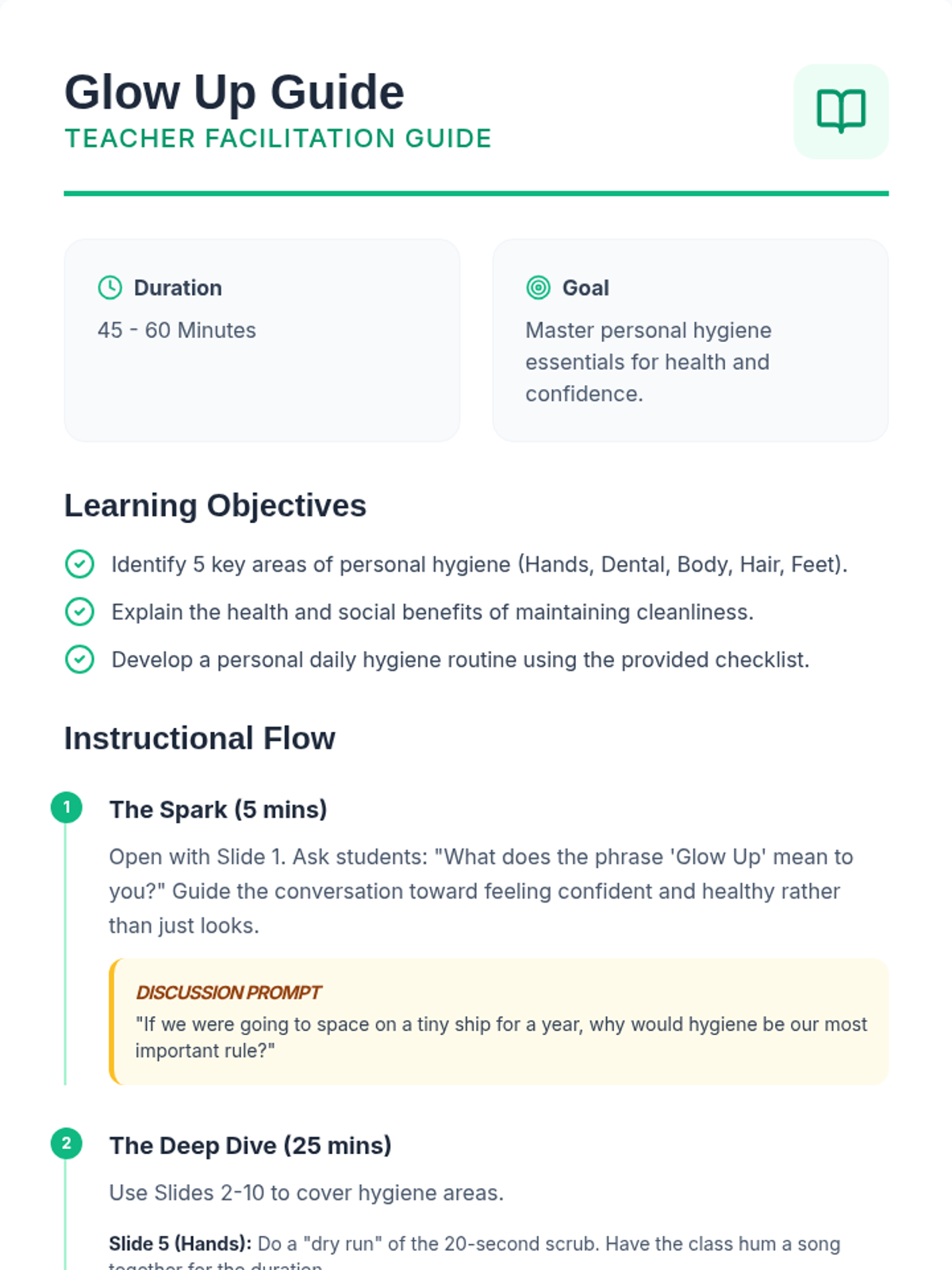
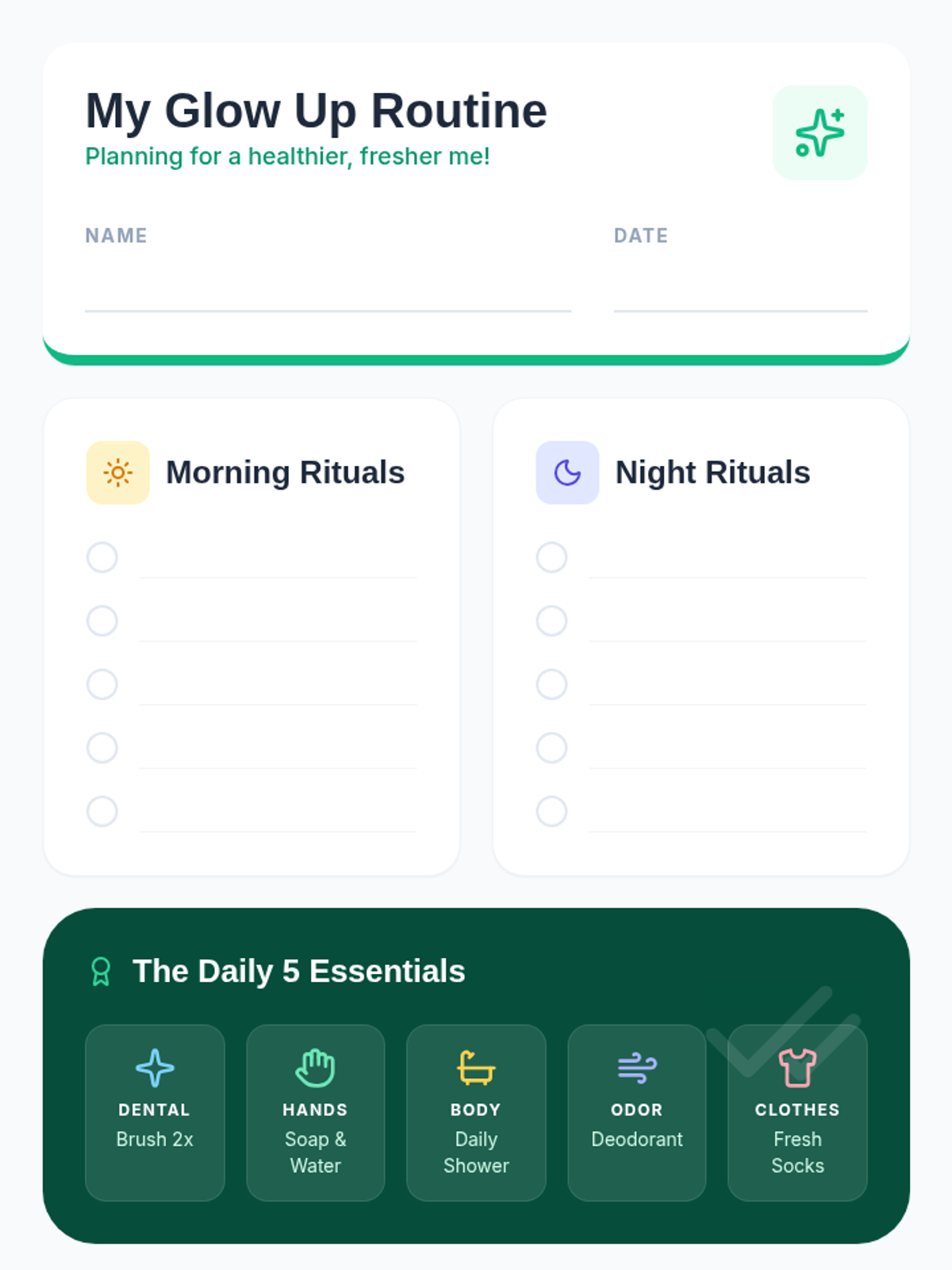
A comprehensive lesson covering the essentials of personal hygiene, focusing on the health and social benefits of maintaining a clean body. Students will learn practical skills for daily routines from head to toe.
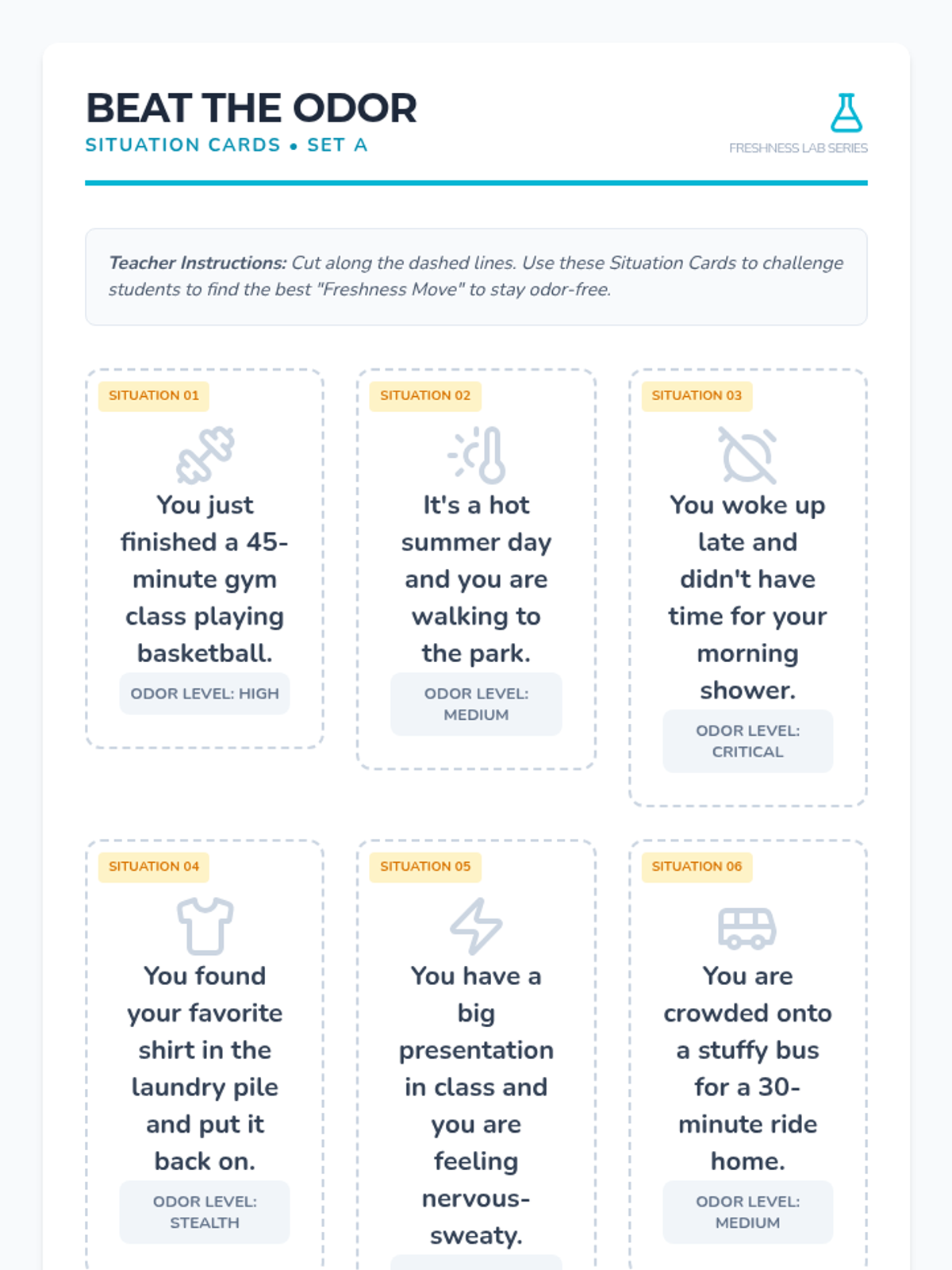
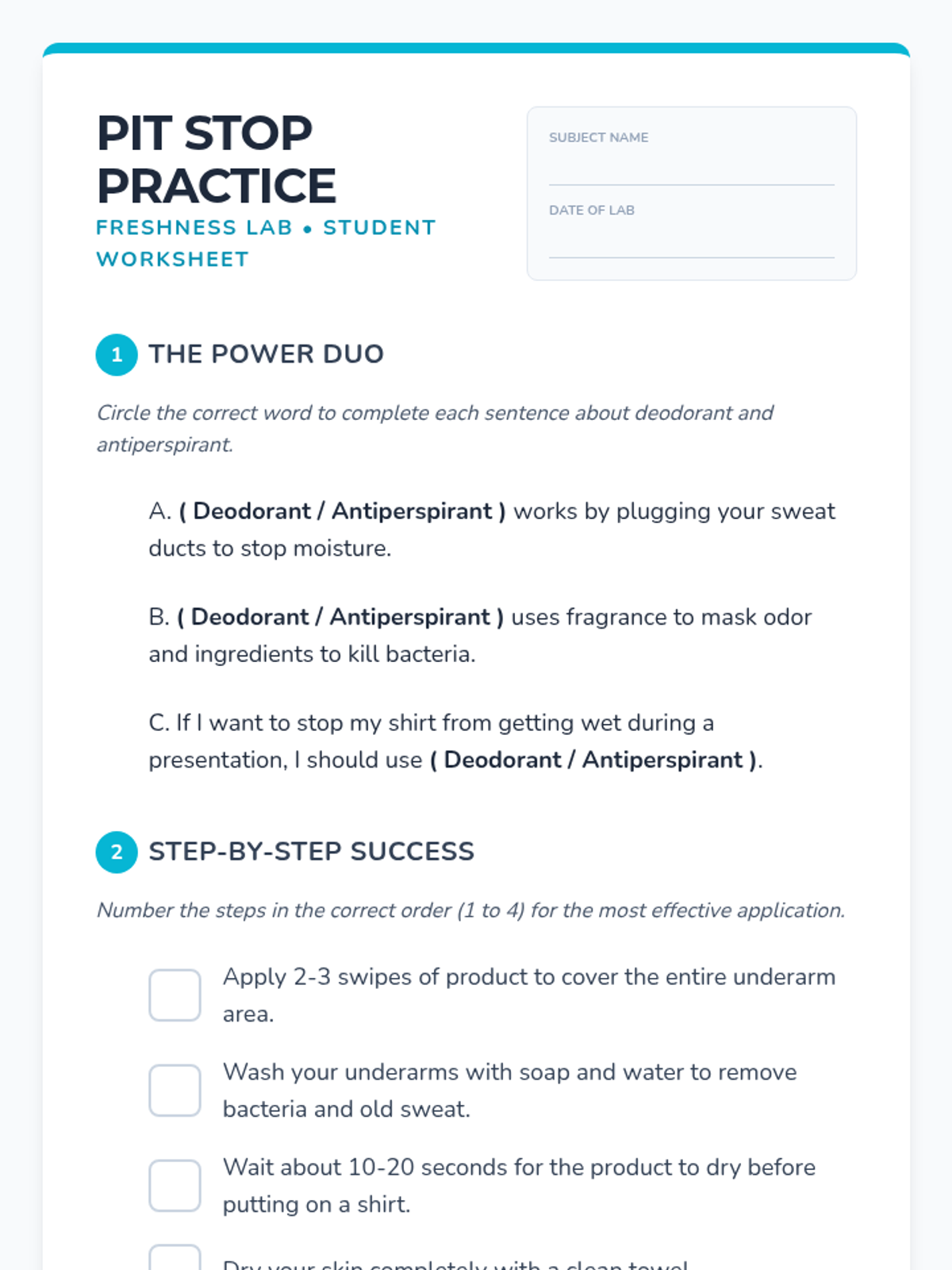
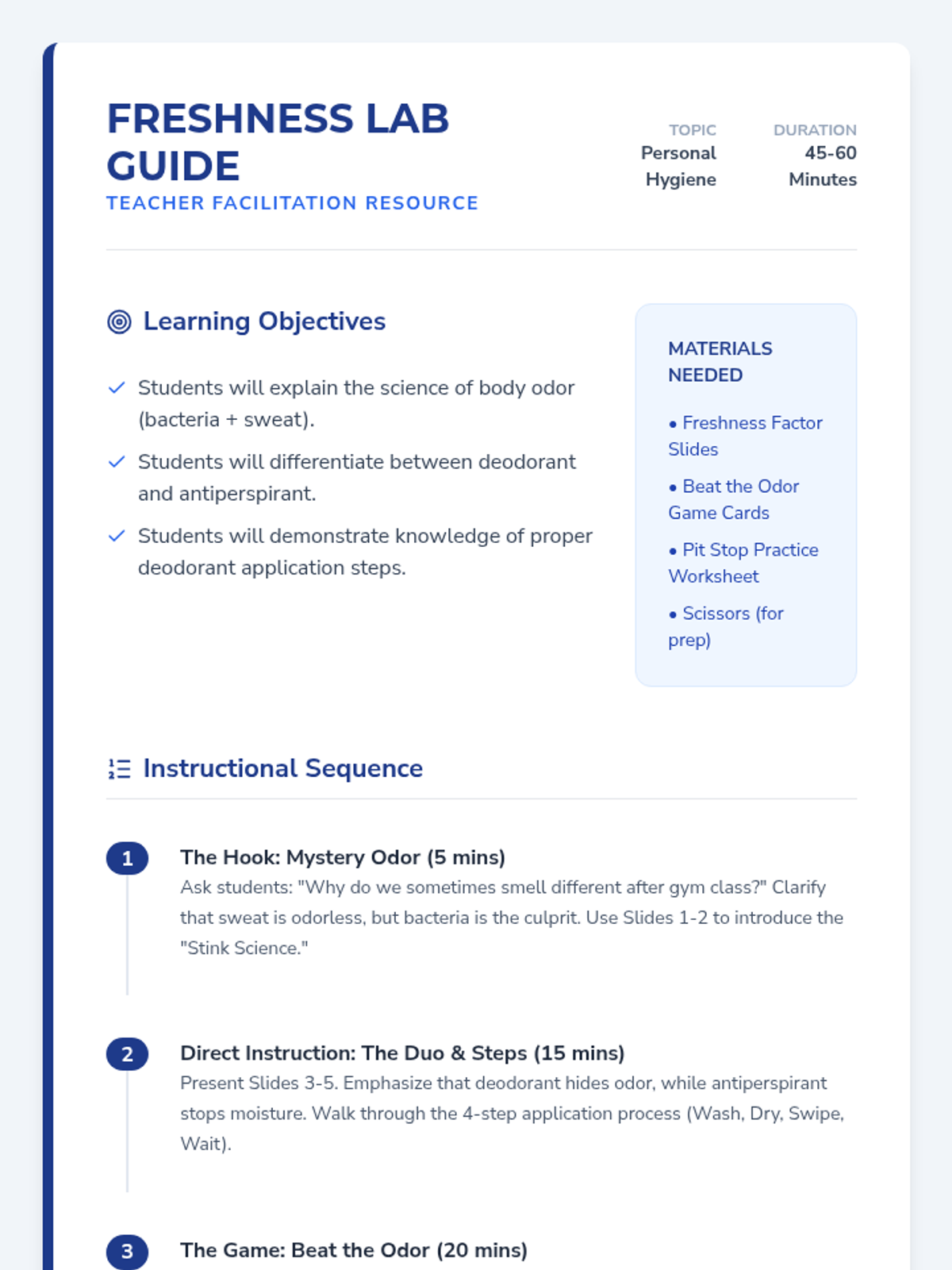
A fun and engaging lesson on personal hygiene, focusing specifically on understanding and correctly using deodorant and antiperspirant to manage body odor.
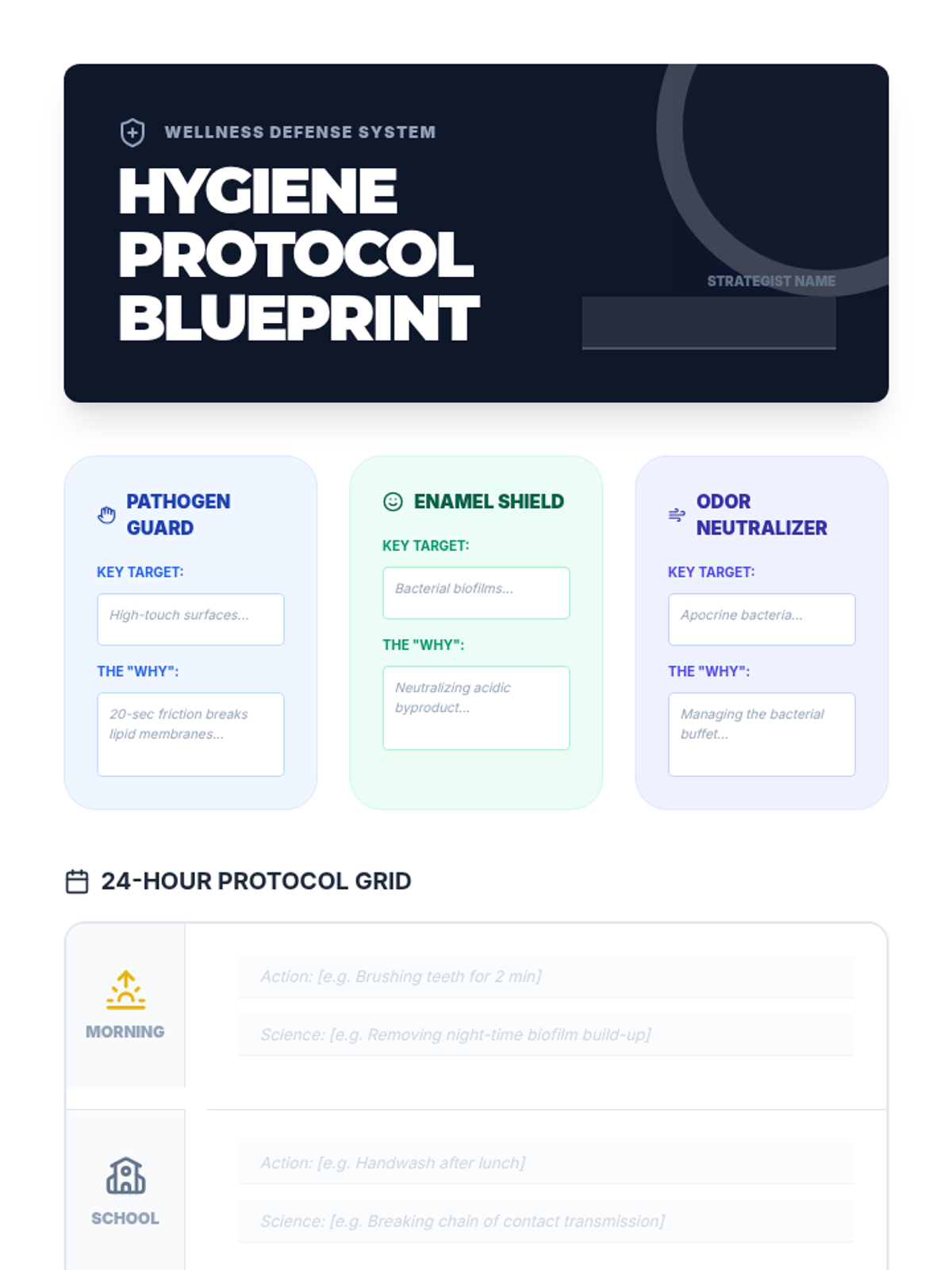
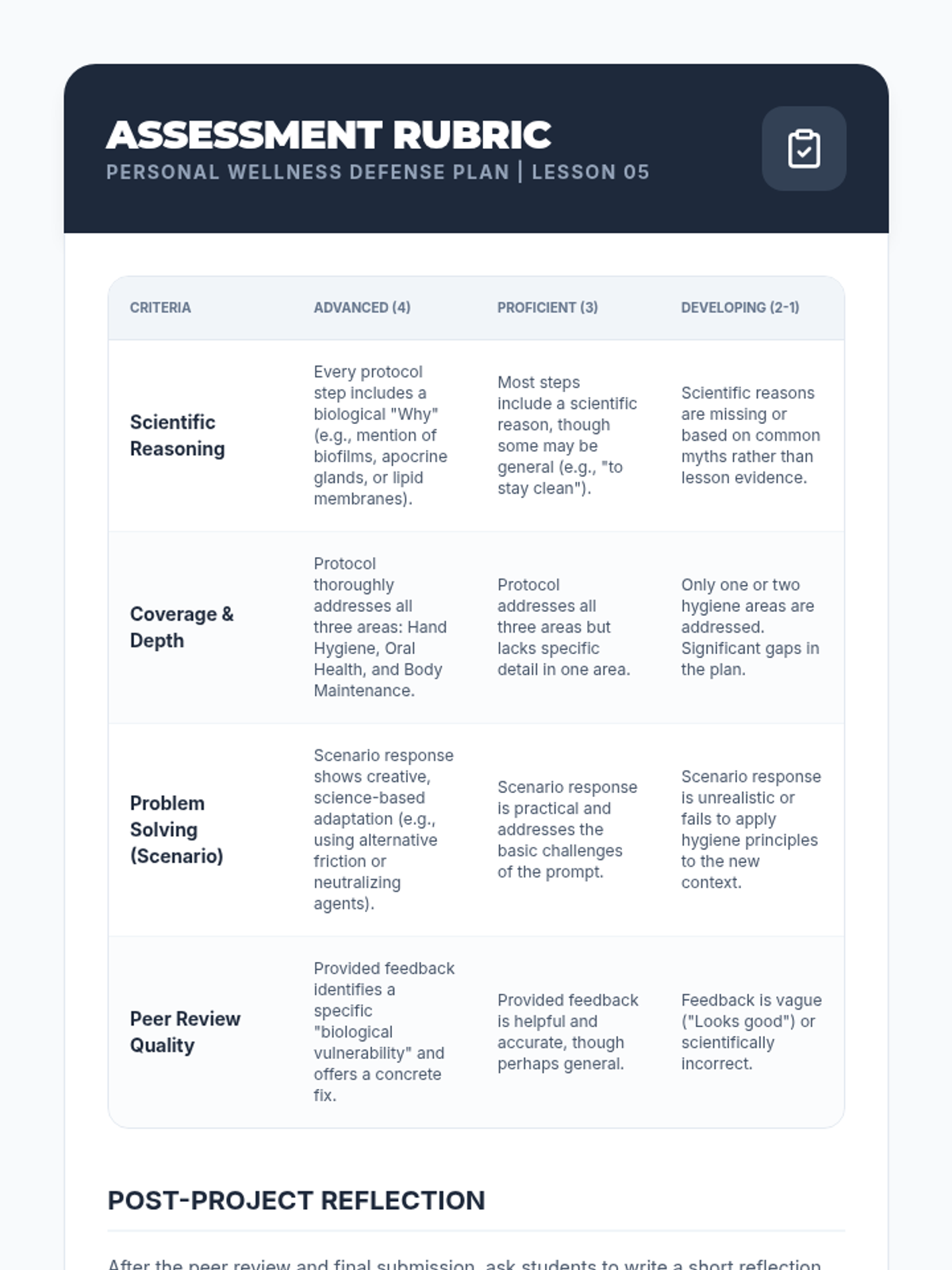
Students synthesize their learning to create a personalized hygiene protocol and peer-review defense plans for various real-world scenarios.
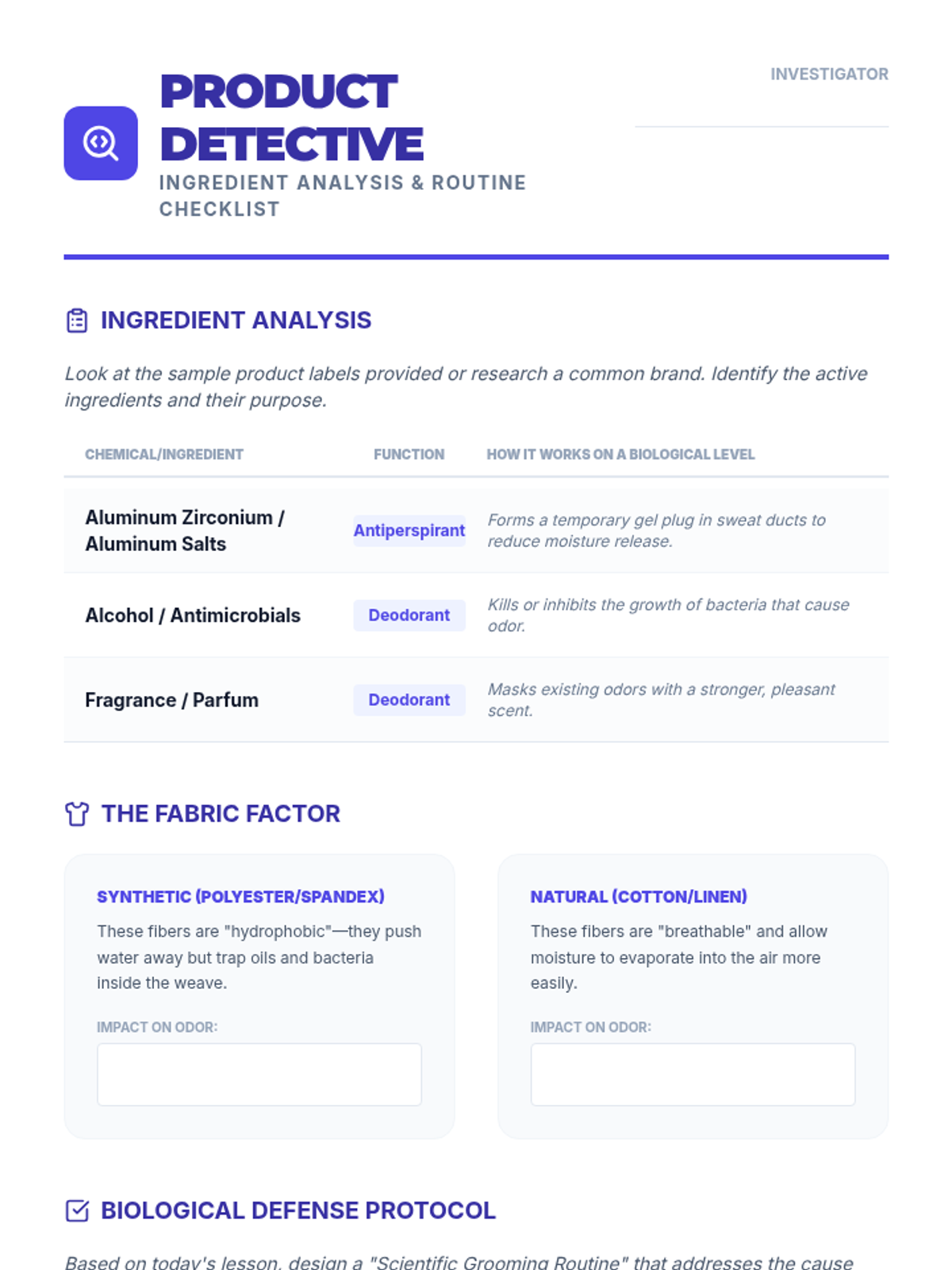
Students investigate the biological causes of body odor during puberty and analyze the ingredients of hygiene products to make informed personal care choices.
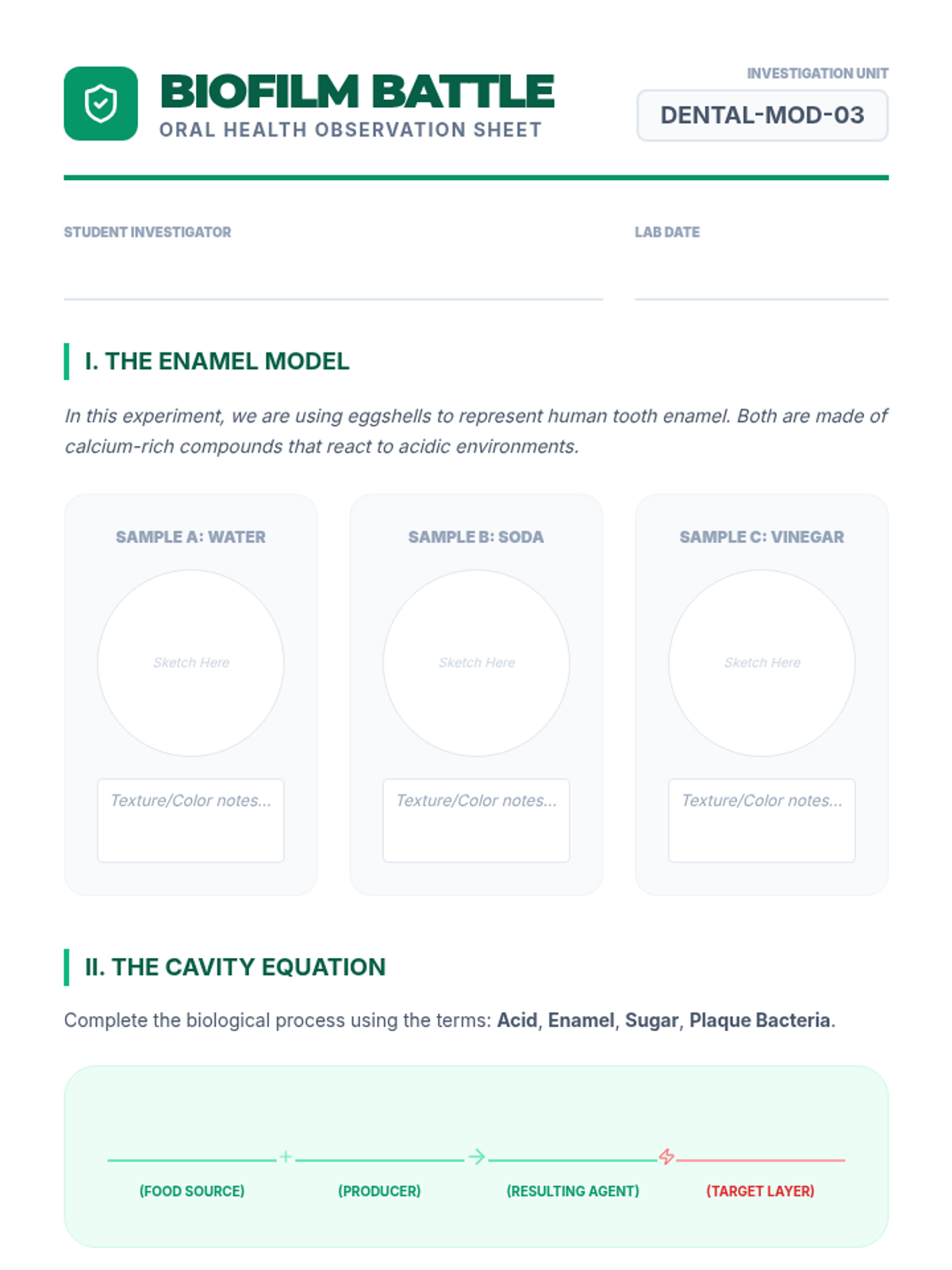
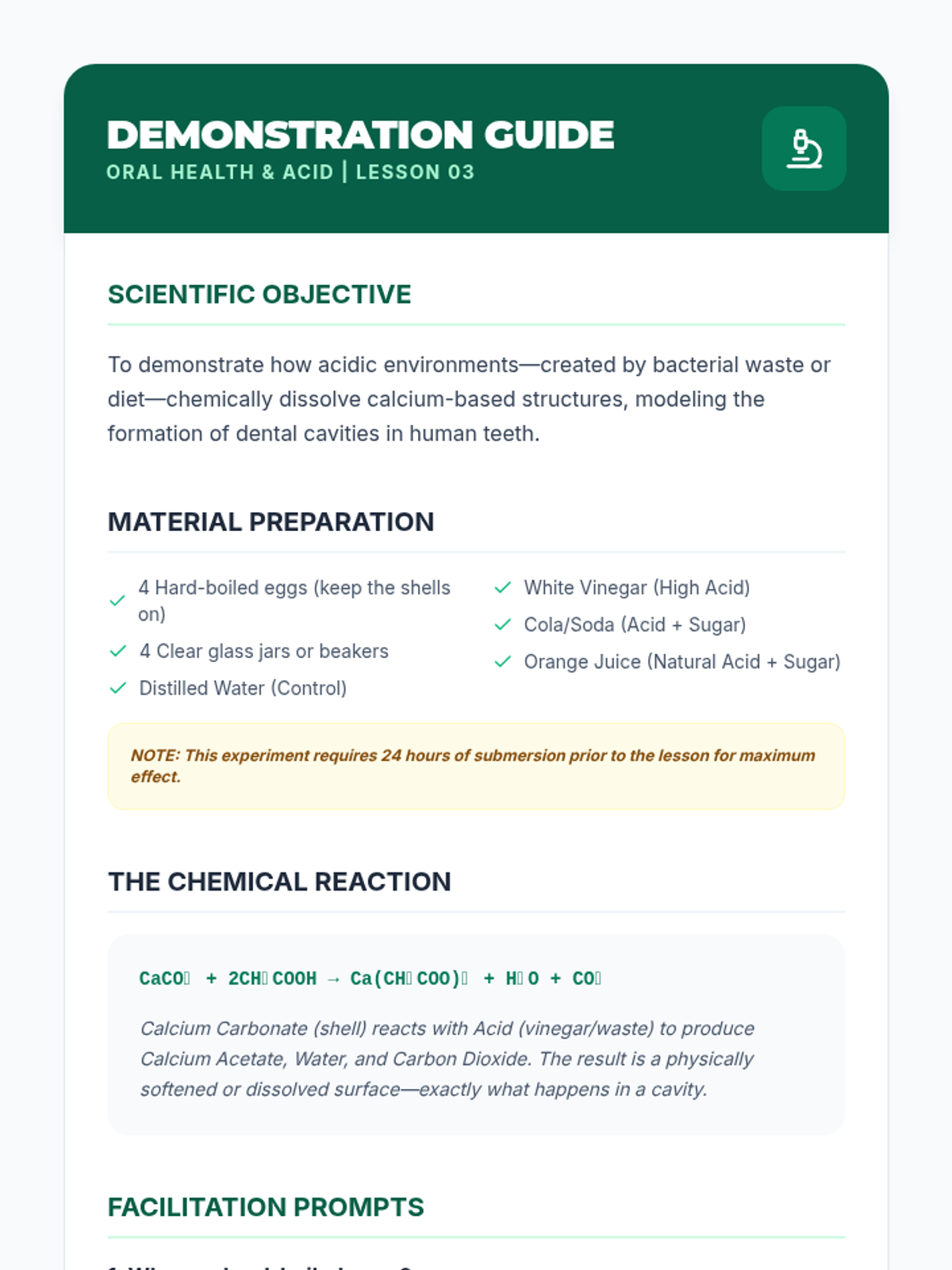
Students explore the chemistry of tooth decay by modeling enamel erosion with eggshells and discussing the role of bacterial biofilms in oral health.
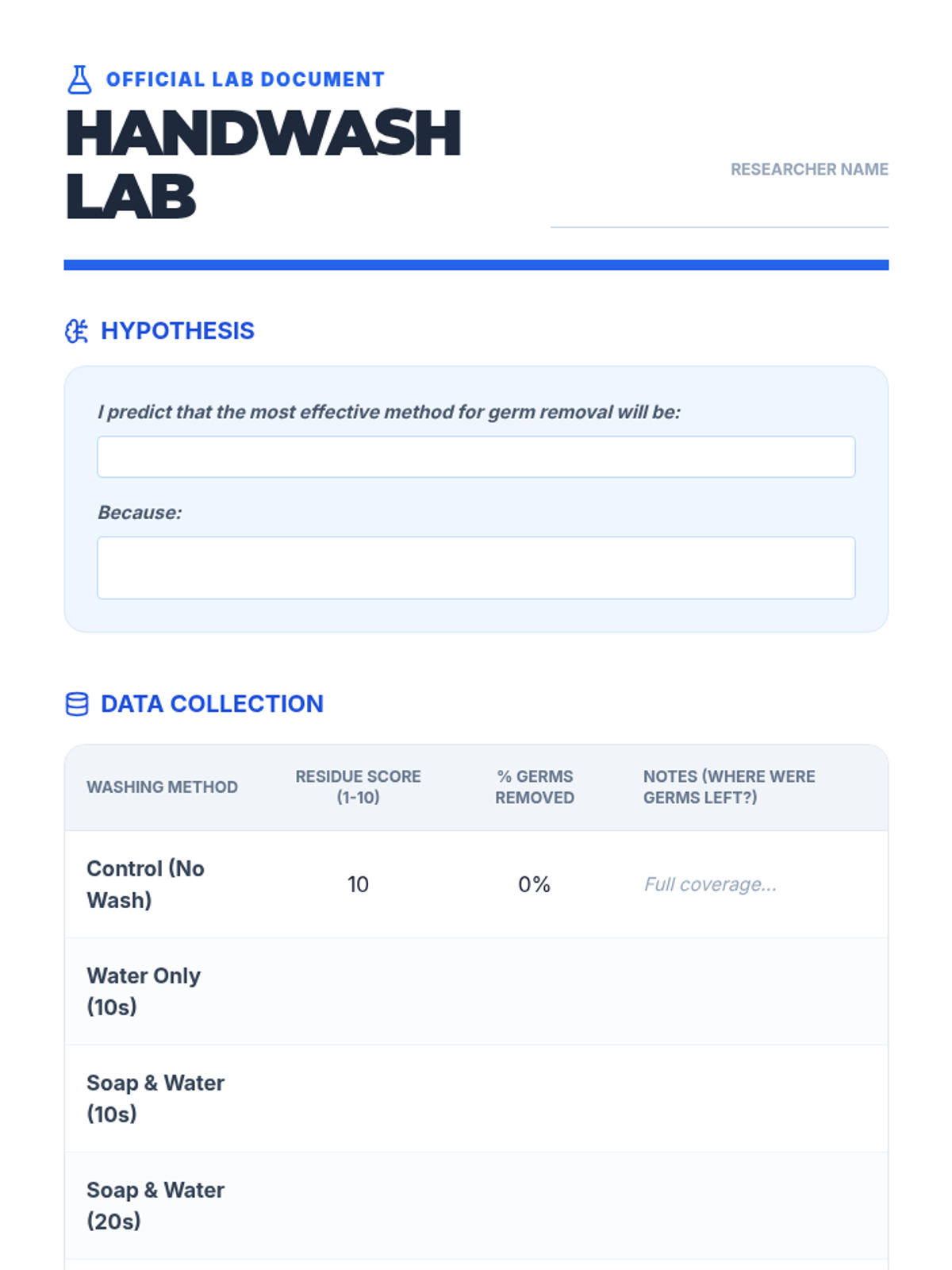
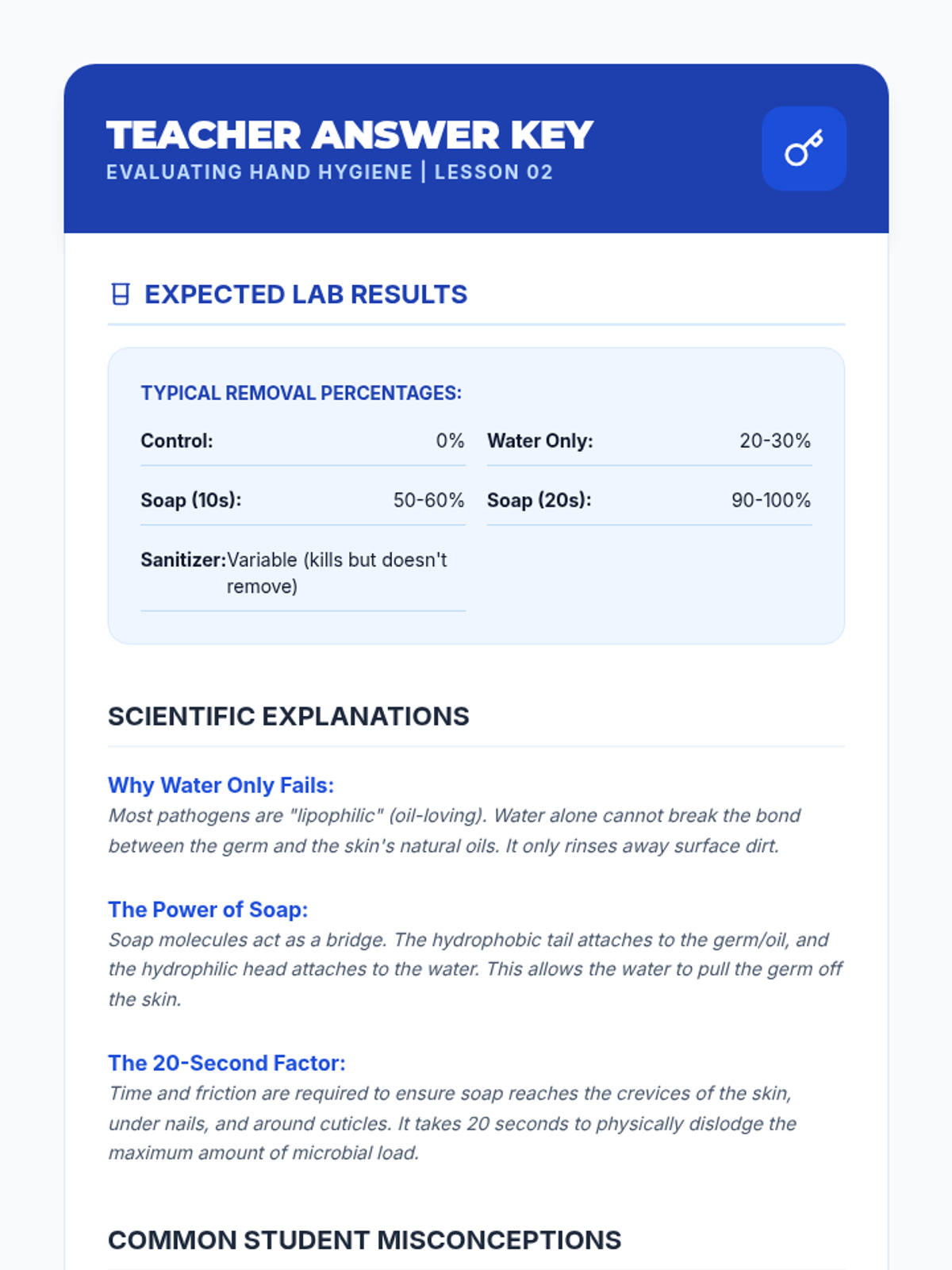
Students conduct a controlled experiment to compare the effectiveness of different handwashing techniques and agents in removing simulated pathogens.
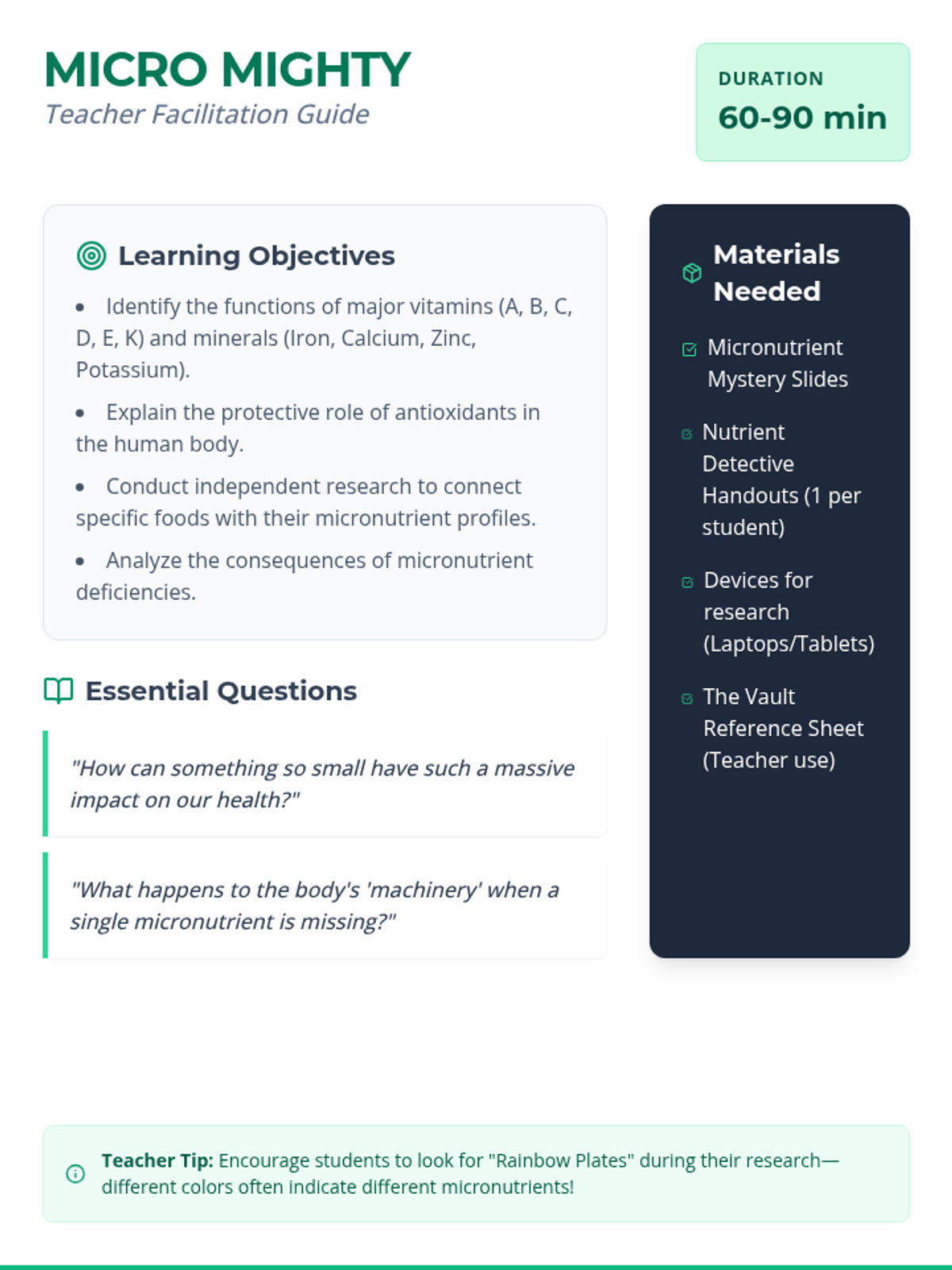
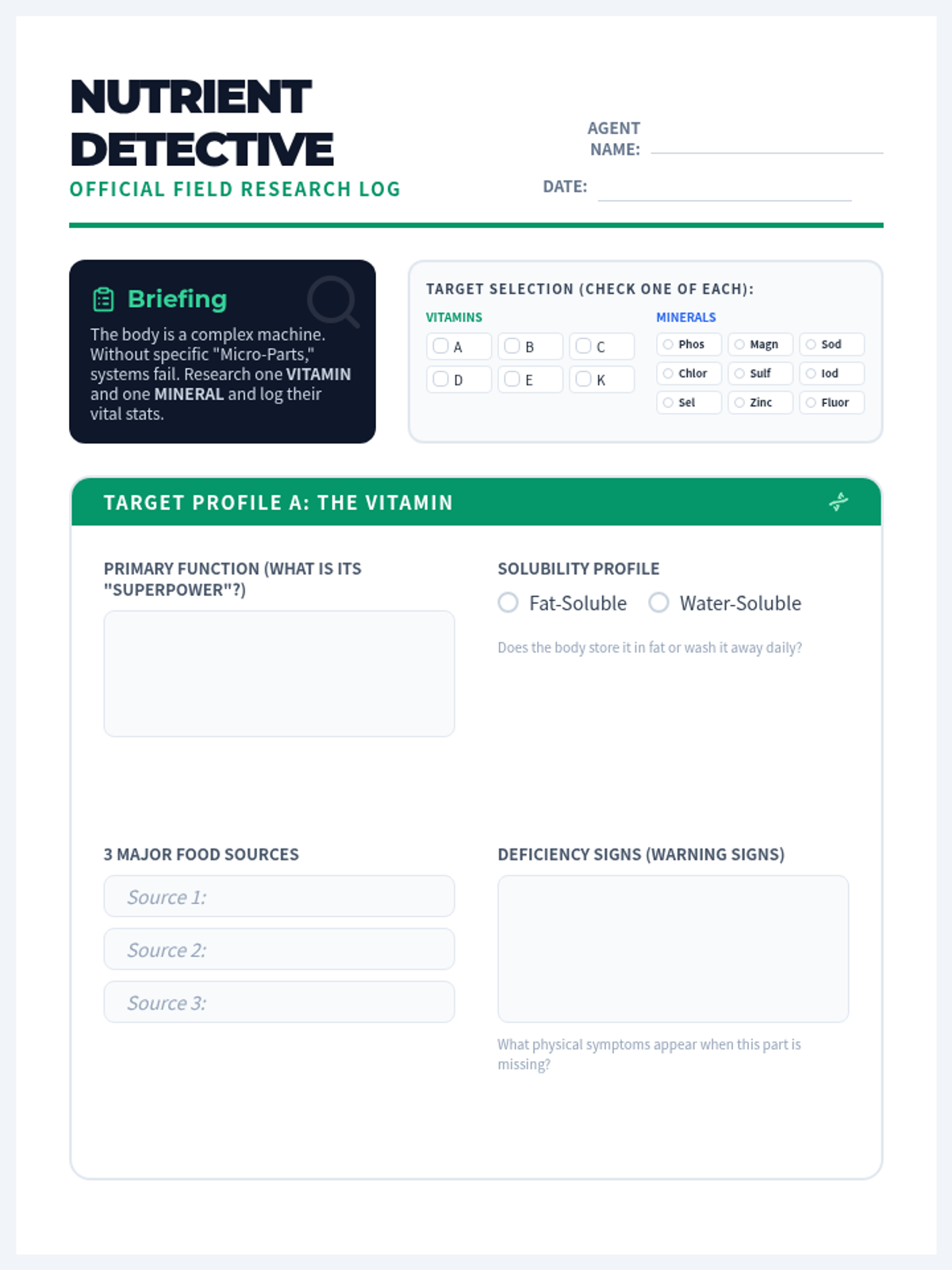
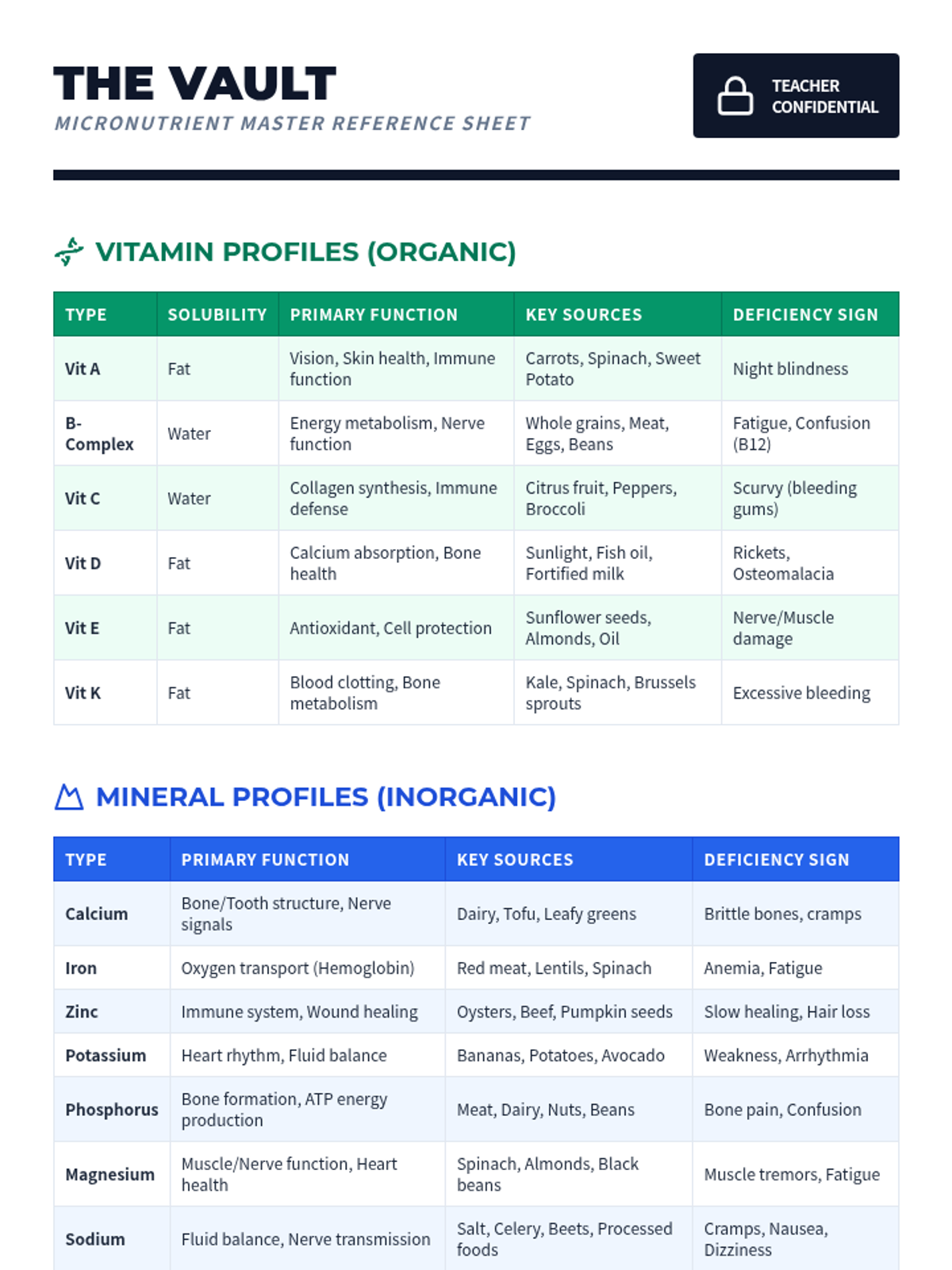
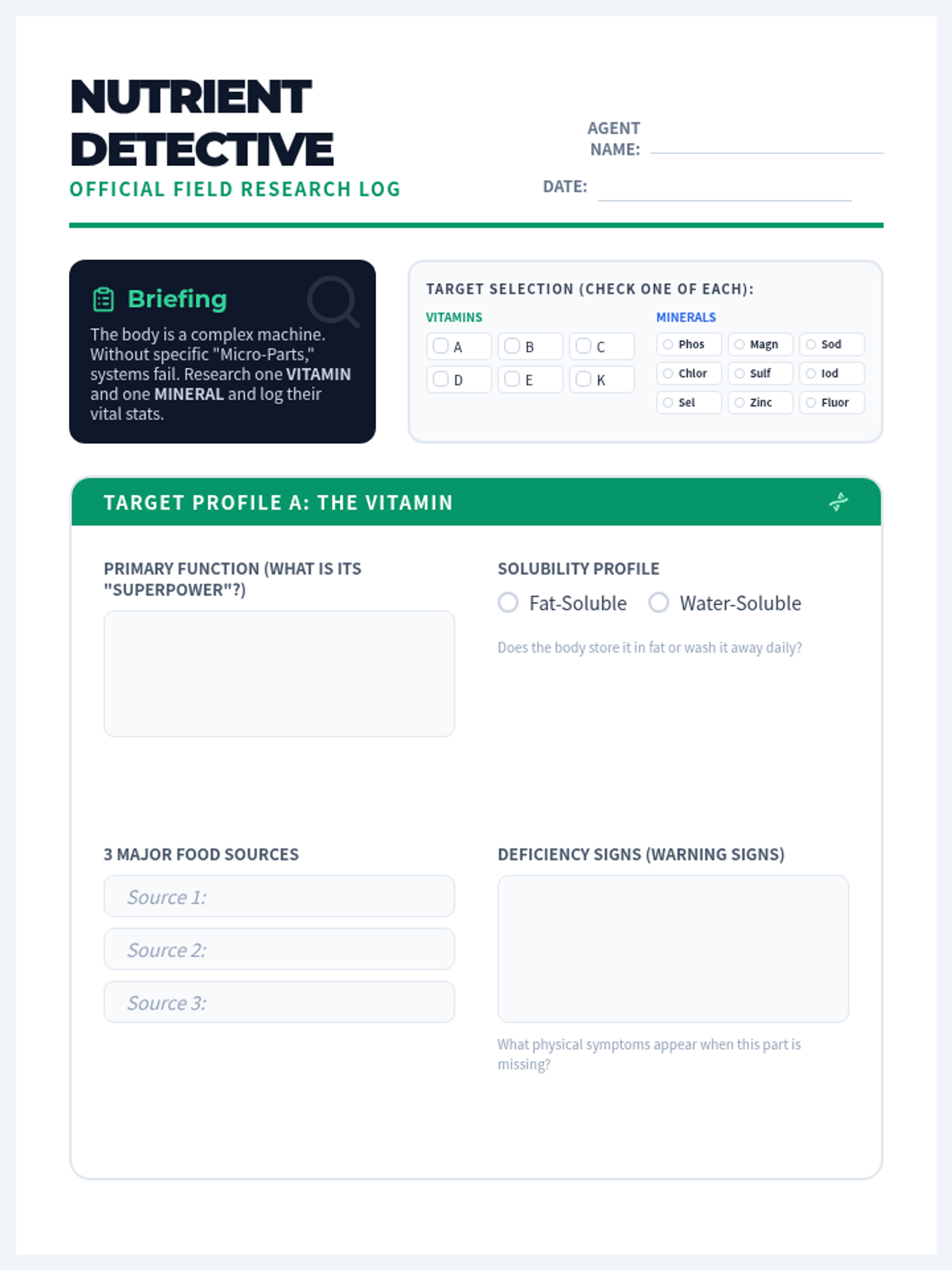
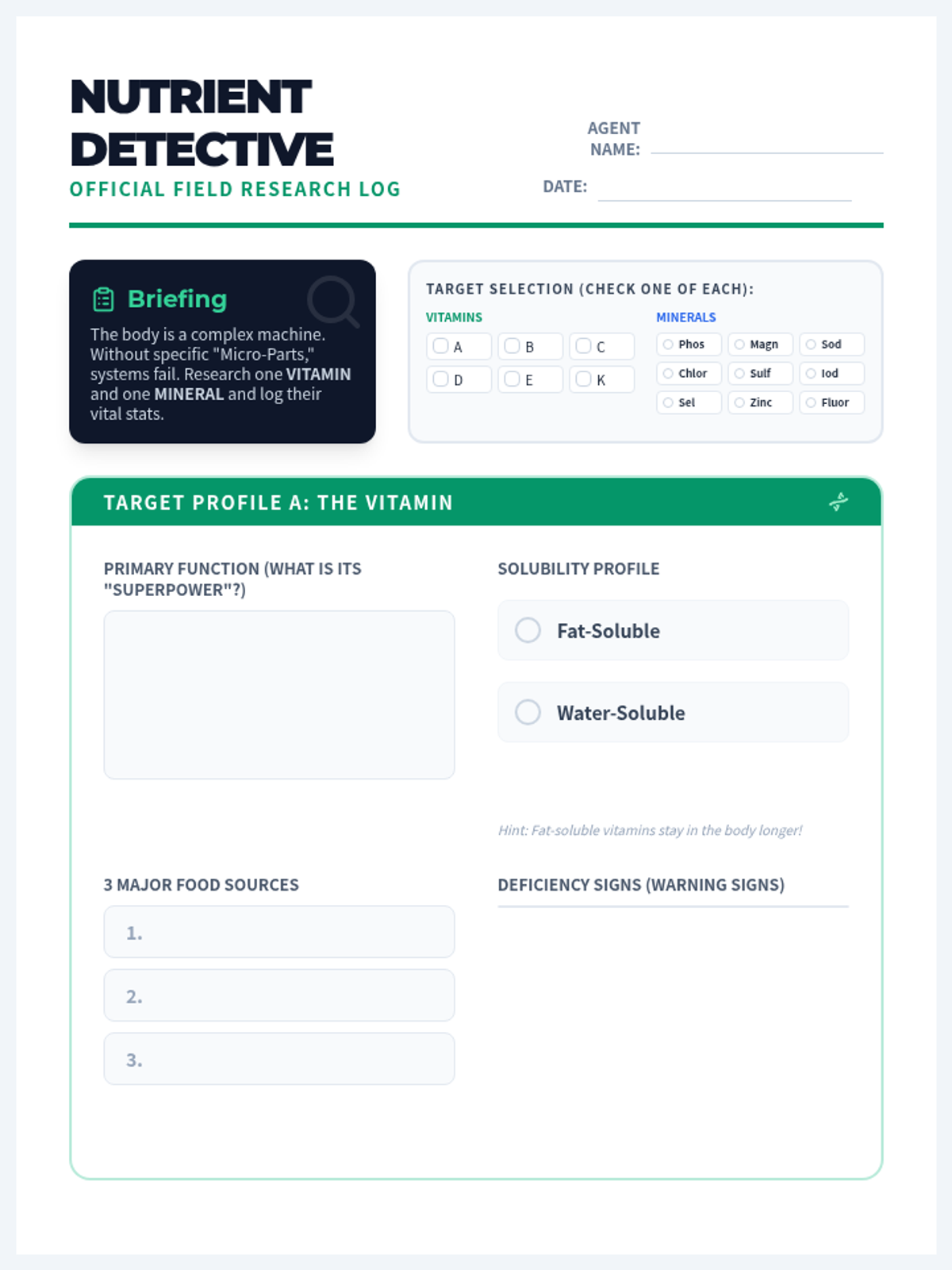
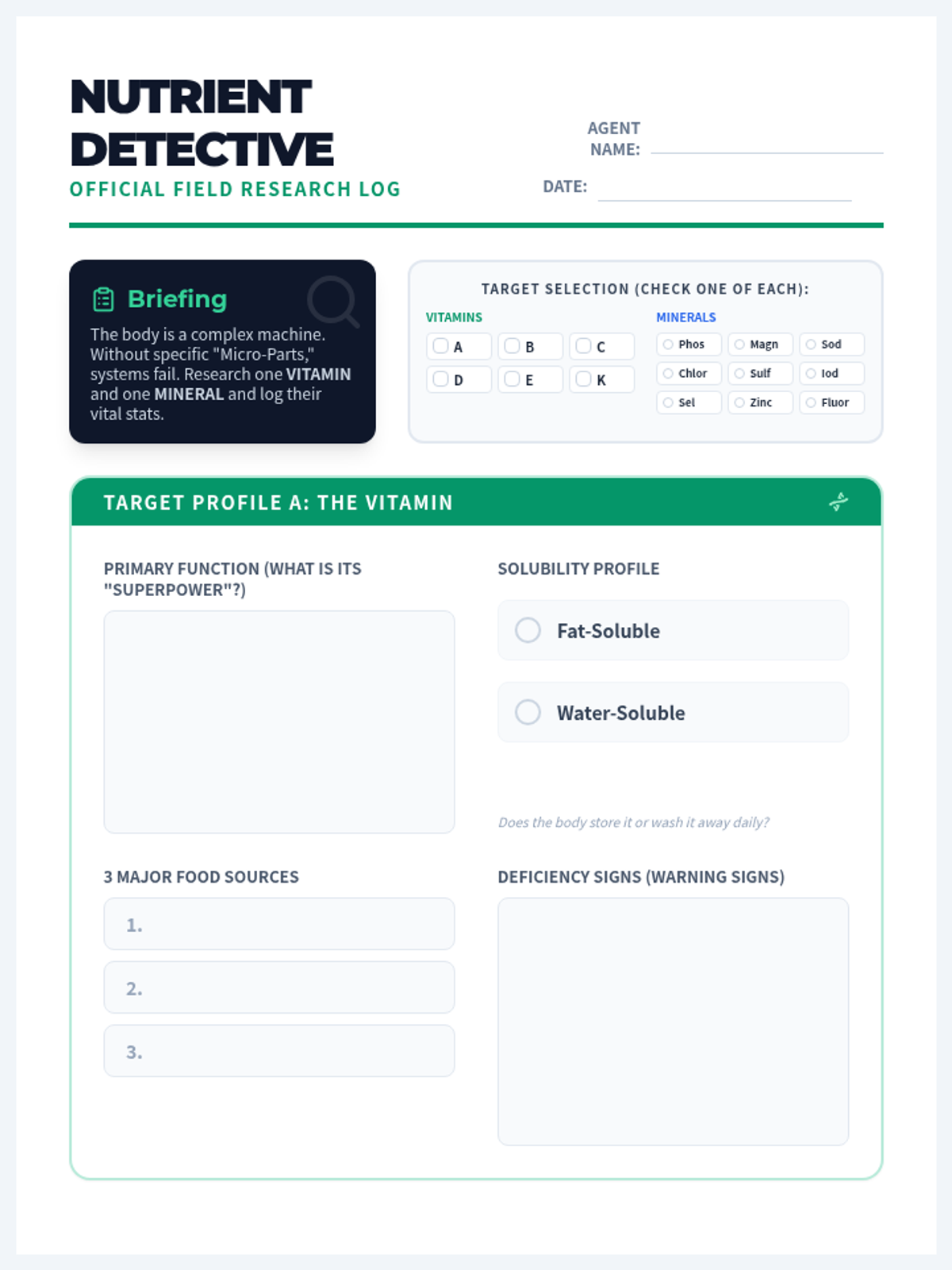
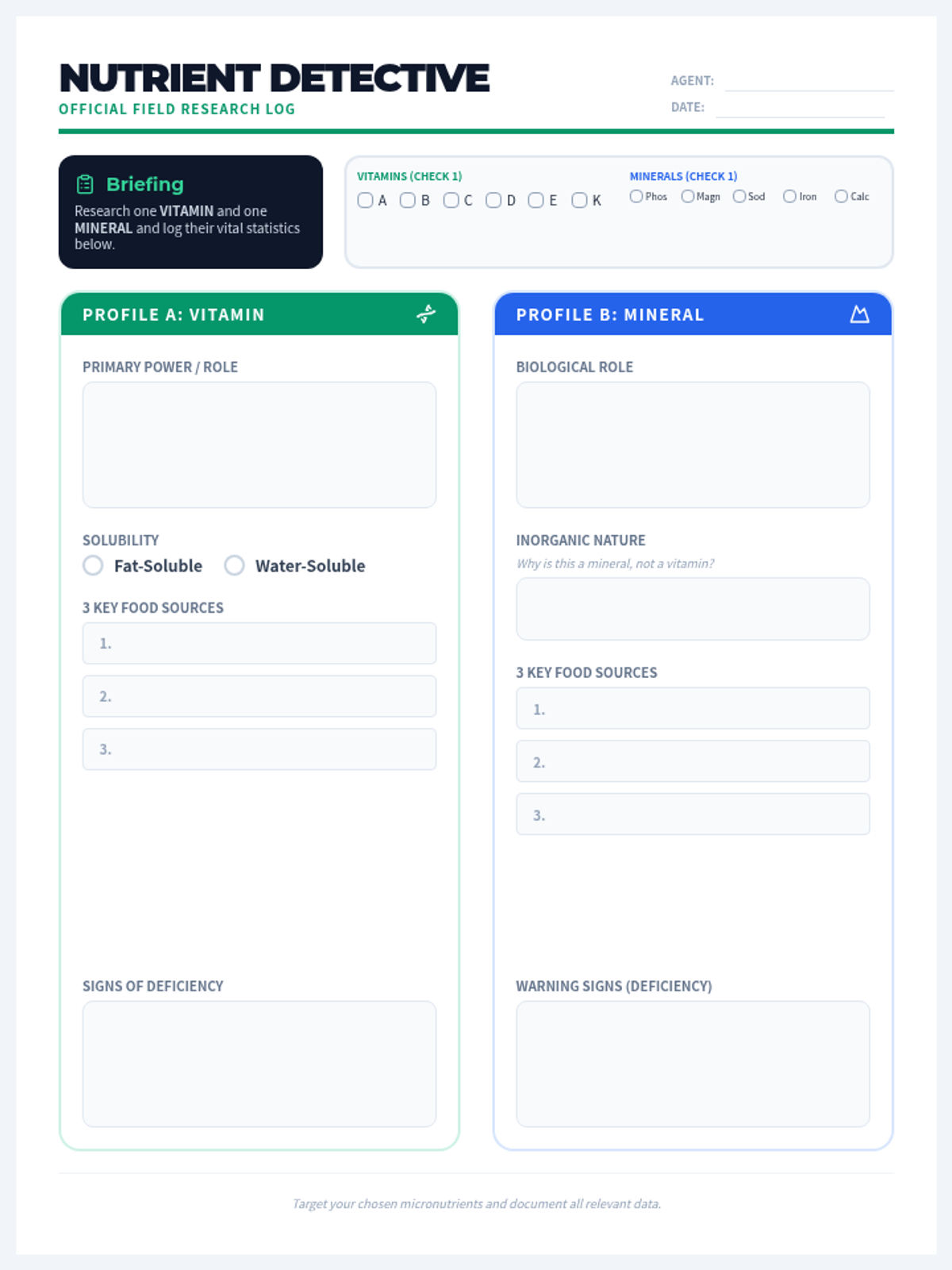
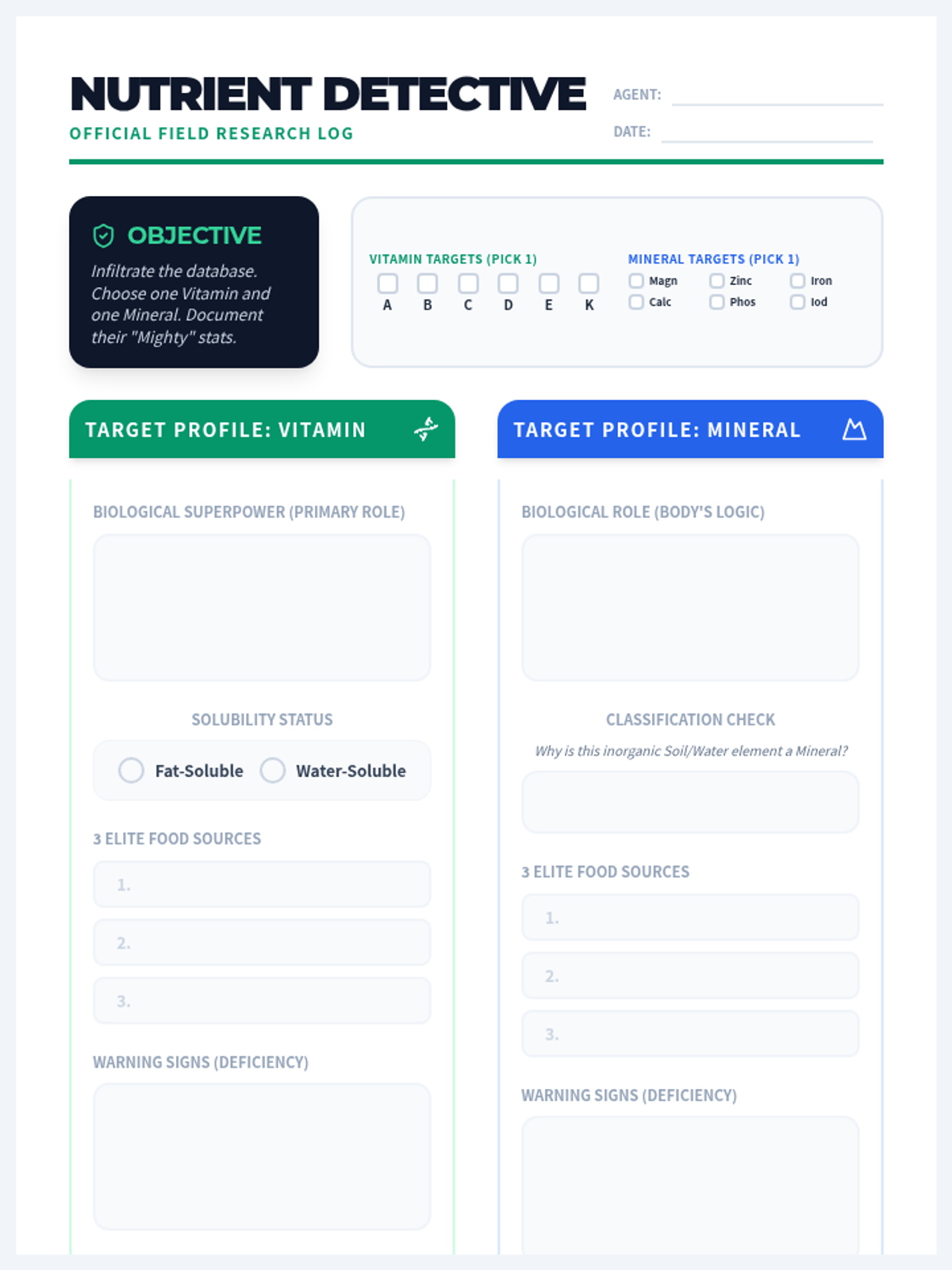
A comprehensive lesson exploring the essential roles of vitamins, minerals, and antioxidants in human health, featuring a guided research activity.
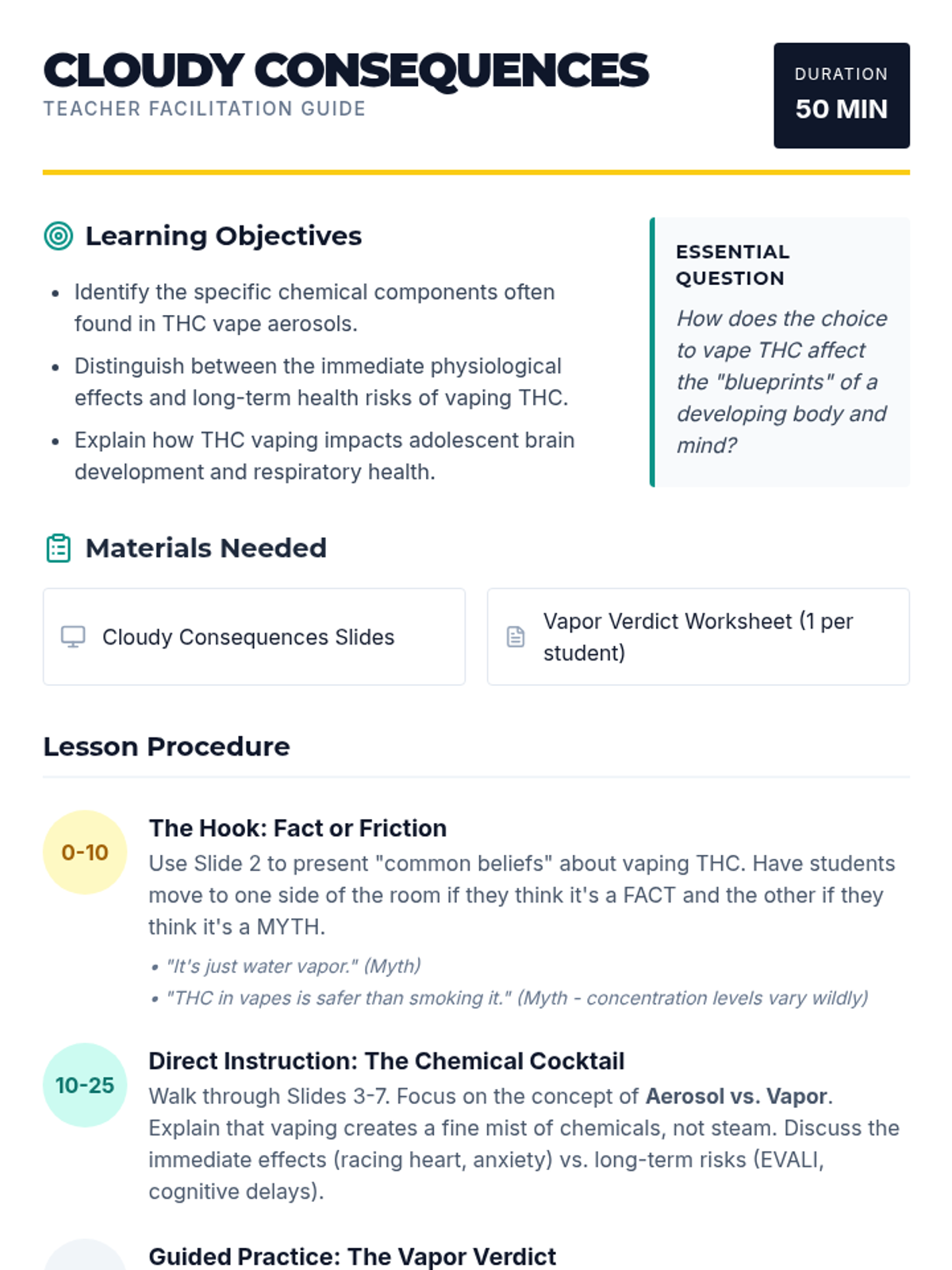
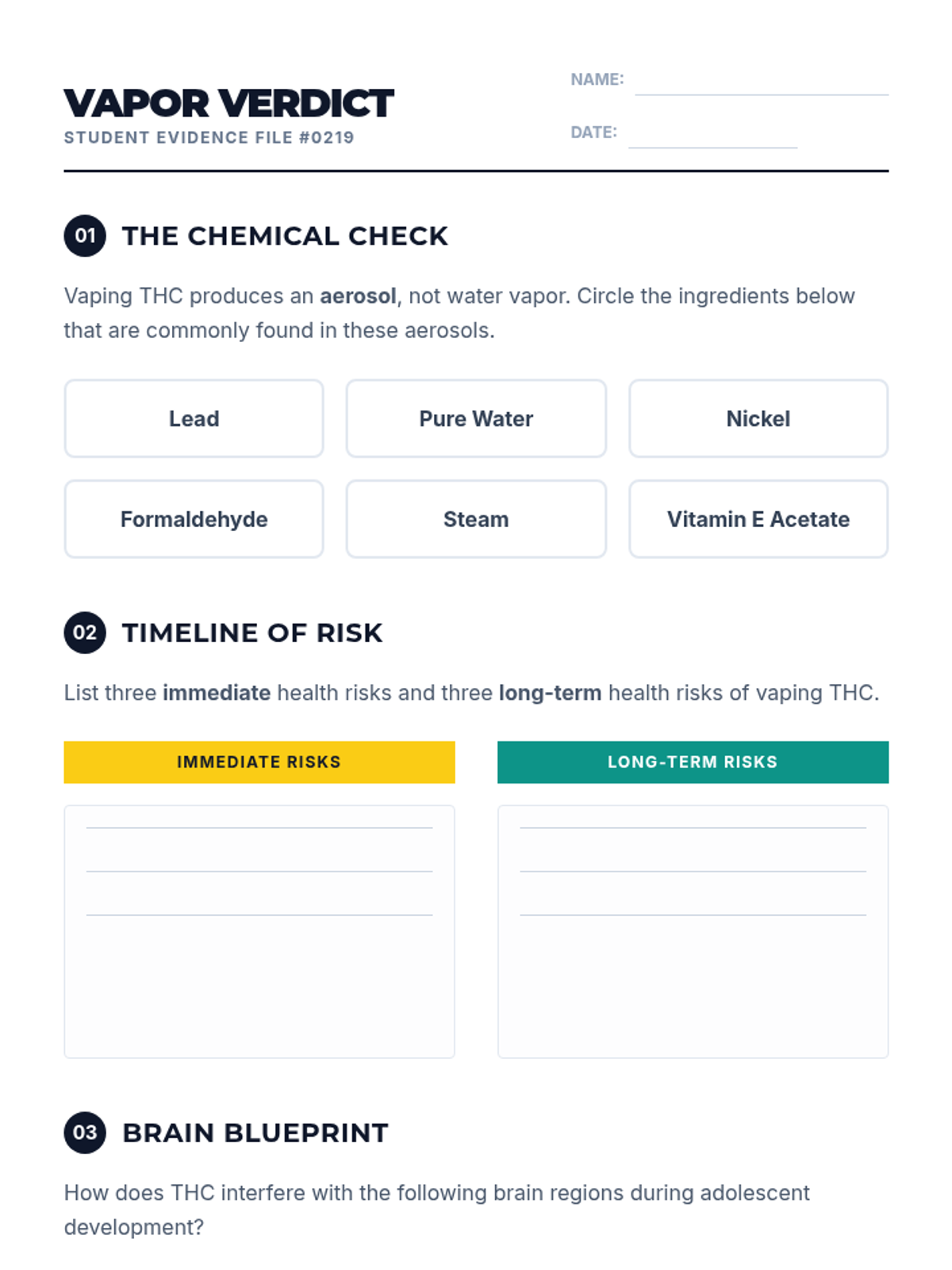
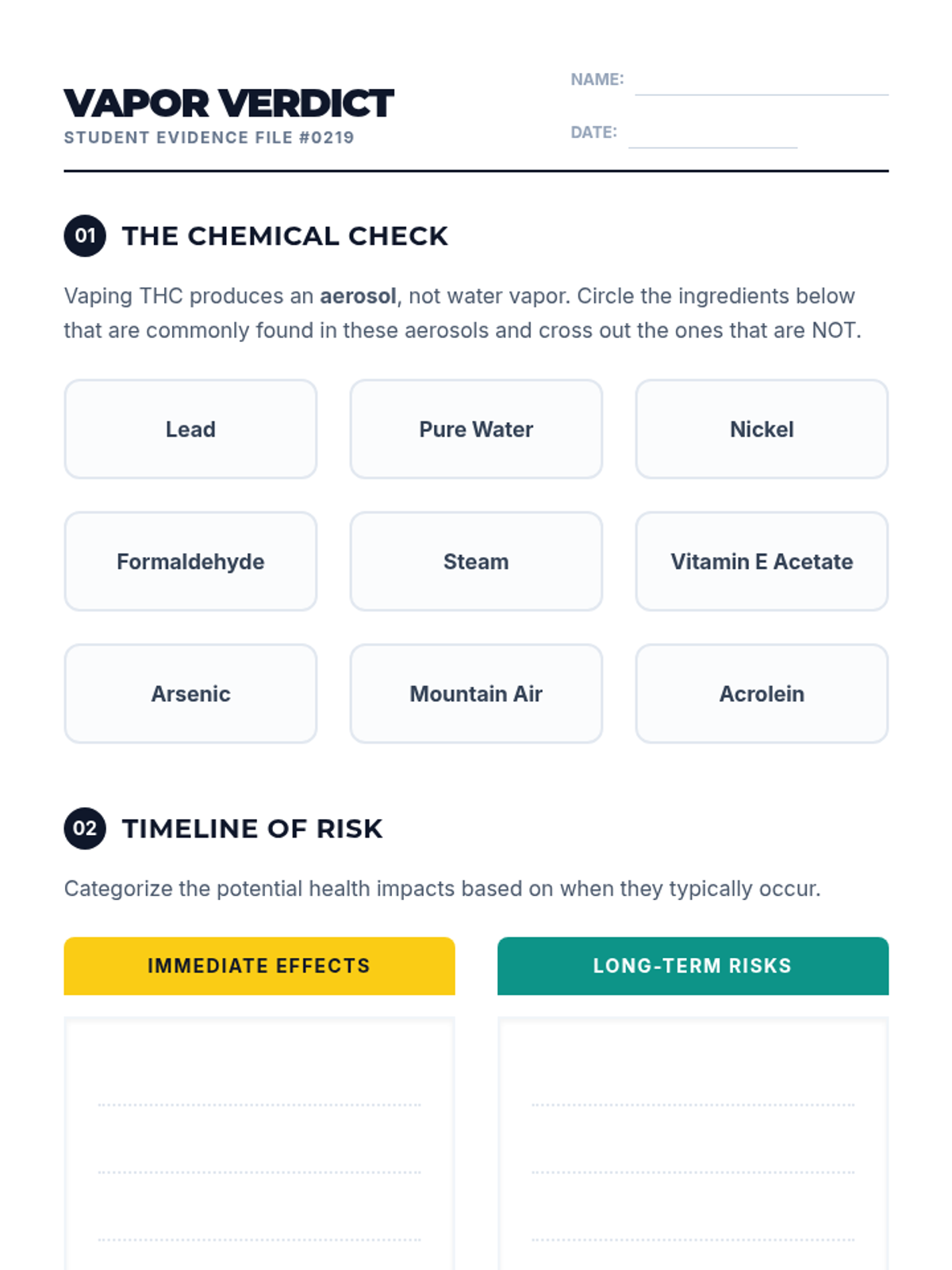
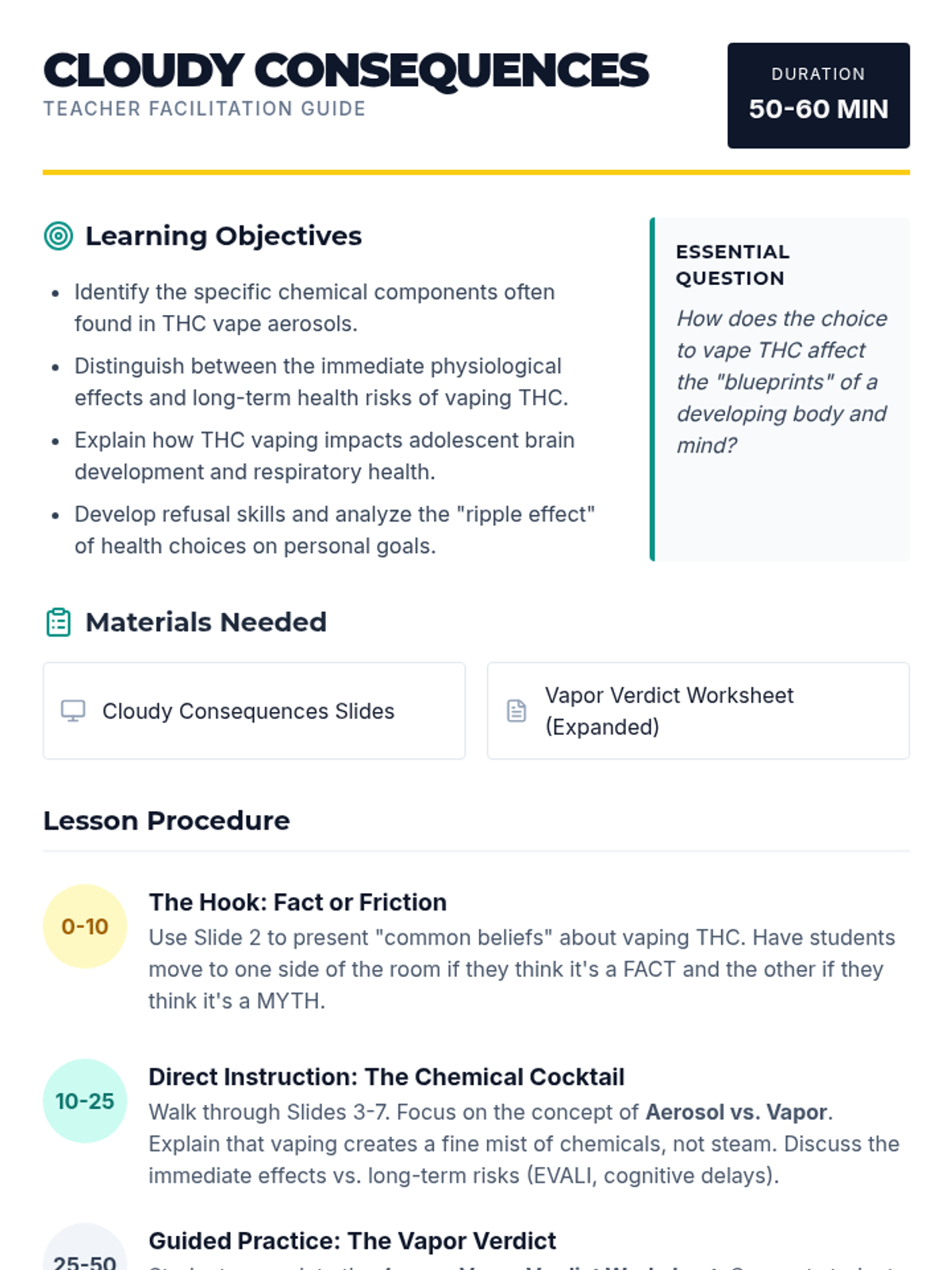
This lesson explores the immediate and long-term health risks associated with vaping THC, focusing on the physiological impact on the respiratory and nervous systems. Students will analyze the chemical components of vape aerosols and evaluate the potential consequences for their health and future.