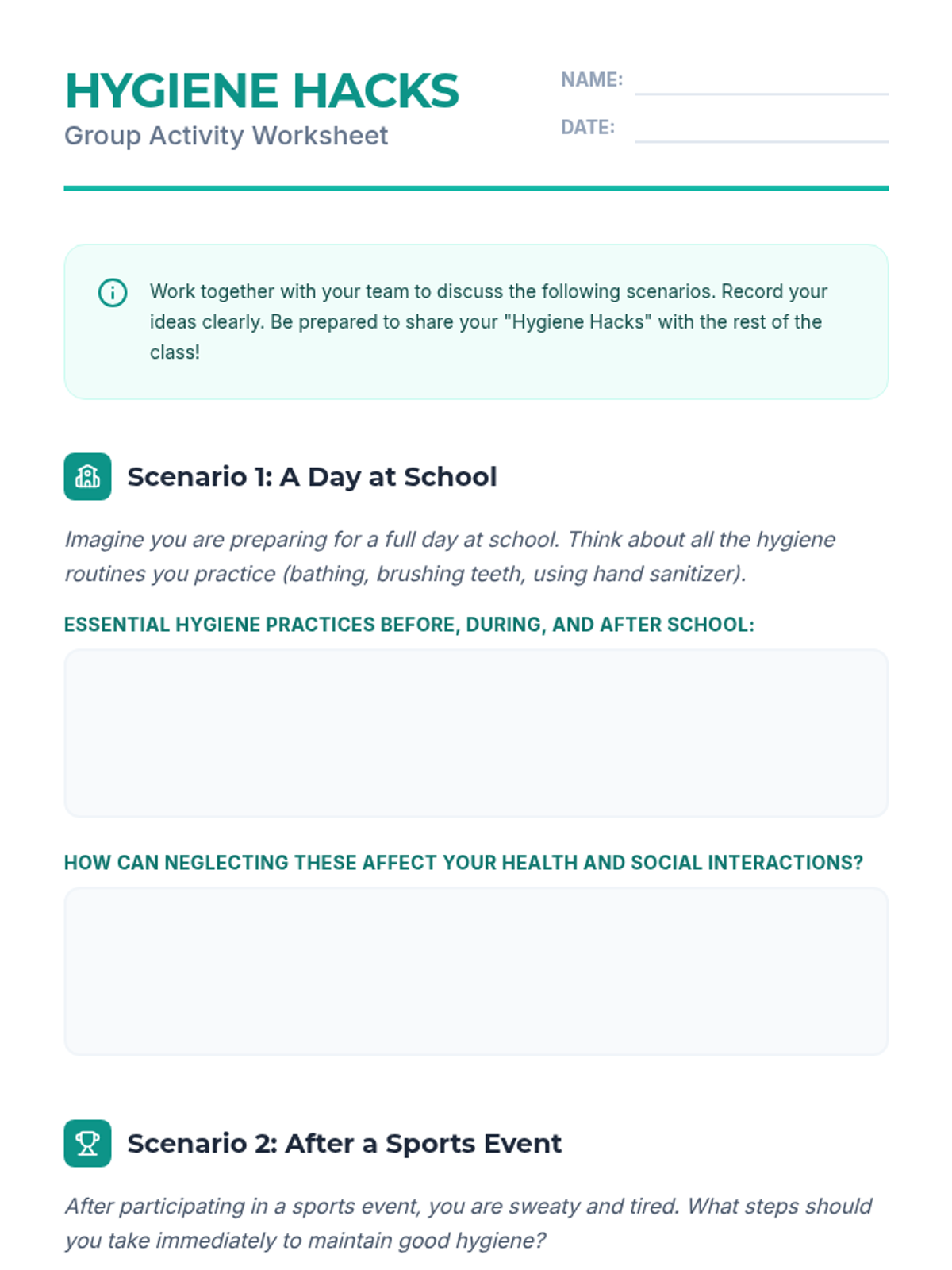
Daily hygiene, hydration, and sleep routines paired with strategies for disease and injury prevention. Builds skills in health decision-making, body awareness, and self-advocacy to support lifelong well-being.
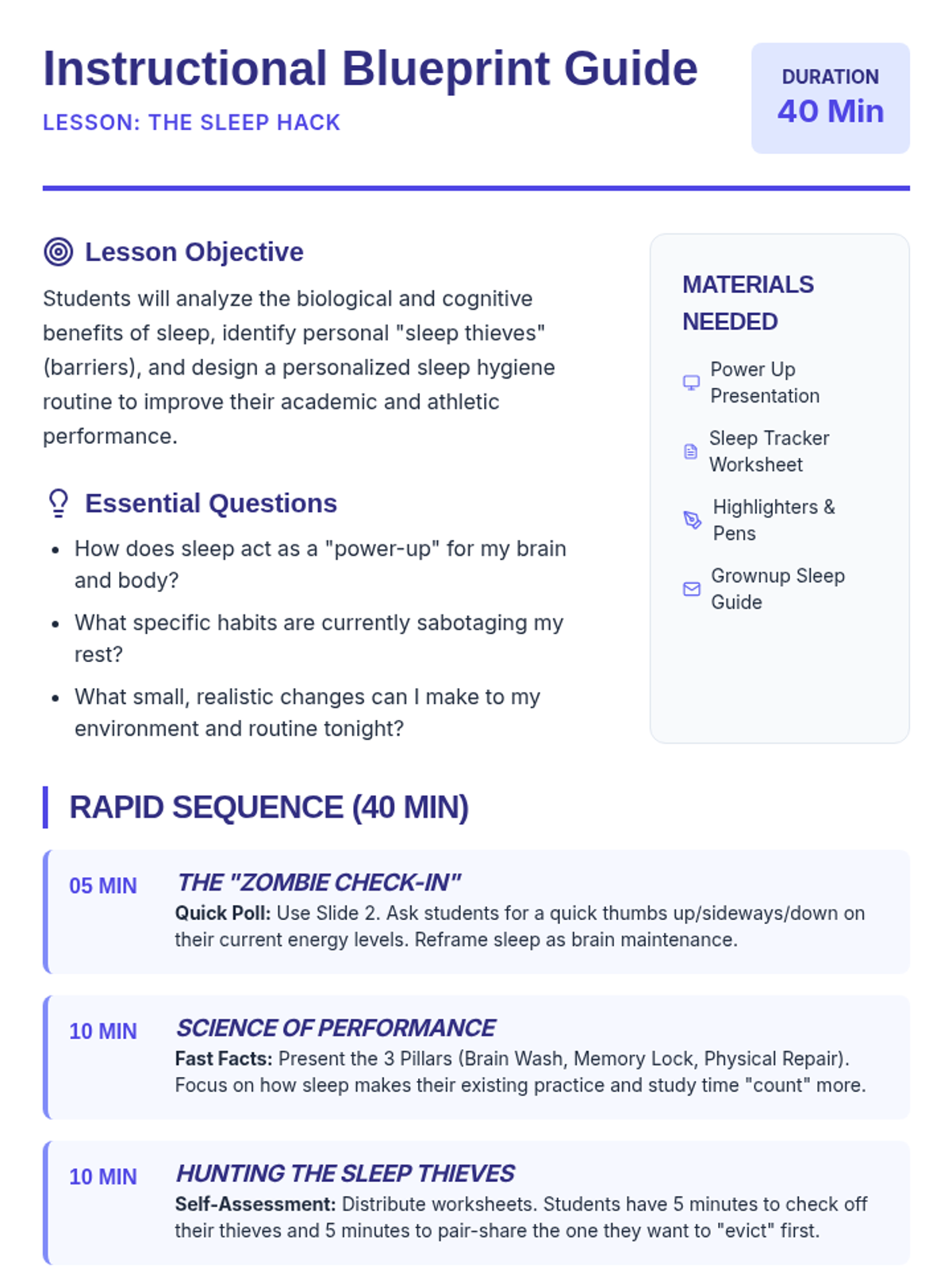
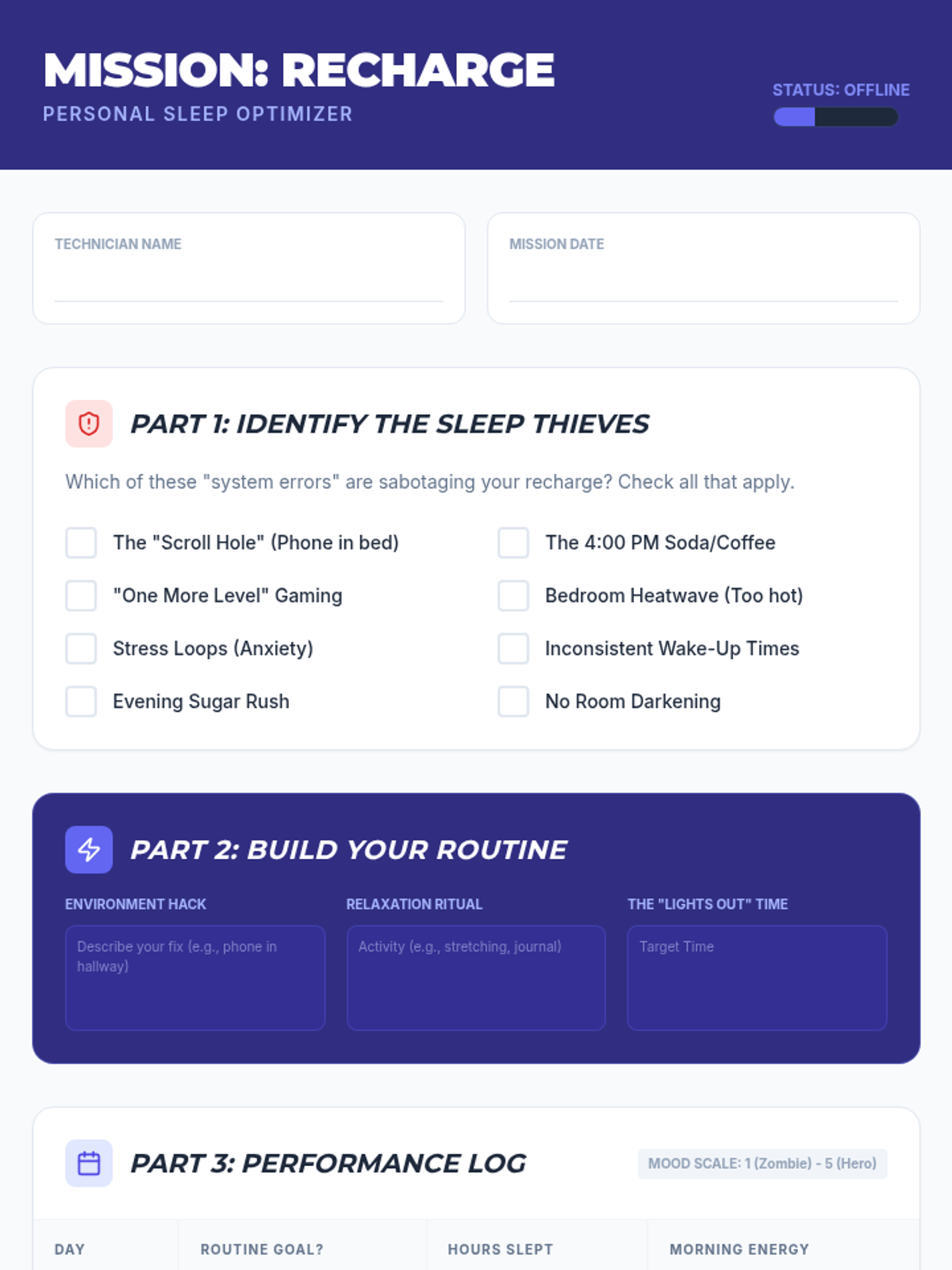
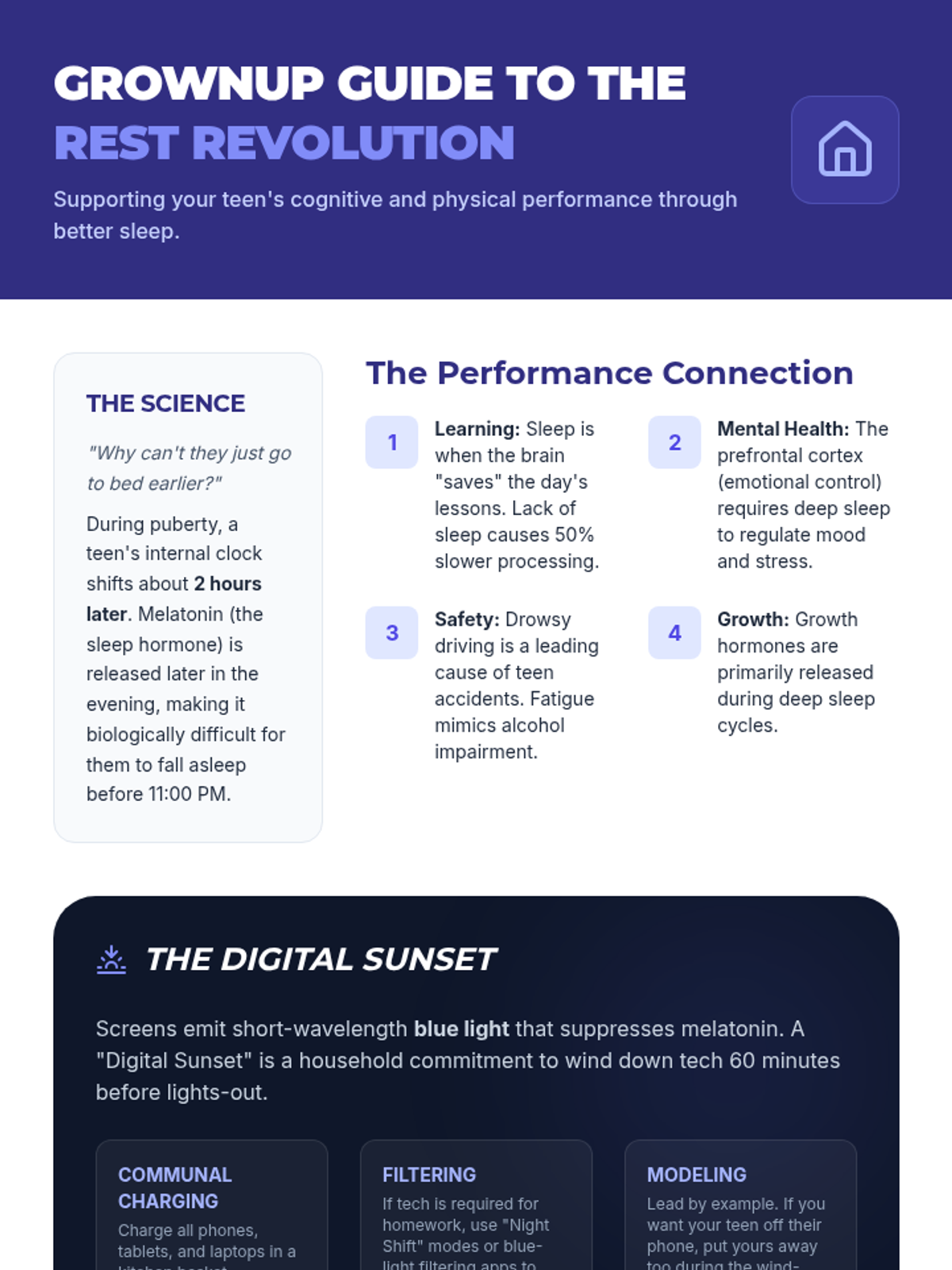
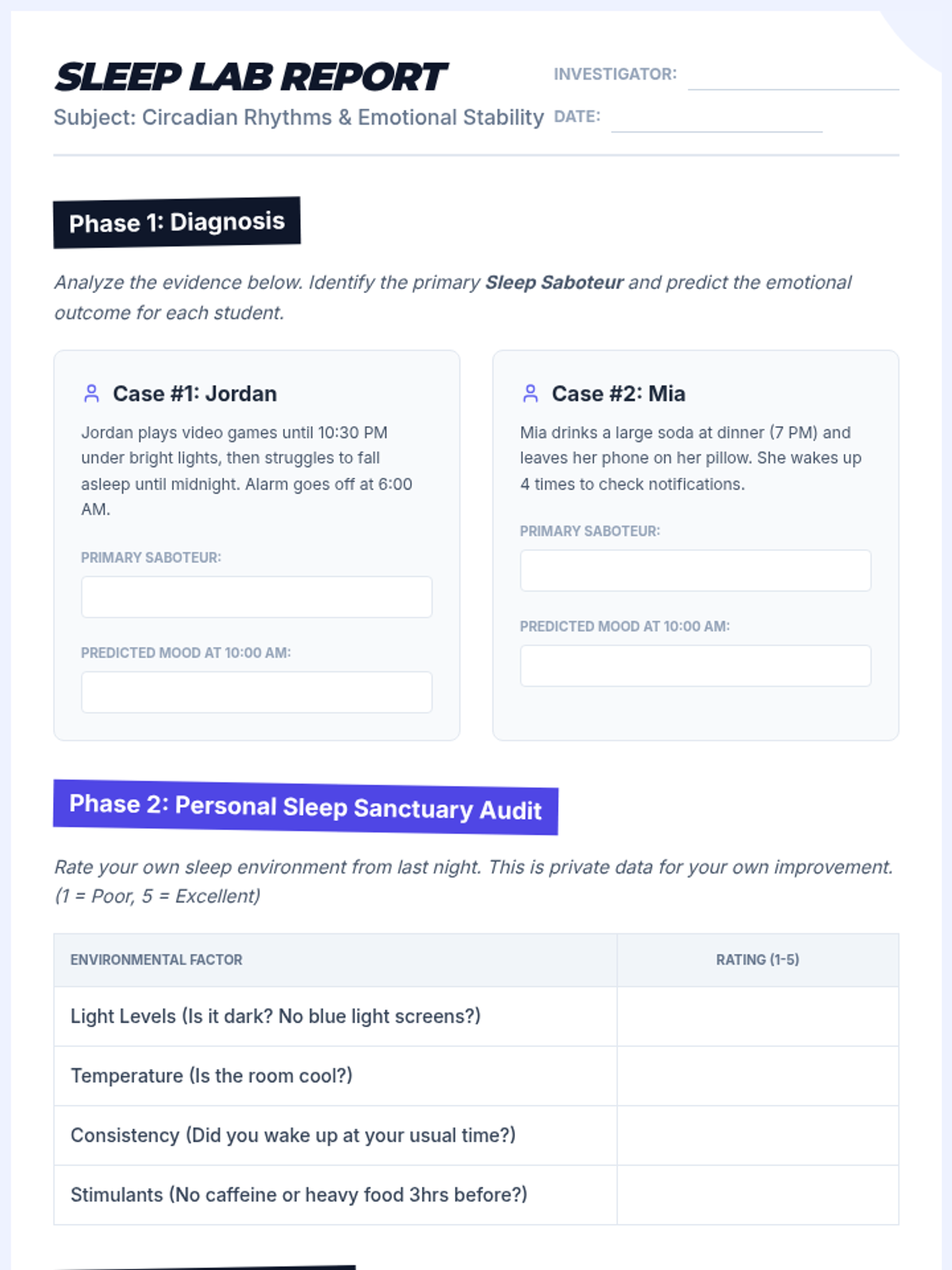
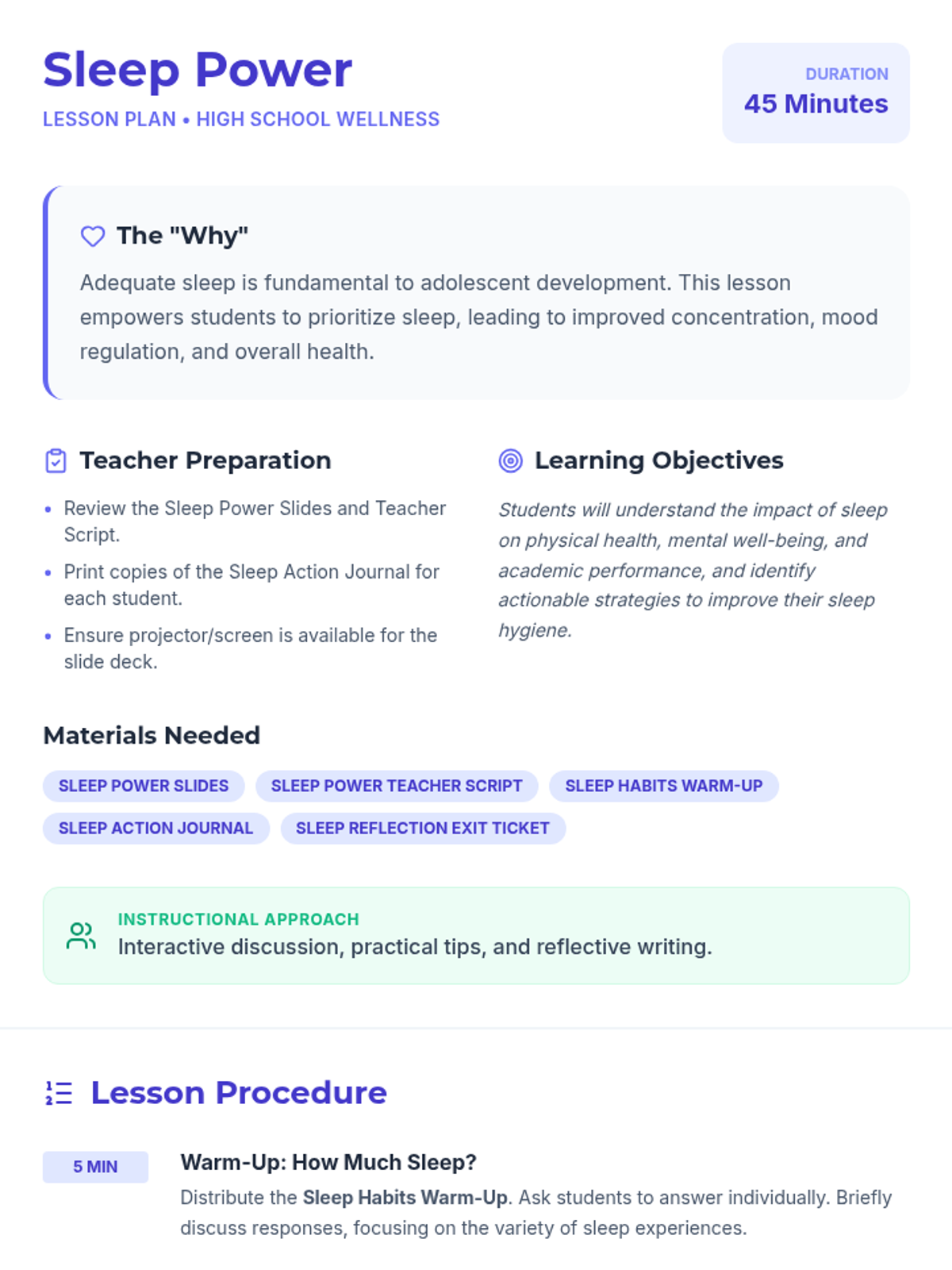
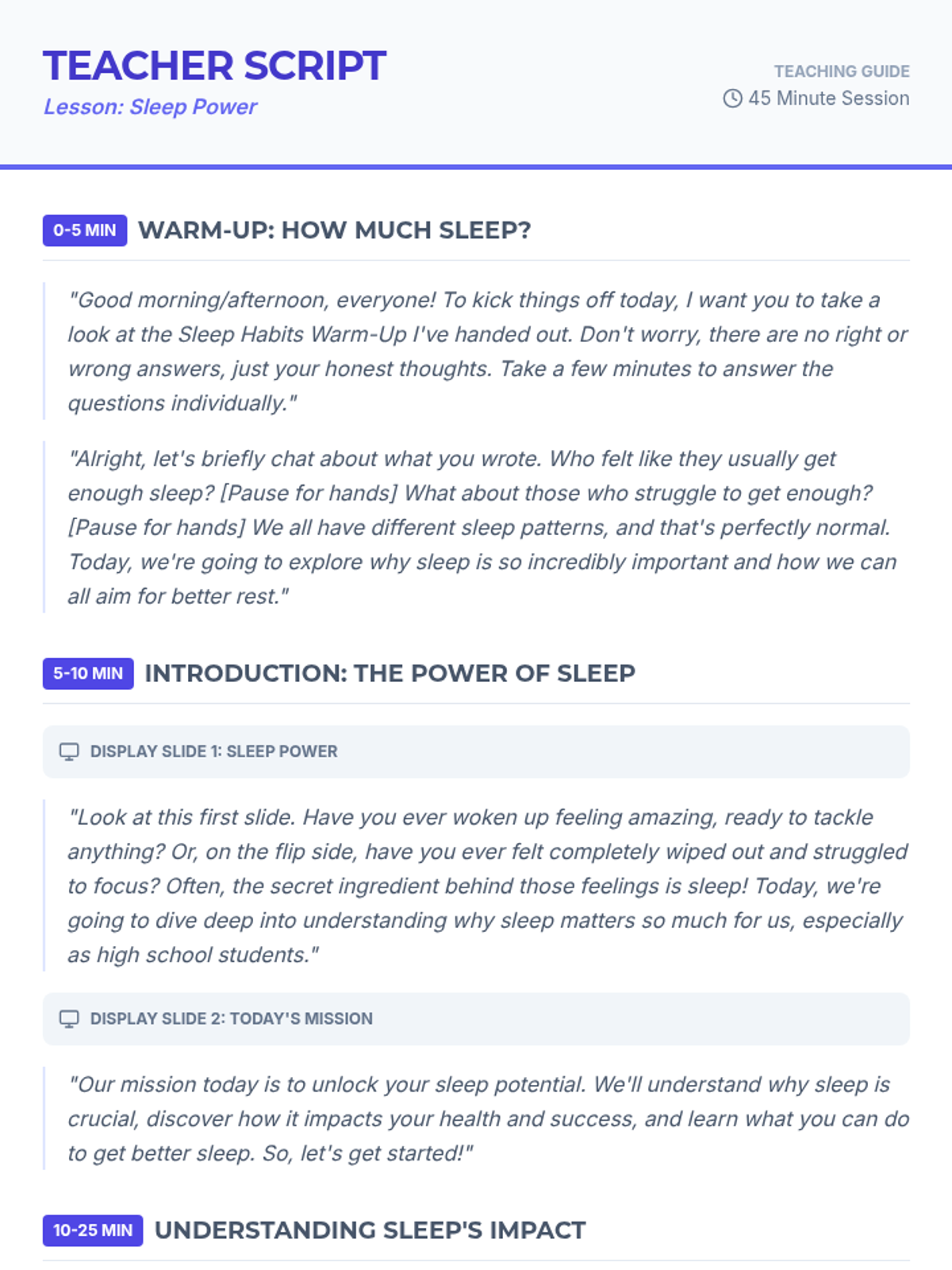
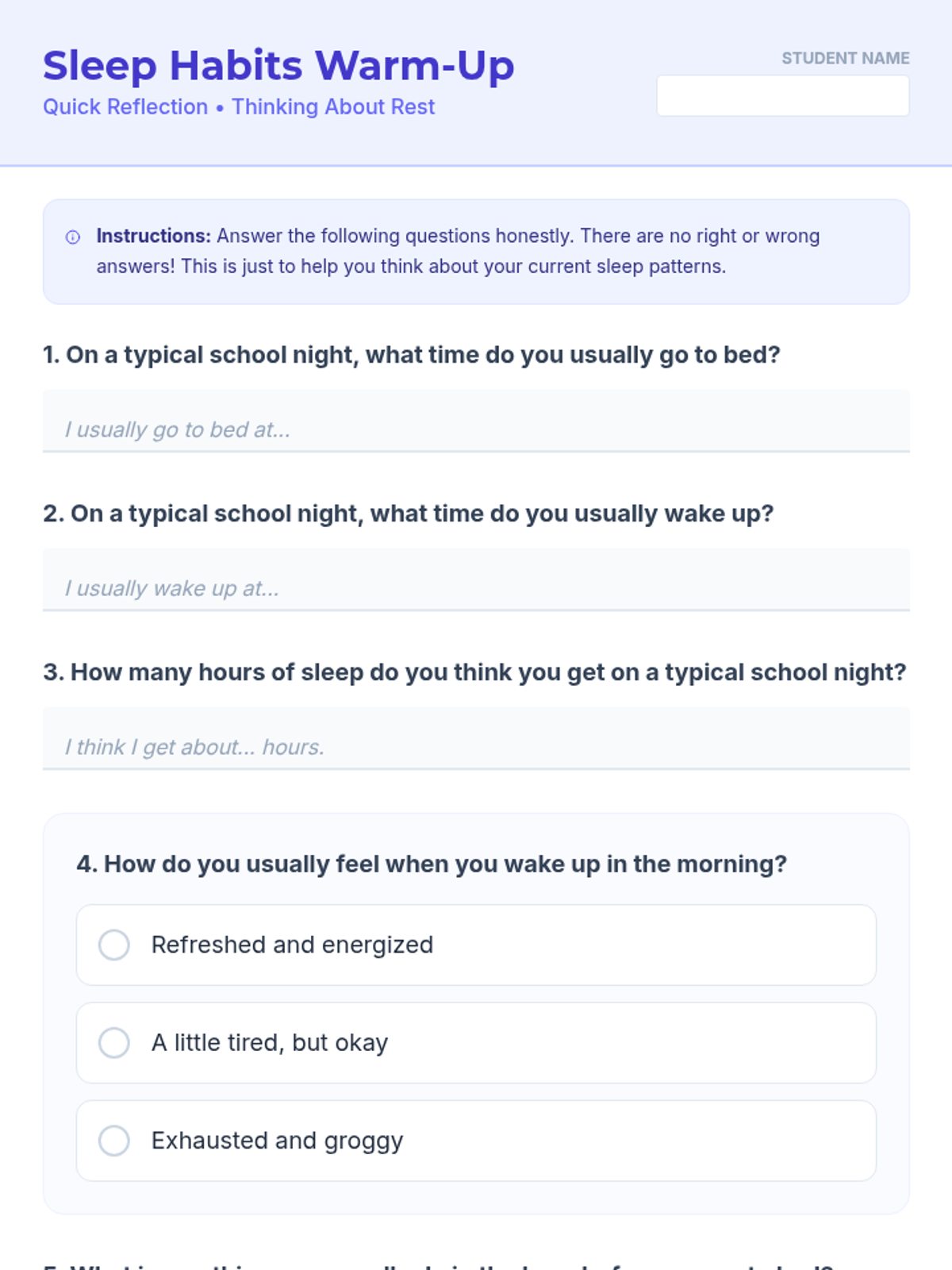
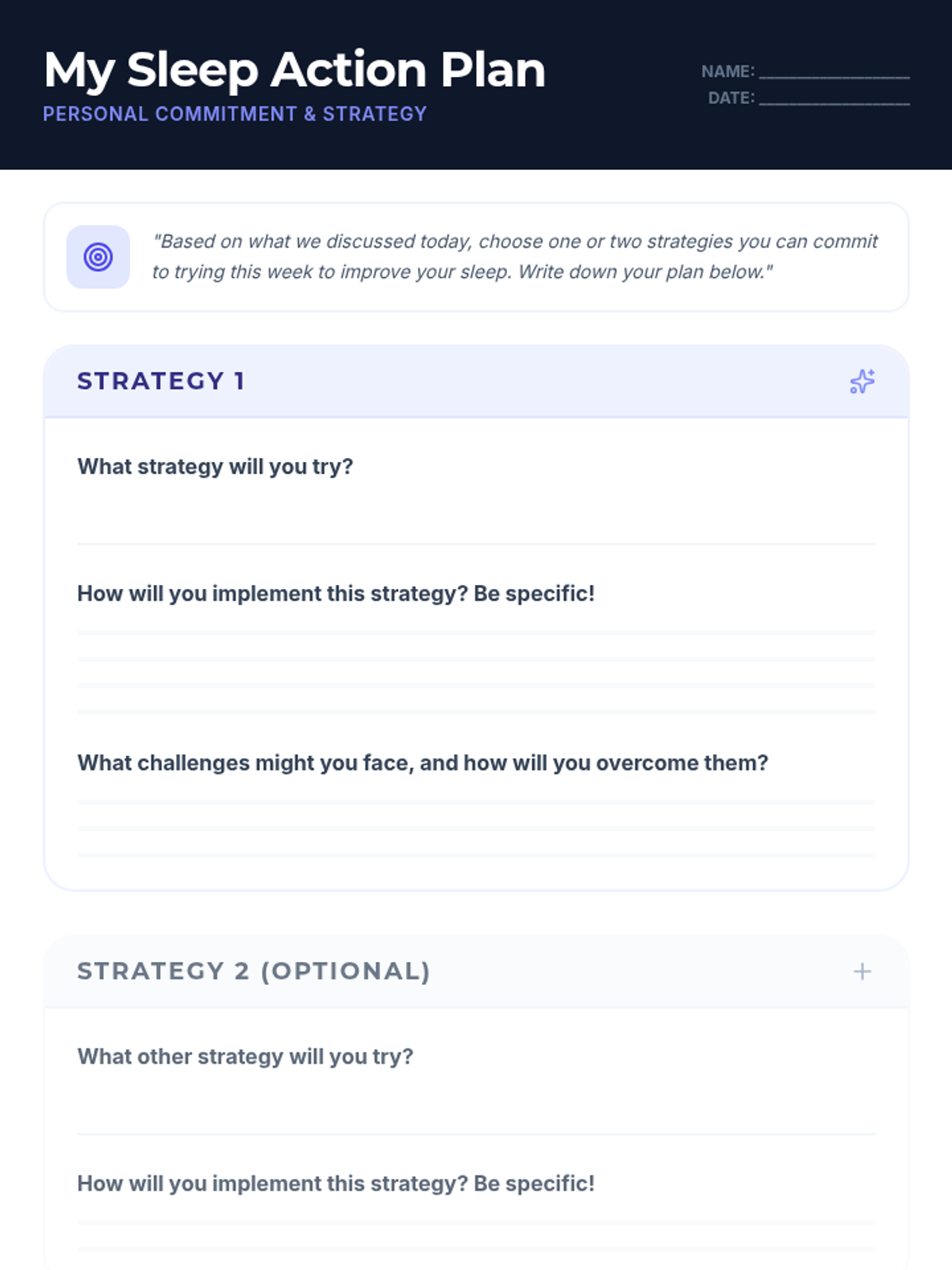
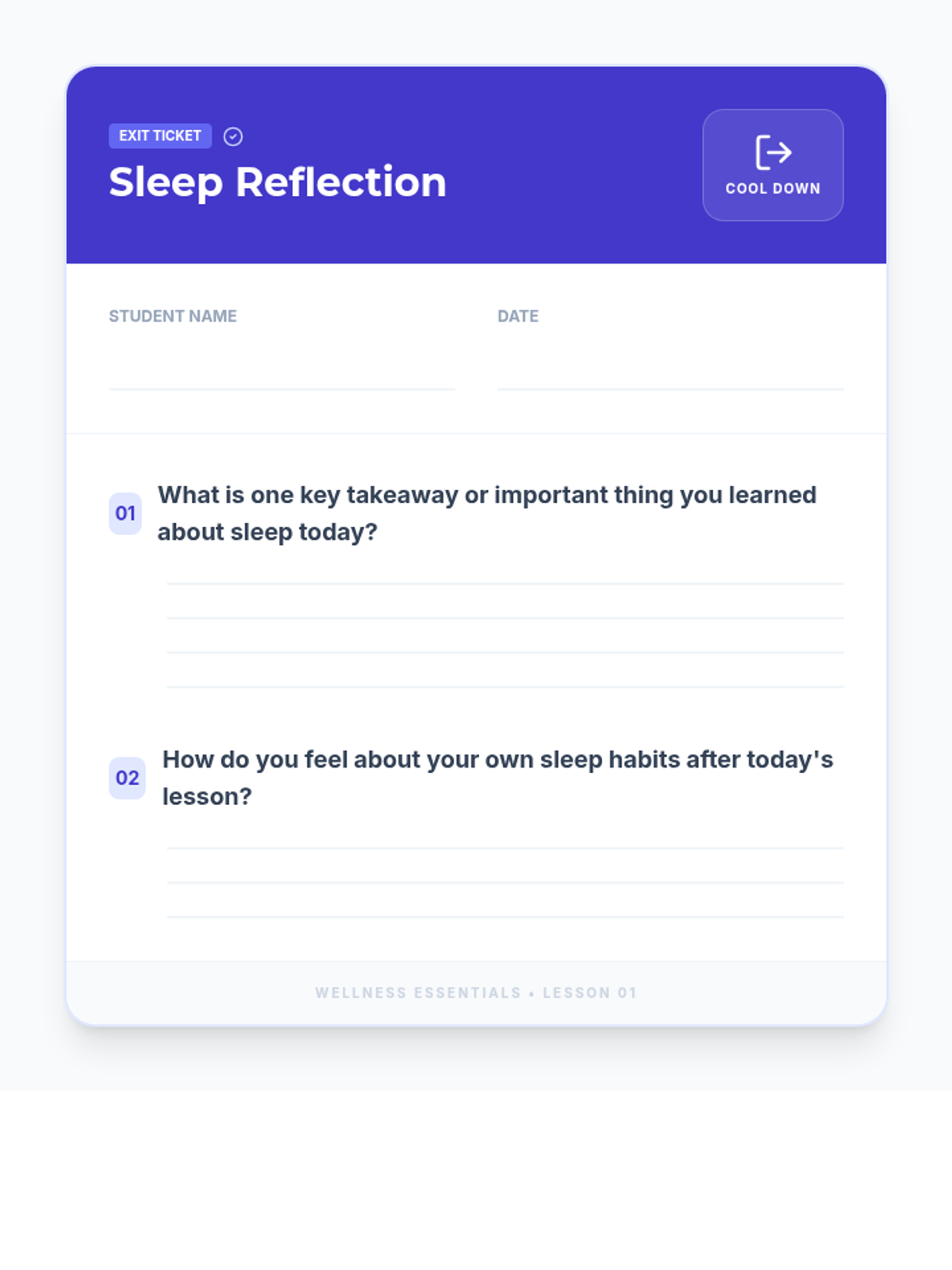
A comprehensive unit designed to help students understand the science of sleep, identify personal sleep barriers, and implement effective sleep hygiene habits for better physical and mental well-being.
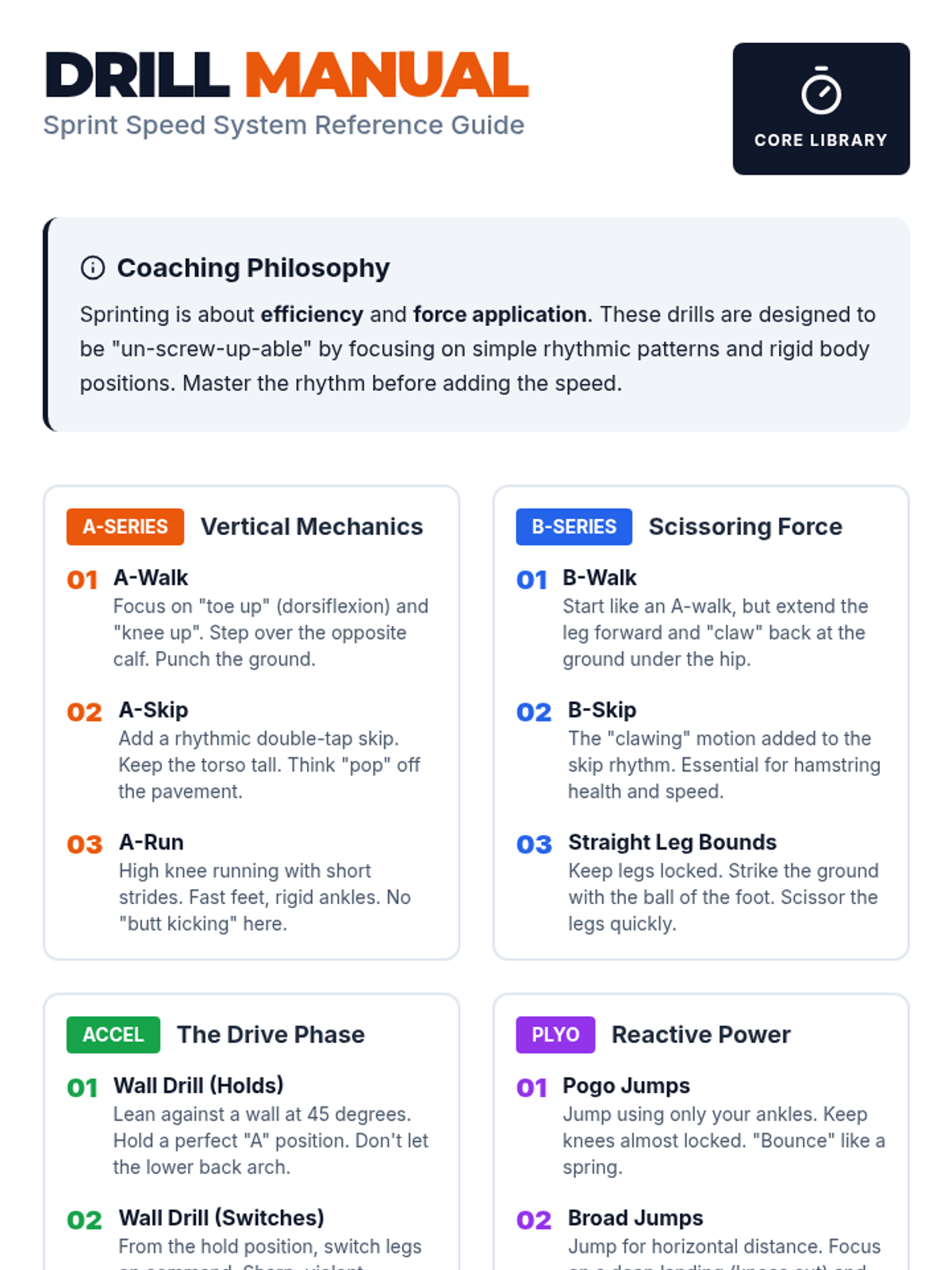
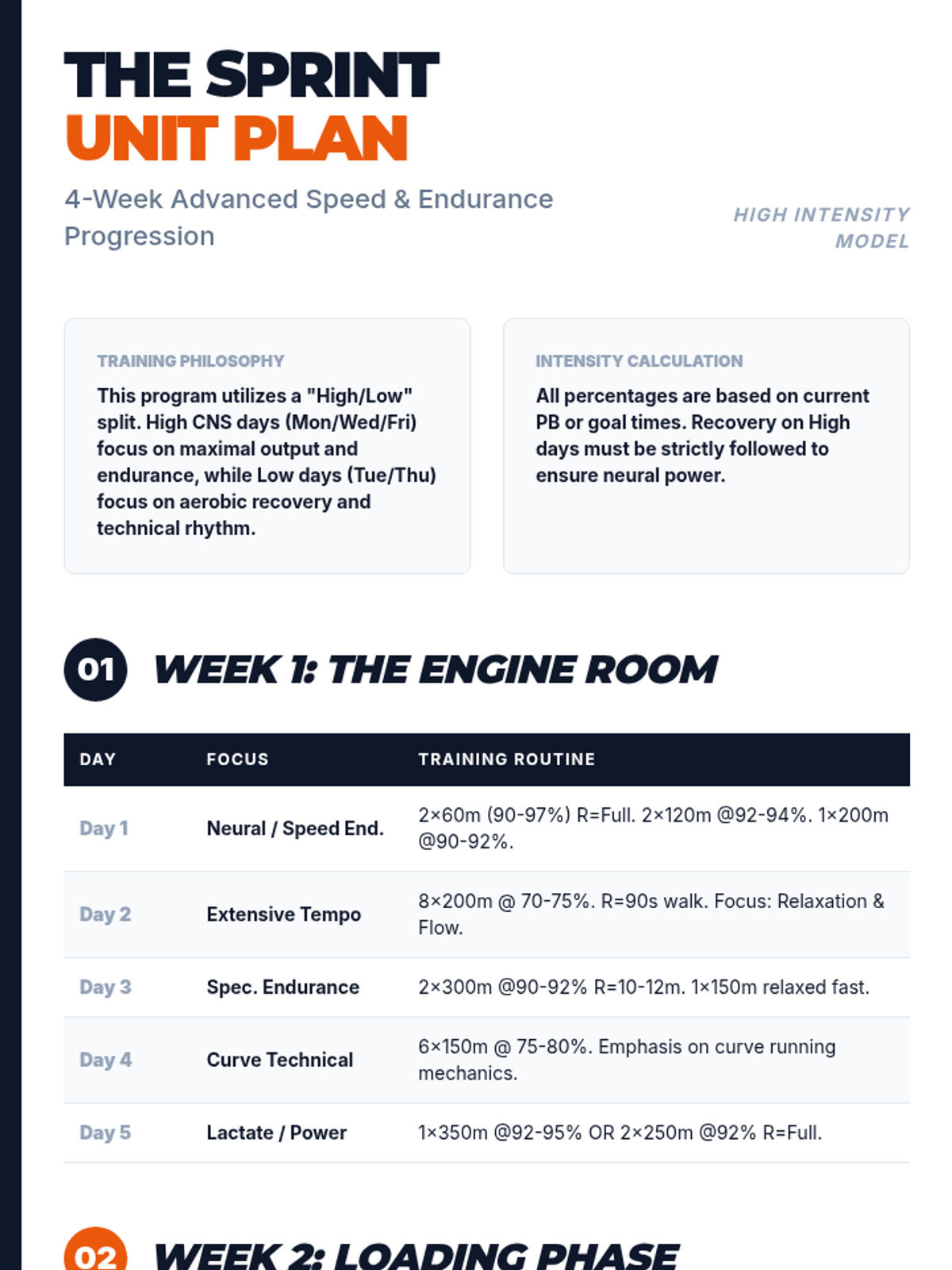
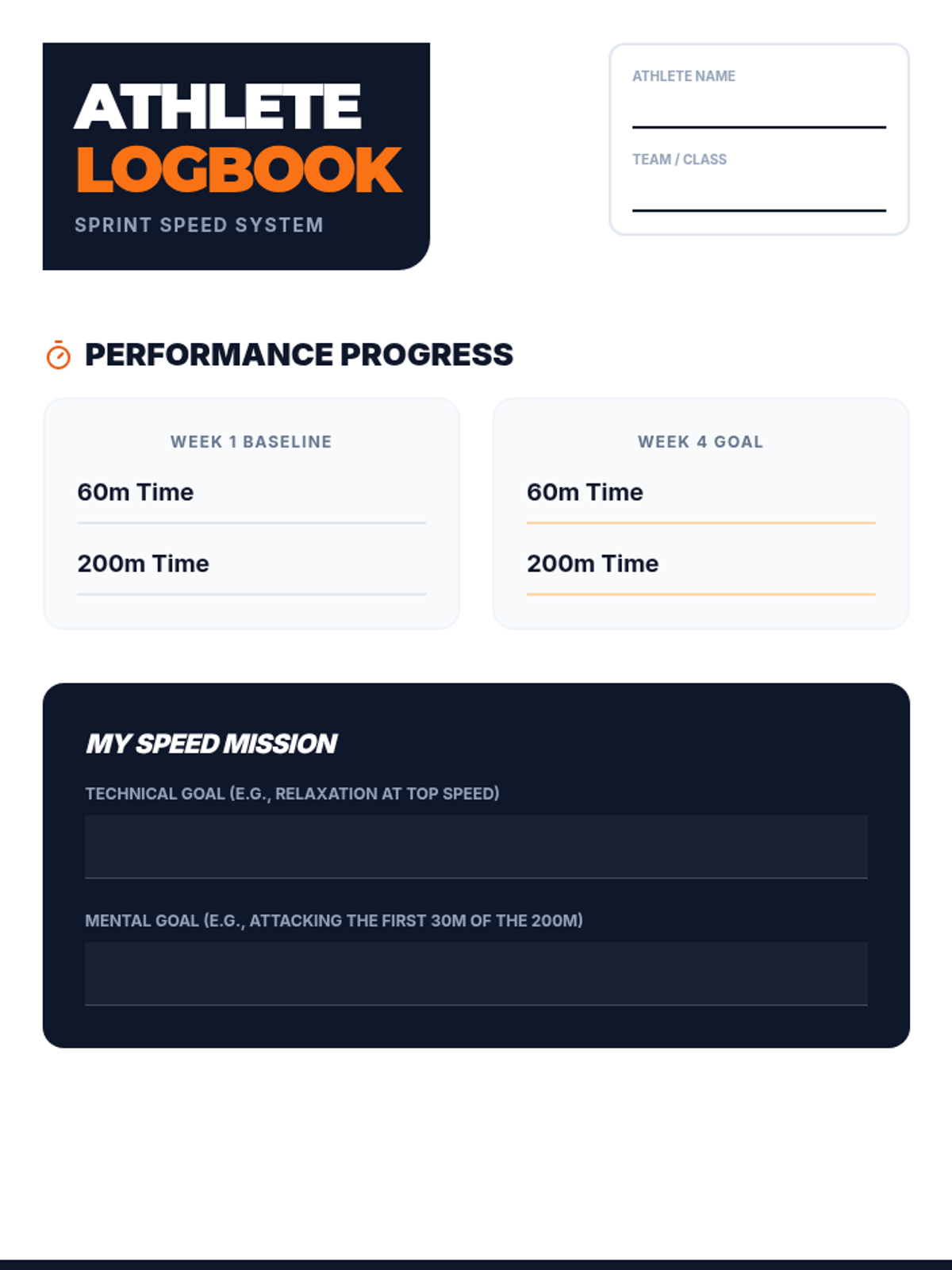
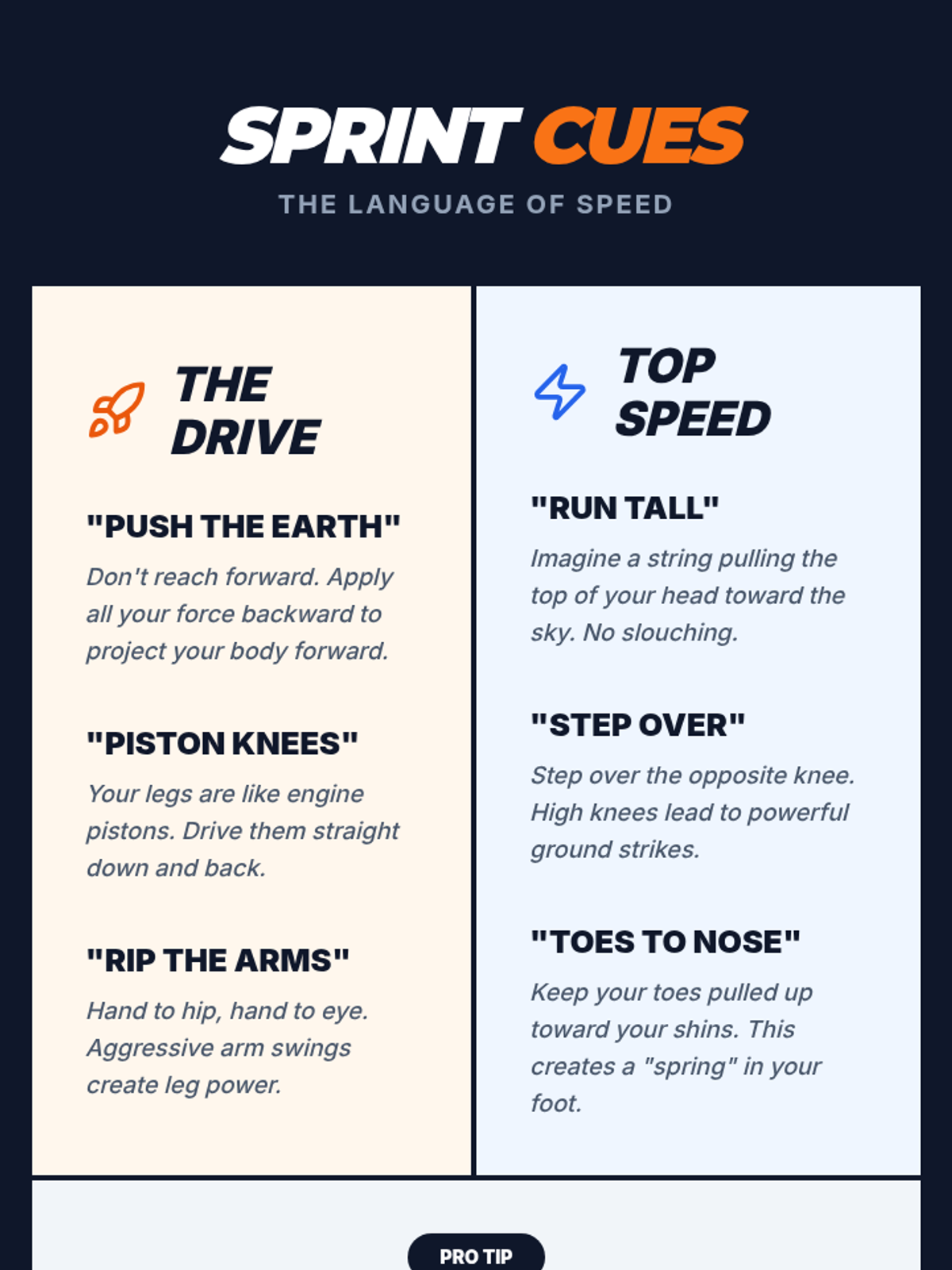
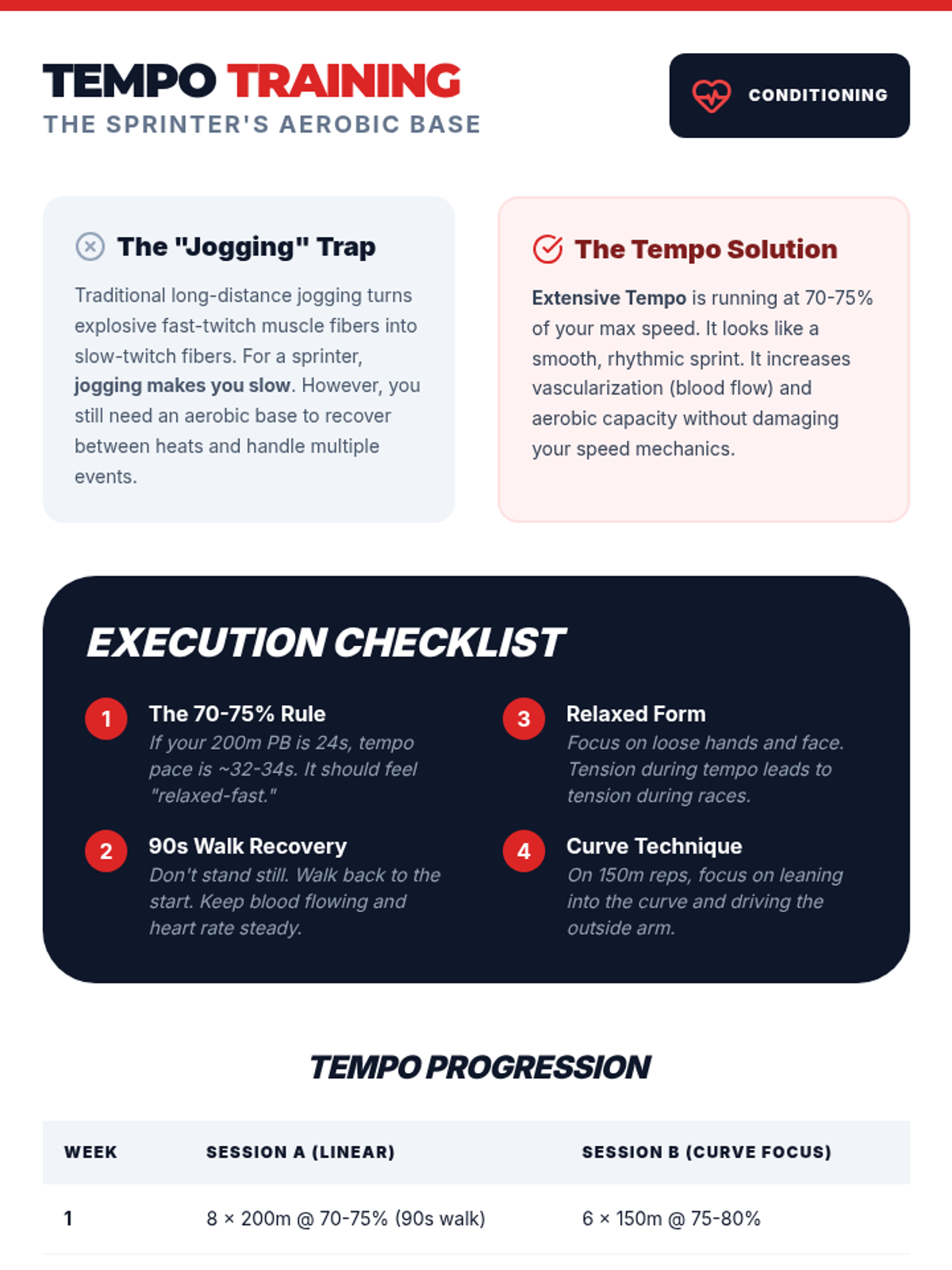
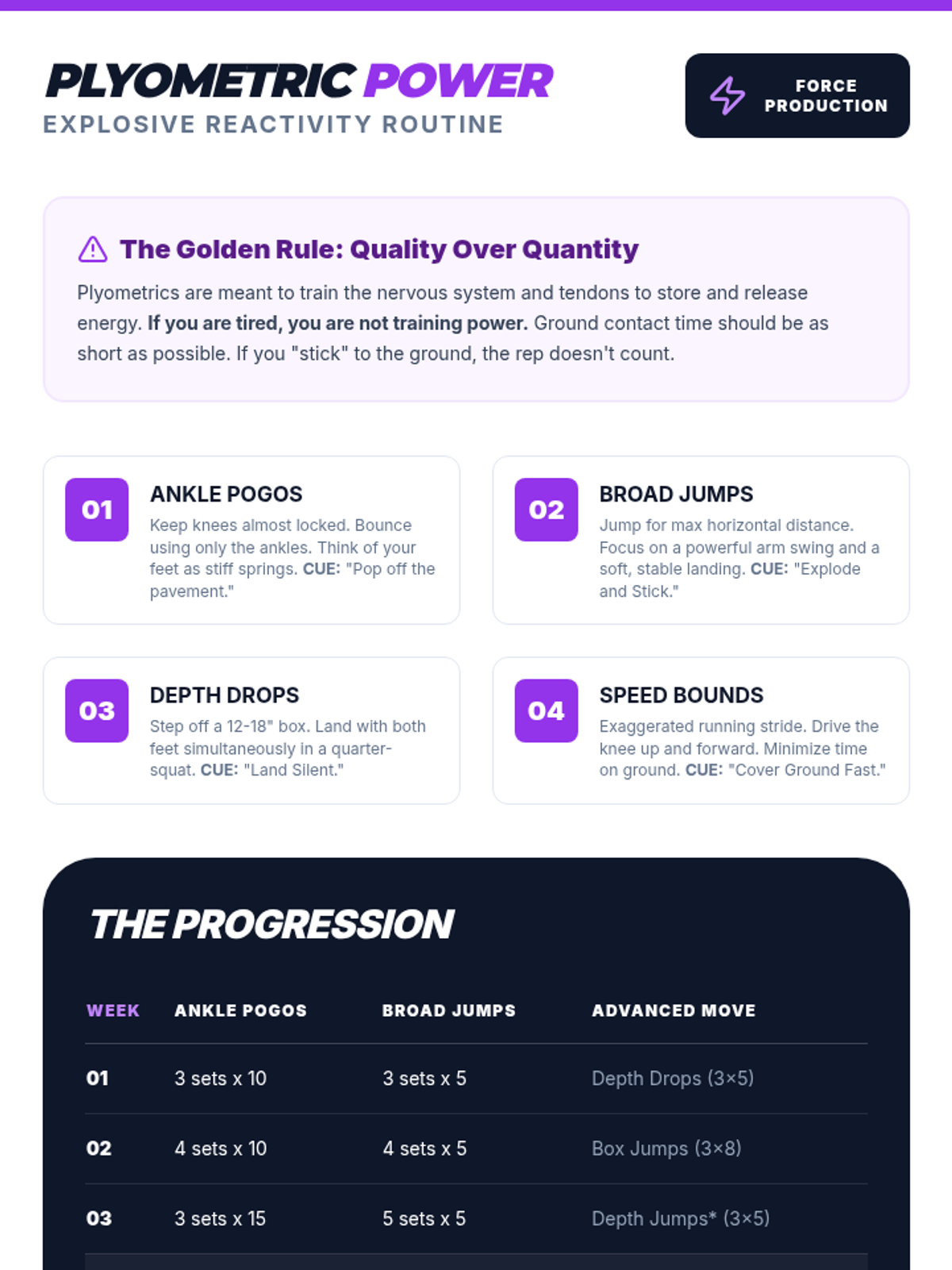
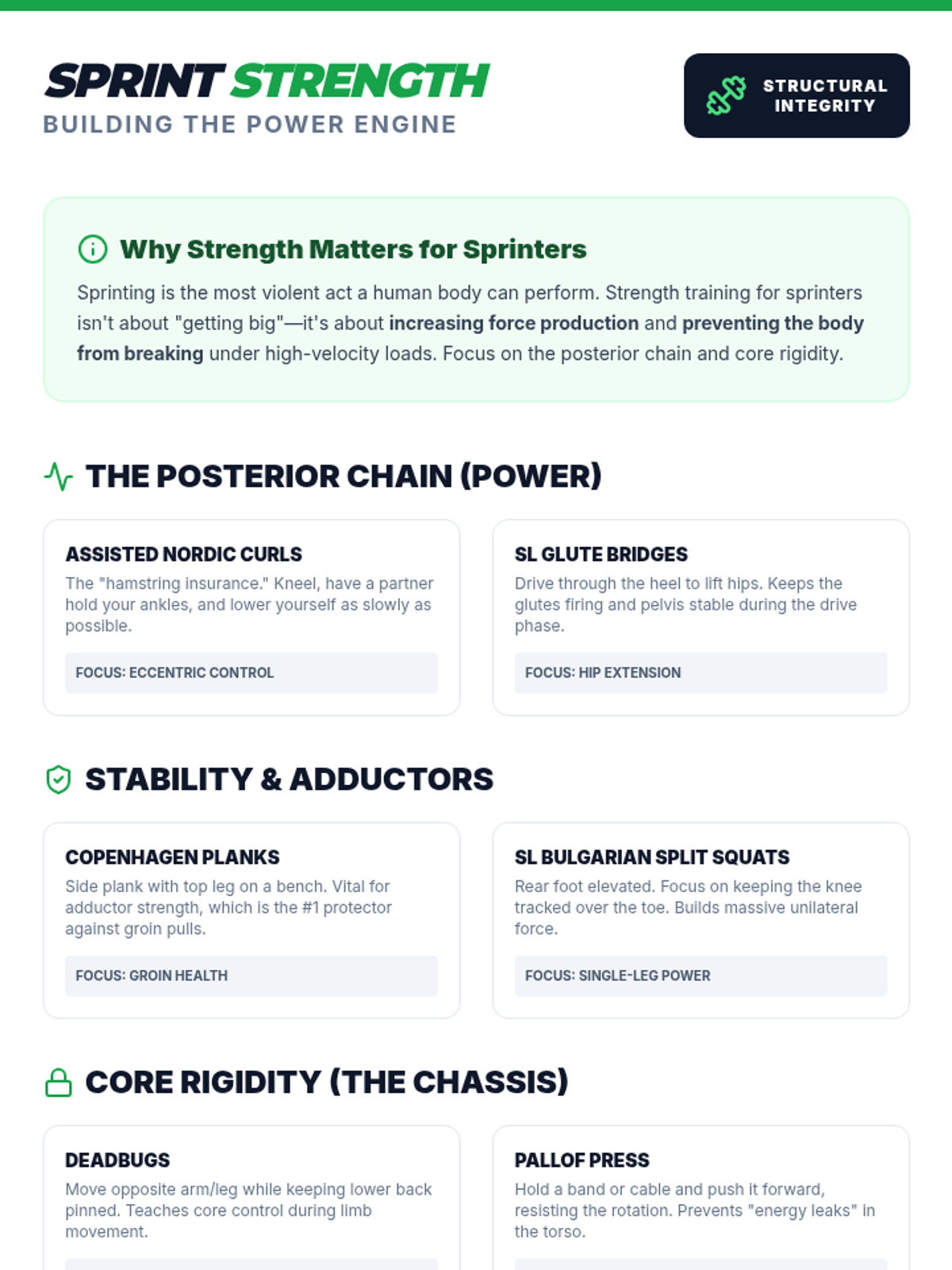
A comprehensive 4-week introductory sprinting program focused on mechanics, power, and injury prevention for outdoor track athletes.
An exploration of personal health and wellness, moving from defining health to implementing sustainable healthy habits.
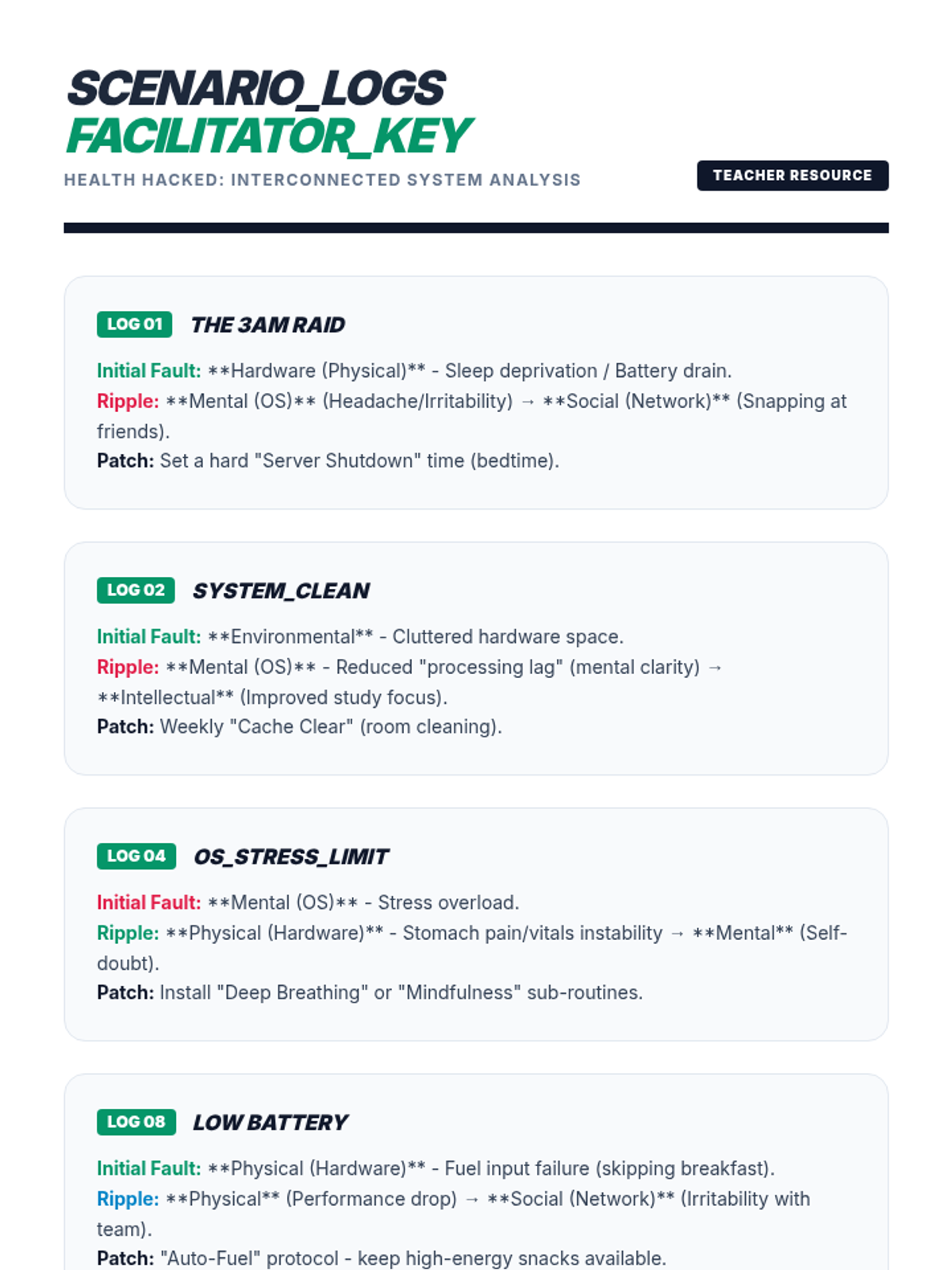
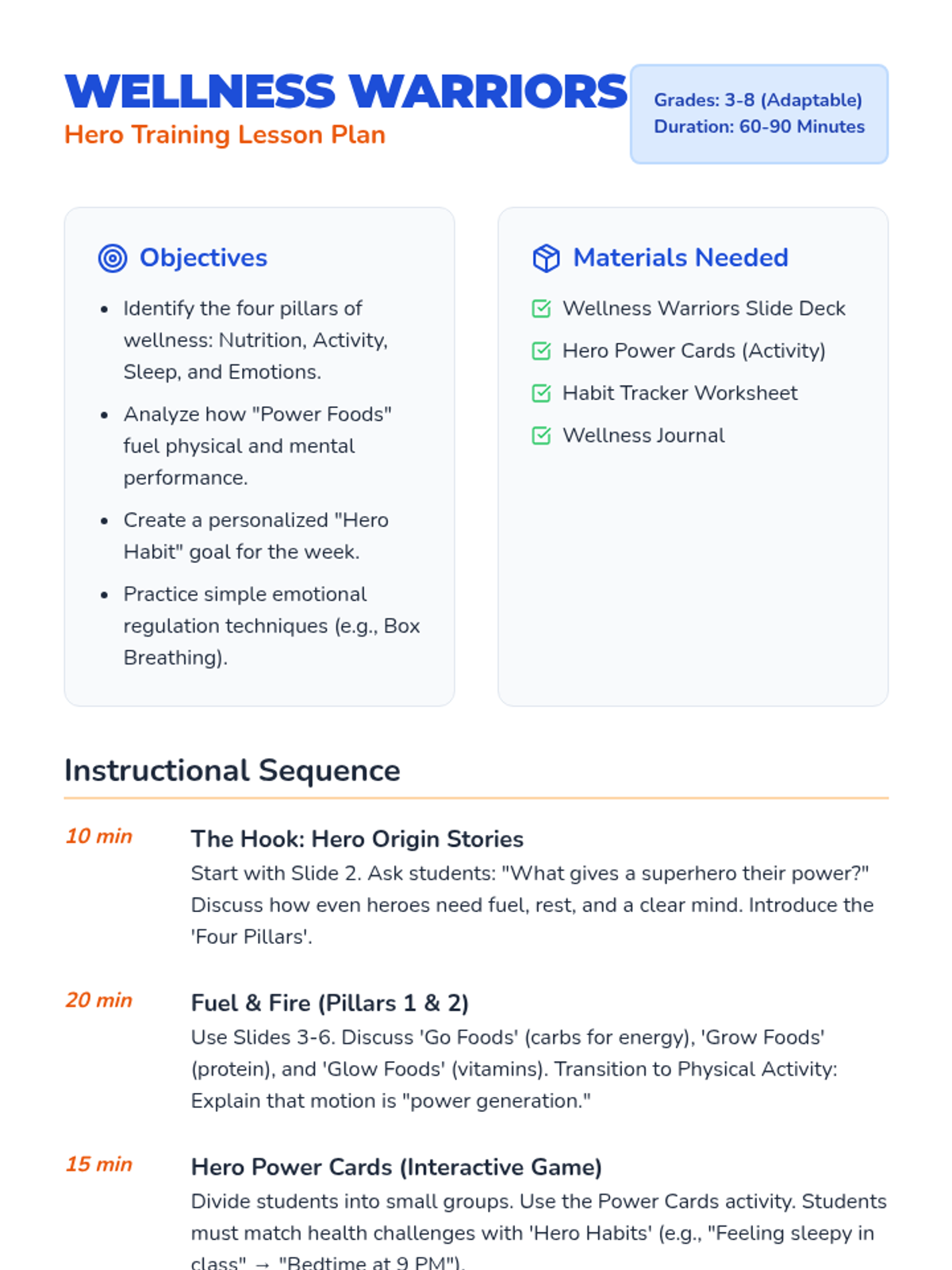
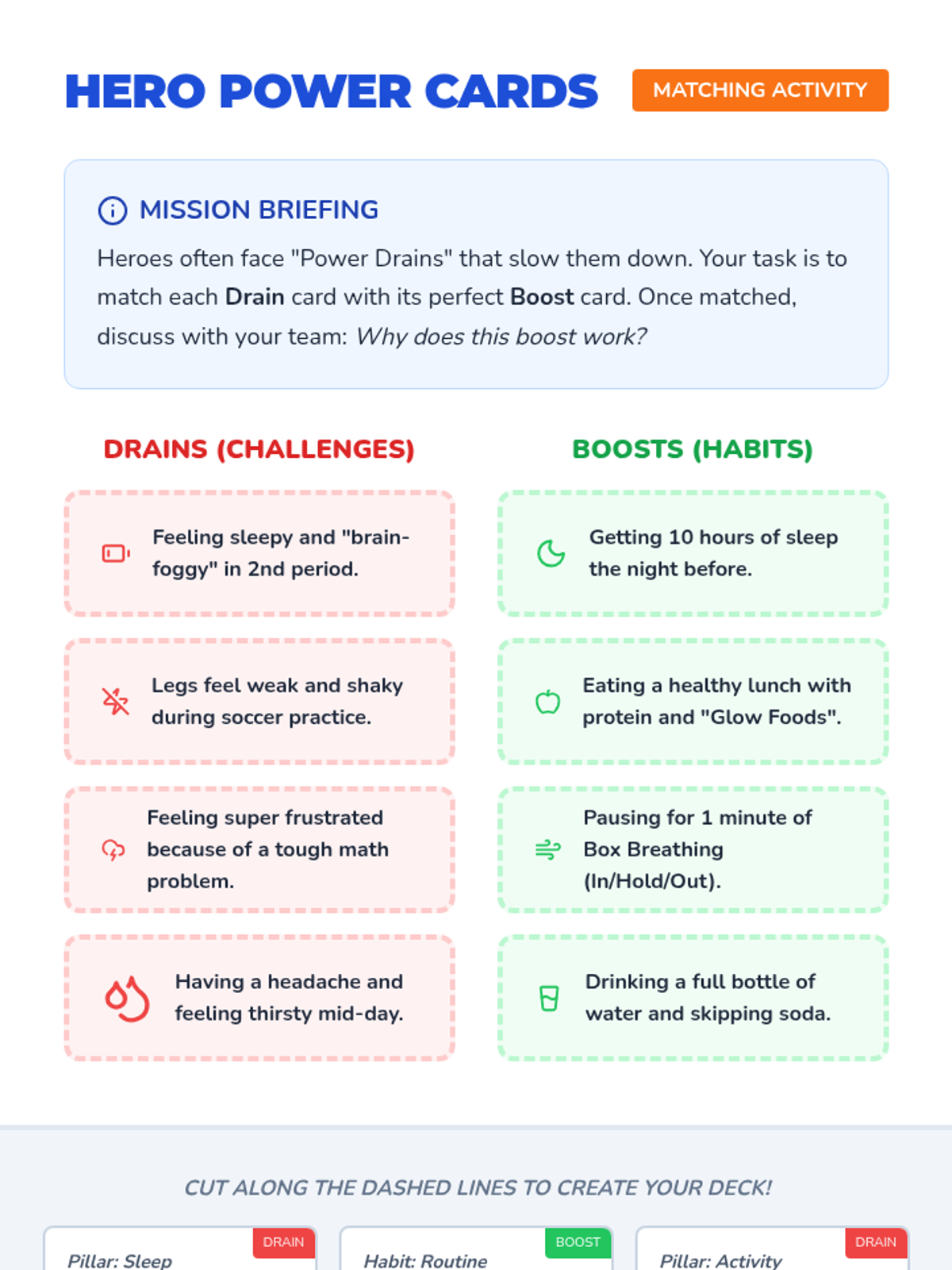
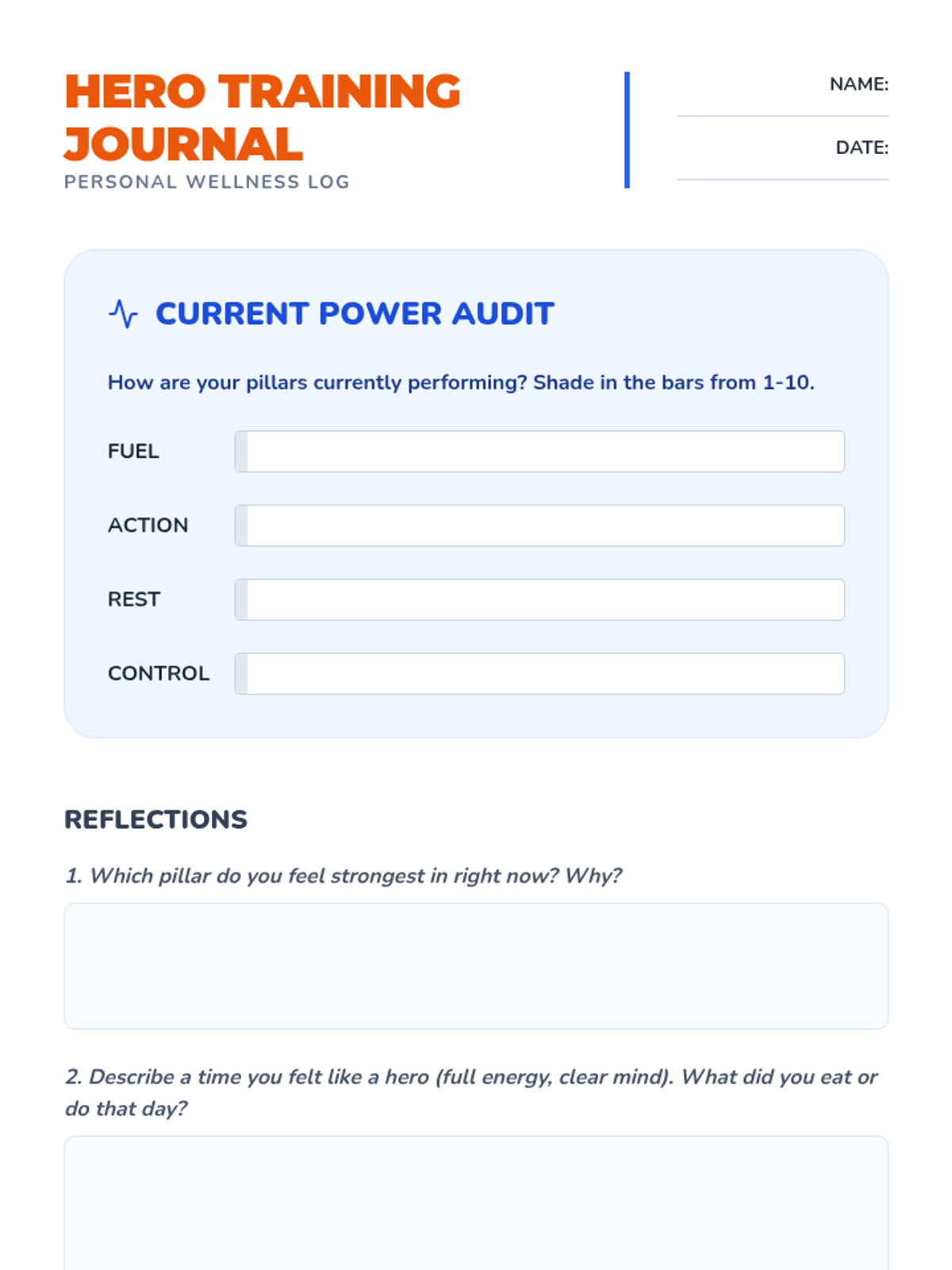
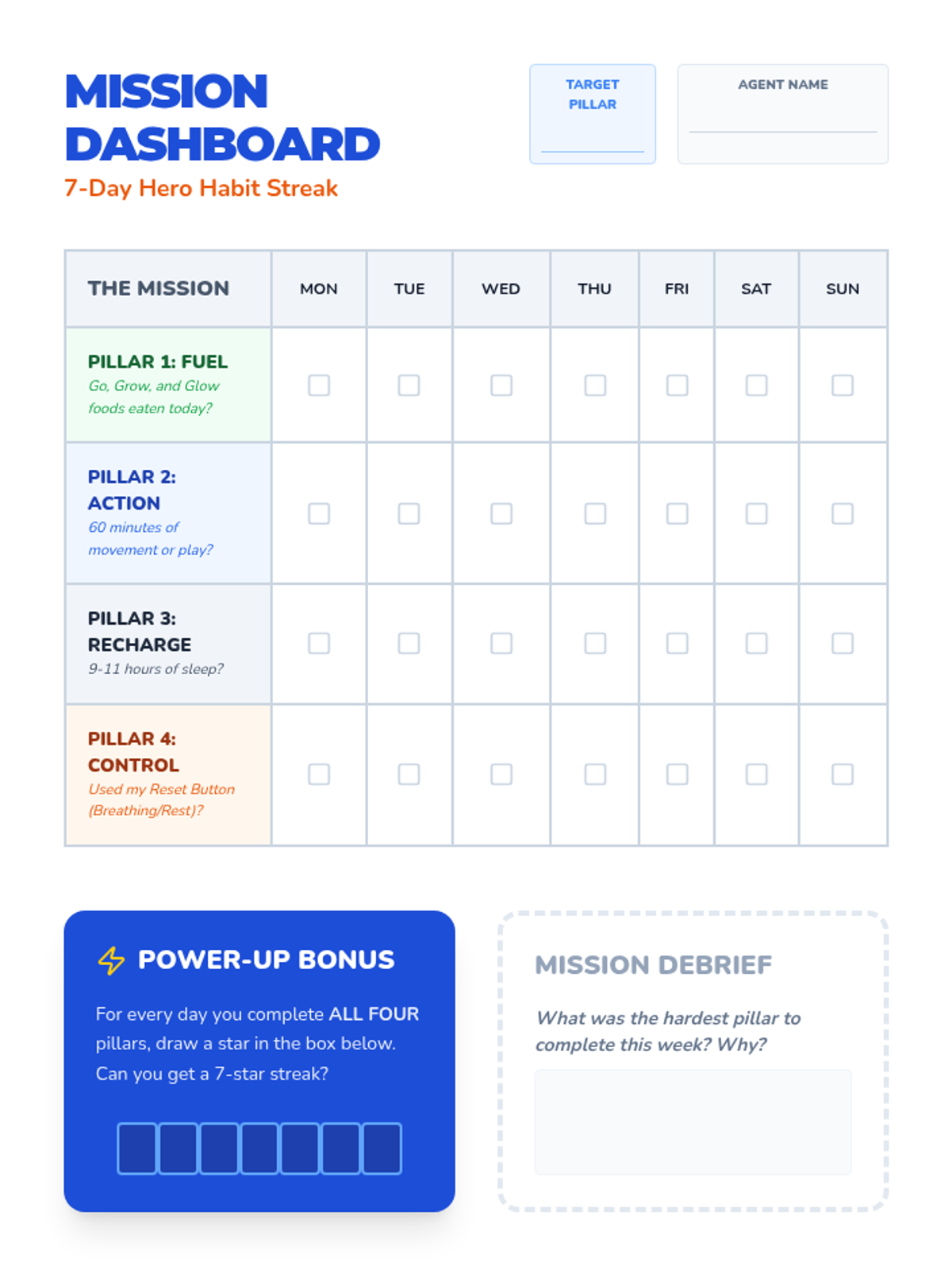
A comprehensive wellness unit designed to empower students with lifelong healthy habits. Students explore nutrition, exercise, sleep, and emotional regulation through the lens of 'hero training'.
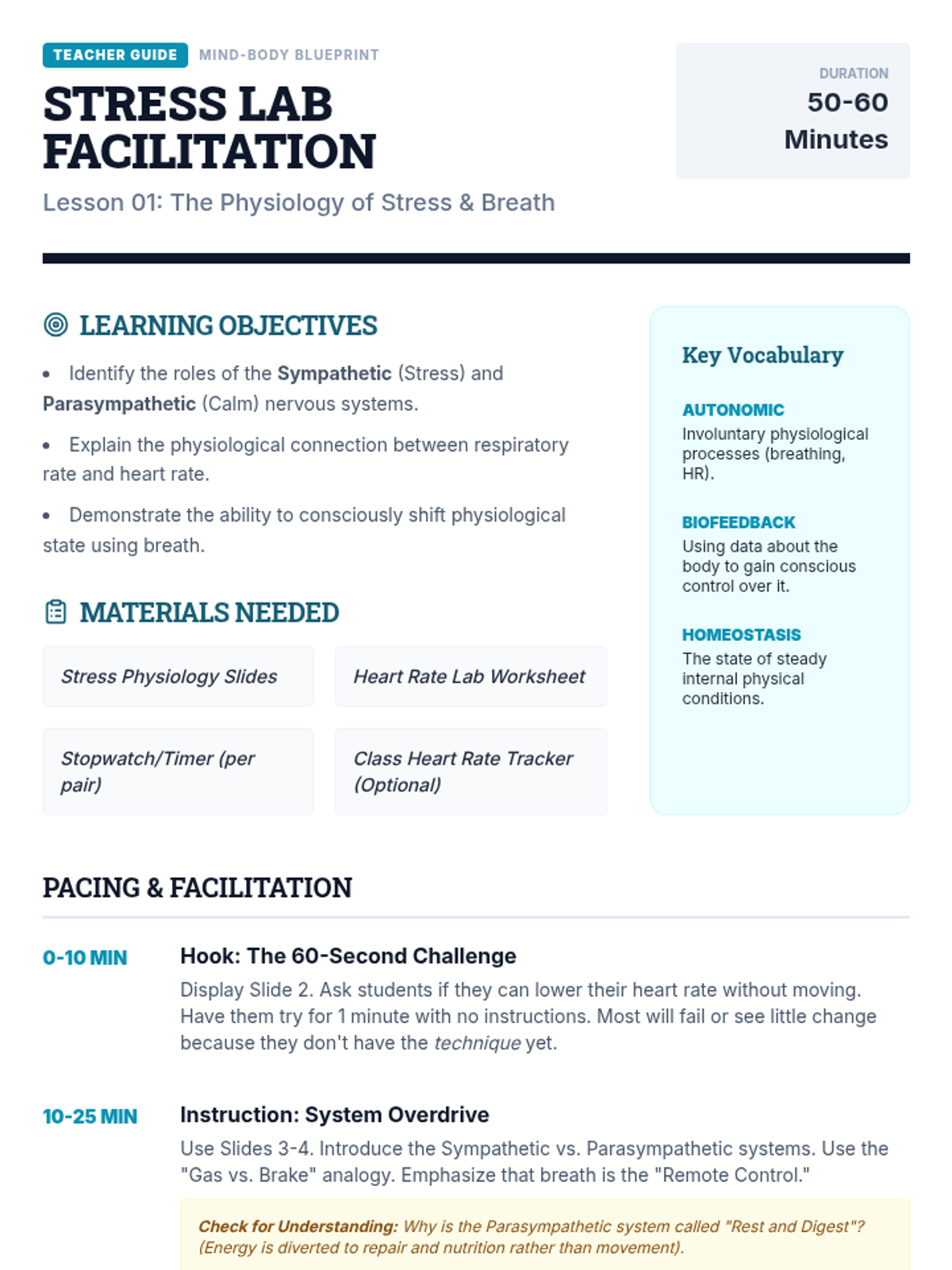
A 5-lesson unit for 7th graders exploring the physiological link between breath and the nervous system, featuring hands-on practice with diaphragmatic, box, and 4-7-8 breathing techniques.
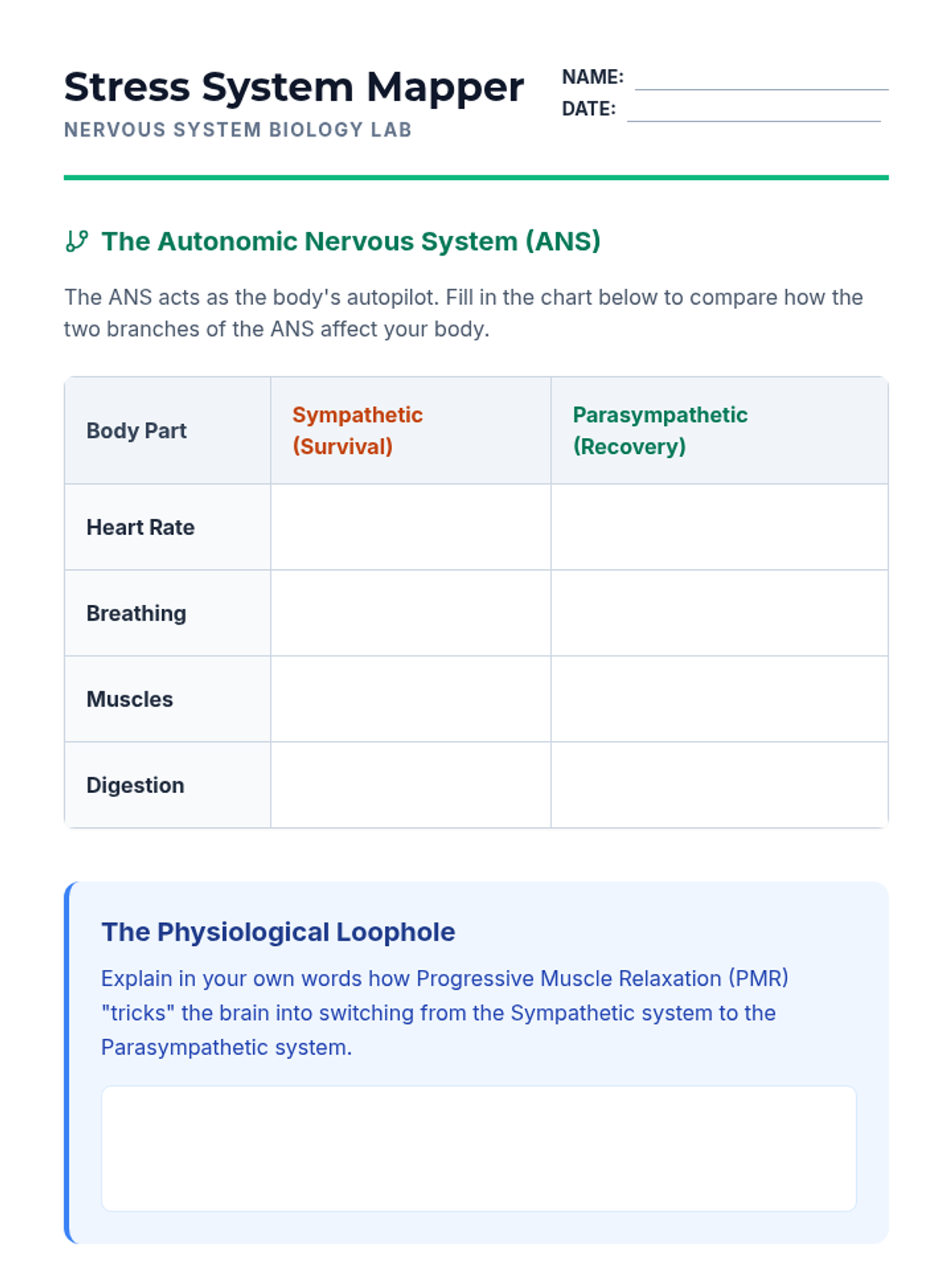
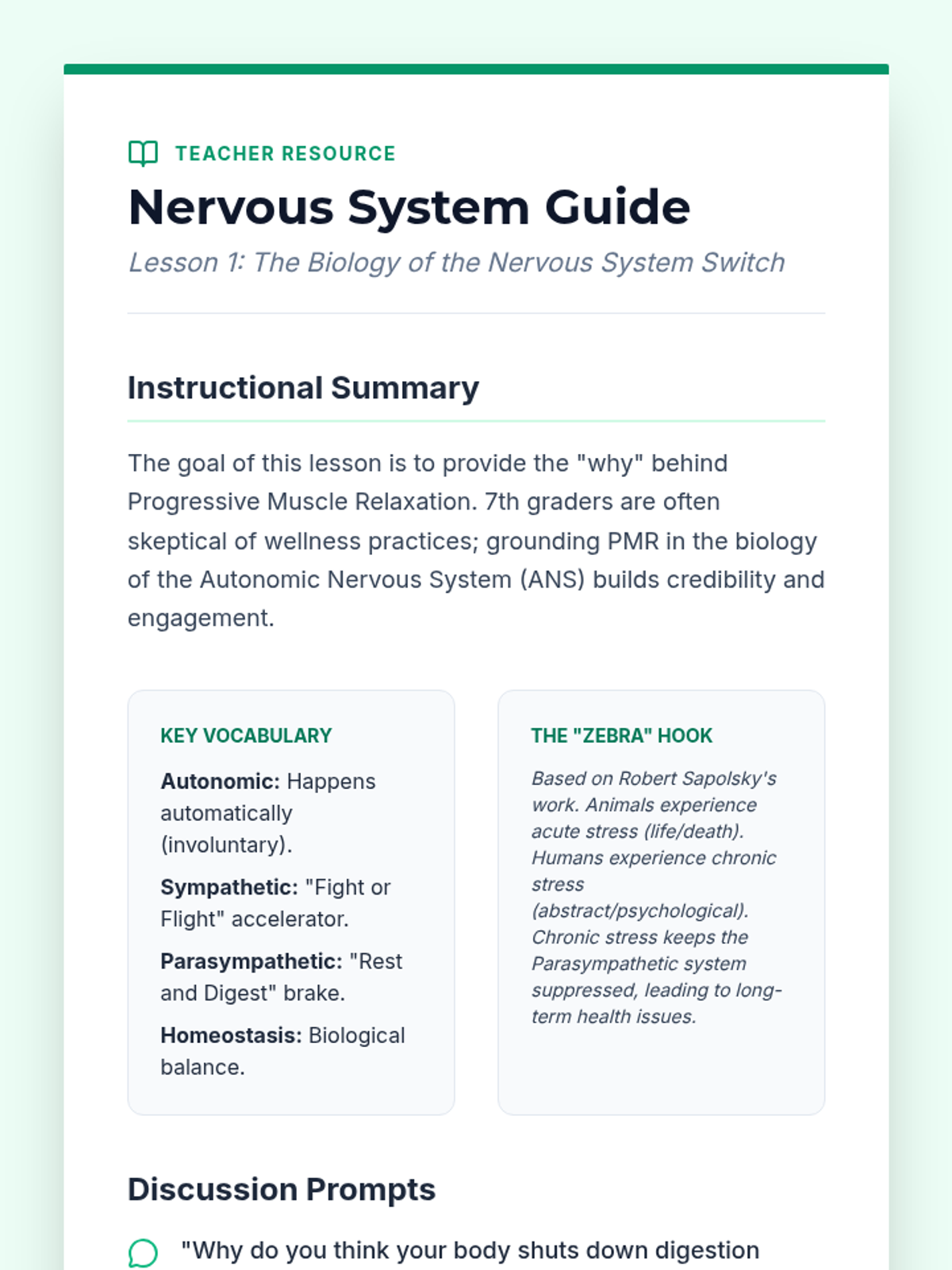
A 7th-grade inquiry-based sequence that investigates the physiological effects of relaxation on the nervous system. Students act as researchers, collecting data on their own vitals and sleep patterns while mastering Progressive Muscle Relaxation (PMR).
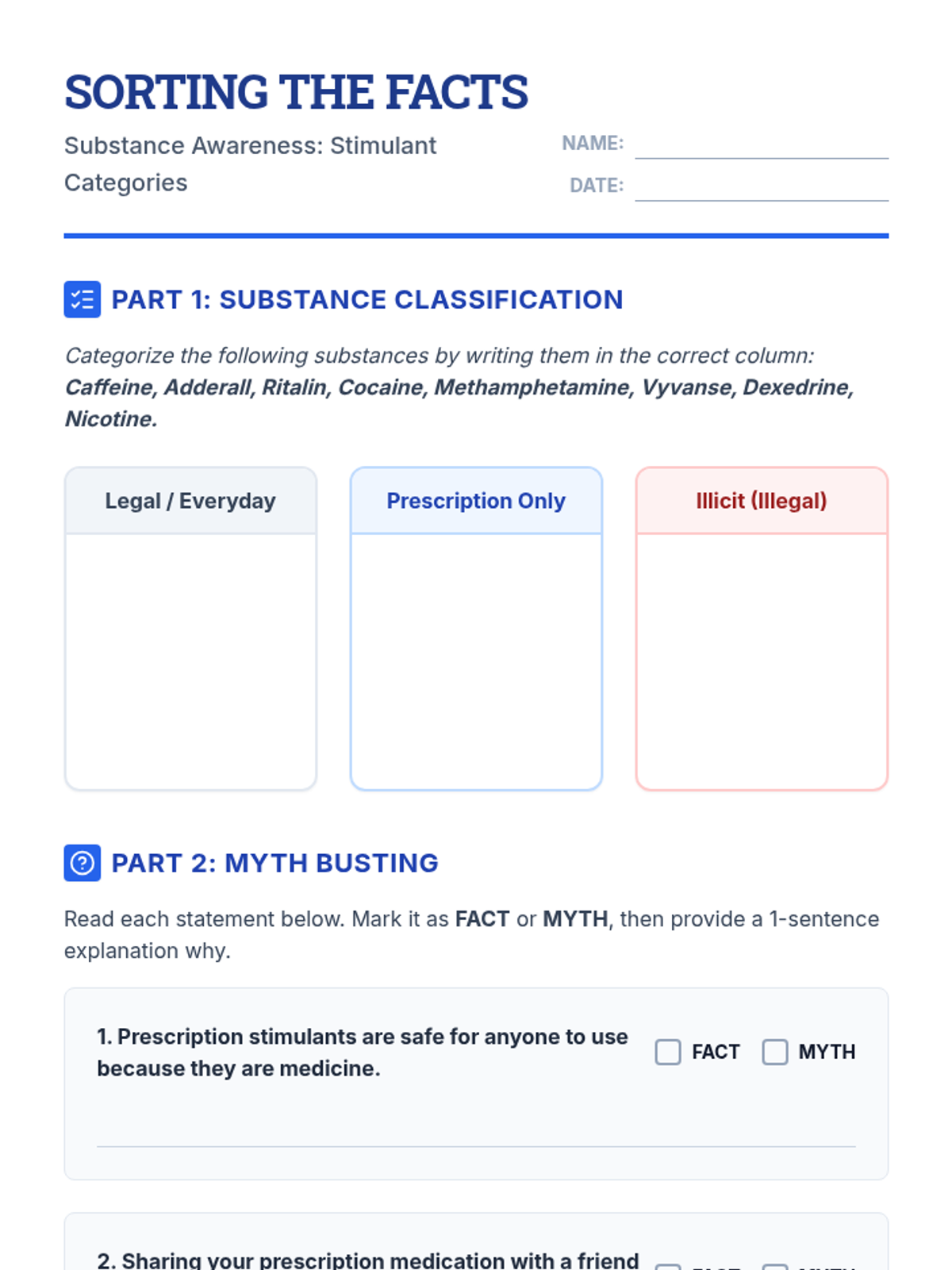
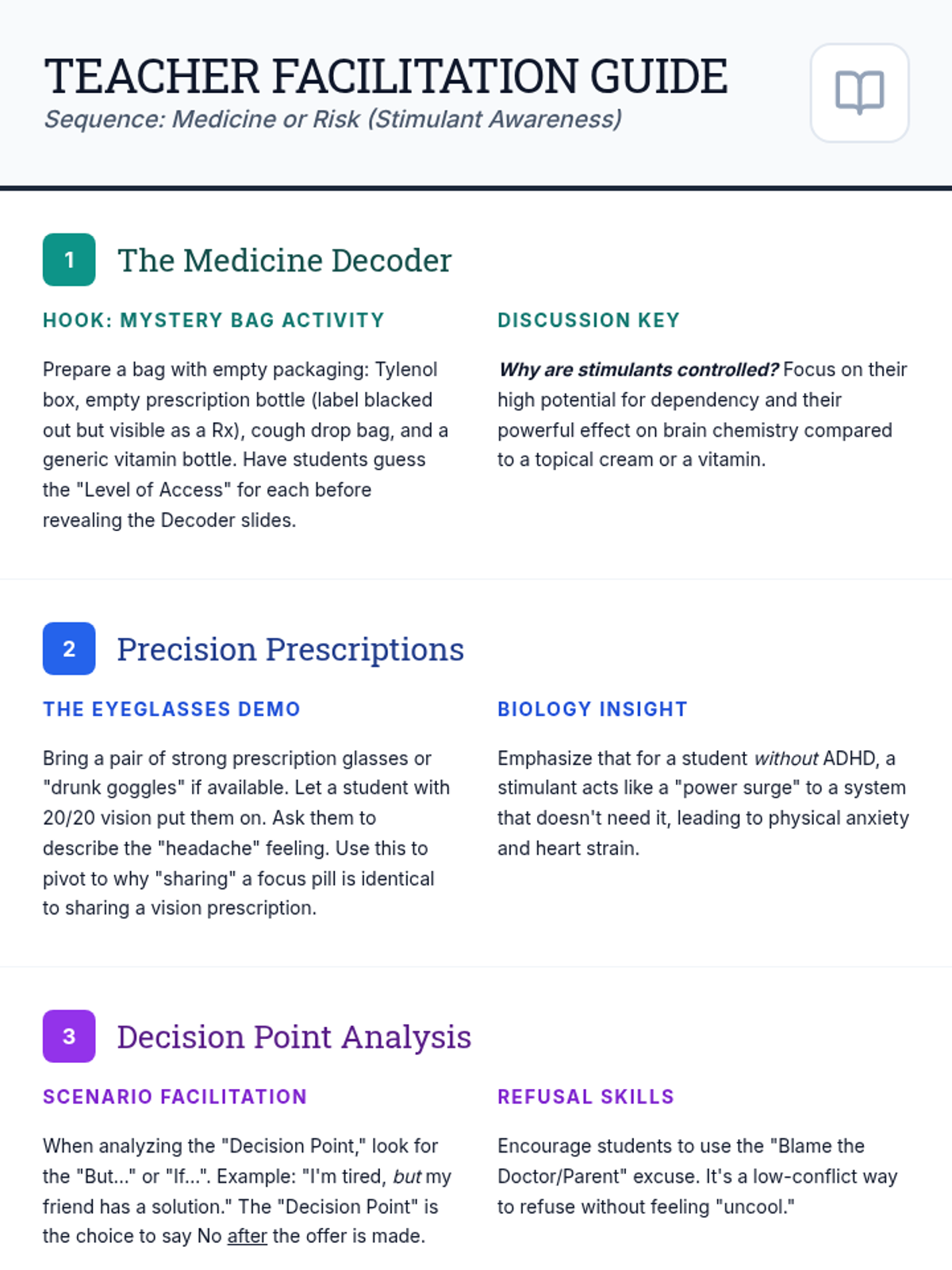
This sequence explores the critical distinction between therapeutic use and illicit misuse of prescription stimulants. Students analyze case studies, legal ramifications, and ethical implications while developing healthy alternatives for academic focus and stress management.
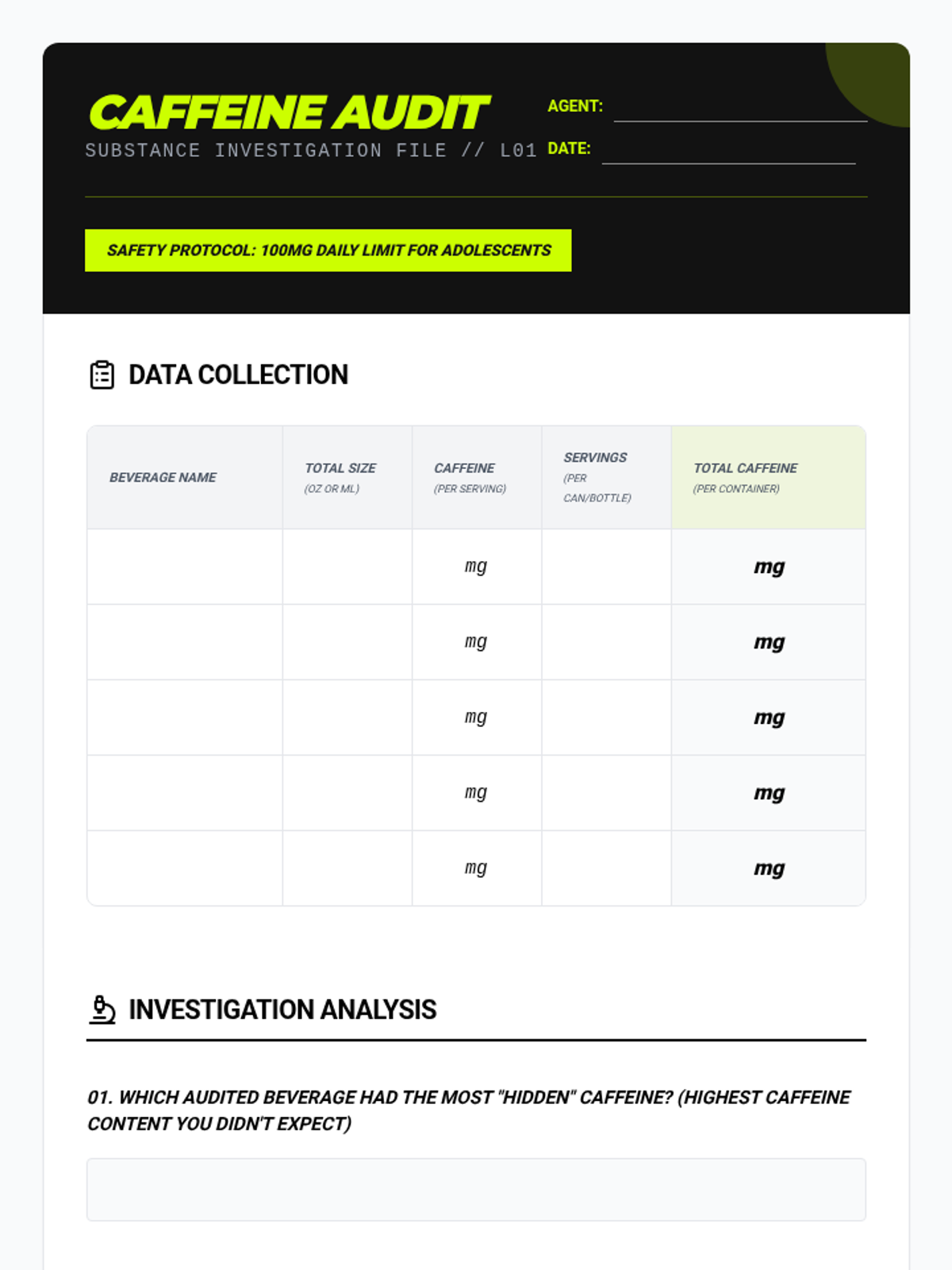
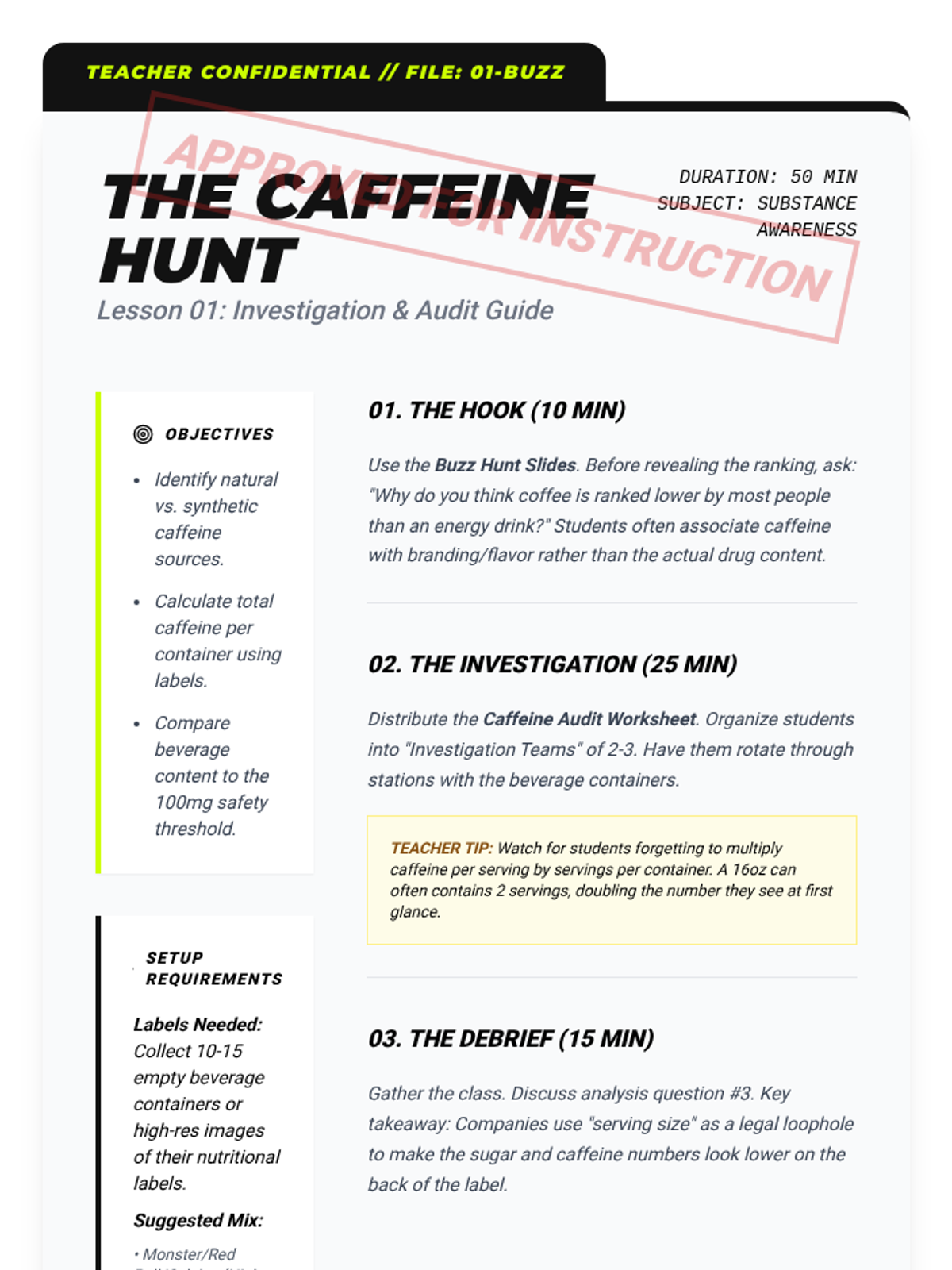
A comprehensive investigation into caffeine consumption, marketing tactics, and physiological effects, designed to transform 7th-grade students into critical analysts of the energy drink industry.
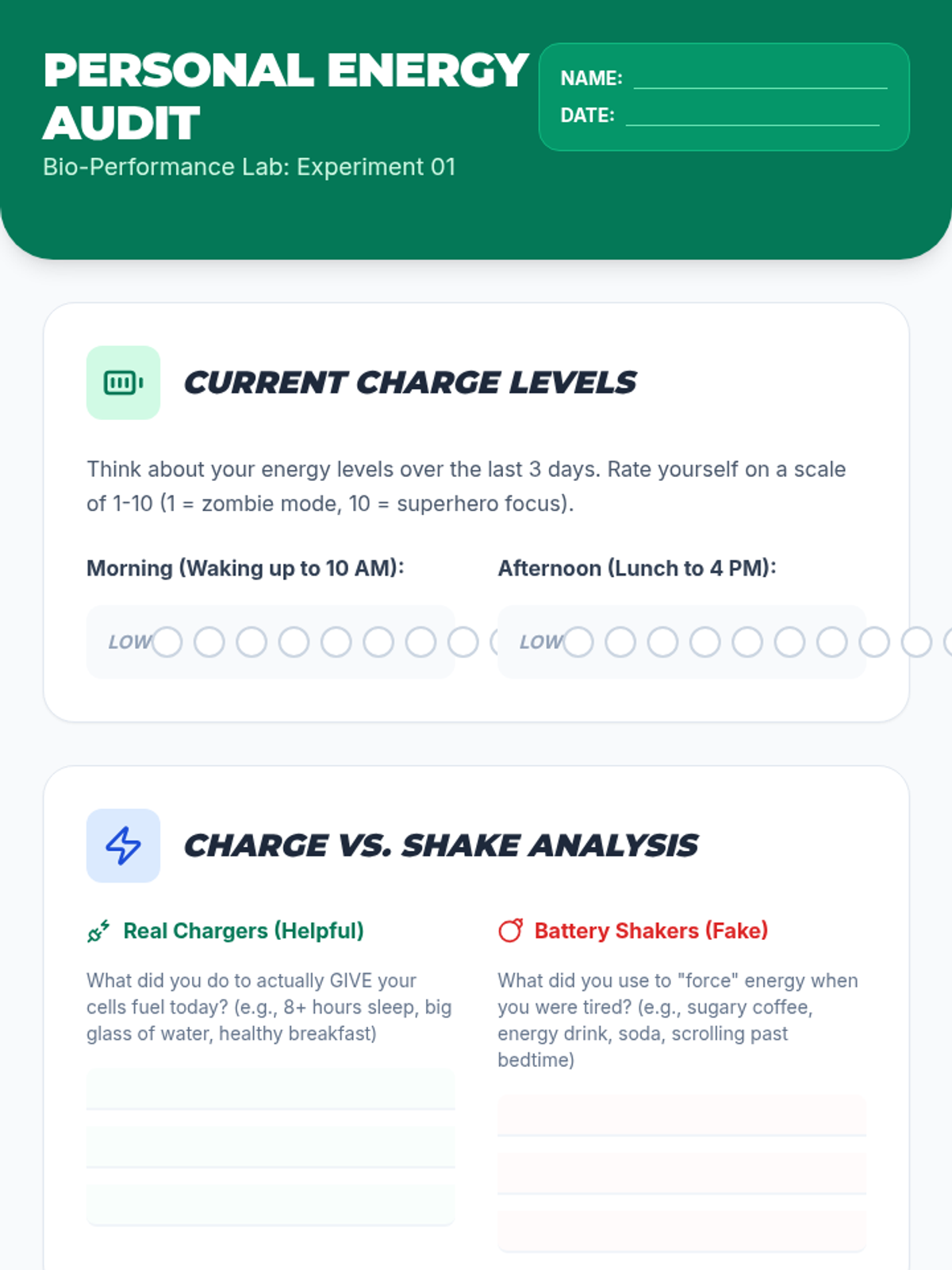
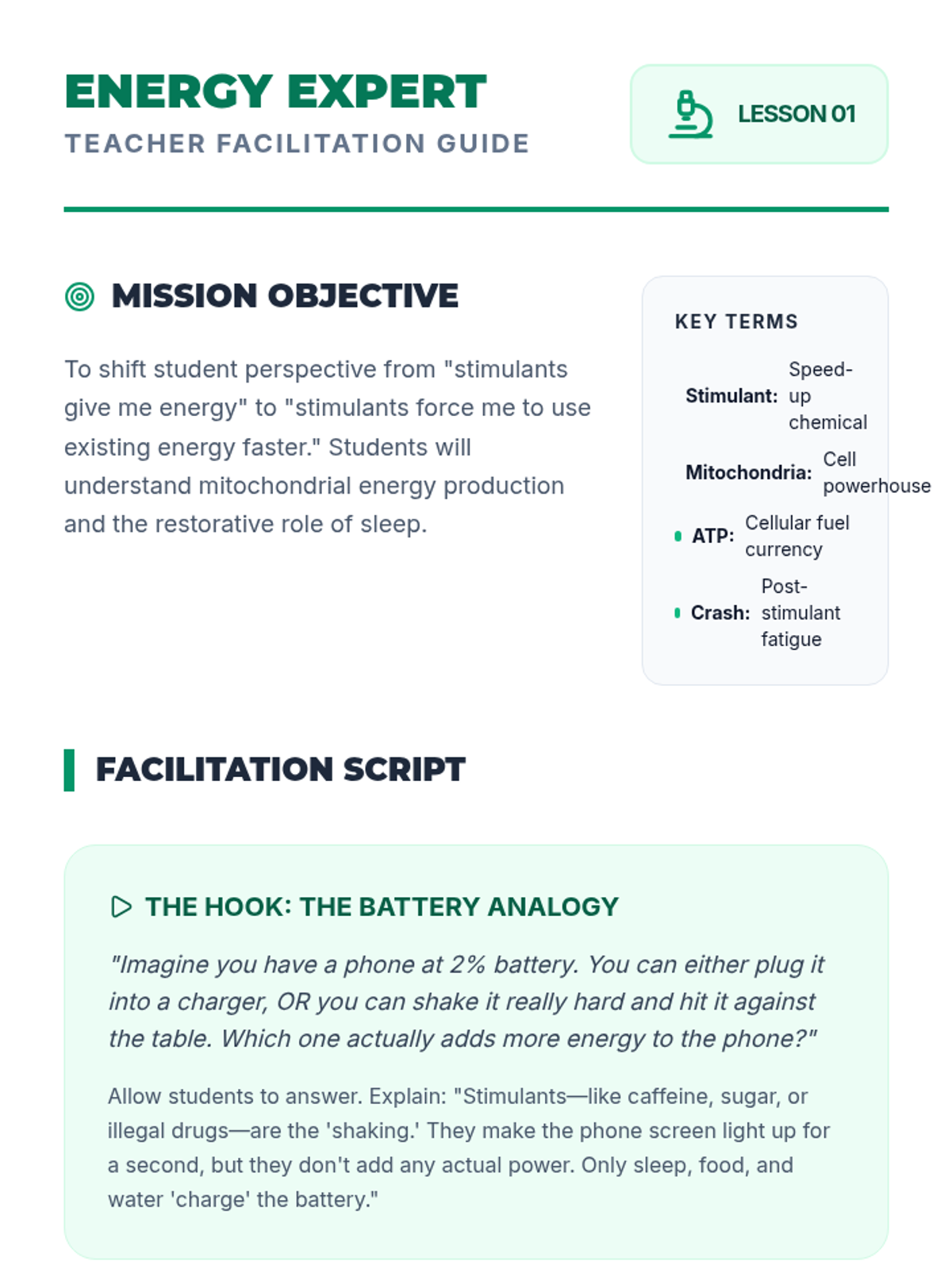
A positive-focused health sequence for 6th graders that teaches natural energy strategies—sleep, nutrition, movement, and stress management—as sustainable alternatives to chemical stimulants. Students develop a personal 'High Performance Plan' to optimize their energy and focus.
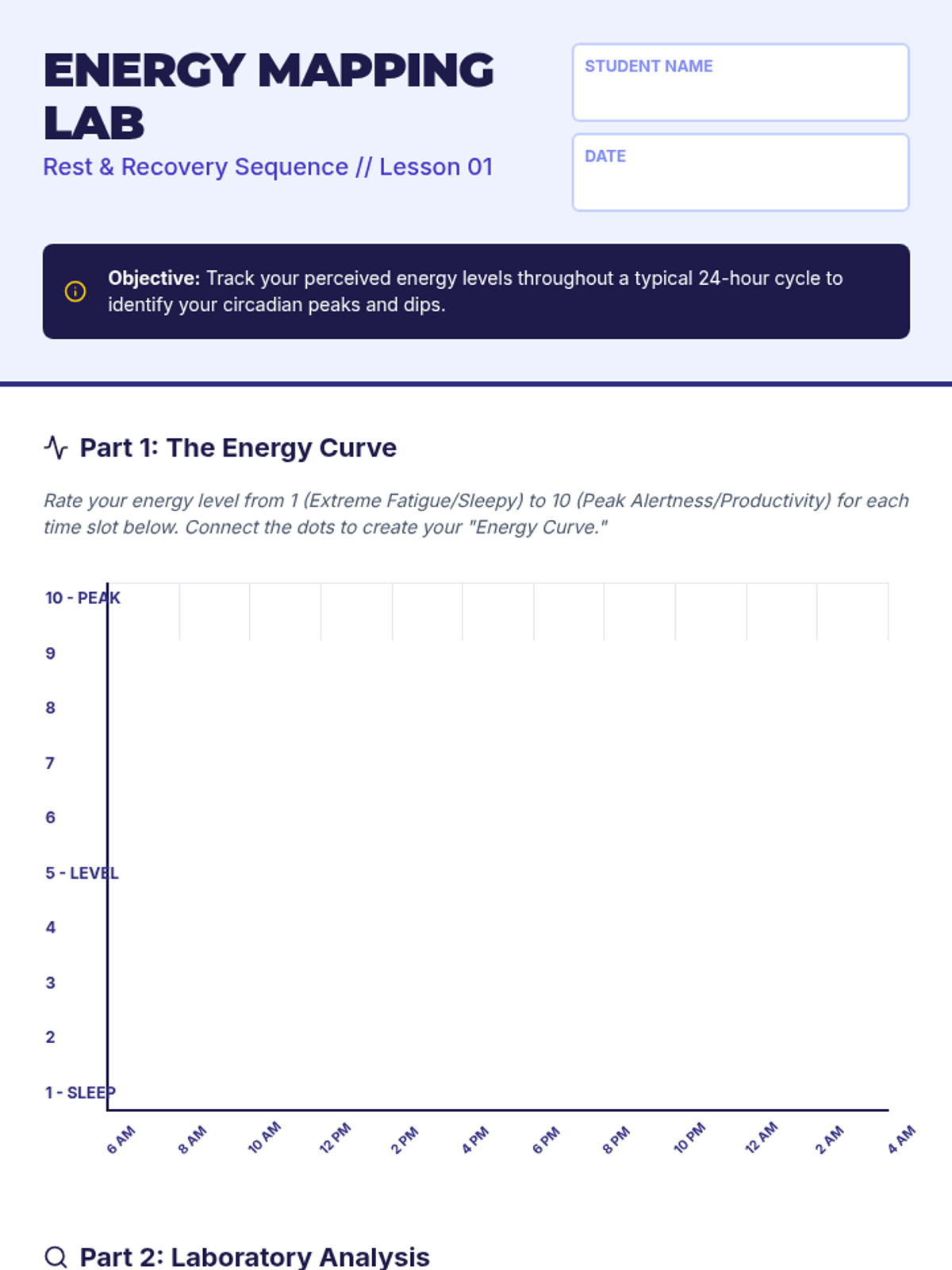
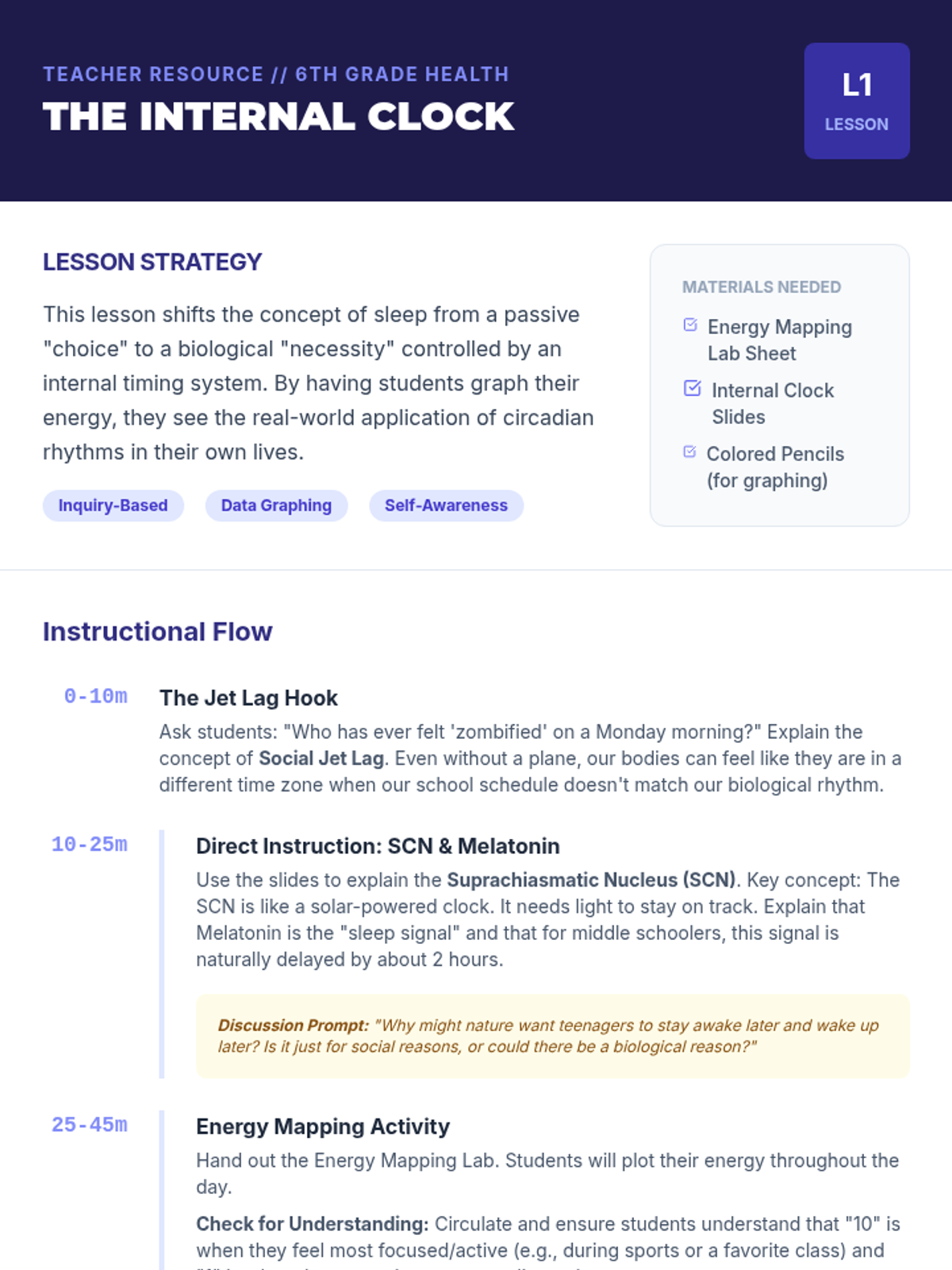
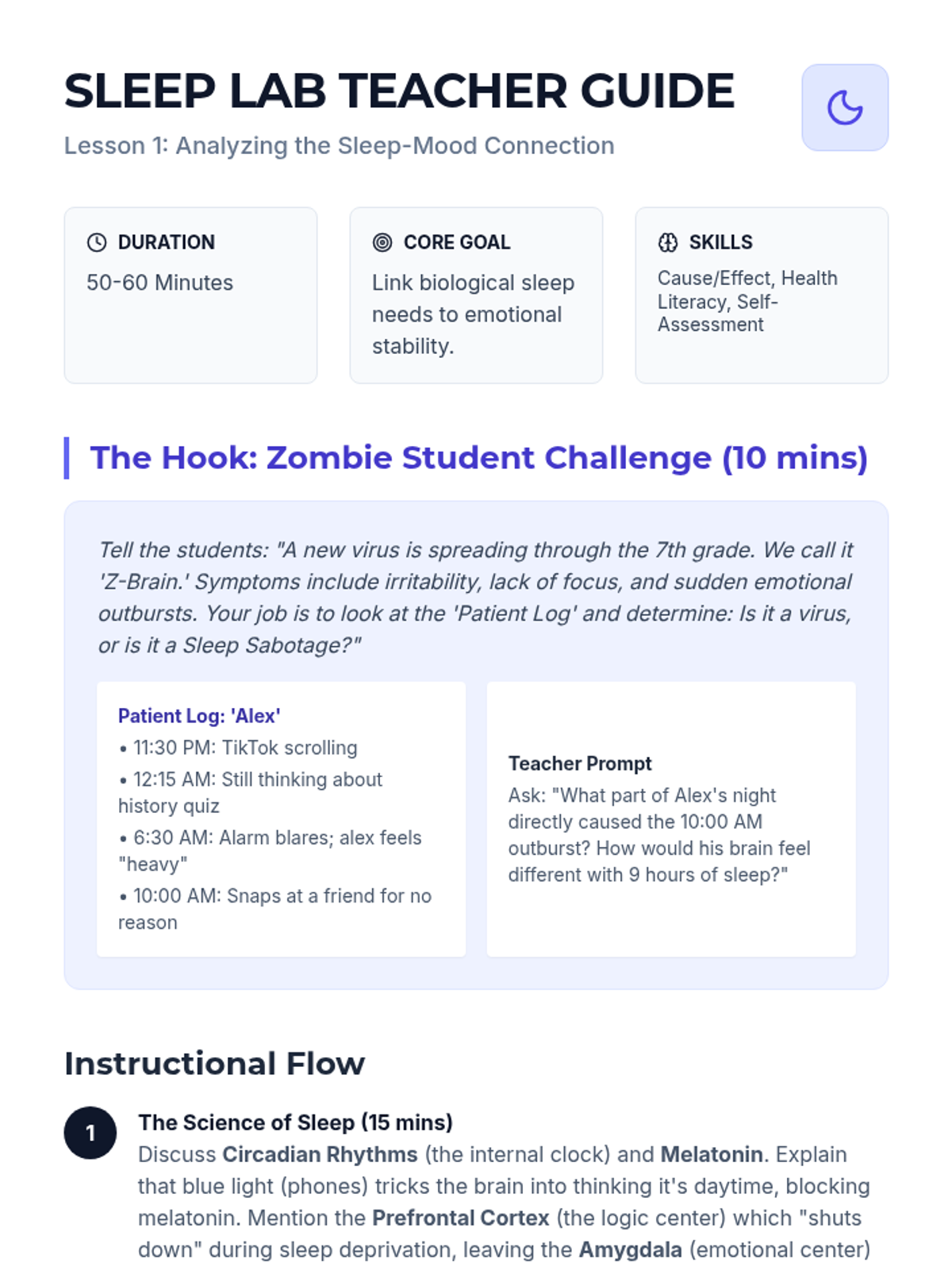
This sequence explores the biological and environmental factors of sleep, focusing on circadian rhythms, sleep stages, the impact of technology, and the development of healthy sleep hygiene for early adolescents.
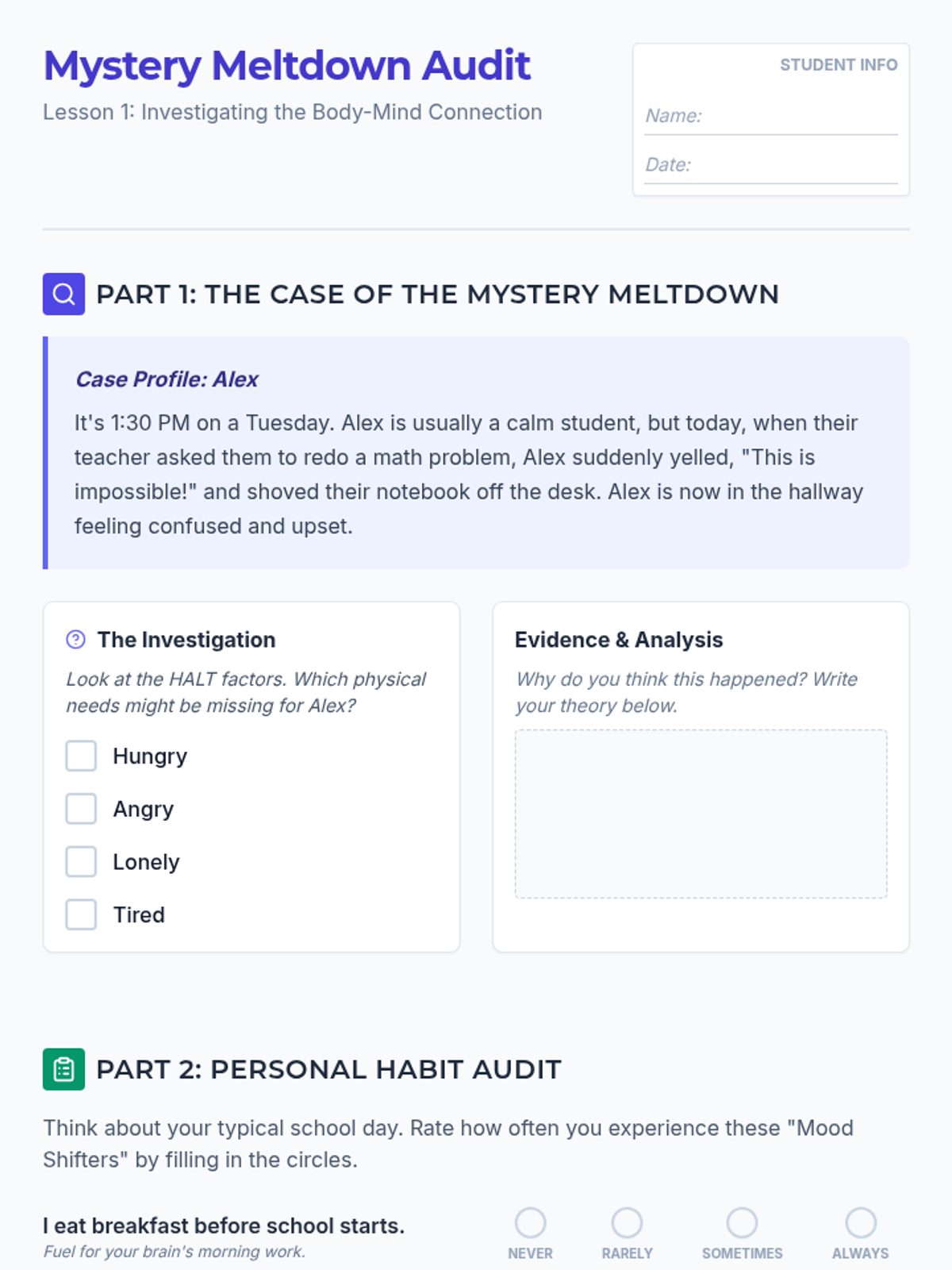
This sequence guides 7th-grade students through the biological and psychological links between daily habits and emotional stability. Students explore sleep hygiene, nutritional energy, and physical activity, culminating in a personalized habit-stacking wellness plan.
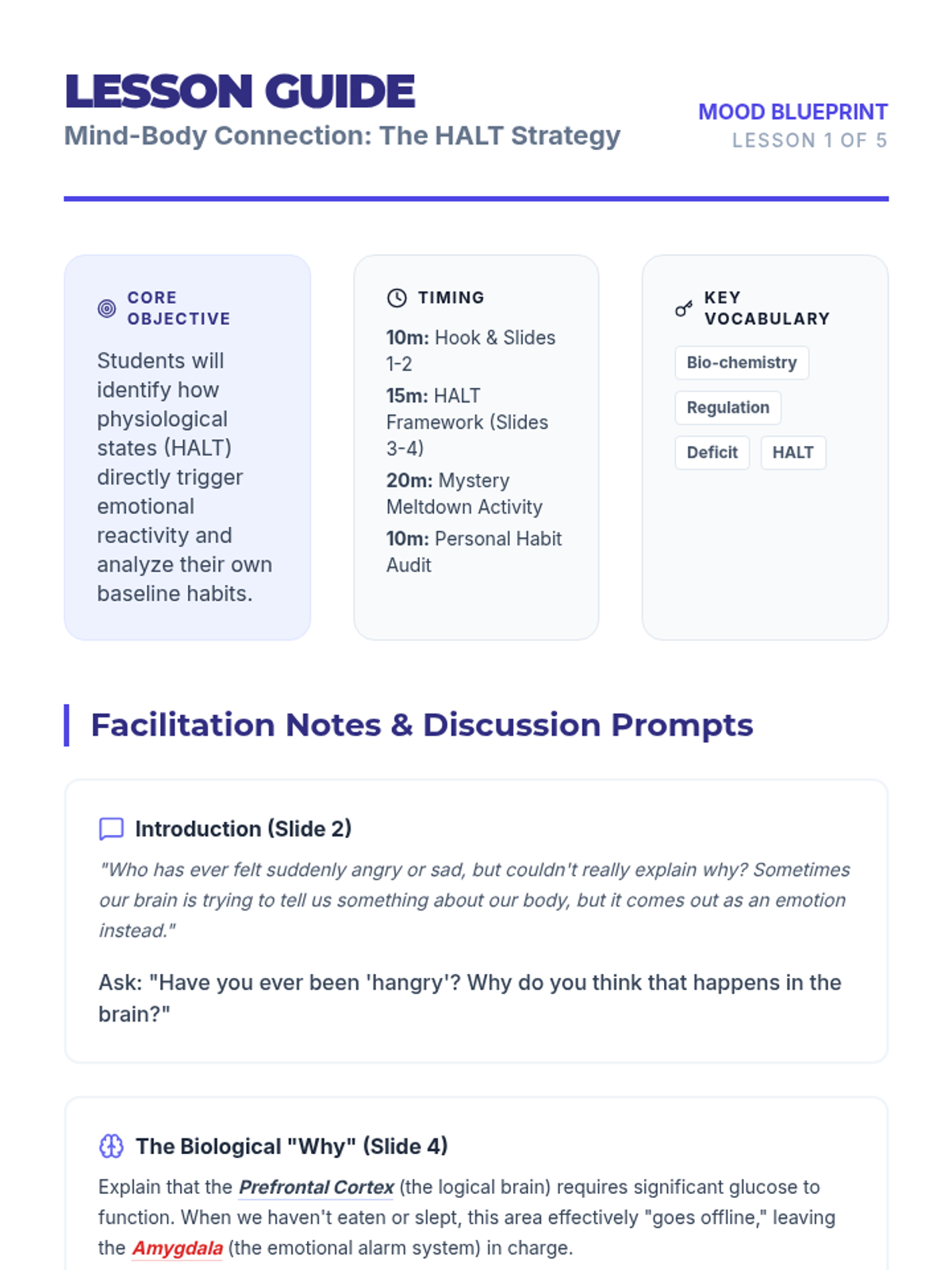
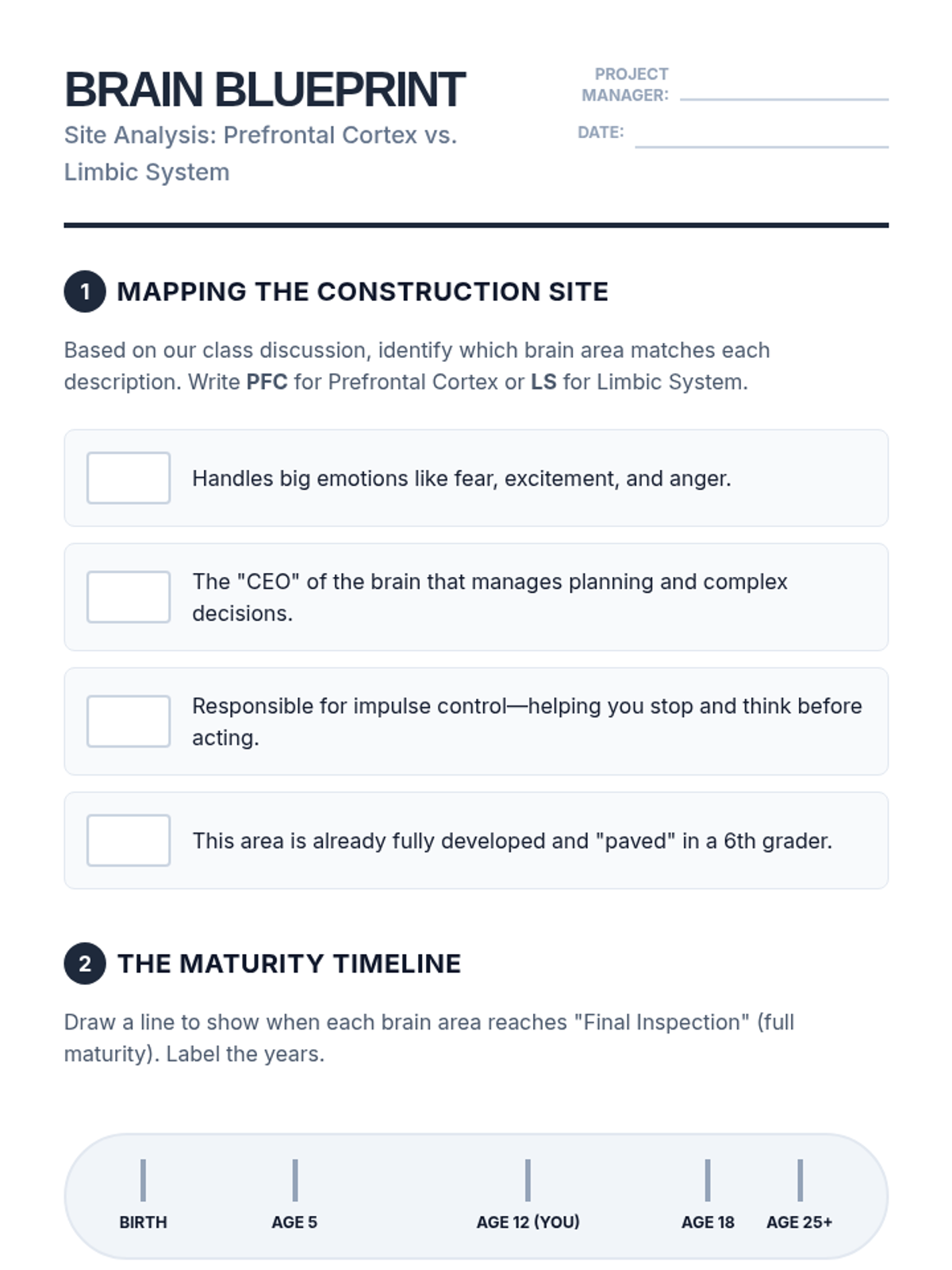
A 5-lesson sequence for 6th-grade students focusing on the biological and behavioral foundations of emotional regulation through daily routines, culminating in a personalized Wellness Blueprint.
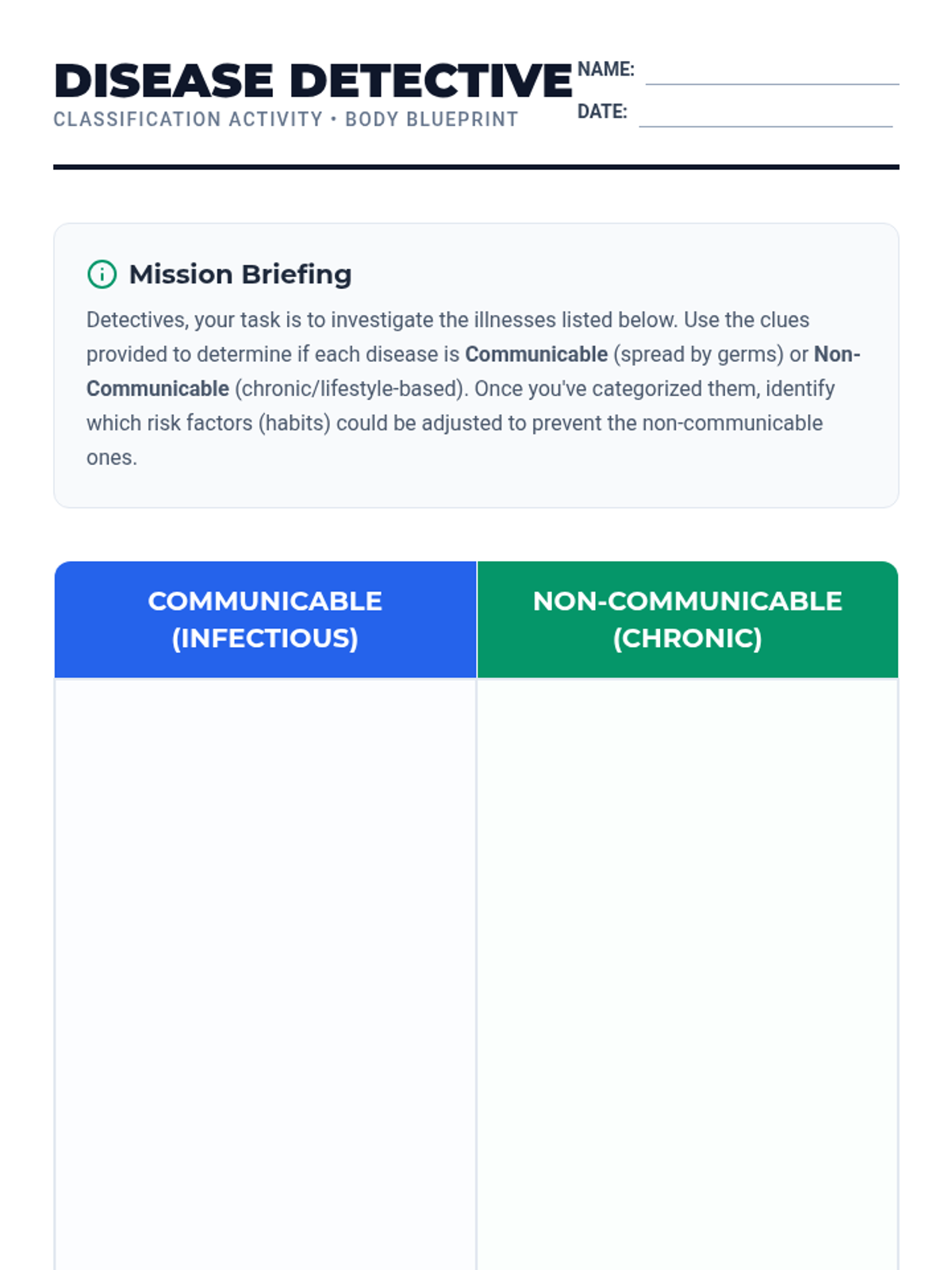
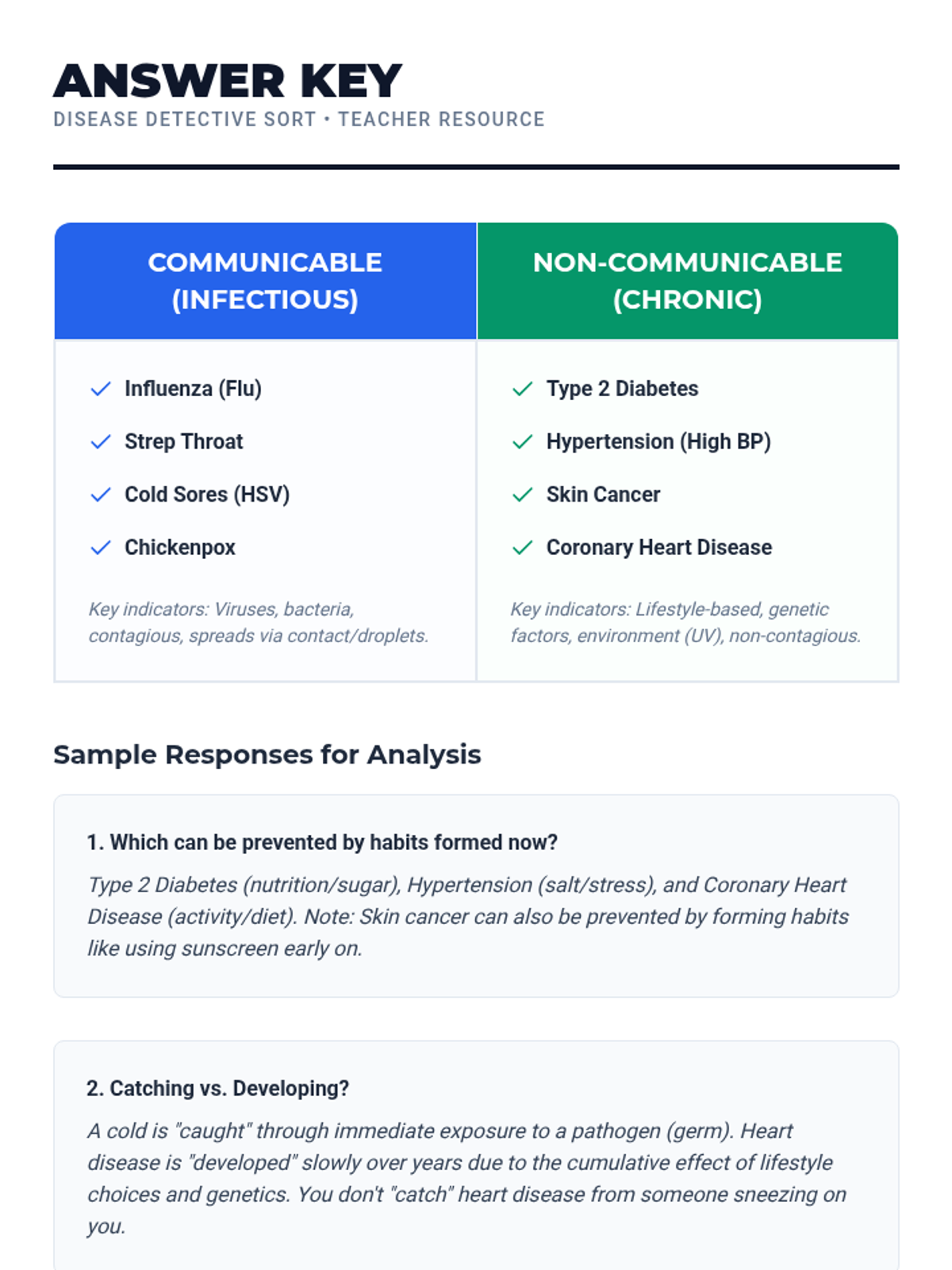
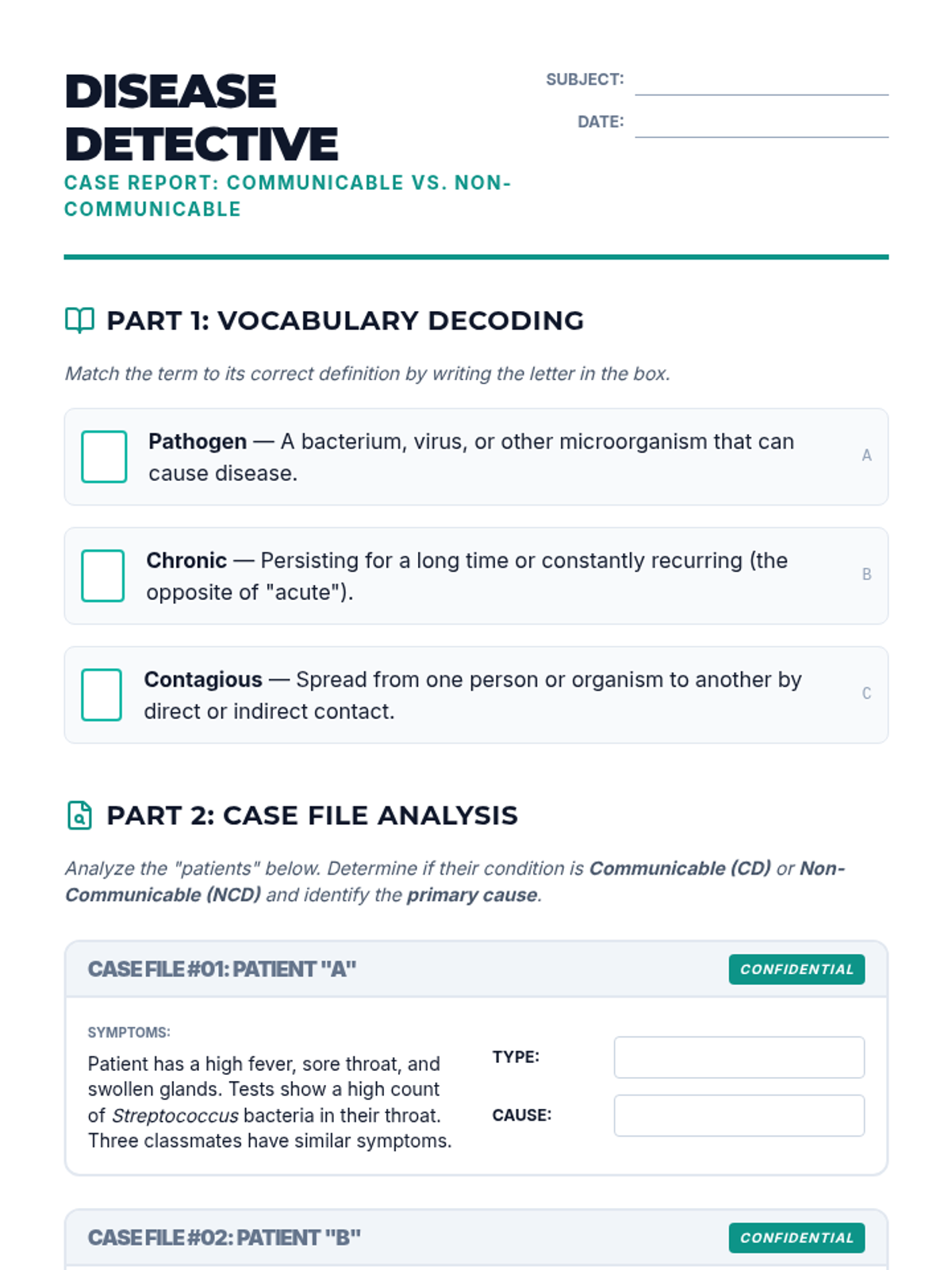
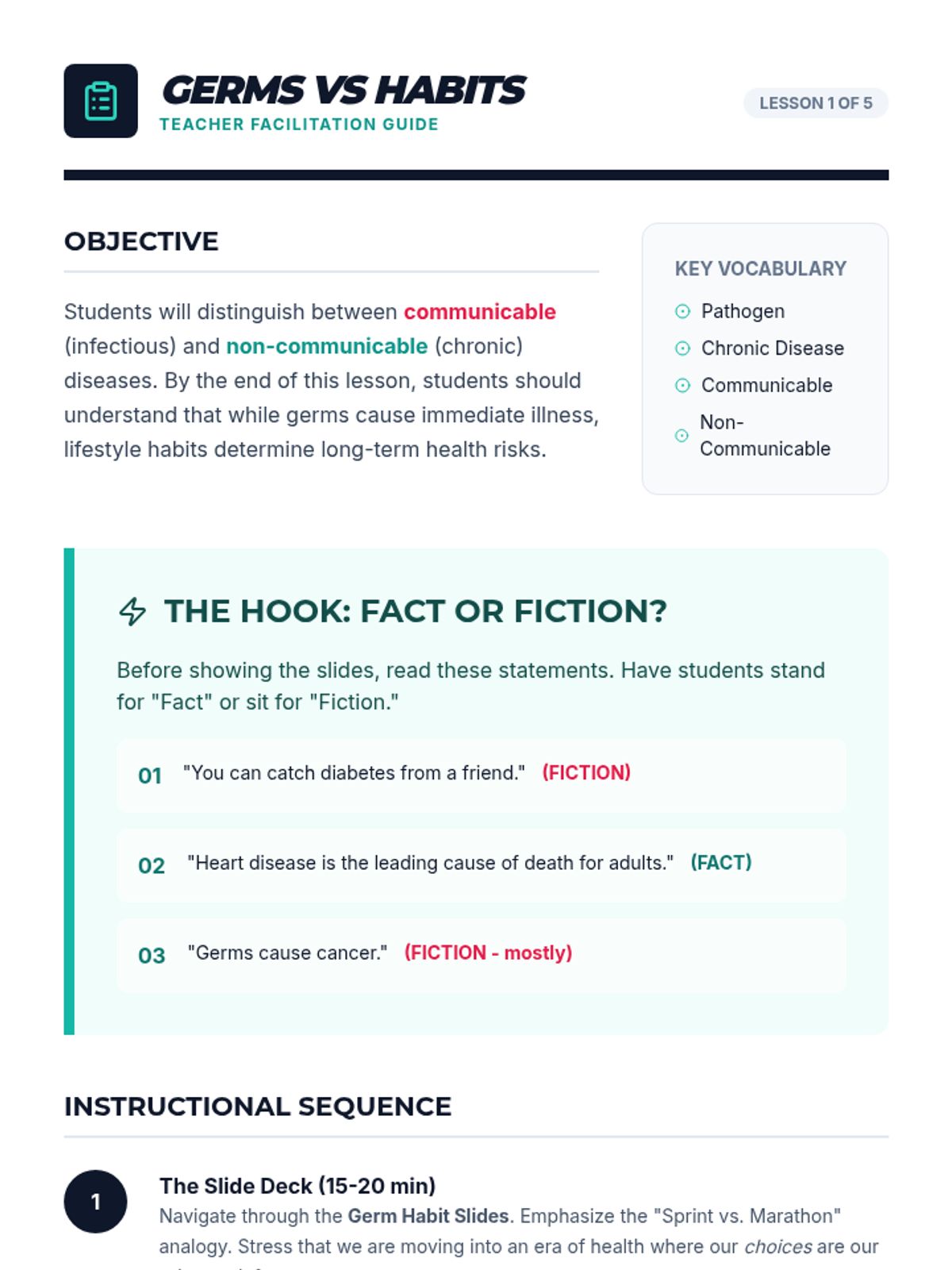
A comprehensive 7th-grade health sequence that explores the differences between infectious and chronic diseases, emphasizing how lifestyle choices in adolescence—nutrition, activity, sleep, and stress management—shape long-term wellness and prevent non-communicable diseases.
This sequence explores the prevention of non-communicable, chronic diseases through lifestyle choices, shifting focus from germs to long-term habits. Students analyze nutrition, sleep, activity, and stress to create a personalized wellness plan for lifelong health.
A series of lessons focused on essential wellness and safety topics for middle and high school students, covering sleep hygiene and digital citizenship.
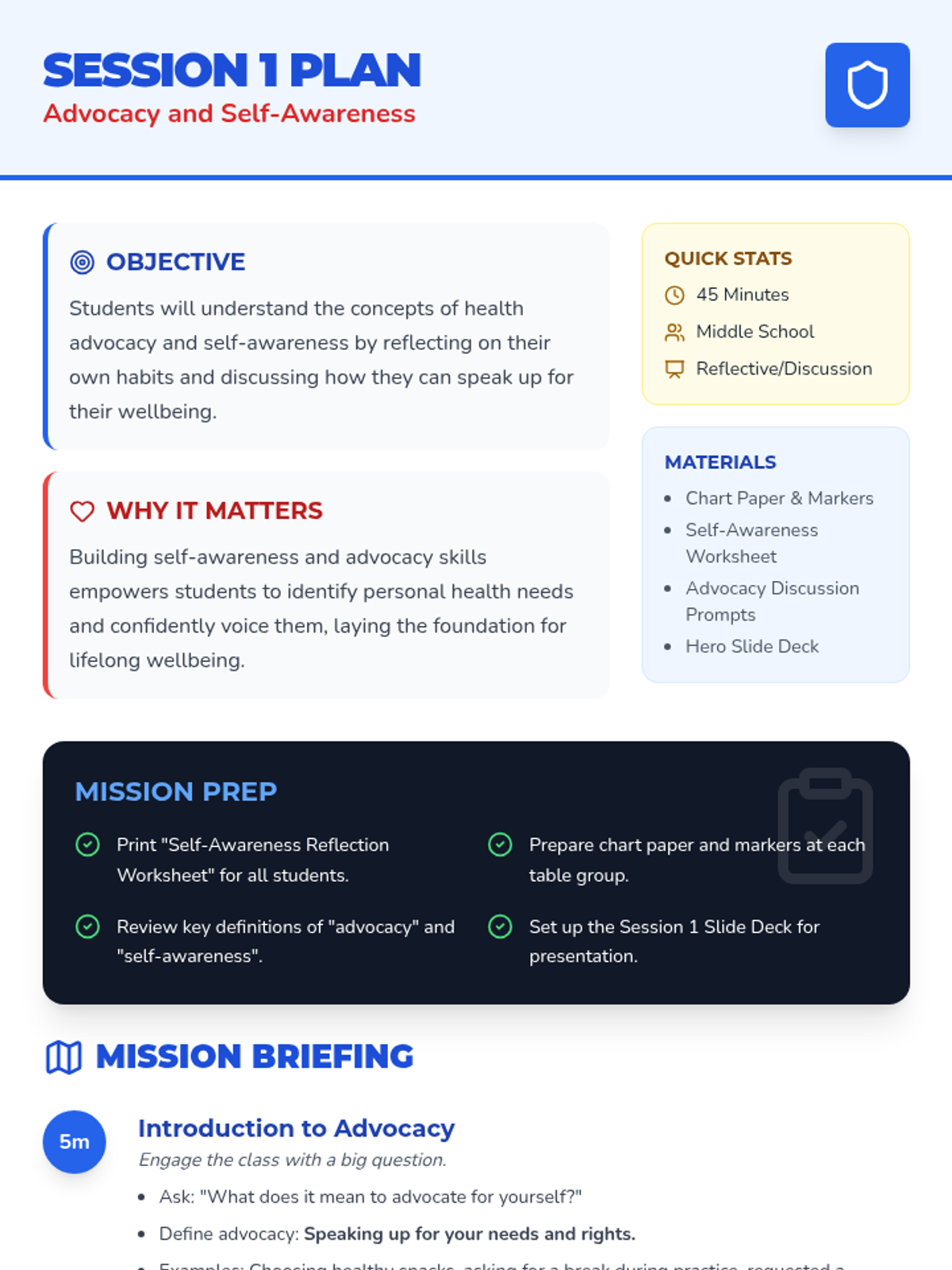
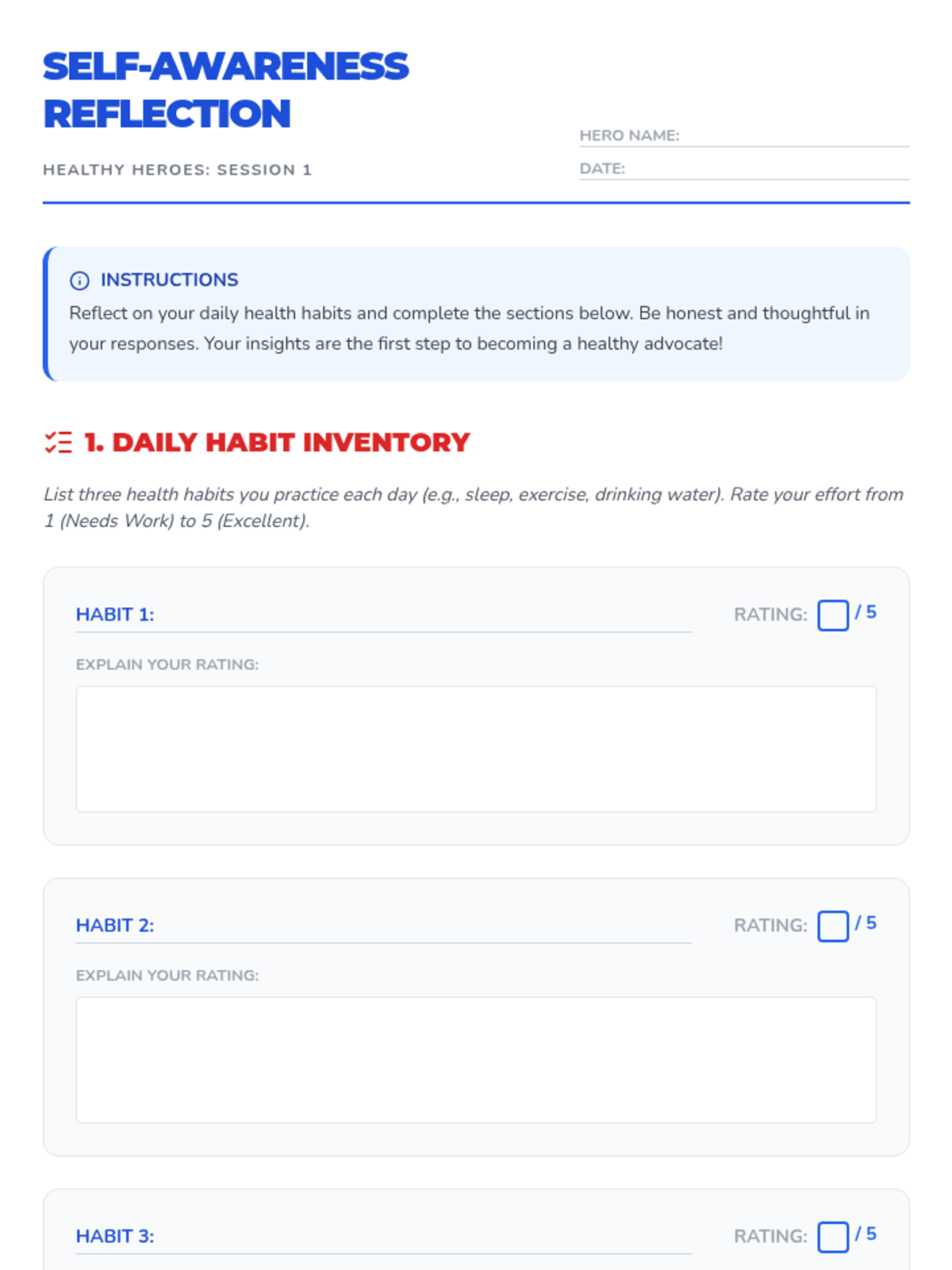
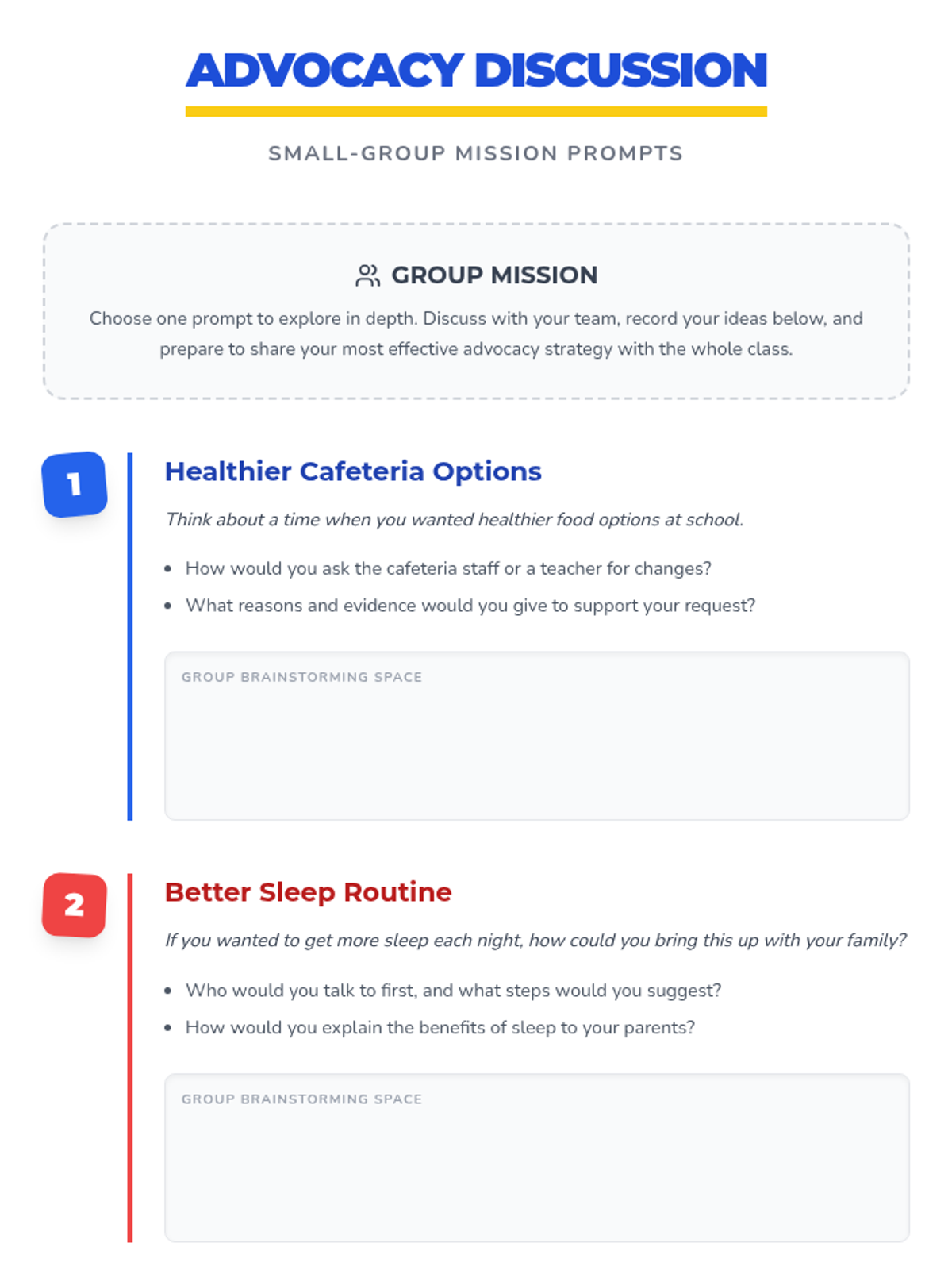
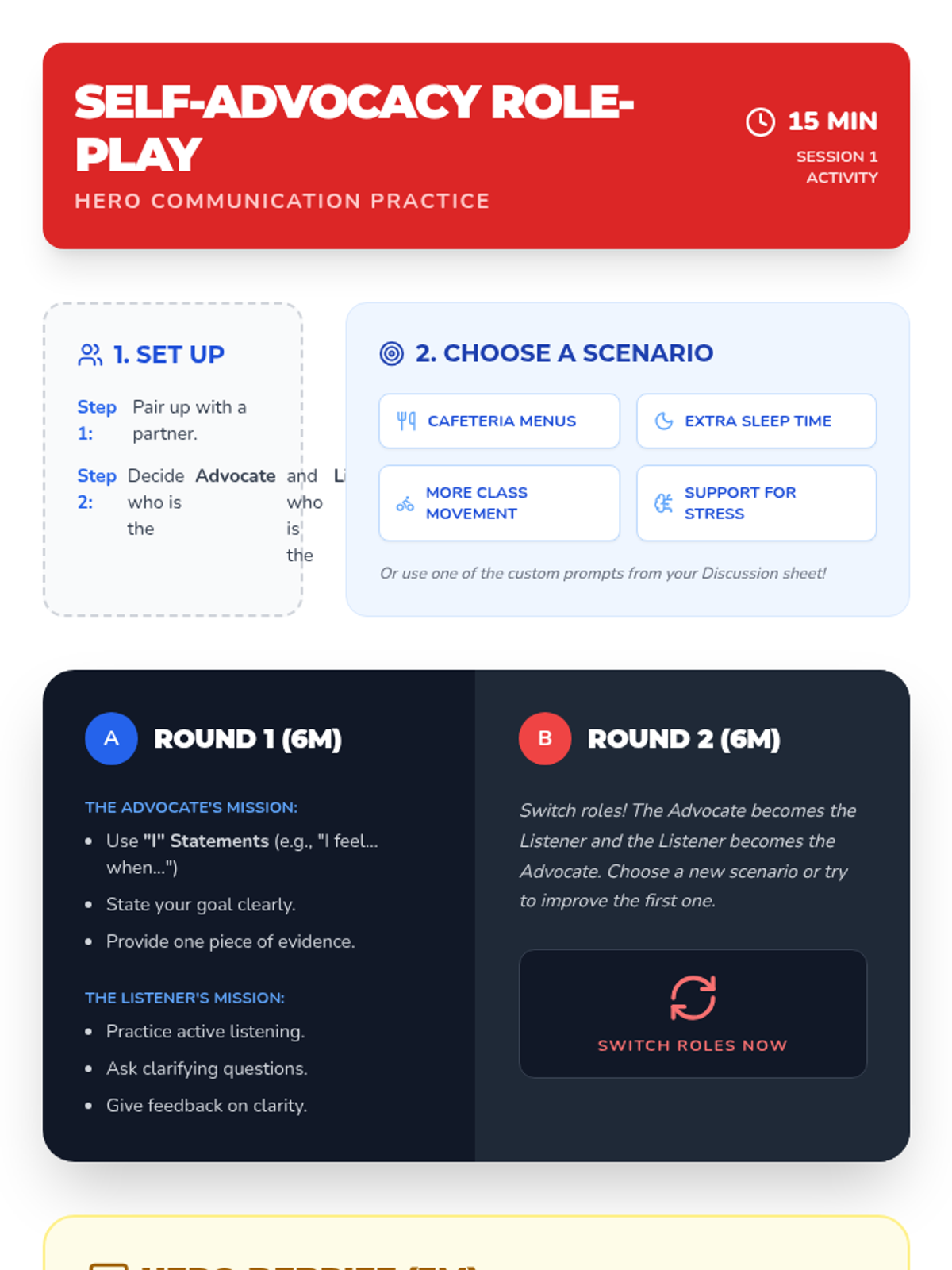
A comprehensive 8-session health advocacy program for middle schoolers, focusing on self-awareness, nutrition, fitness, mental health, sleep, and community influence. Students develop SMART goals and practical advocacy skills to become 'Healthy Heroes' in their own lives and communities.
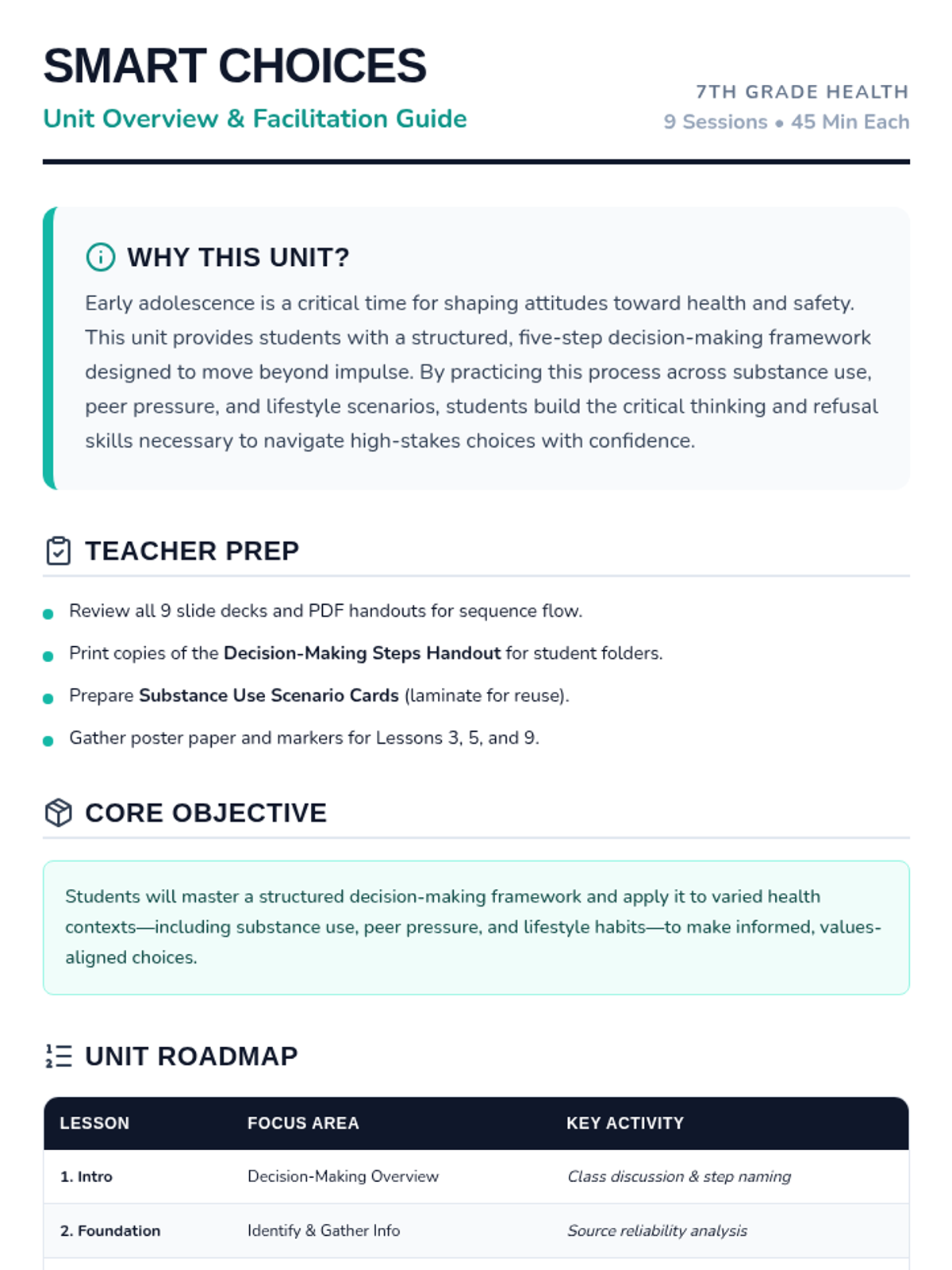
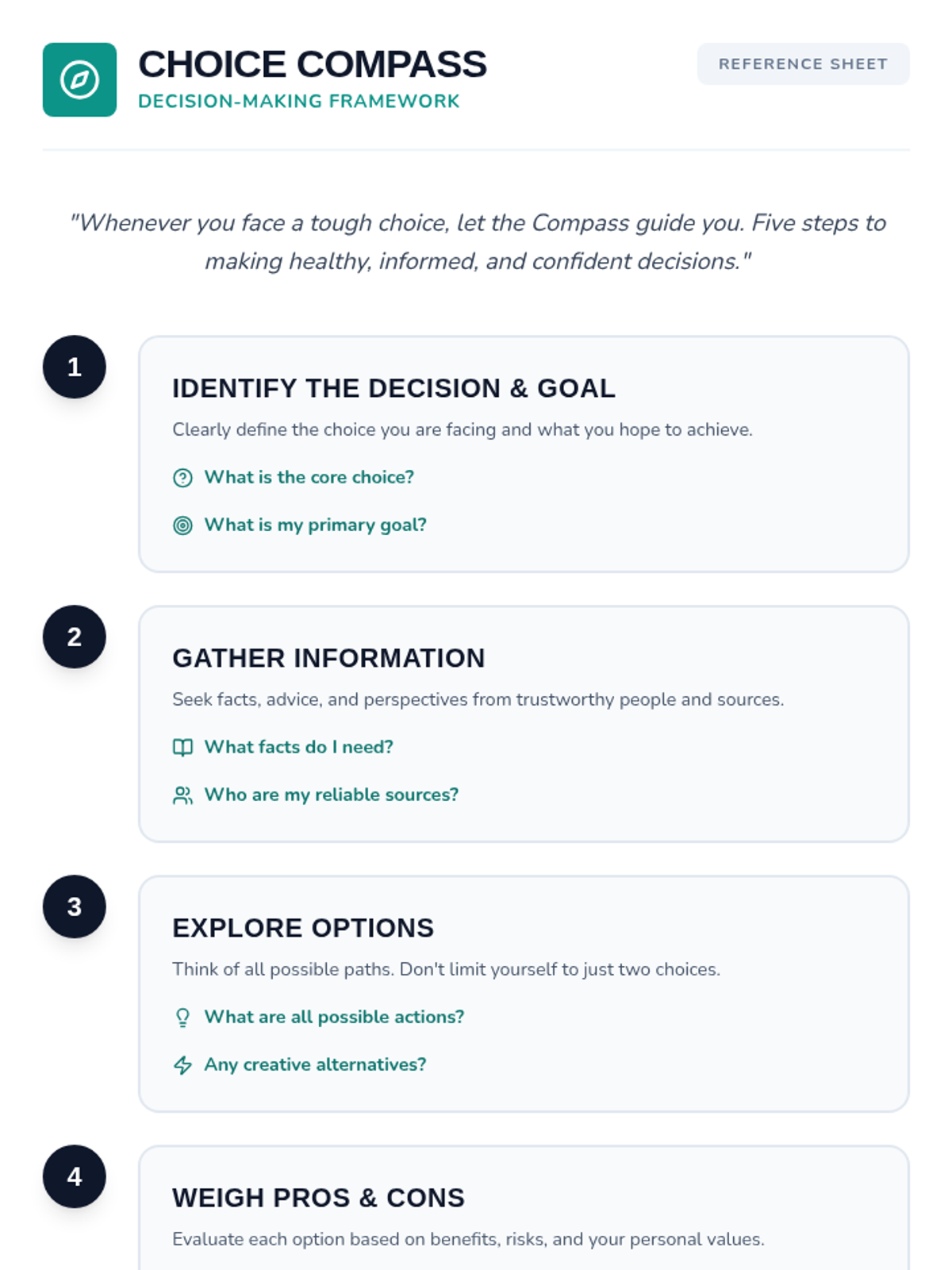
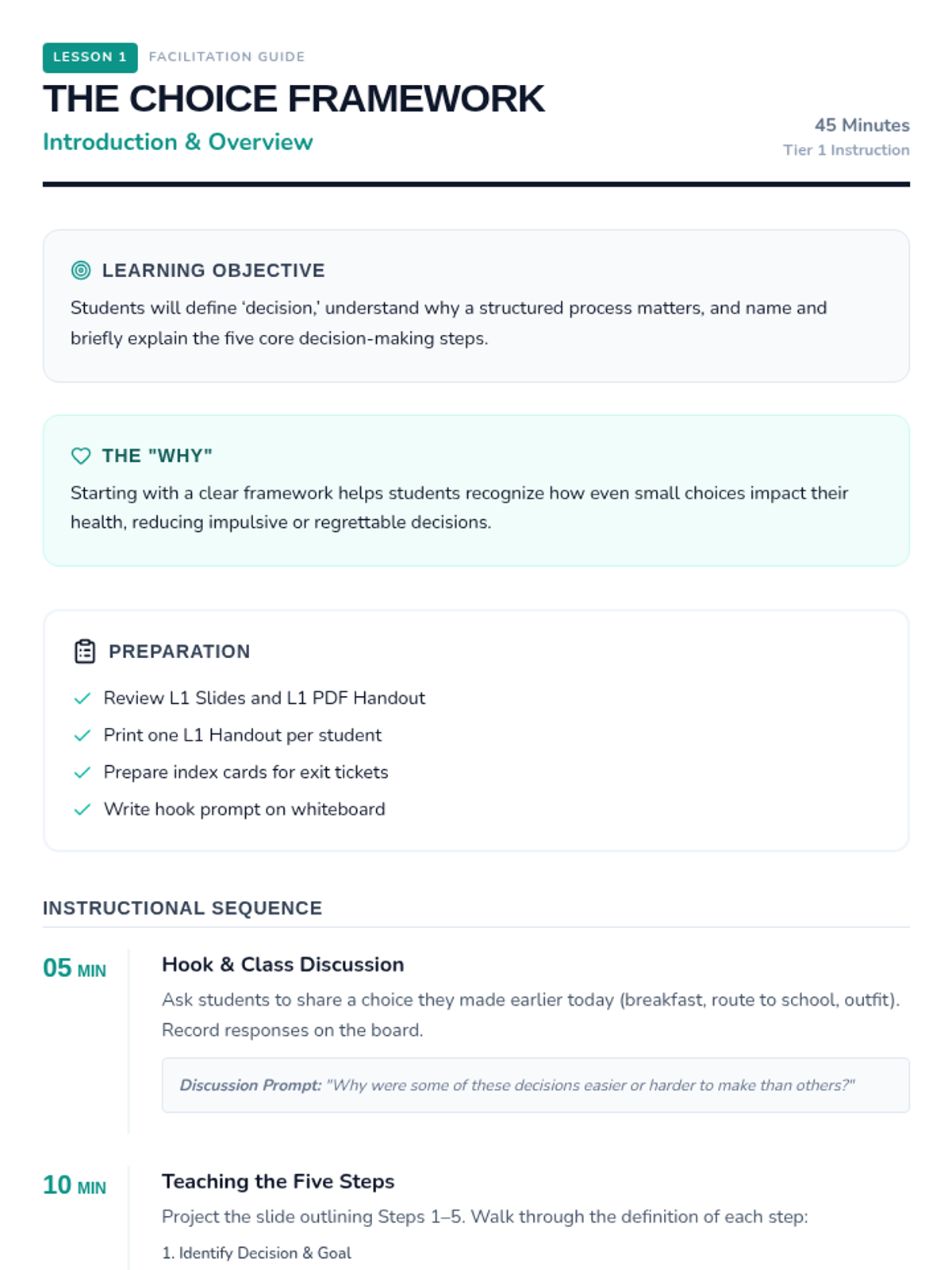
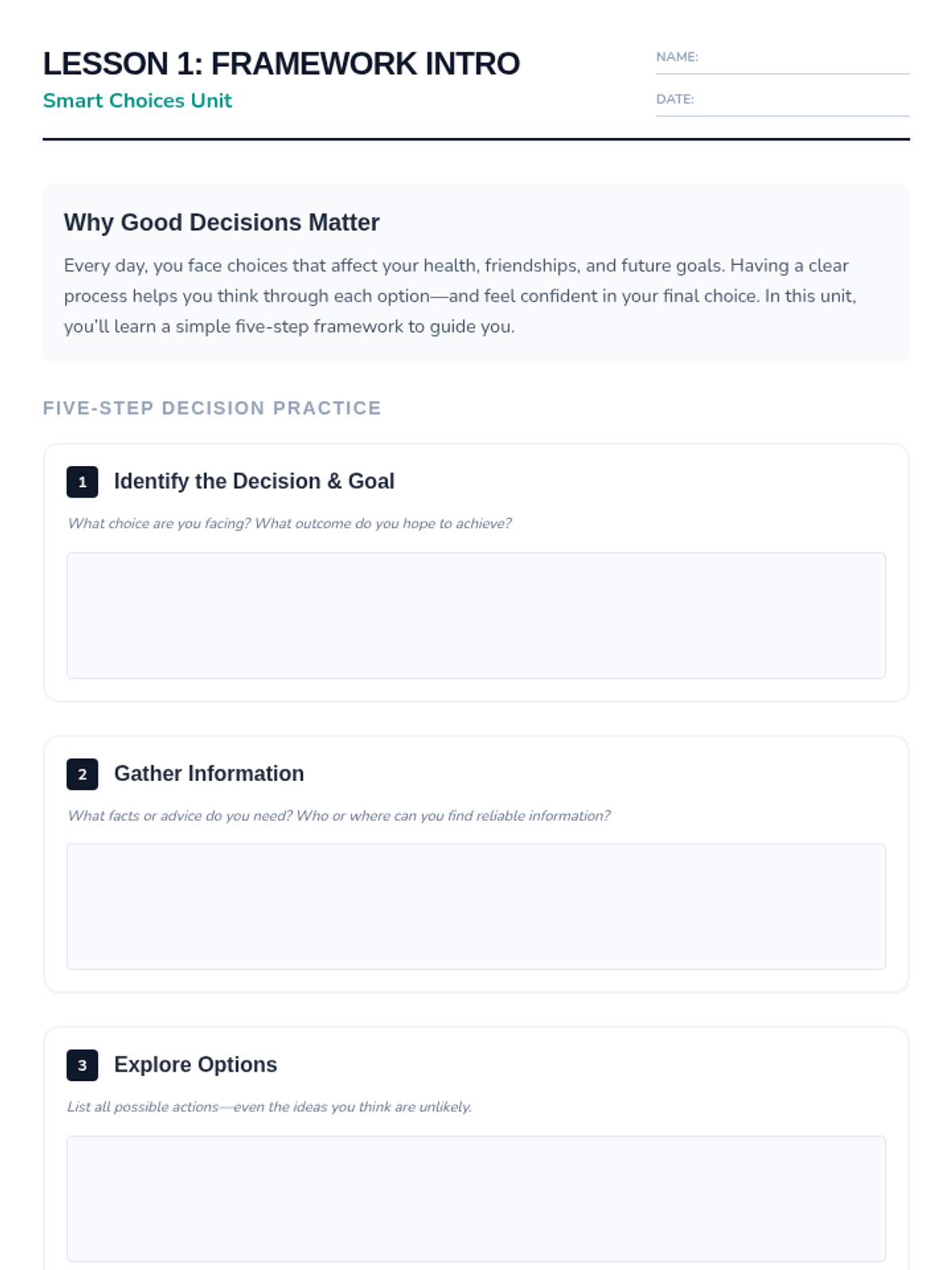
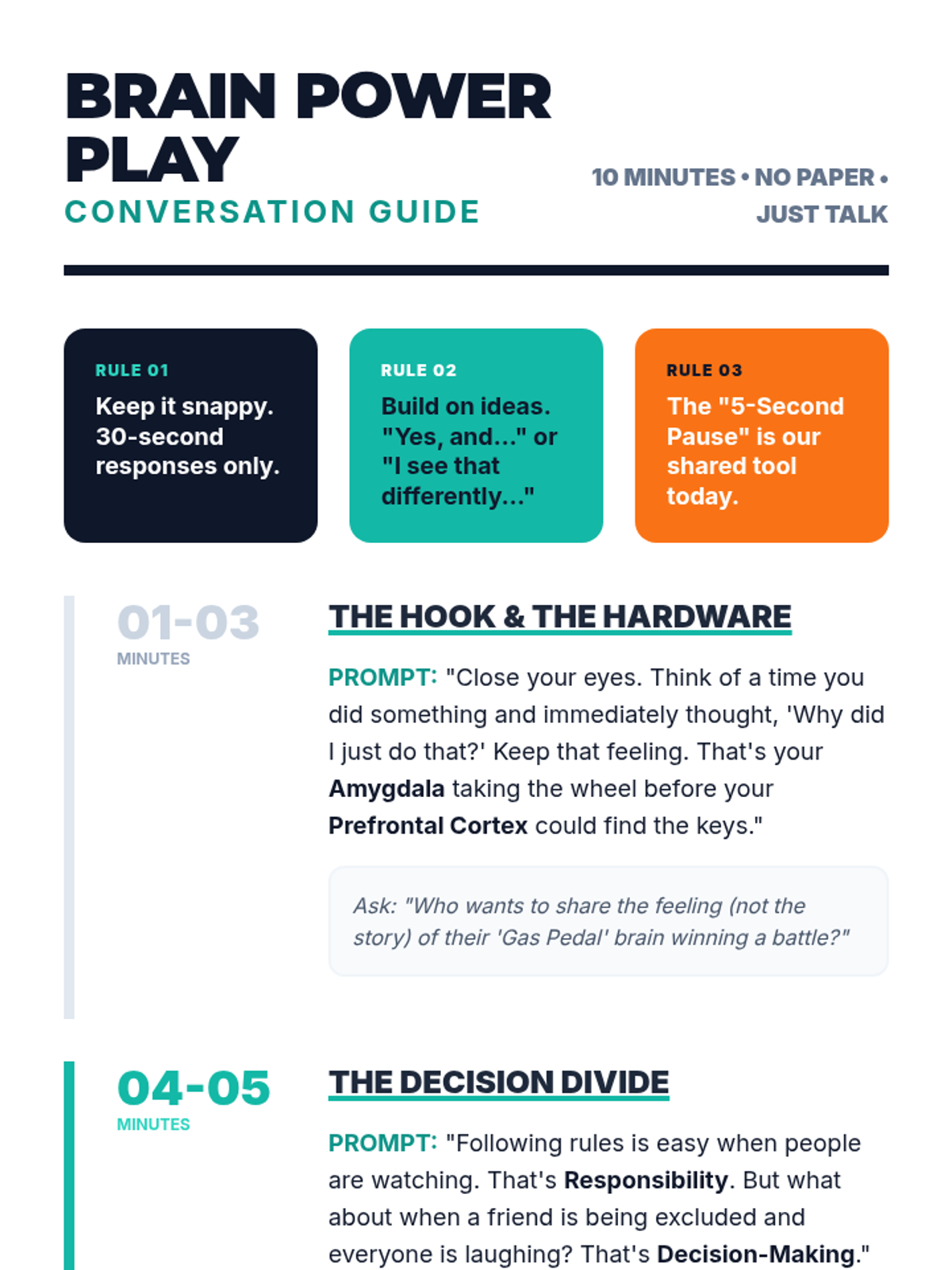
A comprehensive 9-lesson 7th-grade health unit focusing on a structured five-step decision-making process applied to substance use, peer pressure, and healthy lifestyle habits.
A functional biology curriculum designed for life skills students, focusing on practical knowledge of nutrition, personal hygiene, and environmental stewardship through hands-on activities and visual aids.
A 6th-grade inquiry-based sequence where students investigate the science of microorganisms to develop evidence-based personal hygiene protocols. The sequence covers microbial transmission, hand hygiene efficacy, oral health, body odor biology, and personal wellness planning.
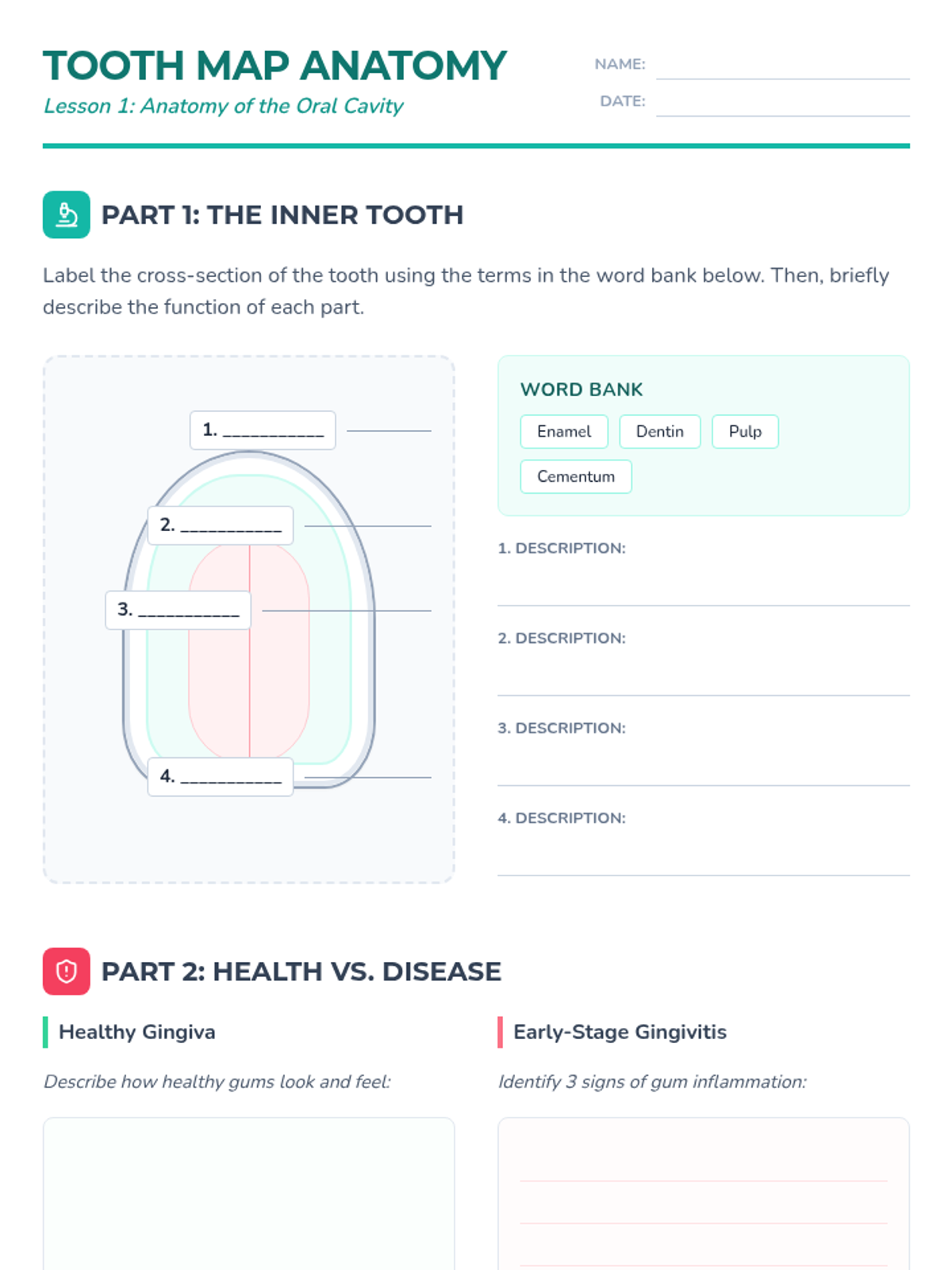
A comprehensive 6th-grade health sequence exploring oral anatomy, plaque removal techniques, the chemistry of enamel erosion, orthodontic care, and the systemic links between oral health and overall body wellness.
A comprehensive 6th-grade sequence on managing personal hygiene during puberty. Students explore the biology of sweat, skincare routines, odor management, and laundry skills, culminating in a personalized hygiene plan.
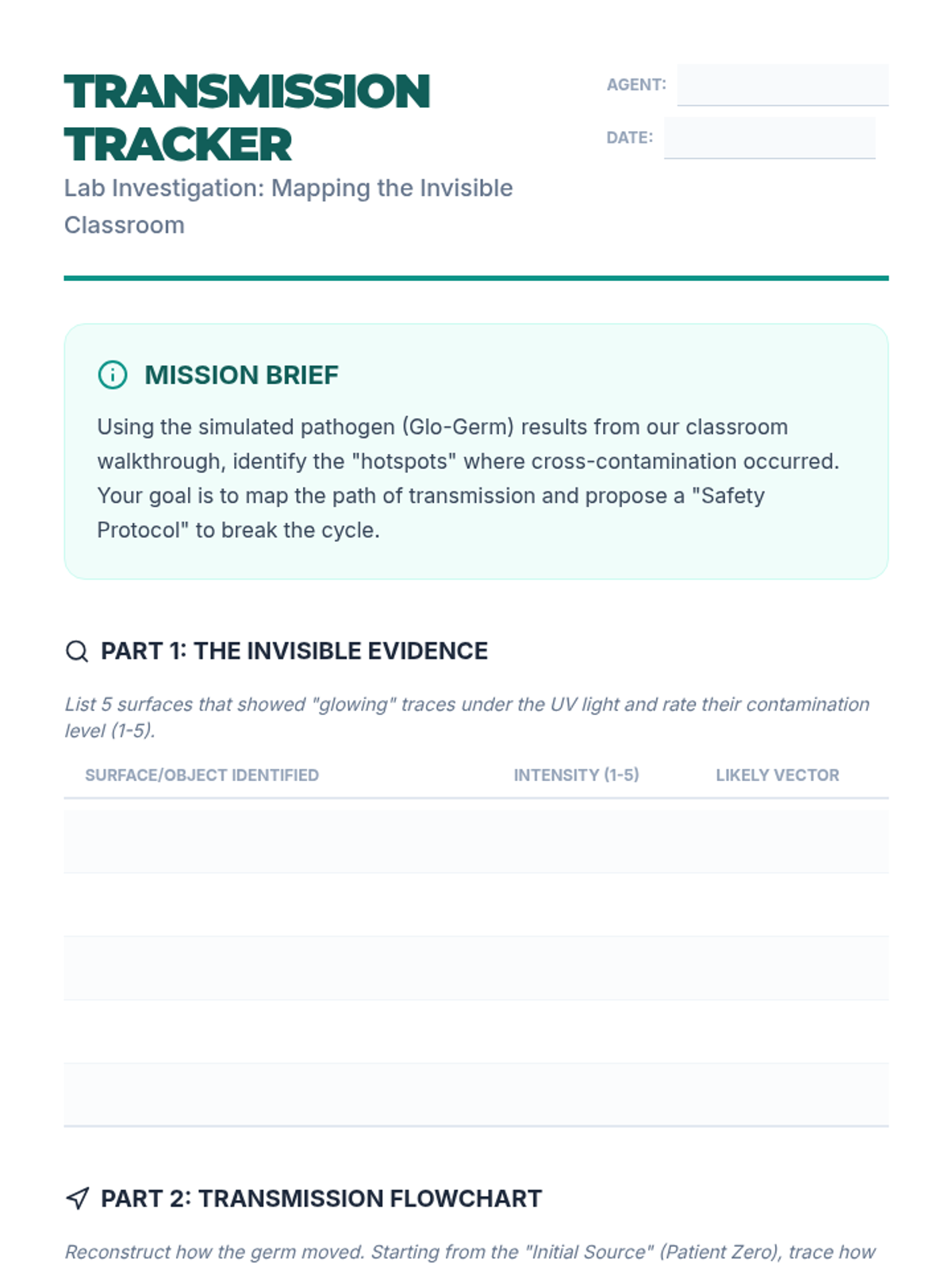
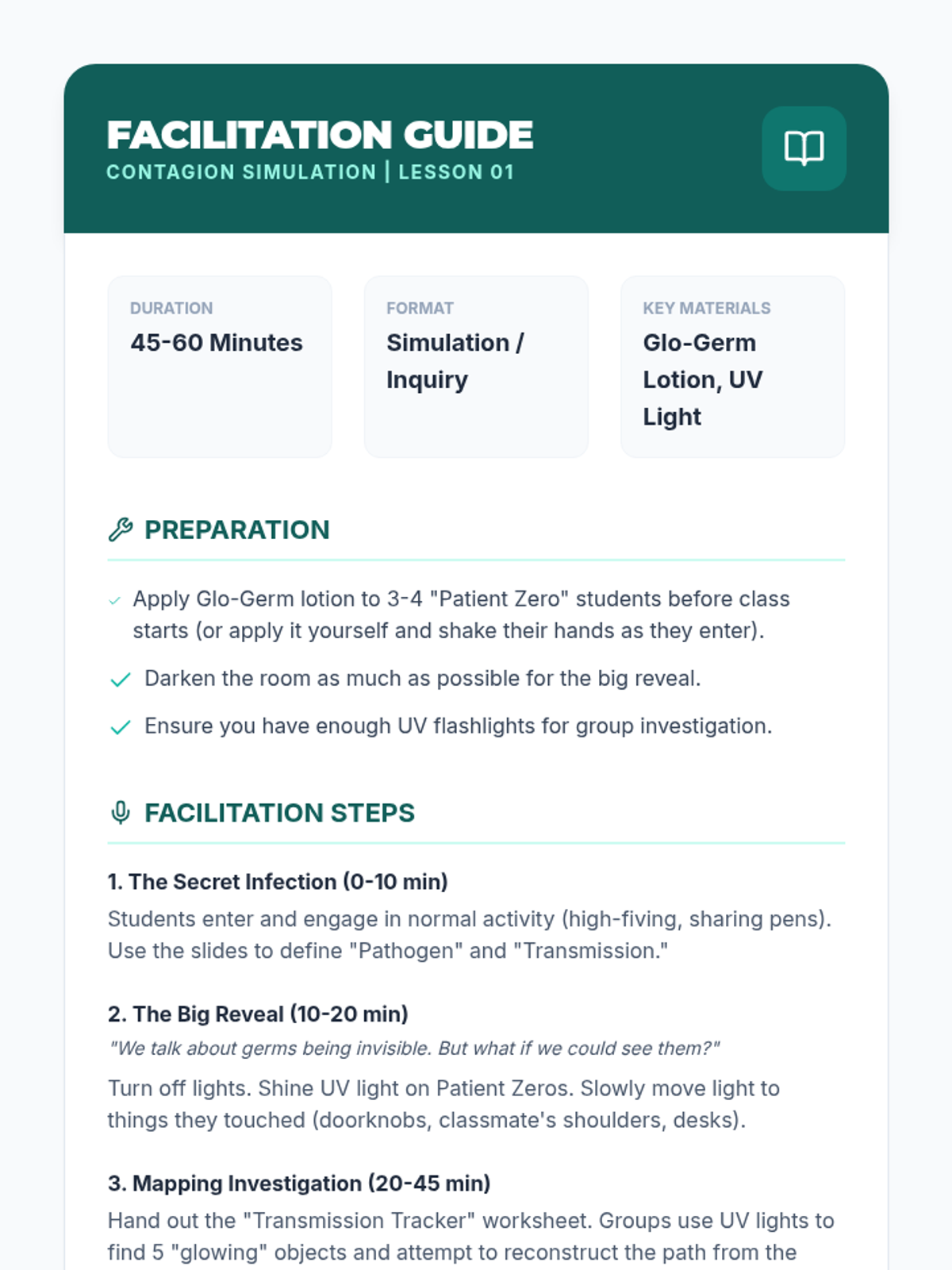
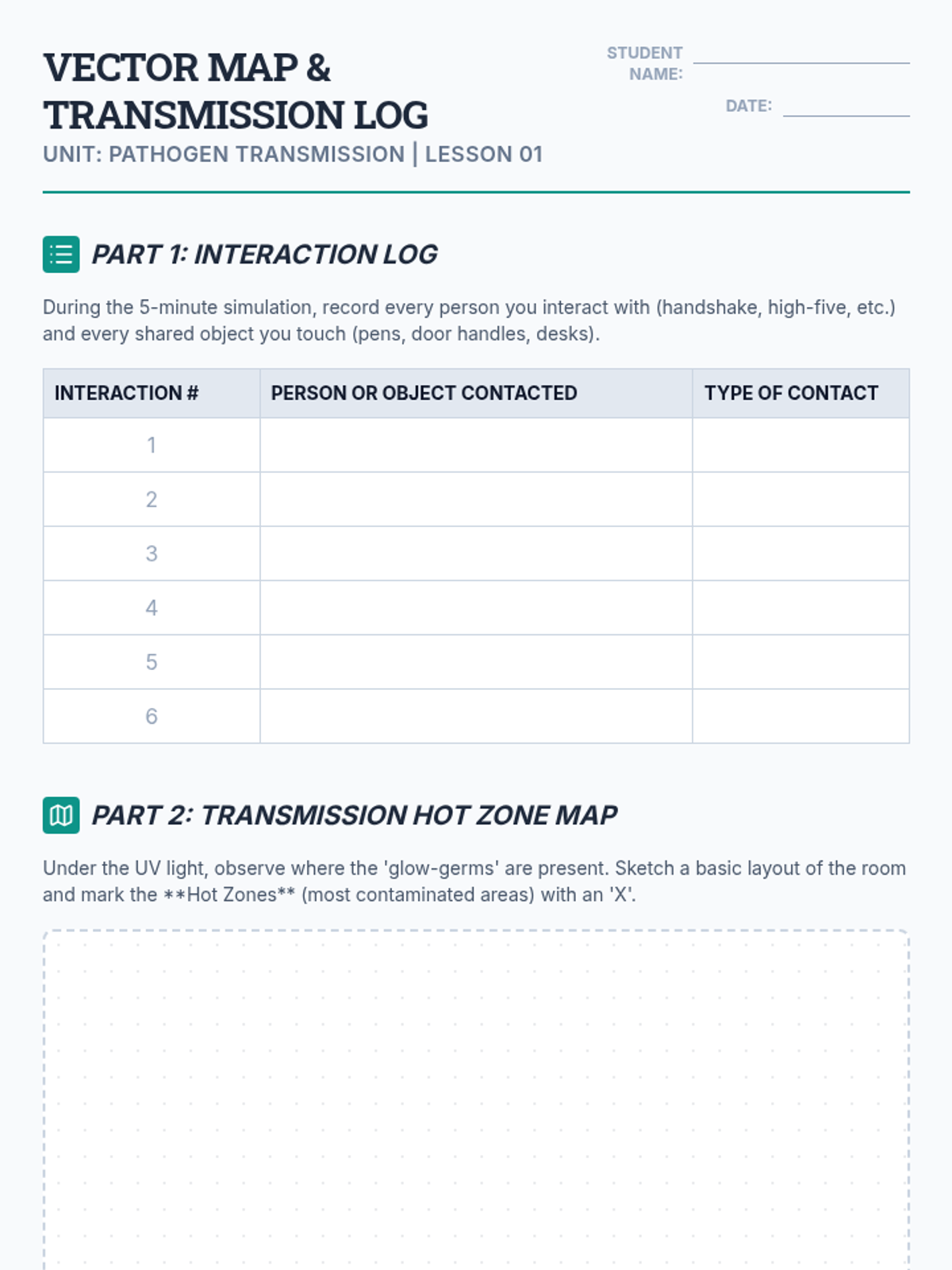
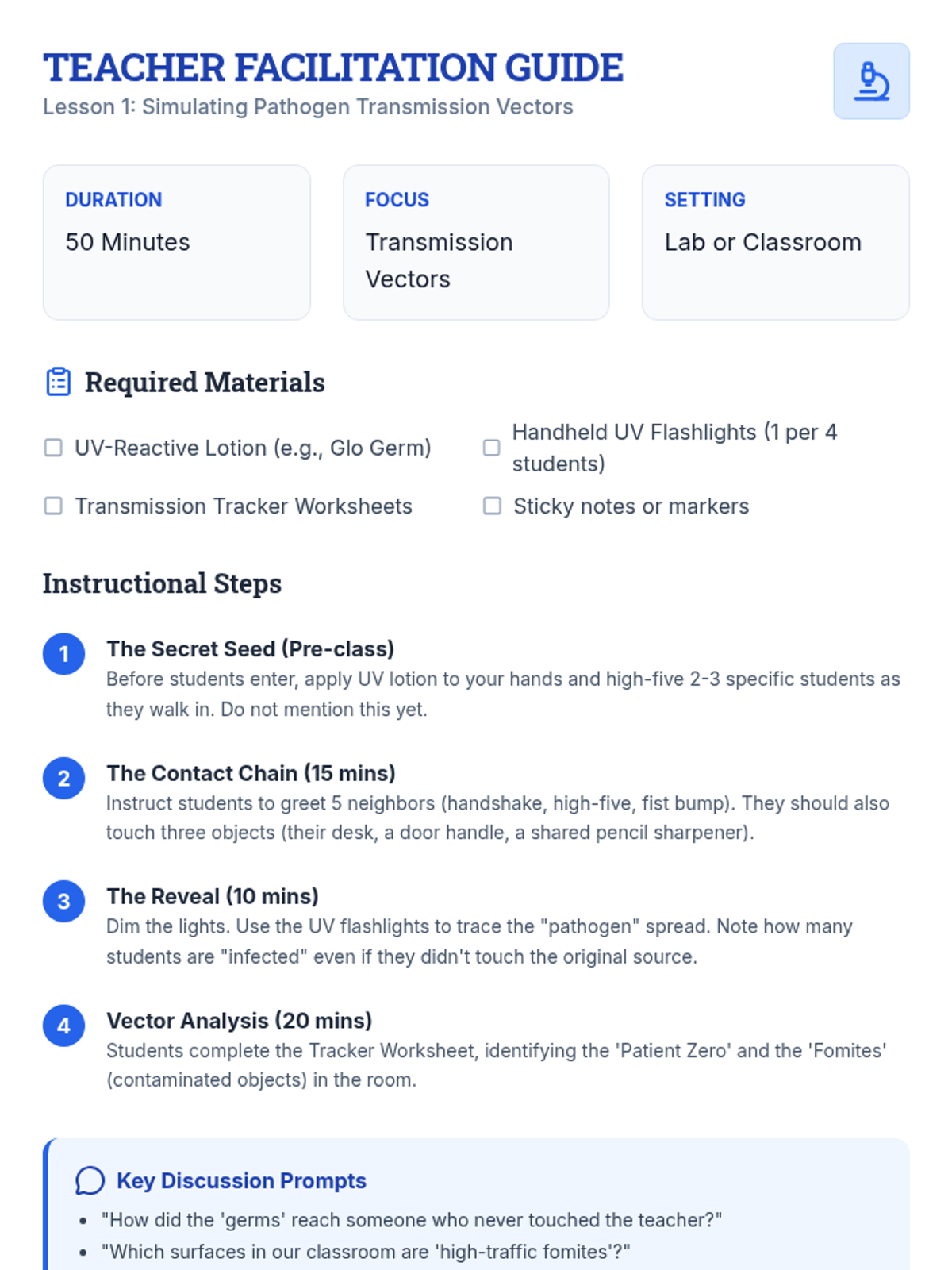
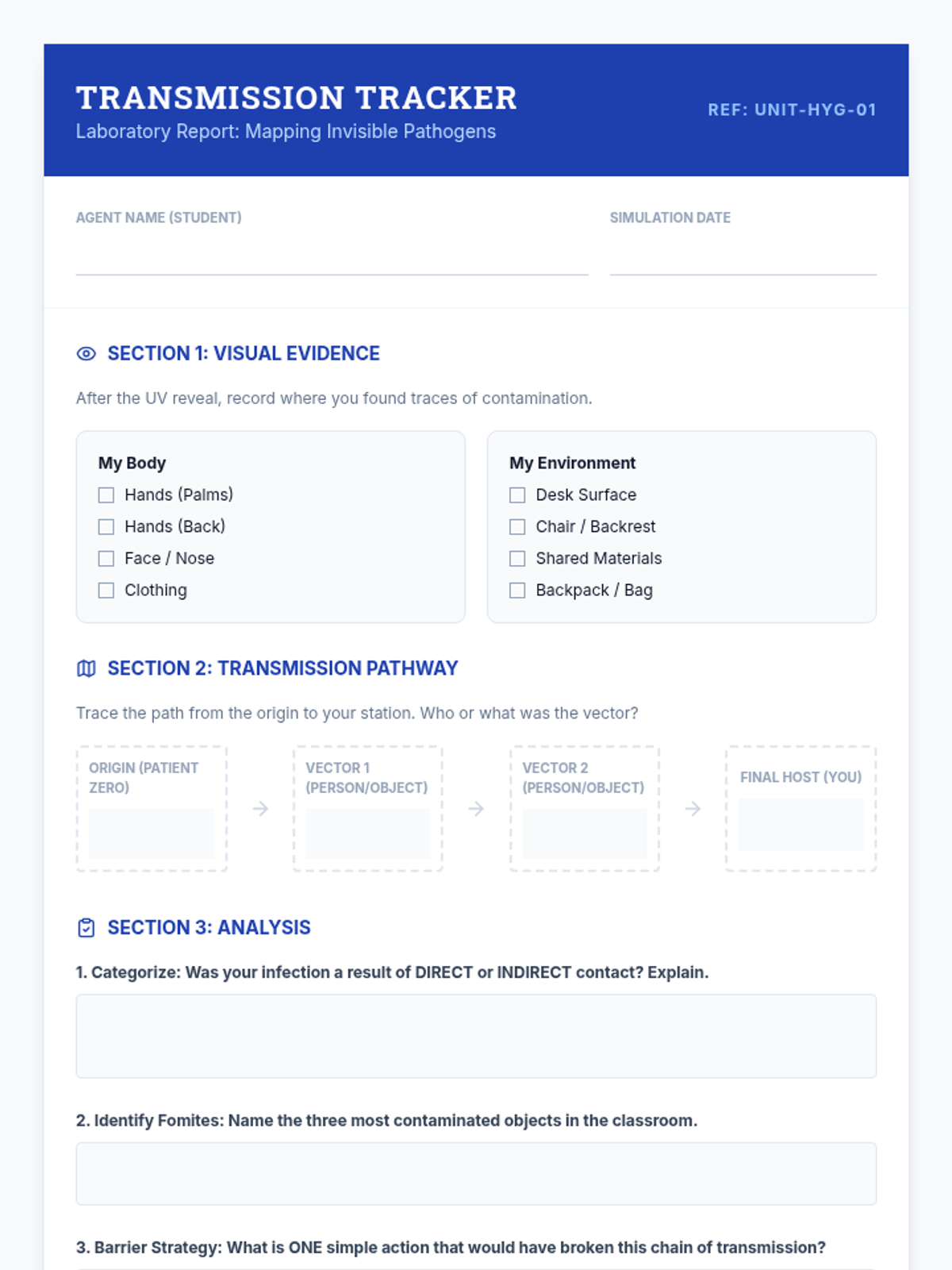
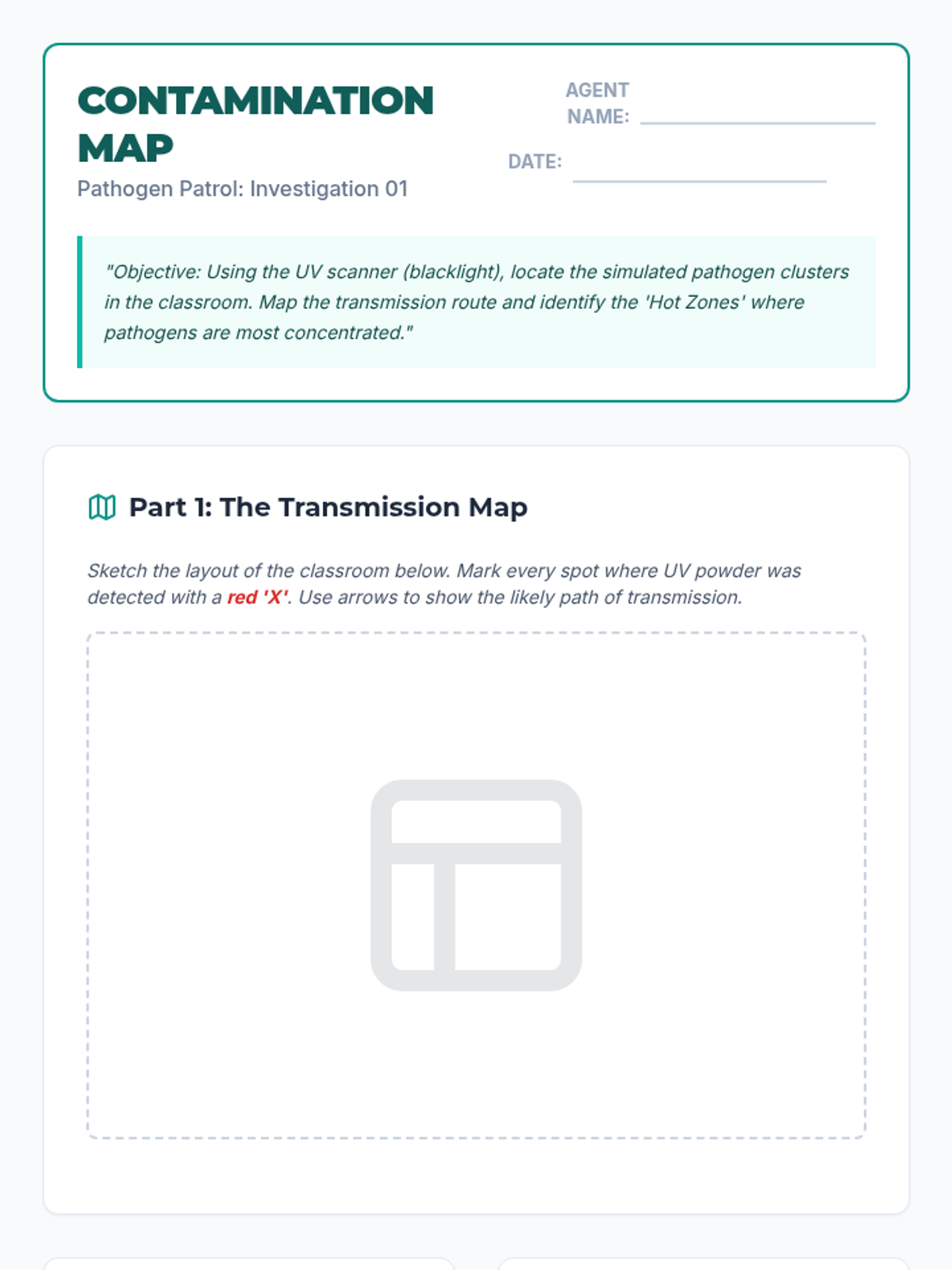
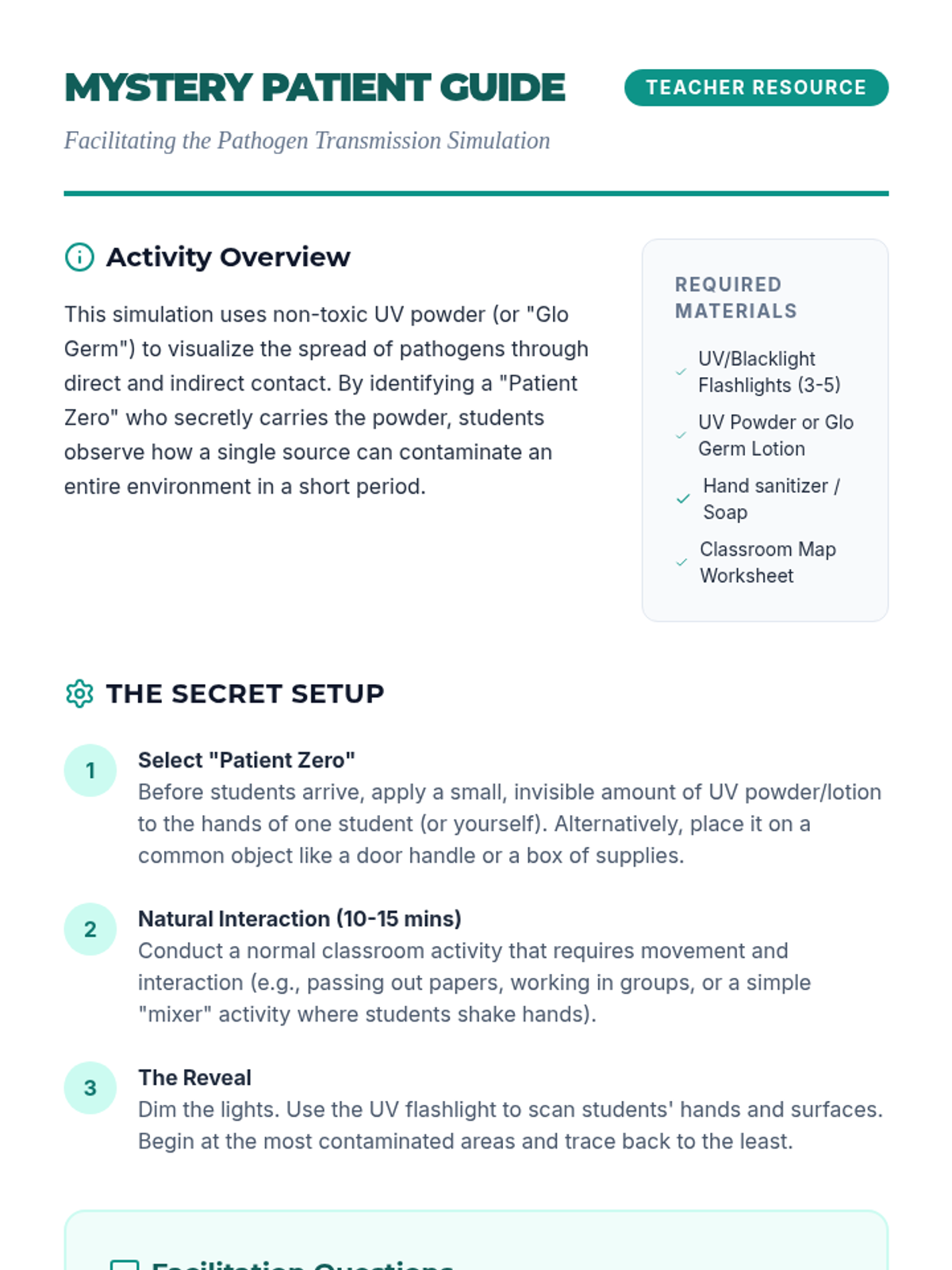
This sequence engages 7th-grade students in a scientific analysis of hygiene, focusing on pathogen transmission, hand hygiene chemistry, oral health pH levels, and the biology of puberty-related body changes. Students conduct simulations and experiments to develop evidence-based hygiene protocols for disease prevention.
A comprehensive 7th-grade unit exploring the science of hygiene, disease transmission, and public health through simulations, experiments, and strategic planning.
This middle school health sequence investigates the science of hygiene through simulations and experiments. Students analyze pathogen transmission, evaluate handwashing efficacy, study oral biofilms, and design personal prevention protocols to master long-term health habits.
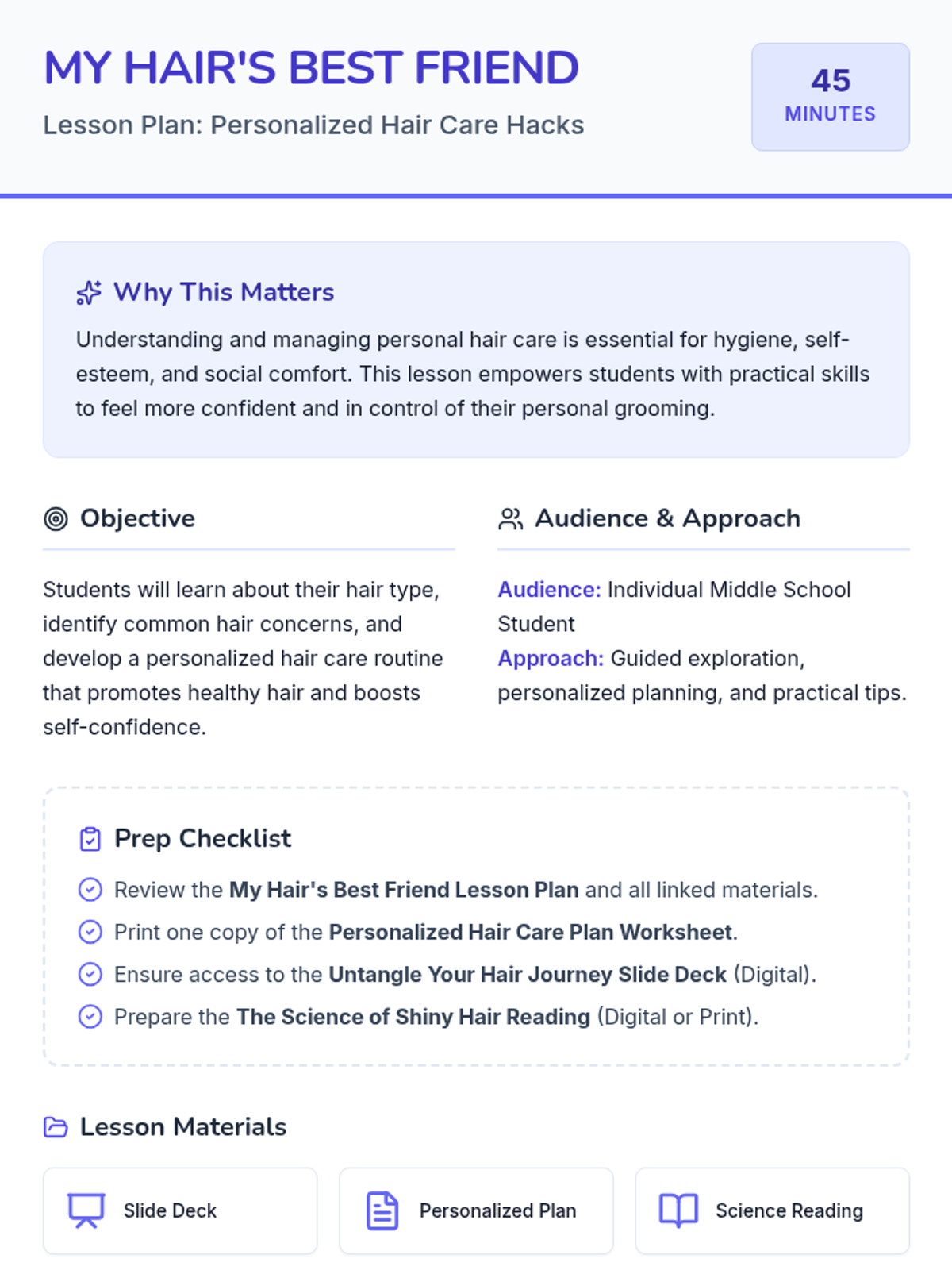
A series of lessons focused on personal hygiene and grooming to build student confidence and self-efficacy.
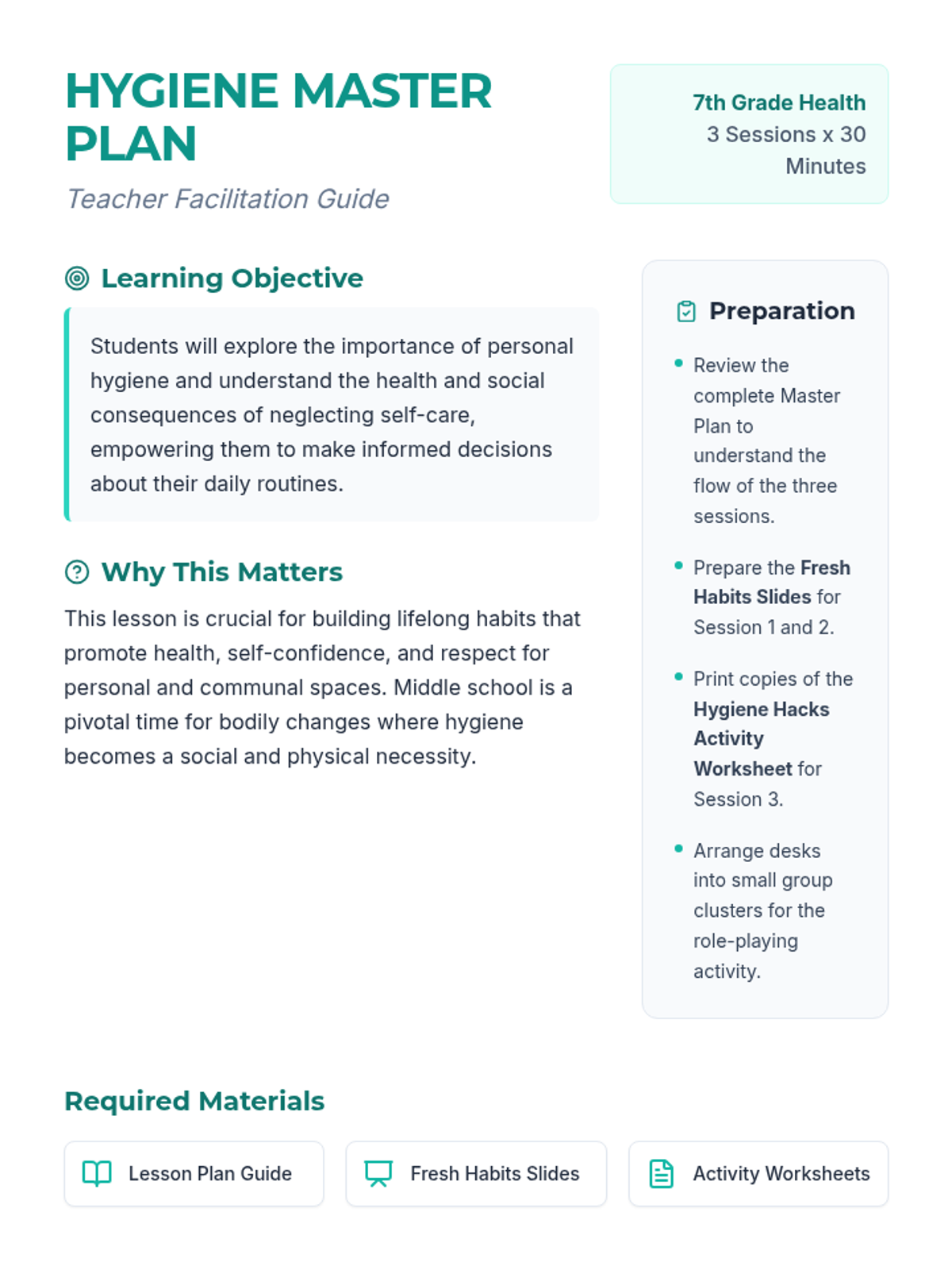
A comprehensive unit on personal health and hygiene designed to empower middle schoolers with lifelong self-care habits.
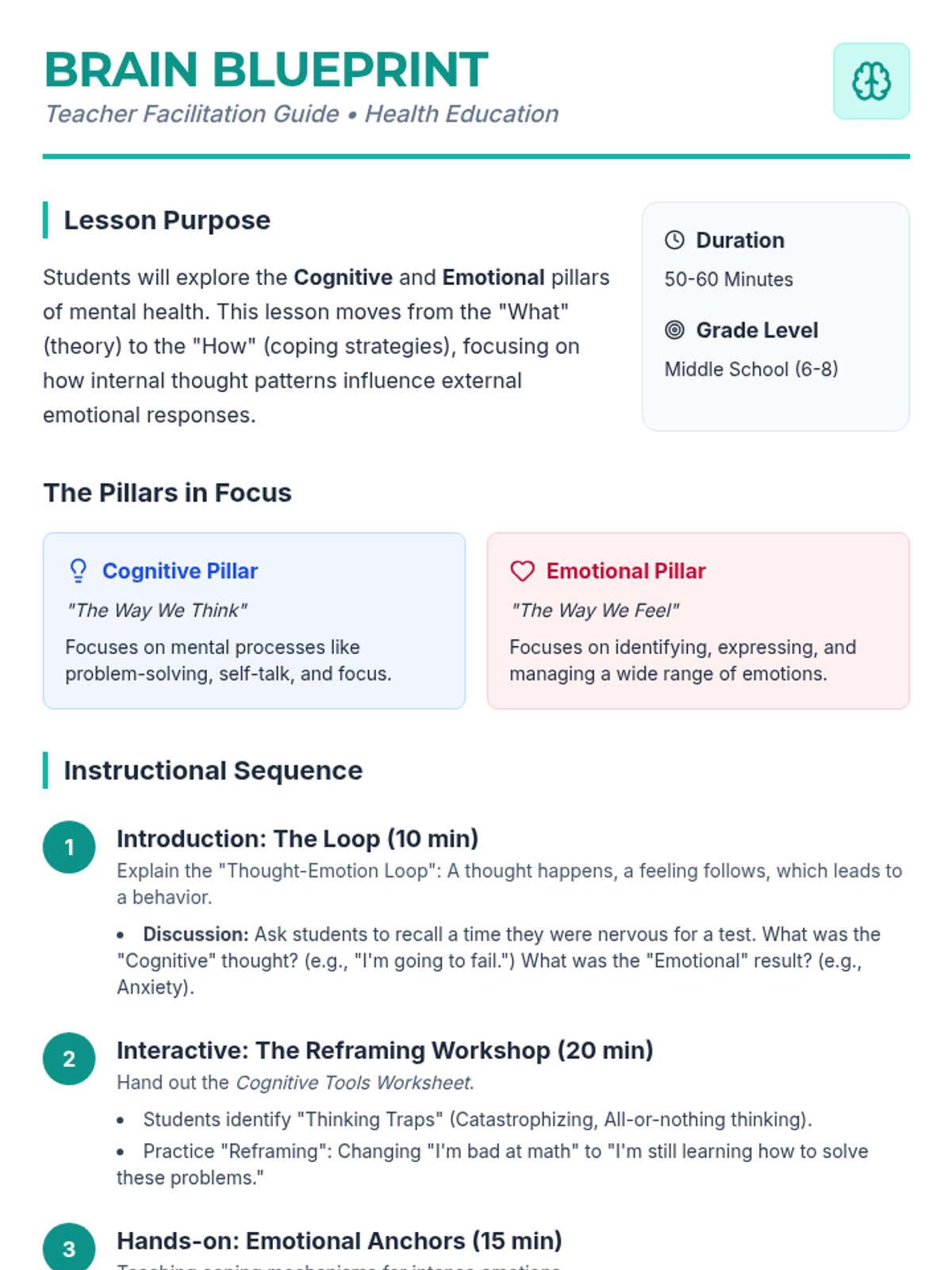
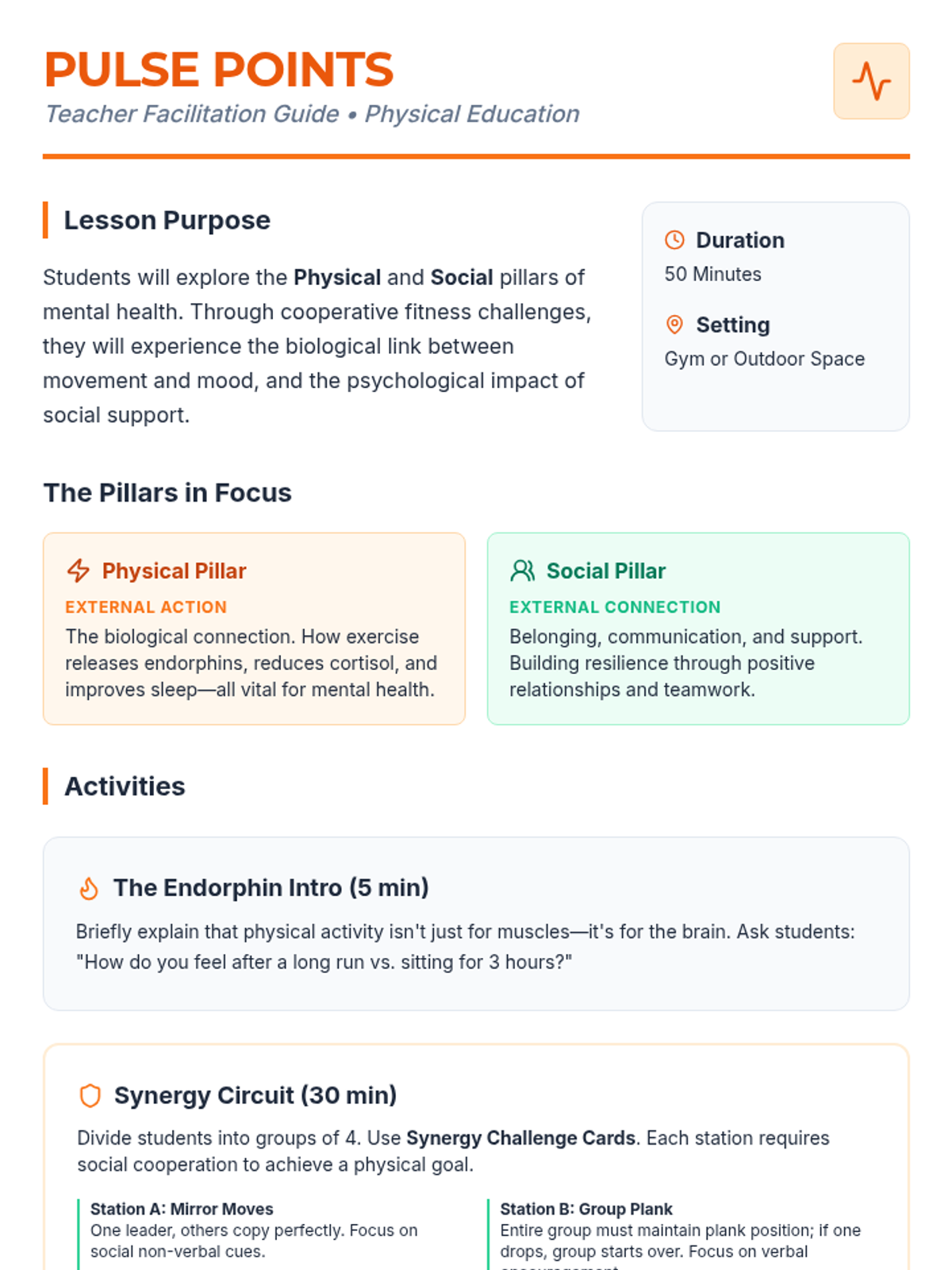
A multi-disciplinary approach to mental health awareness for middle schoolers, covering the four pillars through Health, PE, and Art.
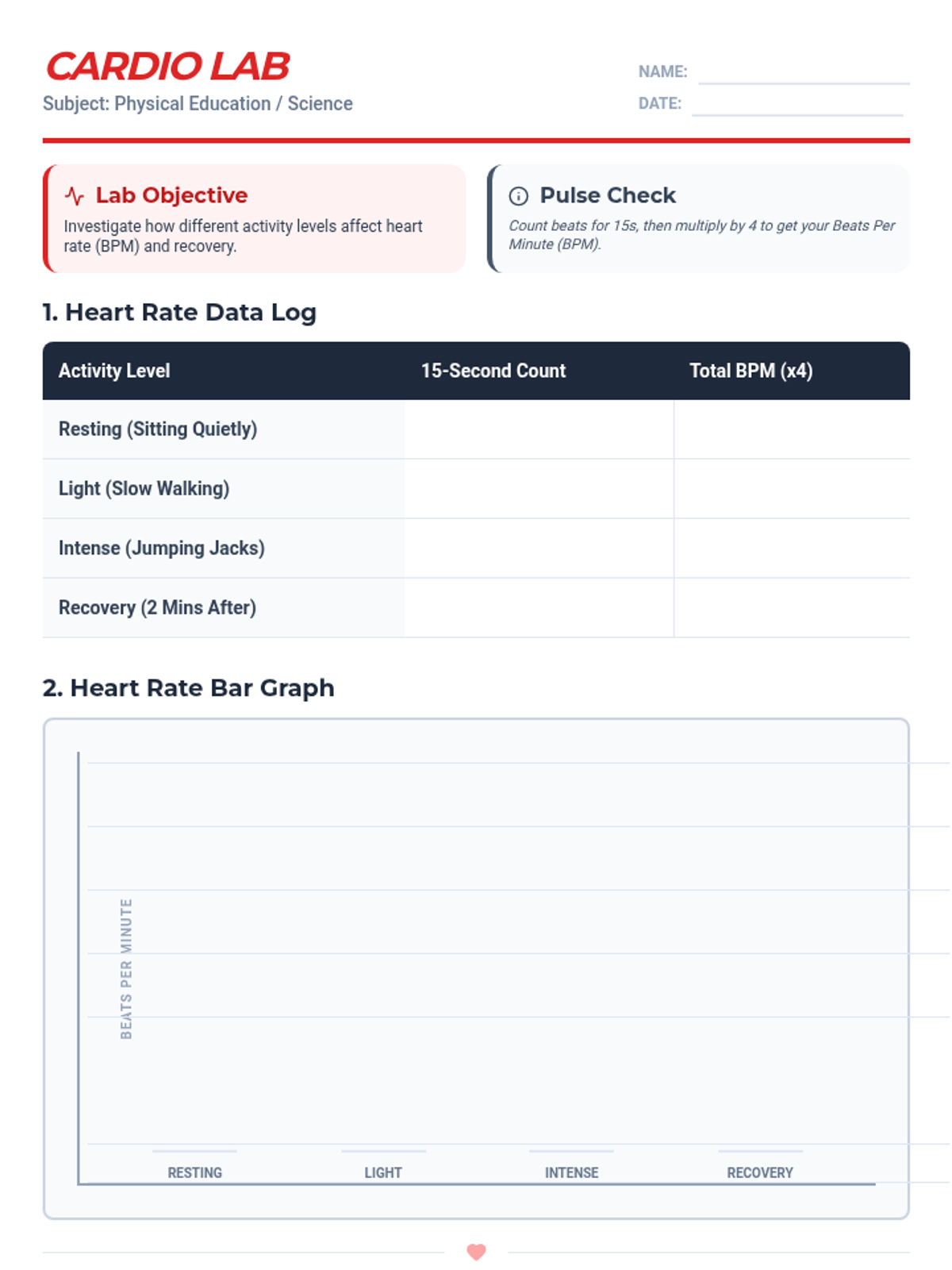
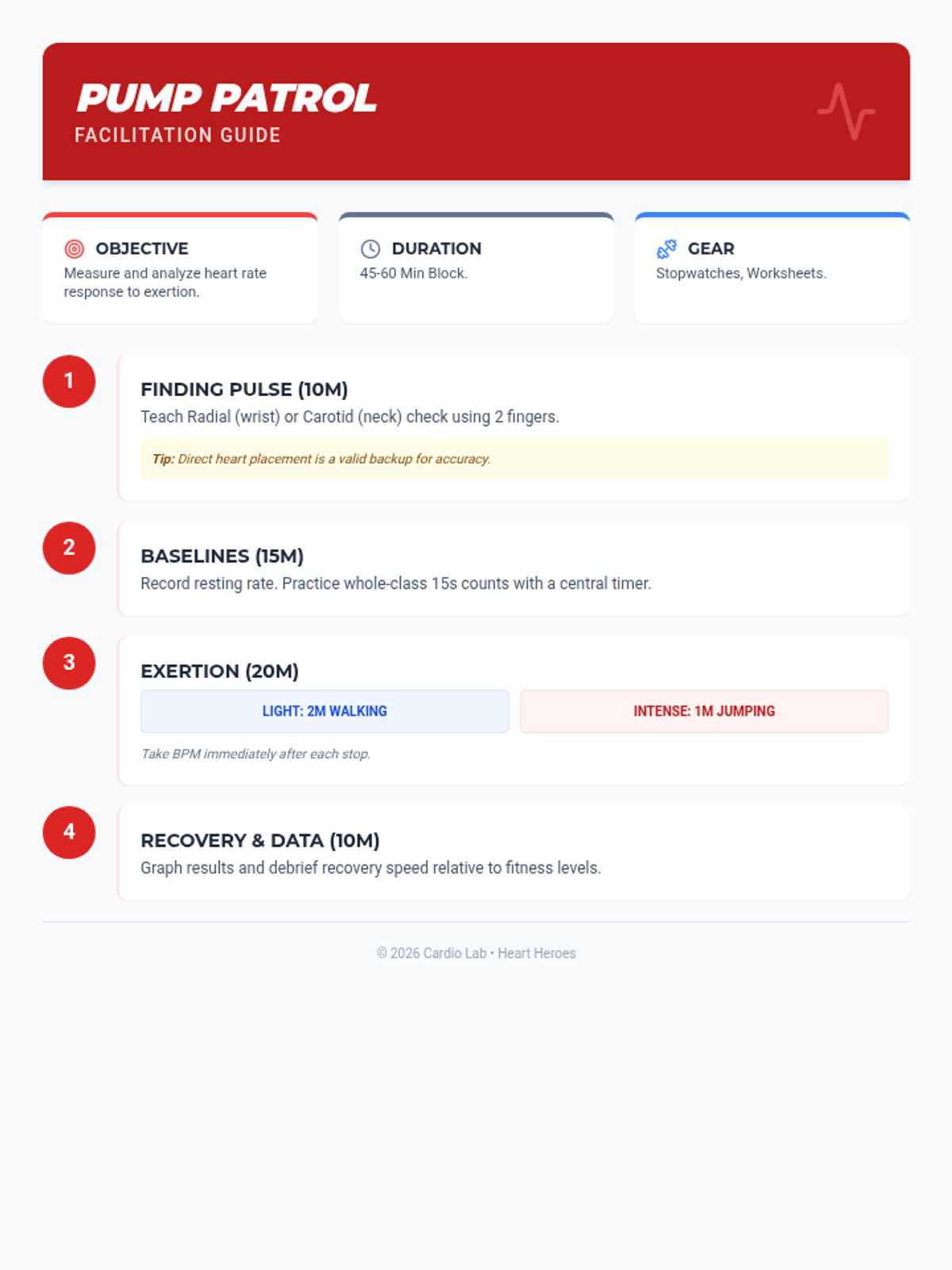
A high-energy exploration of cardiovascular health, focusing on heart rate, the effects of exercise, and how to maintain a healthy pump.
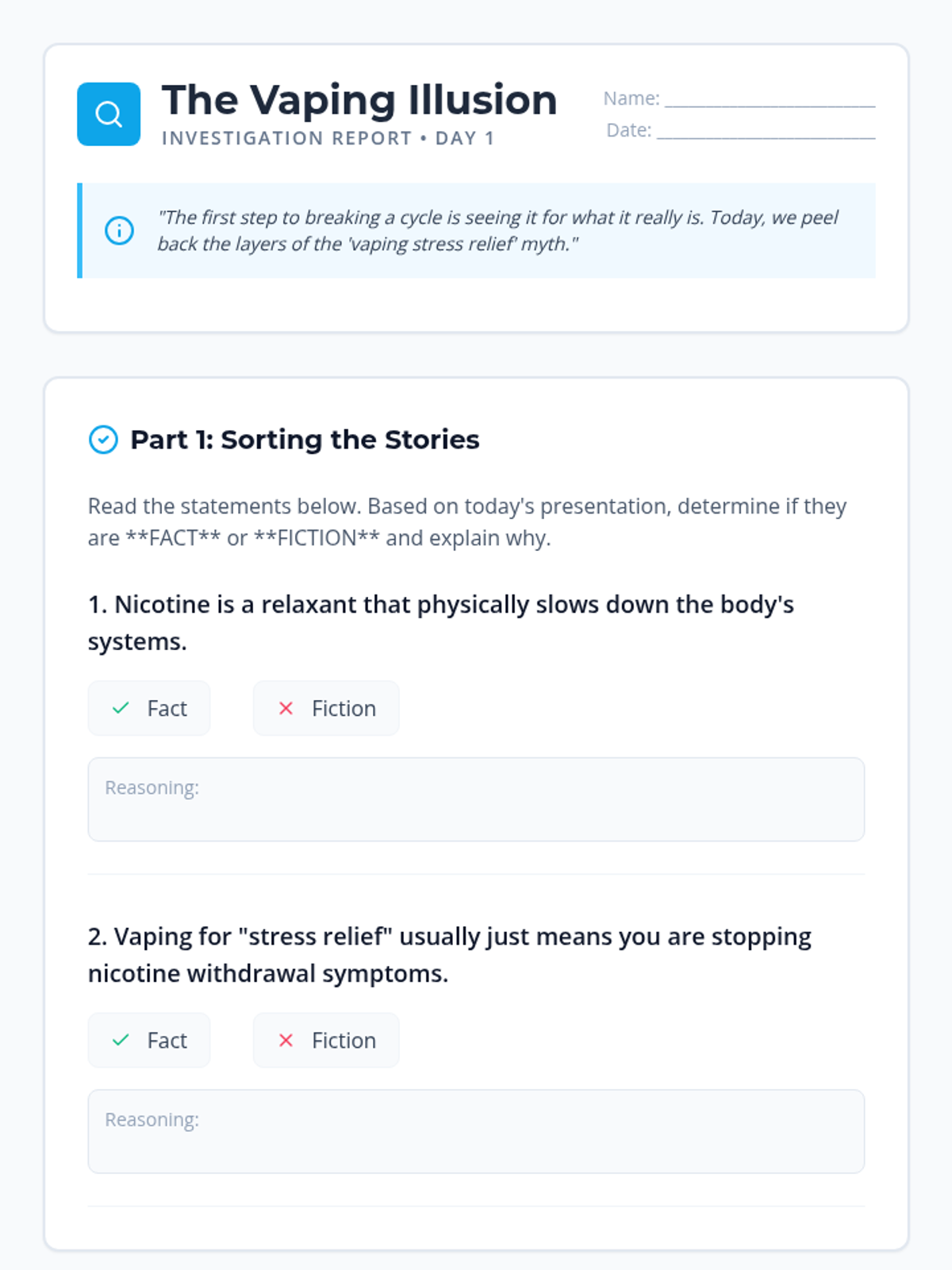
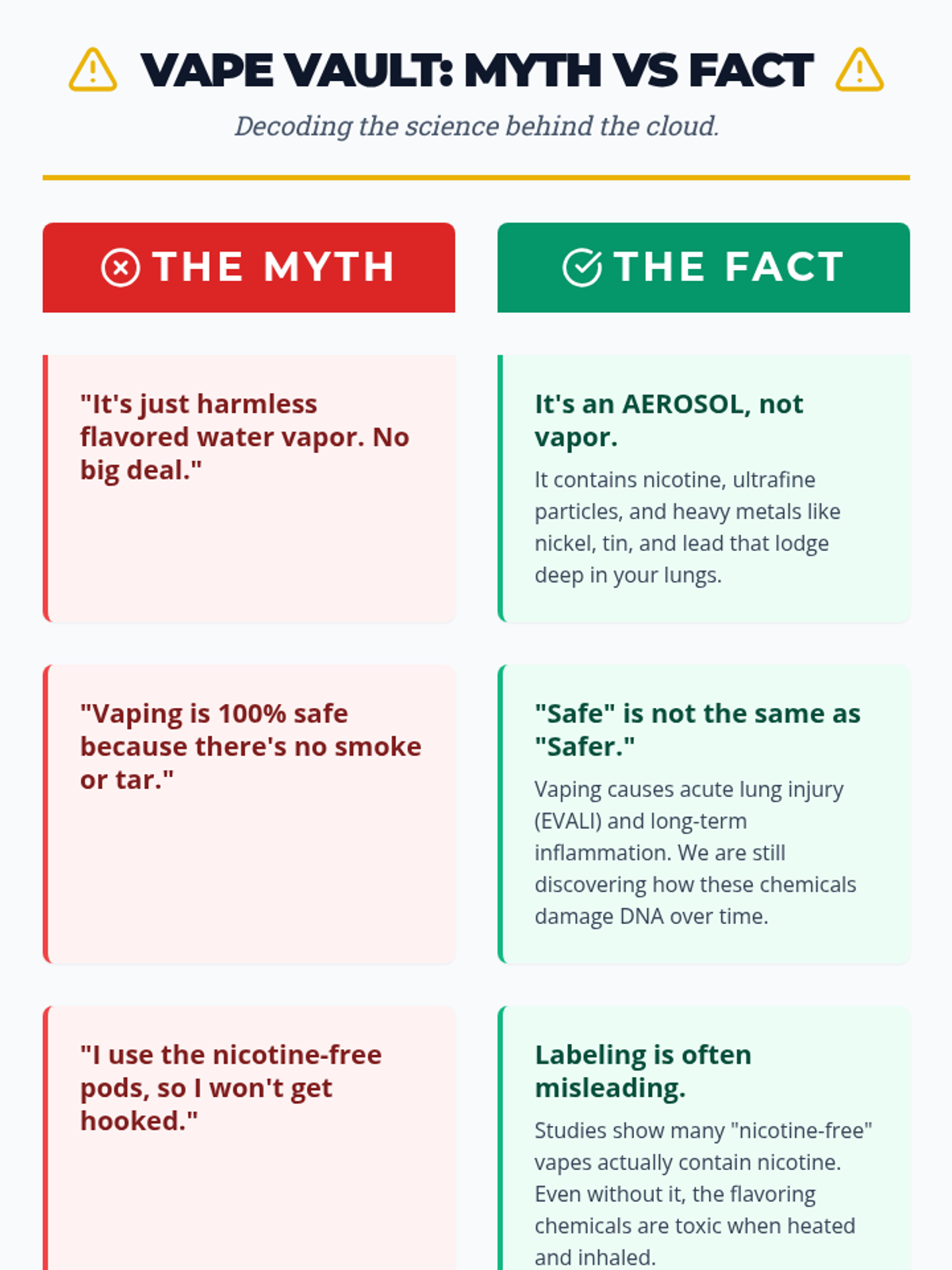
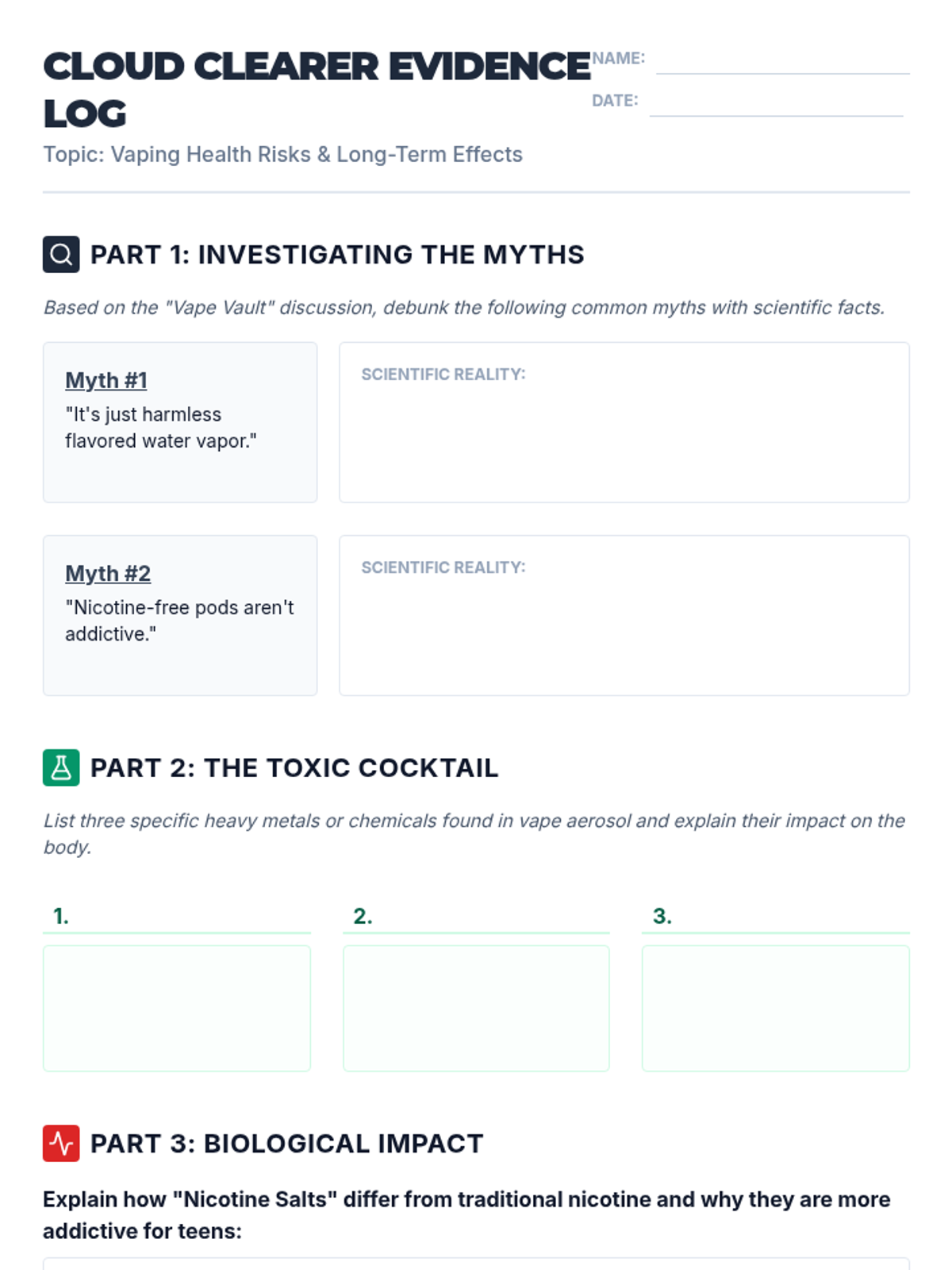
A comprehensive 5-day unit designed to educate students on the physiological effects of vaping and provide actionable, healthy coping mechanisms like deep breathing and mindfulness.
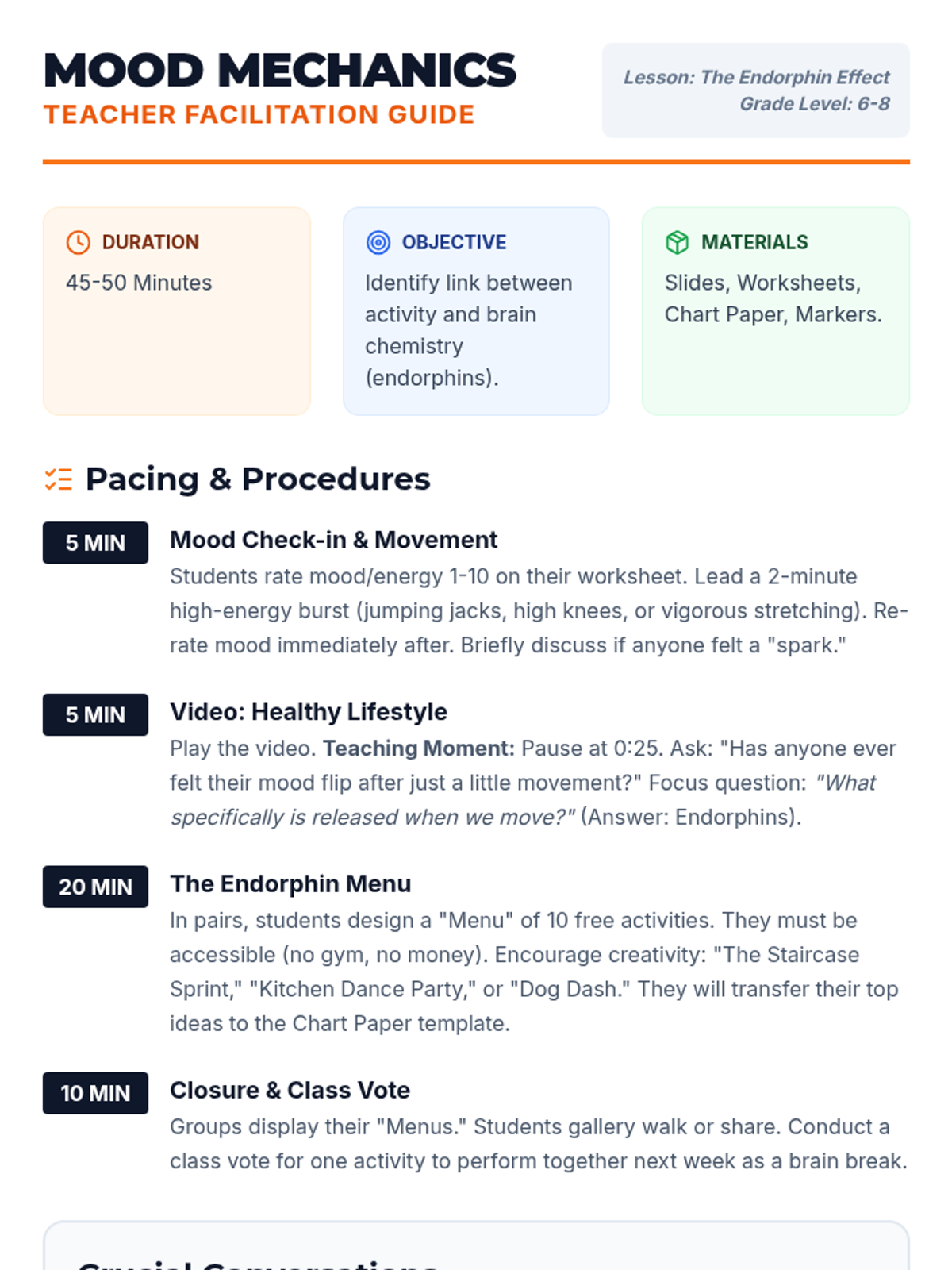
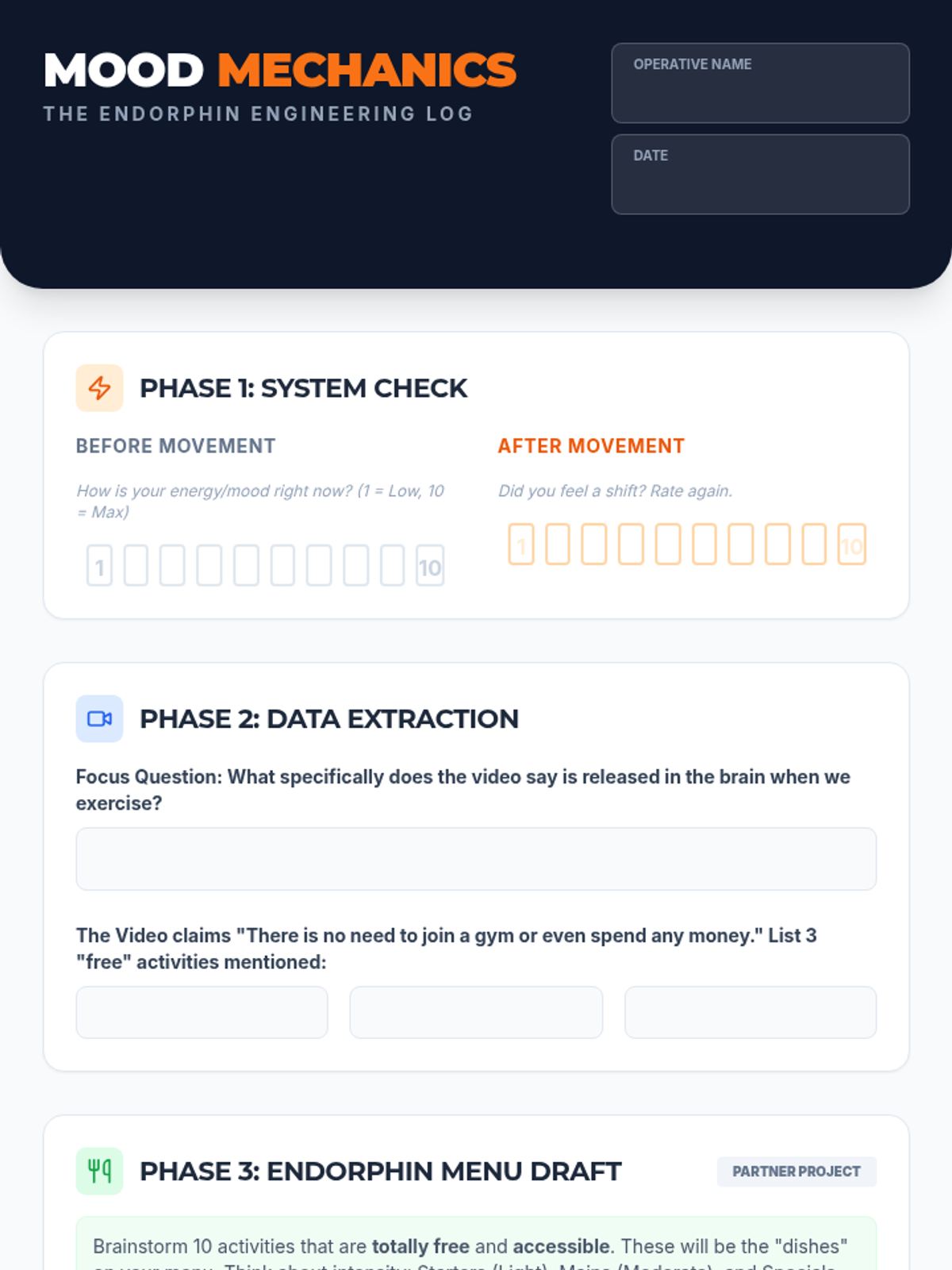
A short sequence of lessons exploring the intersection of physical health and mental wellbeing, focusing on the neurochemistry of exercise and healthy habits.
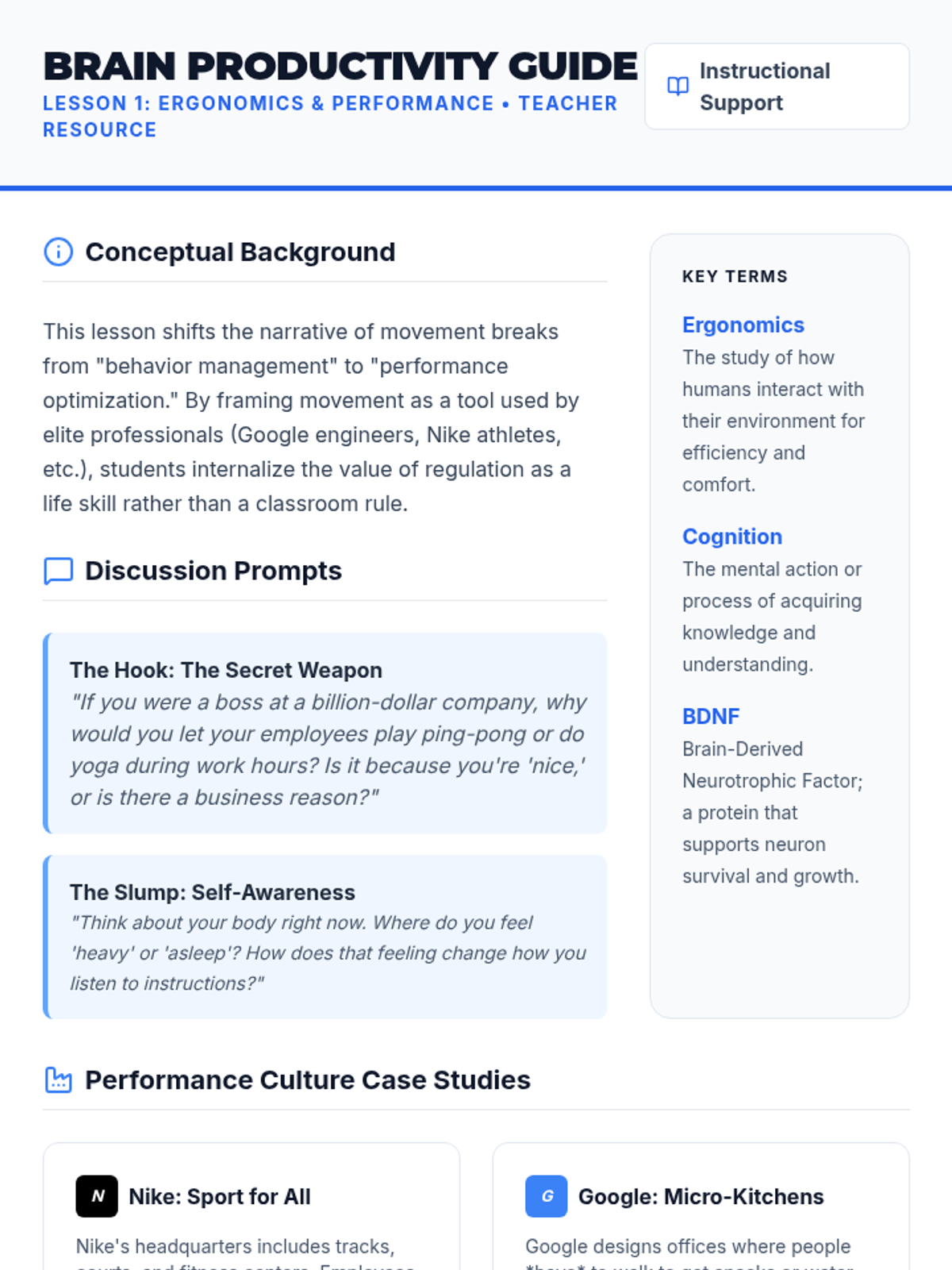
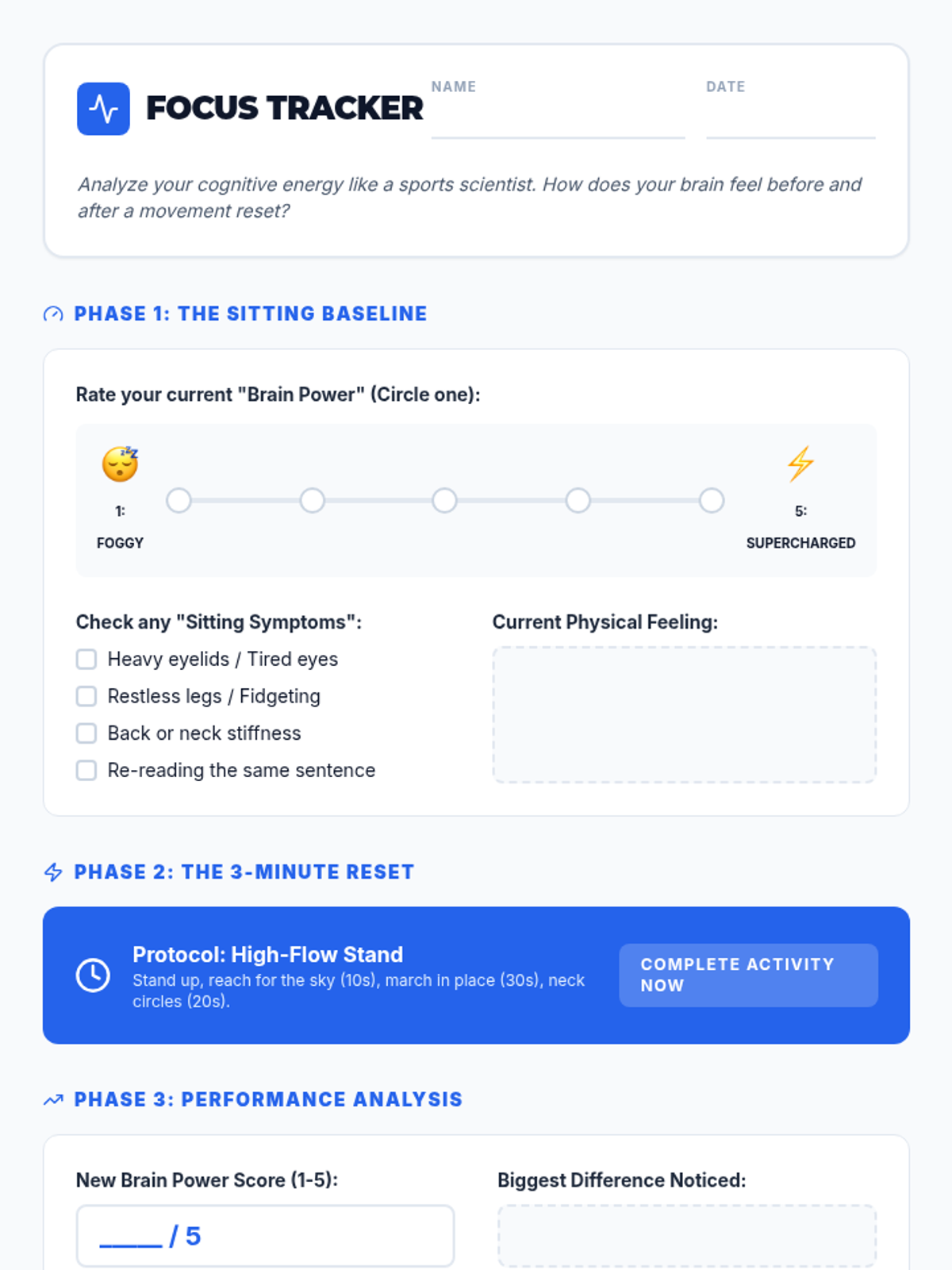
A project-based sequence for 6th-grade students to design, test, and lead movement protocols that optimize cognitive performance and sensory regulation in the classroom.
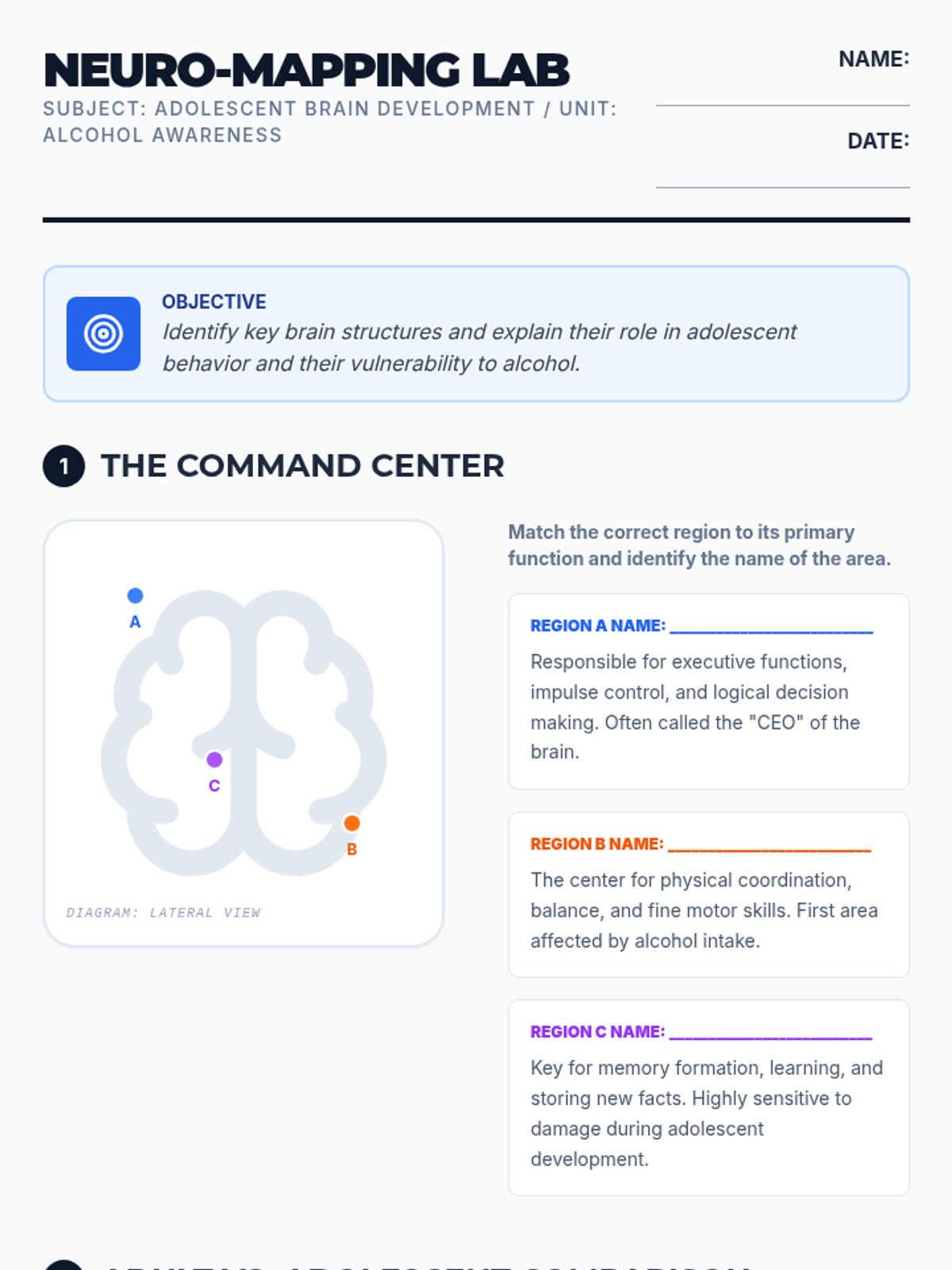
This sequence explores the biological impact of alcohol on the developing adolescent body and brain. Students investigate how alcohol interferes with the central nervous system, impairs motor skills, and impacts long-term health, emphasizing the unique vulnerability of the growing brain.
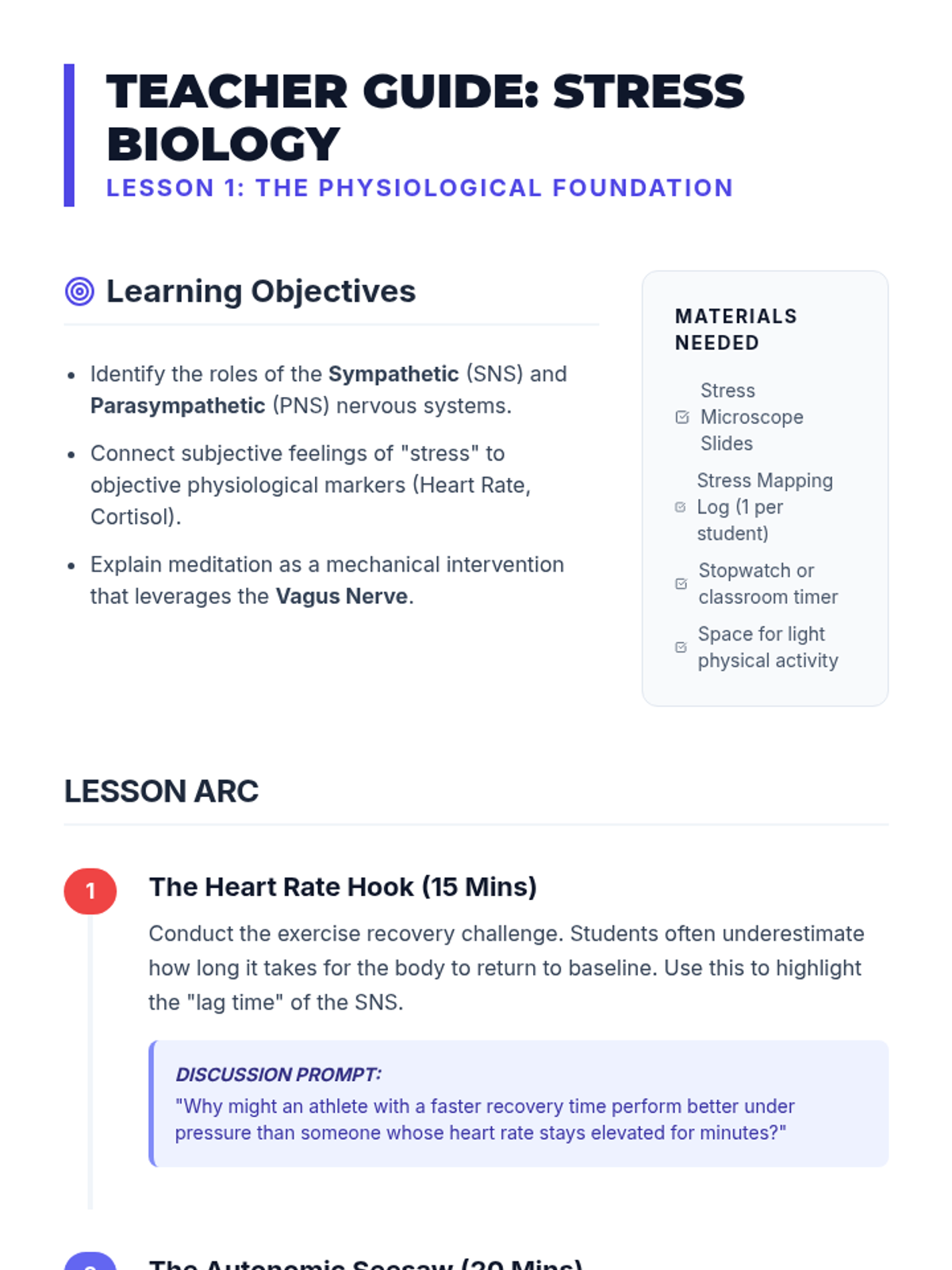
This sequence grounds meditation practice in scientific principles, focusing on the physiological connection between respiration and the nervous system. Students explore the biology of stress, learn diaphragmatic breathing, practice rhythmic protocols like box breathing, and apply these tools to manage performance anxiety.
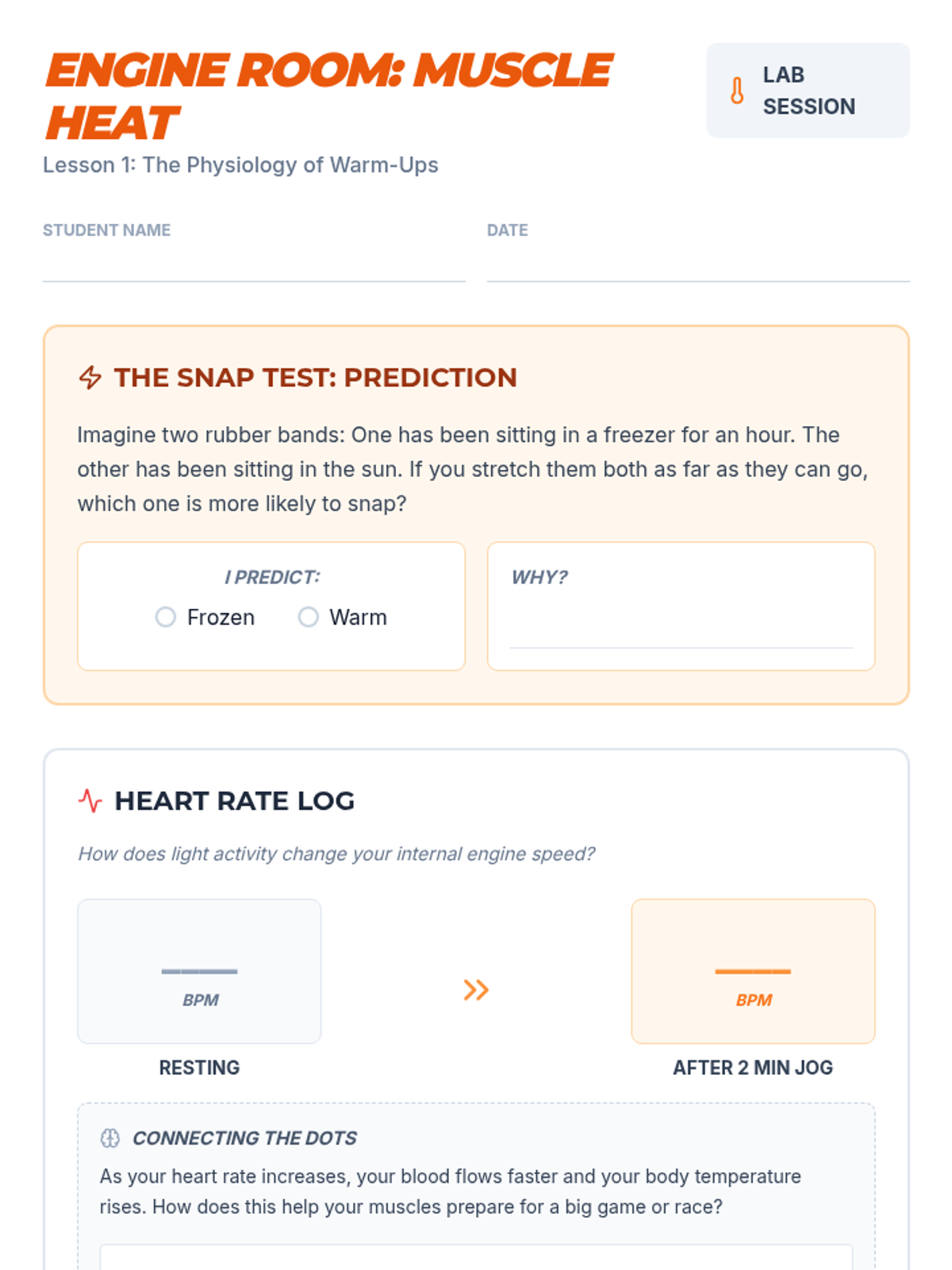
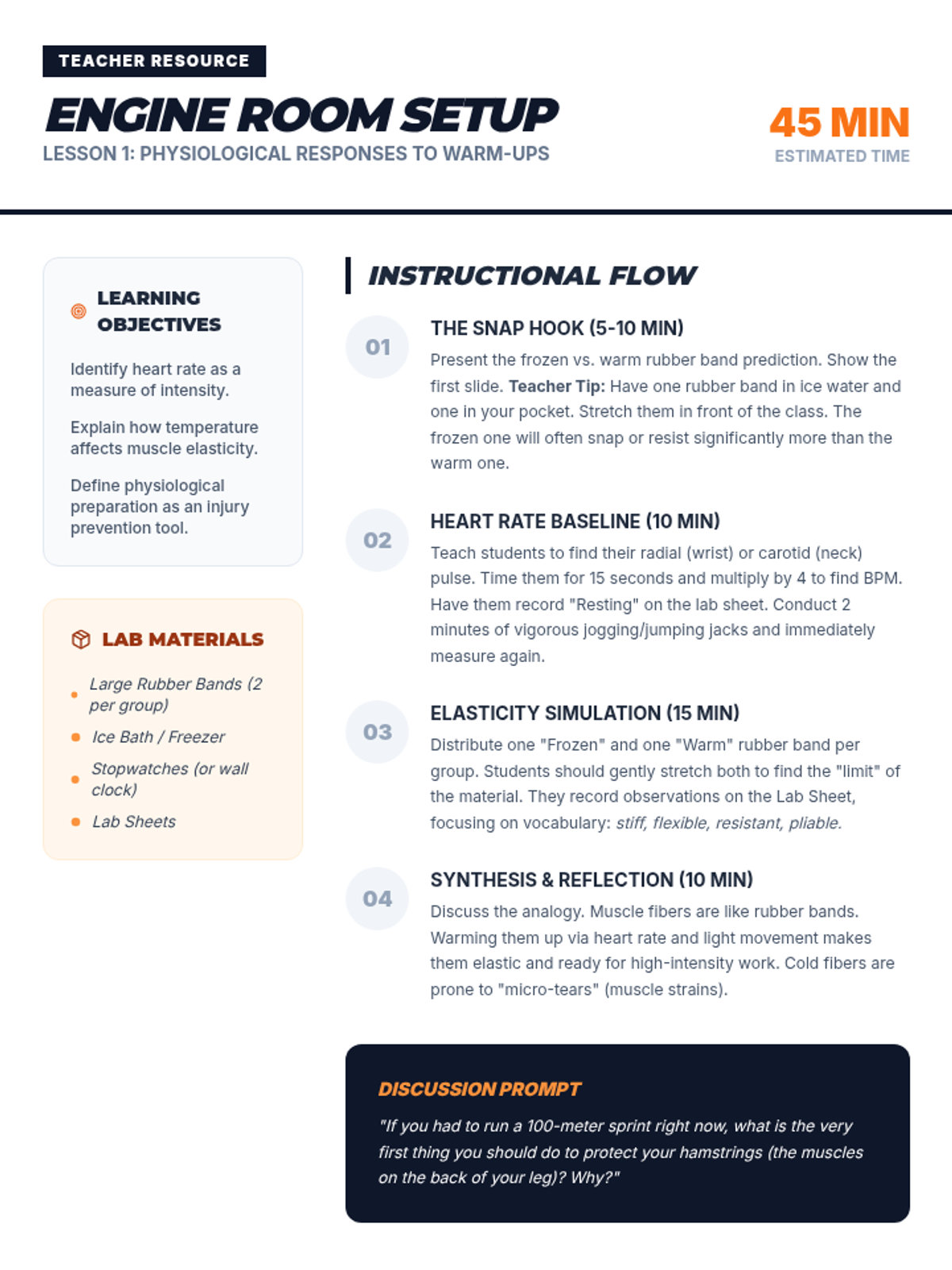
A 5th-grade health and PE sequence focused on injury prevention through physiological understanding, dynamic stretching, body mechanics, and self-monitoring. Students progress from learning why the body needs preparation to designing their own sport-specific routines.
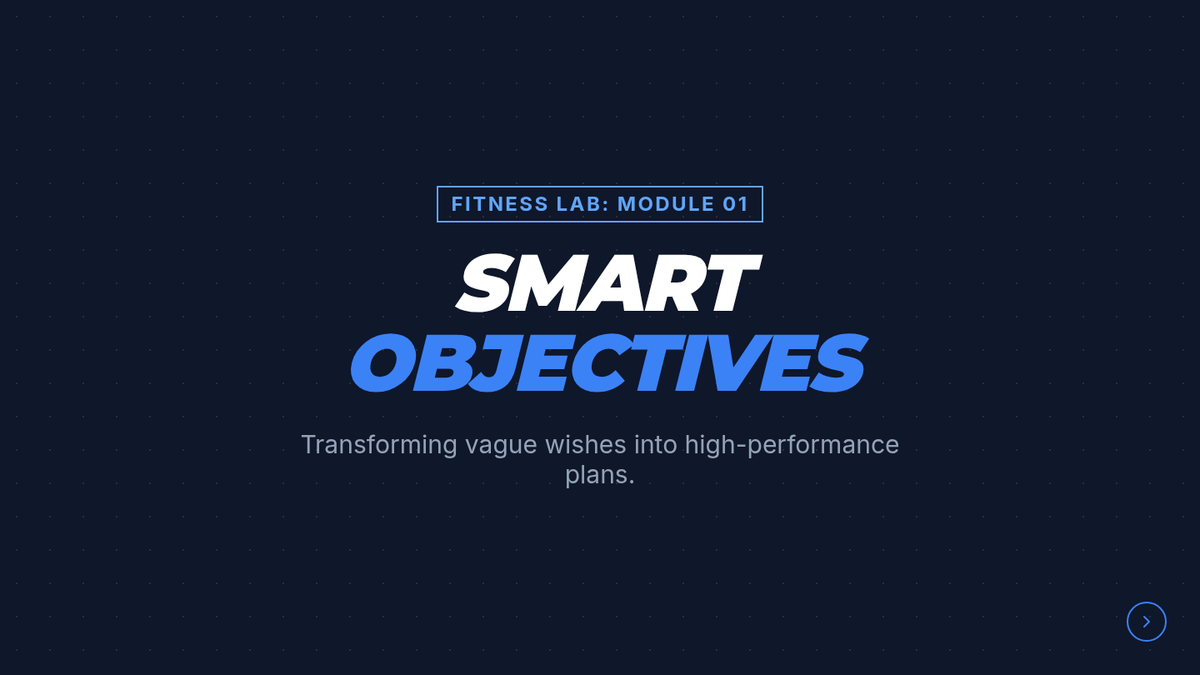
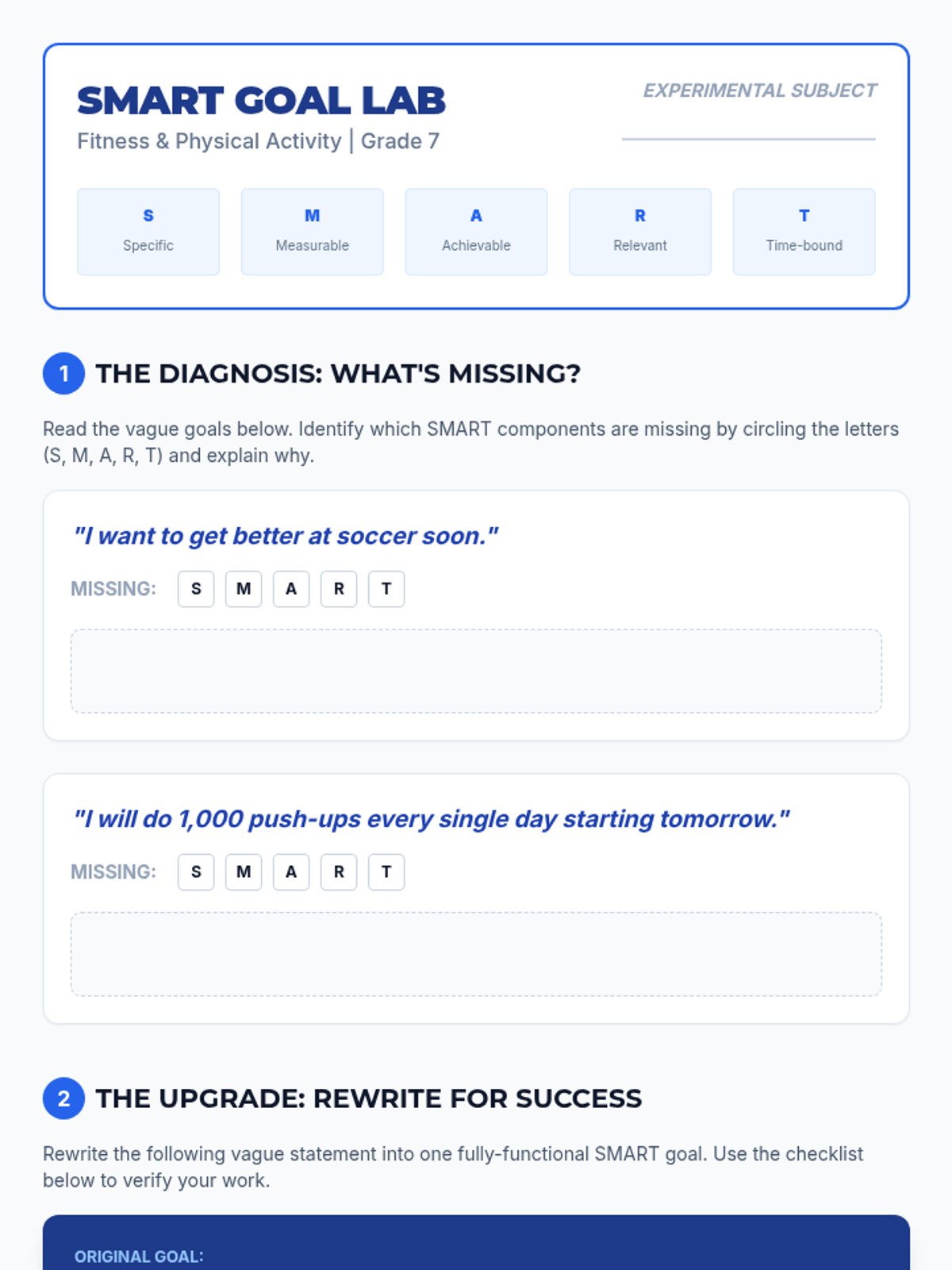
A data-driven workshop sequence where students transition from vague fitness ideas to concrete, actionable plans. They master SMART goals, conduct baseline assessments for cardiovascular and muscular health, analyze their performance data, and apply the FITT principle to design a personalized 4-week fitness action plan.
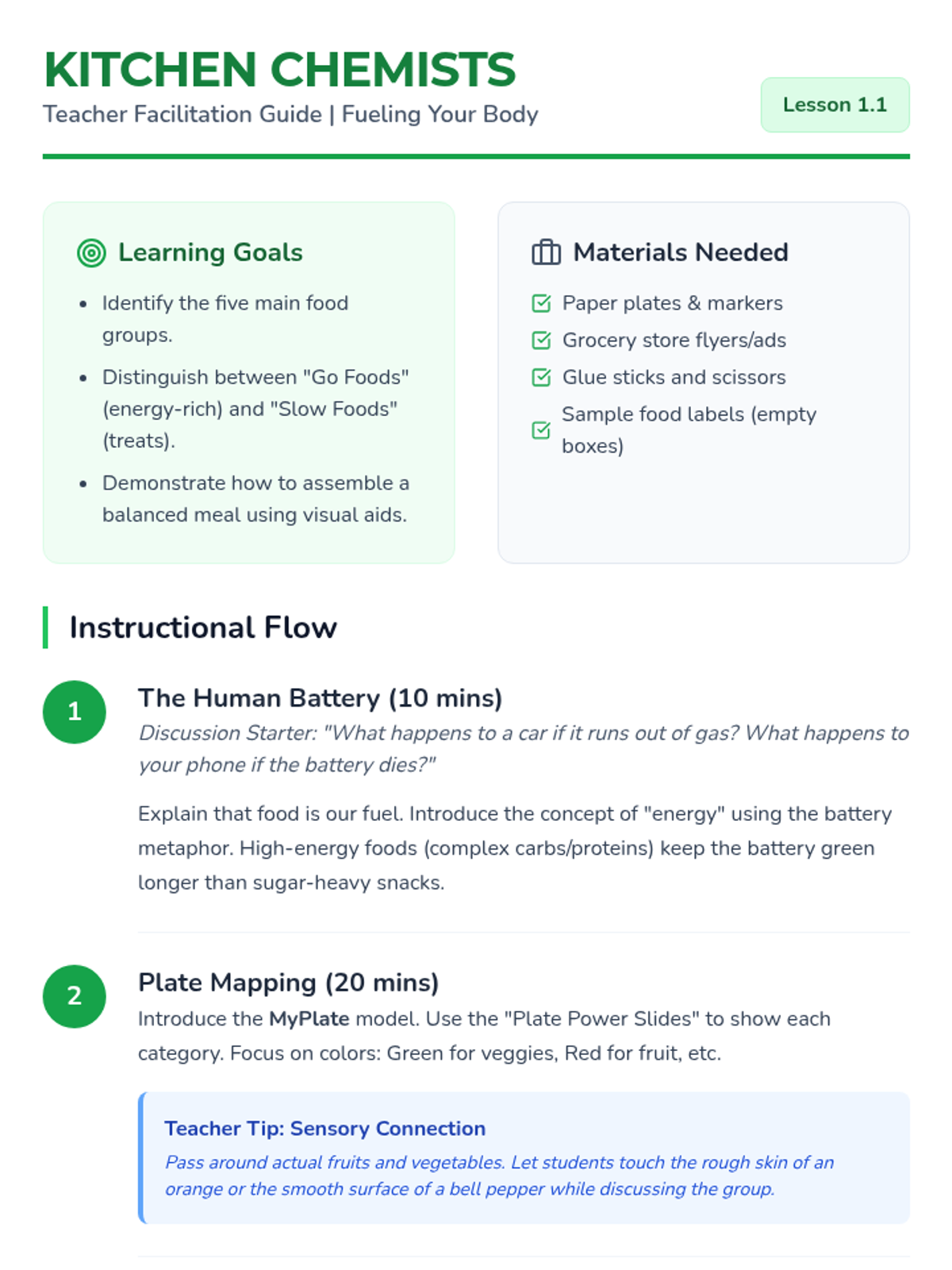
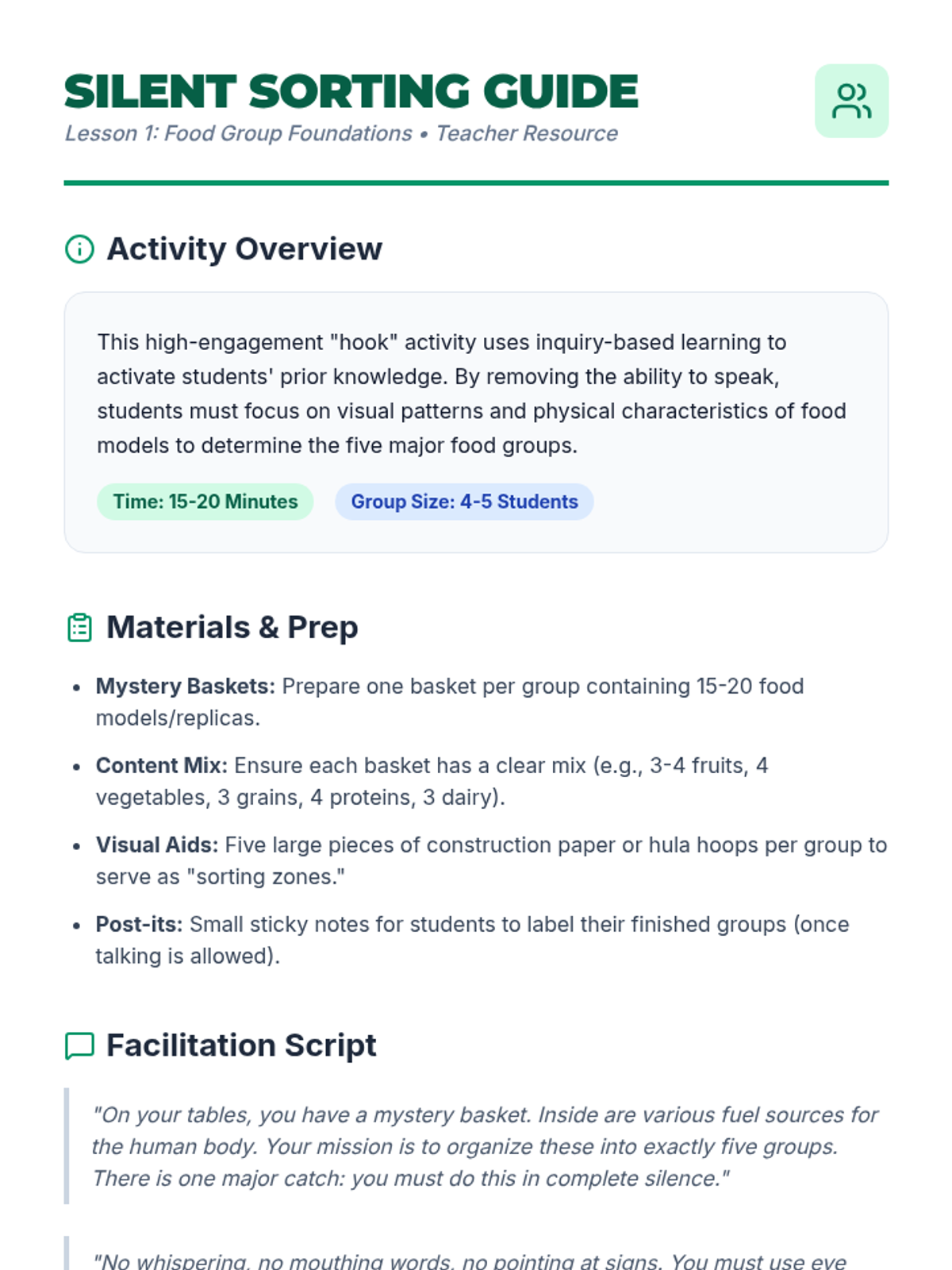
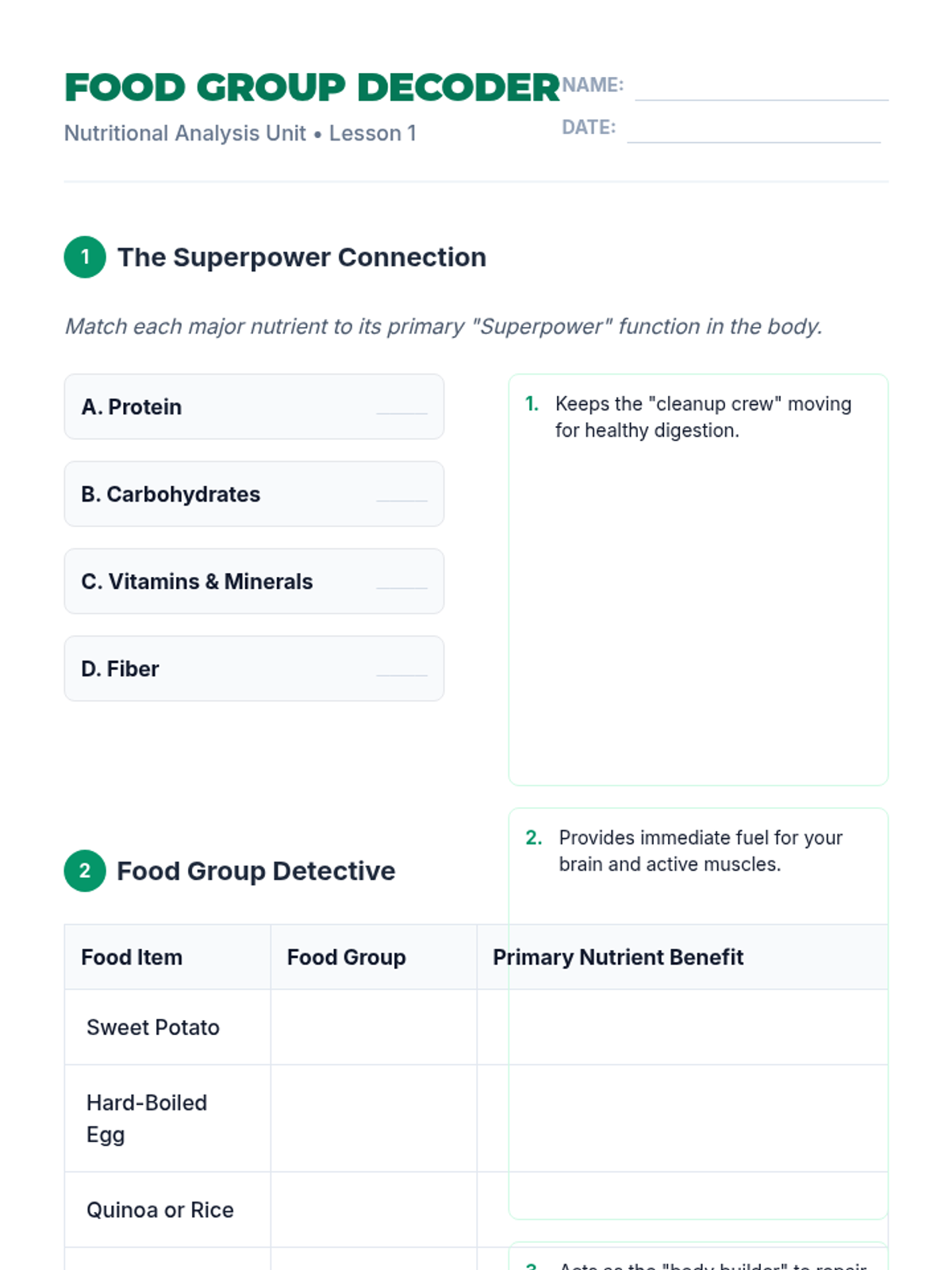
This sequence guides students through an in-depth exploration of the five major food groups and their specific physiological benefits for the adolescent body. Students progress from identifying food classifications to analyzing food labels and caloric density, culminating in the creation of a balanced, 3-day meal plan tailored to specific energy needs.
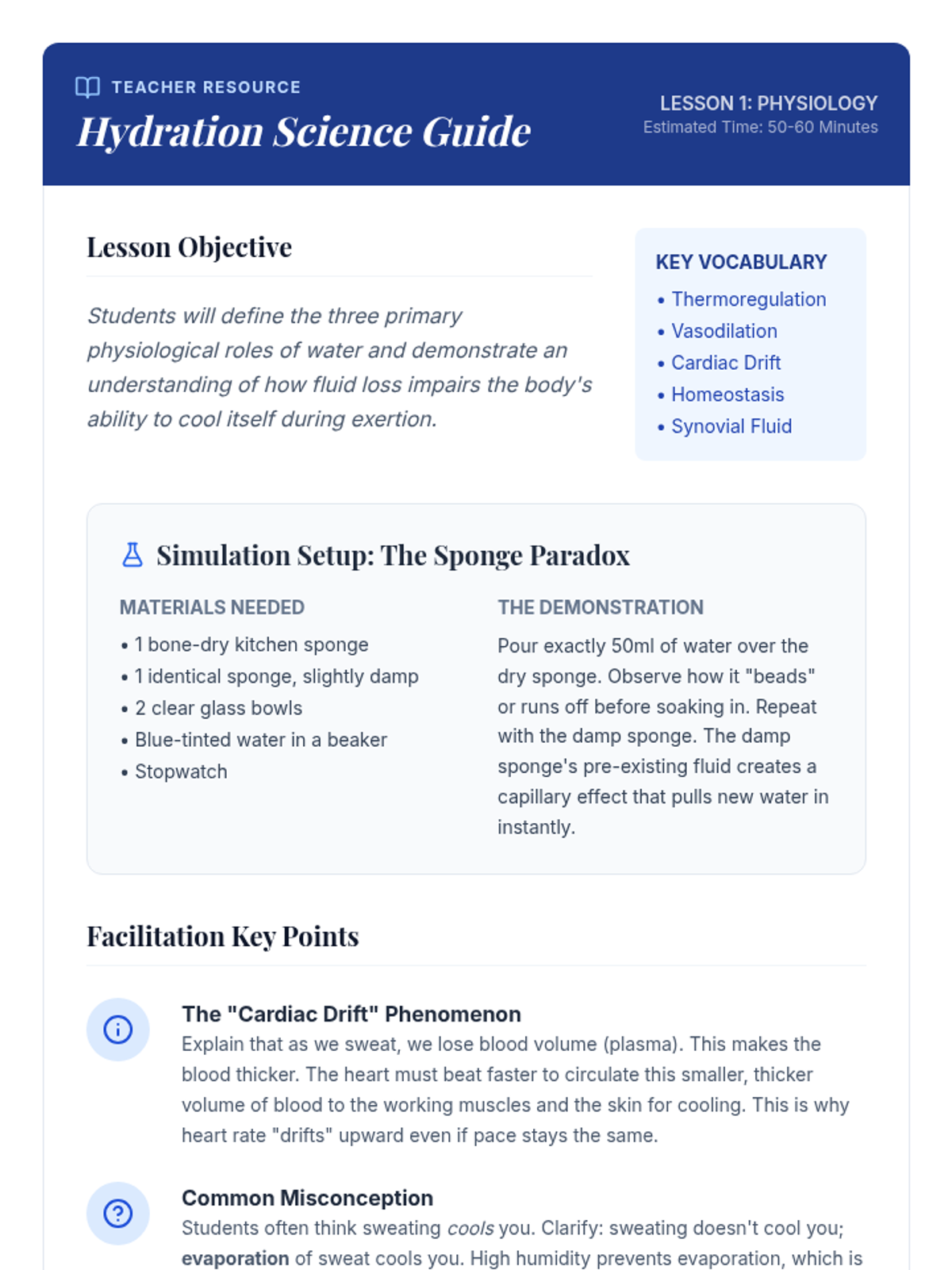
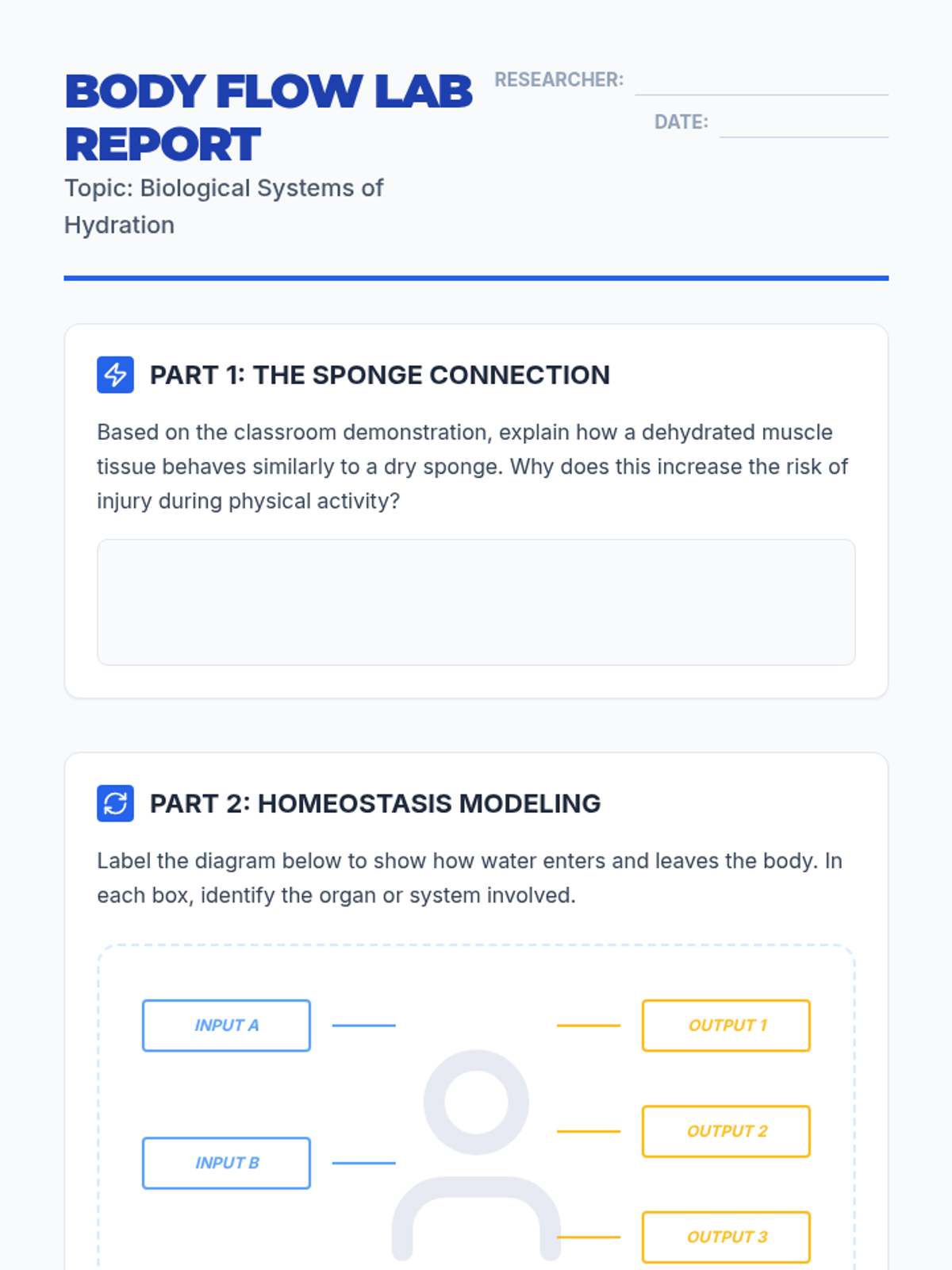
This sequence investigates the biological necessity of water and the physiological consequences of fluid imbalance, moving from biological mechanisms to practical application and personalized hydration planning.
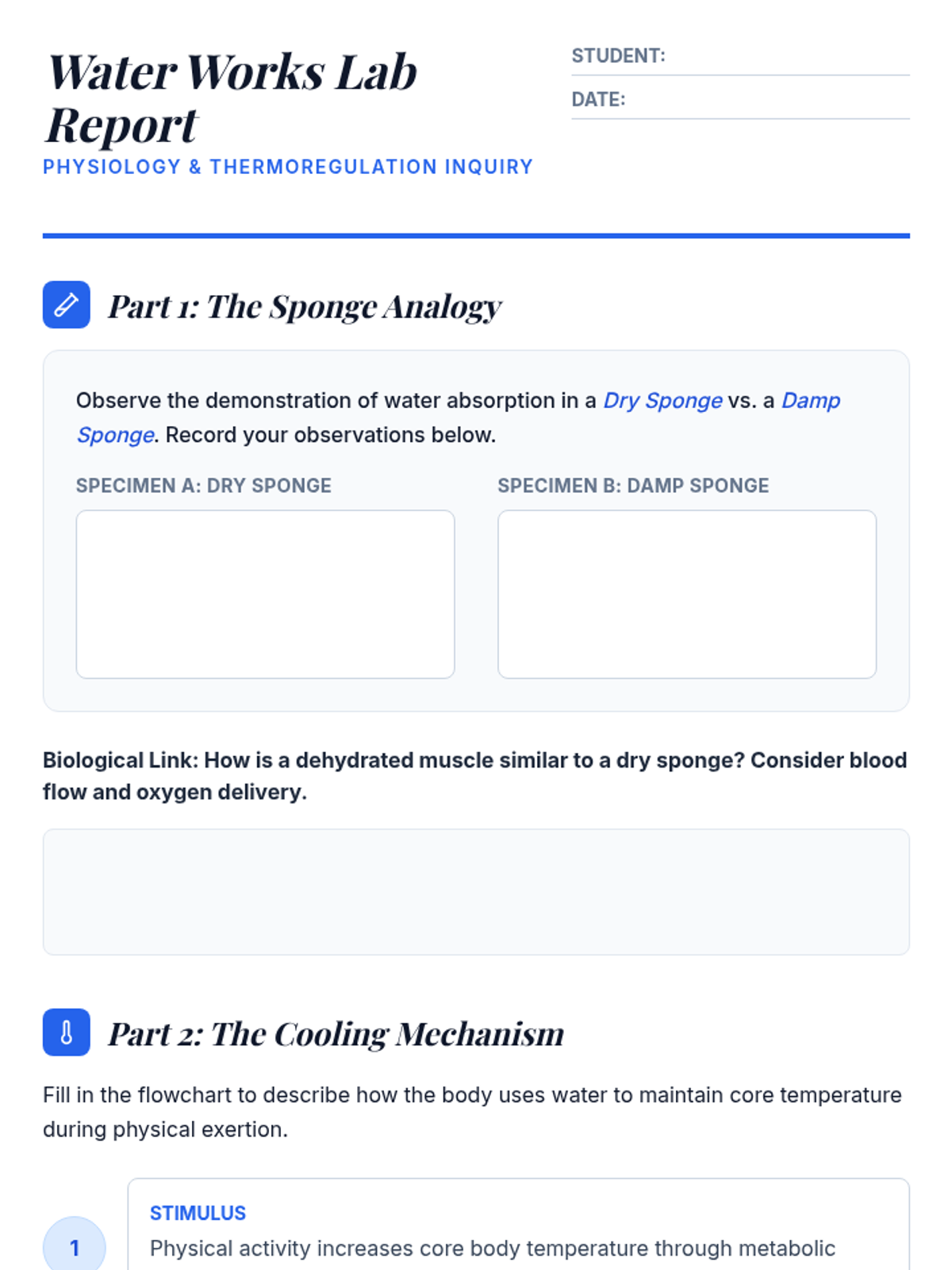
Students investigate the critical role of water in maintaining homeostasis and maximizing physical performance. They explore physiological mechanisms, analyze dehydration symptoms through case studies, compare water with electrolyte beverages, and design personalized hydration strategies.
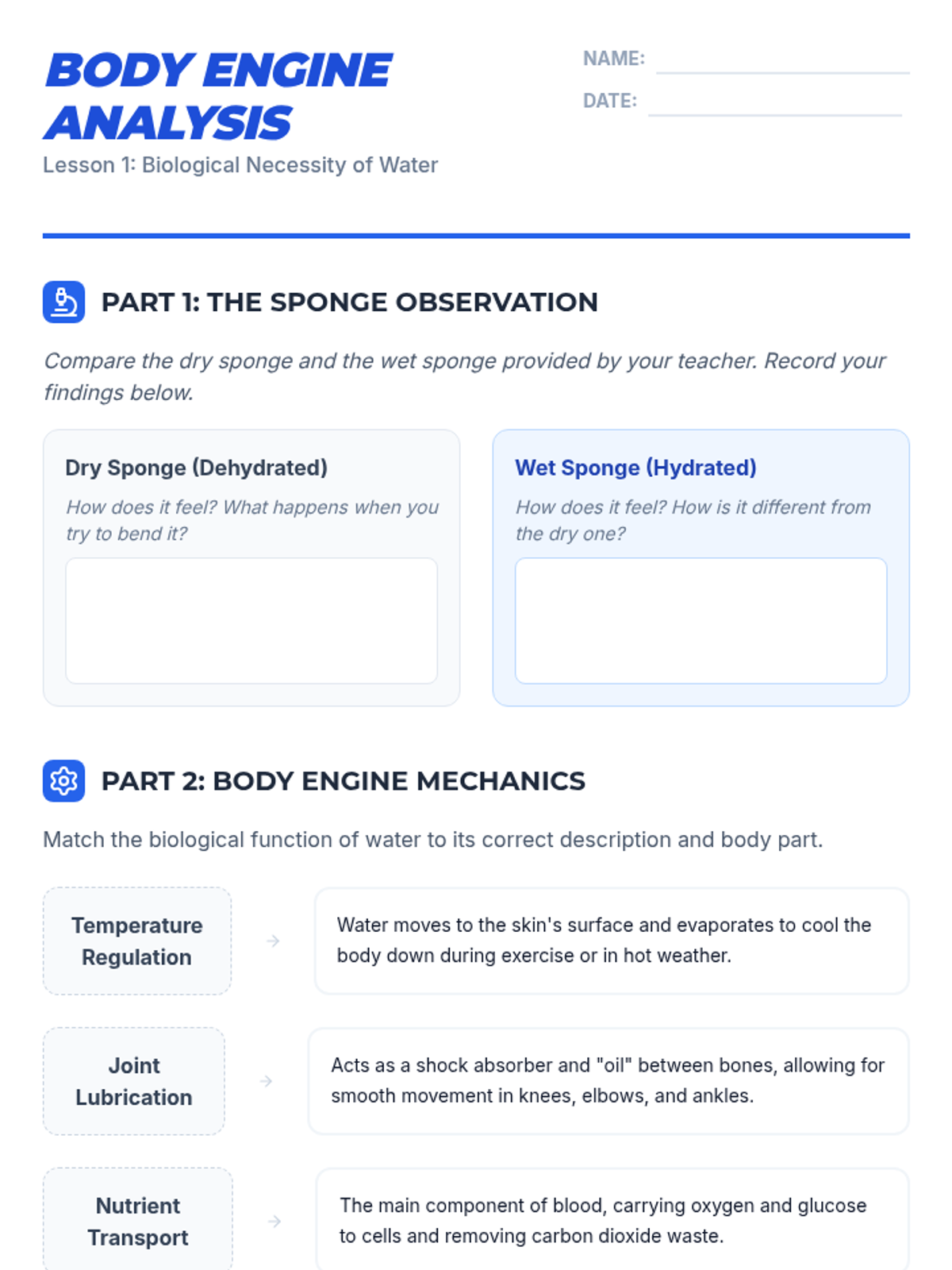
A comprehensive 6th-grade unit exploring the biological necessity of hydration, symptom recognition, beverage analysis, and personalized fluid intake planning. Students move from physiological understanding to practical daily strategies for maintaining optimal health and performance.
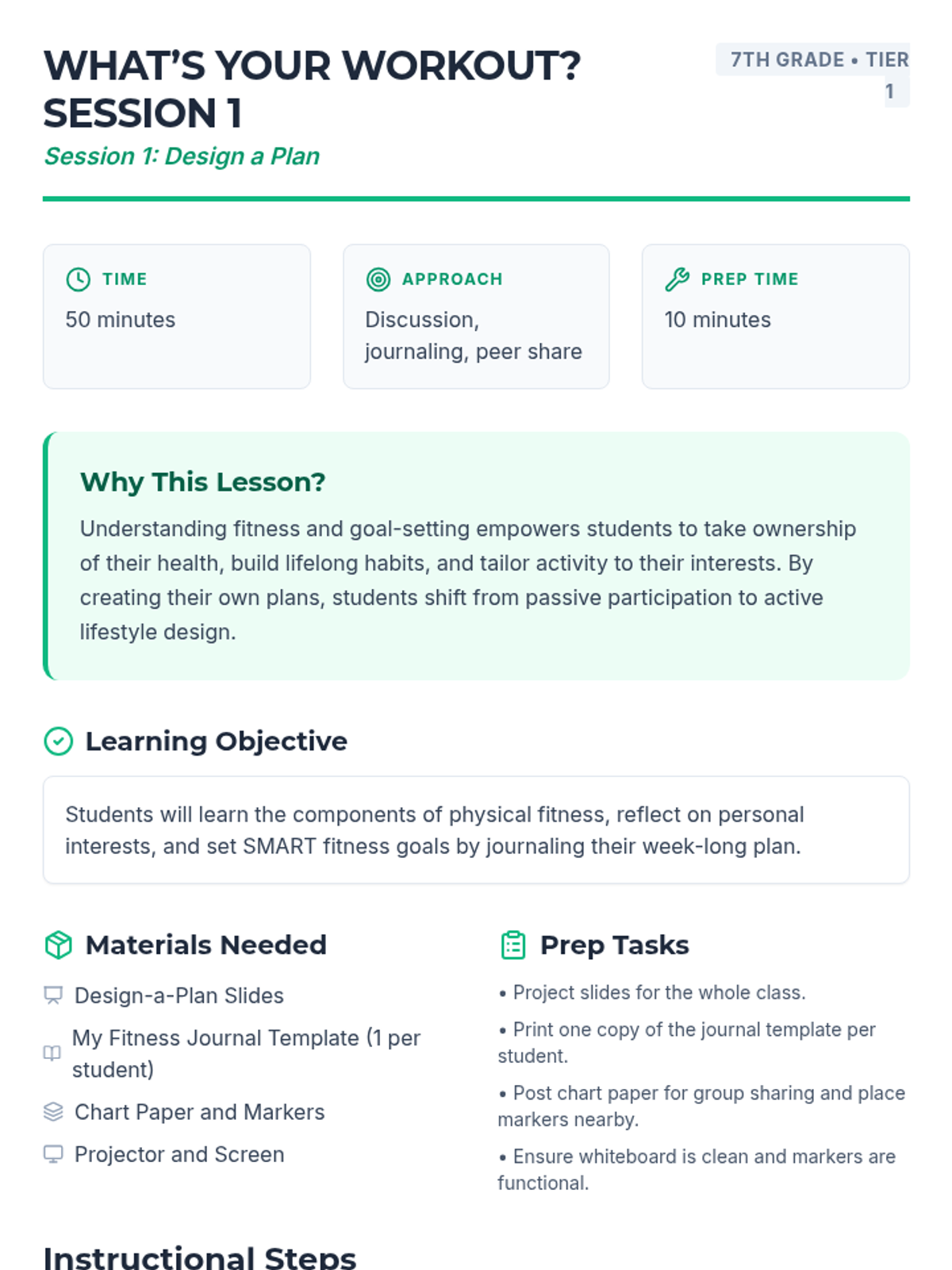
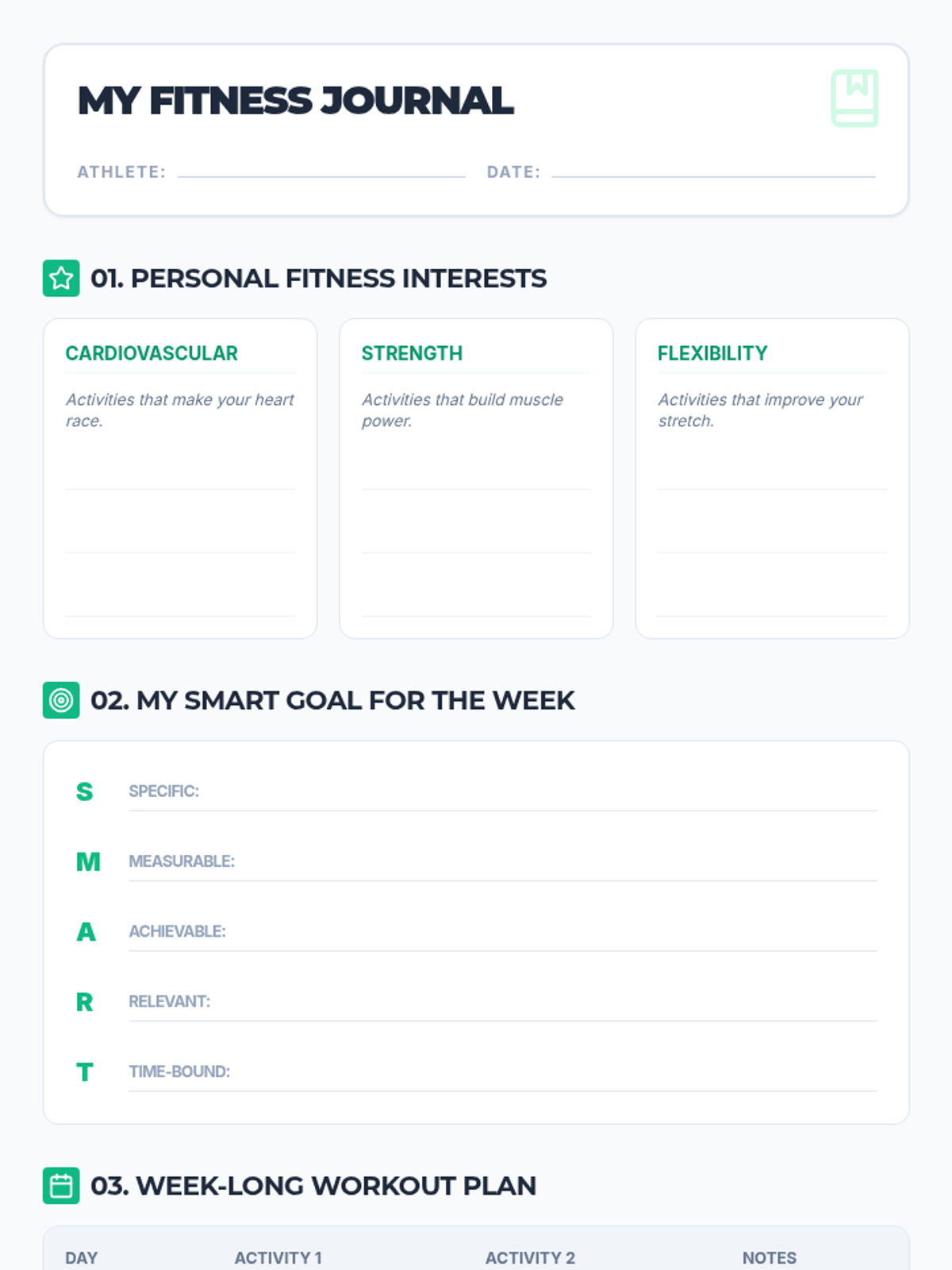
A 2-session sequence for seventh graders to explore physical fitness and nutrition. Students create personalized week-long workout plans, pair them with healthy meals, and practice goal-setting and peer feedback.
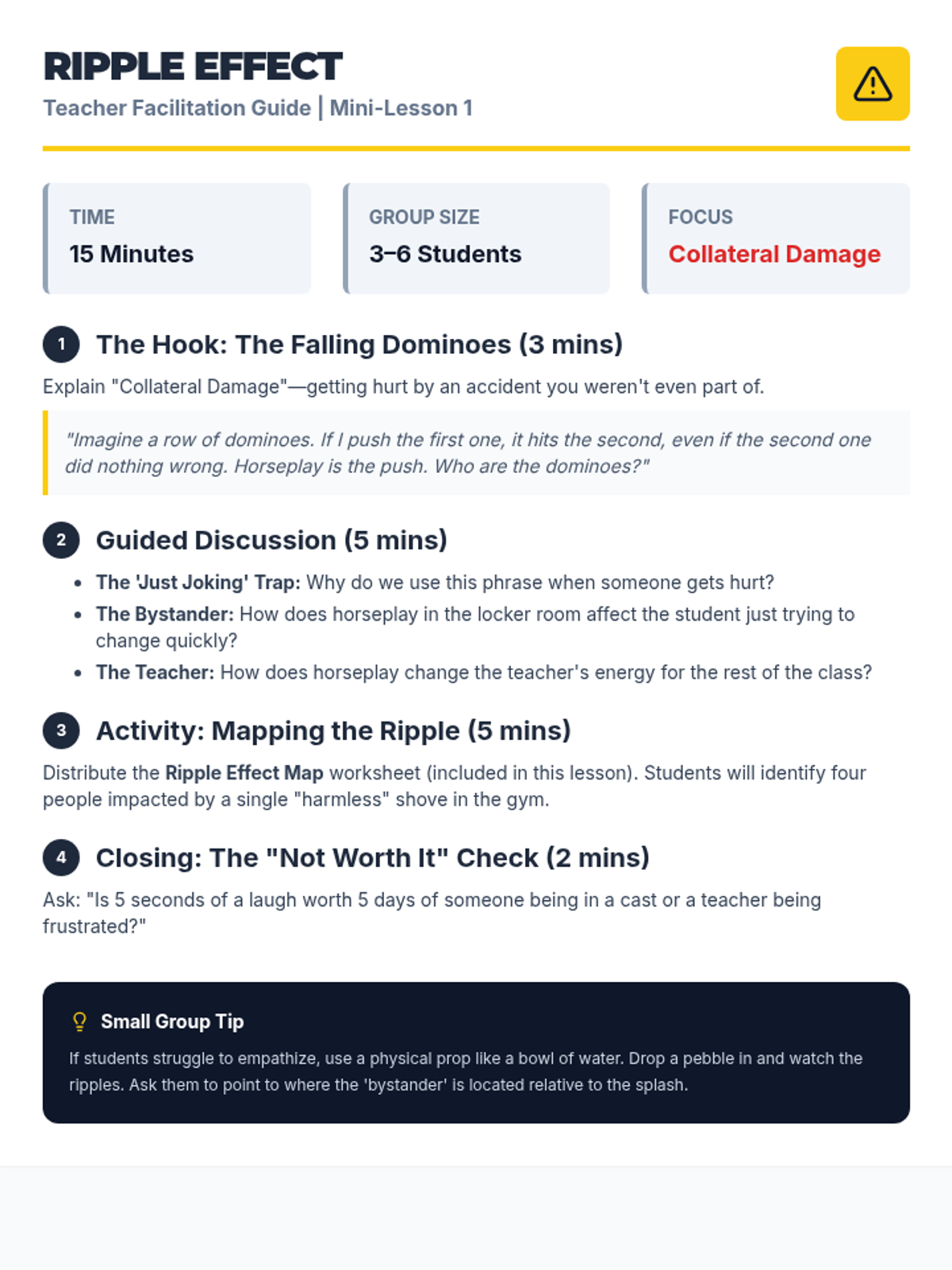
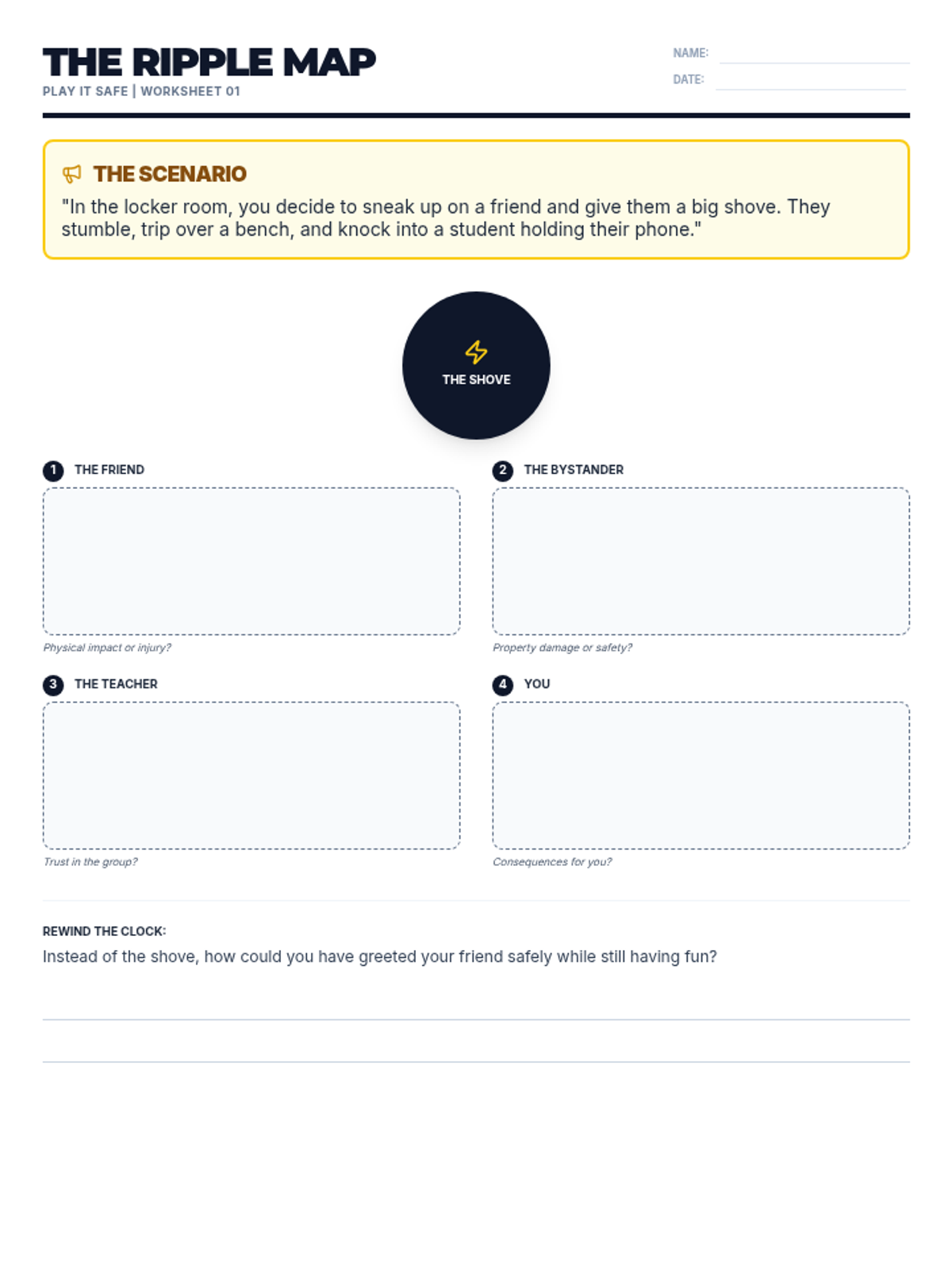
A series of three 15-minute mini-lessons designed for small group interventions or PE warm-up discussions. The sequence focuses on the social, physical, and community consequences of horseplay in school settings.
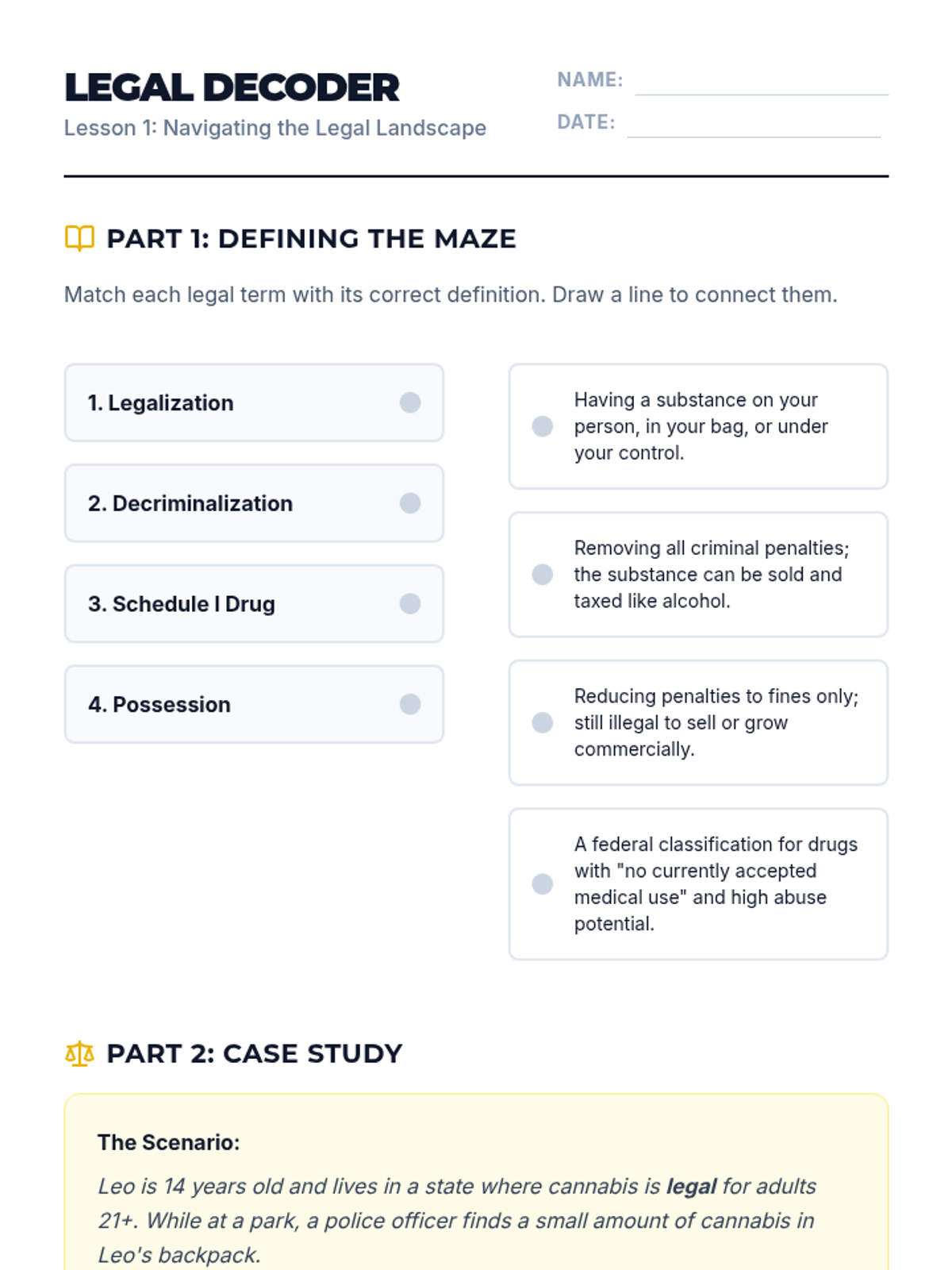
A comprehensive 5-lesson unit for 7th-grade students exploring the legal, physical, and safety implications of cannabis use, focusing on harm reduction and health literacy.
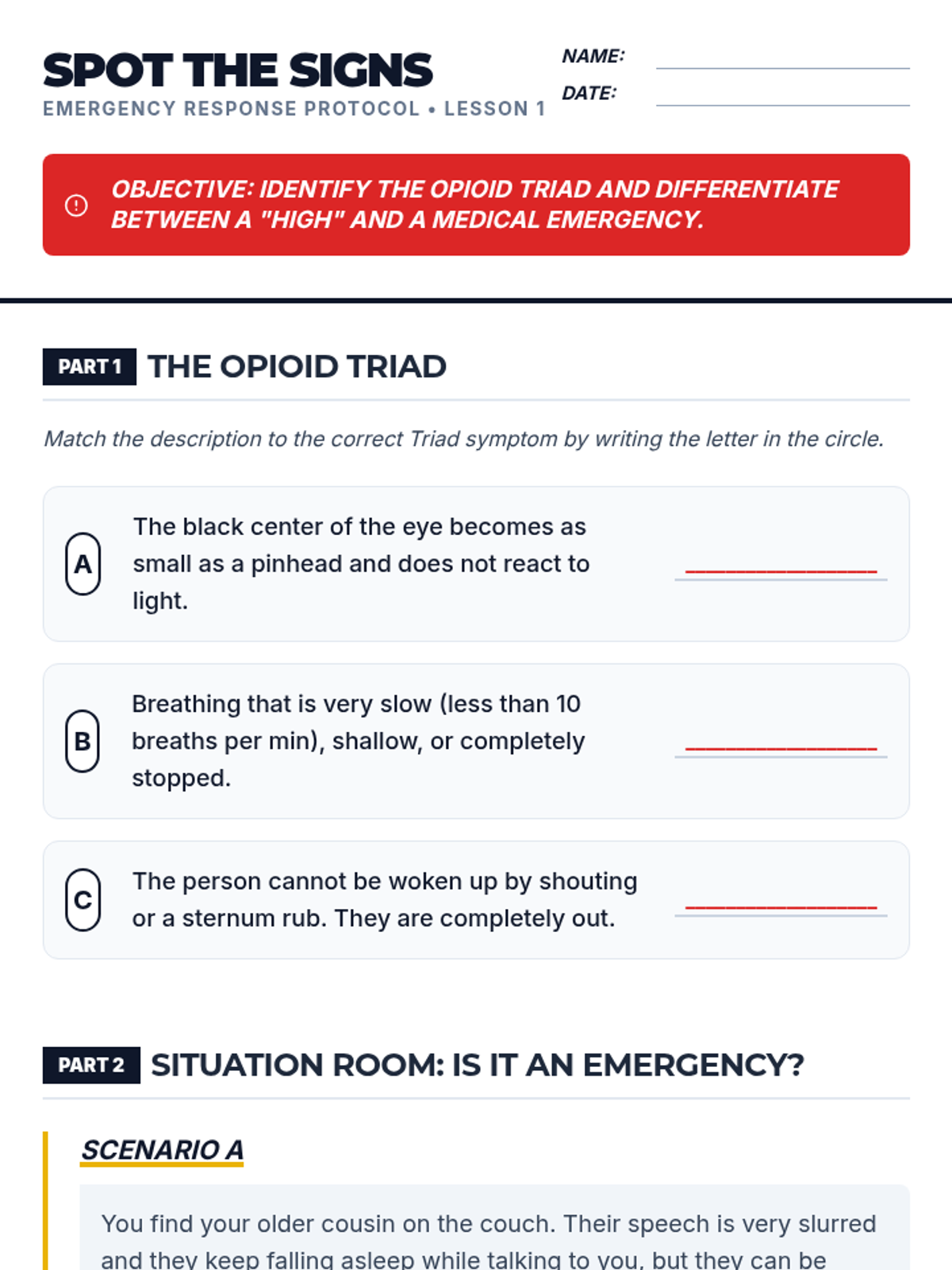
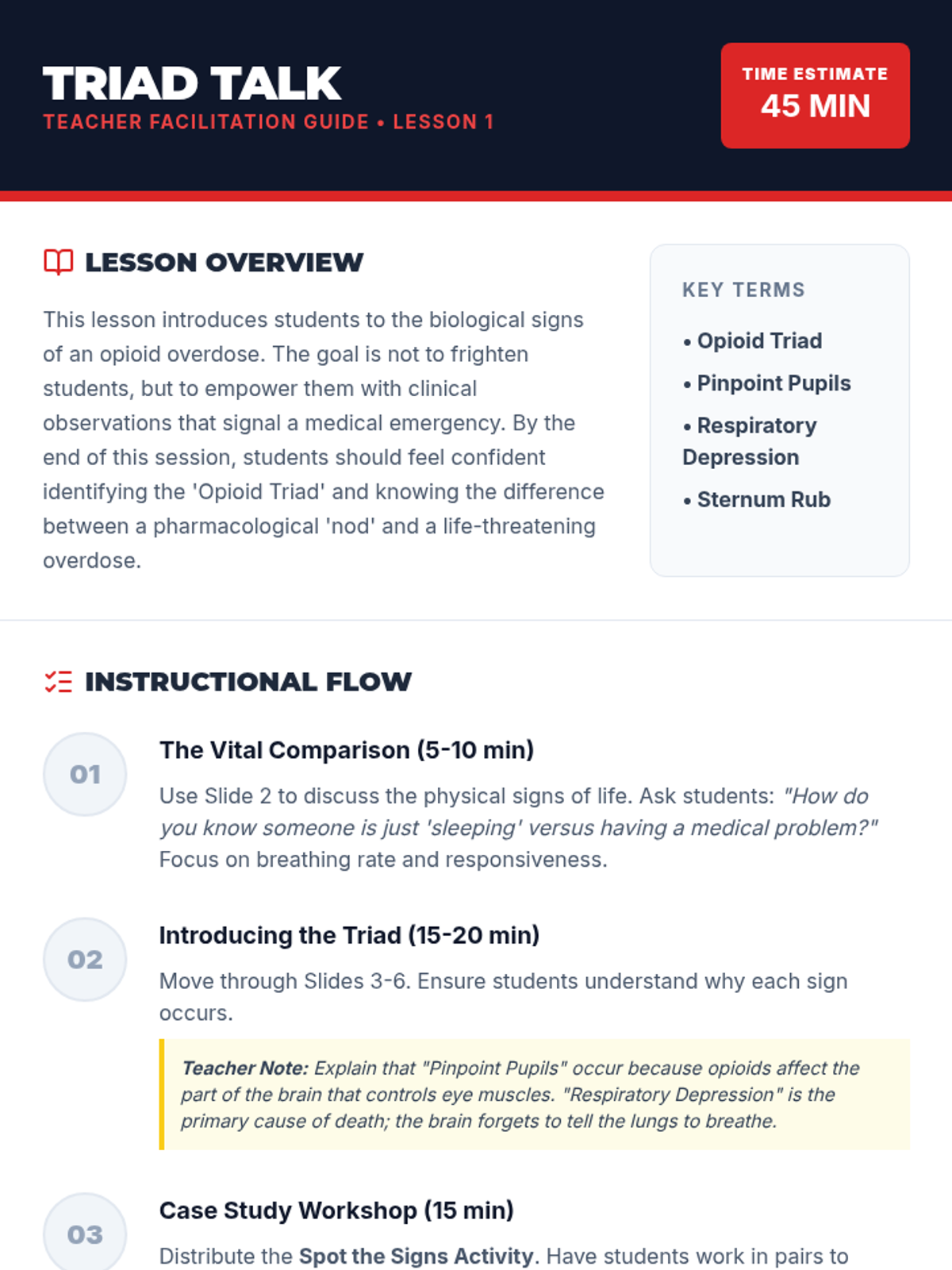
A comprehensive 5-lesson unit for 7th graders focused on recognizing opioid overdose symptoms, understanding legal protections like Good Samaritan Laws, and mastering emergency response protocols including 911 communication and the recovery position.
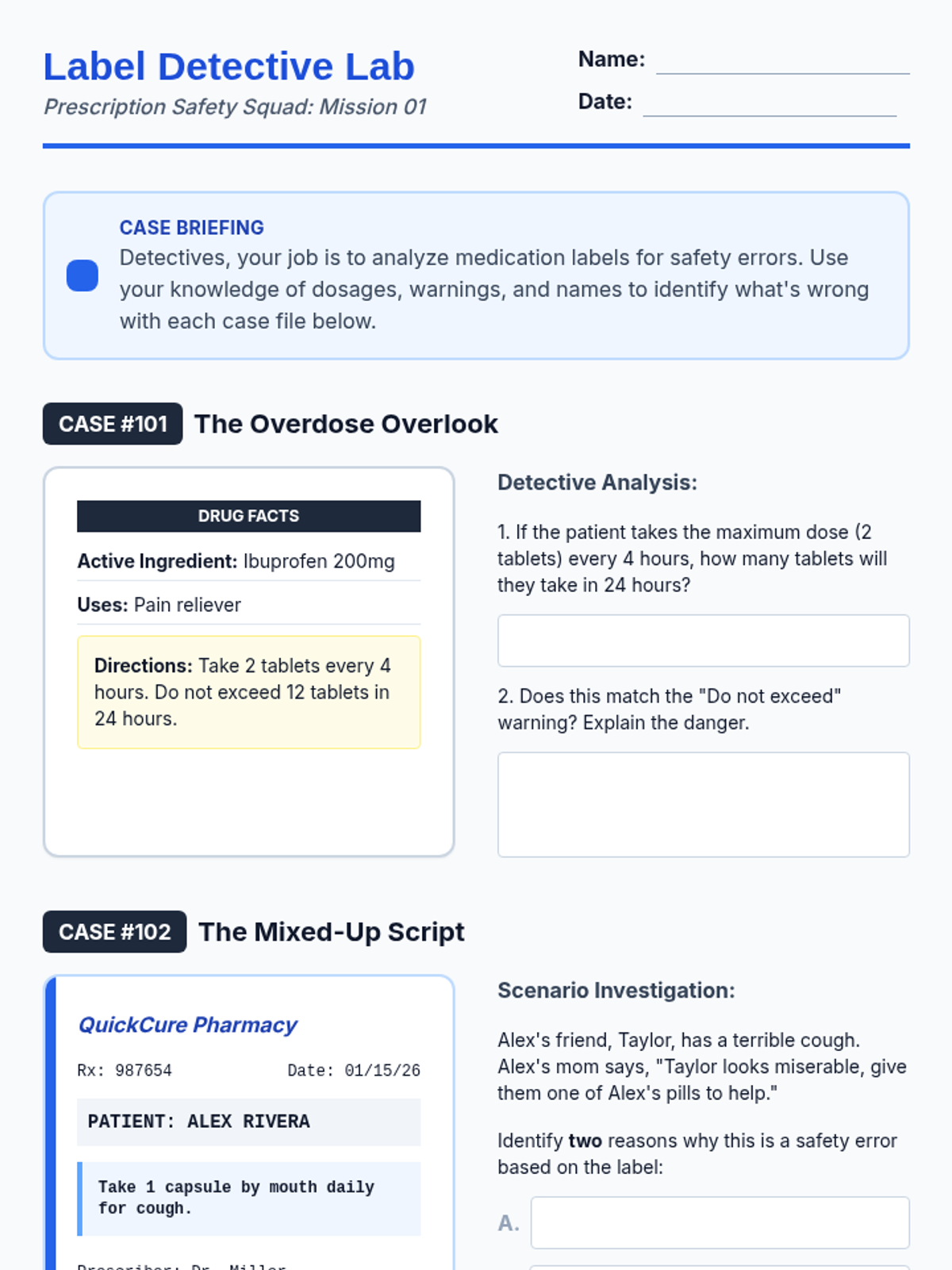
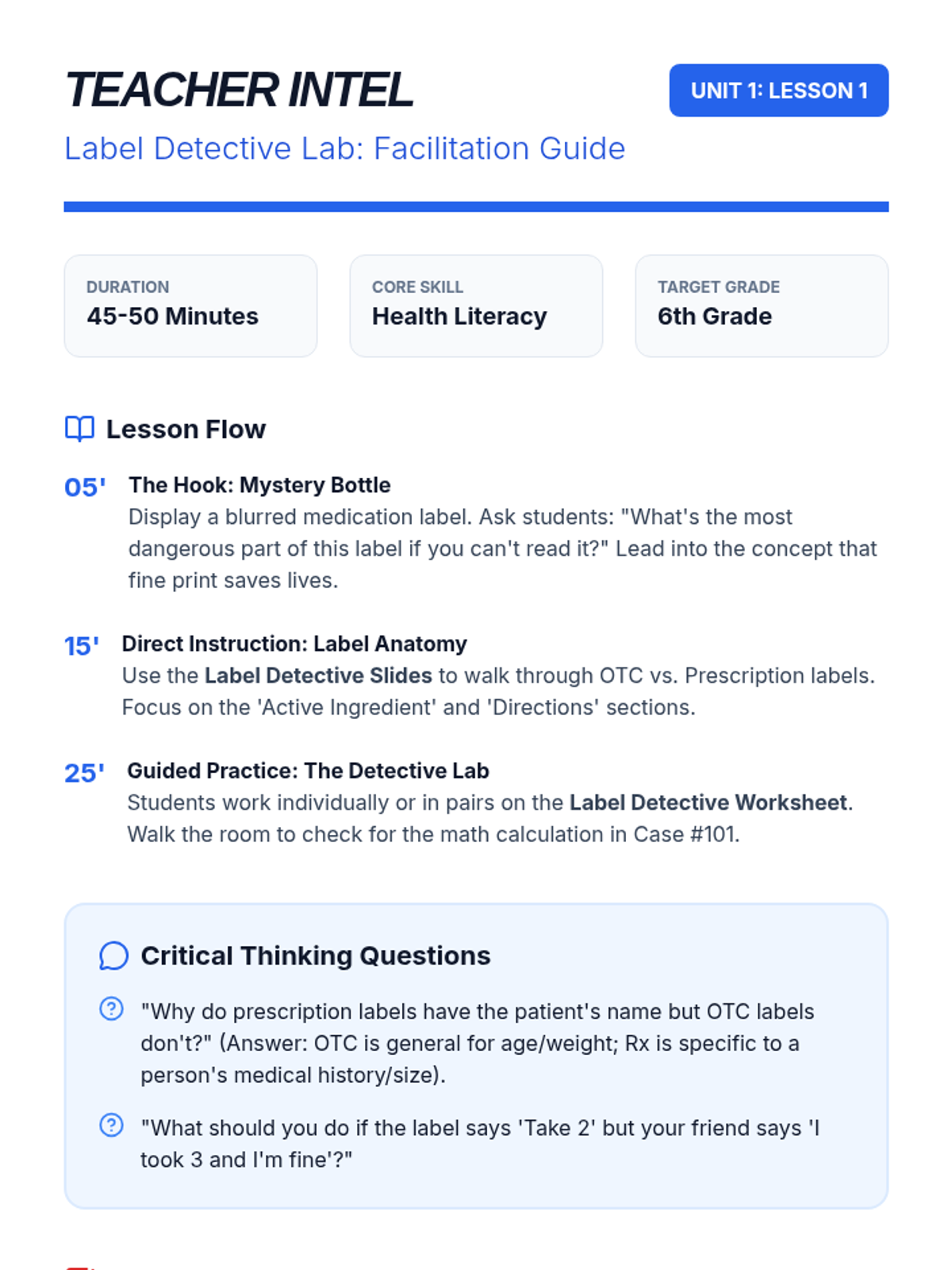
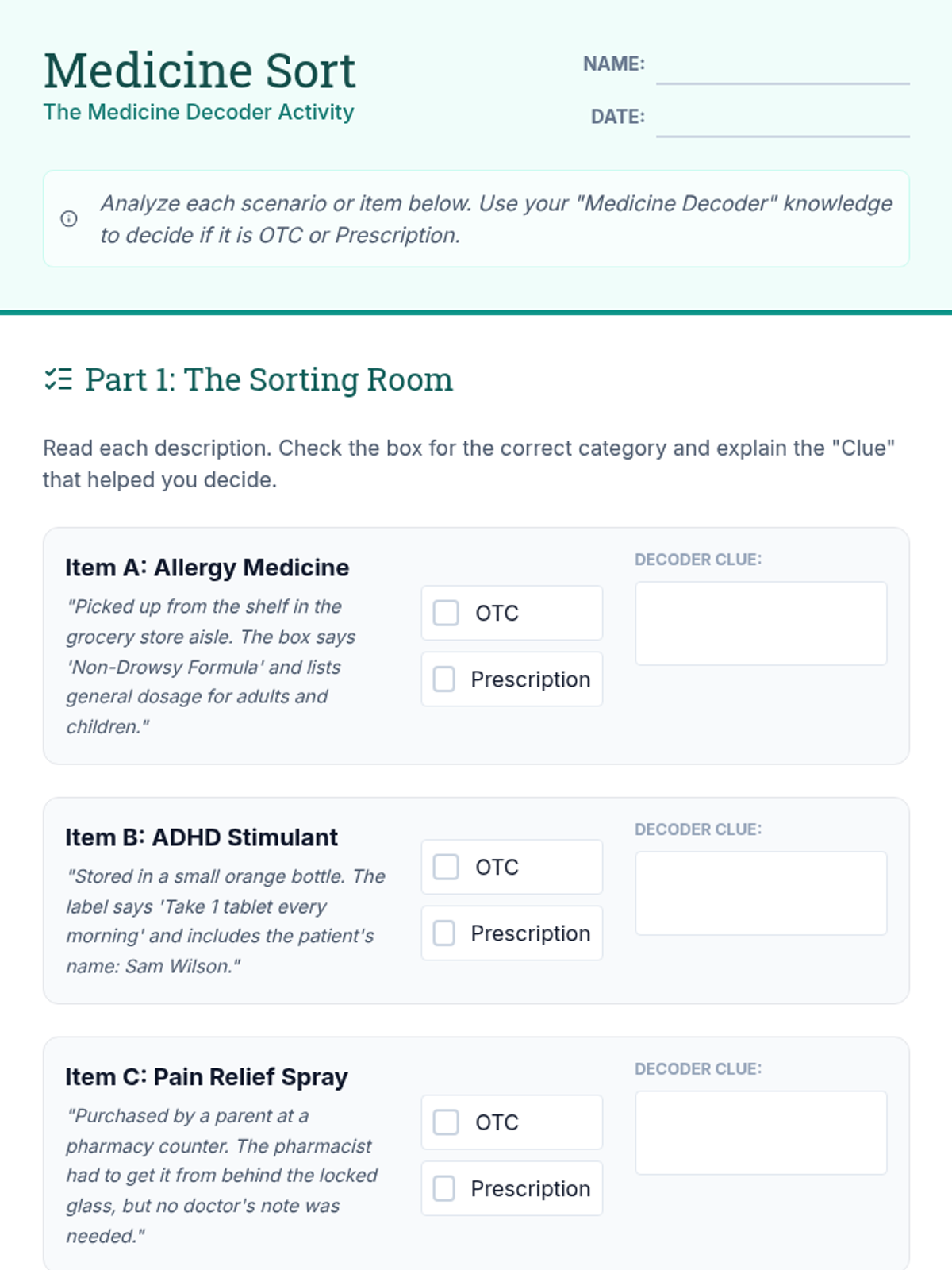
A 5-lesson sequence for 6th graders focused on prescription drug safety, reading medication labels, distinguishing between misuse and abuse, and implementing safe storage and disposal practices.
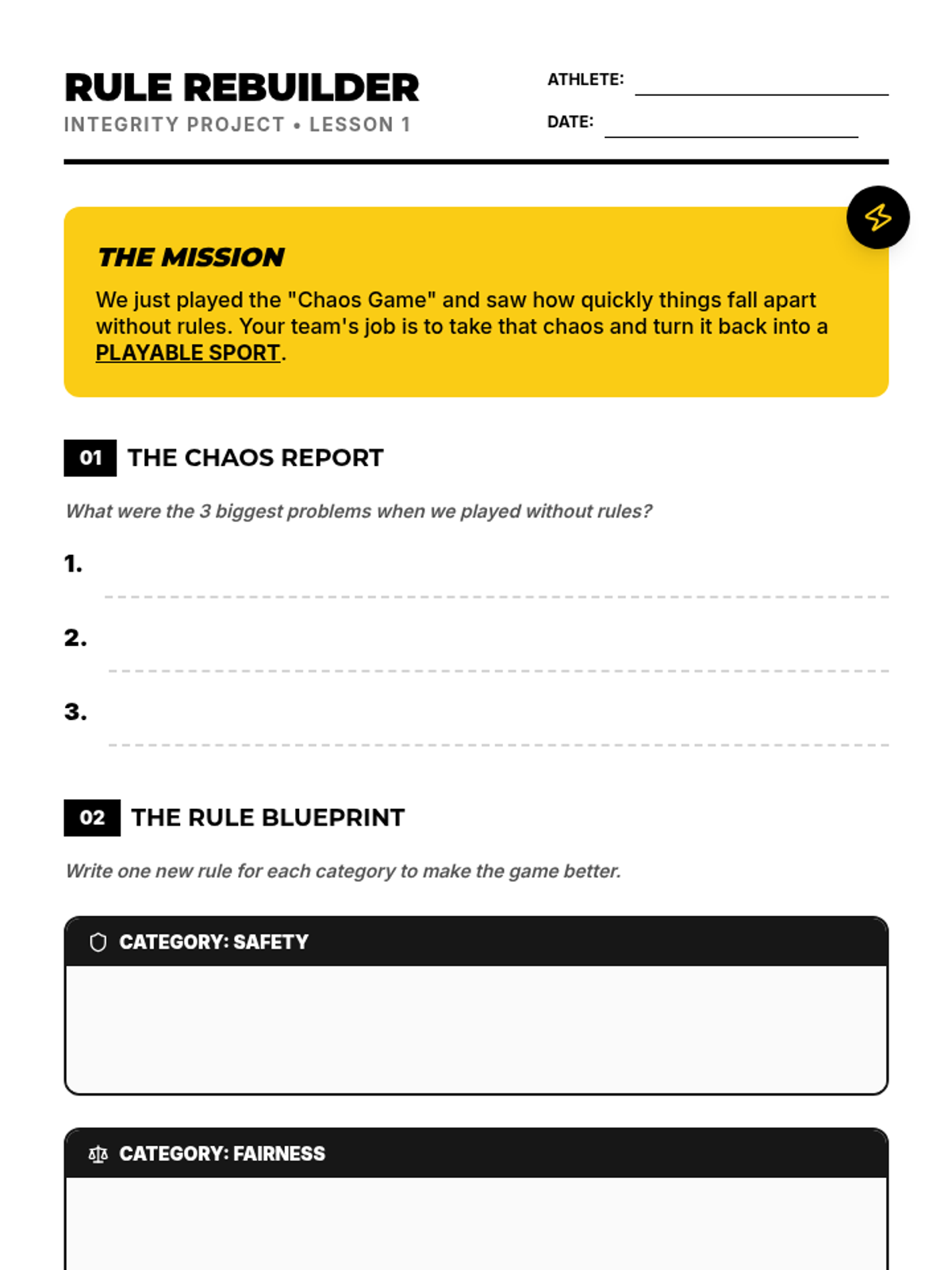
This sequence explores the structural necessity of rules, integrity, and respect for officials in organized sports. Students learn through experiential games, role-playing, and self-officiating to understand why fair play is essential for safety and enjoyment.
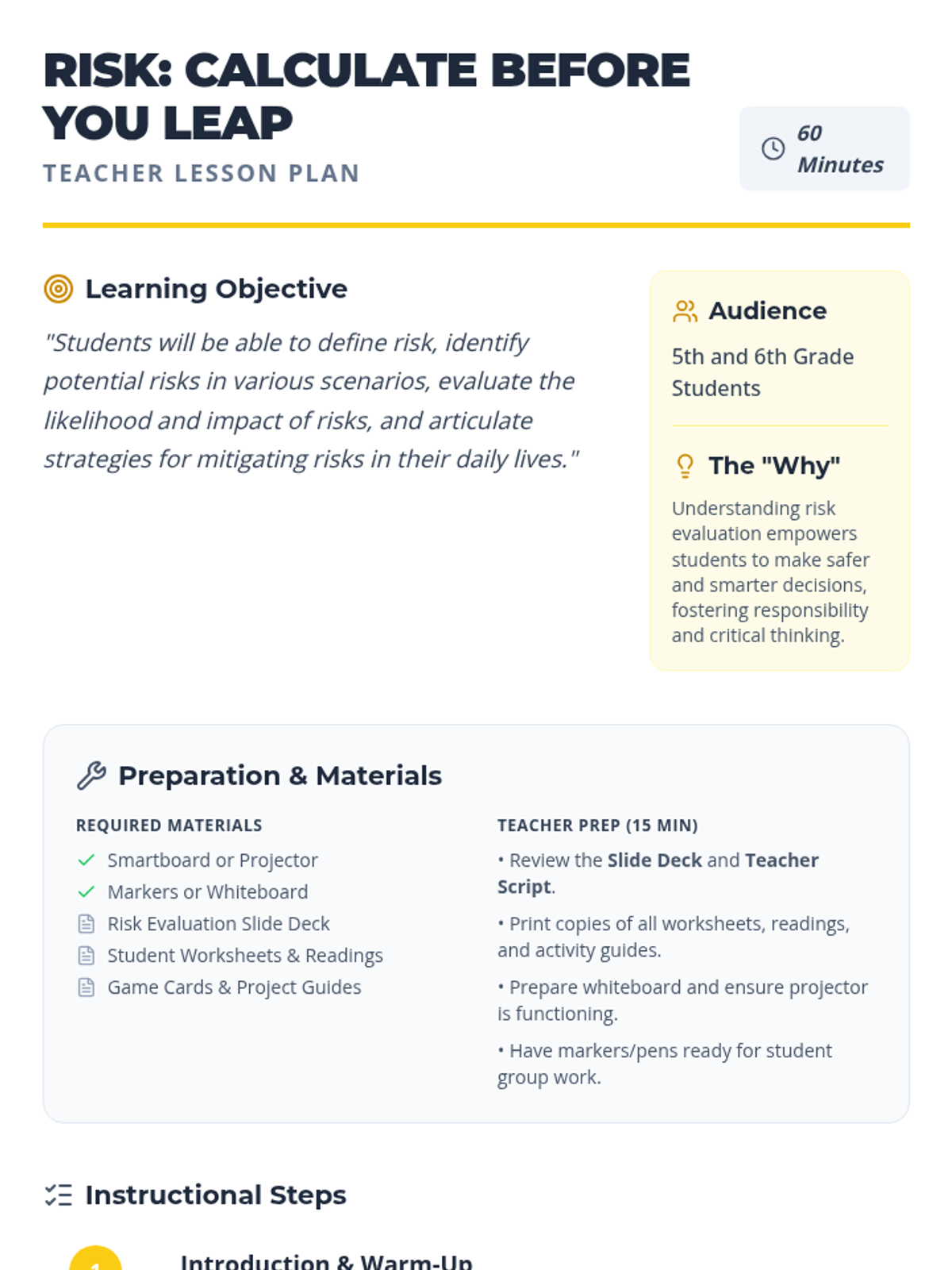
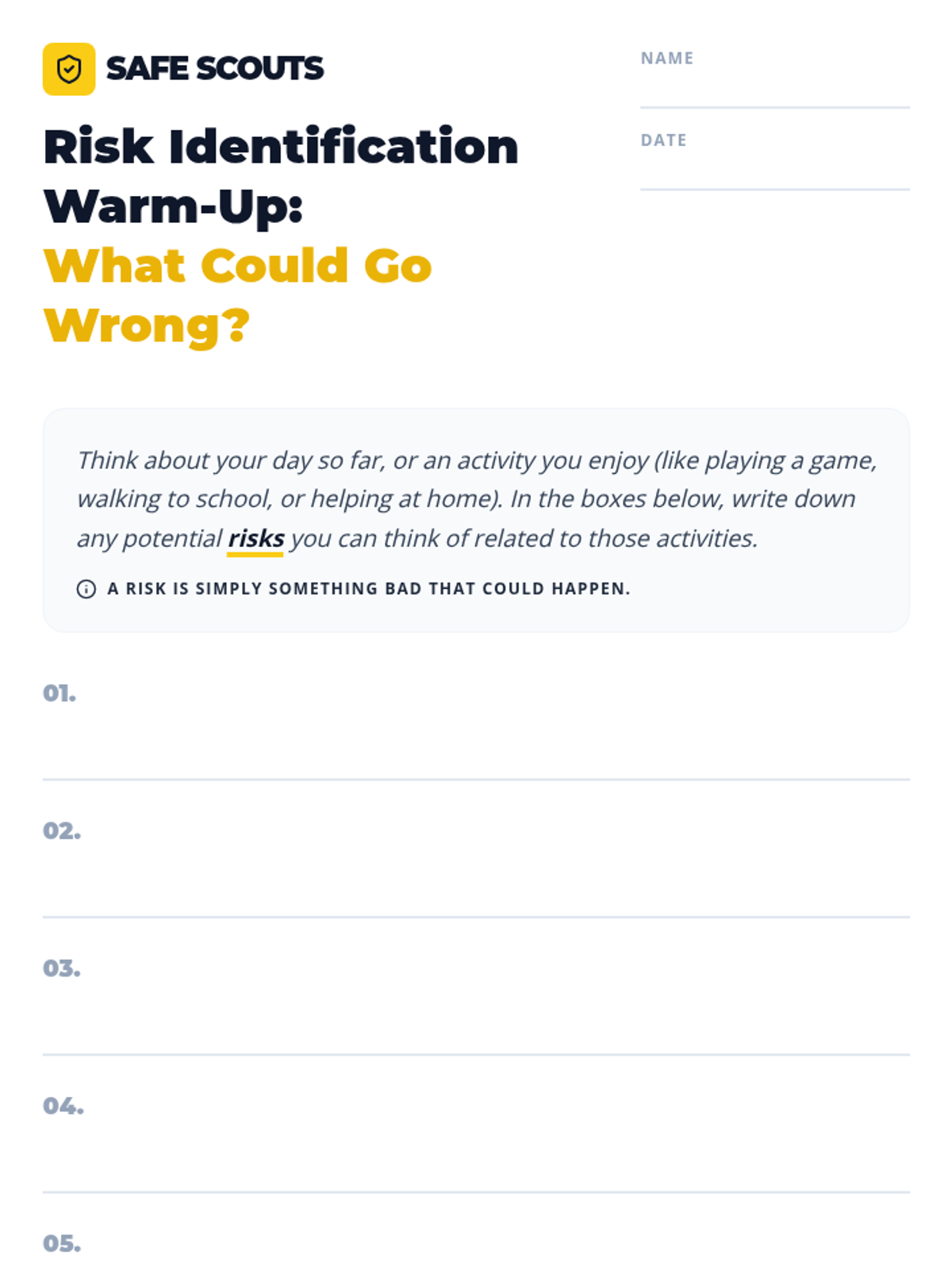
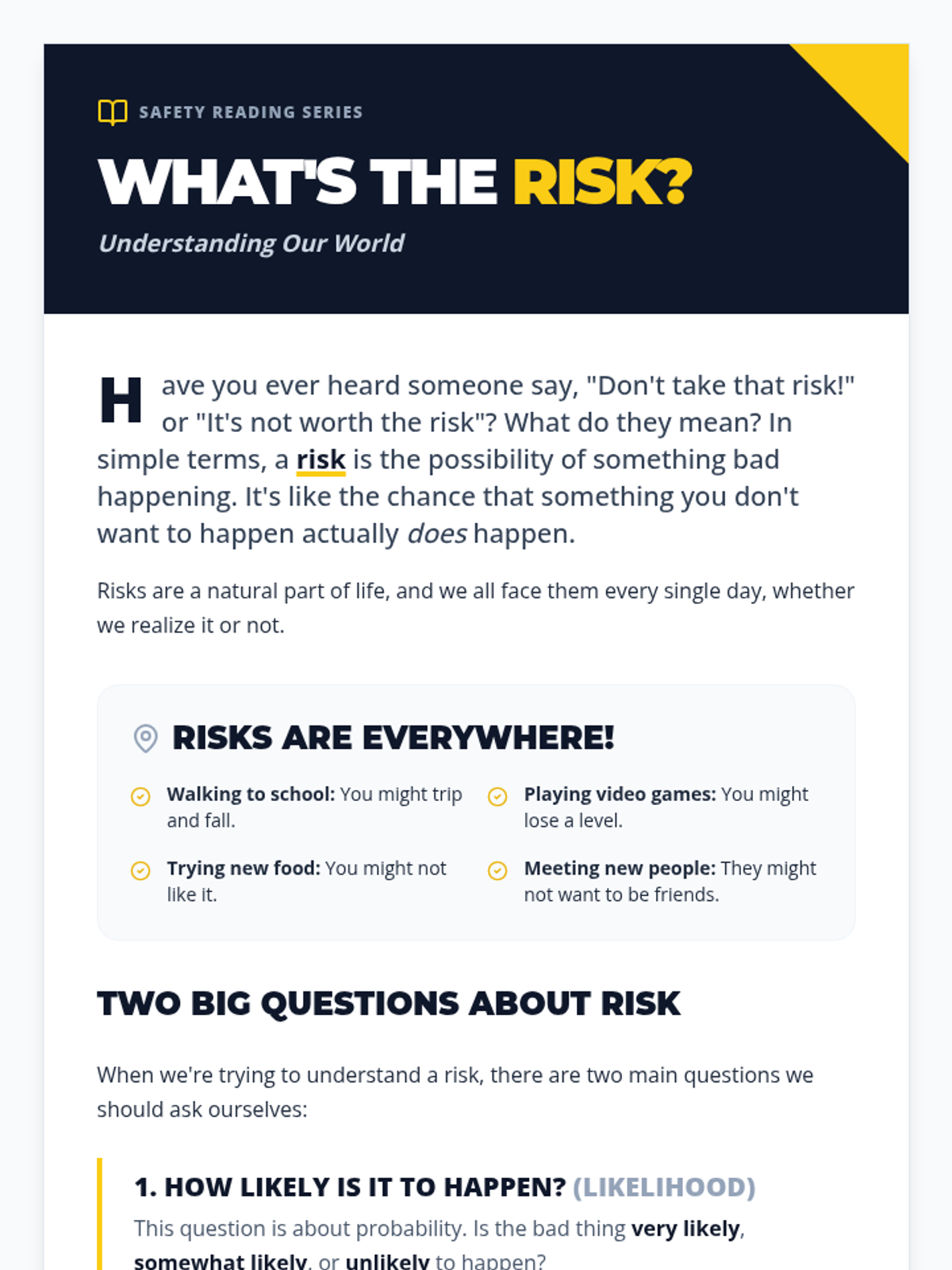
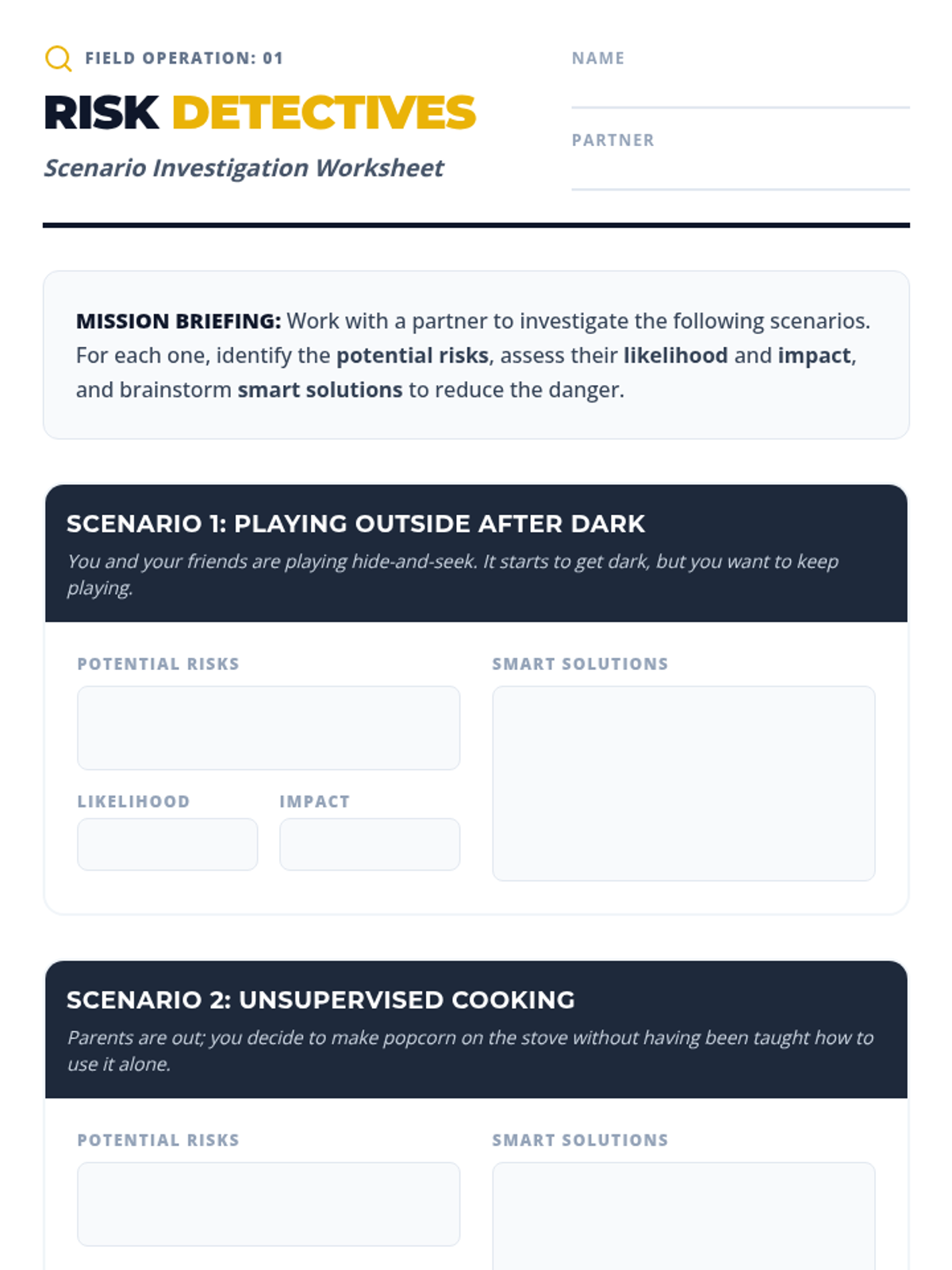
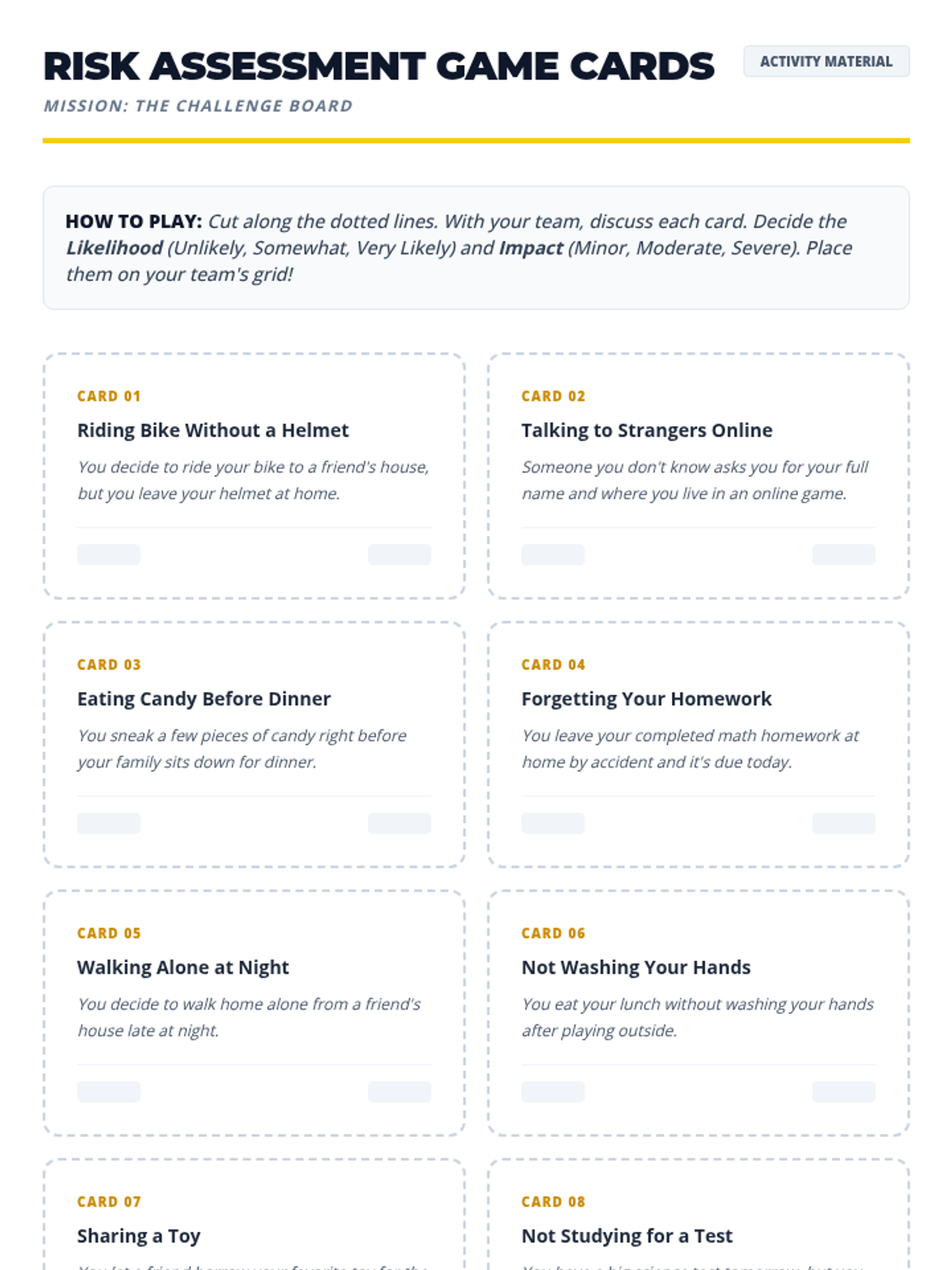
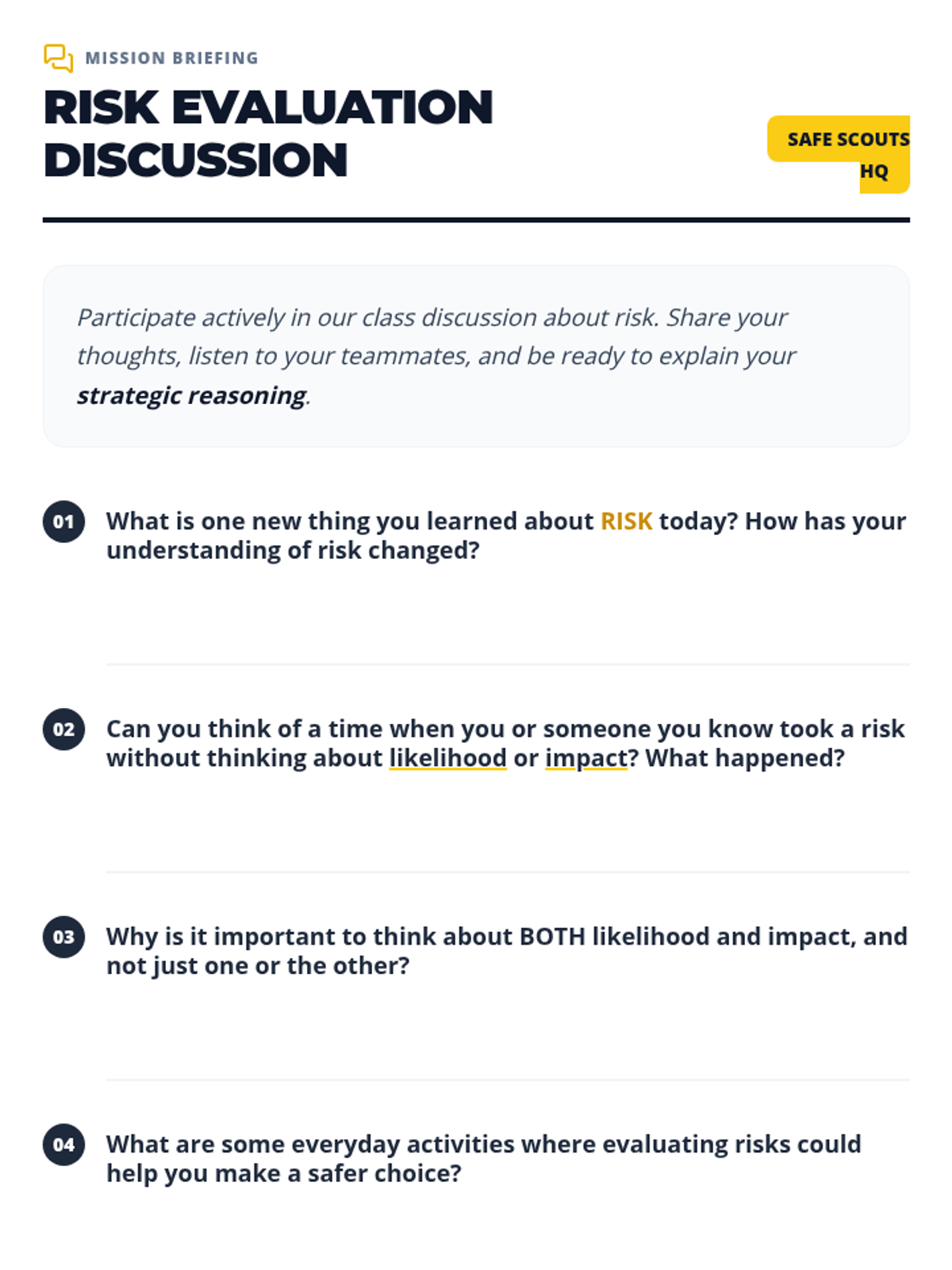
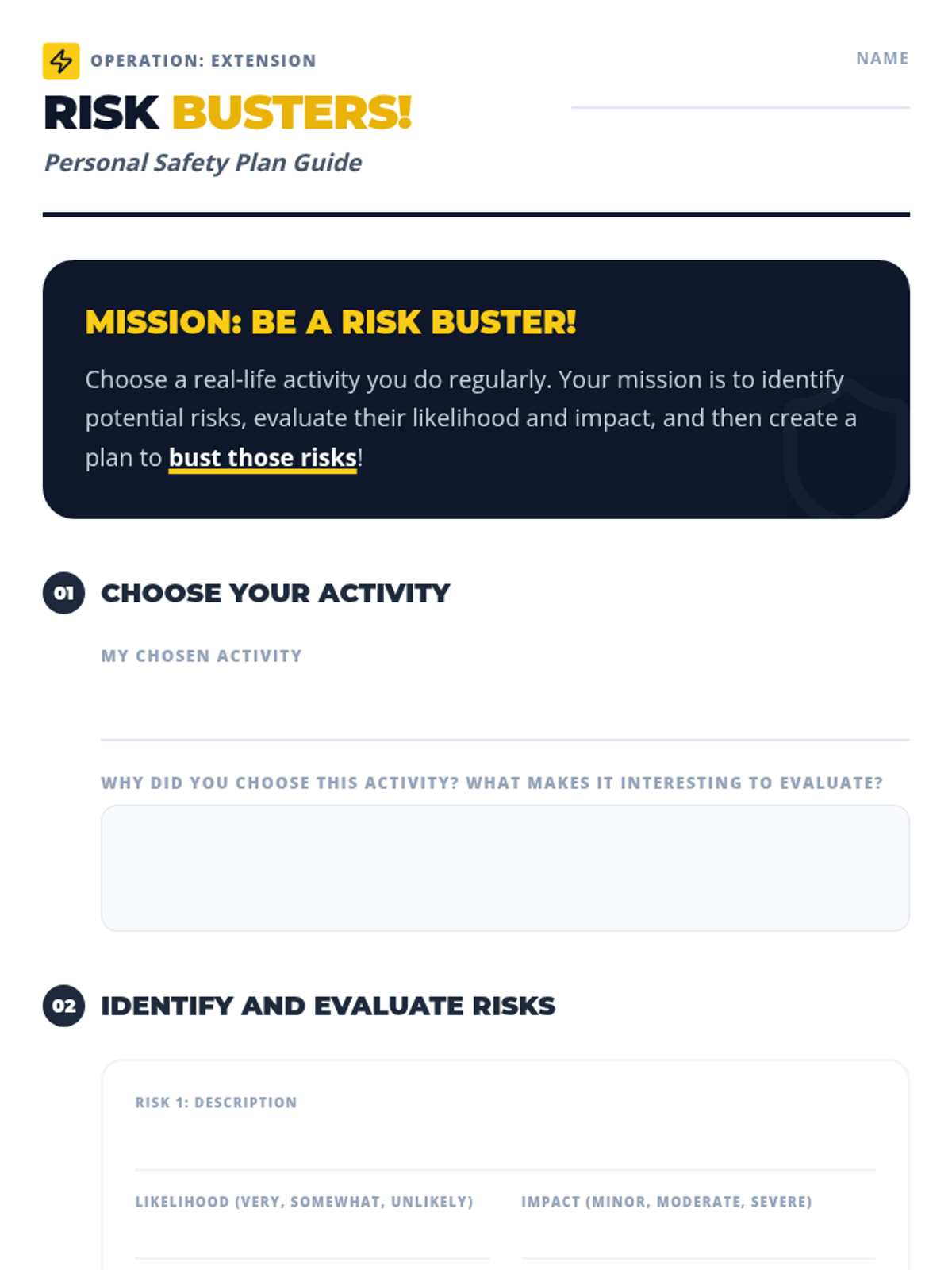
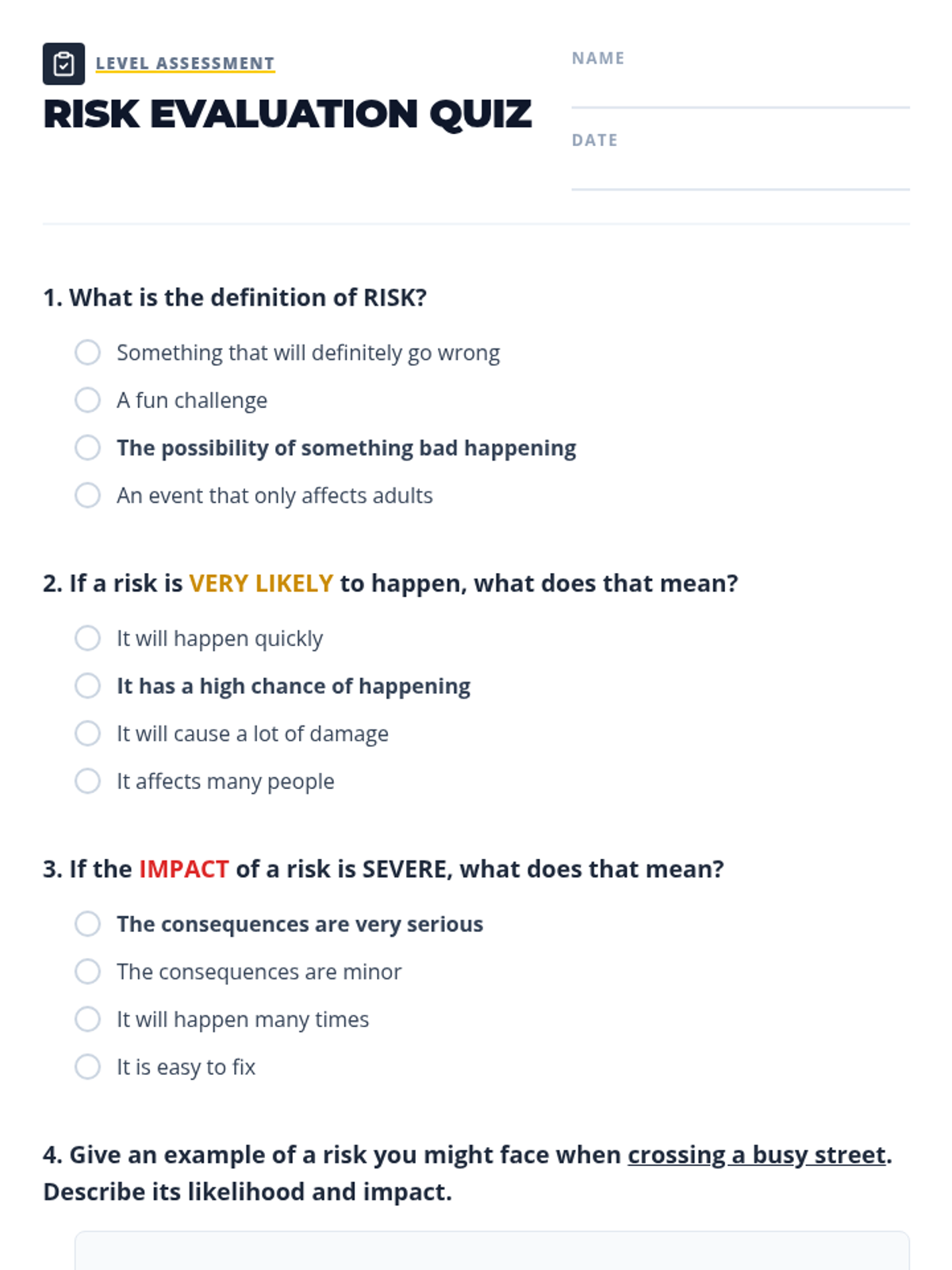
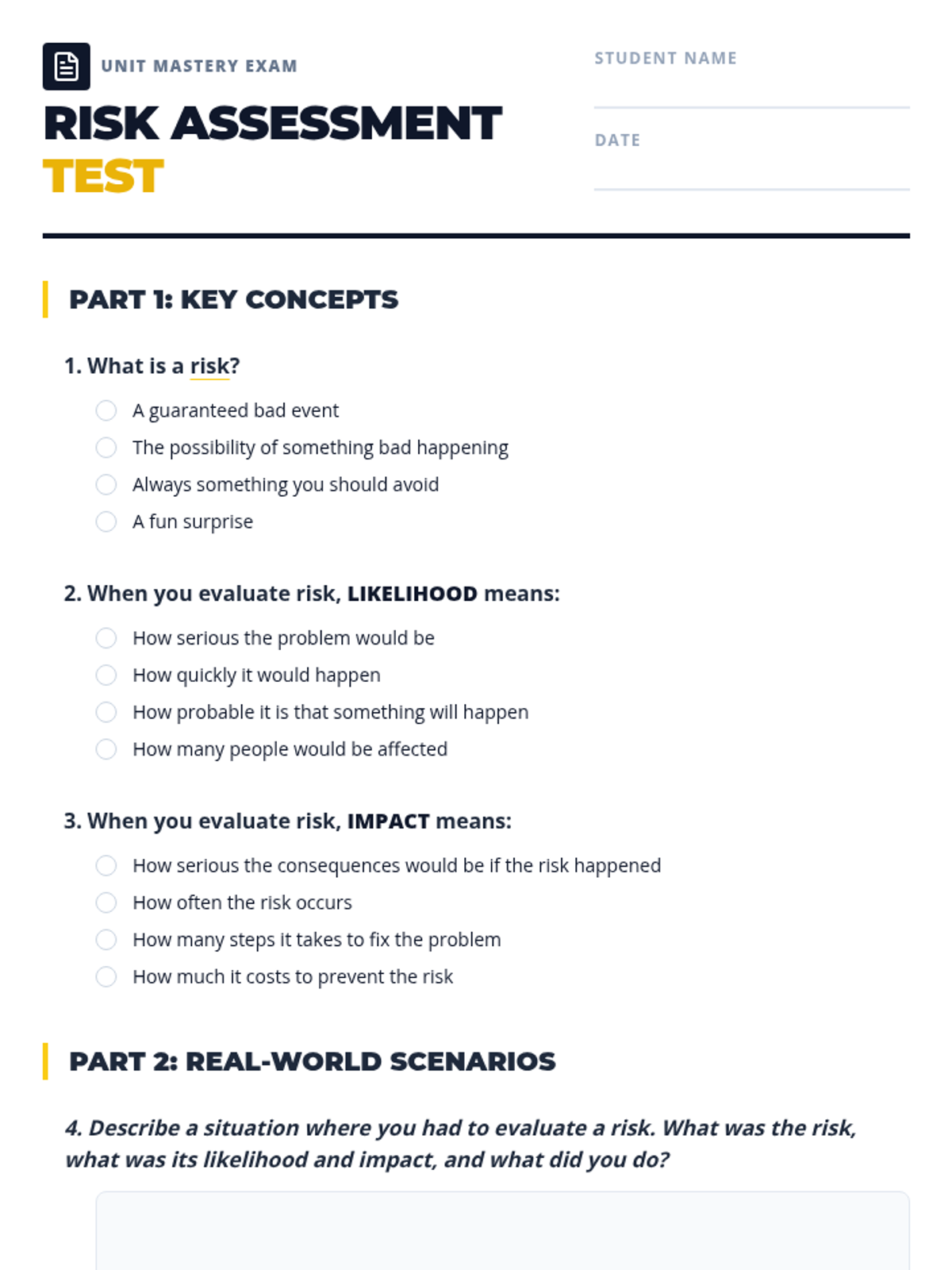
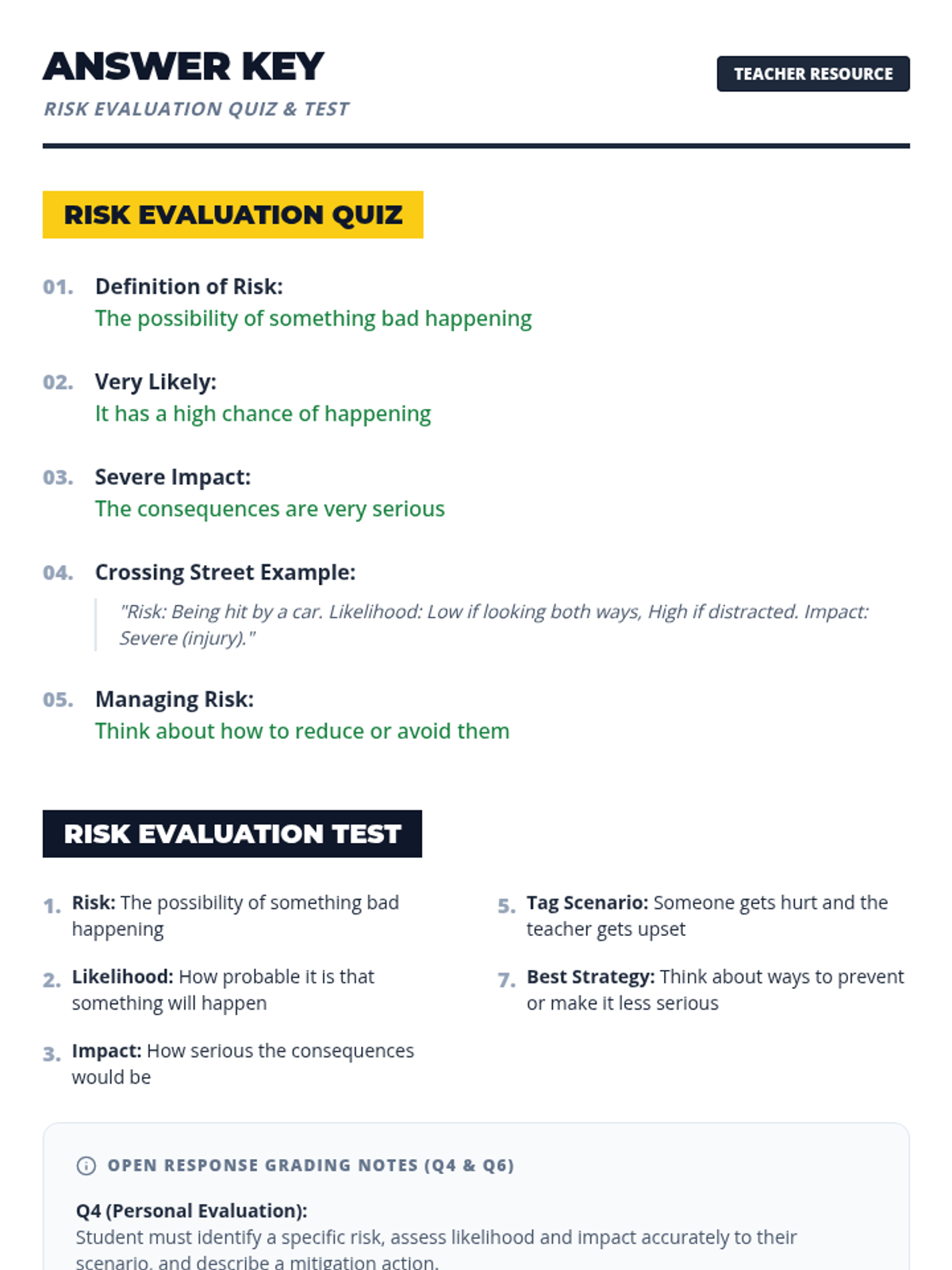
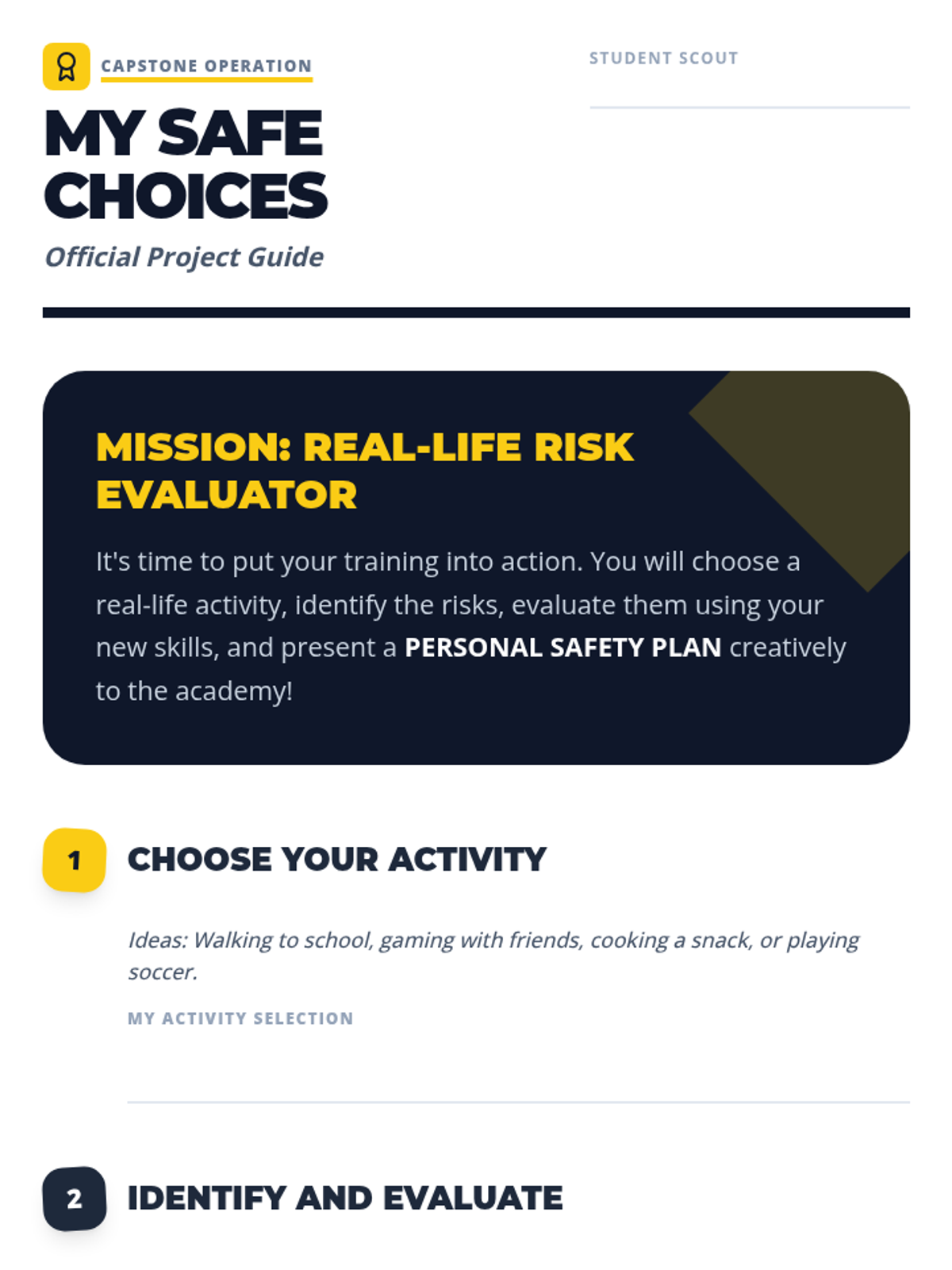
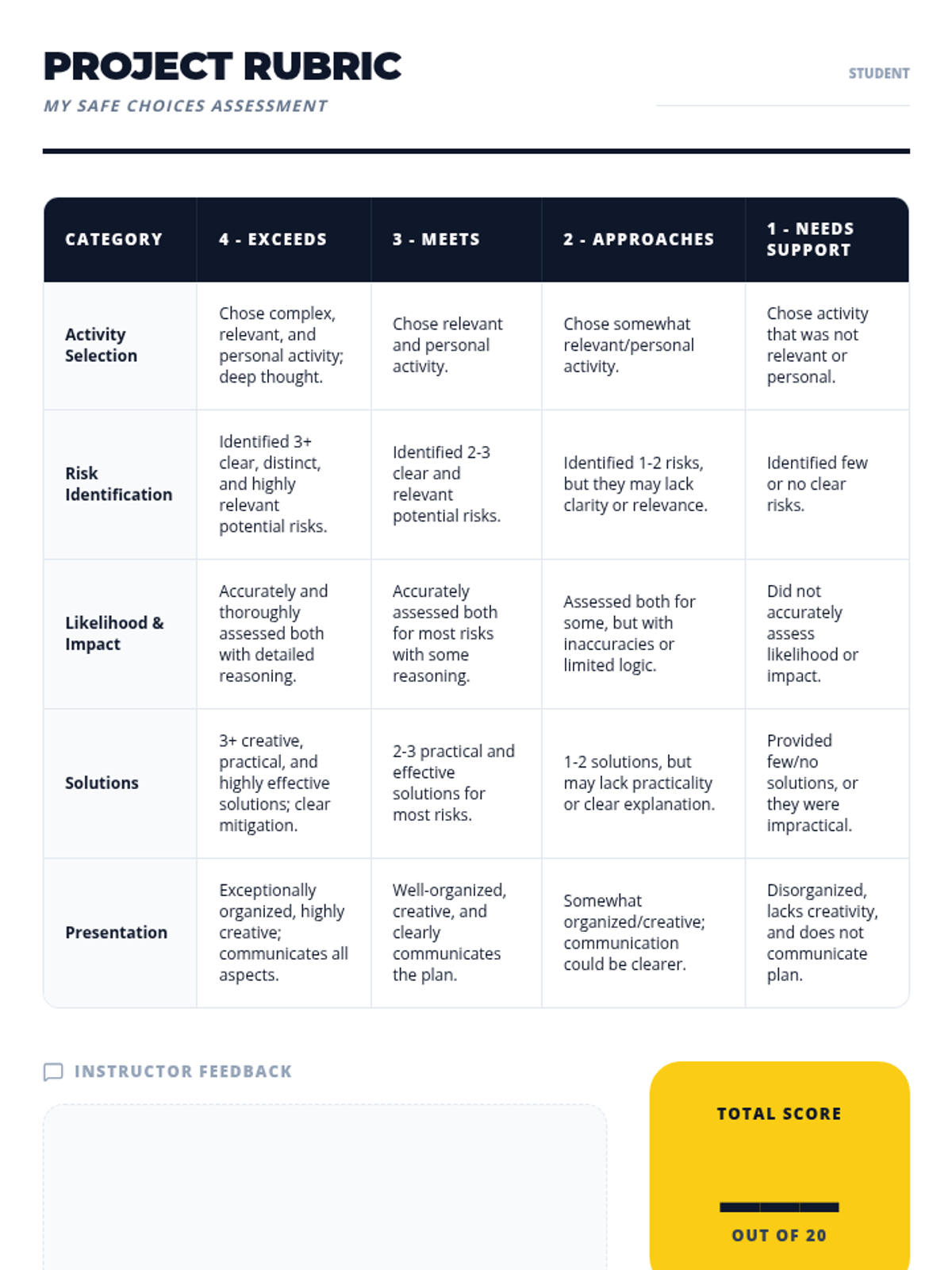
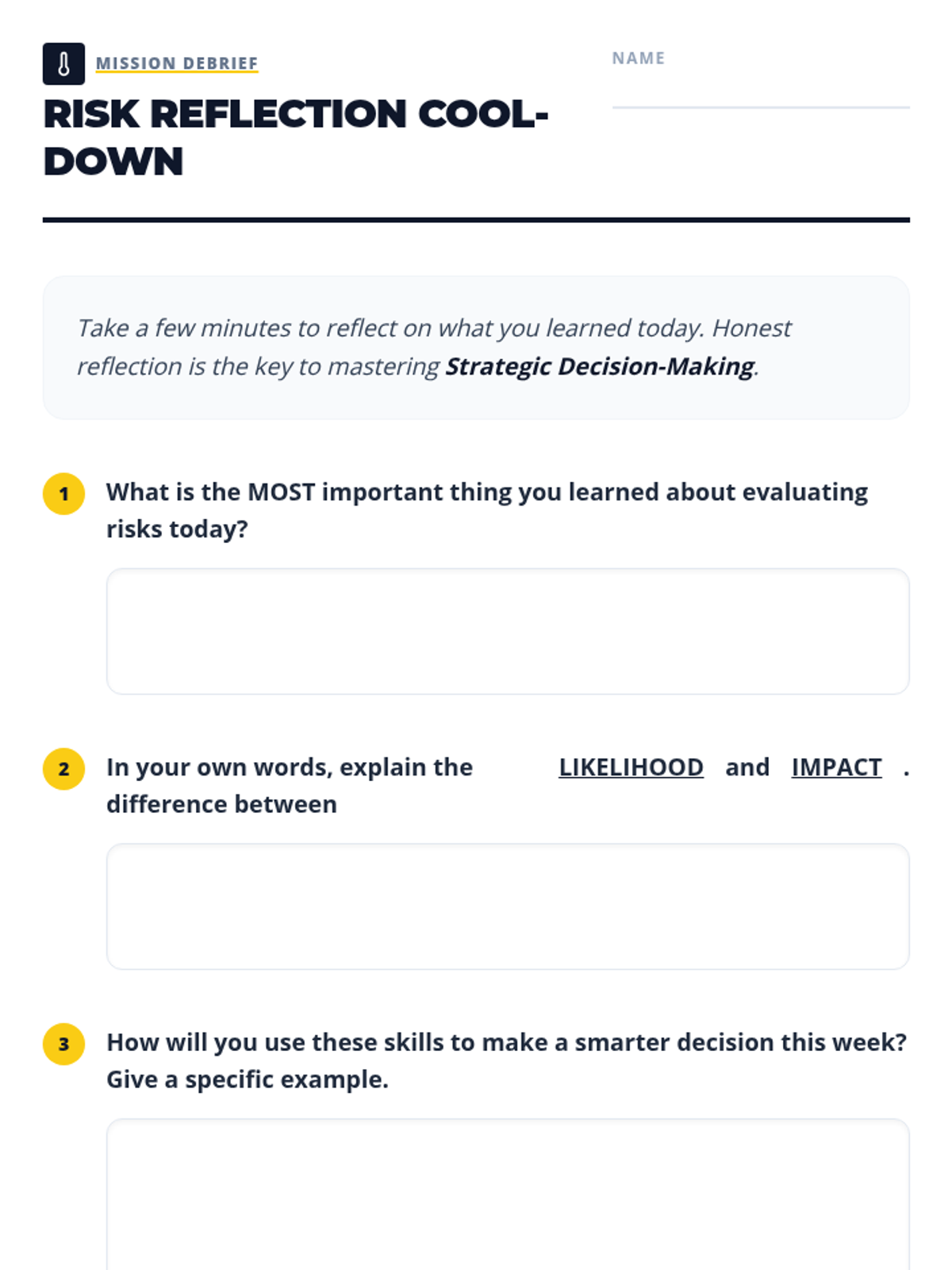
A unit focused on empowering middle school students to navigate the world safely by understanding and evaluating risks. Students learn to assess likelihood and impact while developing practical mitigation strategies.
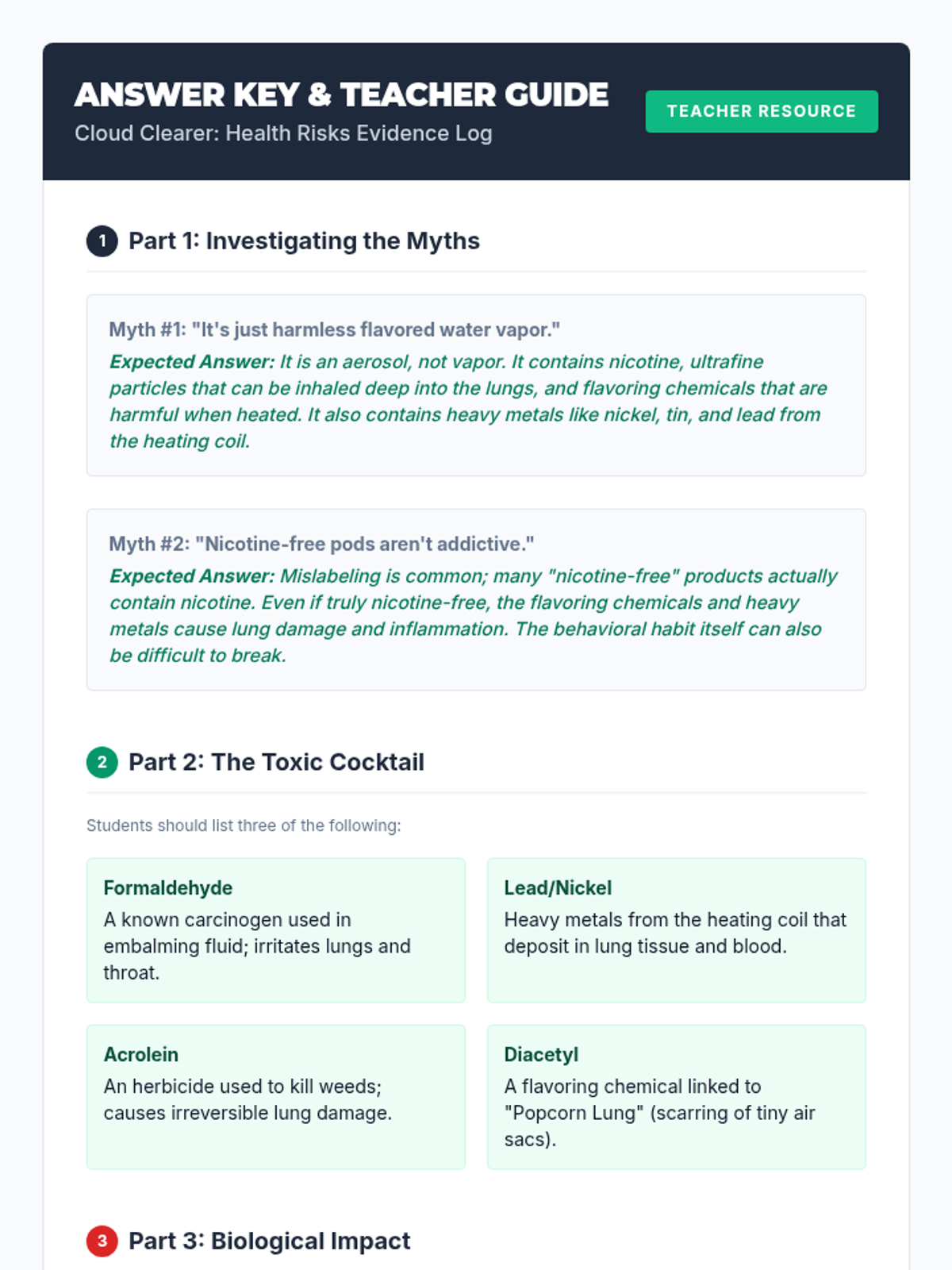
A comprehensive vaping prevention unit that covers health risks, the science of nicotine addiction, and social refusal strategies for middle and high school students.
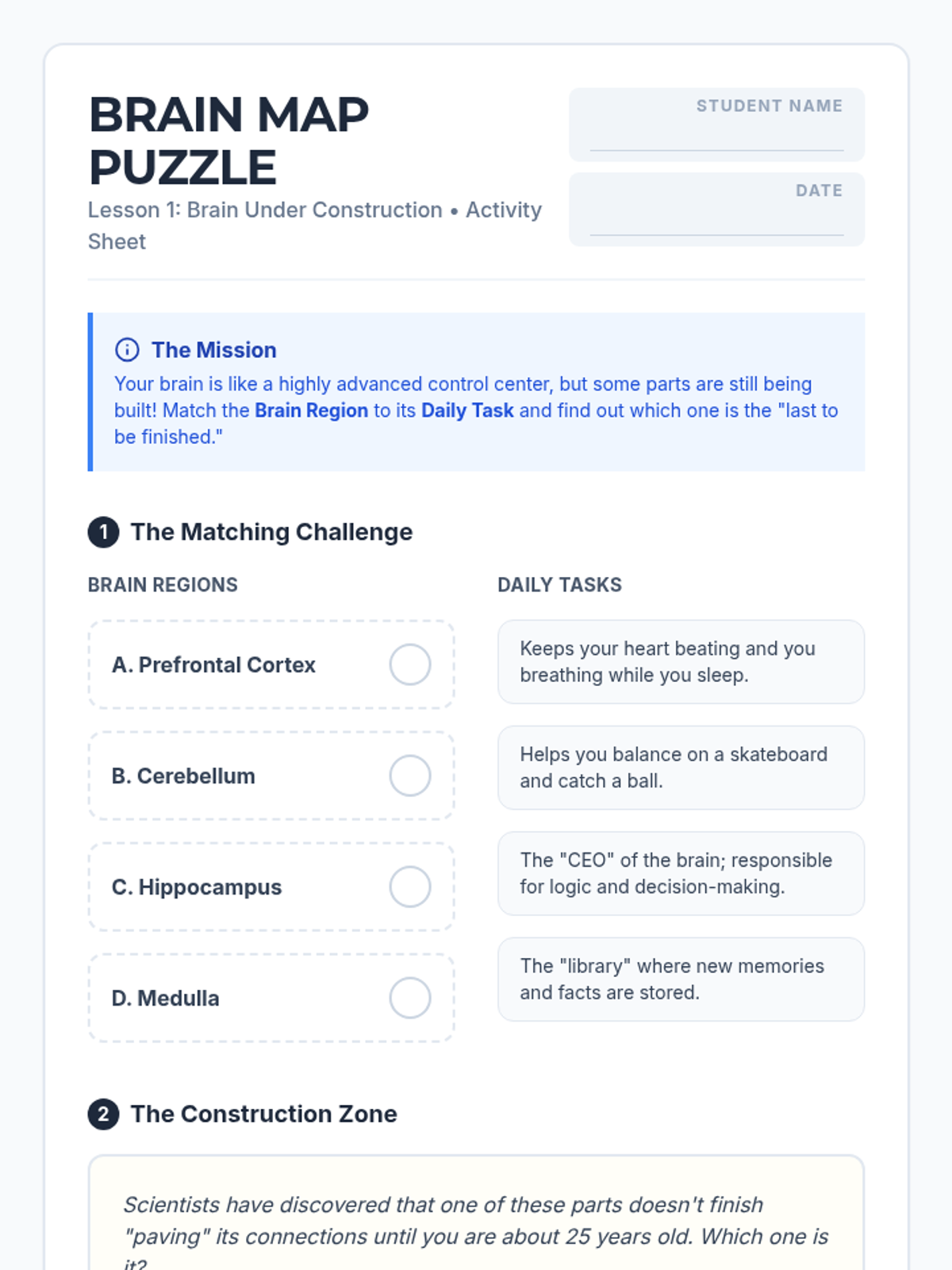
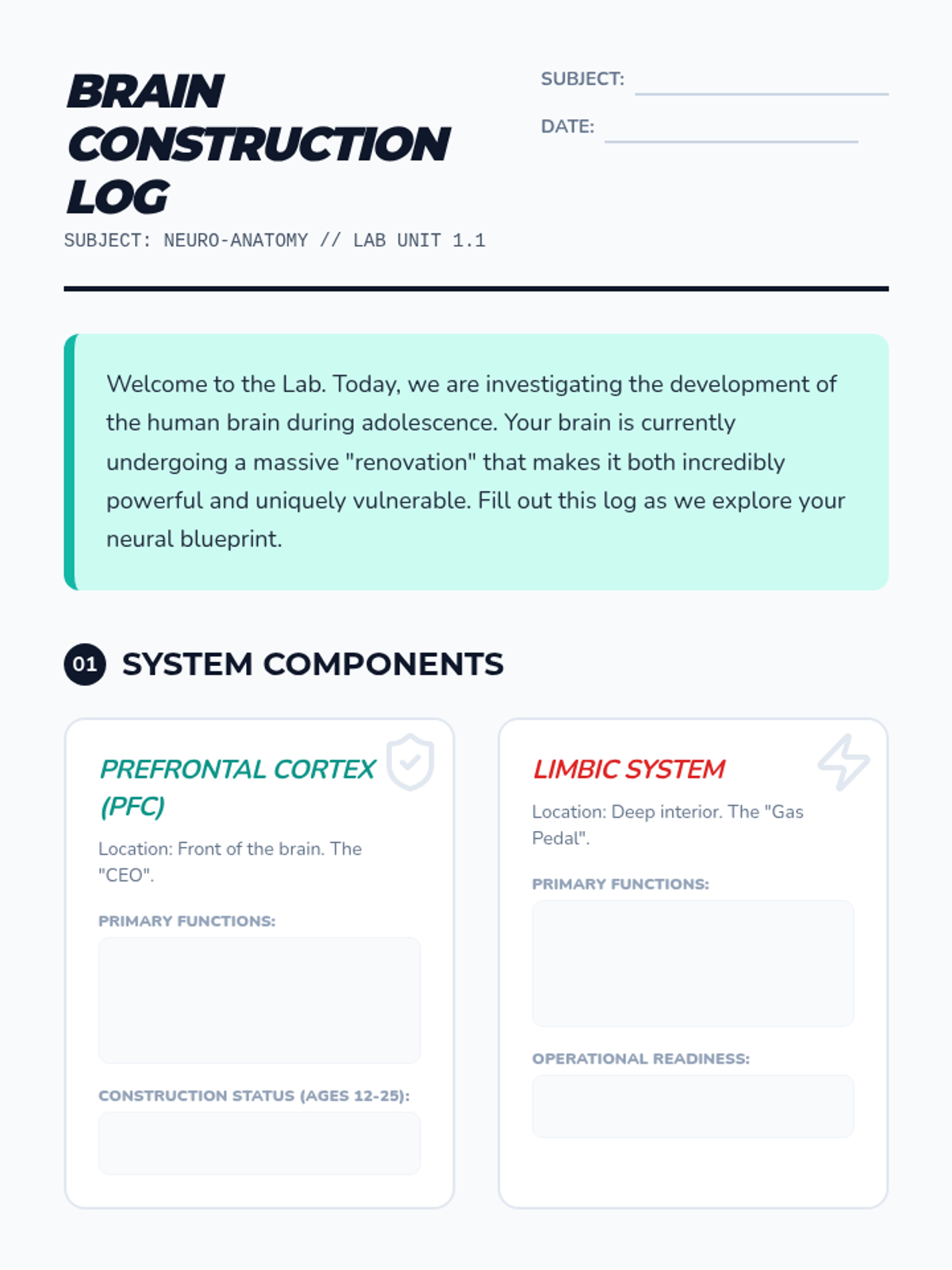
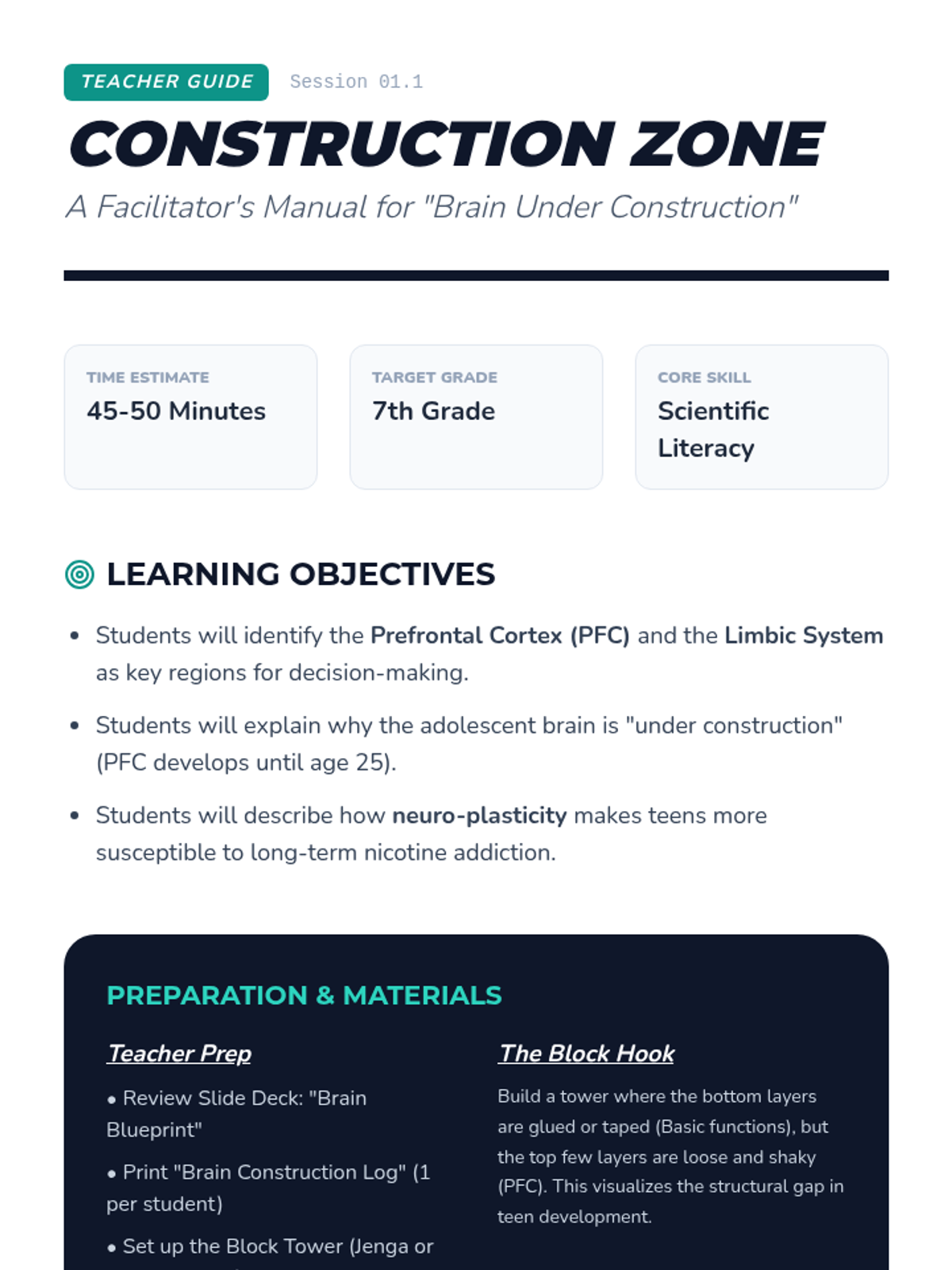
A series of health lessons focused on the intersection of brain development, citizenship, and responsible decision-making for middle school students.
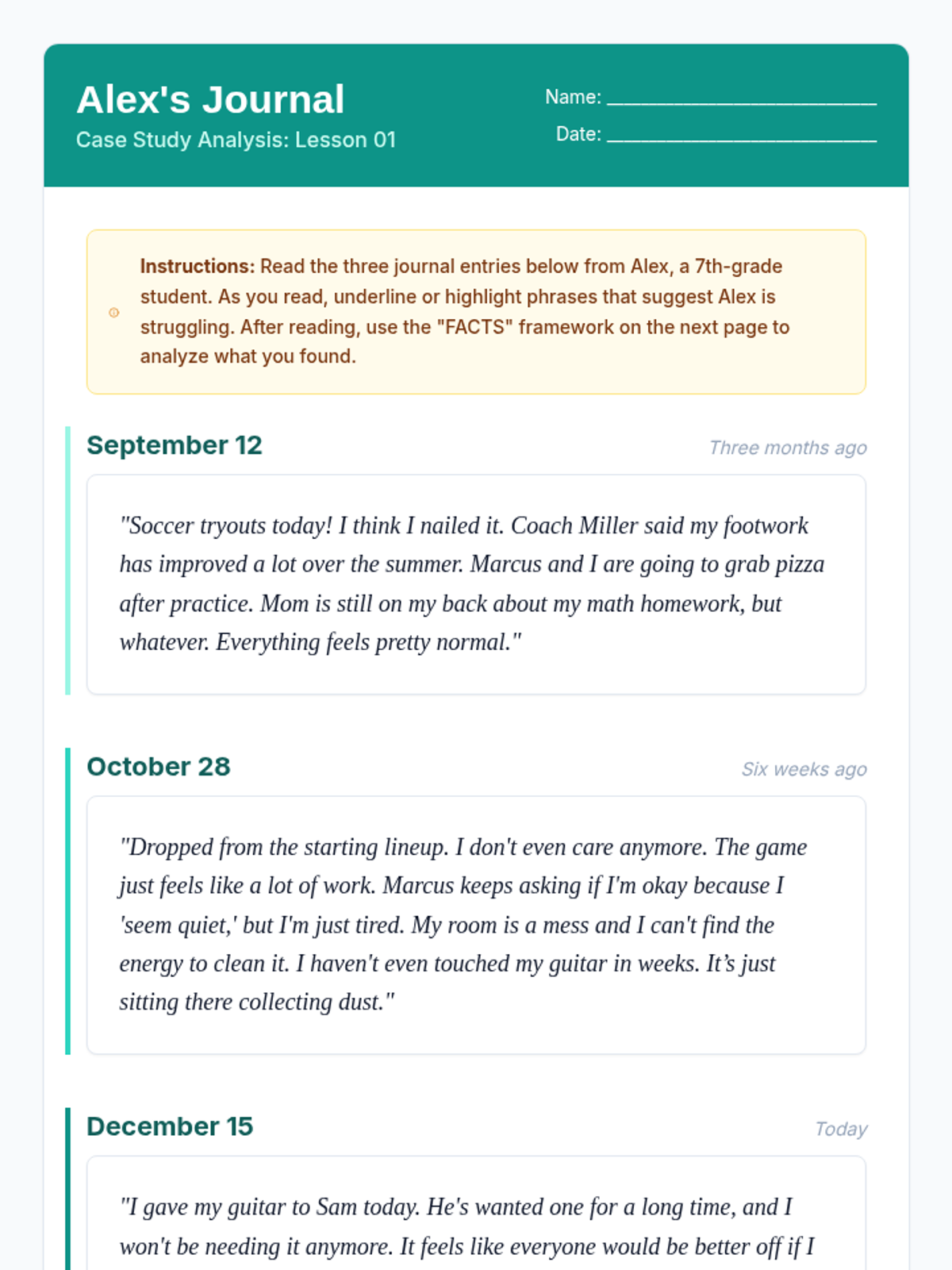
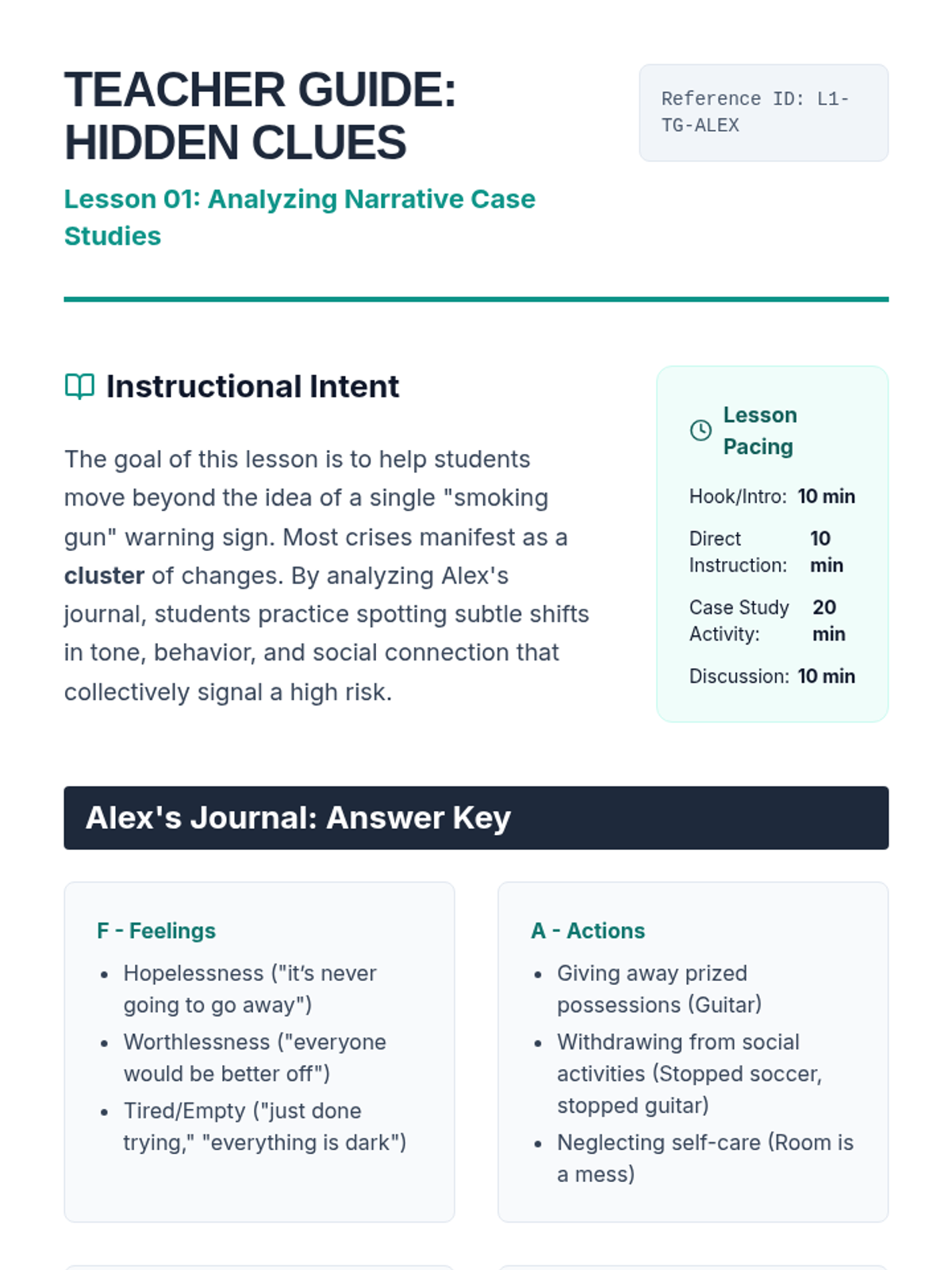
This sequence uses a case study approach to teach 7th-grade students how to recognize suicide warning signs, navigate digital cries for help, map out support networks, and take ethical action as supportive bystanders. Students move from identifying clues to committing to a personal safety protocol.
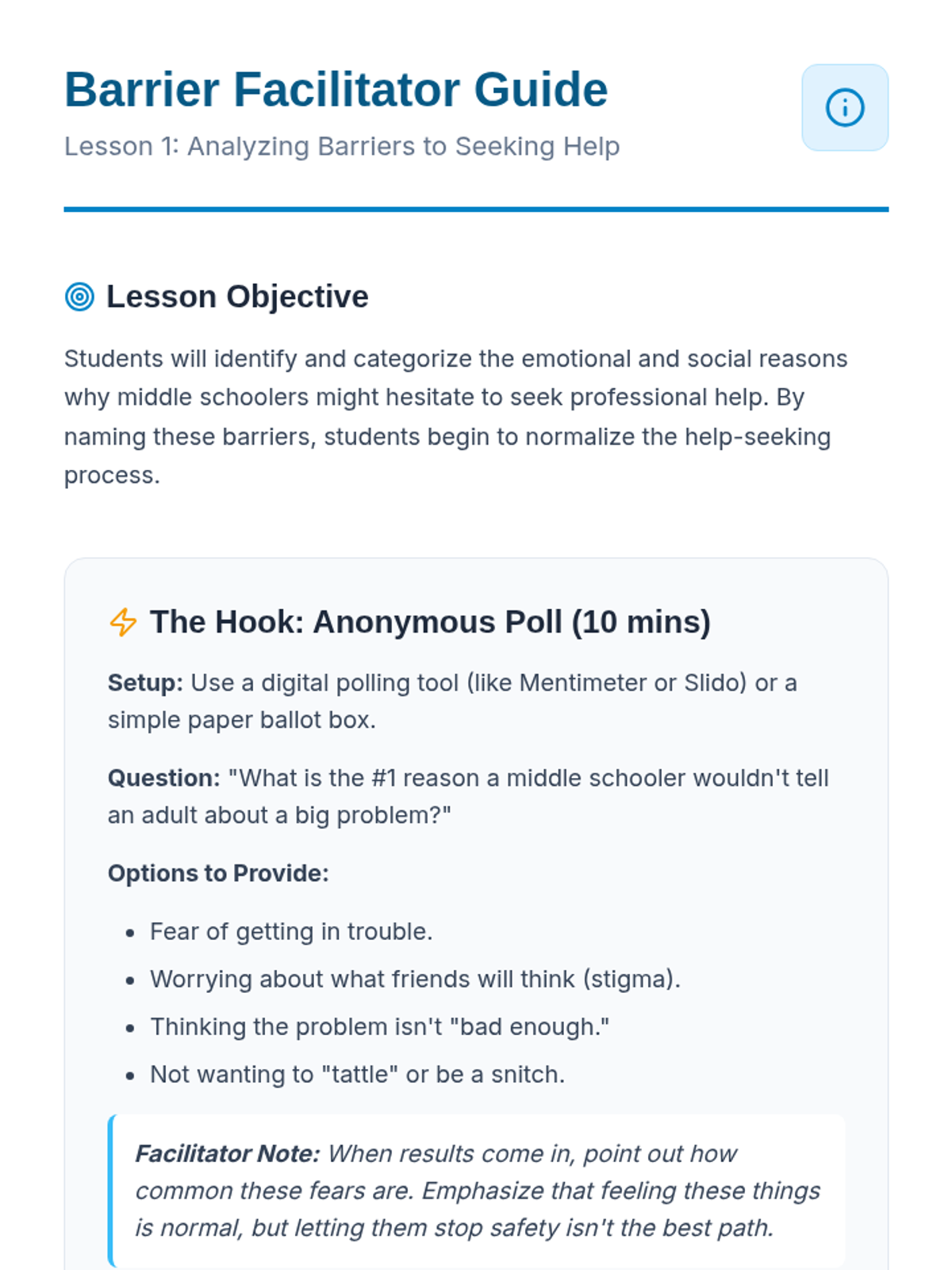
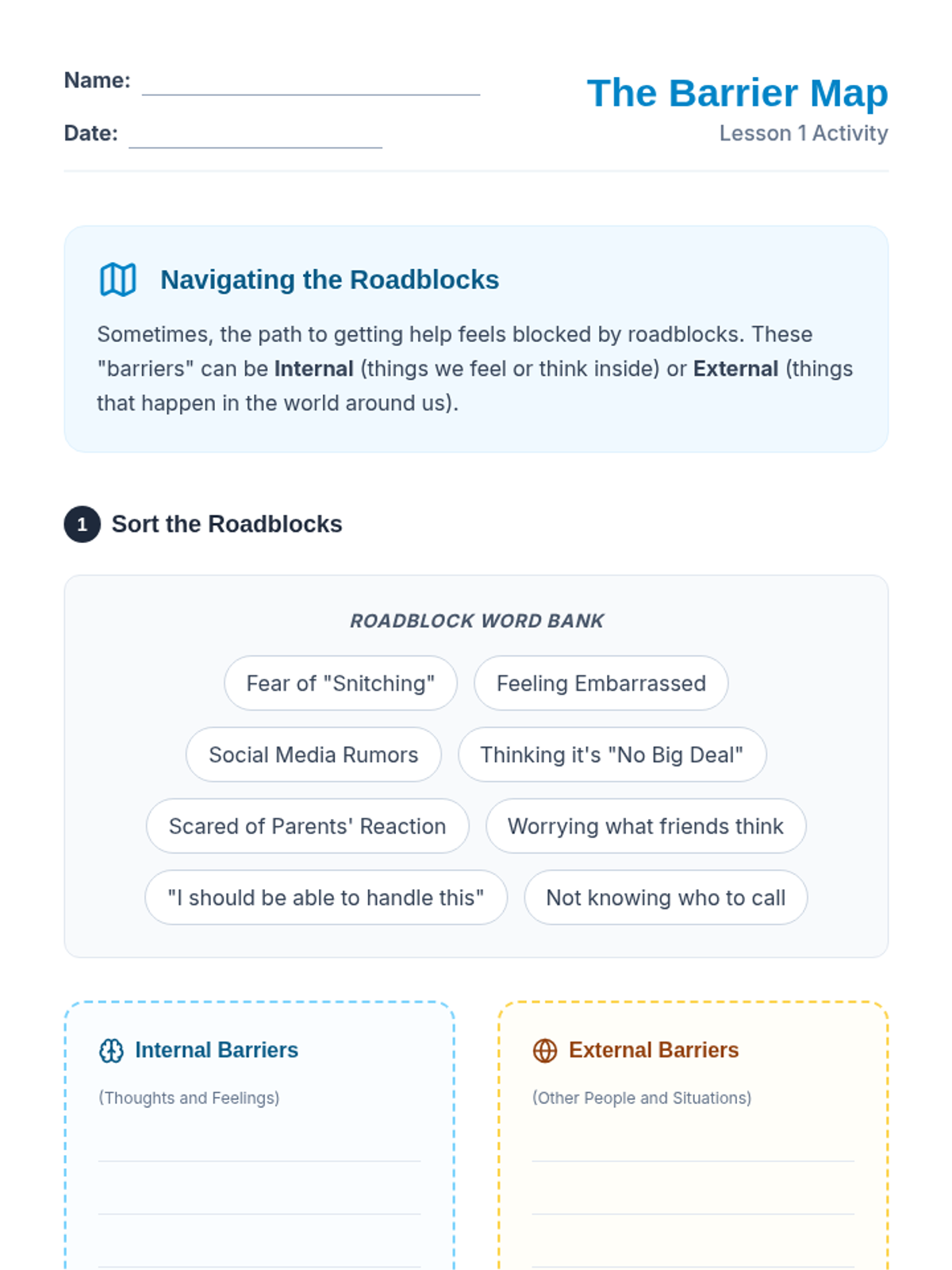
This sequence explores the social and emotional complexities of seeking help via crisis hotlines. Students analyze common barriers like stigma and fear, debunk myths about emergency services, and practice supportive communication to help peers access professional resources.
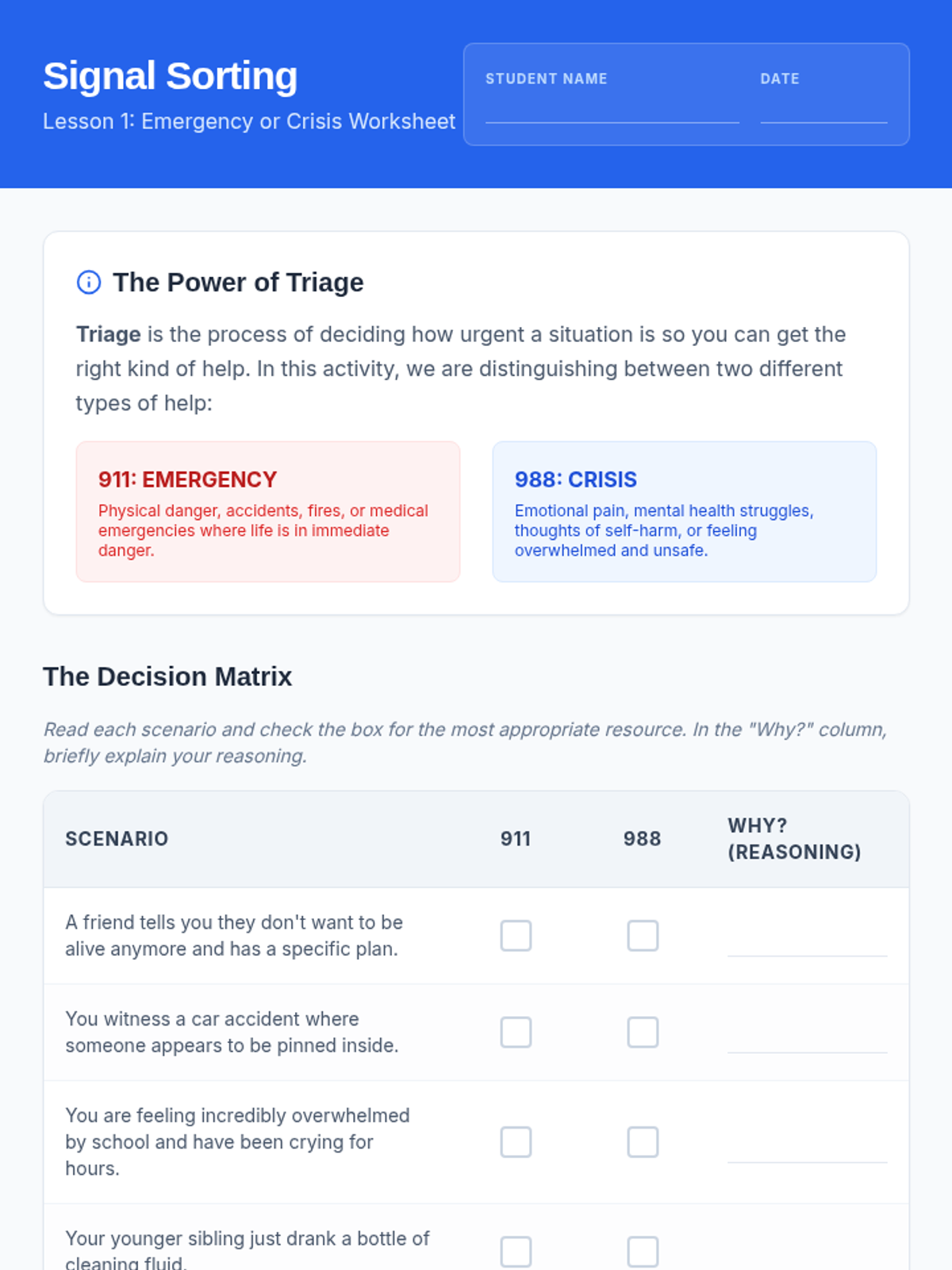
This sequence demystifies the process of accessing crisis support by breaking down the mechanics of hotlines and text lines. Students learn to distinguish between emergency services (911) and crisis hotlines (988), understand the experience of reaching out, and create personal resource tools for future use.
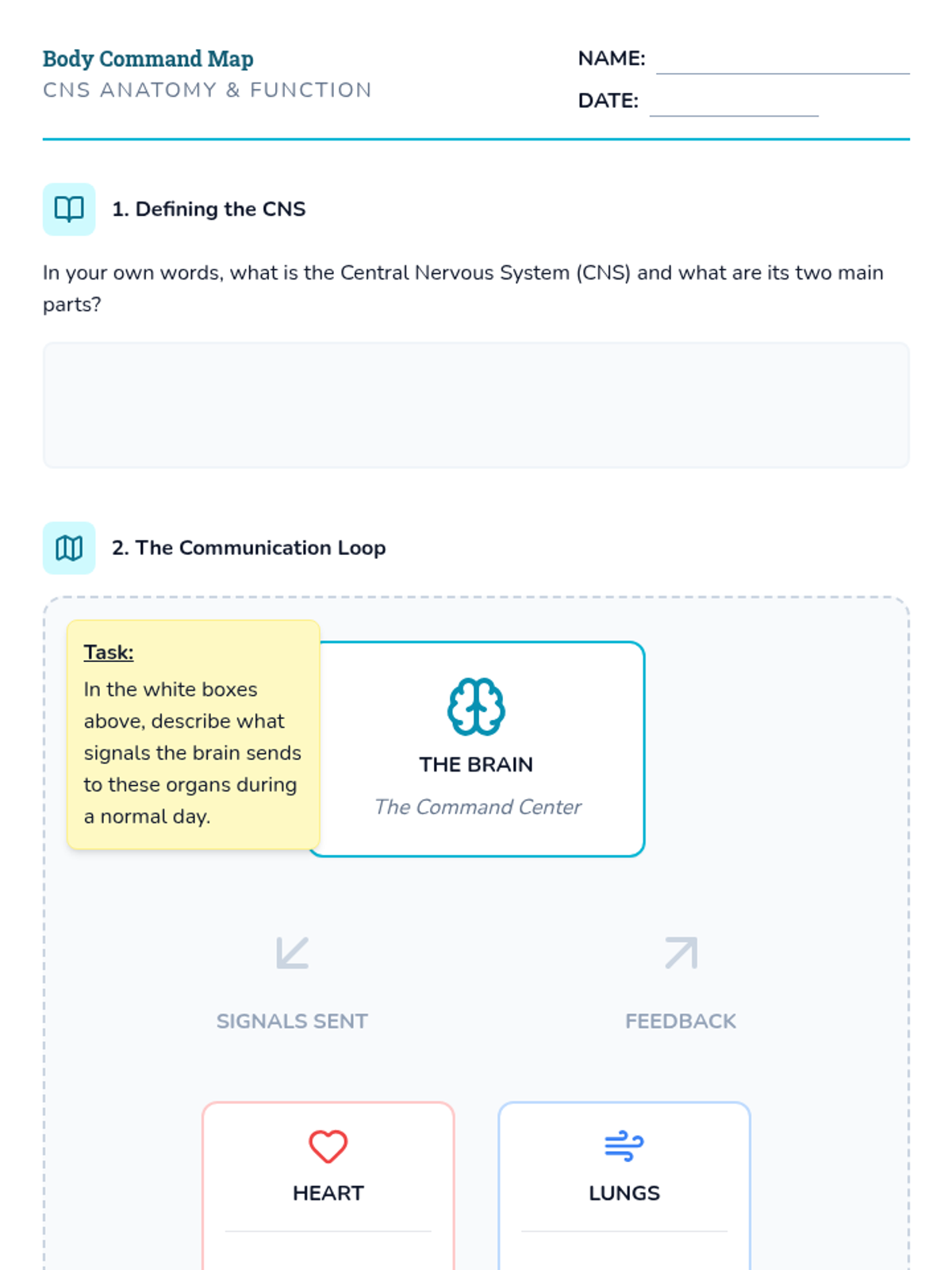
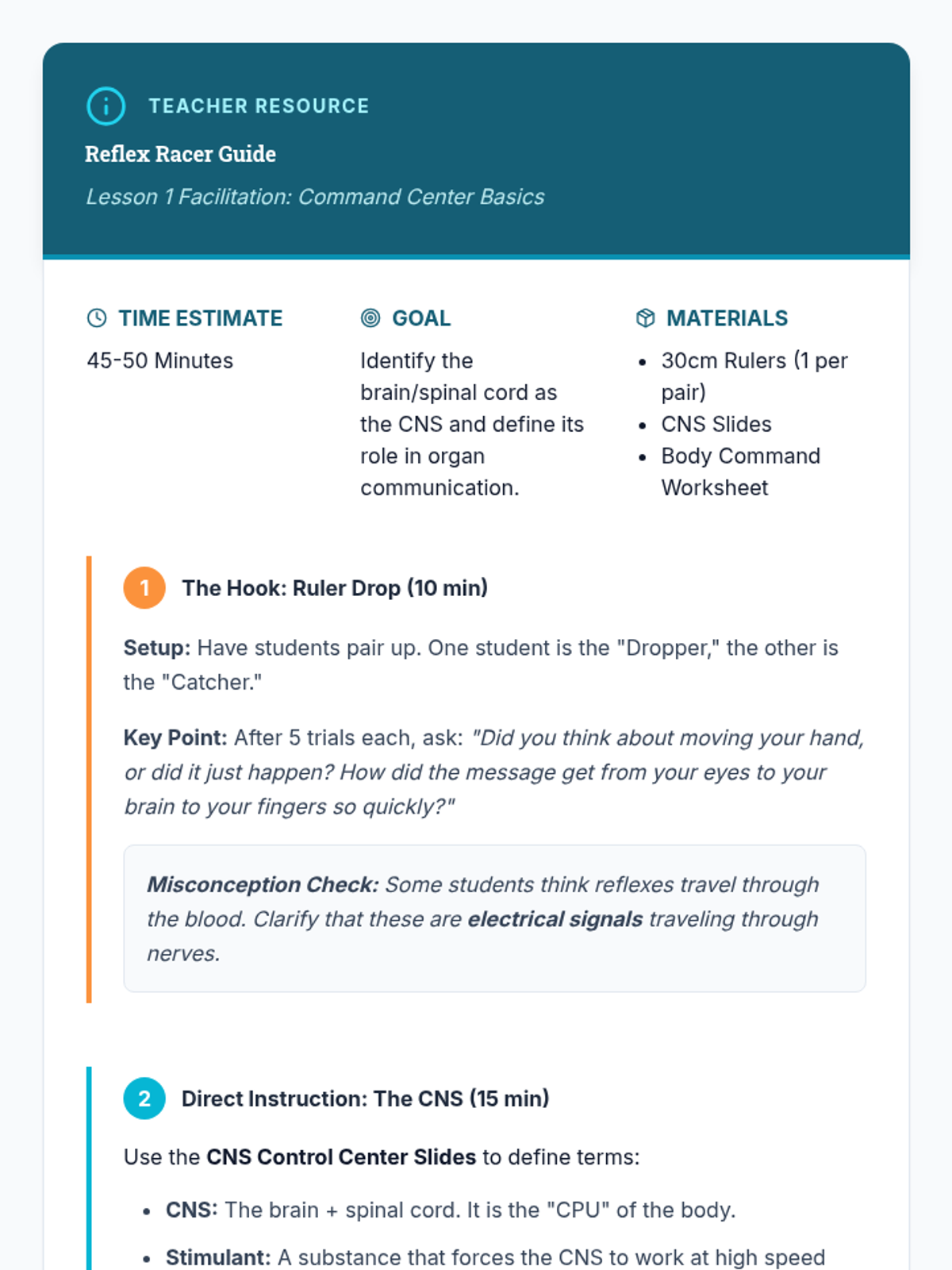
A comprehensive 6th-grade health sequence exploring the physiological effects of stimulants on the central nervous system, from caffeine to high-potency substances. Students investigate anatomy, neurotransmission, and the cycle of addiction through hands-on activities and scientific modeling.
A 5-lesson sequence for 6th graders focusing on the critical distinction between medical use and misuse of prescription stimulants. Students explore legal definitions, biological differences in dosage, social pressures, and household safety protocols to build health literacy and decision-making skills.
A comprehensive sequence for 6th-grade students exploring the biological mechanisms of the adolescent brain and the physiological effects of cannabis. Students learn about brain development, the endocannabinoid system, and how THC disrupts neural communication, empowering them with scientific knowledge for health literacy.
A comprehensive 7th-grade health sequence exploring the physiological impact of alcohol on the developing adolescent body. Students investigate brain anatomy, chemical neurotransmission, liver filtration limits, and long-term health consequences through inquiry-based simulations and scientific analysis.
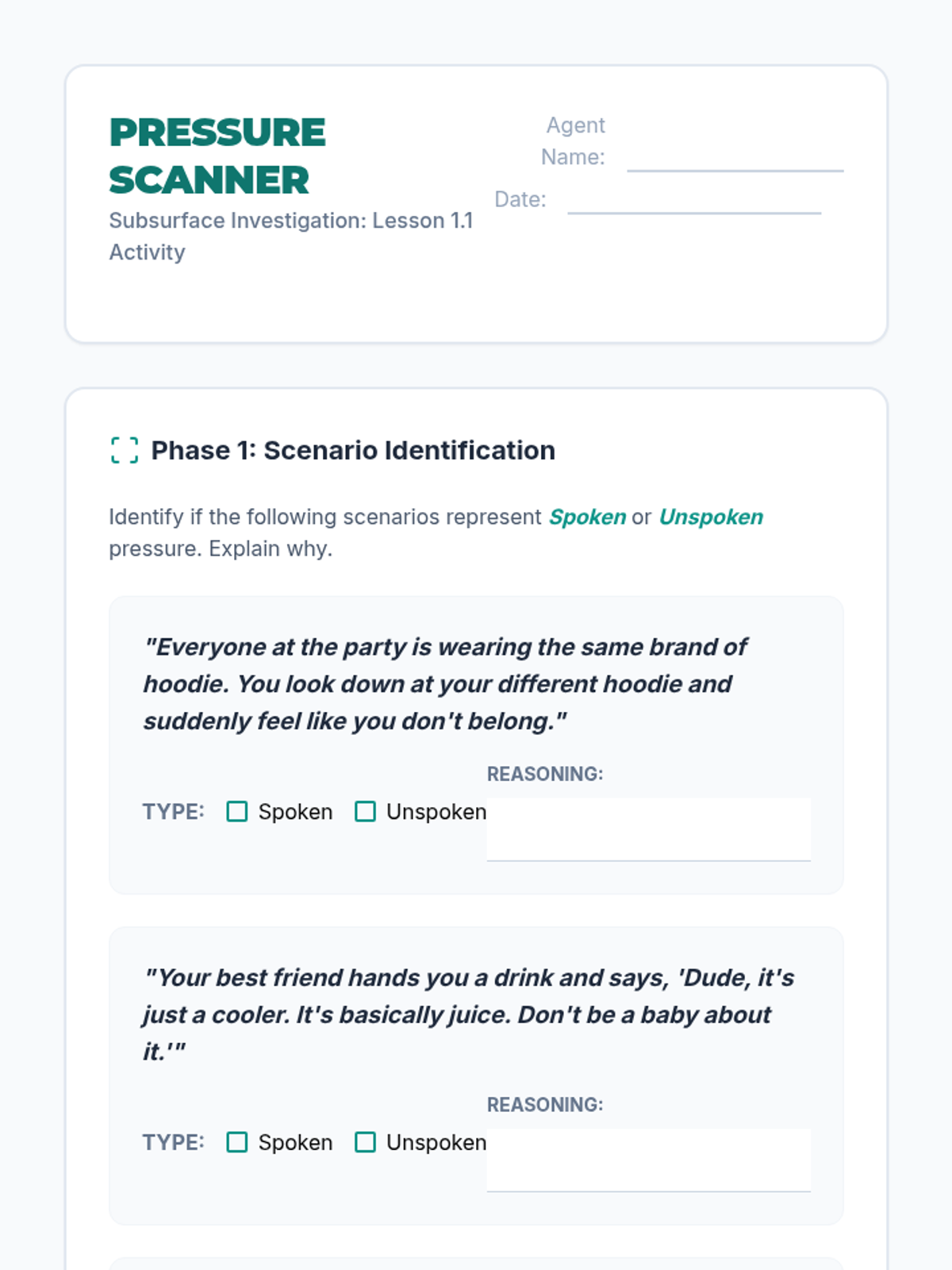
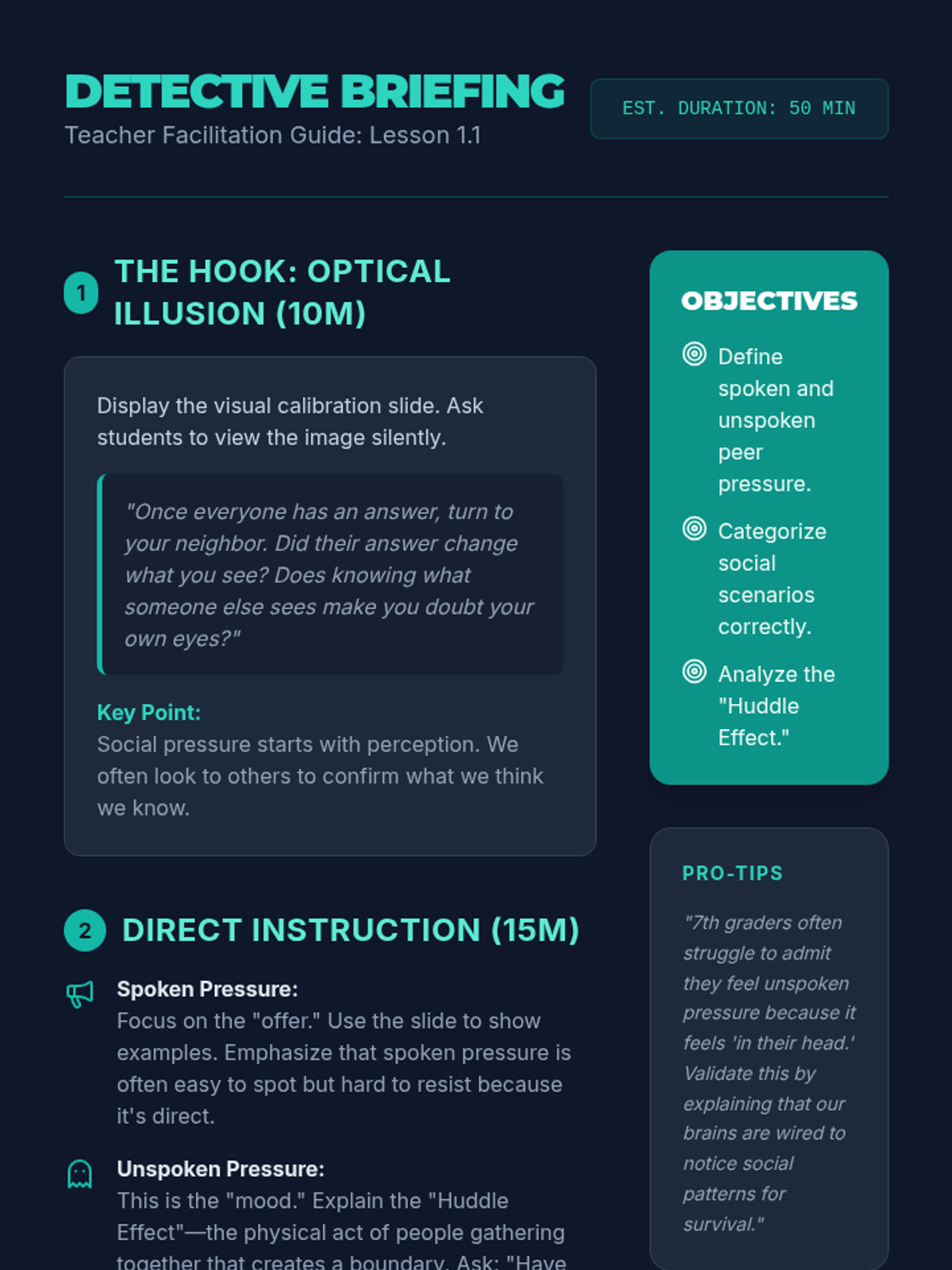
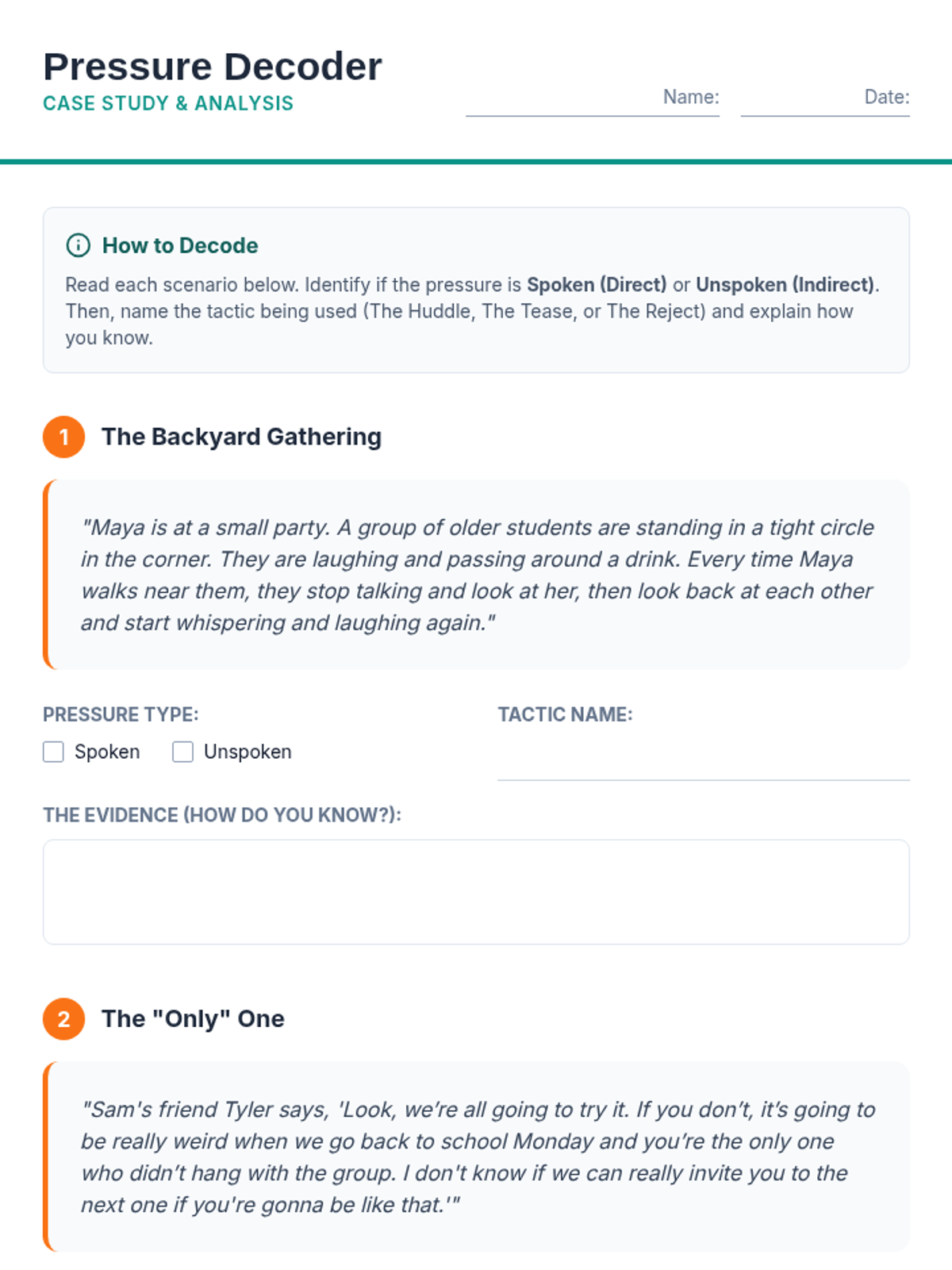
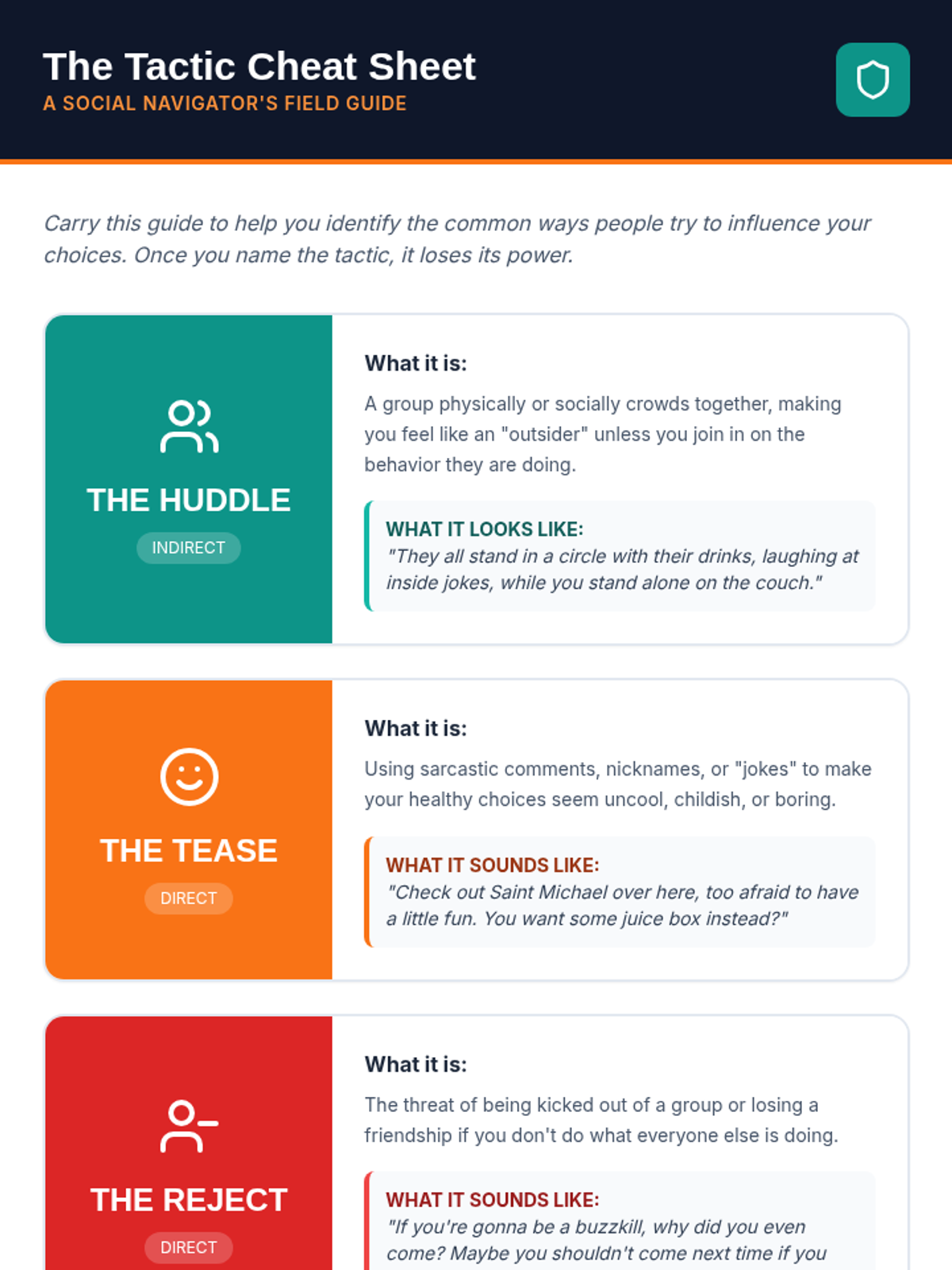
A deep dive into the psychological tactics of peer pressure and substance awareness. Students learn to detect unspoken influence, analyze media manipulation, and harness the power of positive peer support through a subsurface investigation lens.
A comprehensive 5-lesson unit for 7th-grade students exploring the neuroscience of nicotine addiction, the adolescent brain's vulnerability, the financial costs of tobacco use, and the resources available for cessation and support.
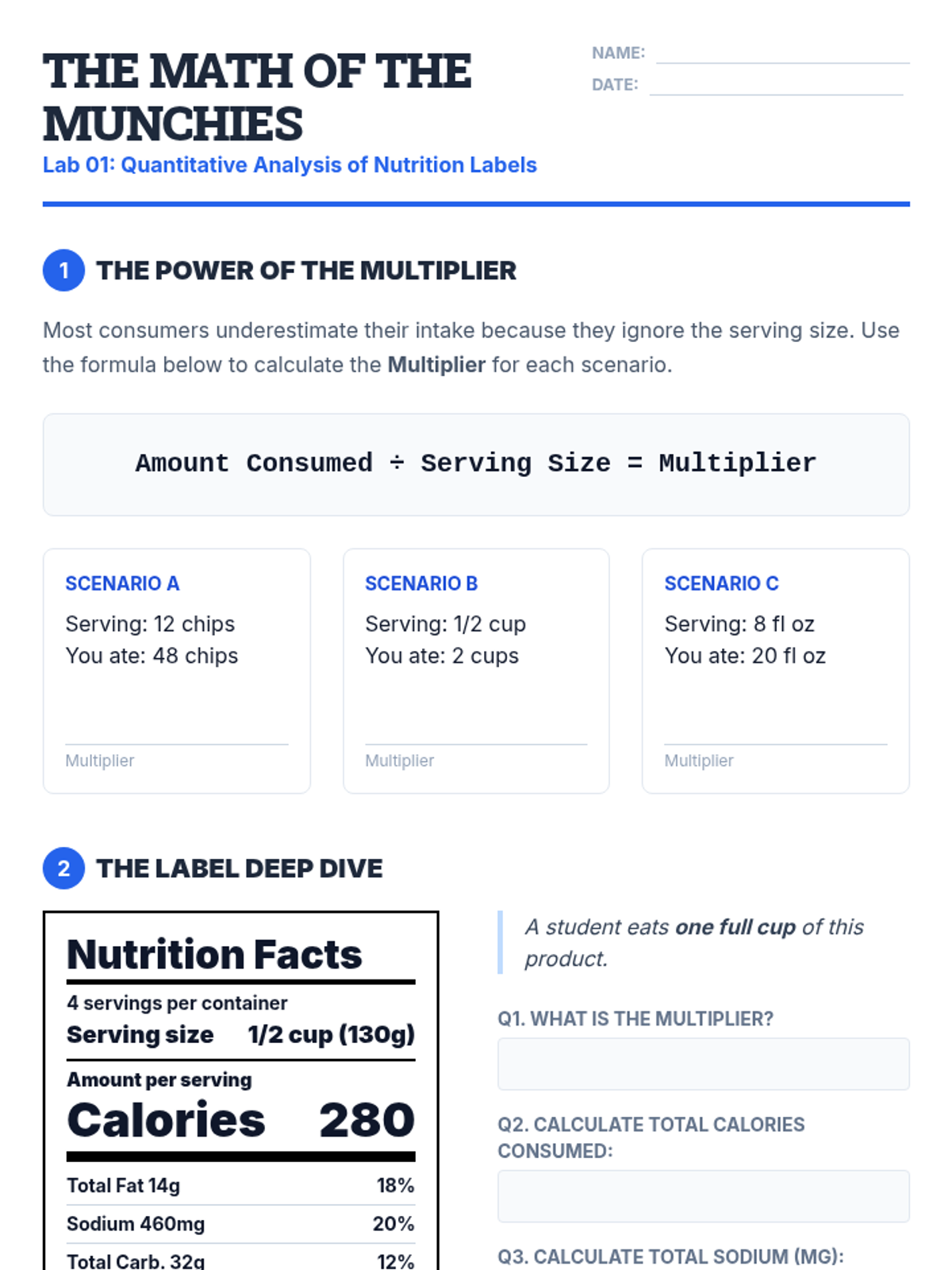
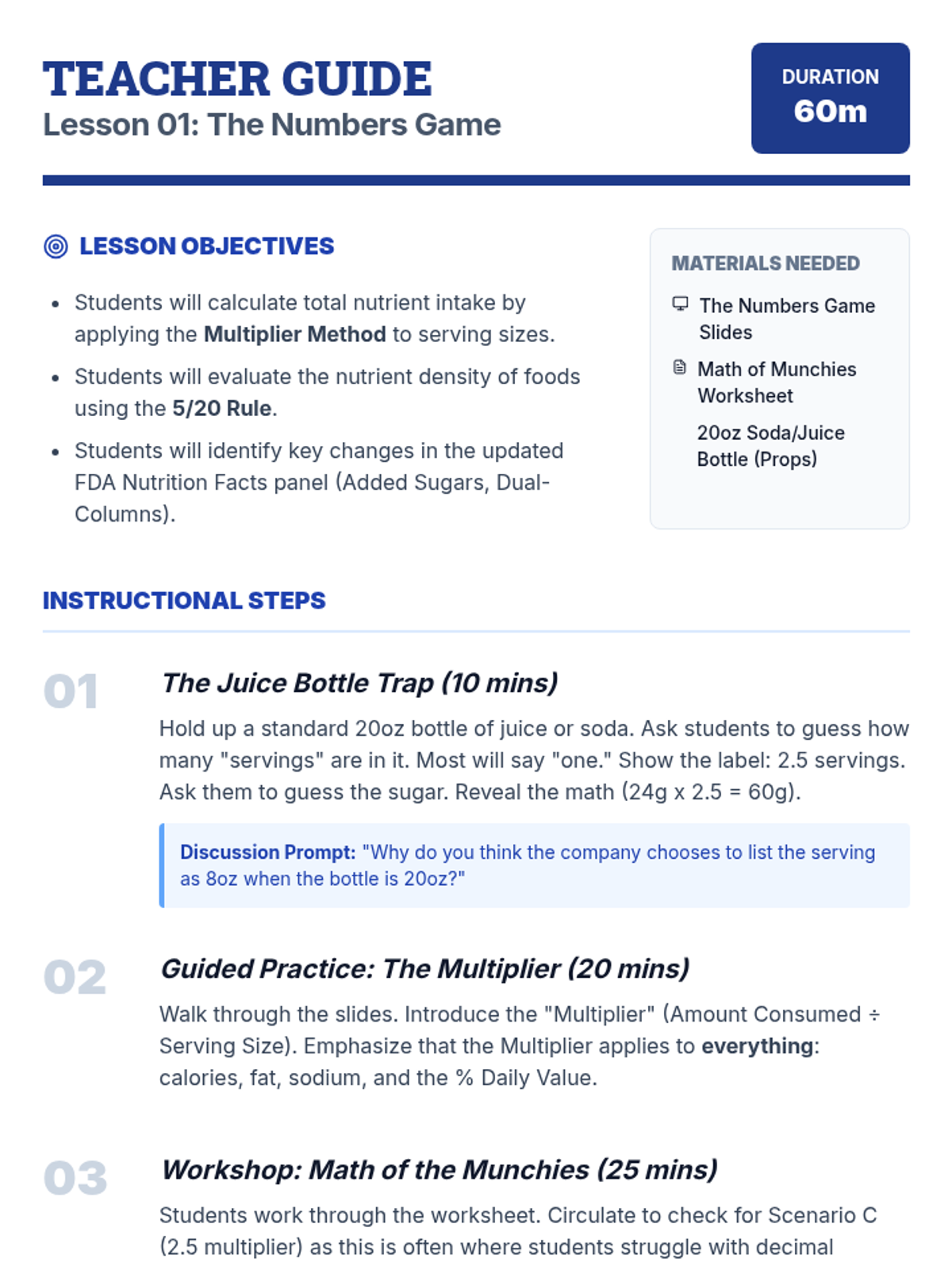
Students move beyond basic identification of nutritional data to critically evaluate the relationship between front-of-package marketing and back-of-package realities through quantitative analysis and chemical investigation.
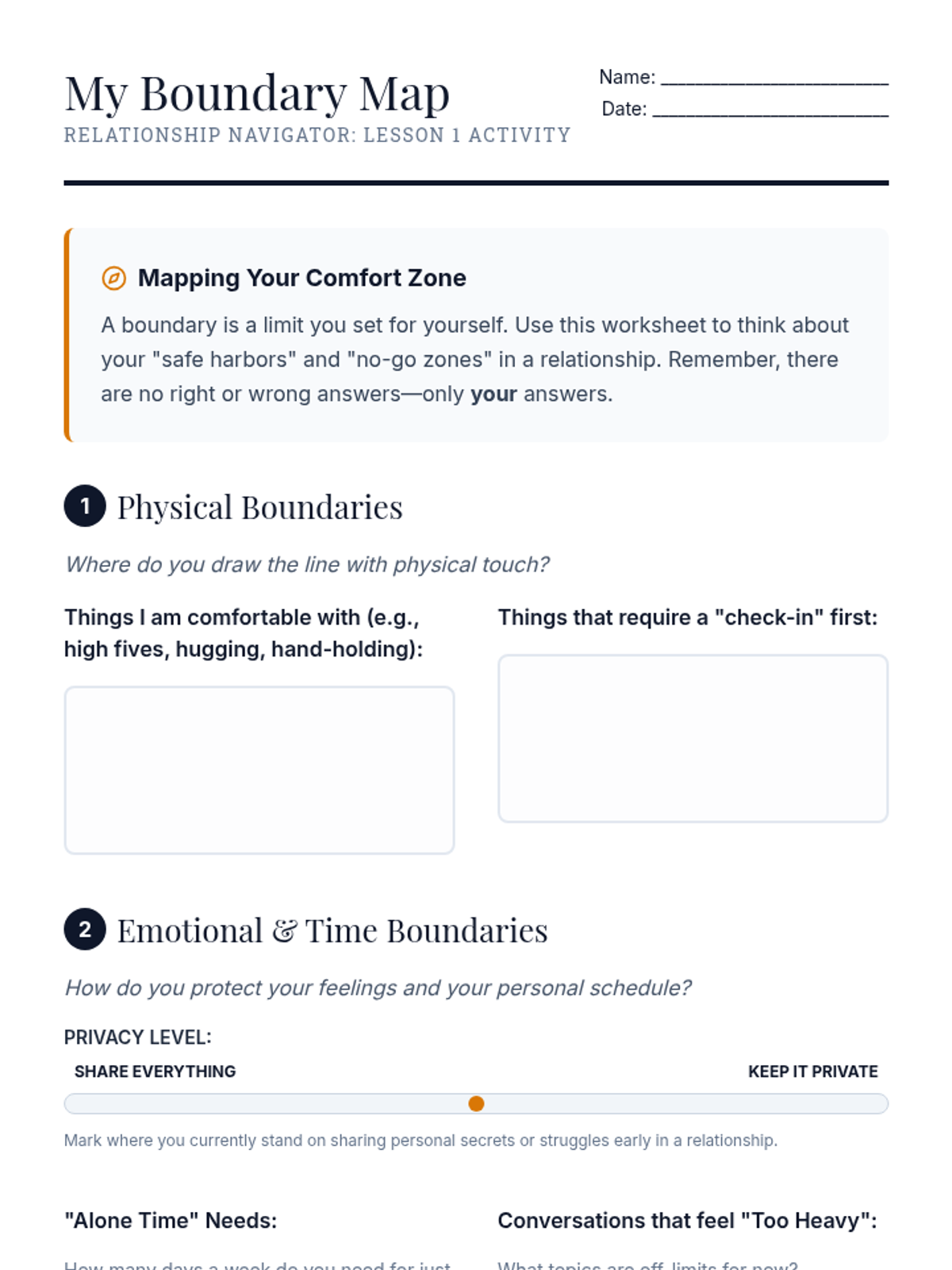
A comprehensive 5-lesson sequence for 7th graders focusing on navigating healthy romantic relationships through boundary setting, assertive communication, and mutual respect. Students move from self-awareness to practical application in digital and physical contexts.
This comprehensive health workshop equips 6th-grade students with the practical social skills needed to navigate peer pressure regarding alcohol. Students learn to identify direct and indirect pressure, practice verbal and non-verbal refusal strategies, and develop personal safety plans for difficult social situations.
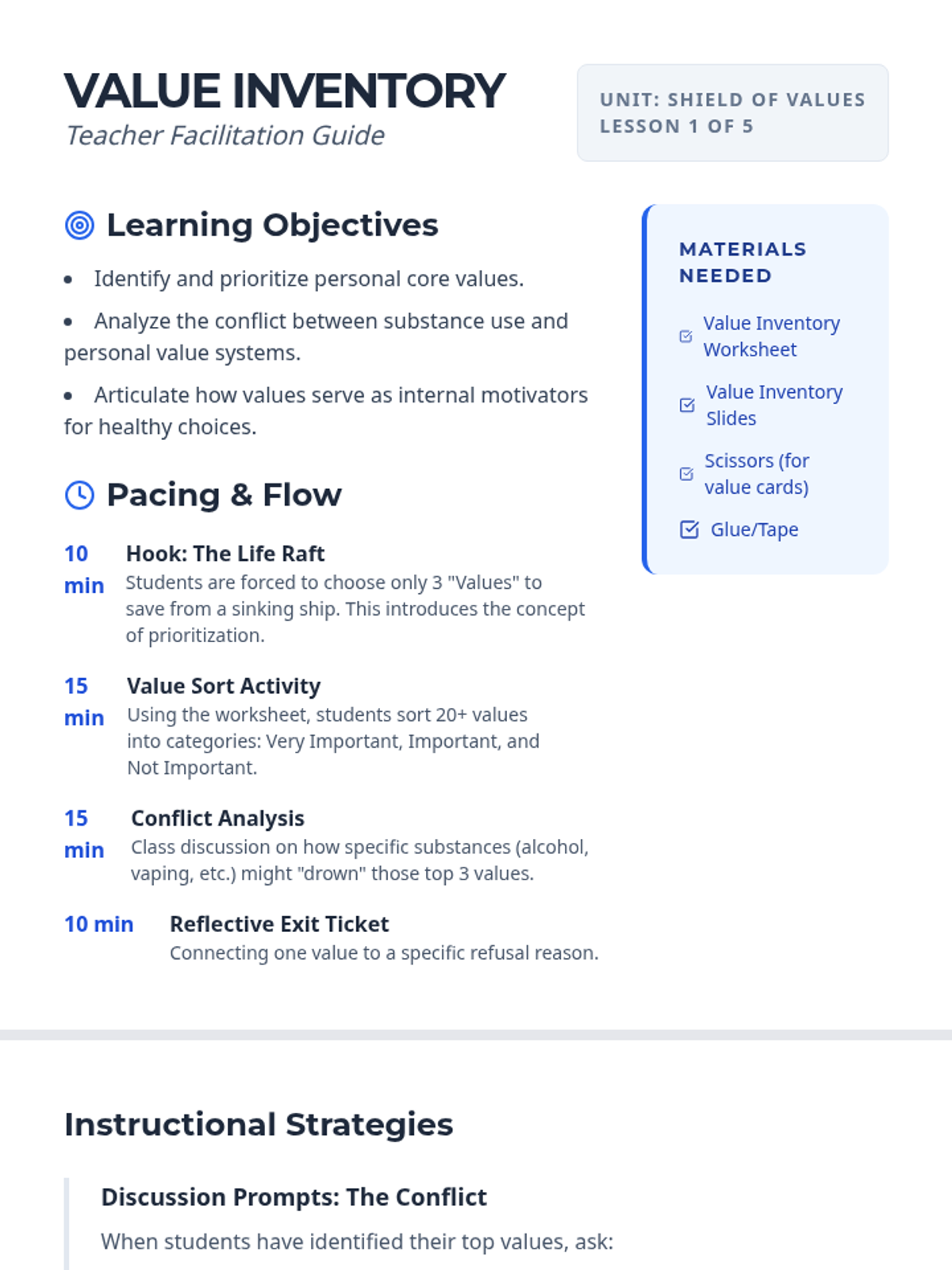
A values-based substance awareness sequence that empowers 7th graders to resist peer pressure by anchoring their choices in personal identity and future goals. Students define their boundaries, map consequences, and create a personal code of conduct.
A 5th-grade health sequence that empowers students to deconstruct peer pressure tactics and media influence through a 'social analyst' lens. Students move from identifying the 'cool' factor to analyzing specific manipulation tactics and digital pressure, ultimately mastering effective refusal strategies.
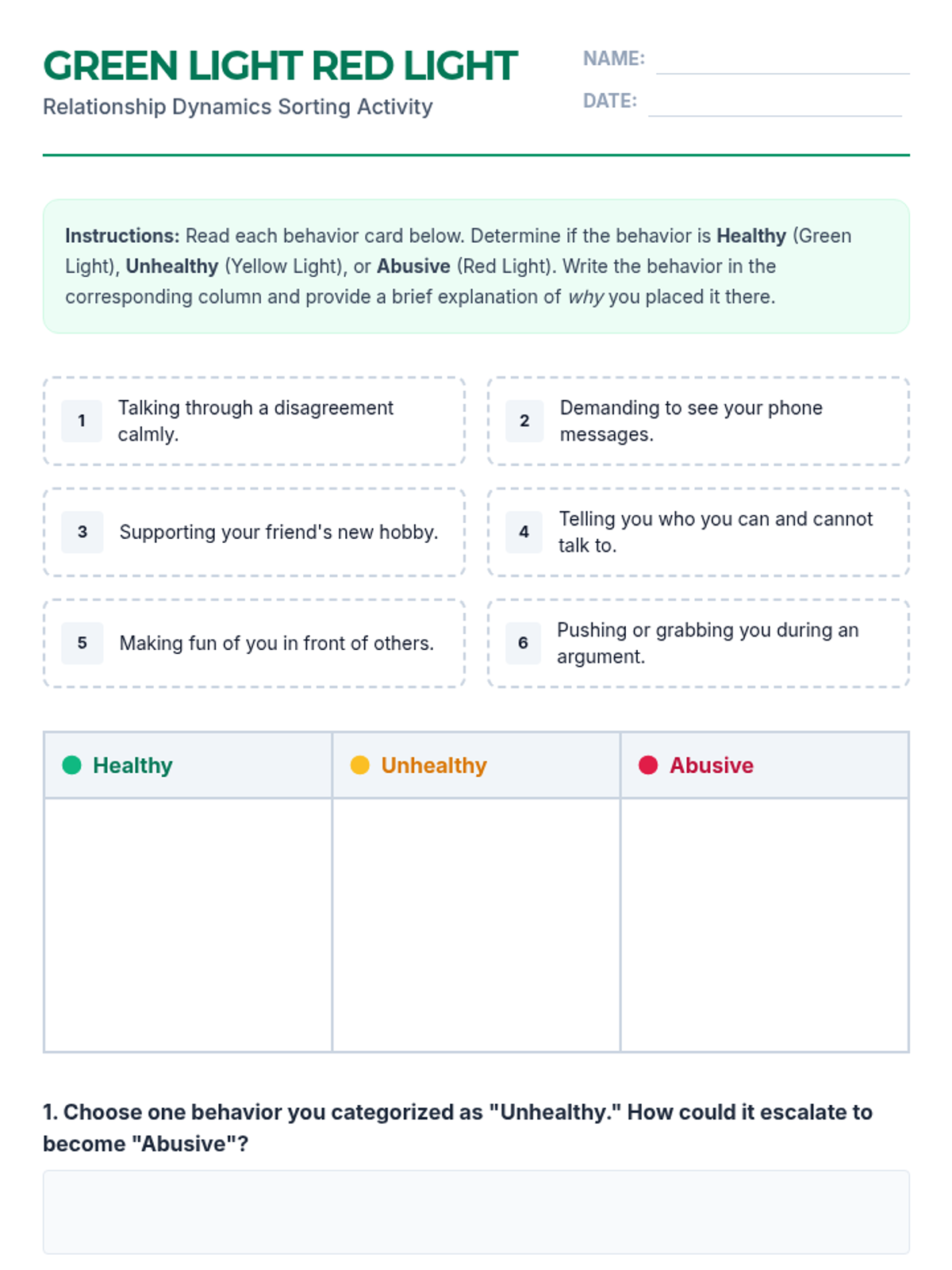
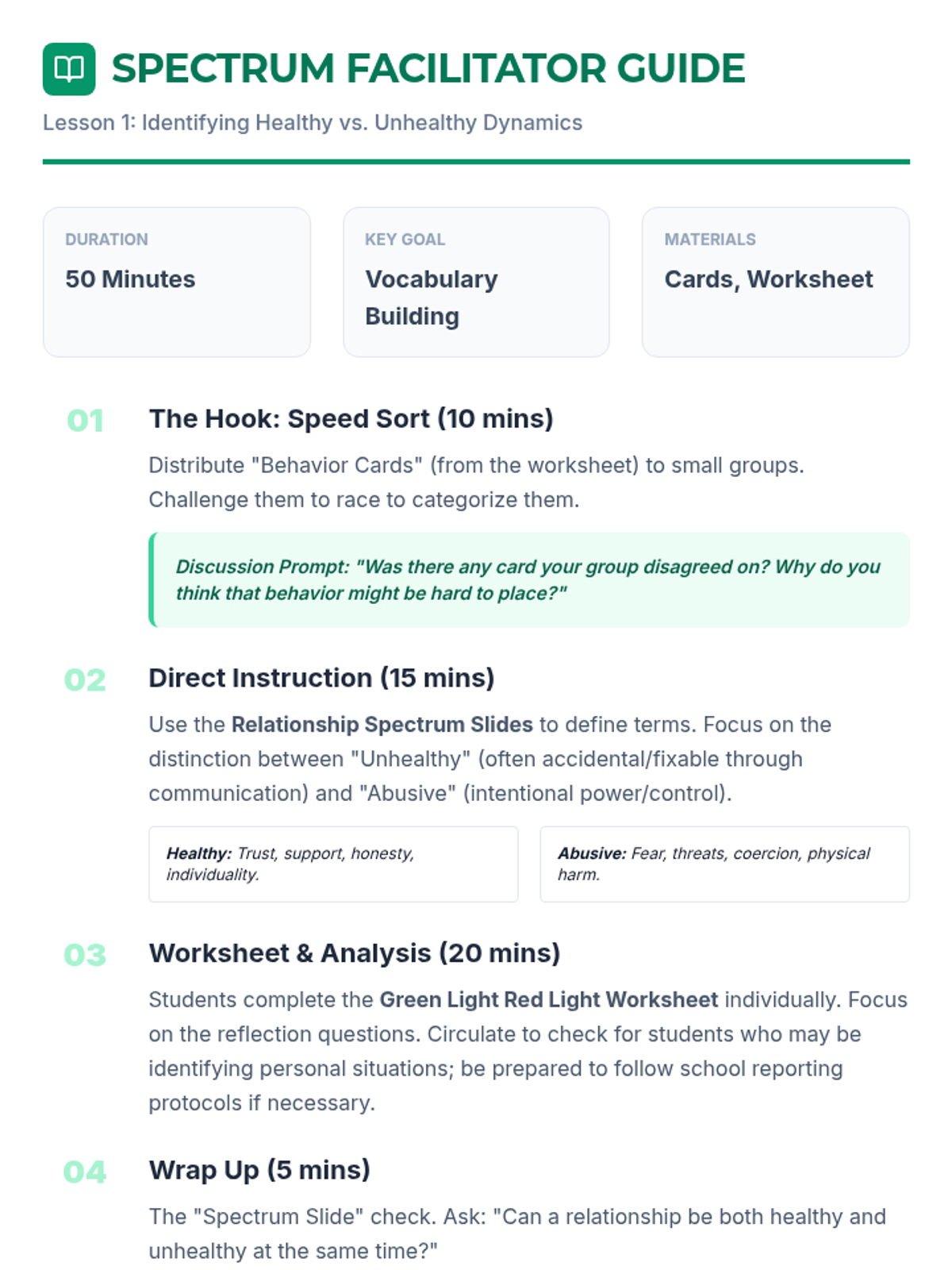
A five-lesson sequence for 7th-grade students focusing on identifying healthy, unhealthy, and abusive relationship dynamics. Students learn to define personal boundaries, practice consent in various contexts, and navigate the complexities of digital interactions.
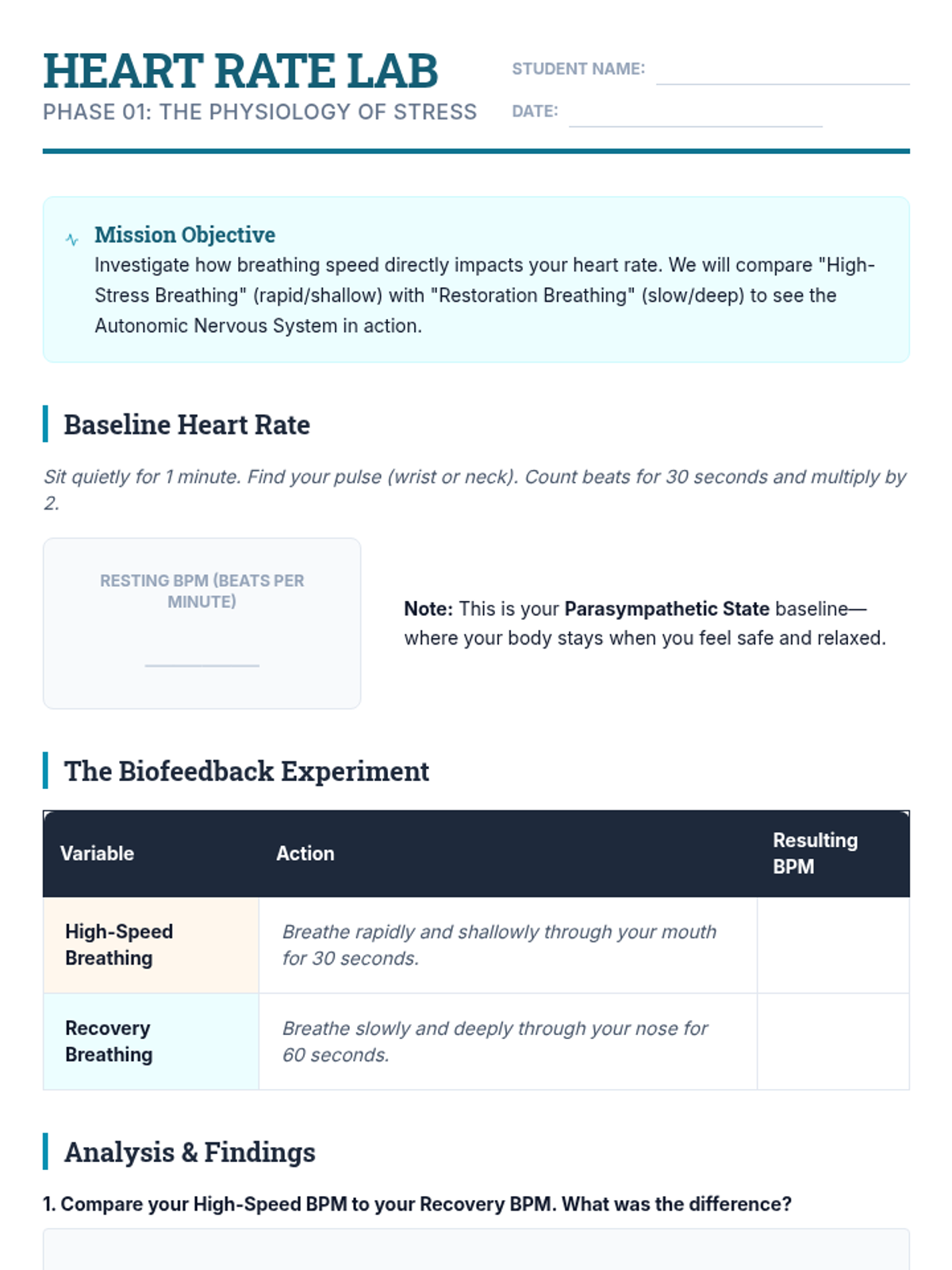
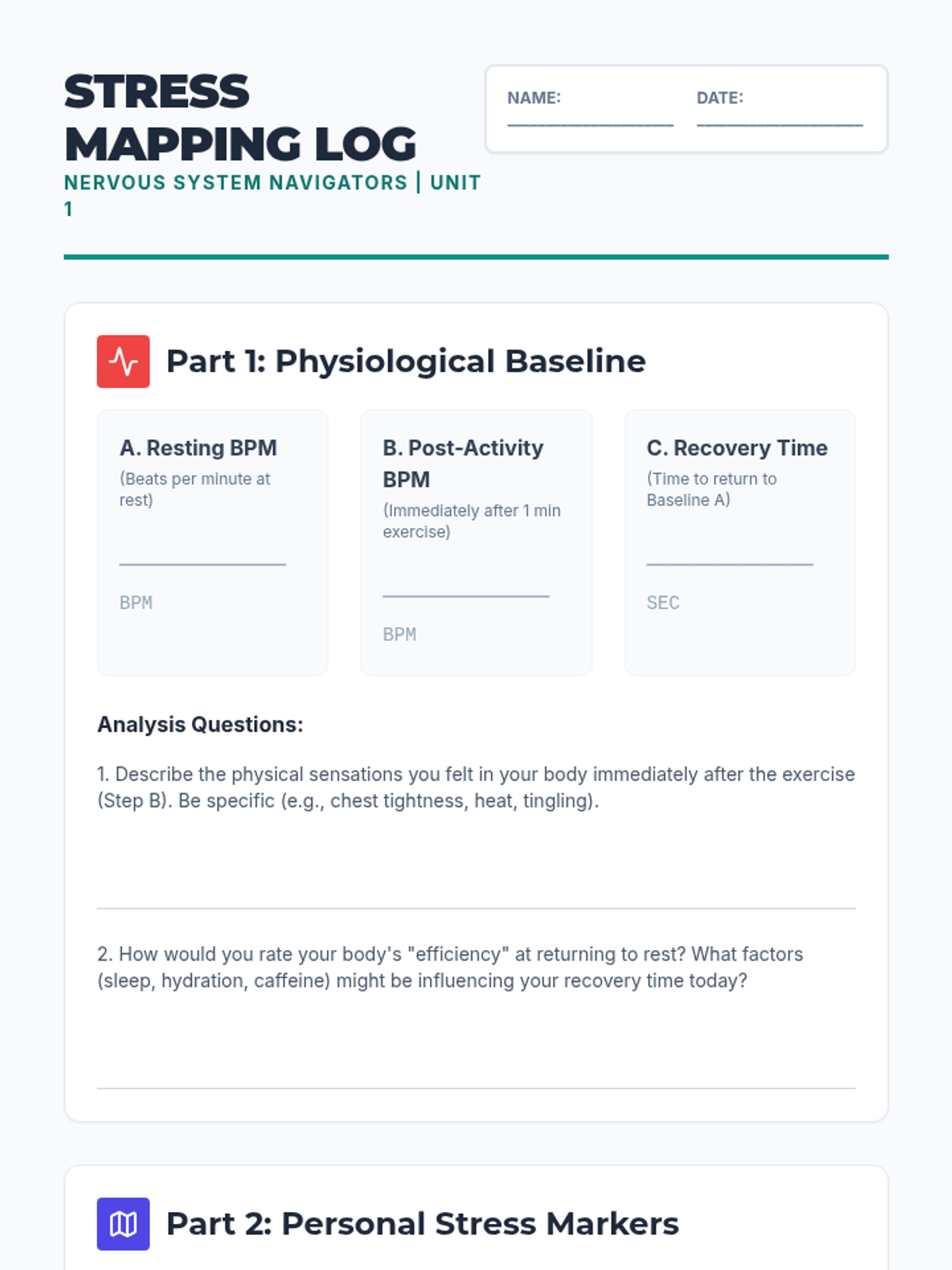
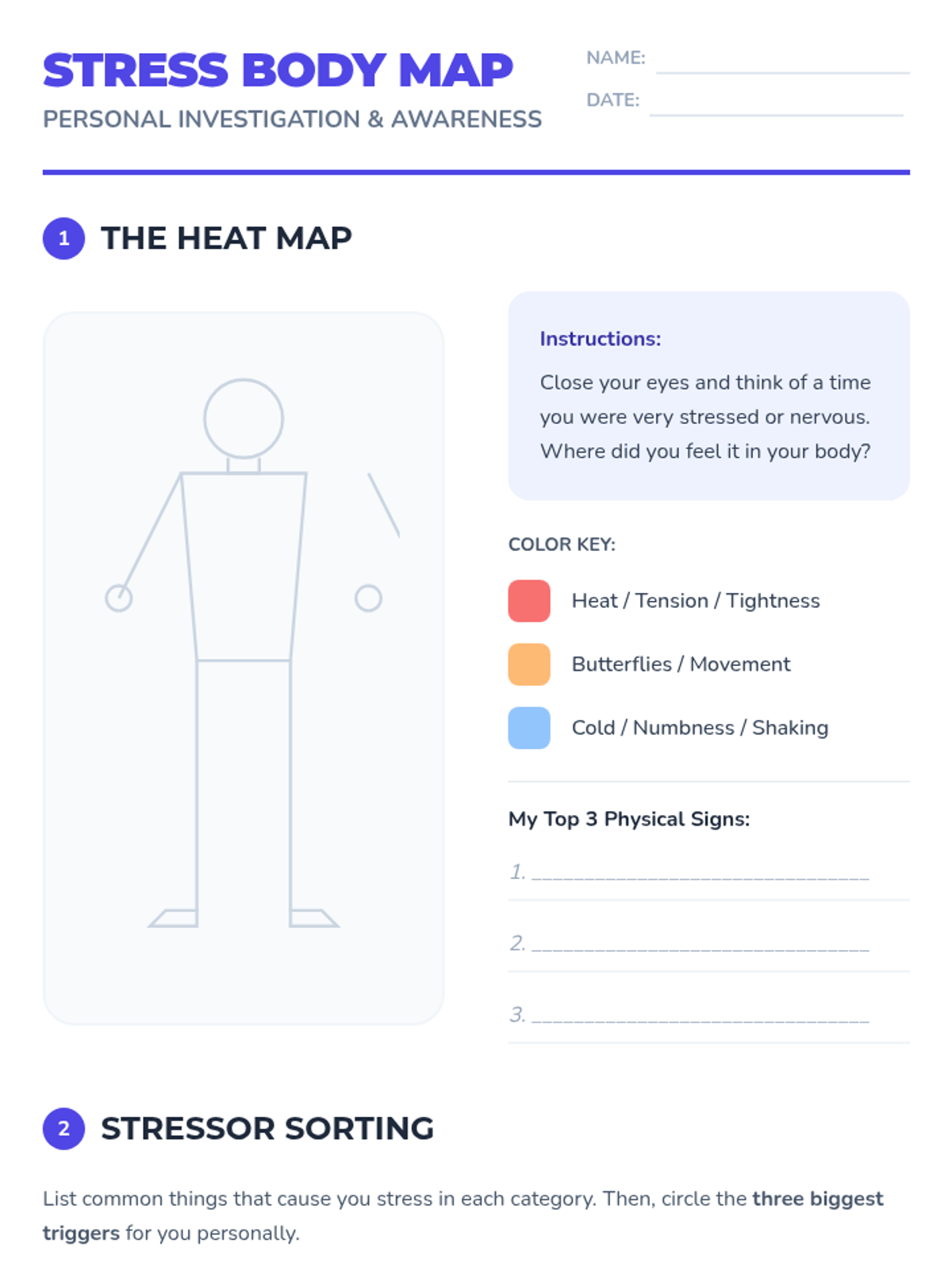
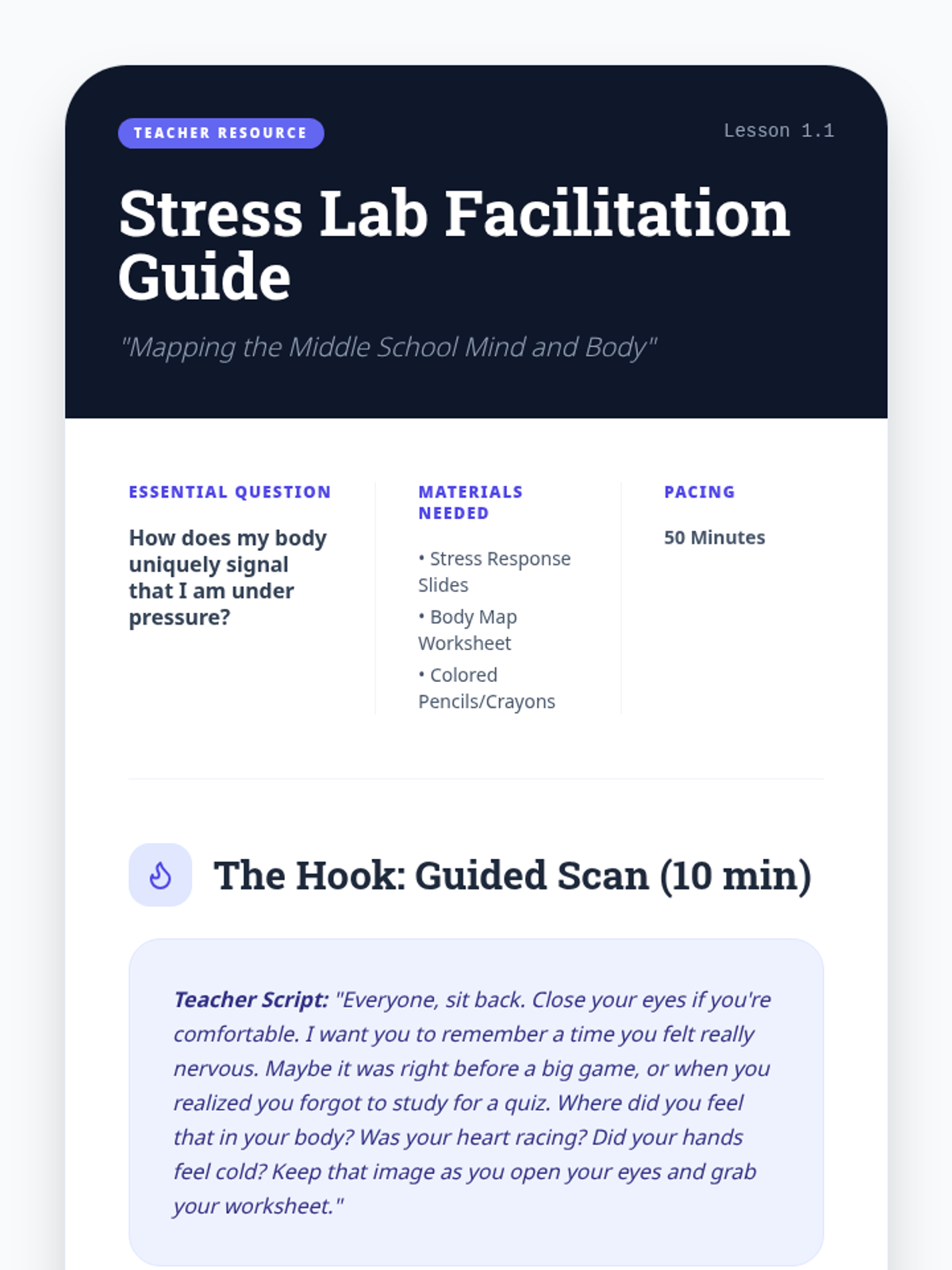
A comprehensive 5-lesson sequence for 7th-grade students focused on understanding the physiological basis of stress, practicing immediate coping strategies, distinguishing healthy habits, and building a personalized resilience plan.
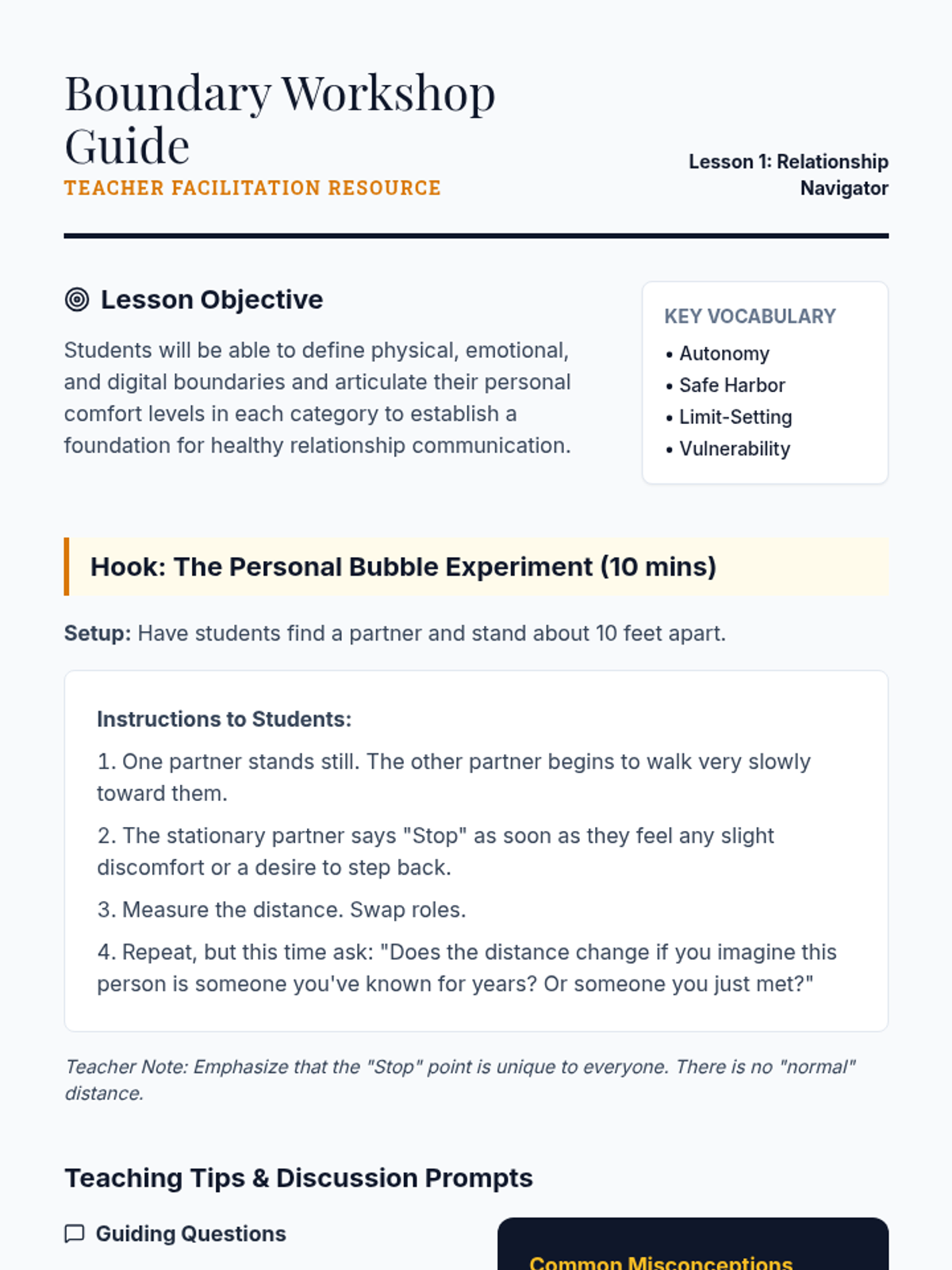
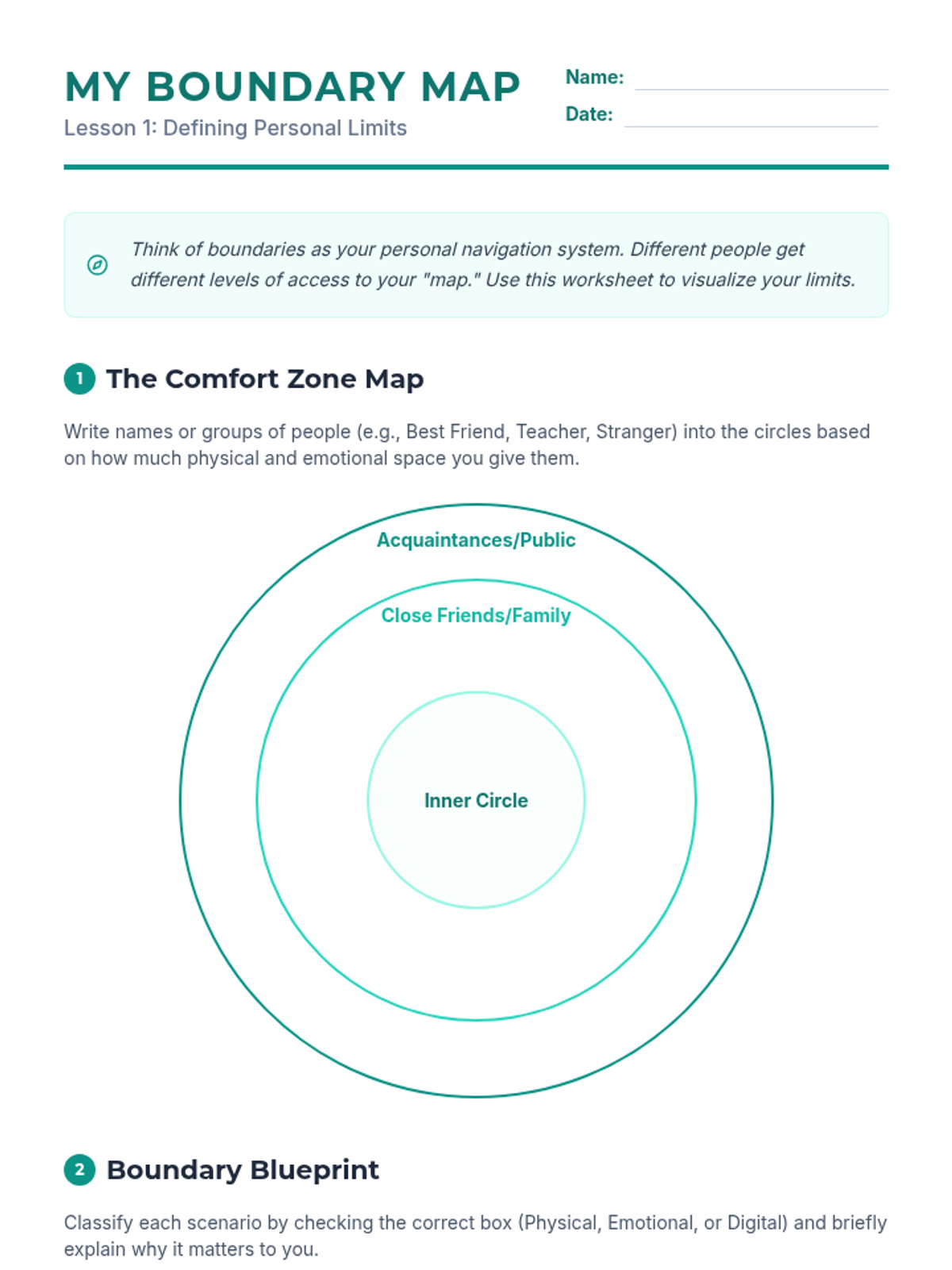
A 5-lesson health unit for 7th graders focused on identifying, communicating, and respecting physical, emotional, and digital boundaries through assertive communication and non-verbal decoding.
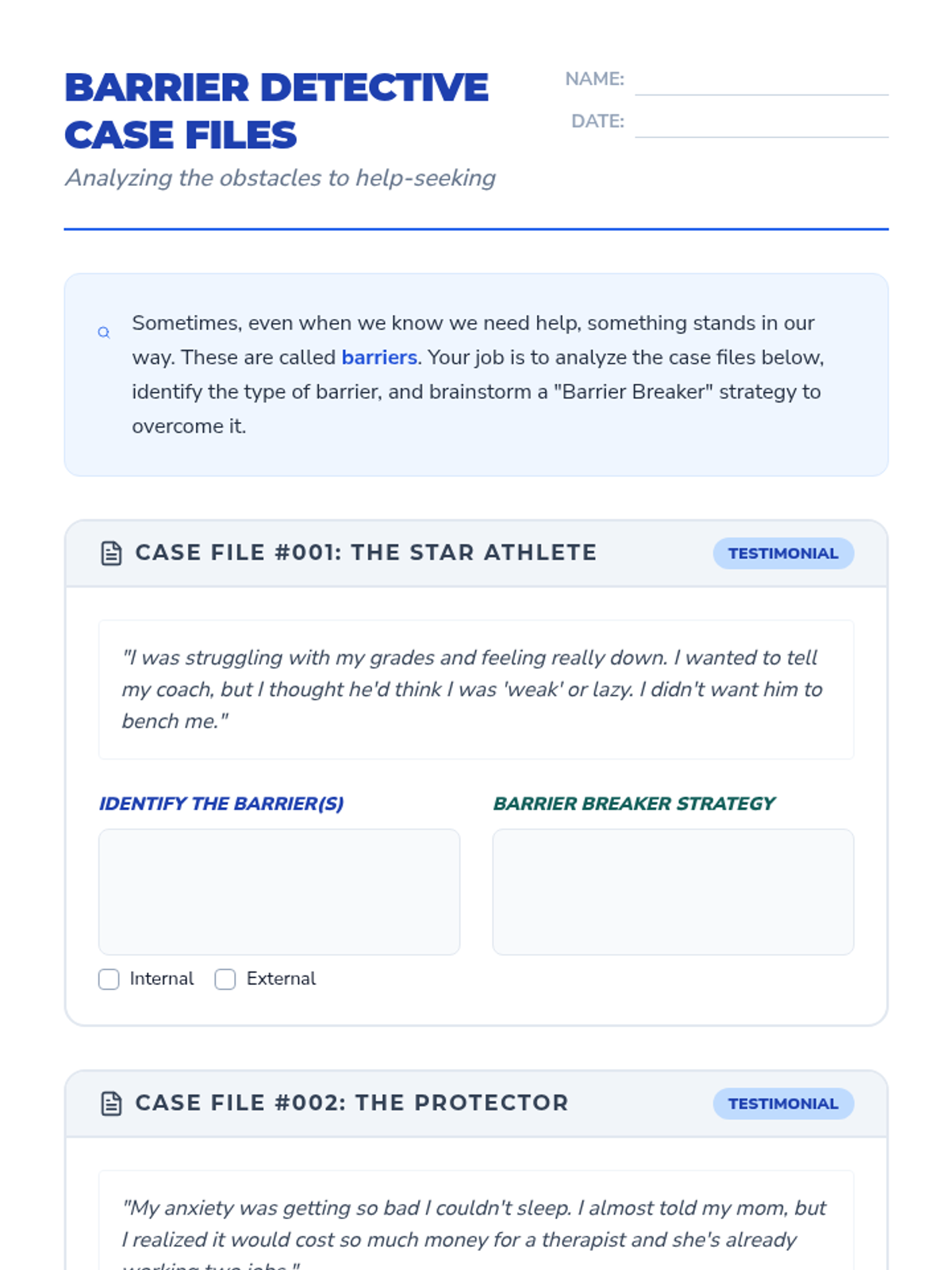
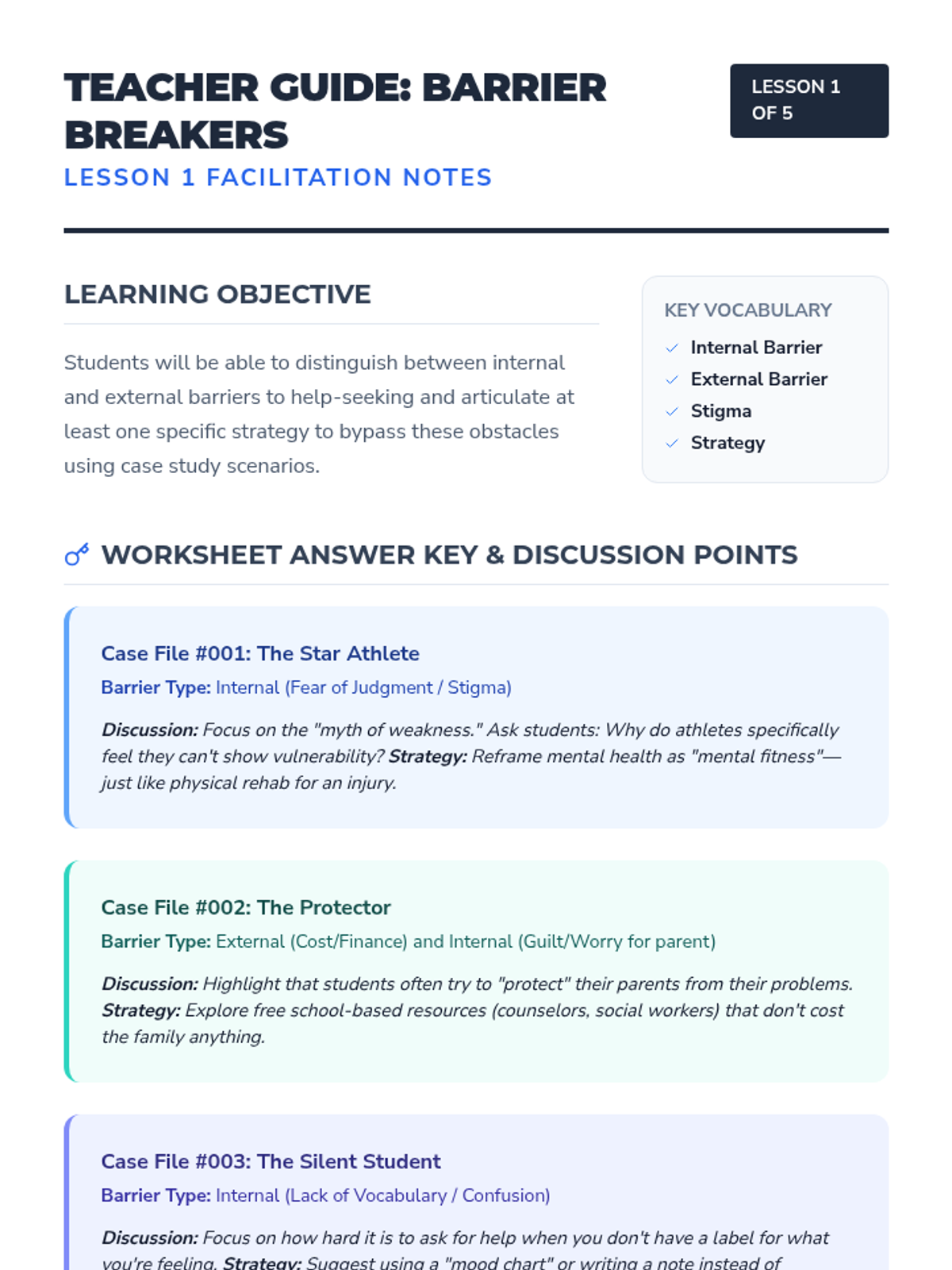
This sequence guides 7th-grade students through the process of identifying barriers to seeking help, mapping their support networks, and developing practical communication skills for disclosing mental health concerns to trusted adults.
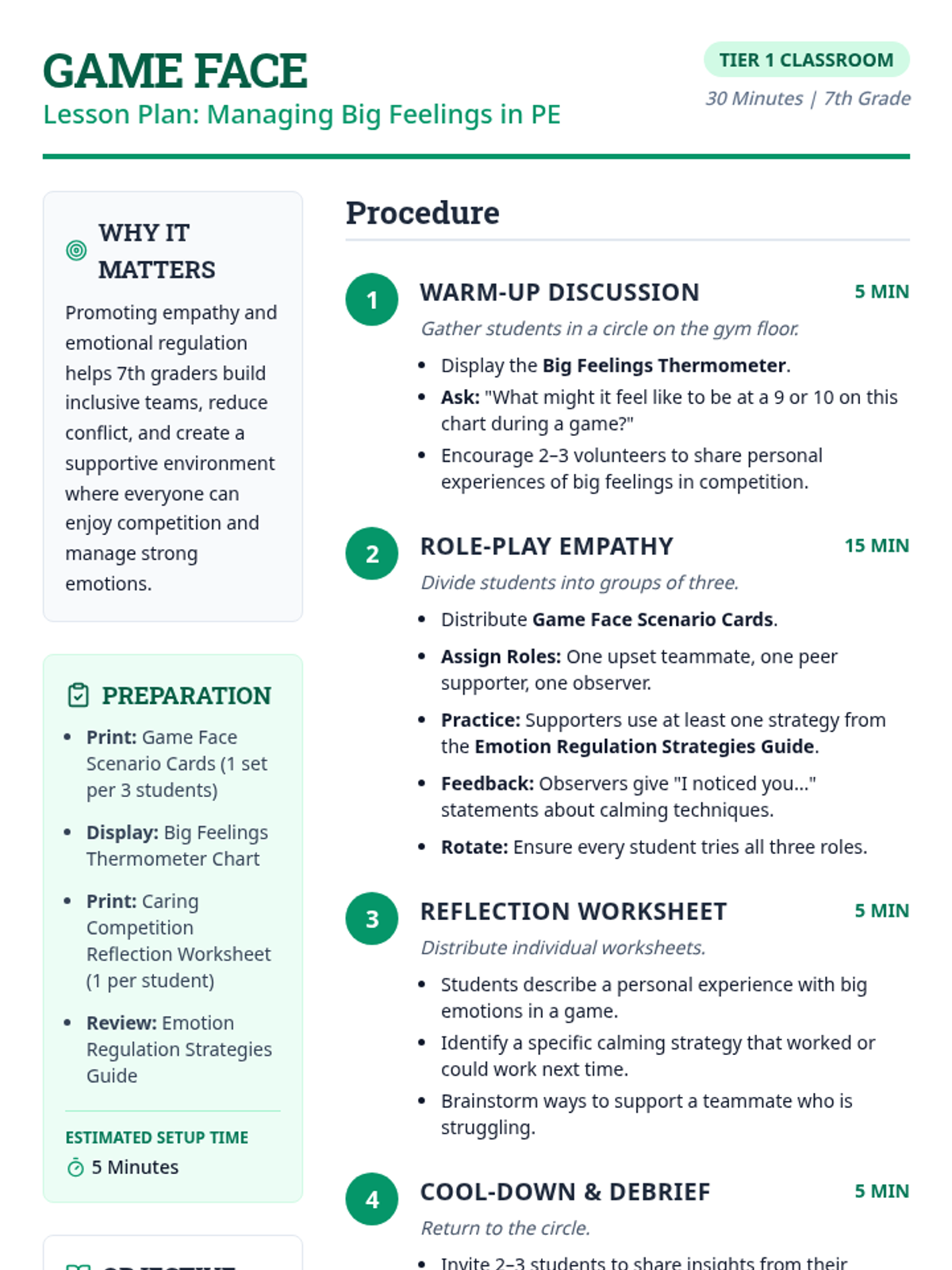
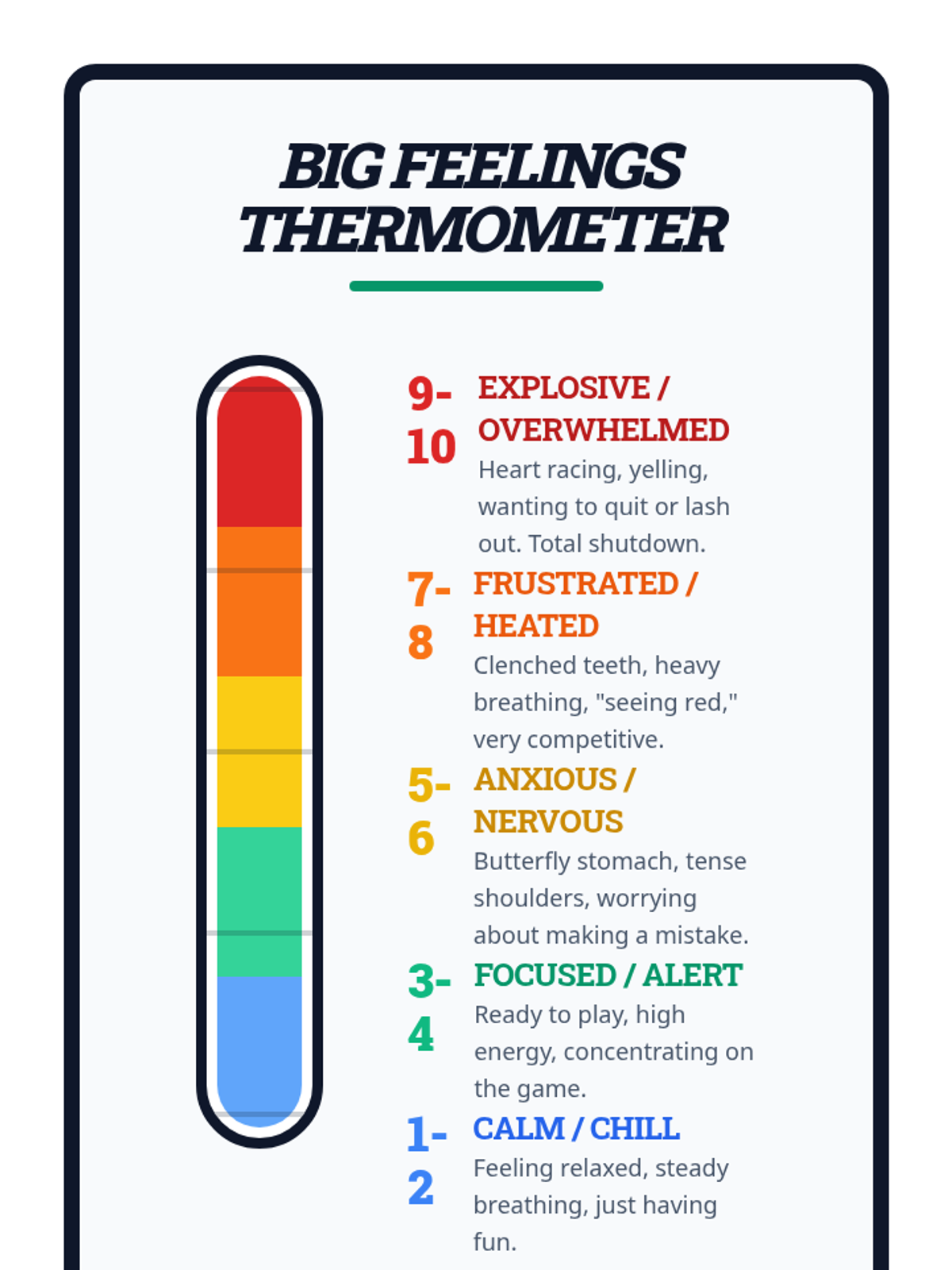
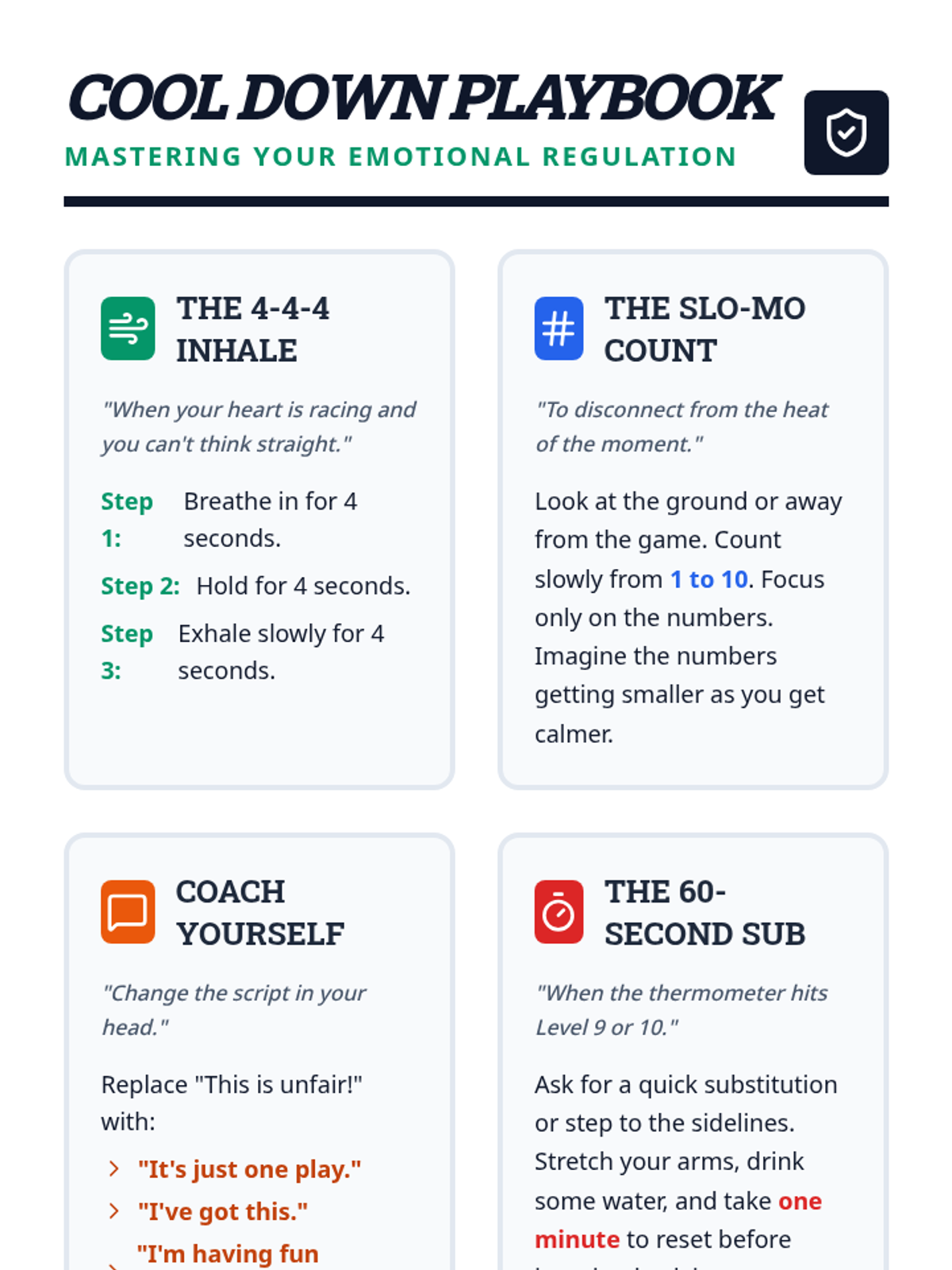
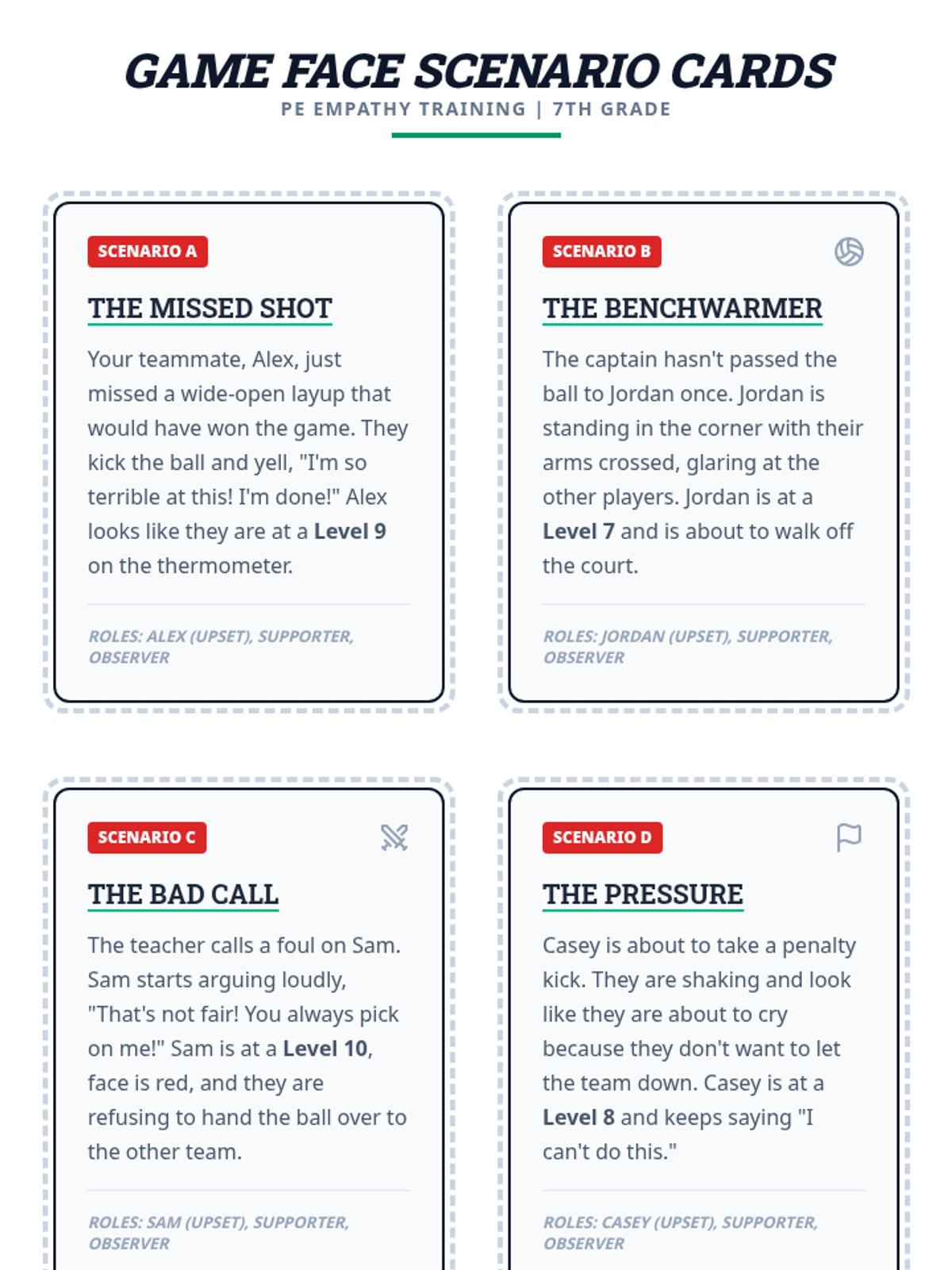
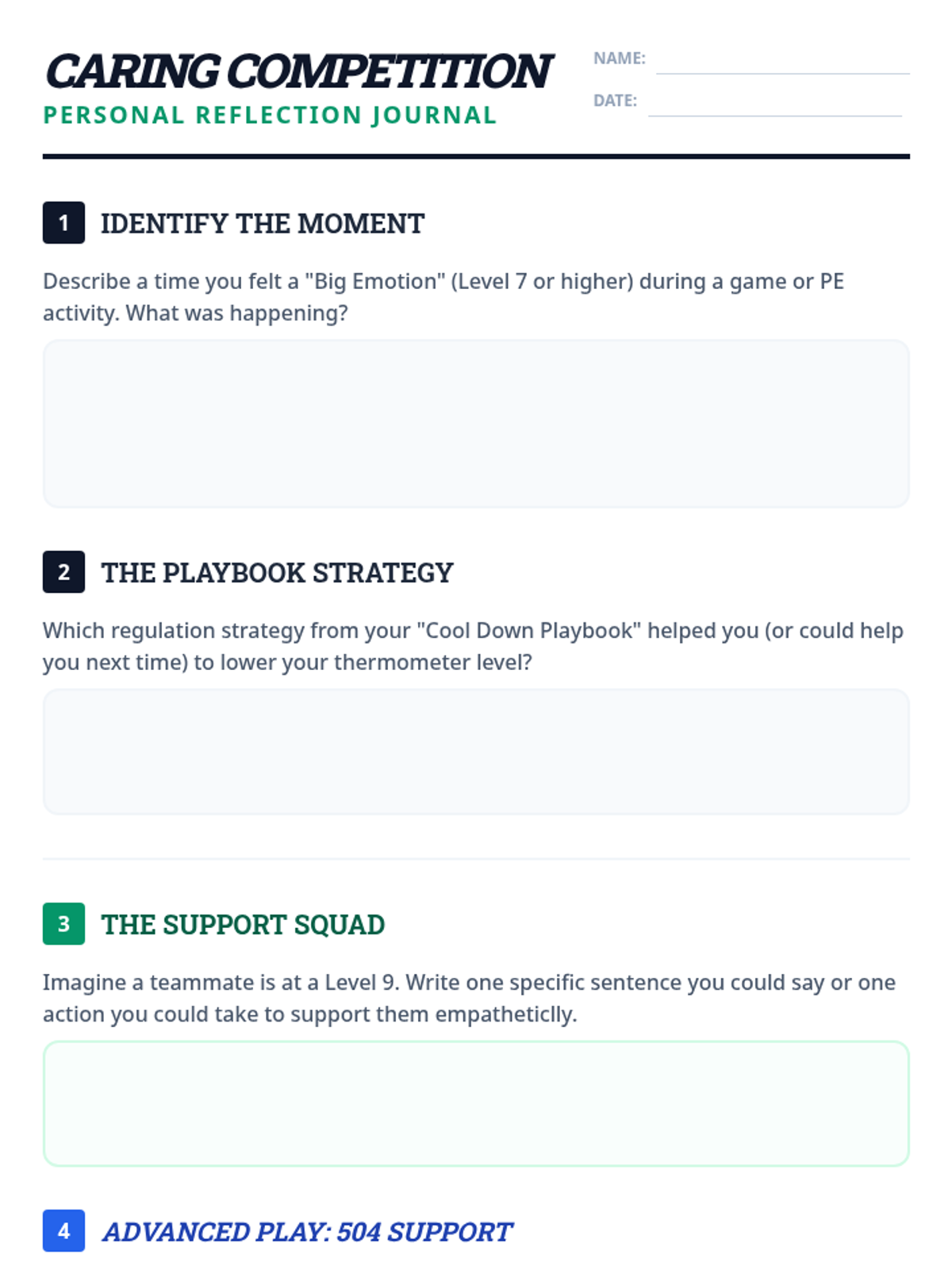
A two-part sequence for 7th graders designed to build empathy and inclusive behaviors in PE. Students learn to manage 'big feelings' during competition and understand how 504 accommodations support classmates with disabilities.