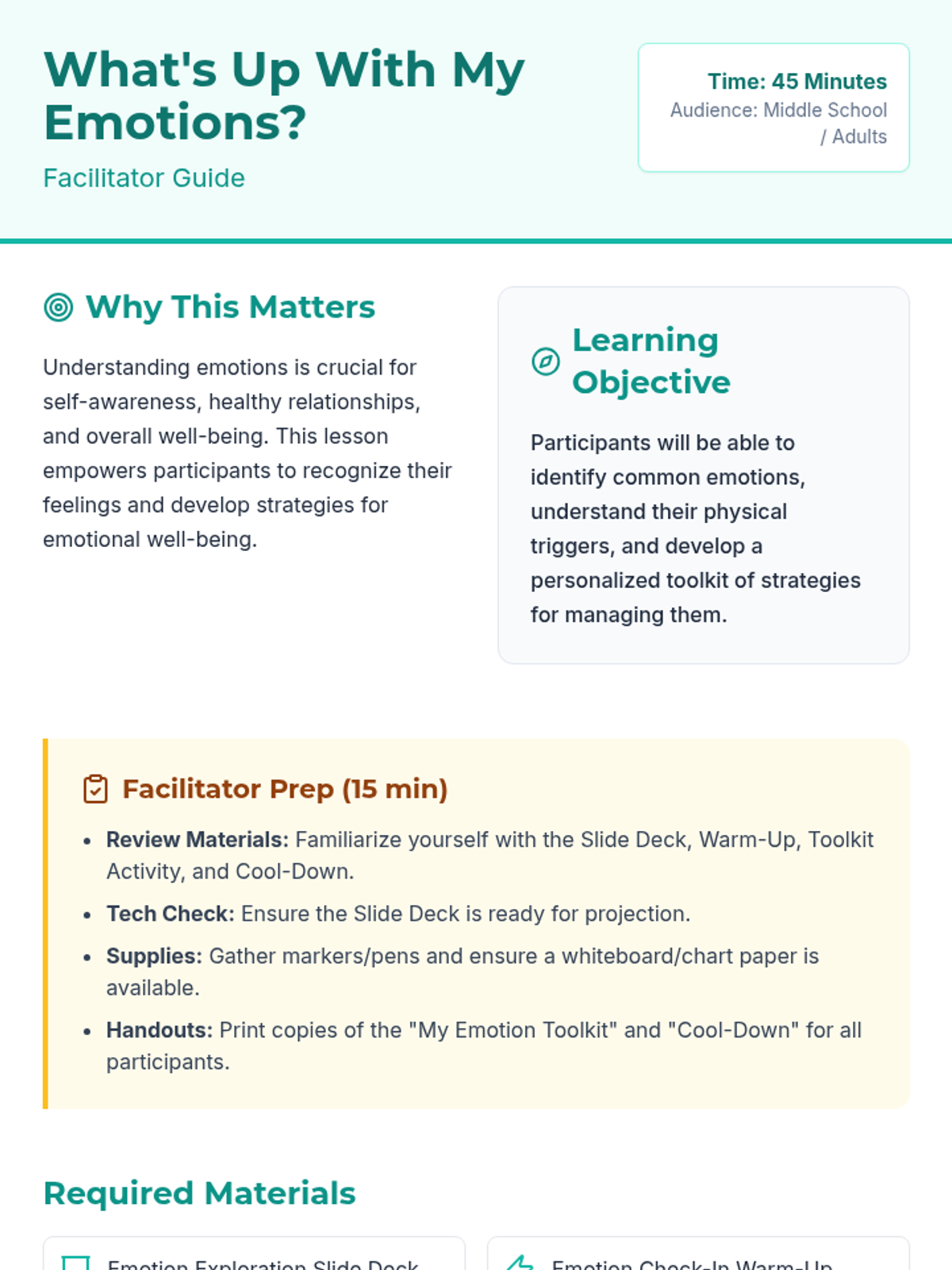
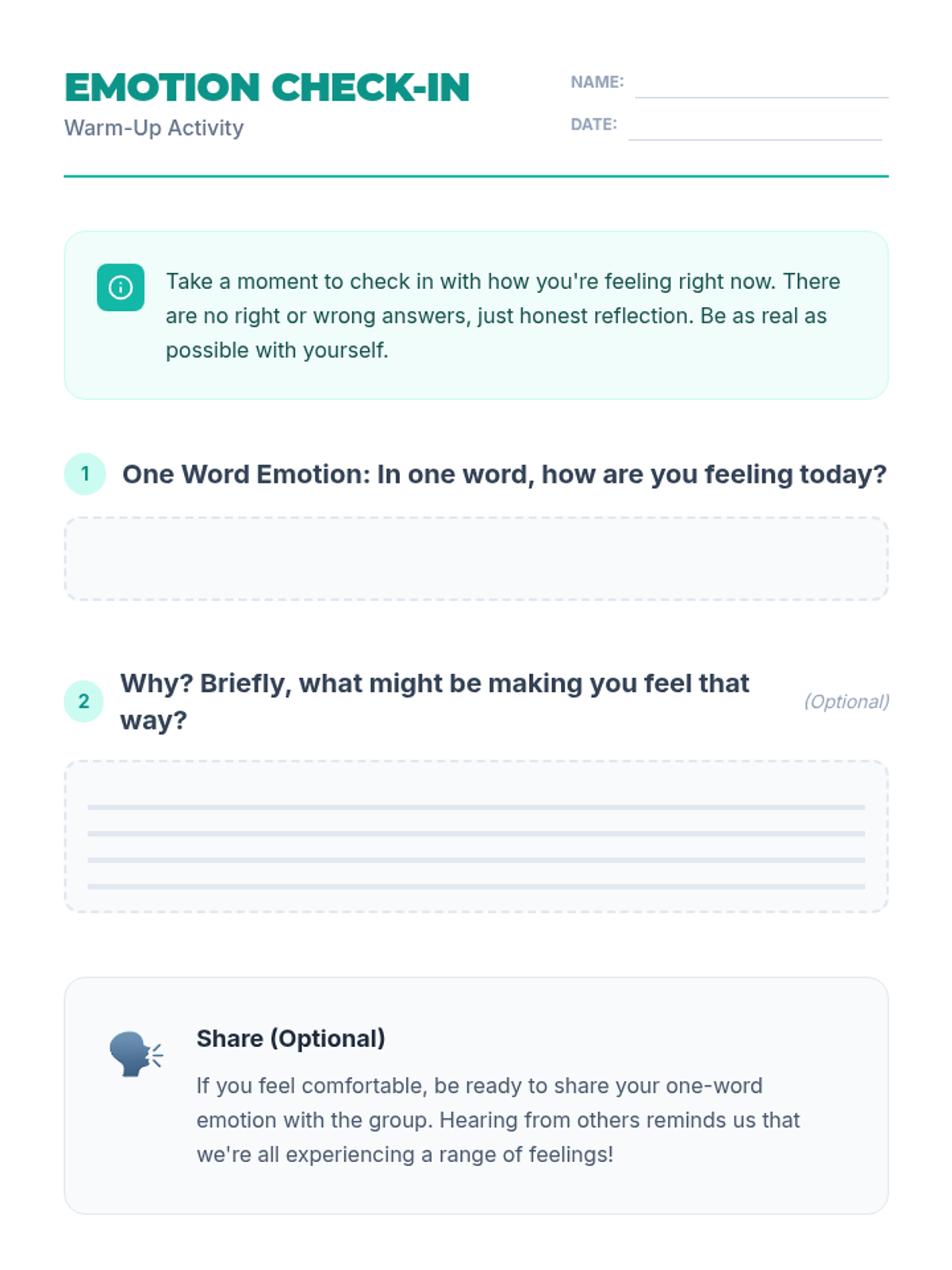
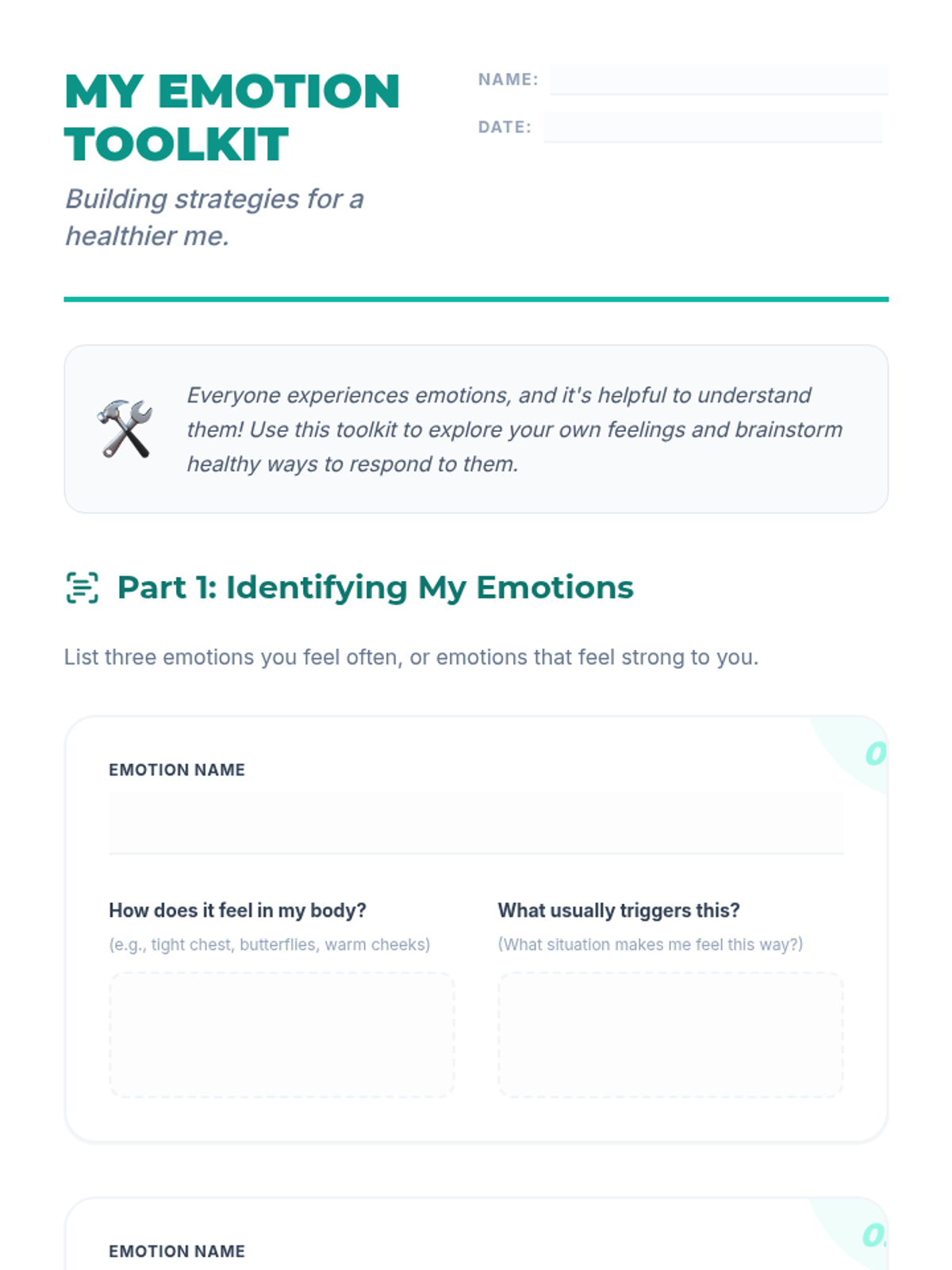
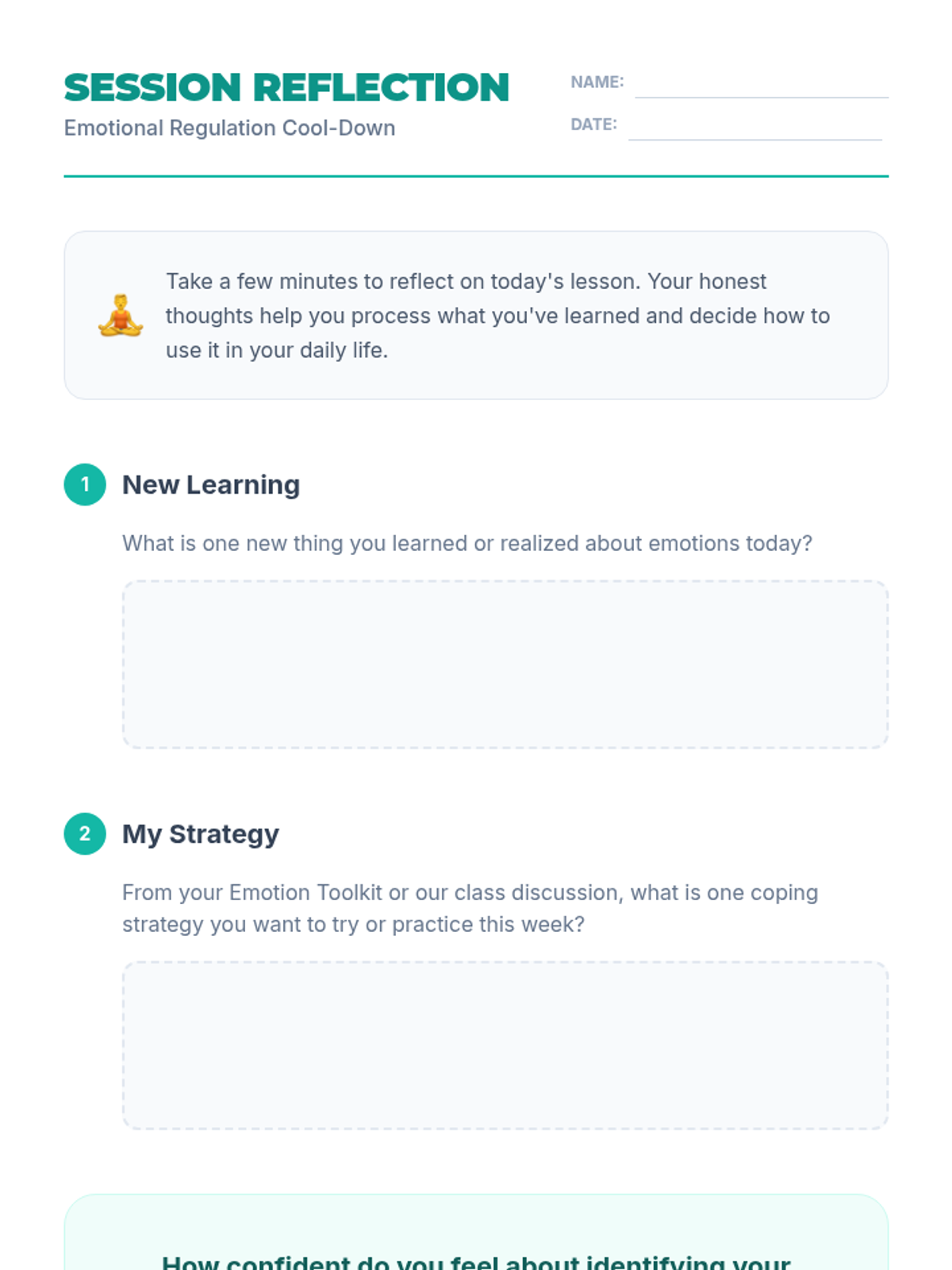
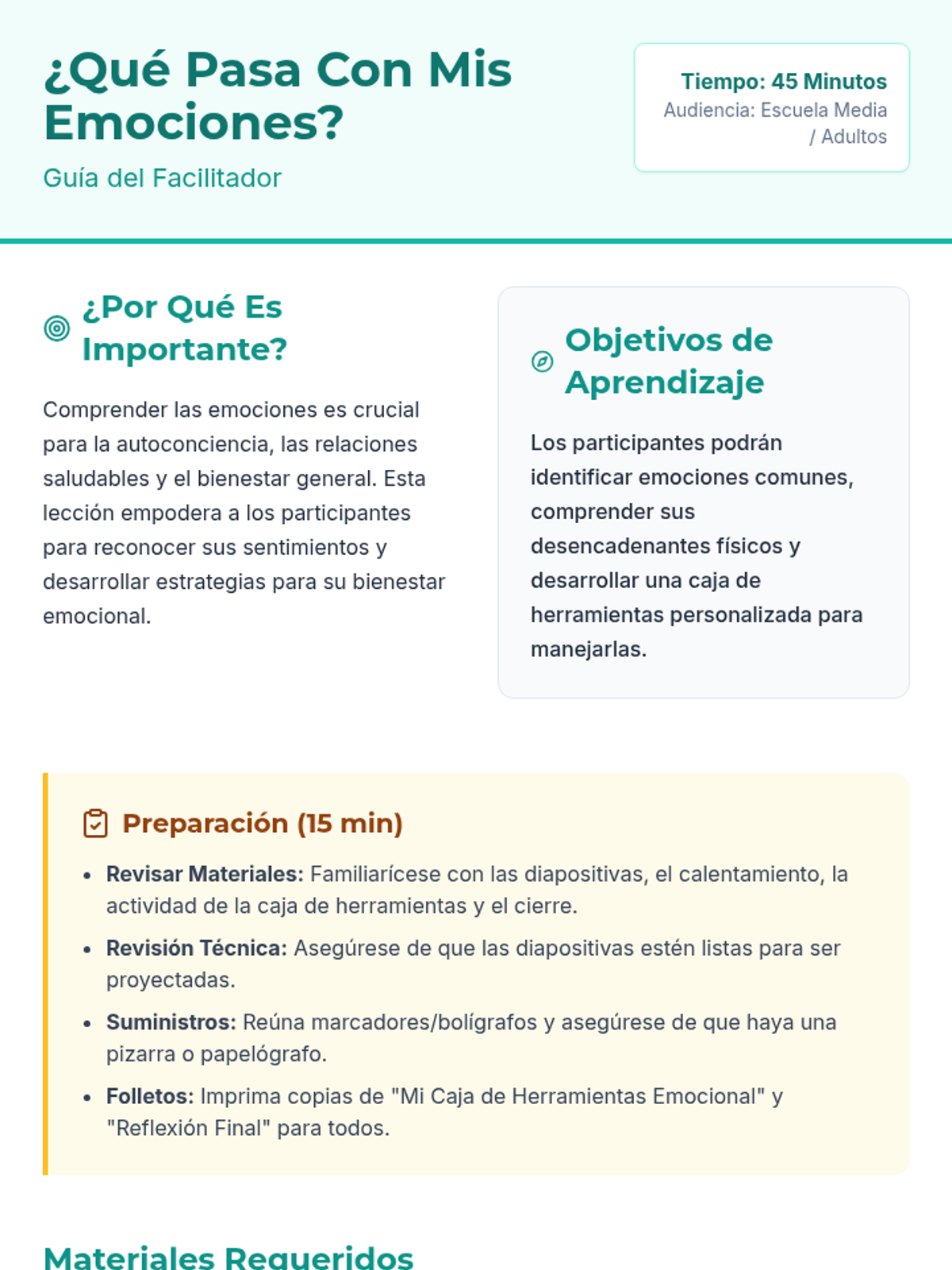
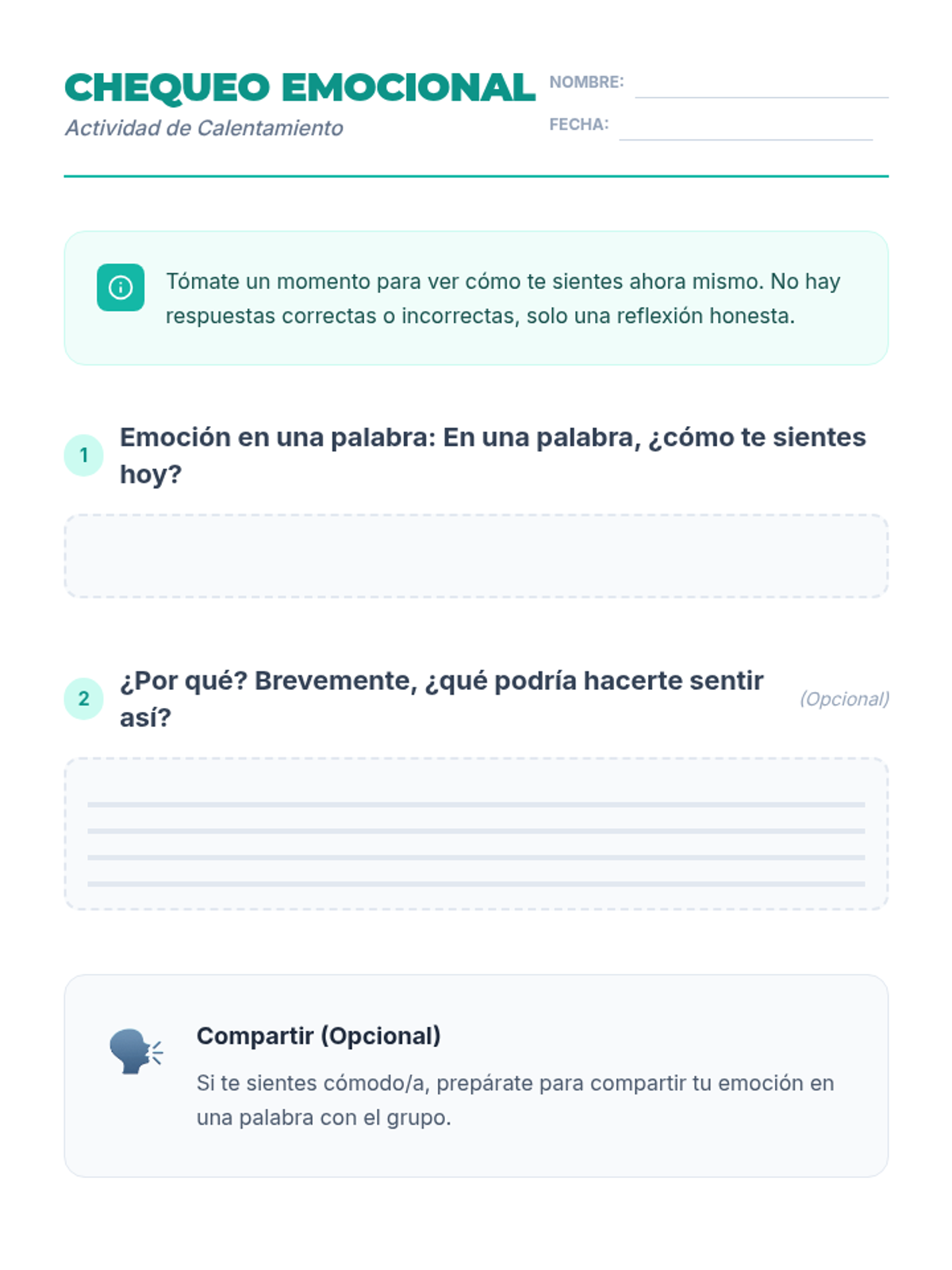
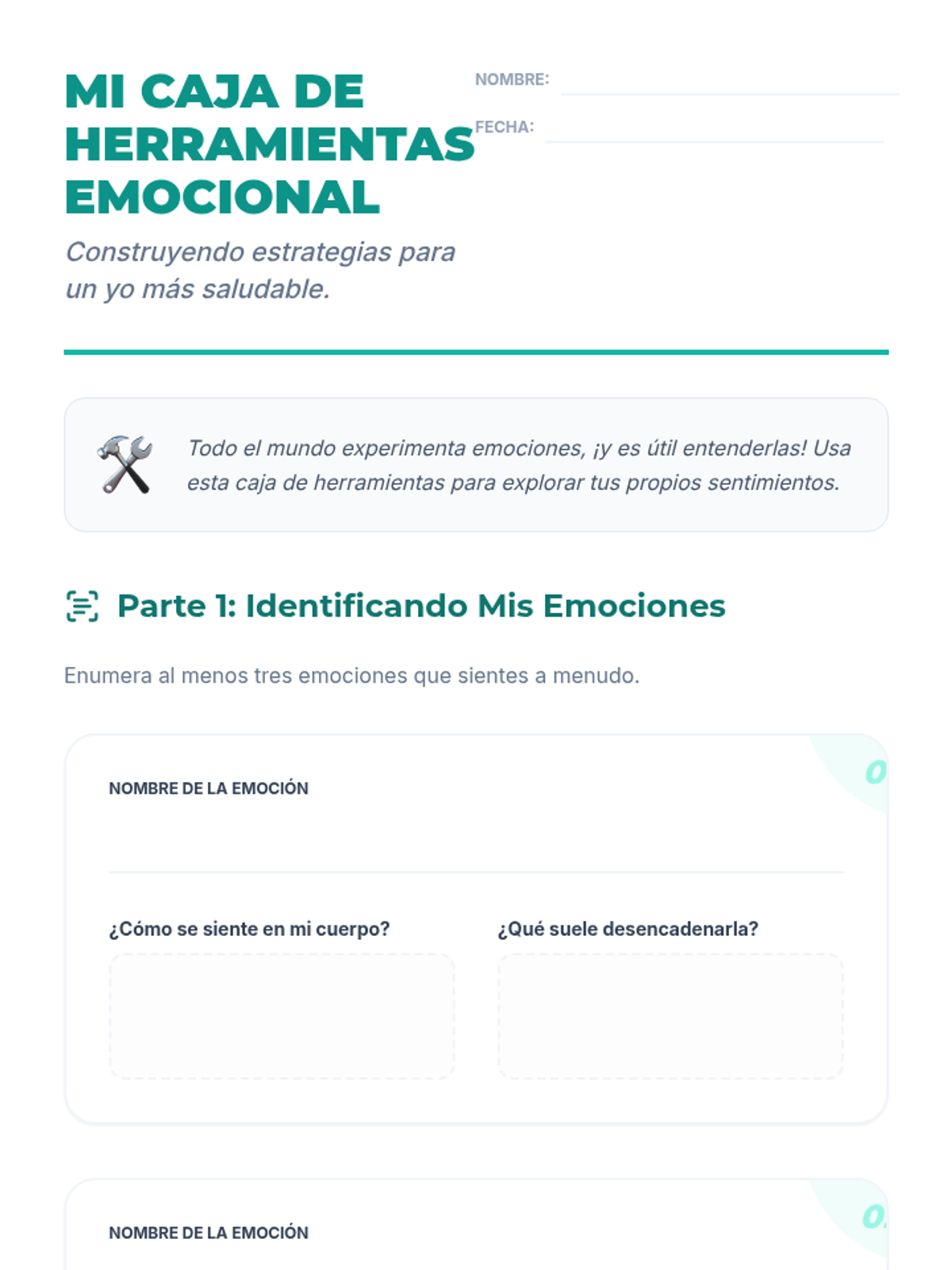
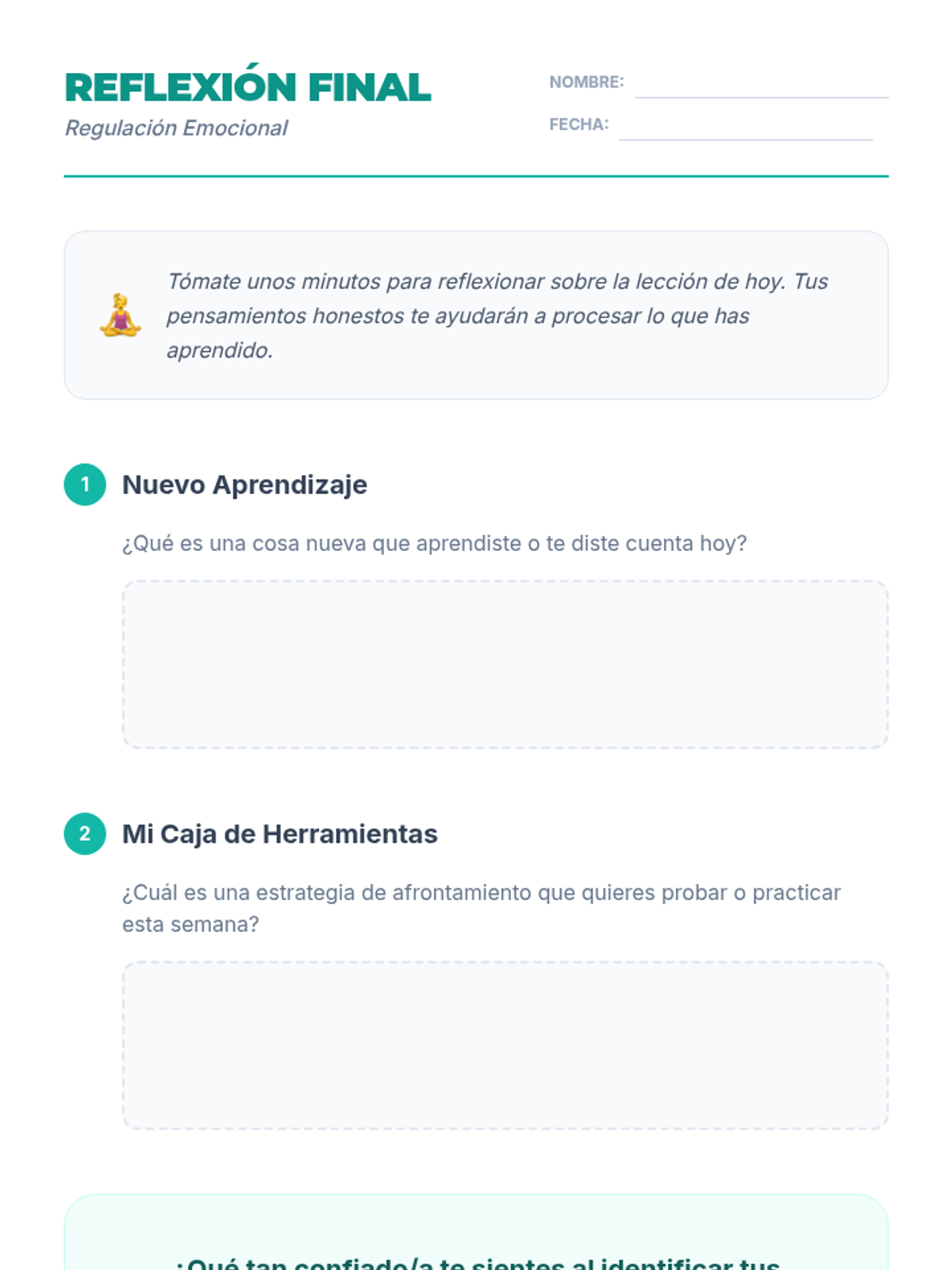
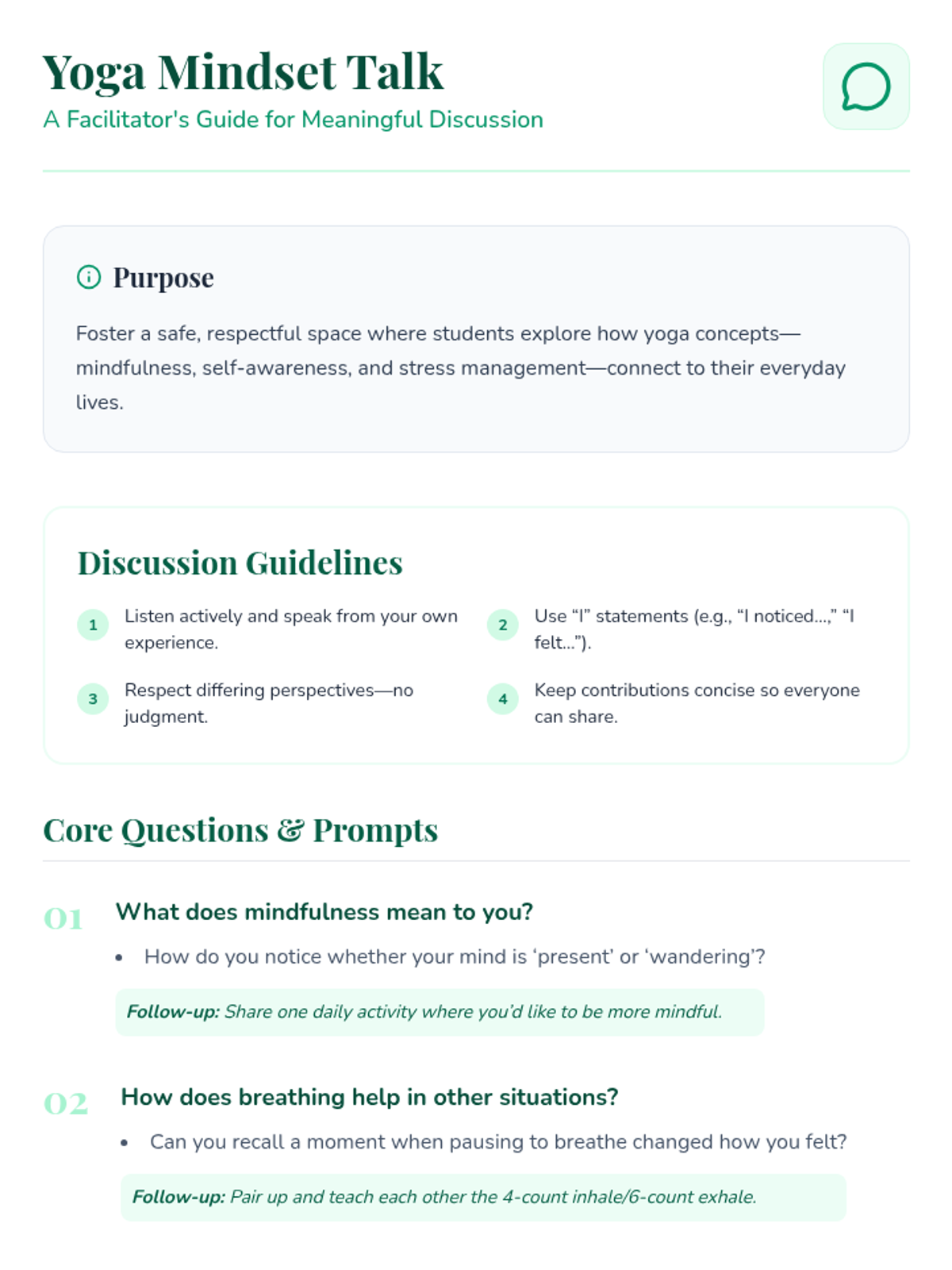
Fundamental concepts of emotional intelligence, stress reduction, and relaxation exercises. Develops skills for healthy relationships, digital balance, and resilience while establishing pathways for help-seeking and support systems.
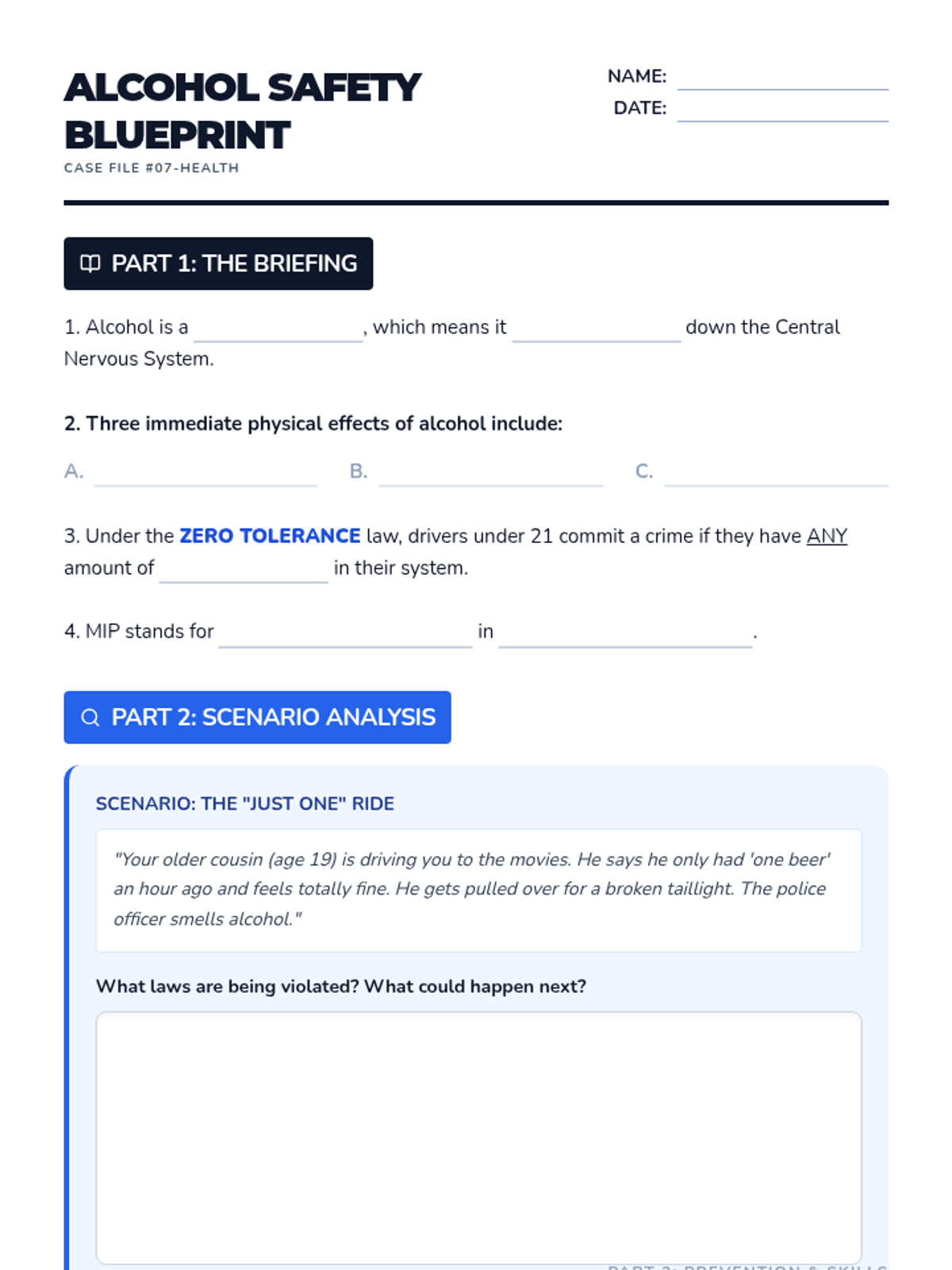
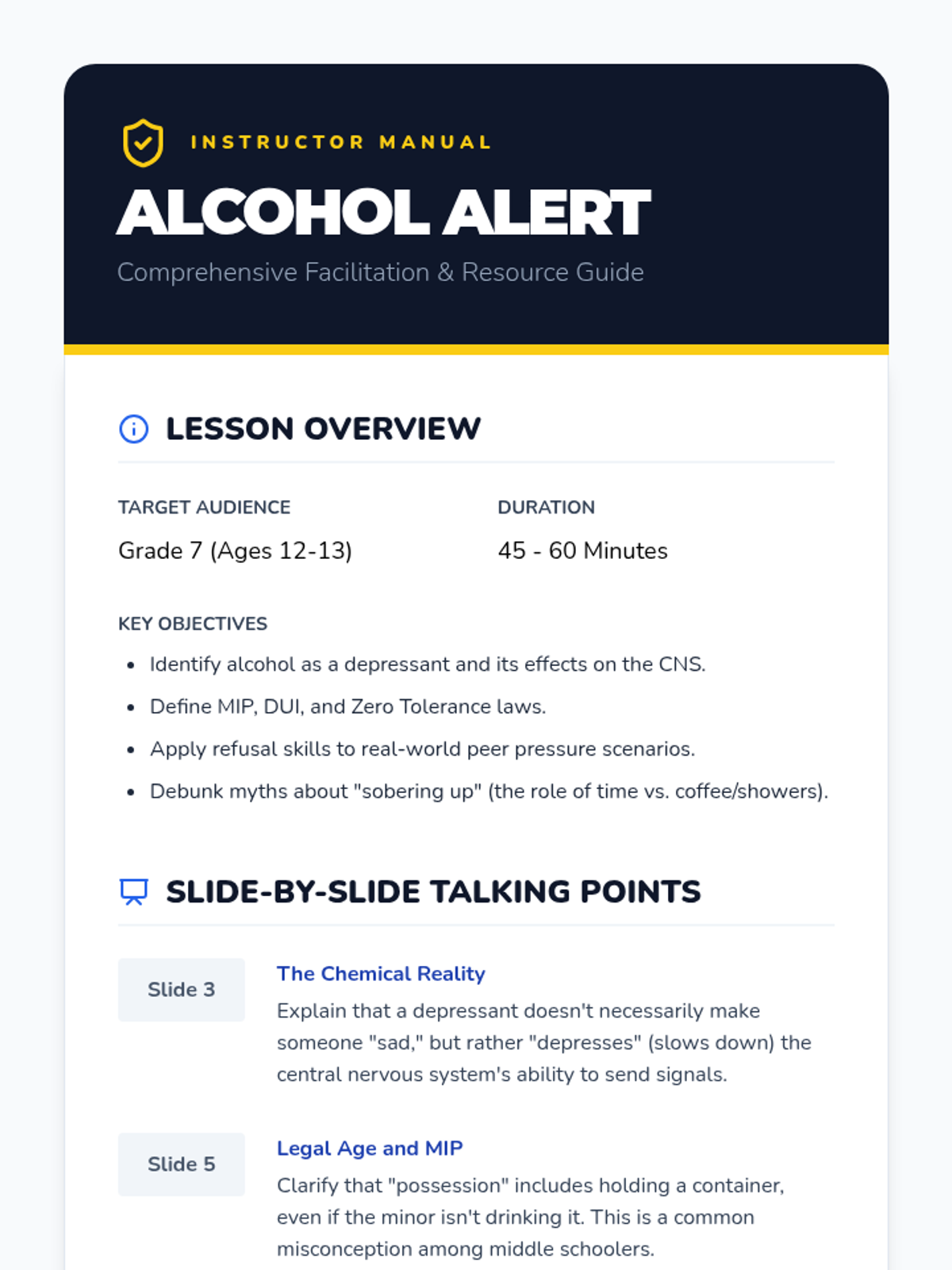
A middle school health and wellness unit focusing on substance safety, legal awareness, and decision-making regarding alcohol and marijuana.
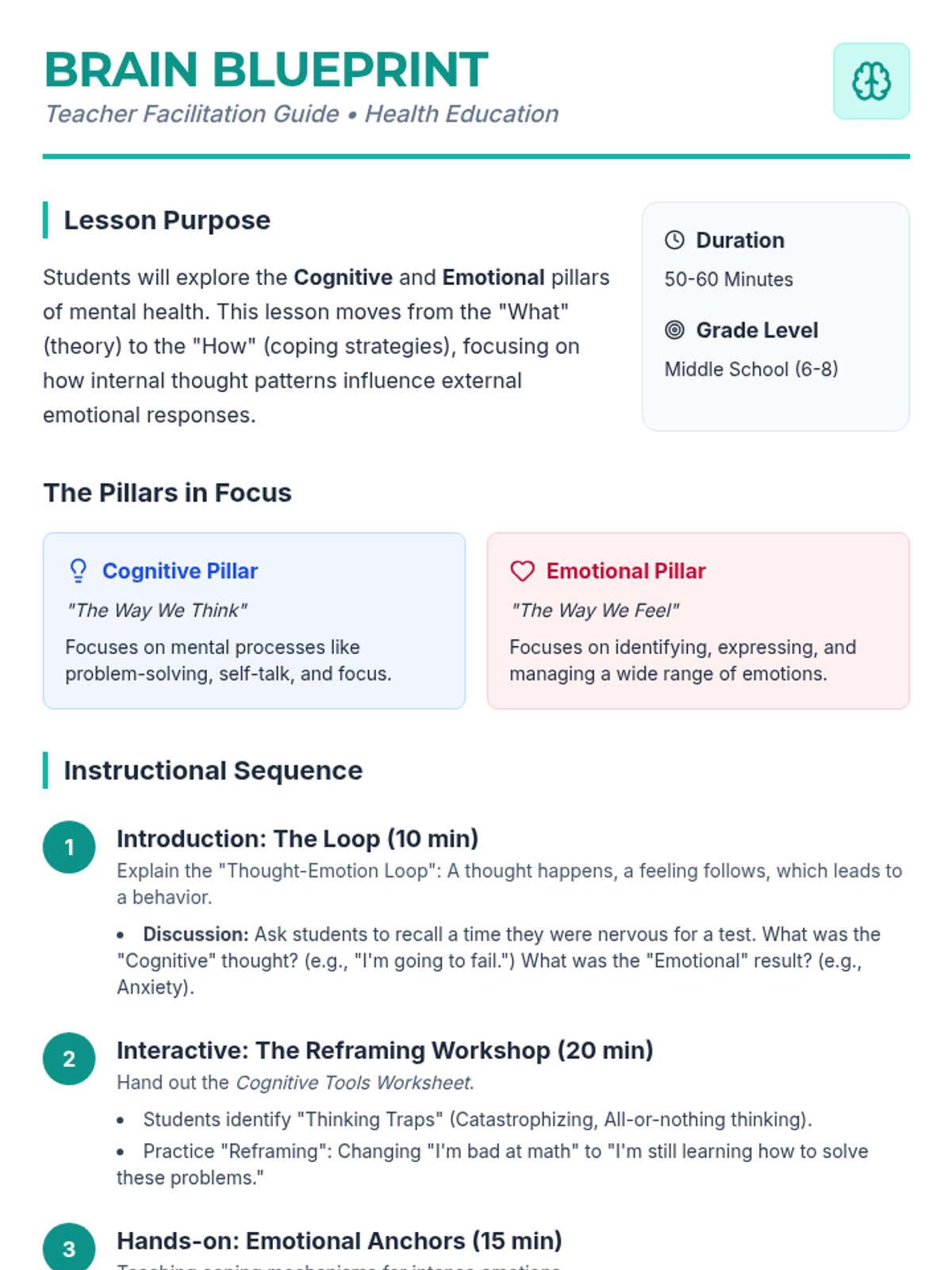
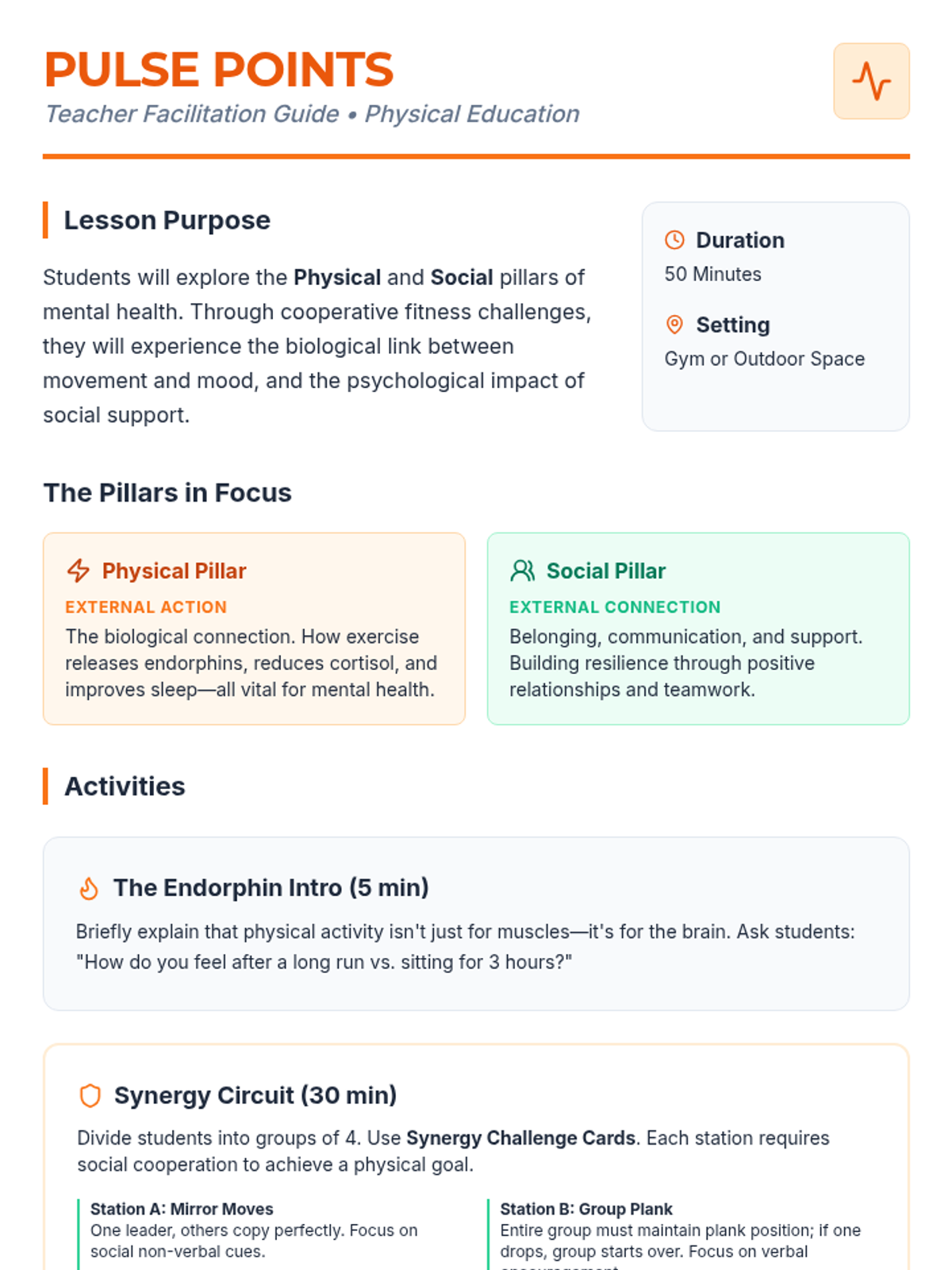
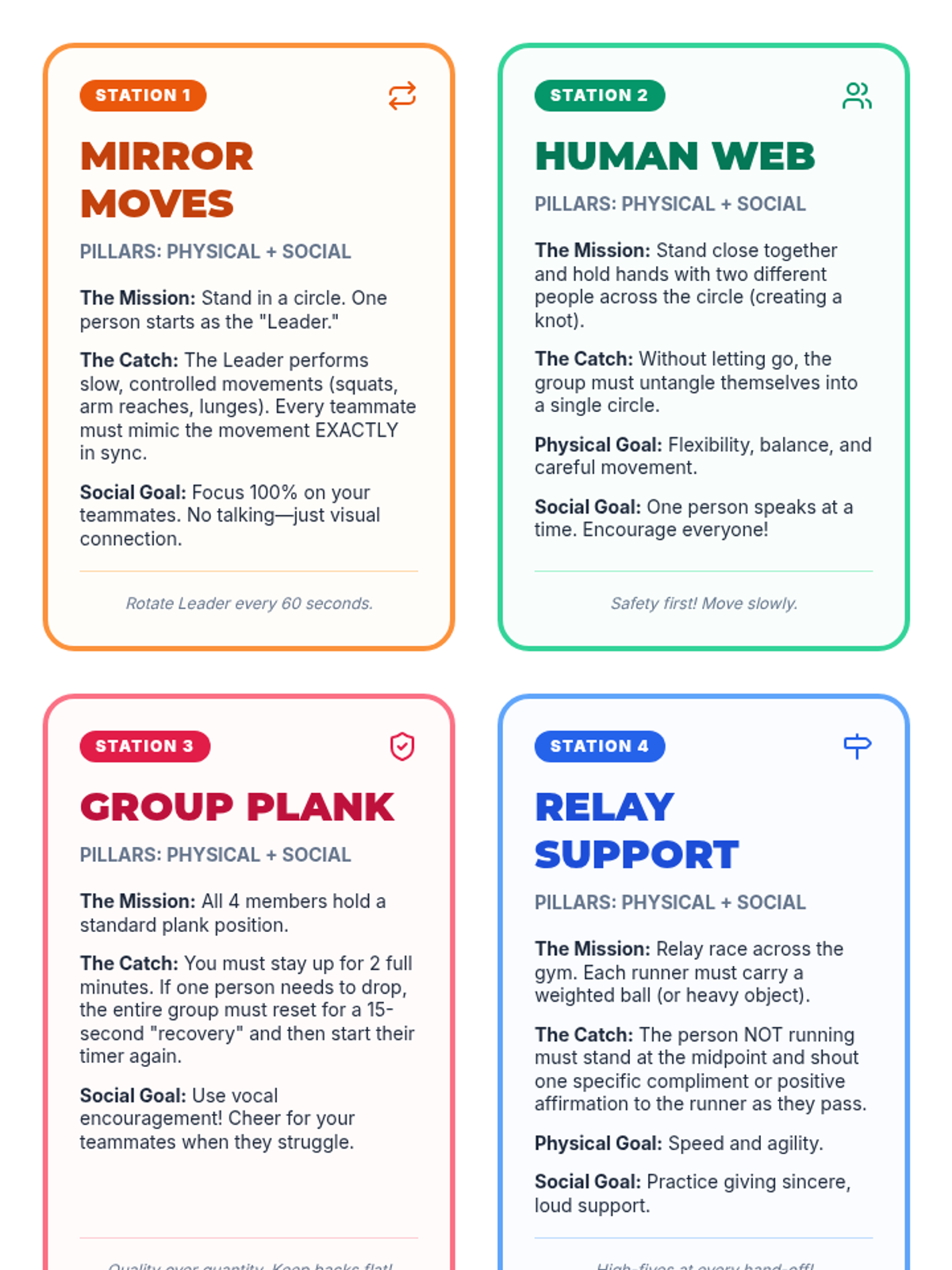
A multi-disciplinary approach to mental health awareness for middle schoolers, covering the four pillars through Health, PE, and Art.
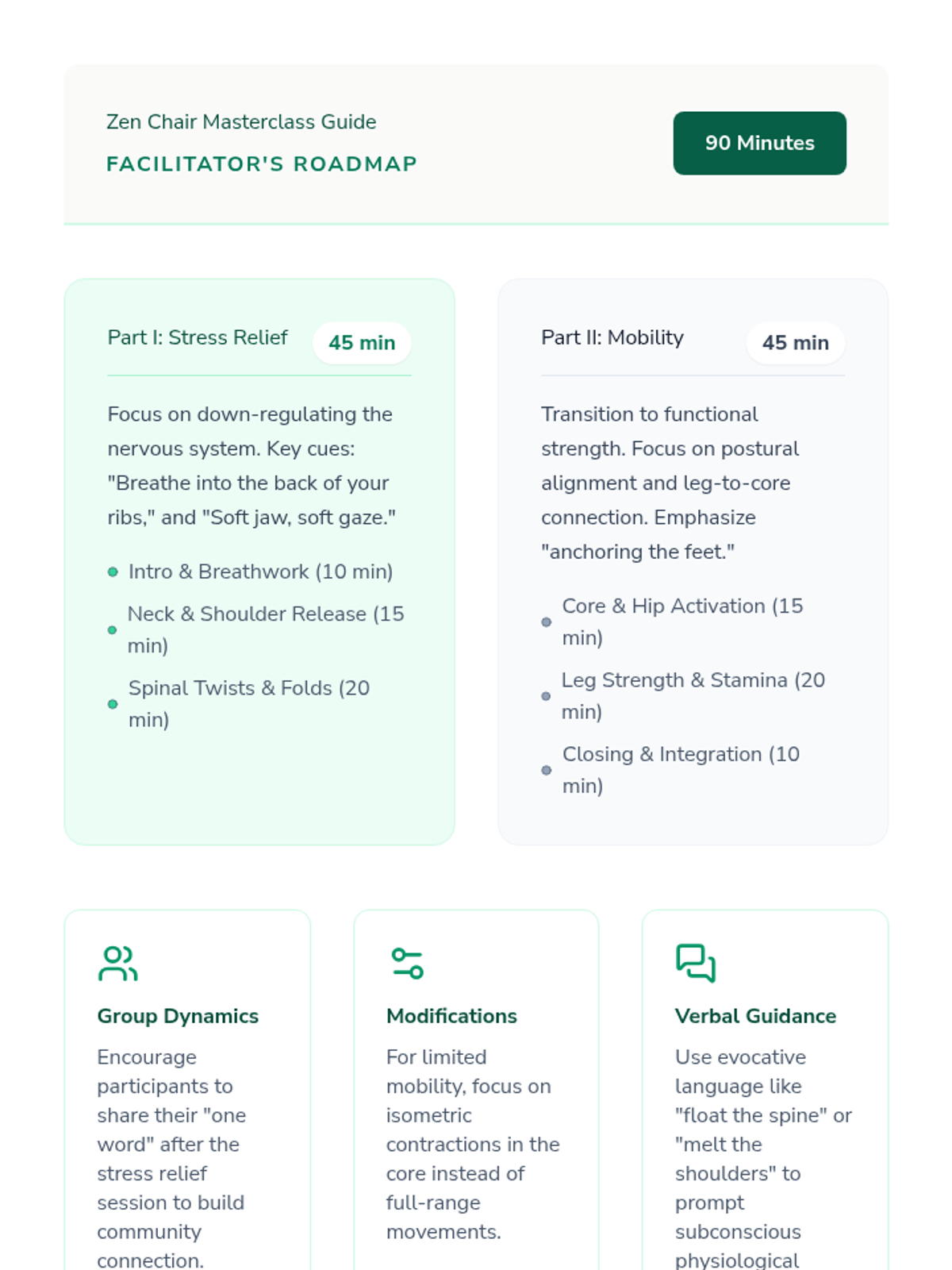
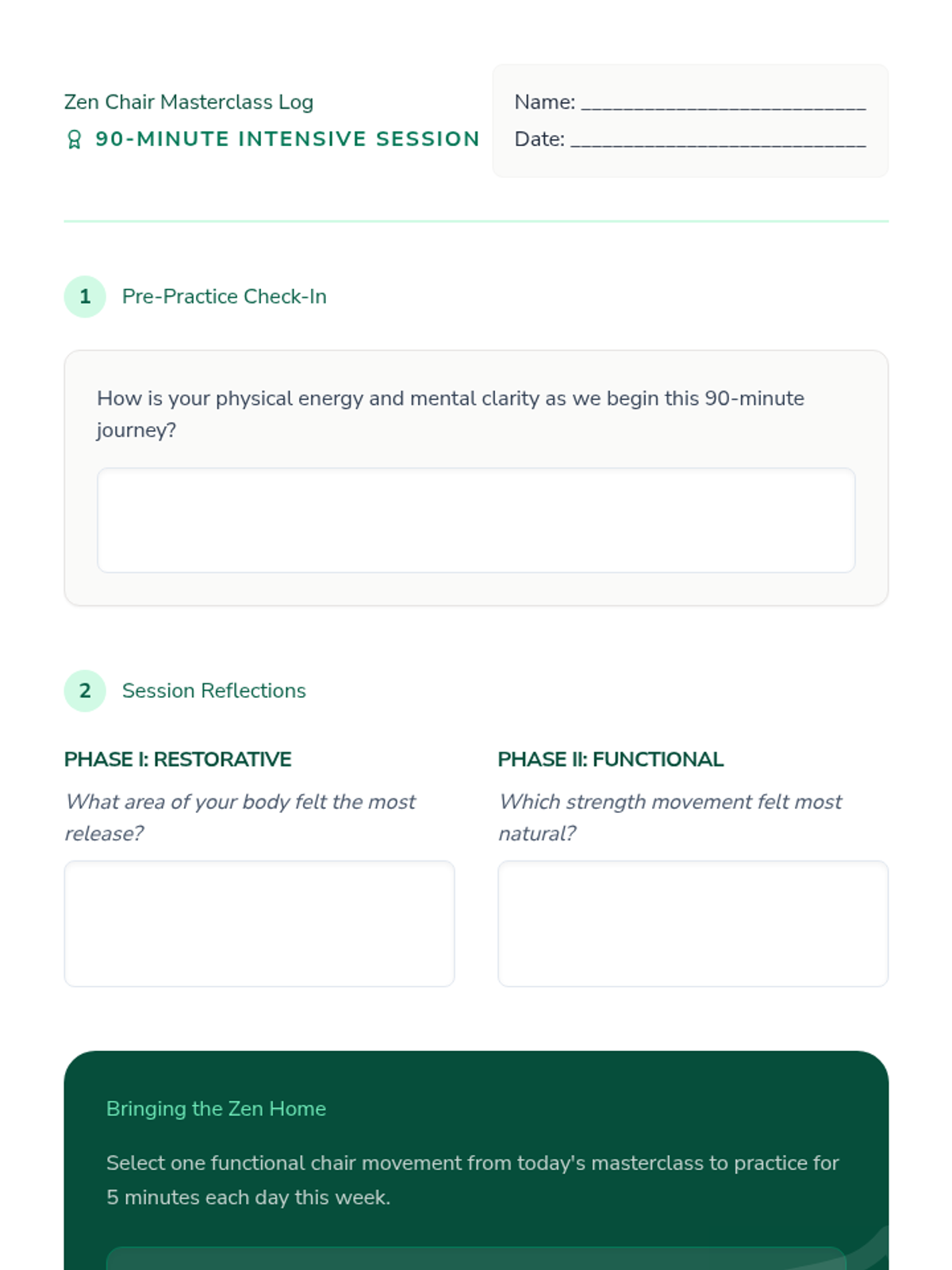
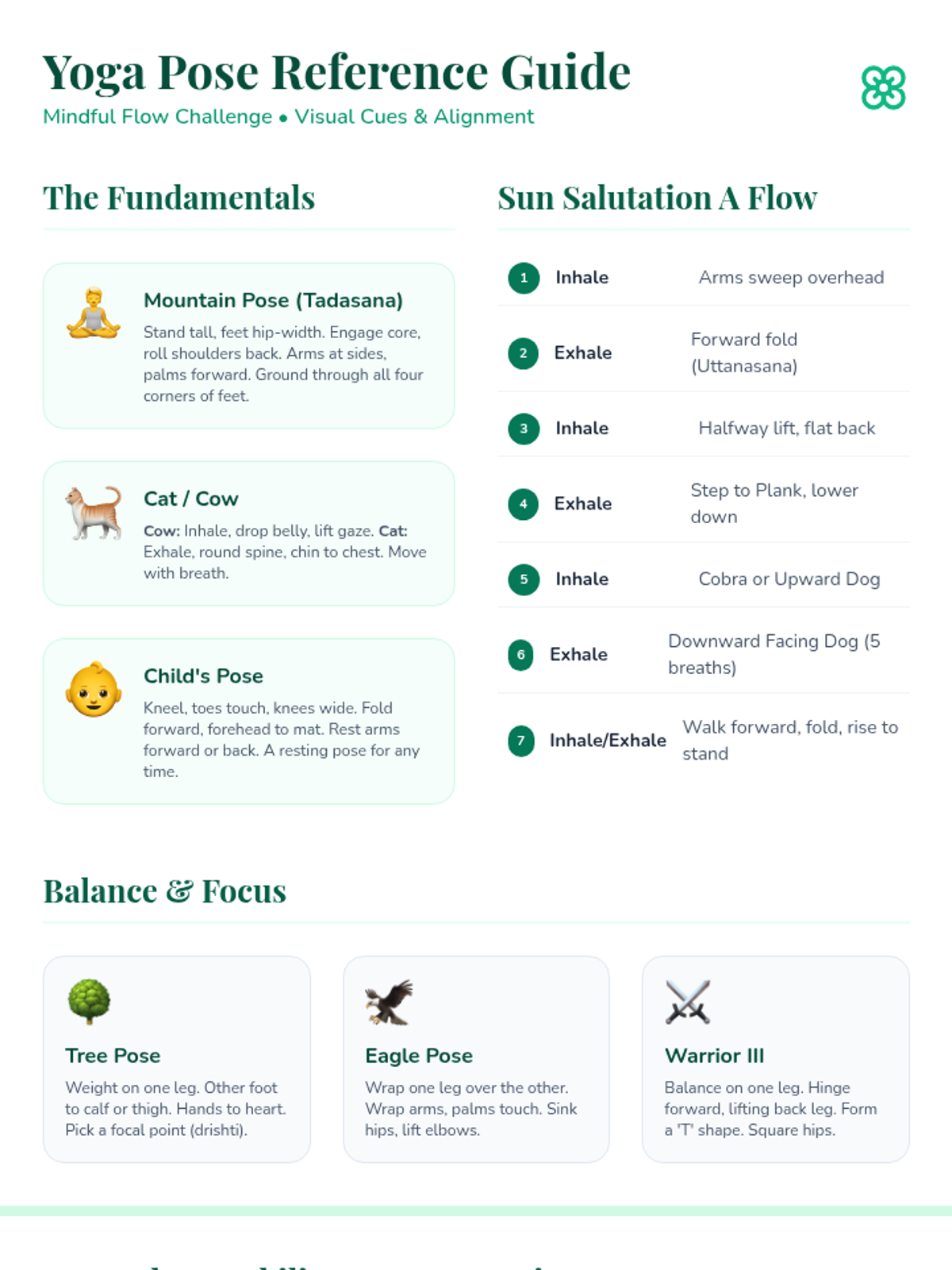
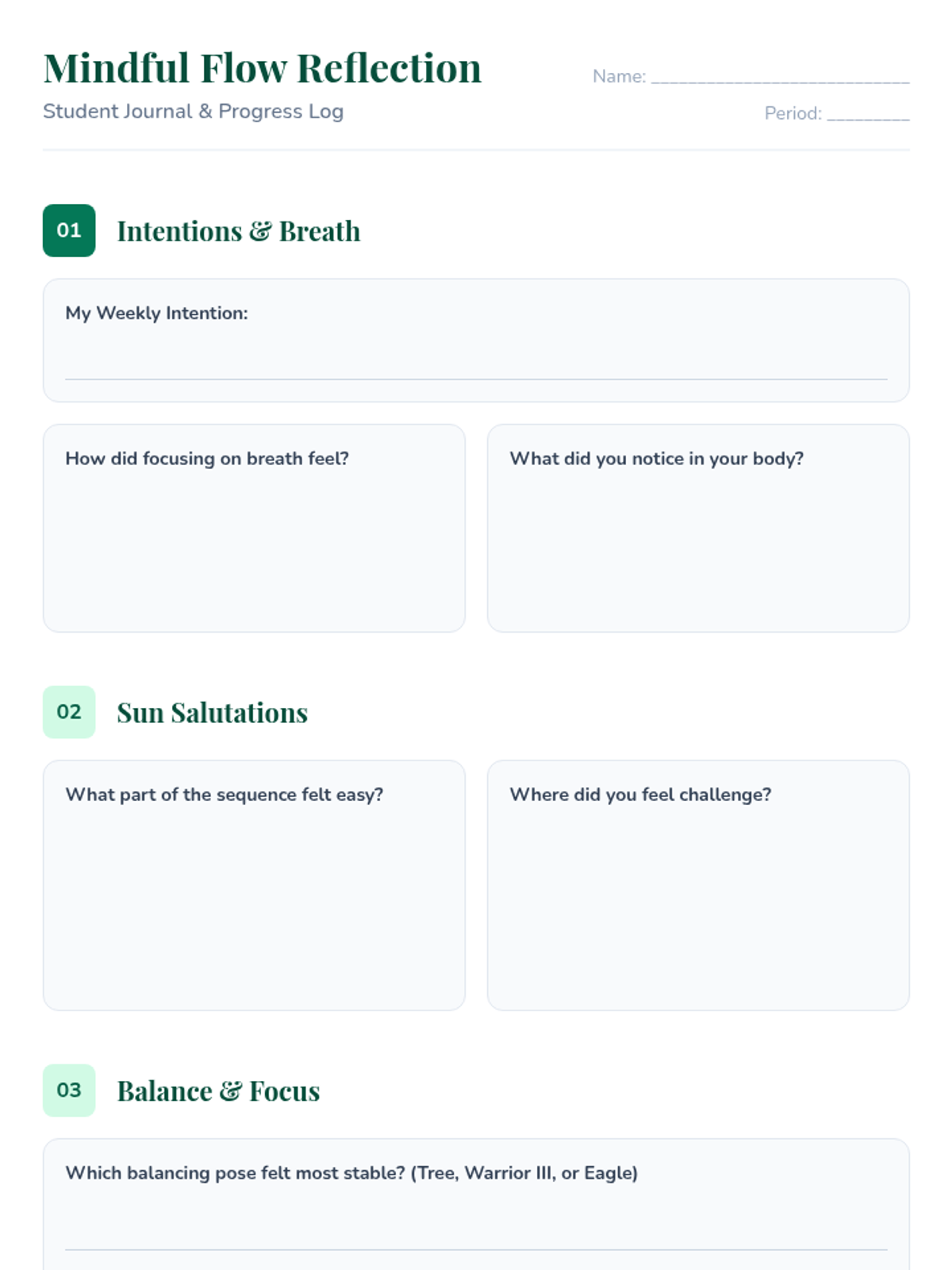
A comprehensive yoga series featuring a deep-dive chair yoga masterclass with guided videos and a follow-up standing flow session for beginners. Designed to build both mental calm and physical strength.
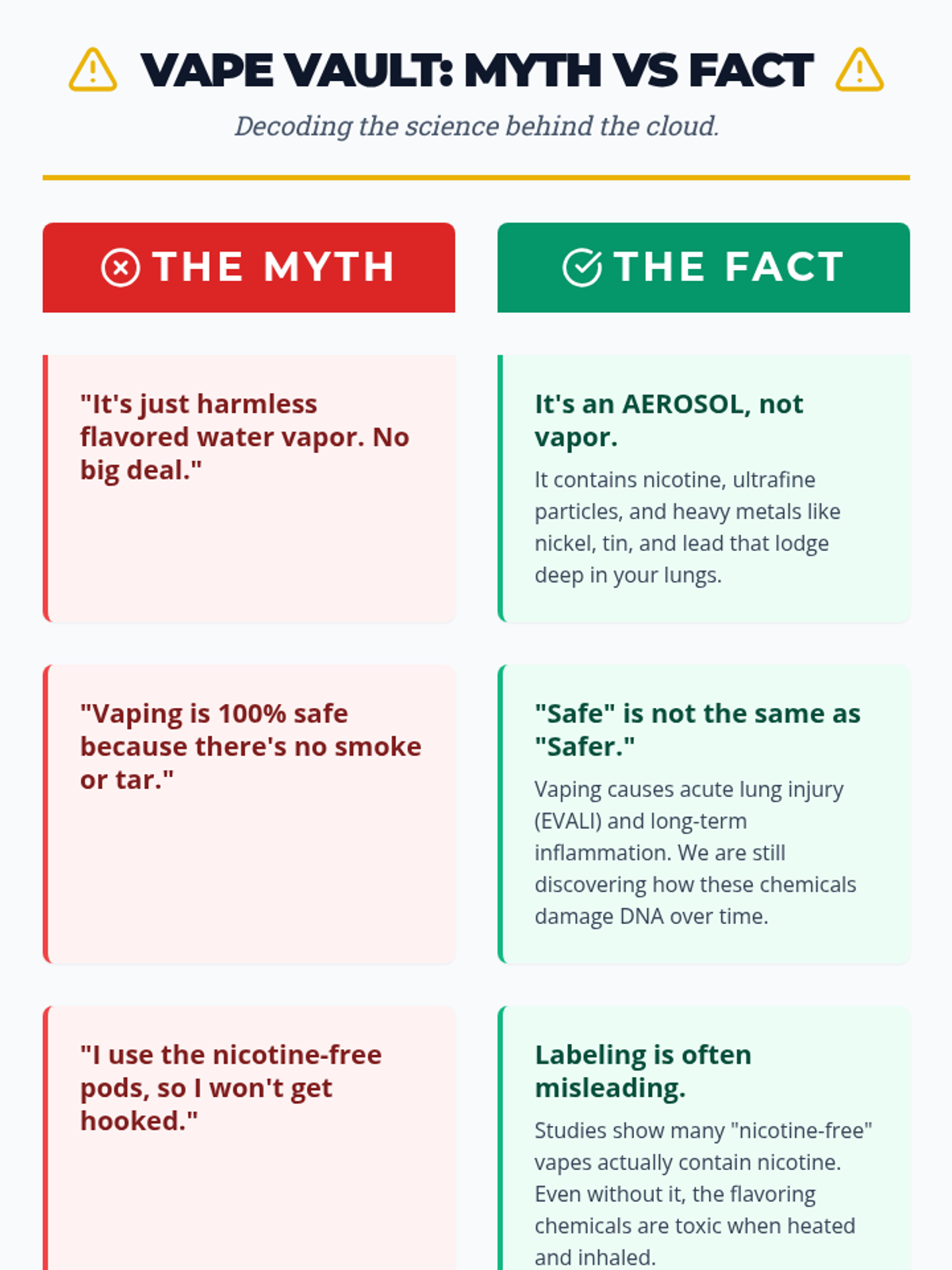
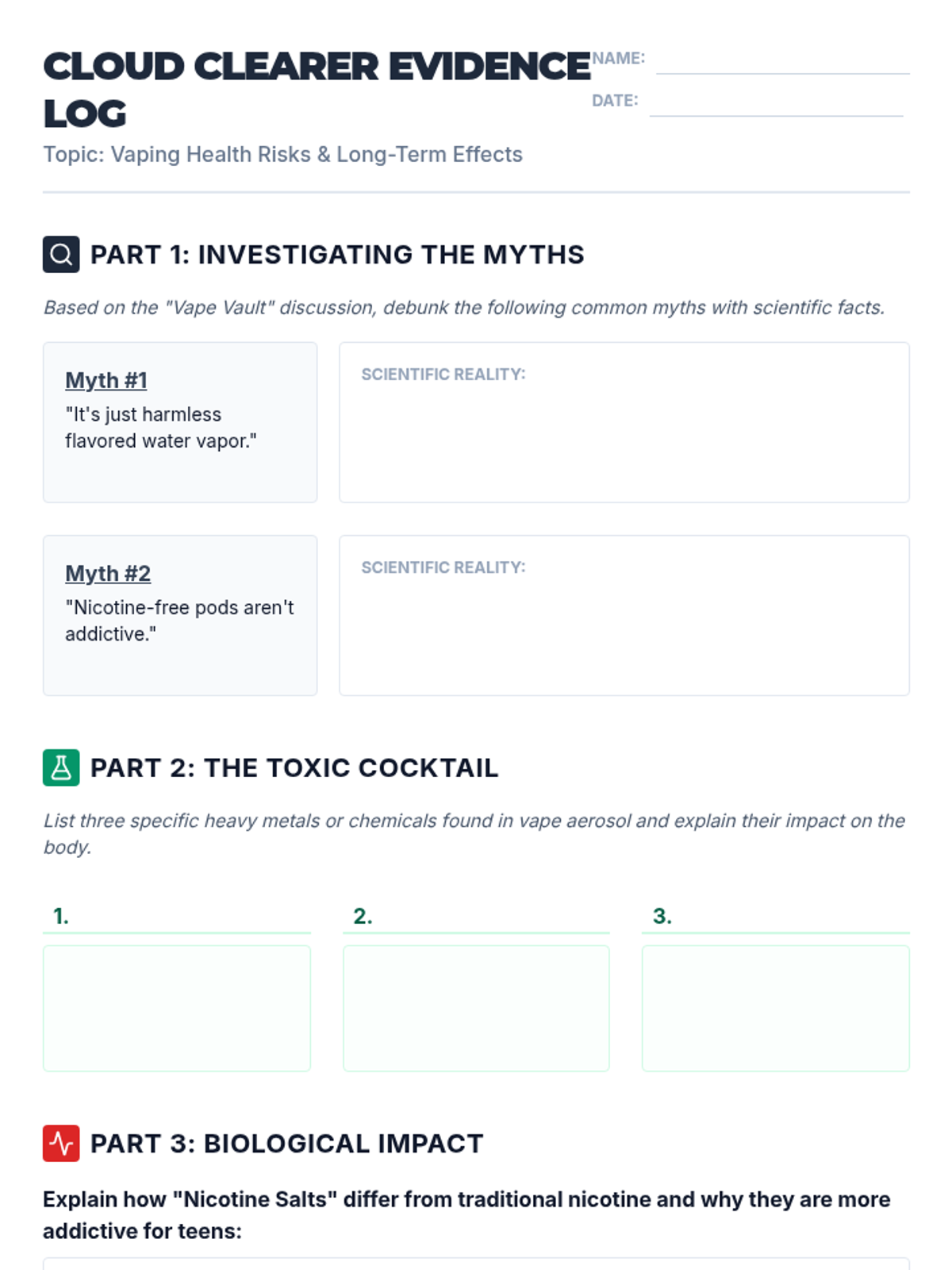
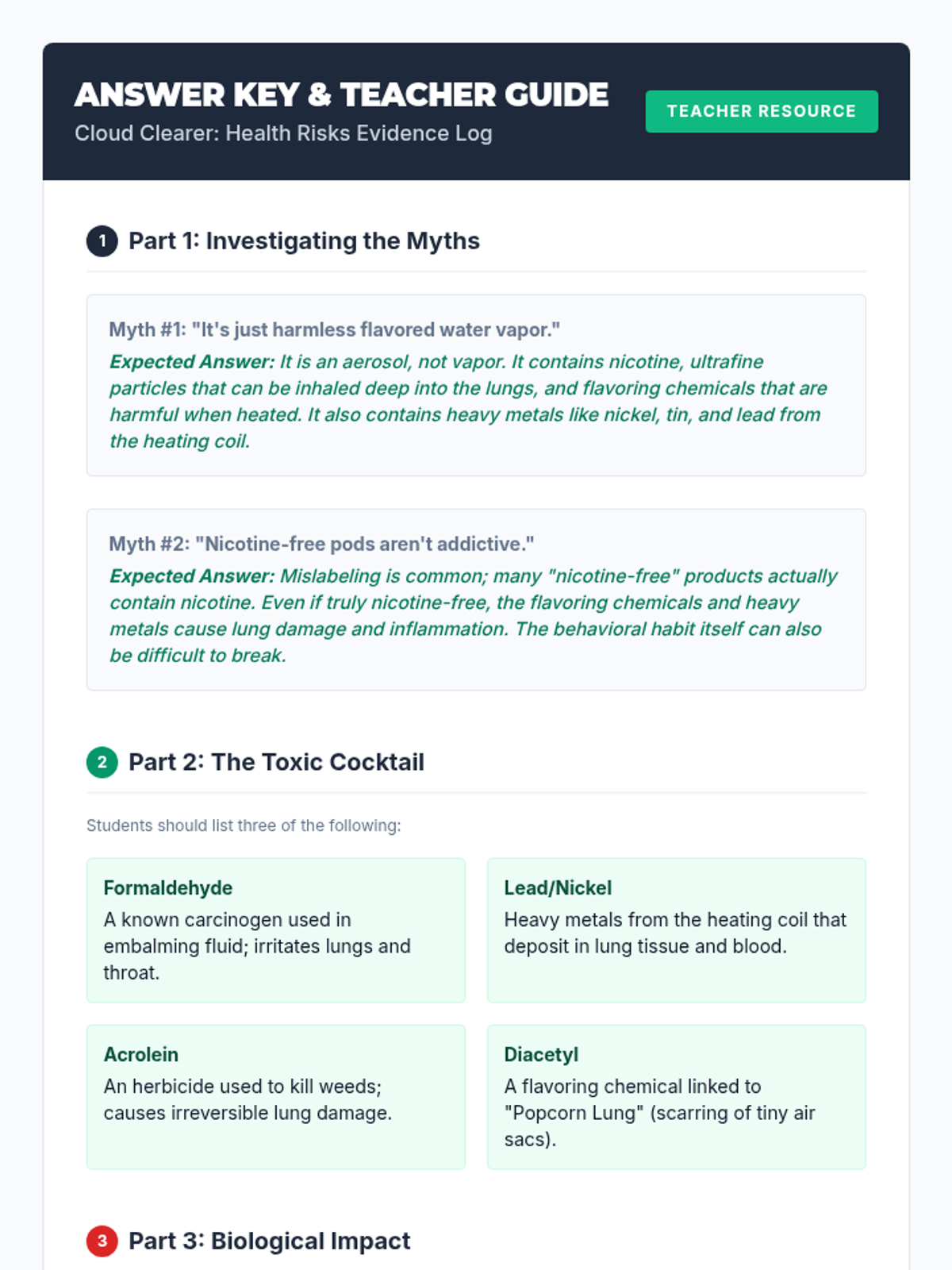
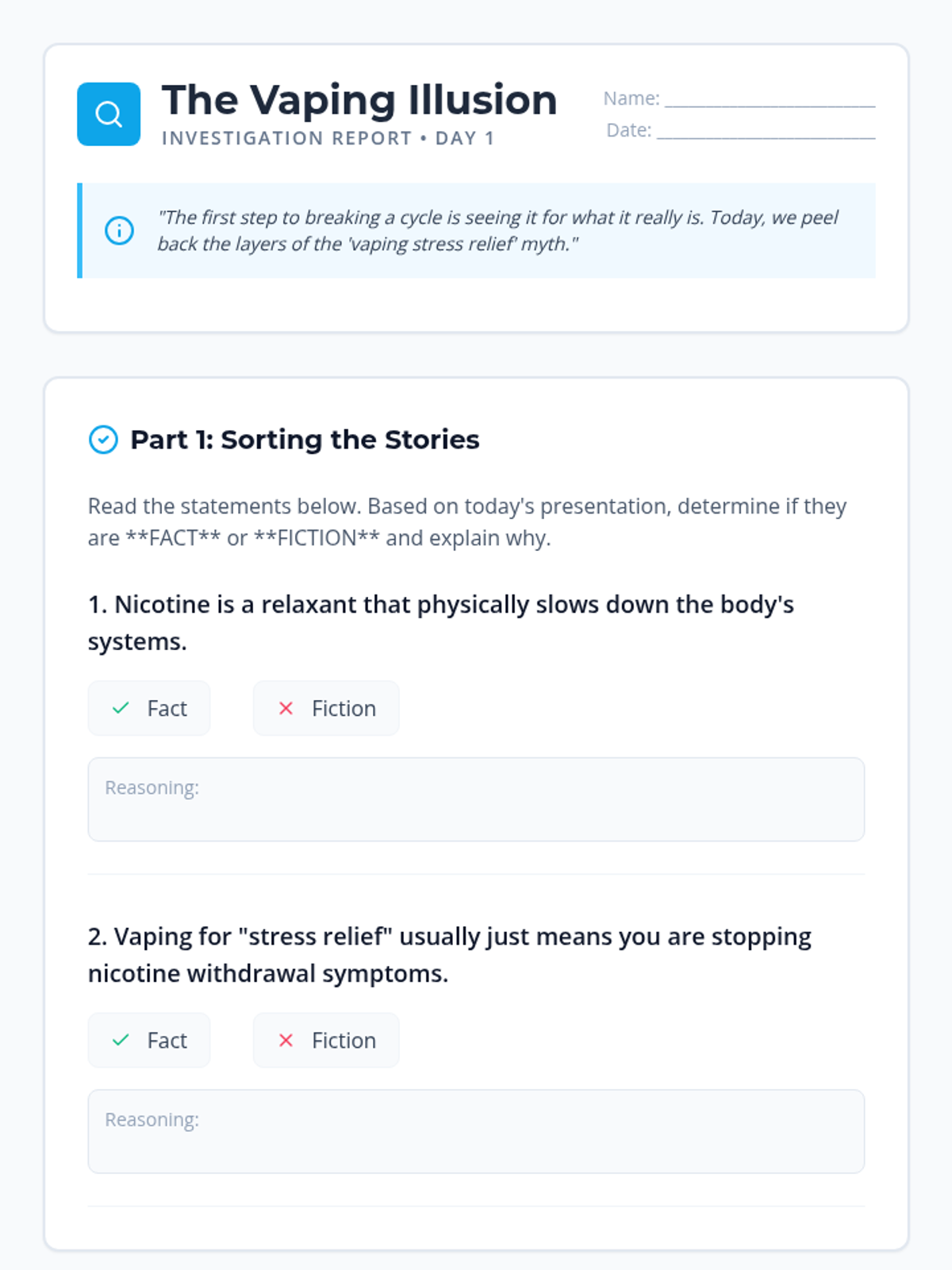
A comprehensive vaping prevention unit that covers health risks, the science of nicotine addiction, and social refusal strategies for middle and high school students.
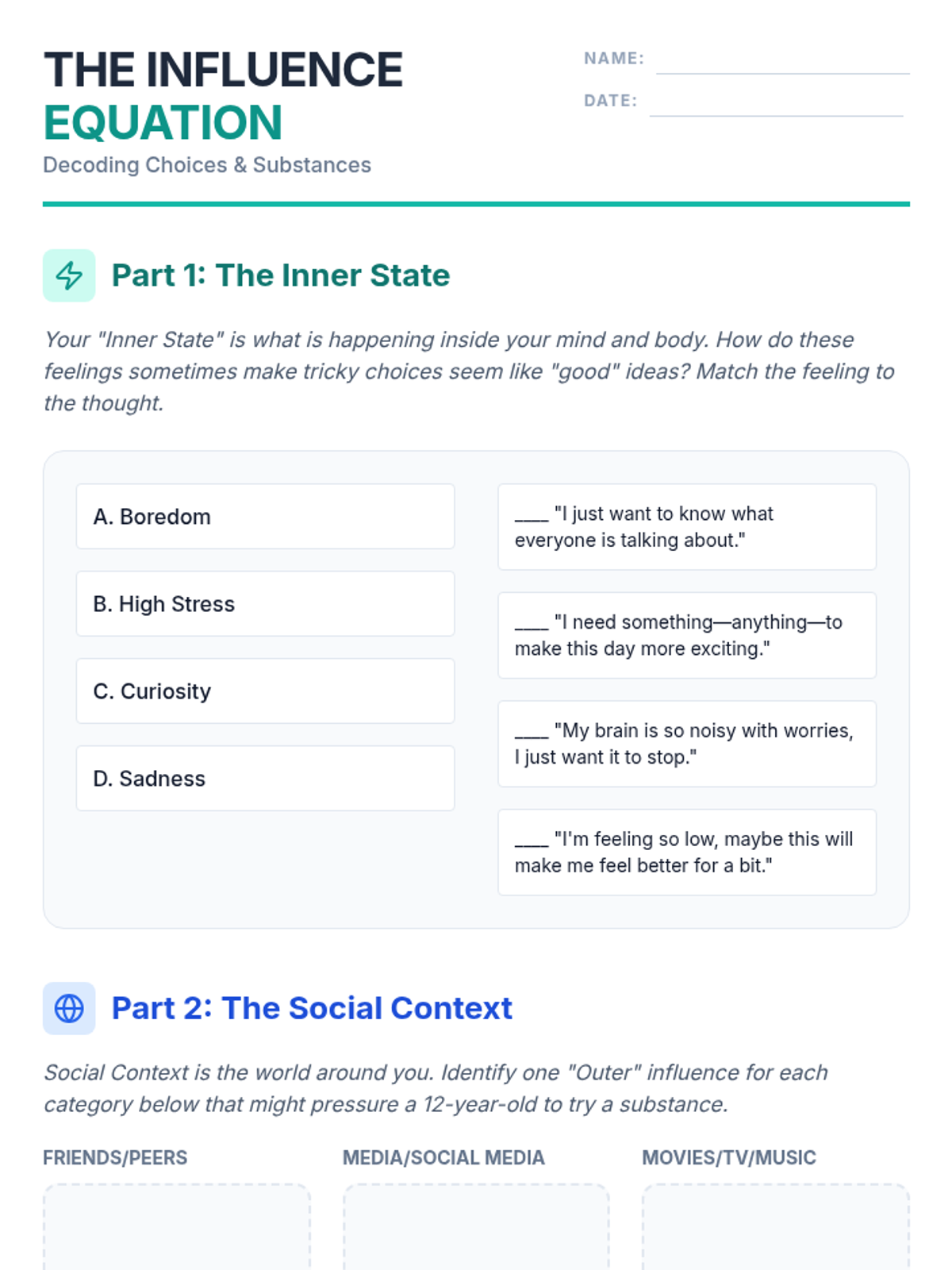
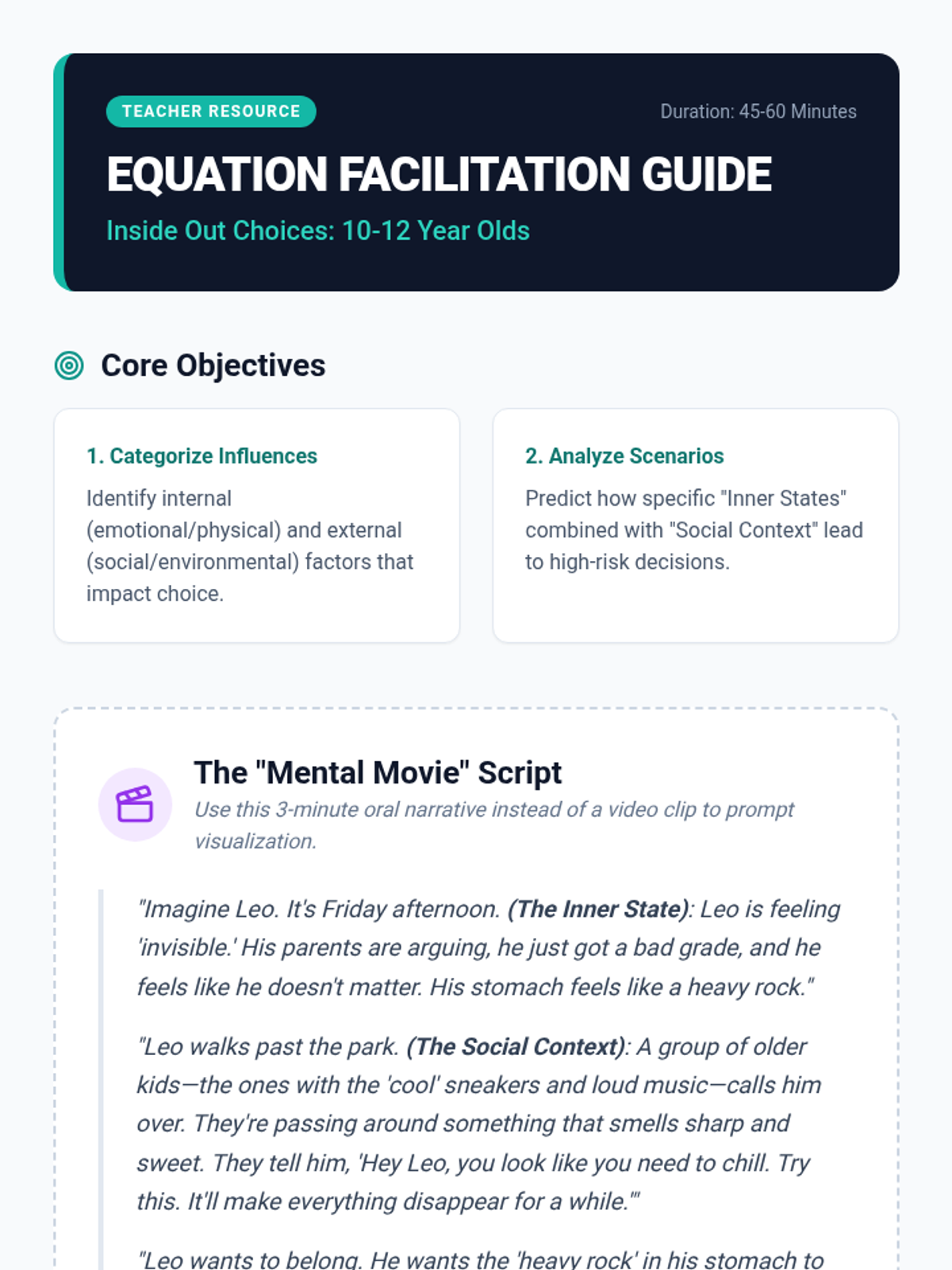
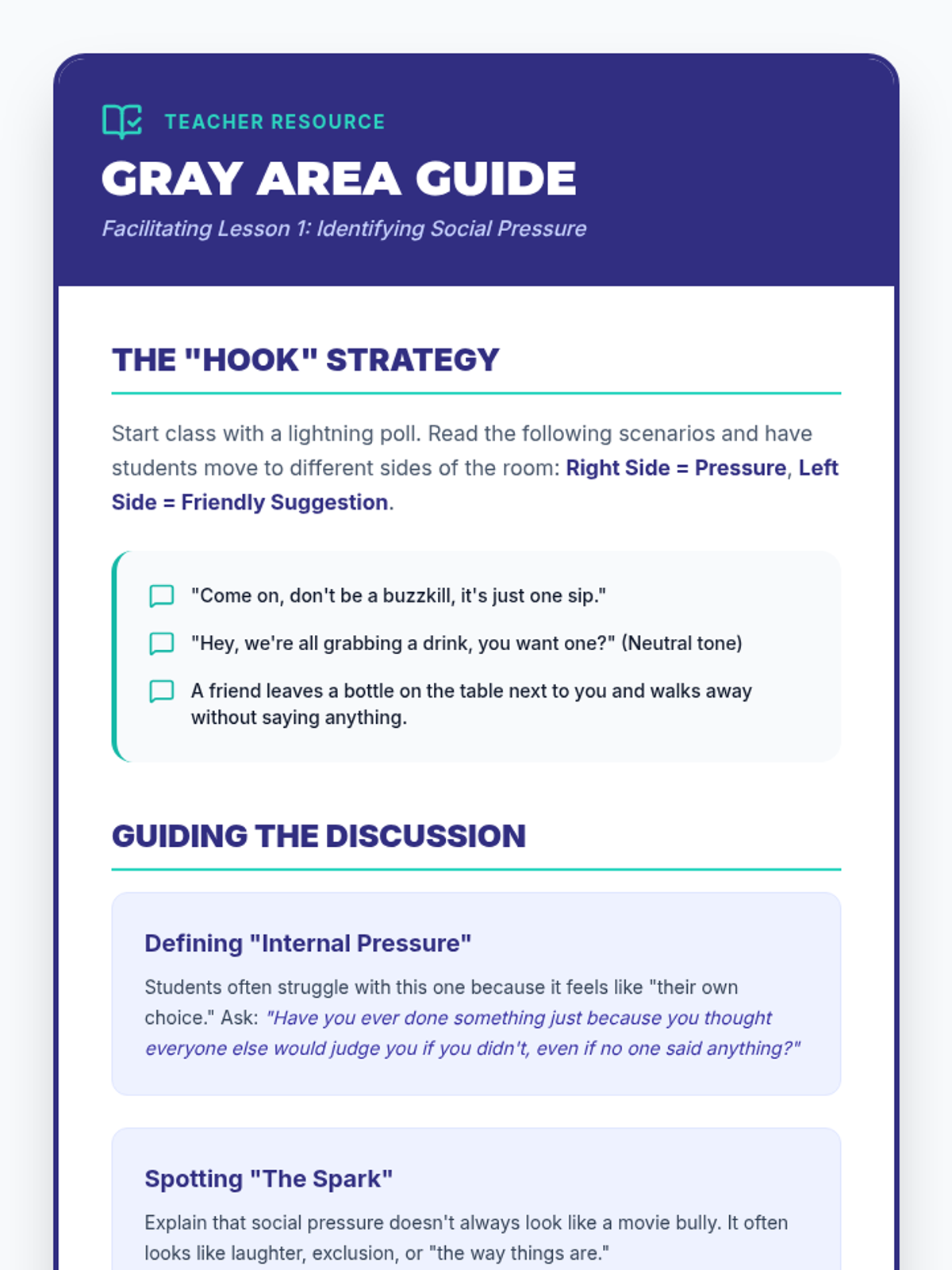
A sequence designed for 10-12 year olds to explore the psychological and social factors that influence decision-making, specifically regarding substance use. Students will learn to distinguish between internal emotions and external social pressures.
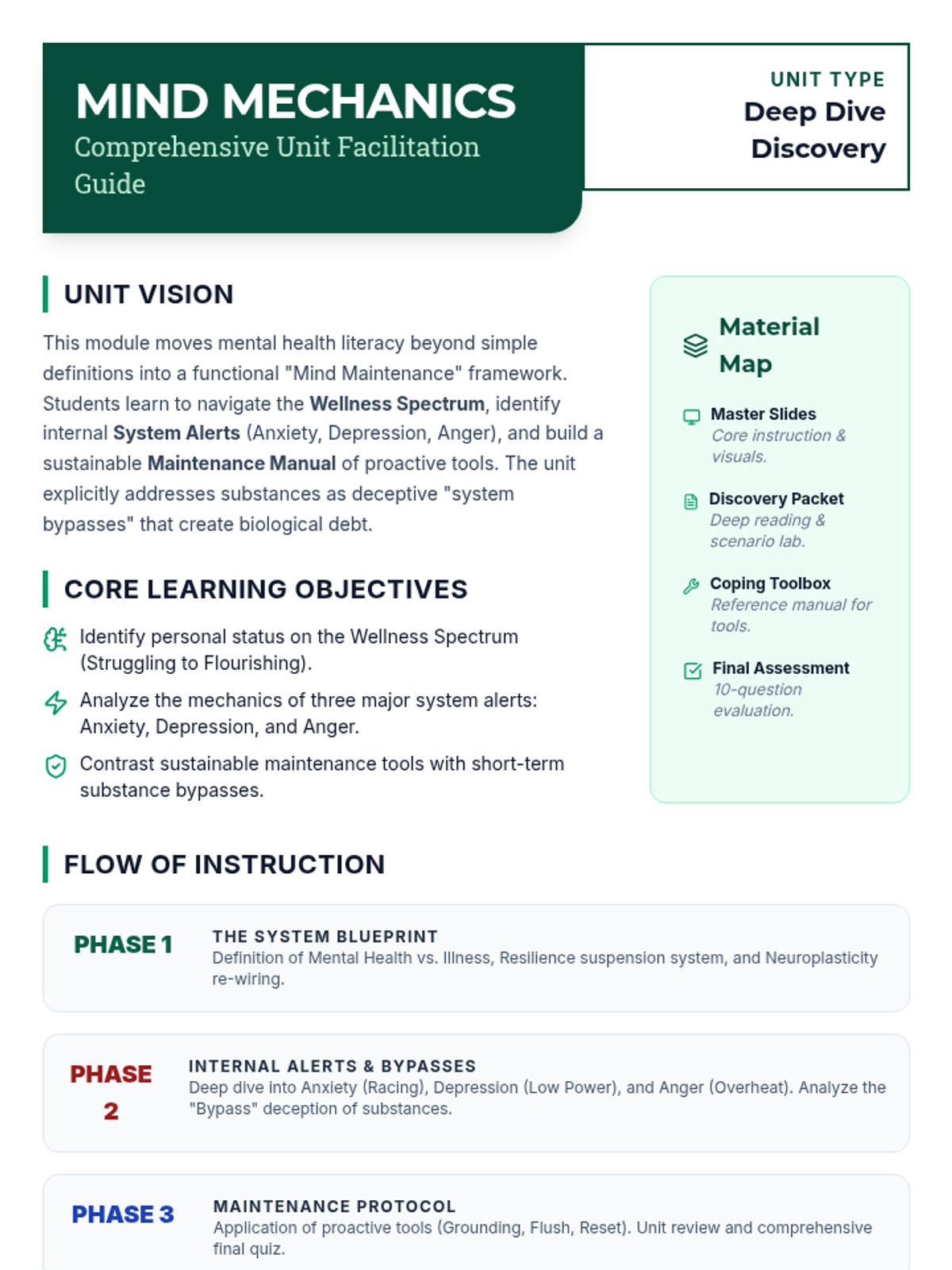
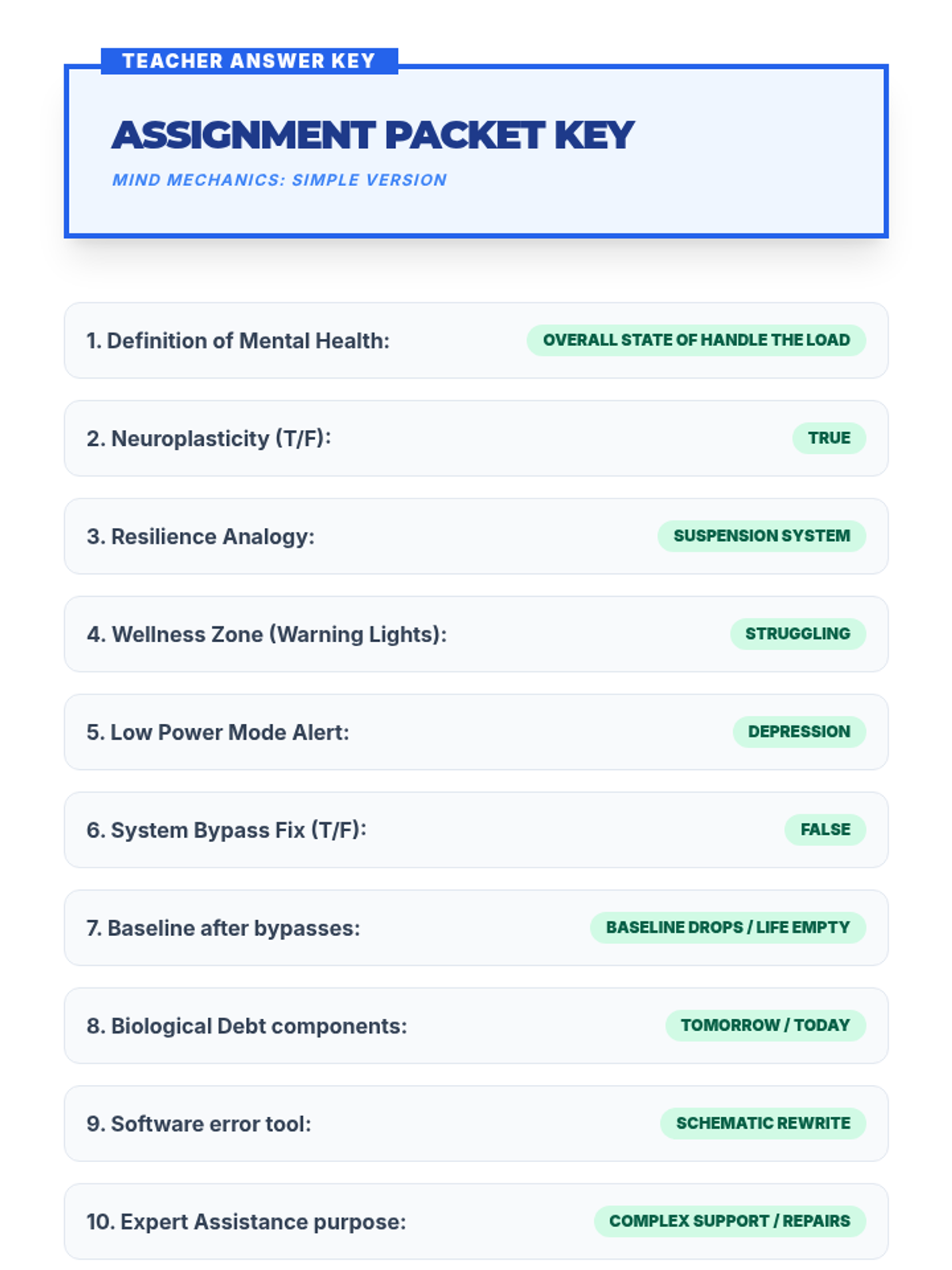
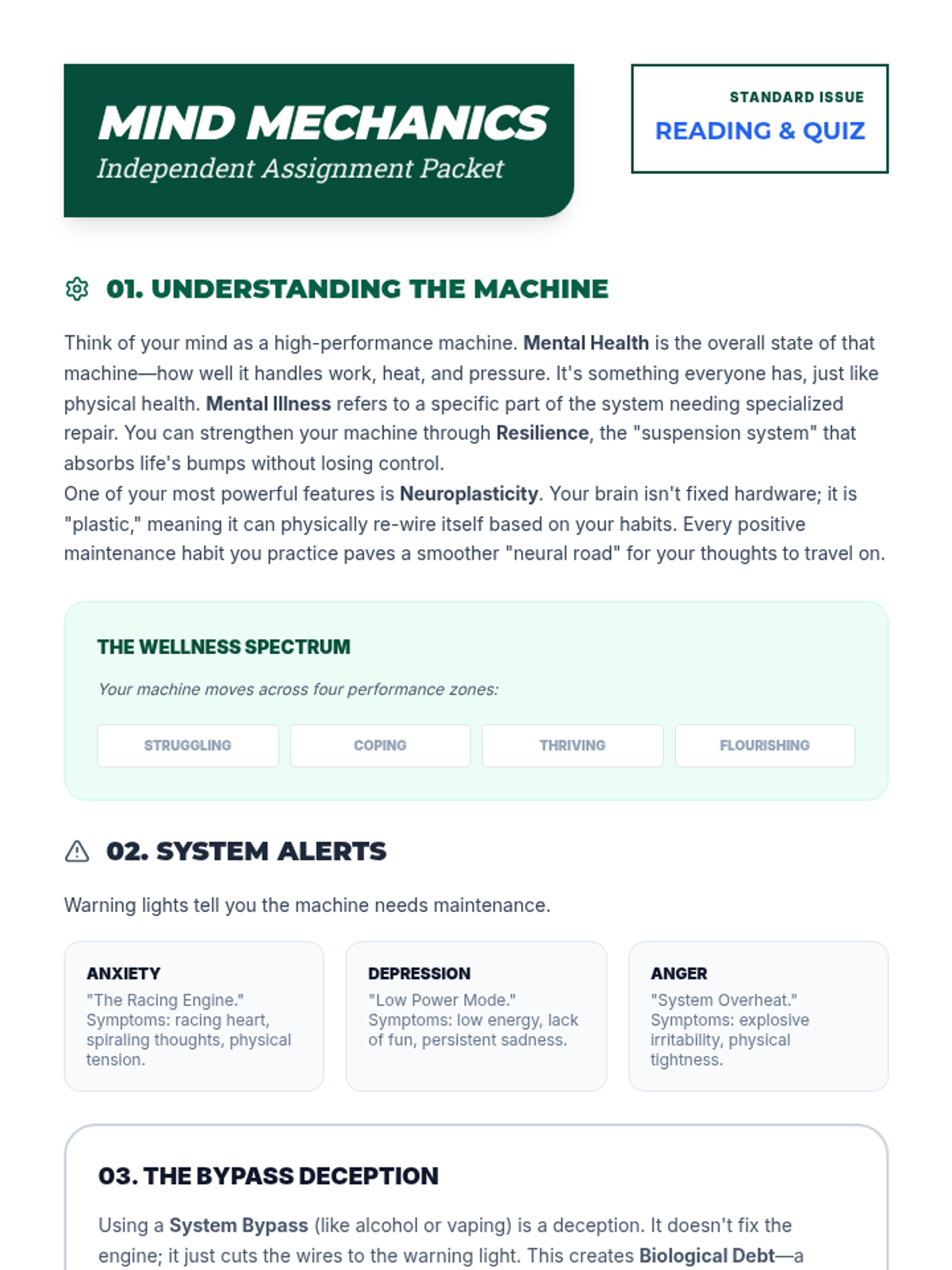
A multi-lesson unit designed to build mental health literacy, identify internal system alerts (Anxiety, Depression, Anger), and develop a sustainable toolkit of coping strategies. Students explore the 'Wellness Spectrum', 'Neuroplasticity', and the deceptive nature of 'System Bypasses' like substances.
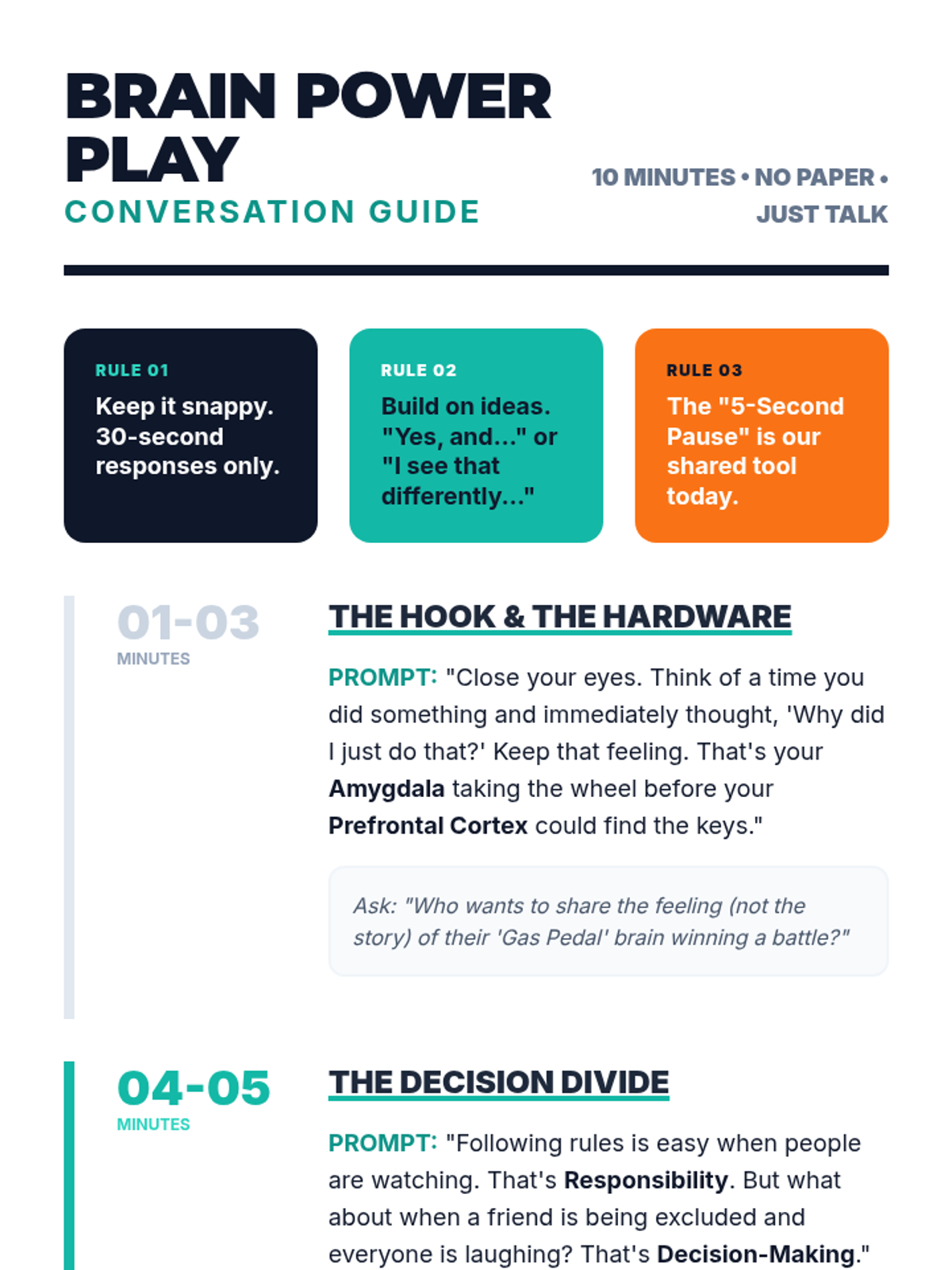
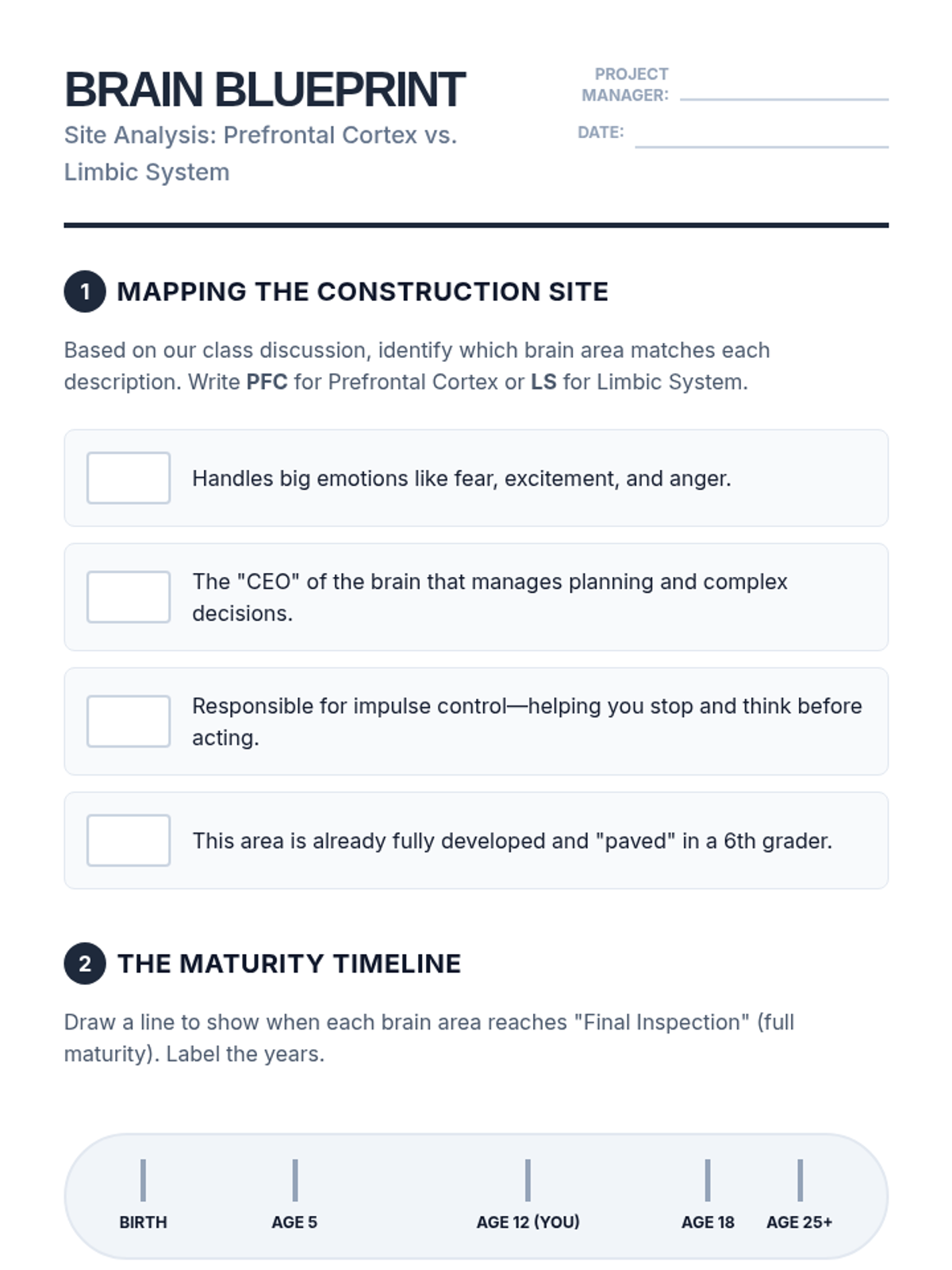
A series of health lessons focused on the intersection of brain development, citizenship, and responsible decision-making for middle school students.
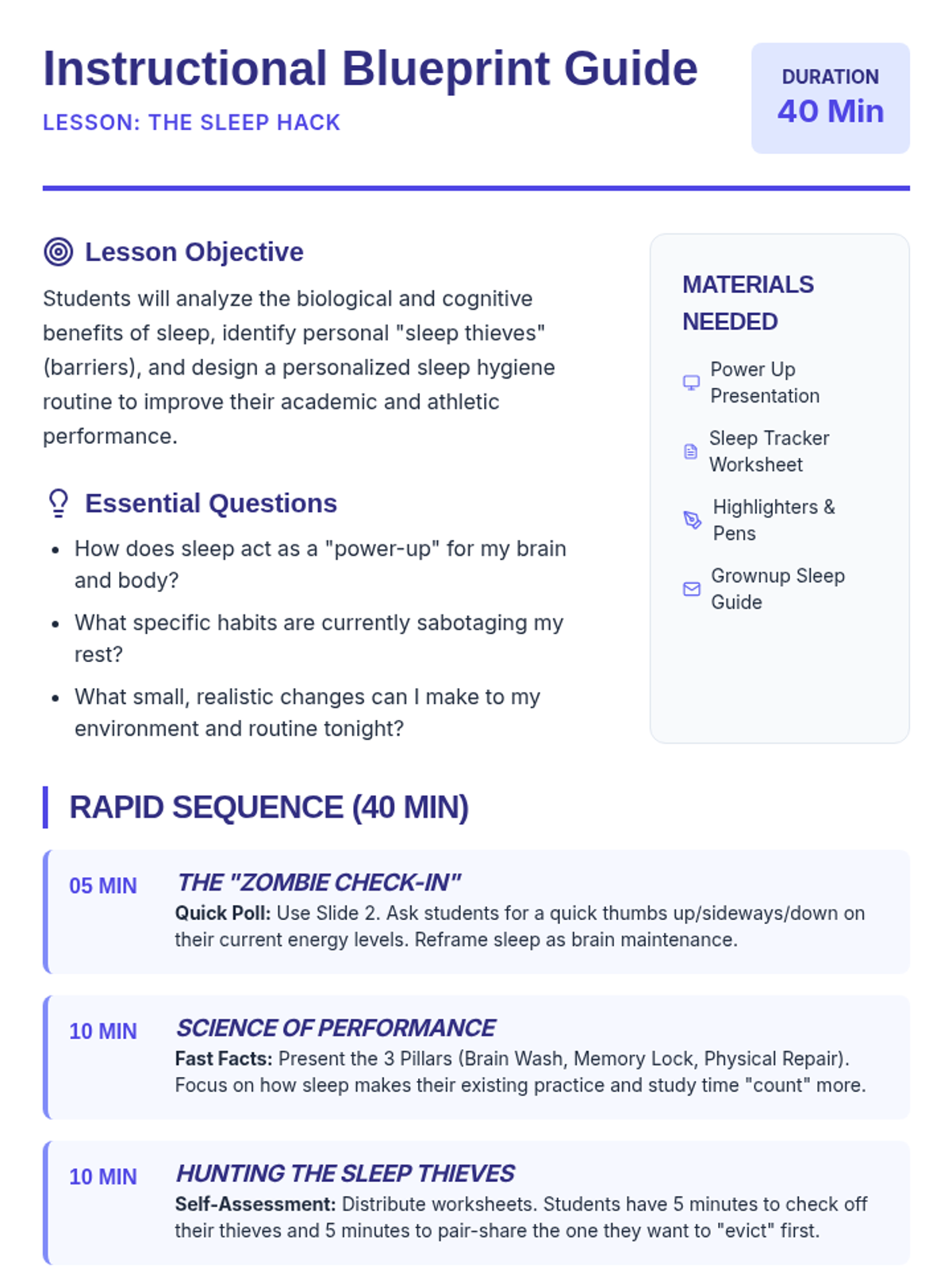
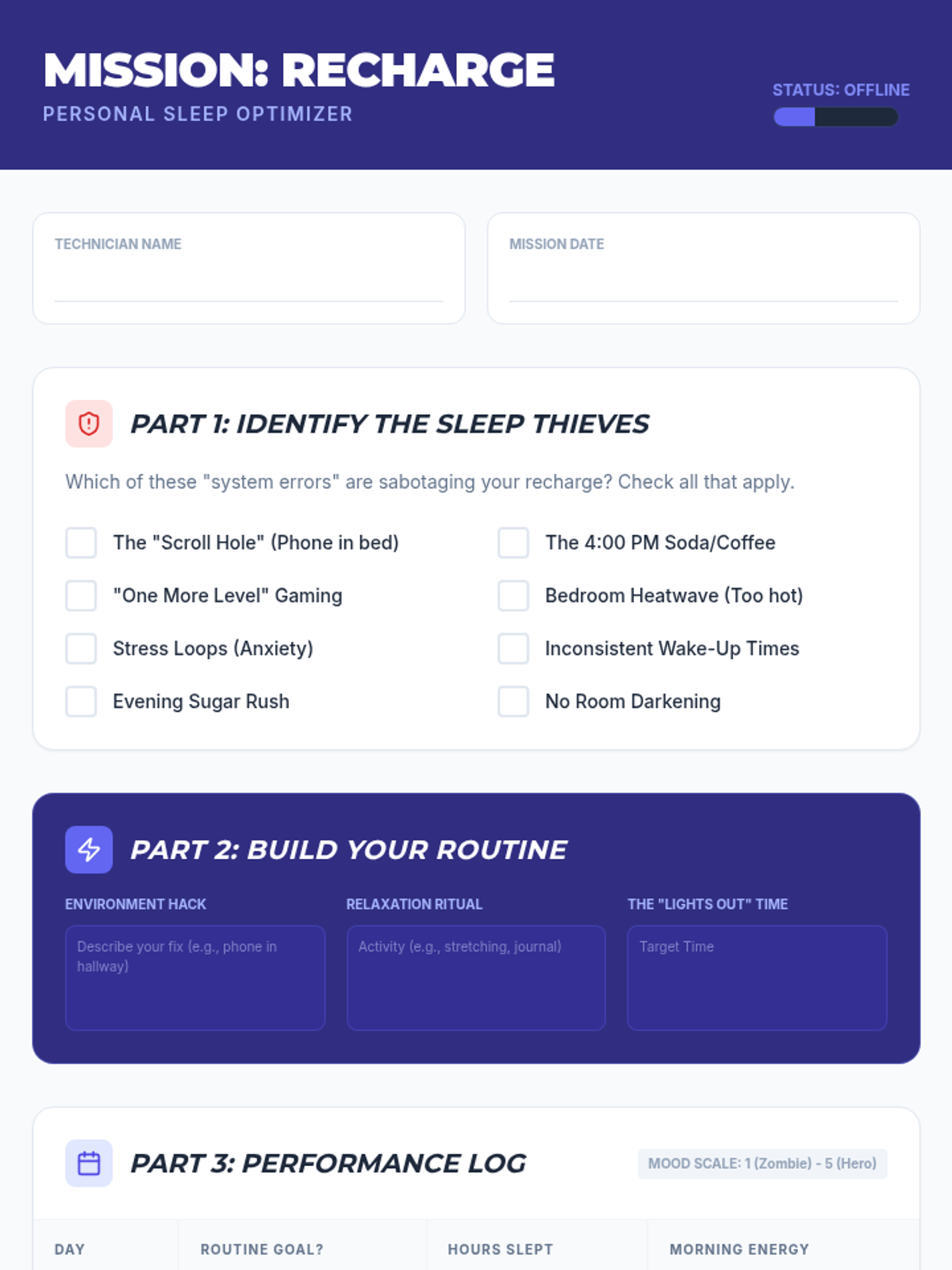
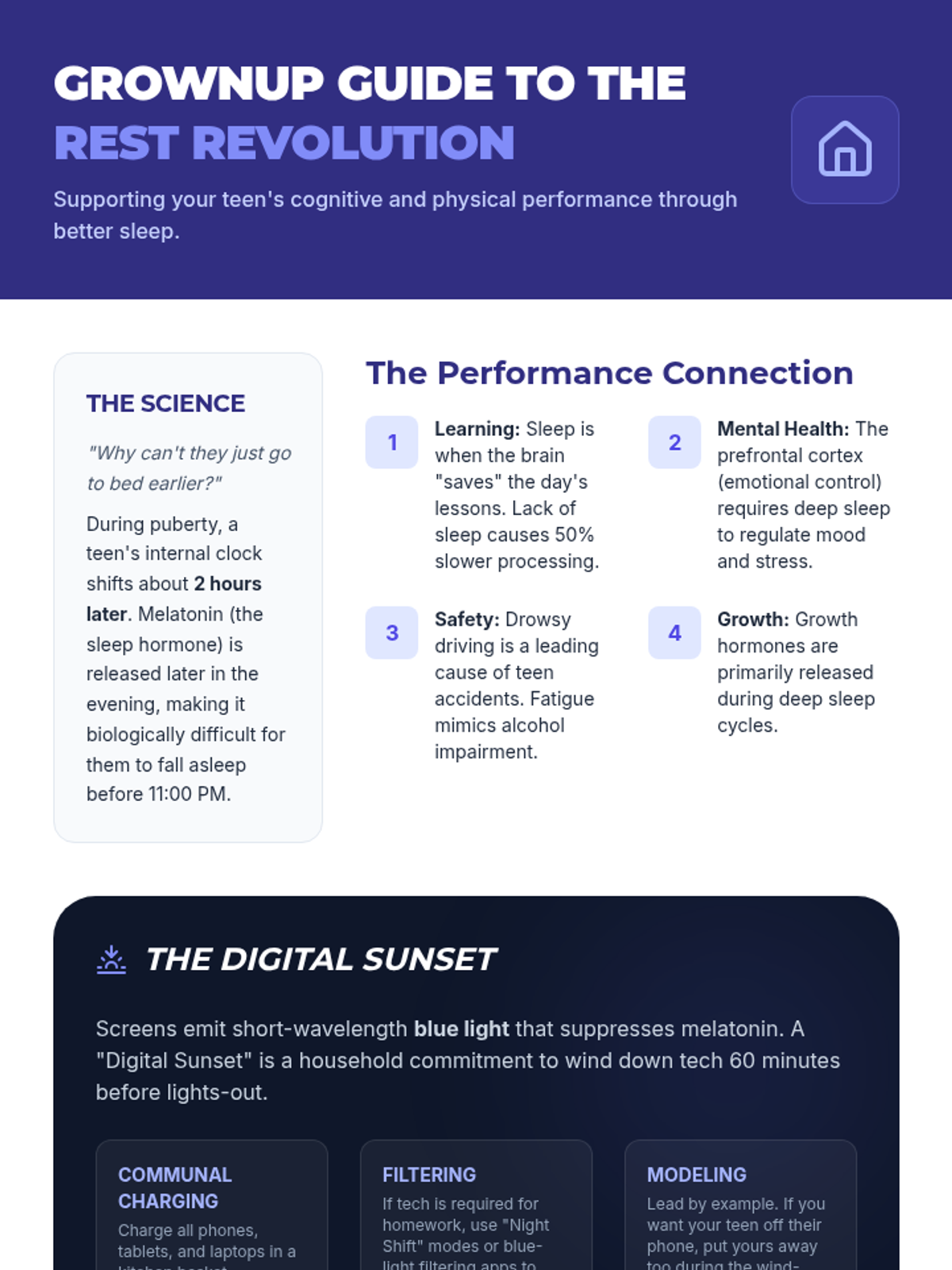
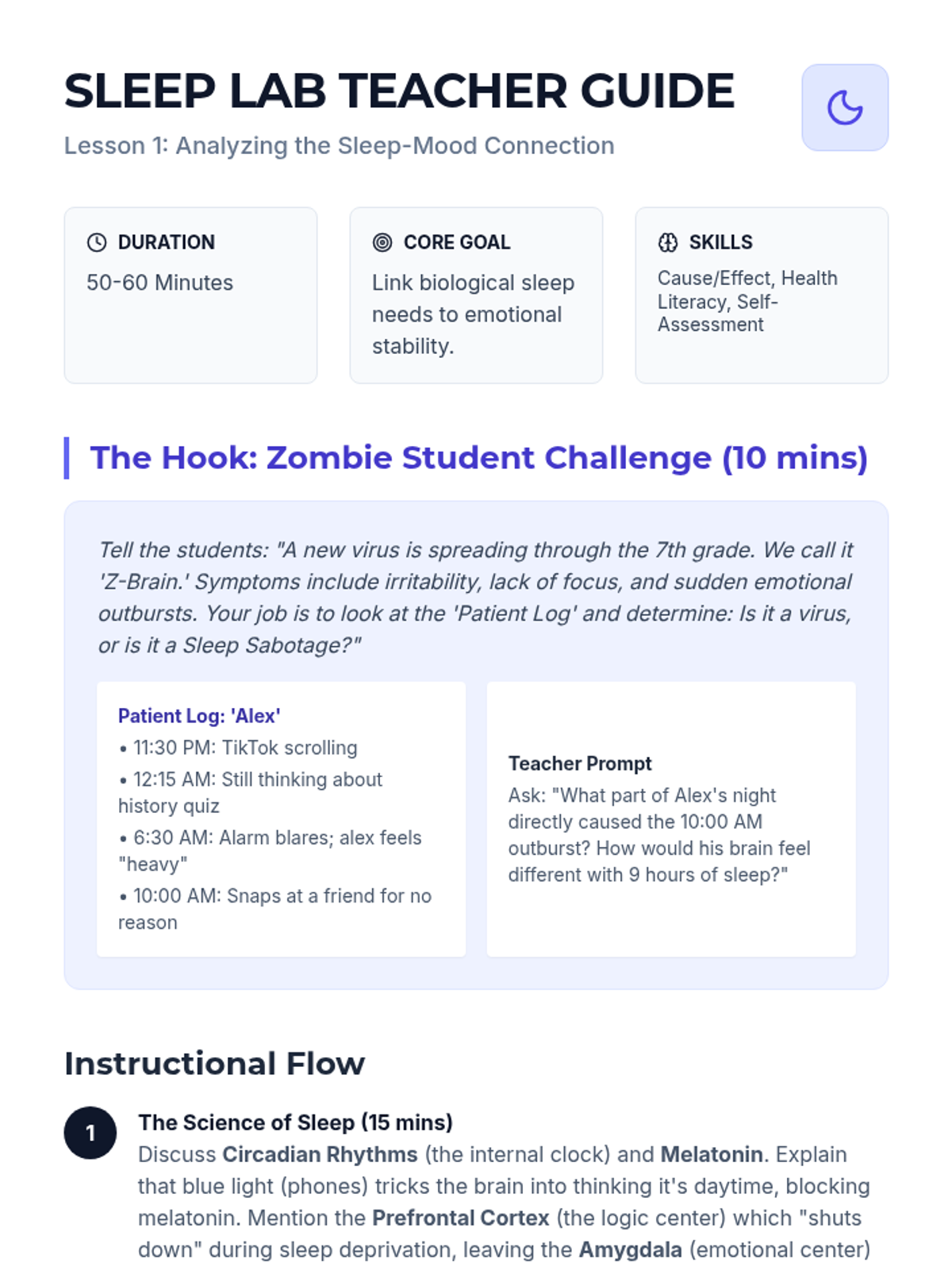
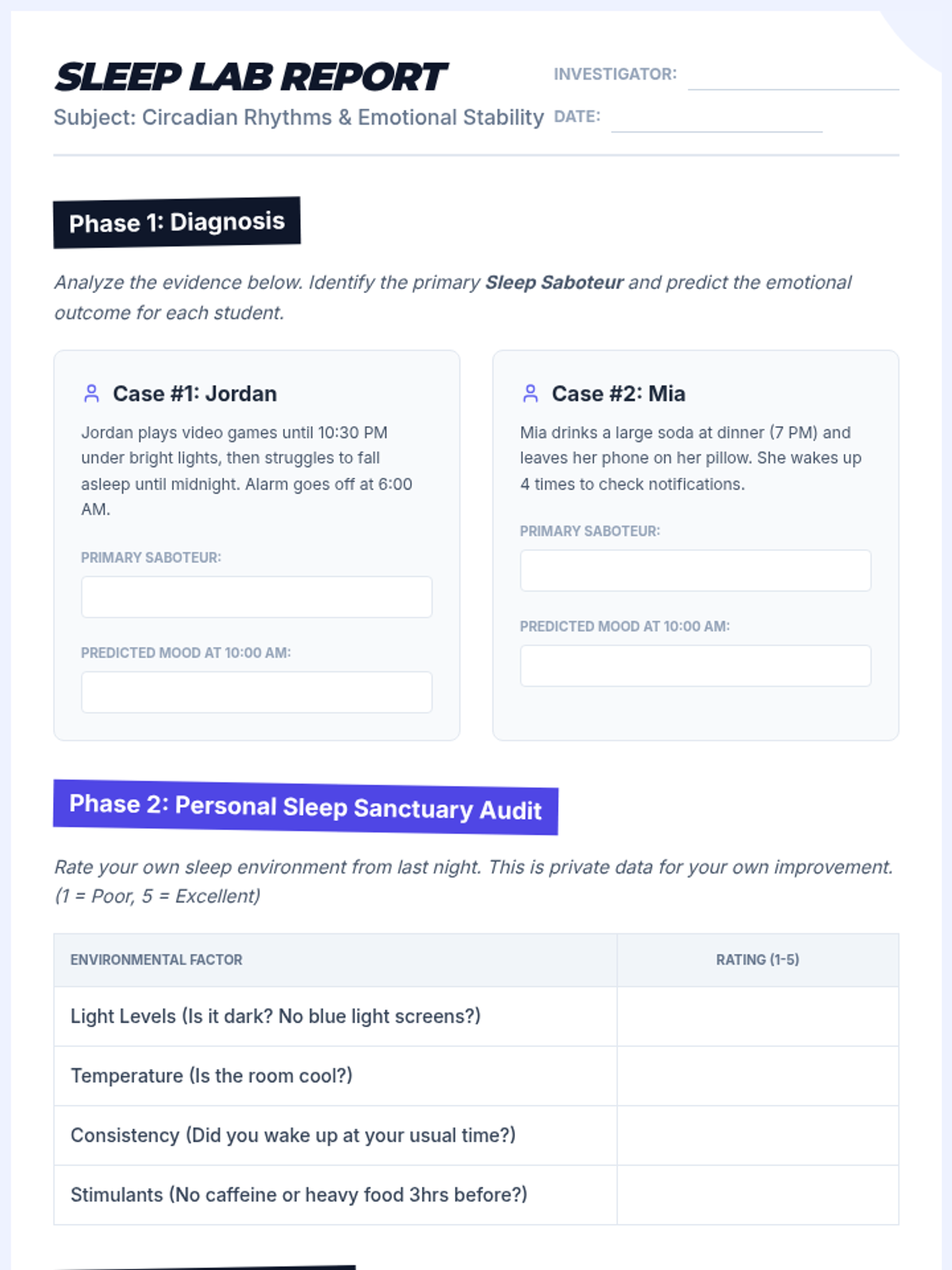
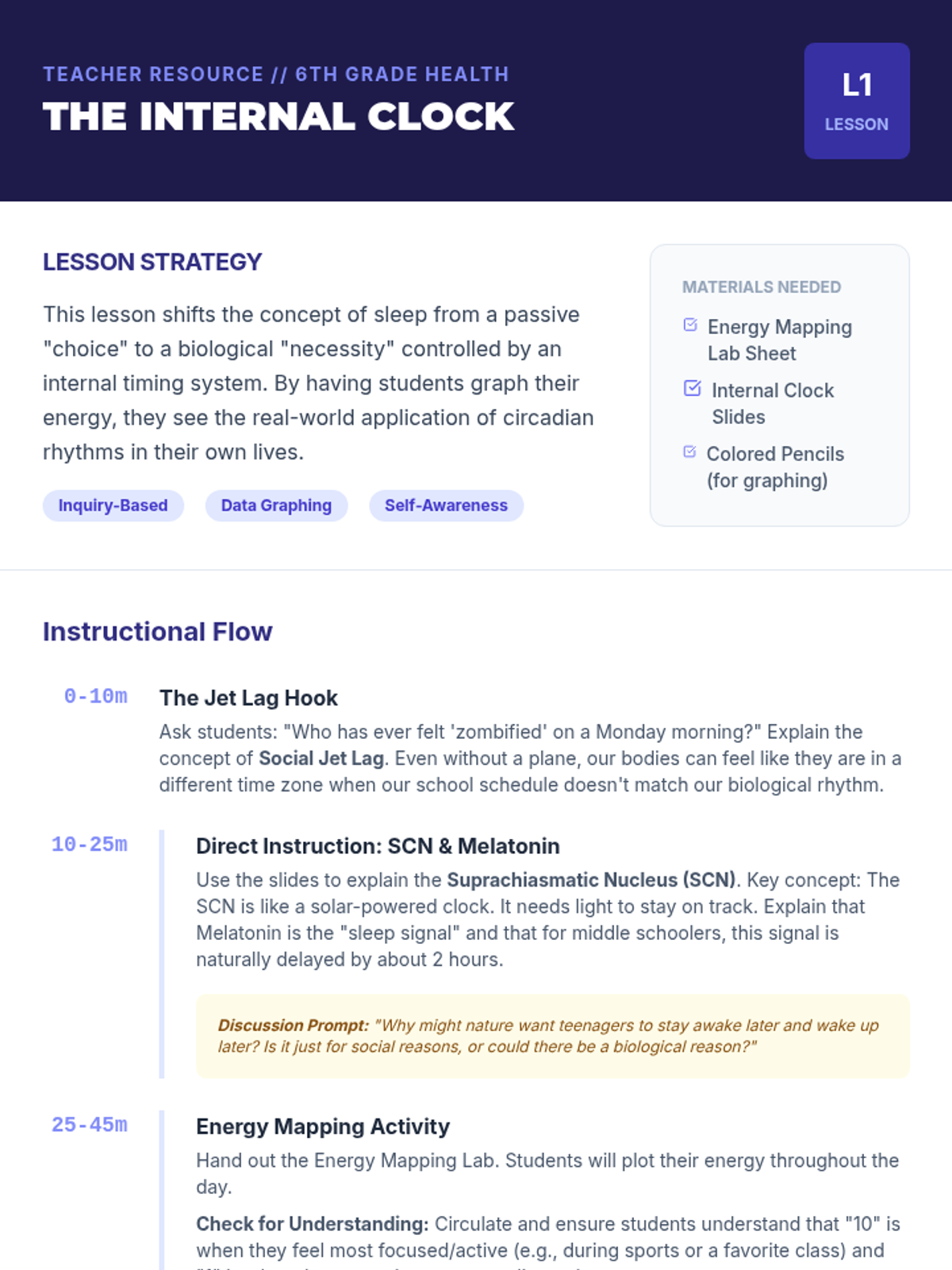
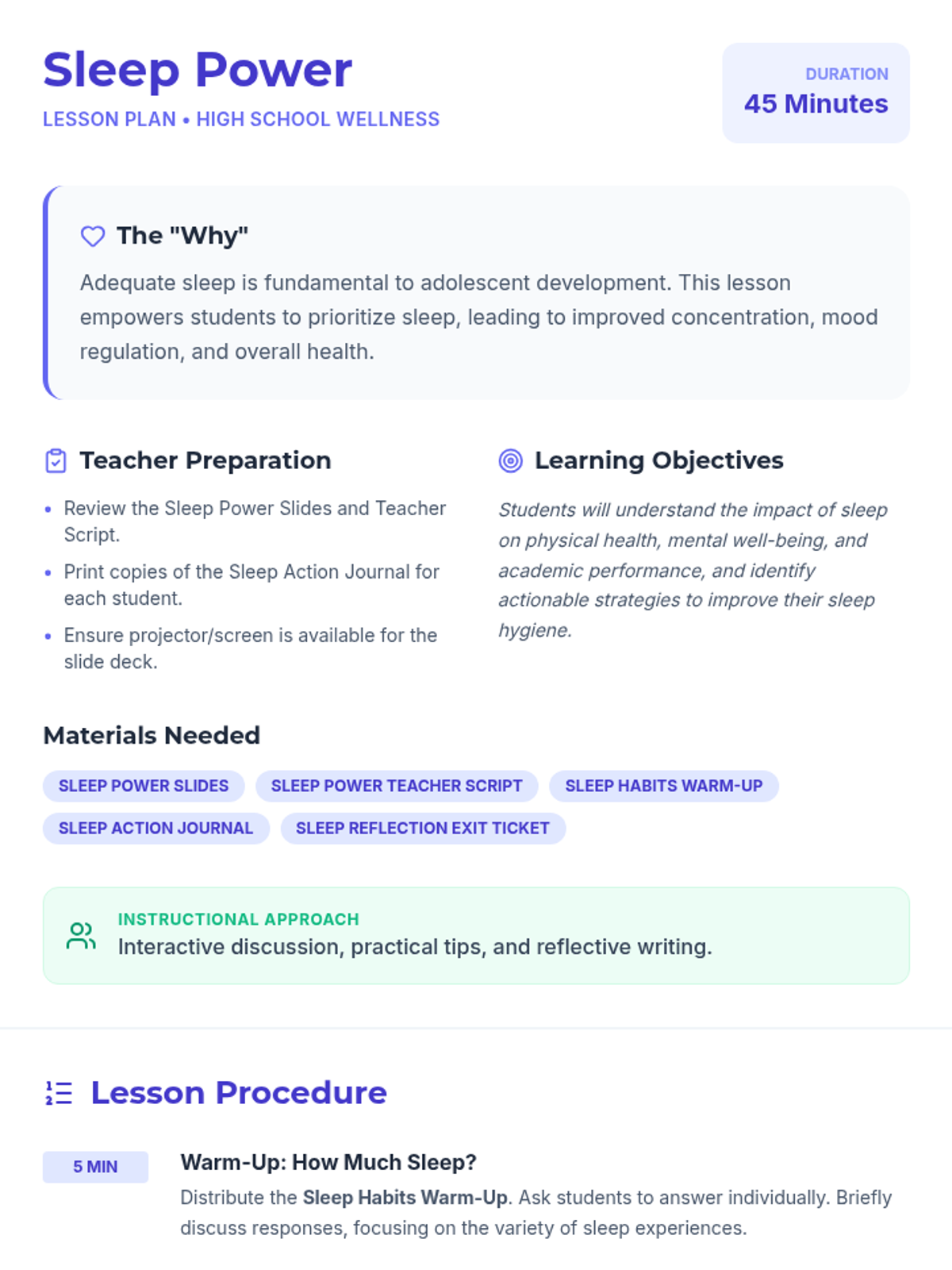
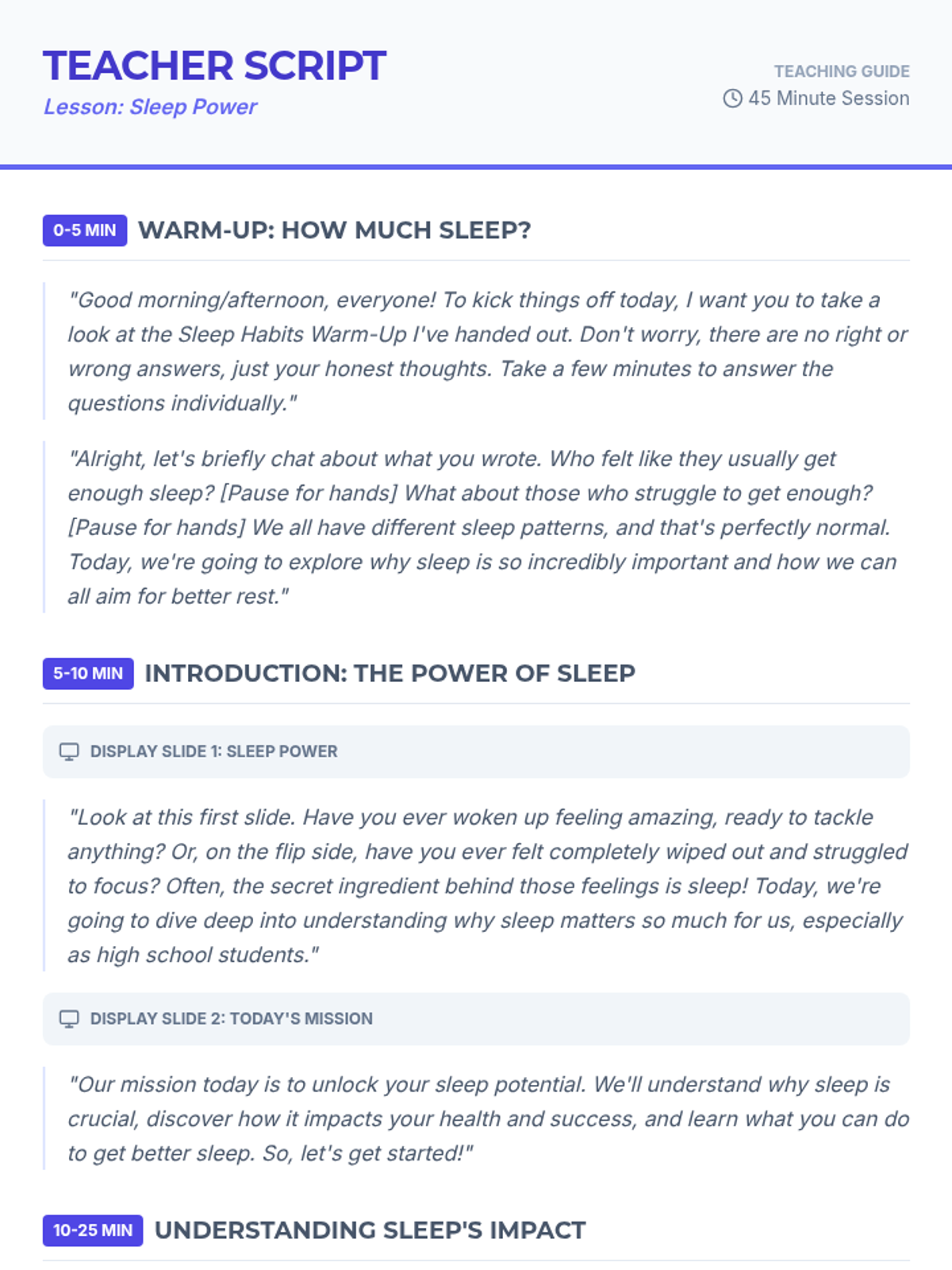
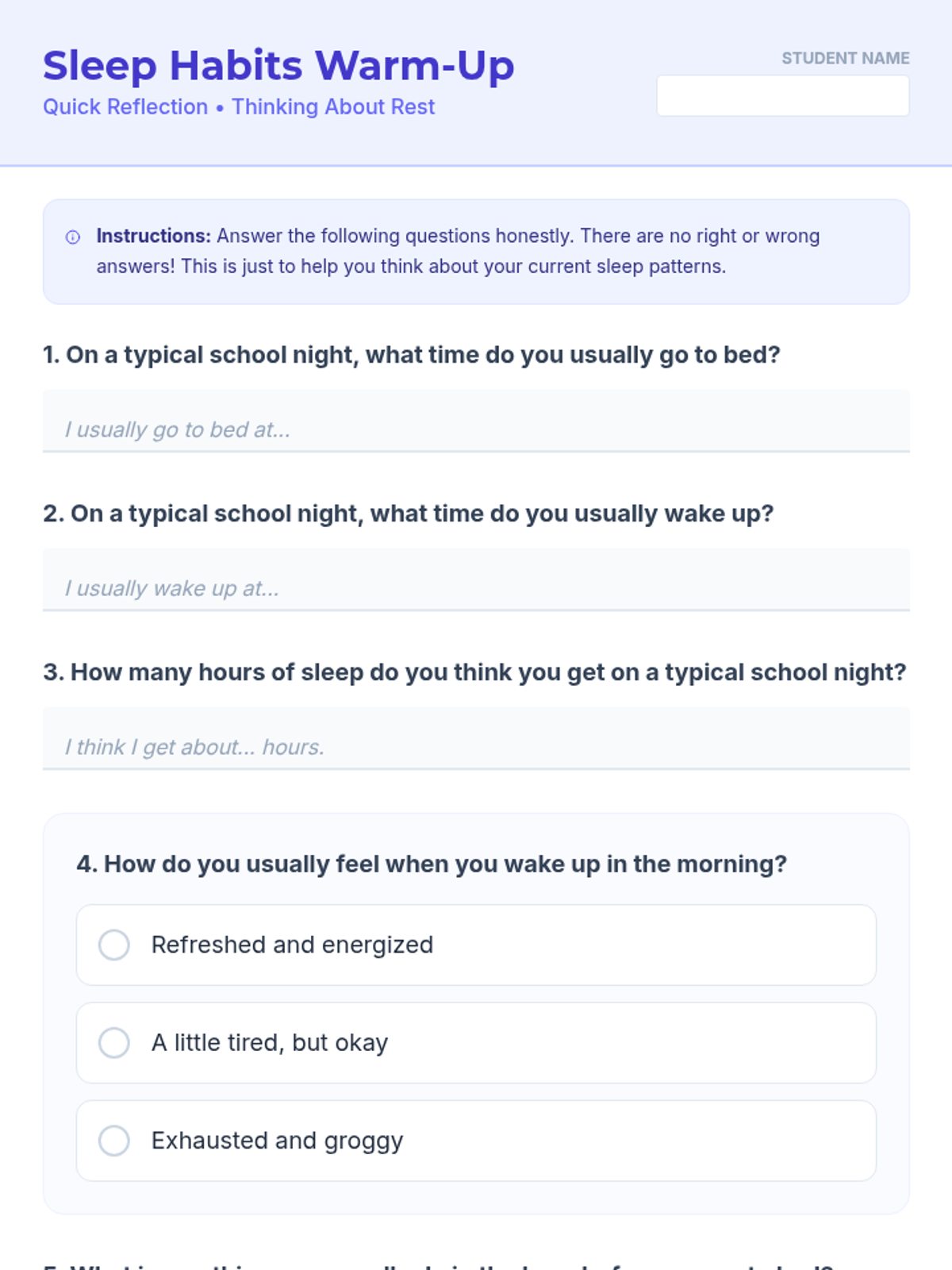
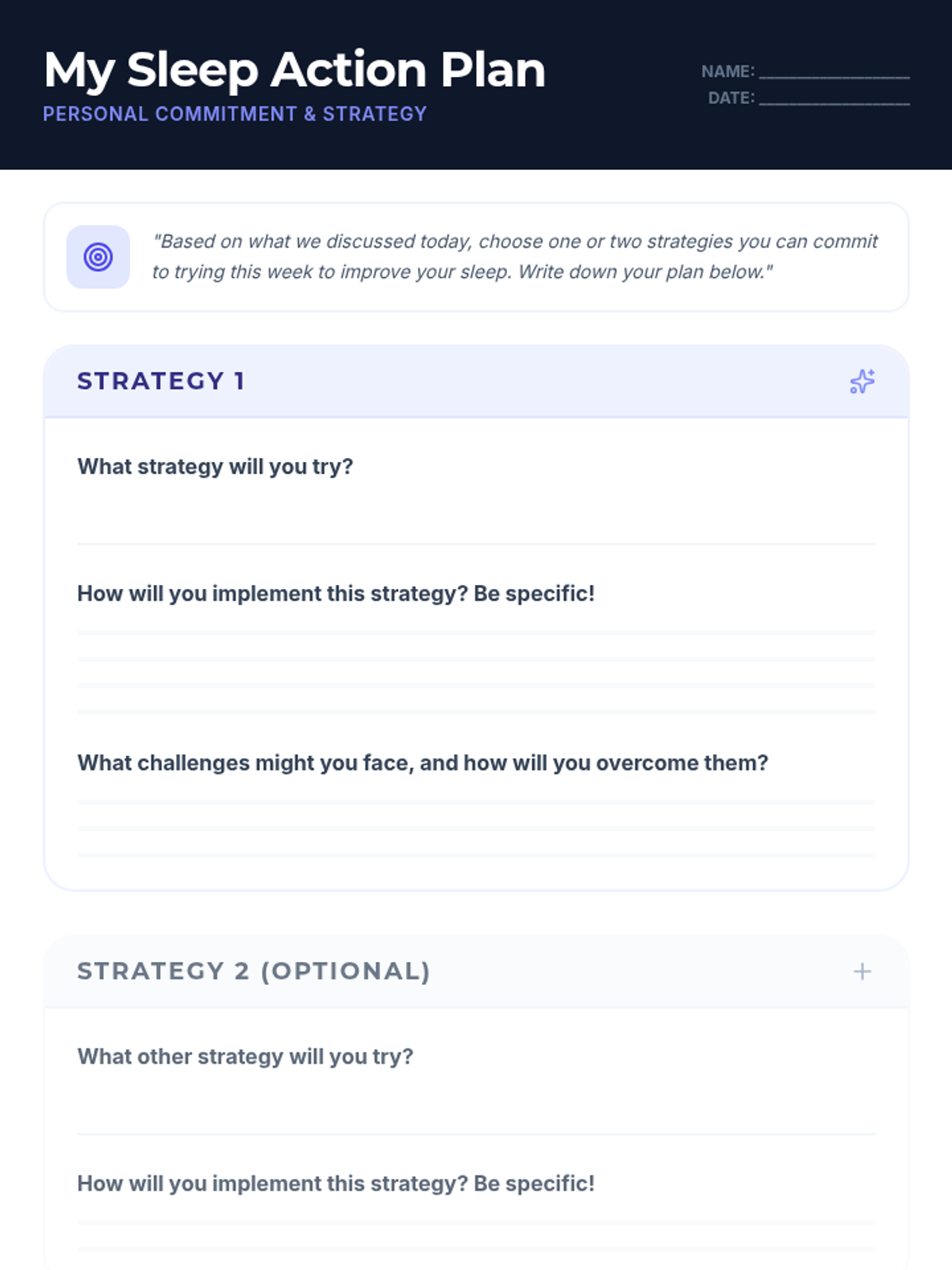
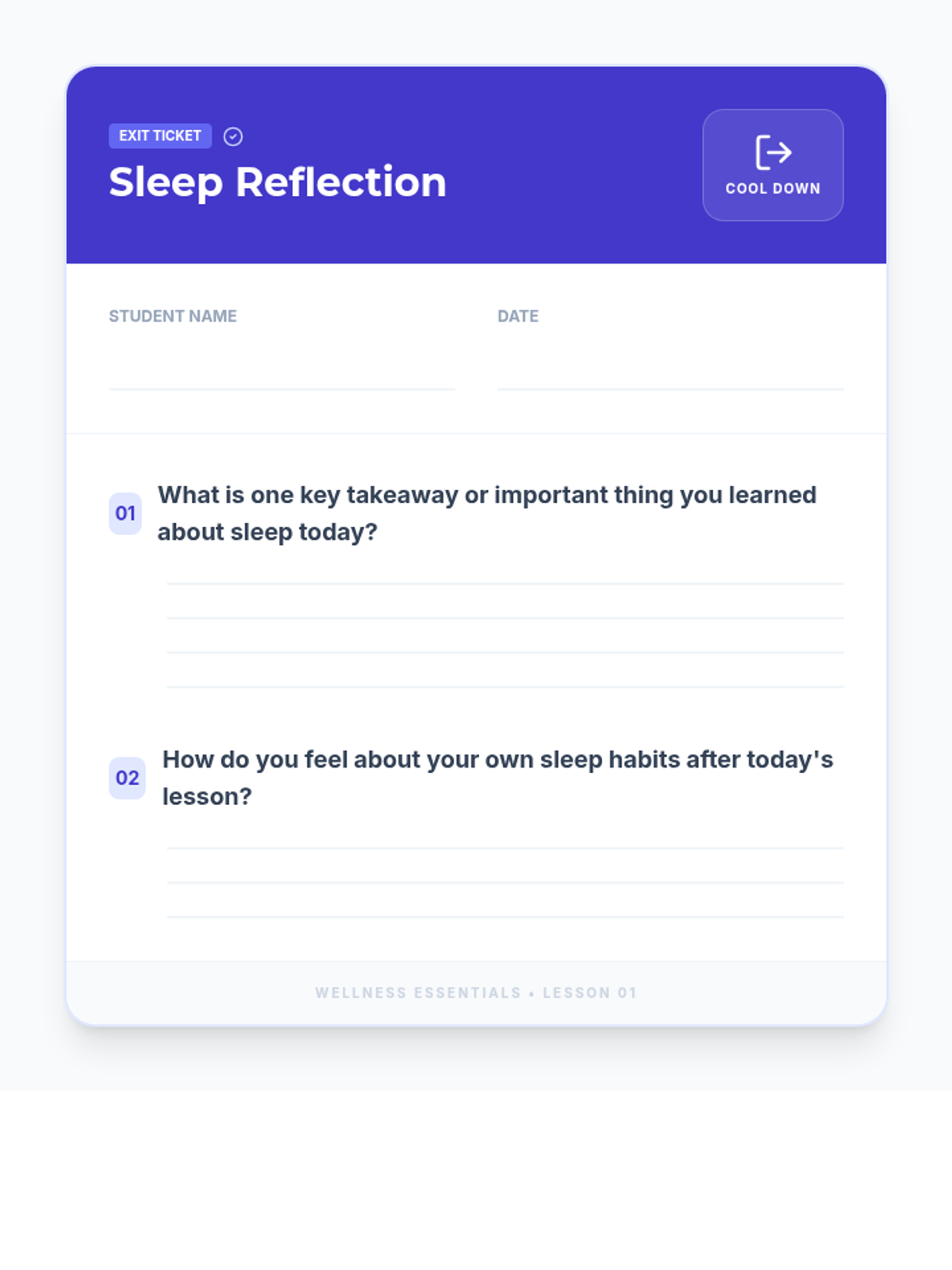
A comprehensive unit designed to help students understand the science of sleep, identify personal sleep barriers, and implement effective sleep hygiene habits for better physical and mental well-being.
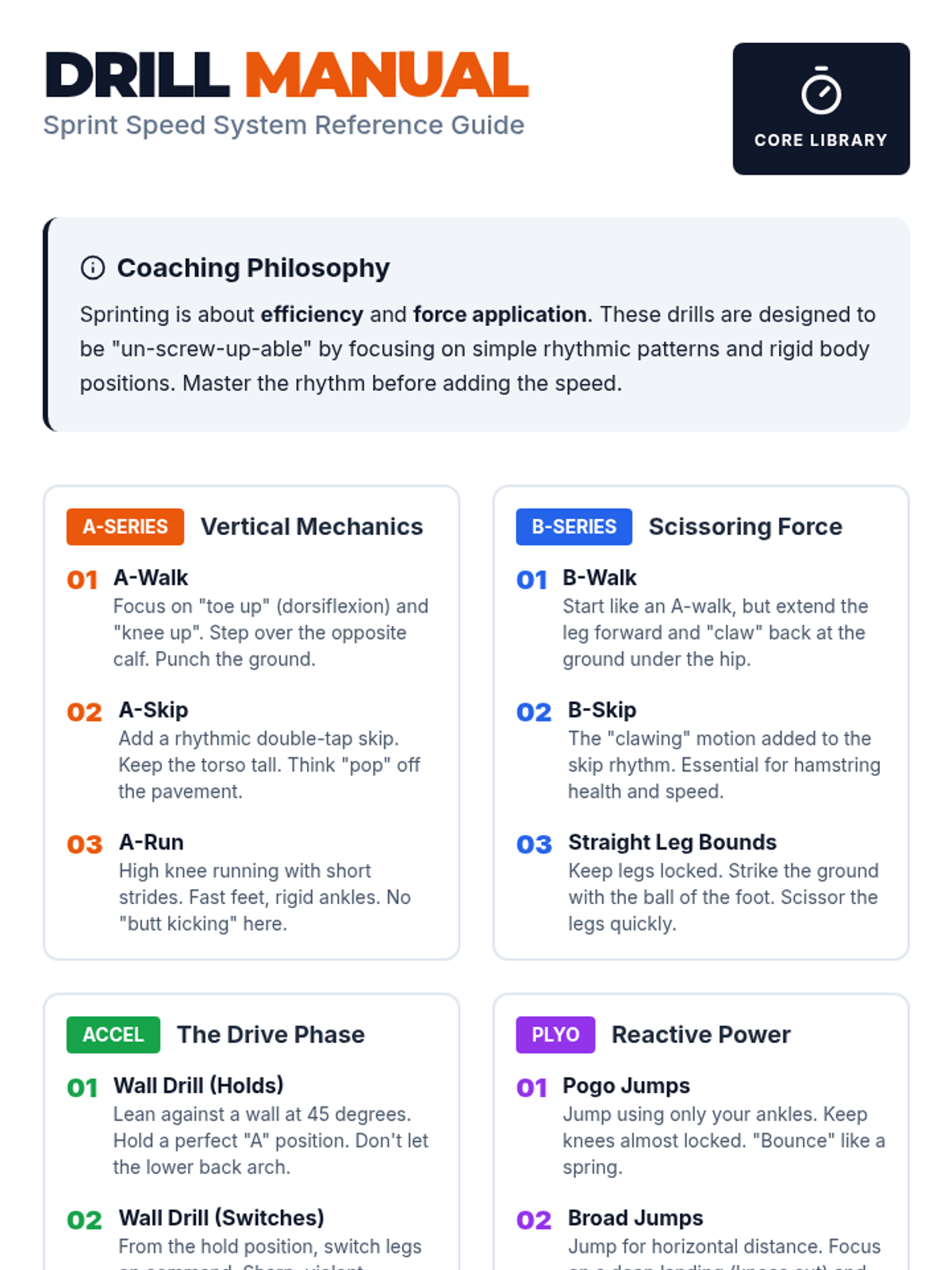
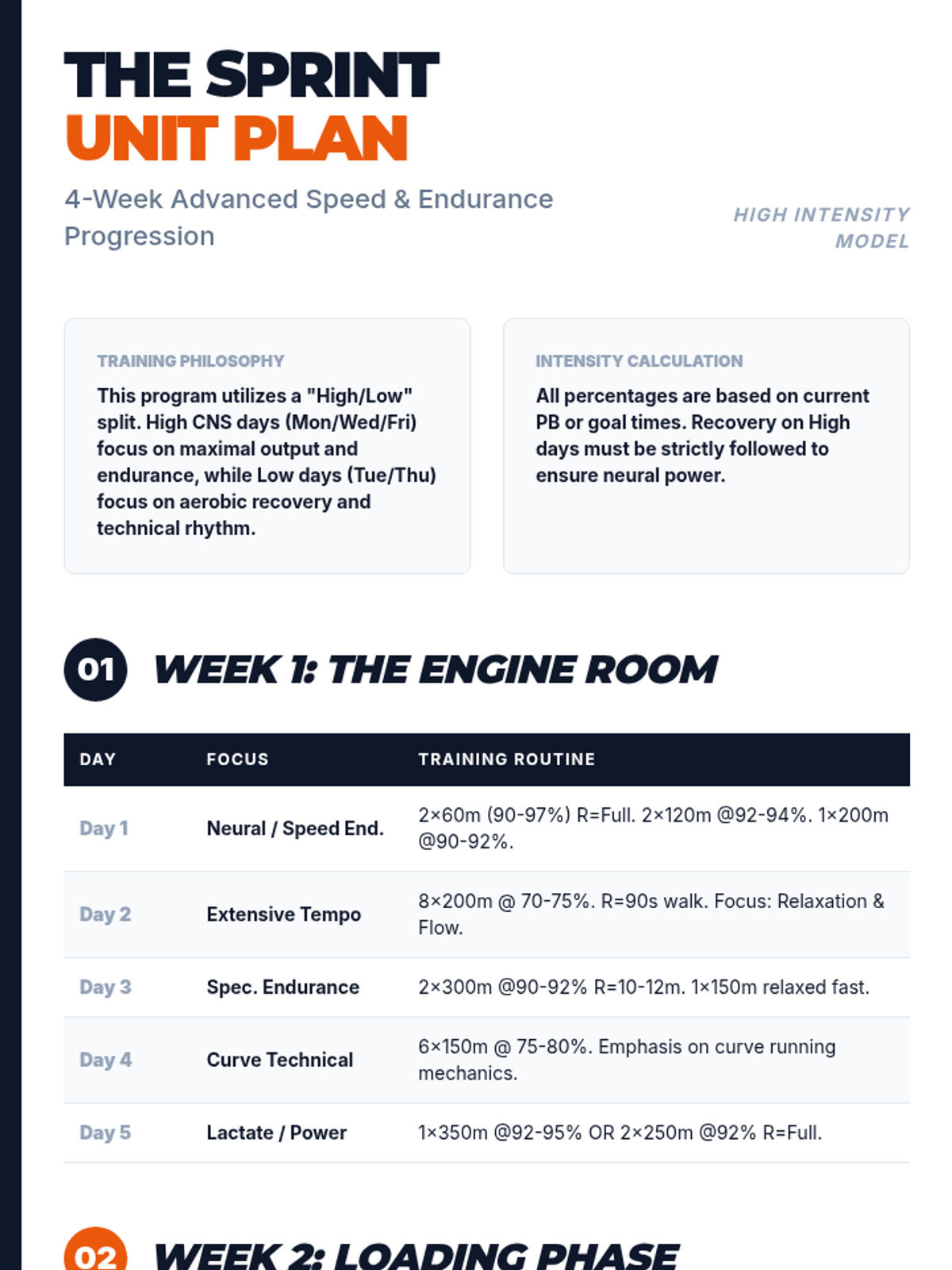
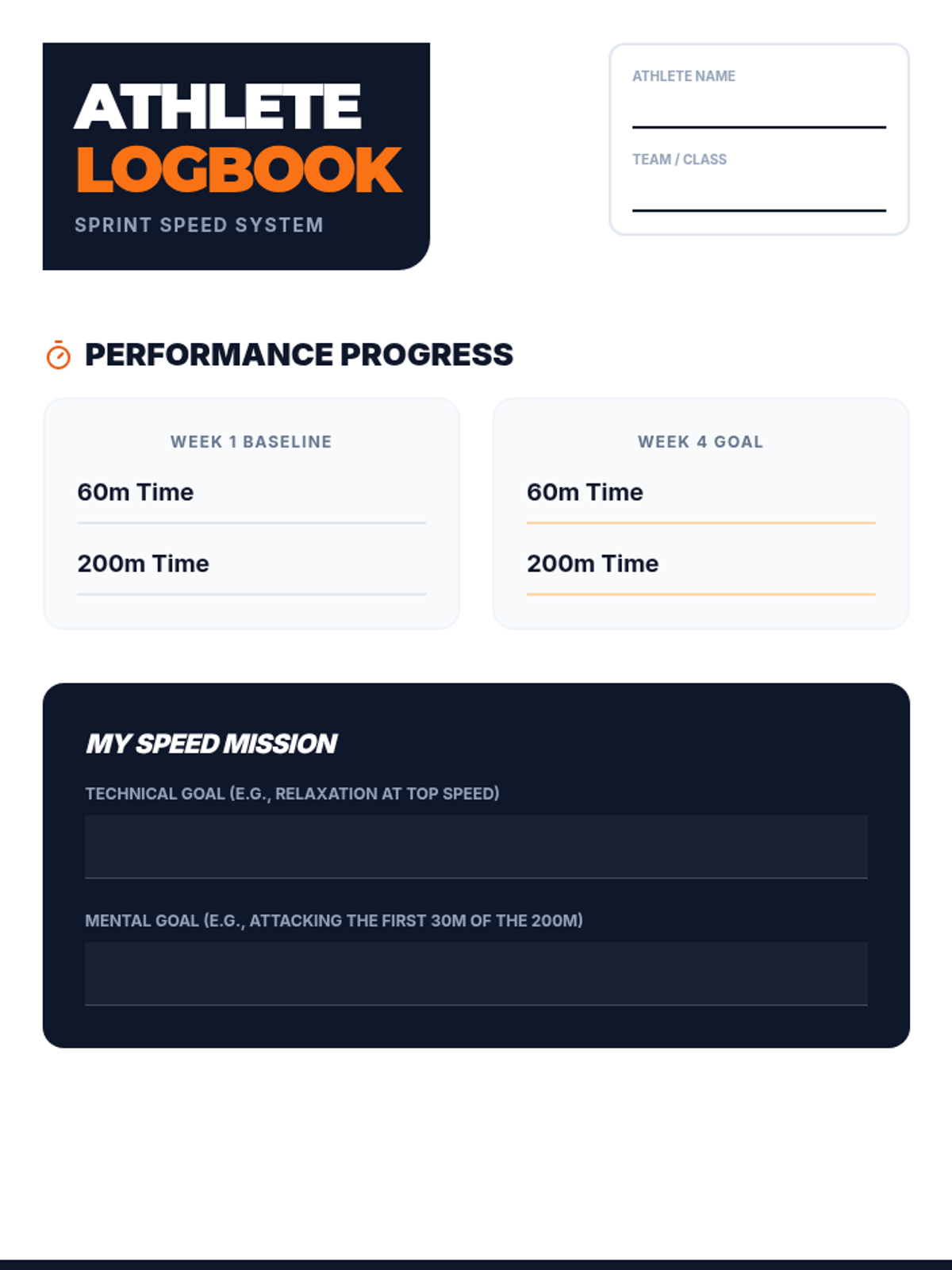
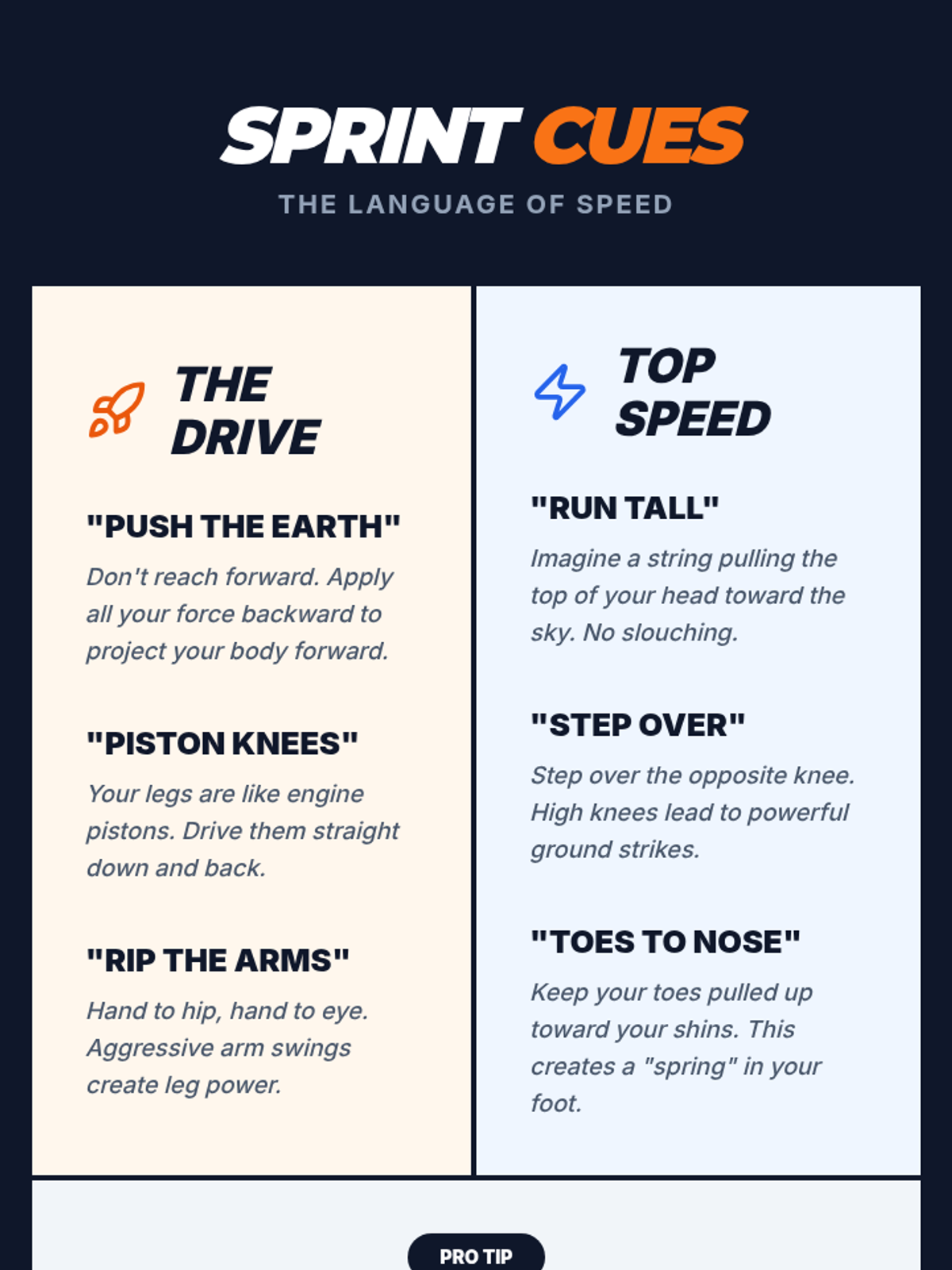
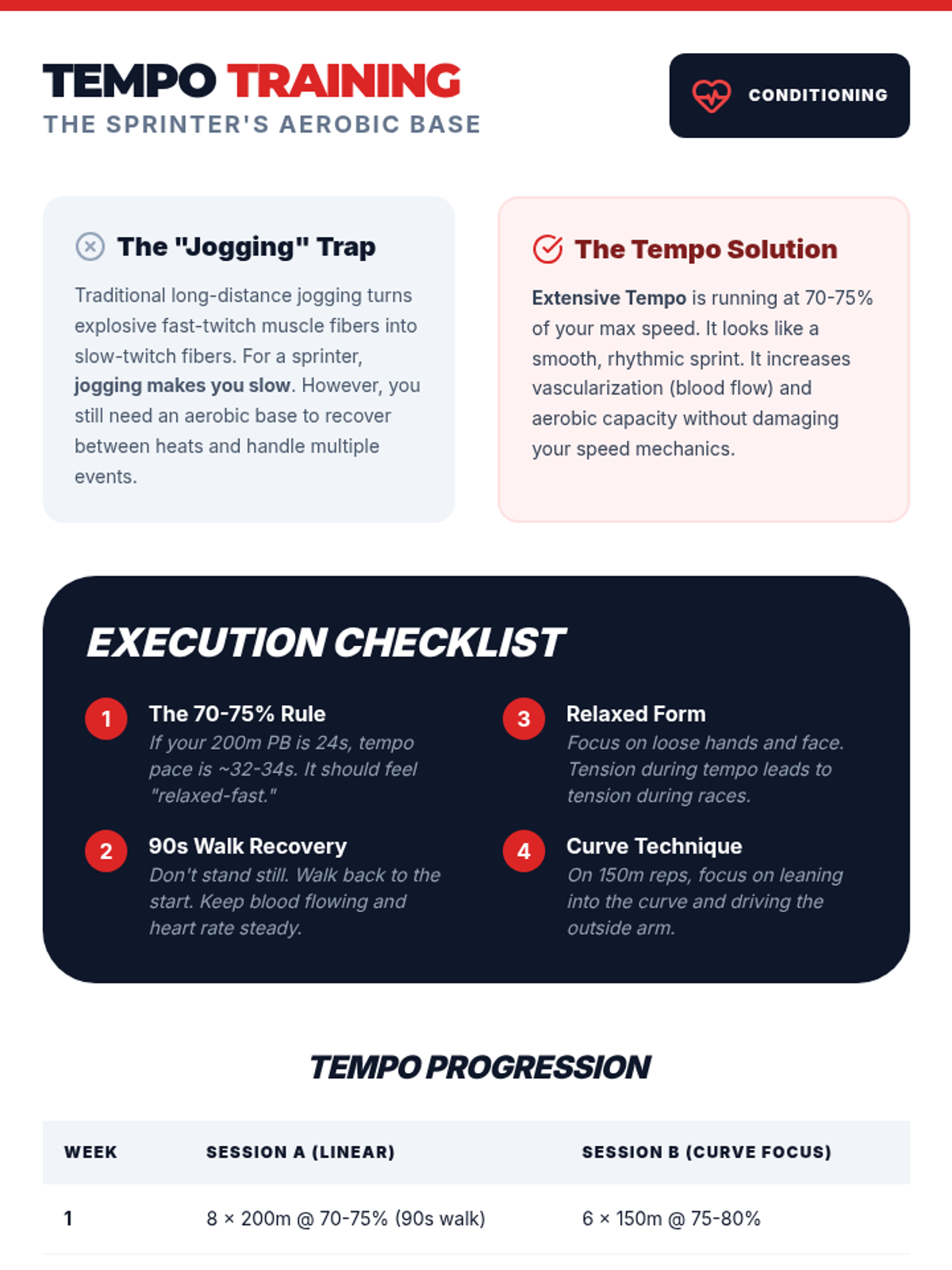
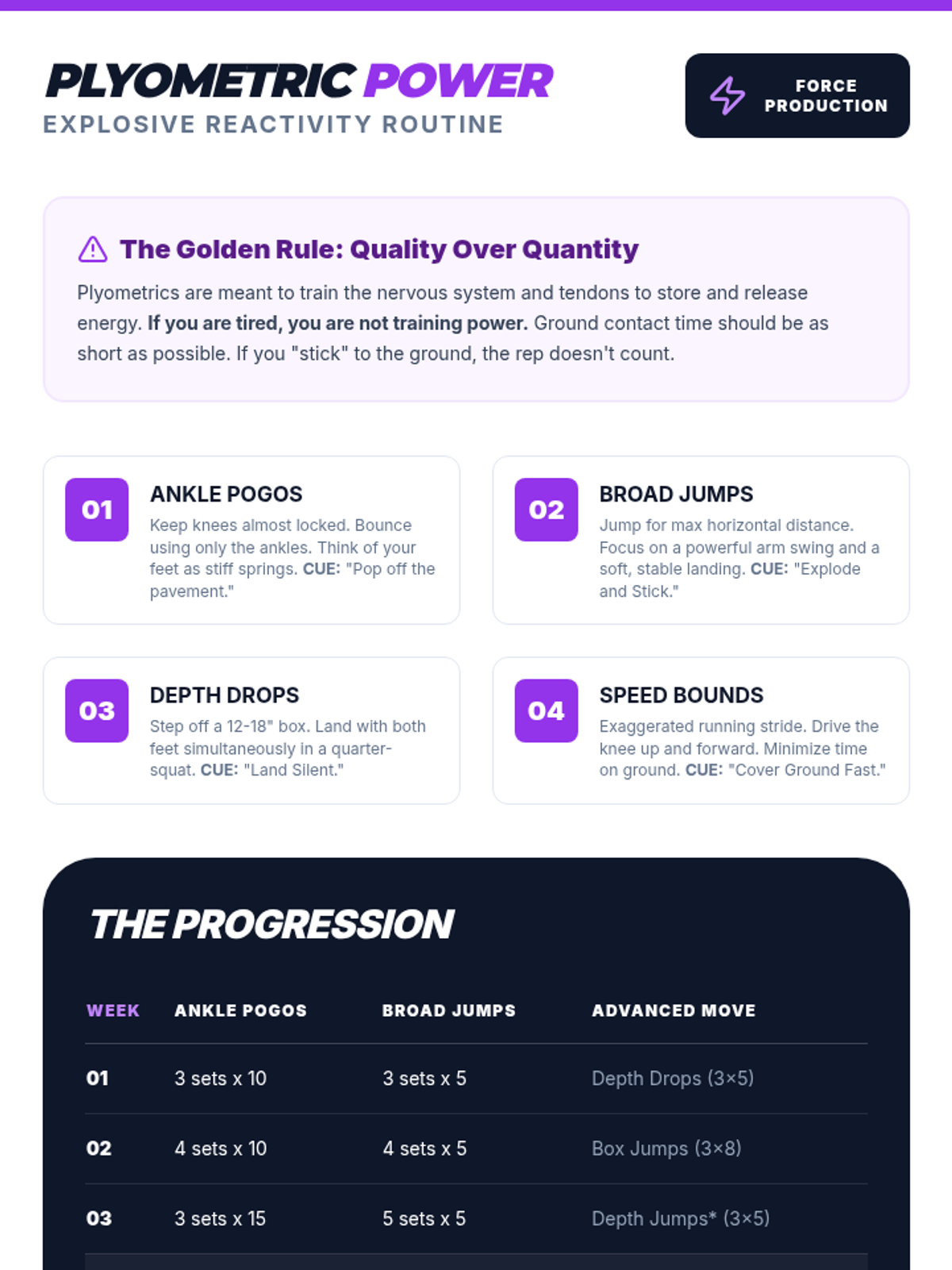
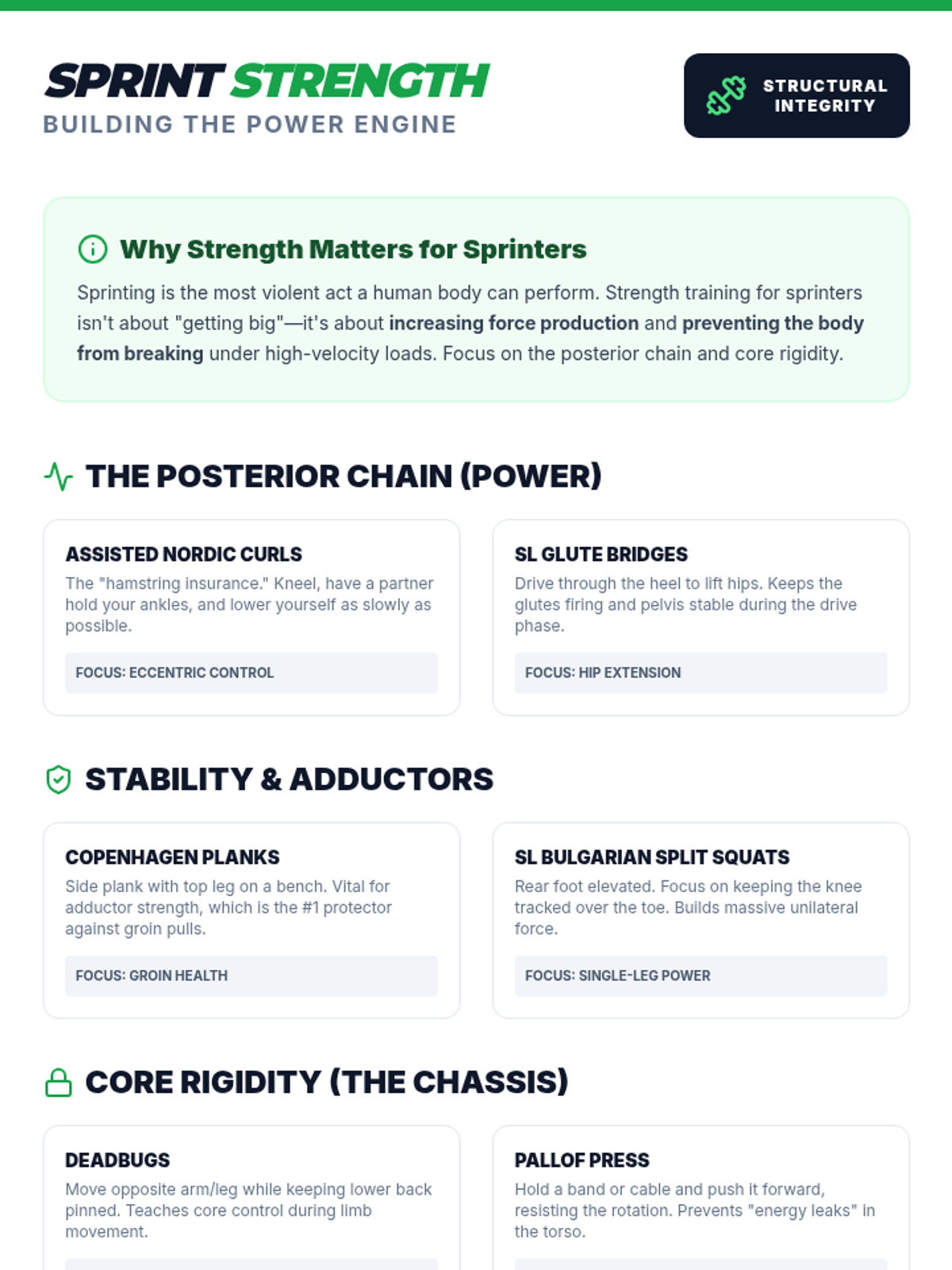
A comprehensive 4-week introductory sprinting program focused on mechanics, power, and injury prevention for outdoor track athletes.
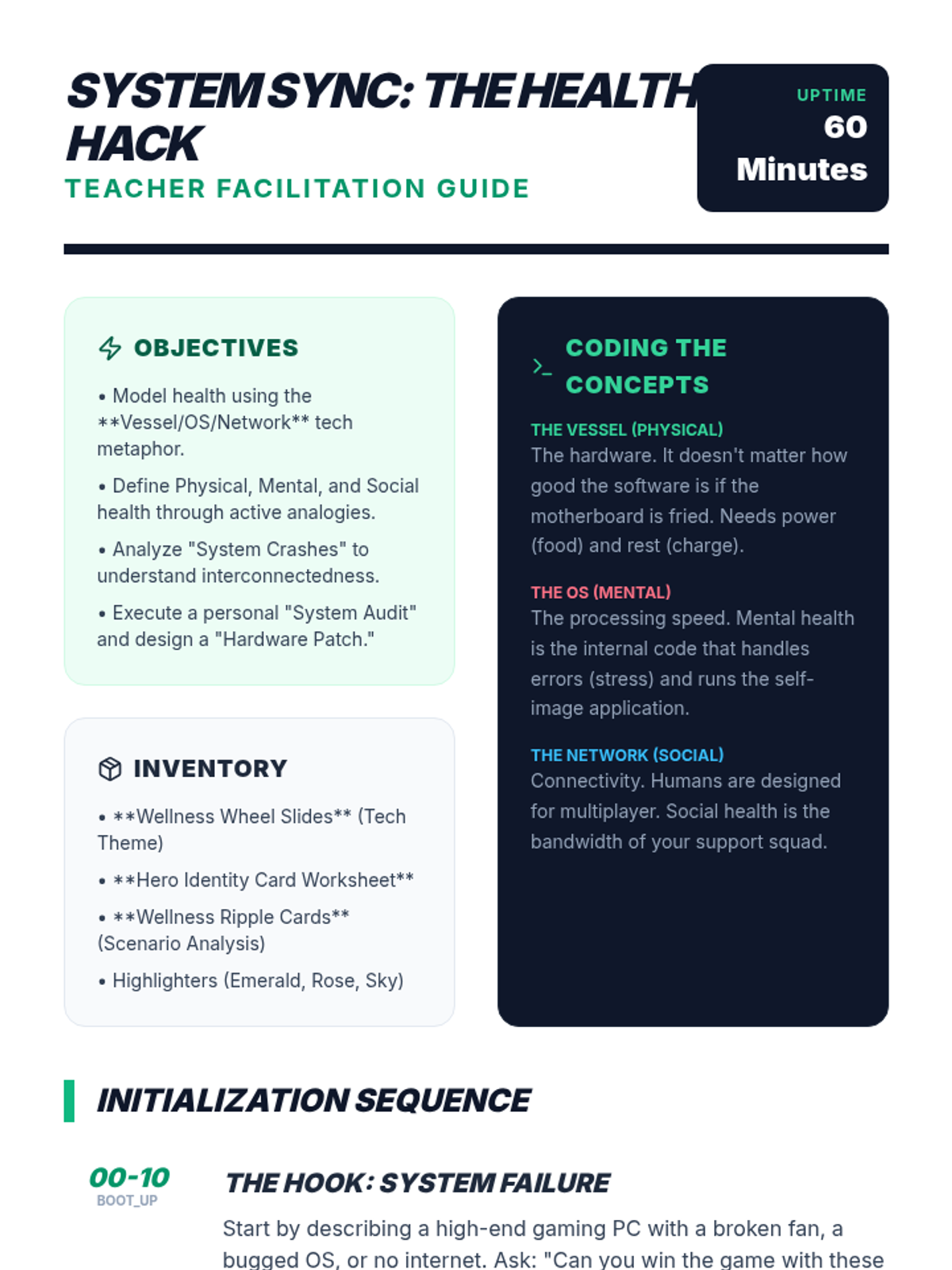
An exploration of personal health and wellness, moving from defining health to implementing sustainable healthy habits.
A comprehensive 5-day unit designed to educate students on the physiological effects of vaping and provide actionable, healthy coping mechanisms like deep breathing and mindfulness.
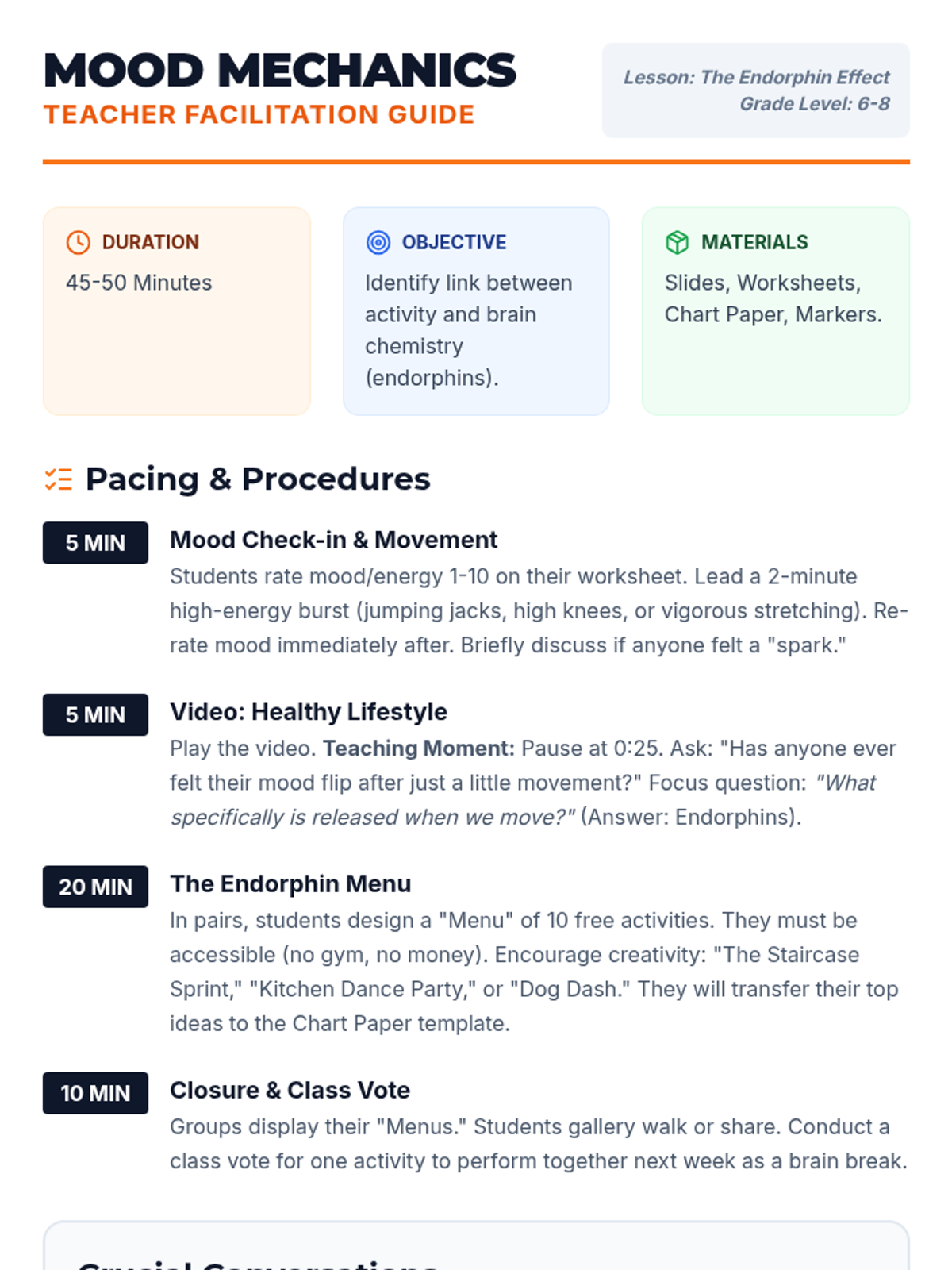
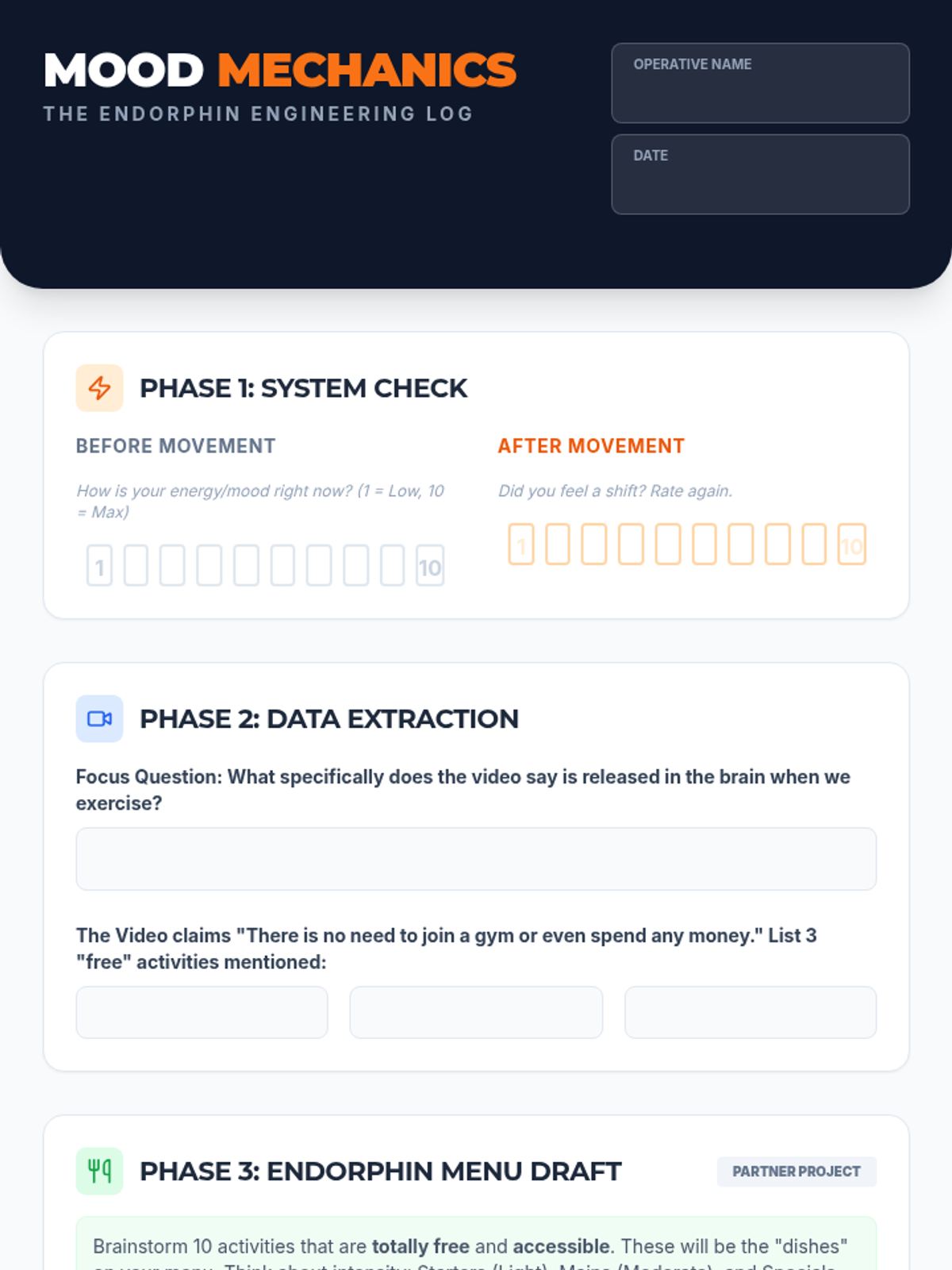
A short sequence of lessons exploring the intersection of physical health and mental wellbeing, focusing on the neurochemistry of exercise and healthy habits.
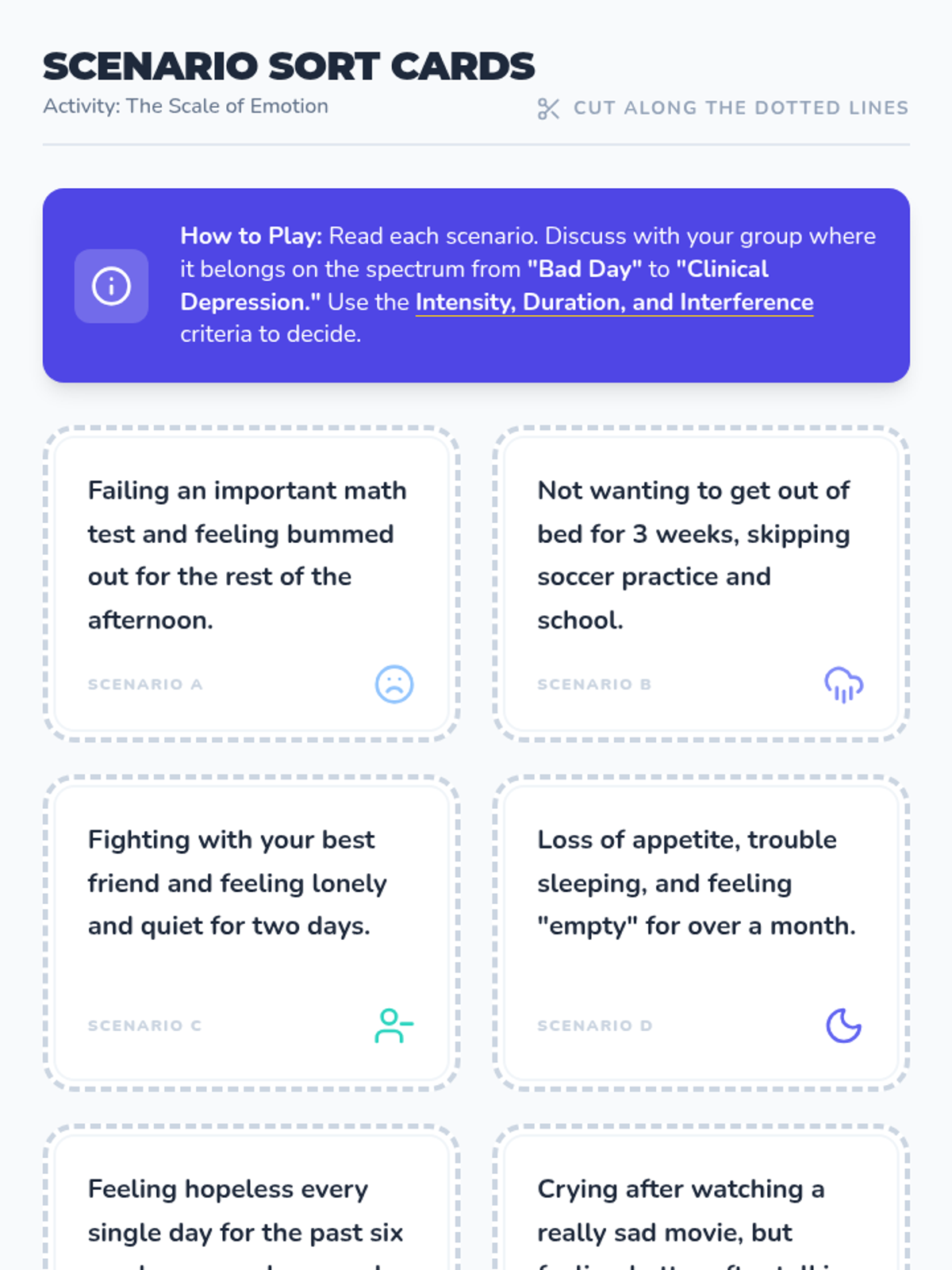
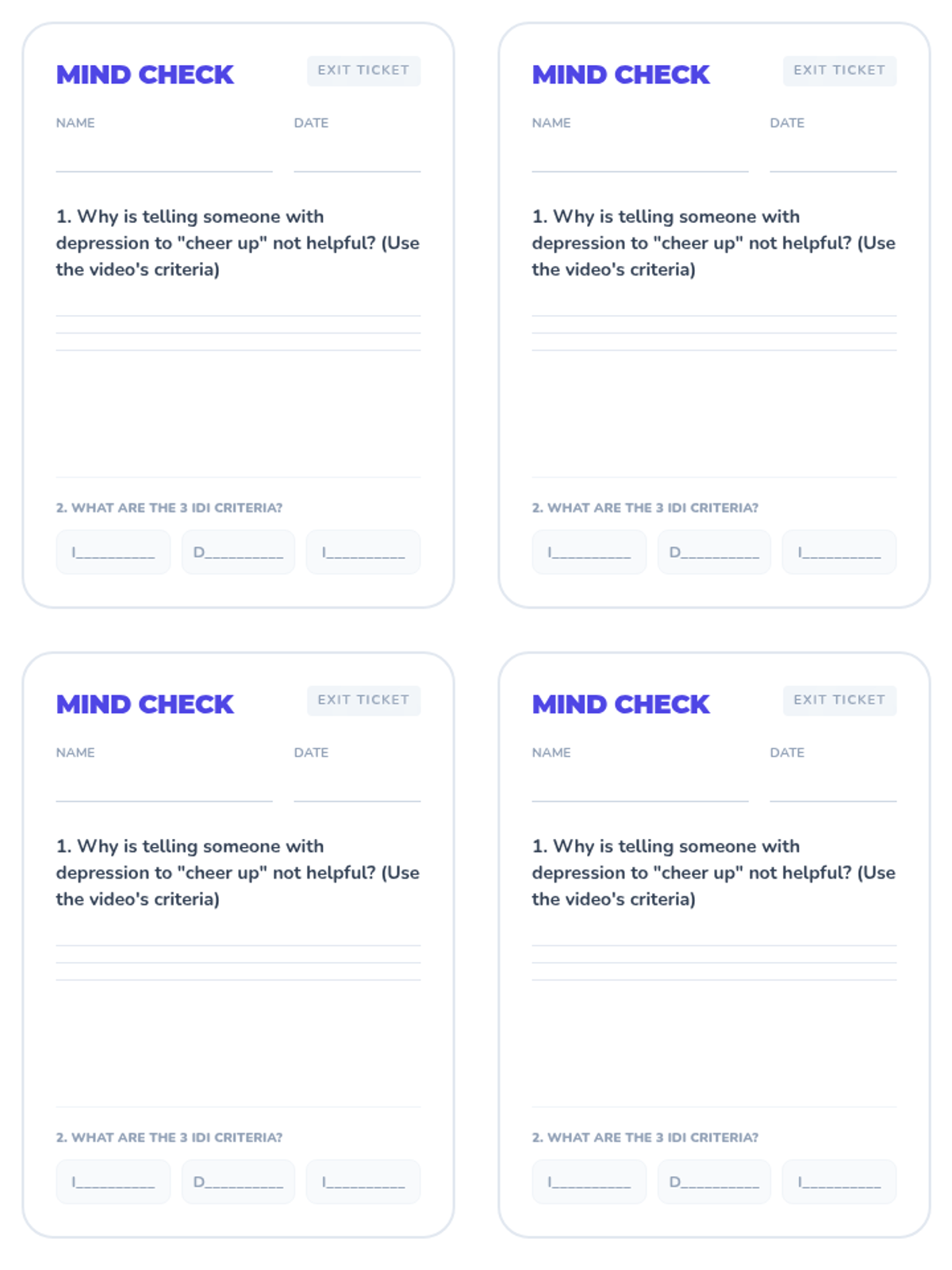
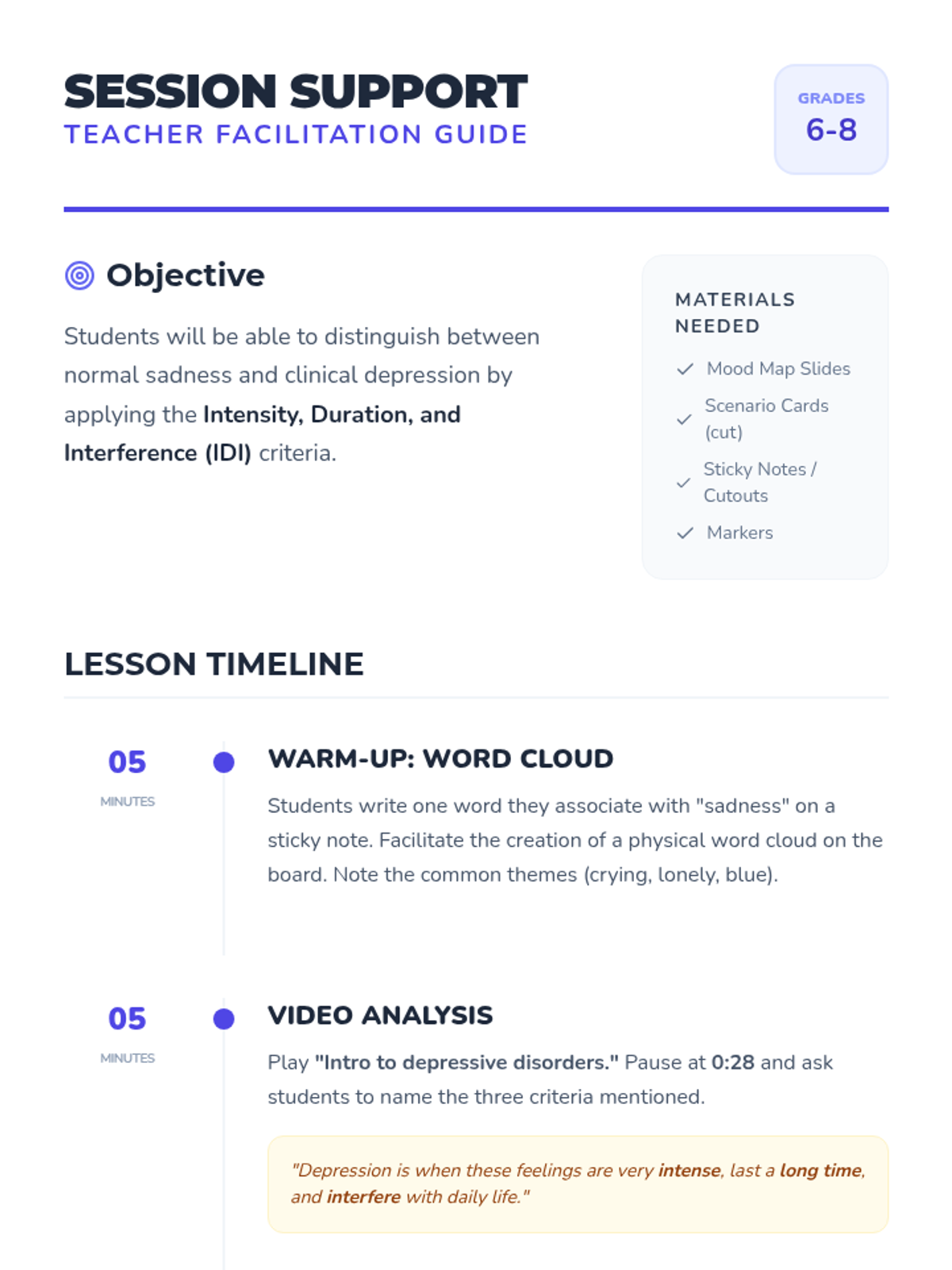
A comprehensive mental health lesson sequence focused on helping middle school students distinguish between normal emotional fluctuations and clinical depressive disorders using the Intensity, Duration, and Interference (IDI) criteria.
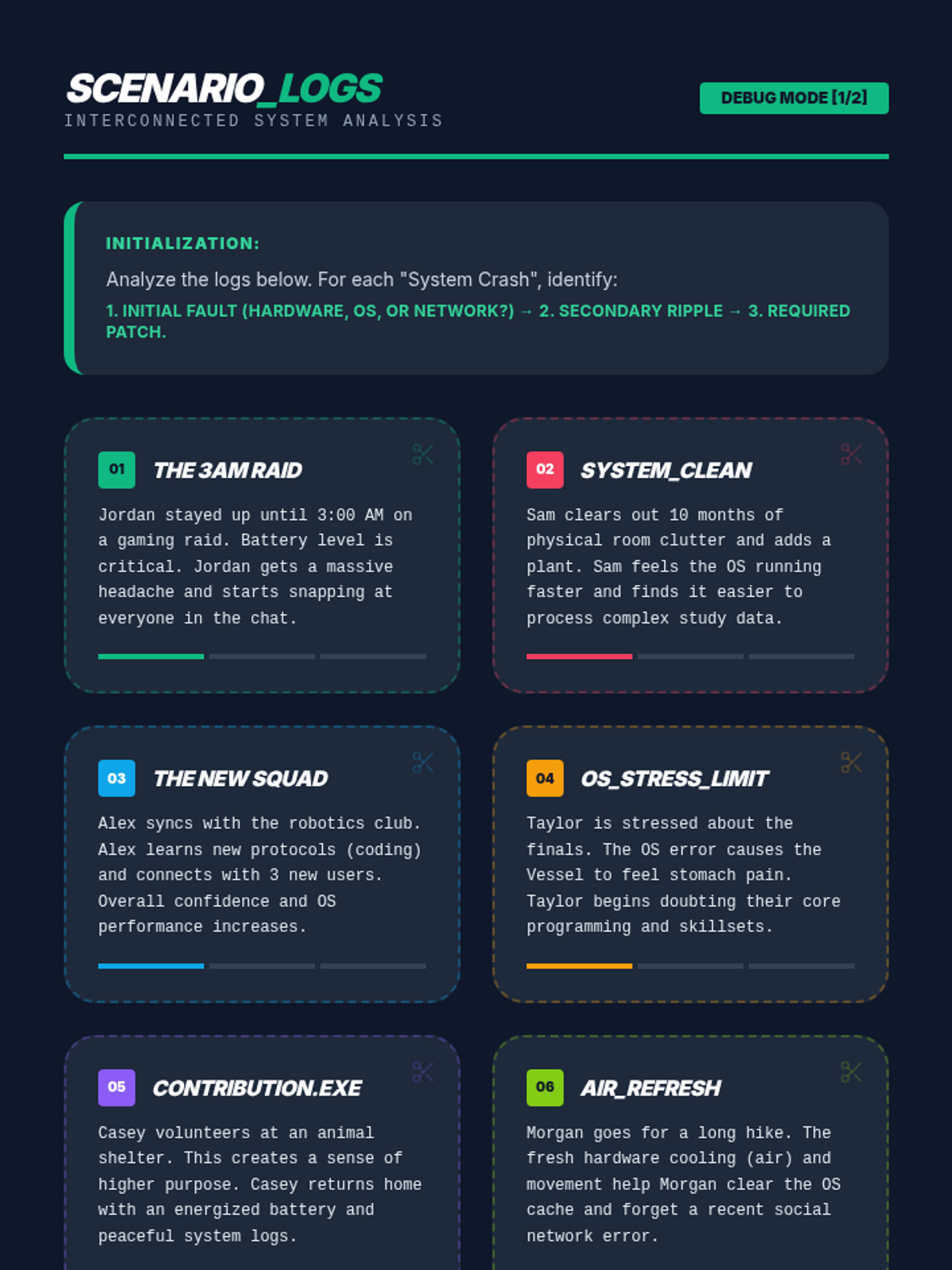
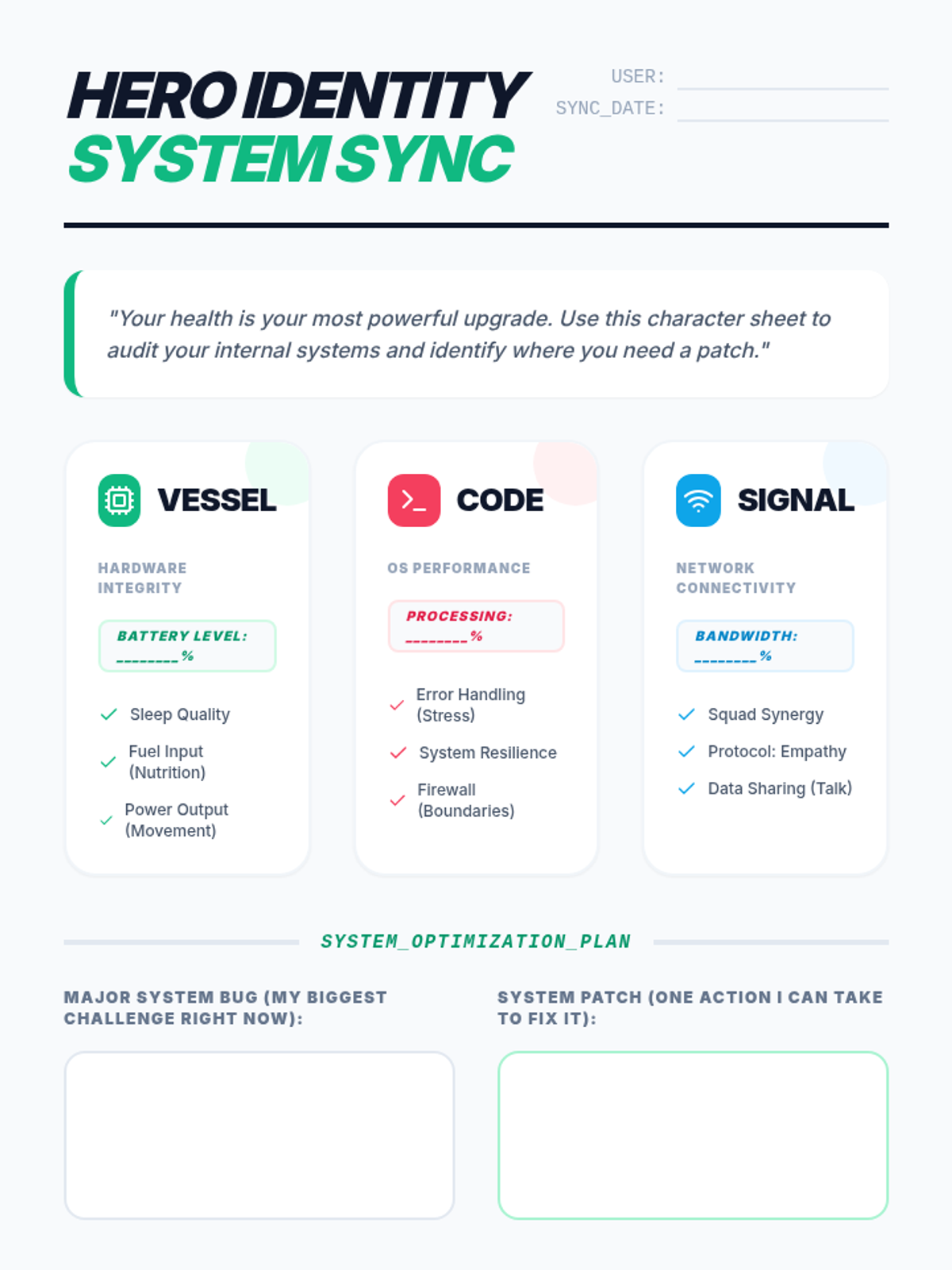
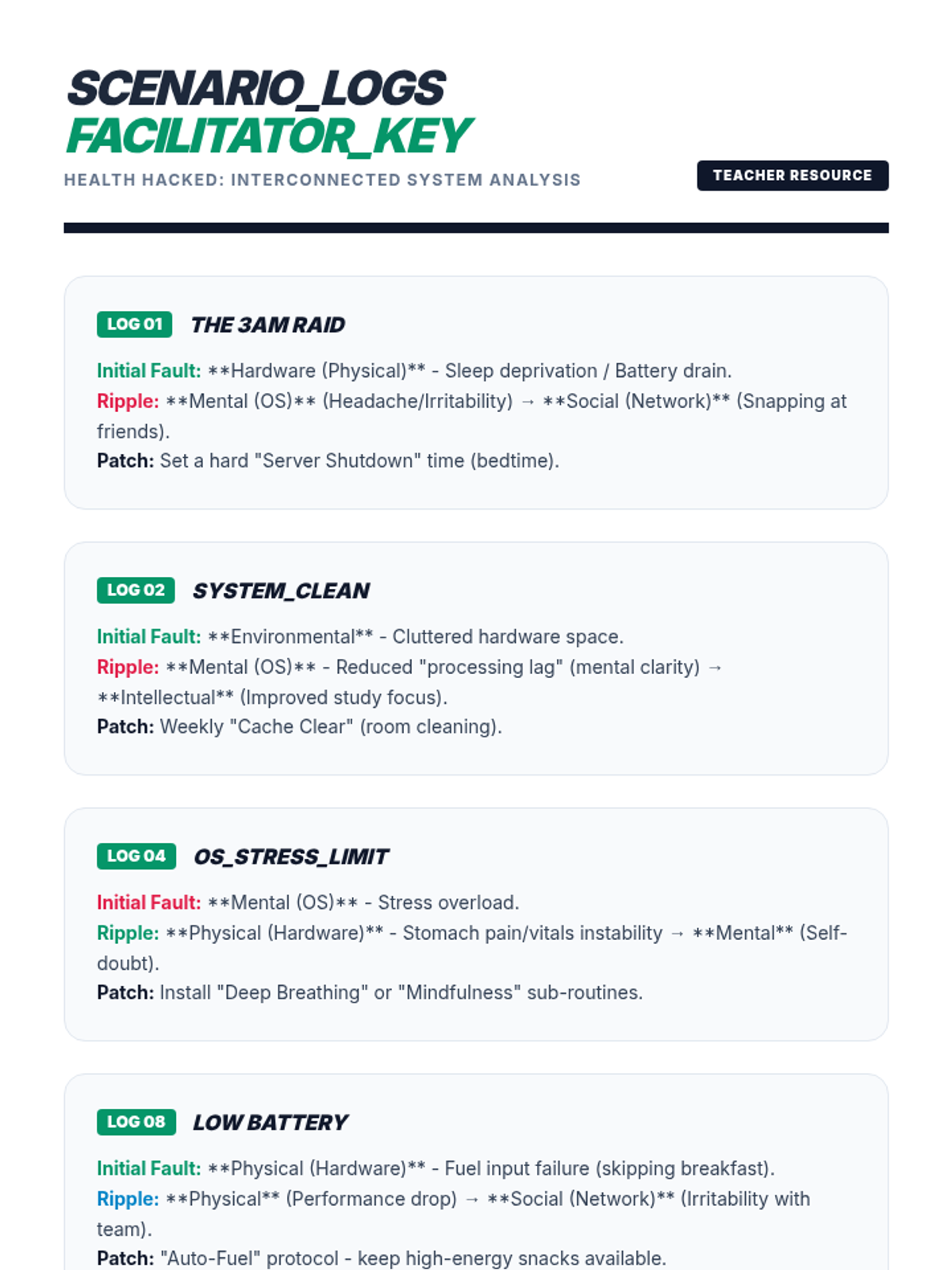
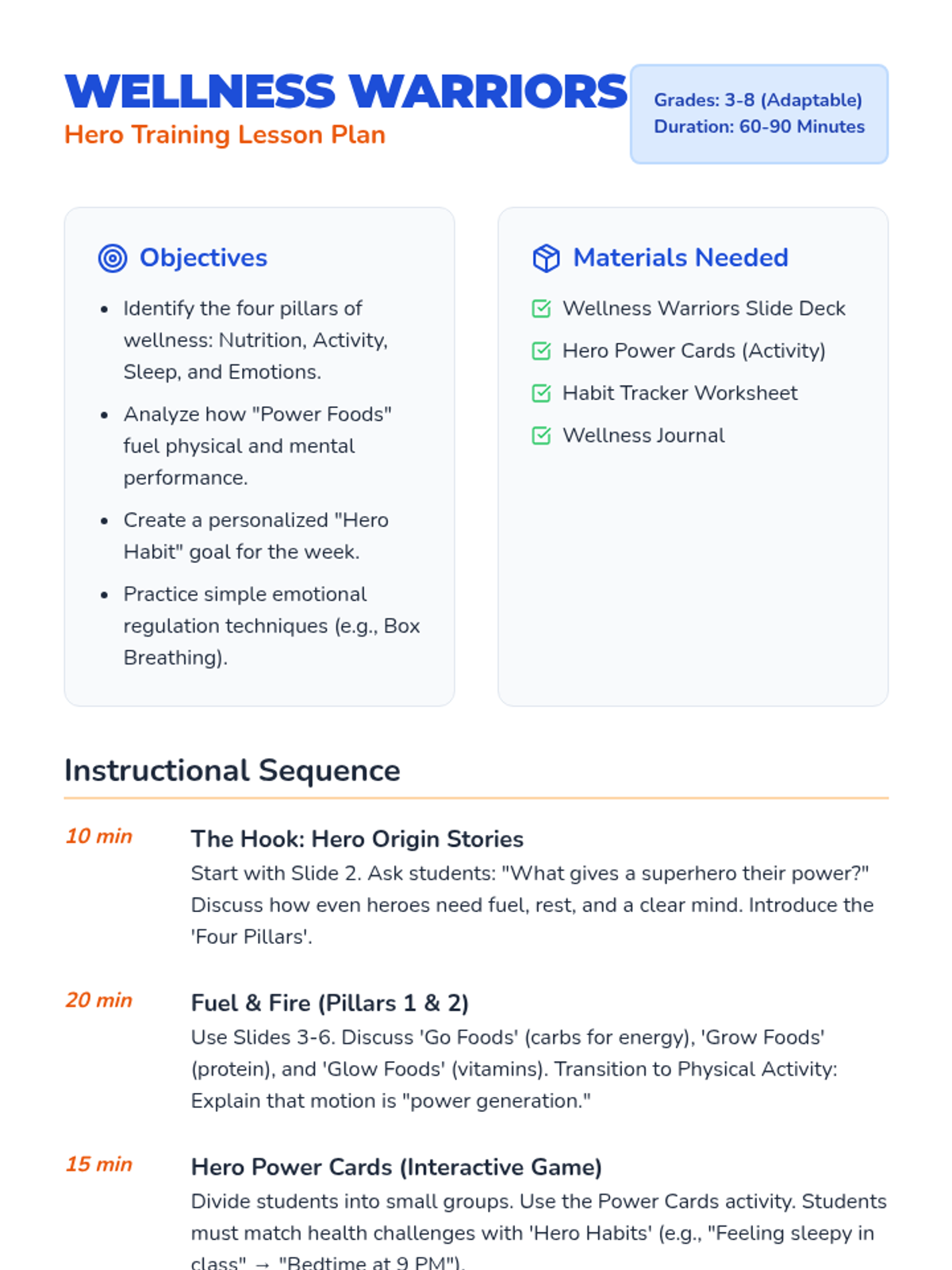
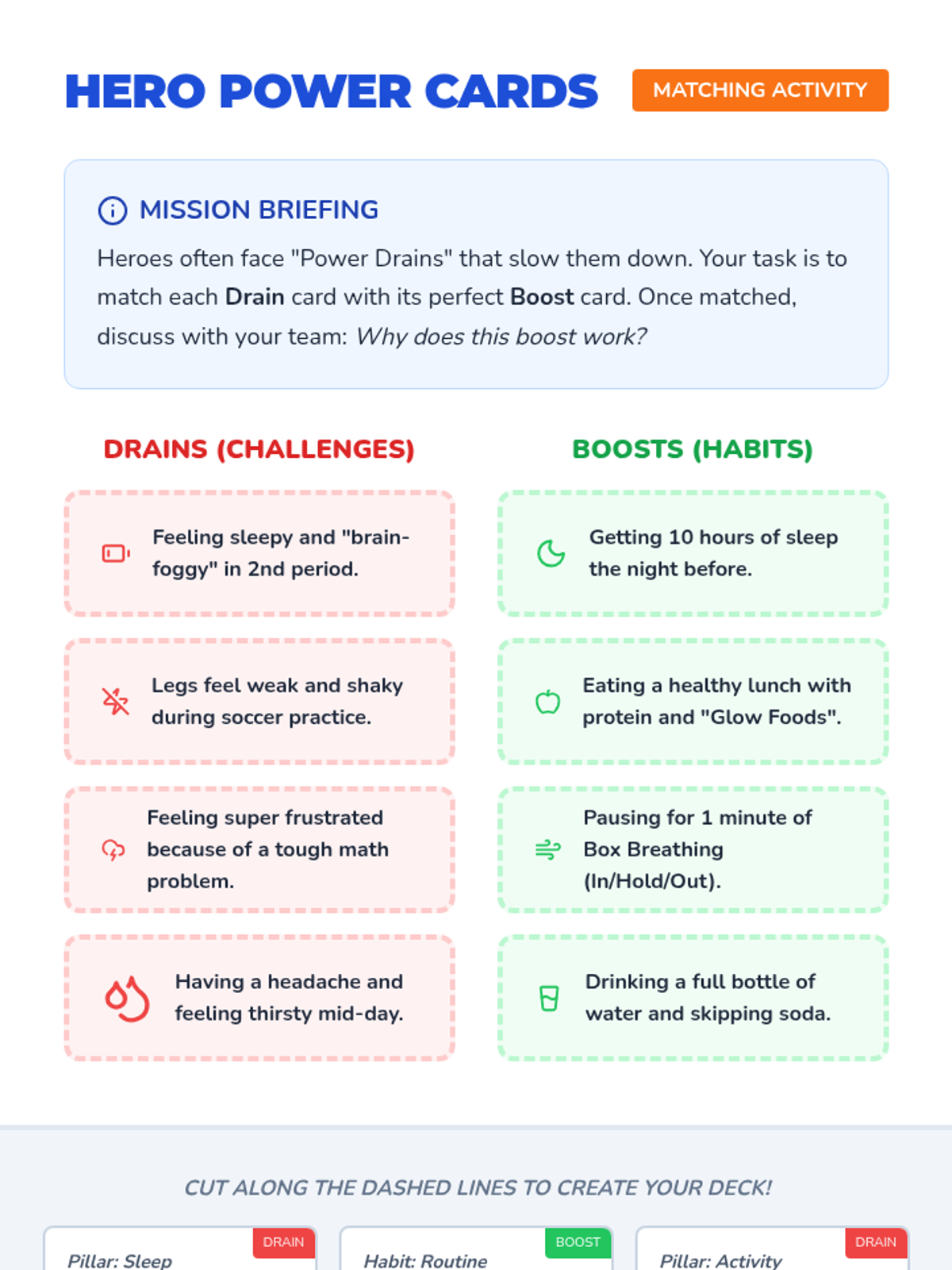
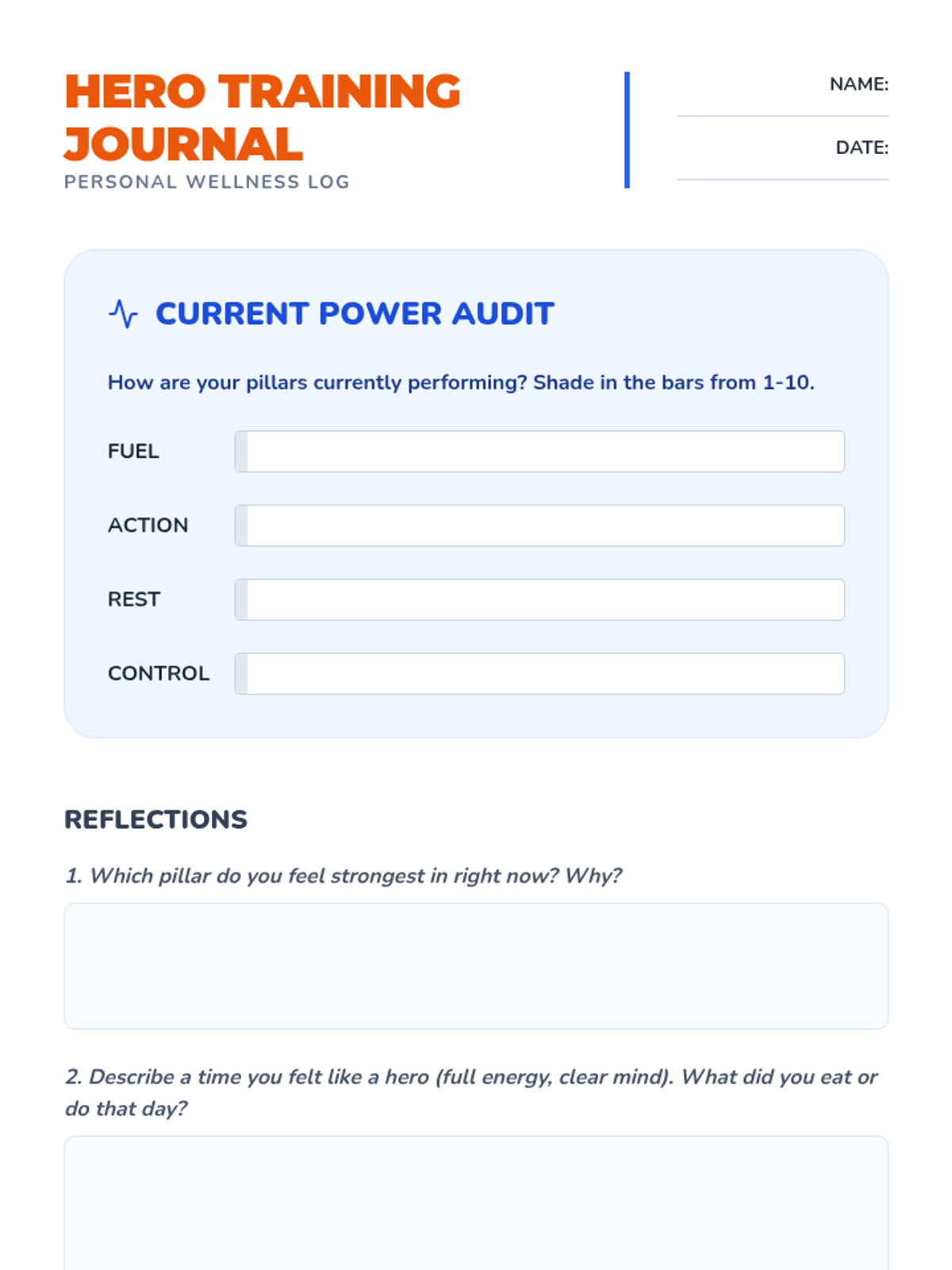
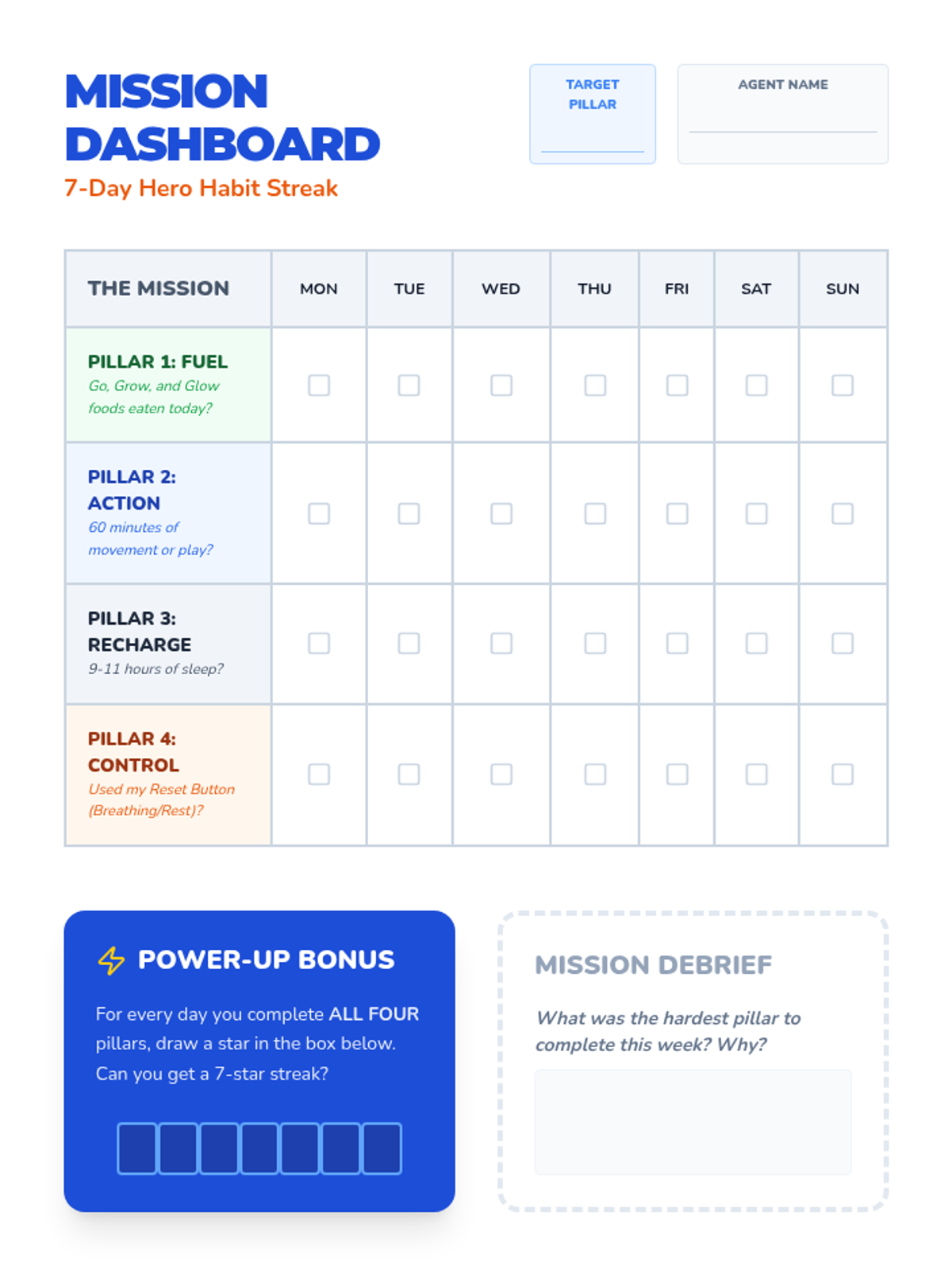
A comprehensive wellness unit designed to empower students with lifelong healthy habits. Students explore nutrition, exercise, sleep, and emotional regulation through the lens of 'hero training'.
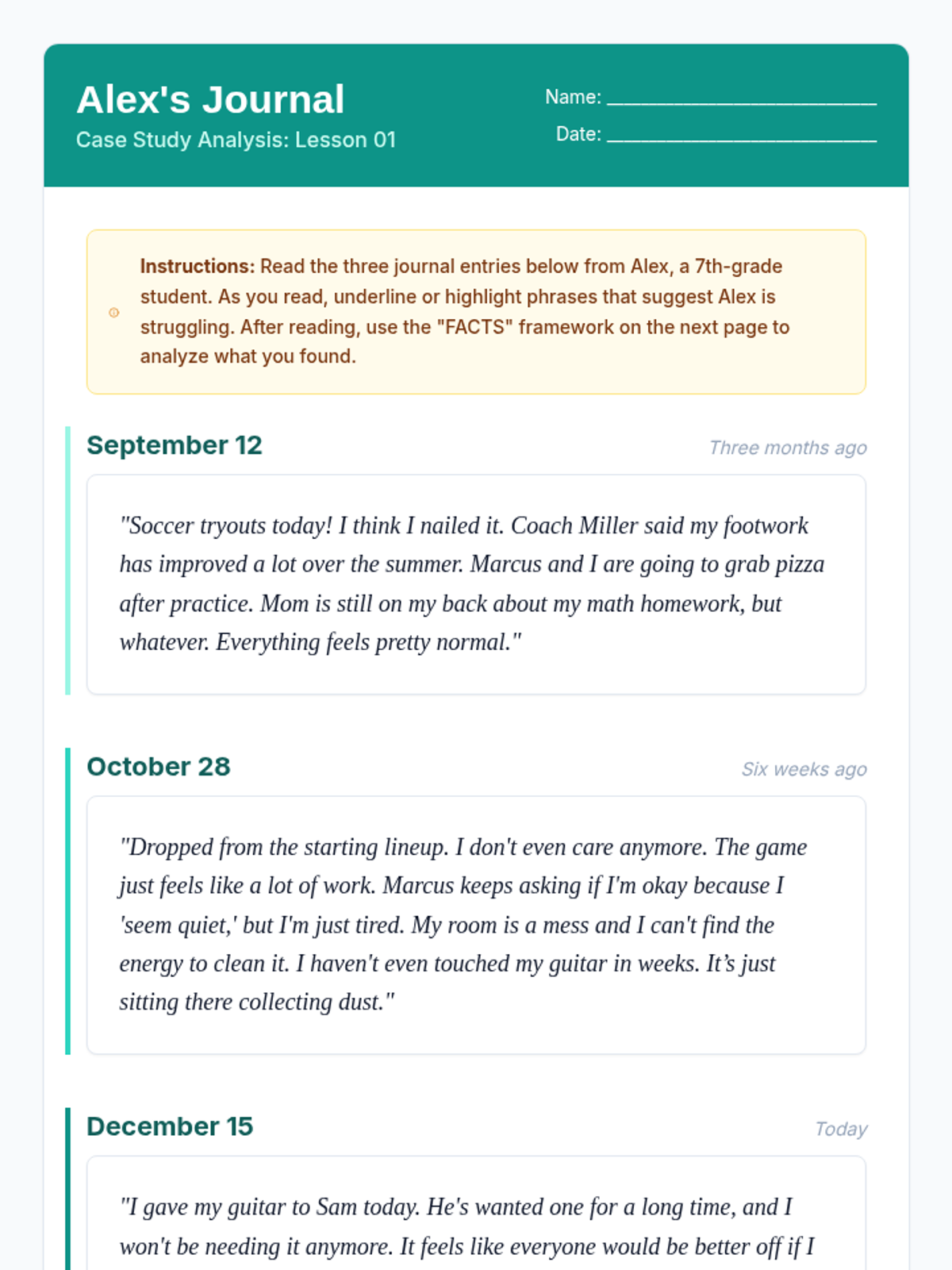
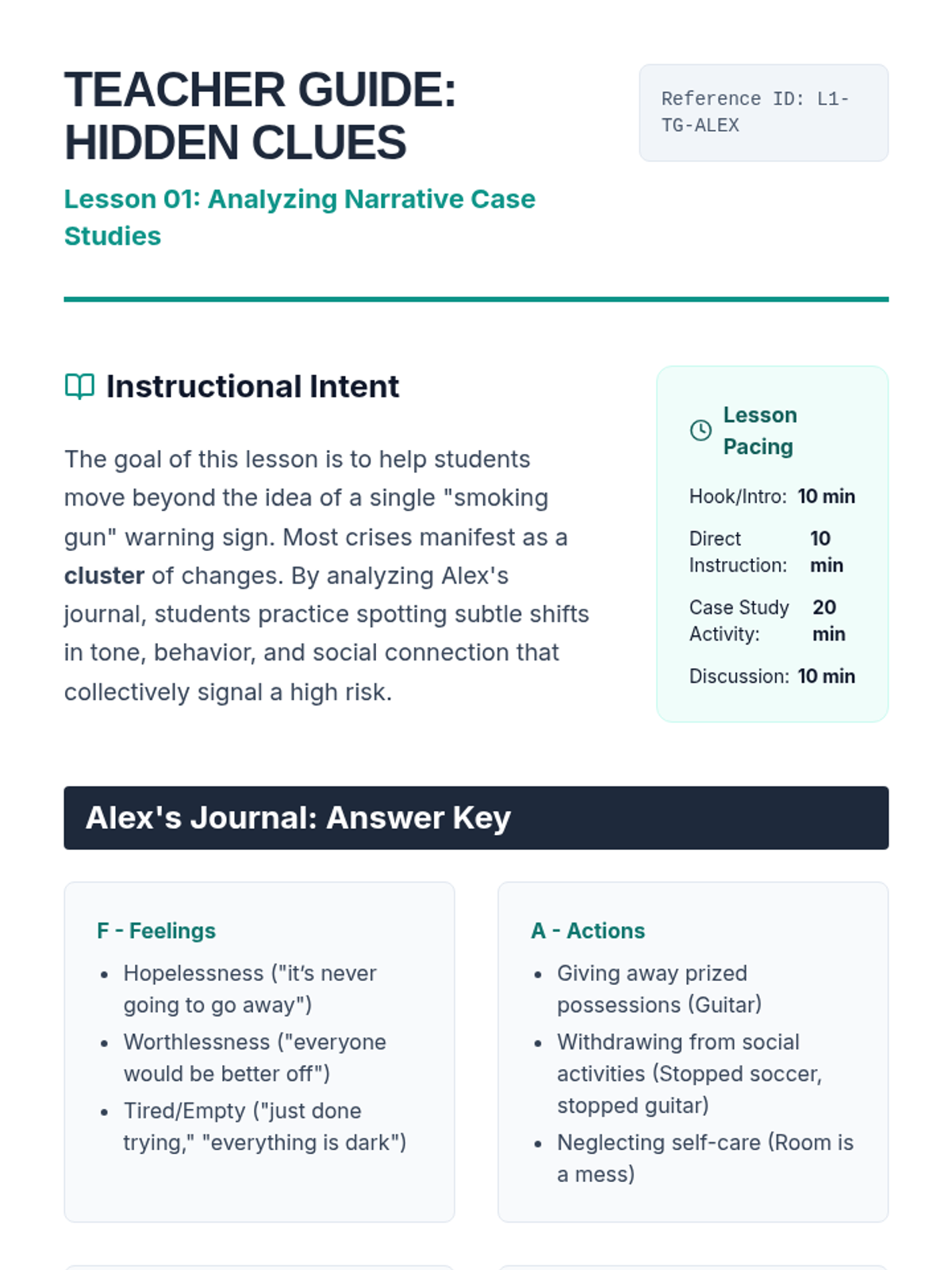
This sequence uses a case study approach to teach 7th-grade students how to recognize suicide warning signs, navigate digital cries for help, map out support networks, and take ethical action as supportive bystanders. Students move from identifying clues to committing to a personal safety protocol.
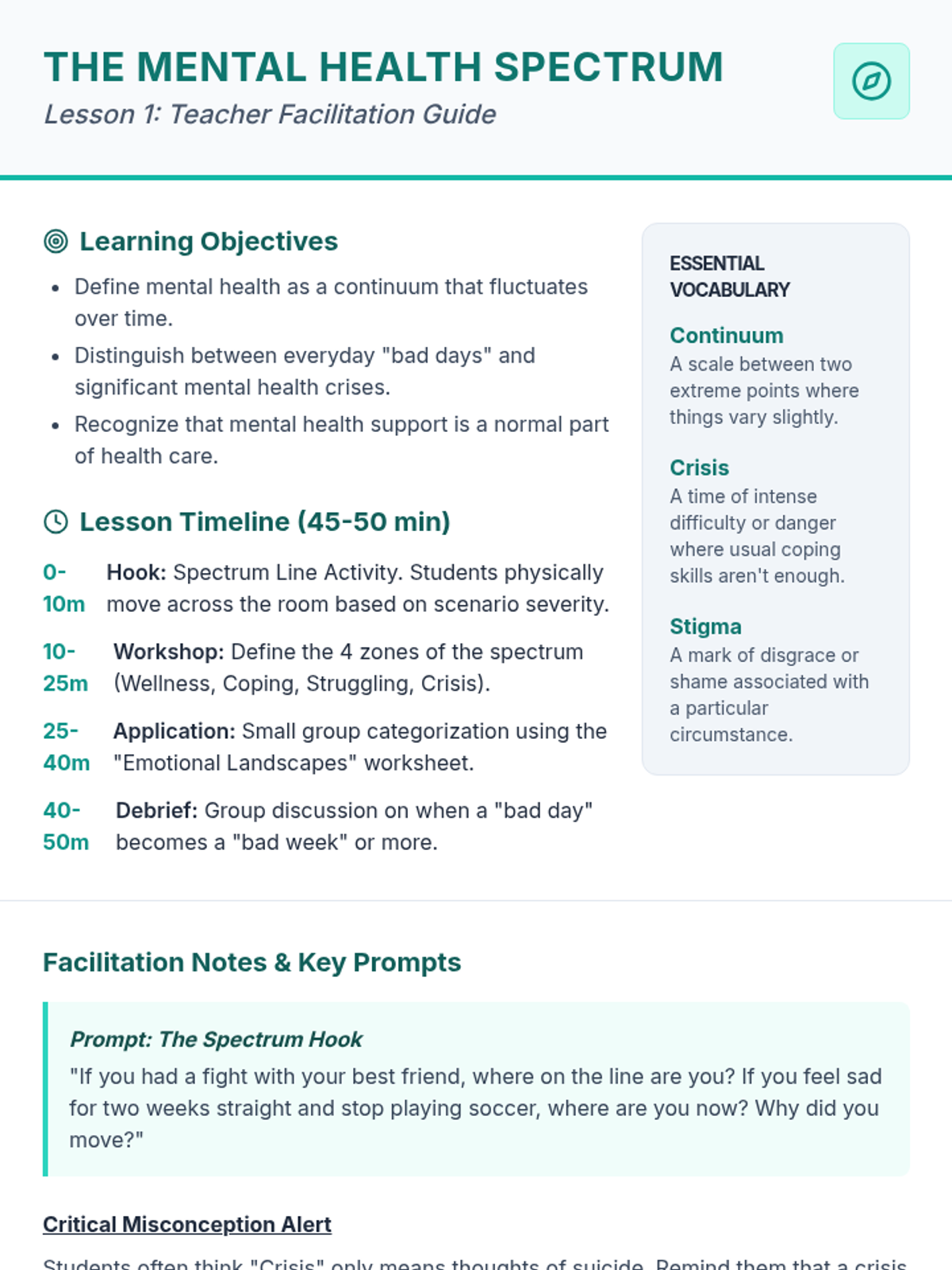
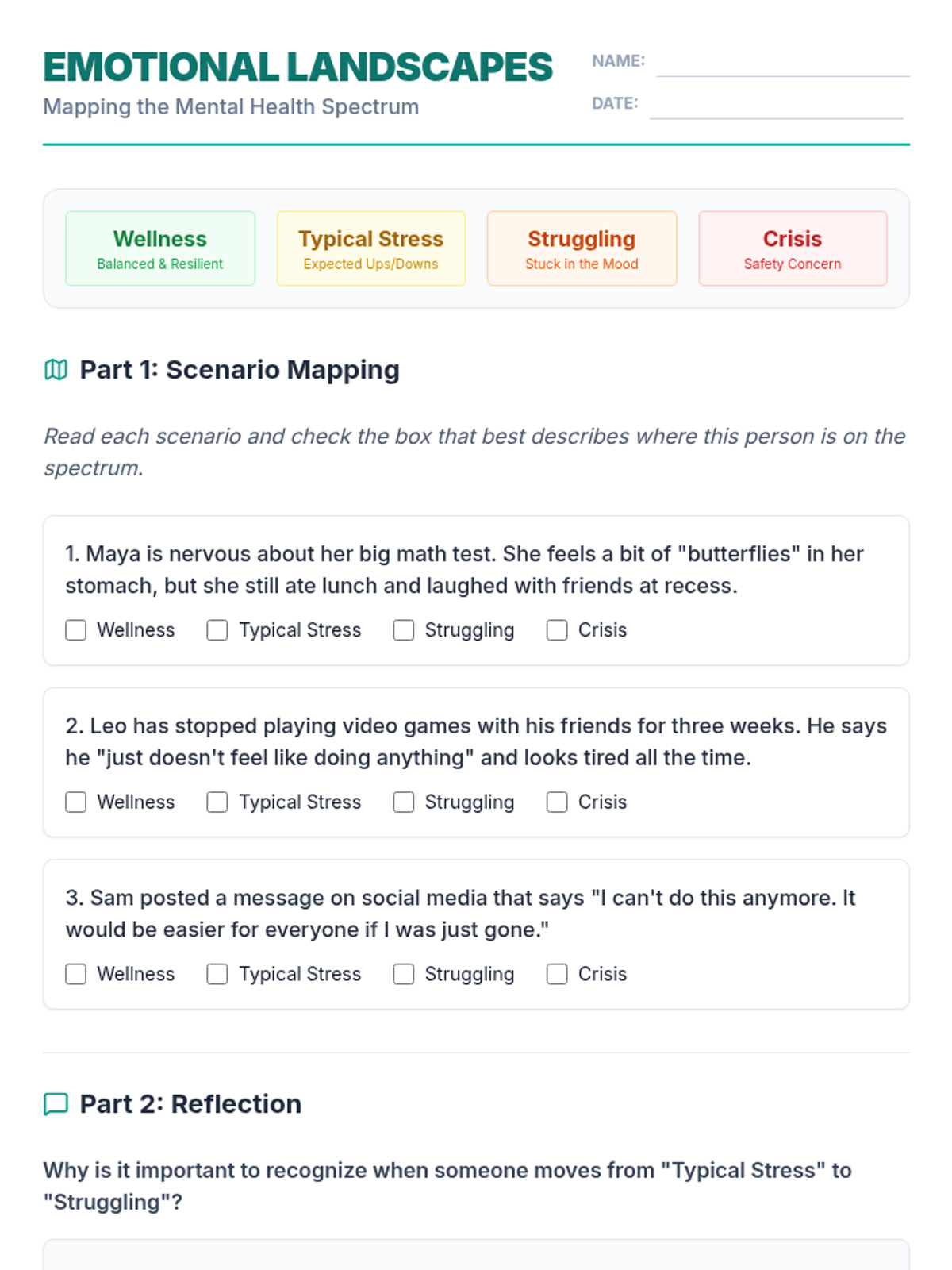
A comprehensive 5-lesson sequence for 7th-grade students focused on recognizing mental health warning signs and practicing the ACT (Acknowledge, Care, Tell) framework. Students transition from understanding mental health as a spectrum to identifying specific red flags and overcoming barriers to reporting concerns to trusted adults.
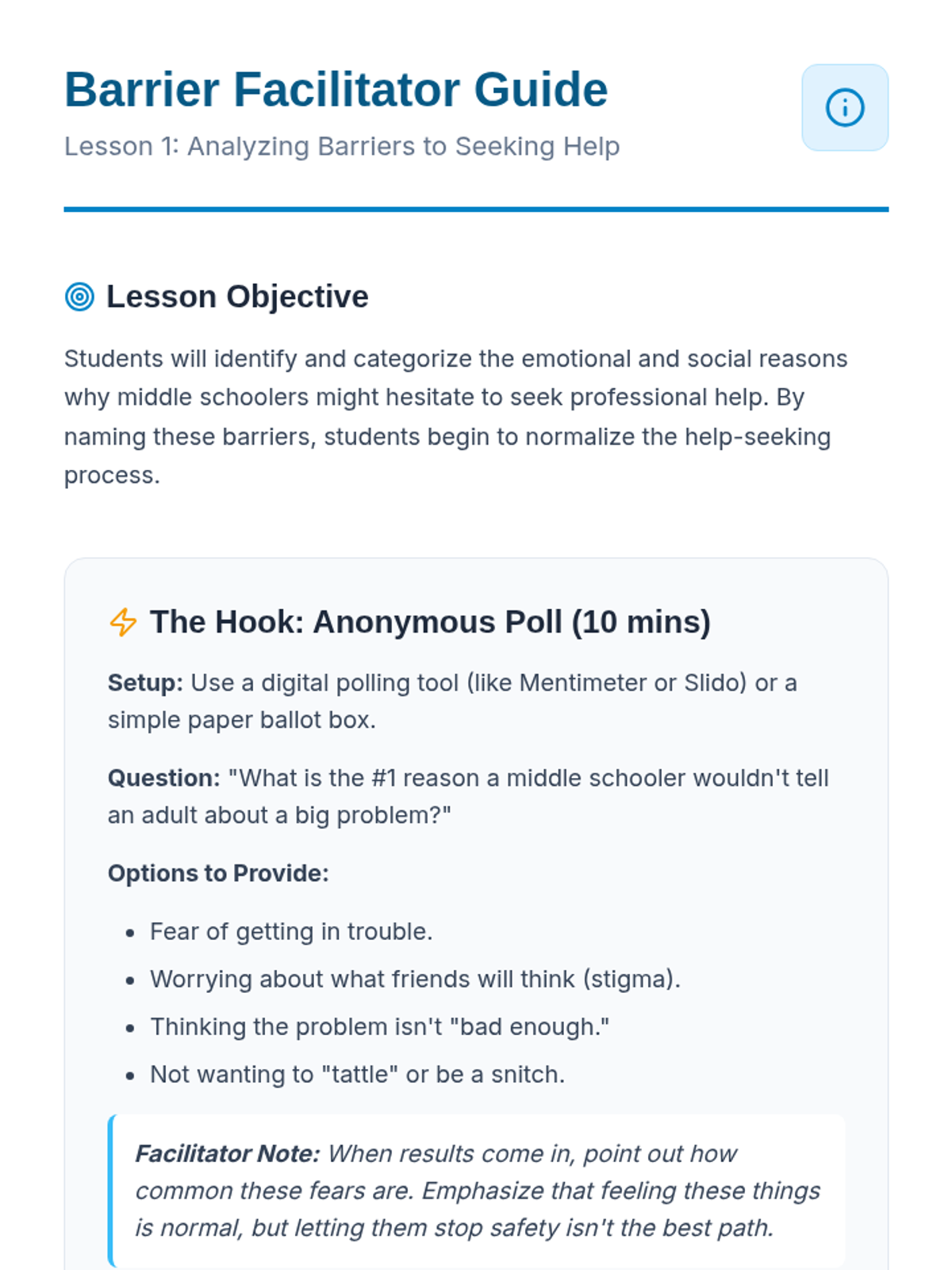
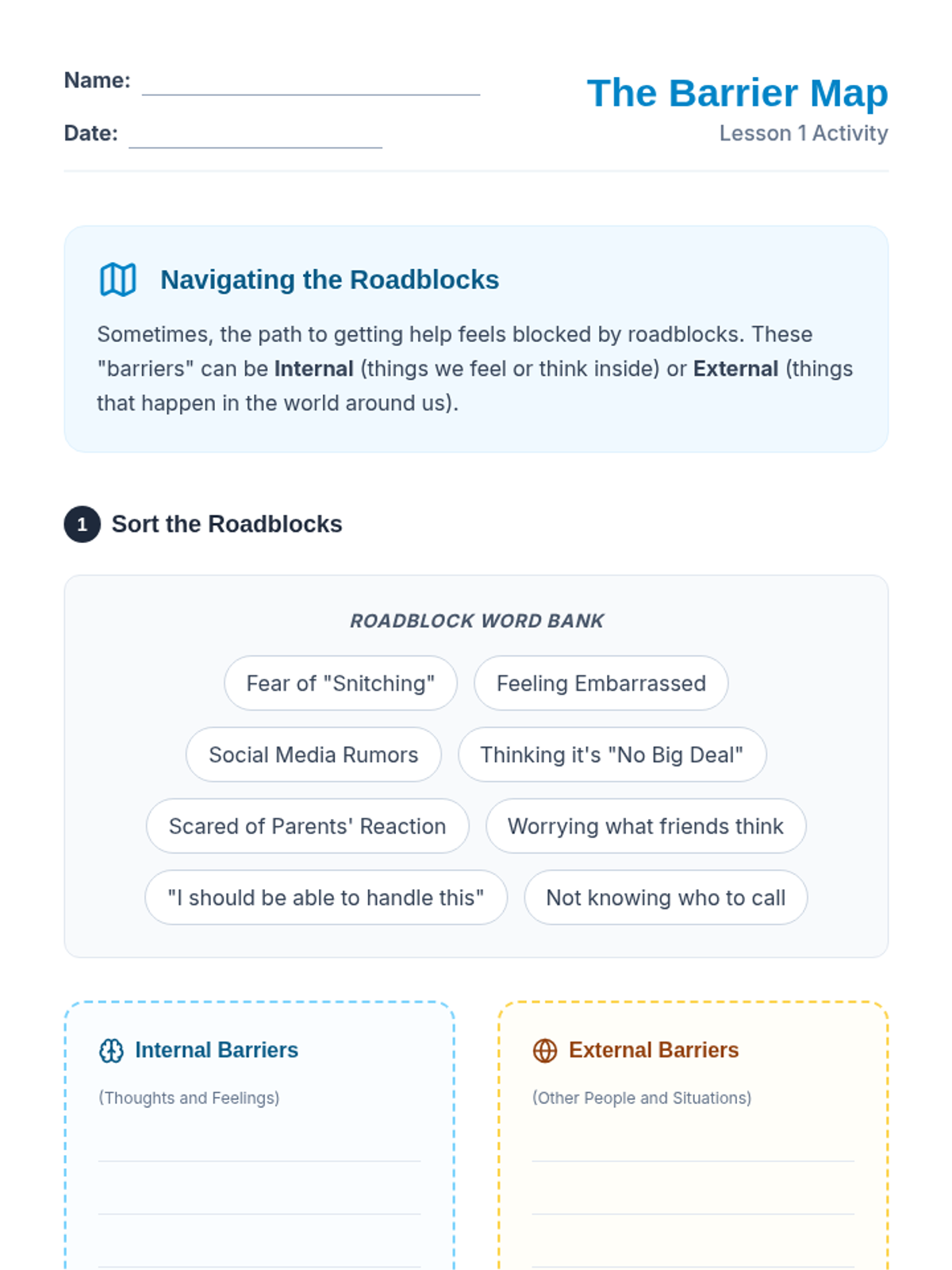
This sequence explores the social and emotional complexities of seeking help via crisis hotlines. Students analyze common barriers like stigma and fear, debunk myths about emergency services, and practice supportive communication to help peers access professional resources.
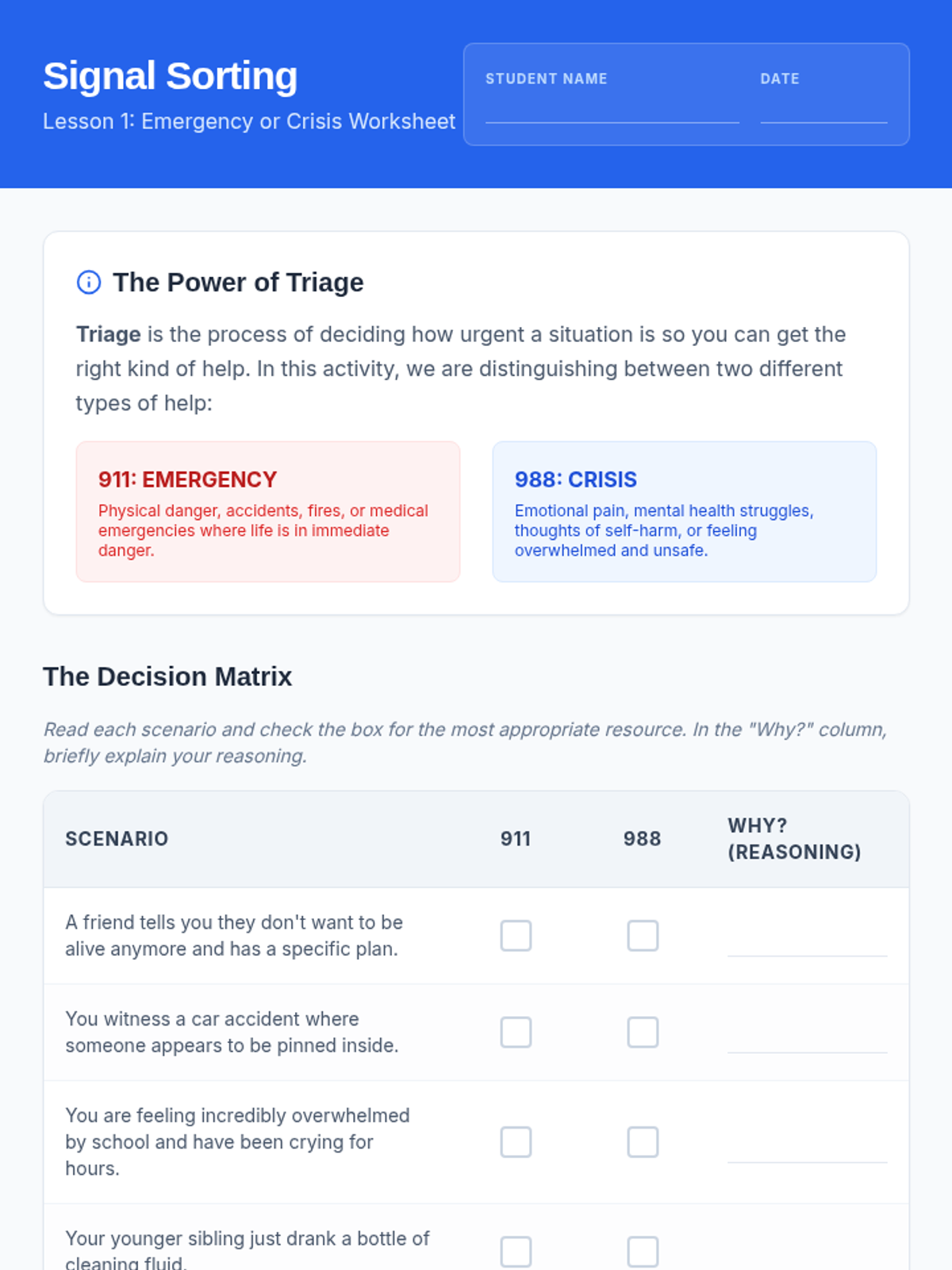
This sequence demystifies the process of accessing crisis support by breaking down the mechanics of hotlines and text lines. Students learn to distinguish between emergency services (911) and crisis hotlines (988), understand the experience of reaching out, and create personal resource tools for future use.
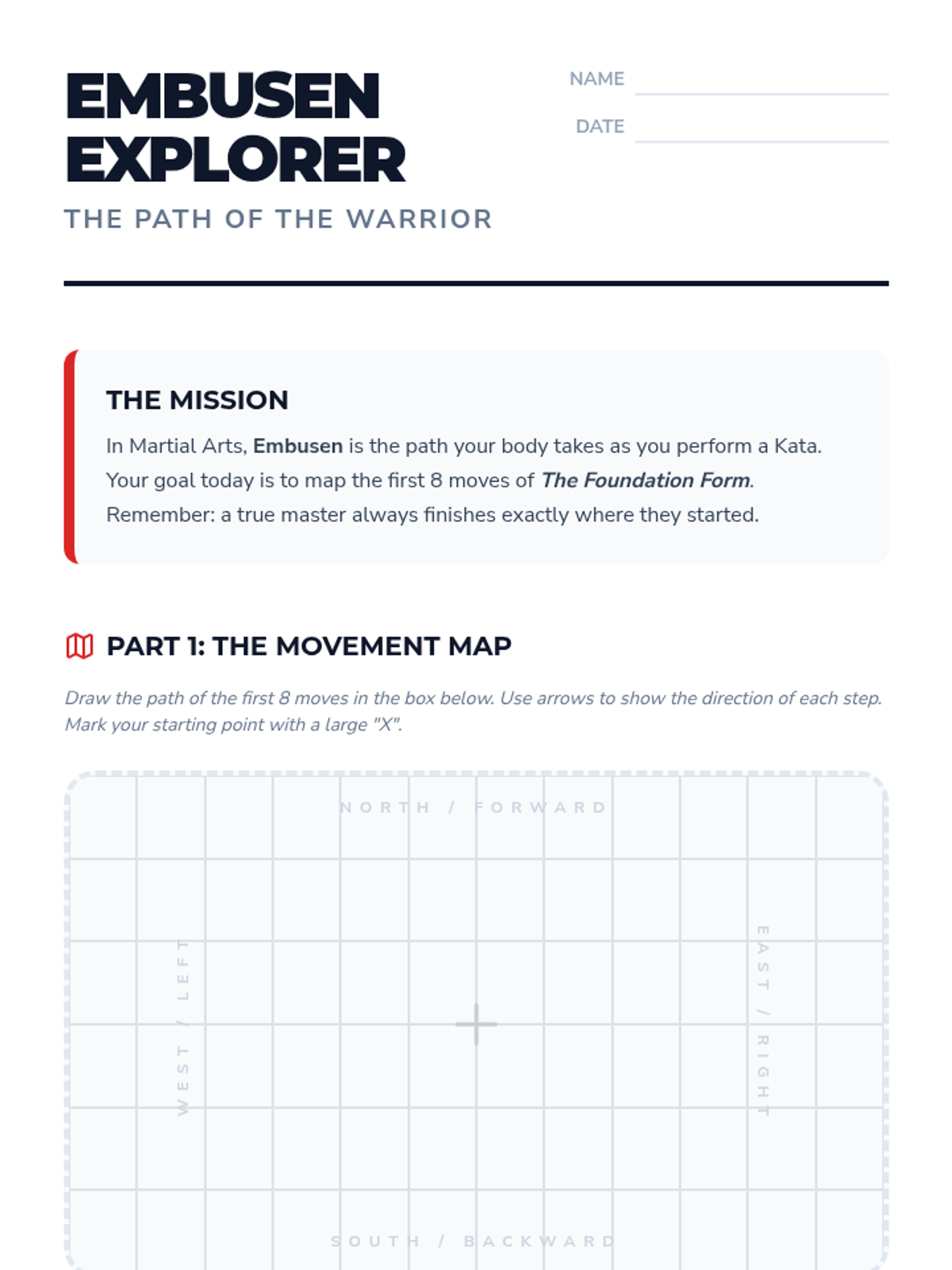
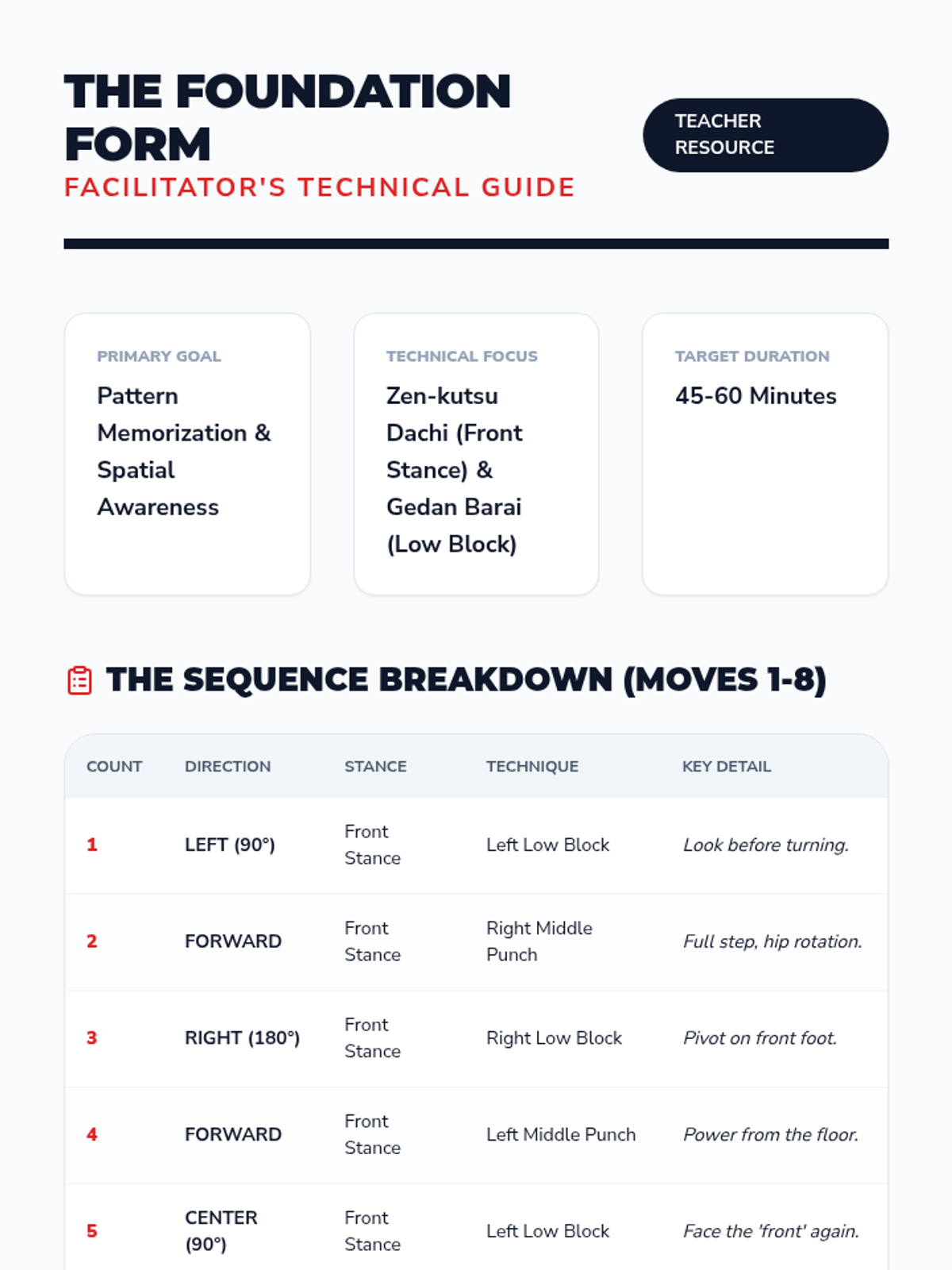
This physical education sequence guides 7th-grade students through the art of martial arts forms (Kata). Students progress from learning traditional patterns to designing, refining, and performing their own choreographed defensive sequences, emphasizing discipline, rhythm, and mental focus.
A 5-lesson unit for 7th graders exploring the physiological link between breath and the nervous system, featuring hands-on practice with diaphragmatic, box, and 4-7-8 breathing techniques.
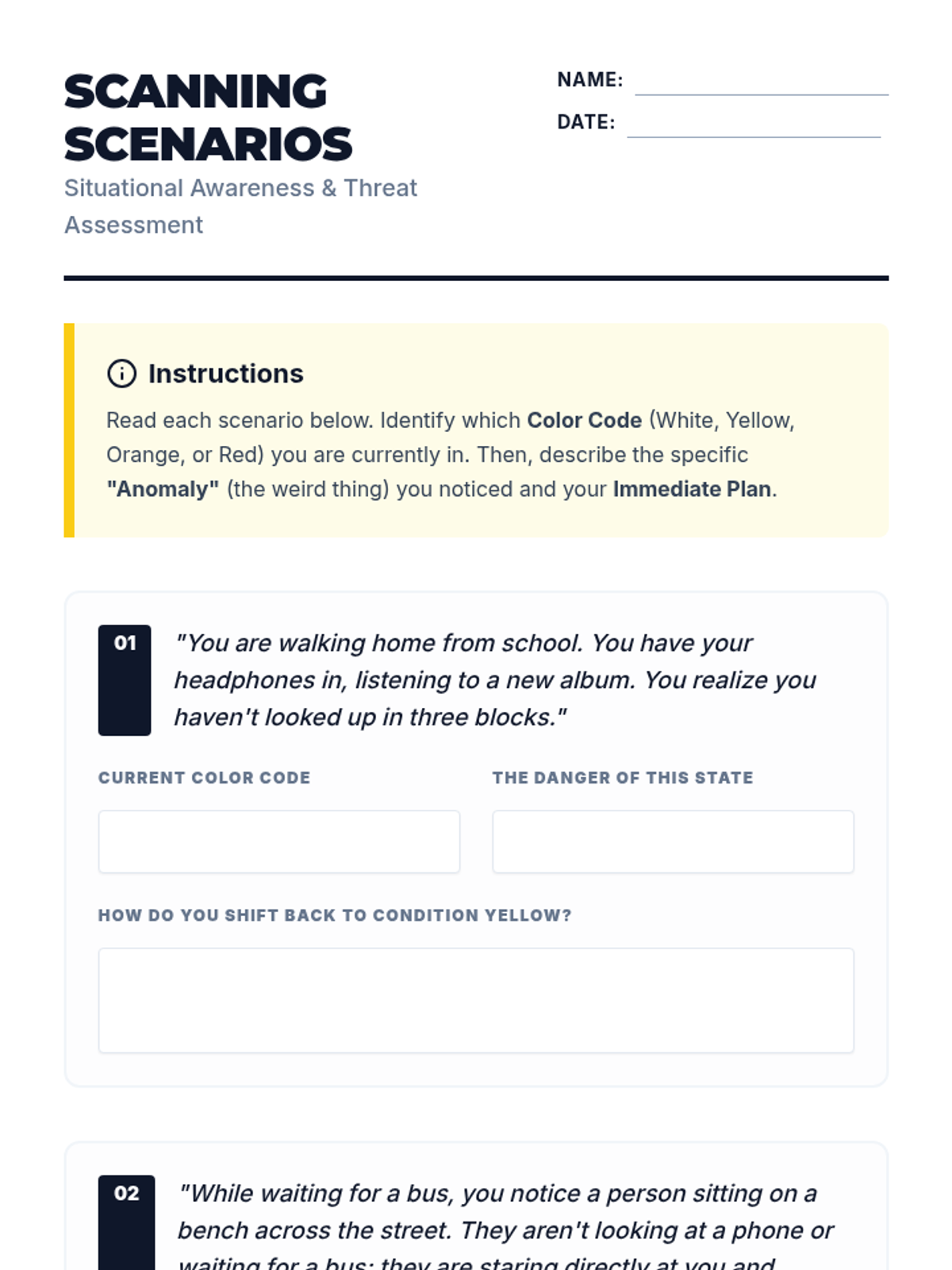
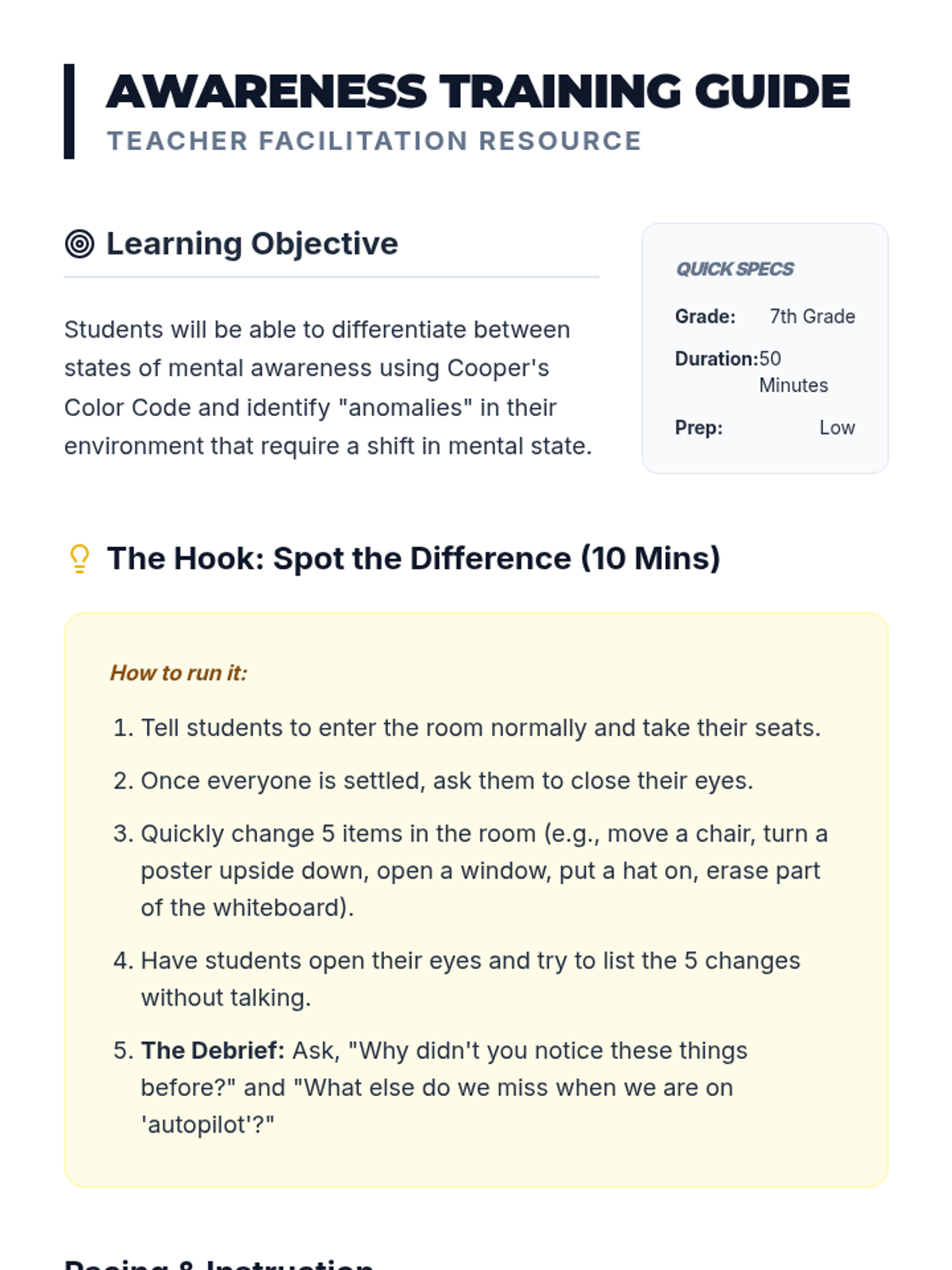
This sequence shifts focus from physical combat to the mental and verbal aspects of self-defense, prioritizing conflict avoidance. Students learn threat assessment, assertive communication, and environmental scanning through Cooper's Color Code and role-playing scenarios.
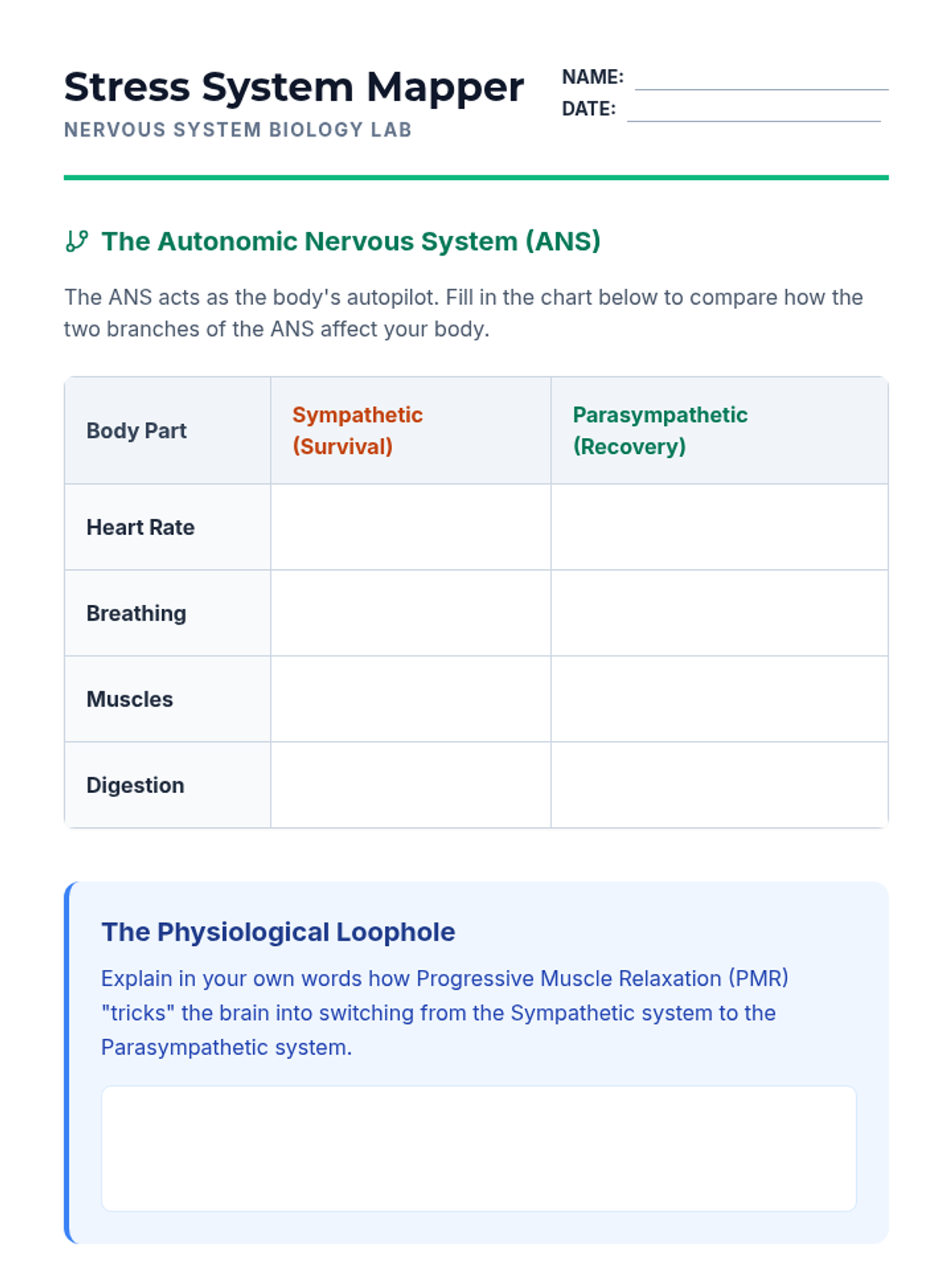
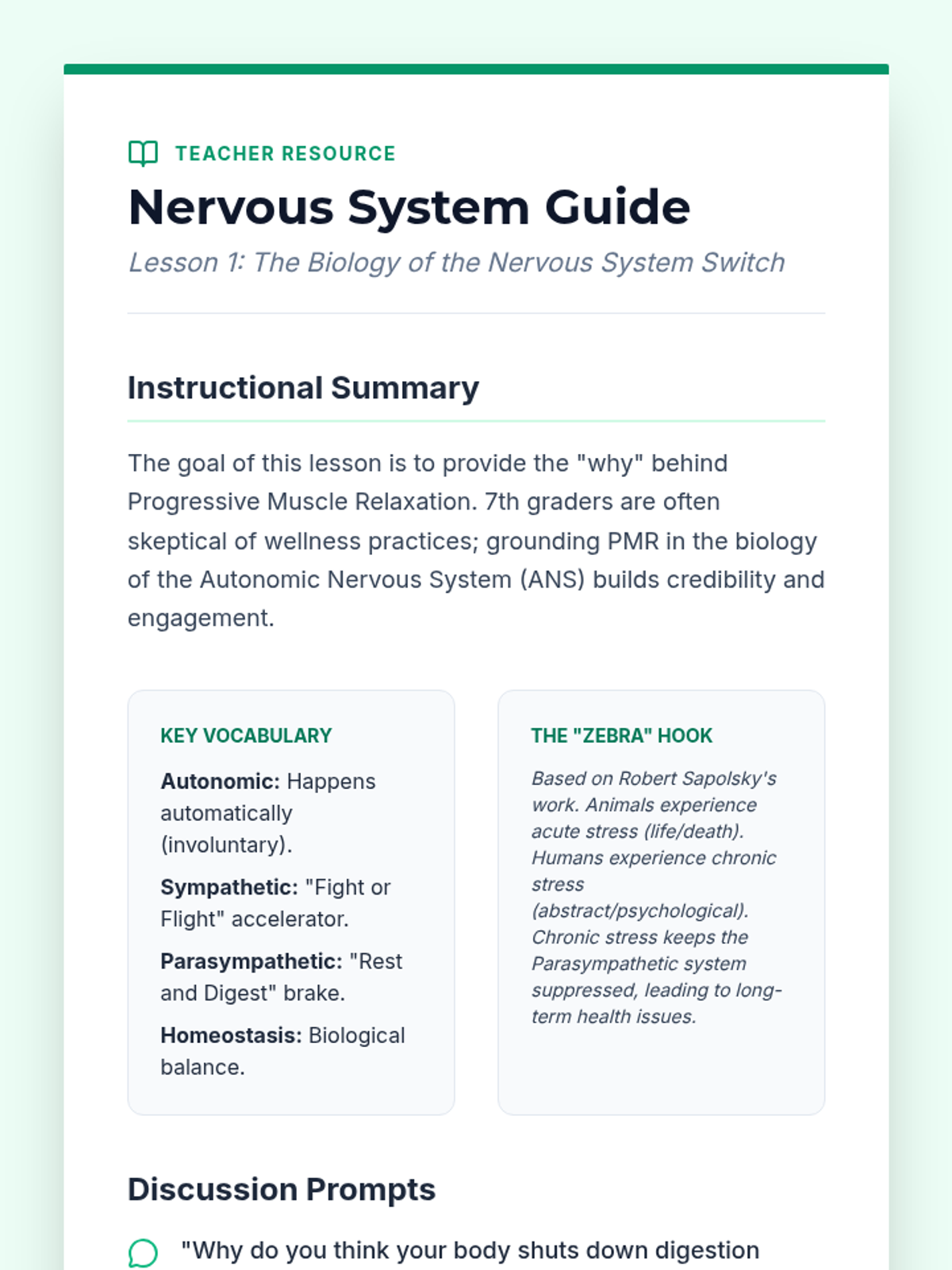
A 7th-grade inquiry-based sequence that investigates the physiological effects of relaxation on the nervous system. Students act as researchers, collecting data on their own vitals and sleep patterns while mastering Progressive Muscle Relaxation (PMR).
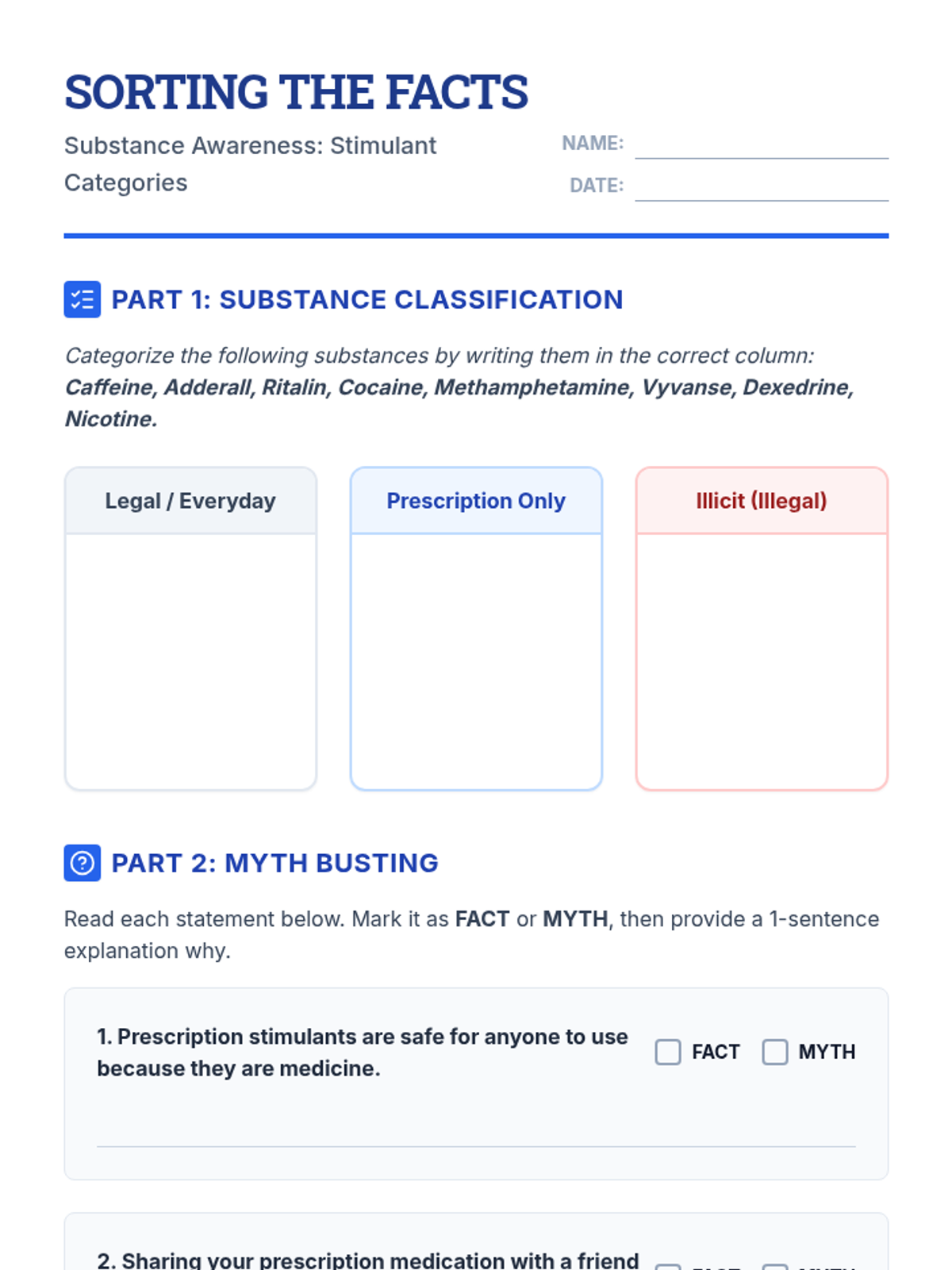
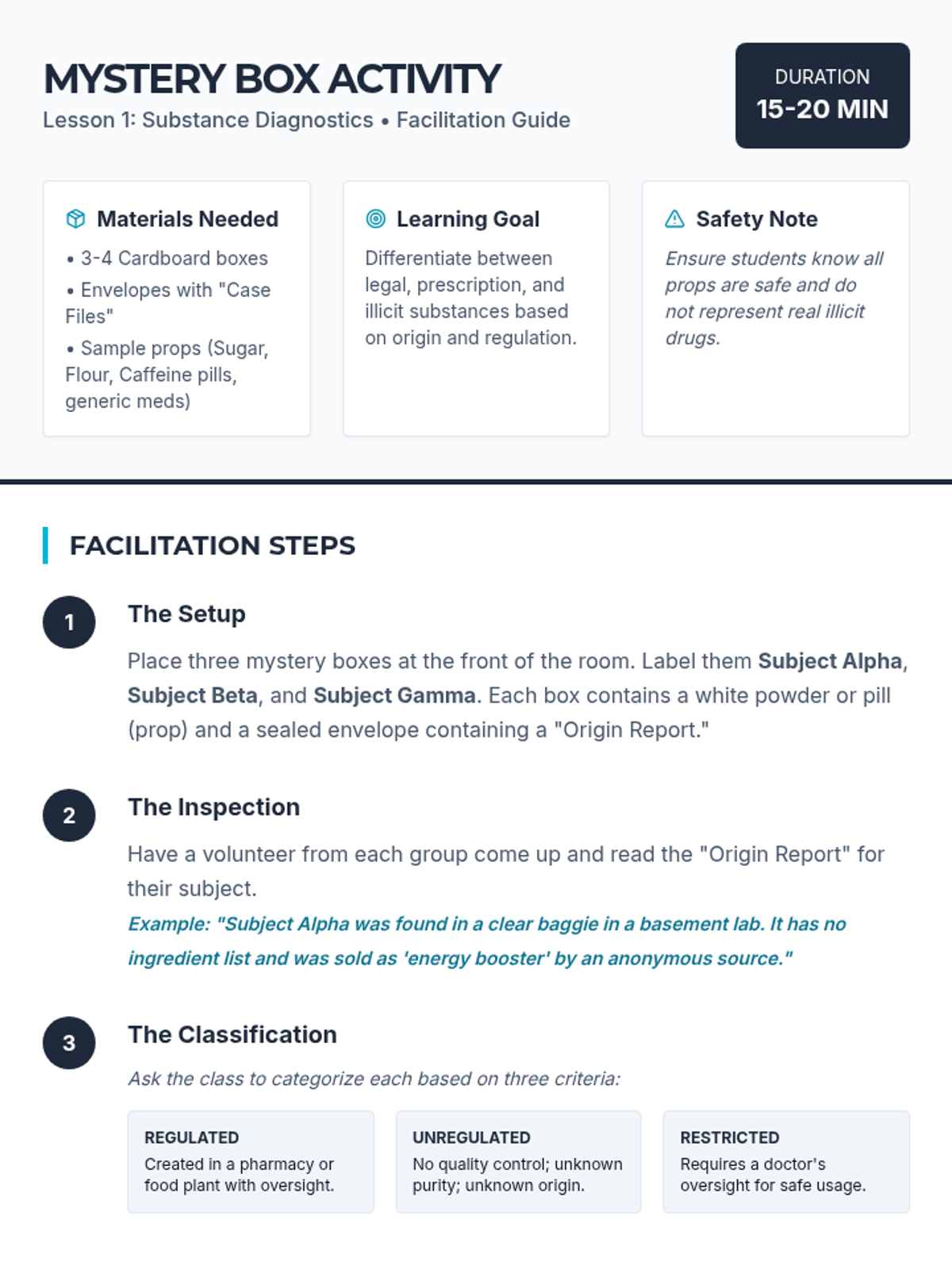
This sequence explores the critical distinction between therapeutic use and illicit misuse of prescription stimulants. Students analyze case studies, legal ramifications, and ethical implications while developing healthy alternatives for academic focus and stress management.
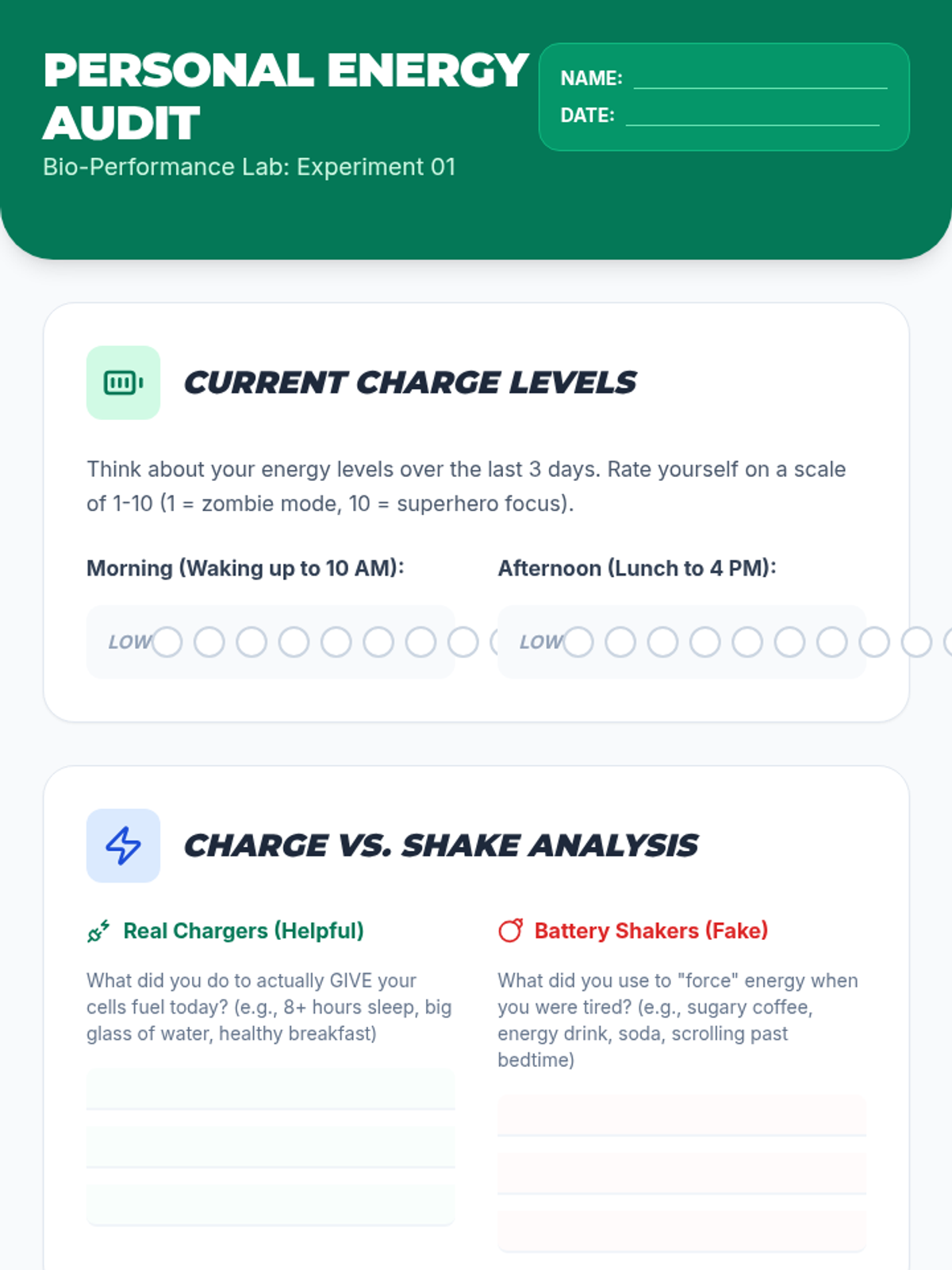
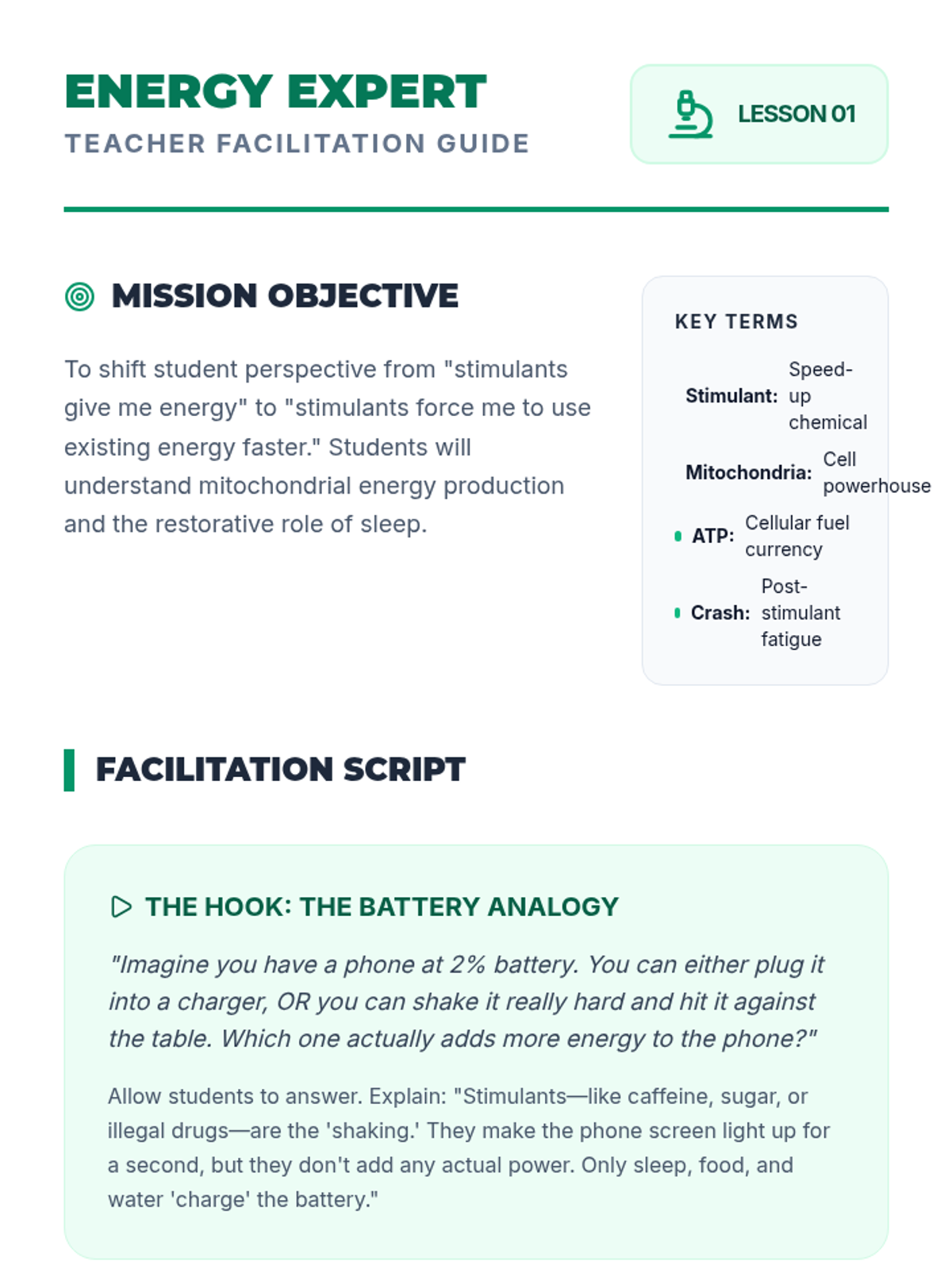
A positive-focused health sequence for 6th graders that teaches natural energy strategies—sleep, nutrition, movement, and stress management—as sustainable alternatives to chemical stimulants. Students develop a personal 'High Performance Plan' to optimize their energy and focus.
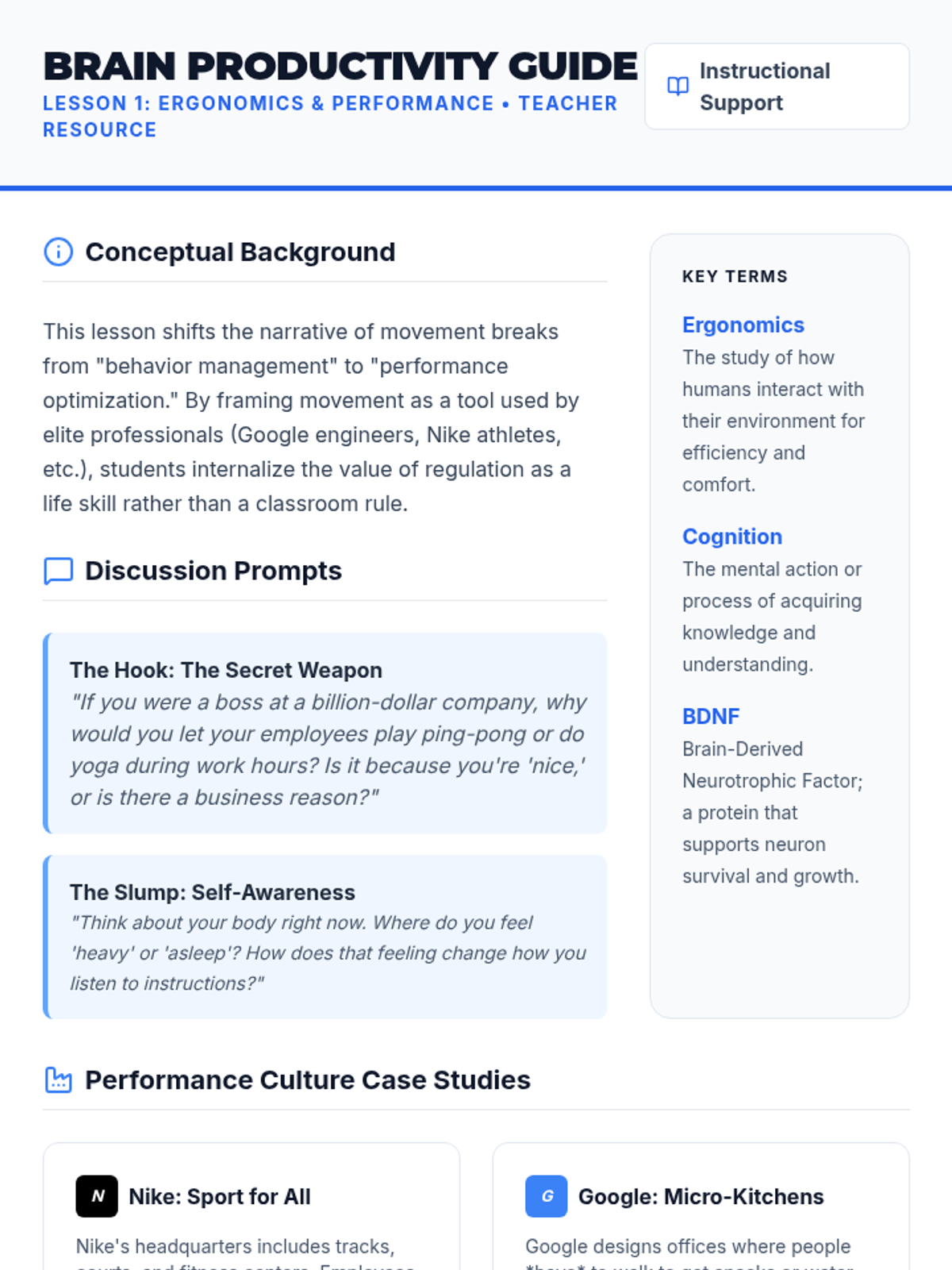
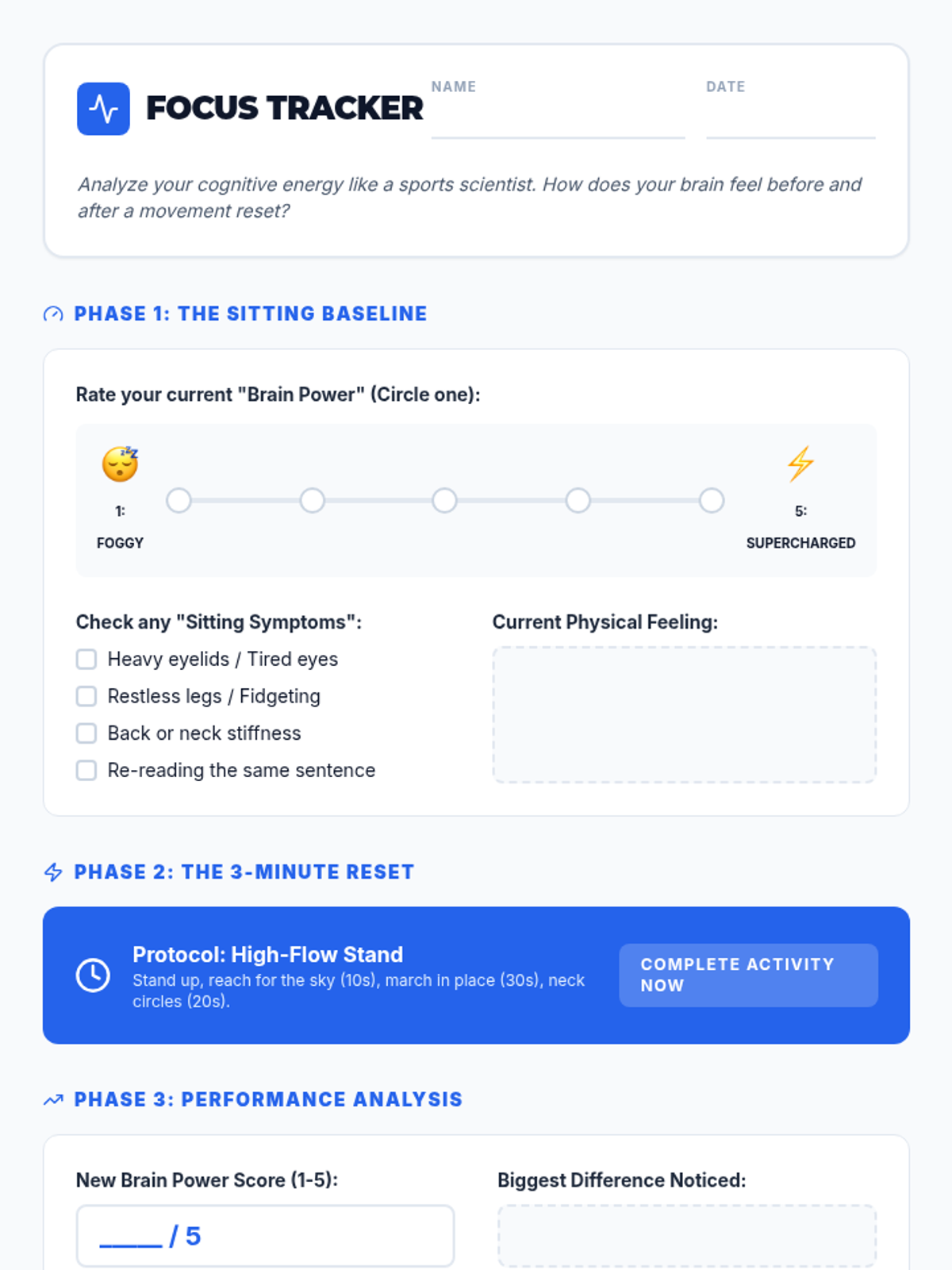
A project-based sequence for 6th-grade students to design, test, and lead movement protocols that optimize cognitive performance and sensory regulation in the classroom.
This sequence guides 7th-grade students through the biological and psychological links between daily habits and emotional stability. Students explore sleep hygiene, nutritional energy, and physical activity, culminating in a personalized habit-stacking wellness plan.
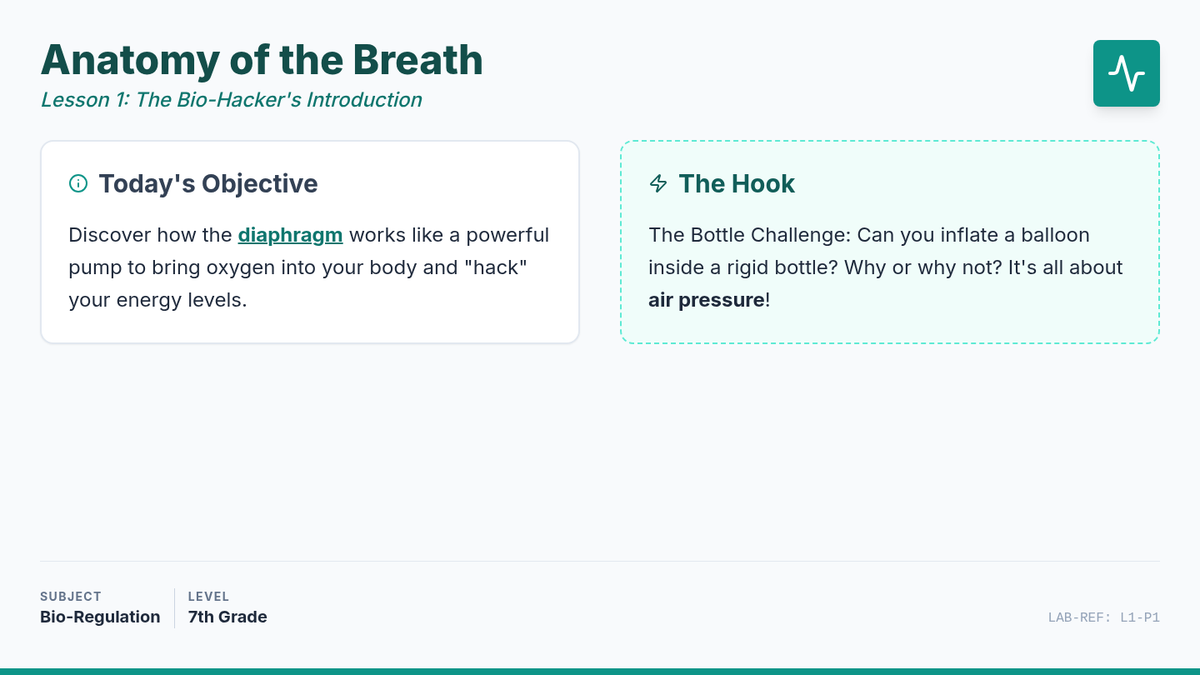
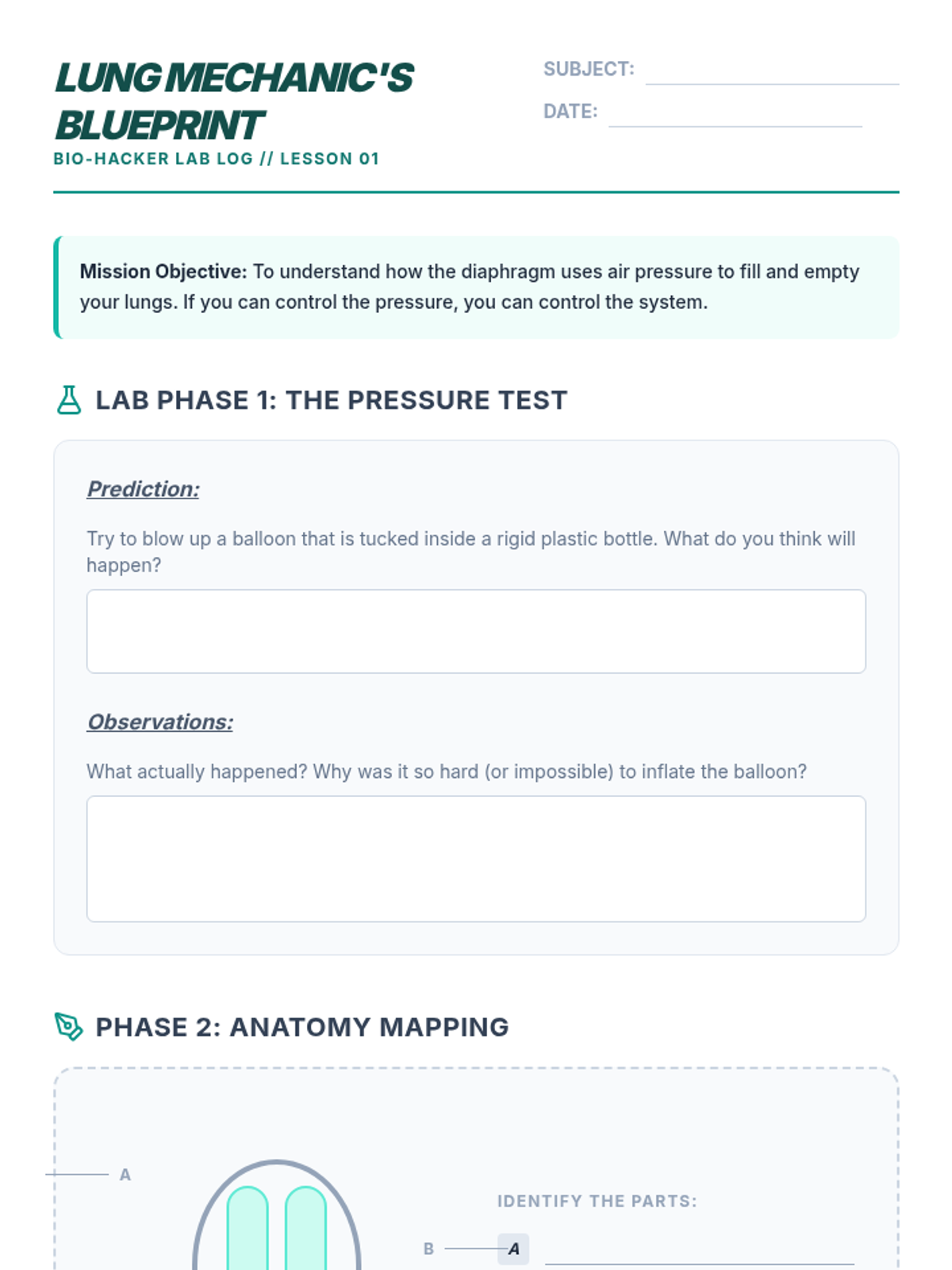
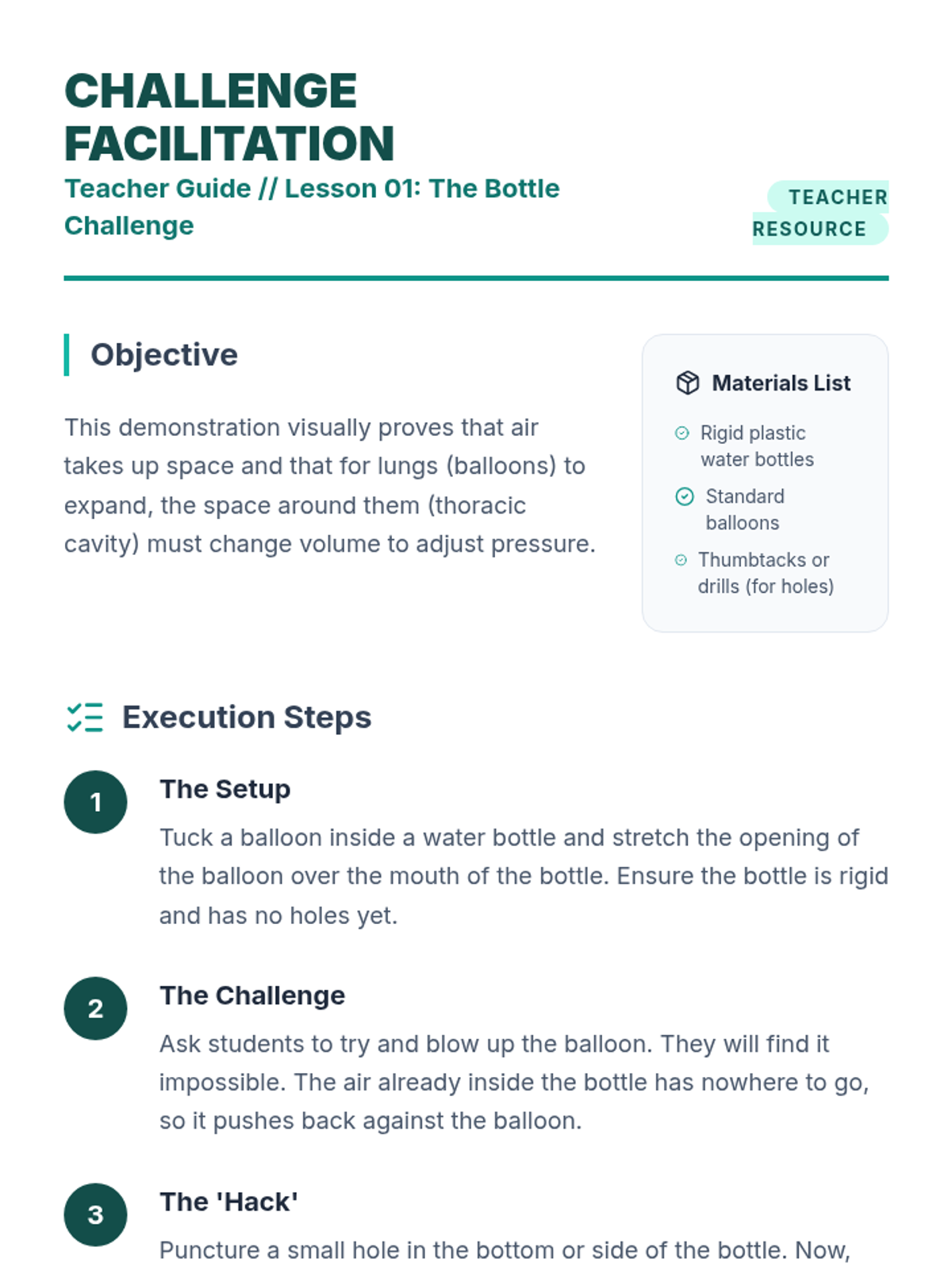
A comprehensive 5-lesson unit for 7th-grade students exploring the physiological mechanics of deep breathing. Framing breathwork as 'bio-hacking,' students learn the anatomy of the diaphragm, the function of the vagus nerve, and how to intentionally transition from a 'fight-or-flight' state to a 'rest-and-digest' state through diaphragmatic control and ratio breathing.
This sequence grounds meditation practice in scientific principles, focusing on the physiological connection between respiration and the nervous system. Students explore the biology of stress, learn diaphragmatic breathing, practice rhythmic protocols like box breathing, and apply these tools to manage performance anxiety.
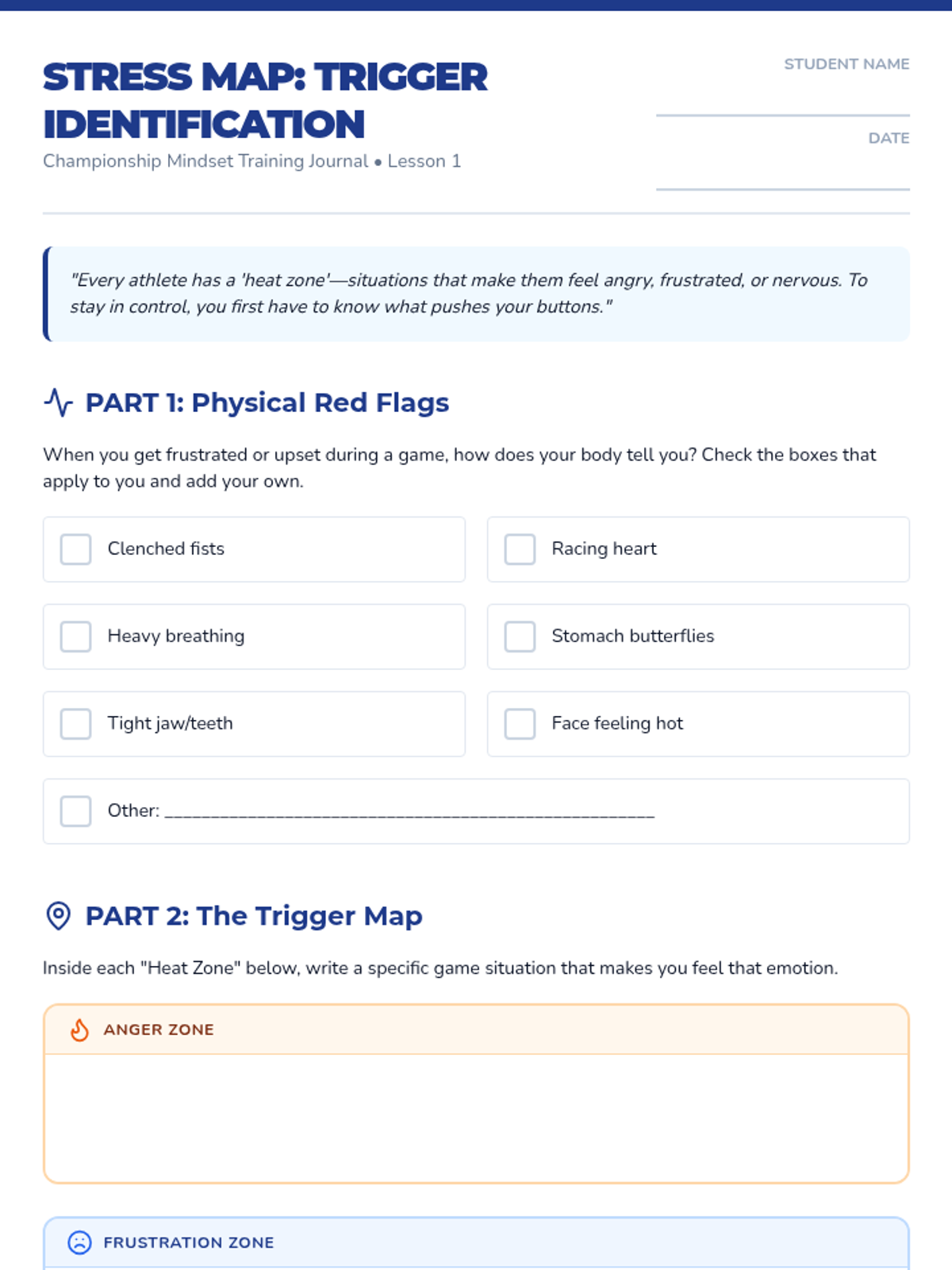
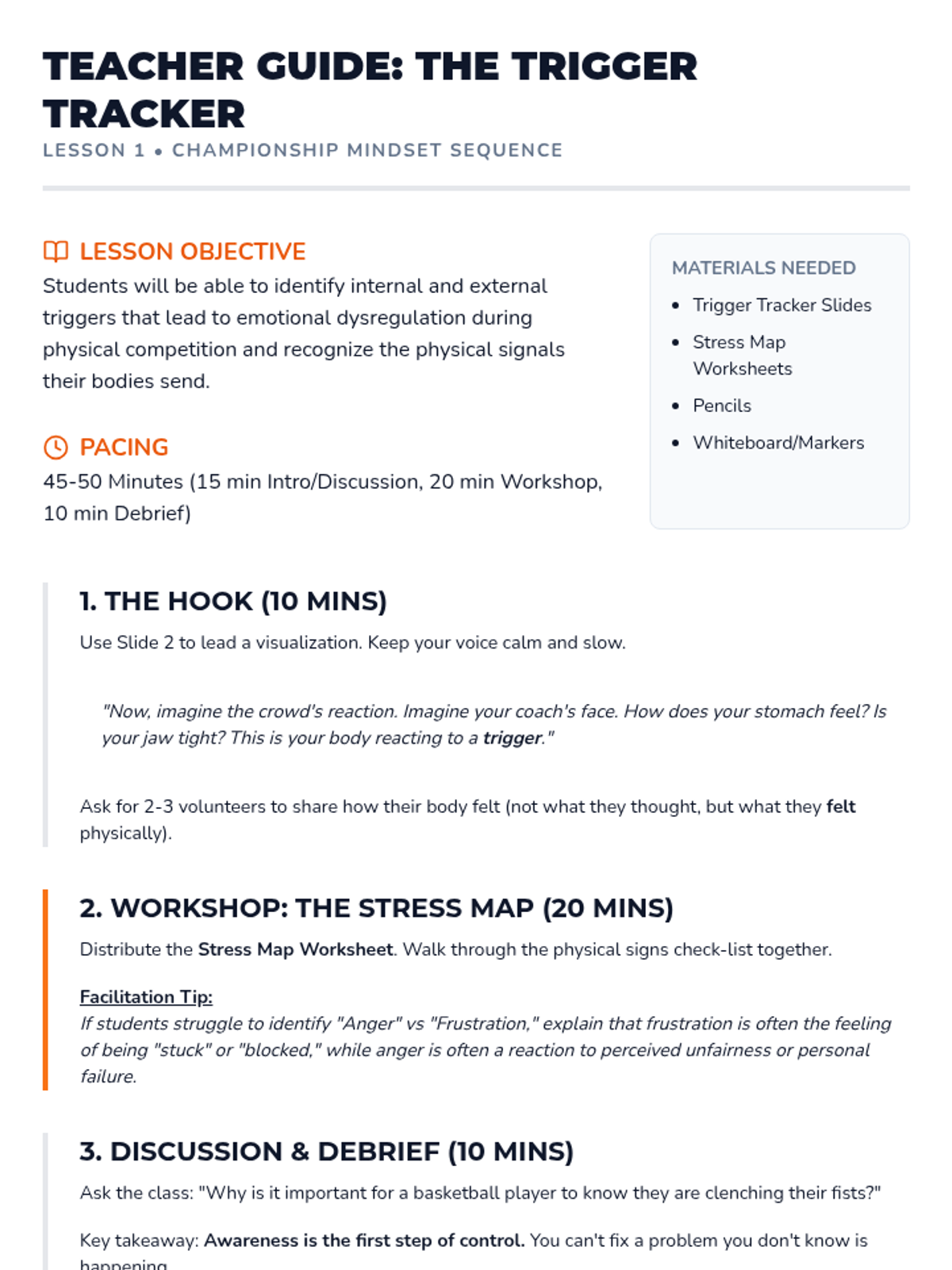
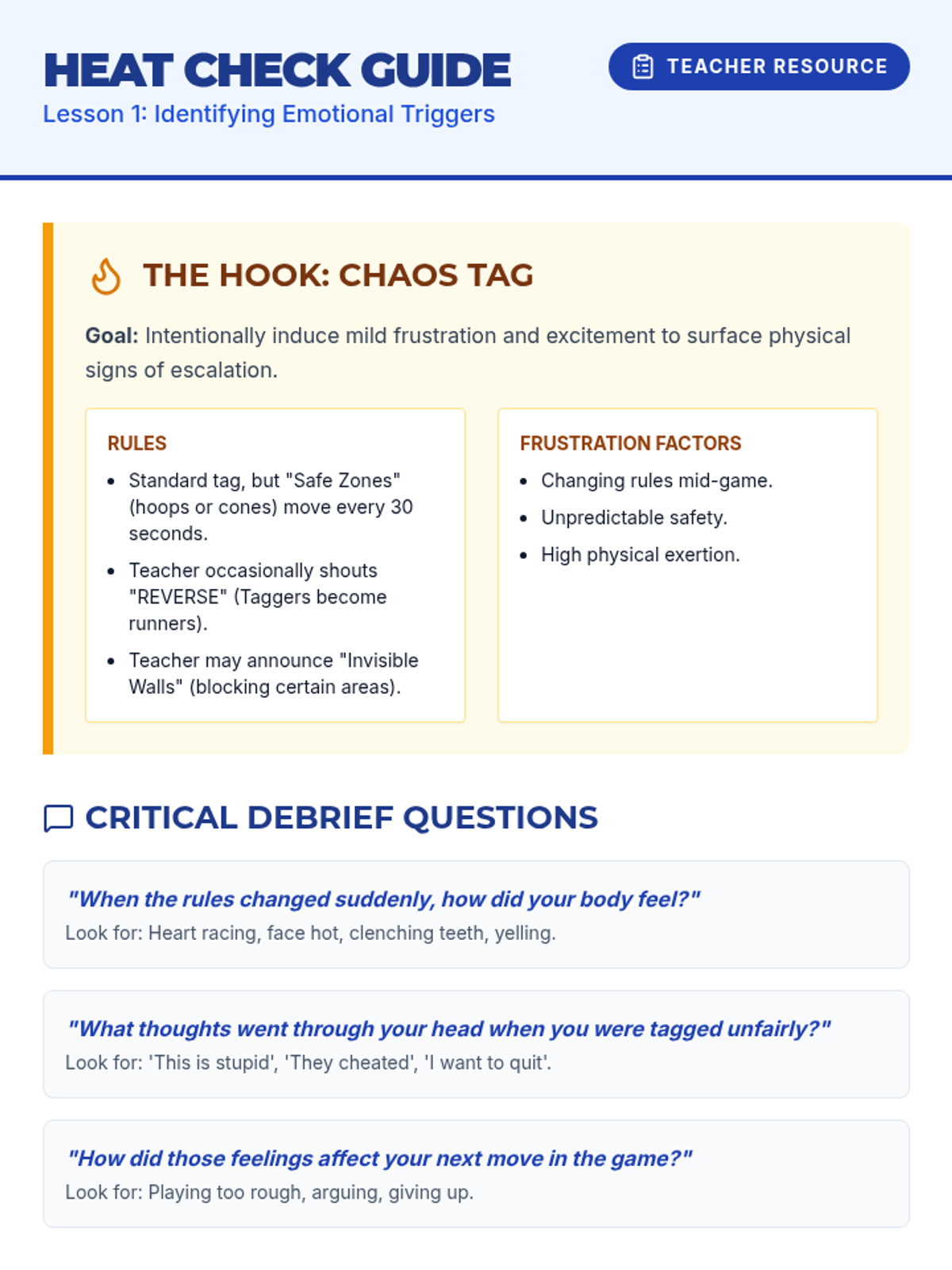
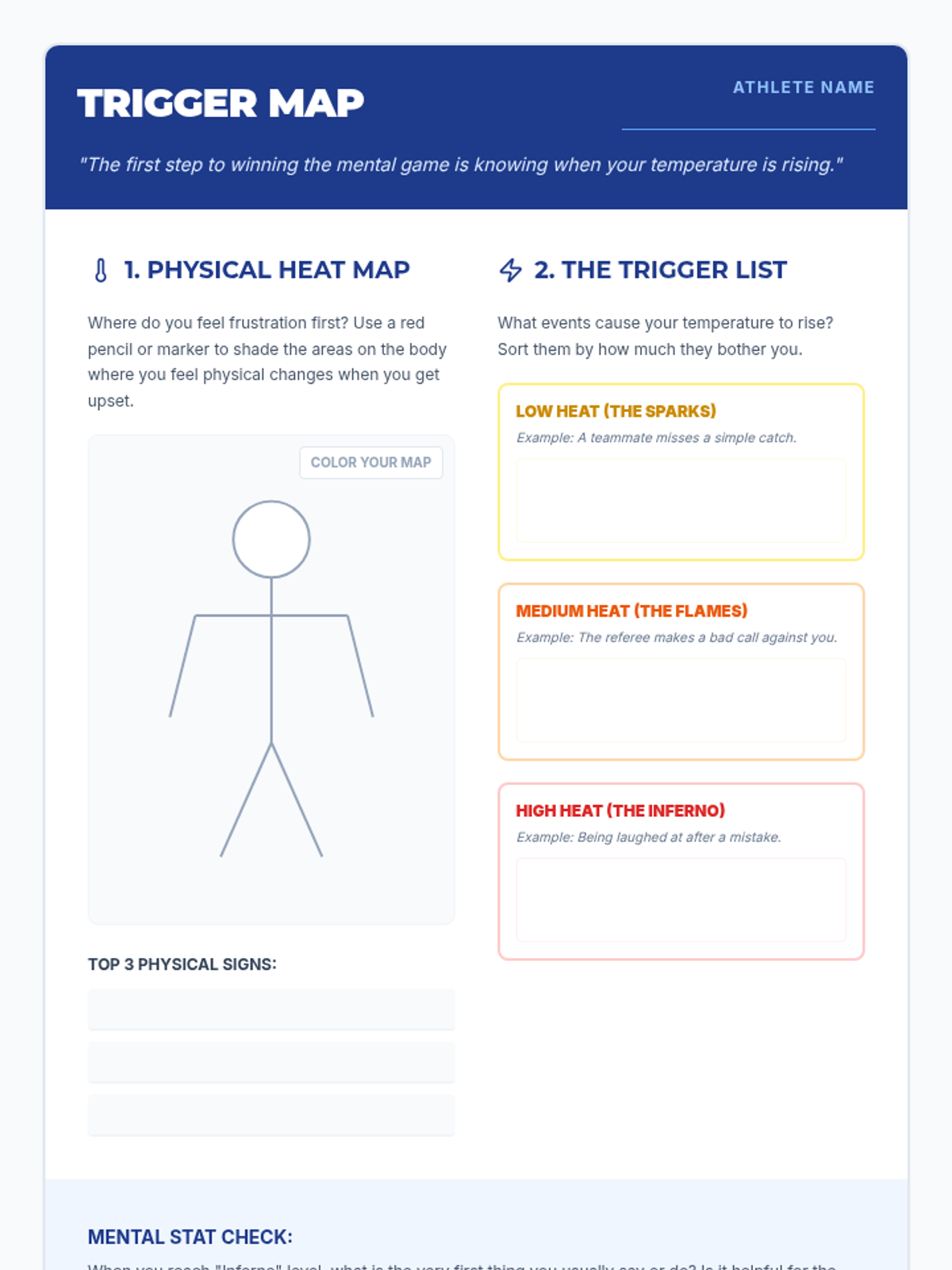
This sequence focuses on the internal aspect of sportsmanship: emotional regulation. Students learn concrete strategies for managing frustration, anger, and excitement during competitive play, progressing from identifying triggers to applying coping mechanisms in real-time games.
A comprehensive sequence for 6th-grade students focusing on emotional regulation, de-escalation, and conflict resolution within competitive team sports environments. Students move from identifying personal triggers to self-officiating and competing in a 'spirit-weighted' tournament.
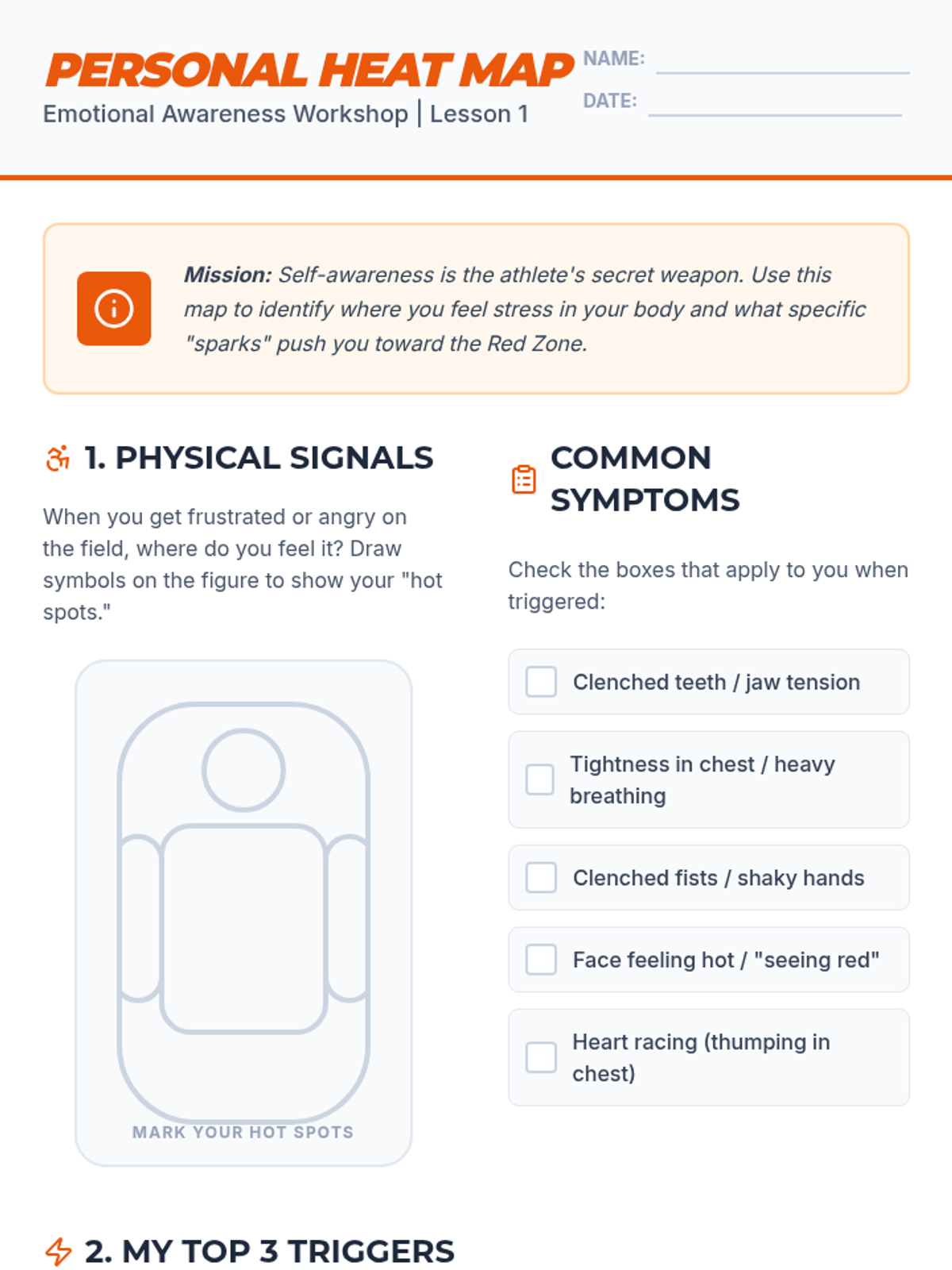
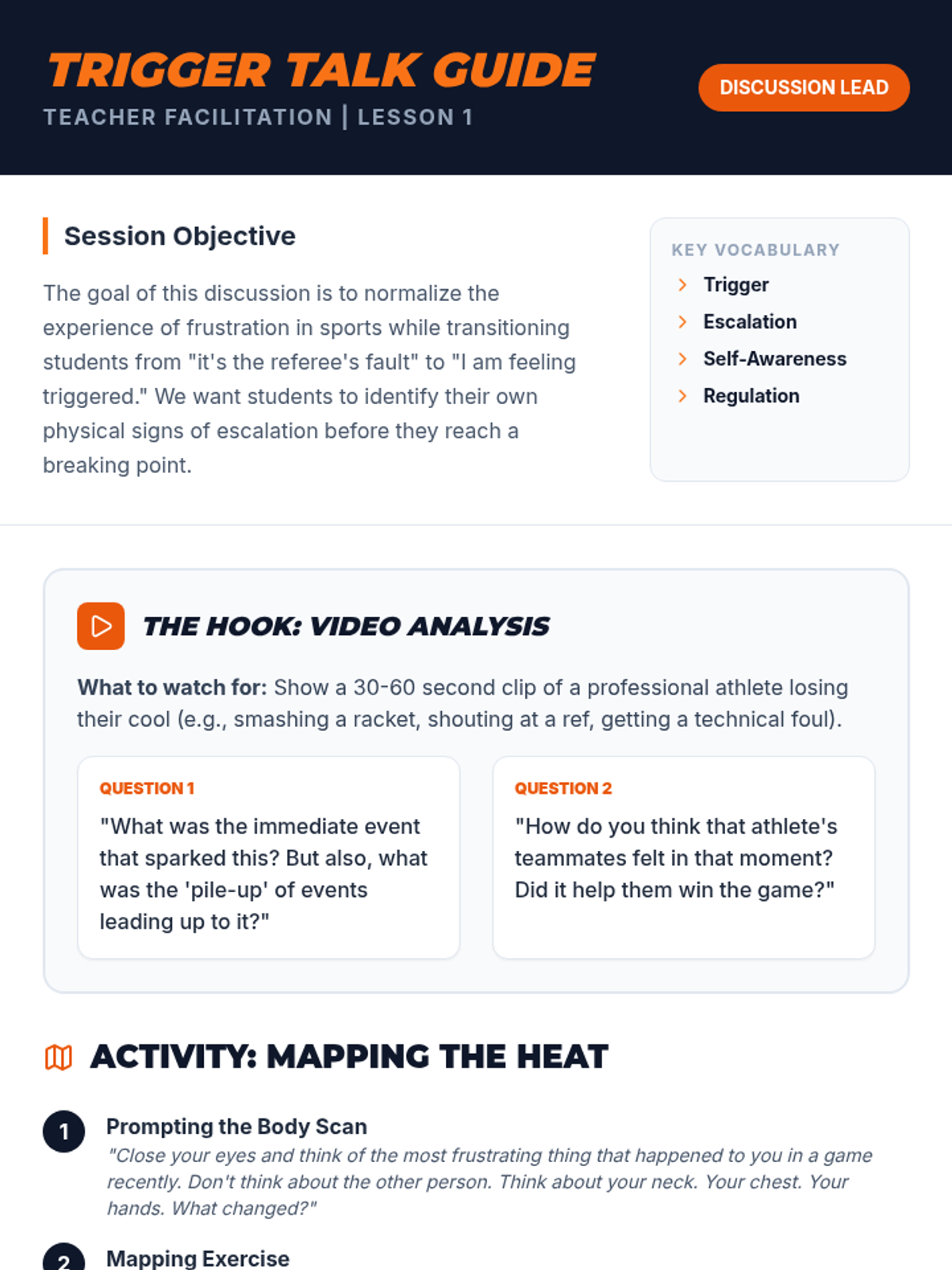
A 5-lesson sequence for 7th-grade students focusing on identifying emotional triggers, learning de-escalation techniques, and practicing conflict resolution in high-intensity sports settings. Students progress from self-awareness to peer mediation, culminating in high-pressure simulations and post-game etiquette.
A 5-lesson sequence focused on building emotional regulation and conflict resolution skills through active gameplay and simulations in physical education.
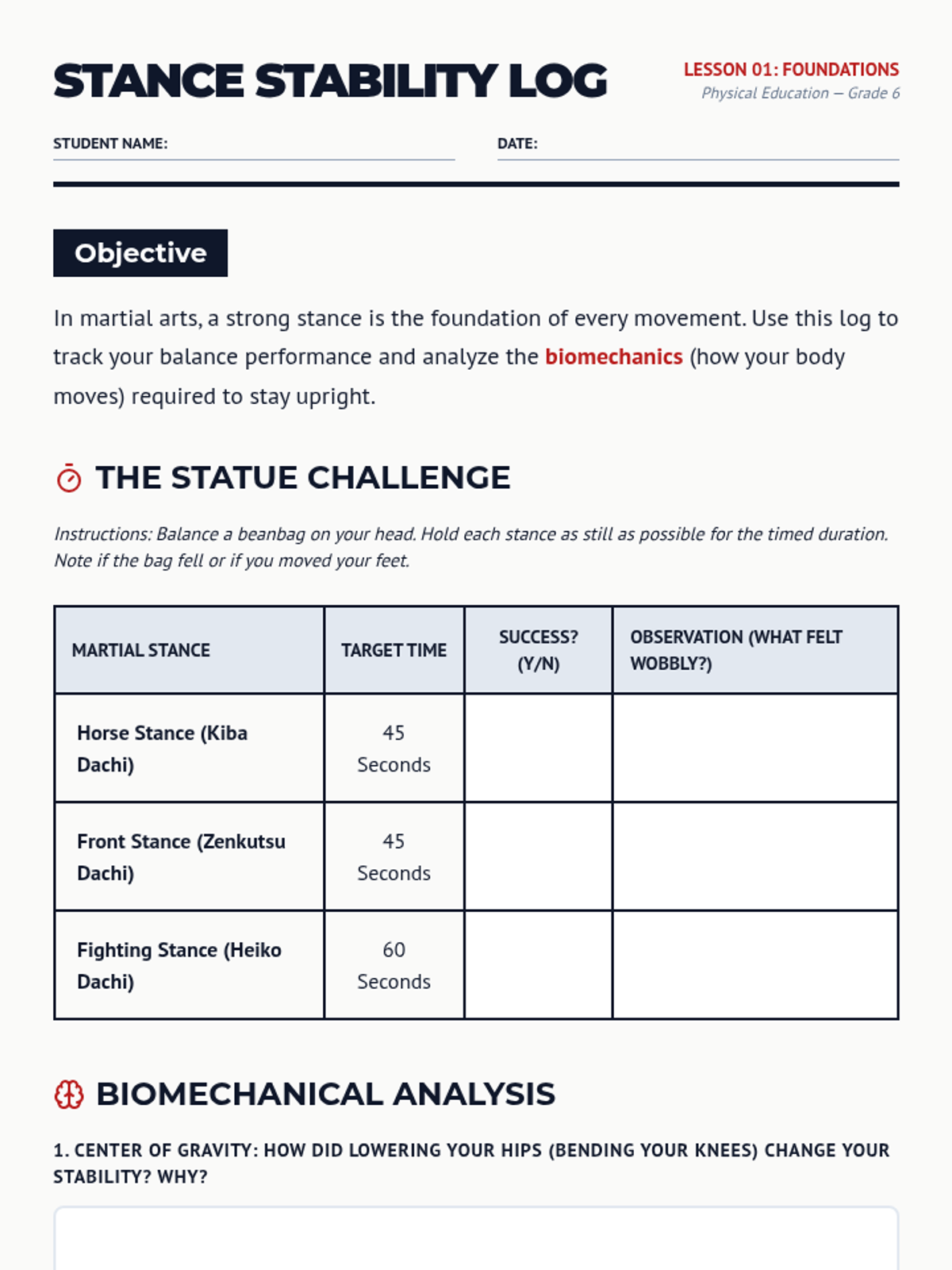
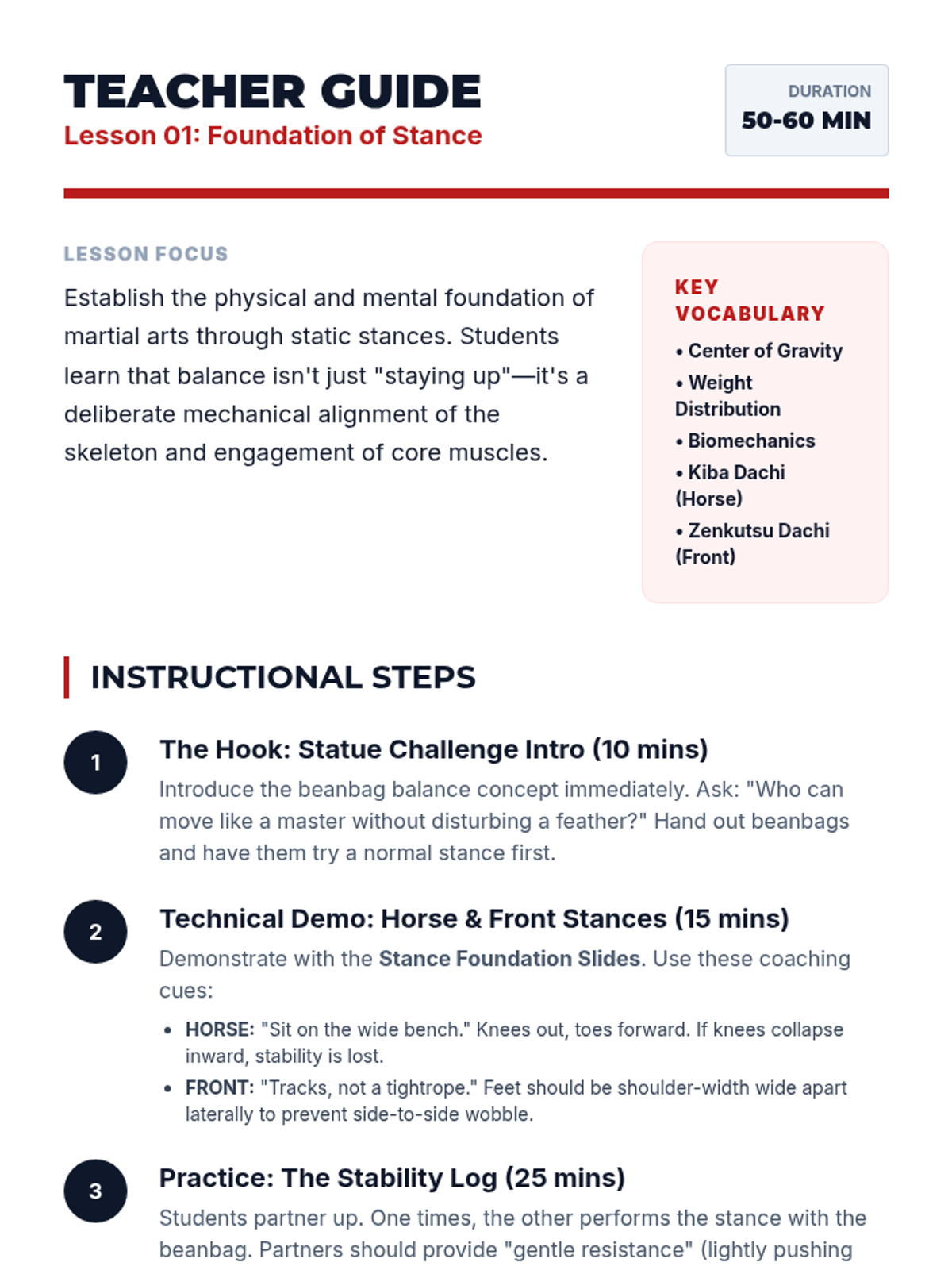
A 5-lesson sequence for 6th Grade Physical Education focusing on the biomechanics of martial arts, including stances, striking, kicking, flow, and mental discipline. Students learn how power is generated through structural alignment and breath control.
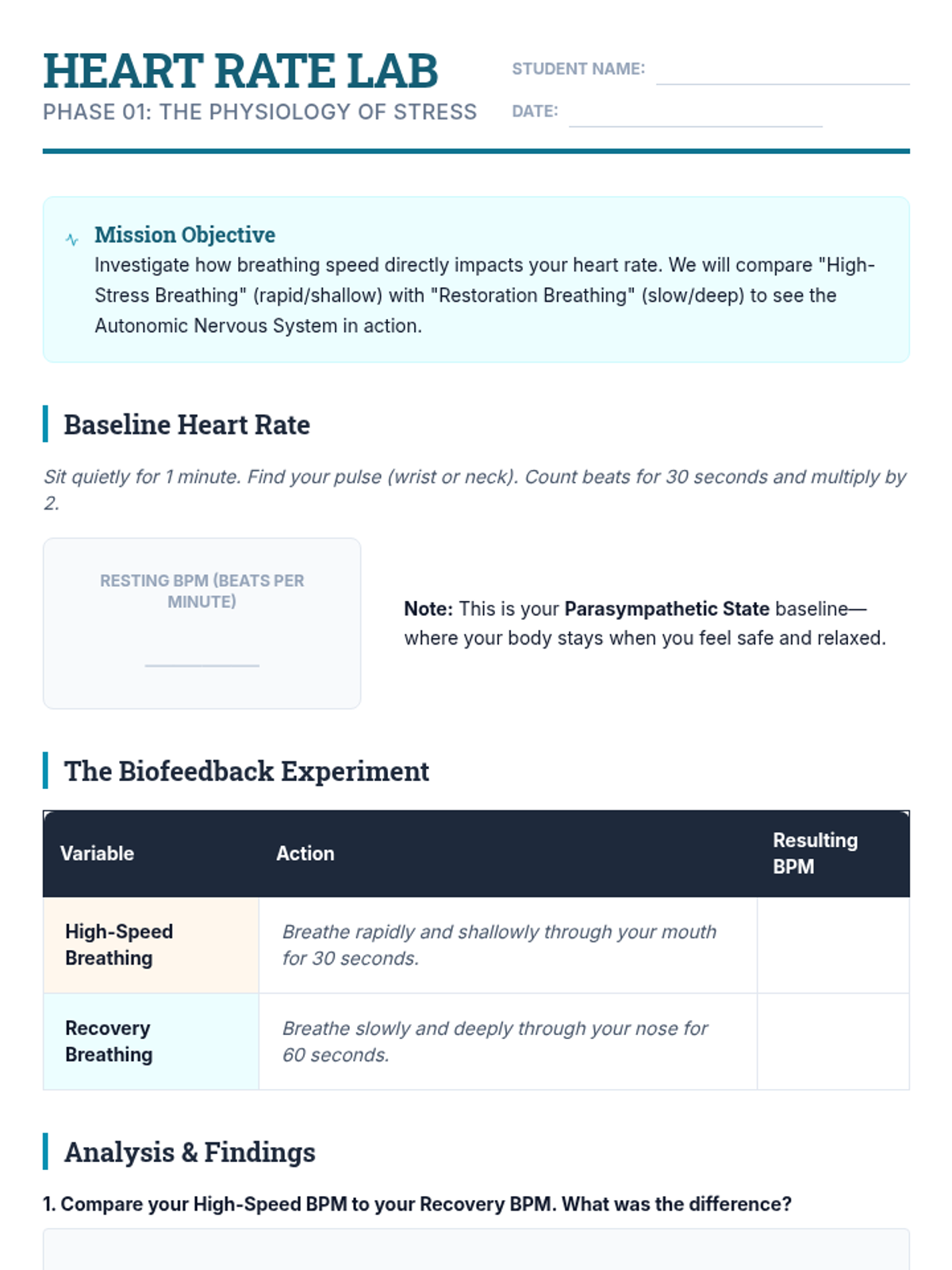
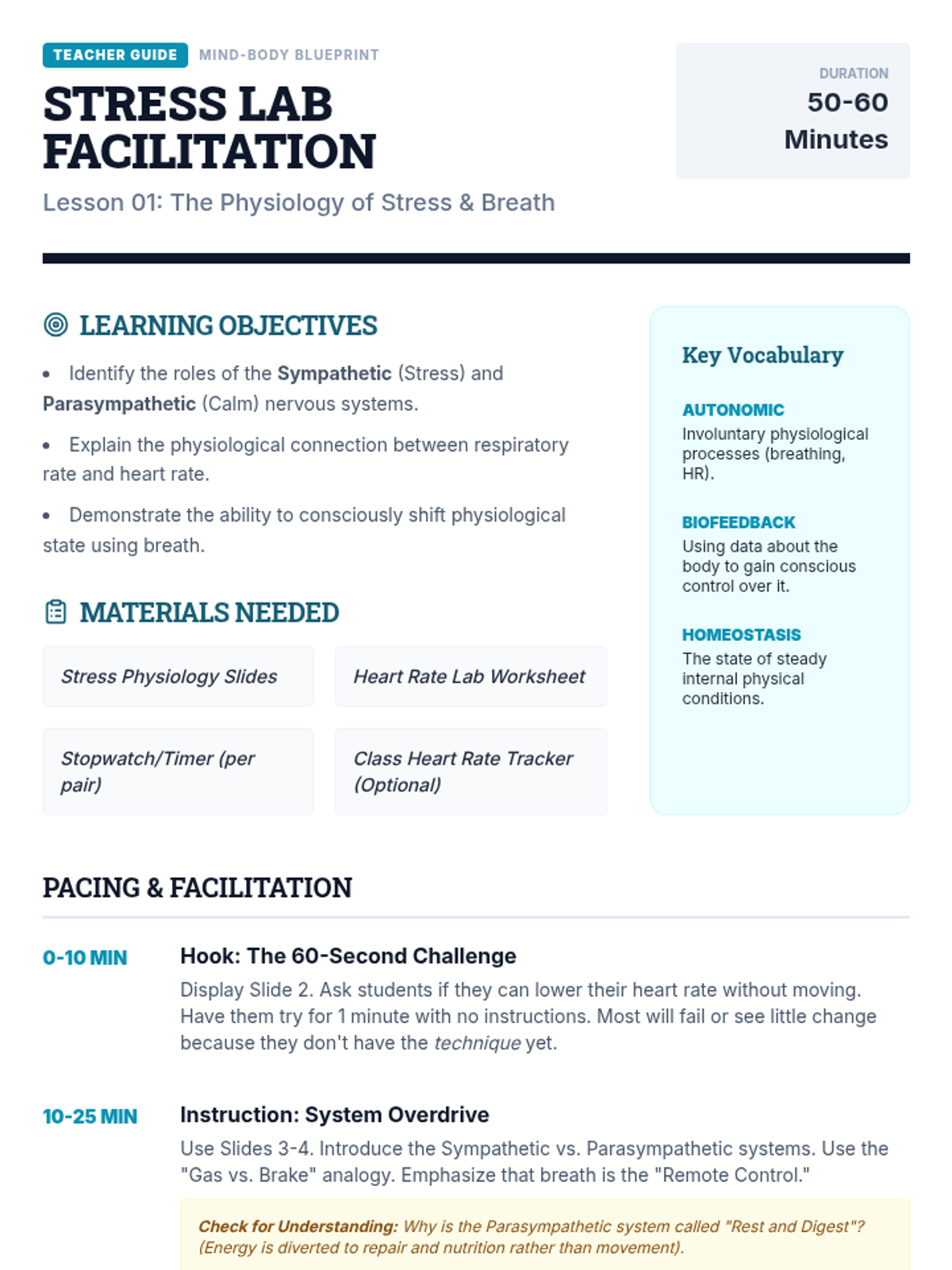
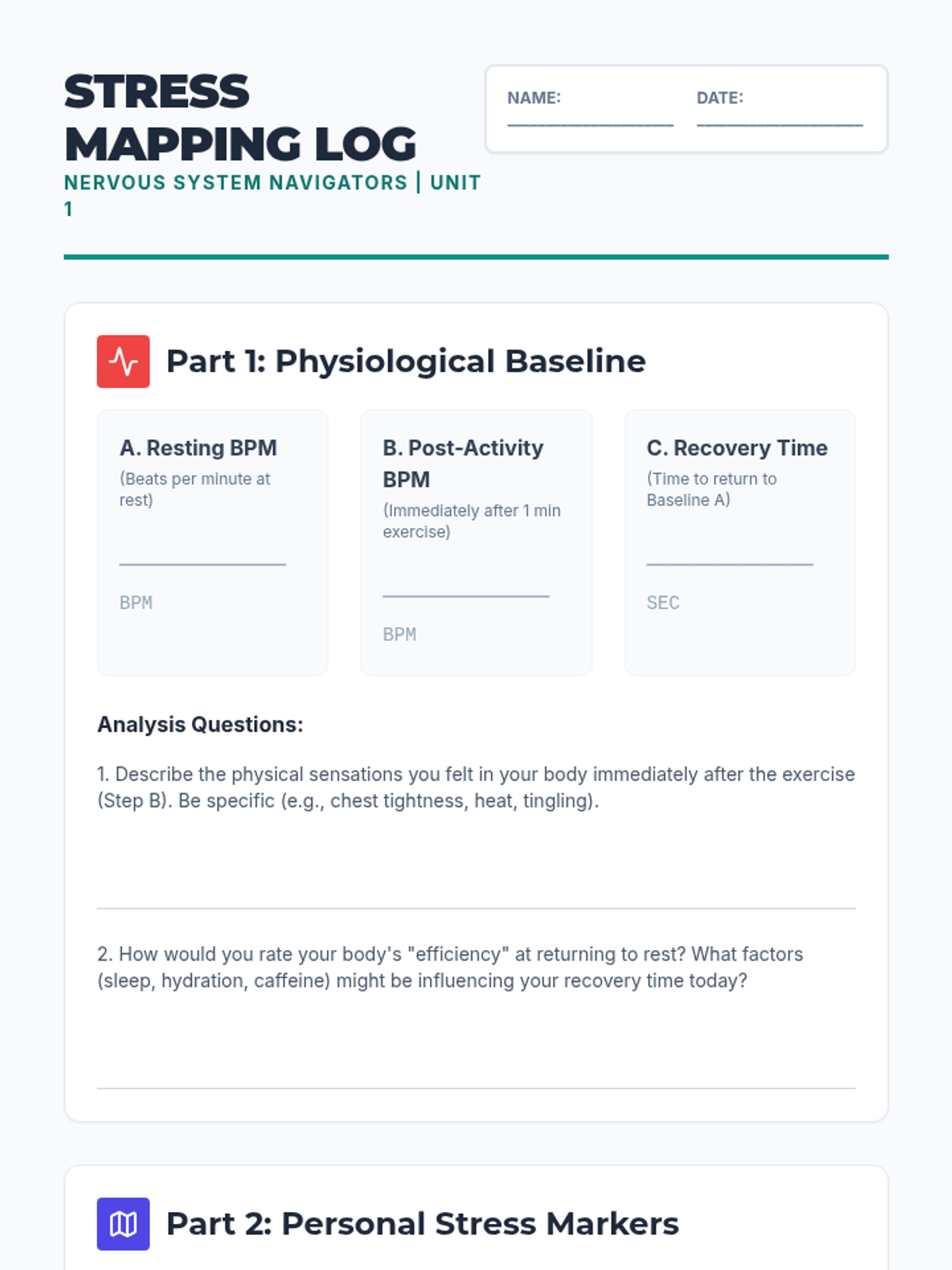
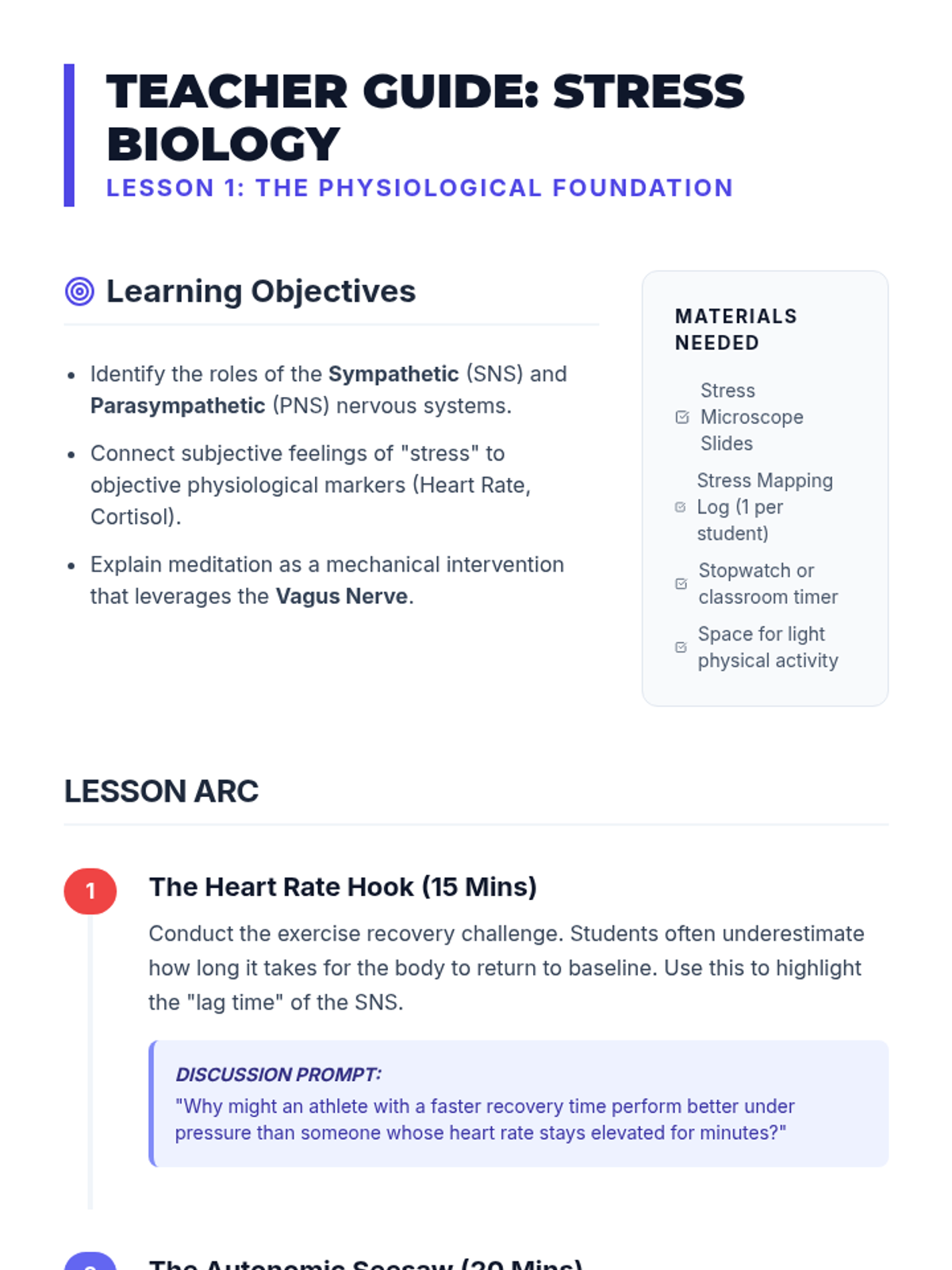
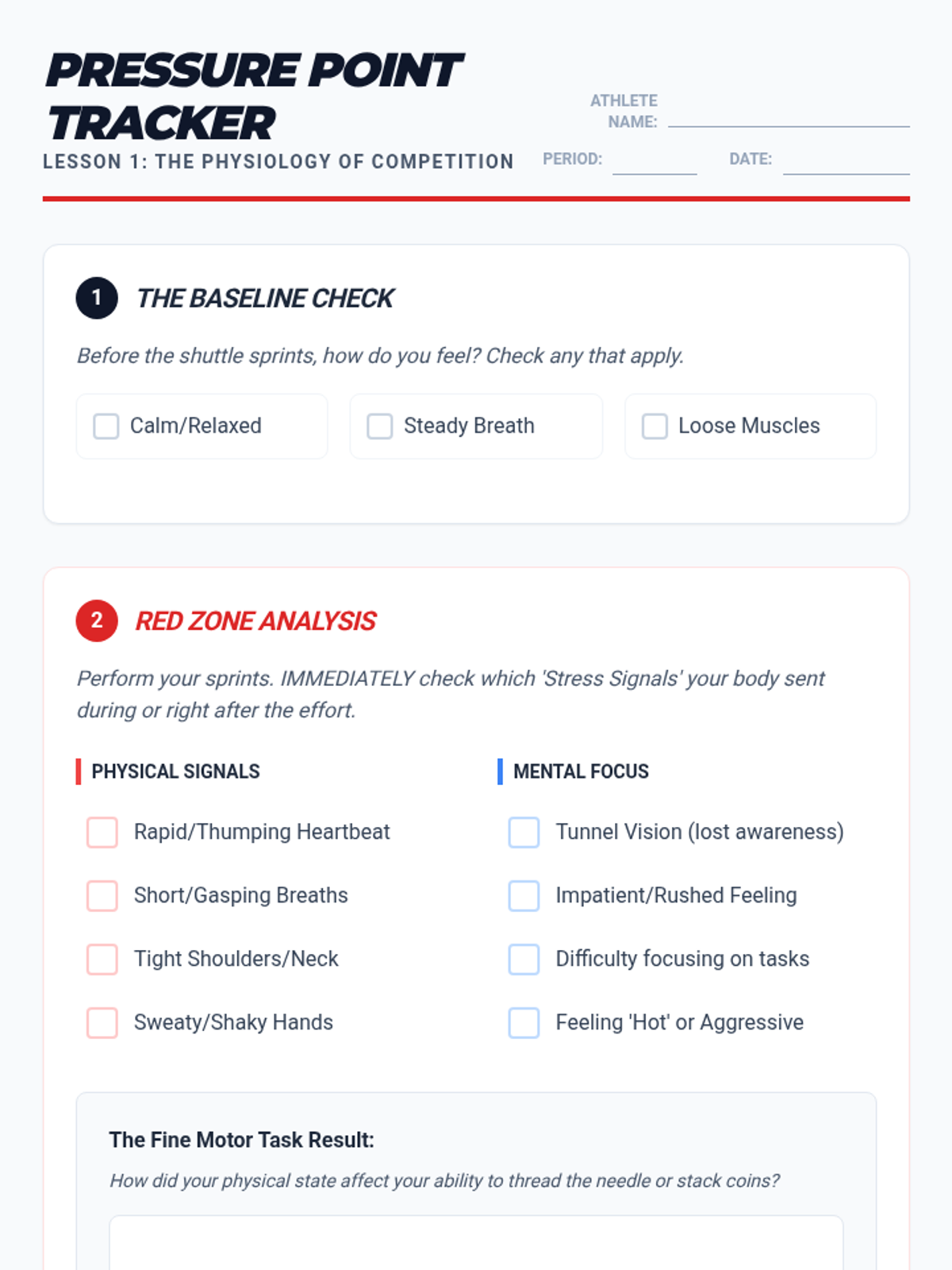
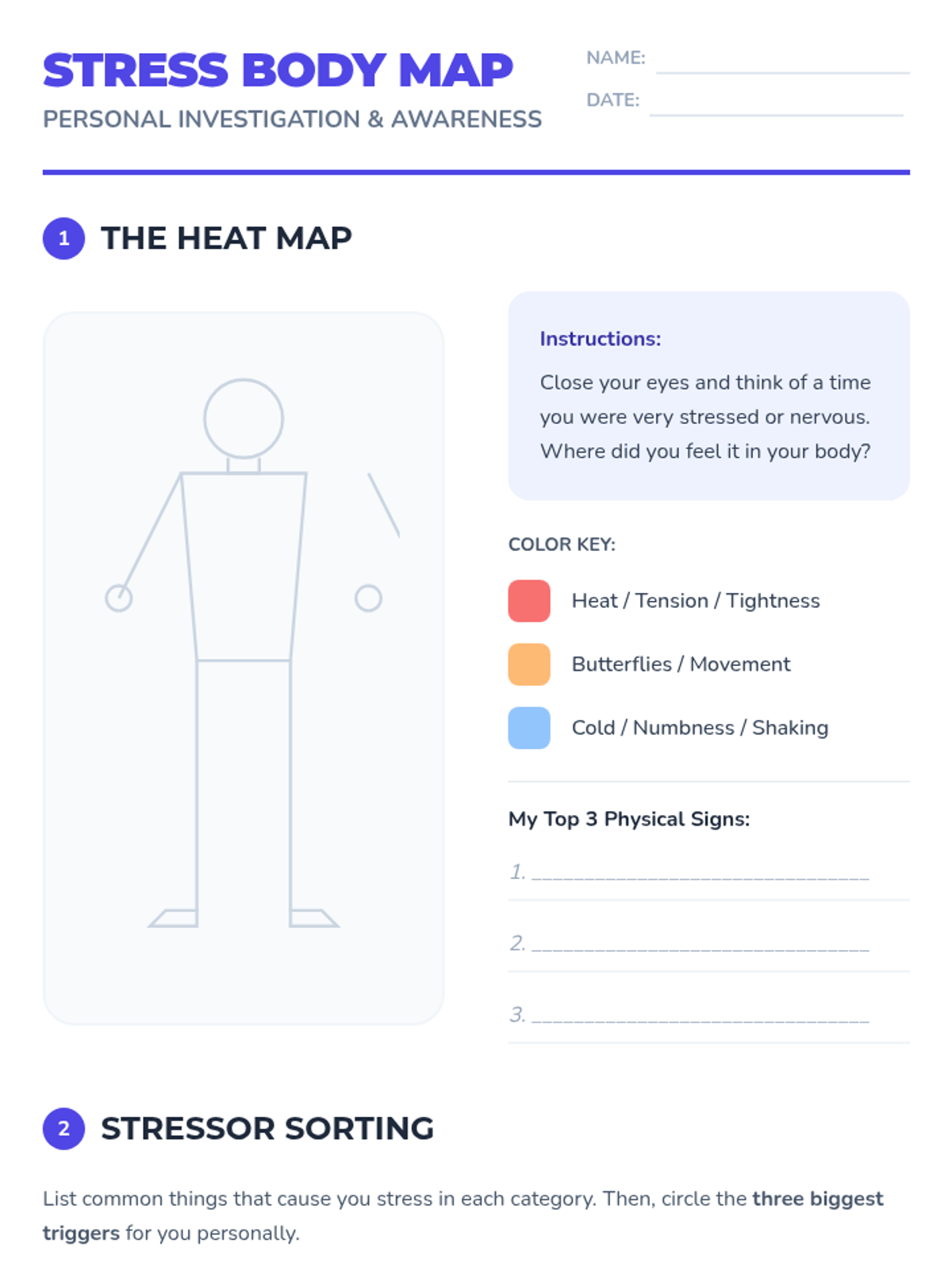
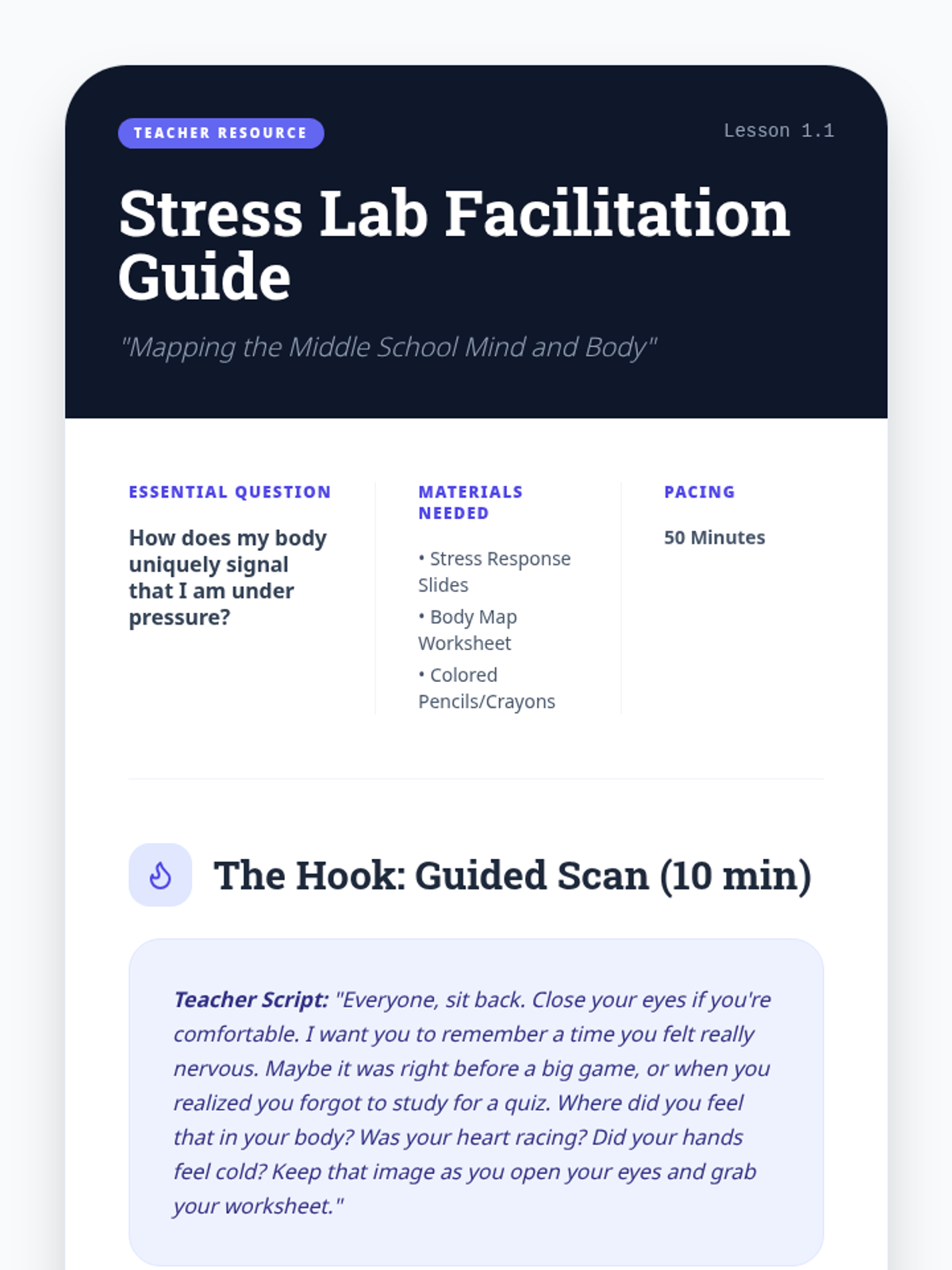
A comprehensive 5-lesson sequence for 7th-grade students focused on understanding the physiological basis of stress, practicing immediate coping strategies, distinguishing healthy habits, and building a personalized resilience plan.
A comprehensive wellness sequence designed for middle and high school students, covering emotional intelligence and substance use prevention through interactive activities and reflection.
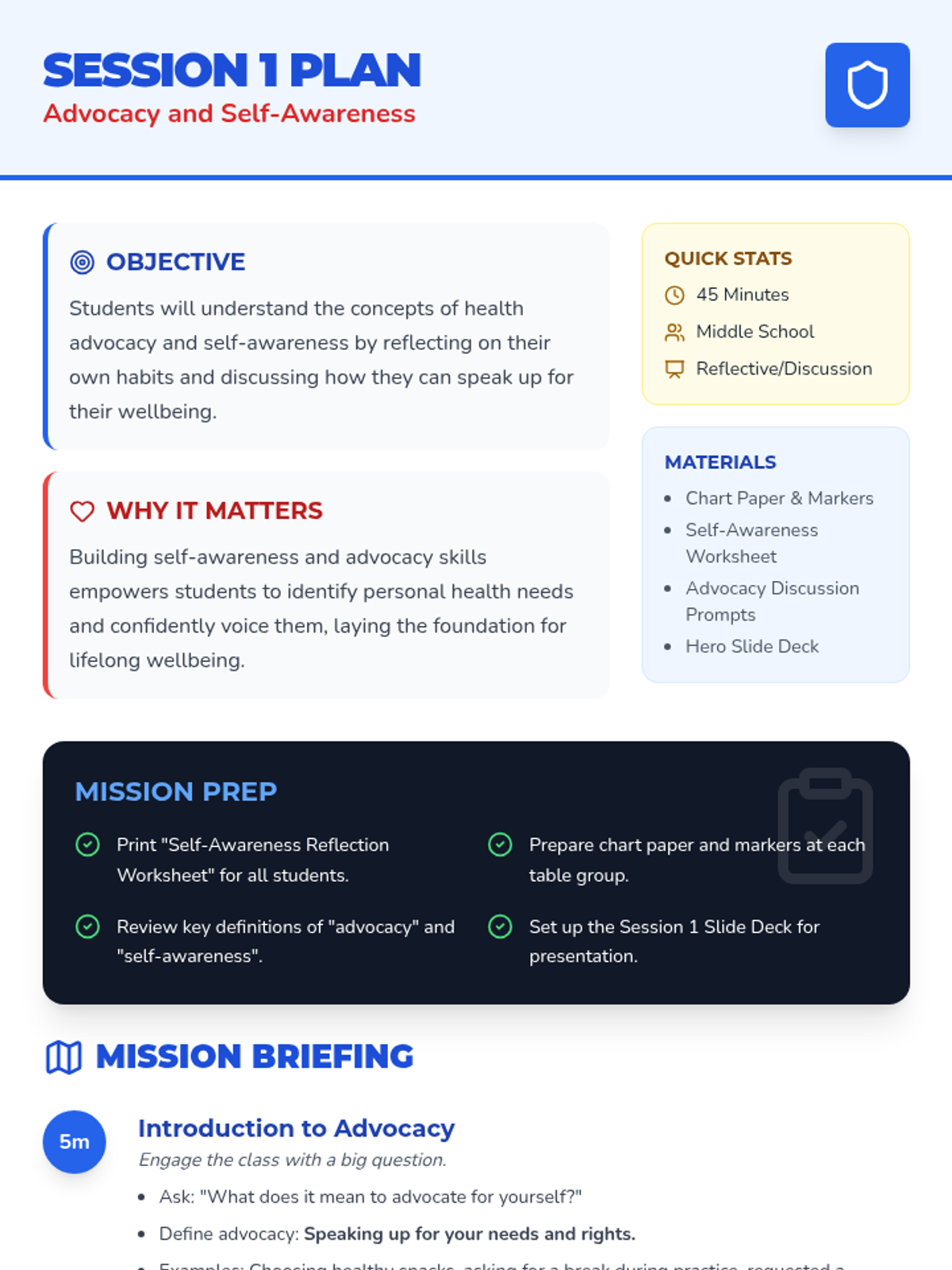
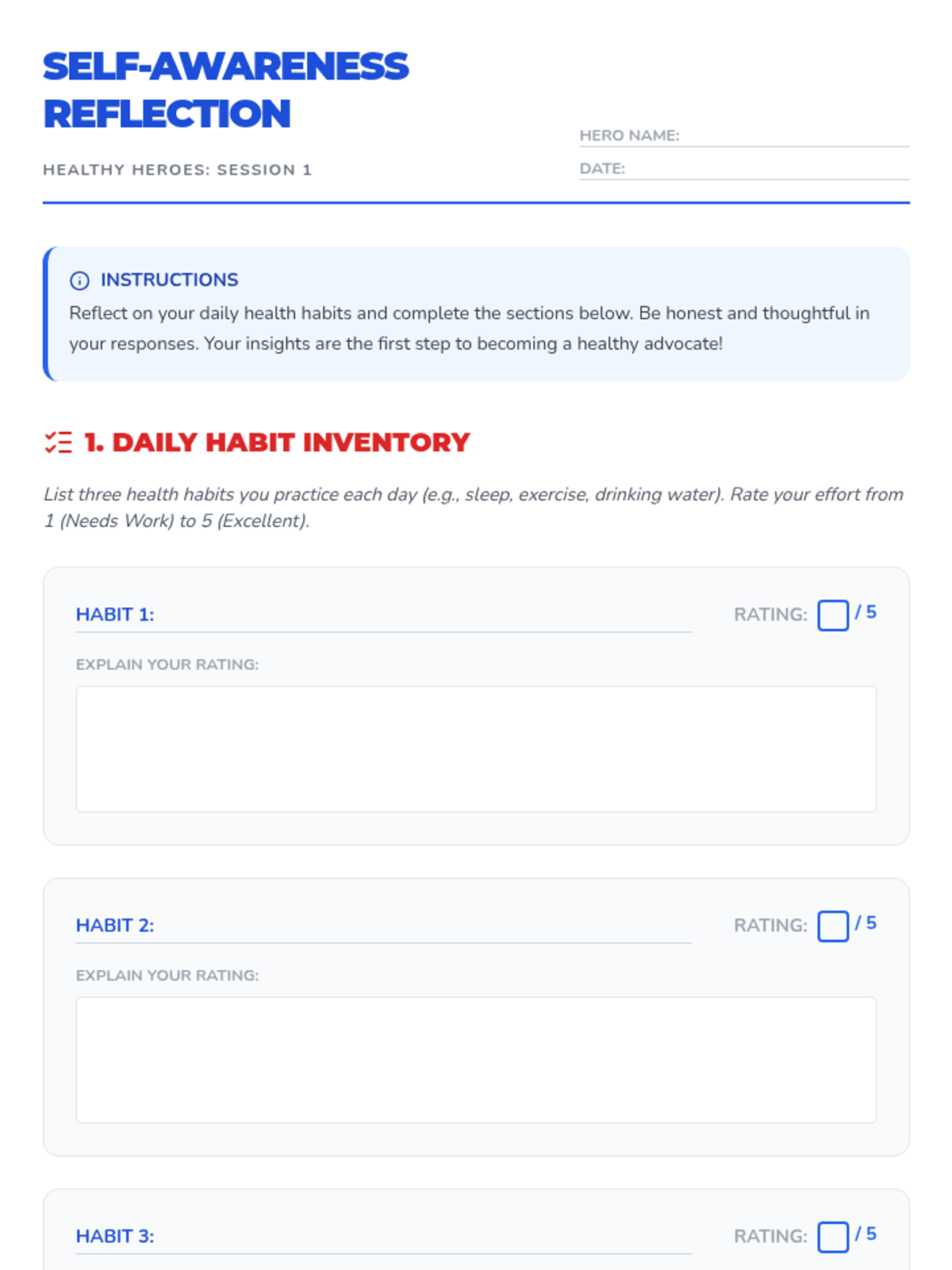
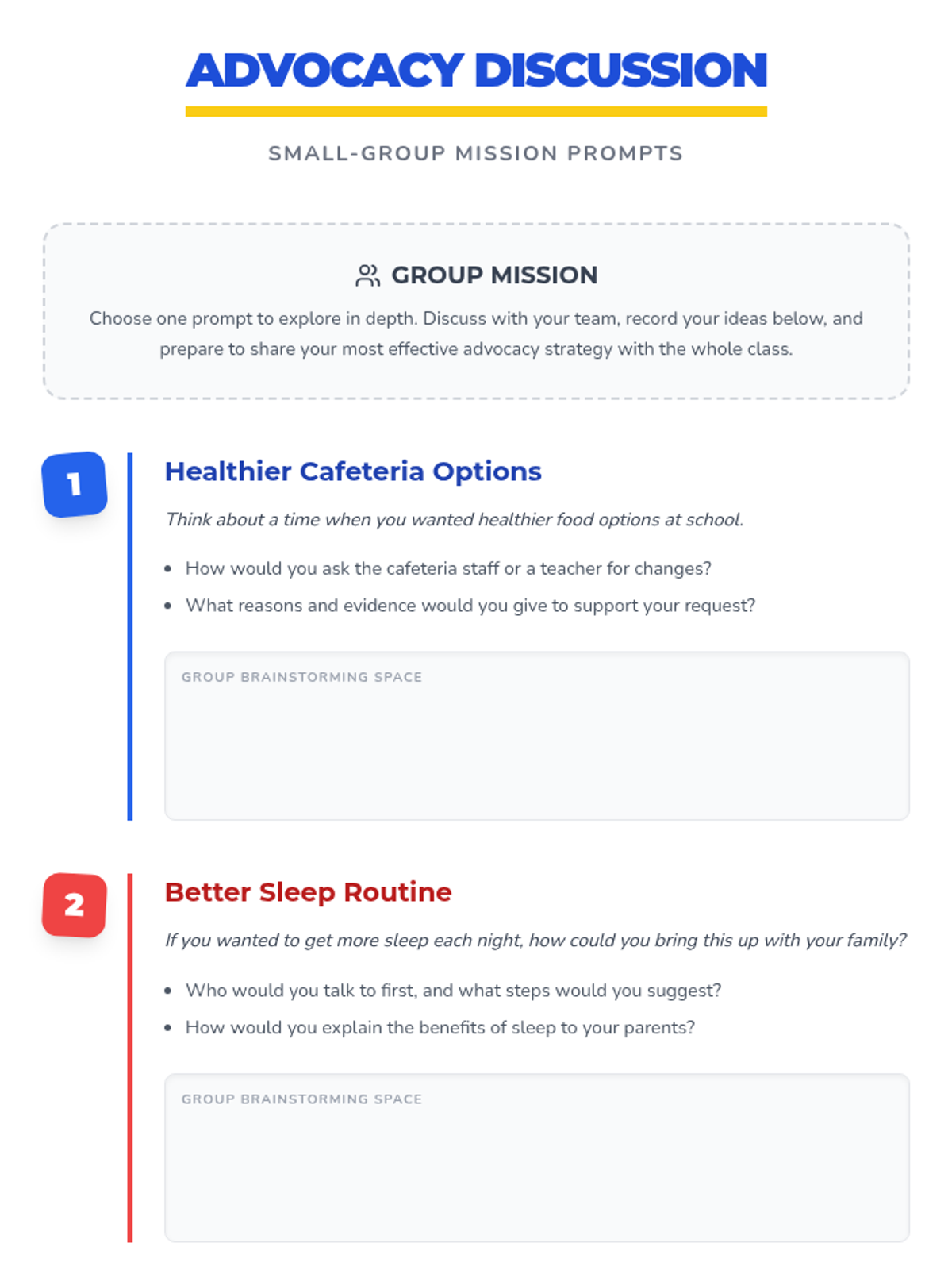
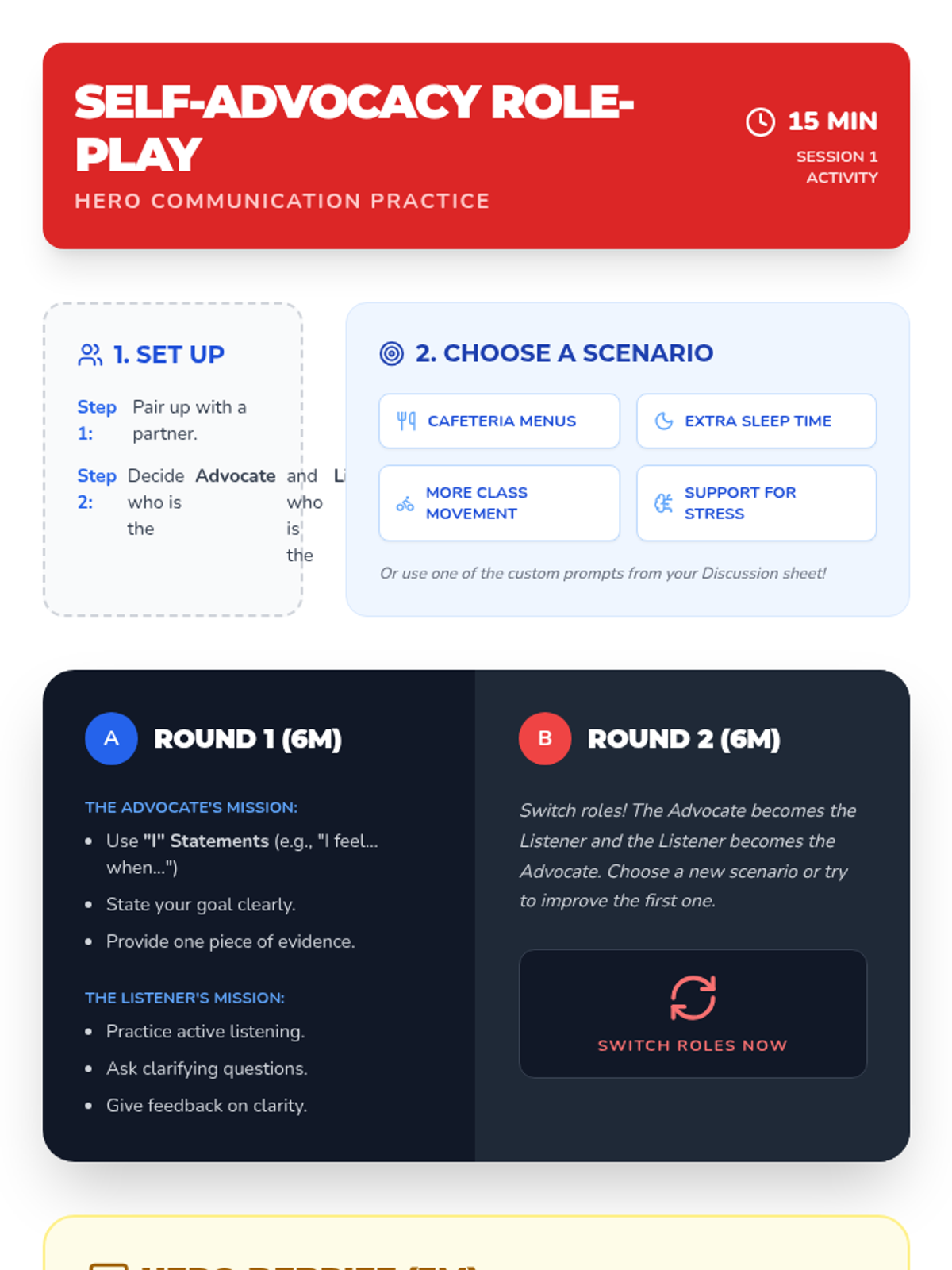
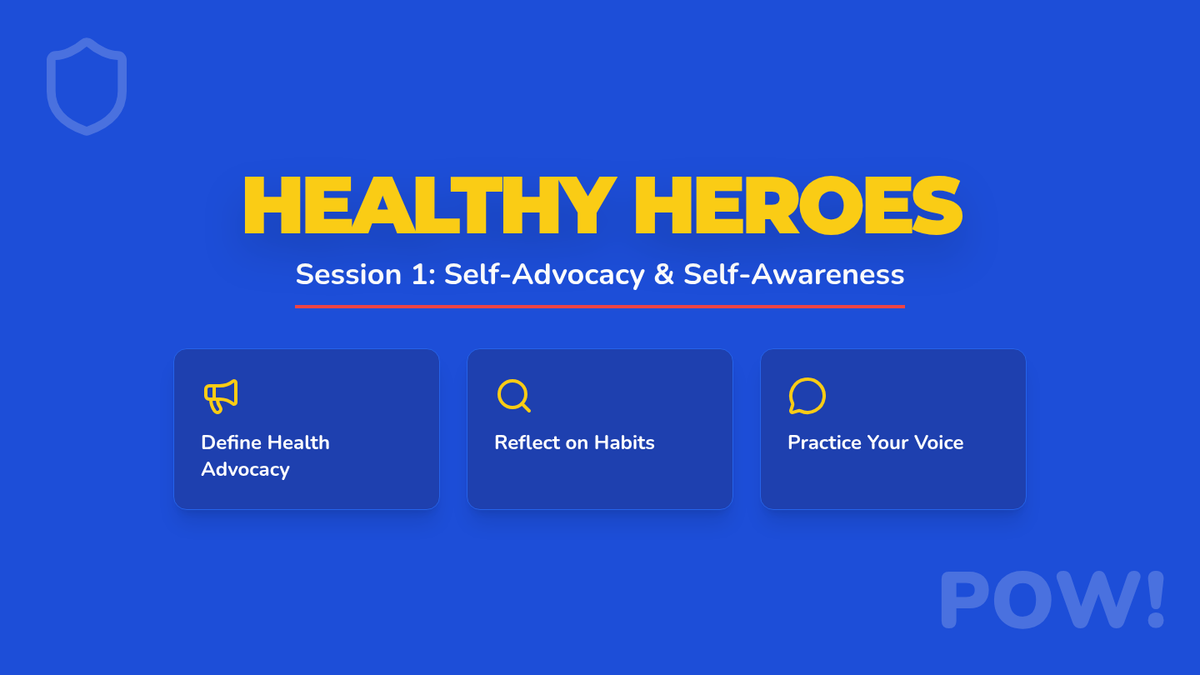
A comprehensive 8-session health advocacy program for middle schoolers, focusing on self-awareness, nutrition, fitness, mental health, sleep, and community influence. Students develop SMART goals and practical advocacy skills to become 'Healthy Heroes' in their own lives and communities.
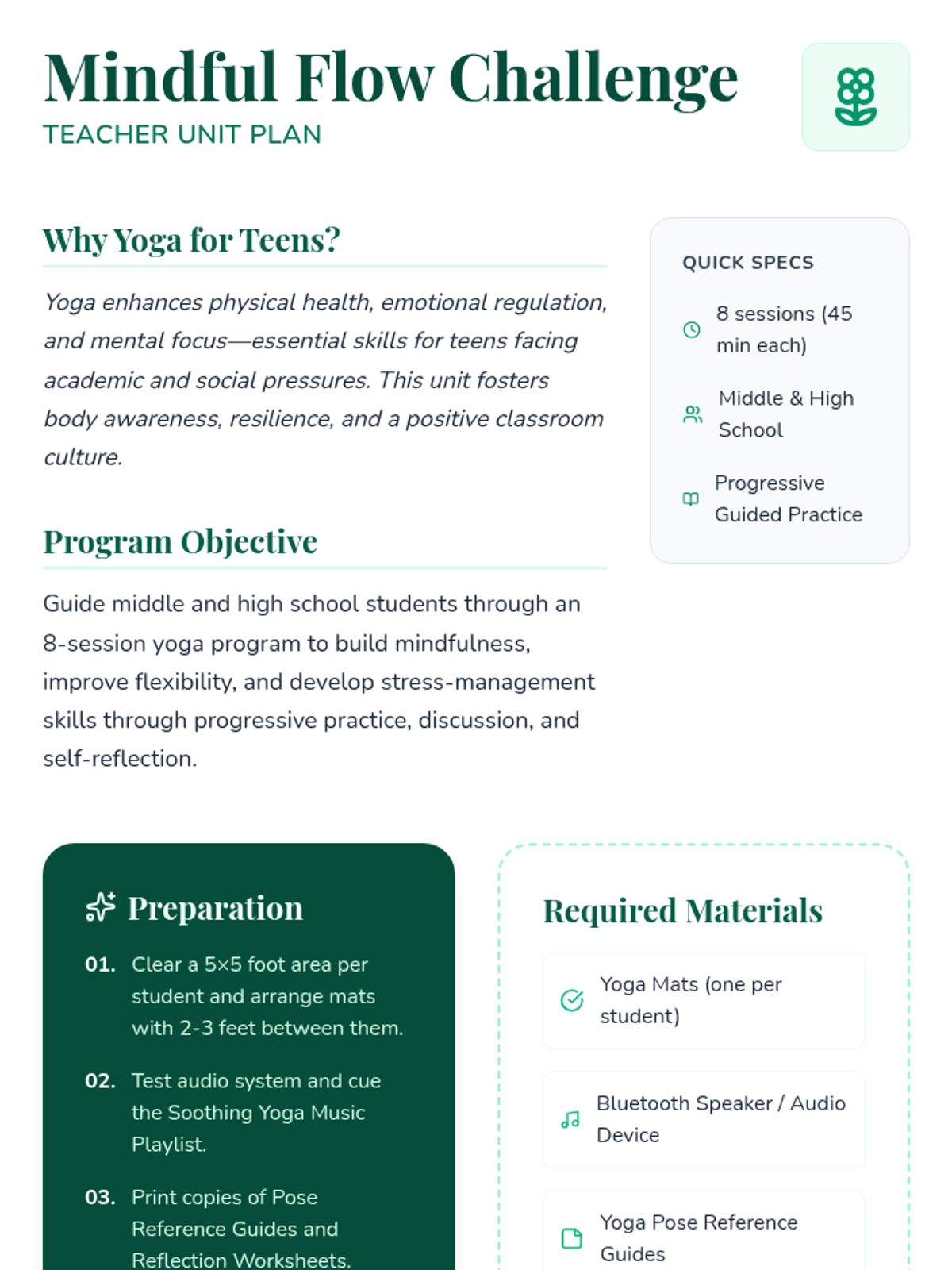
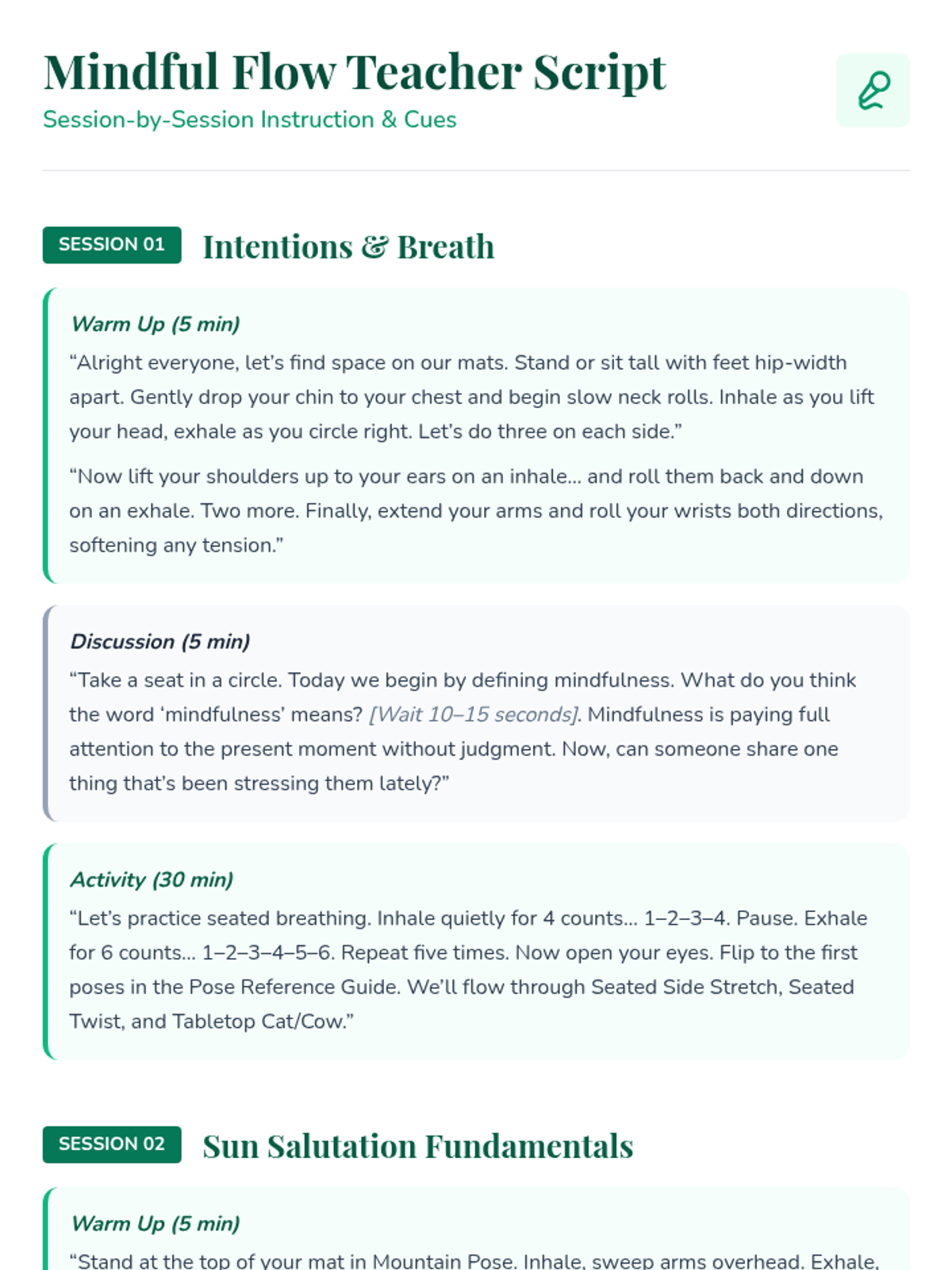
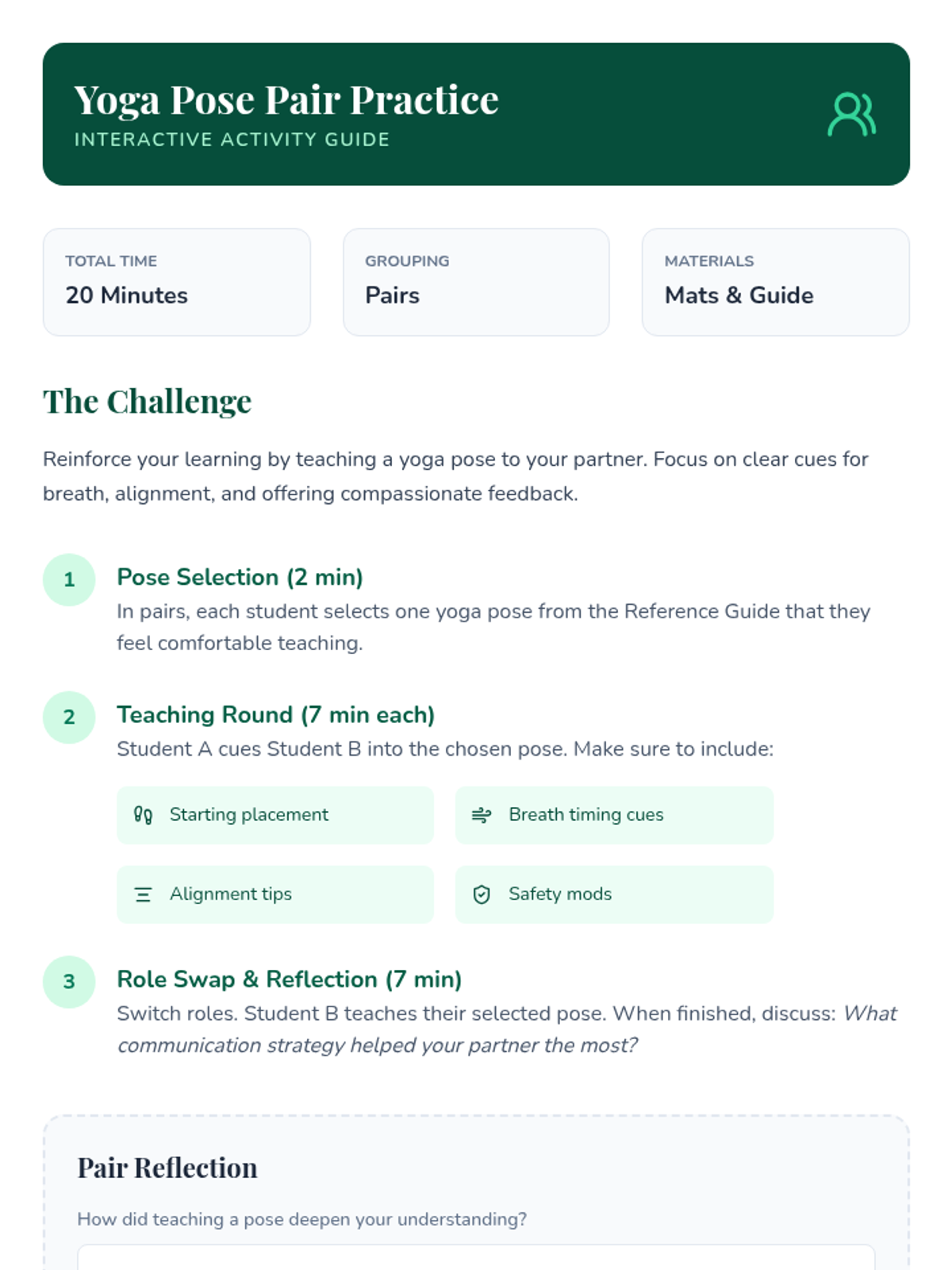
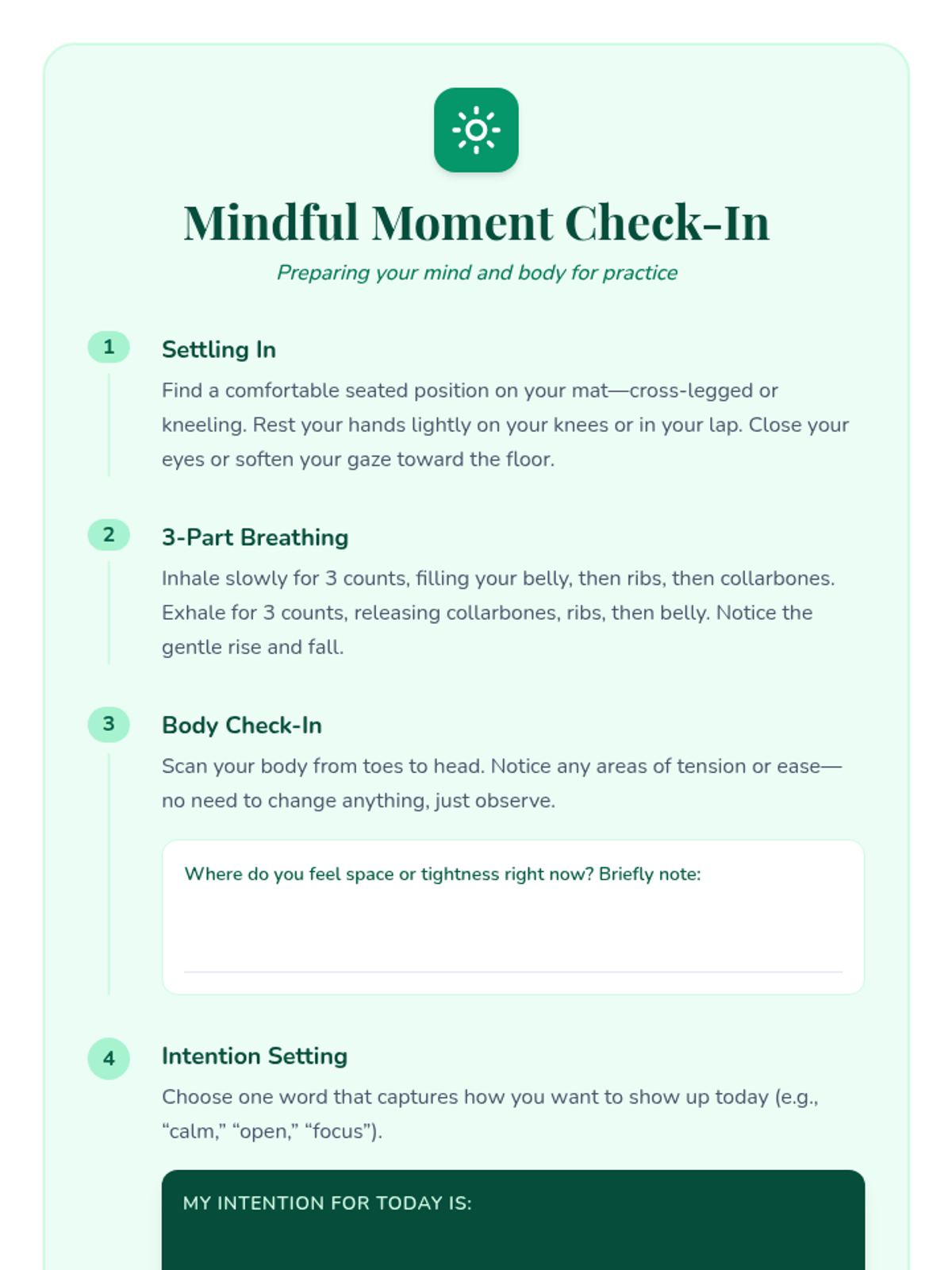
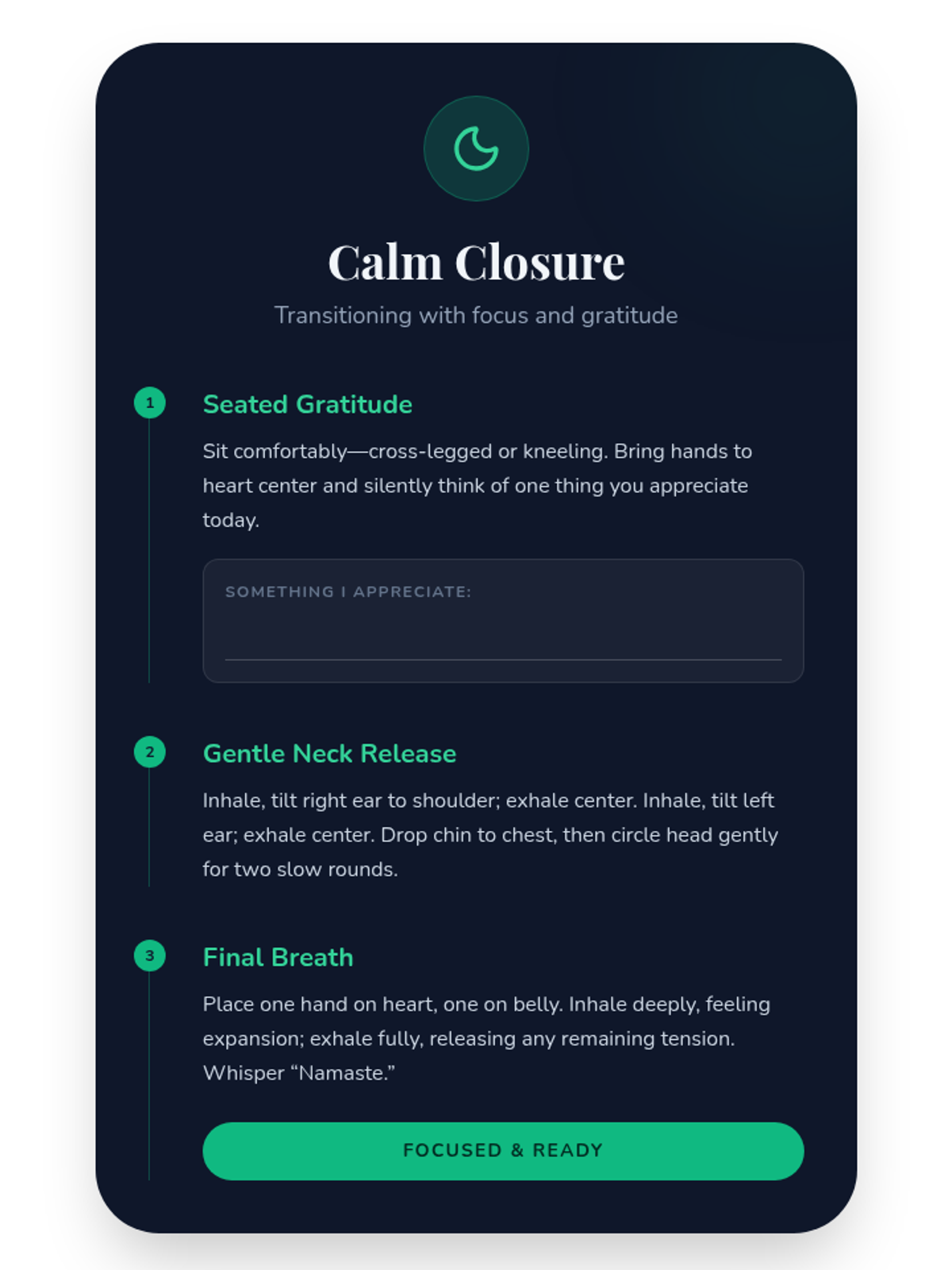
An 8-session introductory yoga program designed for middle and high school students, focusing on mindfulness, physical flexibility, and stress management techniques.
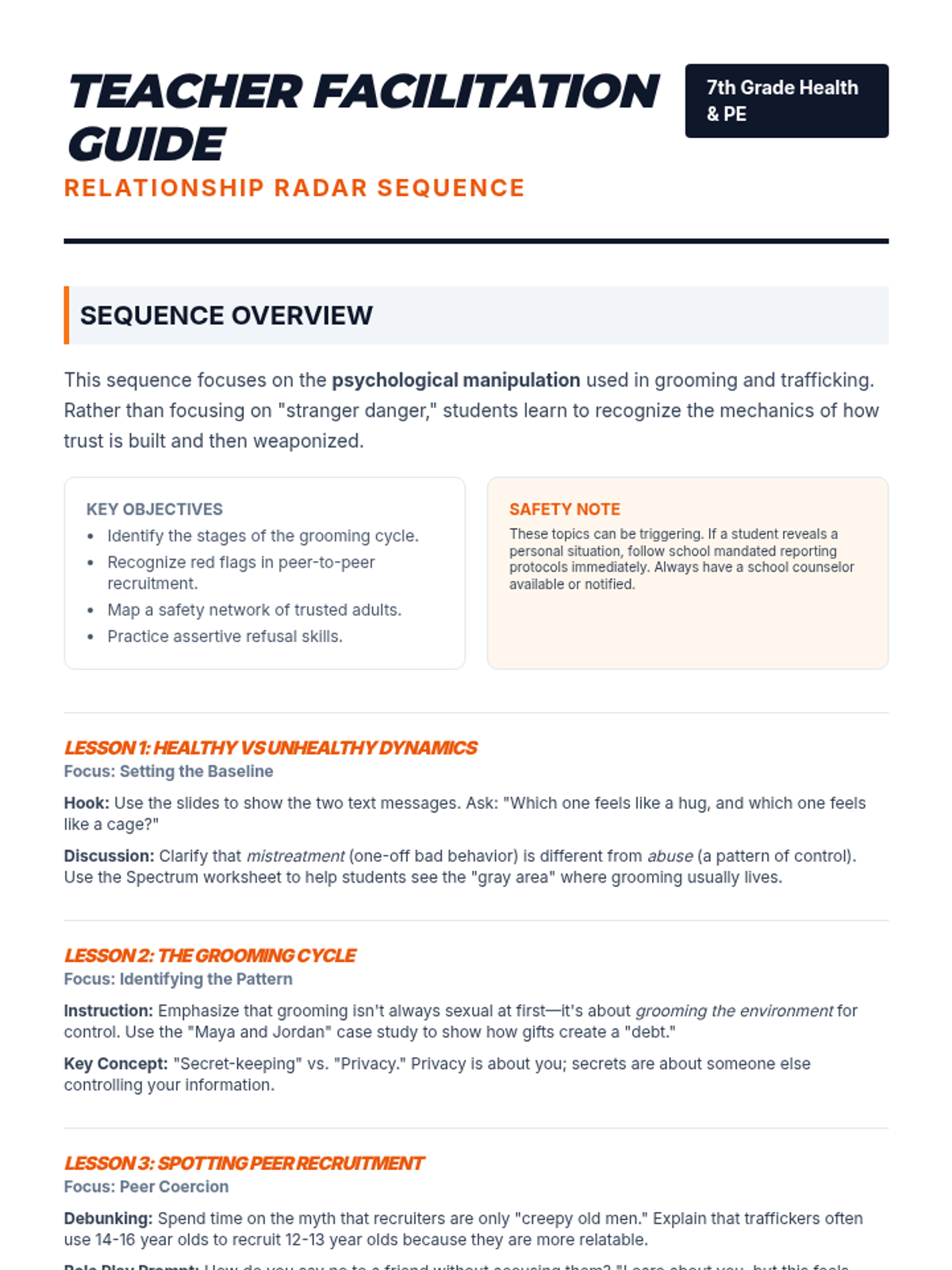
A 5-lesson sequence for 7th graders focusing on the psychological aspects of human trafficking, specifically grooming, peer recruitment, and boundary setting. Students learn to identify manipulative relationship dynamics and practice refusal skills to protect themselves and their peers.
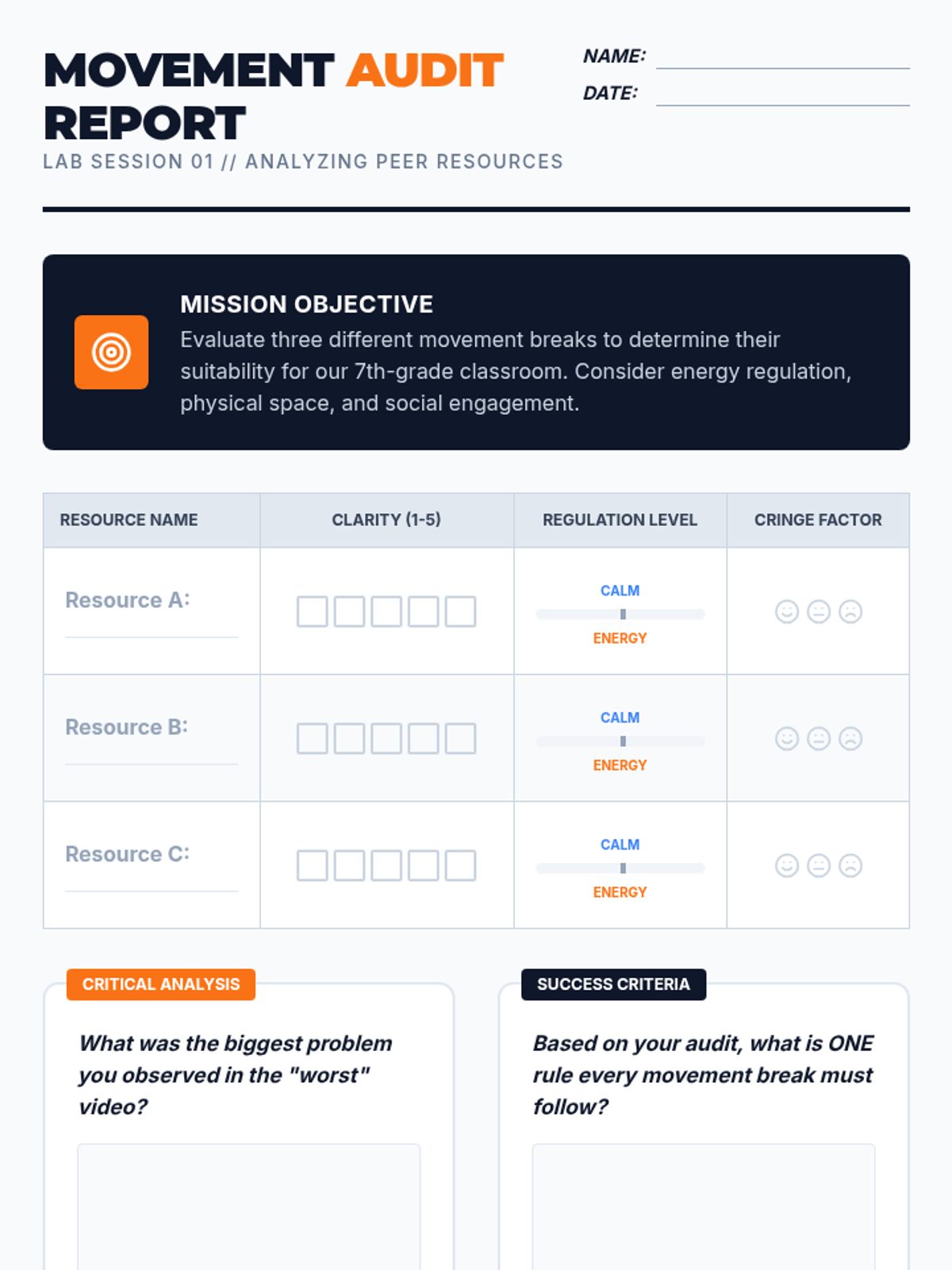
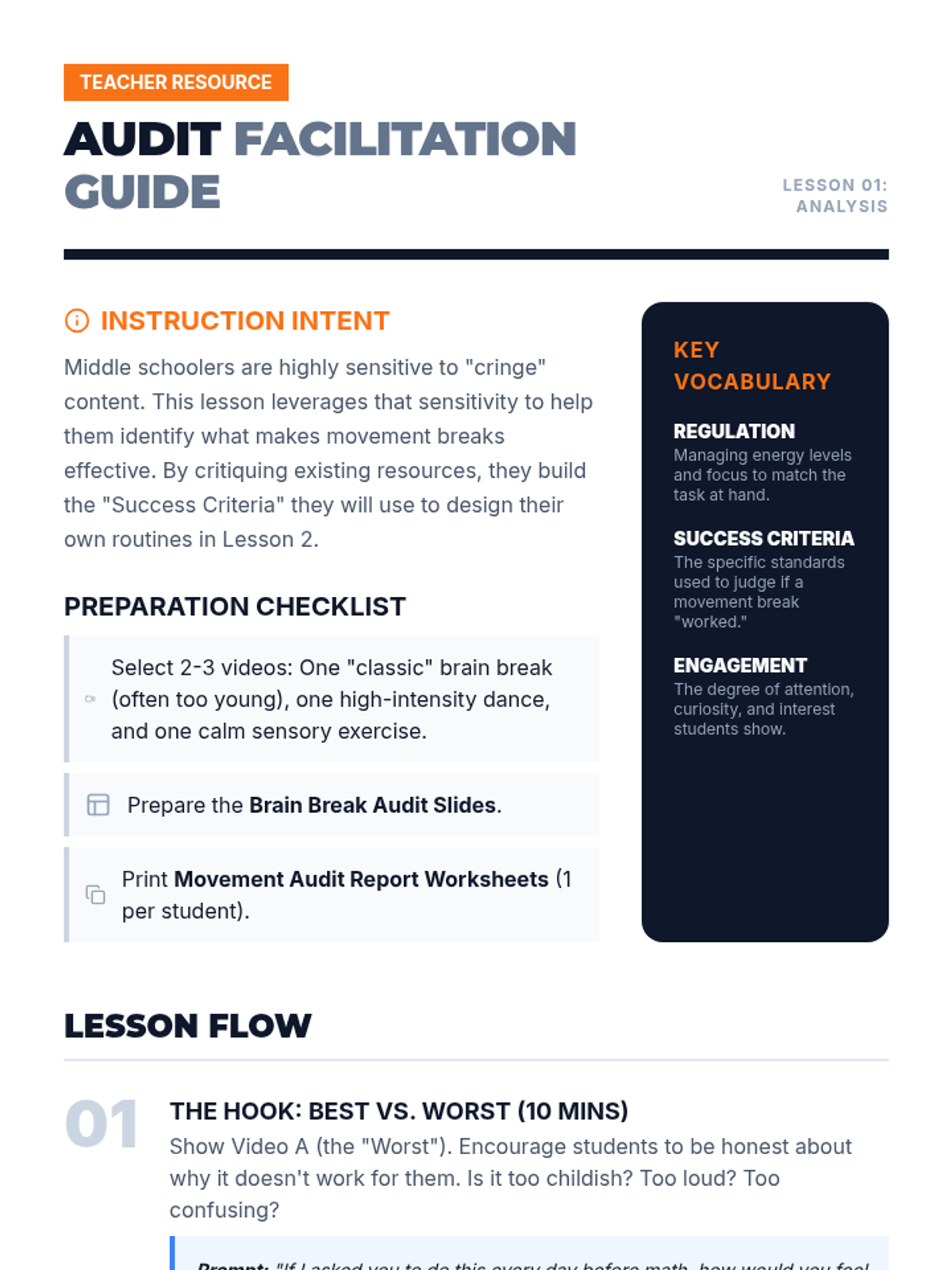
A project-based sequence where 7th-grade students learn to research, design, and lead effective movement breaks for their peers, focusing on sensory regulation and leadership skills.
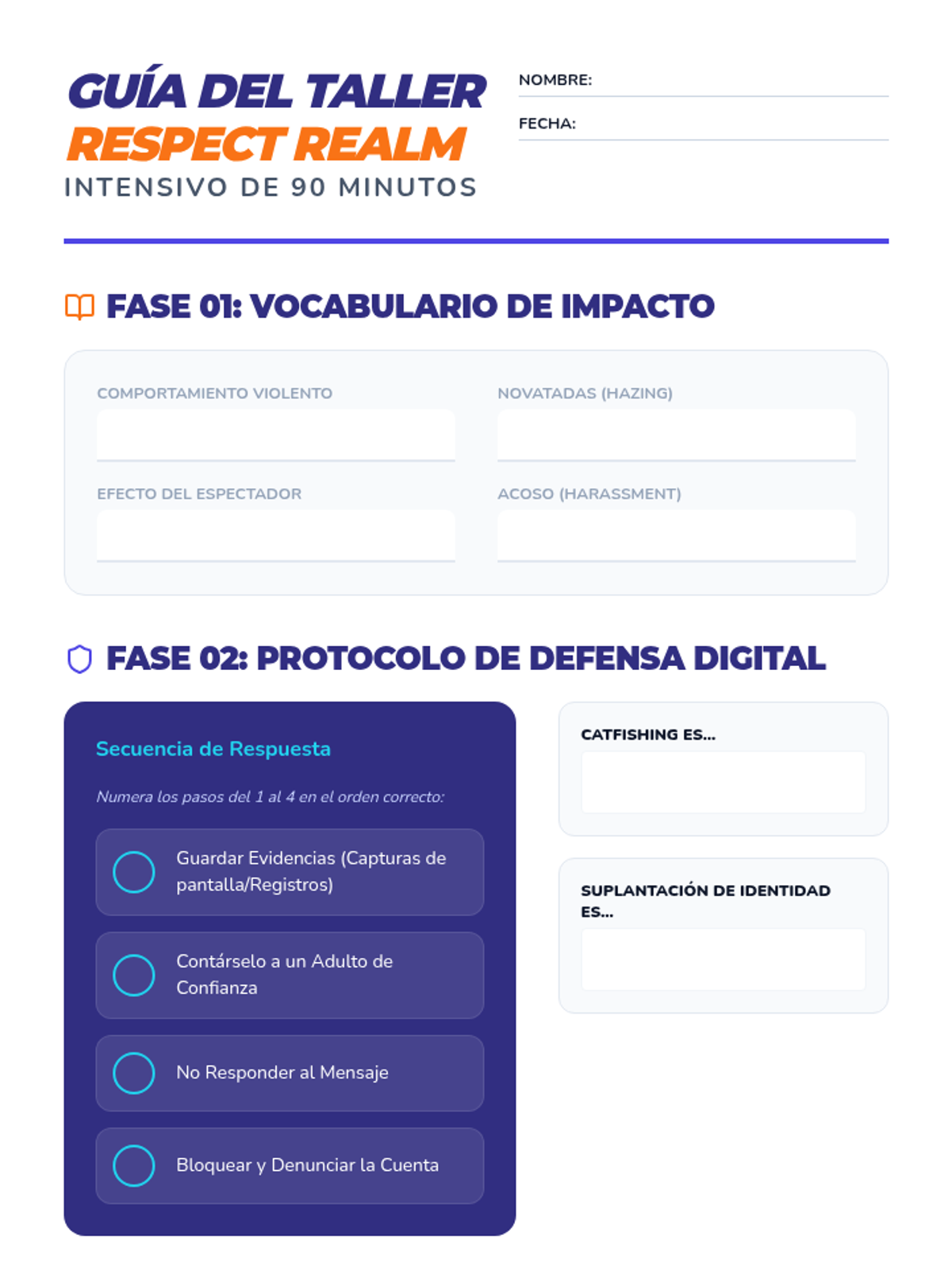
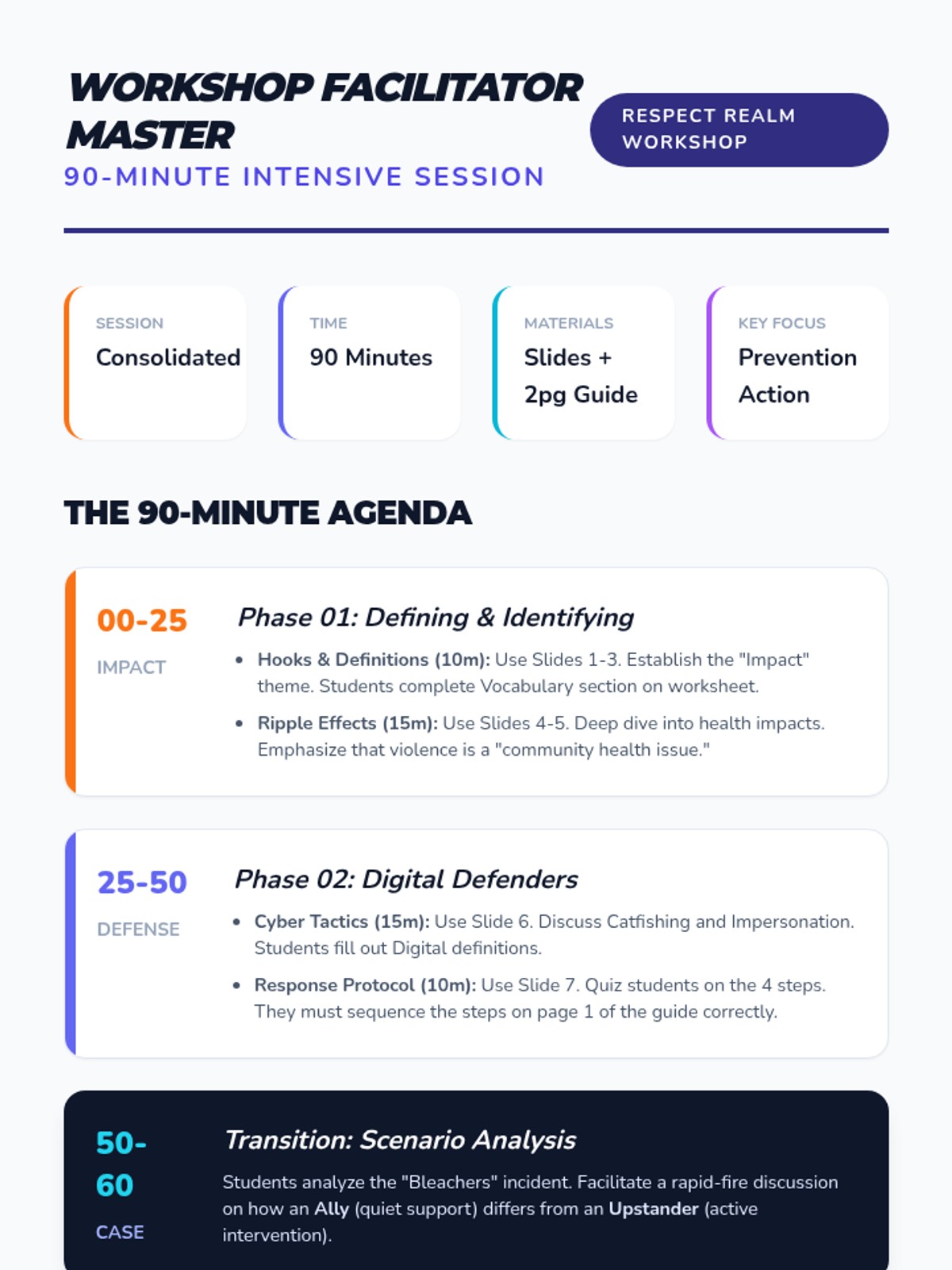
A comprehensive two-part unit focused on identifying violent behavior, understanding the mechanics of bullying and cyberbullying, and empowering students to become active upstanders.
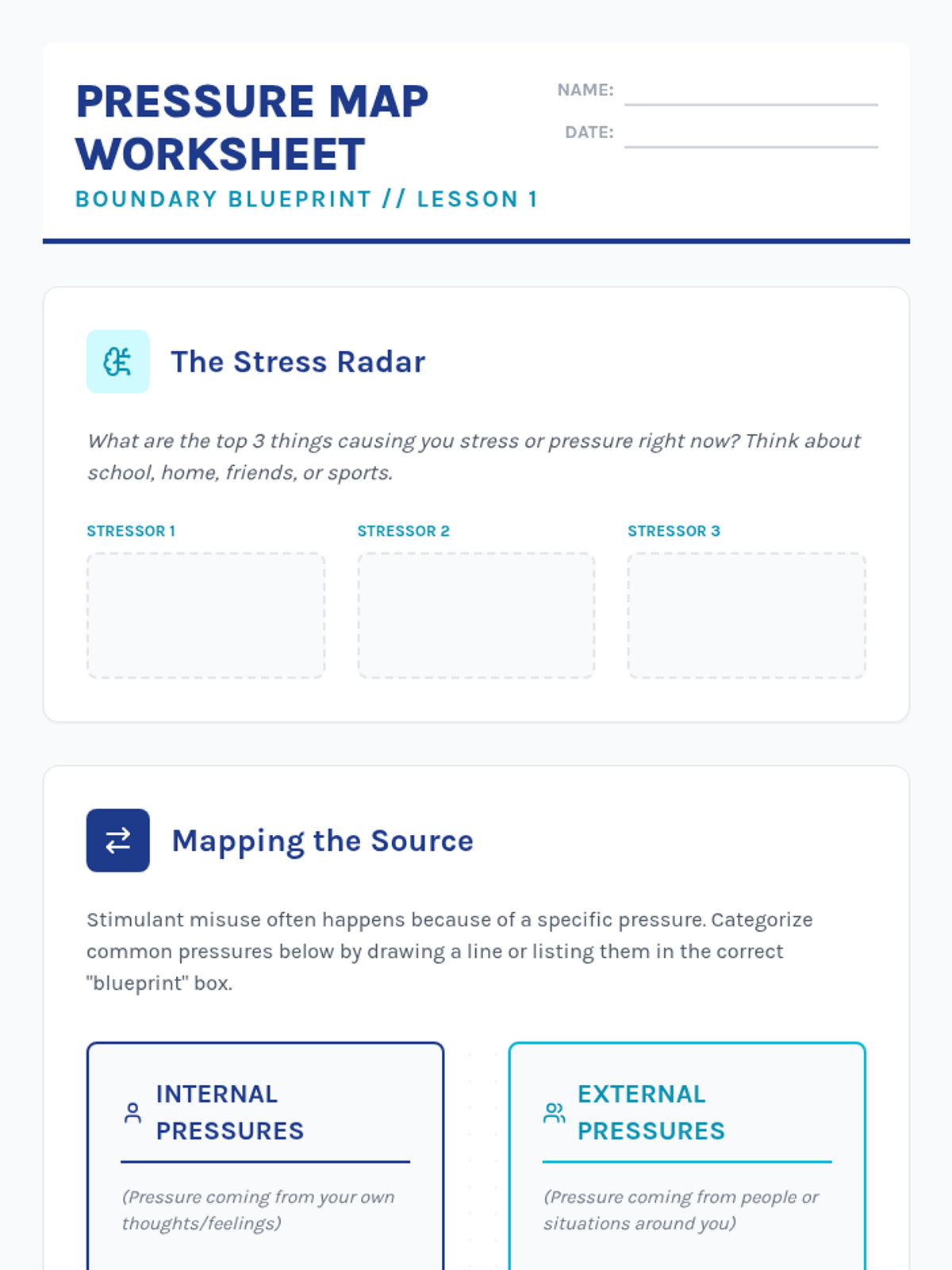
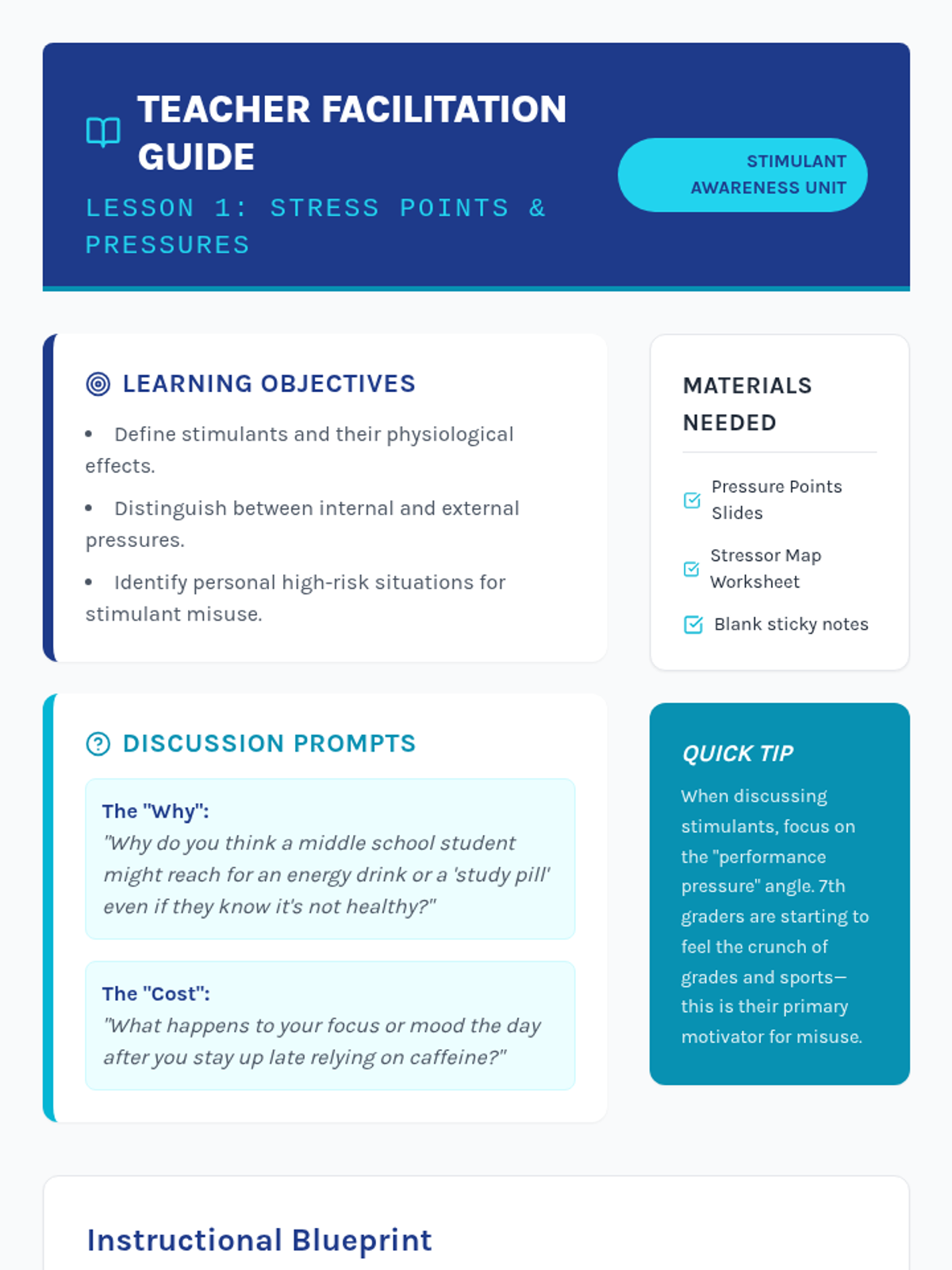
A workshop-style sequence for 7th-grade students focused on stimulant awareness, refusal strategies, and peer support. Students move from identifying pressure points to practicing real-world refusal techniques and learning how to connect friends with community resources.
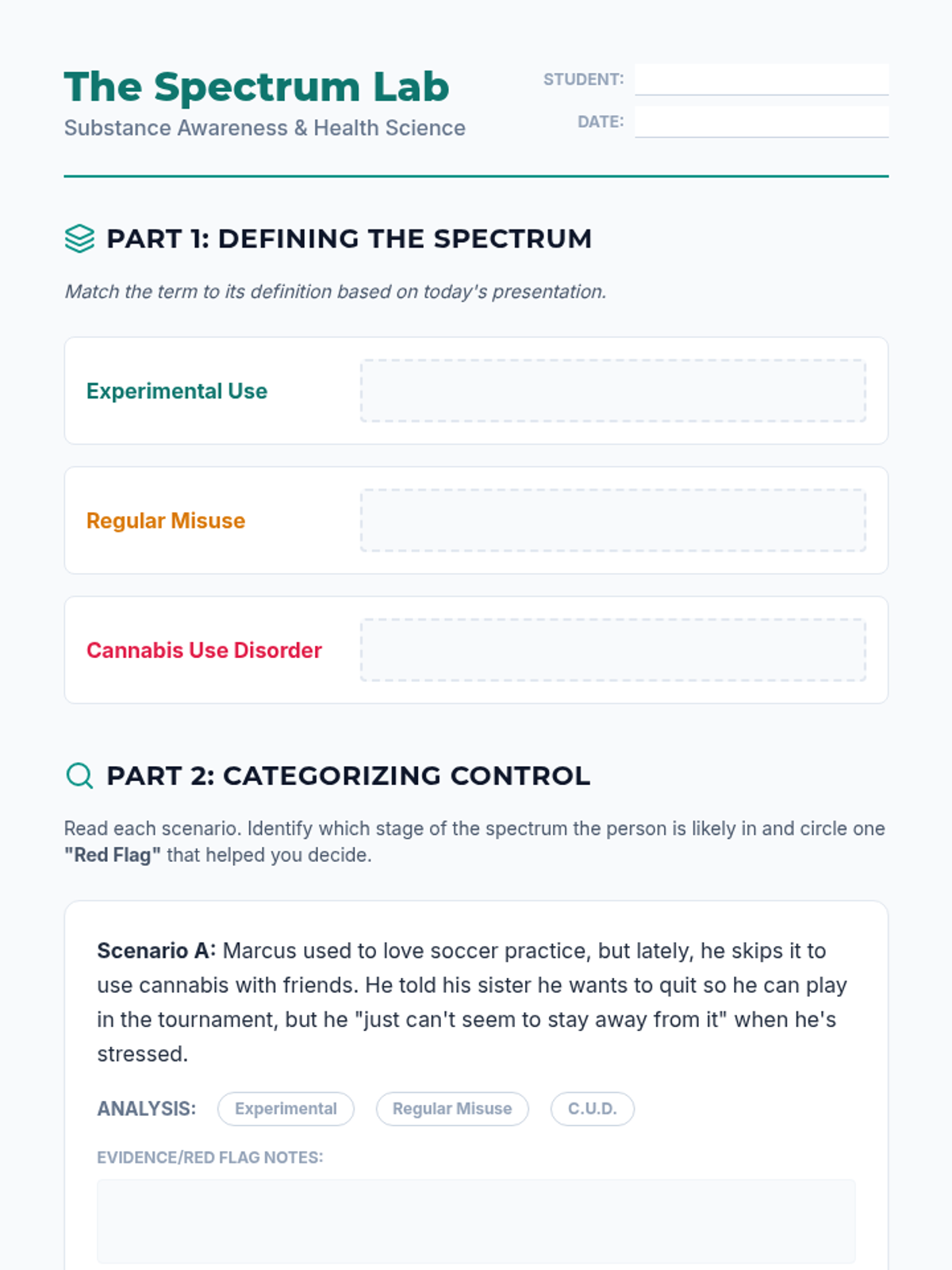
A 5-lesson sequence for 7th-grade students exploring the transition from cannabis use to dependency, the neurobiology of addiction, barriers to seeking help, and local community health resources. Students build empathy and advocacy skills to support peers in need.
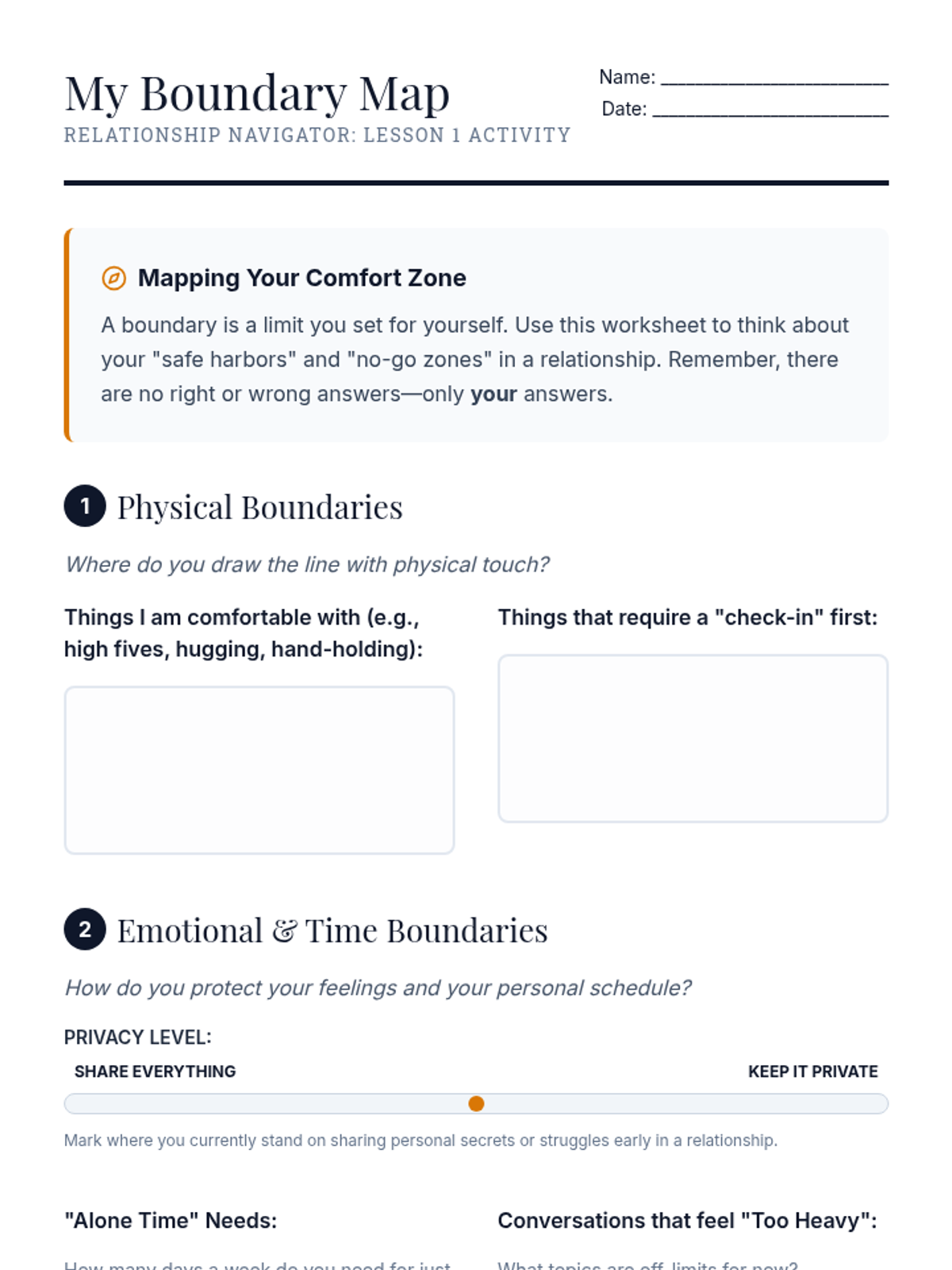
A comprehensive 5-lesson sequence for 7th graders focusing on navigating healthy romantic relationships through boundary setting, assertive communication, and mutual respect. Students move from self-awareness to practical application in digital and physical contexts.
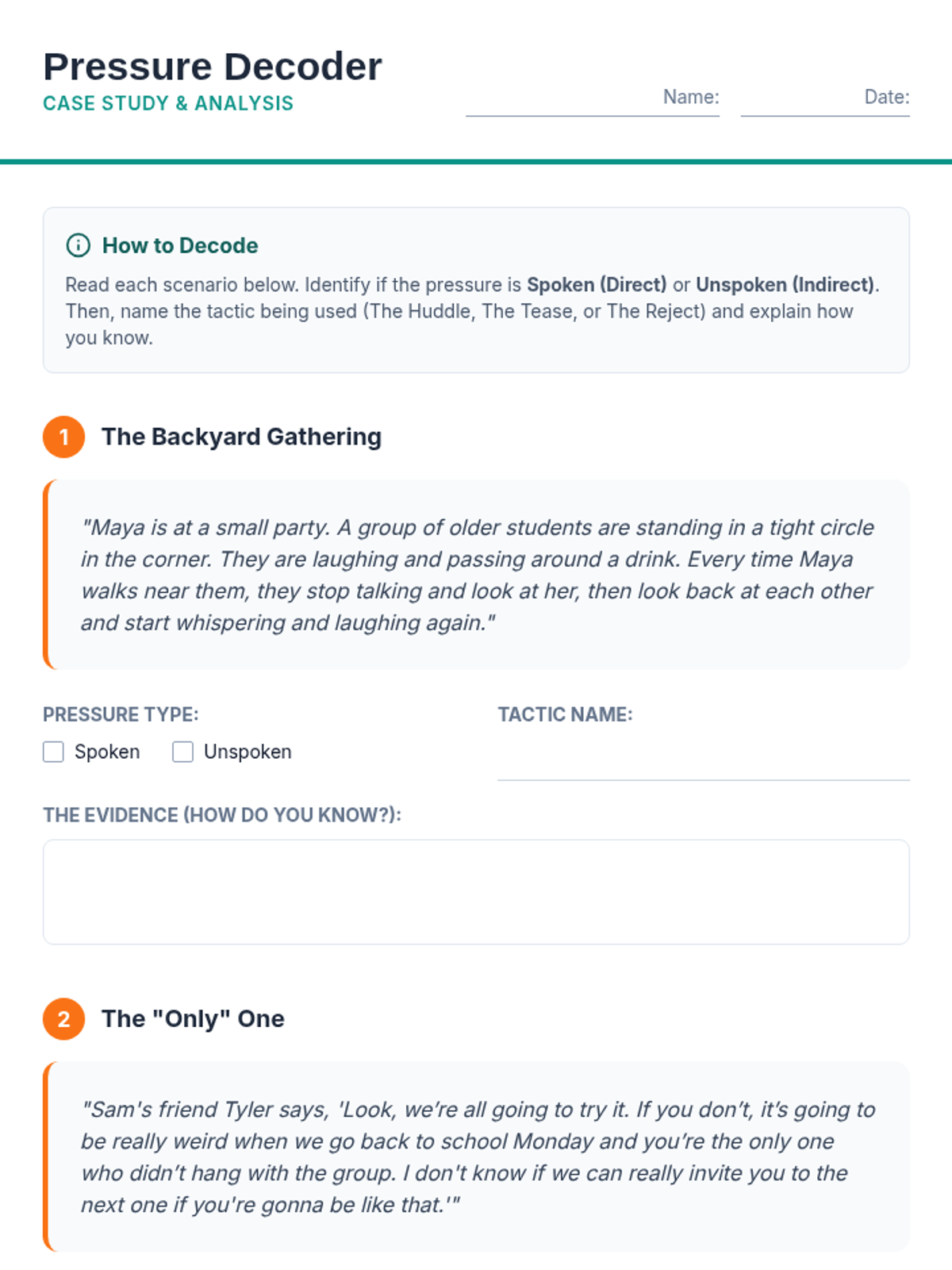
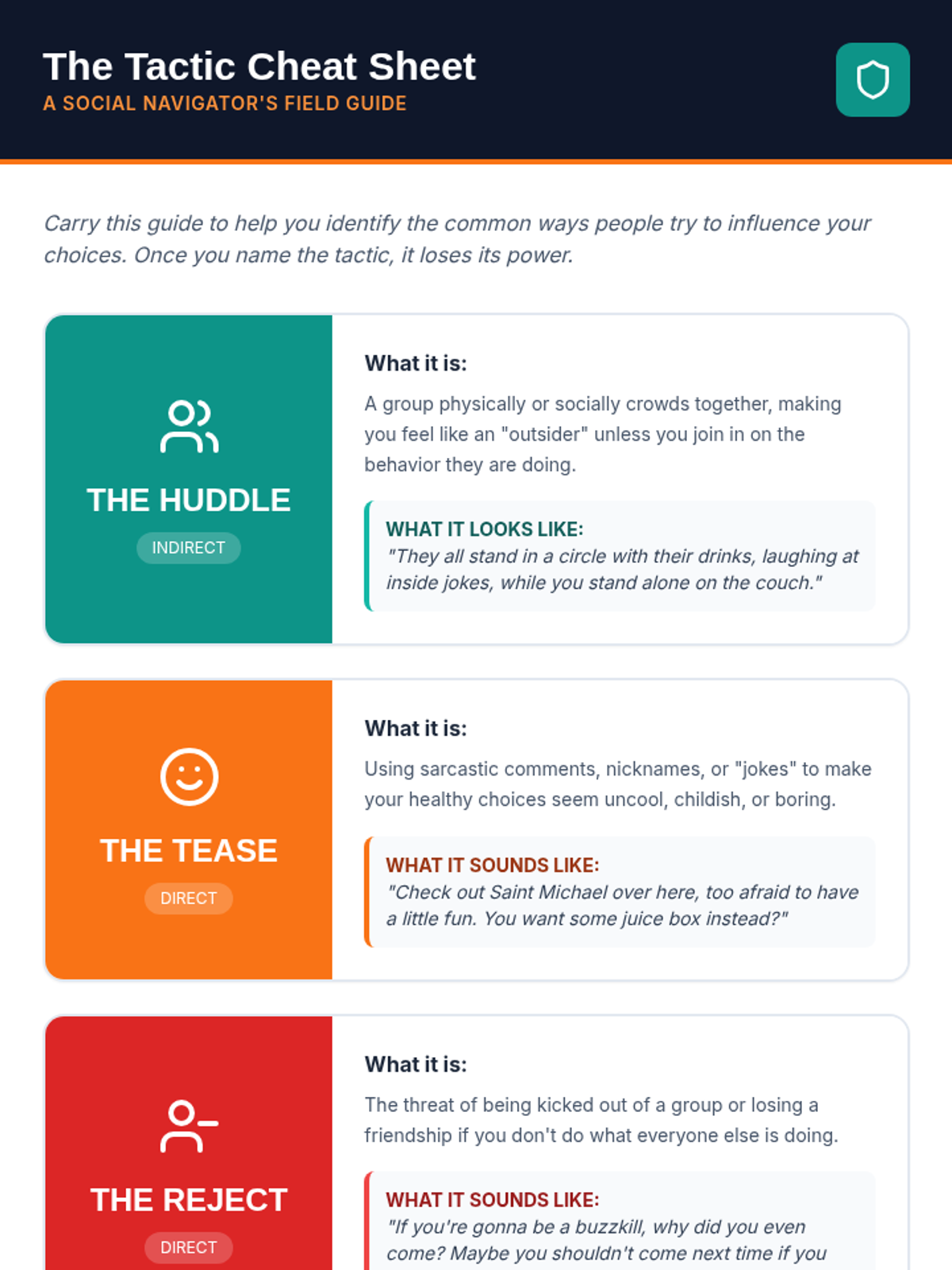
This comprehensive health workshop equips 6th-grade students with the practical social skills needed to navigate peer pressure regarding alcohol. Students learn to identify direct and indirect pressure, practice verbal and non-verbal refusal strategies, and develop personal safety plans for difficult social situations.
This sequence equips 7th-grade students with the practical communication skills and social awareness needed to navigate peer pressure regarding alcohol. Students move from identifying subtle pressure to mastering verbal and non-verbal refusal techniques and creating personalized safety plans.
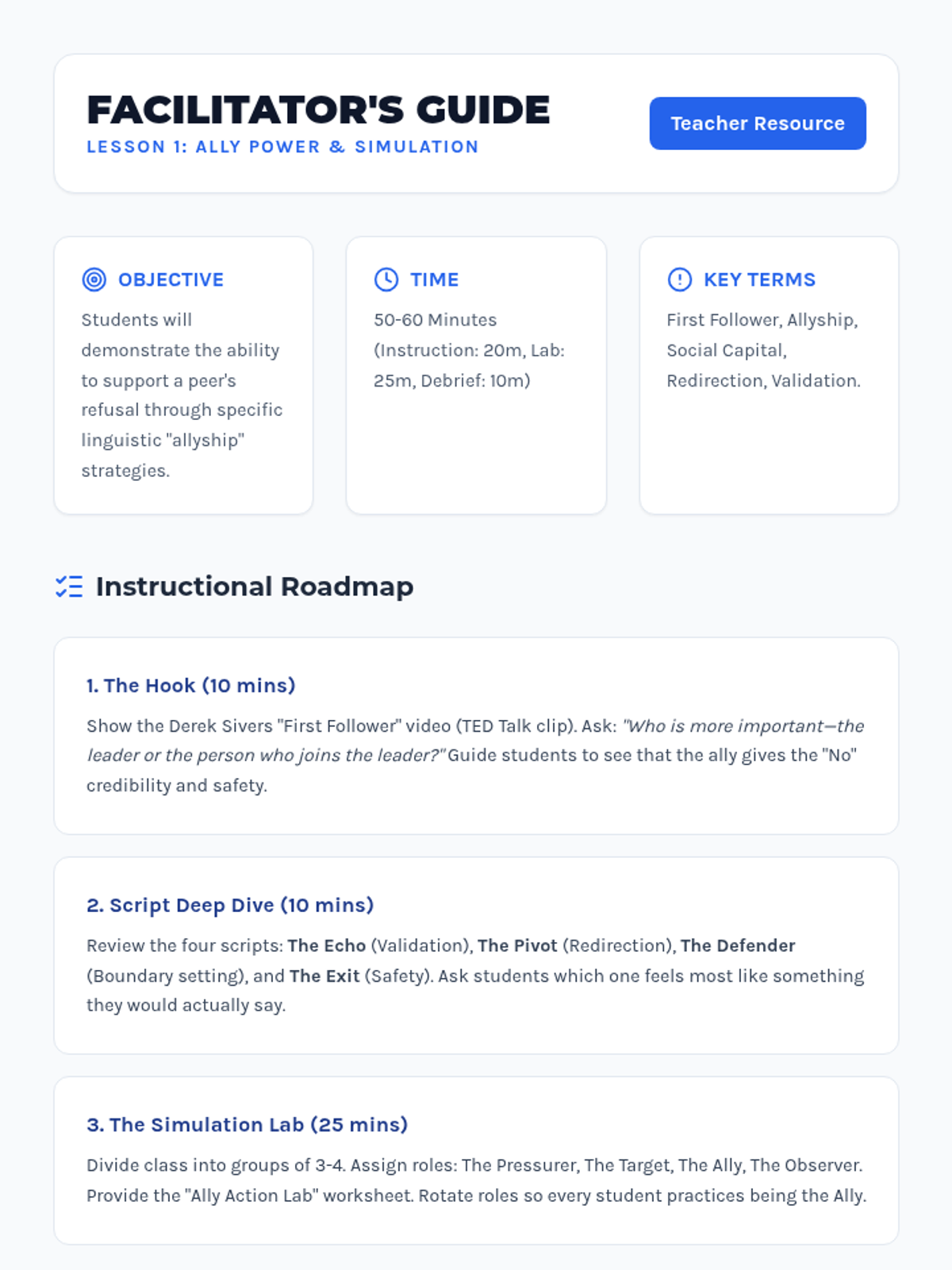
This sequence empowers students to be change agents, shifting the focus from individual refusal to group leadership. Students learn how to intervene when others are being pressured and how to propose healthy alternatives, culminating in a peer-education project.
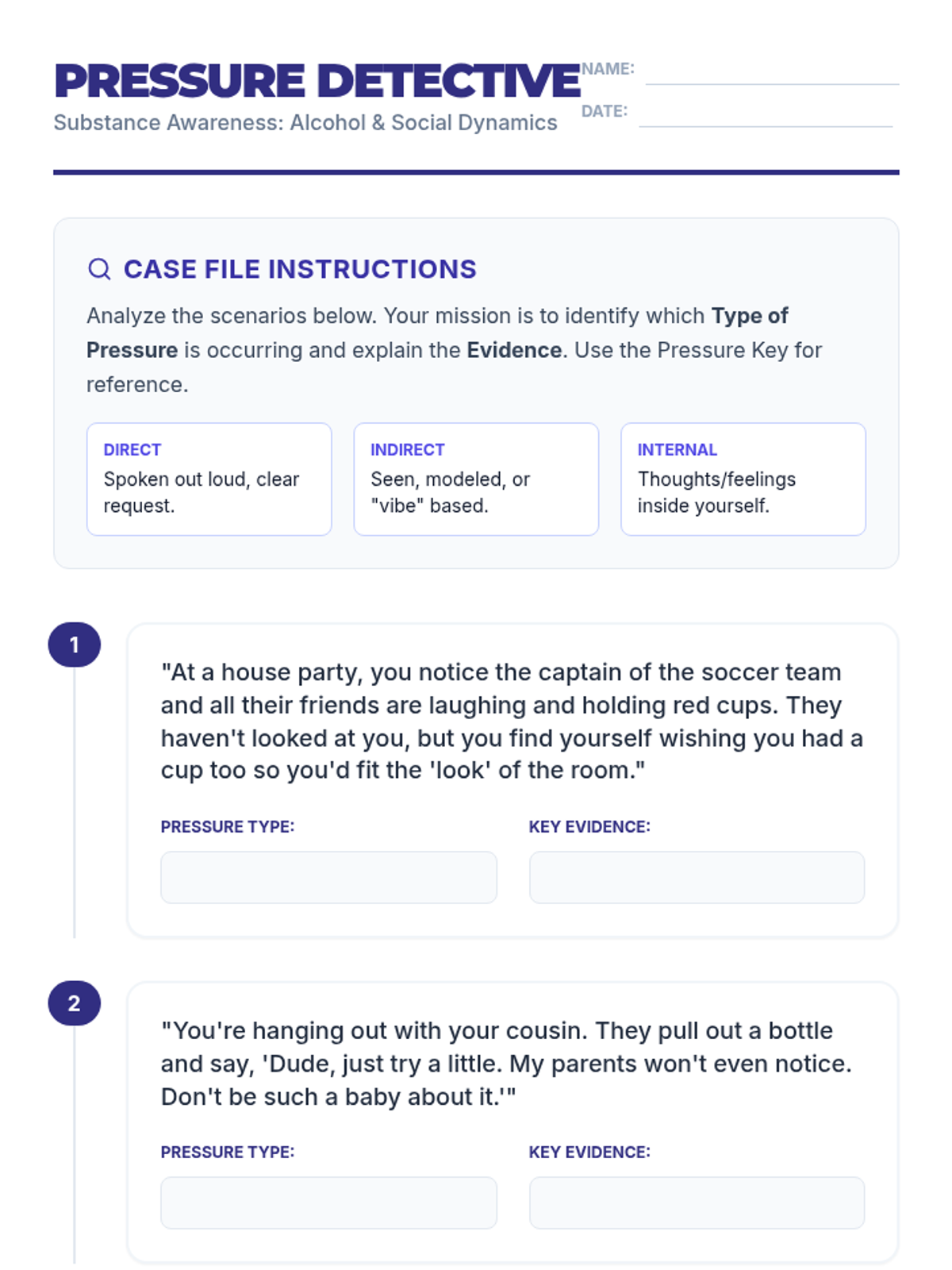
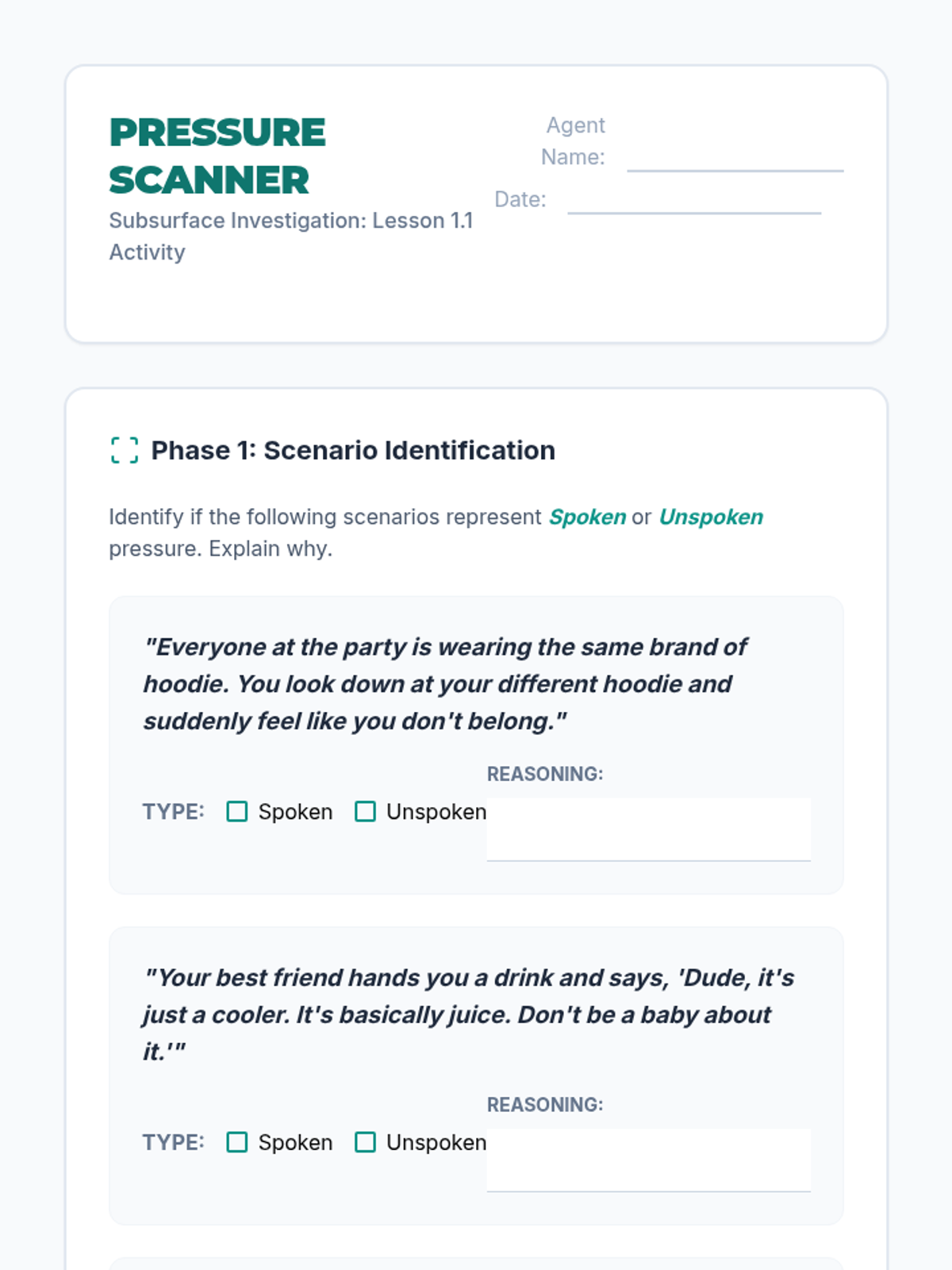
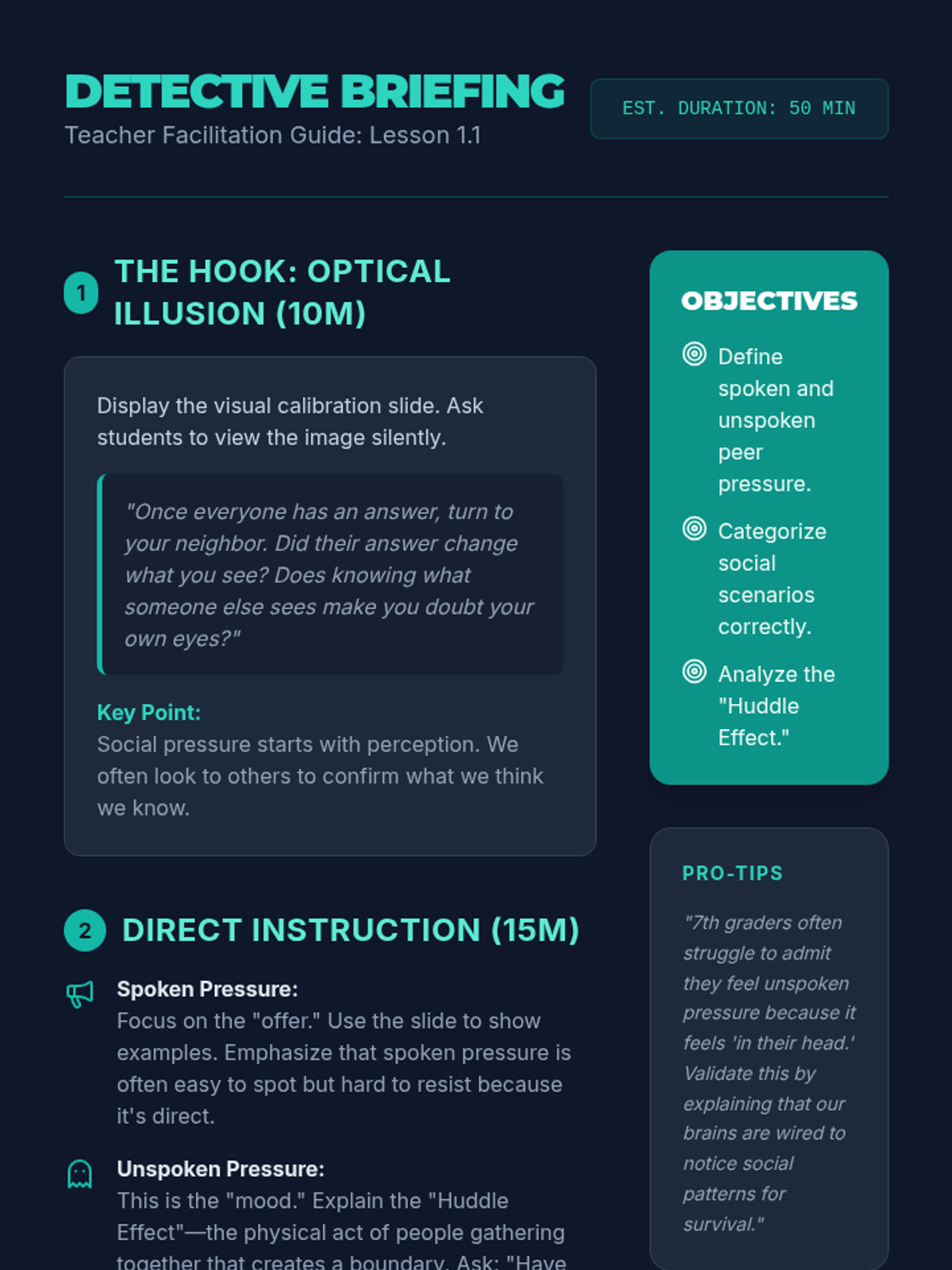
A deep dive into the psychological tactics of peer pressure and substance awareness. Students learn to detect unspoken influence, analyze media manipulation, and harness the power of positive peer support through a subsurface investigation lens.
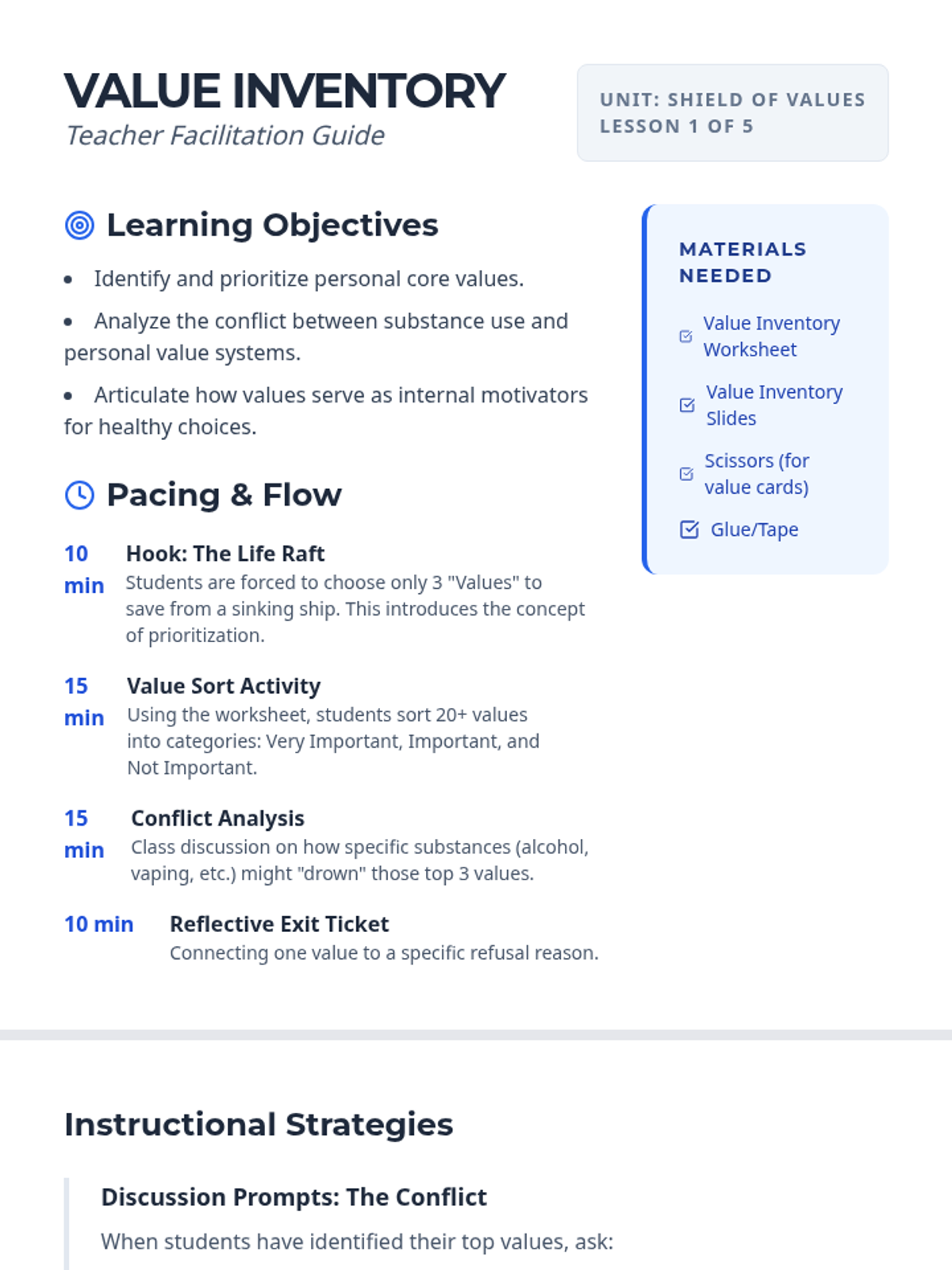
A values-based substance awareness sequence that empowers 7th graders to resist peer pressure by anchoring their choices in personal identity and future goals. Students define their boundaries, map consequences, and create a personal code of conduct.
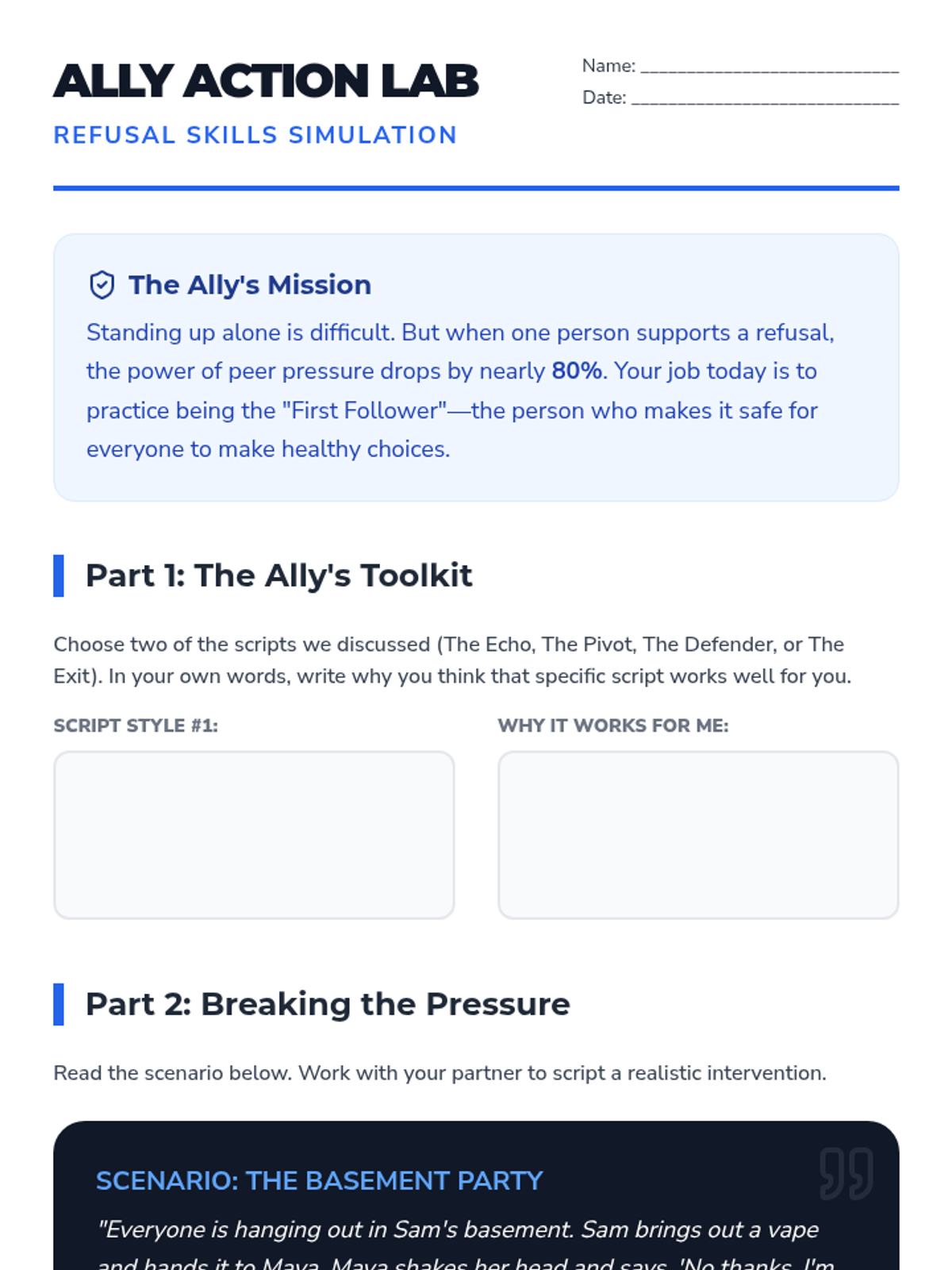
This high-energy sequence uses simulations and role-play to teach 7th-grade students practical refusal skills for substance-related peer pressure. Students progress from digital scenarios to real-life social settings, mastering exit strategies and assertive communication techniques.
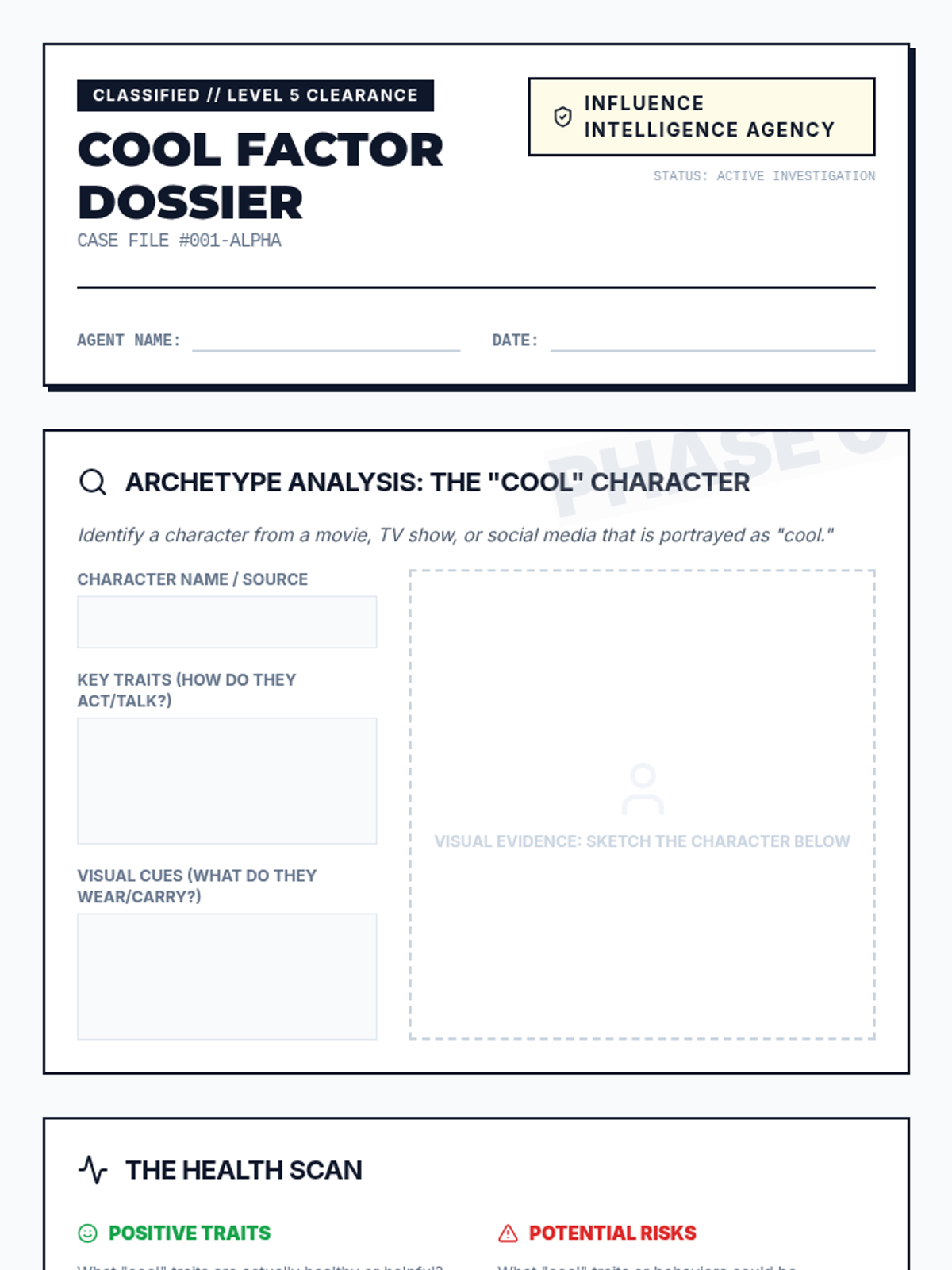
A 5th-grade health sequence that empowers students to deconstruct peer pressure tactics and media influence through a 'social analyst' lens. Students move from identifying the 'cool' factor to analyzing specific manipulation tactics and digital pressure, ultimately mastering effective refusal strategies.
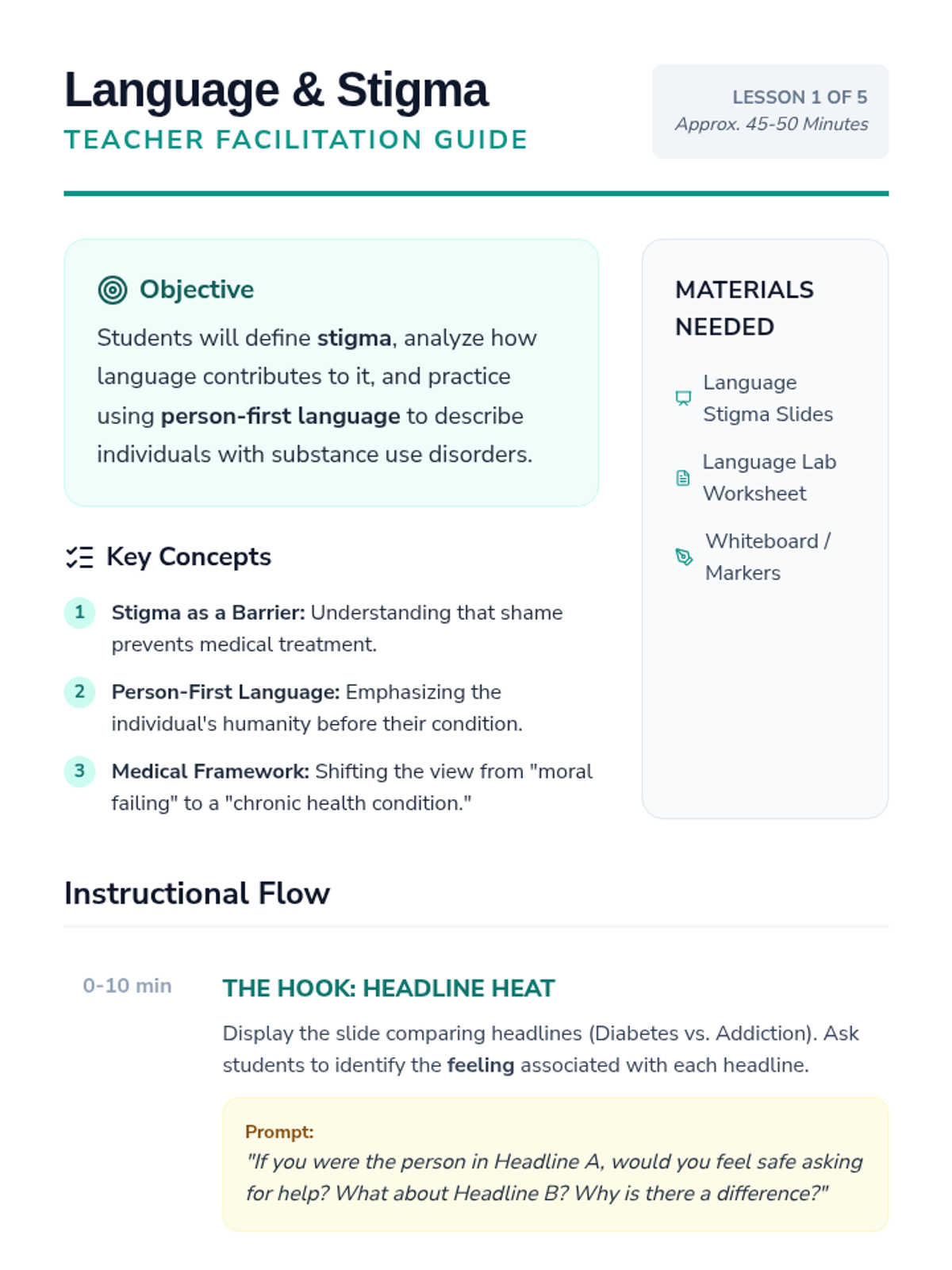
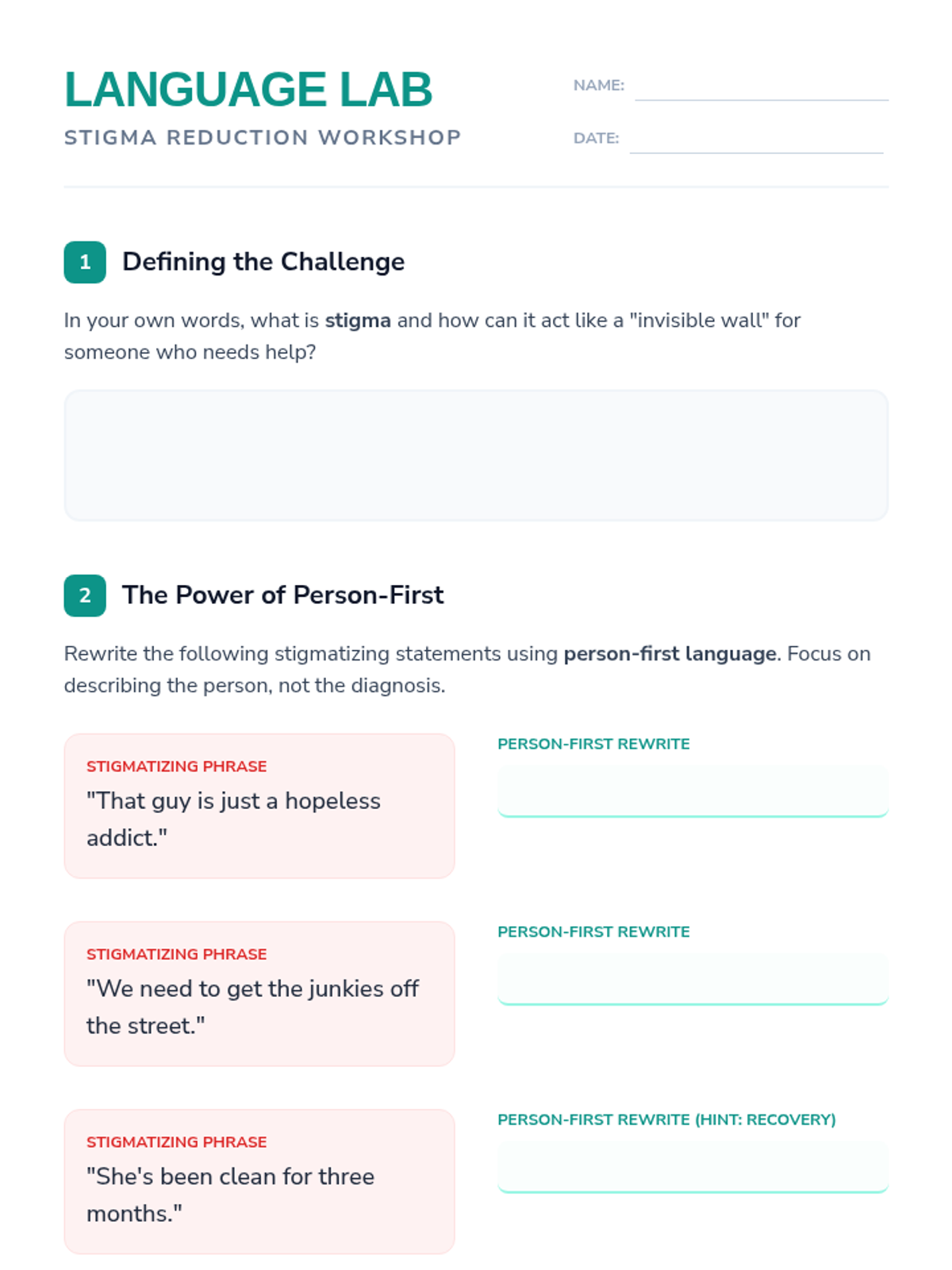
A 7th-grade sequence focused on destigmatizing addiction and identifying recovery resources. Students explore how language impacts help-seeking behavior, research local support systems, and develop the skills to support others while maintaining healthy boundaries.
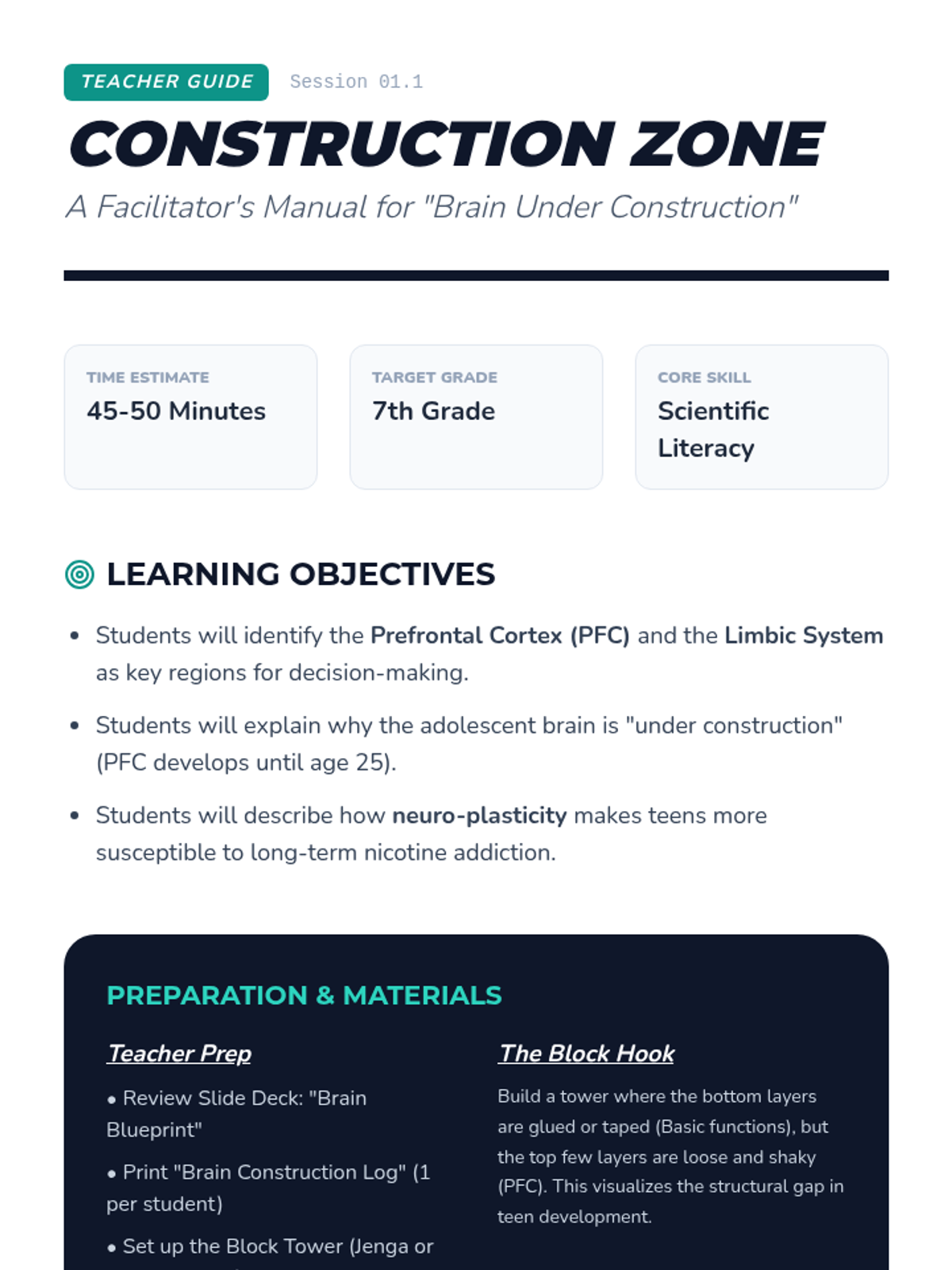
A comprehensive 5-lesson unit for 7th-grade students exploring the neuroscience of nicotine addiction, the adolescent brain's vulnerability, the financial costs of tobacco use, and the resources available for cessation and support.
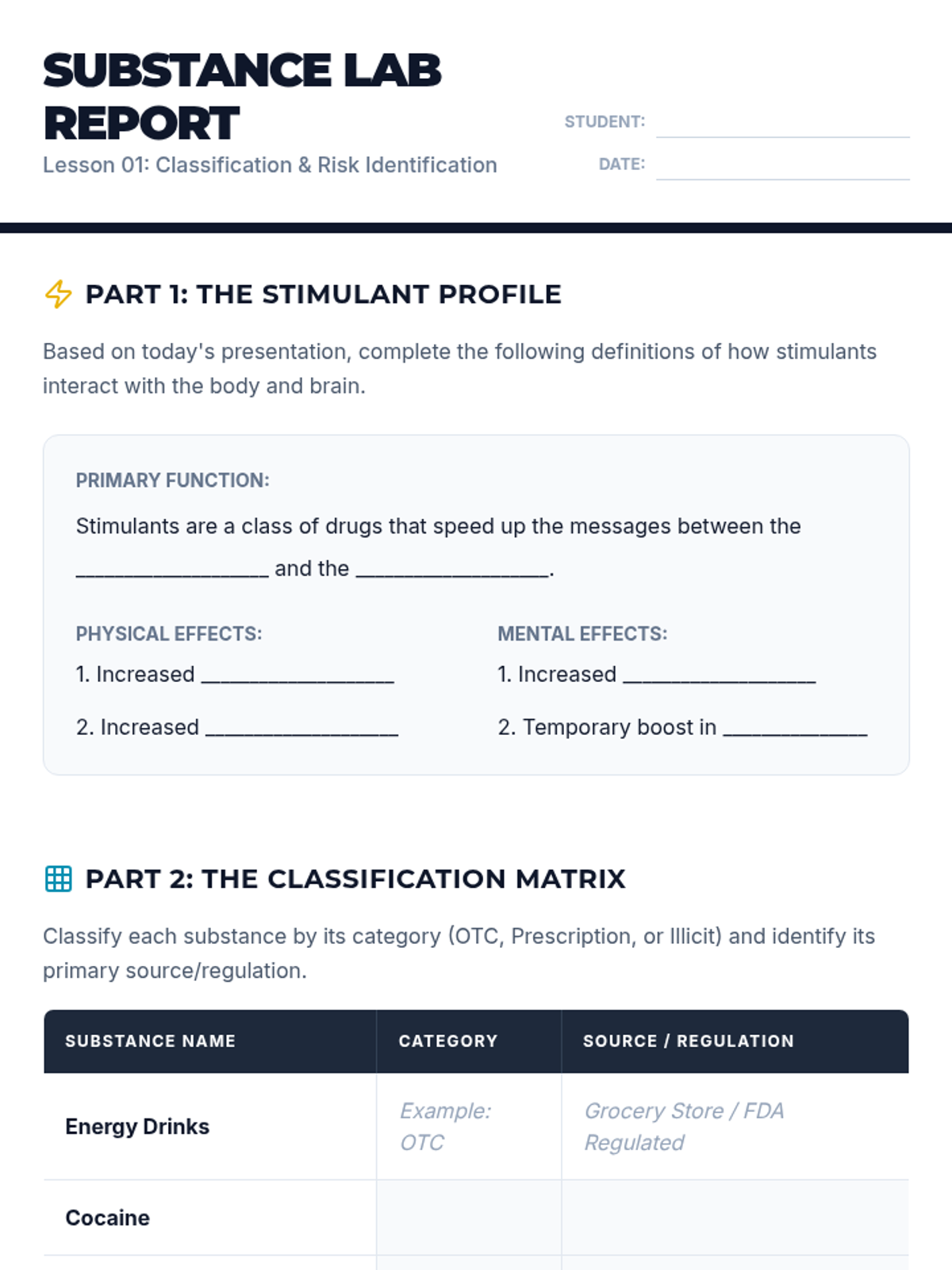
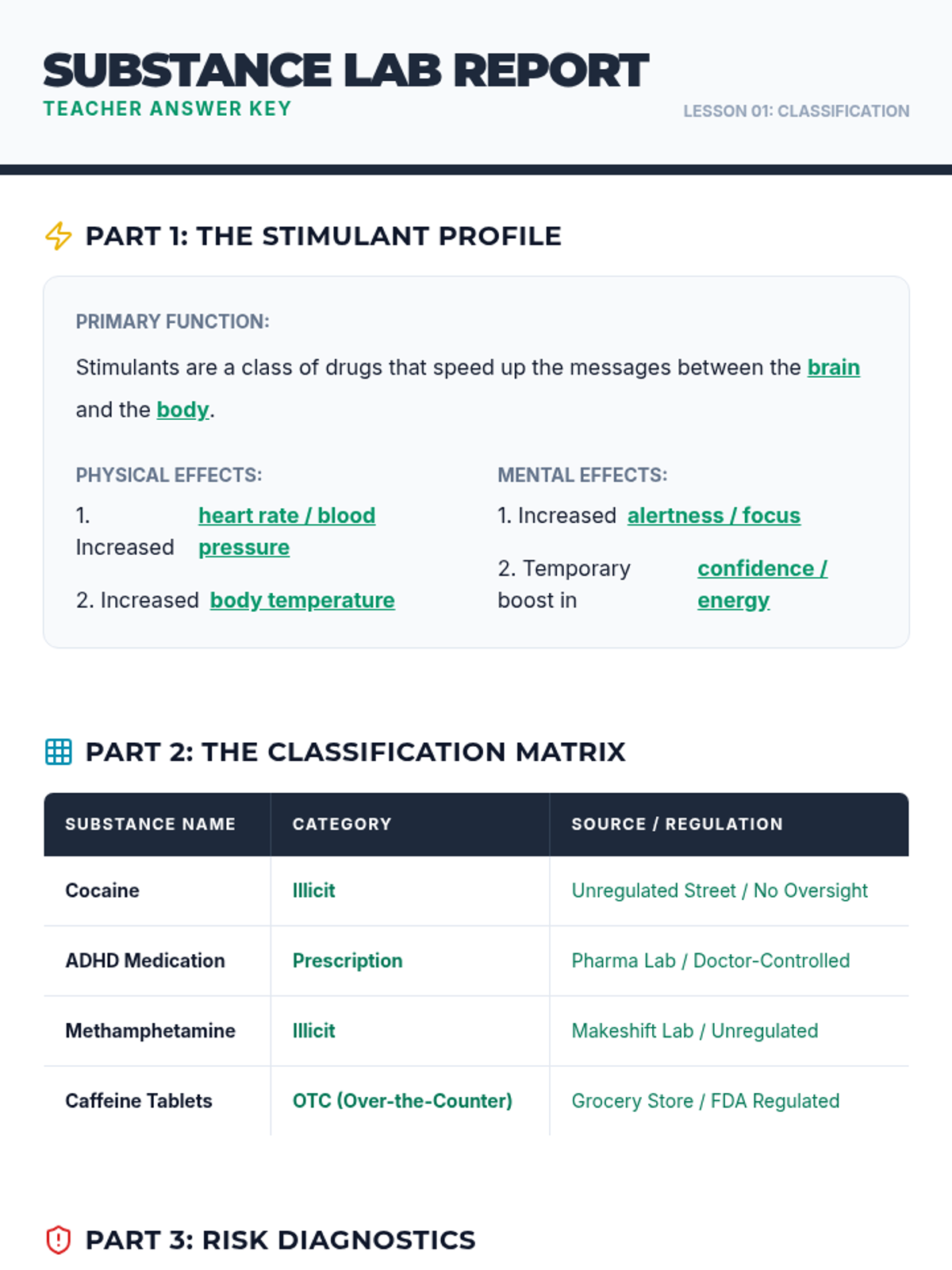
A 5-lesson unit for 7th graders exploring the classification of illicit stimulants, the biological mechanism of tolerance, the cycle of dependency, the impact on life priorities, and the science of neurological recovery.
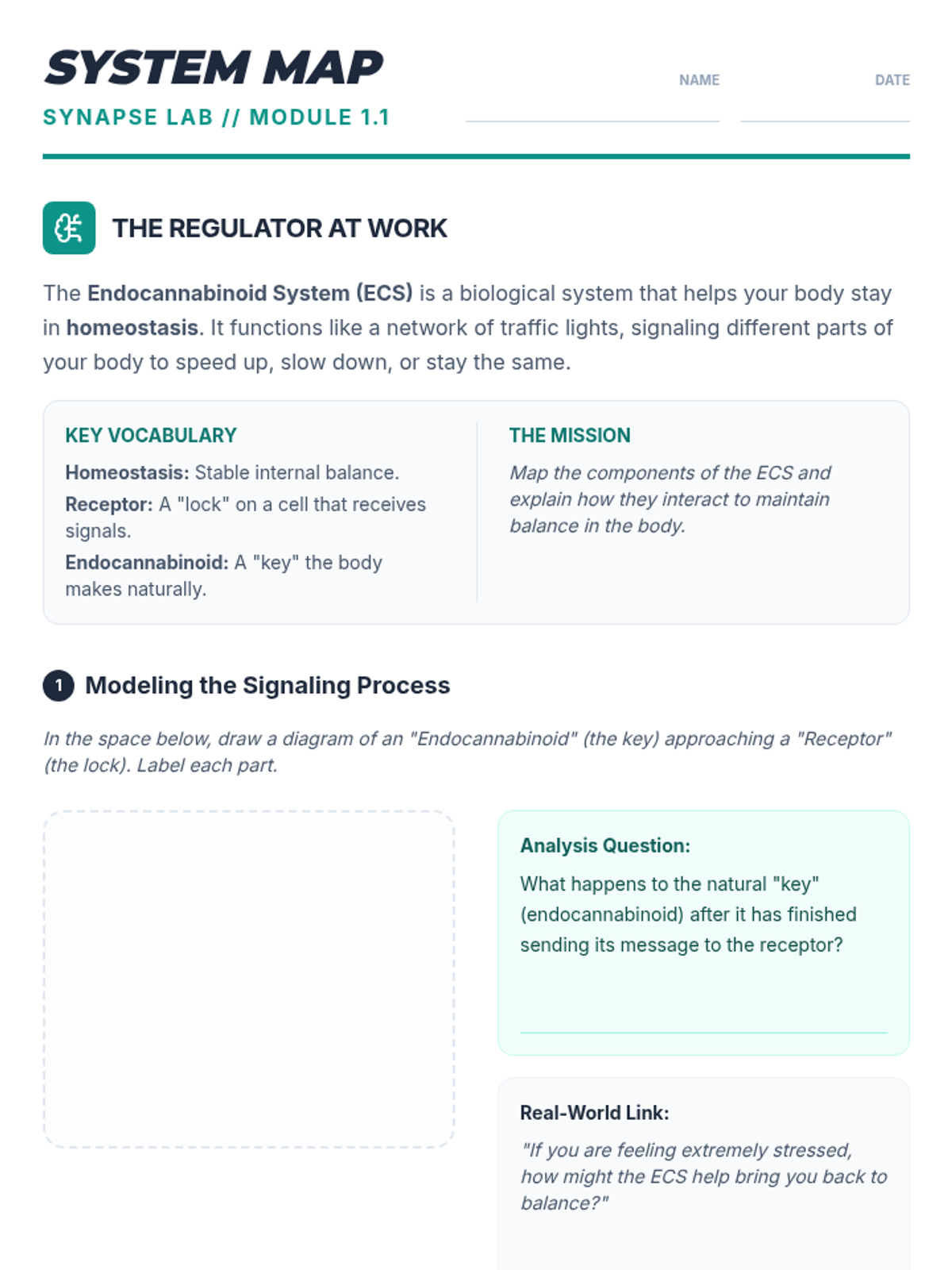
An inquiry-based exploration of the endocannabinoid system and the specific physiological impacts of cannabis on the developing adolescent brain. Students transition from understanding natural homeostasis to analyzing how external cannabinoids like THC disrupt memory, motivation, and executive function.
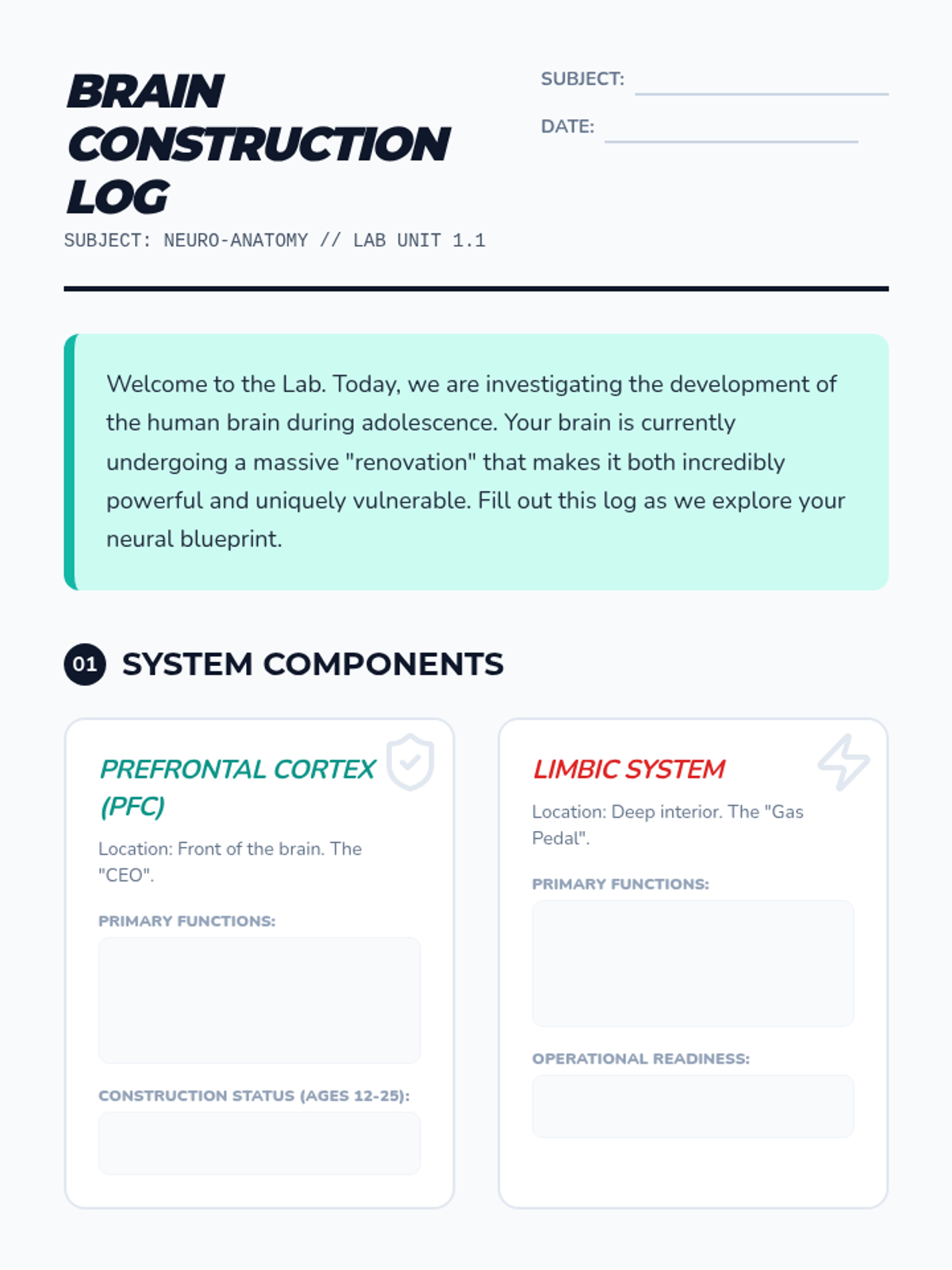
A comprehensive sequence for 6th-grade students exploring the biological mechanisms of the adolescent brain and the physiological effects of cannabis. Students learn about brain development, the endocannabinoid system, and how THC disrupts neural communication, empowering them with scientific knowledge for health literacy.
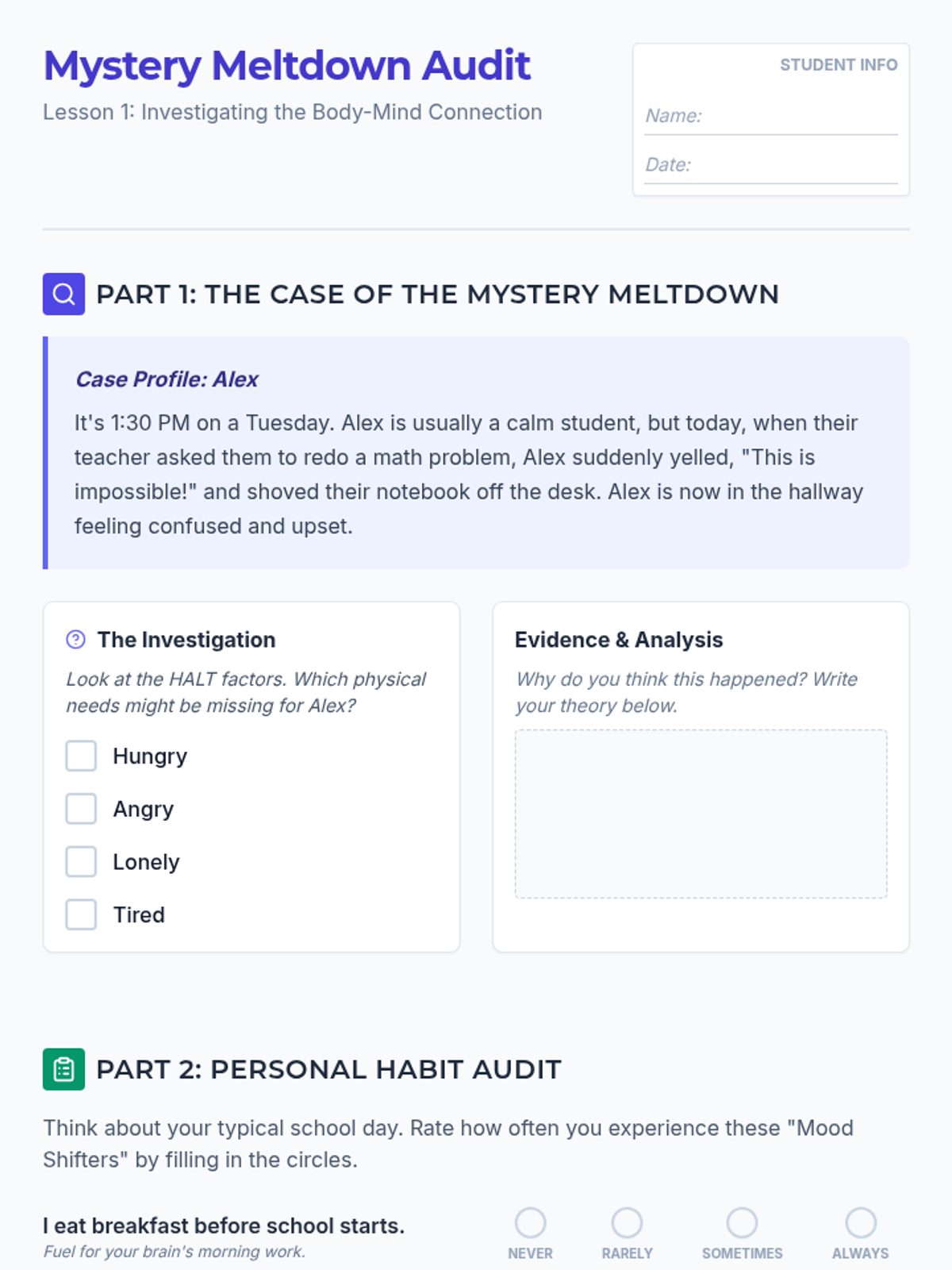
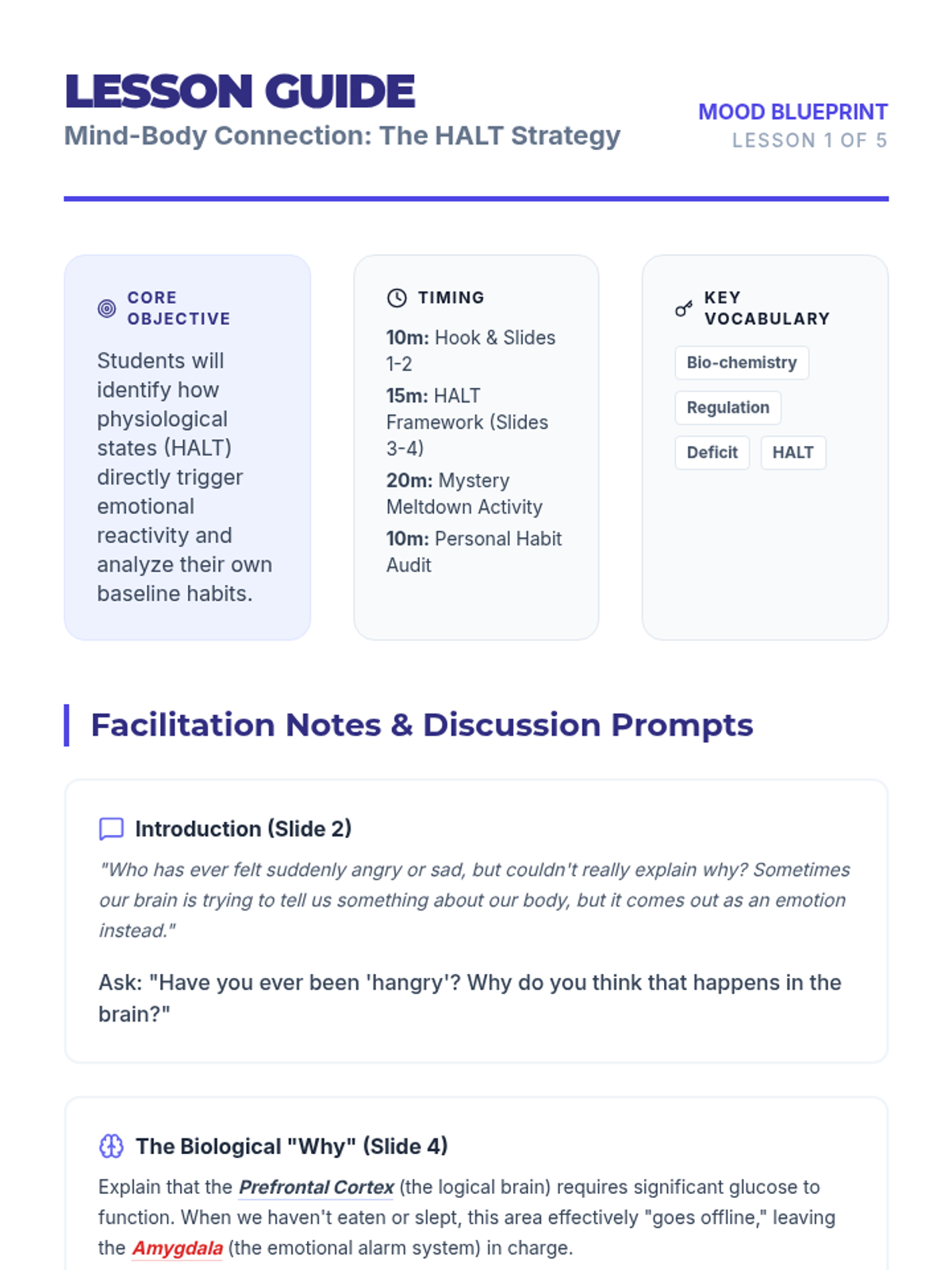
A 5-lesson sequence for 6th-grade students focusing on the biological and behavioral foundations of emotional regulation through daily routines, culminating in a personalized Wellness Blueprint.
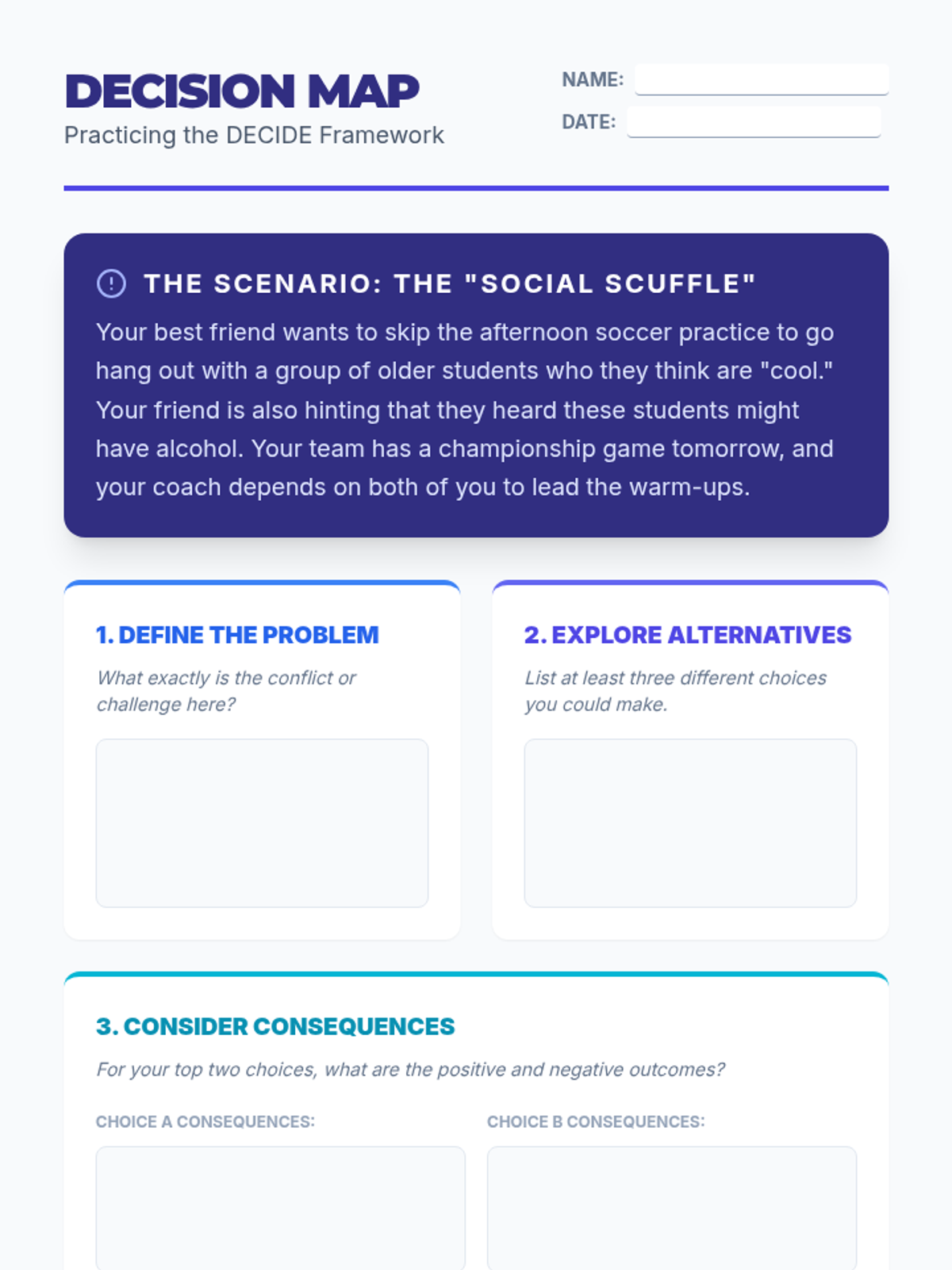
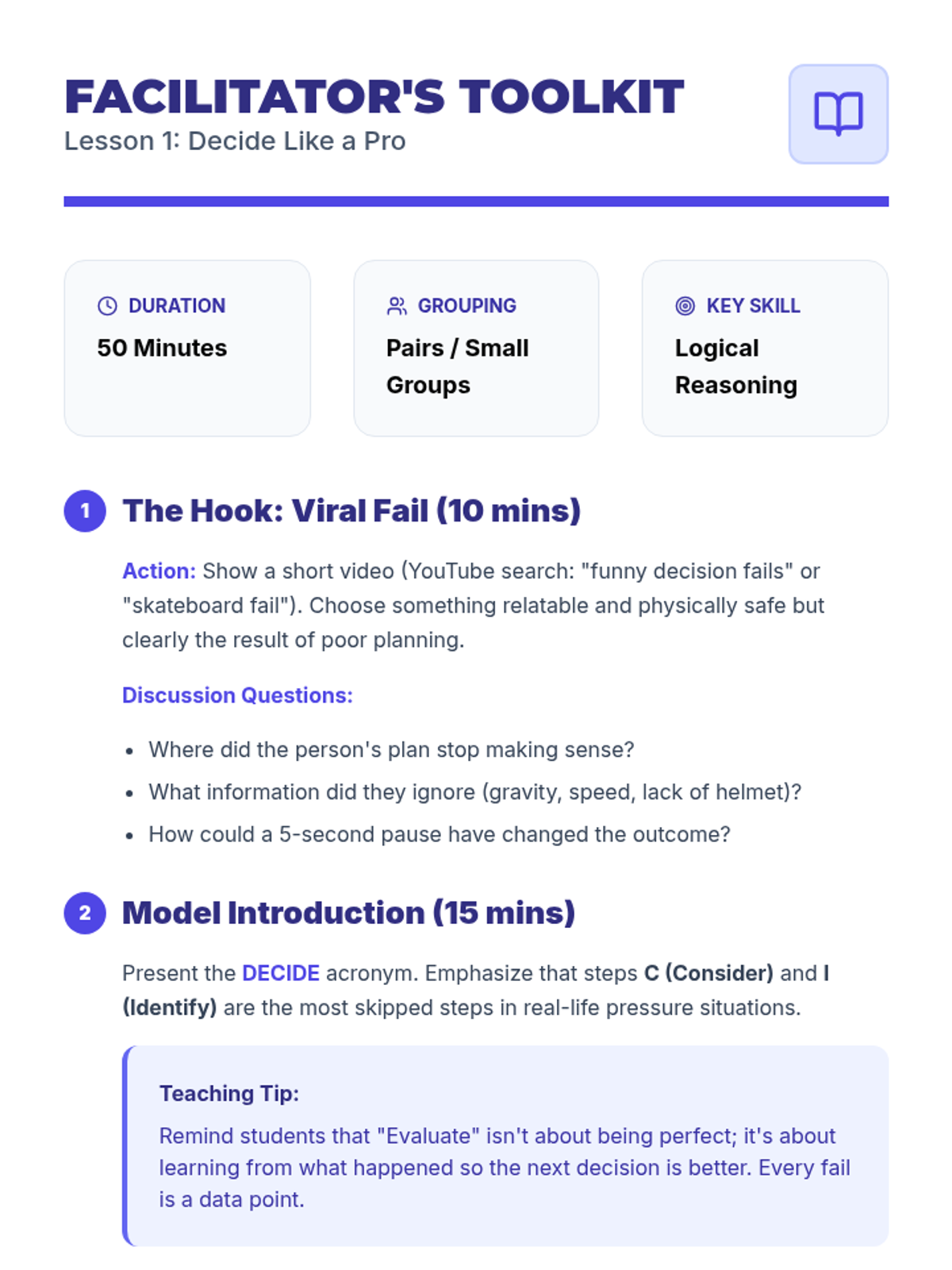
This project-based sequence empowers 7th-grade students to use the DECIDE model for making healthy choices and culminates in a student-led advocacy campaign promoting alcohol-free lifestyles. Students bridge personal values with community data to become influential peer advocates.
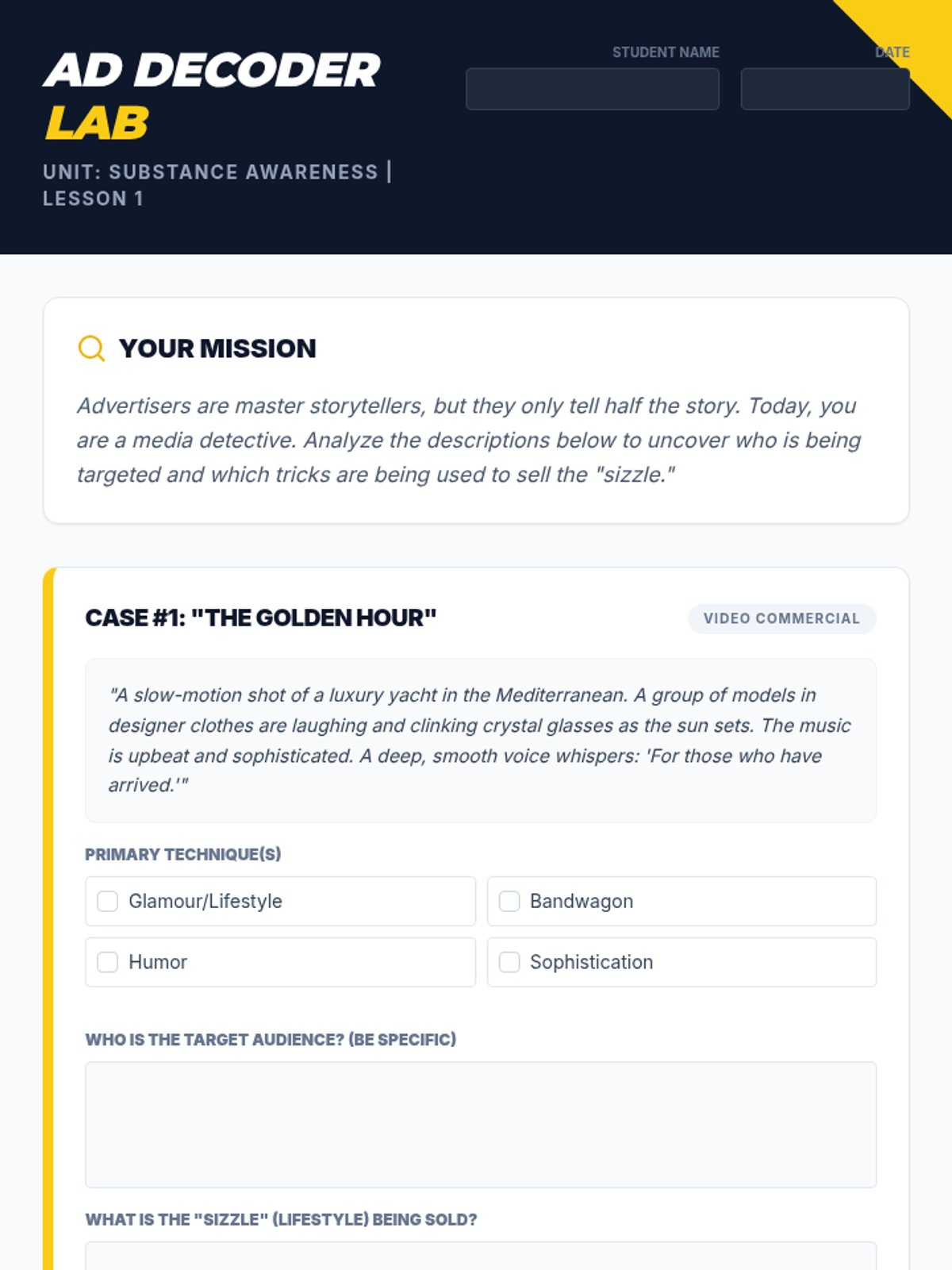
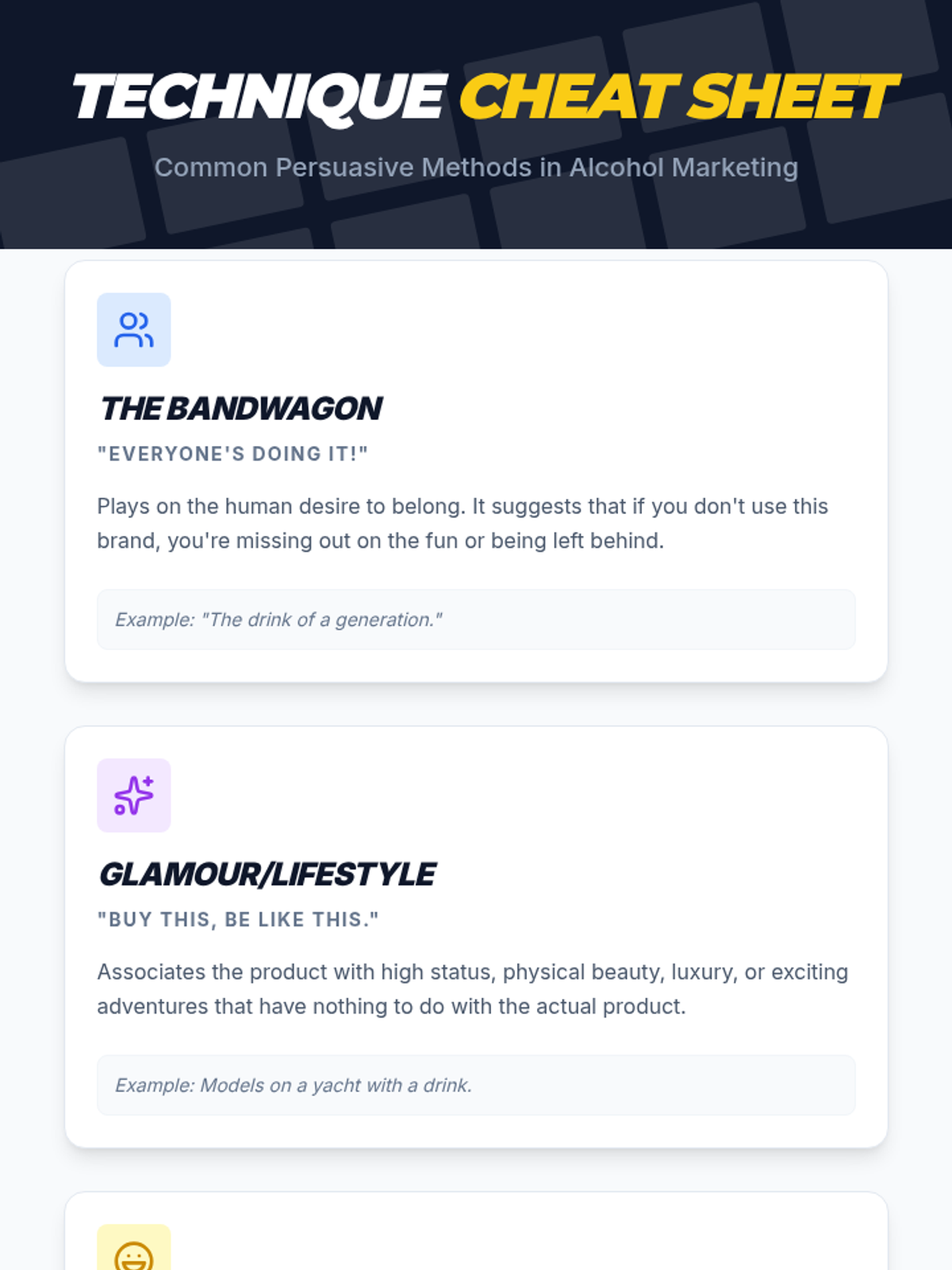
This 7th-grade sequence empowers students to see through the manipulative marketing tactics used by the alcohol industry. By analyzing advertisements, product placement, and branding psychology, students develop the media literacy skills necessary to separate lifestyle fantasies from health realities, culminating in a creative counter-marketing project.
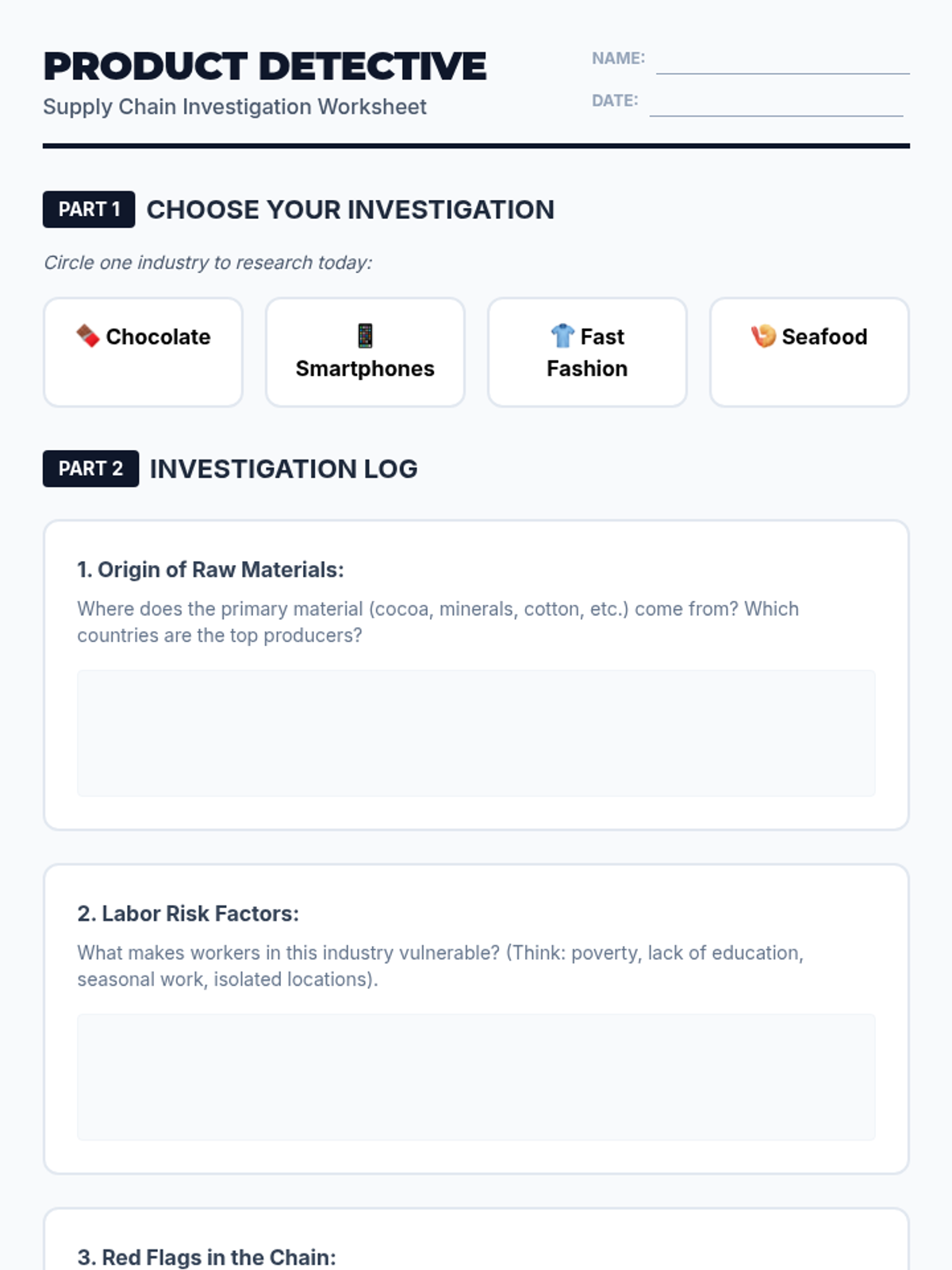
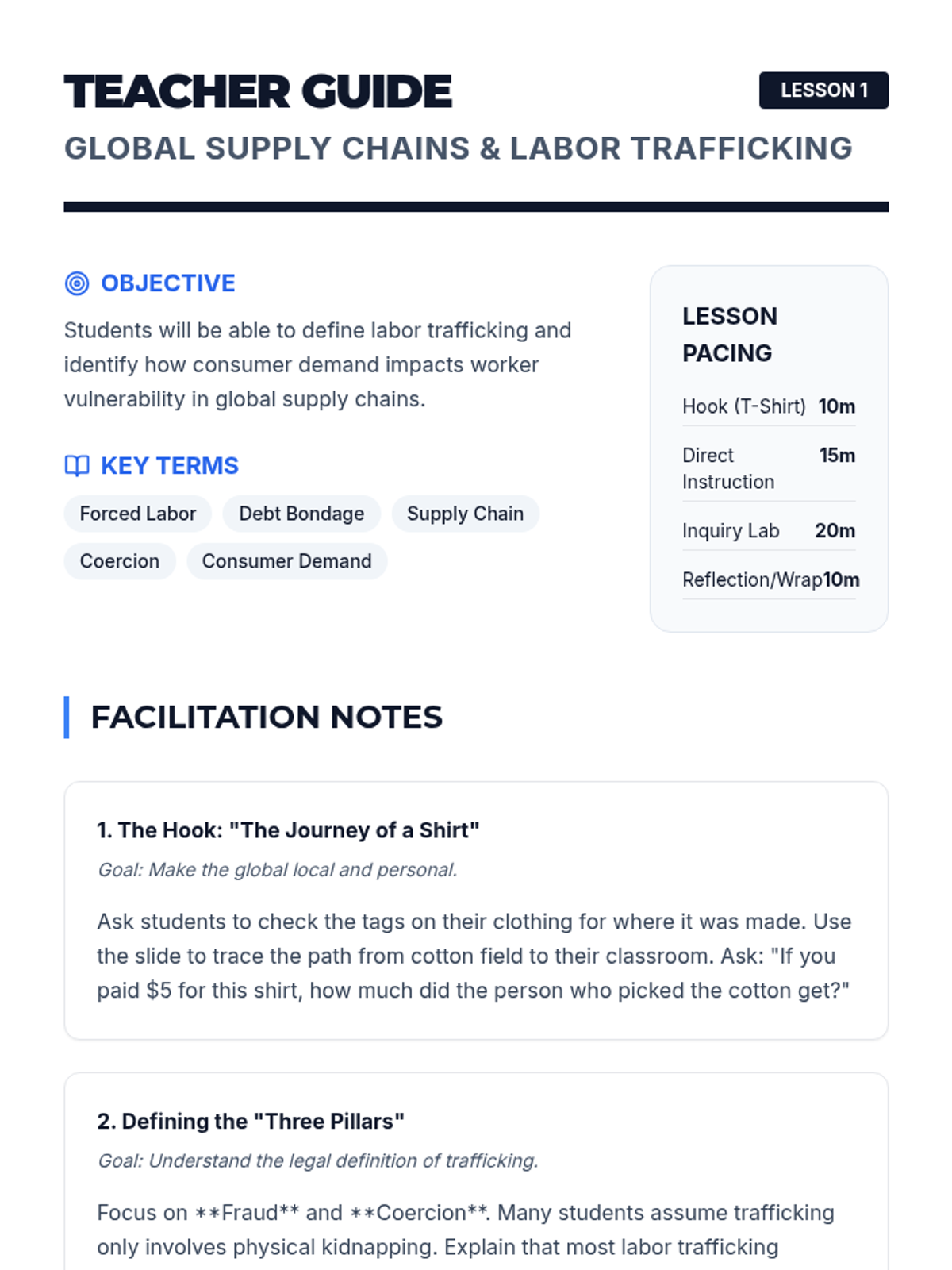
This project-based sequence shifts focus to community awareness, reporting protocols, and systemic understanding of human trafficking. Students investigate labor trafficking, recognize signs in peers, learn professional reporting protocols, and develop bystander intervention skills, culminating in a peer-led awareness campaign.
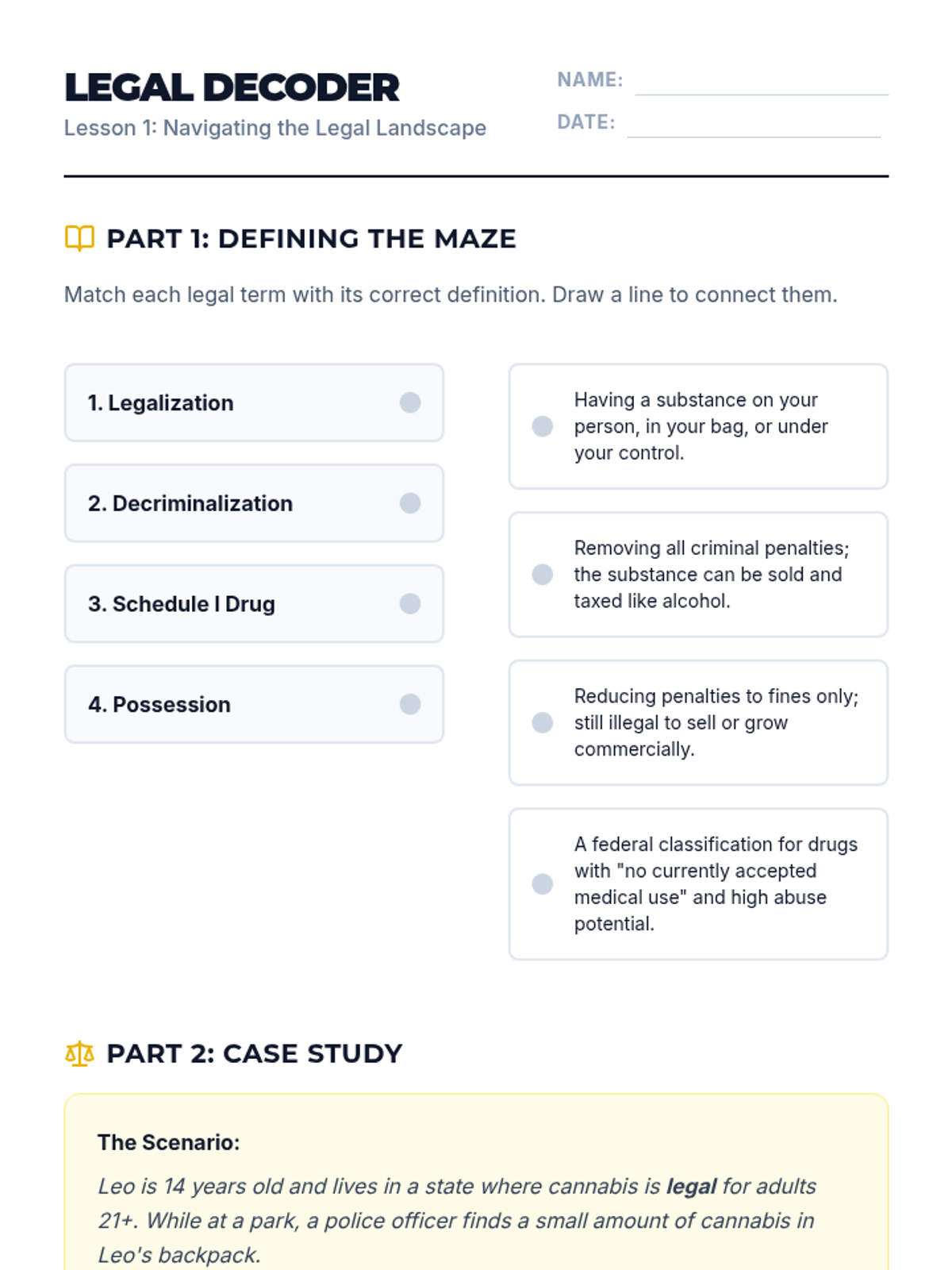
A comprehensive 5-lesson unit for 7th-grade students exploring the legal, physical, and safety implications of cannabis use, focusing on harm reduction and health literacy.
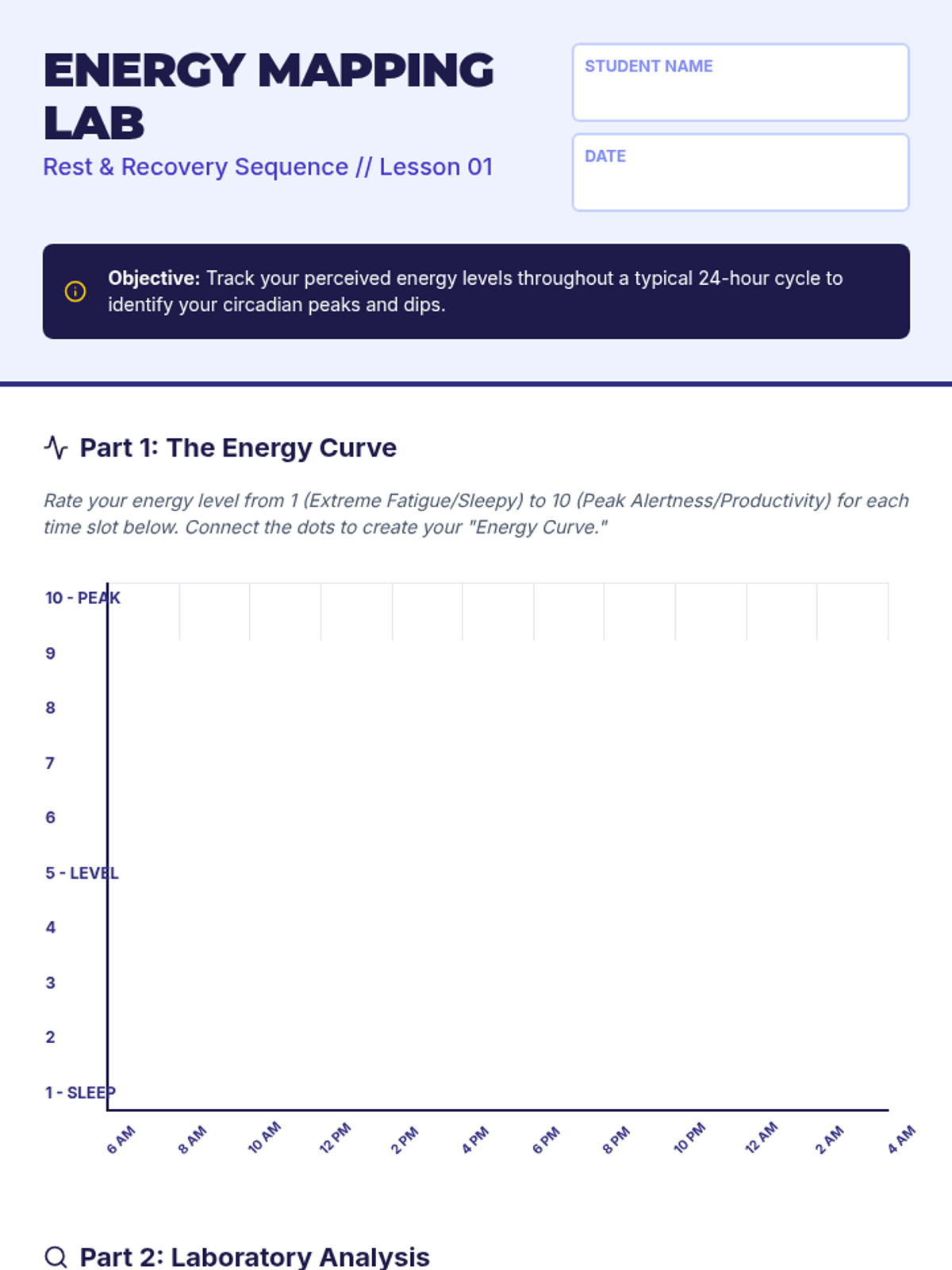
This sequence explores the biological and environmental factors of sleep, focusing on circadian rhythms, sleep stages, the impact of technology, and the development of healthy sleep hygiene for early adolescents.
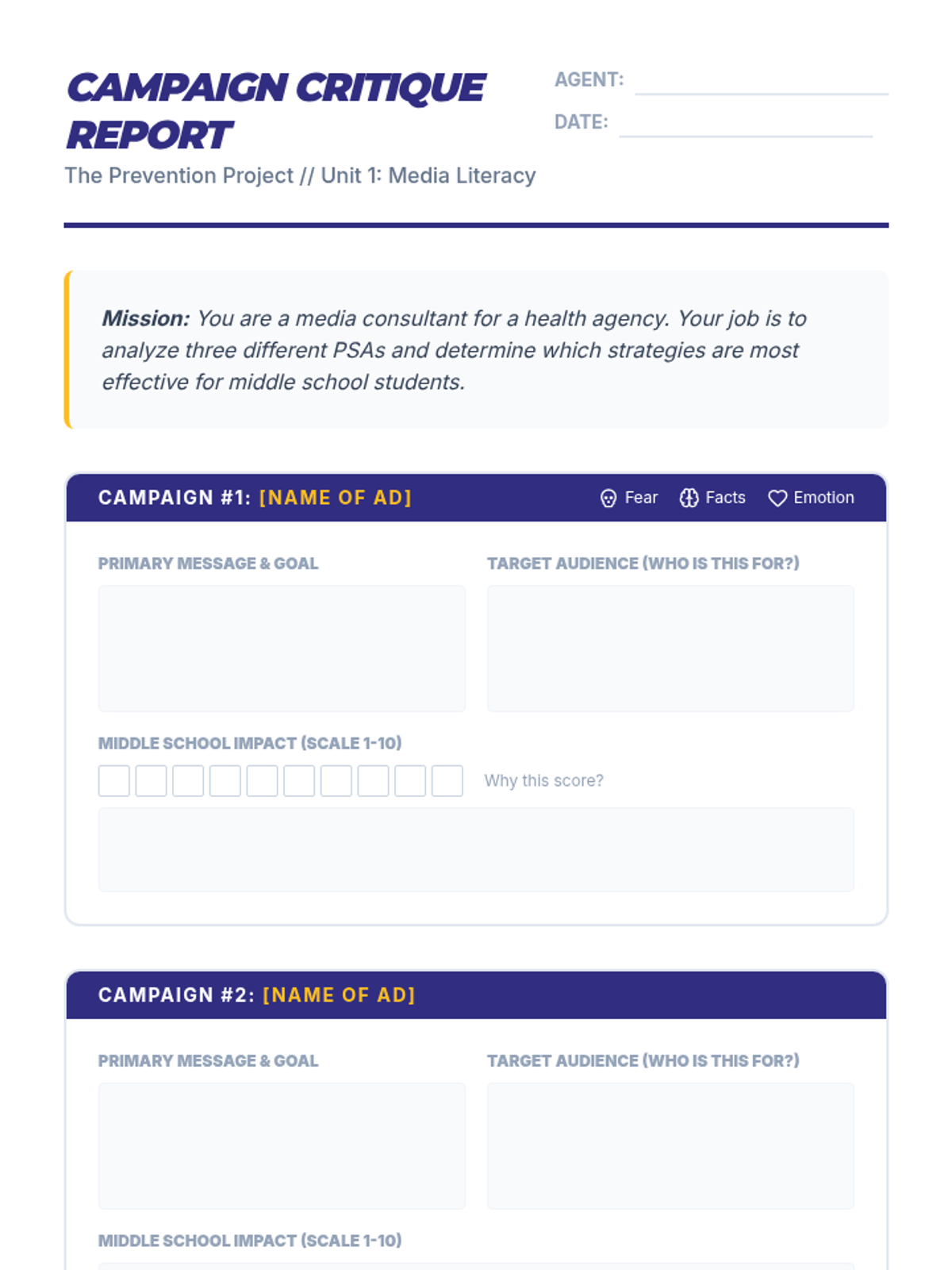
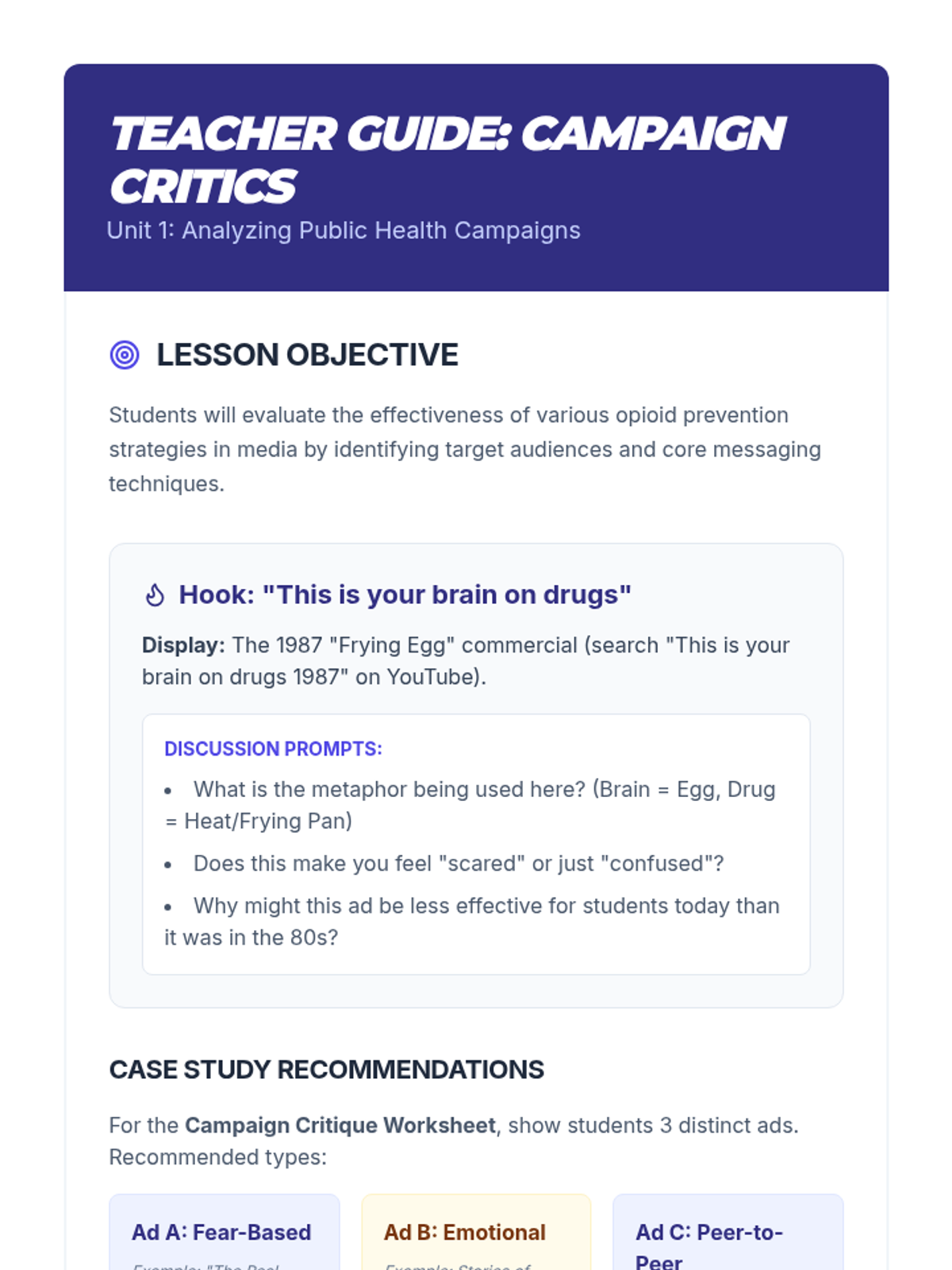
A project-based learning sequence where 7th-grade students analyze existing drug prevention campaigns and design their own public service announcements to promote opioid awareness and safety within their school.
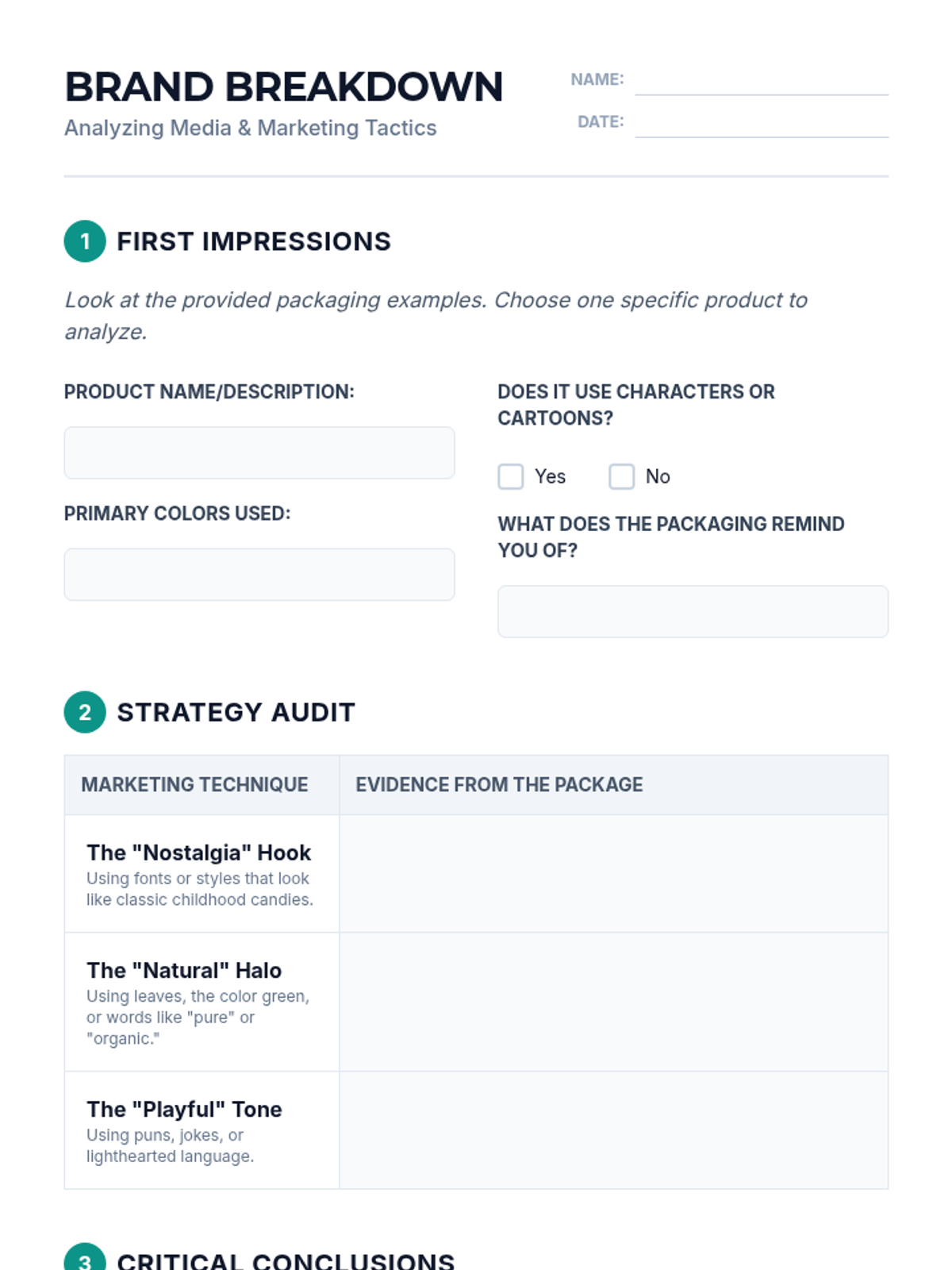
A 5-lesson sequence for 7th graders focusing on media literacy and social norms regarding cannabis. Students deconstruct marketing tactics, compare perceived versus actual use rates, and create counter-marketing campaigns based on health facts.
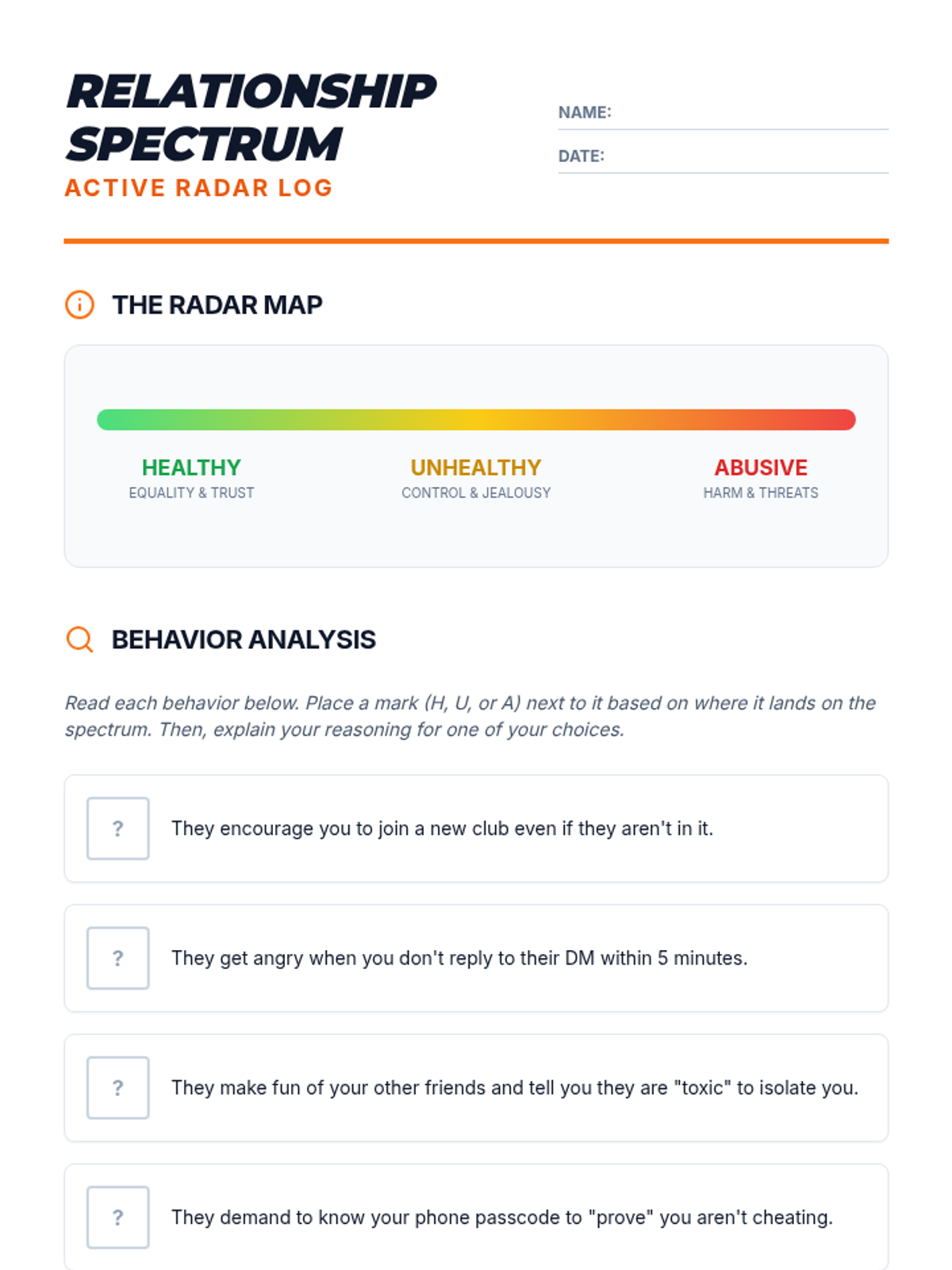
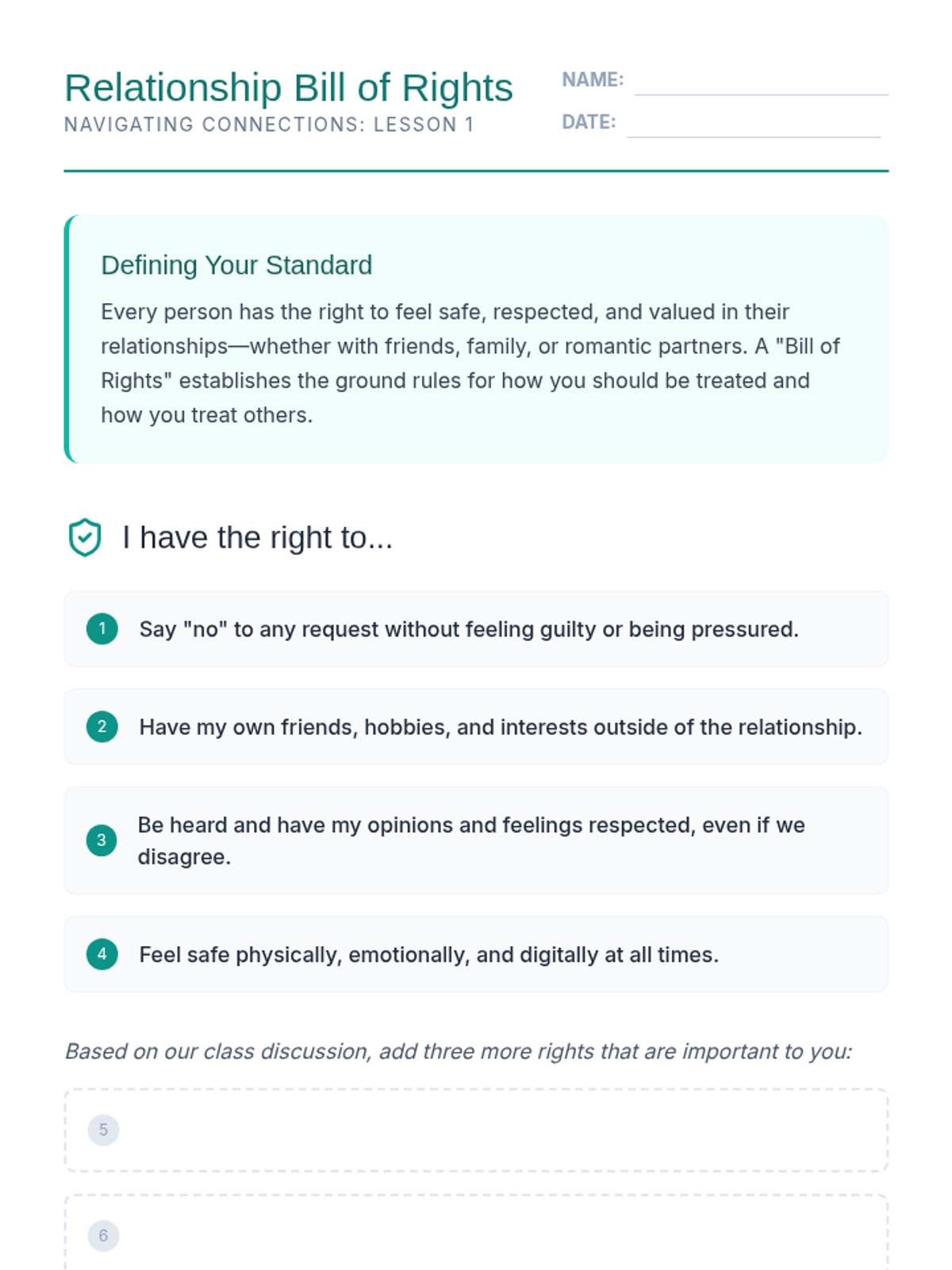
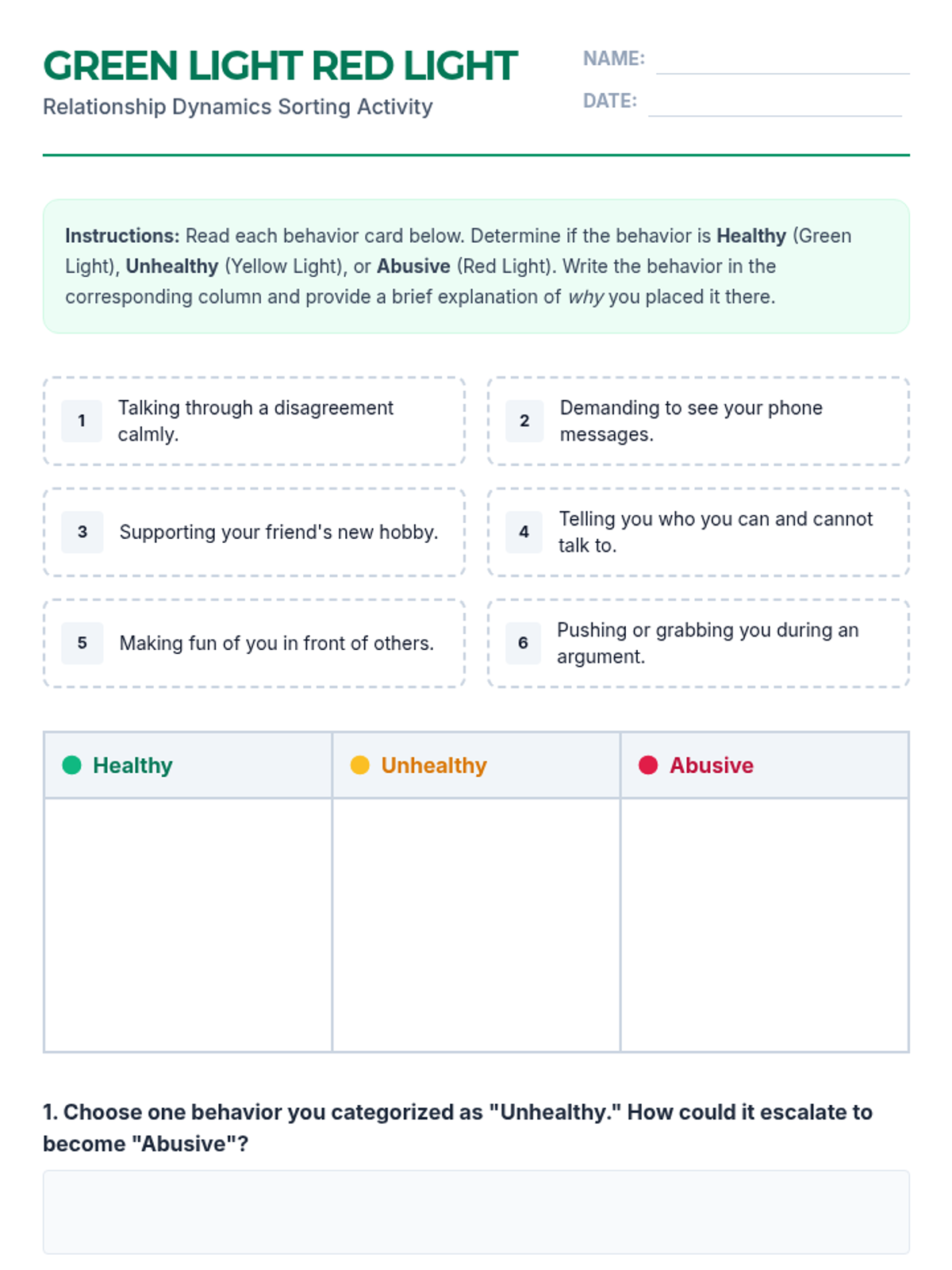
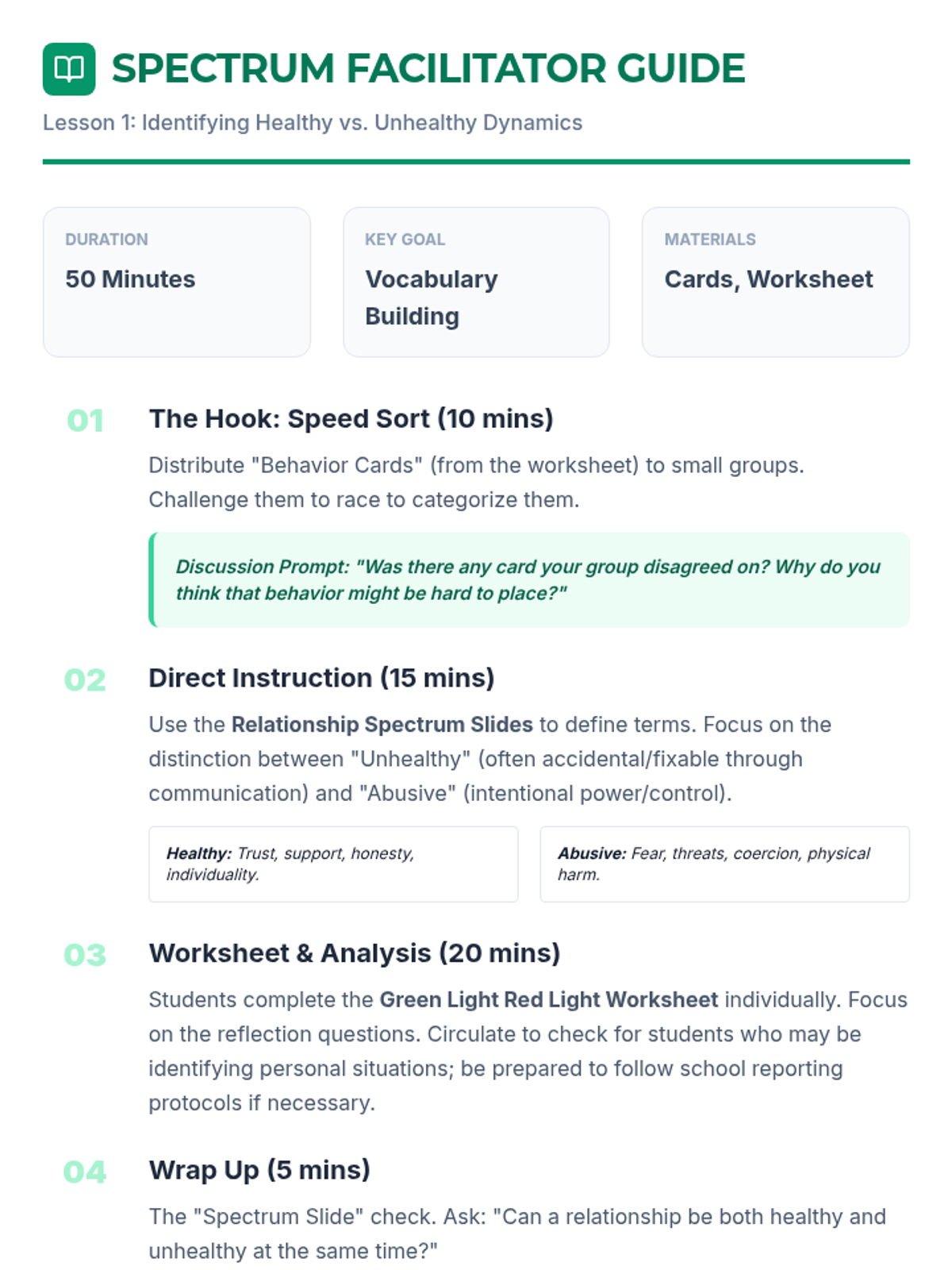
This sequence guides 7th-grade students through identifying healthy vs. unhealthy relationship dynamics, setting personal boundaries, understanding consent (FRIES model), practicing assertive communication, and identifying support systems for personal safety.
A five-lesson sequence for 7th-grade students focusing on identifying healthy, unhealthy, and abusive relationship dynamics. Students learn to define personal boundaries, practice consent in various contexts, and navigate the complexities of digital interactions.
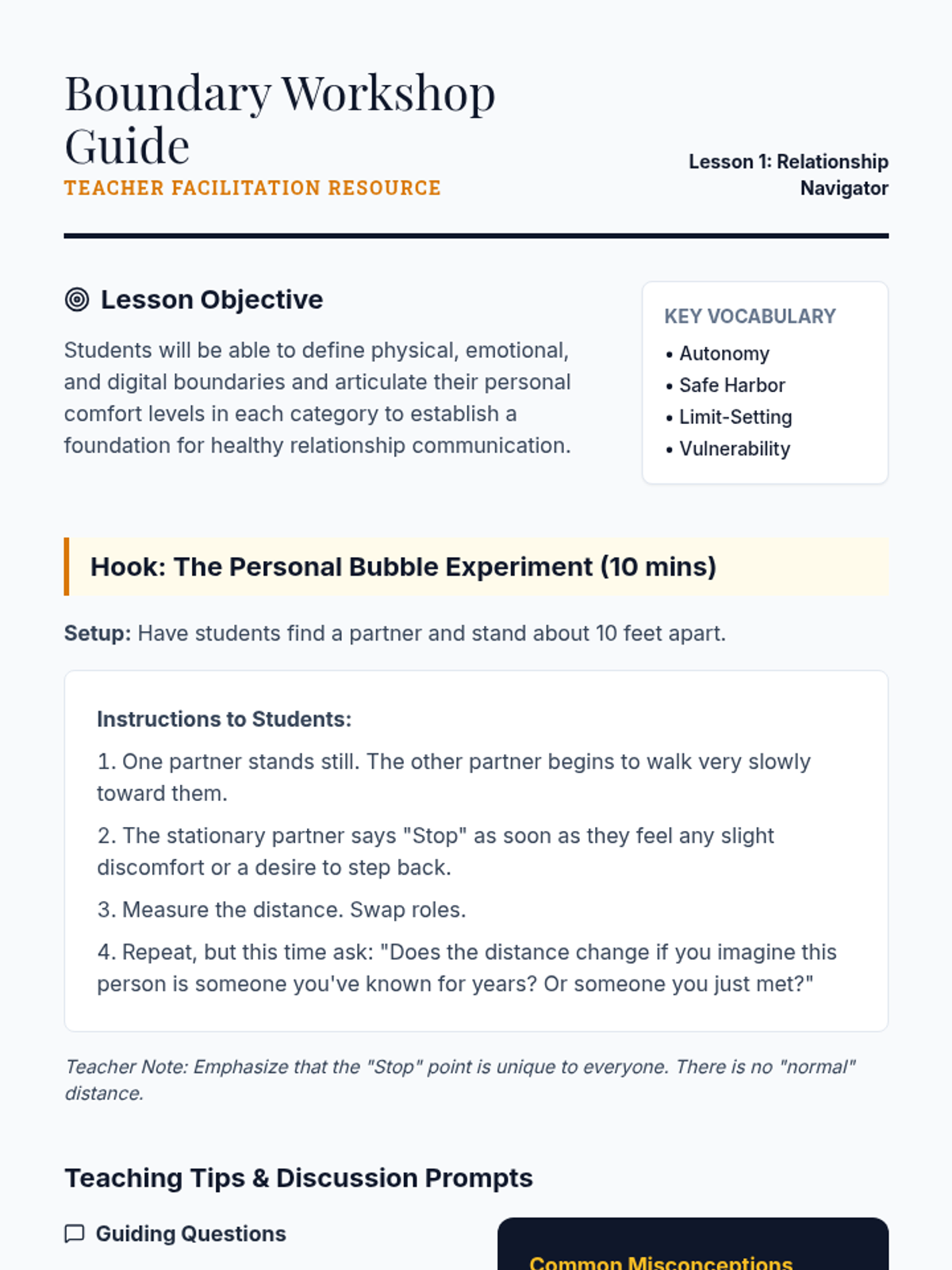
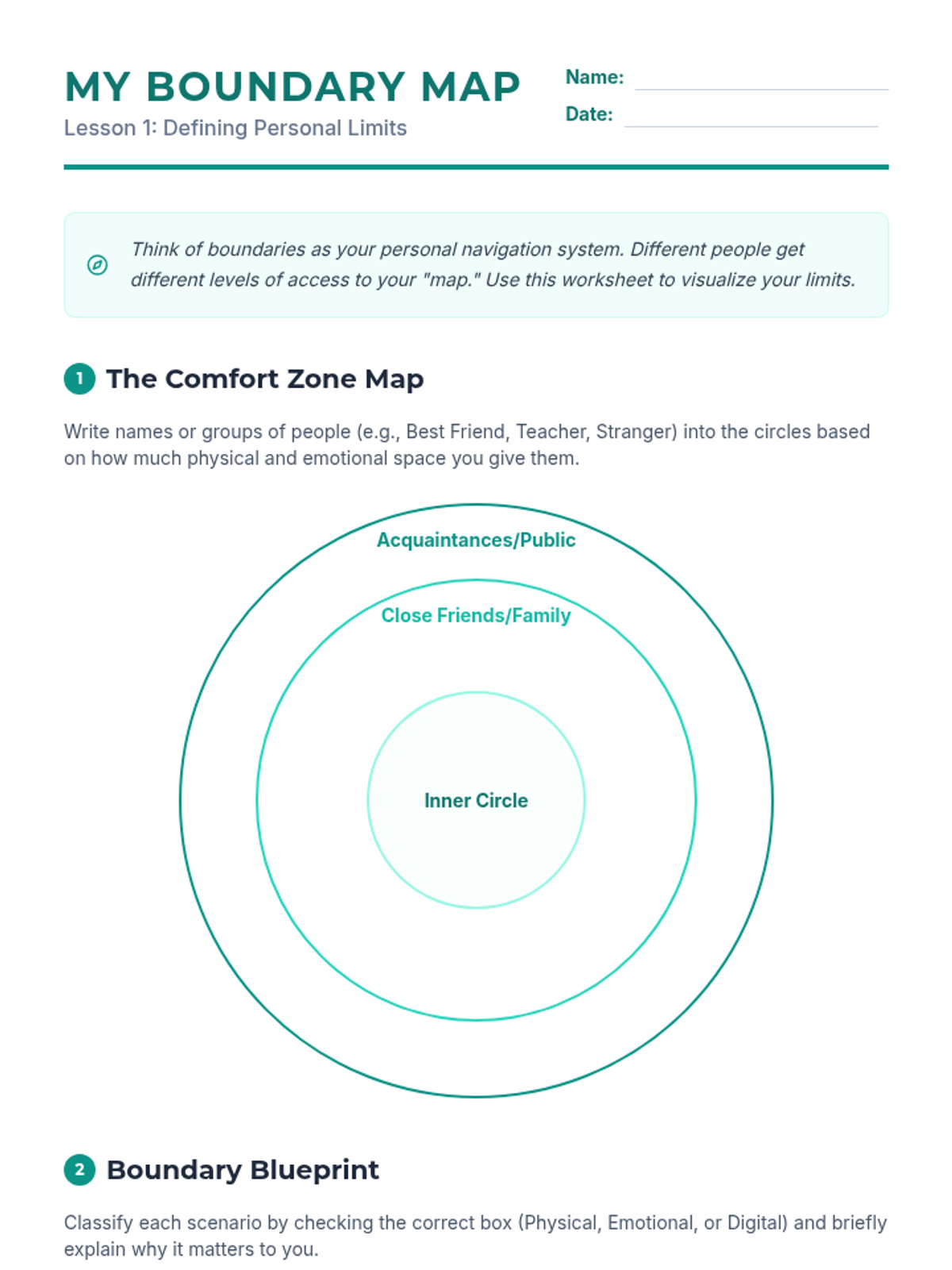
A 5-lesson health unit for 7th graders focused on identifying, communicating, and respecting physical, emotional, and digital boundaries through assertive communication and non-verbal decoding.
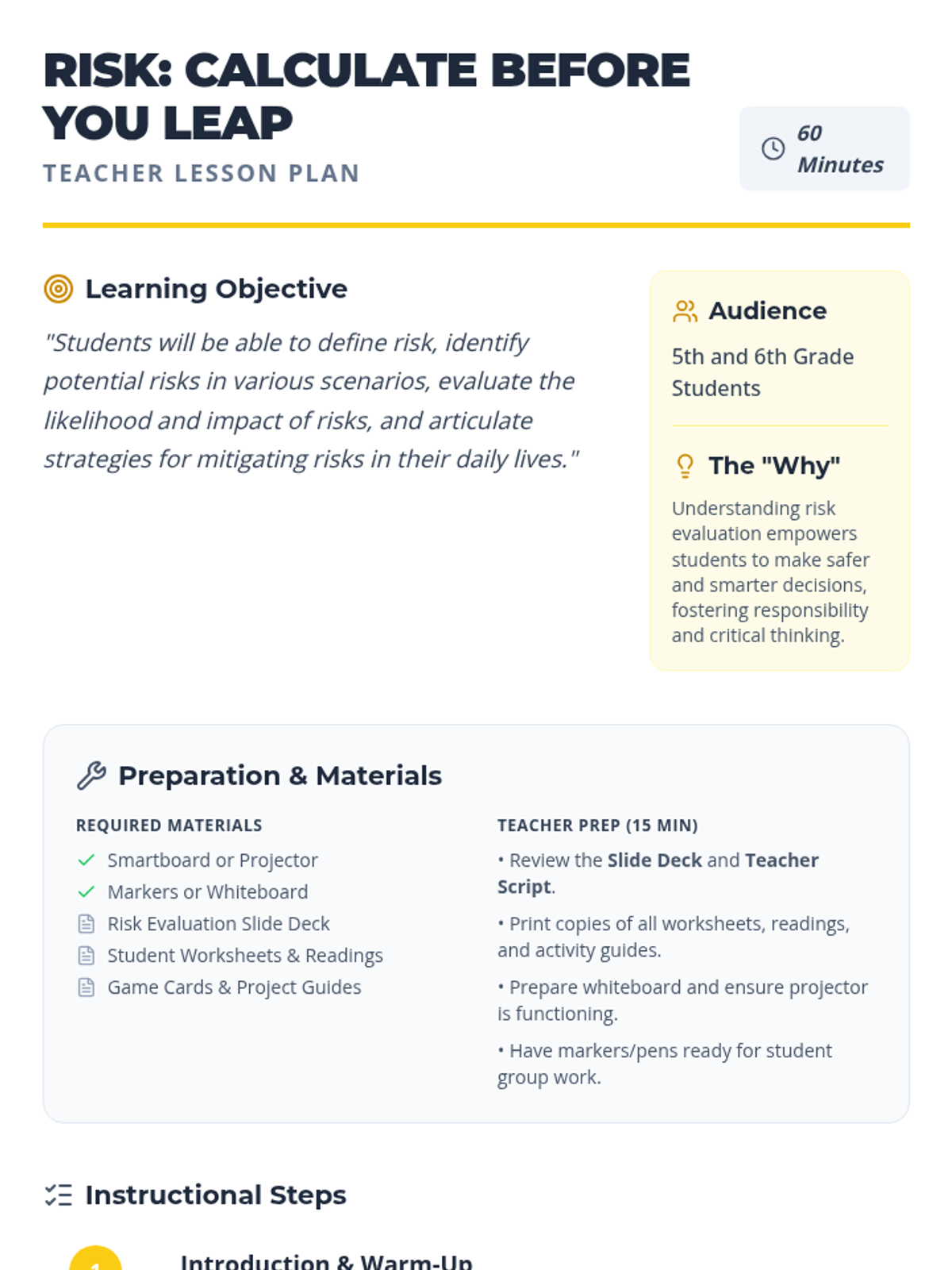
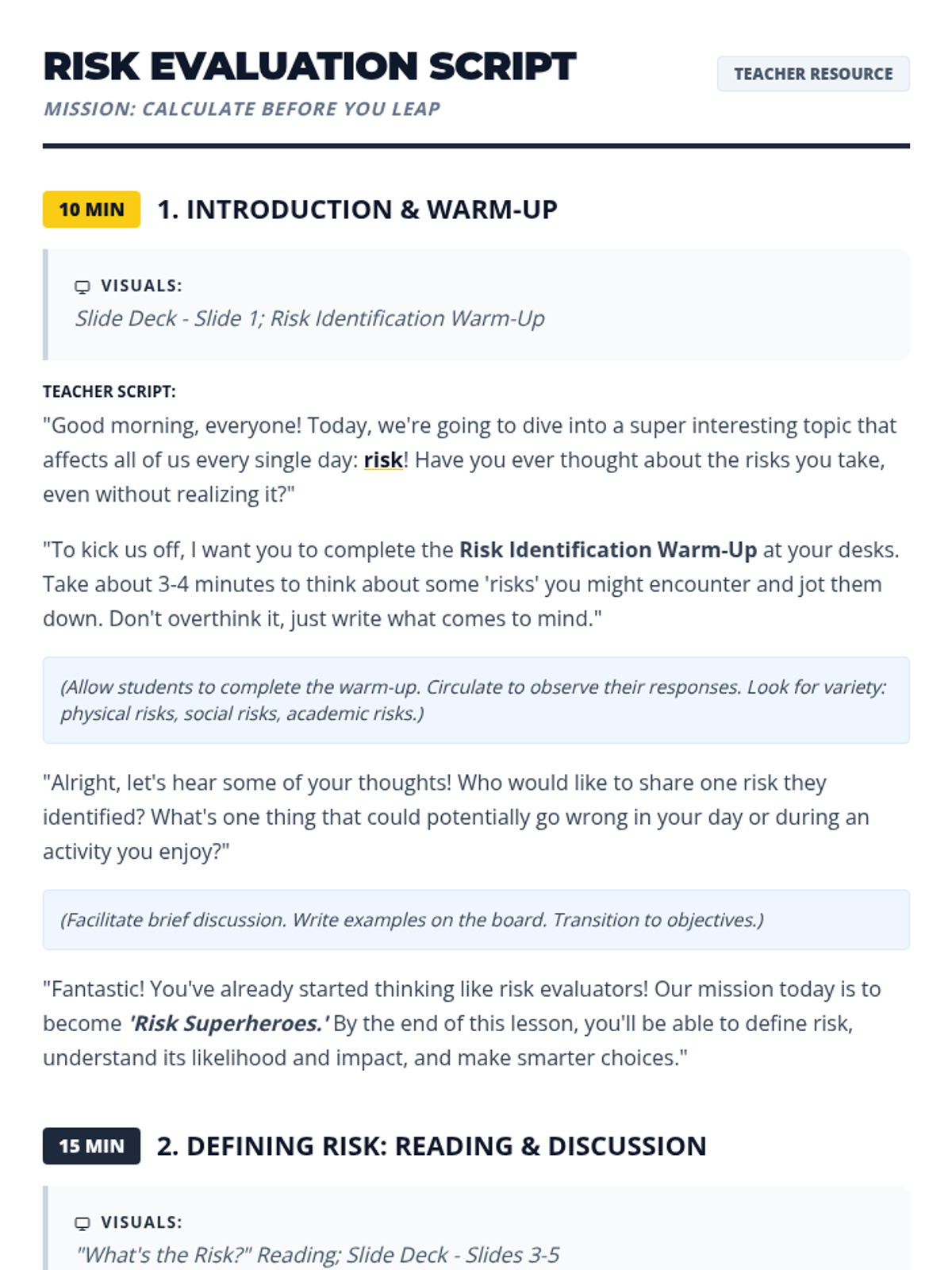
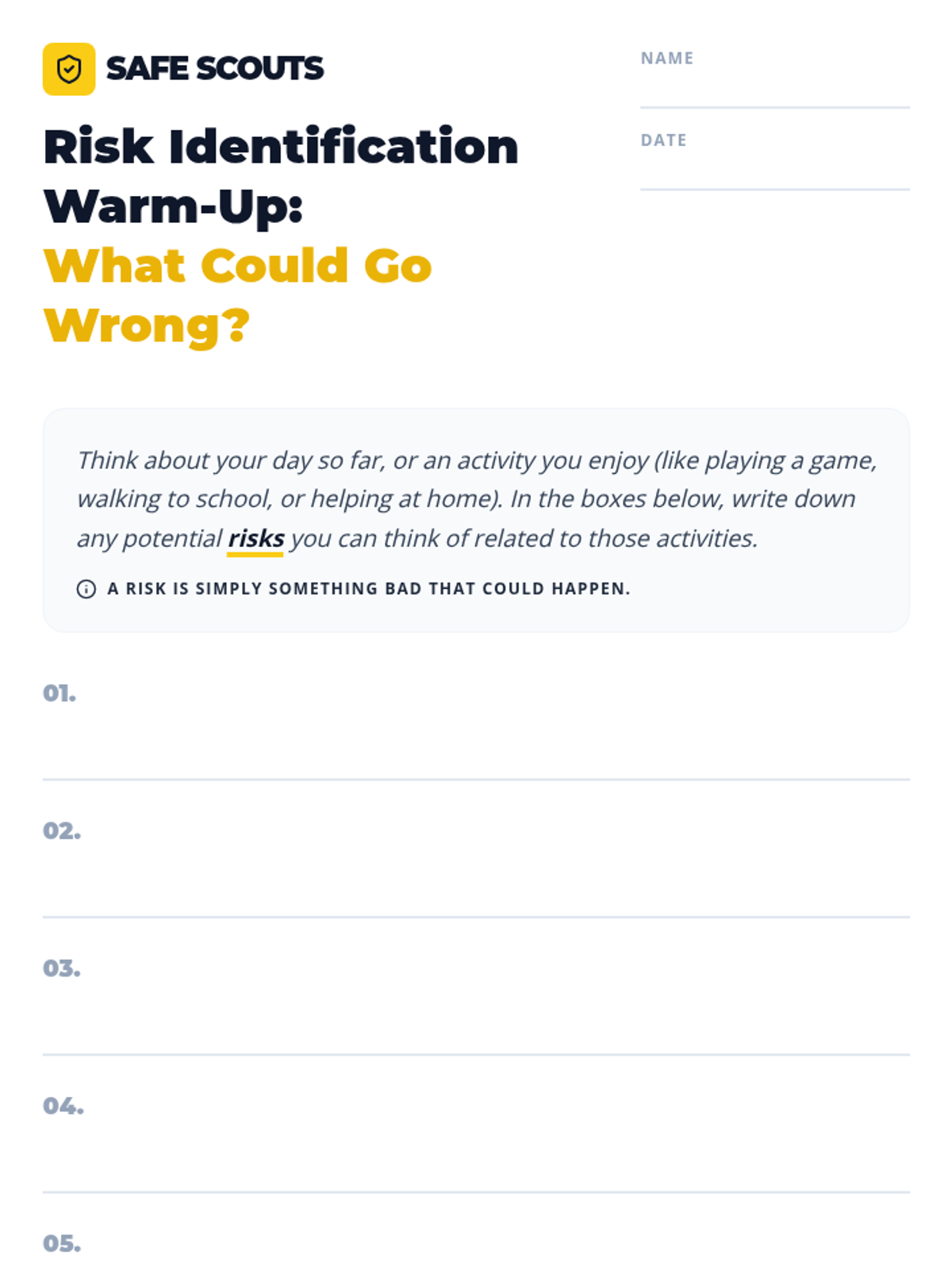
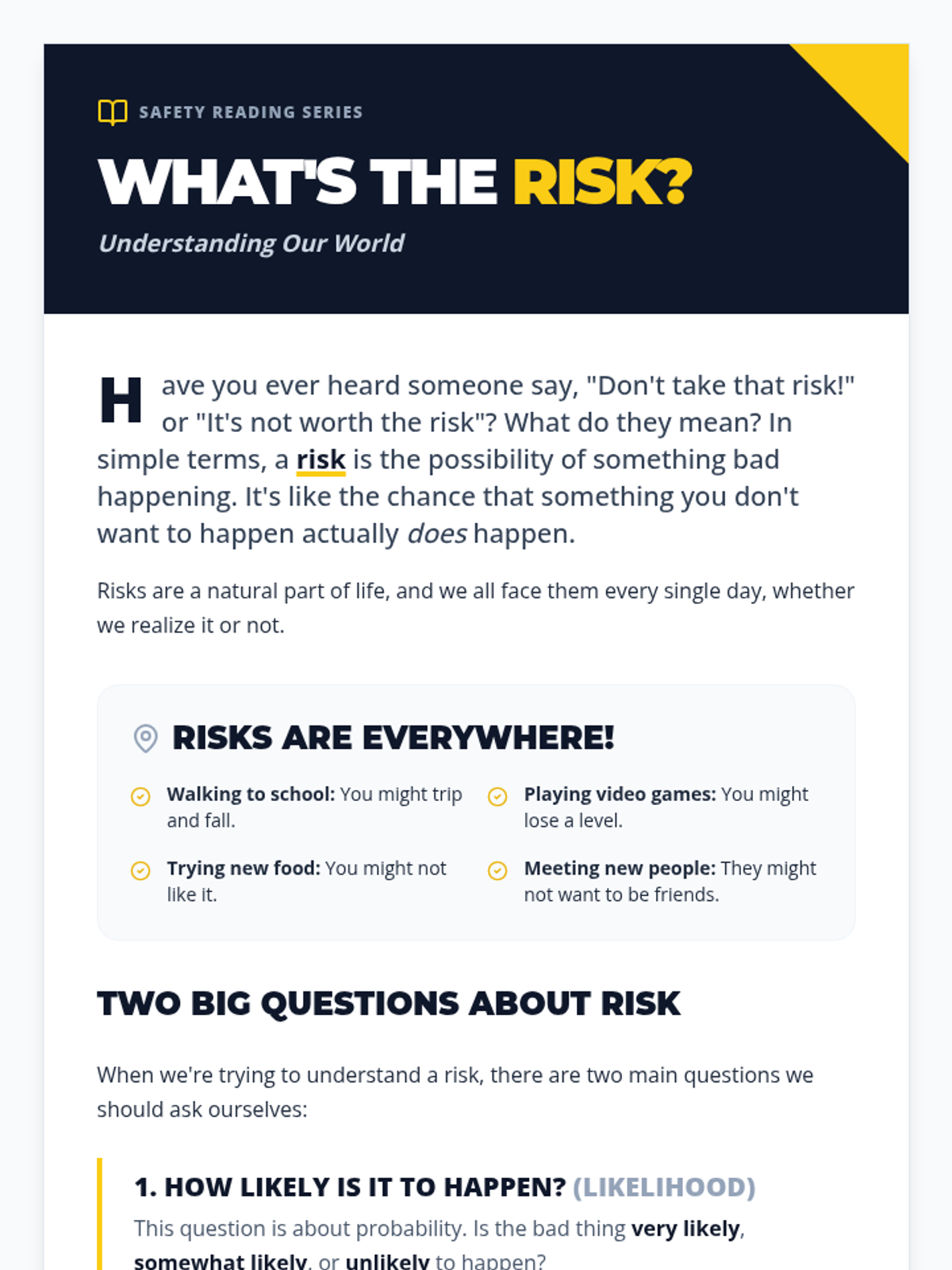
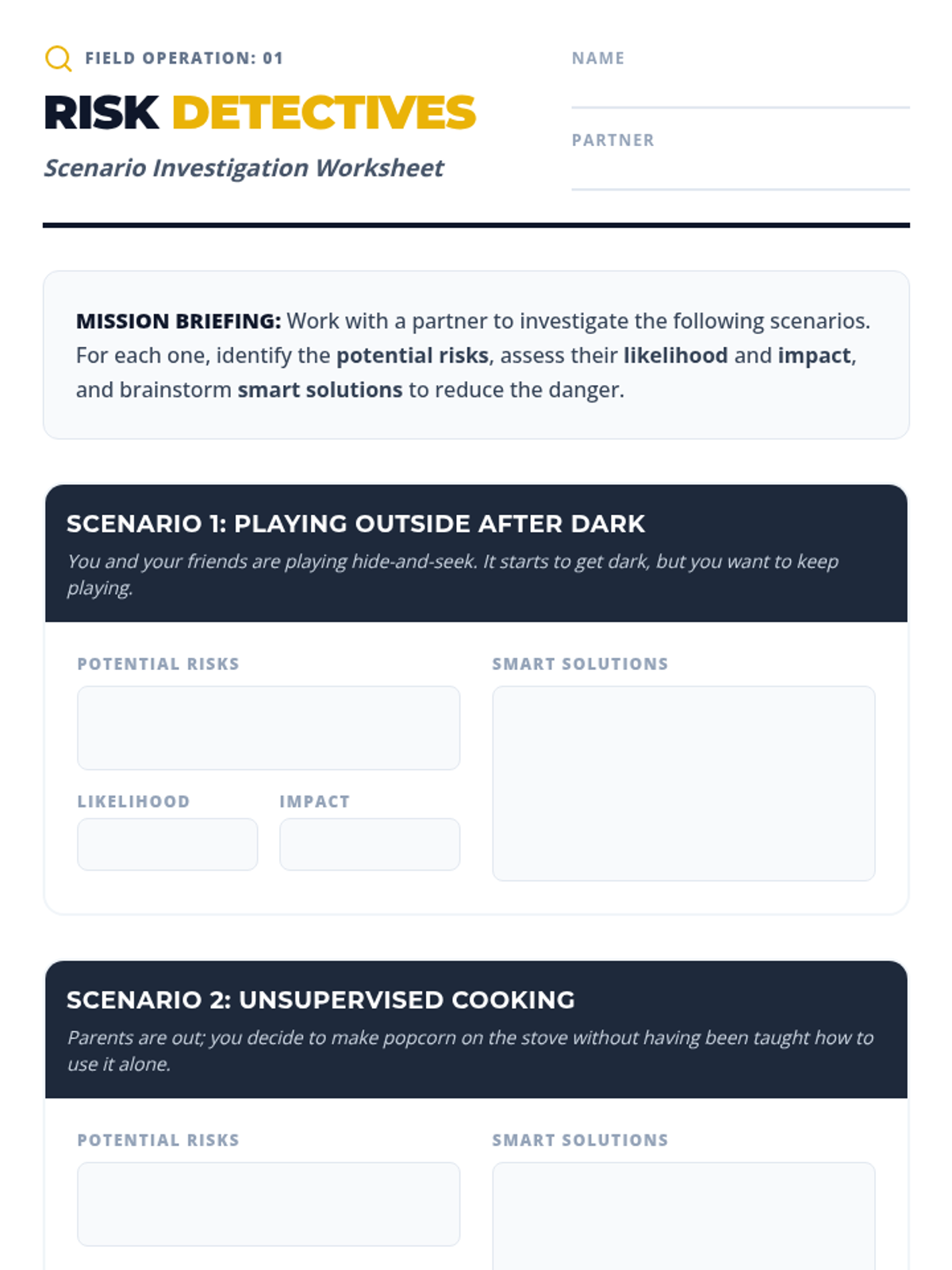
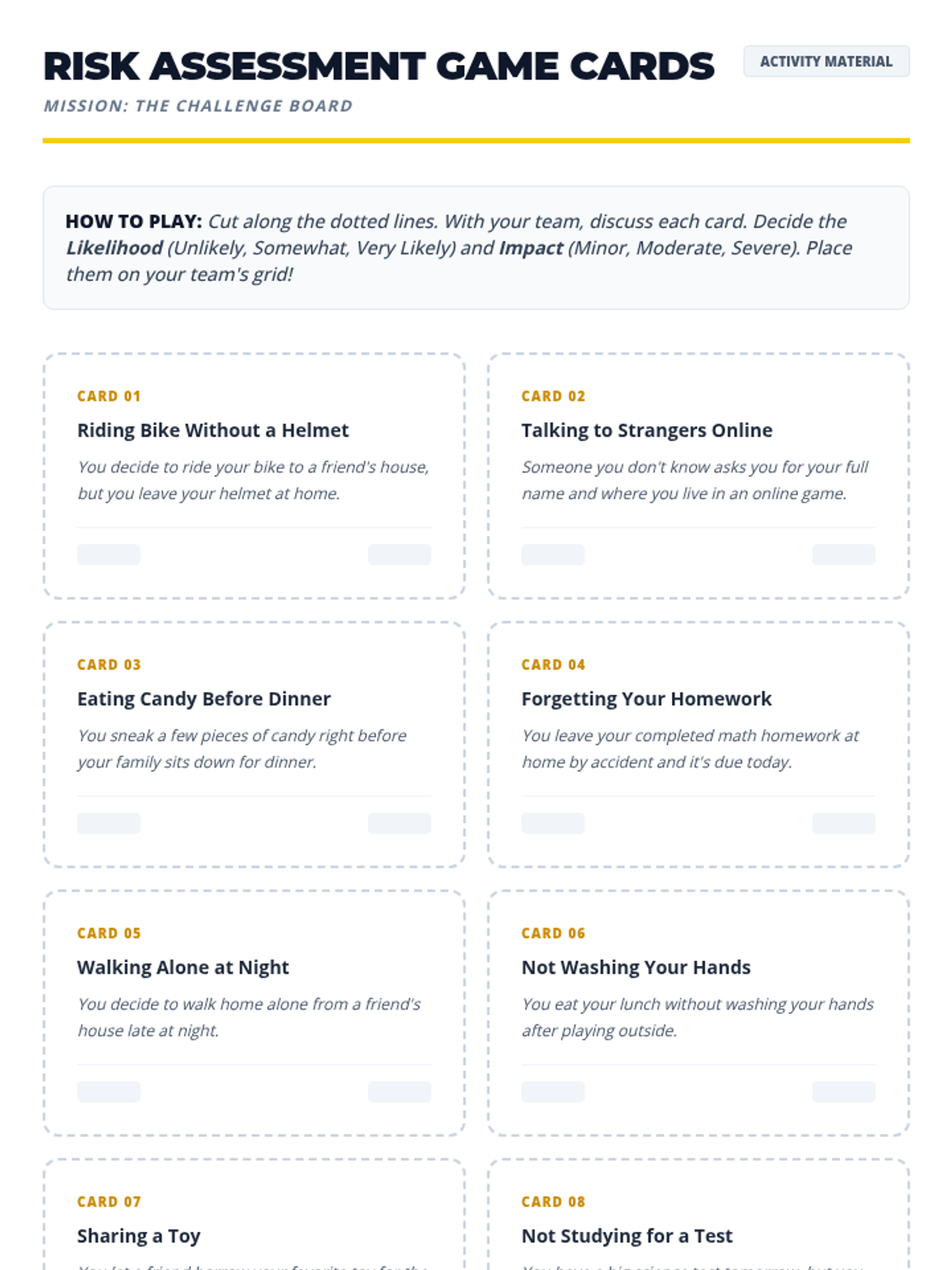
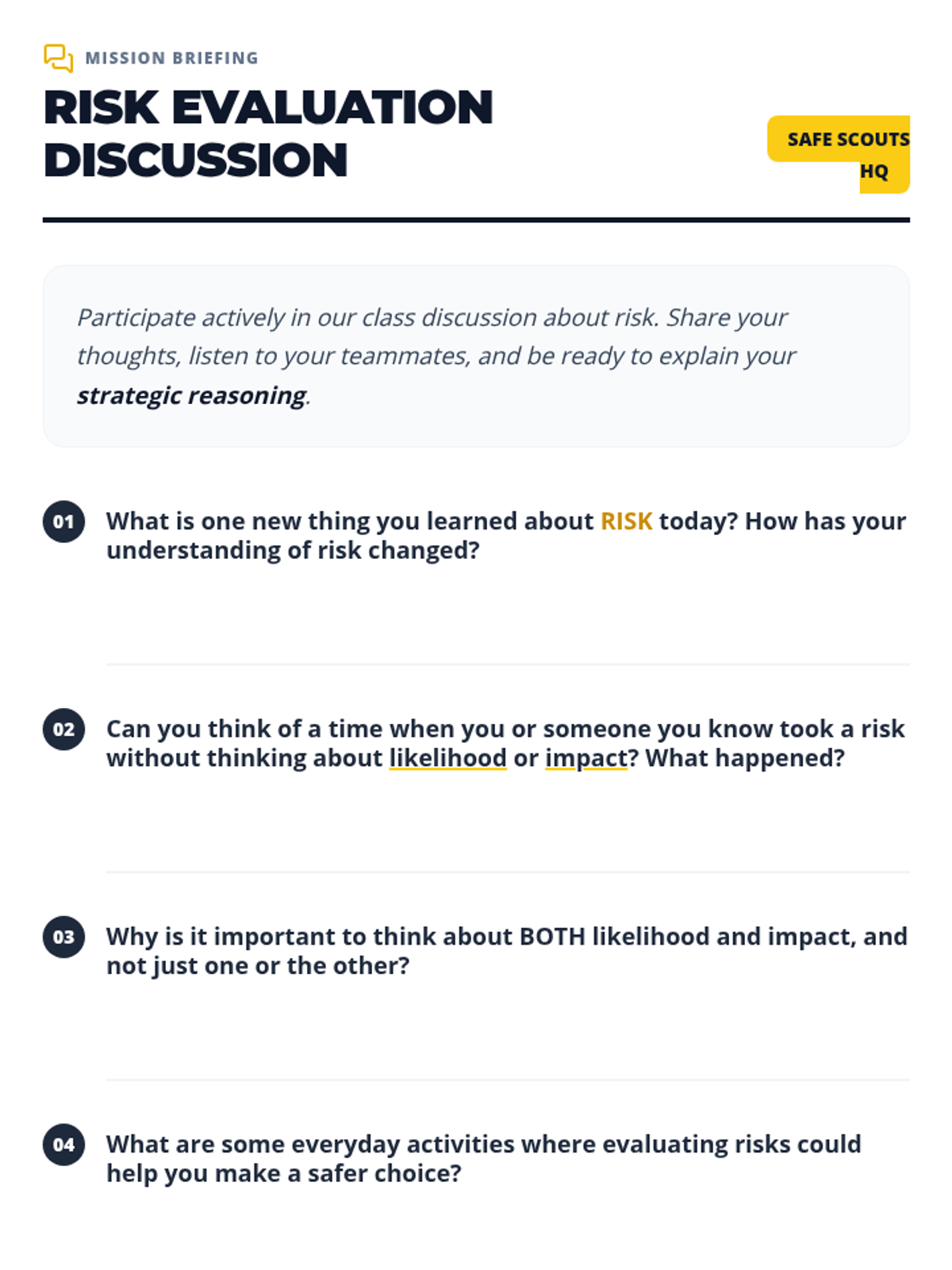
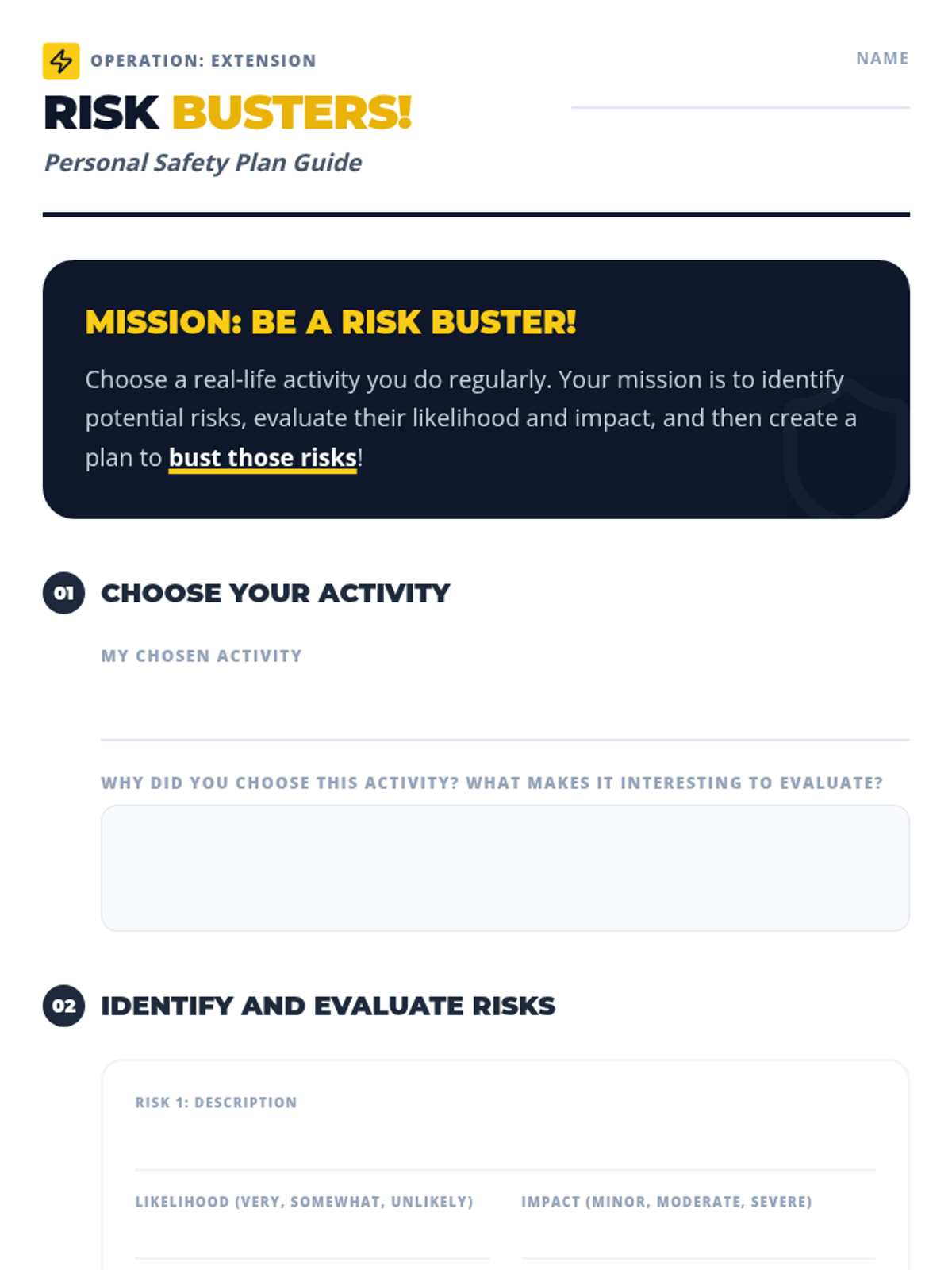
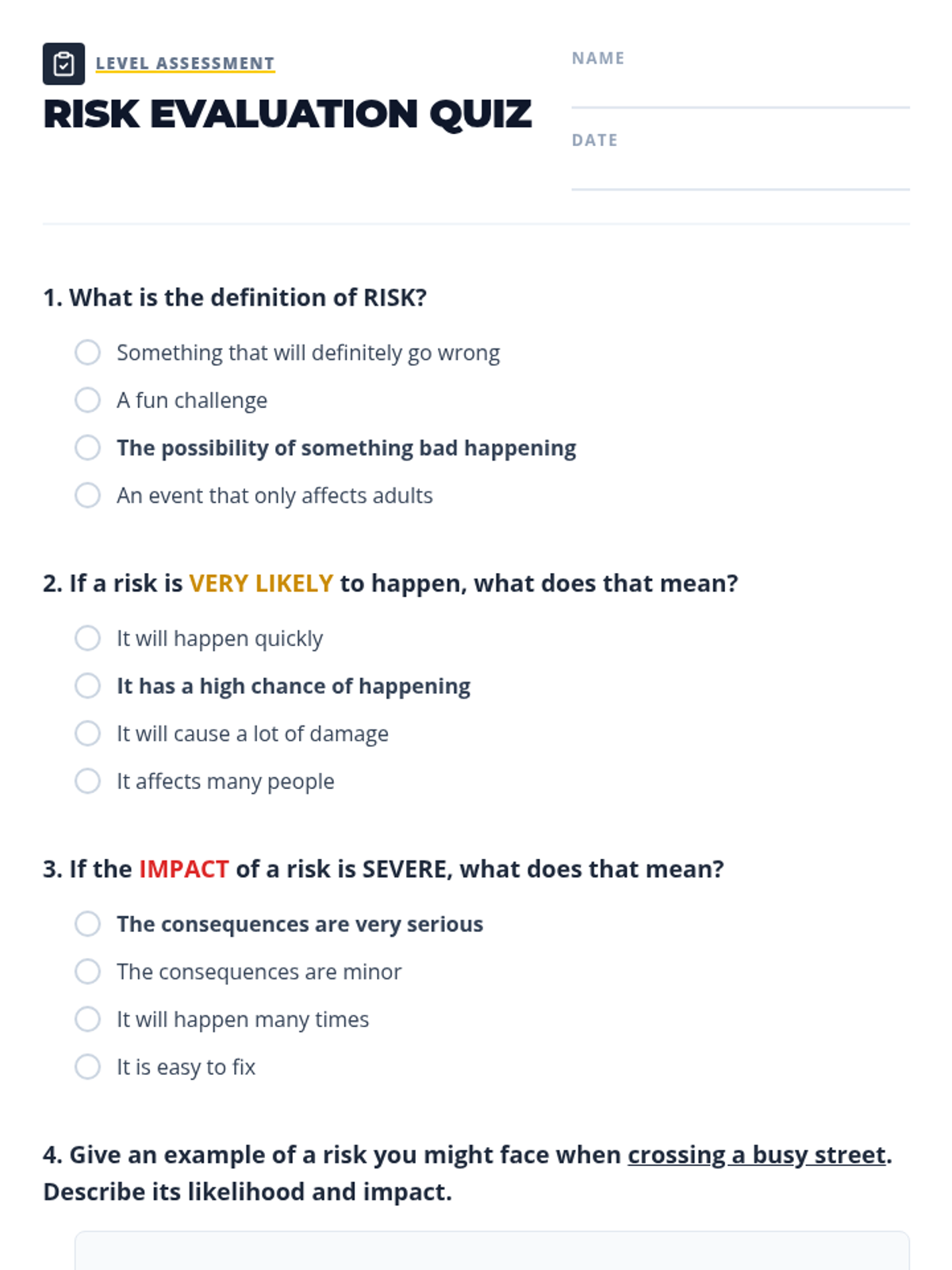
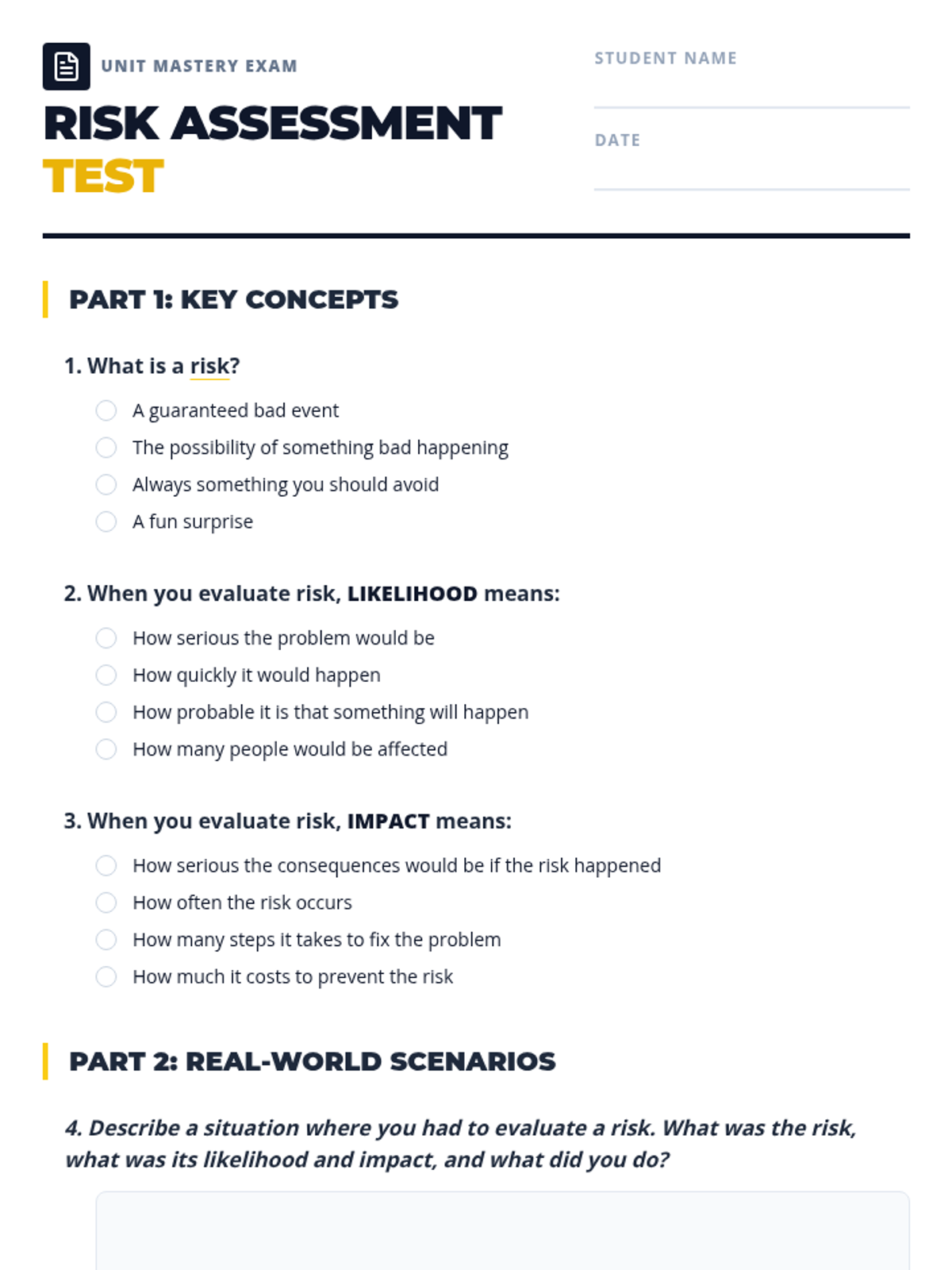
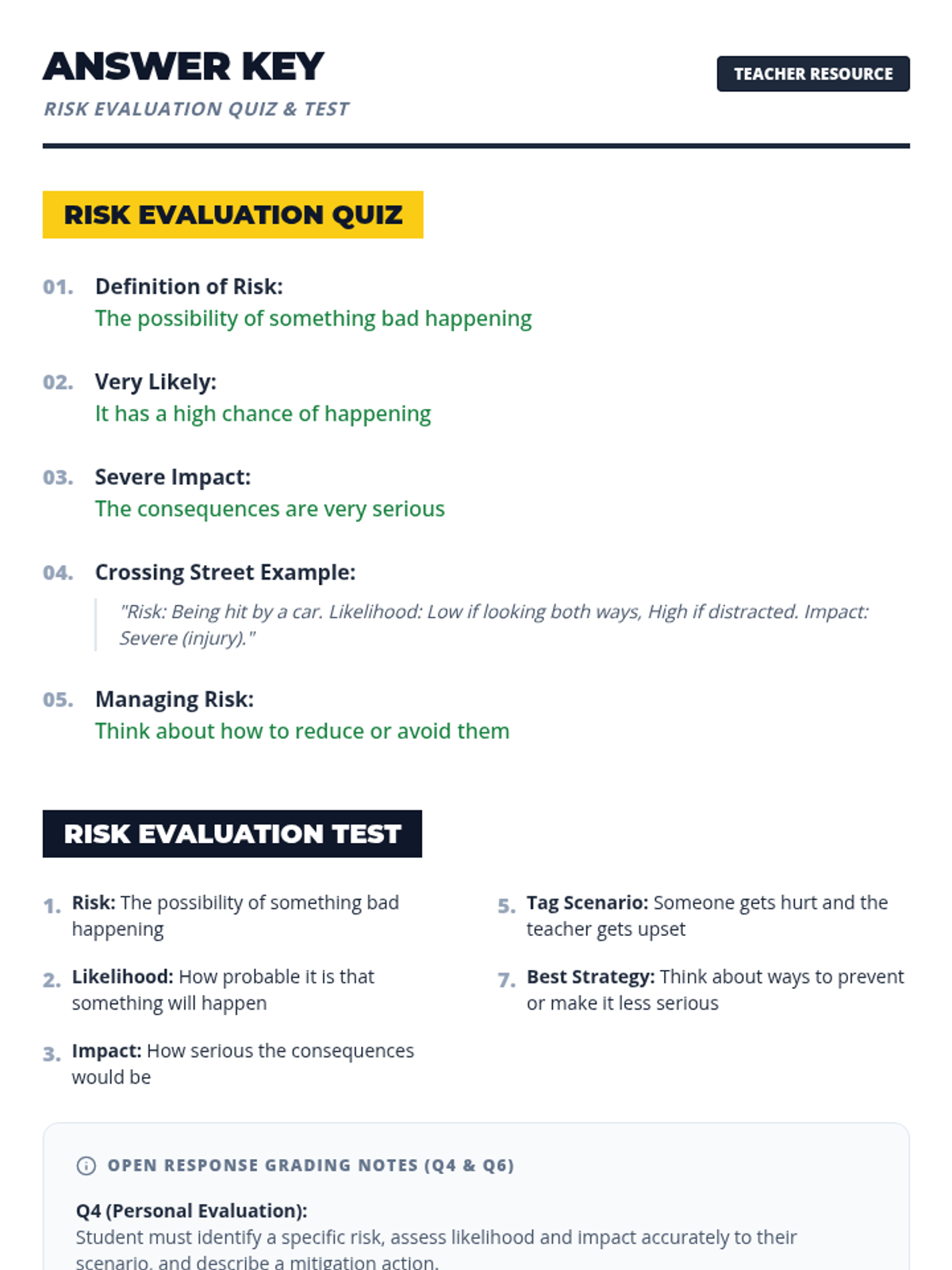
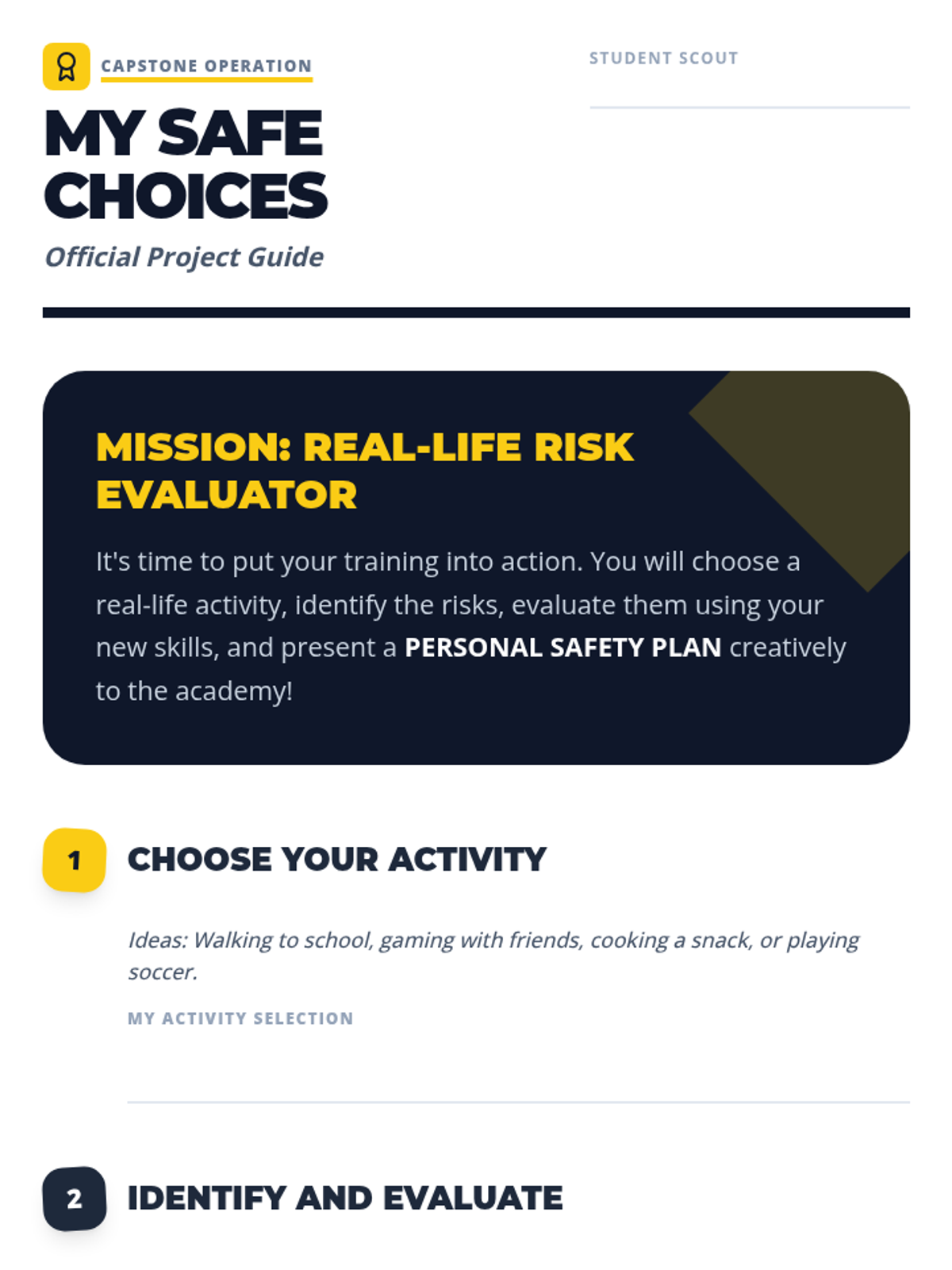
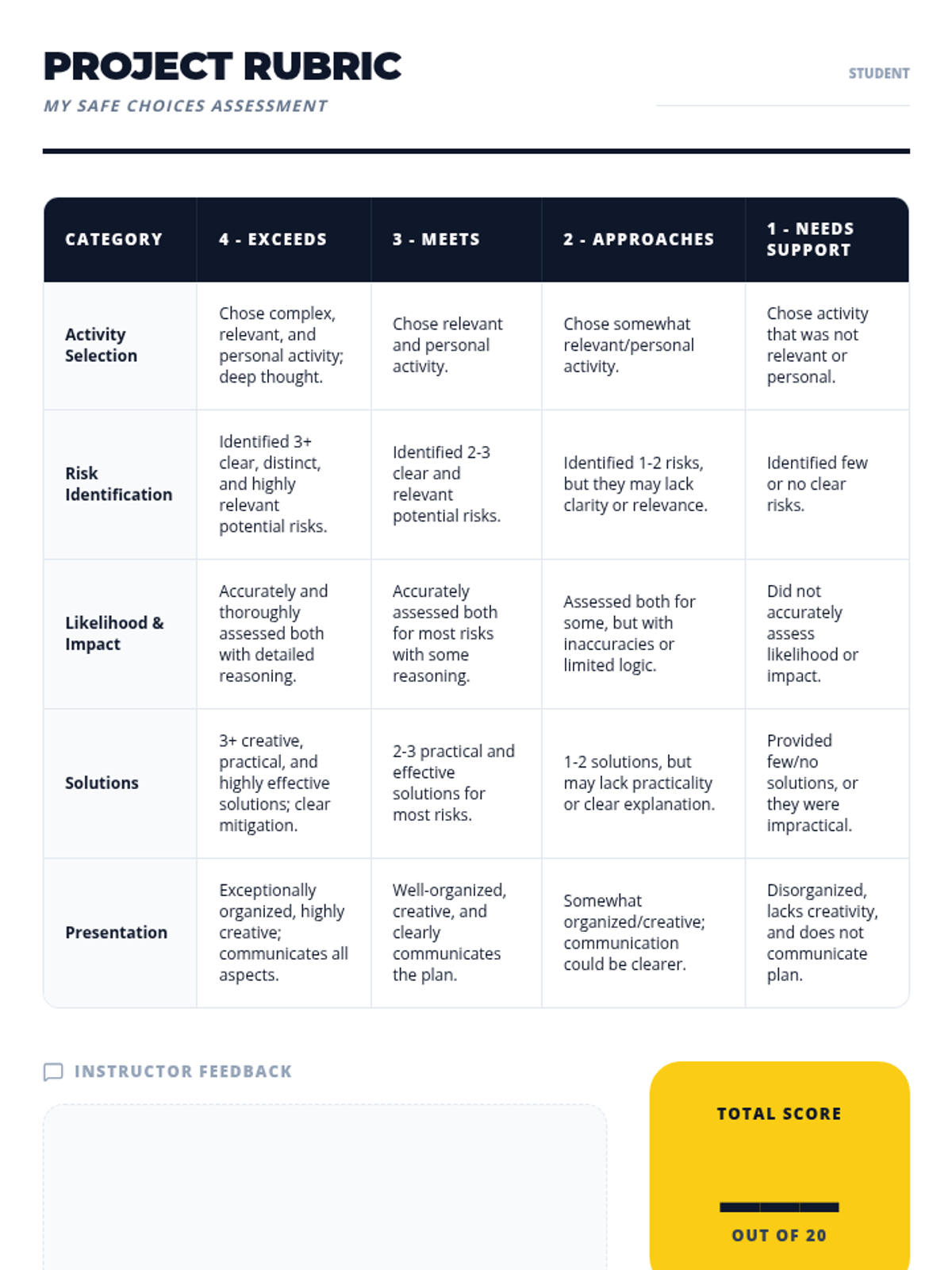
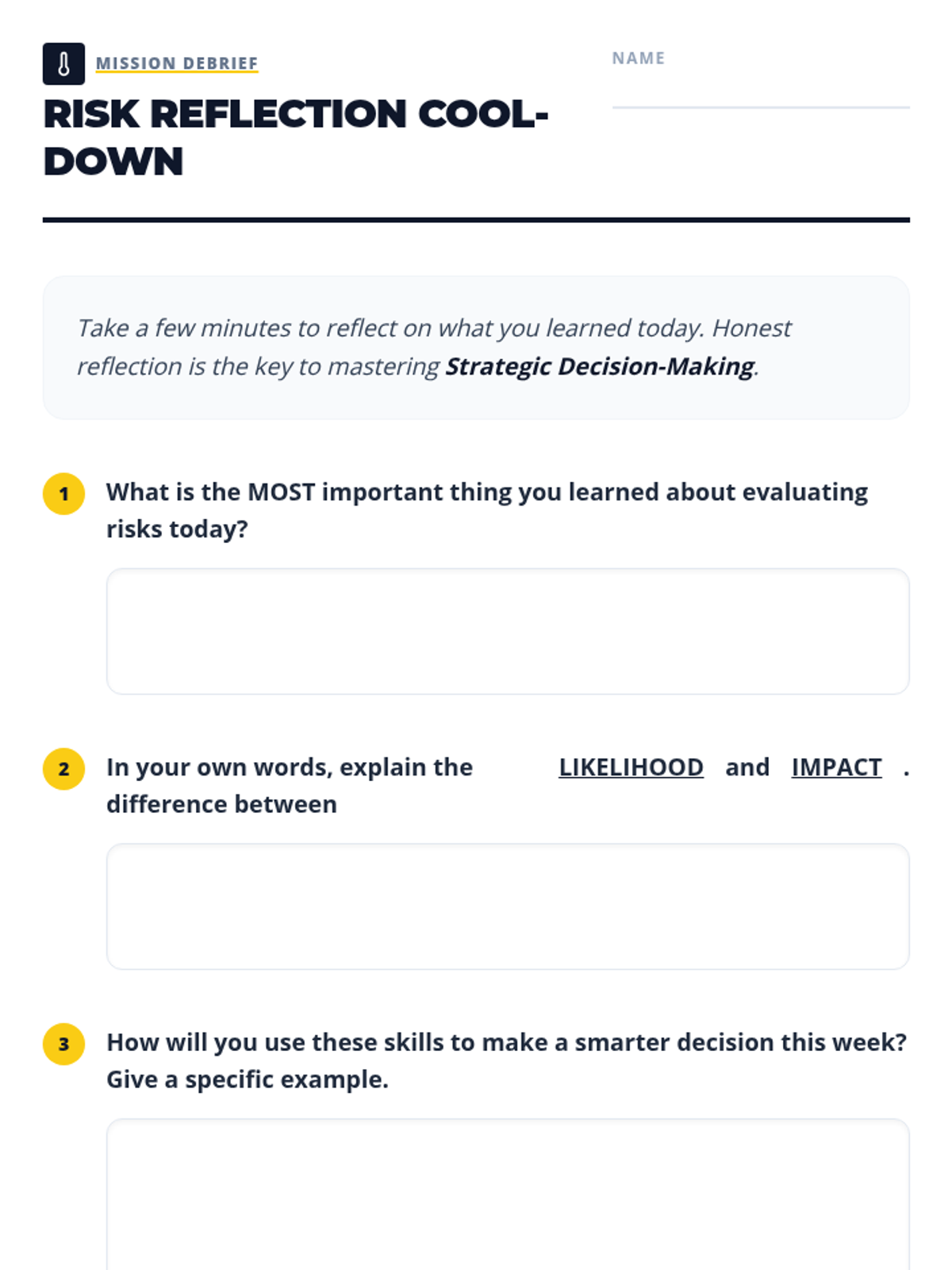
A unit focused on empowering middle school students to navigate the world safely by understanding and evaluating risks. Students learn to assess likelihood and impact while developing practical mitigation strategies.
A series of lessons focused on essential wellness and safety topics for middle and high school students, covering sleep hygiene and digital citizenship.