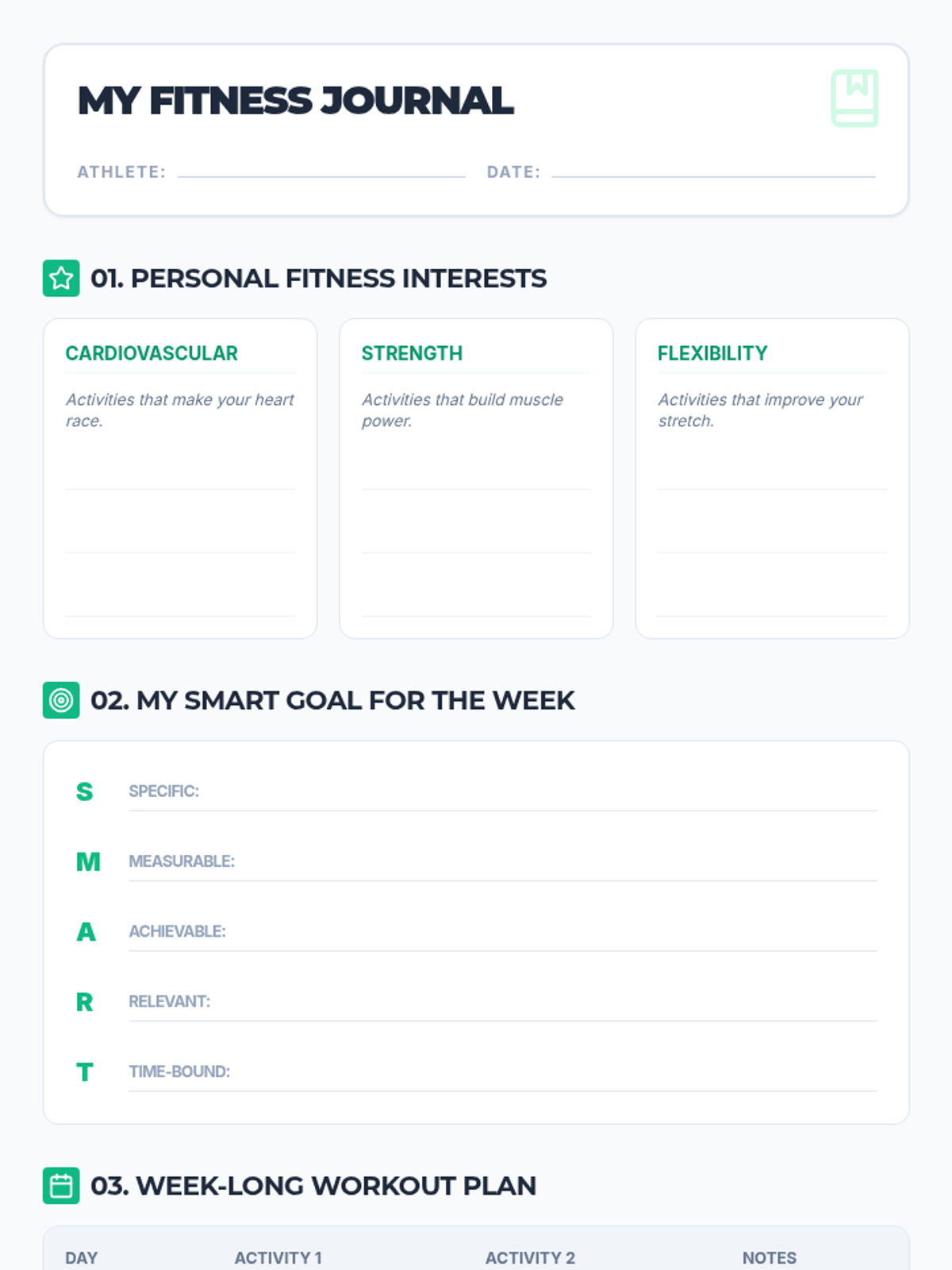
Principles of muscular strength, endurance, and cardiovascular conditioning. Develops skills for setting personal fitness goals while incorporating flexibility and stretching techniques for injury prevention.
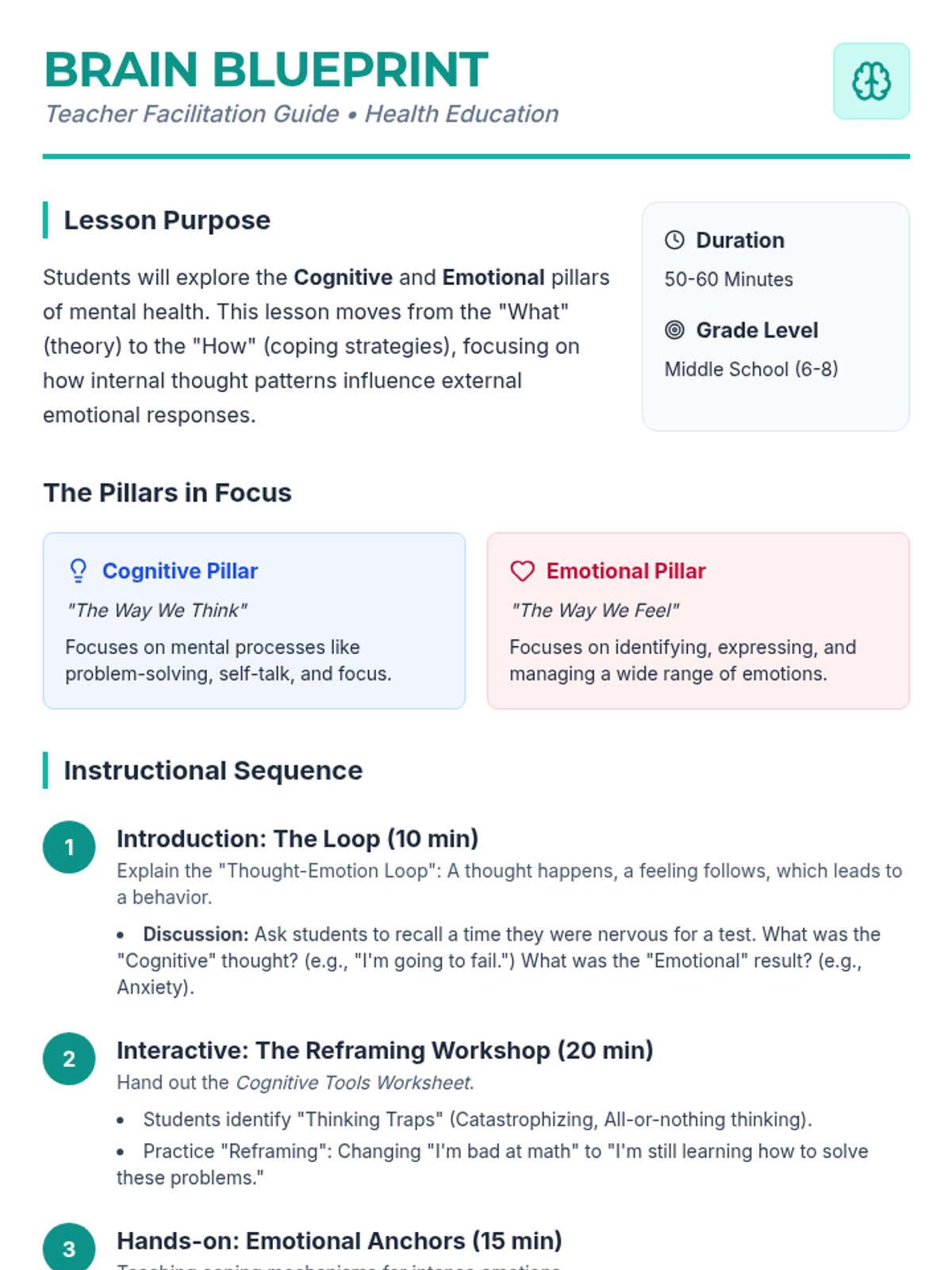
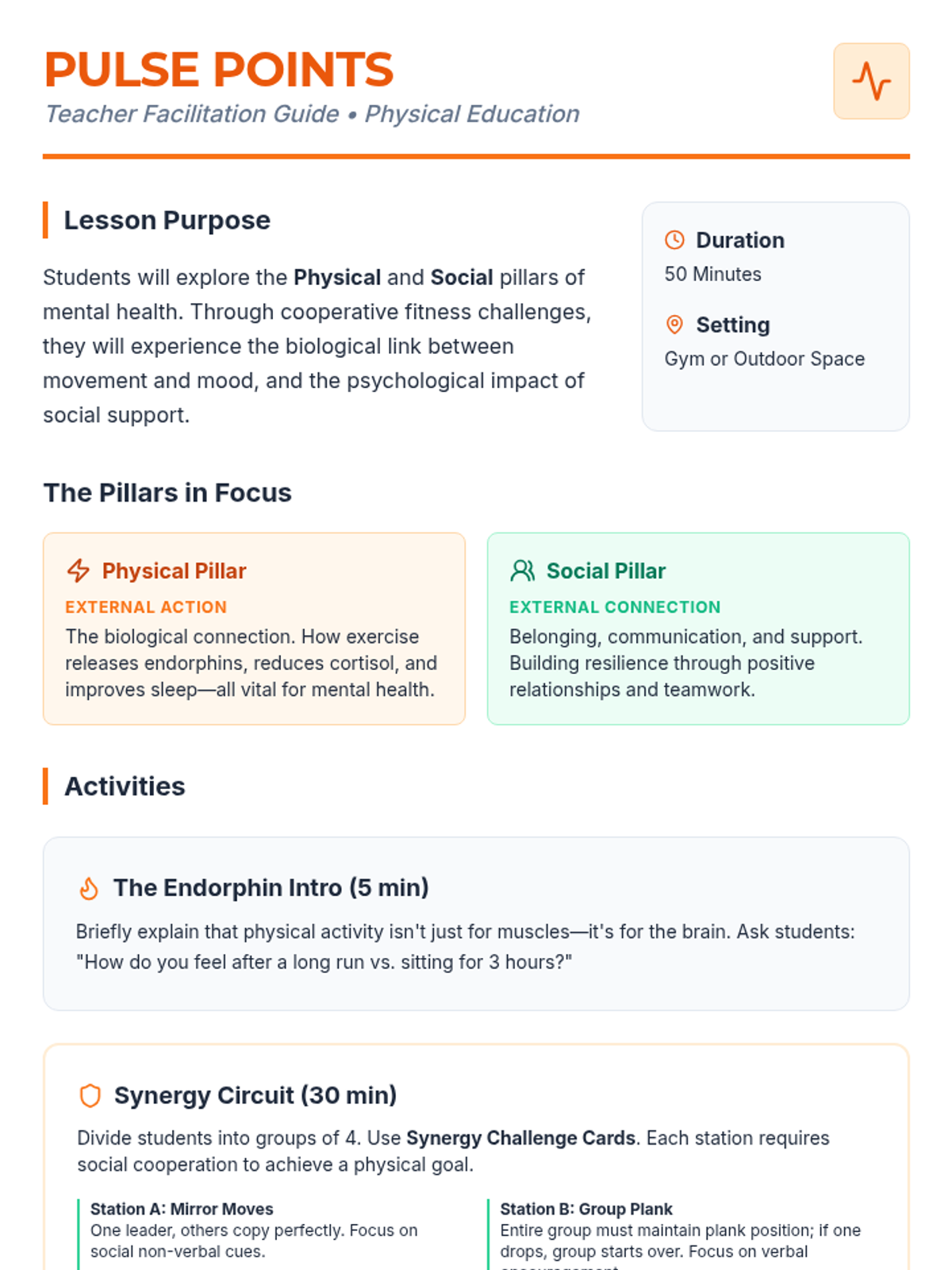
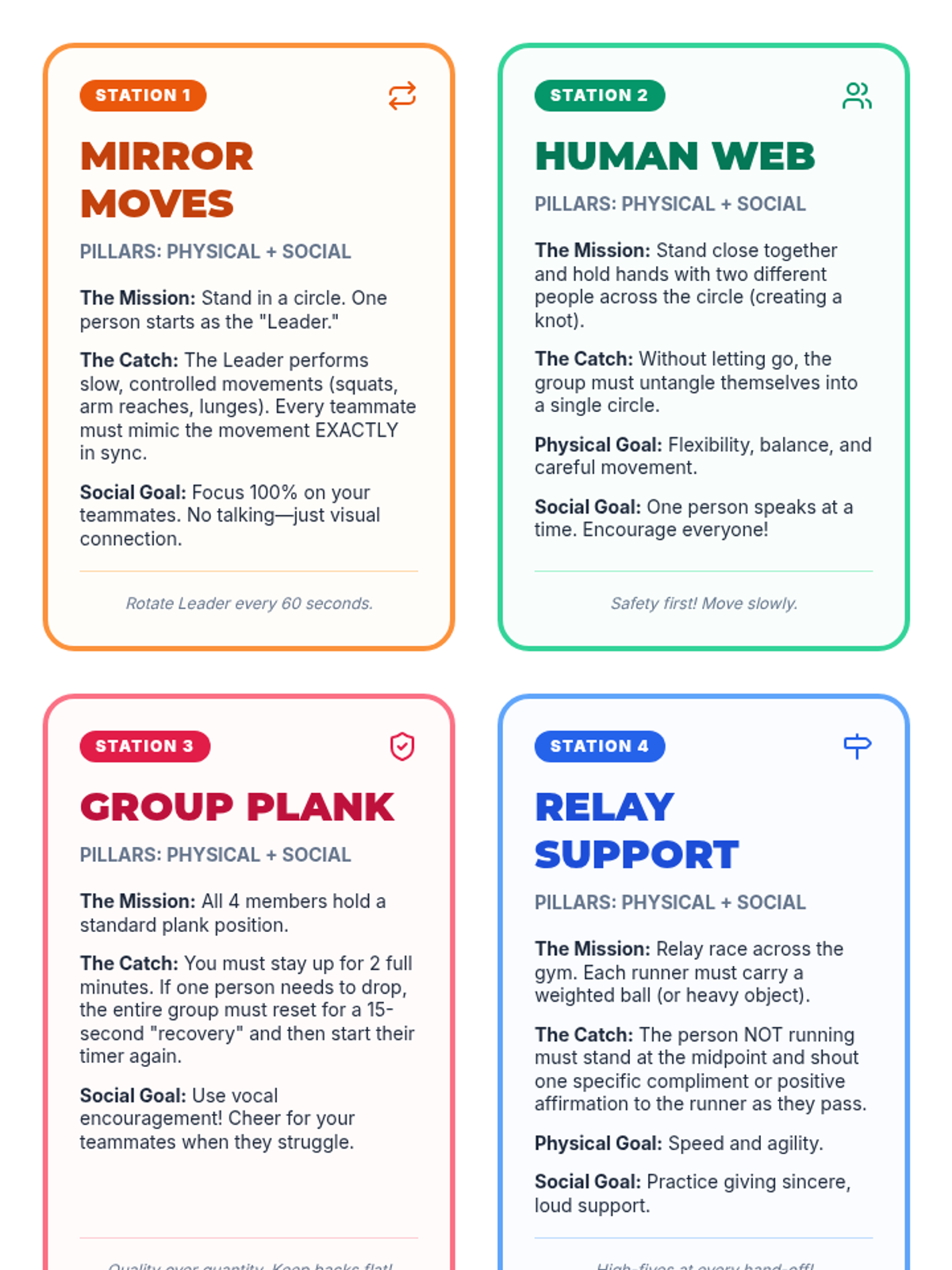
A multi-disciplinary approach to mental health awareness for middle schoolers, covering the four pillars through Health, PE, and Art.
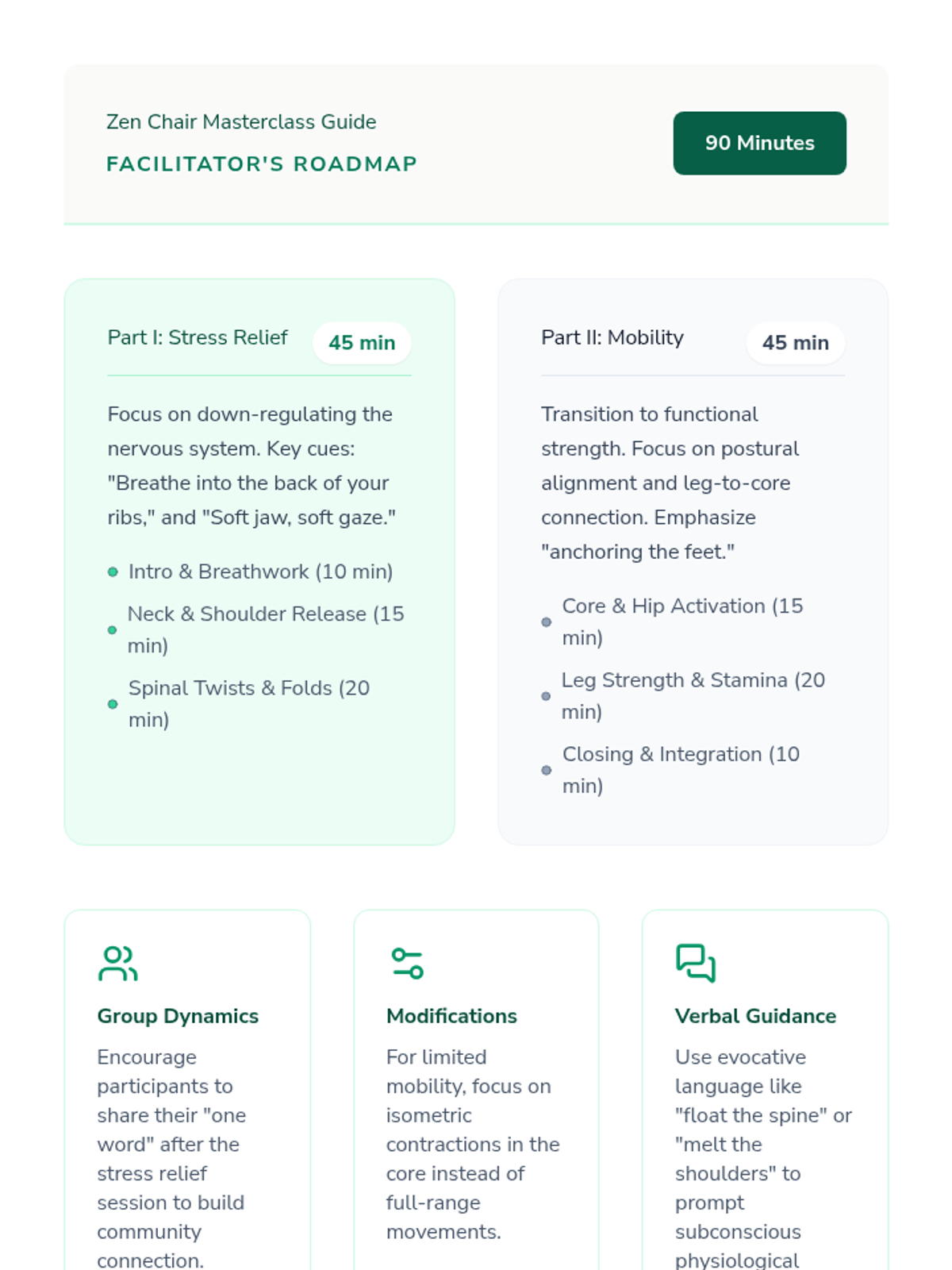
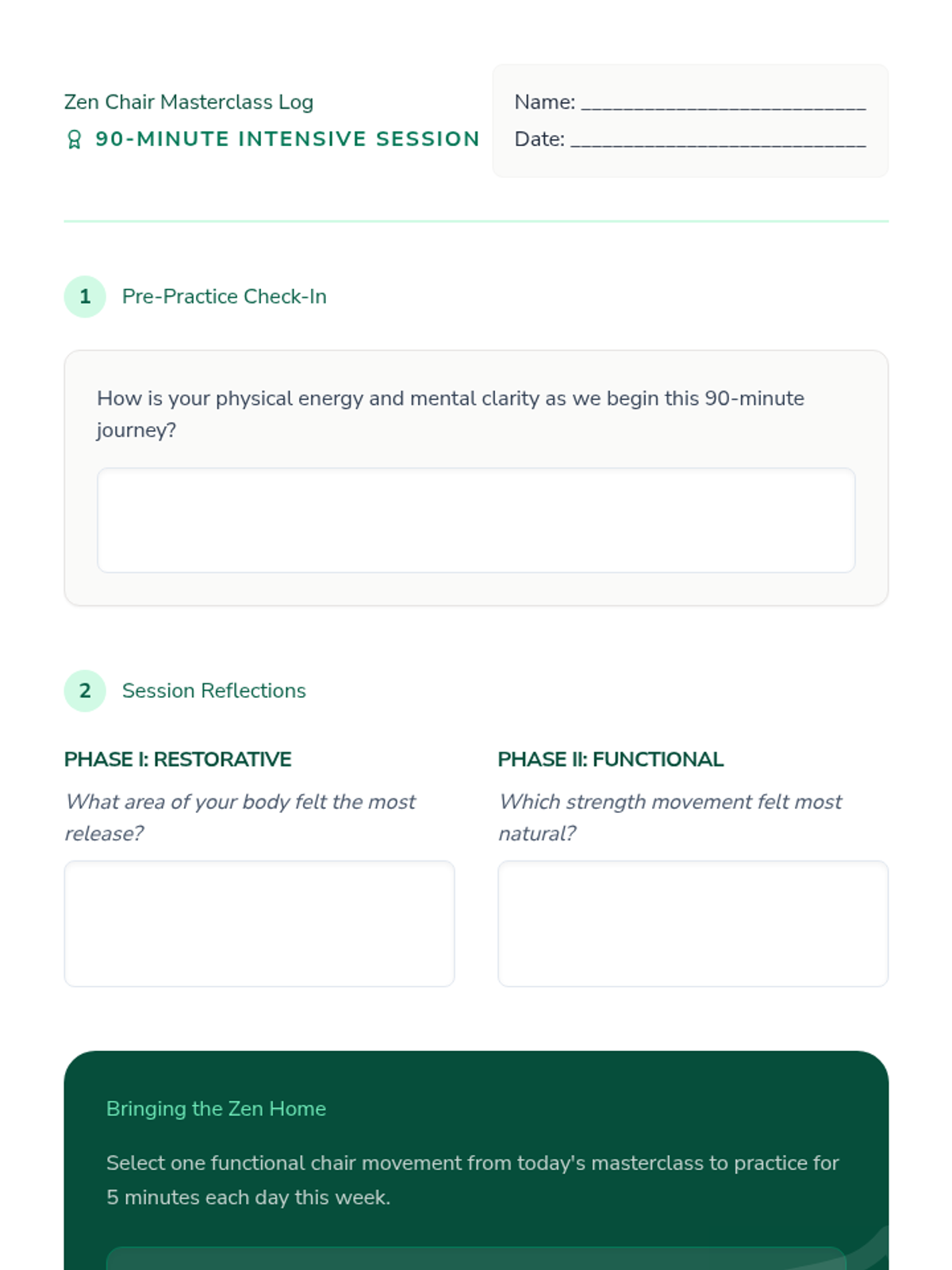
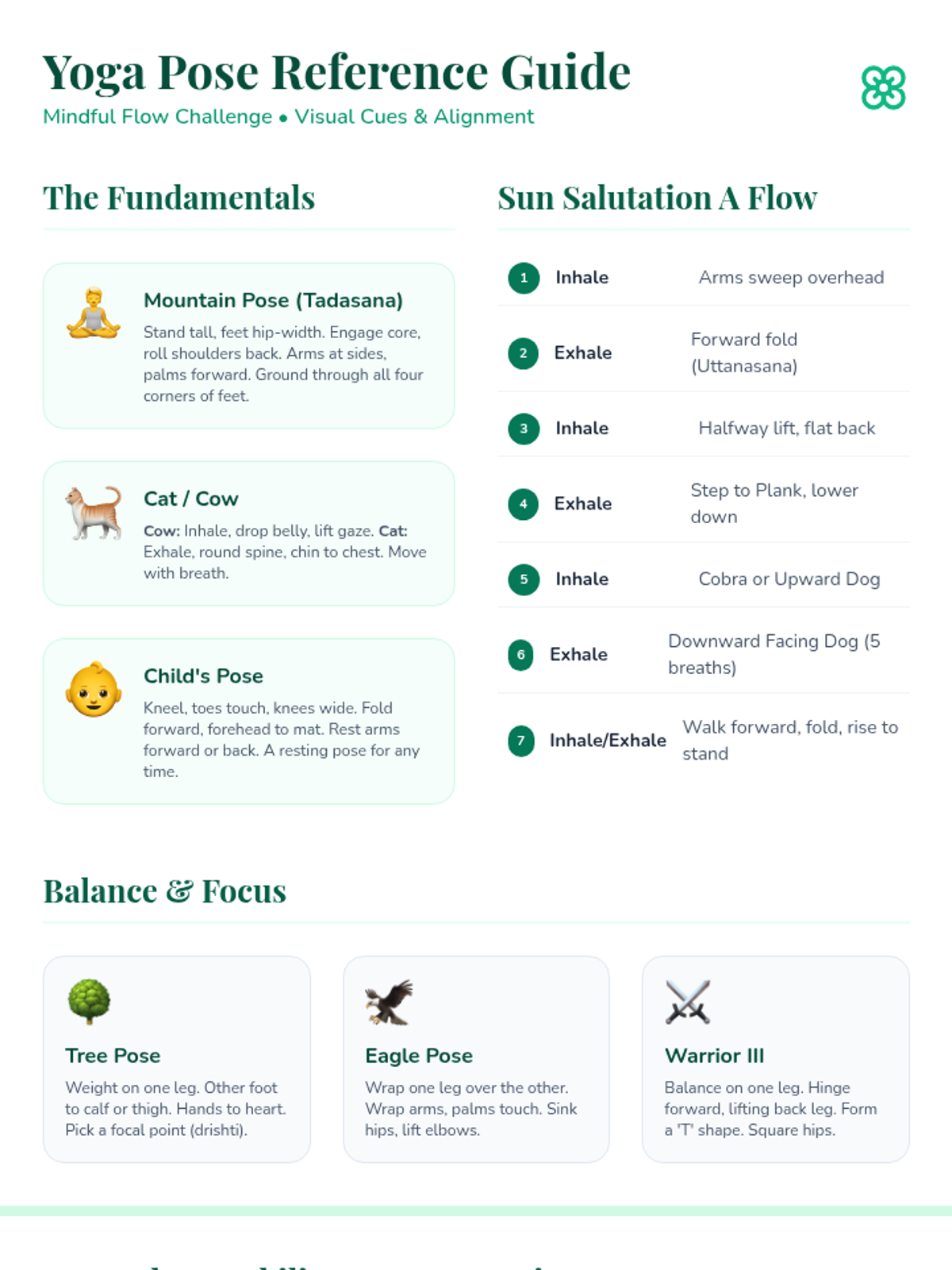
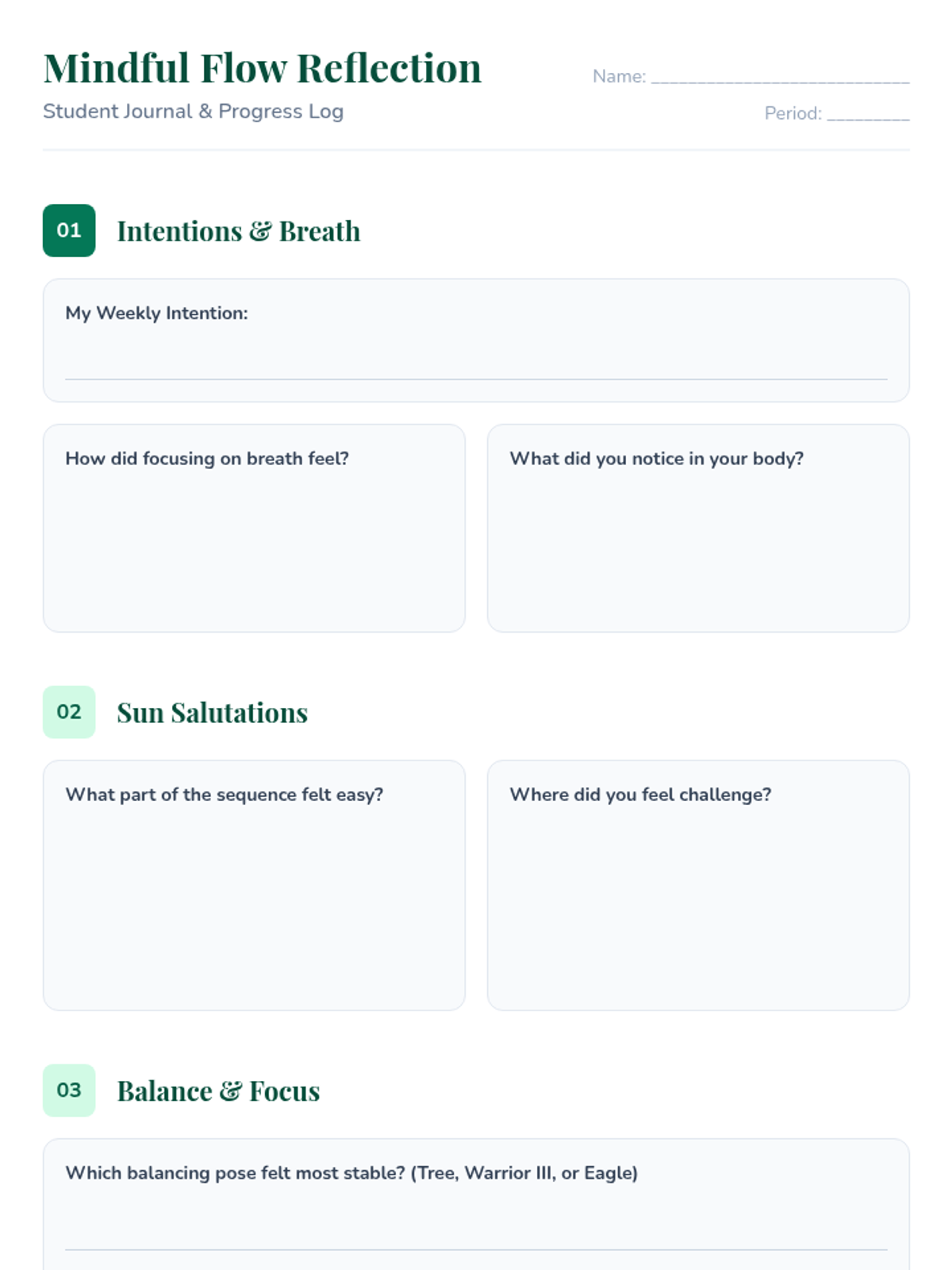
A comprehensive yoga series featuring a deep-dive chair yoga masterclass with guided videos and a follow-up standing flow session for beginners. Designed to build both mental calm and physical strength.
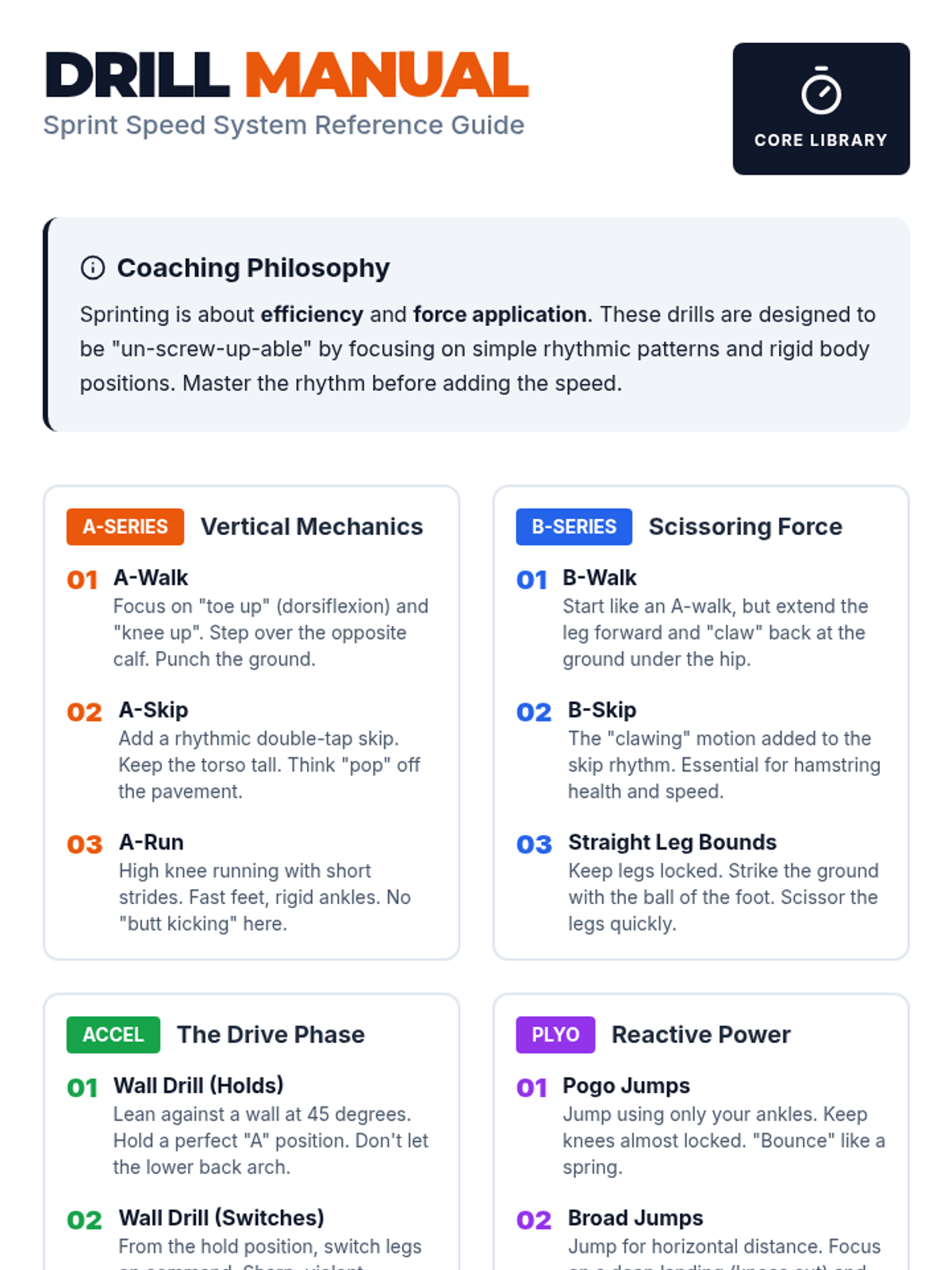
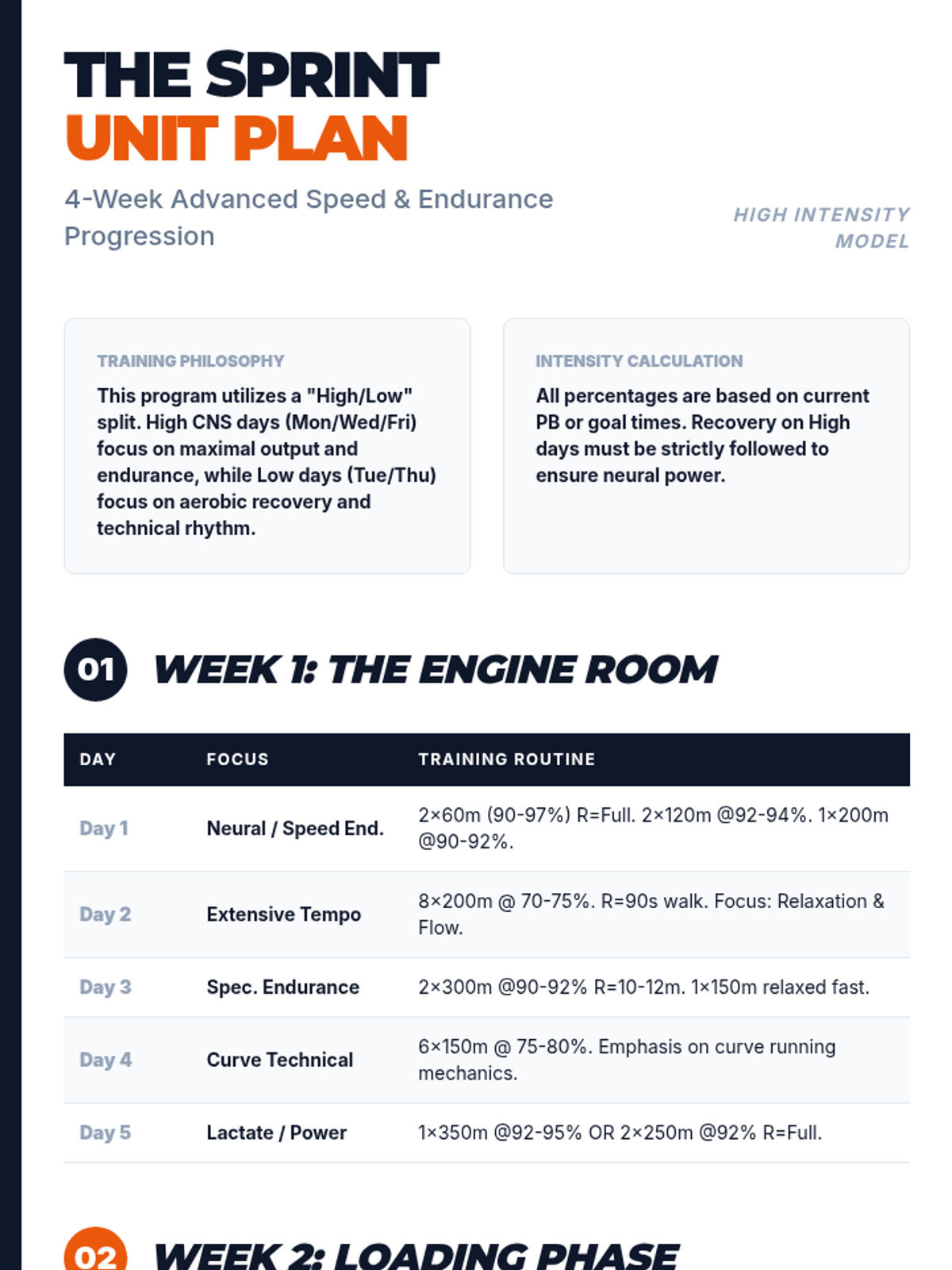
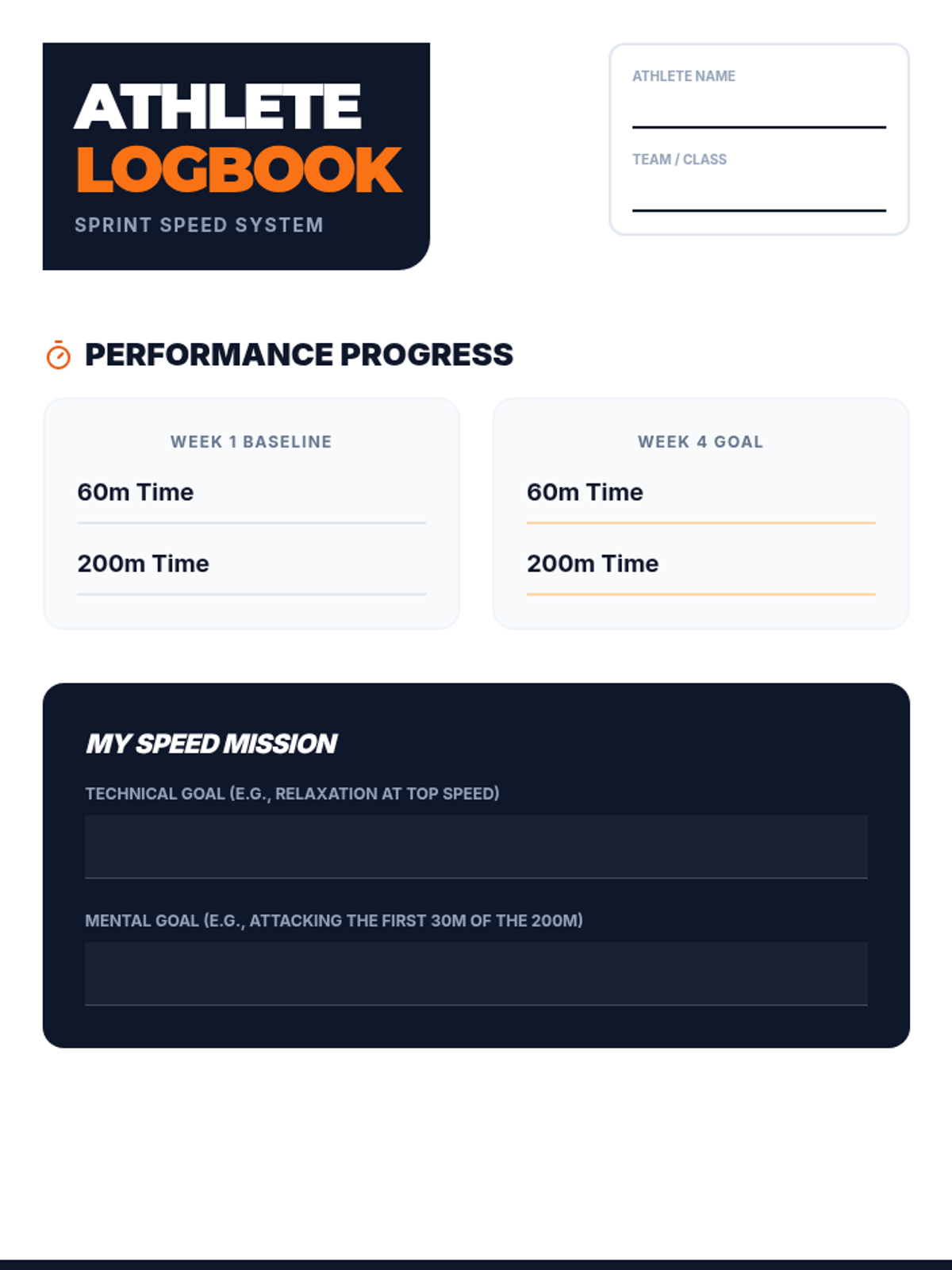
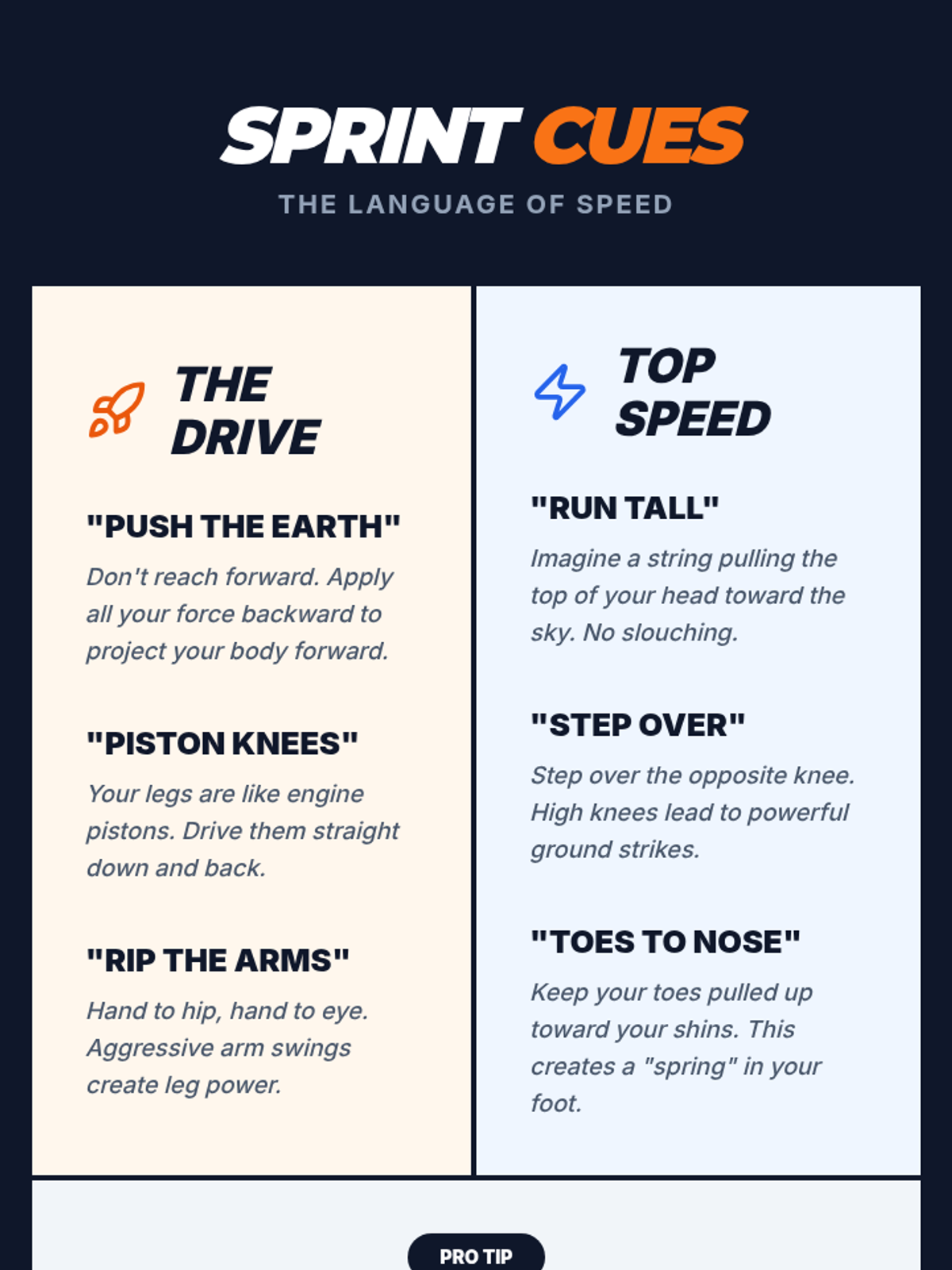
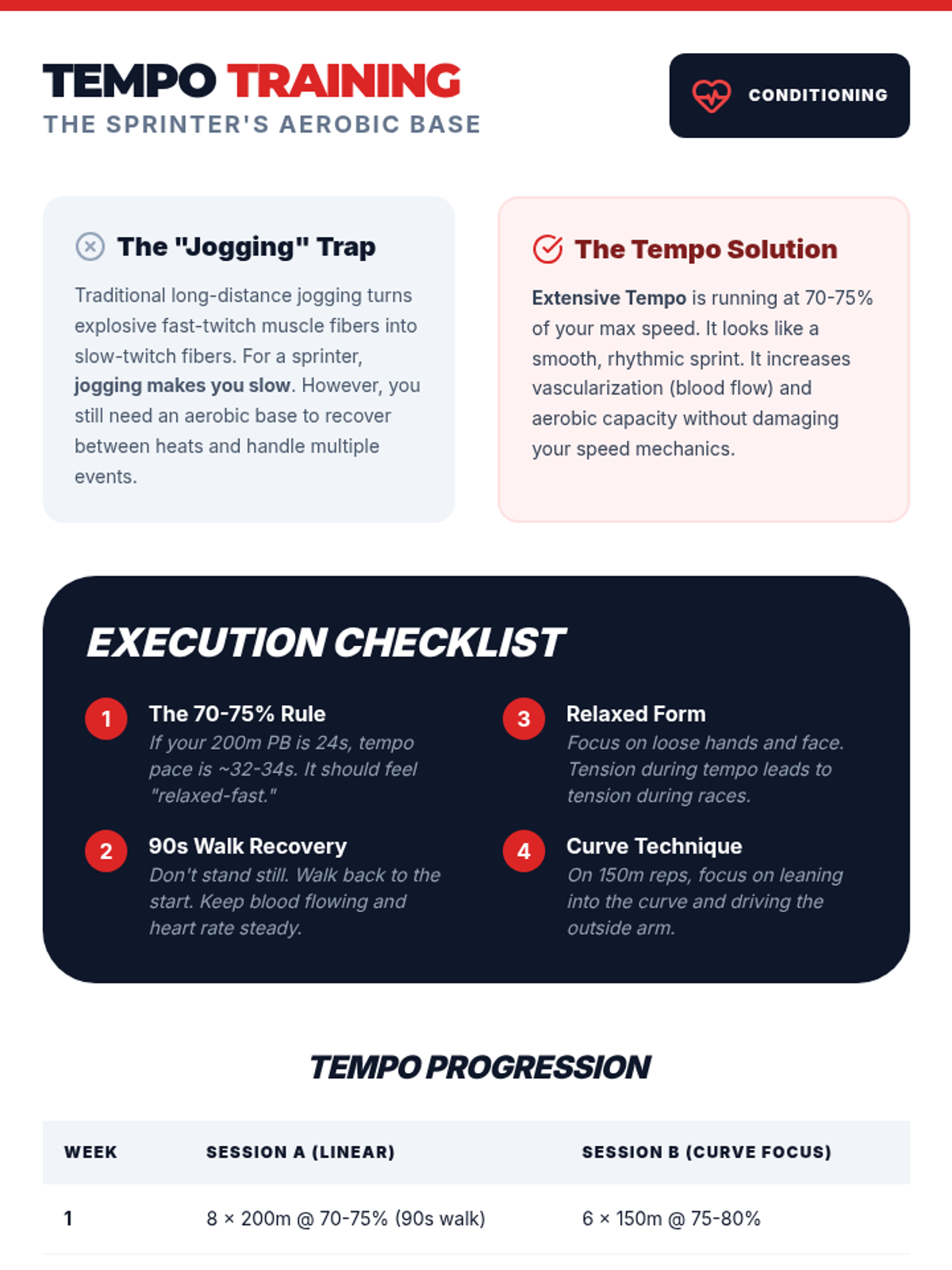
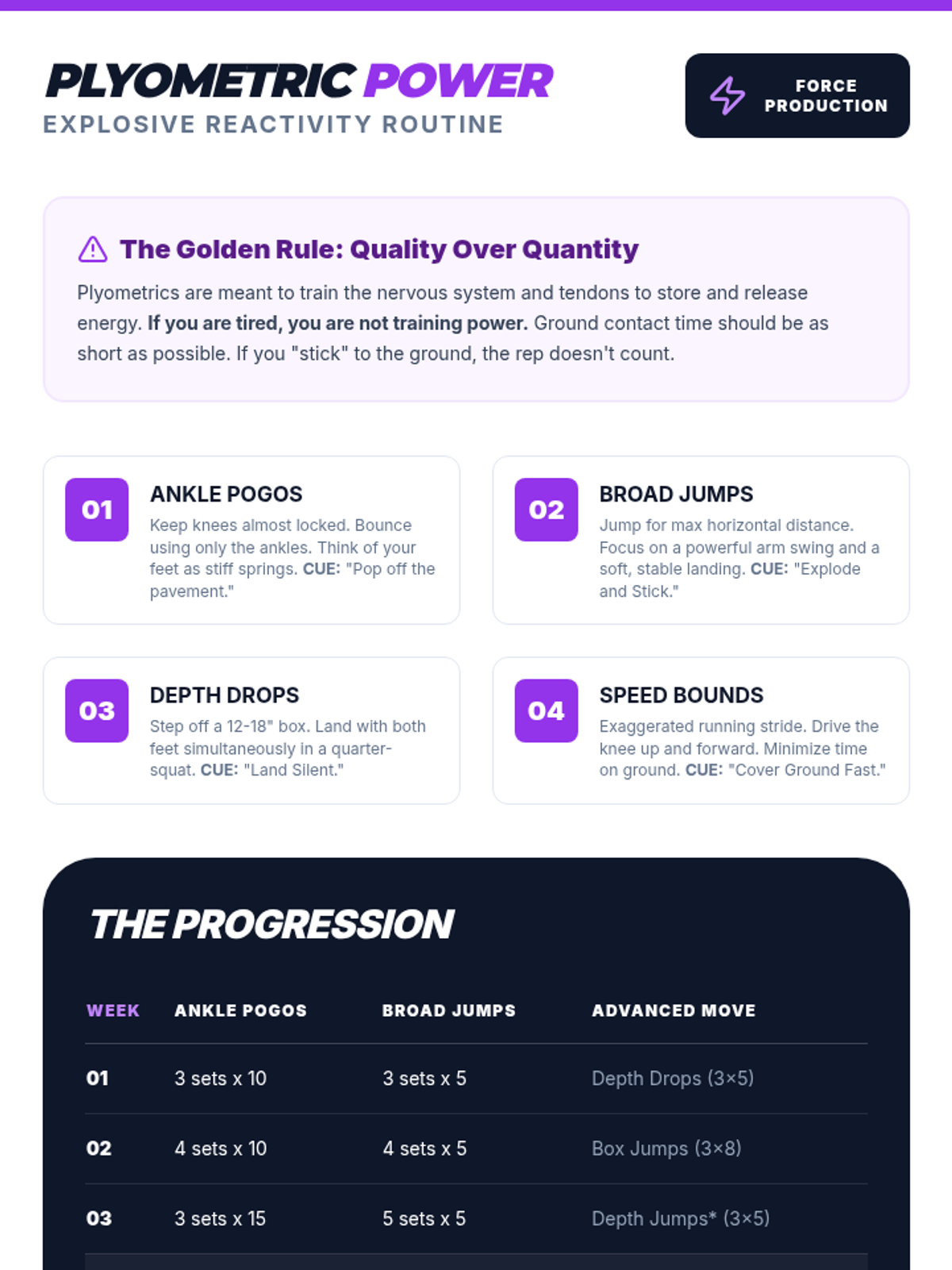
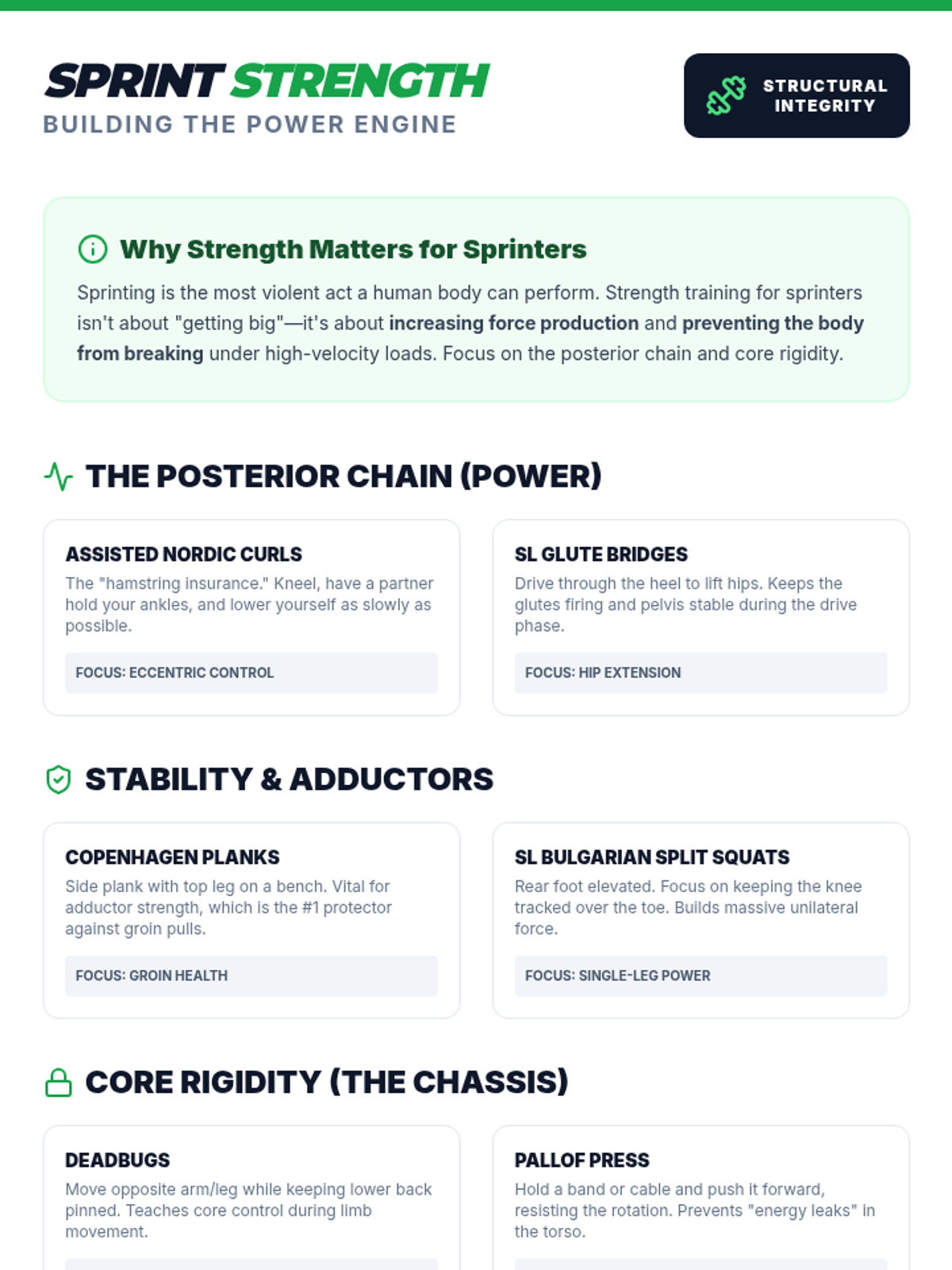
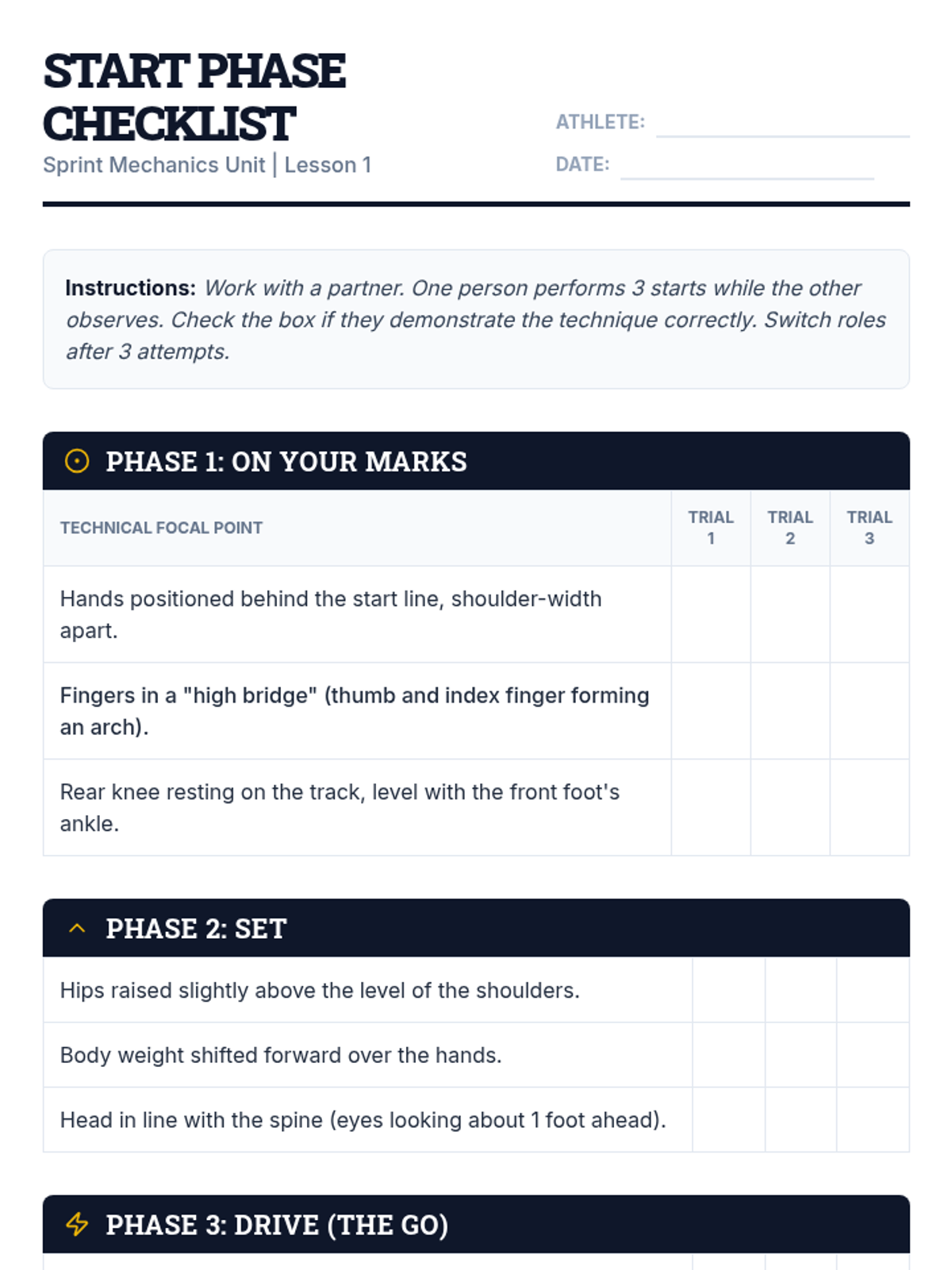
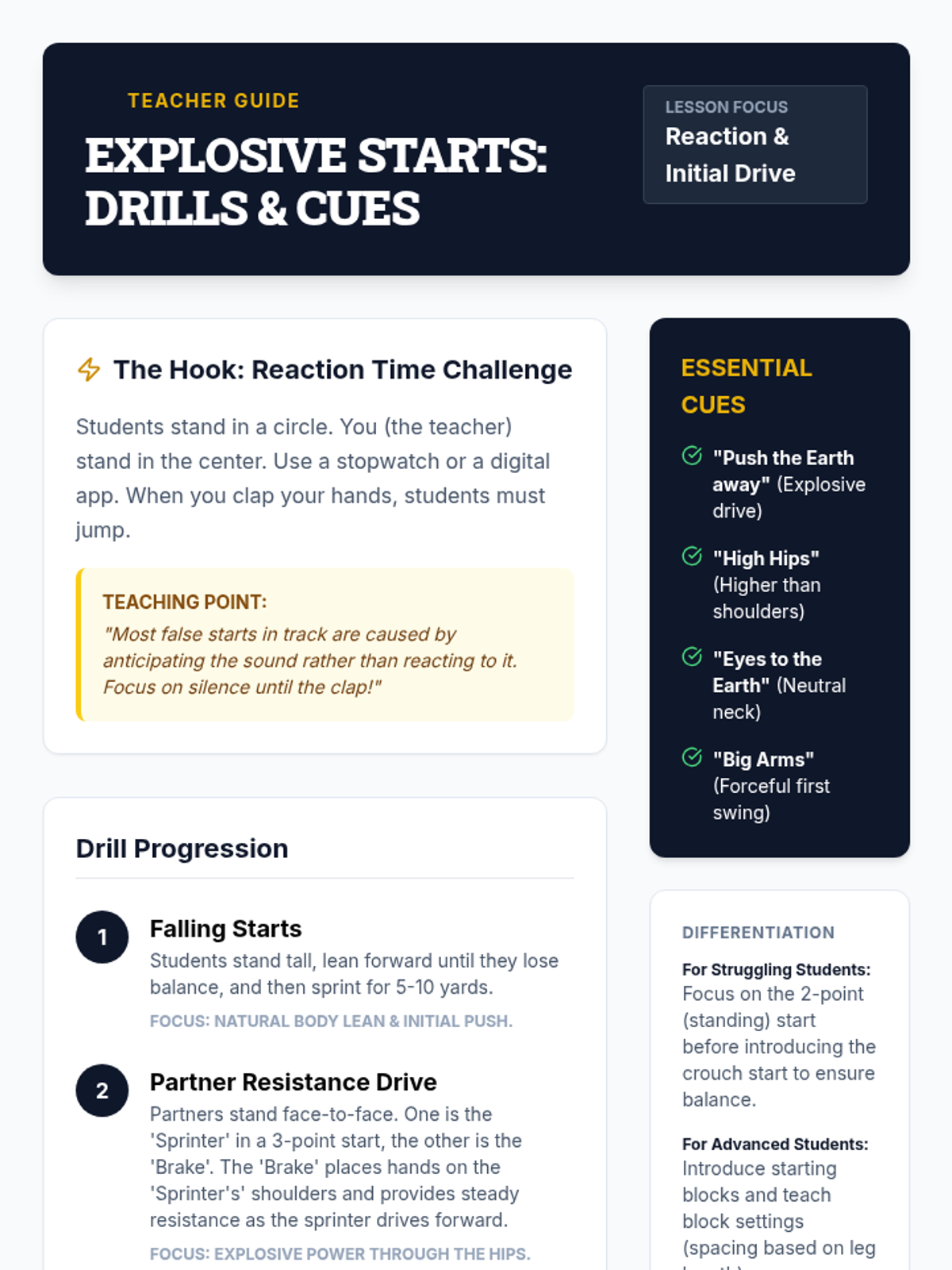
A comprehensive 4-week introductory sprinting program focused on mechanics, power, and injury prevention for outdoor track athletes.
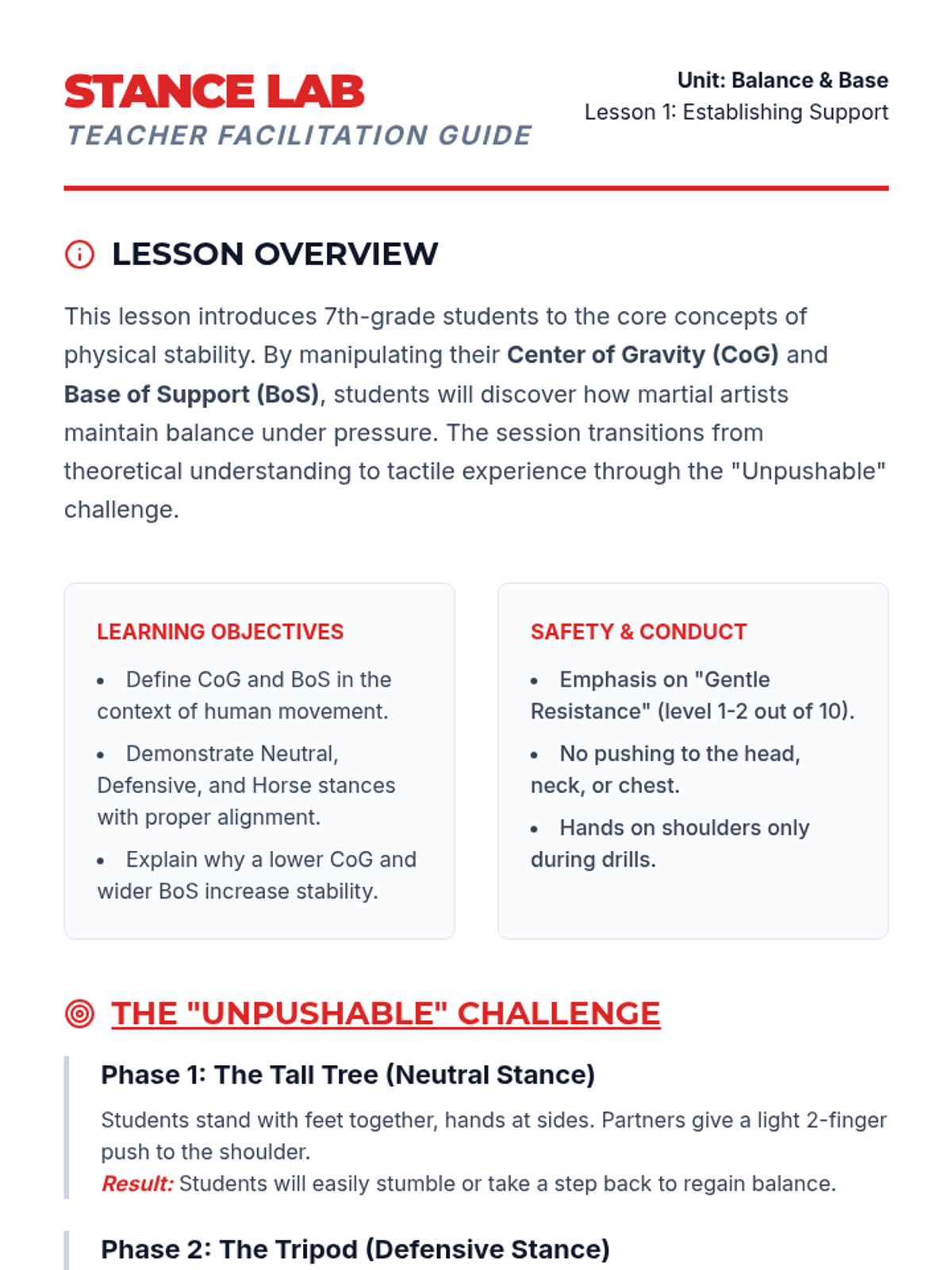
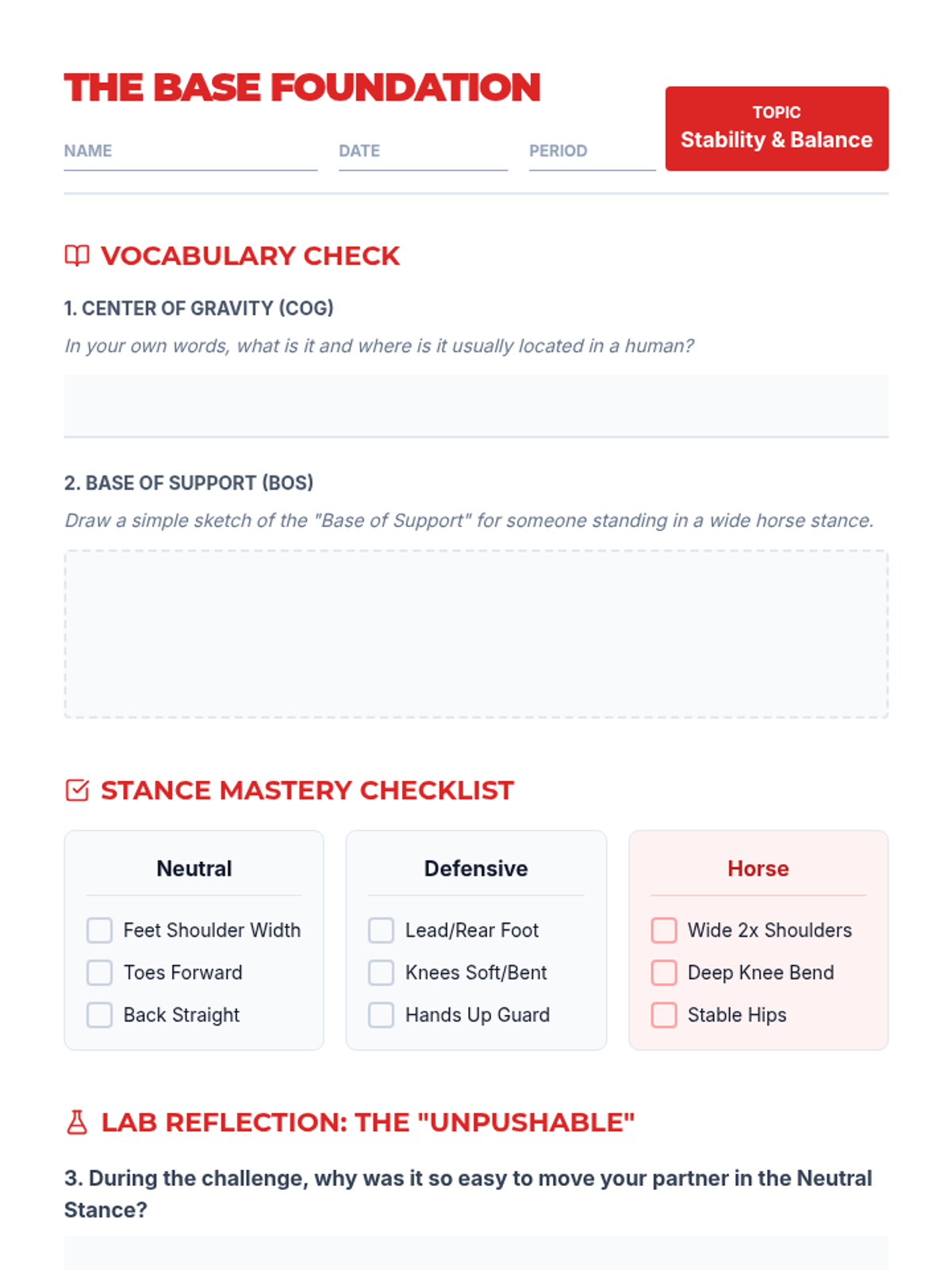
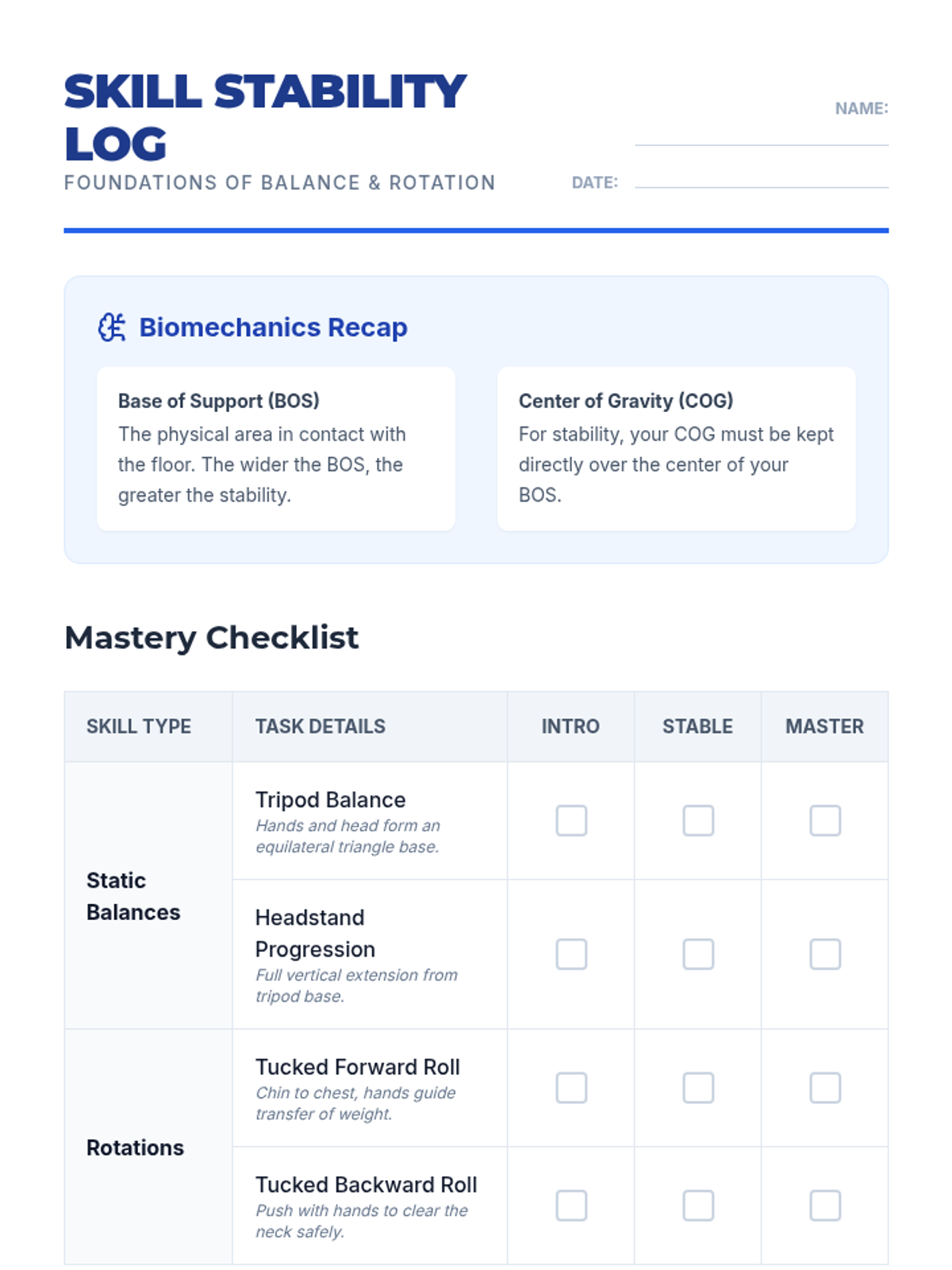
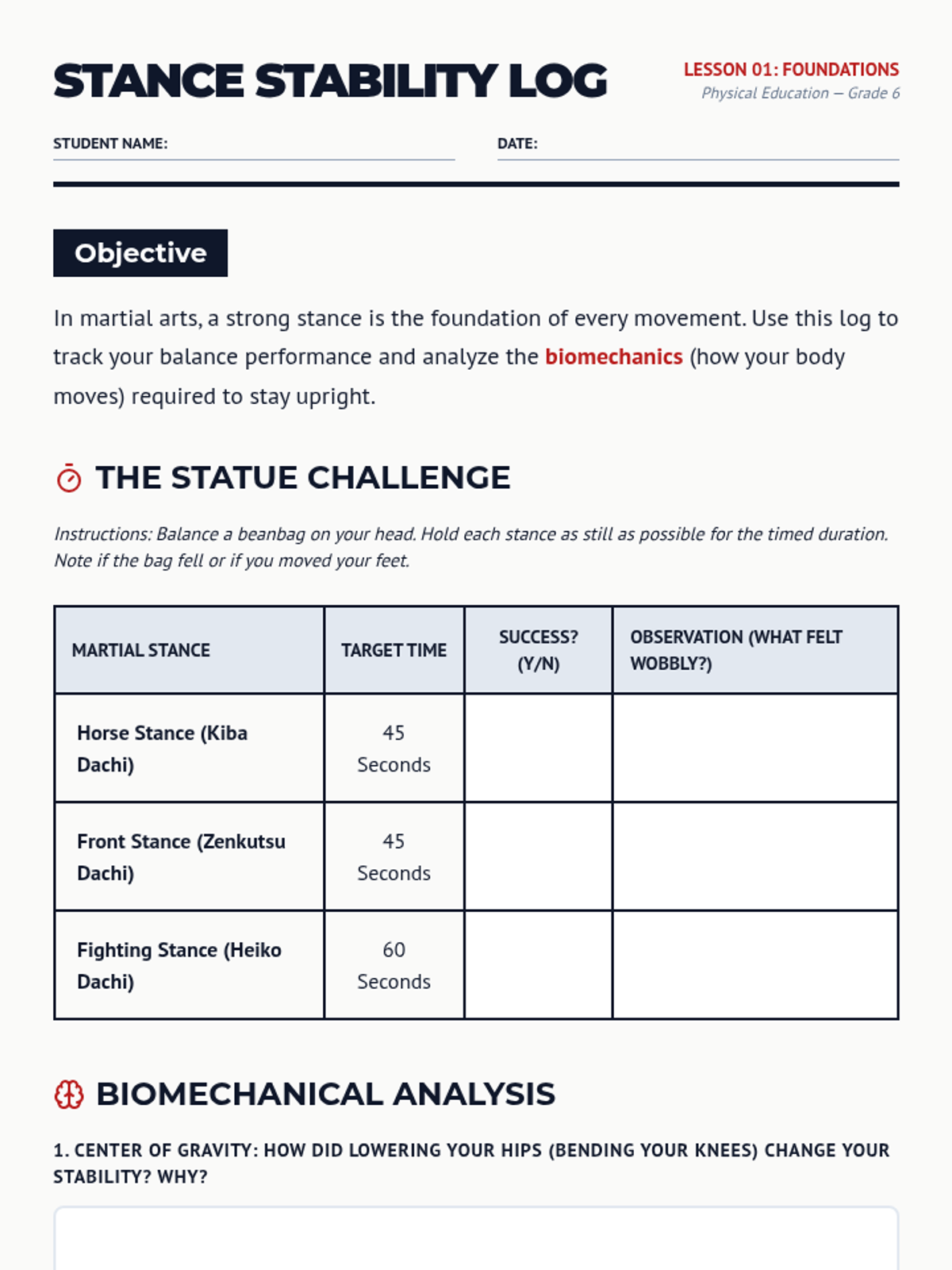
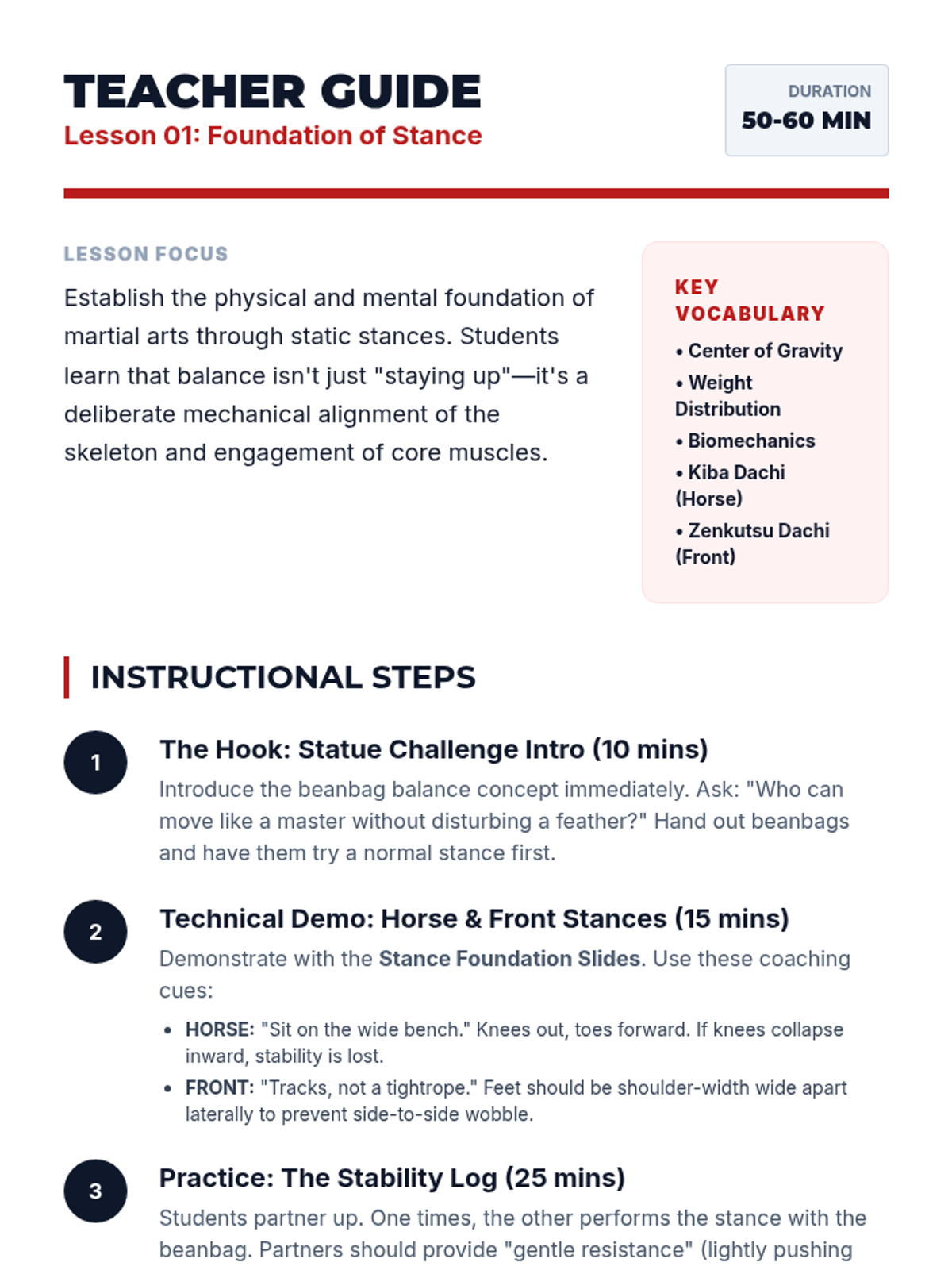
A foundational unit for 7th-grade students focusing on the physical prerequisites of martial arts and self-defense: balance, stability, safe movement, and injury prevention through breakfalls. Students explore how controlling their center of gravity and core can enhance their physical safety and stability.
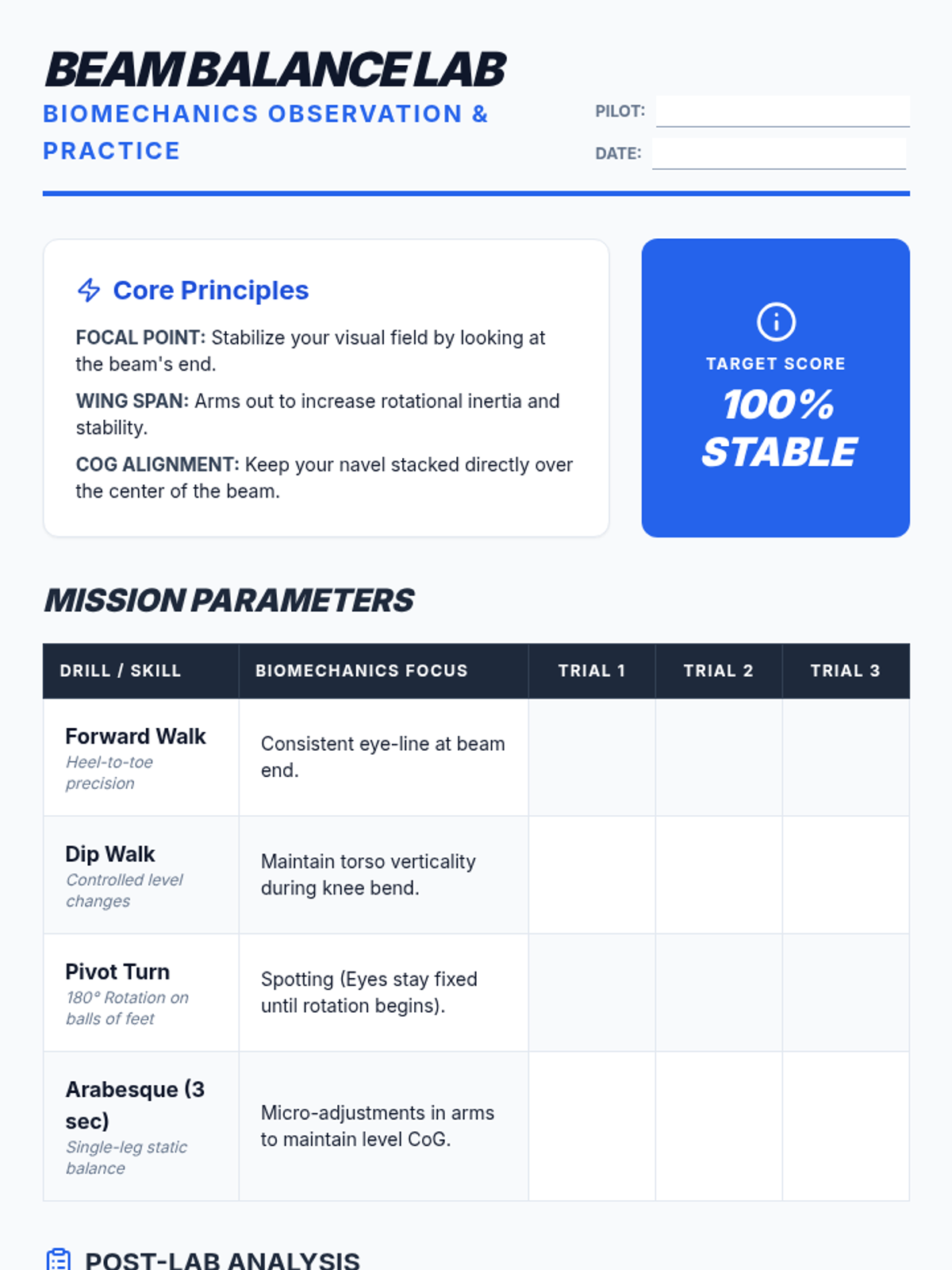
This sequence focuses on the biomechanics and safety of gymnastics apparatus work, specifically the balance beam and vault. Students progress from foundational balance skills to complex vaulting mechanics, emphasizing center of gravity, explosive power, and peer spotting.
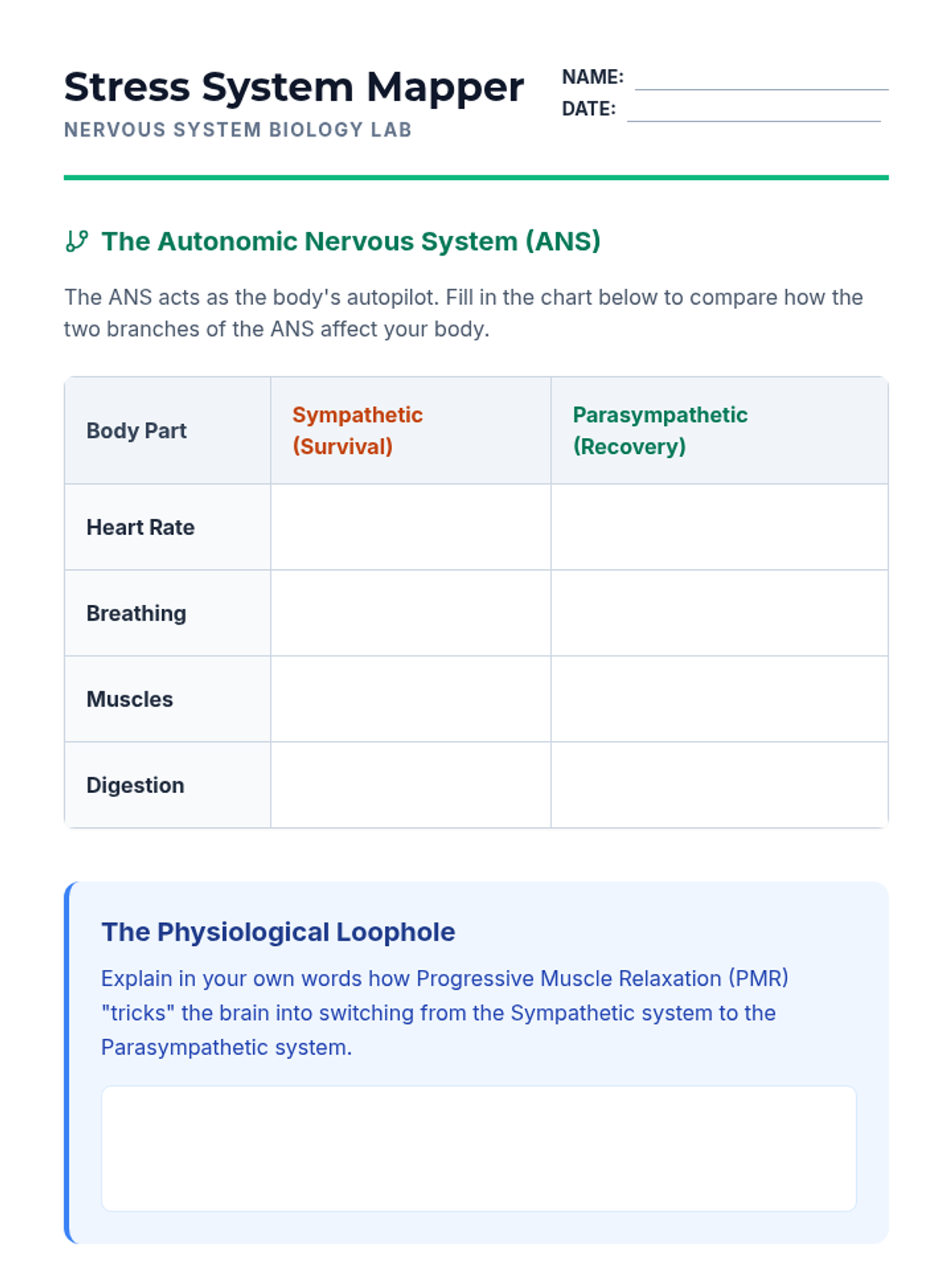
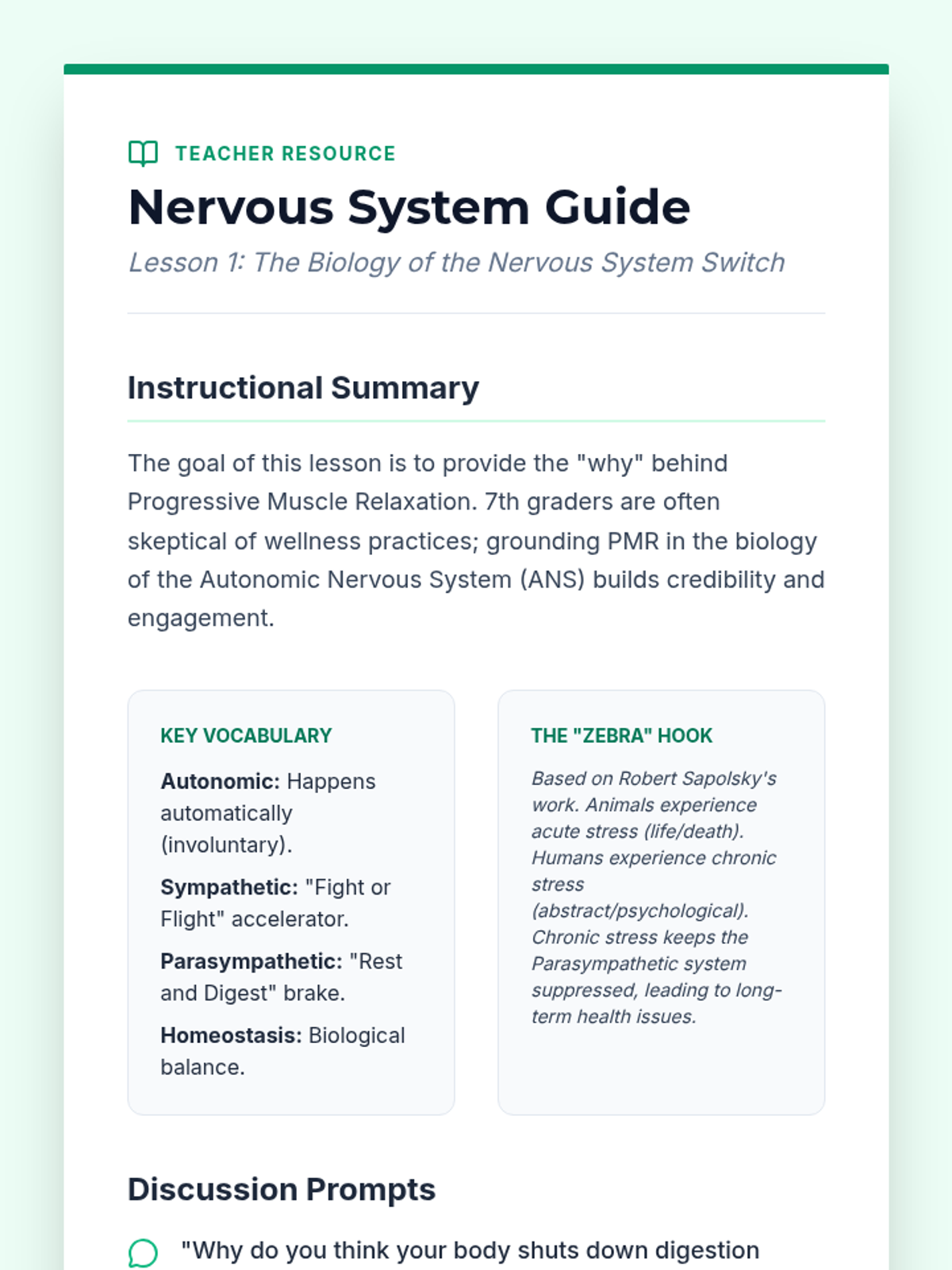
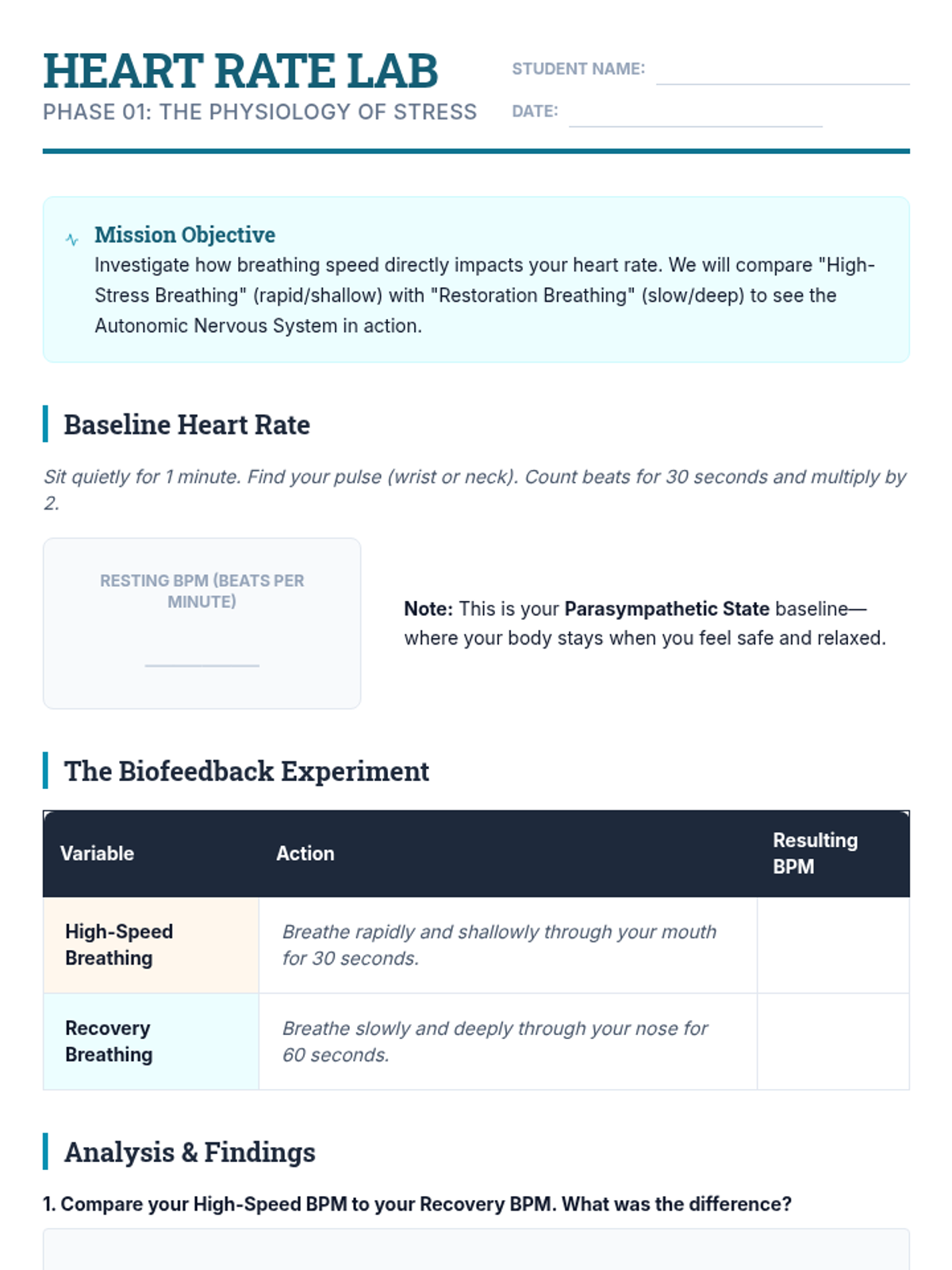
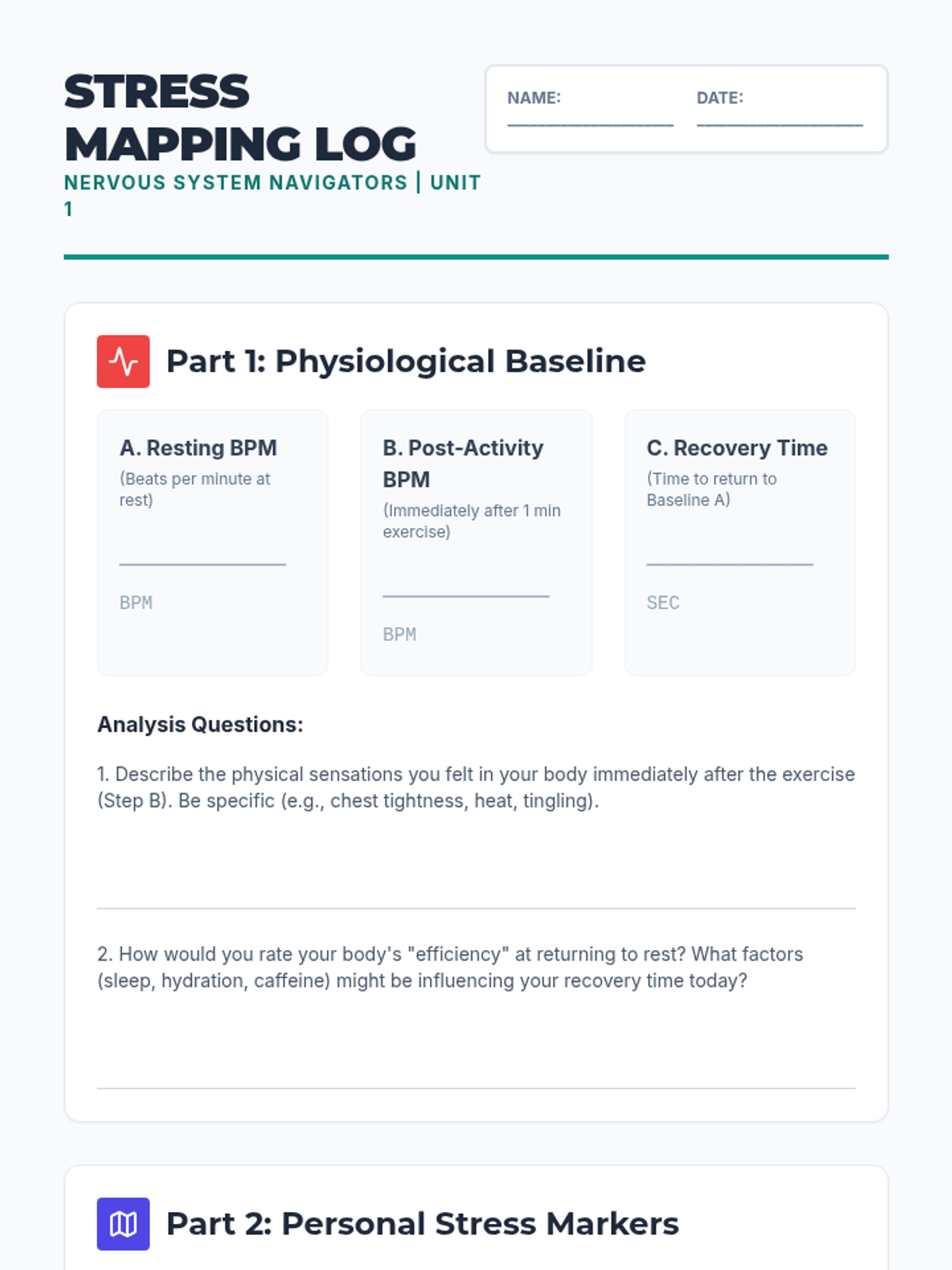
A 7th-grade inquiry-based sequence that investigates the physiological effects of relaxation on the nervous system. Students act as researchers, collecting data on their own vitals and sleep patterns while mastering Progressive Muscle Relaxation (PMR).
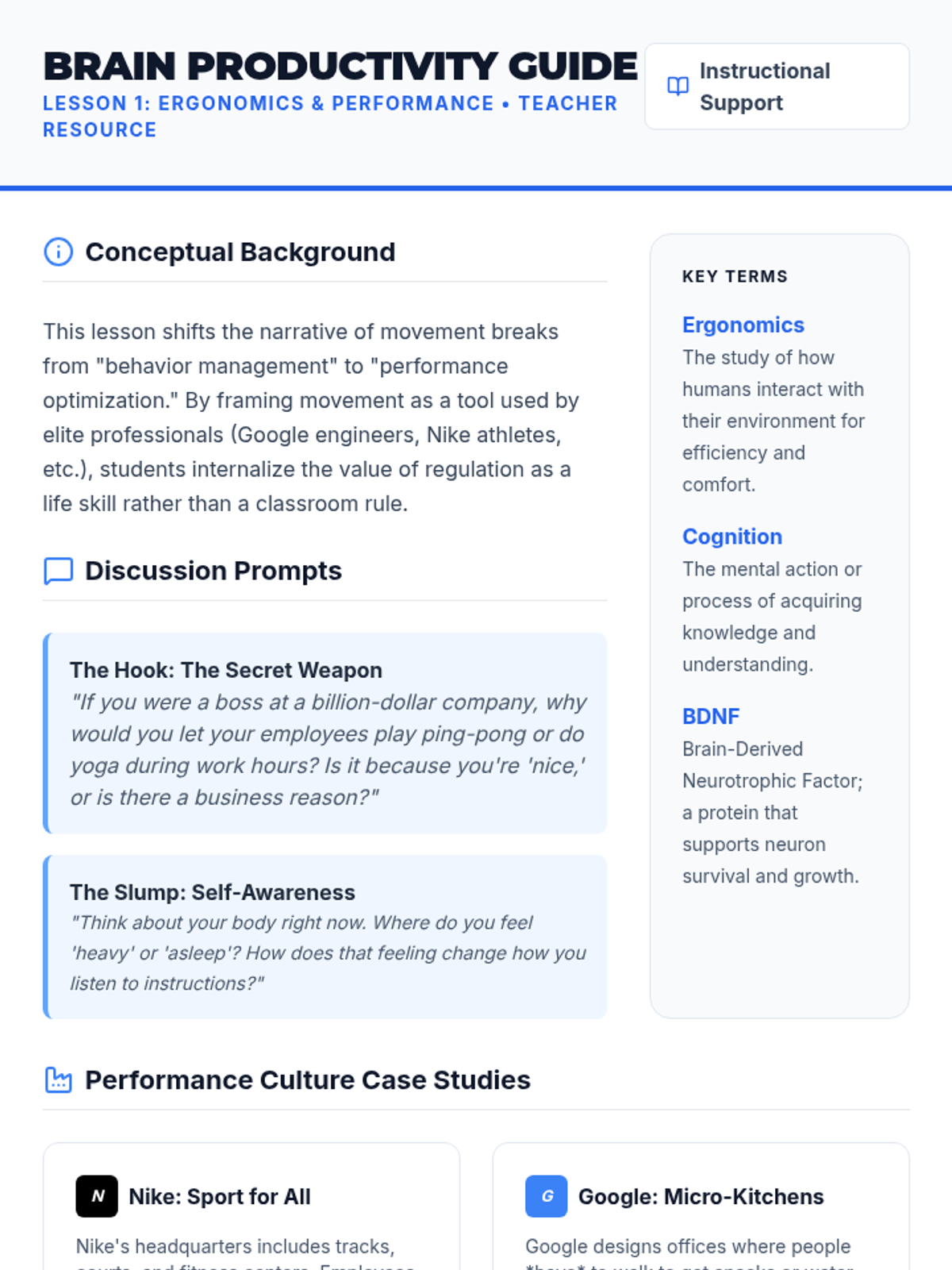
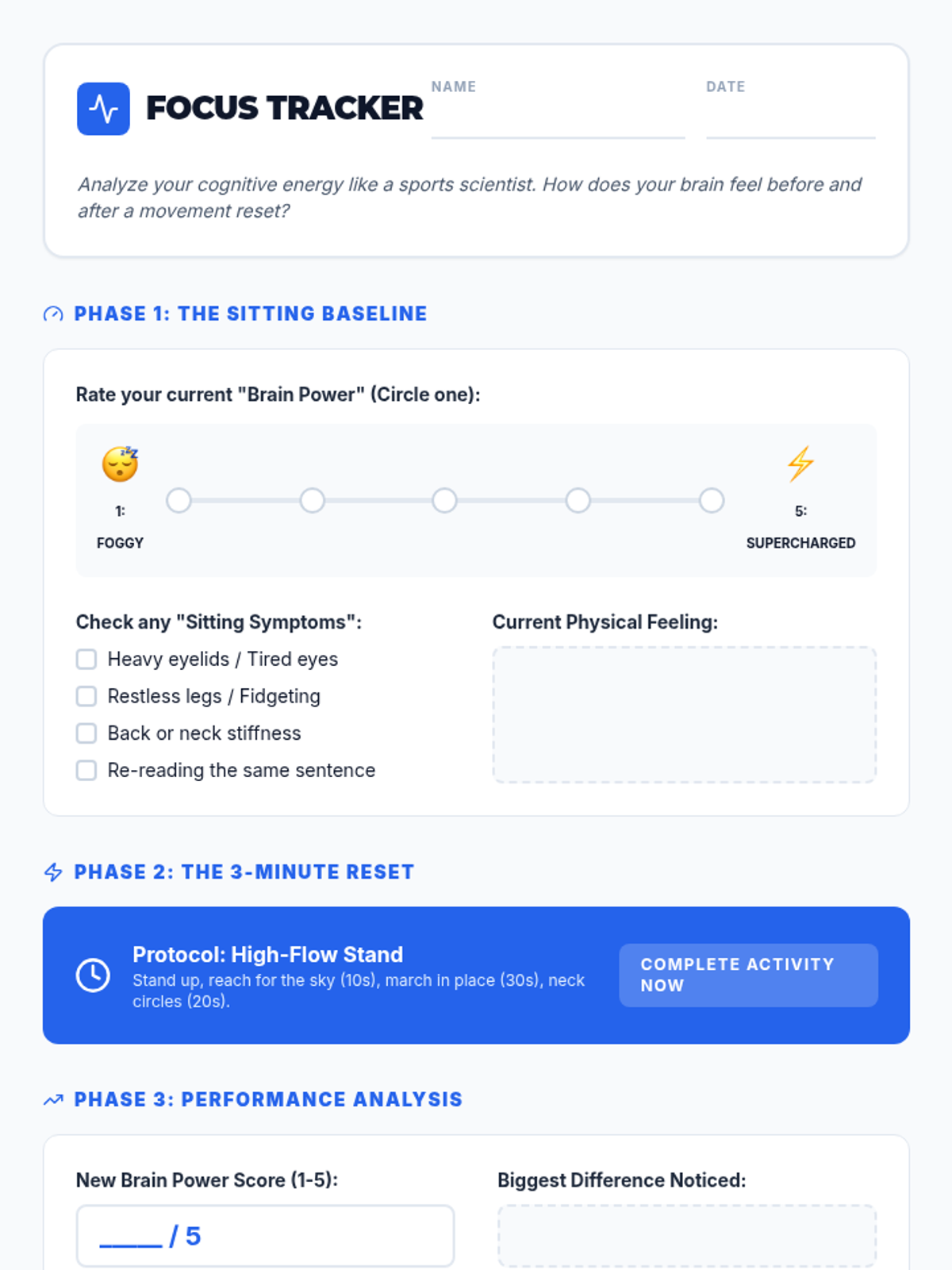
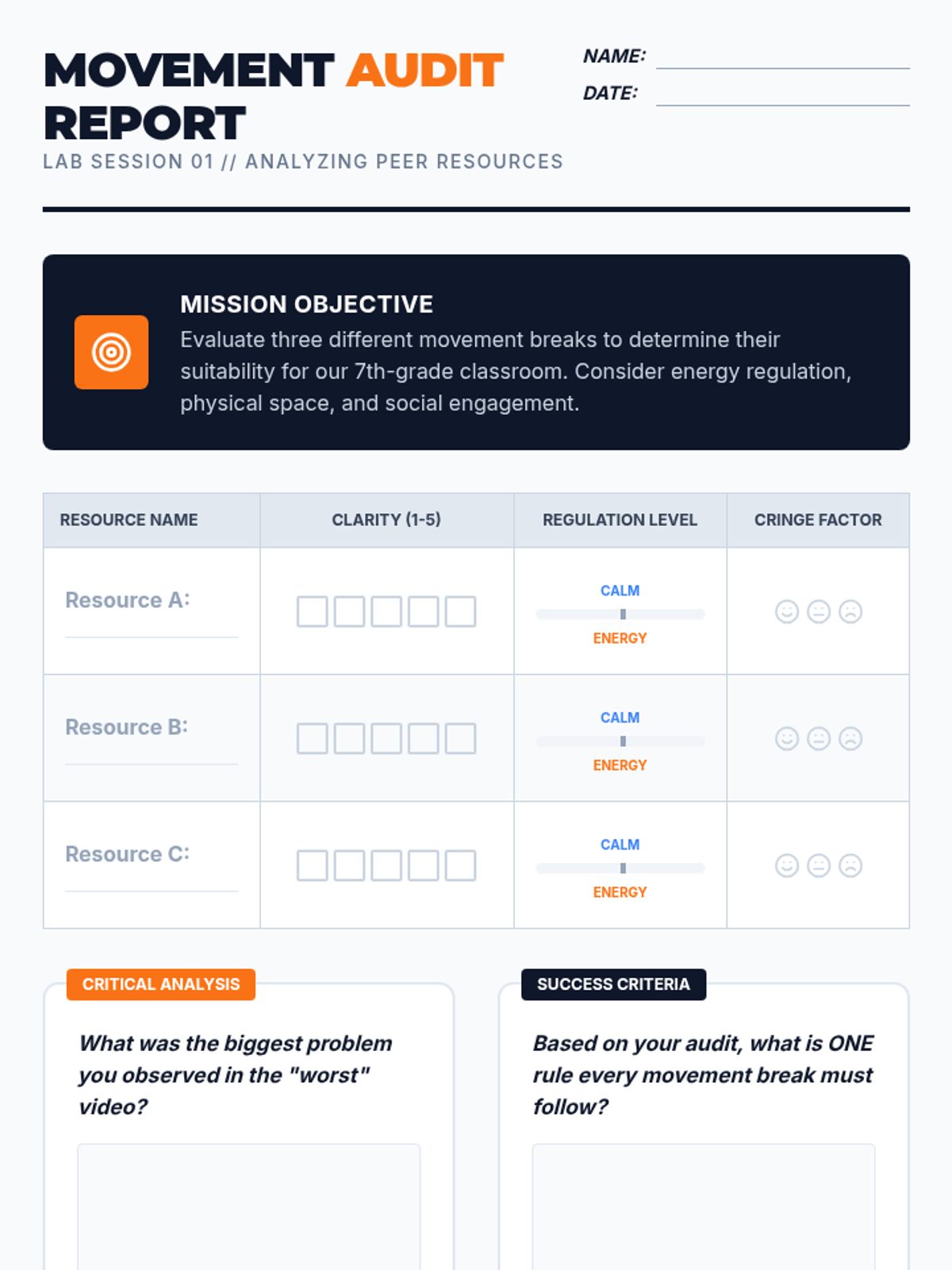
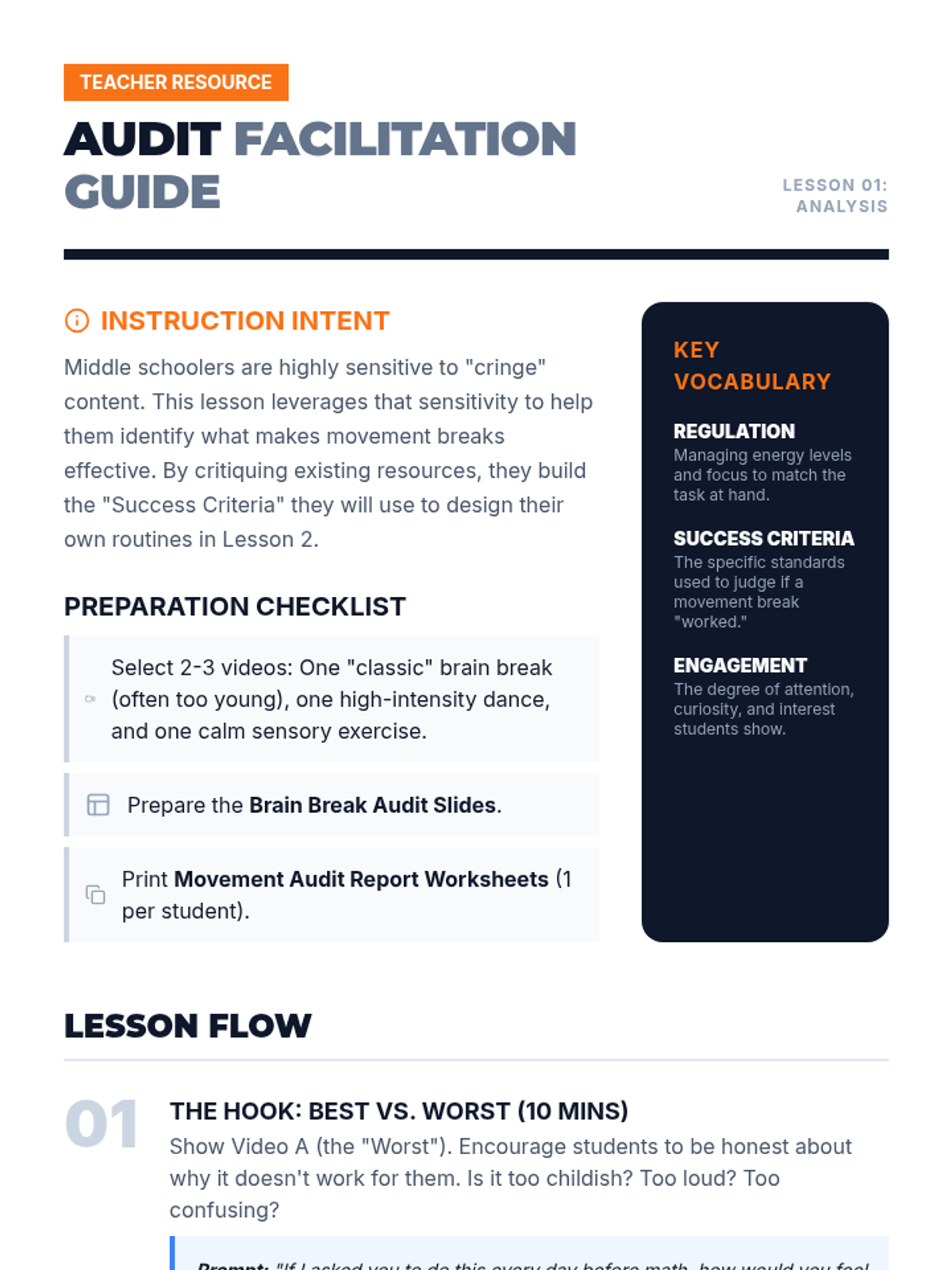
A project-based sequence for 6th-grade students to design, test, and lead movement protocols that optimize cognitive performance and sensory regulation in the classroom.
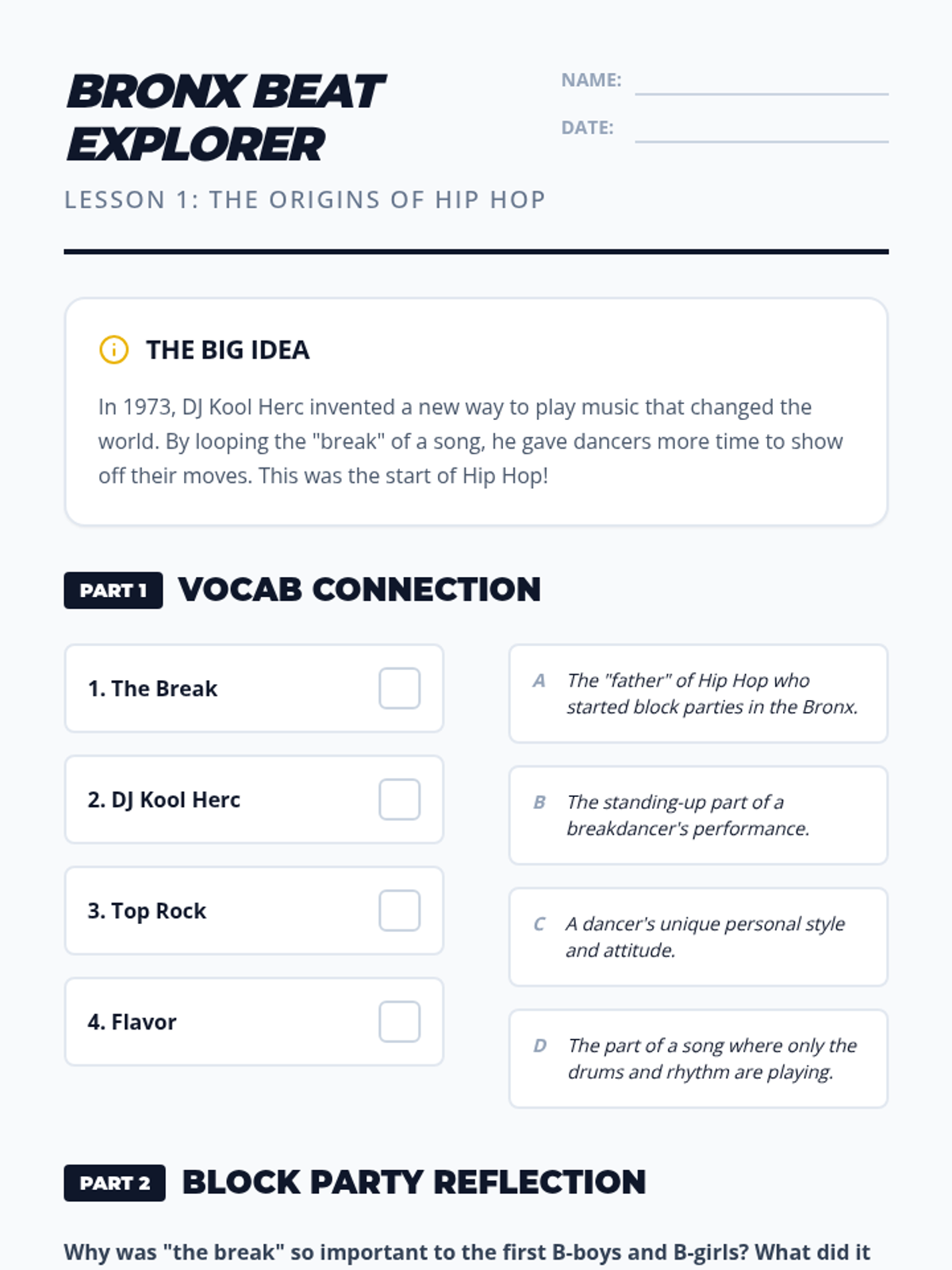
This sequence connects students to the history of Hip Hop and urban dance, tracing its origins from the Bronx in the 1970s to global pop culture today. Students explore the 'Four Elements of Hip Hop' with a specific focus on dance (breakin') while emphasizing creativity, personal style (flavor), and the concept of the 'cypher' (circle) as a supportive community space.
This sequence focuses on the acquisition of intermediate floor skills and the artistic integration of these movements into a fluid routine. Students analyze biomechanics, practice spotting, and design a graded performance.
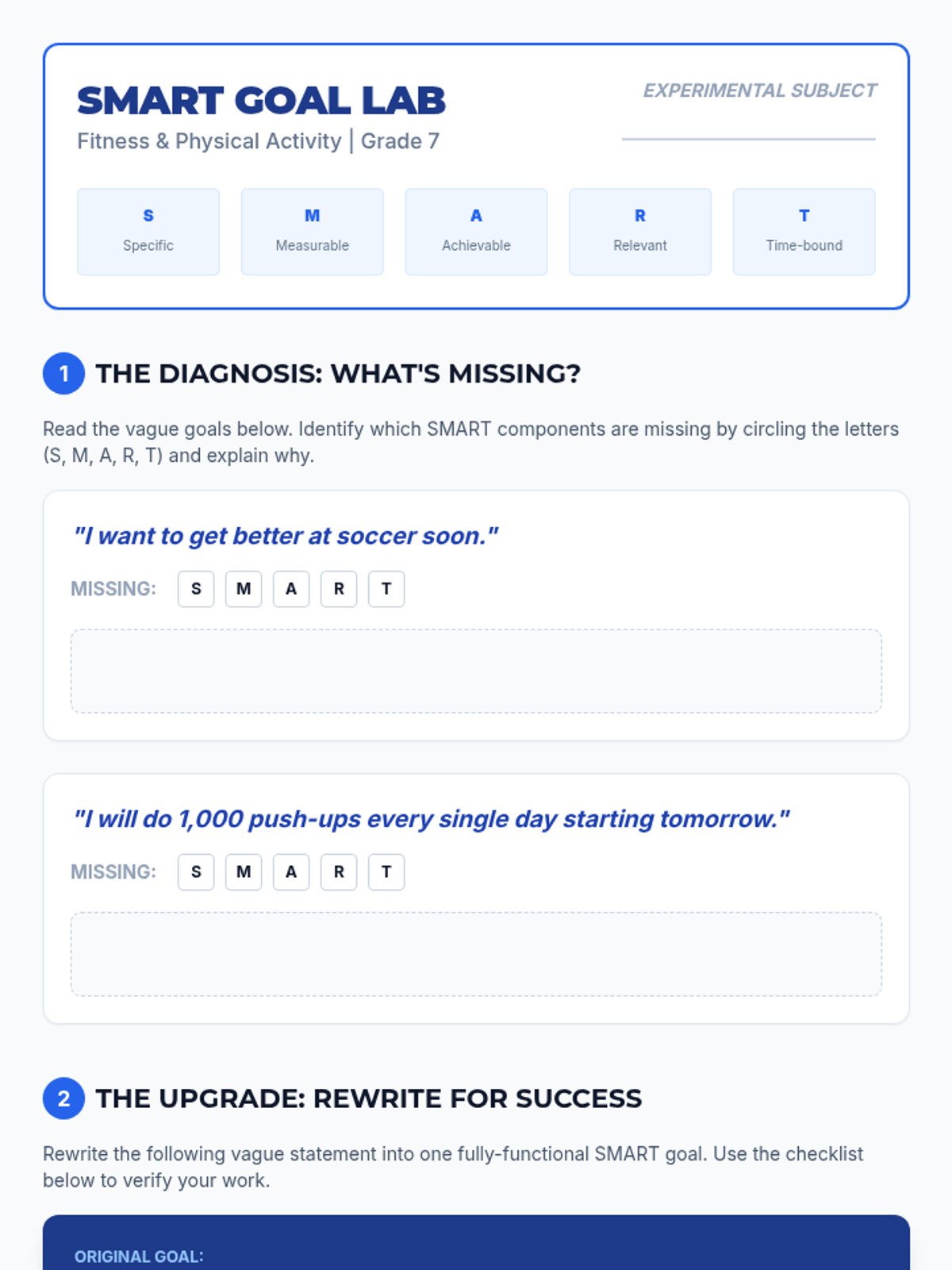
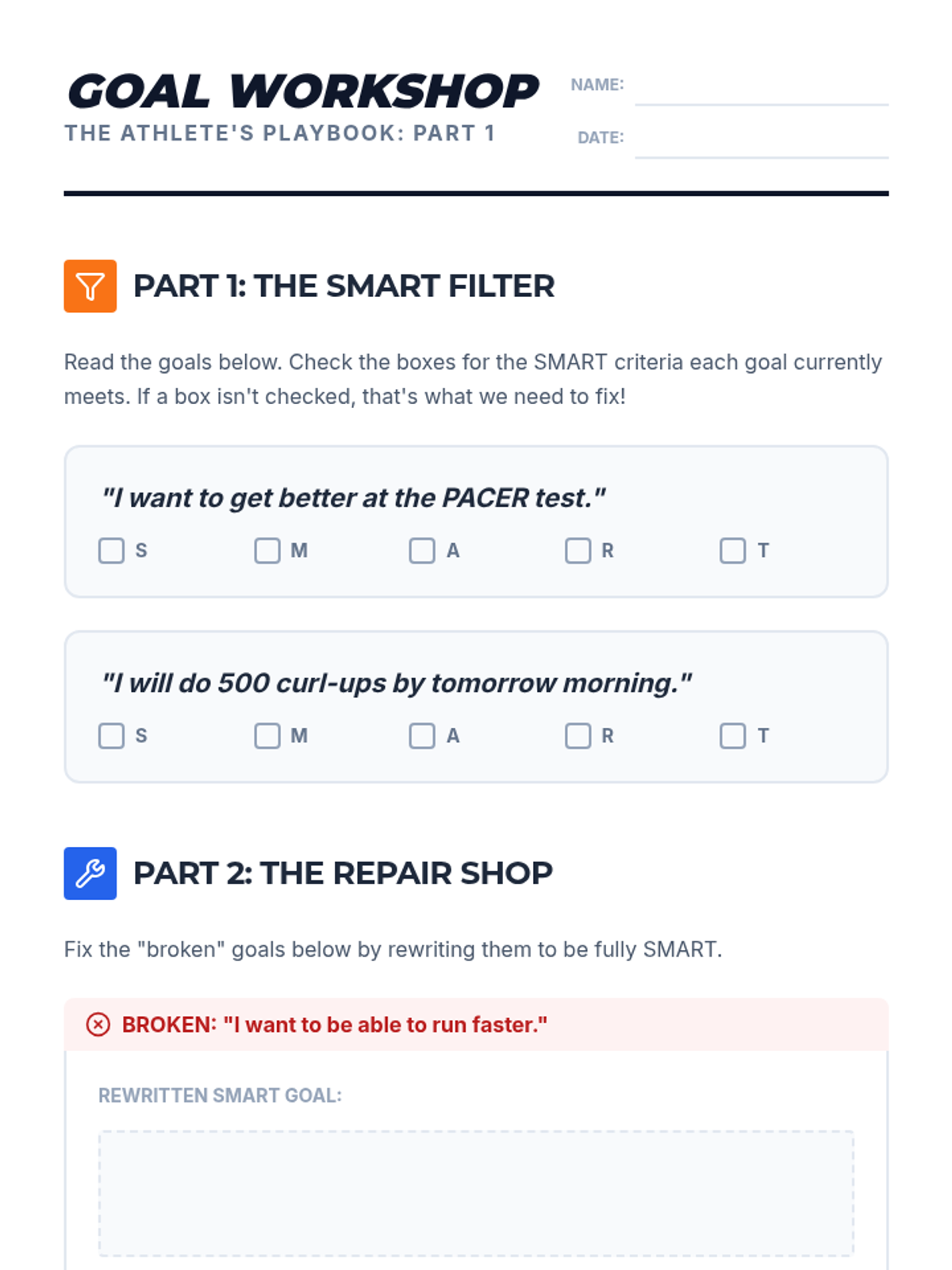
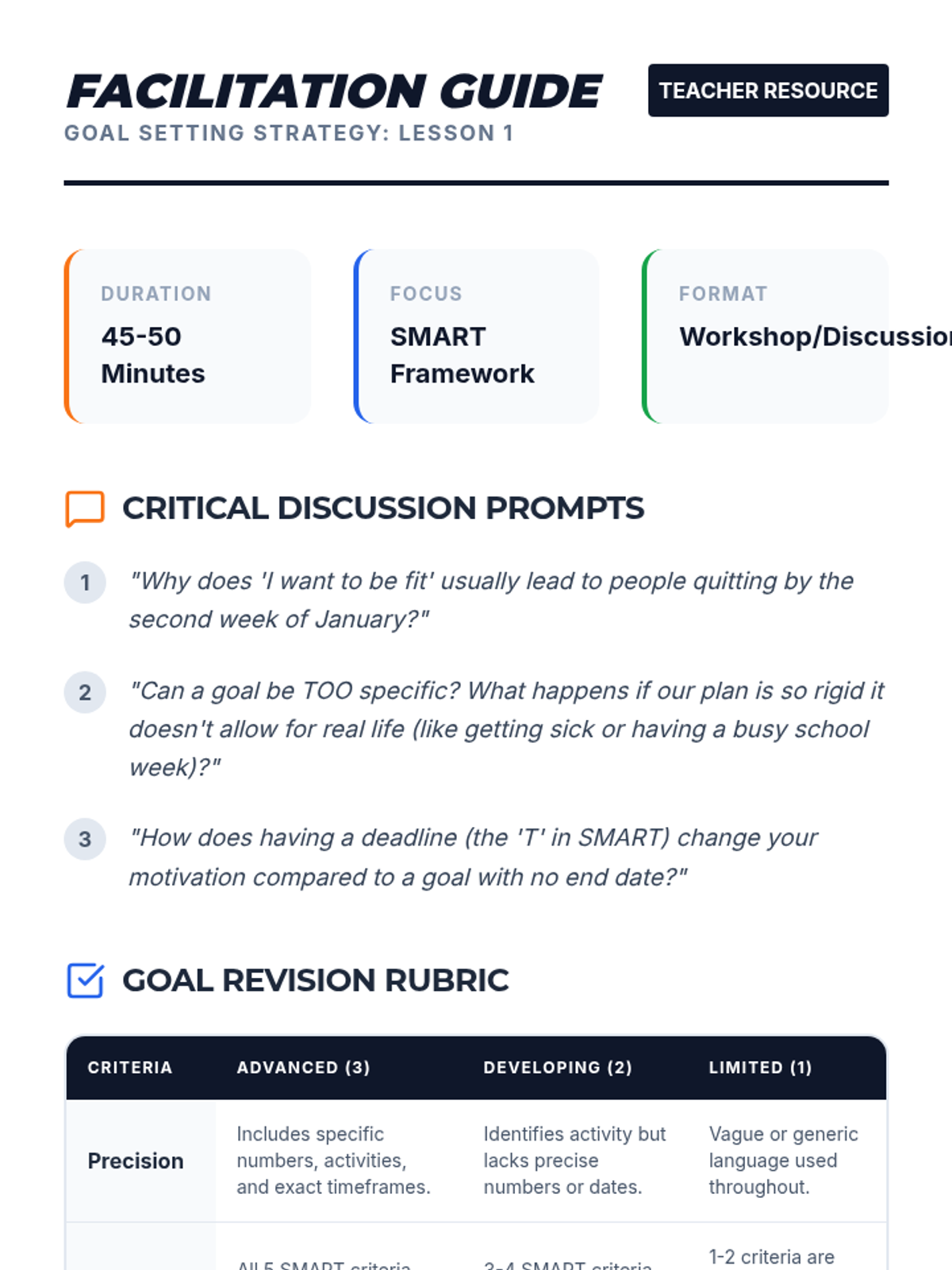
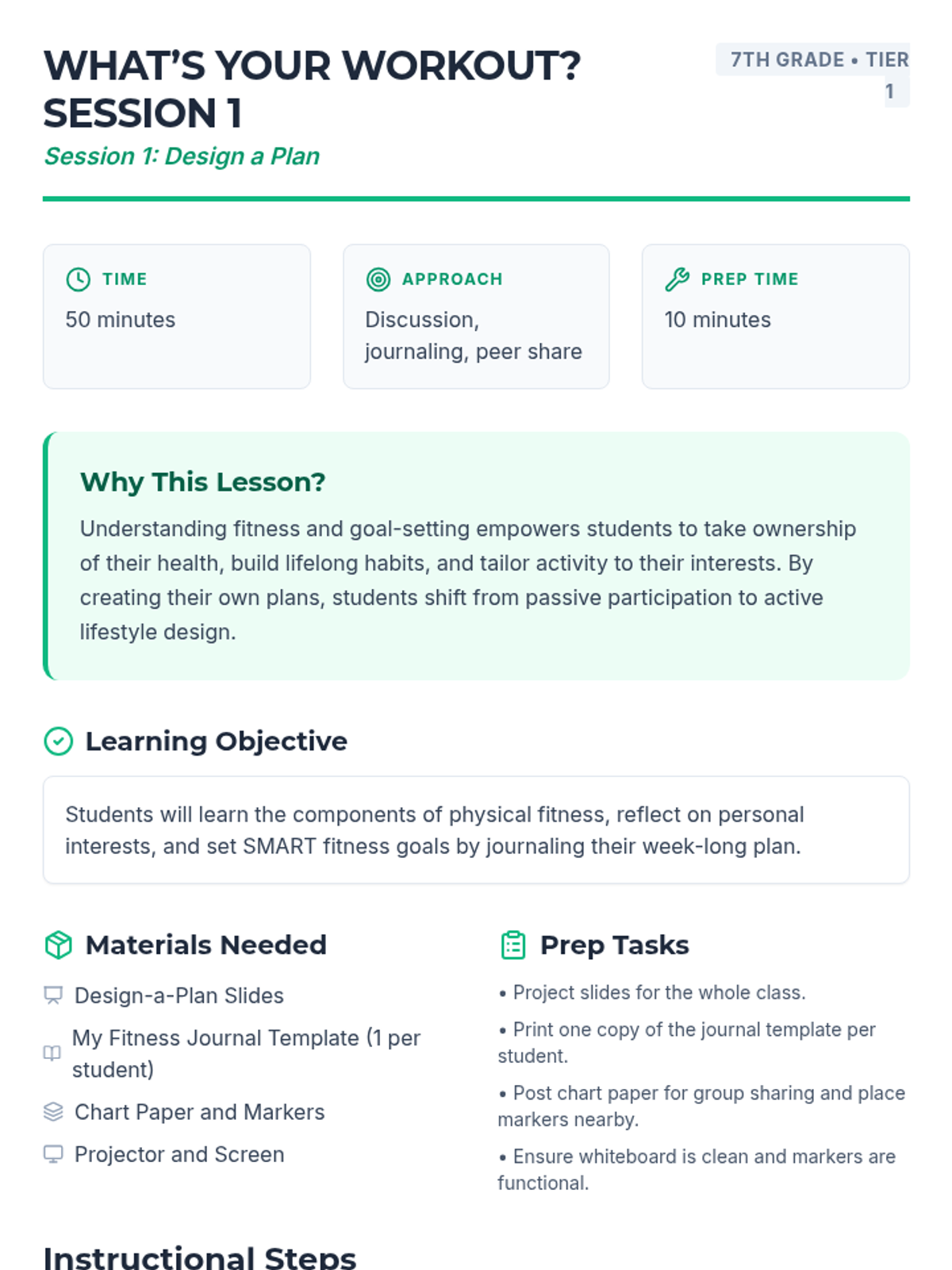
A data-driven workshop sequence where students transition from vague fitness ideas to concrete, actionable plans. They master SMART goals, conduct baseline assessments for cardiovascular and muscular health, analyze their performance data, and apply the FITT principle to design a personalized 4-week fitness action plan.
Students learn to take ownership of their physical health by developing personalized fitness plans rooted in data and strategic planning. The journey begins with mastering the SMART goal framework and baseline assessments, leading to the creation of actionable weekly plans and progress monitoring strategies.
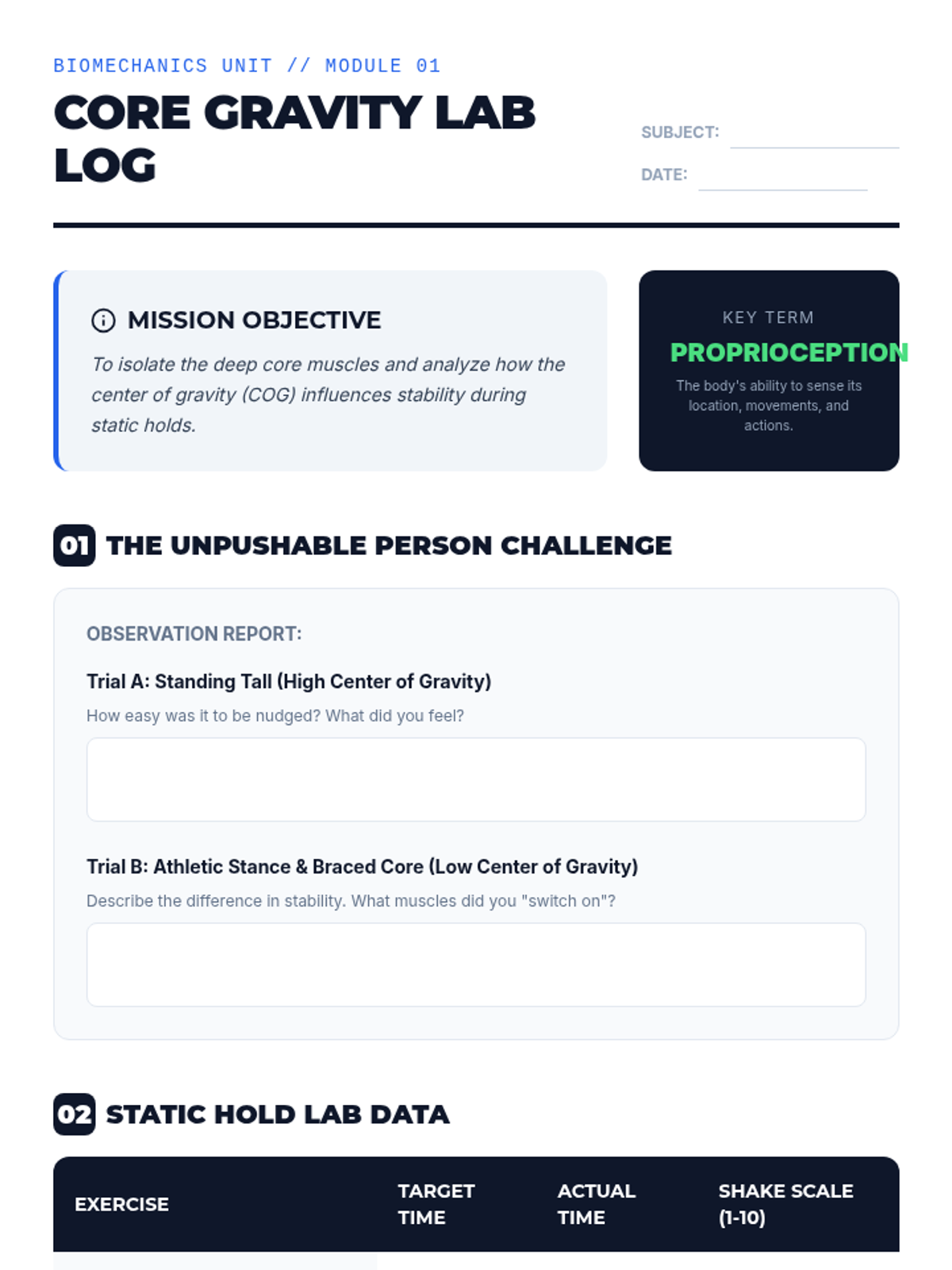
This sequence explores the biomechanics of body control for 7th graders, moving from core stability and static balance to dynamic movement and spatial awareness. Students progress through isolation exercises, varied surface challenges, and complex obstacle navigation to master proprioception and athletic precision.
A 5-lesson unit for 7th-grade students focusing on the biomechanics, discipline, and physical conditioning of martial arts. Students progress from basic stances to complex combinations and a final choreographed flow, emphasizing control and form.
A 5-lesson sequence for 6th Grade Physical Education focusing on the biomechanics of martial arts, including stances, striking, kicking, flow, and mental discipline. Students learn how power is generated through structural alignment and breath control.
A comprehensive 7th-grade physical education unit focused on the biomechanics of linear speed, sprint phases, and the collaborative strategies required for successful relay racing. Students progress from individual starting mechanics to team-based baton exchanges and competitive meet simulations.
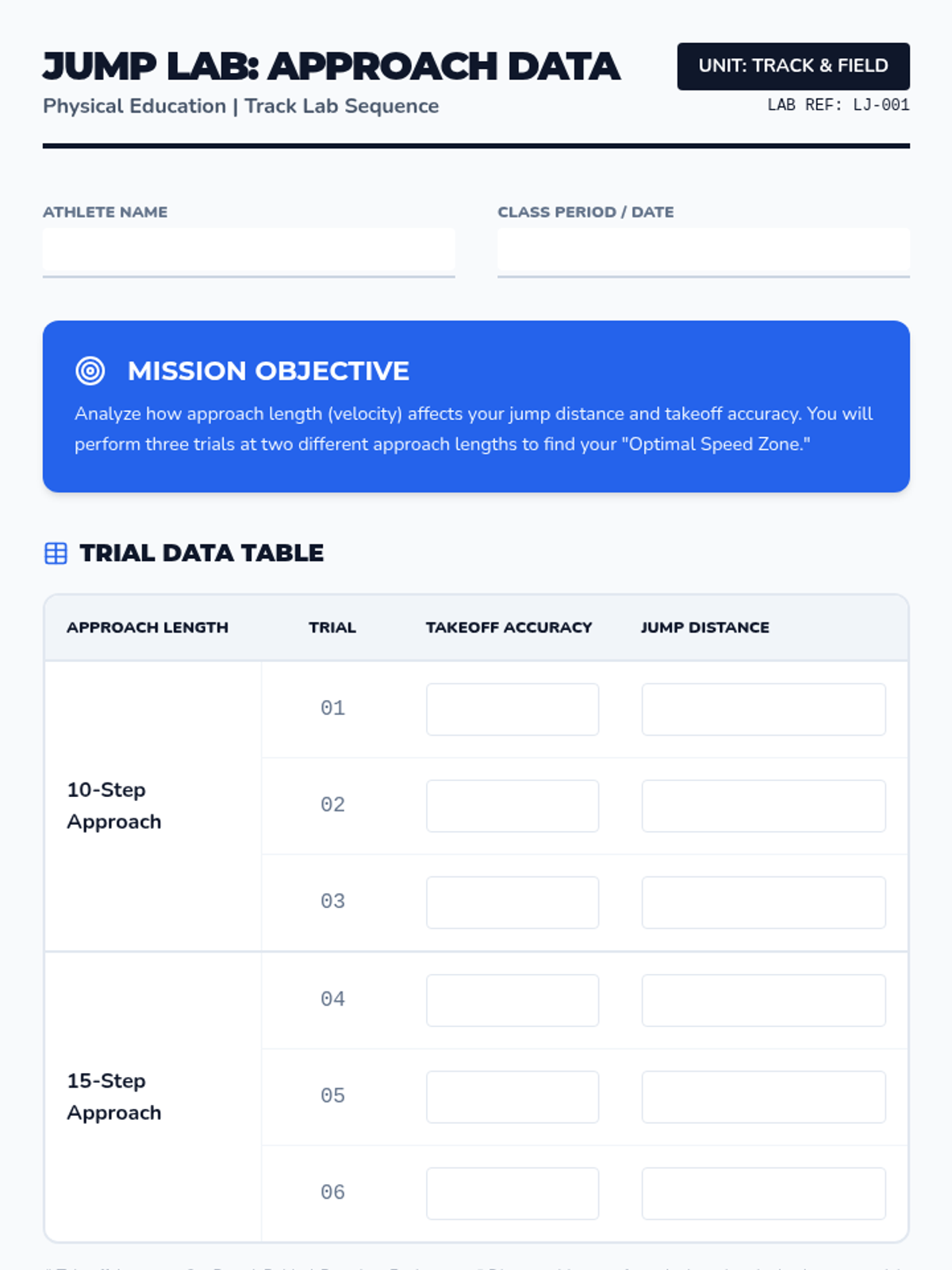
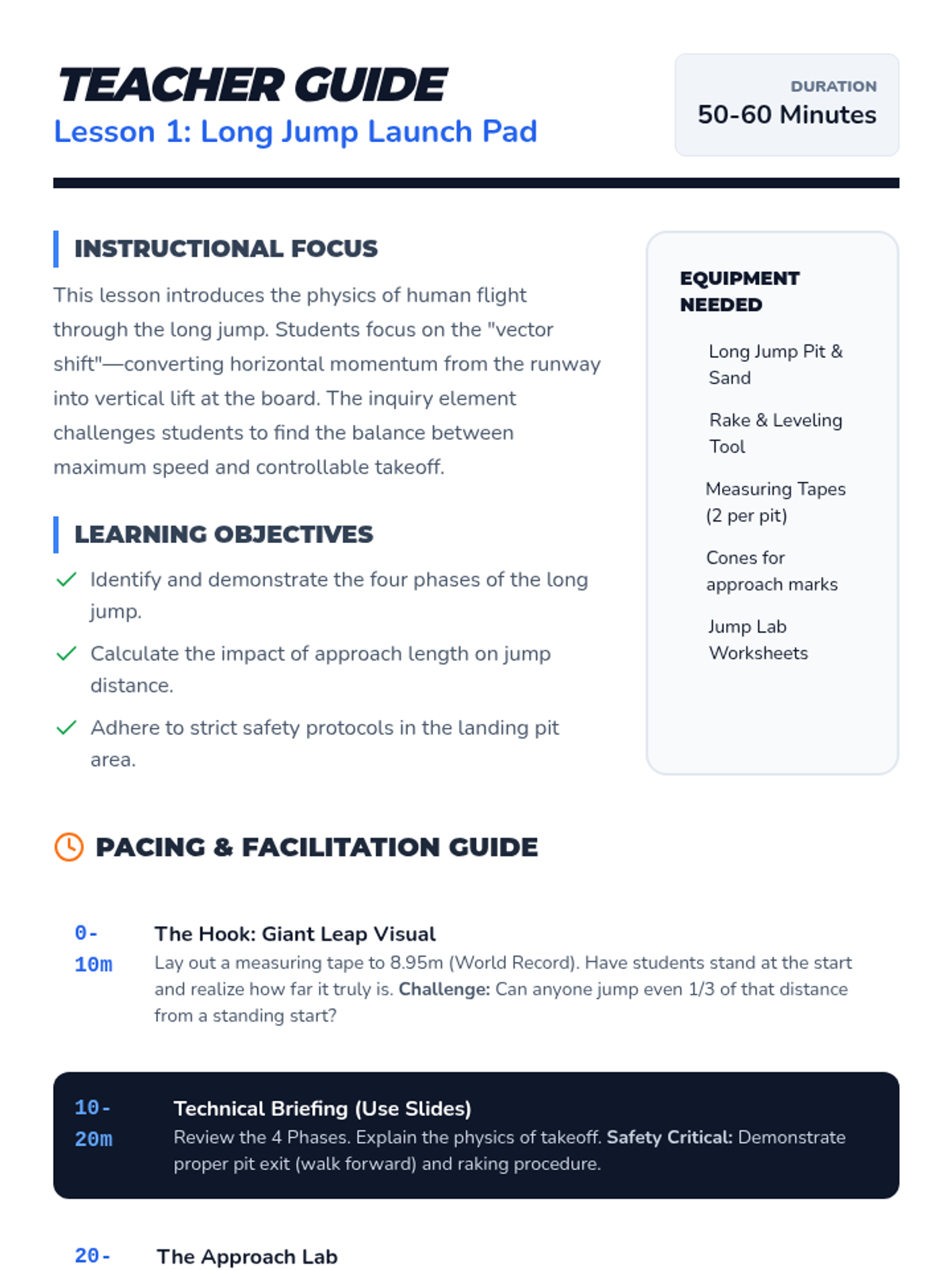
This 6th-grade Physical Education sequence explores the physics of projectile motion in field events and the physiological strategies of distance running. Students move from power-based field activities (Long Jump, Shot Put, Discus) to endurance-based pacing, culminating in a simulated track meet that applies technical rules and sportsmanship.
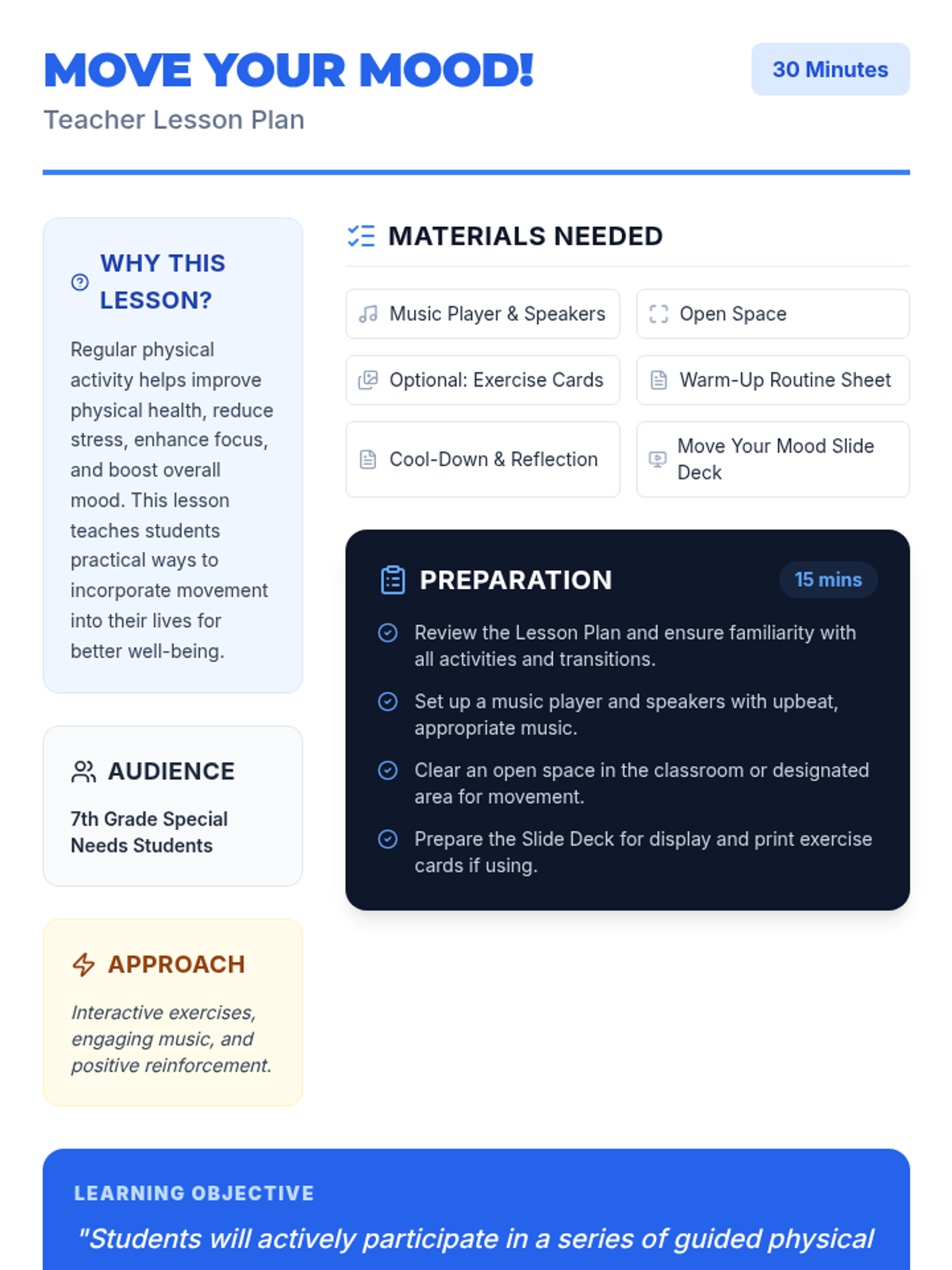
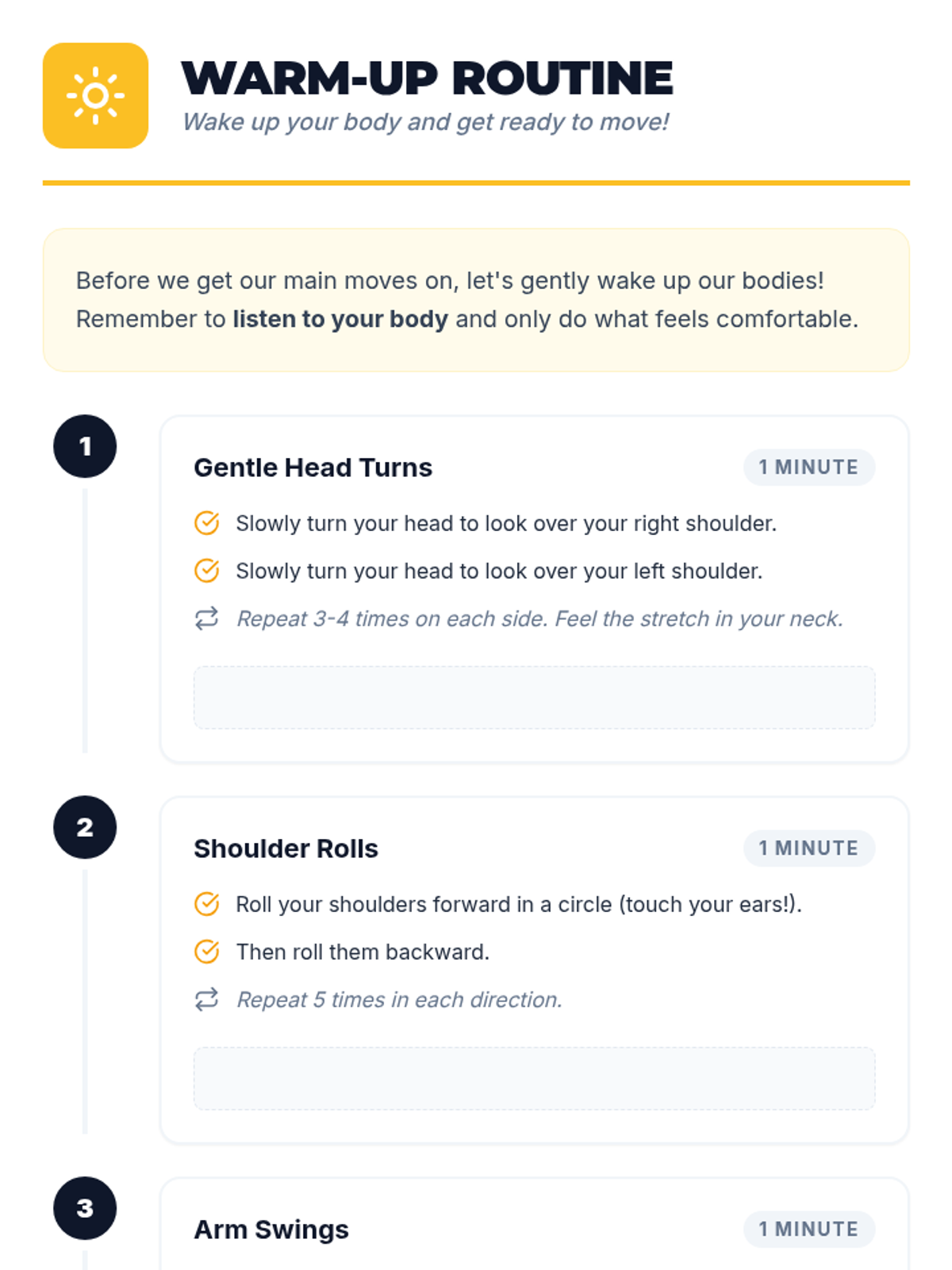
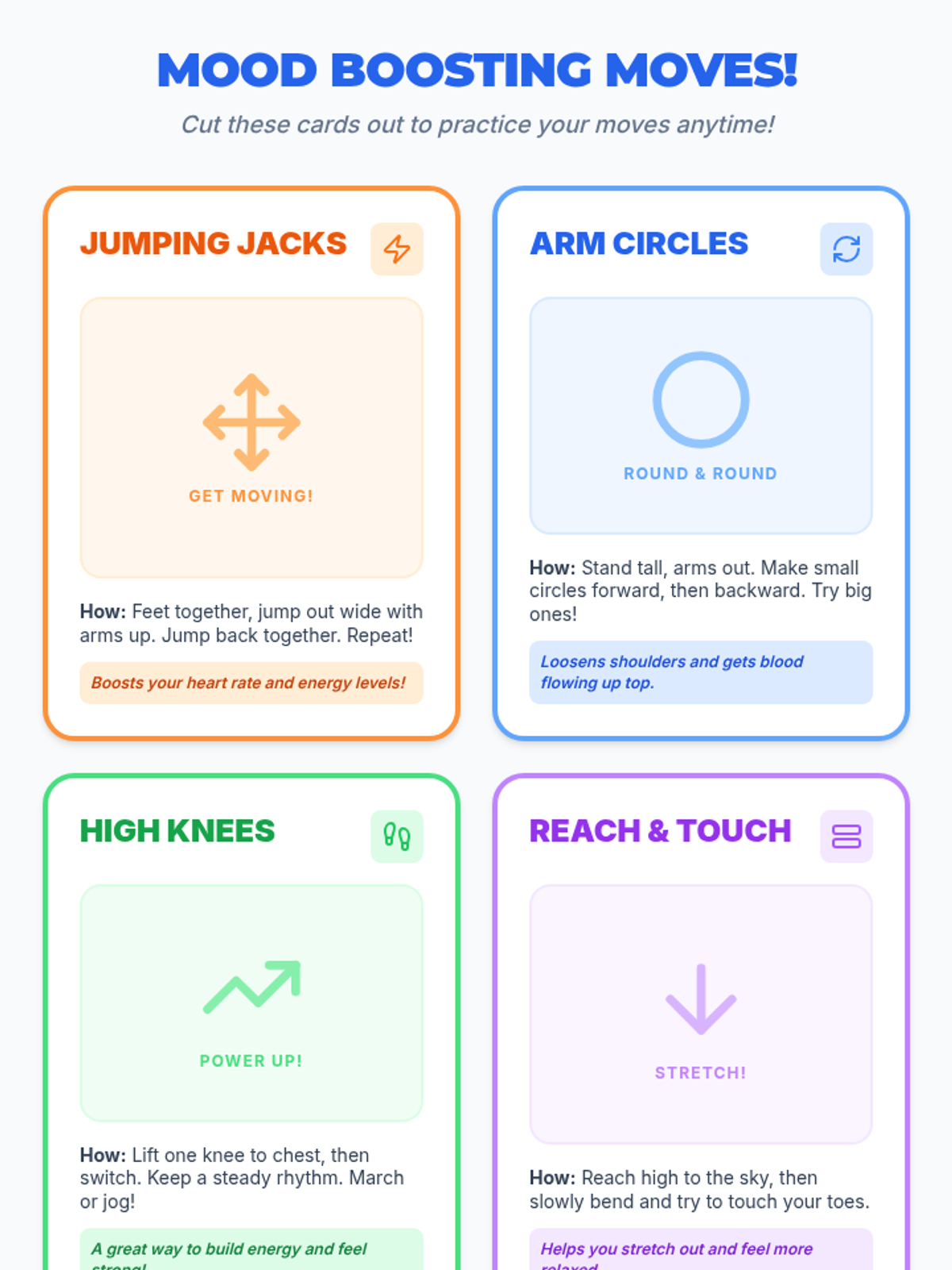
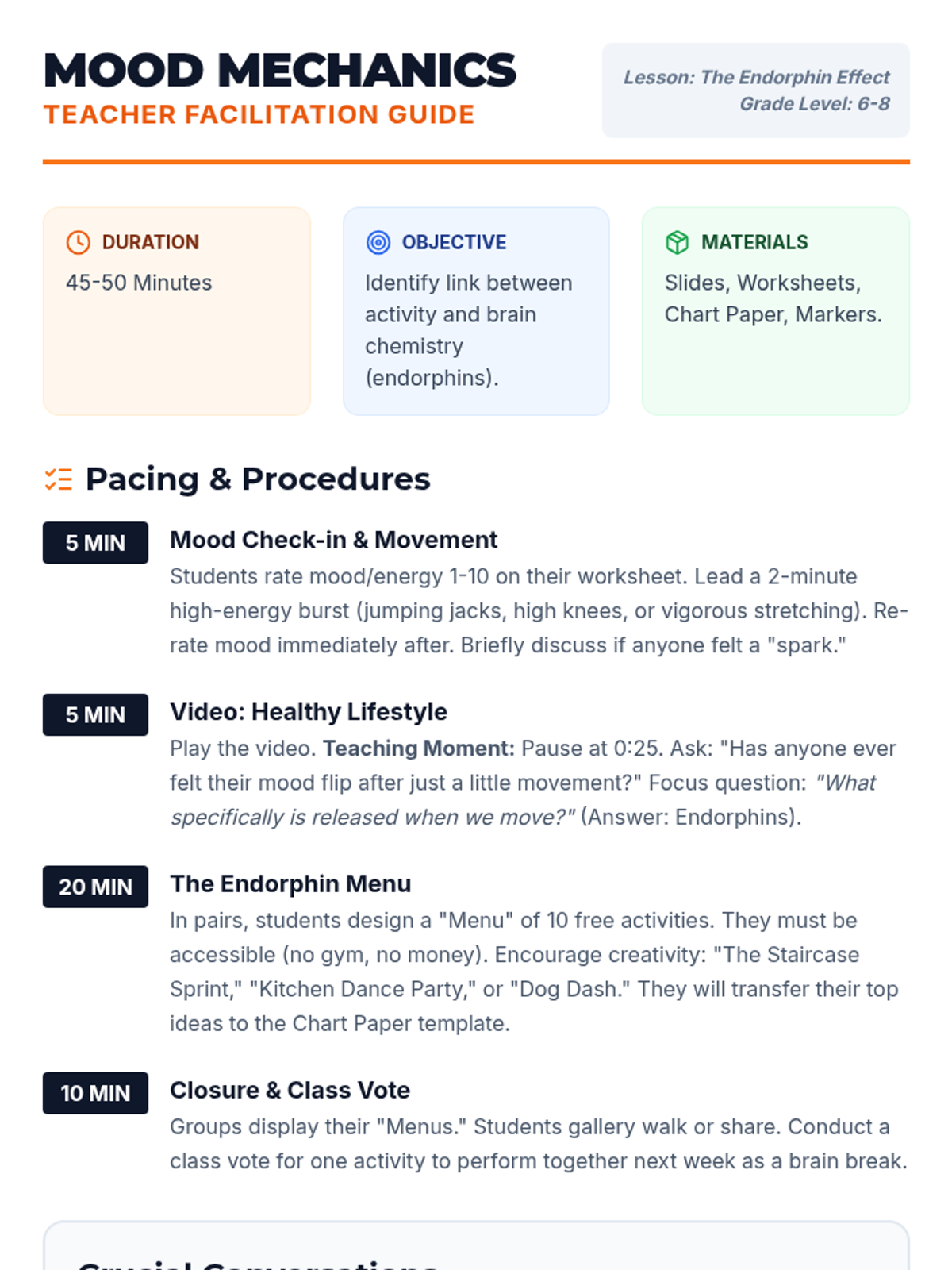
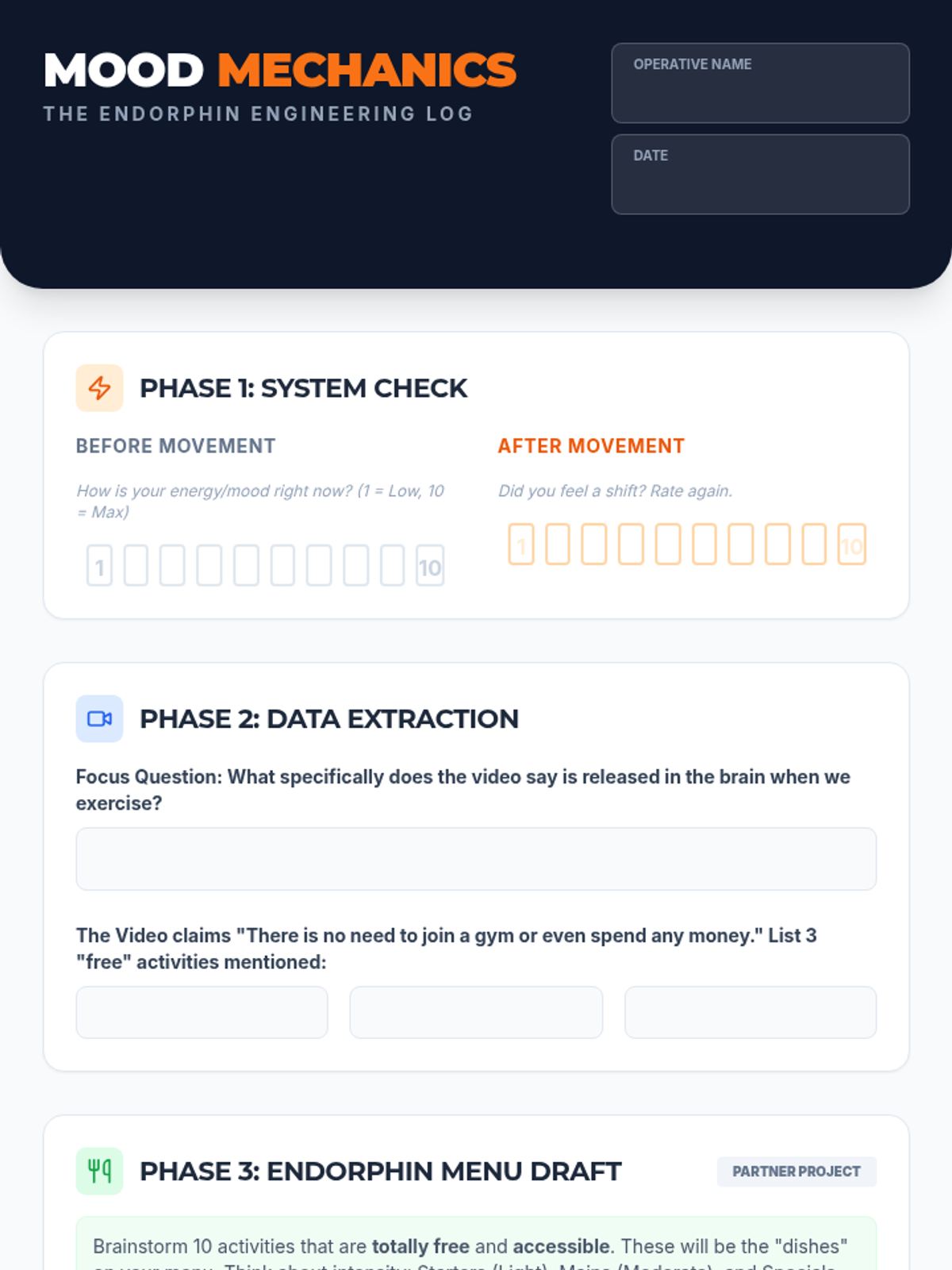
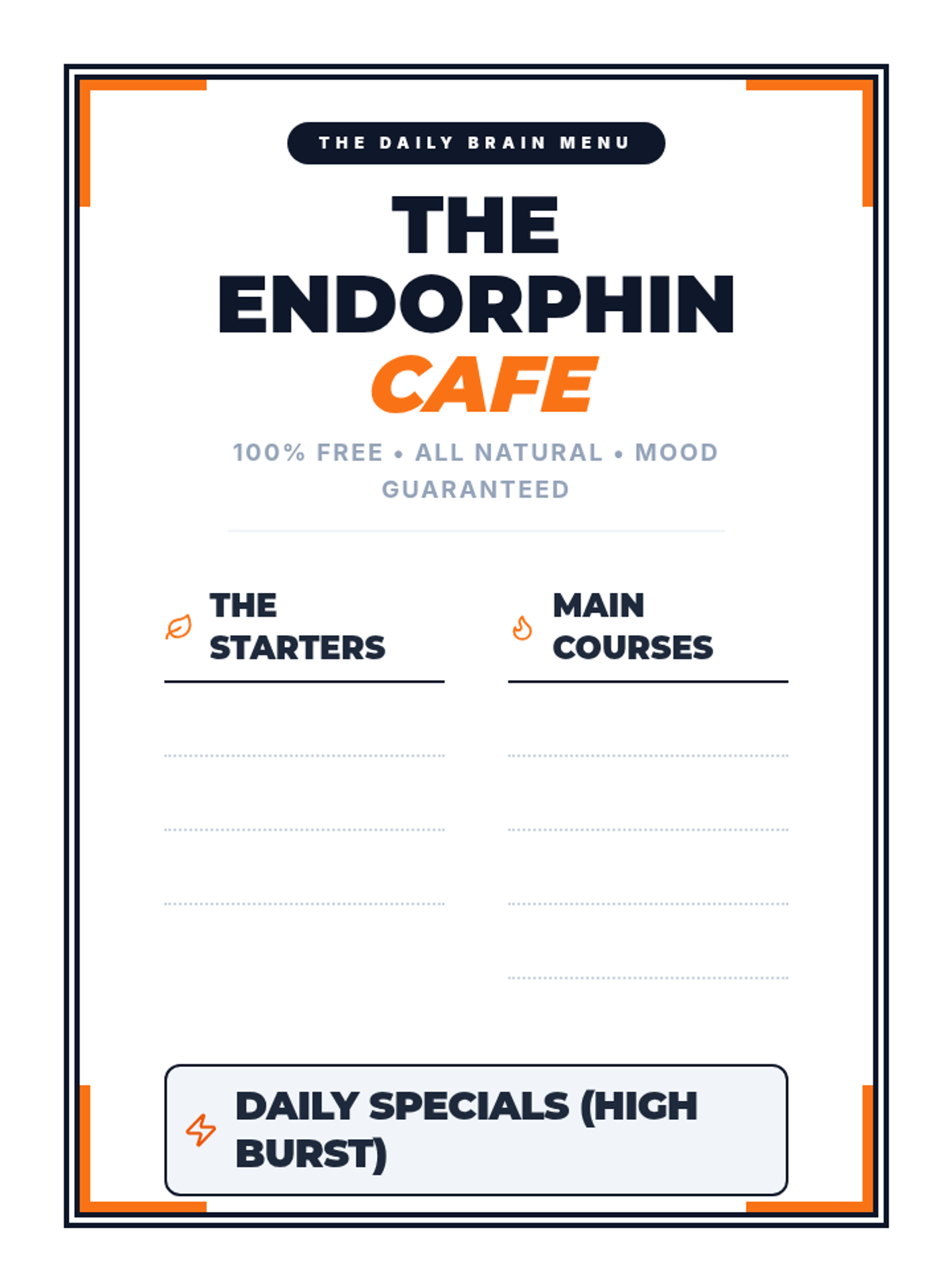
A lesson focused on improving physical health and mood through accessible movement and exercise for middle school students.
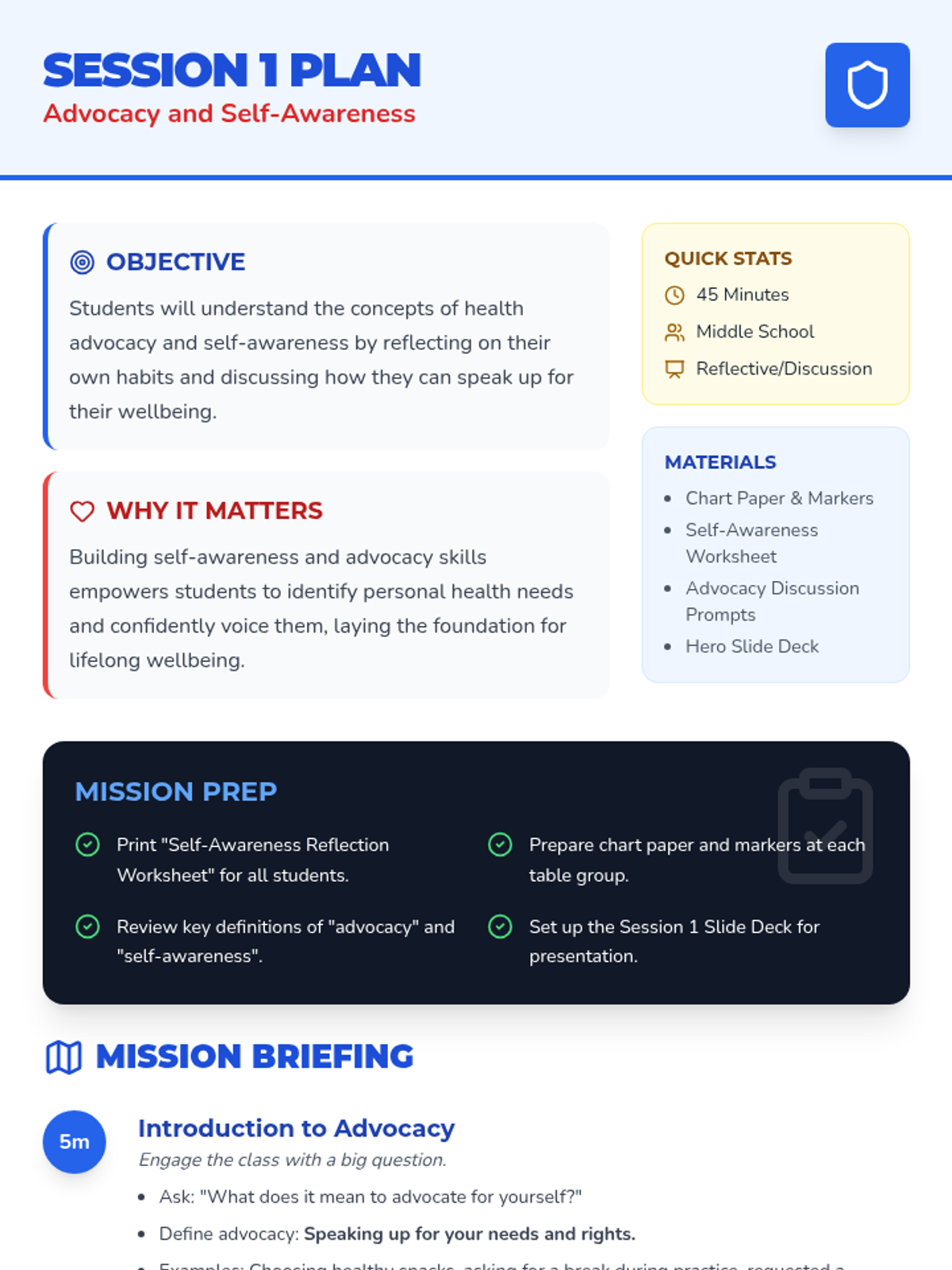
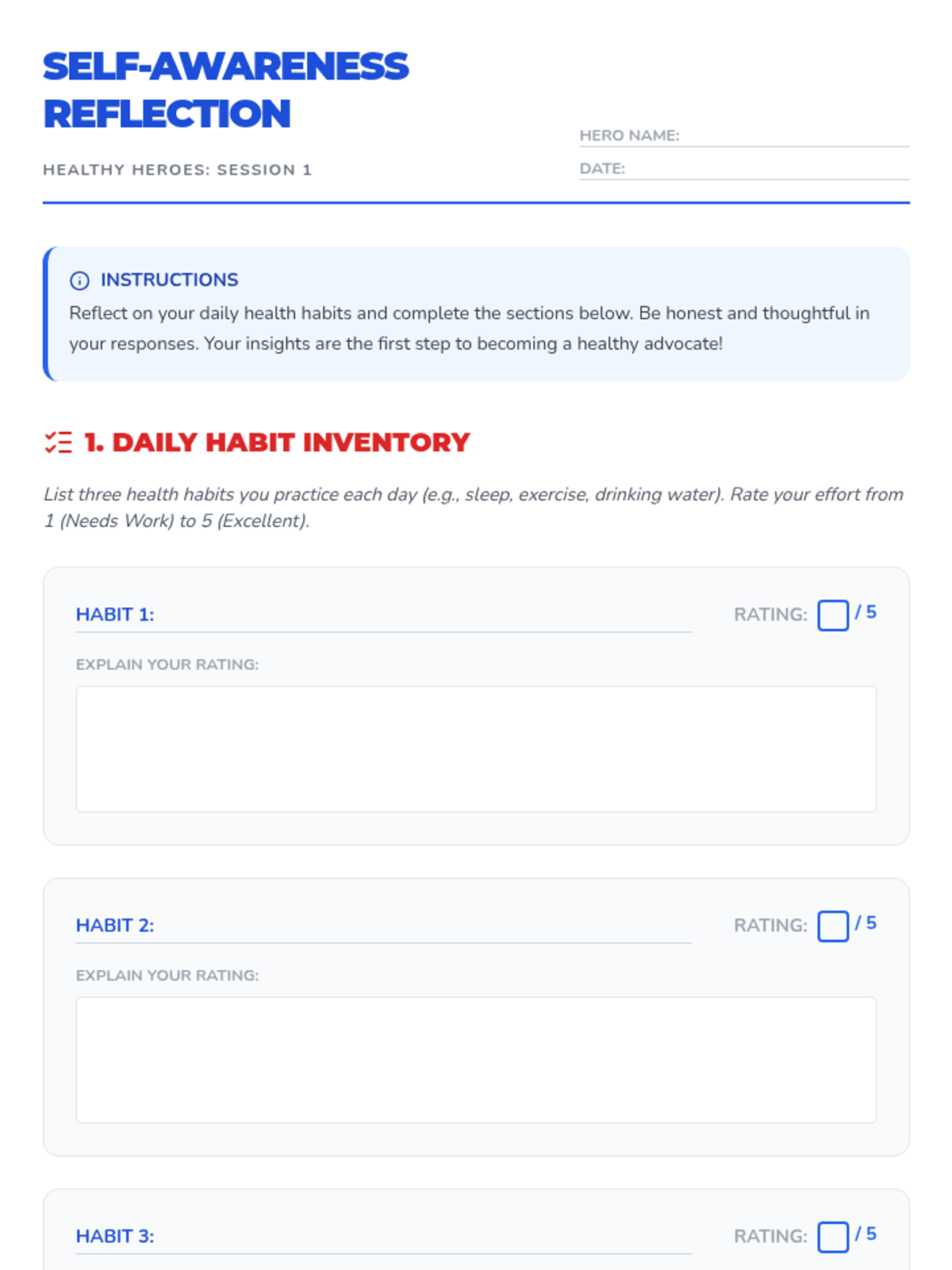
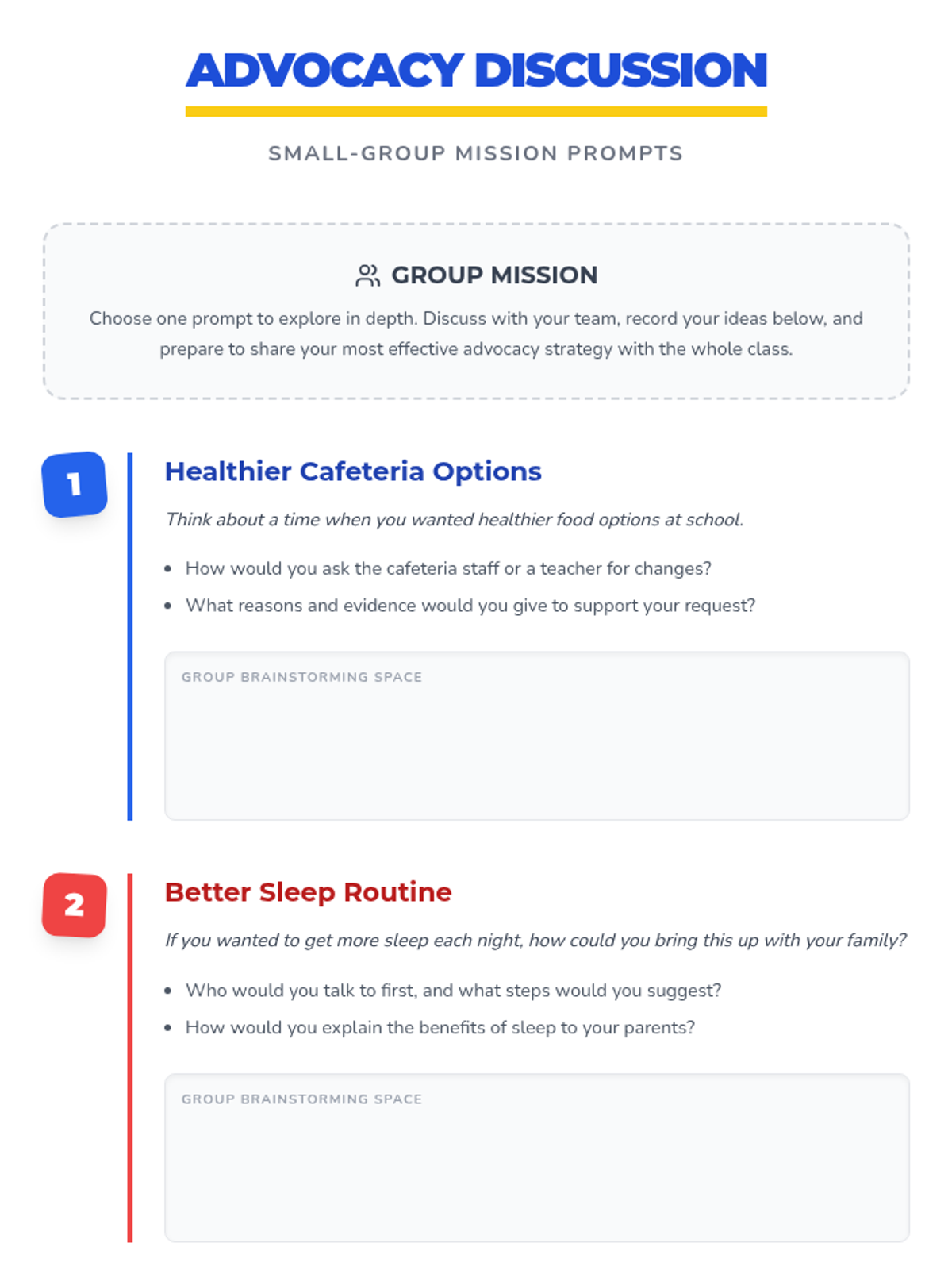
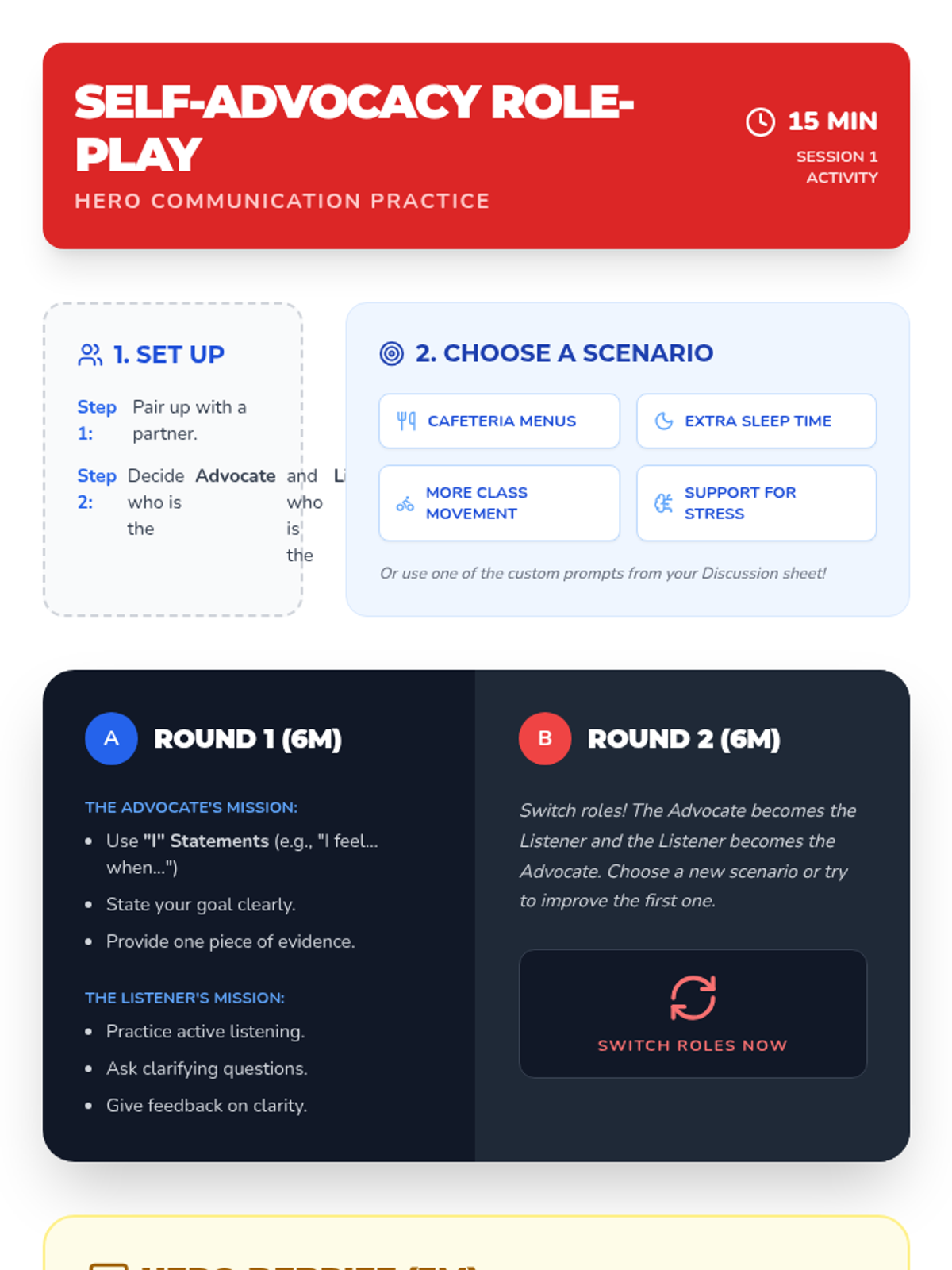
A comprehensive 8-session health advocacy program for middle schoolers, focusing on self-awareness, nutrition, fitness, mental health, sleep, and community influence. Students develop SMART goals and practical advocacy skills to become 'Healthy Heroes' in their own lives and communities.
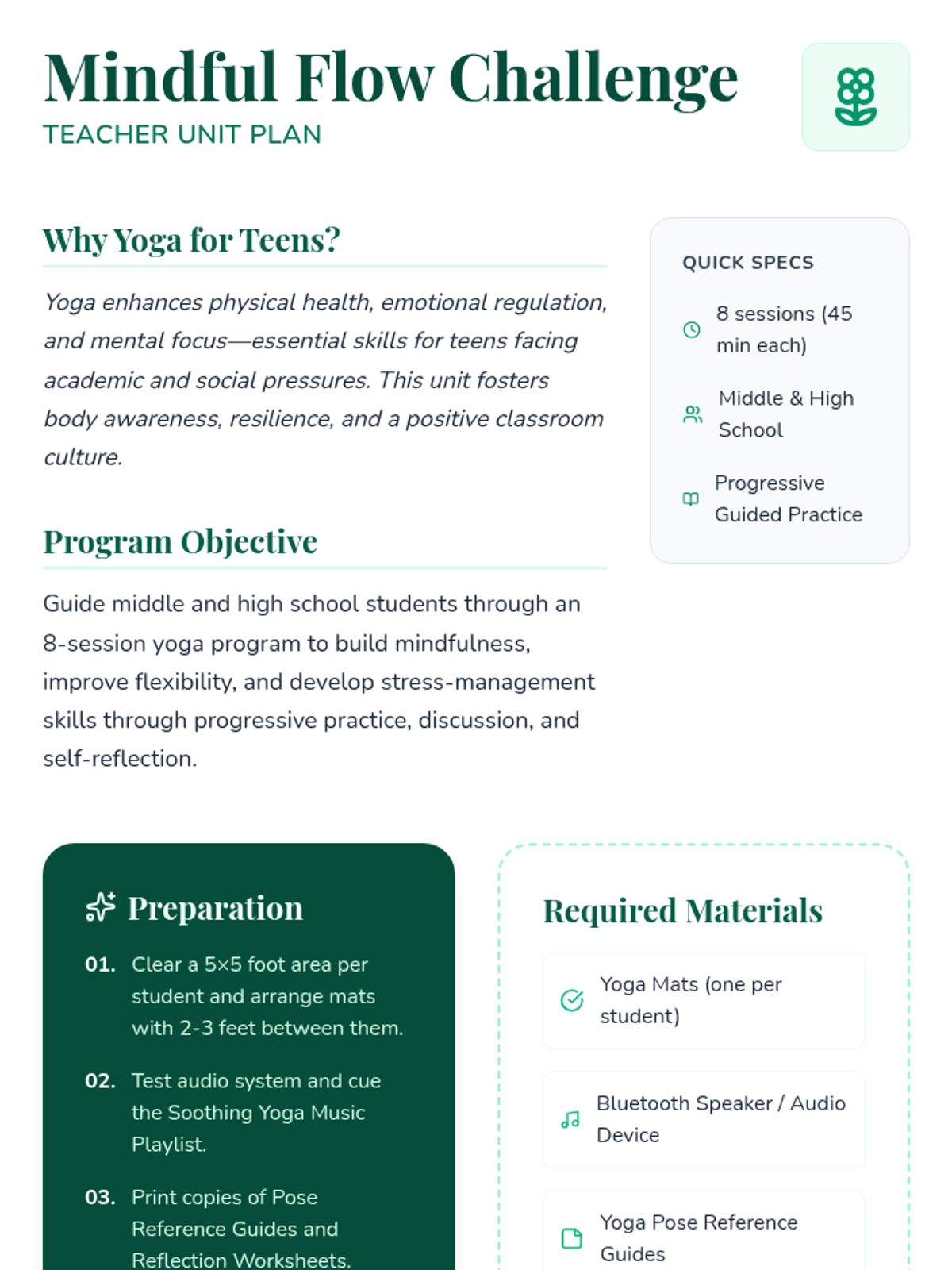
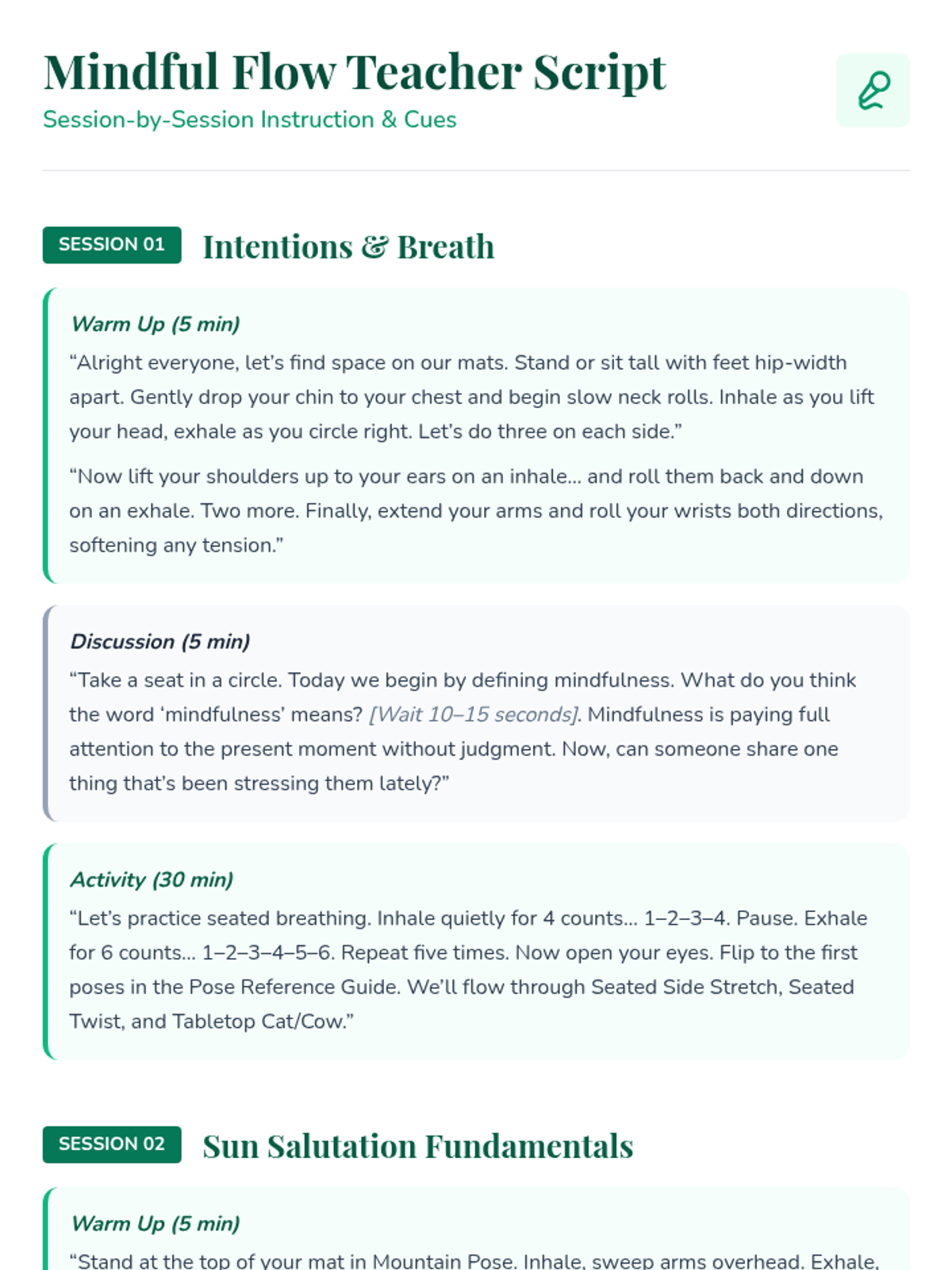
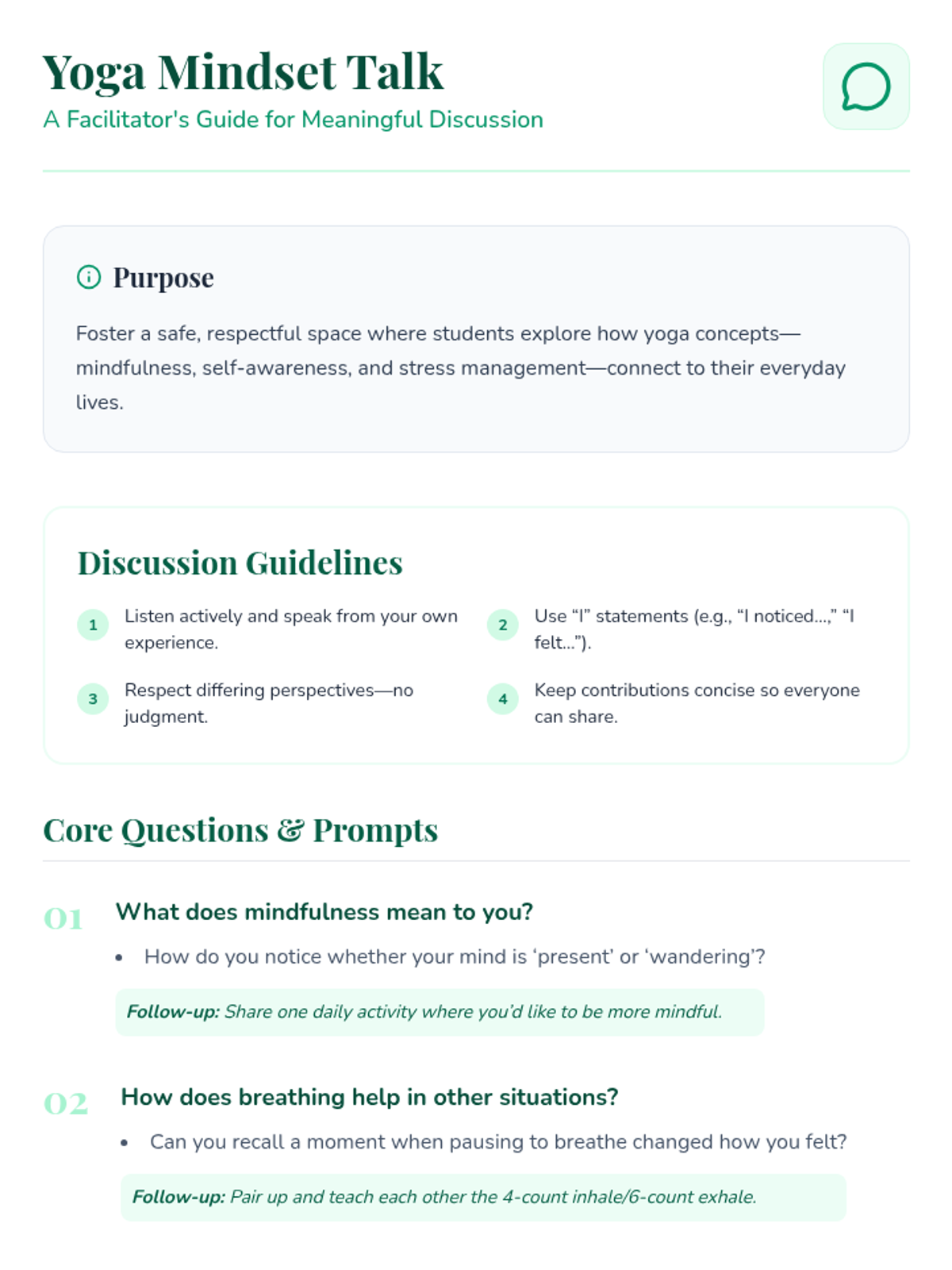
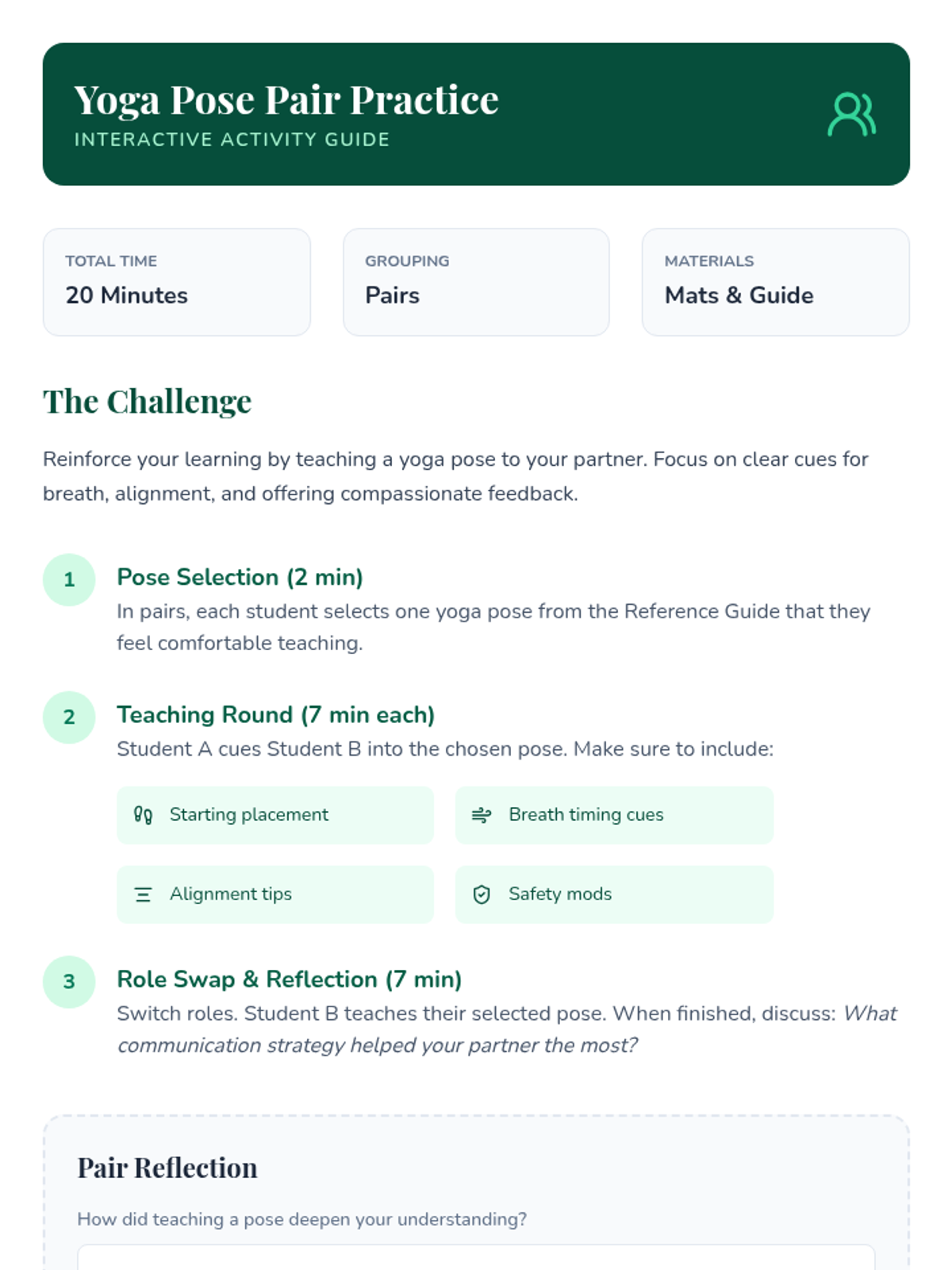
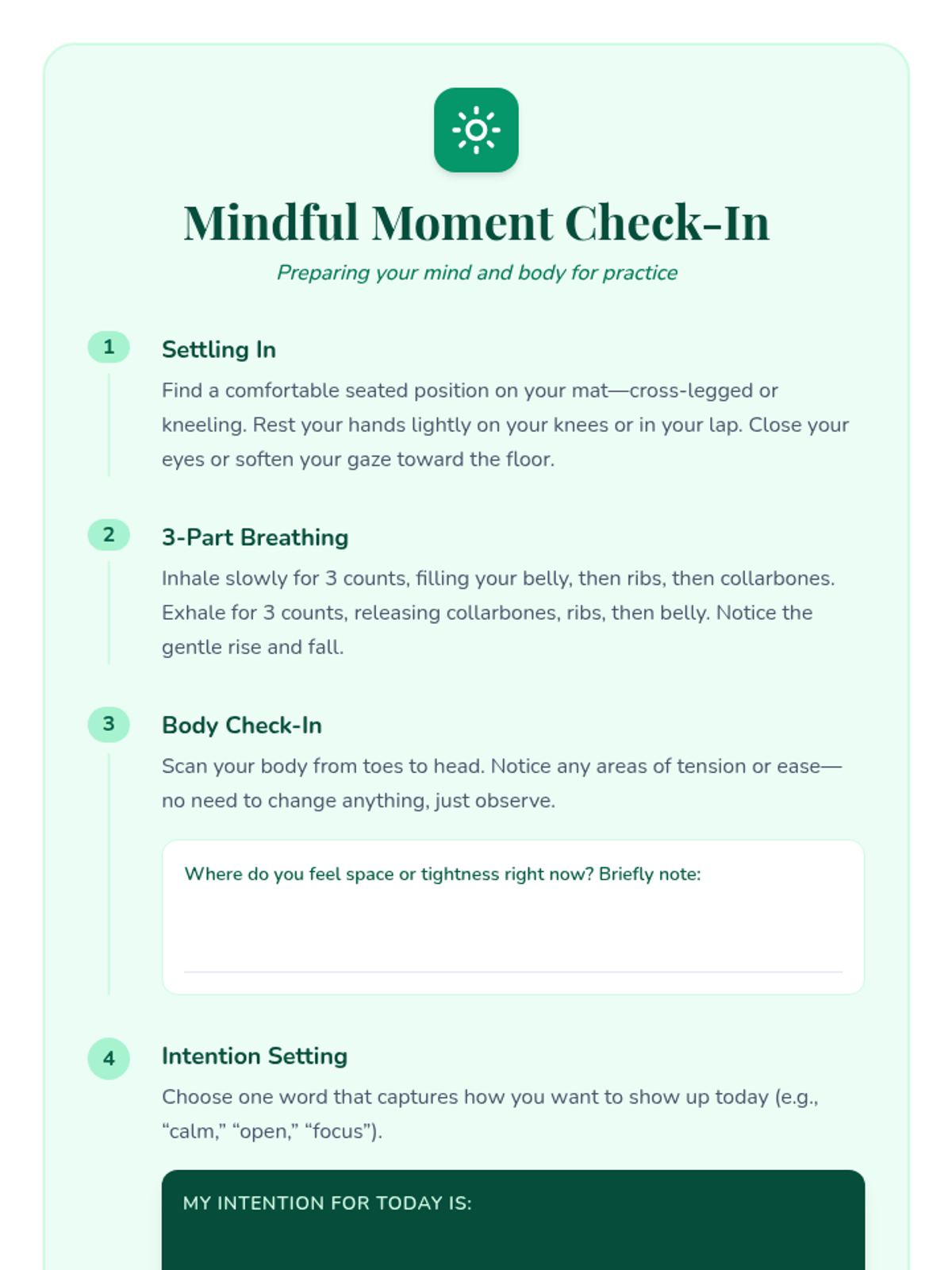
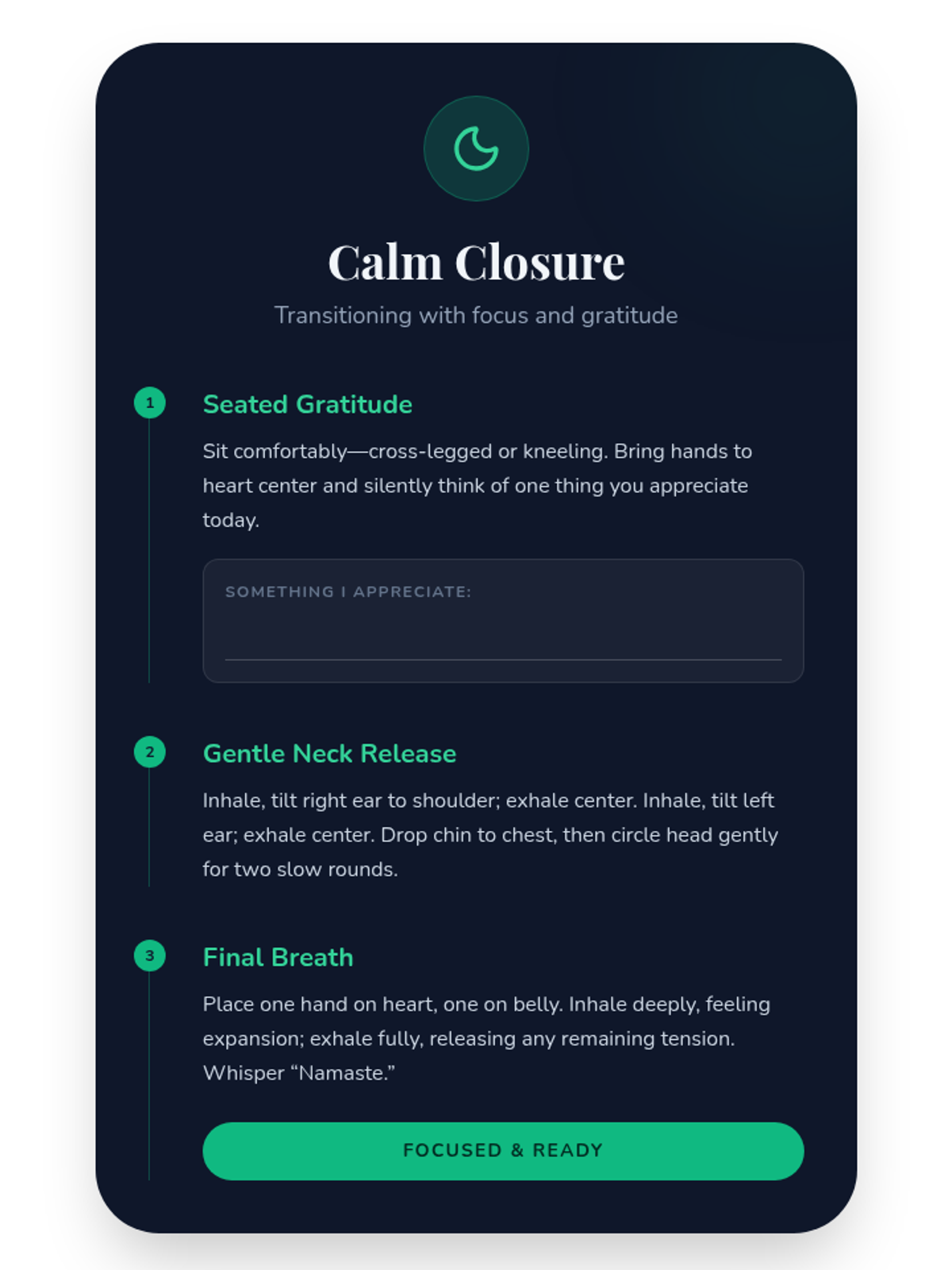
An 8-session introductory yoga program designed for middle and high school students, focusing on mindfulness, physical flexibility, and stress management techniques.
A 2-session sequence for seventh graders to explore physical fitness and nutrition. Students create personalized week-long workout plans, pair them with healthy meals, and practice goal-setting and peer feedback.
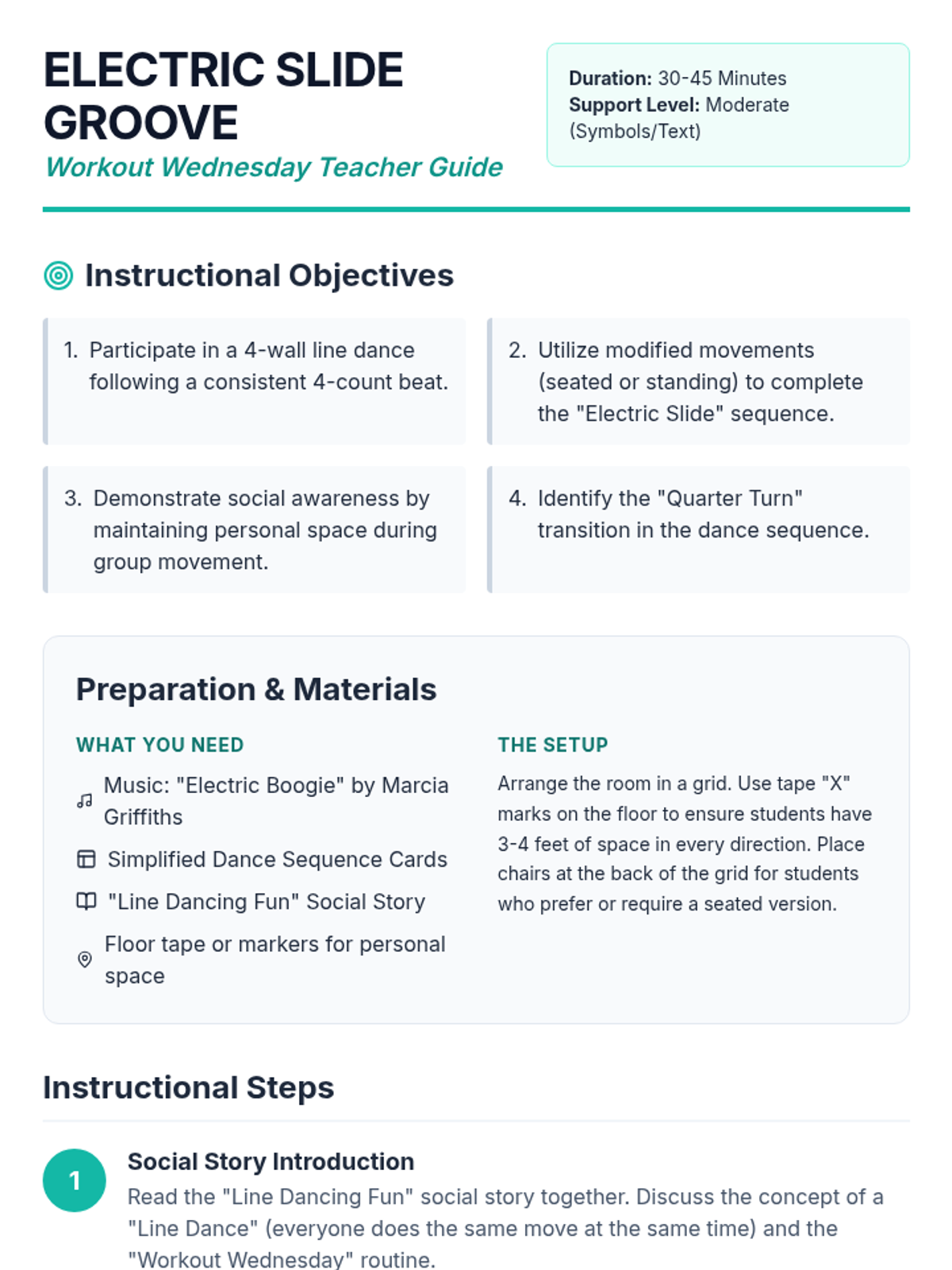
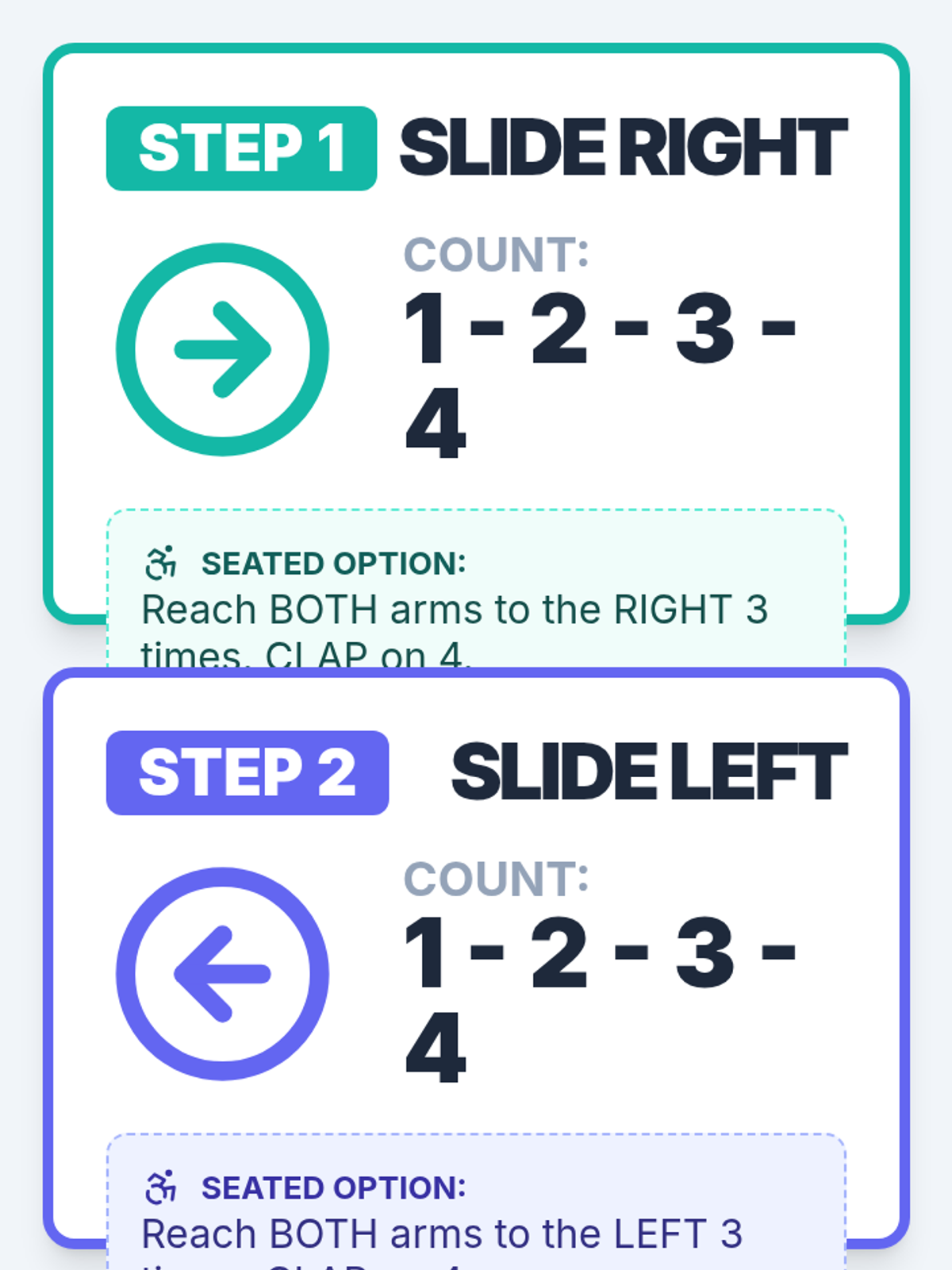
A weekly fitness and movement series designed for students of all abilities, focusing on social-emotional learning through physical activity and group coordination.
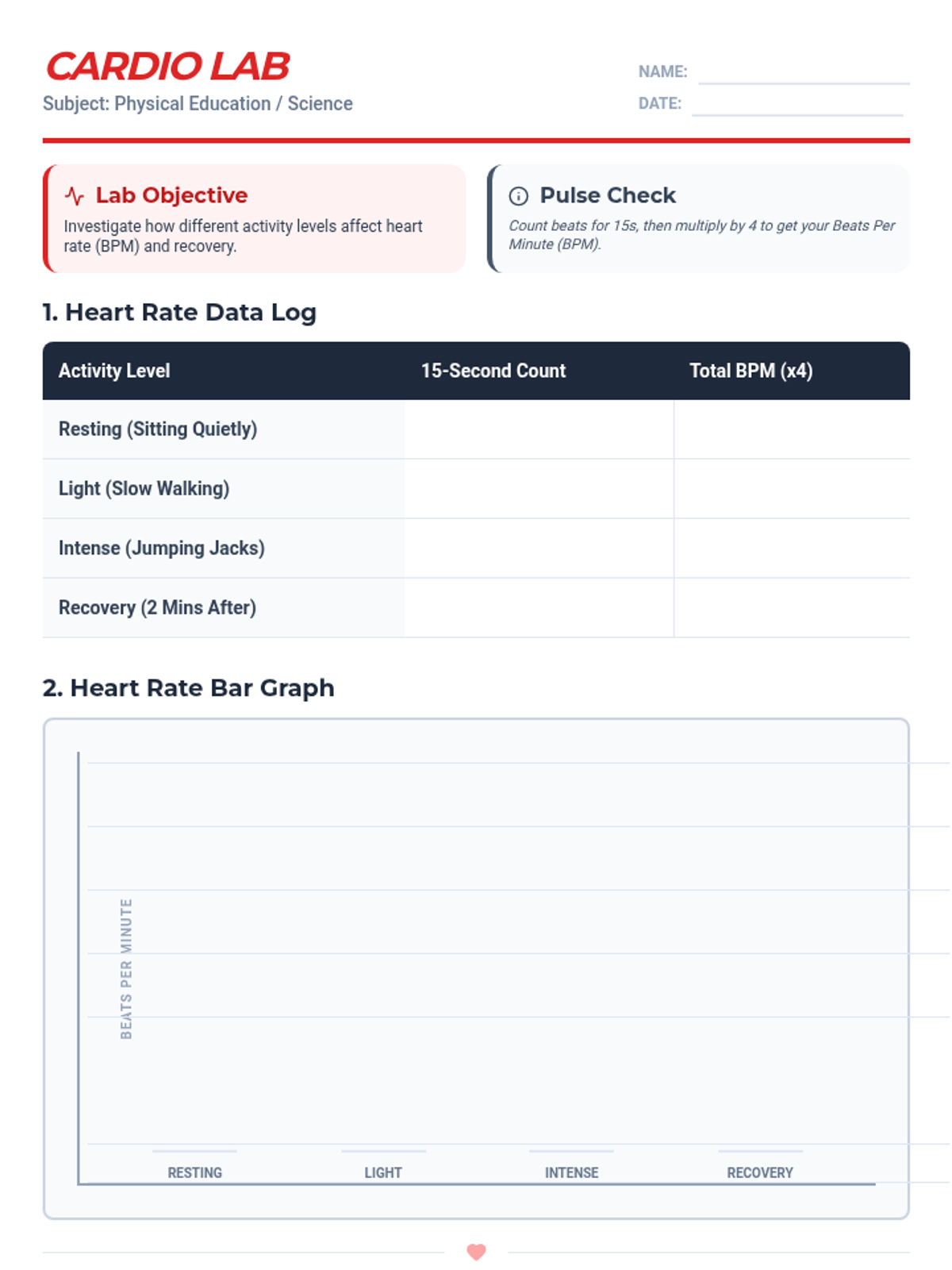
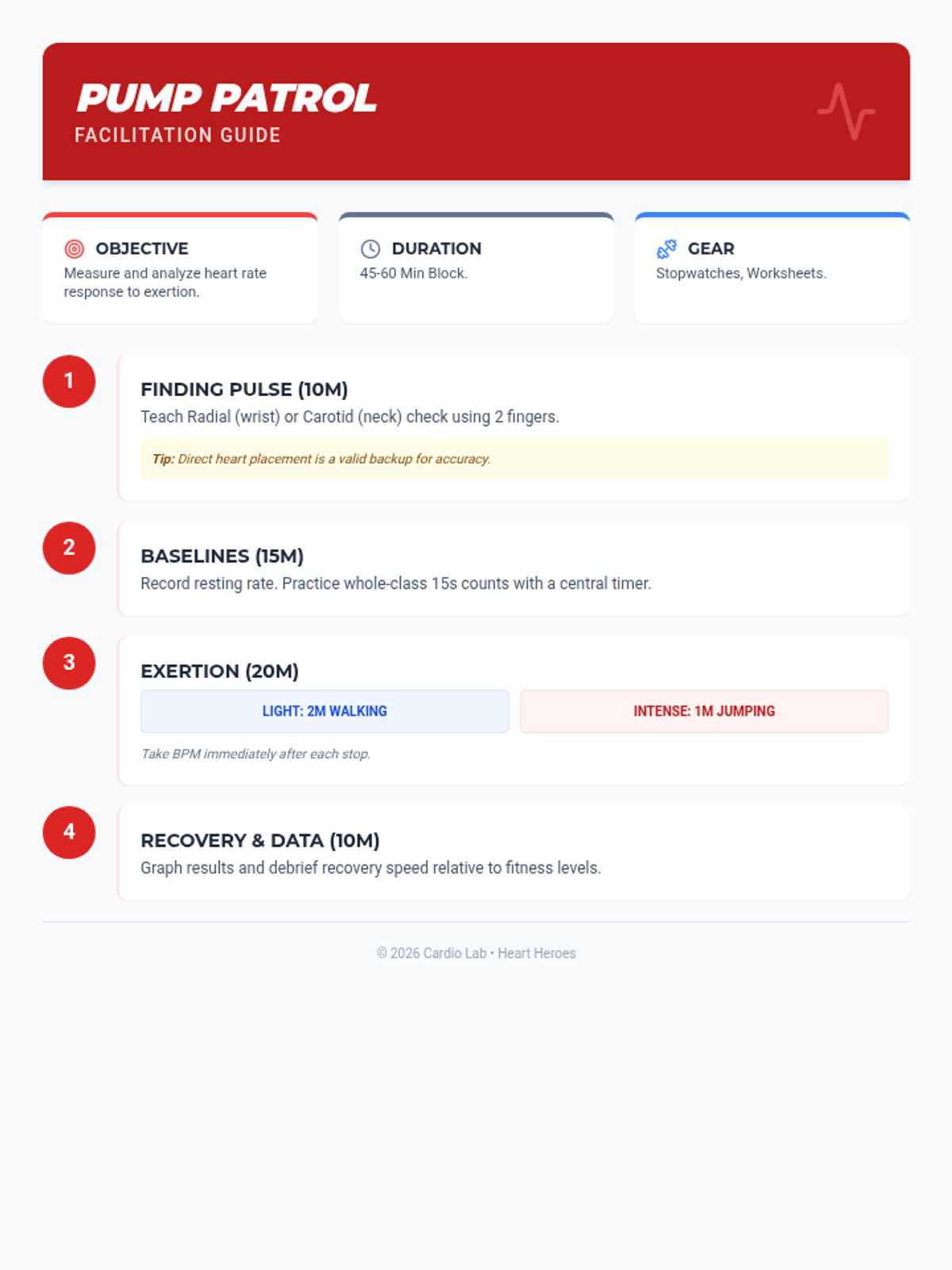
A high-energy exploration of cardiovascular health, focusing on heart rate, the effects of exercise, and how to maintain a healthy pump.
A short sequence of lessons exploring the intersection of physical health and mental wellbeing, focusing on the neurochemistry of exercise and healthy habits.
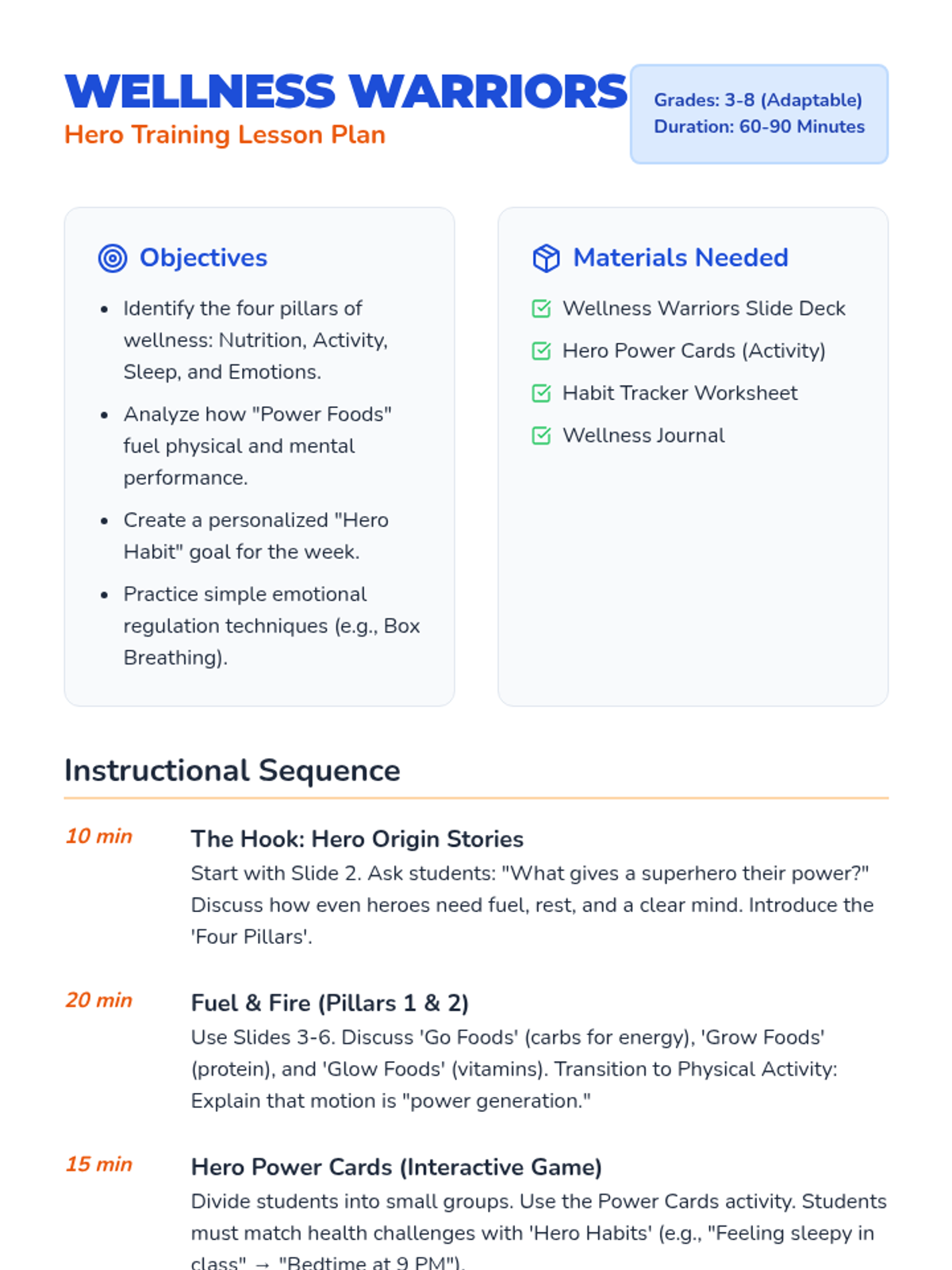
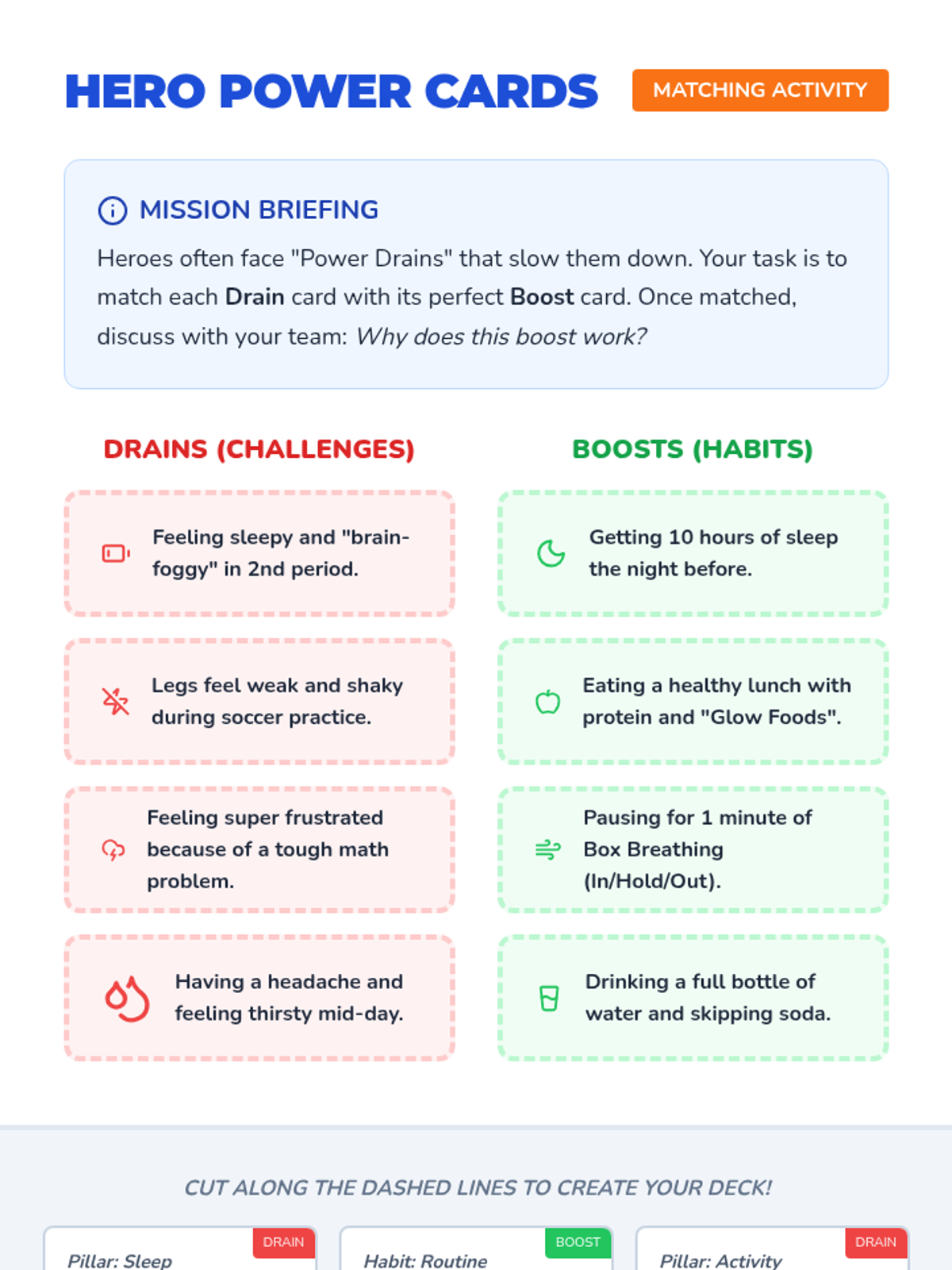
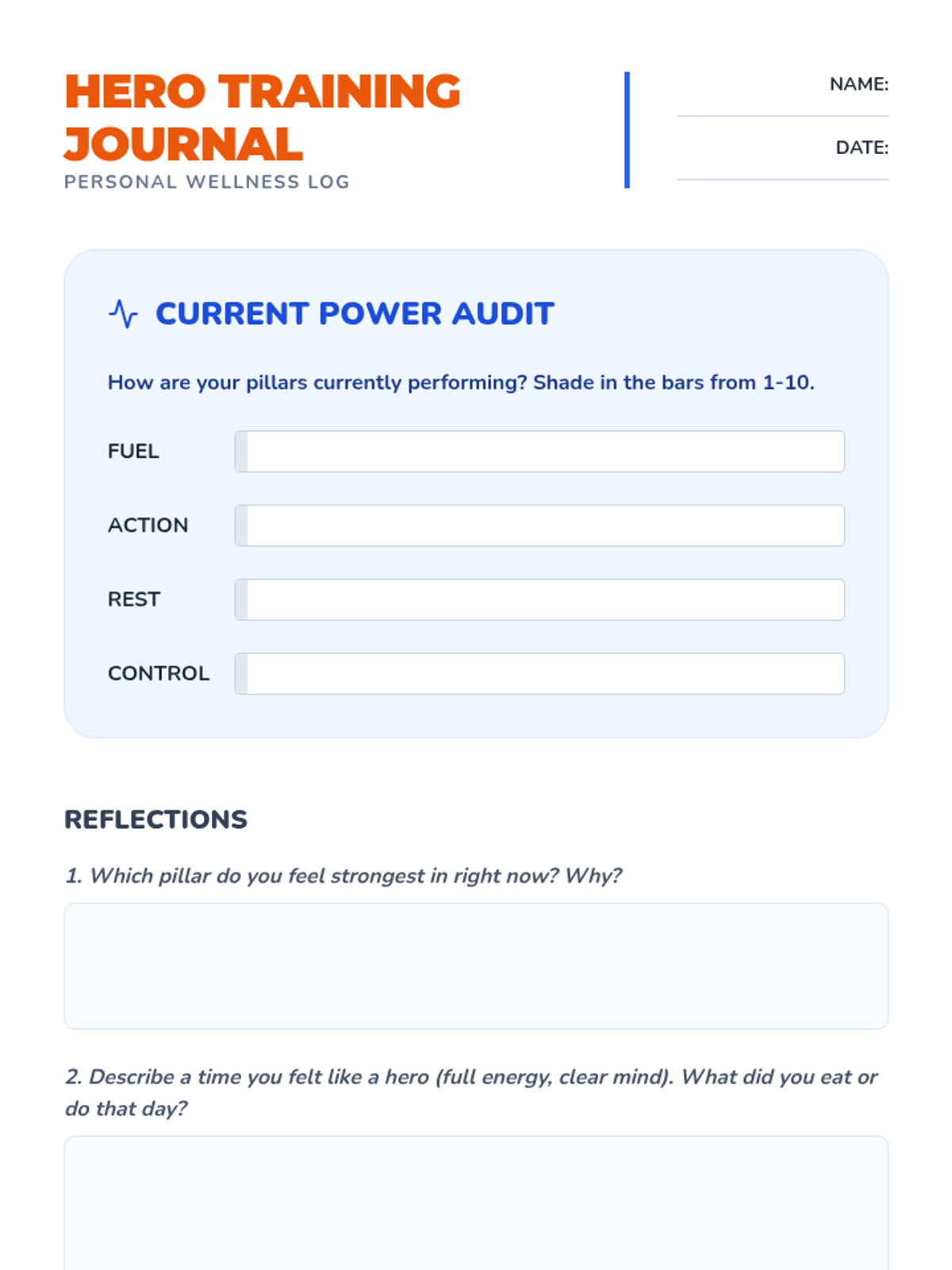
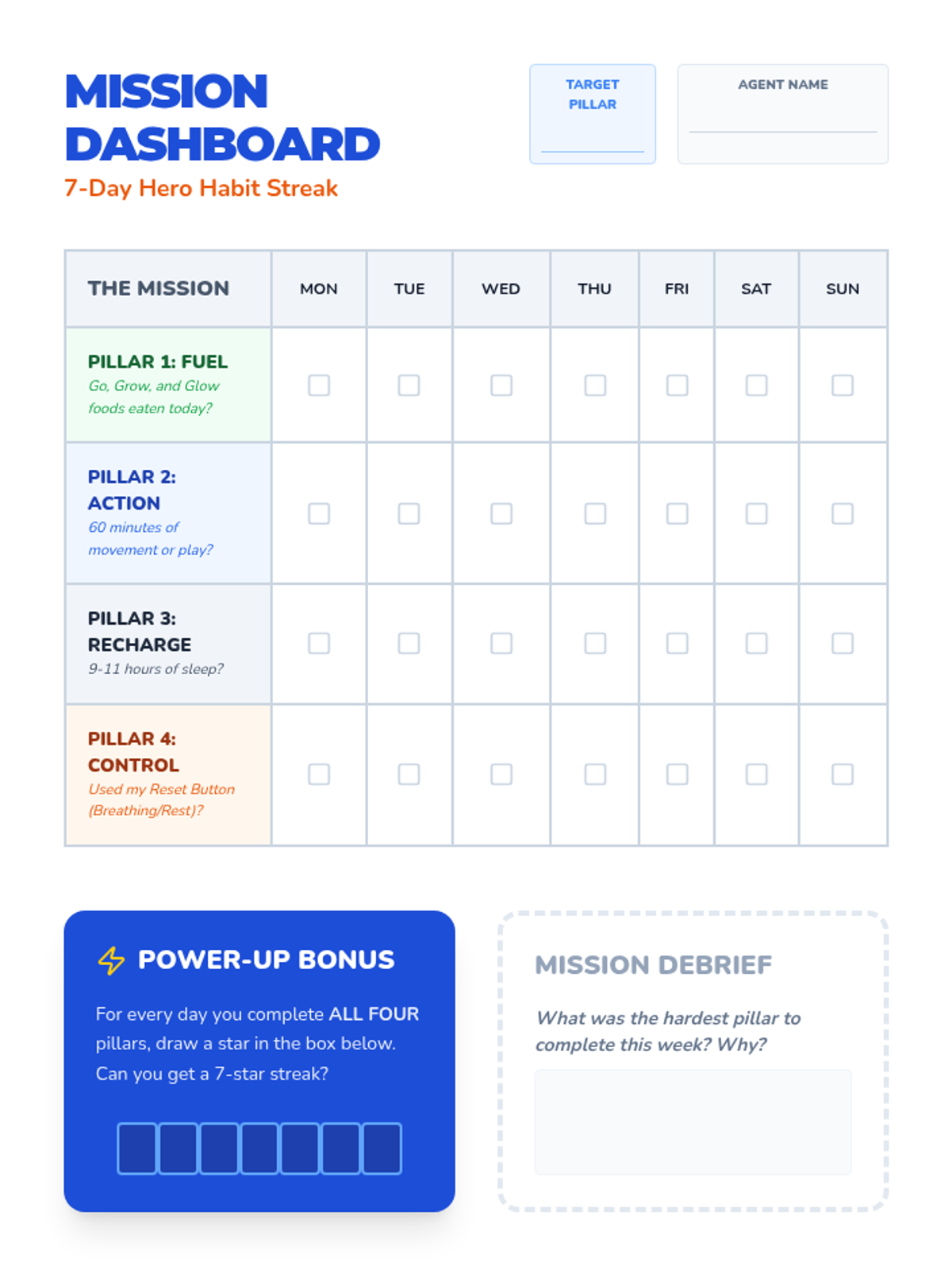
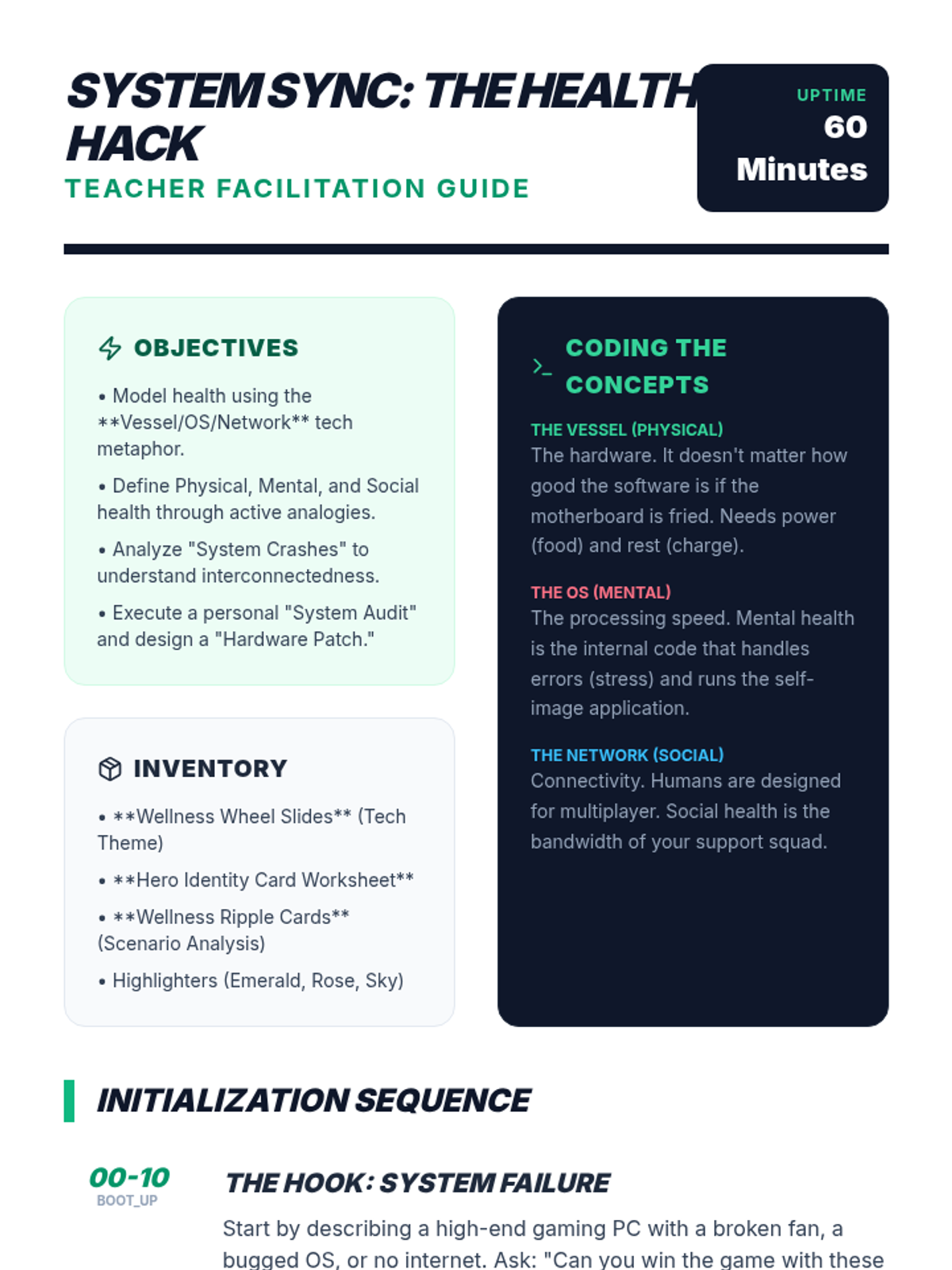
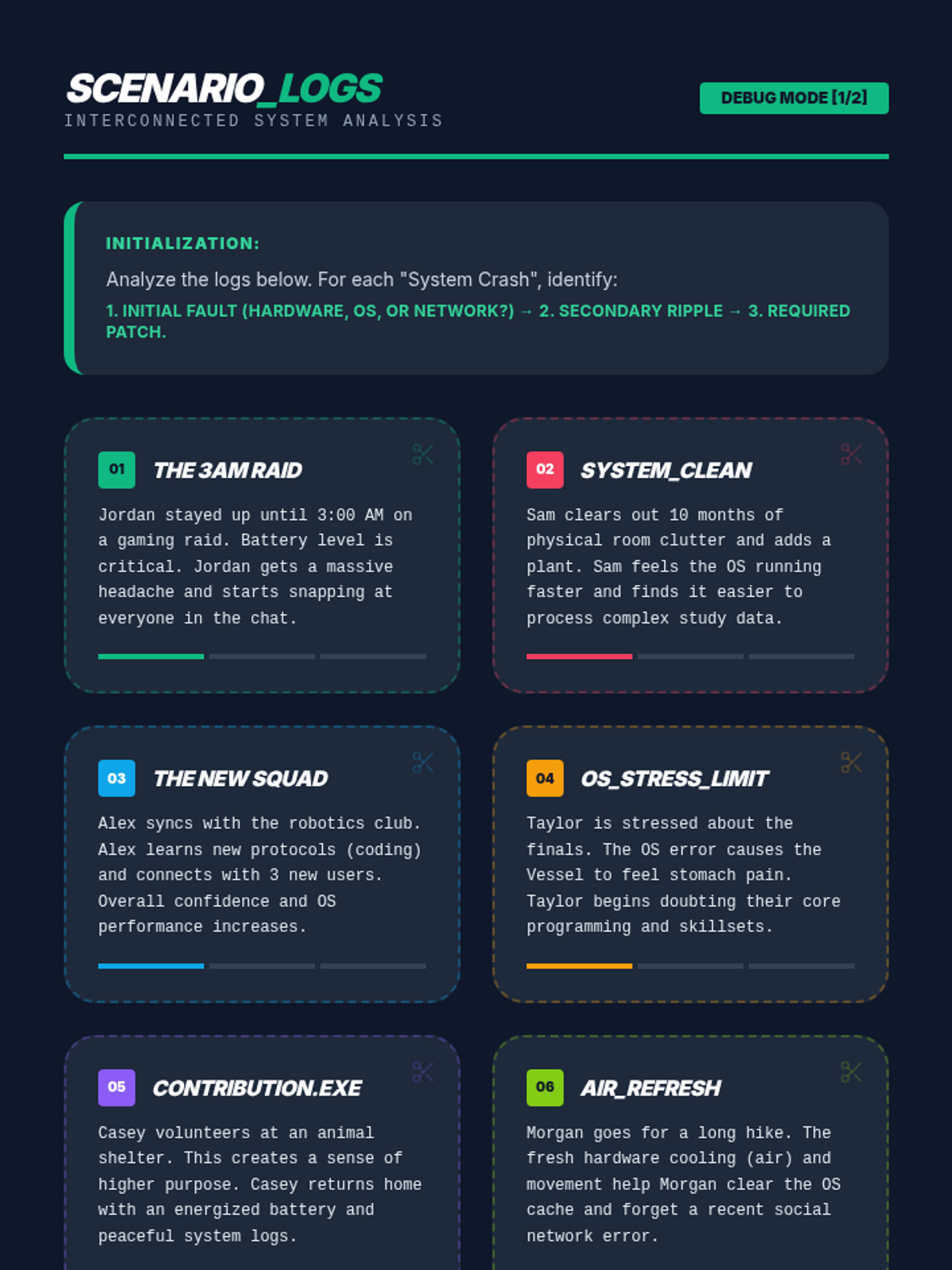
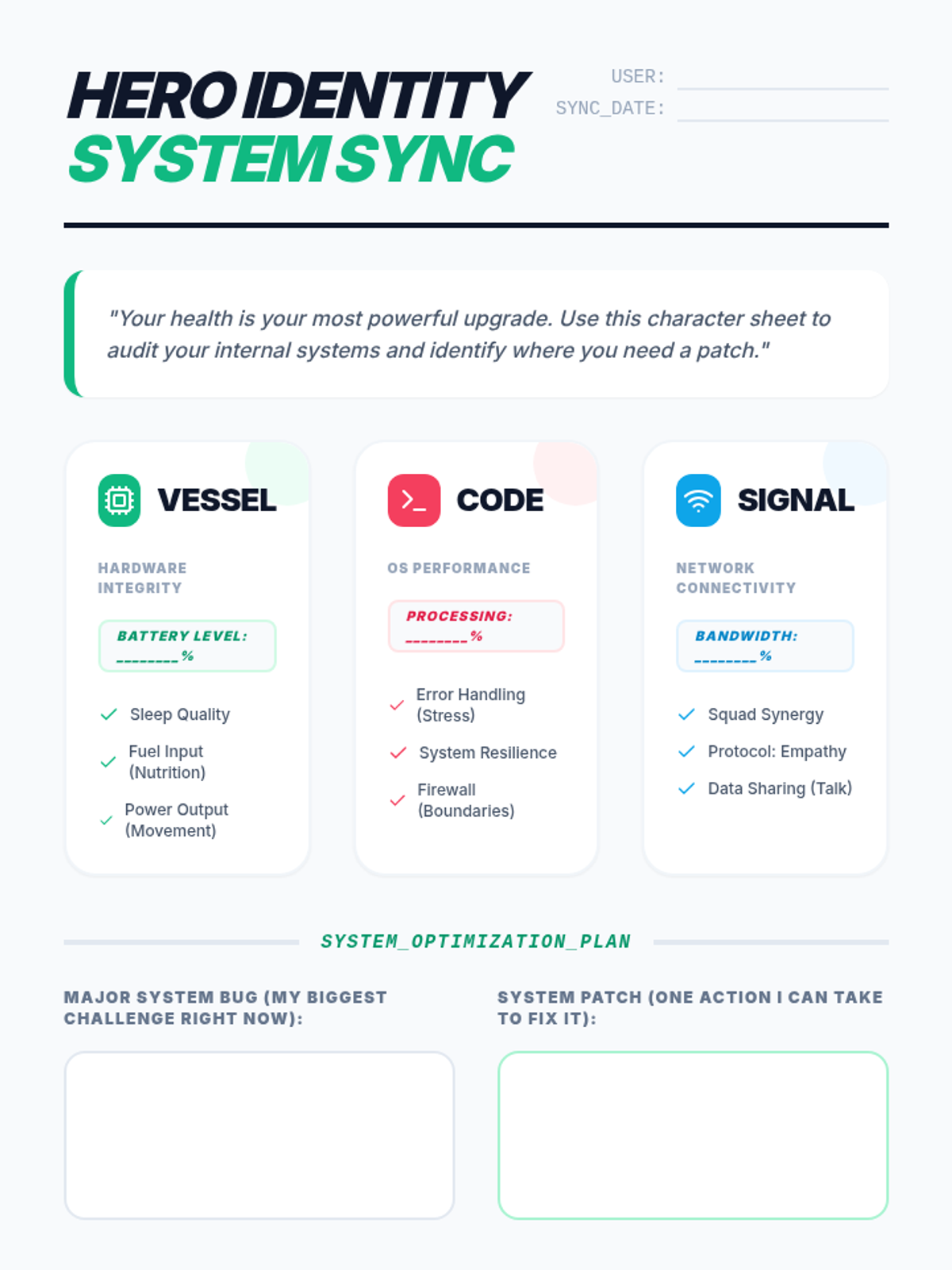
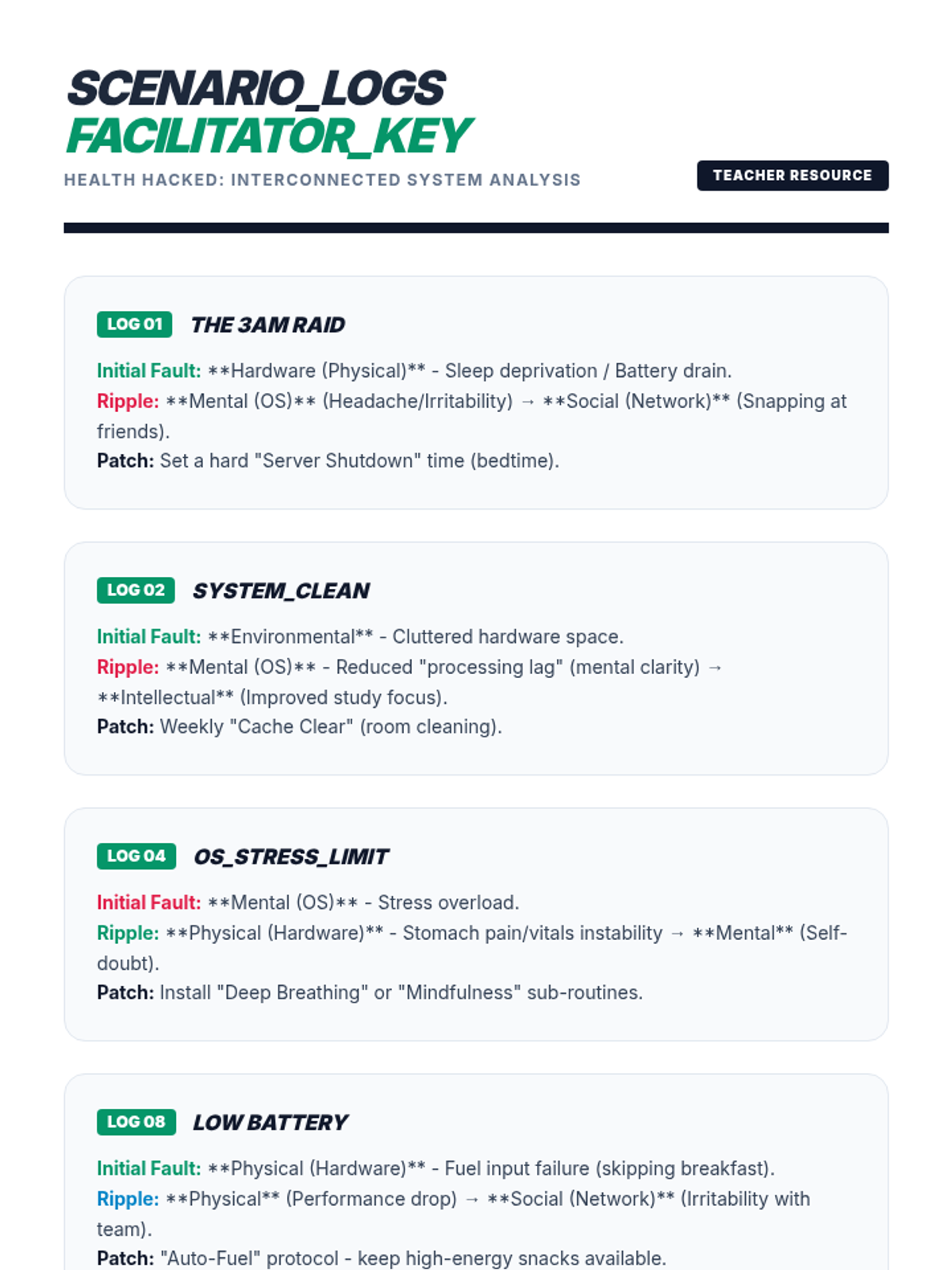
A comprehensive wellness unit designed to empower students with lifelong healthy habits. Students explore nutrition, exercise, sleep, and emotional regulation through the lens of 'hero training'.
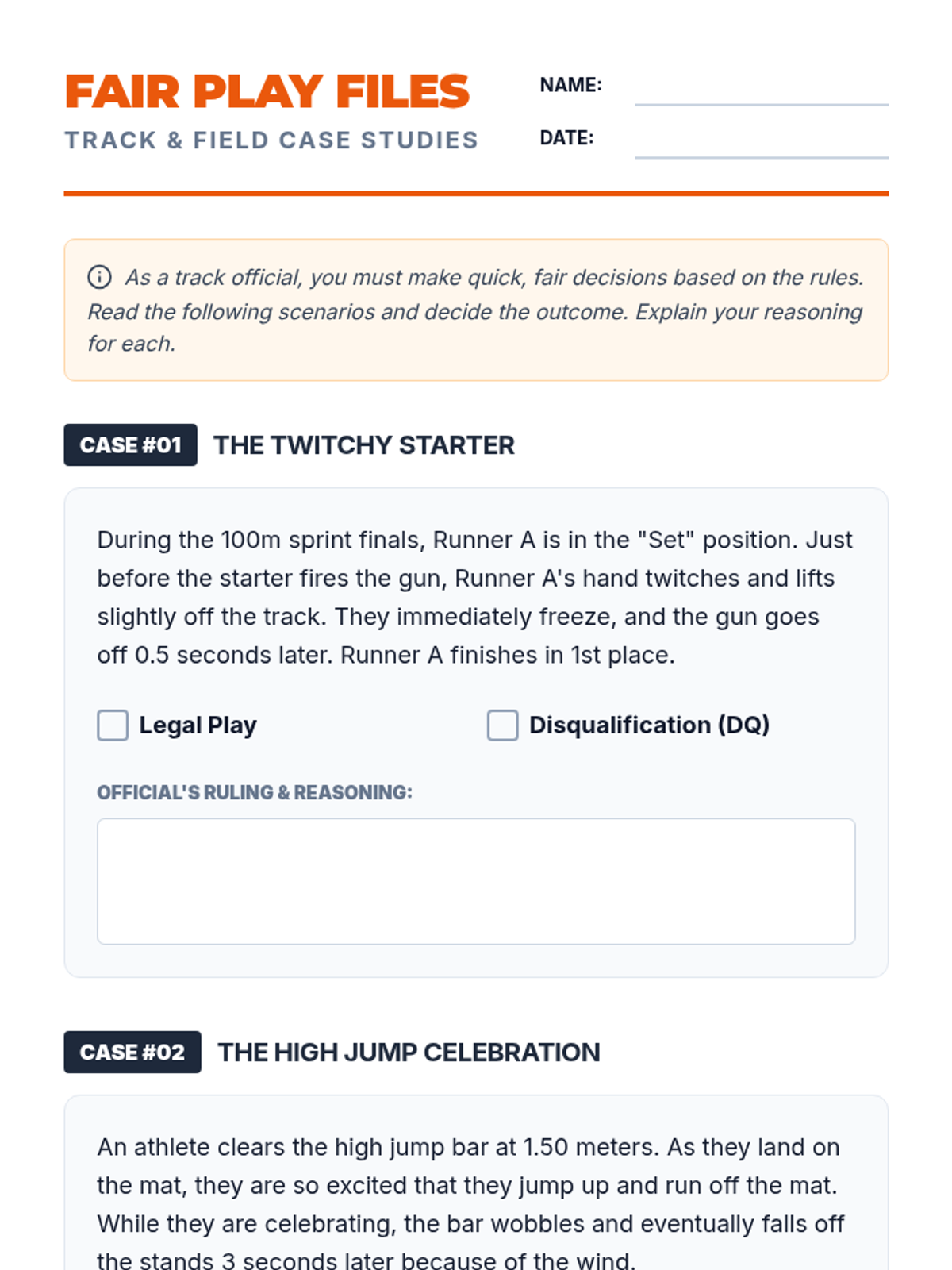
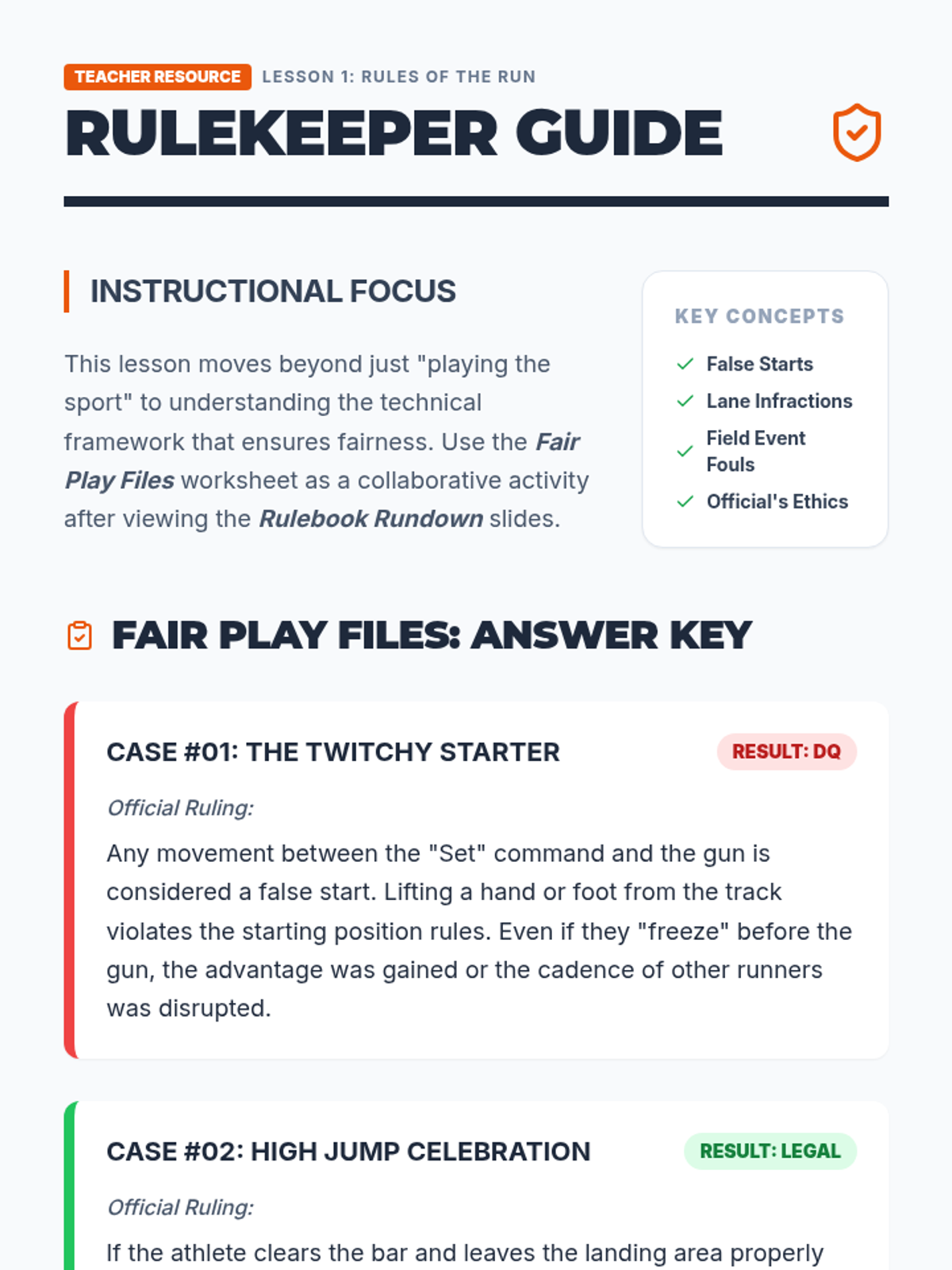
A comprehensive unit for 6th-grade PE focusing on the rules, officiating, and strategy of Track and Field. Students transition from athletes to officials, concluding with a student-led mini-meet.
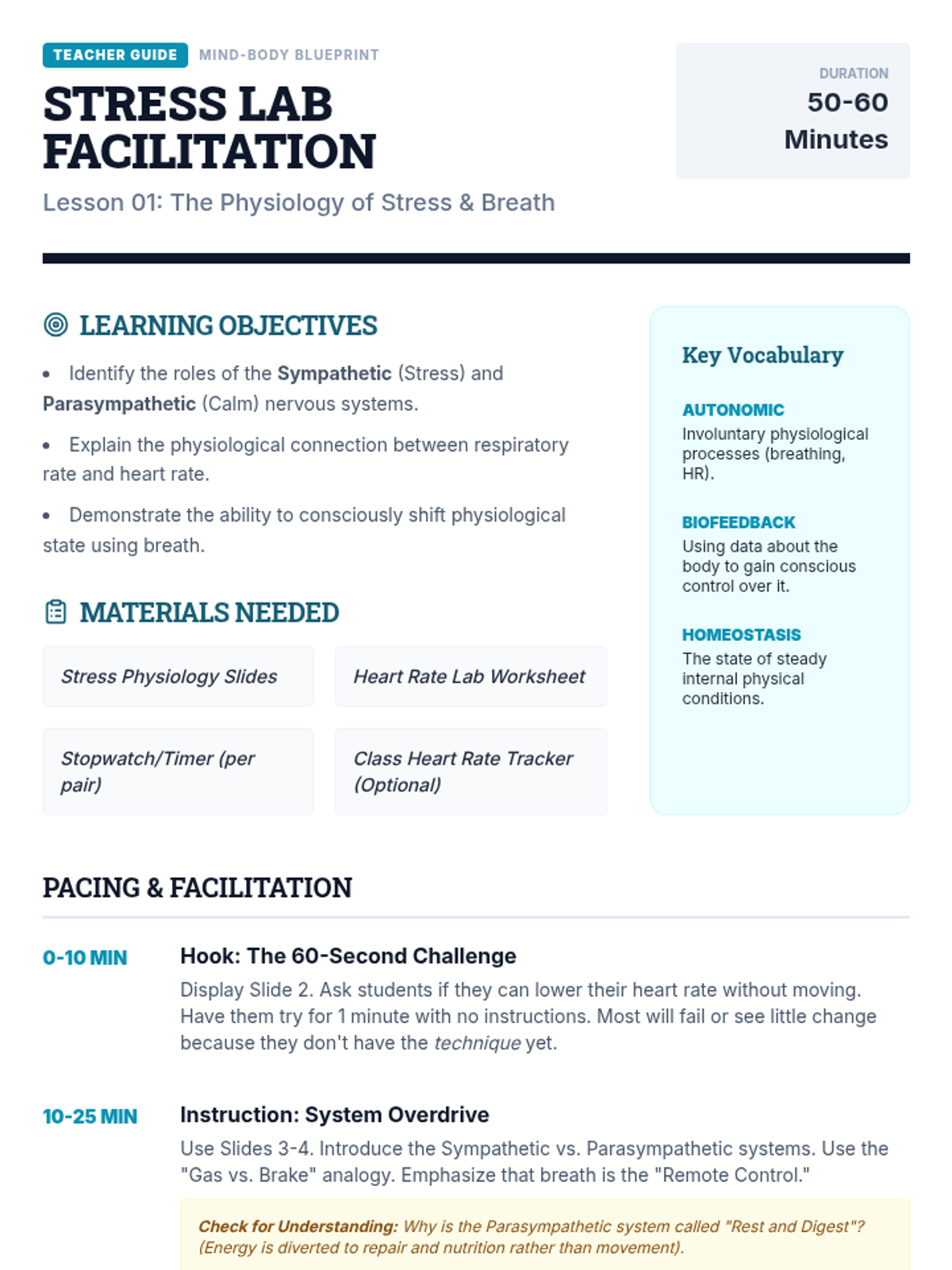
A 5-lesson unit for 7th graders exploring the physiological link between breath and the nervous system, featuring hands-on practice with diaphragmatic, box, and 4-7-8 breathing techniques.
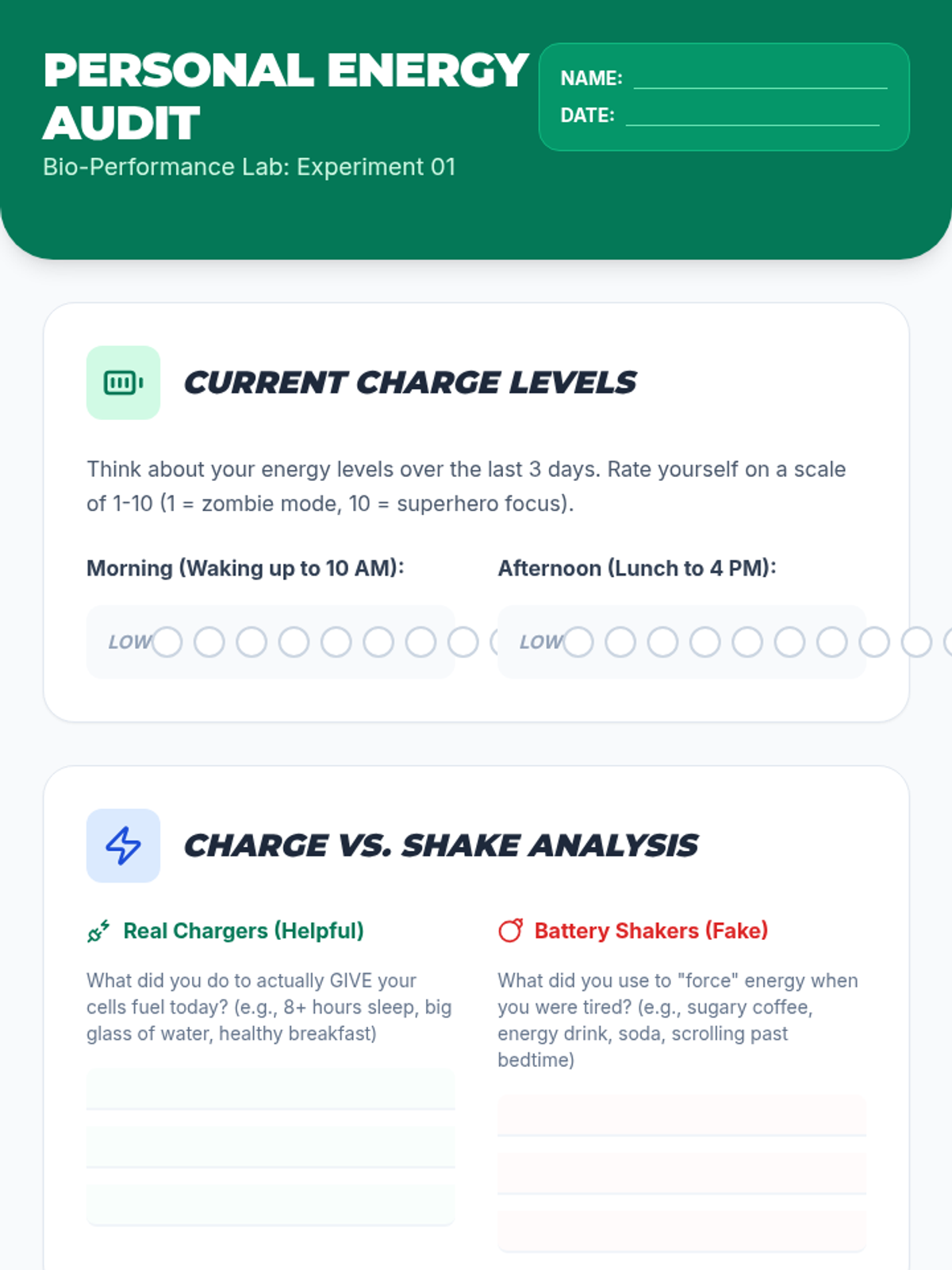
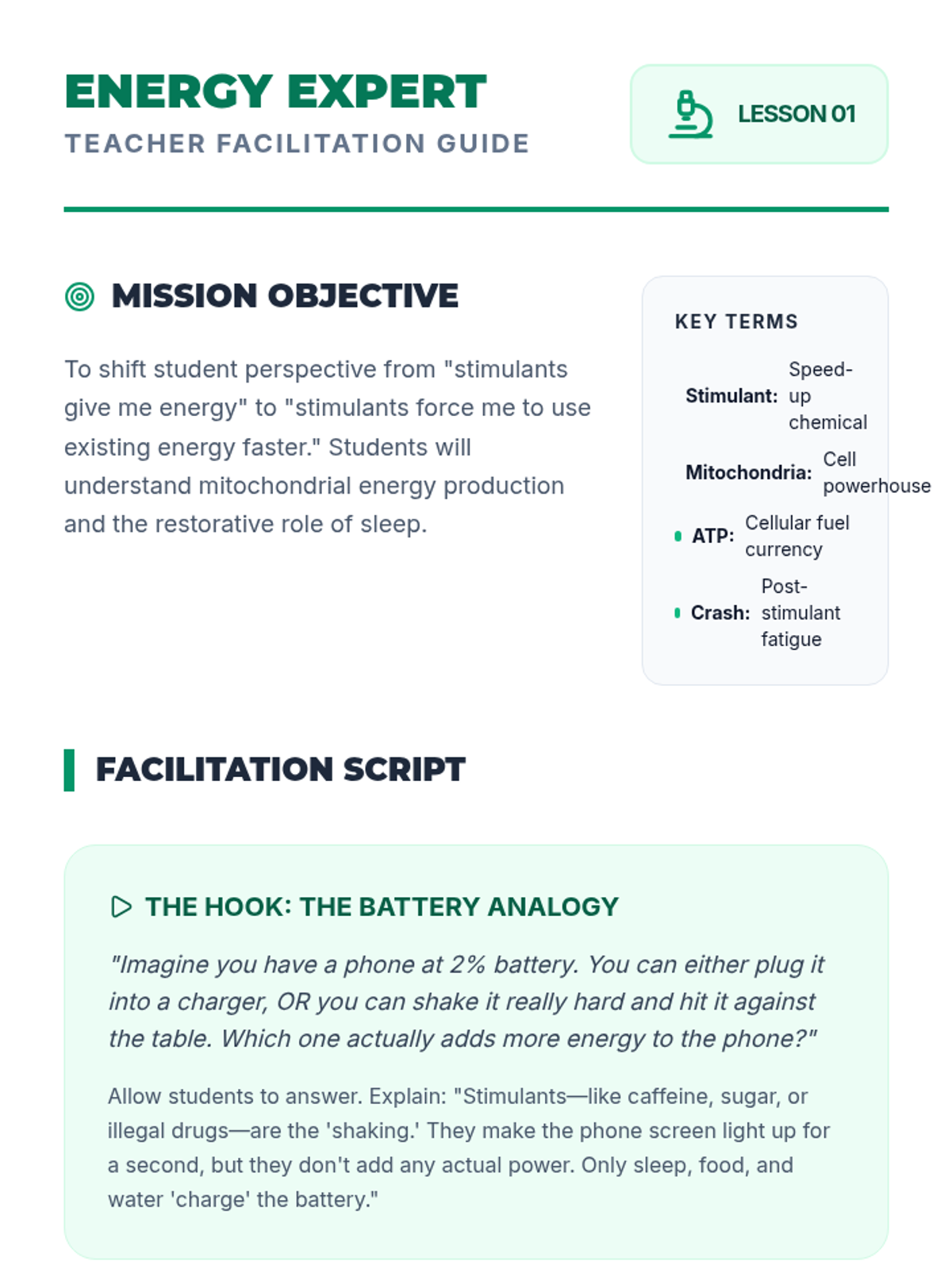
A positive-focused health sequence for 6th graders that teaches natural energy strategies—sleep, nutrition, movement, and stress management—as sustainable alternatives to chemical stimulants. Students develop a personal 'High Performance Plan' to optimize their energy and focus.
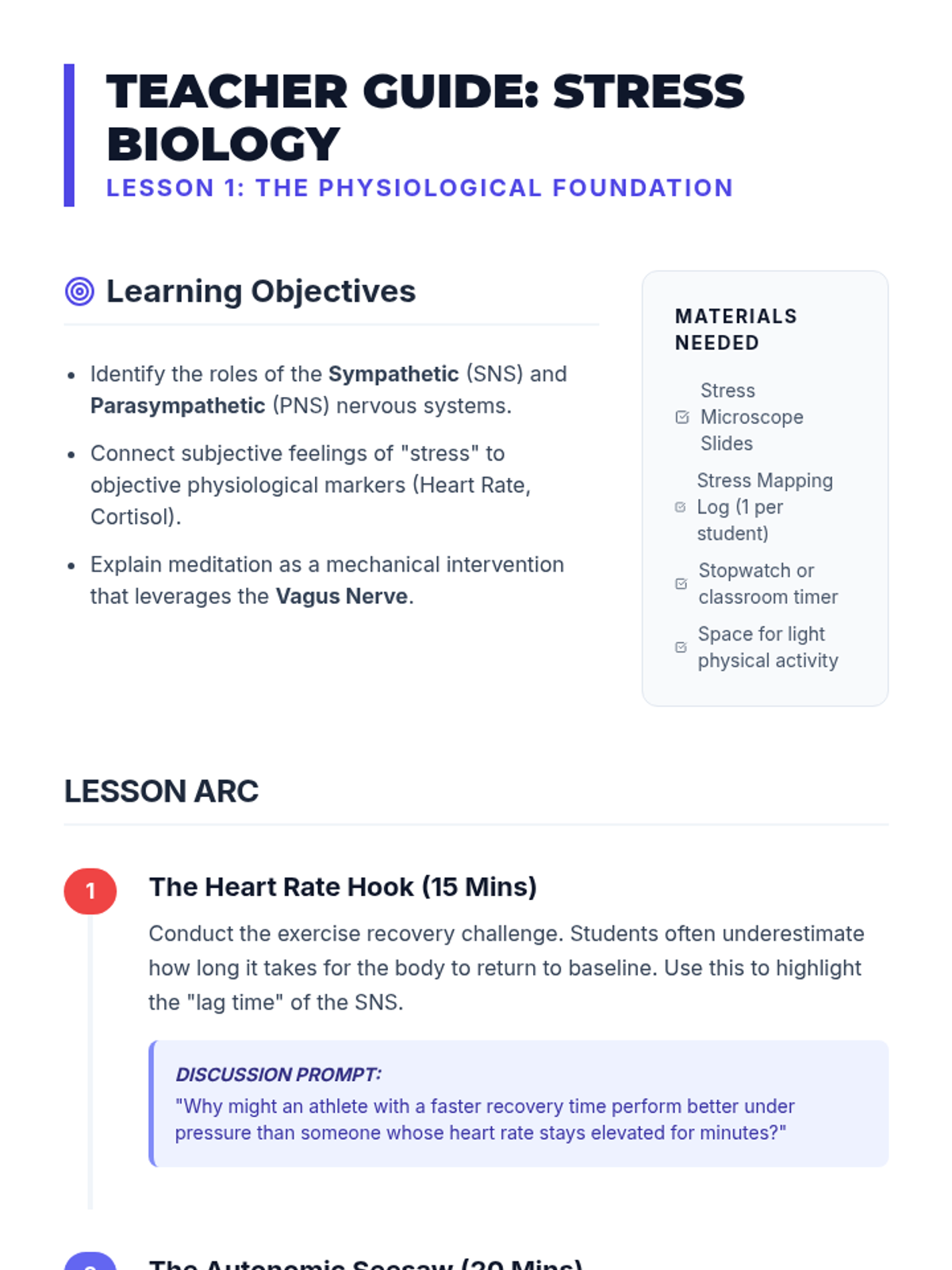
This sequence grounds meditation practice in scientific principles, focusing on the physiological connection between respiration and the nervous system. Students explore the biology of stress, learn diaphragmatic breathing, practice rhythmic protocols like box breathing, and apply these tools to manage performance anxiety.
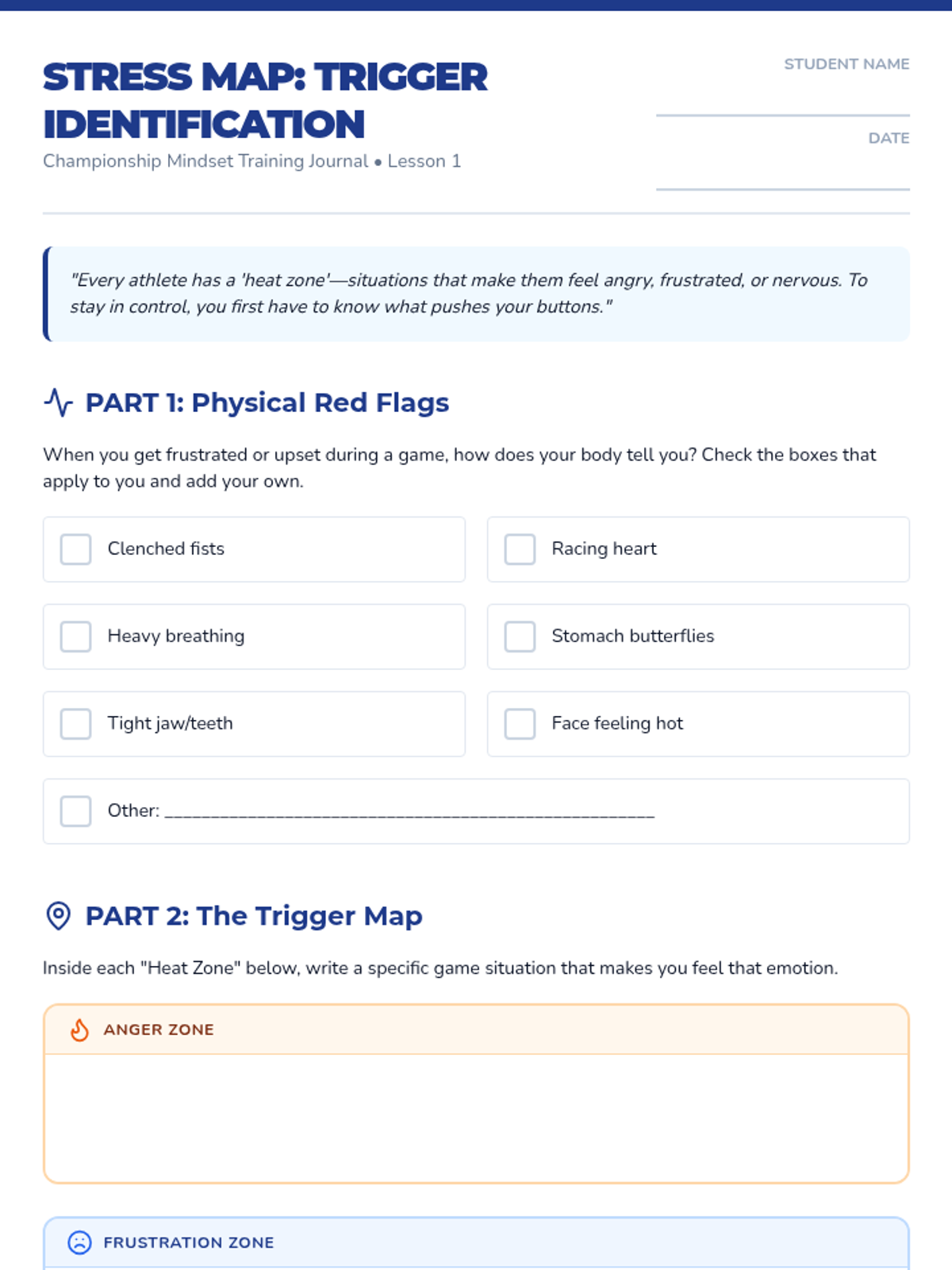
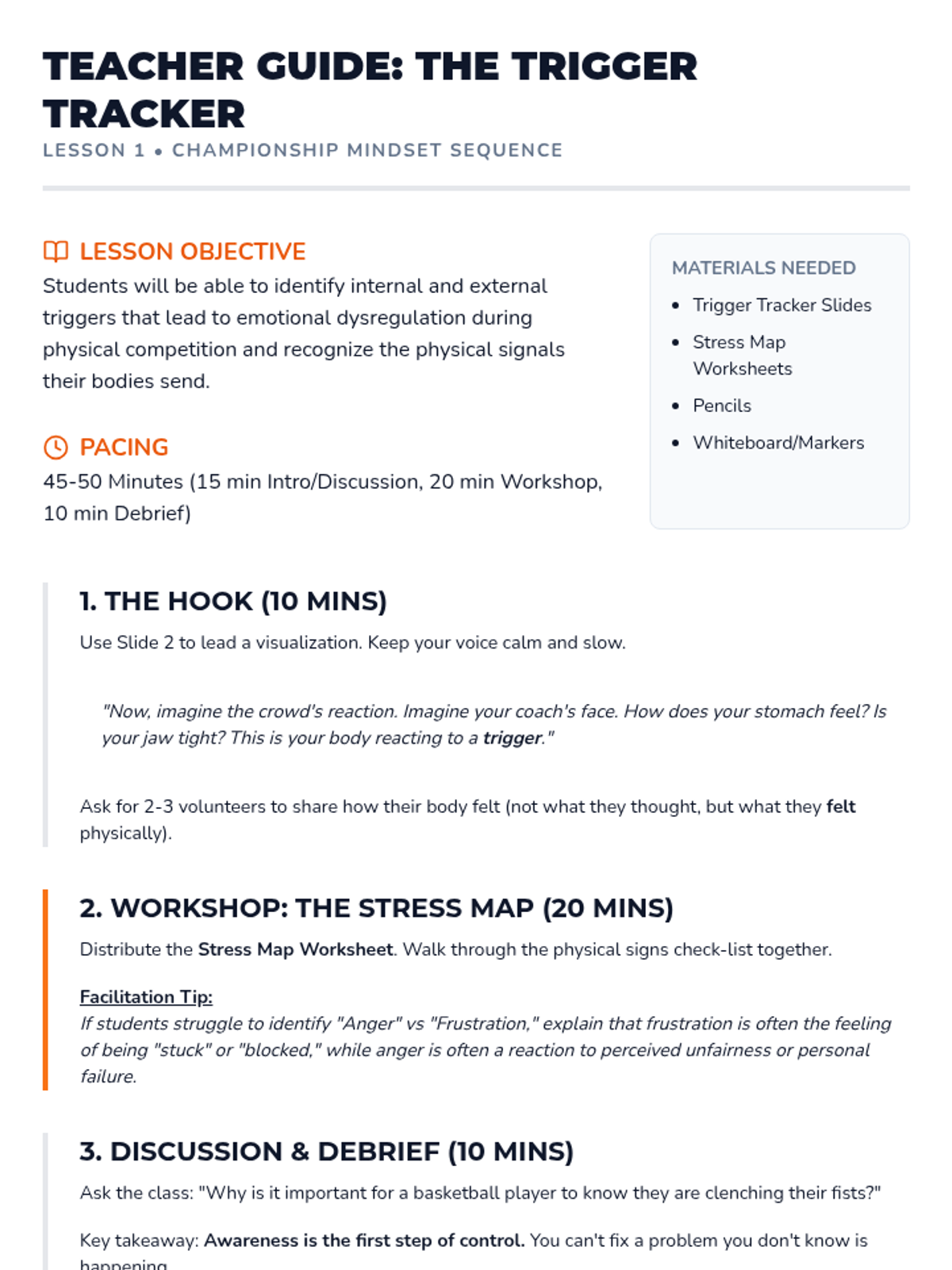
This sequence focuses on the internal aspect of sportsmanship: emotional regulation. Students learn concrete strategies for managing frustration, anger, and excitement during competitive play, progressing from identifying triggers to applying coping mechanisms in real-time games.
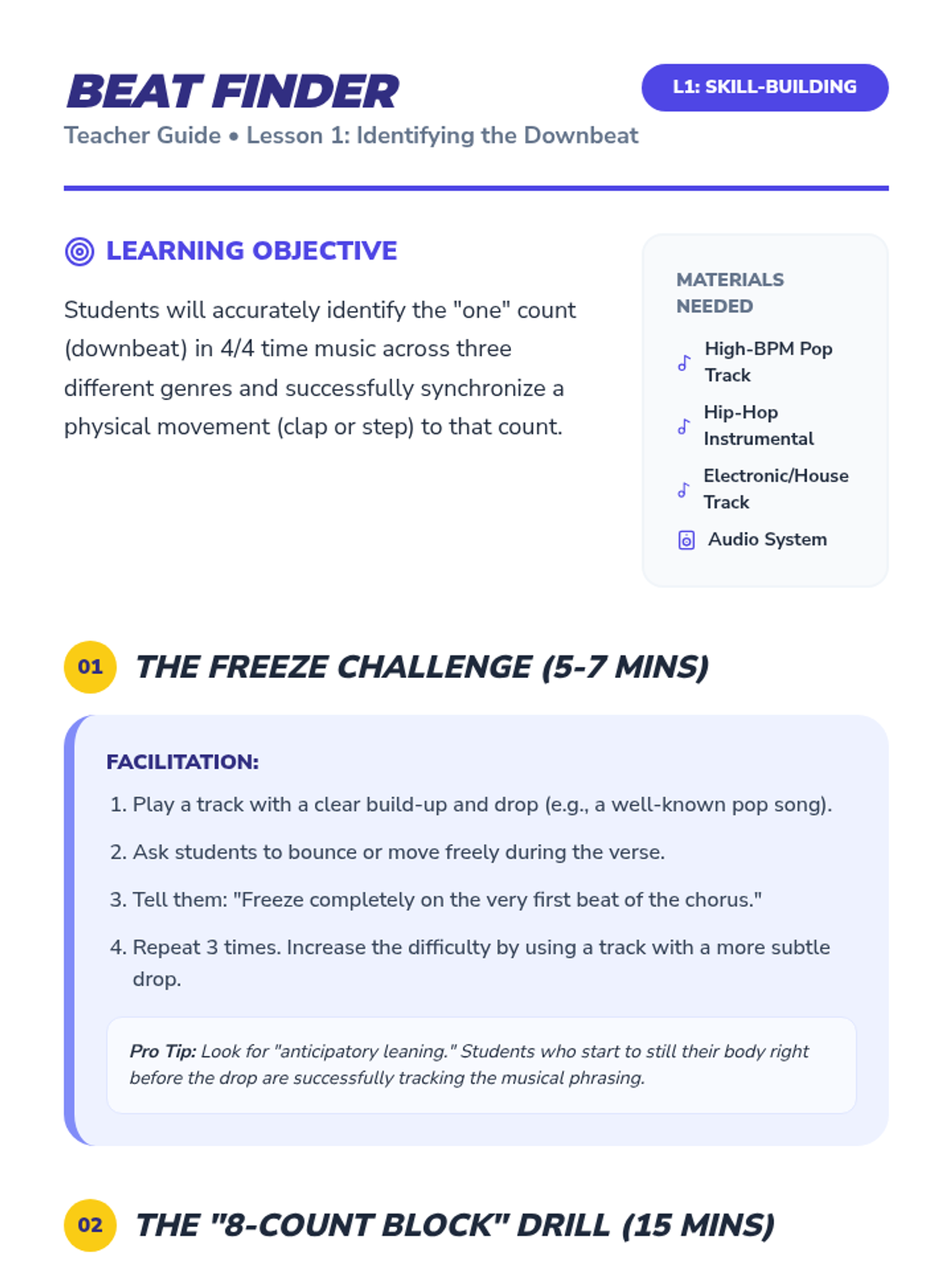
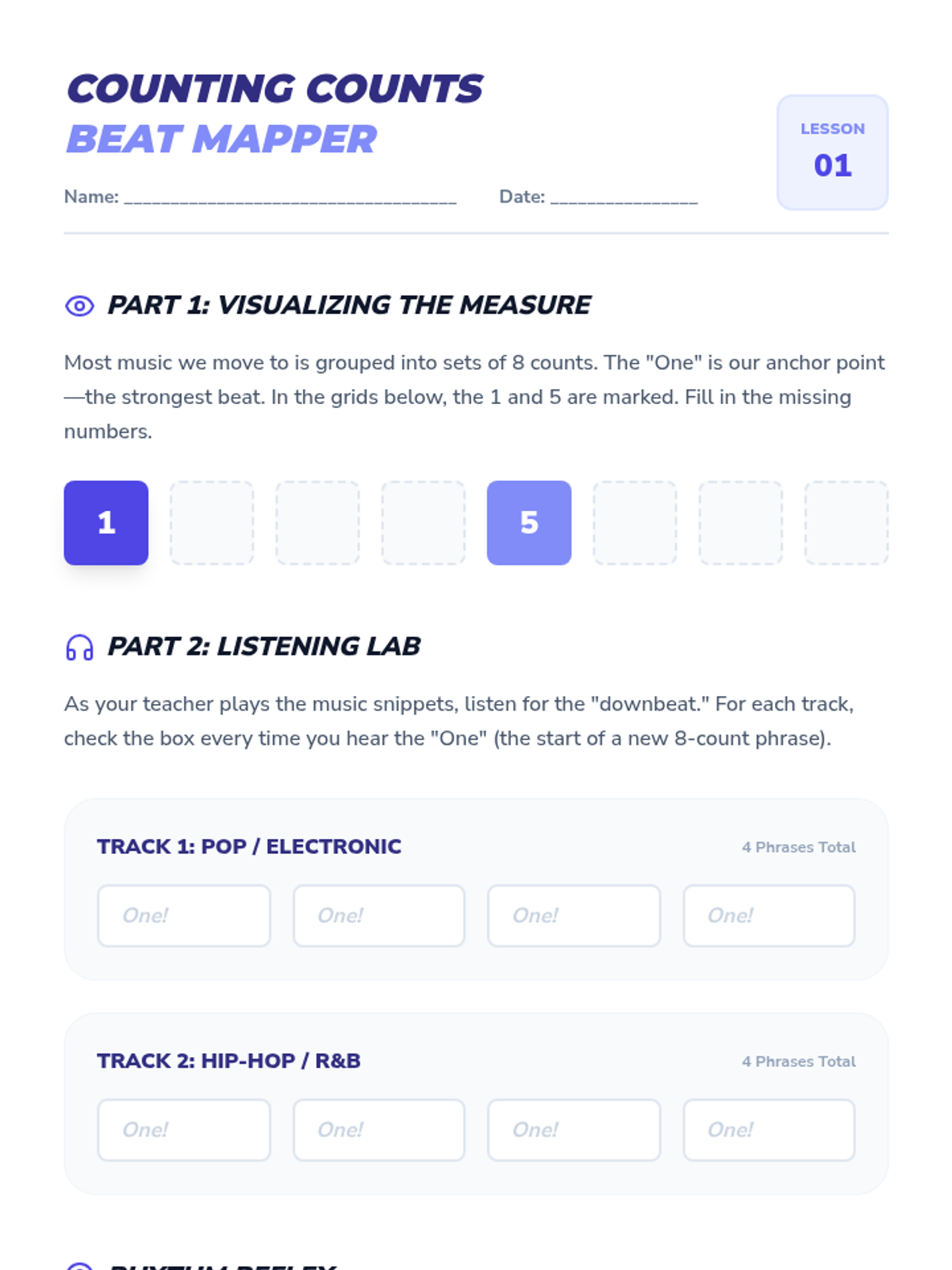
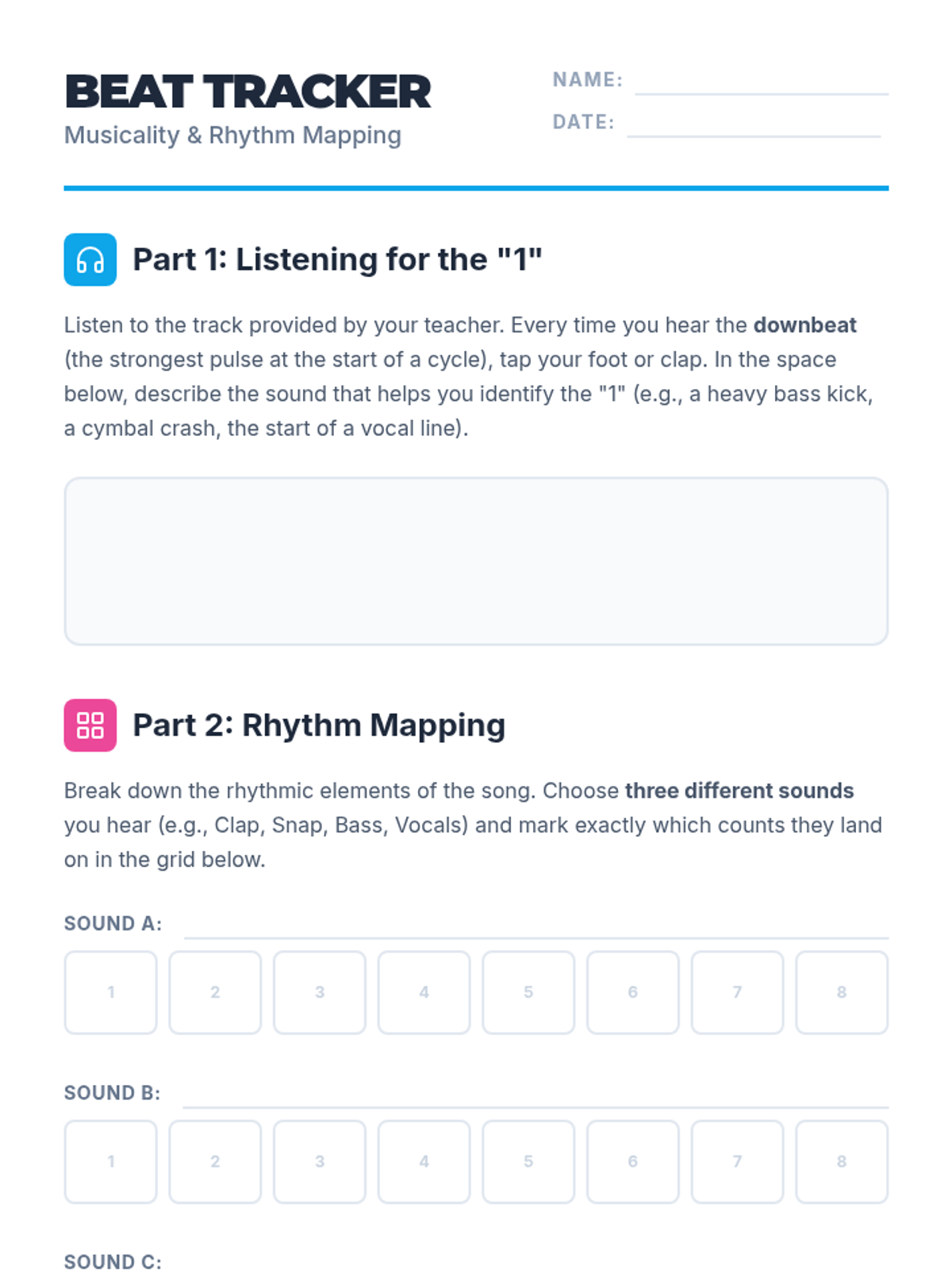
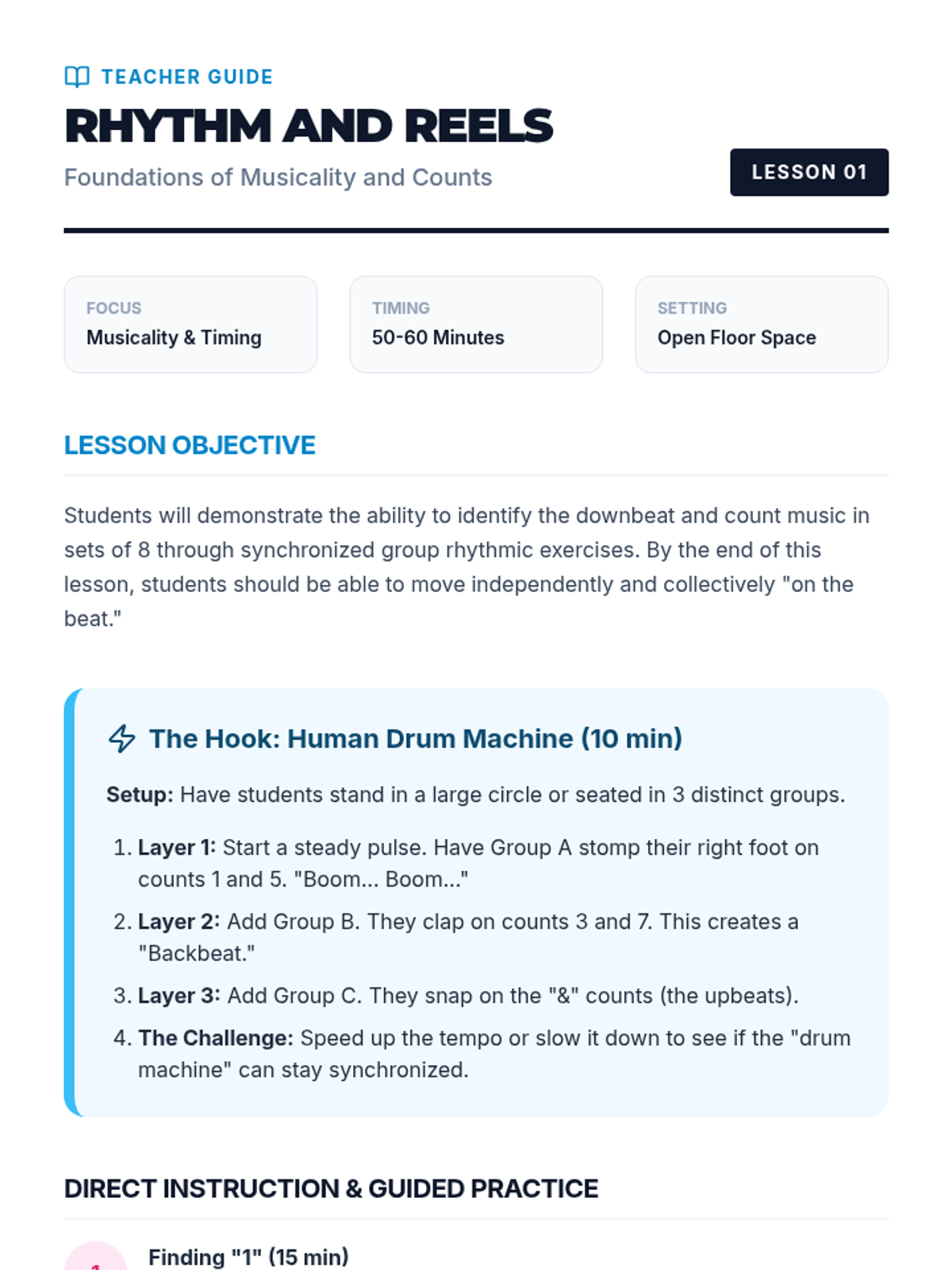
A 5-lesson sequence for 7th-grade students to master rhythm, timing, and movement synchronization through auditory discrimination, locomotor adaptation, and body percussion.
A comprehensive unit for 7th-grade students focusing on the transition from individual movement to collaborative choreography. Students learn musicality, spatial formations, and synchronized movement through a series of hands-on, project-based lessons.
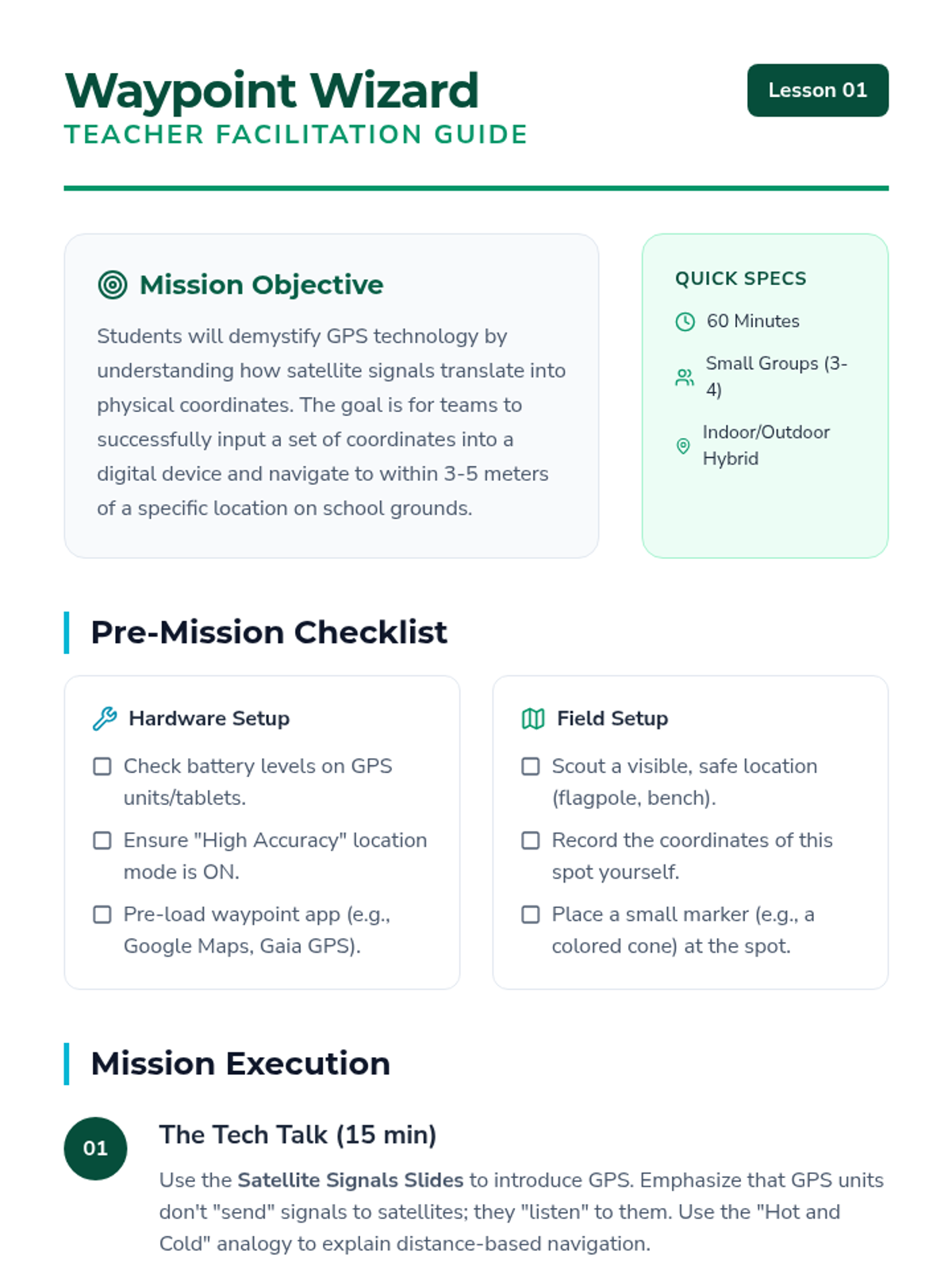
This sequence explores modern navigation techniques, blending GPS technology with traditional orienteering strategies. Students develop physical endurance and mental acuity by managing waypoints, calculating pace, and navigating complex terrain under time pressure.
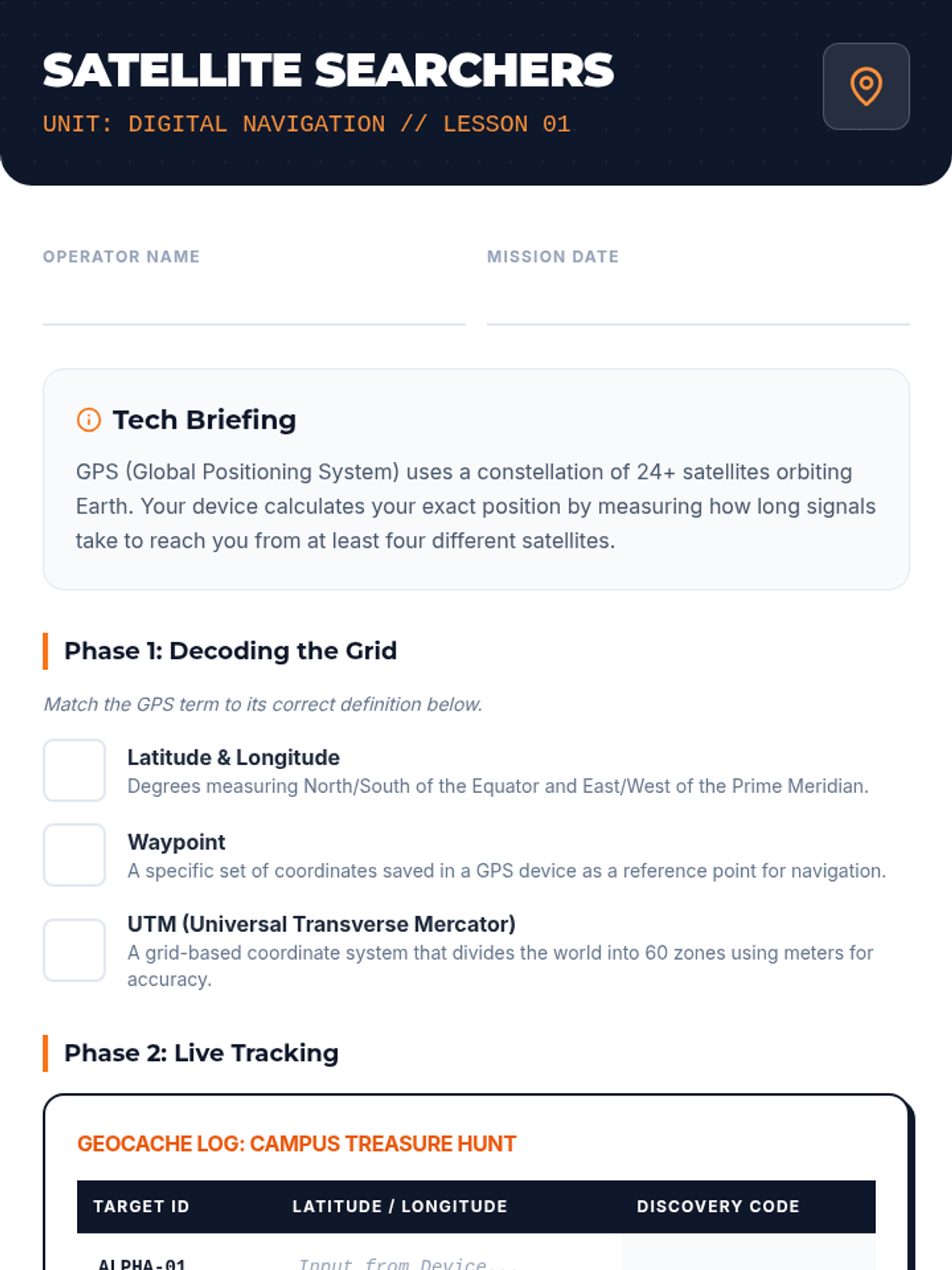
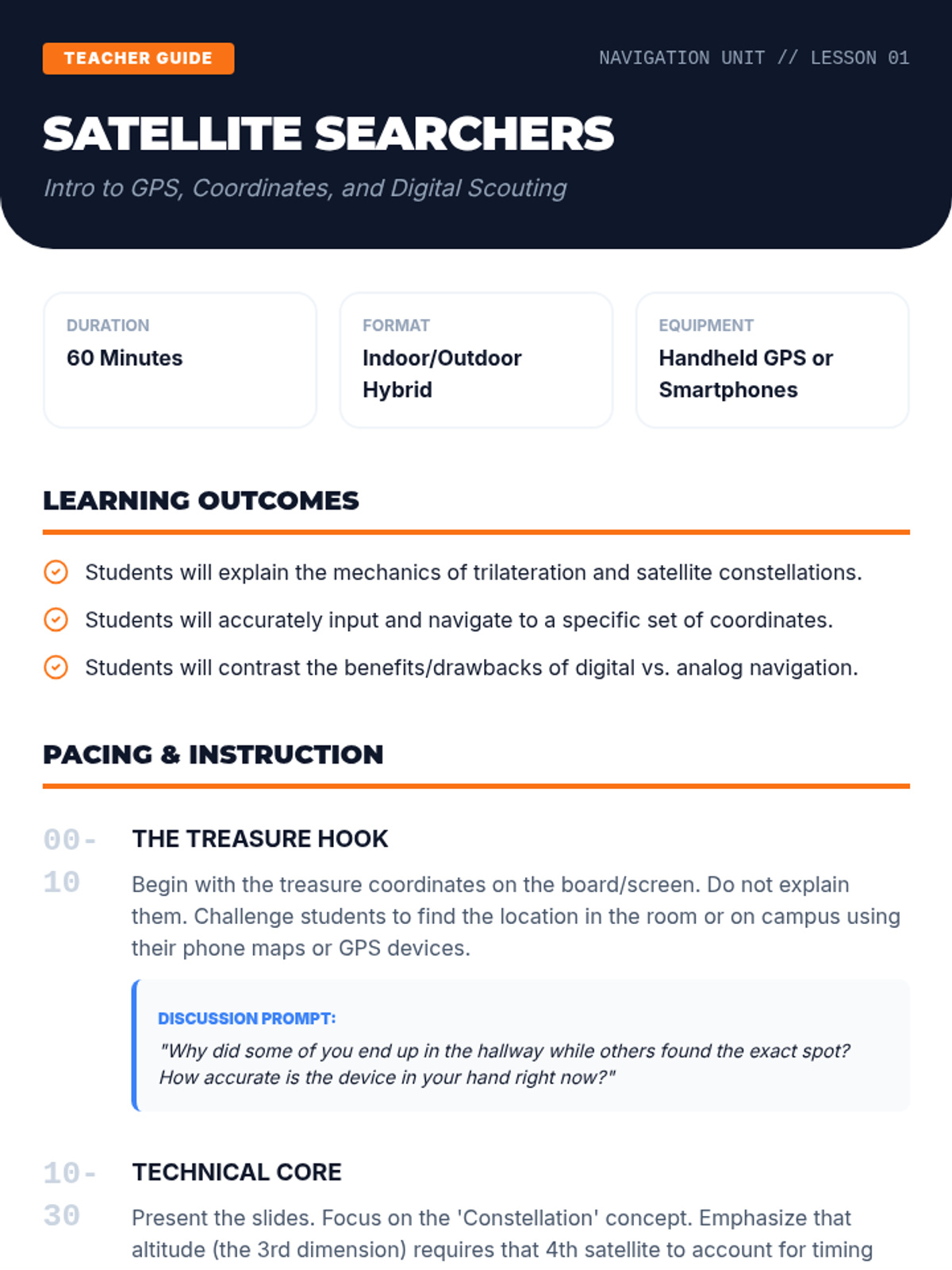
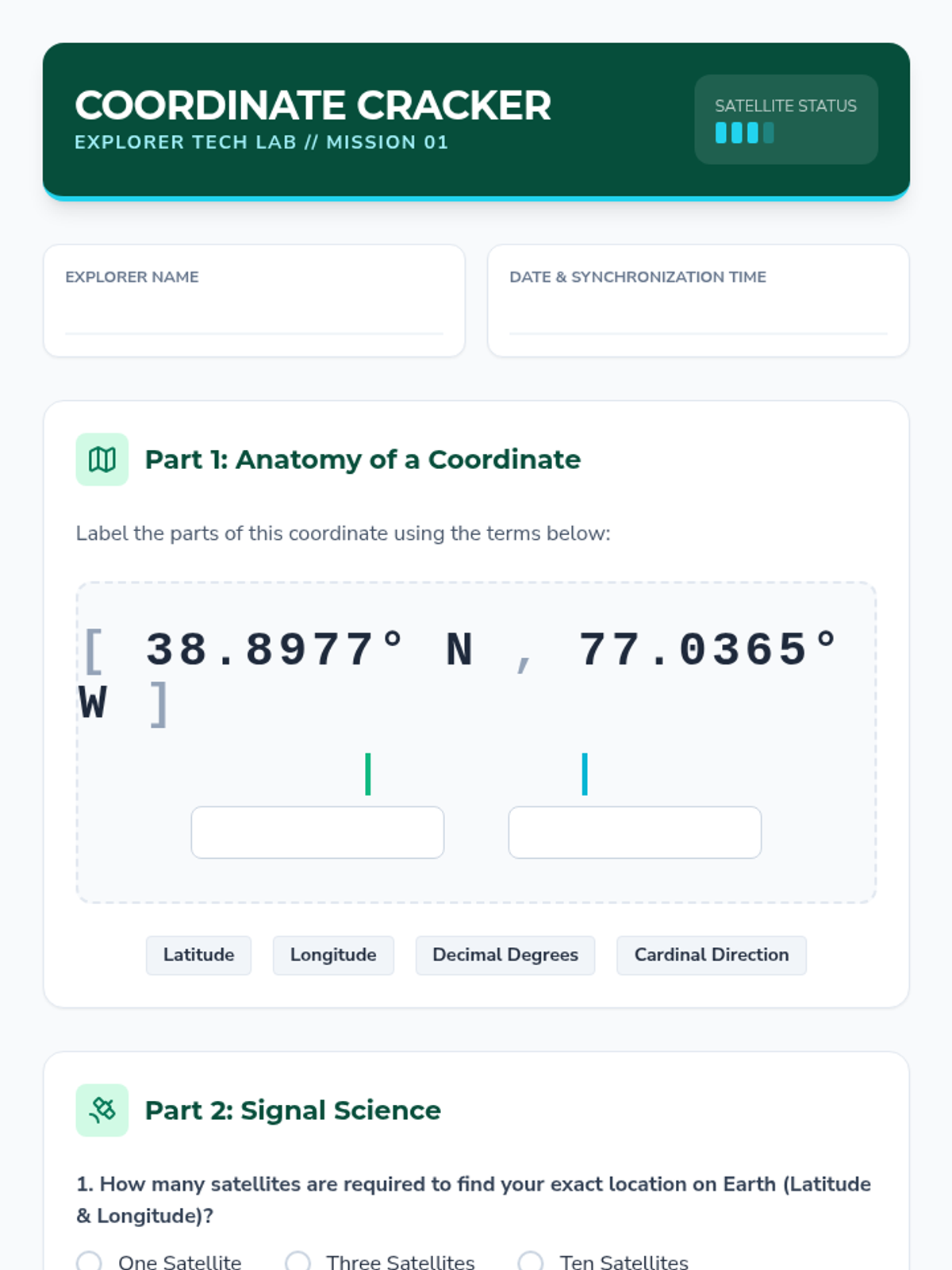
This sequence transitions 7th-grade students from basic pacing and physical endurance to high-tech navigation using GPS and competitive orienteering. Students will learn the science of satellites, calibrate their own physical movement, participate in a campus-wide geocaching hunt, and eventually design and compete in their own timed orienteering courses.
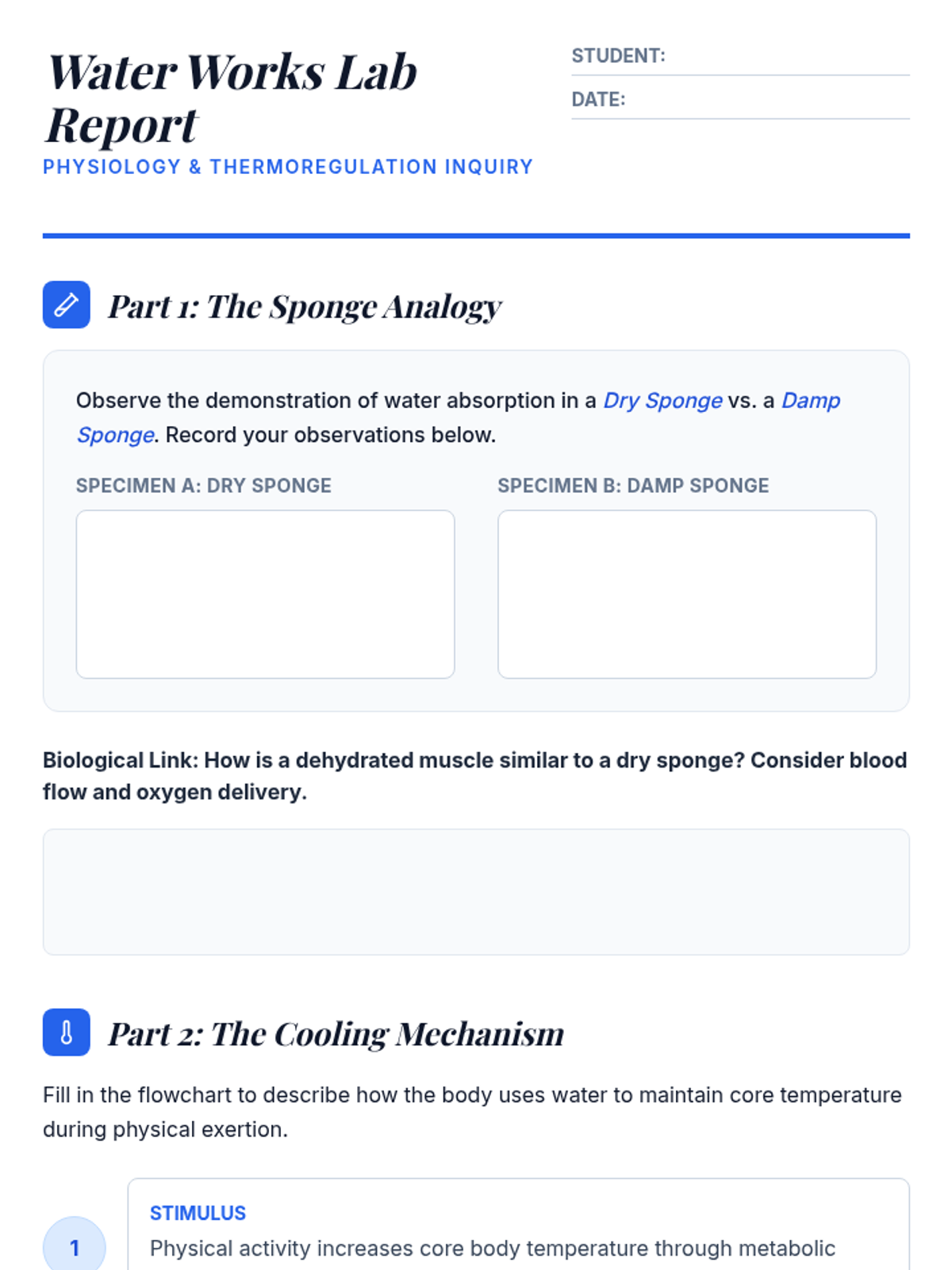
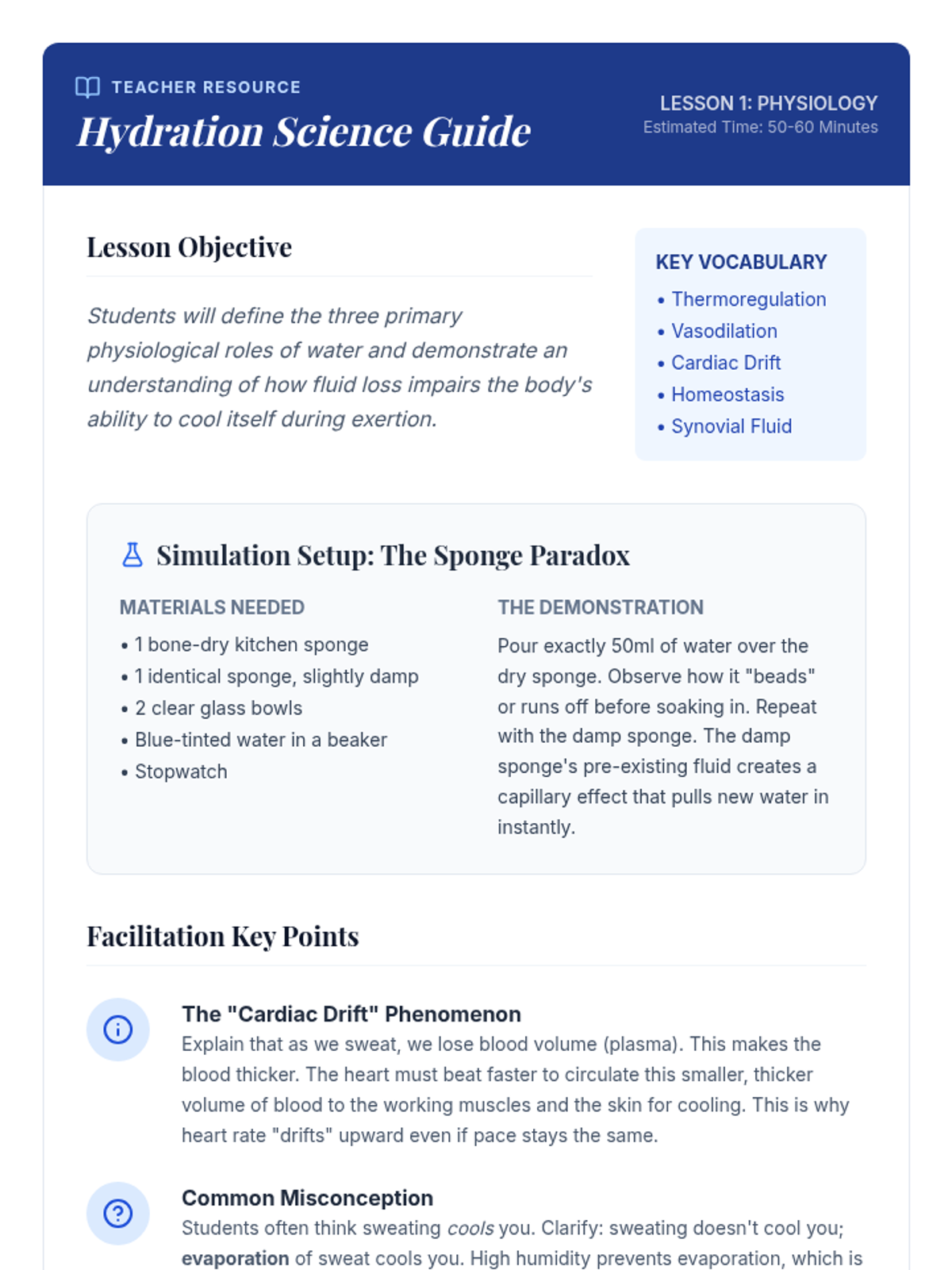
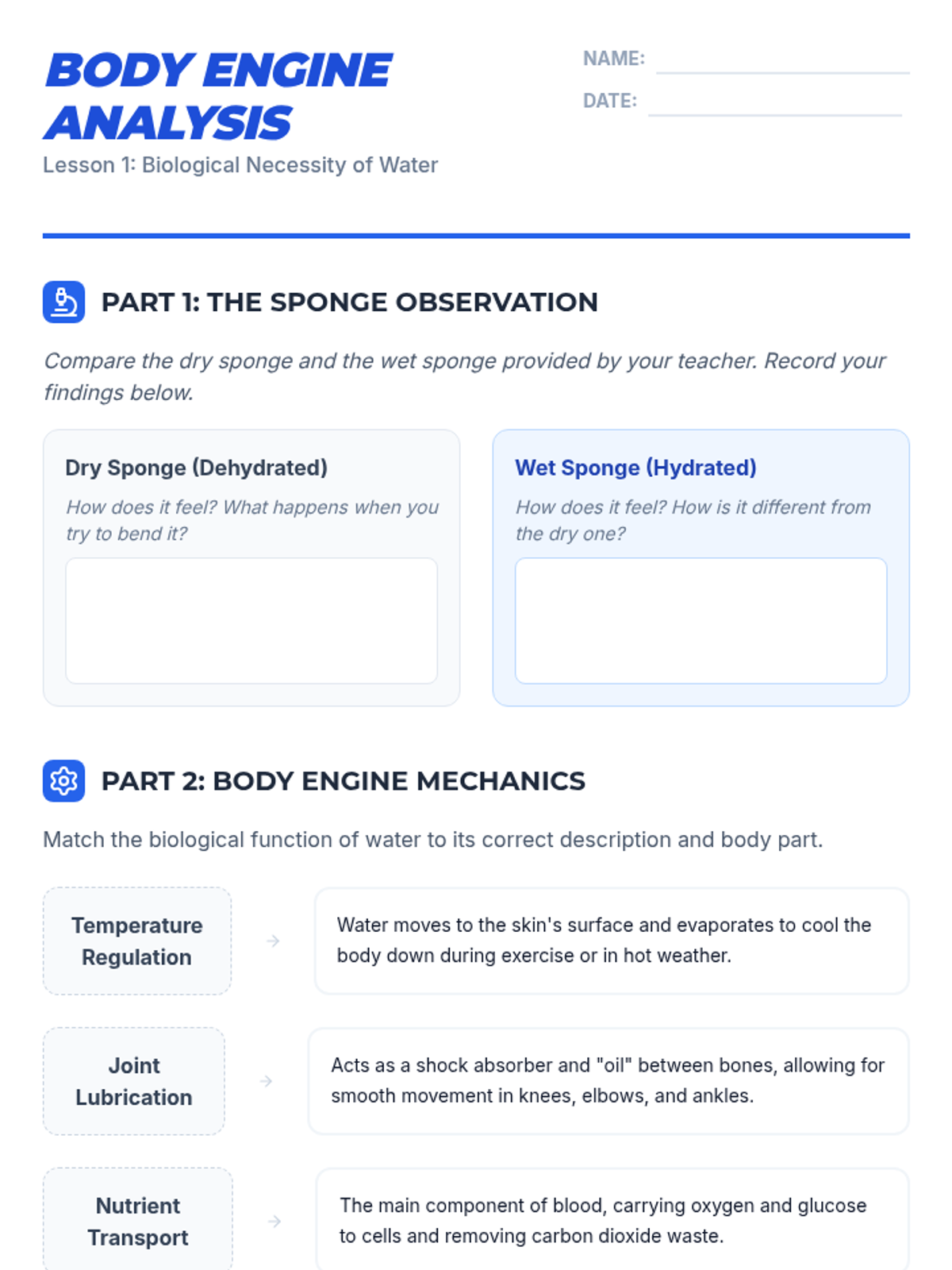
This sequence investigates the biological necessity of water and the physiological consequences of fluid imbalance, moving from biological mechanisms to practical application and personalized hydration planning.
A comprehensive 6th-grade unit exploring the biological necessity of hydration, symptom recognition, beverage analysis, and personalized fluid intake planning. Students move from physiological understanding to practical daily strategies for maintaining optimal health and performance.
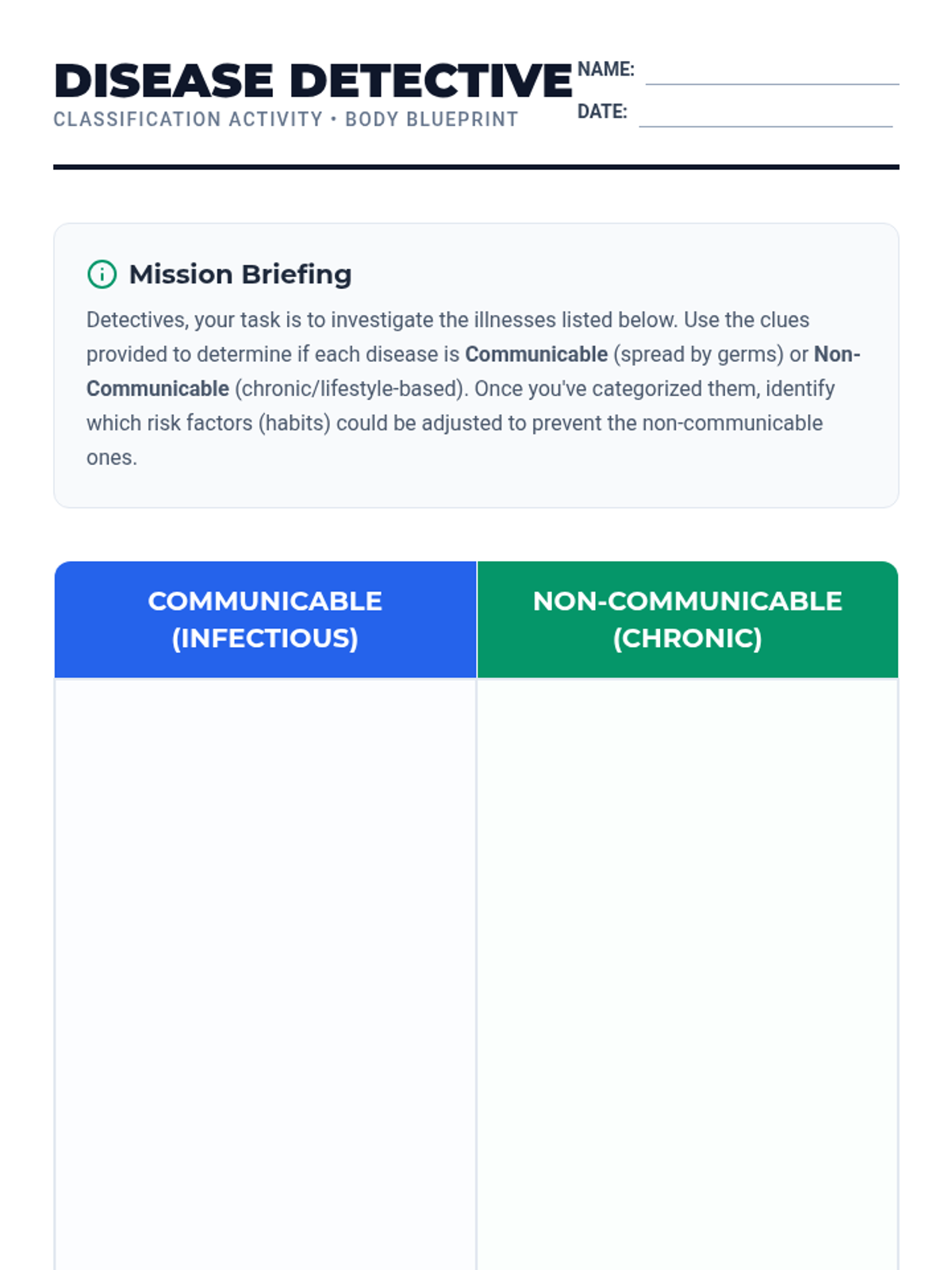
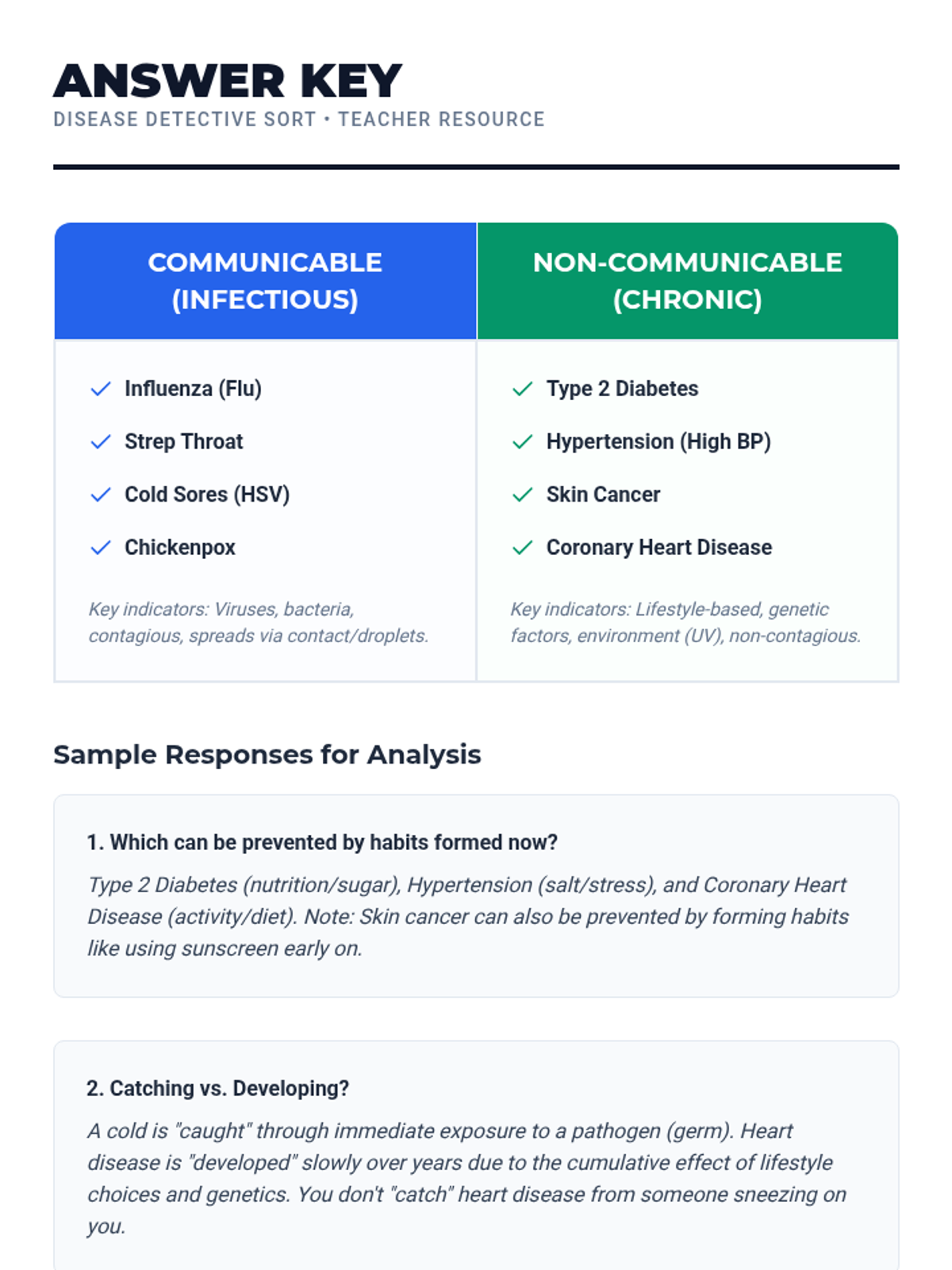
A comprehensive 7th-grade health sequence that explores the differences between infectious and chronic diseases, emphasizing how lifestyle choices in adolescence—nutrition, activity, sleep, and stress management—shape long-term wellness and prevent non-communicable diseases.
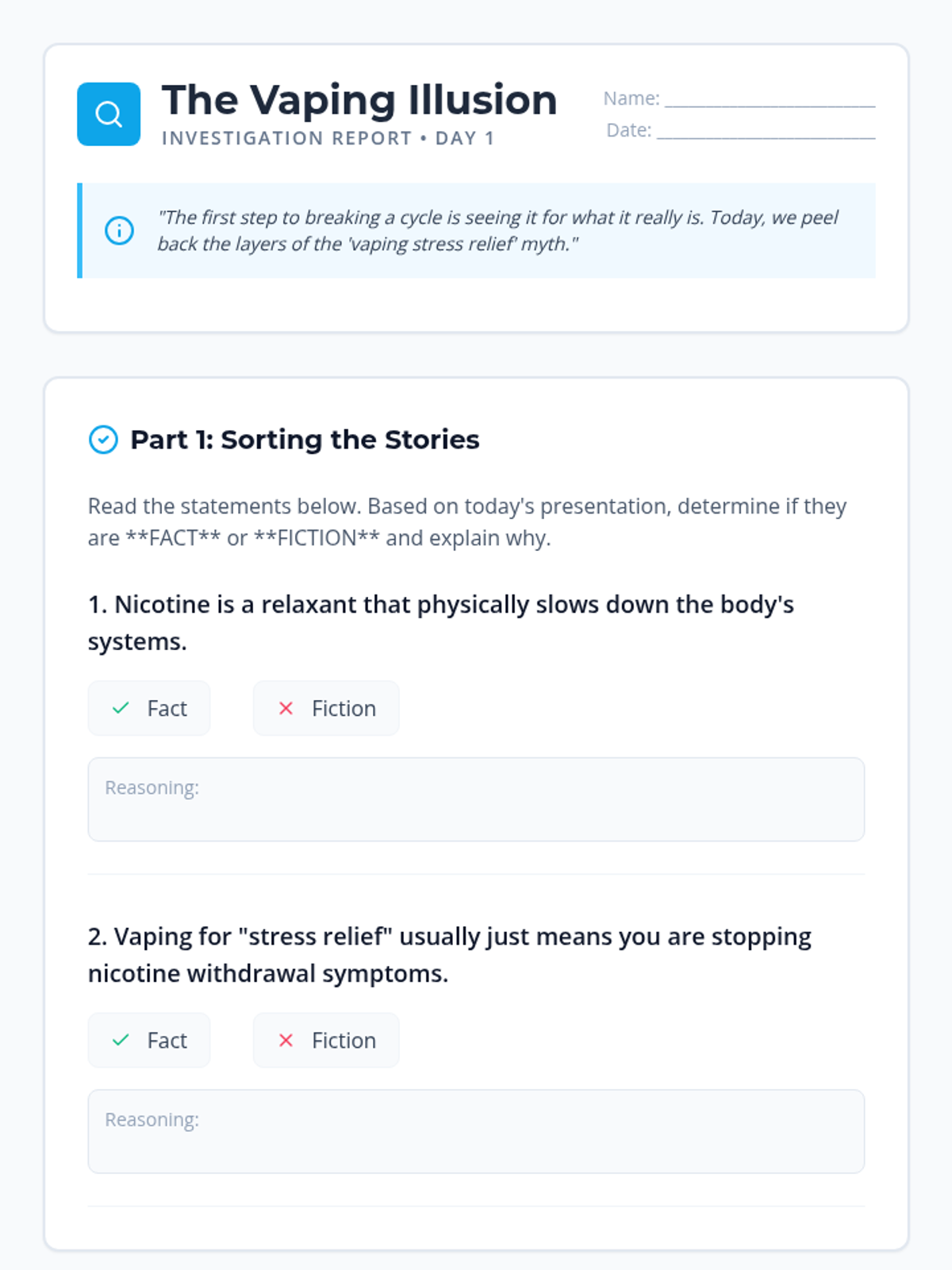
A comprehensive 5-day unit designed to educate students on the physiological effects of vaping and provide actionable, healthy coping mechanisms like deep breathing and mindfulness.
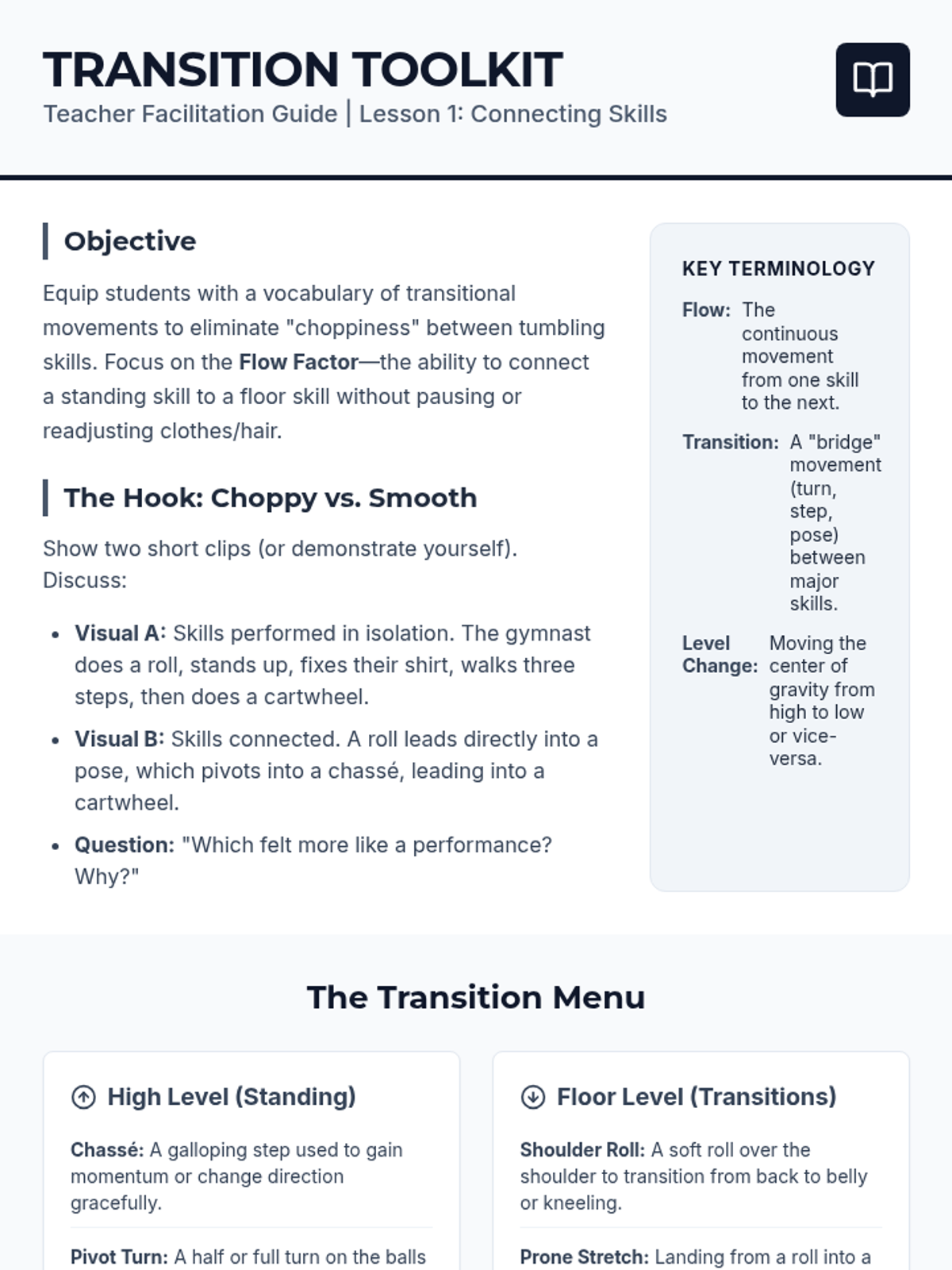
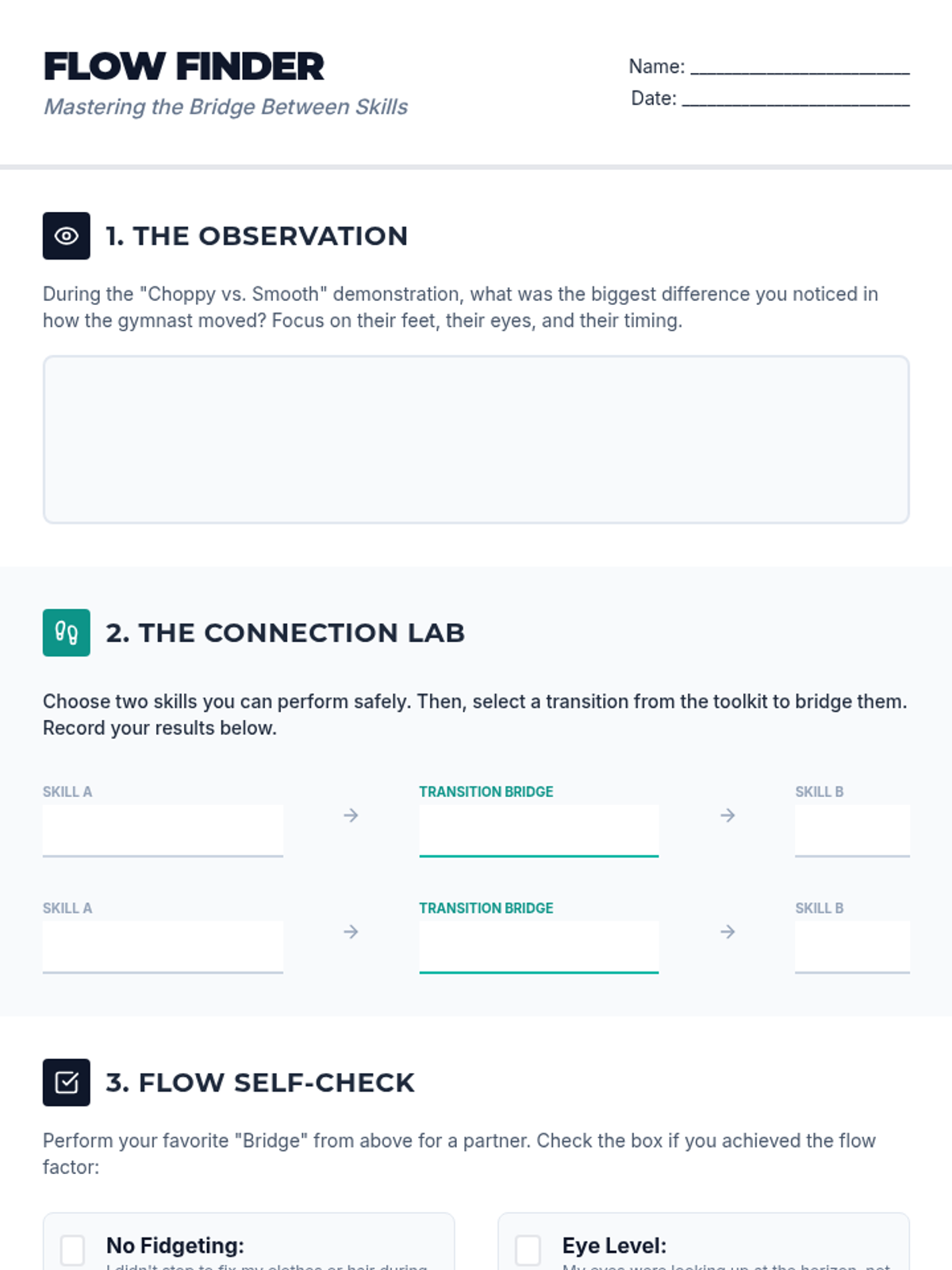
This 7th-grade physical education sequence focuses on the artistic side of gymnastics, teaching students to transition between isolated tumbling skills to create a cohesive routine. Students will explore choreography, aesthetic extensions, and peer feedback to refine their movements before a final showcase.
A project-based sequence where 7th-grade students learn to research, design, and lead effective movement breaks for their peers, focusing on sensory regulation and leadership skills.
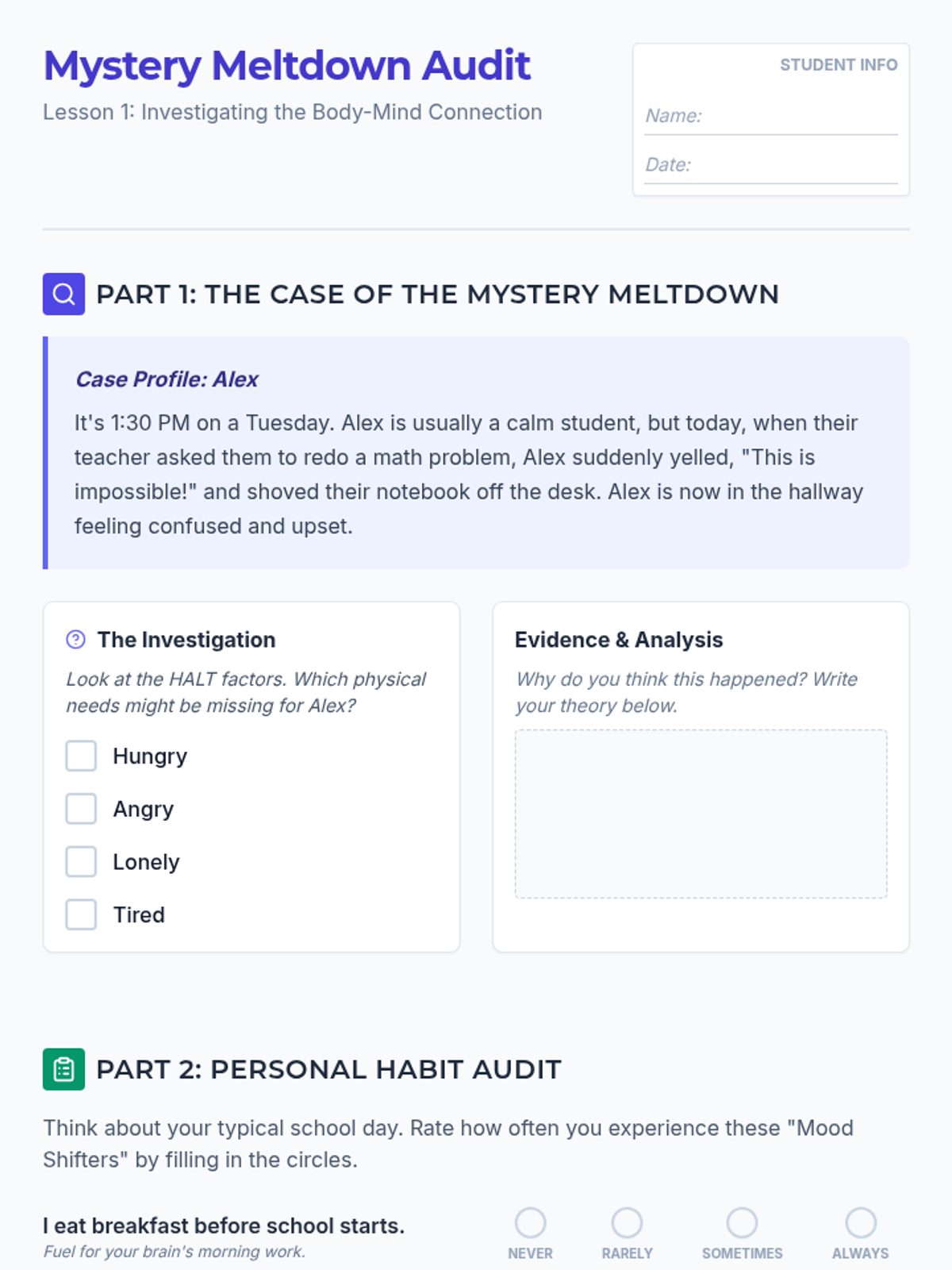
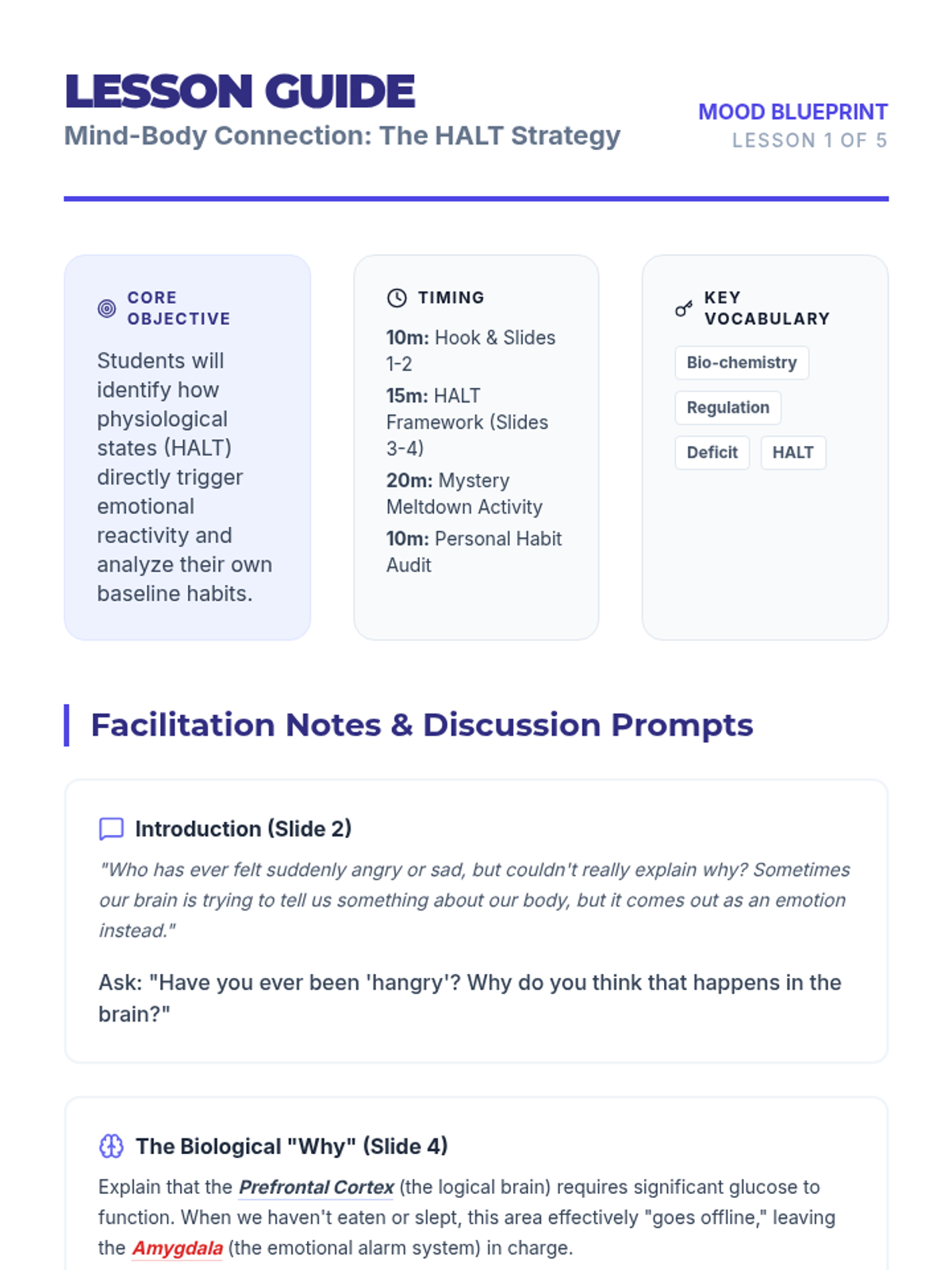
A 5-lesson sequence for 6th-grade students focusing on the biological and behavioral foundations of emotional regulation through daily routines, culminating in a personalized Wellness Blueprint.
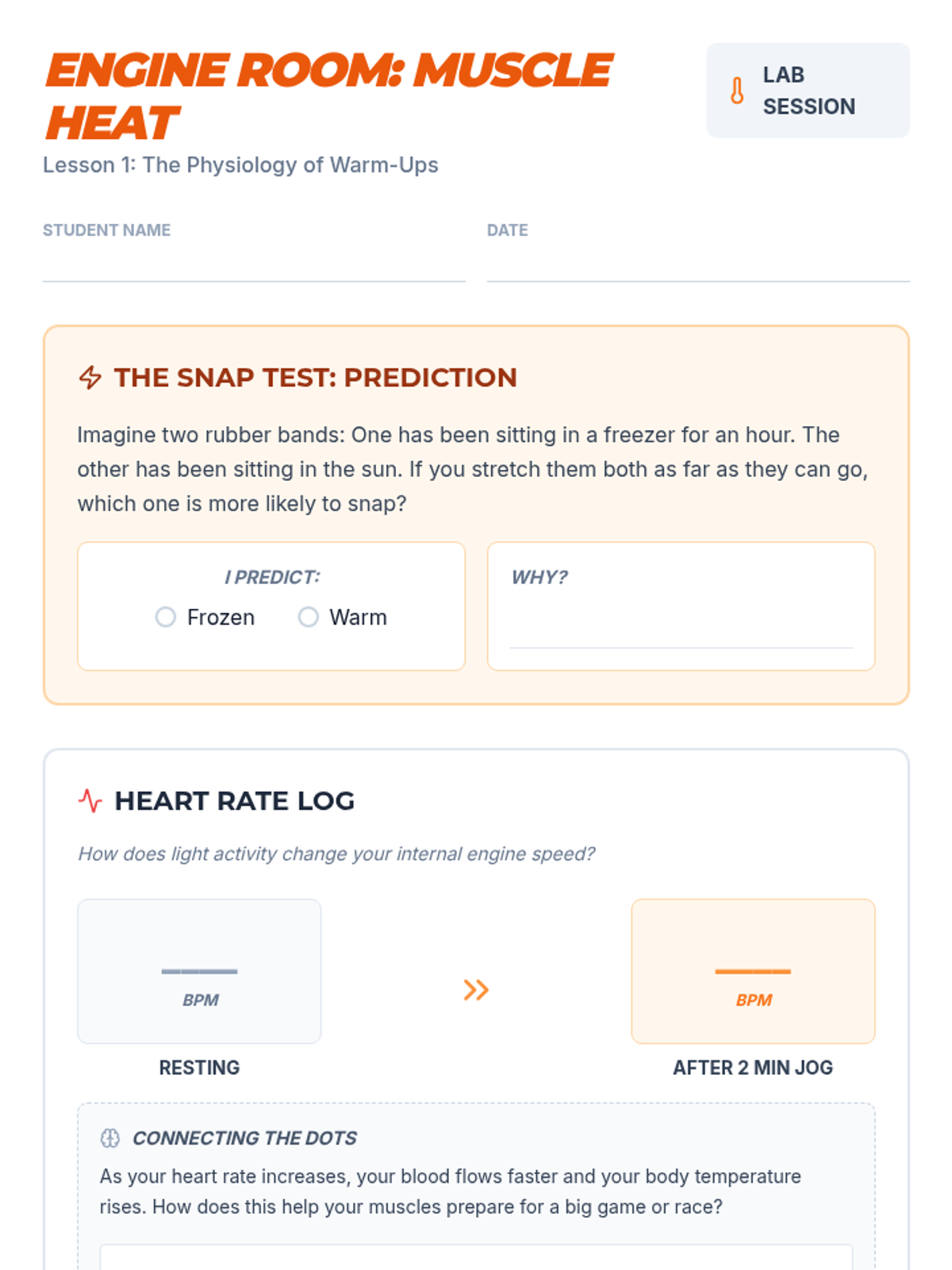
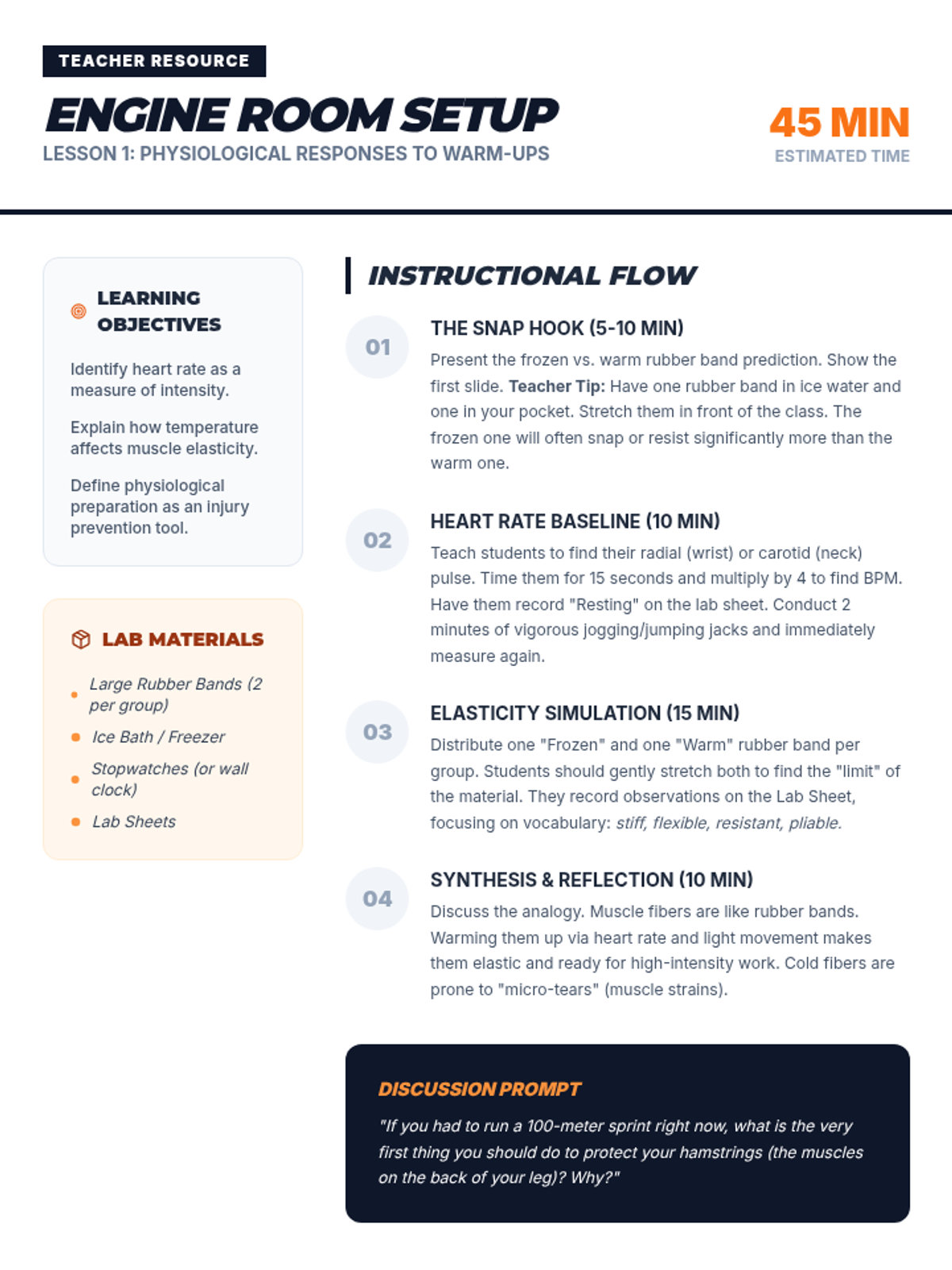
A 5th-grade health and PE sequence focused on injury prevention through physiological understanding, dynamic stretching, body mechanics, and self-monitoring. Students progress from learning why the body needs preparation to designing their own sport-specific routines.
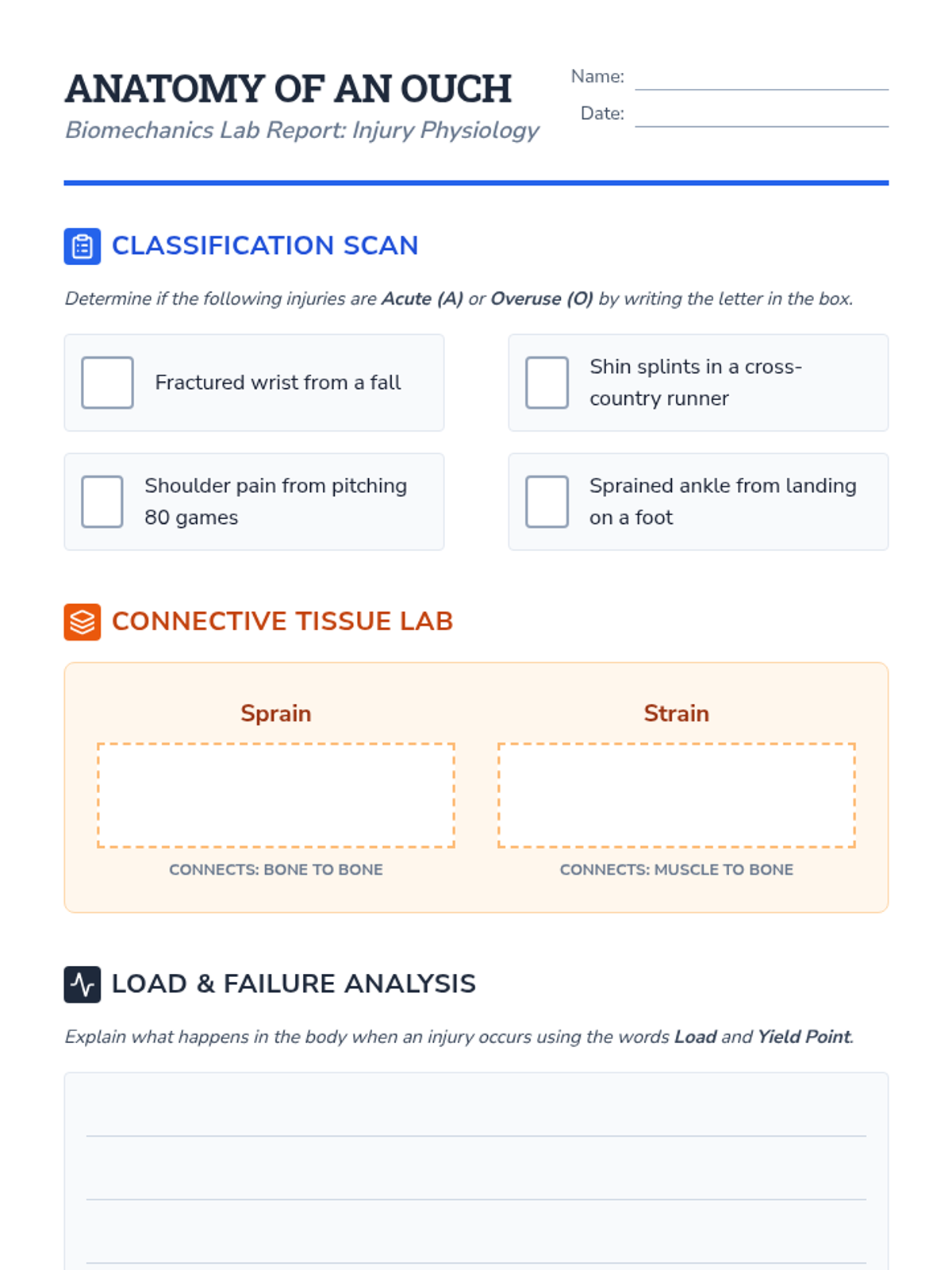
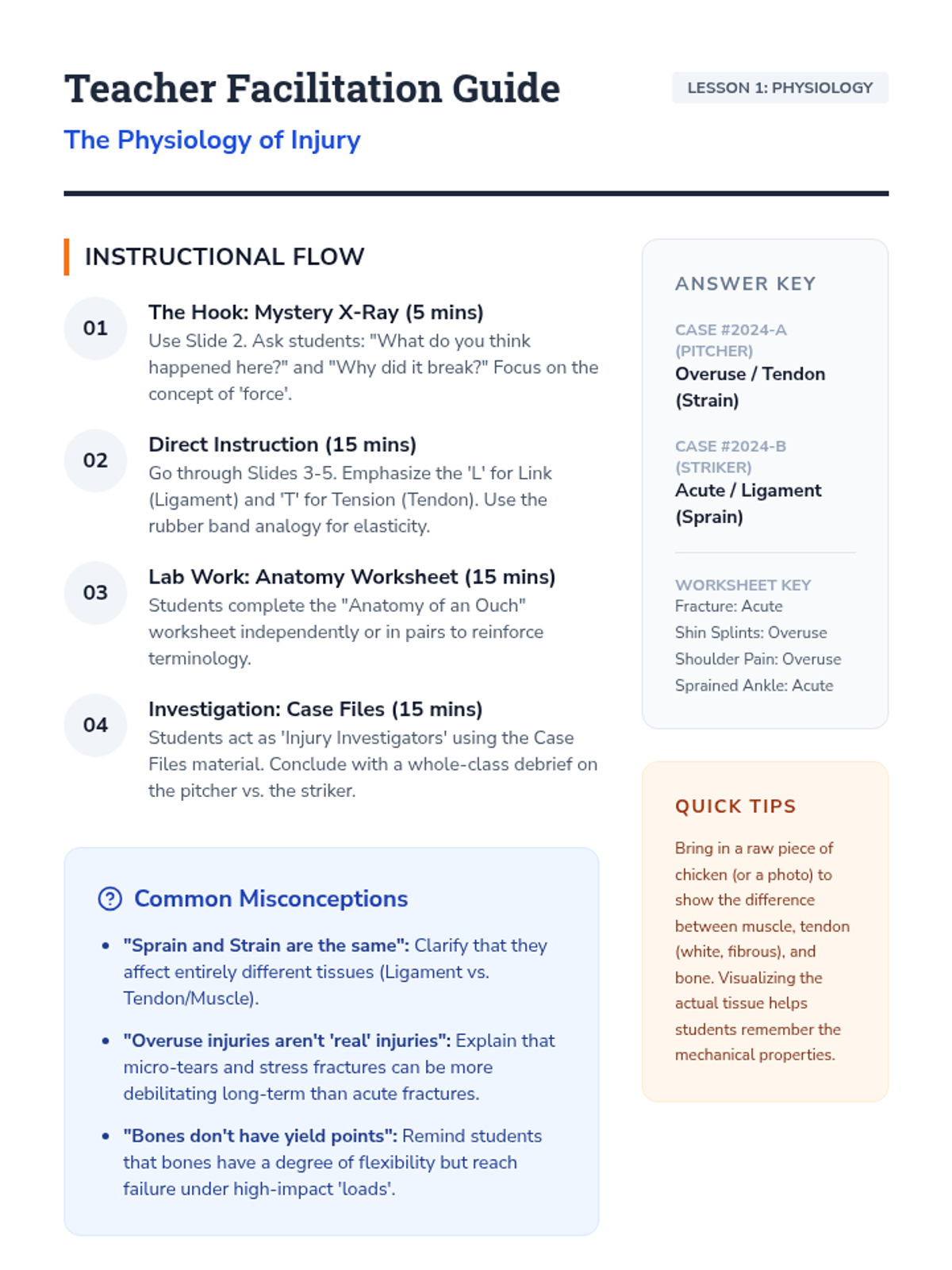
A comprehensive 7th-grade unit exploring the biomechanics of injury prevention. Students move from physiological understanding of injuries to practical application of warm-ups, body mechanics, and environmental safety audits.
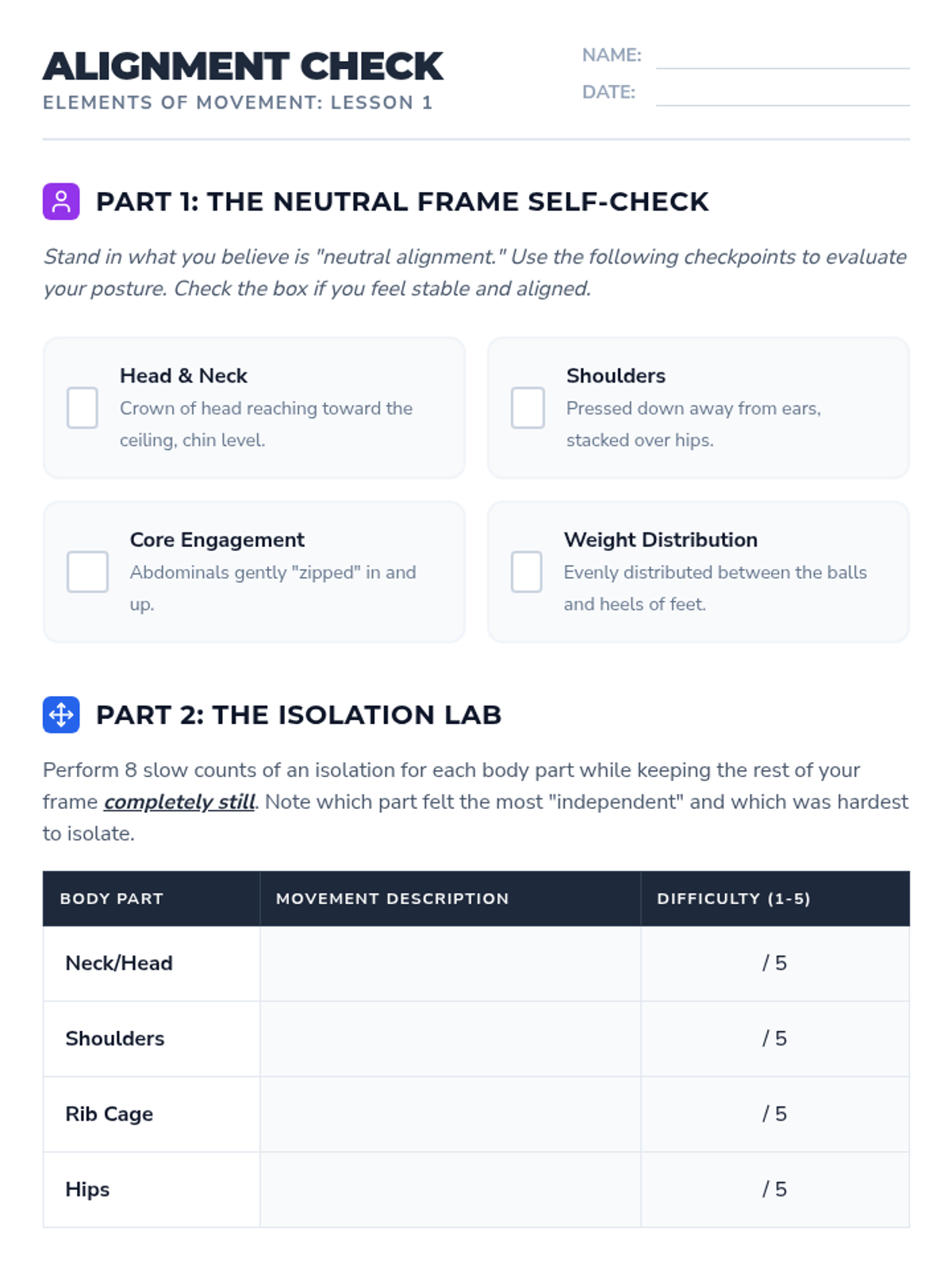
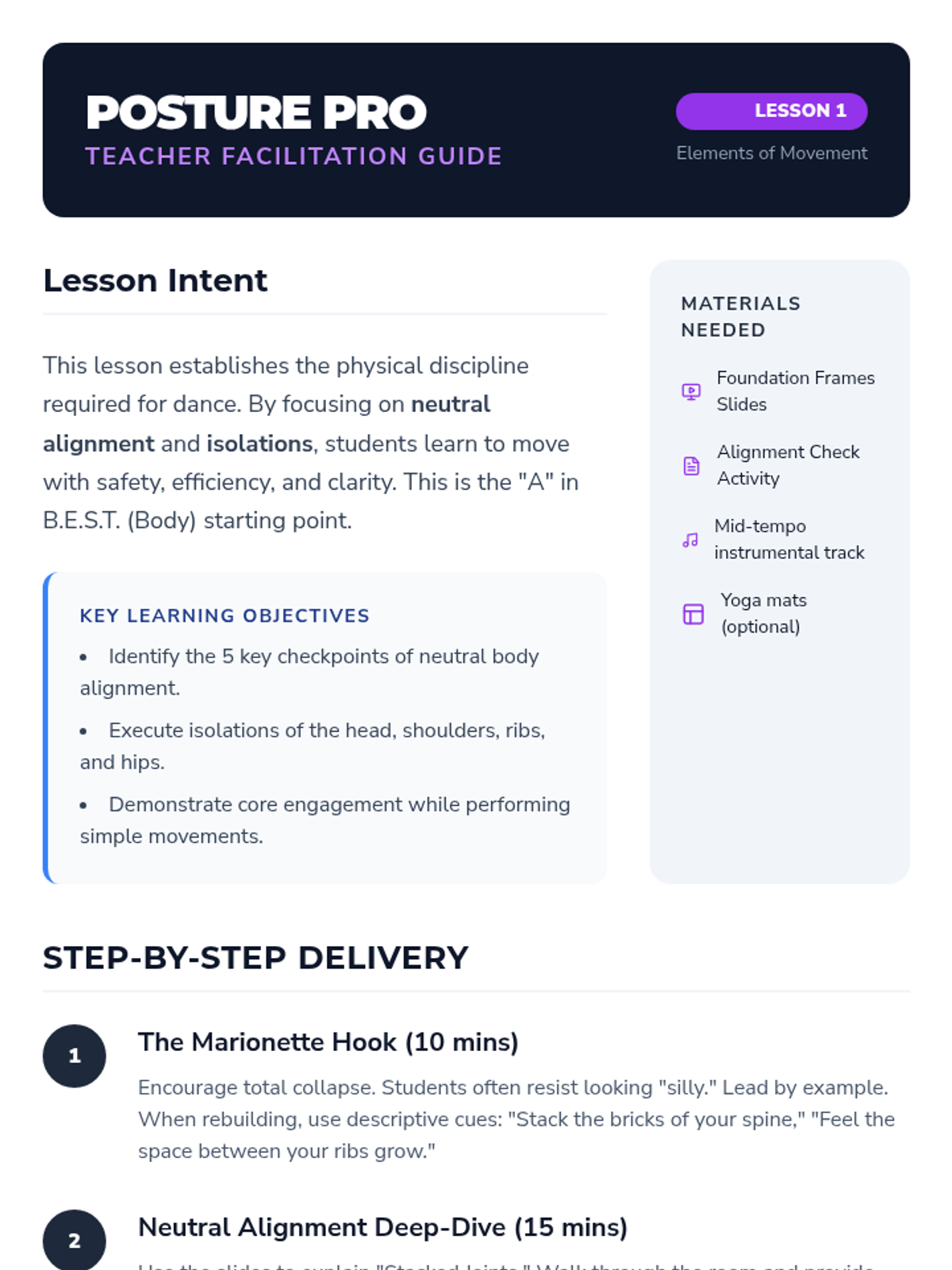
A comprehensive 7th-grade unit exploring the fundamental elements of dance (Body, Space, Time, and Energy). Students move from foundational alignment and isolation to complex choreographic modification, culminating in a creative synthesis project.
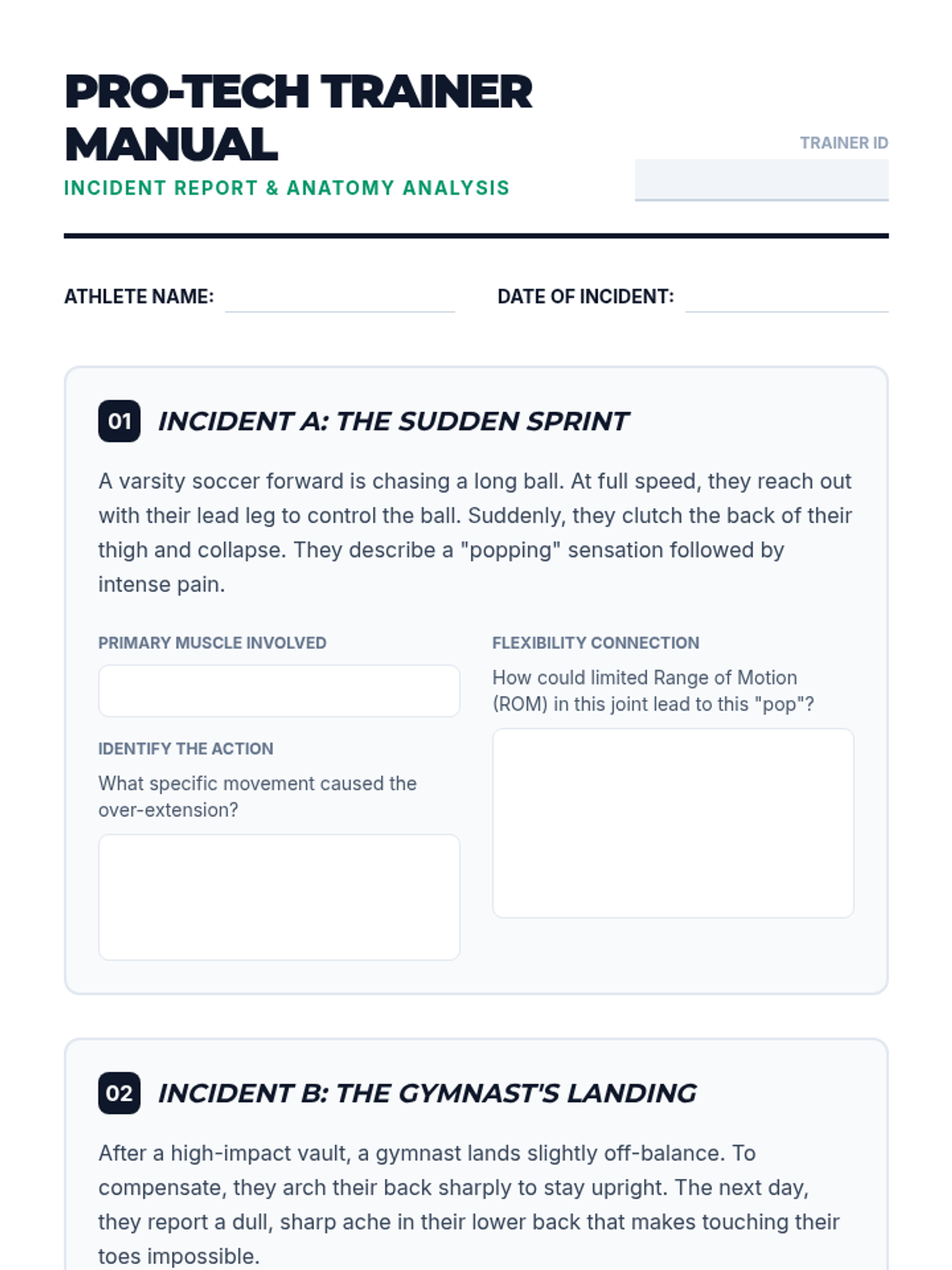
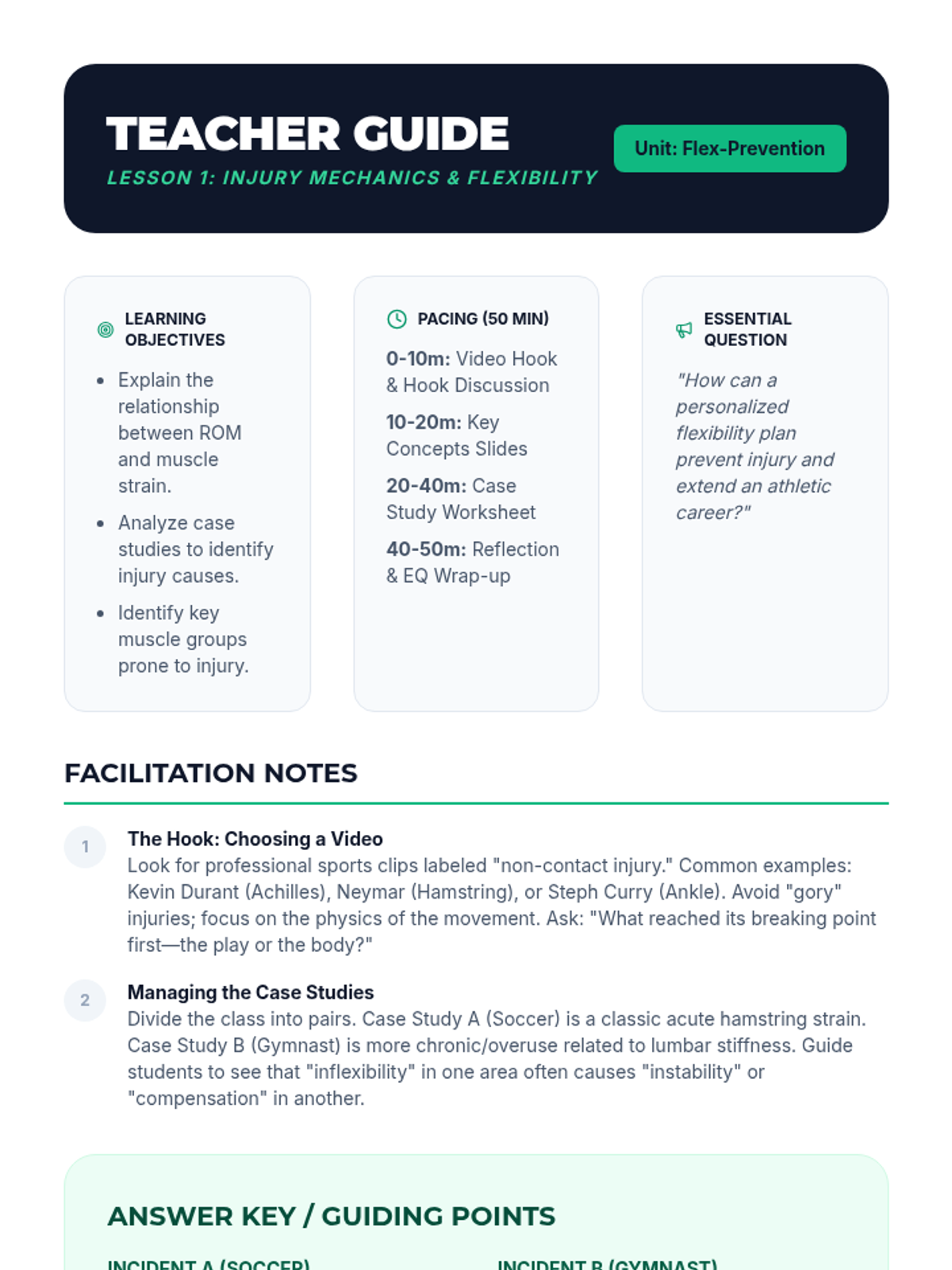
A project-based unit where 7th-grade students analyze sports injuries, research muscle demands, and design personalized flexibility programs to act as fitness coaches.
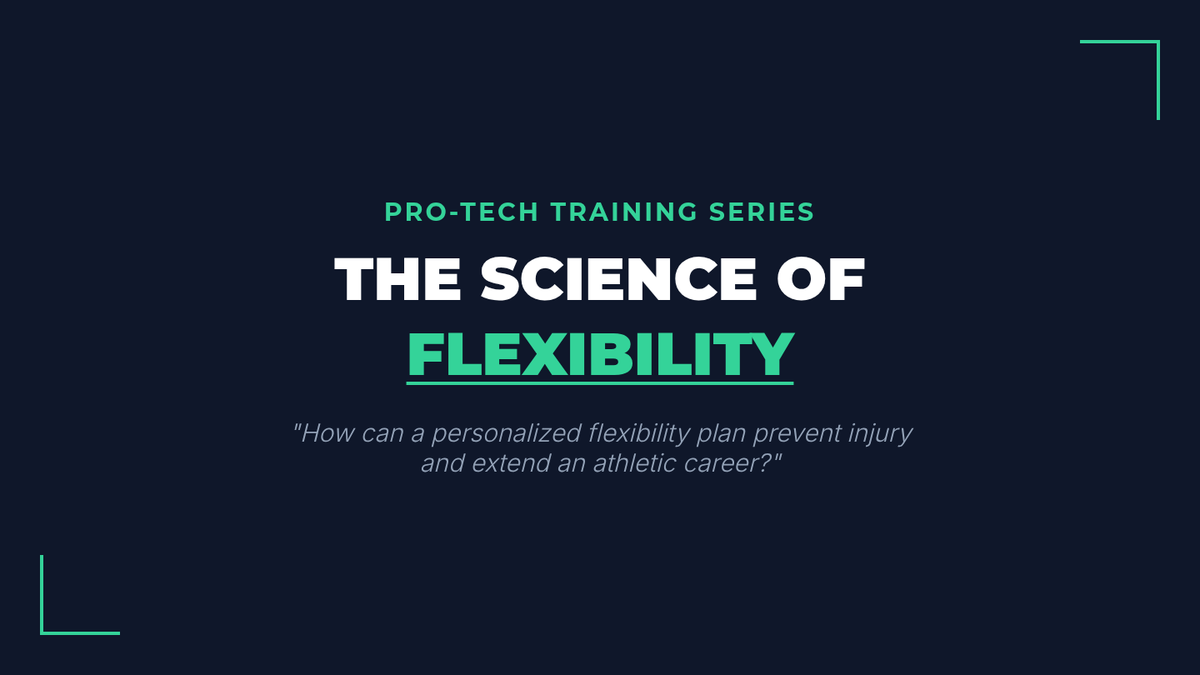
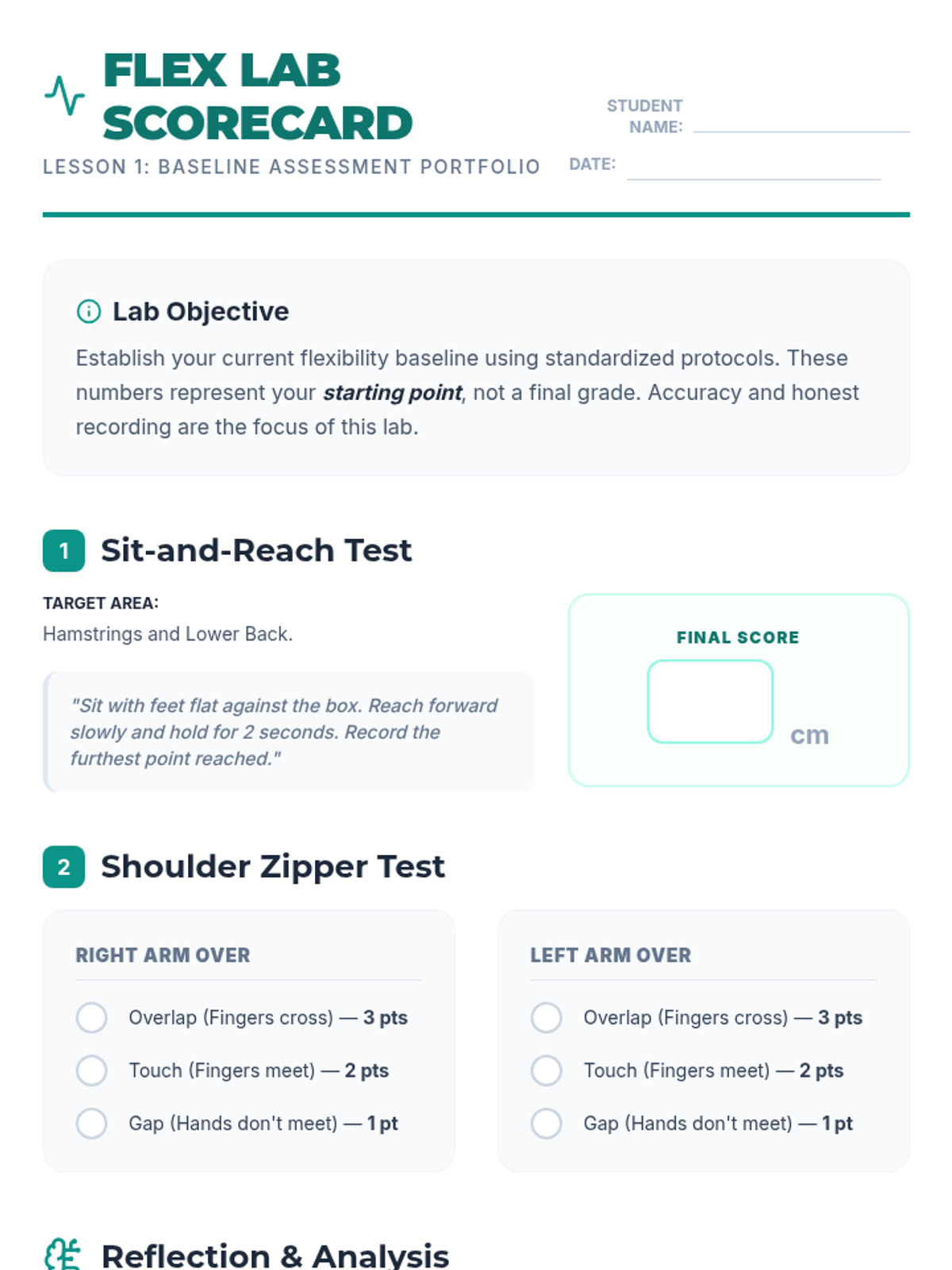
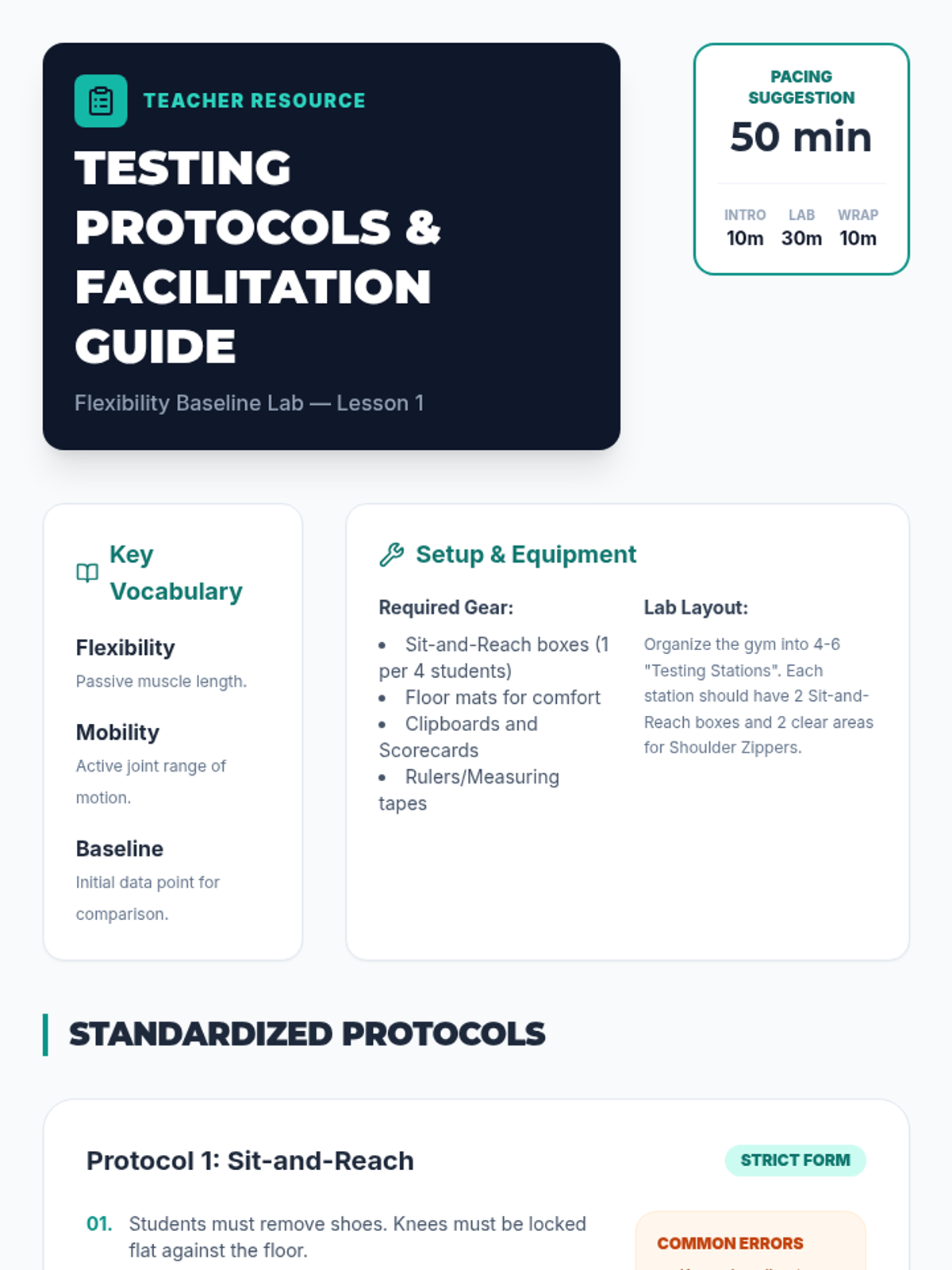
A comprehensive 7th-grade unit on flexibility, covering range of motion assessment, dynamic and static stretching techniques, muscle anatomy, and safe partner-assisted stretching. Students develop a personal flexibility profile while mastering the science of warm-ups and recovery.
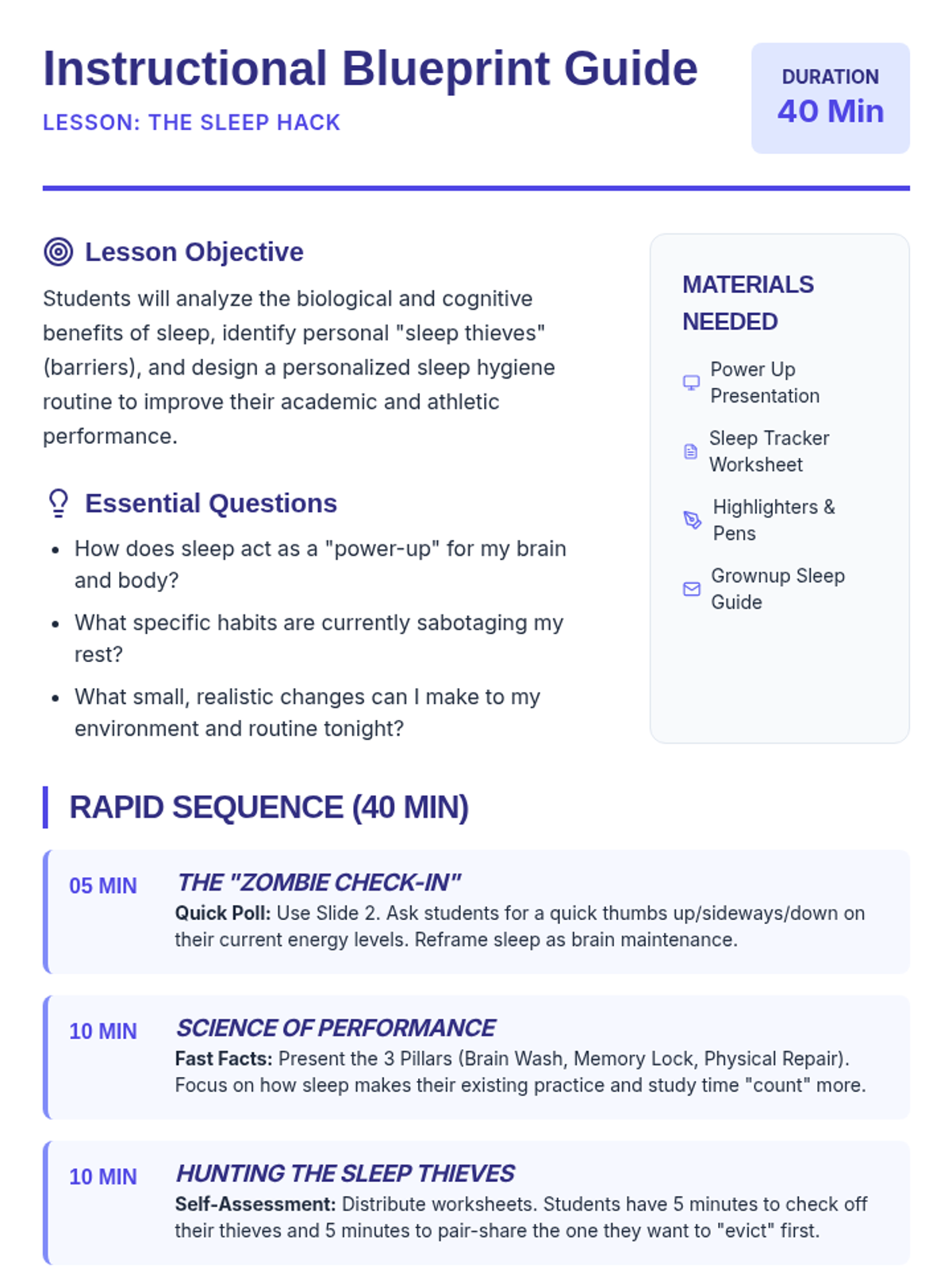
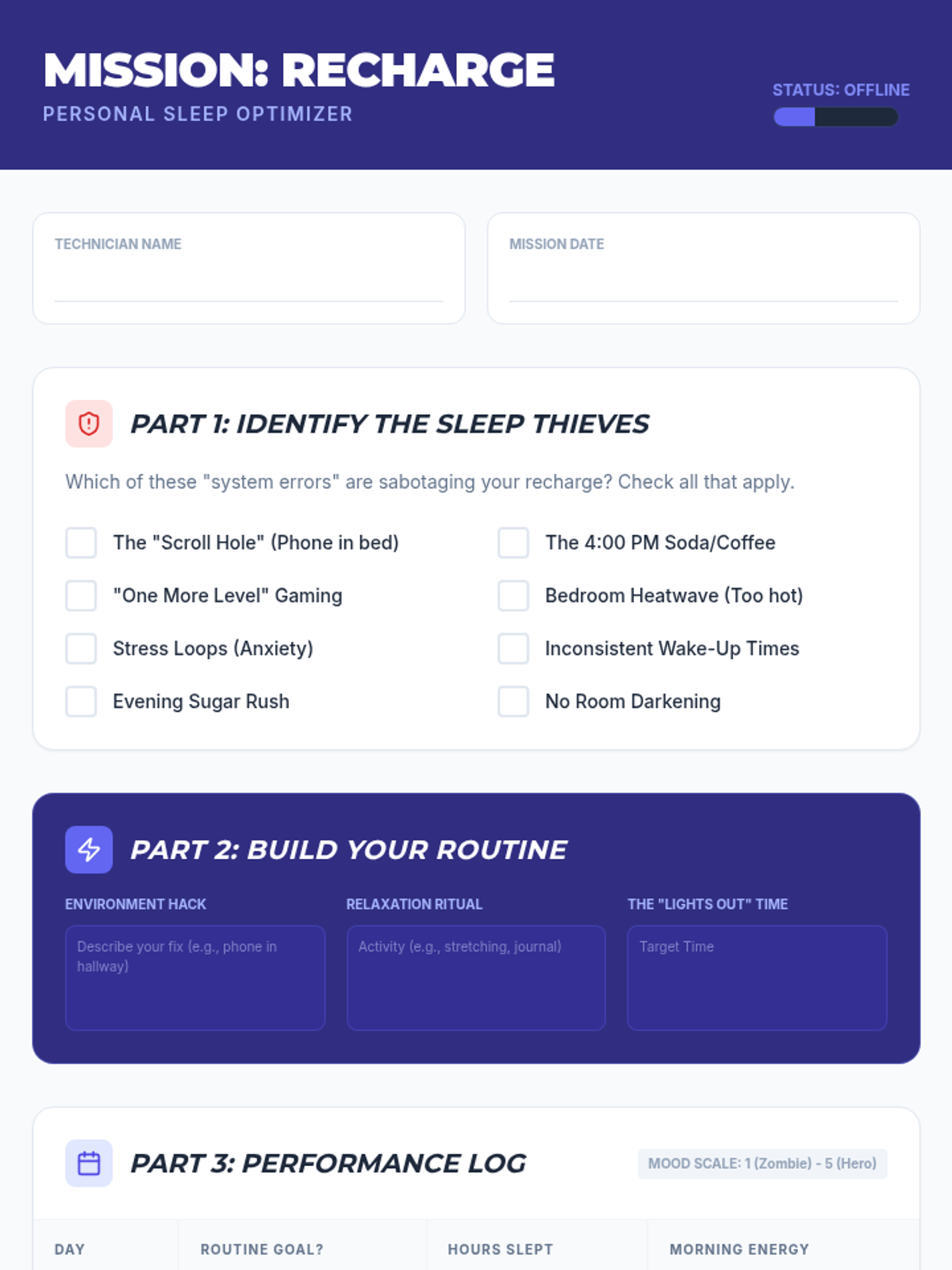
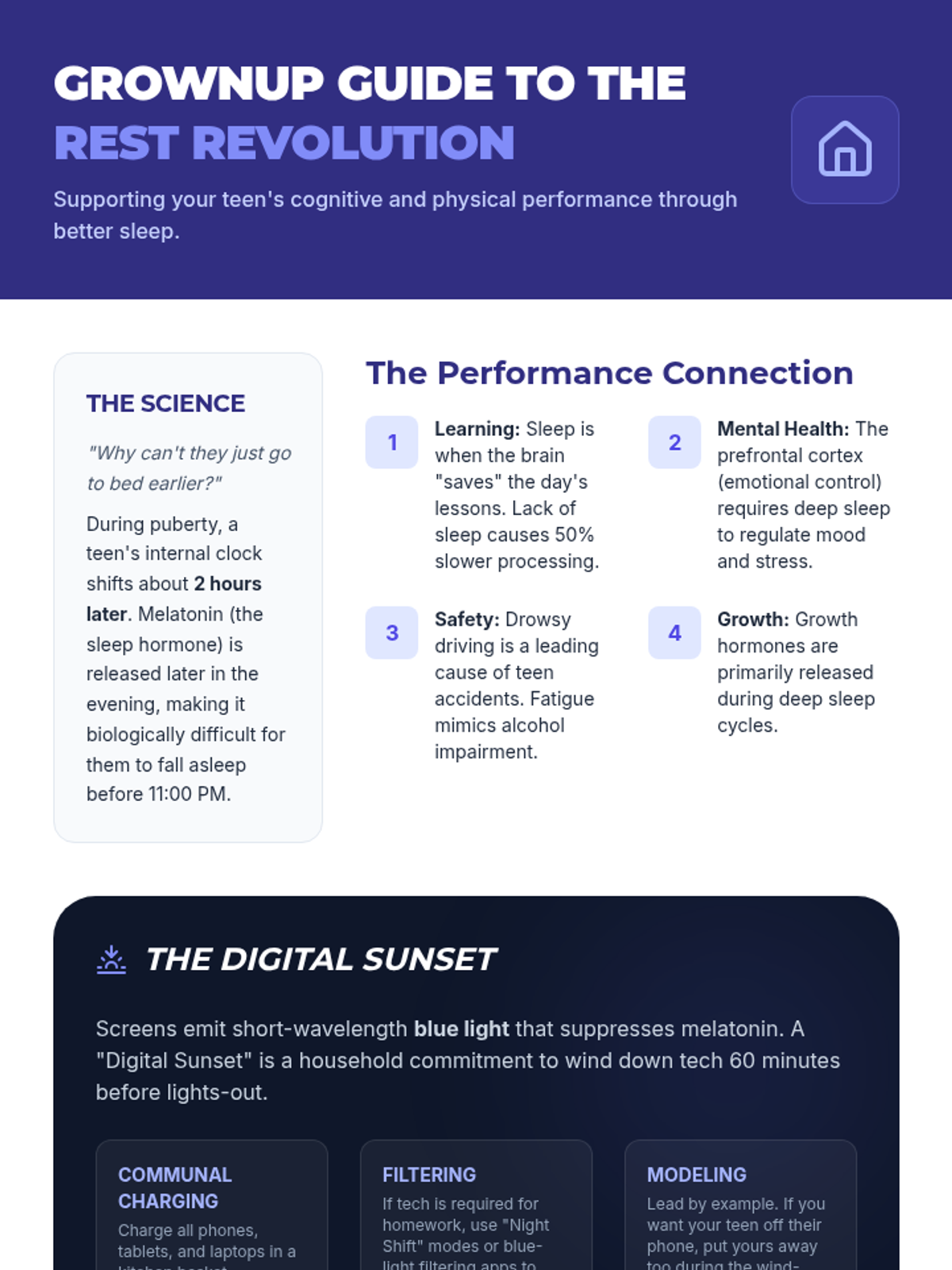
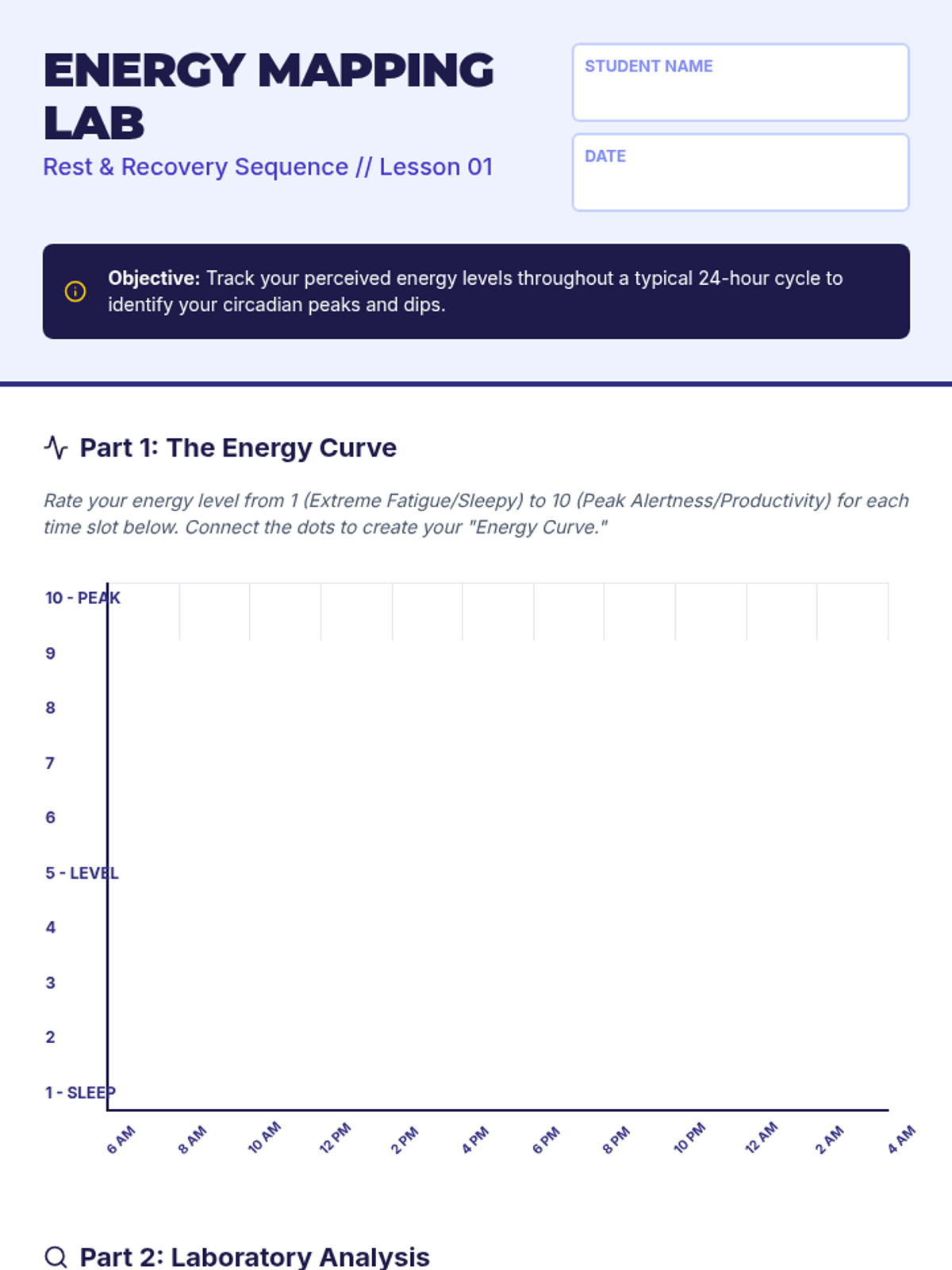
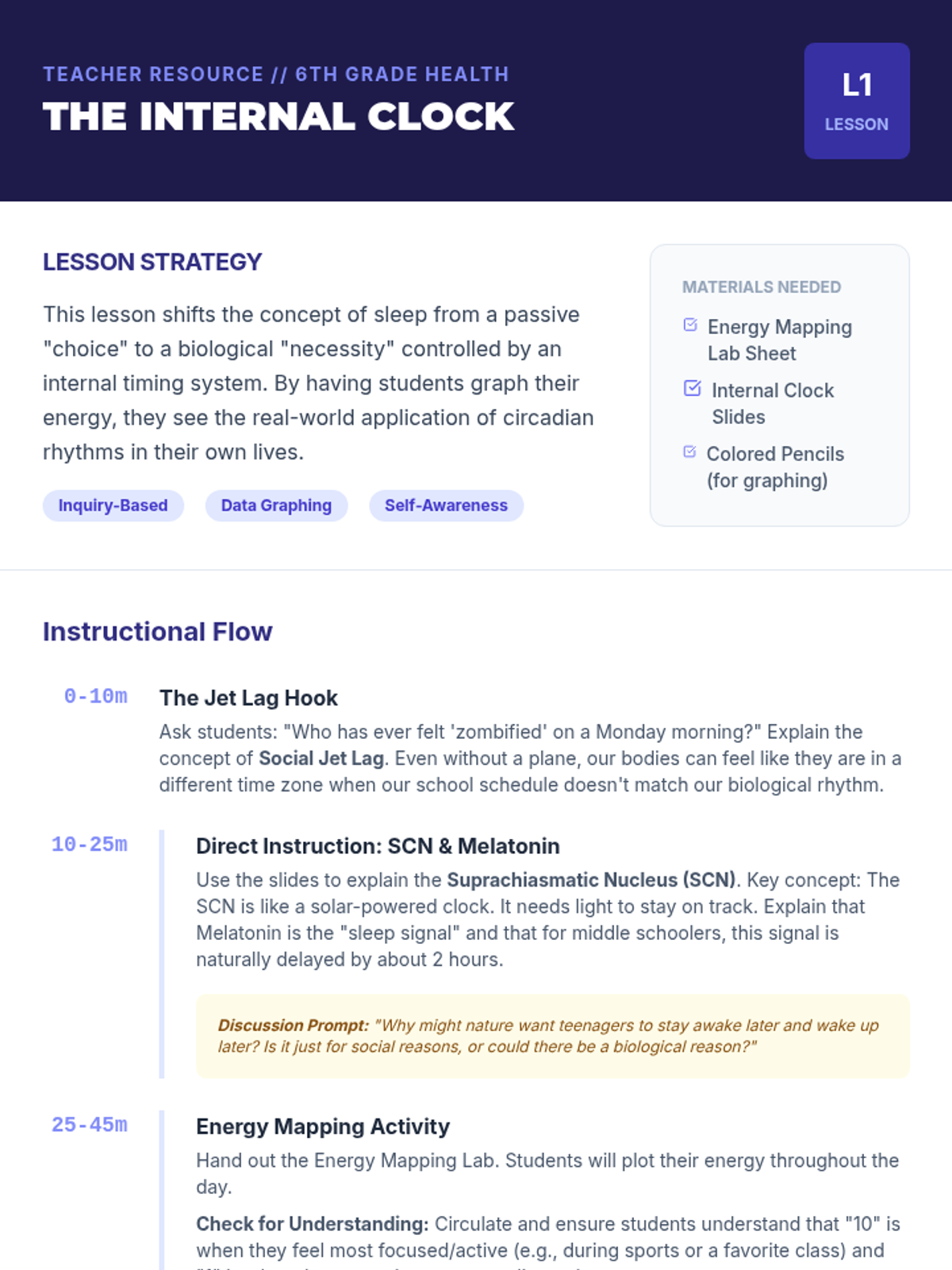
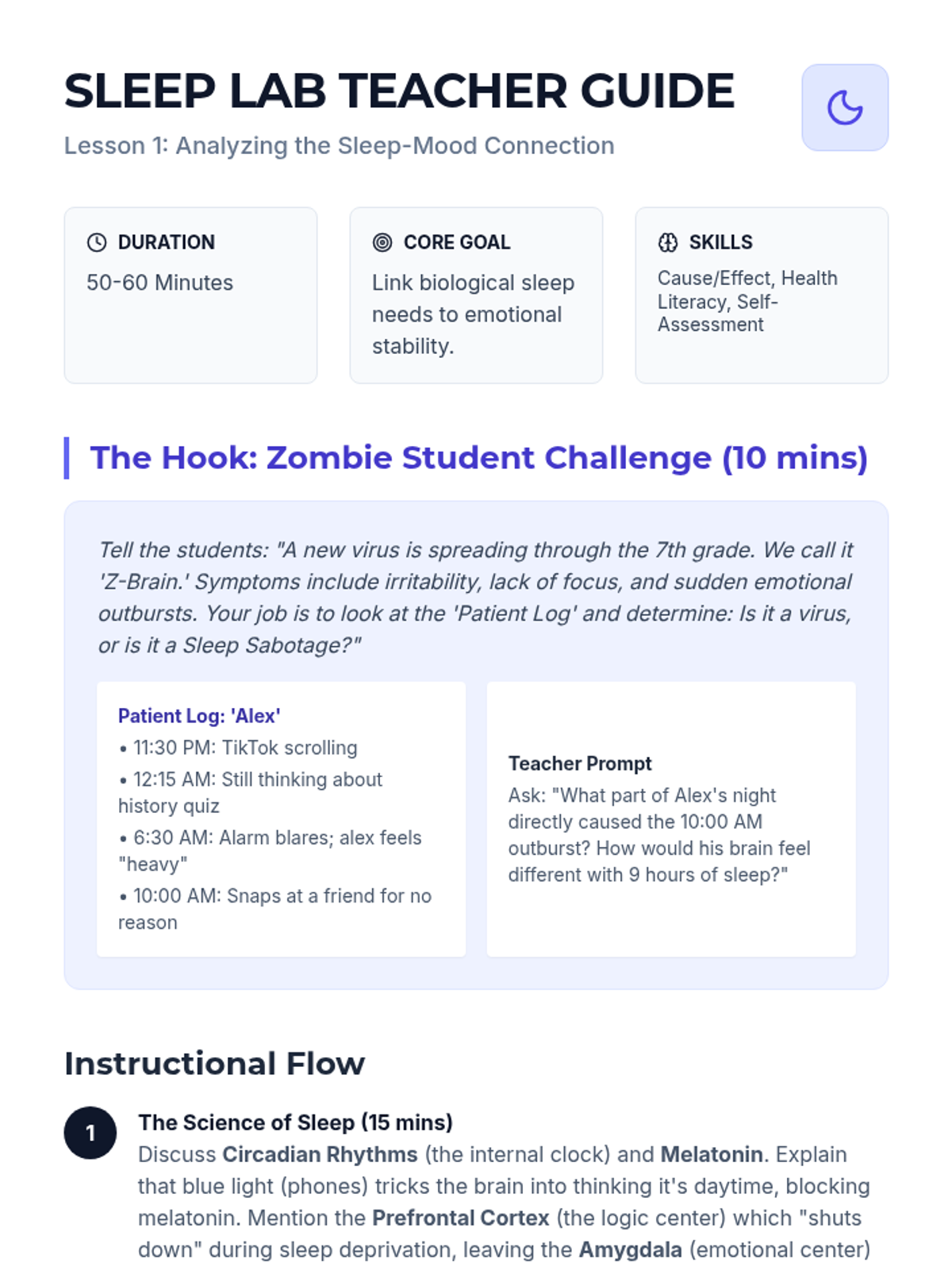
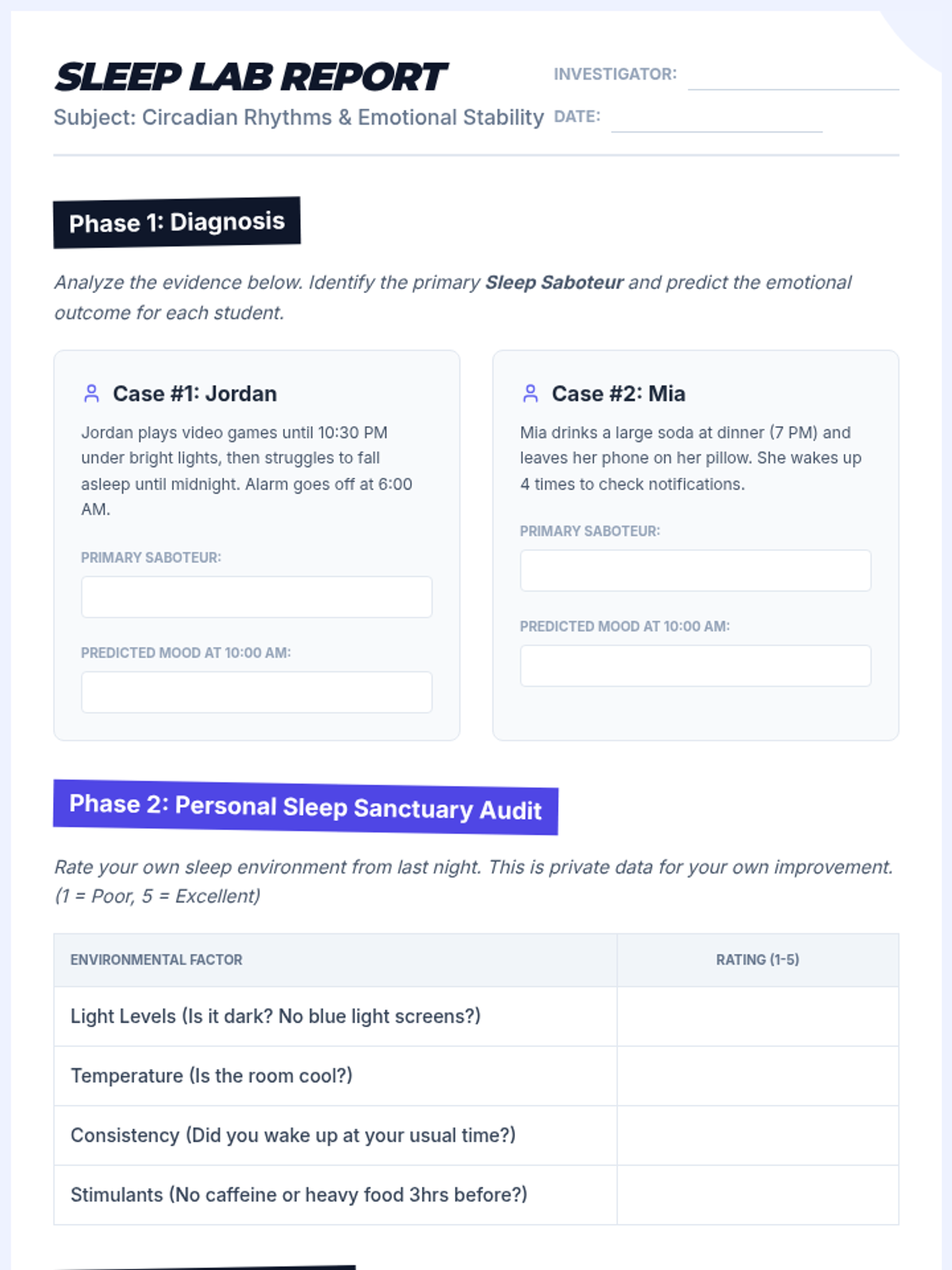
A comprehensive unit designed to help students understand the science of sleep, identify personal sleep barriers, and implement effective sleep hygiene habits for better physical and mental well-being.
An exploration of personal health and wellness, moving from defining health to implementing sustainable healthy habits.
This sequence explores the biological and environmental factors of sleep, focusing on circadian rhythms, sleep stages, the impact of technology, and the development of healthy sleep hygiene for early adolescents.
This sequence guides 7th-grade students through the biological and psychological links between daily habits and emotional stability. Students explore sleep hygiene, nutritional energy, and physical activity, culminating in a personalized habit-stacking wellness plan.
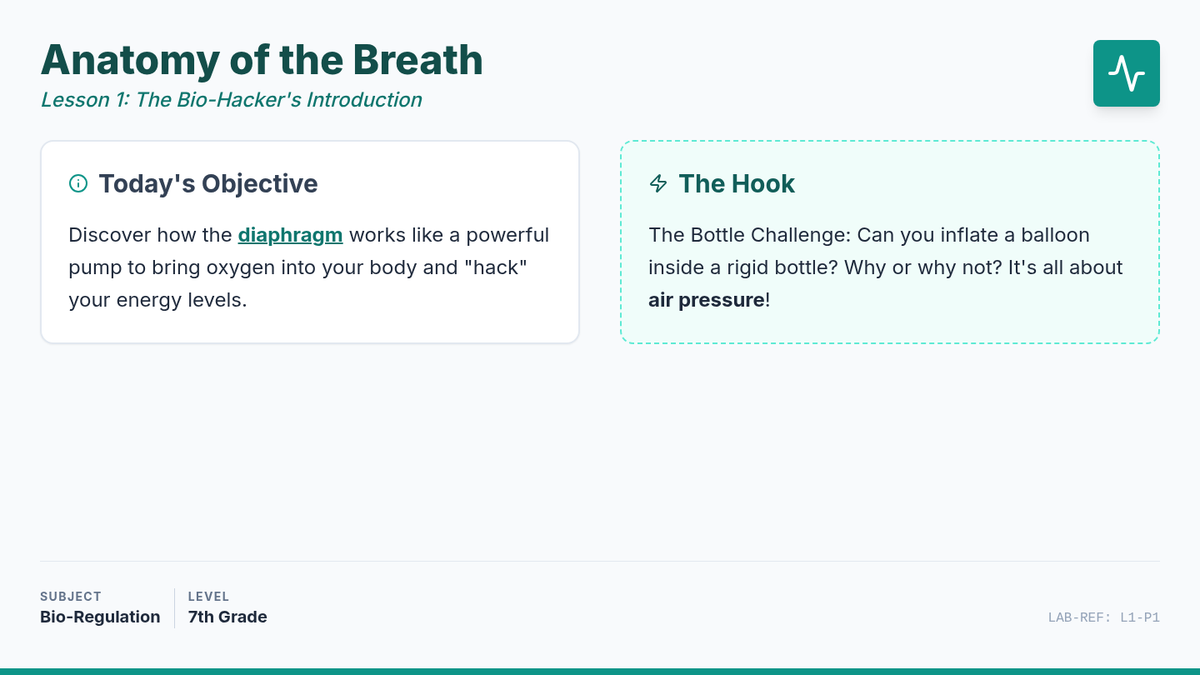
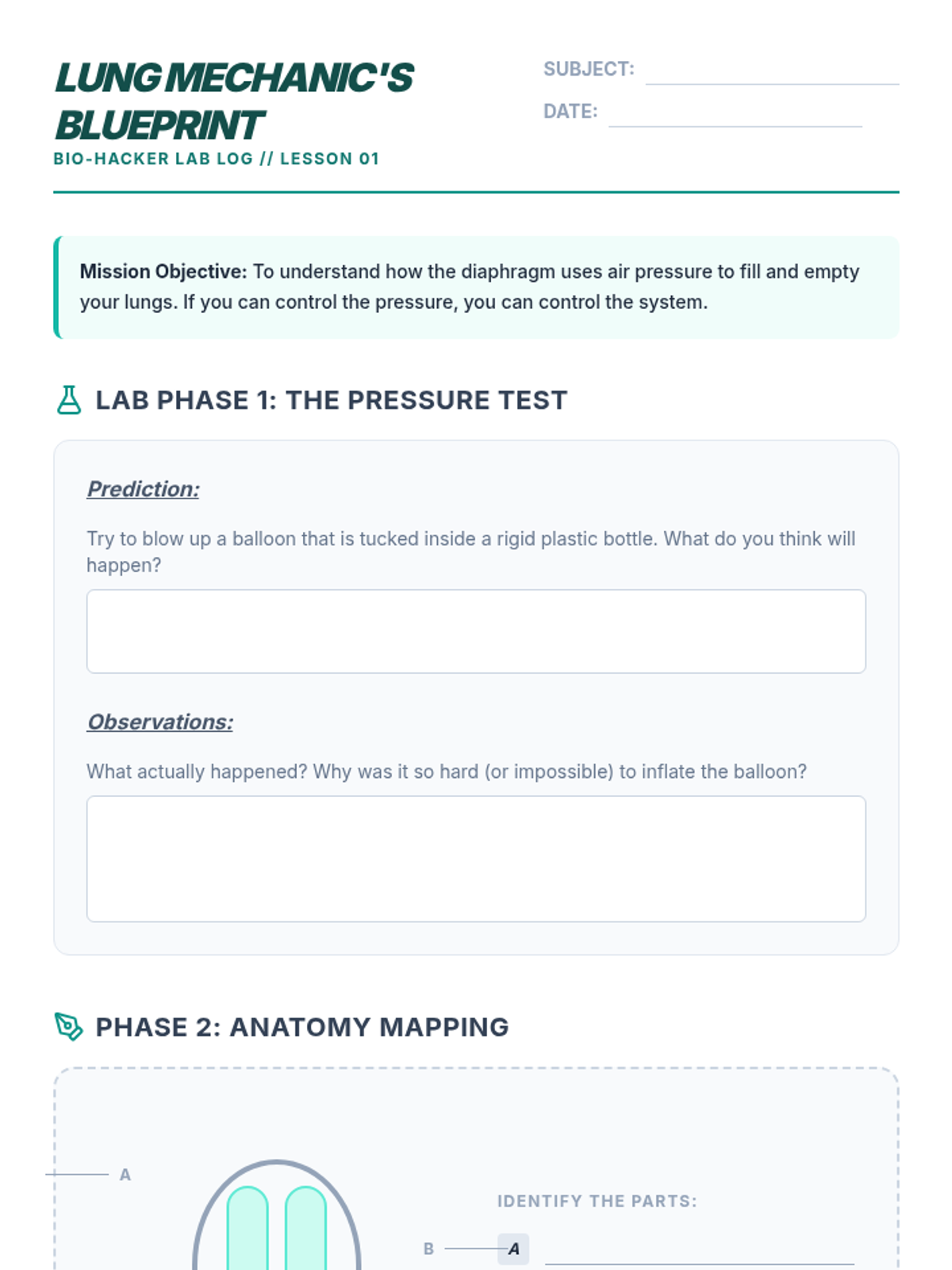
A comprehensive 5-lesson unit for 7th-grade students exploring the physiological mechanics of deep breathing. Framing breathwork as 'bio-hacking,' students learn the anatomy of the diaphragm, the function of the vagus nerve, and how to intentionally transition from a 'fight-or-flight' state to a 'rest-and-digest' state through diaphragmatic control and ratio breathing.
Students investigate the critical role of water in maintaining homeostasis and maximizing physical performance. They explore physiological mechanisms, analyze dehydration symptoms through case studies, compare water with electrolyte beverages, and design personalized hydration strategies.