Fundamental techniques for racket sports, track and field, and gymnastics maneuvers. Develops physical literacy through martial arts disciplines and self-defense strategies.
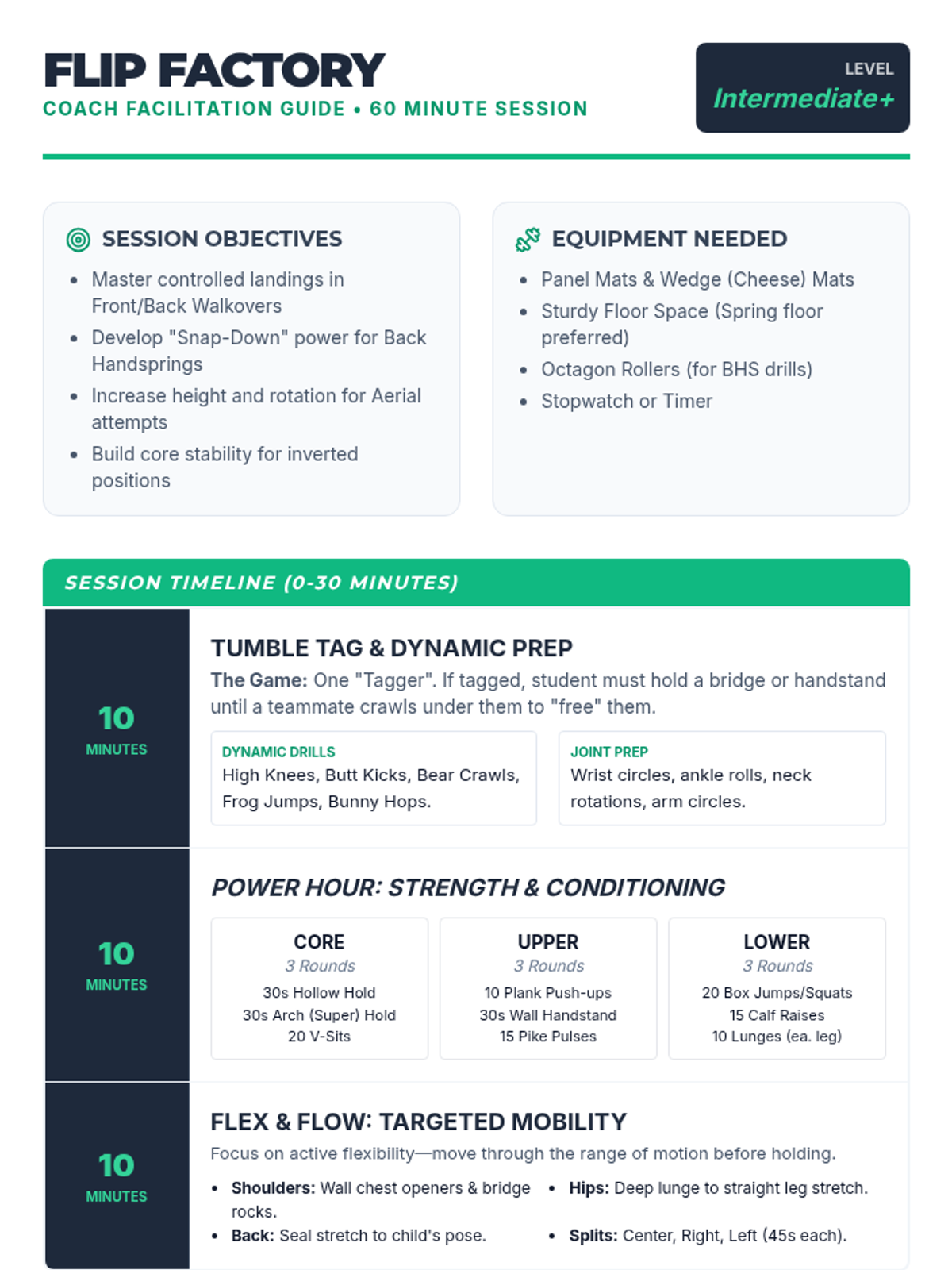
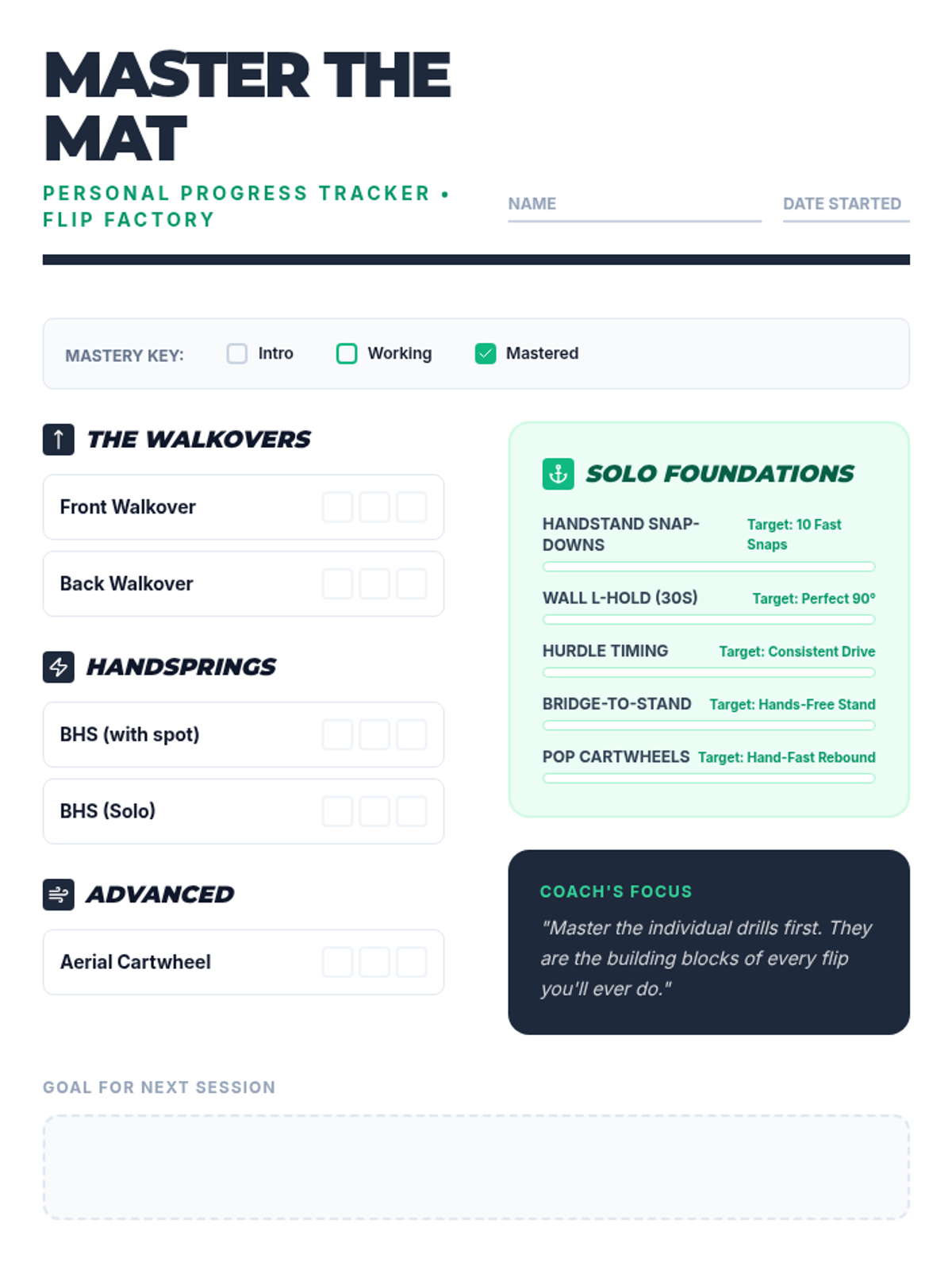
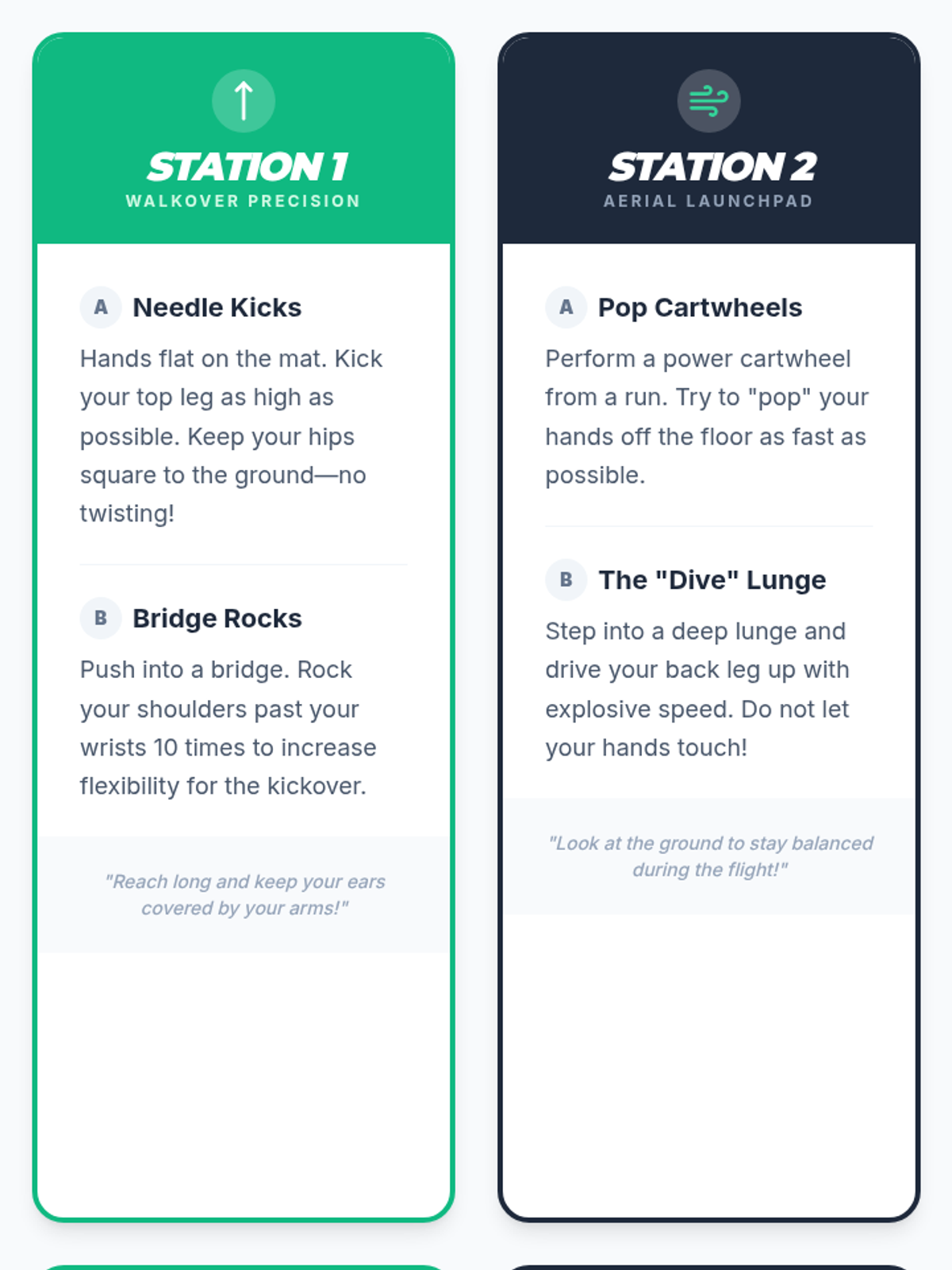
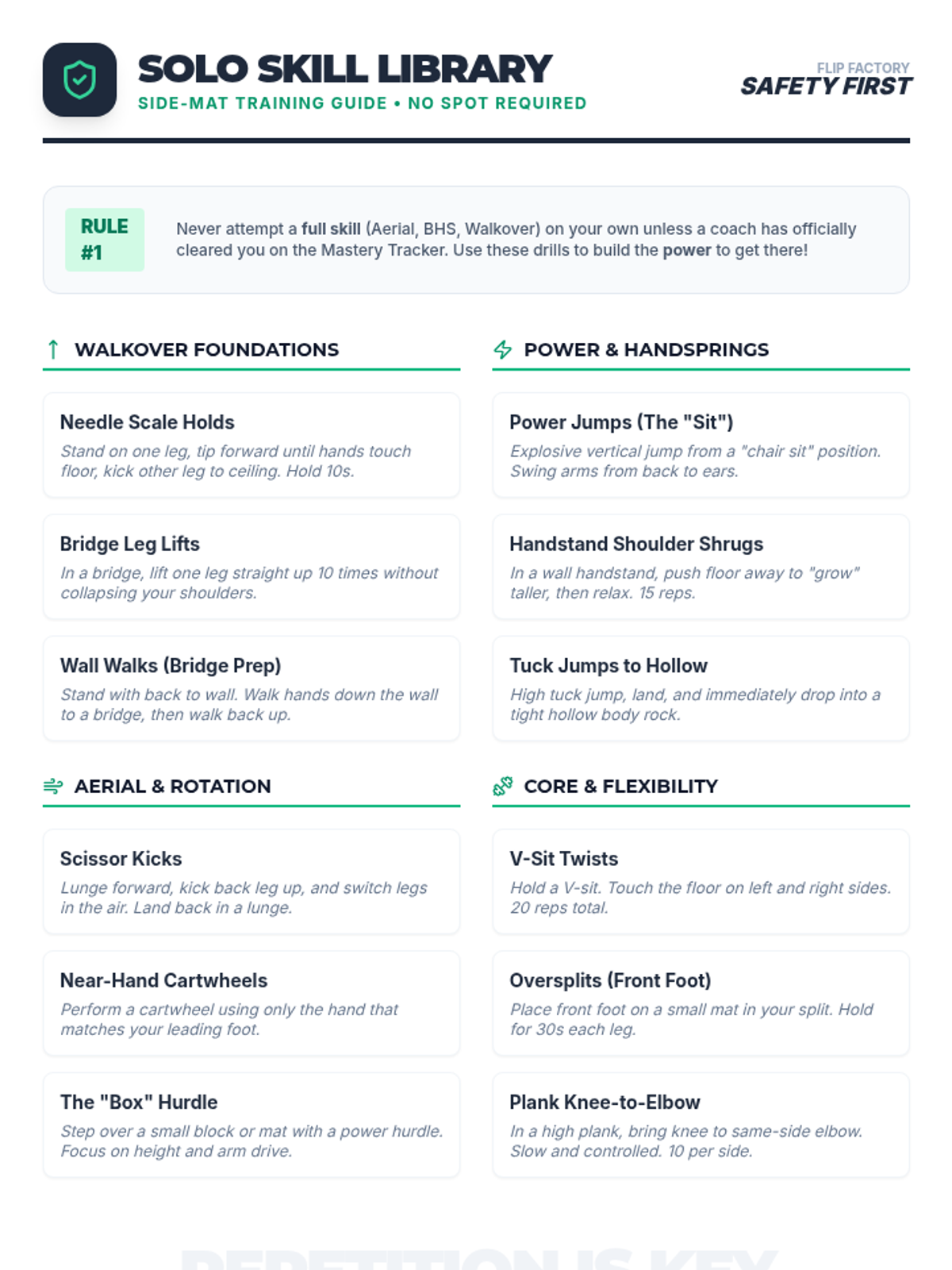
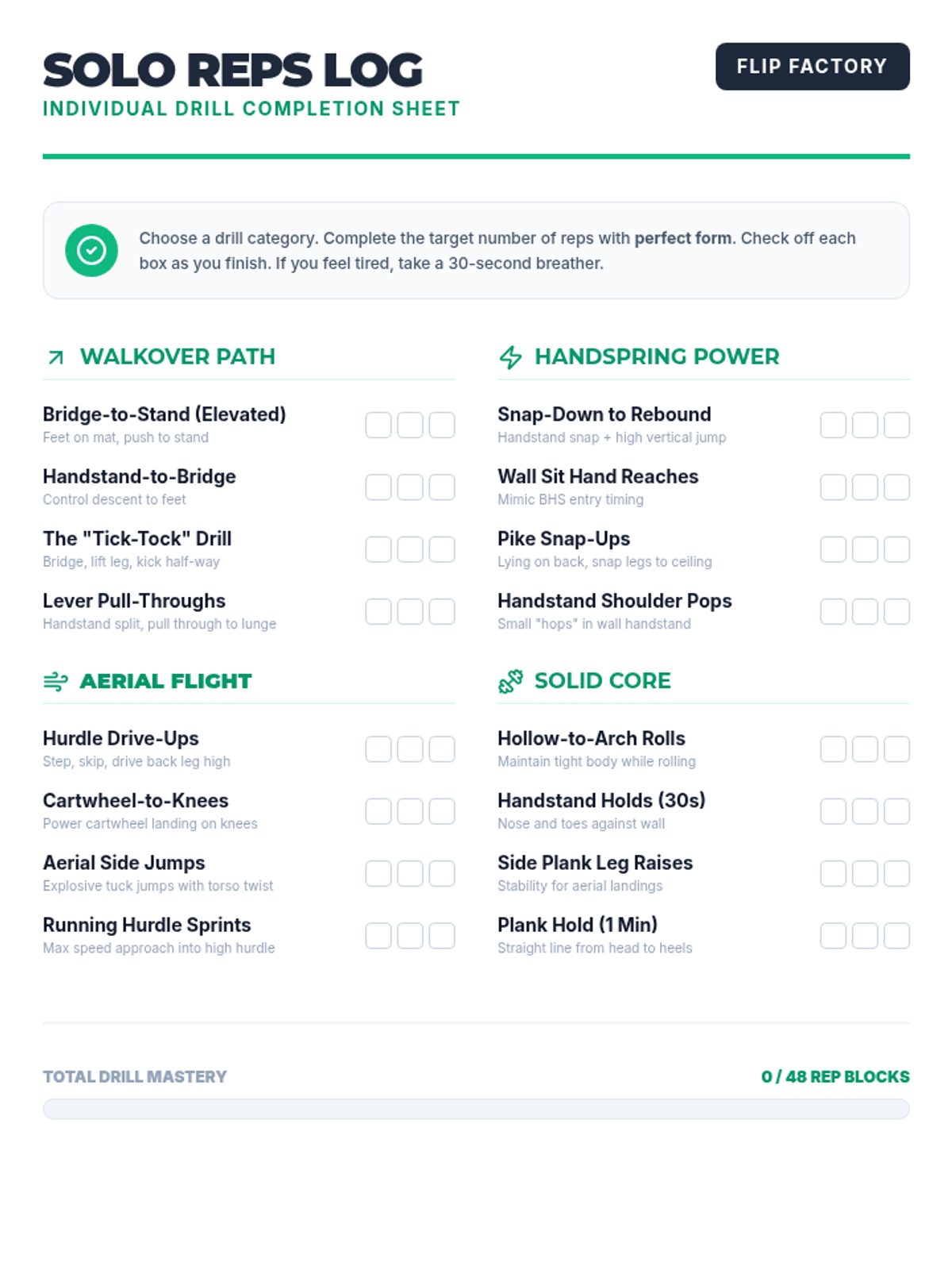
A high-energy 60-minute tumbling lesson focused on intermediate to advanced floor skills including walkovers, handsprings, and aerials. Includes a comprehensive coach guide, visual drills, and a student progress tracker.
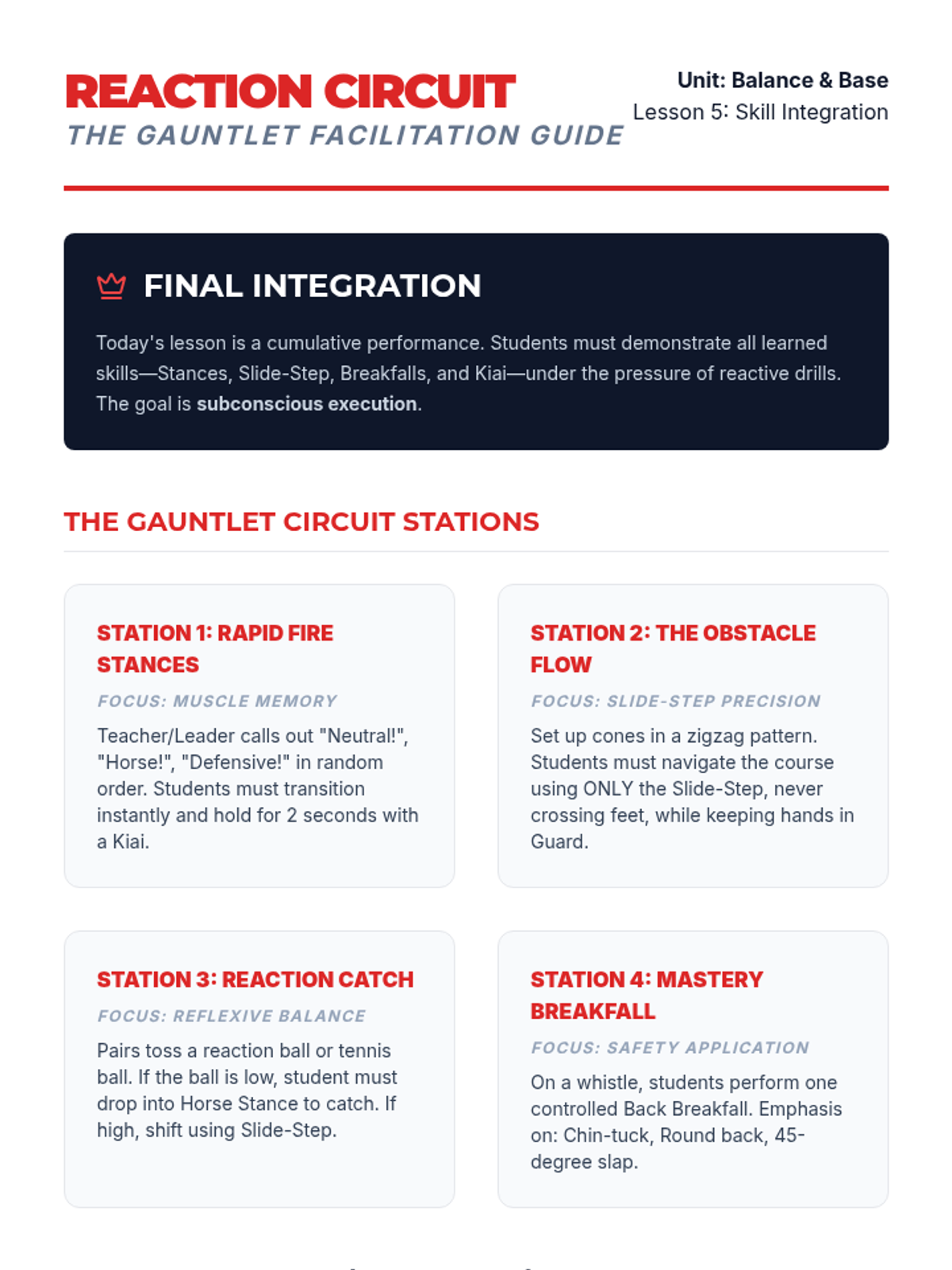
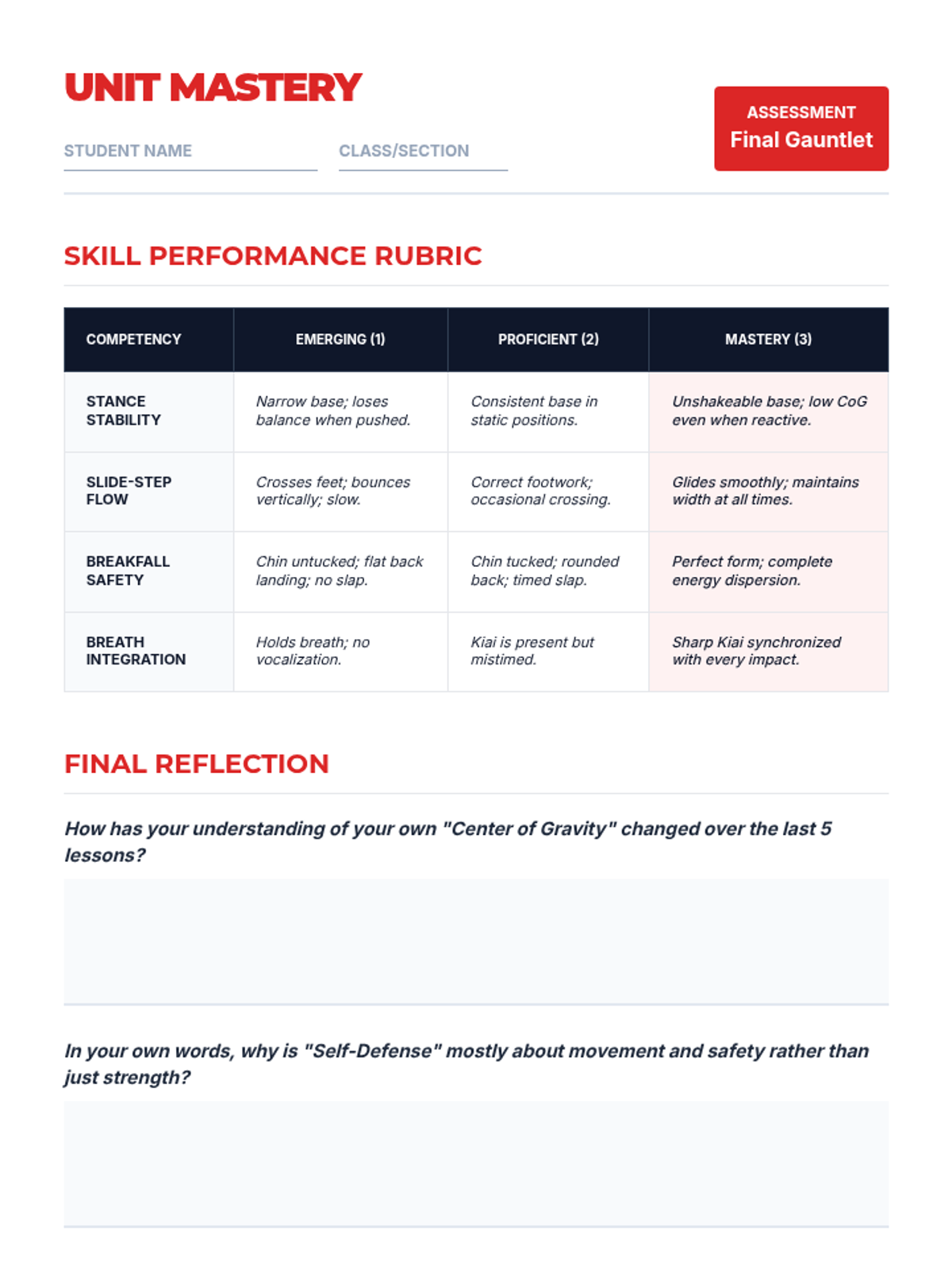
A high-energy culmination of the unit where students combine stances, footwork, and breath in reaction-based drills and agility circuits to improve motor recall.
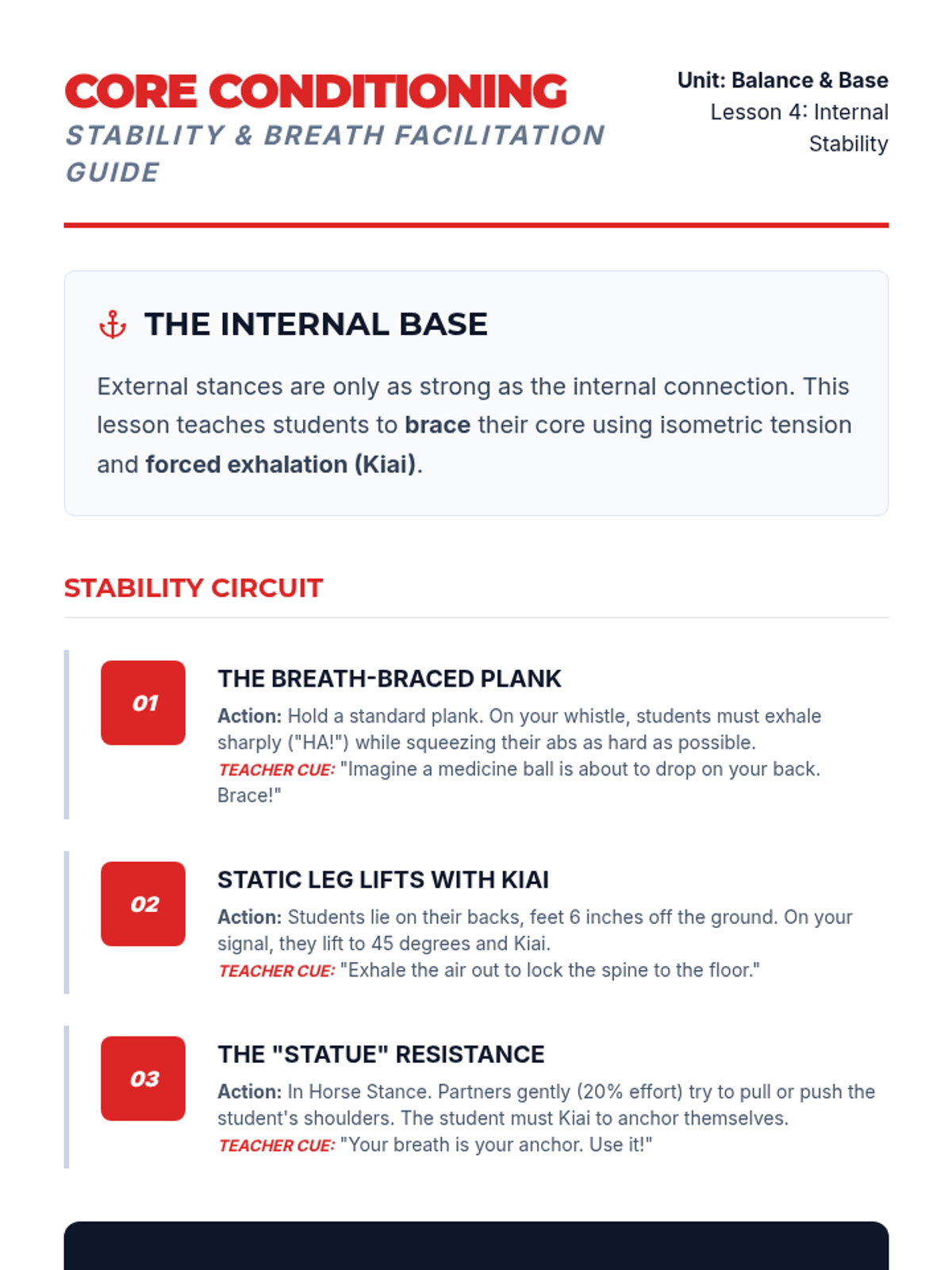
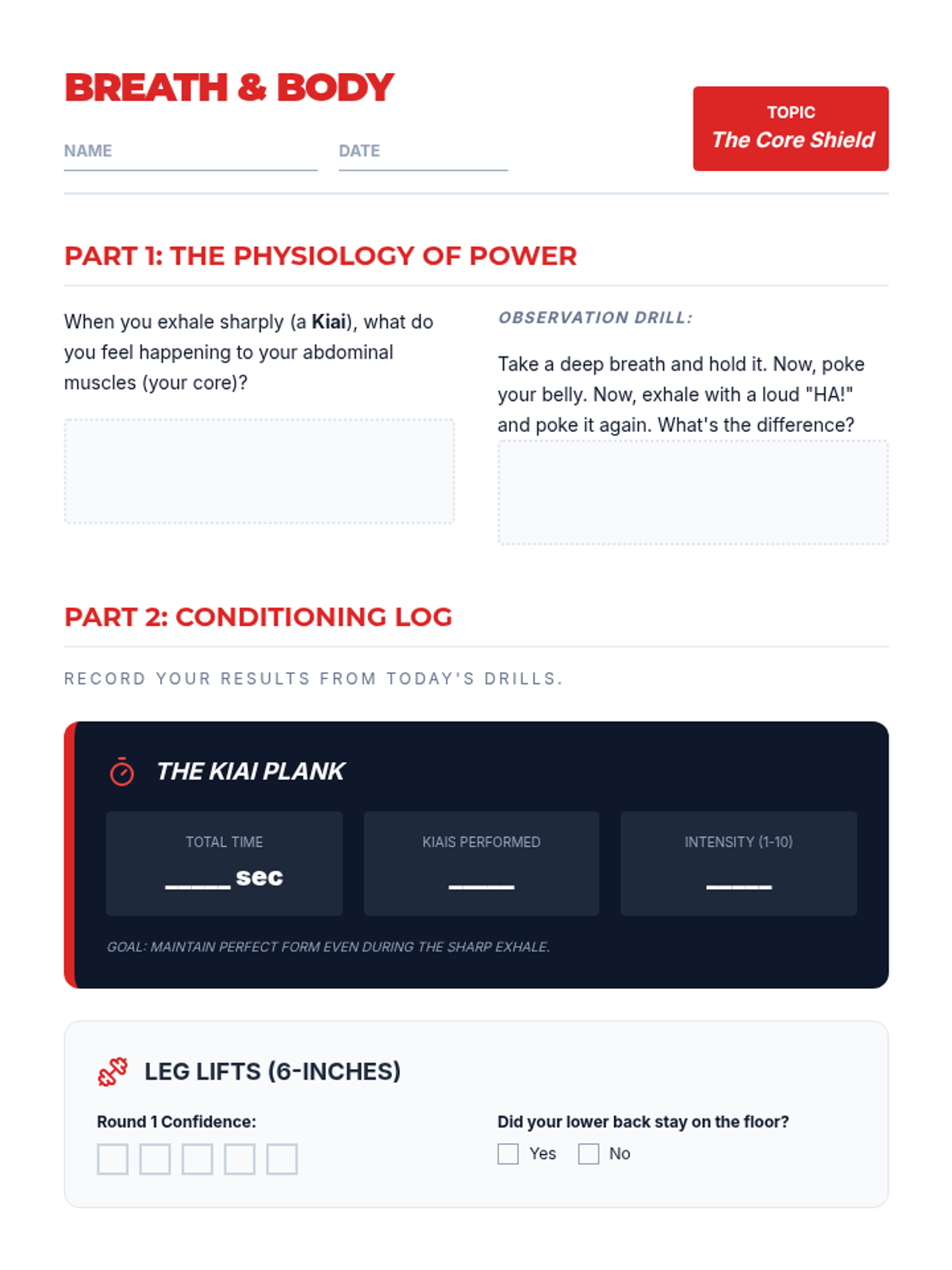
This lesson integrates isometric exercises and kiai breathing techniques to tighten the core during exertion, synchronizing breath with muscular contraction for stability.
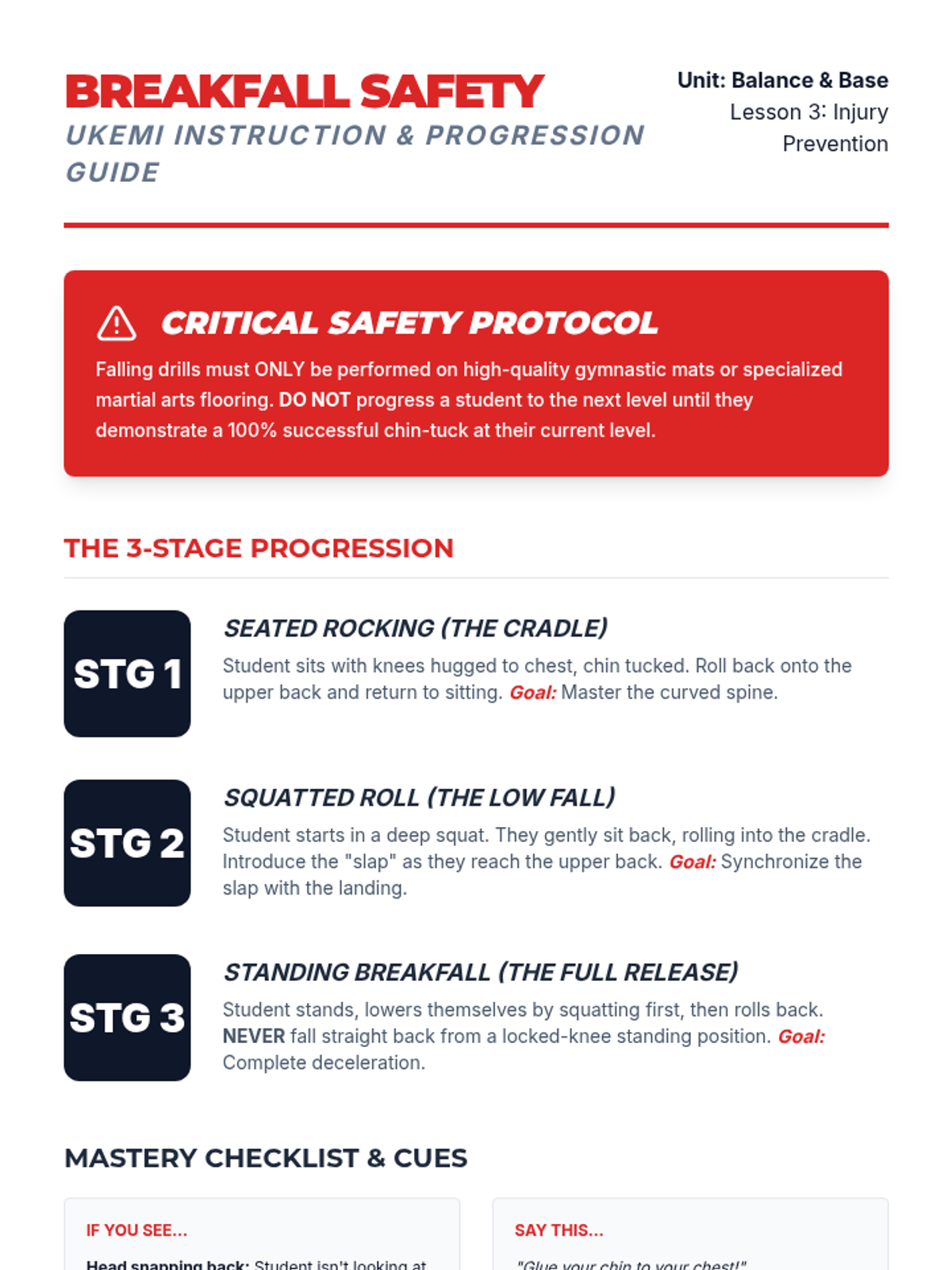
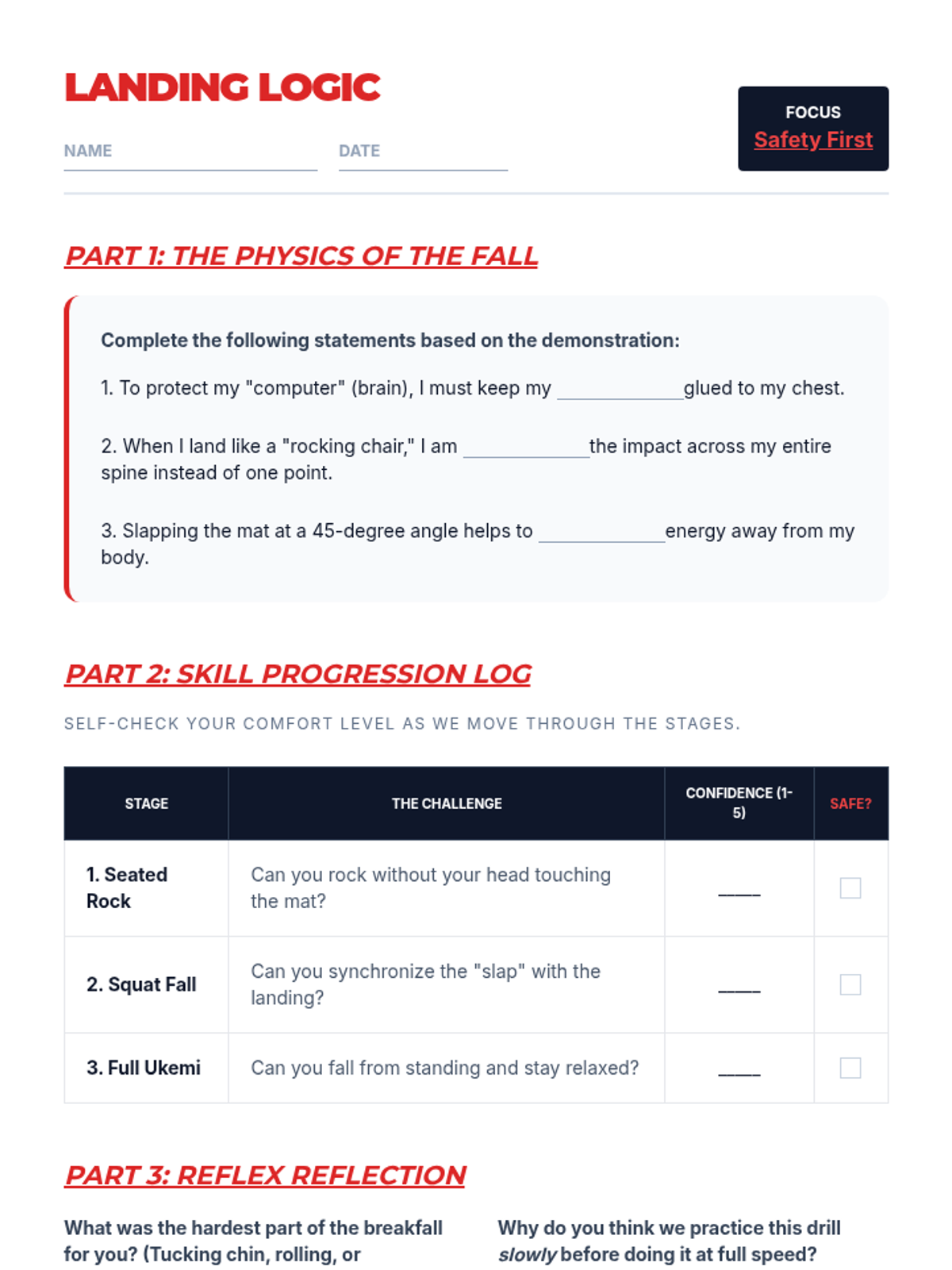
Students learn the mechanics of dispersing impact when falling (Ukemi), focusing on tucking the chin, rounding the back, and using 'slaps' to absorb shock safely.
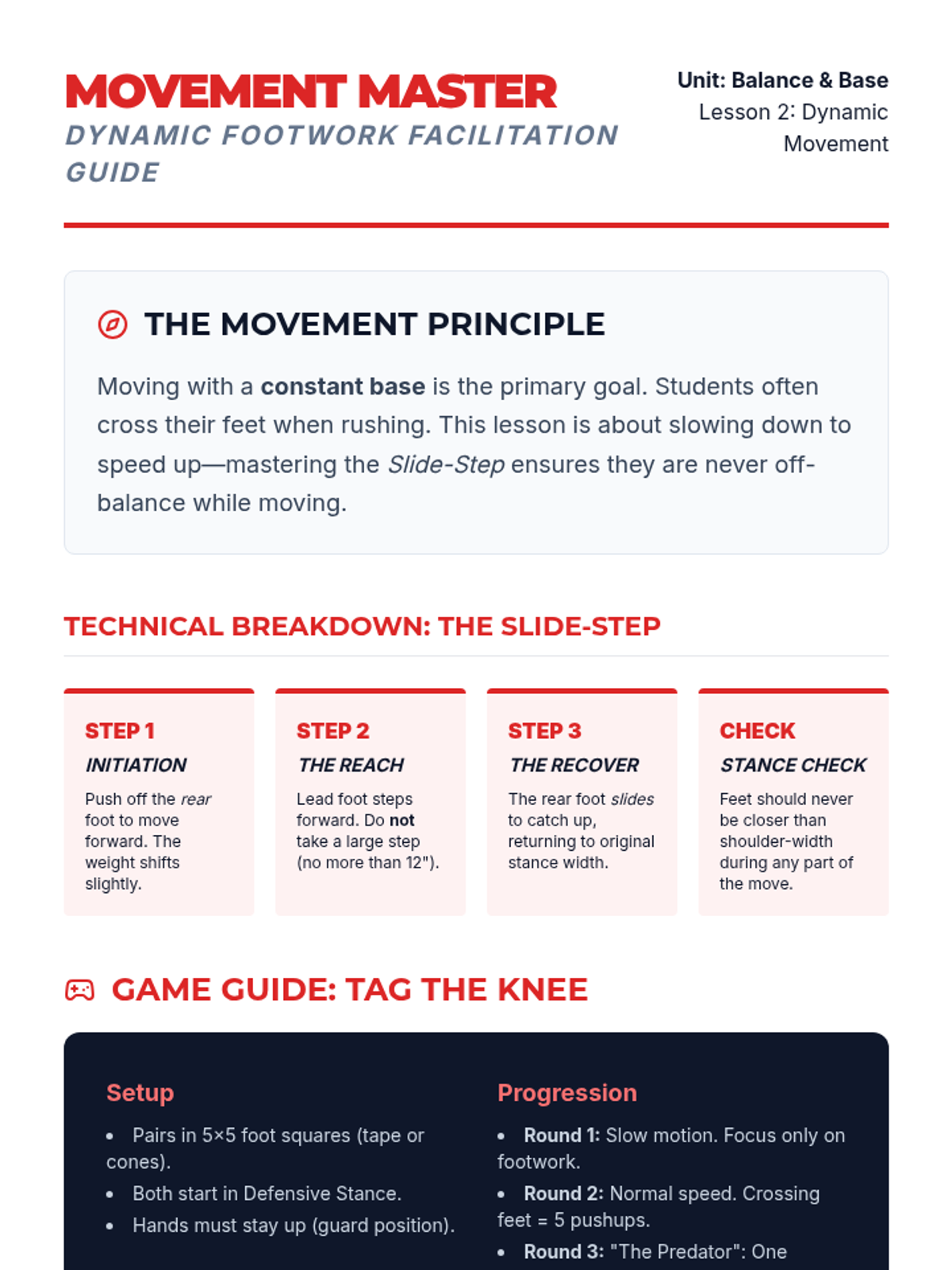
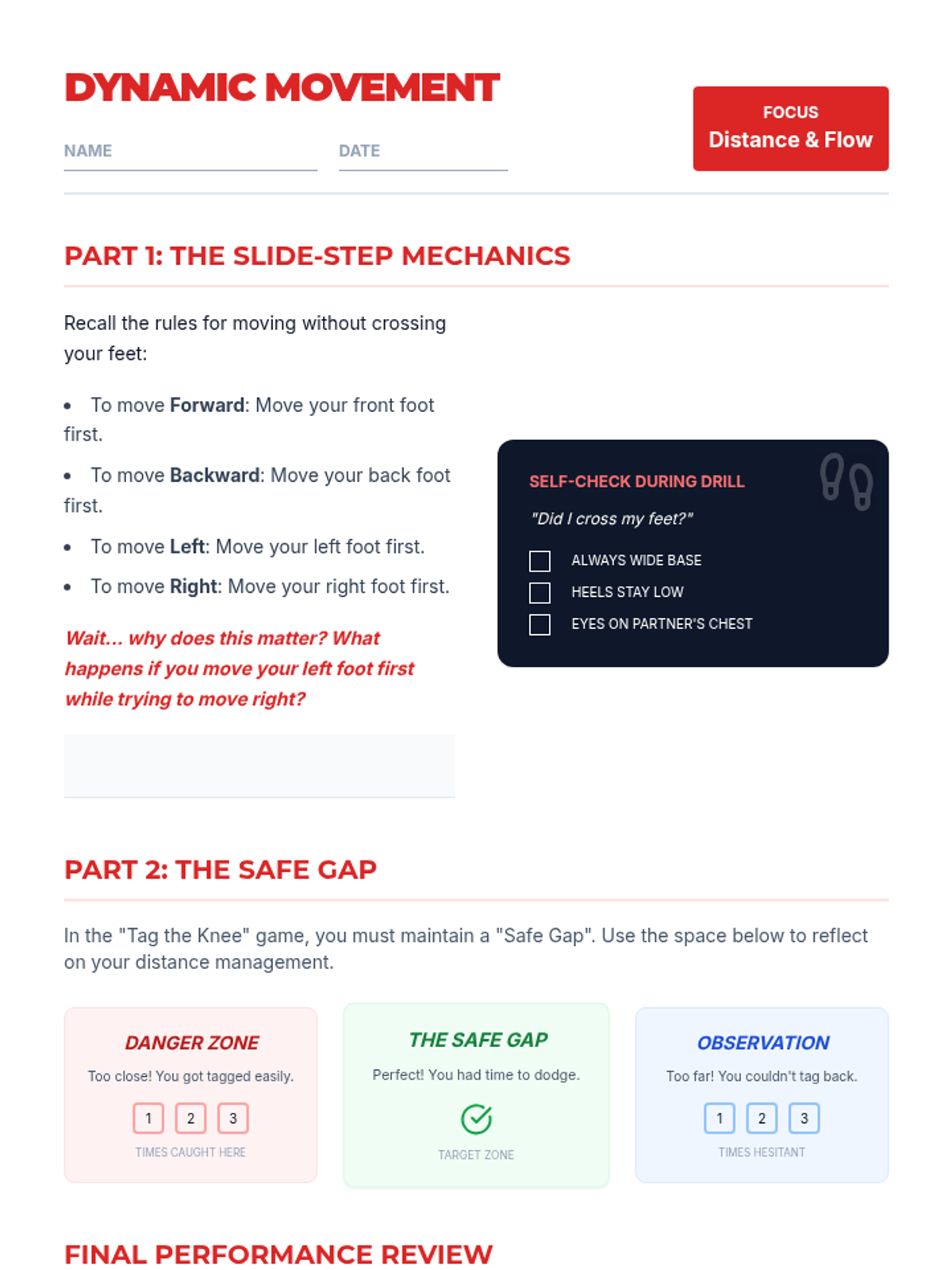
Focusing on the 'slide-step' and pivot, students practice moving without crossing their feet to maintain readiness and manage distance from potential threats.
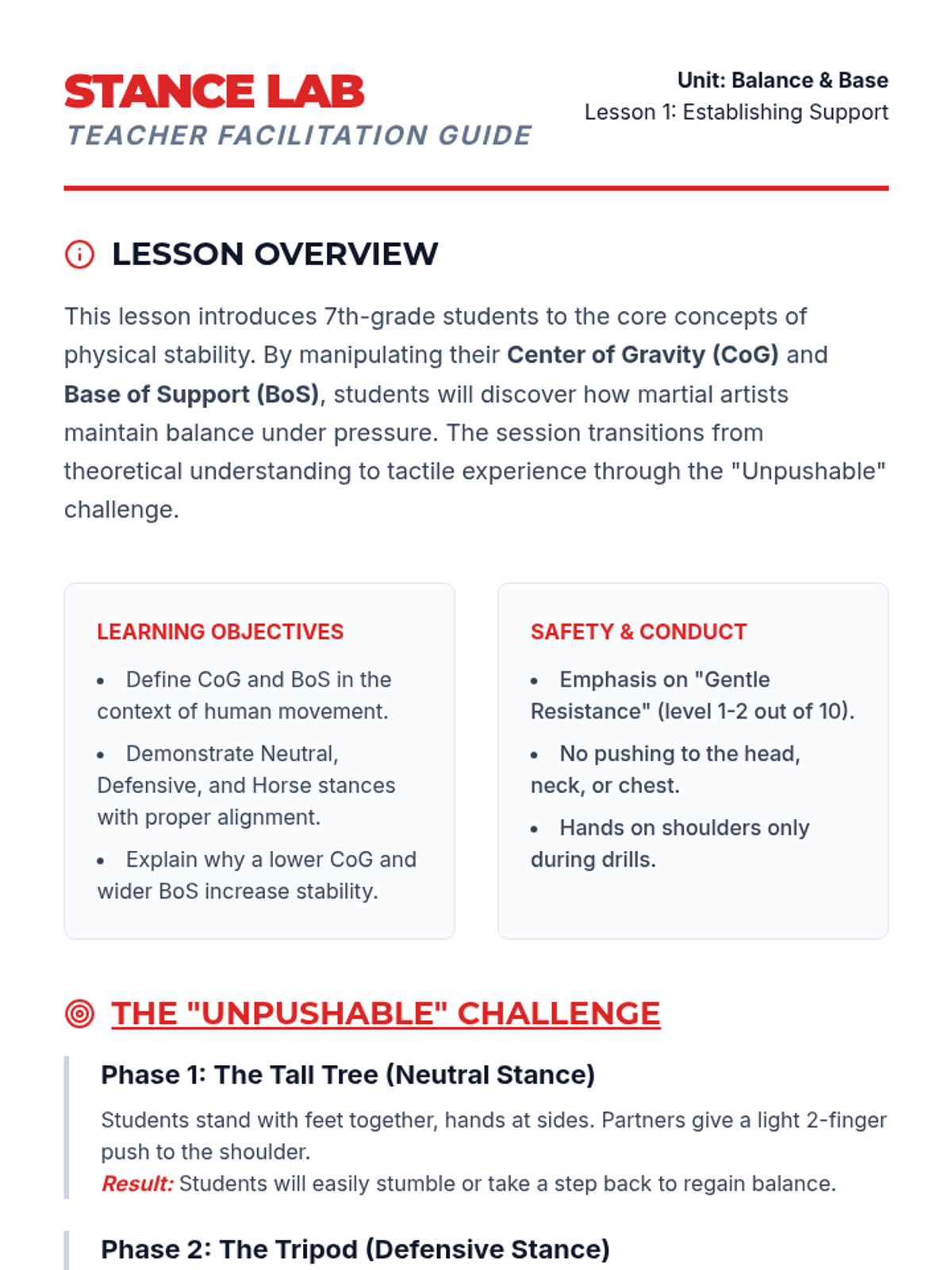
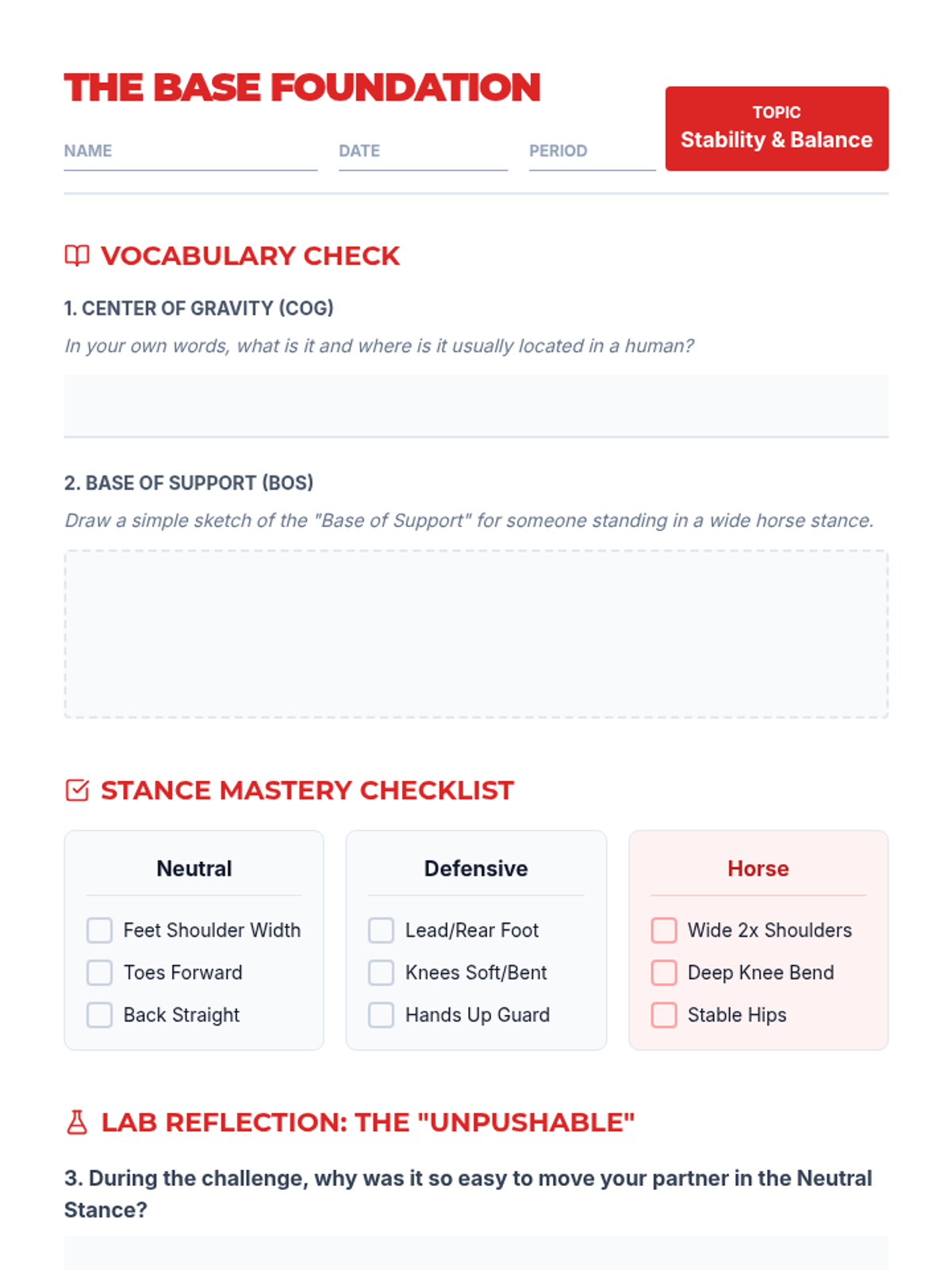
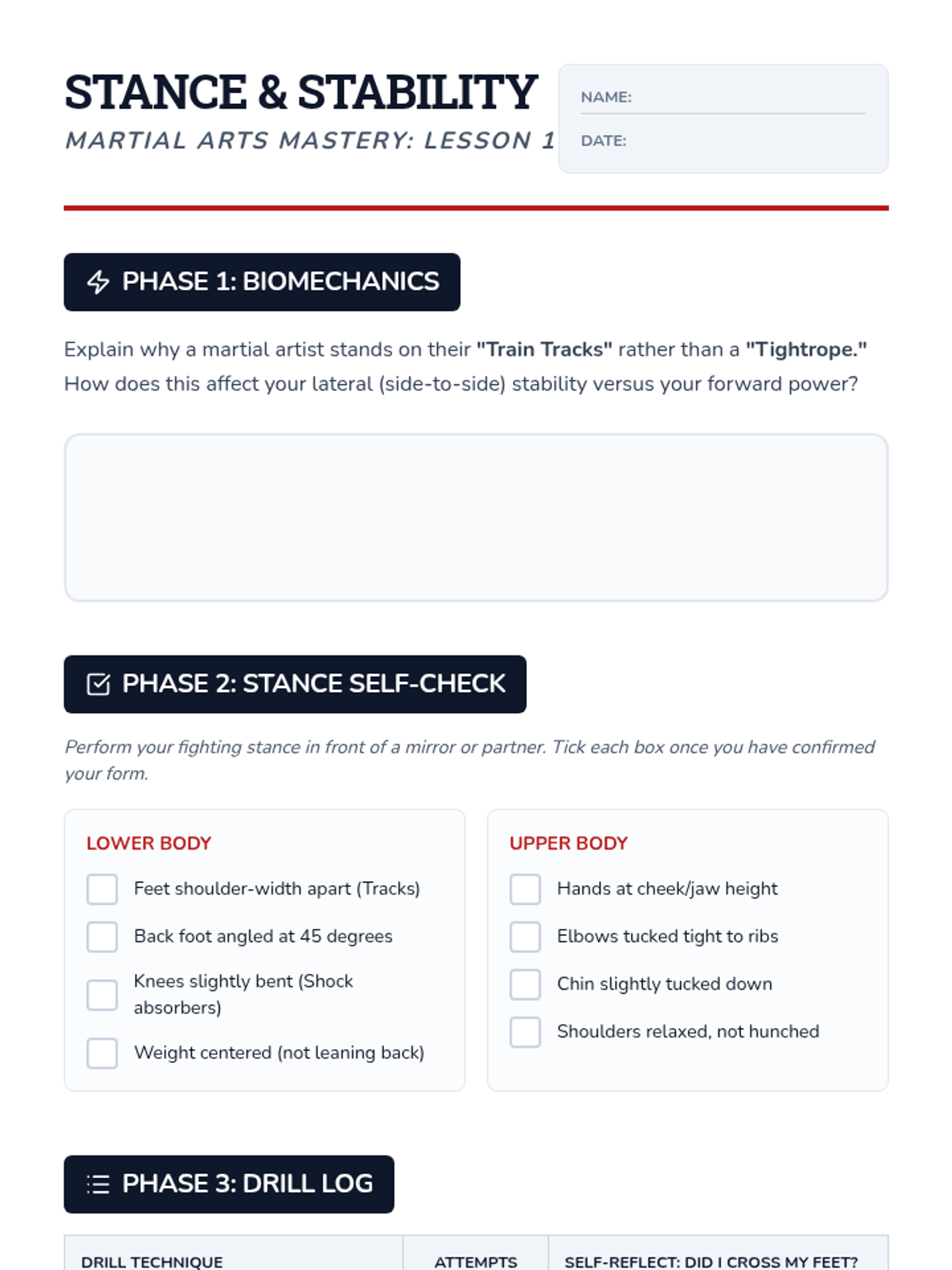
Students explore stability and center of gravity by mastering three fundamental stances: neutral, defensive, and horse stance, learning how a wide base and low center prevent being knocked off balance.
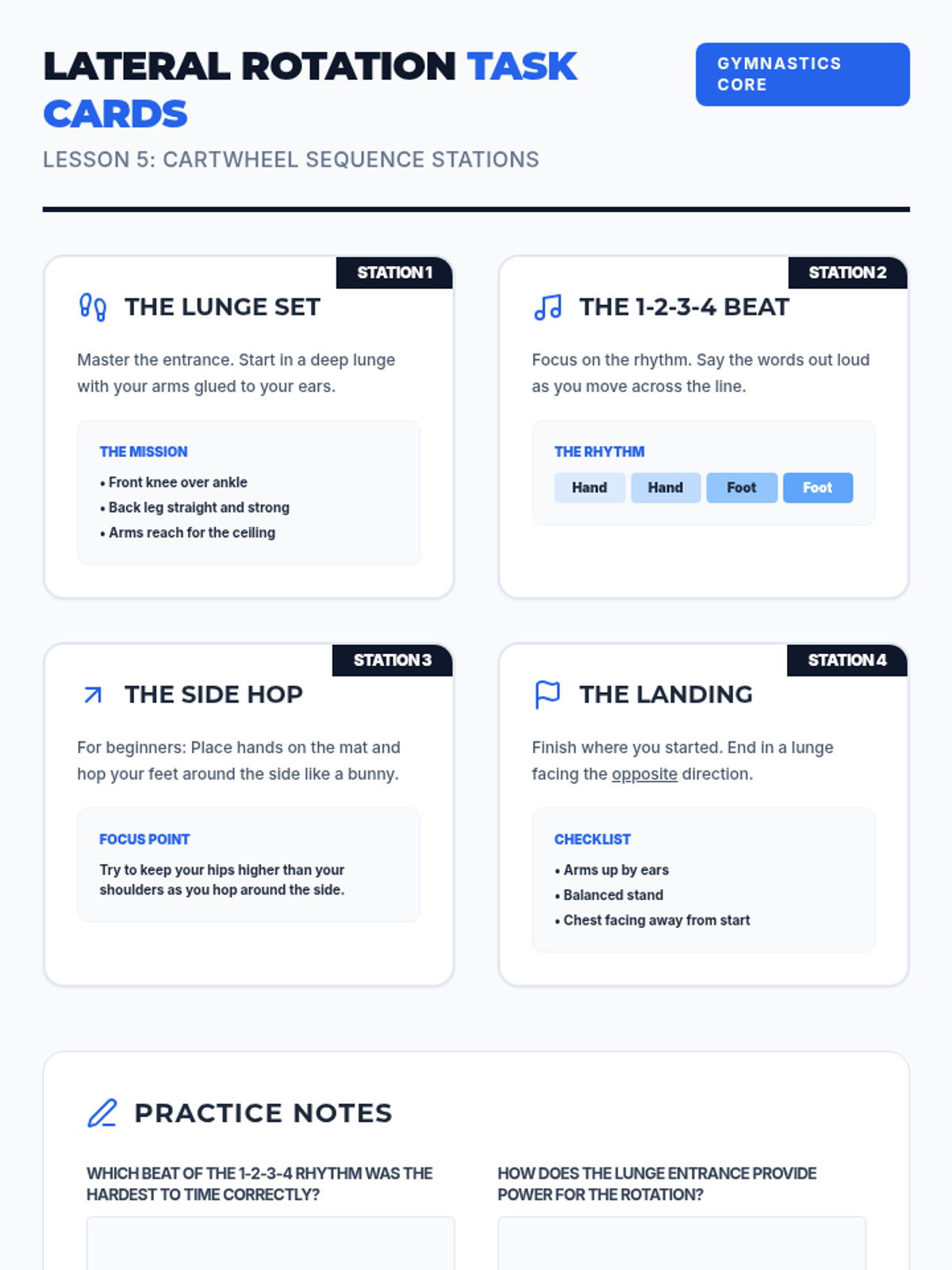
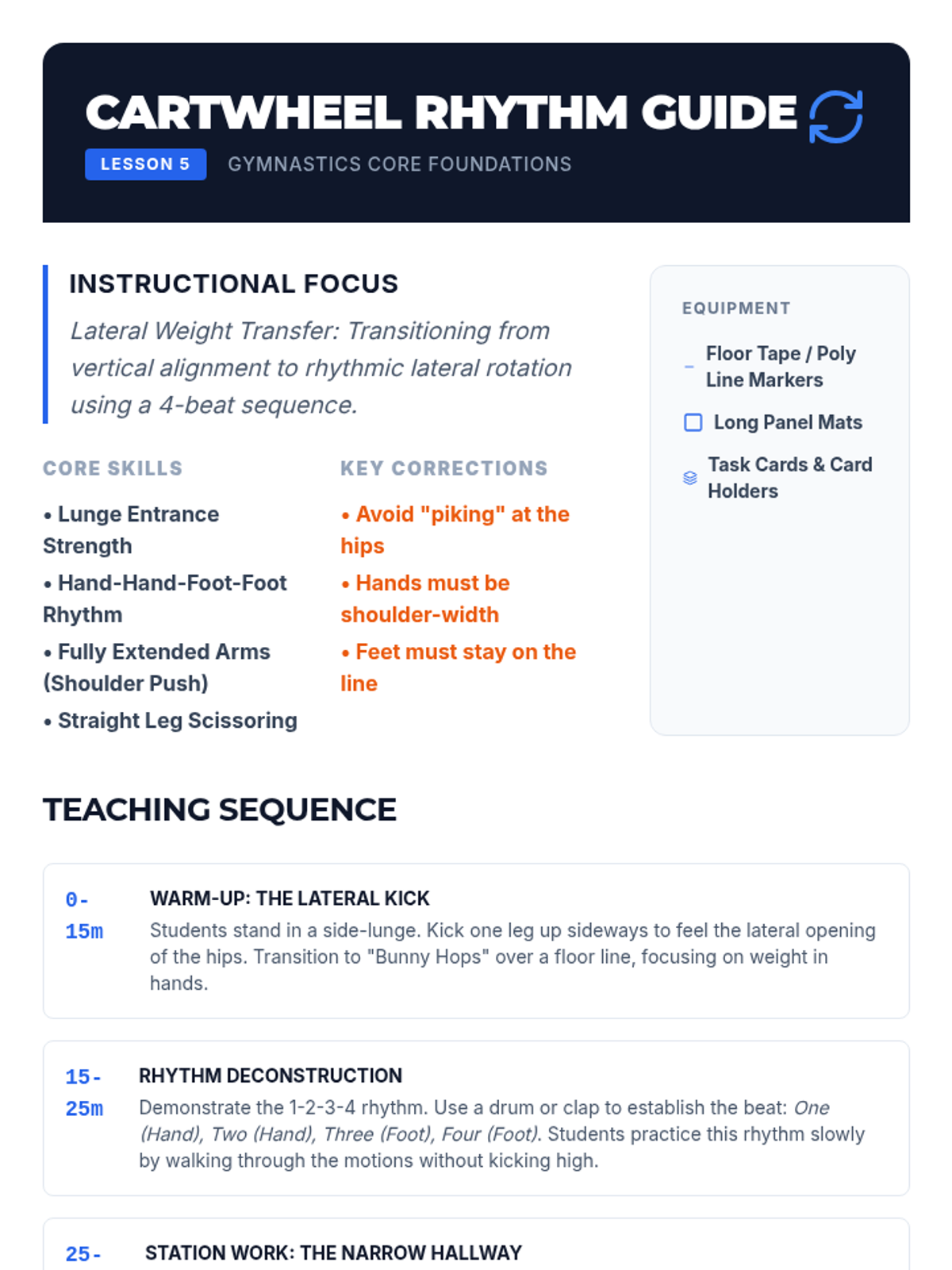
Students deconstruct the cartwheel into a hand-hand-foot-foot rhythm using floor markers. The lesson emphasizes the lunge entrance and the lateral transfer of weight through fully extended arms.
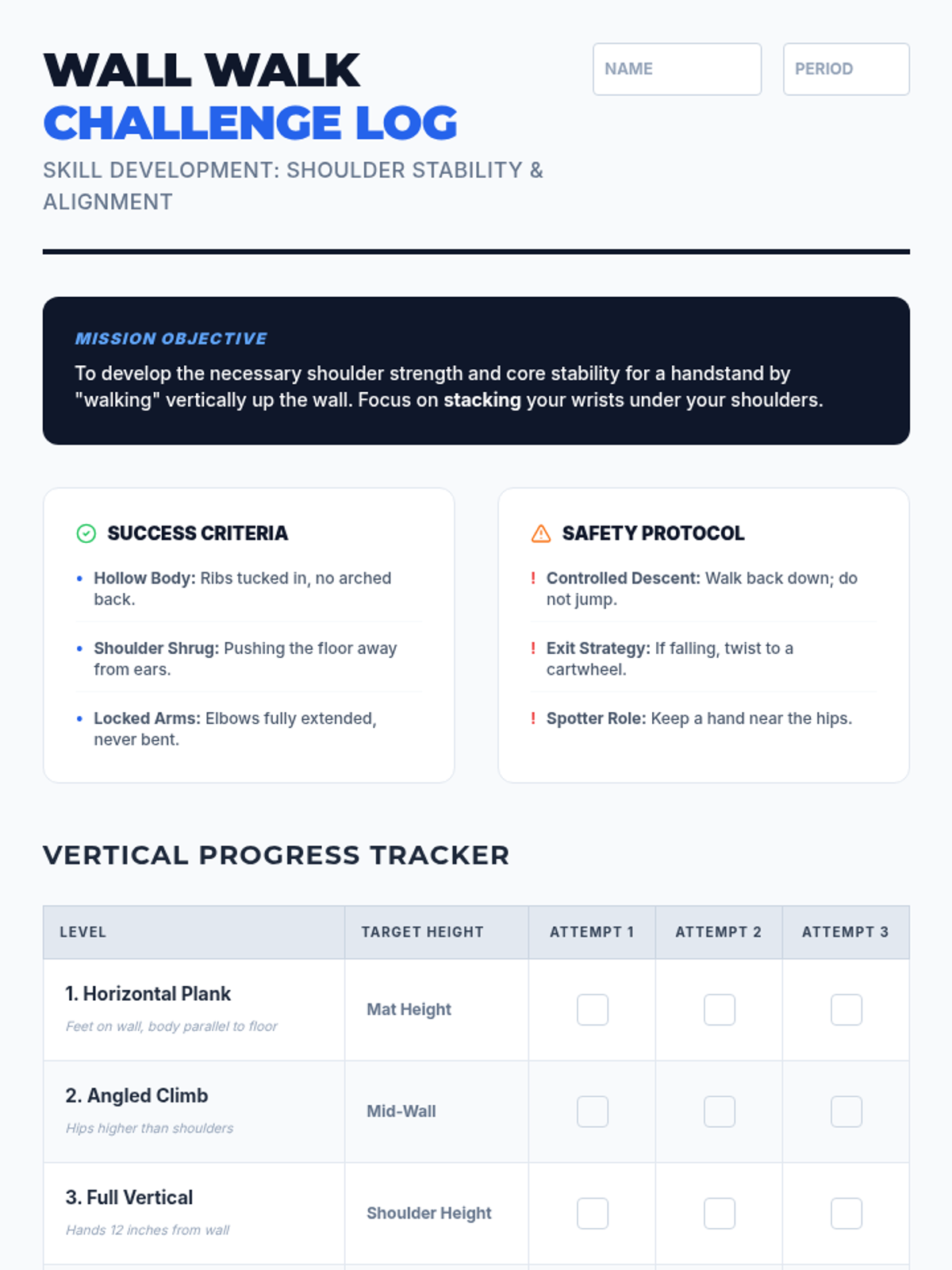
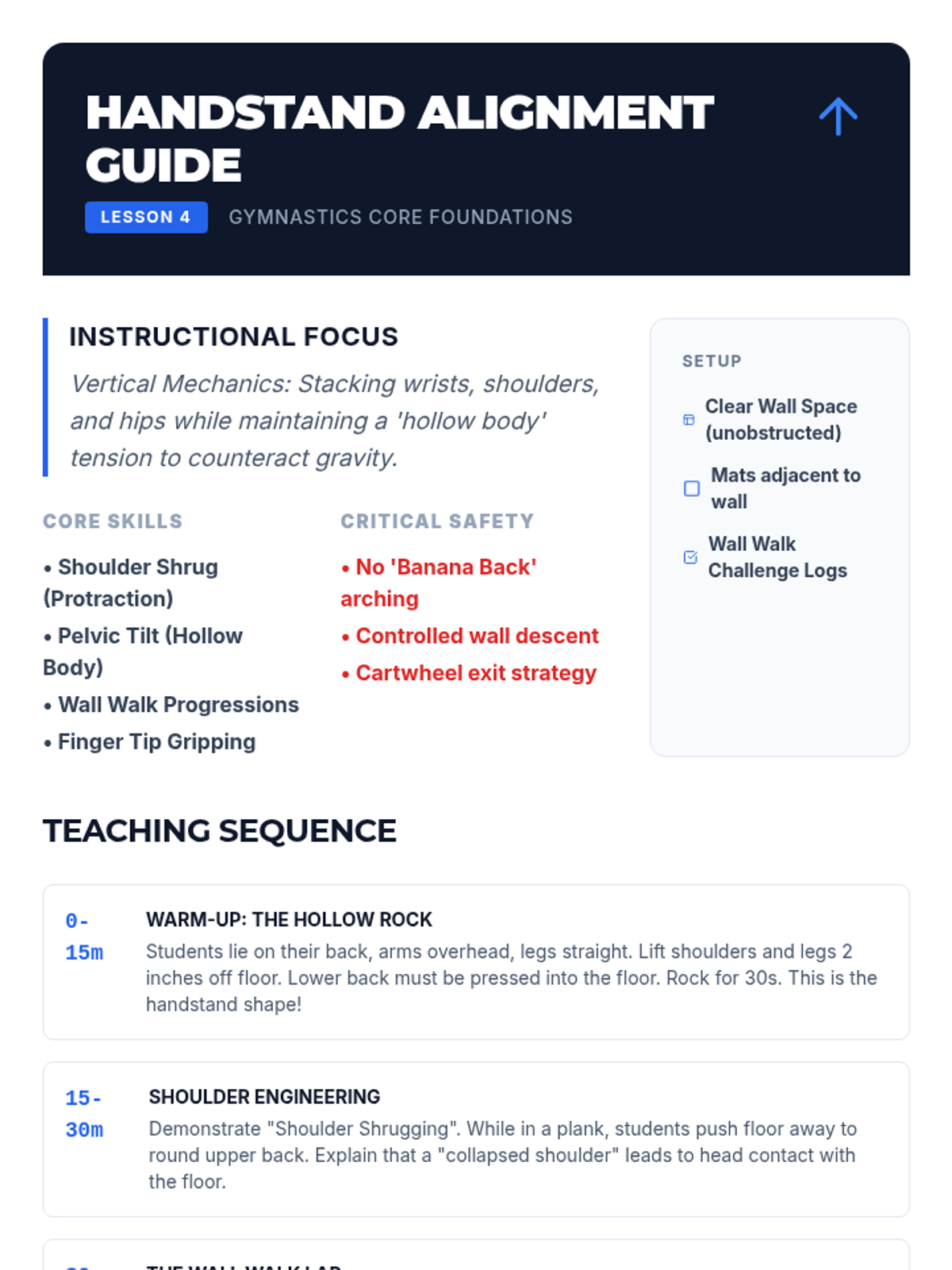
Students practice wall walks and lunge-to-handstand drills to develop shoulder strength and vertical alignment. The focus is on the 'hollow body' position and stacking joints rather than holding a freestanding handstand immediately.
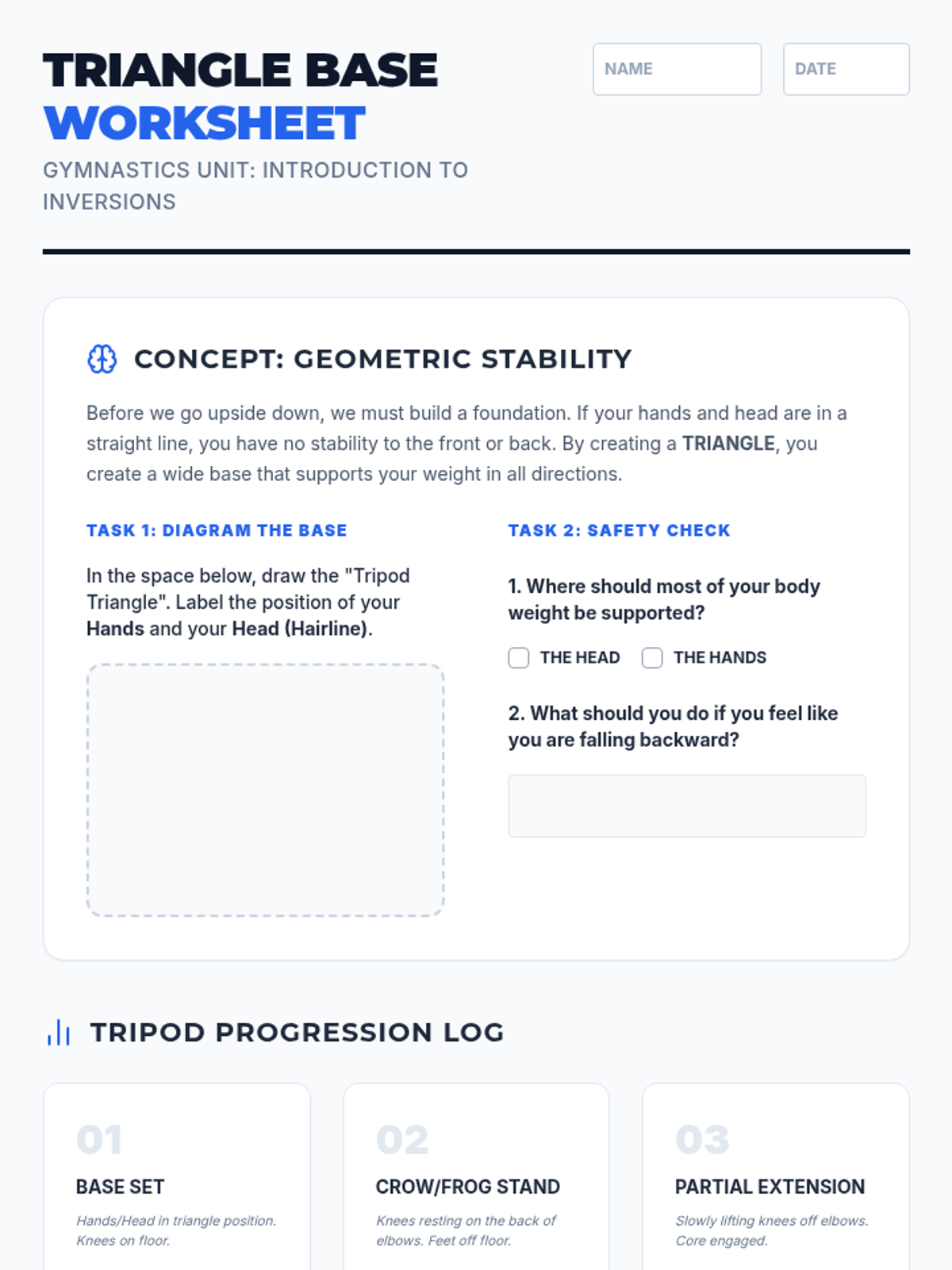
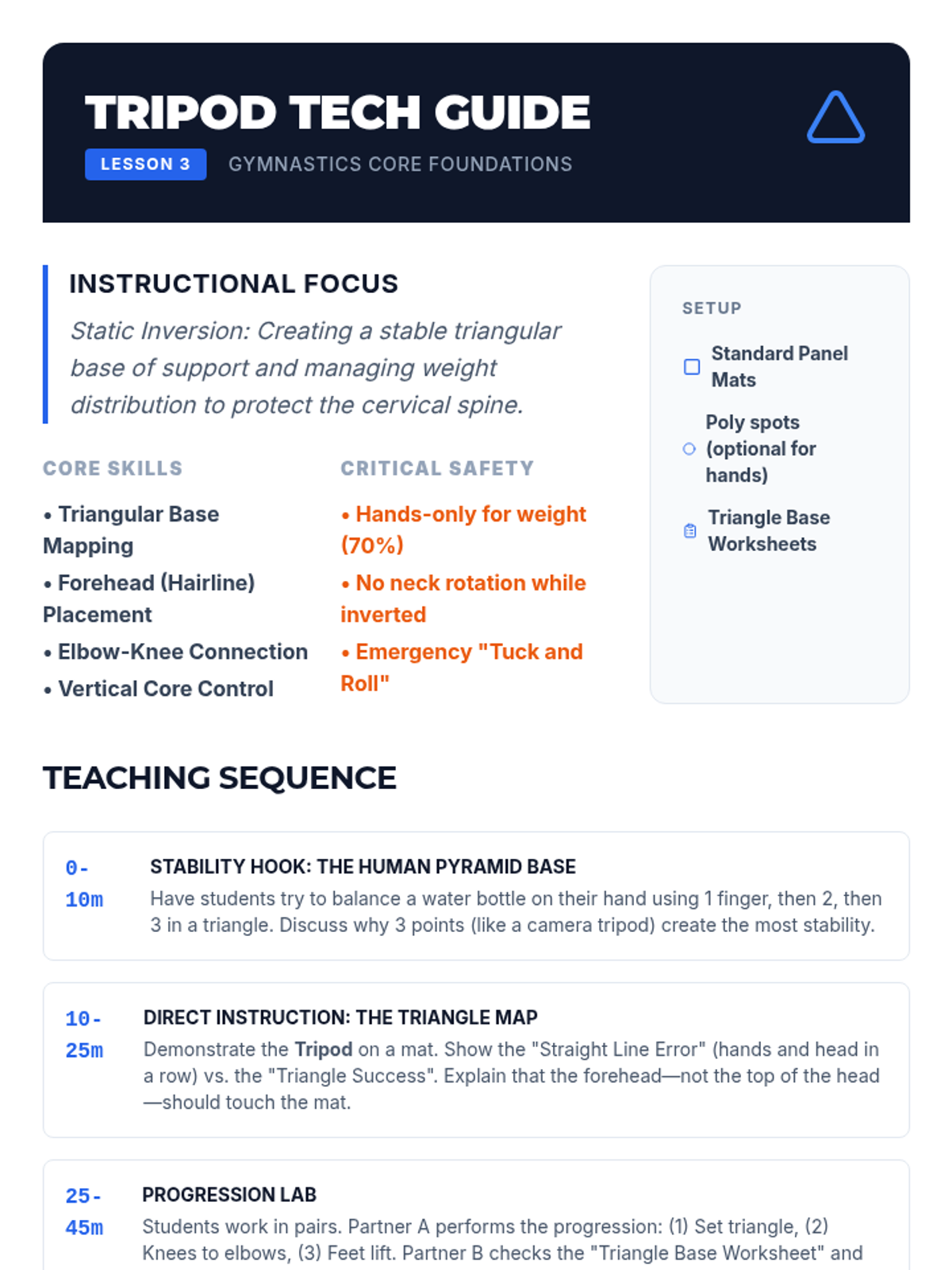
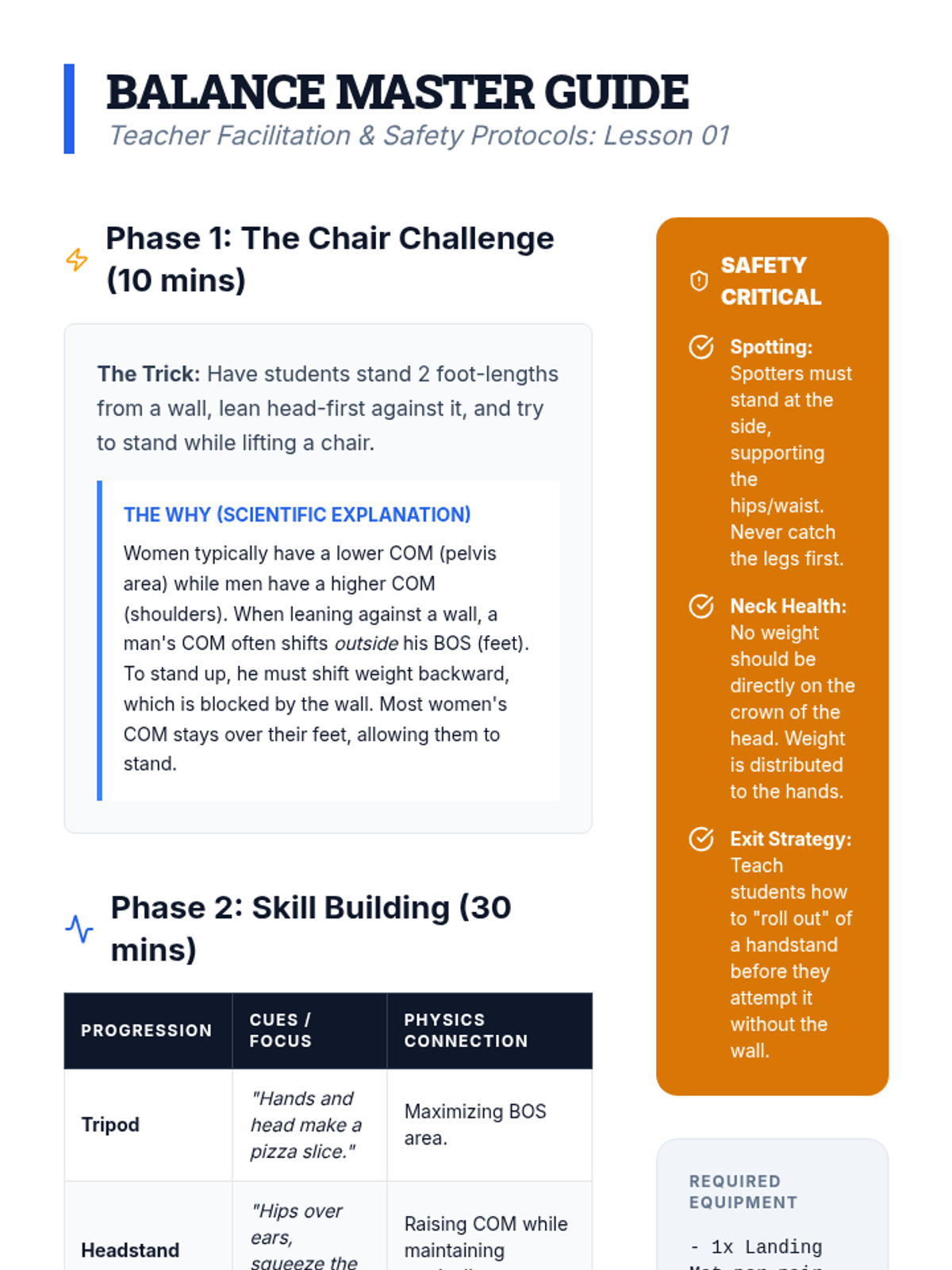
This lesson introduces static balance and inversion through the tripod position. Students learn to create a stable base of support using their head and hands, focusing on neck safety and slow, controlled leg extension.
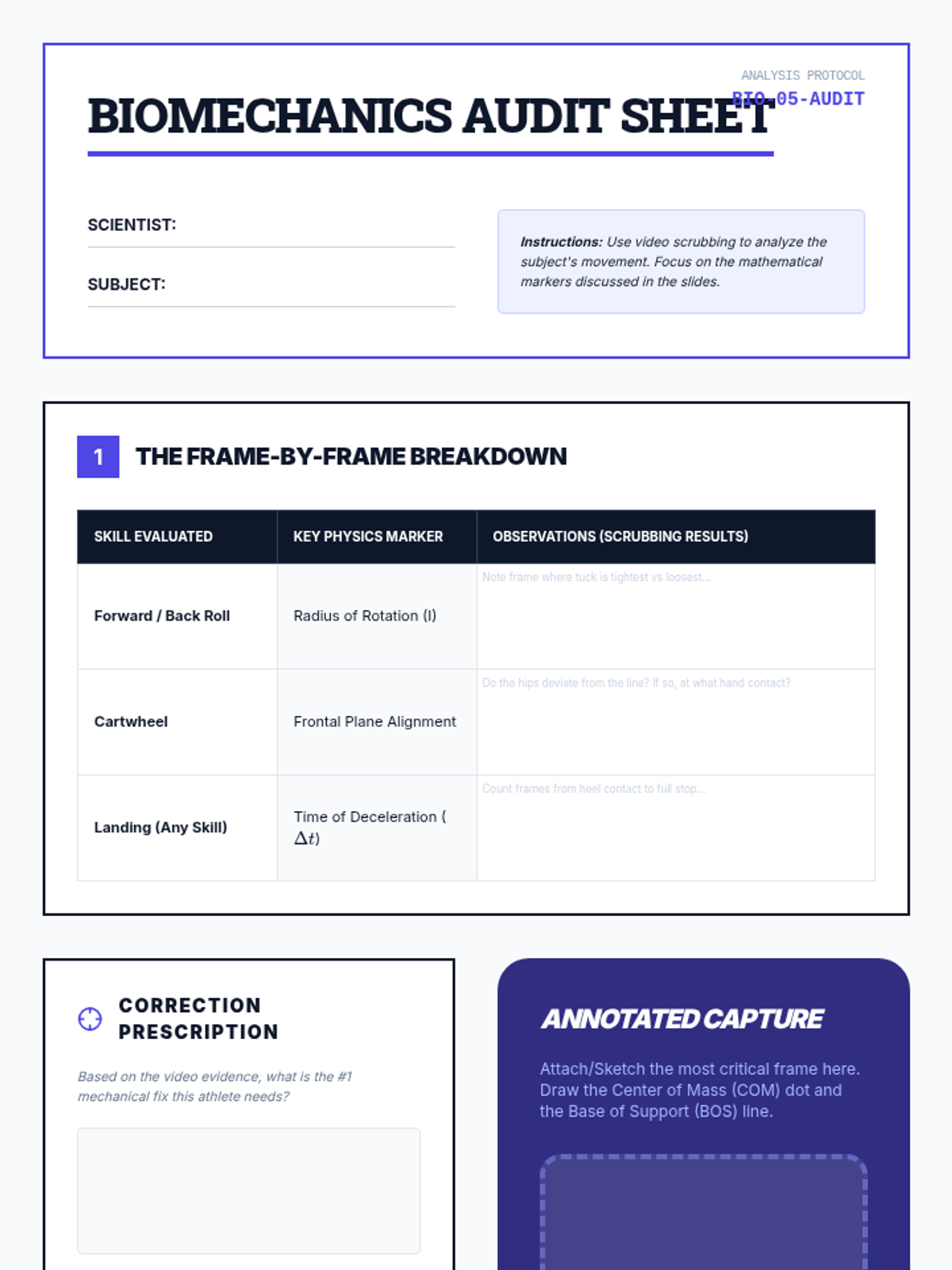
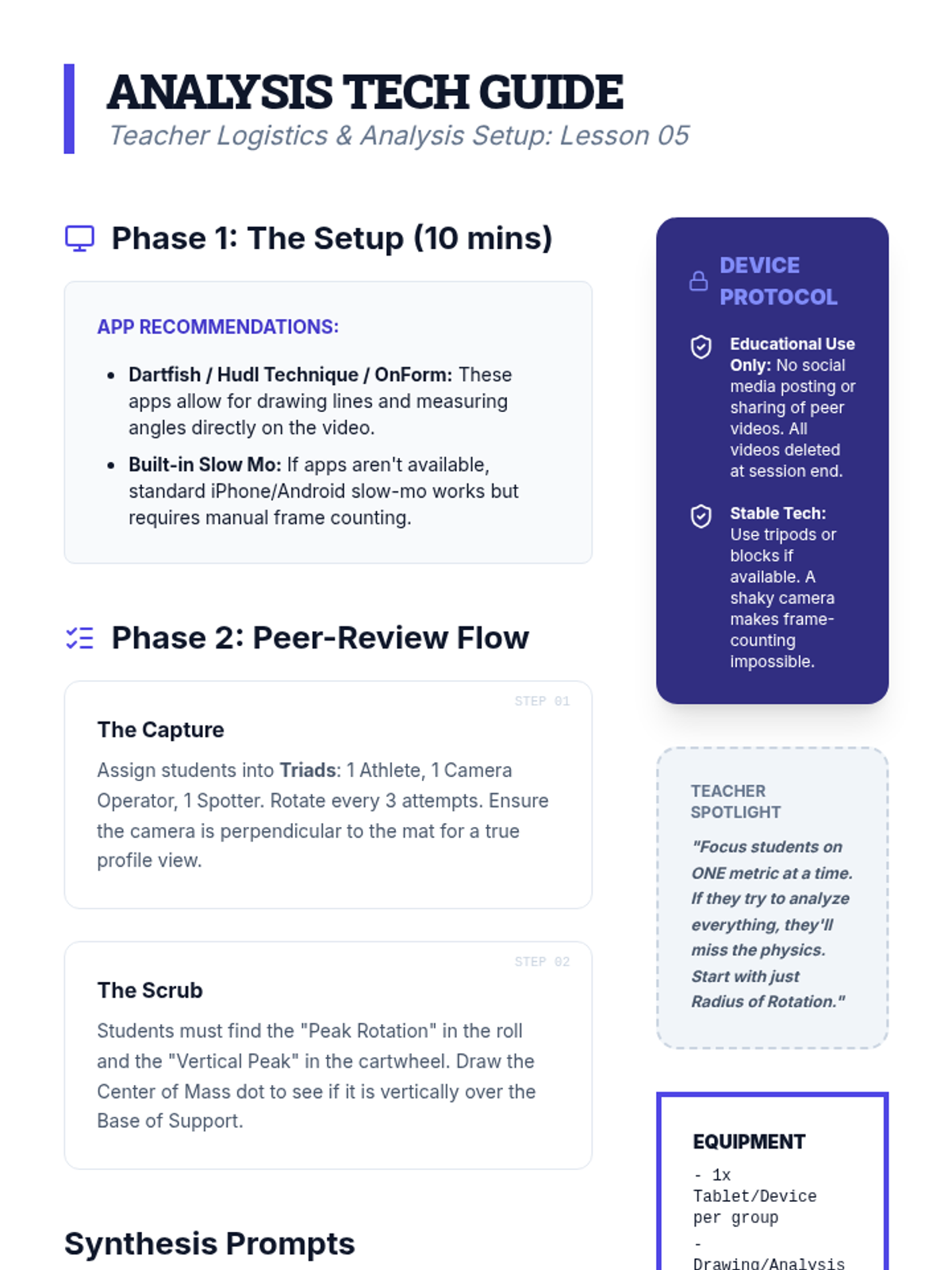
Using tablets, students record their tumbling skills and use slow-motion playback to identify deviations from ideal biomechanical models. They set specific goals for correction based on their findings.
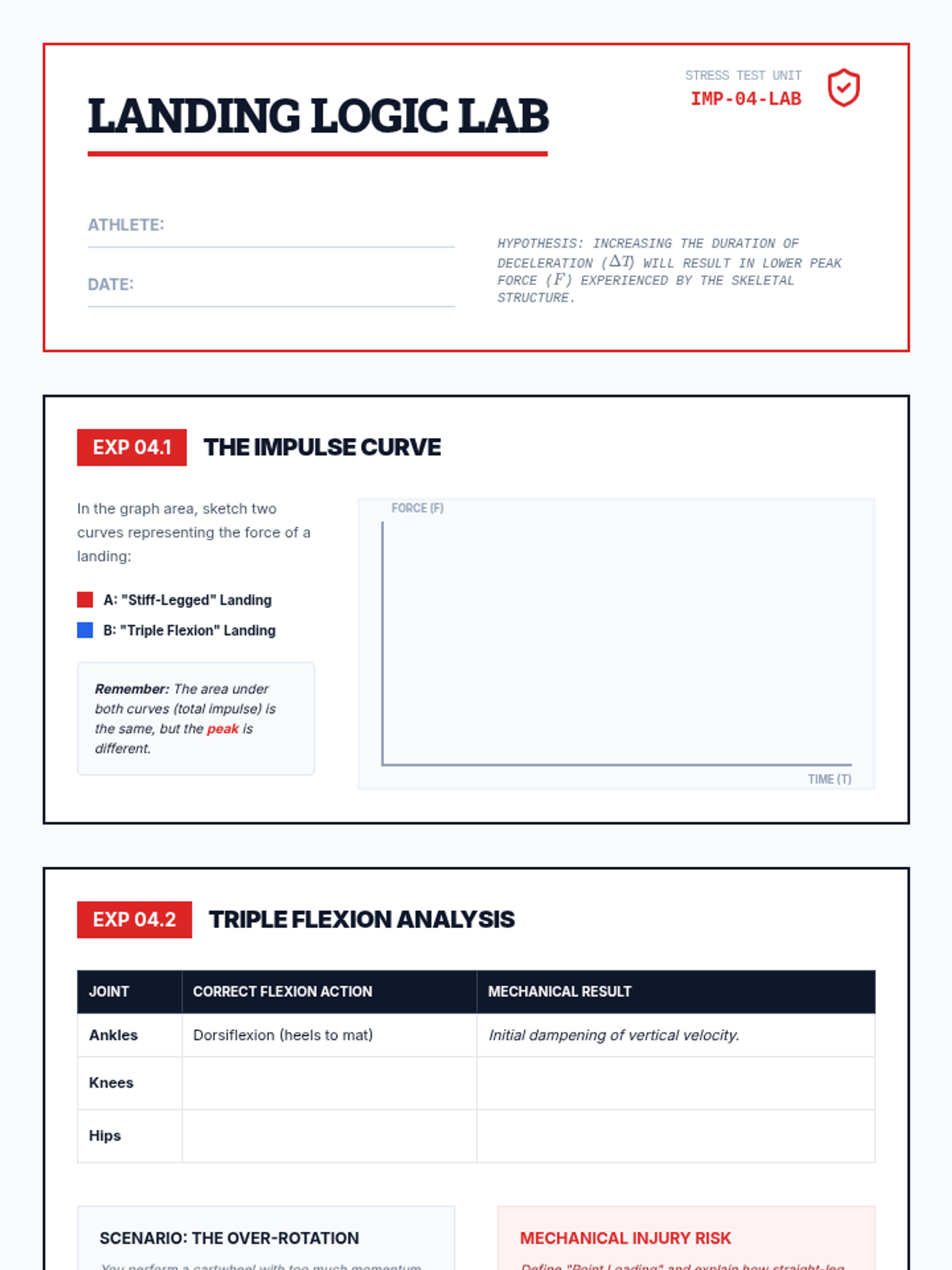
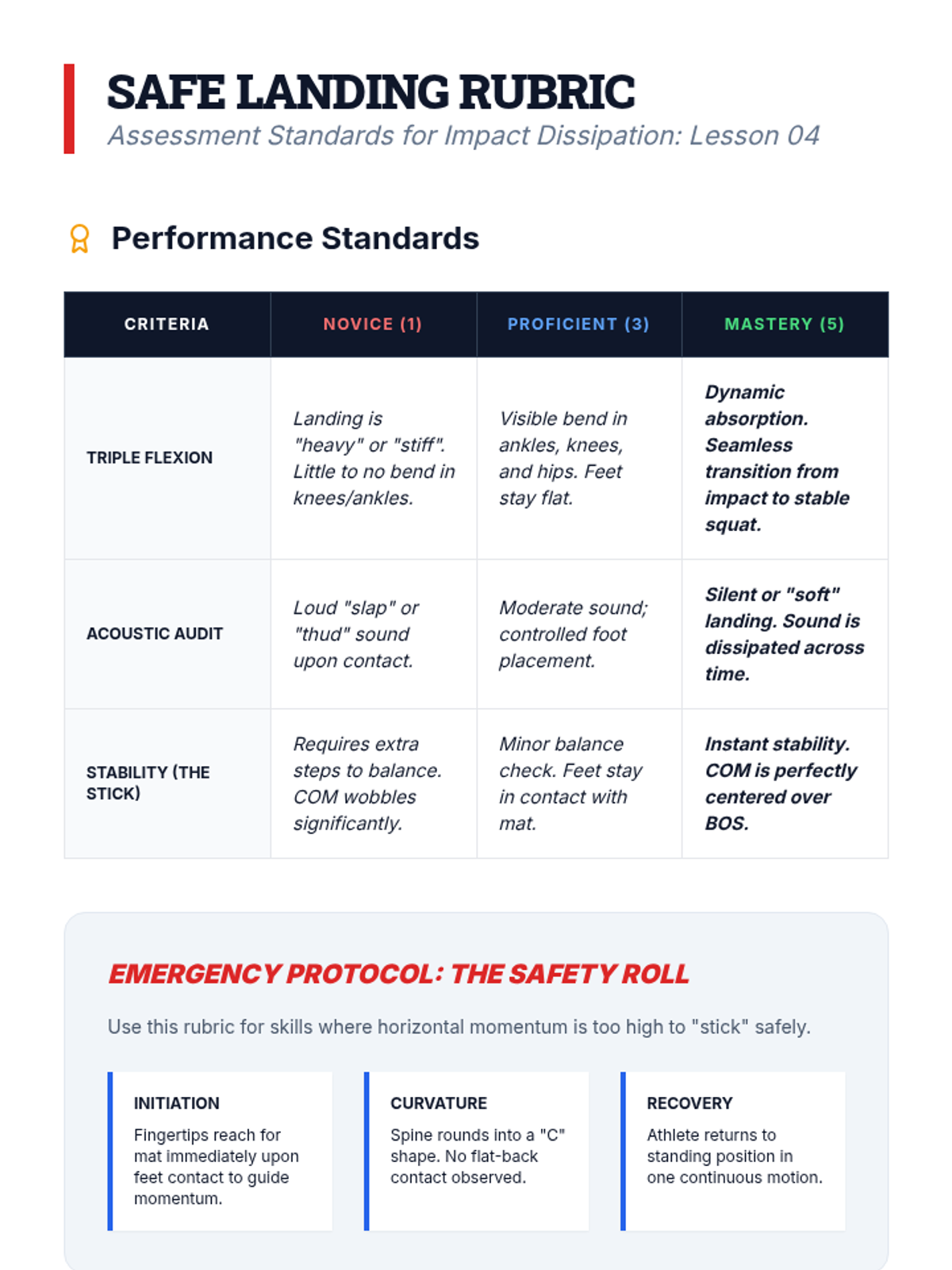
Students practice various landings from different heights and skills, analyzing the physics of impulse. They learn how increasing the time of impact reduces force on joints to prevent injury.
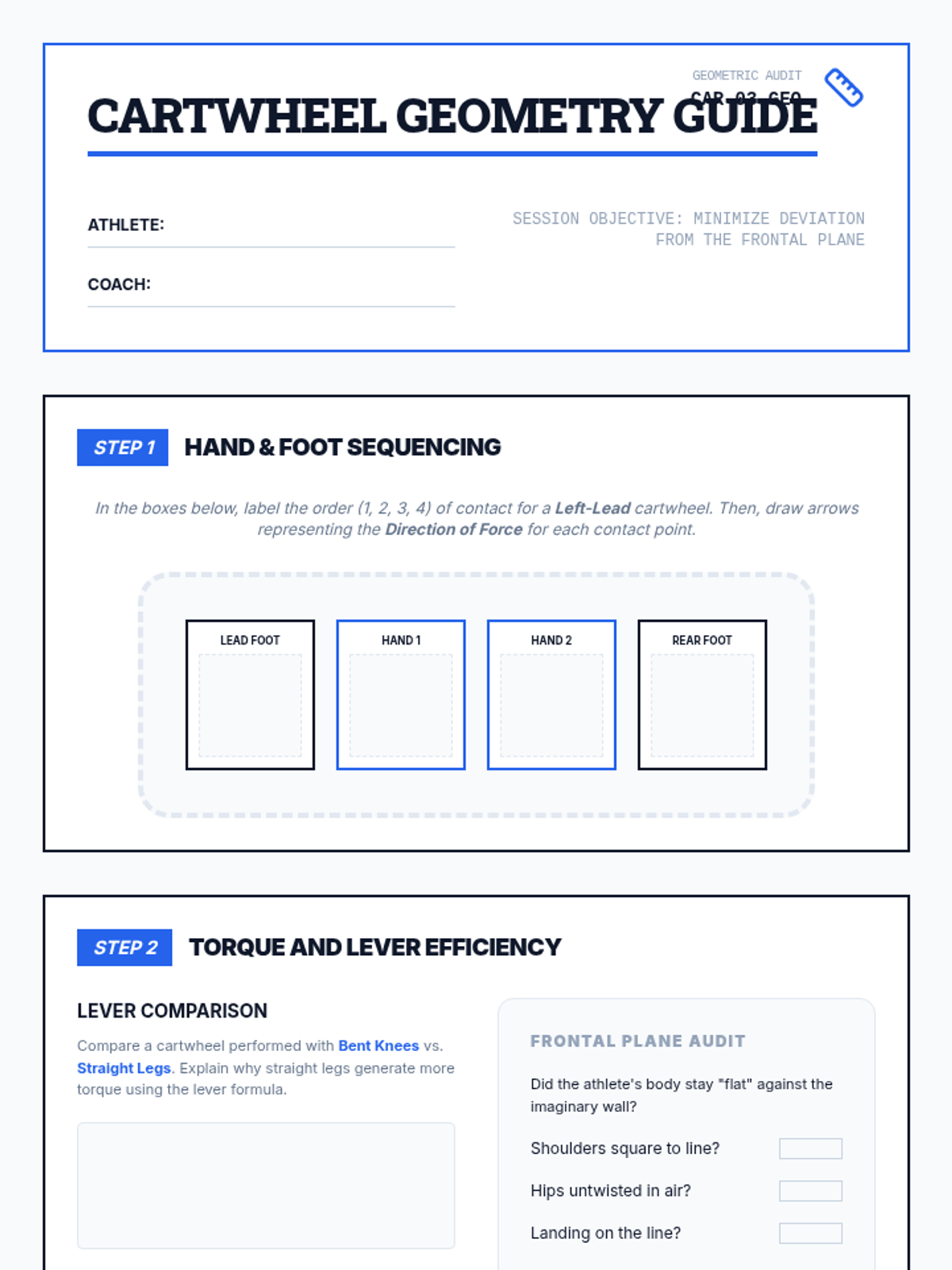
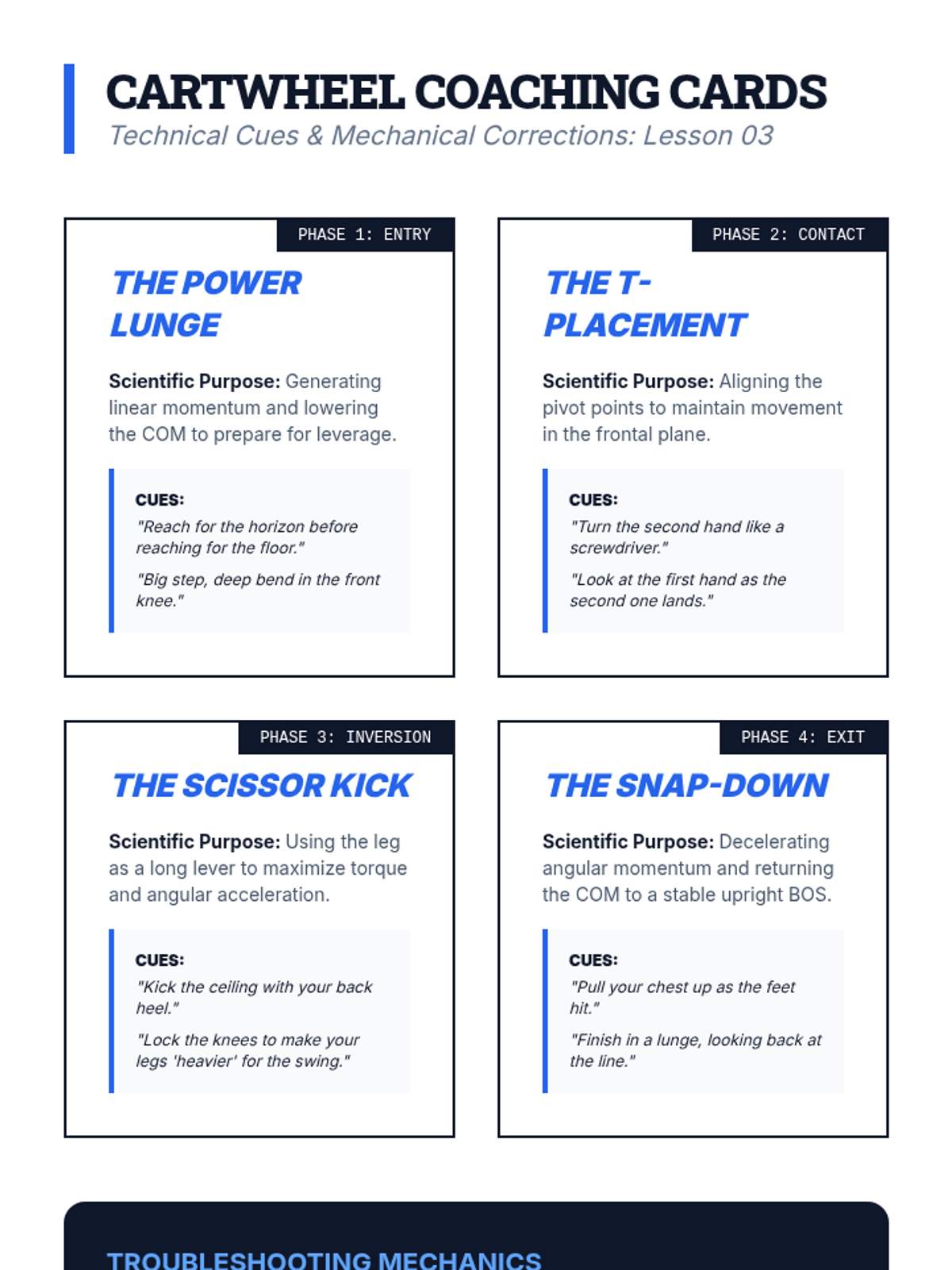
Students learn the hand-hand-foot-foot rhythm of the cartwheel, focusing on the lever action of the legs and the lateral movement plane. They use momentum to return to a standing position safely.
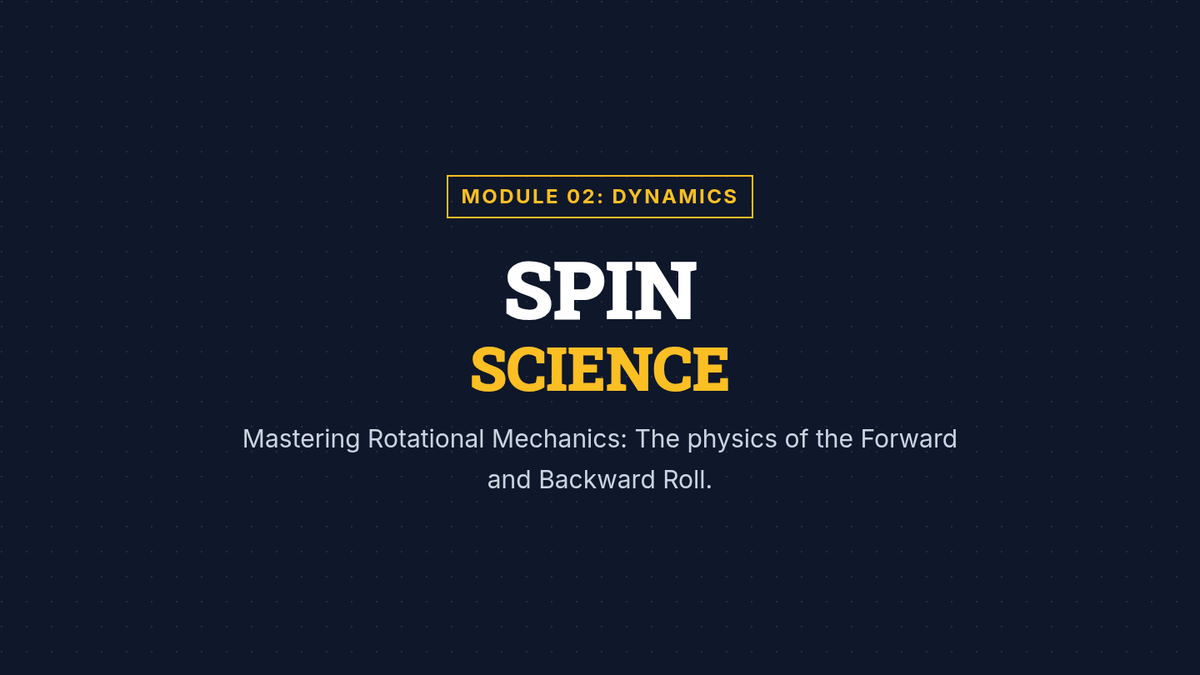
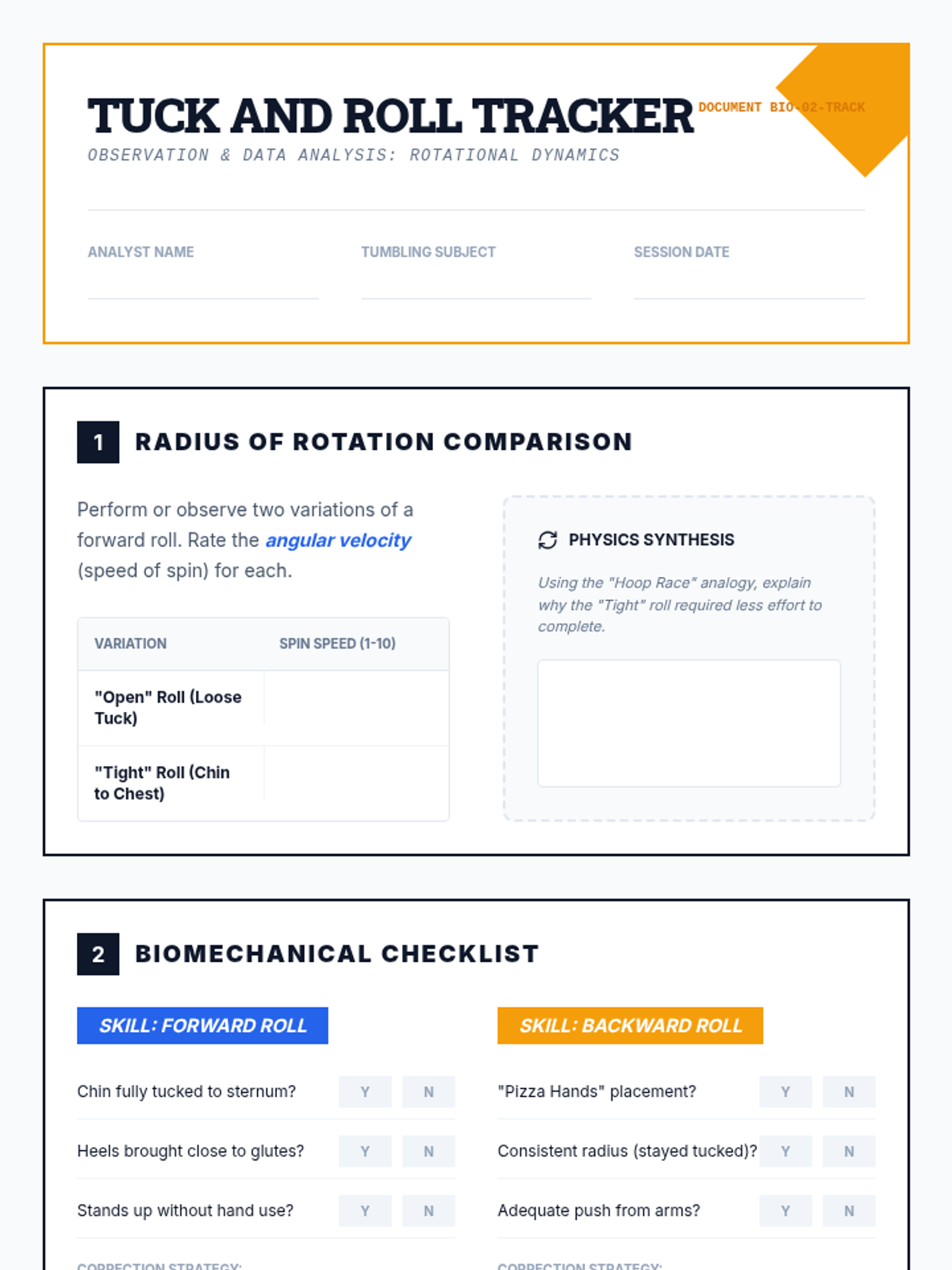
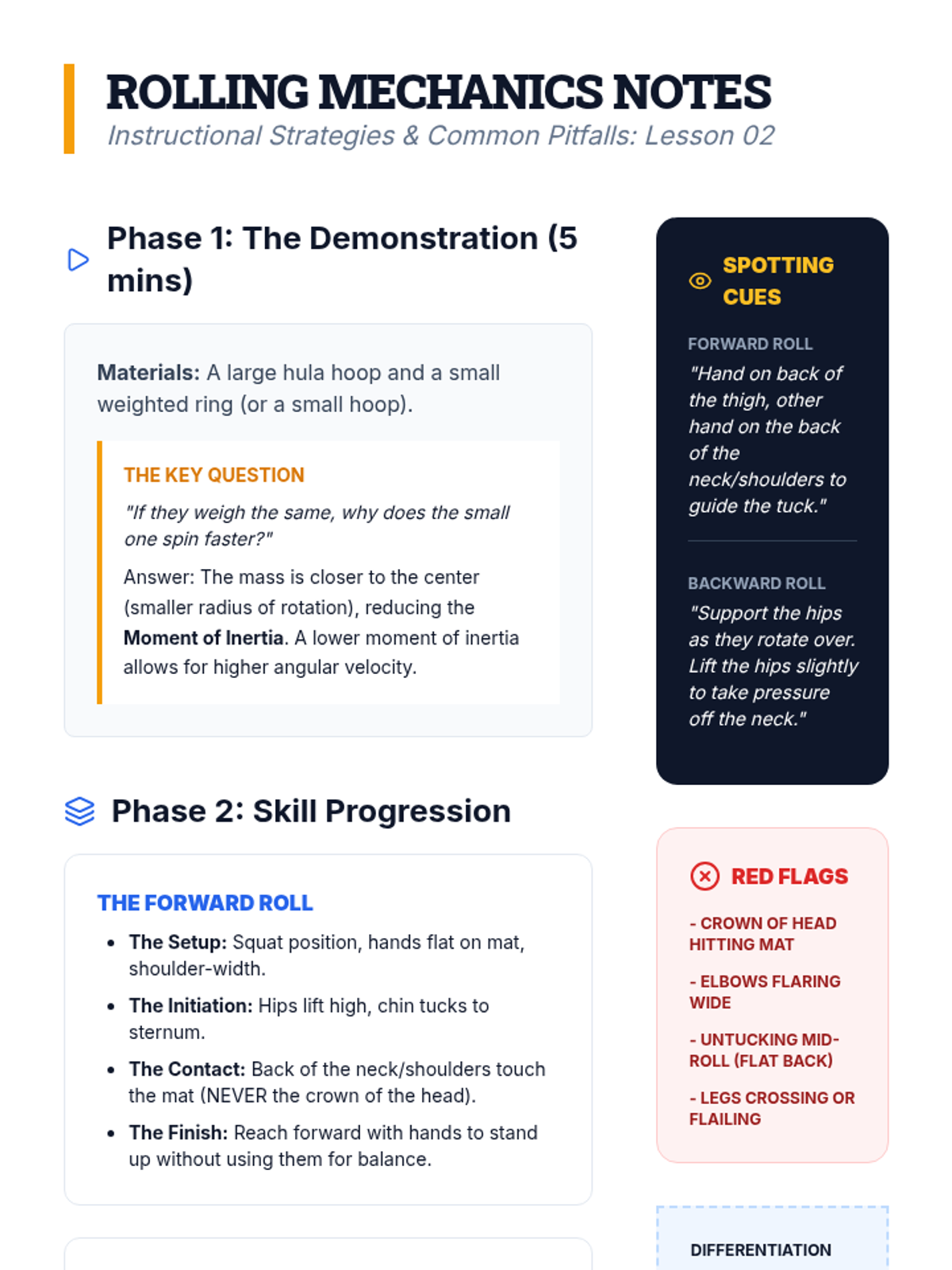
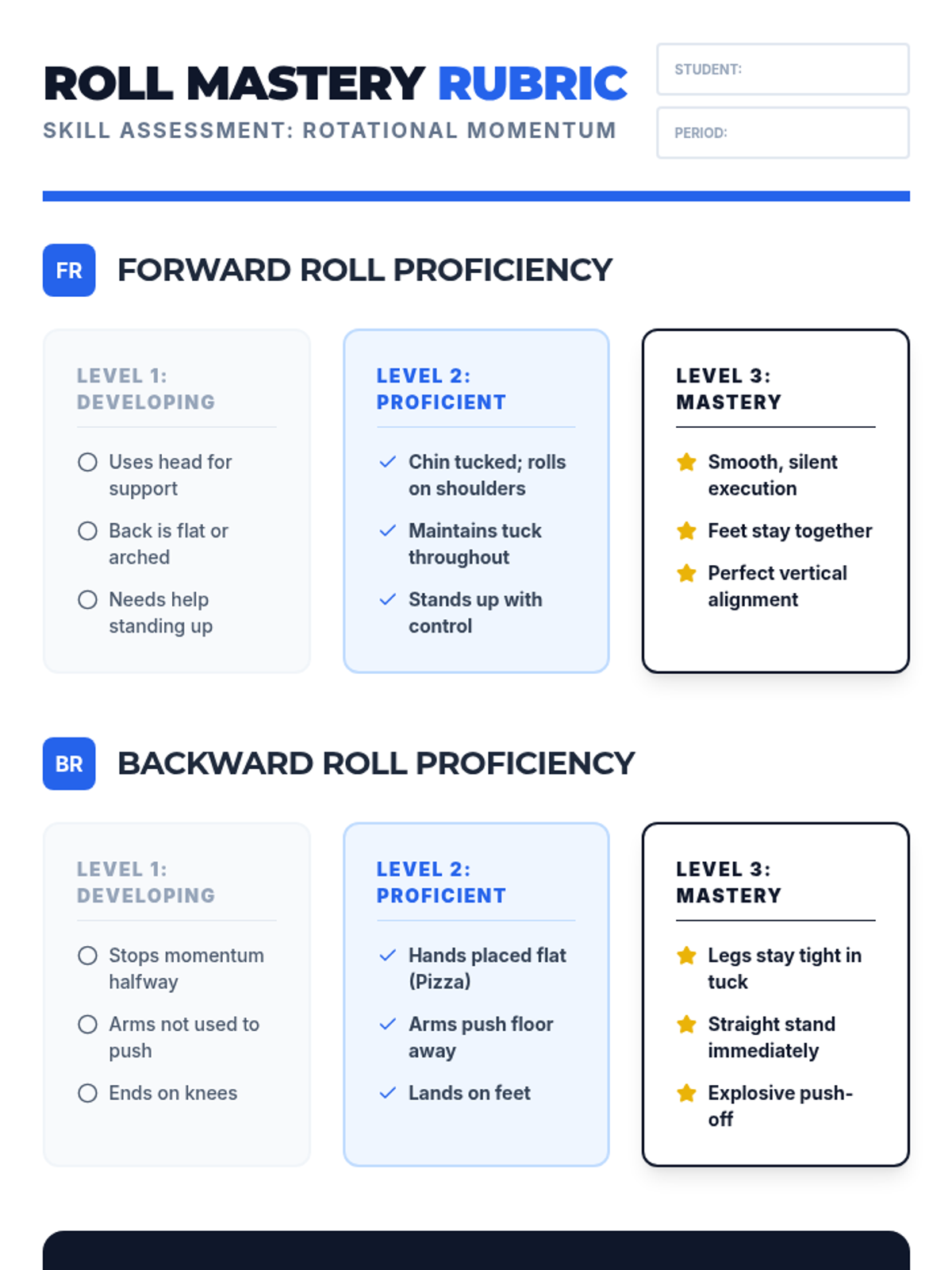
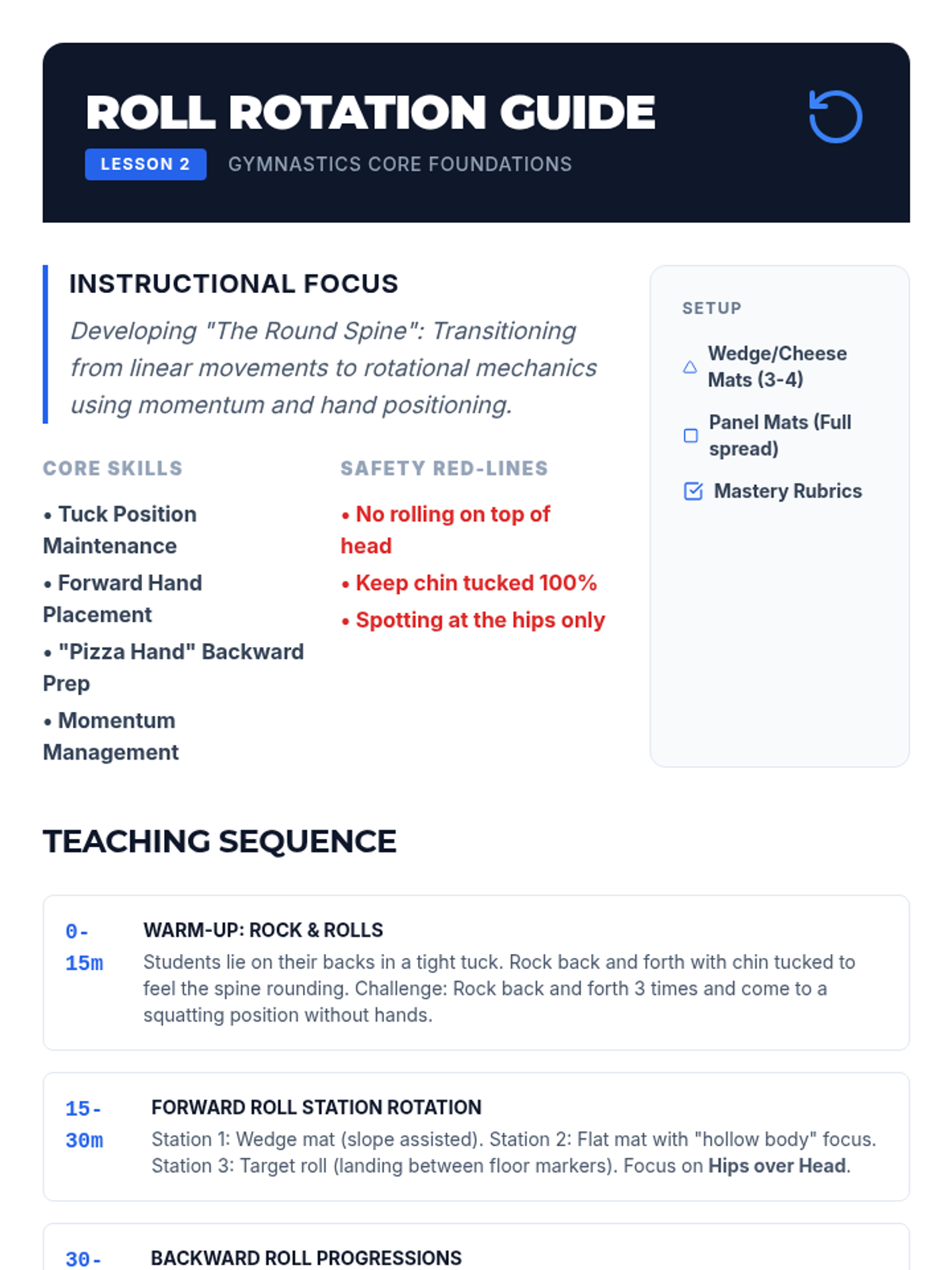
Focusing on tucked shapes, students practice forward and backward rolls to understand how reducing the radius of rotation increases speed. Peer observation focuses on spinal alignment and chin tucking.
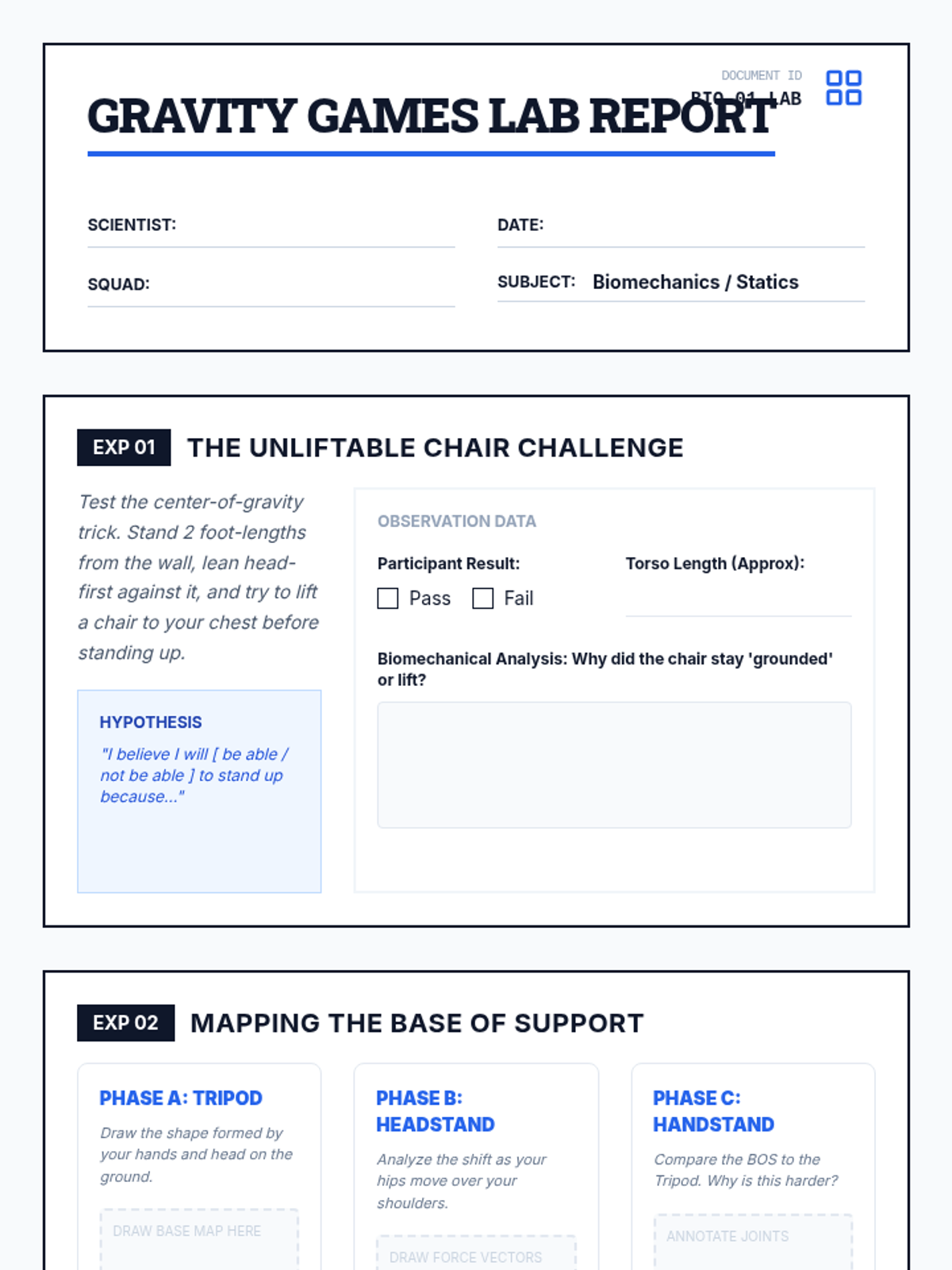
Students explore static balance by manipulating their center of gravity in relation to their base of support through tripods, headstands, and handstand progressions. They analyze how body alignment affects stability using biomechanical principles.
Students learn to tuck and roll using proper spinal curvature and hand placement. The lesson differentiates between the forward roll mechanics and the push-off strength required for backward rolls, utilizing wedge mats for assistance.
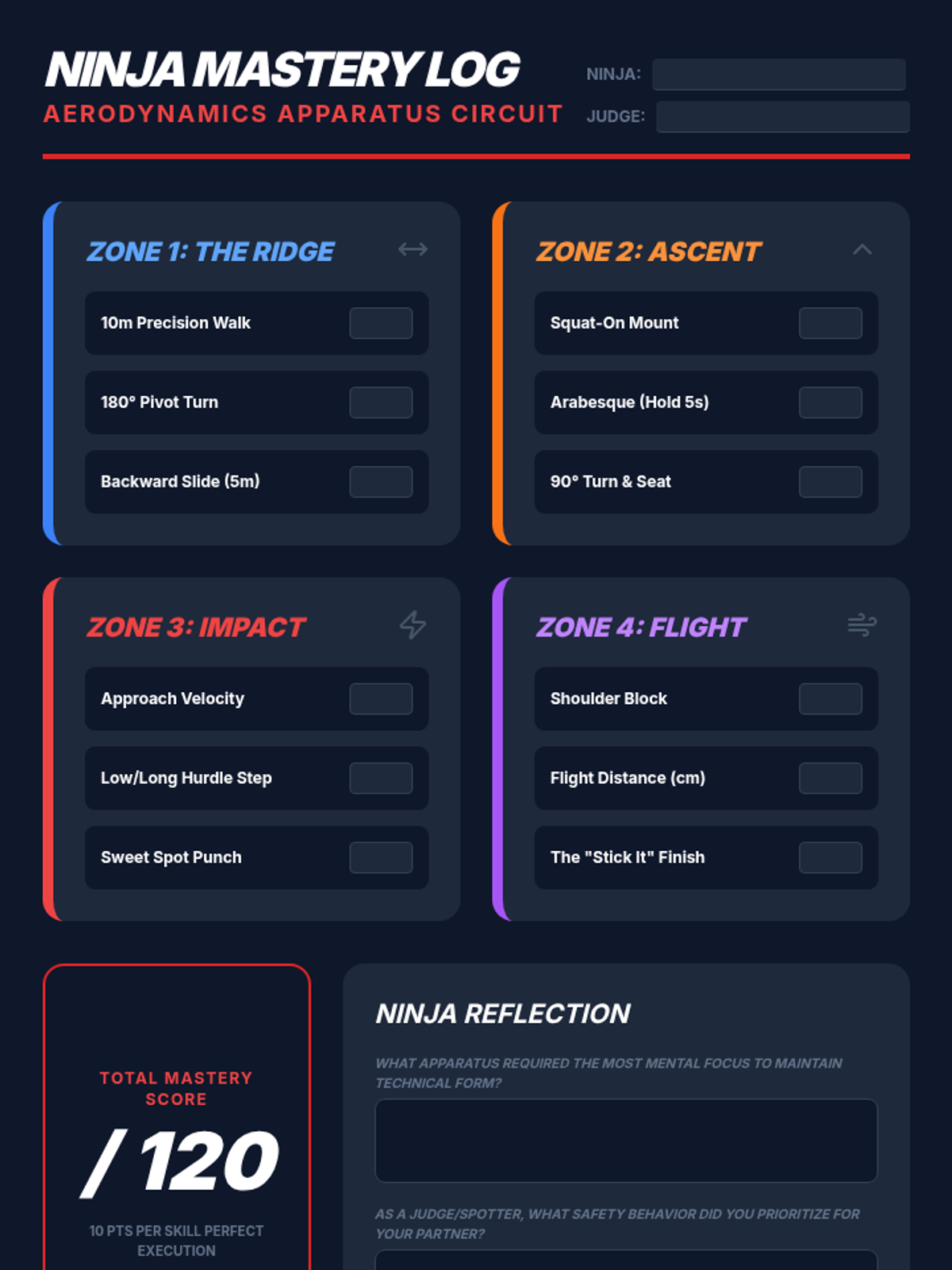
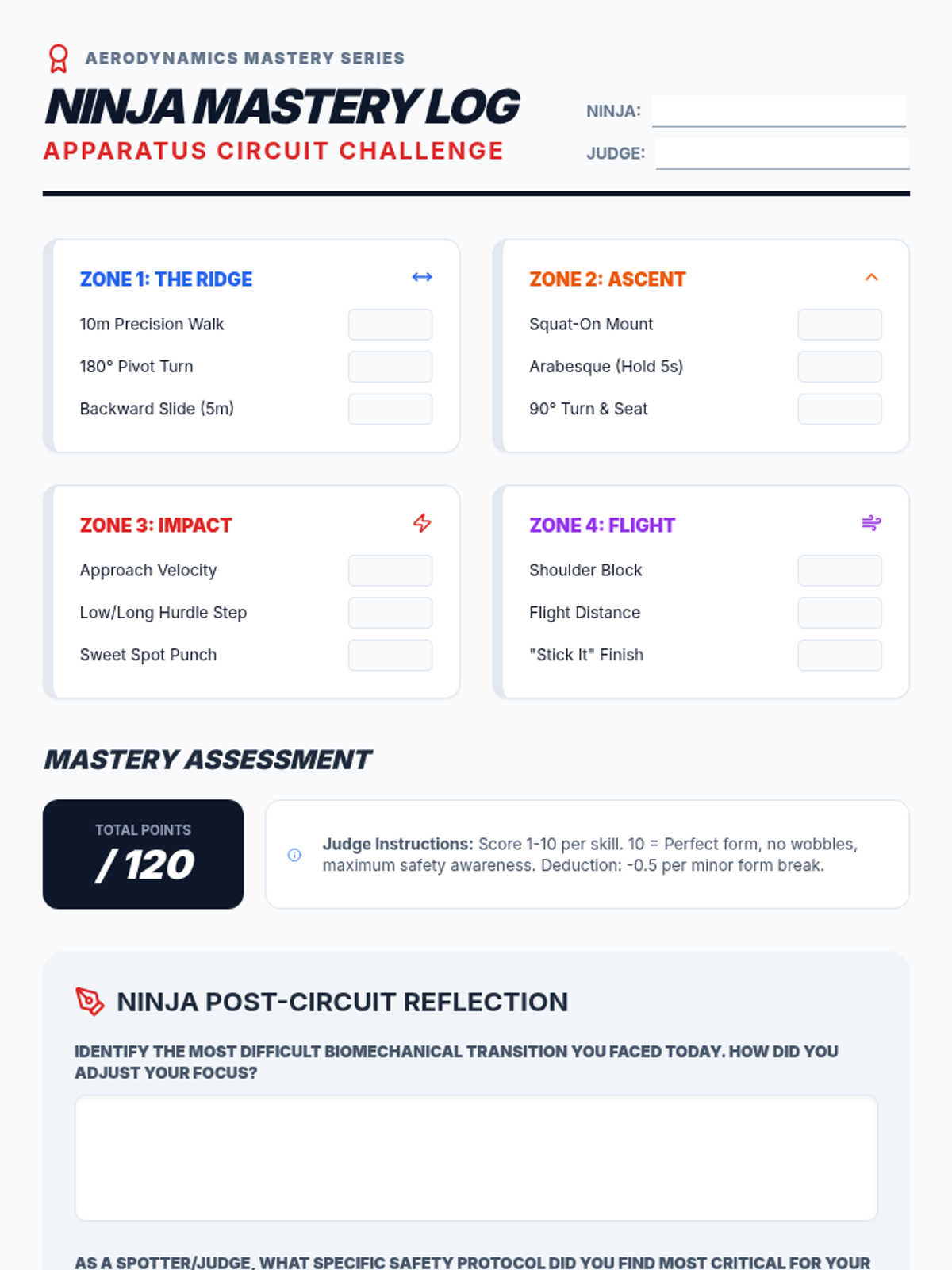
A culminating station-based challenge where students demonstrate their mastery of balance and vaulting skills. The circuit requires adaptability, endurance, and technical precision in a 'Ninja Warrior' style flow.
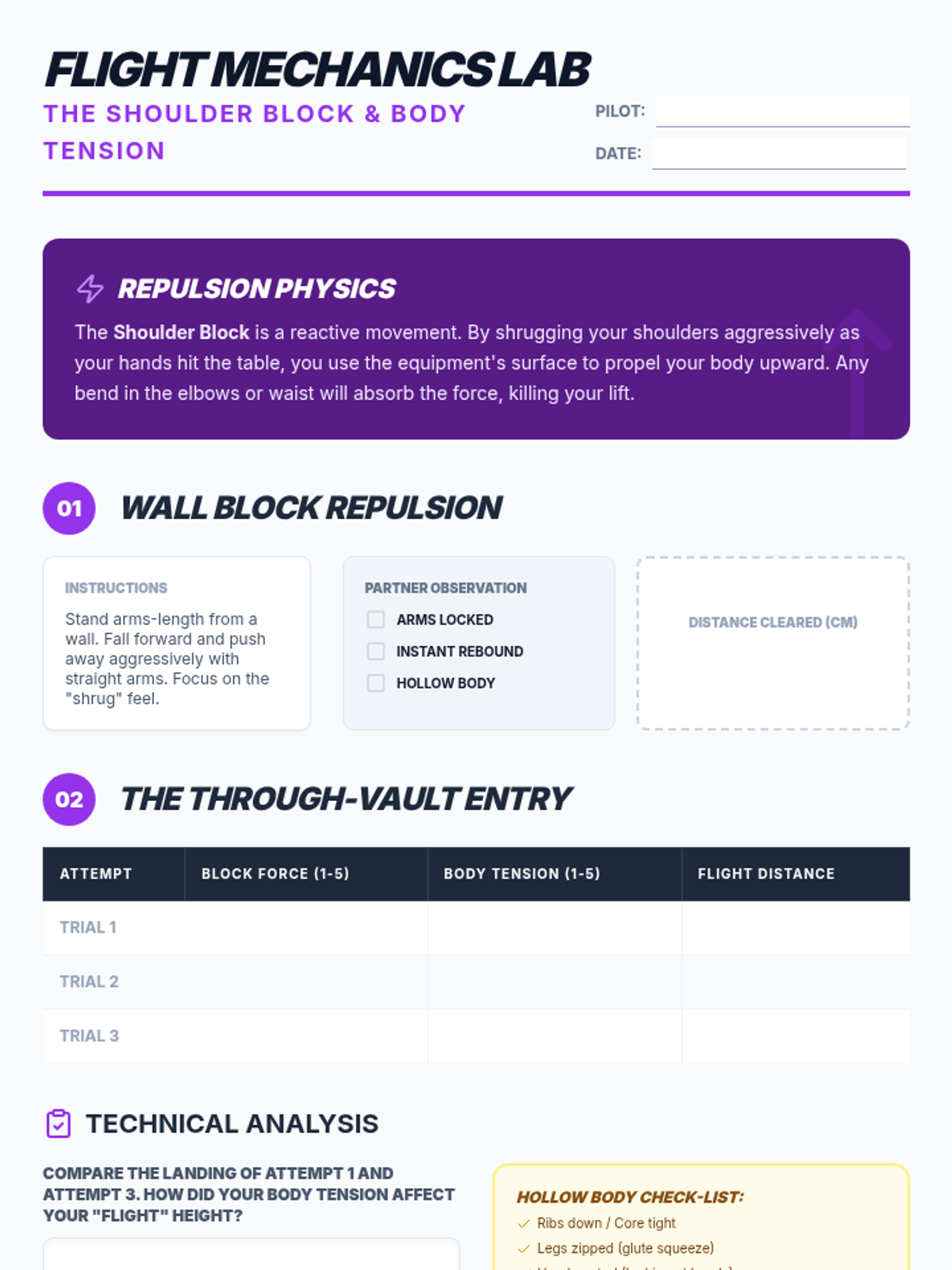
Students advance to interacting with the vault box, focusing on the 'block'—an explosive push-off from the shoulders. The lesson emphasizes body tension and the flight phase of basic vaulting progressions.
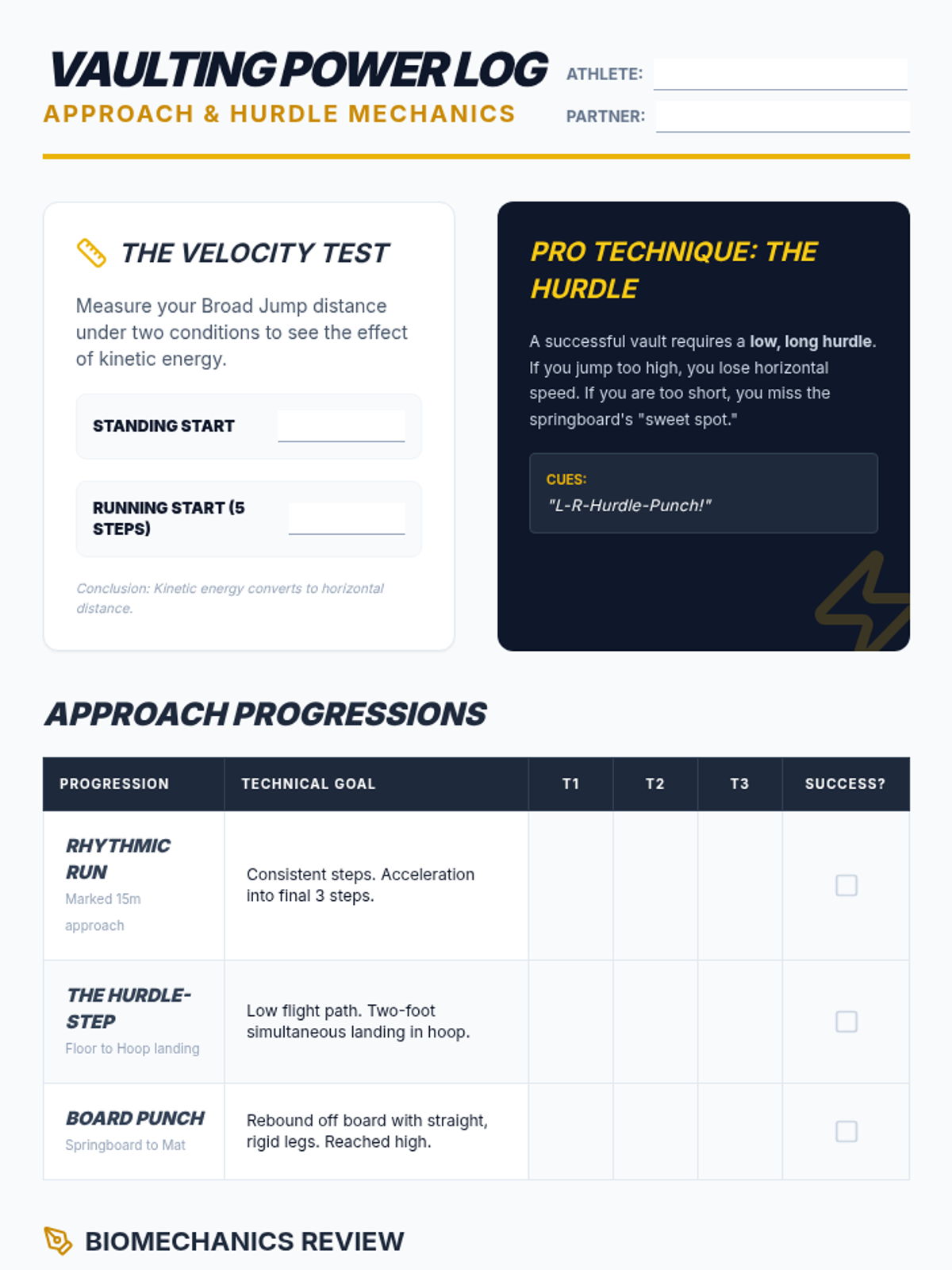
This lesson isolates the approach phase of vaulting, teaching students how to convert horizontal running speed into vertical lift. Students practice hurdle steps and two-foot takeoffs using springboards.
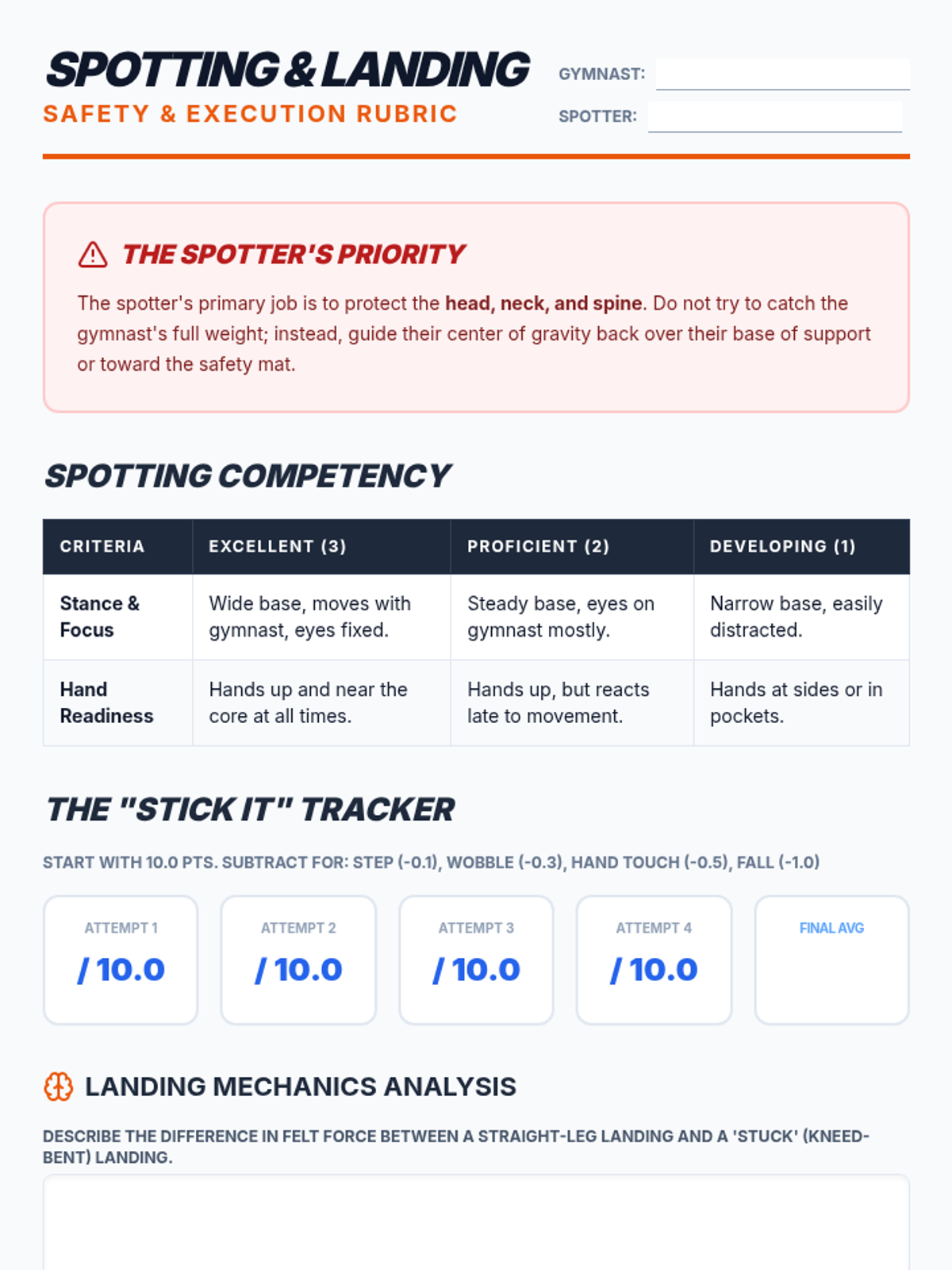
Focusing on safe entry and exit from gymnastics apparatus, students master the squat-on mount and the mechanics of a 'stuck' landing. Safety is prioritized through the introduction of spotting techniques and mat placement protocols.
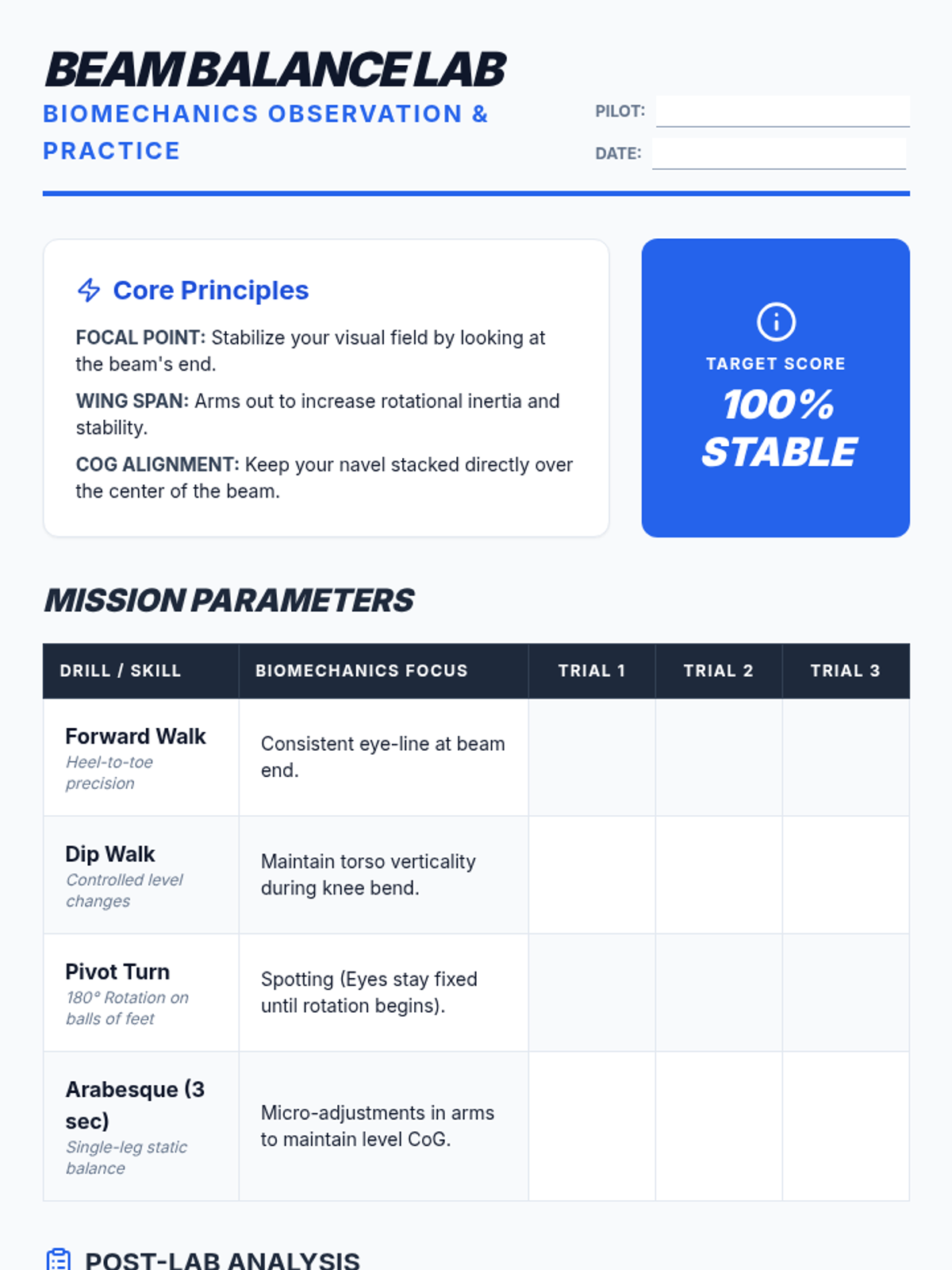
Students explore the principles of center of gravity and postural alignment through dynamic movements on low beams or floor lines. The lesson introduces the 'focal point' technique and the use of arms for stabilization in a narrowed base of support.
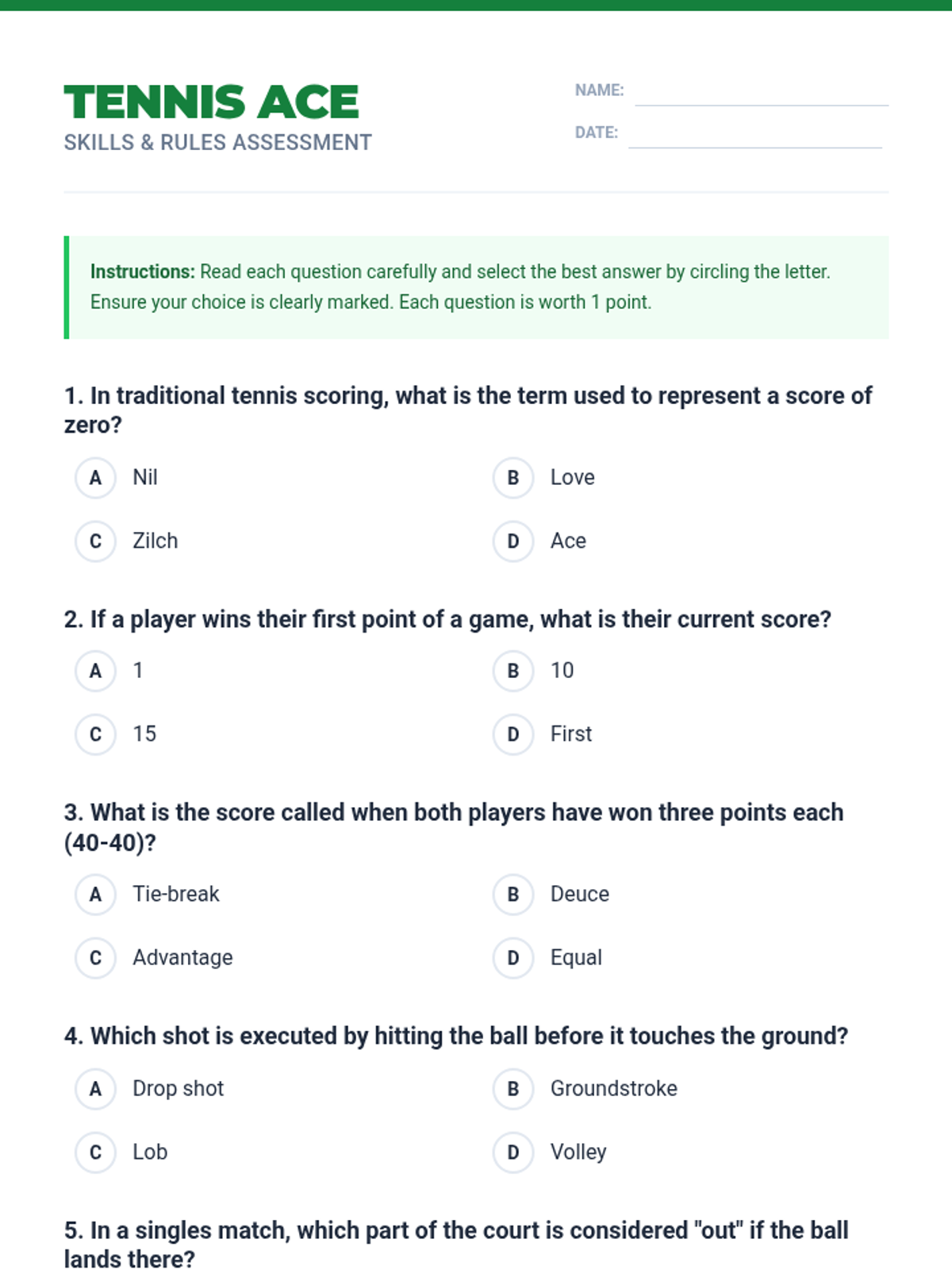
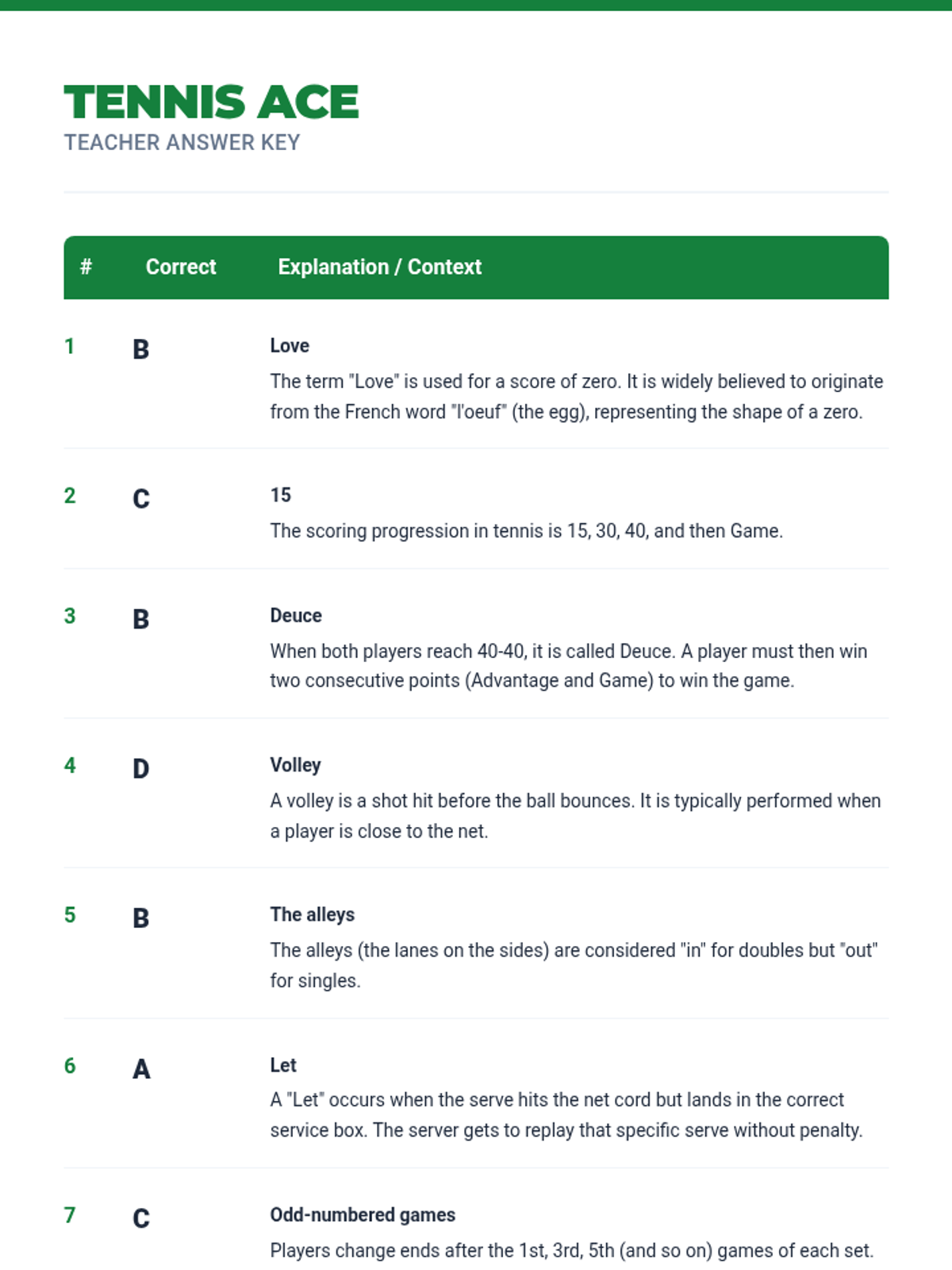
A foundational lesson covering tennis rules, scoring, strokes, and court positioning, designed to prepare students for gameplay and officiating.
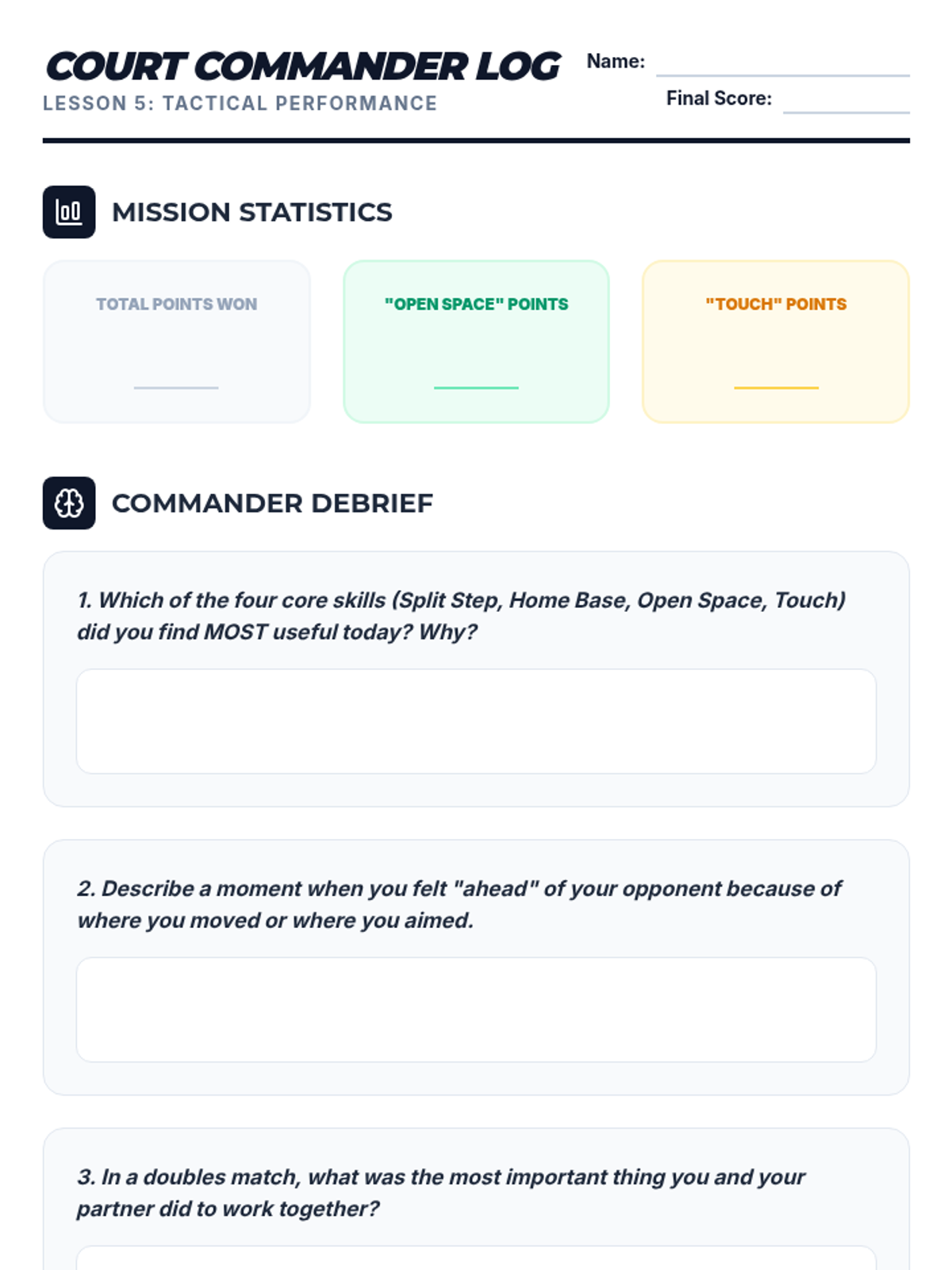
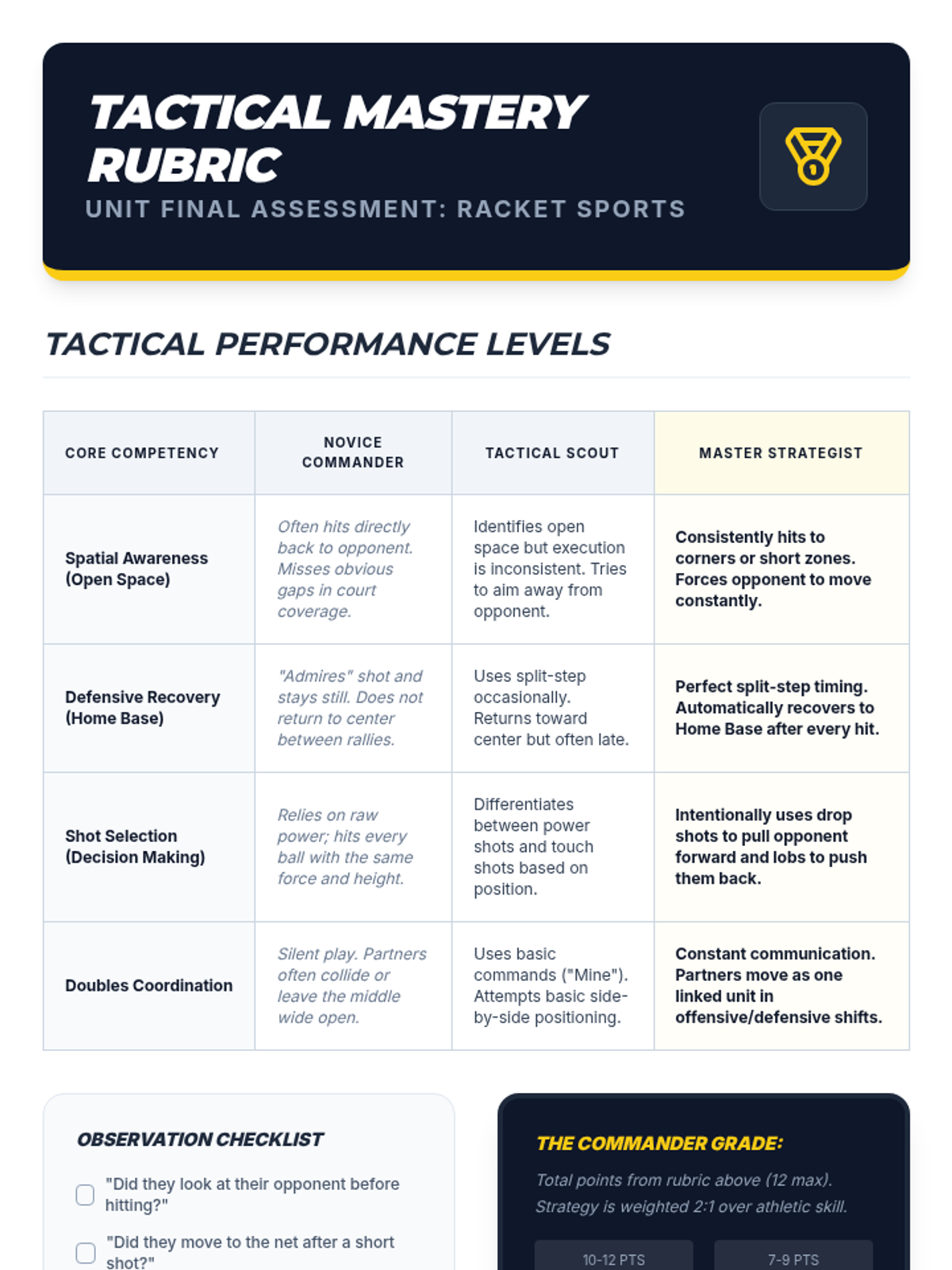
Students participate in modified gameplay, applying all learned tactics and reflecting on shot selection.
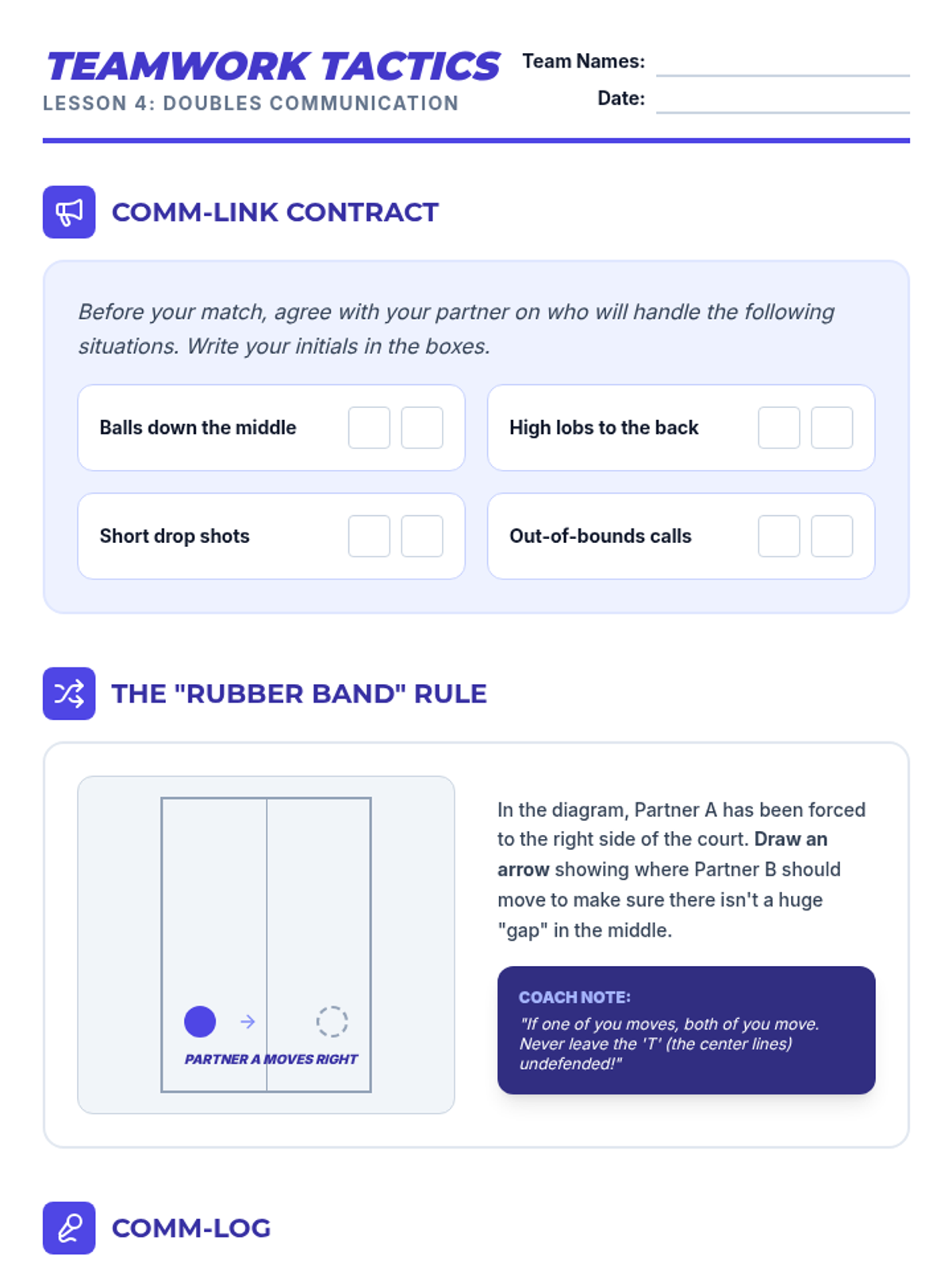
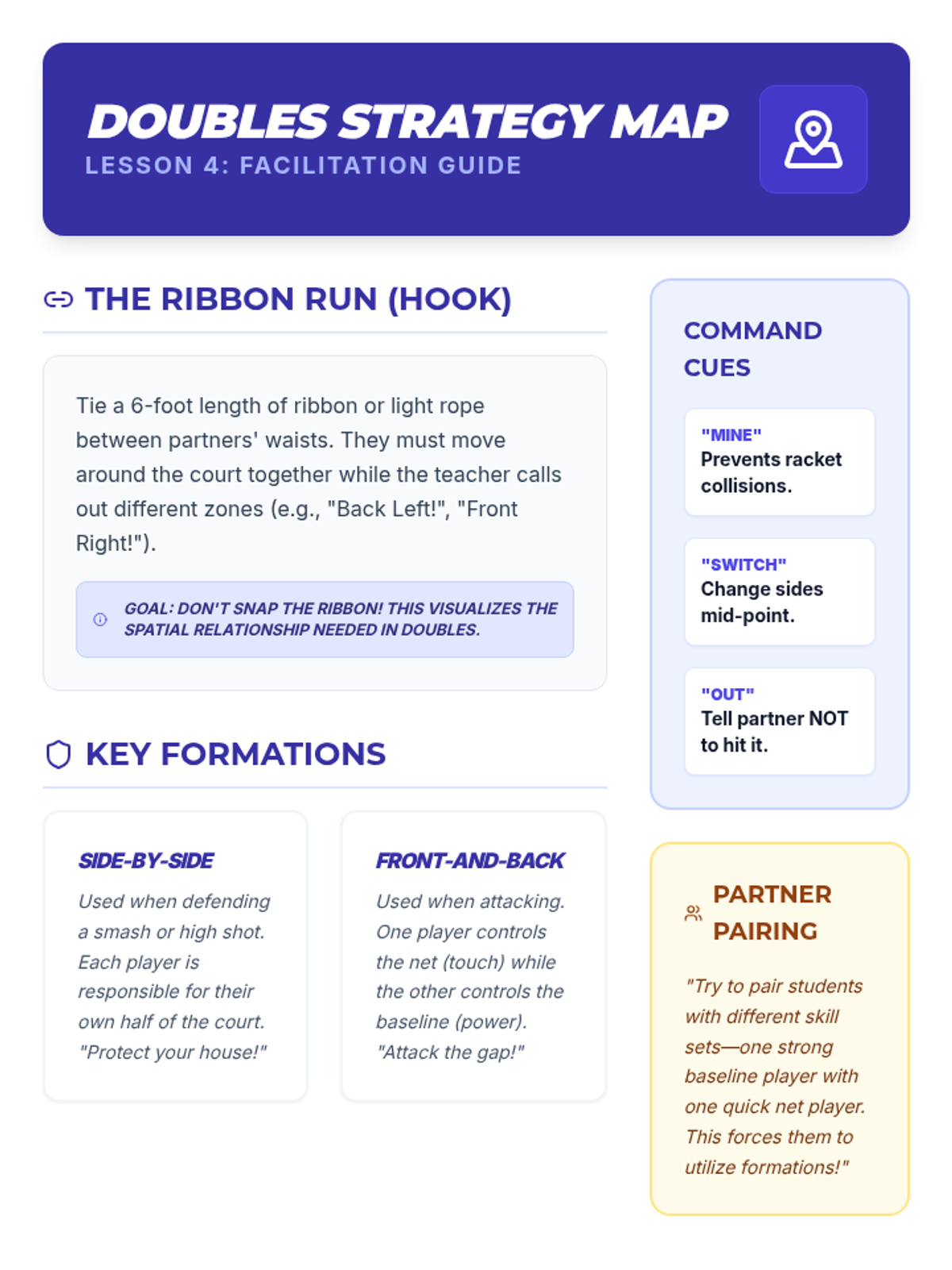
Students learn doubles strategies like side-by-side and front-back positioning with an emphasis on verbal communication.
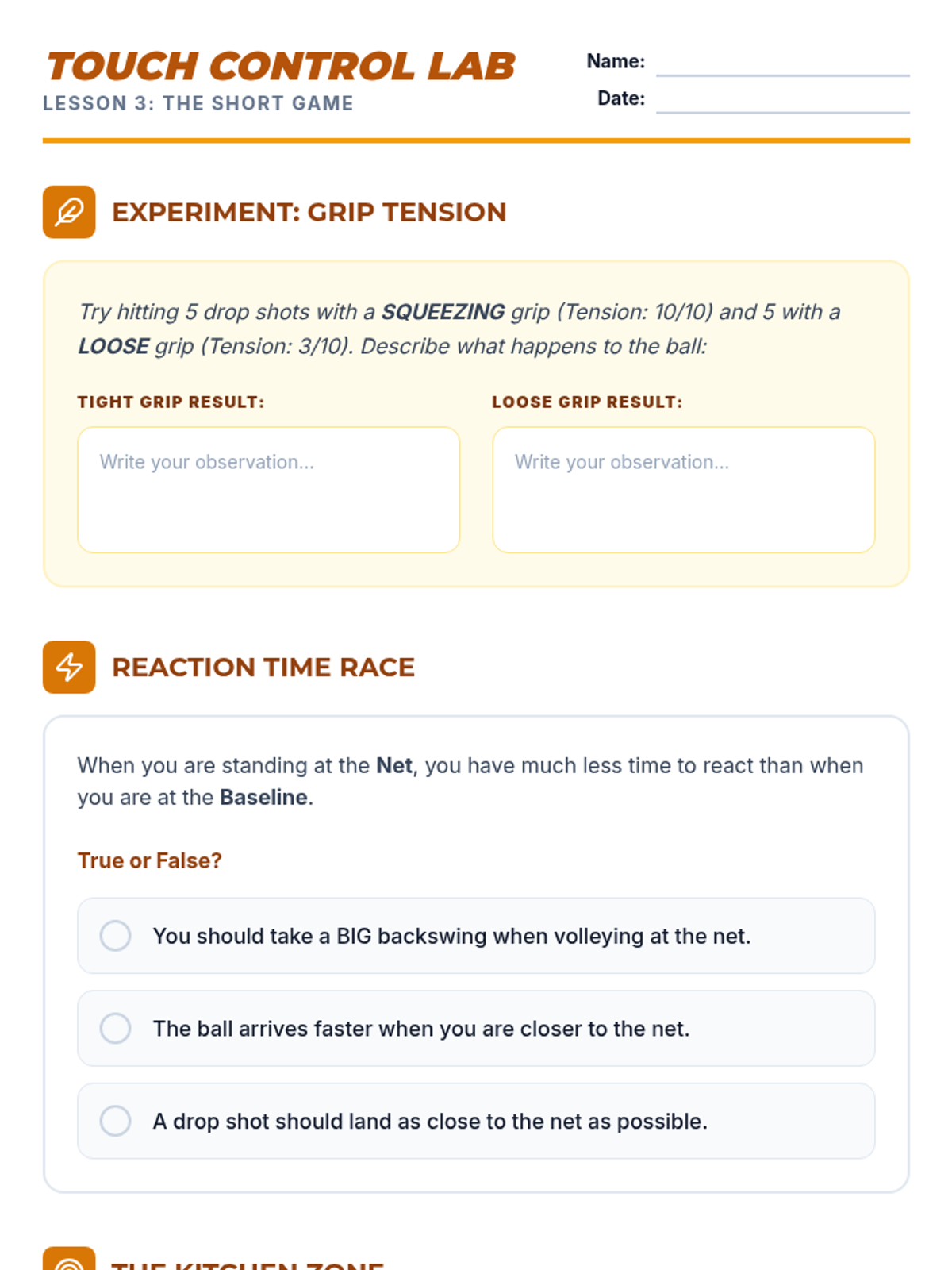
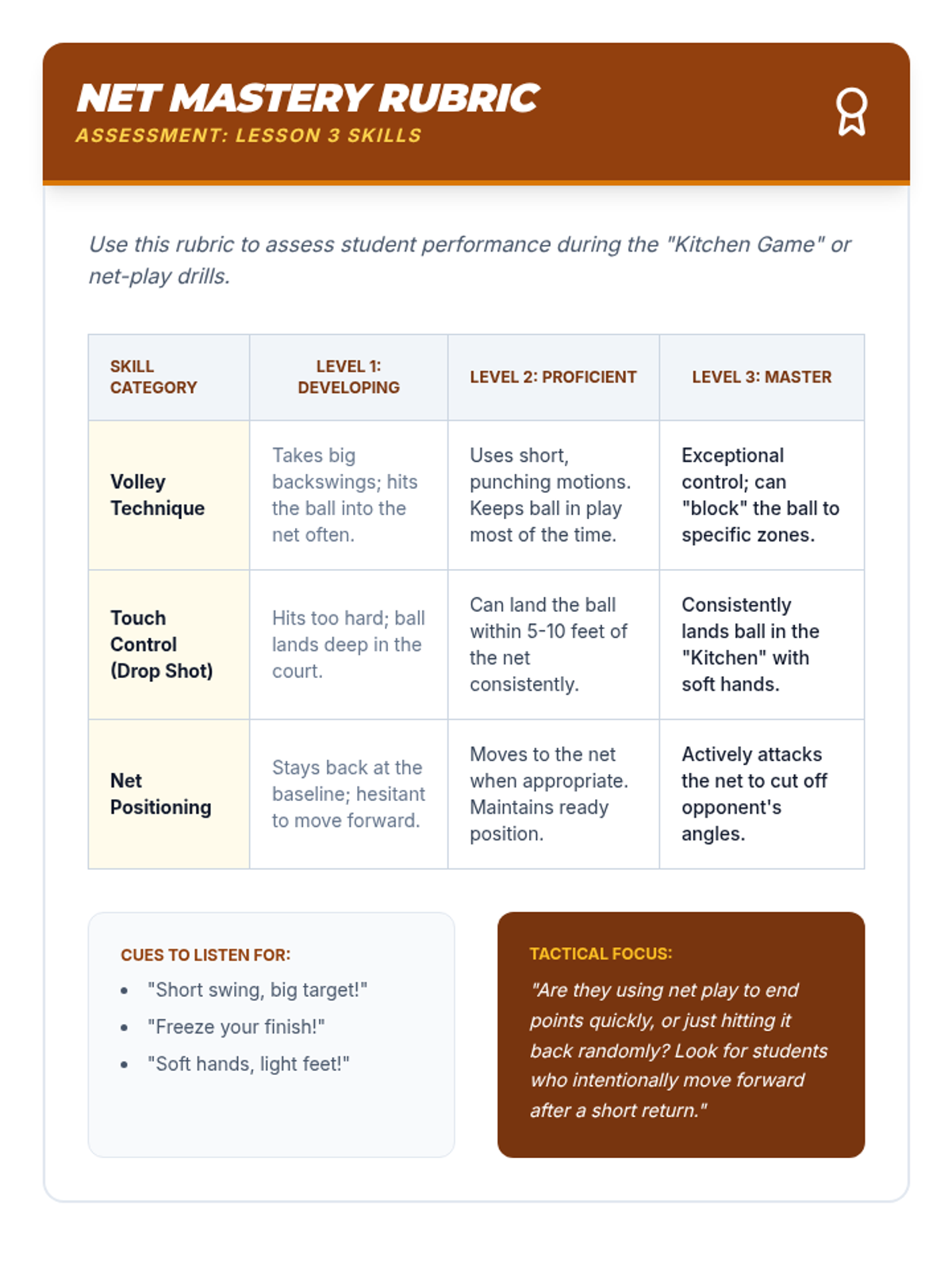
This lesson focuses on volleys and drop shots near the net, teaching students when to attack and how to use touch control.
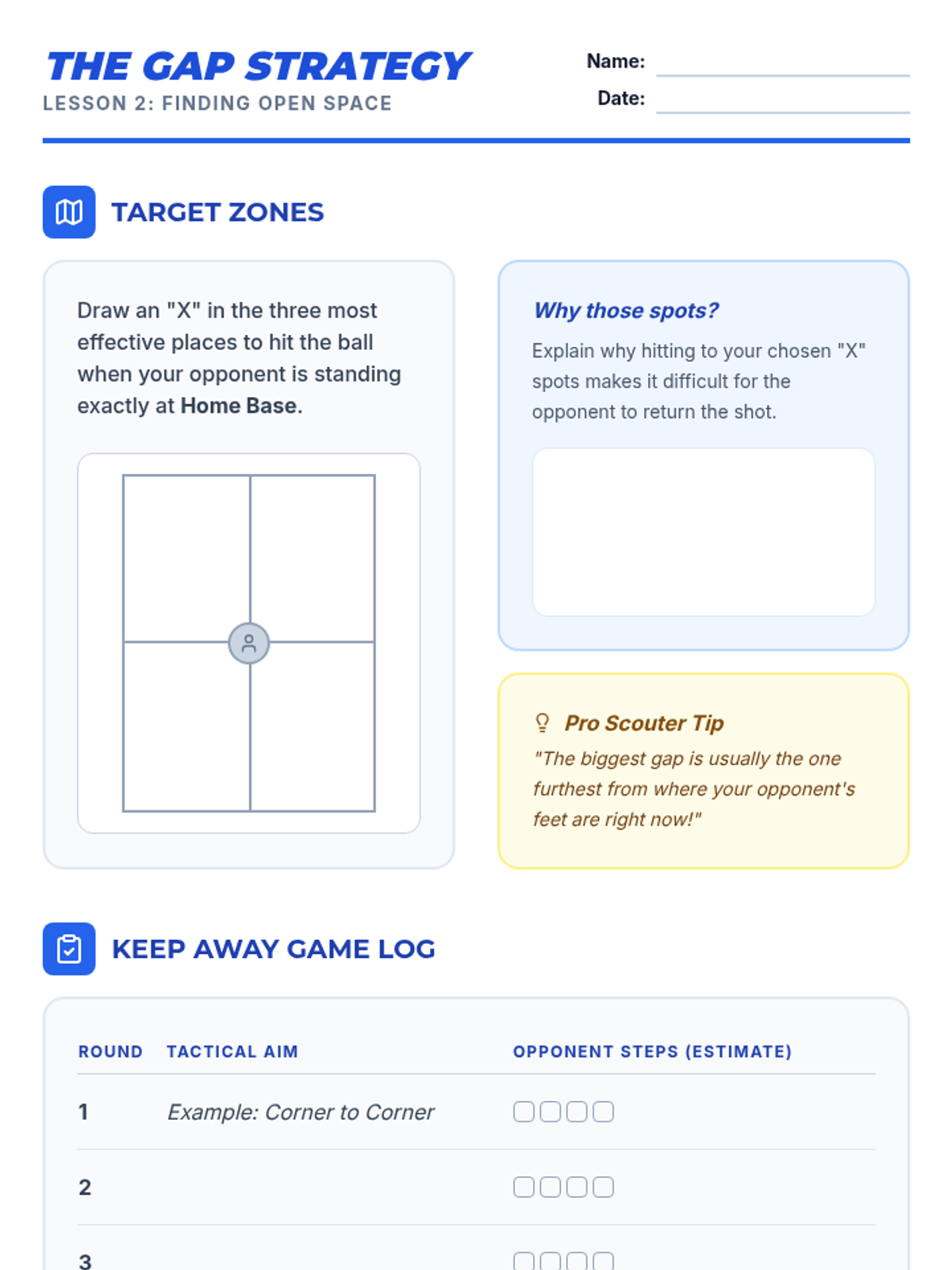
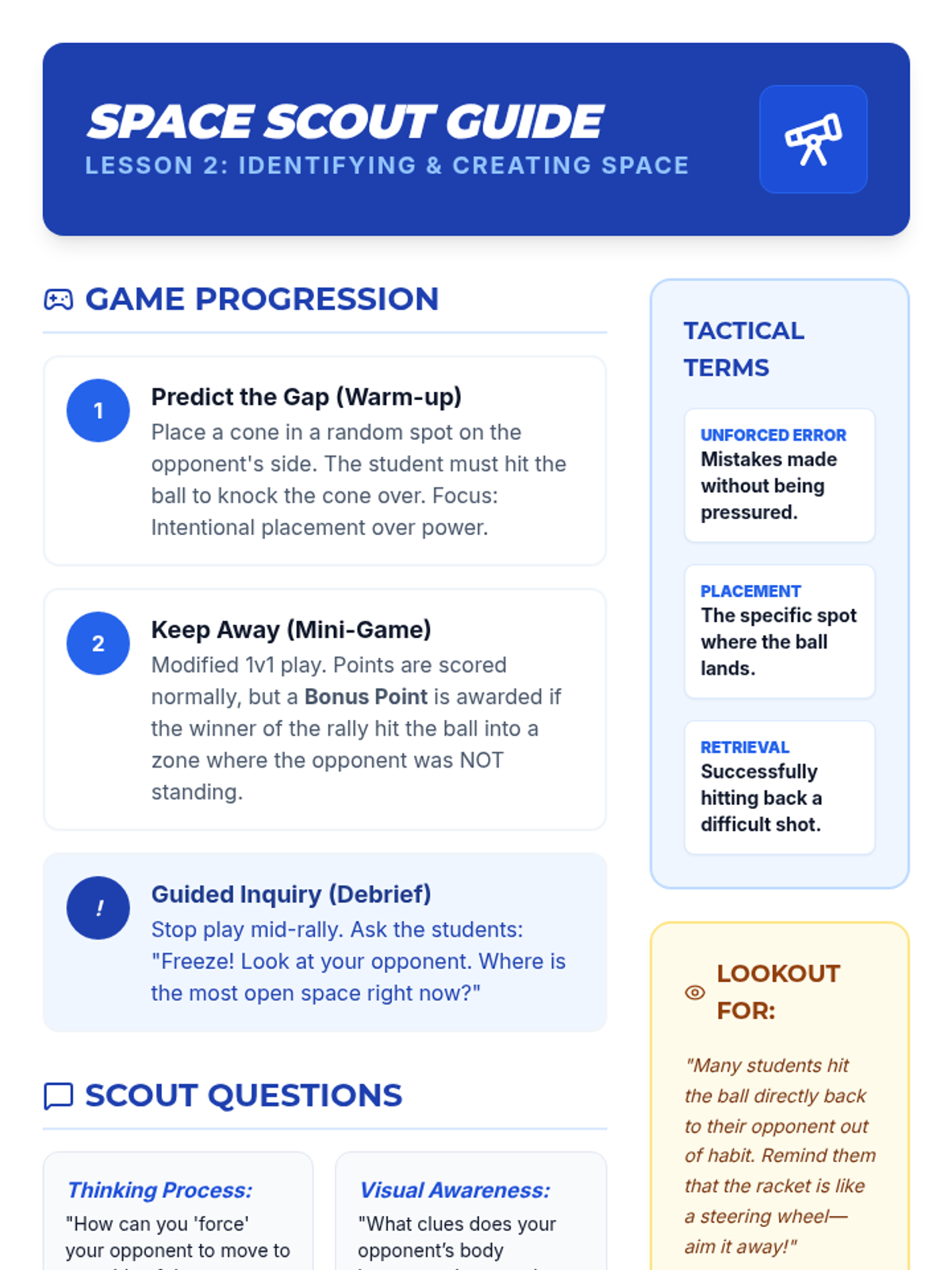
Learners analyze the court to identify undefended areas and practice hitting 'away' from the opponent to force movement.
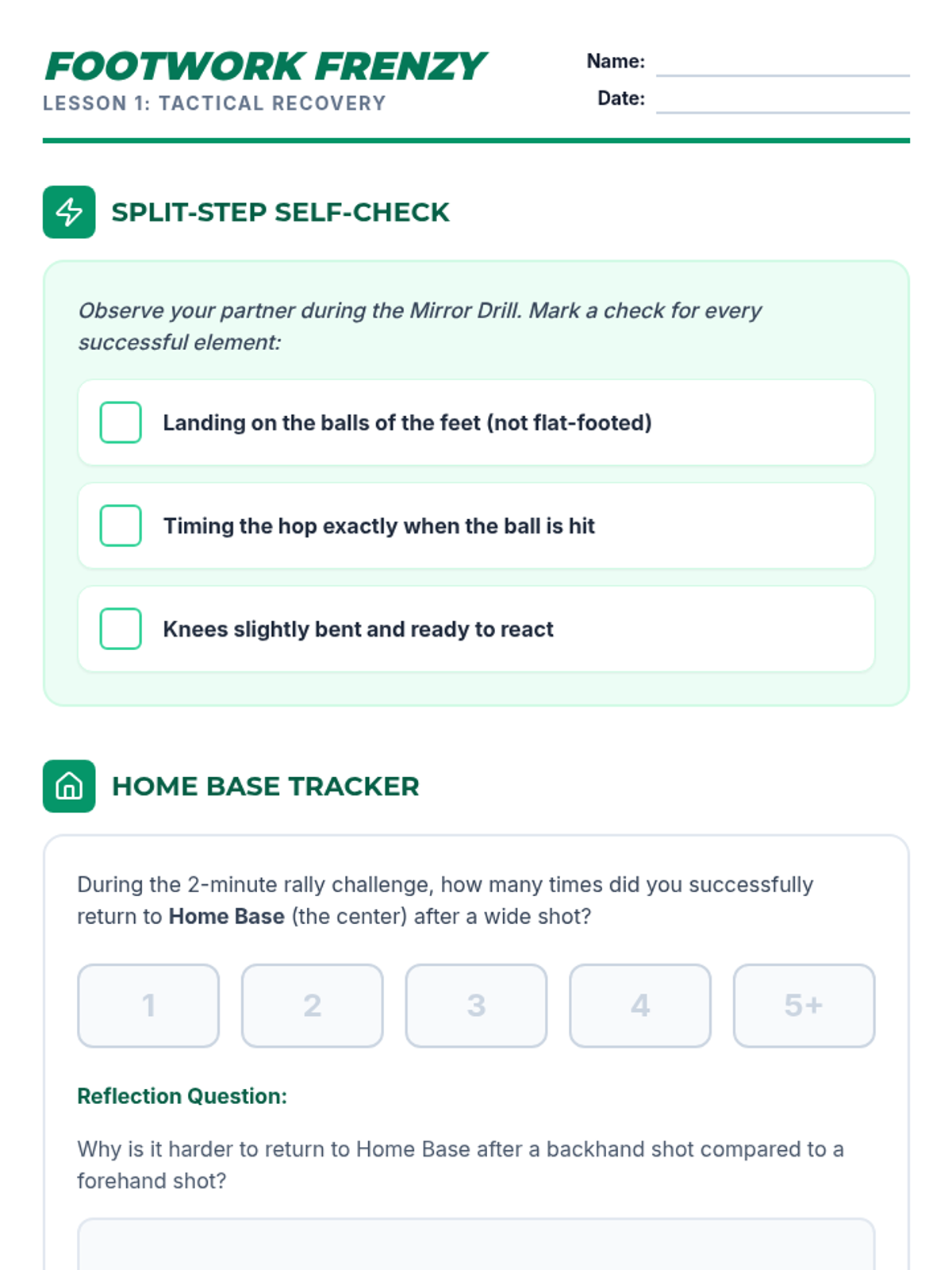
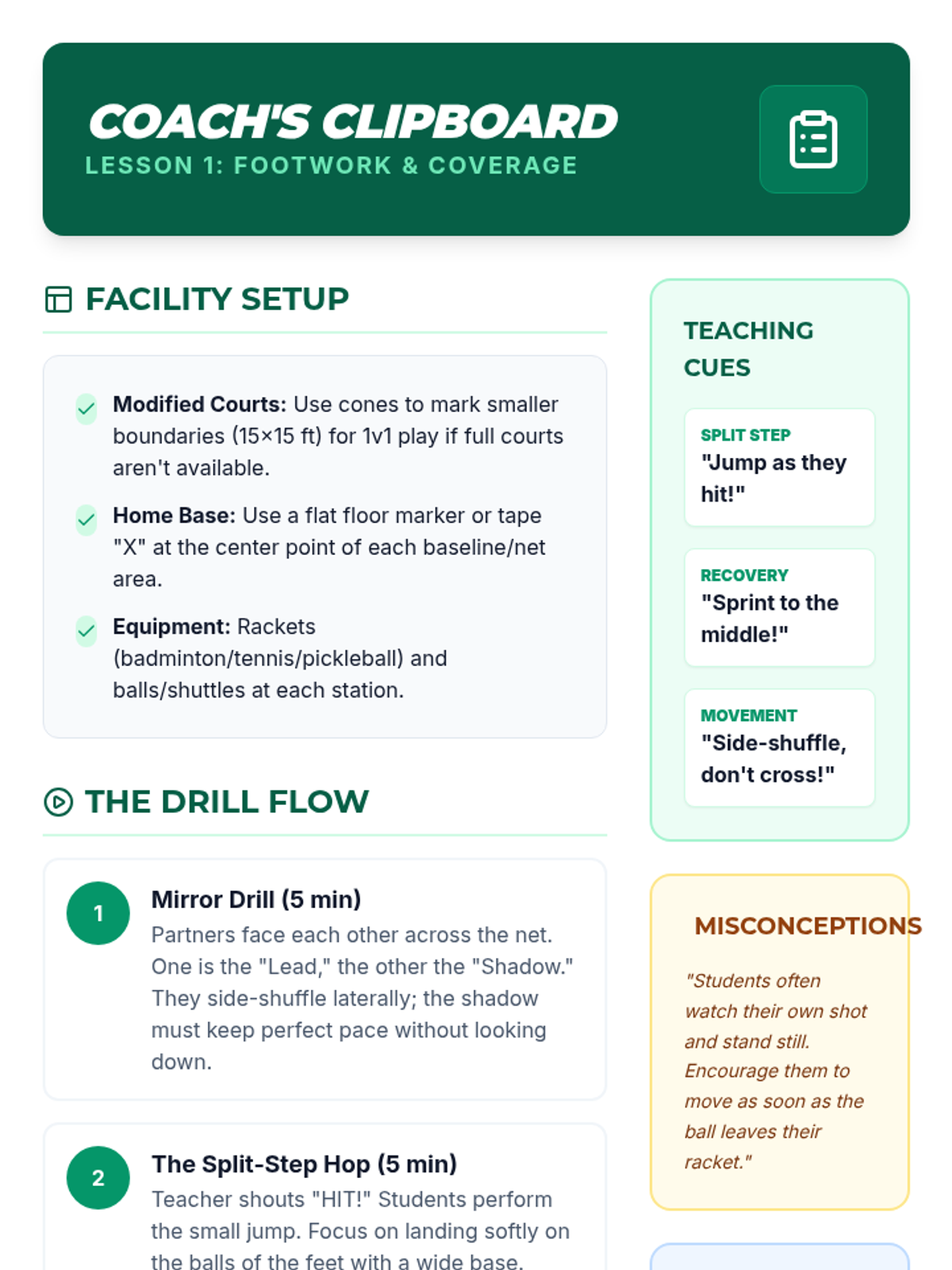
Students practice specific footwork techniques including the split-step and side-shuffle, focusing on returning to 'home base' after every shot.
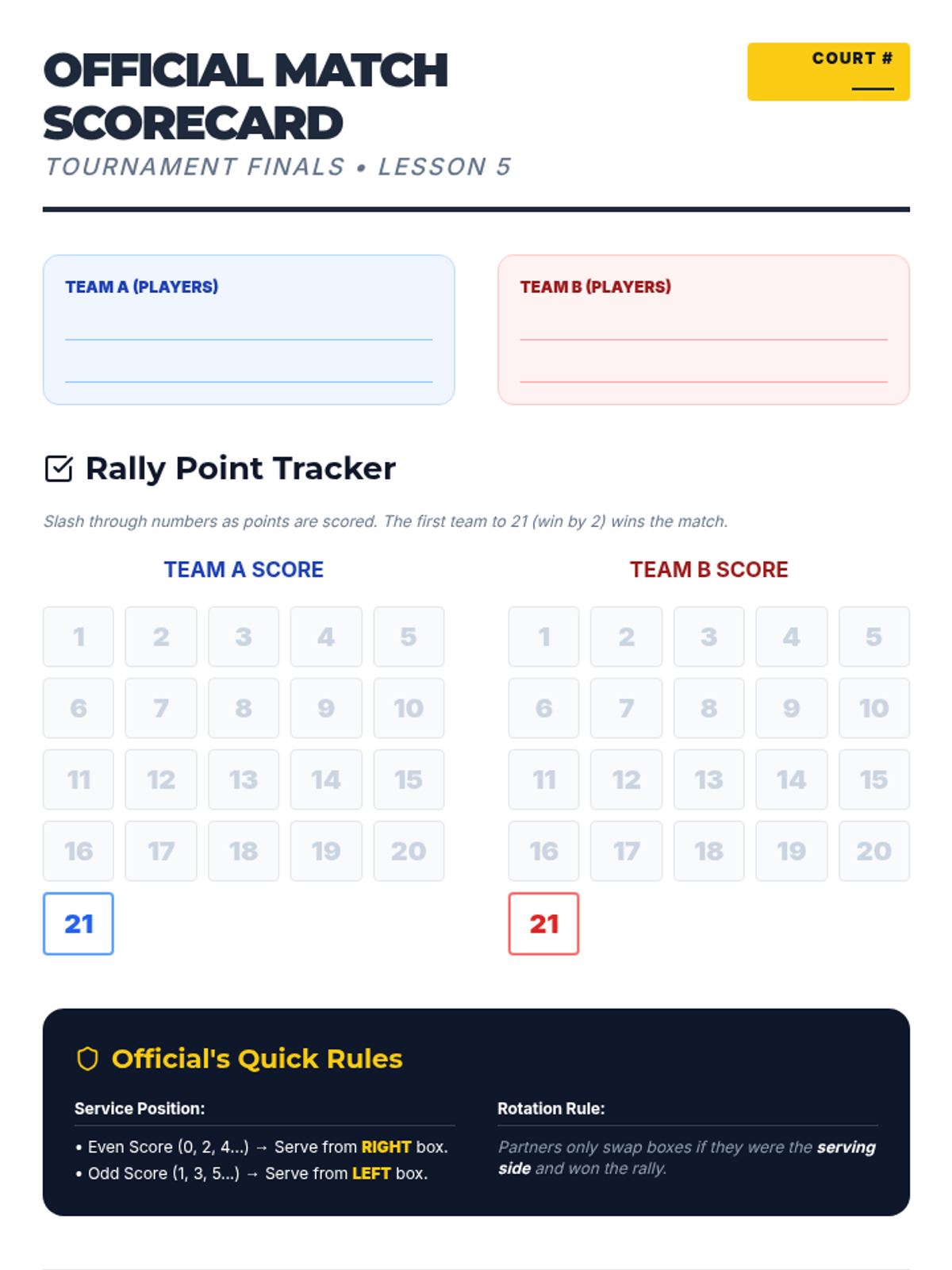
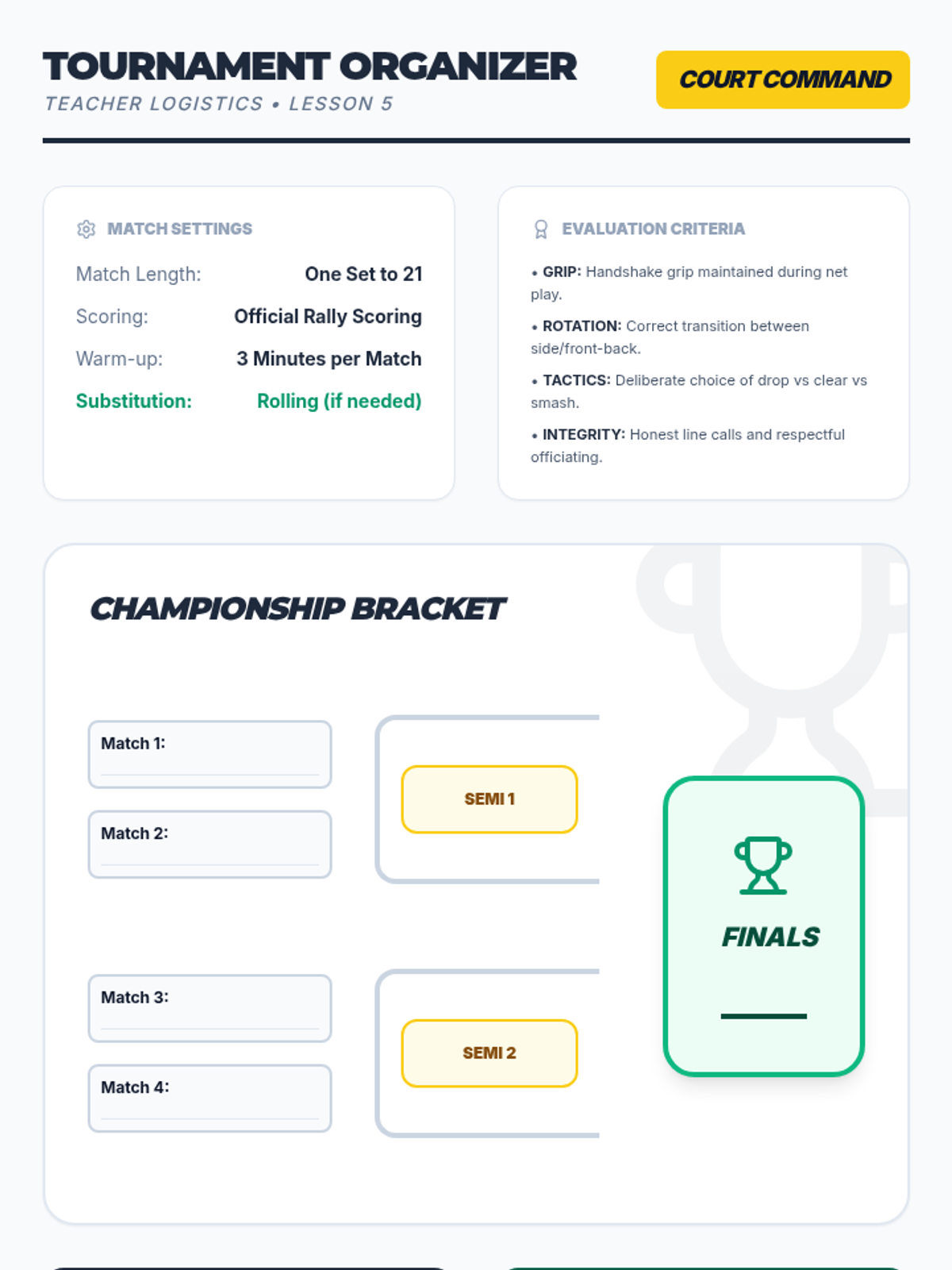
The unit concludes with students applying their skills in a doubles tournament format, learning rotation systems (front-back/side-by-side) and practicing official officiating and scoring.
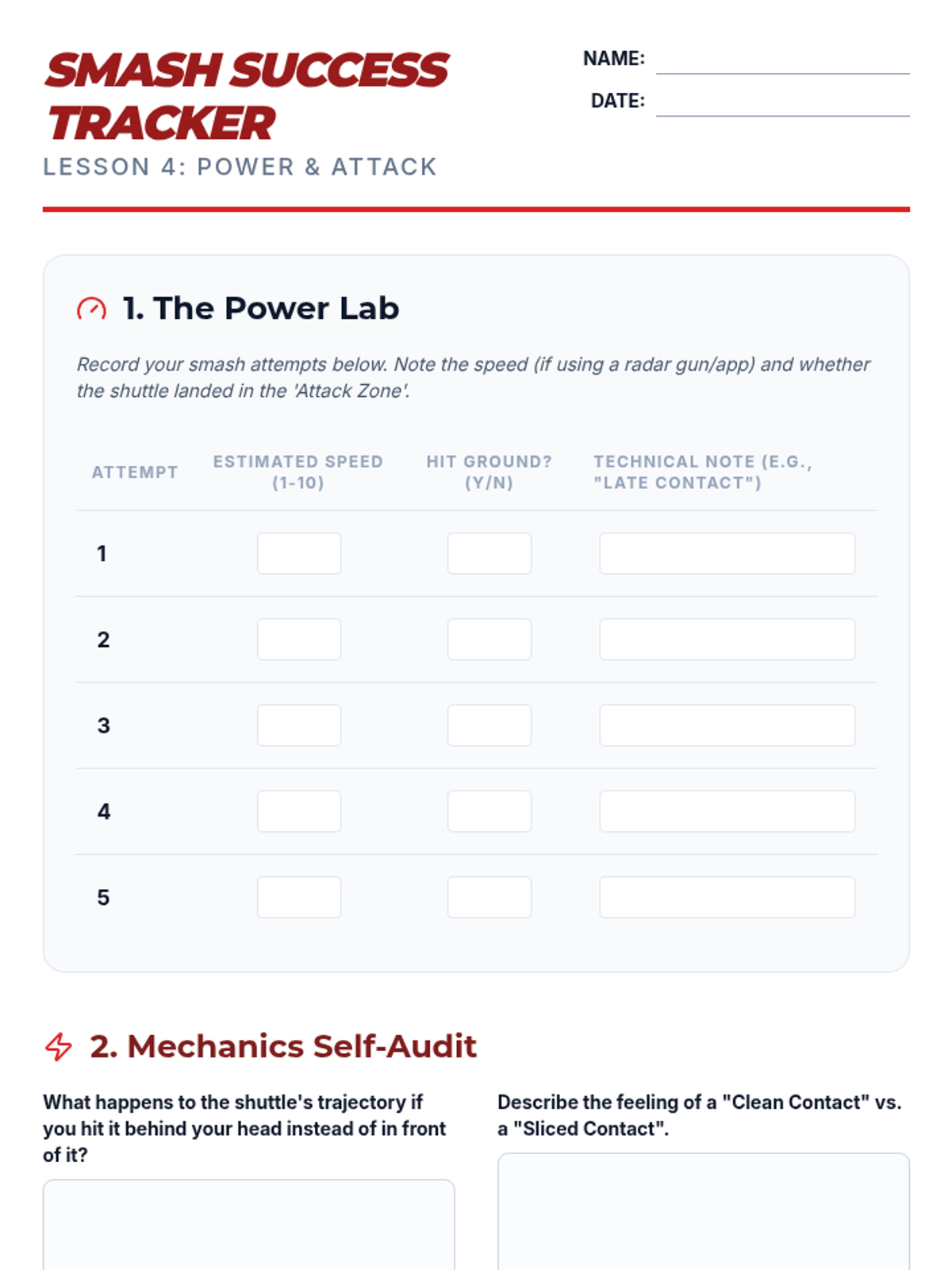
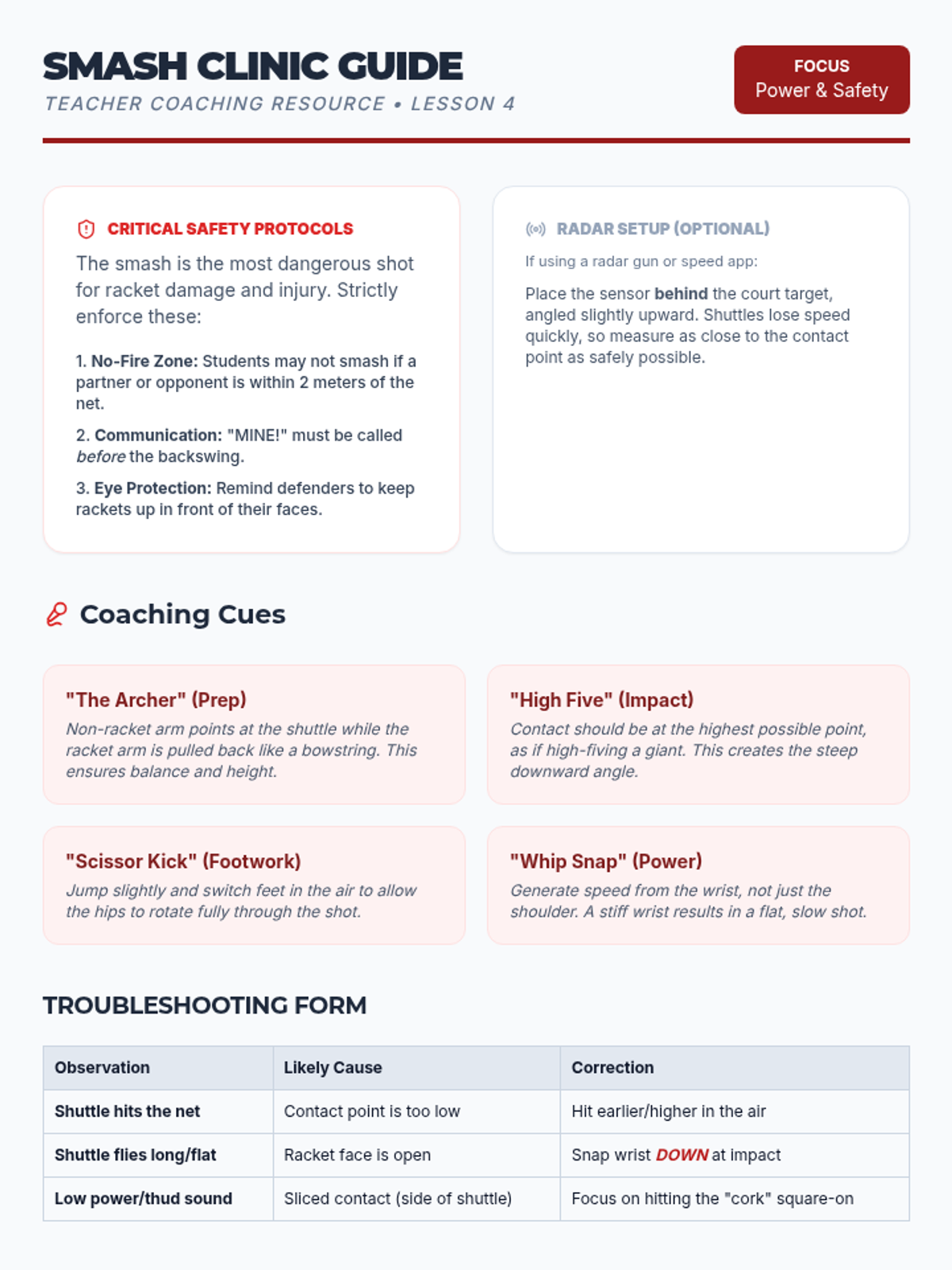
The most aggressive stroke in badminton, the smash, is introduced with a focus on timing, contact point, and safety during doubles play.
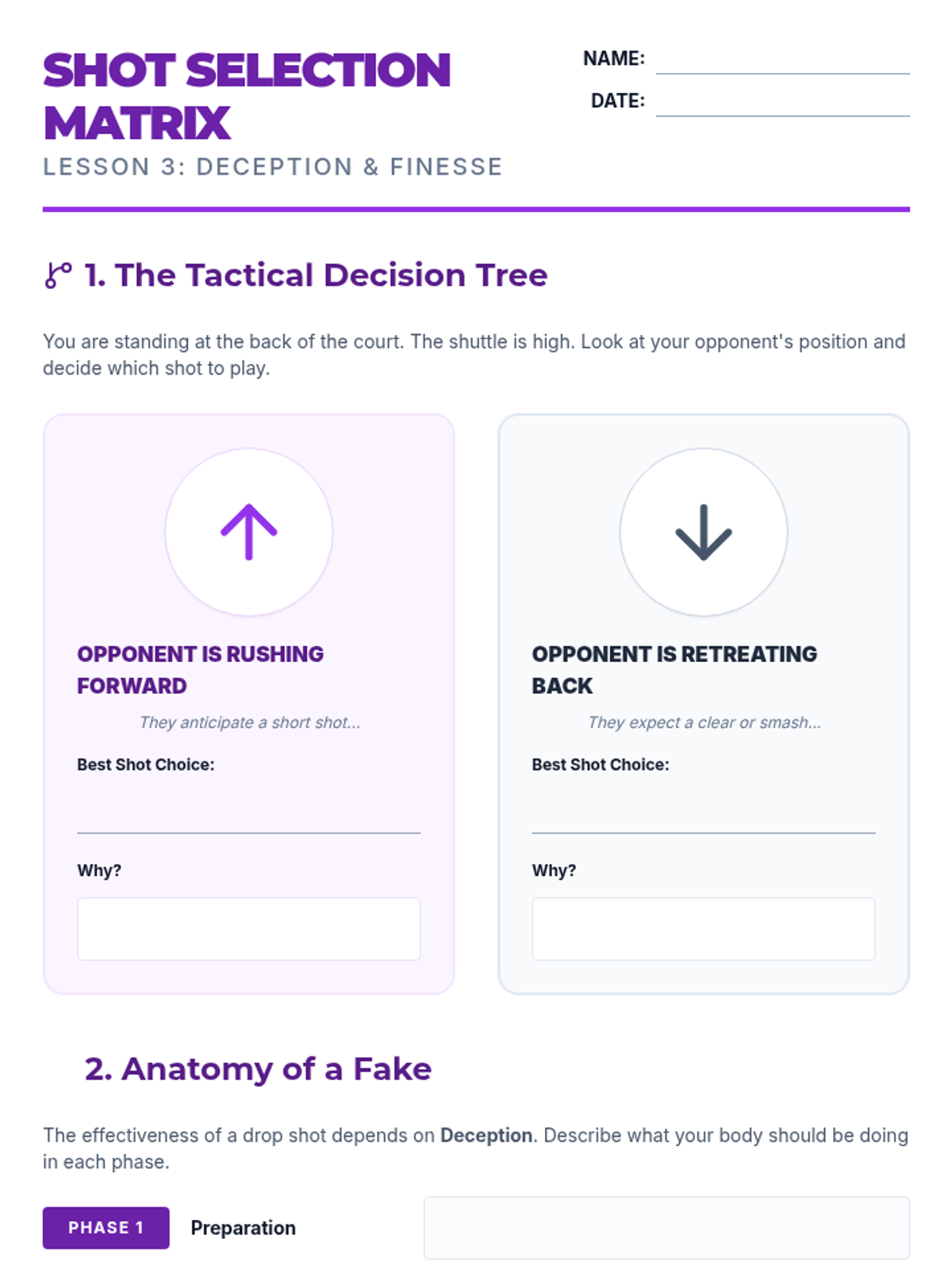
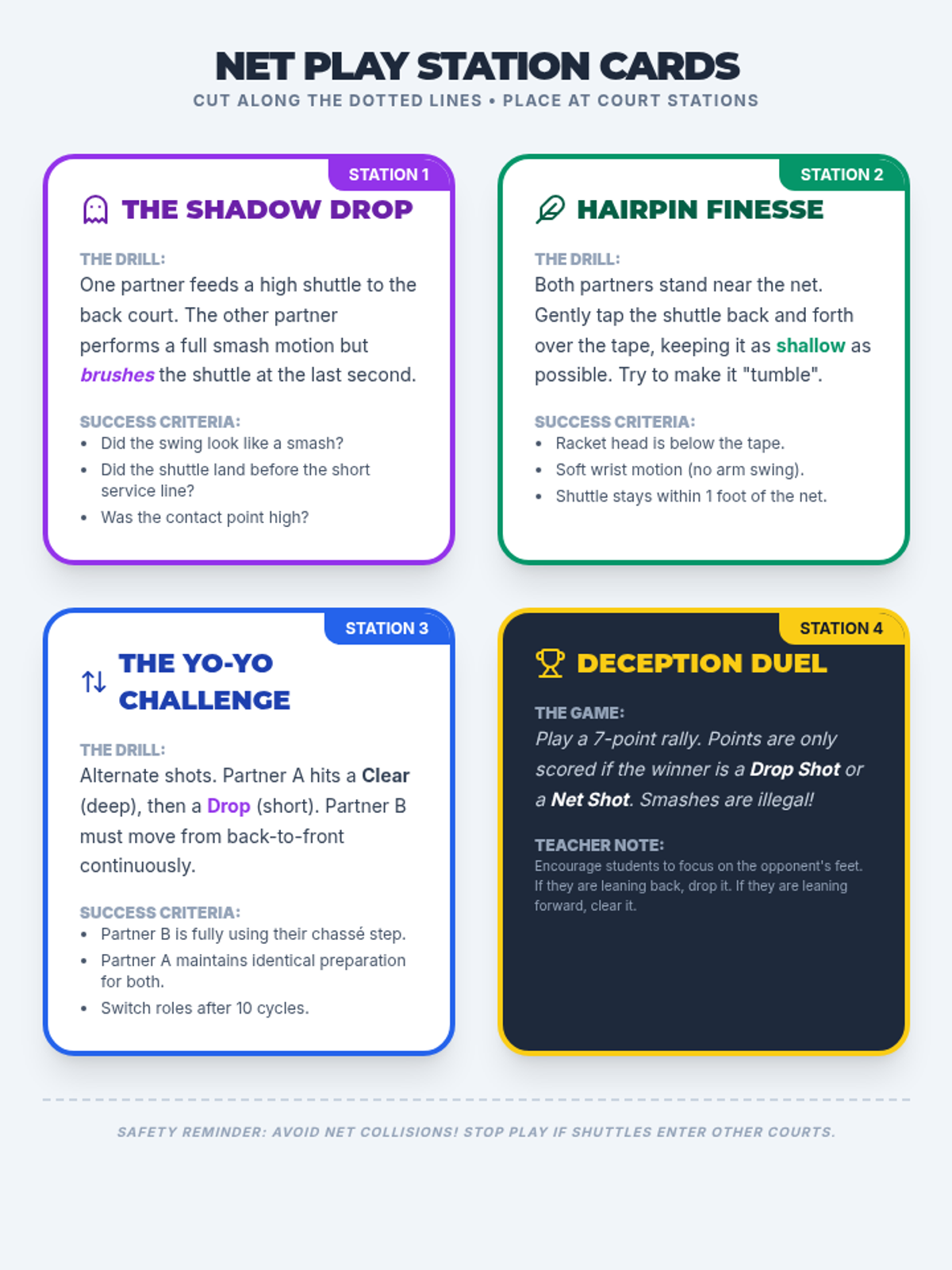
Students practice the art of deception by learning the drop shot and hairpin net shots. The focus is on racket head deceleration and moving the opponent through varied shot depth.
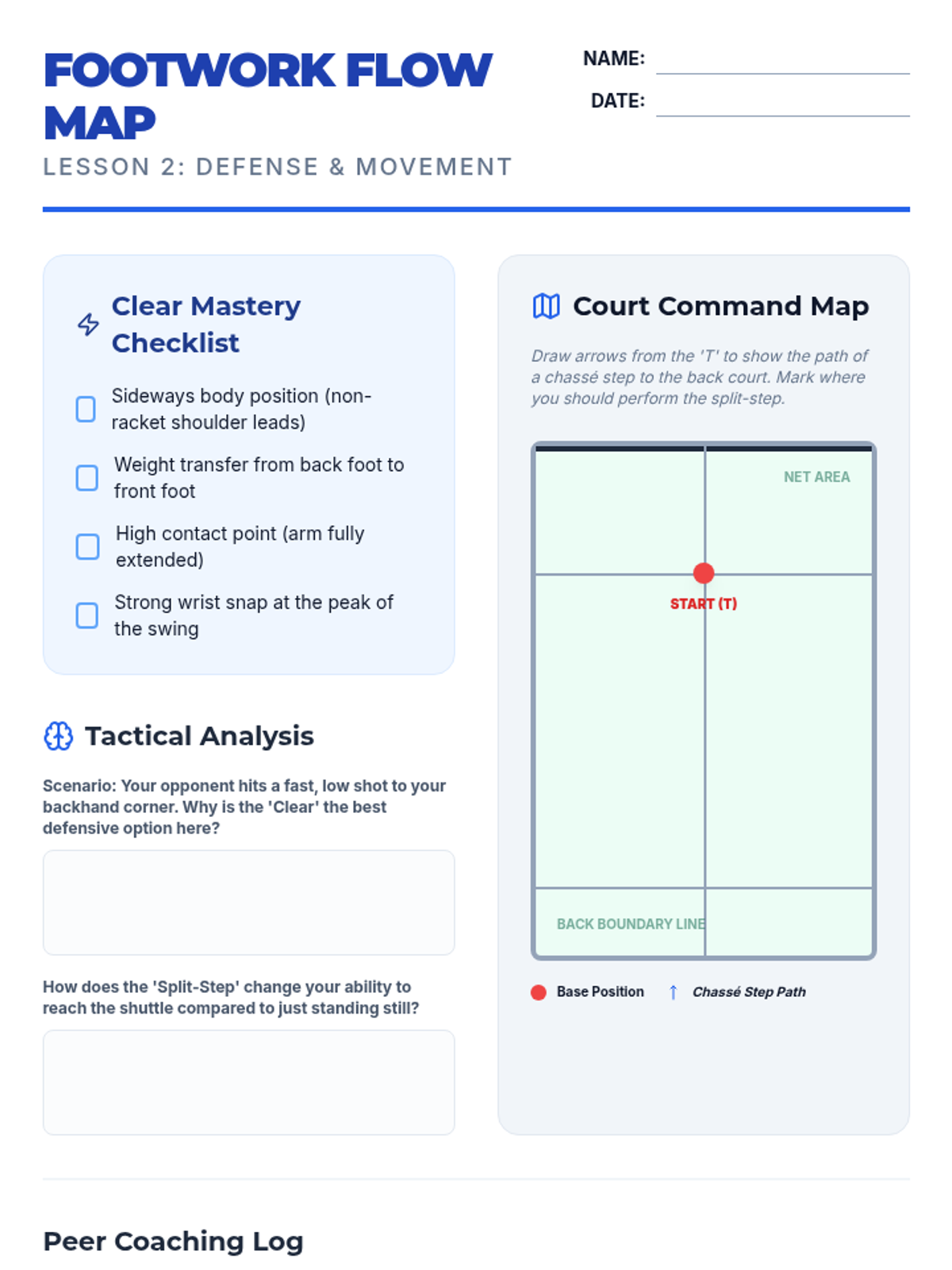
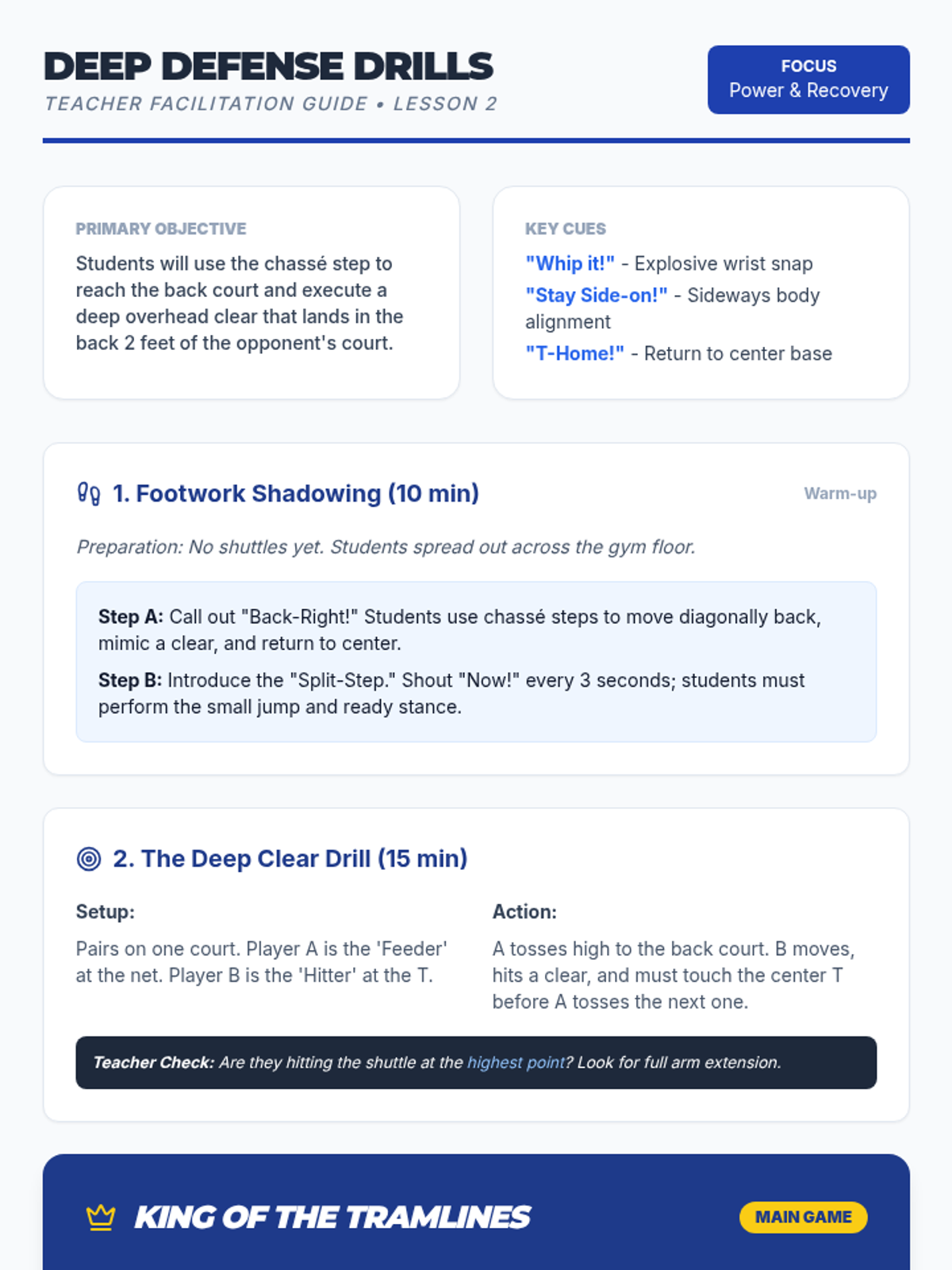
This lesson covers the overhead clear as a defensive tool and the essential footwork patterns (chassé and split-step) needed to recover and cover the court effectively.
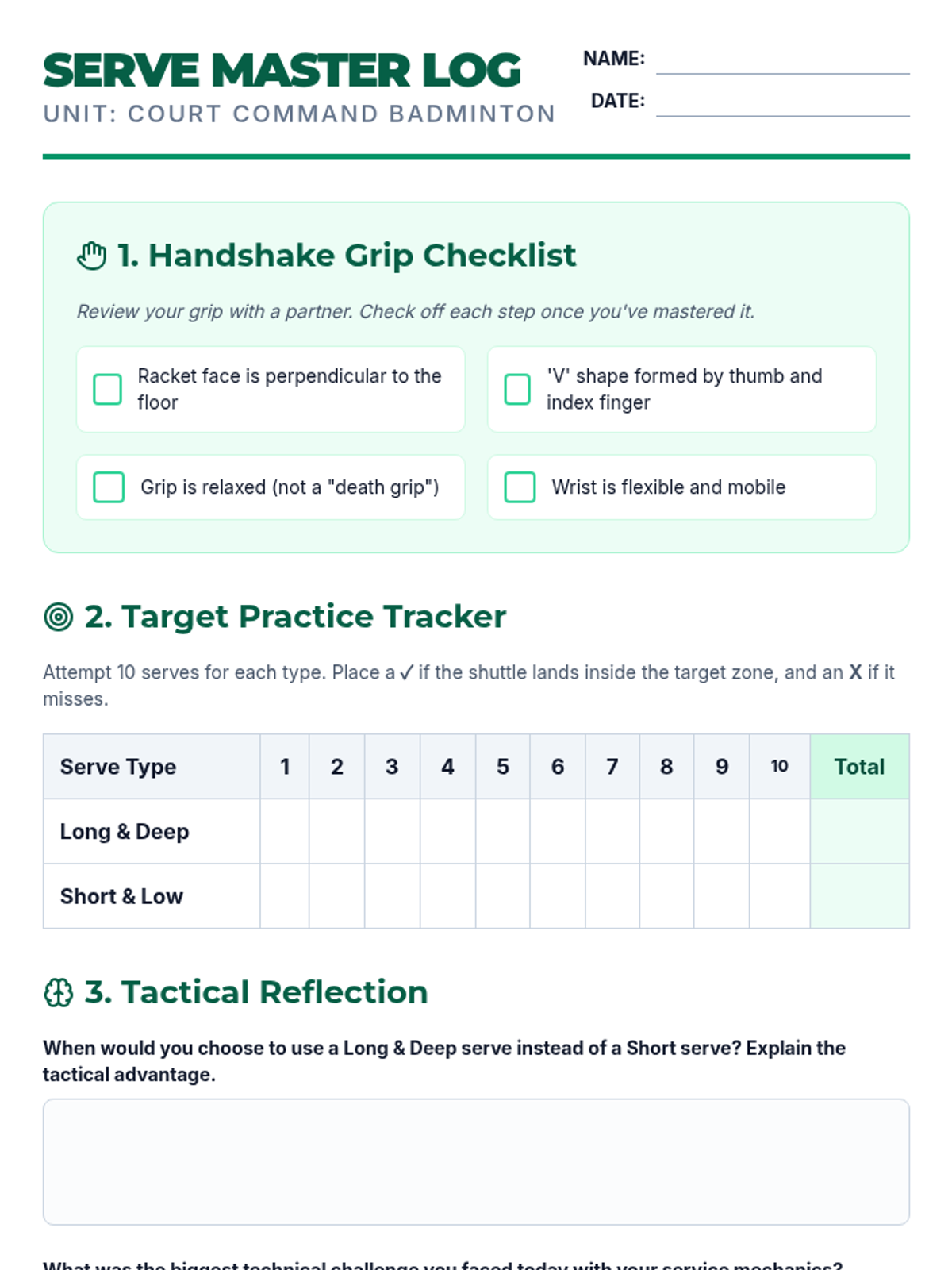
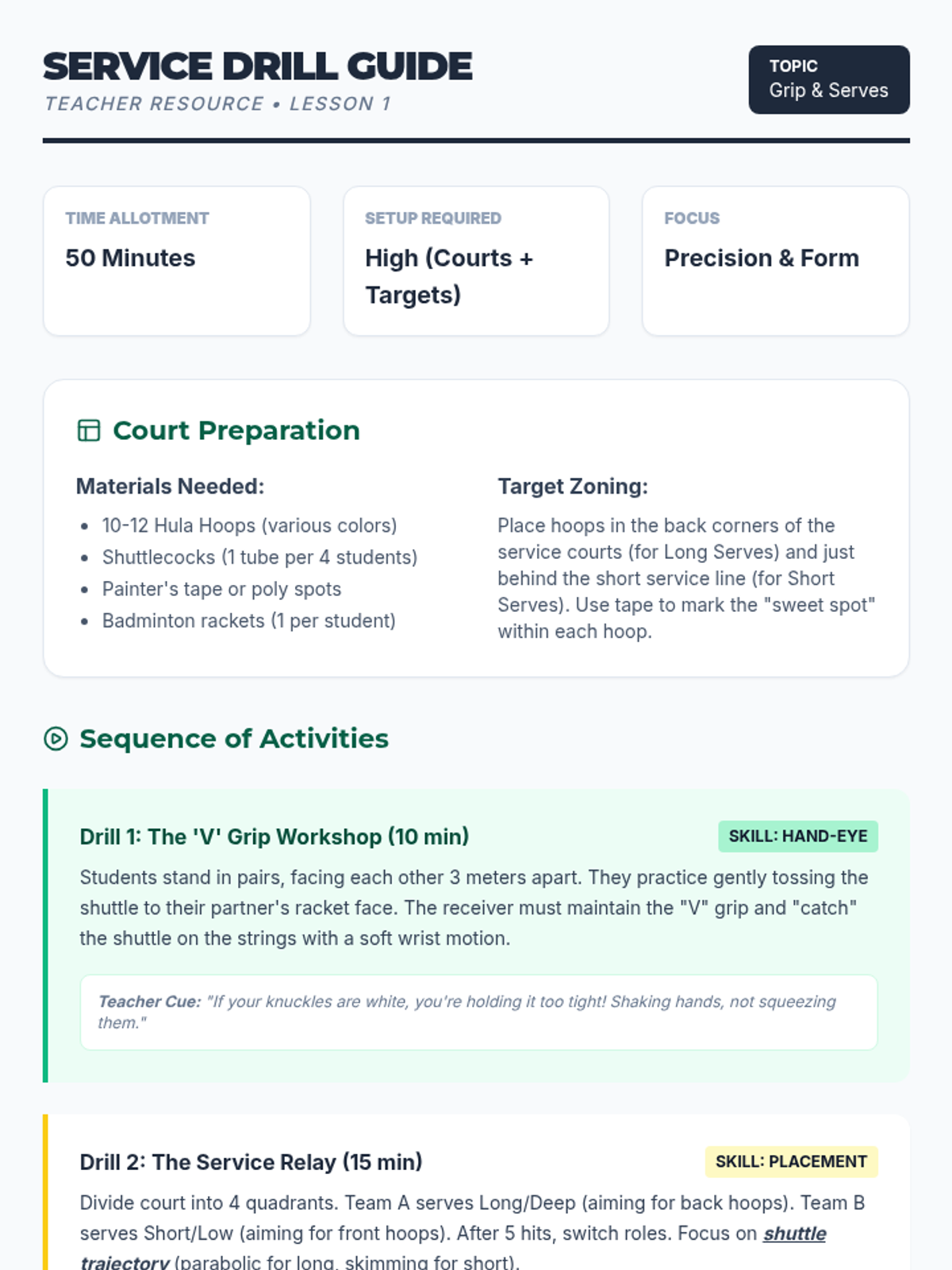
Students master the foundational handshake grip and learn the mechanics of high-deep and low-short serves. The lesson emphasizes precision placement within the service court to gain an early tactical advantage.
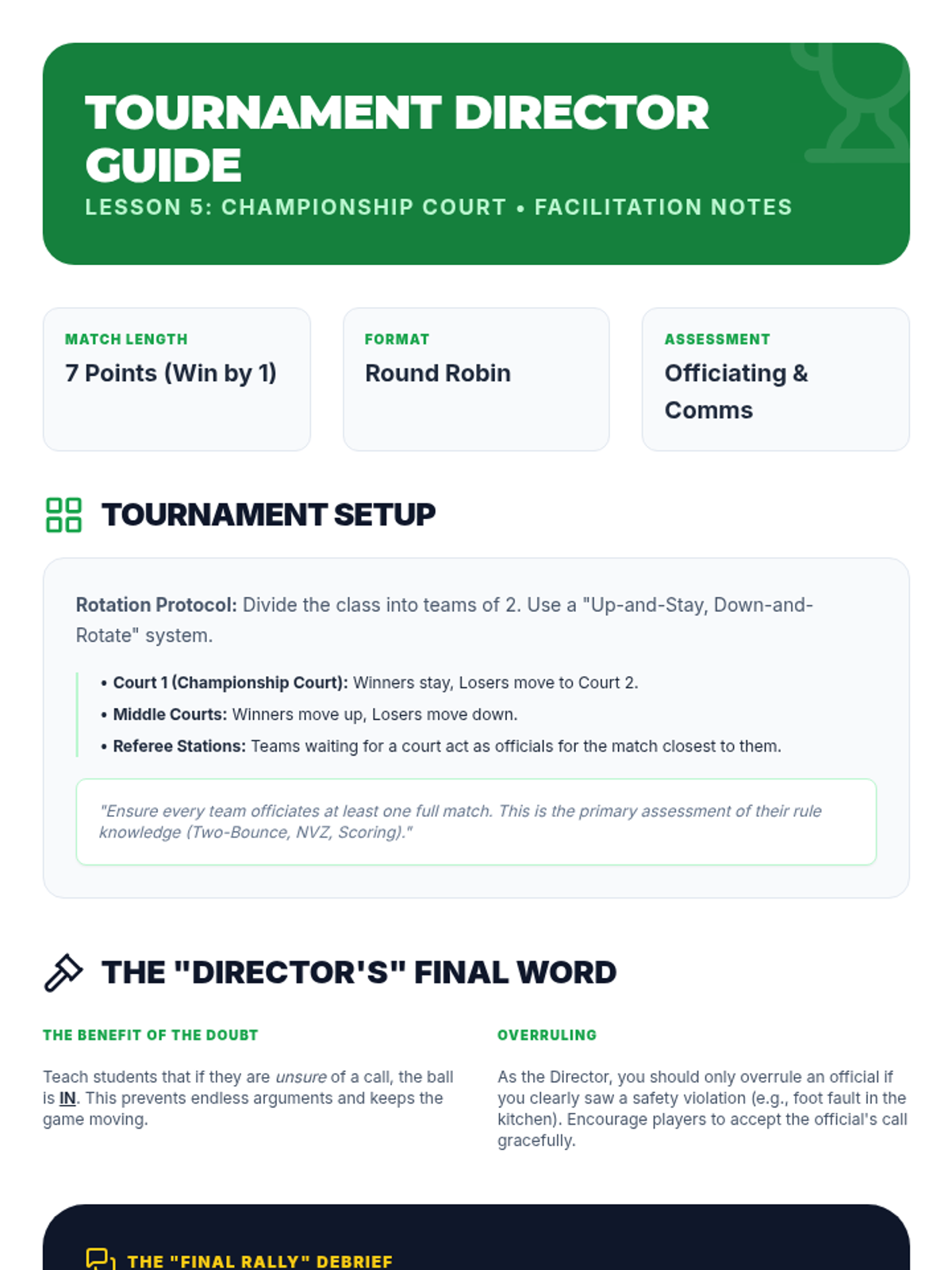
A round-robin doubles tournament serves as the final assessment. Students rotate between playing and officiating, applying their knowledge of rules and sportsmanship in a competitive environment.
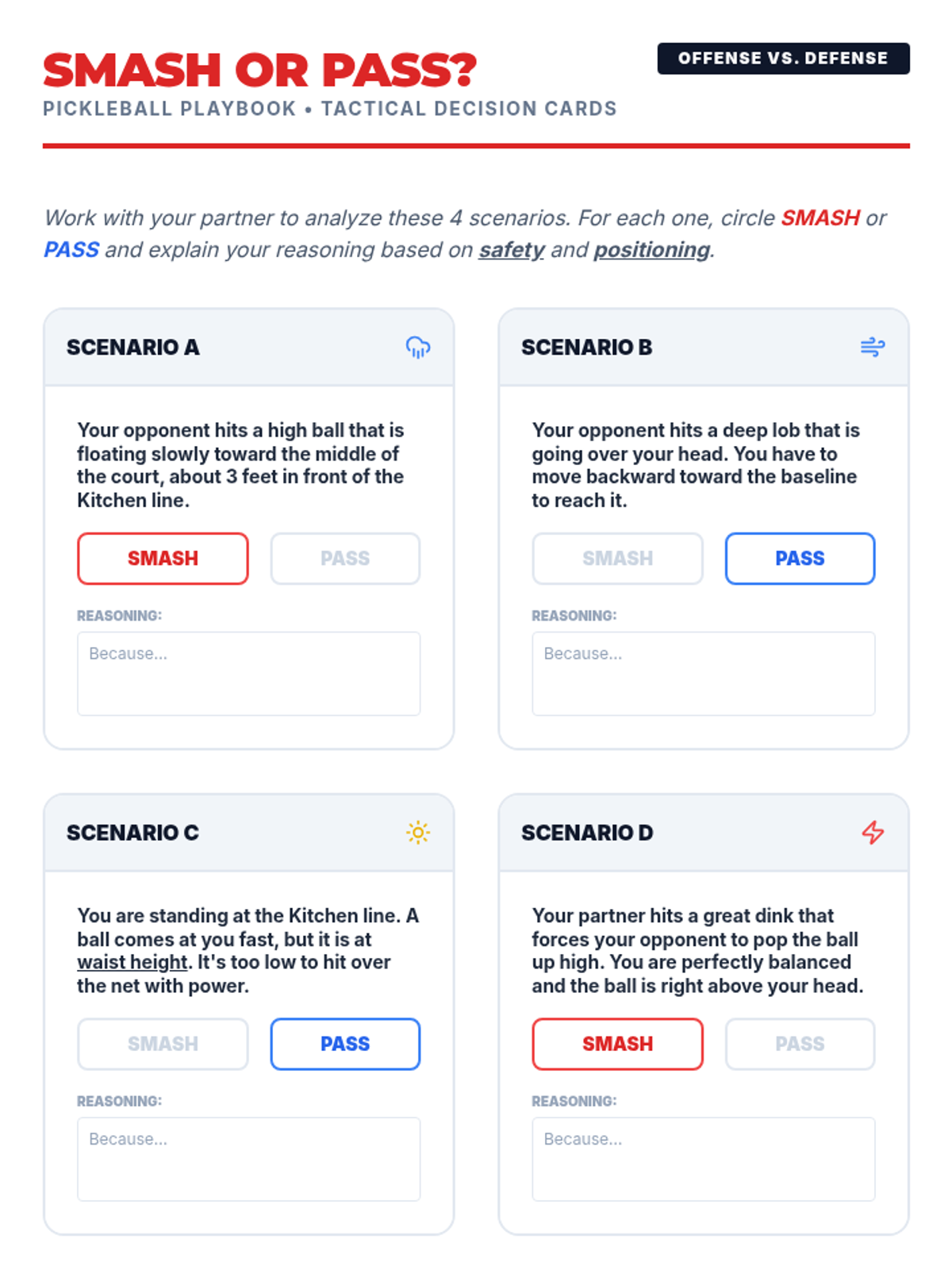
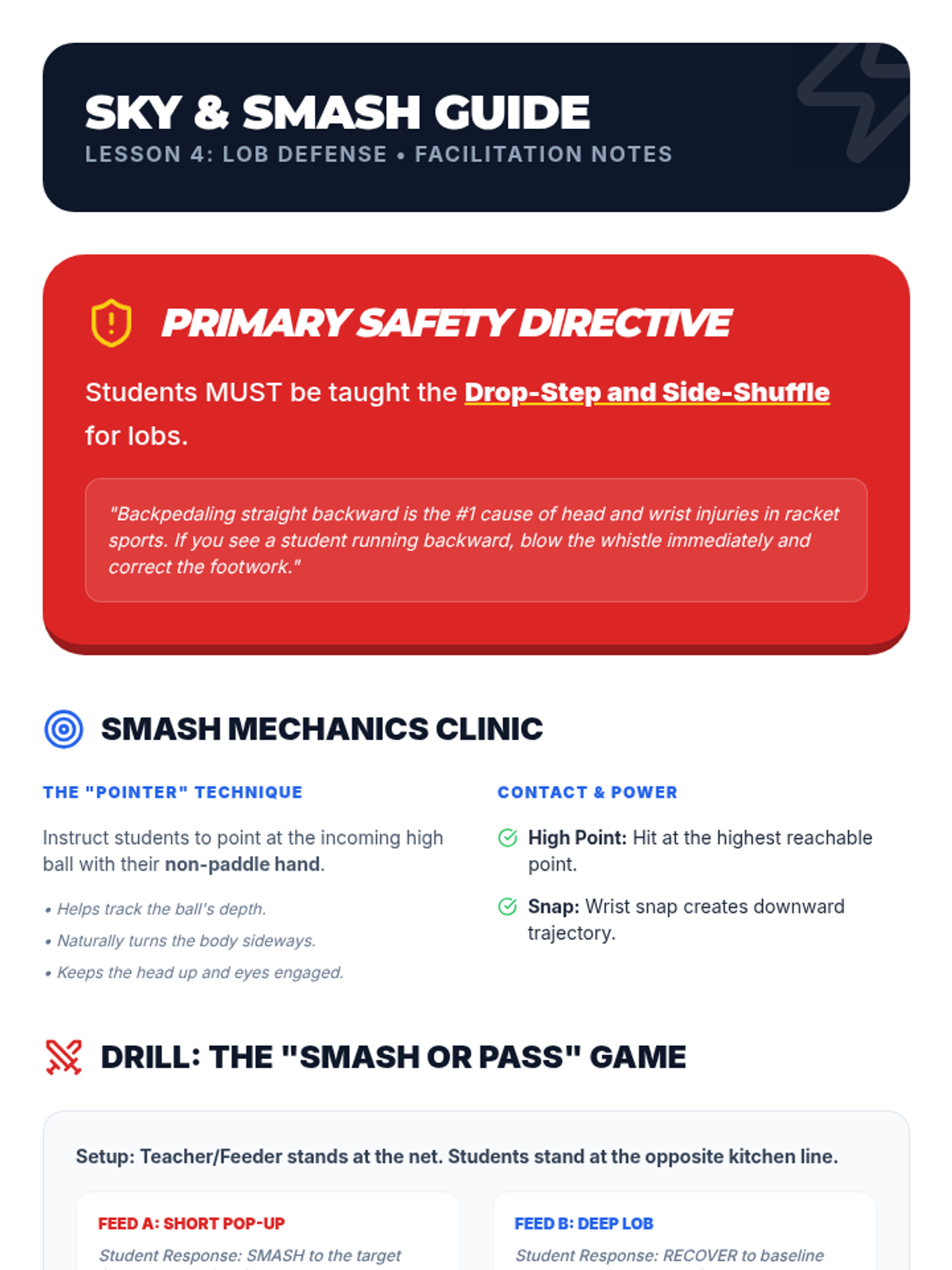
Students master the overhead smash and defensive responses to lobs. The lesson focuses on decision-making and safe footwork when moving backward on the court.
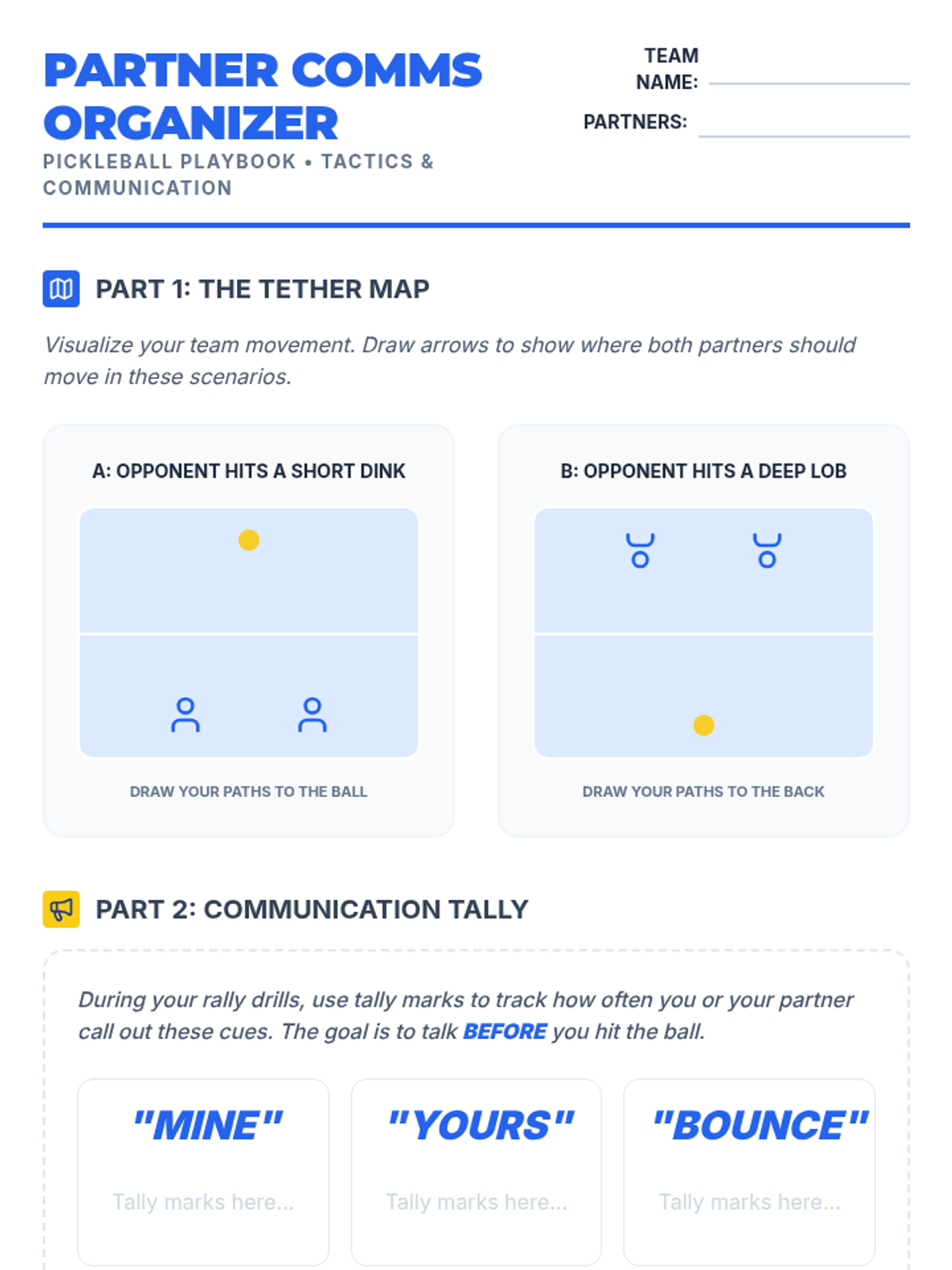
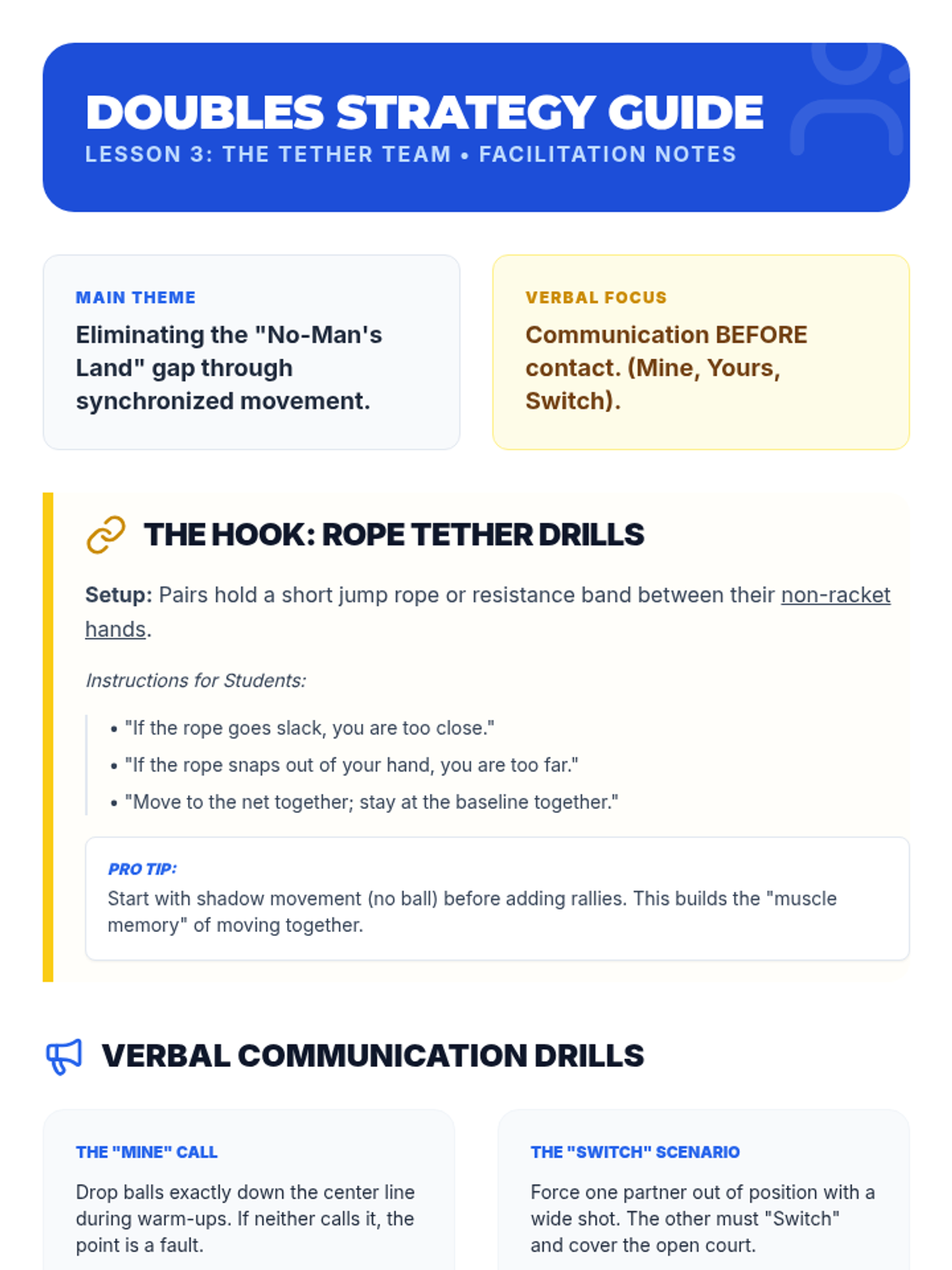
Pairs practice 'tethered movement' and learn communication terms like 'mine' and 'switch.' The lesson emphasizes spatial awareness and moving together as a defensive unit.
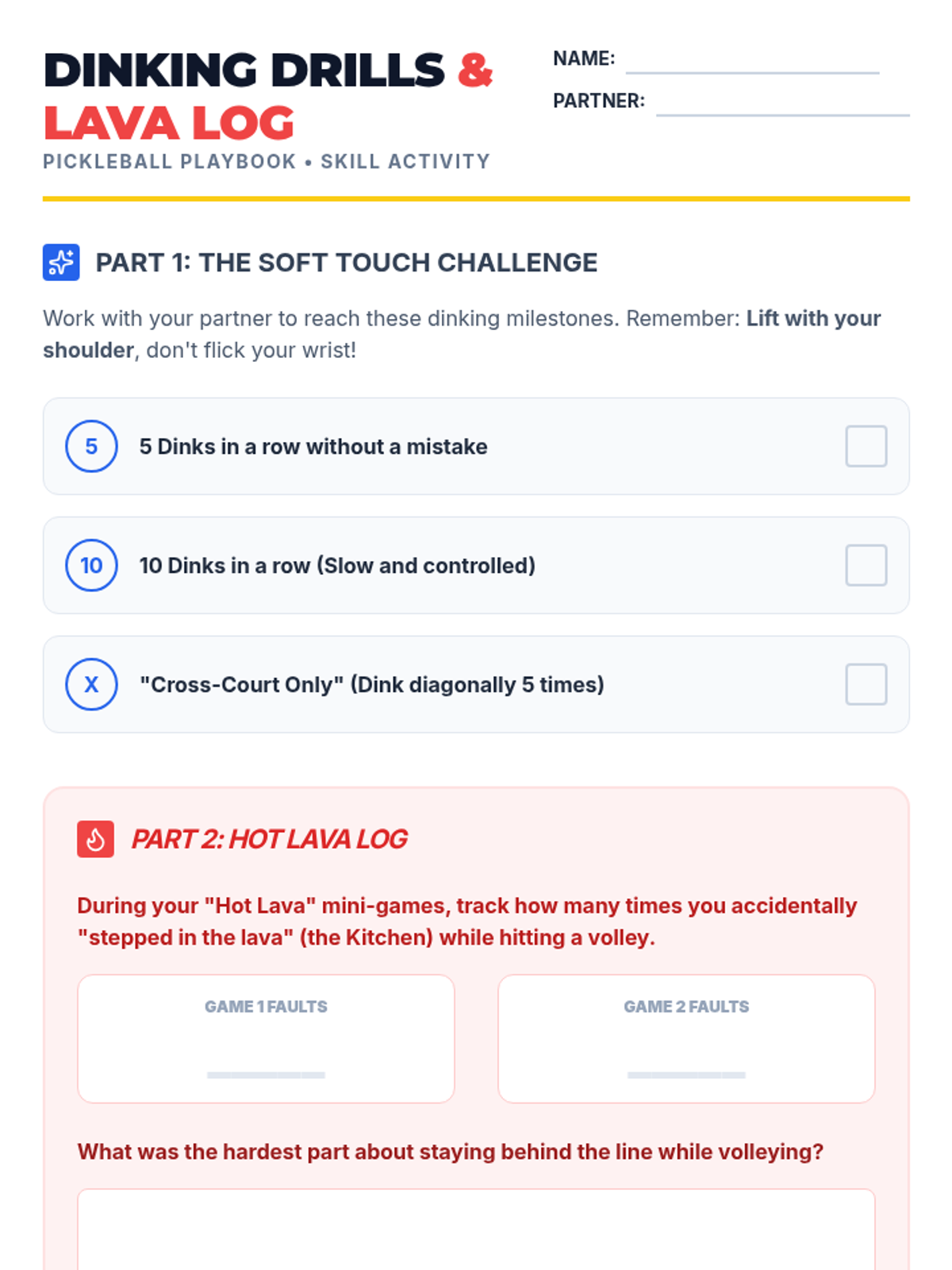
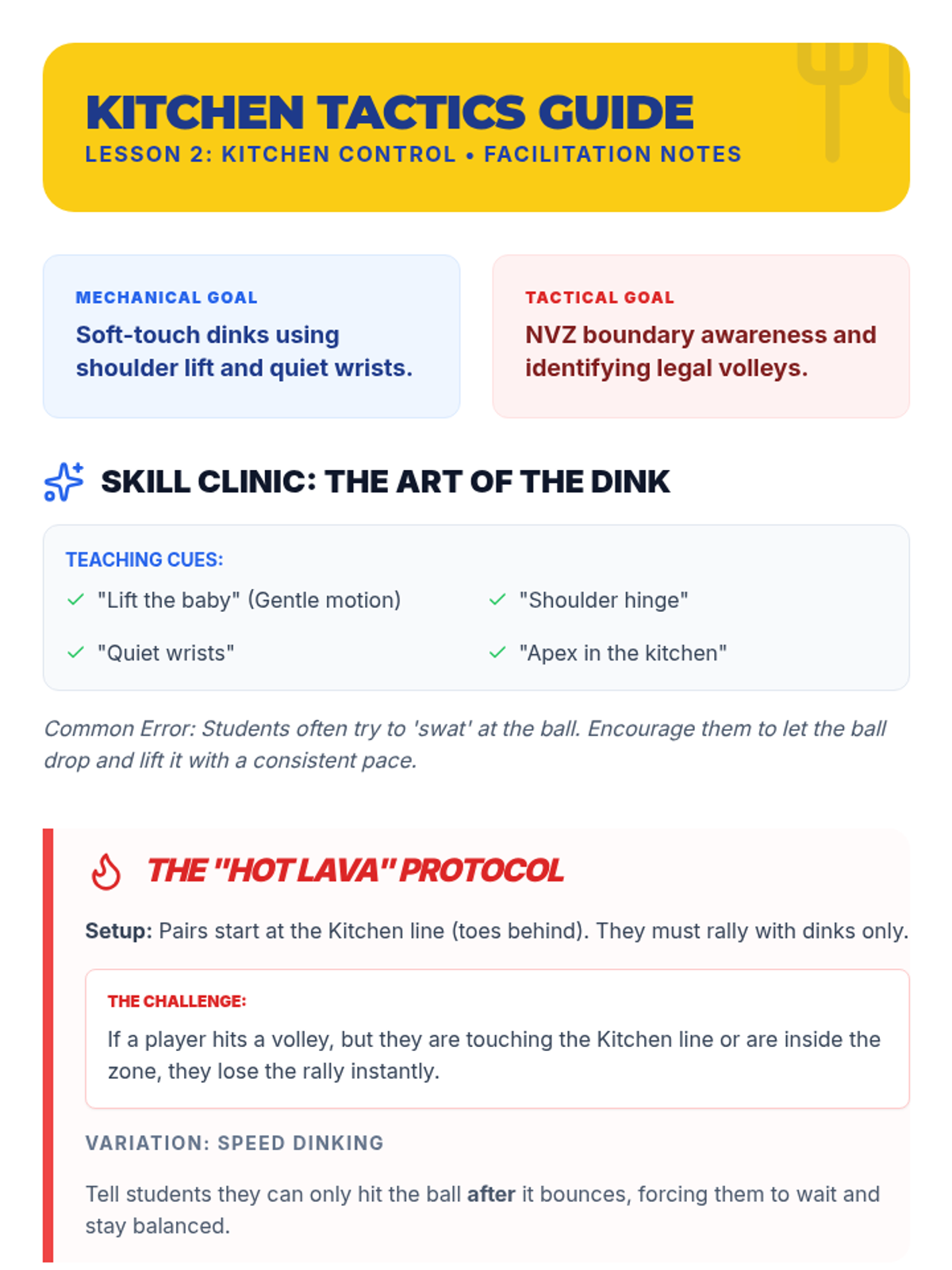
Focusing on the Non-Volley Zone (NVZ), students learn 'dinking' and legal volley mechanics. The 'Hot Lava' challenge reinforces the importance of staying behind the kitchen line for volleys.
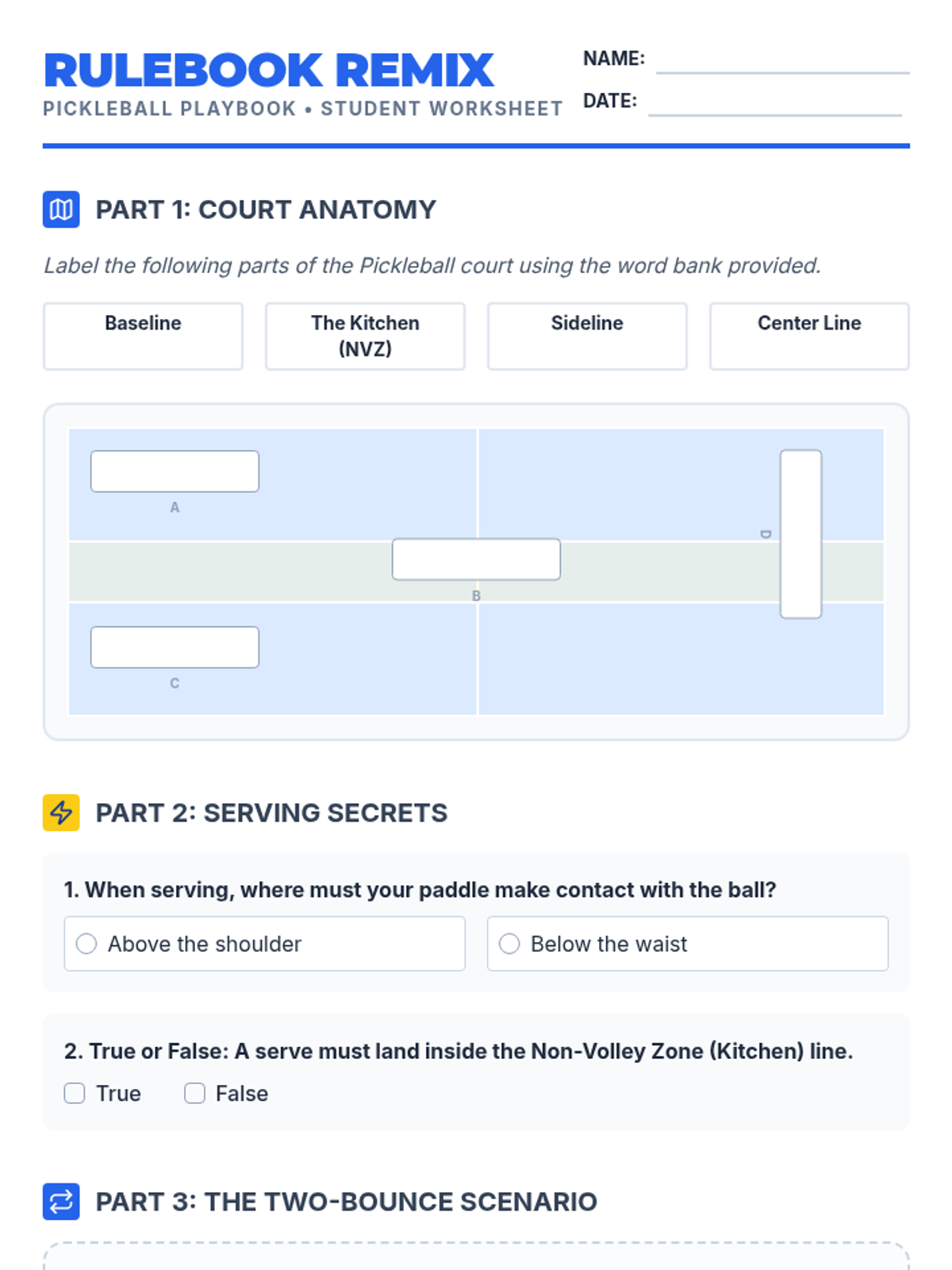
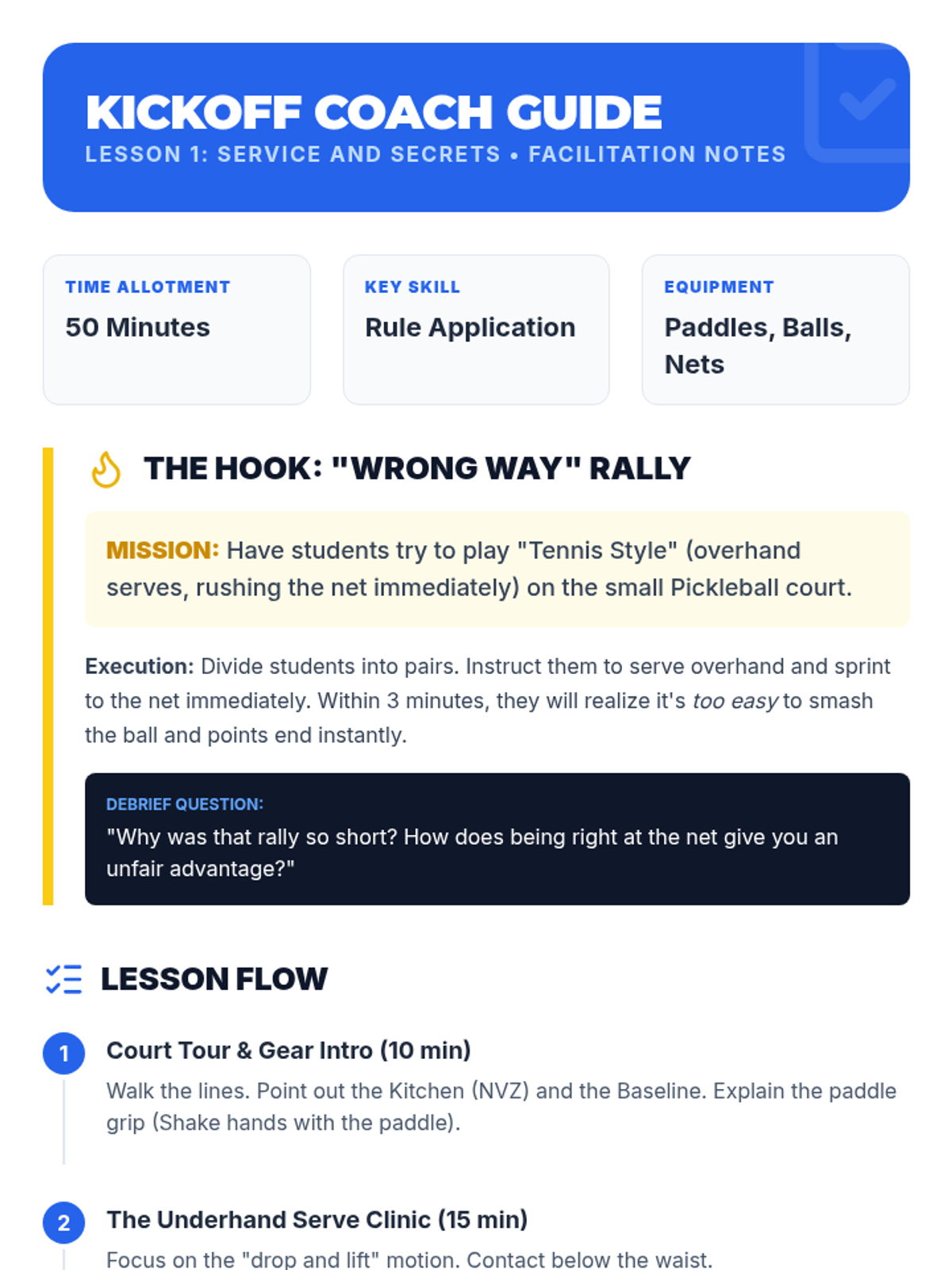
Students explore Pickleball equipment and court layout, focusing on the underhand serve and the 'two-bounce rule.' Through the 'Wrong Way' hook activity, they discover how specific rules shape the game's strategy.
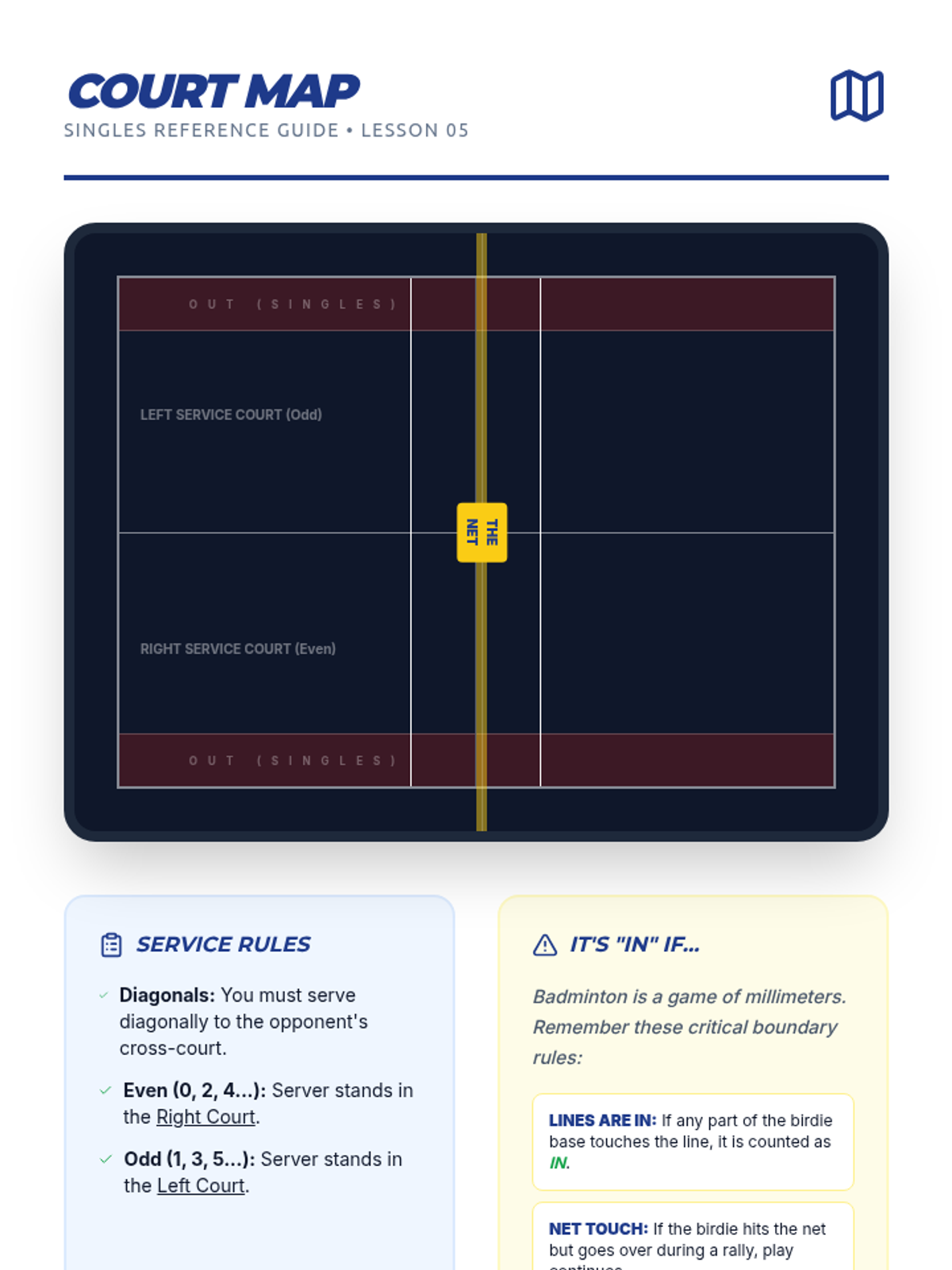
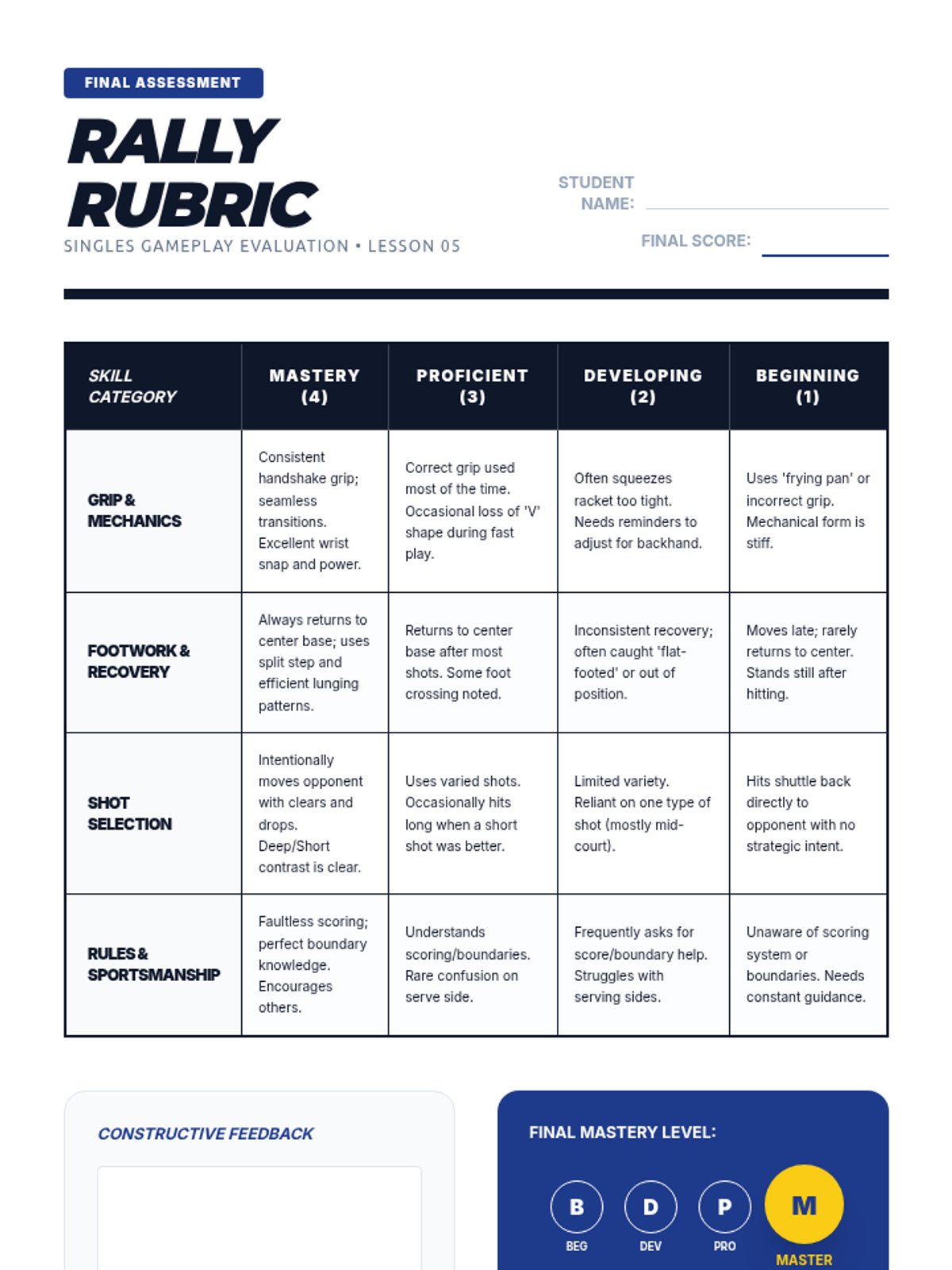
Culminating unit where students apply all skills in singles matches, demonstrating their understanding of scoring, boundaries, and strategic shot selection.
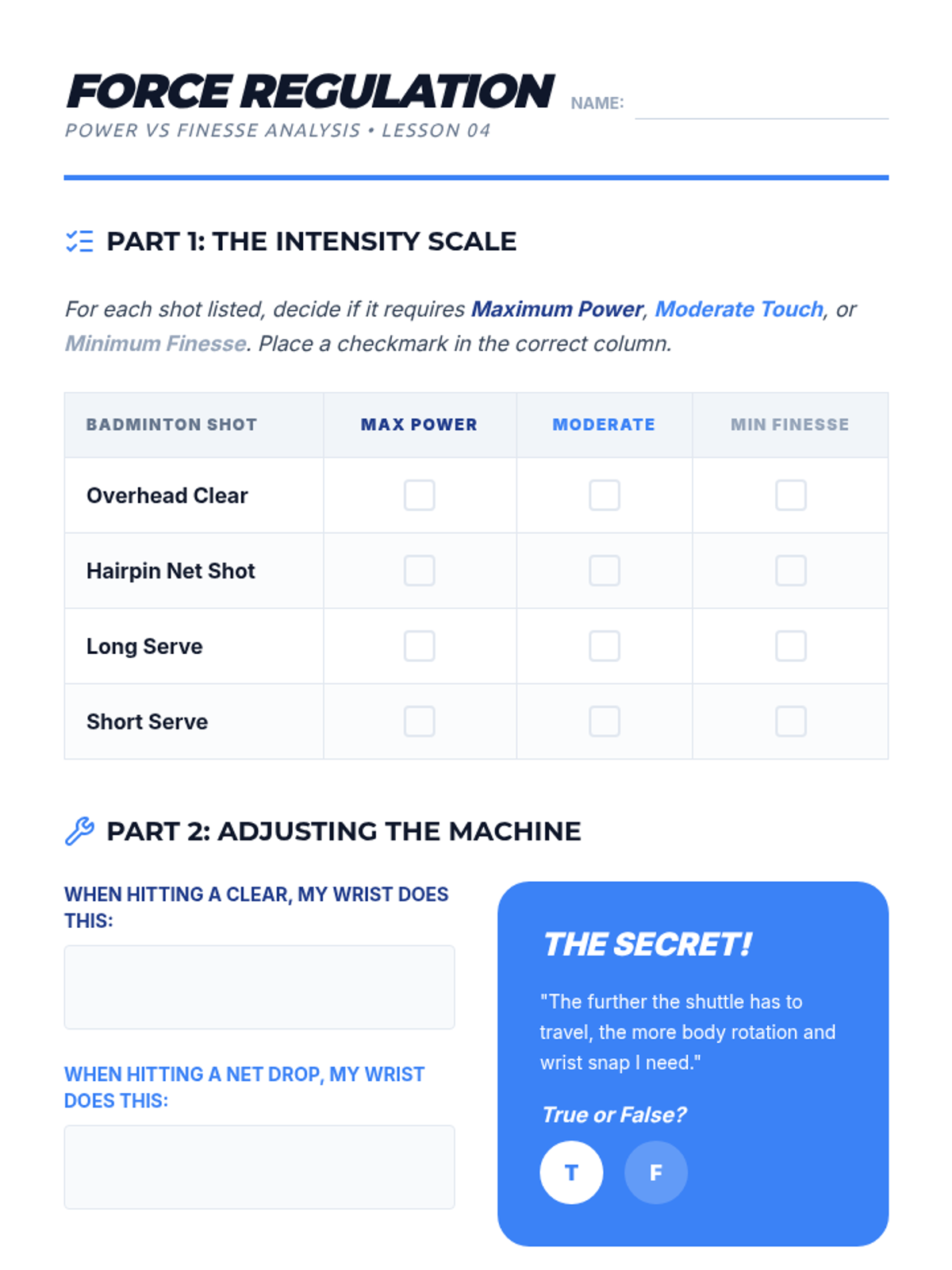
Introduces finesse shots at the net, focusing on the hairpin drop and soft-touch mechanics to contrast with the power of the clear.
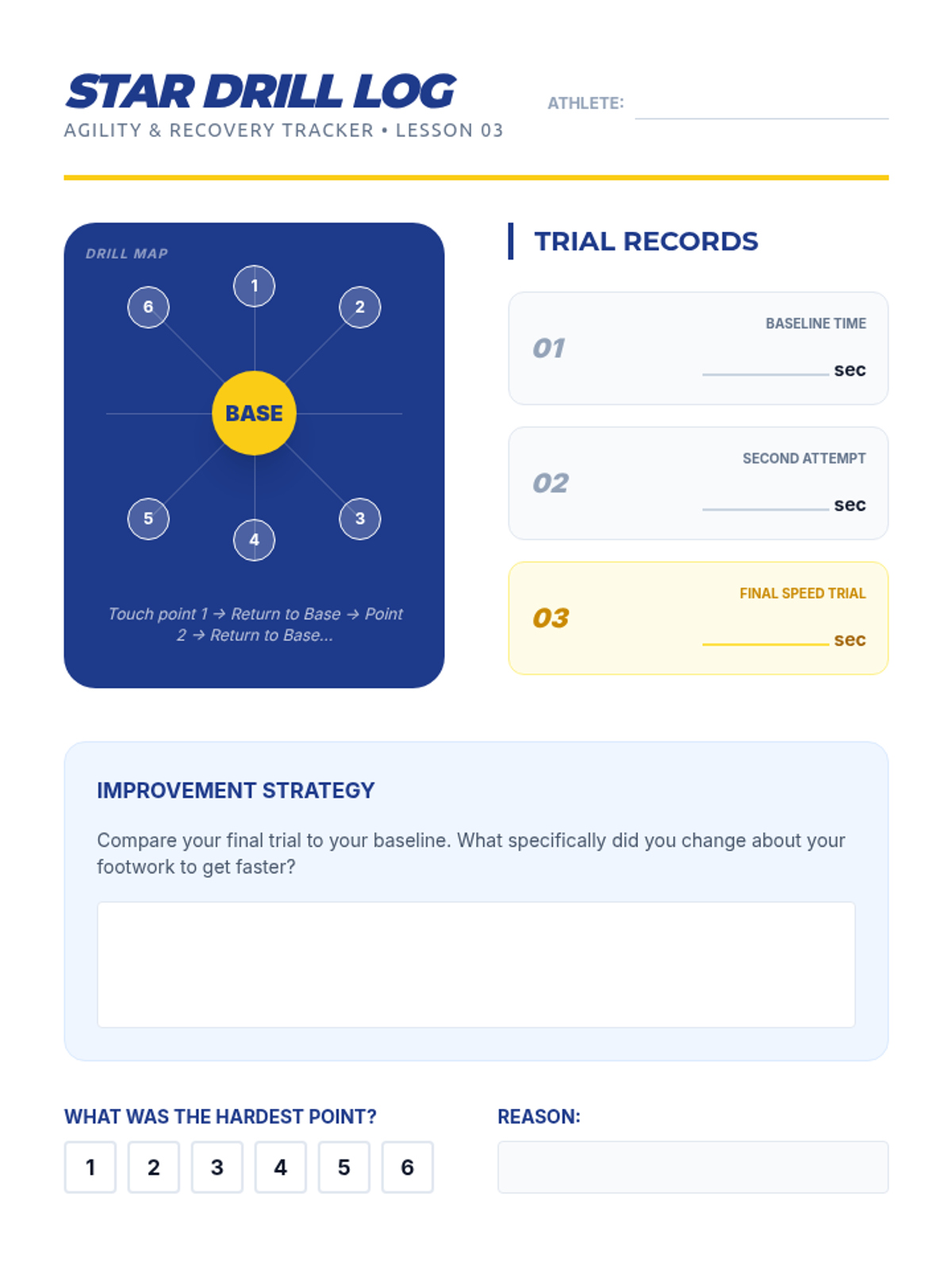
Emphasizes efficient footwork and the importance of the center base recovery through shadow badminton and the high-intensity 'Star Drill' challenge.
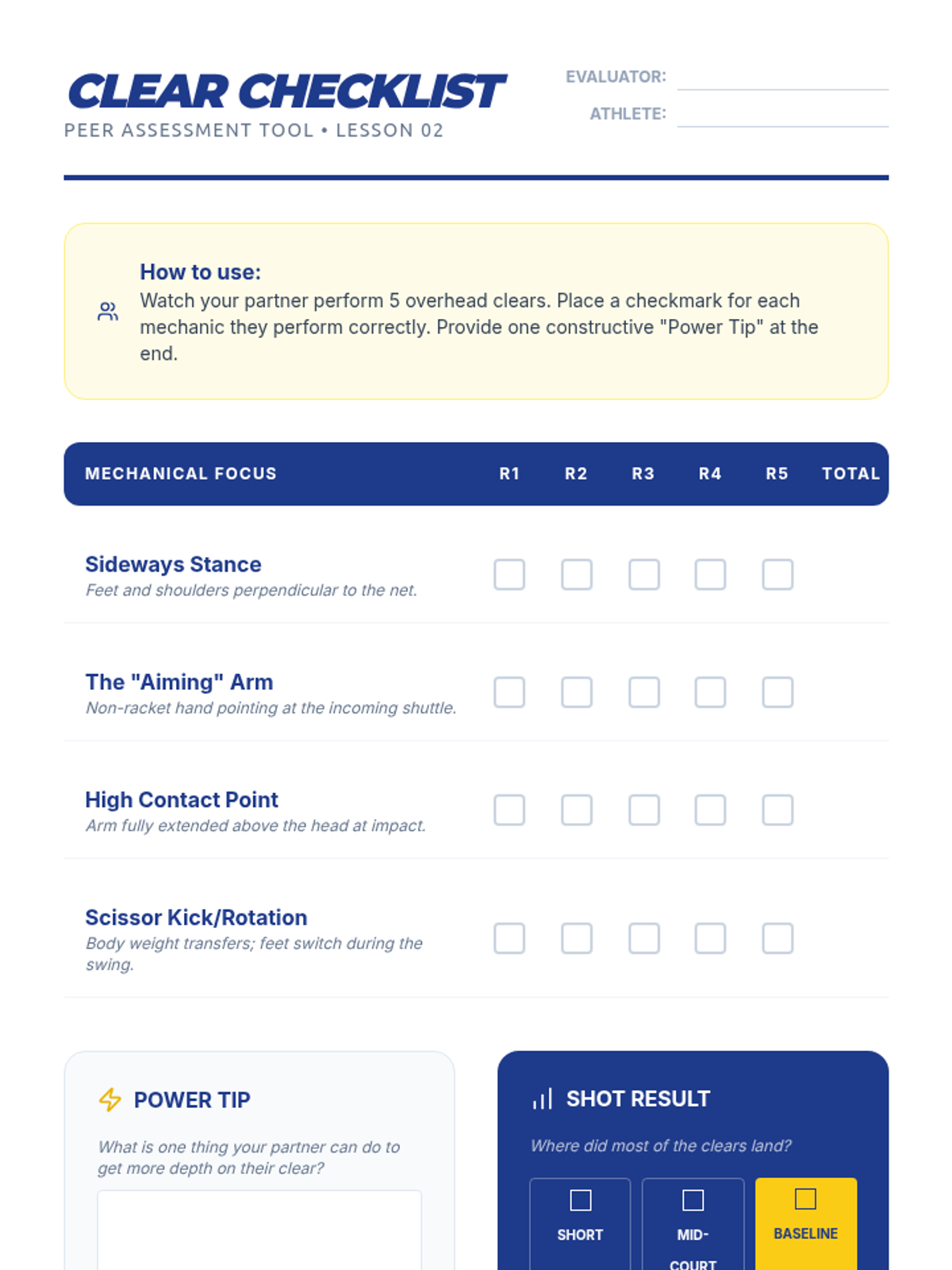
Focuses on the overhead clear, teaching students to use their full body for power and depth to push opponents to the baseline and regain recovery time.
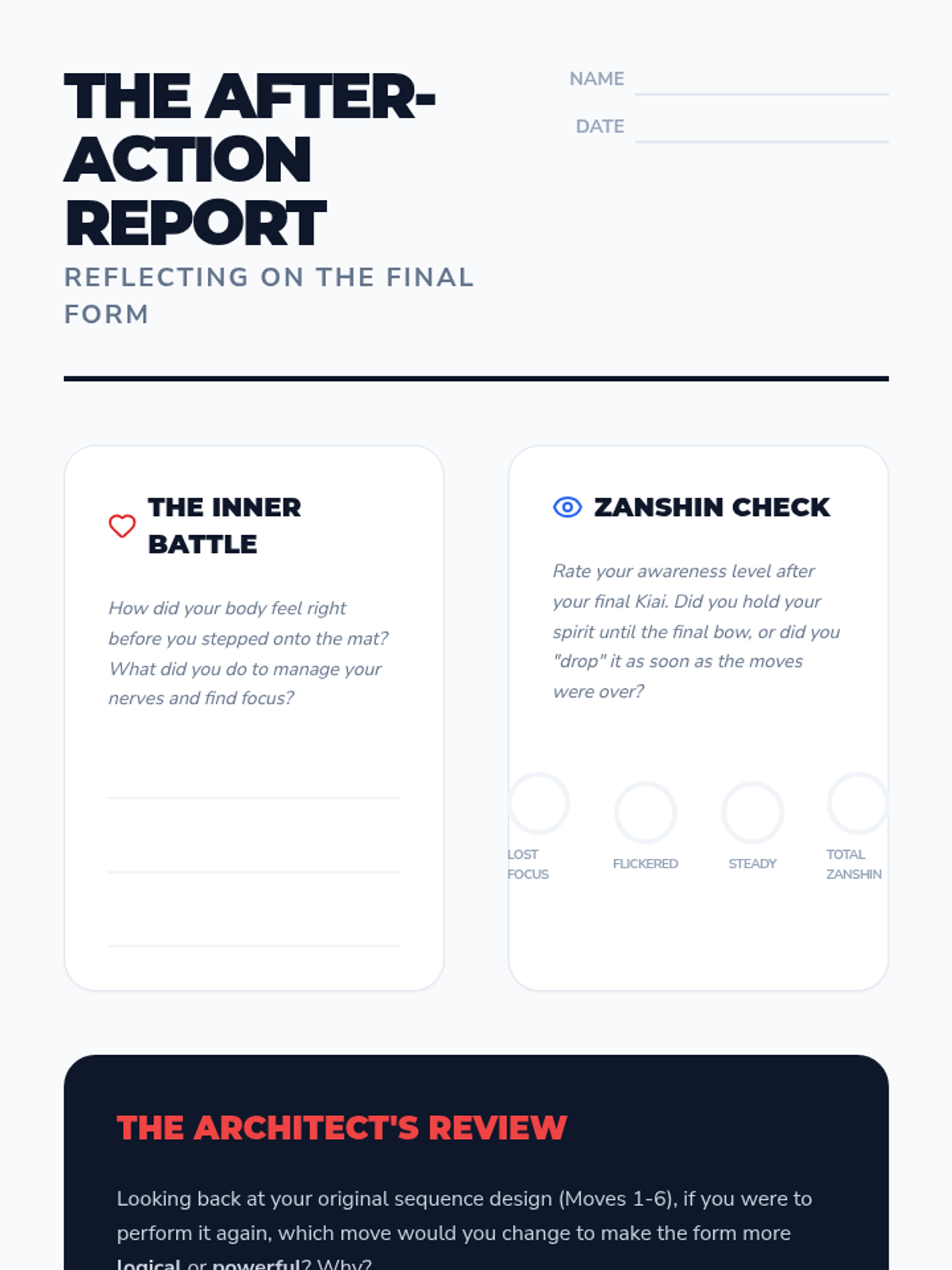
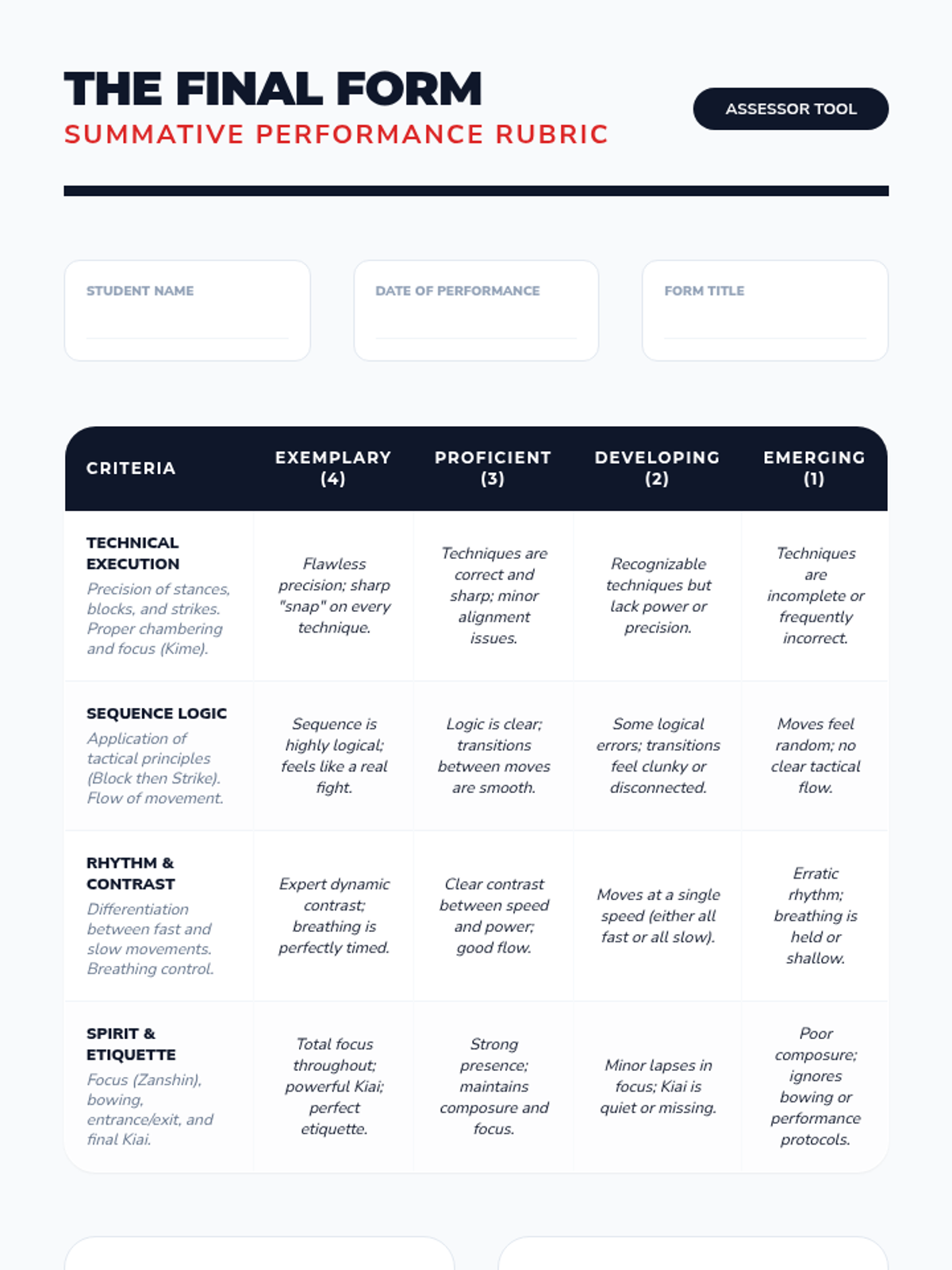
The sequence culminates in a formal performance. Students demonstrate their original forms with an emphasis on zanshin (awareness), respect, and technical proficiency.
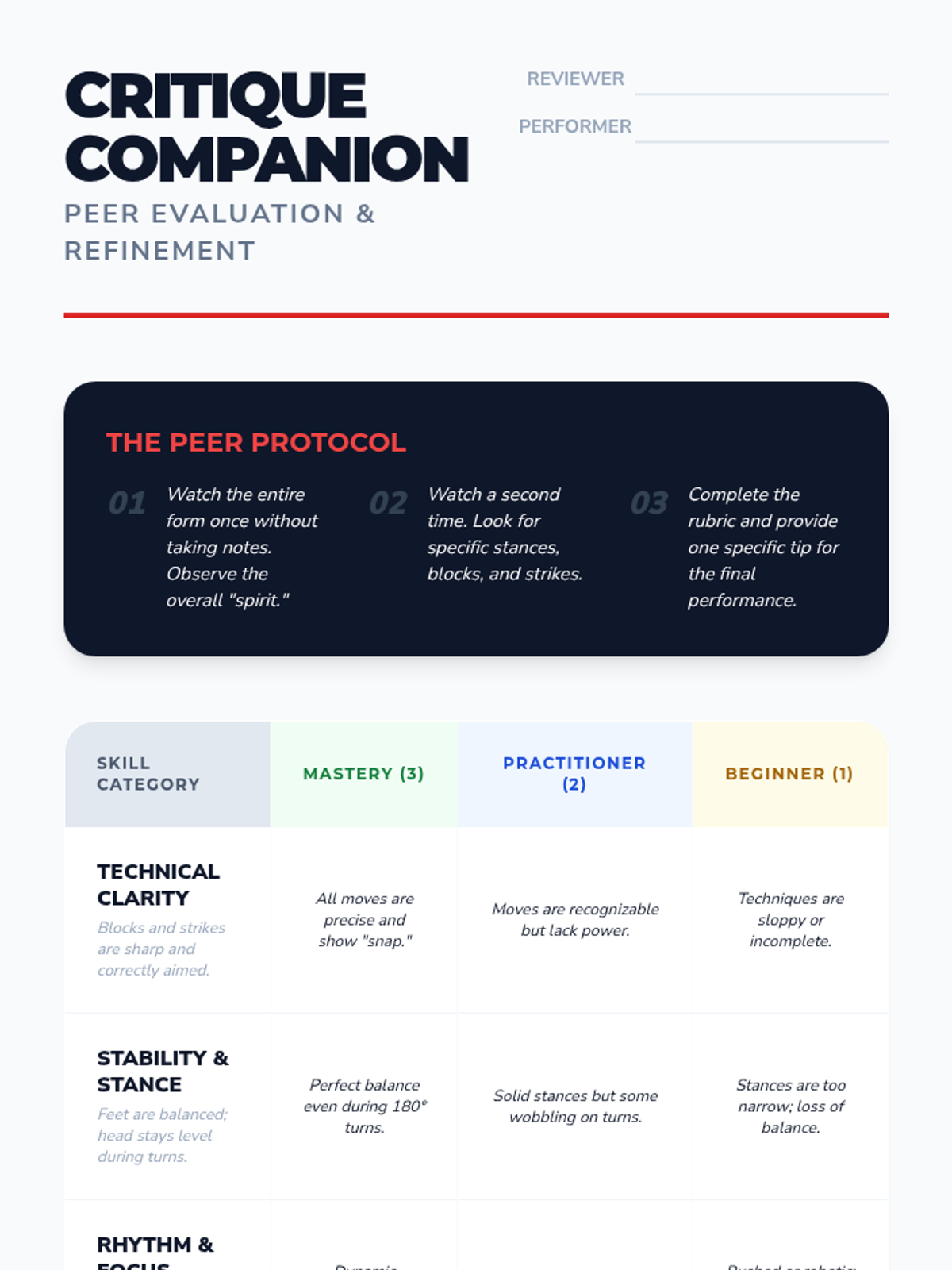
Students refine their original forms through a peer-review process. They use structured feedback to improve technical clarity, stability, and focus before the final performance.
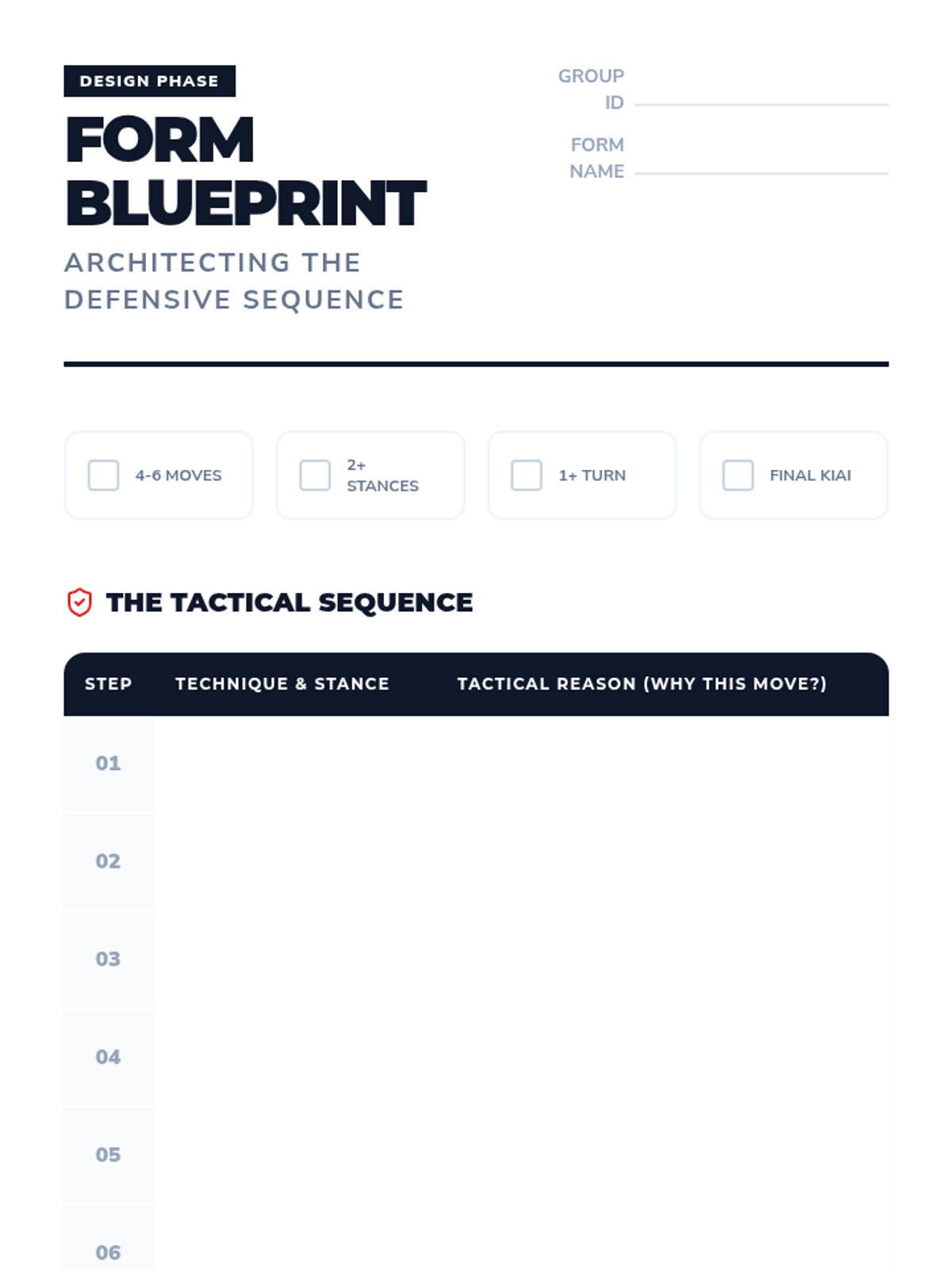
Applying their knowledge of stances, blocks, and strikes, students work in groups to design a logical and effective defensive sequence of 4-6 moves, justifying their tactical choices.
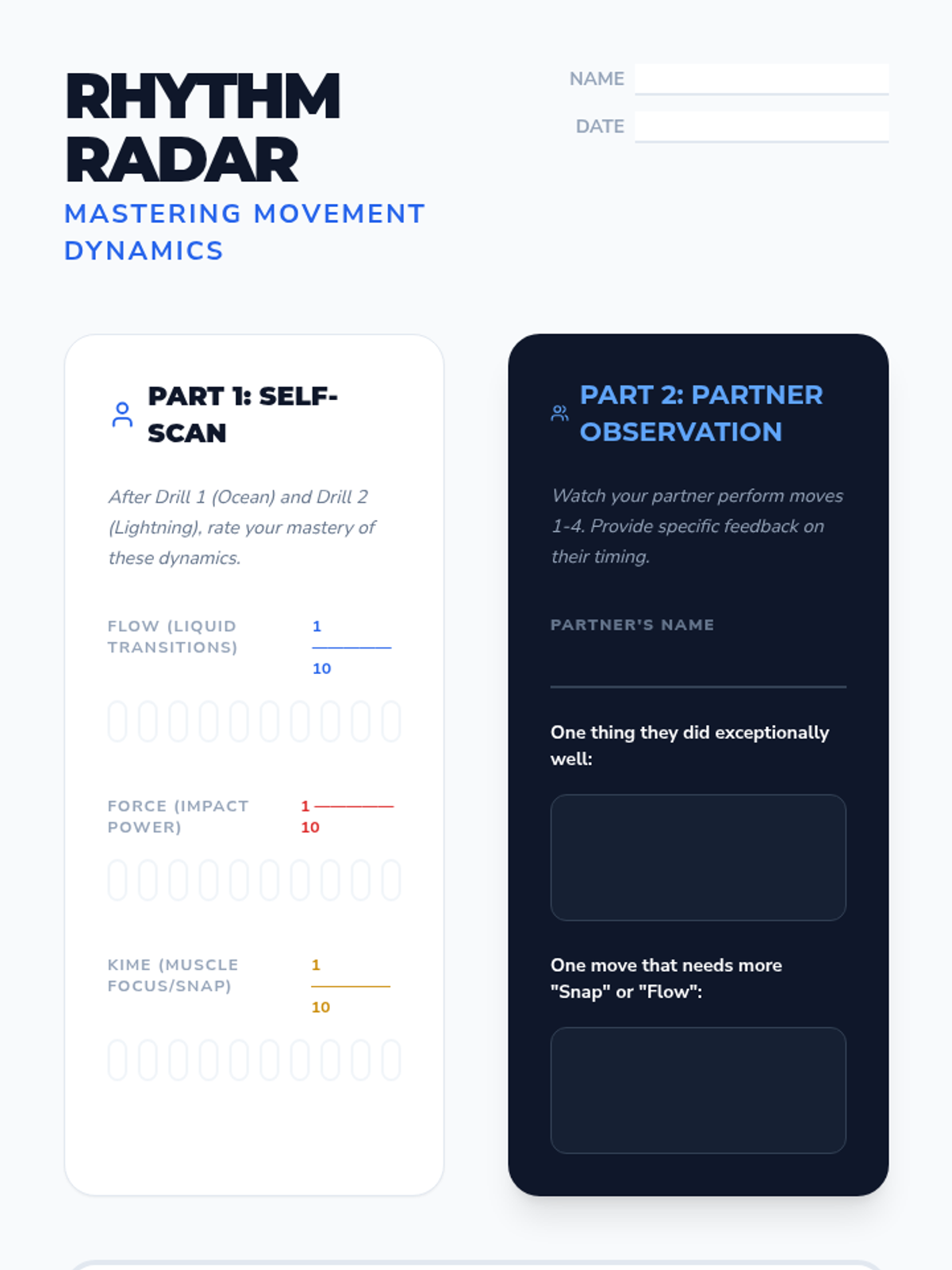
This lesson focuses on the aesthetics and physics of movement. Students learn to contrast fast, powerful strikes with slow, controlled transitions, developing kinesthetic awareness and 'kime' (focus).
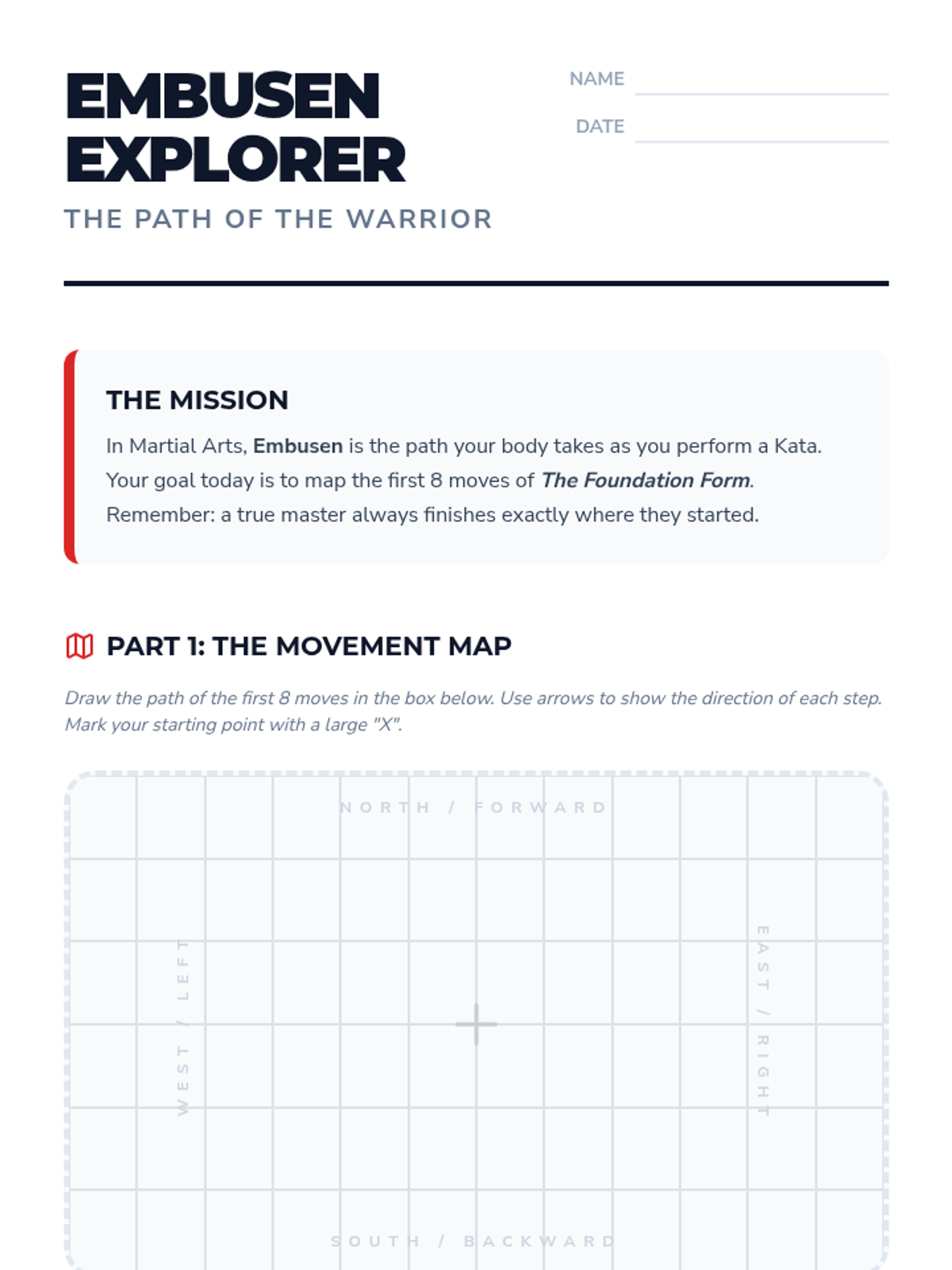
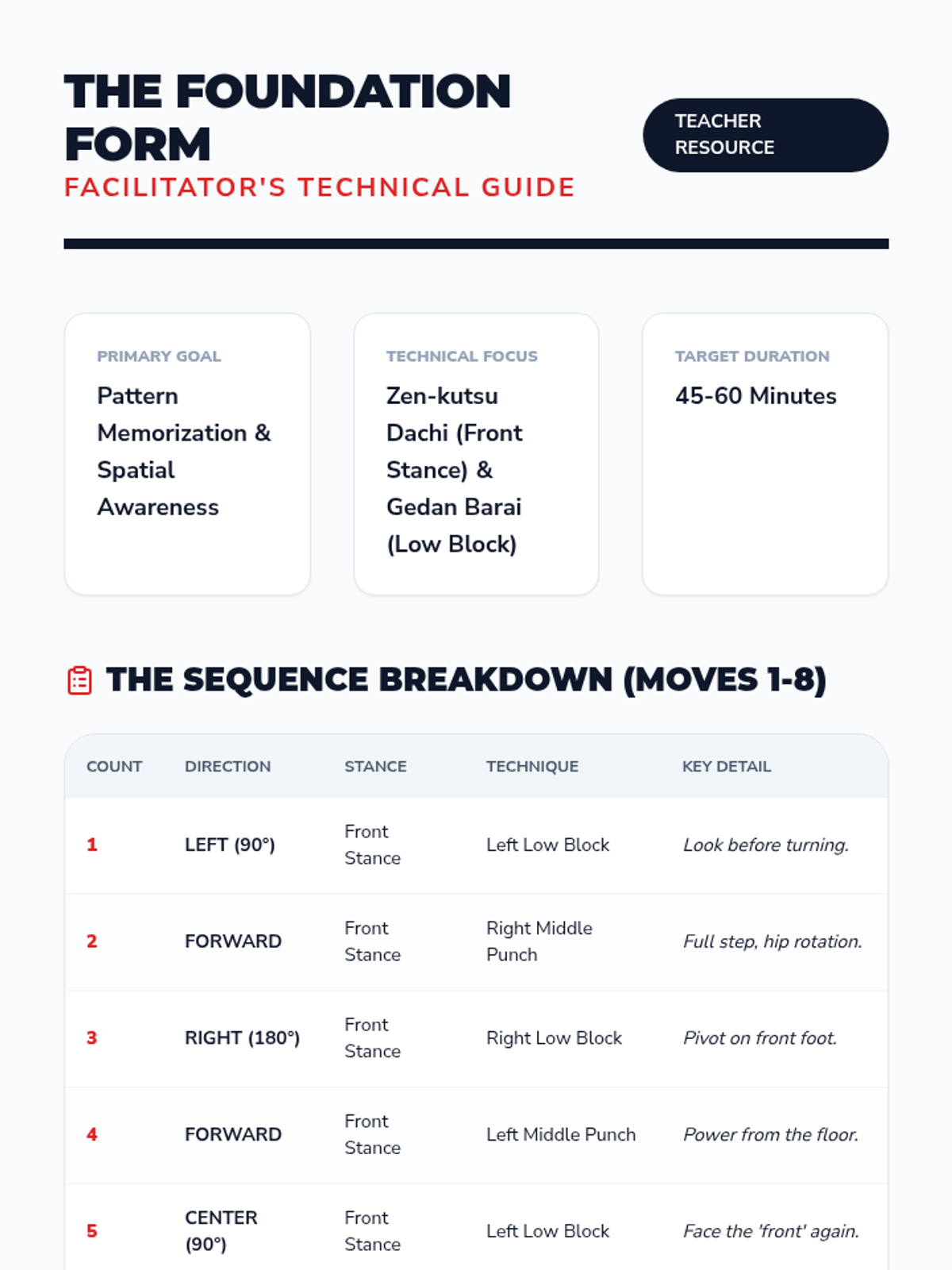
Students explore the fundamentals of martial arts forms, focusing on directional movement (embusen) and the concept of 'fighting' imaginary opponents. They begin learning a basic beginner form to understand pattern memorization.
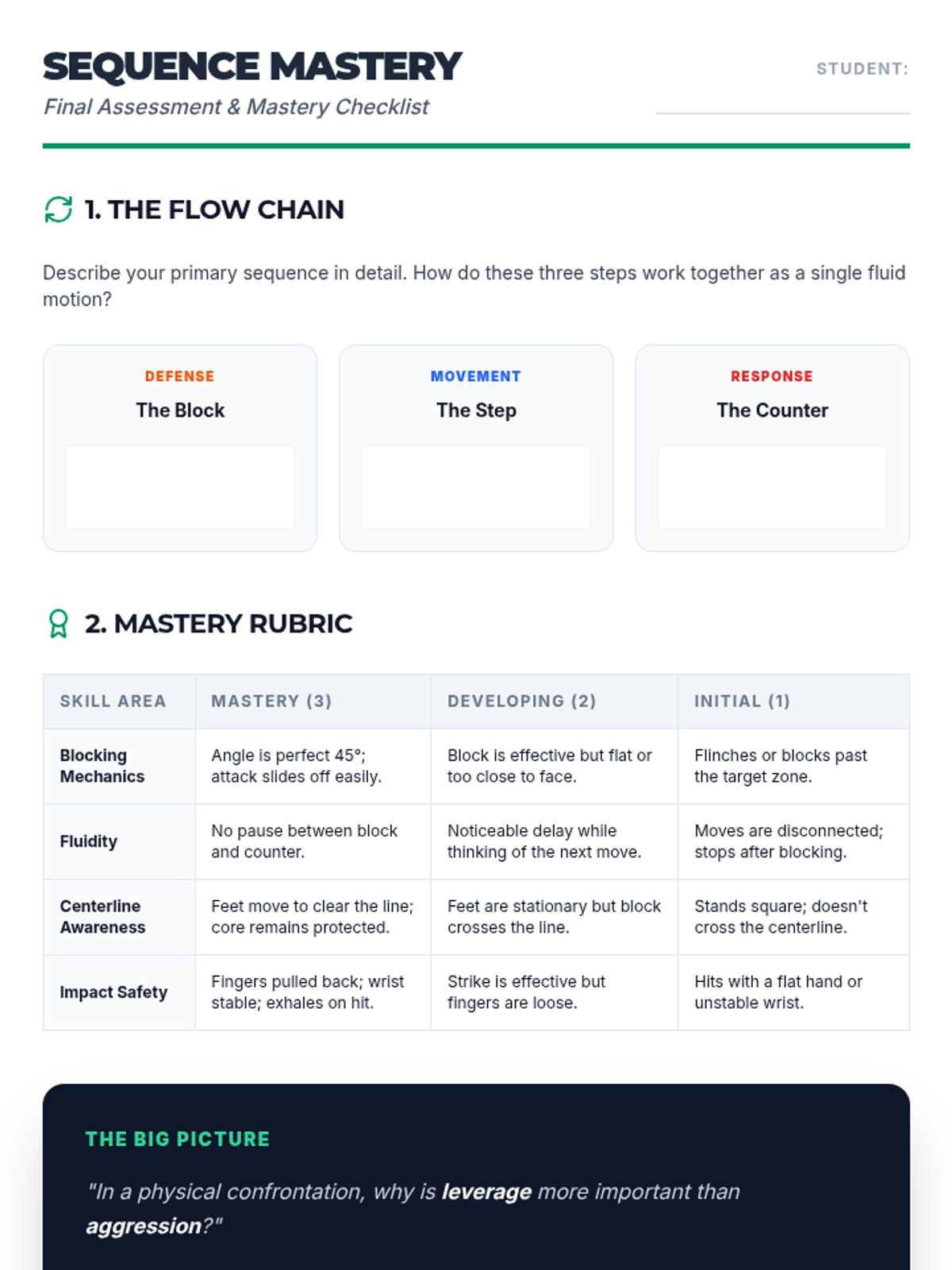
Integration of blocks and strikes into fluid sequences. Students practice 'Block-Step-Counter' combinations with partners.
Introduction to the Palm Heel Strike as a safe and effective counter-measure. Focuses on target areas and force transfer.
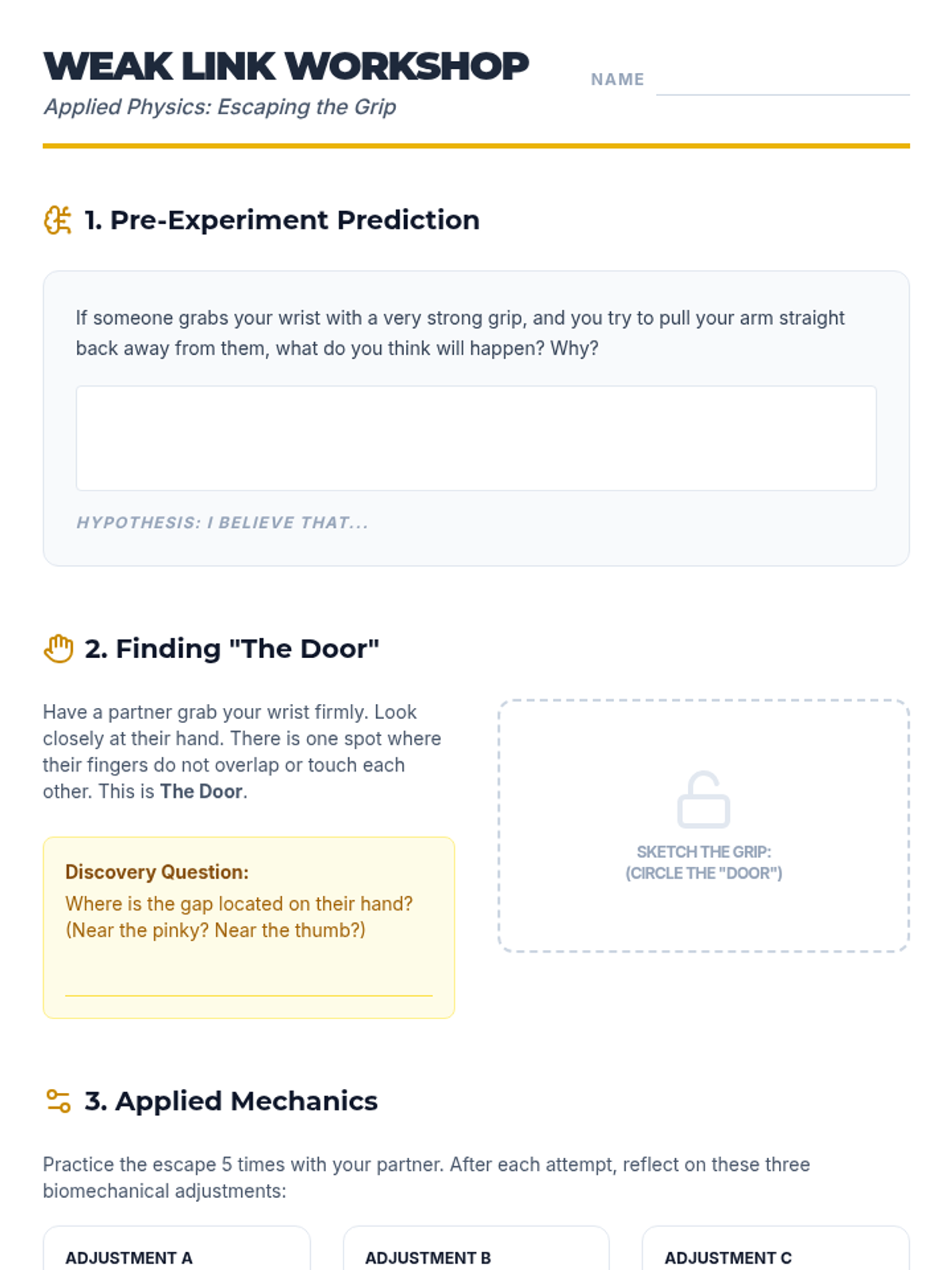
Exploration of joint mechanics and leverage to escape wrist grabs. Focuses on the thumb as the 'weak link' in a grip.
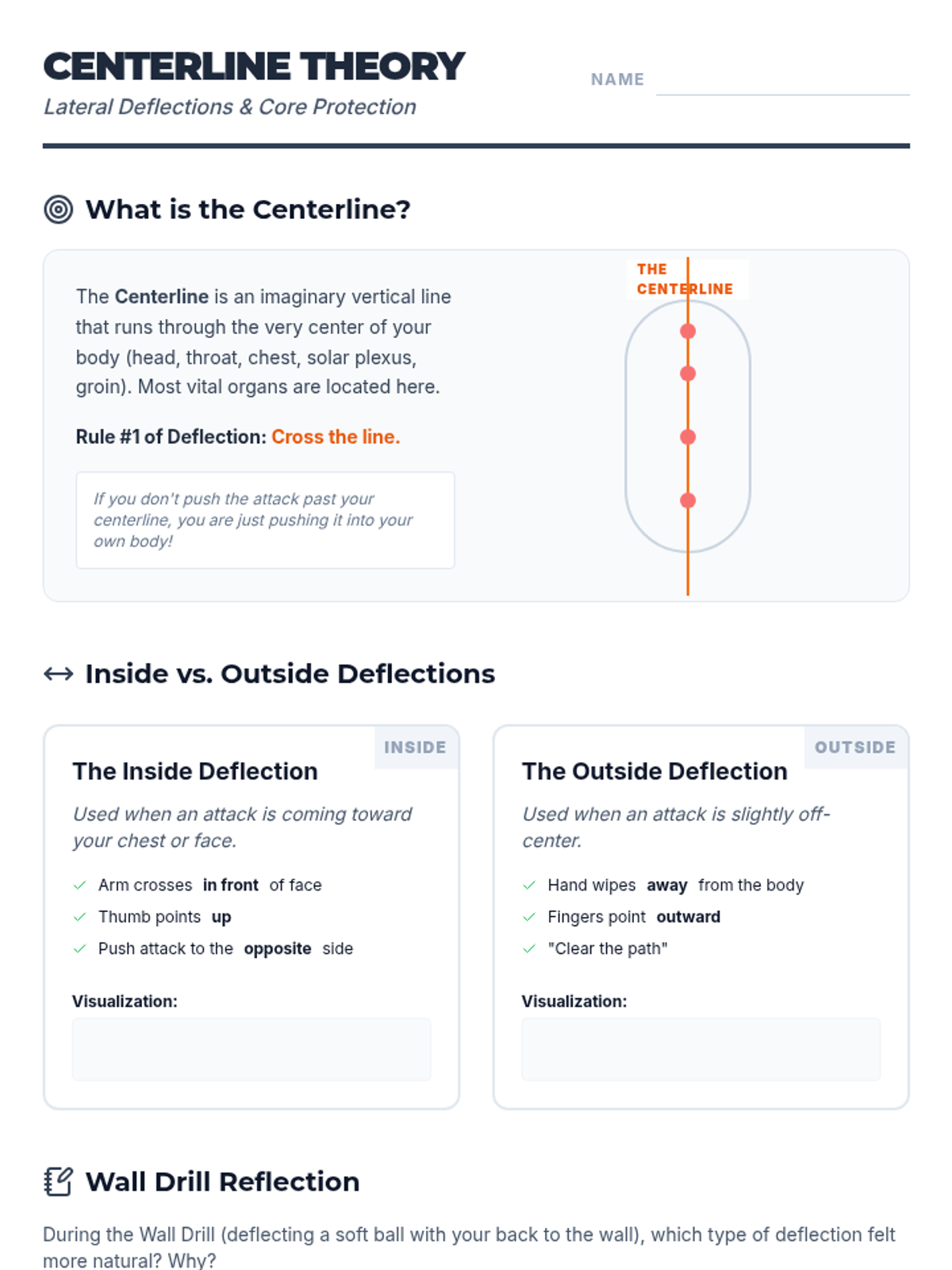
Instruction on lateral deflections and parrying. Focuses on 'crossing the centerline' and sweeping attacks away from the body's core.
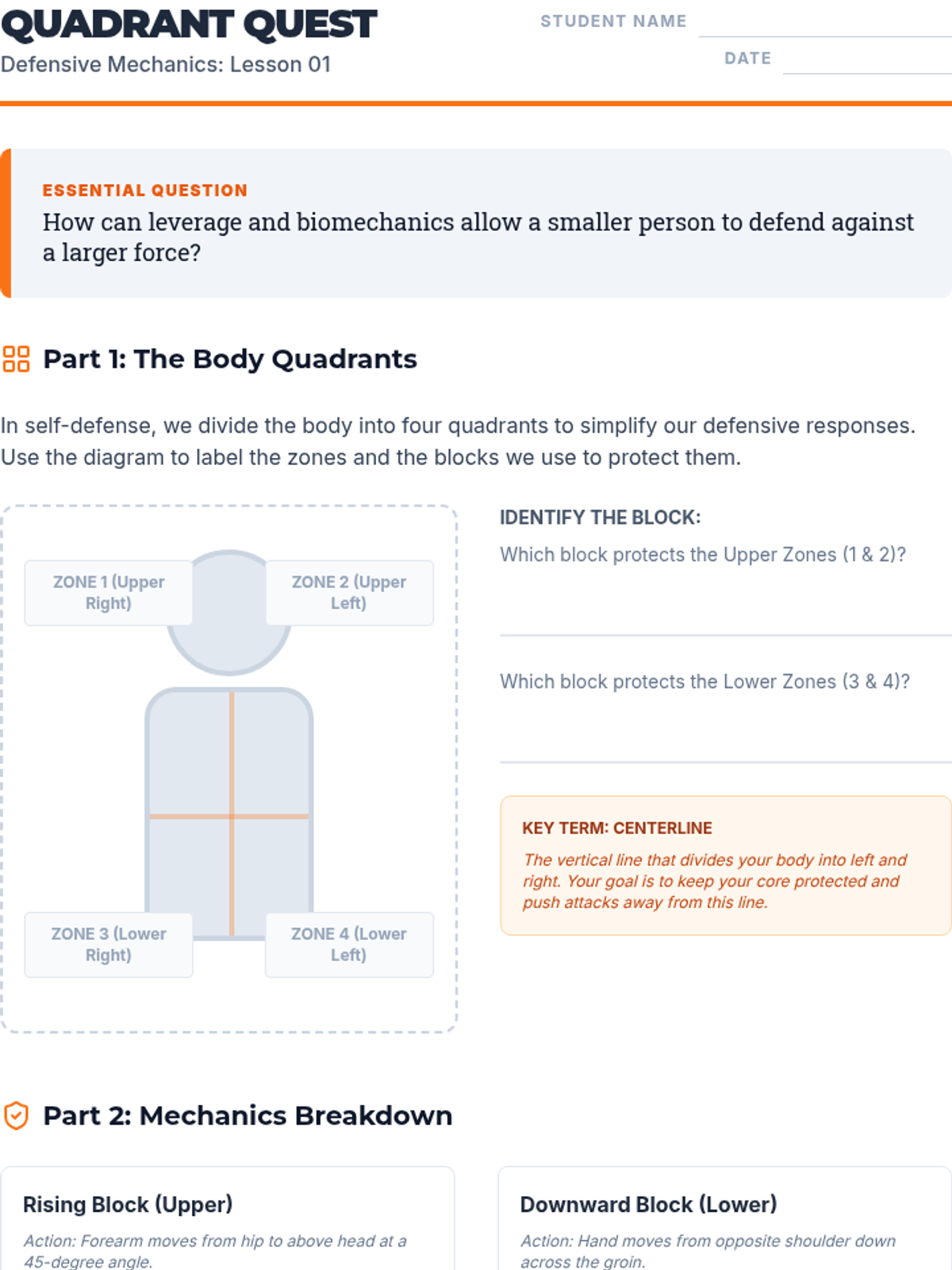
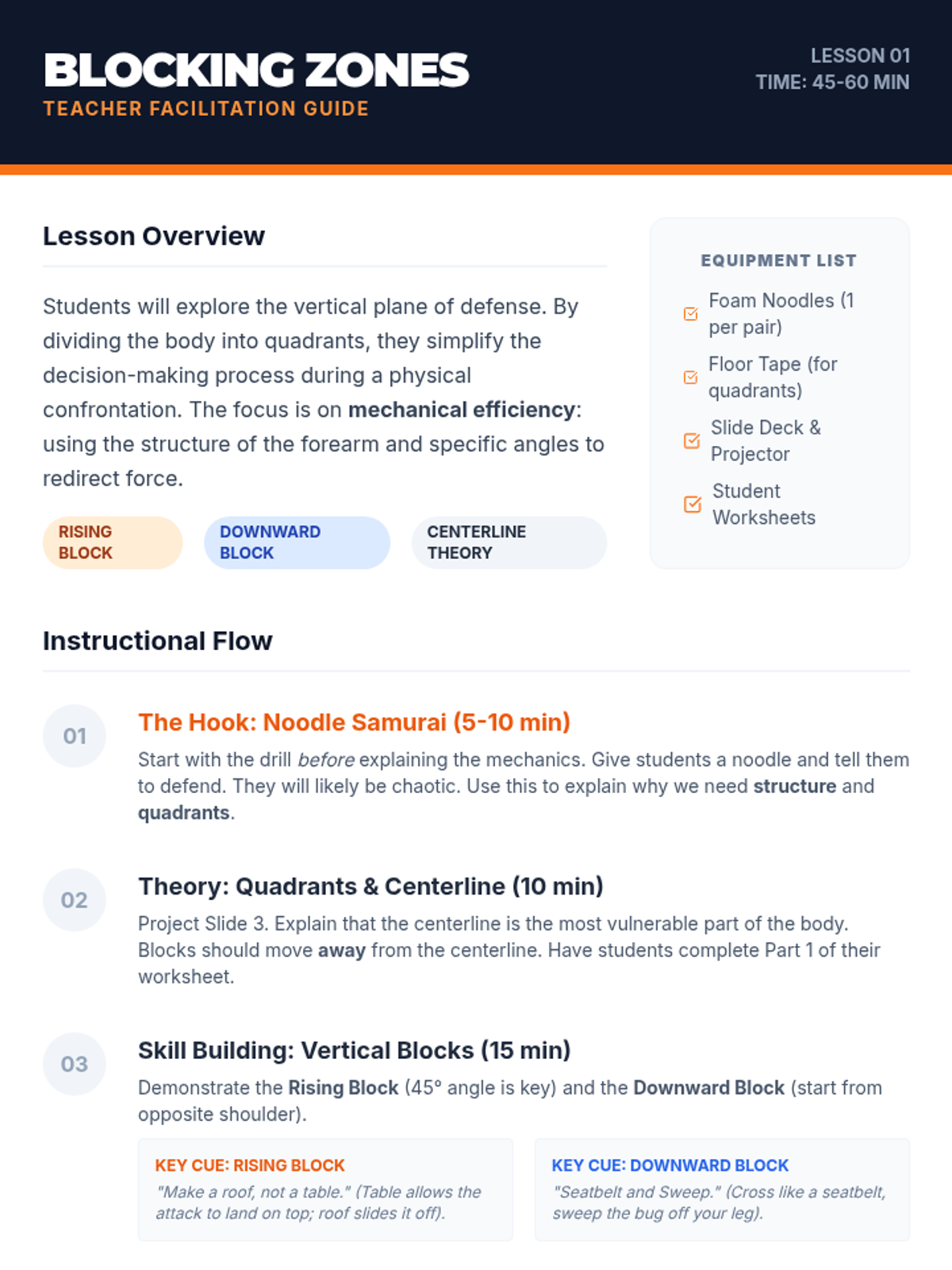
Introduction to body quadrants and vertical blocking techniques (Rising and Downward Blocks). Students use foam noodles to practice timing and mechanics.
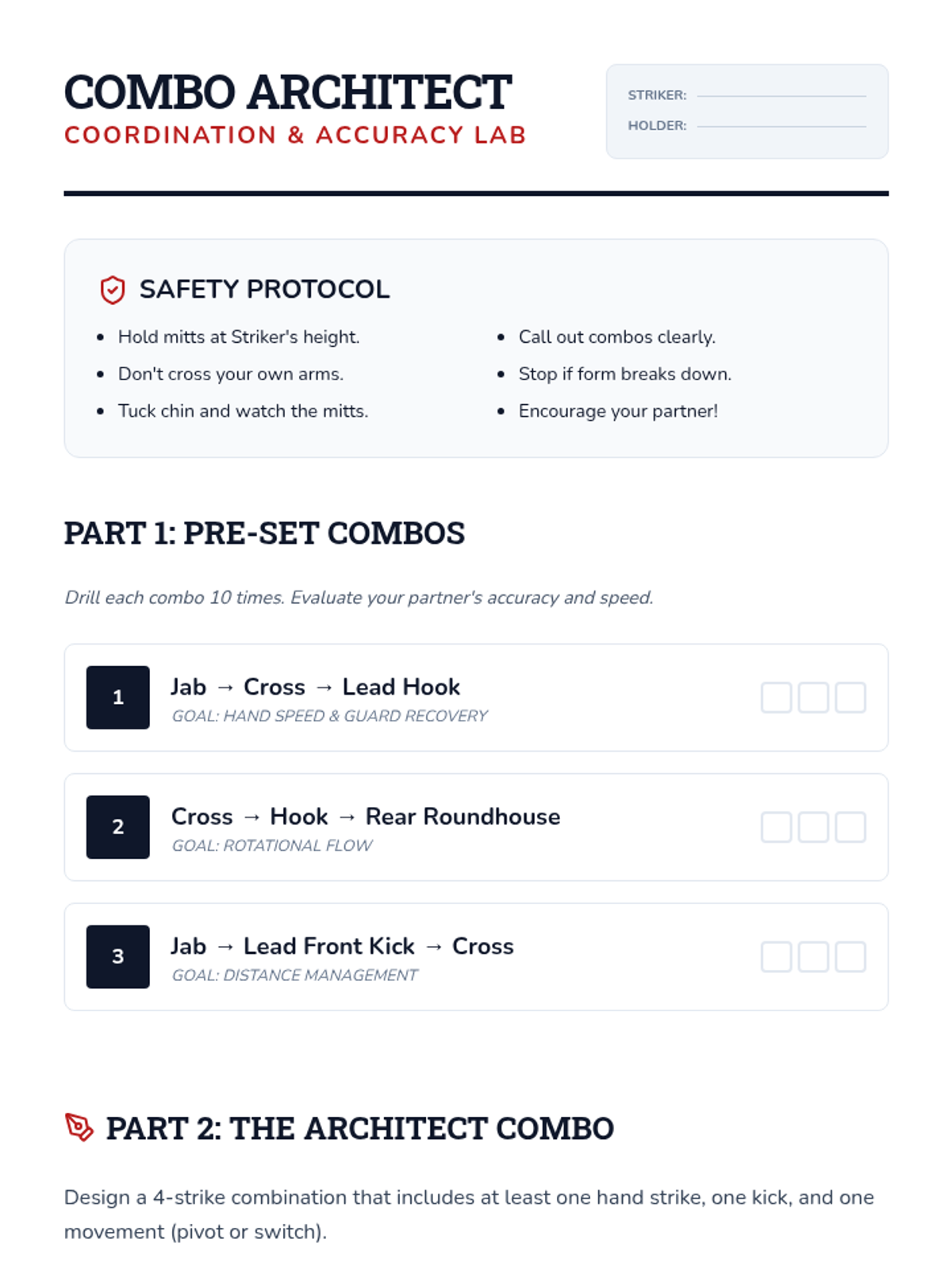
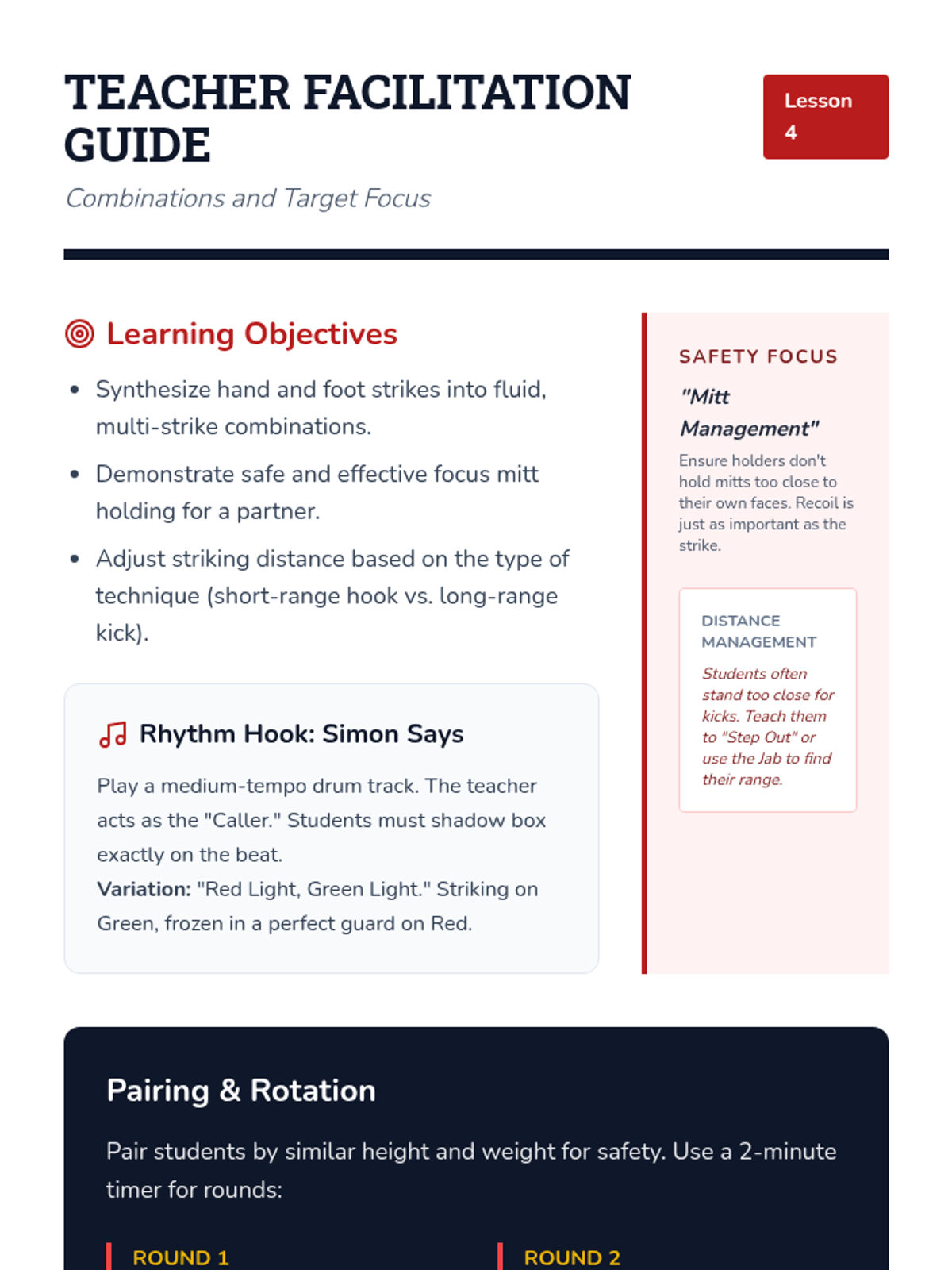
Integrating hand and foot techniques into fluid combinations using focus mitts to develop coordination and distance management.
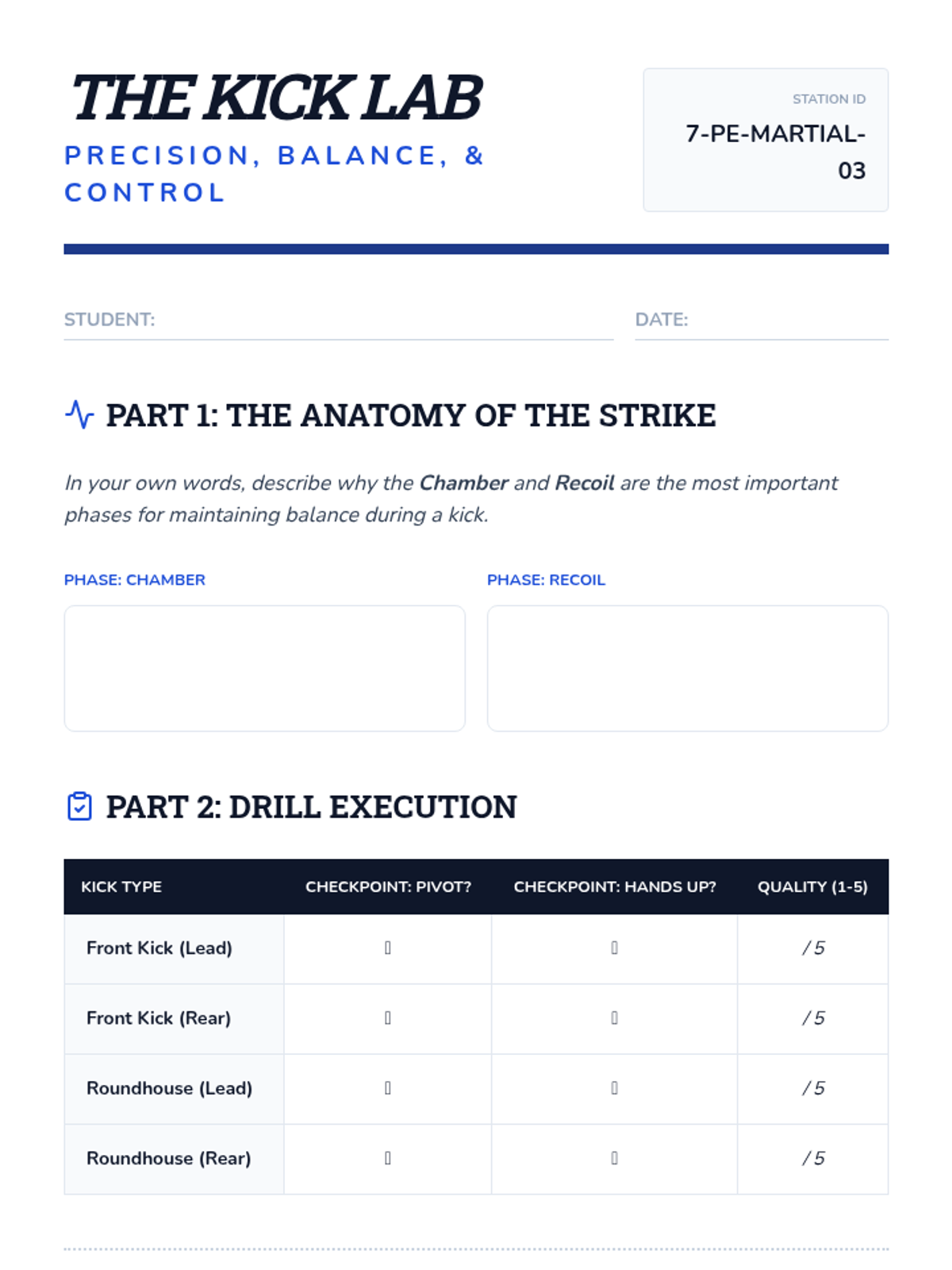
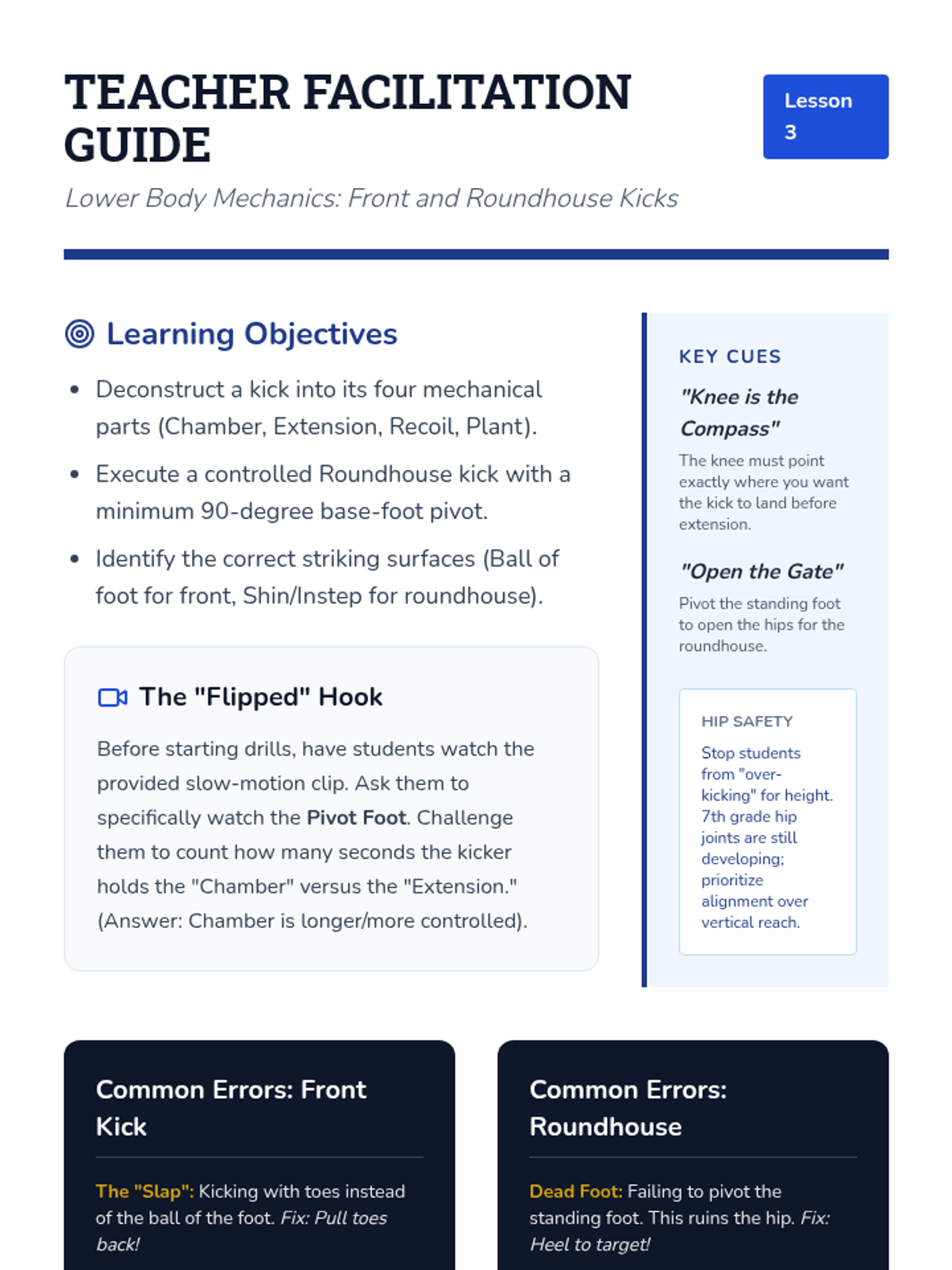
Introduction to the four-part mechanics of front and roundhouse kicks, focusing on balance, chambering, and hip safety.
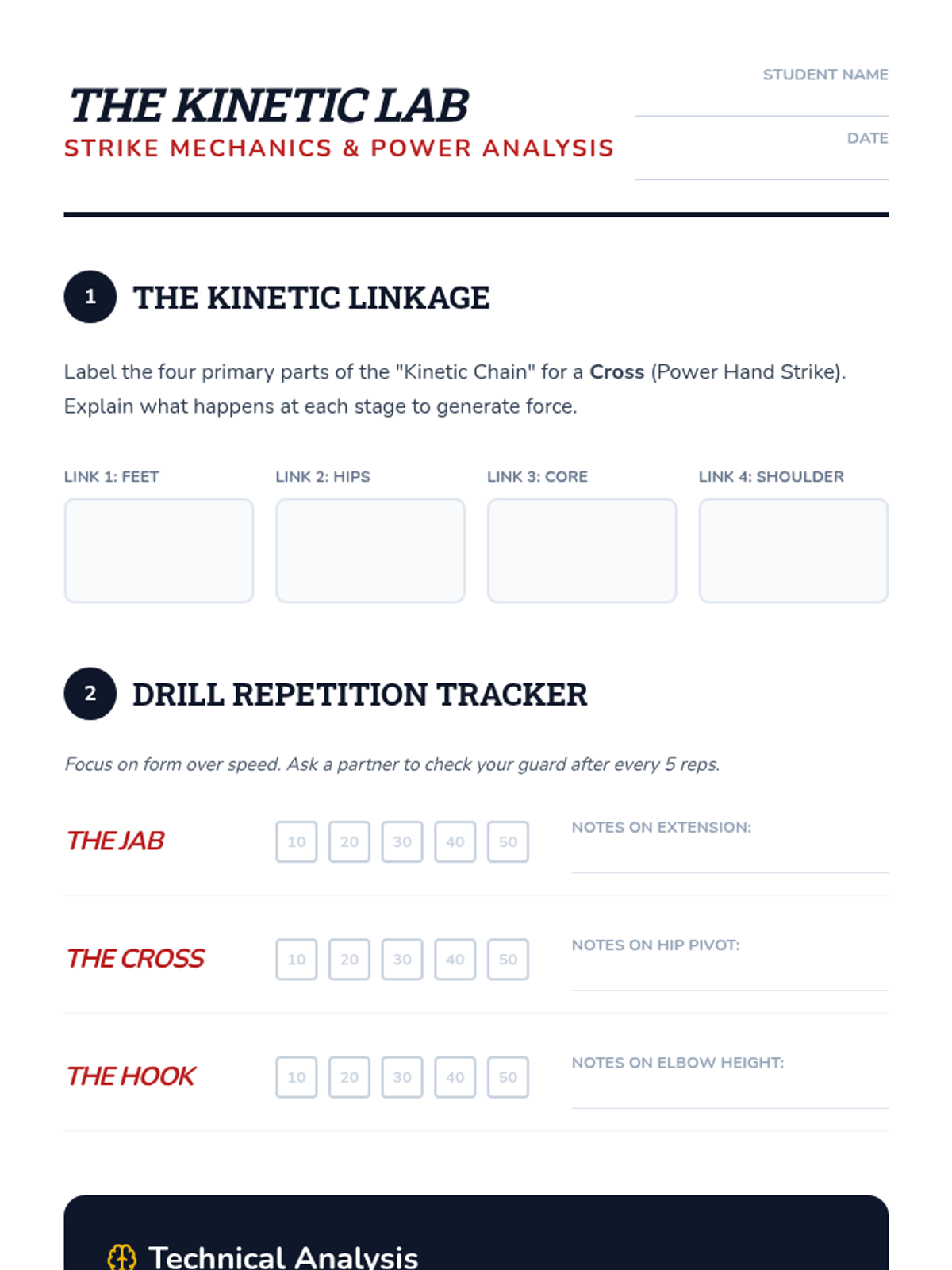
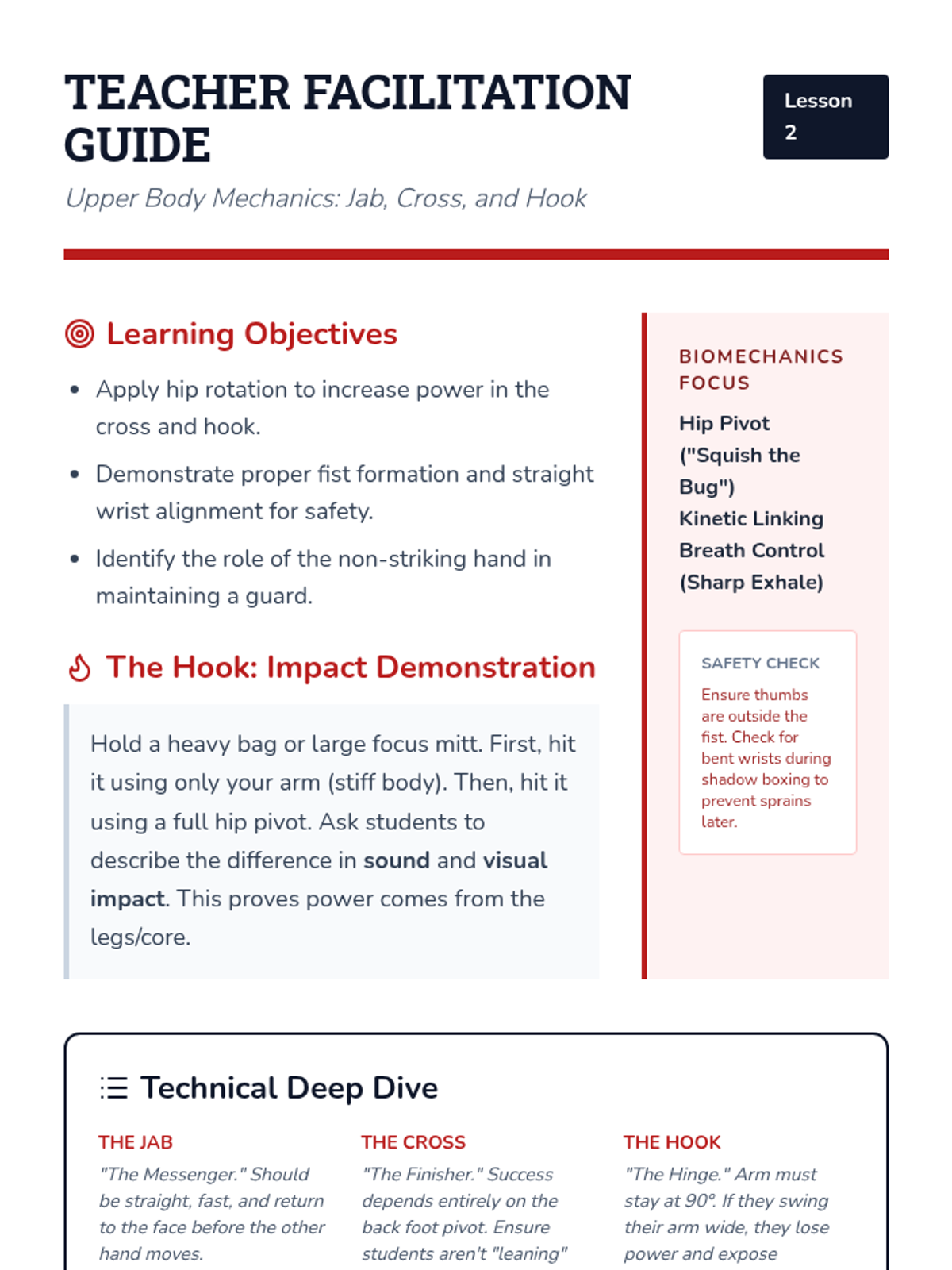
Focus on the mechanics of the jab, cross, and hook, emphasizing hip rotation, breath control, and proper hand safety.
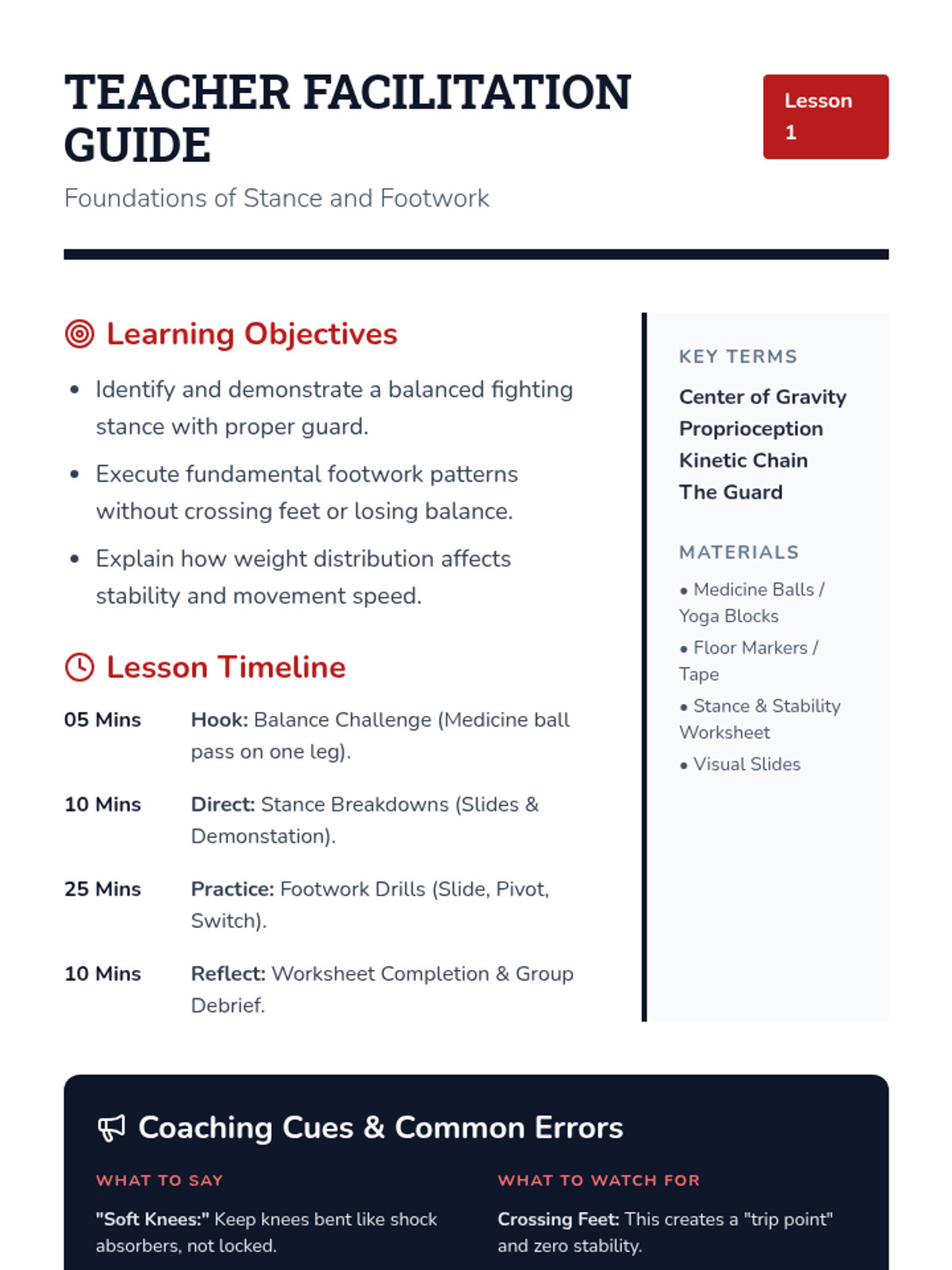
Introduction to neutral and fighting stances, weight distribution, and essential footwork patterns like stepping, sliding, and pivoting to maintain balance.
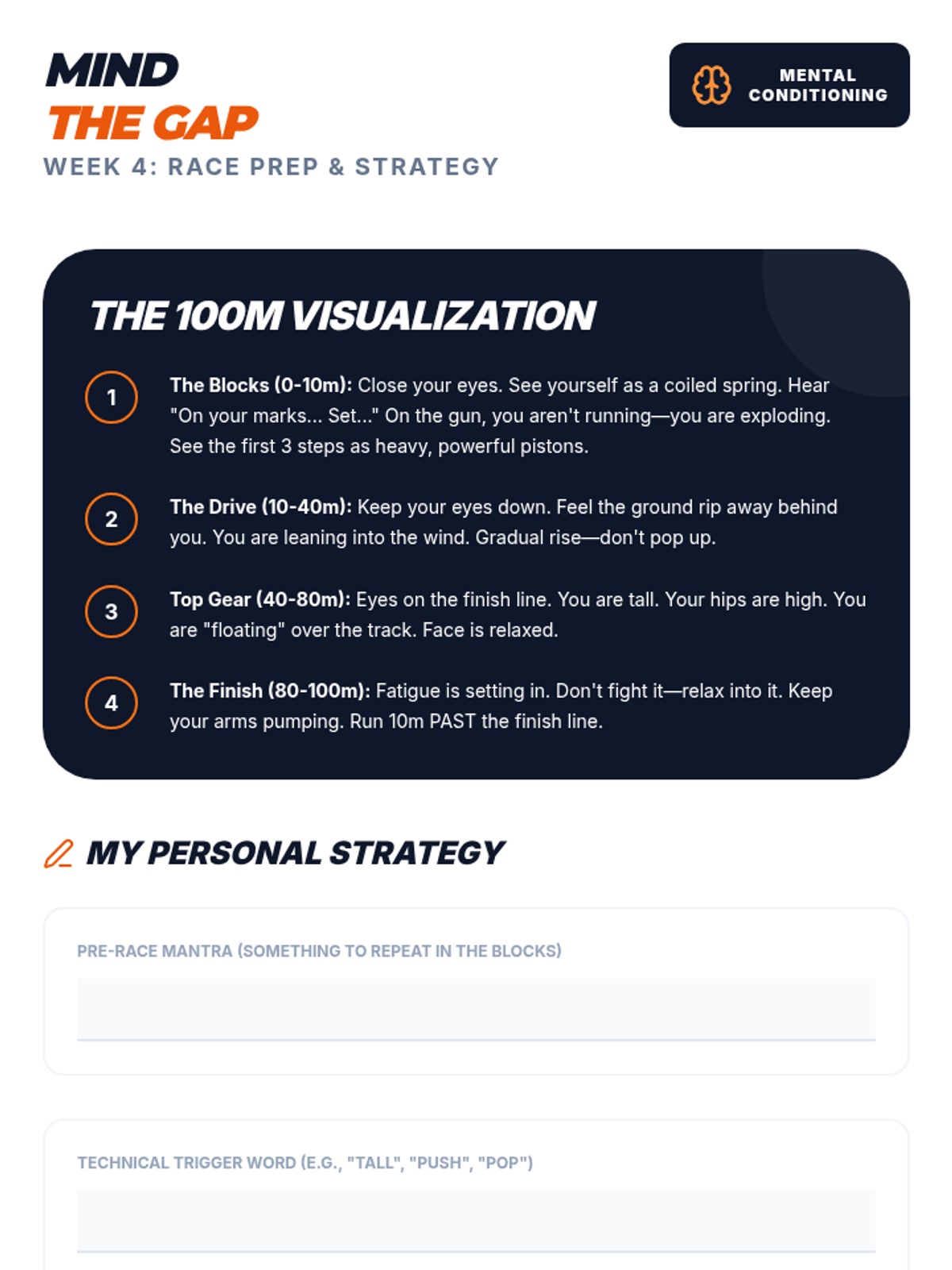
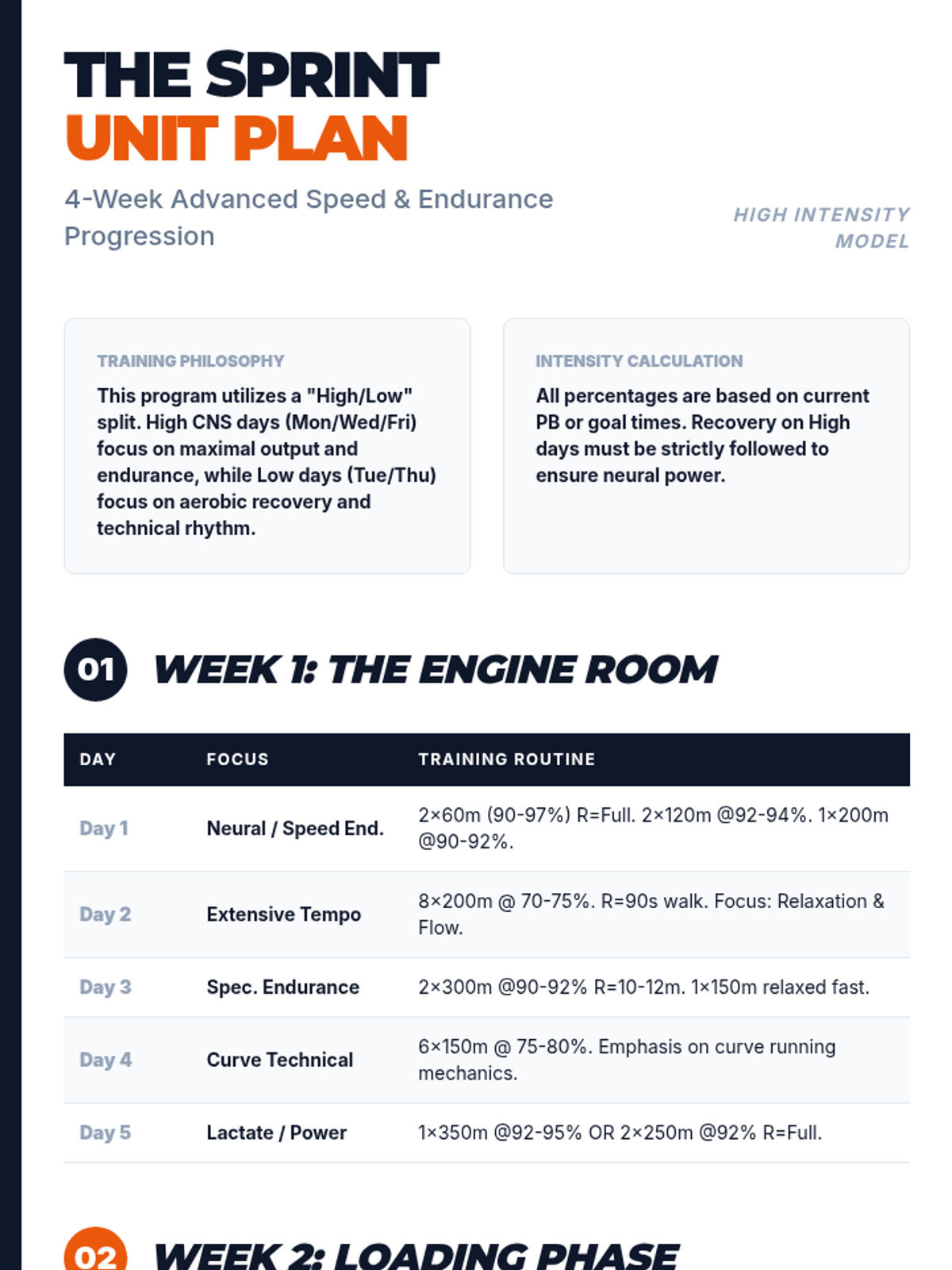
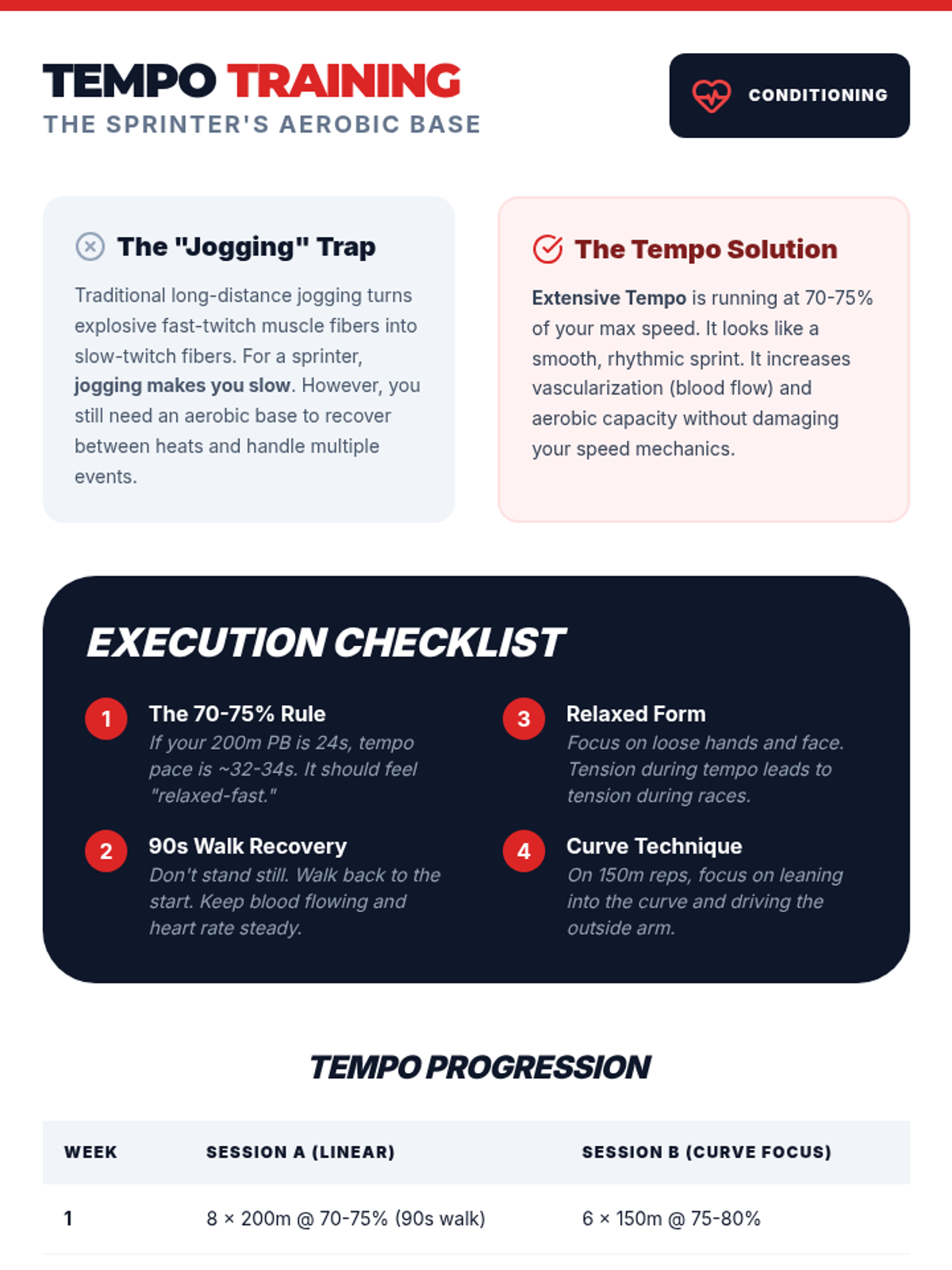
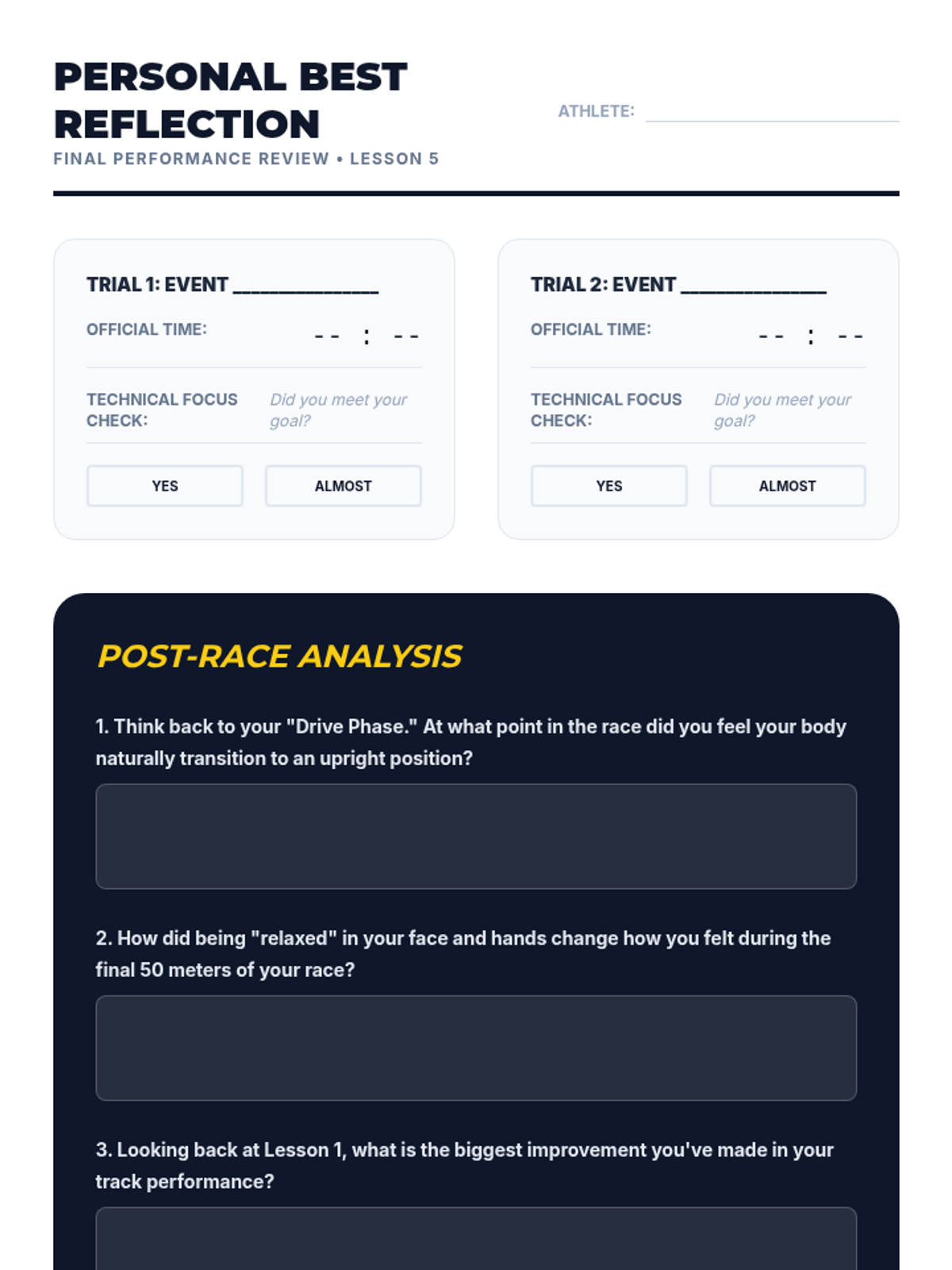
Fine-tuning starts, speed endurance intervals, and preparing for competition-style sprinting.
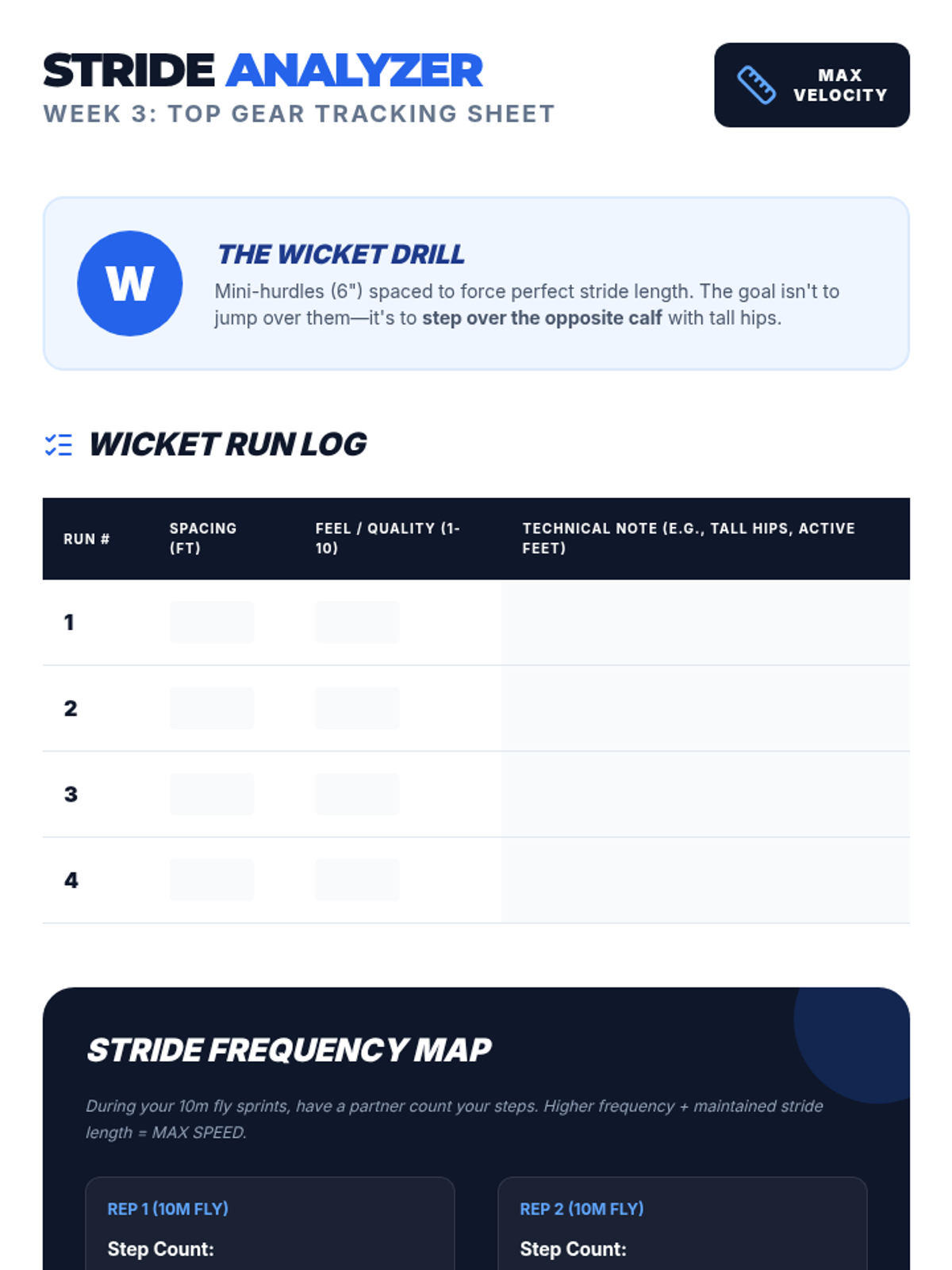
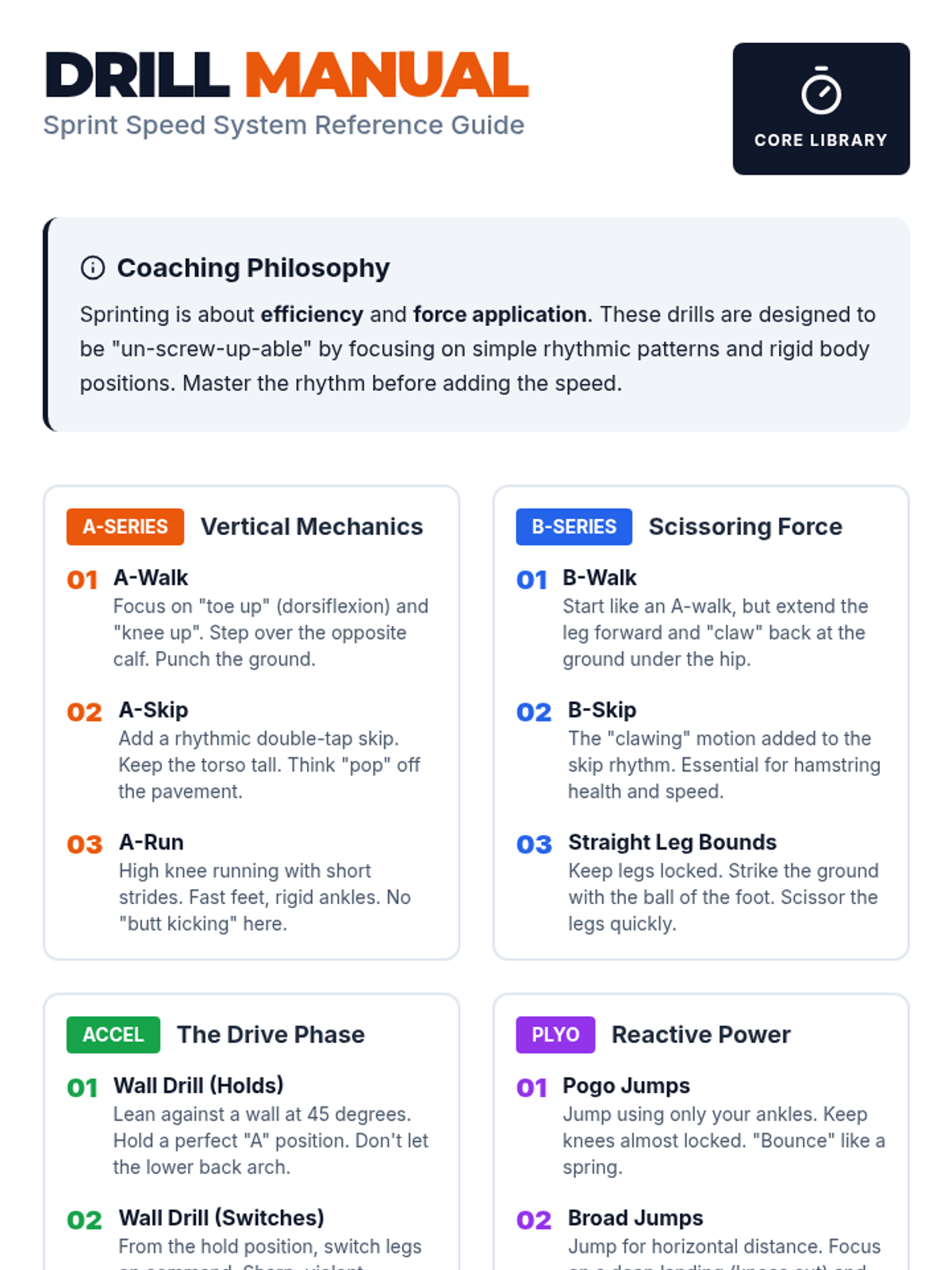
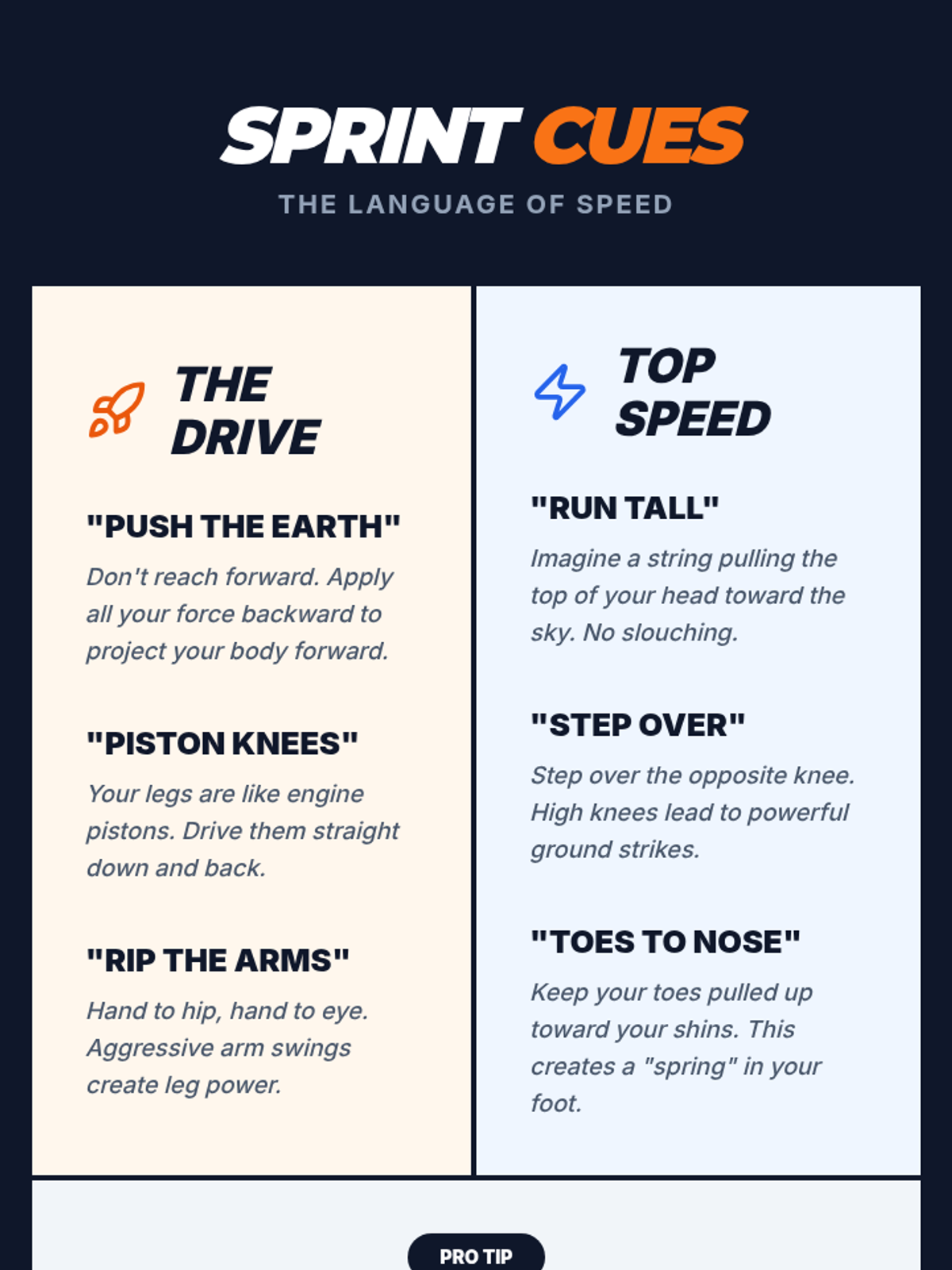
Training upright sprinting mechanics, stride frequency through wicket drills, and maximum velocity maintenance.
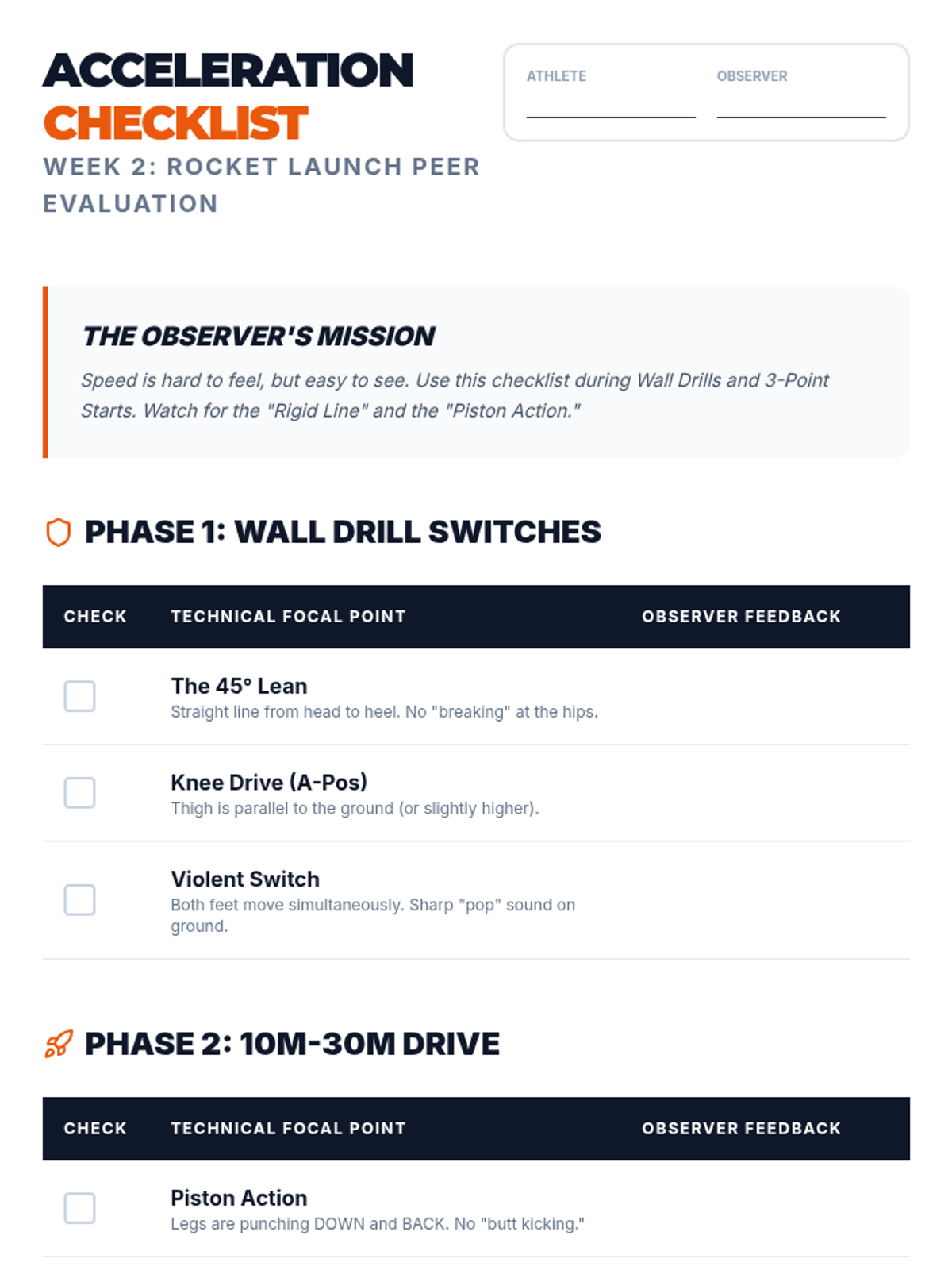
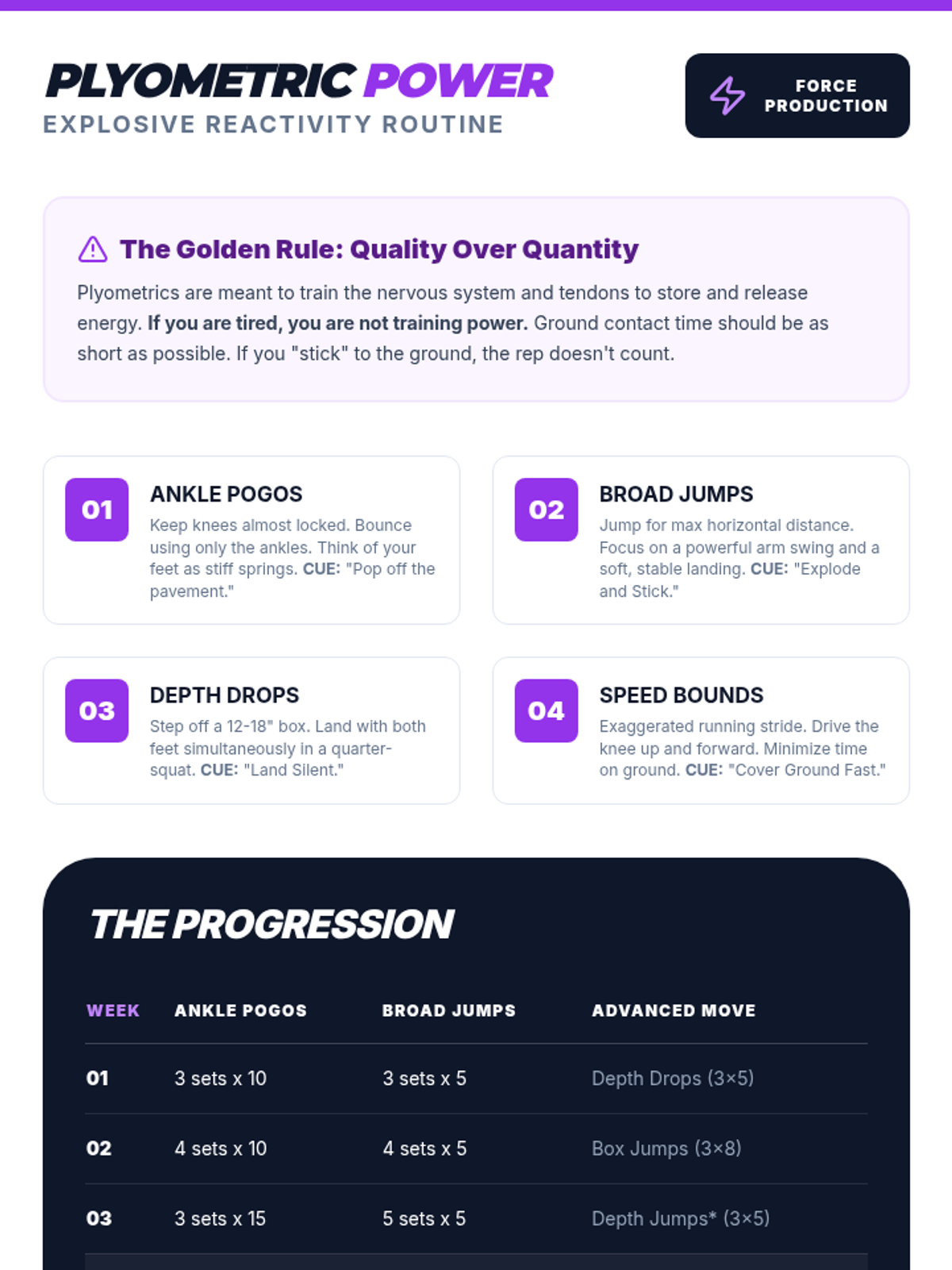
Introducing the drive phase, explosive wall drills, and higher-intensity plyometrics to build raw power.
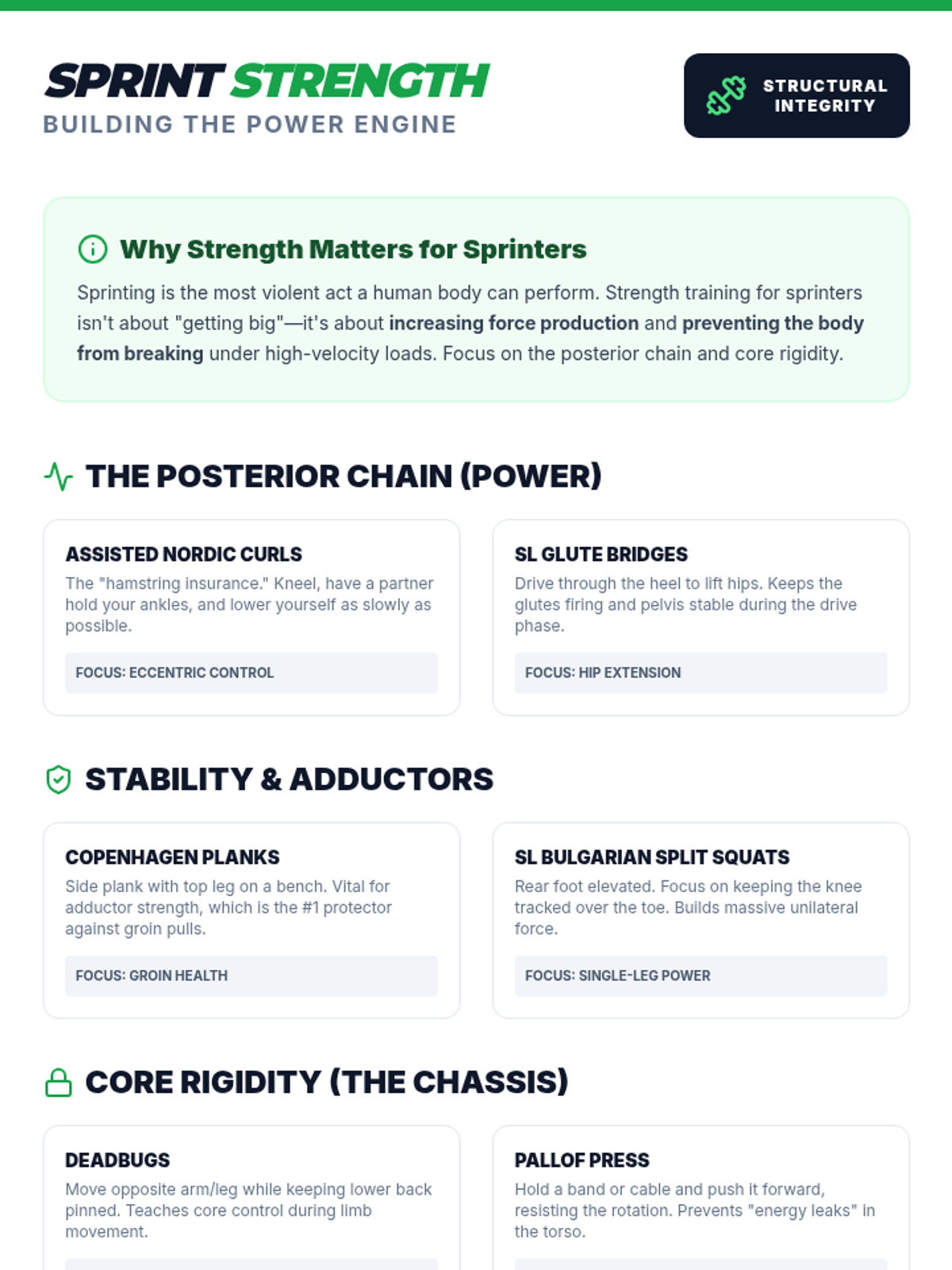
Focus on establishing proper sprint posture, rhythmic drills (A-skips), and basic core strength to prevent injury.
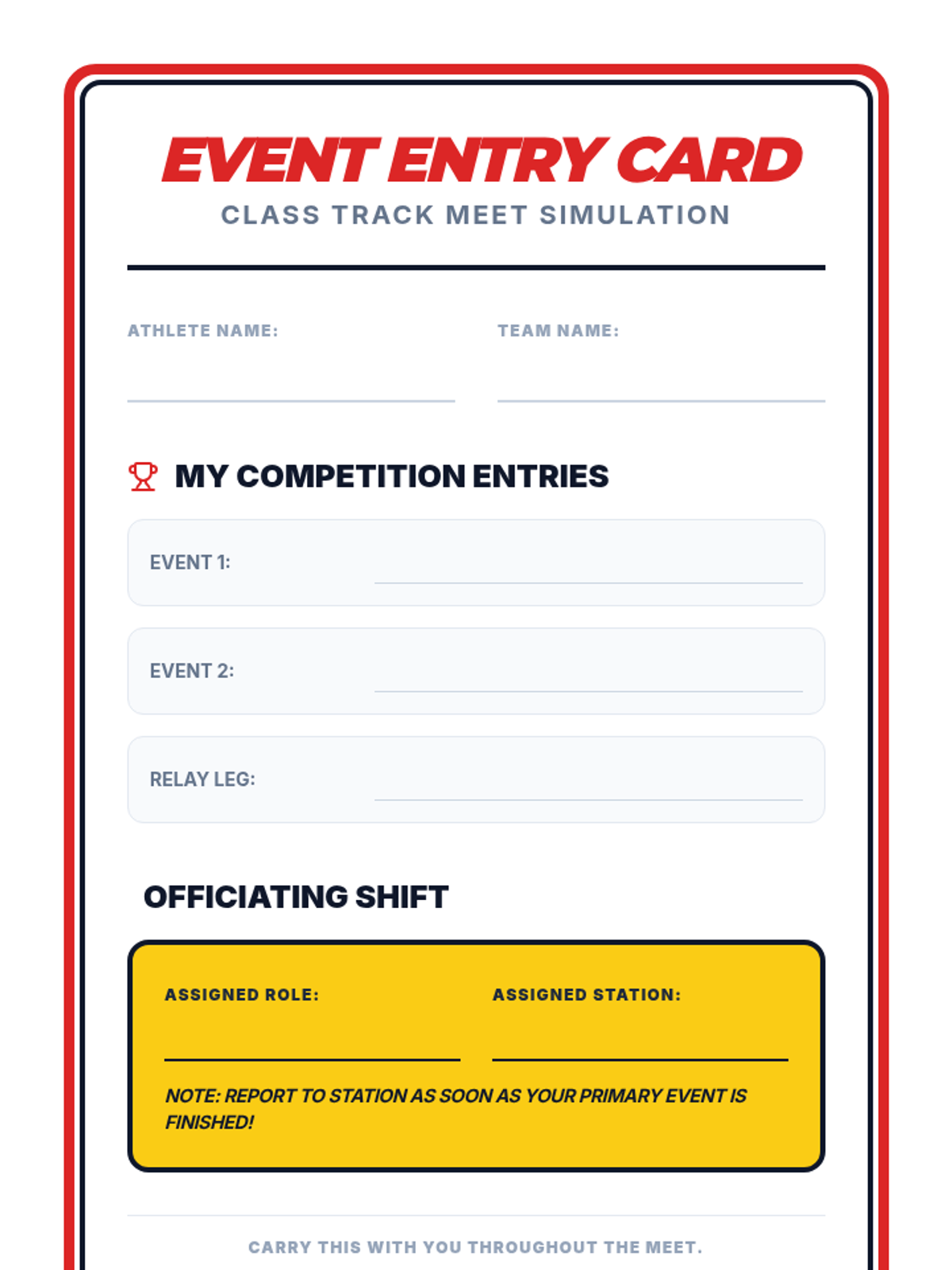
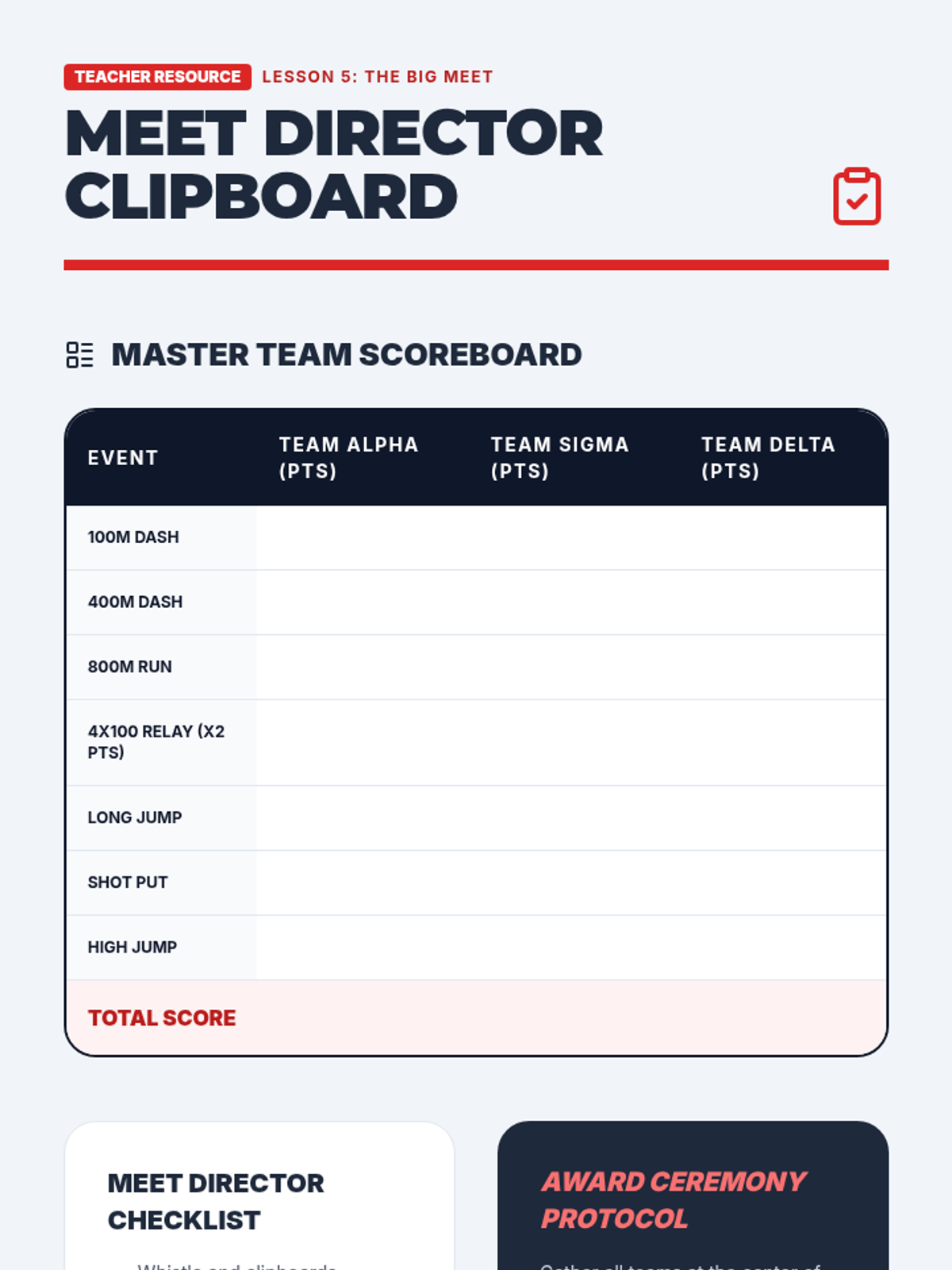
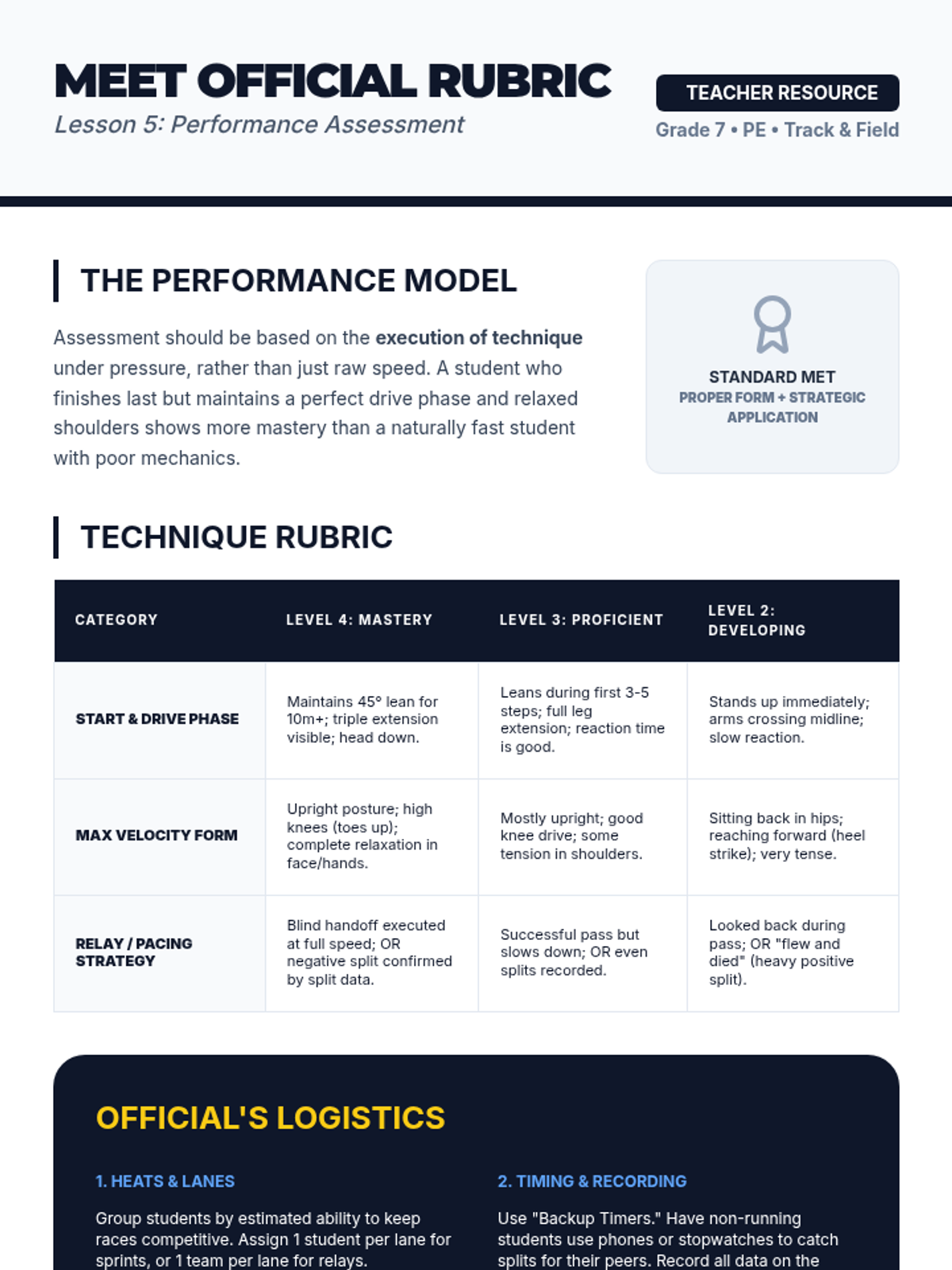
Students organize and participate in a modified track meet. They take turns competing and officiating, keeping track of team scores and ensuring all events run according to the rules.
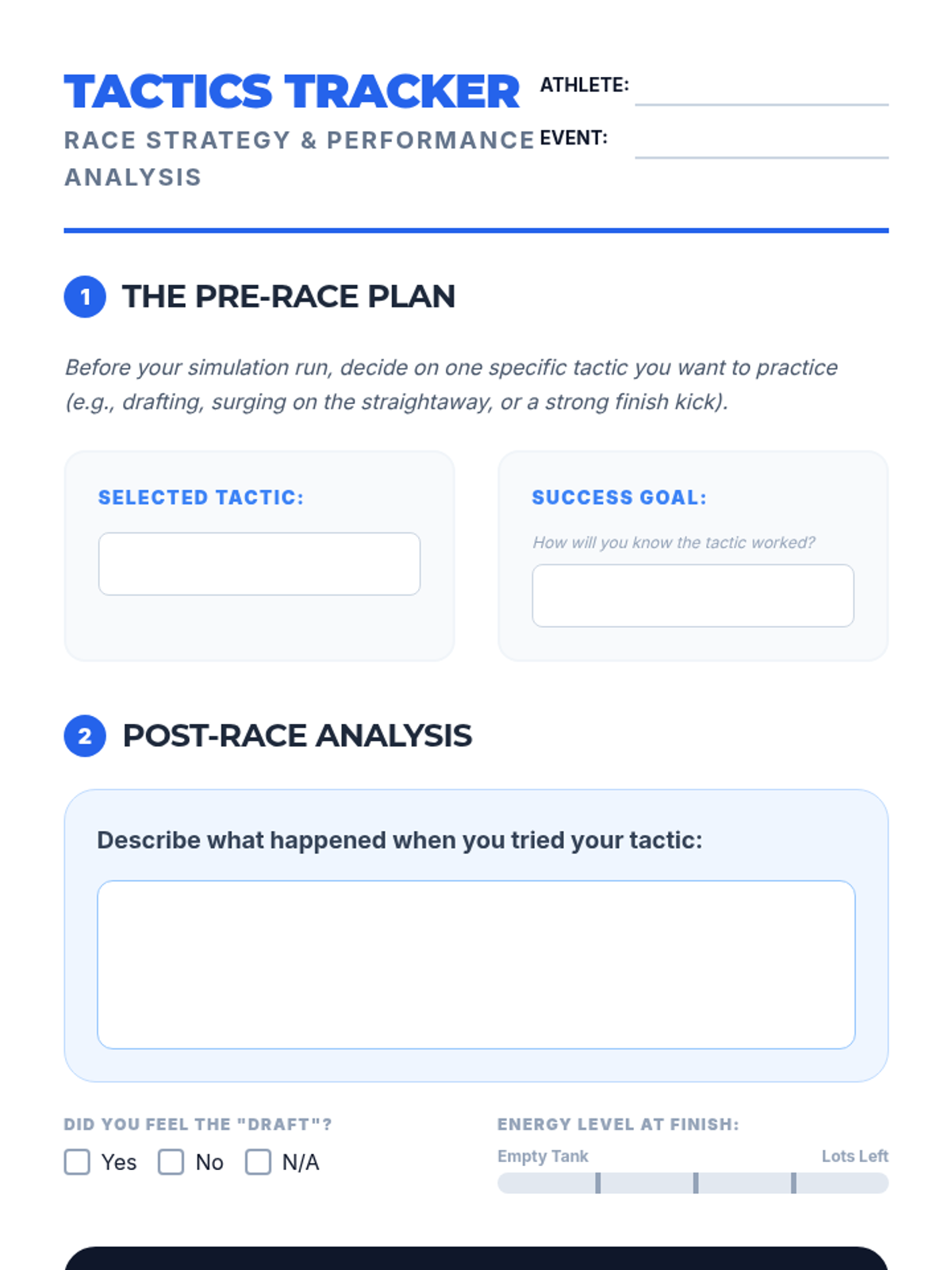
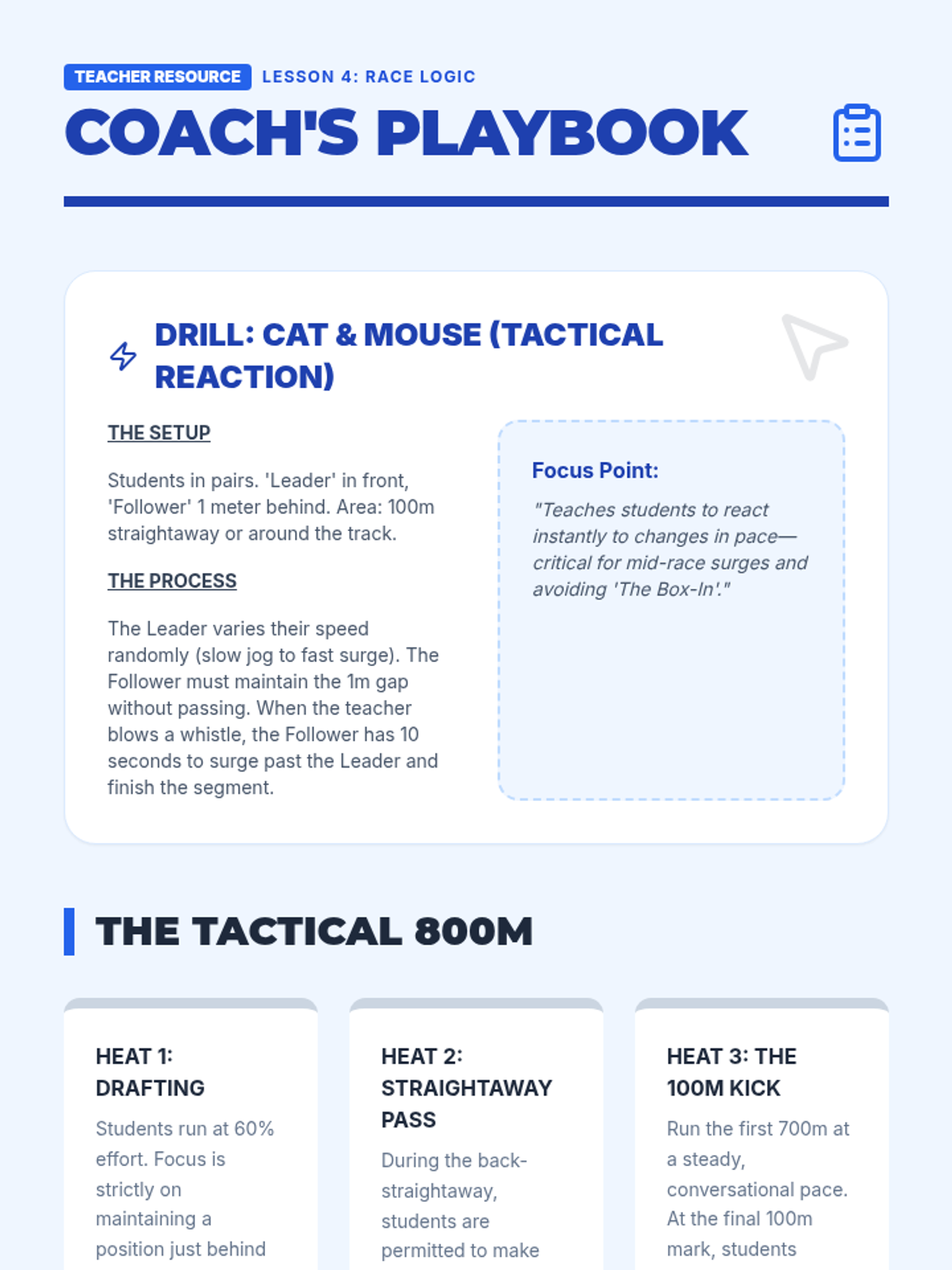
Focusing on the 800m or 1600m, students learn tactical positioning, such as when to pass, drafting behind runners, and the 'kick' at the finish line. They practice these strategies in low-intensity simulation runs.
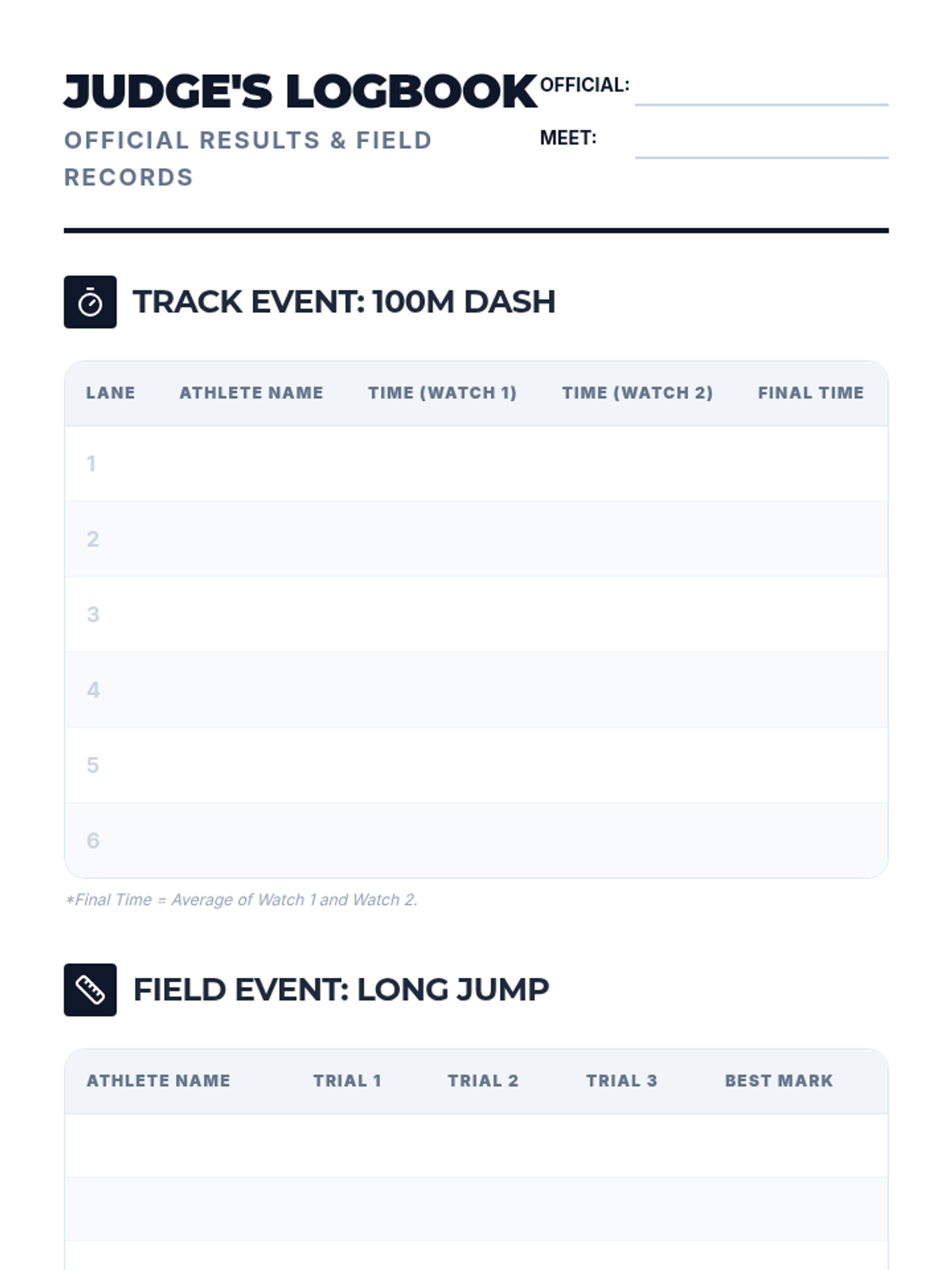
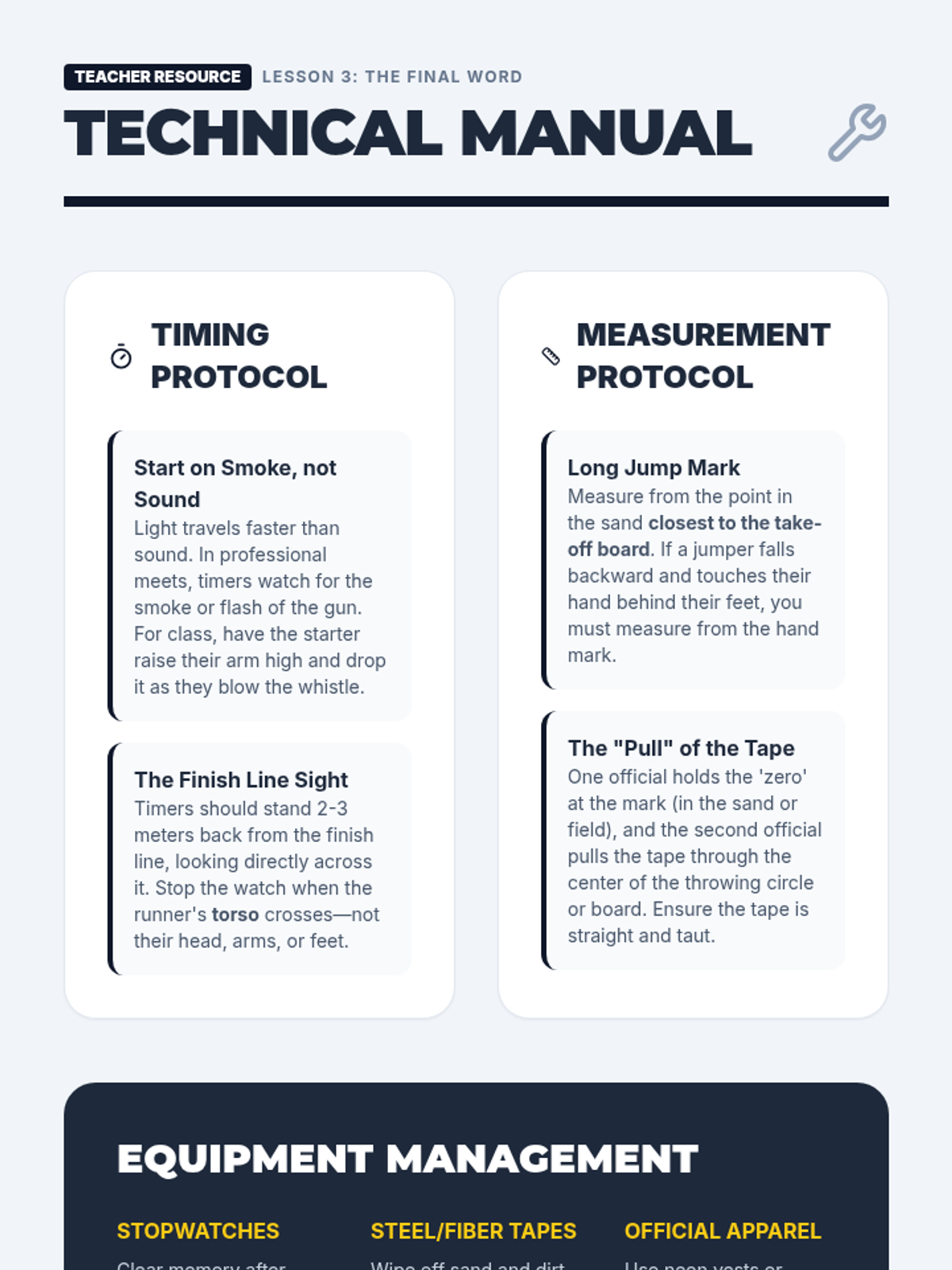
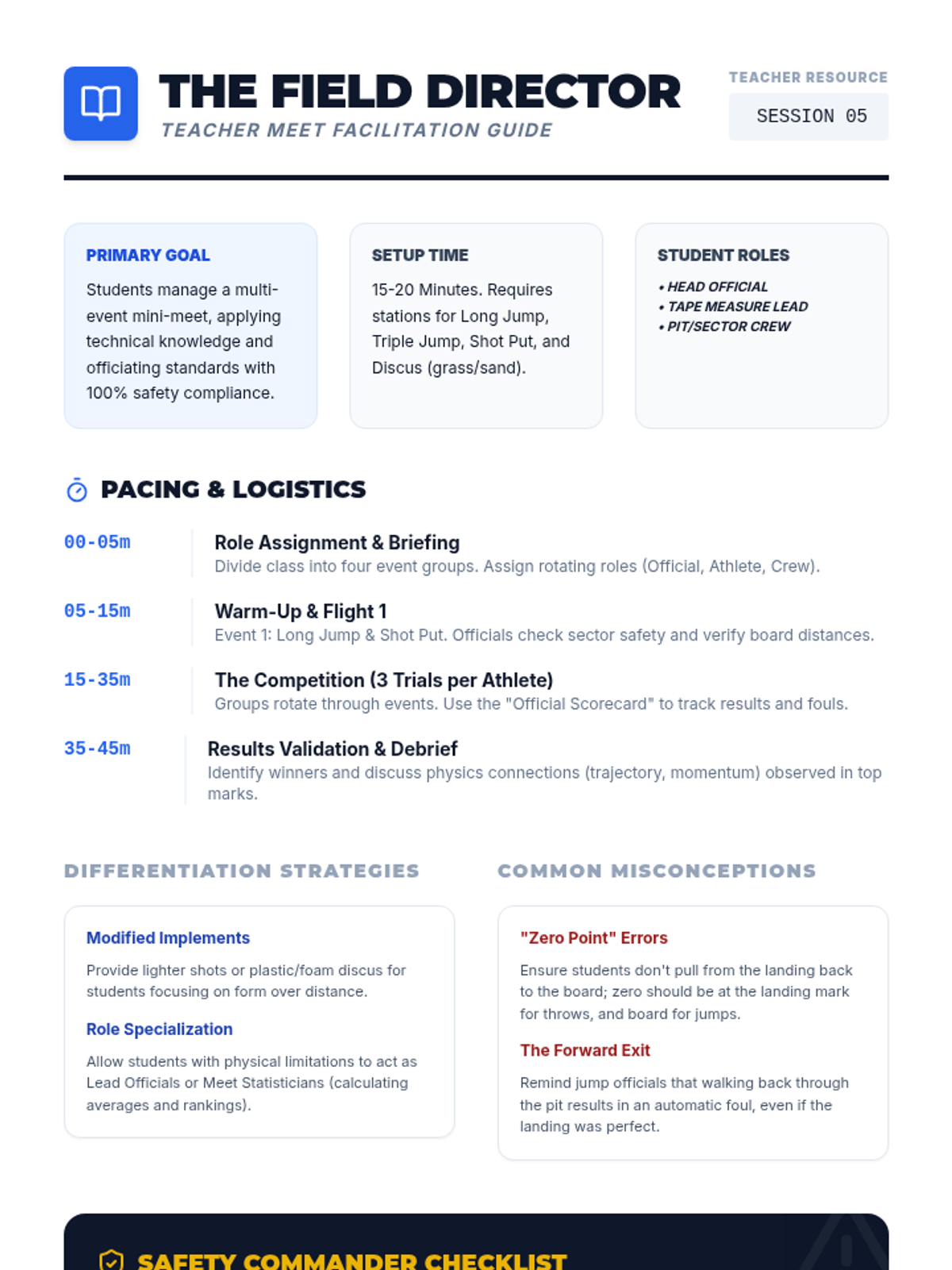
Students learn the roles of timekeepers, starters, and field judges. They practice using stopwatches accurately and measuring field events with tape measures according to official regulations.
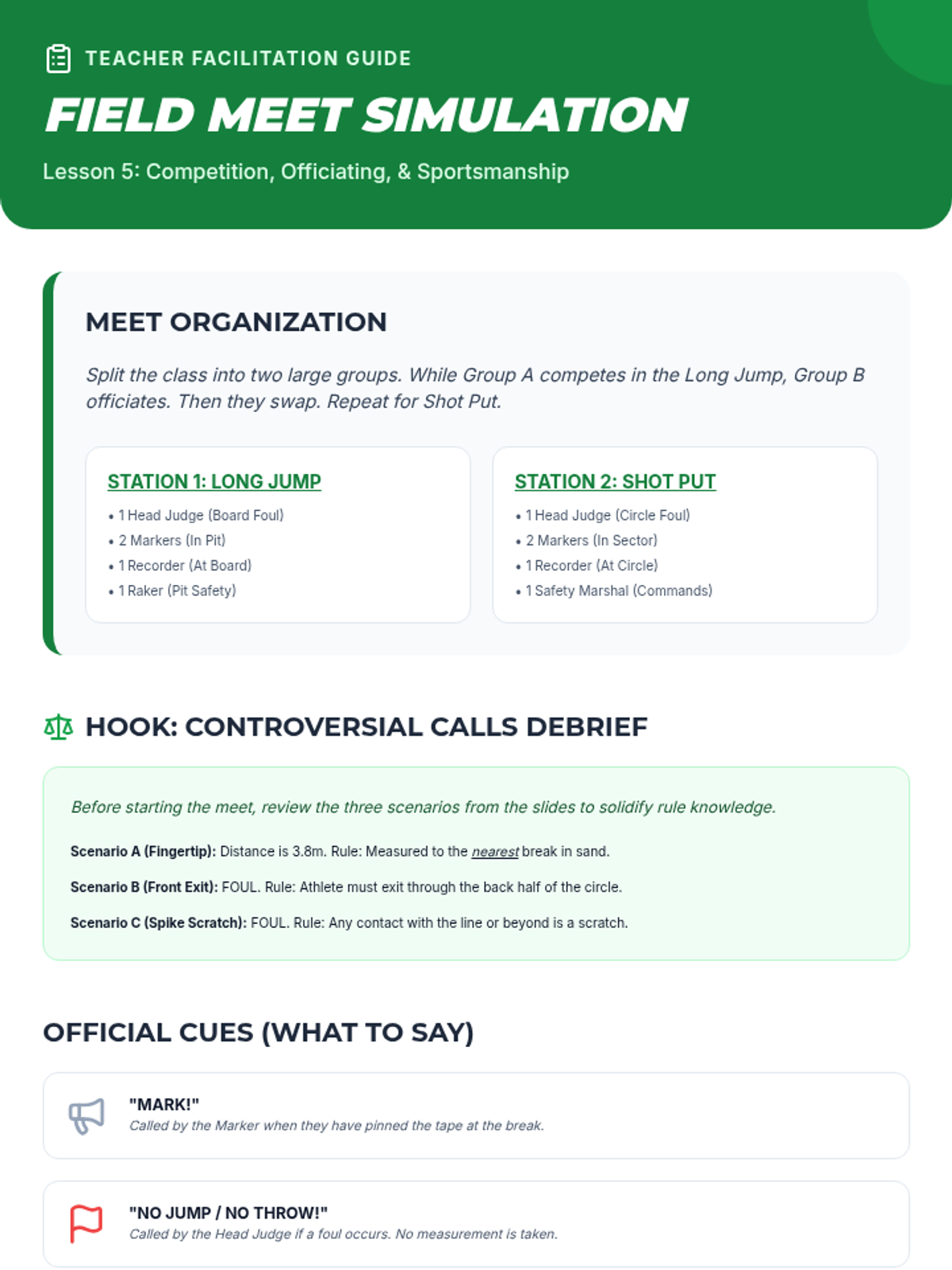
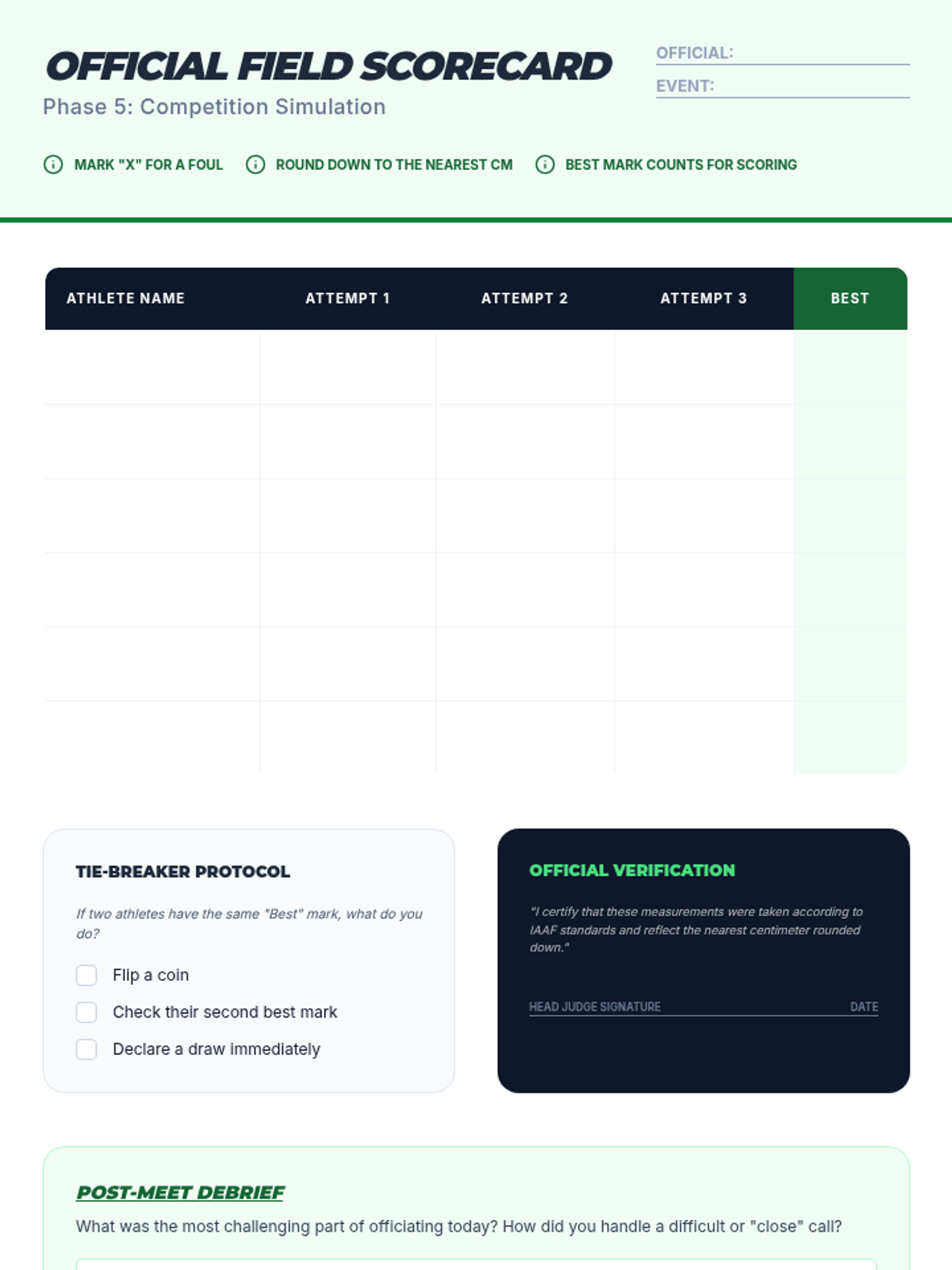
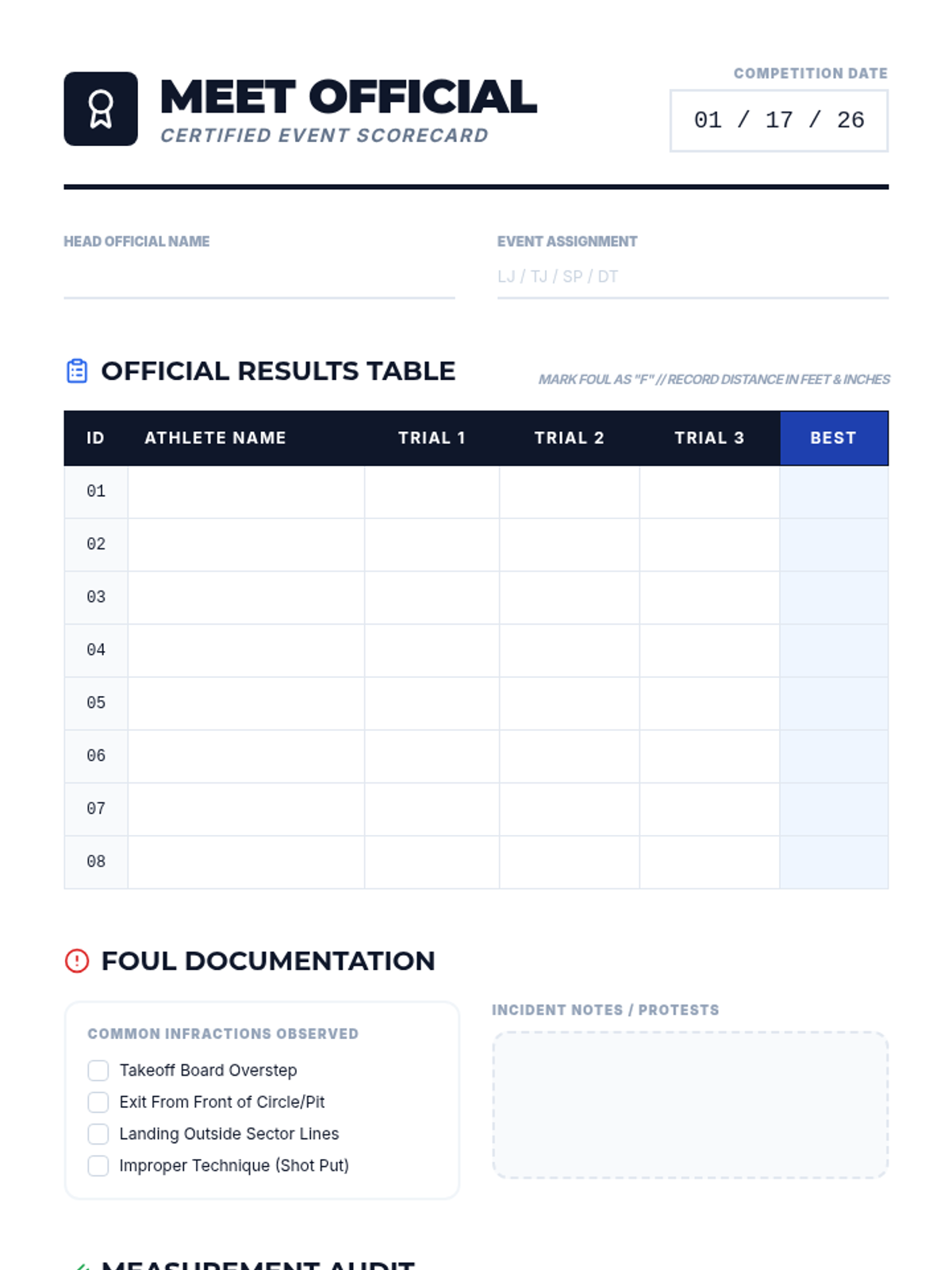
Students participate in a mock field meet where they rotate between competing and officiating. As officials, they must identify fouls, measure distances using tape measures accurately, and record results, reinforcing the rules of competition.
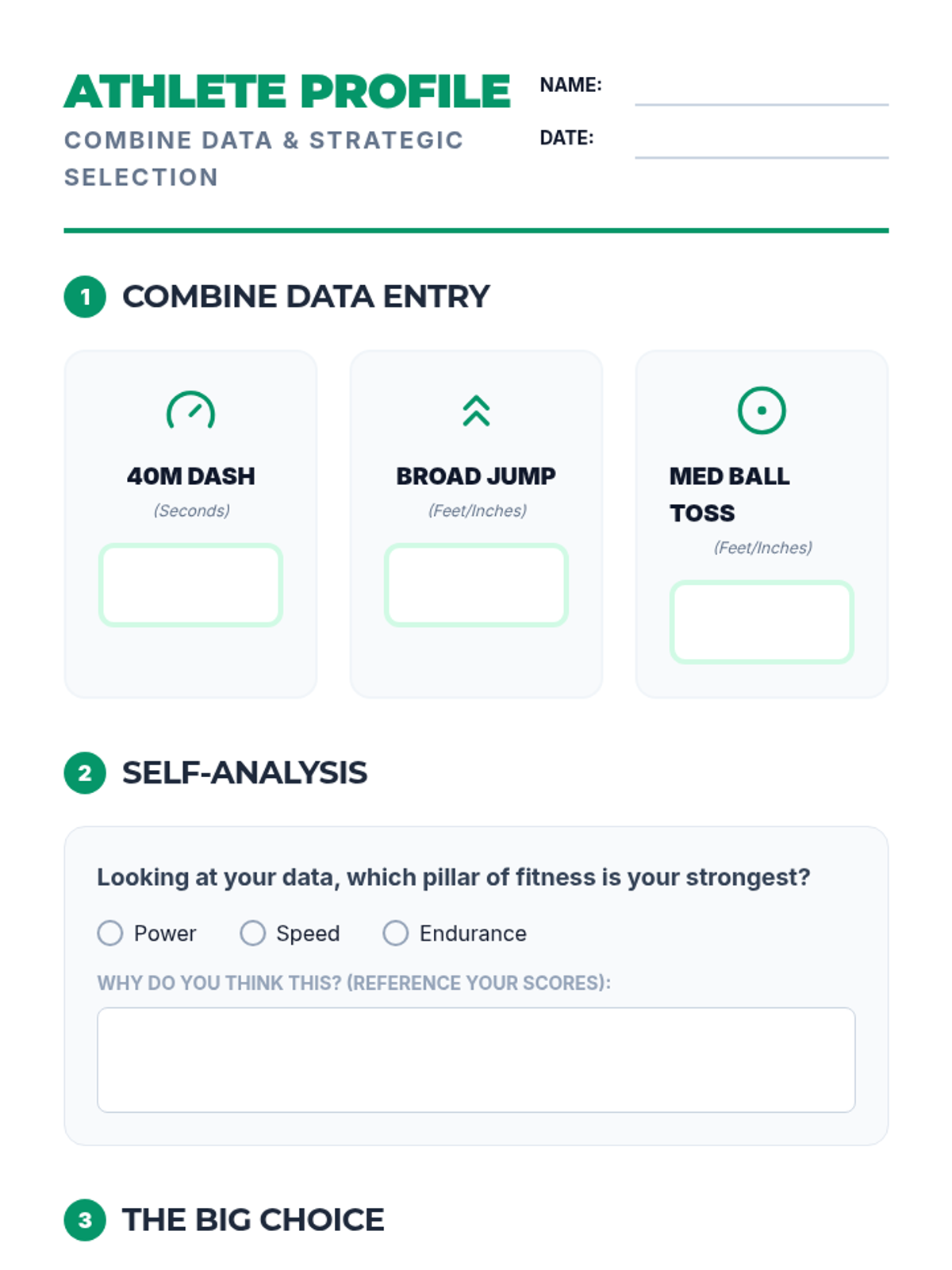
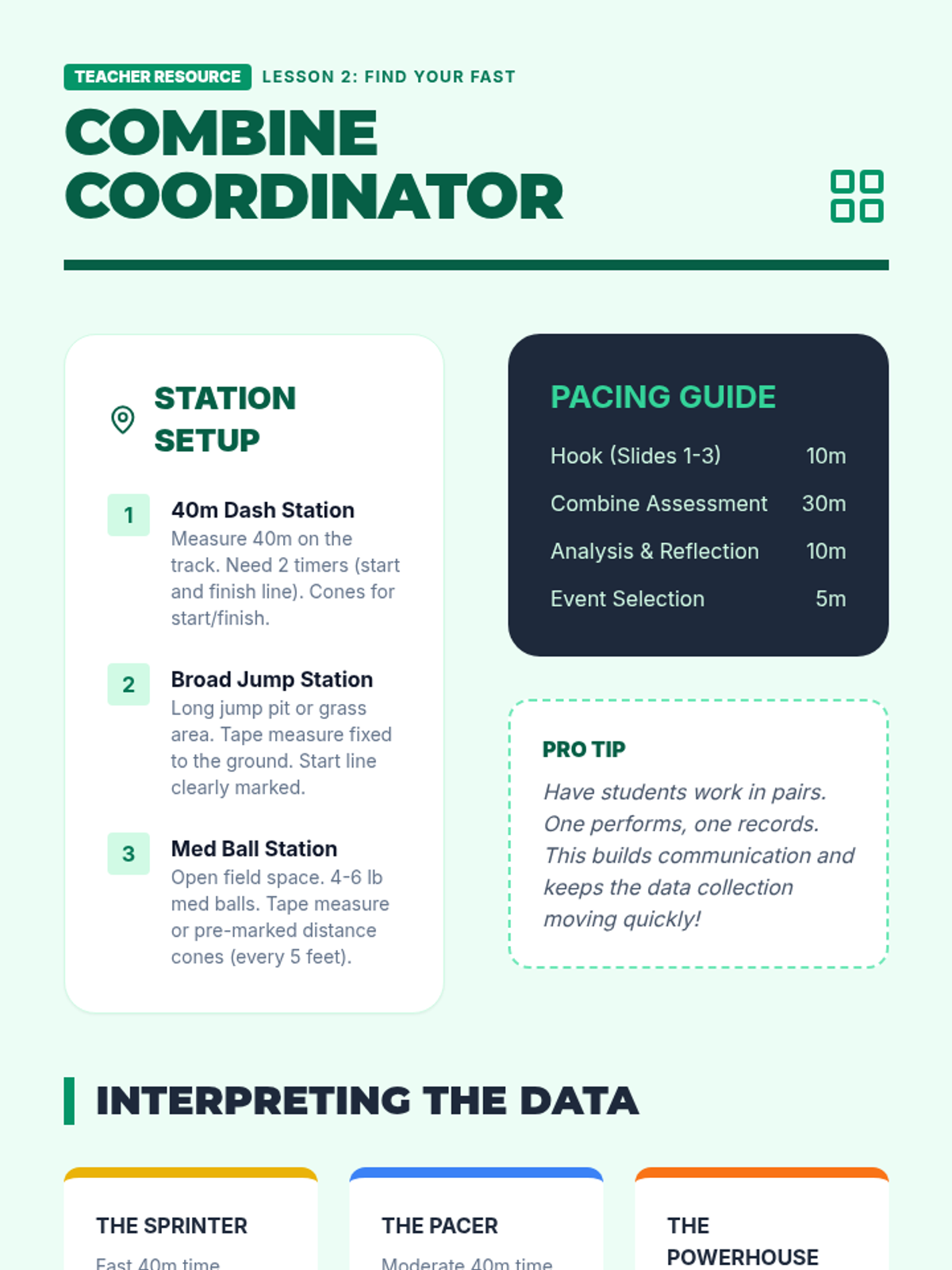
Students assess their own physical strengths (speed vs. endurance vs. power) to select appropriate events for a competition. They design a personal training plan for their chosen events.
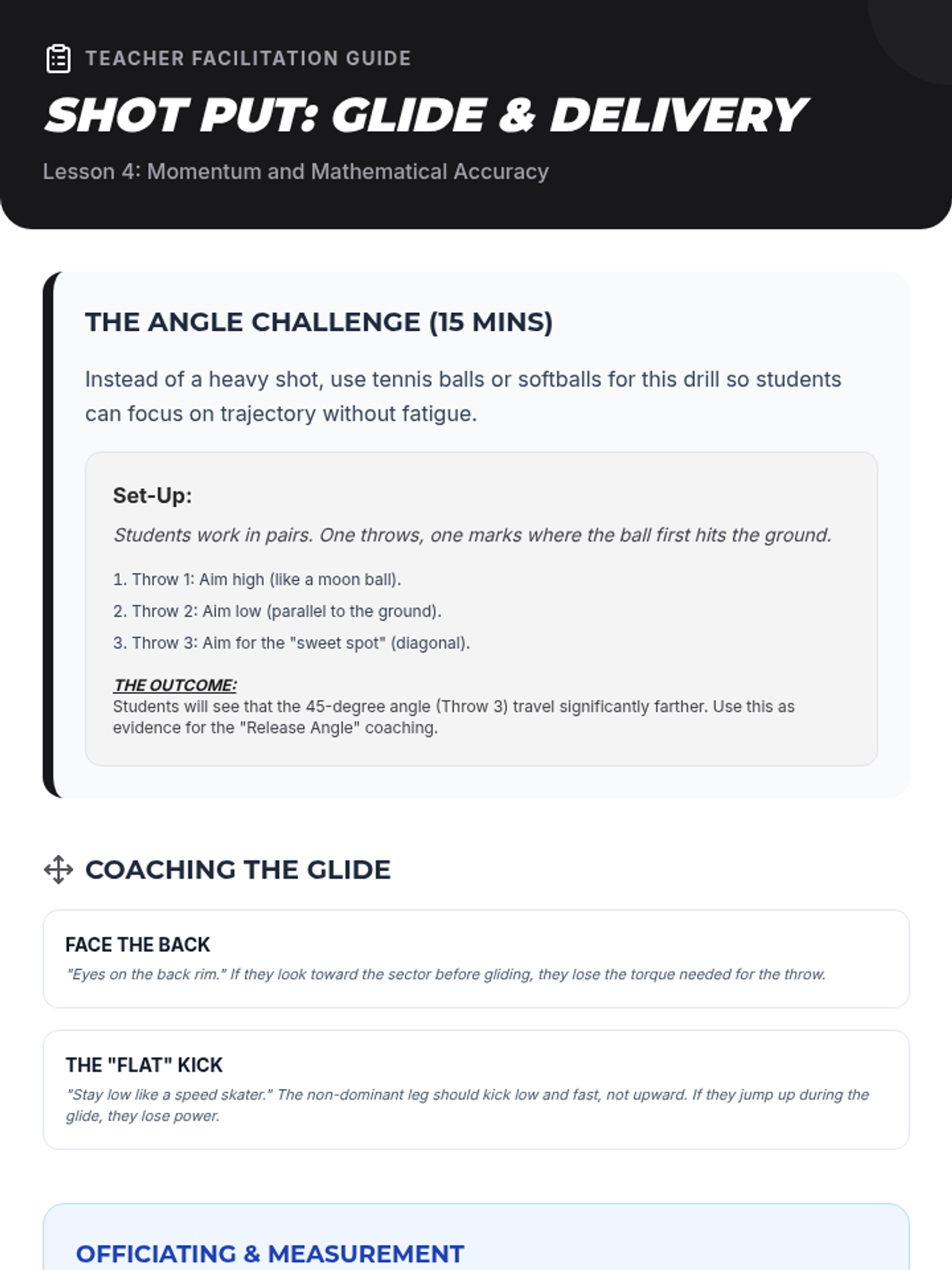
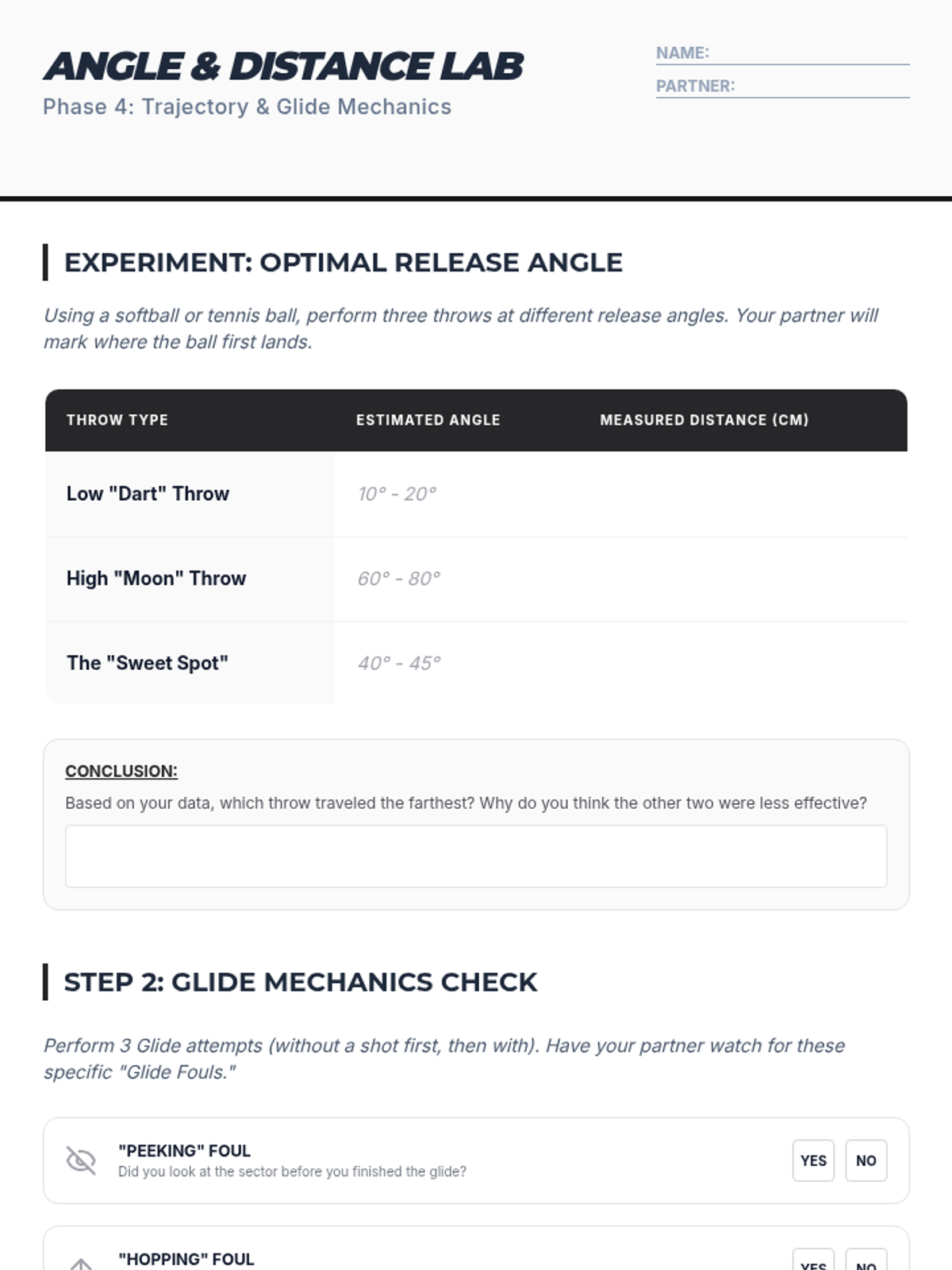
For students ready for advancement, this lesson introduces the glide technique to add momentum to the throw. All students refine their release angle (approx. 45 degrees) and practice measuring throws according to official IAAF rules.
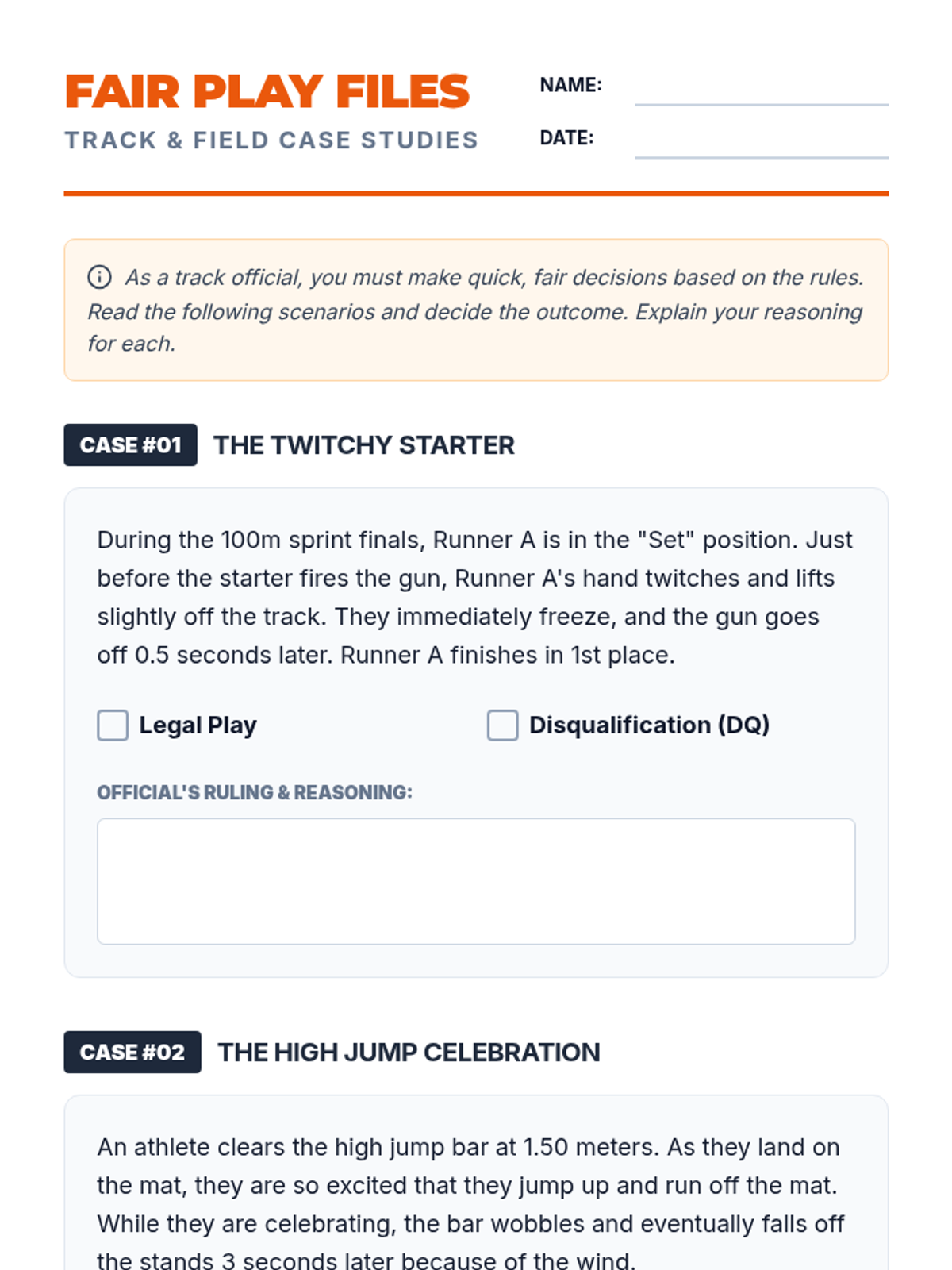
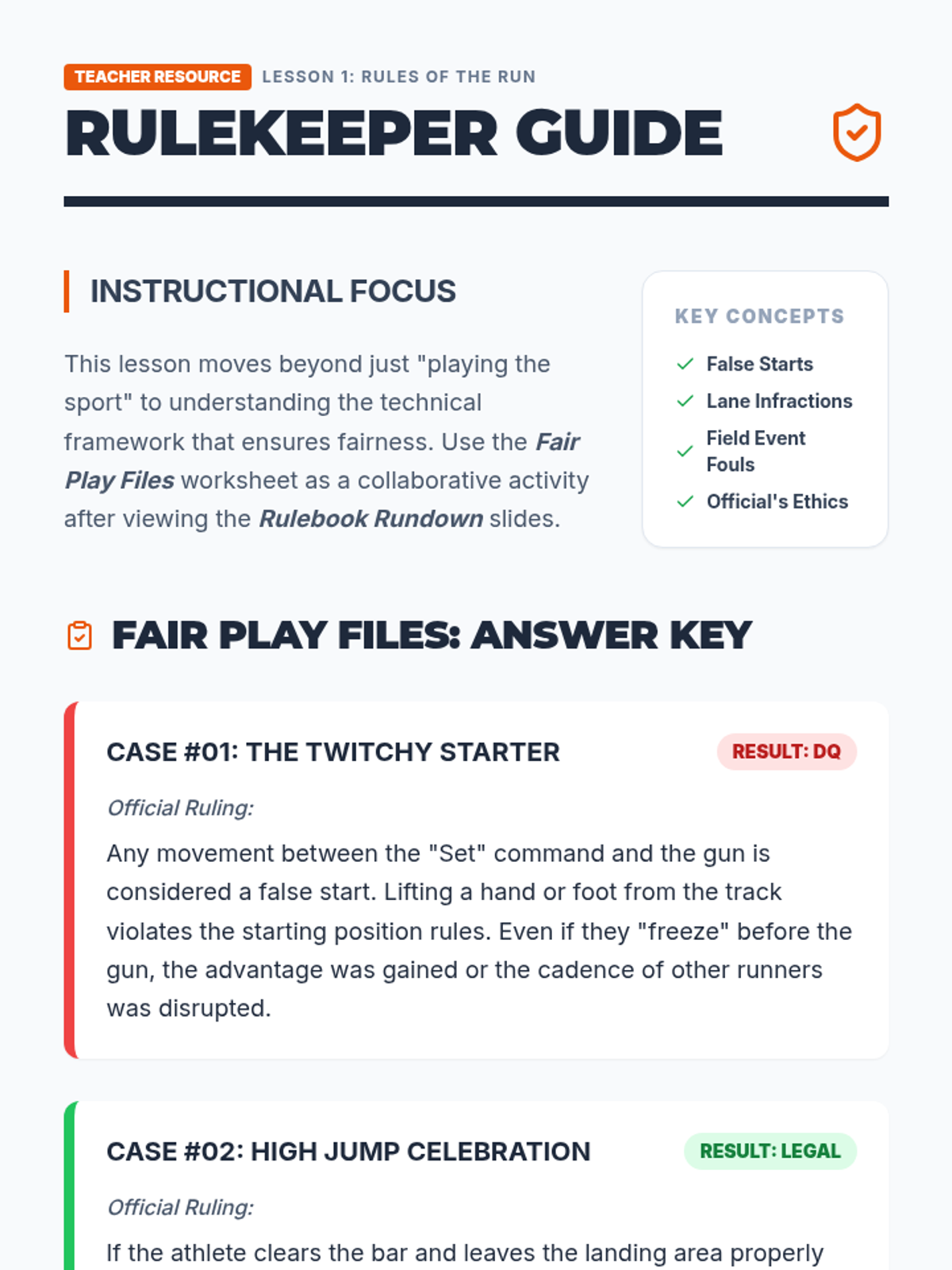
Students analyze track and field infractions, focusing on the mechanics of legal performance and the importance of rules in fair competition.
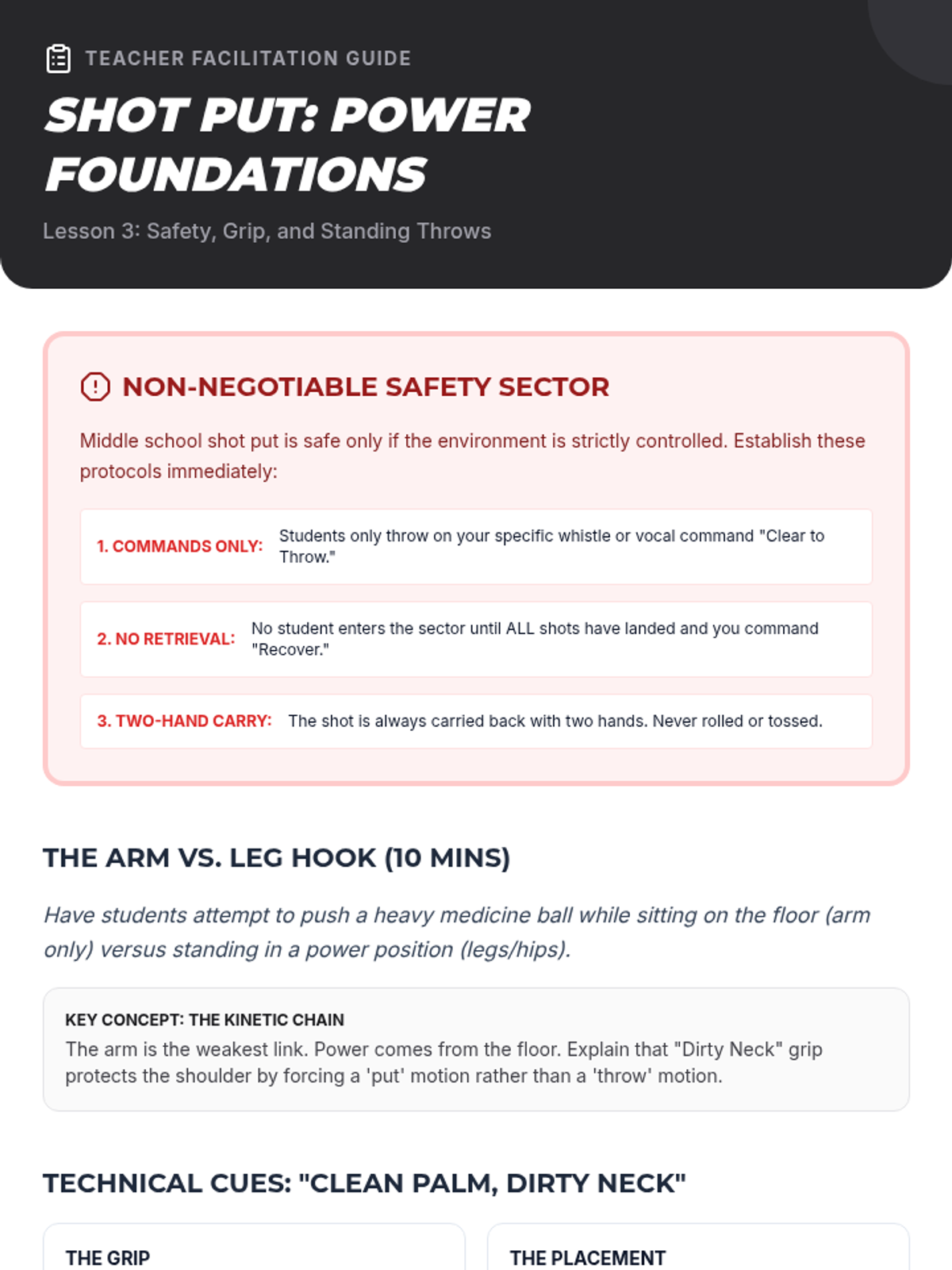
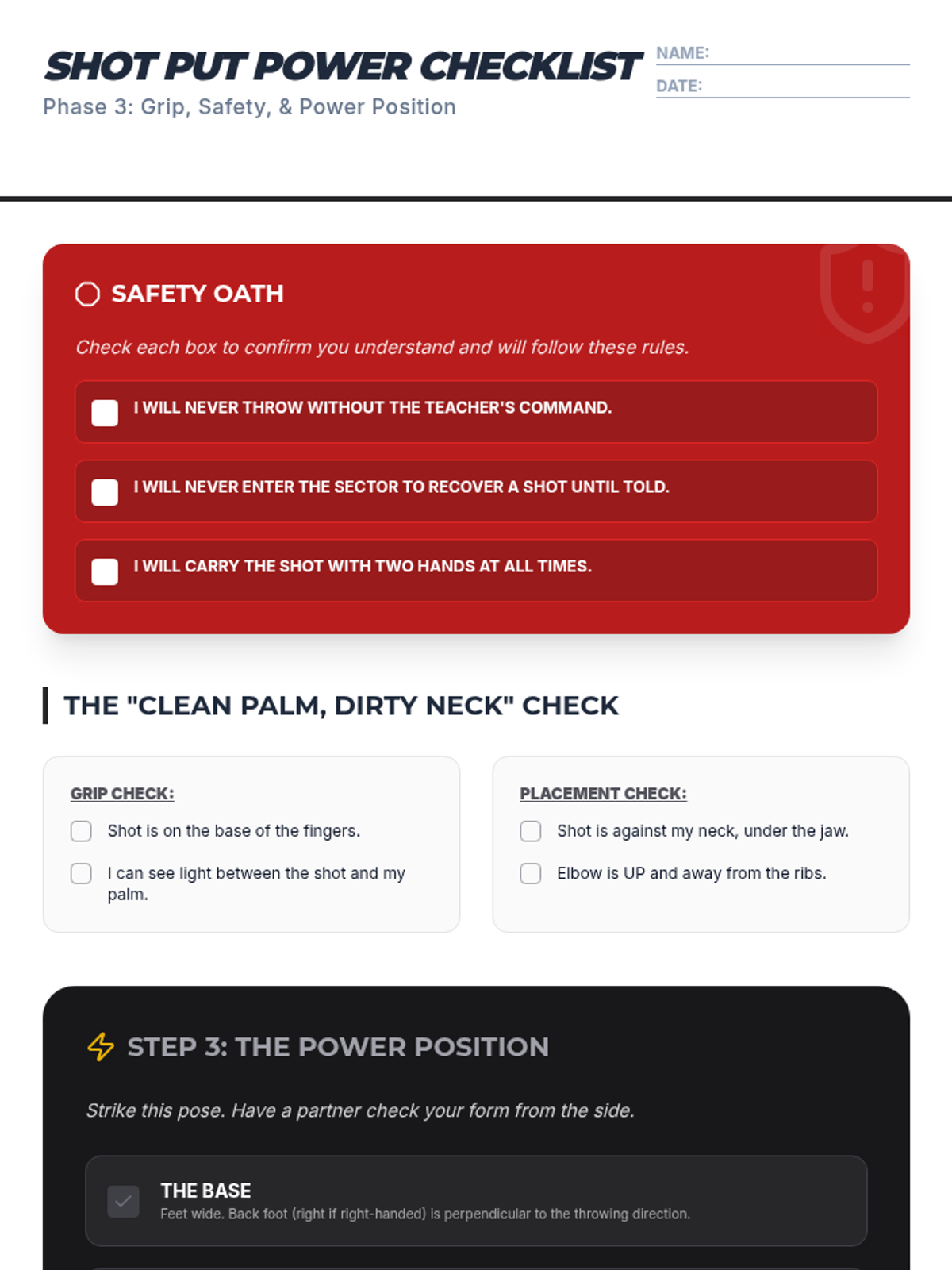
Students are introduced to the shot put, emphasizing safety and the 'clean palm, dirty neck' grip. They practice the power position and standing throws, learning to use leg drive and hip rotation to propel the implement rather than just arm strength.
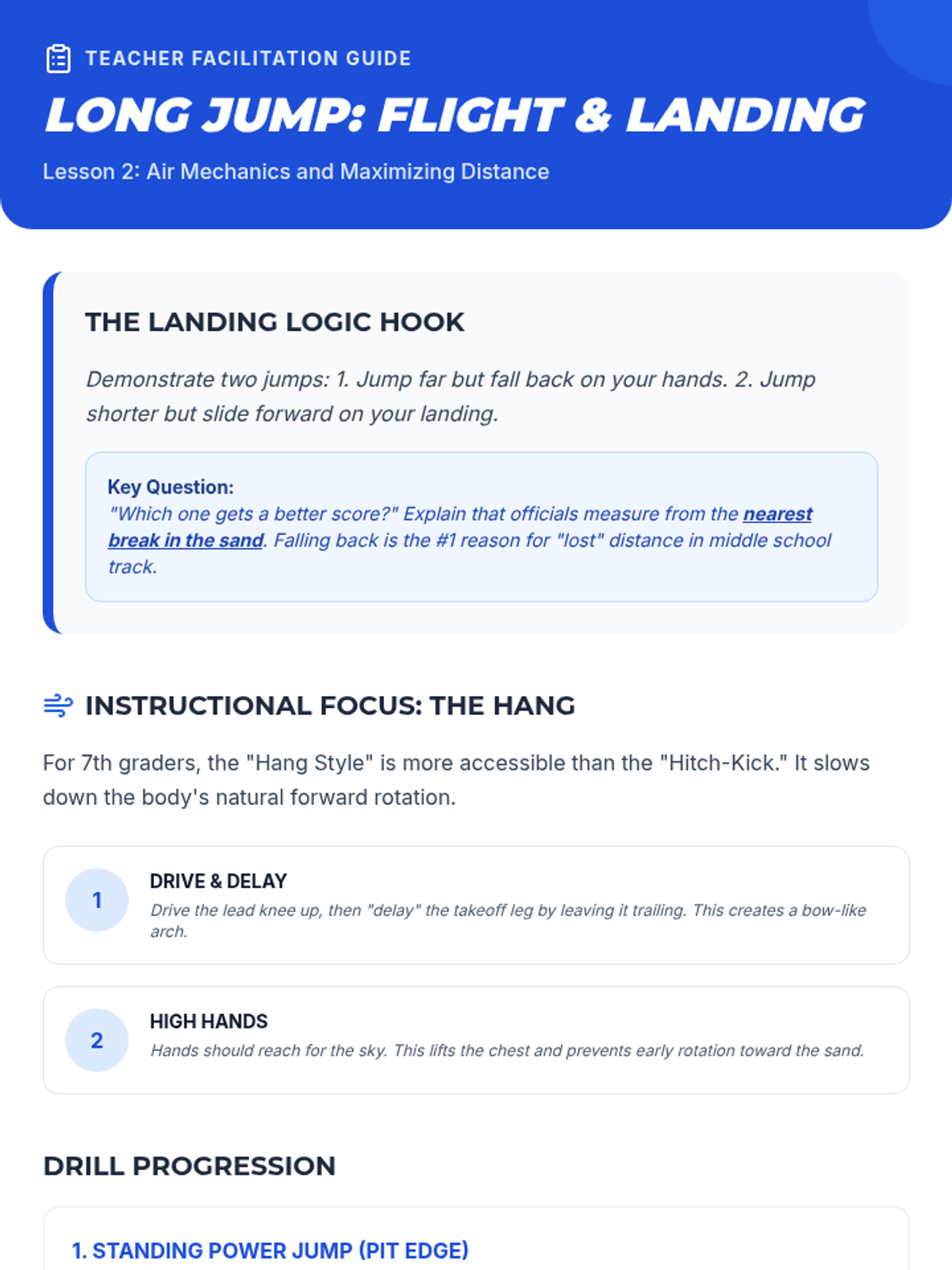
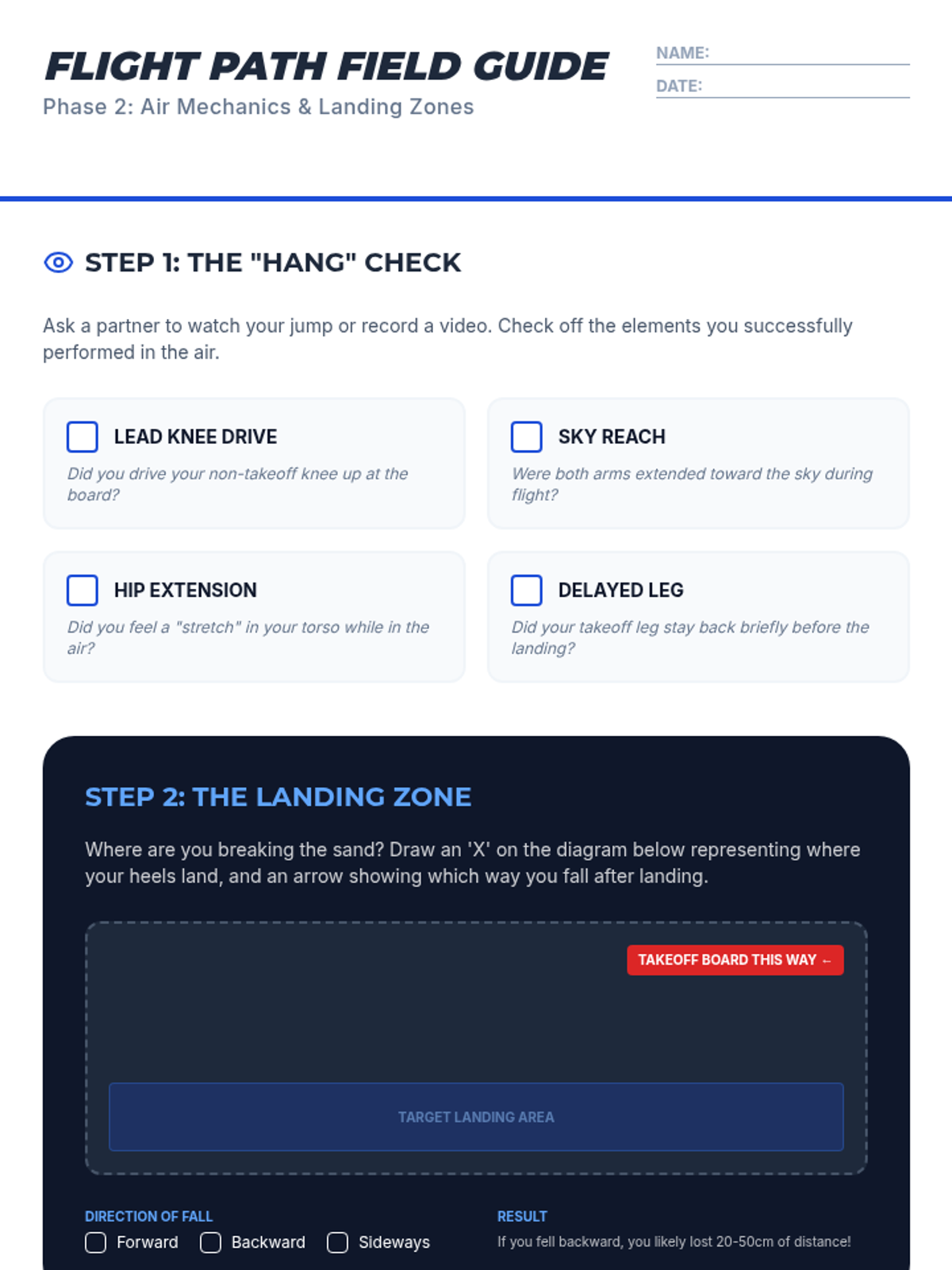
Building on the takeoff, this lesson addresses air mechanics (the hang style) and the safe landing. Students learn to extend legs forward and collapse safely into the sand to maximize measured distance.
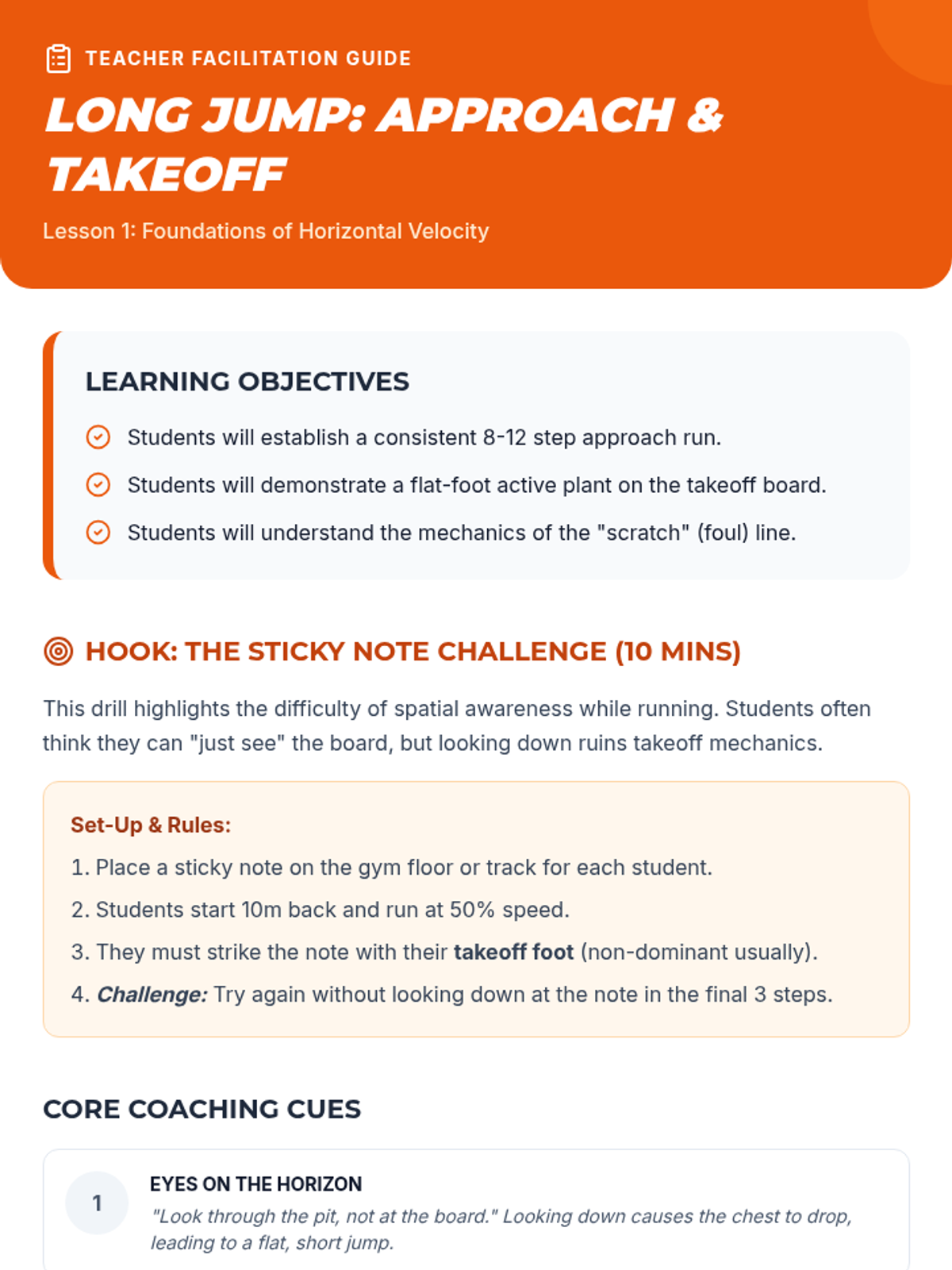
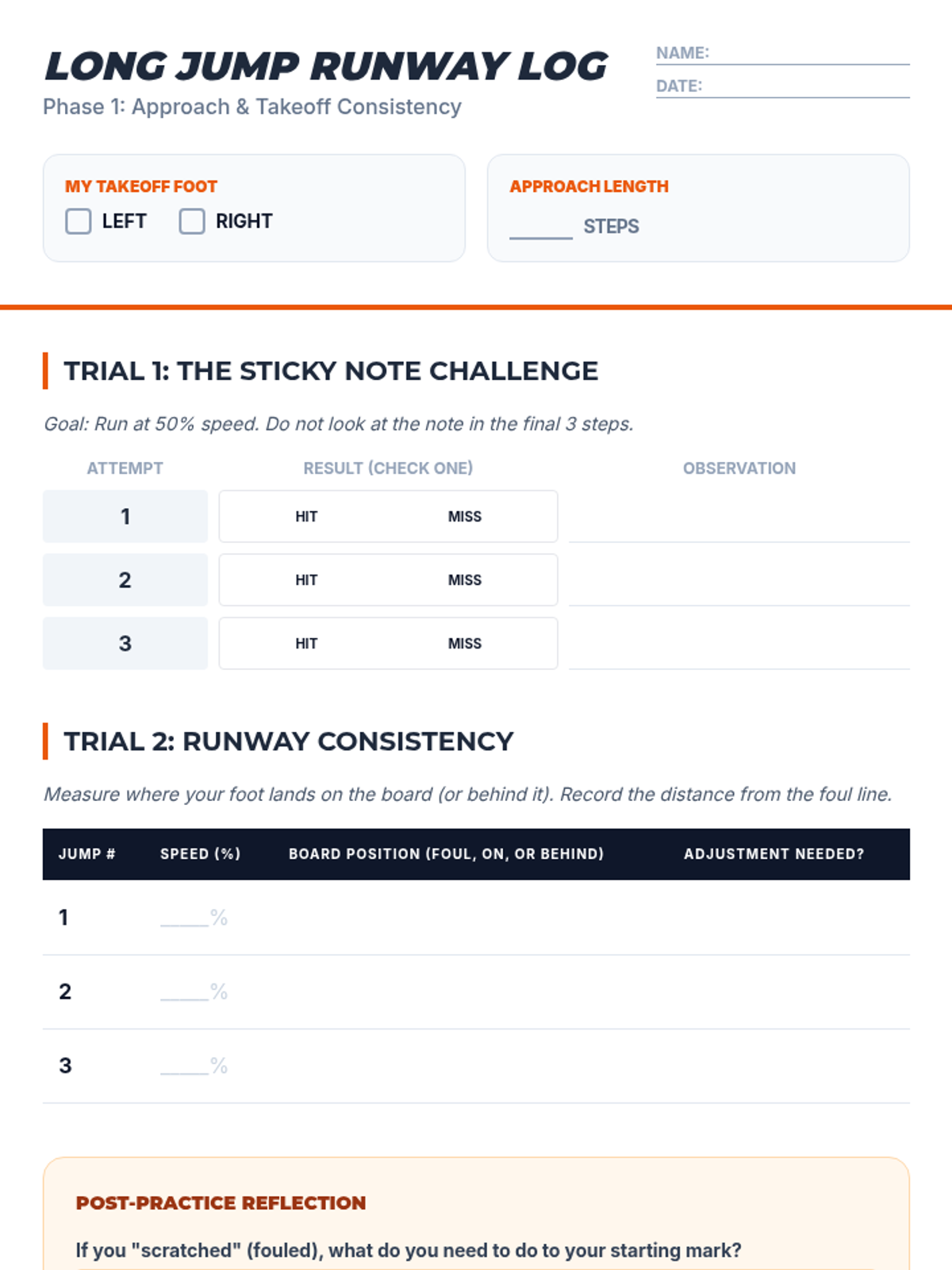
Deconstructs the long jump into the approach run and the takeoff plant, focusing on establishing a consistent mark and converting horizontal speed to vertical lift.
A culminating session where students apply technical skills in timed trials and reflect on their progress.
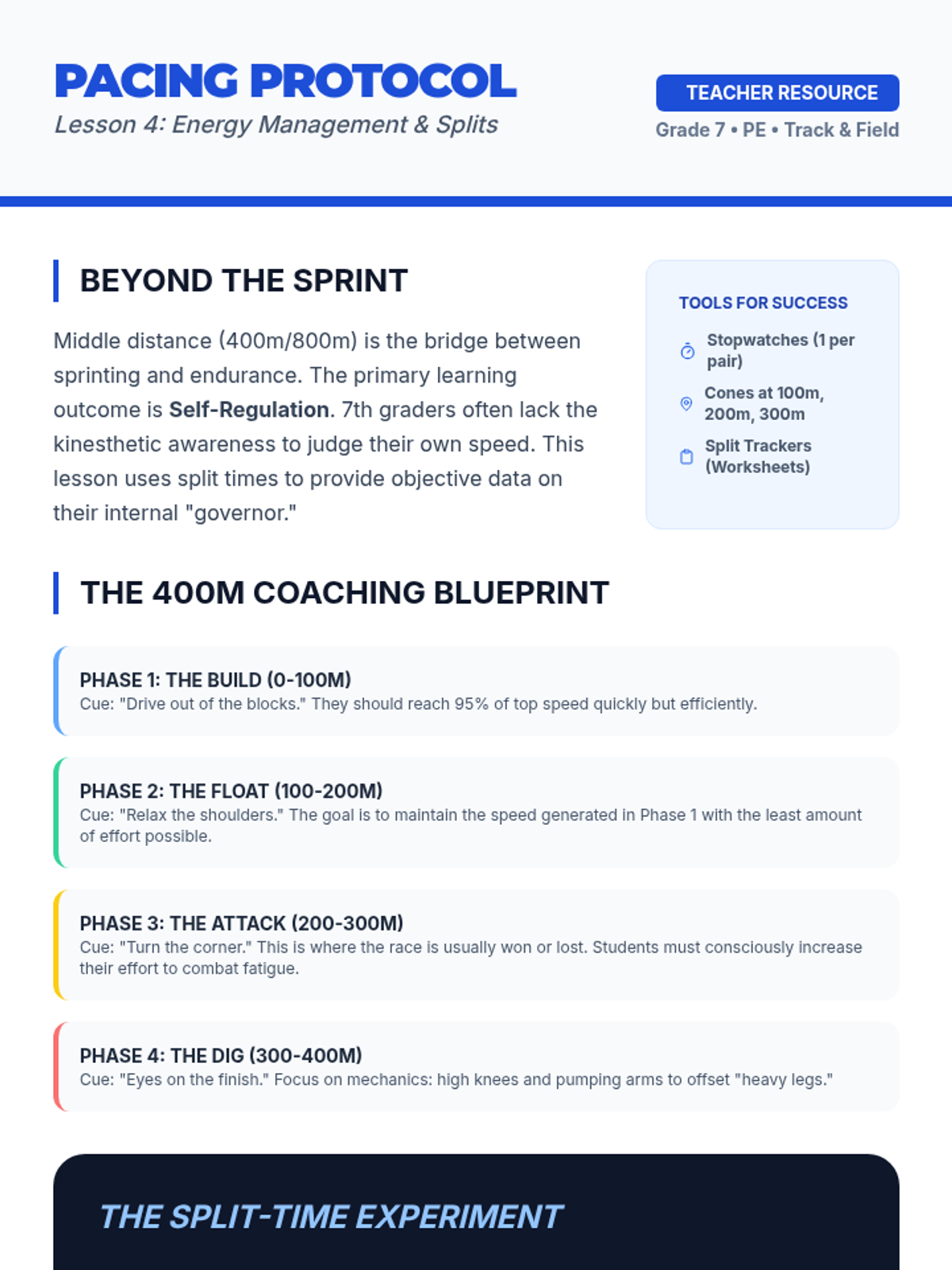
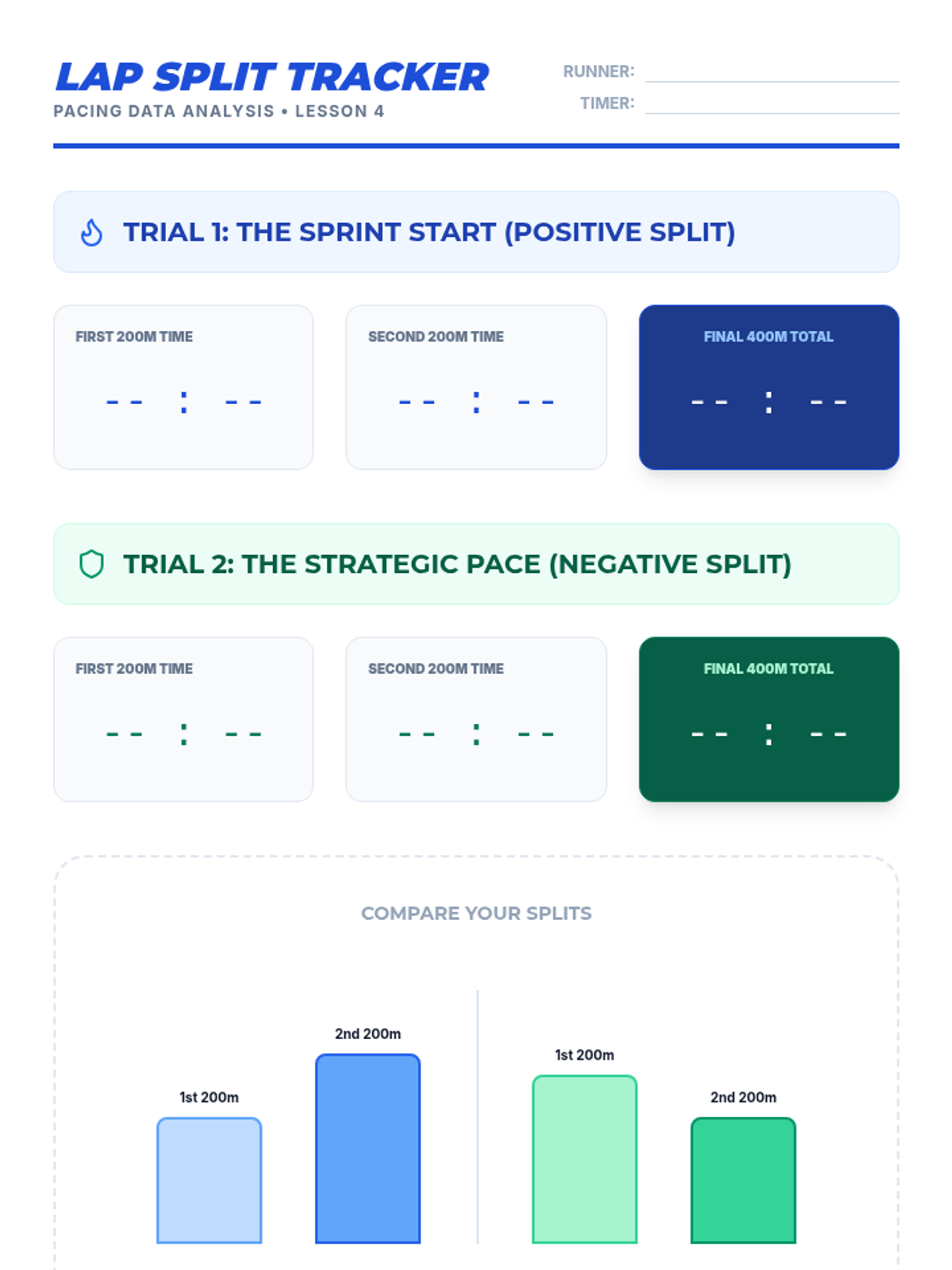
Understanding energy distribution and negative splits for the 400m and 800m events.
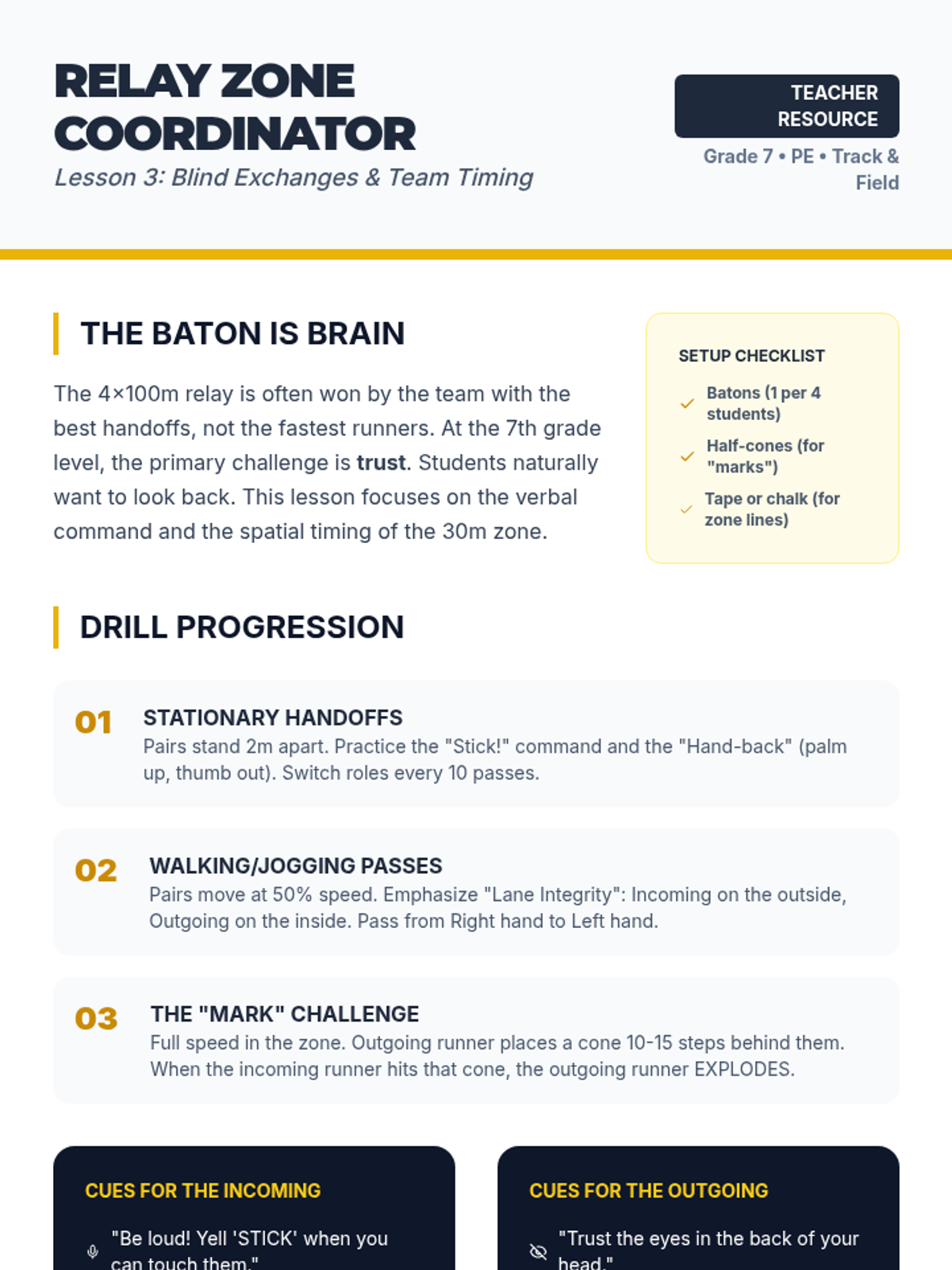
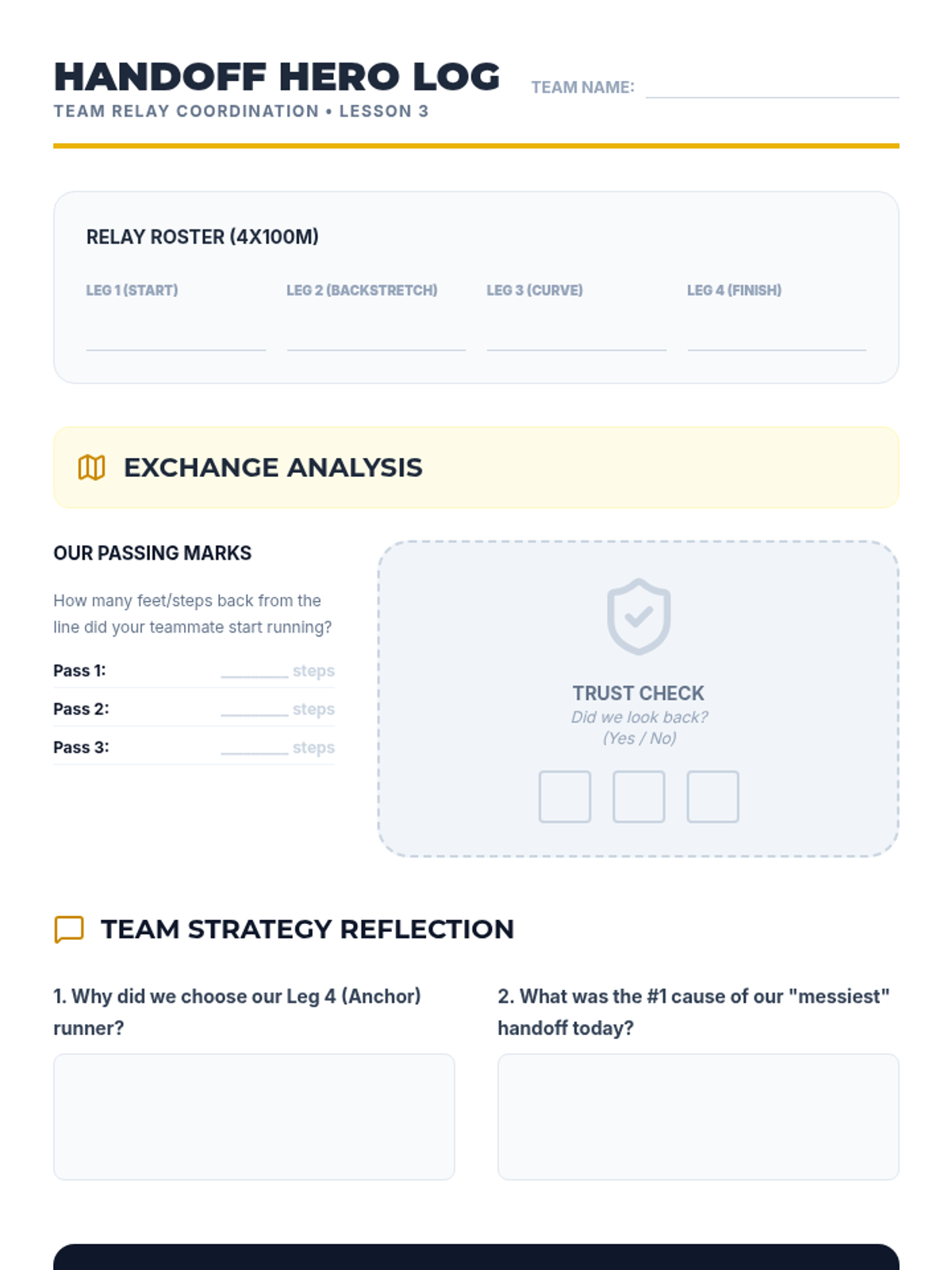
Technical mastery of the 4x100m relay handoff, emphasizing timing, communication, and blind exchanges.
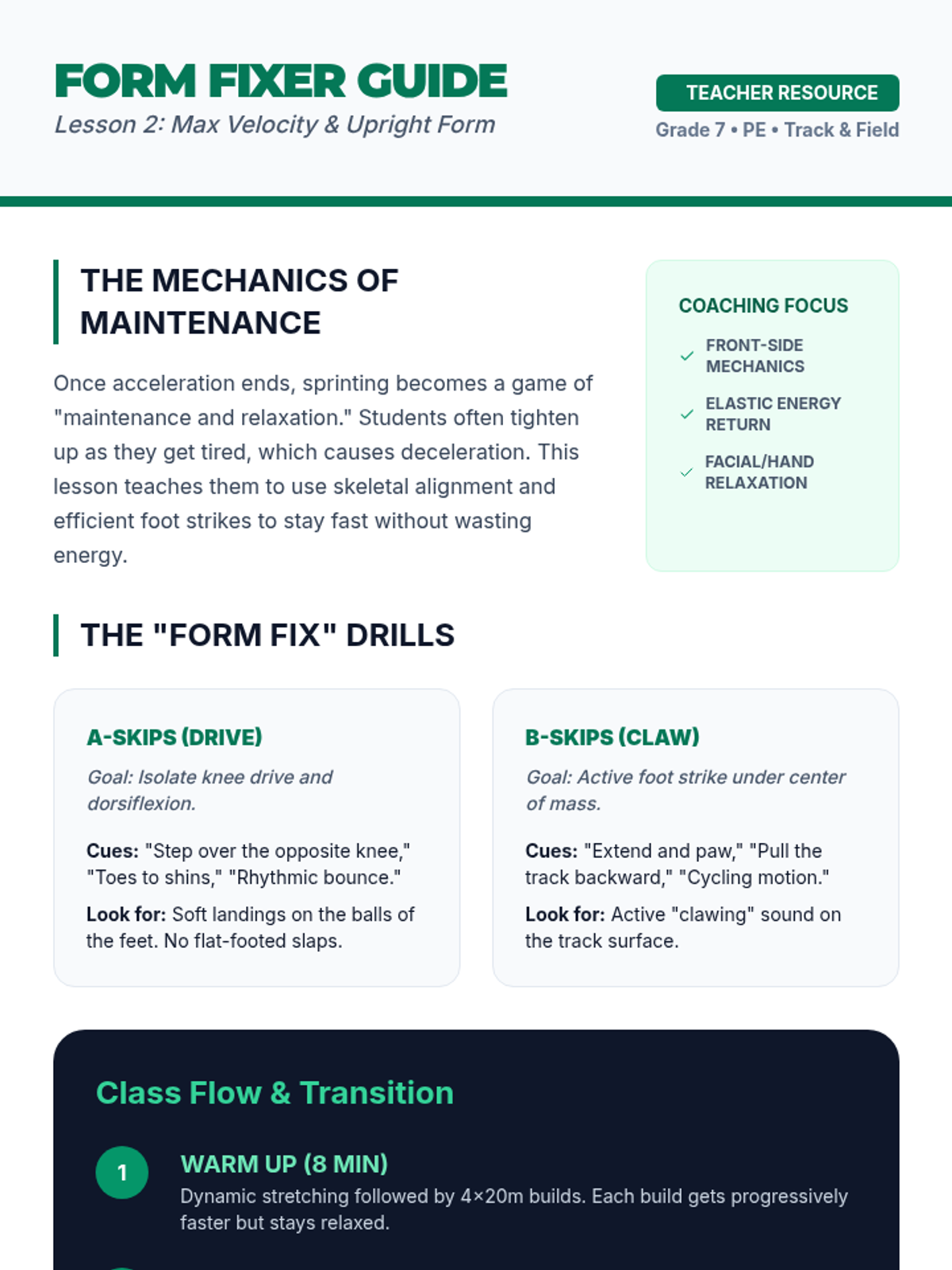
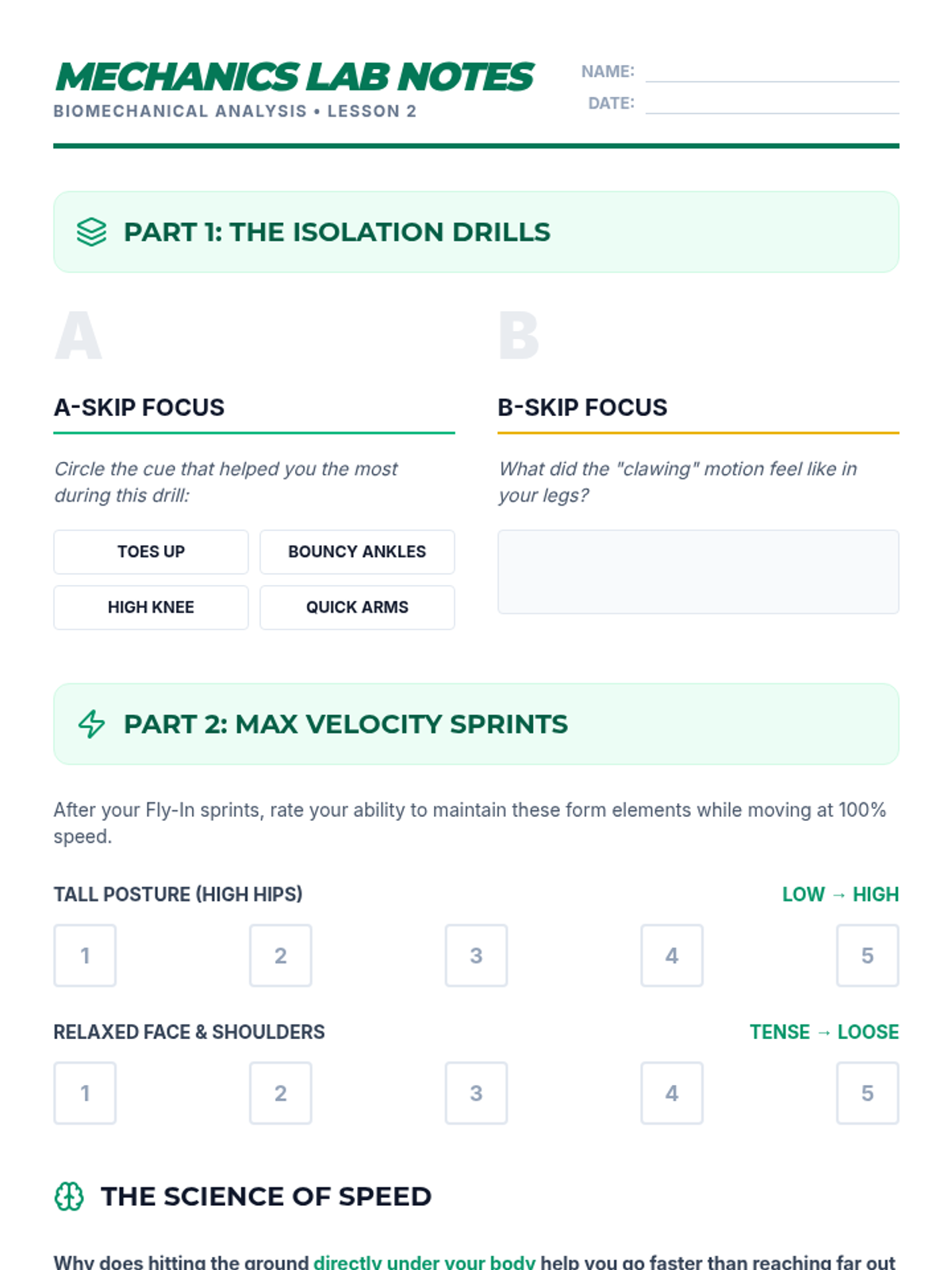
Transitioning from acceleration to upright running, focusing on knee drive, arm action, and maintaining relaxation at high speeds.
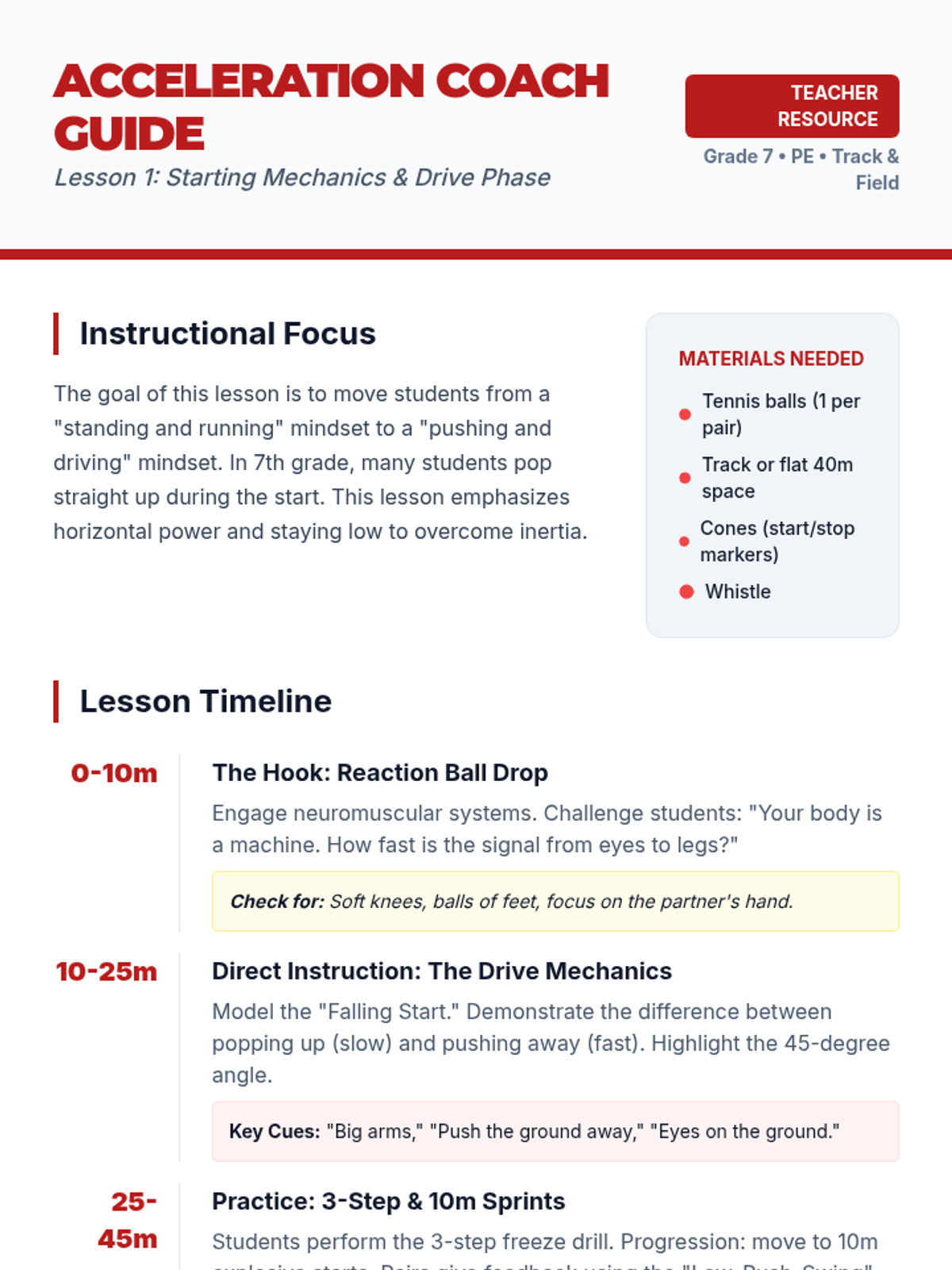
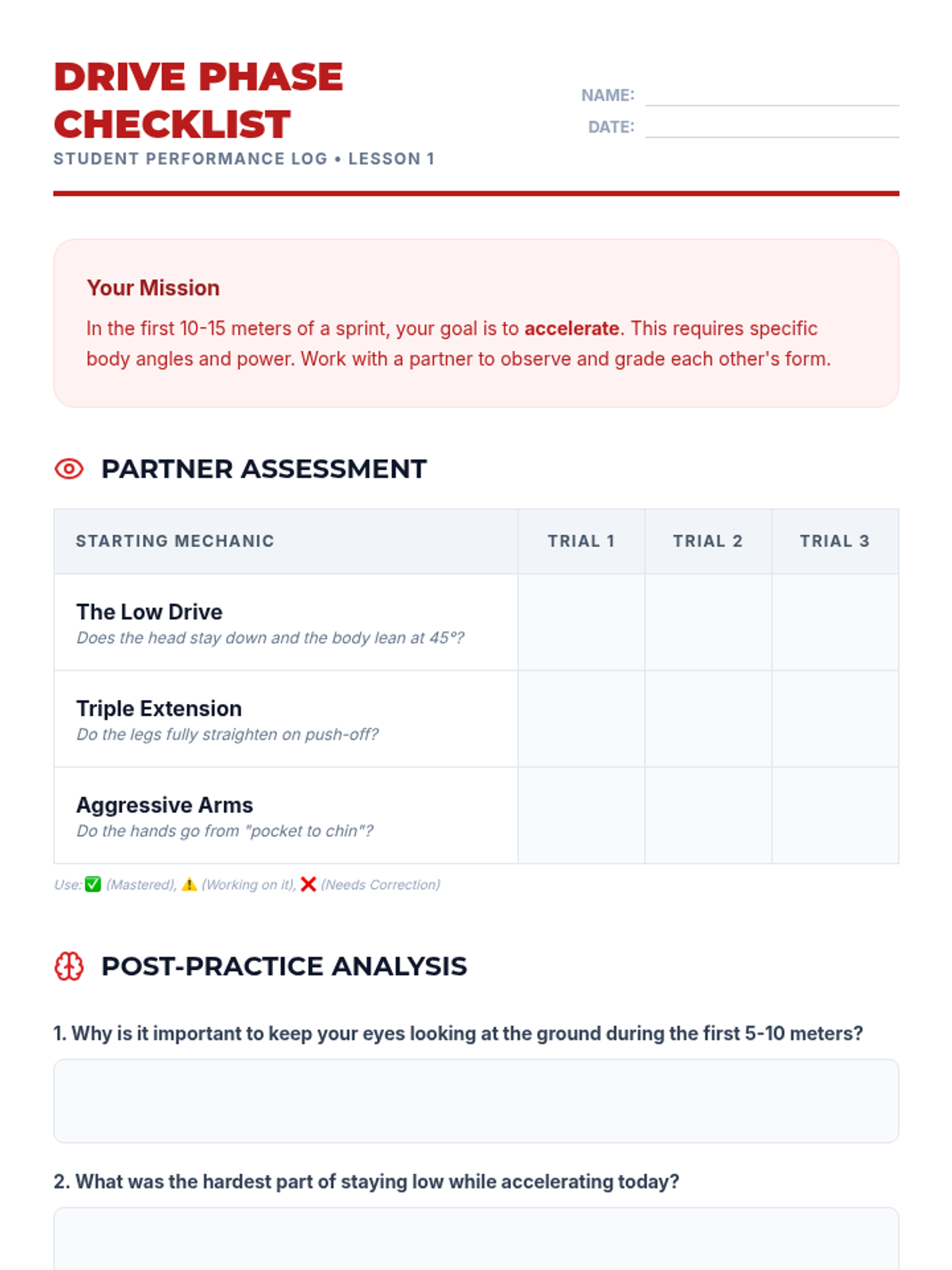
Focuses on the biomechanics of the start, specifically the crouch position and the drive phase to maximize initial acceleration.
Students take on officiating roles, learning measurement techniques, foul identification, and competition management.