Fundamental footwork, spatial awareness, and body coordination within various dance styles. Develops beat synchronization, tempo recognition, and movement patterns to enhance physical rhythm.
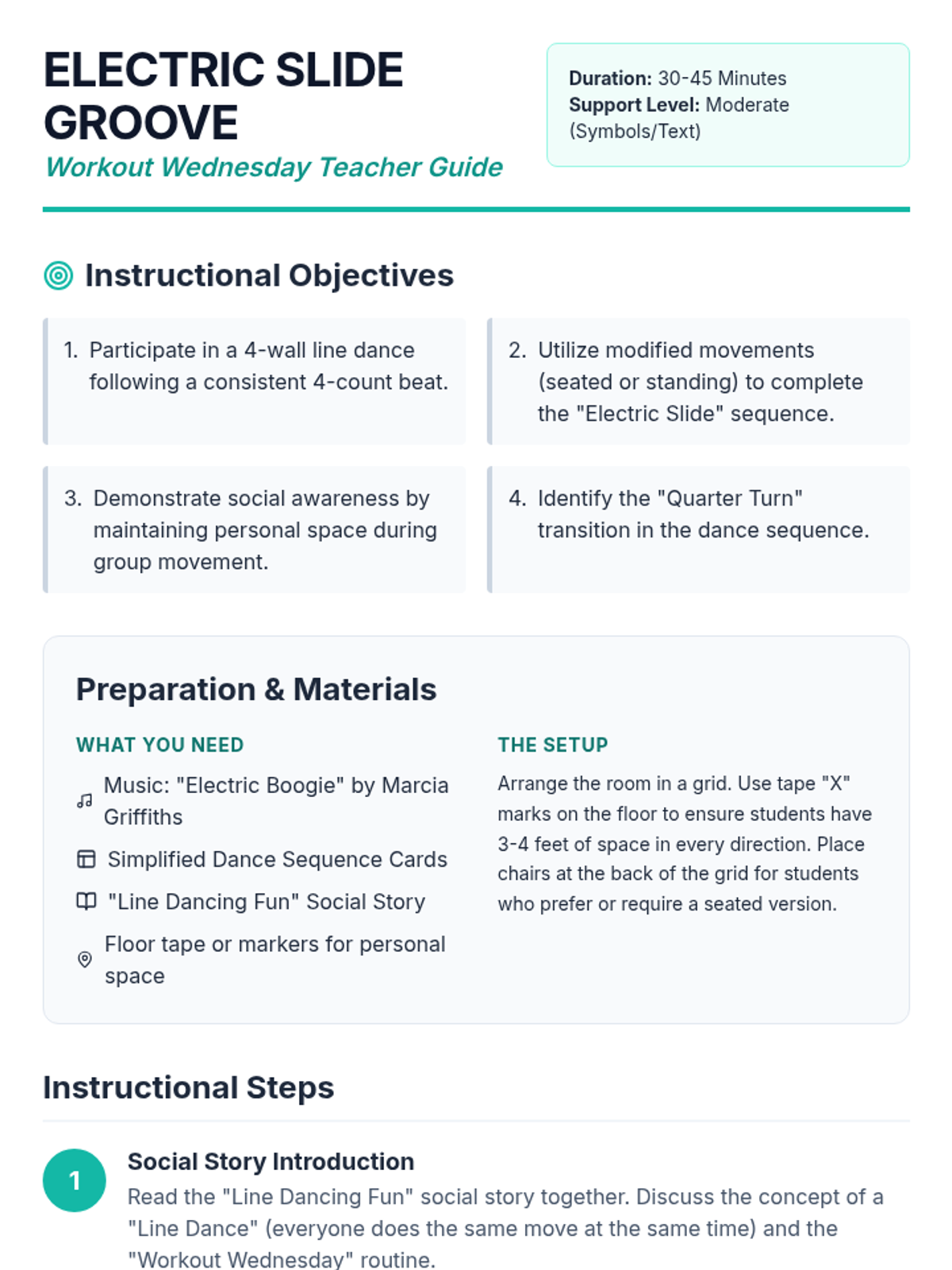
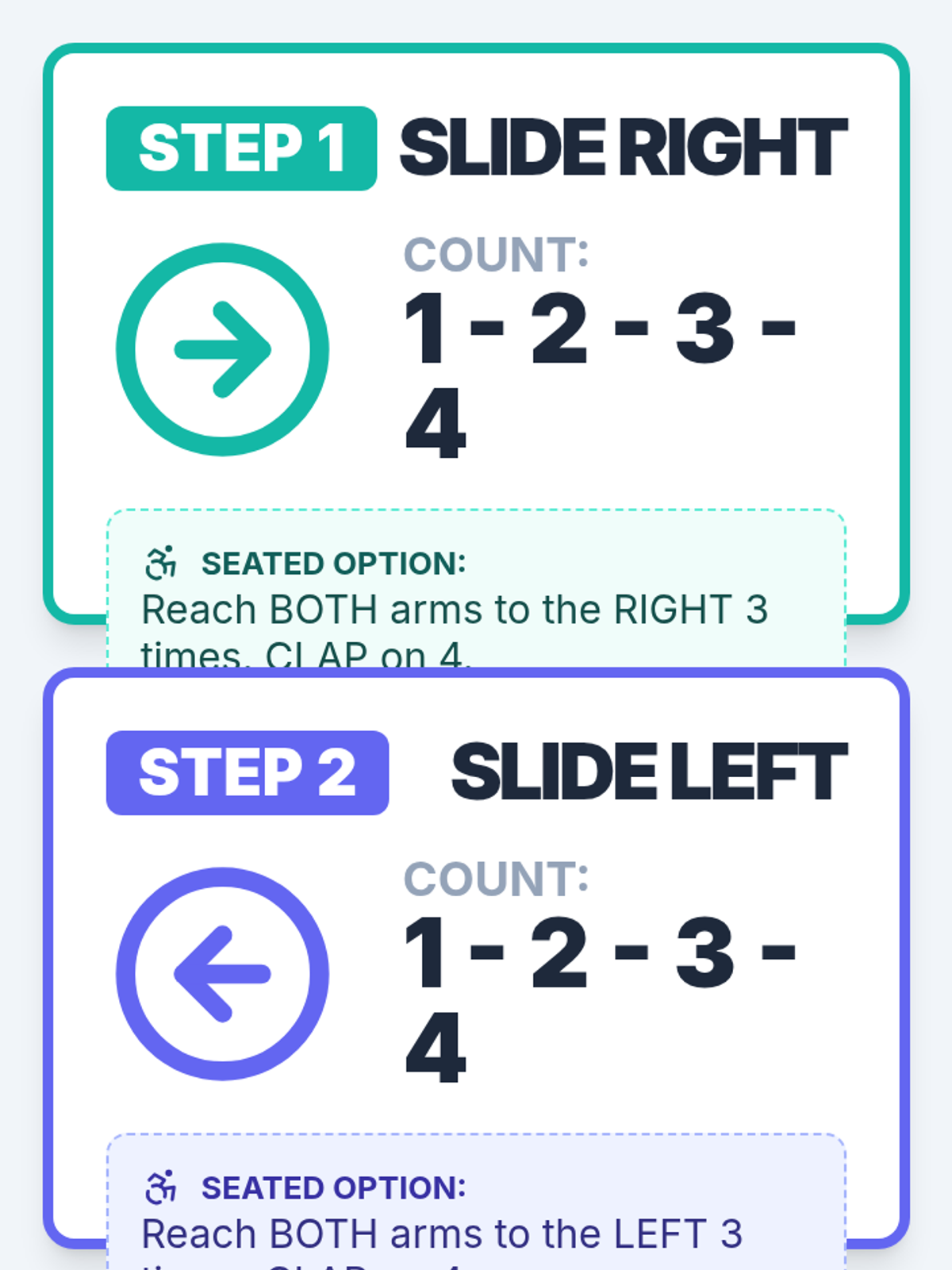
A guided introduction to the Electric Slide, featuring simplified steps and modifications for students with limited mobility or wheelchair users.
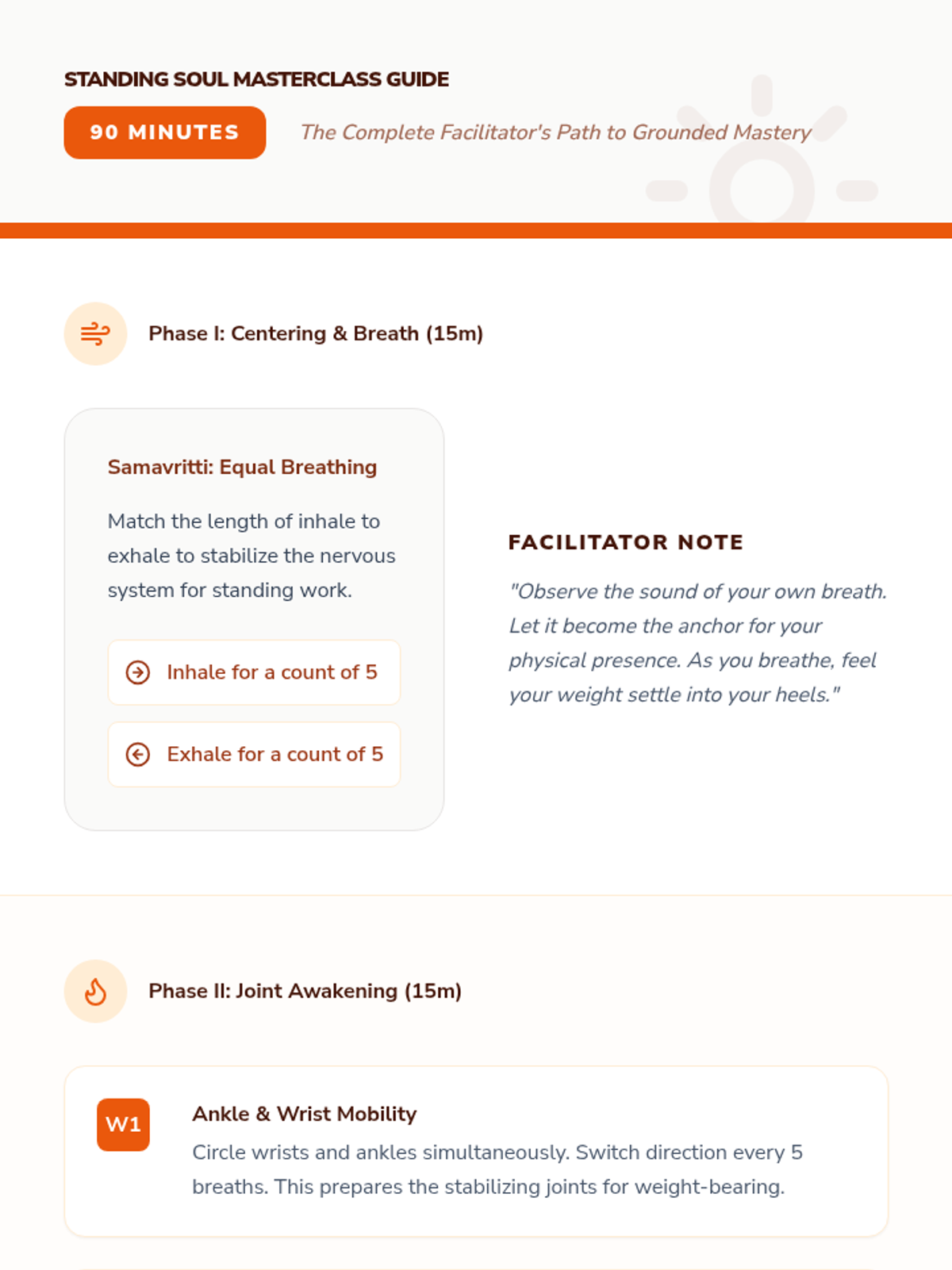
A beginner-friendly 90-minute standing yoga session focused on grounding, balance, and fundamental postures to transition from seated to standing practice.
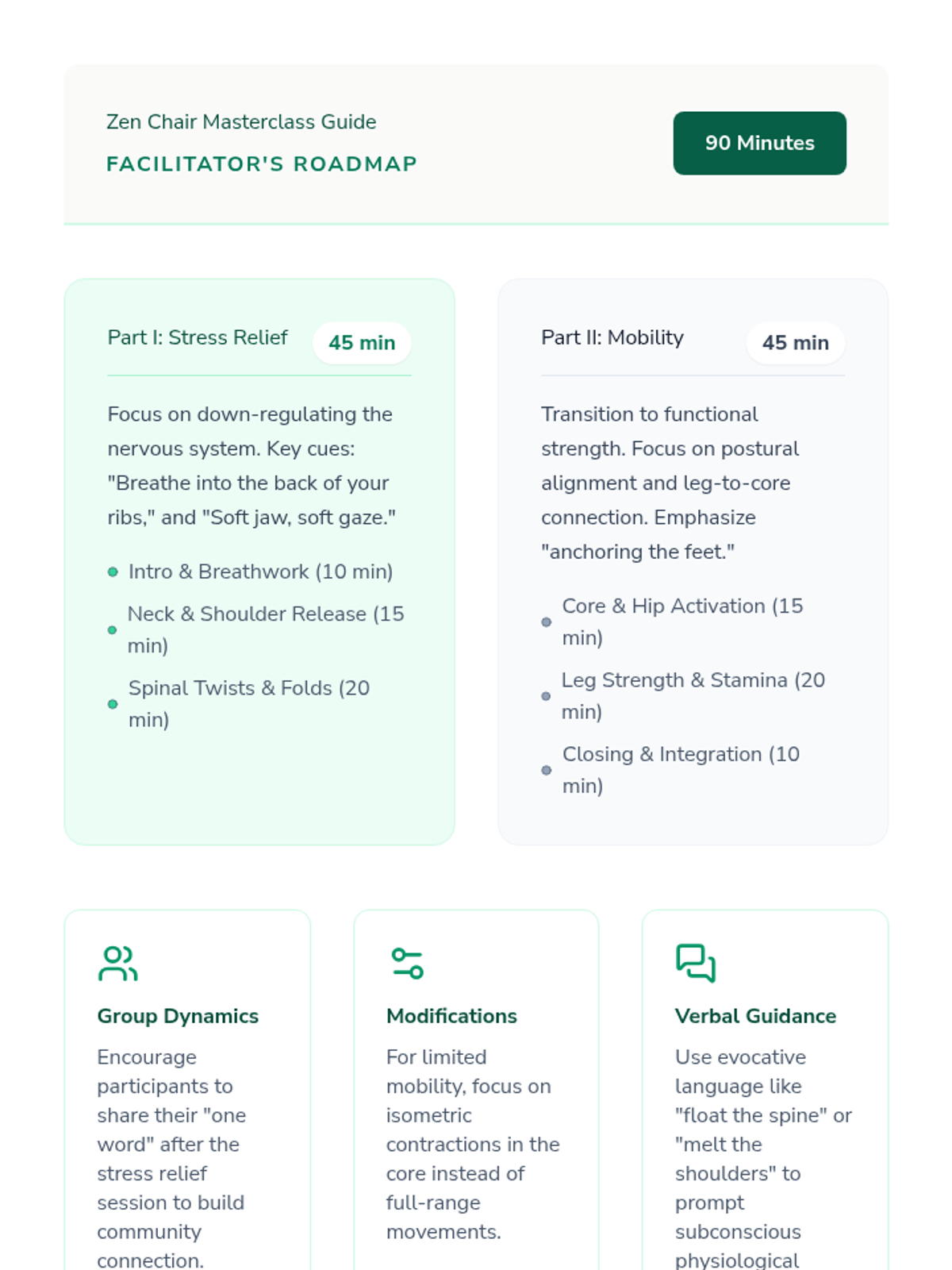
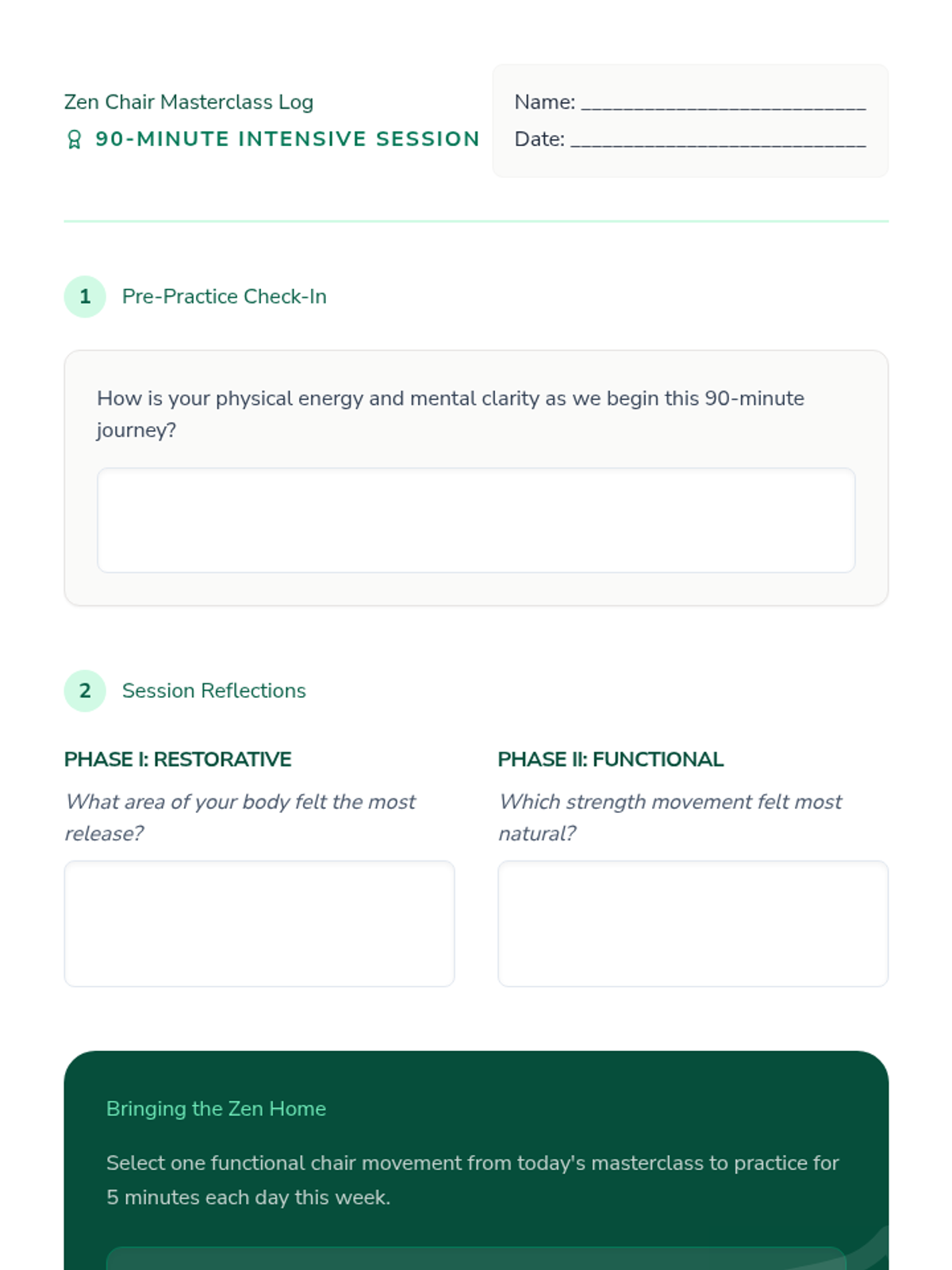
A deep-dive chair yoga experience combining stress relief and functional mobility, featuring two full-length guided practice videos. This 90-minute masterclass is designed to build both mental calm and physical strength.
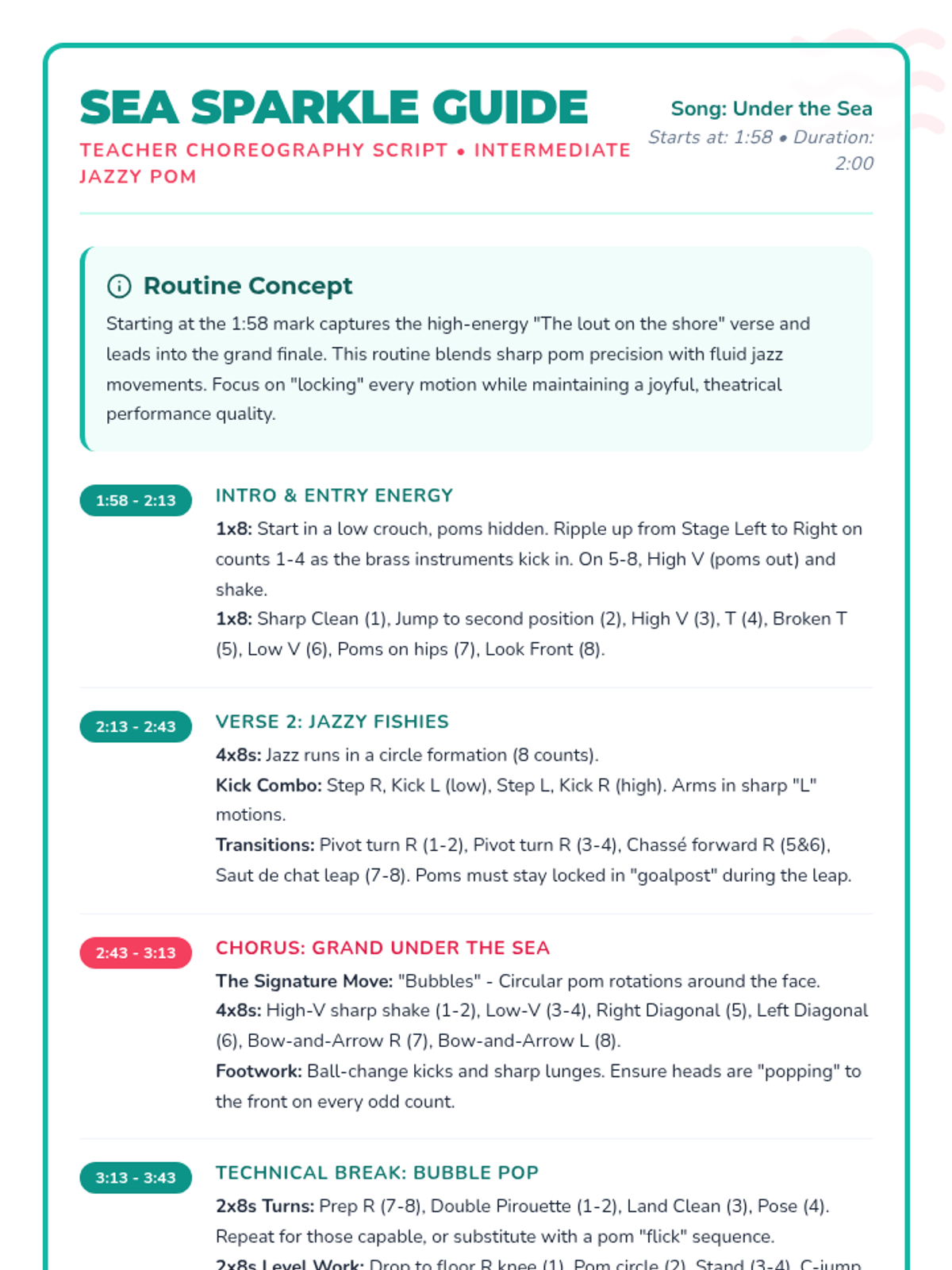
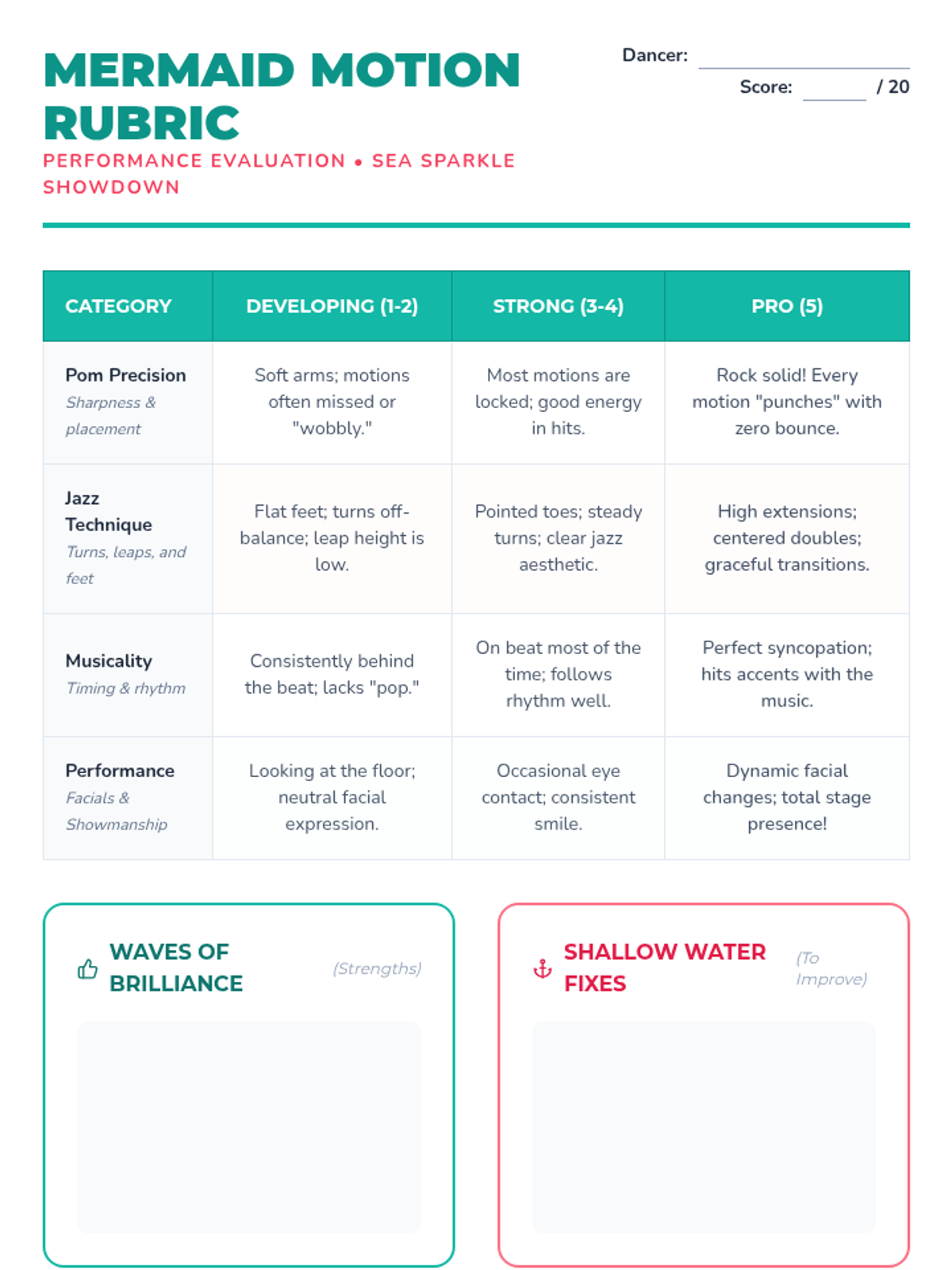
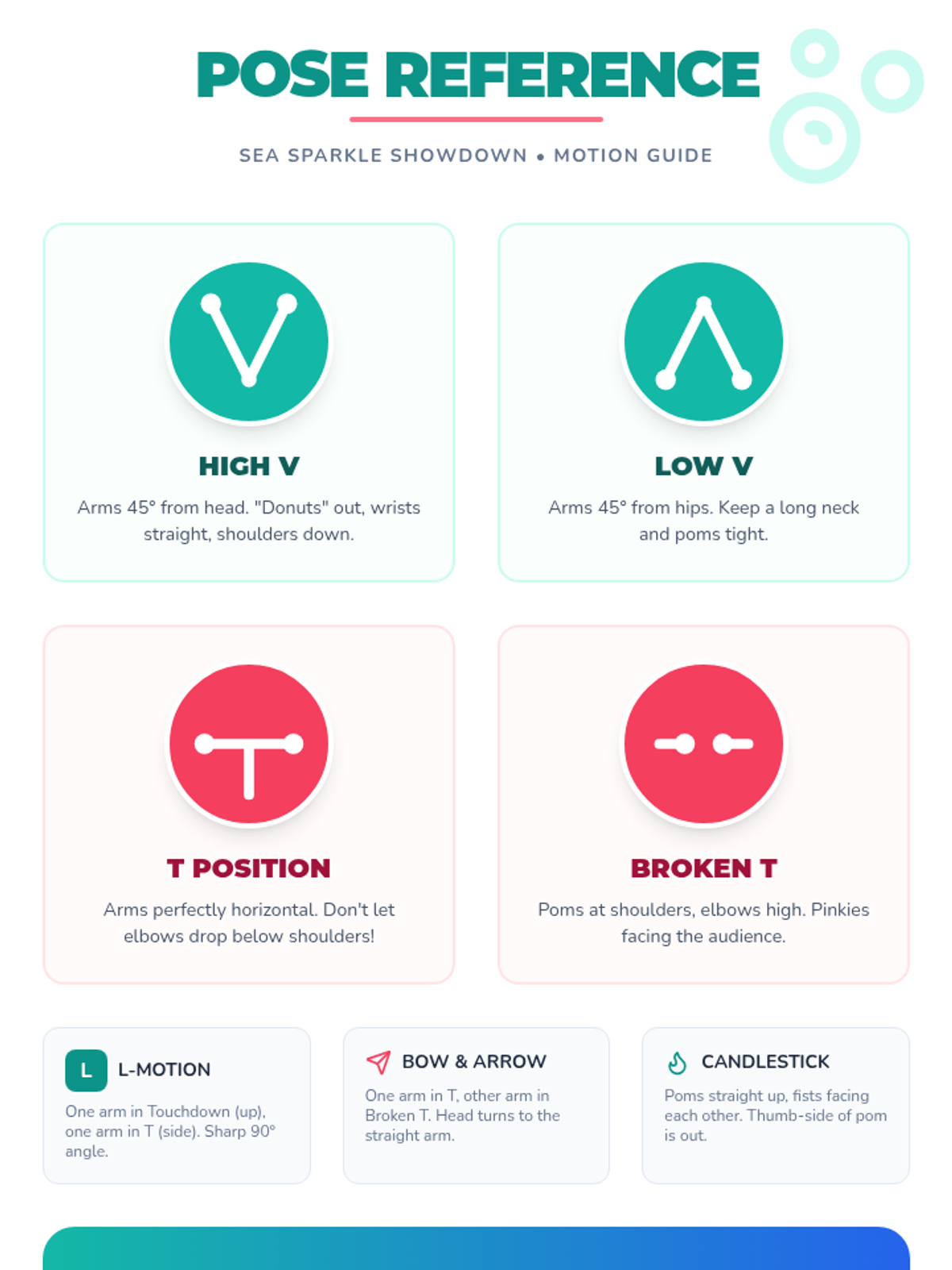
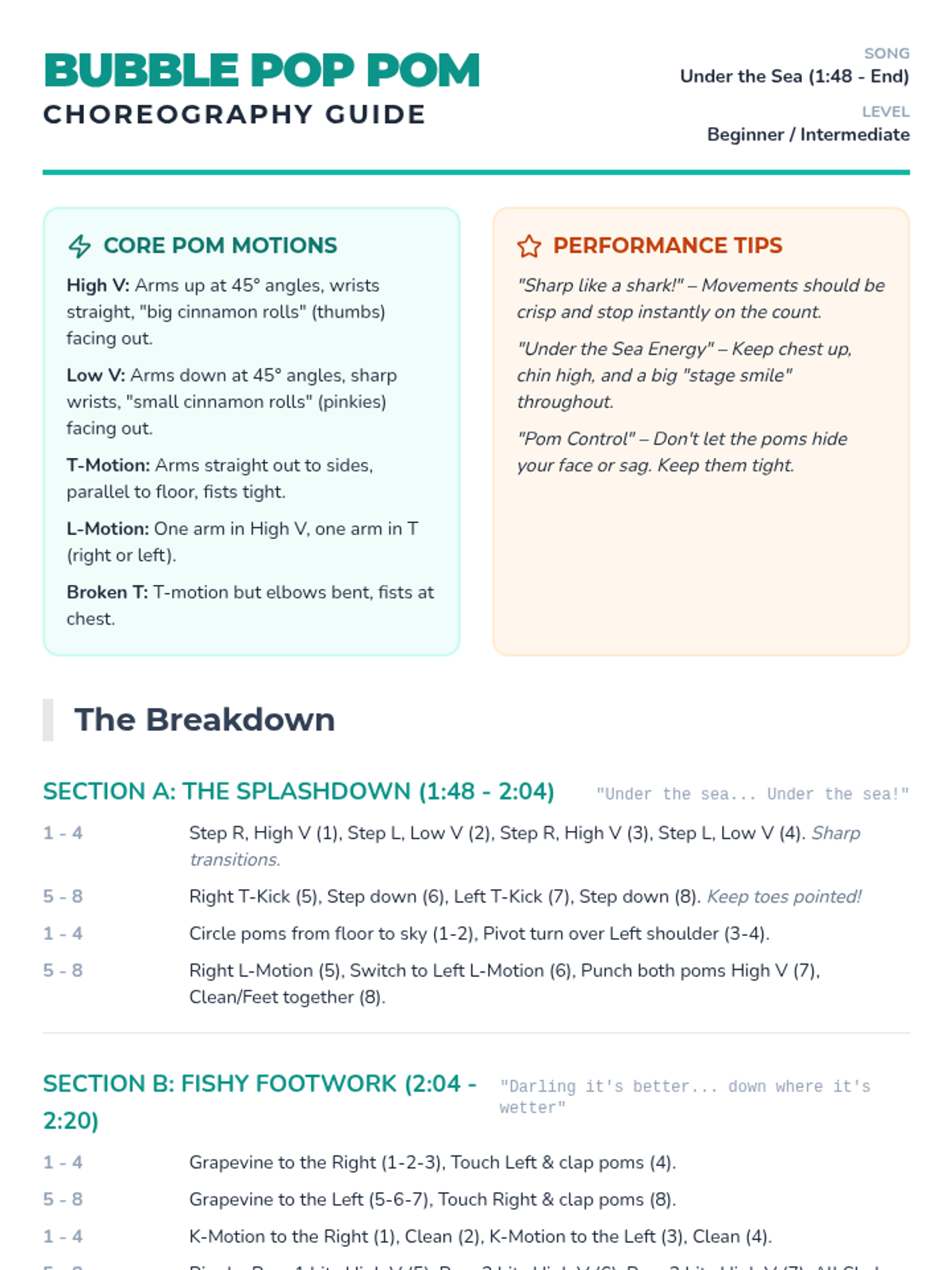
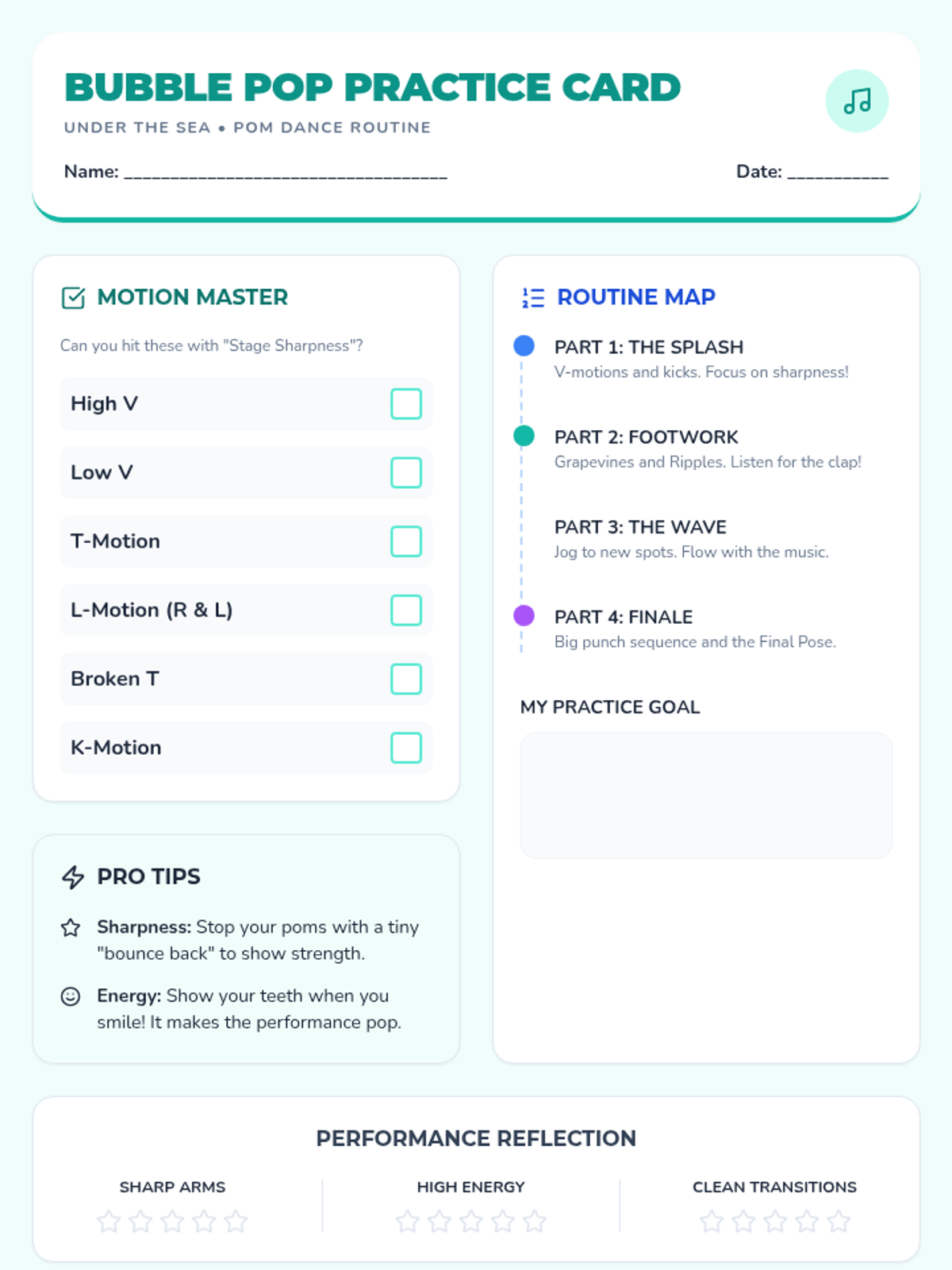
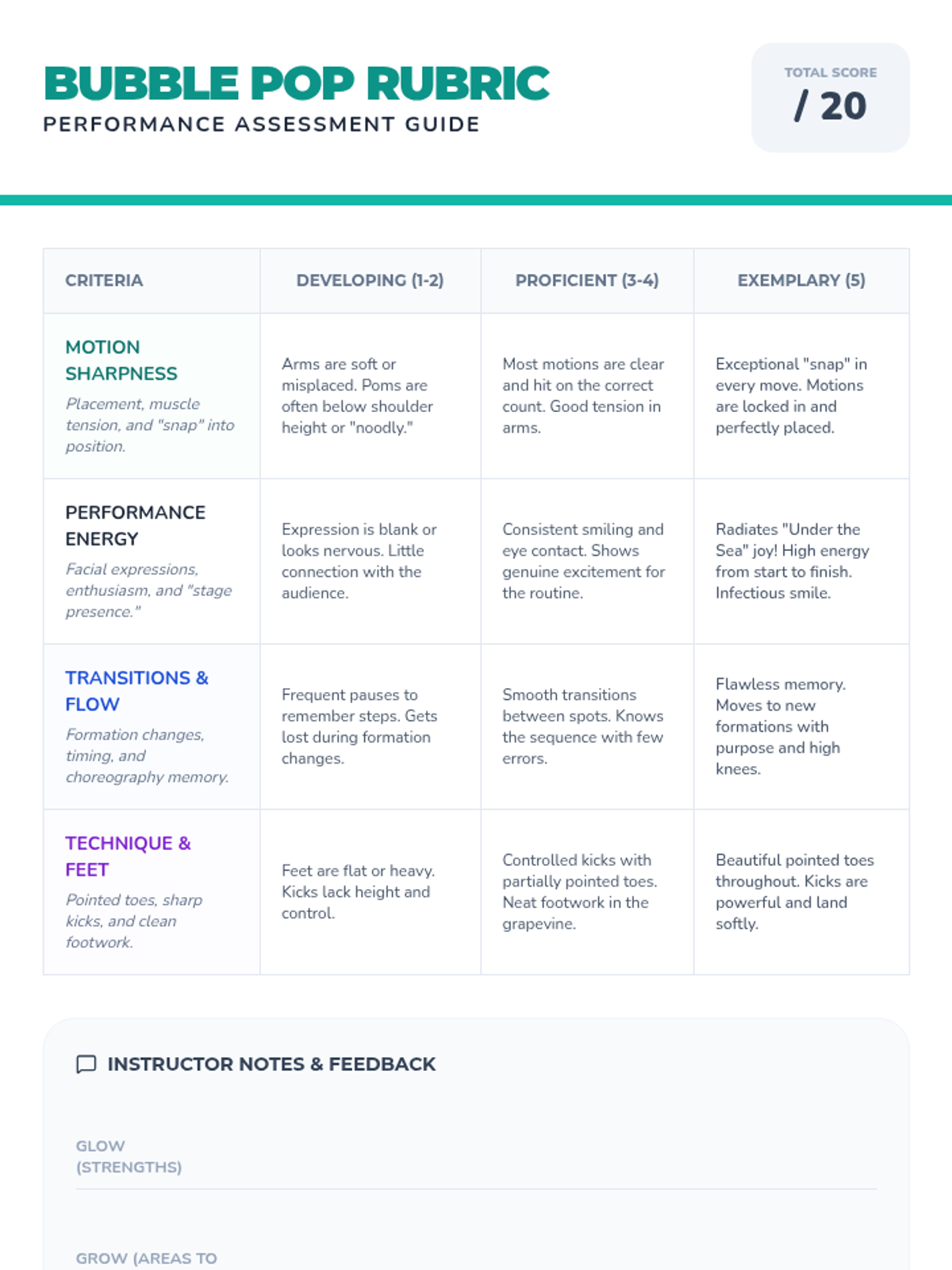
An intermediate jazzy pom dance routine set to 'Under the Sea', focusing on sharp motions, jazz technique, and high-energy performance.
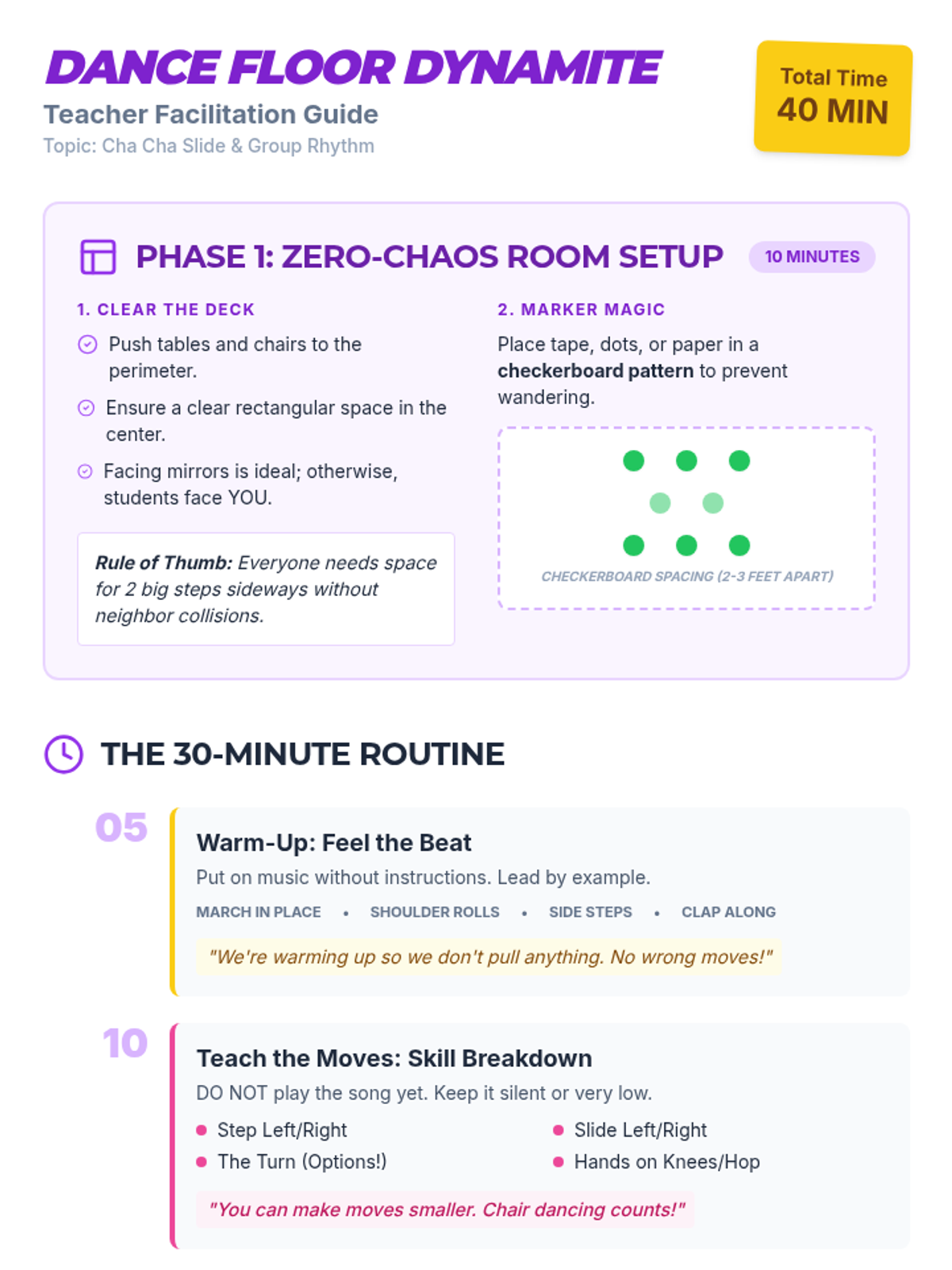
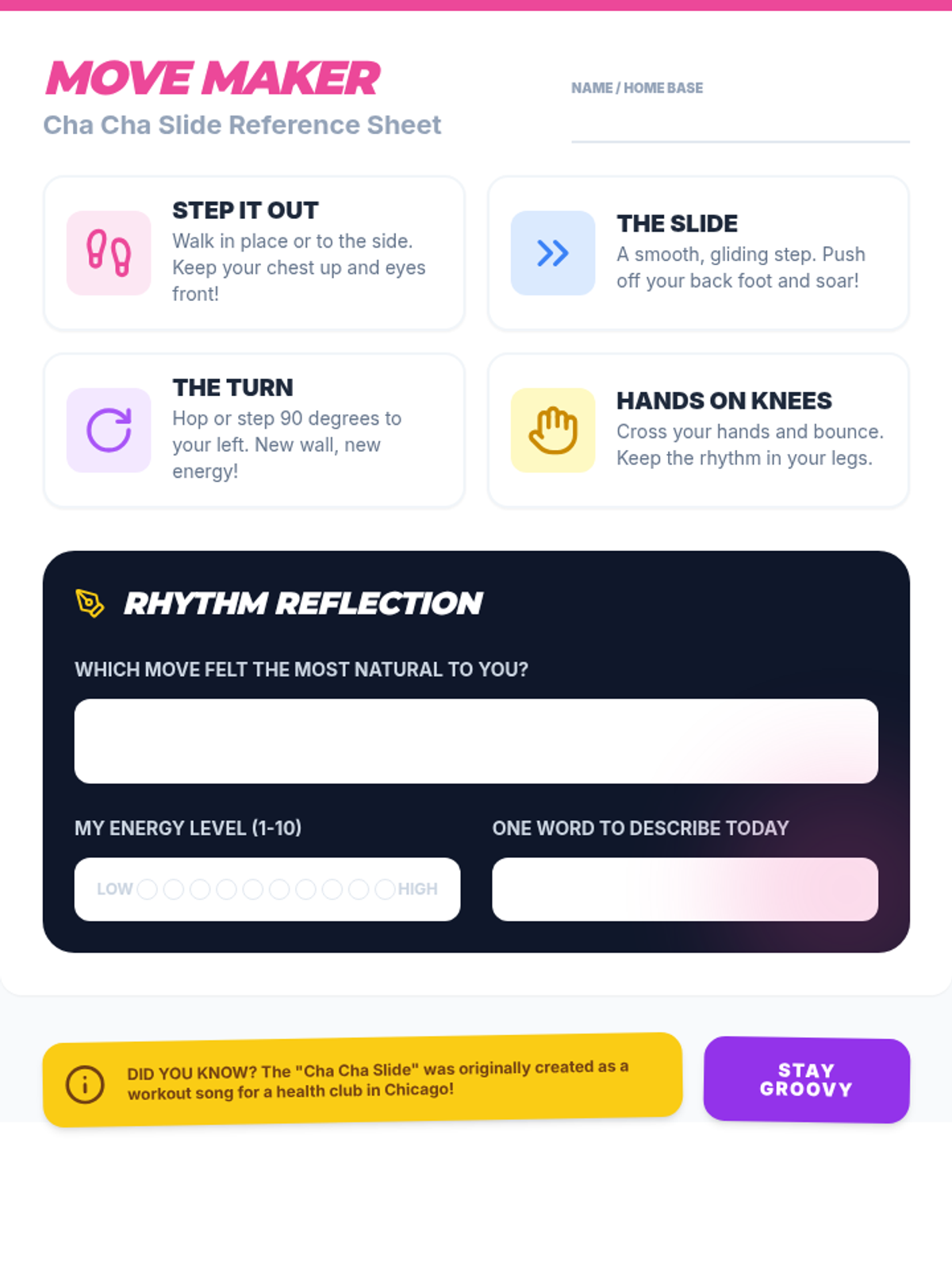
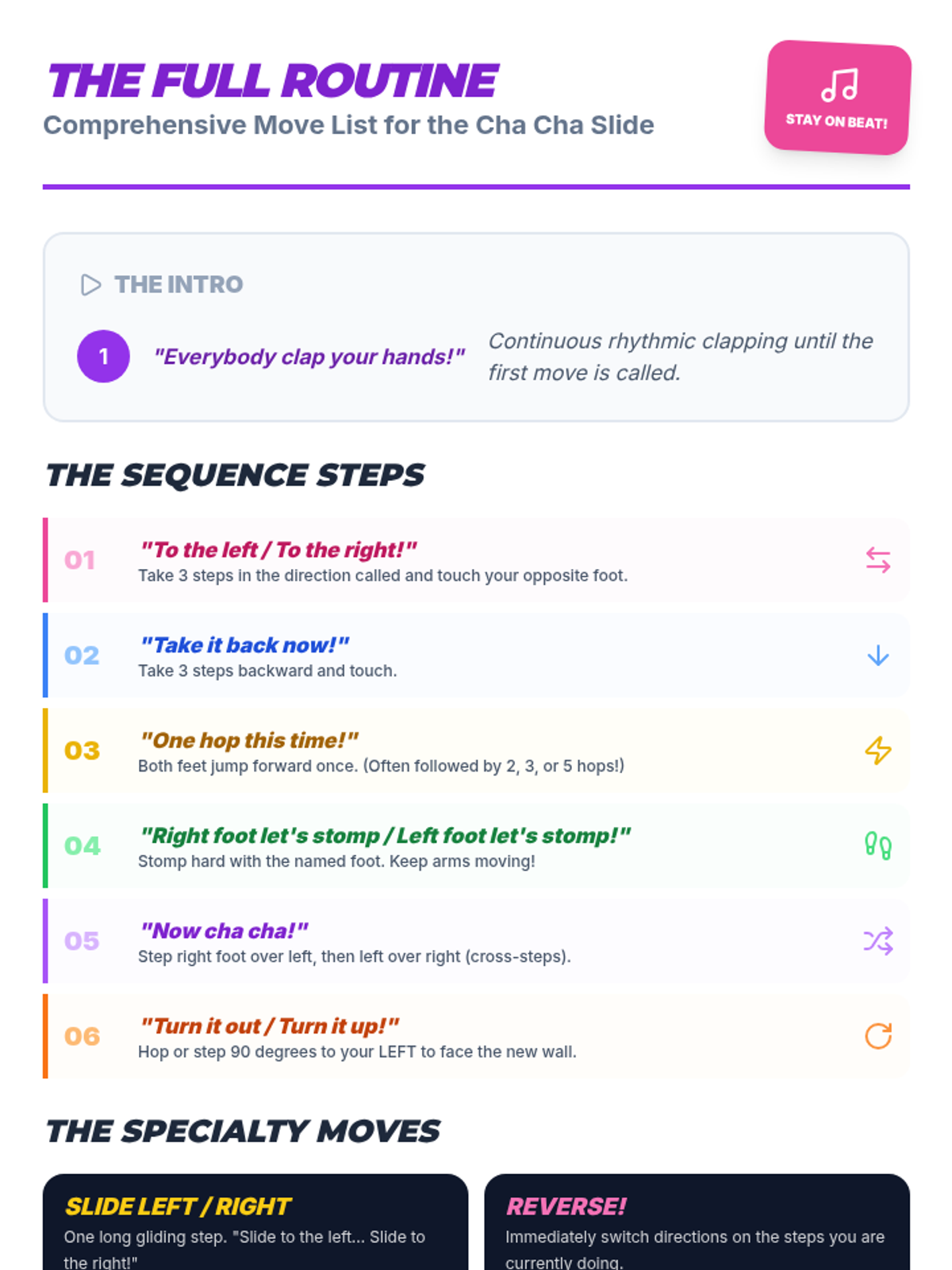
A high-energy introduction to line dancing focused on the Cha Cha Slide. This lesson covers room configuration, basic movement patterns, and group synchronization while prioritizing accessibility and confidence.
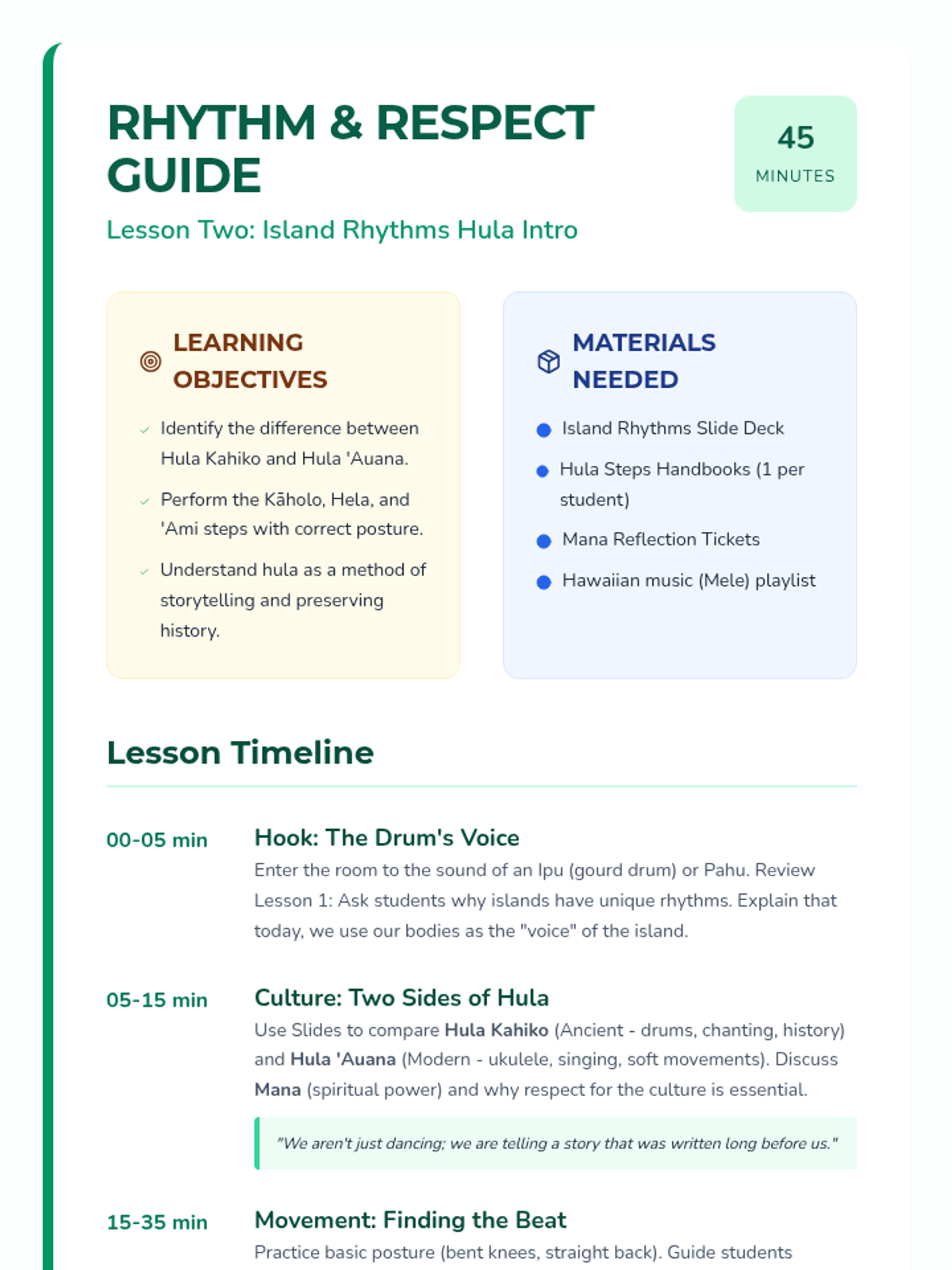
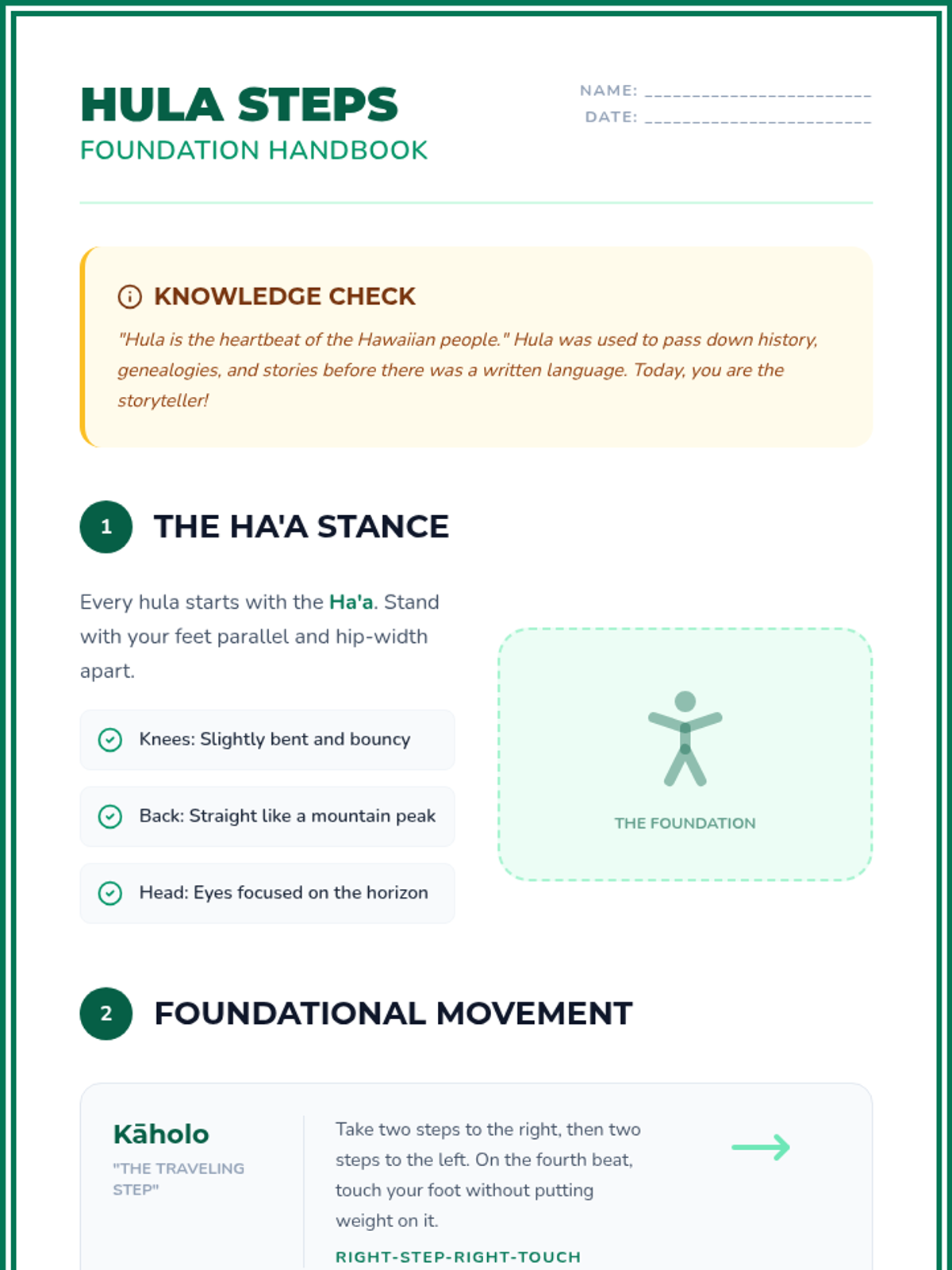
A 45-minute introduction to hula that blends cultural storytelling with foundational movement. Students will learn the difference between Kahiko and 'Auana styles and practice basic footwork and hand gestures.
A high-energy pom dance lesson for beginner to intermediate students, featuring choreography to 'Under the Sea' from The Little Mermaid. Focuses on sharp pom motions, formations, and performance energy.
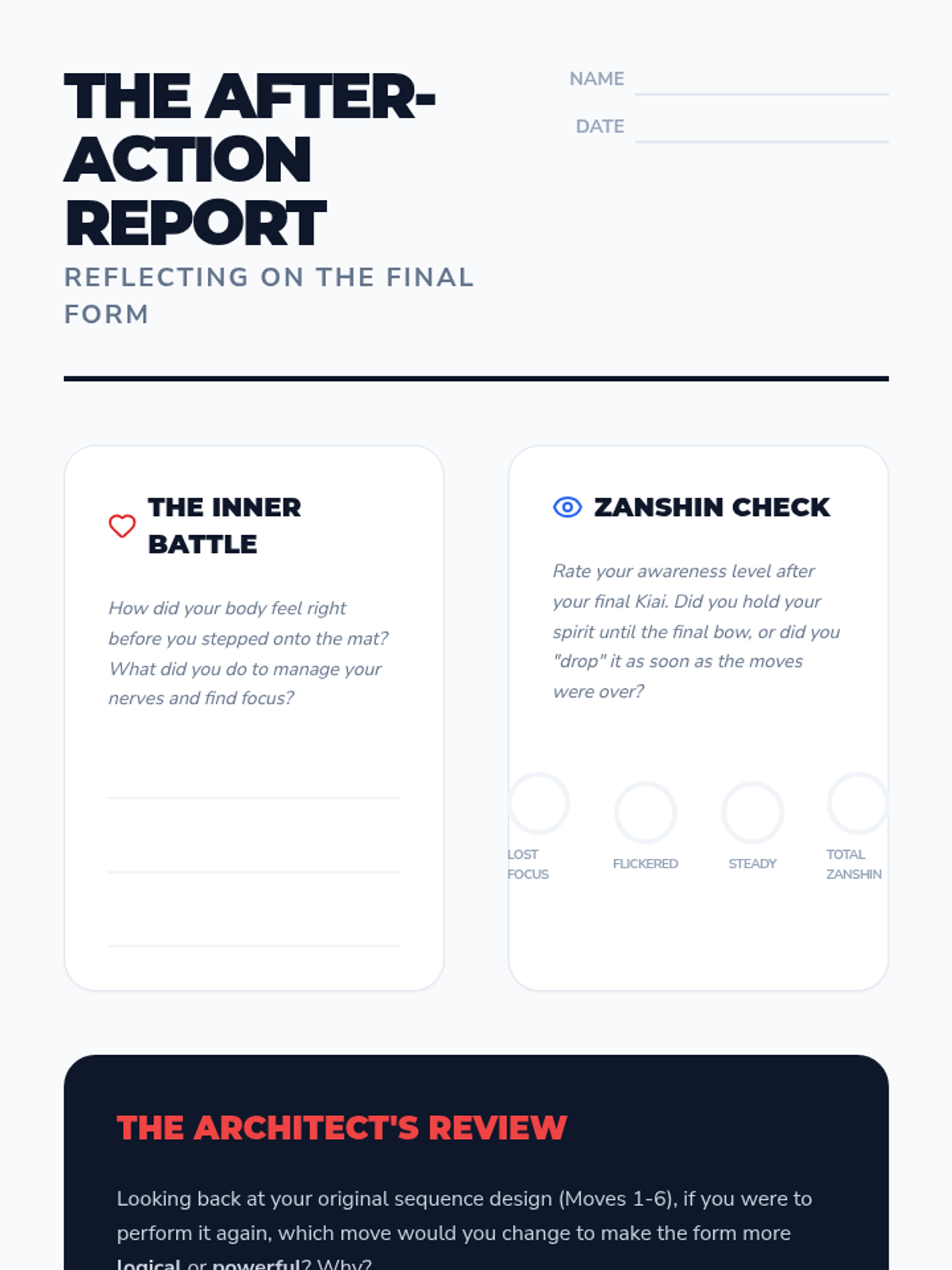
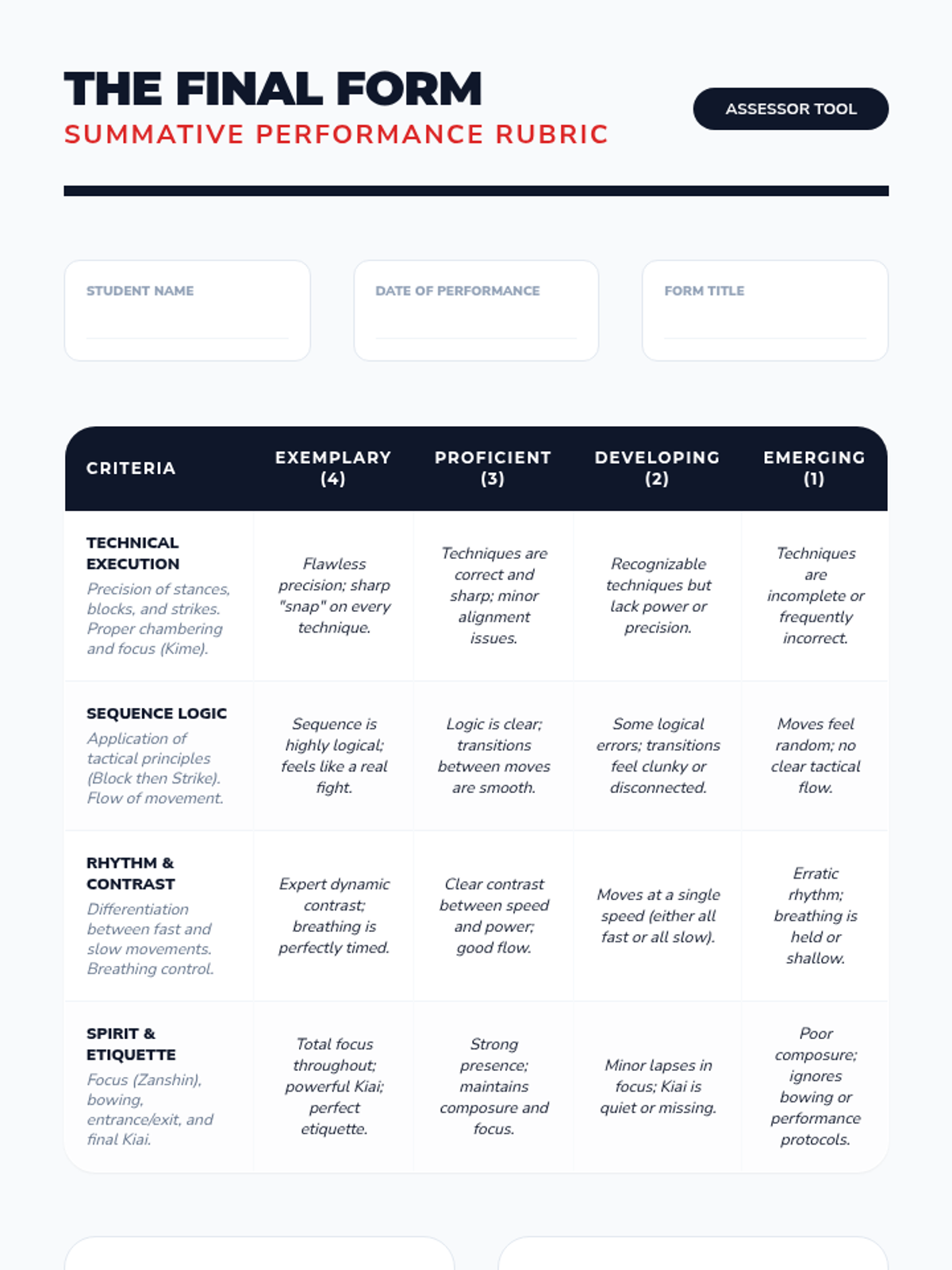
The sequence culminates in a formal performance. Students demonstrate their original forms with an emphasis on zanshin (awareness), respect, and technical proficiency.
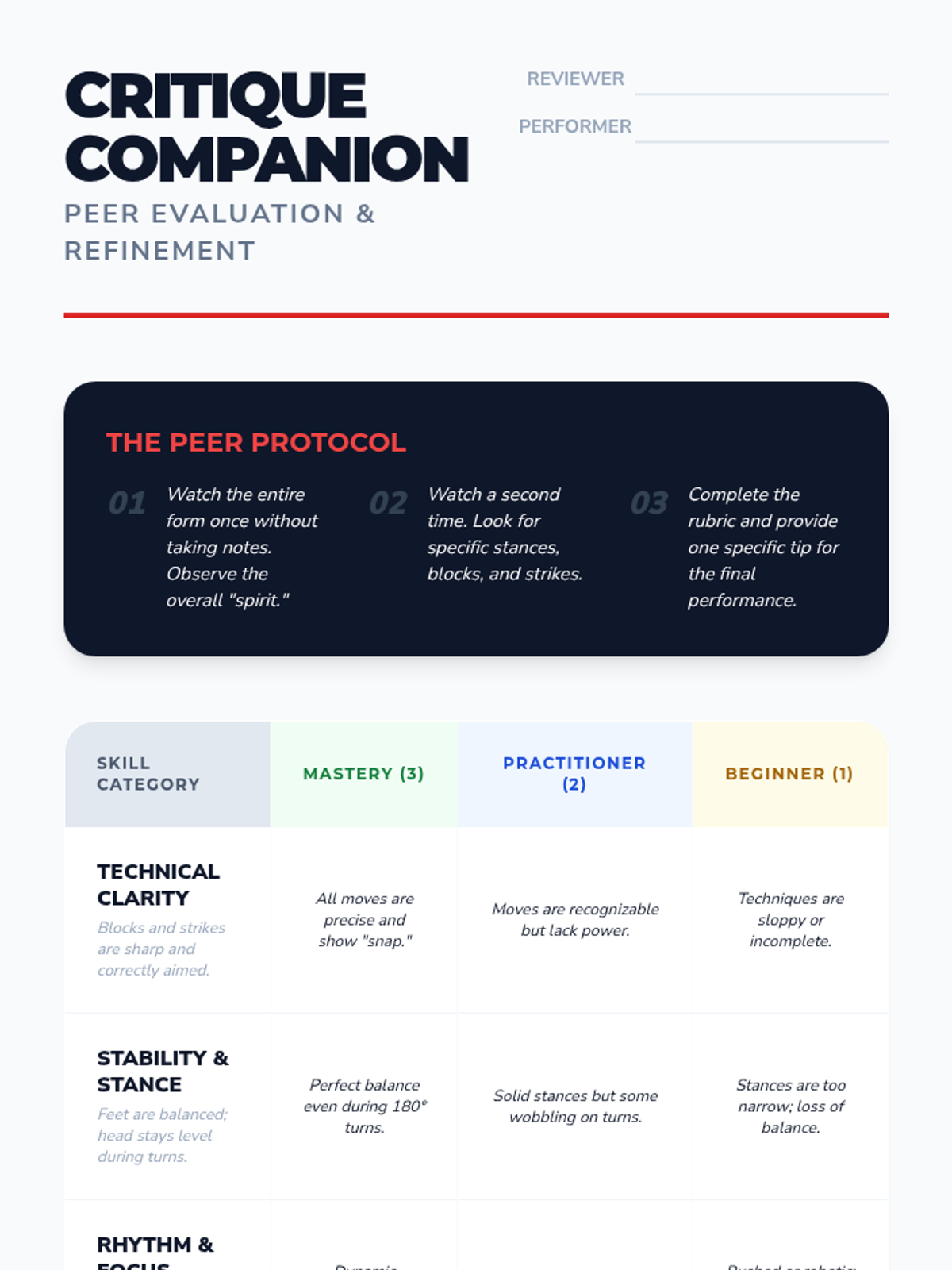
Students refine their original forms through a peer-review process. They use structured feedback to improve technical clarity, stability, and focus before the final performance.
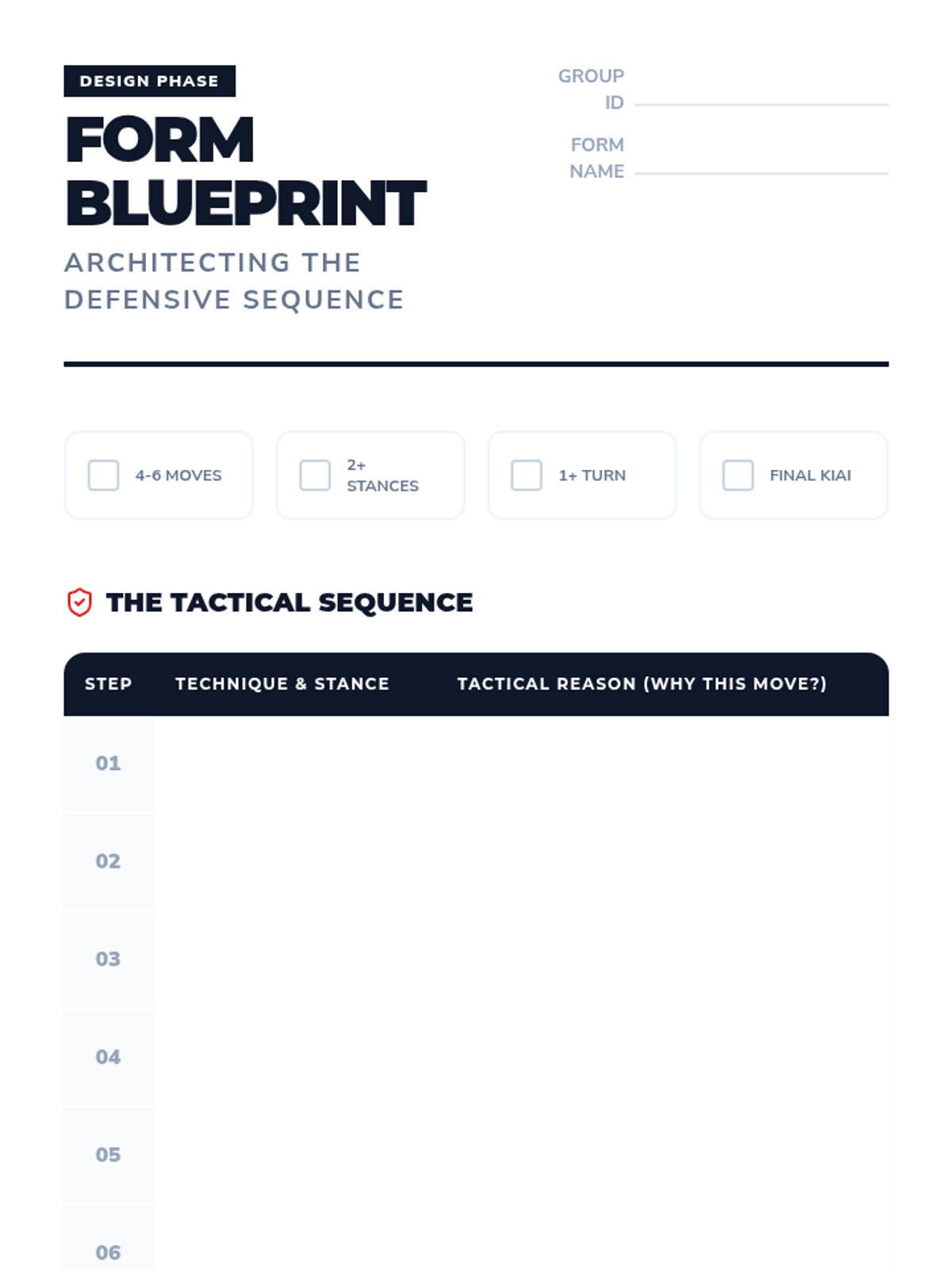
Applying their knowledge of stances, blocks, and strikes, students work in groups to design a logical and effective defensive sequence of 4-6 moves, justifying their tactical choices.
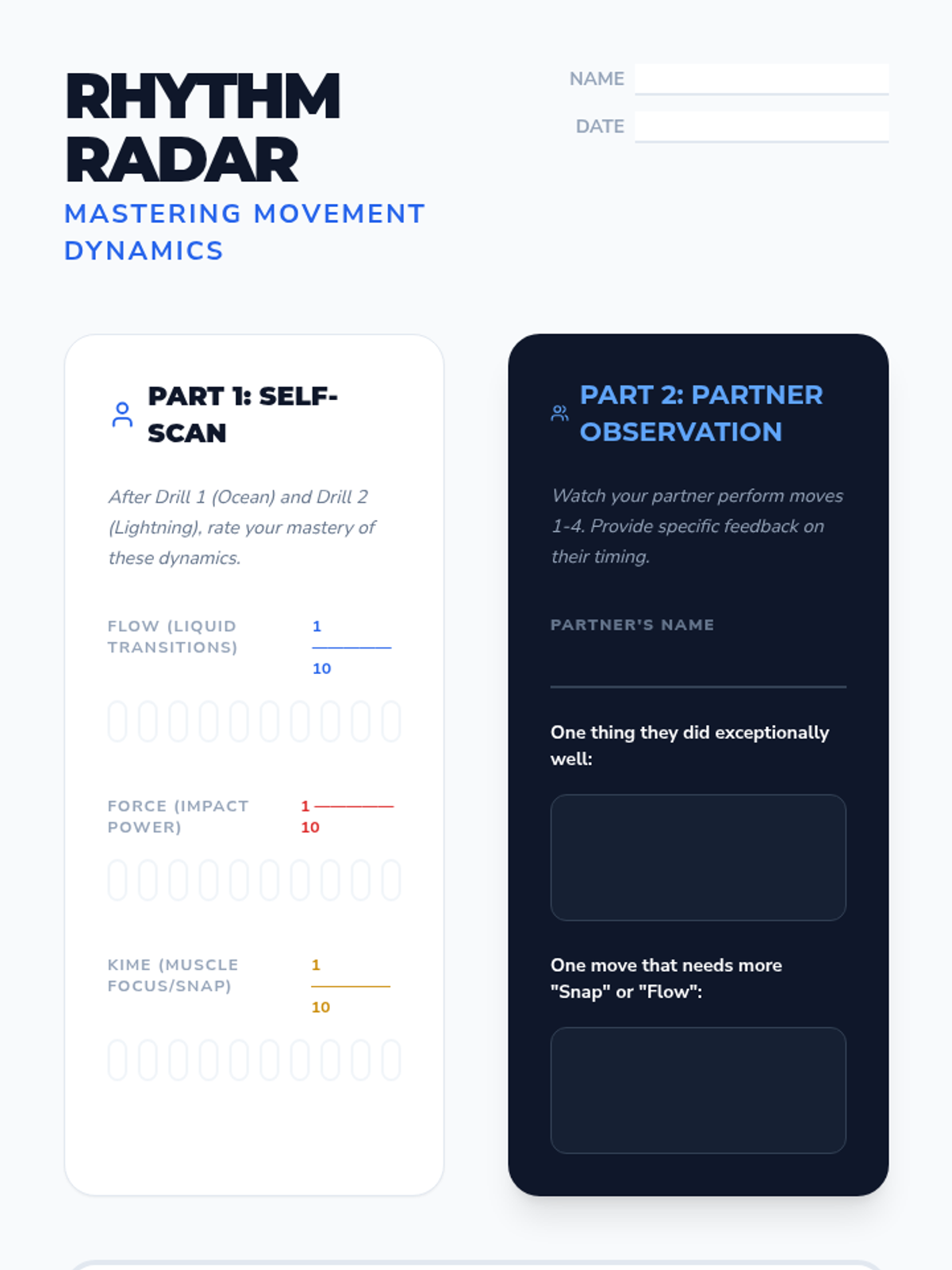
This lesson focuses on the aesthetics and physics of movement. Students learn to contrast fast, powerful strikes with slow, controlled transitions, developing kinesthetic awareness and 'kime' (focus).
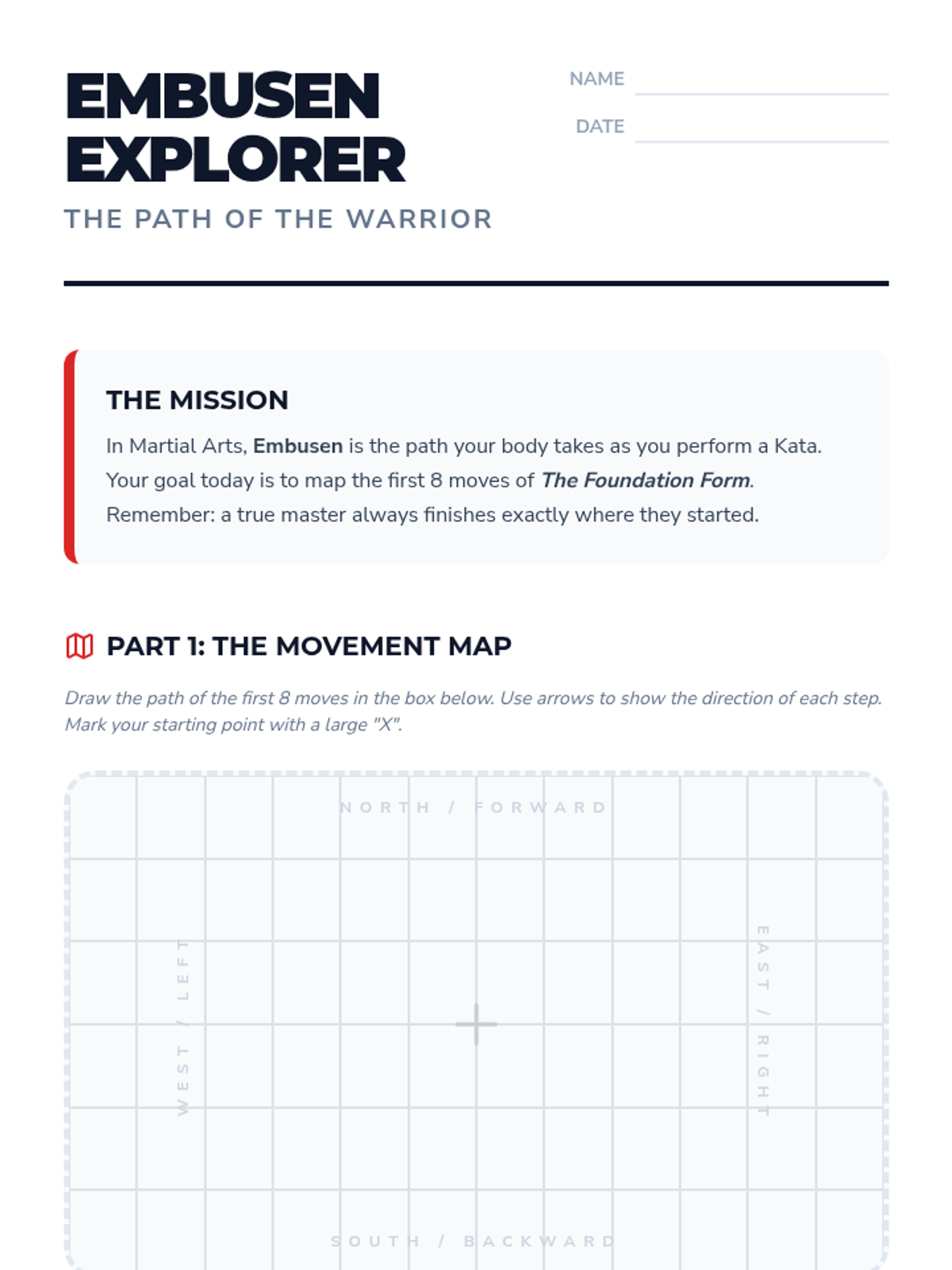
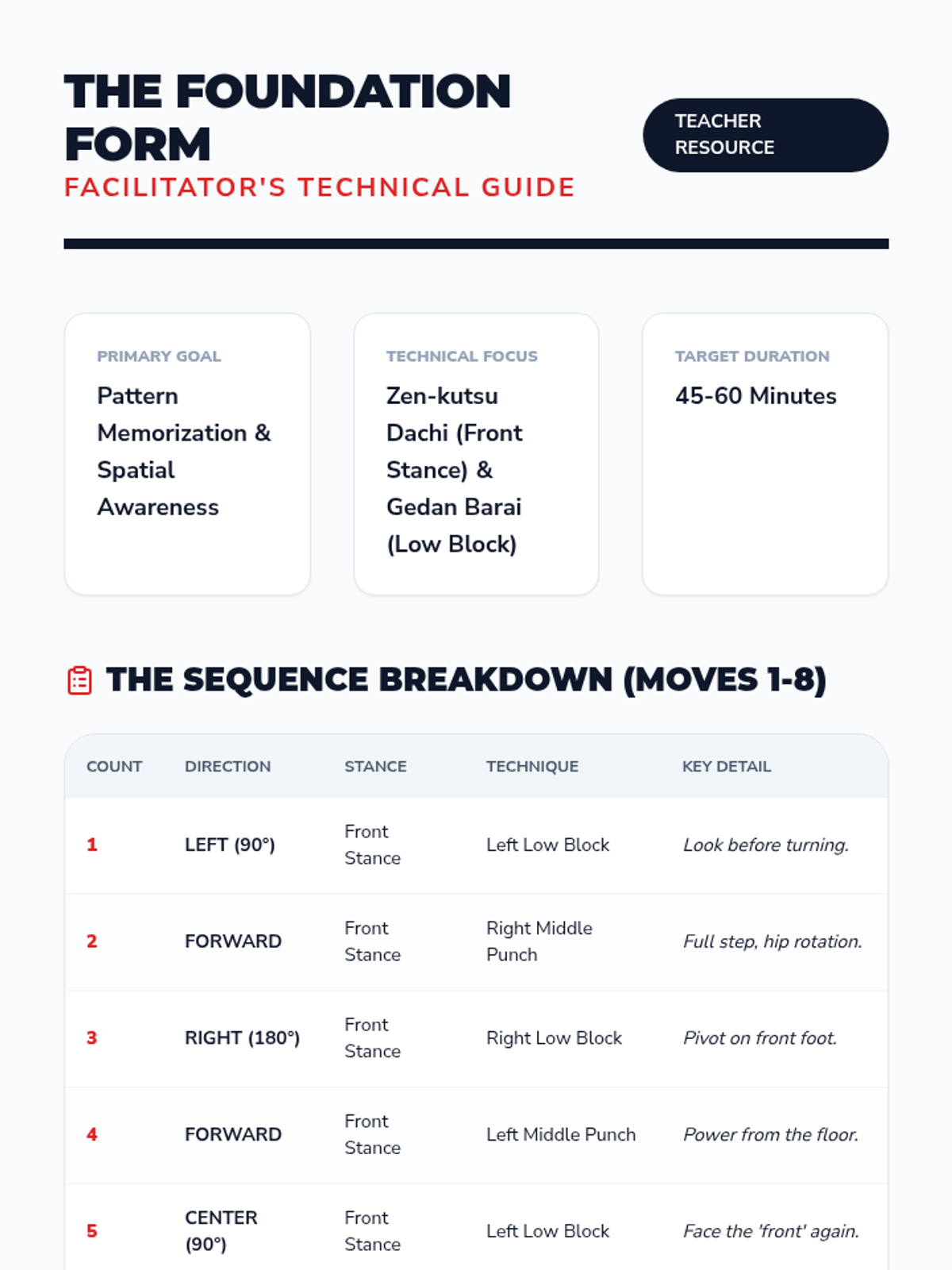
Students explore the fundamentals of martial arts forms, focusing on directional movement (embusen) and the concept of 'fighting' imaginary opponents. They begin learning a basic beginner form to understand pattern memorization.
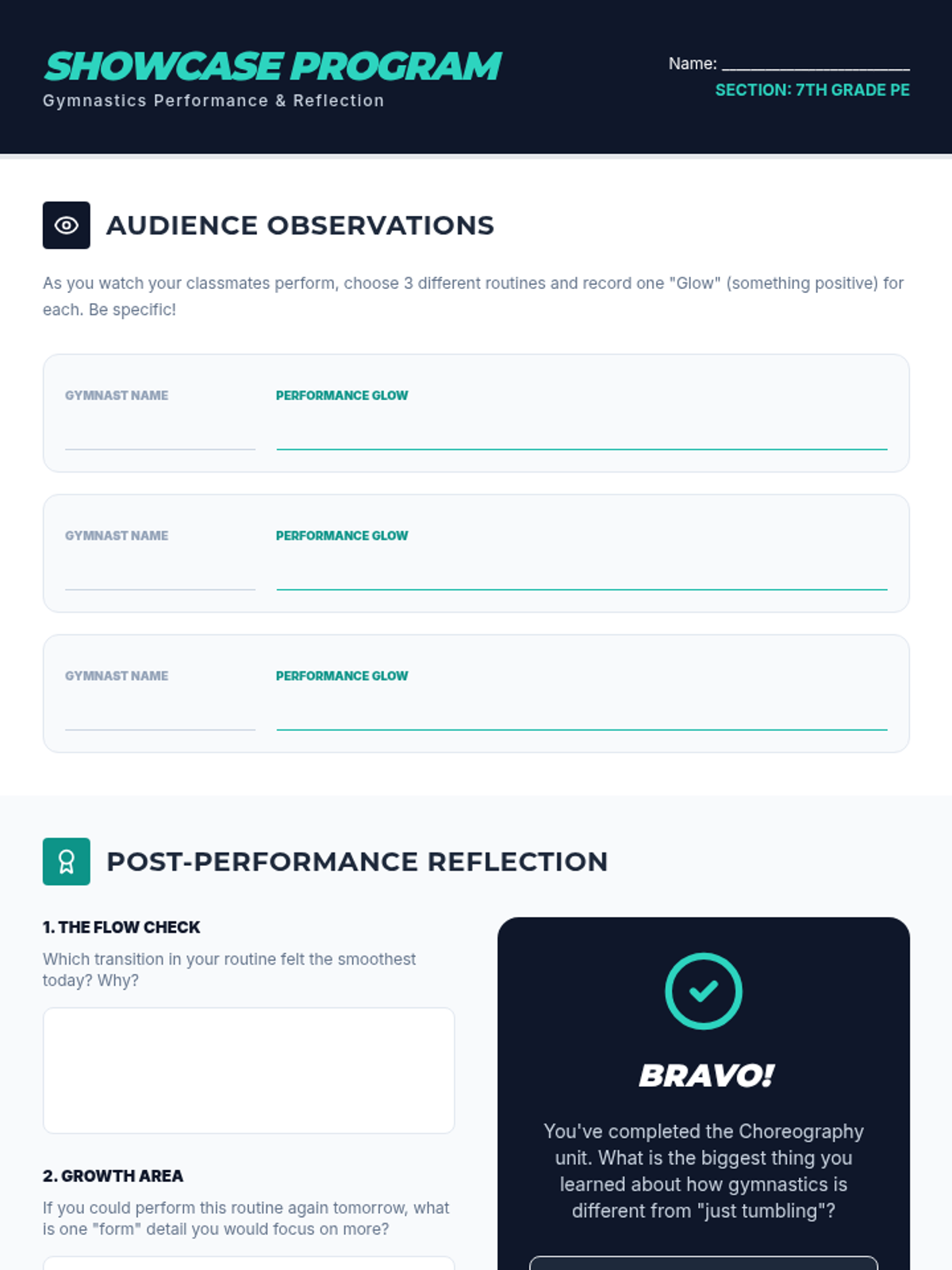
The culminating performance where students execute their finalized routines in a formal 'meet' atmosphere.
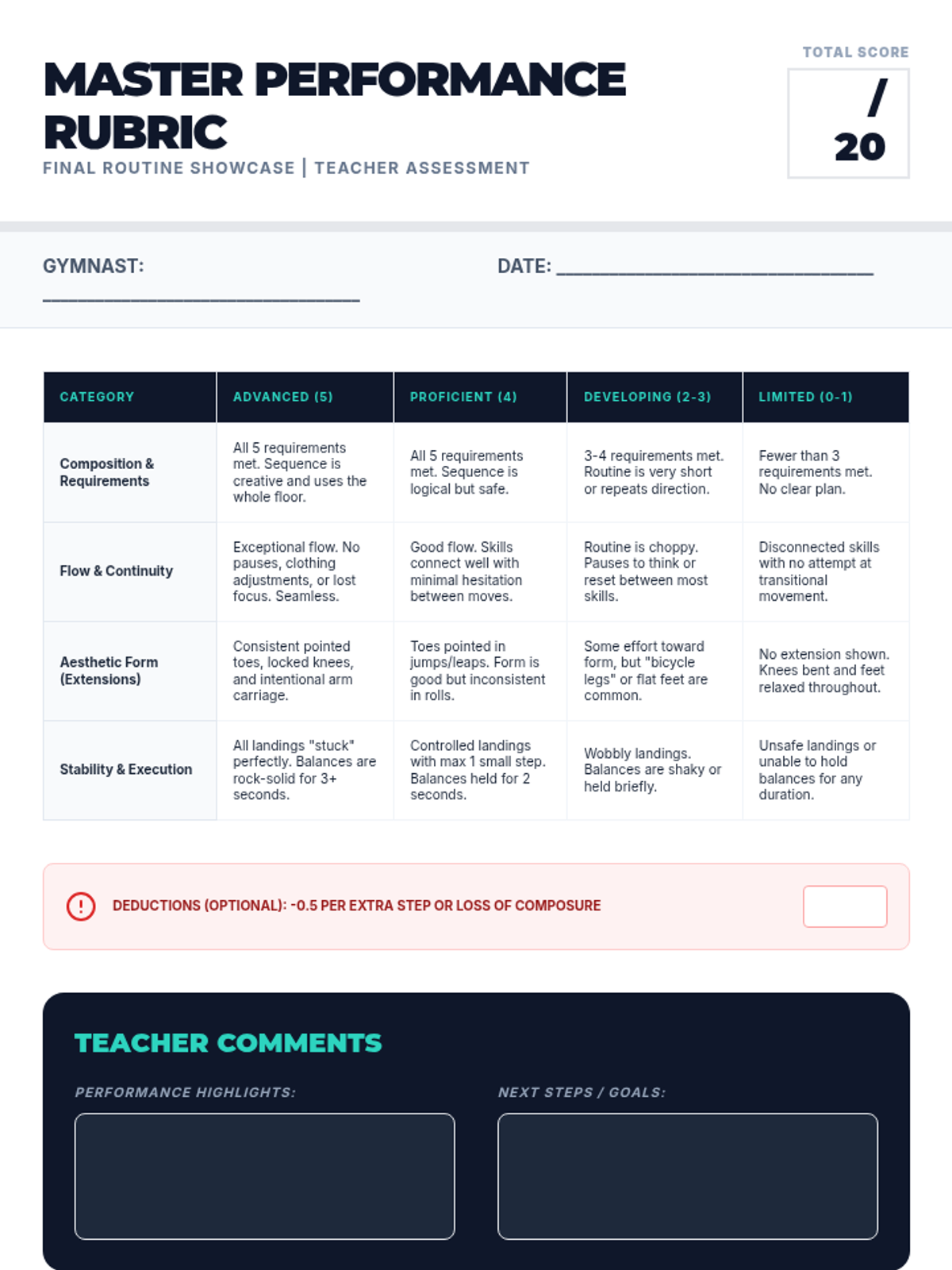
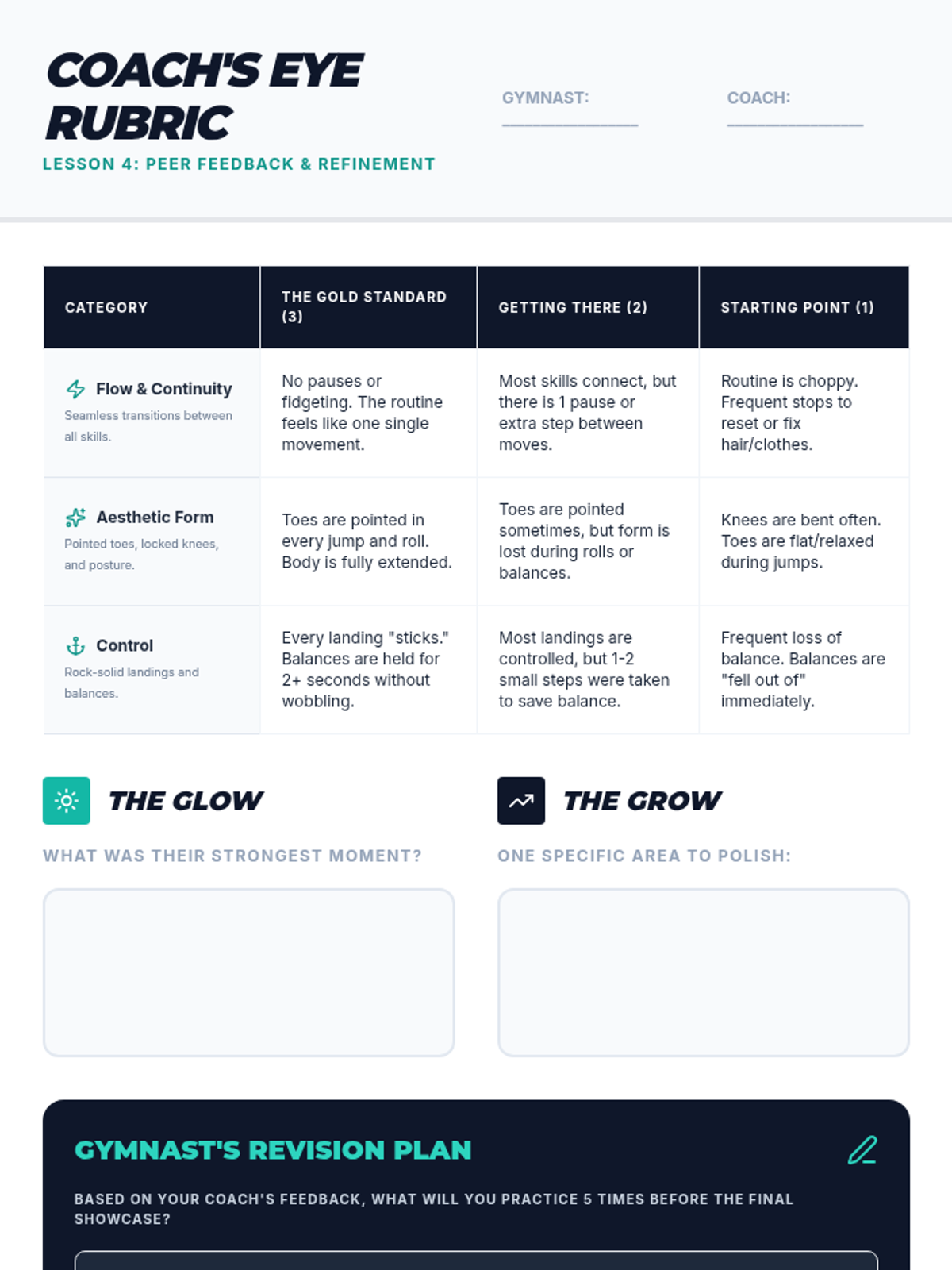
A workshop dedicated to peer feedback and performance refinement. Students use a structured rubric to improve their routine's flow and stability.
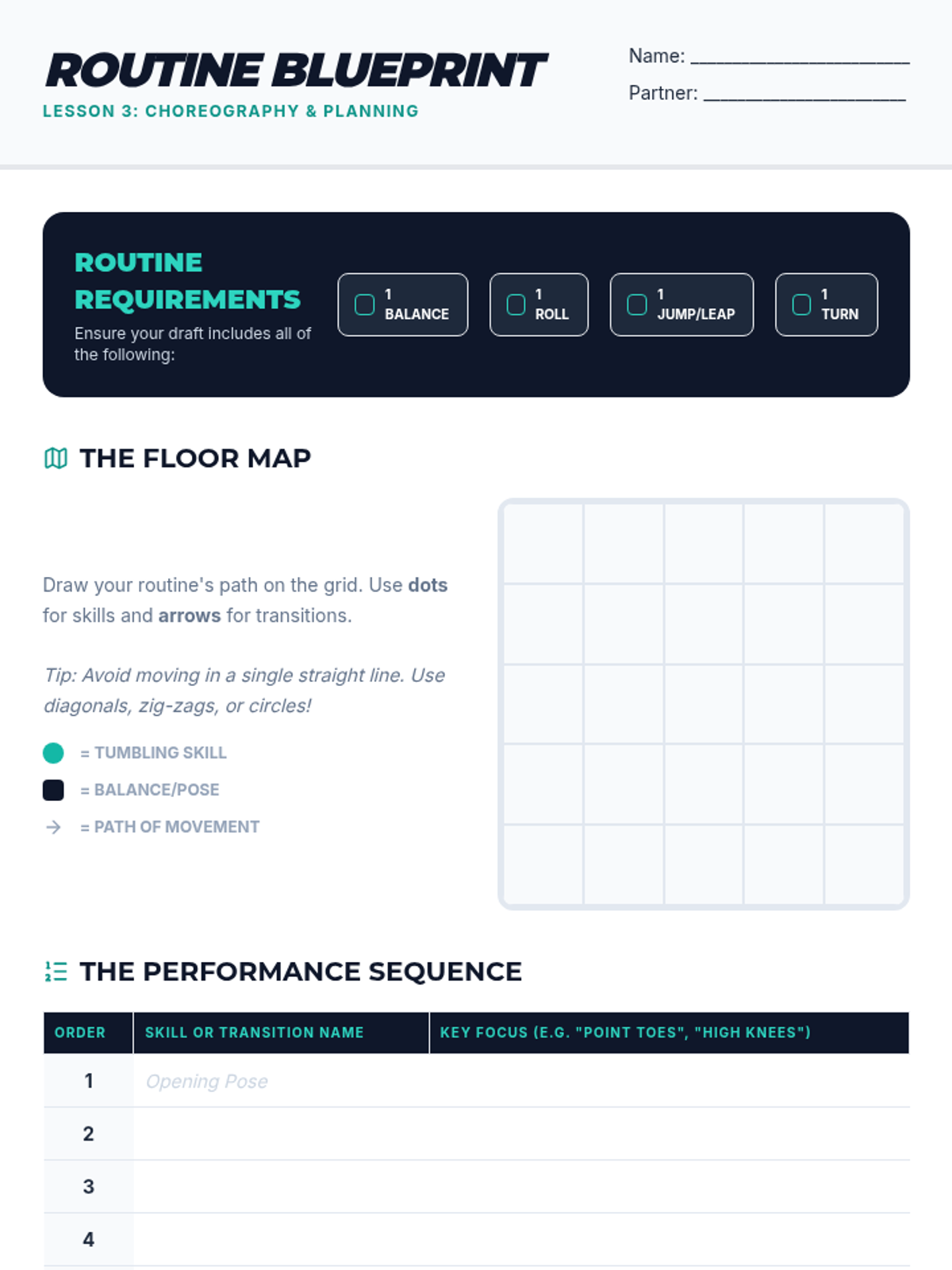
Students draft their final routines using specific skill requirements and spatial mapping. This workshop-style lesson emphasizes creative decision-making and planning.
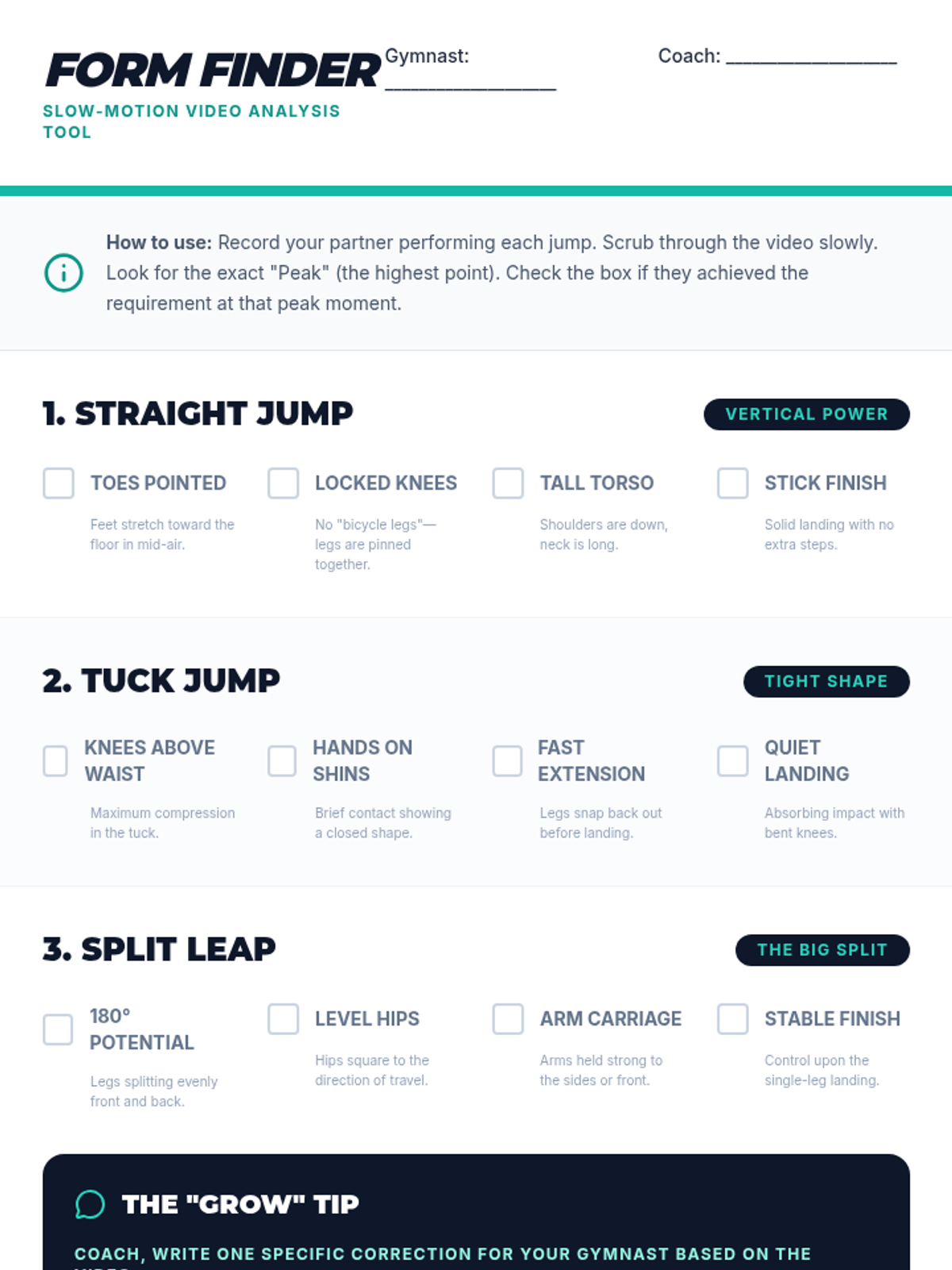
Introduces aesthetic elements like jumps, leaps, and turns. Students focus on body extension and the 'dance' components of gymnastics routines.
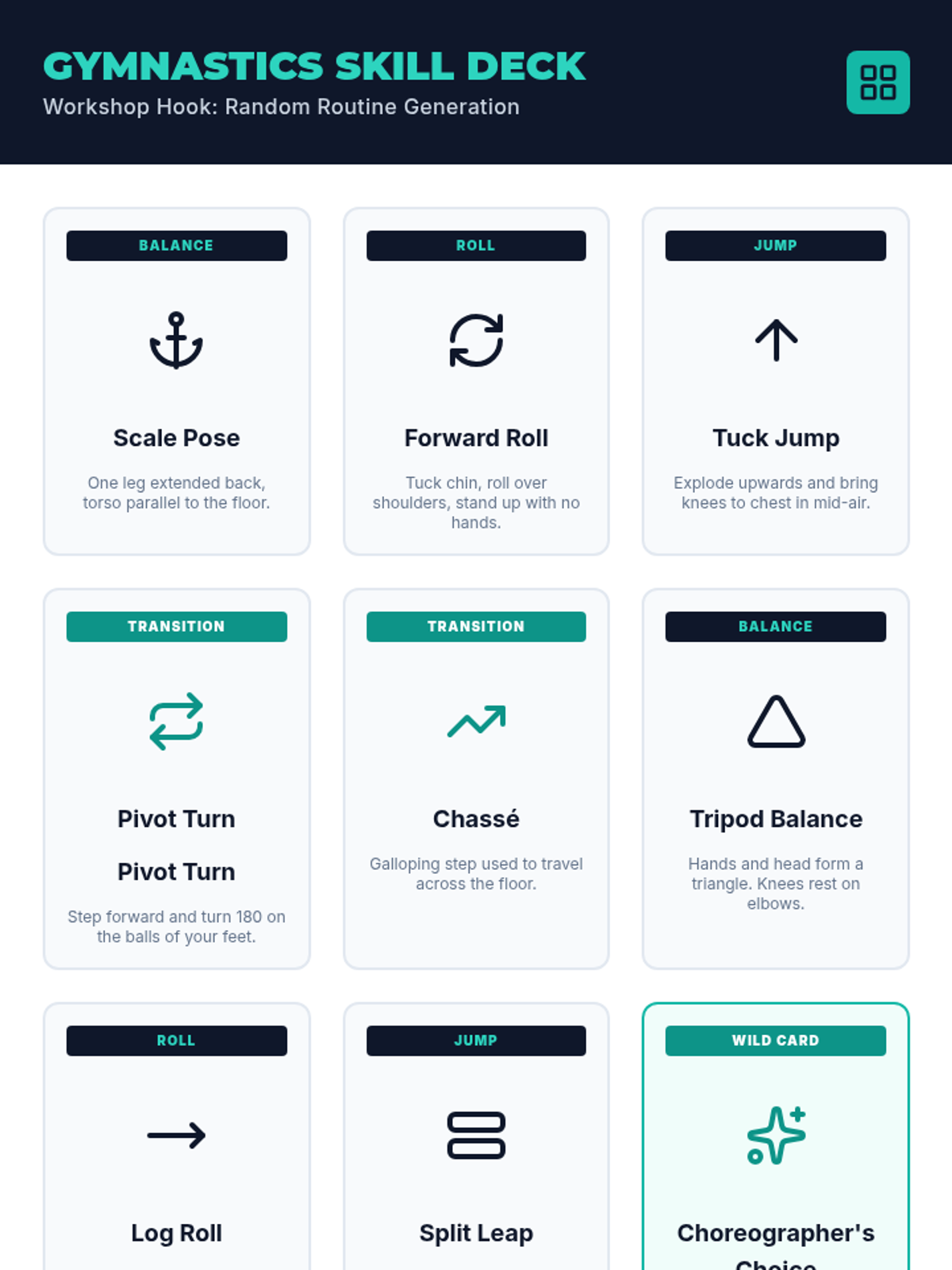
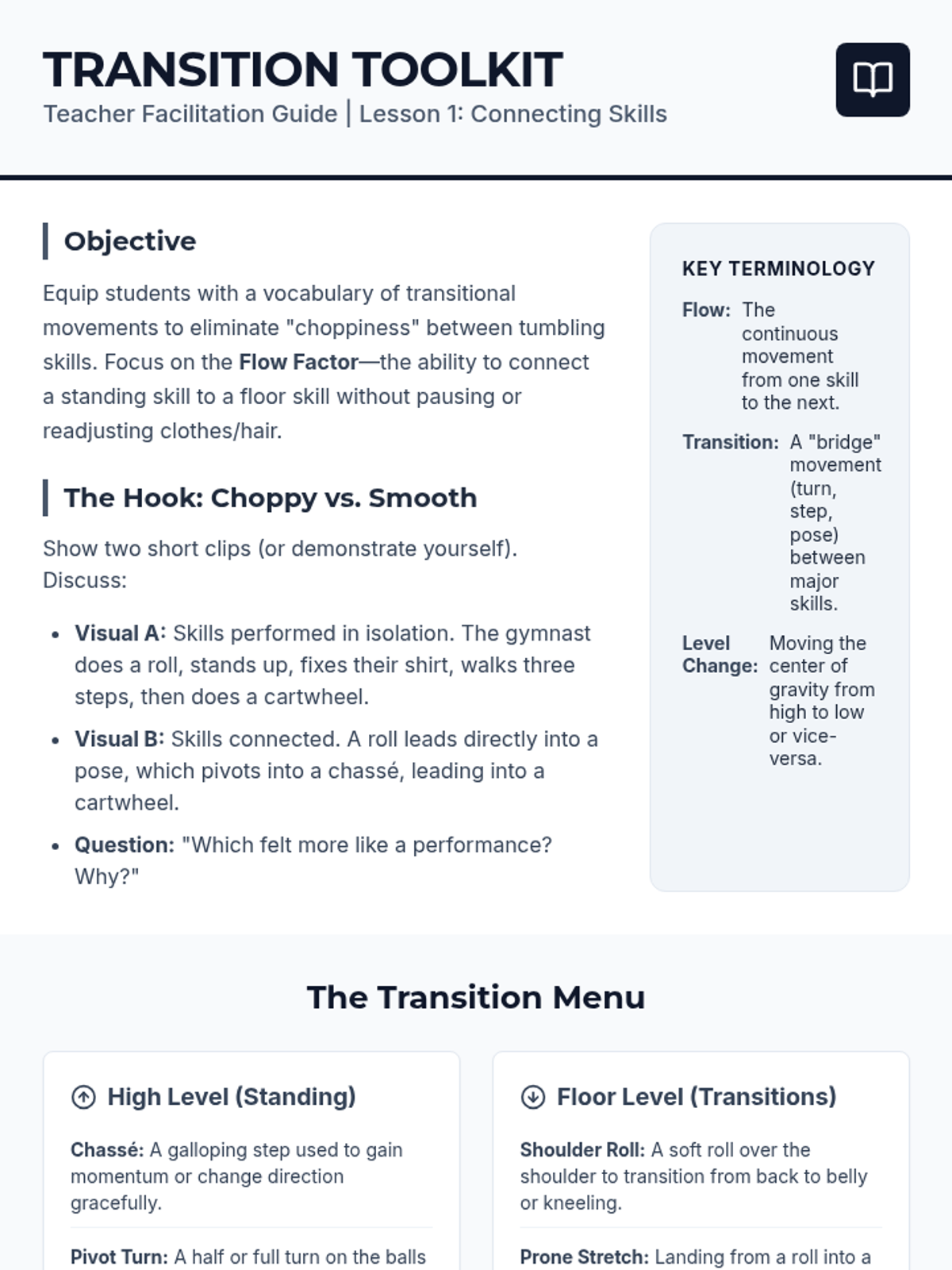
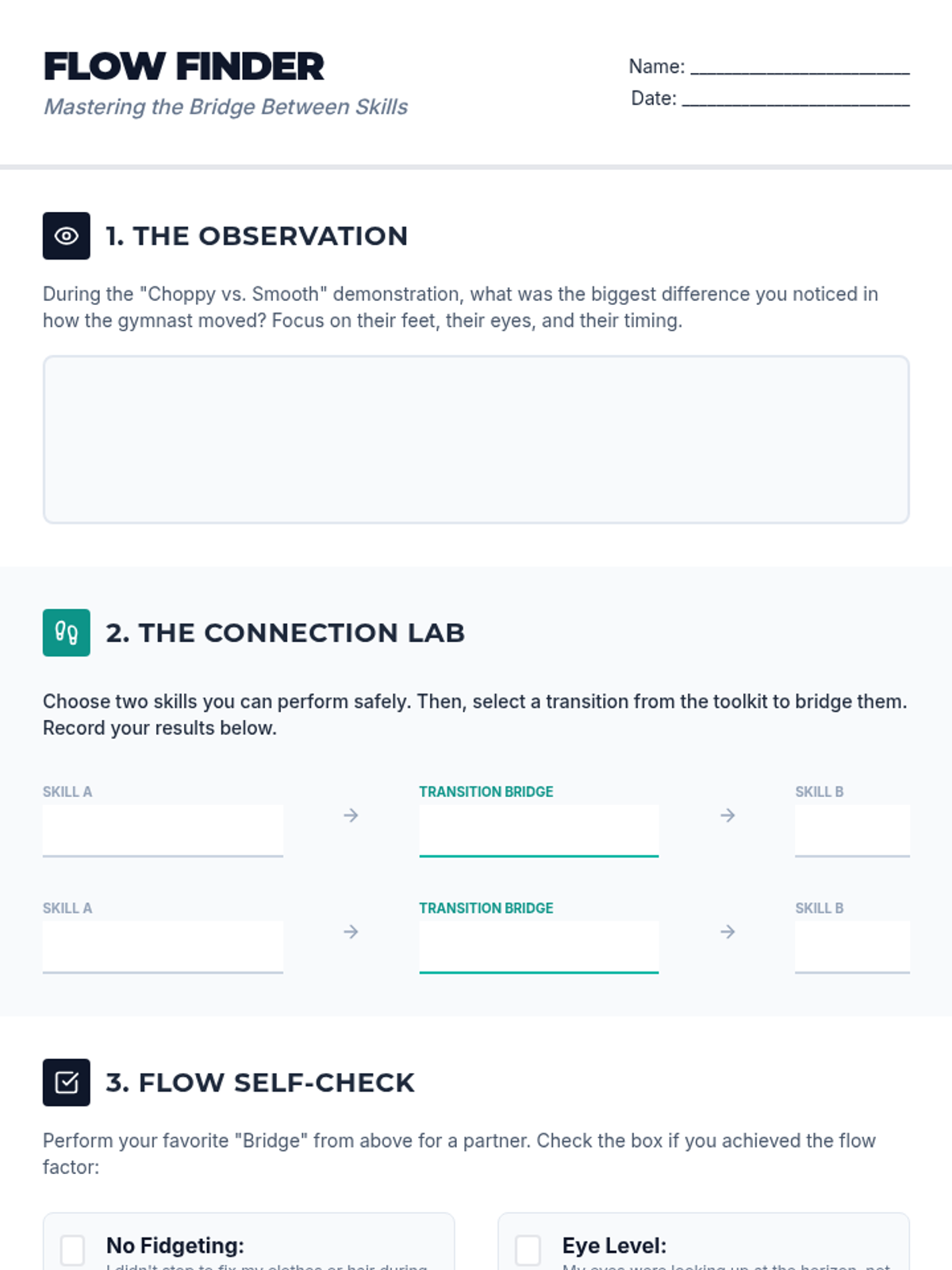
Students learn how to link isolated tumbling skills using transitional movements like chassés, turns, and poses. The focus is on moving seamlessly between positions to create flow.
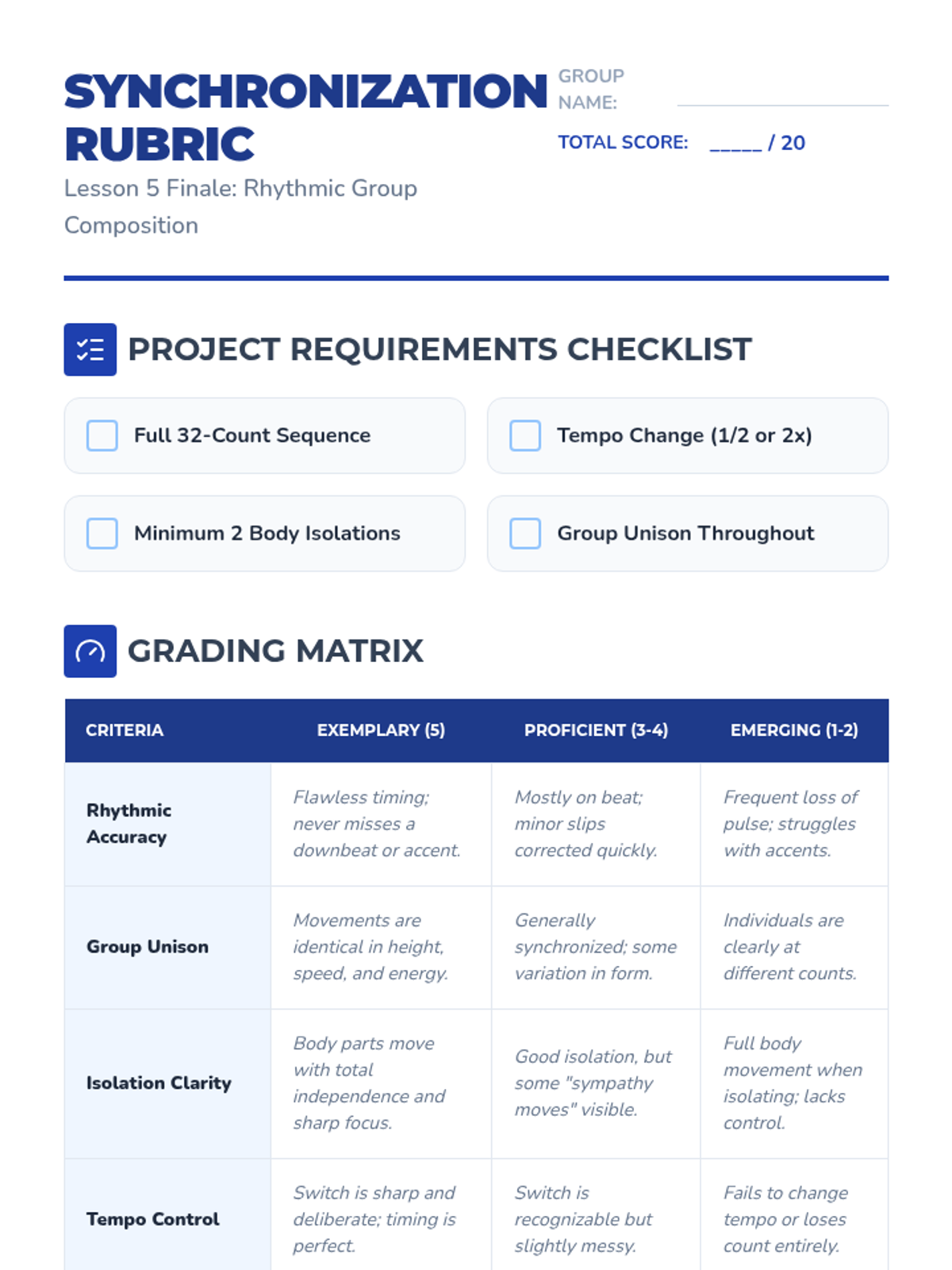
In this culminating lesson, students work in small teams to create a 32-count rhythmic movement phrase. They must incorporate unison timing, at least one tempo change, and distinct body isolations. Groups perform for peers, who provide feedback specifically on the ensemble's ability to stay synchronized with the music and each other.
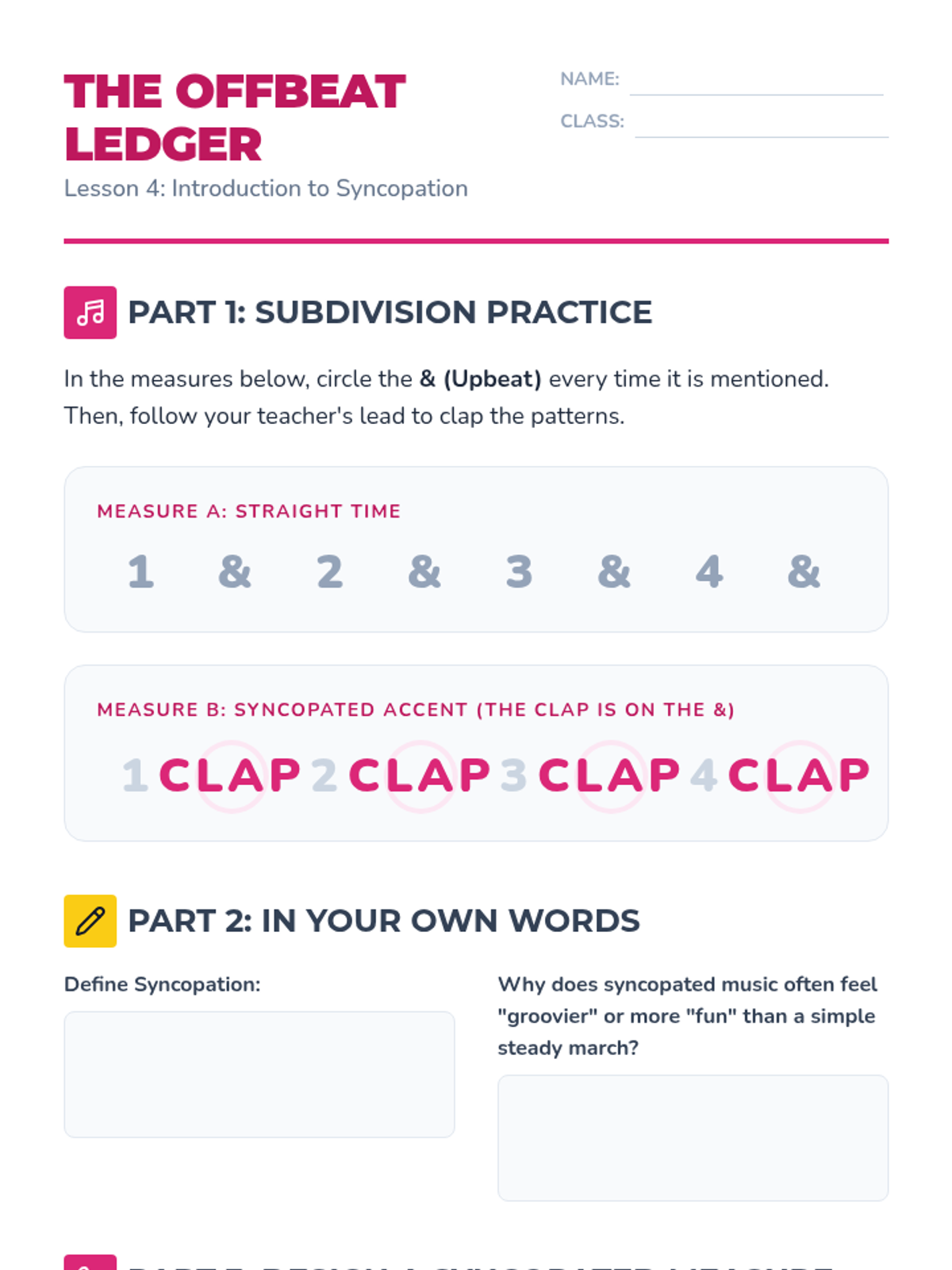
Students learn to identify and move on the 'off-beats' or upbeats of the music, moving beyond simple downbeat marching. They practice clapping rhythms that emphasize weak beats and translate this into footwork patterns like grapevines and box steps with syncopated accents.
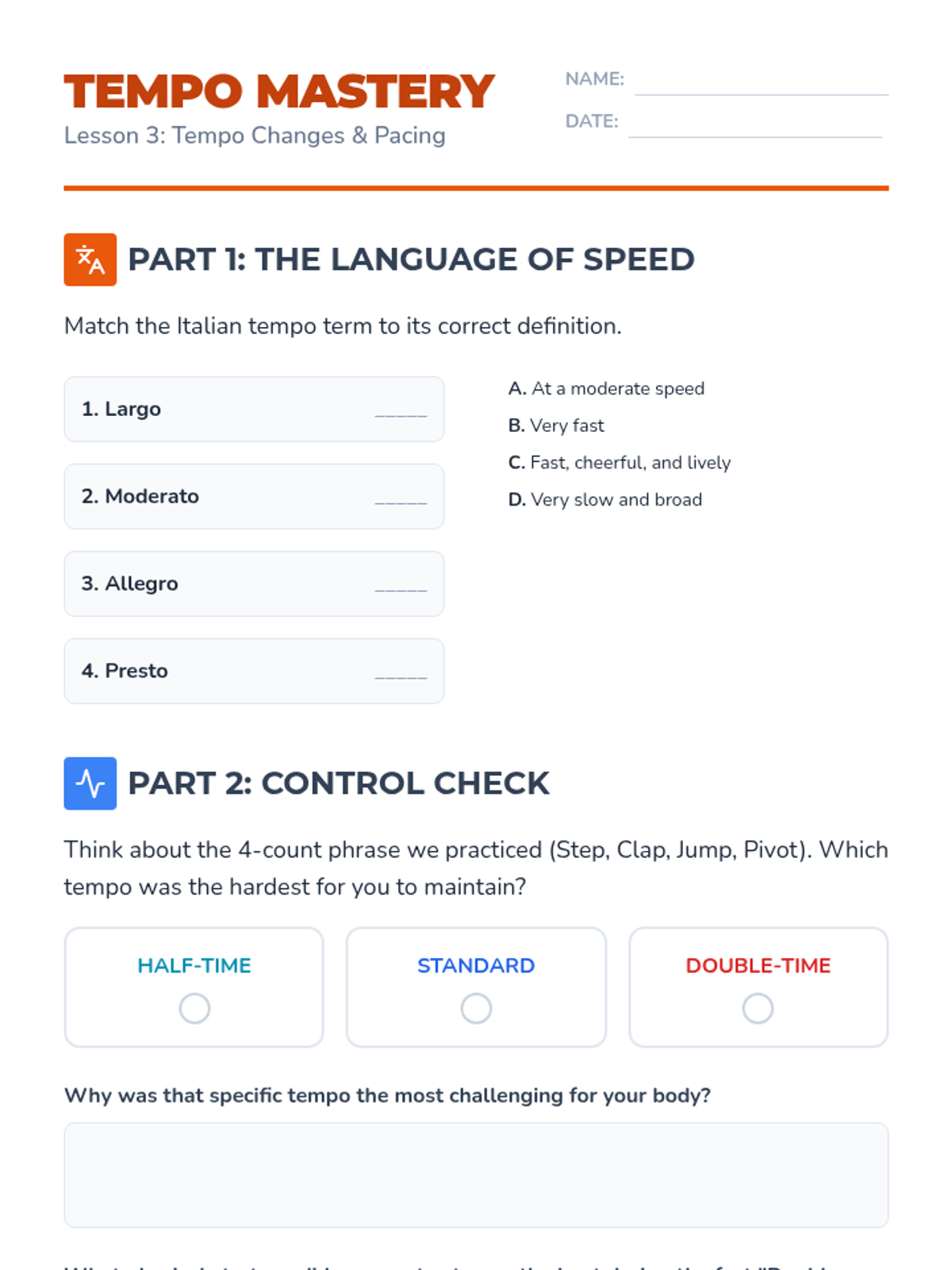
Students explore how movement quality changes when the speed of the music varies. Using a basic four-count movement phrase, students perform the sequence at half-time, standard time, and double-time.
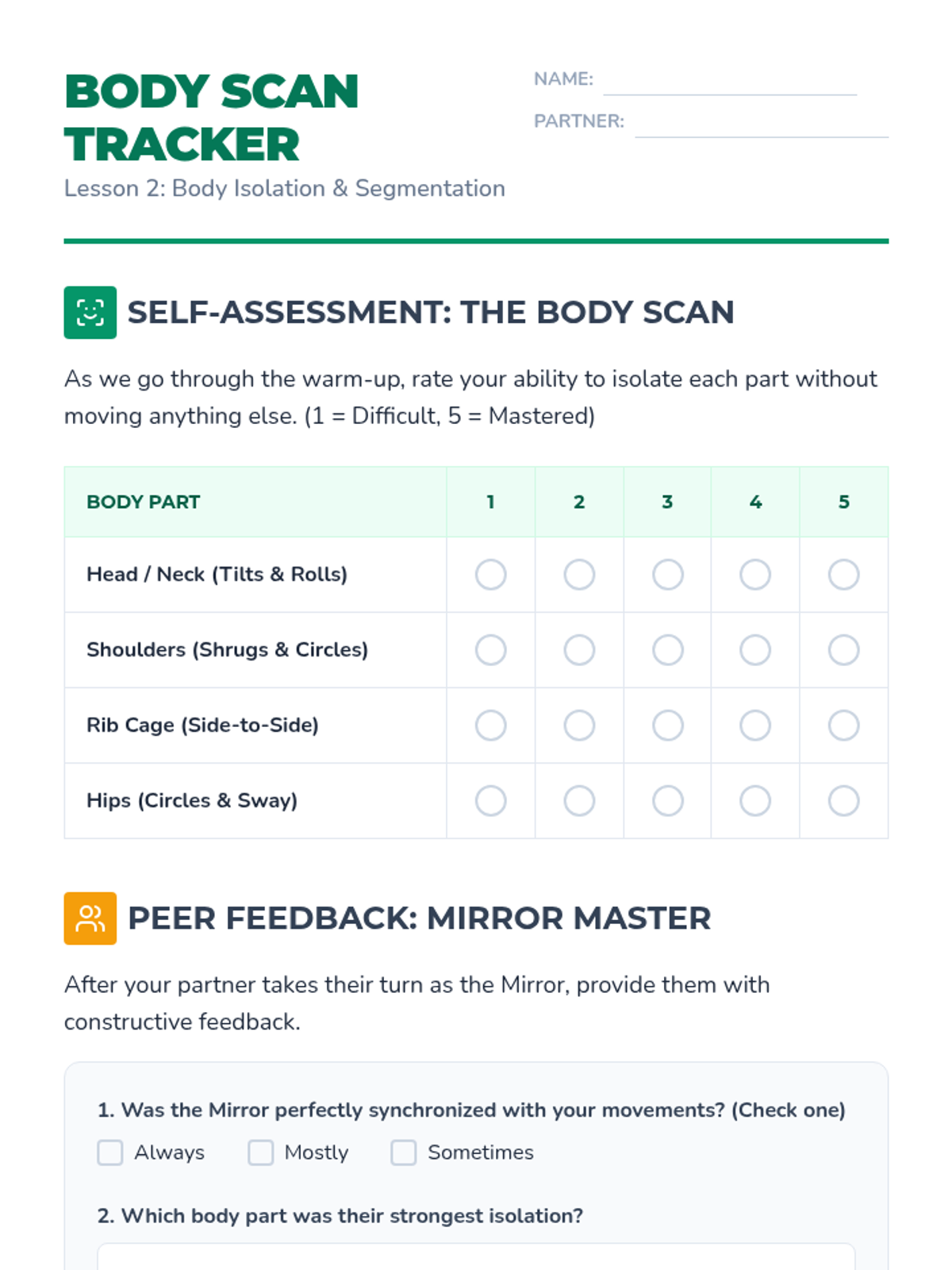
This lesson focuses on moving specific body parts independently while maintaining a steady rhythm. Students participate in a 'body scan' warm-up and a mirror exercise with a partner.
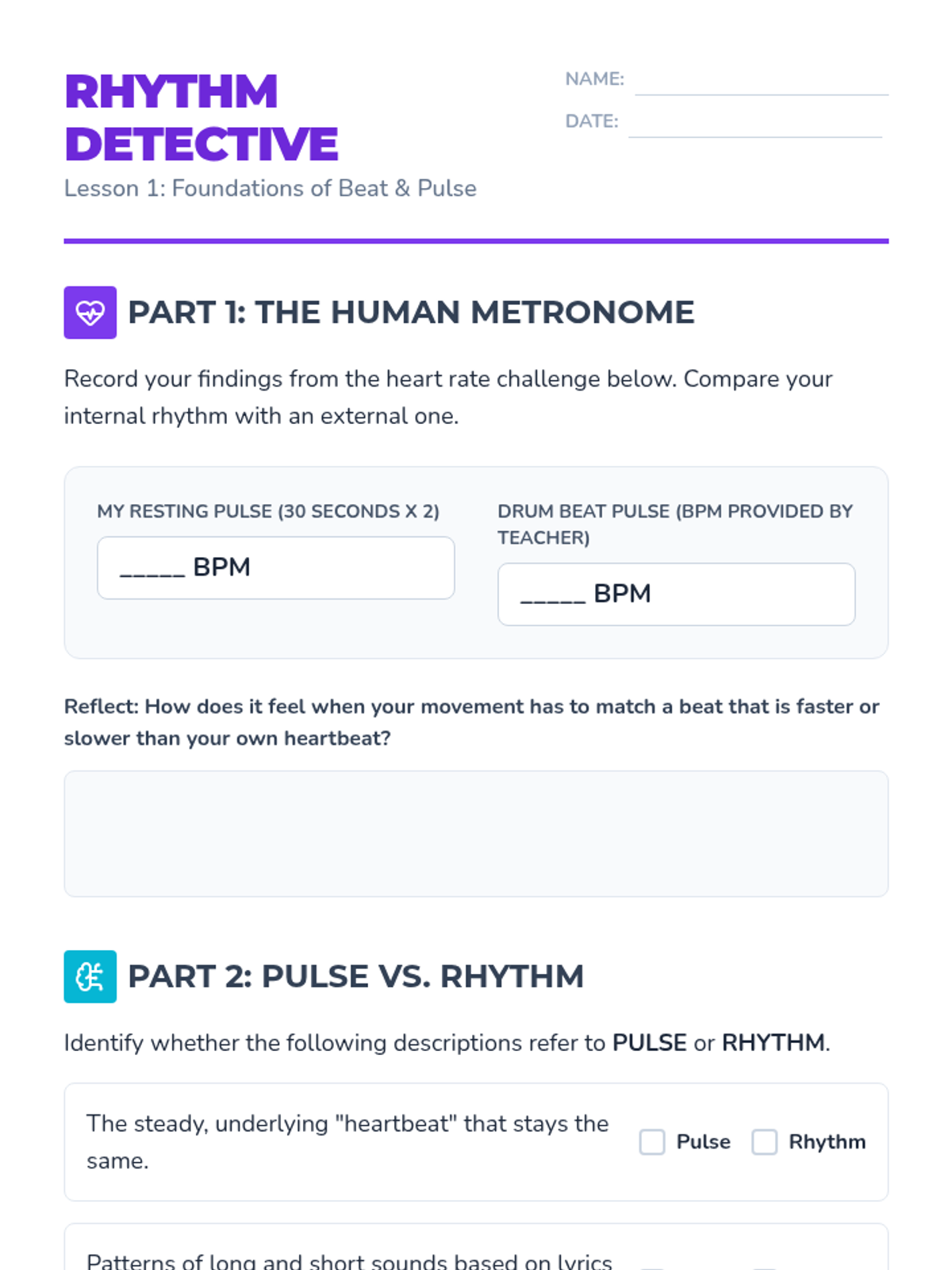
Students distinguish between pulse and rhythm, practice stepping and clapping on the downbeat, and demonstrate auditory awareness through directional changes in space.